From 11:00 pm to 12:00 pm EST ( 8:00 pm to 9:00 pm PST ) on January 6th, the website will be under maintenance. We are sorry for the inconvenience. Please arrange your schedule properly.
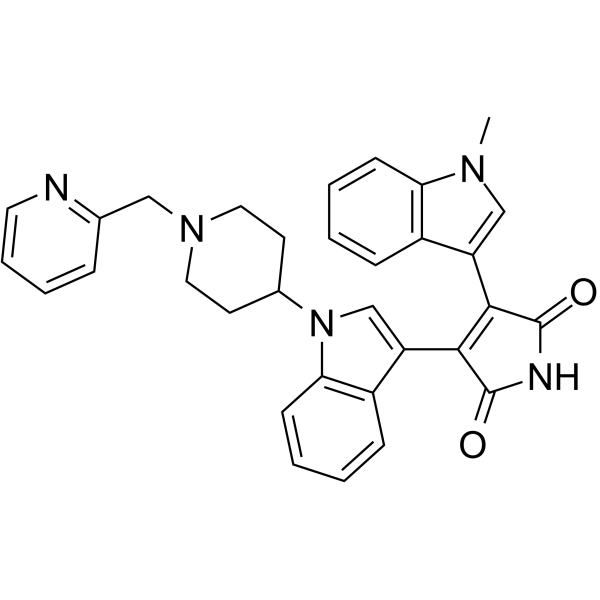
Enzastaurin (LY317615) is a potent, selective, and CNS-penetrant PKCβ inhibitor with an IC50 of 6 nM, showing 6- to 20-fold selectivity over PKCα, PKCγ and PKCε .
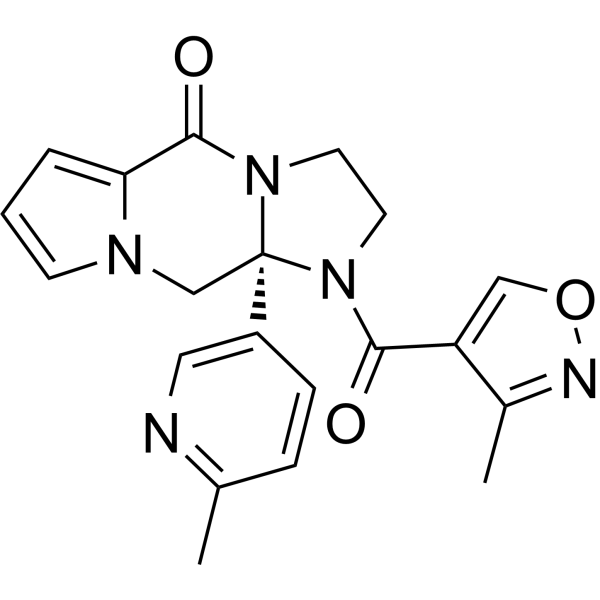
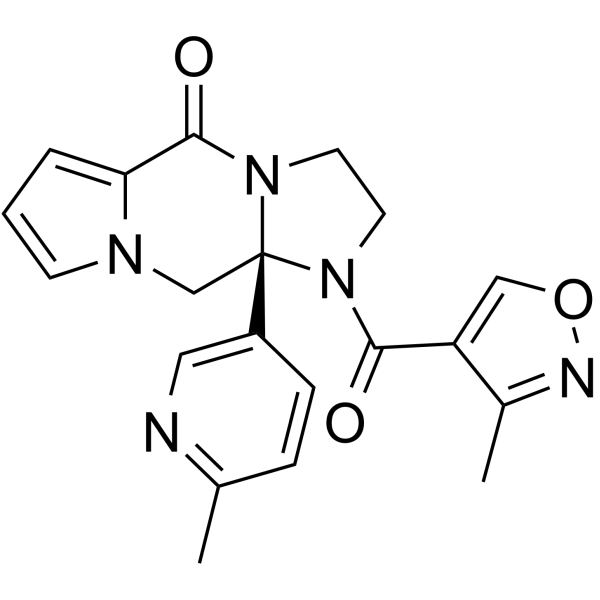
Enzomenib (DSP-5336) is an orally active Menin inhibitor (IC50=1.4 nM, Kd=6.0 nM). Enzomenib disrupts the interaction between Menin and KMT2A/MLL fusion proteins, specifically inhibits the expression of leukemia driver genes such as HOX/MEIS1, and upregulates ITGAM. Enzomenib effectively induces cell differentiation, inhibits tumor cell proliferation, and suppresses primitive cell colony formation. Enzomenib reduces disease burden and prolongs survival, but causes adverse reactions including differentiation syndrome and QTc interval prolongation. Enzomenib is used for research on relapsed/refractory acute myeloid leukemia, acute lymphoblastic leukemia, and other hematologic malignancies with mixed lineage leukemia (MLL) rearrangements or NPM1 mutations .
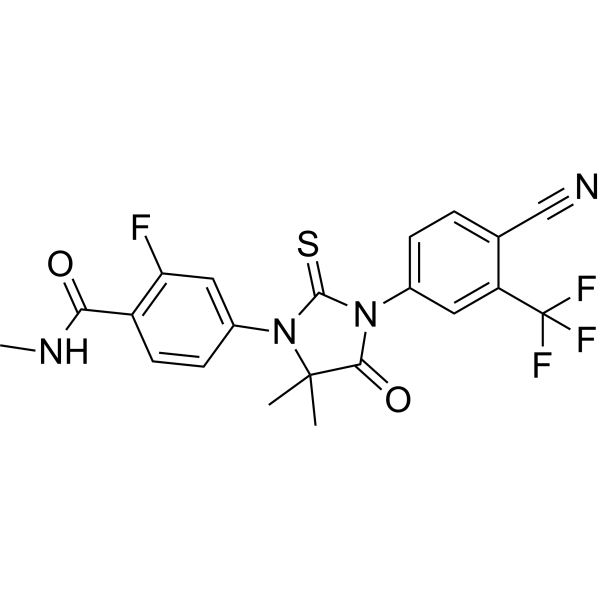
Enzalutamide (Standard) is the analytical standard of Enzalutamide. This product is intended for research and analytical applications. Enzalutamide (MDV3100) is an androgen receptor (AR) antagonist with an IC50 of 36 nM in LNCaP prostate cells. Enzalutamide is an autophagy activator .
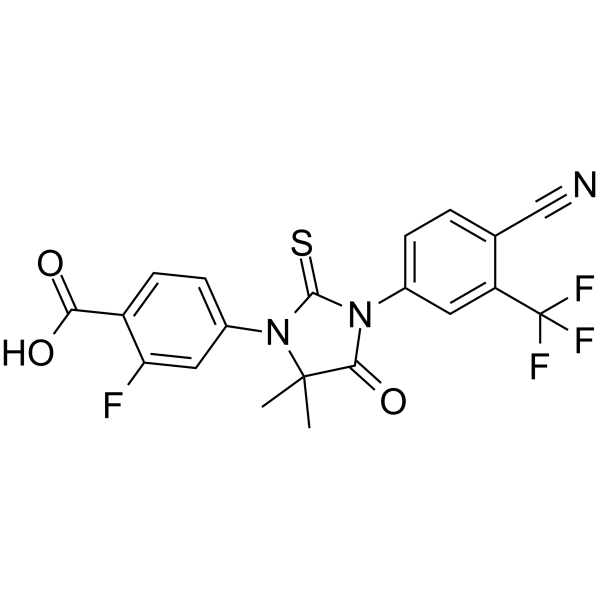
Enzalutamide carboxylic acid (MDV3100 carboxylic acid) is an inactive metabolite of Enzalutamide (MDV3100). Enzalutamide is an androgen receptor (AR) antagonist .
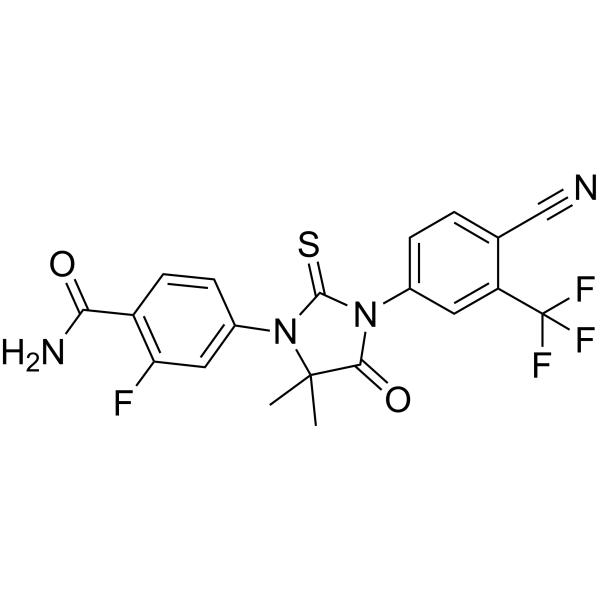
N-desmethyl Enzalutamide is the active metabolite of Enzalutamide.N-desmethyl Enzalutamide is the active metabolite of Enzalutamide. N-desmethyl Enzalutamide demonstrates primary and secondary pharmacodynamics of similar potency to Enzalutamide and circulates at approximately the same plasma concentrations as enzalutamide .
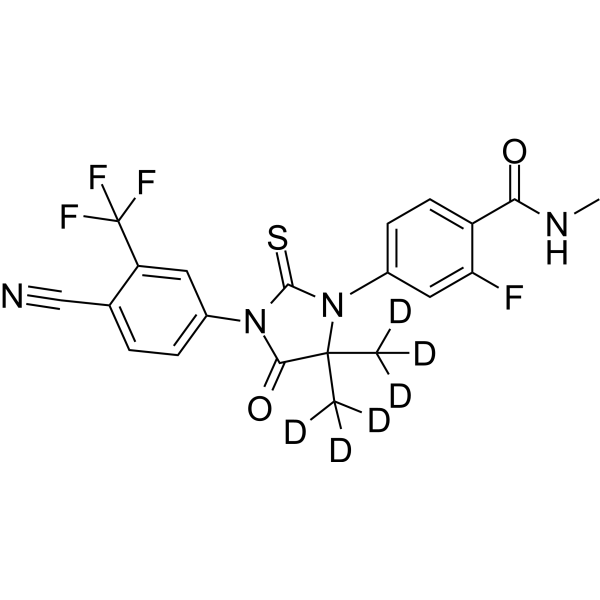
Enzalutamide-d6 (MDV3100-d6) is a deuterium labeled Enzalutamide (MDV3100). Enzalutamide is an androgen receptor (AR) antagonist with an IC50 of 36 nM in LNCaP prostate cells .
Pullulanase (R-enzyme) is a key starch debranching enzyme that specifically hydrolyzes α-1,6-glycosidic linkages in polysaccharides such as amylopectin and pullulan, facilitating the efficient degradation of starch into fermentable sugars .
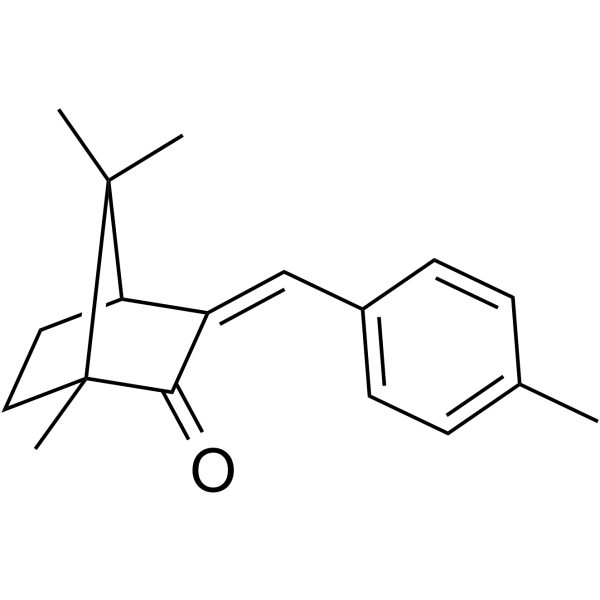
4-Methylbenzylidene camphor (4-MBC) is an endocrine disrupter that produces estrogen-like effects. 4-Methylbenzylidene camphor decreases the proliferation of human trophoblast cells and induces apoptosis. 4-Methylbenzylidene camphor activates PI3K/AKT and ERK1/2 signaling pathways and elevates intracellular ROS production. 4-Methylbenzylidene camphor is a ultraviolet (UV) filter and may hamper normal placental formation during early pregnancy .
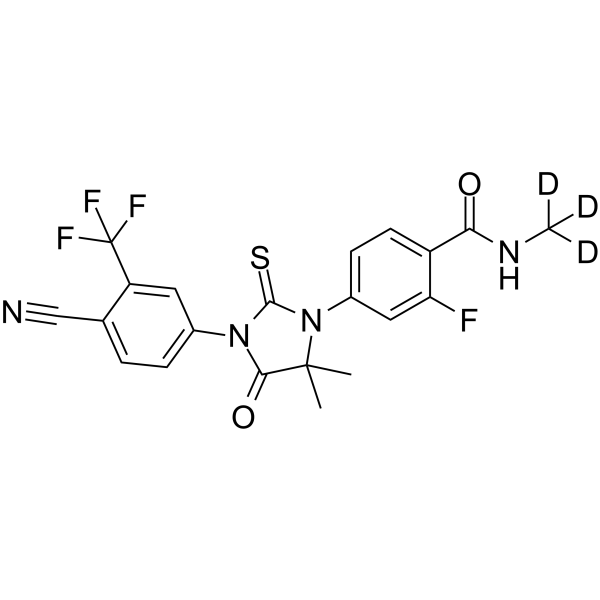
Deutenzalutamide (Enzalutamide-d3) is a developed deuterium labeled Enzalutamide (MDV3100). Enzalutamide is an androgen receptor (AR) antagonist with an IC50 of 36 nM in LNCaP prostate cells .
Human CES1 Enzyme is a recombinantly expressed CES1 enzyme. Human CES1 Enzyme, an enzyme responsible for the hydrolysis of ester- and amide-containing molecules, is mainly expressed in the liver where it is crucial for the processing of active metabolites and is also involved in trans-esterification reactions .
Angiotensin-converting enzyme (Kininase II) is a dicarboxypeptidase, it converts inactive Angiotensin I (Ang I) to active Ang II and degrades active bradykinin (BK). Angiotensin-converting enzyme is a potent vasoconstrictor, is often used in biochemical studies .
Microgranulated pectolytic enzyme is a biocatalyst and a key enzyme in new biocatalyst technology. Enzyme engineering focuses on enhancing enzyme reaction kinetics, substrate selectivity, and activity under harsh conditions such as low or high pH. By introducing stimulus responsiveness to these enzyme modifications, dynamic control of activity is also possible .
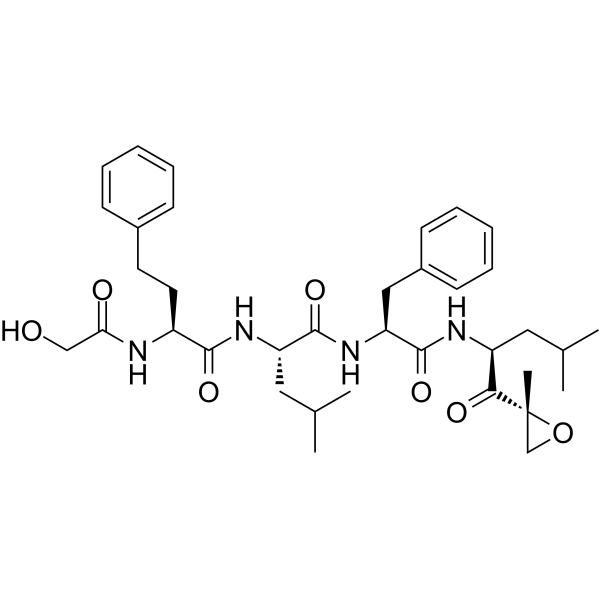
Enzyme-IN-1 (compound 1) is a peptide-based inhibitor of N-terminal nucleophile (Ntn) hydrolases. Specifically, Enzyme-IN-1 inhibits the chymotrypsin-like activity (CT-L) of the 20S proteasome. Enzyme-IN-1 may has potential antiinflammatory properties .
Thrombin-like enzyme is a proteolytic enzyme extraction of Agkistrodon halys venom. Thrombin-like enzyme can be used for degradation of fibrinogen. Thrombin-like enzyme can exacerbate myosin-induced EAM (experimental autoimmune myositis). Thrombin-like enzyme can be used for degradation of fibrinogen. Thrombin-like enzyme is commonly used for research of acute ischemic cerebrovascular disease, thromboangiitis obliterans, deep phlebitis and sudden deafness .
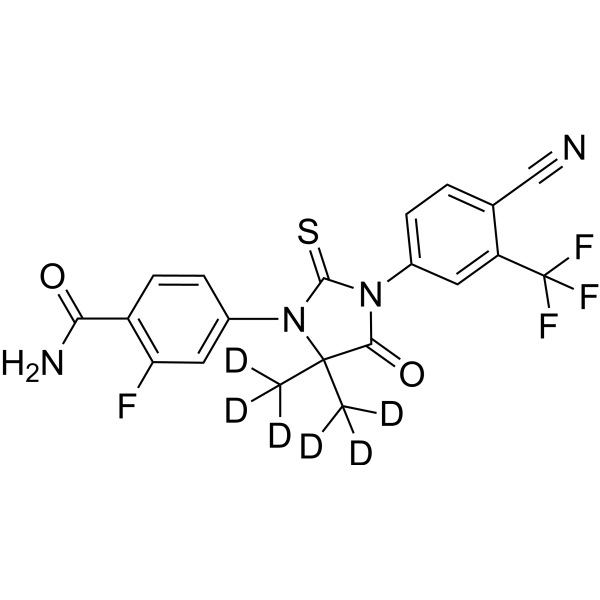
N-desmethyl Enzalutamide-d6 is a deuterium labeled N-desmethyl Enzalutamide. N-desmethyl Enzalutamide is an active metabolite of Enzalutamide. N-desmethyl Enzalutamide is the active metabolite of Enzalutamide. N-desmethyl Enzalutamide demonstrates primary and secondary pharmacodynamics of similar potency to Enzalutamide and circulates at approximately the same plasma concentrations as enzalutamide .
Human CES2 Enzyme is a carboxylesterase involved in drug metabolism and lipid homeostasis. Human CES2 Enzyme hydrolyzes triglycerides, cholesteryl esters and retinyl esters to regulate lipid metabolism and energy homeostasis. Human CES2 Enzyme improves glucose tolerance and insulin sensitivity, reduces hepatic lipid accumulation, alleviates white adipose tissue steatitis, decreases plasma cholesterol levels, and reduces body weight and white adipose tissue weight. Human CES2 Enzyme can be used in the research of metabolic syndrome .
CYP3A4 enzyme-IN-1 (compound 59) is a potent antibacterial agent, with a MIC of 1 μg/mL for MRSA. CYP3A4 enzyme-IN-1 exhibits low to moderate inhibitory effects on CYP1A2, CYP2E1, CYP2D6, and CYP3A4 enzymes .
Enzelkitug is a humanized immunoglobulin G1-κ monoclonal antibody targeting the human C-C motif chemokine receptor 8 (CCR8). Enzelkitug is promising for research of various solid tumors and hematological malignancies .
Enzastaurin (LY317615) hydrochloride is a potent and selective PKCβ inhibitor with an IC50 of 6 nM, showing 6- to 20-fold selectivity over PKCα, PKCγ and PKCε .
Enzyme-IN-3 disodium (compound 7) is a selective inhibitor of Mycobacterium tuberculosisshikimate kinase with an IC50 of 1.6 μM. Enzyme-IN-3 disodium has antibacterial activity .
(S)-Enzaplatovir ((S)-BTA-C585) is the S-enantiomer of Enzaplatovir. (S)-Enzaplatovir shows antiviral activities with an EC50 of 56 nM for respiratory syncytial viral (RSV) (patent WO2011094823A1 compound 77) .
Enzastaurin (LY317615) dihydrochloride is a potent and selective PKCβ inhibitor with an IC50 of 6 nM, showing 6- to 20-fold selectivity over PKCα, PKCγ and PKCε .
Enzastaurin (Standard) is the analytical standard of Enzastaurin. This product is intended for research and analytical applications. Enzastaurin (LY317615) is a potent and selective PKCβ inhibitor with an IC50 of 6 nM, showing 6- to 20-fold selectivity over PKCα, PKCγ and PKCε .
C1s Enzyme is a subunit of the complement C1 complex, which activates the complement as a serine protease. C1s Enzyme cleaves LRP5 and LRP6, and thus activates the Wnt/β-Catenin signaling pathway. C1s Enzyme promotes the macrophage M2 polarization and inhibits M1 polarization. C1s Enzyme enhances efferocytosis, exhibits anti-inflammatory activity .
Vaccinia virus capping enzyme is a transcription initiation factor. Vaccinia virus capping enzyme is a heterodimer of D1 (844 aa) and D12 (287 aa) polypeptides that executes all three steps in m7GpppRNA synthesis. Vaccinia virus capping enzyme has been used widely as a reagent for capping and cap-labeling RNAs in vitro .
Ubiquitin Conjugating enzyme E2C (EC 2.3.2.24) is a member of the E2 ubiquitin-conjugating enzyme family, and it is the principal regulator of pathways for protein degradation in eukaryotes. Ubiquitin Conjugating enzyme E2C is involved in the tumorigenesis of various malignancies. Ubiquitin Conjugating enzyme E2C is also involved in mitotic cyclin disruption, affecting cell cycle progression. Ubiquitin Conjugating enzyme E2C is a prognostic indicator for cholangiocarcinoma .
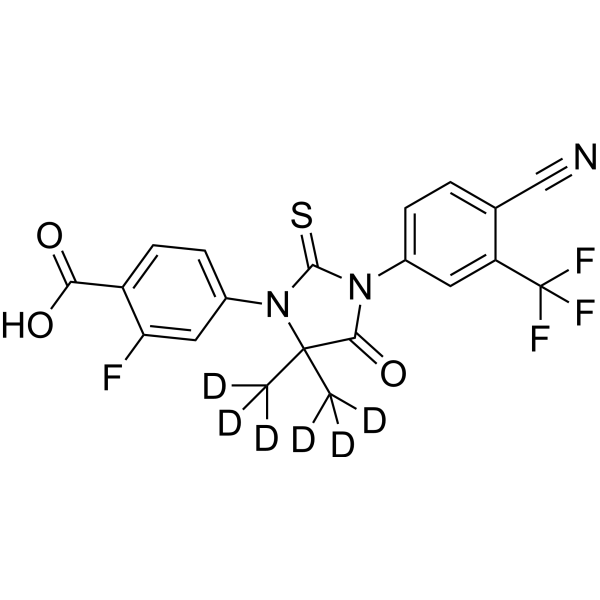
Enzalutamide carboxylic acid-d6 is the deuterium labeled Enzalutamide carboxylic acid (MDV3100 carboxylic acid). Enzalutamide carboxylic acid is an inactive metabolite of Enzalutamide .
Bromoxynil octanoate (Standard) is the analytical standard of Bromoxynil octanoate. This product is intended for research and analytical applications. Bromoxynil octanoate is an herbicide widely applied to maize, is potentially toxic to both animals and humans .
N-desmethyl Enzalutamide (Standard) is the analytical standard of N-desmethyl Enzalutamide. This product is intended for research and analytical applications. N-desmethyl Enzalutamide is the active metabolite of Enzalutamide.N-desmethyl Enzalutamide is the active metabolite of Enzalutamide. N-desmethyl Enzalutamide demonstrates primary and secondary pharmacodynamics of similar potency to Enzalutamide and circulates at approximately the same plasma concentrations as enzalutamide .
4-Methylbenzylidene camphor (Standard) is the analytical standard of 4-Methylbenzylidene camphor. This product is intended for research and analytical applications. 4-Methylbenzylidene camphor (4-MBC) is an endocrine disrupter that produces estrogen-like effects. 4-Methylbenzylidene camphor decreases the proliferation of human trophoblast cells and induces apoptosis. 4-Methylbenzylidene camphor activates PI3K/AKT and ERK1/2 signaling pathways and elevates intracellular ROS production. 4-Methylbenzylidene camphor is a ultraviolet (UV) filter and may hamper normal placental formation during early pregnancy .
Formimino-L-glutamic acid Transferase can convert aminomethyleneglutamic acid FIGLU and tetrahydrofolate THF into L-glutamic acid and 5-formimino-THF .
Enzyme-IN-4 is a competitive inhibitor of glyoxalase I that can be found in Stereum hirsutum. Enzyme-IN-4 has a Ki value of 4.6 μM against rat liver glyoxalase I .
G6Pase catalytic enzyme-IN-1 is a competitive inhibitor of glucose-6-phosphatase catalytic enzyme. G6Pase catalytic enzyme-IN-1 has an IC50 of 10 μM in pig liver microsomes. G6Pase catalytic enzyme-IN-1 can be used in studies related to type 2 diabetes .
Angiotensin Converting Enzyme, Bovine (EC 3.4.15.1) increases blood pressure by causing blood vessels to constrict. Angiotensin Converting Enzyme, Bovine (EC 3.4.15.1) does that by converting angiotensin I to angiotensin II, which constricts the vessels.
Angiotensin Converting Enzyme, Rabbit (EC 3.4.15.1) indirectly increases blood pressure by causing blood vessels to constrict. Angiotensin Converting Enzyme does that by converting angiotensin I to angiotensin II, which constricts the vessels.
Angiotensin Converting Enzyme, Rat (EC 3.4.15.1) indirectly increases blood pressure by causing blood vessels to constrict. Angiotensin Converting Enzyme does that by converting angiotensin I to angiotensin II, which constricts the vessels.
Pyruvate Kinase/Lactic Dehydrogenase enzymes, Rabbit catalyzes an ATP-dependent phosphorylation of glycolate to yield 2-phosphoglycolate. Pyruvate kinase requires bivalent and monovalent cations such as Mg 2+ and K + respectively for activation to occur.
Enzomenib enantiomer (DSP-5336 enantiomer) is an enantiomer of Enzomenib (HY-156794). Enzomenib (DSP-5336) is an orally active Menin inhibitor (IC50=1.4 nM, Kd=6.0 nM). Enzomenib disrupts the interaction between Menin and KMT2A/MLL fusion proteins, specifically inhibits the expression of leukemia driver genes such as HOX/MEIS1, and upregulates ITGAM. Enzomenib effectively induces cell differentiation, inhibits tumor cell proliferation, and suppresses primitive cell colony formation. Enzomenib reduces disease burden and prolongs survival, but causes adverse reactions including differentiation syndrome and QTc interval prolongation. Enzomenib is used for research on relapsed/refractory acute myeloid leukemia, acute lymphoblastic leukemia, and other hematologic malignancies with mixed lineage leukemia (MLL) rearrangements or NPM1 mutations .
methyl 2-fluoro-4-((1-methoxy-2-methyl-1-oxopropan-2-yl)amino)benzoate (Enzalutamide Impurity) (Standard) is the analytical standard of methyl 2-fluoro-4-((1-methoxy-2-methyl-1-oxopropan-2-yl)amino)benzoate (Enzalutamide Impurity). This product is intended for research and analytical applications.
Enzaplatovir (Standard) is the analytical standard of Enzaplatovir (HY-109004). This product is intended for research and analytical applications. Enzaplatovir (BTA-C585) is an orally bioavailable Inhibitor for respiratory syncytial virus (RSV) infection .
Enzelkitug (RO-7502175; RG-6411) (FUT8-KO) is an anti-CCR8 monoclonal antibody expressed by CHO cells with the fucosyltransferase 8 gene (FUT8) knocked out. Fucose deficiency enhances the antibody-dependent cellular cytotoxicity (ADCC) effect of the antibody. Enzelkitug (FUT8-KO) can be used for the research of various solid tumors and hematological malignancies .
(E3-independent) E2 ubiquitin-conjugating enzyme (EC 2.3.2.24) transfers a single ubiquitin directly from an ubiquitinated E1 ubiquitin-activating enzyme to itself, and on to a lysine residue of the acceptor protein without involvement of E3 ubiquitin transferases.
(S)-Enzaplatovir (Standard) is the analytical standard of (S)-Enzaplatovir (HY-109004A). This product is intended for research and analytical applications. (S)-Enzaplatovir ((S)-BTA-C585) is the S-enantiomer of Enzaplatovir. (S)-Enzaplatovir shows antiviral activities with an EC50 of 56 nM for respiratory syncytial viral (RSV) (patent WO2011094823A1 compound 77) .
Metabolism is the set of life-sustaining chemical reactions in organisms that maintain cell homeostasis. Metabolic pathways are enzyme-mediated biochemical reactions that lead to biosynthesis (anabolism) or breakdown (catabolism) of molecules including glucose metabolism, lipid metabolism and amino acid or protein metabolism within a cell or tissue. As catalysts, enzymes are crucial to metabolism as they allow a reaction to proceed more rapidly and tregulate the rate of a metabolic reaction. Due to the importance of metabolic balance in the organism, the abnormal function of metabolic enzymes often leads to the occurrence of a variety of metabolic diseases, such as diabetes, obesity, cardiovascular disease, etc.
MCE designs a unique collection of 4,169 metabolic enzymes related small molecules, which is an important tool for studying the metabolic activities of organisms and developing drugs for metabolic diseases.
MCE iPSC/ESC Dissociation Solution (Enzyme-Free) is a chelation-based, enzyme-free cell dissociation reagent specifically designed for the culture and manipulation of induced pluripotent stem cells (iPSCs) and embryonic stem cells (ESCs). This optimized solution enables gentle and efficient dissociation of iPSCs/ESCs within 5-8 min, making it suitable for routine passaging, dissociation, and cell-cluster handling. It provides superior stability and better preservation of cell state compared with traditional methods.
Enzelkitug is a humanized immunoglobulin G1-κ monoclonal antibody targeting the human C-C motif chemokine receptor 8 (CCR8). Enzelkitug is promising for research of various solid tumors and hematological malignancies .
Enzelkitug (RO-7502175; RG-6411) (FUT8-KO) is an anti-CCR8 monoclonal antibody expressed by CHO cells with the fucosyltransferase 8 gene (FUT8) knocked out. Fucose deficiency enhances the antibody-dependent cellular cytotoxicity (ADCC) effect of the antibody. Enzelkitug (FUT8-KO) can be used for the research of various solid tumors and hematological malignancies .
Enzyme-IN-4 is a competitive inhibitor of glyoxalase I that can be found in Stereum hirsutum. Enzyme-IN-4 has a Ki value of 4.6 μM against rat liver glyoxalase I .
NAD-ME, a mitochondrial malic enzyme, relies on NAD and catalyzes the oxidative decarboxylation of malate to pyruvate within the mitochondria. Essential for cellular energy metabolism and the tricarboxylic acid (TCA) cycle, NAD-ME links metabolic pathways, influencing energy production and precursor molecule generation. Its enzymatic role is pivotal for balancing cellular redox reactions and meeting the cell's metabolic demands. NAD-ME Protein, Human (His) is the recombinant human-derived NAD-ME protein, expressed by E. coli , with C-6*His labeled tag.
The UFC1 protein catalyzes the second step of ufmylation, accepting UFM1 from UBA5 and forming an intermediate with UFM1. Ufmylation is involved in reticulophagy and interacts with UBA5, UFL1, and UFM1. It also interacts with KIRREL3. UFC1 Protein, Human (sf9, His, Strep) is the recombinant human-derived UFC1 protein, expressed by sf9 insect cells , with N-Strep, N-8*His labeled tag.
The ISG15 E1/UBE1L protein initiates ubiquitination by adenylating the C-terminal glycine of ubiquitin with ATP to form a thioester bond with its cysteine residue. This produces ubiquitin-E1 thioester and free AMP. ISG15 E1/UBE1L Protein, Human (sf9, His, Strep) is the recombinant human-derived ISG15 E1/UBE1L protein, expressed by Sf9 insect cells , with N-8*His, N-Strep labeled tag.
The ubiquitin E1 enzyme initiates ubiquitination by adenylating ubiquitin with ATP and forming a thioester bond with the E1 enzyme. It exhibits specificity for ubiquitin and excludes ubiquitin-like peptides. UBE1L2/UBA6 Protein, Human (sf9, His, Strep) is the recombinant human-derived UBE1L2/UBA6 protein, expressed by sf9 insect cells , with N-Strep, N-8*His labeled tag.
ACE2 Protein, Rhesus macaque (HEK 293, His) is a metallopeptidase which binds effectively to the S1 domain of the SARS‐CoV protein. ACE2 Protein, Rhesus macaque is also an essential regulator of cardiac function and blood pressure control.
The UBA5 protein activates UFM1 in ufmylation, linking the C-terminal glycine residue of UFM1 to a cysteine residue in E1. UBA5 Protein, Human (His) is the recombinant human-derived UBA5 protein, expressed by E. coli , with N-6*His labeled tag.
The UBE2J2 protein plays a crucial role in cellular processes by catalyzing the covalent attachment of ubiquitin to other proteins. Its function is involved in the selective degradation of misfolded membrane proteins extending into the endoplasmic reticulum (ERAD), as suggested by the similarity of related processes. UBE2J2 Protein, Human (GST) is the recombinant human-derived UBE2J2 protein, expressed by E. coli , with N-GST labeled tag.
The ECE-1 protein plays a key role in vascular regulation by catalyzing the conversion of large endothelin-1 to endothelin-1. This enzymatic process is a critical step in the maturation of endothelin-1, a potent vasoconstrictor and signaling molecule involved in the regulation of blood pressure, vascular tone, and various physiological functions. ECE-1 Protein, Human (HEK293, His) is the recombinant human-derived ECE-1 protein, expressed by HEK293 , with N-8*His labeled tag.
UBE2Z Protein, a catalyst in ubiquitin conjugation, facilitates the covalent attachment of ubiquitin to target proteins. It serves as a specific substrate for UBA6 and is implicated in the regulation of apoptosis. UBE2Z Protein, Human (His) is the recombinant human-derived UBE2Z protein, expressed by E. coli , with N-6*His labeled tag.
ACE2 Protein, Human (HEK293, mFc) is a SARS-CoV-2 receptor. Angiotensin-Converting Enzyme 2 efficiently hydrolyses the potent vasoconstrictor angiotensin II to angiotensin. It is a consequence of this action that ACE2 participates in the renin-angiotensin system.
ACE2 Protein, Human (HEK293, His, solution) is a SARS-CoV-2 receptor. Angiotensin-Converting Enzyme 2 efficiently hydrolyses the potent vasoconstrictor angiotensin II to angiotensin. It is a consequence of this action that ACE2 participates in the renin-angiotensin system.
ACE2 Protein, Human, (HEK293, Fc, solution) is a SARS-CoV-2 receptor. Angiotensin-Converting Enzyme 2 efficiently hydrolyses the potent vasoconstrictor angiotensin II to angiotensin. It is a consequence of this action that ACE2 participates in the renin-angiotensin system.
ACE2 is an important carboxypeptidase in the renin-angiotensin system, converting angiotensin I to anti-hypertrophic angiotensin 1-9 and vasoconstrictor angiotensin II to vasodilator angiotensin 1-7, thereby regulating cardiovascular homeostasis. It can remove the C-terminal residues of vasoactive peptides and cleave a variety of biological peptides. ACE2 Protein, Paguma larvata (HEK293, hFc) is the recombinant ACE2 protein, expressed by HEK293 , with C-hFc labeled tag.
ACE2 Protein, Human (Biotinylated, HEK 293, His-Avi) is a metallopeptidase which binds effectively to the S1 domain of the SARS‐CoV protein. ACE2 Protein, Human is also an essential regulator of cardiac function and blood pressure control.
The ACE2 protein is an important regulator of blood volume and cardiovascular homeostasis. ACE2 Protein, Human (Biotinylated, HEK293, mFc-Avi) is the recombinant human-derived ACE2 protein, expressed by HEK293 , with C-Avi, C-mFc labeled tag.
The ACE2 protein is an important regulator of blood volume and cardiovascular homeostasis. ACE2 Protein, Human (sf9, His) is the recombinant human-derived ACE2 protein, expressed by Sf9 insect cells , with C-His labeled tag.
USP46 Protein, a ubiquitin-specific protease, is involved in the regulation of cellular processes and protein degradation. It has been found to play a critical role in synaptic plasticity and memory formation. USP46 Protein's potential as a therapeutic target in cognitive disorders and its impact on neurological function make it a subject of interest in neuroscience research. USP46 Protein, Human/Mouse (sf9) is the recombinant human, mouse-derived USP46 protein, expressed by Sf9 insect cells , with tag free.
The UBA1 protein initiates ubiquitin conjugation, marking proteins for degradation in the ubiquitin-proteasome system. UBA1 Protein, Human (sf9) is the recombinant human-derived UBA1 protein, expressed by Sf9 insect cells , with no tag.
The UbcH5b/UBE2D2 protein is an important cellular mediator that accepts ubiquitin from the E1 complex and catalyzes multifunctional “Lys-48”-linked polyubiquitination on target proteins. In addition to its catalytic role, it also concentrates and selectively degrades short-lived proteins and contributes to E6/E6-AP-induced ubiquitination of p53/TP53. UbcH5b/UBE2D2 Protein, Human is the recombinant human-derived UbcH5b/UBE2D2 protein, expressed by E. coli , with tag free.
The ACE2 protein is an important regulator of blood volume and cardiovascular homeostasis. ACE2 Protein, Human (HEK293, His) is the recombinant human-derived ACE2 protein, expressed by HEK293 , with C-His labeled tag.
ACE2 is an important carboxypeptidase in the renin-angiotensin system that complexly regulates cardiovascular homeostasis. It specifically converts angiotensin I to angiotensin 1-9 and angiotensin II to angiotensin 1-7, exerting antihypertrophic and vasodilatory effects. ACE2 Protein, Rat (HEK293, His) is the recombinant rat-derived ACE2 protein, expressed by HEK293 , with C-His labeled tag.
ACE2 protein is an important carboxypeptidase in the renin-angiotensin system, which can regulate blood volume and vascular resistance and maintain cardiovascular homeostasis. It converts angiotensin I to the antihypertrophic angiotensin 1-9 and angiotensin II to the vasodilatory angiotensin 1-7, thereby opposing vasoconstriction. ACE2 Protein, Mouse (HEK293, His-Fc) is the recombinant mouse-derived ACE2 protein, expressed by HEK293 , with C-hFc, C-His, C-8*His labeled tag.
ACE2 protein is an important carboxypeptidase in the renin-angiotensin system, which can regulate blood volume and vascular resistance and maintain cardiovascular homeostasis. It converts angiotensin I to the antihypertrophic angiotensin 1-9 and angiotensin II to the vasodilatory angiotensin 1-7, thereby opposing vasoconstriction. ACE2 Protein, Mouse (HEK293, His) is the recombinant mouse-derived ACE2 protein, expressed by HEK293, with C-His labeled tag.
USP46 Protein, a ubiquitin-specific protease, is involved in the regulation of cellular processes and protein degradation. It has been found to play a critical role in synaptic plasticity and memory formation. USP46 Protein's potential as a therapeutic target in cognitive disorders and its impact on neurological function make it a subject of interest in neuroscience research. USP46 Protein, Human/Mouse (sf9, SUMO) is the recombinant mouse-derived USP46 protein, expressed by Sf9 insect cells , with SUMO labeled tag.
The UBA1 protein initiates ubiquitin conjugation, marking proteins for degradation in the ubiquitin-proteasome system. UBA1 Protein, Human (sf9, His-GST) is the recombinant human-derived UBA1 protein, expressed by Sf9 insect cells , with N-His, N-GST labeled tag.
The ACE2 protein is an important regulator of blood volume and cardiovascular homeostasis. ACE2 Protein, Human (Biotinylated, sf9, His-Avi) is the recombinant human-derived ACE2 protein, expressed by Sf9 insect cells , with C-Avi, C-His labeled tag.
USP46 protein, as a deubiquitinating enzyme, may participate in behavioral regulation by regulating the effects of GABA. Suggested to mediate deubiquitination of GAD1/GAD67, affecting processes related to GABAergic neurotransmission. USP46 Protein, Human is the recombinant human-derived USP46 protein, expressed by E. coli , with tag free.
USP21 protein is a multifunctional deubiquitinase that plays a key role in the regulation of epigenetic transcriptional repression by deubiquitinating histone H2A. As a coactivator, it relieves the inhibition of dimethylation and trimethylation of histone H3 at "Lys-4", thereby regulating transcription initiation. USP21 Protein, Human is the recombinant human-derived USP21 protein, expressed by E. coli , with tag free.
ACE2 Protein, an indispensable counter-regulatory carboxypeptidase within the renin-angiotensin hormone system, plays a pivotal role in maintaining cardiovascular homeostasis by intricately regulating blood volume and systemic vascular resistance. ACE2 exhibits broad enzymatic activity, cleaving various vasoactive peptides such as neurotensin, kinetensin, and des-Arg bradykinin. Moreover, ACE2 is proficient in cleaving other biological peptides, including apelins, casomorphins, and dynorphin A. ACE2 Protein, Rhesus Macaque (HEK293, Fc) is the recombinant Rhesus Macaque-derived ACE2 protein, expressed by HEK293 , with C-hFc labeled tag.
The SUMF1 protein plays an important role as an oxidase that converts cysteine to 3-oxoalanine on specific target proteins such as GALNS, ARSA, STS, and ARSE. This enzymatic activity is essential for the maturation of arylsulfatase and alkaline phosphatase, leading to the formation of 3-oxoalanine (fGly). SUMF1 Protein, Human (HEK293, His) is the recombinant human-derived SUMF1 protein, expressed by HEK293 , with C-6*His labeled tag.
USP14 is a proteasome-associated deubiquitinase that regulates ubiquitin dynamics by releasing ubiquitin from proteins marked for degradation. As a reversible proteasome subunit, USP14 ensures ubiquitin replenishment. USP14 Protein, Human is the recombinant human-derived USP14 protein, expressed by E. coli, with tag free.
The USP11 protein is a multifunctional protease that selectively removes ubiquitin from target proteins and polyubiquitin chains, thereby hindering their proteasomal degradation. It shows a preference for “Lys-6” and “Lys-63” linked ubiquitin chains and less activity towards other linkages. USP11 Protein, Human (sf9) is the recombinant human-derived USP11 protein, expressed by sf9 insect cells , with tag free.
USP22 protein is a histone deubiquitinating enzyme in the SAGA complex that catalyzes the deubiquitination of histones H2A and H2B and acts as a coactivator. Activators such as MYC facilitate its recruitment to gene promoters, which is critical for transcriptional activation. USP22 Protein, Human (sf9) is the recombinant human-derived USP22 protein, expressed by sf9 insect cells , with tag free.
The USP28 protein serves as a deubiquitinase and plays a key role in the DNA damage response checkpoint and the stability of the MYC proto-oncogene. It selectively deubiquitinates DNA damage pathway proteins such as CLSPN, thereby regulating apoptosis. USP28 Protein, Human (sf9) is the recombinant human-derived USP28 protein, expressed by sf9 insect cells , with tag free.
USP21 protein is a multifunctional deubiquitinase that plays a key role in the regulation of epigenetic transcriptional repression by deubiquitinating histone H2A. As a coactivator, it relieves the inhibition of dimethylation and trimethylation of histone H3 at "Lys-4", thereby regulating transcription initiation. USP21 Protein, Human (356a.a) is the recombinant human-derived USP21, expressed by E. coli, with tag-free.
The USP51 protein uniquely regulates the DNA damage response by deubiquitinating the "Lys-14" (H2AK13Ub) and "Lys-16" (H2AK15Ub) residues of histone H2A at double-strand breaks. After DNA damage, USP51 is recruited to chromatin and regulates TP53BP1 and BRCA1 assembly/disassembly, which is critical for DNA repair. USP51 Protein, Human (sf9) is the recombinant human-derived USP51 protein, expressed by sf9 insect cells , with tag free.
USP29 protein, as a deubiquitinating enzyme, plays a crucial role in innate antiviral immunity by mediating "Lys-48" deubiquitination of CGAS. This effect stabilizes CGAS, an important sensor of the cellular response to viral infection, emphasizing the importance of USP29 in regulating CGAS activity. USP29 Protein, Human (sf9) is the recombinant human-derived USP29 protein, expressed by sf9 insect cells , with tag free.
The USP37 protein is a multifunctional deubiquitinase that regulates critical cellular processes. During the G1/S transition, it deubiquitinates cyclin A, promotes S phase entry, and enhances activity through Ser-628 phosphorylation. USP37 Protein, Human (sf9) is the recombinant human-derived USP37 protein, expressed by sf9 insect cells , with tag free.
USP10 is a multifunctional hydrolase that plays a critical regulatory role in a variety of cellular processes. It stabilizes the tumor suppressor p53/TP53 by deubiquitinating the tumor suppressor p53/TP53 in the cytoplasm, thereby counteracting MDM2-mediated degradation. USP10 Protein, Human (sf9) is the recombinant human-derived USP10 protein, expressed by sf9 insect cells , with tag free.
The ACE2 protein is an important regulator of blood volume and cardiovascular homeostasis. PE-Labeled ACE2 Protein, Human (HEK293, His) is the recombinant human-derived PE-Labeled ACE2 protein, expressed by HEK293, with C-His labeled tag.
The UBE2R1/CDC34 protein is an important ubiquitin-proteasome system component that functions as an E2 ubiquitin-conjugating enzyme, capable of proficiently accepting ubiquitin from the E1 complex and catalyzing its covalent attachment to a variety of protein substrates. . In vitro, UBE2R1 efficiently mediates “Lys-48”-linked polyubiquitination. UBE2R1/CDC34 Protein, Human (sf9, His, Strep) is the recombinant human-derived UBE2R1/CDC34 protein, expressed by sf9 insect cells , with N-Strep, N-His labeled tag.
The UBE2D3 protein is a key player in ubiquitination. It accepts ubiquitin from the E1 complex and covalently attaches it to a variety of proteins, demonstrating multifunctionality. It catalyzes "Lys-11" and "Lys-48" linked polyubiquitination in vitro, regulating protein ubiquitination patterns. UB2D3 Protein, Human (sf9, His, Strep) is the recombinant human-derived UB2D3 protein, expressed by sf9 insect cells , with N-Strep, N-8*His labeled tag.
USP14 is a proteasome-associated deubiquitinase that regulates ubiquitin dynamics by releasing ubiquitin from proteins marked for degradation. As a reversible proteasome subunit, USP14 ensures ubiquitin replenishment. USP14 Protein, Human (His) is the recombinant human-derived USP14 protein, expressed by E. coli , with N-6*His labeled tag.
The USP25 protein acts as a deubiquitinating enzyme and plays a key role in the hydrolysis of the ubiquitin moiety conjugated to the substrate. This function enables processing of newly synthesized ubiquitin, recycling of ubiquitin molecules, and editing of polyubiquitin chains, thus preventing proteasomal degradation of substrates. USP25 Protein, Human is the recombinant human-derived USP25 protein, expressed by E. coli , with tag free.
USP15 is a hydrolase that complexly regulates cellular processes by deubiquitinating various target proteins in pathways such as TGF-β receptor, NF-κ-B, and RNF41/NRDP1-PRKN. In TGF-β signaling, it promotes R-SMAD deubiquitination or stabilizes TGFBR1, thereby enhancing pathway activity. USP15 Protein, Human (sf9) is the recombinant human-derived USP15 protein, expressed by Sf9 insect cells , with tag free.
The USP28 protein serves as a deubiquitinase and plays a key role in the DNA damage response checkpoint and the stability of the MYC proto-oncogene. It selectively deubiquitinates DNA damage pathway proteins such as CLSPN, thereby regulating apoptosis. USP28 Protein, Human (sf9, His) is the recombinant human-derived USP28 protein, expressed by sf9 insect cells , with N-8*His labeled tag.
The USP47 protein is a ubiquitin-specific protease that deubiquitinates monoubiquitinated DNA polymerase beta (POLB), stabilizes POLB, and regulates base excision repair (BER). In addition to DNA repair, USP47 is an important regulator of cell growth and genome integrity. USP47 Protein, Human (sf9, FLAG) is the recombinant human-derived USP47 protein, expressed by sf9 insect cells , with C-Flag labeled tag.
The USP11 protein is a multifunctional protease that selectively removes ubiquitin from target proteins and polyubiquitin chains, thereby hindering their proteasomal degradation. It shows a preference for “Lys-6” and “Lys-63” linked ubiquitin chains and less activity towards other linkages. USP11 Protein, Human (sf9, GST) is the recombinant human-derived USP11 protein, expressed by sf9 insect cells , with N-GST labeled tag.
USP46 protein, as a deubiquitinating enzyme, may participate in behavioral regulation by regulating the effects of GABA. Suggested to mediate deubiquitination of GAD1/GAD67, affecting processes related to GABAergic neurotransmission. USP46 Protein, Human (His, GST) is the recombinant human-derived USP46 protein, expressed by E. coli , with N-6*His, N-GST labeled tag.
USP29 protein, as a deubiquitinating enzyme, plays a crucial role in innate antiviral immunity by mediating "Lys-48" deubiquitination of CGAS. This effect stabilizes CGAS, an important sensor of the cellular response to viral infection, emphasizing the importance of USP29 in regulating CGAS activity. USP29 Protein, Human (sf9, FLAG) is the recombinant human-derived USP29 protein, expressed by sf9 insect cells , with N-Flag labeled tag.
The USP37 protein is a multifunctional deubiquitinase that regulates critical cellular processes. During the G1/S transition, it deubiquitinates cyclin A, promotes S phase entry, and enhances activity through Ser-628 phosphorylation. USP37 Protein, Human (sf9, His) is the recombinant human-derived USP37 protein, expressed by sf9 insect cells , with N-8*His labeled tag.
USP5 protein selectively cleaves branched multiubiquitin polymers, favoring 'Lys-48'-linked polyubiquitin disassembly. It exhibits lower affinity for linear and 'Lys-63'-linked polyubiquitin. USP5 knockdown leads to p53/TP53 accumulation, enhancing p53/TP53 transcriptional activity, as unanchored polyubiquitin competes with ubiquitinated p53/TP53 for proteasomal recognition, unlike MDM2. USP5 Protein, Human (His) is the recombinant human-derived USP5 protein, expressed by E. coli, with N-His labeled tag.
USP6 protein is an ATP-independent isopeptidase with unique deubiquitinase activity that can cleave the C-terminus of ubiquitin and catalyze its own deubiquitination. Notably, it coordinates ARF6 plasma membrane localization and selectively affects ARF6-dependent endocytic protein trafficking. USP6 Protein, Human (sf9) is the recombinant human-derived USP6 protein, expressed by sf9 insect cells , with tag free.
The USP25 protein acts as a deubiquitinating enzyme and plays a key role in the hydrolysis of the ubiquitin moiety conjugated to the substrate. This function enables processing of newly synthesized ubiquitin, recycling of ubiquitin molecules, and editing of polyubiquitin chains, thus preventing proteasomal degradation of substrates. USP25 Protein, Human (His) is the recombinant human-derived USP25 protein, expressed by E. coli , with N-6*His labeled tag.
USP30 protein is anchored on the outer mitochondrial membrane and severely inhibits mitophagy by antagonizing Parkin (PRKN). Hydrolyzing ubiquitin on RHOT1/MIRO1 and target proteins such as TOMM20 and USP30 blocks Parkin-mediated mitophagy, thereby regulating the clearance of damaged mitochondria. USP30 Protein, Human (sf9) is the recombinant human-derived USP30 protein, expressed by sf9 insect cells , with tag free.
The USP16 protein is a specific deubiquitinase that targets "Lys-120" of histone H2A (H2AK119Ub), a tag associated with epigenetic transcriptional repression. By catalytically removing this ubiquitin moiety, USP16 acts as a coactivator, promoting subsequent phosphorylation of histone H3 (H3S10ph) 'Ser-11' to achieve mitotic chromosome segregation. USP16 Protein, Human (sf9) is the recombinant human-derived USP16 protein, expressed by sf9 insect cells , with tag free.
USP10 is a multifunctional hydrolase that plays a critical regulatory role in a variety of cellular processes. It stabilizes the tumor suppressor p53/TP53 by deubiquitinating the tumor suppressor p53/TP53 in the cytoplasm, thereby counteracting MDM2-mediated degradation. USP10 Protein, Human (Sf9, His, GST) is the recombinant human-derived USP10, expressed by Sf9 insect cells, with His, GST labeled tag.
USP15 is a hydrolase that complexly regulates cellular processes by deubiquitinating various target proteins in pathways such as TGF-β receptor, NF-κ-B, and RNF41/NRDP1-PRKN. In TGF-β signaling, it promotes R-SMAD deubiquitination or stabilizes TGFBR1, thereby enhancing pathway activity. USP15 Protein, Human (sf9, GST) is the recombinant human-derived USP15 protein, expressed by Sf9 insect cells , with N-GST labeled tag.
The USP47 protein is a ubiquitin-specific protease that deubiquitinates monoubiquitinated DNA polymerase beta (POLB), stabilizes POLB, and regulates base excision repair (BER). In addition to DNA repair, USP47 is an important regulator of cell growth and genome integrity. USP47 Protein, Human (sf9, His, FLAG) is the recombinant human-derived USP47 protein, expressed by sf9 insect cells , with C-Flag, N-8*His labeled tag.
The USP51 protein uniquely regulates the DNA damage response by deubiquitinating the "Lys-14" (H2AK13Ub) and "Lys-16" (H2AK15Ub) residues of histone H2A at double-strand breaks. After DNA damage, USP51 is recruited to chromatin and regulates TP53BP1 and BRCA1 assembly/disassembly, which is critical for DNA repair. USP51 Protein, Human (sf9, His, FLAG) is the recombinant human-derived USP51 protein, expressed by sf9 insect cells , with N-Flag, N-8*His labeled tag.
Insulin/IDE protein is the key to the decomposition of cellular peptides. It participates in the degradation of insulin, APP peptides, IAPP peptides, natriuretic peptides, glucagon, bradykinin, kinins and other peptides, and affects intercellular peptide signaling. Substrate binding induces conformational changes that promote degradation of larger substrates such as insulin. Insulysin/IDE Protein, Human (HEK293, His) is the recombinant human-derived Insulysin/IDE protein, expressed by HEK293 , with C-6*His labeled tag.
USP6 protein is an ATP-independent isopeptidase with unique deubiquitinase activity that can cleave the C-terminus of ubiquitin and catalyze its own deubiquitination. Notably, it coordinates ARF6 plasma membrane localization and selectively affects ARF6-dependent endocytic protein trafficking. USP6 Protein, Human (sf9, GST) is the recombinant human-derived USP6 protein, expressed by sf9 insect cells , with N-GST labeled tag.
USP8 is a key hydrolase in cellular regulation and plays a crucial role in protein turnover by efficiently deubiquitinating proteins and preventing degradation. Its activity spans "Lys-48" and "Lys-63" linked ubiquitin chains, highlighting its versatility. USP8 Protein, Human (sf9) is the recombinant human-derived USP8 protein, expressed by Sf9 insect cells, with tag free.
USP2 catalytic domain proteins act as hydrolases and target polyubiquitinated proteins such as MDM2, MDM4, and CCND1. Both isoform 1 and isoform 4 exhibit ubiquitin-specific peptidase and isopeptidase activities. USP2 Protein, Human is the recombinant human-derived USP2 protein, expressed by E. coli , with tag free.
USP30 protein is anchored on the outer mitochondrial membrane and severely inhibits mitophagy by antagonizing Parkin (PRKN). Hydrolyzing ubiquitin on RHOT1/MIRO1 and target proteins such as TOMM20 and USP30 blocks Parkin-mediated mitophagy, thereby regulating the clearance of damaged mitochondria. USP30 Protein, Human (sf9, His) is the recombinant human-derived USP30 protein, expressed by sf9 insect cells , with N-8*His labeled tag.
USP8 is a key hydrolase in cellular regulation and plays a crucial role in protein turnover by efficiently deubiquitinating proteins and preventing degradation. Its activity spans "Lys-48" and "Lys-63" linked ubiquitin chains, highlighting its versatility. USP8 Protein, Human (sf9, His, GST) is the recombinant human-derived USP8 protein, expressed by Sf9 insect cells, with N-His and N-GST labeled tag.
USP48 protein, a deubiquitinase, hydrolyzes ubiquitin bonds at the C-terminal Gly, processing poly-ubiquitin precursors and ubiquitinated proteins. It may regulate NF-kappa-B activation by the TNF receptor superfamily via RELA and TRAF2 interactions. With potential roles at postsynaptic sites, USP48 exhibits multifunctionality, influencing ubiquitin processing and signaling pathways involved in immune response and synaptic function. USP48 Protein, Human (sf9, FLAG) is the recombinant human-derived USP48 protein, expressed by sf9 insect cells , with C-Flag labeled tag.
UBE2K protein is an important component of the ubiquitin-proteasome system and functions as an E2 ubiquitin-conjugating enzyme, which is critical for attaching ubiquitin to different substrates. In vitro, UBE2K catalyzes "Lys-48" linked polyubiquitin chains, specifically in the presence or absence of the BRCA1-BARD1 E3 ligase complex. UBE2K Protein, Human (GST) is the recombinant human-derived UBE2K protein, expressed by E. coli , with N-GST labeled tag.
USP2 catalytic domain proteins act as hydrolases and target polyubiquitinated proteins such as MDM2, MDM4, and CCND1. Both isoform 1 and isoform 4 exhibit ubiquitin-specific peptidase and isopeptidase activities. USP2 Catalytic Domain Protein, Human (His) is the recombinant human-derived USP2 Catalytic Domain protein, expressed by E. coli , with N-6*His labeled tag.
UBE2O protein acts as a hybrid E2/E3 ubiquitin protein ligase capable of monoubiquitinating target proteins. It negatively regulates TRAF6-mediated NF-kappa-B activation independently of E2 activity. UBE2O Protein, Human (sf9) is the recombinant human-derived UBE2O protein, expressed by sf9 insect cells , with tag free.
Caspase-1/CASP1 is a thiol protease complex involved in inflammation by catalyzing the cleavage of IL1B, IL18, and Gasdermin-D (GSDMD). It activates a pro-inflammatory response, releases mature cytokines IL1B and IL18, and initiates pyroptosis through cleavage of GSDMD. Caspase-1/CASP1 Protein, Human (GST) is the recombinant human-derived Caspase-1/CASP1 protein, expressed by E. coli , with N-GST labeled tag.
UBE2O protein acts as a hybrid E2/E3 ubiquitin protein ligase capable of monoubiquitinating target proteins. It negatively regulates TRAF6-mediated NF-kappa-B activation independently of E2 activity. UBE2O Protein, Human (sf9, His, Strep) is the recombinant human-derived UBE2O protein, expressed by sf9 insect cells , with N-Strep, N-8*His labeled tag.
APOBEC3A protein is a DNA deaminase that limits the mobility of viruses, foreign DNA, and retrotransposons. APOBEC3A Protein, Human (His-SUMO) is the recombinant human-derived APOBEC3A protein, expressed by E. coli , with N-6*His, N-SUMO labeled tag.
Caspase-1/CASP1 subunit p10 and p20 protein is a thiol protease complex involved in inflammation by catalyzing the cleavage of IL1B, IL18, and Gasdermin-D (GSDMD). It activates a pro-inflammatory response, releases mature cytokines IL1B and IL18, and initiates pyroptosis through cleavage of GSDMD. Caspase-1/CASP1 Protein, Human (T388A, His) is the recombinant human-derived Caspase-1/CASP1, expressed by E. coli, with N-His labeled tag.
UB2E3 protein is a key ubiquitin-proteasome system component. As an E2 ubiquitin-conjugating enzyme, it plays a crucial role in the attachment of ubiquitin to target proteins. In vitro, UB2E3 exhibits diverse catalytic abilities, promoting polyubiquitination of “Lys-11,” “Lys-48,” and “Lys-63” linkages, suggesting its involvement in diverse cellular processes. UB2E3 Protein, Human (sf9) is the recombinant human-derived UB2E3 protein, expressed by sf9 insect cells , with tag free.
UBE2D3 is able to accept ubiquitin from specific E2 ubiquitin-conjugating enzymes and transfer it to substrates, often promoting its degradation by the proteasome. UBE2D3 Protein, Human is the recombinant human-derived UBE2D3 protein, expressed by E. coli , with tag free.
UbcH7/UBE2L3 is a unique ubiquitin-conjugating E2 enzyme that cooperates with HECT-type and RBR family E3 ligases and lacks intrinsic E3-independent reactivity with lysine. It uniquely works with RBR family E3 enzymes such as PRKN, RNF31 and ARIH1, acting like a RING-HECT hybrid. UbcH7/UBE2L3 Protein, Human is the recombinant human-derived UbcH7/UBE2L3 protein, expressed by E. coli , with tag free.
The UbcH6/UBE2E1 protein is an important ubiquitination component that acts as an E2 ubiquitin-conjugating enzyme, accepting ubiquitin in the E1 complex and catalyzing its covalent attachment to proteins. It is versatile and also facilitates covalent attachment of ISG15, playing a role in a variety of ubiquitin-like modifications. UbcH6/UBE2E1 Protein, Human (sf9) is the recombinant human-derived UbcH6/UBE2E1 protein, expressed by sf9 insect cells , with tag free.
The UBE2C protein is a key ubiquitin-proteasome system component that acts as an E2 ubiquitin-conjugating enzyme and is the core of the covalent linkage of ubiquitin to target proteins. In vitro, UBE2C expertly promotes “Lys-11” and “Lys-48” linked polyubiquitination, demonstrating the versatility of ubiquitin chain formation. UBE2C Protein, Human (sf9, His, Strep) is the recombinant human-derived UBE2C protein, expressed by sf9 insect cells , with N-Strep, N-8*His labeled tag.
UB2E3 protein is a key ubiquitin-proteasome system component. As an E2 ubiquitin-conjugating enzyme, it plays a crucial role in the attachment of ubiquitin to target proteins. In vitro, UB2E3 exhibits diverse catalytic abilities, promoting polyubiquitination of “Lys-11,” “Lys-48,” and “Lys-63” linkages, suggesting its involvement in diverse cellular processes. UB2E3 Protein, Human (sf9, His, Strep) is the recombinant human-derived UB2E3 protein, expressed by sf9 insect cells , with N-Strep, N-8*His labeled tag.
The UBE2S protein is critical in cellular ubiquitination, accepting ubiquitin from the E1 complex and catalyzing covalent attachment to various proteins.UBE2S is a key contributor to cell cycle regulation, catalyzing "Lys-11"-linked polyubiquitination, which is critical for anaphase-promoting complex/cyclosome (APC/C) function.UBE2S Protein, Human (GST) is the recombinant human-derived UBE2S protein, expressed by E.coli , with N-GST labeled tag.
The UbcH6/UBE2E1 protein is an important ubiquitination component that acts as an E2 ubiquitin-conjugating enzyme, accepting ubiquitin in the E1 complex and catalyzing its covalent attachment to proteins. It is versatile and also facilitates covalent attachment of ISG15, playing a role in a variety of ubiquitin-like modifications. UbcH6/UBE2E1 Protein, Human (sf9, His, Strep) is the recombinant human-derived UbcH6/UBE2E1 protein, expressed by sf9 insect cells , with N-Strep, N-8*His labeled tag.
UbcH7/UBE2L3 is a unique ubiquitin-conjugating E2 enzyme that cooperates with HECT-type and RBR family E3 ligases and lacks intrinsic E3-independent reactivity with lysine. It uniquely works with RBR family E3 enzymes such as PRKN, RNF31 and ARIH1, acting like a RING-HECT hybrid. UbcH7/UBE2L3 Protein, Human (sf9, His, Strep) is the recombinant human-derived UbcH7/UBE2L3 protein, expressed by sf9 insect cells , with N-Strep, N-8*His labeled tag.
The UBE2D1 protein is critical in cellular processes. It accepts ubiquitin from the E1 complex and preferentially catalyzes "Lys-48"-linked polyubiquitination in vitro, demonstrating multifunctionality. It mediates the selective degradation of short-lived and aberrant proteins and is involved in E6/E6-AP-induced ubiquitination of p53/TP53. UBE2D1 Protein, Human (GST) is the recombinant human-derived UBE2D1 protein, expressed by E. coli , with N-GST labeled tag.
UBE2M Protein is a crucial mediator in the ubiquitin-like protein NEDD8 conjugation pathway. It accepts NEDD8 from the UBA3-NAE1 E1 complex, covalently attaching it to target proteins like CUL1, CUL2, CUL3, and CUL4, particularly interacting with the E3 ubiquitin ligase RBX1. This specificity in neddylating specific targets suggests a pivotal role in regulating cellular processes, notably contributing to cell proliferation. UBE2M Protein, Human is the recombinant human-derived UBE2M protein, expressed by E. coli , with tag free.
The UB2Q2 protein is a component of the ubiquitin-proteasome system and functions as an E2 ubiquitin-conjugating enzyme, adept at accepting ubiquitin from the E1 complex and catalyzing its covalent attachment to a variety of protein substrates. In vitro, UB2Q2 efficiently mediates “Lys-48”-linked polyubiquitination. UB2Q2 Protein, Human (sf9) is the recombinant human-derived UB2Q2 protein, expressed by sf9 insect cells , with tag free.
The UB2E2 protein is a key ubiquitin-proteasome system participant, acting as an E2 ubiquitin-conjugating enzyme that accepts ubiquitin from the E1 complex and catalyzes its covalent attachment to proteins. In vitro, UB2E2 exhibits multifunctionality by catalyzing polyubiquitination of “Lys-11,” “Lys-48,” and “Lys-63” linkages, suggesting its involvement in diverse cellular processes. UB2E2 Protein, Human (sf9) is the recombinant human-derived UB2E2 protein, expressed by sf9 insect cells , with tag free.
UBE2H Protein, a crucial participant in cellular ubiquitination, transfers ubiquitin from the E1 complex to various proteins, including MAEA of the CTLH E3 ubiquitin-protein ligase complex. Versatile in vitro, UBE2H catalyzes both 'Lys-11'- and 'Lys-48'-linked polyubiquitination, showcasing its involvement in diverse ubiquitin-related processes. Notably, it demonstrates the capability to ubiquitinate histone H2A in vitro. UBE2H Protein, Human (GST) is the recombinant human-derived UBE2H protein, expressed by E. coli , with N-GST labeled tag.
The UBE2R2 protein is a key element of the ubiquitin-proteasome system and functions as an E2 ubiquitin-conjugating enzyme. It accepts ubiquitin from the E1 complex and catalyzes its covalent attachment to a variety of protein substrates. UBE2R2 Protein, Human (His) is the recombinant human-derived UBE2R2 protein, expressed by E. coli , with N-6*His labeled tag.
Studies have shown that the UB2Q1 protein plays a key role in cellular processes by catalyzing the covalent attachment of ubiquitin to other proteins. In addition to its ubiquitination function, UB2Q1 may also be involved in female hormonal homeostasis. UB2Q1 Protein, Human (His, Strep) is the recombinant human-derived UB2Q1 protein, expressed by E. coli , with N-Strep, N-6*His labeled tag.
The UB2E2 protein is a key ubiquitin-proteasome system participant, acting as an E2 ubiquitin-conjugating enzyme that accepts ubiquitin from the E1 complex and catalyzes its covalent attachment to proteins. In vitro, UB2E2 exhibits multifunctionality by catalyzing polyubiquitination of “Lys-11,” “Lys-48,” and “Lys-63” linkages, suggesting its involvement in diverse cellular processes. UB2E2 Protein, Human (sf9, His, Strep) is the recombinant human-derived UB2E2 protein, expressed by sf9 insect cells , with N-Strep, N-8*His labeled tag.
RIPK2 is a multifunctional serine/threonine/tyrosine protein kinase that coordinates innate and adaptive immune responses. It is activated by bacterial peptidoglycan to form filaments in the NOD1 and NOD2 pathways, undergoing autophosphorylation and polyubiquitination. RIPK2 Protein, Human (P. pastoris, His) is the recombinant human-derived RIPK2 protein, expressed by P. pastoris , with C-6*His, C-6*His labeled tag.
Furin/PCSK3 protein is an endoprotease with RX(K/R)R cleavage activity and is widely expressed in the constitutive secretory pathway.It plays a crucial role in processing various substrates, including TGFB1, and activating TGF-β-1.Furin/PCSK3 Protein, Mouse (HEK293, His) is the recombinant mouse-derived Furin/PCSK3 protein, expressed by HEK293 , with C-10*His labeled tag.
The UBE2B protein is a key ubiquitination factor that acts as an E2 ubiquitin-conjugating enzyme, accepting ubiquitin from the E1 complex and catalyzing covalent attachment to proteins. UBE2B works in conjunction with the BRE1 (RNF20 and/or RNF40) E3 enzyme and plays a key role in transcriptional regulation by catalyzing the monoubiquitination of histone H2B at "Lys-120" (H2BK120ub1). UBE2B Protein, Human (HEK293, His) is the recombinant human-derived UBE2B protein, expressed by HEK293 , with C-6*His labeled tag.
The UBE2I protein is a key player in protein sumoylation, accepting the ubiquitin-like proteins SUMO1, SUMO2, SUMO3, SUMO4 and SUMO1P1/SUMO5 from the UBLE1A-UBLE1B E1 complex. UBE2I cooperates with E3 ligases such as RANBP2, CBX4, and ZNF451 to catalyze the covalent attachment of these SUMO proteins to target proteins, including key substrates FOXL2 and KAT5. UBE2I Protein, Human (GST) is the recombinant human-derived UBE2I protein, expressed by E. coli , with N-GST labeled tag.
The APPBP1-UBA3/NEDD8 E1 protein is the regulatory subunit in the UBA3-NAE1 E1 enzyme complex and activates NEDD8 by adenylating its C-terminal glycine with ATP. This forms the NEDD8-UBA3 thioester, which is transferred to the catalytic cysteine of UBE2M. APPBP1-UBA3/NEDD8 E1 Protein, Human is a recombinant protein dimer complex containing human-derived APPBP1-UBA3/NEDD8 E1 protein, expressed by E. coli , with tag free. APPBP1-UBA3/NEDD8 E1 Protein, Human, has molecular weight of 60 kDa (APP-BP1) 50 kDa (UBA3).
The PRDX5 protein (or Peroxiredoxin-5) plays a critical role as a thiol-specific peroxidase that reduces hydrogen peroxide and organic hydroperoxides. This enzyme activity is essential for cells to defend against oxidative stress and detoxify peroxides. PRDX5/Peroxiredoxin-5 Protein, Human (HEK293, His) is the recombinant human-derived PRDX5/Peroxiredoxin-5 protein, expressed by HEK293 , with N-6*His labeled tag.
The UBE2G1 protein is an important participant in the ubiquitin-proteasome system, acting as an E2 ubiquitin-conjugating enzyme to promote the attachment of ubiquitin to different protein substrates. In vitro, UBE2G1 exhibits catalytic ability in “Lys-48” and “Lys-63” linked polyubiquitination reactions. UBE2G1 Protein, Human is the recombinant human-derived UBE2G1 protein, expressed by E. coli , with tag free.
IdeS Protein is a highly specific IgG endopeptidase evolved from Streptococcus pyogenes, which can degrade IgG and participate in the immune response. IdeS Protein inhibits the function of certain neutrophil effectors, namely the production of reactive oxygen species (ROS), independently of IgG endopeptidase activity. IdeS Protein, Streptococcus pyogenes (His) is the recombinant IdeS protein, expressed by E. coli , with N-10*His labeled tag.
QDPR Protein, operating as a catalyst, converts quinonoid dihydrobiopterin into tetrahydrobiopterin, crucial for balancing biopterin cofactors in cellular metabolism. Tetrahydrobiopterin serves as an essential coenzyme in neurotransmitter synthesis and phenylalanine breakdown, emphasizing QDPR's regulatory role in diverse metabolic pathways. UB2L5 Protein, Human (sf9) is the recombinant human-derived UB2L5 protein, expressed by sf9 insect cells , with tag free.
The UBE2F protein accepts NEDD8 from the UBA3-NAE1 E1 complex and covalently links it to various target proteins in the ubiquitin-like NEDD8 conjugation pathway. The RBX2-UBE2F complex specifically interacts with the E3 ubiquitin ligase RBX2, but not RBX1, for the neddylation of specific targets, especially CUL5. UBE2F Protein, Human (His, Solution) is the recombinant human-derived UBE2F, expressed by E. coli, with N-6*His labeled tag.
ACE2 Protein, Cynomolgus (HEK293, hFc) is a metallopeptidase which binds effectively to the S1 domain of the SARS‐CoV protein. ACE2 is also an essential regulator of cardiac function and blood pressure control.
IdeS Protein is a highly specific IgG endopeptidase evolved from Streptococcus pyogenes, which can degrade IgG and participate in the immune response.IdeS Protein inhibits the function of certain neutrophil effectors, namely the production of reactive oxygen species (ROS), independently of IgG endopeptidase activity. IdeS Protein, Streptococcus pyogenes (His, solution) is the recombinant IdeS protein, expressed by E.coli , with N-10*His labeled tag.
UBE2W protein is a multifunctional ubiquitin-conjugating enzyme that accepts ubiquitin in the E1 complex and catalyzes its covalent attachment to different substrates. Notably, UBE2W uniquely monoubiquitylates the N-terminus, including ATXN3, MAPT/TAU, POLR2H/RPB8, and STUB1/CHIP, showing specificity for disordered N-termini. UBE2W Protein, Human (His) is the recombinant human-derived UBE2W protein, expressed by E. coli , with N-His labeled tag.
The UBE2G2 protein is an important ubiquitination component that accepts ubiquitin in the E1 complex, catalyzes its covalent attachment to various proteins, and preferentially performs "Lys-48"-linked polyubiquitination. Its specificity in shaping ubiquitin chains emphasizes its role in cellular processes. UBE2G2 Protein, Human (GST) is the recombinant human-derived UBE2G2 protein, expressed by E. coli , with N-GST labeled tag.
The UBE2F protein accepts NEDD8 from the UBA3-NAE1 E1 complex and covalently links it to various target proteins in the ubiquitin-like NEDD8 conjugation pathway. The RBX2-UBE2F complex specifically interacts with the E3 ubiquitin ligase RBX2, but not RBX1, for the neddylation of specific targets, especially CUL5. UBE2N/Ubc13 Protein, Human (sf9, His, Strep) is the recombinant Rhesus Macaque, cynomolgus-derived UBE2N/Ubc13 protein, expressed by Sf9 insect cells , with N-8*His, N-Strep labeled tag.
The OTUD5 protein is a deubiquitinating enzyme that crucially eliminates the innate immune response through peptidase activity on "Lys-48" and "Lys-63" linked polyubiquitin chains, thereby inhibiting TRAF3-mediated Type I interferon production. It acts as a regulator of neuroectodermal differentiation by cleaving “Lys-48” linked ubiquitin chains to prevent the degradation of chromatin regulators such as ARID1A, HDAC2 and HCF1. OTUD5 Protein, Human (His, FLAG) is the recombinant human-derived OTUD5 protein, expressed by E. coli , with N-6*His, N-Flag labeled tag.
QDPR Protein, operating as a catalyst, converts quinonoid dihydrobiopterin into tetrahydrobiopterin, crucial for balancing biopterin cofactors in cellular metabolism. Tetrahydrobiopterin serves as an essential coenzyme in neurotransmitter synthesis and phenylalanine breakdown, emphasizing QDPR's regulatory role in diverse metabolic pathways. UB2L5 Protein, Human (sf9, His, Strep) is the recombinant human-derived UB2L5 protein, expressed by sf9 insect cells , with N-Strep, N-8*His labeled tag.
The UBE2D4 protein is an important ubiquitin-proteasome system component that acts as an E2 ubiquitin-conjugating enzyme, accepting ubiquitin from the E1 complex and catalyzing its covalent attachment to proteins. In vitro, UBE2D4 exhibits multifunctionality by promoting polyubiquitination of all seven ubiquitin Lys residues, possibly favoring polyubiquitination of “Lys-11” and “Lys-48” linkages. UBE2D4 Protein, Human (GST) is the recombinant human-derived UBE2D4 protein, expressed by E. coli , with N-GST labeled tag.
ATG10 Protein, Human (GST) is a recombinant human Autophagy Related 10 Homolog (ATG10) expressed in E. coli with a GST tag. ATG10 is an E2 ubiquitin-conjugating-like enzyme involved in 2 ubiquitin-like modifications essential for autophagosome formation.
ATG3 Protein, Human is a recombinant human Ubiquitin-like-conjugating Enzyme ATG3 expressed in E. coli. ATG3, the E2 ubiquitin-conjugating enzyme for the LC3 lipidation process, is essential for autophagy.
TDT protein, a template-independent DNA polymerase, non-specifically adds deoxynucleoside 5'-triphosphates to the 3'-end of a DNA initiator. It crucially contributes to in vivo processes, particularly adding nucleotides at the junction (N region) of rearranged Ig heavy chain and T-cell receptor gene segments during B- and T-cell maturation. TDT Protein, Human (His) is the recombinant human-derived TDT protein, expressed by E. coli , with N-6*His labeled tag.
The UE2NL protein is expressed exclusively in the epididymis and regulates molecular processes in this reproductive tissue. As part of a family of ubiquitin-conjugating enzymes, UE2NL may be involved in ubiquitin-mediated signaling pathways affecting post-translational protein modifications in the epididymal microenvironment. UE2NL Protein, Human (sf9) is the recombinant human-derived UE2NL protein, expressed by sf9 insect cells , with tag free.
UEVLD proteins are considered potential negative regulators of polyubiquitination, possibly controlling the ubiquitin-proteasome system. Its ability to form homodimers suggests that it has self-interacting properties, which may contribute to its role in regulating polyubiquitin chains. UEVLD Protein, Human (sf9) is the recombinant human-derived UEVLD protein, expressed by sf9 insect cells , with tag free.
The UBE2V1 protein does not have intrinsic ubiquitin ligase activity and can cooperate with UBE2N to synthesize non-canonical polyubiquitin chains linked through Lys-63. This type of polyubiquitination activates IKK and mediates NF-kappa-B activation, thereby affecting transcriptional activation, cell cycle progression, and DNA repair. UB2V1 Protein, Human (sf9) is the recombinant human-derived UB2V1 protein, expressed by sf9 insect cells , with tag free.
UBE2T protein is an important ubiquitination component. As an E2 ubiquitin-conjugating enzyme, it accepts ubiquitin in the E1 complex and catalyzes its covalent attachment to proteins. This multifaceted enzyme catalyzes monoubiquitination, which is critical during MMC-induced DNA repair. UBE2T Protein, Human (His) is the recombinant human-derived UBE2T protein, expressed by E. coli , with N-6*His labeled tag.
UBE2A cooperates with the E3 enzyme BRE1 to promote the attachment of ubiquitin to proteins, specifically histone H2B at "Lys-120", forming H2BK120ub1. This modification serves as a tag for transcriptional activation, RNA polymerase II elongation, telomeric silencing, and is critical for the formation of H3K4me and H3K79me. UBE2A Protein, Human (GST-His) is the recombinant human-derived UBE2A protein, expressed by E. coli , with N-6*His, N-GST labeled tag.
The UE2NL protein is expressed exclusively in the epididymis and regulates molecular processes in this reproductive tissue. As part of a family of ubiquitin-conjugating enzymes, UE2NL may be involved in ubiquitin-mediated signaling pathways affecting post-translational protein modifications in the epididymal microenvironment. UE2NL Protein, Human (sf9, His, Strep) is the recombinant human-derived UE2NL protein, expressed by sf9 insect cells , with N-Strep, N-8*His labeled tag.
The Kallikrein-5 protein may be involved in desquamation, suggesting a role in the process of skin shedding and exfoliation.Its association with desquamation suggests that it plays a role in regulating the removal of dead skin cells, which is critical for skin homeostasis.Kallikrein-5 Protein, Human (HEK293, His, solution) is the recombinant human-derived Kallikrein-5 protein, expressed by HEK293 , with C-6*His labeled tag.
UEVLD proteins are considered potential negative regulators of polyubiquitination, possibly controlling the ubiquitin-proteasome system. Its ability to form homodimers suggests that it has self-interacting properties, which may contribute to its role in regulating polyubiquitin chains. UEVLD Protein, Human (sf9, His, Strep) is the recombinant human-derived UEVLD protein, expressed by sf9 insect cells , with N-Strep, N-8*His labeled tag.
The Kallikrein-5 protein may be involved in desquamation, suggesting a role in the process of skin shedding and exfoliation. Its association with desquamation suggests that it plays a role in regulating the removal of dead skin cells, which is critical for skin homeostasis. Kallikrein-5 Protein, Human (HEK293,C-His) is the recombinant human-derived Kallikrein-5 protein, expressed by HEK293 , with C-6*His labeled tag.
The UBE2L6 protein plays a key role in cell regulation by catalyzing the covalent attachment of ubiquitin or ISG15 to other proteins. Notably, it plays a role in E6/E6-AP-induced ubiquitination of p53/TP53, a core process in regulating cellular responses to stress and DNA damage. UBE2L6 Protein, Human (His) is the recombinant human-derived UBE2L6 protein, expressed by E. coli , with C-6*His labeled tag.
PRDX4, a thiol-specific peroxidase, enzymatically reduces hydrogen peroxide and organic hydroperoxides, crucial for cellular protection. It detoxifies peroxides, acts as a sensor for hydrogen peroxide-mediated signaling, and contributes to NF-kappa-B activation regulation. PRDX4's multifaceted activity underscores its significance in cellular redox homeostasis and potential impact on intracellular signaling. PRDX4 Protein, Human (His) is the recombinant human-derived PRDX4 protein, expressed by E. coli , with N-6*His labeled tag.
The UBE2V1 protein does not have intrinsic ubiquitin ligase activity and can cooperate with UBE2N to synthesize non-canonical polyubiquitin chains linked through Lys-63. This type of polyubiquitination activates IKK and mediates NF-kappa-B activation, thereby affecting transcriptional activation, cell cycle progression, and DNA repair. UB2V1 Protein, Human (sf9, His, Strep) is the recombinant human-derived UB2V1 protein, expressed by sf9 insect cells , with N-Strep, N-8*His labeled tag.
LCC proteolyzes cutin, the structural polyester of plant cuticles. LCC Protein, Unknown prokaryotic organism is the recombinant LCC protein, expressed by E. coli , with tag free.
Kallikrein-7 is an important contributor to skin integrity and may catalyze the degradation of intercellular adhesive structures that are critical for continuous cell shedding.Kallikrein-7 exhibits cleavage activity against insulin A and B chains, with specificity for aromatic residues at position P1 indicating versatility in substrate recognition.Kallikrein-7 Protein, Mouse (HEK293, His) is the recombinant mouse-derived Kallikrein-7 protein, expressed by HEK293 , with C-6*His labeled tag.
The UBE2V1 protein does not have intrinsic ubiquitin ligase activity and can cooperate with UBE2N to synthesize non-canonical polyubiquitin chains linked through Lys-63. This type of polyubiquitination activates IKK and mediates NF-kappa-B activation, thereby affecting transcriptional activation, cell cycle progression, and DNA repair. UBE2V1 Protein, Human (His) is the recombinant human-derived UBE2V1 protein, expressed by E. coli , with C-6*His labeled tag.
ISCU is an important mitochondrial scaffolding protein in the ISC assembly complex and forms the structural basis of [2Fe-2S] cluster assembly. ISCU relies on FXN to centrally receive persulfide during de novo synthesis initiated by the cysteine desulfurase complex (NFS1:LYRM4:NDUFAB1). ISCU Protein, Human (sf9, His) is the recombinant human-derived ISCU protein, expressed by sf9 insect cells , with N-6*His labeled tag.
LCC proteolyzes cutin, the structural polyester of plant cuticles. LCC Protein, Unknown prokaryotic organism (His) is the recombinant LCC protein, expressed by E. coli , with N-6*His labeled tag.
The EIF3S5 protein is an important component of the eukaryotic translation initiation factor 3 (eIF-3) complex and plays a crucial role in various stages of protein synthesis initiation. It stimulates mRNA recruitment, scans for AUG recognition, and promotes disassembly and recycling of posttermination ribosomal complexes within the 43S preinitiation complex (43S PIC). EIF3S5 Protein, Human (GST) is the recombinant human-derived EIF3S5 protein, expressed by E. coli , with N-GST labeled tag.
Kallikrein-7 Protein (KLK7), a member of the tissue kallikrein family, is a first protease target of vaspin inhibited by classical serpin mechanism with high specificity in vitro. KLK7 cleaves human insulin in the A- and B-chain. KLK7 a serine protease with chymotrypsin-like activity which was involved in the regulated desquamation of terminally differentiated keratinocytes. KLK7 mediates the disruption of corneodesmosomes, the cell–cell adhesion junctions of corneocyites, by hydrolyzing the two mayor cadherins (corneodesmosin and desmocollin 1) in the extracellular region of these junctions. KLK7 overexpression and/or increased activity result in over-desquamation. Kallikrein-7 Protein, Human (HEK293, His, solution) is the recombinant human-derived Kallikrein-7 protein, expressed by HEK293 , with C-6*His labeled tag.
OTUB2 is a hydrolase that efficiently removes conjugated ubiquitin from proteins in vitro, implying a crucial role in preventing protein degradation and regulating turnover. Its deubiquitinating activity targets “Lys-11”, “Lys-48” and “Lys-63” linked polyubiquitin chains, with preference for the latter. OTUB2 Protein, Human (GST) is the recombinant human-derived OTUB2 protein, expressed by E. coli , with N-GST labeled tag.
UBE2V2 protein lacks independent ubiquitin ligase activity and forms a functional heterodimer with UBE2N. Together, they catalyze nonclassical polyubiquitin chain synthesis ("Lys-63"), distinct from proteasome-driven degradation. UBE2V2 Protein, Human is the recombinant human-derived UBE2V2 protein, expressed by E. coli, with tag free.
The USP9Y protein is a multifunctional ubiquitin proteolytic enzyme that performs critical processing of ubiquitin precursors and ubiquitinated proteins. Its multifaceted roles make USP9Y a key regulator of protein turnover, preventing degradation by efficiently removing the ubiquitin moiety. USP9Y Protein, Human is the recombinant human-derived USP9Y protein, expressed by E. coli , with tag free.
UBE2V2 protein lacks independent ubiquitin ligase activity and forms a functional heterodimer with UBE2N. Together, they catalyze nonclassical polyubiquitin chain synthesis ("Lys-63"), distinct from proteasome-driven degradation. UBE2V2 Protein, Human (His) is the recombinant human-derived UBE2V2 protein, expressed by E. coli , with N-6*His labeled tag.
UBE2V2 protein lacks independent ubiquitin ligase activity and forms a functional heterodimer with UBE2N. Together, they catalyze nonclassical polyubiquitin chain synthesis ("Lys-63"), distinct from proteasome-driven degradation. UBE2V2 Protein, Human (sf9) is the recombinant human-derived UBE2V2 protein, expressed by Sf9 insect cells, with tag free.
The USP9Y protein is a multifunctional ubiquitin proteolytic enzyme that performs critical processing of ubiquitin precursors and ubiquitinated proteins. Its multifaceted roles make USP9Y a key regulator of protein turnover, preventing degradation by efficiently removing the ubiquitin moiety. USP9Y Protein, Human (GST) is the recombinant human-derived USP9Y protein, expressed by E. coli , with N-GST labeled tag.
The ACSS2 protein plays a key role in catalyzing the synthesis of acetyl-CoA from short-chain fatty acids, with acetate being the preferred substrate. Although acetate is efficiently utilized, ACSS2 can also process propionate, albeit with significantly lower affinity. ACSS2 Protein, Human is the recombinant human-derived ACSS2 protein, expressed by E. coli , with tag free.
rHuPhosphatidylcholine-sterol acyltransferase/LCAT, His; Phosphatidylcholine-sterol acyltransferase; also named Lecithin-cholesterol acyltransferase; Phospholipid-cholesterol acyltransferase and LACT; is an extracellular cholesterol esterifying ENZyme which belongs to the AB hydrolase superfamily
LCAT protein is synthesized in the liver and plays a vital role in the metabolism of plasma lipoproteins by converting cholesterol and phosphatidylcholine in HDL and LDL. LCAT Protein, Human (HEK293, His) is the recombinant human-derived LCAT protein, expressed by HEK293 , with C-6*His labeled tag.
The USP9X protein serves as a deubiquitinase, playing a crucial role in processing ubiquitin precursors and preventing protein degradation. It exhibits specificity in hydrolyzing various polyubiquitin chain linkages, including "Lys-63", "Lys-48", "Lys-29" and "Lys-33". USP9X Protein, Human is the recombinant human-derived USP9X protein, expressed by E. coli , with tag free.
ACLY Protein, Human (His-SUMO) is an important enzyme in the cholesterol biosynthetic pathway. ACLY produces acetyl-CoA (AcCoA) from mitochondrial citrate for cholesterol and fatty acid biosynthesis.
The USP9X protein serves as a deubiquitinase, playing a crucial role in processing ubiquitin precursors and preventing protein degradation. It exhibits specificity in hydrolyzing various polyubiquitin chain linkages, including "Lys-63", "Lys-48", "Lys-29" and "Lys-33". USP9X Protein, Human (GST) is the recombinant human-derived USP9X protein, expressed by E. coli , with N-GST labeled tag.
The ACSS2 protein plays a key role in catalyzing the synthesis of acetyl-CoA from short-chain fatty acids, with acetate being the preferred substrate. Although acetate is efficiently utilized, ACSS2 can also process propionate, albeit with significantly lower affinity. ACSS2 Protein, Human (His) is the recombinant human-derived ACSS2 protein, expressed by E. coli , with N-6*His labeled tag.
POLG proteins play multiple roles in the viral life cycle, contributing to viral RNA packaging, budding, and particle production. It exhibits RNA-binding and RNA chaperone activities, affecting translation initiation through interactions with viral IRES and ribosomal subunits. HCVNS5B Protein, HCV is the recombinant HCVNS5B, expressed by E. coli, with tag-free.
UBE2V2 protein lacks independent ubiquitin ligase activity and forms a functional heterodimer with UBE2N. Together, they catalyze nonclassical polyubiquitin chain synthesis ("Lys-63"), distinct from proteasome-driven degradation. UBE2V2 Protein, Human (sf9, His, strep) is the recombinant human-derived UBE2V2 protein, expressed by Sf9 insect cells, with N-His and N-Strep labeled tag.
ACLY Protein, Human (Sf9, His) is an important enzyme in the cholesterol biosynthetic pathway. ACLY produces acetyl-CoA (AcCoA) from mitochondrial citrate for cholesterol and fatty acid biosynthesis.
CYP11B2 Protein, a cytochrome P450 monooxygenase, synthesizes aldosterone, pivotal for salt and water balance, impacting blood pressure and cardiovascular health. Mechanistically, it orchestrates three oxidative reactions, forming aldosterone, utilizing molecular oxygen and a mitochondrial transfer system. Additionally, CYP11B2 may be involved in the androgen metabolic pathway, expanding its physiological roles. CYP11B2 Protein, Human (His-SUMO) is the recombinant human-derived CYP11B2 protein, expressed by E. coli , with N-6*His, N-SUMO labeled tag.
The RNF216 protein accepts ubiquitin from specific enzymes and transfers it to the substrate, promoting its ubiquitination. It has antiviral activity, inhibits TNF- and IL-1-mediated NF-kappa-B activation, and promotes TNF- and RIP-mediated apoptosis. RNF216 Protein, Human is the recombinant human-derived RNF216 protein, expressed by E. coli , with tag free.
The RNF216 protein accepts ubiquitin from specific enzymes and transfers it to the substrate, promoting its ubiquitination. It has antiviral activity, inhibits TNF- and IL-1-mediated NF-kappa-B activation, and promotes TNF- and RIP-mediated apoptosis. RNF216 Protein, Human (His) is the recombinant human-derived RNF216 protein, expressed by E. coli , with N-6*His labeled tag.
RBCK1 is an E3 ubiquitin protein ligase that cooperates with specific E2 enzymes such as UBE2L3/UBCM4 to transfer ubiquitin to substrates. It acts as an E3 ligase that oxidizes IREB2, relying on heme and oxygen for IREB2 ubiquitination. RBCK1 Protein, Human is the recombinant human-derived RBCK1 protein, expressed by E. coli , with tag free.
HADHB protein is an important component of mitochondrial trifunctional enzymes and directs three decisive reactions in the mitochondrial β-oxidation pathway. This pathway is critical for generating energy across tissues, breaking down long-chain fatty acids into acetyl-CoA. HADHB Protein, Human (GST) is the recombinant human-derived HADHB protein, expressed by E. coli , with N-GST labeled tag.
Enzalutamide-d6 (MDV3100-d6) is a deuterium labeled Enzalutamide (MDV3100). Enzalutamide is an androgen receptor (AR) antagonist with an IC50 of 36 nM in LNCaP prostate cells .
Deutenzalutamide (Enzalutamide-d3) is a developed deuterium labeled Enzalutamide (MDV3100). Enzalutamide is an androgen receptor (AR) antagonist with an IC50 of 36 nM in LNCaP prostate cells .
N-desmethyl Enzalutamide-d6 is a deuterium labeled N-desmethyl Enzalutamide. N-desmethyl Enzalutamide is an active metabolite of Enzalutamide. N-desmethyl Enzalutamide is the active metabolite of Enzalutamide. N-desmethyl Enzalutamide demonstrates primary and secondary pharmacodynamics of similar potency to Enzalutamide and circulates at approximately the same plasma concentrations as enzalutamide .
Enzalutamide carboxylic acid-d6 is the deuterium labeled Enzalutamide carboxylic acid (MDV3100 carboxylic acid). Enzalutamide carboxylic acid is an inactive metabolite of Enzalutamide .
NEDD8 Activating Enzyme E1C Antibody (YA9707) is a Mouse-derived and non-conjugated IgG1 Monoclonal antibody, targeting to NEDD8 Activating Enzyme E1C.
SUMO Conjugating Enzyme UBC9 Antibody (YA3301) is a Rabbit-derived and non-conjugated IgG monoclonal antibody, targeting to SUMO Conjugating Enzyme UBC9.
SUMO Conjugating Enzyme UBC9 Antibody (YA3301) is a Rabbit-derived and non-conjugated IgG monoclonal antibody, targeting to SUMO Conjugating Enzyme UBC9.
Ubiquitin Conjugating Enzyme E2 C Antibody (YA2734) is a Rabbit-derived and non-conjugated IgG monoclonal antibody, targeting to Ubiquitin Conjugating Enzyme E2 C.
NEDD8 Activating Enzyme E1C Antibody (YA3296) is a Rabbit-derived and non-conjugated IgG monoclonal antibody, targeting to NEDD8 Activating Enzyme E1C.
Ubiquitin Conjugating Enzyme E2 N Antibody (YA1978) is a Rabbit-derived and non-conjugated IgG monoclonal antibody, targeting to Ubiquitin Conjugating Enzyme E2 N.
NEDD8 Activating Enzyme E1C Antibody (YA3296) is a Rabbit-derived and non-conjugated IgG monoclonal antibody, targeting to NEDD8 Activating Enzyme E1C.
DNA Nucleotidylexotransferase Antibody (YA1555) is a Rabbit-derived and non-conjugated IgG monoclonal antibody, targeting to DNA Nucleotidylexotransferase.
Western blot analysis of extracts from THP-1(lane 2(20μg), Jurkat (lane 3(20μg) and NIH3T3(lane 4(20μg) using FOXO1A (HY-P80132) Rabbit mAb. Proteins were transferred
to a PVDF membrane and blocked with 5% non-fat milk in TBST for 2 hour at room temperature. The primary antibody (1/1000) and Loading control antibody (Beta Actin, HY-P80438, 1/10000) was
used in 5% non-fat milk in TBST at 4°C overnight. Goat Anti-Mouse/Rabbit IgG-HRP Secondary Antibody (1/10000) was used for 1 hour at room temperature.
Western blot analysis of extracts from THP-1(lane 2(20μg), Jurkat (lane 3(20μg) and NIH3T3(lane 4(20μg) using FOXO1A (HY-P80132) Rabbit mAb. Proteins were transferred
to a PVDF membrane and blocked with 5% non-fat milk in TBST for 2 hour at room temperature. The primary antibody (1/1000) and Loading control antibody (Beta Actin, HY-P80438, 1/10000) was
used in 5% non-fat milk in TBST at 4°C overnight. Goat Anti-Mouse/Rabbit IgG-HRP Secondary Antibody (1/10000) was used for 1 hour at room temperature.
Western blot analysis of extracts from THP-1(lane 2(20μg), Jurkat (lane 3(20μg) and NIH3T3(lane 4(20μg) using FOXO1A (HY-P80132) Rabbit mAb. Proteins were transferred
to a PVDF membrane and blocked with 5% non-fat milk in TBST for 2 hour at room temperature. The primary antibody (1/1000) and Loading control antibody (Beta Actin, HY-P80438, 1/10000) was
used in 5% non-fat milk in TBST at 4°C overnight. Goat Anti-Mouse/Rabbit IgG-HRP Secondary Antibody (1/10000) was used for 1 hour at room temperature.
Western blot analysis of extracts from THP-1(lane 2(20μg), Jurkat (lane 3(20μg) and NIH3T3(lane 4(20μg) using FOXO1A (HY-P80132) Rabbit mAb. Proteins were transferred
to a PVDF membrane and blocked with 5% non-fat milk in TBST for 2 hour at room temperature. The primary antibody (1/1000) and Loading control antibody (Beta Actin, HY-P80438, 1/10000) was
MedchemExpress Validation 03
Western blot analysis of extracts from THP-1(lane 2(20μg), Jurkat (lane 3(20μg) and NIH3T3(lane 4(20μg) using FOXO1A (HY-P80132) Rabbit mAb. Proteins were transferred
MedchemExpress Validation 04
Western blot analysis of extracts from THP-1(lane 2(20μg), Jurkat (lane 3(20μg) and NIH3T3(lane 4(20μg) using FOXO1A (HY-P80132) Rabbit mAb. Proteins were transferred
to a PVDF membrane and blocked with 5% non-fat milk in TBST for 2 hour at room temperature. The primary antibody (1/1000) and Loading control antibody (Beta Actin, HY-P80438, 1/10000) was
used in 5% non-fat milk in TBST at 4°C overnight. Goat Anti-Mouse/Rabbit IgG-HRP Secondary Antibody (1/10000) was used for 1 hour at room temperature.
MedchemExpress Validation
Western blot analysis of extracts from THP-1(lane 2(20μg), Jurkat (lane 3(20μg) and NIH3T3(lane 4(20μg) using FOXO1A (HY-P80132) Rabbit mAb. Proteins were transferred
to a PVDF membrane and blocked with 5% non-fat milk in TBST for 2 hour at room temperature. The primary antibody (1/1000) and Loading control antibody (Beta Actin, HY-P80438, 1/10000) was
used in 5% non-fat milk in TBST at 4°C overnight. Goat Anti-Mouse/Rabbit IgG-HRP Secondary Antibody (1/10000) was used for 1 hour at room temperature.
Western blot analysis of extracts from THP-1(lane 2(20μg), Jurkat (lane 3(20μg) and NIH3T3(lane 4(20μg) using FOXO1A (HY-P80132) Rabbit mAb. Proteins were transferred
to a PVDF membrane and blocked with 5% non-fat milk in TBST for 2 hour at room temperature. The primary antibody (1/1000) and Loading control antibody (Beta Actin, HY-P80438, 1/10000) was
used in 5% non-fat milk in TBST at 4°C overnight. Goat Anti-Mouse/Rabbit IgG-HRP Secondary Antibody (1/10000) was used for 1 hour at room temperature.
MedchemExpress Validation
Western blot analysis of extracts from THP-1(lane 2(20μg), Jurkat (lane 3(20μg) and NIH3T3(lane 4(20μg) using FOXO1A (HY-P80132) Rabbit mAb. Proteins were transferred
to a PVDF membrane and blocked with 5% non-fat milk in TBST for 2 hour at room temperature. The primary antibody (1/1000) and Loading control antibody (Beta Actin, HY-P80438, 1/10000) was
used in 5% non-fat milk in TBST at 4°C overnight. Goat Anti-Mouse/Rabbit IgG-HRP Secondary Antibody (1/10000) was used for 1 hour at room temperature.
MedchemExpress Validation
Western blot analysis of extracts from THP-1(lane 2(20μg), Jurkat (lane 3(20μg) and NIH3T3(lane 4(20μg) using FOXO1A (HY-P80132) Rabbit mAb. Proteins were transferred
to a PVDF membrane and blocked with 5% non-fat milk in TBST for 2 hour at room temperature. The primary antibody (1/1000) and Loading control antibody (Beta Actin, HY-P80438, 1/10000) was
used in 5% non-fat milk in TBST at 4°C overnight. Goat Anti-Mouse/Rabbit IgG-HRP Secondary Antibody (1/10000) was used for 1 hour at room temperature.
MedchemExpress Validation
Western blot analysis of extracts from THP-1(lane 2(20μg), Jurkat (lane 3(20μg) and NIH3T3(lane 4(20μg) using FOXO1A (HY-P80132) Rabbit mAb. Proteins were transferred
to a PVDF membrane and blocked with 5% non-fat milk in TBST for 2 hour at room temperature. The primary antibody (1/1000) and Loading control antibody (Beta Actin, HY-P80438, 1/10000) was
used in 5% non-fat milk in TBST at 4°C overnight. Goat Anti-Mouse/Rabbit IgG-HRP Secondary Antibody (1/10000) was used for 1 hour at room temperature.
MedchemExpress Validation
Western blot analysis of extracts from THP-1(lane 2(20μg), Jurkat (lane 3(20μg) and NIH3T3(lane 4(20μg) using FOXO1A (HY-P80132) Rabbit mAb. Proteins were transferred
to a PVDF membrane and blocked with 5% non-fat milk in TBST for 2 hour at room temperature. The primary antibody (1/1000) and Loading control antibody (Beta Actin, HY-P80438, 1/10000) was
used in 5% non-fat milk in TBST at 4°C overnight. Goat Anti-Mouse/Rabbit IgG-HRP Secondary Antibody (1/10000) was used for 1 hour at room temperature.
MedchemExpress Validation
Western blot analysis of extracts from THP-1(lane 2(20μg), Jurkat (lane 3(20μg) and NIH3T3(lane 4(20μg) using FOXO1A (HY-P80132) Rabbit mAb. Proteins were transferred
to a PVDF membrane and blocked with 5% non-fat milk in TBST for 2 hour at room temperature. The primary antibody (1/1000) and Loading control antibody (Beta Actin, HY-P80438, 1/10000) was
used in 5% non-fat milk in TBST at 4°C overnight. Goat Anti-Mouse/Rabbit IgG-HRP Secondary Antibody (1/10000) was used for 1 hour at room temperature.
MedchemExpress Validation
Western blot analysis of extracts from THP-1(lane 2(20μg), Jurkat (lane 3(20μg) and NIH3T3(lane 4(20μg) using FOXO1A (HY-P80132) Rabbit mAb. Proteins were transferred
to a PVDF membrane and blocked with 5% non-fat milk in TBST for 2 hour at room temperature. The primary antibody (1/1000) and Loading control antibody (Beta Actin, HY-P80438, 1/10000) was
used in 5% non-fat milk in TBST at 4°C overnight. Goat Anti-Mouse/Rabbit IgG-HRP Secondary Antibody (1/10000) was used for 1 hour at room temperature.
MedChemExpress values your privacy and your trust is important to us. We use cookies to enhance your website experience. Some cookies are necessary to run the website.
Privacy and Cookie Policy