1. Search Result
Search Result
Results for "

immunomodulatory

" in MedChemExpress (MCE) Product Catalog:

355

Inhibitors & Agonists

2

Screening Libraries

4

Fluorescent Dyes

11

Biochemical Assay Reagents

39

Peptides

11

Inhibitory Antibodies

96

Natural
Products

23

Isotope-Labeled Compounds

2

Click Chemistry

18

Oligonucleotides

2

GMP Molecules

Cat. No. Product Name Target Research Areas Chemical Structure
  • HY-W250978
    Ovalbumins
    4 Publications Verification

    Endogenous Metabolite Cardiovascular Disease Infection Inflammation/Immunology Cancer
    Ovalbumins (OVA), the main protein found in egg whites, have various biological activities such as anticancer, antihypertensive, antibacterial, antioxidant and immunomodulatory activities. Ovalbumins are the most abundant proteins synthesized in progesterone- or estrogen-treated fallopian tubes and are commonly used as markers to study hormone regulation of gene expression in tissues .
    We recommend using Ovalbumin, low endotoxin (HY-W250978A) to establish an asthma model.
    Ovalbumins
  • HY-10984
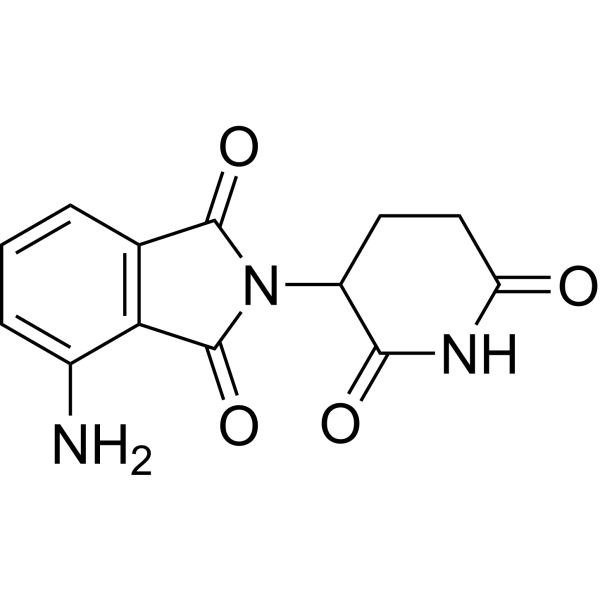
    Pomalidomide
    30+ Cited Publications

    CC-4047

    Ligands for E3 Ligase Molecular Glues Apoptosis Cancer
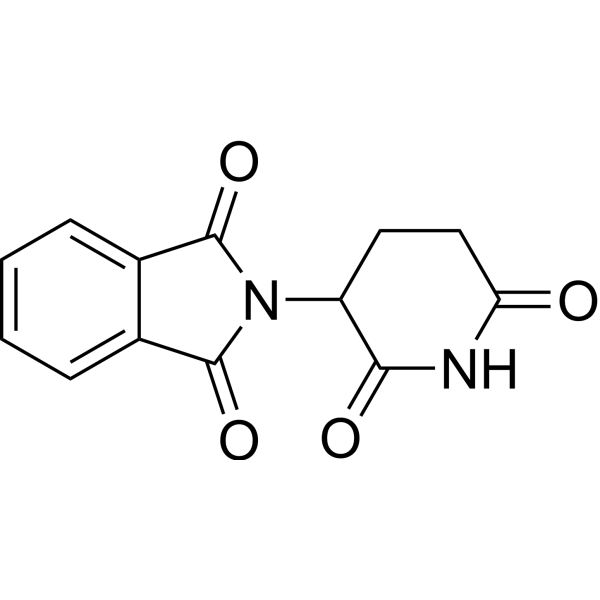
    Pomalidomide, the third-generation immunomodulatory agent, acts as molecular glue. Pomalidomide interacts with the E3 ligase cereblon and induces degradation of essential Ikaros transcription factors.
    Pomalidomide
  • HY-N0092
    Inosine
    Maximum Cited Publications
    16 Publications Verification

    Adenosine Receptor Endogenous Metabolite Neurological Disease Inflammation/Immunology Cancer
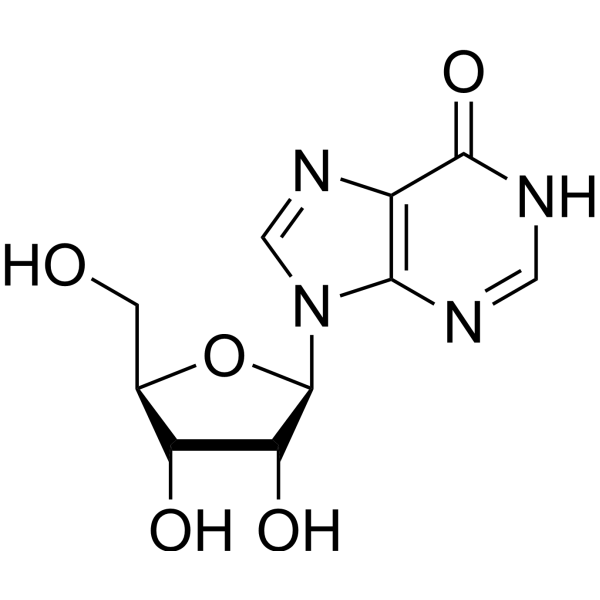
    Inosine is an endogenous purine nucleoside produced by catabolism of adenosine. Inosine has anti-inflammatory, antinociceptive, immunomodulatory and neuroprotective effects. Inosine is an agonist for adenosine A1 (A1R) and A2A (A2AR) receptors .
    Inosine
  • HY-B1490
    Imipramine hydrochloride
    5+ Cited Publications

    Serotonin Transporter Apoptosis Autophagy Neurological Disease Inflammation/Immunology Cancer
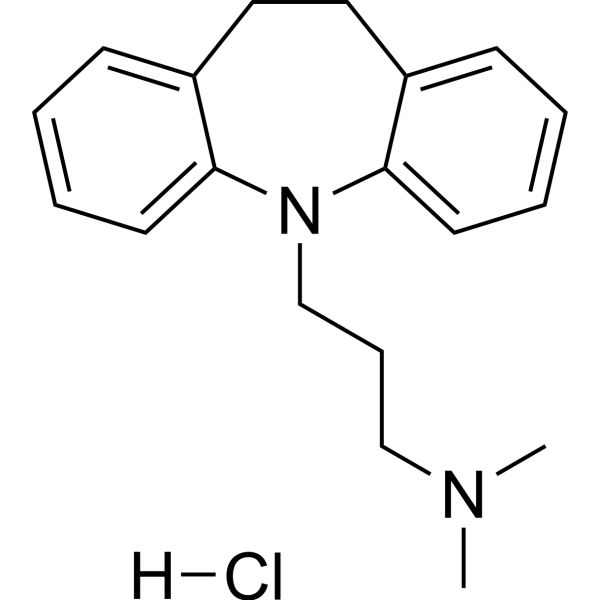
    Imipramine hydrochloride is an orally active tertiary amine tricyclic antidepressant. Imipramine hydrochloride is a Fascin1 inhibitor with antitumor activities. Imipramine hydrochloride also inhibits serotonin transporter with an IC50 value of 32 nM. Imipramine hydrochloride stimulates U-87MG glioma cells autophagy and induces HL-60 cell apoptosis. Imipramine hydrochloride shows neuroprotective and immunomodulatory effects .
    Imipramine hydrochloride
  • HY-B1490A
    Imipramine
    5+ Cited Publications

    Serotonin Transporter Autophagy Apoptosis Neurological Disease Inflammation/Immunology Cancer
    Imipramine is an orally active tertiary amine tricyclic antidepressant. Imipramine is a Fascin1 inhibitor with antitumor activities. Imipramine also inhibits serotonin transporter with an IC50 value of 32 nM. Imipramine stimulates U-87MG glioma cells autophagy and induces HL-60 cell apoptosis. Imipramine shows neuroprotective and immunomodulatory effects .
    Imipramine
  • HY-B0008

    MK-231

    NF-κB PD-1/PD-L1 Inflammation/Immunology Cancer
    Sulindac (MK-231) is an orally active nonsteroidal anti-inflammatory agent. Sulindac also is an immunomodulatory agent. Sulindac can be used for the research of arthritis of the spine, gouty arthritis and kinds of cancer including colorectal cancer (CRC) and lung cancer .
    Sulindac
  • HY-A0062
    Telithromycin
    5 Publications Verification

    HMR3647; RU66647

    Bacterial Antibiotic Infection Inflammation/Immunology
    Telithromycin (HMR3647) is a novel ketolide antibiotic that structurally resembles macrolides. Telithromycin belongs to the ketolide family that is characterized by a keto group at position 3 of the macrolide ring and is active against bacteria causing community-acquired pneumonia, acute exacerbation of chronic bronchitis, and acute sinusitis. Telithromycin also has similar immunomodulatory effects as macrolides. Telithromycin can be used for the research of respiratory infections including bronchial asthma .
    Telithromycin
  • HY-N0410
    Daucosterol
    5 Publications Verification

    Eleutheroside A; β-Sitosterol β-D-glucoside

    Apoptosis Reactive Oxygen Species (ROS) Autophagy Inflammation/Immunology Cancer
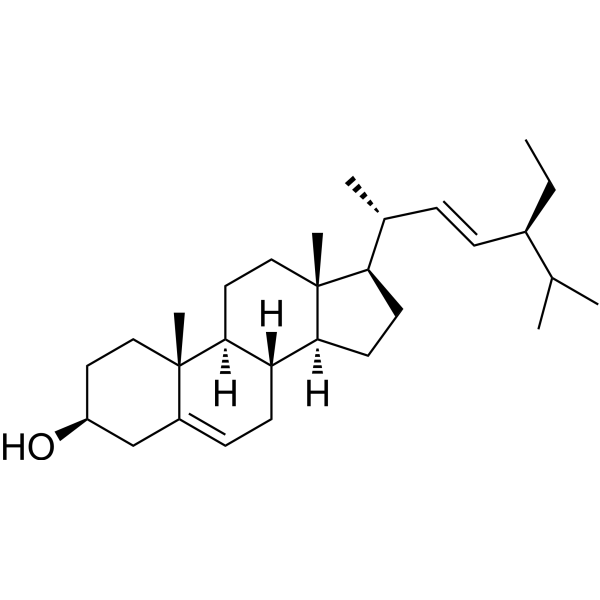
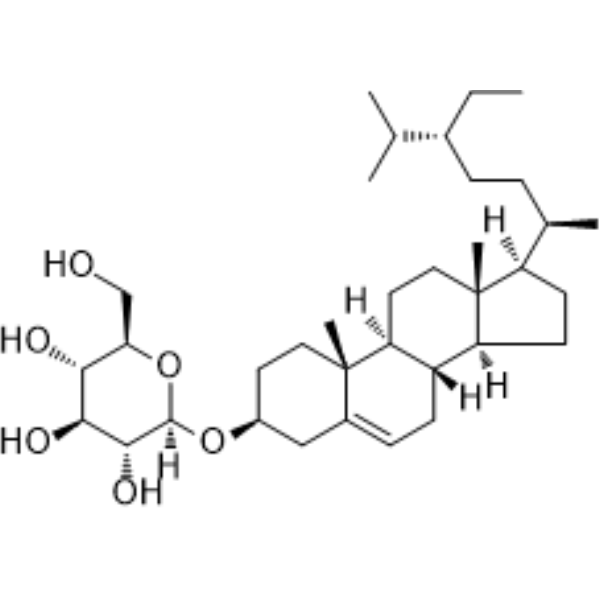
    Daucosterol is an orally active natural sterol compound, which has anti-inflammatory, anticancer and immunomodulatory activities. Daucosterol inhibits cancer cell proliferation by inducing autophagy through ROS-dependent manner. Daucosterol also inhibits colon cancer growth by inducing apoptosis, inhibiting cell migration and invasion and targeting caspase signalling pathway .
    Daucosterol
  • HY-A0106
    Levamisole
    10+ Cited Publications

    (-)-Tetramisole

    nAChR Parasite Infection Inflammation/Immunology Cancer
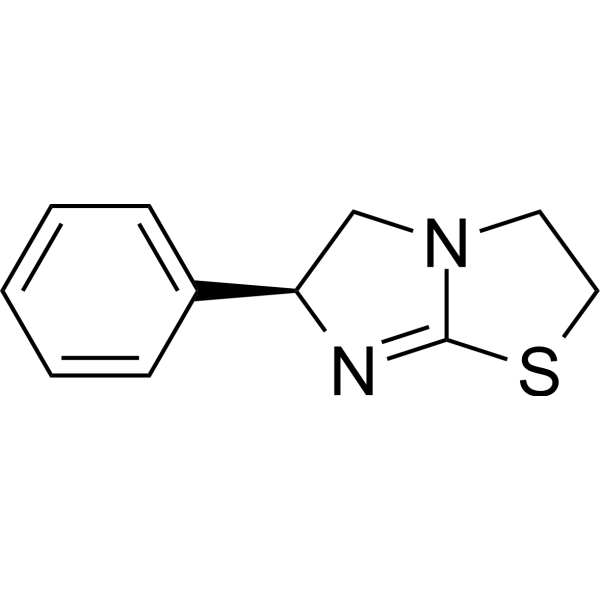
    Levamisole ((-)-Levamisole), an anthelmintic agent with immunomodulatory properties. Levamisole acts as a positive allosteric modulator (PAM) for the α3β2 (EC50=300 μM) and α3β4 (EC50=100 μM) subtype of nAChRs. Orally active .
    Levamisole
  • HY-P3161

    HSV Infection Inflammation/Immunology Cancer
    Lactoferrin from Bovine milk is a substance released by neutrophils. Lactoferrin from Bovine milk is an orally active multifunctional iron binding glycoprotein. Lactoferrin from Bovine milk prevents cell adhesion, growth and spreading of cell colonies. Lactoferrin from Bovine milk also has antiviral activity and inhibits microbial and viral adhesion and entry into host cells. Besides, Lactoferrin from Bovine milk has anti-inflammatory, immunomodulatory, and anti-cancer activities .
    Lactoferrin from Bovine milk
  • HY-148808

    RXC007

    ROCK Cancer
    Zelasudil (RXC007) is an orally active, highly selective small molecule Rho-associated coiled-coil containing protein kinase 2 (ROCK2) inhibitor with anti-fibrotic efficacy. Zelasudil elicits positive immunomodulatory effects in metastatic pancreatic tumors with increase of CD8+ and CD4+ T cell infiltrate into the tumor cortex and reduction in immunosuppressive FOXP3+ regulatory T cells at the tumor border. Zelasudil is promising for research of pancreatic ductal adenocarcinoma .
    Zelasudil
  • HY-100507
    Avadomide
    5+ Cited Publications

    CC 122

    E1/E2/E3 Enzyme Apoptosis Molecular Glues NF-κB Inflammation/Immunology Cancer
    Avadomide is an orally active cereblon modulator. Avadomide modulates cereblon E3 ligase activity, inhibits NF-κB pathway, arrests the cell cycle at G1 phase, and thus induces apoptosis in cancer cell PDAC. Avadomide exhibits potent antitumor and immunomodulatory activities .
    Avadomide
  • HY-N1318
    Salvigenin
    5+ Cited Publications

    Psathyrotin

    Autophagy Apoptosis ROS Kinase Neurological Disease Inflammation/Immunology Cancer
    Salvigenin is a natural polyphenolic compound, with neuroprotective effect. Salvigenin has antitumor cytotoxic and immunomodulatory properties. Salvigenin inhibits H2O2-induced cell apoptosis .
    Salvigenin
  • HY-N7122

    Endogenous Metabolite Inflammation/Immunology Cancer
    Thymopentin is a biologically active peptide secreted mainly by the epithelial cells of thymic cortex and medulla. Thymopentin is an effective immunomodulatory agent with a short plasma half-life of 30 seconds. Thymopentin enhances the generation of T-cell lineage derived from human embryonic stem cells (hESCs) .
    Thymopentin
  • HY-101019
    Ossirene
    2 Publications Verification

    AS101

    Interleukin Related Caspase Inflammation/Immunology Cancer
    Ossirene (AS101), an immunomodulatory tellurium compound, is a potent IL-1β inhibitor . Ossirene abolishes phosphorylation of STAT3 by inhibiting IL-10. Ossirene potently inhibits Caspase-1 and is used for the autoimmune diseases and certain malignancies .
    Ossirene
  • HY-N0646
    Silydianin
    1 Publications Verification

    Phosphatase Endogenous Metabolite Tyrosinase Apoptosis Interleukin Related Inflammation/Immunology Cancer
    Silydianin is a flavonolignan. Silydianin can be obtained from Silybum marianum. Silydianin inhibits PTP1B with an IC50 of 17.38 μM. Silydianin inhibits both monophenolase and diphenolase of tyrosinase significantly, with IC50s of 2.6 μM and 16.5 μM, respectively. Silydianin induces Apoptosis and reduces cytokines (IL-4 and IL-5). Silymarin has antioxidant, cytoprotective and immunomodulatory effects. Silydianin has antitumor activity against prostate cancer. Silymarin can be used in allergic asthma research .
    Silydianin
  • HY-N5060

    4-Allylanisole

    Environmental Pollutants Parasite Apoptosis Keap1-Nrf2 NF-κB Infection Neurological Disease Inflammation/Immunology
    Estragole (4-Allylanisole) is a relatively nontoxic volatile terpenoid ether and major component of the essential oil from many plants. Estragole significantly triggers Apoptosis, suppresses LPS-induced intracellular ROS production. Estragole activats Nrf-2 and regulates NF-κB. Estragole has anti-toxoplasma, anti-inflammatory, anti-edema, antioxidant and immunomodulatory properties. Estragole blocks DRG neuron excitability. Estragole has improves gastric ulcer activity .
    Estragole
  • HY-109076

    EBC-46

    PKC Caspase Cancer
    Tigilanol tiglate (EBC-46) is a protein kinase C (PKC)/C1 domain activator. Tigilanol tiglate is associated with mitochondrial/endoplasmic reticulum (ER) dysfunction, leading to activation of the unfolded protein response (UPRmt/ER) and subsequent induction of ATP depletion, organelles expansion, Caspase activation, gasdermin E cleavage, and terminal necrosis. Tigilanol tiglate, as a small anti-tumor molecule with immunomodulatory effects, can be used in the study of head and neck squamous cell carcinoma and soft tissue sarcoma .
    Tigilanol tiglate
  • HY-B0328
    Triamcinolone
    2 Publications Verification

    Glucocorticoid Receptor Interleukin Related Cardiovascular Disease Inflammation/Immunology Endocrinology Cancer
    Triamcinolone is a long-acting corticosteroid with anti-inflammatory, anti-oedematous, anti-proliferative, anti-angiogenetic, immunomodulatory and neuroprotective effects through binding to glucocorticoid receptors. Triamcinolone can relieve several dermatitis, immune diseases and ocular diseases .
    Triamcinolone
  • HY-14908
    Vidofludimus
    4 Publications Verification

    4sc-101; SC12267

    Dihydroorotate Dehydrogenase Interleukin Related FXR Infection Inflammation/Immunology
    Vidofludimus is an orally active inhibitor for dihydroorotate dehydrogenase (DHODH) and also is a novel modulator for farnesoid X receptor (FXR). Vidofludimus, as an immunomodulatory agent, can be used for the research of autoimmune disorders such as inflammatory bowel disease (IBD). Vidofludimus also can be used for the research of fatty liver by targeting FXR .
    Vidofludimus
  • HY-B1374
    Florfenicol
    5+ Cited Publications

    (-)-Florfenicol; SCH-25298

    Antibiotic Bacterial Infection Inflammation/Immunology
    Florfenicol ((-)-Florfenicol) is an orally active broad-spectrum antibacterial antibiotic with anti-inflammatory, pro apoptotic, and immunomodulatory functions [6][7].
    Florfenicol
  • HY-14658A

    (S)-(-)-Thalidomide

    Molecular Glues Ligands for E3 Ligase Autophagy Apoptosis Metabolic Disease Inflammation/Immunology
    (S)-Thalidomide ((S)-(-)-Thalidomide) is the S-enantiomer of Thalidomide. (S)-Thalidomide has immunomodulatory, anti-inflammatory, antiangiogenic and pro-apoptotic effects . (S)-Thalidomide induces teratogenic effects by binding to cereblon (CRBN) .
    (S)-Thalidomide
  • HY-N0539

    Aldose Reductase SARS-CoV Interleukin Related Infection Inflammation/Immunology Cancer
    Calceolarioside B is a phenylethanoid glycoside. Calceolarioside B can be isolated from the leaves of Akebia quinata. Calceolarioside B inhibits RLAR activity with an IC50 value of 23.99 μM. Calceolarioside B inhibits the entry of Omicron BA.2 into host cells. Calceolarioside B reduces IL-6 levels. Calceolarioside B has immunomodulatory activity. Calceolarioside B has anticancer activity against human hormone-independent prostate cancer .
    Calceolarioside B
  • HY-10790
    Cilomilast
    3 Publications Verification

    SB-207499

    Phosphodiesterase (PDE) Inflammation/Immunology
    Cilomilast (SB-207499) is a potent, selective and orally active inhibitor of Phosphodiesterase 4 (PDE4), with IC50s of ~100 and 120 nM for LPDE4 and HPDE4, respectively. Cilomilast shows selectivity for PDE4 over PDE1, PDE2, PDE3 and PDE5 (IC50=74, 65, >100, and 83 μM, respectively). Cilomilast has anti-inflammatory and immunomodulatory effects and can be used for thr research of asthma and chronic obstructive pulmonary disease (COPD) .
    Cilomilast
  • HY-N7696

    Apoptosis Inflammation/Immunology
    Physalin F is a secosteroid with potent anti-inflammatory and immunomodulatory activities. Physalin F induces apoptosis of PBMC, decreasing the spontaneous proliferation and cytokine production caused by Human T-lymphotropic virus type 1 (HTLV-1) infection .
    Physalin F
  • HY-129478
    TC11
    2 Publications Verification

    Caspase Bcl-2 Family CDK Cancer
    TC11 is a MCL1 degrader and Caspase-9 and CDK1 activator. TC11 functions as a phenylacetylamide derivative and is structurally related to immunomodulatory active molecules. TC11 induces degradation of MCL1 leading to apoptotic death during prolonged mitotic arrest.
    TC11
  • HY-P3051

    Reverse Transcriptase Inflammation/Immunology
    CKS-17 is a synthetic retroviral envelope peptide. CKS-17 has the highly conserved amino acid sequences occurring within the transmembrane envelope protein of many animal and human retroviruses. CKS-17 acts as an immunomodulatory epitope and exhibits suppressive properties for numerous immune functions .
    CKS-17
  • HY-175746

    CX3CR1 Cardiovascular Disease
    AZD0233 is an orally active CX3CR1 antagonist. AZD0233 modulates the CX3CR1/CX3CL1 signaling axis via immunomodulatory effects. AZD0233 has improved physicochemical properties, metabolic stability, low toxicity and CYP inhibition. AZD0233 improves cardiac function and reduces macrophages and fibrotic scar in mice model of dilated cardiomyopathy. AZD0233 can be used for cardiovascular diseases like dilated cardiomyopathy research .
    AZD0233
  • HY-150217A
    CpG ODN 10101 sodium
    2 Publications Verification

    ODN 10101 sodium

    Toll-like Receptor (TLR) Infection
    CpG ODN 10101 sodium, a synthetic oligodeoxynucleotide (ODN), is a toll-like receptor 9 (TLR9) agonist. CpG ODN 10101 sodium is a potent inducer of cytokine/chemokine expression ex vivo when used in combination with HH2(VQLRIRVAVIRA-NH2). CpG ODN 10101 sodium induces IFN- secretion from dendritic cells (DCs) and stimulates B-cells.CpG ODN 10101 sodium has antiviral and immunomodulatory properties that can influence chronic infection with HCV .
    CpG ODN 10101 sodium
  • HY-N3103

    Ethyl (E)-p-hydroxycinnamate; Ethyl trans-4-hydroxycinnamate

    Tyrosinase Inflammation/Immunology
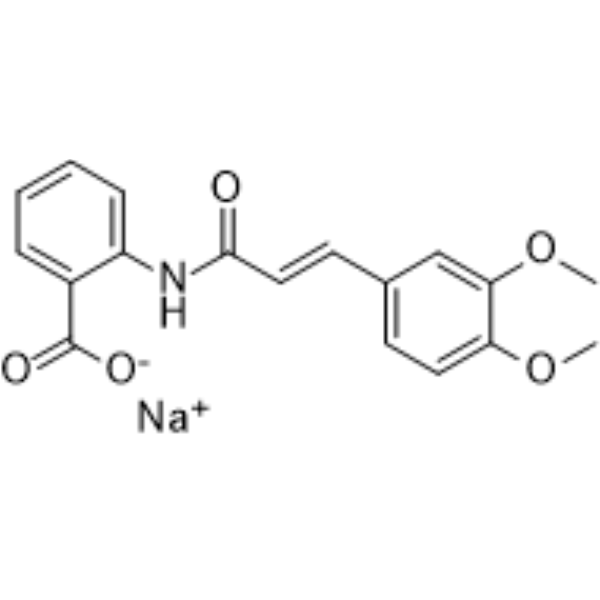
    p-Coumaric Acid Ethyl Ester (Ethyl (E)-p-hydroxycinnamate; Ethyl trans-4-hydroxycinnamate) is a non-competitive, reversible inhibitor of tyrosinase (IC50=4.89 μg/mL, Ki=1.83 μg/mL), which can quench the intrinsic fluorescence of the enzyme. p-Coumaric Acid Ethyl Ester changes the binding affinity of L-tyrosine by inducing conformational changes in the catalytic domain of tyrosinase, and does not bind to the copper ion of the enzyme. p-Coumaric Acid Ethyl Ester is used in the development of medicines, cosmetics and fruit preservation products using pollen .
    p-Coumaric Acid Ethyl Ester
  • HY-B0483

    Carbonic Anhydrase Parasite Autophagy Apoptosis Infection Inflammation/Immunology Cancer
    Tioxolone is an inhibitor for the carbonic anhydrase. Tioxolone exhibits anti-leishmanial, antitumor, and anti-inflammatory activities. Tioxolone can be used in research of acne and psoriasis .
    Tioxolone
  • HY-123714

    MAP4K Apoptosis Inflammation/Immunology Cancer
    TL4-12 is a selective MAP4K2/GCK inhibitor, dose-dependently downregulates IKZF1 and BCL-6 and leads to MM cell proliferation inhibition (IC50=37 nM) accompanied by induction of apoptosis. TL4-12 can be used to overcome immunomodulatory agent resistance in multiple myeloma (MM) .
    TL4-12
  • HY-N0092R

    Reference Standards Adenosine Receptor Endogenous Metabolite Neurological Disease Inflammation/Immunology
    Inosine (Standard) is the analytical standard of Inosine. This product is intended for research and analytical applications. Inosine is an endogenous purine nucleoside produced by catabolism of adenosine. Inosine has anti-inflammatory, antinociceptive, immunomodulatory and neuroprotective effects. Inosine is an agonist for adenosine A1 (A1R) and A2A (A2AR) receptors . In Vitro:Inosine dose-dependently stimulates cAMP production mediated through the A2AR .
    Inosine dose-dependently induces hA2AR-mediated ERK1/2 phosphorylation .
    Inosine (100 μM; 24 hours) reduces oxidative stress in MES 23.5 cells cultured with astrocytes .
    In Vivo:Inosine (10-100 mg/kg; i.p.) exhibits antinociceptive effect in mice .
    Inosine (Standard)
  • HY-N9337

    NO Synthase Metabolic Disease Inflammation/Immunology Cancer
    Amaroswerin is a bioactive secoiridoid glucoside from Swertia mussotii. Amaroswerin has anti-inflammatory, antidiabetic, antiviral, anticholinergic and immunomodulatory activities. Amaroswerin inhibits NO release with an IC50 value of 5.42 μg/mL in RAW264.7 cells .
    Amaroswerin
  • HY-127029A

    NO Synthase Lipoxygenase Neurological Disease Inflammation/Immunology Cancer
    Umbelliprenin, a prenylated coumarin, is an antioxidant with anticancer, anti-inflammatory and immunomodulatory effects. Umbelliprenin inhibits lipoxygenase managing the inflammation pathways. In inflammatory macrophages, Umbelliprenin suppresses nitric oxide production as well as inducible nitric oxide synthase (NO synthase) .
    Umbelliprenin
  • HY-N10311

    Fungal Infection
    Neosartoricin B is the secondary metabolite, which can be produced by Aspergillus nidulans. Neosartoricin B may regulate immunomodulatory effects with the host during infection and colonization by pathogenic fungi .
    Neosartoricin B
  • HY-N7122A

    Endogenous Metabolite Inflammation/Immunology Cancer
    Thymopentin acetate is a biologically active peptide secreted mainly by the epithelial cells of thymic cortex and medulla. Thymopentin acetate is an effective immunomodulatory agent with a short plasma half-life of 30 seconds. Thymopentin acetate enhances the generation of T-cell lineage derived from human embryonic stem cells (hESCs) .
    Thymopentin acetate
  • HY-P5057A

    Fluorescent Dye Bacterial Infection
    5-FAM-LL-37 TFA is the TFA salt form of 5-FAM-LL-37 (HY-P5057). 5-FAM-LL-37 TFA is a LL-37 peptide labeled with fluorescein, which retains the antibacterial and immunomodulatory activities of LL-37. 5-FAM-LL-37 TFA binds to the bacterial cell membrane, destroys the integrity of the membrane, and exhibits board-spectrum antibacterial efficacy .
    5-FAM-LL-37 TFA
  • HY-169853

    VISTA Inflammation/Immunology
    M351-0056 is the agonist for the immune checkpoint protein VISTA, that reduces the secretion of VISTA-induced cytokines, promotes the T-cell proliferation induced by VISTA, and exhibits immunomodulatory activity. M351-0056 ameliorates Imiquimod (HY-B0180)-induced psoriatic dermatitis in mouse models .
    M351-0056
  • HY-155959

    PD-1/PD-L1 Cancer
    PD-1/PD-L1-IN-33 (Compound N11) is a PD-1/PD-L1 inhibitor. PD-1/PD-L1-IN-33 inhibits PD-1 and PD-L1 interaction with an IC50: 6.3 nM. PD-1/PD-L1-IN-33 promotes T-cell proliferation, activation, and infiltration into tumor spheres. PD-1/PD-L1-IN-33 has immunomodulatory and anticancer activity .
    PD-1/PD-L1-IN-33
  • HY-18164

    LPL Receptor Inflammation/Immunology
    TASP0277308 is a highly selective S1P1 antagonist. TASP0277308 possesses immunomodulatory activities, including lymphopenia, a block in T cell egress from the thymus, marginal zone B cell displacement, and the upregulation of CD69 expression on lymphocytes. TASP0277308 can be used for the research of collagen-induced arthritis in mice .
    TASP0277308
  • HY-N10084

    Others Inflammation/Immunology
    Cordifolioside A is a natural phenyl propanoid glycoside with immunomodulatory activity .
    Cordifolioside A
  • HY-N9369

    Others Inflammation/Immunology
    Verbascose, an alacto-oligosac-charides (GOS), has potent immunostimulatory activity. Verbascose acts as a potential natural immunomodulatory agent .
    Verbascose
  • HY-N2965

    NO Synthase Neurological Disease Inflammation/Immunology Cancer
    Bryonolic acid is an active triterpenoid compound with immunomodulatory, anti-inflammatory, antioxidant and anticancer activities .
    Bryonolic acid
  • HY-14658S

    Molecular Glues Ligands for E3 Ligase Autophagy Apoptosis Inflammation/Immunology Cancer
    Thalidomide-d4 is a deuterium labeled Thalidomide. Thalidomide inhibits cereblon (CRBN), a part of the cullin-4 E3 ubiquitin ligase complex CUL4-RBX1-DDB1, with a Kd of ~250 nM, and has immunomodulatory, anti-inflammatory and anti-angiogenic cancer properties .
    Thalidomide-d4
  • HY-19486

    Nuclear Factor of activated T Cells (NFAT) CD3 CD28 Interleukin Related Inflammation/Immunology
    UR-1505 is a nuclear factor of activated T cells (NF-AT) inhibitor. UR-1505 can suppress CD3/CD28 induced T cell proliferation, increase p27 KIP levels, and induce G1/S cell cycle arrest. UR-1505 can also inhibit the production of IL-5 and IFN-γ in activated T cells. UR-1505 has immunomodulatory properties and can be used in the study of atopic dermatitis .
    UR-1505
  • HY-104069

    LPL Receptor Inflammation/Immunology
    S1P1 Agonist 1 is a S1P1 agonist with immunomodulatory activities.
    S1P1 agonist 1
  • HY-P3917

    LfcinB (20–30)

    Bacterial Infection
    LfcinB (20–30) is a fragment of bovine lactoferricin. LfcinB (20–30) has bactericidal, antifungal, antiparasitic, antitumor, antiviral and immunomodulatory activities.
    Lactoferricin B (4-14), bovine
  • HY-N1318R

    Psathyrotin (Standard)

    Reference Standards Autophagy Apoptosis ROS Kinase Neurological Disease Inflammation/Immunology Cancer
    Salvigenin is a natural polyphenolic compound, with neuroprotective effect. Salvigenin has antitumor cytotoxic and immunomodulatory properties. Salvigenin inhibits H2O2-induced cell apoptosis .
    Salvigenin (Standard)
  • HY-170747

    Bacterial Infection Inflammation/Immunology
    9-tert-Butyldoxycycline exhibits immunomodulatory activity, alters the polarization states polymorphonuclear neutrophils, and ameliorates the inflammatory response in ischemia-reperfusion injury model. 9-tert-Butyldoxycycline is the ligand for ‘Tet-On’ switch system .
    9-tert-Butyldoxycycline

Inquiry Online

Your information is safe with us. * Required Fields.

Salutation


Country or Region *

Applicant Name *


Organization Name *

Department *


Email Address *


Product Name *

Cat. No.


Requested quantity *

Phone Number *


Remarks

Inquiry Online

Inquiry Information

Product Name:
Cat. No.:
Quantity:
MCE Japan Authorized Agent:

