1. Search Result
Search Result
Results for "

cervical cancers

" in MedChemExpress (MCE) Product Catalog:

247

Inhibitors & Agonists

3

Fluorescent Dyes

12

Biochemical Assay Reagents

8

Peptides

1

MCE Kits

10

Inhibitory Antibodies

57

Natural
Products

4

Isotope-Labeled Compounds

2

Click Chemistry

3

Oligonucleotides

Cat. No. Product Name Target Research Areas Chemical Structure
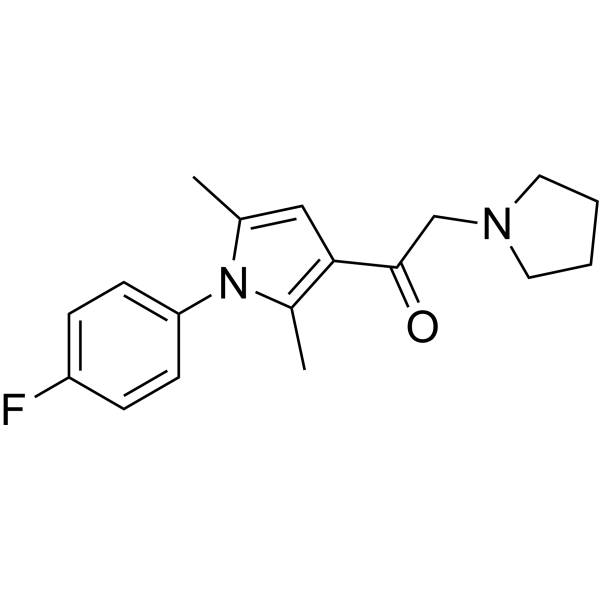
  • HY-13817
    IU1
    20+ Cited Publications

    Deubiquitinase Autophagy Apoptosis Cardiovascular Disease Neurological Disease Endocrinology Cancer
    IU1 is a selective, reversible USP14 inhibitor with an IC50 of 4-5 μM. IU1 binds USP14’s catalytic cleft to block deubiquitinase activity. IU1 induces calpain-dependent Tau cleavage, causes ATP deficits, reduces E1~Ub thioester levels and 26S proteasome assembly. IU1 enhances 26S proteasome chymotrypsin-like activity, modulates LC3B-dependent autophagy flux, reduces cancer cell proliferation and migration, and blocks G0/G1 to S phase cell cycle transition in follicular thyroid cancer cells. IU1 activates autophagy-lysosomal and ubiquitin-proteasome pathways, triggers apoptosis, and reduces cervical cancer cell growth. IU1 enhances degradation of proteasome substrates linked to neurodegenerative disease, accelerates oxidized protein degradation, and increases oxidative stress resistance. IU1 can be used for the research of Alzheimer’s disease, follicular thyroid cancer, ischemic stroke, cervical cancer, and neurodegenerative disease .
    IU1
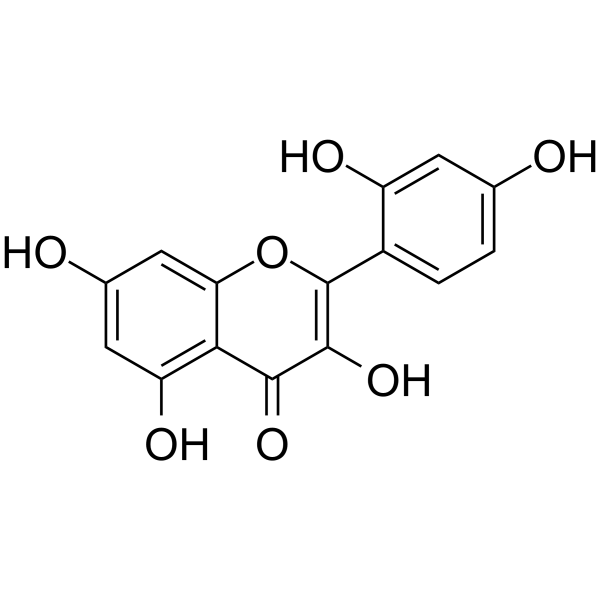
  • HY-N0621
    Morin
    5+ Cited Publications

    Environmental Pollutants Reactive Oxygen Species (ROS) Phosphatase Insulin Receptor Apoptosis Cardiovascular Disease Neurological Disease Metabolic Disease Cancer
    Morin is an orally active plant-derived flavonoid. Morin inhibits ROS generation. Morin induces Apoptosis. Morin inhibits PTP1B (IC50 of 15 μM) and activates the insulin receptor. Morin has a detoxifying effect. Morin can be used in diabetes, leukemia, colon cancer, cervical cancer, Parkinson's disease and hypertension research .
    Morin
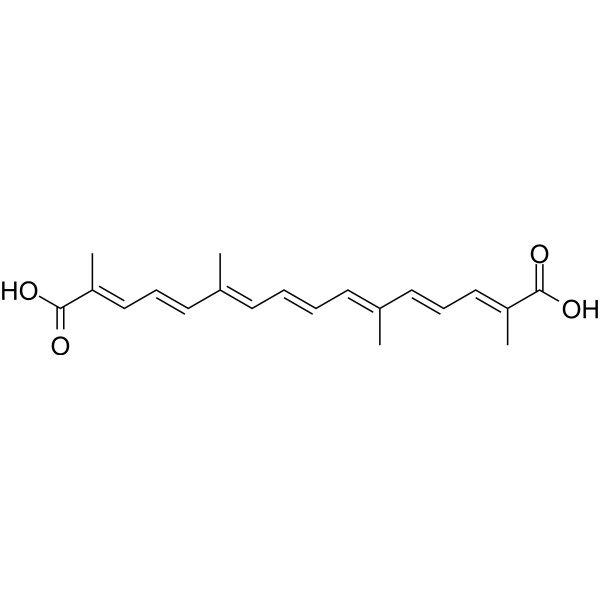
  • HY-N2072
    Crocetin
    3 Publications Verification

    Transcrocetin; trans-Crocetin

    iGluR Apoptosis COX p38 MAPK Neurological Disease Inflammation/Immunology Cancer
    Crocetin (Transcrocetin) is an aglycone of crocin. Crocetin is an orally active and brain-penetrant. Crocetin shows strong NMDA receptor affinity and channel opening activity. Crocetin can downregulate the proinflammatory cytokines and COX-2 exoression. Crocetin can inhibit apoptosis and activation of MAPK. Crocetin can delay delays brain and body aging. Crocetin can be used for the researches of cancer, neurological disease and inflammation, such as cervical cancer and ischemia .
    Crocetin
  • HY-P99117
    Cadonilimab
    1 Publications Verification

    AK104

    PD-1/PD-L1 CTLA-4 Inflammation/Immunology Cancer
    Cadonilimab (AK104) is a humanized tetravalent IgG1 bispecific antibody targeting PD1/CTLA4. Cadonilimab blocks both PD-1 and CTLA-4 pathways, thereby relieving their corresponding immunosuppressive effects and reversing tumor specific T cell exhaustion. Cadonilimab significantly downregulates Fc-mediated effector functions, including antibody-dependent cell-mediated cytotoxicity (ADCC), antibody-dependent cellular phagocytosis (ADCP), complement dependent cytotoxicity (CDC). Cadonilimab can be used for research of metastatic cervical cancer, as well as other malignancies such as gastric cancer, GEJ adenocarcinoma and non-small cell lung cancer (NSCLC) .
    Cadonilimab
  • HY-W195984
    Z57346765
    1 Publications Verification

    Phosphoglycerate Kinase (PGK) Cancer
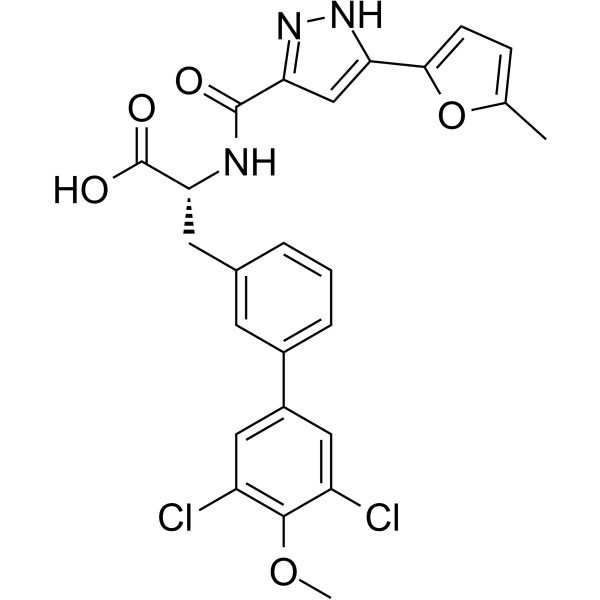
    Z57346765 is an inhibitor that targets the ADP-binding pocket of PGK1, with a Kd of 20.9 μM for human PGK1, and exhibits anticancer activity. Z57346765 reduces the activity of the metabolic enzyme PGK1 during glycolysis, regulates lipid peroxidation and cancer cell proliferation, and promotes lipid peroxidation in cervical cancer cells. Z57346765 inhibits the proliferation of cervical cancer and clear cell renal cell carcinoma cells in xenograft mouse models, and induces the expression of genes associated with cell metabolism, DNA replication and cell cycle. Z57346765 is used in research related to cervical cancer, clear cell renal cell carcinoma and breast cancer .
    Z57346765
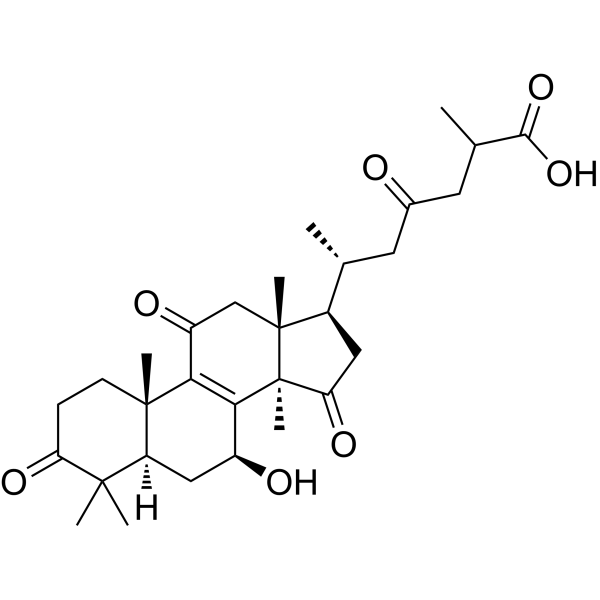
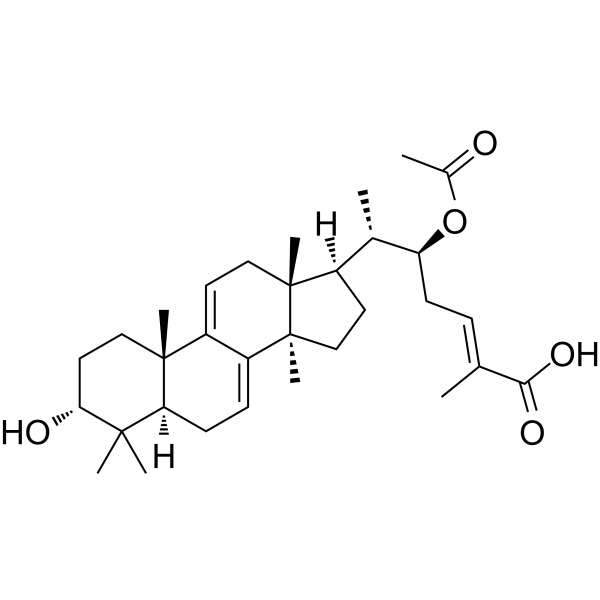
  • HY-N1511
    Ganoderic acid D
    2 Publications Verification

    Sirtuin Apoptosis Cancer
    Ganoderic acid D, a highly oxygenated tetracyclic triterpenoid, is the major active component of Ganoderma lucidum. Ganoderic acid D upregulates the protein expression of SIRT3 and induces the deacetylated cyclophilin D (CypD) by SIRT3. Ganoderic acid D inhibits the energy reprogramming of colon cancer cells including glucose uptake, lactate production, pyruvate and acetyl-coenzyme production in colon cancer cells . Ganoderic acid D induces HeLa human cervical carcinoma apoptosis .
    Ganoderic acid D
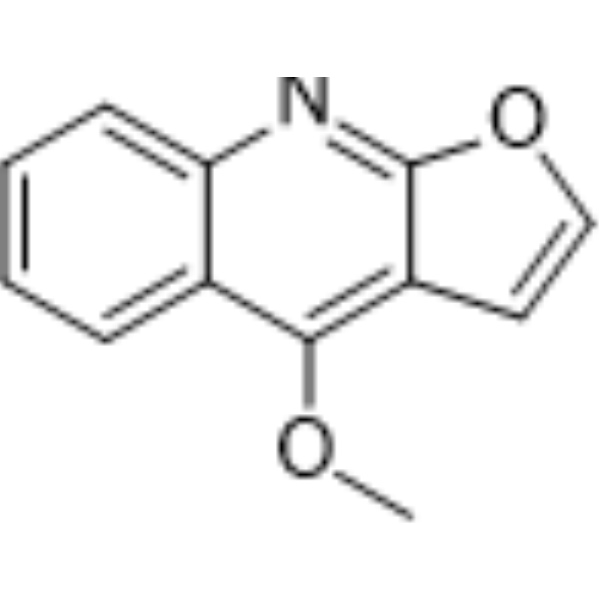
  • HY-N0849

    Dictamnine; Dectamine

    Apoptosis Bacterial Fungal Infection Inflammation/Immunology Cancer
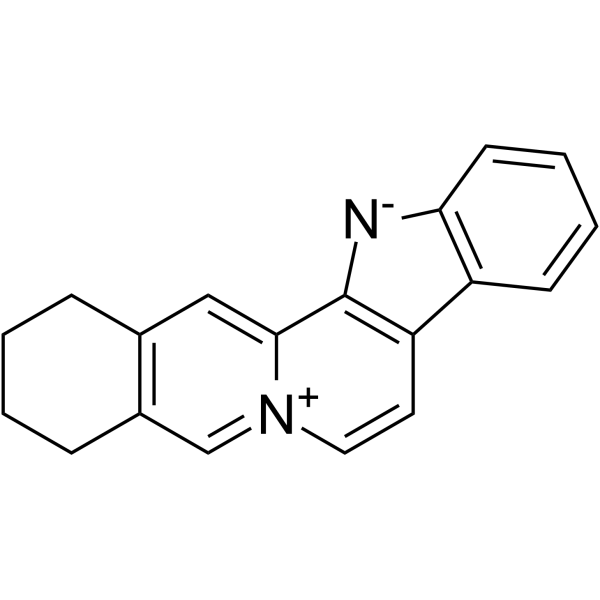
    Dictamnine (Dictamine) exhibits cytotoxicity to human cervical and colon cancer cells and also has antibacterial and antifungal activities .
    Dictamine
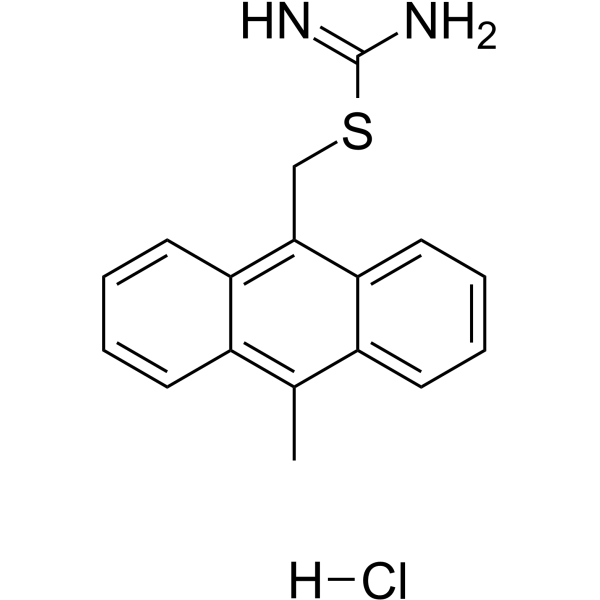
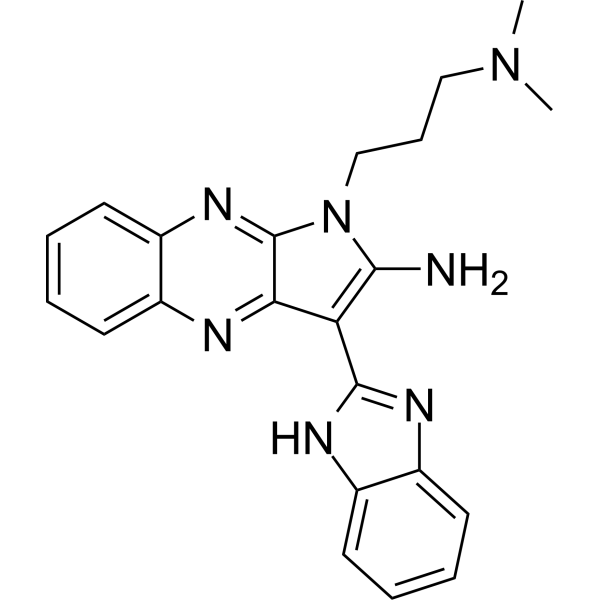
  • HY-108638
    NSC 146109 hydrochloride
    2 Publications Verification

    XI-011 hydrochloride

    MDM-2/p53 Apoptosis PARP Cancer
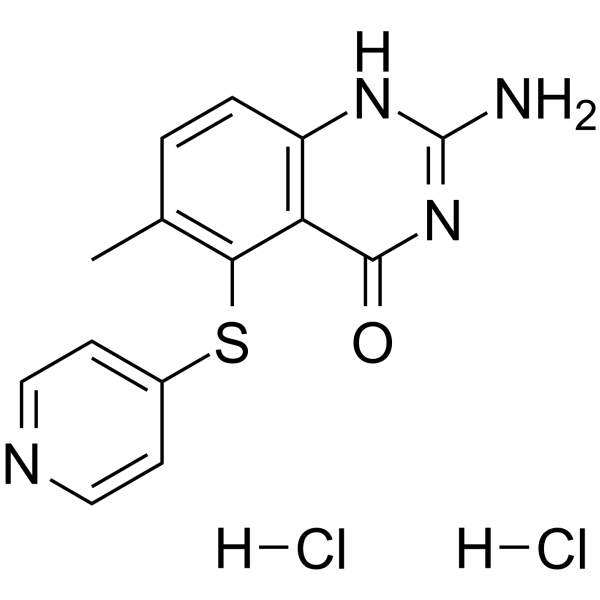
    NSC 146109 hydrochloride (XI-011 hydrochloride) is a p53 activator and MDMX inhibitor. NSC 146109 hydrochloride inhibits MDMX gene transcription, downregulates MDMX mRNA and protein levels, stabilizes p53 and activates the transcriptional activity of p53. NSC 146109 hydrochloride induces cancer cell apoptosis (apoptosis) and inhibits the growth of transformed cells. NSC 146109 hydrochloride inhibits the growth of xenograft tumors. NSC 146109 hydrochloride can be used in research related to breast cancer and cervical cancer .
    NSC 146109 hydrochloride
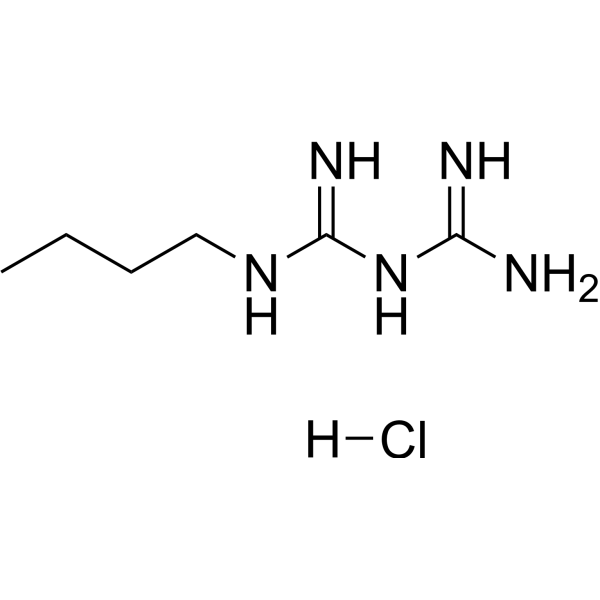
  • HY-B2099A
    Buformin hydrochloride
    3 Publications Verification

    1-Butylbiguanide hydrochloride

    AMPK Cancer
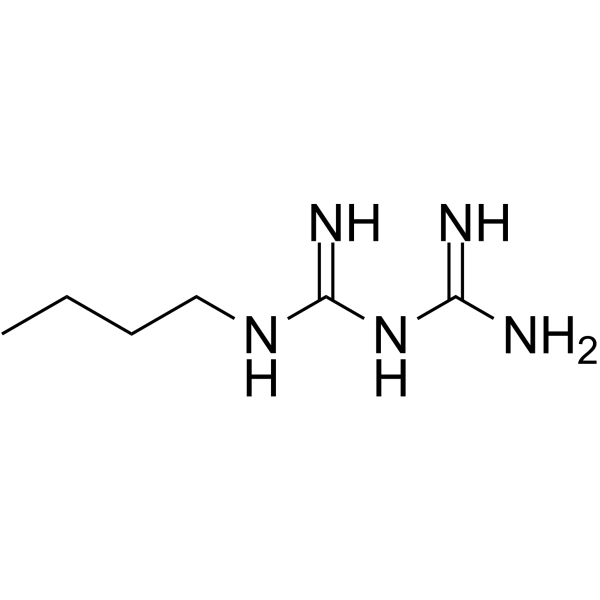
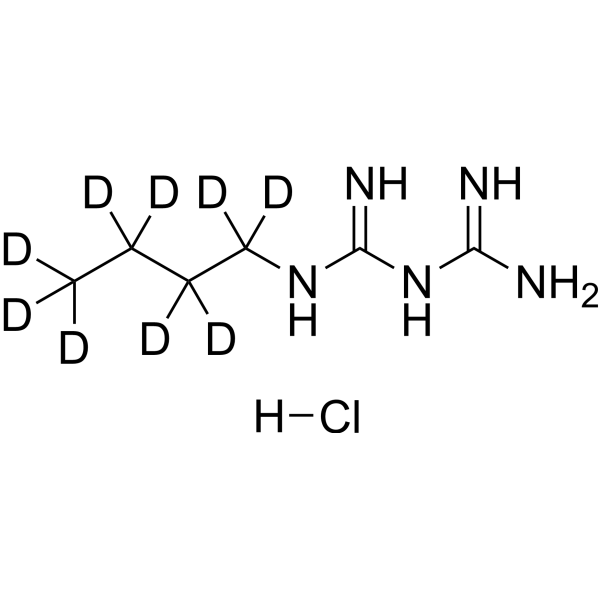
    Buformin hydrochloride (1-Butylbiguanide hydrochloride), a potent AMPK activator, acts as an orally active biguanide antidiabetic agent. Buformin hydrochloride decreases hepatic gluconeogenesis and lowers blood glucose production in vivo. Buformin hydrochloride also has anti-cancer activities and is applied in cancer study (such as, cervical cancer and breast cancer, et al) .
    Buformin hydrochloride
  • HY-P1907

    HPV Cancer
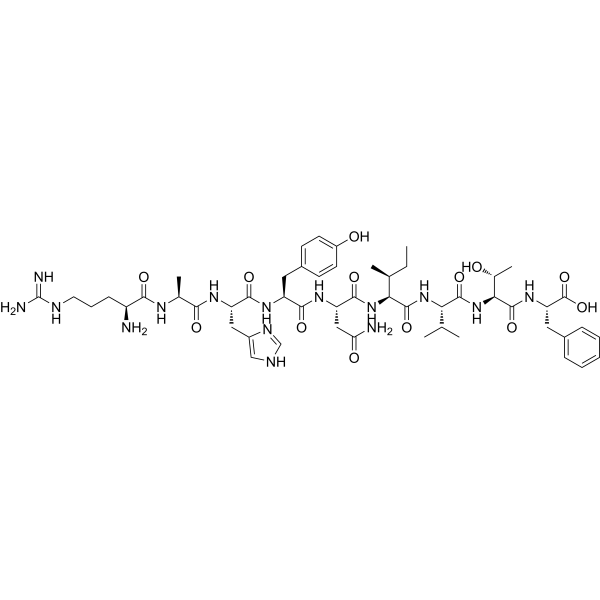
    Human Papillomavirus (HPV) E7 protein (49-57) is a cytotoxic T lymphocyte (CTL) epitope peptide derived from HPV16 E7 protein (sequence: RAHYNIVTF). Human Papillomavirus (HPV) E7 protein (49-57) induces E749-57-specific CTL responses. Human Papillomavirus (HPV) E7 protein (49-57) can be used for the research of cervical cancer .
    Human Papillomavirus (HPV) E7 protein (49-57)
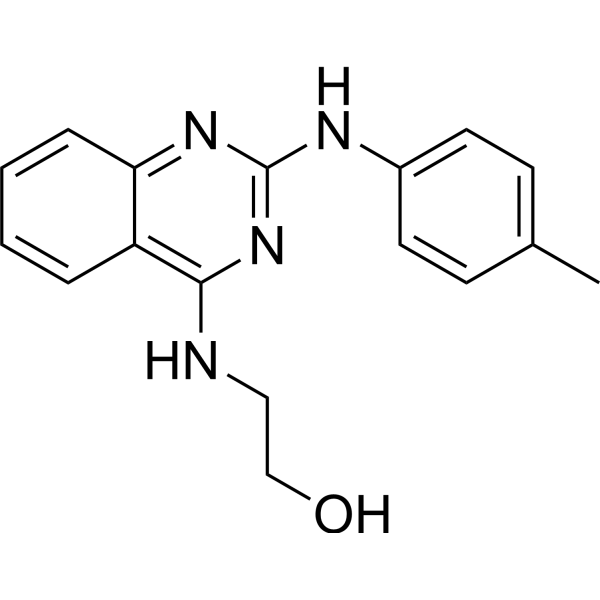
  • HY-156418

    DNA/RNA Synthesis Ferroptosis Apoptosis Reactive Oxygen Species (ROS) Cancer
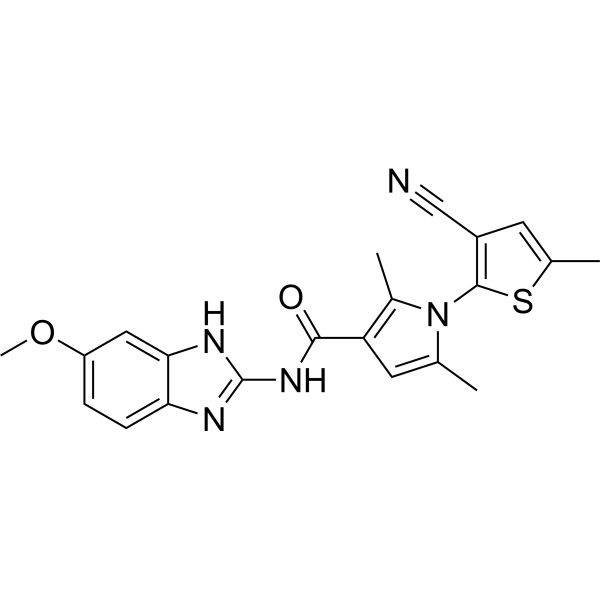
    KY386 is a DHX33 helicase inhibitor with an IC50 of 0.019 μM. KY386 inhibits the cell viability of various cancer cells. KY386 induces ferroptosis in cancer cells, and induces apoptosis in some cancer cell lines. KY386 increases the intracellular levels of ROS, LPO and Fe 2+, and decreases the level of GSH in cancer cells . KY386 inhibits the growth of gastric cancer and colon cancer xenografts in nude mice. KY386 is applicable to the related research on liver cancer, lung cancer, pancreatic cancer, colorectal cancer, gastric cancer, breast cancer, leukemia, renal cancer, prostate cancer, esophageal cancer, cervical cancer, brain cancer (glioblastoma) and melanoma .
    KY386
  • HY-W006395

    Nucleoside Antimetabolite/Analog Cancer
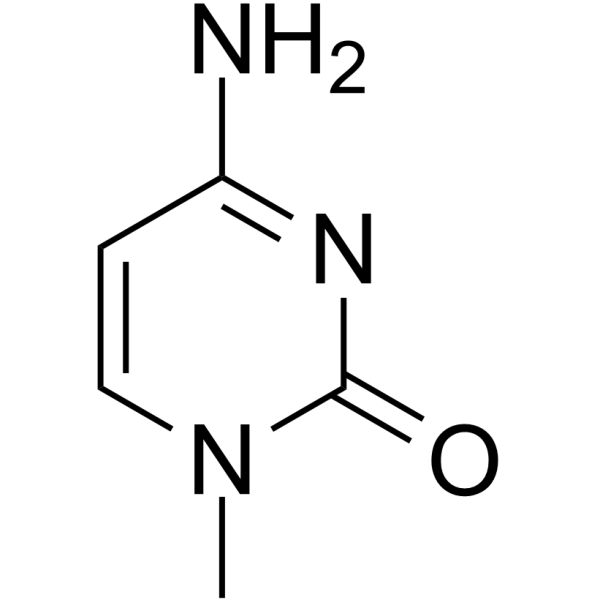
    1-Methylcytosine is a pyrimidinone that serves as a nucleobase for hachimoji DNA and pairs with isoguanine . 1-Methylcytosine exerts weak antiproliferative activity against cervical cancer cells. 1-Methylcytosine can be used in the research of cervical cancer .
    1-Methylcytosine
  • HY-B0464A
    Hydralazine
    3 Publications Verification

    DNA Methyltransferase Reactive Oxygen Species (ROS) COX NO Synthase PGE synthase Cardiovascular Disease Neurological Disease Inflammation/Immunology Cancer
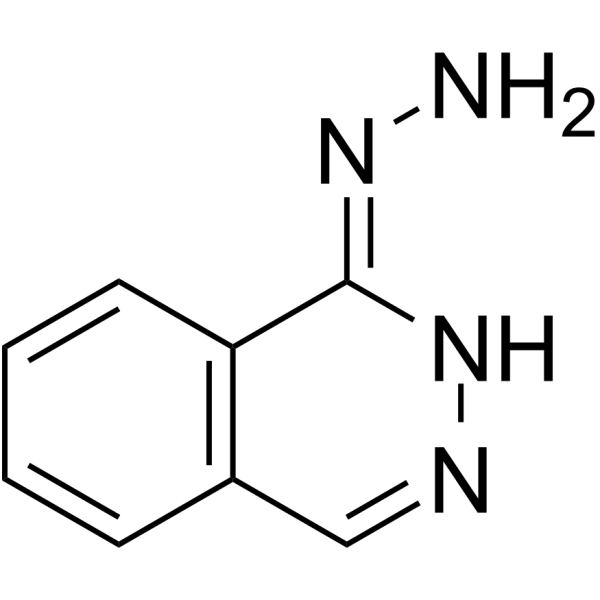
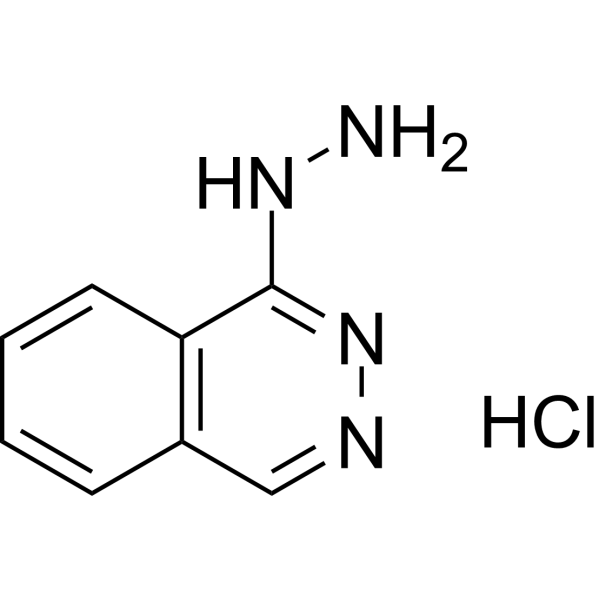
    Hydralazine is an orally active, blood-brain barrier-permeable DNA methyltransferase inhibitor with vasodilatory, arterial smooth muscle relaxant and hypotensive activities. Hydralazine reactivates silenced tumor suppressor genes via mediating DNA demethylation, while exerting neuroprotective and anti-inflammatory properties. Hydralazine inhibits NOS-2 (iNOS) and COX-2, and reduces the production of NO and PGEE2; meanwhile, Hydralazine scavenges reactive oxygen species and inhibits macrophage activation. Hydralazine alleviates motor dysfunction, neuropathic inflammatory pain, and formalin-induced somatic and emotional pain responses. In addition, Hydralazine directly induces DNA strand breaks and sister chromatid exchange, exhibiting certain mutagenic characteristics. Hydralazine has been widely used in studies on hypertension, various cancers (such as cervical cancer, leukemia), spinal cord injury and the mechanisms of inflammatory pain .
    Hydralazine
  • HY-110156
    YZ9
    1 Publications Verification

    Phosphatase Cancer
    Y29 is a potent PFKFB3 inhibitor with an IC50 of 0.183 µM, and acts as a competitive inhibitor against Fru-6-P with a Ki value of 0.094 µM. Y29 exhibits antitumor effects against cervical cancer .
    YZ9
  • HY-121638A
    (5Z,2E)-CU-3
    1 Publications Verification

    DGK Apoptosis Interleukin Related Caspase Cancer
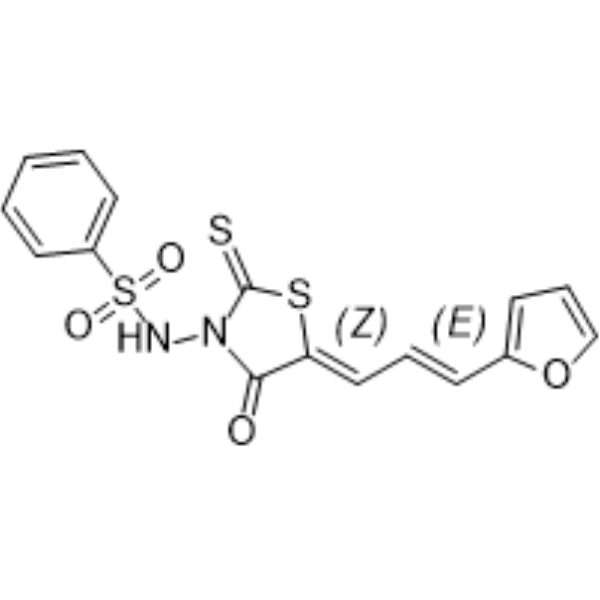
    (5Z,2E)-CU-3 is an isomer of CU-3 (HY-121638). CU-3 is a DGKα inhibitor with an IC50 of 0.6 μM. CU-3 competitively reduces DGKα’s affinity for ATP via binding to the enzyme’s catalytic region. CU-3 induces apoptosis in cancer cells. CU-3 promotes T-cell activation and enhances IL-2 production. CU-3 can be used for the research of hepatocellular carcinoma and cervical cancer .
    (5Z,2E)-CU-3
  • HY-119357

    Microtubule/Tubulin Apoptosis Autophagy Neurological Disease Cancer
    TN-16 is a Microtubule polymerization inhibitor. TN-16 induces G2/M cell cycle arrest, metaphase mitotic arrest and Apoptotic cell death in cells, and blocks late Autophagic flux by inhibiting autophagosome-lysosome fusion. TN-16 suppresses tumor growth in syngeneic mouse breast cancer models. TN-16 can be used in research related to neuroblastoma, cervical cancer, breast cancer and other tumors .
    TN-16
  • HY-W001603

    Biochemical Assay Reagents Cancer
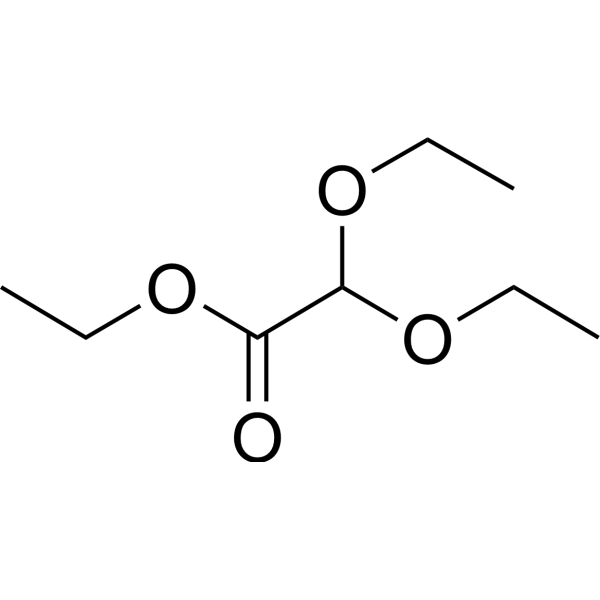
    Ethyl diethoxyacetate is a reagent used in organic synthesis. Ethyl diethoxyacetate has moderate antiproliferative effects on cervical cancer and liver cancer .
    Ethyl diethoxyacetate
  • HY-W115609

    N-Benzoylaniline

    Enterovirus Biochemical Assay Reagents Infection Cancer
    N-Phenylbenzamide (N-Benzoylaniline) is a compound skeleton. N-Phenylbenzamide can be used for the researches of cancer and infection, such as enterovirus and cervical cancer .
    N-Phenylbenzamide
  • HY-139852

    Phosphatase Cancer
    PLAP-IN-1 is a selective PLAP inhibitor with an IC50 of 0.032 μM. PLAP-IN-1 acts as a tumor-targeting agent; its fluorescein-conjugated derivative specifically binds to PLAP-positive tumor cells in vitro and targets cervical cancer in mouse xenograft models. PLAP-IN-1 can be used in the research of cervical cancer and ovarian cancer .
    PLAP-IN-1
  • HY-169056

    Reactive Oxygen Species (ROS) Cancer
    SLC7A11-IN-2 (Compound 1) is an SLC7A11/xCT inhibitor. SLC7A11-IN-2 induces cell death in HeLa cells by lowering intracellular glutathione levels and increasing oxidative stress, thereby disrupting the oxidative balance within the cells, with an IC50 value of 10.23 μM. Molecular dynamics simulation analysis indicates that SLC7A11-IN-2 has a stronger binding affinity to SLC7A11 compared to Erastin (HY-15763). SLC7A11-IN-2 can be utilized in research within the field of cervical cancer .
    SLC7A11-IN-2
  • HY-N1022

    NF-κB Inflammation/Immunology Cancer
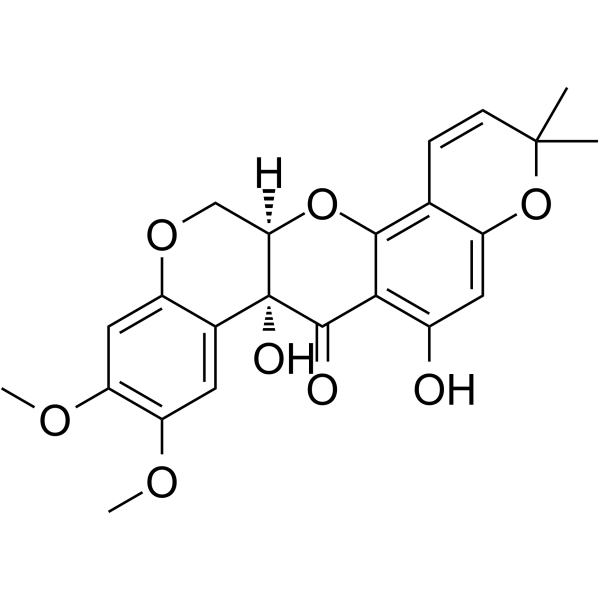
    11-Hydroxytephrosin is a potent NF-κB inhibitor with an IC50 of 0.19 μM or 4.21 μM. 11-Hydroxytephrosin is isolated from A. fruticosa. 11-Hydroxytephrosin inhibits the activation of NF-κB. 11-Hydroxytephrosin can be used in research related to cervical cancer and inflammatory diseases .
    11-Hydroxytephrosin
  • HY-W014989

    Biochemical Assay Reagents Cancer
    Thioglucose is a thiosugar with antioxidant properties. Thioglucose acts as an H2S/polysulfide donor to elevate intracellular sulfane sulfur levels and promote hydropersulfide formation. Thioglucose reduces the endocytosis of gold nanoparticles by phagocytes, enhances cytotoxicity and improves biocompatibility by increasing their adsorption on the surface of cancer cells. Thioglucose can be engineered into a stimulus-responsive prodrug or functional reagent for the development of targeted nanocarriers, and is used in studies related to human breast adenocarcinoma and cervical cancer .
    Thioglucose
  • HY-B1259

    Acexamic acid; 6-Acetamidocaproic acid

    Drug Metabolite Drug Intermediate Inflammation/Immunology Cancer
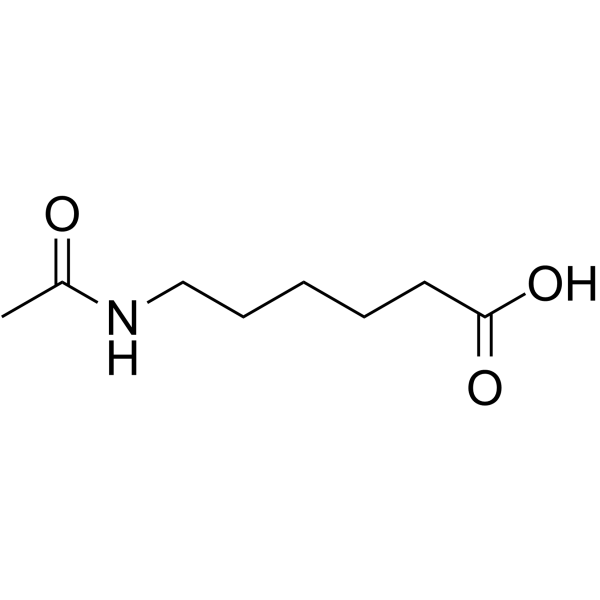
    6-Acetamidohexanoic acid (Acexamic acid; 6-Acetamidocaproic acid) is a metabolite of Hexamethylene bisacetamide (HMBA) (HY-124284) with anti-pulmonary fibrosis activity. 6-Acetamidohexanoic acid does not induce differentiation of human promyelocytic leukemia cells, but is taken up by such cells. 6-Acetamidohexanoic acid serves as a carboxylic acid substrate component for constructing carboxylesterase-responsive near-infrared phototheranostic probes. 6-Acetamidohexanoic acid is applicable to research related to pulmonary fibrosis, refractory hypoxemia and cervical cancer .
    6-Acetamidohexanoic acid
  • HY-N11591

    Apoptosis DNA/RNA Synthesis Mitochondrial Metabolism Cancer
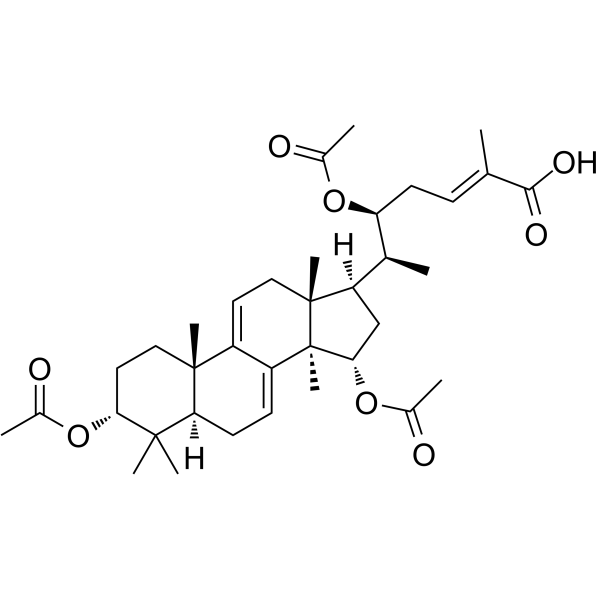
    Ganoderic acid T is a lanostane triterpenoid. Ganoderic acid T is isolated from Ganoderma lucidum mycelia. Ganoderic acid T induces Mitochondria-mediated Apoptosis and inhibits DNA synthesis. Ganoderic acid T exhibits anticancer activity against cervical cancer, liver cancer and lung cancer .
    Ganoderic acid T
  • HY-172265

    PROTACs FKBP Cancer
    FKBP12 PROTAC FM4 is a PROTAC degrader of FKBP12, with a DC50 value of 0.09-0.22 nM. FKBP12 PROTAC FM4 inhibits global protein synthesis, induces apoptosis, and selectively reduces the viability of cervical cancer cells expressing MTH1-E6 and FKBP12 F36V-tagged SARS1. FKBP12 PROTAC FM4 is applicable to research related to HPV-positive cervical cancer .
    FKBP12 PROTAC FM4
  • HY-B2099

    1-Butylbiguanide

    AMPK Metabolic Disease Cancer
    Buformin (1-Butylbiguanide), a potent AMPK activator, acts as an orally active biguanide antidiabetic agent. Buformin decreases hepatic gluconeogenesis and lowers blood glucose production in vivo. Buformin also has anti-cancer activities and is applied in cancer study (such as, cervical cancer and breast cancer, et al) .
    Buformin
  • HY-N2072R

    Transcrocetin (Standard); trans-Crocetin (Standard)

    iGluR Reference Standards Apoptosis COX p38 MAPK Neurological Disease Inflammation/Immunology Cancer
    Crocetin (Standard) (TransCrocetin (Standard) ) is an aglycone of crocin. Crocetin (Standard) is orally active and brain-penetrant. Crocetin (Standard) shows strong NMDA receptor affinity and channel opening activity. Crocetin (Standard) can downregulate the proinflammatory cytokines and COX-2 exoression. Crocetin (Standard) can inhibit apoptosis and activation of MAPK. Crocetin (Standard) can delay delays brain and body aging. Crocetin (Standard) can be used for the researches of cancer, neurological disease and inflammation, such as cervical cancer and ischemia .
    Crocetin (Standard)
  • HY-161597

    PROTACs DYRK Cancer
    PROTAC DYRK2 degrader 1 is a DYRK2 PROTAC degrader with DC50 values of 1.607 μM (MDA-MB-231 cells) and 3.265 μM (HeLa cells), respectively. PROTAC DYRK2 degrader 1 induces DYRK2 degradation via the ubiquitin-proteasome system. It is applicable to the research of triple-negative breast cancer and cervical cancer .
    PROTAC DYRK2 degrader 1
  • HY-176166

    mTOR PROTACs Autophagy Cancer
    PD-M6 is a mTOR PROTAC degrader (DC50: 4.8 μM). PD-M6 promotes ubiquitination and degradation of mTOR. PD-M6 downregulates MAPKAP1 and CASTOR1, and induces Autophagy. PD-M6 inhibits the proliferation of cervical cancer, breast cancer and liver cancer cell lines. PD-M6 can be used for the research of cervical cancer, breast cancer and liver cancer .
    PD-M6
  • HY-163938

    PROTACs Cancer
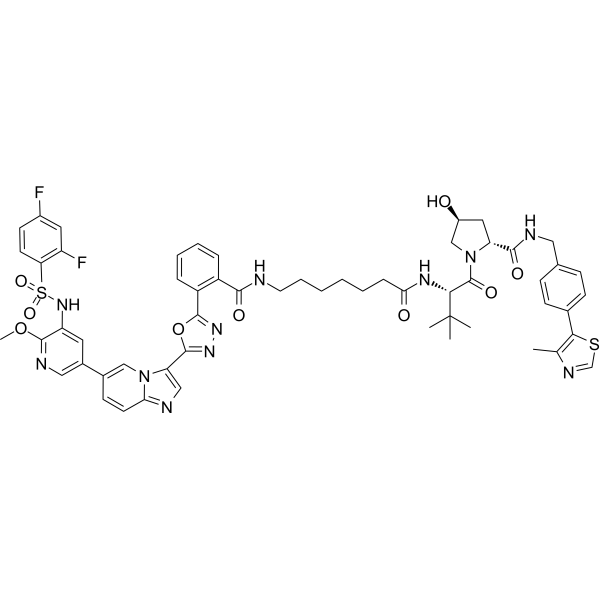
    PROTAC erf3a Degrader-1 (Compound C63) is an orally active PROTAC erf3a Degrader. PROTAC erf3a Degrader-1 inhibits cancer cell proliferation (eg: 22Rv1). PROTAC erf3a Degrader-1 can be used for research of prostate cancer, ovarian cancer, liver cancer, cervical cancer, leukemia, breast cancer. (Red: erf3a ligand (HY-13778); Black: linker (HY-163960); Blue: CRBN ligand (HY-41547)) .
    PROTAC erf3a Degrader-1
  • HY-118834

    Lyngbyatoxin A

    PKC Inflammation/Immunology Cancer
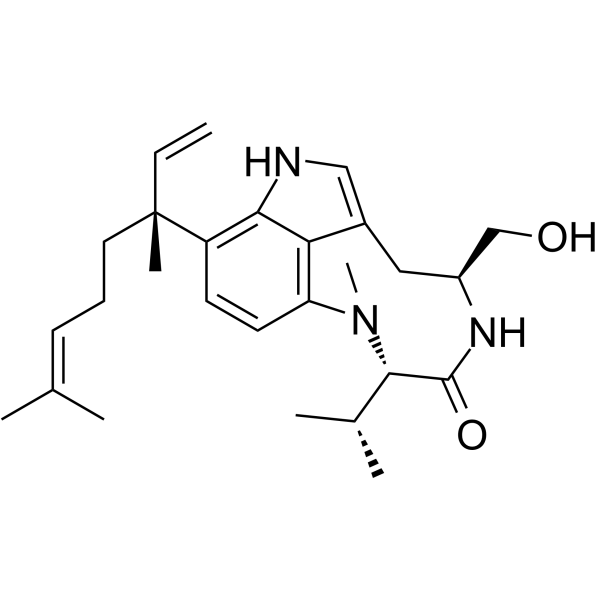
    Teleocidin A1 (Lyngbyatoxin A) is a PKC activator with a Ki value of 0.11 nM for binding to the PKCδ-C1B peptide. Teleocidin A1 exhibits anticancer activity against cervical cancer and leukemia. Teleocidin A1 can induce seaweed dermatitis, food poisoning and local skin toxicity. Teleocidin A1 can be used in studies related to cervical cancer, seaweed dermatitis and food poisoning .
    Teleocidin A1
  • HY-N16523

    Glycosidase Cancer
    Ferruginoside C is a phenylethanoid. Ferruginoside C can be isolated from V. leiocarpum. Ferruginoside C shows potent alpha-glucosidase inhibitory activity with an IC50 of 19.93 μM. Ferruginoside C shows antioxidant activities. Ferruginoside C can be used in the research of cervical cancer, ovarian cancer, and colon cancer .
    Ferruginoside C
  • HY-121794

    (+)-Avarol

    Apoptosis NF-κB Cancer
    Avarol is a sesquiterpene hydroquinone that can be isolated from Dysidea avara sponge. Avarol has the potential for the research of ehrlich carcinoma (EC) and cervical cancer (CC-5) .
    Avarol
  • HY-178285

    Phosphatase Cancer
    VHR-IN-2 (Compound SA9) is a selective vaccinia H1-related (VHR) phosphatase inhibitor with an IC50 of 3.1 μM. VHR-IN-2 can be used for the research of cervical cancer .
    VHR-IN-2
  • HY-178292

    Phosphatase Cancer
    VHR-IN-3 (Compound 1) is a selective vaccinia H1-related (VHR) phosphatase inhibitor with a Ki of 0.81 μM. VHR-IN-3 mimics the phosphate group through the sulfonic acid group and competitively binds to the catalytic active center of VHR. VHR-IN-3 can be used for the research of cervical cancer .
    VHR-IN-3
  • HY-175466

    PARP DNA/RNA Synthesis Apoptosis Cancer
    BER-IN-1 is a base excision repair (BER) inhibtor, targeting DNA abasic sites. BER-IN-1 cleaves abasic sites via β- and β,δ-elimination mechanisms, disrupts the base excision repair (BER) pathway and leads to DNA double-strand breaks (DSBs). BER-IN-1 can enhance the effectiveness of the PARP inhibitor Olaparib (HY-10162) in homologous recombination (HR)-proficient cancer cells (MDA-MB-231, HeLa, and SKOV3). BER-IN-1 induces an S-phase arrest and apoptosis companied with Olaparib (HY-10162). BER-IN-1 can be used for the research of cancer, such as breast, cervical and ovarian cancer .
    BER-IN-1
  • HY-10320G

    BIRB 796 (GMP)

    p38 MAPK Cancer
    Doramapimod GMP (BIRB 796 GMP) is an orally active inhibitor for p38 MAPK, with IC50s of 38, 65, 200 and 520 nM, for p38α, p38β, p38γ, p38δ. Doramapimod exhibits cytotoxicity and antitumor activity against multiple myeloma, synergizes with multidrug resistance protein 1 (ABCB1) and aurora kinase inhibitor VX680, promoting their antitumor efficacy against oral epidermoid carcinoma and cervical cancer. Doramapimod also exhibits anti-inflammatory activity .
    Doramapimod (GMP)
  • HY-175175

    p38 MAPK Bcl-2 Family Caspase Reactive Oxygen Species (ROS) PARP Apoptosis Cancer
    MAPK-IN-5 is a potent MAPK inhibitor with an IC50 of 1.35 μM against HeLa cells. MAPK-IN-5 inhibits HeLa cell proliferation by inducing ROS-mediated DNA damage and mitochondrial apoptosis via the MAPK pathway. MAPK-IN-5 significantly inhibits colony formation, reduces the number of live cells, suppresses cell migration, and causes cell cycle arrest in the G2/M phase in HeLa cells. MAPK-IN-5 can be used for the study of cervical cancer .
    MAPK-IN-5
  • HY-178296

    Phosphatase Cancer
    VHR-IN-6 is a selective vaccinia H1-related (VHR) phosphatase inhibitor with an IC50 of 74 nM. VHR-IN-6 shows very weaker inhibitory activity against MKP-1 (IC50 = 0.52 μM), CD45 (IC50 = 0.50 μM), Cdc25A (IC50 = 2.8 μM), PTP1B (IC50 = 0.42 μM), and HePTP (IC50 = 0.87 μM). VHR-IN-6 inhibits the proliferation of HeLa cells. VHR-IN-6 can be used for the research of cervical cancer .
    VHR-IN-6
  • HY-178301

    Phosphatase Cancer
    VHR-IN-9 is a selective vaccinia H1-related (VHR) phosphatase inhibitor with an IC50 of 270 nM. VHR-IN-9 shows very weaker inhibitory activity against MKP-1 (IC50 = 2.8 μM), CD45 (IC50 = 1.8 μM), Cdc25A (IC50 = > 10 μM), PTP1B (IC50 = 2.2 μM), and HePTP (IC50 = 2.4 μM). VHR-IN-9 inhibits the proliferation of HeLa cells. VHR-IN-9 can be used for the research of cervical cancer .
    VHR-IN-9
  • HY-178297

    Phosphatase Cancer
    VHR-IN-7 is a selective vaccinia H1-related (VHR) phosphatase inhibitor with an IC50 of 71 nM. VHR-IN-7 shows very weaker inhibitory activity against MKP-1 (IC50 = 0.47 μM), CD45 (IC50 = 0.3 μM), Cdc25A (IC50 = 3.4 μM), PTP1B (IC50 = 0.59 μM), and HePTP (IC50 = 1.2 μM). VHR-IN-7 inhibits the proliferation of HeLa cells. VHR-IN-7 can be used for the research of cervical cancer .
    VHR-IN-7
  • HY-178466

    Microtubule/Tubulin P-glycoprotein Apoptosis Cancer
    Tubulin polymerization/P-gp-IN-1 is a Tubulin polymerization/P-gp dual inhibitor. Tubulin polymerization/P-gp-IN-1 inhibits tubulin polymerization and induces G2/M arrest and apoptosis. Tubulin polymerization/P-gp-IN-1 reverses MDR by inhibiting P-gp efflux function. Tubulin polymerization/P-gp-IN-1 has dual functions: direct antitumor activity and reversal of P-gp-mediated Cisplatin (HY-17394) resistance. Tubulin polymerization/P-gp-IN-1 stable binds to the tubulin CBS (ΔG = −12.4 kcal/mol) and the P-gp hydrophobic lumen (ΔG = −10.8 kcal/mol). Tubulin polymerization/P-gp-IN-1 can be used for the study of drug-resistant cervical cancer .
    Tubulin polymerization/P-gp-IN-1
  • HY-178960

    Microtubule/Tubulin Apoptosis Cancer
    Tubulin-IN-59 (Compound 8g) is an orally active Tubulin inhibitor. Tubulin-IN-59 exhibits potent anti-proliferative activity against HCT116 colorectal cancer, HeLa cervical cancer, and HepG2 liver cancer cell lines, with its IC₅₀ value ranging from 16 to 35 nM. Tubulin-IN-59 arrests HeLa cells in the G2/M phase and induces cell apoptosis. Tubulin-IN-59 demonstrates significant anti-tumor activity in the HT29 human colon cancer mouse xenograft model. Tubulin-IN-59 can be used for the study of colorectal cancer and cervical cancer .
    Tubulin-IN-59
  • HY-P991417

    VEGFR Cancer
    LYN00101 is a human monoclonal antibody (mAb) targeting VEGFA. LYN00101 can be used in Cervical cancer, Colorectal cancer, Gastric cancer and Ovarian cancer research .
    LYN00101
  • HY-N16671

    Bufogenin B; Deacetylbufotalin

    Others Cancer
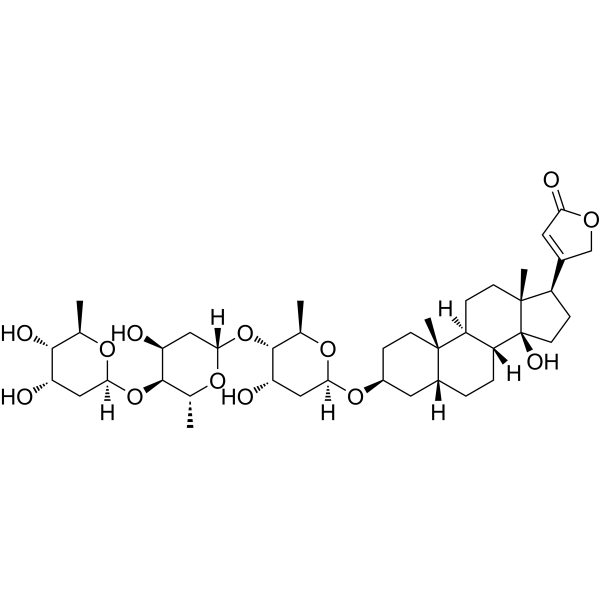
    Desacetylbufotalin (Bufogenin B; Deacetylbufotalin) is a bufadienolide found in Chinese drug "Chan'Su". Desacetylbufotalin shows strong anti-proliferative activity on the of Hela cells (IC50 = 0.01 μM). Desacetylbufotalin can be used for the research of cancer, such as cervical cancer .
    Desacetylbufotalin
  • HY-175598

    Others Cancer
    Anticancer agent 278 (Compound 5e) is an anticancer agent. Anticancer agent 278 has potent toxicity and inhibitory activities against cancer cells with IC50s of 4.02  μM, 6.02  μM and 6.11 μM for A549, HeLa and HCT116, respectively. Anticancer agent 278 can be used for cancers like human lung, cervical and colorectal cancer research .
    Anticancer agent 278
  • HY-126989

    Arp2/3 Complex Cancer
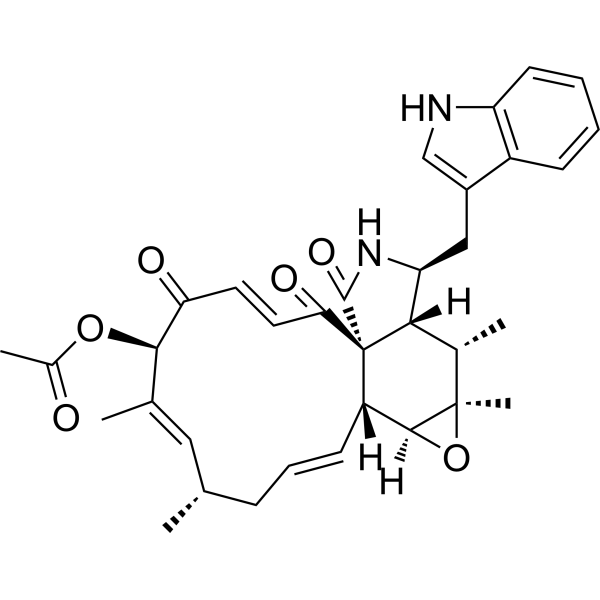
    19-O-Acetylchaetoglobosin A, a cytochalasan alkaloid, is a fungal metabolite originally isolated from C. globosum that has actin polymerization inhibitory and cytotoxic activities. 19-O-Acetylchaetoglobosin A is cytotoxic to HeLa cervical cancer cells .
    19-O-Acetylchaetoglobosin A
  • HY-N11643

    GA-Mk

    Apoptosis Reactive Oxygen Species (ROS) MMP Caspase Cancer
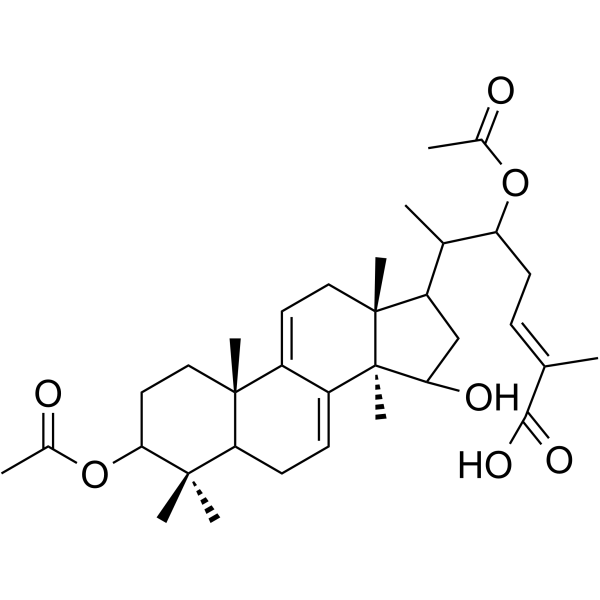
    Ganoderic acid Mk (GA-Mk) is a triterpenoid acid, that can be isolated from the mycelia of Ganoderma lucidum. Ganoderic acid Mk is efficiently anti-proliferative and can induce apoptosis of HeLa cells by mitochondria-mediated pathway. Ganoderic acid Mk can be used for cervical cancer research .
    Ganoderic acid Mk
  • HY-178303

    Phosphatase Cancer
    VHR-IN-8 (Compound SA8) is a selective vaccinia H1-related (VHR) phosphatase inhibitor with an IC50 of 2.4 μM. VHR-IN-8 can be used for the research of cervical cancer .
    VHR-IN-8
  • HY-163938A

    PROTACs Cancer
    PROTAC erf3a Degrader-2 (Compound C59) is an orally active PROTAC erf3a Degrader. PROTAC erf3a Degrader-2 inhibits protein expression of SRD5A3 and GSPT1(eRF3a). PROTAC erf3a Degrader-2 inhibits cancer cell proliferation (eg: 22Rv1). PROTAC erf3a Degrader-2 can be used for research of prostate cancer, ovarian cancer, liver cancer, cervical cancer, leukemia, breast cancer. (Red: erf3a ligand (HY-13778); Black: linker (HY-163960); Blue: E3 ligase ligand (HY-W763812)) .
    PROTAC erf3a Degrader-2

Inquiry Online

Your information is safe with us. * Required Fields.

Salutation


Country or Region *

Applicant Name *


Organization Name *

Department *


Email Address *


Product Name *

Cat. No.


Requested quantity *

Phone Number *


Remarks

Inquiry Online

Inquiry Information

Product Name:
Cat. No.:
Quantity:
MCE Japan Authorized Agent: