Search Result
Results for "
antitumor+agent
" in MedChemExpress (MCE) Product Catalog:
4
Biochemical Assay Reagents
6
Isotope-Labeled Compounds
| Cat. No. |
Product Name |
Target |
Research Areas |
Chemical Structure |
-
- HY-163767
-
|
|
β-catenin
|
Inflammation/Immunology
Cancer
|
|
Antitumor agent-171 (Compound 35) is an inhibitor for β-catenin/BCL9 interaction with IC50 of 1.61 μM. Antitumor agent-171 exhibits high affinity to β-catenin with Kd of 0.63 μM. Antitumor agent-171 inhibits the gene expression of axin2 with IC50 of 0.84 μM. Antitumor agent-171 inhibits cell viability of HCT116 with IC50 of 4.39 μM. Antitumor agent-171 activates T cells, promotes antigen presentation, and exhibits antitumor efficacy and good pharmacokinetic characteristics in mouse models .
|
-

-
- HY-161865
-
|
|
Apoptosis
|
Cancer
|
|
Antitumor agent-180 (Compound 13a) is an inhibitor for BUB1 mitotic checkpoint serine/threonine kinase B (BUB1B). Antitumor agent-180 inhibits the proliferation of ccRCC cell Caki-1 with IC50 of 2.047 µM. Antitumor agent-180 induces necrosis and apoptosis in Caki-1 .
|
-

-
- HY-116447
-
|
|
Mitochondrial Metabolism
Apoptosis
|
Cancer
|
|
Antitumor agent-159 (Compound 13b) targets the mitochondria and downregulates cardiolipin levels. Antitumor agent-159 inhibits the proliferation of cancer cell MDA-MB-231, arrests the cell cycle at sub-G1 phase, and induces apoptosis in MDA-MB-231. Antitumor agent-159 exhibits antitumor efficacy in MDA-MB-231 xenograft mouse models .
|
-

-
- HY-163768
-
|
|
β-catenin
|
Inflammation/Immunology
Cancer
|
|
Antitumor agent-172 (Compound 28) is an inhibitor for β-catenin/BCL9 interaction with IC50 of 3.92 μM. Antitumor agent-172 exhibits high affinity to β-catenin with Kd of 82 nM. Antitumor agent-172 activates T cells, promotes antigen presentation, and exhibits antitumor efficacy and good pharmacokinetic characteristics in mouse models .
|
-

-
- HY-151620
-
|
|
Apoptosis
|
Cancer
|
|
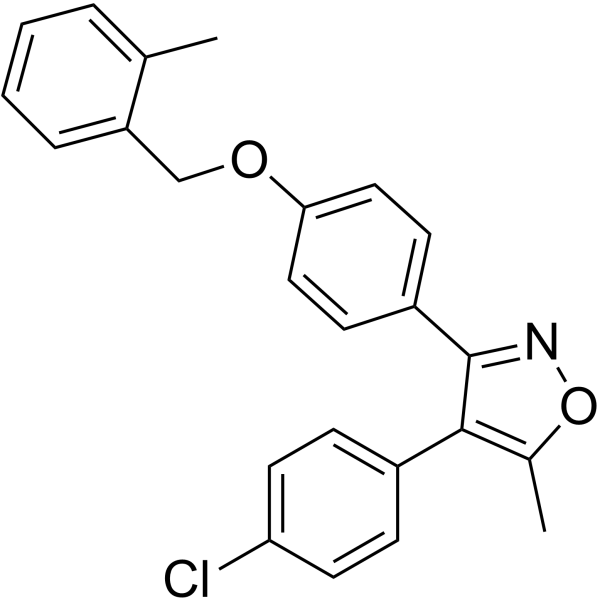
Antitumor agent-80 (compound 11) is an orally active and potent antitumor agent. Antitumor agent-80 induces apoptosis in tumor cells .
|
-
-
- HY-149829
-
|
|
Apoptosis
Autophagy
|
Cancer
|
|
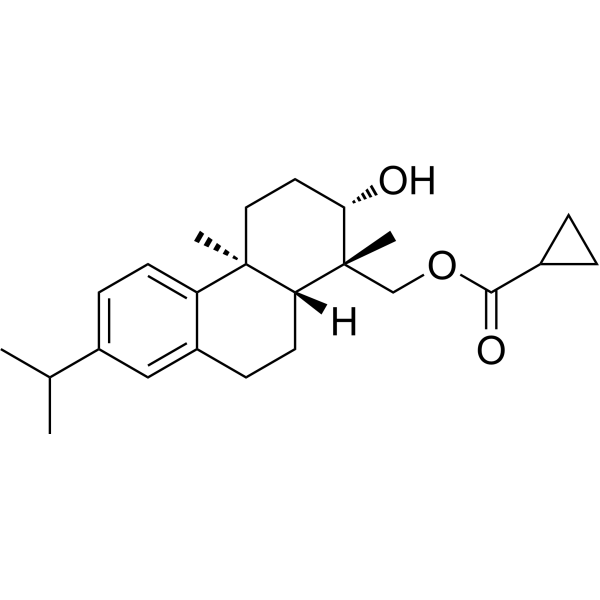
Antitumor agent-97 (compound 42) is an anticancer agent. Antitumor agent-97 can effectively inhibit the proliferation and autophagy of MGC 803 cells, and induce apoptosis. Antitumor agent-97 also enhances ROS accumulation in MGC 803 cells. Antitumor agent-97 can be used in cancer research .
|
-
-
- HY-150696
-
|
|
Apoptosis
Caspase
PARP
|
Cancer
|
|
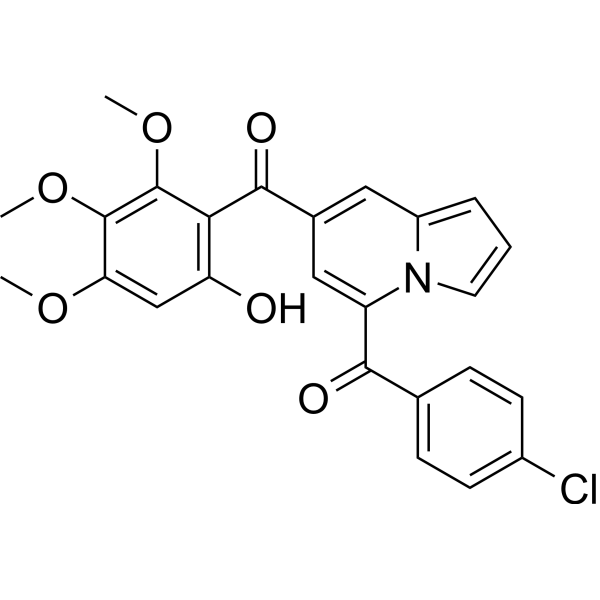
Antitumor agent-72 (compound 6w) is a potent anticancer agent. Antitumor agent-72 has anticancer activity and induces apoptosis through activation of caspase-3 and cleavage of PARP. Antitumor agent-72 can be used for cancer research .
|
-
-
- HY-151618
-
|
|
Apoptosis
|
Cancer
|
|
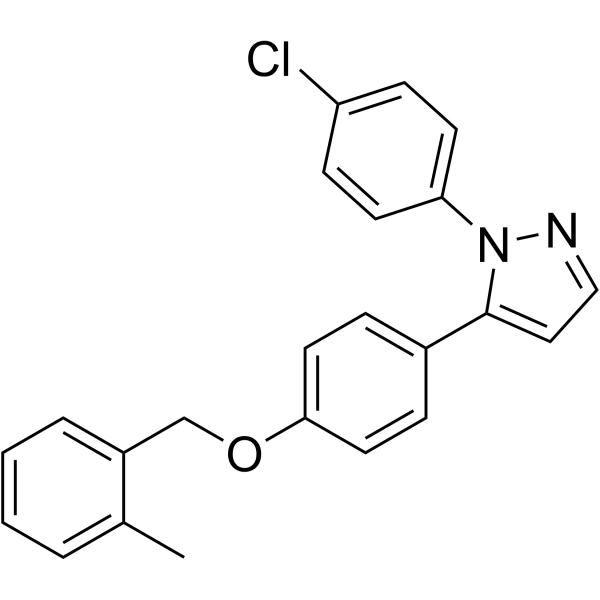
Antitumor agent-79 shows good antiproliferative activities against hepatocellular carcinoma and breast cancer cells with IC50 values of 0.7-7.9 μM. Antitumor agent-79 induces cancer cells apoptosis and shows in vivo antitumor effects. Antitumor agent-79 can be used for the research of cancer .
|
-
-
- HY-176738
-
|
|
Apoptosis
Reactive Oxygen Species (ROS)
|
Cancer
|
|
Antitumor agent-204 (compound 15a) is a potent antitumor agent. Antitumor agent-204 shows cytotoxicity. Antitumor agent-204 induces nitric oxide (NO) release and reactive oxygen species (ROS) generation. Antitumor agent-204 induces apoptosis and induces cell cycle arrest at G2/M phase. Antitumor agent-204 shows antitumor activity .
|
-

-
- HY-151429
-
|
|
Apoptosis
Ferroptosis
Bcl-2 Family
COX
|
Cancer
|
|
Antitumor agent-77 is an antitumor agent, inhibits cancer cells growth and migration. Antitumor agent-77 triggers ferroptosis by inhibiting GPx-4 and elevating COX2. Antitumor agent-77 also activates intrinsic apoptotic pathway (Bax-Bcl-2-caspase-3) and hinders Epithelial-mesenchymal transition (EMT) process of cancer cells .
|
-
-
- HY-161180
-
|
|
NAMPT
|
Cancer
|
|
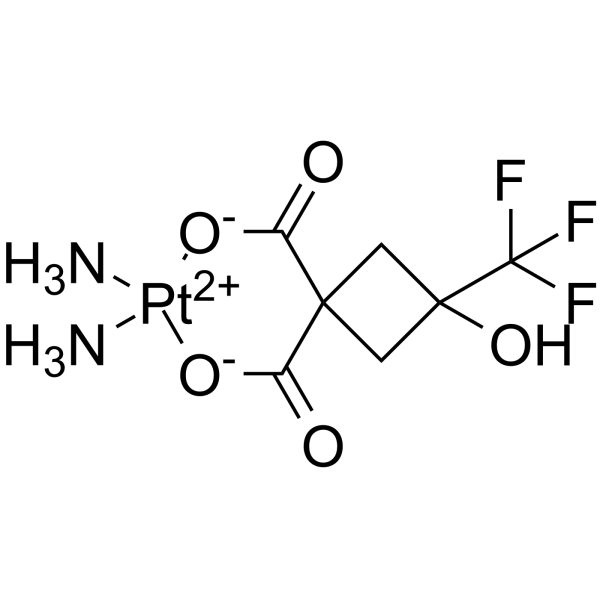
Antitumor Agent-136 (Compound 17) is a potent broad-spectrum antitumor agent and a NAMPT inhibitor with an IC50 of 9.5 nM. Antitumor Agent-136 can reduce the levels of intracellular and extracellular NAMPT protein through the ubiquitin proteasome pathway, thus achieving tumor inhibition .
|
-
-
- HY-152538
-
|
|
G-quadruplex
|
Cancer
|
|
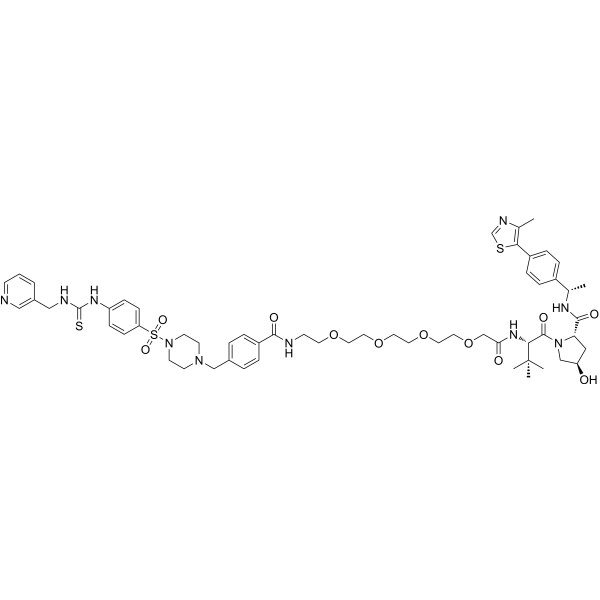
Antitumor agent-85 is a G-quadruplex (G4)-ligand with the ability to stabilize different G4-DNA structures. Antitumor agent-85 has highly effective anti-tumor properties .
|
-
-
- HY-142086
-
|
|
Drug Derivative
|
Cancer
|
|
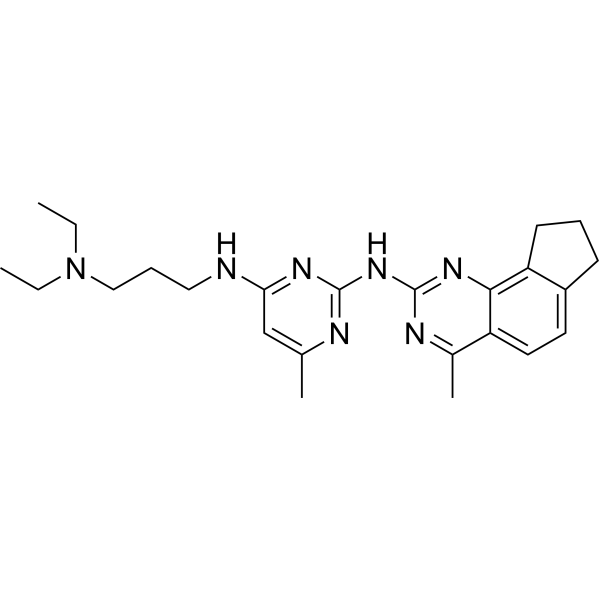
Antitumor agent-40 is an antitumor agent. Antitumor agent-40 can be used for the research of cancer .
|
-
-
- HY-148592
-
|
|
Cytochrome P450
|
Cancer
|
|
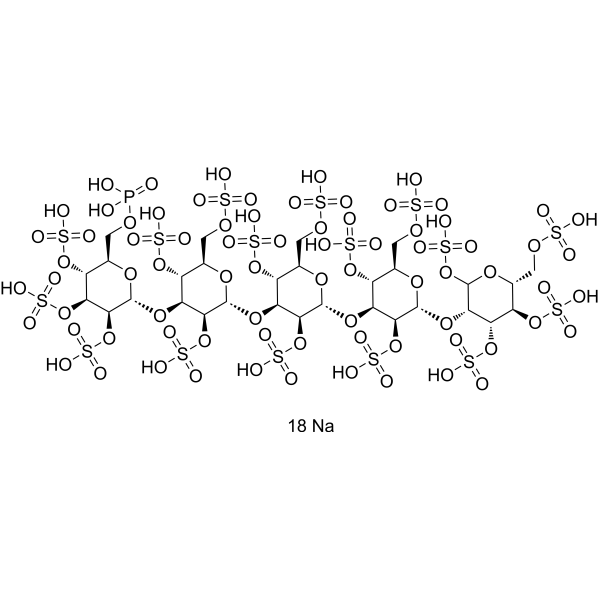
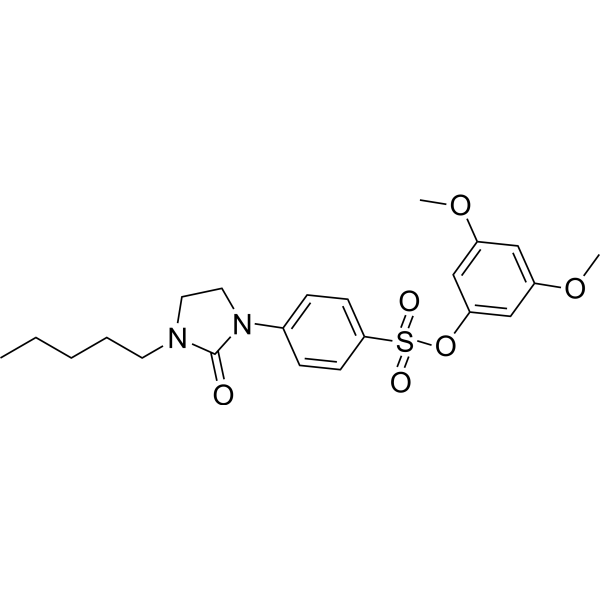
Antitumor agent-87 is a potent antitumor agent. Antitumor agent-87 shows a high affinity for CYP1A1 with a Ki value of 0.23 µM. Antitumor agent-87 shows antiproliferative activity. Antitumor agent-87 induces cell cycle arrest at the G2/M phase. Antitumor agent-87 show antitumoral activity .
|
-
-
- HY-162560
-
|
|
LXR
|
Cancer
|
|
Antitumor agent-162 (compound 52a) is a potent and orally active antitumor agent. Antitumor agent-162 shows cytotoxicity .
|
-

-
- HY-139975
-
|
|
Fluorescent Dye
|
Cancer
|
|
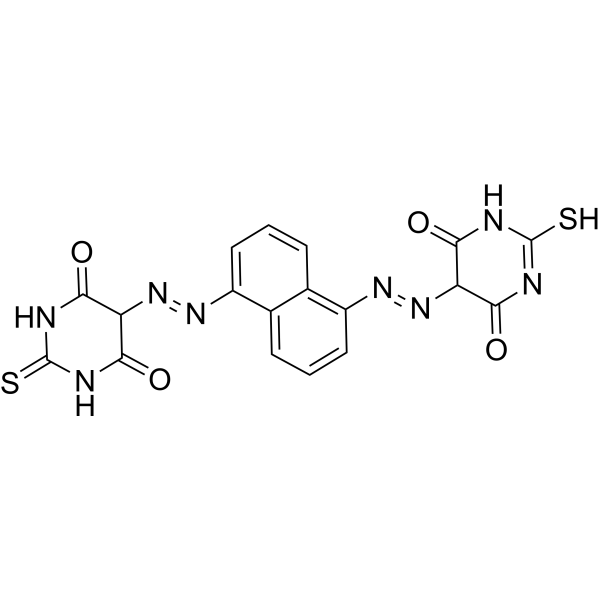
Antitumor agent-31 is a nanosized chelates of anchoring bisazo dye. Antitumor agent-31 can be used for an antioxidant and antitumor agent .
|
-
-
- HY-146250
-
|
|
Microtubule/Tubulin
|
Cancer
|
|
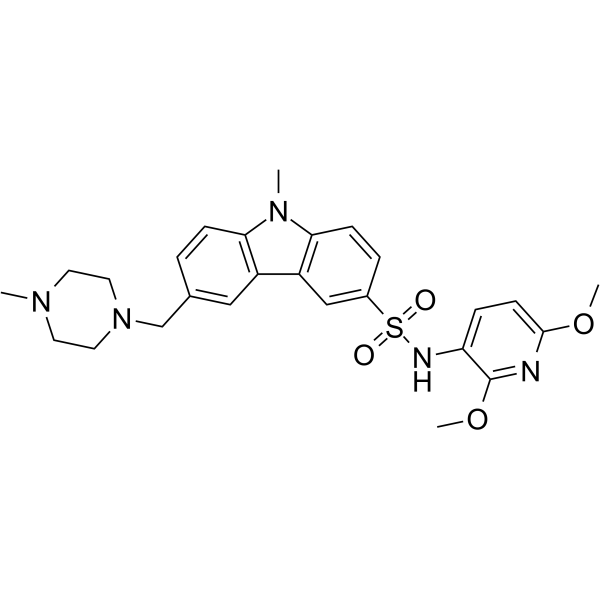
Antitumor Agent-71 is an antiproliferative activity antitumor agent and against tumor cell lines with IC50 values ranging from 3.98-15.70 μM. Antitumor Agent-71 is an antitumor agent that can inhibit tubulin polymerization.
|
-
-
- HY-149839
-
|
|
Apoptosis
|
Cancer
|
|
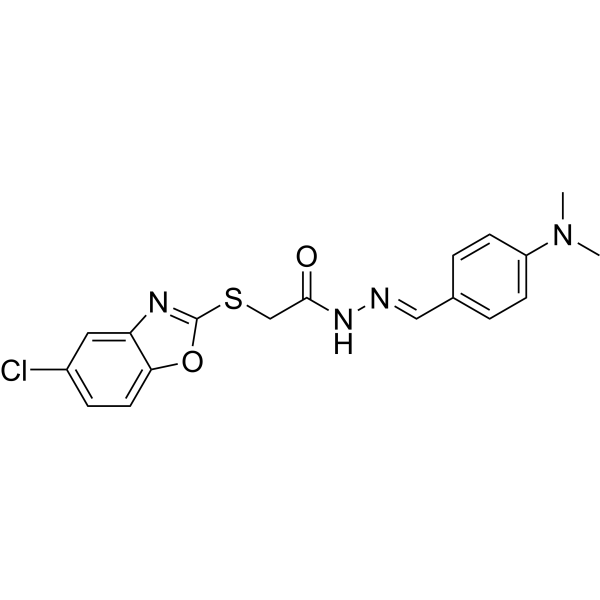
Antitumor agent-112 (compound 3a) is a potent antitumor agent. Antitumor agent-112 induces apoptosis. Antitumor agent-112 has cytotoxic activity on A549 cells with an IC50 value of 91.35 μM .
|
-
-
- HY-115995
-
|
|
Drug Derivative
|
Cancer
|
|
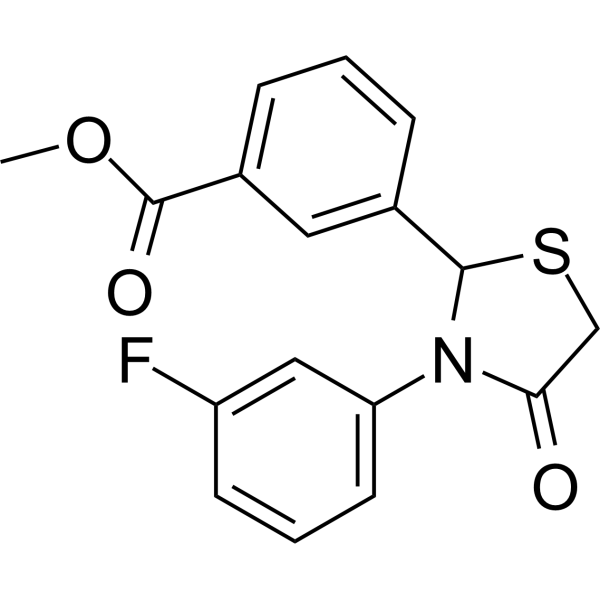
Antitumor agent-50 (compound 1a), a thiazolidinone, is a potent antitumor agent. Antitumor agent-50 has the potential for osteosarcoma (OS) research .
|
-
-
- HY-155038
-
|
|
PARP
CDK
|
Cancer
|
|
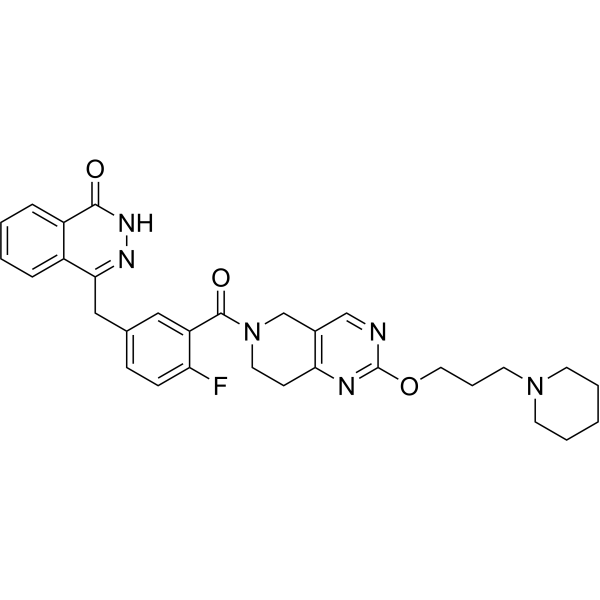
Antitumor agent-104 (Compound 9) is an antitumor agent by inhibiting DNA damage repair in tumors. Antitumor agent-104 inhibits PARP1 enzymatic activity and the PAR protein level. Antitumor agent-104 also inhibits the expression of CDK12 .
|
-
-
- HY-151295
-
|
|
DNA/RNA Synthesis
|
Cancer
|
|
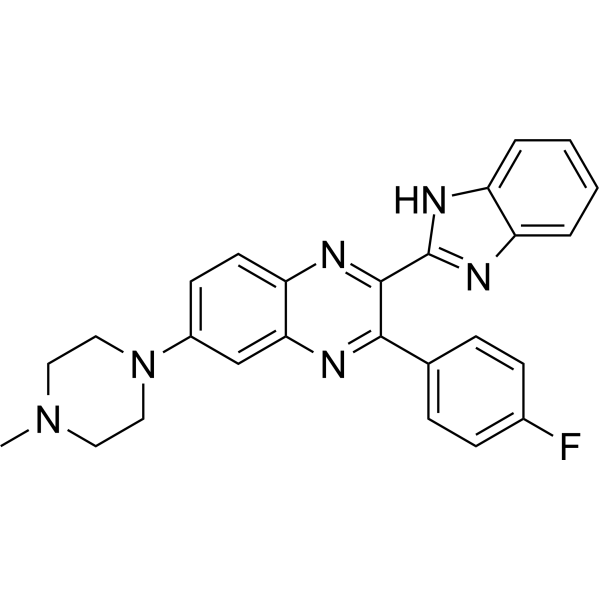
Antitumor agent-75 is a novel potent antitumor agent. Antitumor agent-75 has cytotoxic effects on cancer and normal human cell lines. Antitumor agent-75 shows a highly selective cytotoxic effect against human lung adenocarcinoma (cell line A549) when combined with Antitumor agent-74 (HY-151292), the IC50 value of 2.8 μM. Antitumor agent-75 can be used for the research of cancer .
|
-
-
- HY-162131
-
-
-
- HY-146038
-
|
|
Apoptosis
ROS Kinase
MDM-2/p53
Bcl-2 Family
|
Cancer
|
|
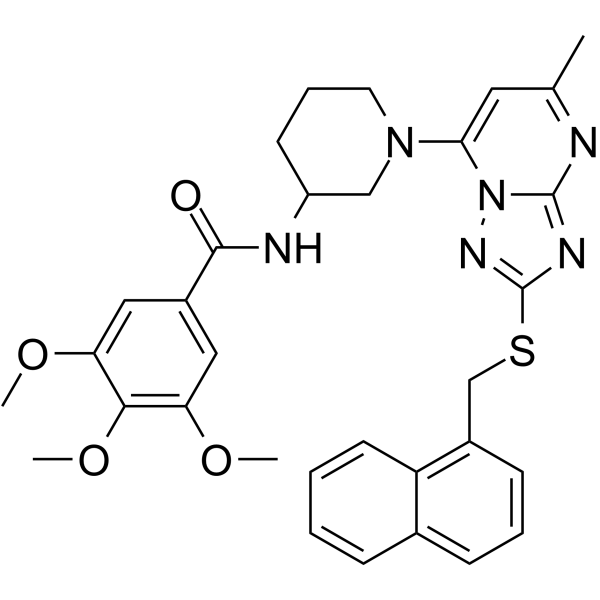
Antitumor agent-55 (compound 5q) is a potent antitumor agent. Antitumor agent-55 effectively inhibits PC3, with an IC50 of 0.91 μM. Antitumor agent-55 effectively inhibits the colony formation, suppresses the cell migration in PC3. Antitumor agent-55 induces G1/S phase arrest and apoptosis in PC3 .
|
-
-
- HY-146743
-
|
|
Apoptosis
|
Cancer
|
|
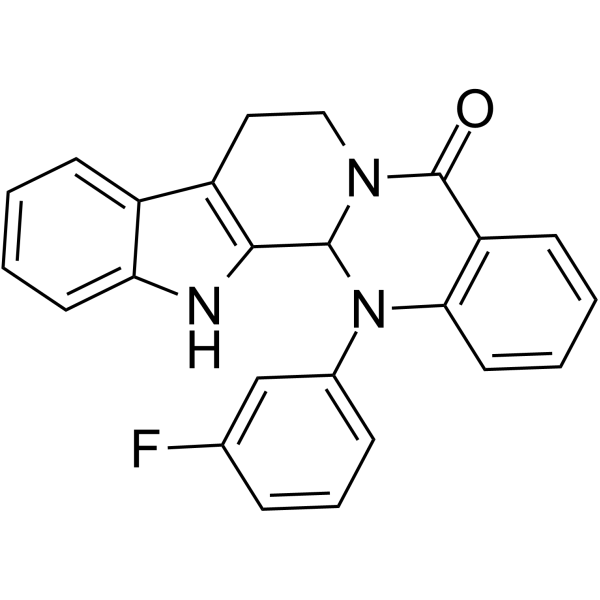
Antitumor agent-53 is a potent antitumor agent. Antitumor agent-53 induces cell cycle arrest at the G2/M phase. Antitumor agent-53 inhibits the PI3K/AKT pathway to induce the apoptosis of HGC-27 cells. Antitumor agent-53 has the potential for the research of gastrointestinal tumors .
|
-
-
- HY-146114
-
|
|
Microtubule/Tubulin
Quinone Reductase
|
Cancer
|
|
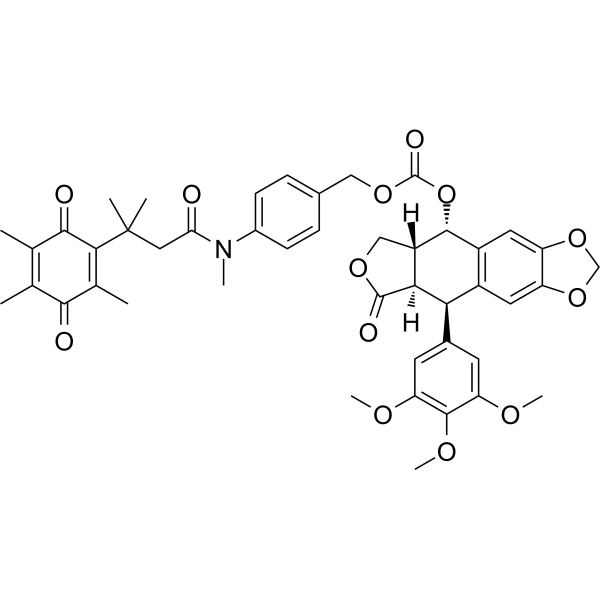
Antitumor agent-67 (compound 3) is a potent antitumor agent. Antitumor agent-67 has highly selective toxicity to cancer cells and lower damage to normal cells. Antitumor agent-67 can be activated by NQO1 and effectively liberate podophyllotoxin and kill tumor cells. Antitumor agent-67 significantly suppresses cancer growth in HepG2 xenograft models without obvious toxicity .
|
-
-
- HY-145438
-
|
|
Others
|
Cancer
|
|
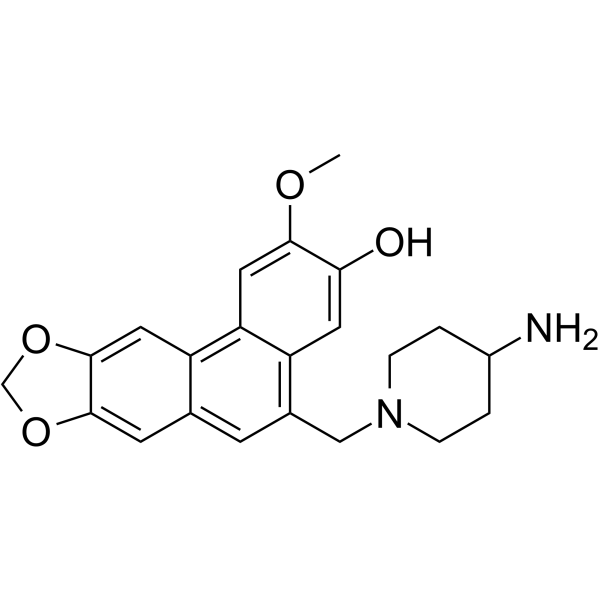
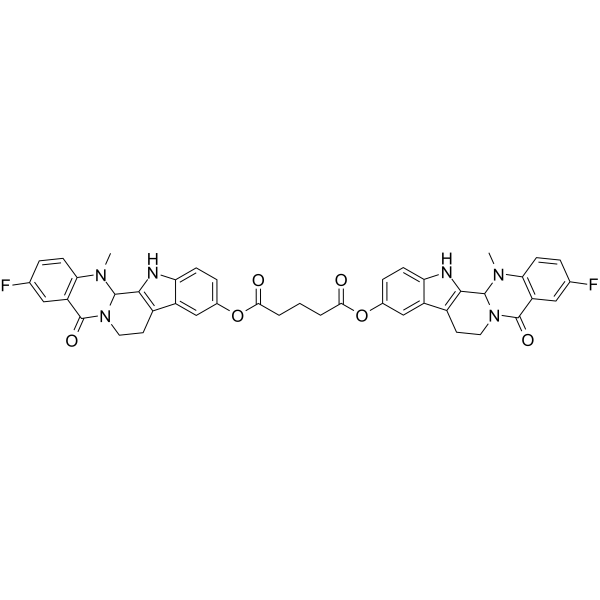
Antitumor agent-38 is a potent antitumor agents. Antitumor agent-38 shows antiproliferative activity for cancer cells. Antitumor agent-38 induces cell cycle arrest at the late S and G2/M phase without interfering with microtubule formation or cell morphology[1].
|
-
-
- HY-146409
-
|
|
Apoptosis
|
Cancer
|
|
Antitumor agent-59 (Compound 13b) is a potent antitumor agent. Antitumor agent-59 effectively inhibits the proliferation and migration of HCT116 cells. Antitumor agent-59 induces HCT116 cell apoptosis and arrests the cell cycle at the G2/M phase .
|
-
-
- HY-146093
-
|
|
Apoptosis
|
Cancer
|
|
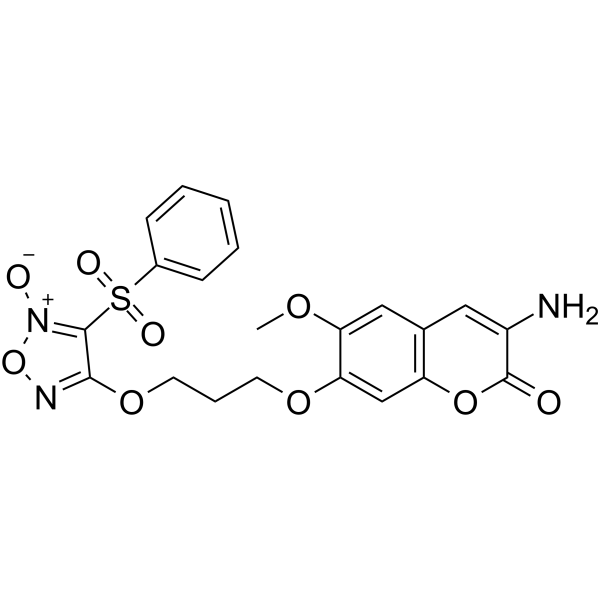
Antitumor agent-62 (Compound 47) is a NO-releasing antitumor agent. Antitumor agent-62 shows antiproliferative activity against four cancer cell lines. Antitumor agent-62 activates mitochondrial apoptosis pathway and arrests cell cycle at G2/M phase .
|
-
-
- HY-146432
-
|
|
Apoptosis
Raf
Ras
ROS Kinase
MDM-2/p53
|
Cancer
|
|
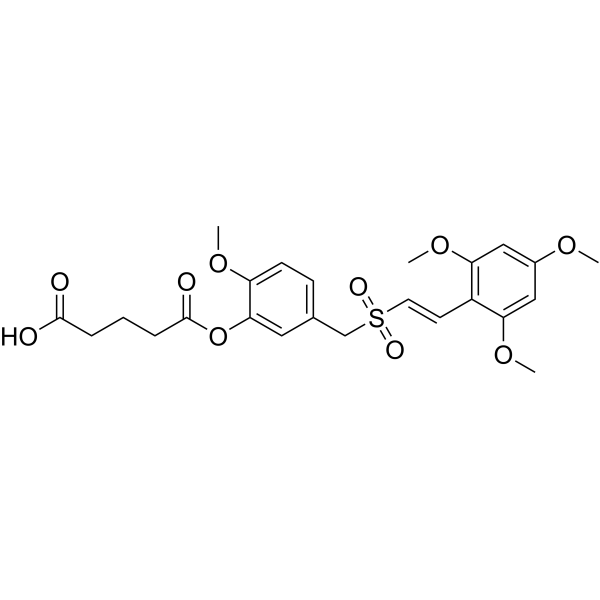
Antitumor agent-60 (compound 20) is a potent antitumor agent, targeting RAS-RAF signaling pathway and binding to CRAF with a Kd value of 3.93 μM. Antitumor agent-60 induces apoptosis by blocking cell cycle at G2/M phase. Antitumor agent-60 enhances the level of p53 and ROS. Antitumor agent-60 causes oval and irregular nucleus in cancer cells. Antitumor agent-60 can suppress the growth of tumor to some extent in A549 xenograft model .
|
-
-
- HY-146046
-
|
|
Apoptosis
|
Inflammation/Immunology
Cancer
|
|
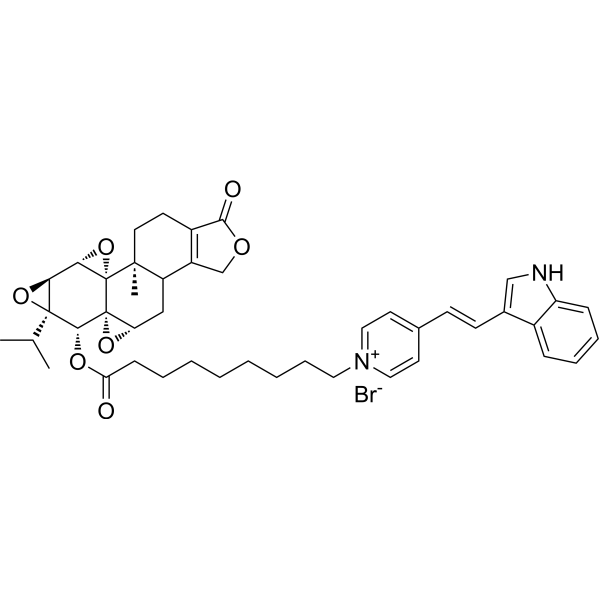
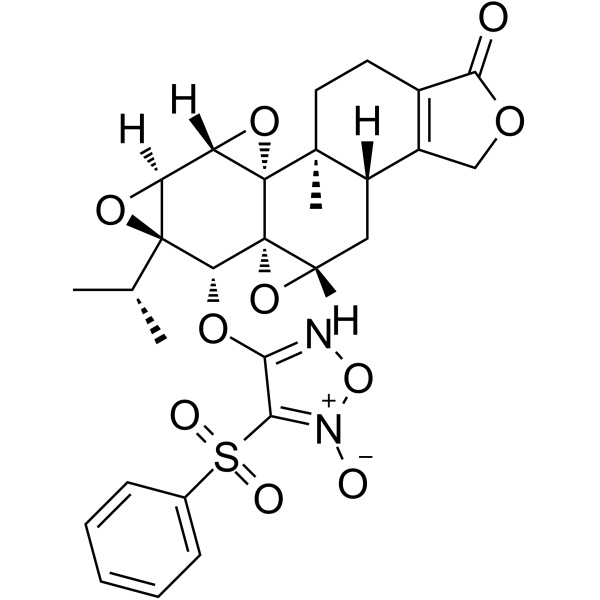
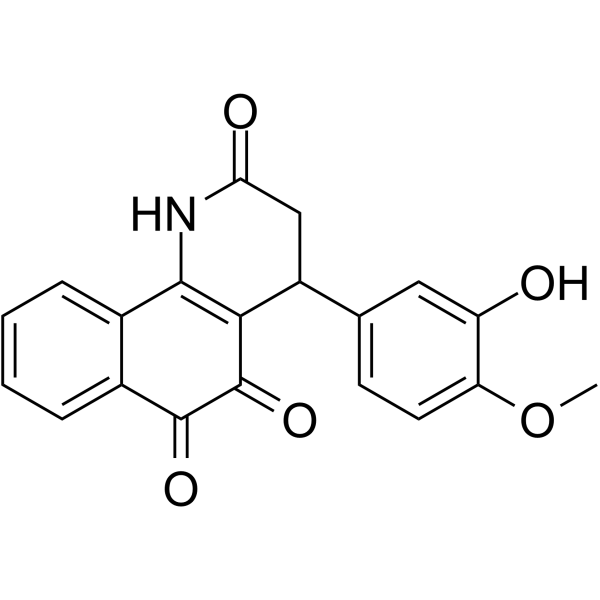
Antitumor agent-56 (Compound 33) is a triptolide derivative with antitumor, anti-inflammatory and NO release activities. Antitumor agent-56 significantly inhibits the growth of melanoma. Antitumor agent-56 is orally active .
|
-
-
- HY-146048
-
-
-
- HY-161425
-
|
|
Apoptosis
|
Cancer
|
|
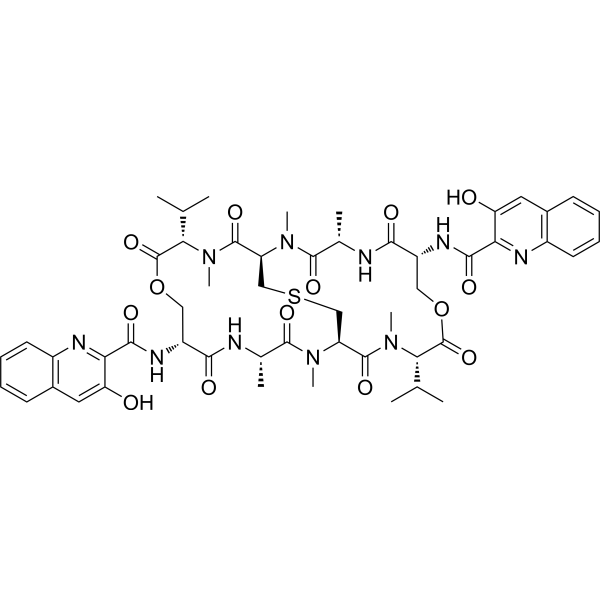
Antitumor agent-149 (Compound 3) is an analogue of Echinomycin (HY-106101). Antitumor agent-149 inhibits HIF-1α-mediated transcription. Antitumor agent-149 induces cancer cell apoptosis. Antitumor agent-149 inhibits tumor growth in SW620 xenograft mice model .
|
-
-
- HY-168587
-
|
|
Drug Derivative
|
Cancer
|
|
Antitumor agent-189 (Compound DN4) is a potent antitumor agent, and a 4-oxobutanamide derivative. Antitumor agent-189 inhibits A498 cells proliferation, adhesion and invasion with an IC50 of 1.94 μM. Antitumor agent-189 also inhibits angiogenesis and tumor growth in the xenograft model of A498 cells .
|
-

-
- HY-161821
-
|
|
Interleukin Related
TNF Receptor
MMP
|
Cancer
|
|
Antitumor agent-173 (Compound 4b) is a prodrug of Cycloicaritin (HY-N1940). Antitumor agent-173 is a substrate for OATP2B1. Antitumor agent-173 selectively inhibits the growth of tumor Antitumor agent-173 significantly increases the oral bioavailability of Cycloicaritin and exerts good antitumor activity and safety .
|
-

-
- HY-173133
-
|
|
Autophagy
Atg7
|
Cancer
|
|
Antitumor agent-199 (Compound 4b) is an antitumor agent. Antitumor agent-199 exhibits significant antiproliferative activity against multiple tumor cell lines. Antitumor agent-199 can induce autophagy in cancer cells via the ATG5/ATG7 pathway and can be used in the study of cancer .
|
-

-
- HY-157222
-
|
|
Apoptosis
Ferroptosis
|
Cancer
|
|
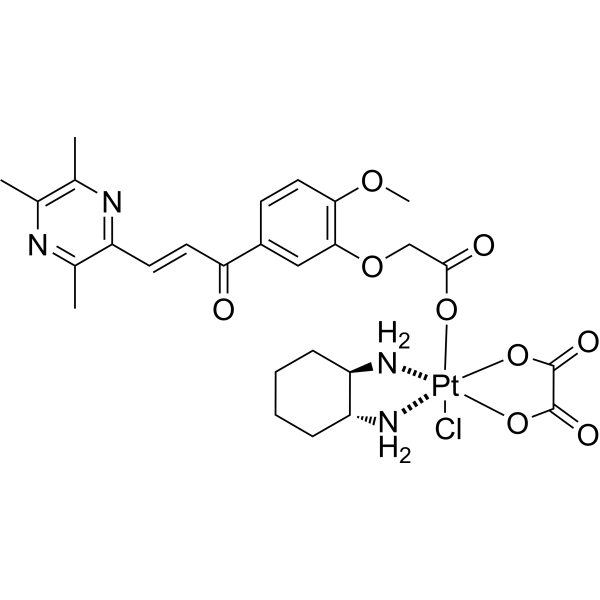
Antitumor agent-125 (compound 17A) is a novel platinum(IV) prodrug. Antitumor agent-125 can activate the mitochondrion-dependent apoptosis pathway. Antitumor agent-125 induces ferroptosis in HCT-116/OXA .
|
-
-
- HY-151428
-
|
|
Ferroptosis
Apoptosis
Bcl-2 Family
COX
|
Cancer
|
|
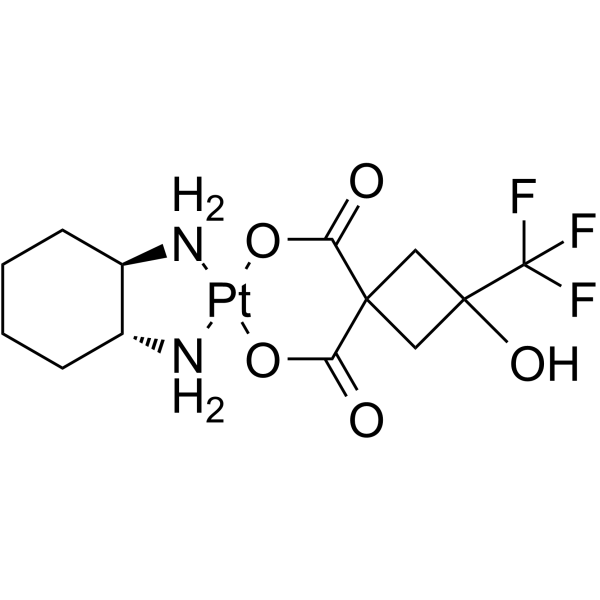
Antitumor agent-78 is an antitumor agent, inhibits cancer cells growth and migration. Antitumor agent-78 triggers ferroptosis by inhibiting GPx-4 and elevating COX2. Antitumor agent-78 also activates intrinsic apoptotic pathway (Bax-Bcl-2-caspase-3) and hinders Epithelial-mesenchymal transition (EMT) process of cancer cells .
|
-
-
- HY-155109
-
|
|
STING
|
Inflammation/Immunology
Cancer
|
|
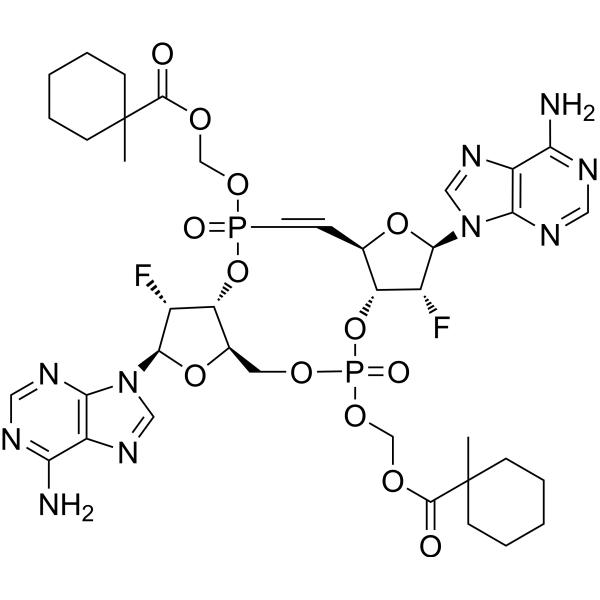
Antitumor agent-114 is a potent stimulator of interferon genes (STING) agonist. Antitumor agent-114 activates immunity and reduces tumor volume in a mouse model of breast cancer. Antitumor agent-114 can be used for immunity and cancer diseases research .
|
-
-
- HY-144125
-
|
|
Apoptosis
|
Cancer
|
|
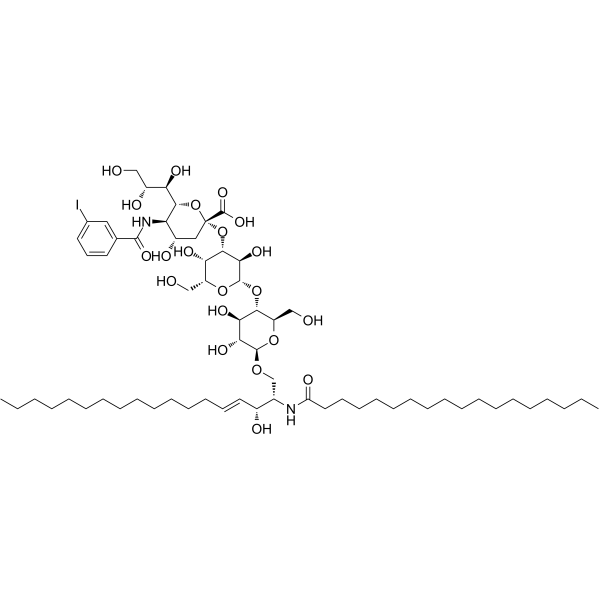
Antitumor agent-41 (compound N-12), a potent antitumor agent, enhibits excellent antimigration and anti-invasion activity. Antitumor agent-41 (compound N-12) induces tumor inhibition via tumor necrosis and inflammatory response .
|
-
-
- HY-149972
-
|
|
Apoptosis
|
Cancer
|
|
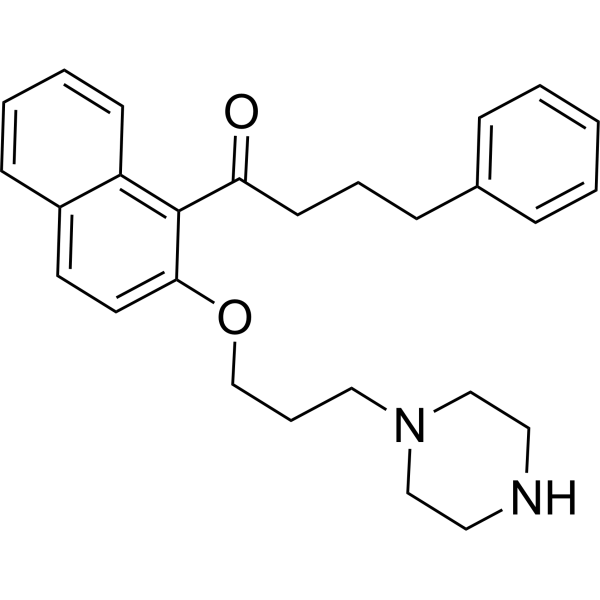
Antitumor agent-96 (Compound D34) is a potent MRE11 inhibitor. Antitumor agent-96 down-regulates the HR pathway by binding with MRE11 and suppressing its endonuclease functions. Antitumor agent-96 induces CM cells apoptosis .
|
-
-
- HY-146323
-
|
|
Apoptosis
|
Cancer
|
|
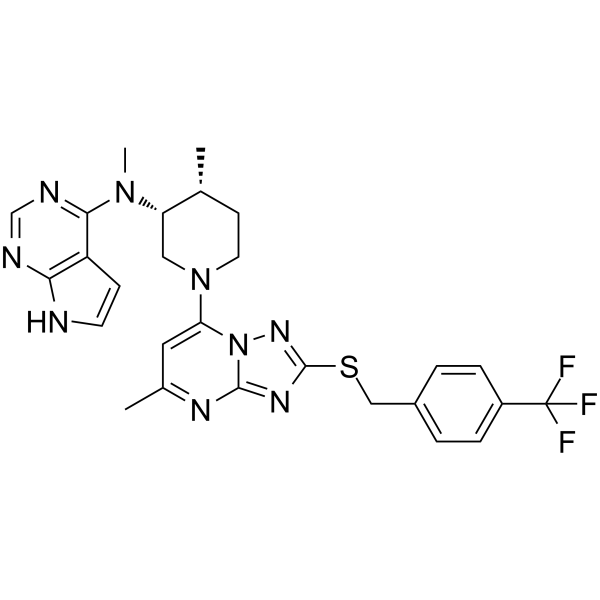
Antitumor agent-58 (Compound C18) is an anti-tumor agent. Antitumor agent-58 effectively inhibits colony formation and cell migration of MGC-803 cells. Antitumor agent-58 induces apoptosis of MGC-803 cells through activation of the p38 and JNK signaling pathways. Antitumor agent-58 induces mitochondrial dysfunction of MGC-803 cells. Antitumor agent-58 effectively inhibits tumor growth of xenograft model bearing MGC-803 cells .
|
-
-
- HY-163841
-
|
|
Drug Derivative
|
Cancer
|
|
Antitumor agent-181 (HJ1) is an anticancer agent. Antitumor agent-181 inhibits tumor cell growth in vivo and in vitro .
|
-

-
- HY-147539
-
|
|
Others
|
Cancer
|
|
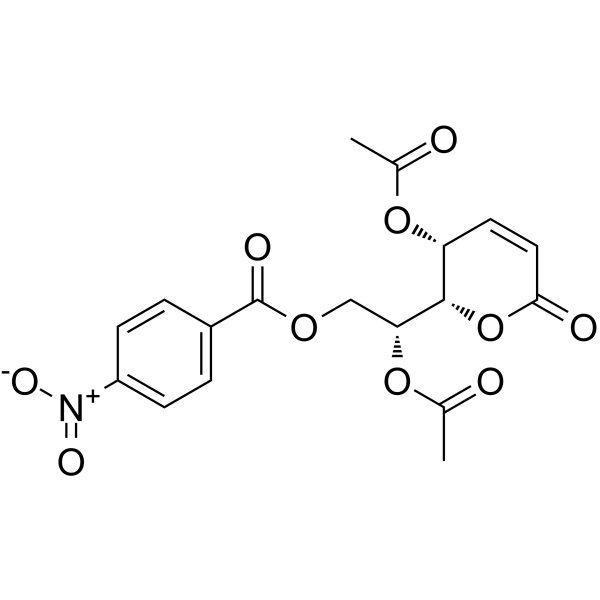
Antitumor agent-65 (Compound 5) is an analogue/derivative of (-)-cleistenolide. Antitumor agent-65 has the potential for the research of cancer diseases .
|
-
-
- HY-151914
-
|
|
Atg7
Autophagy
|
Cancer
|
|
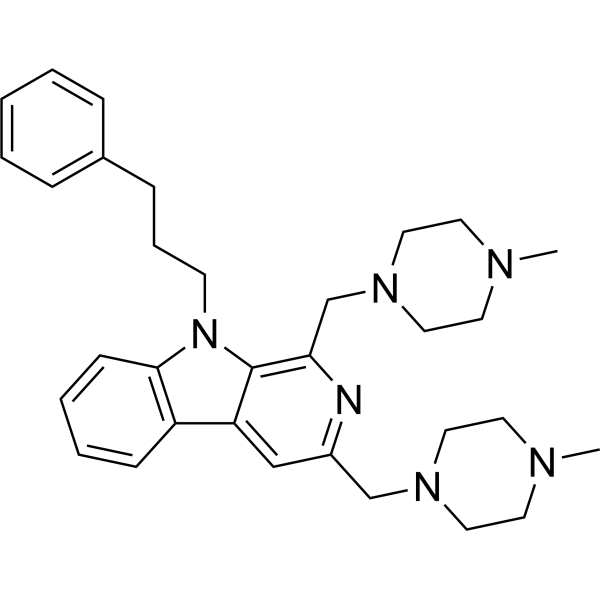
Antitumor agent-82 (compound 6g) is a potent anti-tumor agent. Antitumor agent-82 shows anti-proliferative activity. Antitumor agent-82 induces cell Autophagy by the ATG5/ATG7 signaling pathway .
|
-
-
- HY-147538
-
|
|
Apoptosis
|
Cancer
|
|
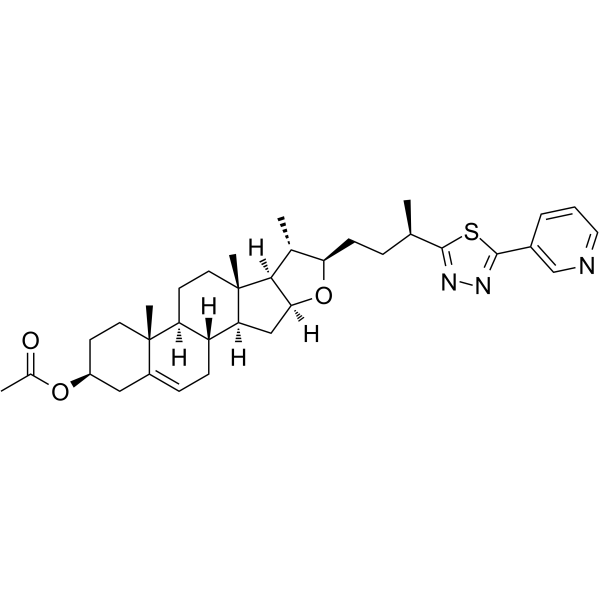
Antitumor agent-64 (Compound 8d) is a diosgenin derivative. Antitumor agent-64 exhibits potent cytotoxic activity against A549 cell line. Antitumor agent-64 induces A549 cells apoptosis via the mitochondria-related pathway .
|
-
-
- HY-146094
-
|
|
Topoisomerase
|
Cancer
|
|
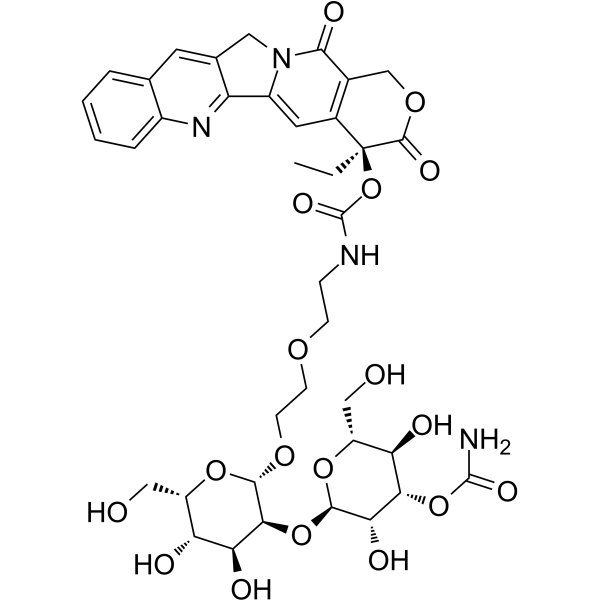
Antitumor agent-63 (Compound 40), a 20 (S)-O-linked camptothecin (CPT) glycoconjugate, is an antitumor agent without toxicity towards normal cells. Antitumor agent-63 shows high stability and very weak direct topoisomerase I (Topo I) inhibition .
|
-
-
- HY-144340
-
|
|
DNA/RNA Synthesis
Apoptosis
|
Cancer
|
|
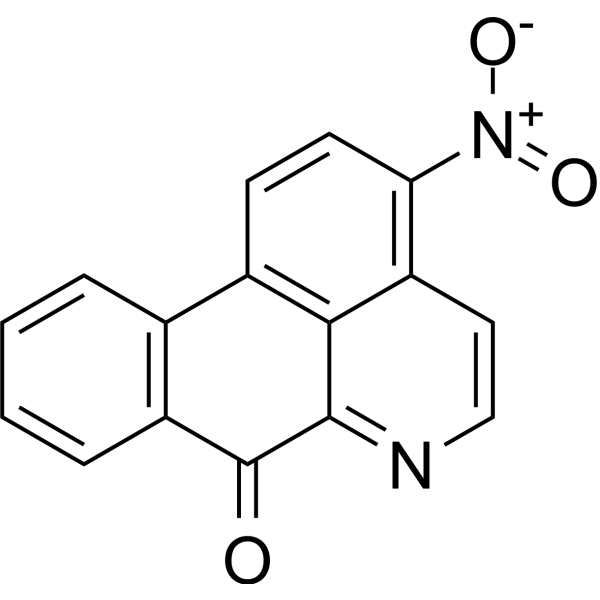
Antitumor agent-43 (Compound 4B) is a potent antitumor agent, with an IC50of 0.5 µM for (T-24 cell). Antitumor agent-43 (Compound 4B) induces cell cycle arrest at G2/M phase .
|
-
-
- HY-145908
-
|
|
NO Synthase
|
Cancer
|
|
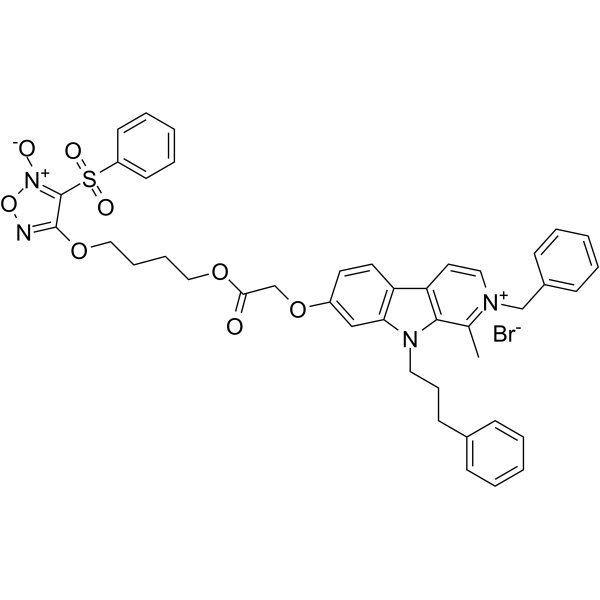
Antitumor agent-49 (Compound 10) is a Harmine derivative-furoxan hybrids containing NO donor, with antitumor activities. Antitumor agent-49 shows cytotoxic activity against HepG2 cells with an IC50 of 1.79 µM. Antitumor agent-49 produces high levels of NO in vitro .
|
-
-
- HY-170594
-
|
|
Atg7
Autophagy
|
Cancer
|
|
Antitumor agent-192 (Compound 2f) is a β-carboline antitumor agent. Antitumor agent-192 induces autophagy in HCT116 cells via the ATG5/ATG7 pathway. Antitumor agent-192 has an IC50 of less than 5 μM for human tumor cell lines and significantly inhibits tumor development and reduces tumor weight in a mouse colorectal cancer model transplanted with allografts [1].
|
-

-
- HY-157317
-
|
|
Apoptosis
|
Cancer
|
|
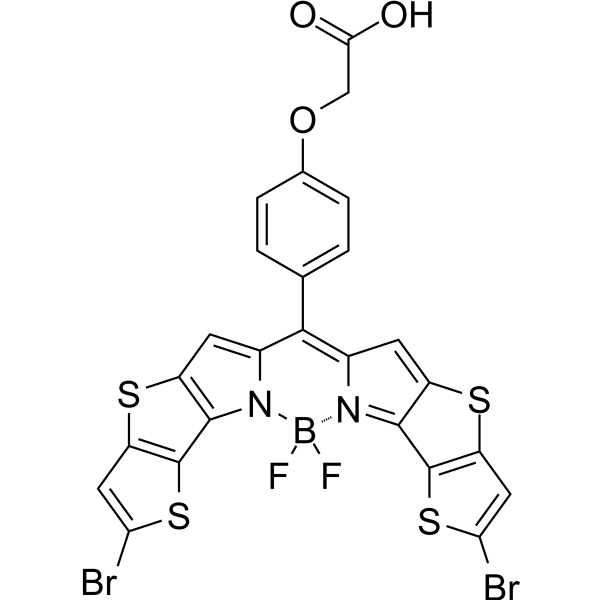
Antitumor agent-126 (Compound II4) is a photoactive (IC50= 0.149) anticancer agent with significant near-infrared fluorescence emission at 650-760 nm. Antitumor agent-126 has antiproliferative activity and can induce apoptosis after laser irradiation. Antitumor agent-126 effectively inhibits tumor growth in mouse xenograft models exposed to 650 nm laser irradiation. Antitumor agent-126 can be used in cancer research .
|
-
- HY-117708
-
|
|
Drug Intermediate
|
Cancer
|
|
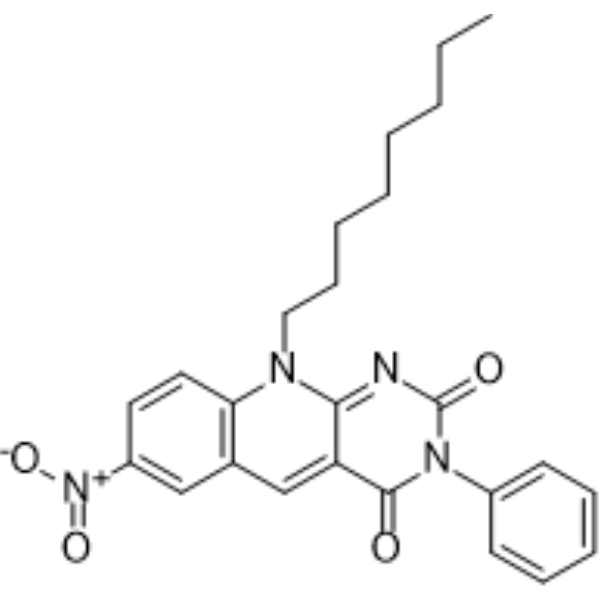
Antitumor agent-144 (16) is an antitumor agent, with IC50 values of 2.6 μM and 8.4 μM in L1210 and KB cells, respectively .
|
-
- HY-149019
-
|
|
c-Kit
Apoptosis
|
Cancer
|
|
Antitumor agent-70 (compound 8b) has anti-tumor activity and can induce cell apoptosis. Antitumor agent-70 inhibits multiple myeloma with an IC50 value of 0.12 μM. Antitumor agent-70 is a potential multi-targeted kinase inhibitor especially for c-Kit .
|
-
- HY-161332
-
|
|
Ferroptosis
Pyroptosis
Apoptosis
Reactive Oxygen Species (ROS)
|
Cancer
|
|
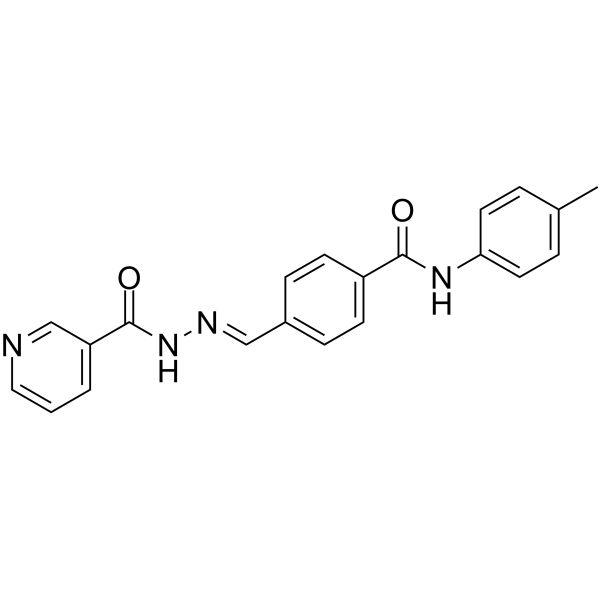
Antitumor agent-143 (compound 2c) is an antitumor agent that blocks cell proliferation of A549 cells during the S phase and induces an early apoptosis. Antitumor agent-143 induces cell death via ferroptosis, apoptosis by a ROS-mediated mitochondrial dysfunction pathway and GSDMD-mediated pyroptosis .
|
-
- HY-161831
-
|
|
Reactive Oxygen Species (ROS)
|
Cancer
|
|
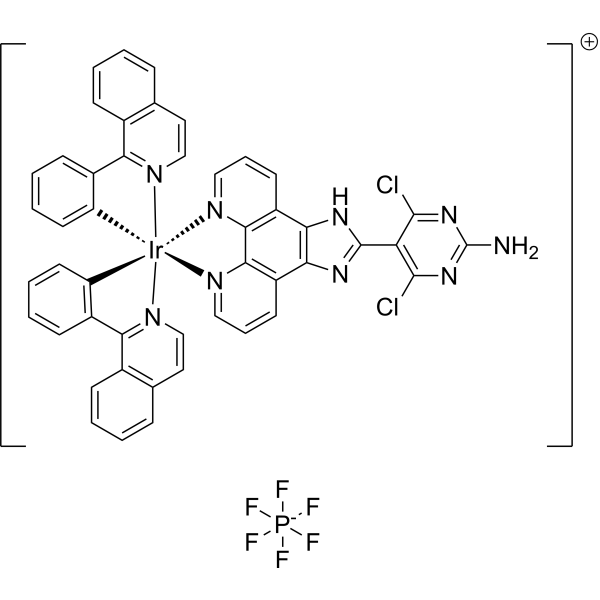
Antitumor agent-175 (Compound Ru2) is an antitumor agent with photocytotoxicity, demonstrating selective antitumor effects against triple-negative breast cancer (TNBC) cells .
|
-

- HY-151292
-
|
|
DNA/RNA Synthesis
|
Cancer
|
|
Antitumor agent-74 (compound 13da) is a quinoxalines derivative, an antitumor agent. Antitumor agent-74 exhibits more potent efficacy on tumor inhibition, mixed with regioisomer Antitumor agent-75(HY-151295, compound 14 da) (mriBIQ 13da/14da). mriBIQ 13da/14da attests cell cycle at S phase, inhibits DNA synthesis, and induces mithochondrial apoptosis .
|
-
- HY-128776
-
|
|
TNF Receptor
|
Cancer
|
|
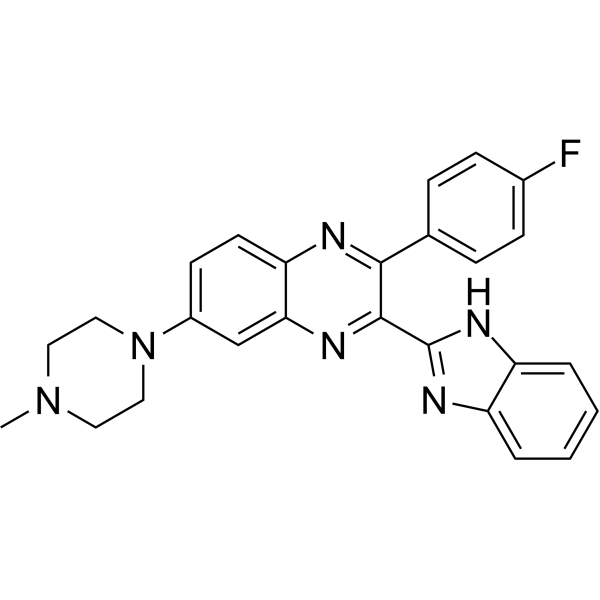
Antitumor agent-19 is an antitumor agent that targets tumor-associated macrophages (TAMs) and can be used as a potent TAMs modulator. Antitumor agent-19 can increase TNF-alpha levels in tumor cells with EC50 values???of 17.18 μM and 18.87 μM in RAW 264.7 cells and BMDM cells, respectively .
|
-
- HY-153051
-
|
|
Drug Intermediate
|
Cancer
|
|
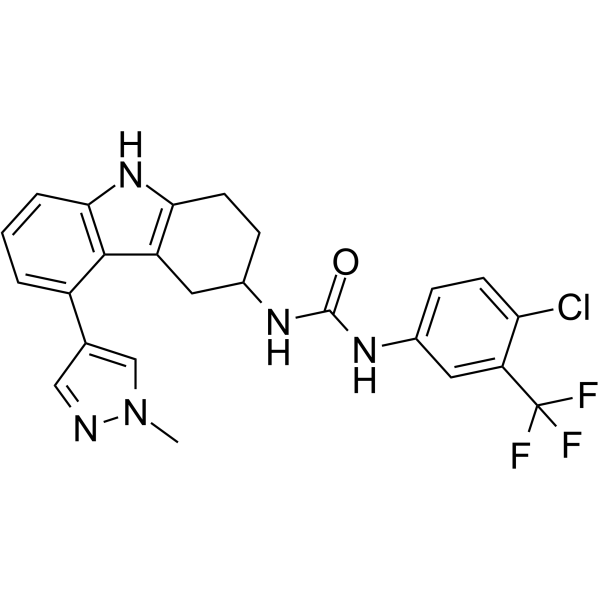
Antitumor agent-90 (Compound 17) has cytotoxicity against PC 14 cell and MKN 45 cell. Antitumor agent-90 can be used for cancer research .
|
-
- HY-162462
-
|
|
Apoptosis
|
Cancer
|
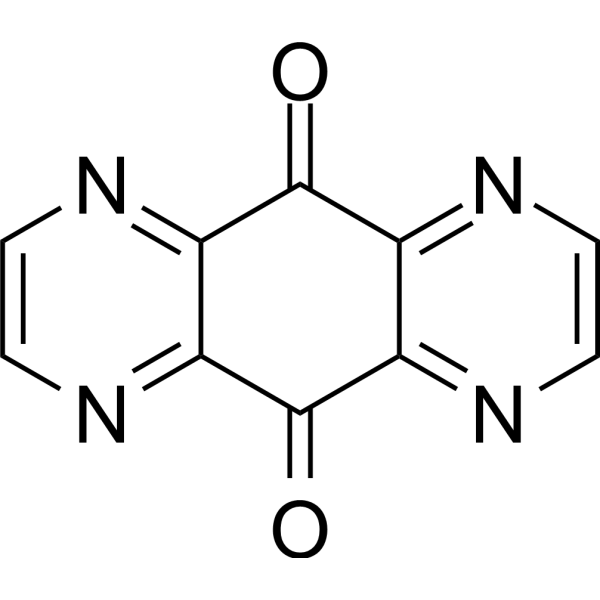
Antitumor agent-151 (7k) is a significant HsClpP agonist and an antileukemia drug candidate. Antitumor agent-151 (7k) exhibits remarkably enhanced proteolytic activity of HsClpP (EC50 = 0.79 μM) and antitumor activity in vitro (IC50 = 0.038 μM). Antitumor agent-151 (7k) induces apoptosis .
|
-
- HY-157564
-
|
|
Apoptosis
|
Cancer
|
|
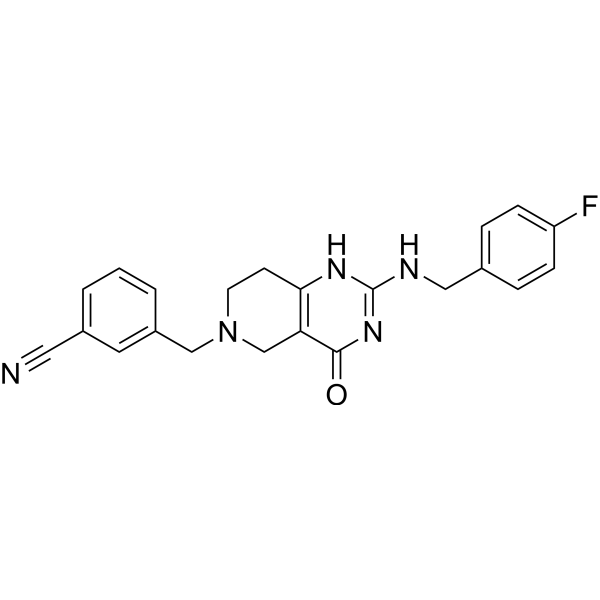
Antitumor agent-135 (Compound 13) is a potent antitumor agent. Antitumor agent-135 induces cell apoptosis, with IC50s of 3.79 , 10.55, 1.14, and 4.14 μM for NSCLC cell lines (A549, H460, PC-9, and PC-9/GR) .
|
-
- HY-155039
-
|
|
Drug Derivative
|
Cancer
|
|
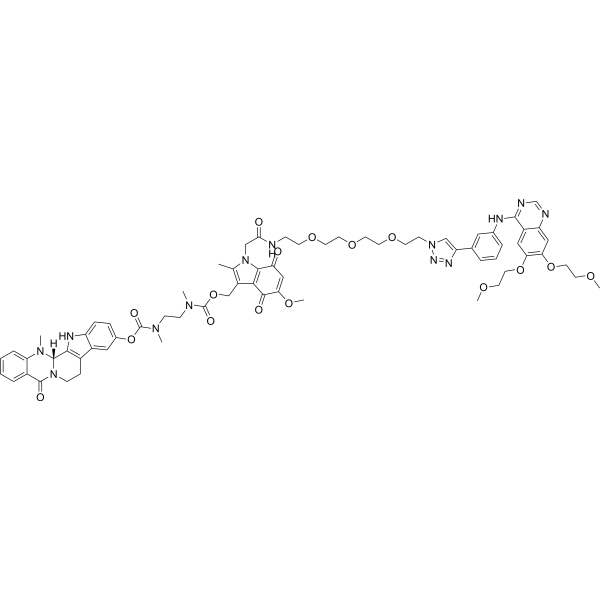
Antitumor agent-105 (Compound 37) is an antitumor agent. Antitumor agent-105 has antitumor activity against A549, H1299, H460, HCT116, MDA-MB-231 cells, with IC50 values of 6.7, 8.3, 4.3, 4.4, 6.7 μM respectively .
|
-
- HY-146169
-
|
|
Reactive Oxygen Species (ROS)
Microtubule/Tubulin
|
Cancer
|
|
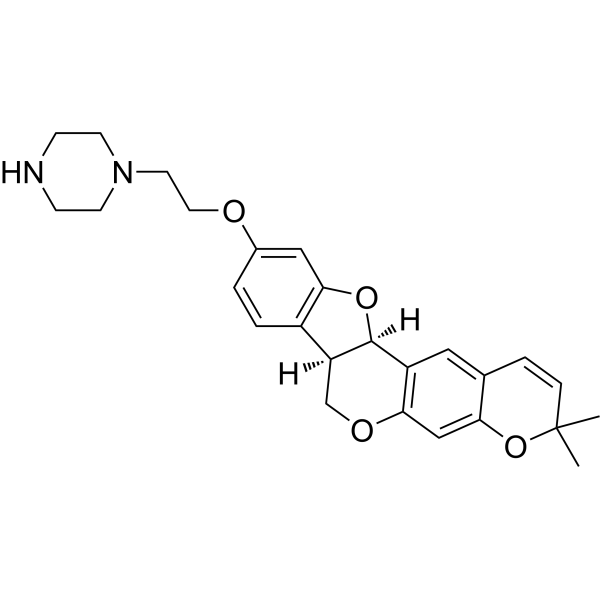
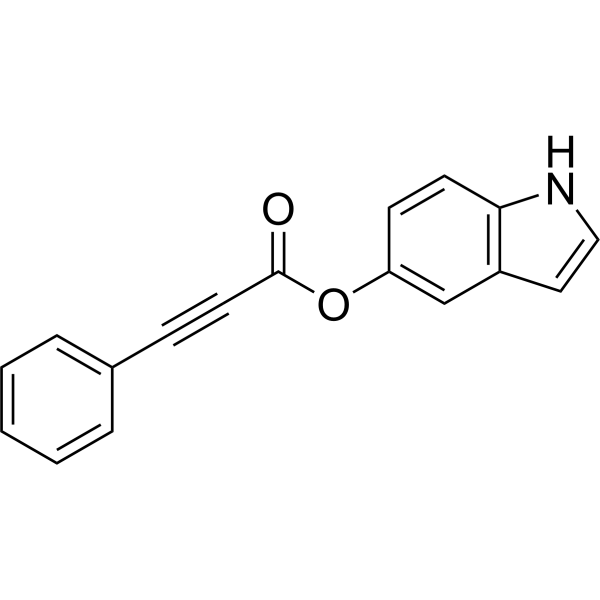
Antitumor agent-68 is a potent tubulin inhibitor. Antitumor agent-68 shows potent anticancer activity with IC50s of 3.6 and 3.8 μM for HeLa and MCF-7 cells, respectively. Antitumor agent-68 exhibits good scavenging activity of ROS and DPPH radical in a dose-dependent manner . Antitumor agent-68 is a click chemistry reagent, it contains an Alkyne group and can undergo copper-catalyzed azide-alkyne cycloaddition (CuAAc) with molecules containing Azide groups.
|
-
- HY-149927
-
|
|
Drug Derivative
|
Cancer
|
|
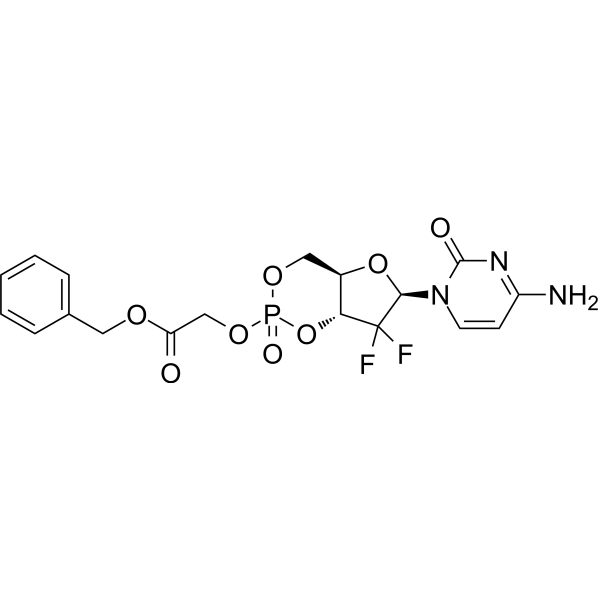
Antitumor agent-91 is a cyclic phosphate ester derivative with anticancer and anti-proliferative activities. Antitumor agent-91 has potential application in human castration resistant prostate cancer and pancreatic cancer .
|
-
- HY-141478
-
|
|
ATM/ATR
|
Cancer
|
|
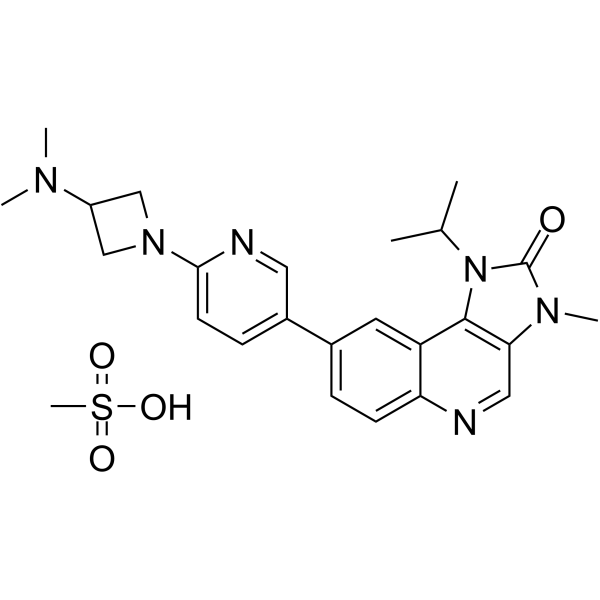
Antitumor agent-28 selectively inhibits ataxia telangiectasia mutated (ATM) kinase. Antitumor agent-28 prevents ATM mediated disease and has potent anti-cancer activity .
|
-
- HY-162227
-
|
|
Microtubule/Tubulin
Apoptosis
|
Cancer
|
|
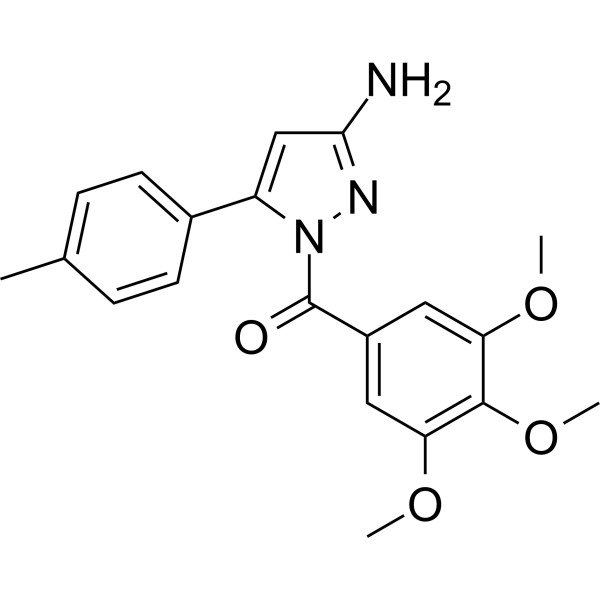
Antitumor agent-138 (compound 5b) is an inhibitor against tubulin polymerization at tubulin colchicine-binding sites, with IC50 of 1.87 μM. Antitumor agent-138 arrests the cell cycle at G2/M phase and induces an apoptosis in MCF-7 cells. Antitumor agent-138 inhibits cells migration and angiogenesis .
|
-
- HY-162108
-
|
|
Apoptosis
|
Cancer
|
|
Antitumor agent-128 (compound 1a) is an antitumor agent that elicits cell cycle arrest in both the G2/M and S phases, triggering apoptosis in A549 cells .
|
-
- HY-162644
-
|
|
PD-1/PD-L1
PARP
|
Cancer
|
|
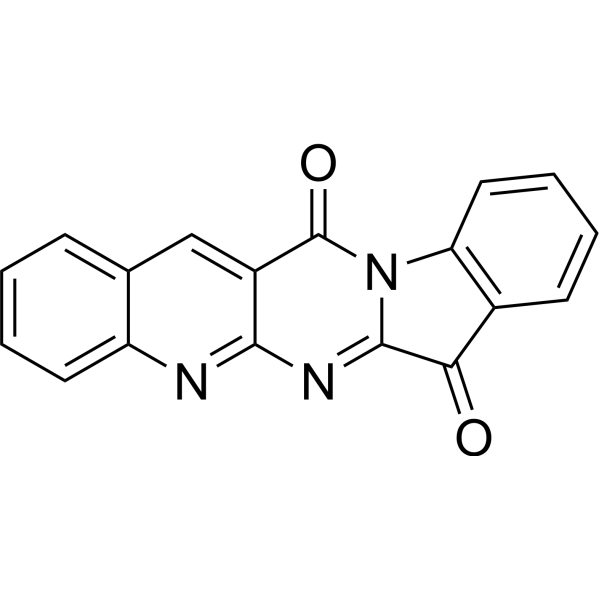
Antitumor agent-170 (Compound C6) exhibits inhibitory activities against PD-1/PD-L1 interaction and PARP7, with IC50 of 0.342 μM and 7.05 nM. Antitumor agent-170 exhibits a high affinity to human PD-L1, with a Ki of 9.31 nM. Antitumor agent-170 restores the T cell function and increases IFN-γ secretion. Antitumor agent-170 exhibits antitumor efficacy against melanoma in mouse models and good pharmacokinetic characteristics .
|
-

- HY-155748
-
|
|
MELK
Apoptosis
|
Cancer
|
|
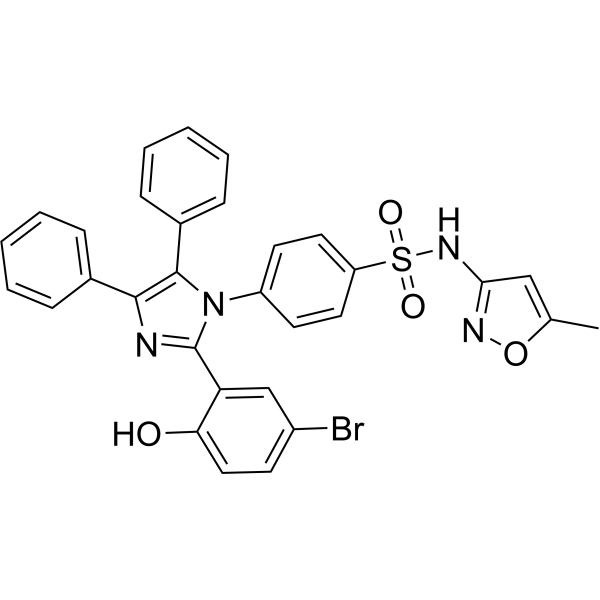
Antitumor agent-116 (compound 6C) is an anti-tumor agent with anti-proliferative activities. Antitumor agent-11 induces cell apoptosis, and shows the binding affinity against the MELK receptor .
|
-
- HY-169292
-
|
|
Glycosidase
Reactive Oxygen Species (ROS)
|
Cancer
|
|
Antitumor agent-188 (compound C6) exerts α-glucosidase inhibitory activity, and antitumor effects.Antitumor agent-188 induces excessive production of ROS to trigger oxidative stress .
|
-

- HY-155541
-
|
|
Apoptosis
|
Cancer
|
|
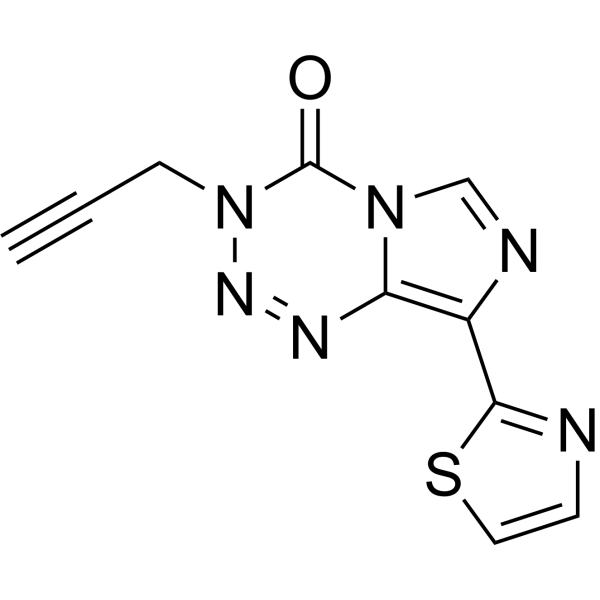
Antitumor agent-110 (compound 13) is an anticancer imidazotetrazine with good permeability properties. Antitumor agent-110 arrests cell cycel at G2/M phase, and induces apoptosis . Antitumor agent-110 is a click chemistry reagent, it contains an Alkyne group and can undergo copper-catalyzed azide-alkyne cycloaddition (CuAAc) with molecules containing Azide groups.
|
-
- HY-159176
-
|
|
Cytochrome P450
|
Cancer
|
|
Antitumor agent-183 (compound 3f) has antitumor activity with metabolic stability. Antitumor agent-183 inhibits cancer cell growth, with IC50s less than 5 nM for A549, HCT116, and HS578T cells. The albumin-bound nanoparticle formulation of Antitumor agent-183 has prolonged retention in the tumor tissues .
|
-

- HY-162594
-
|
|
Microtubule/Tubulin
|
Cancer
|
|
Antitumor agent-164 (compound 60c) is a colchicine-binding site inhibitor (CBSI) with potency against taxane-sensitive TNBC. Antitumor agent-164 is a next-generation derivative of VERU-111 .
|
-

- HY-115996
-
|
|
Apoptosis
|
Cancer
|
|
Antitumor agent-51 possesses potent and selective inhibitory for osteosarcoma cell growth and migration with IC50 of 21.9 nM in MNNG/HOS cells. Antitumor agent-51 has a considerable bioavailability and a low toxicity .
|
-
- HY-149717
-
|
|
Ferroptosis
Apoptosis
Autophagy
|
Cancer
|
|
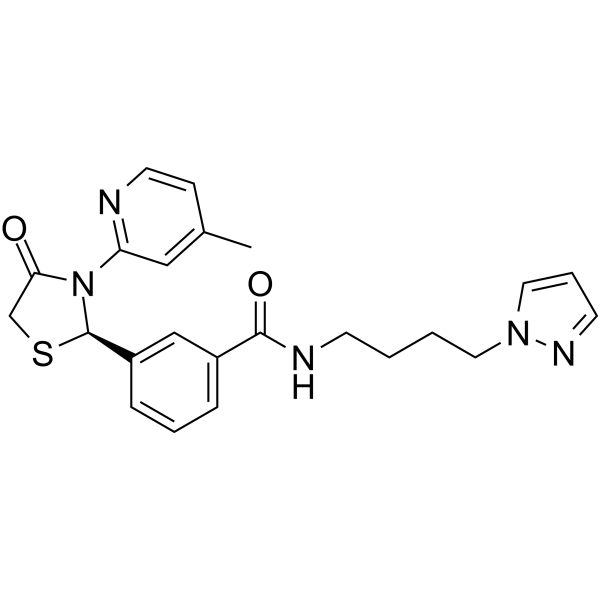
Antitumor agent-122 (Compound 5j) is an antitumor agent with good efficacy, limited toxicity and low resistance. Antitumor agent-122 has antiproliferative activity for MGC-803 cell, HepG2 cell, SKOV3 cell and T24 cell with IC50 values of 5.23 μM, 3.60 μM, 1.43 μM, 3.03 μM, respectively .
|
-
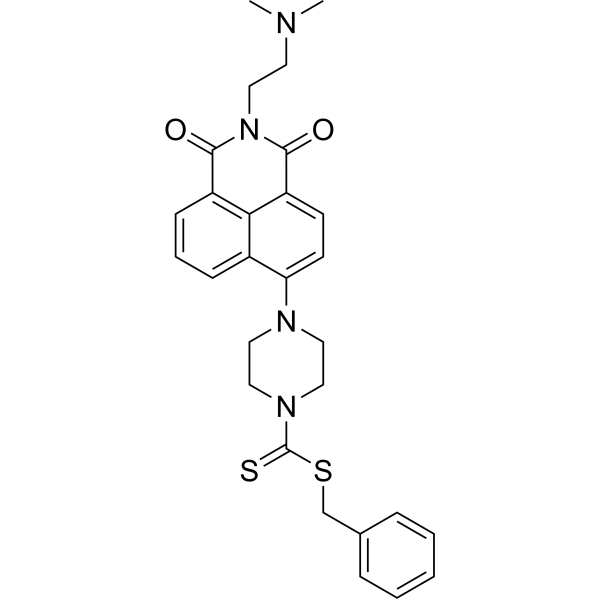
- HY-170947
-
|
|
STAT
Quinone Reductase
|
Cancer
|
|
Antitumor agent-195 (compound 16c) is a dual targeting agent of STAT3 and NQO1. Antitumor agent-195 significantly inhibits phosphorylation of STAT3 at Tyr705 at a concentration of 1 μM and effectively induce Apoptosis in MDAMB-231 and MDA-MB-468 breast cancer cells. Antitumor agent-195 as a NQO1 substrate strongly increases ROS generation and causes severe DNA damage in a dose-dependent manner. Antitumor agent-195 shows encouraging anti-tumor efficacy in the MDA-MB-231 xenograft model .
|
-

- HY-115948
-
|
|
Others
|
Cancer
|
|
Antitumor agent-46 (Compound 2h) is an anti-tumor agent. Antitumor agent-46 demonstrates markedly higher antiproliferative activity on MCF-7 cells with an IC50 value of 2.08 µM .
|
-
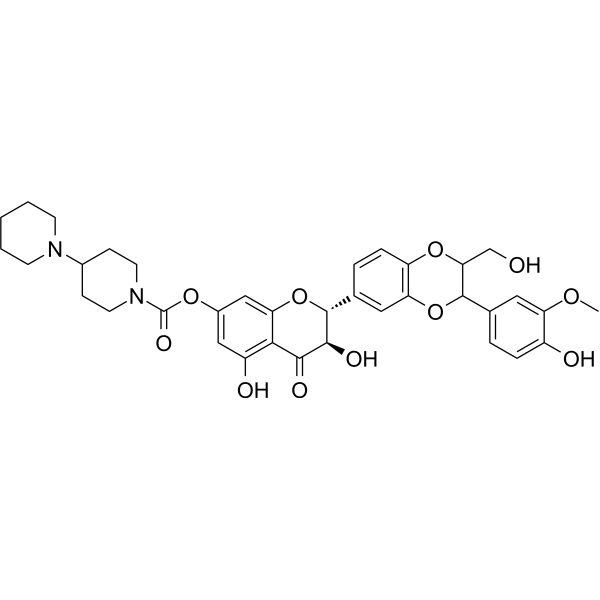
- HY-162129
-
|
|
Photosensitizer
|
Cancer
|
|
Antitumor agent-131 (Compound 2-p) is an ER fluorescent probe with an IC50 value of 23 nM for HepG2 tumor cells. Antitumor agent-131 can be used as a photosensitizer for the study of cancer photodynamics .
|
-
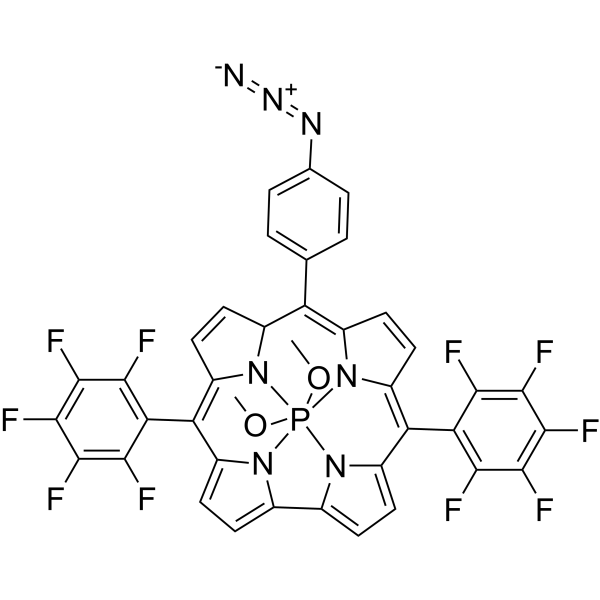
- HY-161647
-
|
|
Reactive Oxygen Species (ROS)
Apoptosis
Autophagy
Ferroptosis
|
Cancer
|
|
Antitumor agent-156 (Compound 20) causes DNA damage and mitochondrial dysfunction, promotes reactive oxygen species
generation, activates endoplasmic reticulum stress, and induce apoptosis, autophagy and ferroptosis. Antitumor agent-156 shows superior antitumor activity against cancer cells including Cisplatin (HY-17394) resistance cells. Antitumor agent-156 displayS good liver-targeting ability .
|
-

- HY-149840
-
|
|
Apoptosis
|
Cancer
|
|
Antitumor agent-113 shows cytotoxic effects on A549 cells with IC50 value of 46.60 μM and induces apoptosis. Antitumor agent-113 can be used in non-small cell lung cancer study .
|
-
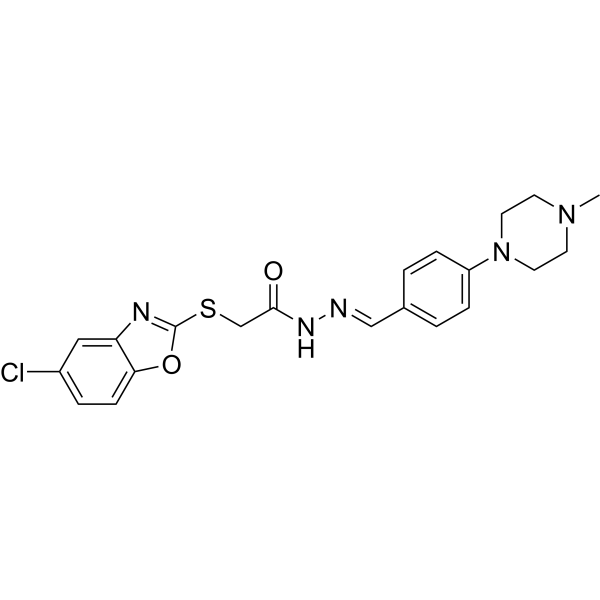
- HY-146080
-
|
|
Apoptosis
|
Cancer
|
|
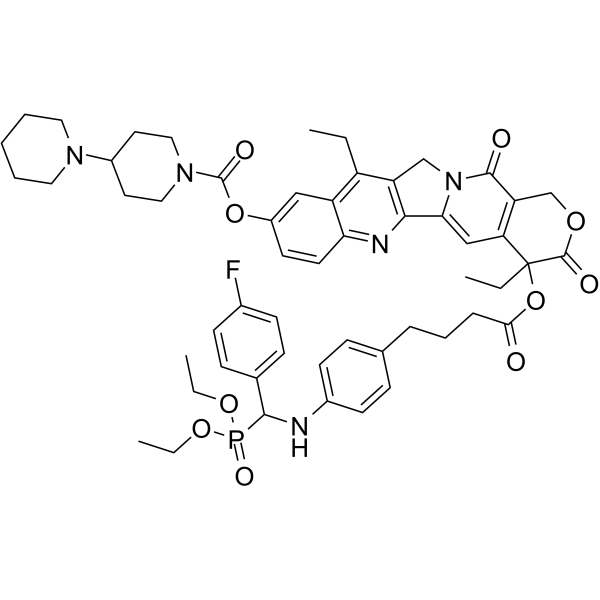
Antitumor agent-61 (Compound 9b), Irinotecan (Ir) derivative, is a potential antitumor agent. Antitumor agent-61 displays potent activity with IC50s of 0.92, 1.39, 1.75, 2.20, 3.05 and 3.23 μM against five human cancer cells SK-OV-3, SK-OV-3/CDDP, U2OS, MCF-7, A549 and MG-63, respectively. Antitumor agent-61 induces SK-OV-3 cells apoptosis through mitochondrion pathways .
|
-
- HY-145289
-
|
|
Apoptosis
|
Cancer
|
|
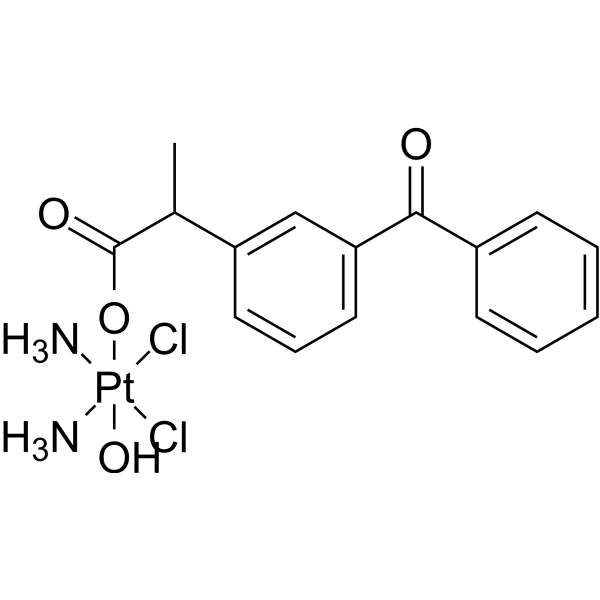
Antitumor agent-37 possesses potent anti-proliferative and anti-metastasis activities. Antitumor agent-37 induces serious DNA damage and further leads to high expression of γ-H2AX and p53. Antitumor agent-37 promotes apoptosis of tumor cells through mitochondrial apoptotic pathway Bcl-2/Bax/caspase3. Antitumor agent-37 significantly improves immune response through restraining the expression of PD-L1 to increase CD3+ and CD8+ T infiltrating cells in tumor tissues .
|
-
- HY-162643
-
|
|
PD-1/PD-L1
PARP
|
Cancer
|
|
Antitumor agent-169 (Compound B3) is a dual inhibitor PD-1/PD-L1 interaction and PARP7, with IC50s of 0.426 μM and 2.50 nM. Antitumor agent-169 exhibits an affinity to human PD-L1, with Ki of 20.2 nM. Antitumor agent-169 restores the T cell function, increases IFN-γ secretion. Antitumor agent-169 inhibits cell viability of MDA-MB-231 and Jurkat T, exhibits antitumor efficacy against melanoma in mouse model and good pharmacokinetic characteristics .
|
-

- HY-145288
-
|
|
Apoptosis
|
Cancer
|
|
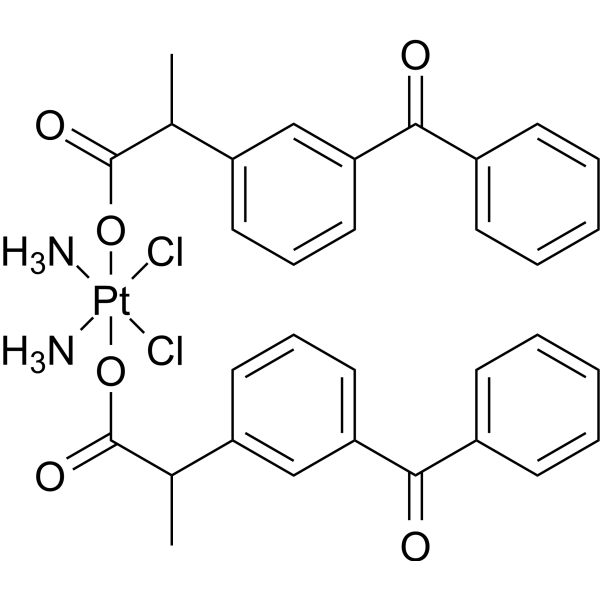
Antitumor agent-36 possesses potent anti-proliferative and anti-metastasis activities. Antitumor agent-36 induces serious DNA damage and further leads to high expression of γ-H2AX and p53. Antitumor agent-36 promotes apoptosis of tumor cells through mitochondrial apoptotic pathway Bcl-2/Bax/caspase3. Antitumor agent-36 significantly improves immune response through restraining the expression of PD-L1 to increase CD3+ and CD8+ T infiltrating cells in tumor tissues .
|
-
- HY-156778
-
|
|
Drug Derivative
|
Cancer
|
|
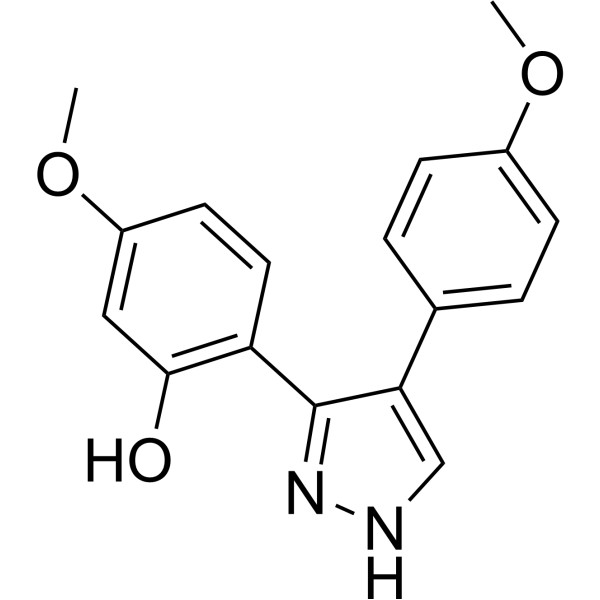
Antitumor agent-120 (compound 1) is a flavonoid compound isolated from Kudzu root.Antitumor agent-120 has no significant inhibitory activity against LNCaP and PC3 cancer cells, with IC50s >50 μM .
|
-
- HY-161840
-
|
|
FGFR
|
Cancer
|
|
Antitumor agent-176 (Compound 22), an antitumor agent, can effectively bind to FGF2 and inhibit the activation of fibroblast growth factor receptor (FGFR) in multiple myeloma (MM) cells, exhibiting significant antitumor activity both in vivo and in vitro against MM .
|
-

- HY-159149
-
|
|
Reactive Oxygen Species (ROS)
Apoptosis
|
Cancer
|
|
Antitumor agent-182 (Compound 12a) decreases mitochondrial membrane potential (MMP) and enhances ROS levels. Antitumor agent-182 arrests the cell cycle at G0/G1 phase, induces apoptosis in HeLa. Antitumor agent-182 inhibits the proliferation of HeLa, PC-3 and HCT-15 with IC50s of 8.83, 10.07 and 7.84 μM, respectively .
|
-

- HY-170999
-
|
|
Caspase
Apoptosis
Ferroptosis
|
Cancer
|
|
Antitumor agent-196 (Compound 6a (β, β, β)) is an artemisinin-based oligomer with anticancer activity, showing an IC50 of 90 nM against MCF-7 breast cancer cells.
Antitumor agent-196 promotes Apoptosis by regulating the Bax-caspase 3 signaling pathway, and induces Ferroptosis through the modulation of key signaling molecules, including GPX4.
Antitumor agent-196 holds promising potential for further research in the field of cancer therapy .
|
-

- HY-161841
-
|
|
FGFR
|
Cancer
|
|
Antitumor agent-177 (compound 57), a non-steroidal NSC12 derivative, shows potent FGF2 binding affinity with a Kd of 24 μM by SPR. Antitumor agent-177 significantly inhibits the formation of HSPG/FGF2/FGFR1 ternary complexes. Antitumor agent-177 inhibits FGFR activation and exerts a potent anti-tumor activity on multiple myeloma (MM) cell lines in vitro and in vivo .
|
-

- HY-181142
-
|
|
EGFR
Apoptosis
|
Cancer
|
|
Antitumor agent-213 is an antitumor agent. Antitumor agent-213 binds to epidermal growth factor receptor (EGFR) and shows antitumor activity. Antitumor agent-213 can inhibit cancer cells proliferation, migration and induces apoptosis. Antitumor agent-213 can be used for the research of cancer, such as liver cancer .
|
-

- HY-183060
-
|
|
|
Cancer
|
|
Antitumor agent-215 is an antitumor agent. Antitumor agent-215 occupies the binding pocket of thymidylate synthase and interacts with key catalytic residues. Antitumor agent-215 induces cancer cell apoptosis and cell cycle arrest, and inhibits cell proliferation. Antitumor agent-215 can be used in the research of breast cancer and colorectal cancer .
|
-

- HY-177224
-
|
|
Drug Derivative
|
Cancer
|
|
Antitumor agent-205 (compound 9), an Ecteinascidin derivative, is an antitumor agent. Antitumor agent-205 exhibits anti-proliferation activity against A549 and HT29 cells , with GI50 values of 16.4 nM for each cell line. Antitumor agent-205 can be used for lung and colon cancer research .
|
-

- HY-160740
-
|
|
Others
|
Cancer
|
|
Antitumor agent-148 (Example 1) is an anti-cancer agent. Antitumor agent-148 effectively inhibits the growth, migration and invasion of cancer cells. Antitumor agent-148 significantly inhibits the lymphatic metastasis of breast cancer cells in mouse models. Antitumor agent-148 can be used for the study of malignant tumors such as breast cancer, lung cancer and gastric cancer .
|
-

- HY-180430
-
|
|
Drug Derivative
|
Cancer
|
|
Antitumor agent-208, a Bufalin (HY-N0877) analogue, is a potent and orally active antitumor agent. Antitumor agent-208 exhibits antiproliferative activity against tumor cell line (IC50 =0.30-1.09 nM). Antitumor agent-208 inhibits tumor growth in a MV-4-11 xenograft mouse model. Antitumor agent-208 can be used for cancer research, such as acute myeloid leukemia (AML) and non-small cell lung cancer (NSCLC) .
|
-

- HY-147540
-
|
|
Drug Derivative
|
Cancer
|
|
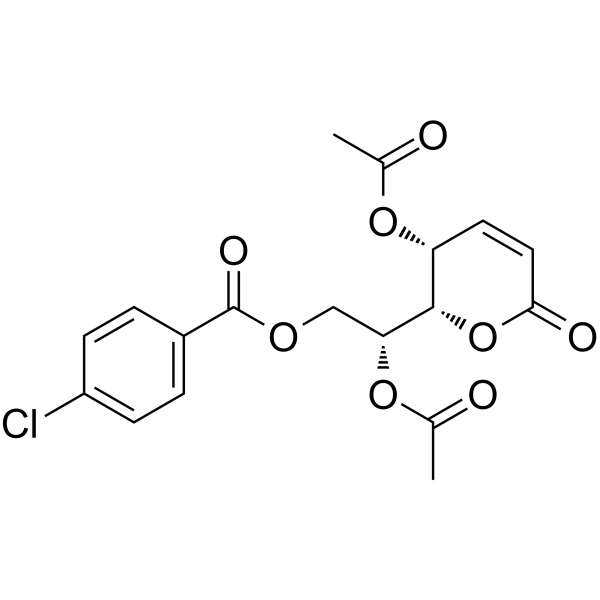
Antitumor agent-66 (Compound 4) is an analogue/derivative of (-)-cleistenolide. Antitumor agent-66 has the potential for the research of cancer diseases .
|
-
- HY-159093
-
|
|
Drug Derivative
|
Cancer
|
|
Antitumor agent-178 (compound 4 h) is a potent and selective GSCs inhibitor. Antitumor agent-178 has the potential for the research of cancer .
|
-

- HY-181517
-
|
|
Bacterial
|
Infection
Cancer
|
|
Antitumor agent-212 is a α-exo-methylene-selenolactone derivative with prominent selective antitumor activity. Antitumor agent-212 exhibits an MIC value of 128 μg/mL against Gram-positive bacteria. Antitumor agent-212 exhibits significant antitumor effects in the U87 human glioma xenograft model. Antitumor agent-212 can be used for the study of glioma, breast cancer and non-small cell lung cancer, and antibacterial study .
|
-

- HY-183797
-
|
|
|
Cancer
|
|
Antitumor agent-218 is an aggregation-induced emission (AIE)-based photosensitizer. Antitumor agent-218 selectively accumulates in the endoplasmic reticulum, and generates ROS within the endoplasmic reticulum upon irradiation to induce necroptosis of tumor cells. Antitumor agent-218 can be used in cancer-related research .
|
-

- HY-183312
-
|
|
ATP Synthase
Reactive Oxygen Species (ROS)
Bcl-2 Family
Apoptosis
Ferroptosis
|
Cancer
|
|
Antitumor agent-217 is a dual mitochondria-targeted anticancer agent. Antitumor agent-217 exhibits potent and selective antiproliferative activity against bladder cancer cell line J82 (IC50 = 6.3 μM), and inhibits colony formation and migration of J82 cells. Antitumor agent-217 accumulates in mitochondria, alters mitochondrial morphology, reduces ATP production, increases ROS generation and decreases mitochondrial membrane potential. Antitumor agent-217 induces apoptosis (Apoptosis) and ferroptosis (Ferroptosis) in bladder cancer cells. Antitumor agent-217 can be used for the research of bladder cancer .
|
-

- HY-185050
-
|
|
IFNAR
|
Cancer
|
|
Antitumor agent-210 (Compound 1778) is an NK cell activator. Antitumor agent-210 has a weak proliferative effect on NK92 cells, promoting the activation and degranulation of NK cells, and significantly enhancing the cytotoxicity of NK92 cells against tumor cells. Antitumor agent-210 promotes the release of cytokine granzyme B, perforin, and IFN-γ. Antitumor agent-210 reduces the number of lung metastatic lesions in mice and can be used for the study of melanoma lung metastasis .
|
-

- HY-159811
-
|
|
Drug Derivative
|
Cancer
|
|
Antitumor agent-187 (compound I) is an isoflavone derivative with antitumor activity. Antitumor agent-187 shows IC50 values of 5.23 μM and 2.63 μM on A2780 and SKOV3, respectily .
|
-

- HY-181720
-
|
|
Caspase
PARP
Apoptosis
|
Cancer
|
|
Antitumor agent-214 is a chalcone analogue with anti-tumor activity. Antitumor agent-214 induces cell cycle arrest and apoptosis in tumor cells, disrupts mitochondrial metabolism, and upregulates the expression of caspase 3, caspase 7 and caspase 9, downregulates PARP1. Antitumor agent-214 can be used for anti-tumor research related to colorectal cancer, breast cancer, lung cancer, and cervical cancer .
|
-

- HY-177967
-
|
|
Drug Derivative
|
Cancer
|
|
Antitumor agent-209 (Compound 10g), a quinolone derivative, is an antitumor agent. Antitumor agent-209 can inhibit proliferation of HCT-116, RKO, DLD1, HepG2, BGC-823, NCI-H1650 and SK-OV-3 cells with IC50 values of 0.37, 0.58, 0.81, 0.79, 0.89, 0.78 and 0.89 μM .
|
-

- HY-163691
-
|
|
Carbonic Anhydrase
|
Cancer
|
|
Antitumor agent-163 (Compound 3) is a photosensitizer used in Molecular-Targeted Photodynamic Therapy (MT-PDT) targeting carbonic anhydrase IX (CAIX). Antitumor agent-163 inactivates CAIX protein via singlet oxygen under 540 nm wavelength light, without affecting internal standard proteins such as α-tubulin, β-actin, and proliferating cell nuclear antigen (PCNA). Antitumor agent-163 induces cell membrane damage, inhibits cell viability (IC50 is 0.2 and 0.05 μM for A549 and U87MG). Antitumor agent-163 exhibits antitumor efficacy in mouse model .
|
-

- HY-152537
-
|
|
G-quadruplex
|
Cancer
|
|
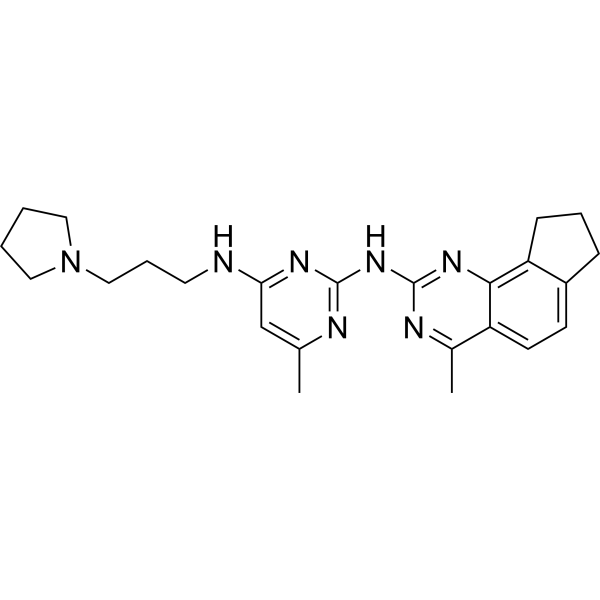
Antitumor agent-84 (compound 21a) is a G-quadruplex (G4)-ligand with the ability to stabilize different G4-DNA structures. Antitumor agent-84 has highly effective anti-tumor properties .
|
-
- HY-161096
-
|
|
ROR
|
Cancer
|
|
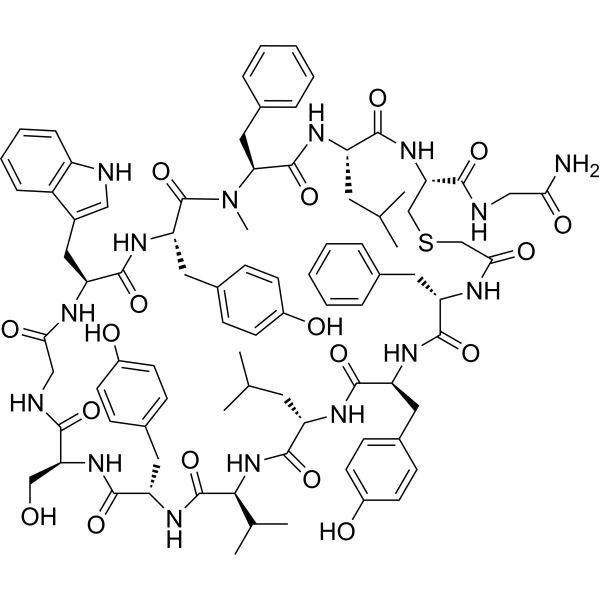
Antitumor agent-127 (compound 1) is a parent macrocyclic peptide. Antitumor agent-127 displays nanomolar cell-based binding to ROR1 and relatively good internalization in 786-O and MDA-MB-231 tumor cell lines .
|
-
- HY-161826
-
|
|
Wnt
β-catenin
HSP
CDK
c-Myc
|
Cancer
|
|
Antitumor agent-174 (Compound 10) directly engages the N-terminal site of Hsp90 and promotes the degradation of β-catenin, thereby suppressing the Wnt/β-catenin signaling. Antitumor agent-174 effectively inhibits proliferation, induce S and G2/M phases arrest and block the clonogenic ability in CRC cells. Antitumor agent-174 down-regulates CDK1, Cyclin D1, c-Myc, Cyclin B1, and Cyclin A2, and upregulaties P21 proteins. Antitumor agent-174 has significant anti-tumor efficacy against colorectal cancer (CRC) with excellent pharmacokinetics and low toxicity .
|
-

- HY-178962
-
|
|
Drug Metabolite
|
Cancer
|
|
Antitumor agent-207 (compound 10K) is a Pt(IV)-NO prodrug with high lipid solubility, good stability, and excellent tumor targeted release ability. Antitumor agent-207 has significant anti proliferative activity in various cells such as TE-1 (IC50 = 1.79 μM), TE-10 (IC50 = 1.95 μM), KYSE-30 IC50 = 5.99 μM), KYSE-520 (IC50 = 5.53 μM) cells. Antitumor agent-207 can significantly enhance intracellular Pt accumulation and DNA platformization levels, and effectively release NO. Antitumor agent-207 can be used for research on cancers such as esophageal cancer .
|
-

- HY-W194107
-
|
|
DNA/RNA Synthesis
|
Cancer
|
|
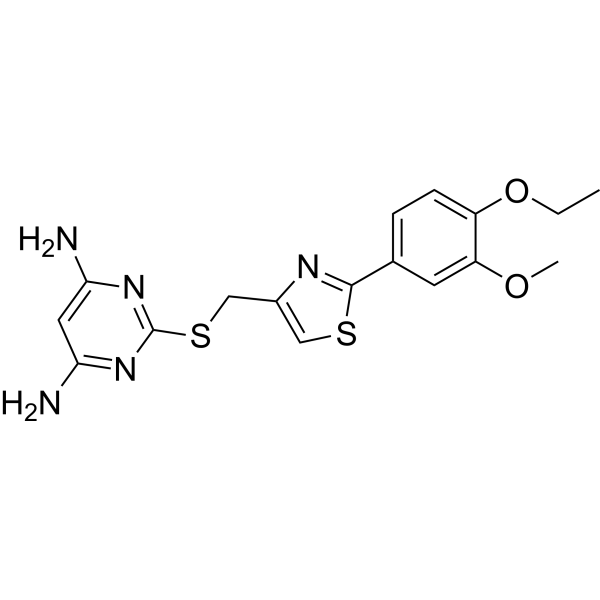
Antitumor agent-152 (Compound 5) is a specific substrate and inhibitor of deoxycytidine kinase (dCK) with anticancer activity. Antitumor agent-152 can inhibit the uptake of 3H-dC in L1210 leukemia cells with an IC50 value of 1.12 μM .
|
-
- HY-155544
-
|
|
c-Met/HGFR
|
Cancer
|
|
Antitumor agent-111 (compound 46) is an c-Met kinase inhibitor (IC50=46 nM) with antitumor and antiproliferative activity. Antitumor agent-111 arrests cell cycle at G0/G1 phase, and induces apoptosis .
|
-
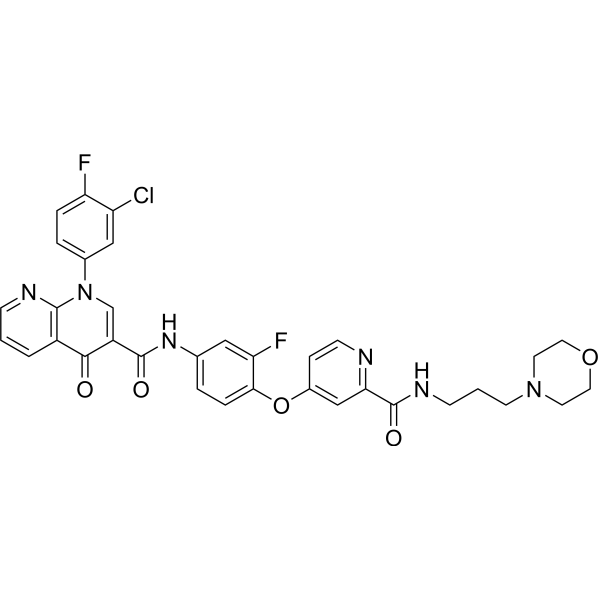
- HY-163301
-
|
|
Reactive Oxygen Species (ROS)
|
Cancer
|
|
Antitumor agent-139 (compound 9b) is a liver - and mitochondria-targeting gold(I) complexe, and produces reactive oxygen species (ROS) and facilitates DNA excretion. Antitumor agent-139 inhibits tumor growth in a patient-derived xenograft model of hepatocellular carcinoma .
|
-
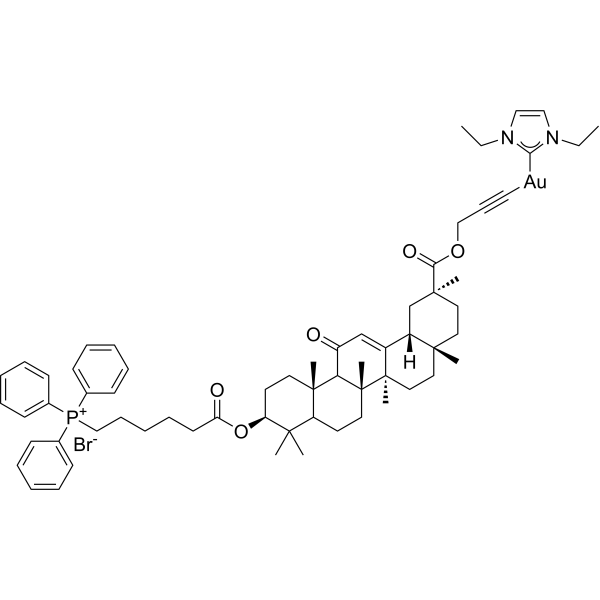
- HY-155503
-
|
|
Apoptosis
|
Cancer
|
|
Antitumor agent-103 (compound 24l) is an apoptosis inducer with antiproliferative and anti-clony formation activities. Antitumor agent-103 arrests cell cycle at G0/G1 phase, enhances NO production, and exhibits anti-tumor activity .
|
-
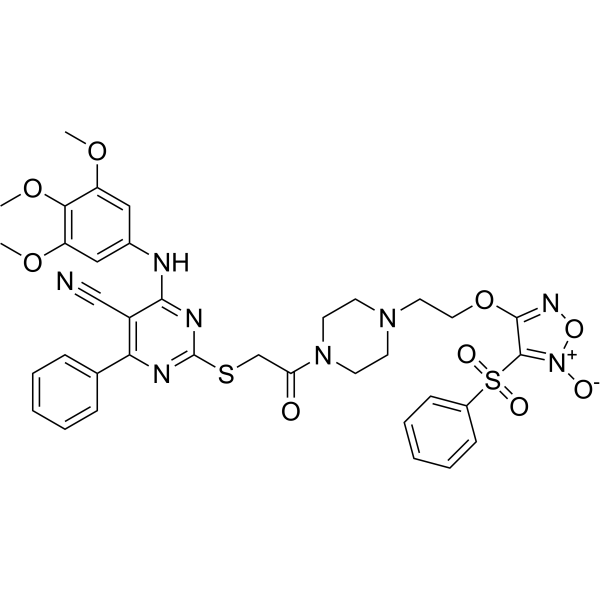
- HY-162128
-
|
|
Histone Acetyltransferase
|
Cancer
|
|
Antitumor agent-130 (Compound 7b) is a p300 histone acetyltransferases (HAT) inhibitor with an IC50 of 1.51 μM. Antitumor agent-130 combinates with doxorubicin (HY-15142A) can significantly inhibit tumor growth and invasion in vitro and in vivo .
|
-
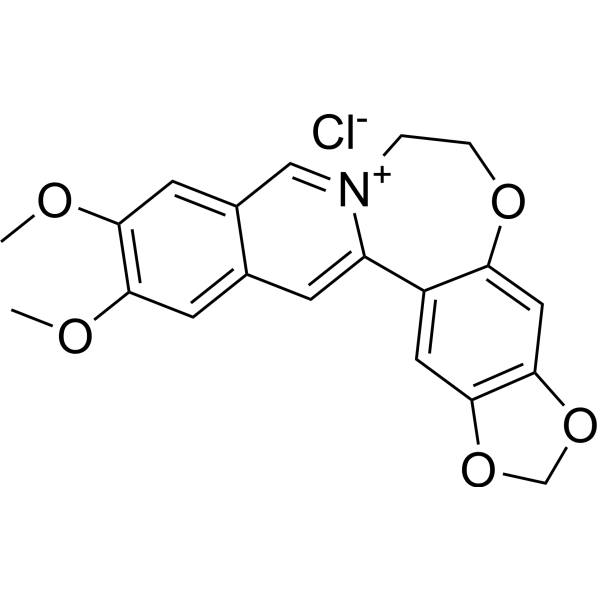
- HY-156775
-
|
|
Drug Derivative
|
Cancer
|
|
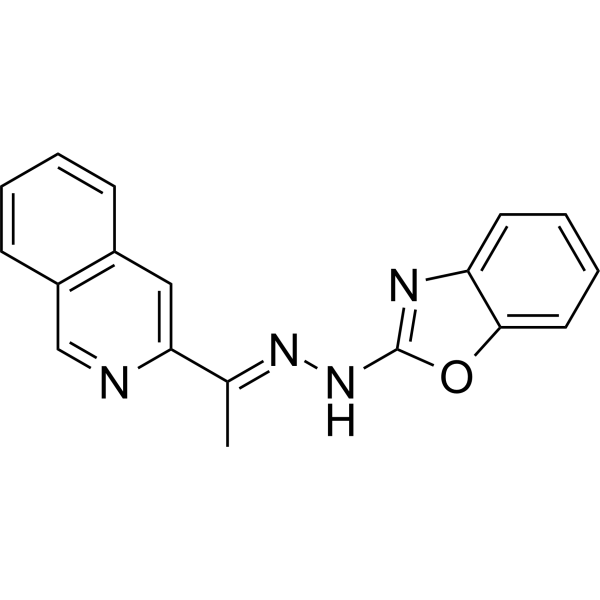
Antitumor agent-119 (compound 13K) is a 2-benzoxazolyl hydrazone derivative with anticancer activities. Antitumor agent-119 inhibits the cell growth of Butkitt, CCRF-CEM, HeLa, and HT-29 with IC50 values of 30 nM, 140 nM, 100 nM, and 40 nM, respectively .
|
-
- HY-155034
-
|
|
Topoisomerase
GLUT
|
Cancer
|
|
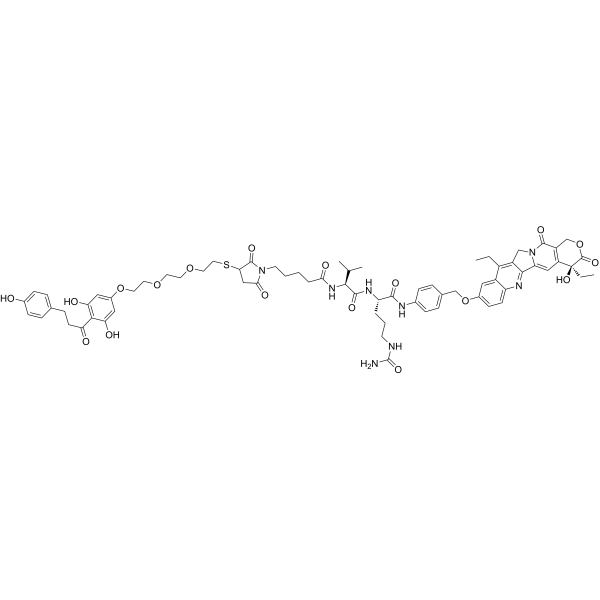
Antitumor agent-102 (compound 10) is a conjugate of Topoisomerase I inhibitor SN38 and glucose transporter inhibitor, targeting to colorectal cancer. Antitumor agent-102 induces higher concentrations of free SN38 in tumor tissues than Irinotecan (HY-16562) .
|
-
- HY-149063
-
|
|
Apoptosis
|
Cancer
|
|
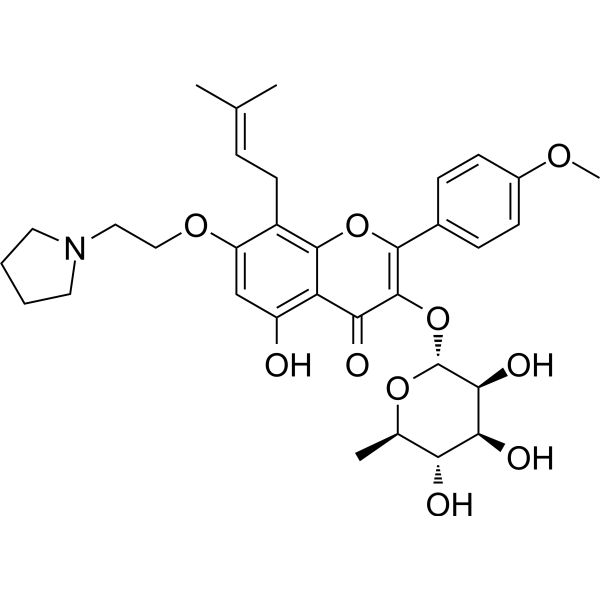
Antitumor agent-92, an Icaritin (HY-N0678) derivative, causes arrest at the G0/G1 phase in the cell cycle and induces cell apoptosis. Antitumor agent-92 has the potential for hepatocellular carcinoma (HCC) research .
|
-
- HY-115949
-
|
|
HSP
|
Cancer
|
|
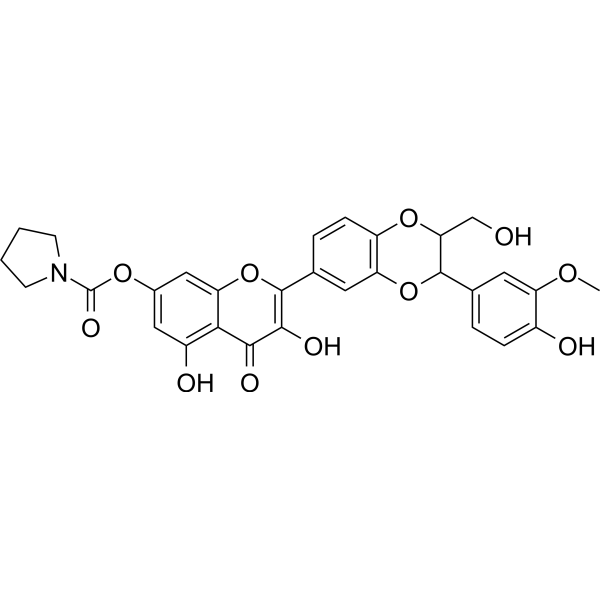
Antitumor agent-47 (Compound 3e) is a silibinin derivative with an antitumor activity. Antitumor agent-47 shows cytotoxic activity against NCI-H1299 and HT29 cells with IC50 values of 8.07 µM and 6.27 µM, respectively .
|
-
- HY-U00414
-
|
|
Others
|
Cancer
|
|
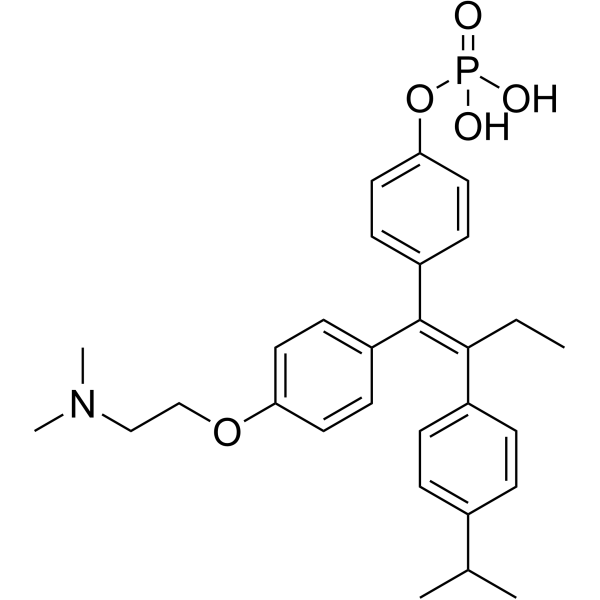
Antitumor agent-4, a butenylphenyl phosphate derivative, is a agent for mammary cancer and anovulatory sterility.
|
-
- HY-173182
-
|
|
Microtubule/Tubulin
P-glycoprotein
|
Cancer
|
|
Antitumor agent-200 (Compound 2g) is a microtubule synthesis inhibitor. By binding to the colchicine site of tubulin, it causes G2/M cell cycle arrest and generates reactive oxygen species (ROS). Antitumor agent-200 exhibits significant inhibitory activity against MCF7/ADR and KBV200 cell lines with overexpression of P-glycoprotein (P-gp), with drug resistance indices (DRI) of 0.83 and 0.58 respectively. In the MCF-7 xenograft model, Antitumor agent-200 (25 mg/kg, intraperitoneal injection) can achieve a tumor growth inhibition rate of 57.2%. Antitumor agent-200 can be used in the research of the anti-cancer field .
|
-

- HY-146187
-
|
|
Histone Methyltransferase
|
Cancer
|
|
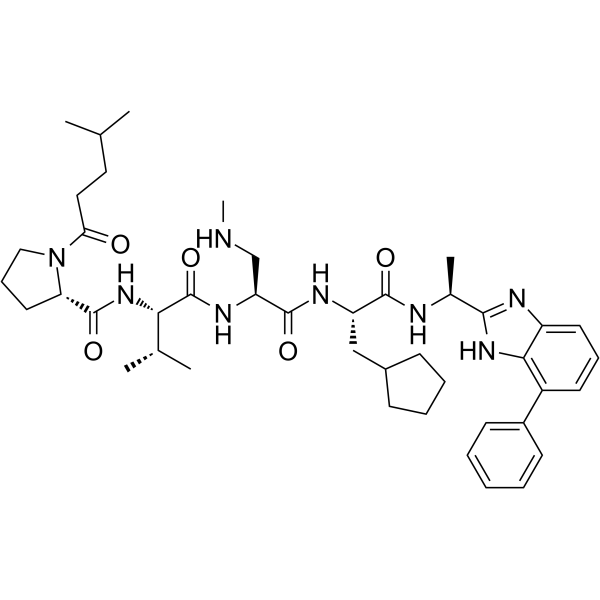
Antitumor agent-69 (compound 12) is a potent inhibitor of protein-protein interaction between DOT1L and MLL-AF9/MLL-ENL, with Kis of 9 nM and 109 nM for AF9 and ENL, respectively. Antitumor agent-69 exhibits anticancer cellular activitiy .
|
-
- HY-144361
-
|
|
Apoptosis
|
Cancer
|
|
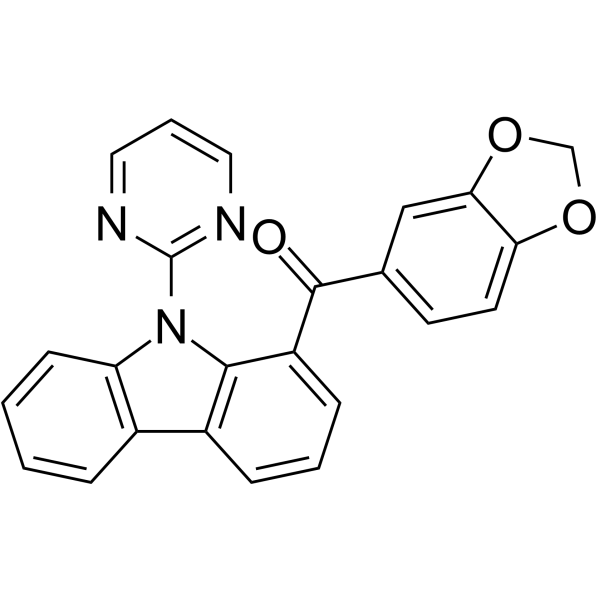
Antitumor agent-44 (Compound 5n) disrupts the mitochondrial homeostasis, induces cell cycle arrest and apoptosis in human adenocarcinoma cells. Antitumor agent-44 (Compound 5n) possesses good anti-tumor activity in a lung-cancer-cell xenograft mice model .
|
-
- HY-162695
-
|
|
Microtubule/Tubulin
|
Cancer
|
|
Antitumor agent-168 (compound 21b) disrupts the microtubule network in tumor cells leading to G2/M cell cycle arrest and apoptosis induction. Antitumor agent-168 inhibits MCF-7 growth with an IC50 value of 1.4 nM .
|
-

- HY-155745
-
|
|
Apoptosis
|
Cancer
|
|
Antitumor agent-115 (SS-12) is an effective anti-tumor compound with an IC50 value of 0.34 μM-24.14 μM for cell line 4T1. Antitumor agent-115 can block the cell cycle of mouse breast cancer cell line 4T1, reduce the mitochondrial membrane potential, and induce apoptosis, and the IC50 value is 8-25 μmol/L for cell viability. Antitumor agent-115 can be used for breast cancer research .
|
-
- HY-155020
-
|
|
Histone Methyltransferase
GLP Receptor
|
Cancer
|
|
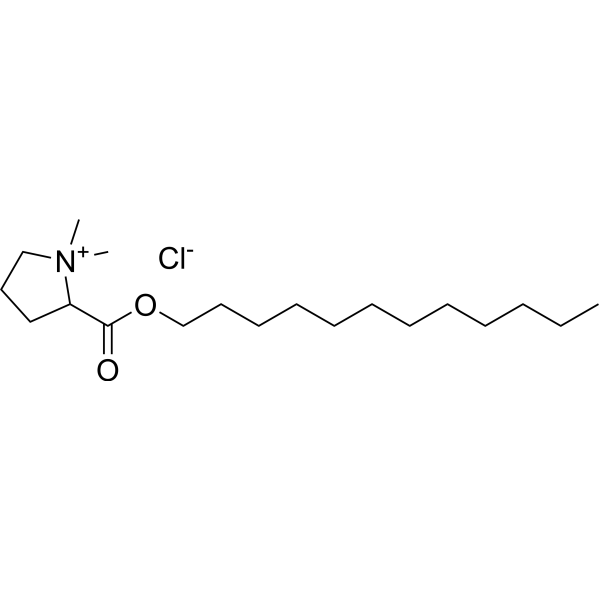
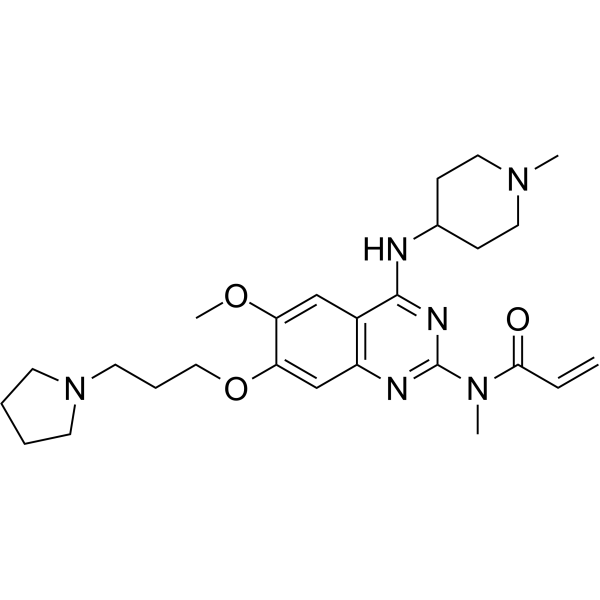
Antitumor agent-101 is a selective covalent inhibitor of lysine methyltransferases G9a/GLP, with IC50s of 8.5 nM and 5.5 nM for G9a and GLP, respectively. Antitumor agent-101 shows antitumor efficacy in the PANC-1 xenograft model .
|
-
- HY-163518
-
|
|
E1/E2/E3 Enzyme
|
Cancer
|
|
Antitumor agent-153 (compound 11b) is an optimized H2A histone ubiquitination inhibitor based on PRT4165 (HY-19817). Antitumor agent-153 inhibits the viability of human osteosarcoma U2OS cells and reduces histone H2A monoubiquitination, exhibiting anticancer activity .
|
-

- HY-144394
-
|
|
Apoptosis
c-Met/HGFR
|
Cancer
|
|
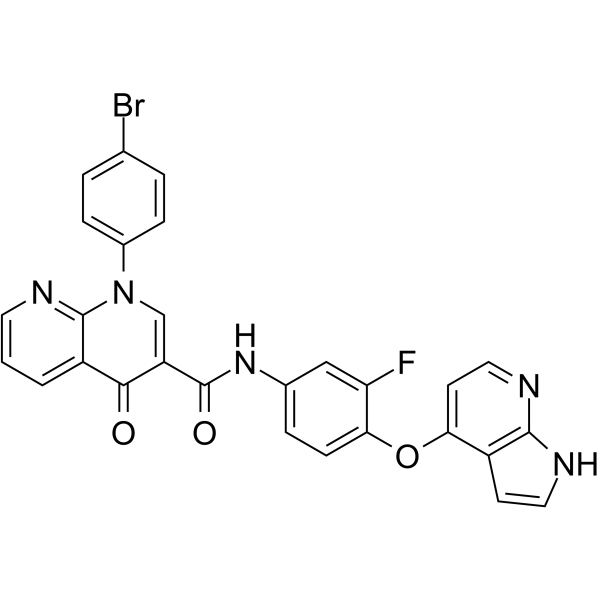
Antitumor agent-45 (Compound 21) could induce and stimulate A549 cells apoptosis in G0/G1 and G2/M phase. Antitumor agent-45 (Compound 21) inhibits c-Met expression to regulate the growth of tumor cells .
|
-
- HY-N8975
-
|
|
Others
|
Cancer
|
|
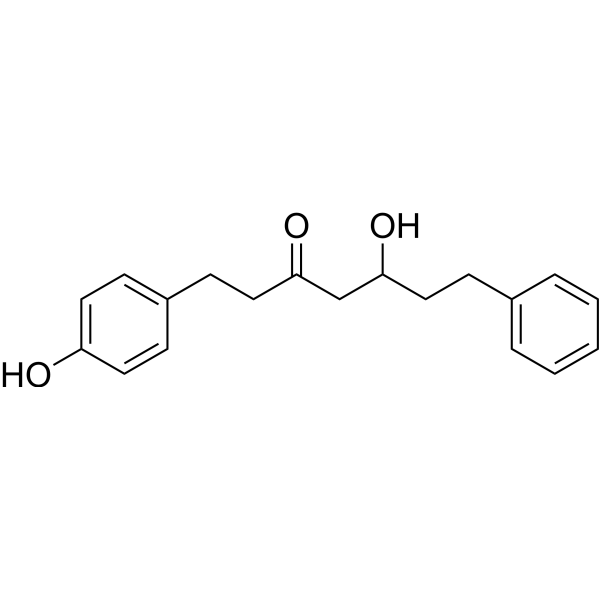
Antitumor agent-137 (Compound M12) is a linear diarylheptanoid compound with antitumor activity .
|
-
- HY-158436
-
|
|
Microtubule/Tubulin
Autophagy
Apoptosis
|
Cancer
|
|
Antitumor agent-155 (Compound 13) inhibits microtubule polymerization, induces autophagy and apoptosis. Antitumor agent-155 shows cytotoxicity against HCT116, A549, AGS, SK-MES-1 cells with IC50s of 0.227, 0.253, 0.574, 0.423 μM respectively .
|
-

- HY-152774
-
|
|
Akt
PI3K
|
Cancer
|
|
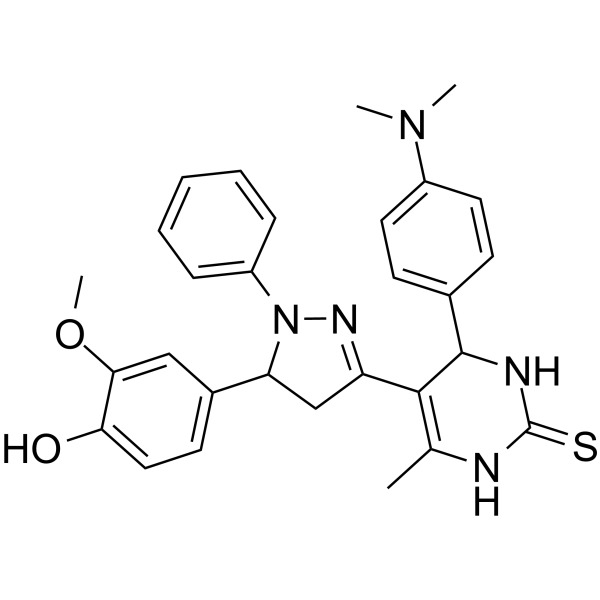
Antitumor agent-86 (compound 5a) inhibits MCF-7 breast cancer cells with an IC50 value of 2.62 µM. Antitumor agent-86 induces cell apoptosis and cell cycle arrest, and shows antineoplastic activity by targeting RAS/PI3K/Akt/JNK signaling cascades .
|
-
- HY-153802A
-
|
|
Apoptosis
Phosphodiesterase (PDE)
Molecular Glues
|
Cancer
|
|
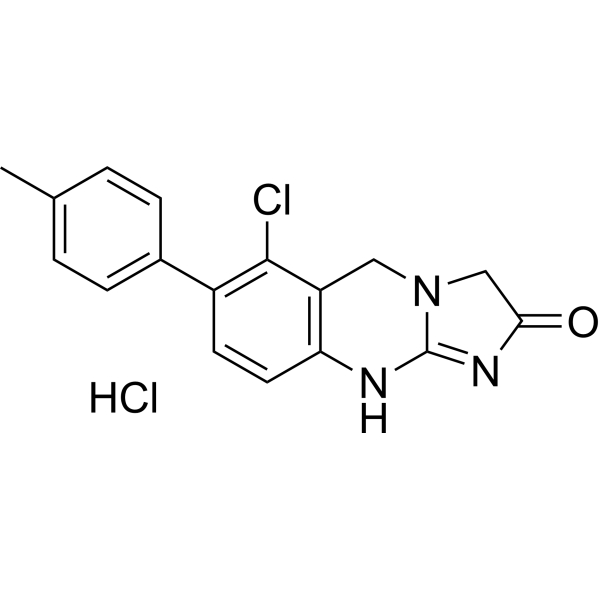
Antitumor agent-100 (compound A6) hydrochloride is an orally potent apoptosis inducer and molecular gel targeting PDE3A-SLFN12 (IC50: 0.3 μM) with antitumor activity. Antitumor agent-100 hydrochloride binds to the PDE3A enzyme pocket to recruit and stabilize SLFN12, thereby preventing protein translation and leading to apoptosis .
|
-
- HY-162121
-
|
|
Others
|
Cancer
|
|
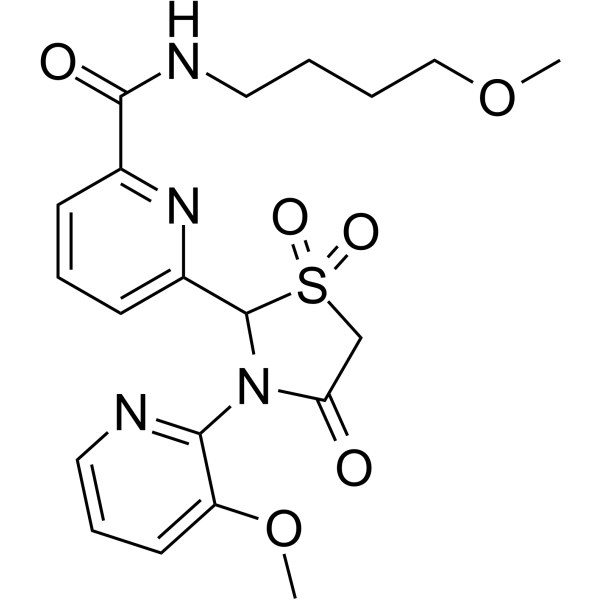
Antitumor agent-129 (Compound 68) is a thiazolidin-4-one sulfone derivative and an Osteosarcoma (OS) inhibitor with an IC50 value of 0.217 μM, a half-life of 73.8 min (mouse liver microsome) and an excellent pharmacokinetic profile (in vivo bioavailability F = 115%, intraperitoneal administration). Antitumor agent-129 is a potential candidate for OS research .
|
-
- HY-170843
-
|
|
Apoptosis
|
Cancer
|
|
Antitumor agent-198 (Compound A3) exhibits cytotoxicity in head and neck squamous cell carcinoma (HNSCC) cells, that inhibits the proliferation of CAL27, HN6, HN30, SCC9 and SCC25 with IC50 of 4 nM-77 nM. Antitumor agent-198 inhibits the HNSCC cell migration, arrests the cell cycle, and induces apoptosis .
|
-

- HY-153802
-
|
|
Apoptosis
Phosphodiesterase (PDE)
|
Cancer
|
|
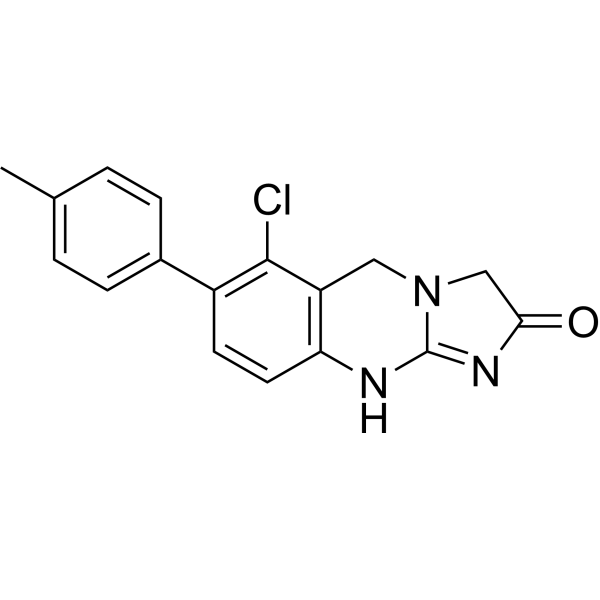
Antitumor agent-100 (compound A6) is an orally available apoptosis inducer and molecular gel targeting PDE3A-SLFN12 (IC50: 0.3 μM) with antitumor activity. Antitumor agent-100 binds to the PDE3A enzyme pocket to recruit and stabilize SLFN12, thereby preventing protein translation and leading to apoptosis .
|
-
- HY-149718
-
|
|
JAK
HDAC
|
Cancer
|
|
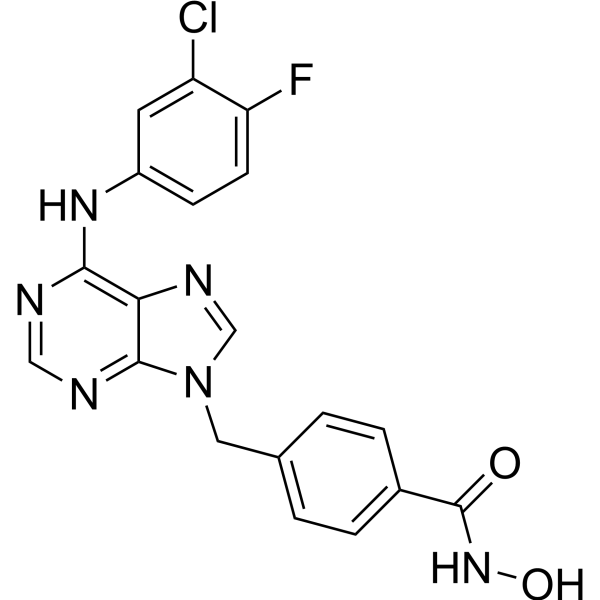
Antitumor agent-123 (Copmound 4d) effectively inhibits multiple kinase targets with anti-cancer effects, including JAK2, JAK3, HDAC1 and HDAC6, with IC50 values of 34.6 and 2.6 μM for JAK2 and JAK3, respectively. Antitumor agent-123 exhibits moderate activity in solid tumor models .
|
-
- HY-15961
-
|
|
Drug Derivative
|
Cancer
|
|
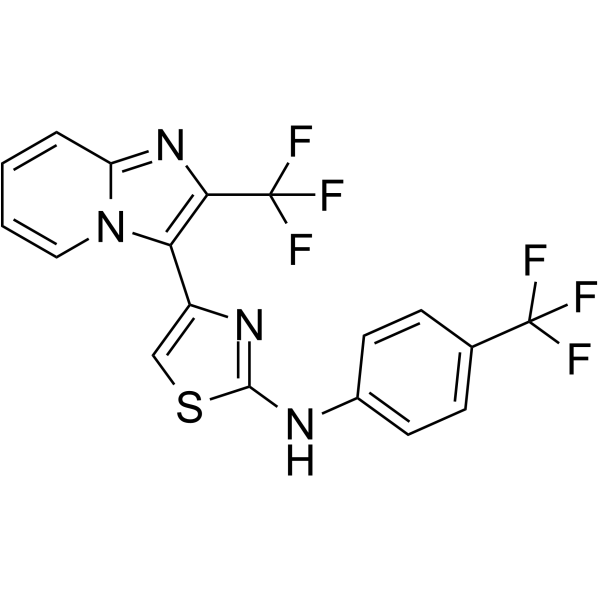
Antitumor agent-3 is a potent compound which comprises a new imidazopyridine having excellent antitumor activity as an active ingredient.
|
-
- HY-151286
-
|
|
STAT
|
Cancer
|
|
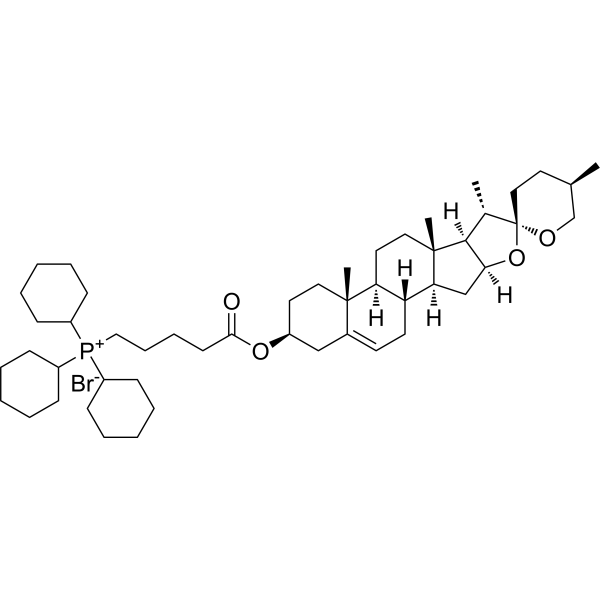
Antitumor agent-73 is a Diosgenin (HY-N0177) derivative, which inhibits STAT3 signaling and activates Pdia3/ERp57 exogenously. Antitumor agent-73 shows potent anti-tumor activity against various cancer cell lines, 7.9-341.7-fold stronger than Diosgenin .
|
-
- HY-157548
-
|
|
p62
Atg8/LC3
Autophagy
|
Cancer
|
|
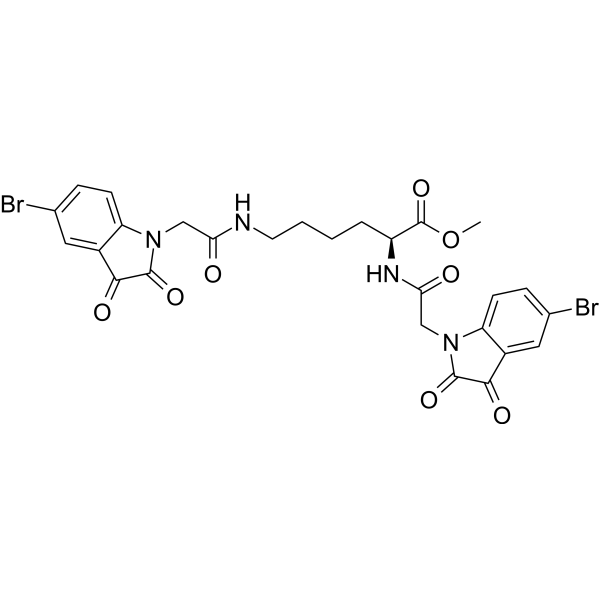
Antitumor agent-133 (compound 4d) is a bis-isatin derivative, with activities against Huh1 (IC50=17.13 μM) and Huh7 (IC50=8.27 μM). Antitumor agent-133 induces cell autophagy and inhibits tumor growth through regulation of LC3BII, ATG5 and p62 proteins .
|
-
- HY-115950
-
|
|
Drug Derivative
|
Cancer
|
|
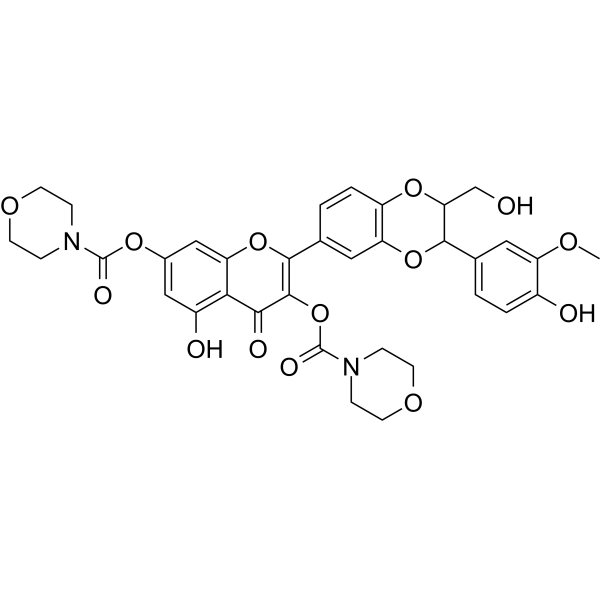
Antitumor agent-48 (Compound 4a) is a 2,3-dehydrosilybin derivative with an antitumor activity. Antitumor agent-48 shows cytotoxic activity against MCF-7, NCI-H1299, HepG2 and HT29 cells with IC50 values of 8.06 µM, 13.1 µM, 16.51 µM and 12.44 µM, respectively .
|
-
- HY-149896
-
|
|
Biochemical Assay Reagents
|
Cancer
|
|
Antitumor agent-107 (compound 5h) is an anticancer agent that shows excellent inhibitory activity against leukemia cell lines (GI50=0.32-1.34 μM). Antitumor agent-107 also shows antitumor activity against various other human cancer cell lines (GI50 range 0.35-9.43 μM) .
|
-
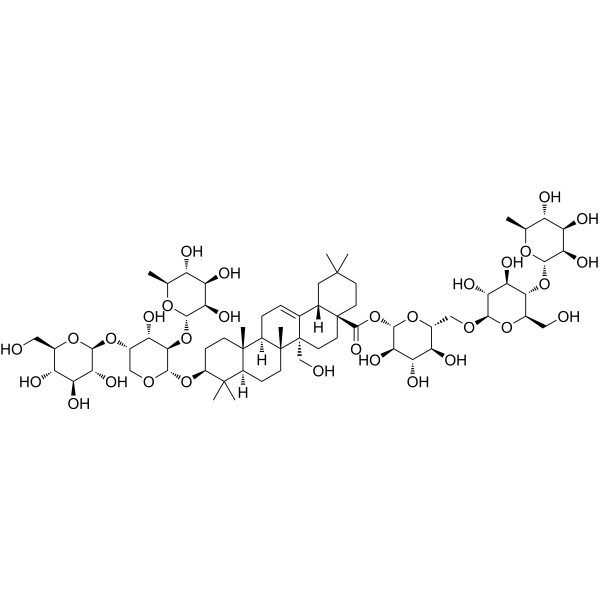
- HY-N11442
-
|
|
Others
|
Cancer
|
|
Antitumor agent-89 (Compd OTS-5), a natural compound, weakly suppresses fMLP-induced superoxide generation .
|
-
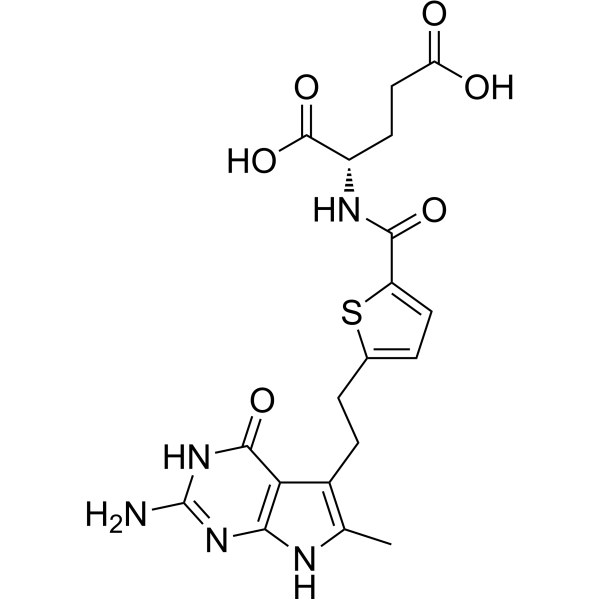
- HY-157217
-
|
|
Antifolate
|
Cancer
|
|
Antitumor agent-99 (compound 7) is an anticancer agent targeting FRα/β and PCFT. Antitumor agent-99 inhibits R2/PCFT4 (PCFT), RT16(FRα), and D4(FRβ) cells with IC50s of 51.46 nM, 2.53 nM, and 2.98 nM, respectively .
|
-
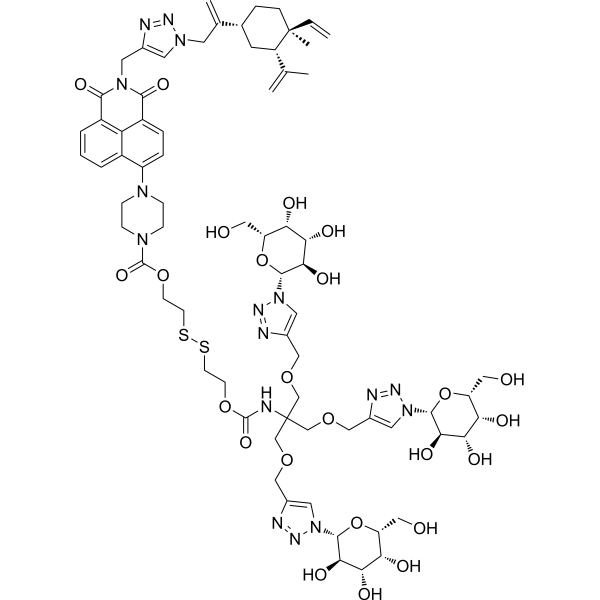
- HY-139735
-
|
|
Drug Intermediate
|
Cancer
|
|
Antitumor agent-29 is a novel hepatocyte-targeting antitumor proagent, which exhibits good antitumor activity and low toxic side effects.
|
-
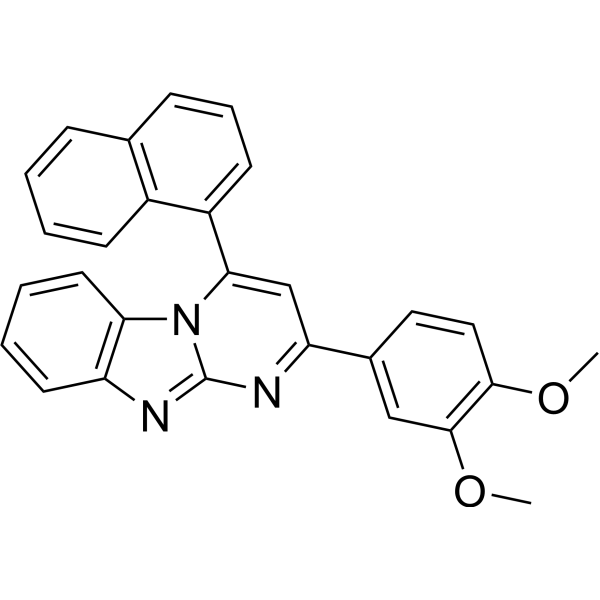
- HY-W781271
-
|
|
Drug Derivative
|
Cancer
|
|
Antitumor agent-160 (compound Ia) is a derivative of the antifungal agent PHENALENONE (HY-W286805) and has antitumor activity .
|
-

- HY-163715
-
|
|
FAK
|
Cancer
|
|
Antitumor agent-165 (Compound 10l) is a potent focal adhesion kinase (FAK) inhibitor. Antitumor agent-165 exhibits effective antiproliferative activity against CAPAN-1, PANC-1, PATU-T, SUIT-2, BxPC-3, PDAC-3 and PANC-1 GR with IC50s in the range of 1.04-3.44 μM .
|
-

- HY-W669548
-
|
|
Drug Derivative
|
Cancer
|
|
Antitumor agent-193 (Compound 13) has antitumor effect, but has no activity against normal cell line MRC-5 .
|
-

- HY-173331
-
|
|
Chloride Channel
Apoptosis
Autophagy
|
Cancer
|
|
Antitumor agent-201 (Compound 10) is a chloride transport activator that targets the Golgi apparatus. Its EC50 for promoting the transmembrane transport of chloride ions is 1.53 mol%, and its IC50 against HepG2 cells is 7.13 μM. Antitumor agent-201 exerts its anti-cancer activity by selectively acting on the Golgi apparatus, disrupting the chloride ion homeostasis within it, reducing the expression of key proteins such as GM130 and GRASP55, altering the structure and function of the Golgi apparatus, triggering Autophagy of the Golgi apparatus, and further inducing Apoptosis of cancer cells and arresting cancer cells in the G2/M phase. Antitumor agent-201 can be used in the research field of cancer diseases .
|
-

- HY-170483
-
|
|
HSV
HIV
|
Infection
Cancer
|
|
Antitumor agent-191 (Compound 7) exhibits antiviral activity against HSV-1 and HIV with EC50 of 0.03 μM and 0.81 μM. Antitumor agent-191 exhibits potential antitumor efficacy, that inhibits cancer cell HepG2, WI-38, Vero and MCF-7, with IC50s of 19.6, 39.3, 18.3 and 28 μM, respectively .
|
-

- HY-163965
-
|
|
Toll-like Receptor (TLR)
|
Cancer
|
|
Antitumor agent-185 (compound 3) shows antitumor activity that could effectively reduce the growth of tumors and prolong the survival time of mice in vivo .
|
-

- HY-128934
-
-
- HY-107470
-
|
|
Drug Derivative
|
Inflammation/Immunology
Cancer
|
|
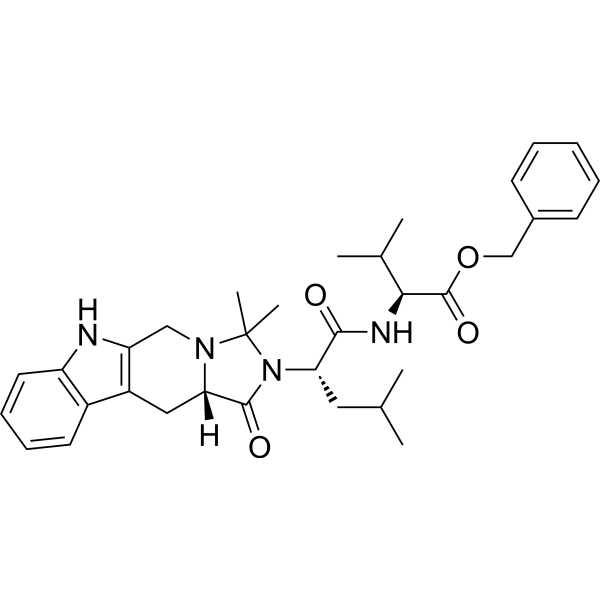
Antitumor agent-21 is an aryl-quinolin derivative, with potential anticancer, anti-inflammatory, anti-proliferative, anti-hormonal effects and inhibition of vasculogenic mimicry .
|
-
- HY-151404
-
|
|
Apoptosis
|
Cancer
|
|
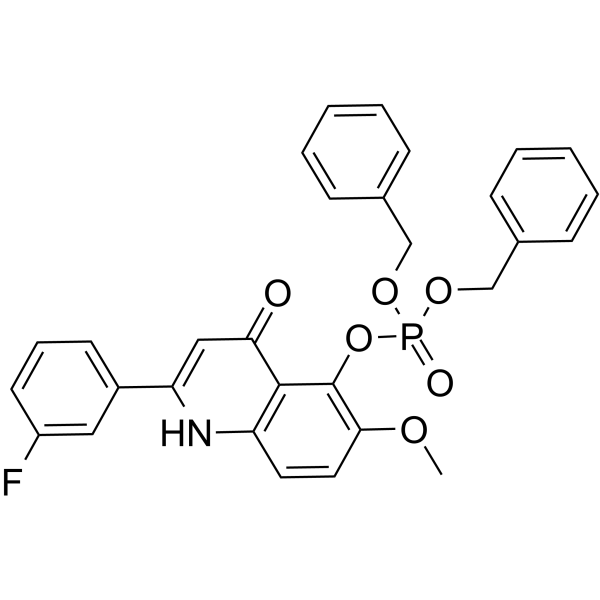
Antitumor agent-76 (Compound TP-P1) is an orally active, rapid-release and water-soluble Triptolide (HY-32735) proagent with antitumor activity .
|
-
- HY-174277
-
|
|
ADC Payload
Topoisomerase
|
Cancer
|
|
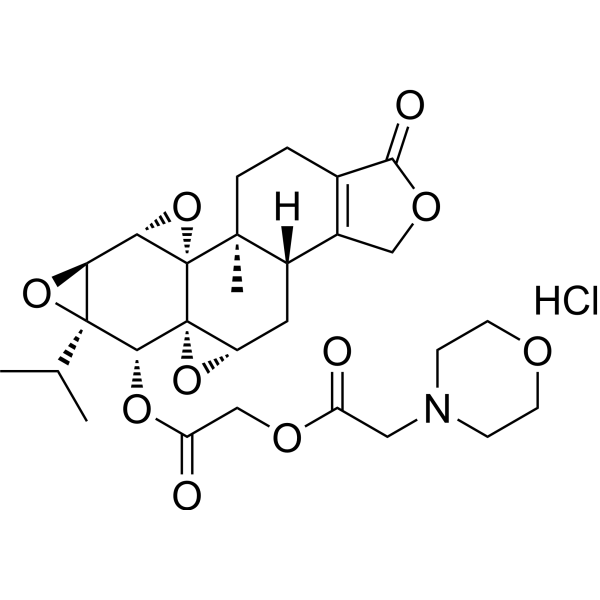
Antitumor agent-203 (例7) is a derivative of Exatecan (DX-8951) (HY-13631) and can be used to prepare antibody-drug conjugates (ADCs), as the ADC Cytotoxin .
|
-

- HY-162348
-
|
|
Necroptosis
|
Cancer
|
|
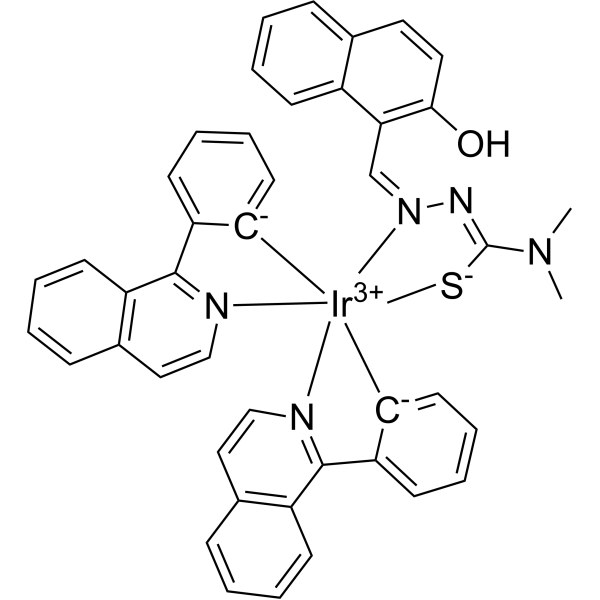
Antitumor agent-145 (Compound Ir5) is a tumor inhibitor with remarkable fluorescence and mitochondrial targeting, which exerts anti-cancer effects by inducing necroptosis and activating the necroptosis-related immune response .
|
-
- HY-153272
-
|
|
Biochemical Assay Reagents
|
Cancer
|
|
Antitumor agent-93 (compound 7D) is an anticancer agent that can effectively inhibit the growth of several tumor cell lines, such as MDA-MB-231 and HCT-116 cell lines .
|
-
- HY-162450
-
|
|
PROTACs
MDM-2/p53
Apoptosis
|
Cancer
|
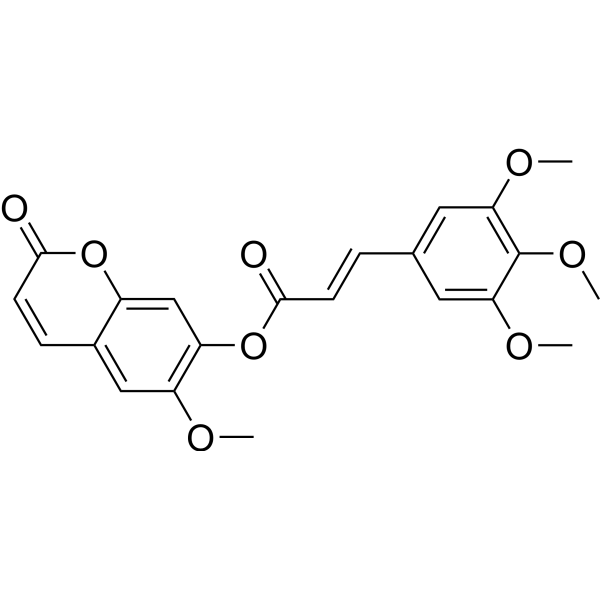
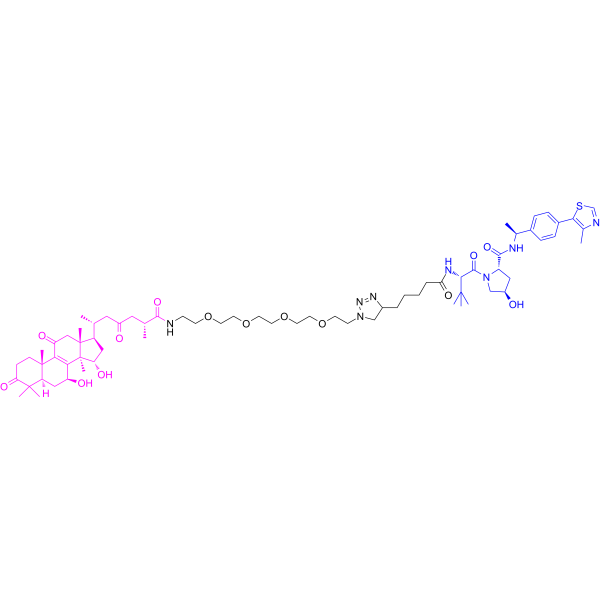
Antitumor agent-150 (V10), an anti-breast cancer agent, is a PROTAC-based MDM2 protein degrader (Red: Ganoderic acid A; Black: 4O-PEG linker; Blue: VHL ligand) .
|
-
- HY-155040
-
|
|
Biochemical Assay Reagents
|
Cancer
|
|
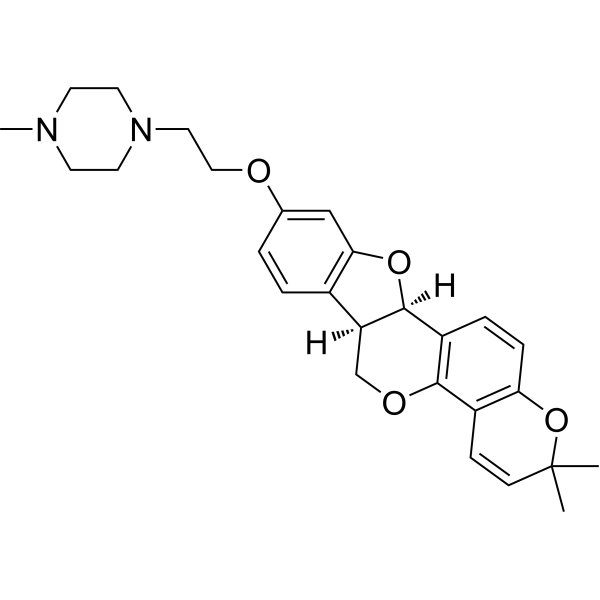
Antitumor agent-106 (compound 42) is an anticancer agent that exhibits good inhibitory activity (IC50=4.2-6.6 µM) against both lung cancer and colon cancer cell lines .
|
-
- HY-144331
-
|
|
Microtubule/Tubulin
Apoptosis
|
Cancer
|
|
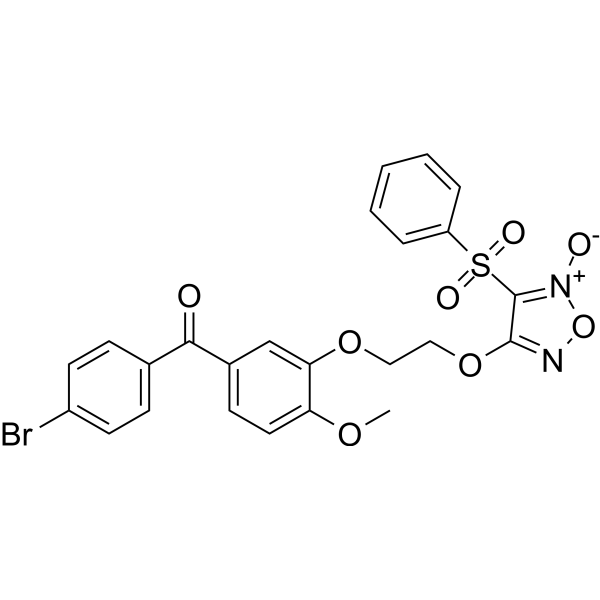
Antitumor agent-42 (Compound 15h) is a bifunctional agent exhibiting both tubulin polymerized inhibition and NO-releasing activities, resulting in potent anti-angiogenesis, colony formation inhibition, cell cycle arrest and apoptosis induction effects .
|
-
- HY-136342
-
|
|
Others
|
Cancer
|
|
Antitumor agent-23 is a potent anti-cancer agent with GI50s of 38, 48, 5, 27, 80, and 28 nM for lymphoma cell line GRANTA-519, KARPAS-422, KARPAS-299, RAMOS, DAUDI, and RAJI, respectively. Antitumoral activity .
|
-
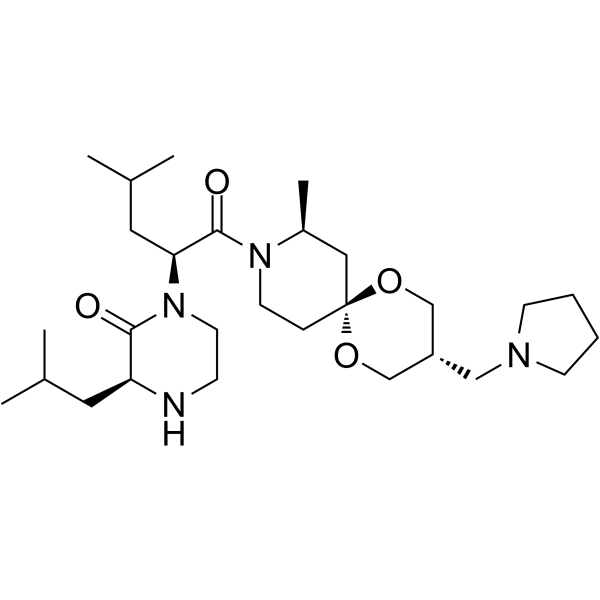
- HY-W287494
-
|
|
MDM-2/p53
|
Cancer
|
|
Antitumor agent-202 is a stabilizer of the p53 Y220C mutant. It exhibits a selective inhibitory effect on the proliferation of tumor cells carrying the p53 Y220C mutation and can be applied to the research of cancers associated with the p53 Y220C mutation .
|
-

- HY-162766
-
|
|
Apoptosis
|
Cancer
|
|
Antitumor agent-184 (compound 12aa) induces cell apoptosis, with the IC50s of 2.35 μM, 7.32 μM and 10.31 μM in B16-F10 cells, 4T1 cells and CT26 cells, respectively .
|
-

- HY-152468
-
|
|
Apoptosis
|
Cancer
|
|
Antitumor agent-83 is an activator of pro-apoptotic protein BAX and has significant anti-proliferation effect on tumor cells. Antiumor agent-83 mediates cell Apoptosis by inducing the conformational activation of BAX and has inhibitory effect on A549 cell cycle. Antiumor agent-83 has good metabolic stability and CYPs spectrum in vitro .
|
-
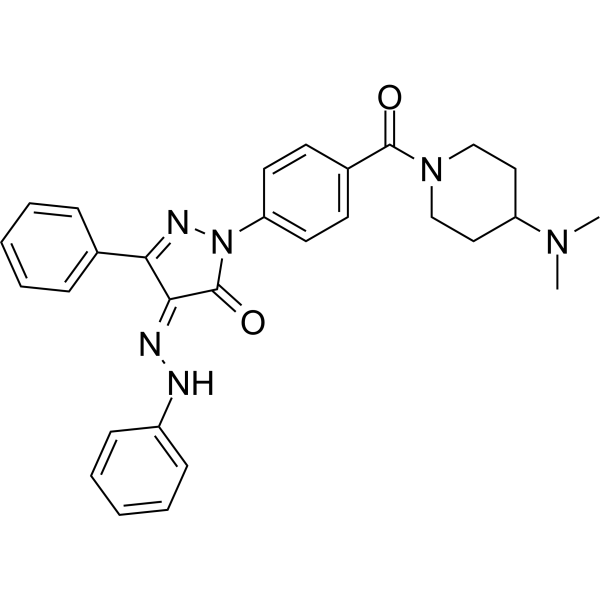
- HY-146025
-
|
|
Drug Derivative
|
Cancer
|
|
Antitumor agent-F10 (Compound F10) is a camptothecin derivative. Antitumor agent-F10 is an orally–bioavailable and potent antitumor agent. Antitumor agent-F10 displays lower acute toxicity than SN-38 does and the solubility of F10 reached 9.86 μg/mL .
|
-
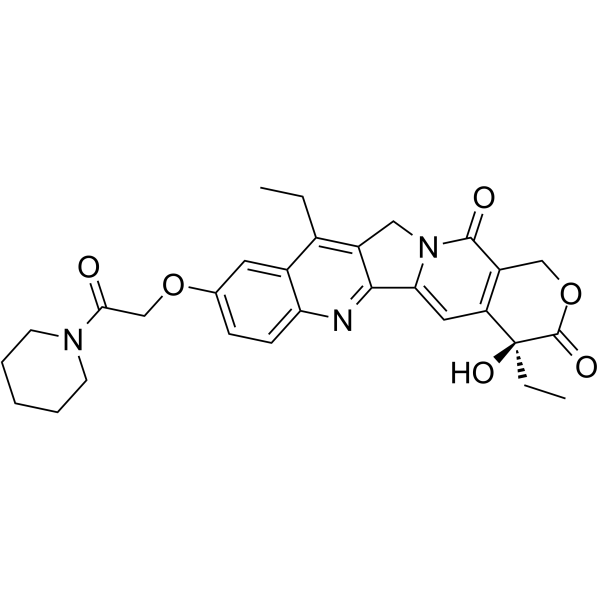
- HY-N11082
-
-
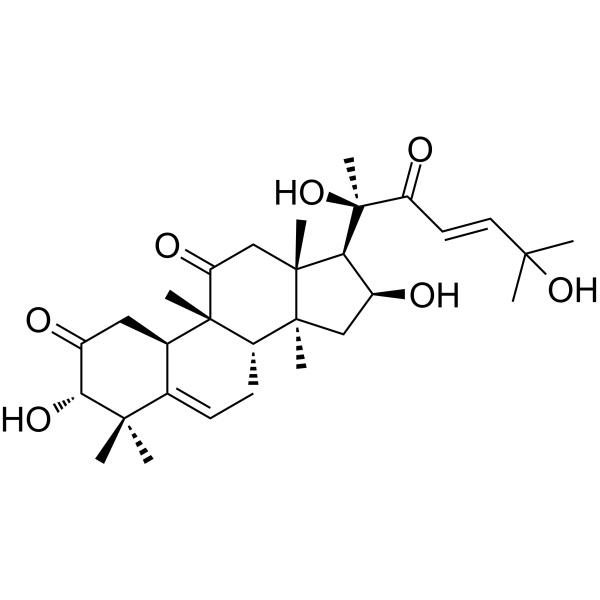
- HY-161981
-
|
|
Apoptosis
|
Cancer
|
|
Antitumor agent-187 (compound I3) is a photosensitizer based on 5,15-diaryltetrabenzoporphyrin with a maximum absorption wavelength of ~668 nm and anticancer activity. Antitumor agent-187 can induce apoptosis and can be used in photodynamic therapy (PDP). Antitumor agent-187 selectively accumulates at tumor sites and has real-time fluorescence imaging capabilities .
|
-

- HY-160915
-
-

- HY-119603
-
|
(+)-Regelinol
|
Others
|
Cancer
|
|
Regelinol is an antitumor agent that can be isolated from the roots of Tripterygium regelii. .
|
-

- HY-124916
-
|
|
Others
|
Cancer
|
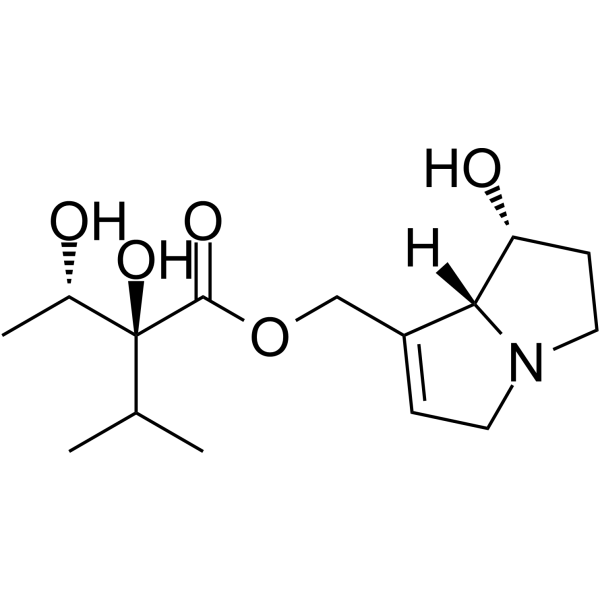
Lycopsamine, a pyrrolizidine alkaloid, is a potential antitumor agent isolated from Eupatorium maculatum L. .
|
-
- HY-105164
-
|
BBR 3576
|
Drug Derivative
|
Cancer
|
|
Topixantrone (BBR 3576) is an antitumor agent, and shows antitumor activity on prostate carcinoma .
|
-

- HY-105164A
-
|
BBR 3576 dihydrochloride
|
Antibiotic
|
Cancer
|
|
Topixantrone (BBR 3576) dihydrochloride is an antitumor agent, and shows antitumor activity on prostate carcinoma .
|
-

- HY-19148A
-
|
|
Insecticide
|
Cancer
|
|
7U85 hydrochloride exhibits biocidal activity, and can be utilized as an antitumor agent .
|
-

- HY-19459
-
-

- HY-19459A
-
-

- HY-145623
-
|
ANDES-1537
|
DNA/RNA Synthesis
|
Cancer
|
|
Mulnitorsen is an antisense non-coding mitochondrial RNA (ASncmtRNA) synthesis reducer. Mulnitorsen is an antitumor agent .
|
-

- HY-131790
-
-
- HY-159874
-
|
|
Interleukin Related
|
Cancer
|
|
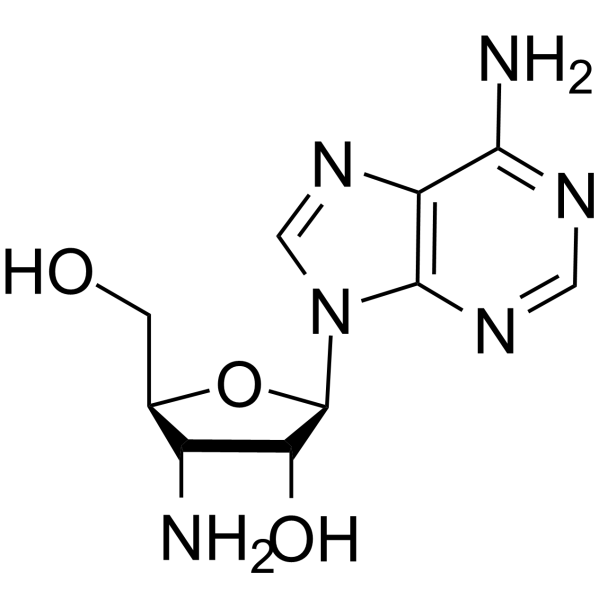
KRN7000 analog 2 is a iNKT agonist, which is promising for research of antitumor agents and vaccine adjuvants.
|
-

- HY-121176
-
|
Cifelin
|
Others
|
Cancer
|
|
Asalin (Cifelin) is an antitumor agent that can be used for the study of cervical cancer, laryngeal cancer, and other cancers .
|
-

- HY-143658
-
|
|
BMI1
Autophagy
|
Cancer
|
|
SH498, a novel Bmi-1-mediated antitumor agent, shows potent antiproliferative activity.
|
-
- HY-19994
-
|
|
KLF
|
Cancer
|
|
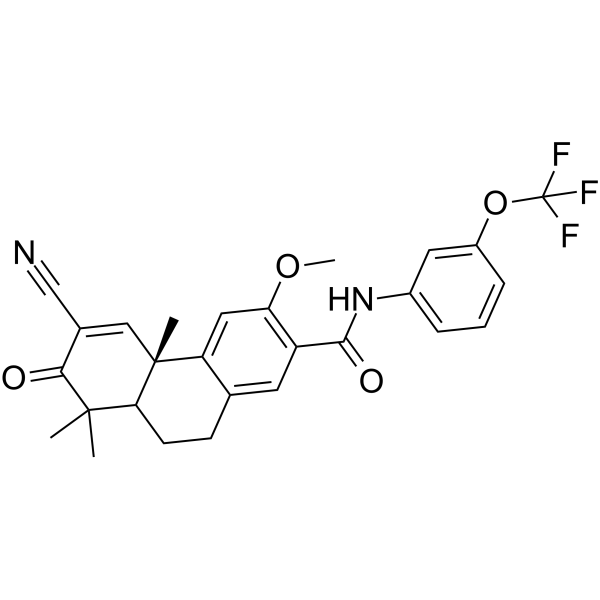
ML264 is an antitumor agent that potently and selectively inhibits Krüppel-like factor five (KLF5) expression.
|
-
- HY-122356
-
|
|
Bacterial
|
Cancer
|
|
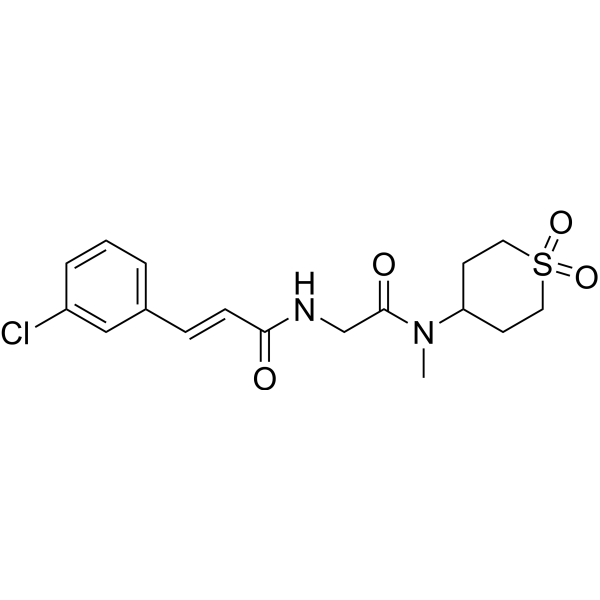
Ambazone monohydrate is an orally active membrane active antitumor agent. Ambazone monohydrate also shows antibacterial and weak antiviral activities .
|
-

- HY-U00155R
-
-

- HY-122356A
-
|
|
Bacterial
|
Cancer
|
|
Ambazone is an orally active membrane active antitumor agent. Ambazone also shows antibacterial and weak antiviral activities .
|
-
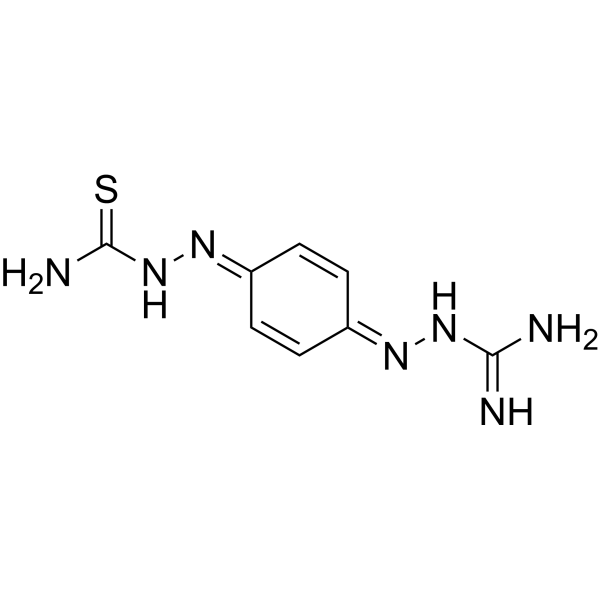
- HY-13726
-
|
Oxantrazole; NCS 349174
|
Topoisomerase
|
Cancer
|
|
Piroxantrone (Oxantrazole) is a potent DNA topoisomerase II-targeting anthrapyrazole antitumor agent. Piroxantrone displays cardiotoxicity .
|
-

- HY-111222
-
|
CL 1565-B
|
Fungal
|
Infection
Cancer
|
|
PD 113270 (CL 1565-B) is an antitumor agent. PD 113270 exhibits inhibitory effects to yeasts .
|
-
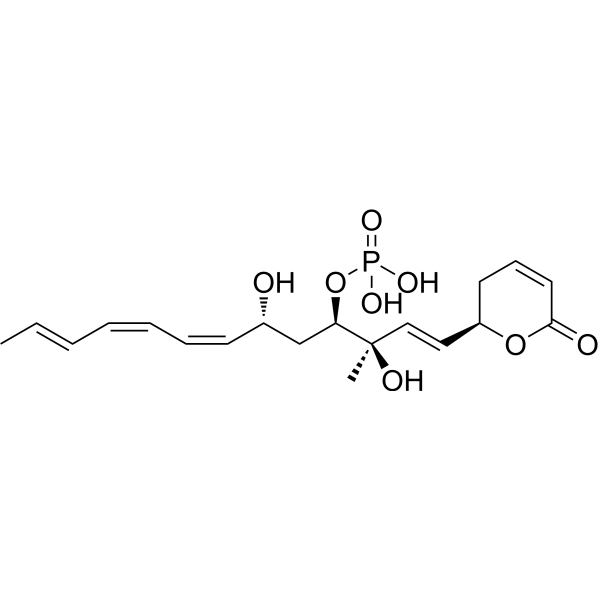
- HY-W741264
-
|
|
DNA/RNA Synthesis
|
Cancer
|
|
4'-epi-Daunorubicin is the semisynthesis precursor of Epirubicin (HY-13624) which is a useful antitumor agent .
|
-

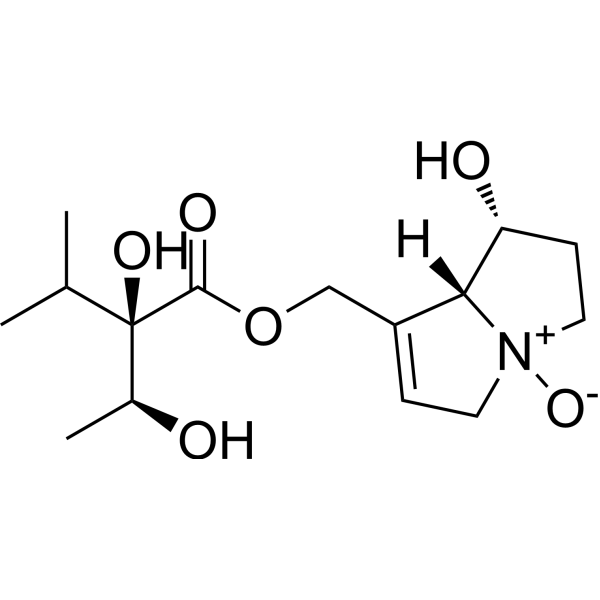
- HY-105529
-
|
(+)-Indicine N-oxide; NSC 132319
|
Microtubule/Tubulin
|
Cancer
|
|
Indicine N-oxide (NSC 132319), a pyrrolizidine alkaloid, is an antitumor agent for pediatric cancer and solid tumors research .
|
-
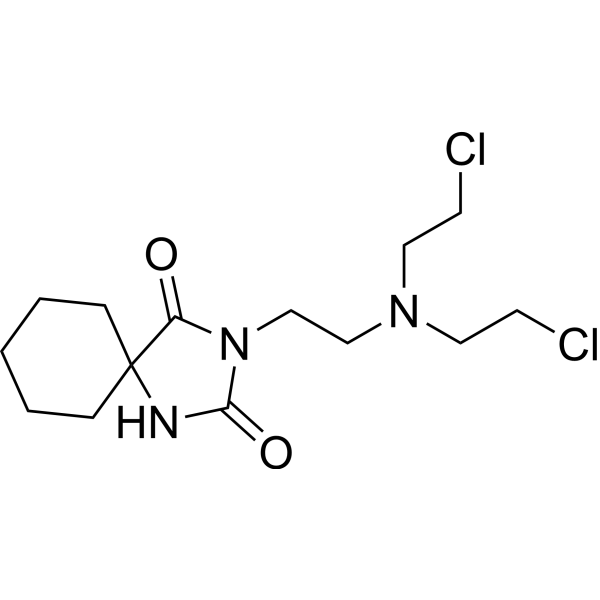
- HY-U00155
-
|
NSC172112; NSC268497
|
DNA Alkylator/Crosslinker
|
Cancer
|
|
NCI172112 is a classical bifunctional alkylating agent synthesized in an effort to develop antitumor agents effective against CNS tumors.
|
-
- HY-W008818
-
|
p-Aminoacetophenone
|
Drug Intermediate
|
Others
|
|
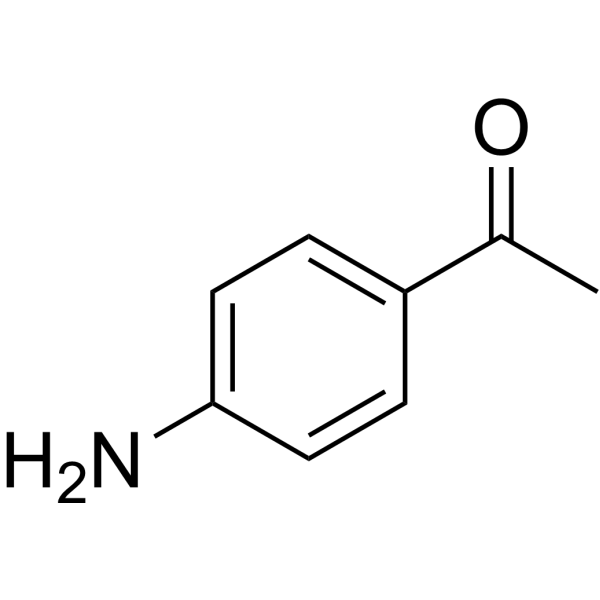
4'-Aminoacetophenone (p-Aminoacetophenone) is an intermediate that can be used for the synthesis of other active compounds, such as antitumor agents .
|
-
- HY-129870
-
|
|
DNA/RNA Synthesis
|
Cancer
|
|
Diazoketone methotrexate, an analog of methotrexate, is an antitumor agent. Diazoketone methotrexate inhibits cell growth and inhibits synthesis of thymidylate .
|
-

- HY-W099488
-
|
|
Drug Intermediate
|
Cancer
|
|
Capecitabine 2',3'-diacetate (Compound 10b) is the prodrug for the antitumor agent Capecitabine (HY-B0016) .
|
-

- HY-N1852
-
|
3-(E)-Trans coumaroylbetulin
|
Others
|
Cancer
|
|
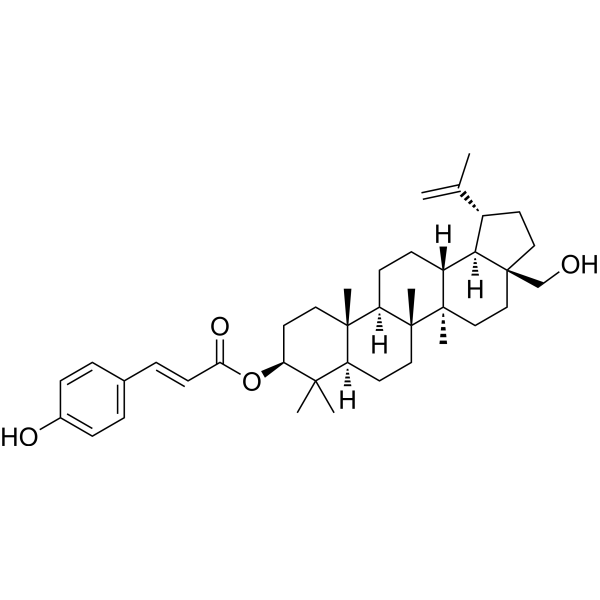
3-O-(E)-Coumaroylbetulin (3-(E)-Trans coumaroylbetulin) (compound 6) is a potent antitumor agent .
|
-
- HY-114313
-
|
|
Microtubule/Tubulin
|
Cancer
|
|
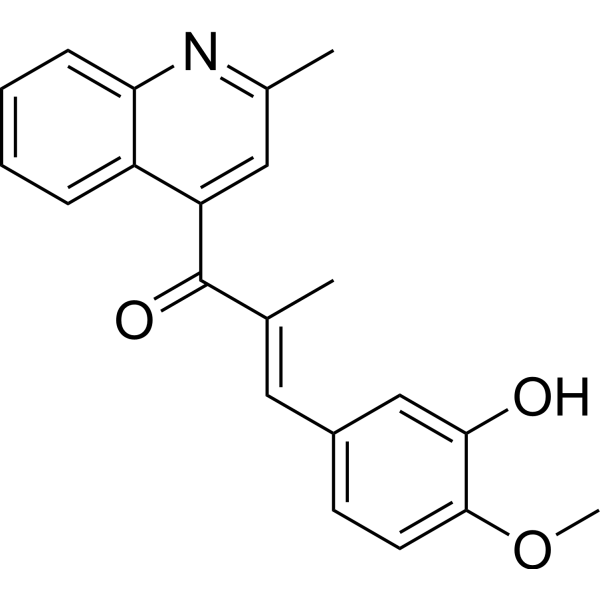
Microtubule inhibitor 1 is an antitumor agent with microtubule polymerization inhibitory activity, with an IC50 value of 9-16 nM in cancer cells .
|
-
- HY-122152
-
|
APY-606; Clospirazine hydrochloride
|
Ras
|
Neurological Disease
Cancer
|
|
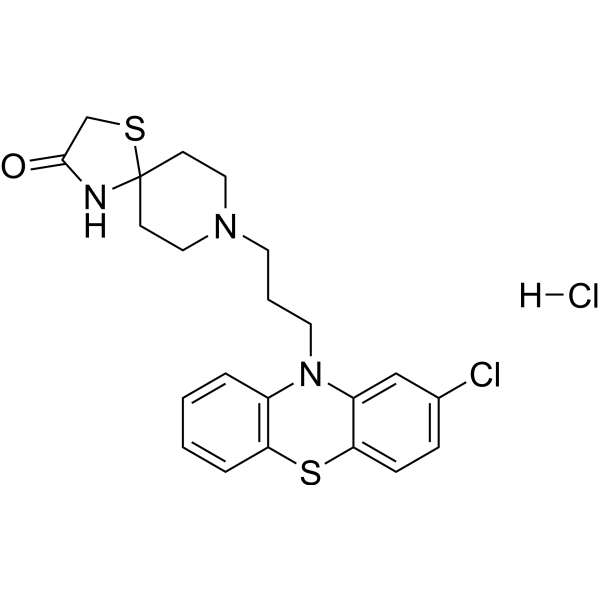
Spiclomazine hydrochloride (APY-606) is an antipsychotic and antitumor agent. Spiclomazine hydrochloride inhibits KRas. Spiclomazine hydrochloride induces cancer cell apoptosis .
|
-
- HY-N3222
-
|
|
HIV
|
Infection
Cancer
|
|
Myriceric acid B is a potent HIV-1 entry inhibitor targeting gp41. Myriceric acid B is an antitumor agent .
|
-
- HY-120736
-
|
|
Apoptosis
Caspase
|
Cancer
|
|
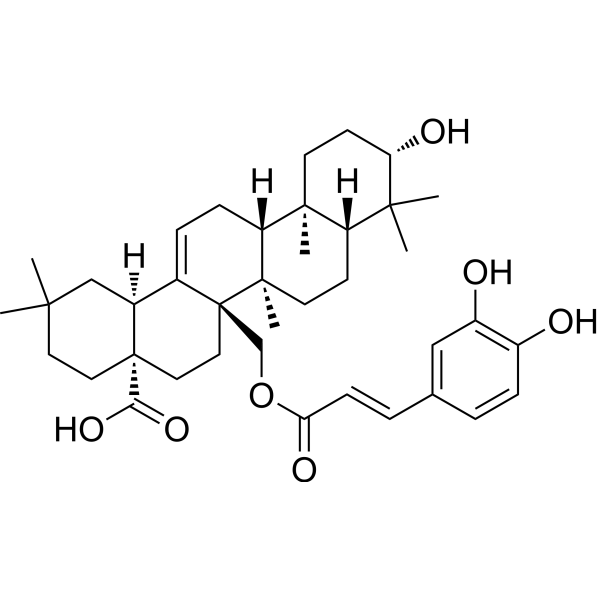
MEB55 is an antitumor agent. MEB55 shows anti-proliferative activity. MEB55 has the potential for the research of prostate cancer .
|
-

- HY-13550
-
|
NSC 196473; NSC 290813
|
DNA/RNA Synthesis
|
Cancer
|
|
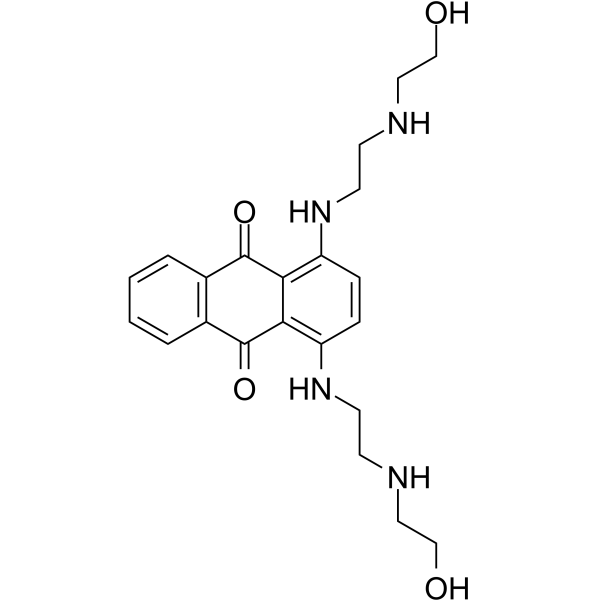
Ametantrone (NSC 196473) is an antitumor agent that intercalates into DNA and induces topoisomerase II (TOP2)-mediated DNA break .
|
-
- HY-10939
-
|
|
Bacterial
Fluorescent Dye
|
Cancer
|
|
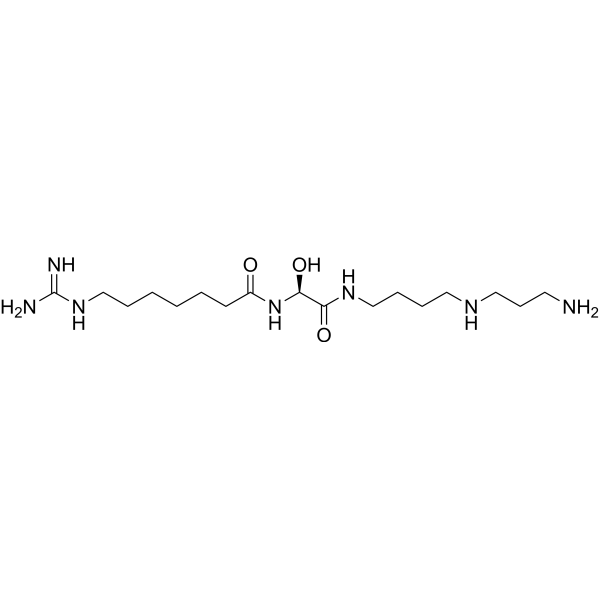
(-)-15-Deoxyspergualin is a potent antitumor agent. (-)-15-Deoxyspergualin shows strong inhibition against mouse leukemia L-1210 .
|
-
- HY-147894
-
|
|
Histone Acetyltransferase
|
Cancer
|
|
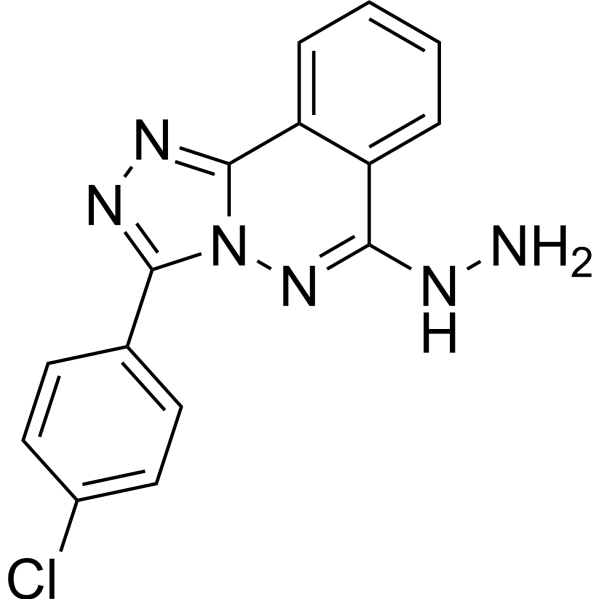
PCAF-IN-1 is a highly selective PCAF inhibitor. PCAF-IN-1 is a antitumor agents, which can be used in tumor research research .
|
-
- HY-10939A
-
|
|
Biochemical Assay Reagents
|
Cancer
|
|
(-)-15-Deoxyspergualin trihydrochloride is a potent antitumor agent. (-)-15-Deoxyspergualin trihydrochloride shows strong inhibition against mouse leukemia L-1210 .
|
-
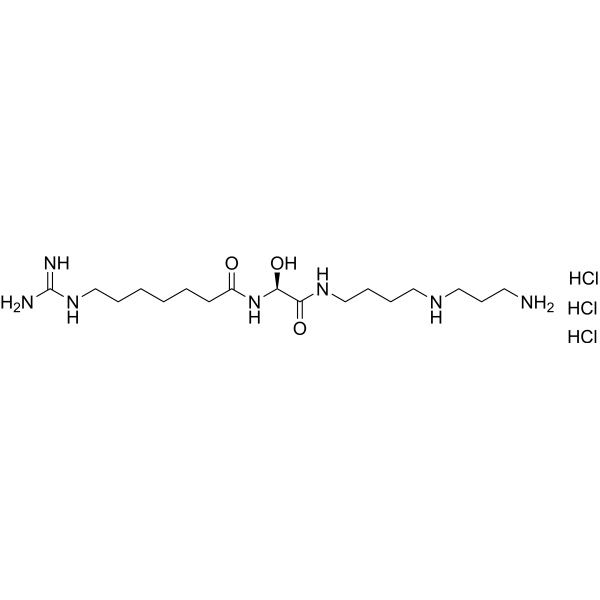
- HY-U00130
-
-
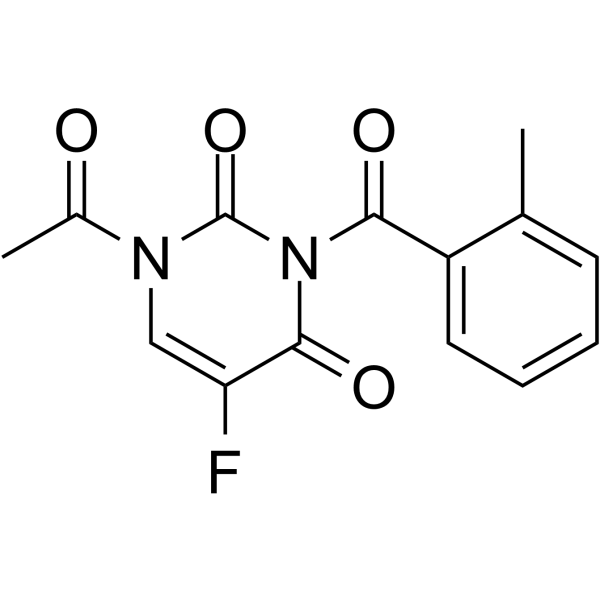
- HY-139326
-
-
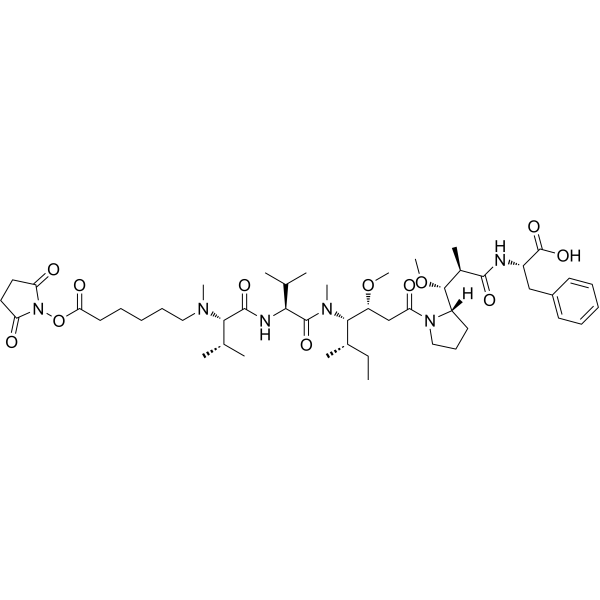
- HY-N7153
-
|
|
Others
|
Cancer
|
|
10-Hydroxycanthin-6-one is an antileukemic canthin-6-one alkaloid from Brucea antidysenterica. Antitumor agent .
|
-
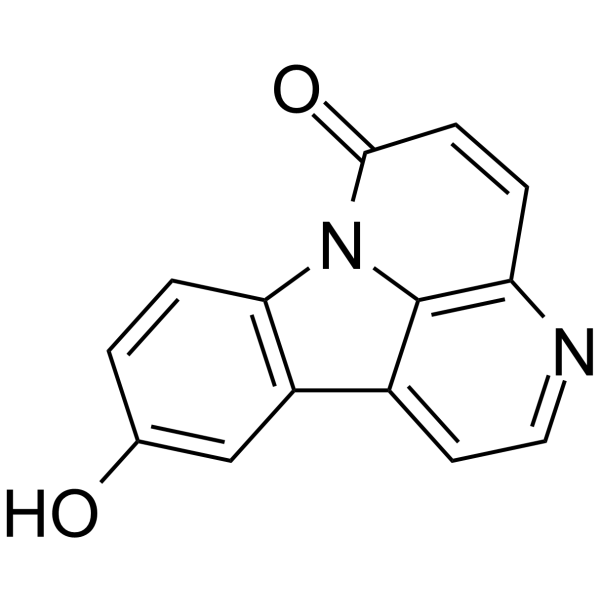
- HY-N13877
-
|
|
Antibiotic
Bacterial
|
Infection
Cancer
|
|
Arugomycin, an anthracycline natural product, is antibiotic against Gram-positive bacteria. Arugomycin has potential as an antitumor agent from its ability to intercalate DNA .
|
-

- HY-155313
-
|
|
Drug-Linker Conjugates for ADC
|
Cancer
|
|
β-Glucuronide-NB-bis[N(Me)-methyl ester]-MMAE (compound 20) is auristatins-glucuronide conjugate. Antitumor agent-122 shows in vitro antiproliferative activities against β-glucuronidase pretreated and untreated cancer cells with an IC50 value of 5.7 nM - 9.7 nM. Antitumor agent-122 shows potent antitumor efficacy in HCT-116 xenograft mouse model without inducing side effects .
|
-
![β-Glucuronide-NB-bis[N(Me)-methyl ester]-MMAE](//file.medchemexpress.com/product_pic/hy-155313.gif)
- HY-W615797
-
|
|
Drug Derivative
|
Cancer
|
|
DL-Sarcolysine is an alkylating agent-based antitumor agent. DL-Sarcolysine shows significant inhibitory activity against solid tumors transplanted subcutaneously and in the abdominal cavity .
|
-

- HY-152088
-
-
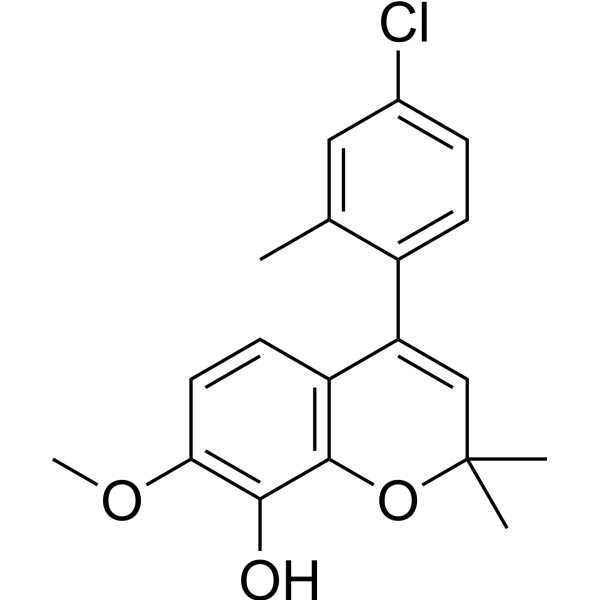
- HY-W777110
-
|
7-O-(Triethylsilyl)baccatin III
|
Drug Intermediate
|
Cancer
|
|
7-(Triethylsilyl)baccatin III (7-O-(Triethylsilyl)baccatin III) is intermediate for preparation of the antitumor agent Paclitaxel (HY-B0015) .
|
-

- HY-105969
-
|
NSC-29630; 3',5'-Dichloromethotrexate
|
Drug Derivative
|
Cancer
|
|
Dichloromethotrexate (NSC-29630), an orally active antitumor agent, shows antitumor effect against L1210 leukemia and C3H lymphosarcoma in mice .
|
-

- HY-N8394
-
|
|
Others
|
Cancer
|
|
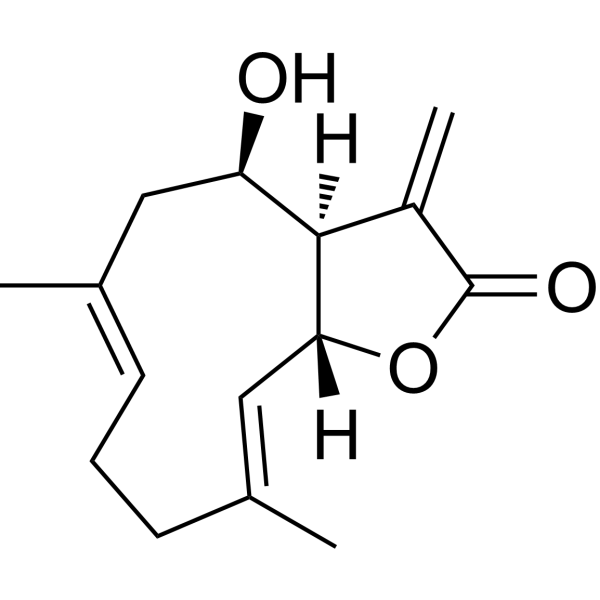
Eupatolide is an antitumor agent that can be isolated from Eupatorium formosanum. Eupatolide has cytotoxic activity and inhibits human epidermoid carcinoma of larynx cell growth in vitro .
|
-
- HY-124916R
-
|
|
Reference Standards
Others
|
Cancer
|
Lycopsamine (Standard) is the analytical standard of Lycopsamine. This product is intended for research and analytical applications. Lycopsamine, a pyrrolizidine alkaloid, is a potential antitumor agent isolated from Eupatorium maculatum L. .
|
-

- HY-N9470
-
|
|
Others
|
Inflammation/Immunology
Cancer
|
|
λ-Carrageenan is a seaweed polysaccharide which has been generally used as proinflammatory agent in the basic research. λ-Carrageenan is a potent antitumor agent .
|
-

- HY-144744
-
|
|
NF-κB
|
Cancer
|
|
NF-κB-IN-3 (Compound 2) is a NF-κB inhibitor with an IC50 of 0.70 µM. NF-κB-IN-3 can be used as an antitumor agent .
|
-
- HY-P2045
-
|
|
Arp2/3 Complex
|
Cancer
|
|
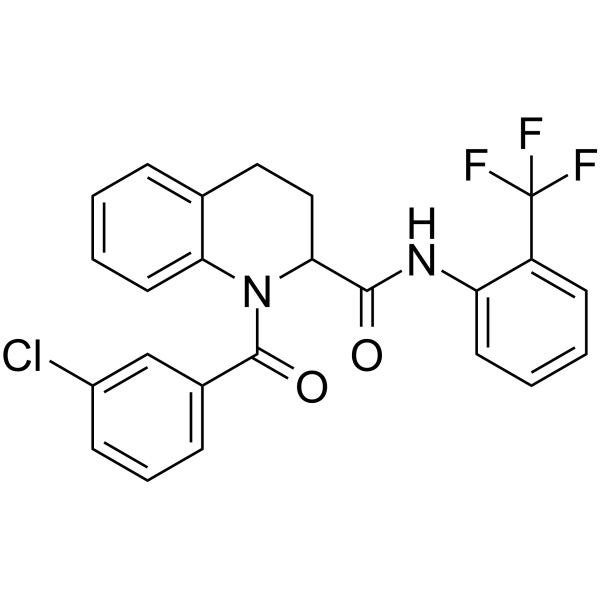
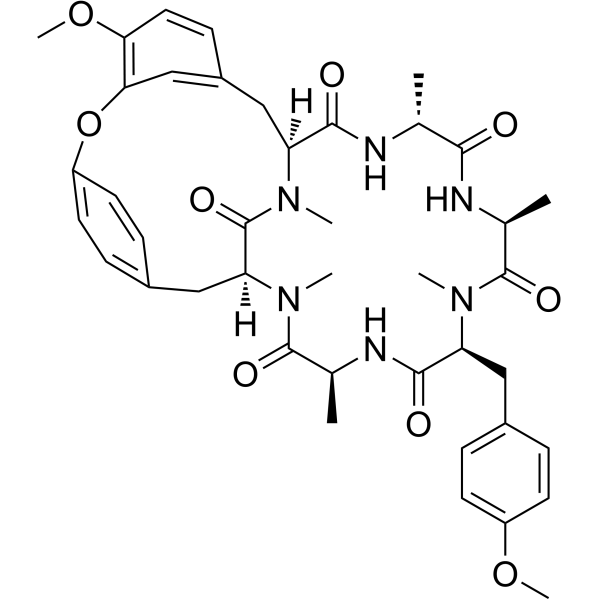
RA-VII is an antitumor agent that exhibits significant activity against L1210, B-16 melanoma, Lewis lung carcinoma, Colon 38 and Ehrlich carcinoma .
|
-
- HY-15406
-
-

- HY-N10670
-
|
Methylpluviatolide
|
Apoptosis
|
Cancer
|
|
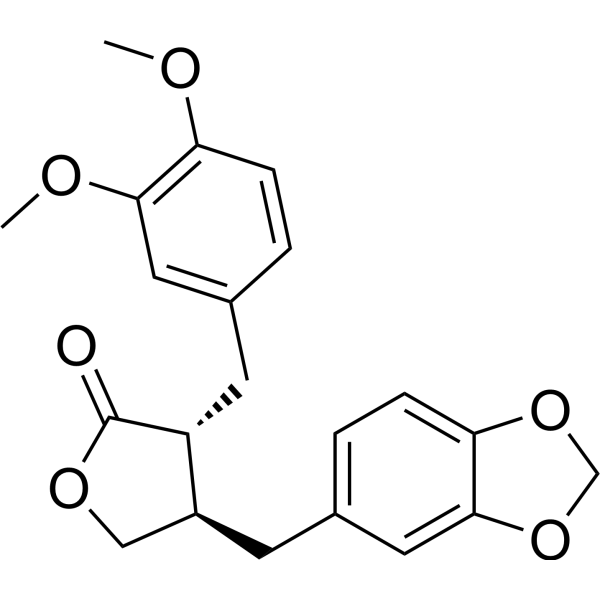
Bursehernin (Methylpluviatolide) is an antitumor agent. Bursehernin induces Apoptosis and cell cycle arrest at G2/M phase. Bursehernin shows anti-proliferative activity .
|
-
- HY-177117
-
|
|
MALT1
|
Infection
Neurological Disease
Cancer
|
|
Ocipumaltib (Example 2) is an inhibitor of mucosa associated lymphoid tissue protein 1 (MALT1). Ocipumaltib is an antitumor agent. Ocipumaltib can be studied in research for cancer, infection, neurological and hematological diseases .
|
-

- HY-100875A
-
|
CL-216942 dihydrochloride
|
Topoisomerase
|
Cancer
|
|
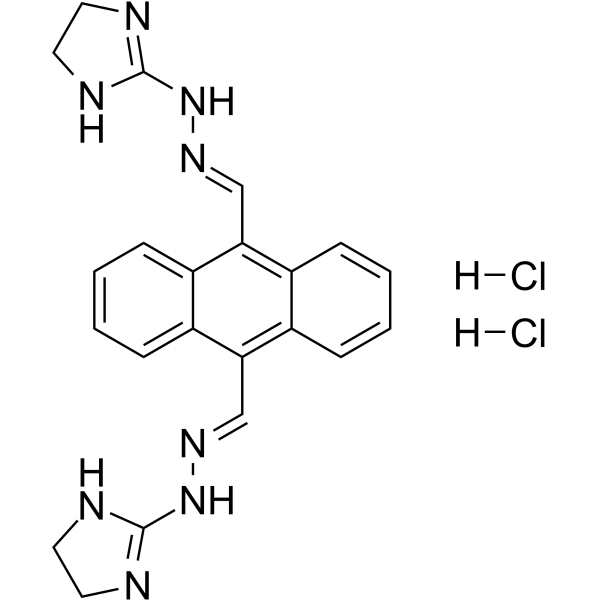
Bisantrene dihydrochloride is a highly effective antitumor agent, it exerts its cytotoxicity by affecting DNA intercalation. Bisantrene dihydrochloride targets eukaryotic type II topoisomerases. Bisantrene dihydrochloride is a substrate of MDR1 .
|
-
- HY-130332
-
|
|
Macrophage migration inhibitory factor (MIF)
|
Cancer
|
|
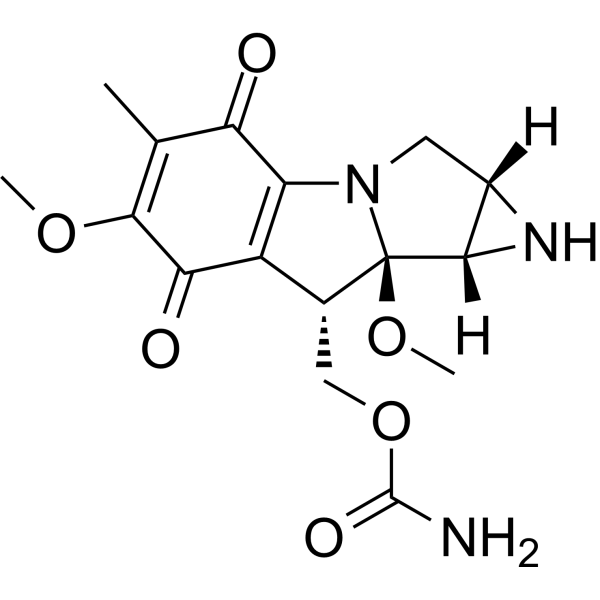
Mitomycin A is an antitumor agent. Mitomycin A inhibits the spontaneous migration of mouse monocytes. Mitomycin A inhibits the production of MIF (Migration Inhibition Factor) by human lymphocytes. Mitomycin A can be used in the research of tumor diseases .
|
-
- HY-100875
-
|
CL216942
|
Topoisomerase
|
Cancer
|
|
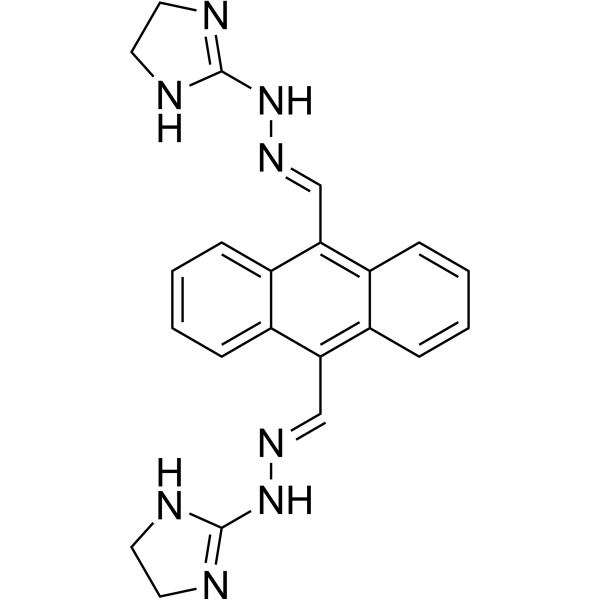
Bisantrene is a highly effective antitumor agent, it exerts its cytotoxicity by affecting DNA intercalation. Bisantrene targets eukaryotic type II topoisomerases. Bisantrene is a substrate of MDR1 .
|
-
- HY-105130
-
|
|
DNA/RNA Synthesis
|
Cancer
|
|
Menogaril is a potent and orally active anthracycline antitumor agent. Menogaril is ready penetration into cancer cells can cleave double-stranded DNA. Menogaril can be used for the research of cancer, such as malignant lymphoma .
|
-

- HY-133207
-
|
|
Microtubule/Tubulin
|
Cancer
|
|
Myoseverin B is a microtubule assembly inhibitor capable of inhibiting the polymerization of tubulin (IC50 = 2 μM) and exhibiting low cytotoxicity in most cell types. Myoseverin B can be used in research as an antitumor agent .
|
-

- HY-116786
-
|
|
Drug Derivative
|
Cancer
|
|
11-Hydroxycanthin-6-one, a canthin-6-one (HY-N3536) alkaloid, is an antitumor agent which shows potent cytotoxic activity .
|
-
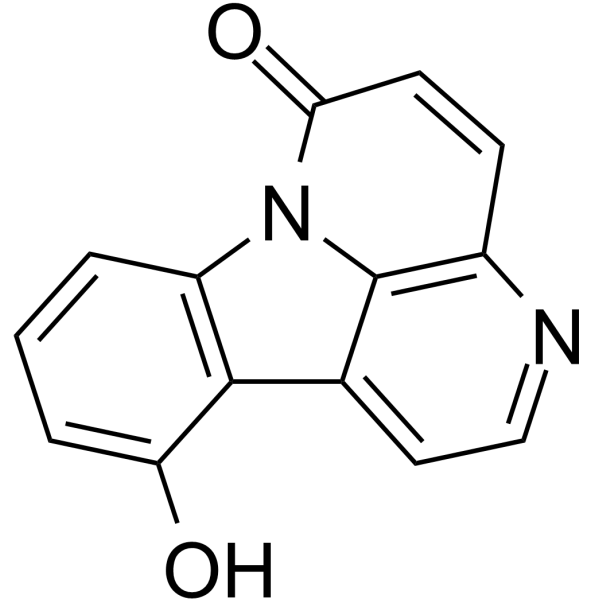
- HY-156747
-
|
|
Molecular Glues
DNA/RNA Synthesis
|
Cancer
|
|
GSPT1 degrader-2 (Compound 210) is a potent and orally active GSPT1 molecular glue degrader (DC50: < 30 nM). GSPT1 degrader-2 is an antitumor agent .
|
-
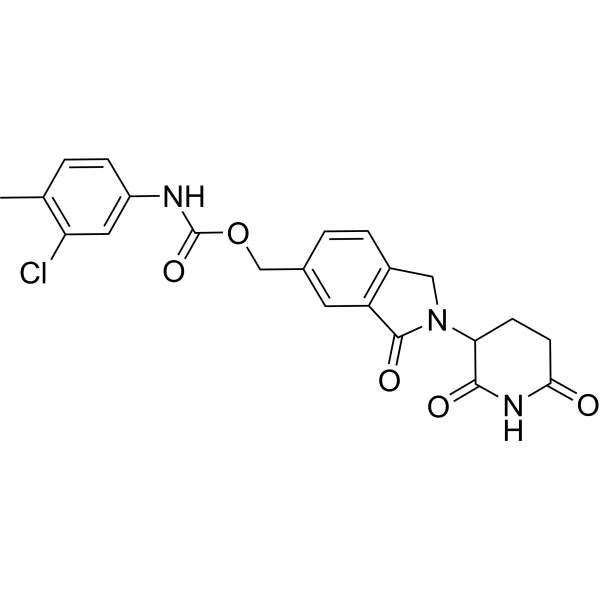
- HY-N1373
-
|
|
Apoptosis
|
Cancer
|
|
Sophoridine is a quinolizidine alkaloid isolated from Leguminous plant Sophora flavescens. Sophoridine induces apoptosis. Sophoridine has the potential to be a novel, potent and selective antitumor agent candidate for pancreatic cancer with well-tolerated toxicity .
|
-
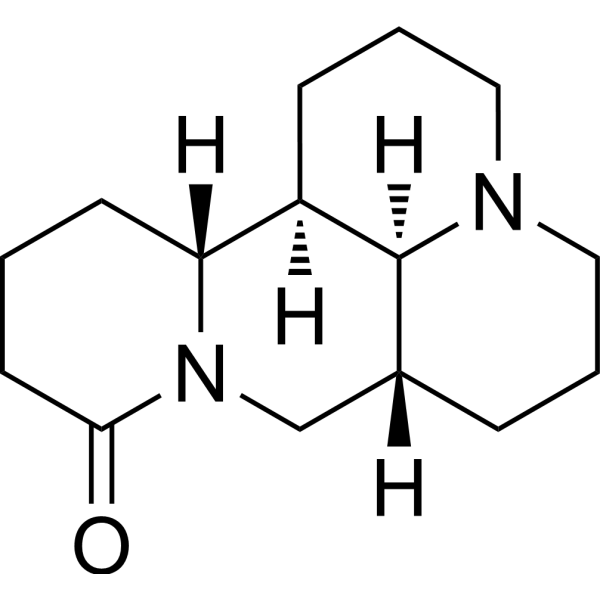
- HY-162092
-
|
|
NF-κB
IKK
|
Cancer
|
|
Multi-target Pt (IV), an antitumor agent, suppresses the IKKβ phosphorylation, IκBα phosphorylation and NF-κB p65 phosphorylation and nuclear translocation, leading to blocked the NF-kB signal pathway .
|
-
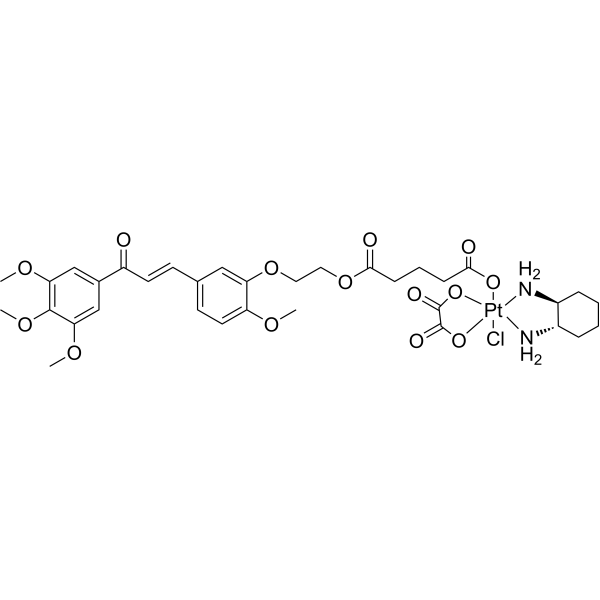
- HY-N15579
-
|
|
Phytohormone
|
Cancer
|
|
Fujenal is a kaurene-type diterpenoid found in Gibberella fujikuroi. Fujenal shows moderate inhibition against HeLa tumor cells and acts as a gibberellin biosynthesis inhibitor. Fujenal is promising for research of plant growth regulators and antitumor agents .
|
-

- HY-121785
-
|
|
Bacterial
|
Infection
Cancer
|
|
10-Thiofolic acid is a potent antibacterial and antitumor agent. 10-Thiofolic acid inhibits the growth of Streptococcus faecium (ATCC 8043) and Lactobacillus casei (ATCC 7469). 10-Thiofolic acid has the potential for the research of leukemia .
|
-

- HY-118942
-
|
ARC 111
|
Topoisomerase
|
Cancer
|
|
Topovale (ARC 111) is a topoisomerase I inhbitor. Topovale is an antitumor agent, and shows low nM cytotoxicity against a panel of cancer cells. Topovale induces reversible topoisomerase I (TOP1) cleavage complexes in tumor cells .
|
-

- HY-15579A
-
|
Monomethylauristatin F hydrochloride
|
Microtubule/Tubulin
ADC Payload
|
Cancer
|
|
MMAF (Monomethylauristatin F) hydrochloride is a potent tubulin polymerization inhibitor and is used as a antitumor agent. MMAF hydrochloride is widely used as a cytotoxic component of antibody-drug conjugates (ADCs) such as Vorsetuzumab mafodotin and SGN-CD19A .
|
-
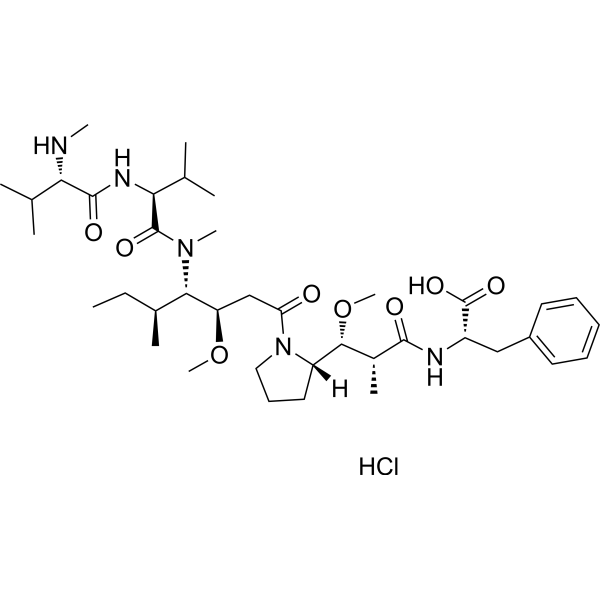
- HY-B2085
-
|
Arsthinol; Balarsen
|
Drug Intermediate
|
Cancer
|
|
Arsthinenol is an orally active antitumor agent, that exhibits cytotoxicity in U87MG cells with an IC50 of 31.6 μM. Arsthinenol forms complex with cyclodextrin, inhibits the tumor growth and improves the survival rates of U87MG xenograft mice .
|
-

- HY-119228
-
-

- HY-106401
-
|
NSC 338720
|
Drug Derivative
|
Cancer
|
|
Penclomedine (NSC 338720), a synthetic alpha-picoline derivative, is an orally active antitumor agent. Penclomedine has a strong inhibitory effect on breast cancer cells, such as CD8F1 and MX-1 cells .
|
-

- HY-101160
-
|
DRG16
|
DNA Alkylator/Crosslinker
ADC Payload
|
Cancer
|
|
SG2057 (DRG16) is a PBD dimer containing a pentyldioxy linkage which binds sequence selectively in the minor groove of DNA forming DNA interstrand and intrastrand cross-linked adducts. SG2057 is a highly active antitumor agent .
|
-
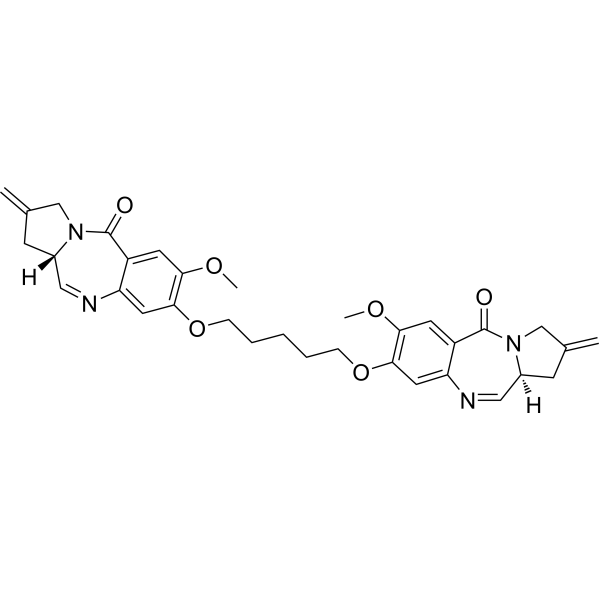
- HY-14526
-
|
543U76; 5,11-Methenyltetrahydrohomofolate
|
DNA/RNA Synthesis
|
Cancer
|
|
5-DACTHF (543U76) is an inhibitor of purine de novo biosynthesis. 5-DACTHF is a GAR-TFase and AICAR-TFase inhibitor (IC50: 3 and 94 μM). 5-DACTHF is a potent antitumor agent .
|
-
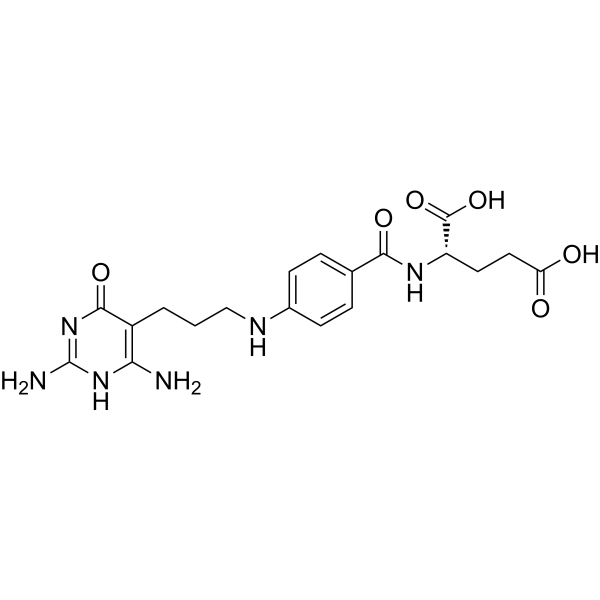
- HY-W679796
-
|
4-Phenylbutyl isothiocyanate
|
Drug Derivative
|
Cancer
|
|
PBITC (4-Phenylbutyl isothiocyanate) is an orally active antitumor agent, and inhibits NNK (HY-126477) induced lung tumors in mice. PBITC is a thio-analog of the apoptosis inducer ISC-4 (HY-118375) .
|
-

- HY-15579B
-
|
Monomethylauristatin F sodium
|
Microtubule/Tubulin
ADC Payload
|
Cancer
|
|
MMAF sodium (Monomethylauristatin F sodium) is a potent tubulin polymerization inhibitor and is used as a antitumor agent. MMAF sodium (Monomethylauristatin F sodium) is widely used as a cytotoxic component of antibody-drug conjugates (ADCs) such as Vorsetuzumab mafodotin and SGN-CD19A .
|
-
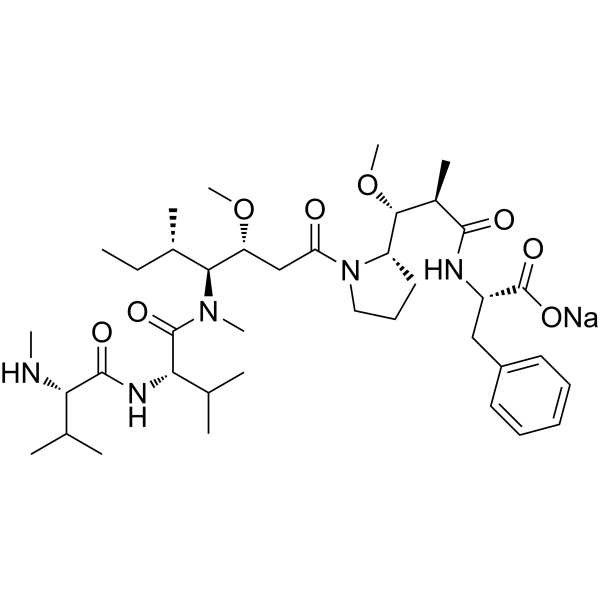
- HY-23120
-
|
|
Antibiotic
Virus Protease
|
Infection
Cancer
|
|
1-Hydroxyguanidine sulfate is an antitumor agent that inhibits mast cell P815, leukaemia P388, leukaemia L1210 and carcinosarcoma Walker 256 cells growth. 1-Hydroxyguanidine sulfate also has antiviral activity .
|
-

- HY-105314
-
|
|
Others
|
Cancer
|
|
LY-33169 is an antitumor agent. LY-33169 had selective cytotoxicity against Colon Adenocarcinoma-38, Human Colon-116, Human Prostate LNCaP, and Human Breast WSU-Br-1 cells .
|
-

- HY-129441
-
|
BW 197U
|
Histone Methyltransferase
Antifolate
|
Neurological Disease
Cancer
|
|
Metoprine (BW 197U) is a potent histamine N-methyltransferase (HMT) inhibitor. Metoprine, a diaminopyrimidine derivative, can cross the blood-brain barrier and increase brain histamine levels by inhibiting HMT . Metoprine is an antifolate and antitumor agent .
|
-
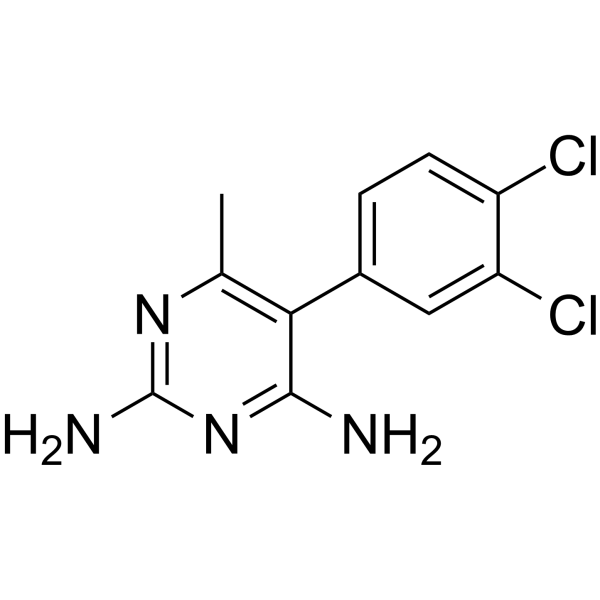
- HY-15579
-
|
Monomethylauristatin F
|
Microtubule/Tubulin
ADC Payload
|
Cancer
|
|
MMAF (Monomethylauristatin F) is a potent tubulin polymerization inhibitor and is used as a antitumor agent. MMAF (Monomethylauristatin F) is widely used as a cytotoxic component of antibody-drug conjugates (ADCs) such as vorsetuzumab mafodotin and SGN-CD19A .
|
-
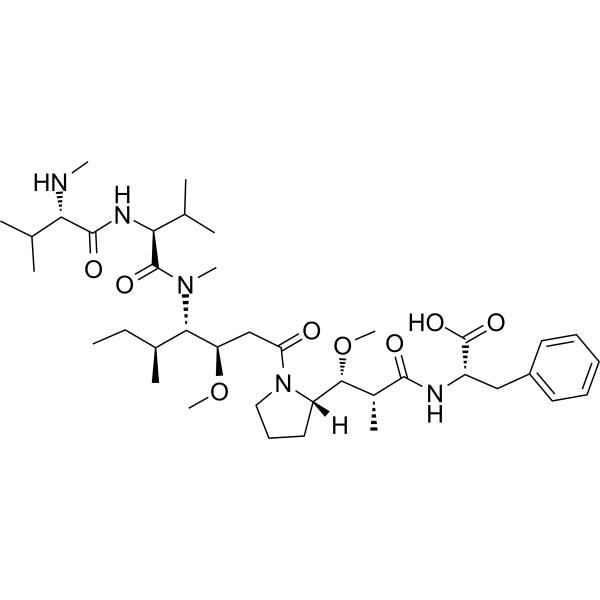
- HY-19590
-
|
Ro 15-1570
|
Drug Derivative
|
Cancer
|
|
Etarotene (Ro 15-1570) is a derivative of Arotinoid (HY-106735). Etarotene is an orally active antitumor agent against DMBA (HY-W011845)-induced mammary tumor and causes toxic symptoms of hypervitaminosis A in rat model .
|
-

- HY-P990715
-
|
INBRX-109
|
TNF Receptor
|
Cancer
|
|
Ozekibart (INBRX-109) is a DR5 agonist and antitumor agent with a human DR5 IC50 of 0.17 nmol/L and human DR5 Ka of 0.11 nmol/L. Ozekibart can be used for the research of unresectable/metastatic chondrosarcoma .
|
-

- HY-N0035
-
-
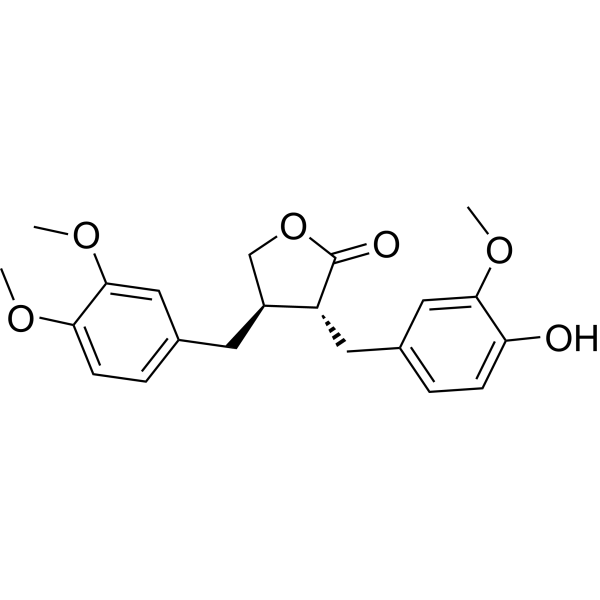
- HY-W029411
-
|
|
Drug Derivative
|
Cancer
|
|
4-(Benzo[d]oxazol-2-yl)aniline is a potent antitumor agent. 4-(Benzo[d]oxazol-2-yl)aniline has inhibitory activity against mammary carcinoma cell lines .
|
-
![4-(Benzo[d]oxazol-2-yl)aniline](//file.medchemexpress.com/product_pic/hy-w029411.gif)
- HY-13563
-
|
T138067
|
Microtubule/Tubulin
Apoptosis
|
Cancer
|
|
Batabulin (T138067) is an antitumor agent, which binds covalently and selectively to a subset of the β-tubulin isotypes, thereby disrupting microtubule polymerization. Batabulin affects cell morphology and leads to cell-cycle arrest ultimately induces apoptotic cell death .
|
-
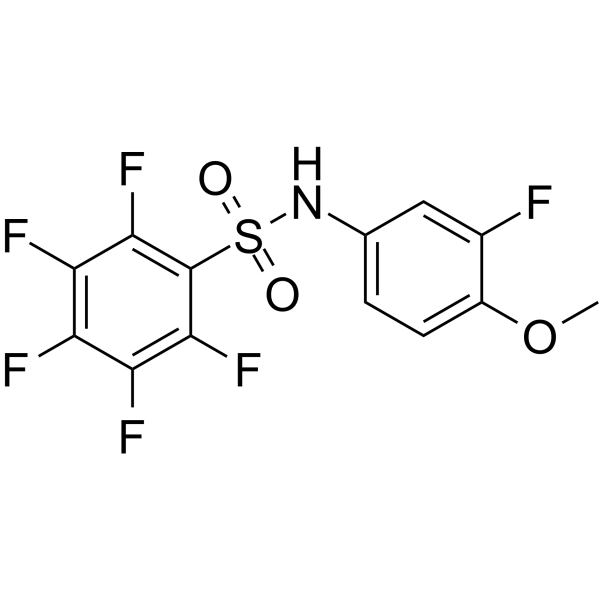
- HY-105510
-
|
|
Topoisomerase
DNA/RNA Synthesis
|
Cancer
|
|
Hydroxyrubicin is an antitumor agent. Hydroxyrubicin can induce topoisomerase II-mediated DNA cleavage. Hydroxyrubicin induces DNA unwinding. Hydroxyrubicin has a significant inhibitory effect on tumor cells. Hydroxyrubicin can be used for the study of Multidrug-resistant (MDR) leukemia .
|
-

- HY-N10950
-
|
|
Dopamine Receptor
|
Cancer
|
|
Vanicoside E is an antioxidant and antitumor agent. Vanicoside E inhibits L-Tyrosine (HY-N0473) and L-DOPA (HY-N0304) with IC50s of 45.23 μM and 189.96 μM, respectively .
|
-
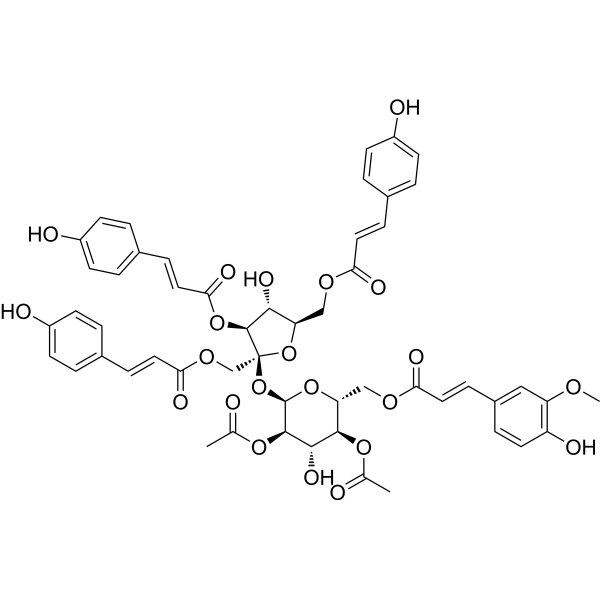
- HY-13563A
-
|
T138067 sodium
|
Microtubule/Tubulin
Apoptosis
|
Cancer
|
|
Batabulin sodium (T138067 sodium) is an antitumor agent, which binds covalently and selectively to a subset of the β-tubulin isotypes, thereby disrupting microtubule polymerization. Batabulin sodium affects cell morphology and leads to cell-cycle arrest ultimately induces apoptotic cell death .
|
-
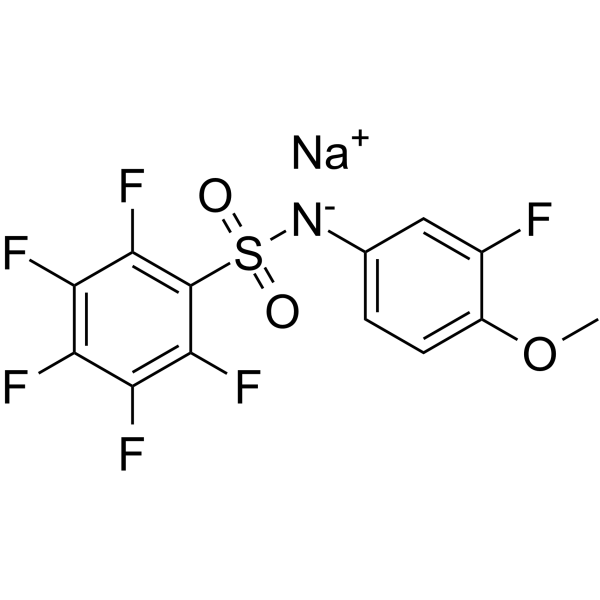
- HY-W765881
-
|
|
Isotope-Labeled Compounds
Drug Intermediate
|
Cancer
|
|
Capecitabine 2',3'-diacetate-d11 is the deuterium labeled Capecitabine 2',3'-diacetate (HY-W099488). Capecitabine 2',3'-diacetate (Compound 10b) is the prodrug for the antitumor agent Capecitabine (HY-B0016) .
|
-

- HY-119182
-
|
NSC 300288
|
DNA/RNA Synthesis
|
Cancer
|
|
Mitonafide (NSC 300288) is a cytostatic agent. Mitonafide binds to double-stranded DNA through intercalation, and inhibits DNA and RNA synthesis. Mitonafide is an antitumor agent that can be used in the research of cancers, such as non-small cell lung cancer (NSCLC), leukemia .
|
-
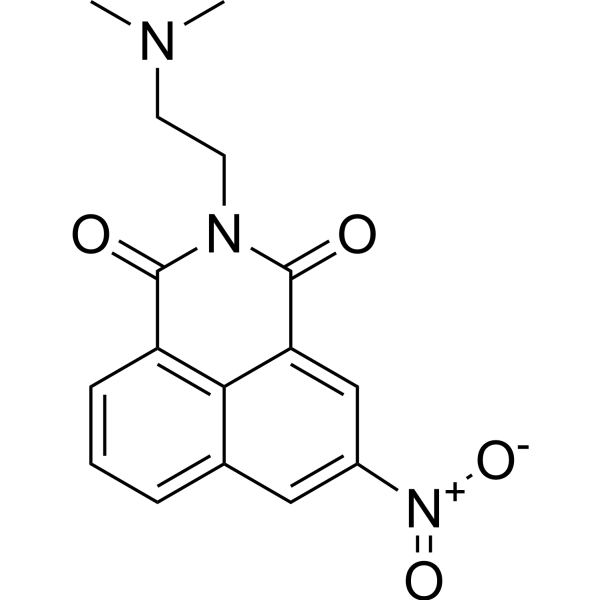
- HY-181120
-
|
|
Bacterial
|
Infection
Cancer
|
|
Antibacterial agent 319 is an antibacterial and antitumor agent. Antibacterial agent 319 exhibits activity against E. coli and S. aureus. Antibacterial agent 319 also inhibits the growth of melanoma cells. Antibacterial agent 319 can be used in research on tumor bacterial infections such as melanoma .
|
-

- HY-18619
-
YL-109
2 Publications Verification
|
Aryl Hydrocarbon Receptor
|
Cancer
|
|
YL-109 is an antitumor agent that can induce carboxyl terminus of Hsp70-interacting protein (CHIP) expression through aryl hydrocarbon receptor (AhR) signaling. YL-109 has ability to inhibit breast cancer cell growth and invasiveness .
|
-
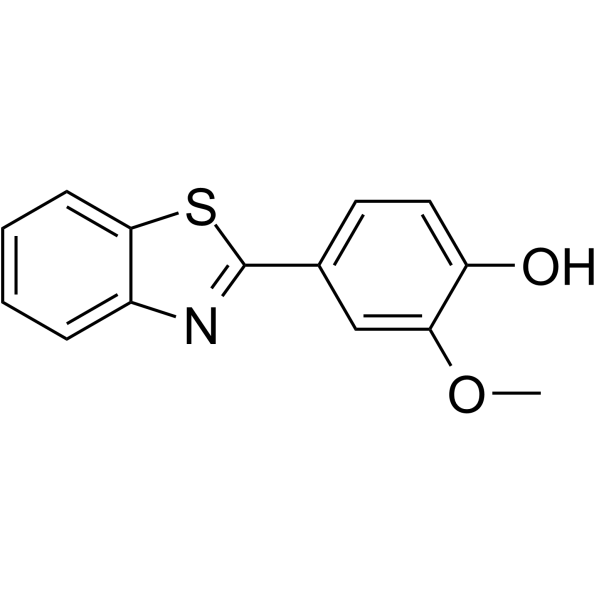
- HY-U00279
-
|
|
DNA/RNA Synthesis
|
Cancer
|
|
Nitracrine inhibits RNA synthesis and covalently, reversibly binds to DNA but also forms covalent adducts with DNA in vivo. Nitracrine, a 1-nitroacridine derivative, is a potent hypoxia-selective agent in vitro and antitumor agent. Nitracrine has cytotoxicity towards most cells .
|
-
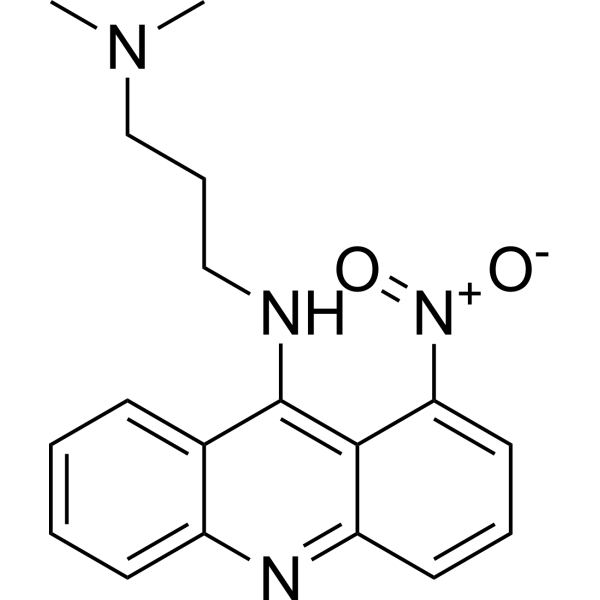
- HY-100875R
-
|
CL216942 (Standard)
|
Reference Standards
Topoisomerase
|
Cancer
|
|
Bisantrene (Standard) is the analytical standard of Bisantrene. This product is intended for research and analytical applications. Bisantrene is a highly effective antitumor agent, it exerts its cytotoxicity by affecting DNA intercalation. Bisantrene targets eukaryotic type II topoisomerases. Bisantrene is a substrate of MDR1 .
|
-

- HY-U00279A
-
|
|
DNA/RNA Synthesis
|
Cancer
|
|
Nitracrine dihydrochloride hydrate inhibits RNA synthesis and covalently, reversibly binds to DNA but also forms covalent adducts with DNA in vivo. Nitracrine dihydrochloride hydrate, a 1-nitroacridine derivative, is a potent hypoxia-selective agent in vitro and antitumor agent. Nitracrine dihydrochloride hydrate has cytotoxicity towards most cells .
|
-
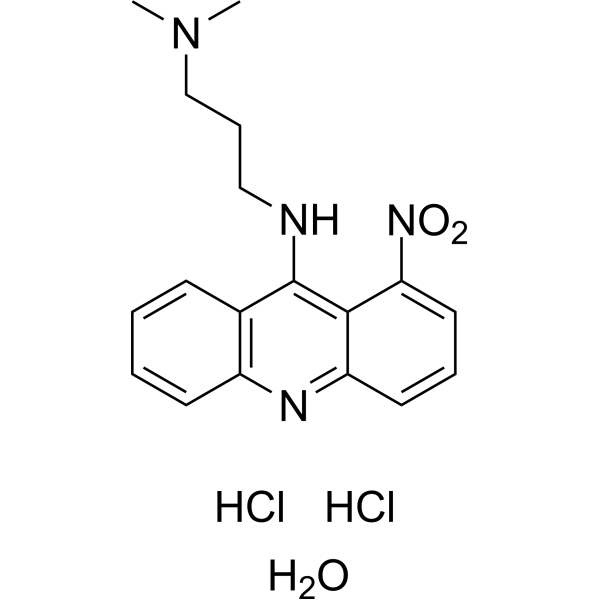
- HY-W139907
-
|
|
Parasite
Drug Intermediate
|
Infection
|
|
1,2-Dimethylbenzimidazole is a benzimidazole derivative. 1,2-Dimethylbenzimidazole exhibits antiparasitic activity with an IC50 of 0.089 μM against G. duodenalis. 1,2-Dimethylbenzimidazole can also be used in the synthesis of other bioactive compounds, such as antitumor agents .
|
-

- HY-W010282
-
|
|
Drug Derivative
|
Cancer
|
|
1,2-Dimethylindole is an indole derivative. 1,2-Dimethylindole involves cytochrome P450-mediated oxidative reactions (e.g., hydroxylation, oxidative demethylation). 1,2-Dimethylindole is promising for research of antitumor agents and enzyme inhibitors .
|
-

- HY-163704
-
|
|
IFNAR
Interleukin Related
|
Inflammation/Immunology
Cancer
|
|
KRN7000 analog 1 exhibits good Th1-biased immune response through induction of interferon-γ (IFN-γ) and reduction of interleukin-4 (IL-4). KRN7000 analog 1 is potential as an antitumor agent and vaccine adjuvant .
|
-

- HY-N1373A
-
|
(+)-Sophoridine
|
Apoptosis
|
Cancer
|
|
d-Sophoridine ((+)-Sophoridine) is the dextro isoform of Sophoridine (HY-N1373), which is a quinolizidine alkaloid isolated from Leguminous plant Sophora flavescens. Sophoridine induces apoptosis. Sophoridine has the potential to be a novel, potent and selective antitumor agent candidate for pancreatic cancer with well-tolerated toxicity .
|
-
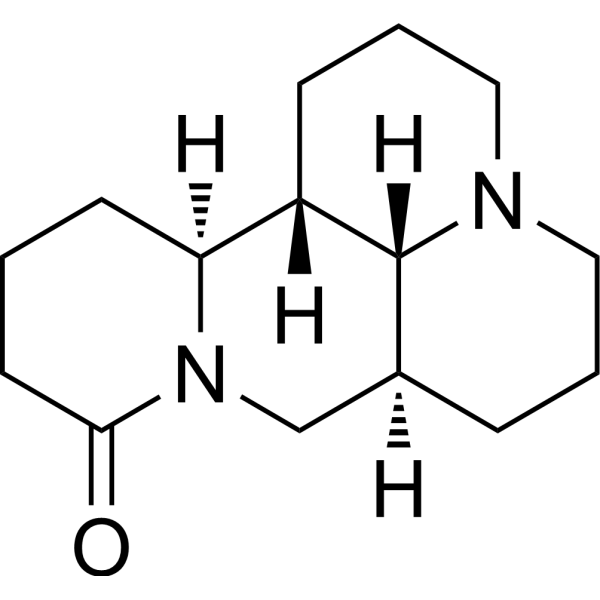
- HY-N1373R
-
|
|
Reference Standards
Apoptosis
|
Cancer
|
|
Sophoridine (Standard) is the analytical standard of Sophoridine. This product is intended for research and analytical applications. Sophoridine is a quinolizidine alkaloid isolated from Leguminous plant Sophora flavescens. Sophoridine induces apoptosis. Sophoridine has the potential to be a novel, potent and selective antitumor agent candidate for pancreatic cancer with well-tolerated toxicity .
|
-

- HY-118474
-
|
NSC 721648
|
Aryl Hydrocarbon Receptor
Cytochrome P450
|
Cancer
|
|
GW 610 (NSC 721648), an antitumor agent, is a potent AhR ligand with a Ki of 6.8 nM. GW 610 induces CYP1A1 expression in MCF-7 cells. GW 610 shows potent and selective anticancer activity against lung, colon, and breast cancer cell lines .
|
-
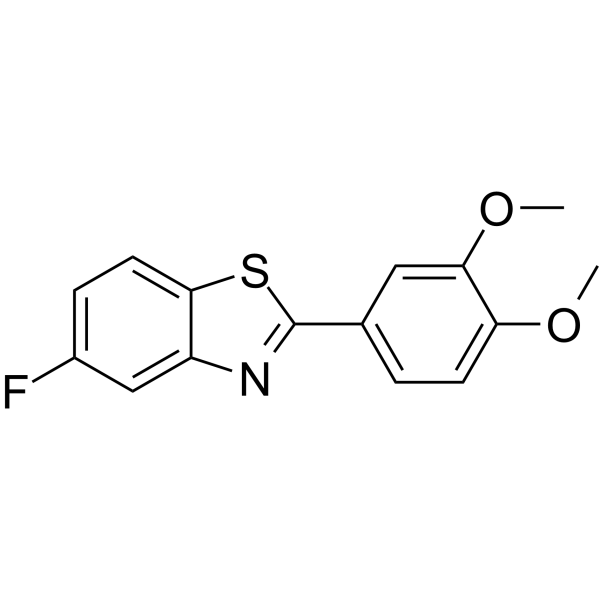
- HY-100875AR
-
|
CL-216942 dihydrochloride (Standard)
|
Topoisomerase
Reference Standards
|
Cancer
|
|
Bisantrene (dihydrochloride) (Standard) is the analytical standard of Bisantrene (dihydrochloride) (HY-100875A). This product is intended for research and analytical applications. Bisantrene dihydrochloride is a highly effective antitumor agent, it exerts its cytotoxicity by affecting DNA intercalation. Bisantrene dihydrochloride targets eukaryotic type II topoisomerases. Bisantrene dihydrochloride is a substrate of MDR1 .
|
-

- HY-N1691
-
|
3-Epilycoclavanol
|
Others
|
Cancer
|
|
3-Epilycoclavanol (3-Epilycoclavanol) is a triterpenoid antitumor agent that can be extracted from the dried whole plant of Lycopodium japonicum (a plant of the Lycopodium genus in the Lycopodiaceae family). 3-Epilycoclavanol inhibits human tumor A549 and K562 cell lines at concentrations of 10-100 μg/mL .
|
-

- HY-144793
-
|
|
Microtubule/Tubulin
|
Cancer
|
|
Deac-SS-Biotin is a potent antitumor agent with improved tumor targeting effects and reduced off-target toxicities. Deac-SS-Biotin uptakes into the cells through biotin-mediated internalization. Deac-SS-Biotin combined with DTT (Glutathione mimetic) can effectively inhibit microtubule assembly and displays greater antitumor activity .
|
-
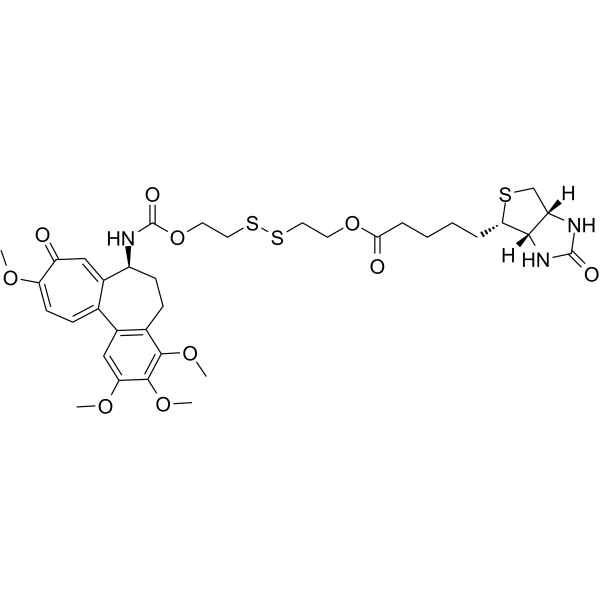
- HY-15579BG
-
|
Monomethylauristatin F sodium
|
Microtubule/Tubulin
ADC Payload
|
Cancer
|
|
MMAF sodium GMP is a GMP grade MMAF (sodium) (HY-15579B). MMAF sodium (Monomethylauristatin F sodium) is a potent tubulin polymerization inhibitor and is used as a antitumor agent. MMAF sodium (Monomethylauristatin F sodium) is widely used as a cytotoxic component of antibody-drug conjugates (ADCs) such as Vorsetuzumab mafodotin and SGN-CD19A .
|
-
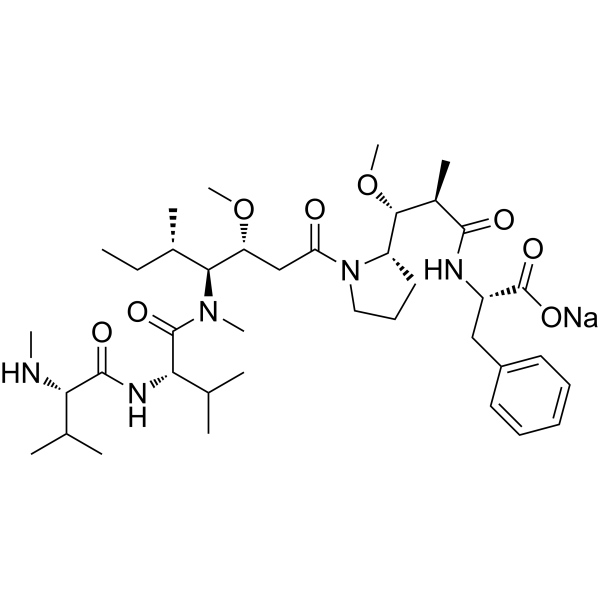
- HY-N10539
-
|
|
Others
|
Cancer
|
|
Shishijimicin C is a novel antitumor agent found from the Ascidian Didemnum proliferum. Shishijimicin C shows anti-tumor activity with highly potent cytotoxicities . Shishijimicin C is a click chemistry reagent, it contains an Alkyne group and can undergo copper-catalyzed azide-alkyne cycloaddition (CuAAc) with molecules containing Azide groups.
|
-
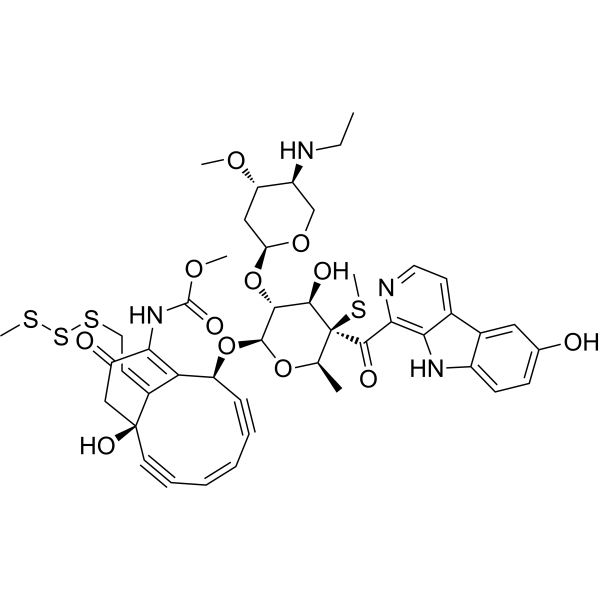
- HY-129441R
-
|
BW 197U (Standard)
|
Histone Methyltransferase
Antifolate
Reference Standards
|
Neurological Disease
Cancer
|
|
Metoprine (Standard) is the analytical standard of Metoprine. This product is intended for research and analytical applications. Metoprine (BW 197U) is a potent histamine N-methyltransferase (HMT) inhibitor. Metoprine, a diaminopyrimidine derivative, can cross the blood-brain barrier and increase brain histamine levels by inhibiting HMT . Metoprine is an antifolate and antitumor agent .
|
-

- HY-90006
-
5-Fluorouracil
Maximum Cited Publications
313 Publications Verification
5-FU
|
Exosomes
Nucleoside Antimetabolite/Analog
HIV
Apoptosis
Endogenous Metabolite
|
Cancer
|
|
5-Fluorouracil (5-FU) is an analogue of uracil and a potent antitumor agent. 5-Fluorouracil affects pyrimidine synthesis by inhibiting thymidylate synthetase thus depleting intracellular dTTP pools. 5-Fluorouracil induces apoptosis and can be used as a chemical sensitizer . 5-Fluorouracil also inhibits HIV .
|
-
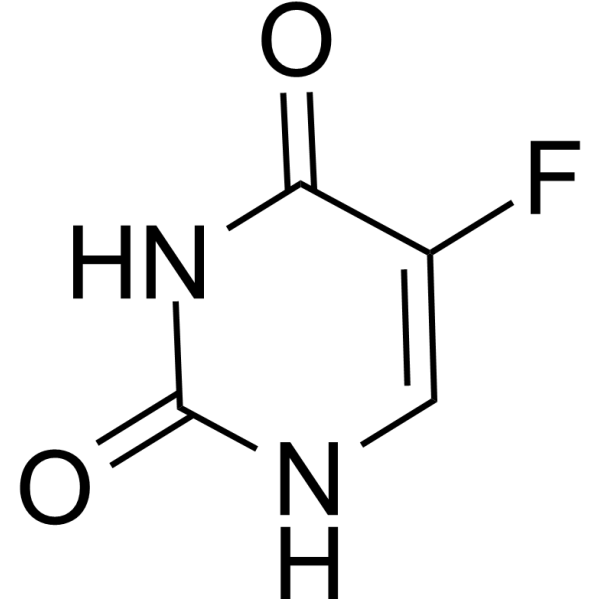
- HY-N0035R
-
-

- HY-P9968
-
|
h-R3
|
EGFR
|
Cancer
|
|
Nimotuzumab is a humanized IgG1 monoclonal antibody targeting EGFR with a KD of 0.21 nM. Nimotuzumab is directed against the extracellular domain of the EGFR blocking the binding to its ligands. Nimotuzumab, a strong antitumor agent, is cytolytic on target tumors by its capacity to cause antibody dependent cell mediated cytotoxicity (ADCC) and complement dependent cytotoxicity (CDC) .
|
-

- HY-119182R
-
|
NSC 300288 (Standard)
|
DNA/RNA Synthesis
Reference Standards
|
Cancer
|
|
Mitonafide (Standard) is the analytical standard of Mitonafide. This product is intended for research and analytical applications. Mitonafide (NSC 300288) is a cytostatic agent. Mitonafide binds to double-stranded DNA through intercalation, and inhibits DNA and RNA synthesis. Mitonafide is an antitumor agent that can be used in the research of cancers, such as non-small cell lung cancer (NSCLC), leukemia .
|
-

- HY-10517A
-
|
(Z)-SU6668; (Z)-TSU-68
|
VEGFR
PDGFR
FGFR
|
Cancer
|
|
(Z)-Orantinib ((Z)-SU6668) is a potent, selective, orally active and ATP competitive inhibitor of Flk‐1/KDR, PDGFRβ, and FGFR1, with IC50s of 2.1, 0.008, and 1.2 µM, respectively. (Z)-Orantinib is a potent antiangiogenic and antitumor agent that induces regression of established tumors .
|
-
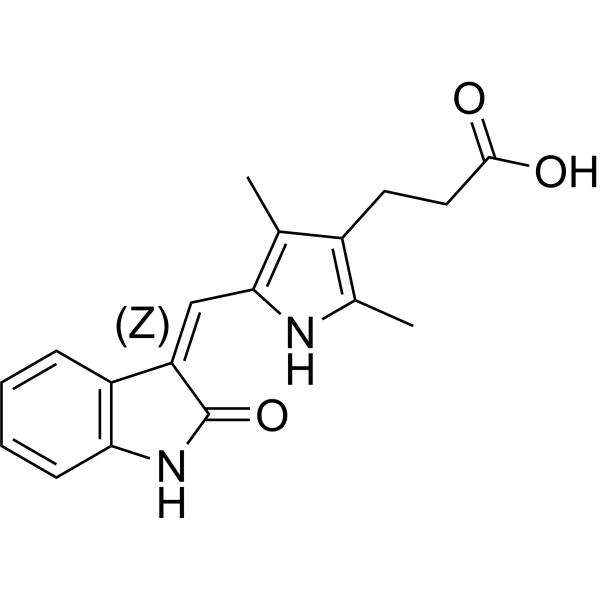
- HY-126835
-
|
|
Amino Acid Derivatives
|
Cancer
|
|
A 924 is an amino acid derivative-based, orally active antitumor agent. A 924 is effective in inhibiting ascites tumors in rat models by intraperitoneal injection or oral administration. The LD50 of A 924 in mice is >1.5 g/kg and >4.5 g/kg by intraperitoneal injection or oral administration, respectively. A 924 does not cause teratogenicity or adverse reactions in normal or pregnant mice .
|
-

- HY-183108
-
|
|
Thymidylate Synthase
|
Cancer
|
|
Anticancer agent 315 is an antitumor agent. Anticancer agent 315 binds to the active pocket of thymidylate synthase via forming strong hydrogen bonds with Lys487 and Ala498, stabilizing the arrangement of the ligand within the pocket. Anticancer agent 315 inhibits the proliferation of tumor cells. Anticancer agent 315 can be used for the research of liver cancer and breast cancer .
|
-

- HY-101160R
-
|
DRG16 (Standard)
|
DNA Alkylator/Crosslinker
Reference Standards
ADC Payload
|
Cancer
|
|
SG2057 (Standard) is the analytical standard of SG2057 (HY-101160). This product is intended for research and analytical applications. SG2057 (DRG16) is a PBD dimer containing a pentyldioxy linkage which binds sequence selectively in the minor groove of DNA forming DNA interstrand and intrastrand cross-linked adducts. SG2057 is a highly active antitumor agent .
|
-

- HY-P9968A
-
|
|
EGFR
|
Cancer
|
|
Nimotuzumab (powder) is a humanized IgG1 monoclonal antibody targeting EGFR with a KD value of 0.21 nM. Nimotuzumab (powder) is directed against the extracellular domain of the EGFR blocking the binding to its ligands. Nimotuzumab (powder), a strong antitumor agent, is cytolytic on target tumors by its capacity to cause antibody dependent cell mediated cytotoxicity (ADCC) and complement dependent cytotoxicity (CDC) .
|
-

- HY-117657
-
|
|
Topoisomerase
Bacterial
|
Inflammation/Immunology
Cancer
|
|
(-)-BO 2367, an antimicrobial quinolone, is a strong mammalian and bacterial topoisomerase II inhibitor. (-)-BO 2367 shows IC50 values with 3.8 μM, 0.5 μM, and 1 μM against the DNA relaxation activity of L1210 topoisomerase II and the supercoiling activities of Escherichia coli gyrase and Micrococcus luteus gyrase, respectively. (-)-BO 2367 is a potent antitumor agent .
|
-

- HY-111193
-
|
3-Chloroprocainamide
|
NF-κB
Apoptosis
|
Cancer
|
|
Declopramide (3-Chloroprocainamide) is an orally active antitumor agent, which inhibits proliferation of cancer cells HL60 and K562, and inhibits tumor growth of human brain astrocytoma (T24) in mouse model. Declopramide induces apoptosis, inhibits NF-κB through inhibition of IκBα degradation. Declopramide serves also as chemosensitizer in research .
|
-

- HY-146497
-
|
|
Topoisomerase
|
Cancer
|
|
Topoisomerase I inhibitor 7 (Compound 8) is a potent inhibitor of Topoisomerase I. Topoisomerase I inhibitor 7 significantly inhibits tumor growth (up to 79%) and increases the lifespan (153%) of mice bearing P388 lymphoma transplants. Topoisomerase I inhibitor 7 indicates prospects for further search of new antitumor agent candidates among the heteroarene-fused anthraquinones .
|
-
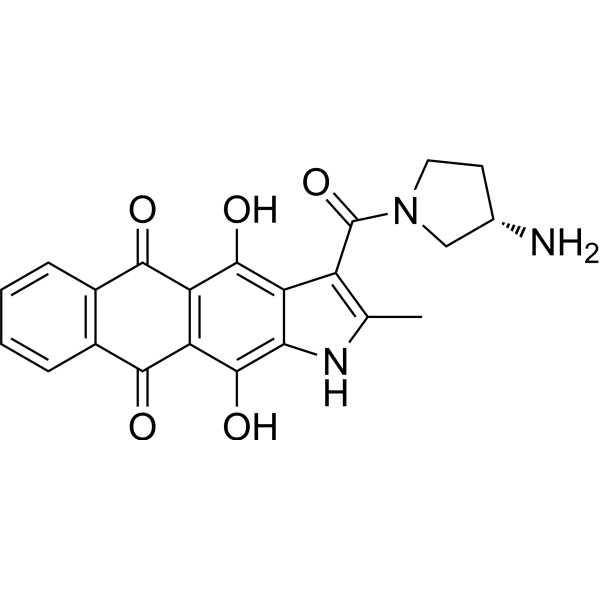
- HY-128753
-
|
|
Endogenous Metabolite
Drug Intermediate
|
Metabolic Disease
|
|
D-Lyxose is an endogenous metabolite. D-Lyxose is a rare pentose with significant potential for pharmaceutical synthesis. D-Lyxose serves as a starting material for antitumor agents (such as α-galactosylceramide-based immunostimulants). D-Lyxose acts as a precursor for L-nucleoside analogs used in the development of antiviral drugs. D-Lyxose can be used as a synthetic intermediate for other rare sugars (such as L-ribose) .
|
-
- HY-115924
-
|
|
CDK
|
Cancer
|
|
CDK1-IN-1 is a potent CDK1 inhibitor (CDK1/CycB IC50=161.2 nM) with potential antiproliferative activity and selectivity for cancer tissues. CDK1-IN-1 induces apoptosis in p53 dependent manner through the intrinsic apoptotic pathway. CDK1-IN-1 is a potential targeted antitumor agent .
|
-
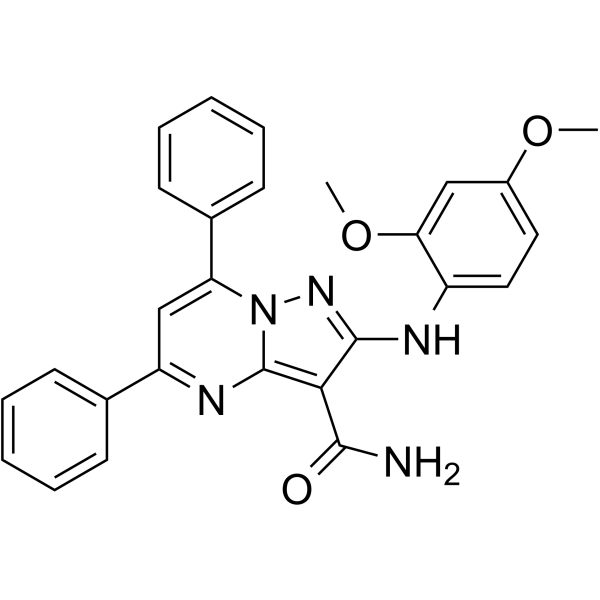
- HY-15579G
-
|
Monomethylauristatin F
|
Microtubule/Tubulin
ADC Payload
|
Cancer
|
|
MMAF (Monomethylauristatin F) GMP is a GMP grade MMAF (HY-15579). GMP small molecules works appropriately as an auxiliary reagent for cell therapy manufacture. MMAF (Monomethylauristatin F) is a potent tubulin polymerization inhibitor and is used as a antitumor agent. MMAF (Monomethylauristatin F) is widely used as a cytotoxic component of antibody-drug conjugates (ADCs) such as vorsetuzumab mafodotin and SGN-CD19A .
|
-
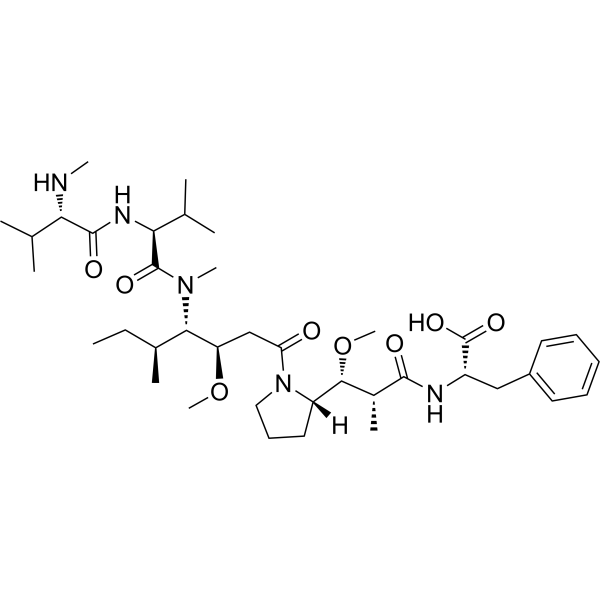
- HY-162344
-
|
|
Apoptosis
Autophagy
|
Cancer
|
|
Ir-CA is an antitumor agent. Ir-CA can accumulate in mitochondria and induces mitochondria dysfunction. Ir-CA induces apoptosis and autophagy. Ir-CA initiates mitophagy and cell cycle arrest to kill Cisplatin (HY-17394)-resistant A549R cells. Ir-CA can effectively inhibit metastasis by inhibiting MMP-2/MMP-9 .
|
-
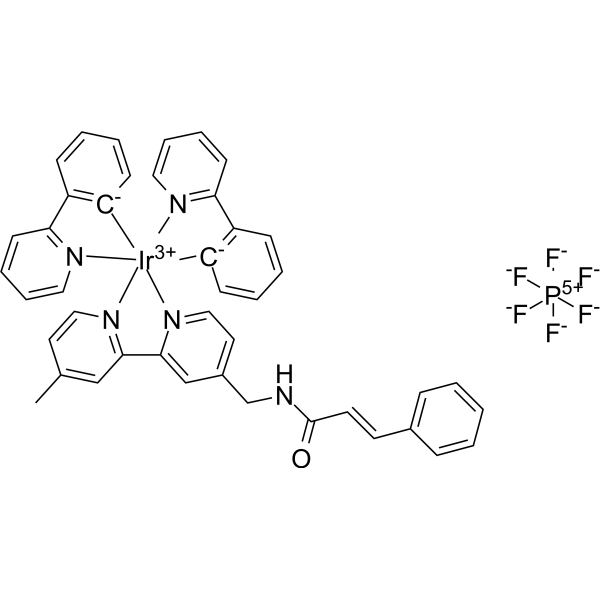
- HY-146454
-
|
|
DNA/RNA Synthesis
|
Cancer
|
|
Antiproliferative agent-6 (compound 8a) is a potent antitumor agent. Antiproliferative agent-6 has antiproliferative activity against cancer cell lines HCT116, MCF-7, H460 and non-tumor aneuploid immortal keratinocyte HaCaT cells with GI50s of 0.5 μM, 2 μM, 0.7 μM and 3.5 μM, respectively .
|
-
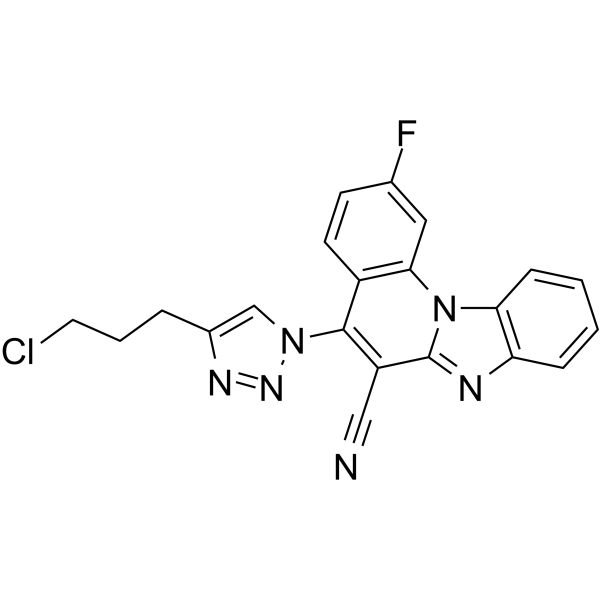
- HY-B0294
-
|
|
Parasite
Microtubule/Tubulin
STAT
MDM-2/p53
Apoptosis
Autophagy
|
Infection
Cancer
|
|
Flubendazole is an anthelmintic drug based on altering microtubule structure, inhibition of tubulin polymerization and disruption of microtubule function. Flubendazole induces apoptosis in human colorectal cancer (CRC) by blocking the STAT3 signaling axis and activation of autophagy. Flubendazole induces P53 expression and reduced Cyclin B1 and p-cdc2 expression. Flubendazole is an antitumor agent. Flubendazole can be used for worm and intestinal parasites .
|
-
- HY-176249
-
|
TNBG
|
Apoptosis
|
Cancer
|
|
Tetrazanbigen is a potent and selective antitumor agent. Tetrazanbigen exhibits strong antitumor efficacy against six human cancer cell lines with an IC50 range of 2.13-8.01 μg/mL and an IC50 of 11.25 μg/mL against normal hepatocytes. Tetrazanbigen induces S phase arrest and apoptosis in QGY-7701 cells. Tetrazanbigen exerts its antitumor activity by inducing lipid accumulation accumulation in cancer cells .
|
-

- HY-90006S
-
-
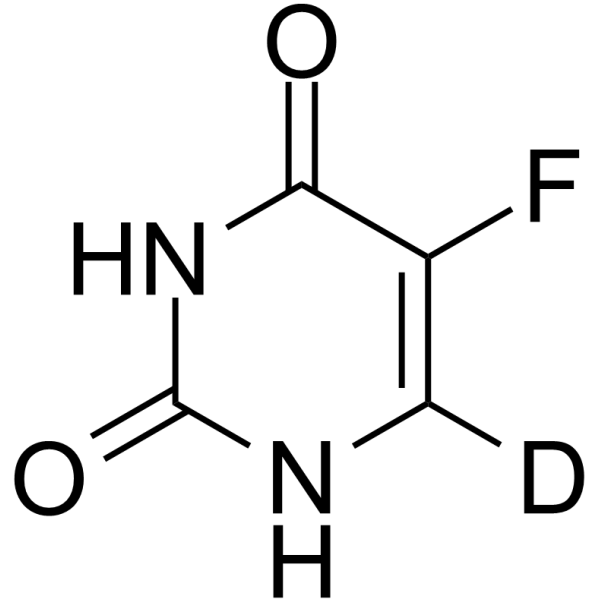
- HY-N9481
-
-
- HY-16478
-
|
TAS-102; FTD/TPI
|
Nucleoside Antimetabolite/Analog
Thymidylate Synthase
|
Cancer
|
|
Trifluridine/tipiracil hydrochloride mixture (TAS-102) is a potent and orally active nucleoside antitumor agent. The composition of Trifluridine/tipiracil hydrochloride mixture (TAS-102) is a 1:0.5 mixture (on a molar basis) of alpha,alpha,alpha-tri-fluorothymidine (FTD) and thymidine phosphorylase inhibitor (TPI). Trifluridine/tipiracil hydrochloride mixture (TAS-102) shows the antitumor activity mainly via the inhibition of thymidylate synthase (TS) and incorporation into DNA .
|
-
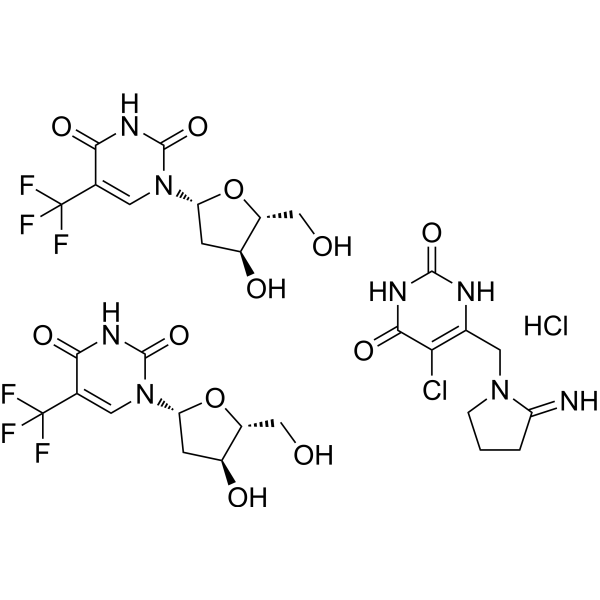
- HY-175265
-
|
|
c-Myc
Ras
Apoptosis
|
Cancer
|
|
PQ32 is an antitumor agent that targets c-MYC Pu27 and KRAS G-quadruplexes. PQ32 inhibits tumor cell proliferation, arrests the cell cycle at the G2 phase, and induces apoptosis. PQ32 inhibits the expression of c-MYC and KRAS genes. PQ32 can inhibit tumor growth in mice and is used in the study of lymphoma, breast cancer, lung cancer, hepatocellular carcinoma, colorectal cancer, and other cancers .
|
-

- HY-178487
-
|
|
HDAC
DNA/RNA Synthesis
NO Synthase
Apoptosis
|
Cancer
|
|
anti-TNBC agent-12 (Compound 23a) is a multi-target antitumor agent targeting HDAC6 (IC50=30.3 nM), DNA, and inducing nitric oxide (NO) release. anti-TNBC agent-12 induces tumor cell apoptosis and G2/M phase cell cycle arrest. anti-TNBC agent-12 is promising for research of triple-negative breast cancer (TNBC) .
|
-

- HY-159902
-
|
|
Interleukin Related
|
Inflammation/Immunology
Cancer
|
|
KRN7000 analog 3 (Compound 14),α-GalCer (HY-102022) analogue, is a iNKT agonist. KRN7000 analog 3 induces higher levels of IL-2 cytokine secretion (49.2-62.6 ng/mL) than a-GalCer (44.1 ng/mL) in mNK1.2 cells. KRN7000 analog 3 is promising for research of antitumor agents and vaccine adjuvants .
|
-

- HY-90006S2
-
|
|
Exosomes
Nucleoside Antimetabolite/Analog
HIV
Apoptosis
Endogenous Metabolite
|
Cancer
|
|
5-Fluorouracil- 15N2 is the 15N-labeled 5-Fluorouracil. 5-Fluorouracil (5-FU) is an analogue of uracil and a potent antitumor agent. 5-Fluorouracil affects pyrimidine synthesis by inhibiting thymidylate synthetase thus depleting intracellular dTTP pools. 5-Fluorouracil induces apoptosis and can be used as a chemical sensitizer . 5-Fluorouracil also inhibits HIV .
|
-
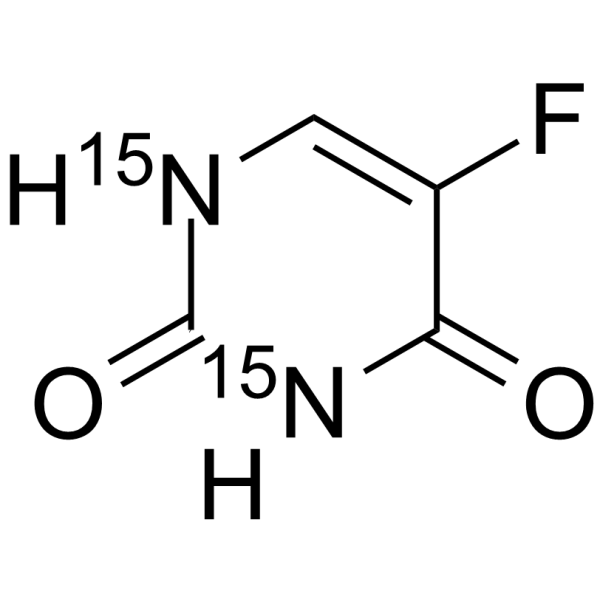
- HY-90006R
-
|
5-FU (Standard)
|
Reference Standards
Exosomes
Nucleoside Antimetabolite/Analog
HIV
Apoptosis
Endogenous Metabolite
|
Cancer
|
|
5-Fluorouracil (Standard) is the analytical standard of 5-Fluorouracil. This product is intended for research and analytical applications. 5-Fluorouracil (5-FU) is an analogue of uracil and a potent antitumor agent. 5-Fluorouracil affects pyrimidine synthesis by inhibiting thymidylate synthetase thus depleting intracellular dTTP pools. 5-Fluorouracil induces apoptosis and can be used as a chemical sensitizer . 5-Fluorouracil also inhibits HIV .
|
-

- HY-W319584
-
|
|
Drug Derivative
|
Cancer
|
|
AMP-404 is an Imexon (HY-15385)-derived antitumor agent with dual functions as a cytotoxin and growth inhibitor. AMP-404 exerts significant cytotoxic effects against various sensitive, drug-resistant and primary human tumor cells, including myeloma, breast cancer, melanoma, ovarian cancer and sarcoma cells. AMP-404 effectively inhibits the growth of rat PIE 2-3 sarcoma in vivo and exhibits remarkable in vivo efficacy .
|
-

- HY-N6973
-
Boldine
1 Publications Verification
|
RANKL/RANK
Apoptosis
|
Inflammation/Immunology
Cancer
|
|
Boldine is an apomorphine isoquinoline alkaloid extracted from the root of the pheasant pepper (Litsea cubeba). Boldine is an oral effective antioxidant, anti-inflammatory, antitumor agent, and can inhibit osteoclast formation. Boldine induces apoptosis of human bladder cancer cells by regulating ERK, AKT and GSK-3β. Boldine ameliorates bone destruction by down-regulating the OPG/RANKL/RANK signaling pathway. It can be used in rheumatoid arthritis research .
|
-
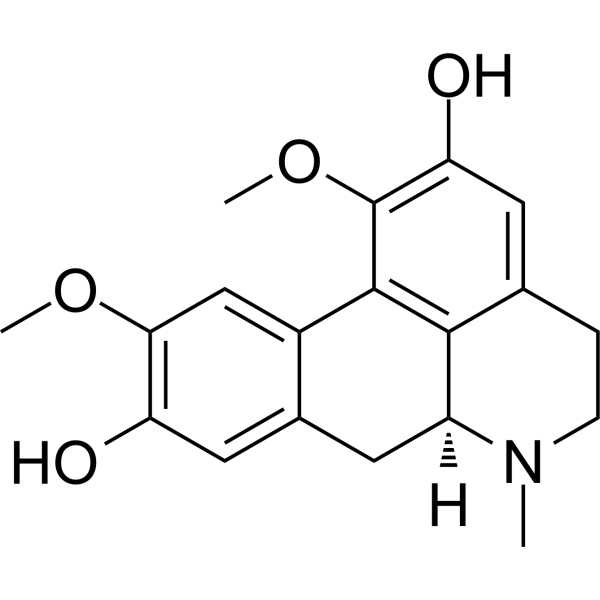
- HY-10517AR
-
|
(Z)-SU6668 (Standard); (Z)-TSU-68 (Standard)
|
Reference Standards
VEGFR
PDGFR
FGFR
|
Cancer
|
|
(Z)-Orantinib (Standard) is the analytical standard of (Z)-Orantinib (HY-10517A). This product is intended for research and analytical applications. (Z)-Orantinib ((Z)-SU6668) is a potent, selective, orally active and ATP competitive inhibitor of Flk‐1/KDR, PDGFRβ, and FGFR1, with IC50s of 2.1, 0.008, and 1.2 μM, respectively. (Z)-Orantinib is a potent antiangiogenic and antitumor agent that induces regression of established tumors .
|
-

- HY-90006S3
-
|
5-FU-13C4,15N2
|
Exosomes
Apoptosis
Nucleoside Antimetabolite/Analog
HIV
Endogenous Metabolite
|
Cancer
|
|
5-Fluorouracil- 13C4, 15N2 is the 13C and 15N labeled 5-Fluorouracil . 5-Fluorouracil (5-FU) is an analogue of uracil and a potent antitumor agent. 5-Fluorouracil affects pyrimidine synthesis by inhibiting thymidylate synthetase thus depleting intracellular dTTP pools. 5-Fluorouracil induces apoptosis and can be used as a chemical sensitizer . 5-Fluorouracil also inhibits HIV .
|
-
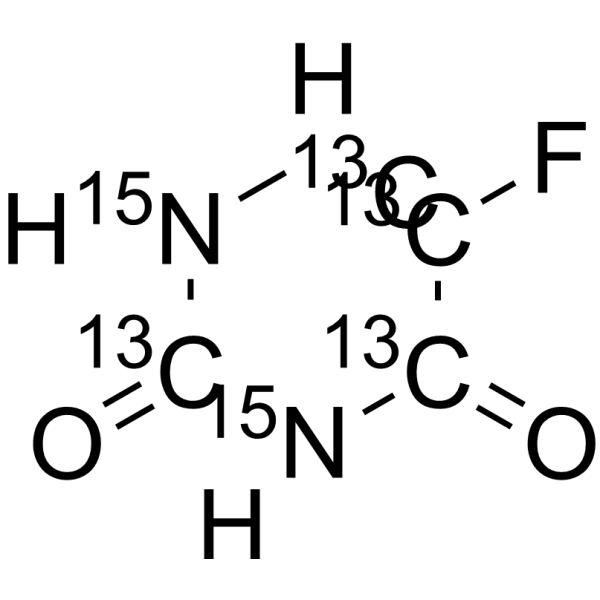
- HY-90006S1
-
|
5-FU-13C,15N2
|
Exosomes
Apoptosis
Nucleoside Antimetabolite/Analog
HIV
Endogenous Metabolite
|
Cancer
|
|
5-Fluorouracil- 13C, 15N2 is the 13C and 15N labeled 5-Fluorouracil . 5-Fluorouracil (5-FU) is an analogue of uracil and a potent antitumor agent. 5-Fluorouracil affects pyrimidine synthesis by inhibiting thymidylate synthetase thus depleting intracellular dTTP pools. 5-Fluorouracil induces apoptosis and can be used as a chemical sensitizer . 5-Fluorouracil also inhibits HIV .
|
-
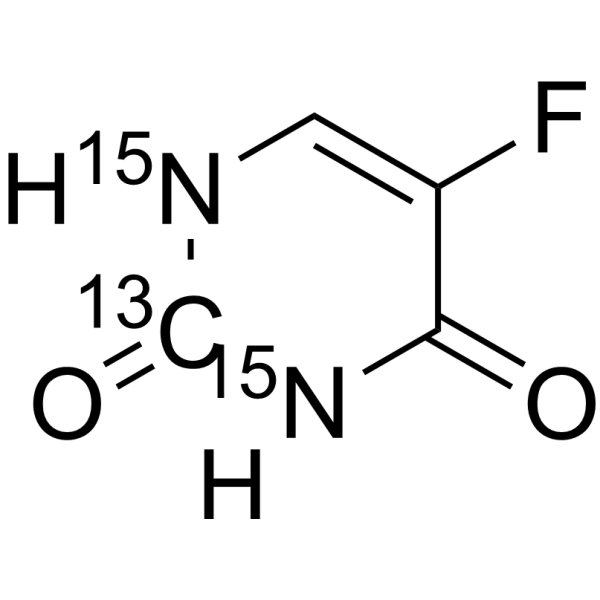
- HY-137849
-
|
|
PARP
|
Cancer
|
|
RK-582 is a tankyrase inhibitor, antitumor agent, and orally bioavailable growth inhibitor, with an IC50 of 36.1 nM against human tankyrase-1 and an IC50 of 39.2 nM against human tankyrase-2. In APC-mutated colorectal cancer cells, the sensitivity to RK-582 correlates with the level of active β-catenin, while drug resistance associates with PIK3CA mutation. RK-582 can be used for the research of colorectal cancer .
|
-
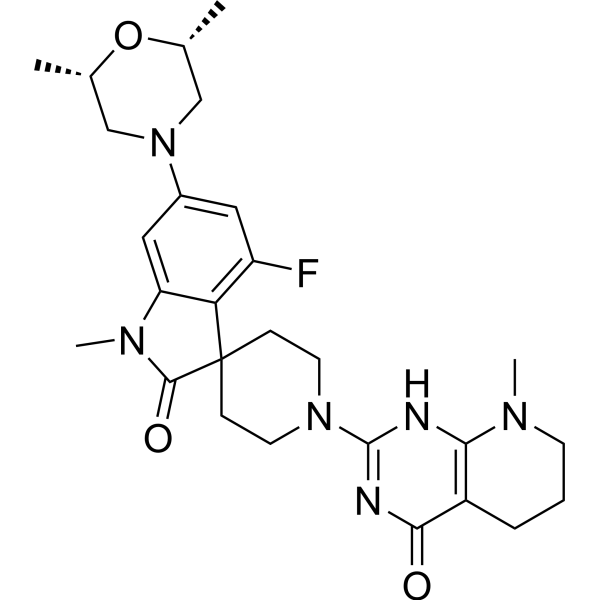
- HY-W011762
-
|
|
Apoptosis
|
Cancer
|
|
VK3-OCH3 is a potent antitumor agent. VK3-OCH3 shows cytotoxicity for neuroblastoma cell lines and low cytotoxicity for normal cell lines. VK3-OCH3 induces apoptosis and cell cycle arrest at G2/M phase in IMR-32 cells. VK3-OCH3 shows antitumor activity .
|
-
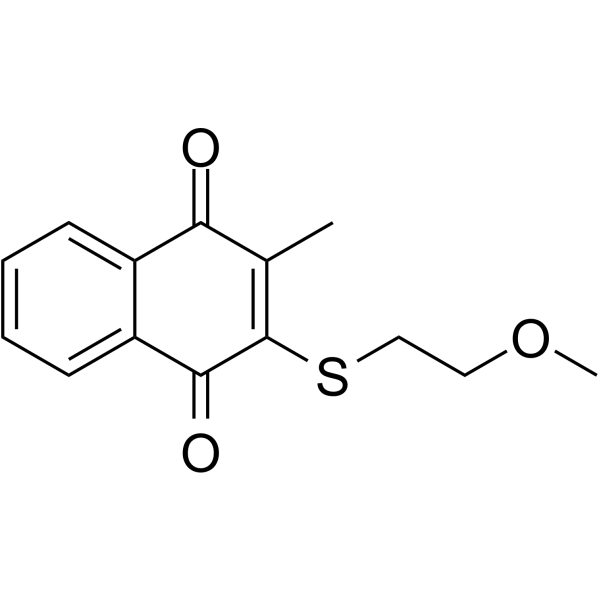
- HY-160843
-
|
|
Apoptosis
|
Cancer
|
|
N-ω-chloroacetyl-L-ornithine (NCAO) is a potent reversible competitive ornithine decarboxylase (ODC) inhibitor that exerts cytotoxic and antiproliferative effects on tumor cell lines with EC50 values ranging from 1 to 50.6 µM. NCAO induces tumor cell Apoptosis and inhibits tumor cell migration in vitro. NCAO also exhibits a potent antitumor activity against both solid and ascitic tumors in a mouse model using the myeloma (Ag8) cell line. NCAO is promising for research of antitumor agents .
|
-

- HY-B0294R
-
|
|
Reference Standards
Parasite
Microtubule/Tubulin
STAT
MDM-2/p53
Apoptosis
Autophagy
|
Infection
Cancer
|
|
Flubendazole (Standard) is the analytical standard of Flubendazole. This product is intended for research and analytical applications. Flubendazole is an anthelmintic drug based on altering microtubule structure, inhibition of tubulin polymerization and disruption of microtubule function. Flubendazole induces apoptosis in human colorectal cancer (CRC) by blocking the STAT3 signaling axis and activation of autophagy. Flubendazole induces P53 expression and reduced Cyclin B1 and p-cdc2 expression. Flubendazole is an antitumor agent. Flubendazole can be used for worm and intestinal parasites .
|
-

- HY-132307
-
|
|
Bcl-2 Family
Apoptosis
|
Cancer
|
|
Mcl-1 inhibitor 6 is an orally active, selective myeloid cell leukemia 1 (Mcl-1) protein inhibitor with a Kd of 0.23 nM and a Ki of 0.02 μM. Mcl-1 inhibitor 6 possesses superior selectivity over other Bcl-2 family members (Bcl-2, Bcl2A1, Bcl-xL, and Bcl-w, Kd>10 μM). Mcl-1 inhibitor 6 is a potent antitumor agent .
|
-
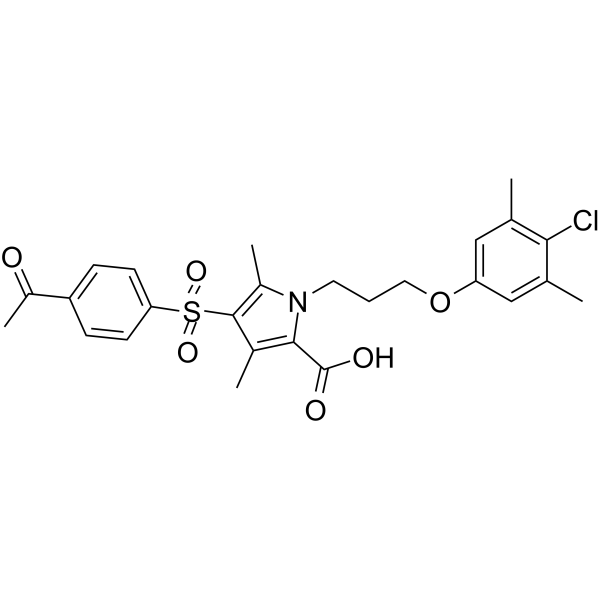
- HY-P11591
-
|
PSMA-DOTA-PEI2
|
Radionuclide-Drug Conjugates (RDCs)
PSMA
|
Cancer
|
|
PDI2 (PSMA-DOTA-PEI2) is a prostate-specific membrane antigen (PSMA) ligand that acts as a tumor retention agent, renal uptake reducer, imaging agent and antitumor agent, applicable in SPECT diagnostic imaging and radiotheranostics. PDI2 specifically binds to PSMA on prostate cancer cells, enters cells via clathrin-dependent endocytosis, and exhibits higher tumor retention rate and lower renal uptake level. PDI2 is applicable in research related to prostate cancer and castration-resistant metastatic prostate cancer .
|
-

- HY-149007
-
|
|
STAT
Apoptosis
|
Cancer
|
|
STAT3-IN-11 (7a) is a selective STAT3 inhibitor that inhibits the phosphorylation of STAT3 at site pTyr705. STAT3-IN-11 inhibits the phosphorylation of downstream genes (Survivin and Mcl-1) without affecting its upstream tyrosine kinases (Src and JAK2) levels and p-STAT1 expression. STAT3-IN-11 can induce cancer cell apoptosis, which is potential for the discovery of effective STAT3 inhibitors and antitumor agents against cancers .
|
-
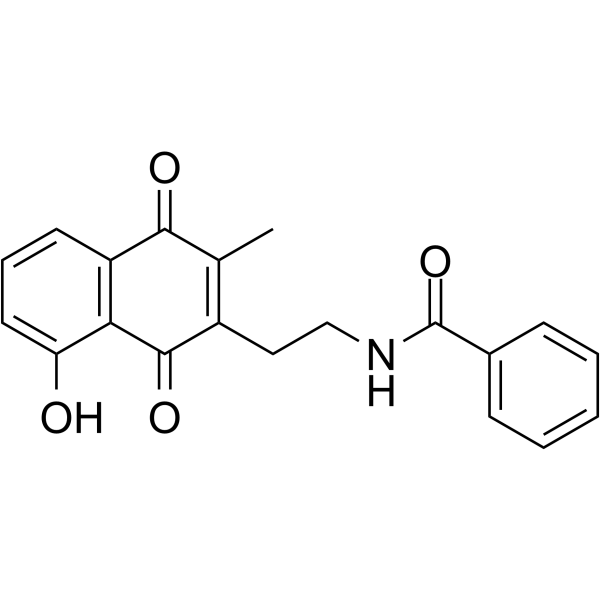
- HY-183631
-
|
|
β-catenin
Wnt
mTOR
c-Myc
Apoptosis
|
Cancer
|
|
PM54 is an antitumor agent with activity across multiple cancer types. PM54 acts as a transcription and WNT/β-catenin signaling pathway inhibitor. PM54 suppresses oncogenic transcriptional programs, and key malignant pathways, while inducing DNA double-strand breaks, S-phase cell cycle arrest and apoptosis. PM54 enhances innate immune recognition, remodels the tumor microenvironment. PM54 exhibits antitumor activity as monotherapy or in combination in xenograft models. PM54 is applicable to research on various cancers and advanced solid tumors .
|
-

- HY-182284
-
-

- HY-W348485
-
|
|
mTOR
|
Cancer
|
|
WRX606 is an orally active nonrapalog inhibitor for mTOR complex 1 (mTORC1M). WRX606 inhibits the phosphorylation of mTORC1 substrate S6 kinase 1 (S6K1) (IC50 = 10 nM) and eukaryotic translation initiation factor 4E binding protein (p-4E-BP1) (IC50 = 0.27 μM) in MCF-7 cells. WRX606 suppresses tumor growth in mice without promotion of metastasis. WRX606 can be studied in research as an antitumor agent .
|
-

- HY-181712
-
|
|
IRAK
|
Cancer
|
|
IRAK1-IN-2 is an orally active IRAK1 inhibitor and antitumor agent with high selectivity for IRAK4 and other kinases in the same group. IRAK1-IN-2 functionally inhibits IRAK1 and interferes with the TLR/IL-1R signaling pathway. IRAK1-IN-2 suppresses hepatocellular carcinoma-related cellular processes in vitro and in animal models. IRAK1-IN-2 serves as a chemical probe for IRAK1 research and is applicable to studies on hepatocellular carcinoma .
|
-

- HY-168878
-
|
|
METTL3
|
Cancer
|
|
EP652 is a METTL3 inhibitor and antitumor agent with IC50 values of 2 nM, <10 nM, and 37 nM in SPA, intracellular, and ATPlite assays, respectively. EP652 exhibits high selectivity against 40 other methyltransferases and FTO, and possesses favorable pharmacokinetic parameters. EP652 reduces intracellular N 6-methyladenosine (m 6A) levels in mRNA. EP652 inhibits tumor growth and progression of both hematologic malignancies and solid tumors. EP652 can be used for the research of acute myeloid leukemia, ovarian cancer, non-small cell lung cancer, and hypopharyngeal squamous cell carcinoma .
|
-

- HY-181739
-
|
|
CD1
|
Cancer
|
|
GCB-27a is a CD1d-binding immunostimulant and antitumor agent. GCB-27a binds to CD1d to form a stable complex and presents it to NKT cells, enhancing hydrophobic interactions within the A' pocket of CD1d through branched-chain conformation restriction. GCB-27a induces a Th1-biased immune response, drives IFN?γ production and limits IL-4 levels. GCB-27a is applicable to research related to melanoma lung metastasis .
|
-

- HY-120213
-
|
|
FAK
Src
PI3K
MMP
Apoptosis
|
Cancer
|
|
YH-306 is an antitumor agent. YH-306 suppresses colorectal tumour growth and metastasis via FAK pathway. YH-306 significantly inhibits the migration and invasion of colorectal cancer cells. YH-306 potently suppresses uninhibited proliferation and induces cell apoptosis. YH-306 suppresses the activation of FAK, c-Src, paxillin, and PI3K, Rac1 and the expression of MMP2 and MMP9. YH-306 also inhibita actin-related protein (Arp2/3) complex-mediated actin polymerization .
|
-
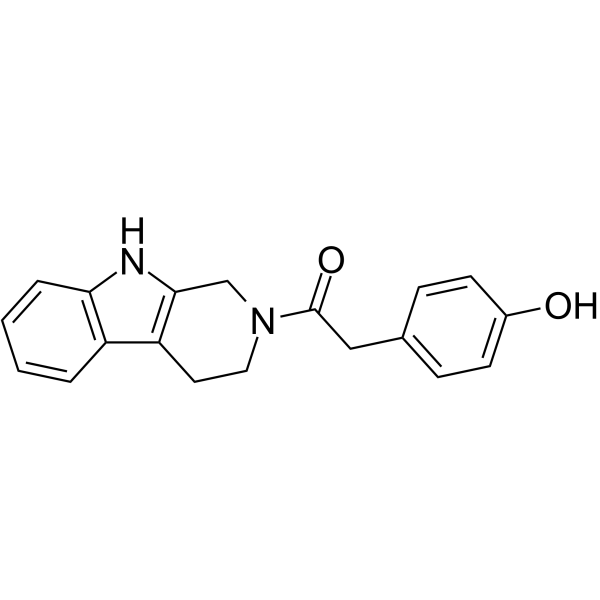
- HY-W001925
-
|
|
Apoptosis
NF-κB
c-Met/HGFR
Akt
MMP
|
Cancer
|
|
7-Methoxy-1-tetralone is a potent antitumor agent. 7-Methoxy-1-tetralone inhibits cancer cell proliferation and migration, and induces hepatocellular carcinoma cell (HCC) apoptosis. 7-Methoxy-1-tetralone decreased the protein levels of NF-κB, matrix metallopeptidase 2 (MMP2)/MMP9, and p-AKT. 7-Methoxy-1-tetralone showed antitumor activity in nude mice and had no effect on body weight and liver, spleen and organ index .
|
-
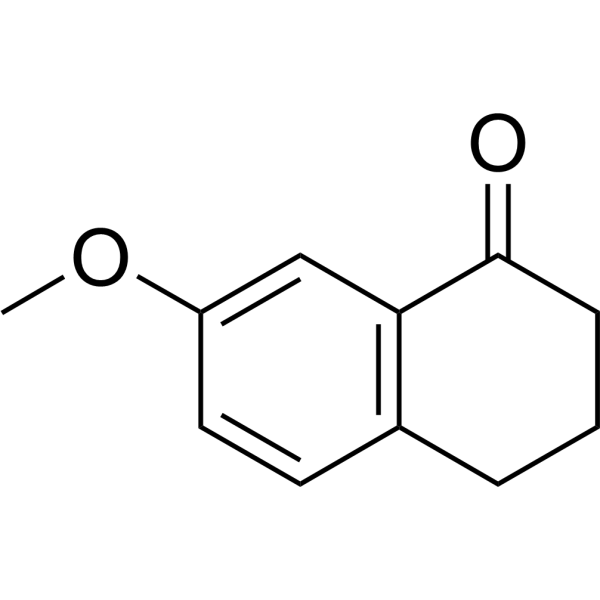
- HY-N1992
-
|
TF-3; ZP10
|
Virus Protease
HSV
HIV
Flavivirus
|
Infection
Cancer
|
|
Theaflavin 3,3'-digallate (TF-3) is a potent Zika virus (ZIKV) protease inhibitor with an IC50 of 2.3 μM. Theaflavin 3,3'-digallat directly binds to ZIKVpro (Kd=8.86 μM) and inhibits ZIKV replication. Theaflavin 3,3'-digallat inhibits the activity of gp41 and NS2B-3 protease and has antiviral activity against HSV and HIV-1 . Theaflavin 3,3'-digallate, the typical pigment in black tea, is a potent antitumor agent .
|
-
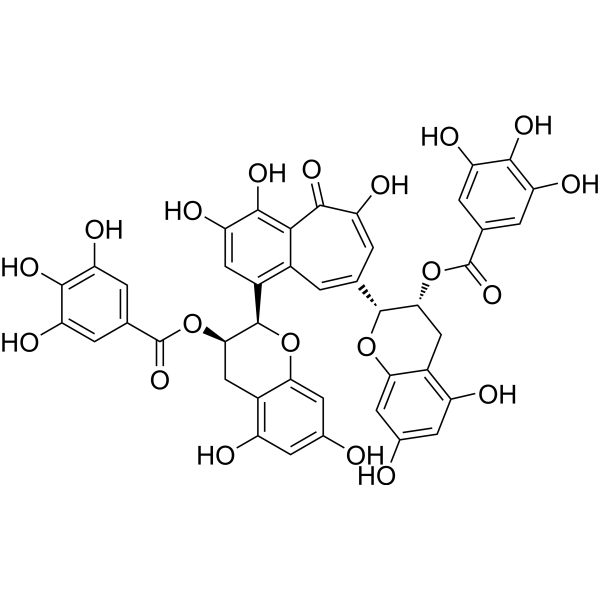
- HY-181836
-
|
|
IKK
Topoisomerase
Apoptosis
NF-κB
Reactive Oxygen Species (ROS)
Bcl-2 Family
|
Cancer
|
|
IKKβ-IN-6 is an antitumor agent. IKKβ-IN-6 inhibits IKKβ (IC50: 18.24 μM), thereby suppressing the phosphorylation of p65 and IκBα, blocking the nuclear translocation of p65, and subsequently regulating genes controlled by NF-κB. IKKβ-IN-6 also targets topoisomerase I (Topo I), induces DNA damage, ROS accumulation, loss of mitochondrial membrane potential, and S-phase arrest. IKKβ-IN-6 is applicable to related research on colorectal cancer .
|
-

- HY-19916
-
|
BAL-101553
|
Microtubule/Tubulin
Checkpoint Kinase (Chk)
|
Cancer
|
|
Lisavanbulin (BAL-101553) is the prodrug of the microtubule targeting agent Avanbulin (BAL 27862) (HY-106008). Lisavanbulin is a BBB-penetrant and orally active antitumor agent, especially in tumors that express high levels of end-binding protein 1. Lisavanbulin has ability to target tumor cell proliferation and affects the tumor microenvironment by reducing tumor microvasculature. Lisavanbulin is also a spindle assembly checkpoint activator. Lisavanbulin induces cell cycle arrest and subsequent death or aberrant chromosome segregation. Lisavanbulin can be studied in research for diffuse large B cell lymphoma (DLBCL) and glioblastoma .
|
-

- HY-143234
-
|
|
Isocitrate Dehydrogenase (IDH)
|
Cancer
|
|
mIDH1-IN-1 (compound 43) is a potent and selective mIDH1 (mutant isocitrate dehydrogenases 1) inhibitor, with an IC50 of 961.5 nM. mIDH1-IN-1 potently inhibits intracellular 2-HG (2-hydroxyglutarate) production in HT1080 cells, with an EC50 of 208.6 ± 8.0 nM. mIDH1-IN-1 shows a significant anti-proliferation activity on IDH1 mutant-U-87 cells, with an IC50 of 41.8 nM. mIDH1-IN-1 is an antitumor agent, and can be used for IDH1 mutated solid tumors research .
|
-
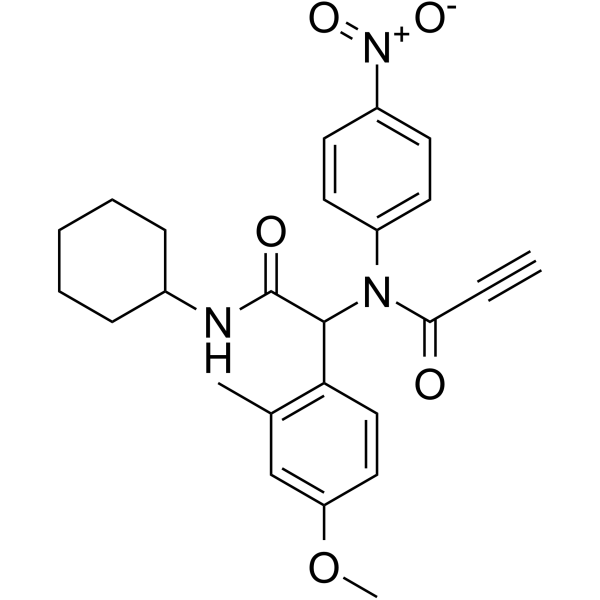
- HY-P10775A
-
|
|
MMP
|
Cancer
|
|
BT1769 acetate is a conjugate and antitumor agent targeting MT1-MMP, with a Kd value of 3.35 nM against human targets. BT1769 acetate exhibits favorable pharmacokinetic properties. BT1769 acetate specifically binds to MT1-MMP via its bicyclic peptide component, delivering the cytotoxic agent MMAE (HY-15162) to antigen-expressing cells. It effectively inhibits tumor growth, induces complete responses, and significantly prolongs event-free survival in osteosarcoma patient-derived xenograft models. BT1769 acetate shows extremely low activity in Ewing sarcoma models and can be used in osteosarcoma-related research .
|
-

- HY-N16817
-
|
|
NO Synthase
|
Inflammation/Immunology
Cancer
|
|
Rabdoternin E is a potential anti-inflammatory and antitumor agent. 2α-Acetoxy-14,15-cyclopimara-7β,16-diol only inhibits nitric oxide (NO) production in lipopolysaccharide (LPS)-induced RAW264.7 macrophages (IC50=2.3 μM) and exhibits cytotoxicity against human tumor cells such as HL-60 and SW-480 (IC50 values ??of 2.6 μM and 4.1 μM, respectively). Rabdoternin E is an ent-kaurane-type diterpenoid compound that can be naturally extracted from the 70% acetone aqueous extract of the aerial parts of Isodon rosthornii (Diels) Hara (a plant of the Lamiaceae family, Isodon genus) .
|
-

- HY-N1992R
-
|
TF-3 (Standard); ZP10 (Standard)
|
Reference Standards
Virus Protease
HSV
HIV
Flavivirus
|
Infection
Cancer
|
|
Theaflavin 3,3'-digallate (Standard) is the analytical standard of Theaflavin 3,3'-digallate. This product is intended for research and analytical applications. Theaflavin 3,3'-digallate (TF-3) is a potent Zika virus (ZIKV) protease inhibitor with an IC50 of 2.3 μM. Theaflavin 3,3'-digallat directly binds to ZIKVpro (Kd=8.86 μM) and inhibits ZIKV replication. Theaflavin 3,3'-digallat inhibits the activity of gp41 and NS2B-3 protease and has antiviral activity against HSV and HIV-1 . Theaflavin 3,3'-digallate, the typical pigment in black tea, is a potent antitumor agent .
|
-

- HY-N15249
-
|
Isovalerylspiramycin I; Shengjimycin E
|
Topoisomerase
DNA/RNA Synthesis
Checkpoint Kinase (Chk)
Apoptosis
Bacterial
|
Infection
Cancer
|
|
4"-Isovalerylspiramycin I (Isovalerylspiramycin I) is a topoisomerase 1 (TOP1) inhibitor and an antitumor agent. 4"-Isovalerylspiramycin I directly binds to TOP1, suppresses DNA replication, and induces DNA damage. 4"-Isovalerylspiramycin I downregulates phosphorylated CHEK1 and the ATR/CHEK1 DNA damage repair pathway, blocks DNA repair, and augments DNA damage. 4"-Isovalerylspiramycin I suppresses proliferation, migration, and invasion of osteosarcoma cells. 4"-Isovalerylspiramycin I induces apoptosis and cell cycle arrest in osteosarcoma cells. 4"-Isovalerylspiramycin I exerts antibacterial activity against methicillin-resistant Staphylococcus aureus. 4"-Isovalerylspiramycin I can be used for the research of osteosarcoma, upper respiratory bacterial infections, and methicillin-resistant Staphylococcus aureus infection .
|
-

- HY-172736
-
|
|
PROTACs
BCL6
CD20
|
Cancer
|
|
BMS-986458 is a highly selective, orally active cereblon-based BCL6 PROTAC degrader and antitumor agent. BMS-986458 selectively degrades BCL6 by binding cereblon to the BTB domain of BCL6, thereby regulating the cell cycle, antiproliferative and interferon signaling pathways, and upregulating the expression and distribution of CD20. BMS-986458 modulates the phenotype of follicular helper T cells and reduces circulating tumor DNA levels. The combination of BMS-986458 with CD20xCD3 bispecific antibody also enhances the efficiency of T cell tumor infiltration and expansion. BMS-986458 induces regression of BCL6-positive tumors and prolongs survival, and it is suitable for research related to B-cell non-Hodgkin lymphoma, diffuse large B-cell lymphoma, follicular lymphoma, and relapsed/refractory lymphoma .
|
-

- HY-181758
-
|
|
PROTACs
Epigenetic Reader Domain
Histone Acetyltransferase
c-Myc
Apoptosis
|
Cancer
|
|
PROTAC CBP/p300/BRD4 Degrader-1 is a dual-target PROTAC degrader with DC50 values of 8.8 pM (BRD4), 6.55 nM (CBP), and 1.05 nM (p300). PROTAC CBP/p300/BRD4 Degrader-1 induces CRBN- and proteasome-dependent degradation of BRD4 and CBP/p300, downregulates c-Myc and acetyl-H3K27, induces apoptosis. PROTAC CBP/p300/BRD4 Degrader-1 acts as an antiproliferative and antitumor agent, induces tumor growth inhibition in xenograft models. PROTAC CBP/p300/BRD4 Degrader-1 can be used for the research of prostate cancer and colorectal cancer .
|
-

| Cat. No. |
Product Name |
Type |
-
- HY-15579G
-
|
Monomethylauristatin F
|
Fluorescent Dyes
|
|
MMAF (Monomethylauristatin F) GMP is a GMP grade MMAF (HY-15579). GMP small molecules works appropriately as an auxiliary reagent for cell therapy manufacture. MMAF (Monomethylauristatin F) is a potent tubulin polymerization inhibitor and is used as a antitumor agent. MMAF (Monomethylauristatin F) is widely used as a cytotoxic component of antibody-drug conjugates (ADCs) such as vorsetuzumab mafodotin and SGN-CD19A .
|
-
- HY-162129
-
|
|
Fluorescent Dyes
|
|
Antitumor agent-131 (Compound 2-p) is an ER fluorescent probe with an IC50 value of 23 nM for HepG2 tumor cells. Antitumor agent-131 can be used as a photosensitizer for the study of cancer photodynamics .
|
-
- HY-15579BG
-
|
Monomethylauristatin F sodium
|
Fluorescent Dyes
|
|
MMAF sodium GMP is a GMP grade MMAF (sodium) (HY-15579B). MMAF sodium (Monomethylauristatin F sodium) is a potent tubulin polymerization inhibitor and is used as a antitumor agent. MMAF sodium (Monomethylauristatin F sodium) is widely used as a cytotoxic component of antibody-drug conjugates (ADCs) such as Vorsetuzumab mafodotin and SGN-CD19A .
|
| Cat. No. |
Product Name |
Type |
-
- HY-W008818
-
|
p-Aminoacetophenone
|
Biochemical Assay Reagents
|
|
4'-Aminoacetophenone (p-Aminoacetophenone) is an intermediate that can be used for the synthesis of other active compounds, such as antitumor agents .
|
-
- HY-15579G
-
|
Monomethylauristatin F
|
Biochemical Assay Reagents
|
|
MMAF (Monomethylauristatin F) GMP is a GMP grade MMAF (HY-15579). GMP small molecules works appropriately as an auxiliary reagent for cell therapy manufacture. MMAF (Monomethylauristatin F) is a potent tubulin polymerization inhibitor and is used as a antitumor agent. MMAF (Monomethylauristatin F) is widely used as a cytotoxic component of antibody-drug conjugates (ADCs) such as vorsetuzumab mafodotin and SGN-CD19A .
|
-
- HY-W001925
-
|
|
Biochemical Assay Reagents
|
|
7-Methoxy-1-tetralone is a potent antitumor agent. 7-Methoxy-1-tetralone inhibits cancer cell proliferation and migration, and induces hepatocellular carcinoma cell (HCC) apoptosis. 7-Methoxy-1-tetralone decreased the protein levels of NF-κB, matrix metallopeptidase 2 (MMP2)/MMP9, and p-AKT. 7-Methoxy-1-tetralone showed antitumor activity in nude mice and had no effect on body weight and liver, spleen and organ index .
|
-
- HY-15579BG
-
|
Monomethylauristatin F sodium
|
Biochemical Assay Reagents
|
|
MMAF sodium GMP is a GMP grade MMAF (sodium) (HY-15579B). MMAF sodium (Monomethylauristatin F sodium) is a potent tubulin polymerization inhibitor and is used as a antitumor agent. MMAF sodium (Monomethylauristatin F sodium) is widely used as a cytotoxic component of antibody-drug conjugates (ADCs) such as Vorsetuzumab mafodotin and SGN-CD19A .
|
| Cat. No. |
Product Name |
Target |
Research Area |
-
- HY-137874
-
|
|
Peptides
|
Metabolic Disease
Cancer
|
|
L-Glutamic γ-monohydroxamate is an antitumor agent, inhibits cell proliferation. L-Glutamic γ-monohydroxamate selectively inhibits the uptake of L-histidine into microvascular endothelial cell. L-Glutamic γ-monohydroxamate, as a vanadium ligand, activates glucose uptake and metabolism, thus decreases the blood glucose levels in vivo .
|
-
- HY-161096
-
|
|
ROR
|
Cancer
|
|
Antitumor agent-127 (compound 1) is a parent macrocyclic peptide. Antitumor agent-127 displays nanomolar cell-based binding to ROR1 and relatively good internalization in 786-O and MDA-MB-231 tumor cell lines .
|
-
- HY-P2045
-
|
|
Arp2/3 Complex
|
Cancer
|
|
RA-VII is an antitumor agent that exhibits significant activity against L1210, B-16 melanoma, Lewis lung carcinoma, Colon 38 and Ehrlich carcinoma .
|
-
- HY-P10775A
-
|
|
MMP
|
Cancer
|
|
BT1769 acetate is a conjugate and antitumor agent targeting MT1-MMP, with a Kd value of 3.35 nM against human targets. BT1769 acetate exhibits favorable pharmacokinetic properties. BT1769 acetate specifically binds to MT1-MMP via its bicyclic peptide component, delivering the cytotoxic agent MMAE (HY-15162) to antigen-expressing cells. It effectively inhibits tumor growth, induces complete responses, and significantly prolongs event-free survival in osteosarcoma patient-derived xenograft models. BT1769 acetate shows extremely low activity in Ewing sarcoma models and can be used in osteosarcoma-related research .
|
-
- HY-P3358
-
|
|
Peptides
|
Cancer
|
|
Antitumor agent-39 is a peptide compound with anticancer effect (US20050009751A1, compound 64) .
|
-
- HY-182259
-
|
|
Peptides
|
Cancer
|
|
Montanastatin is an antitumor agent that can be isolated from the terrestrial actinomycete Streptomyces anulatus. Montanastatin inhibits the growth of various cancer cells. Montanastatin can be used in research related to lymphocytic leukemia, ovarian cancer, brain cancer, renal cancer, lung cancer, colon cancer and melanoma .
|
-
- HY-P11591
-
|
PSMA-DOTA-PEI2
|
Radionuclide-Drug Conjugates (RDCs)
PSMA
|
Cancer
|
|
PDI2 (PSMA-DOTA-PEI2) is a prostate-specific membrane antigen (PSMA) ligand that acts as a tumor retention agent, renal uptake reducer, imaging agent and antitumor agent, applicable in SPECT diagnostic imaging and radiotheranostics. PDI2 specifically binds to PSMA on prostate cancer cells, enters cells via clathrin-dependent endocytosis, and exhibits higher tumor retention rate and lower renal uptake level. PDI2 is applicable in research related to prostate cancer and castration-resistant metastatic prostate cancer .
|
| Cat. No. |
Product Name |
Target |
Research Area |
Image |
-
- HY-P9968
-
|
h-R3
|
EGFR
|
Cancer
|
|
Nimotuzumab is a humanized IgG1 monoclonal antibody targeting EGFR with a KD of 0.21 nM. Nimotuzumab is directed against the extracellular domain of the EGFR blocking the binding to its ligands. Nimotuzumab, a strong antitumor agent, is cytolytic on target tumors by its capacity to cause antibody dependent cell mediated cytotoxicity (ADCC) and complement dependent cytotoxicity (CDC) .
|
-

(5)
-
- HY-P990715
-
|
INBRX-109
|
TNF Receptor
|
Cancer
|
|
Ozekibart (INBRX-109) is a DR5 agonist and antitumor agent with a human DR5 IC50 of 0.17 nmol/L and human DR5 Ka of 0.11 nmol/L. Ozekibart can be used for the research of unresectable/metastatic chondrosarcoma .
|
-
(5)
-
- HY-P9968A
-
|
|
EGFR
|
Cancer
|
|
Nimotuzumab (powder) is a humanized IgG1 monoclonal antibody targeting EGFR with a KD value of 0.21 nM. Nimotuzumab (powder) is directed against the extracellular domain of the EGFR blocking the binding to its ligands. Nimotuzumab (powder), a strong antitumor agent, is cytolytic on target tumors by its capacity to cause antibody dependent cell mediated cytotoxicity (ADCC) and complement dependent cytotoxicity (CDC) .
|
-
(5)
| Cat. No. |
Product Name |
Category |
Target |
Chemical Structure |
-
- HY-90006
-
-
-
- HY-N9481
-
-
-
- HY-N1992
-
-
-
- HY-N9470
-
-
-
- HY-N0035
-
-
-
- HY-N6973
-
-
-
- HY-90006R
-
-
-
- HY-N1373
-
-
-
- HY-130332
-
-
-
- HY-128753
-
-
-
- HY-105529
-
-
-
- HY-N3222
-
-
-
- HY-W001925
-
-
-
- HY-N11082
-
-
-
- HY-116786
-
-
-
- HY-N1373A
-
-
-
- HY-N0035R
-
-
-
- HY-N1992R
-
-
-
- HY-N8975
-
-
-
- HY-124916
-
-
-
- HY-N1852
-
-
-
- HY-N13877
-
-
-
- HY-N8394
-
-
-
- HY-124916R
-
-
-
- HY-N10670
-
-
-
- HY-N15579
-
-
-
- HY-N10950
-
-
-
- HY-N1373R
-
-
-
- HY-N10539
-
-
-
- HY-N11442
-
-
-
- HY-119603
-
-
-
- HY-N7153
-
-
-
- HY-N1691
-
-
-
- HY-N16817
-
|
|
Structural Classification
Terpenoids
Labiatae
Erythrina arborescensRoxb.
Diterpenoids
Plants
Source Classification
|
NO Synthase
|
|
Rabdoternin E is a potential anti-inflammatory and antitumor agent. 2α-Acetoxy-14,15-cyclopimara-7β,16-diol only inhibits nitric oxide (NO) production in lipopolysaccharide (LPS)-induced RAW264.7 macrophages (IC50=2.3 μM) and exhibits cytotoxicity against human tumor cells such as HL-60 and SW-480 (IC50 values ??of 2.6 μM and 4.1 μM, respectively). Rabdoternin E is an ent-kaurane-type diterpenoid compound that can be naturally extracted from the 70% acetone aqueous extract of the aerial parts of Isodon rosthornii (Diels) Hara (a plant of the Lamiaceae family, Isodon genus) .
|
-
-
- HY-N15249
-
|
Isovalerylspiramycin I; Shengjimycin E
|
Structural Classification
Natural Products
Microorganisms
Source Classification
|
Topoisomerase
DNA/RNA Synthesis
Checkpoint Kinase (Chk)
Apoptosis
Bacterial
|
|
4"-Isovalerylspiramycin I (Isovalerylspiramycin I) is a topoisomerase 1 (TOP1) inhibitor and an antitumor agent. 4"-Isovalerylspiramycin I directly binds to TOP1, suppresses DNA replication, and induces DNA damage. 4"-Isovalerylspiramycin I downregulates phosphorylated CHEK1 and the ATR/CHEK1 DNA damage repair pathway, blocks DNA repair, and augments DNA damage. 4"-Isovalerylspiramycin I suppresses proliferation, migration, and invasion of osteosarcoma cells. 4"-Isovalerylspiramycin I induces apoptosis and cell cycle arrest in osteosarcoma cells. 4"-Isovalerylspiramycin I exerts antibacterial activity against methicillin-resistant Staphylococcus aureus. 4"-Isovalerylspiramycin I can be used for the research of osteosarcoma, upper respiratory bacterial infections, and methicillin-resistant Staphylococcus aureus infection .
|
-
| Cat. No. |
Product Name |
Chemical Structure |
-
- HY-90006S
-
|
|
|
5-Fluorouracil-d is the deuterium labeled 5-Fluorouracil. 5-Fluorouracil (5-FU) is an analogue of uracil and a potent antitumor agent. 5-Fluorouracil affects pyrimidine synthesis by inhibiting thymidylate synthetase thus depleting intracellular dTTP pools. 5-Fluorouracil induces apoptosis and can be used as a chemical sensitizer . 5-Fluorouracil also inhibits HIV .
|
-
-
- HY-90006S1
-
|
|
|
5-Fluorouracil- 13C, 15N2 is the 13C and 15N labeled 5-Fluorouracil . 5-Fluorouracil (5-FU) is an analogue of uracil and a potent antitumor agent. 5-Fluorouracil affects pyrimidine synthesis by inhibiting thymidylate synthetase thus depleting intracellular dTTP pools. 5-Fluorouracil induces apoptosis and can be used as a chemical sensitizer . 5-Fluorouracil also inhibits HIV .
|
-
-
- HY-90006S2
-
|
|
|
5-Fluorouracil- 15N2 is the 15N-labeled 5-Fluorouracil. 5-Fluorouracil (5-FU) is an analogue of uracil and a potent antitumor agent. 5-Fluorouracil affects pyrimidine synthesis by inhibiting thymidylate synthetase thus depleting intracellular dTTP pools. 5-Fluorouracil induces apoptosis and can be used as a chemical sensitizer . 5-Fluorouracil also inhibits HIV .
|
-
-
- HY-159176
-
|
|
|
Antitumor agent-183 (compound 3f) has antitumor activity with metabolic stability. Antitumor agent-183 inhibits cancer cell growth, with IC50s less than 5 nM for A549, HCT116, and HS578T cells. The albumin-bound nanoparticle formulation of Antitumor agent-183 has prolonged retention in the tumor tissues .
|
-
-
- HY-W765881
-
|
|
|
Capecitabine 2',3'-diacetate-d11 is the deuterium labeled Capecitabine 2',3'-diacetate (HY-W099488). Capecitabine 2',3'-diacetate (Compound 10b) is the prodrug for the antitumor agent Capecitabine (HY-B0016) .
|
-
-
- HY-90006S3
-
|
|
|
5-Fluorouracil- 13C4, 15N2 is the 13C and 15N labeled 5-Fluorouracil . 5-Fluorouracil (5-FU) is an analogue of uracil and a potent antitumor agent. 5-Fluorouracil affects pyrimidine synthesis by inhibiting thymidylate synthetase thus depleting intracellular dTTP pools. 5-Fluorouracil induces apoptosis and can be used as a chemical sensitizer . 5-Fluorouracil also inhibits HIV .
|
-
| Cat. No. |
Product Name |
|
Classification |
-
- HY-155541
-
|
|
|
Alkynes
|
|
Antitumor agent-110 (compound 13) is an anticancer imidazotetrazine with good permeability properties. Antitumor agent-110 arrests cell cycel at G2/M phase, and induces apoptosis . Antitumor agent-110 is a click chemistry reagent, it contains an Alkyne group and can undergo copper-catalyzed azide-alkyne cycloaddition (CuAAc) with molecules containing Azide groups.
|
-
- HY-162129
-
|
|
|
Azide
|
|
Antitumor agent-131 (Compound 2-p) is an ER fluorescent probe with an IC50 value of 23 nM for HepG2 tumor cells. Antitumor agent-131 can be used as a photosensitizer for the study of cancer photodynamics .
|
-
- HY-178962
-
|
|
|
Alkynes
|
|
Antitumor agent-207 (compound 10K) is a Pt(IV)-NO prodrug with high lipid solubility, good stability, and excellent tumor targeted release ability. Antitumor agent-207 has significant anti proliferative activity in various cells such as TE-1 (IC50 = 1.79 μM), TE-10 (IC50 = 1.95 μM), KYSE-30 IC50 = 5.99 μM), KYSE-520 (IC50 = 5.53 μM) cells. Antitumor agent-207 can significantly enhance intracellular Pt accumulation and DNA platformization levels, and effectively release NO. Antitumor agent-207 can be used for research on cancers such as esophageal cancer .
|
| Cat. No. |
Product Name |
|
Classification |
| Cat. No. |
Product Name |
Target |
Research Areas |
Chemical Structure |
-
- HY-15579BG
-
|
Monomethylauristatin F sodium
|
Microtubule/Tubulin
ADC Payload
|
Cancer
|
|
MMAF sodium GMP is a GMP grade MMAF (sodium) (HY-15579B). MMAF sodium (Monomethylauristatin F sodium) is a potent tubulin polymerization inhibitor and is used as a antitumor agent. MMAF sodium (Monomethylauristatin F sodium) is widely used as a cytotoxic component of antibody-drug conjugates (ADCs) such as Vorsetuzumab mafodotin and SGN-CD19A .
|
-
-
- HY-15579G
-
|
Monomethylauristatin F
|
Microtubule/Tubulin
ADC Payload
|
Cancer
|
|
MMAF (Monomethylauristatin F) GMP is a GMP grade MMAF (HY-15579). GMP small molecules works appropriately as an auxiliary reagent for cell therapy manufacture. MMAF (Monomethylauristatin F) is a potent tubulin polymerization inhibitor and is used as a antitumor agent. MMAF (Monomethylauristatin F) is widely used as a cytotoxic component of antibody-drug conjugates (ADCs) such as vorsetuzumab mafodotin and SGN-CD19A .
|
-
Your information is safe with us. * Required Fields.
Inquiry Information
- Product Name:
- Cat. No.:
- Quantity:
- MCE Japan Authorized Agent:





![β-Glucuronide-NB-bis[N(Me)-methyl ester]-MMAE](http://file.medchemexpress.com/product_pic/hy-155313.gif)


![4-(Benzo[d]oxazol-2-yl)aniline](http://file.medchemexpress.com/product_pic/hy-w029411.gif)





