Search Result
Results for "
compound+9
" in MedChemExpress (MCE) Product Catalog:
2
Isotope-Labeled Compounds
| Cat. No. |
Product Name |
Target |
Research Areas |
Chemical Structure |
-
- HY-N2830
-
|
|
Others
|
Others
|
|
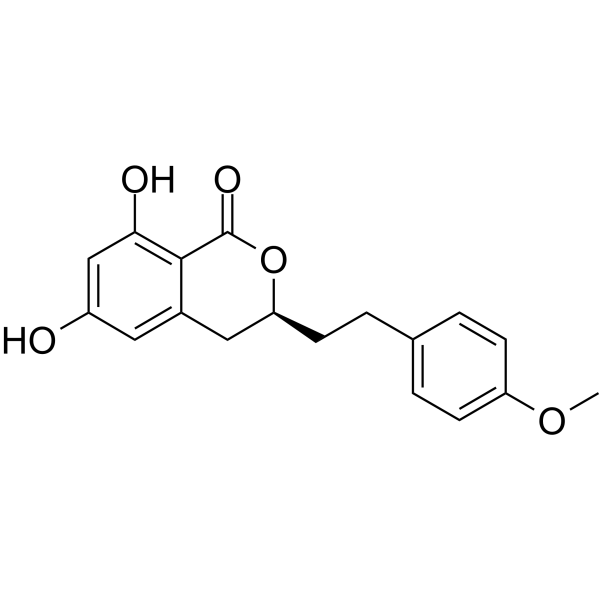
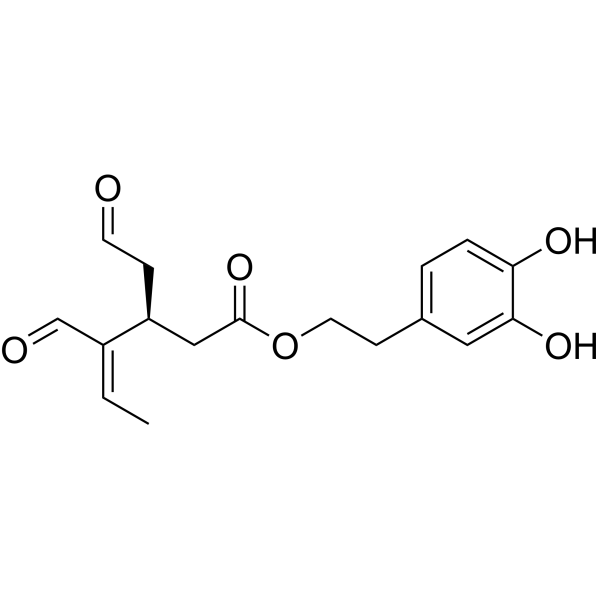
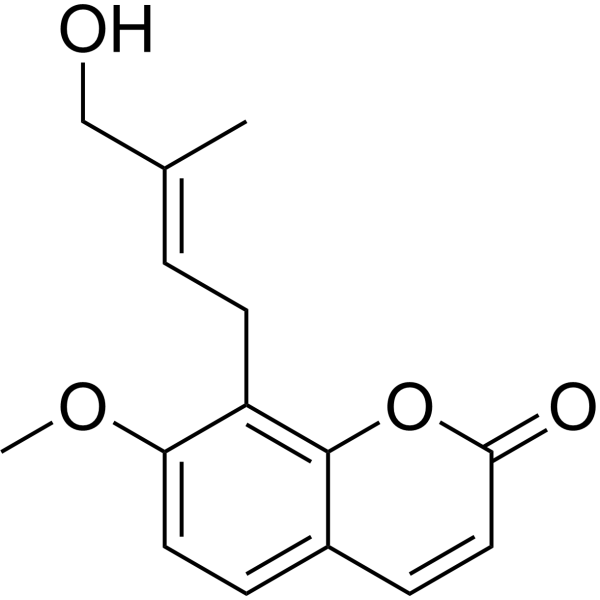
Agrimonolide (compound 9) is a natural product is isolated from agrimonia pilosa .
|
-
-
- HY-112427
-
-
-
- HY-162361
-
|
|
HDAC
|
Cancer
|
|
HDAC1-IN-7 (compound 9) is potent HDAC1 inhibitor, with the IC50 of 0.957 mM .
|
-
-
- HY-153569
-
|
|
ROCK
|
Others
|
|
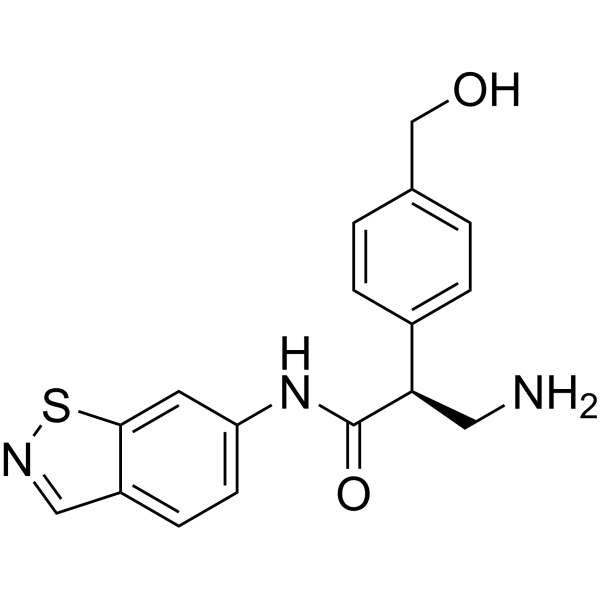
ROCK-IN-7 (compound 9) is a ROCK kinase inhibitor. ROCK-IN-7 can be used for research in ocular diseases (such as glaucoma and retinal diseases) .
|
-
-
- HY-N8630
-
-
-
- HY-156274
-
|
|
HDAC
|
Cancer
|
|
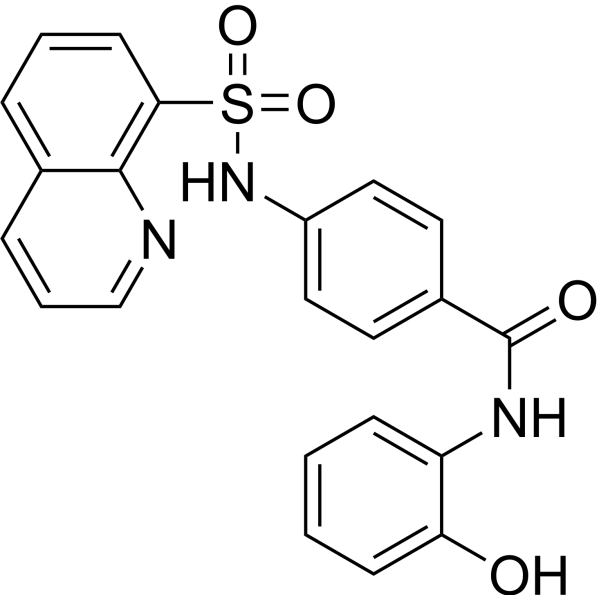
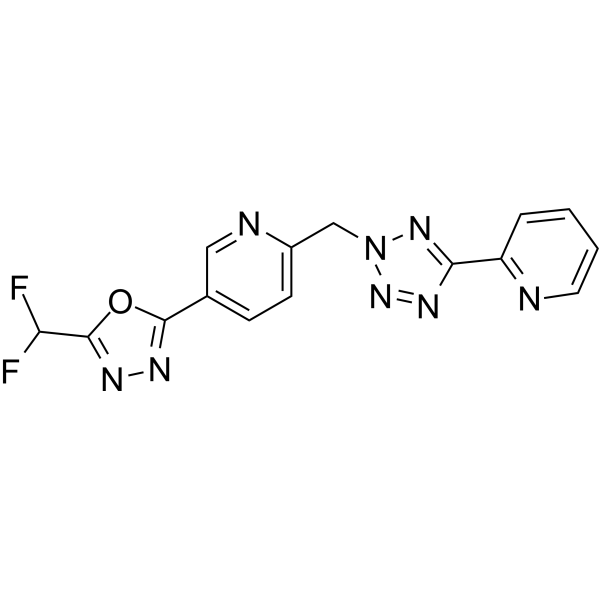
HDAC6-IN-23 (compound 9) is an orally active HDAC6 inhibitor .
|
-
-
- HY-W320239
-
-

-
- HY-N11473
-
|
|
Others
|
Others
|
|
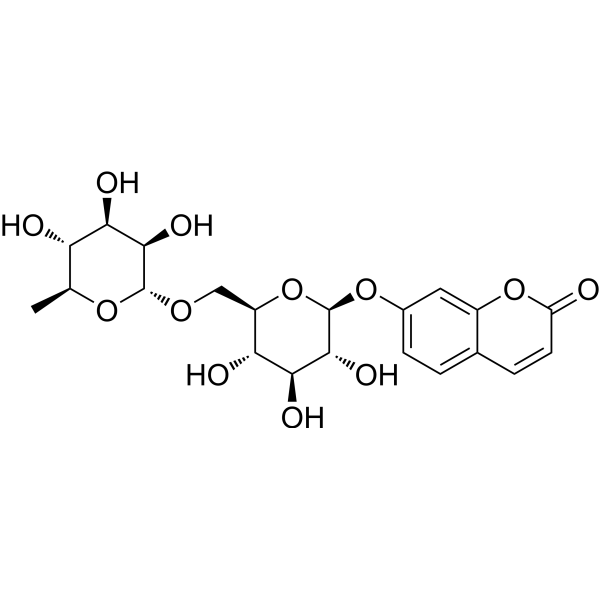
Umbelliferone 7-O-Rutinoside (Compound 9) is a natural product that can be isolated from the stems of Clausena emarginata .
|
-
-
- HY-119373
-
-
-
- HY-147394
-
-
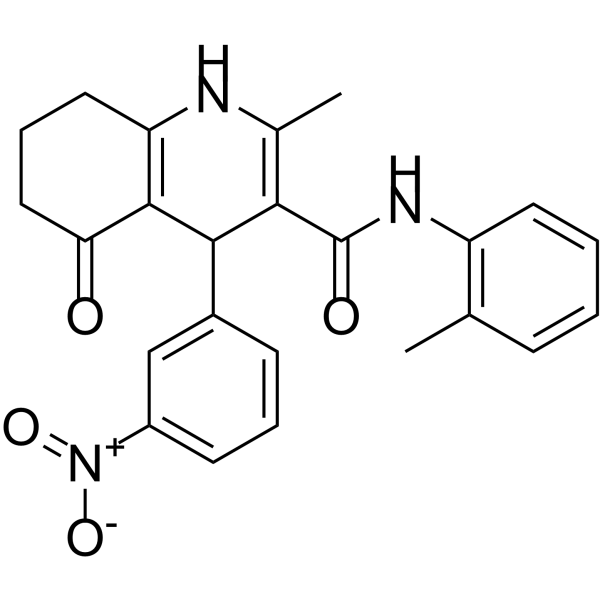
-
- HY-155582
-
|
|
Src
|
Cancer
|
|
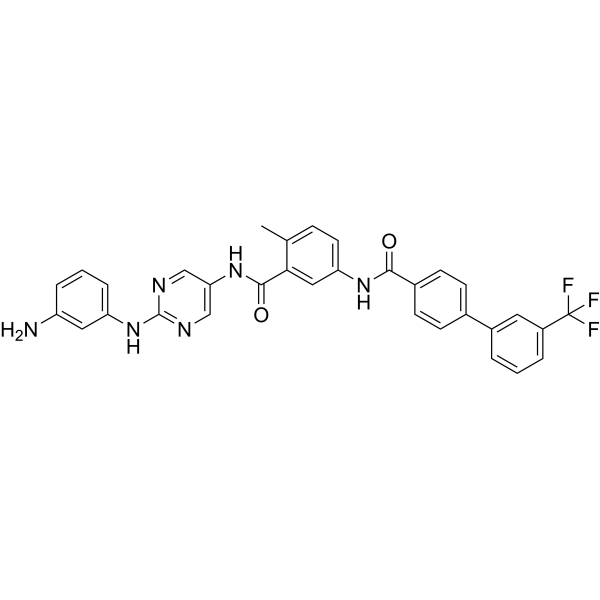
BLK degrader 1 (compound 9) is a selective degrader of B-lymphoid tyrosine kinase (BLK). BLK degrader 1 shows anticancer activity in several B-lymphoid cell lines .
|
-
-
- HY-N11566
-
-
-
- HY-N12569
-
|
|
Others
|
Others
|
|
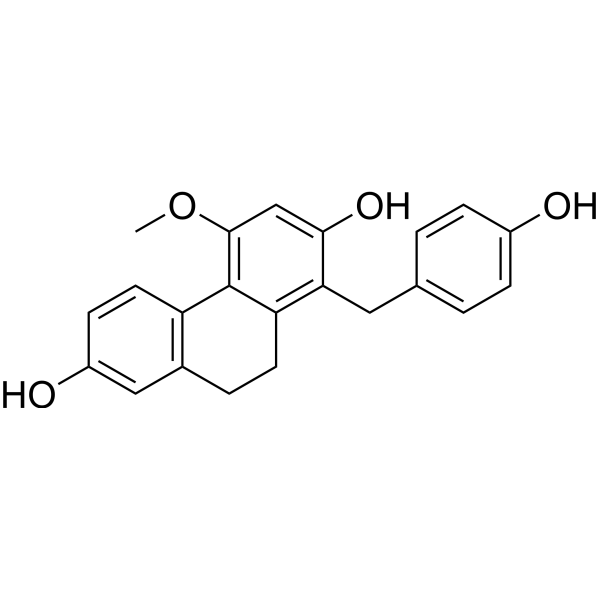
Orchidble (Compound 9) is a kind of phenanthrene compound which can be isolated from the roots of Bletilla ochracea .
|
-
-
- HY-118211
-
|
|
Bacterial
|
Infection
|
|
EcDsbB-IN-9 (Compound 9) is a potent E. coli DsbB (EcDsbB) inhibitor with an IC50 of 1.7 μM and a Ki of 46 nM .
|
-
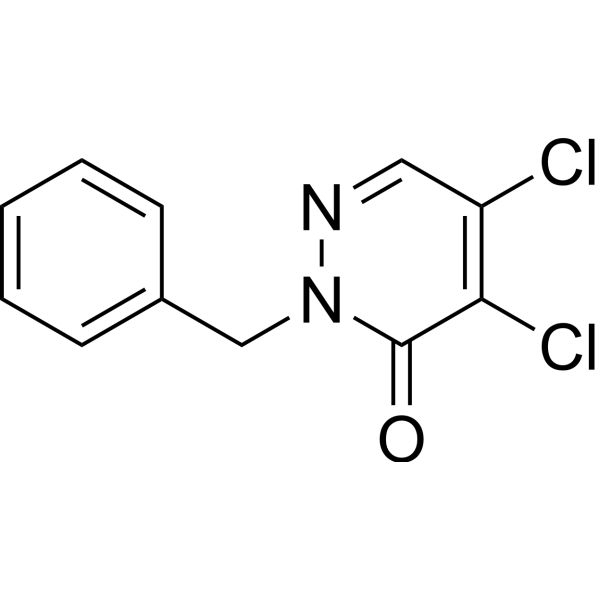
-
- HY-144630
-
-
-
- HY-148752
-
|
|
TRP Channel
|
Metabolic Disease
|
|
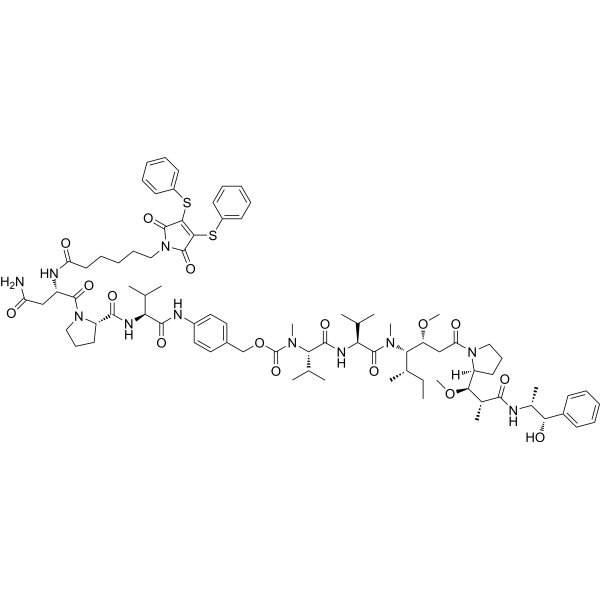
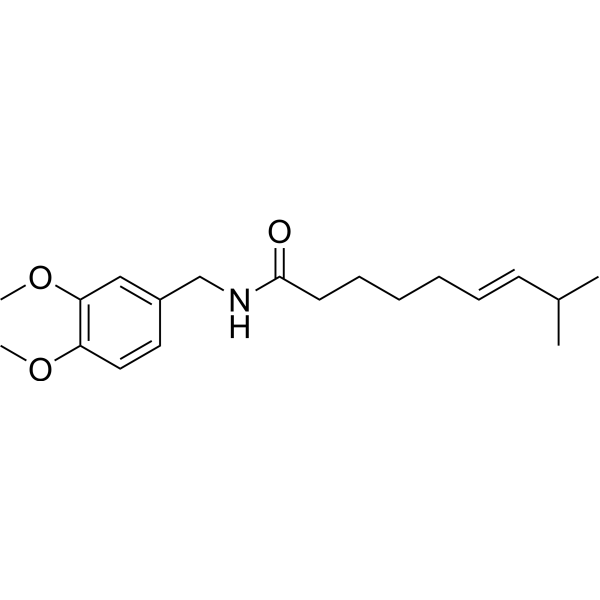
TRPV1 activator-2 (compound 9), a capsaicin head analog, makes specific interactions with channel residues at the lipid-water .
|
-
-
- HY-160884
-
|
|
DNA/RNA Synthesis
Phosphoramidites
|
Others
|
|
DMT-2'-OMe-D-Ribitol phosphoramidite (compound 9) is an abasic phosphoramidite monomer that can be used to introduce the abasic group Y34 into oligonucleotides .
|
-

-
- HY-W584986
-
|
|
Ligands for E3 Ligase
|
Cancer
|
|
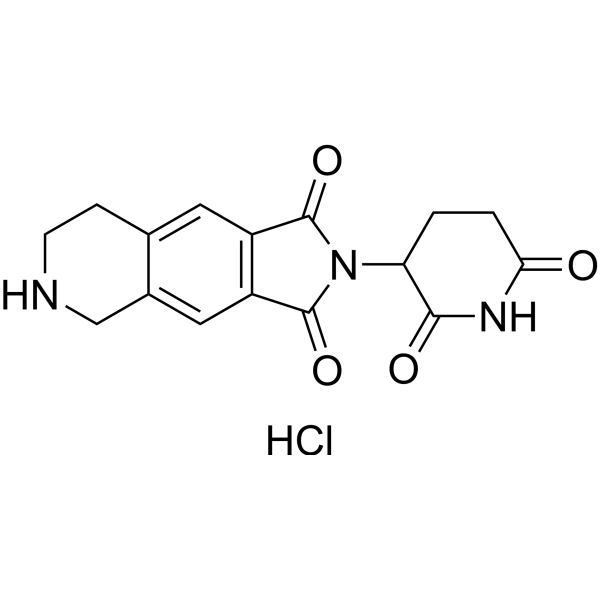
Thalidomide-(2)piperidine (compound 9) is a potent E3 ligase ligand. Thalidomide-(2)piperidine can be used for synthesis of PROTACs .
|
-
-
- HY-156817
-
|
|
TNF Receptor
|
Neurological Disease
|
|
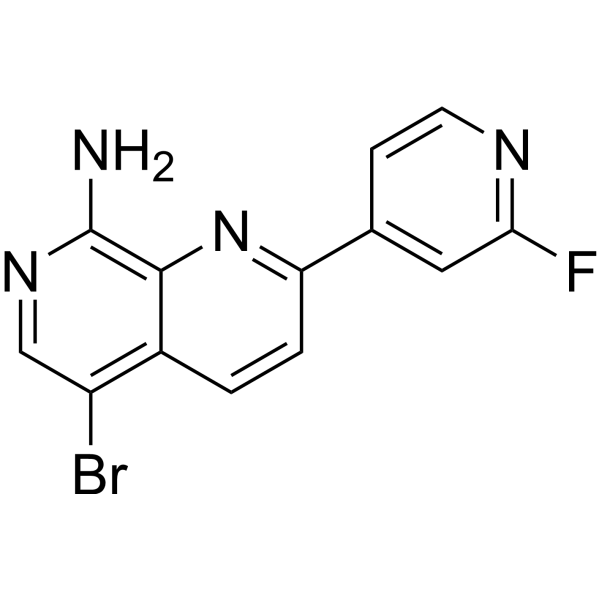
TNIK-IN-6 (Compound 9) is an inhibitor of Traf2 and Nck-interacting kinase (TNIK) and , with IC50 of 0.93 μM, that plays important roles in neurological and psychiatric disorders .
|
-
-
- HY-116237
-
-

-
- HY-163196
-
|
|
PSMA
|
Others
|
|
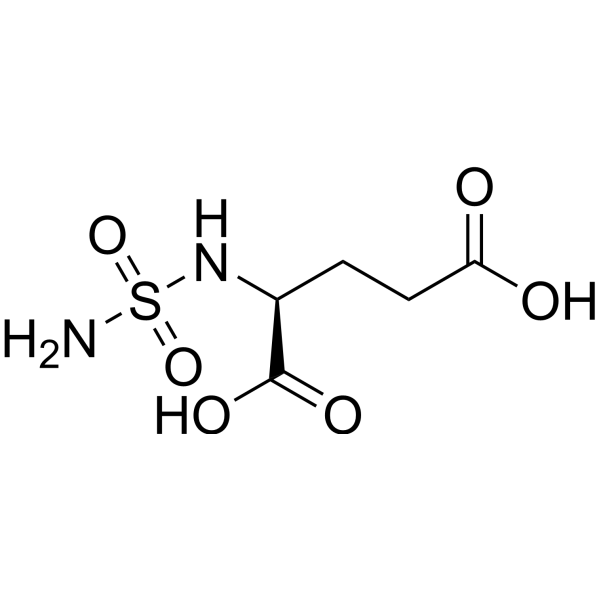
PSMA-IN-4 (compound 9) is a potent inhibitor of PSMA, with the IC50 value of 1.2 μM .
|
-
-
- HY-N1216
-
|
|
Others
|
Others
|
|
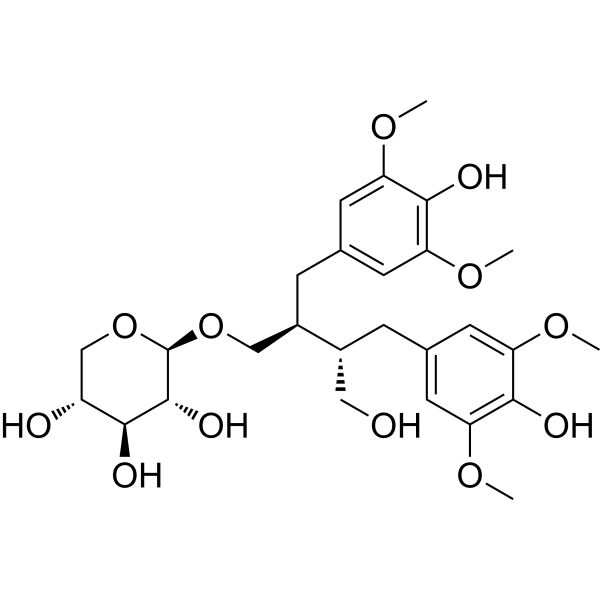
Ssioriside (compound 9) is a lignan xyloside, which can be isolated from the barks of Prunus ssiori and Prunus padus .
|
-
-
- HY-N6658
-
|
|
Drug Metabolite
|
Cancer
|
|
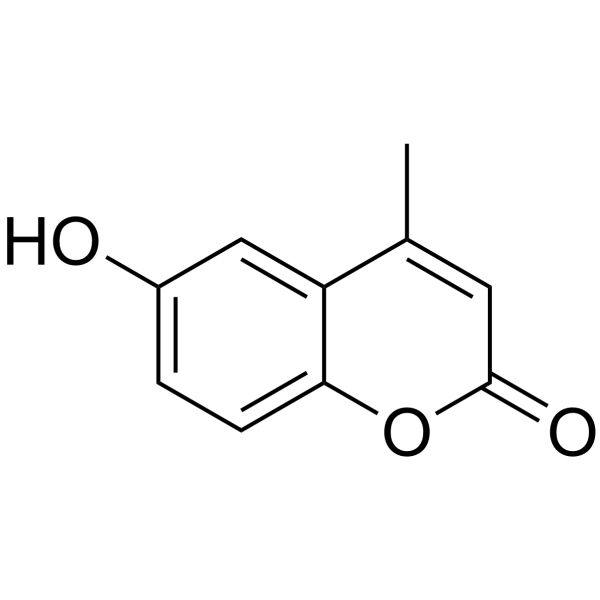
6-Hydroxy-4-methylcoumarin (compound 9) is a coumarins secondary metabolites and has anticancer activity .
|
-
-
- HY-161407
-
|
|
Aurora Kinase
|
Cancer
|
|
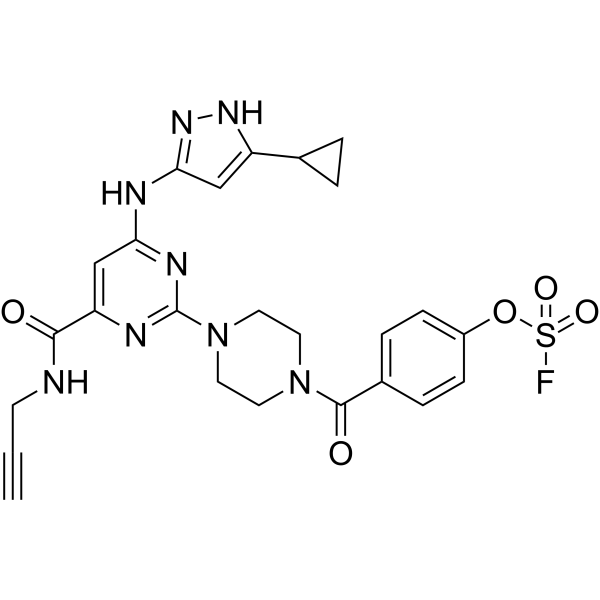
AURKA-IN-1 (compound 9) is an cell-active covalent AURKA inhibitor. AURKA-IN-1 is a lysine-reactive activity probe .
|
-
-
- HY-156287
-
|
|
Glycosidase
|
Cancer
|
|
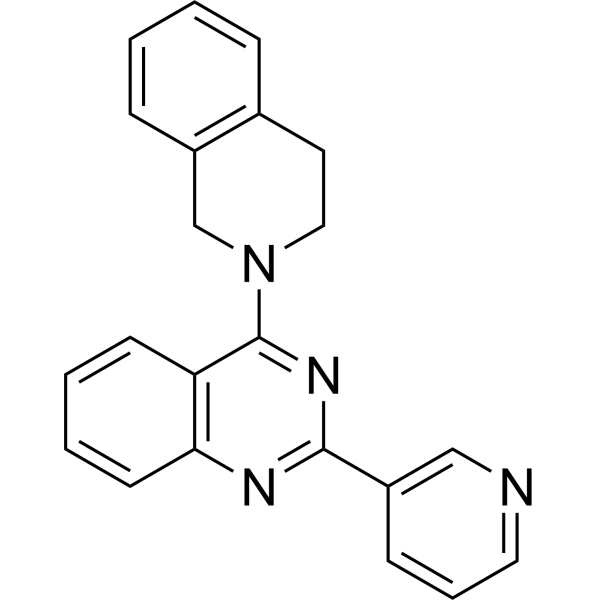
GCase modulator-1 (compound 9g), a derivative of Quinazoline, is a modulator of GCase (Glucosidase) (AC50=2.23 μM) .
|
-
-
- HY-177928
-
|
AZD1775 acid; MK-1775 acid
|
Drug Intermediate
Drug Derivative
|
Cancer
|
|
Adavosertib (AZD1775; MK-1775) acid (Compound 9) is a derivative of AZD1775 (HY-10993) and can be used for the synthesis of PROTAC .
|
-

-
- HY-180511
-
|
|
Bacterial
|
Infection
|
|
MurA-IN-7 (Compound 9) is a reversible MurA covalent inhibitor with an IC50 value of 164 μM. MurA-IN-7 can be used in antibacterial research .
|
-

-
- HY-162810
-
|
|
CD28
|
Others
|
|
ICOS-IN-1 (compound 9) is an inhibitor of the interaction between ICOS and ICOS-L (IC50=29.38 μM) and has activity in recognizing immune checkpoints .
|
-

-
- HY-N16528
-
|
|
Others
|
Cancer
|
|
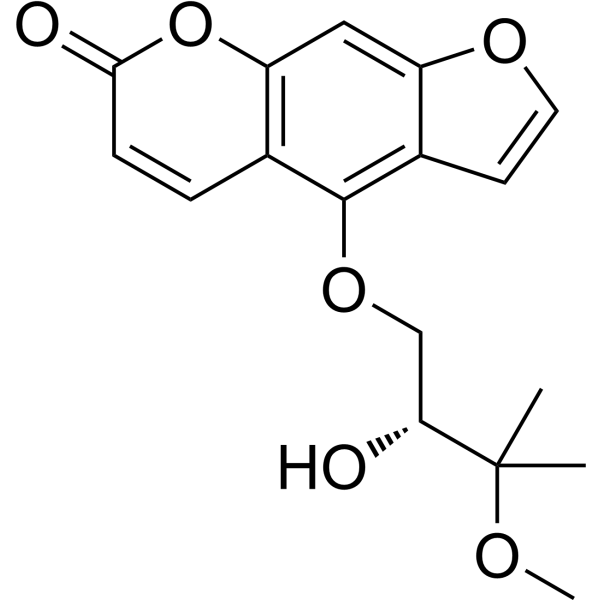
(-)-Byakangelicin (Compound 9) is a furanocoumarin compound found in the peels of Citrus limon. (-)-Byakangelicin has antimutagenic activity for Trp-P-1 and PhIP and can be used for the research of cancer .
|
-

-
- HY-W013781
-
|
|
Biochemical Assay Reagents
|
Others
|
|
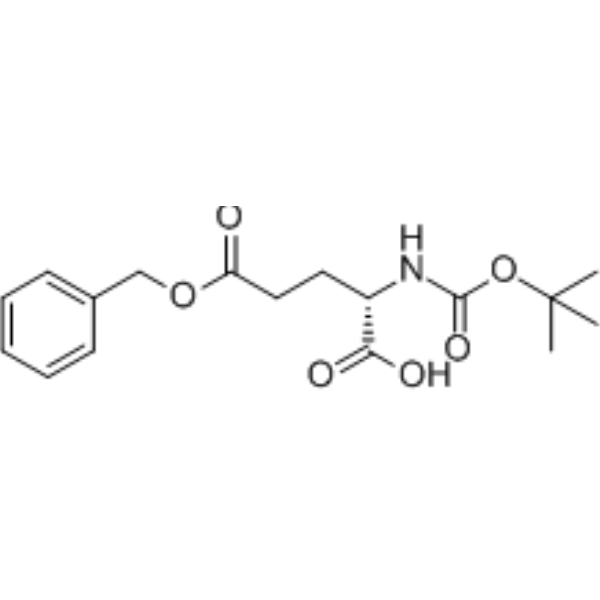
Boc-Glu(OBzl)-OH (Compound 9) is a glutamic acid derivative commonly used in Boc SPPS. Glutamic acid residues increase the hydrophilicity of the polypeptide and play an important structural and receptor binding role .
|
-
-
- HY-W198345
-
|
|
Dipeptidyl Peptidase
|
Metabolic Disease
|
|
Val-Pyrrolidide hydrochloride (compound 9) is a DPIV inhibitor. Val-Pyrrolidide hydrochloride can prevent N-terminal truncation of the peptide Gln3-Aβ(1–11) [1] .
|
-

-
- HY-170416
-
|
|
Reactive Oxygen Species (ROS)
|
Cancer
|
|
ROS inducer 6 (compound 9) is a reactive oxygen species (ROS) inducer. ROS inducer 6 (compound 9) acts as an anticancer agent by inducing ROS generation through the depletion of intracellular glutathione .
|
-

-
- HY-101521
-
|
|
Btk
|
Cancer
|
|
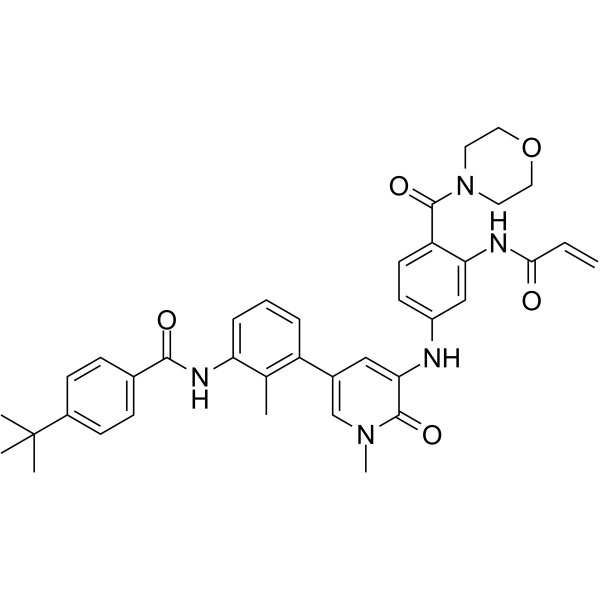
CHMFL-BTK-01 (compound 9) is a highly selective irreversible BTK inhibitor, with an IC50 of 7 nM. CHMFL-BTK-01 (compound 9) potently inhibited BTK Y223 auto-phosphorylation .
|
-
-
- HY-N9969
-
-
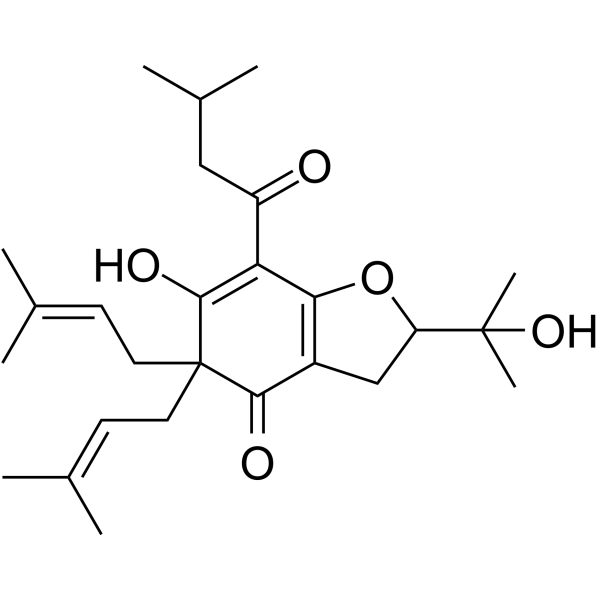
-
- HY-145874
-
-
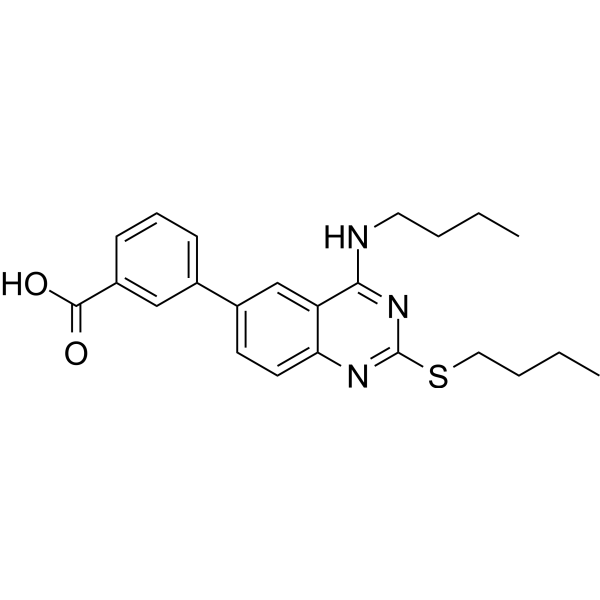
-
- HY-151423
-
|
|
Fungal
|
Infection
|
|
Antifungal agent 39 (Compound 9h) is a broad-spectrum antifungal agent .
|
-
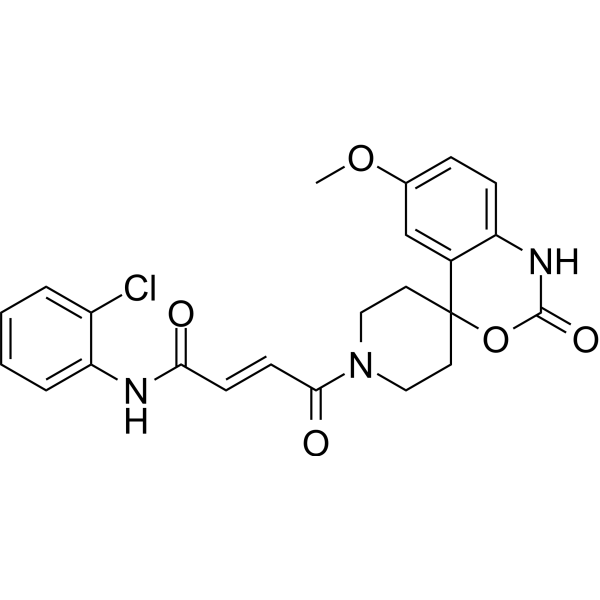
-
- HY-163914
-
|
|
Telomerase
|
Cancer
|
|
Telomerase-IN-7 (compound 9) is a Telomerase inhibitor with an IC50 of 0.03 μM .
|
-

-
- HY-162287
-
-
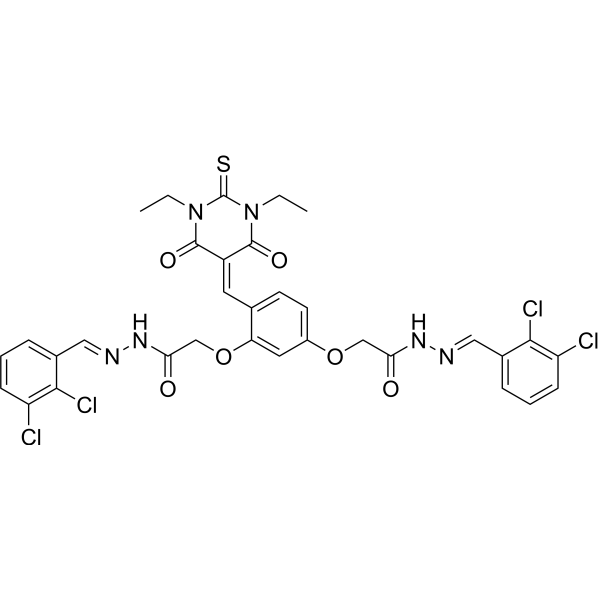
-
- HY-157517
-
-
-
- HY-147806
-
|
|
Parasite
|
Infection
|
|
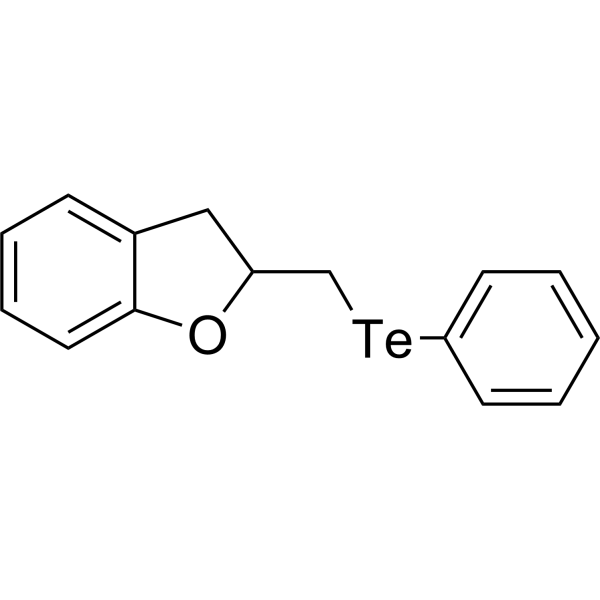
Antiparasitic agent-8 (Compound 9) is an antiparasitic agent against Hymenolepis nana with low cytotoxicity .
|
-
-
- HY-160995
-
|
|
HIV
|
Infection
|
|
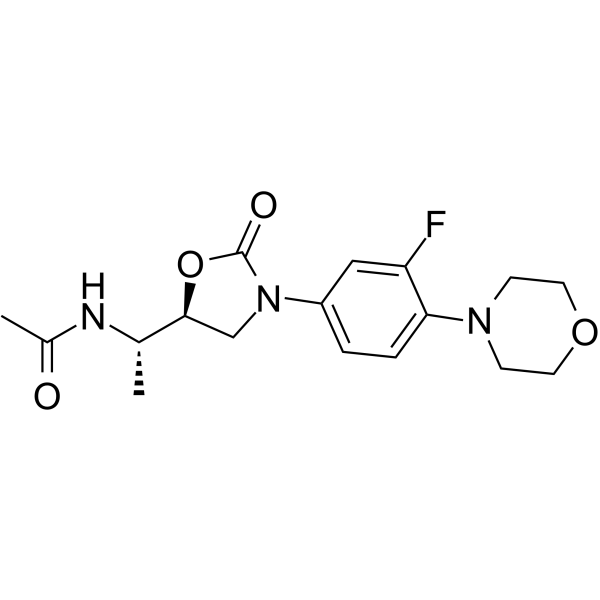
Crotoniazide (compound 9) is an isonicotinic acid hydrazide derivative with anti-HIV potential with an EC50 value of 11 ug/mL .
|
-

-
- HY-156793
-
|
|
PKC
|
Others
|
|
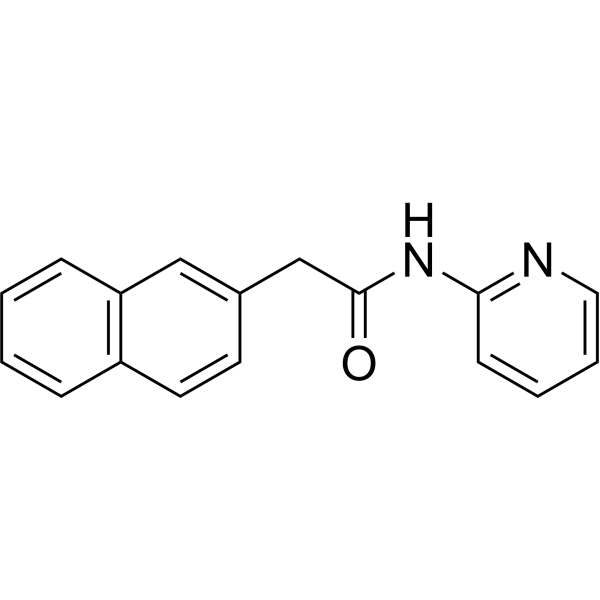
hRIO2 kinase ligand-1 (compound 9) is a ligand of hRIO2 kinase, with a Kd value of 520 nM .
|
-
-
- HY-157450
-
-
-
- HY-W470415
-
|
|
Microtubule/Tubulin
|
Cancer
|
|
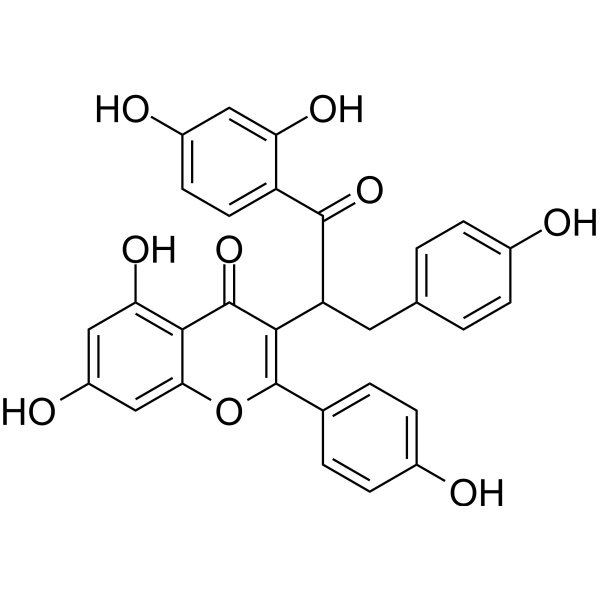
Alfalone (compound 9ia) is an antimitotic agent. Alfalone causes cleavage arrest and initiates the formation of tuberculate eggs .
|
-

-
- HY-N8140
-
|
|
Others
|
Others
|
|
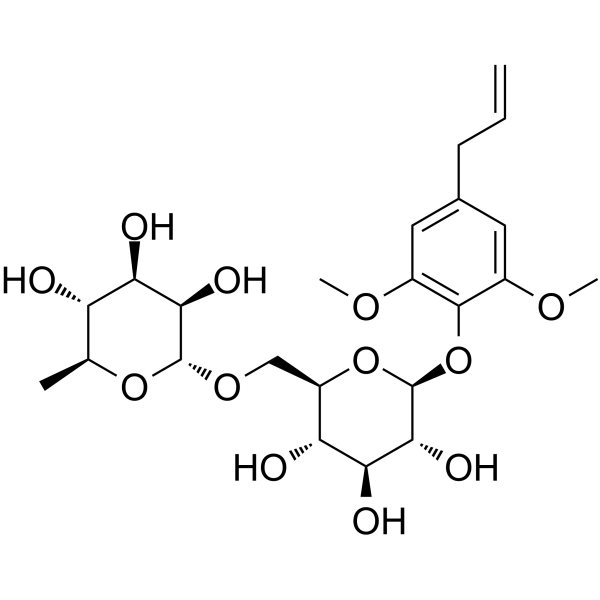
Methoxyeugenol 4-O-rutinoside (compound 9) is a phenyl glucoside that can be found in the bark of Daphniphyllum angustifolium .
|
-
-
- HY-160646
-
-
-
- HY-142030
-
-
-
- HY-132128
-
-

-
- HY-117770
-
|
|
STAT
|
Others
|
|
STAT3-IN-30 (compound 9c) is a STAT3 inhibitor with an EC50 of 13.8 μM .
|
-

-
- HY-172805
-
|
|
Phosphorylase
|
Metabolic Disease
|
|
Glycogen phosphorylase-IN-2 (compound 9C) is an inhibitor of glycogen phosphorylase with a Ki value of 1.9 nM and an IC50 value of 4 nM .
|
-

- HY-N12082
-
|
|
HIV
|
Infection
|
|
HIV-IN-8 (Compound 9) is a HIV inhibitor. HIV-IN-8 inhibits HIV replication with an EC50 of 13 μg/mL .
|
-
- HY-162101
-
|
|
Topoisomerase
|
Cancer
|
|
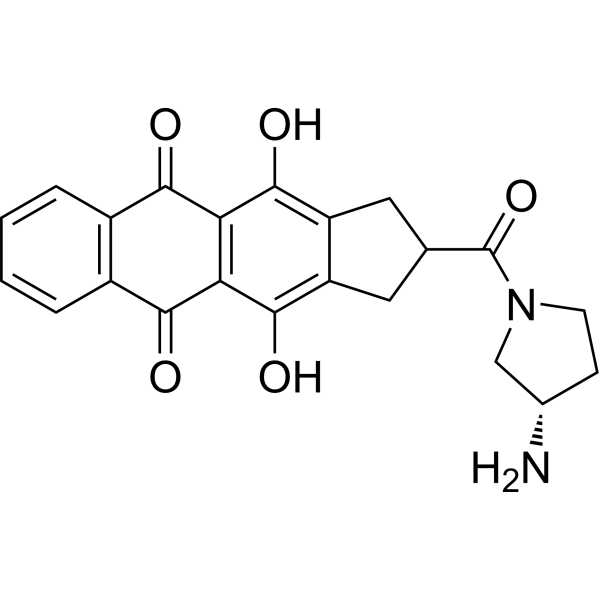
Topoisomerase inhibitor 3 (compound 9) is a potent Topoisomerase inhibitor. Topoisomerase inhibitor 3 shows antiproliferative and anti-tumor activity .
|
-
- HY-149723
-
|
|
Ferroptosis
|
Cancer
|
|
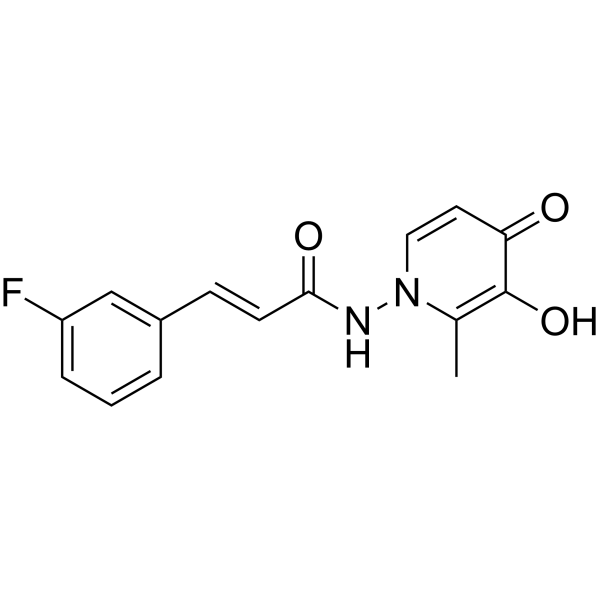
Ferroptosis-IN-5 (compound 9c) is a ferroptosis inhibitor with iron-chelating and reactive oxygen species (ROS) scavenging activities .
|
-
- HY-162262
-
-
- HY-N15696
-
|
|
Biochemical Assay Reagents
|
Others
|
|
Lagesianine A (Compound 9) can be obtained from ethanol extracts of the leaves of Aristolochia lagesiana var. intermedia and analyzed by spectrometric methods .
|
-

- HY-41240
-
-

- HY-172589
-
|
|
Btk
|
Cancer
|
|
BTK-IN-43 (compound 9) is an inhibitor of BTK with an IC50 value of 21.6 nM. BTK-IN-43 has oral activity .
|
-

- HY-153566
-
|
|
JAK
|
Cancer
|
|
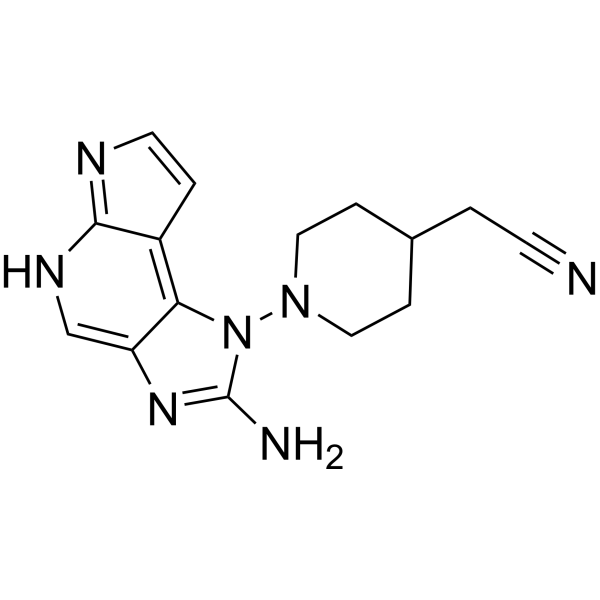
JAK1-IN-10 (compound 9), a cyano-substituted cyclic hydrazine derivative, is a potent and selective JAK1 inhibitor .
|
-
- HY-N13288
-
|
|
Parasite
|
Infection
|
|
Cordysinin C/D (compound 9) is a potential anti-plasmodial compound that can effectively inhibit Plasmodium falciparum 3D7 strain .
|
-

- HY-161390
-
-

- HY-N1670
-
|
|
Others
|
Others
|
|
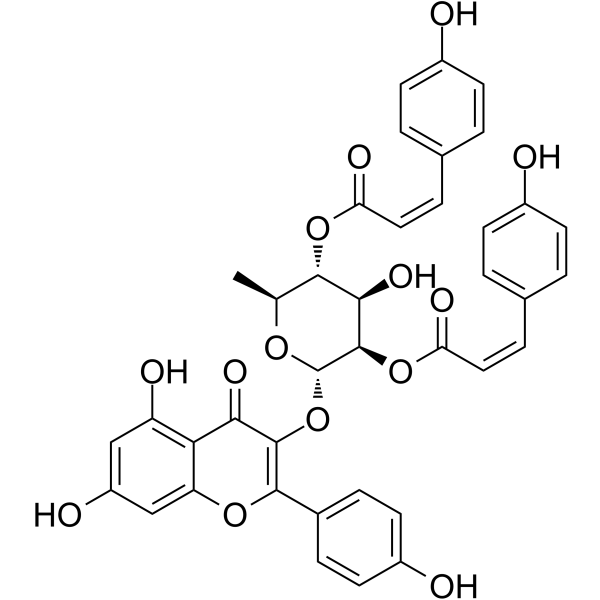
2'',4''-Di-O-(Z-p-Coumaroyl)afzelin (compound 9) is a compound isolated from the leaf extract of Machilusphilippinense Merr. .
|
-
- HY-120740
-
|
|
Dopamine Receptor
|
Others
|
|
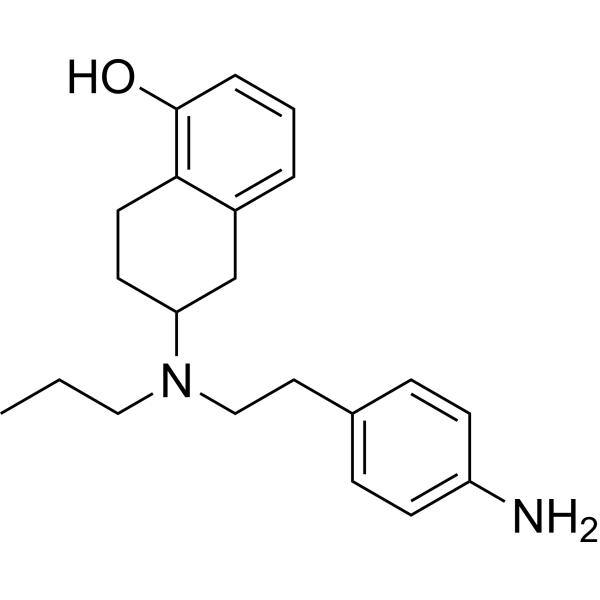
4-Amino-PPHT (Compound 9a) is a PPHT derivative that selectively binds to dopamine D-2 receptors with a Ki value of 6.8 nM .
|
-
- HY-161361
-
|
|
Mixed Lineage Kinase
|
Cancer
|
|
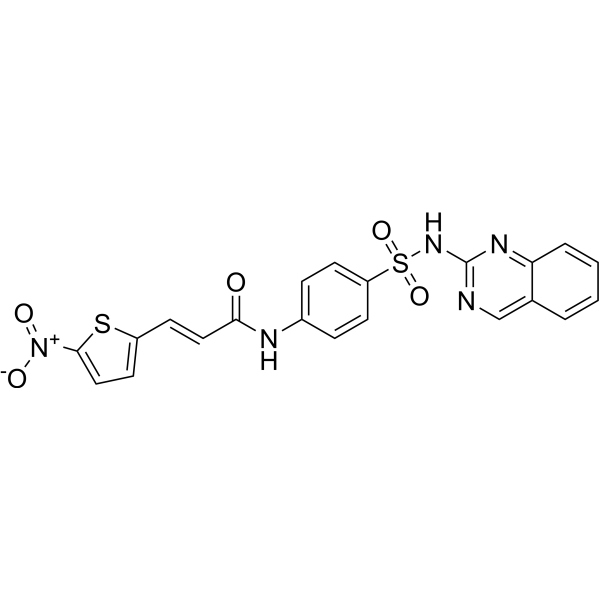
MLKL-IN-7 (compound 9) is a MLKL inhibitor, and shows anti-necroptosis activity in HT-29 cells with the IC50 of 148.4 nM .
|
-
- HY-149649
-
|
|
SARS-CoV
|
Infection
|
|
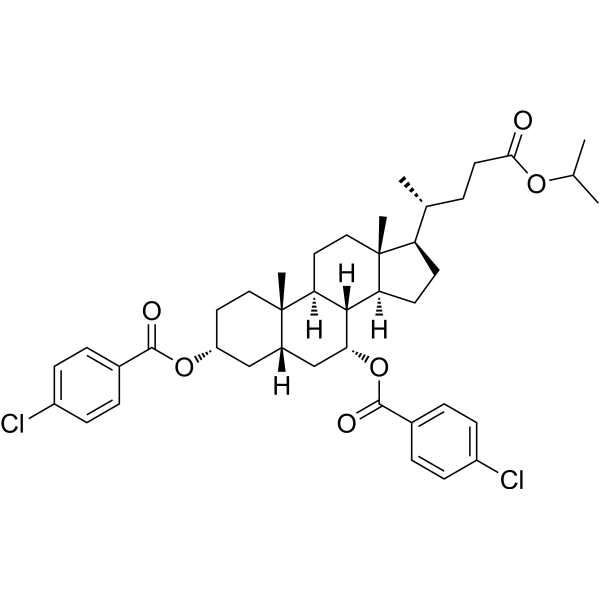
SARS-CoV-2-IN-64 (compound 9), a chenodeoxycholic acid derivative, is a potent inhibitor of spike glycoprotein of SARS-CoV-2 .
|
-
- HY-175316
-
|
|
EGFR
|
Cancer
|
|
EGFR-IN-168 (Compound 9a) is a potent EGFR inhibitor with an IC50 of 0.069 μM. EGFR-IN-168 has antitumor activity .
|
-

- HY-163501
-
|
|
PI3K
Akt
|
Cancer
|
|
PI3Kα-IN-23 (Compound 9) is an inhibitor of PI3Ka H1047R .
|
-

- HY-113793
-
|
|
Ras
|
Cancer
|
|
BPH-742 (compound 9) is a Geranylgeranyl diphosphate synthase inhibitor with IC50 of 0.1 μM. BPH-742 has antitumor activity .
|
-

- HY-17667
-
|
|
HDAC
|
Cancer
|
|
HDAC-IN-95 (Compound 9) is a HDAC inhibitor. HDAC-IN-95 can be used for the study of non-small cell lung cancer (NSCLC) .
|
-

- HY-160878
-
|
|
Filovirus
|
Infection
|
|
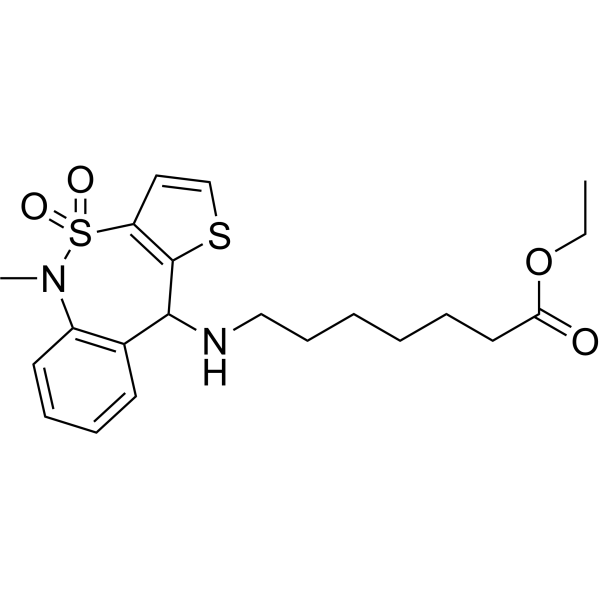
EBOV-IN-3 (compound 9) is benzothiazepine compound. EBOV-IN-6 has anti-pEBOV activity with a IC50 value of 0.37 μM .
|
-
- HY-N15217
-
|
|
Influenza Virus
|
Infection
|
|
Antiviral agent 65 (compound 9) is an antiviral agent that targets influenza H1N1 virus (EC50=7 μg/mL) .
|
-

- HY-146207
-
|
|
Carbonic Anhydrase
|
Cancer
|
|
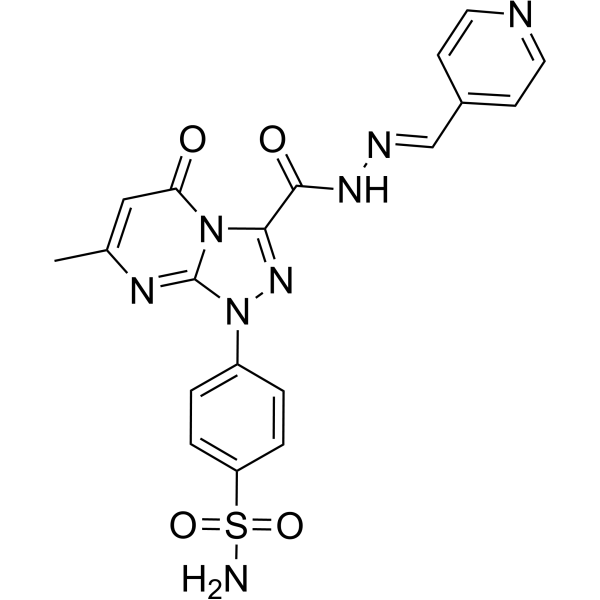
HCAIX-IN-2 (compound 9d) is a selective carbonic anhydrase inhibitor with the Ki values of 24.6 nM and 45.3 nM for hCA IX and hCA XII, respectively .
|
-
- HY-161283
-
|
|
MAP3K
|
Others
|
|
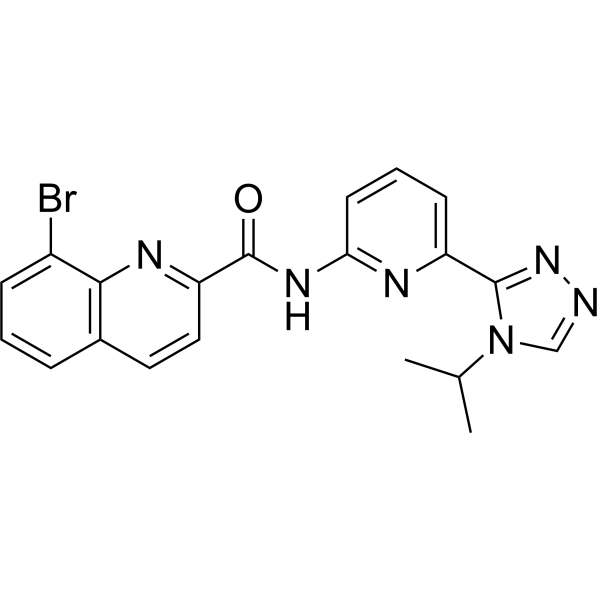
JT21-25 (compound 9h) is a potent and selective inhibitor of apoptosis signal-regulating kinase 1 (ASK1), with IC50 of 5.1 nM .
|
-
- HY-164683
-
|
|
P-glycoprotein
|
Cancer
|
|
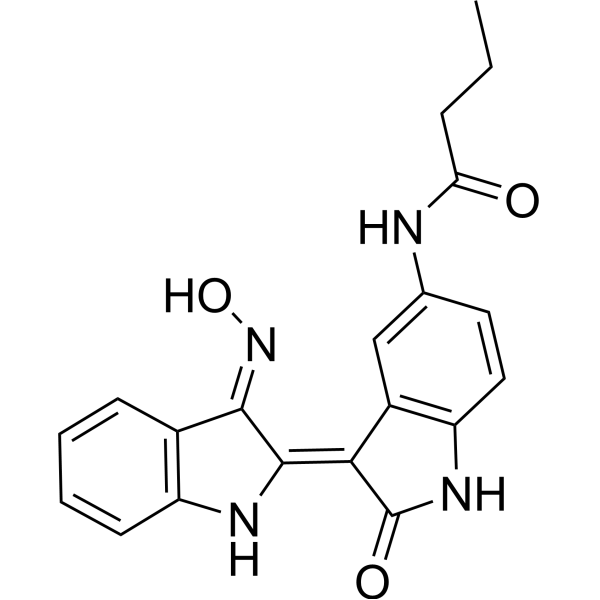
MRP1-IN-1 (Compound 9h) is a MRP1 inhibitor with an EC50 of 0.90 μM in HeLa-T5 cells .
|
-

- HY-170058
-
-

- HY-19510
-
-

- HY-169381
-
|
|
Bcl-2 Family
|
Others
|
|
hMcl-1-IN-1 (Compound 9) is an hMcl-1 inhibitor based on His224 aryl sulfonate fluoride, with an IC50 value of 5.8 nM .
|
-

- HY-156879
-
|
|
Drug Derivative
|
Cancer
|
|
Antiproliferative agent-40 (Compound 9) inhibits proliferation of HT1080 and MCF-7 with IC50s of 52 and 8.2 μM respectively .
|
-
- HY-N12278
-
|
|
Others
|
Others
|
|
Micromarin F (compound 9) is synthesized from osthole. Micromarin F against Balanus albicostatus and Bugula neritina with EC50 values of 10.93 and 12.38 μM .
|
-
- HY-175644
-
|
|
Urease
|
Others
|
|
Urease-IN-22 (Compound 9L) is a Urease inhibitor with an IC50 of 0.15 μM. Urease-IN-22 is a piperazine-based derivative of Benzimidazole (HY-Y1825) .
|
-

- HY-131914
-
|
|
Sigma Receptor
|
|
|
EST64454 (compound 9k) is a selective, orally active sigma-1 receptor antagonist with Ki 22 nM. EST64454 can be used to study pain .
|
-

- HY-168621
-
-

- HY-143299
-
-
- HY-164643
-
|
|
Antibiotic
Fungal
|
Infection
|
|
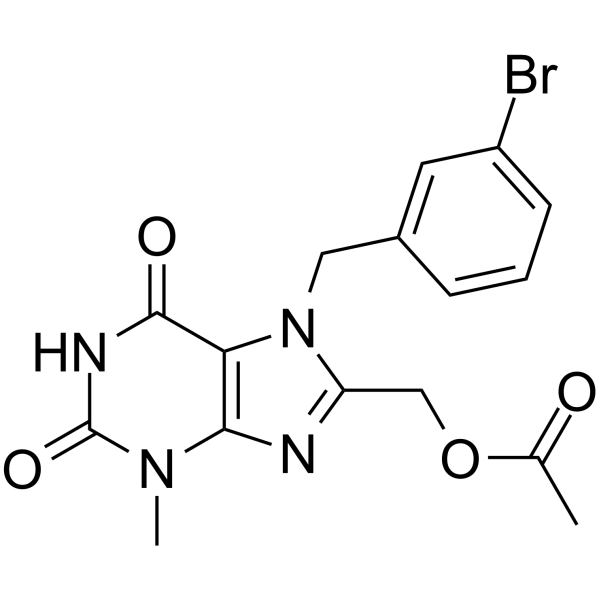
Antifungal agent 113 (compound 9a) is a potent antifungal and antibacterial agent. Antifungal agent 113 shows good antibacterial activity against S. aureus and methicillin-resistant S. aureus .
|
-

- HY-115957
-
|
|
Microtubule/Tubulin
|
Cancer
|
|
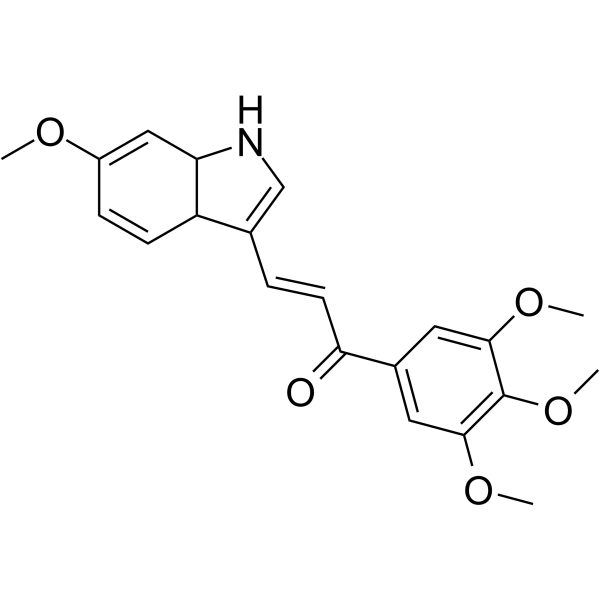
Tubulin inhibitor 19 (compound 9b) is a potent inhibitor of tubulin. Tubulin inhibitor 19 is an indole chalcone compound. Tubulin inhibitor 19 has the potential for the research of cancer diseases .
|
-
- HY-168033
-
-

- HY-116946
-
|
|
Glucokinase
|
Metabolic Disease
|
|
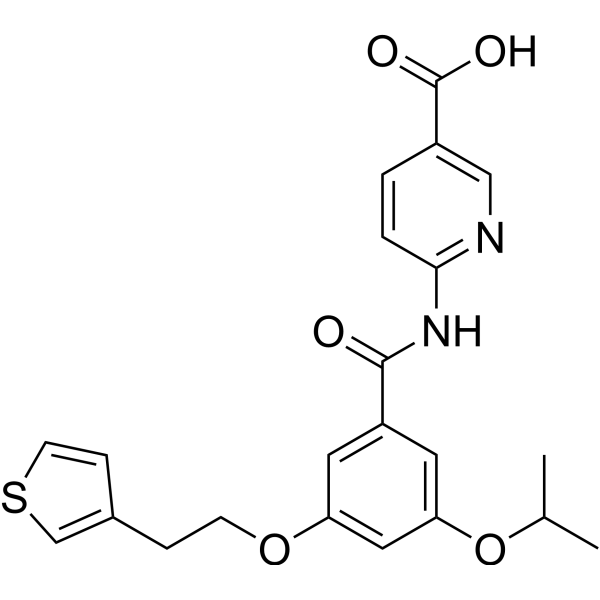
Glucokinase activator 6 (compound 9) is a potent glucokinase activator, with an EC50 of 0.09 μM. Glucokinase activator 6 can be used for type 2 diabetes (T2D) research .
|
-
- HY-N10434
-
-
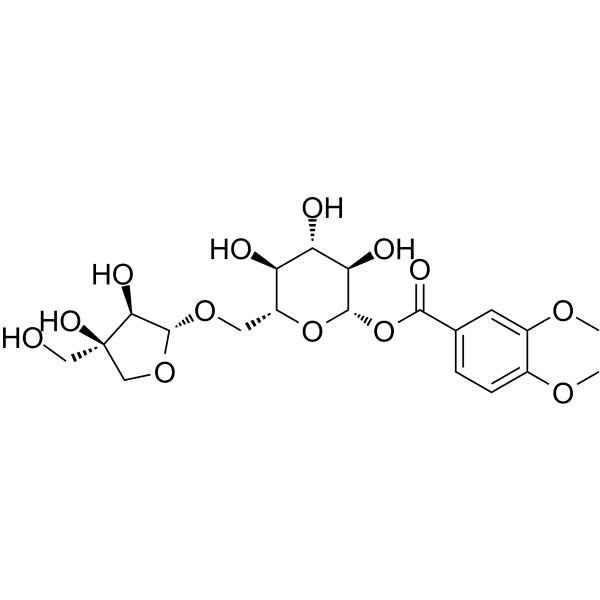
- HY-180319
-
|
|
Drug Intermediate
|
Others
|
|
Benzyl m-hydroxycarbanilate (Compound 9) is a biologically active chemical substance and also an intermediate .
|
-

- HY-W104814
-
-

- HY-N11502
-
|
|
Others
|
Others
|
|
(E)-(-)-Aspongopusamide B (Compound 9) is a natural product that can be isolated from the insect Aspongopus chinensis .
|
-
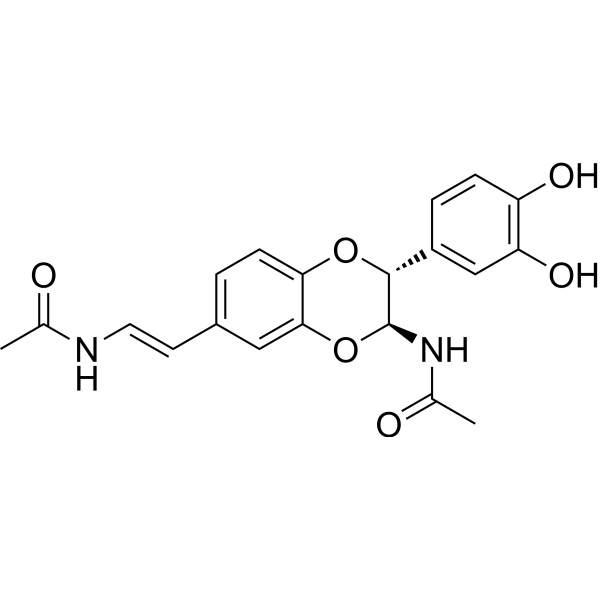
- HY-N18344
-
|
|
Drug Derivative
|
Others
|
|
Cichorioside B (Compound 9) is a sesquiterpene lactone glycoside that can be isolated from Lactuca sativa L var. anagustata .
|
-

- HY-N18872
-
|
Glutaminylaspartic acid
|
Others
|
Others
|
|
L-Glutaminyl-L-aspartic acid (Glutaminylaspartic acid) (Compound 9) is a polypeptide that can be found in the ethanolic extract of Edgeworthia gardneri (Wall.) Meisn. .
|
-

- HY-B1168
-
|
|
Drug Derivative
|
Others
|
|
3-Methyl aspirin (Compound 9) is an Aspirin (HY-14654) derivative, which exhibits thermolysin inhibition activity .
|
-

- HY-N17965
-
|
|
Others
|
Others
|
|
Guan-fu base Z (Compound 9) is a diterpenoid alkaloid that can be isolated from the whole herb of Aconitum tanguticum var. trichocarpum .
|
-

- HY-180383
-
|
|
Drug Intermediate
|
Others
|
|
3-Methoxy-4-(methoxymethoxy)aniline (compound 9) is a pharmaceutical intermediate that can be used to synthesize HDAC inhibitors .
|
-

- HY-N17886
-
|
|
Drug Derivative
|
Others
|
|
Karacolidine (compound 9) is an aconitine-type alkaloid. Karacolidine can be found in the lateral root of Aconitum carmichaeli Debx. (Radix Aconiti Lateralis) .
|
-

- HY-181325
-
-

- HY-N17765
-
|
|
Others
|
Others
|
|
rel-(7R,8'R,8S)-Forsythialan C (compound 9) is a lignan compound that can be isolated from Forsythia suspensa.
|
-

- HY-48306
-
|
|
Drug Intermediate
|
Cancer
|
|
G-814 intermediate-1 (compound 9) is an intermediate in the synthesis of G-814. G-814 intermediate-1 can be used for the synthesis of ADCs .
|
-

- HY-W801784
-
|
|
mAChR
|
Others
|
|
Revefenacin impurity 4 (Compound 9b) is an intermediate of Revefenacin (HY-15851). Revefenacin impurity 4 can bind to human M3 muscarinic acetylcholine receptor inhibitors (Ki = 55 nM) .
|
-

- HY-147647
-
|
|
Glyoxalase (GLO)
|
Cancer
|
|
Glyoxalase I inhibitor 5 (Compound 9h) is a glyoxalase I (Glo-I) inhibitor with an IC50 of 1.28 μM. Glyoxalase I inhibitor 5 can be used as anticancer agent .
|
-
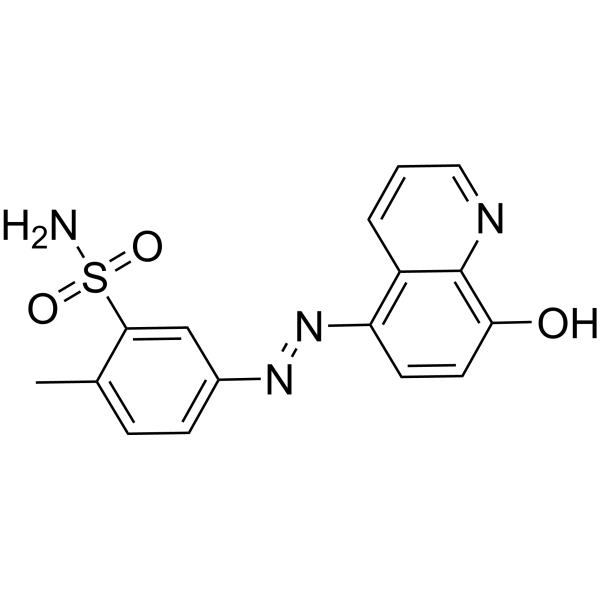
- HY-N3838
-
|
|
Others
|
Cancer
|
|
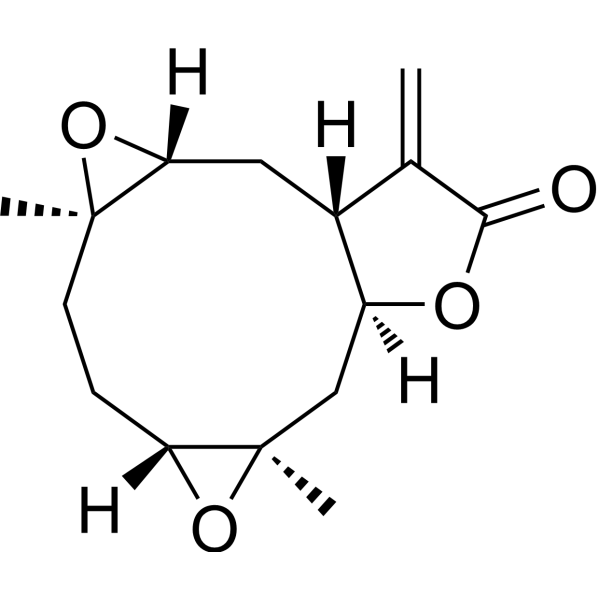
Epitulipinolide diepoxide (compound 9) is a natural compound isolated from the herbs of Liriodendron chinense (Hemsl.) Sarg. Epitulipinolide diepoxide displays cytoxicity in A375 cells, with the IC50 of 52.03 μM .
|
-
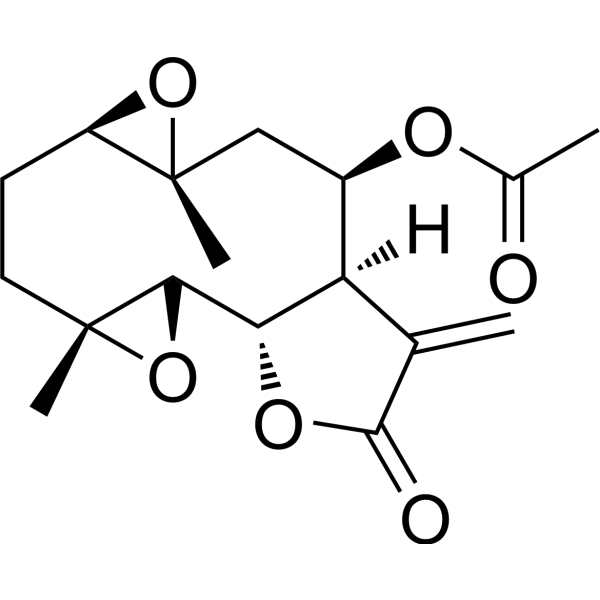
- HY-146164
-
|
|
Microtubule/Tubulin
|
Metabolic Disease
Cancer
|
|
Tubulin polymerization-IN-21 (compound 9a) is a tubulin polymerization inhibitor. Tubulin polymerization-IN-21 exhibits anti-cancer activity through disrupting cellular integrity and affecting glucose metabolism .
|
-
- HY-156502
-
|
|
MAP4K
|
Cancer
|
|
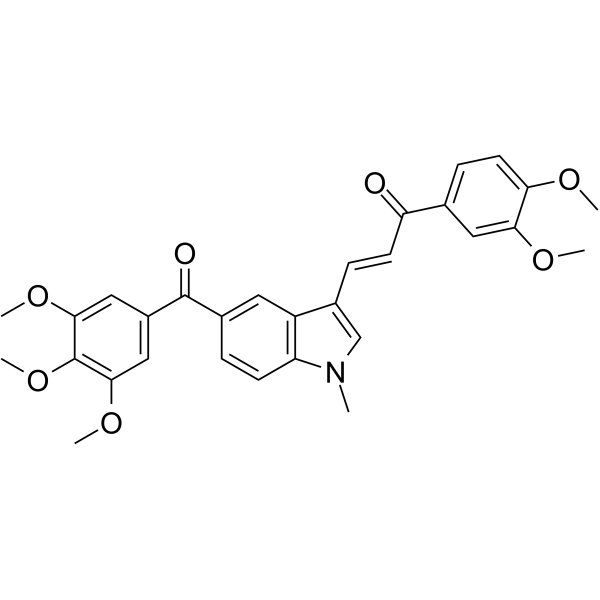
TINK-IN-1 (Compound 9) is a potent and selective Traf2- and Nck-interacting kinase (TNIK) inhibitor with an IC50 of 8 nM. TINK-IN-1 inhibits colorectal cancer cells viability .
|
-
- HY-147362
-
|
|
Monoamine Oxidase
|
Neurological Disease
|
|
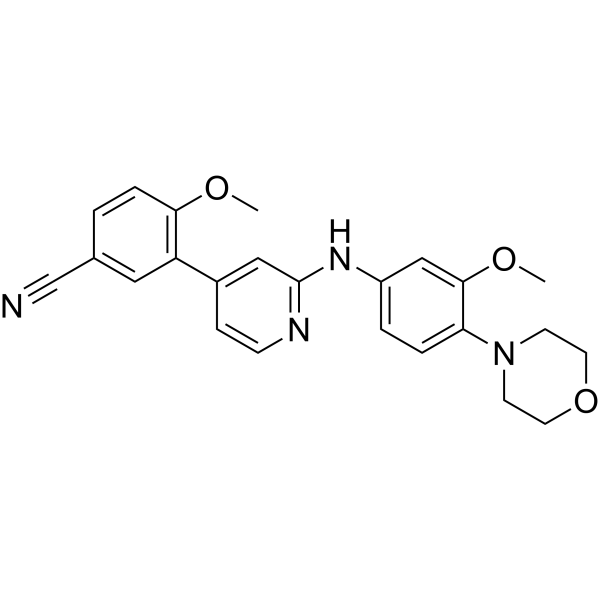
MAO-B-IN-14 (Compound 9) is a potent and selective monoamine oxidase-B (MAO-B) inhibitor with an IC50 of 0.95 μM and a Ki of 0.55 μM against human MAO-B.
|
-
- HY-161047
-
|
|
HIV
|
Infection
|
|
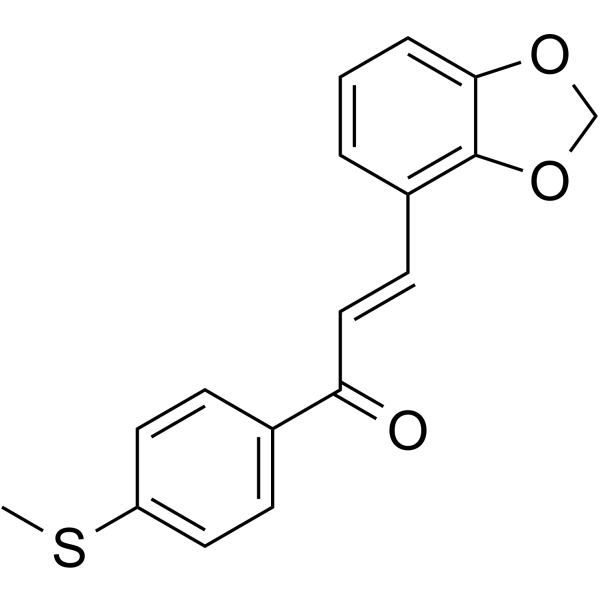
Antiviral agent 45 (compound 9a) is an antiviral agent. Antiviral agent 45 inhibits HIV-1 andHIV-2 with IC50s of 35 and 3.1 nM, respectively .
|
-
- HY-146427
-
|
|
Fungal
|
Infection
|
|
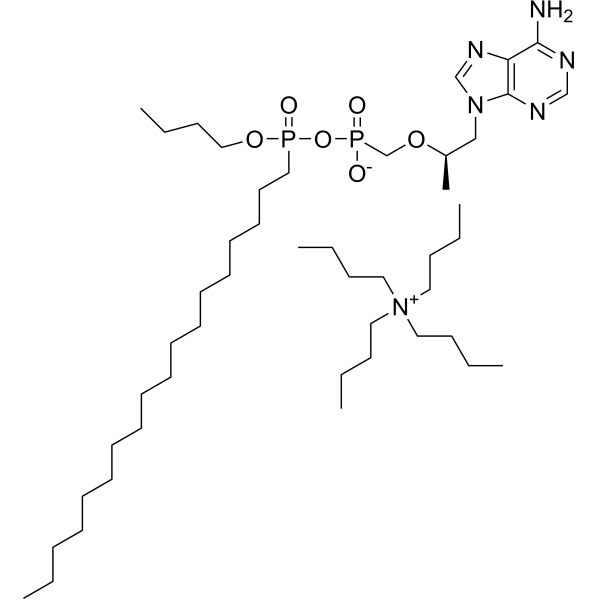
Antifungal agent 29 (compound 9d) is a potent, selective and non-toxic antifungal agent. Antifungal agent 29 shows antifungal activity towards Cryptococcus neoformans (MIC ≤ 0.23 μM) .
|
-
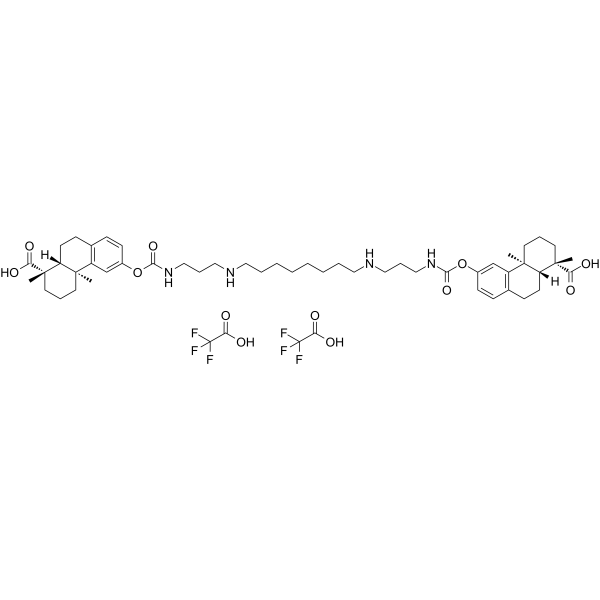
- HY-162978
-
-

- HY-162039
-
|
|
MMP
|
Cancer
|
|
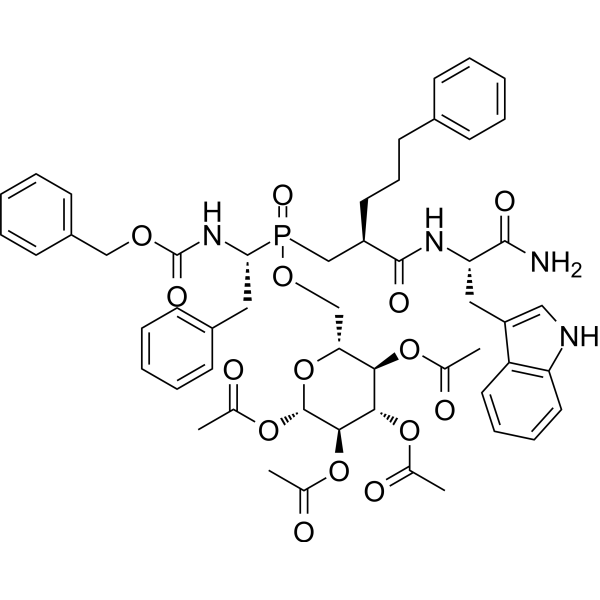
MMP-11-IN-1 (compound 9) is a new class of phosphinate prodrug. MMP-11-IN-1 is a glycosyl ester of RXP03 and improves blood–brain barrier (BBB) behavior .
|
-
- HY-158757
-
|
|
Kinesin
Microtubule/Tubulin
|
Cancer
|
|
KIF18A-IN-12 (compound 9) is a KIF18A inhibitor, with an IC50 value of 45.54 nM. KIF18A-IN-12 can be used in cancer research .
|
-

- HY-155709
-
|
|
Fungal
|
Infection
|
|
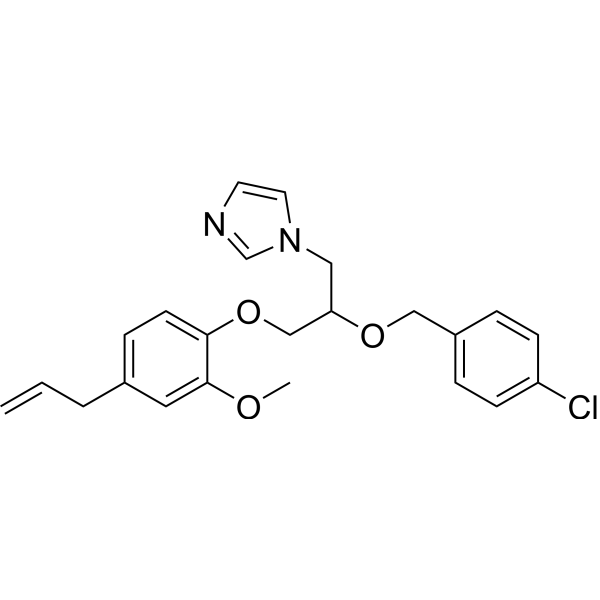
Antifungal agent 67 (compound 9) is an imidazole antifungal agent that is effective against Candida. Antifungal agent 67 has a CC50 value of 33.6 μM on healthy neonatal rat cardiomyoblasts .
|
-
- HY-19949
-
-
- HY-12838
-
|
Mirk-IN-1; Dyrk1B/A-IN-1
|
DYRK
|
Cancer
|
|
RO5454948 (Compound 9) is the inhibitor for Dyrk1B and Dyrk1A with IC50 of 68 nM and 22 nM. RO5454948 exhibits cytotoxicity in cancer cell SW620 with EC50 of 1.9 μM .
|
-
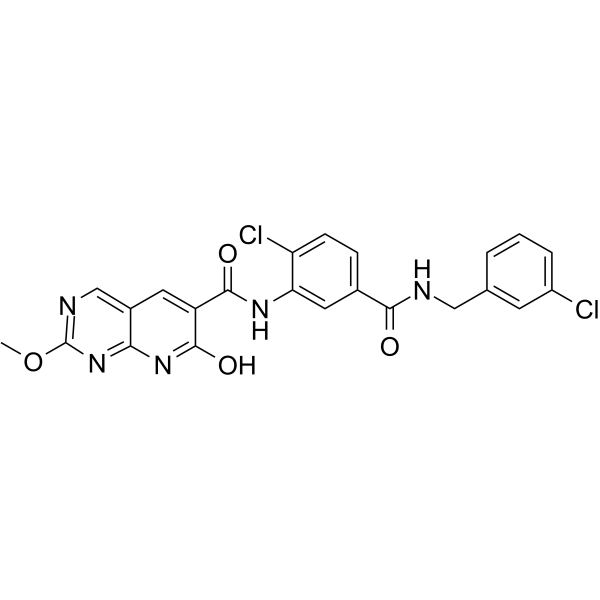
- HY-N2660
-
|
|
Others
|
Others
|
|
5,7-Dihydroxy-2-isopropylchromone (Compound 9) is a chromone derivative. 5,7-Dihydroxy-2-isopropylchromone can be isolated from the leaves of Hypericum ascyron .
|
-

- HY-147648
-
|
|
Glyoxalase (GLO)
|
Cancer
|
|
Glyoxalase I inhibitor 6 (Compound 9j) is a glyoxalase I (Glo-I) inhibitor with an IC50 of 1.13 μM. Glyoxalase I inhibitor 6 can be used as anticancer agent with low toxicity .
|
-
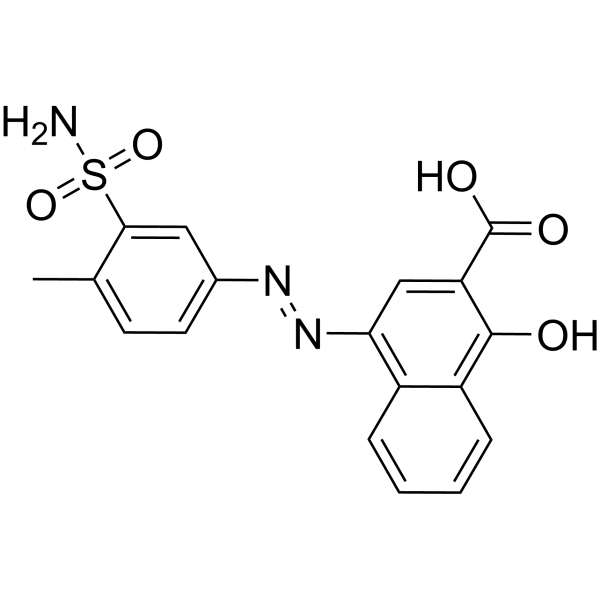
- HY-118902
-
|
|
CDK
|
Others
|
|
Aloisine B (compound 9) is a cyclin-dependent kinase (CDK) inhibitor. Aloisine B inhibits cell proliferation by arresting cells in both G1 and G2 via competing with ATP-binding pocket .
|
-

- HY-156754
-
-
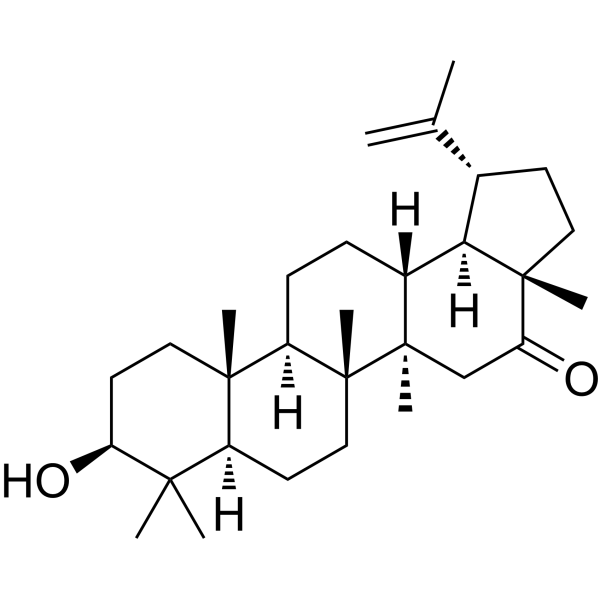
- HY-N1594
-
|
|
Others
|
Others
|
|
15-Nor-14-oxolabda-8(17),12E-Diene-18-oic acid (compound 9) is a compound isolated from the roots of Chloranthus spicatus .
|
-
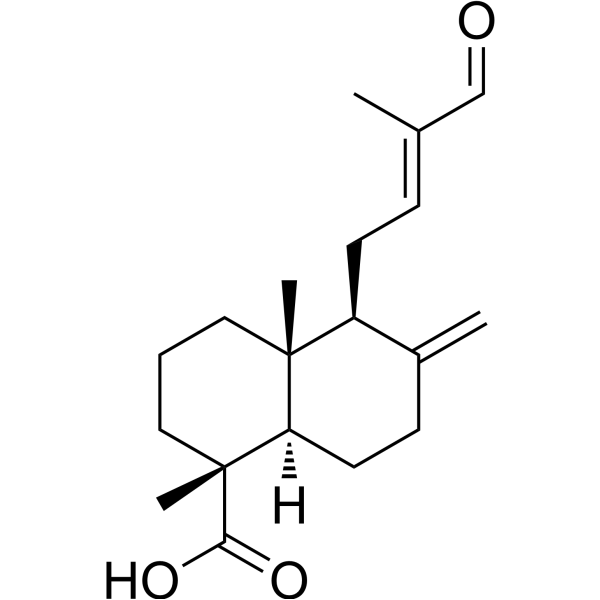
- HY-176164
-
-

- HY-173487
-
|
|
COX
|
Inflammation/Immunology
|
|
COX-2-IN-53 (compound 9) is a potent COX-2 inhibitor with an IC50 of 0.373 μM. COX-2-IN-53 reduces radiation-induced oxidative stress .
|
-

- HY-W037495
-
|
|
Ligands for E3 Ligase
|
Cancer
|
|
DCAF15 ligand-1 (compound 9) is a ligand for the E3 ligase DCAF15. DCAF15 ligand-1 can be used in the synthesis of IBG1 (HY-153459) .
|
-

- HY-101516
-
|
|
Cytochrome P450
|
Cancer
|
|
CYP17-IN-1 (compound 9c) is a potent and orally active CYP17 inhibitor against rat and human CYP17 with IC50s of 15.8 and 20.1 nM .
|
-
- HY-173421
-
|
|
SARS-CoV
|
Infection
|
|
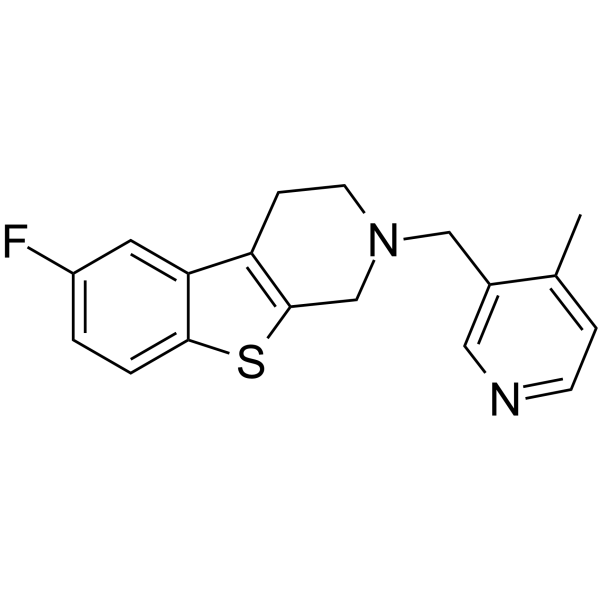
(H)S(OMe)-DFR-kbt (compound 9) is a potent and selective TMPRSS2 inhibitor with a Ki of 0.13 nM. (H)S(OMe)-DFR-kbt can be used in the study of SARS-CoV-2 .
|
-

- HY-148758
-
-
- HY-157454
-
|
|
Hepatitis E Virus (HEV)
|
Infection
|
|
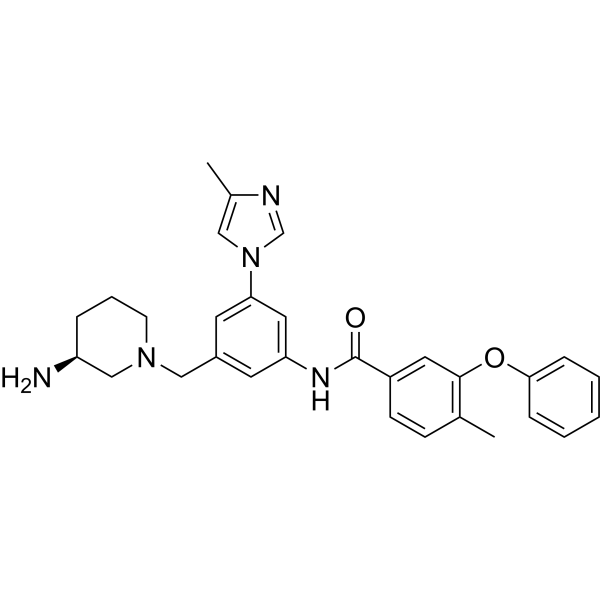
Antiviral agent 48 (compound 9m) is a pan-antiviral agent. Antiviral agent 48 has anti-HEV activity and cytotoxicity (EC90=30.6 nM; CC50=13.8 nM) .
|
-
- HY-169319
-
|
|
FAK
|
Cancer
|
|
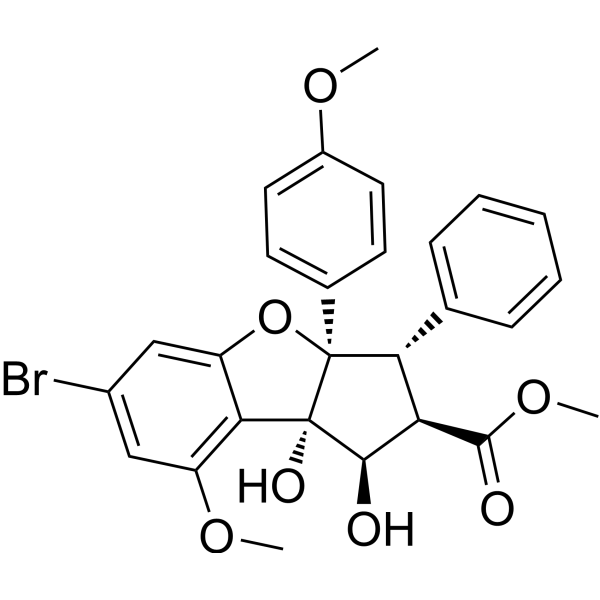
FAK-IN-21 (compound 9) is a FAK inhibitor with the IC50 of 37.52 nM. FAK-IN-21 inhibits cell growth and the phosphorylation of FAK. FAK-IN-21 can be used for study of diffuse gastric cancer .
|
-

- HY-148407
-
|
|
Fluorescent Dye
|
Others
|
|
lucPpy-IN-1 (compound 9) is an ATP-dependent luciferase from Photinus pyralis (lucPpy) inhibitor with an IC50 value of 4.0 μM. lucPpy-IN-1 can be used for the research of target’s agentgability .
|
-
- HY-144057
-
|
|
JAK
|
Inflammation/Immunology
|
|
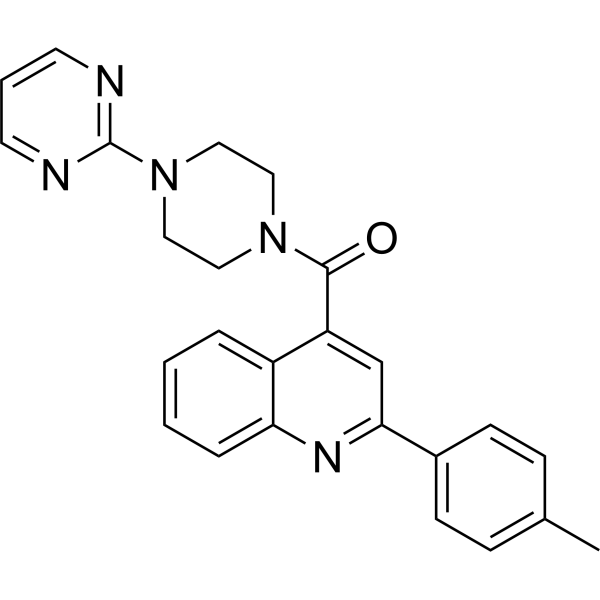
JAK-IN-17 is a potent inhibitor of JAK. JAK-IN-17 is useful for the research of multiple diseases, particularly ocular, skin, and respiratory diseases (extracted from patent WO2021185305A1, compound 9-1) .
|
-
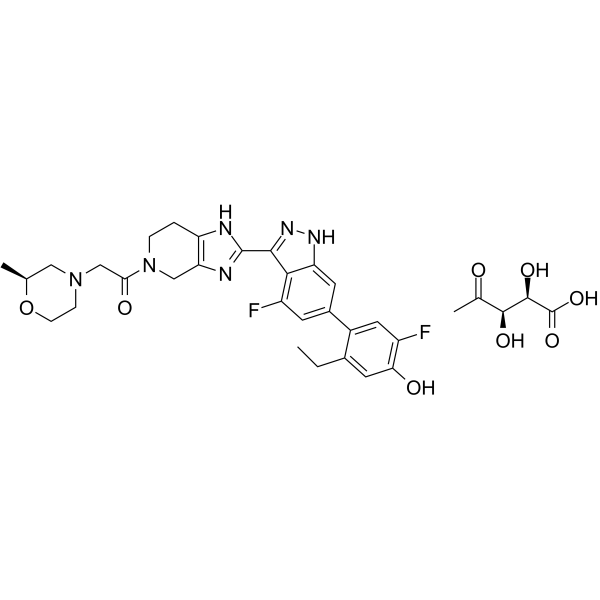
- HY-179113
-
-

- HY-150557
-
|
|
Cytochrome P450
|
Cancer
|
|
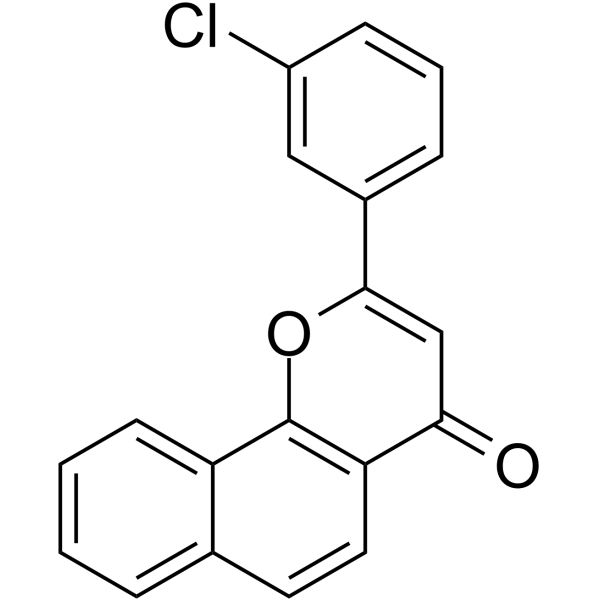
CYP1B1-IN-1 (Compound 9e) is a selective cytochrome P450 1B1 (CYP1B1) inhibitor with an IC50 of 0.49 nM .
|
-
- HY-179356
-
|
|
PTHR
|
Endocrinology
|
Octadecyl β-D-glucopyranosiduronic acid (Compound 9) is a parathyroid hormone 1 receptor (PTH1R) activator, with a pEC50 value > 9. Octadecyl β-D-glucopyranosiduronic acid can be used for research on hypoparathyroidism .
|
-

- HY-147601
-
|
|
CDK
|
Cancer
|
|
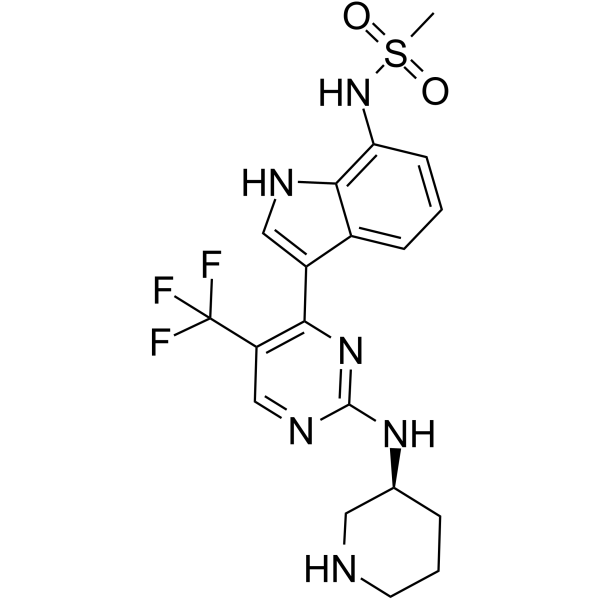
CDK7-IN-16 (compound 9) is a potent CDK 7 inhibitor with an IC50 range of 1 ~ 10 nM. CDK7-IN-16 can be used for researching anticancer, especially the cancer with transcriptional dysregulation .
|
-
- HY-153034
-
|
|
Proteasome
Phosphatase
|
Cancer
|
|
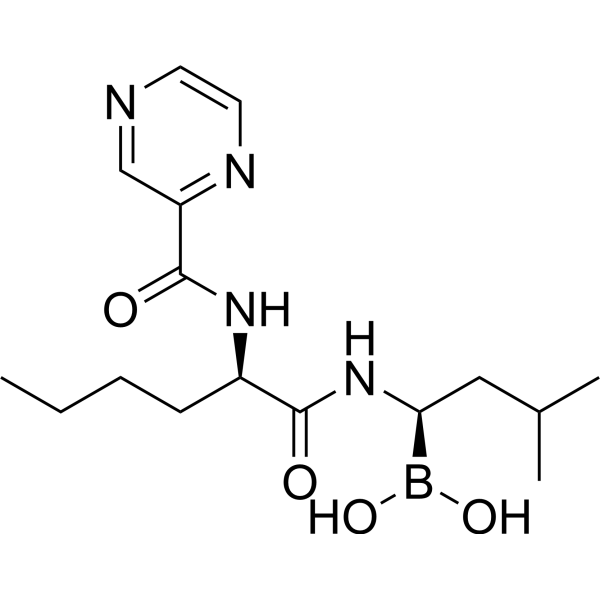
LONP1-IN-2 (Compound 9e) is a potent and selective LONP1 inhibitor with an IC50 value of 0.093 μM. LONP1-IN-2 can be used in research of cancer .
|
-
- HY-172127
-
|
|
AMPK
CDK
|
Neurological Disease
Cancer
|
|
NUAK1-IN-1 (Compound 9) is a NUAK1 (IC50 of 5.012 nM) and CDK4 inhibitor. NUAK1-IN-1 can be used in cancer, neurodevelopmental disorders and Alzheimer's disease research .
|
-

- HY-148317
-
|
|
PI3K
|
Inflammation/Immunology
|
|
PI3Kγ inhibitor 6 (compound 9) is a PI3Kγ inhibitor. PI3Kγ inhibitor 6 can be used for the research of inflammatory and autoimmune diseases .
|
-
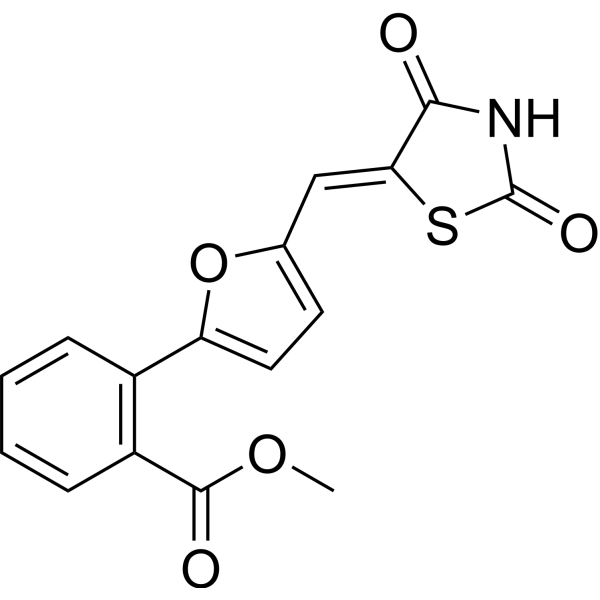
- HY-130647
-
|
|
PROTACs
PARP
|
Cancer
|
|
Vrucaparib-TP4 (Compound 9) is a PARP1 PROTAC-type degrader. Vrucaparib-TP4 promotes the ubiquitination and degradation of PARP1. Vrucaparib-TP4 can be used in the research of tumors .
|
-

- HY-169414
-
|
|
DNA/RNA Synthesis
|
Cancer
|
|
WRN inhibitor 15 (Compound 9) is a WRN inhibitor with anti-tumor activity that can be used in prostate cancer research, the IC50 values are 37.9, 40.2 and 46.6 μM in PC3, LNCaP, and HeLa .
|
-

- HY-149968
-
|
|
Histone Demethylase
Apoptosis
|
Cancer
|
|
LSD1-IN-25 (Compound 9j) is a potent, selective and orally active LSD1 inhibitor with an IC50 of 46 nM (Ki = 30.3 nM). LSD1-IN-25 induces cancer cell apoptosis .
|
-
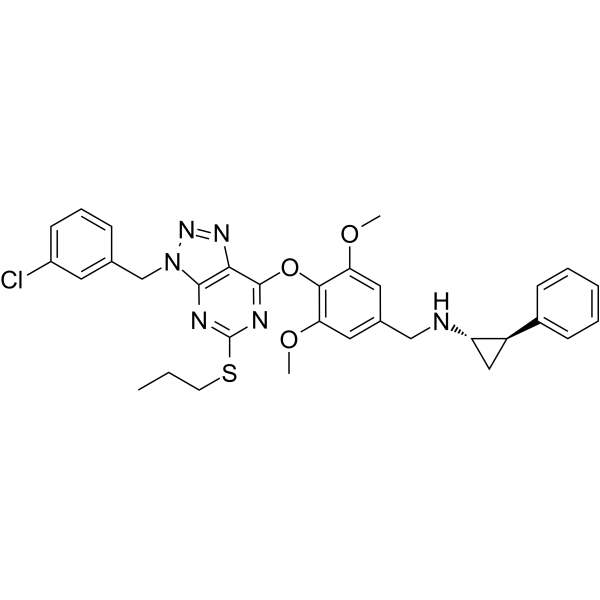
- HY-150558
-
|
|
Cytochrome P450
|
Cancer
|
|
CYP1B1-IN-2 (compound 9j) is a potent and selective CYP1B1 (cytochrome P450 1B1) inhibitor, with an IC50 of 0.52 nM .
|
-
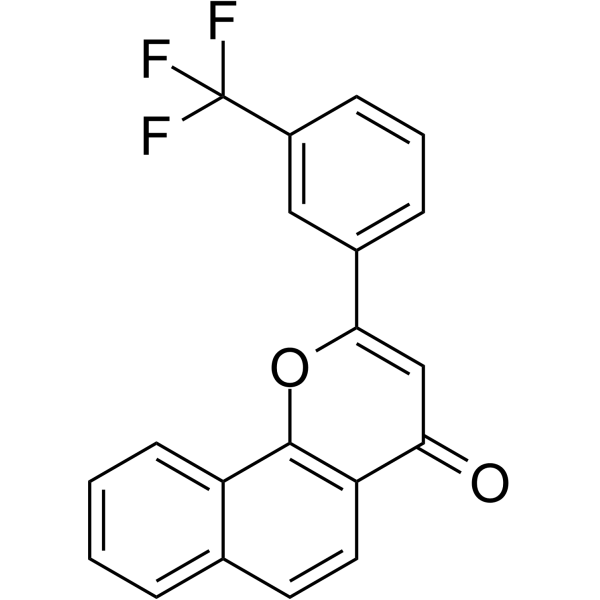
- HY-155550
-
|
|
c-Fms
|
Inflammation/Immunology
|
|
CSF1R-IN-17 (compound 9) is a potent and selective CSF1R antagonist, with an IC50 of 0.2 nM. CSF1R-IN-17 can inhibit osteoclast differentiation .
|
-
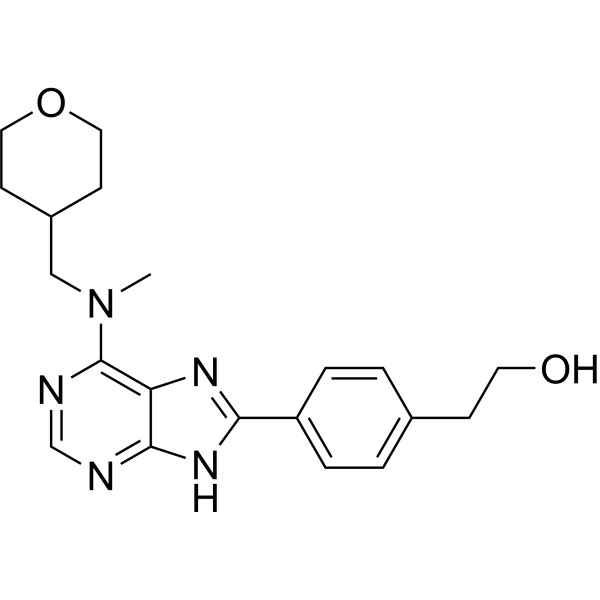
- HY-138839
-
|
|
Opioid Receptor
|
Neurological Disease
|
|
Allyphenyline oxalate (compound 9) can enhance the analgesic effect of Morphine. The pKi values of Allyphenyline for α2A, α2B and α2C are 7.24, 6.47 and 7.07, respectively .
|
-

- HY-151991
-
|
|
SARS-CoV
|
Infection
|
|
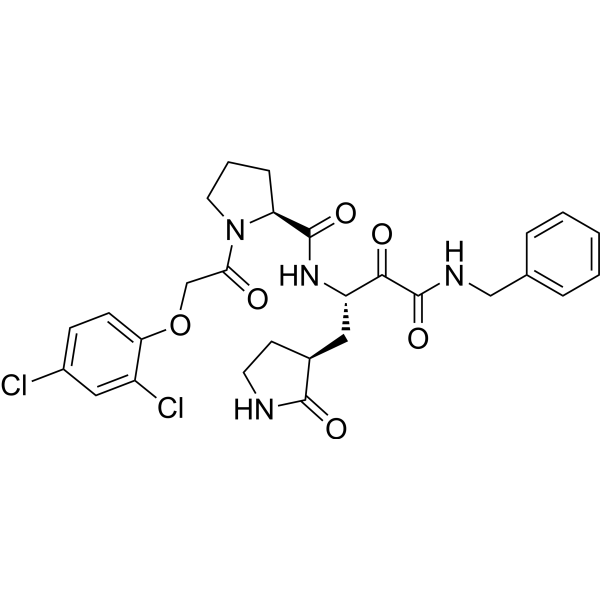
SARS-CoV-2/MERS Mpro-IN-2 (compound 9d) is a potent SARS-CoV-2 and MERS main protease inhibitor with IC50 values of 0.21, 0.07 µM, respectively .
|
-
- HY-151990
-
|
|
SARS-CoV
|
Infection
|
|
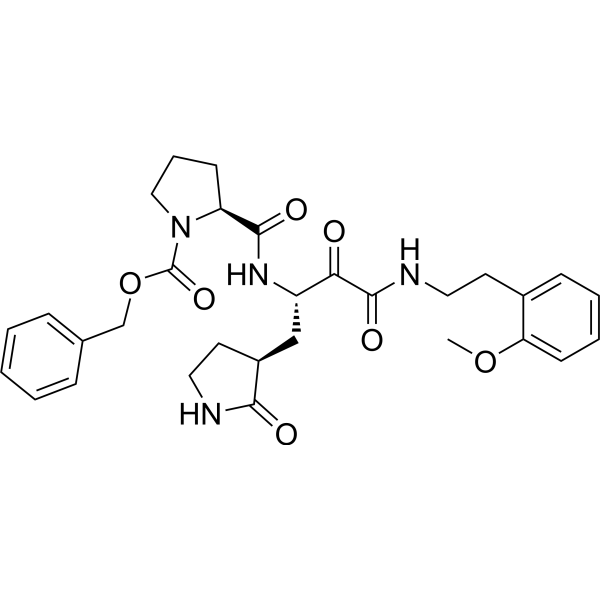
SARS-CoV-2/MERS Mpro-IN-1 (compound 9c) is a potent SARS-CoV-2 and MERS main protease inhibitor with IC50 values of 0.10, 0.06 µM, respectively .
|
-
- HY-157124
-
|
|
Tyrosinase
|
Metabolic Disease
|
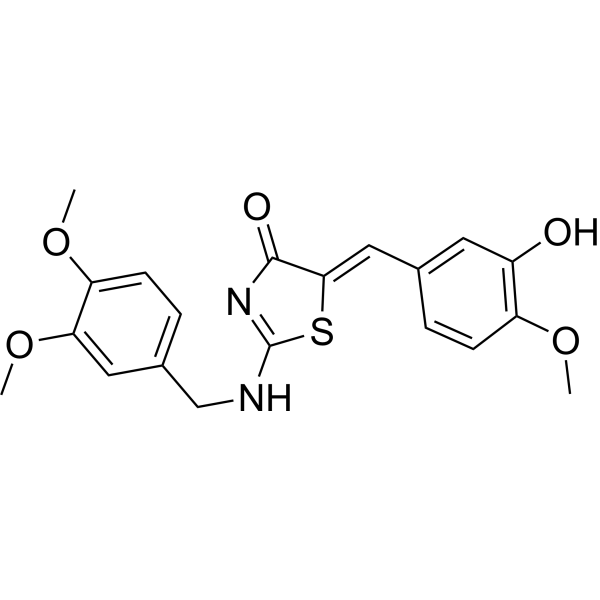
Tyrosinase-IN-19 (compound 9) is a competitive tyrosinase inhibitor. Tyrosinase-IN-19 has strong antioxidant activities against ROS, ABTS+, and DPPH radicals. Tyrosinase-IN-19 suppresses tyrosinase expression in a dose-dependent manner .
|
-
- HY-135670
-
|
|
Glycosidase
|
Metabolic Disease
|
|
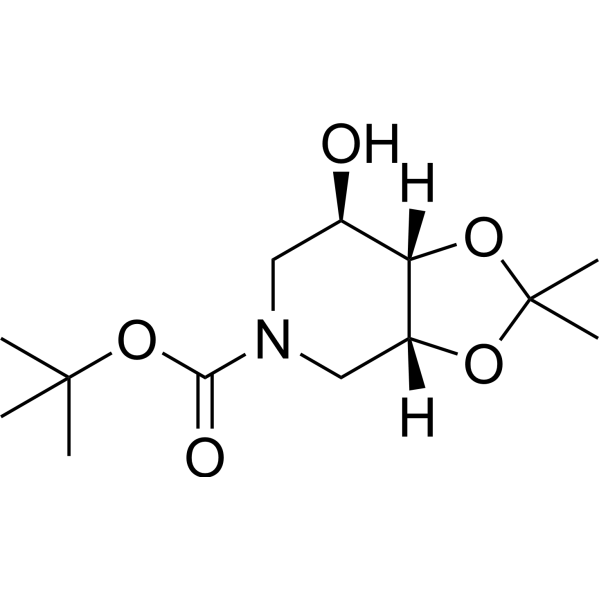
Glycosidase-IN-1 (Compound 9) is a glycosidase inhibitor synthesized from D-mannose. Glycosidase-IN-1 be used to synthesize some immunosuppressive agents and β-glucosidase inhibitors. Glycosidase-IN-1 has hypoglycemic activity .
|
-
- HY-N1012
-
|
|
Others
|
Cancer
|
|
(-)-11,13-Dehydroeriolin (compound 9), a sesquiterpene lactone, is a nature product that could be isolated from Carpesium abrotanoides L. (-)-11,13-Dehydroeriolin has antiproliferative active. (-)-11,13-Dehydroeriolin can be used in research of cancer .
|
-
- HY-160811
-
|
|
VEGFR
|
Cancer
|
|
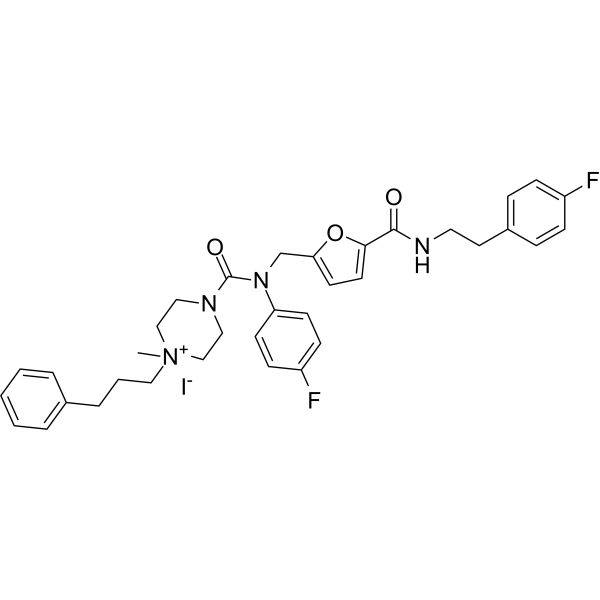
hVEGF-IN-3 (compound 9) is a potent hVEGF inhibitor. hVEGF-IN-3 inhibits HT-29, MCF-7, and HEK-293 cells proliferation with IC50s of 61, 142, and 114 μM .
|
-

- HY-174868
-
-

- HY-170661
-
|
|
EGFR
|
Cancer
|
|
EGFR-IN-142 (compound 9a) is an EGFR inhibitor with an IC50 value of 0.08 μM. EGFR-IN-142 shows antiproliferative to MCF-7 (IC50 3.31 µM) and WI-38 (IC50 = 43.99 µM) .
|
-

- HY-161089
-
|
|
Others
|
Cancer
|
|
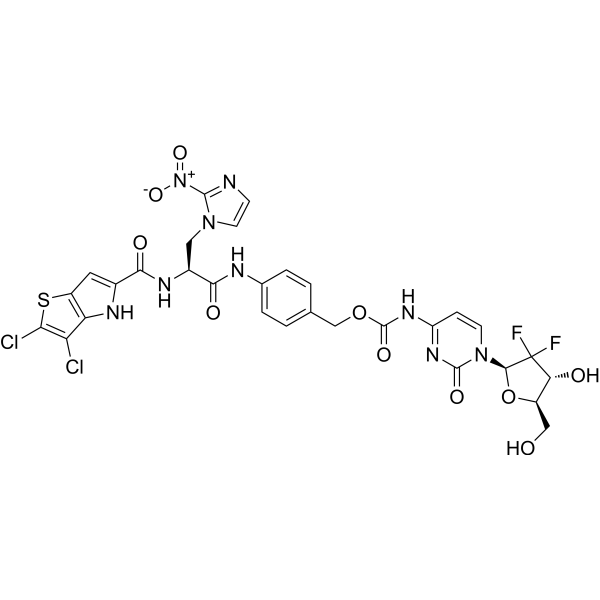
Antiproliferative agent-45 (compound 9) is a prodrug. Antiproliferative agent-45 exhibits significant anti-proliferative effects for human pancreatic cells in hypoxia but fewer effects in normoxia. Antiproliferative agent-45 can be used for cancer research .
|
-
- HY-170770
-
-

- HY-169521
-
|
|
DNA/RNA Synthesis
Bacterial
|
Infection
|
|
DNA Gyrase-IN-16 (Compound 9) is the inhibitor for DNA gyrase with an IC50 of 1.609 μM. DNA Gyrase-IN-16 exhibits antibacterial activity, inhibits S. aureus and MRSA with MIC of 3.125 μM and 3.125 μM .
|
-

- HY-162134
-
|
|
Parasite
|
Infection
|
|
Trypanothione synthetase-IN-5 (compound 9) is a trypanothione reductase (TR) inhibitor, with an IC50 of 20.5 μM for Leishmania infantum TR. Trypanothione synthetase-IN-5 also has inhibitory activity for human glutathione reductase (hGR), with an IC50 of 62.4 μM .
|
-
- HY-N12002
-
|
|
Others
|
Others
|
|
Diosgenin-3-O-rhamnosyl(1→2)[glucosyl(1→6)]glucoside (compound 9) is a steroidal saponin, which can be obtained from Paris polyphylla var., Yunnan pine (yunnanensis) Isolated .
|
-
![Diosgenin-3-O-rhamnosyl(1→2)[glucosyl(1→6)]glucoside](//file.medchemexpress.com/product_pic/hy-n12002.gif)
- HY-144313
-
|
|
Galectin
|
Metabolic Disease
Cancer
|
|
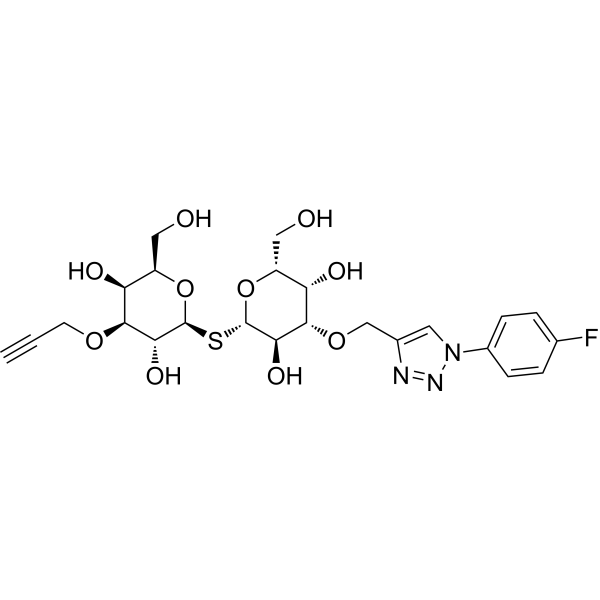
Galectin-3-IN-2 (Compound 9) is a potent multivalent inhibitor of galectin-3 (Gal-3; IC50=8.3 μM). Galectin-3 participates in many cancer-related metabolic processes .
|
-
- HY-144640
-
|
|
Carbonic Anhydrase
|
Cancer
|
|
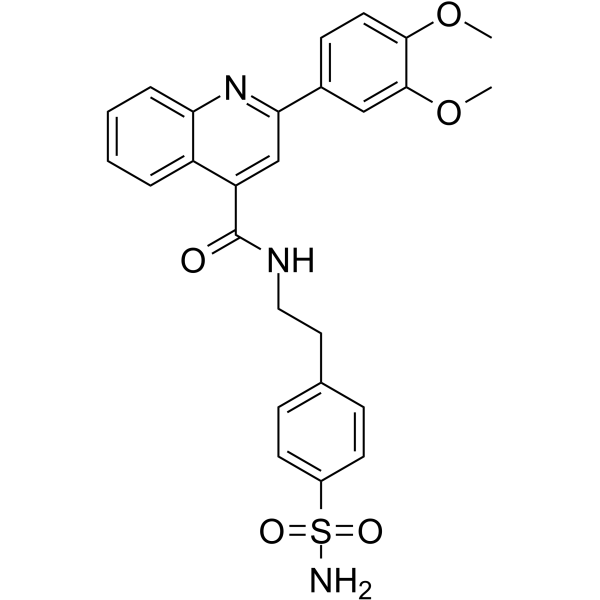
Carbonic anhydrase inhibitor 6 (compound 9b) is a potent inhibitor of human carbonic anhydrase (hCA), with Kis of 9.7 nM, 35.2 nM, 88.5 nM, and 91.8 nM for hCA IX, hCA II, hCA XII and hCA I, respectively .
|
-
- HY-168189
-
|
|
HIV
|
Infection
|
|
HIV-1 inhibitor-76 (compound 9t-2) is a non-nucleoside reverse transcriptase inhibitor of HIV-1. HIV-1 inhibitor-76 can be used in anti-HIV research .
|
-

- HY-157160
-
|
|
Herbicide
|
Others
|
|
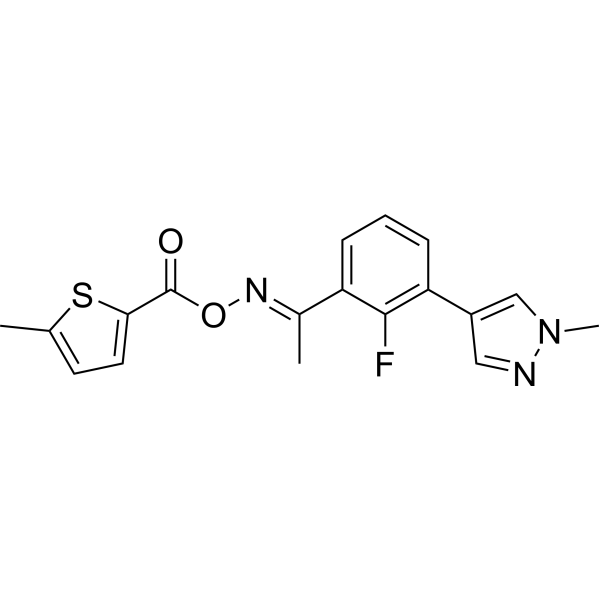
PPO-IN-5 (compound 9) is a herbicide based on PPO inhibitors. PPO, protoporphyrinogen oxidase, participates in the biosynthetic pathway of heme and chlorophyll synthesis. PPO-IN-5 is tolerant in cereal crops such as wheat, corn, and rice, and is a potential herbicide in wheat fields .
|
-
- HY-163881
-
|
|
VEGFR
|
Cancer
|
|
VEGFR-IN-5 (compound 9k) is a potent inhibitor of VEGFR2, with the IC50 of 8.4 nM and an acceptable oral bioavailability. VEGFR-IN-5 inhibits migration and invasion of human umbilical vein endothelial cells (HUVEC) cells and induces apoptosis .
|
-

- HY-W098008
-
|
|
Parasite
Microtubule/Tubulin
|
Infection
|
|
Fenbendazole analog-1 (compound 9) is a 2-methoxycarbonylamino-derived antiparasitic compound and inhibits rat brain tubulin polymerization. Fenbendazole analog-1 inhibits the growth of the protozoa Giardia lamblia, Entamoeba histolytica, and the worm Trichinella spiralis .
|
-

- HY-158339
-
|
|
MAGL
|
Neurological Disease
|
|
ABHD antagonist 2 (Compound 9) is an antagonist for alpha/beta-Hydrolase domain containing 6 (ABHD6), with IC50 <0.001 μM. ABHD antagonist 2 exhibits good binding ability with ABHD6, with IC50 of 0.002 μM .
|
-

- HY-162257
-
|
|
Btk
|
Cancer
|
|
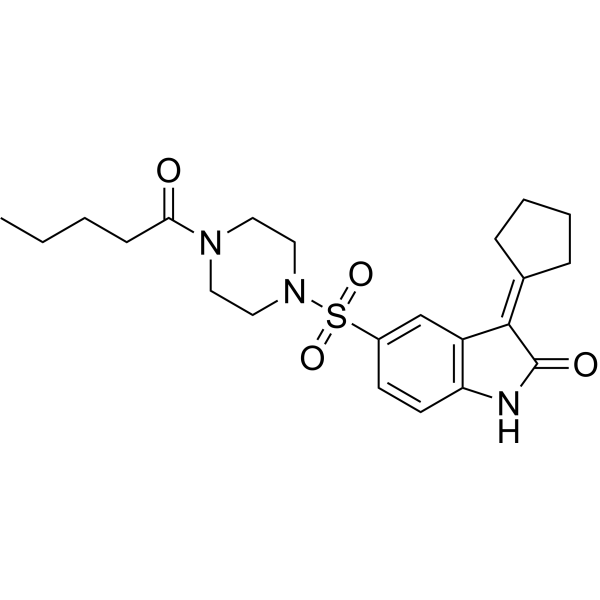
BTK-IN-34 (compound 9h) is a selective BTK inhibitor. BTK-IN-34 shows antiproliferative activity in RAMOS cells through selective inhibition of pBTK (Tyr223) without affecting Lyn and Syk, upstream proteins in the BCR signaling pathway .
|
-
- HY-172996
-
|
|
HIV
Reverse Transcriptase
|
Infection
|
|
NNRT-IN-8 (compound 9K) is a potent non-nucleoside reverse transcriptase inhibitor with EC50 values of 0.0014, 0.0041, 0.0077 µM for WT HIV-1, K103N, E138K, respectively .
|
-

- HY-161419
-
|
|
Histone Methyltransferase
|
Cancer
|
|
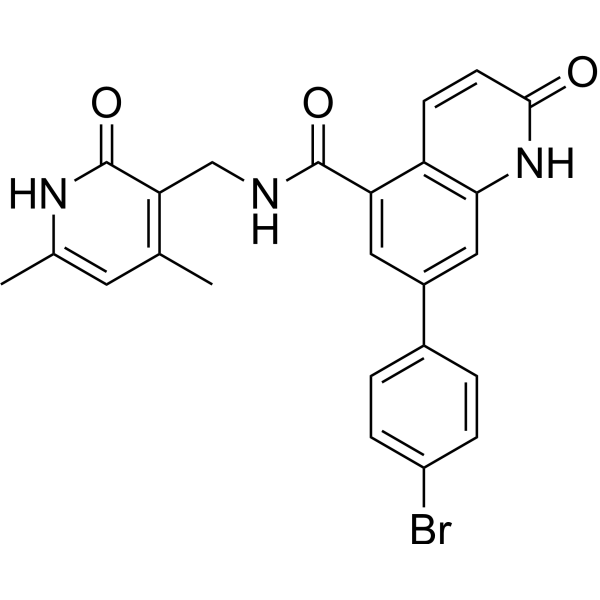
EZH2-IN-18 (compound 9e) is a potent inhibitor of enhancer of zeste homologue 2 (EZH2 WT) , with the IC50 of 1.01 nM. EZH2-IN-18 shows inhibition in proliferation and induction in apoptosis in tumor cells .
|
-
- HY-151160
-
|
|
Bacterial
|
Infection
|
|
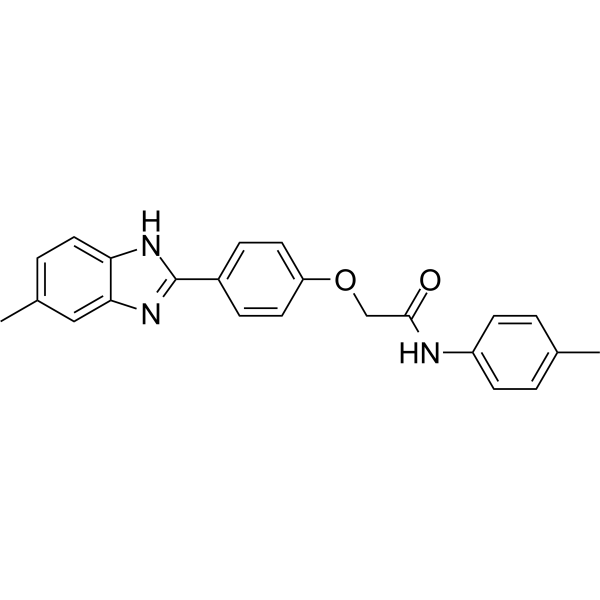
LasR-IN-1 (compound 9g) is a potent LasR inhibitor. LasR-IN-1 has good efficacy toward E. coli. LasR-IN-1 shows anti-bacterial activity, with a MIC of 28.13 μM against P. aeruginosa .
|
-
- HY-162762
-
|
|
Protease Activated Receptor (PAR)
|
Cancer
|
|
PAR-2 antagonist 1 (Compound 9a) is a protease-activated receptor 2 (PAR2) antagonist with an IC50 value of 0.9 μM. PAR-2 antagonist 1 can effectively inhibit the proliferation and migration of breast cancer cells .
|
-

- HY-N1600
-
|
|
Others
|
Others
|
|
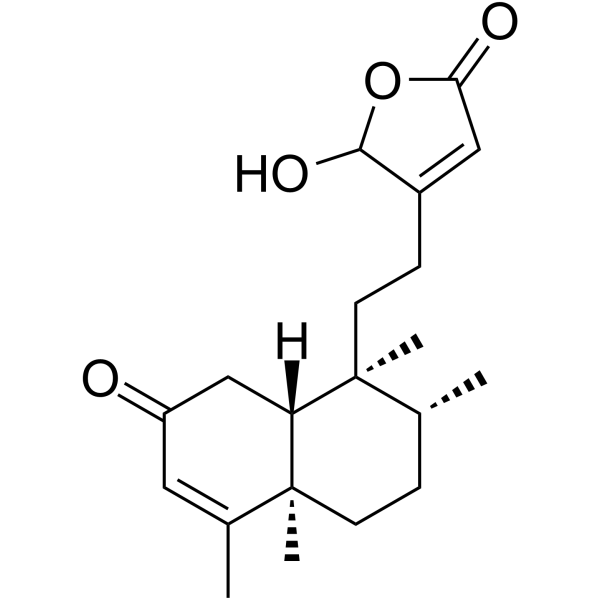
16(R/S)-Hydroxy-3,13Z-kolavadien-15,16-olide-2-one (compound 9) is a diterpene compound isolated from the unripe fruits of Polyalthia longifolia var. pendula .
|
-
- HY-155635
-
|
|
Sodium Channel
|
Infection
|
|
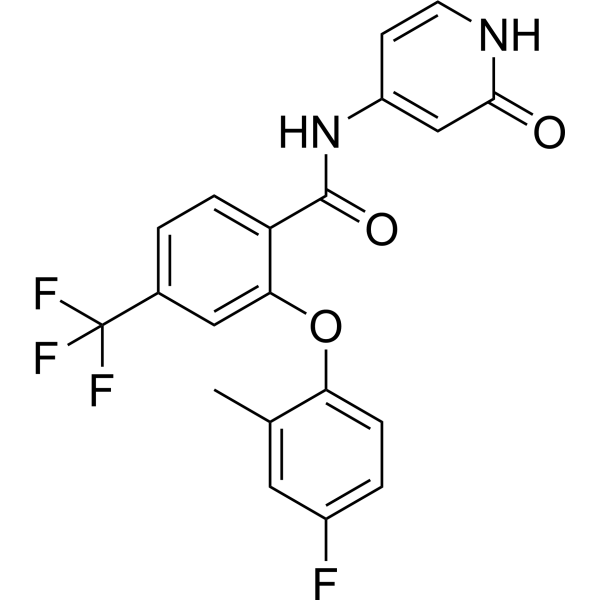
Nav1.8-IN-4 (compound 9a) is a Nav1.8 channel inhibitor (IC50=0.014 μM). Nav1.8-IN-4 can be used for research on pain-related diseases .
|
-
- HY-N12285
-
|
|
Others
|
Others
|
|
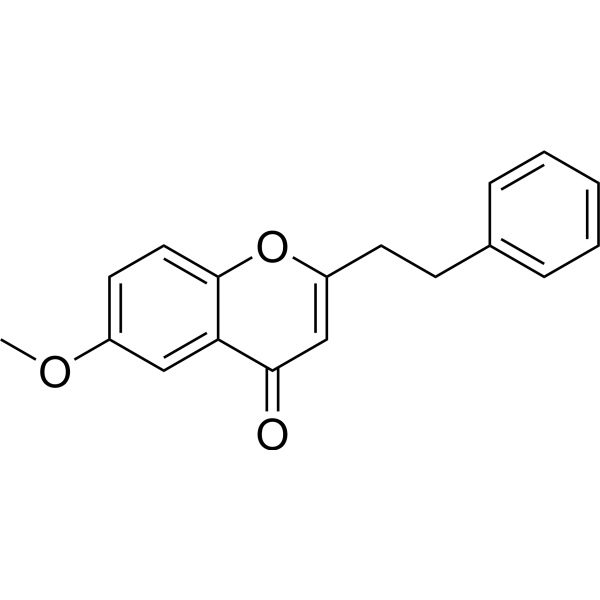
6-Methoxy-2-(2-phenylethyl)chromone (compound 9) is a 2-(2-phenylethyl)chromone ( ¼2-(2-phenylethyl)-4H-1-benzopyran-4- one) derivative .
|
-
- HY-149924
-
|
|
PROTACs
IAP
|
Cancer
|
|
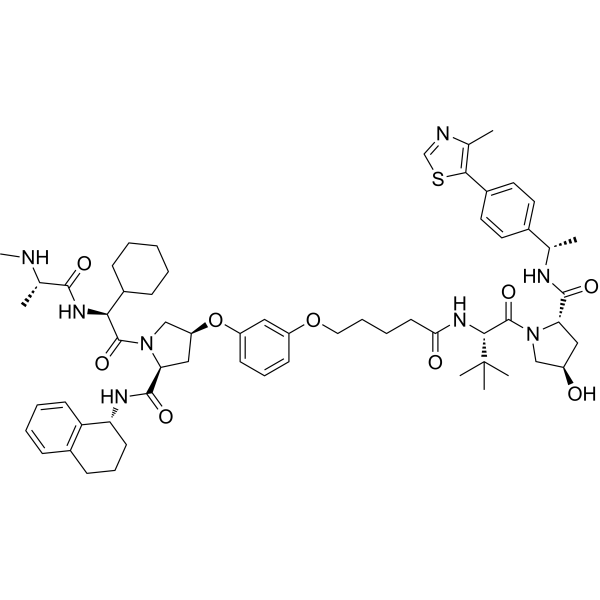
CST626 (Compound 9) is a pan-IAP degrader PROTAC. CST626 degrades XIAP, cIAP1 and cIAP2 with DC50s of 0.7, 2.4, and 6.2 nM in MM.1S cells, respectively .
|
-
- HY-160531
-
|
|
Molecular Glues
IKZF Family
|
Cancer
|
|
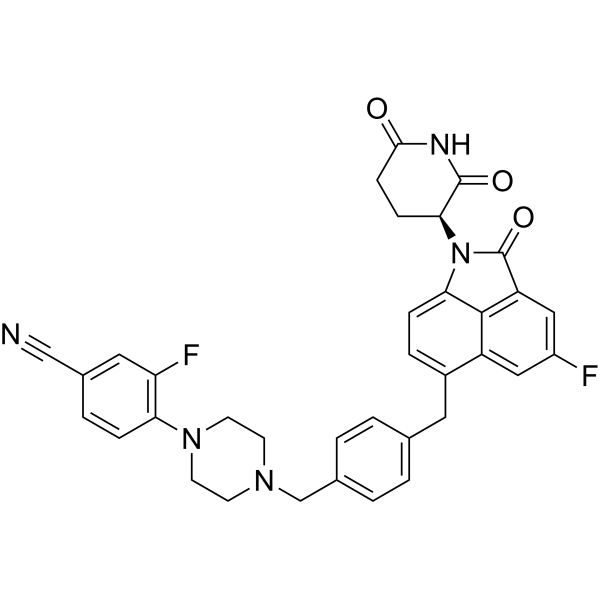
IKZF1-degrader-1 (Compound 9-B) is a IKZF1 molecular glue degrader with the DC50 value of 0.134 nM. IKZF1-degrader-1 can be used to degrader tumors .
|
-
- HY-155211
-
|
|
mTOR
PI3K
|
Cancer
|
|
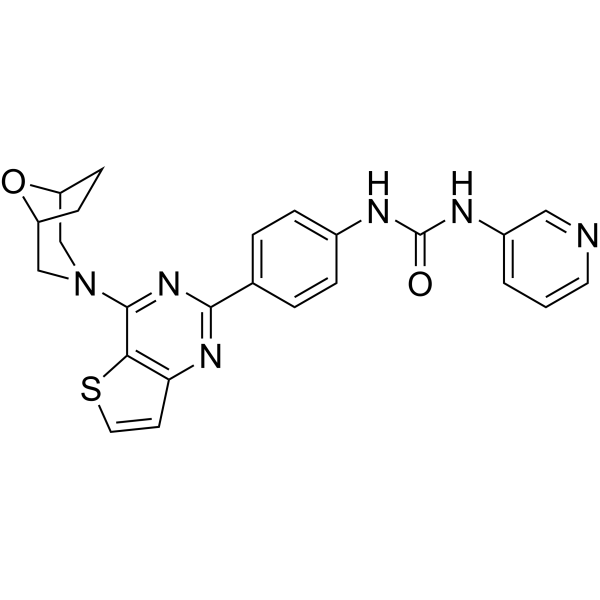
mTOR inhibitor-13 (compound 9g), an aryl ureido compound, is a potent and selective mTOR inhibitor with an IC50 of 0.29 nM. mTOR inhibitor-13 also inhibits PI3K-α with an IC50 of 119 nM .
|
-
- HY-155440
-
|
|
FAK
|
Cancer
|
|
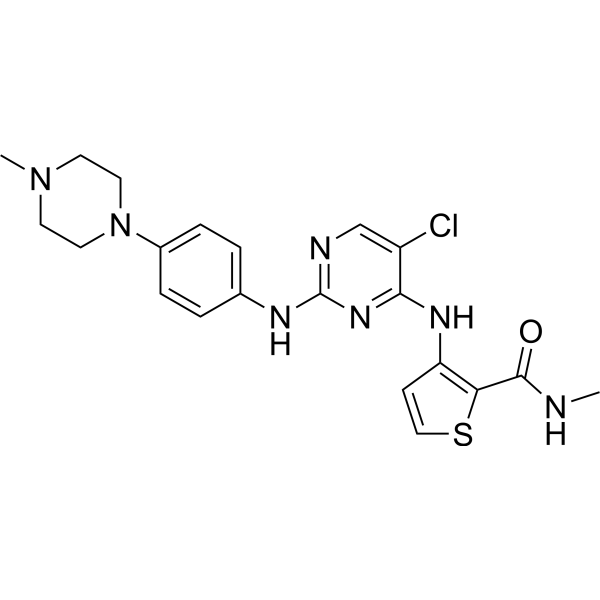
FAK-IN-15 (Compound 9b) is a focal adhesion kinase (FAK) inhibitor with an IC50 value of 0.2691 nM. FAK-IN-15 has anti-tumor activity with an IC50 value of 1.033 μM against U87-MG cells .
|
-
- HY-168436
-
|
|
Tyrosinase
|
Endocrinology
|
|
Tyrosinase-IN-40 (Compound 9r) is a competitive-type tyrosinase inhibitor, with an IC50 value of 17.02 µM, a Ki value of 14.87 µM. Tyrosinase-IN-40 displays antioxidant activity. Tyrosinase-IN-40 can be used in melanin-related studies .
|
-

- HY-181873
-
|
Sirolimus-butyl ester
|
Drug Derivative
|
Cancer
|
|
Rapamycin-butyl ester (Sirolimus-butyl ester) (Compound 9) is a derivative of Rapamycin (HY-10219). Rapamycin-butyl ester exhibits antiproliferative effects against liver cancer cells and renal cancer cells. Rapamycin-butyl ester can be used in research related to liver cancer and renal cancer .
|
-

- HY-149728
-
-
- HY-163301
-
|
|
Reactive Oxygen Species (ROS)
|
Cancer
|
|
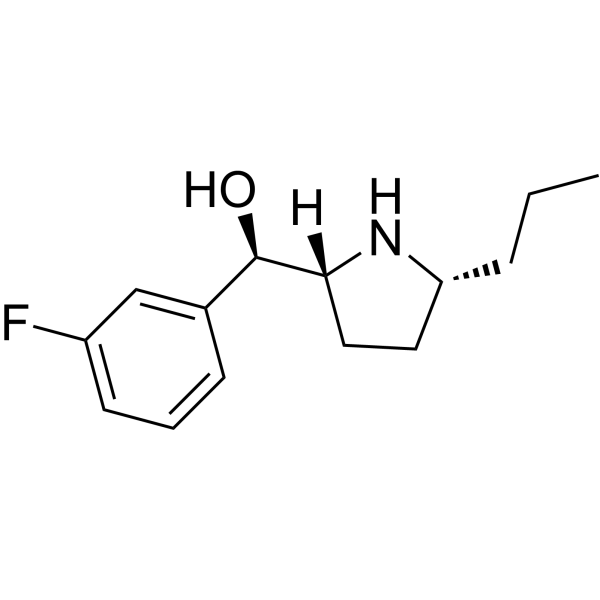
Antitumor agent-139 (compound 9b) is a liver - and mitochondria-targeting gold(I) complexe, and produces reactive oxygen species (ROS) and facilitates DNA excretion. Antitumor agent-139 inhibits tumor growth in a patient-derived xenograft model of hepatocellular carcinoma .
|
-
- HY-N13173
-
|
|
Glycosidase
|
Metabolic Disease
|
|
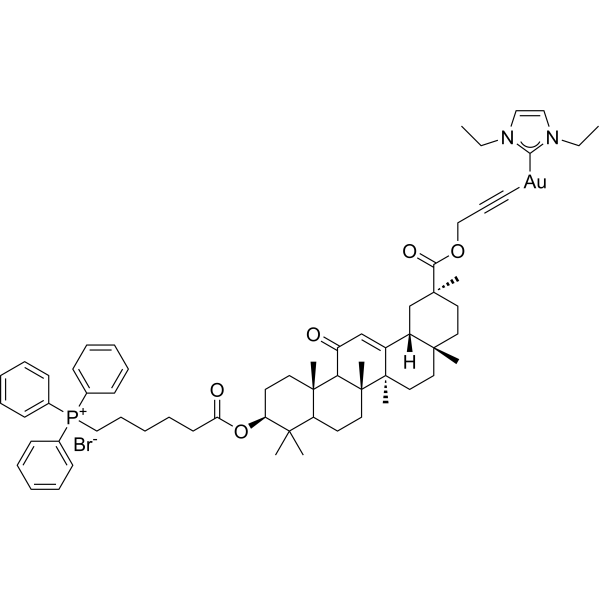
α-Glucosidase-IN-70 (compound 9) is an α-glucosidase inhibitor (IC50=31.1 μM) isolated from the traditional Chinese herbal medicine Swertia mussotii. α-Glucosidase-IN-70 can be used in the research of diabetes .
|
-

- HY-176465
-
|
|
Carboxylesterase (CES)
|
Inflammation/Immunology
|
|
CES2A-IN-3 (Compound 9d) is a potent serine-targeting covalent human carboxylesterase 2A (hCES2A) inhibitor with an IC50 value of 0.12 nM. CES2A-IN-3 is promising for research of diarrhea and ulcerative colitis .
|
-

- HY-N1772
-
|
|
Others
|
Others
|
|
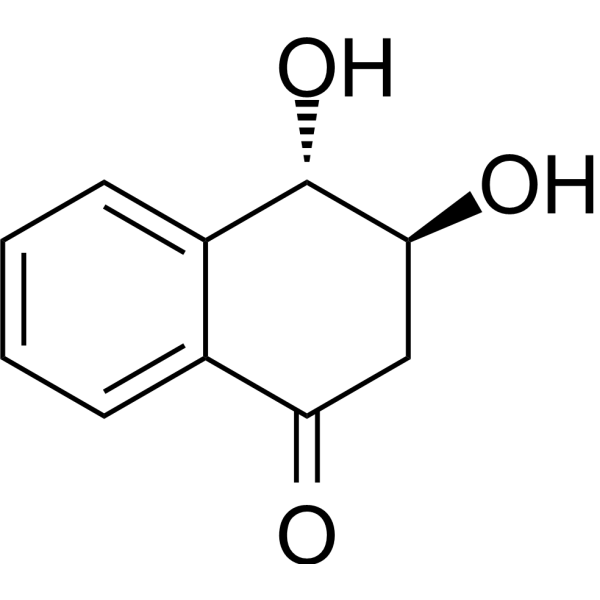
(3S,4S)-3,4-Dihydro-3,4-dihydroxynaphthalen-1(2H)-one (compound 9) is α-tetralone galloylglucoside that can be isolated from Juglans sigillata .
|
-
- HY-178138
-
|
|
Glycosidase
|
Metabolic Disease
|
|
α-Glucosidase-IN-97 (Compound 9i) is a highly selective α-glucosidase inhibitor (IC50=1.05 μM). α-Glucosidase-IN-97 is promising for research of type 2 diabetes mellitus (T2DM) .
|
-

- HY-155772
-
|
|
Adenosine Receptor
Fluorescent Dye
|
Inflammation/Immunology
|
|
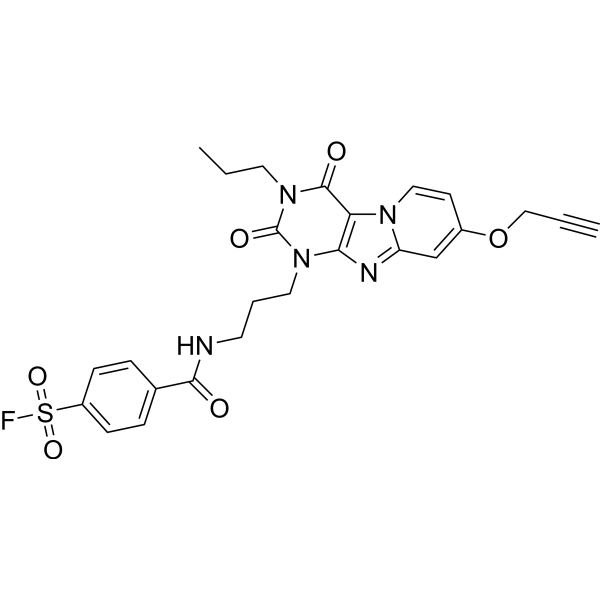
LUF7690 (Compound 9) is a clickable and covalent affinity-based probe (AfBP) that targets the human A3AR (hA3AR). LUF7690 can be used in the detection and characterization of the hA3AR in different types of granulocytes, among other cell types .
|
-
- HY-149487
-
|
|
FGFR
|
Cancer
|
|
FGFR1 inhibitor-8 (Compound 9) is a FGFR1 inhibitor (IC50s: 0.5 nM). FGFR1 inhibitor-8 binds to the ATP-binding pocket of FGFR1. FGFR1 inhibitor-8 has anticancer activity .
|
-
- HY-147817
-
-
- HY-147751
-
|
|
Arrestin
Apelin Receptor (APJ)
|
Cardiovascular Disease
|
|
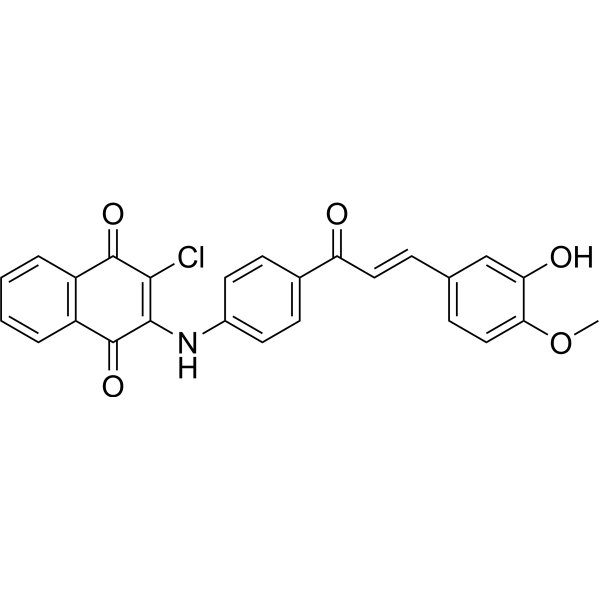
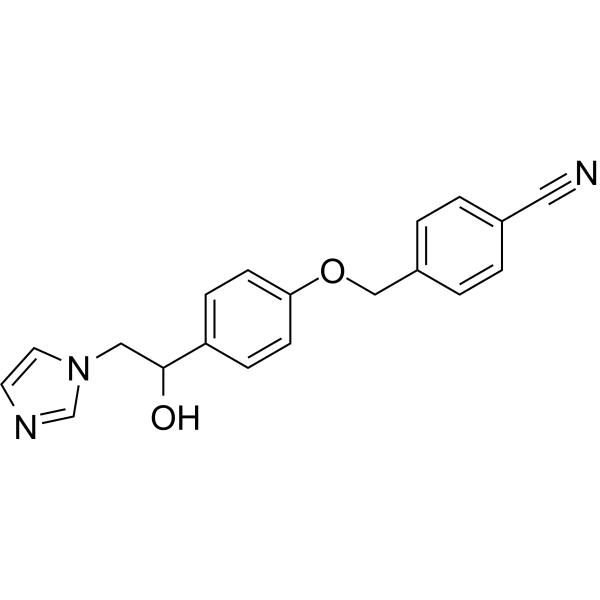
APJ receptor agonist 6 (compound 9) is a potent APJ (apelin receptor) agonist, with Ki of 1.3 μM. APJ receptor agonist 6 has EC50 values of 0.070 , 0.097, and 0.063 μM for calcium, cAMP, and β-arrestin, respectively .
|
-
- HY-176190
-
|
|
ROR
|
Cancer
|
|
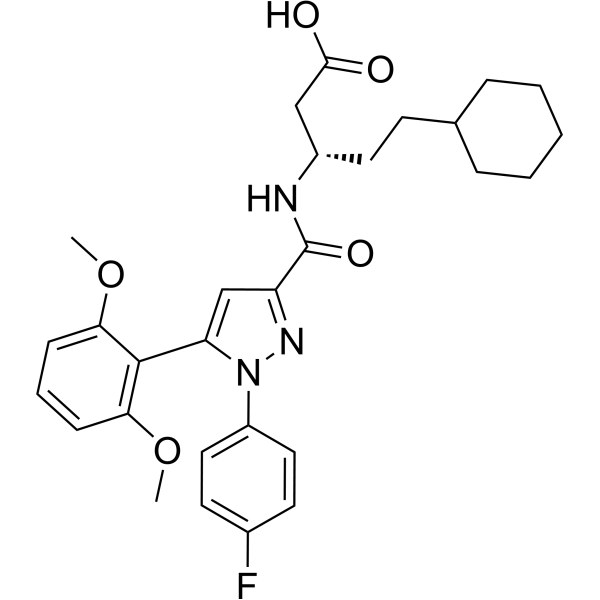
ROR1-IN-2 (compound 9I) is a potent and selective ROR1 inhibitor. ROR1-IN-2 exhibits antiproliferative activity in multiple cancer cells. ROR1-IN-2 significantly suppresses tumor growth in vivo .
|
-

- HY-155038
-
|
|
PARP
CDK
|
Cancer
|
|
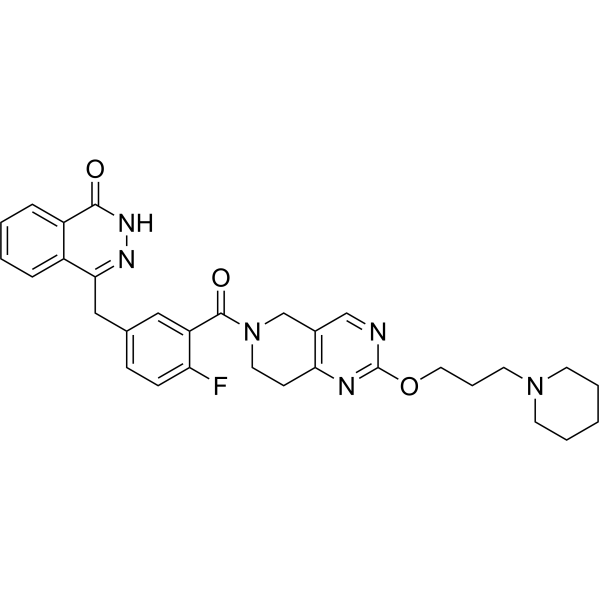
Antitumor agent-104 (Compound 9) is an antitumor agent by inhibiting DNA damage repair in tumors. Antitumor agent-104 inhibits PARP1 enzymatic activity and the PAR protein level. Antitumor agent-104 also inhibits the expression of CDK12 .
|
-
- HY-168512
-
|
|
Raf
|
Cancer
|
|
BRAFV600E-IN-1 (compound 9S) is a BRAF inhibitor. BRAFV600E-IN-1 has a significant apoptosis-inducing effect in cell lines expressing mutant KRAS and cancer cells expressing BRAFV600E .
|
-

- HY-N15531
-
|
|
Estrogen Receptor/ERR
|
Inflammation/Immunology
Cancer
|
|
Icariside D1 (Compound 9) is a flavonoid glycoside compound with antioxidant and anti-inflammatory activities, which is found in plants such as Epimedium. Icariside D1 is also a regulator of estrogen receptors. Icariside D1 is promising for research of osteoporosis, male infertility and female reproductive dysfunction and cancers .
|
-

- HY-129592
-
|
|
Apoptosis
|
Cancer
|
|
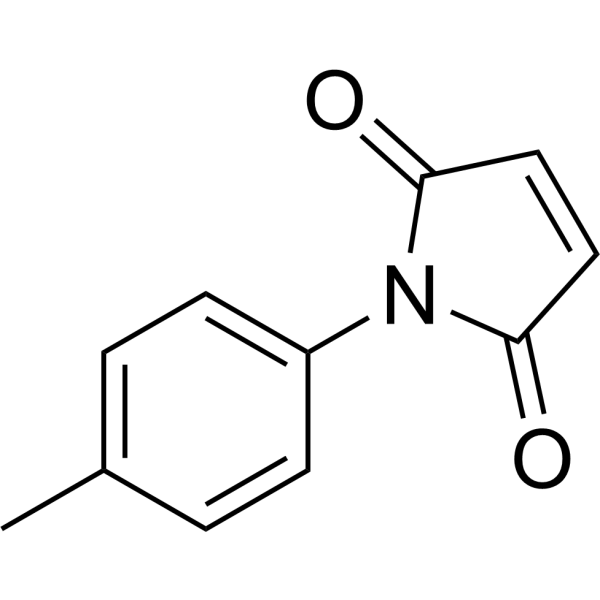
p-Tolylmaleimide (compound 9) is a naphthalimide derivative that has cytotoxic effects on cancer cells. p-Tolylmaleimide can arrest the cell cycle of human acute myeloid leukemia cells K562 in the sub-G0/G1 phase and induce apoptosis .
|
-
- HY-D3199
-
|
|
Fluorescent Dye
GLUT
|
Metabolic Disease
|
|
NIR-fluorescent glucose is a functional glucose-based fluorescent imaging agent. Conjugated with the nitrobenzoselenadiazole-based SCOTfluor (compound 9), NIR-fluorescent glucose acts as a substrate for GLUT4 and GLUT2 transporters. NIR-fluorescent glucose enables the visualization of glucose uptake in live cells and in vivo .
|
-

- HY-161271
-
|
|
Mixed Lineage Kinase
|
Neurological Disease
Cancer
|
|
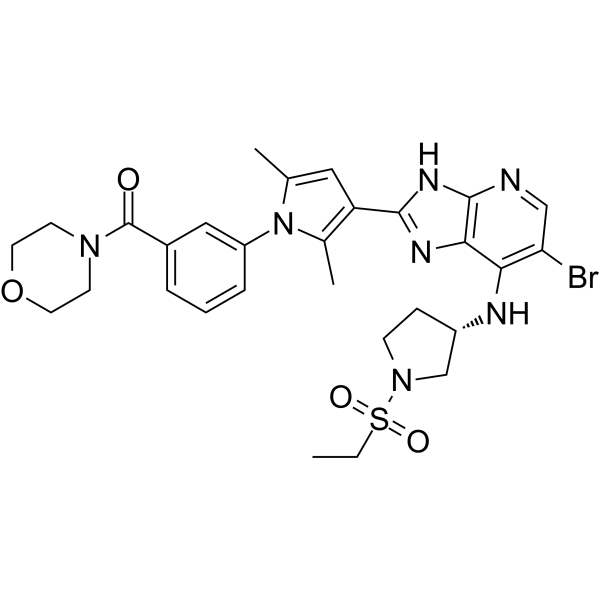
MLK-IN-2 (Compound 9a) is a Mixed Lineage Kinase 3 (MLK3) inhibitor containing 3H-imidazole [4,5-b] pyridine structure. IC50 value is 6 nM. MLK-IN-2 can be used to study cancer and neurodegenerative diseases .
|
-
- HY-N18278
-
|
|
Drug Derivative
|
Others
|
|
Epicatechin-5-O-β-D-glucopyranoside (Compound 9) is a glucoside. Epicatechin-5-O-β-D-glucopyranoside forms via regioselective 5-O-β-D-glucosylation of epicatechin of quercetin 3-O-D-glucoside .
|
-

- HY-163626
-
|
|
DAPK
|
Cancer
|
|
STK17A/B-IN-1 (compound 9) is an orally active, potent, and selective STK17A/B inhibitor with an IC50 of 23 nM against STK17A. STK17A/B-IN-1 can be used for study of cancer .
|
-

- HY-161069
-
|
|
Bacterial
|
Infection
|
|
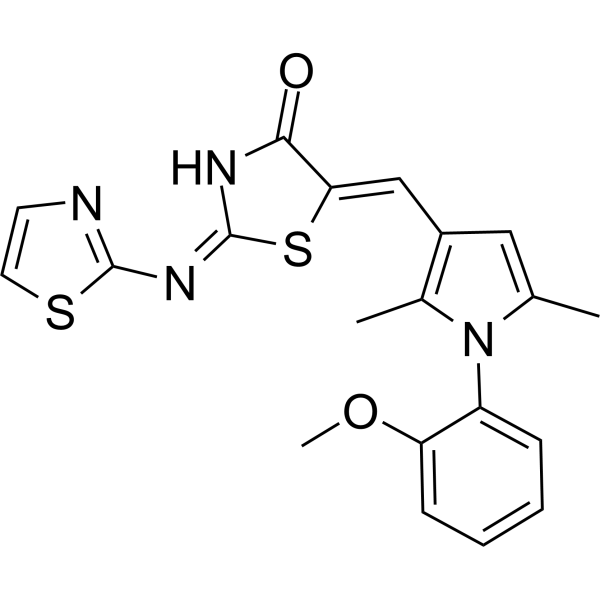
Anti-infective agent 8 (compound 9d) is an antibacterial agent with an MIC of 0.5 μg/mL against Staphylococcus aureus and Mycobacterium tuberculosis H37Rv. Anti-infective agent 8 has anti-biofilm activity and significantly reduces Staphylococcus aureus biofilm formation .
|
-
- HY-115917
-
|
|
NO Synthase
|
Inflammation/Immunology
|
|
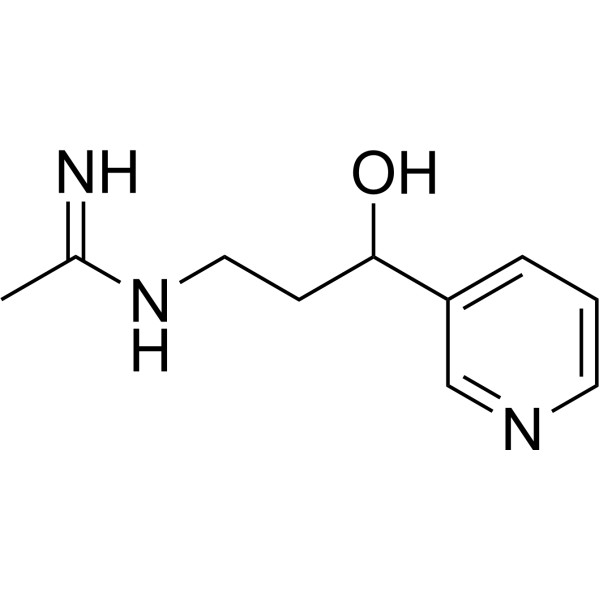
NOS-IN-3 (Compound 9a) is a potent, selective, imidamide derived NOS inhibitor with an IC50 against iNOS of 4.6 μM, without inhibiting eNOS. NOS-IN-3 has little toxicity and can be studied in the research of inducible isoform involved diseases, such as septic shock .
|
-
- HY-146320
-
|
|
Chloride Channel
|
Cancer
|
|
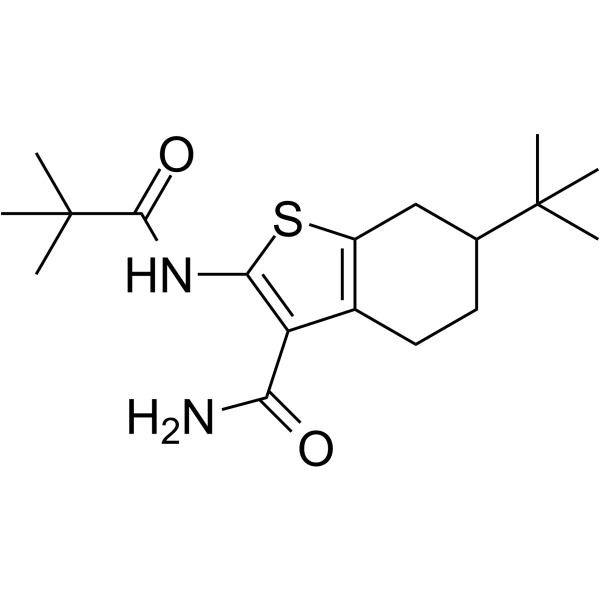
ANO1-IN-1 (Compound 9c) is a selective ANO1 channel blocker with an IC50 of 2.56 μM and 15.43 μM against ANO1 and ANO2, respectively. ANO1-IN-1 suppresses strongly proliferation of glioblastoma cells .
|
-
- HY-P10473
-
|
|
Neuromedin U Receptor (NMUR)
|
Inflammation/Immunology
|
|
CPN-351 (compound 9a), a pentapeptide, is a selective antagonist of human NMUR1 with a pA2 of 7.35. The antagonistic effect of CPN-351 on human NMUR1 is 10 times higher than that on NMUR2. CPN-351 can be used in the study of inflammation .
|
-

- HY-147961
-
|
|
COX
|
Inflammation/Immunology
|
|
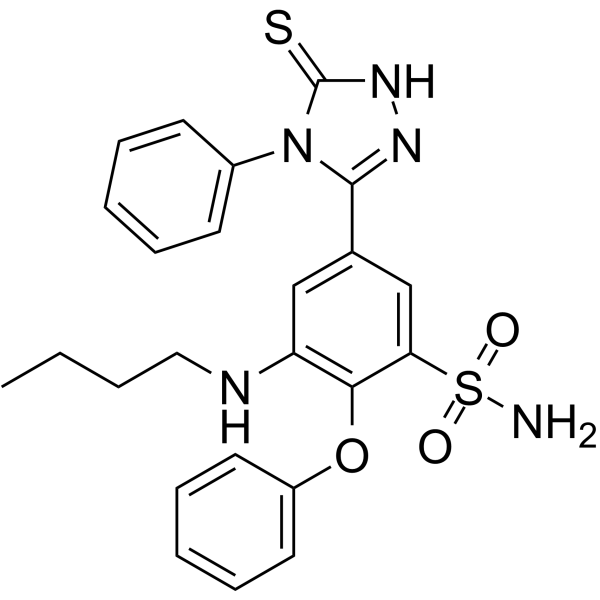
COX-2-IN-23 (compound 9a) is a selective COX-2 inhibitor with IC50 values of 0.28 and 20.14 μM for COX-2 and COX-1. COX-2-IN-23 has anti-inflammatory activity and low ulcerogenic activity.
|
-
- HY-168961
-
|
|
Amylases
Glycosidase
|
Metabolic Disease
|
|
α-Amylase/α-Glucosidase-IN-18 (Compound 9g) is the inhibitor for α-Amylase and α-Glucosidase with IC50 of 49.17 nM and 10.71 nM. α-Amylase/α-Glucosidase-IN-18 can be used in research of type 2 diabetes mellitus .
|
-

- HY-10096
-
|
|
GSK-3
|
Neurological Disease
|
|
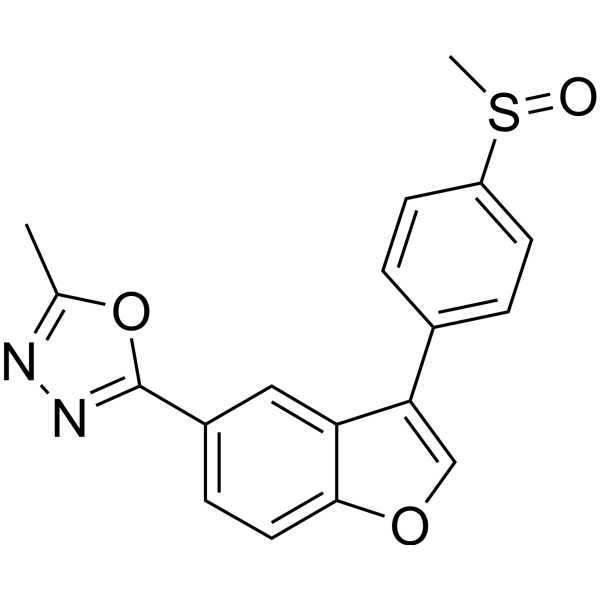
TCS2002 (Compound 9b) is a highly selective, orally bioavailable and potent GSK-3β inhibitor with the IC50 of 35 nM. TCS2002 shows good pharmacokinetic profiles including favorable BBB penetration. TCS2002 can be used for the research of Alzheimer’s disease .
|
-
- HY-163284
-
|
|
Succinate Dehydrogenase
Fungal
|
Infection
|
|
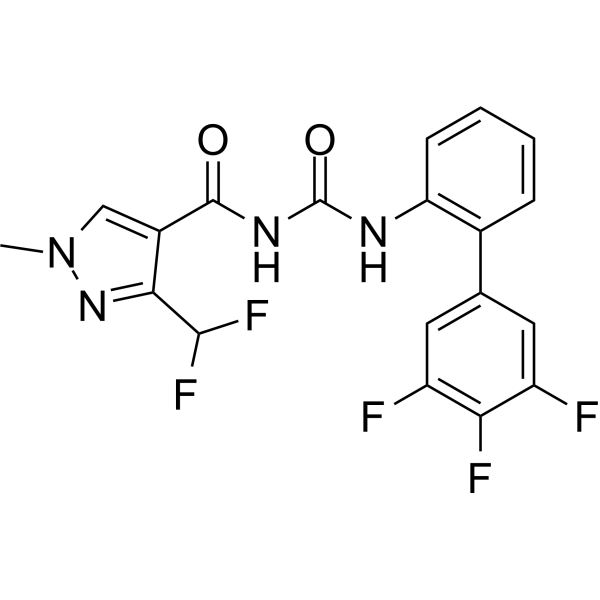
SDH-IN-12 (compound 9b) is a succinate dehydrogenase inhibitor, which exhibits activity against S. sclerotiorum and C. arachidicola, with EC50s of 0.97 and 2.07 μM, respectively. SDH-IN-12 reveals no significant herbicidal activity against monocotyledonous and dicotyledonous plants .
|
-
- HY-146051
-
|
|
Bacterial
|
Infection
|
|
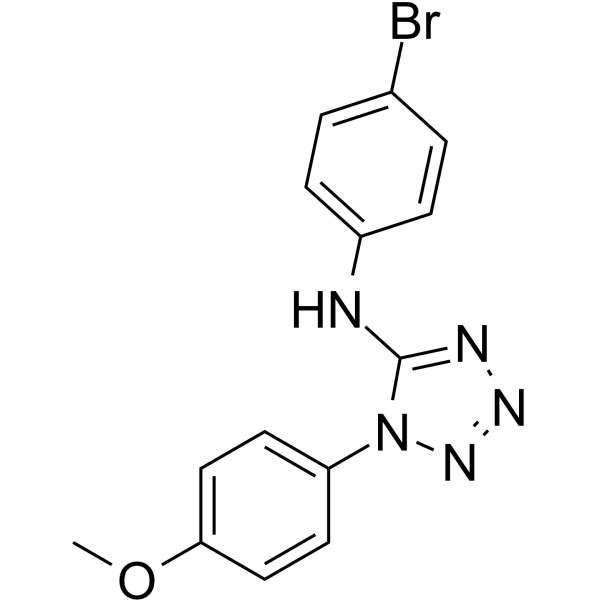
Antitubercular agent-18 (Compound 9a) is an antitubercular agent with MIC values of 2, 2, 2 and 128 µg/ml against M. tuberculosis H37Rv, Spec. 192, Spec 210 and Spec. 800, respectively. Antitubercular agent-18 shows highly selective antimycobacterial effects .
|
-
- HY-162025
-
|
|
mTOR
PI3K
|
Cancer
|
|
mTOR inhibitor-17 (Compound 9e) is a selective inhibitor for mTOR. mTOR inhibitor-10 inhibits mTOR and PI3K-α, with IC50 of 0.68 and 1359 nM. mTOR inhibitor-10 inhibits proliferation of LNCaP with IC50 of 40 nM .
|
-

- HY-162964
-
|
|
EGFR
|
Cancer
|
|
EGFR-IN-126 (compound 9d) is a potent inhibitor of EGFR L858R/T790M/C797S, with the IC50 value of 0.005 μM. EGFR-IN-126 shows antitumor effects in vivo and in vitro .
|
-

- HY-162024
-
|
|
mTOR
PI3K
|
Cancer
|
|
mTOR inhibitor-16 (Compound 9f) is a selective inhibitor for mTOR. mTOR inhibitor-10 inhibits mTOR and PI3K-α, with IC50 of 1.25 and 82 nM. mTOR inhibitor-10 inhibits proliferation of LNCaP with IC50 of 140 nM .
|
-

- HY-N17822
-
|
|
Others
|
Others
|
|
9-Angeloylretronecine is a pyrrolizidine alkaloid compound. 9-Angeloylretronecine can be used in natural product chemistry, plant secondary metabolites, and research on active ingredients of Boraginaceae plants. 9-Angeloylretronecine can be extracted from the whole plant methanol extract of Echium glomeratum (a plant of the Boraginaceae family) .
|
-

- HY-N10351
-
|
|
Apoptosis
|
Cancer
|
|
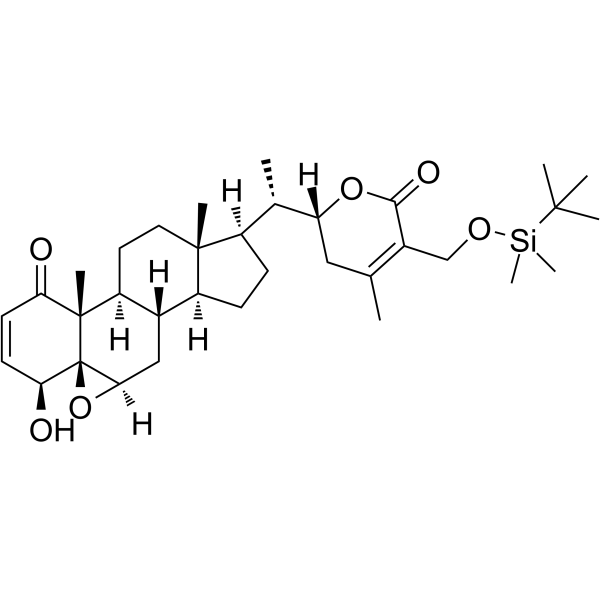
27-O-(tert-Butyldimethylsilyl)withaferin A (compound 9a), a natural withanolide, is an apoptosis inducer. 27-O-(tert-Butyldimethylsilyl)withaferin A shows antiproliferative activity against HeLa, A-549 and MCF-7 human cancer cell lines, and against normal Vero cells .
|
-
- HY-152138
-
|
|
Bacterial
Fungal
|
Infection
|
|
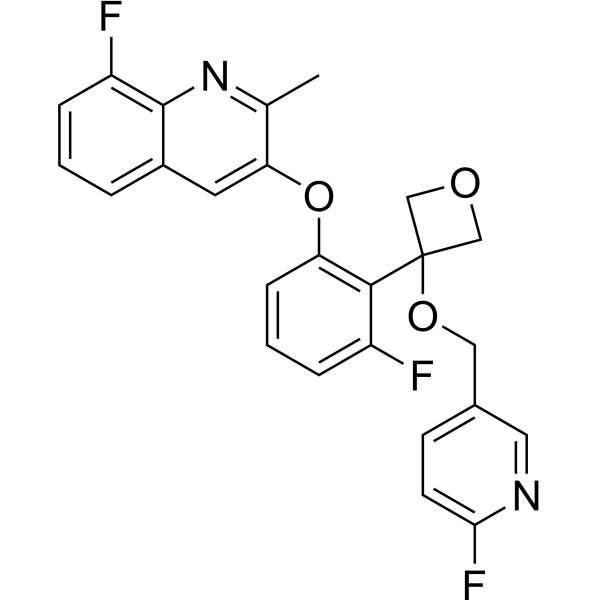
Antituberculosis agent-8 (Compound 9i) is an antitubercular agent with an MIC of 3.53 μM (1.6 μg/mL) against M. tuberculosis H37Rv. Antituberculosis agent-8 also shows good antifungal activity against A. niger with an MIC of 62.50 μM .
|
-
- HY-162023
-
|
|
mTOR
PI3K
|
Cancer
|
|
mTOR inhibitor-10 (Compound 9c) is a selective inhibitor for mTOR. mTOR inhibitor-10 inhibits mTOR and PI3K-α, with IC50 of 0.7 and 825 nM. mTOR inhibitor-10 inhibits proliferation of LNCaP with IC50 of 87 nM .
|
-

- HY-162320
-
|
|
PPAR
|
Metabolic Disease
|
|
PPARγ agonist 12 (compound 9i) is a potent and selective PPARγ agonist with EC50s of 3.98 and 15.42 μM against PPARγ and PPARδ, respectively. PPARγ agonist 12 improves insulin secretion and has anti-diabetic effect .
|
-
- HY-151417
-
|
|
Fungal
|
Infection
|
|
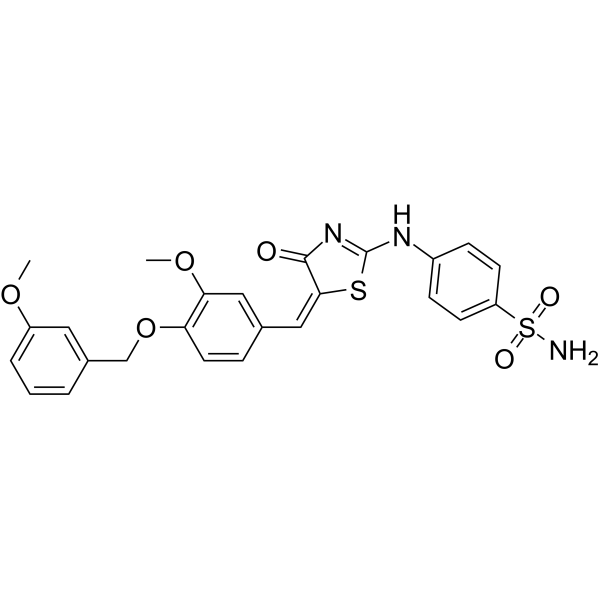
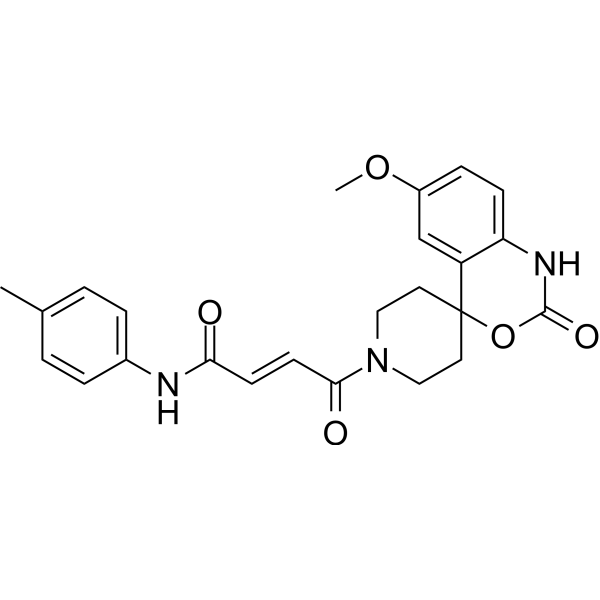
Chitin synthase inhibitor 7 (compound 9c) is a potent chitin synthase (CHS) inhibitor with an IC50 value of 0.37 mM. Chitin synthase inhibitor 7 has broad-spectrum antifungal activity against drug-resistant fungi. Chitin synthase inhibitor 7 can be used in the research of fungi infection .
|
-
- HY-144650
-
|
|
Apoptosis
HSP
|
Cancer
|
|
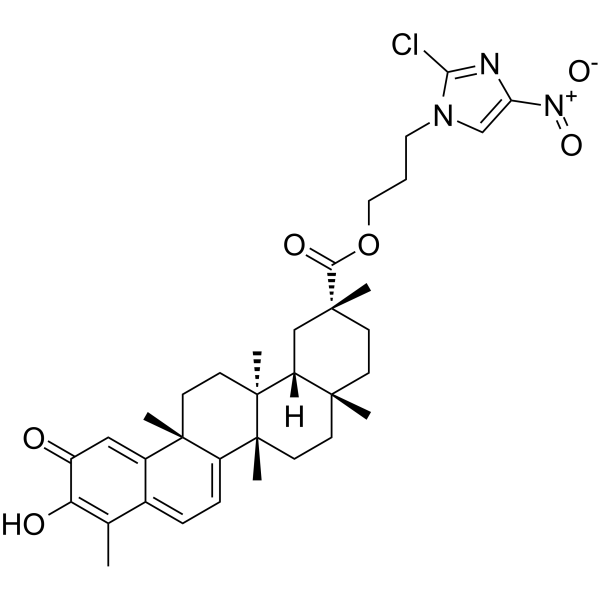
Hsp90-Cdc37-IN-3 (Compound 9) is a novel celastrol−imidazole derivative with anticancer activity. Hsp90-Cdc37-IN-3 inhibits Hsp90−Cdc37 by covalent-binding, and induces apoptosis .
|
-
- HY-161893
-
|
|
Bacterial
|
Infection
|
|
Anti-MRSA agent 15 (Compound 9o10) exhibits antibacterial activity, that inhibits methicillin-resistant Staphylococcus aureus (MRSA) with a MIC of 0.0625 μg/mL. Anti-MRSA agent 15 exhibits low hemolysis and low cytotoxicity. Anti-MRSA agent 15 exhibits anti-infective in mice .
|
-

- HY-174422
-
|
|
Opioid Receptor
|
Others
|
|
Opioid receptor antagonist 2 (Compound 9) is a potent opioid receptor antagonist. Opioid receptor antagonist 2 can reverse ventilatory depression and vocal cord closure induced by fentanyl analogs in mice. Opioid receptor antagonist 2 is promising for research of acute poisoning such as respiratory depression caused by overdose of opioids .
|
-

- HY-157487
-
|
|
Drug Derivative
|
Cancer
|
|
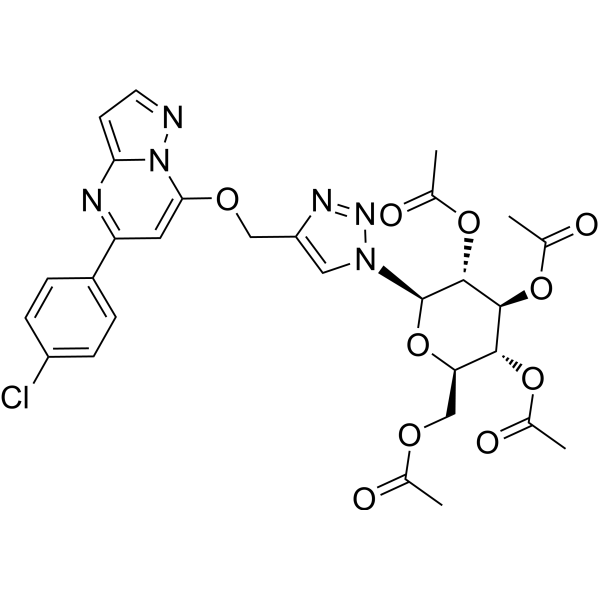
Anticancer agent 185 (compound 9d) is a glycohybrid derivative of pyrazolopyrimidine [1,5-a]. Anticancer agent 185 has good anti-breast cancer activity. Anticancer agent 185 shows good cytotoxic activity against MCF-7 cells with IC50 value of 15.3 μM .
|
-
- HY-151416
-
|
|
Fungal
|
Infection
|
|
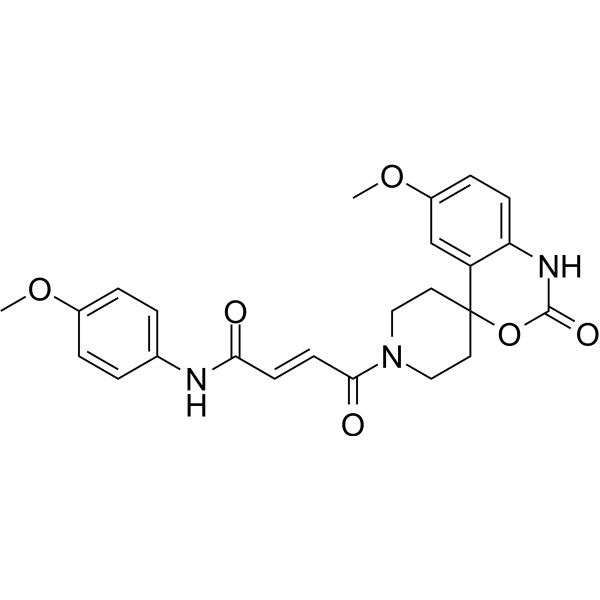
Chitin synthase inhibitor 6 (compound 9b) is a potent chitin synthase (CHS) inhibitor with an IC50 value of 0.21 mM. Chitin synthase inhibitor 6 has broad-spectrum antifungal activity against drug-resistant fungi. Chitin synthase inhibitor 6 can be used in the research of fungi infection .
|
-
- HY-163268
-
|
|
Carbonic Anhydrase
|
Cancer
|
|
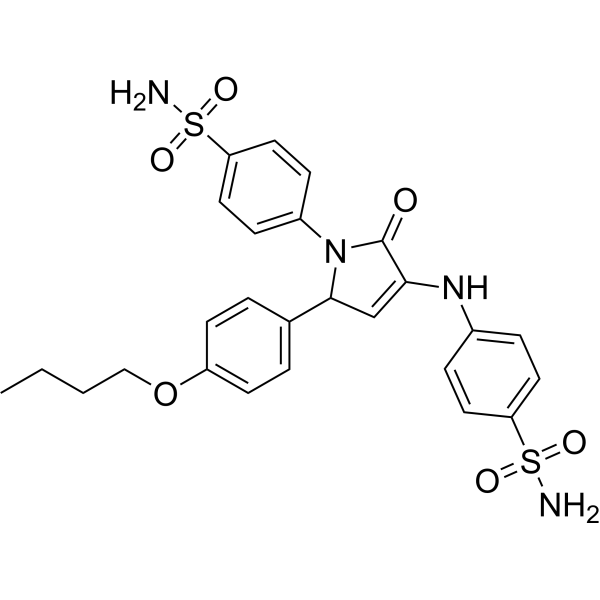
Carbonic anhydrase inhibitor 18 (Compound 9) is a human carbonic anhydrase (hCA) isoform inhibitor, with Kis of 604.8, 333.6, 1.9 and 6.7 nM for hCA I, hCA II, hCA IX and hCA XII, respectively. Carbonic anhydrase inhibitor 18 can be used for the research of cancer .
|
-
- HY-180505
-
-

- HY-147703
-
|
|
Aurora Kinase
|
Cancer
|
|
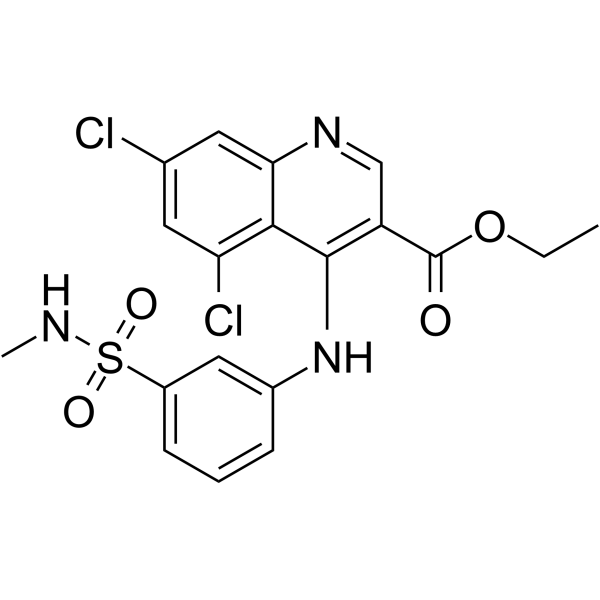
Aurora kinase inhibitor-9 (compound 9d) is a potent AURKA/B dual aurora kinase inhibitor with IC50s of 0.093, 0.09 µM for Aurora A, Aurora B, respectively. Aurora kinase inhibitor-9 shows broad spectrum anti-proliferative activity .
|
-
- HY-W033027
-
|
|
GABA Receptor
|
Neurological Disease
|
|
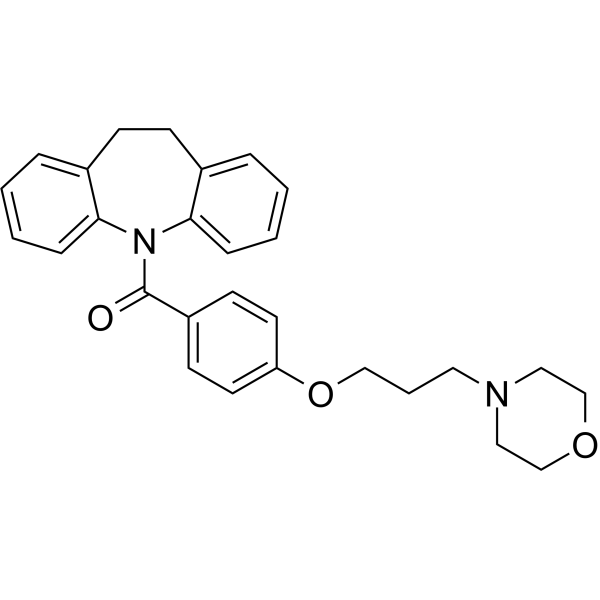
BGT1-IN-1 (compound 9) is a potent BGT1 inhibitor with IC50 value of 13.9, 58.3 µM for hBGT1, GAT3, respectively. BGT1-IN-1 shows no cytotoxic. BGT1-IN-1 shows neuroprotective activity .
|
-

- HY-147271
-
|
|
Drug-Linker Conjugates for ADC
Topoisomerase
|
Cancer
|
|
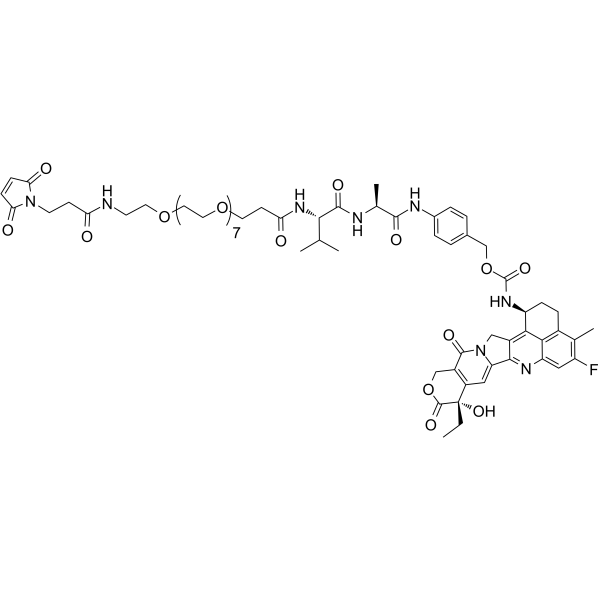
Mal-PEG8-Val-Ala-PAB-Exatecan (Compound 9b) is an antibody-drug conjugate linker (ADC linker) that binds to Nectin-4 polypeptides conjugated to chemotherapeutic agents. Mal-PEG8-Val-Ala-PAB-Exatecan can be used for cancer research .
|
-
- HY-159103
-
|
|
Aminoacyl-tRNA Synthetase
|
Infection
|
|
LeuRS-IN-2 (Compound 9) is a Wolbachia leucyl-tRNA synthetase (LeuRS) inhibitor in the presence of adenosine monophosphate (AMP) with an EC50 value of 6 nM, efficiently arresting the growth of pathogenic host. LeuRS-IN-2 forms adenosine-based adducts inhibiting protein synthesis, which is promising for research of new antimicrobials with disrupting microbiota .
|
-

- HY-180821
-
|
|
Apoptosis
Reactive Oxygen Species (ROS)
MMP
|
Cancer
|
|
FBIN-11 (Compound 9k) is an anticancer agent. FBIN-11 induces Apoptosis mainly by increasing ROS. FBIN-11 decreases MMP. FBIN-11 exhibits anticancer effects against non-small cell lung cancer, liver cancer, and triple-negative breast cancer .
|
-

- HY-147639
-
|
|
Calcium Channel
|
Neurological Disease
|
|
Cav 2.2/3.2 blocker 1 (Compound 9e) is a neuronal calcium channel blocker with IC50 values of 78 μM and 80 μM against Cav2.2 and Cav3.2, respectively. Cav 2.2/3.2 blocker 1 can penetrate the CNS .
|
-
- HY-121723
-
|
|
HSP
|
Cancer
|
|
PU-H39 (compound 9g) is a selective Grp94 inhibitor with an IC50 of 0.12 μM. PU-H39 exhibits 34% and 32% inhibition of MKNK2 and ROCK2 kinases respectively at 10 μM. PU-H39 can be used for the research of breast cancer .
|
-

- HY-155969
-
|
|
EGFR
Apoptosis
|
Cancer
|
|
EGFR-IN-83 (Compound 9) is an EGFR inhibitor (IC50: 2.53 nM). EGFR-IN-83 has antiproliferative activity against MCF-7 and MDA-MB-231 cells, with IC50 of 2.50 μM and 1.96 μM. EGFR-IN-83 can induce cell apoptosis .
|
-
- HY-150572
-
|
|
CDK
Carbonic Anhydrase
|
Cancer
|
|
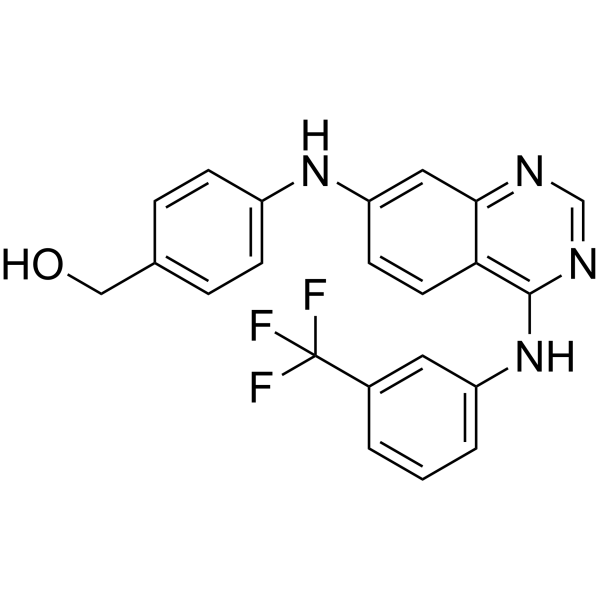
CDK2-IN-11 (compound 9d) is a potent CDK2 inhibitor with an IC50 of 6.4 μM, and KI values of 23.4 nM, 56.3 nM and 44.3 nM for hCA II, hCA IX and hCA XII, respectively. CDK2-IN-11 can be used for researching anticancer .
|
-
- HY-175363
-
|
|
HIV
HIV Protease
|
Infection
|
|
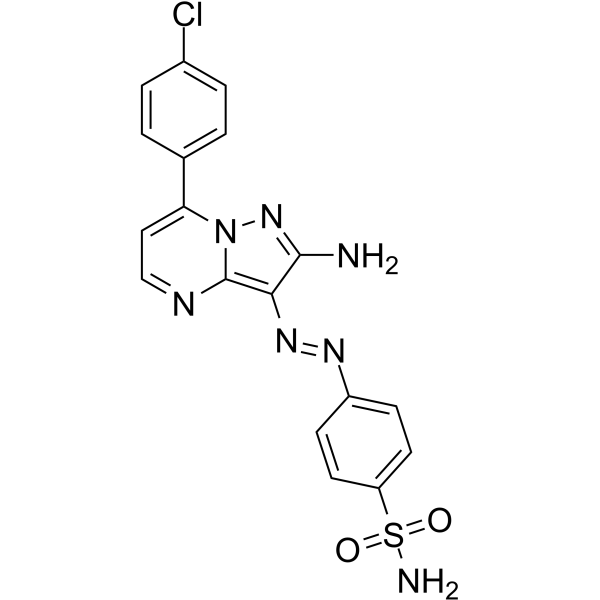
HIV-1-IN-84 (Compound 9) is a potent HIV-1 non-nucleoside reverse transcriptase (HIV-1 RT) inhibitor (IC50=33.89 μM, EC50=540 nM). HIV-1-IN-84 is promising for research of HIV infections .
|
-

- HY-172543
-
|
|
Tau Protein
|
Neurological Disease
|
|
TTBK1/2-IN-2 (compound 9) is a potent Tau tubulin kinase 1 (TTBK1) and TTBK2 inhibitor with IC50s of 384 nM and 175 nM, respectively. TTBK1/2-IN-2 shows a significant ciliogenesis phenotype in human induced pluripotent stem cells (iPSCs) .
|
-

- HY-P10473A
-
|
|
Neuromedin U Receptor (NMUR)
|
Inflammation/Immunology
|
|
CPN-351 TFA (compound 9a), a pentapeptide, is a selective antagonist of human NMUR1 with a pA2 of 7.35. The antagonistic effect of CPN-351 TFA on human NMUR1 is 10 times higher than that on NMUR2. CPN-351 TFA can be used in the study of inflammation .
X
|
-

- HY-N3489
-
|
|
Others
|
Neurological Disease
|
|
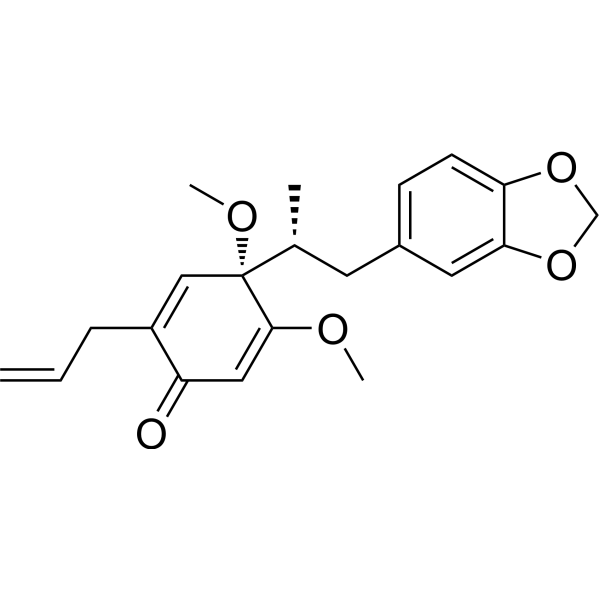
Isodihydrofutoquinol B (compound 9), an active compound, can be isolated from the stems of Piper kadsura (Choisy) Ohwi. Isodihydrofutoquinol B has A neuroprotective effect on Aβ25-35-induced PC12 cell damage with E50 values of 3.06-29.3μM .
|
-
- HY-147730
-
|
|
HDAC
|
Cancer
|
|
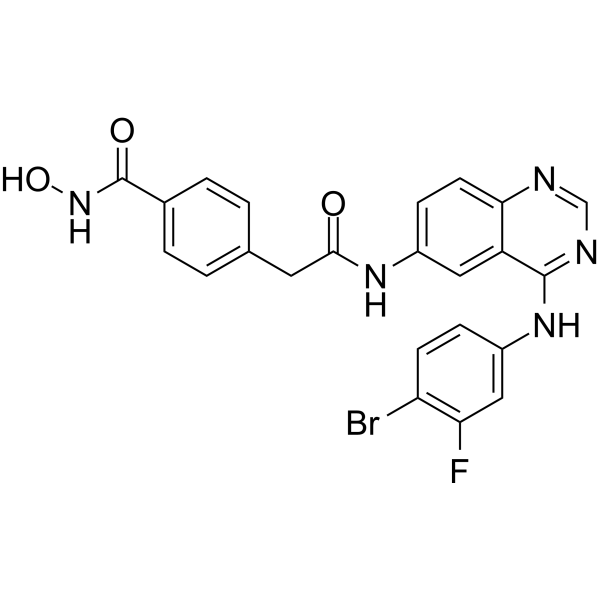
A variety of compounds were designed and synthesized by modifying cap groups. The enzyme inhibition test showed that compound 12C had broad-spectrum enzyme inhibitory activity, and compounds 9m and 9q were more inclined to inhibit HDAC6, showing a certain selective inhibitory activity among the representative subtypes.
|
-
- HY-176058
-
|
|
HDAC
|
Cancer
|
|
HDAC6-IN-57 (compound 9c) is an HDAC6 inhibitor with an IC50 value of 7 nM. HDAC6-IN-57 inhibits 60 cancer cell lines with a mean GI50 of 2.64 μM while exhibiting significantly lower cytotoxicity towards non-tumor cell lines .
|
-

- HY-174271
-
|
|
Apoptosis
|
Cancer
|
|
Antioxidant agent-21 (Compound 9) is a phenolic heterocyclic compound with antioxidant and anticancer activities. Antioxidant agent-21 shows significant cytotoxicity toward human gastric adenocarcinoma (AGS) and lung cancer (A549) cells. Antioxidant agent-21 induces caspase-dependent apoptosis in cancer cells .
|
-

- HY-151410
-
|
|
Fungal
|
Infection
|
|
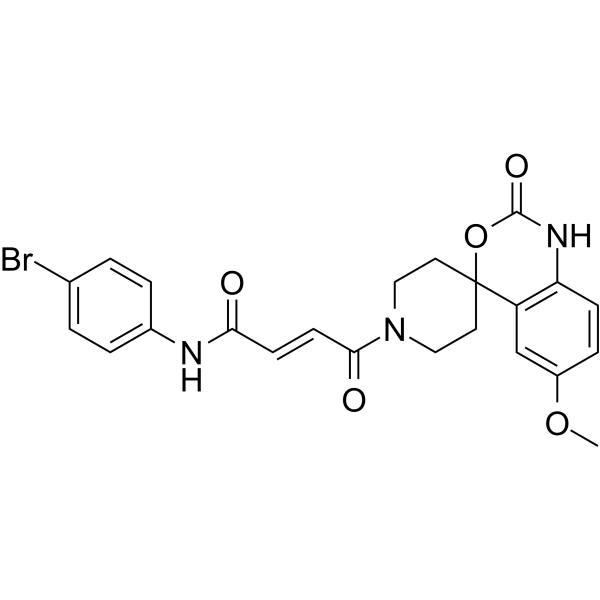
Chitin synthase inhibitor 5 (compound 9a) is an inhibitor of chitin synthase with an IC50 value of 0.14 mM. Chitin synthase inhibitor 5 shows broad-spectrum antifungal activity in vitro and shows good inhibition to C. albicans, A. flavus, A. fumigatus and C. neoformans. Chitin synthase inhibitor 5 can be used for the research of fungal .
|
-
- HY-157399
-
|
|
EGFR
|
Cancer
|
|
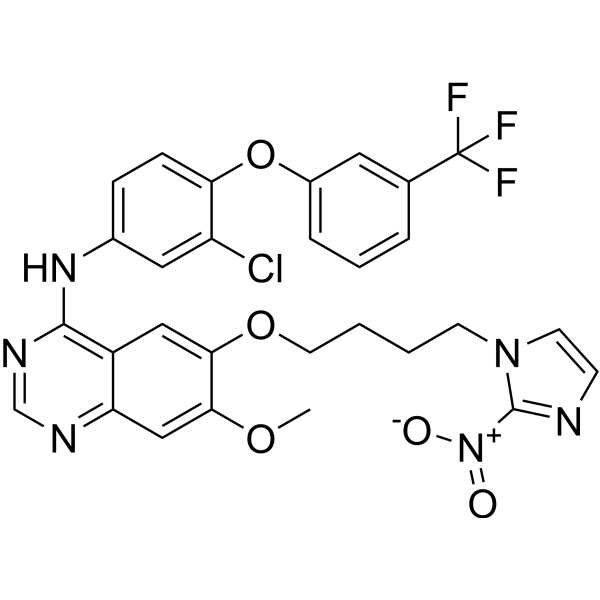
EGFR/HER2-IN-10 (compound 9F) is a potent and selective dual EGFR/HER2 inhibitor with IC50s of 2.3 nM and 234 nM for EGFR and HER2, respectively. EGFR/HER2-IN-10 shows an effective antiproliferative action against prostate carcinoma .
|
-
- HY-168496
-
|
|
Herbicide
Phytohormone
|
Others
|
|
Herbicidal agent 8 (Compound 9w) targets the auxin indole-3-acetic acid (IAA, IC50=4.389 μM), disrupting the physiological activities of plant cells and eventually causing plant death. Herbicidal agent 8 exhibits herbicidal activity against broadleaf weeds and grass weeds .
|
-

- HY-161448
-
|
|
Tau Protein
|
Neurological Disease
|
|
Tau-aggregation-IN-3 (compound 9) a Tau protein aggregation inhibitor (TAI). Tau-aggregation-IN-3 shows activity in cell-based aggregation inhibition experiments (EC50=4.816 μM). Tau-aggregation-IN-3 can be used in Alzheimer's disease research .
|
-

- HY-149858
-
|
|
Wnt
|
Cancer
|
|
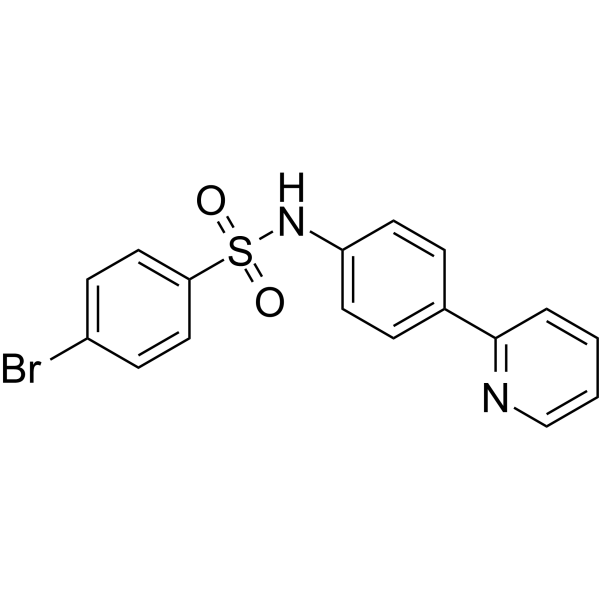
β-catenin-IN-7 (Compound 9) is a β-catenin inhibitor. β-catenin-IN-7 inhibits the interaction between β-catenin and Tcf-4, and inhibits Wnt-dependent target gene expression. β-catenin-IN-7 has anti-cancer activity .
|
-
- HY-158233
-
|
|
Apoptosis
VEGFR
|
Cancer
|
|
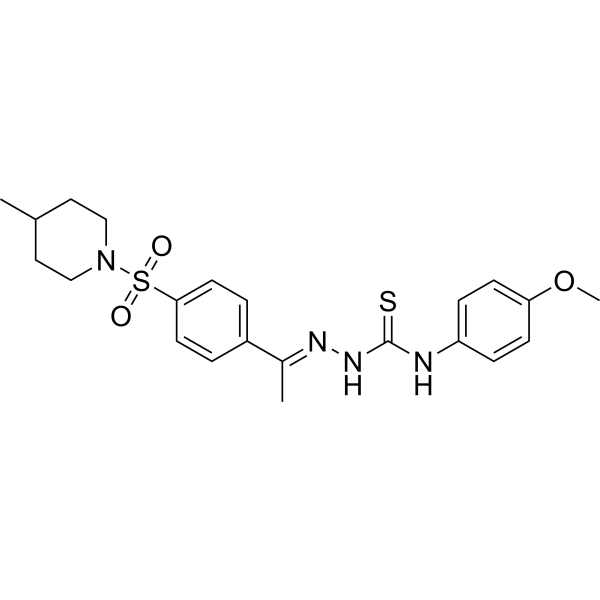
Apoptotic agent-4 (Compound 9) is a apoptosis inducer. Apoptotic agent-4 inhibits VEGFR-2 with an IC50 of 0.5717 μM. Apoptotic agent-4 inhibits cancer cell proliferation and arrests the cell at both the G2/M and Pre-G1 phases .
|
-
- HY-154957
-
|
|
mTOR
|
Neurological Disease
|
|
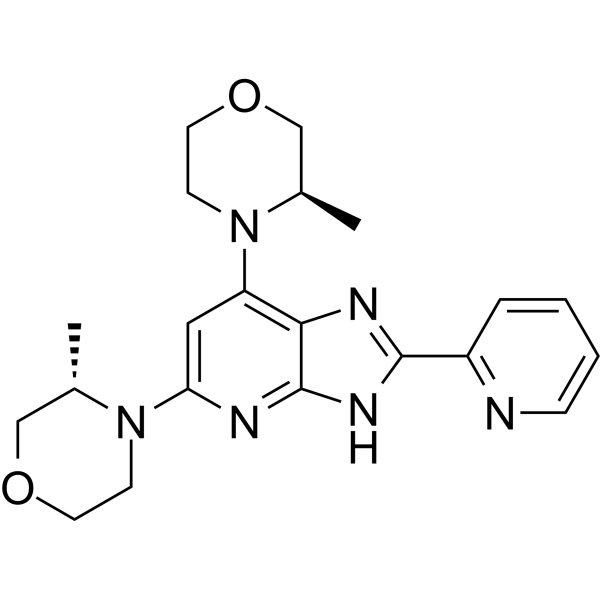
mTOR inhibitor-11 (Compound 9) is a brain-penetrant mTOR inhibitor (IC50: 21 nM for pS6). mTOR inhibitor-11 also inhibits pCHK1 and PDE4D with IC50s of 17.2 and 17.0 μM. mTOR inhibitor-11 can be used for research of CNS disease .
|
-
- HY-153791
-
|
|
FLAP
|
Cancer
|
|
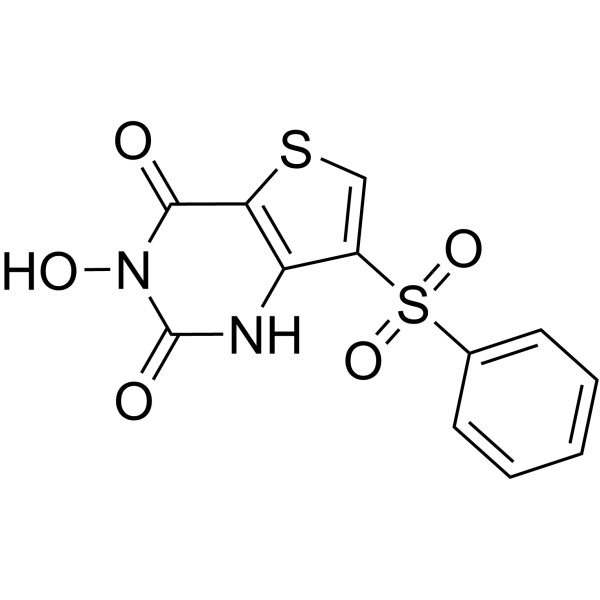
FEN1-IN-6 (compound 9) is a potent inhibitor of Flap endonuclease-1 (FEN1, IC50=10 nM), involving in mammalian cells to repair DNA damage. FEN1-IN-6 also targets to related endonuclease, xeroderma pigmentosum G (XPG) with an IC50 value of 23 nM .
|
-
- HY-160426
-
|
|
Glycosidase
|
Neurological Disease
|
|
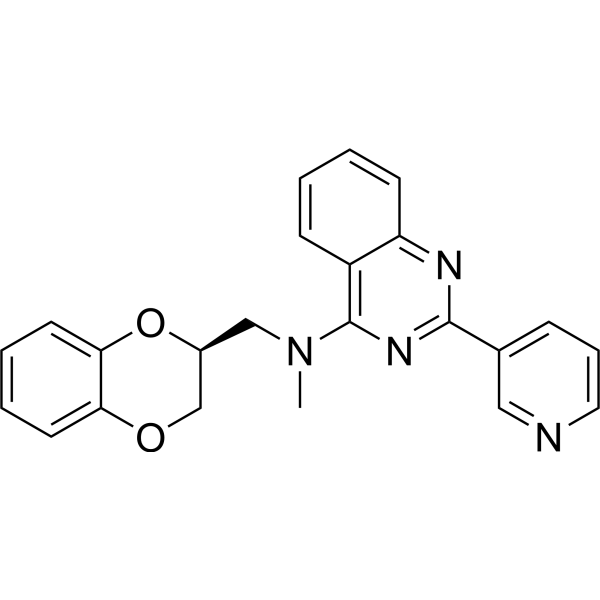
Gcase activator 3 (compound 9Q) is a glucosidase (Glucosidase, GCase) activator that can partially stabilize GCase and increase its activity. Gcase activator 3 reduces mutant GCase protein misfolding and degradation in fibroblasts and dopaminergic midbrain neurons. Gcase activator 3 can be used in the study of Parkinson's disease (PD) and related synucleinopathies .
|
-
- HY-170236
-
|
|
NO Synthase
|
Neurological Disease
|
|
nNOS-IN-5 (Compound 9) is a potent human neuronal NOS (nNOS) inhibitor (Ki = 22 nM). nNOS-IN-5 exhibits excellent selectivity, with a 900-fold preference for human nNOS over human endothelial NOS (eNOS). nNOS-IN-5 can be used for neurodegenerative diseases study, such as Alzheimer's disease and Parkinson’s disease .
|
-

- HY-170646
-
|
|
Influenza Virus
|
Infection
|
|
Influenza A virus-IN-15 (Compound 9b), a quinoline derivative, is a broad-spectrum inhibitor of influenza A viruses with acceptable cytotoxicity (IC50: 0.88-6.33 μM). Influenza A virus-IN-15 can inhibit the transcription and replication of viral RNA and is used in research for its antiviral effects against influenza A viruses (IAV) .
|
-

- HY-163486
-
|
|
Bacterial
|
Infection
|
|
Antituberculosis agent-10 (Compound 9) has excellent antibacterial activity against Mycobacterium tuberculosis (MIC = 0.3 μM). Antituberculosis agent-10 inhibits protein synthesis by targeting the 50S ribosomal subunit of the bacterium, thus exerting its antibacterial effect. Antituberculosis agent-10 is orally active .
|
-

- HY-N16067
-
|
|
Epigenetic Reader Domain
|
Inflammation/Immunology
|
|
Penipanoid C (Compound 9) is a BRD4 inhibitor. Penipanoid C can be isolated from marine sediment-derived fungus Penicillium paneum SD-44. Penipanoid C has anti-inflammatory activity and cytotoxic activity against the SMMC-7721 cells. Penipanoid C can be used for inflammatory diseases research .
|
-

- HY-172980
-
|
|
5-HT Receptor
|
Neurological Disease
|
|
5-HT2A receptor agonist-9 (Compound 9) is a β-arrestin-biased 5-HT2A receptor agonist. 5-HT2A receptor agonist-9 can be used in the research of neurological diseases such as antidepressant and psychedelic .
|
-

- HY-137918
-
|
|
Src
TGF-β Receptor
Anaplastic lymphoma kinase (ALK)
|
Others
|
|
TGF-βRI inhibitor 3 (Compound 9ac) is a selective TGF-β inhibitor. TGF-βRI inhibitor 3 can effectively inhibit the TGF-β signaling pathway. TGF-βRI inhibitor 3 has IC50 values of 13 μM and 0.63 μM for c-Src kinase and ALK5 kinase, respectively .
|
-

- HY-158318
-
|
|
DNA/RNA Synthesis
|
Cancer
|
|
NUDT5/14 antagonist 1 (Compound 9) is a selective, dual antagonist for nucleotide diphosphate kinase NUDT5 and NUDT14, with IC50 of 0.27 and 0.16 μM, respectively. NUDT5/14 antagonist 1 binds to Bruton’s tyrosine kinase (BTK) with an IC50 of 0.377 μM .
|
-

- HY-177224
-
|
|
Drug Derivative
|
Cancer
|
|
Antitumor agent-205 (compound 9), an Ecteinascidin derivative, is an antitumor agent. Antitumor agent-205 exhibits anti-proliferation activity against A549 and HT29 cells , with GI50 values of 16.4 nM for each cell line. Antitumor agent-205 can be used for lung and colon cancer research .
|
-

- HY-176997
-
|
|
PDHK
Bacterial
|
Infection
|
|
PDHc-E2-IN-1 (Compound 9) is a Pyruvate Dehydrogenase Complex E2 (PDHc-E2) inhbibitor. with an IC50 of 2.52 μM. PDHc-E2-IN-1 shows strong antibacterial activity and can be used in the research of bacterial spot disease and bacterial leaf blight in rice .
|
-

- HY-160656
-
|
|
5-HT Receptor
|
Neurological Disease
|
|
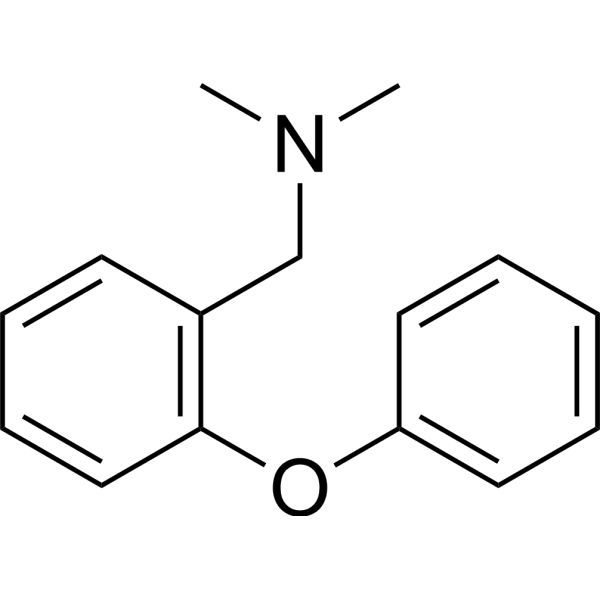
5-HT/NA Reuptake inhibitor-1 (compound 9) is a selective dual 5-HT and NA reuptake inhibitor with IC50 of 660 nM and 70 nM respectively. . 5-HT/NA Reuptake inhibitor-1 has good in vitro human metabolic stability, hERG selectivity and passive membrane permeability .
|
-
- HY-147983
-
|
|
PI3K
Reactive Oxygen Species (ROS)
Apoptosis
|
Cancer
|
|
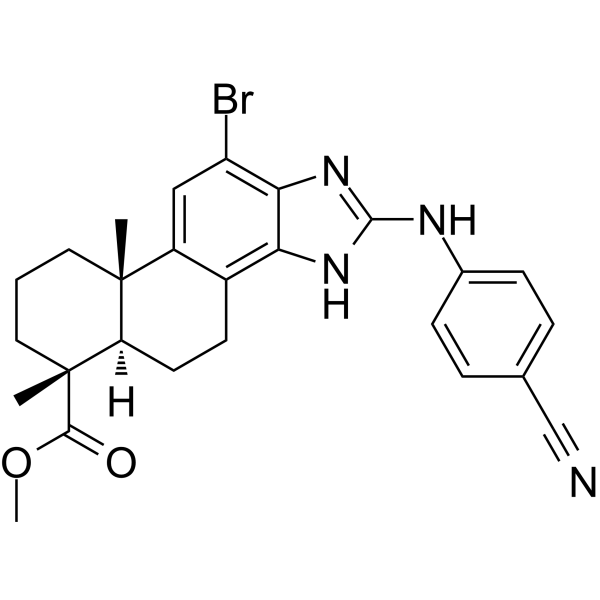
PI3Kα-IN-8 (Compound 9g) is a selective PI3Kα inhibitor with an IC50 of 0.012 μM. PI3Kα-IN-8 increases intracellular reactive oxygen species level, decreases mitochondrial membrane potential and induces apoptosis .
|
-
- HY-179511
-
|
|
Glycosidase
|
Metabolic Disease
|
|
α-Glucosidase-IN-104 (Compound 9s) is an efficient inhibitor of α-glucosidase with an IC50 of 24.32 μM. α-Glucosidase-IN-104 has a weak inhibitory effect on α-amylase and avoids gastrointestinal side effects. α-Glucosidase-IN-104 can be used for research on type 2 diabetes .
|
-

- HY-150694
-
|
|
HDAC
|
Cancer
|
|
HDAC6-IN-11 (Compound 9) is a selective HDAC6 inhibitor with the IC50 value of 20.7 nM. HDAC6-IN-11 has more than 300-fold selectivity over HDAC other isoforms. HDAC6-IN-11 shows anti-proliferative activities against cancer cells .
|
-
- HY-W1113770
-
|
|
STAT
|
Inflammation/Immunology
|
|
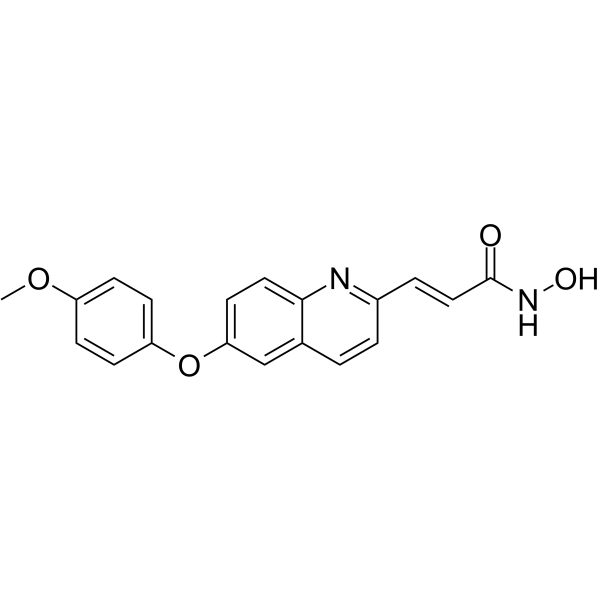
STAT6-IN-8 (Compound 9) is a STAT6 inhibitor with potential anti-inflammatory and anti-allergic effects. STAT6-IN-8 can be used for the study of STAT6-associated diseases, including inflammatory diseases (atopic dermatitis, bronchial asthma) and allergic diseases (allergic rhinitis, chronic sinusitis) .
|
-

- HY-153893
-
|
|
Mitochondrial Metabolism
|
Metabolic Disease
|
|
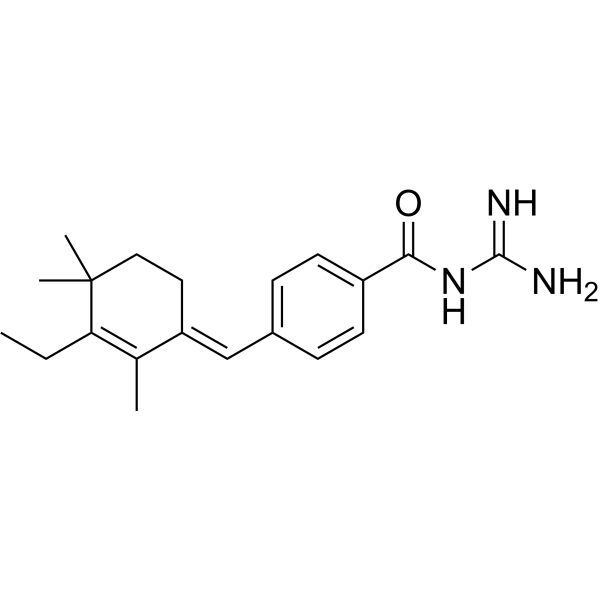
Magmas-IN-1 (compound 9) is a small molecule Magmas inhibitor (SMMI). Magmas is mitochondria associated,granulocyte-macrophage colony stimulating factor signaling molecule,as well as a GM-CSF inducible gene in myeloid cells. Magmas-IN-1 inhibits Magmas and modulates mitochondrial function. Magmas-IN-1 also inhibits proliferation in yeast at 4 μM .
|
-
- HY-126256A
-
|
|
Histone Methyltransferase
|
Cancer
|
|
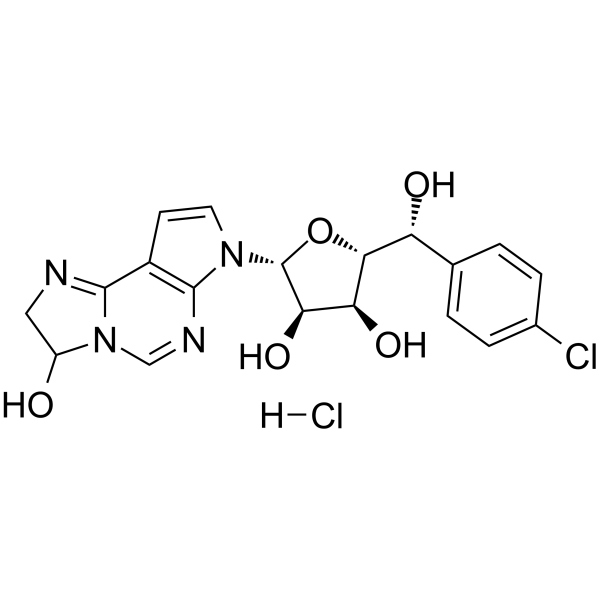
PRMT5 IN-1 hydrochloride (compound 9), a hemiaminal, is a potent, selective protein arginine methyltransferase 5 (PRMT5) inhibitor with an IC50 of 11 nM for PRMT5/MEP50. PRMT5 IN-1 hydrochloride can be converted to aldehydes and react with C449 to form covalent adducts under physiological conditions .
|
-
- HY-170397
-
-

- HY-161845
-
|
|
Drug Derivative
|
Cancer
|
|
Anticancer agent 240 (compound 9b) is an 8-quinolinesulfonamide derivative with a cytotoxicity activity. Anticancer agent 240 shows inhibitory activity in Caco-2, SNB-19, A-549, and SKOV-3 cell line IC50 values of 0.26, 0.38, 0.40 and 4.16 μM .
|
-

- HY-N17536
-
|
|
Others
|
Others
|
|
4-Hydroxy-3-methoxyphenyl 6-O-β-D-glucopyranosyl-β-D-glucopyranoside (Compound 9) is a natural product. 4-Hydroxy-3-methoxyphenyl 6-O-β-D-glucopyranosyl-β-D-glucopyranoside can be isolated from Lycopodiella cernua (L.) Pic. Serm. .
|
-

- HY-180224
-
|
|
HDAC
Microtubule/Tubulin
Apoptosis
|
Cardiovascular Disease
Cancer
|
|
HDAC6-IN-70 (Compound 9q) is a selective HDAC6 inhibitor with an IC50 of 29 nM. HDAC6-IN-70 effectively inhibits tubulin polymerization and HDAC6. HDAC6-IN-70 causes Apoptosis. HDAC6-IN-70 shows anticancer effects on hematological malignancies and colorectal cancers .
|
-

- HY-162073
-
|
|
Influenza Virus
|
Infection
|
|
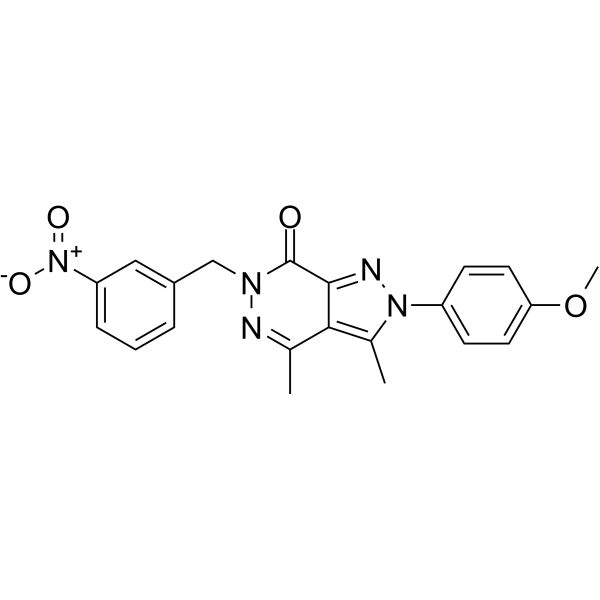
ZIKV-IN-8 (Compound 9b) is a noncompetitive Zika virus (ZIKV) inhibitor. ZIKV-IN-8 shows the best anti-ZIKV activity with a selectivity index of 22.4. ZIKV-IN-8 has significant inhibition of ZIKV with an IC50 value of 25.6 μM. ZIKV-IN-8 can be used for the research of ZIKV infection .
|
-
- HY-155012
-
|
|
Bcl-2 Family
|
Cancer
|
|
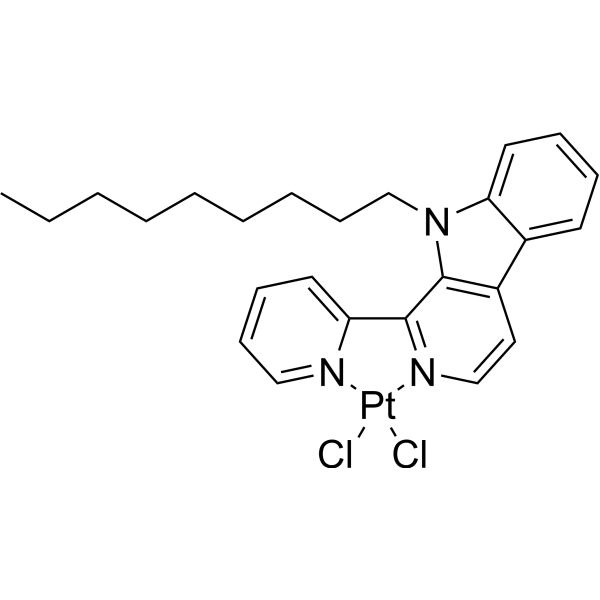
Mcl-1 inhibitor 16 (Compound 9) is a mitochondrial targeting Platinum-based inhibitor of Mcl-1. Mcl-1 inhibitor 1 induces Bax/Bak-dependent apoptosis in cancer cells. Mcl-1 inhibitor 16 can be used alone or together with ABT-199 (HY-15531) and shows anti-tumor activity .
|
-
- HY-177988
-
|
|
Microtubule/Tubulin
|
Cancer
|
|
Tubulin polymerization-IN-87 (Compound 9) is a tubulin polymerization inhibitor. Tubulin polymerization-IN-87 disrupts tubulin polymerization and induces G2/M cell cycle arrest. Tubulin polymerization-IN-87 exhibits anti-tubulin and anti-proliferative effects. Tubulin polymerization-IN-87 exhibits anticancer activity against ovarian cancer .
|
-

- HY-173555
-
|
|
HDAC
NOD-like Receptor (NLR)
|
Inflammation/Immunology
|
|
HDAC6-IN-54 (Compound 9m) is a highly selective HDAC6 (histone deacetylase 6) inhibitor with an IC50 value of 0.021 μM. HDAC6-IN-54 blocks the activation of the NLRP3 inflammasome, which alleviates symptoms of NLRP3 inflammasome-related diseases such as acute peritonitis, inflammatory bowel disease, and psoriasis .
|
-

- HY-138635
-
|
|
PROTACs
Epigenetic Reader Domain
|
Cancer
|
|
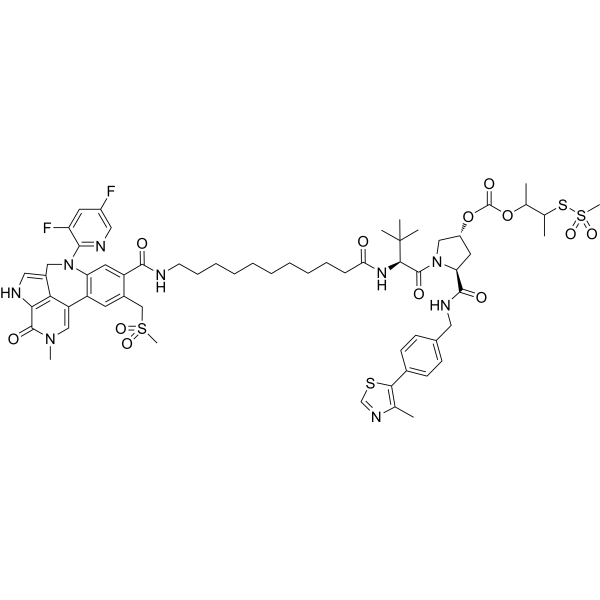
PROTAC BRD4 Degrader-12 (compound 9c) is a PROTAC connected by ligands for von Hippel-Lindau and BRD4. PROTAC BRD4 Degrader-12 can be conjugated with STEAP1 and CLL1 antibodies to degrade the BRD4 protein in PC3 prostate cancer cells, with a DC50 of 0.39 nM and 0.24 nM, respectively .
|
-
- HY-173281
-
|
|
Methionine Adenosyltransferase (MAT)
|
Cancer
|
|
MAT2A-IN-24 (Compound 9) is an inhibitor of methionine adenosyltransferase 2a (MAT2a). The IC50 value for the inhibition of MAT2a is 20 nM, and the IC50 value for the antiproliferative activity against HAP1MTAP–/– cells is 10 nM. MAT2A-IN-24 can be used in the research field of tumor diseases associated with MTAP deficiency .
|
-

- HY-146308
-
|
|
HIV
|
Infection
|
|
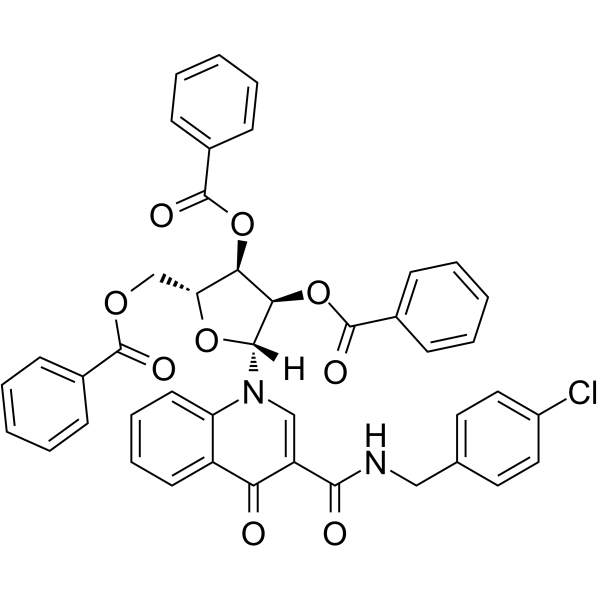
HIV-1 inhibitor-26 (compound 9a) is a potent HIV-1 reverse transcriptase (RT) inhibitor with an IC50 value of 1.4 μM. HIV-1 inhibitor-26 has low cytotoxicity with a CC50 of 1486 μM in PBMCs. HIV-1 inhibitor-26 can be used for researching AIDS .
|
-
- HY-168564
-
|
|
SARS-CoV
|
Infection
|
|
SARS-CoV-2 3CLpro-IN-27 (Compound 9H) is an inhibitor of SARS-CoV-2 3CL pro with an IC50 value of 21 nM. SARS-CoV-2 3CLpro-IN-27 exhibits excellent anti-SARS-CoV-2 replicon activity, demonstrating an EC50 value of 5 nM .
|
-

- HY-179165
-
|
|
P2Y Receptor
Apoptosis
YAP
|
Cancer
|
|
Gαq/11 protein-IN-2 (Compound 9g) is a Gαq/11 protein inhibitor, with an IC50 of 11.3 μM. Gαq/11 protein-IN-2 induces Apoptosis, increases p-YAP. Gαq/11 protein-IN-2 has anticancer activity against uveal melanoma .
|
-

- HY-179158
-
-

- HY-147797
-
|
|
EGFR
CDK
|
Cancer
|
|
EGFR/HER2/CDK9-IN-2 (Compound 9) is a potent inhibitor of EGFR/HER2/CDK9 with IC50s of 145.35, 129.07, and 117.13 nM, respectively. EGFR/HER2/CDK9-IN-2 exhibits remarkable antitumor activity .
|
-
- HY-165421
-
|
|
Mps1
|
Cancer
|
|
Mps1-IN-10 (Compound 9) is an inhibitor for Mps1 with an IC50 of 6.4 nM. Mps1-IN-10 inhibits the proliferation of cancer cell MDA-MB-231 with a GI50 of 11 nM. Mps1-IN-10 exhibits anti-tumor efficacy in mice MDA-MB-231 xenograft models .
|
-

- HY-114906
-
|
|
Sirtuin
|
Cancer
|
|
SIRT1/2/3-IN-2 (compound 9) is a potent SIRT inhibitor, with inhibition rates of 27%, 72%, and 71% targeting SIRT1, SIRT2, and SIRT3, respectively, at 200 μM. SIRT3 is a potential tumor suppressor or promoter, and its increased transcription may be associated with lymph node-positive breast cancer and oral squamous cell carcinoma .
|
-

- HY-161338
-
|
|
Microtubule/Tubulin
Apoptosis
|
Cancer
|
|
Tubulin polymerization-IN-61 (Compound 9a) is a tubulin polymerization inhibitor. Tubulin polymerization-IN-61 destroys the microtubule skeleton, blocks the cell cycle in G2/M phase, induces Apoptosis, and inhibits cancer cell migration and colony formation. Tubulin polymerization-IN-61 shows antitumor activity in vivo against 4T1 xenograft model .
|
-
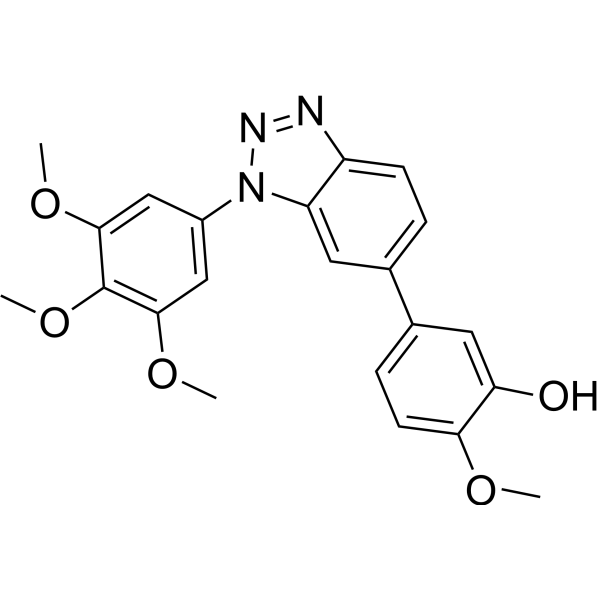
- HY-146421
-
|
|
NO Synthase
NF-κB
Reactive Oxygen Species (ROS)
|
Inflammation/Immunology
|
|
Anti-inflammatory agent 21 (compound 9o) is an orally active and low cytotoxic anti-inflammatory agent, with an IC50 value of 0.76 μM for NO. Anti-inflammatory agent 21 acts via accumulation ROS and blocks the NF-κB/MAPK signaling pathway. Anti-inflammatory agent 21 can ameliorate cartilage destruction and inflammatory cell infiltration in arthritis rats model .
|
-
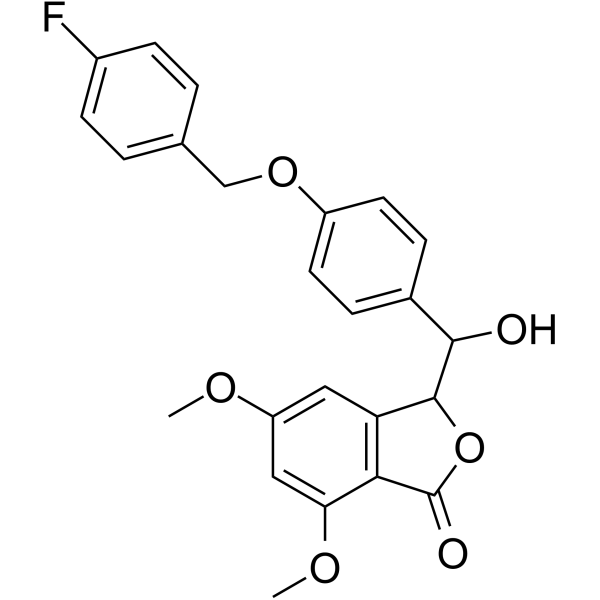
- HY-152136
-
|
|
Bacterial
Fungal
|
Infection
|
|
Antituberculosis agent-6 (compound 9g) is a potent antimycobacterial agent. Antituberculosis agent-6 shows significant activity against M. tuberculosis, with a MIC of 3.49 μM. Antituberculosis agent-6 also shows good antifungal activity against A. niger, with a MIC of 62.50 μM. Antituberculosis agent-6 shows high GI absorption .
|
-
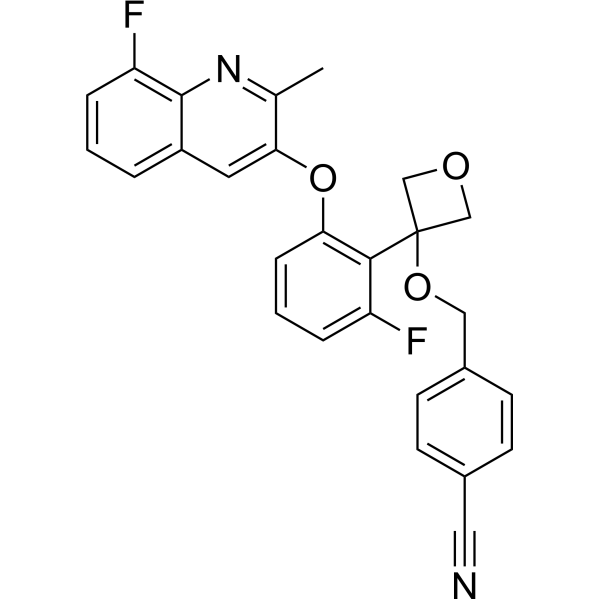
- HY-147873
-
|
|
iGluR
HDAC
|
Neurological Disease
|
|
NMDAR/HDAC-IN-1 (Compound 9d) is a dual NMDAR and HDAC inhibitor with a Ki of 0.59 μM for NMDAR and IC50 values of 2.67, 8.00, 2.21, 0.18 and 0.62 μM for HDAC1, HDAC2, HDAC3, HDAC6 and HDAC8, respectively. NMDAR/HDAC-IN-1 efficiently penetrates the blood brain barrier .
|
-
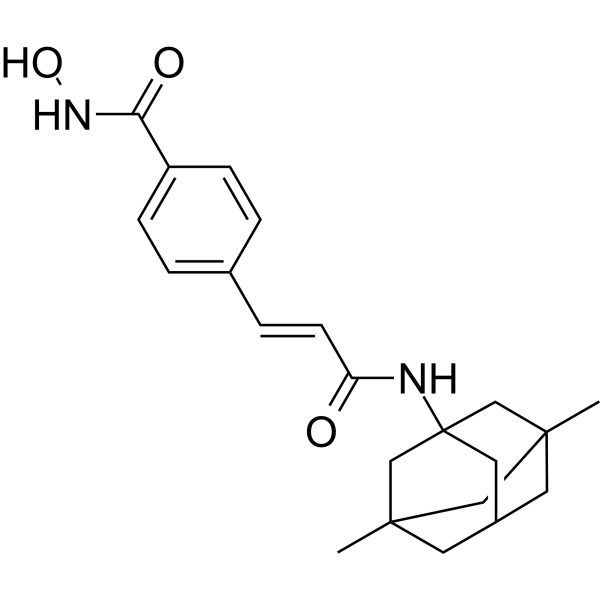
- HY-180227
-
|
|
URAT1
OAT
Cytochrome P450
|
Metabolic Disease
|
|
URAT1-IN-15 (Compound 9) is an orally active, selective URAT1 inhibitor with an IC50 of 69.81 nM. URAT1-IN-15 inhibits CYP2C9 (IC50 = 8.39 μM). URAT1-IN-15 shows uricosuric activity. URAT1-IN-15 can be used in the research of hyperuricemia .
|
-

- HY-W128798
-
|
|
5-HT Receptor
|
Neurological Disease
|
|
Sulfabenz (Compound 9) is an amine-substituted N1-phenylsulfonyl indole derivative. Sulfabenz has binding activity to human 5-HT6 serotonin receptor (Ki: 200 nM). Sulfabenz can be used to study the ligand binding mechanism of 5-HT6 receptor and 5-HT6 receptor-related neurological diseases .
|
-

- HY-155534
-
|
|
17β-HSD
|
Others
|
|
17β-HSD10-IN-1 (compound 9) is an orally active inhibitor of 17β-hydroxysteroid dehydrogenase type 10 (17β-HSD10) with blood-brain permeability. 17β-HSD10-IN-1 doesn't result additional effects for mitochondrial off-targets and cytotoxic or neurotoxic effects .
|
-
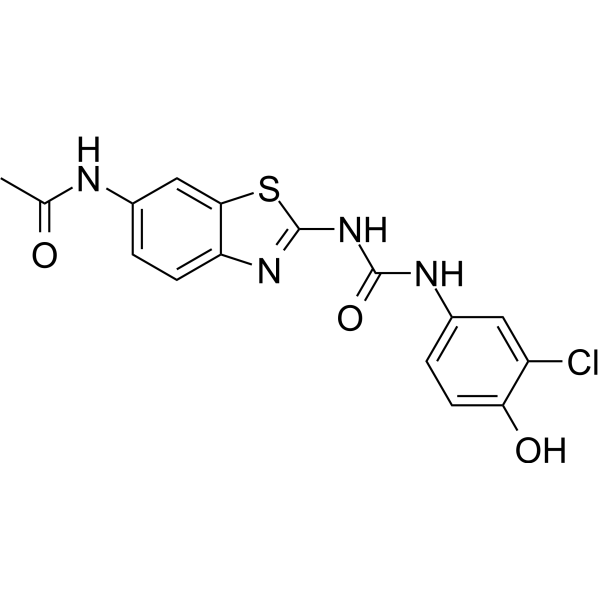
- HY-175315
-
|
|
Carbonic Anhydrase
|
Neurological Disease
Metabolic Disease
Cancer
|
|
Carbonic anhydrase-IN-34 is a carbonic anhydrases (CAs) inhibitor (compound 9d) with IC50s of 1.01 μM against hCA-II, 0.21 μM against hCA-IX and 0.88 μM against hCA-XII. Carbonic anhydrase-IN-34 has potential applications in the research of several disorders, including epilepsy, glaucoma, obesity, and cancer .
|
-

- HY-139018
-
|
|
Drug-Linker Conjugates for ADC
|
Cancer
|
|
TLR7/8 agonist 4 hydroxy-PEG10-acid (compound 9) is a drug-linker conjugates for ADC with potent antitumor activity by using TLR7/8 agonist 4 (HY-139018; a TLR7/8 agonist), linked via the non-cleavable ADC linker hydroxy-PEG10-acid (HY-133307) .
|
-
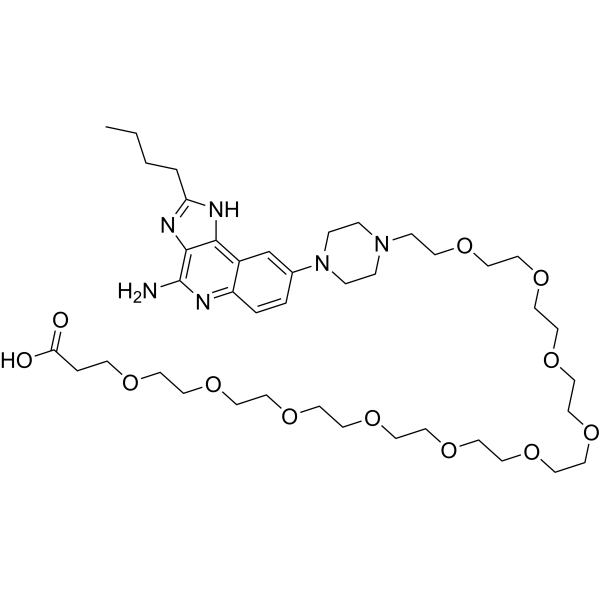
- HY-146704
-
|
|
Epoxide Hydrolase
COX
|
Cardiovascular Disease
|
|
COX-2/sEH-IN-1 (Compound 9c) is an orally active, dual COX-2 and sEH (soluble epoxide hydrolase) inhibitor with IC50 values of 1.24 µM and 0.40 nM against COX-2 and sEH, respectively. COX-2/sEH-IN-1 shows improved anti-inflammatory activity and highly reduced cardiovascular risks .
|
-
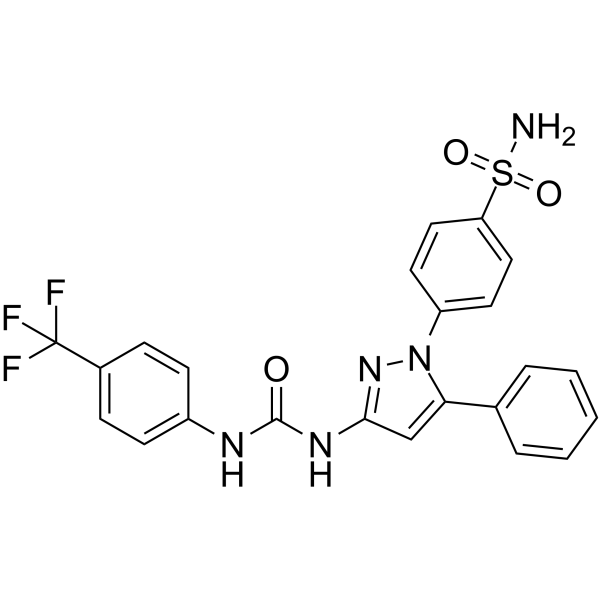
- HY-176237
-
|
|
NAMPT
Apoptosis
|
Cancer
|
|
Nampt-IN-16 (Compound 9a) is an orally active NAMPT inhibitor with an IC50 of 0.15 μM. Nampt-IN-16 can reduce intracellular NAD + and ATP levels. Nampt-IN-16 can inhibit the proliferation, migration, and invasion, induce cell cycle arrest and apoptosis, and alter cellular metabolism of gastric cancer cells. Nampt-IN-16 can be used in the research of tumors such as gastric cancer .
|
-

- HY-139018A
-
|
|
Drug-Linker Conjugates for ADC
|
Cancer
|
|
TLR7/8 agonist 4 hydroxy-PEG10-acid hydrochloride (compound 9) is a drug-linker conjugates for ADC with potent antitumor activity by using TLR7/8 agonist 4 (HY-139018; a TLR7/8 agonist), linked via the non-cleavable ADC linker hydroxy-PEG10-acid (HY-133307) .
|
-
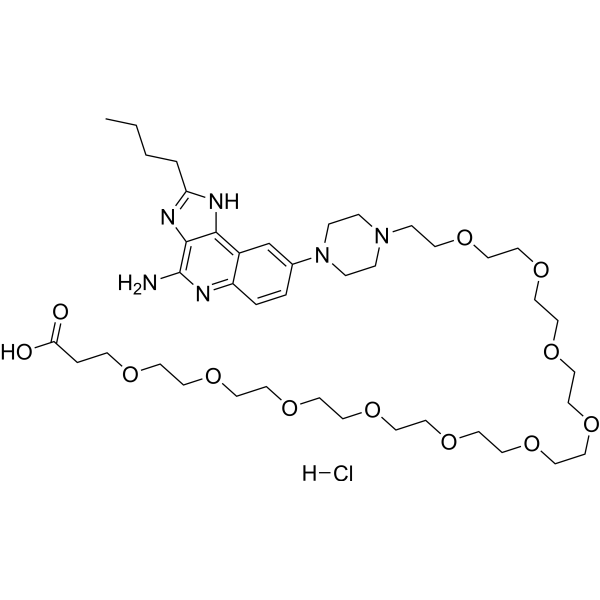
- HY-P3349
-
|
|
Bacterial
|
Infection
|
|
c[Arg-Arg-Arg-Arg-Nal-Nal-Nal] (Compound 9C) shows broad-spectrum activity against drug-resistant Gram-positive and Gram-negative bacteria, with MICs of 3.1, 3,1, 12.5, and 25 μg/mL for MRSA (ATCC BAA-1556), S. aureus (ATCC 29213), P. aeruginosa (ATCC 27883), and E. coli (ATCC 25922), respectively .
|
-
![c[Arg-Arg-Arg-Arg-Nal-Nal-Nal]](//file.medchemexpress.com/product_pic/hy-p3349.gif)
- HY-161335
-
|
|
MAP4K
Interleukin Related
IFNAR
|
Cancer
|
|
HPK1-IN-43 (compound 9f) is a HPK1 kinase inhibitor with the IC50 value of 0.32 nM. HPK1-IN-43 inhibits the phosphorylation of the downstream protein SLP-76 and enhances the secretion of interleukin-2 (IL-2) and interferon-γ (IFN-γ). HPK1-IN-43 can be used in cancer research .
|
-
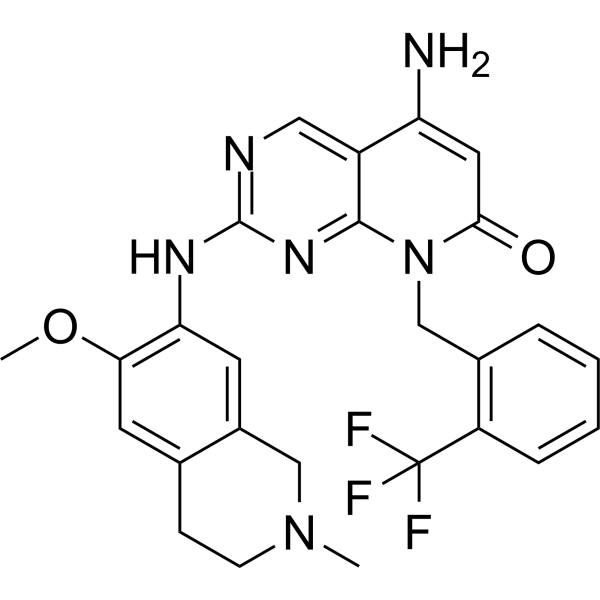
- HY-169008
-
|
|
PROTACs
Acetyl-CoA Carboxylase
|
Infection
|
|
PROTAC ACC degrader-1 (Compound 9b) is a Acetyl-CoA Carboxylase degrader. PROTAC ACC degrader-1 exhibits superior potency against Aphis craccivora (IC50 = 107.8 μg/mL). (Structure Note: Pink, Target protein ligand (HY-169009); Blue, E3 ligand (HY-10984); Black, linker (HY-W007559) .
|
-

- HY-155841
-
|
|
Microtubule/Tubulin
Mitosis
|
Cancer
|
|
Tubulin polymerization-IN-46 (compound 9q) is a microtubule/Tubulin inhibitor that inhibits tubulin polymerization and induces apoptosis. Tubulin polymerization-IN-46 inhibits mitosis and arrests MCF-7 cells in the G2/M phase. Tubulin polymerization-IN-46 has anti-proliferative activity against MCF-7 breast cancer cells with an IC50 of 10 nM .
|
-
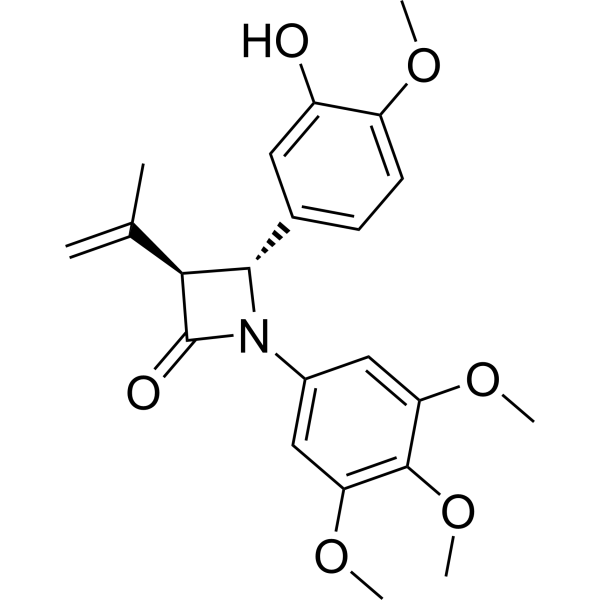
- HY-181896S
-
|
|
PPAR
|
Inflammation/Immunology
|
|
PPARγ agonist-23 (Compound 9) is an orally active PPARγ agonist with an EC50 of 0.32 μM. PPARγ agonist-23 improves hepatic triglyceride levels, reduces scores of steatosis and hepatocellular ballooning, and decreases the total activity score of non-alcoholic steatohepatitis (NASH). PPARγ agonist-23 can be used for the research of non-alcoholic steatohepatitis .
|
-

- HY-173279
-
|
|
Cytochrome P450
|
Endocrinology
|
|
CYP19A1-IN-1 (Compound 9) is a CYP19A1 inhibitor with an IC50 of 271 nM. CYP19A1-IN-1 inhibits the activity of converting androgens to estrogens by binding to CYP19A1. CYP19A1-IN-1 can be used in the research of sex hormone-related diseases such as estrogen-dependent breast cancer .
|
-

- HY-115959
-
|
|
Bacterial
|
Inflammation/Immunology
Cancer
|
|
Anticancer agent 34 (compound 9), a sulfonylurea derivative, is a potent antimicrobial and anticancer agent. Anticancer agent 34 inhibits the microbial growth of B. mycoides, E. coli, and C. albicans with a MIC between 0.156 and 0.039 mg/ml. Anticancer agent 34 inhibits A549, PC3 cell growth with IC50s of 8.4 µg/ml, 7.8 µg/ml, respectively .
|
-
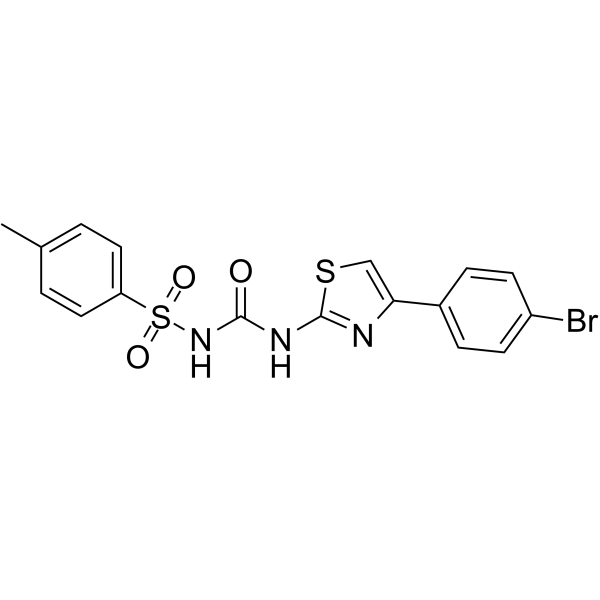
- HY-162883
-
|
|
SHMT
|
Others
|
|
SHMT-IN-4 (Compound 9ay) is a herbicide that targets and inhibits serine hydroxymethyltransferase (SHMT1) with an IC50 value of 193.8 g a.i./ha (active ingredient content per hectare). SHMT-IN-4 interferes with amino acid synthesis and metabolism in plants by binding to SHMT1, thereby inhibiting plant growth. Additionally, SHMT-IN-4 shows no significant toxicity to maize and honeybees .
|
-

- HY-180189
-
|
|
Carbonic Anhydrase
|
Neurological Disease
|
|
Carbonic anhydrase-IN-37 (compound 9a) is a potent and orally active carbonic anhydrase (CA) inhibitor with Kis of 9.7 and 1.0 nM for hCA VA and hCA VB, respectively. Carbonic anhydrase-IN-37 shows anti allodynic and antihyperalgesic effects on Paclitaxel (HY-B0015)-induced neuropathic pain in mice. Carbonic anhydrase-IN-37 can be used for neuropathic pain research .
|
-

- HY-N9765
-
|
|
NF-κB
NO Synthase
Quinone Reductase
COX
|
Others
|
|
threo-Guaiacylglycerol β-coniferyl ether (compound 9) is a potentially active compound, but its inhibitory activity against NF-κB, nitric oxide production, aromatase, quinone reductase 2, and cyclooxygenase (COX-1/-2) is not significant. threo-Guaiacylglycerol β-coniferyl ether can be naturally extracted from the 95% ethanol extract of the whole plant of Lepisorus contortus (Christ) Ching (a plant of the Polypodiaceae family) .
|
-

- HY-181933
-
|
|
Clathrin
Dynamin
|
Infection
|
|
Clathrin-IN-5 (Compound 9) is a Clathrin N-terminal domain-Amphiphysin protein-protein interaction inhibitor with an IC50 of 2.77 μM. Clathrin-IN-5 inhibits the protein-protein interaction between the clathrin N-terminal domain and amphiphysin. Clathrin-IN-5 inhibits clathrin-mediated endocytosis with an IC50 of 4.6 μM. Clathrin-IN-5 inhibits the GTPase activity of Dynamin I with an IC50 of 29.7 μM .
|
-

- HY-163710
-
|
|
VEGFR
Carbonic Anhydrase
|
Cancer
|
|
hCA/VEGFR-2 IN-5 (compound 9) is an indolone-phenylsulfonamide and a potential dual inhibitor of cancer-related hCA IX/XII and VEGFR-2. The IC50 values of hCA/VEGFR-2-IN-5 for VEGFR-2, hCA IX and hCA XII are 0.38 μM, 40 and 3.2 nM, respectively. hCA/VEGFR-2-IN-5 has antitumor activity .
|
-

- HY-170577
-
|
|
Pyruvate Kinase
Apoptosis
|
Cancer
|
|
PKM2-IN-8 (Compound 9b) is a pyruvate kinase M2 (PKM2) inhibitor (IC50 = 0.31 μM). PKM2-IN-8 has potent antiproliferative activity against U87MG glioma cells. PKM2-IN-8 can induce early apoptosis and reduce lactate levels. PKM2-IN-8 can be used for the research of glioblastoma .
|
-

- HY-158401
-
|
|
Bacterial
|
Infection
|
|
Antibiofilm agent-7 (Compound 9) exhibits potent antibiofilm activity with IC50 of 60, 133.32, and 19.67 µg/mL against S. aureus, E. coli, and methicillin-resistant S. aureus (MRSA), respectively. Antibiofilm agent-7 has antibacterial activity for S. aureus, E. coli, C. albicans, and MRSA, with MIC values of 4.88, 78.13, 9.77 and 39.06 µg/mL, respectively .
|
-

- HY-146819
-
|
|
Carbonic Anhydrase
|
Cancer
|
|
Compound 9 is the most effective against tumor specific Ca ix/ca XII (ki=29.1 and 8.8 nm), so it is possible to evaluate its cytotoxicity and selectivity to HepG-2, HCT-116 and MCF-7 cancer cell lines in vitro, and its IC50 values to tumor cells are 1.78, 1.94 and 3.07, respectively μ M. It showed that it had obvious cytotoxicity.
|
-
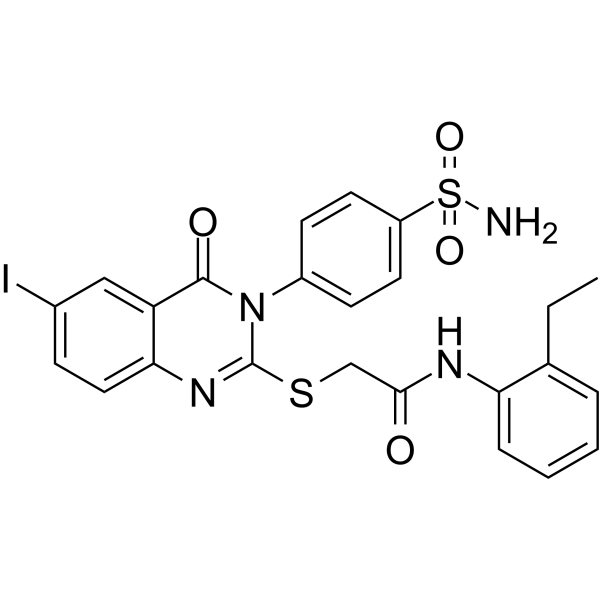
- HY-147593
-
|
|
CD73
|
Cancer
|
|
CD73-IN-12 (compound 9) is a potent inhibitor of CD73. CD73 is closely associated with tumor growth, angiogenesis and metastasis. CD73-IN-12 can be used for the study of tumor-related diseases . CD73-IN-12 is a click chemistry reagent, it contains an Alkyne group and can undergo copper-catalyzed azide-alkyne cycloaddition (CuAAc) with molecules containing Azide groups.
|
-
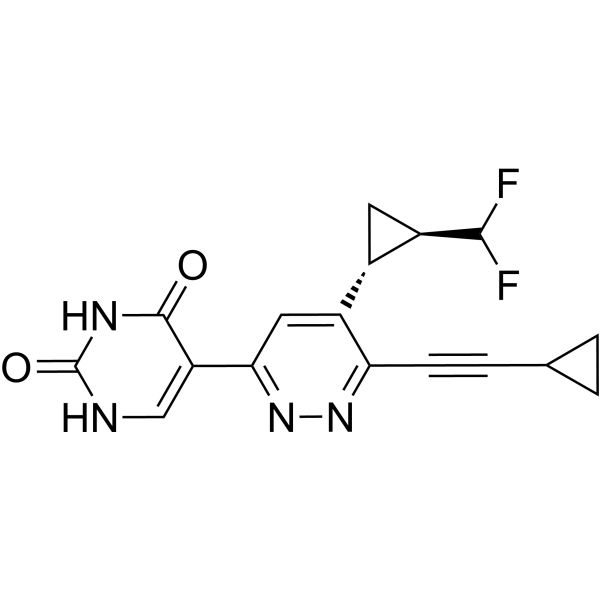
- HY-173362
-
|
|
SARS-CoV
Virus Protease
|
Infection
|
|
SARS-CoV-2 Mpro-IN-39 (Compound 9d) is an inhibitor of the main protease (Mpro) of SARS-CoV-2, with an IC50 value of 5.94 µM, an EC50 value of 9.33 µM for inhibiting the replication of SARS-CoV-2 in Vero cells, and a cytotoxicity CC50 value of 289.63 µM. SARS-CoV-2 Mpro-IN-39 can be used in the research of the anti-COVID-19 field .
|
-

- HY-168899
-
|
|
FAK
Apoptosis
|
Cancer
|
|
FAK-IN-24 (Compound 9f) is a FAK inhibitor (IC50: 0.815 nM). FAK-IN-24 induces DNA damage and apoptosis. FAK-IN-24 has anti-glioblastoma activity. FAK-IN-24 inhibits proliferation of glioblastoma cell lines U87-MG (IC50 = 15 nM) and U251 (IC50 = 20 nM). FAK-IN-24 inhibits tumor growth in U87-MG xenograft model .
|
-

- HY-169923
-
|
|
HDAC
|
Cancer
|
|
HDAC-IN-83 (compound 9D) is an inhibitor of deacetylases (HDACs) (IC50=0.01 μM/0.44 μM HDAC1/HDAC6) with anticancer, antiproliferative and caspase 3/7 activation activities. HDAC-IN-83 inhibits Cal27, HepG2 and MRC-5 with IC50s of 0.693 μM, 0.427 μM and 3.19 μM, respectively .
|
-

- HY-135382
-
|
|
PROTACs
IRAK
|
Inflammation/Immunology
Cancer
|
|
PROTAC IRAK4 degrader-2 (Compound 9) is a PROTAC-based IRAK4 degrader that affords potent IRAK4 degradation with a DC50 in peripheral blood mononuclear cells (PBMCs) cells of 151 nM. PROTAC IRAK4 degrader-2 induce a reduction of IRAK4 protein levels with a DC50 of 36 nM in PBMC cells. PROTAC IRAK4 degrader-2 also leads to the inhibition of multiple cytokines in PBMCs .
|
-
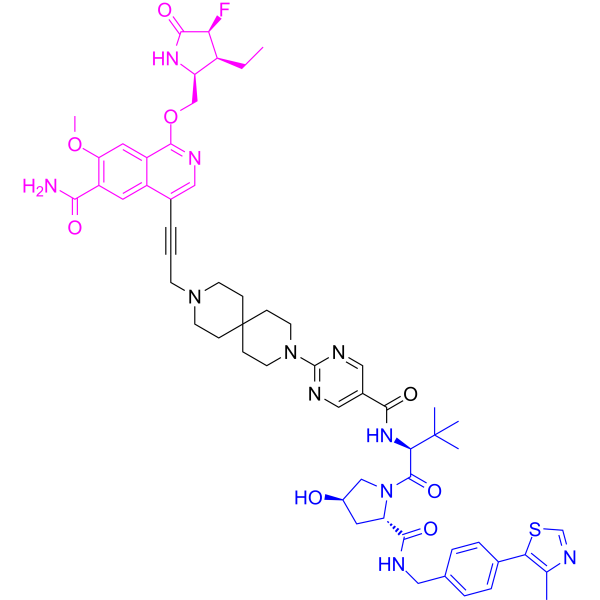
- HY-176250
-
|
|
Ras
ERK
|
Cancer
|
|
KRAS-IN-43 (Compound 9) is a pan-KRAS inhibitor with IC50 values of 0.15 μM, 0.14 μM, and 0.47 μM against KRAS G12V, KRAS G12C and wild-type KRAS, respectively. KRAS-IN-43 disrupts the interaction between KRAS and cRAF, and inhibits ERK phosphorylation. KRAS-IN-43 is promising for research of KRAS mutation-related cancers (such as pancreatic cancer, colorectal cancer, and lung cancer) .
|
-

- HY-146210
-
|
|
EGFR
|
Cancer
|
|
EGFR-IN-50 (Compound 9h) is a potent EGFR inhibitor against L858R resistance mutation (TEL-EGFR-L858R-BaF3: GI50=8 nM, TEL-EGFR-T790M-L858R-BaF3: GI50=6.03 μM). EGFR-IN-50 shows anti-proliferative activity to cancer cells .
|
-
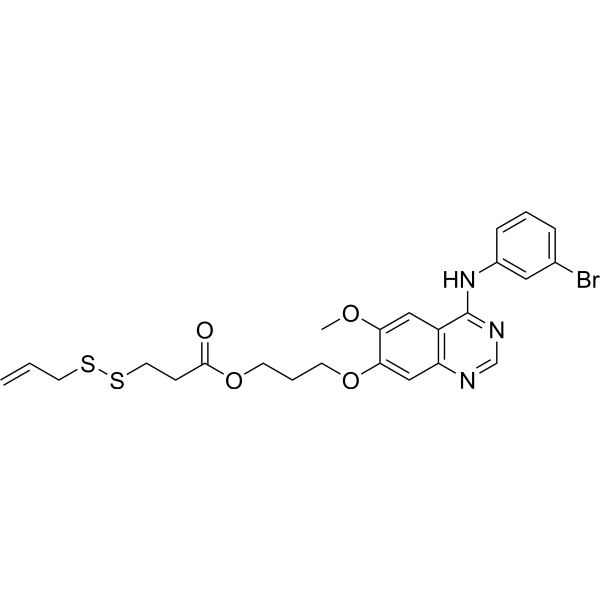
- HY-161321
-
|
|
Phosphatase
Insulin Receptor
Akt
|
Metabolic Disease
|
|
PTP1B-IN-24 (Compound 9) is a reversible PTP1B inhibitor with an IC50 value of 1.4 μM, and PTP1B-IN-24 can enhance the thermal stability of PTP1B. PTP1B-IN-24 can restore PA- (HY-N0830) induced insulin resistance by increasing the phosphorylation levels of IRS1 and AKT .
|
-
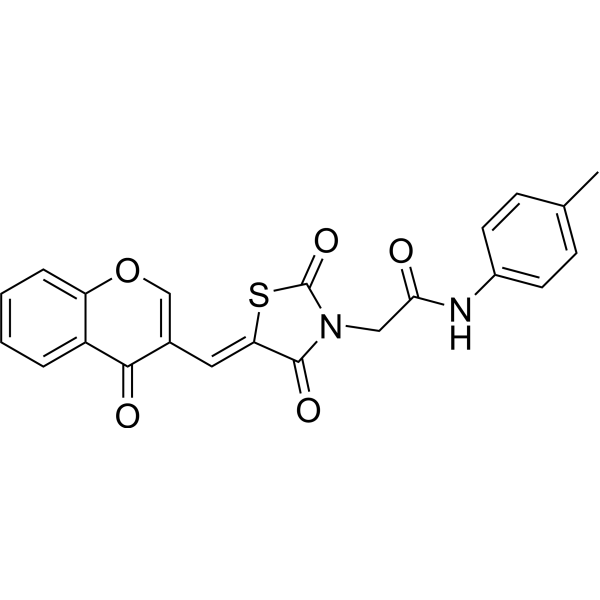
- HY-168655
-
|
|
Apoptosis
EGFR
VEGFR
|
Cancer
|
|
EGFR/VEGFR2-IN-3 (compound 9) is a potent EGFR and VEGFR-2 inhibitor with IC50 values of 0.129, 0.142, 3.428 µM for EGFR, VEGFR-2, COX-2, respectively. EGFR/VEGFR2-IN-3 shows cytotoxicity. EGFR/VEGFR2-IN-3 induces apoptosis and cell cycle arrest at G2/M phase .
|
-

- HY-161985
-
|
|
PPAR
|
Metabolic Disease
|
|
PPARγ-IN-3 (compound 9ga) is a potent and orally active PPARγ inhibitor. PPARγ-IN-3 reduces triglyceride (TG) accumulation with low cytotoxicity. PPARγ-IN-3 preventes the excessive growth of body weight and lessened fat mass as well as liver mass, decreases lipid accumulation in the liver and blood. PPARγ-IN-3 has the potential for the research of diet-induced obesity .
|
-

- HY-10851
-
|
|
JNK
Reactive Oxygen Species (ROS)
|
Neurological Disease
|
|
JNK-9L (Compound 9l) is a BBB-penetrable and ATP-competitive JNK inhibitor with IC50s of 0.099 and 0.148 μM for JNK1 and JNK3, respectively. JNK-9L significantly inhibits c-jun phosphorylation and Streptozotocin (HY-13753)-induced ROS generation with an IC50 of 0.8 nM. JNK-9L can be used for neurodegenerative disorders like Parkinson’s disease research .
|
-

- HY-161218
-
|
|
17β-HSD
|
Metabolic Disease
|
|
HSD17B13-IN-17 (compound 9) is a ppotent inhibitor of hydroxysteroid 17?-dehydrogenase 13 (HSD17B13), with the IC50 of < 0.1 μM and? < 1 μM estradiol and Leukotriene B3 as substrates, respectively. HSD17B13-IN-17? plays an important role in nonalcoholic fatty liver diseases (NAFLDs) including NASH (nonalcoholic steatohepatitis) .
|
-
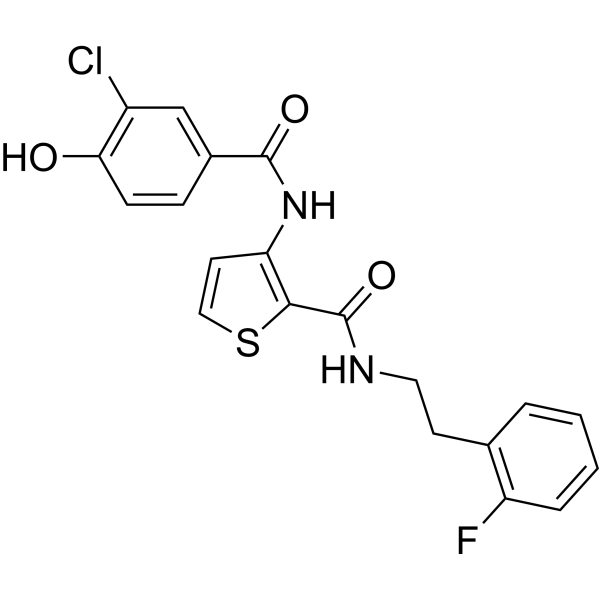
- HY-162507
-
|
|
DNA/RNA Synthesis
|
Infection
|
|
2'-RIBOTAC-U recruiter-linker (Compound 9) consists of RNase L recruiter and linker. 2'-RIBOTAC-U recruiter-linker is reacted separately with 2’-azido-uridine or 5’-azidomethyl-uridine via copper-catalyzed click chemistry, resulting in the formation of 2’-RIBOTAC-U and 5’-RIBOTAC-U, respectively. 2’-RIBOTAC-U has anti-SARS-CoV-2 activity .
|
-

- HY-180890
-
-

- HY-182007
-
|
|
Carbonic Anhydrase
|
Cancer
|
|
CA IX-IN-5 (compound 9) is a human carbonic anhydrase IX (hCA IX) inhibitor with a Ki of 7.4 nM against hCA IX and 25.0 nM against hCA II.CA IX-IN-5 functionally inhibits hCA IX and hCA II isoenzymes, with selectivity for hCA IX over hCA II.CA IX-IN-5 can be used for the research of breast, colorectal, glioblastoma, lung, head and neck, and cervical cancers .
|
-

- HY-162219
-
|
|
17β-HSD
|
Metabolic Disease
|
|
HSD17B13-IN-93 (Compound 9) is an inhibitor of hydroxysteroid 17β-dehydrogenase 13 (HSD17B13) with an IC50 value for estradiol that is greater than 0.1 μM and less than or equal to 0.5 μM. HSD17B13-IN-93 can be used for research on liver diseases, metabolic diseases, or cardiovascular diseases, such as NAFLD or NASH, as well as drug-induced liver injury (DILI) .
|
-
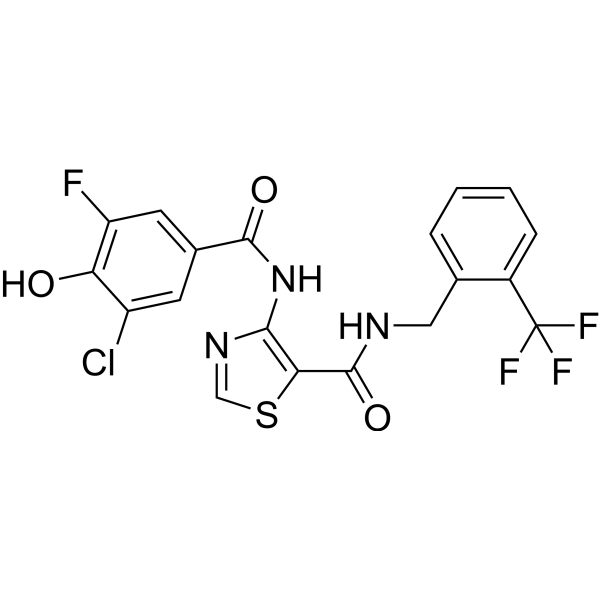
- HY-176193
-
|
|
P-glycoprotein
|
Cancer
|
|
P-gp modulator-7 (Compound 9e) is a P-glycoprotein (P-gp) inhibitor. P-gp modulator-7 occupies the channel entrance of P-gp with a unique T-shaped configuration, hindering the peristaltic extrusion mechanism of transmembrane domains TM12 and TM9, thereby inhibiting P-gp from pumping drugs out of cells and reversing the multidrug resistance (MDR) of tumor cells. P-gp modulator-7 is promising for research of cancers .
|
-

- HY-180550
-
|
|
PROTACs
RET
Trk Receptor
|
Endocrinology
Cancer
|
|
ZW-18-116 (compound 9) is a dual-target PROTAC degrader for the oncoproteins TRKA and RET. ZW-18-116 induces the degradation of oncoproteins TRKA and RET by recruiting the CRBN E3 ligase. ZW-18-116 exhibits potent anti-proliferative activity in various cancer cell lines harboring RET or TRKA fusions. ZW-18-116 can be used for RET or TRKA-derived cancer research, such as thyroid, lung, and colon cancers .
|
-

- HY-155821
-
|
|
NF-κB
NO Synthase
TNF Receptor
Interleukin Related
|
Inflammation/Immunology
|
|
Anti-inflammatory agent 55 (compound 9j) is a derivative of Coixol and has anti-inflammatory activity. Anti-inflammatory agent 54 inhibits the NF-κB pathway and downregulates the expression of iNOS, TNF-α, IL-6 and IL-1β. Anti-inflammatory agent 54 inhibits LPS-induced nitric oxide (NO) production in RAW264.7 macrophages (IC50: 0.8 μM) and exerts in vivo anti-inflammatory activity in a mouse auricular edema model .
|
-
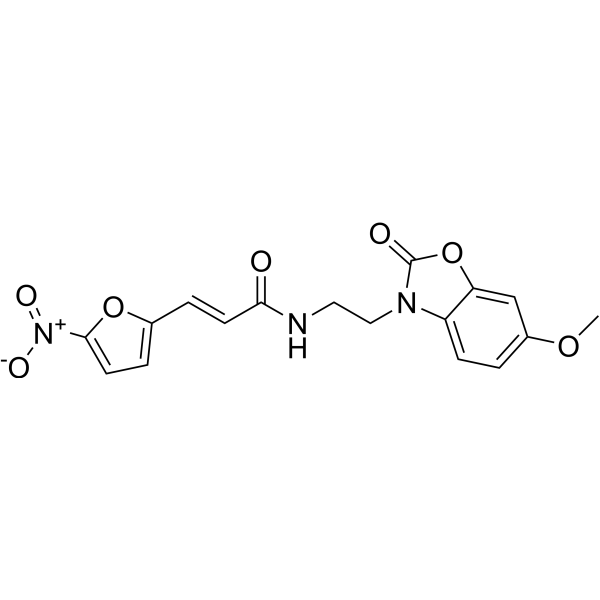
- HY-179379
-
|
|
Drug Derivative
|
Inflammation/Immunology
|
|
EP4 receptor agonist 3 prodrug (Compound 9) is a prodrug of EP4 receptor agonist (Compound 1a). EP4 receptor agonist 3 prodrug itself has no agonistic activity on the EP4 receptor and needs to be specifically hydrolyzed by intestinal alkaline phosphatase (IAP) in the intestine to release the active molecule, which then exerts the EP4 receptor agonistic effect locally in the intestine. EP4 receptor agonist 3 prodrug has colonic targeting properties and significantly alleviates colitis in mice .
|
-

- HY-155820
-
|
|
NF-κB
NO Synthase
TNF Receptor
Interleukin Related
|
Inflammation/Immunology
|
|
Anti-inflammatory agent 54 (compound 9c) is a derivative of Coixol and has anti-inflammatory activity. Anti-inflammatory agent 54 inhibits the NF-κB pathway and downregulates the expression of iNOS, TNF-α, IL-6 and IL-1β. Anti-inflammatory agent 54 inhibits LPS-induced nitric oxide (NO) production in RAW264.7 macrophages (IC50: 2.4 μM) and exerts in vivo anti-inflammatory activity in a mouse auricular edema model .
|
-
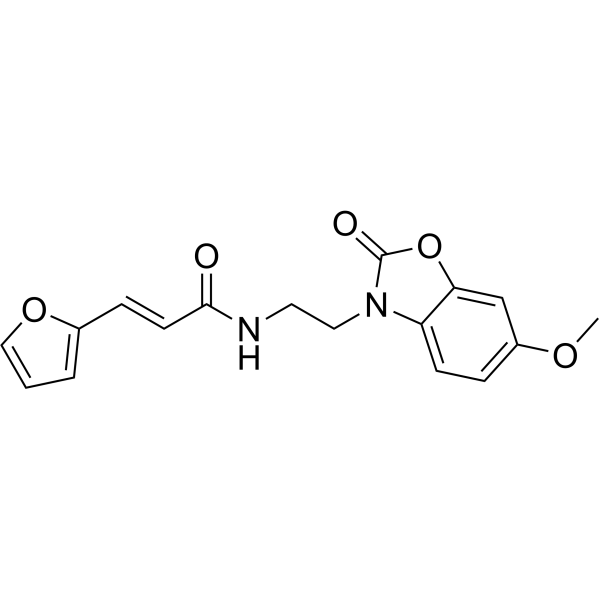
- HY-162349
-
|
|
HDAC
PARP
|
Cancer
|
|
PARP7/HDACs-IN-1 (compound 9l) is a dual-target inhibitor targeting PARP7/HDAC with anti-tumor activity. PARP7/HDACs-IN-1 inhibits different subtypes of PARPs and HDACs with IC50s of 83.3 nM (PARP1), 3.1 nM (PARP7), 35 nM (HDAC1), 30.3 nM (HDAC2), 35.4 nM (HDAC3), and 6.4 nM respectively. (HDAC6) . br/ .
|
-
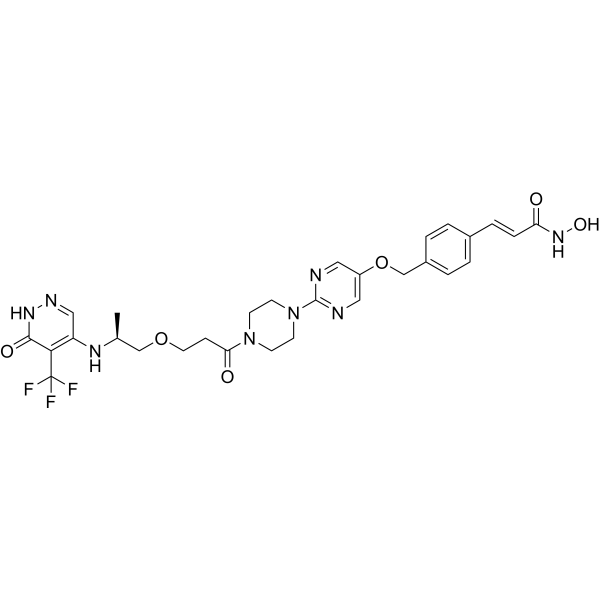
- HY-186088
-
|
|
Drug Intermediate
|
Others
|
|
DOTA-tris (t-Bu) ester-PEG3-C2-amine (Compound 9) is a conjugate of DOTA-based chelator and linker, bearing tris (t-Bu) ester and PEG3-C2-amine functional groups. DOTA-tris (t-Bu) ester-PEG3-C2-amine can be conjugated to payloads via bioorthogonal click chemistry for targeted delivery .
|
-

- HY-149695
-
|
|
EGFR
|
Cancer
|
|
EGFR-IN-91 (compound 9) is an orally available EGFR inhibitor with blood-brain barrier penetrability. EGFR-IN-91 inhibits EGFR L858R/C797S and EGFR exon 19del/C797S, inducing tumor regression in xenograft (PDX) mouse models. EGFR-IN-91 has the potential to inhibit localized and metastatic non-small cell lung cancer (NSCLC) driven by EGFR mutants .
|
-
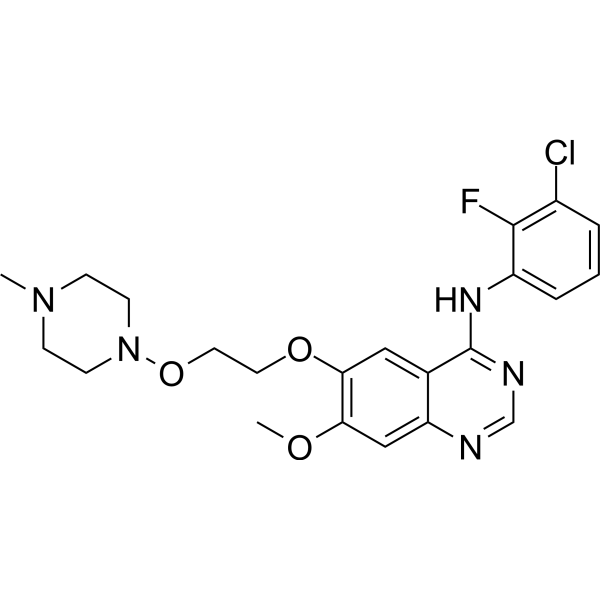
- HY-N16659
-
|
|
Others
|
Inflammation/Immunology
|
|
Tetradeca-4E,8E,12E-triene-10-yne-1,6,7-triol (Compound 9) is a polyyne compound found in Codonopsis pilosula. Tetradeca-4E,8E,12E-triene-10-yne-1,6,7-triol has potential immunomodulatory effect .
|
-

- HY-146000
-
|
|
Influenza Virus
|
Inflammation/Immunology
|
|
Influenza virus-IN-3 (compound 9) is a potent and selective influenza virus inhibitor with IC50s of 0.88, 0.10, 5.5, 0.51 µM for H5N1, H5N2, H5N6, H5N8, respectively. Influenza virus-IN-3 shows antiviral and NA (neuraminidase enzyme)-inhibitory activity. Influenza virus-IN-3 shows low cytotoxicity with an CC50 of >200 µM .
|
-
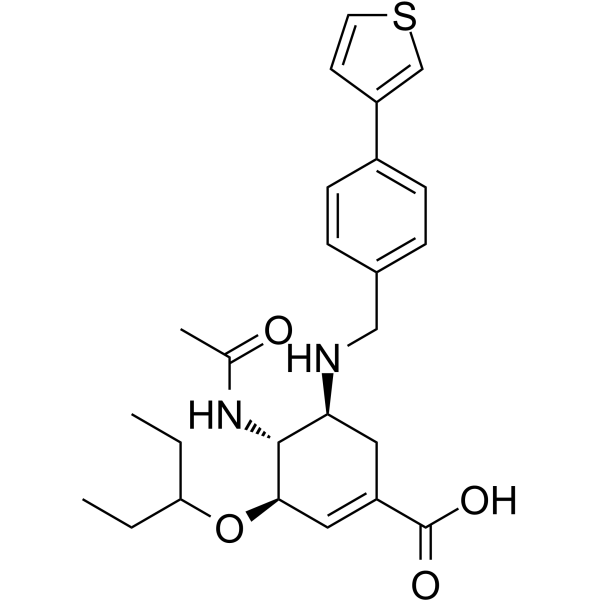
- HY-W098807
-
|
|
Drug Derivative
|
Cancer
|
|
4-Chloro-7-ethoxyquinoline (Compound 9a), a quinolone derivative, is an anticancer agent. 4-Chloro-7-ethoxyquinoline can inhibit proliferation of HCT-116, RKO, DLD1, HepG2, BGC-823, NCI-H1650 and SK-OV-3 cells with IC50 values of 3.16, 3.87, 2.75, 2.66, 3.91, 3.34 and 3.46μM .
|
-

- HY-164056
-
|
|
EGFR
|
Cancer
|
|
EGFR T790M/L858R-IN-8 (Compound 9) is a selective EGFR T790M/L858R mutant kinase inhibitor with a IC50 of 56.8 μM, and it shows no inhibitory activity against wild-type EGFR. EGFR T790M/L858R-IN-8 can be used for the research of non-small cell lung cancer .
|
-

- HY-172784
-
|
|
PI3K
Akt
Apoptosis
|
Cancer
|
|
Anticancer agent 273 (Compound 9q) is a potent anticancer agent found in matrine. Anticancer agent 273 inhibits the proliferation of cancer cells (e.g., HeLa cells with an IC50 value of 4.48 μM). Anticancer agent 273 exerts anticancer effects by modulating the expression of PI3K/AKT and activating transcription factor 4 (ATF4), which promotes endoplasmic reticulum stress and induces apoptosis. Anticancer agent 273 is promising for research of cancers, such as cervical cancer .
|
-

- HY-147716
-
|
|
CDK
|
Cancer
|
|
CDK8-IN-6 (compound 9) is a potent cyclin-dependent kinase 8 (CDK8) inhibitor with an Kd of 13 nM. CDK8-IN-6 shows cytotoxicity for MOLM-13, OCI-AML3, MV4-11, NRK and H9c2 cells with IC50s of 11.2, 7.5, 8.6, 20.5, 12.5-25 µM, respectively. CDK8-IN-6 has the potential for the research of AML-cancer .
|
-
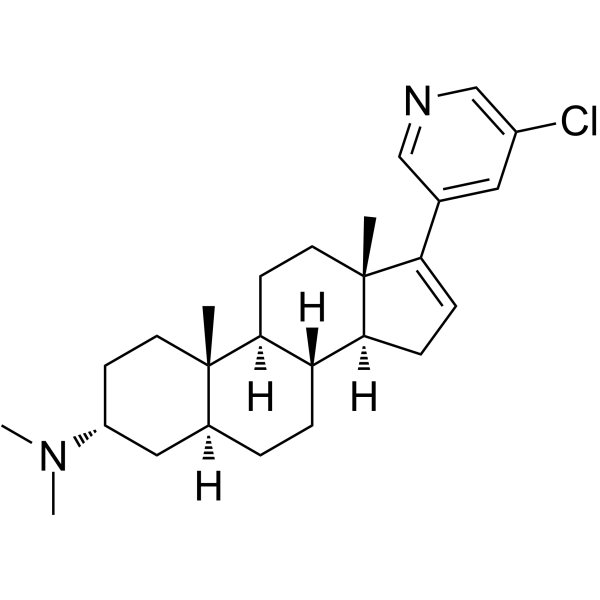
- HY-180546
-
|
|
CDK
|
Cancer
|
|
CDK2-IN-53 (compound 9) is a CDK2 inhibitor with anticancer activity. CDK2-IN-53 selectively inhibits the proliferation of HCT-116 and MCF-7cells with IC50 values of 13.89 and 7.65 μM, respectively, while showing lower cytotoxicity toward normal lung fibroblast (WI-38) cells (IC50 = 71.24 μM). CDK2-IN-53 can be used for cancer research, such as colon and breast cancer .
|
-

- HY-161859
-
|
|
VEGFR
STAT
|
Cancer
|
|
VEGFR-2/STAT-3-IN-1 (Compound 9f) is a dual inhibitor for VEGFR-2 (IC50=26.3 nM) and STAT-3 (IC50=5.63 nM). VEGFR-2/STAT-3-IN-1 inhibits the proliferation of cancer cells PANC1 and PC3 with IC50 of 0.14 and 0.10 µM. VEGFR-2/STAT-3-IN-1 induces apoptosis in PC3 .
|
-

- HY-115932
-
|
|
Aurora Kinase
Apoptosis
|
Cancer
|
|
Aurora kinase-IN-1 (Compound 9) is a potent inhibitor of aurora kinase. Aurora kinase-IN-1 upregulates the expression of G1 cell cycle inhibitory proteins including p21 and p27, and G1 progressive cyclin D1, and downregulates G1-to-S progressive cyclins, resulting in cell cycle arrest at the G1/S boundary. Aurora kinase-IN-1 also induces apoptosis. Aurora kinase-IN-1 is a lead compound for chemotherapeutic agents .
|
-
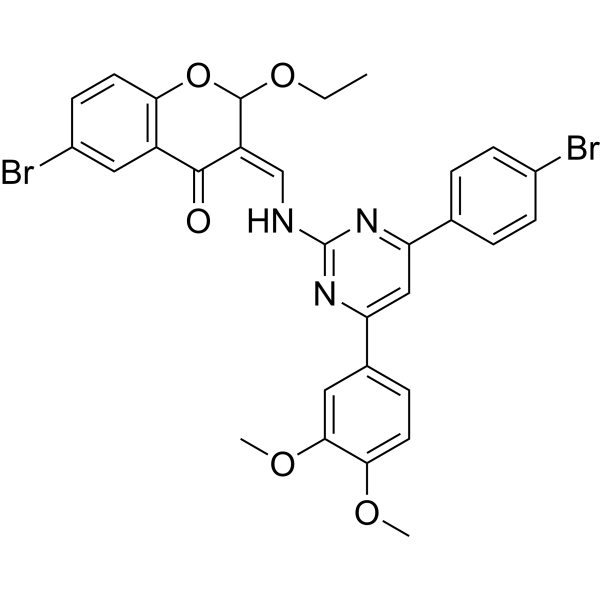
- HY-156025
-
|
|
Hydroxycarboxylic Acid Receptor (HCAR)
|
Inflammation/Immunology
|
|
HCAR2 agonist 1 (Compound 9n) is a Gi protein-biased allosteric modulator of HCAR2. HCAR2 agonist 1 activates the Gi protein signaling pathway. HCAR2 agonist 1 shows anti-inflammatory effect, and reduces mRNA level of pro-inflammatory cytokine (TNF-α, IL-1β, IL-6, and MCP-1). HCAR2 agonist 1 enhances anti-inflammatory effects of orthosteric agonists in the mouse model of colitis .
|
-
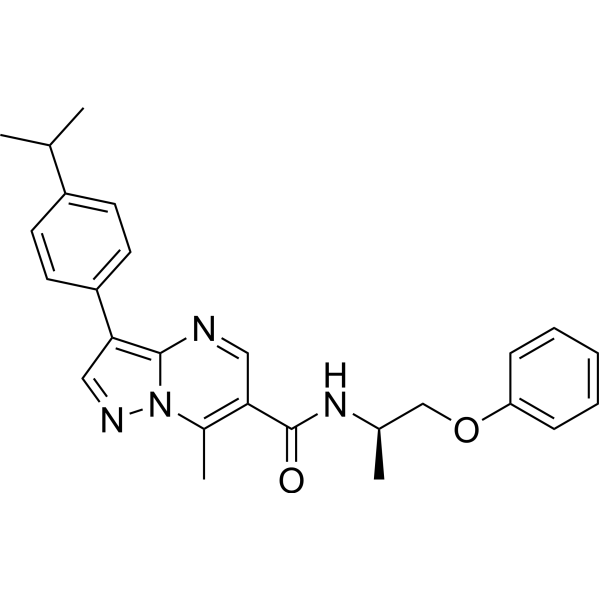
- HY-151884
-
|
|
c-Myc
|
Cancer
|
|
FUBP1-IN-2 (compound 9) is a potent FUBP1 (far upstream binding protein 1) inhibitor. FUBP1-IN-2 inhibits the KH4 FUBP1-FUSE interaction in a gel shift assay. FUBP1-IN-2 binds to FUBP1 in a ChIP assay. FUBP1-IN-2 reduces both c-Myc mRNA and protein expression, increases p21 mRNA and protein expression, and depletes intracellular polyamines .
|
-
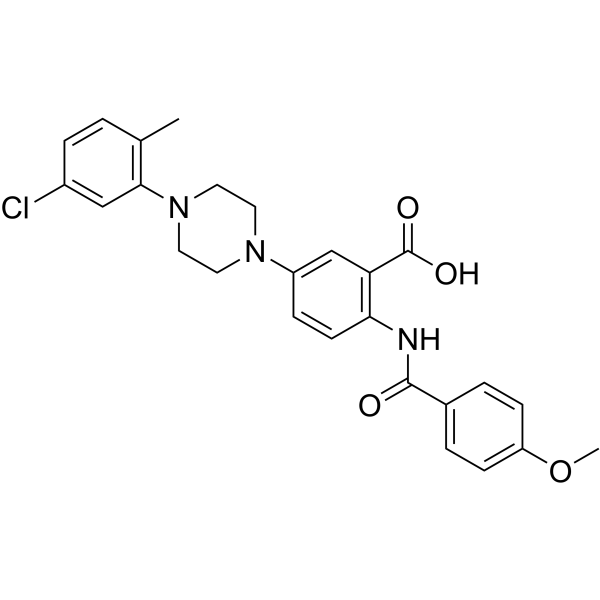
- HY-155997
-
|
|
COX
|
Inflammation/Immunology
|
|
Anti-inflammatory agent 56 (Compound 9) is a selective COX-2 inhibitor (IC50: 0.54 μM). Anti-inflammatory agent 56 has anti-oxidant and anti-inflammatory effects. Anti-inflammatory agent 56 inhibits oxidative stress induced cell death. Anti-inflammatory agent 56 inhibits oxidative stress and neuroinflammation by inhibiting Keap1, COX-2 and iNOS. Anti-inflammatory agent 56 has low acute toxicity in mice (LD50: 1000 mg/kg) .
|
-
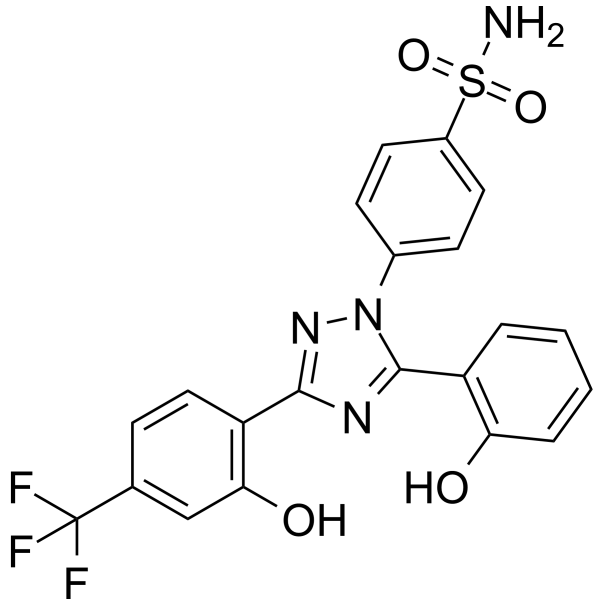
- HY-N10843
-
|
|
Influenza Virus
|
Infection
|
|
4-O-Methylepisappanol (compound 9) is nature product that could be isolated from heartwood of Caesalpinia sappan. 4-O-Methylepisappanol is a potent neuraminidase inhibitor on the surface of influenza viruses with IC50 values of 42.8, 63.2, and 63.2 µM for A/Chicken/Korea/MS96/96 [H9N2], A/PR/8/34 [H1N1], and A/Hong Kong/8/68 [H3N2], respectively .
|
-
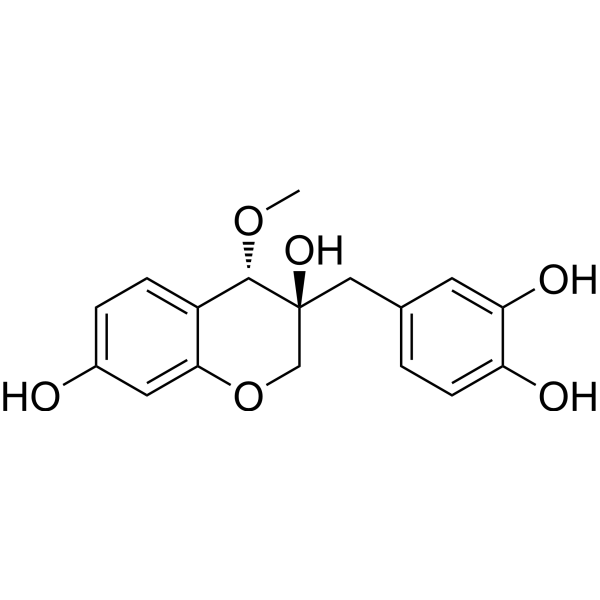
- HY-169021
-
|
|
JNK
|
Cancer
|
|
JNK-1-IN-3 (Compound 9e) is an inhibitor of JNK1 that downregulates JNK1 gene expression and inhibits the protein levels of its phosphorylated form, concurrently reducing the expression of its downstream targets, c-Jun and c-Fos, in tumors while restoring p53 activity. JNK-1-IN-3 exhibits broad-spectrum antiproliferative activity, particularly with high inhibitory activity against renal and breast cancer cell lines, demonstrating both in vivo and in vitro anticancer activity .
|
-

- HY-176758
-
|
|
Glutathione Peroxidase
|
Cancer
|
|
GPX4-IN-17 (Compound 9i) is an inhibitor of GPX4 with potent cytotoxicity (IC50 = 0.3 nM). GPX4-IN-17 shows strong binding affinity against GPX4 (KD = 20.4 nM). GPX4-IN-17 inhibits tumor growth in the xenograft tumor mouse model without detectable cytotoxicity. GPX4-IN-17 can enhance cancer chemotherapy and overcome tumor resistance. GPX4-IN-17 can be studied in antitumor reseach .
|
-

- HY-162456
-
|
|
Apoptosis
Reactive Oxygen Species (ROS)
|
Cancer
|
|
Anticancer agent 205 (compound 9) is a potent anticancer agent. Anticancer agent 205 binds to G4-mtDNA target and inhibits the replication, transcription, and translation of mtDNA (mitochondrial genome). Anticancer agent 205 causes mitochondrial dysfunction, increases ROS production, induces DNA damage and cellular senescence. Anticancer agent 205 induces apoptosis and cell cycle arrests at G0/G1 phase. Anticancer agent 205 has the potential for the research of colorectal cancer .
|
-

- HY-144122
-
|
|
HIV
|
Infection
|
|
HIV-1 inhibitor-15 (compound 9d) is a highly potent and broad-spectrum HIV-1 inhibitor. HIV-1 inhibitor-15 has inhibitory activity against HIV-1 WT, L100I, K103N, Y181C, E138K with EC50s of 1.7 nM, 4 nM, 2 nM, 6 nM and 9 nM, respectively. HIV-1 inhibitor-15 has good solubility, safety profiles and favorable oral bioavailability .
|
-
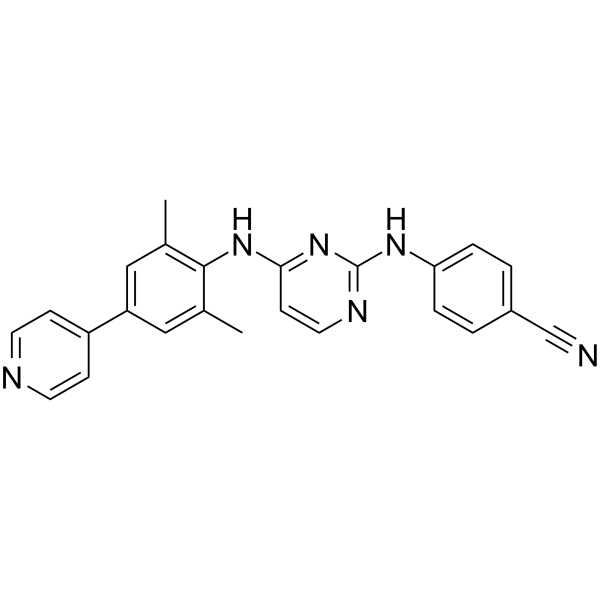
- HY-125421
-
|
|
11β-HSD
|
Metabolic Disease
|
|
11β-HSD1-IN-26 (Compound 9f) is a type 1 11β-hydroxysteroid dehydrogenase (11β-HSD-1) inhibitor, with an IC50 of 1.6 nM against the human form and 241 nM against the murine form. 11β-HSD1-IN-26 exhibits inhibitory activity against CYP1C19, with an IC50 of 2 μM. 11β-HSD1-IN-26 can be used for research on metabolic syndrome .
|
-

- HY-146015
-
|
|
HIV
|
Infection
|
|
HIV-1 inhibitor-21 (compound 9b) is a potent HIV-1 non-nucleoside reverse transcriptase (RT) inhibitor, with an IC50 value of 0.55 μM for HIV-1 RT. HIV-1 inhibitor-21 has antiretroviral activity against HIV-1 WT and K103N strains with EC50s of 12.7 nM and 10.4 nM, and has relatively low cytotoxicity (MT-4 cells CC50 =10.2 μM) .
|
-
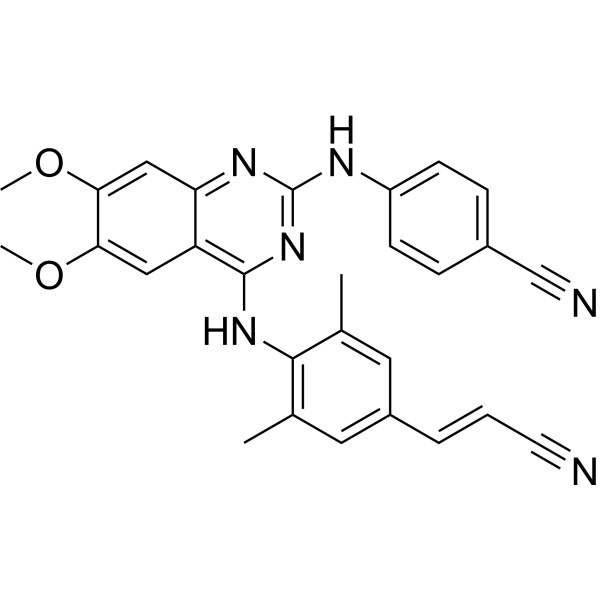
- HY-177873
-
|
|
iGluR
|
Neurological Disease
|
|
AMPA receptor modulator-10 (Compound 9a) is an orally active AMPA receptor (AMPAR) positive allosteric modulator. AMPA receptor modulator-10 exhibits potent activity (pEC50 = 5.0) on the GluA2 subtype of AMPAR, significantly enhancing glutamate-induced calcium influx and current responses. AMPA receptor modulator-10 can reverse the memory impairment induced by Scopolamine (HY-N0296) and enhance cognitive function. AMPA receptor modulator-10 can be used for the research of neurological disease, such as schizophrenia .
|
-

- HY-161823
-
|
|
Bacterial
|
Infection
|
|
Anti-MRSA agent 13 (Compound 9b) is an agent against methicillin-resistant Staphylococcus aureus (MRSA), exhibiting a minimum inhibitory concentration (MIC) of 0.5–2 μg/mL against clinically isolated MRSA strains. Anti-MRSA agent 13 possesses favorable biosafety, plasma tolerance stability, and a low tendency to develop resistance. Anti-MRSA agent 13 disrupts cell walls and membranes, reduces metabolic activity, causes oxidative damage, affects DNA function, and ultimately leads to MRSA death through multi-target synergies .
|
-

- HY-178467
-
|
|
FAK
PROTACs
|
Cancer
|
|
PROTAC FAK degrader 4 (Compound 9C) is an efficient and selective FAK PROTAC degrader. PROTAC FAK degrader 4 has a DC50 of 3.6 nM in MDA-MB-231 cells. PROTAC FAK degrader 4 significantly inhibits tumor cell proliferation, migration, and invasion, and enhances chemotherapy sensitivity to cisplatin (HY-17394). PROTAC FAK degrader 4 can be used for research on cancer. (Pink: FAK Ligand (HY-43760); Blue: VHL Ligand (HY-125845); Black: Linker (HY-W208616))
|
-

- HY-173488
-
|
|
NF-κB
HIF/HIF Prolyl-Hydroxylase
Keap1-Nrf2
|
Cancer
|
|
NF-κB/HIF-1α-IN-1 (compound 9c) is a potent blocker of the NF-κB activation pathway and demonstrates selective anti-fibrotic activity. NF-κB/HIF-1α-IN-1 shows no significant cytotoxicity in NCI tumor cell lines. In rat models. NF-κB/HIF-1α-IN-1 has been shown to effectively ameliorate liver fibrosis by inhibiting the expression levels of NF-κB and HIF-1α, while simultaneously inducing the activation of Nrf2 .
|
-

- HY-146443
-
|
|
Raf
|
Cancer
|
|
BRAF V600E/CRAF-IN-2 (Compound 9c) is a potent inhibitor of BRAF V600E/CRAF with IC50s of 0.888 and 0.229 μM, respectively. BRAF V600E/CRAF-IN-2 triggers apoptosis and cell cycle arrest at G0/G1 phase in HCT-116 colon cancer cell. BRAF V600E/CRAF-IN-2 has the potential for the research of cancer diseases .
|
-
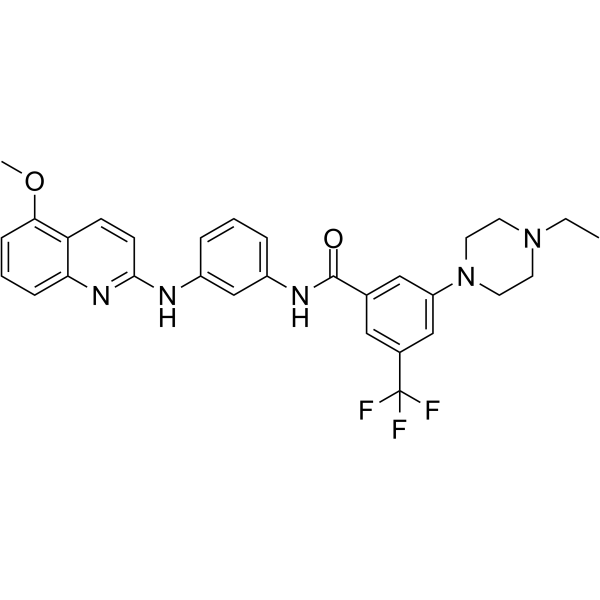
- HY-162653
-
|
|
|
Others
|
|
SGC-CDKL2/AAK1/BMP2K-1 (Compound 9) is a potent and selective CDKL2 (Cyclin-dependent kinase-like 2) inhibitor with an IC50 value of 460 nM. CDKL2 is involved in various biological processes such as tumorigenesis, development, and viral infections. SGC-CDKL2/AAK1/BMP2K-1 serves as a powerful tool for studying the biological functions of CDKL2 and holds promise for research in fields related to cancer, infections, and other diseases .
|
-

- HY-180145
-
|
|
Furin
Influenza Virus
|
Infection
|
|
Furin-IN-3 (Compound 9) is a potent and selective proprotein convertase furin inhibitor with a Ki of 12.4 nM. Furin-IN-3 shows a Ki of 278 nM for PC7. Furin-IN-3 shows a significant antiviral effect on the Furin-dependent H7N7 influenza A virus strain SC35M. Furin-IN-3 can inhibit the cleavage and activation of the viral hemagglutinin (HA), prevent the fusion of the viral membrane with the host cell membrane, and thereby inhibit viral replication and proliferation. Furin-IN-3 can be used for the research of infection, such as influenza virus infection .
|
-

- HY-180937
-
|
|
Glycosidase
STAT
Galectin
|
Neurological Disease
Cancer
|
|
CHI3L1-IN-6 (Compound 9e) is a CHI3L1 inhibitor with a Kd of 19.11 μM for hCHI3L1. CHI3L1-IN-6 blocks CHI3L1-Galectin-3 interaction. CHI3L1-IN-6 reduces STAT3 signaling. CHI3L1-IN-6 exhibits anti-cancer activity against glioblastoma .
|
-

- HY-162319
-
|
|
Apoptosis
HDAC
Microtubule/Tubulin
Reactive Oxygen Species (ROS)
|
Cancer
|
|
Tubulin/HDAC-IN-4 (compound 9n) is a dual Tubulin and HDAC inhibitor with IC50 values of 0.73, 0.43, 0.62, 2.34 µM for HDAC1, HDAC2, HDAC6, HDAC7, respectively. Tubulin/HDAC-IN-4 inhibits the tubulin polymerization by targeting the colchicine binding site. Tubulin/HDAC-IN-4 induces apoptosis and cell cycle arrest at G2/M phase. Tubulin/HDAC-IN-4 induces a significant elevation of intracellular ROS levels. Tubulin/HDAC-IN-4 shows anti-angiogenesis activity and anticancer activity .
|
-
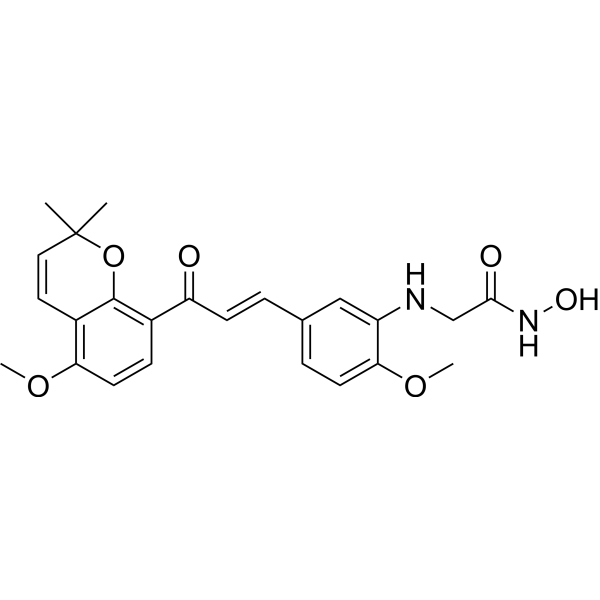
- HY-146080
-
|
|
Apoptosis
|
Cancer
|
|
Antitumor agent-61 (Compound 9b), Irinotecan (Ir) derivative, is a potential antitumor agent. Antitumor agent-61 displays potent activity with IC50s of 0.92, 1.39, 1.75, 2.20, 3.05 and 3.23 μM against five human cancer cells SK-OV-3, SK-OV-3/CDDP, U2OS, MCF-7, A549 and MG-63, respectively. Antitumor agent-61 induces SK-OV-3 cells apoptosis through mitochondrion pathways .
|
-
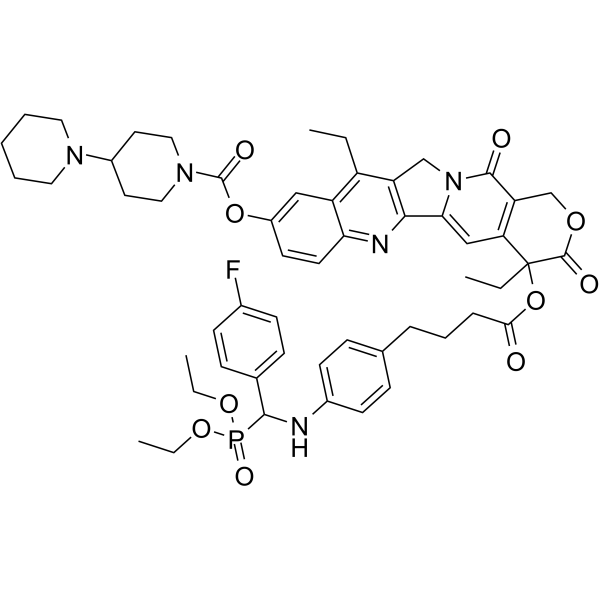
- HY-161934
-
|
|
PARP
Reactive Oxygen Species (ROS)
Apoptosis
|
Cancer
|
|
PARP1-IN-27 (Compound 9B) is the inhibitor for PARP1 and PARP2, with IC50 of 2.53 nM and 6.45 nM in cell SUM149PT. PARP1-IN-27 inhibits the proliferation of BRCA-mutated cancer cells SUM149PT, HCC1937 and Capan-1, with IC50 of 0.62, 1.91 and 4.26 μM respectively. PARP1-IN-27 aggravates DNA double-strand breaks, increases ROS generation, arrests cell cycle at G2/M phase, and induces apoptosis in SUM149PT .
|
-

- HY-174405
-
|
|
PROTACs
Phosphodiesterase (PDE)
TNF Receptor
Interleukin Related
|
Inflammation/Immunology
|
|
PROTAC PDE4 degrader-1 (Compound 9m) is a selective and orally active PDE4 PROTAC degrader with a DC50 of 41.98 μM. PROTAC PDE4 degrader-1 potently inhibits the secretion of pro-inflammatory cytokines such as TNF-α and IL-6. PROTAC PDE4 degrader-1 significantly alleviates pulmonary inflammation in LPS (HY-D1056)-induced acute lung injury (ALI) mice Model . Pink: PDE4 ligand (HY-174410); Blue: CRBN ligase ligand (HY-10984); Black: linker
|
-

- HY-173123
-
|
|
Histone Demethylase
Apoptosis
|
Cancer
|
|
LSD1-IN-40 (Compound 9e) is a potent LSD1 inhibitor, with an IC50 of 9.85 nM. LSD1-IN-40 exhibits exceptional selectivity for LSD1 over both MAOs and hERG. LSD1-IN-40 exhibits significant inhibitory activity against leukemia cells (MV-4-11, HL-60, and THP-1 cells). LSD1-IN-40 can induce apoptosis in MV-4-11 cells. LSD1-IN-40 has the potential for the research of acute myeloid leukemia .
|
-

- HY-178059
-
|
|
FGFR
p38 MAPK
Akt
ERK
Apoptosis
|
Cancer
|
|
FGFR-IN-23 (Compound 9p) is a covalent pan FGFR inhibitor with IC50s of 14, 4.2, 5 and 220 nM for FGFR1, FGFR2, FGFR3 and FGFR4, respectively. FGFR-IN-23 also has potent inhibitory activity against gatekeeper mutants, such as FGFR1 V561M and FGFR3 V555M. FGFR-IN-23 suppresses the activation of FGFR-mediated signaling and induces apoptosis. FGFR-IN-23 shows significant antitumor efficacy in RT112 xenograft mouse models. FGFR-IN-23 can be used for cancers and its drug resistance research .
|
-

- HY-143881
-
|
|
FGFR
|
Cancer
|
|
FGFR4-IN-6 (Compound 9ka) is a covalently reversible FGFR4 inhibitor with an IC50 value of 5.4 nM. FGFR4-IN-6 also exhibits good oral pharmacokinetic properties. FGFR4-IN-6 induces significant tumor regressions in a xenograft mouse model of Hep3B2.1-7 HCC cell line without an obvious sign of toxicity . FGFR4-IN-6 is a click chemistry reagent, it contains an Alkyne group and can undergo copper-catalyzed azide-alkyne cycloaddition (CuAAc) with molecules containing Azide groups.
|
-
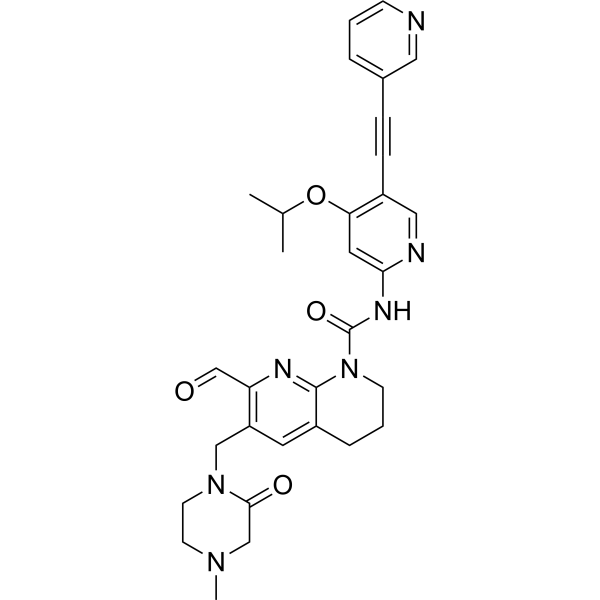
- HY-100424
-
|
|
PI3K
|
Cancer
|
|
PI3K-IN-63 (compound 9) is a PI3Kα inhibitor with a Ki of 0.35 nM against human targets. PI3K-IN-63 inhibits the phosphorylation of AKT at the S473 site in cellular assays. PI3K-IN-63 reduces the viability of non-small cell lung cancer cell lines carrying PIK3CA mutations. PI3K-IN-63 can be used in studies related to non-small cell lung cancer .
|
-

- HY-111844
-
|
|
PROTACs
SNIPERs
RAR/RXR
|
Neurological Disease
Metabolic Disease
Cancer
|
|
PROTAC RAR degrader-1 (Compound 9) is a potent and selective RAR PROTAC Degrader consisting of apoptotic protein inhibitors (IAPs) ligands. IAPs-based degraders are also known as SNIPERs. PROTAC RAR Degrader-1 reduces RARα levels in HT1080 cells in a concentration-dependent manner but is blocked by the proteasome inhibitor MG132 (HY-13259). PROTAC RAR Degrader-1 can be used in the study of nuclear receptor-related diseases. (Pink: RAR ligand 1 (HY-111843); Black: Linker (HY-140189); Blue: IAPs Ligand (HY-B0134)) .
|
-
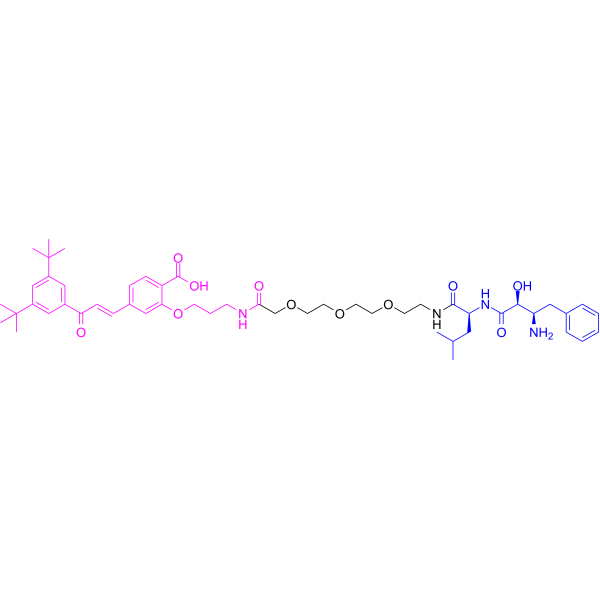
- HY-144451
-
|
|
Trk Receptor
|
Cancer
|
|
TRK-IN-12 (Compound 9e) is a potent inhibitor of TRK (TRK G595R IC50 = 13.1 nM). TRK-IN-12 is a macrocyclic derivative compound. TRK-IN-12 shows significant antiproliferative activity in the Ba/F3-LMNA-NTRK1 cell line (IC50 = 0.080 μM). TRK-IN-12 has shown a better inhibitory effect (IC50 = 0.646 μM) than control agent LOXO-101 in Ba/F3-LMNA-NTRK1-G595R cell line .
|
-
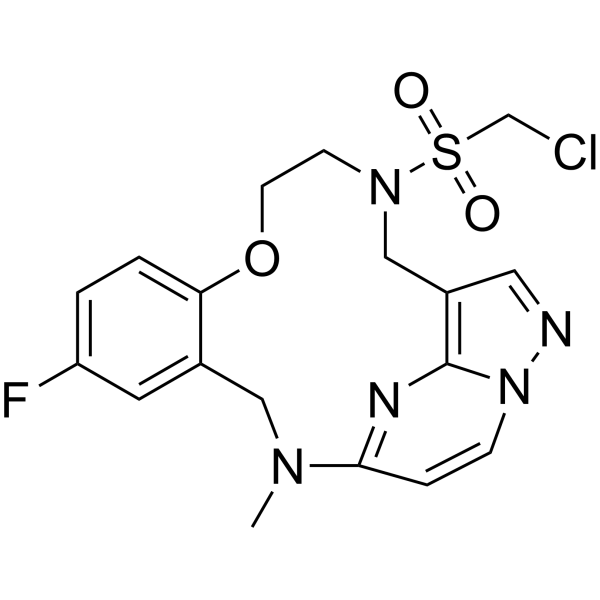
- HY-181996
-
|
|
Btk
Caspase
Apoptosis
PARP
|
Cancer
|
|
BTK-IN-47 (Compound 9e) is a covalent, selective BTK inhibitor with an IC50 of 5.15 nM against BTK. BTK-IN-47 inhibits the BTK signaling pathway, induces cell cycle arrest, and activates the canonical Caspase-dependent Apoptotic pathway (promoting the cleavage of Caspase-3, Caspase-7 and PARP), without inducing necroptosis, pyroptosis or ferroptosis. BTK-IN-47 exerts dose-dependent antiproliferative activity against hematologic tumor cell lines. BTK-IN-47 exhibits dose-dependent in vivo antitumor activity in a Ramos cell xenograft model in BALB/c nude mice. BTK-IN-47 can be used for the research of hematologic malignancies .
|
-

- HY-162972
-
|
|
PROTACs
PD-1/PD-L1
|
Cancer
|
|
PROTAC PD-L1 degrader-2 (Compound 9i) is a PROTAC degrader for PD-L1, that inhibits PD-L1 with an IC50 of 197.4 nM and exhibits an affinity with PD-L1 with a Kd of 301 nM. PROTAC PD-L1 degrader-2 promotes the internalization of PD-L1 on the cell membrane, and induces PD-L1 degradation via the synergistic effect of the proteasome and lysosomal pathways. PROTAC PD-L1 degrader-2 can activate the immune system, and exhibits antitumor efficacy in MC38 C57BL/6 mouse model .
|
-

- HY-181939
-
|
|
Bacterial
|
Infection
|
|
Antibacterial agent 329 (Compound 9c) is an antibacterial agent. Antibacterial agent 329 inhibits the activity of MraY. Antibacterial agent 329 exhibits antibacterial activity against Escherichia coli K12 and Bacillus subtilis W23 with a MIC of 16 μg/mL, but shows no activity against Pseudomonas fluorescens Pf-5. Antibacterial agent 329 exerts antibacterial activity against Acinetobacter baumannii 19606, Staphylococcus aureus MRSA USA300 JE2, Enterobacter cloacae 19434, Klebsiella pneumoniae 700603 and Enterococcus faecium 19434, with MIC values of 8, 8, 16-32, 16-32 and 16 μg/mL, respectively, while it shows no activity against Pseudomonas aeruginosa NCTC 13437 .
|
-

- HY-155227S
-
|
|
Isotope-Labeled Compounds
EGFR
Anaplastic lymphoma kinase (ALK)
BRK
Apoptosis
Mitochondrial Metabolism
|
Cancer
|
|
ALK/EGFR-IN-1-d5 (Compound (-)-9a) is a deuterated dual-target inhibitor of EGFR and ALK, with an IC50 of 1.08 nM for EGFR and an IC50 of 2.395 nM for ALK. ALK/EGFR-IN-1-d5 inhibits the phosphorylated proteins in the EGFR, ALK, and BRK signaling pathways, blocking the cell cycle, leading to a reduction in mitochondrial membrane potential and cell apoptosis (Apoptosis). ALK/EGFR-IN-1-d5 also significantly inhibits tumor growth in animal models and demonstrates good safety. ALK/EGFR-IN-1-d5 holds promise for research in the field of cancer treatment
|
-

- HY-147100
-
|
|
PROTACs
Adrenergic Receptor
|
Cancer
|
|
α1A-AR Degrader 9c (compound 9c) is a potent, selective and reversible α1A-AR (Adrenergic receptor) PROTAC degrader, with a DC50 of 2.86 μM. α1A-AR Degrader 9c induces α1A-AR degradation can be attributed to proteasomal degradation. α1A-AR Degrader 9c inhibits the proliferation of PC-3 cells, with an IC50 of 6.12 μM. α1A-AR Degrader 9c shows antitumor activity, and can be used for prostate cancer research .
|
-
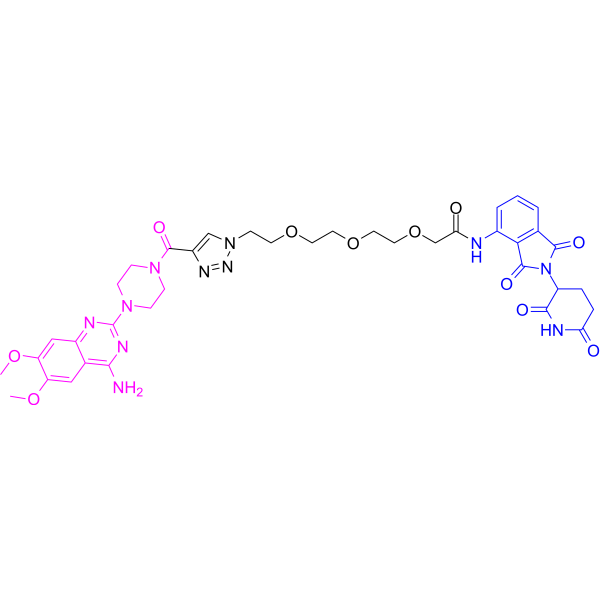
- HY-182058
-
|
|
Beta-lactamase
|
Infection
|
|
ATM potentiator-1 (compound 9) is a β-lactamase inhibitor and efflux pump inhibitor, with an IC50 of 1.6 μM against NDM-1, IC50 values of 12.5 μM and 5.4 μM against OXA-10, an IC50 of 5.0 μM against VIM-2, an IC50 of 26.7 μM against KPC-2, and an IC50 of 3.4 μM against OXA-48. ATM potentiator-1 inhibits the efflux pump activity of *Pseudomonas aeruginosa* and exerts a synergistic inhibitory effect when combined with CCCP. ATM potentiators-1 can be used for the research of carbapenem-resistant *Pseudomonas aeruginosa* (CRPA) infections .
|
-

- HY-178942
-
|
|
VEGFR
EGFR
Apoptosis
Bcl-2 Family
Caspase
MDM-2/p53
|
Cancer
|
|
EGFR/VEGFR2-IN-9 (Compound 9b) is an inhibitor of VEGFR-2 (IC50 = 1.325 μM) and EGFR (IC50 = 1.891 μM). EGFR/VEGFR2-IN-9 significantly inhibits the proliferation of multiple cancer cell lines, particularly leukemia cells. EGFR/VEGFR2-IN-9 upregulates the expression levels of Bax, caspase-3, and p53, while downregulating the expression of Bcl-2. EGFR/VEGFR2-IN-9 induces apoptosis and arrests the cell cycle in the G1 phase. EGFR/VEGFR2-IN-9 can be used to investigate anti-tumor angiogenesis and multi-drug resistant cancers .
|
-

- HY-158156
-
|
|
NF-κB
Apoptosis
|
Cancer
|
|
NF-κB-IN-16 (compound 9) is a complex (Pt(IV) complex) of NF-κB inhibitor and Cisplatin (HY-17394), which has high efficacy and low toxicity in anti-tumor activity. active. NF-κB-IN-16 can cause DNA damage, induce mitochondrial dysfunction, produce reactive oxygen species, and induce apoptosis through the mitochondrial pathway and endoplasmic reticulum stress. NF-κB-IN-16 potently inhibits the NF-κB/MAPK signaling pathway and disrupts PI3K/AKT signaling. NF-κB-IN-16 also exhibits excellent in vivo antitumor efficiency and low toxicity in A549 or A549/CDDP xenograft models .
|
-
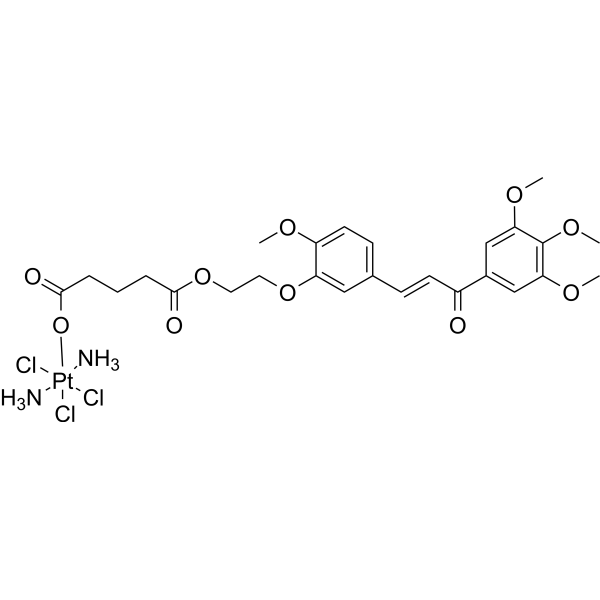
- HY-164111
-
|
|
JAK
|
Neurological Disease
|
|
JNK-IN-17 (Compound 9J) is a selective and potent JNK inhibitor with IC50 values of 0.039, 0.079 μM for JNK1 and JNK3. JNK-IN-17 can inhibit c-Jun phosphorylation with an IC50 of 0.082 μM in Streptozotocin (HY-13753)-infuced INS-1 pancreatic islet β cells. JNK-IN-17 shows inhibition rate ≤ 33% on the four main P450 subtypes (2C9, 2D6, 3A4, 1A2) in human liver microsomes, indicating a relatively low risk of drug interactions. JNK-IN-17 can be used for researches of neurological and metabolic disease, such as Parkinson's disease .
|
-

- HY-147862
-
|
|
EGFR
Apoptosis
|
Cancer
|
|
EGFR-IN-62 (compound 9h) is a potent and reversible EGFR kinase inhibitor, with IC50 values of 10 nM (L858R/T790 M), 29 nM (WT), and 242 nM (L858R/T790 M/C797S), respectively. EGFR-IN-62 shows antiproliferative activity against A549 and H1975 cell lines, with IC50 values of 2.53 and 1.56 μM, respectively. EGFR-IN-62 induces dose-dependent apoptosis process, G1/G0-phase arrestation, and the inhibition of motility on A549 and/or H1975 cell lines .
|
-
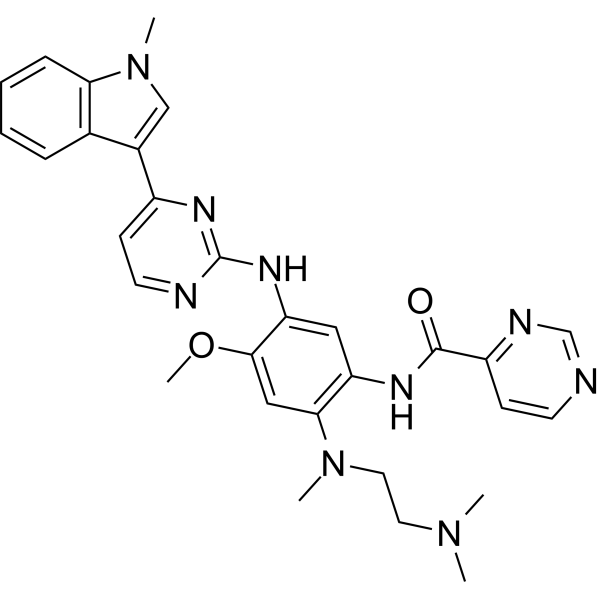
- HY-177766
-
|
|
Molecular Glues
Apoptosis
|
Cancer
|
|
GSPT1 degrader-17 (Compound 9q) is a potent and selective cereblon-based molecular glue degrader that targets G1 to S phase transition 1 (GSPT1). GSPT1 degrader-17 degrades GSPT1 in U937 cells with a DC50 of 35 nM and Dmax of 81.65%. GSPT1 degrader-17 has a strong inhibitory effect on U937, MOLT-4 and MV4-11 cells with IC50 values of 0.019, 0.006 and 0.027 μM. GSPT1 degrader-17 can induce cells apoptosis and G0/G1 phase arrest. GSPT1 degrader-17 can be used for the research of cancer, such as acute myeloid leukemia .
|
-

- HY-111140
-
|
|
PGE synthase
Lipoxygenase
PPAR
|
Inflammation/Immunology
|
|
YS121 is a dual inhibitor of microsomal prostaglandin E2 synthase-1 (mPGES-1; IC50 = 3.4 μM) and 5-lipoxygenase (5-LOX; IC50 = 6.5 μM). YS121 exhibits direct, reversible, and specific binding to mPGES-1 (KD = 10-14 μM) . YS121 dose-dependently reduces PGE2 production with an EC50 of 12 μM in IL-1β-stimulated A549 cells . YS121 (compound 9) activates PPAR-α and -γ (EC50 = 1 and 3.6 μM, respectively) . YS121 exhibits anti-inflammatory efficiency in human whole blood as well as in vivo. YS121 can be used for pleurisy research .
|
-
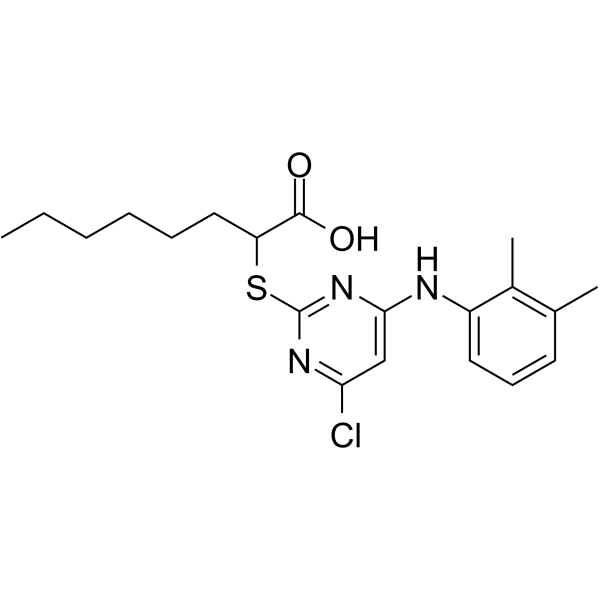
- HY-180585
-
|
|
Monoamine Oxidase
Guanylate Cyclase
PKG
Collagen
|
Cardiovascular Disease
|
|
LOXL2/sGC modulator-2 (Compound 9k) is a selective and orally active lysyl oxidase-like 2 (LOXL2) and soluble guanylate cyclase (sGC) dual-target regulator. LOXL2/sGC modulator-2 shows inhibitory activity for LOXL2 with an IC50 of 0.1 μM and can activate sGC. LOXL2/sGC modulator-2 can ameliorate vascular remodeling and reduce pulmonary artery pressure. LOXL2/sGC modulator-2 can downregulate PKG1, PCNA, α-SMA, collagen I and fibronectin levels. LOXL2/sGC modulator-2 can be used for the research of pulmonary arterial hypertension .
|
-

- HY-159122
-
|
|
Carbonic Anhydrase
Reactive Oxygen Species (ROS)
Apoptosis
|
Cancer
|
|
CA IX-IN-2 (Compound 9o) is an inhibitor for carbonic anhydrase (CA), that inhibits CA IX, CA XII and CA II with an IC50 of 5.6, 7.4 and 430 nM, respectively. CA IX-IN-2 inhibits the proliferation of cancer cell HCT-116, SW480, MDA-MB 231 and MCF-7, with IC50s of 14.63-29.33 μM. CA IX-IN-2 intercalates DNA, arrests cell cycle at G1/S phase, and induces apoptosis in MDA-MB-231. CA IX-IN-2 affects the mitochondrial membrane potential (MMP), increases the intracellular ROS levels, causes mitochondrial damage, and inhibits the cell migration of MDA-MB-231. CA IX-IN-2 exhibits antitumor efficacy in mouse models .
|
-

- HY-134851
-
|
|
HIV
|
Infection
|
|
HIV-1 inhibitor-6 (compound 9), a diheteroarylamide-based compound, is a potent HIV-1 pre-mRNA alternative splicing inhibitor. HIV-1 inhibitor-6 blocks HIV replication. HIV-1 inhibitor-6 is active against wild-type HIV-1IIIB (subtype B, X4-tropic) and HIV-1 97USSN54 (subtype A, R5-tropic) with EC50s of 0.6 μM and 0.9 μM, respectively. HIV-1 inhibitor-6 inhibits HIV strains resistant to agents targeting HIV reverse transcriptase, protease, integrase, and coreceptor CCR5 with EC50s ranging from 0.9 to 1.5 μM .
|
-
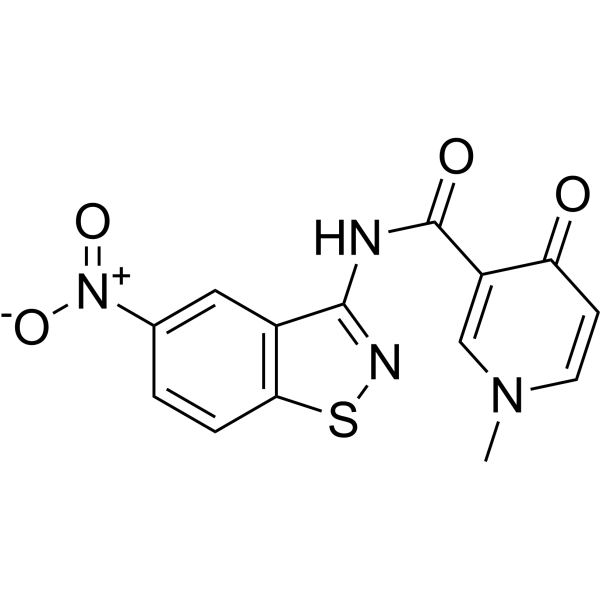
- HY-177990
-
|
|
STAT
MMP
Apoptosis
|
Cancer
|
|
STAT3-IN-52 (Compound 9) is a selective and orally active signal transducer and activator of transcription 3 (STAT3) inhibitor. STAT3-IN-52 binds to the pY705 site of STAT3 (Ki = 440 nM), blocking the phosphorylation and dimerization of STAT3. STAT3-IN-52 shows strong cytotoxicity against various cancer cells, such as breast cancer MDA-MB-231 (IC50 = 0.7 μM), medulloblastoma UW426, pancreatic cancer BKPC3 cells. STAT3-IN-52 can induce cell apoptosis, inhibit the STAT3 nuclear transport and DNA binding activity and downregulate the expression of the STAT3 target gene MMP9. STAT3-IN-52
can be used for research related to STAT3 abnormal activation in cancer .
|
-

- HY-173703
-
|
|
Topoisomerase
Drug Intermediate
|
Cancer
|
|
β-Glu-PAB(CH2NH2)-Exatecan (Compound 9a) is a topoisomerase I inhibitor. β-Glu-PAB(CH2NH2)-Exatecan binds to the topoisomerase I-DNA complex to prevent DNA strand reconnection, thereby inducing DNA breakage and cell apoptosis. β-Glu-PAB(CH2NH2)-Exatecan can be specifically cleaved by β-glucuronidase highly expressed in the tumor microenvironment to release Exatecan for cytotoxic effect. β-Glu-PAB(CH2NH2)-Exatecan is also an intermediate of Mal((3S,3aR,6S,6aR) -hexahydrofuro [3, 2-B]furan-3,6-diamine-PEG12)-β -Glu-Pab-Exatecan. β-Glu-PAB(CH2NH2)-Exatecan is promising for research of cancers .
|
-

| Cat. No. |
Product Name |
Type |
-
- HY-D3199
-
|
|
Fluorescent Dyes
|
|
NIR-fluorescent glucose is a functional glucose-based fluorescent imaging agent. Conjugated with the nitrobenzoselenadiazole-based SCOTfluor (compound 9), NIR-fluorescent glucose acts as a substrate for GLUT4 and GLUT2 transporters. NIR-fluorescent glucose enables the visualization of glucose uptake in live cells and in vivo .
|
| Cat. No. |
Product Name |
Target |
Research Area |
-
- HY-P10473A
-
|
|
Neuromedin U Receptor (NMUR)
|
Inflammation/Immunology
|
|
CPN-351 TFA (compound 9a), a pentapeptide, is a selective antagonist of human NMUR1 with a pA2 of 7.35. The antagonistic effect of CPN-351 TFA on human NMUR1 is 10 times higher than that on NMUR2. CPN-351 TFA can be used in the study of inflammation .
X
|
-
- HY-P10473
-
|
|
Neuromedin U Receptor (NMUR)
|
Inflammation/Immunology
|
|
CPN-351 (compound 9a), a pentapeptide, is a selective antagonist of human NMUR1 with a pA2 of 7.35. The antagonistic effect of CPN-351 on human NMUR1 is 10 times higher than that on NMUR2. CPN-351 can be used in the study of inflammation .
|
-
- HY-W013781
-
|
|
Biochemical Assay Reagents
|
Others
|
|
Boc-Glu(OBzl)-OH (Compound 9) is a glutamic acid derivative commonly used in Boc SPPS. Glutamic acid residues increase the hydrophilicity of the polypeptide and play an important structural and receptor binding role .
|
-
- HY-P3349
-
|
|
Bacterial
|
Infection
|
|
c[Arg-Arg-Arg-Arg-Nal-Nal-Nal] (Compound 9C) shows broad-spectrum activity against drug-resistant Gram-positive and Gram-negative bacteria, with MICs of 3.1, 3,1, 12.5, and 25 μg/mL for MRSA (ATCC BAA-1556), S. aureus (ATCC 29213), P. aeruginosa (ATCC 27883), and E. coli (ATCC 25922), respectively .
|
| Cat. No. |
Product Name |
Category |
Target |
Chemical Structure |
| Cat. No. |
Product Name |
Chemical Structure |
-
- HY-155227S
-
|
|
|
ALK/EGFR-IN-1-d5 (Compound (-)-9a) is a deuterated dual-target inhibitor of EGFR and ALK, with an IC50 of 1.08 nM for EGFR and an IC50 of 2.395 nM for ALK. ALK/EGFR-IN-1-d5 inhibits the phosphorylated proteins in the EGFR, ALK, and BRK signaling pathways, blocking the cell cycle, leading to a reduction in mitochondrial membrane potential and cell apoptosis (Apoptosis). ALK/EGFR-IN-1-d5 also significantly inhibits tumor growth in animal models and demonstrates good safety. ALK/EGFR-IN-1-d5 holds promise for research in the field of cancer treatment
|
-
-
- HY-181896S
-
|
|
|
PPARγ agonist-23 (Compound 9) is an orally active PPARγ agonist with an EC50 of 0.32 μM. PPARγ agonist-23 improves hepatic triglyceride levels, reduces scores of steatosis and hepatocellular ballooning, and decreases the total activity score of non-alcoholic steatohepatitis (NASH). PPARγ agonist-23 can be used for the research of non-alcoholic steatohepatitis .
|
-
| Cat. No. |
Product Name |
|
Classification |
-
- HY-144313
-
|
|
|
Alkynes
|
|
Galectin-3-IN-2 (Compound 9) is a potent multivalent inhibitor of galectin-3 (Gal-3; IC50=8.3 μM). Galectin-3 participates in many cancer-related metabolic processes .
|
-
- HY-161407
-
|
|
|
Alkynes
|
|
AURKA-IN-1 (compound 9) is an cell-active covalent AURKA inhibitor. AURKA-IN-1 is a lysine-reactive activity probe .
|
-
- HY-161390
-
|
|
|
Alkynes
|
|
SPC-alkyne (compound 9) is an alkynyl derivative. SPC-alkyne suppresses IL-2 production and AP-1 and NFAT reporters .
|
-
- HY-155772
-
|
|
|
Alkynes
|
|
LUF7690 (Compound 9) is a clickable and covalent affinity-based probe (AfBP) that targets the human A3AR (hA3AR). LUF7690 can be used in the detection and characterization of the hA3AR in different types of granulocytes, among other cell types .
|
-
- HY-162507
-
|
|
|
Alkynes
|
|
2'-RIBOTAC-U recruiter-linker (Compound 9) consists of RNase L recruiter and linker. 2'-RIBOTAC-U recruiter-linker is reacted separately with 2’-azido-uridine or 5’-azidomethyl-uridine via copper-catalyzed click chemistry, resulting in the formation of 2’-RIBOTAC-U and 5’-RIBOTAC-U, respectively. 2’-RIBOTAC-U has anti-SARS-CoV-2 activity .
|
-
- HY-121723
-
|
|
|
Alkynes
|
|
PU-H39 (compound 9g) is a selective Grp94 inhibitor with an IC50 of 0.12 μM. PU-H39 exhibits 34% and 32% inhibition of MKNK2 and ROCK2 kinases respectively at 10 μM. PU-H39 can be used for the research of breast cancer .
|
| Cat. No. |
Product Name |
|
Classification |
Your information is safe with us. * Required Fields.
Inquiry Information
- Product Name:
- Cat. No.:
- Quantity:
- MCE Japan Authorized Agent:





![Diosgenin-3-O-rhamnosyl(1→2)[glucosyl(1→6)]glucoside](http://file.medchemexpress.com/product_pic/hy-n12002.gif)


![c[Arg-Arg-Arg-Arg-Nal-Nal-Nal]](http://file.medchemexpress.com/product_pic/hy-p3349.gif)





