1. Search Result
Search Result
Isoforms Recommended: PPARγ
Results for "

PPAR+γ

" in MedChemExpress (MCE) Product Catalog:

415

阻害剤およびアゴニスト

2

生化学アッセイ試薬

3

ペプチド

91

天然物

7

組換えタンパク質

43

同位体標識化合物

10

抗体

1

クリックケミストリー

5

オリゴヌクレオチド

Targets Recommended:
製品番号 製品名 Target 研究分野 構造式
  • HY-13956
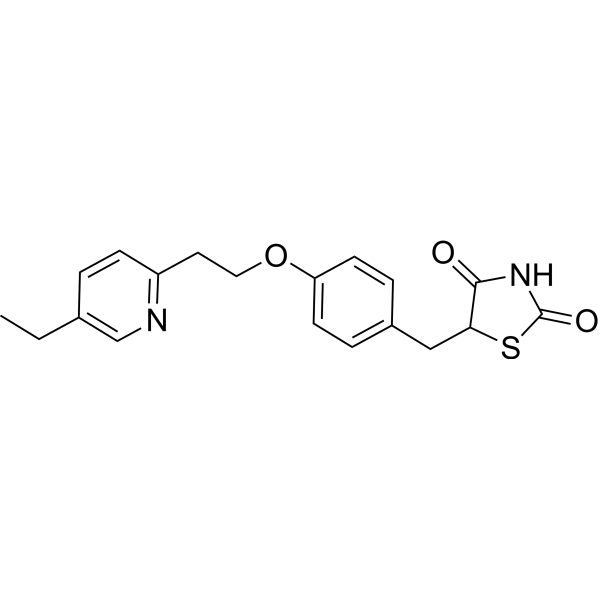
    Pioglitazone
    45+ Cited Publications

    U 72107

    PPAR Ferroptosis Metabolic Disease Cancer
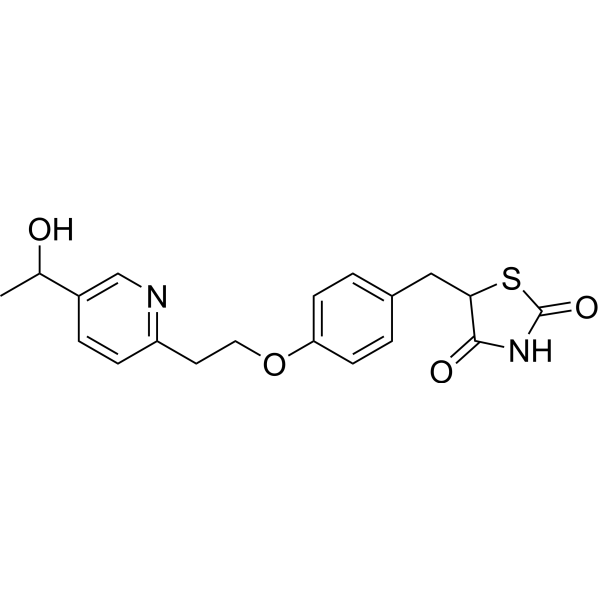
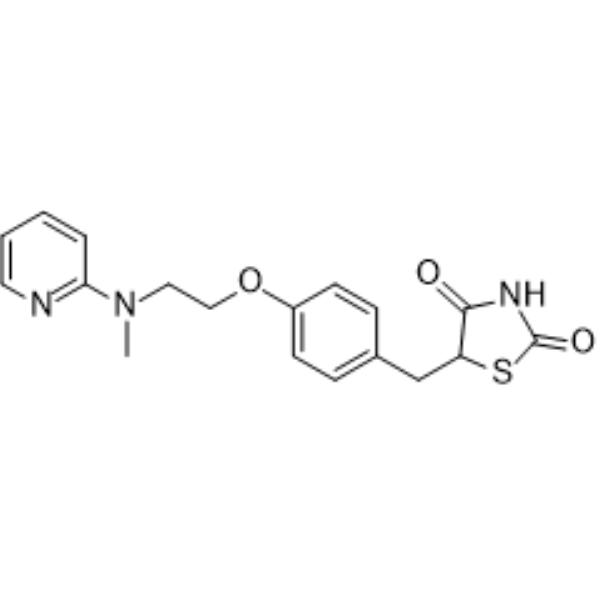
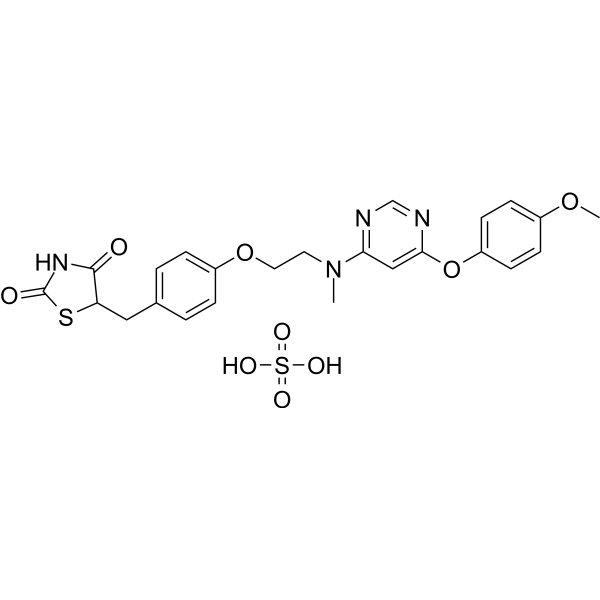
    Pioglitazone (U 72107) is an orally active and selective PPARγ (peroxisome proliferator-activated receptor) agonist with high affinity binding to the PPARγ ligand-binding domain with EC50 of 0.93 and 0.99 μM for human and mouse PPARγ, respectively. Pioglitazone can be used in diabetes research .
    Pioglitazone
  • HY-50935
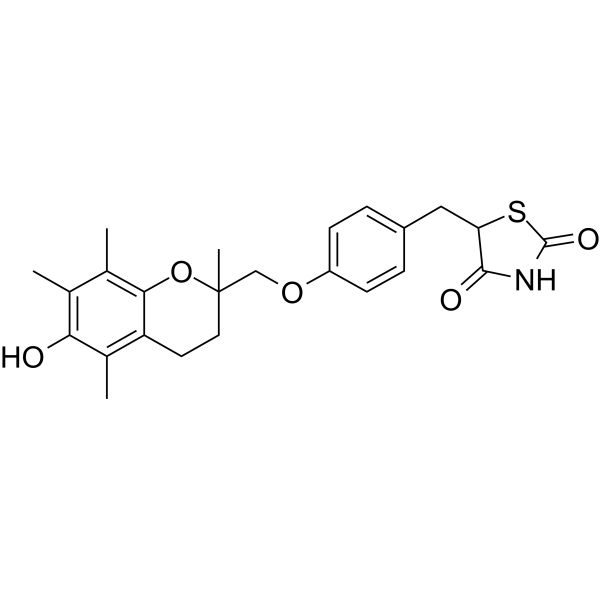
    Troglitazone
    30+ Cited Publications

    CS-045

    PPAR Autophagy Apoptosis Ferroptosis Metabolic Disease Cancer
    Troglitazone is an orally active PPARγ agonist, with EC50s of 550 nM and 780 nM for human and murine PPARγ receptor, respectively. Troglitazone has anticancer activity, prevents and inhibits the development of type 2 diabetes.
    Troglitazone
  • HY-15655
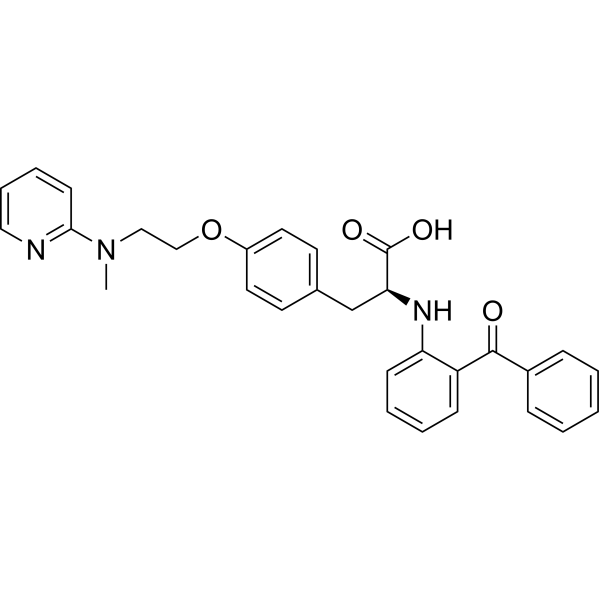
    GW1929
    10+ Cited Publications

    PPAR Neurological Disease Metabolic Disease
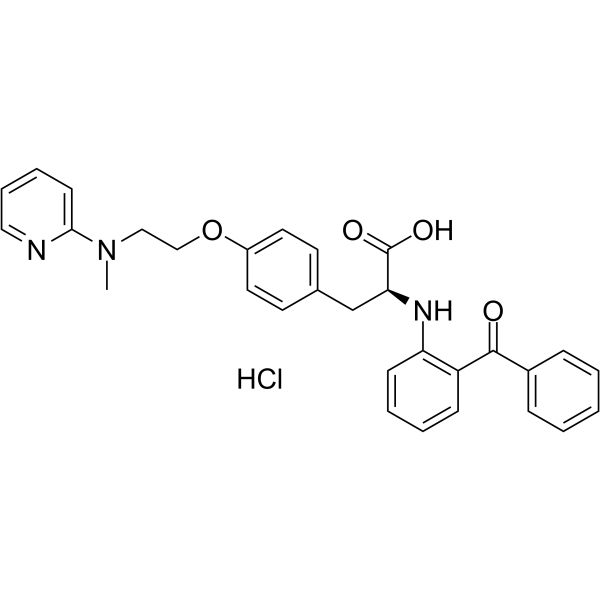
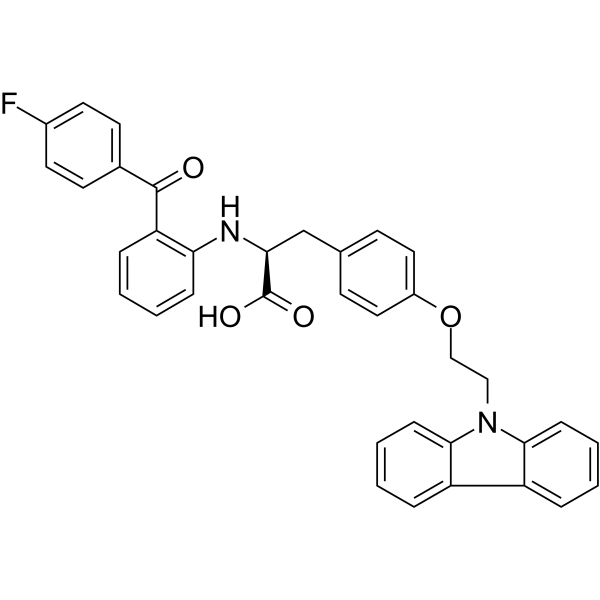
    GW 1929 is an orally active peroxisome proliferator-activated receptor-γ (PPARγ) agonist with a pKi of 8.84 for human PPAR-γ, and pEC50s of 8.56 and 8.27 for human PPAR-γ and murine PPAR-γ, respectively. GW 1929 (hydrochloride) has antidiabetic efficacy and neuroprotective potential .
    GW1929
  • HY-14601
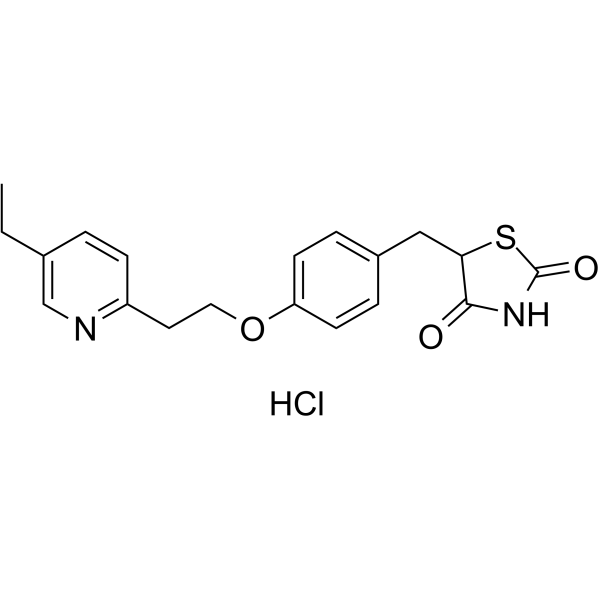
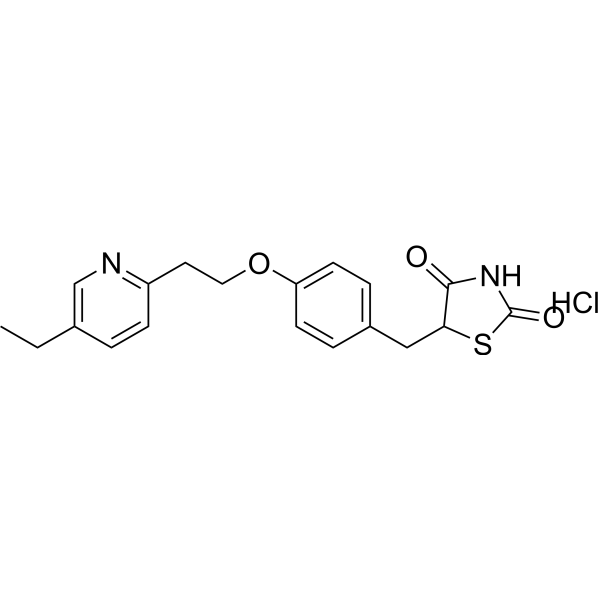
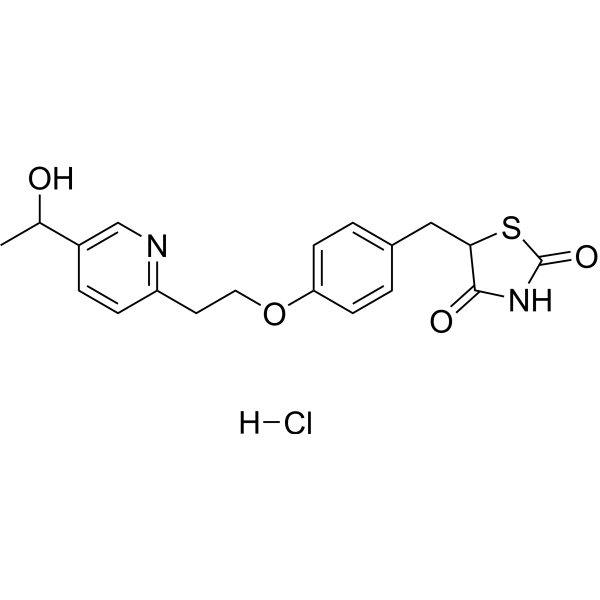
    Pioglitazone hydrochloride
    45+ Cited Publications

    U 72107A; AD 4833

    PPAR Ferroptosis Metabolic Disease Cancer
    Pioglitazone hydrochloride is a potent and selective PPARγ agonist with EC50s of 0.93 and 0.99 μM for human and mouse PPARγ, respectively.
    Pioglitazone hydrochloride
  • HY-13202
    T0070907
    40+ Cited Publications

    PPAR Cancer
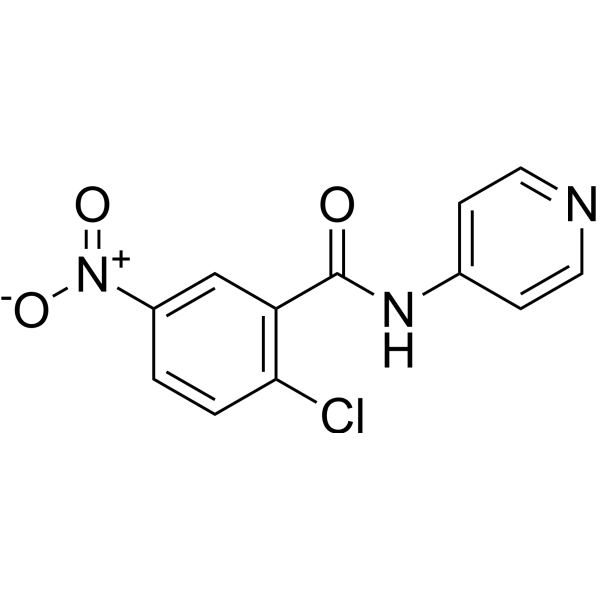
    T0070907 is a potent PPARγ antagonist with a Ki of 1 nM.
    T0070907
  • HY-N0625A
    Alpinetin
    5+ Cited Publications

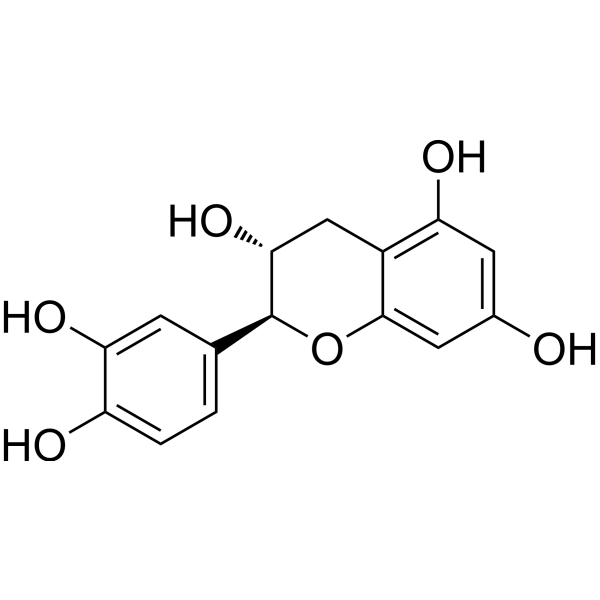
    PPAR Keap1-Nrf2 Toll-like Receptor (TLR) Infection Cardiovascular Disease Inflammation/Immunology Cancer
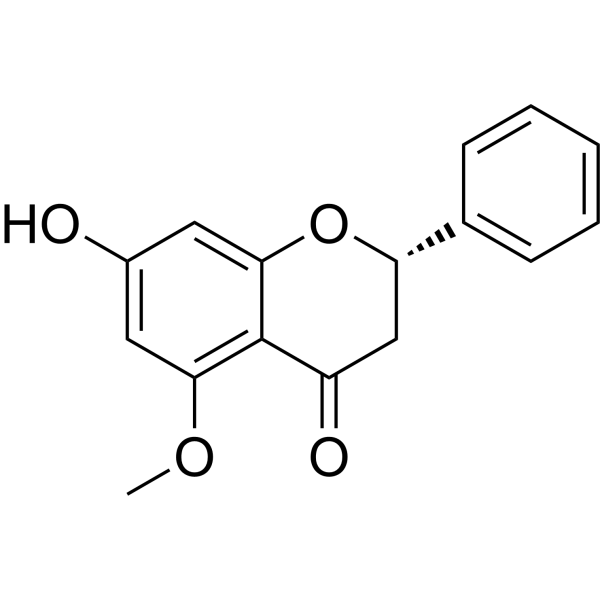
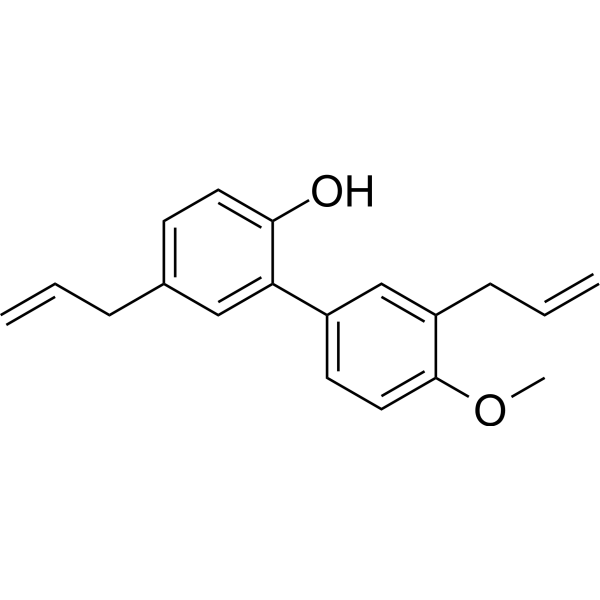
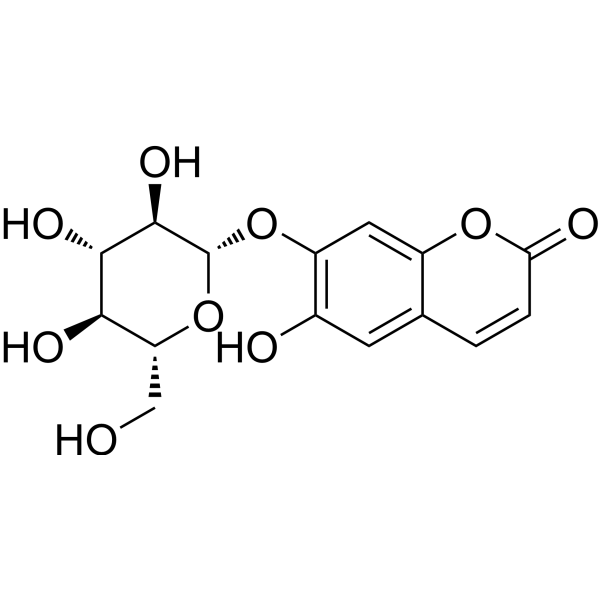
    Alpinetin is a flavonoid isolated from cardamom and possesses antitumor, antiinflammation, hepatoprotective, cardiovascular protective, lung protective, antibacterial, antiviral, neuroprotective properties. Alpinetin inhibits lipopolysaccharide (LPS)-induced inflammation, activates PPAR-γ, activates Nrf2, and inhibits TLR4 expression to protect LPS-induced renal injury .
    Alpinetin
  • HY-N0246
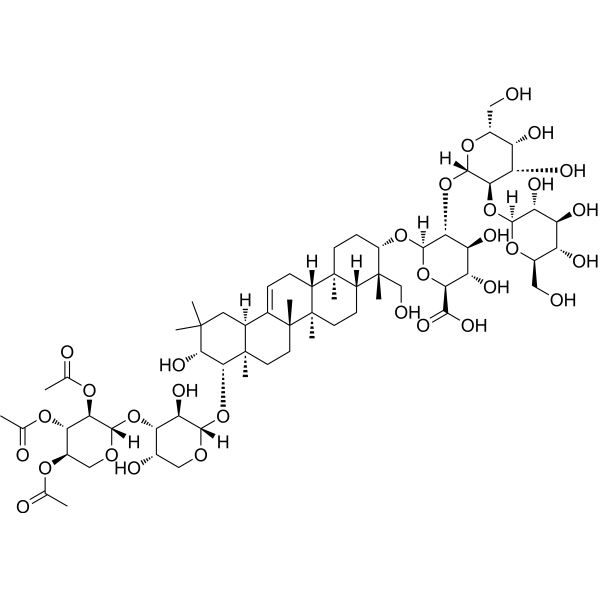
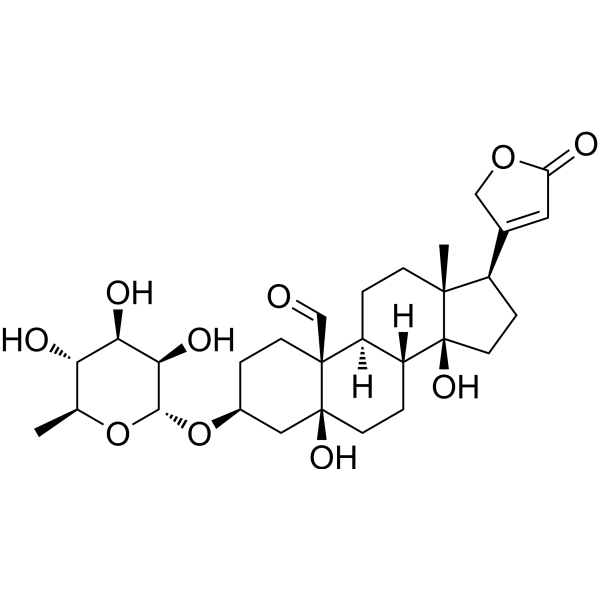
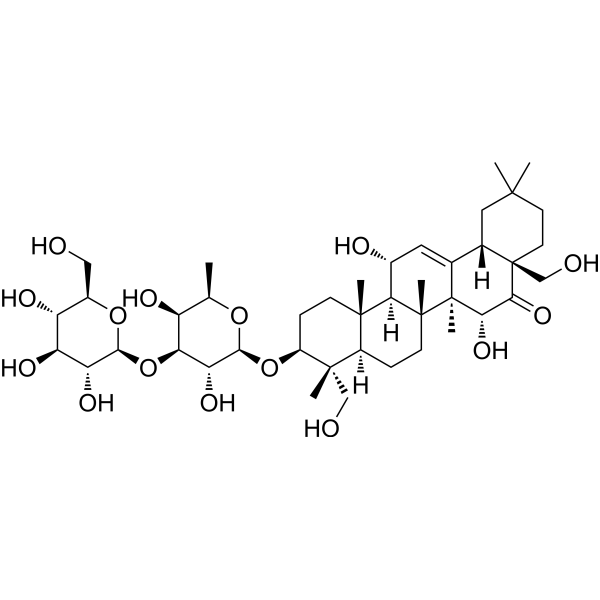
    Saikosaponin A
    5 Publications Verification

    LXR Bacterial Inflammation/Immunology Cancer
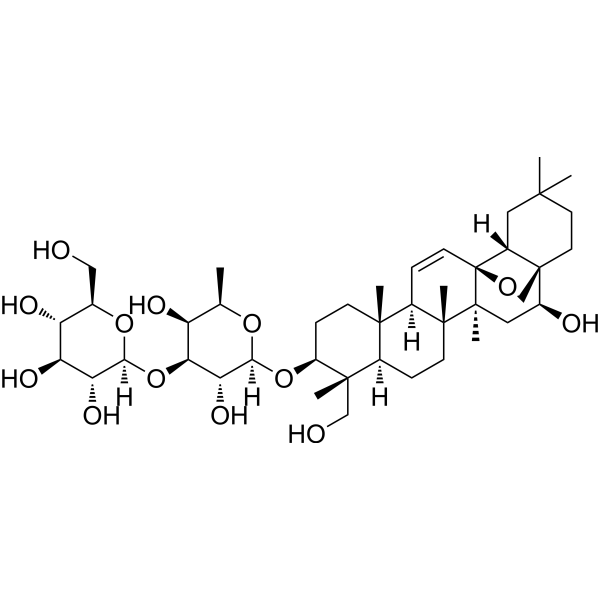
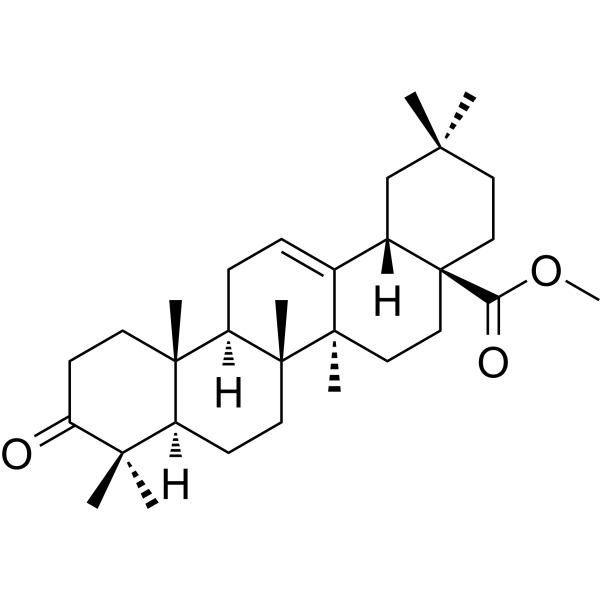
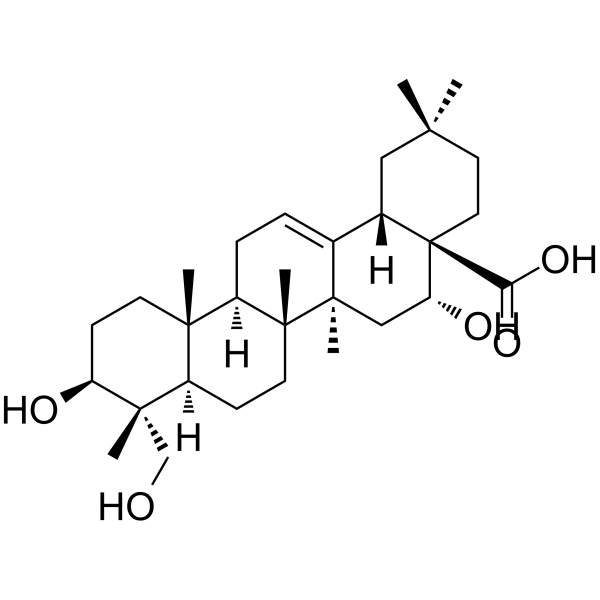
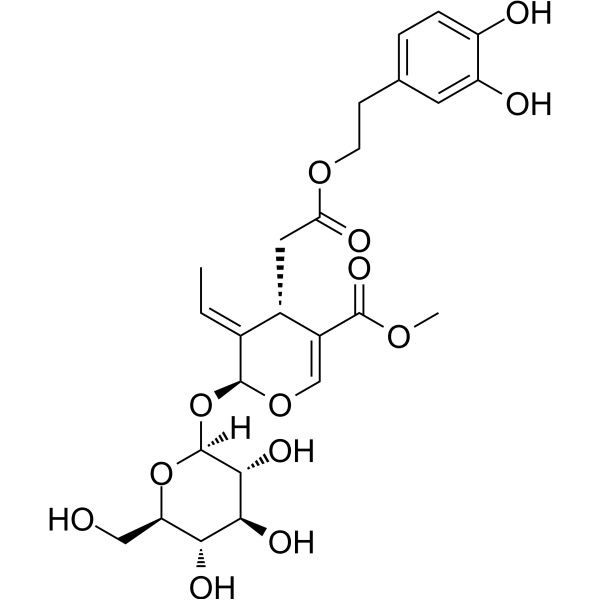
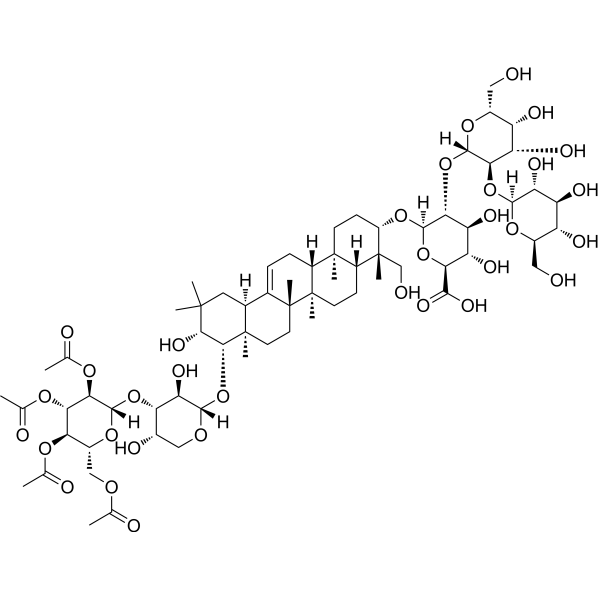
    Saikosaponin A is the main active ingredient in Bupleurum chinense, which can regulate lipid metabolism and promote cholesterol efflux in early atherosclerosis. In addition, Saikosaponin A may also serve as a potential peroxisome proliferator-activated receptor γ (PPAR-γ) agonist, significantly promoting the expression of PPAR-γ. Saikosaponin A can be used in the study of hyperlipidemic pancreatitis .
    Saikosaponin A
  • HY-N0604
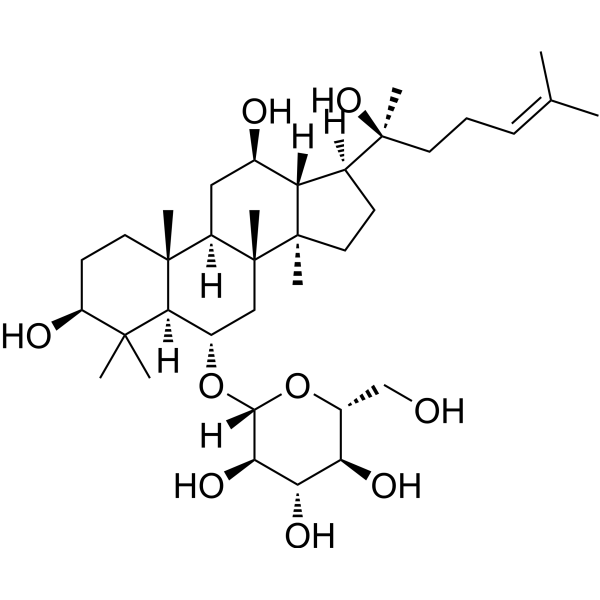
    Ginsenoside Rh1
    5 Publications Verification

    Prosapogenin A2; Sanchinoside B2; Sanchinoside Rh1

    Interleukin Related PPAR TNF Receptor Endogenous Metabolite Inflammation/Immunology
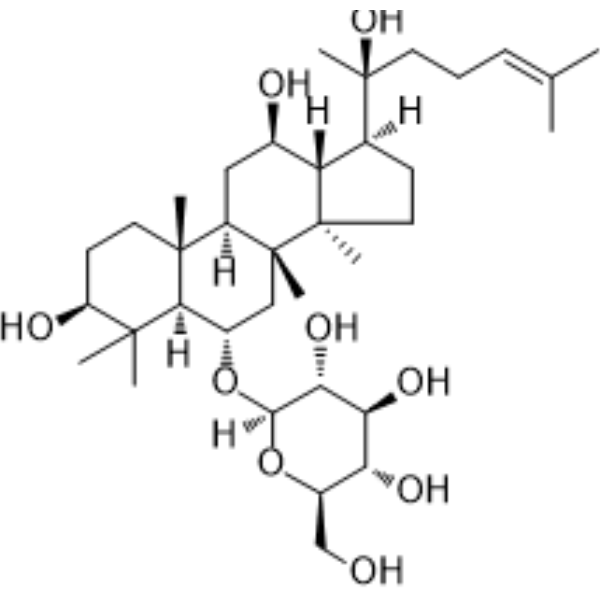
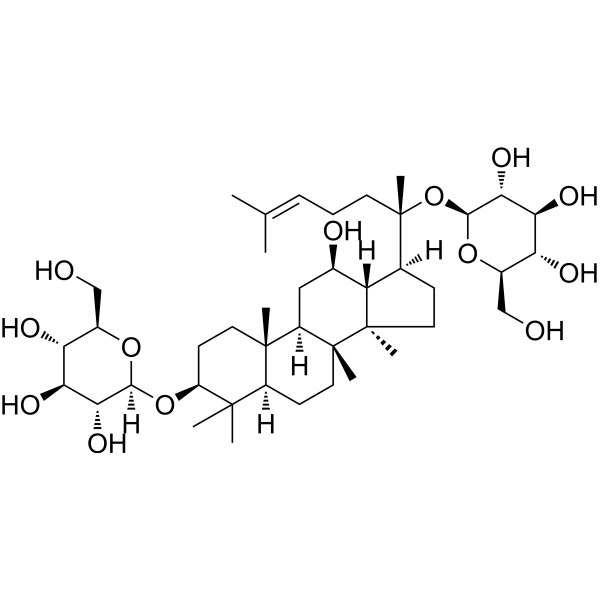
    Ginsenoside Rh1 (Prosapogenin A2) inhibits the expression of PPAR-γ, TNF-α, IL-6, and IL-1β.
    Ginsenoside Rh1
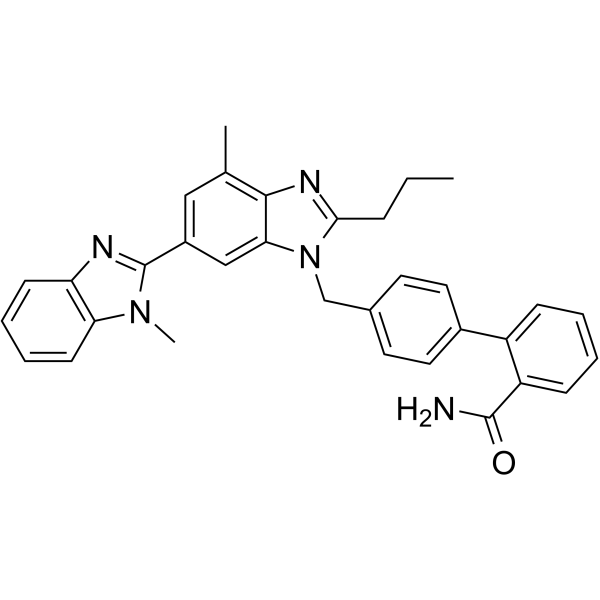
  • HY-B0205
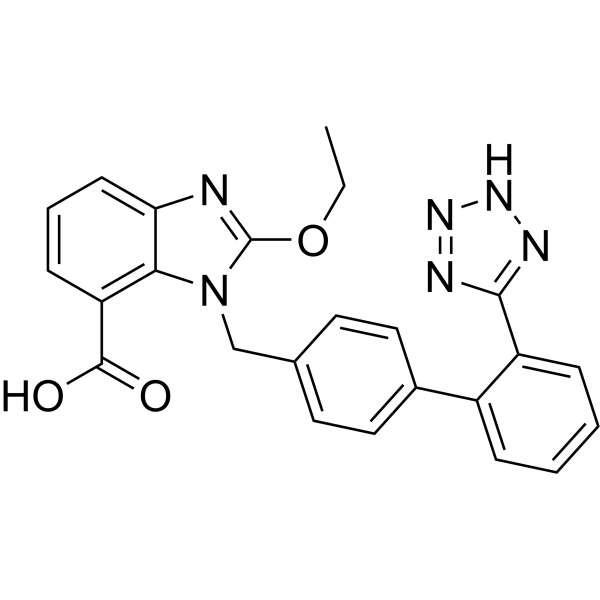
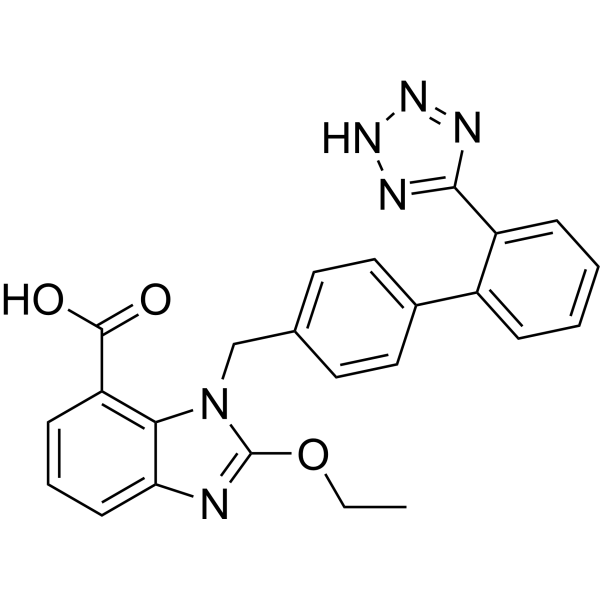
    Candesartan
    5+ Cited Publications

    CV 11974

    Angiotensin Receptor PPAR Cardiovascular Disease Endocrinology Cancer
    Candesartan (CV 11974) is an orally active angiotensin II AT1-Receptor blocker and PPAR-γ agonist. Candesartan has potent and long-lasting antihypertensive effects. Candesartan can be used for the research of hypertension, chronic heart failure (CHF) and Traumatic brain injury (TBI) .
    Candesartan
  • HY-14600
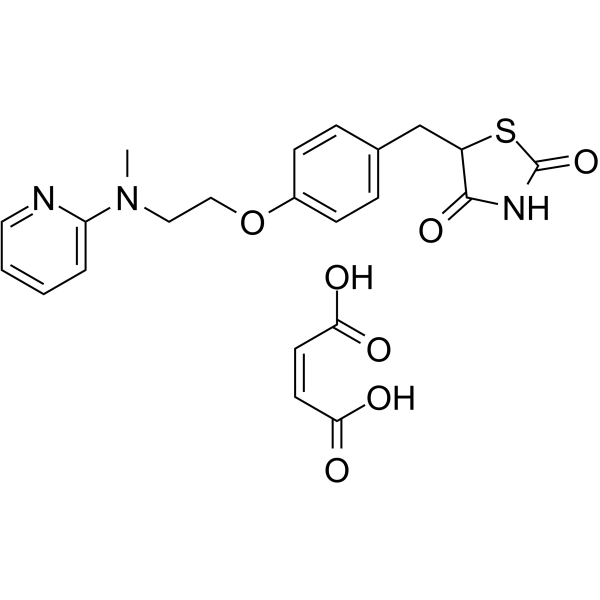
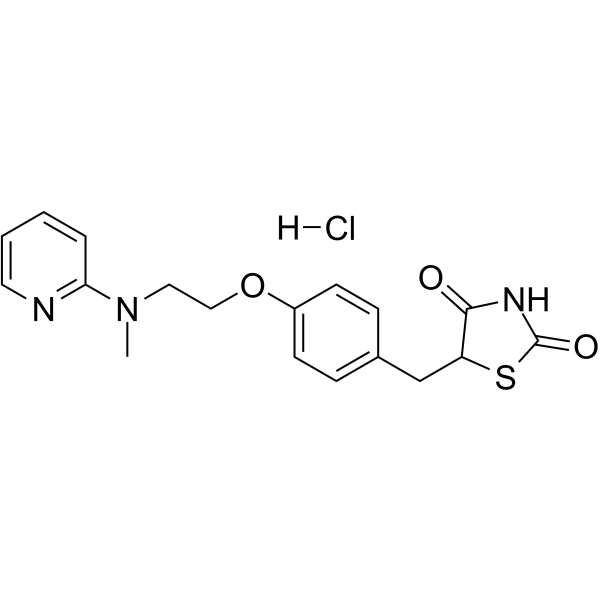
    Rosiglitazone maleate
    170+ Cited Publications

    BRL 49653C

    PPAR TRP Channel Autophagy Ferroptosis Metabolic Disease Inflammation/Immunology Cancer
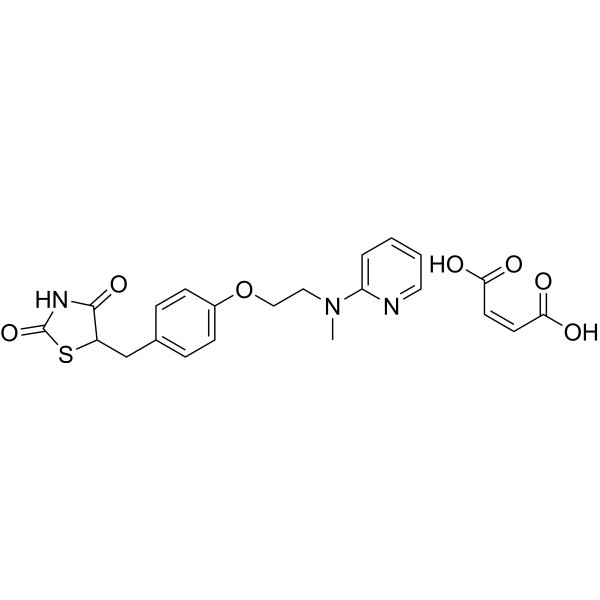
    Rosiglitazone maleate (BRL 49653C) is a potent and selective activator of PPARγ, with EC50s of 30 nM, 100 nM and 60 nM for PPARγ1, PPARγ2, and PPARγ, respectively, and a Kd of appr 40 nM for PPARγ; Rosiglitazone maleate is also an modulator of TRP channels, inhibits TRP melastatin 2 (TRPM2), TRPM3 and activates TRP canonical 5 (TRPC5).
    Rosiglitazone maleate
  • HY-N0234
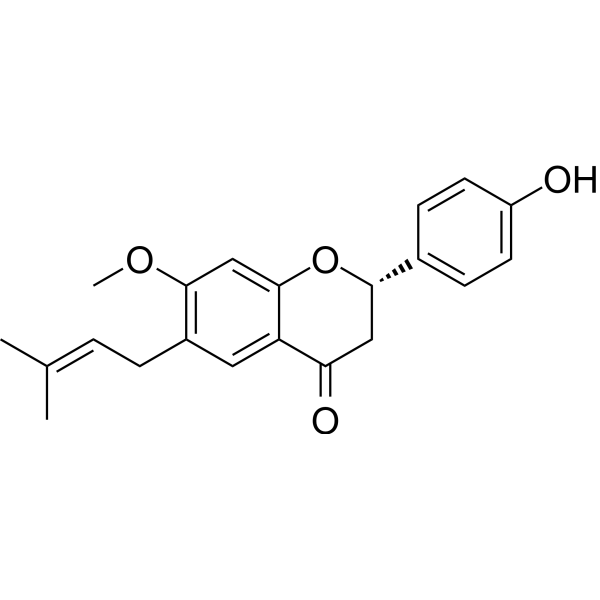
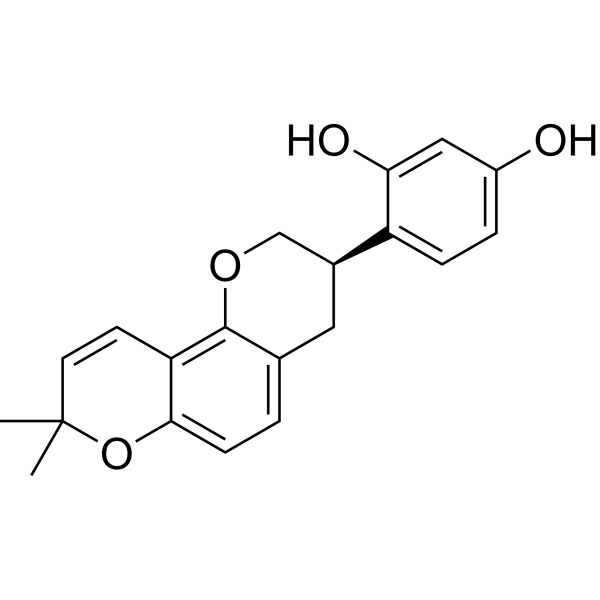
    Bavachinin
    5+ Cited Publications

    7-O-Methylbavachin; Bavachinin A

    Amyloid-β PPAR HIF/HIF Prolyl-Hydroxylase Inflammation/Immunology Cancer
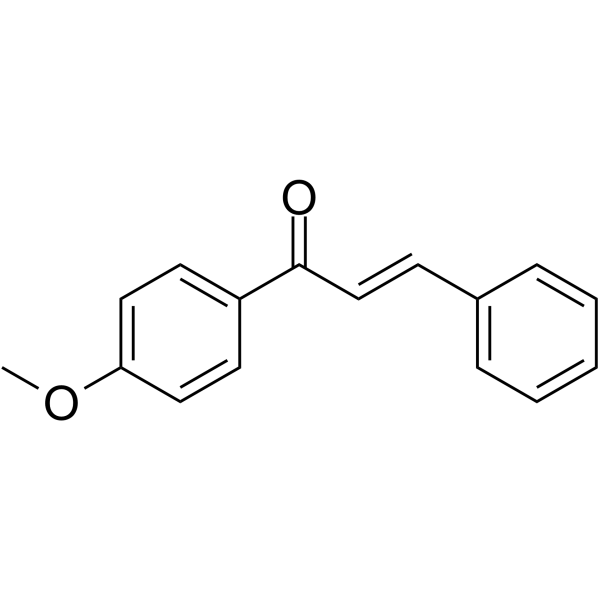
    Bavachinin is agonist of pan-peroxisome proliferator-activated receptor (PPAR), with the IC50 value of 21.043 μM, 12.819 μM, and 0.622 μM to PPAR-α, RRAR-β/δ, and PPAR-γ, respectively. Bavachinin is an inhibitor of HIF-1α. Bavachinin exhibits antitumor activity against non-small cell lung cancer by targeting RRAR-γ. Bavachinin is a natural compound with anti-inflammatory and anti-angiogenic activities. Bavachinin has orally bioactivity. .
    Bavachinin
  • HY-N0222
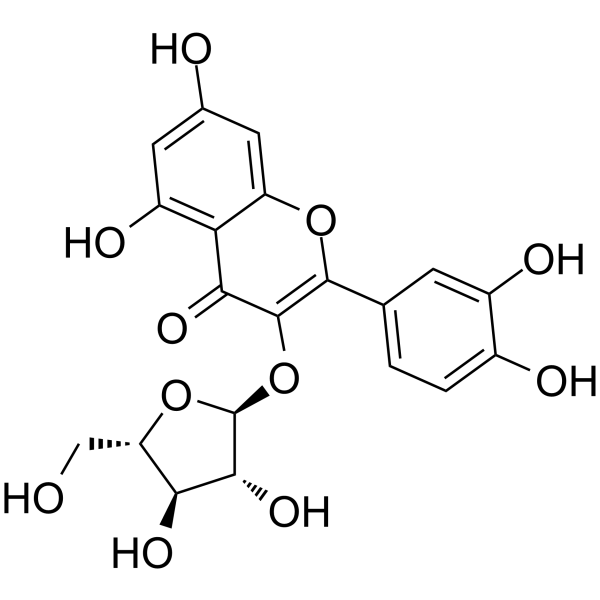
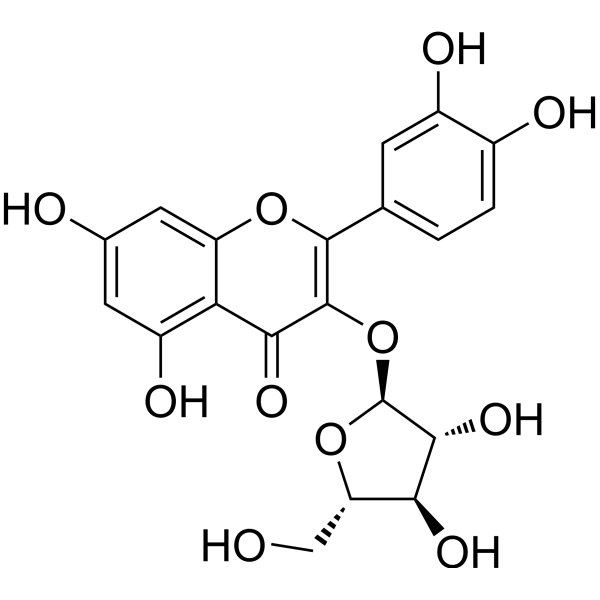
    Avicularin
    5+ Cited Publications

    COX NF-κB PPAR ERK GLUT Apoptosis Infection Neurological Disease Inflammation/Immunology Cancer
    Avicularin is an orally active flavonoid. Avicularin inhibits NF-κB (p65), COX-2 and PPAR-γ activities. Avicularin has anti-inflammatory, anti-infectious anti-allergic, anti-oxidant, hepatoprotective, and anti-tumor activities .
    Avicularin
  • HY-N6869
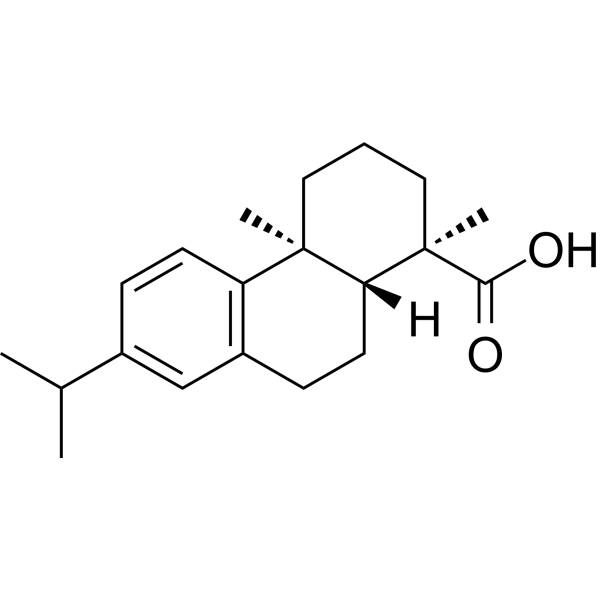
    Dehydroabietic acid
    1 Publications Verification

    Antibiotic PPAR Bacterial Fungal Infection Metabolic Disease Inflammation/Immunology Cancer
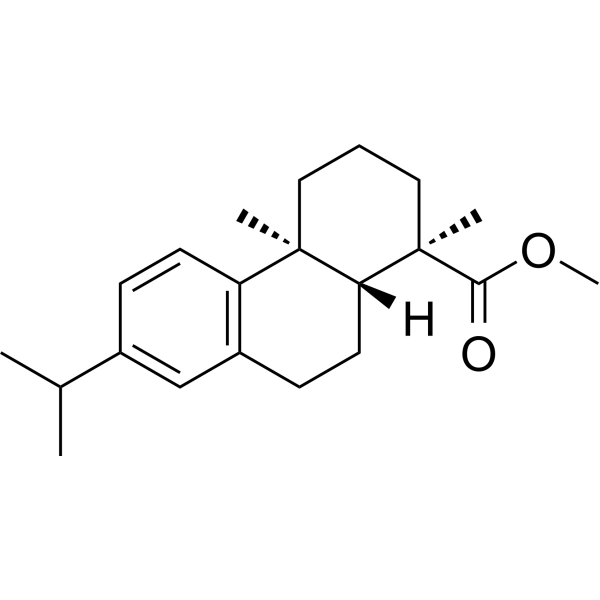
    Dehydroabietic acid is a diterpene resin acid that can be isolated from Pinus and Picea. Dehydroabietic acid has anti-bacterial, anti-fungal, anti-inflammatory, and anticancer activities. Dehydroabietic acid is a dual PPAR-α/γ agonist and PPAR-γ partial agonist, which can attenuate insulin resistance (IR) and hepatic steatosis induced by HFD-consumption in mice .
    Dehydroabietic acid
  • HY-N2025
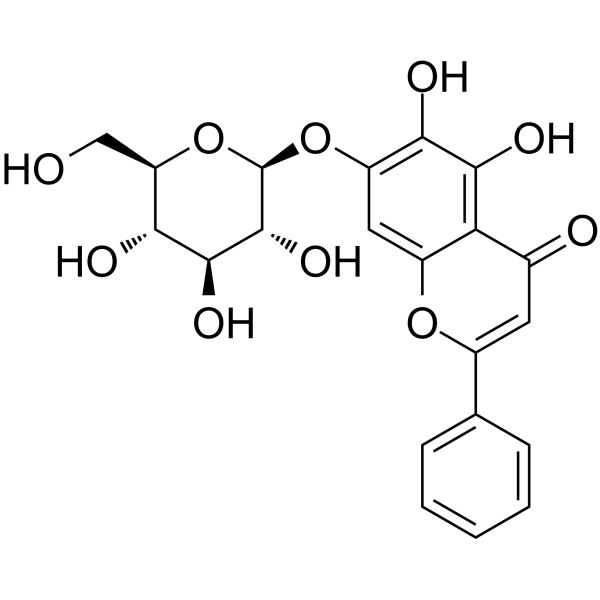
    Oroxin A
    4 Publications Verification

    PPAR Glycosidase Metabolic Disease
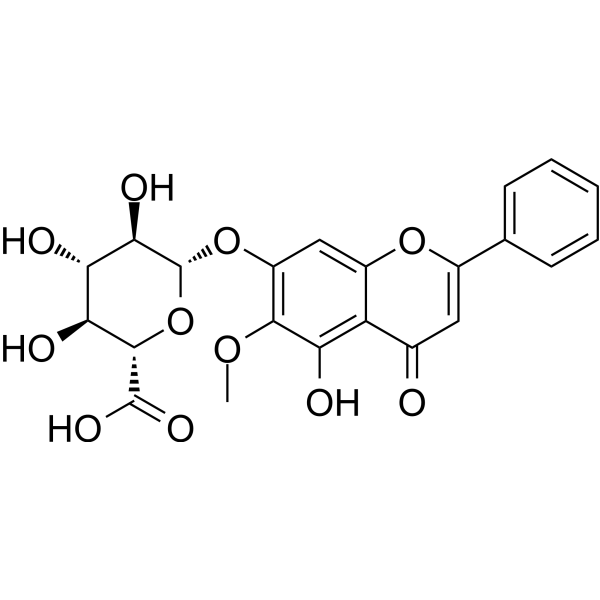
    Oroxin A is the major component of an ethanol-water Oroxylum indicum (L.) Kurz (Bignoniaceae) seed extract (OISE). Oroxin A acts as a partial PPARγ agonist that can activate PPARγ transcriptional activation. Oroxin A activates PPARγ by docking into the PPARγ protein ligand-binding domain. Oroxin A also exhibits an inhibitory activity against α-glucosidase and an antioxidant capacity . Oroxin A exerts anti-breast cancer effects by inducing ER stress-mediated senescence .
    Oroxin A
  • HY-B0287
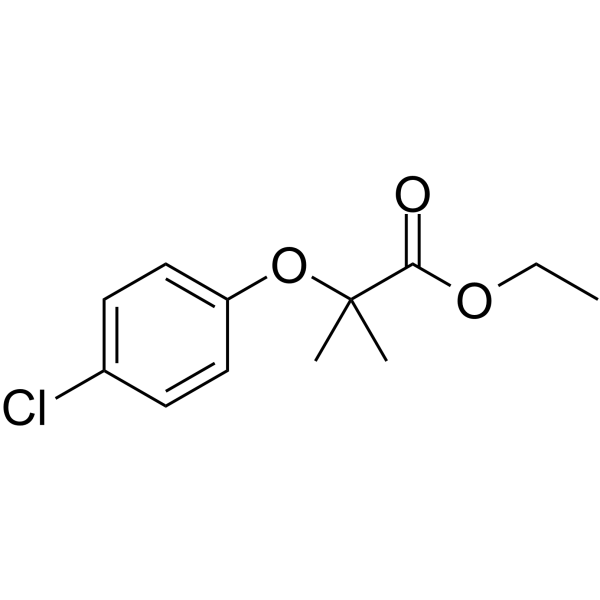
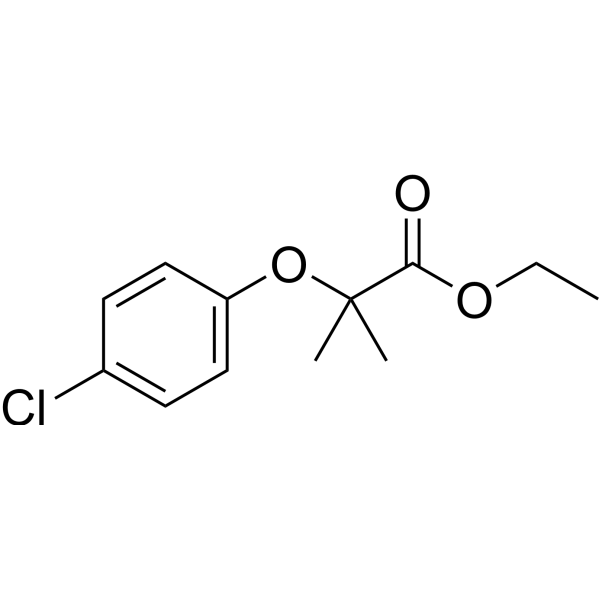
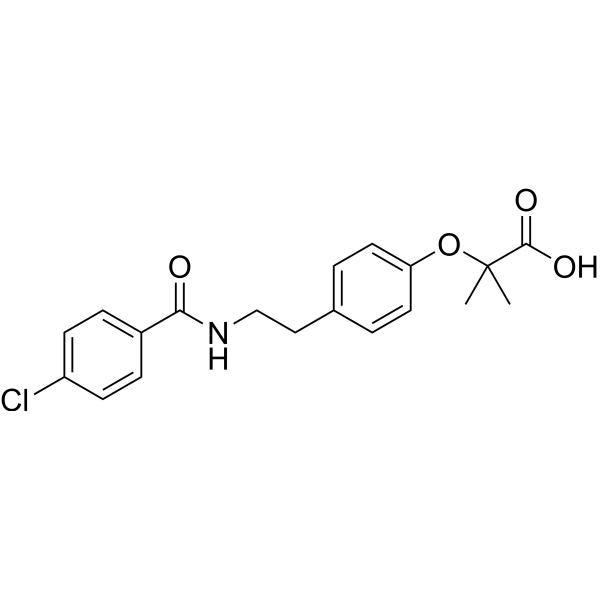
    Clofibrate
    4 Publications Verification

    PPAR Metabolic Disease
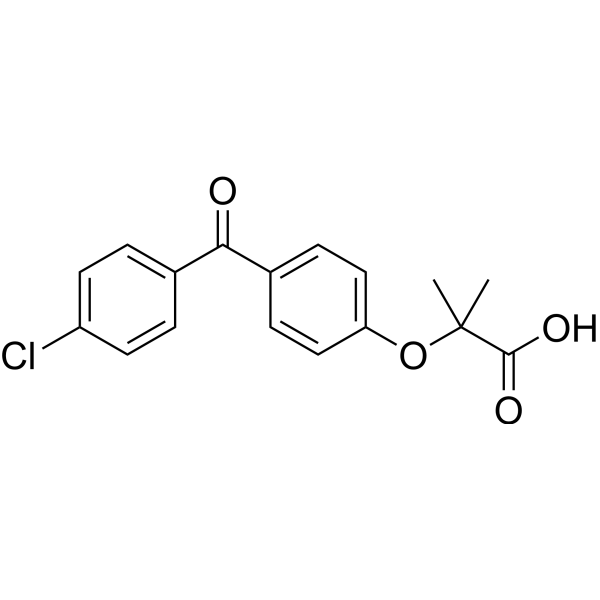
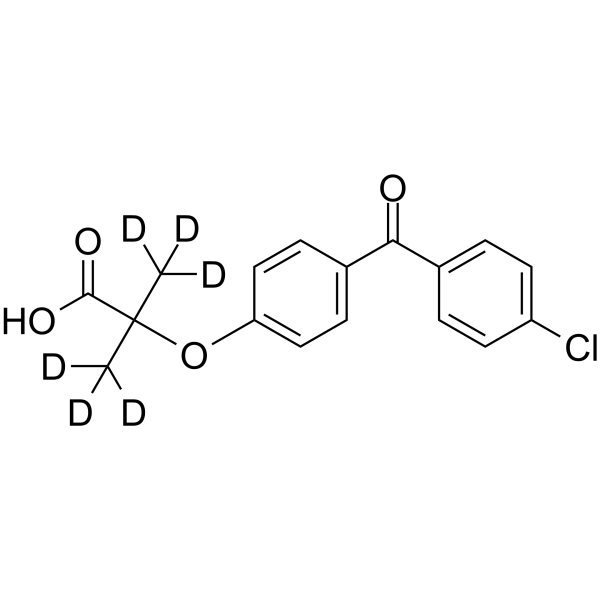
    Clofibrate is an agonist of PPAR, with EC50s of 50 μM, ~500 μM for murine PPARα and PPARγ, and 55 μM, ~500 μM for human PPARα and PPARγ, respectively.
    Clofibrate
  • HY-16086
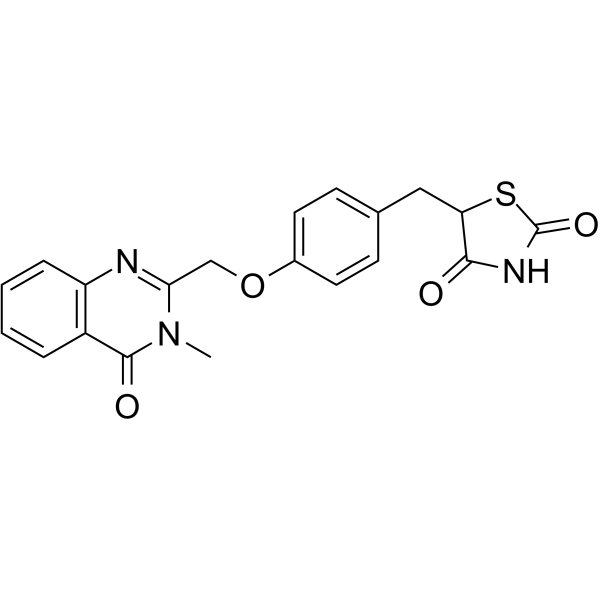
    Balaglitazone
    1 Publications Verification

    DRF 2593; NN 2344

    PPAR Metabolic Disease
    Balaglitazone is a selective partial PPARγ agonist with an EC50 of 1.351 μM for human PPARγ.
    Balaglitazone
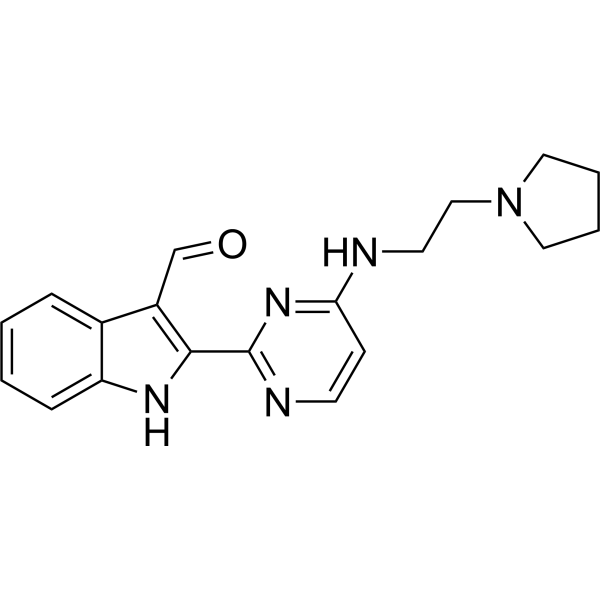
  • HY-12483

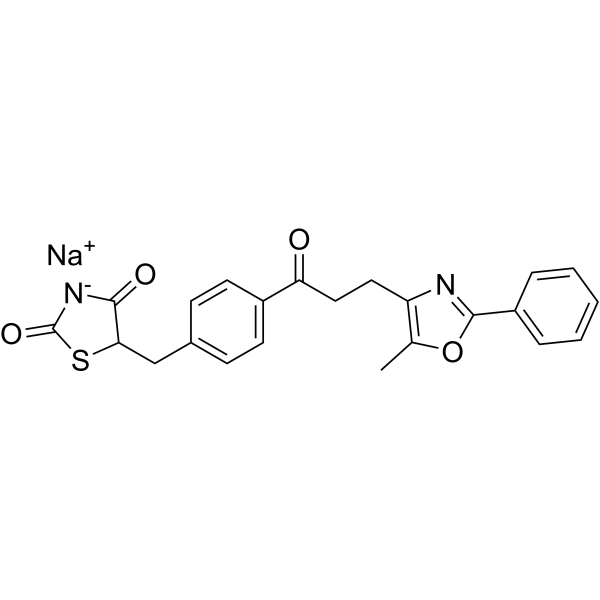
    PPAR Metabolic Disease
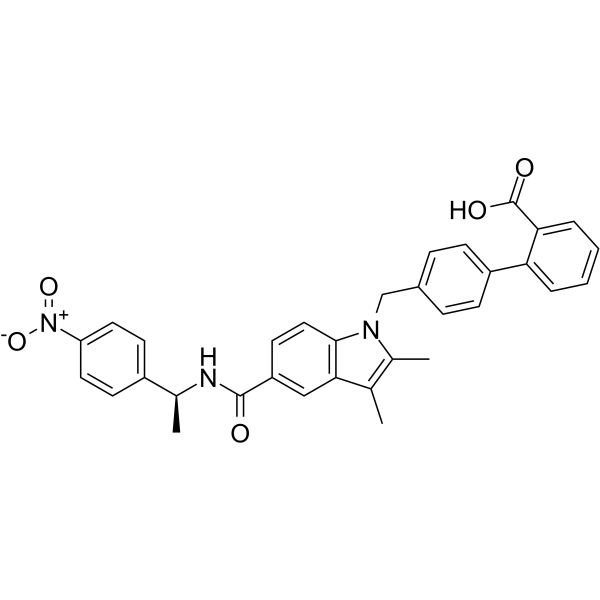
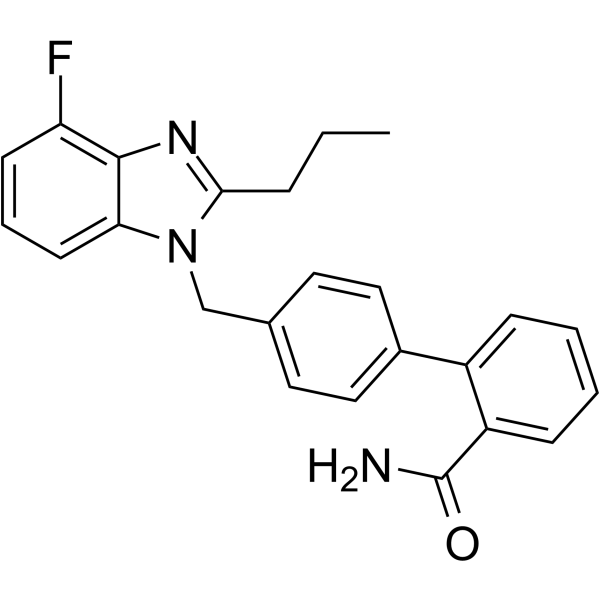
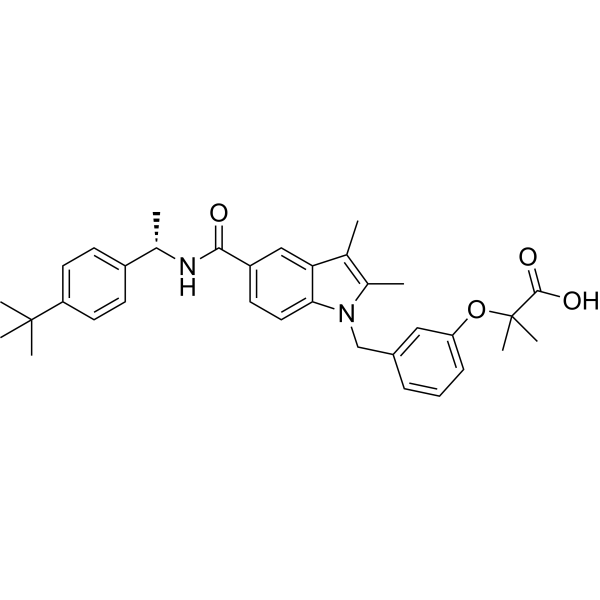
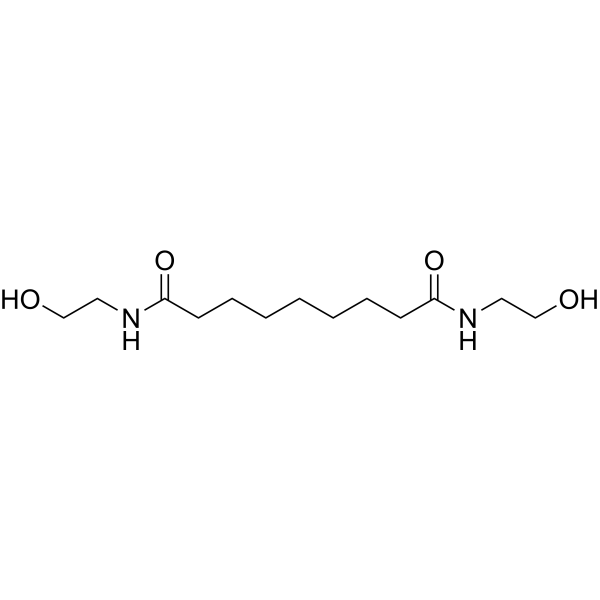
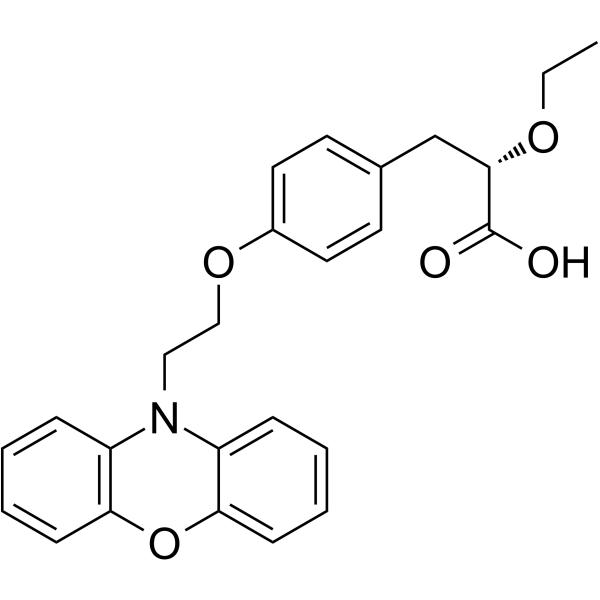
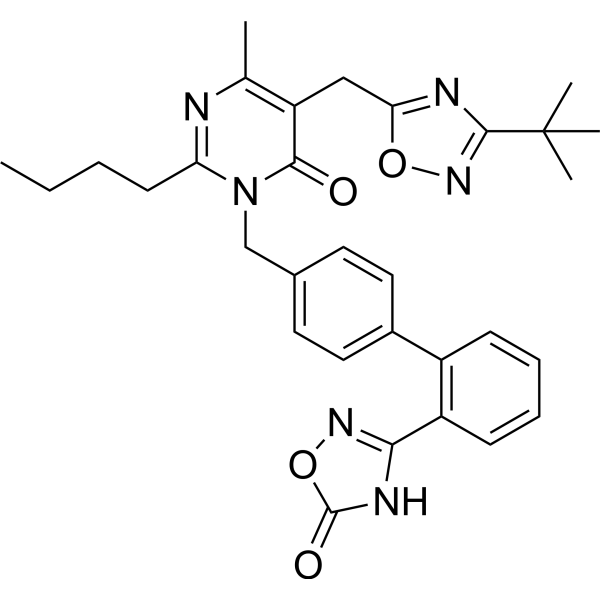
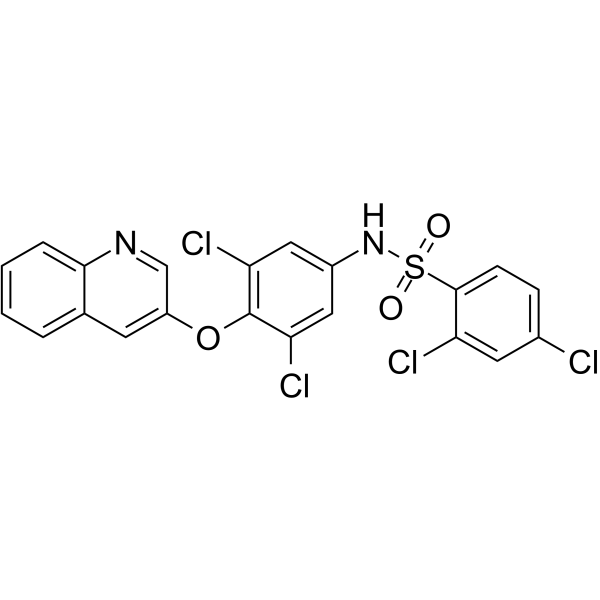
    SR1664 is a PPARγ antagonist. SR1664 binds to PPARγ and potently inhibits Cdk5-mediated PPARγ phosphorylation (IC50=80 nM; Ki= 28.67 nM) .
    SR1664
  • HY-W040055
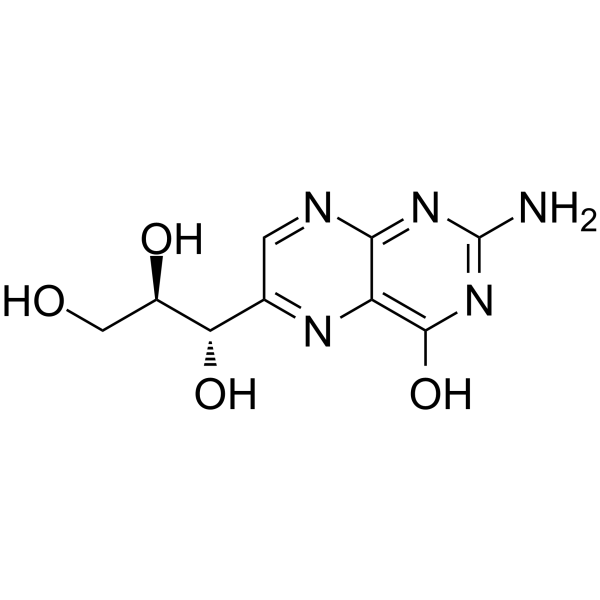
    Neopterin
    1 Publications Verification

    D-(+)-Neopterin; D-erythro-Neopterin

    NF-κB PPAR ERK Raf Src Cardiovascular Disease Inflammation/Immunology
    Neopterin is an immune system activator metabolized by GTP and can be produced by activated macrophages. Neopterin has the potential to resist vascular inflammation and atherosclerosis. Neopterin inhibits the phosphorylation of NF-κB and promotes the expression of PPAR-γ, thereby suppressing the inflammatory response of vascular endothelial cells, reducing the formation of macrophage foam cells, and regulating the migration and proliferation of vascular smooth muscle cells. Neopterin can be used in research fields such as cardiovascular diseases (such as atherosclerosis), inflammation-related diseases and tumor immunomonitoring .
    Neopterin
  • HY-N2209

    PPAR Metabolic Disease
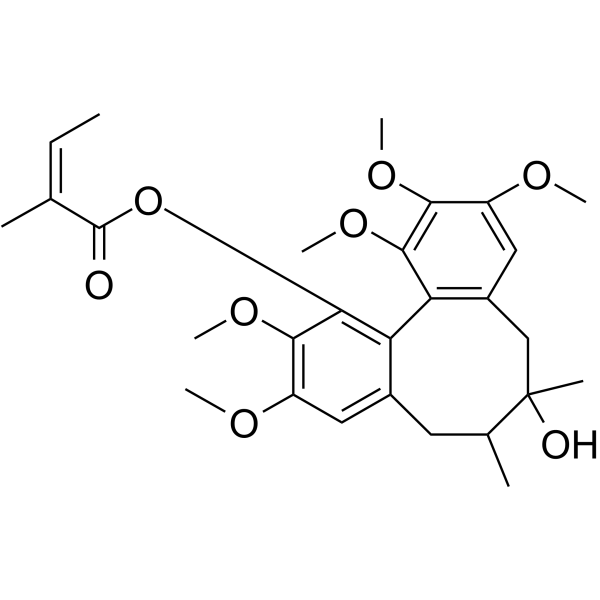
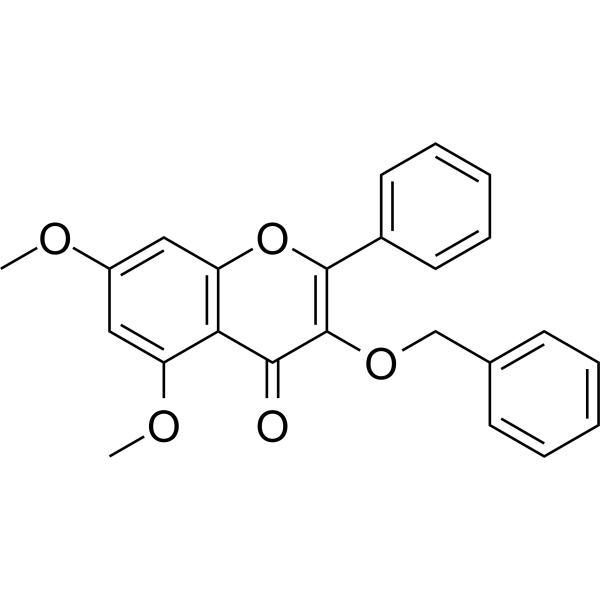
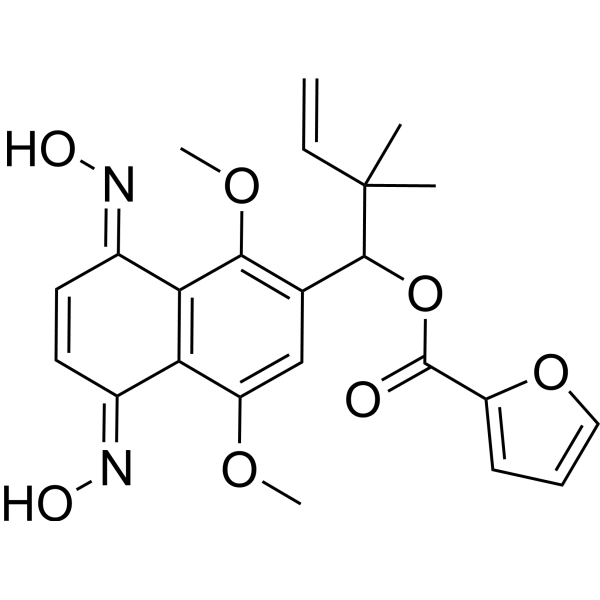
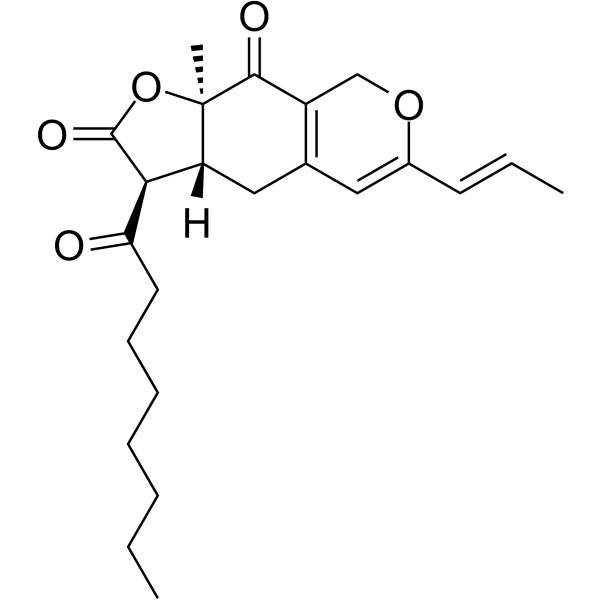
    Angeloylgomisin H, as a major lignin extract of Schisandra rubriflora, has the potential to improve insulin-stimulated glucose uptake by activating PPAR-γ .
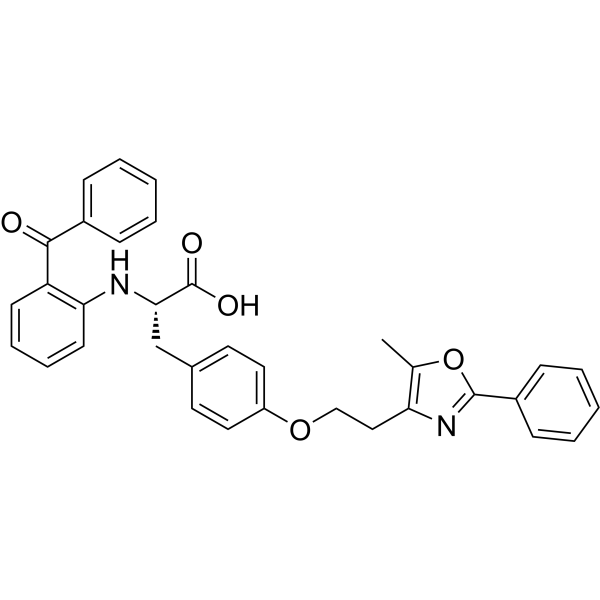
    Angeloylgomisin H
  • HY-N4194
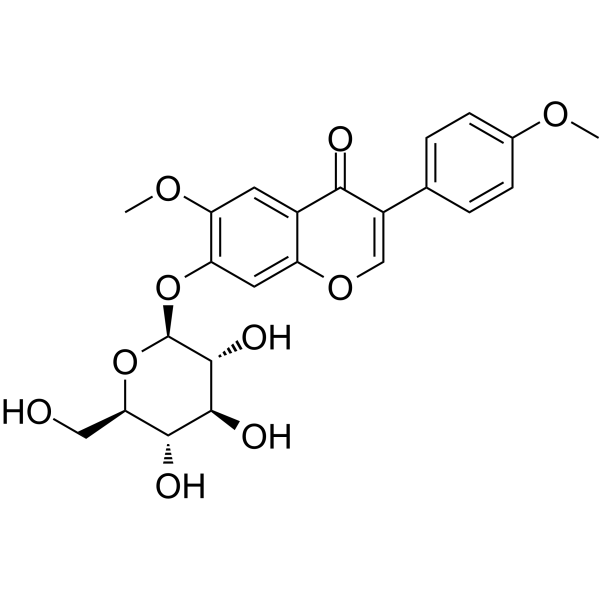
    Glabrone
    1 Publications Verification

    PPAR Influenza Virus Infection Metabolic Disease
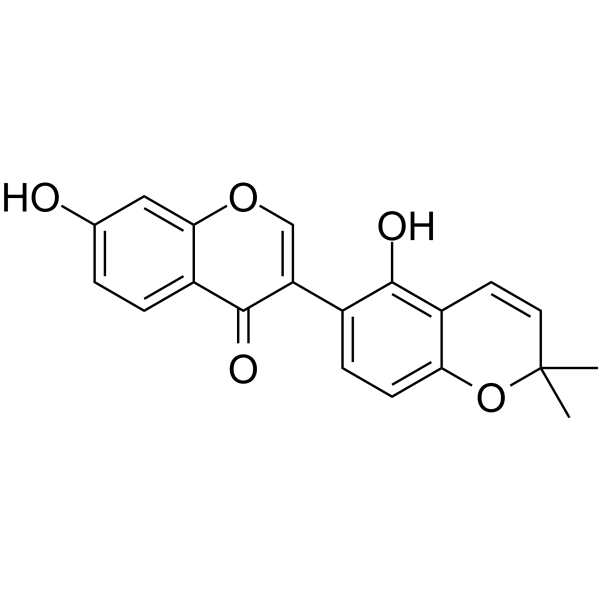
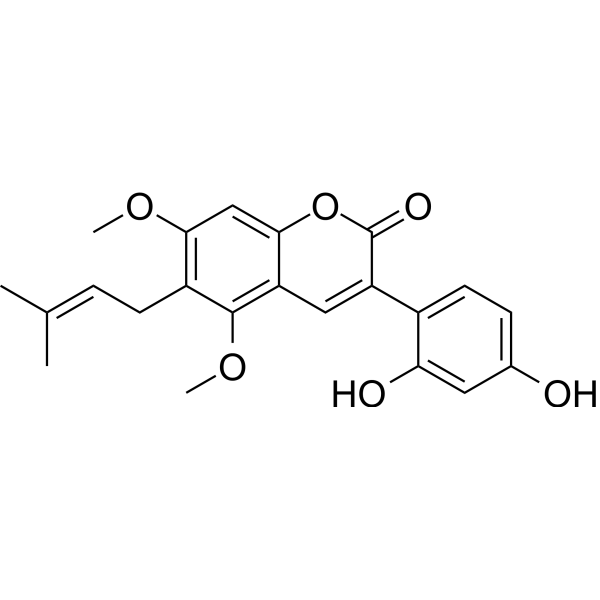
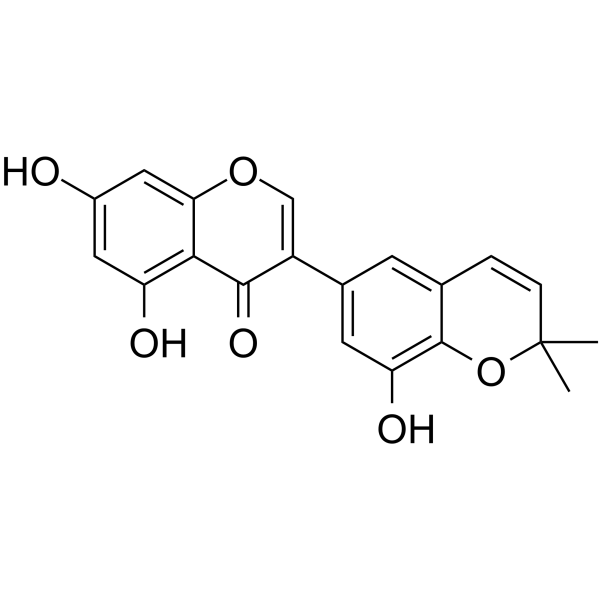
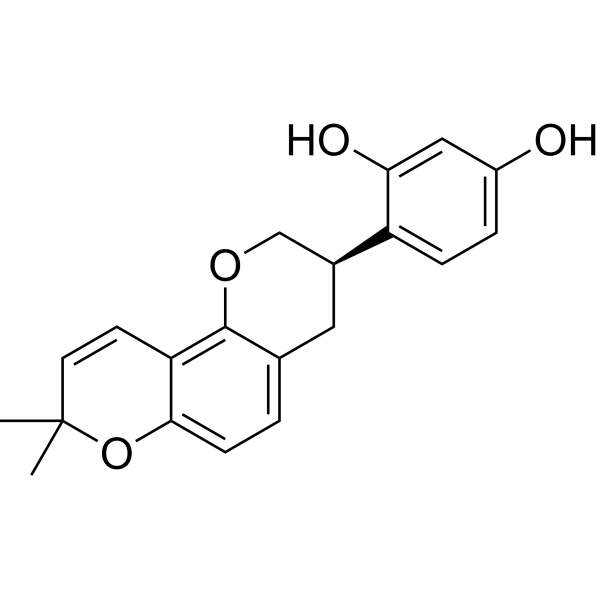
    Glabrone is an isoflavone found in Glycyrrhiza glabra roots. Glabrone exhibits significant PPAR-γ ligand binding activity. Glabrone is a specific UGT1A9 probe substrate, and its metabolites can block influenza virus release by inhibiting neuraminidase (NA). Glabrone can be used to screen for herb-drug interactions and for anti-influenza virus activity .
    Glabrone
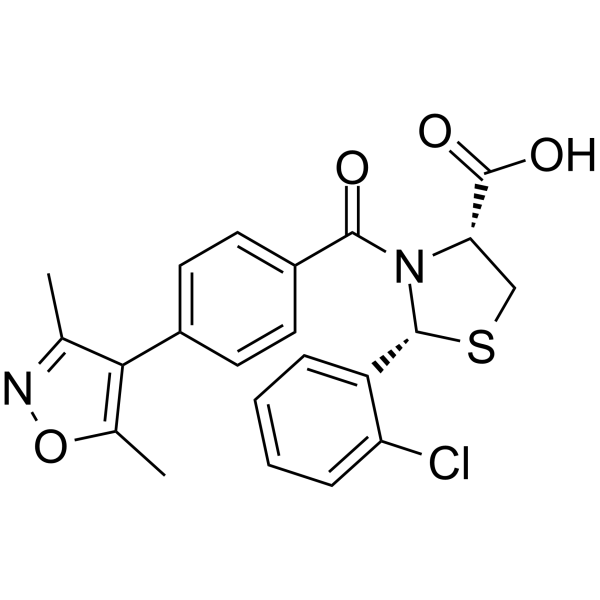
  • HY-148351

    PPAR Cancer
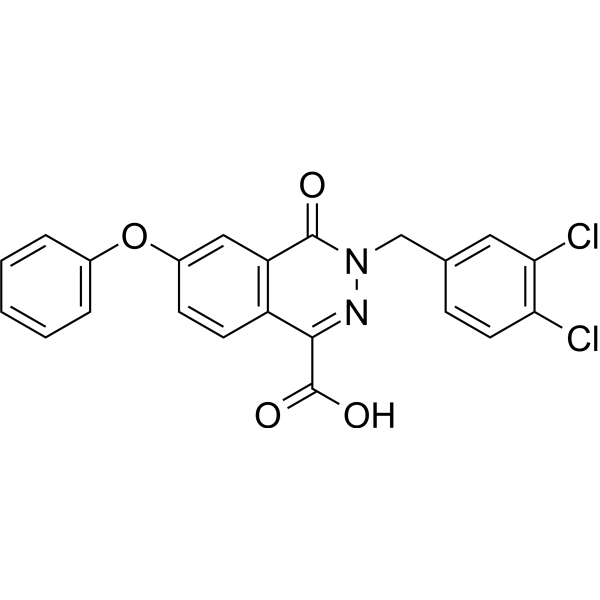
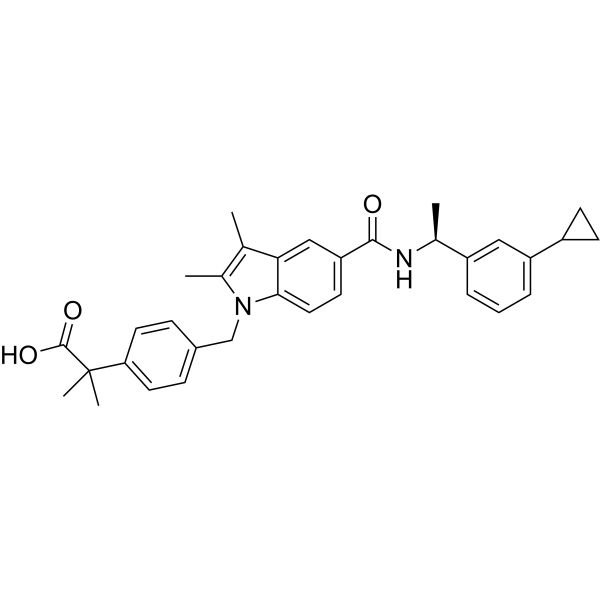
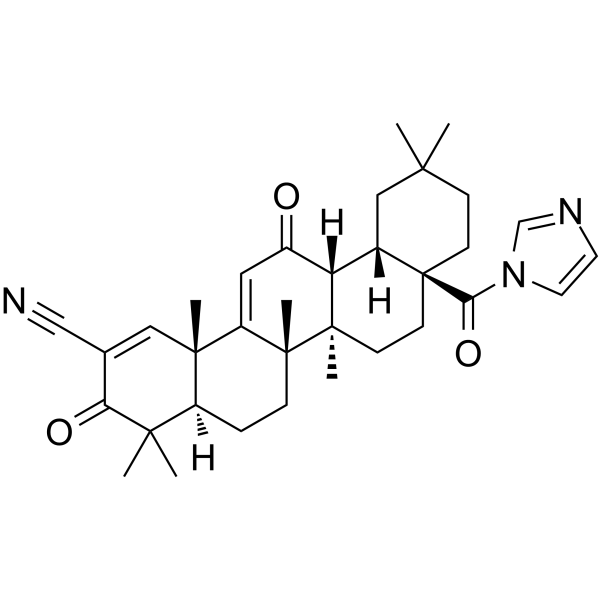
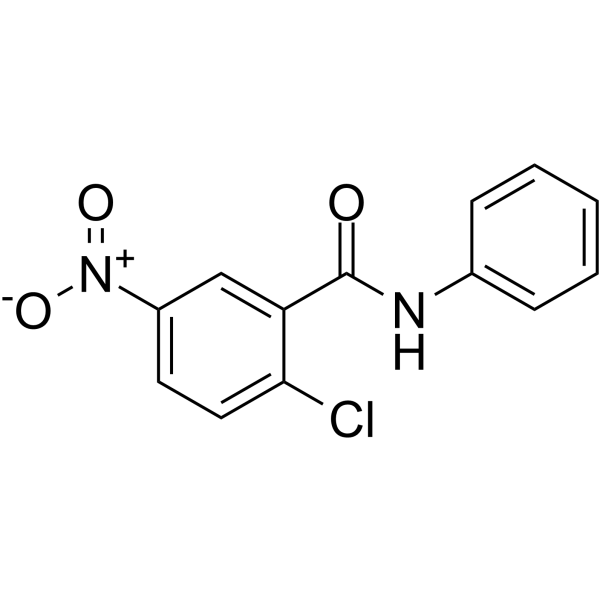
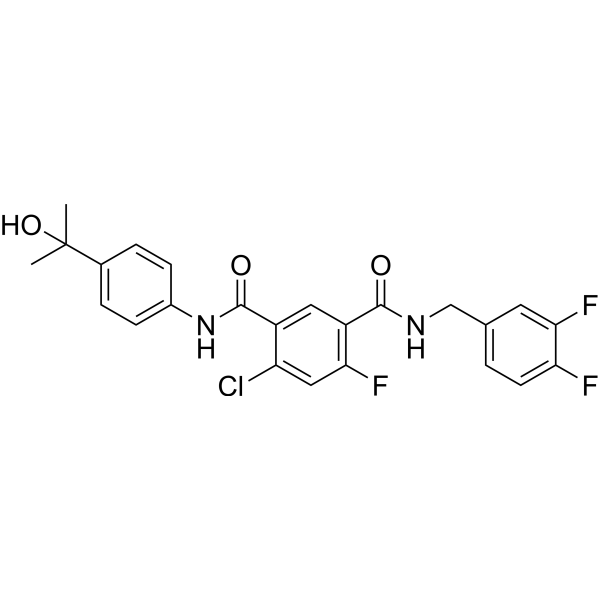
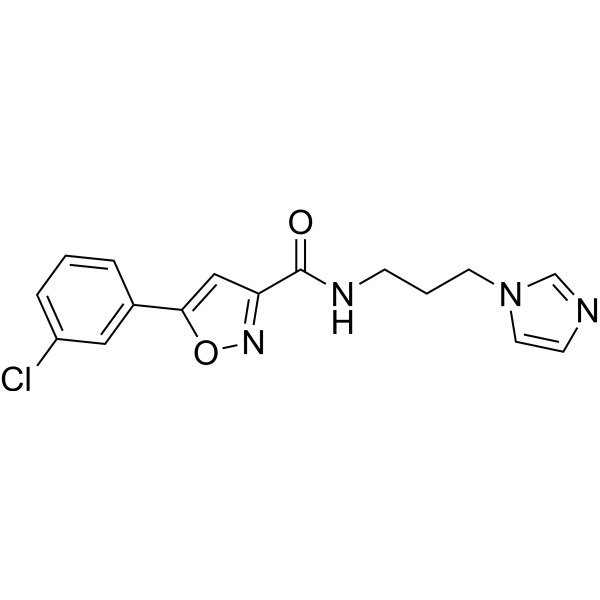
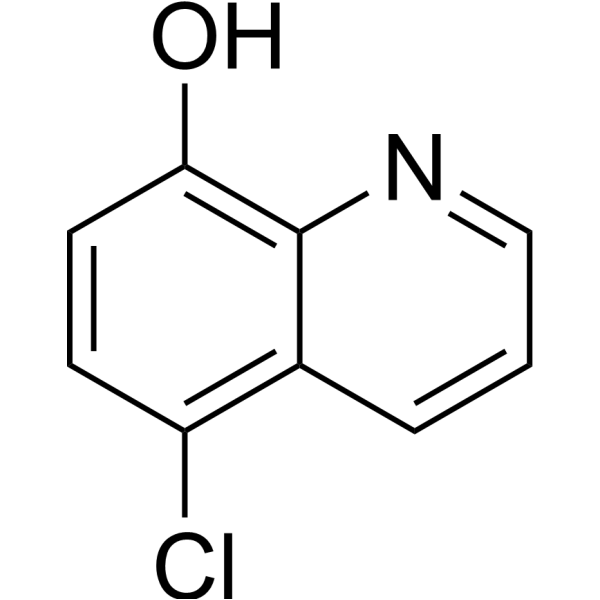
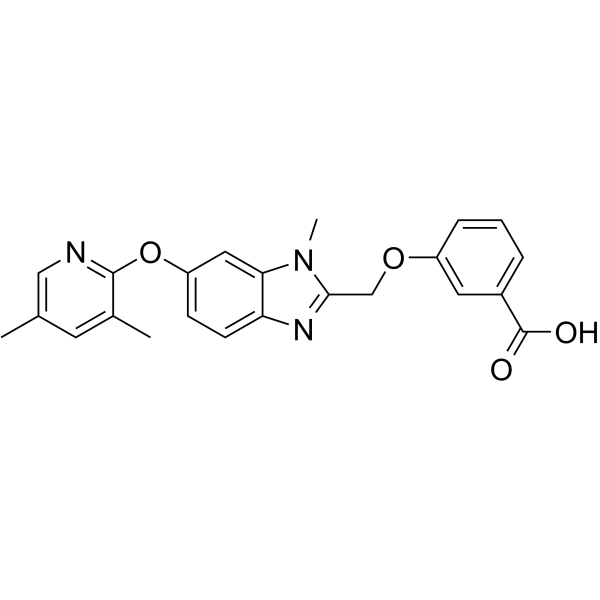
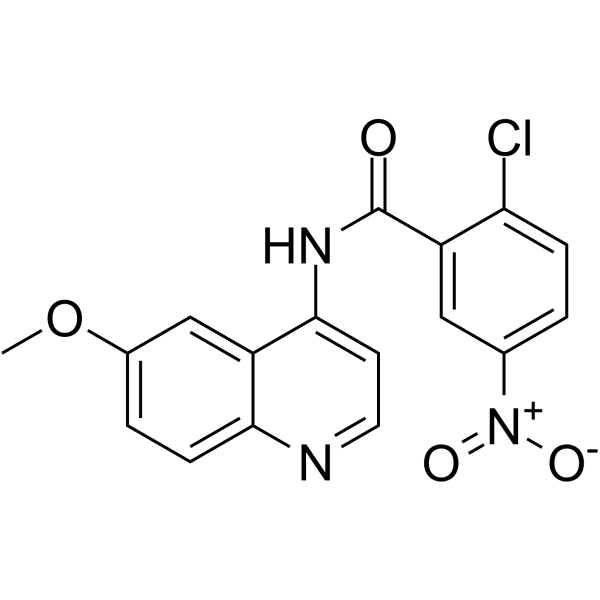
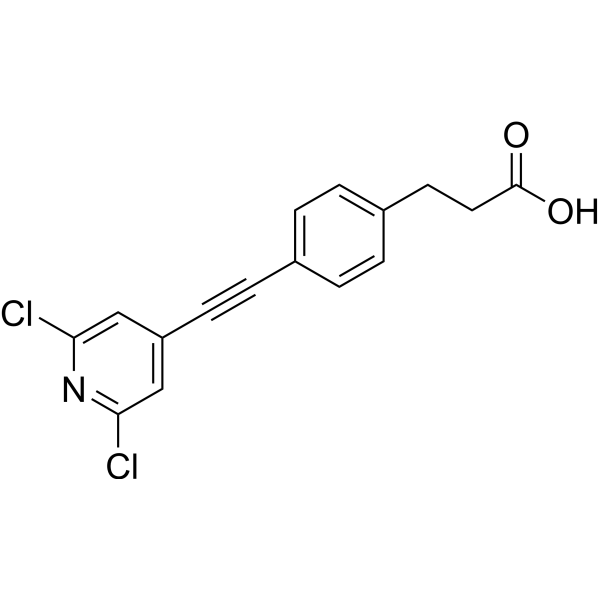
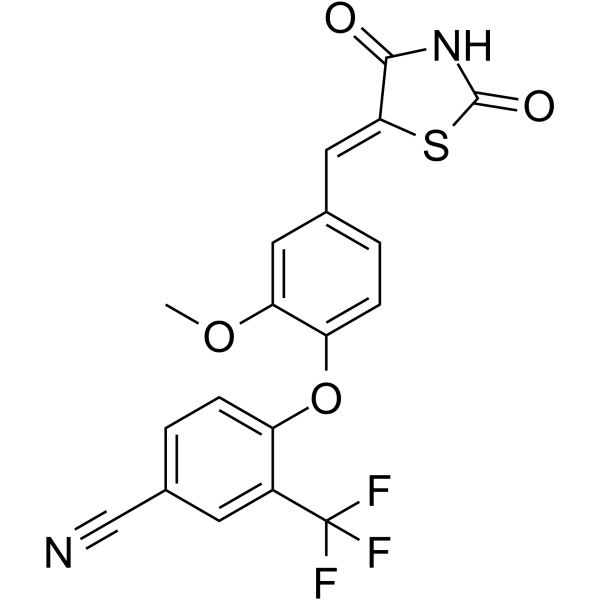
    BAY-0069 is a potent and selective PPARγ inverse agonist with an IC50 value of 6.3 nM and 24 nM for human PPARγ and mouse PPARγ. BAY-0069 can be used to research cancer .
    BAY-0069
  • HY-N3960

    PPAR Bacterial Infection Metabolic Disease
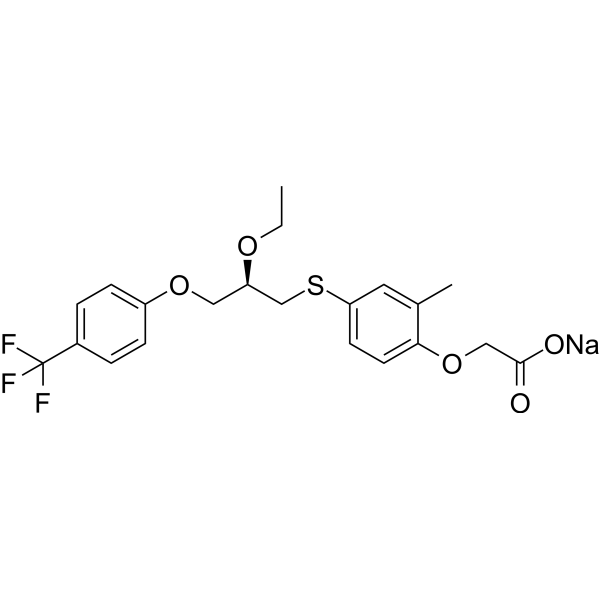
    Glycyrin is a PPAR-γ ligand of licorice. Glycyrin can decrease the blood glucose levels of genetically diabetic mice. Glycyrin also shows antibacterial activity .
    Glycyrin
  • HY-120160

    CP-86325

    PPAR Neurological Disease Metabolic Disease
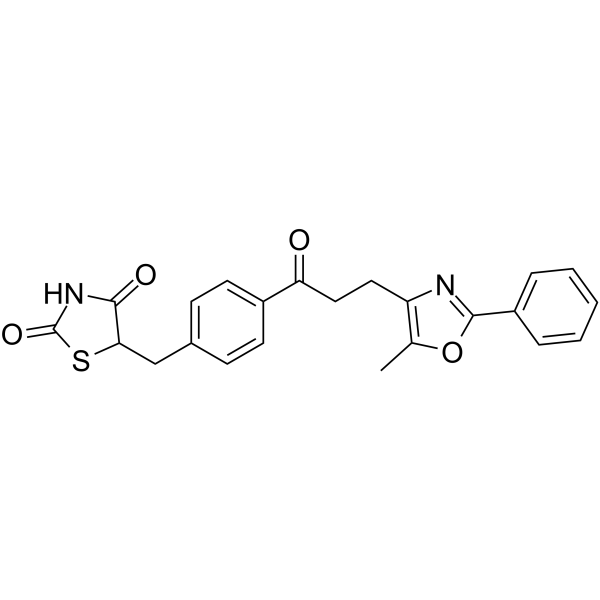
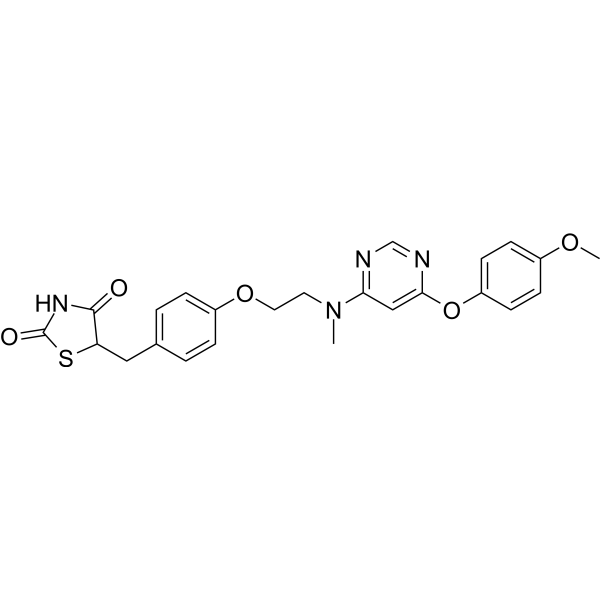
    Darglitazone (CP-86325), a thiazolidinedione, is a potent, selective, and orally active PPAR-γ agonist. Darglitazone is effective in controlling blood glucose and lipid metabolism, and can be used for type II diabetes research .
    Darglitazone
  • HY-W011309

    1-O-HDG; HXDG

    PPAR PGE synthase Inflammation/Immunology
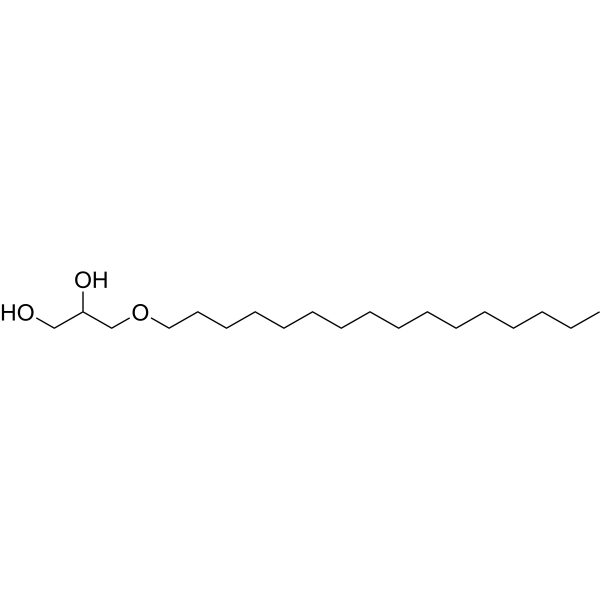
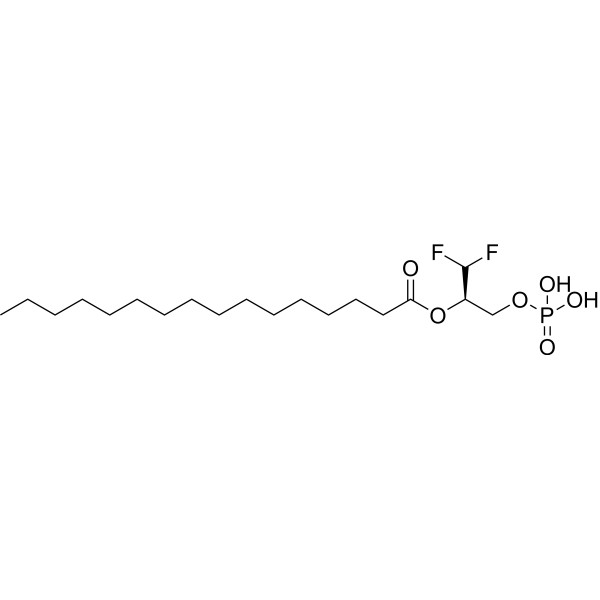
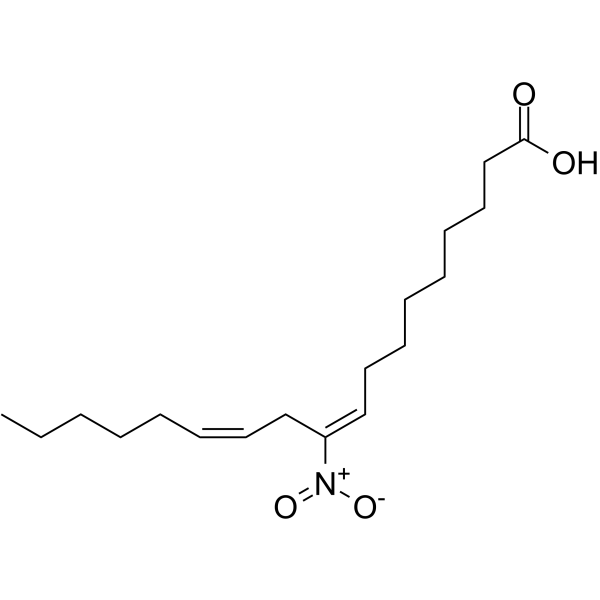
    1-O-Hexadecylglycerol can up-regulate PPAR-γ expression, inhibit pGE2, and exhibit anti-inflammatory properties . 1-O-Hexadecylglycerol is effective in oral administration .
    1-O-Hexadecylglycerol
  • HY-14792B
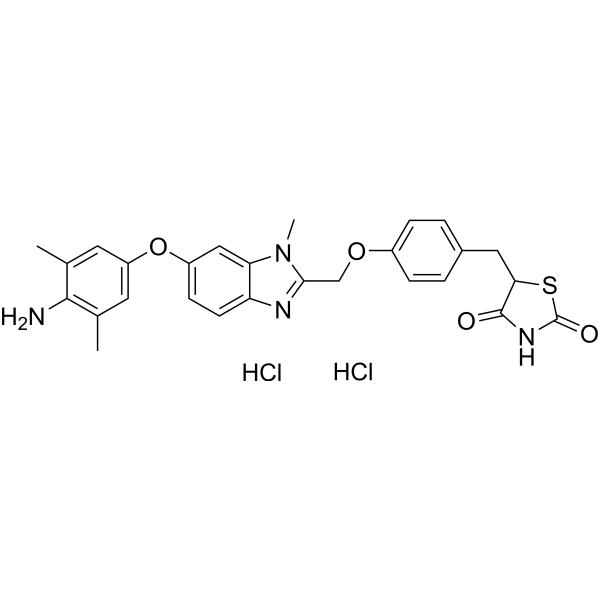
    Inolitazone dihydrochloride
    5 Publications Verification

    Efatutazone dihydrochloride; CS-7017 dihydrochloride; RS5444 dihydrochloride

    PPAR Cancer
    Inolitazone dihydrochloride (Efatutazone dihydrochloride) is a novel high-affinity PPARγ agonist that is dependent upon PPARγ for its biological activity with IC50 of 0.8 nM for growth inhibition.
    Inolitazone dihydrochloride
  • HY-156010

    PPAR Metabolic Disease
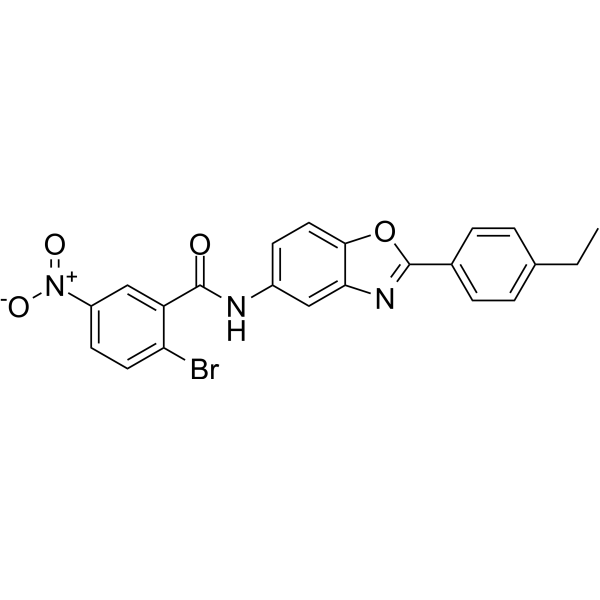
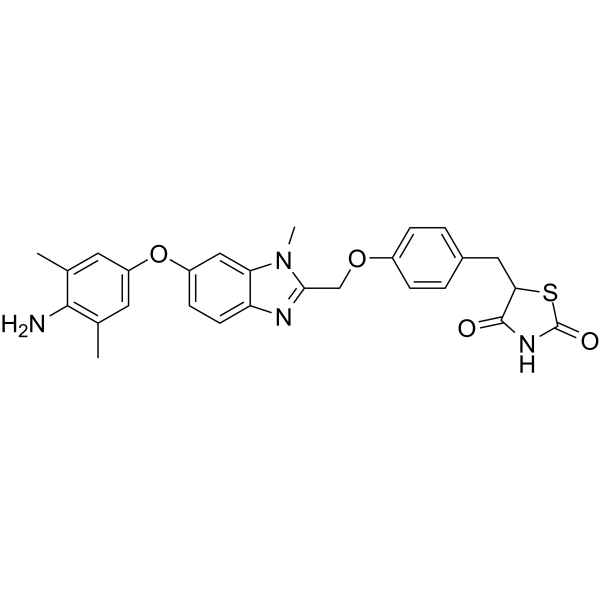
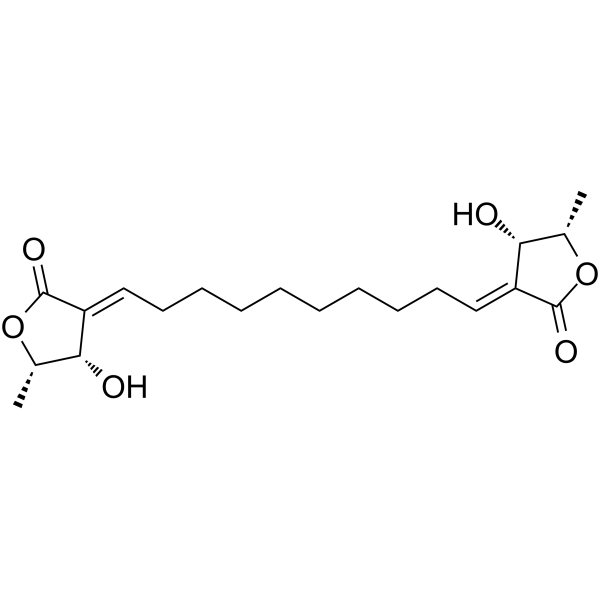
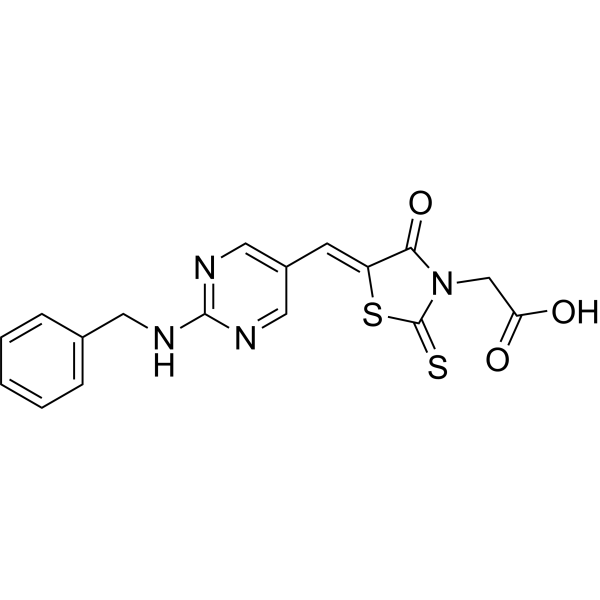
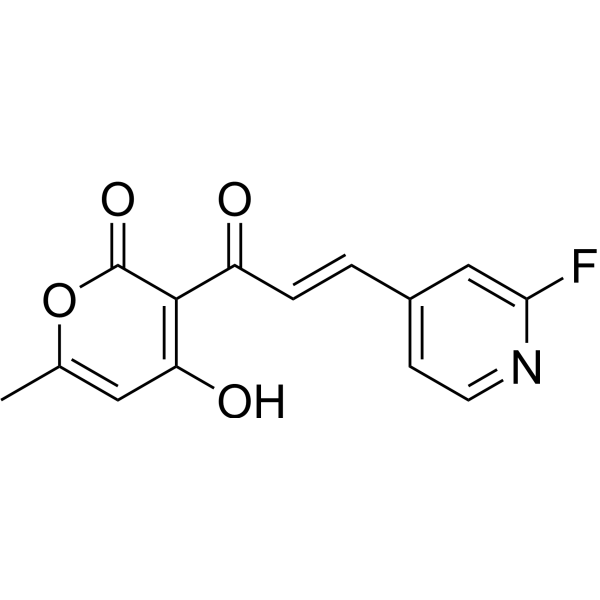
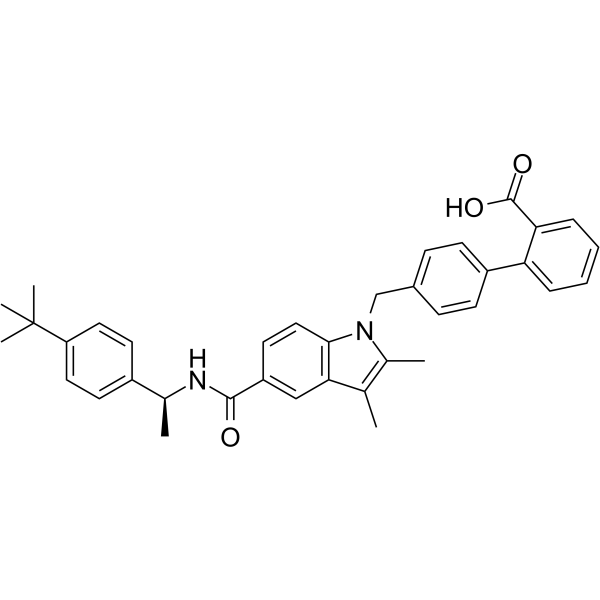
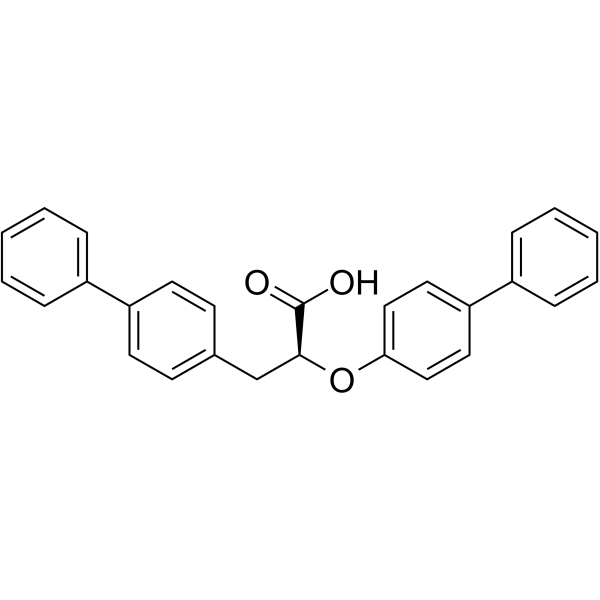
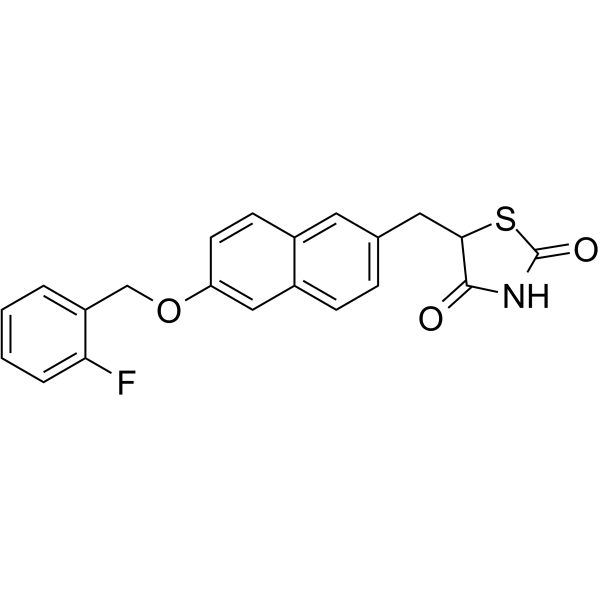
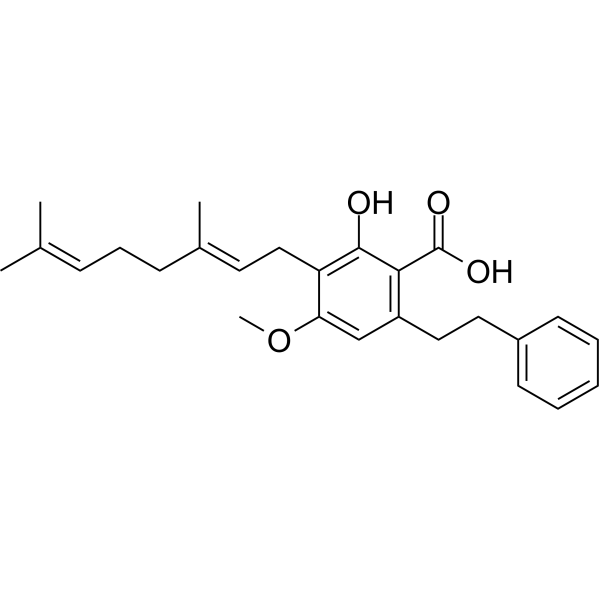
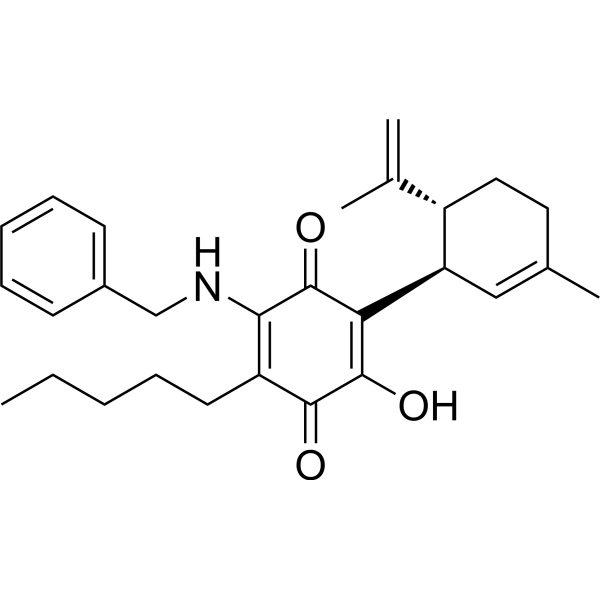
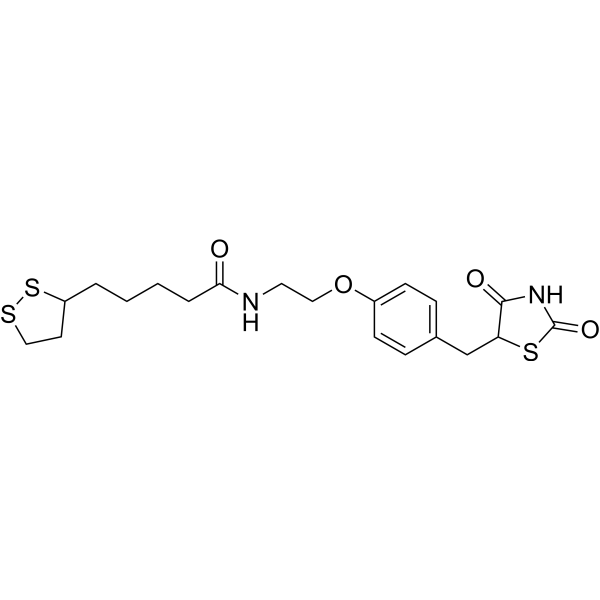
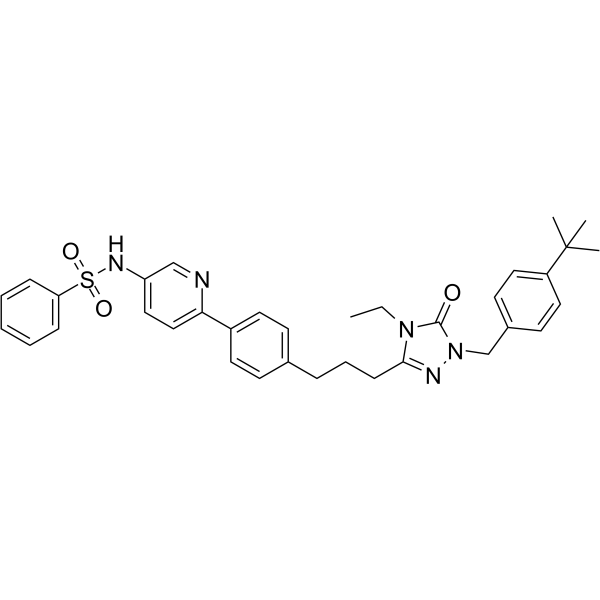
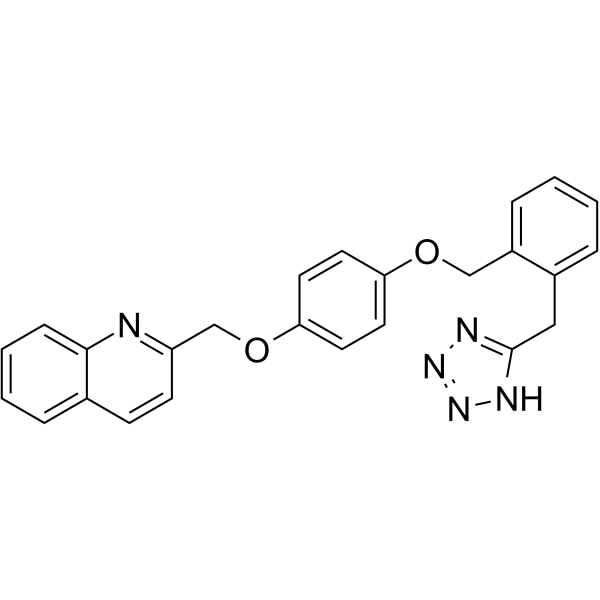
    PPARγ-IN-2 (Compound 5a) is a PPARγ inhibitor. PPARγ-IN-2 inhibits TG accumulation in 3T3-L1 preadipocytes (EC50: 0.106 μM). PPARγ-IN-2 inhibits high-cholesterol diet (HFC)-induced obesity and related metabolic syndrome, and reduces lipid accumulation in adipose tissue .
    PPARγ-IN-2
  • HY-14601R

    U 72107A (Standard); AD 4833 (Standard)

    Reference Standards PPAR Ferroptosis Metabolic Disease Cancer
    Pioglitazone (hydrochloride) (Standard) is the analytical standard of Pioglitazone (hydrochloride). This product is intended for research and analytical applications. Pioglitazone hydrochloride is a potent and selective PPARγ agonist with EC50s of 0.93 and 0.99 μM for human and mouse PPARγ, respectively.
    Pioglitazone hydrochloride (Standard)
  • HY-110118

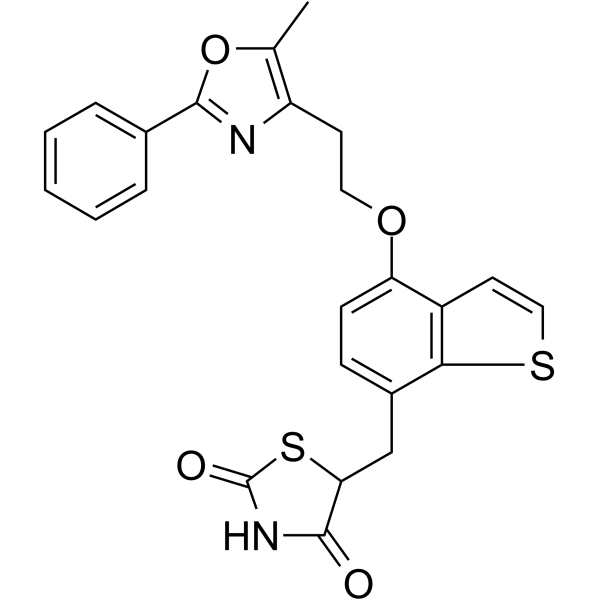
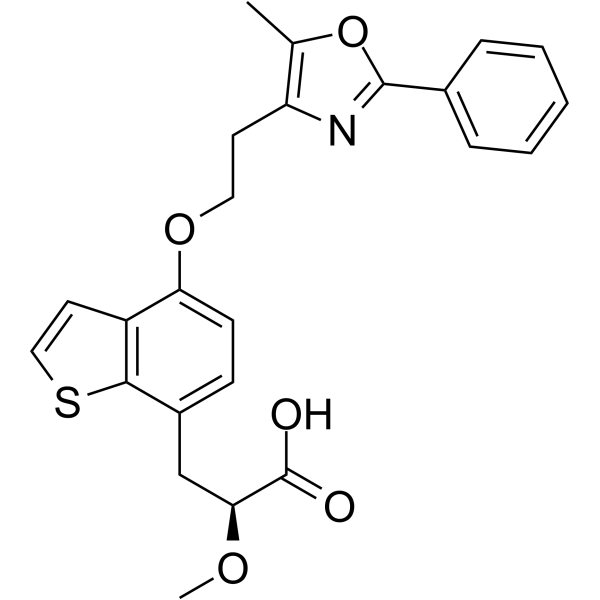
    PPAR Metabolic Disease
    Edaglitazone is a potent, selective and orally active PPARγ agonist, with EC50s of 35.6 nM and 1053 nM for PPARα and PPARγ, respectively. Edaglitazone displays antiplatelet, antidiabetic and anti-hyperglycemic activity .
    Edaglitazone
  • HY-14831
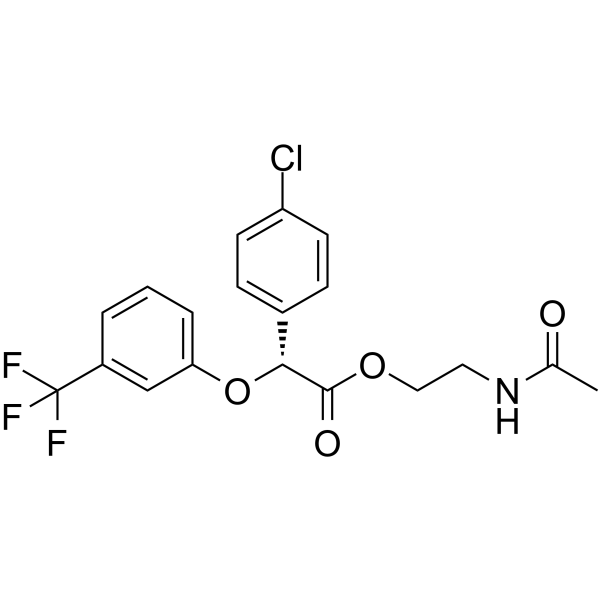
    Arhalofenate
    1 Publications Verification

    MBX 102; JNJ 39659100

    PPAR Metabolic Disease
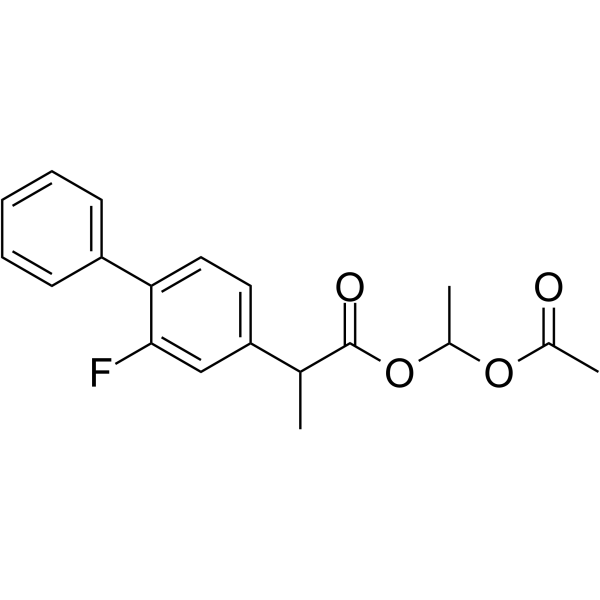
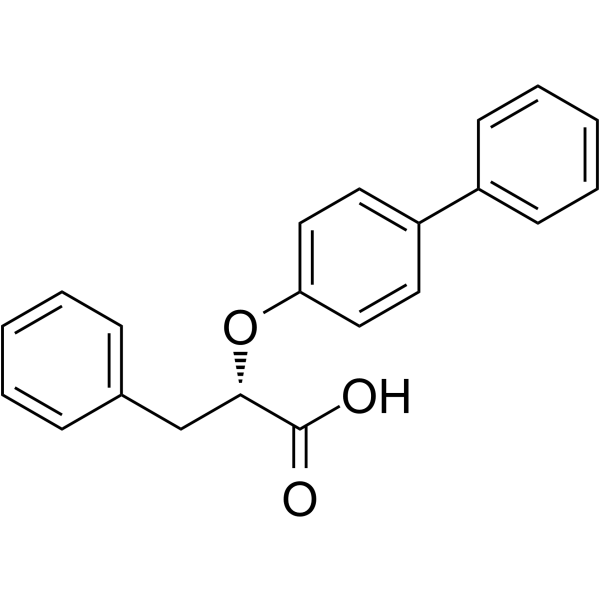
    Arhalofenate (MBX 102) is a selective partial agonist of peroxisome proliferator-activated receptor (PPAR)-γ, used for the treatment of type 2 diabetes.
    Arhalofenate
  • HY-150308

    PPAR Cancer
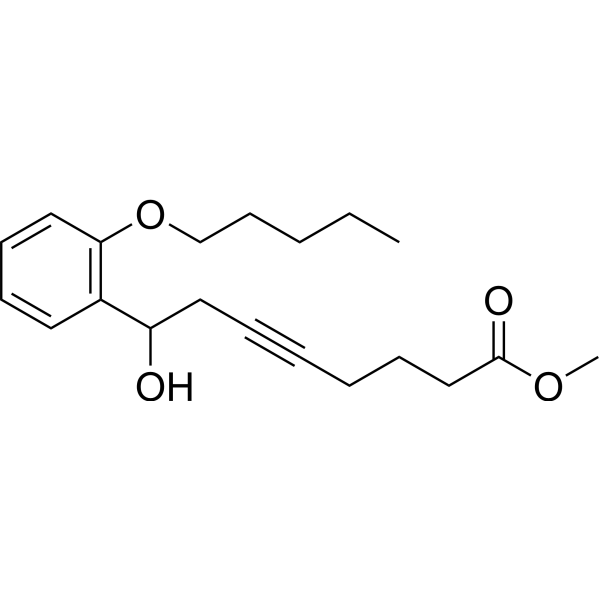
    SR10221, a noncovalent inverse agonist of PPARγ, represses downstream PPARγ target genes leading to growth inhibition in bladder cancer cell lines .
    SR10221
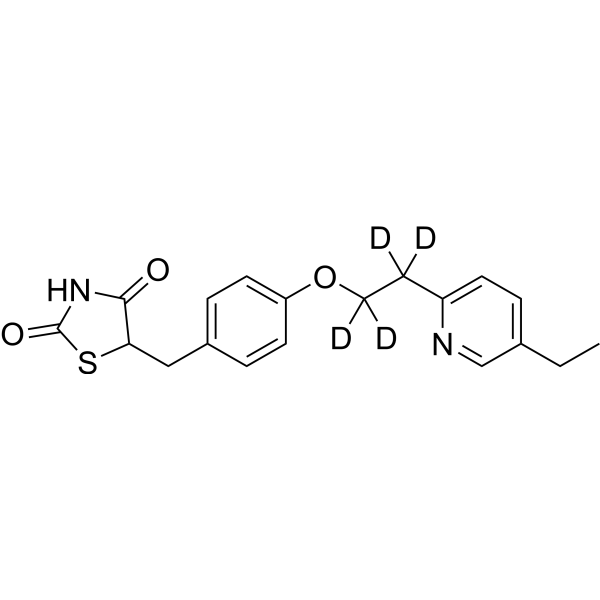
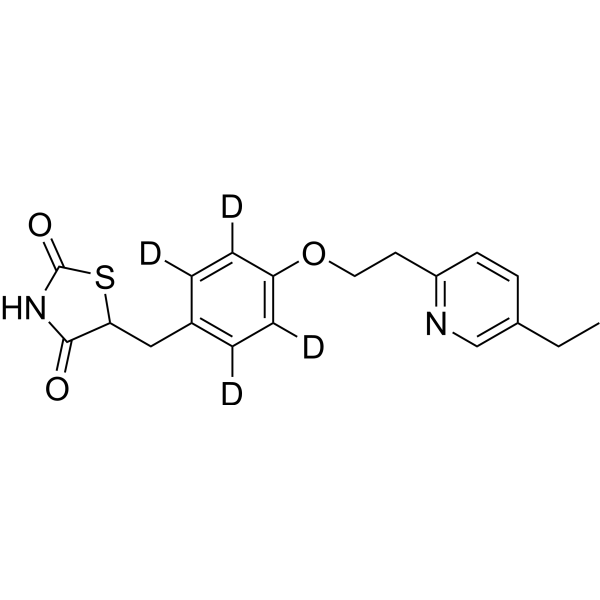
  • HY-13956S1

    Isotope-Labeled Compounds PPAR Ferroptosis Metabolic Disease Cancer
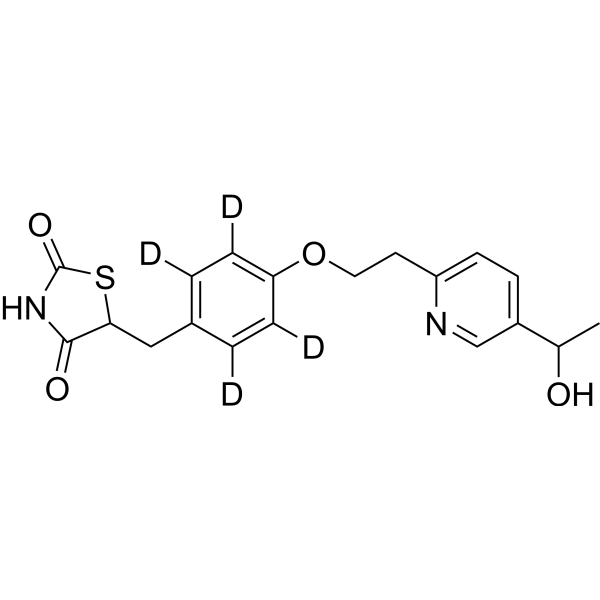
    Pioglitazone-d4 (alkyl) (U 72107-d4 (alkyl)) is the deuterium labeled Pioglitazone. Pioglitazone (U 72107) is a potent and selective PPARγ agonist with high affinity binding to the PPARγ ligand-binding domain with EC50 of 0.93 and 0.99 μM for human and mouse PPARγ, respectively .
    Pioglitazone-d4 (alkyl)
  • HY-146480

    PPAR Cancer
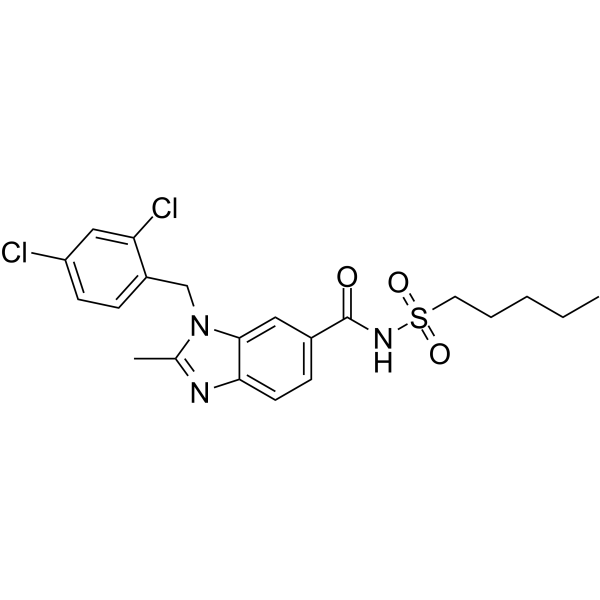
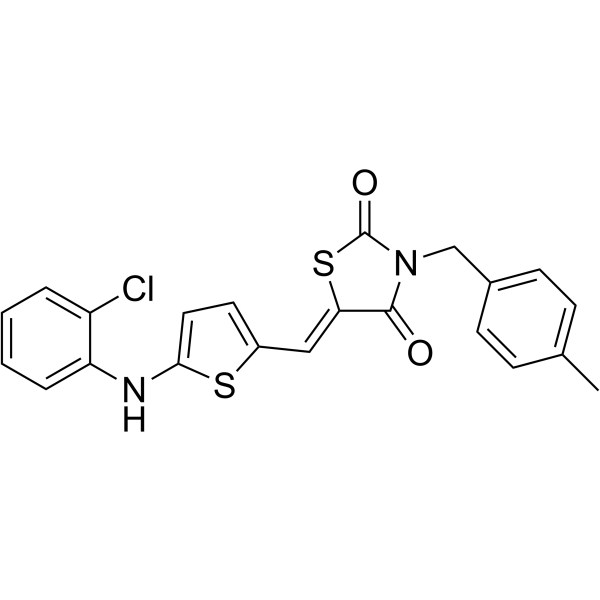
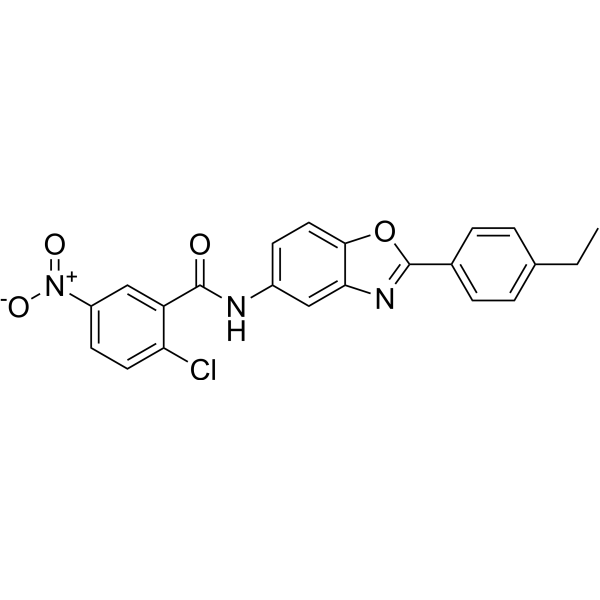
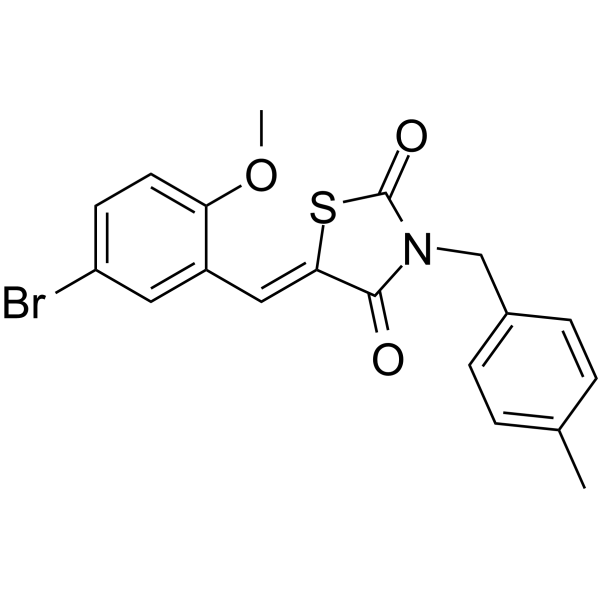
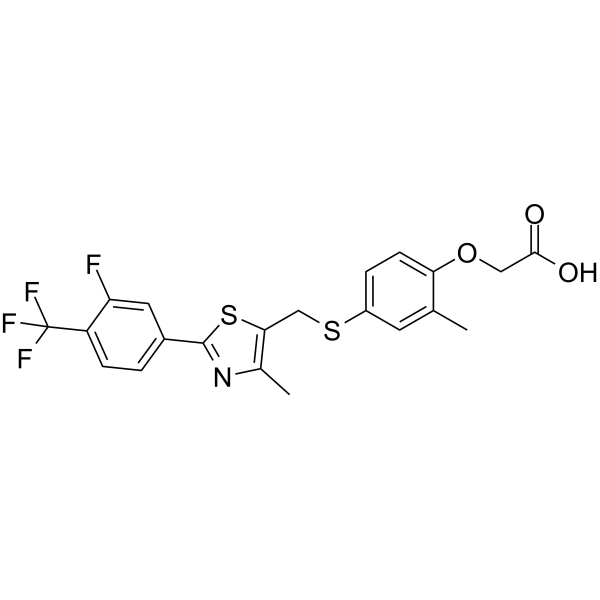
    PPARγ agonist 5 (Compound 1) is a potent and selective agonist of PPARγ. PPARγ agonist 5 has the potential for the research of cancer diseases .
    PPARγ agonist 5
  • HY-116468

    PPAR Metabolic Disease
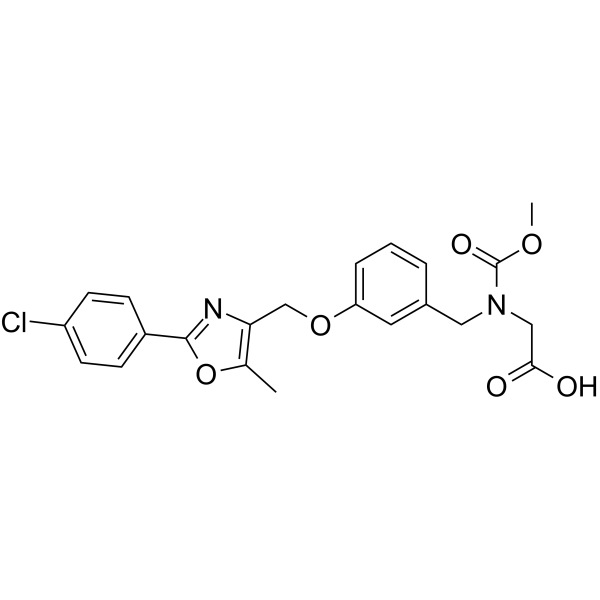
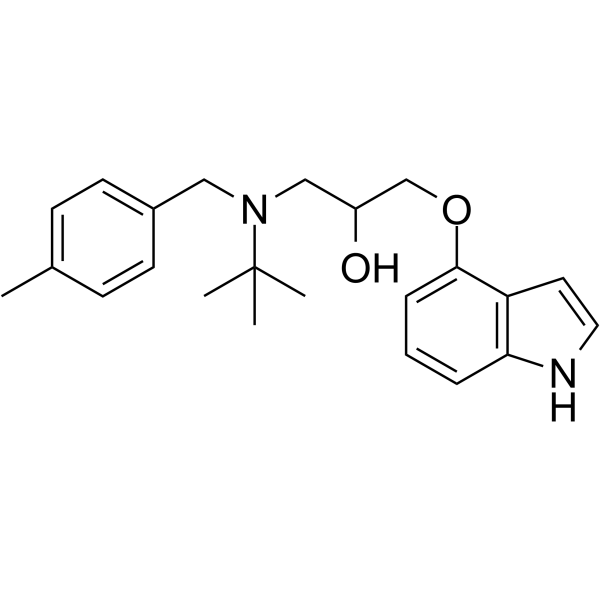
    PPARγ agonist 11 (compound 20) is a selective agonist of PPARγ (EC50: 0.1 μM) .
    PPARγ agonist 11
  • HY-159944

    PPAR Neurological Disease Metabolic Disease Inflammation/Immunology
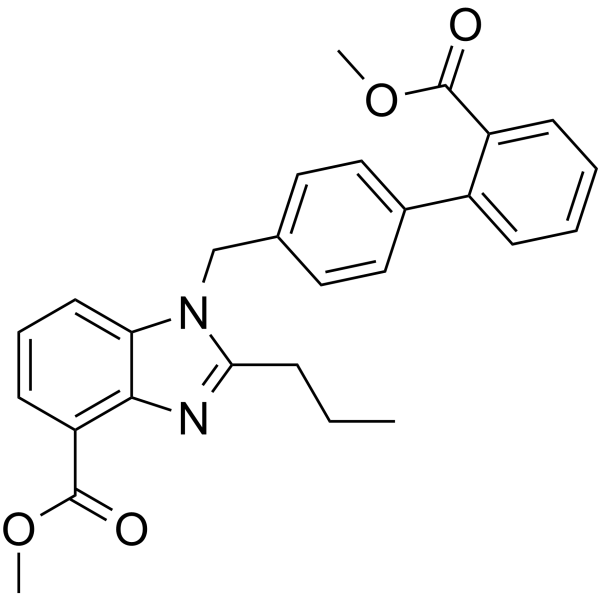
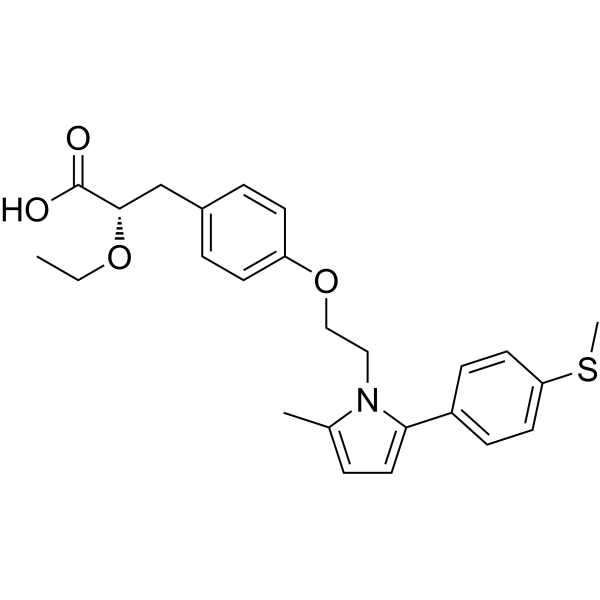
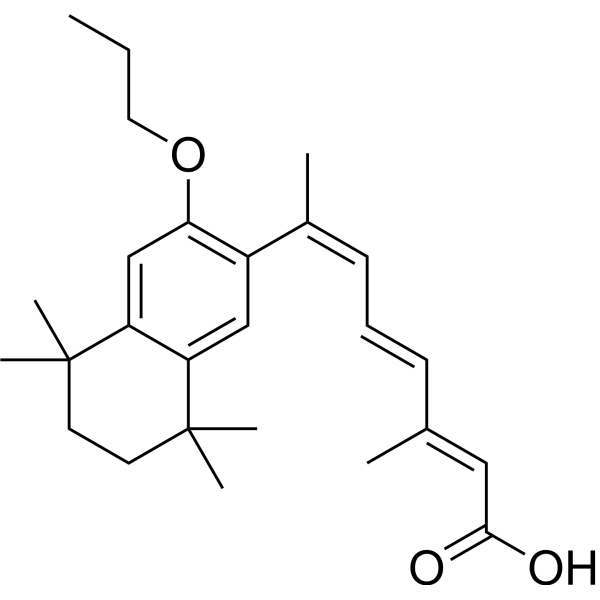
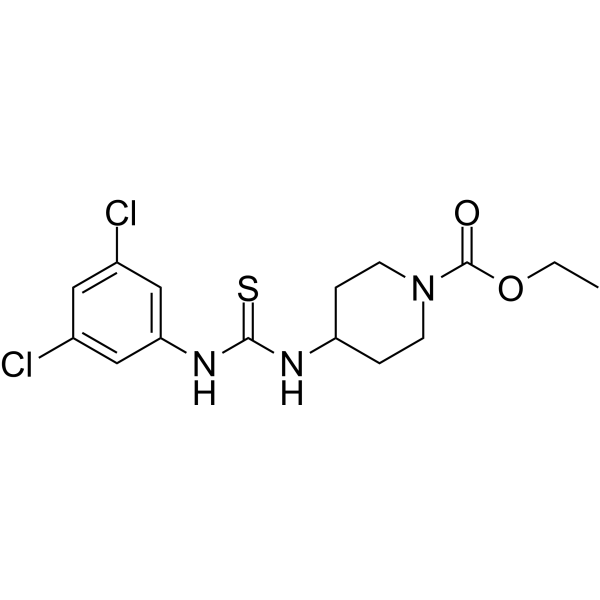
    PPARγ agonist 14 (compound 3) is a PPARy agonist (EC50=2.4 μM) with anti-diabetic activity. PPARγ agonist 14 can improve intracellular glucose uptake, promote insulin release, and lower blood sugar. In addition, PPARγ agonist 14 also improves mitochondrial function, reduces oxidative stress, and inhibits inflammatory factors. PPARγ agonist 14 can be used in the study of neurodegenerative diseases, neuroinflammatory diseases, and other diseases .
    PPARγ agonist 14
  • HY-N0604R

    Prosapogenin A2 (Standard); Sanchinoside B2 (Standard); Sanchinoside Rh1 (Standard)

    Interleukin Related Reference Standards PPAR TNF Receptor Endogenous Metabolite Inflammation/Immunology
    Ginsenoside Rh1 (Standard) is the analytical standard of Ginsenoside Rh1. This product is intended for research and analytical applications. Ginsenoside Rh1 (Prosapogenin A2) inhibits the expression of PPAR-γ, TNF-α, IL-6, and IL-1β.
    Ginsenoside Rh1 (Standard)
  • HY-N0222R

    Reference Standards COX NF-κB PPAR ERK GLUT Apoptosis Infection Neurological Disease Inflammation/Immunology Cancer
    Avicularin (Standard) is the analytical standard of Avicularin. This product is intended for research and analytical applications. Avicularin is an orally active flavonoid. Avicularin inhibits NF-κB (p65), COX-2 and PPAR-γ activities. Avicularin has anti-inflammatory, anti-infectious anti-allergic, anti-oxidant, hepatoprotective, and anti-tumor activities .
    Avicularin (Standard)
  • HY-N10047

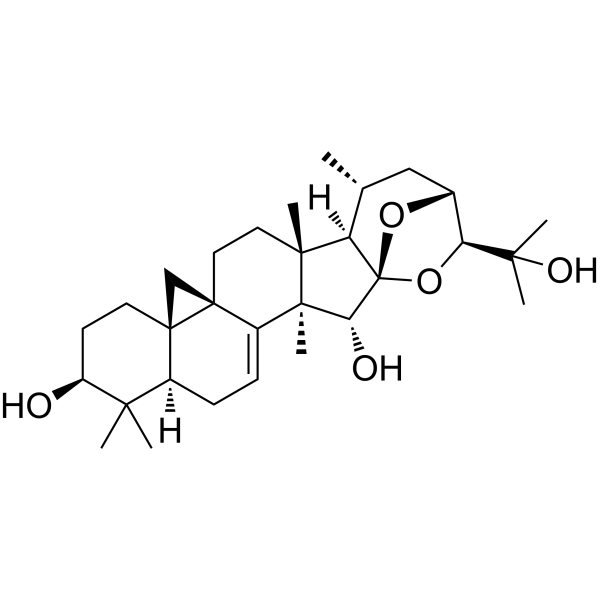
    NF-κB PPAR Cardiovascular Disease
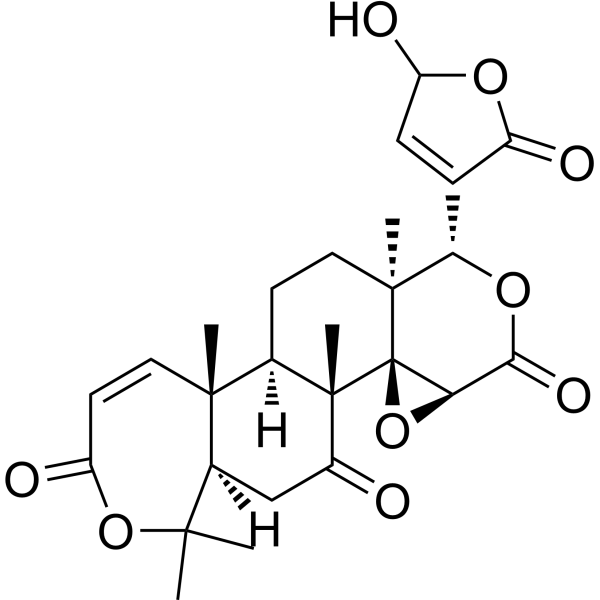
    7,8-Didehydrocimigenol is an active triterpenoid that can be isolated from Cimicifugae rhizoma. 7,8-Didehydrocimigenol inhibits TNF-α-induced VCAM-1 expression, inhibits NF-kB activity and phosphorylation of ERK1/2 and Akt, increases PPAR-γ expression. 7,8-Didehydrocimigenol can be used for the research of cardiovascular disorders such as atherosclerosis .
    7,8-Didehydrocimigenol
  • HY-14792

    Efatutazone; CS-7017; RS5444

    PPAR Cancer
    Inolitazone a novel high-affinity PPARγ agonist that is dependent upon PPARγ for its biological activity with IC50 of 0.8 nM for growth inhibition.
    Inolitazone
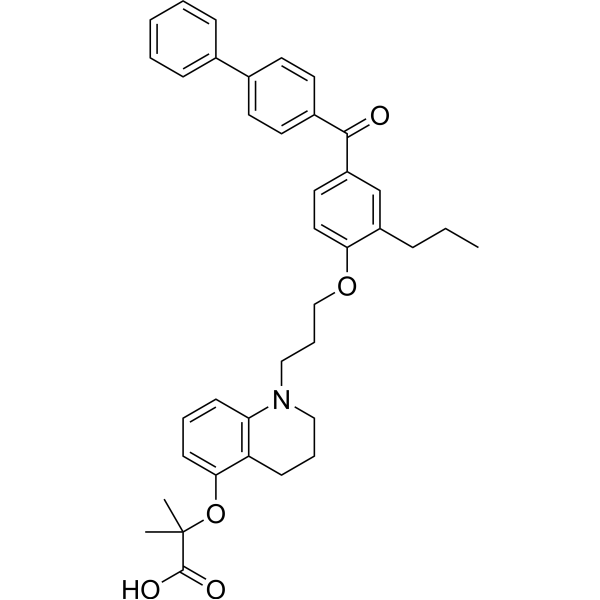
  • HY-101292

    PPAR Metabolic Disease
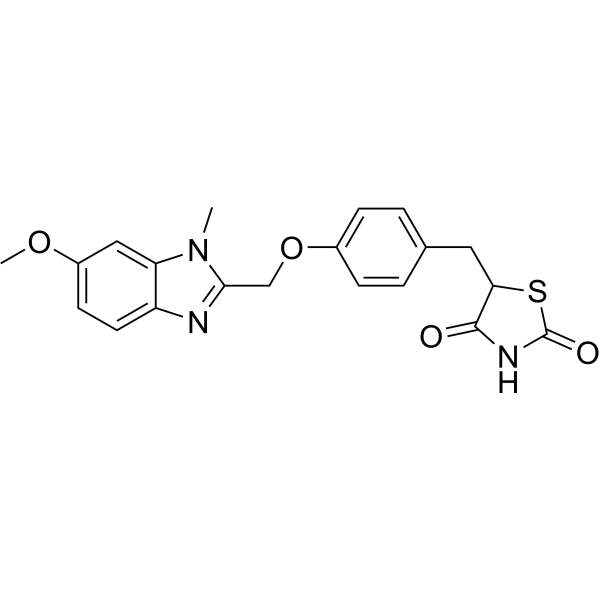
    FK614 is an orally active, non-thiazolidinedione (TZD) type, and selective PPARγ modulator (SPPARM). FK614 functions as a PPARγ agonist with potent anti-diabetic activity in vivo. FK614 has different effects on the activation of PPARγ at each stage of adipocyte differentiation. FK614 can be used for the research of hyperglycemia, hypertriglyceridemia, glucose intolerance and type 2 diabetes .
    FK614
  • HY-178447

    PPAR Glutathione Peroxidase SOD TNF Receptor Interleukin Related NF-κB Infection Metabolic Disease Endocrinology
    PPARγ agonist 20 is a potent, orally active PPAR-γ agonist. PPARγ agonist 20 effectively increases antioxidant defenses (SOD, GSH) and reduces lipid peroxidation. PPARγ agonist 20 can upregulate of Pparg, Glut4, and AdipoQ, suppresses of TNF-α, IL-6, and NF-κB p65. PPARγ agonist 20 significantly lowers fasting blood glucose, improving glucose tolerance, and restoring metabolic balance in Streptozotocin (HY-13753)-Nicotinamide (HY-B0150)-induced diabetic rats. PPARγ agonist 20 can be used for the study of type 2 diabetes .
    PPARγ agonist 20
  • HY-146482

    PPAR Cancer
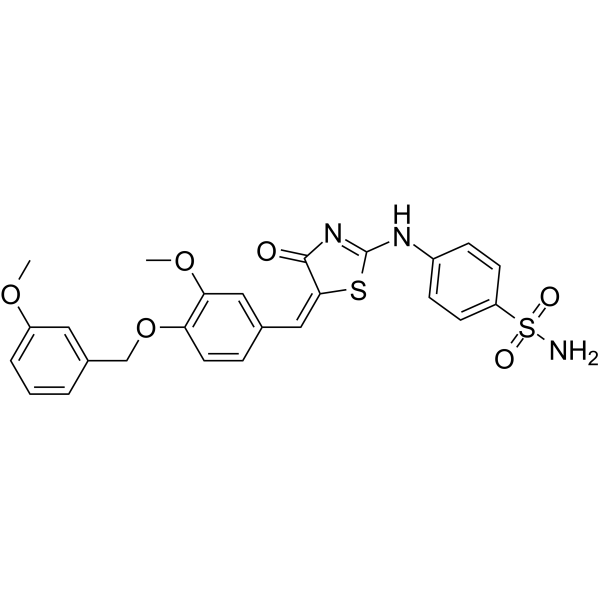
    PPARγ agonist 6 (Compound 12) is a potent and selective agonist of PPARγ. PPARγ agonist 6 has the potential for the research of cancer diseases .
    PPARγ agonist 6
  • HY-162320

    PPAR Metabolic Disease
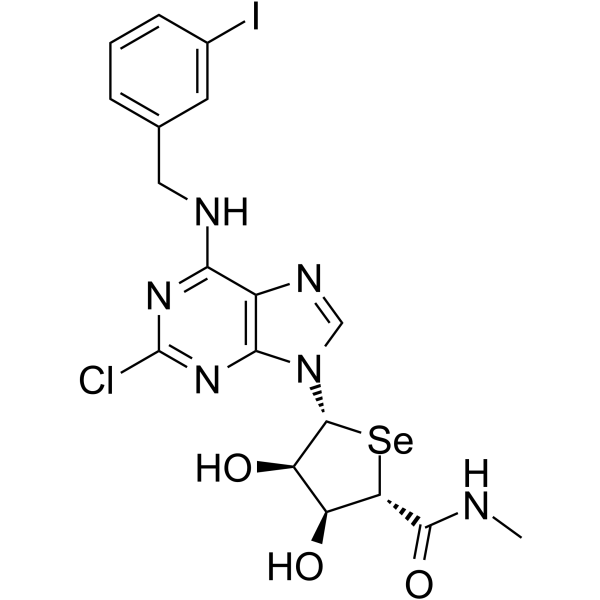
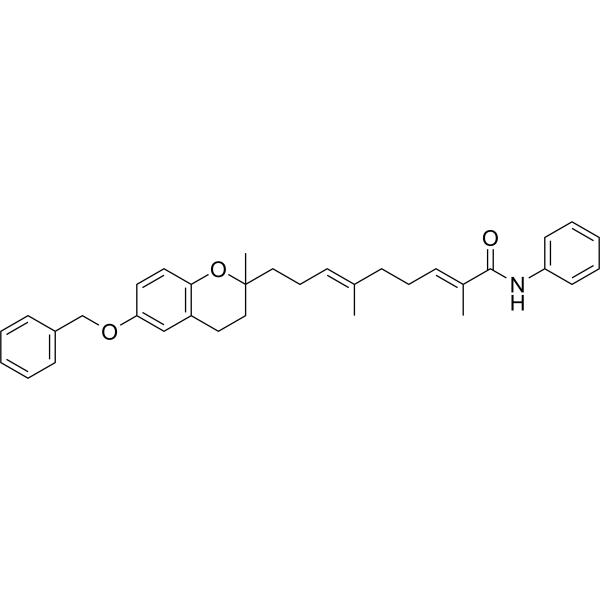
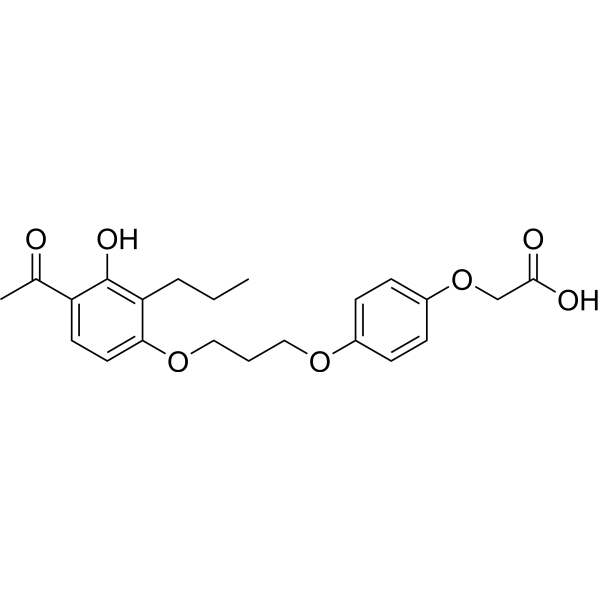
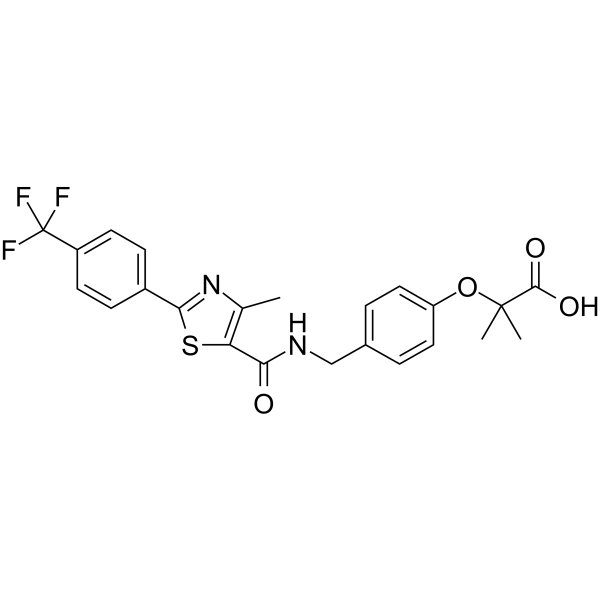
    PPARγ agonist 12 (compound 9i) is a potent and selective PPARγ agonist with EC50s of 3.98 and 15.42 μM against PPARγ and PPARδ, respectively. PPARγ agonist 12 improves insulin secretion and has anti-diabetic effect .
    PPARγ agonist 12
  • HY-N0246R

    Reference Standards LXR Bacterial Metabolic Disease Inflammation/Immunology
    Saikosaponin A (Standard) is the analytical standard of Saikosaponin A. This product is intended for research and analytical applications. Saikosaponin A is the main active ingredient in Bupleurum chinense, which can regulate lipid metabolism and promote cholesterol efflux in early atherosclerosis. In addition, Saikosaponin A may also act as a potential peroxisome proliferator-activated receptor-γ (PPAR-γ) agonist, significantly promoting the expression of PPAR-γ. Saikosaponin A can be used in the study of hyperlipidemic pancreatitis .
    Saikosaponin A (Standard)
  • HY-147757

    PPAR Metabolic Disease
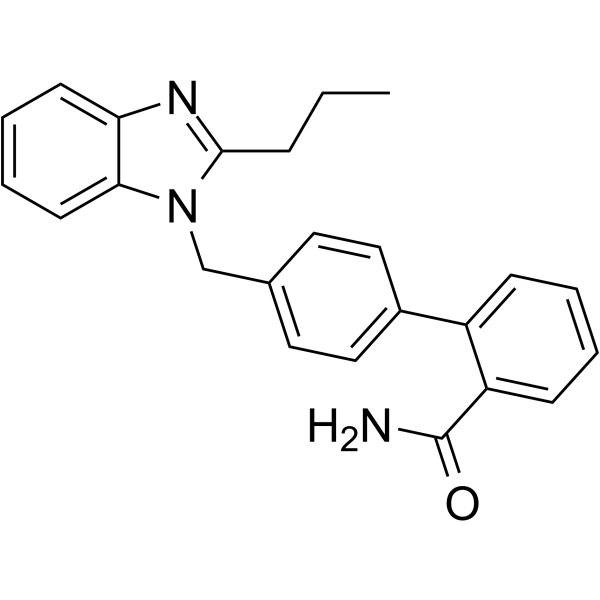
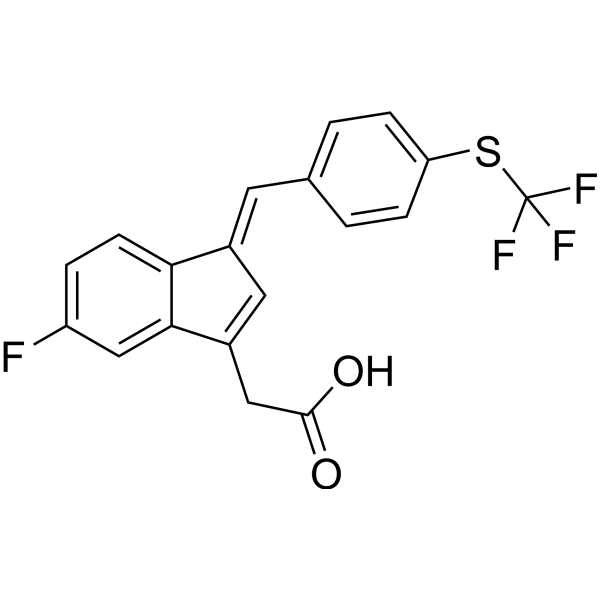
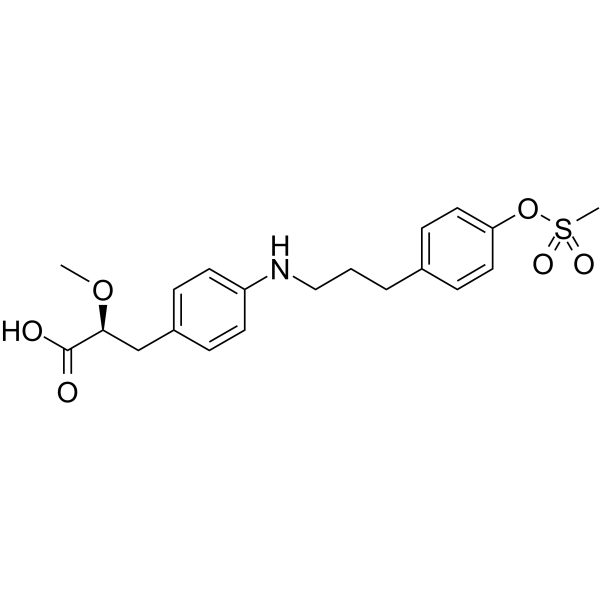
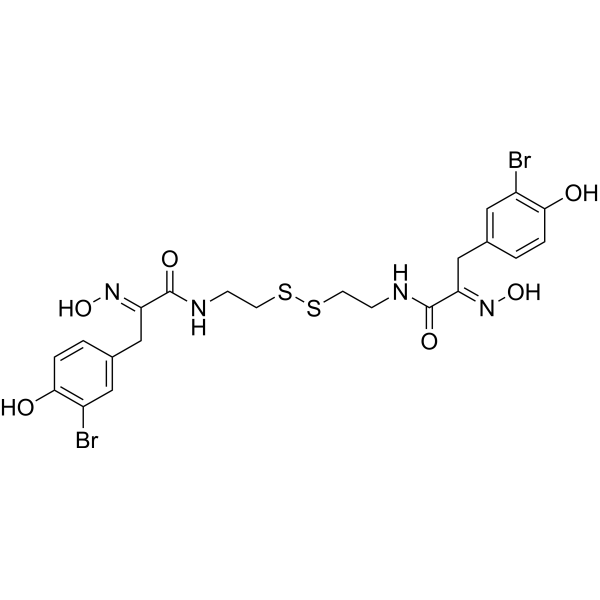
    PPARγ/δ modulator 1 (compound 3e) is a potent PPAR modulator. PPARγ/δ modulator 1 is a PPARδ antagonist and a PPARγ partial agonist , with Ki values of 14.4 nM and 5.31 μM, respectively. PPARγ/δ modulator 1 has the EC50 of 7.3 and 12.6 μM for PPARδ corepression and adiponectin production, respectively .
    PPARγ/δ modulator 1
  • HY-B0205R

    CV 11974 (Standard)

    Reference Standards Angiotensin Receptor PPAR Cardiovascular Disease Endocrinology Cancer
    Candesartan (Standard) is the analytical standard of Candesartan. This product is intended for research and analytical applications. Candesartan (CV 11974) is an orally active angiotensin II AT1-Receptor blocker and PPAR-γ agonist. Candesartan has potent and long-lasting antihypertensive effects. Candesartan can be used for the research of hypertension, chronic heart failure (CHF) and Traumatic brain injury (TBI) .
    Candesartan (Standard)
  • HY-B0205S

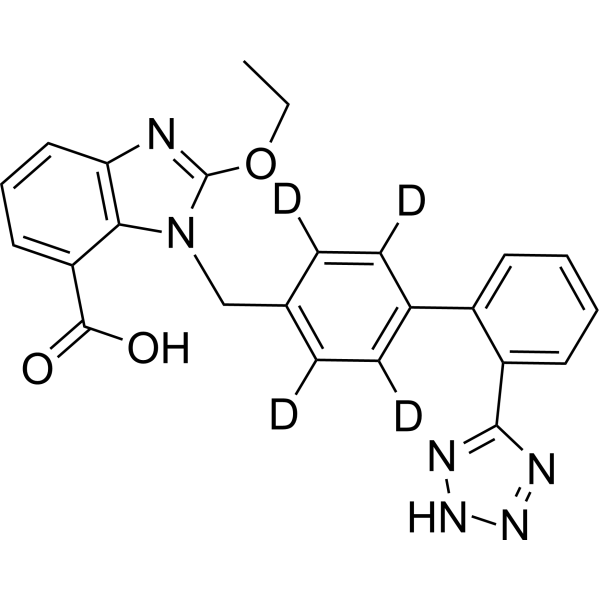
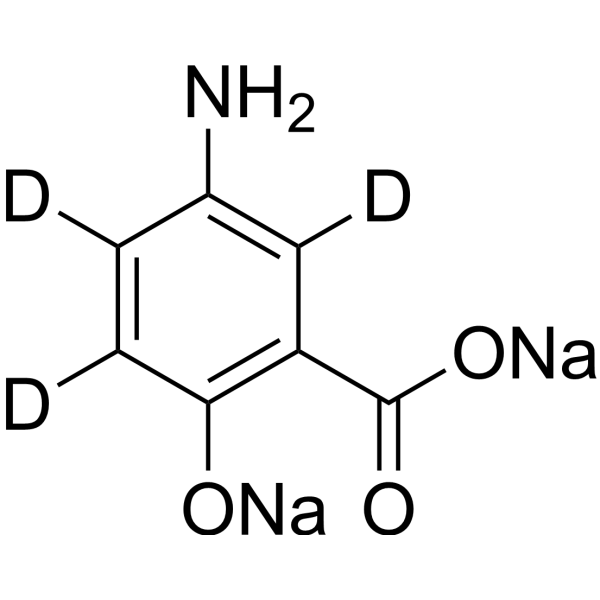
    CV-11974-d4

    Angiotensin Receptor Others
    Candesartan-d4 (CV-11974-d4) is the deuterium labeled Candesartan (HY-B0205). Candesartan (CV 11974) is an orally active angiotensin II AT1-Receptor blocker and PPAR-γ agonist. Candesartan has potent and long-lasting antihypertensive effects. Candesartan can be used for the research of hypertension, chronic heart failure (CHF) and Traumatic brain injury (TBI).
    Candesartan-d4
  • HY-13956B

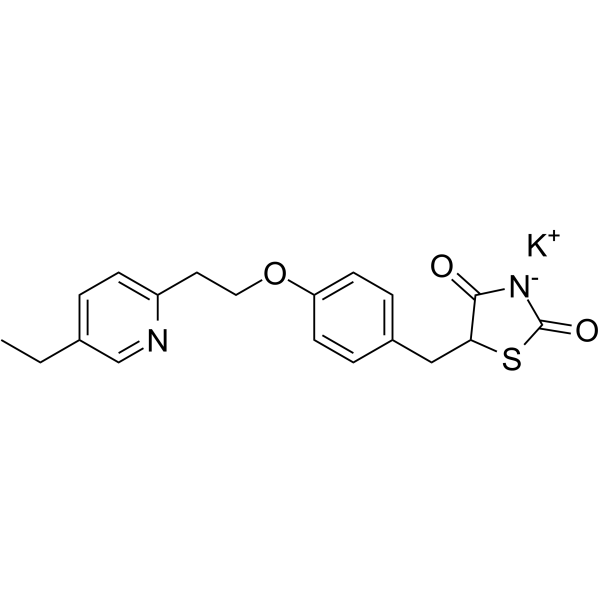
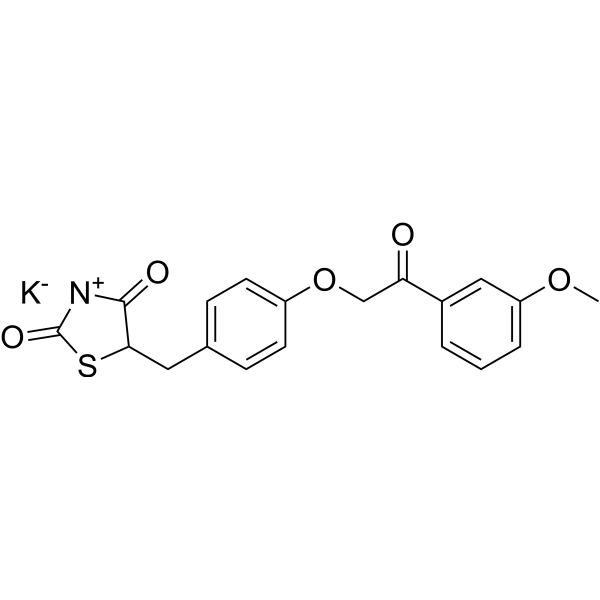
    U 72107 potassium

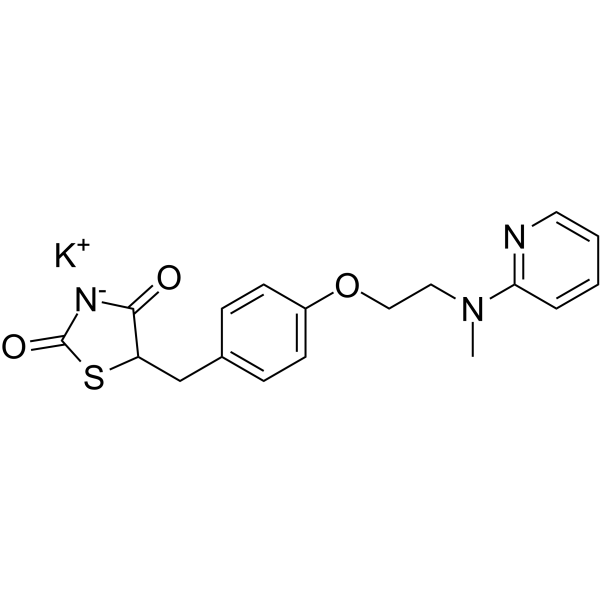
    PPAR Ferroptosis Metabolic Disease Cancer
    Pioglitazone (U 72107) potassium is an orally active and selective PPARγ (peroxisome proliferator-activated receptor) agonist with high affinity binding to the PPARγ ligand-binding domain with EC50 of 0.93 μM and 0.99 μM for human and mouse PPARγ, respectively. Pioglitazone potassium can be used in diabetes research .
    Pioglitazone potassium
  • HY-50935S

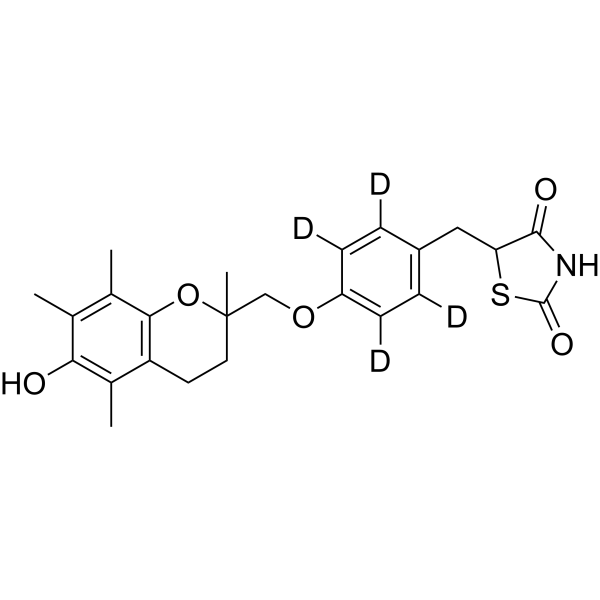
    CS-045-d4

    Isotope-Labeled Compounds PPAR Autophagy Apoptosis Ferroptosis Cancer
    Troglitazone-d4 is deuterium labeled Troglitazone. Troglitazone is a PPARγ agonist, with EC50s of 550 nM and 780 nM for human and murine PPARγ receptor, respectively.
    Troglitazone-d4
  • HY-121448

    PPAR Cardiovascular Disease Metabolic Disease
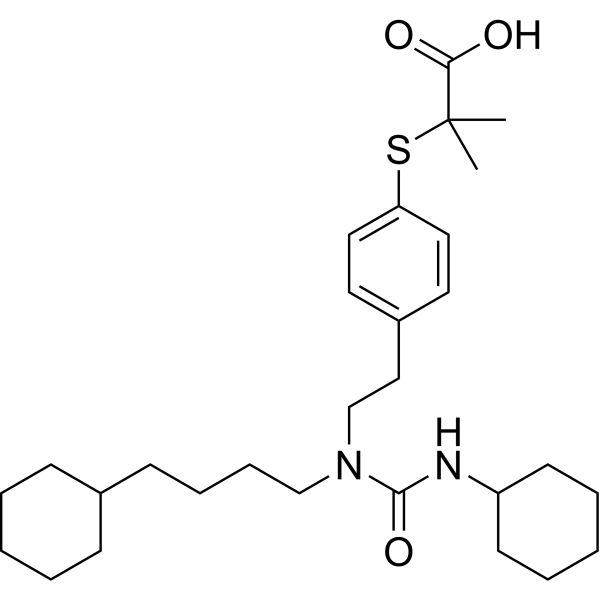
    GW409544 is a potent PPARα and PPARγ activator, with EC50 values of 2.3 nM and 0.28 nM for PPARα and PPARγ, respectively. GW409544 can be used for the research of metabolic and cardiovascular diseases .
    GW409544
  • HY-13956R

    U 72107 (Standard)

    Reference Standards PPAR Ferroptosis Metabolic Disease Cancer
    Pioglitazone (Standard) is the analytical standard of Pioglitazone. This product is intended for research and analytical applications. Pioglitazone (U 72107) is an orally active and selective PPARγ (peroxisome proliferator-activated receptor) agonist with high affinity binding to the PPARγ ligand-binding domain with EC50 of 0.93 and 0.99 μM for human and mouse PPARγ, respectively. Pioglitazone can be used in diabetes research .
    Pioglitazone (Standard)

オンラインお問い合わせ

入力情報は安全に管理されます. 必須入力項目.

タイトル


国或いは地域 *

お名前 *


組纖名 *

デパートメント *


メールアドレス *


製品名 *

製品番号


カスタマ需要量 *

電話番号 *


必ず会社名を記載ください。個人への返信は行いません。

備考

バルクお問い合わせ

Inquiry Information

製品名:
製品番号:
数量:
MCE 日本正規代理店: