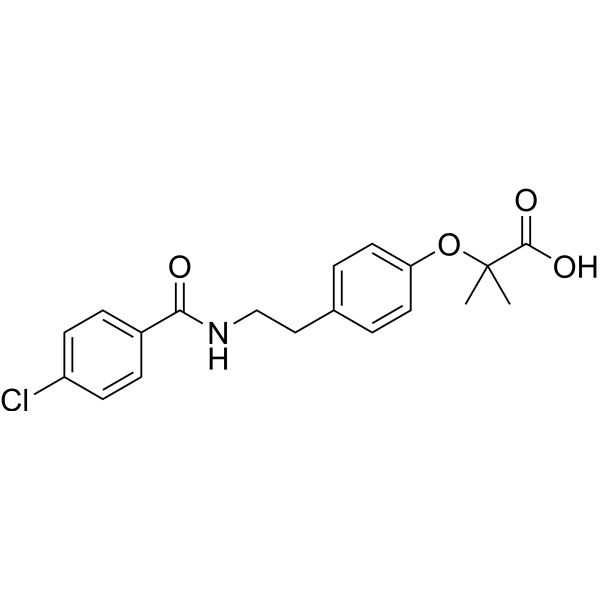
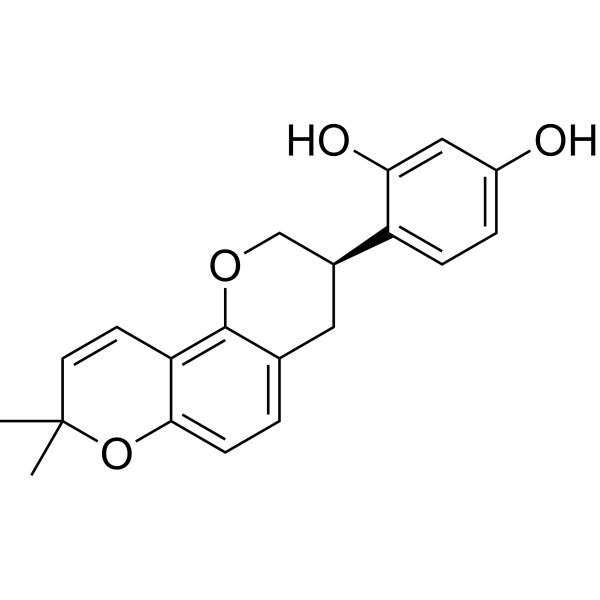
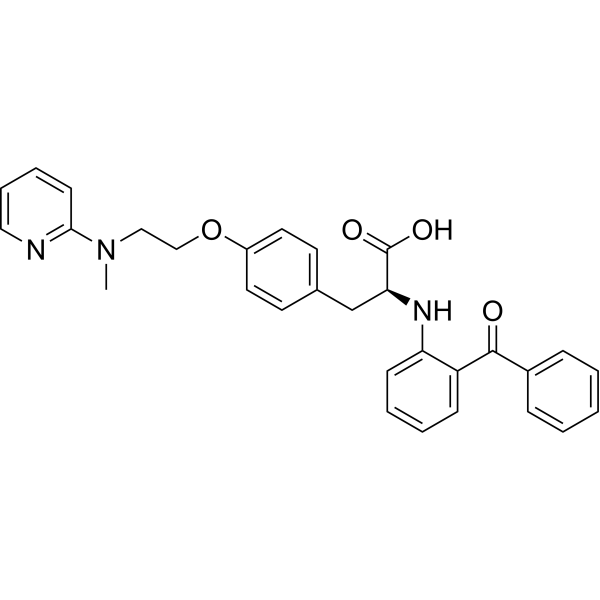
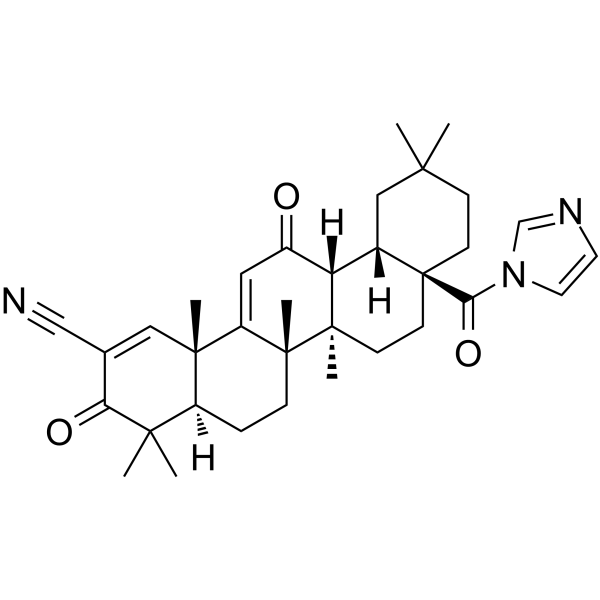
1. Search Result
Search Result
Isoforms Recommended: PPARγ
Results for "

PPARγ

" in MedChemExpress (MCE) Product Catalog:

431

阻害剤およびアゴニスト

2

生化学アッセイ試薬

3

ペプチド

98

天然物

44

同位体標識化合物

1

抗体

1

クリックケミストリー

5

オリゴヌクレオチド

Targets Recommended:
製品番号 製品名 Target 研究分野 構造式
  • HY-17386
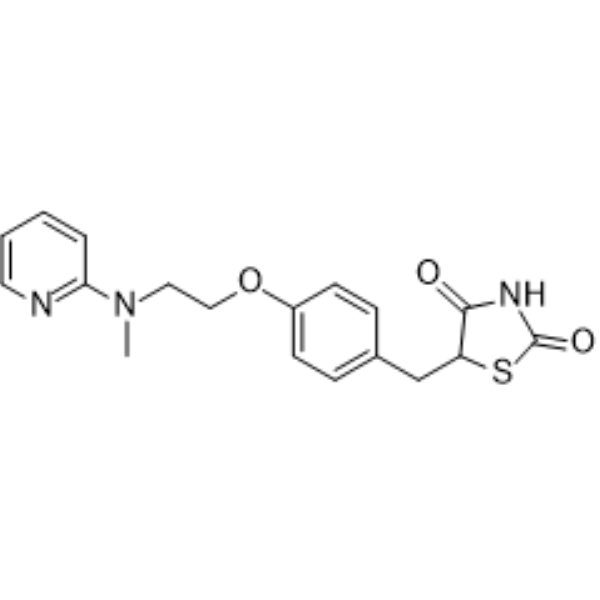
    Rosiglitazone
    170+ Cited Publications

    BRL 49653

    PPAR TRP Channel Autophagy Ferroptosis Apoptosis Neurological Disease Metabolic Disease Inflammation/Immunology Cancer
    Rosiglitazone (BRL 49653) is an orally active selective PPARγ agonist (EC50: 60 nM, Kd: 40 nM), with blood-brain barrier permeability. Rosiglitazone is an TRPC5 activator (EC50: 30 μM) and TRPM3 inhibitor. Rosiglitazone can be used in the research of obesity and diabetes, senescence, ovarian cancer .
    Rosiglitazone
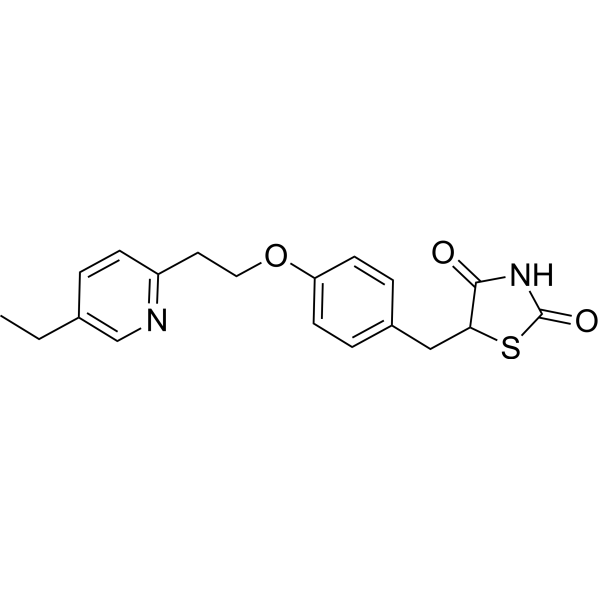
  • HY-13956
    Pioglitazone
    45+ Cited Publications

    U 72107

    PPAR Ferroptosis Metabolic Disease Cancer
    Pioglitazone (U 72107) is an orally active and selective PPARγ (peroxisome proliferator-activated receptor) agonist with high affinity binding to the PPARγ ligand-binding domain with EC50 of 0.93 and 0.99 μM for human and mouse PPARγ, respectively. Pioglitazone can be used in diabetes research .
    Pioglitazone
  • HY-50935
    Troglitazone
    30+ Cited Publications

    CS-045

    PPAR Autophagy Apoptosis Ferroptosis Metabolic Disease Cancer
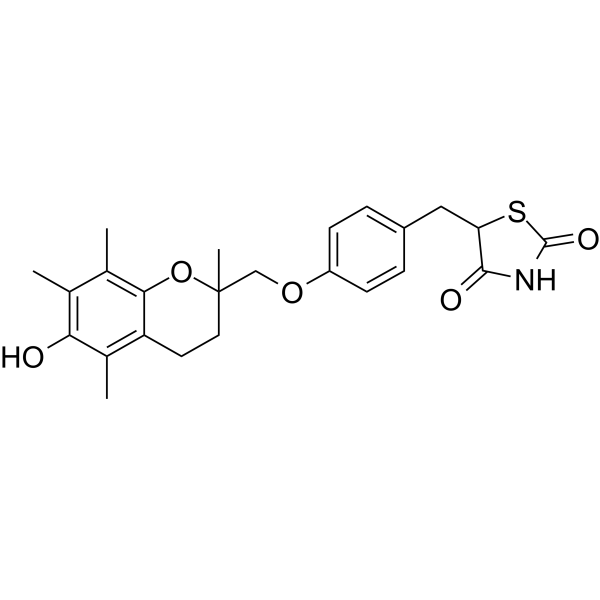
    Troglitazone is an orally active PPARγ agonist, with EC50s of 550 nM and 780 nM for human and murine PPARγ receptor, respectively. Troglitazone has anticancer activity, prevents and inhibits the development of type 2 diabetes.
    Troglitazone
  • HY-N0292
    Oleuropein
    5+ Cited Publications

    Cytochrome P450 PPAR Apoptosis Cardiovascular Disease Inflammation/Immunology Cancer
    Oleuropein, found in olive leaves and oil, exerts antioxidant, anti-inflammatory and anti-atherogenic effects through direct inhibition of PPARγ transcriptional activity . Oleuropein induces apoptosis in breast cancer cells via the p53-dependent pathway and through the regulation of Bax and Bcl2 genes. Oleuropein also inhibits aromatase .
    Oleuropein
  • HY-15655
    GW1929
    10+ Cited Publications

    PPAR Neurological Disease Metabolic Disease
    GW 1929 is an orally active peroxisome proliferator-activated receptor-γ (PPARγ) agonist with a pKi of 8.84 for human PPAR-γ, and pEC50s of 8.56 and 8.27 for human PPAR-γ and murine PPAR-γ, respectively. GW 1929 (hydrochloride) has antidiabetic efficacy and neuroprotective potential .
    GW1929
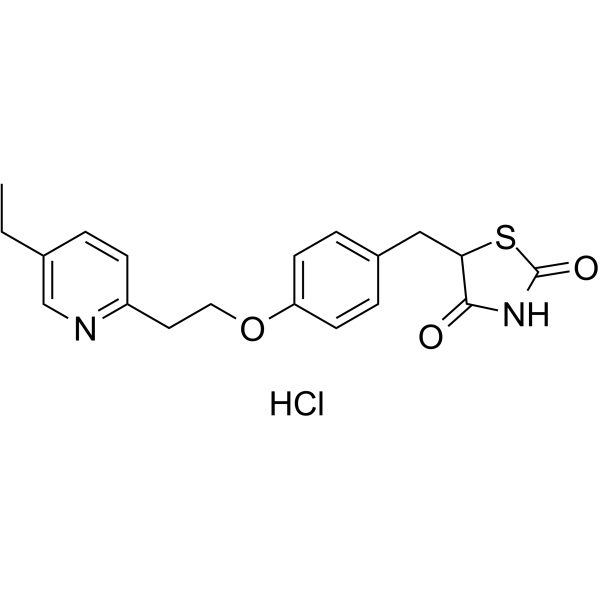
  • HY-14601
    Pioglitazone hydrochloride
    45+ Cited Publications

    U 72107A; AD 4833

    PPAR Ferroptosis Metabolic Disease Cancer
    Pioglitazone hydrochloride is a potent and selective PPARγ agonist with EC50s of 0.93 and 0.99 μM for human and mouse PPARγ, respectively.
    Pioglitazone hydrochloride
  • HY-13202
    T0070907
    40+ Cited Publications

    PPAR Cancer
    T0070907 is a potent PPARγ antagonist with a Ki of 1 nM.
    T0070907
  • HY-14600
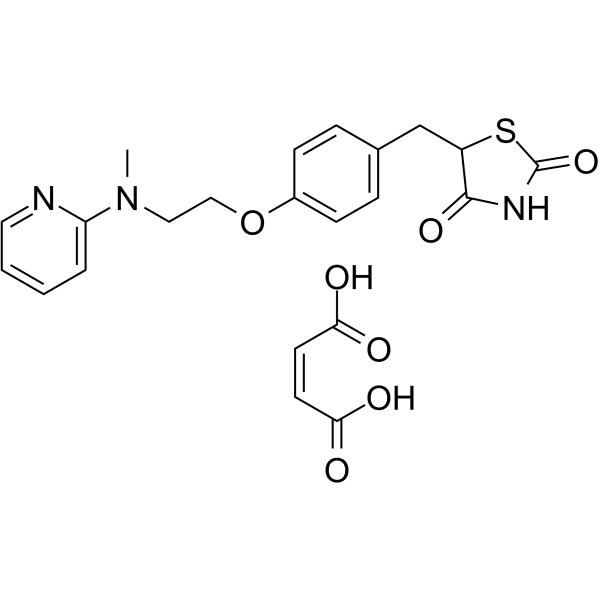
    Rosiglitazone maleate
    170+ Cited Publications

    BRL 49653C

    PPAR TRP Channel Autophagy Ferroptosis Metabolic Disease Inflammation/Immunology Cancer
    Rosiglitazone maleate (BRL 49653C) is a potent and selective activator of PPARγ, with EC50s of 30 nM, 100 nM and 60 nM for PPARγ1, PPARγ2, and PPARγ, respectively, and a Kd of appr 40 nM for PPARγ; Rosiglitazone maleate is also an modulator of TRP channels, inhibits TRP melastatin 2 (TRPM2), TRPM3 and activates TRP canonical 5 (TRPC5).
    Rosiglitazone maleate
  • HY-17386A
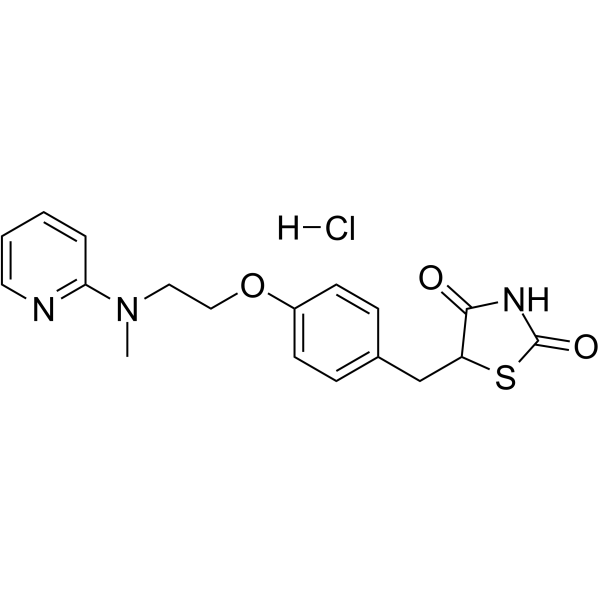
    Rosiglitazone hydrochloride
    170+ Cited Publications

    BRL 49653 hydrochloride

    PPAR TRP Channel Autophagy Ferroptosis Apoptosis Neurological Disease Metabolic Disease Inflammation/Immunology Cancer
    Rosiglitazone (BRL 49653) hydrochloride is an orally active selective PPARγ agonist (EC50: 60 nM, Kd: 40 nM). Rosiglitazone hydrochloride is a TRPC5 activator (EC50: 30 μM) and TRPM3 inhibitor. Rosiglitazone hydrochloride can be used in the research of obesity and diabetes, senescence, ovarian cancer .
    Rosiglitazone hydrochloride
  • HY-N2025
    Oroxin A
    4 Publications Verification

    PPAR Glycosidase Metabolic Disease
    Oroxin A is the major component of an ethanol-water Oroxylum indicum (L.) Kurz (Bignoniaceae) seed extract (OISE). Oroxin A acts as a partial PPARγ agonist that can activate PPARγ transcriptional activation. Oroxin A activates PPARγ by docking into the PPARγ protein ligand-binding domain. Oroxin A also exhibits an inhibitory activity against α-glucosidase and an antioxidant capacity . Oroxin A exerts anti-breast cancer effects by inducing ER stress-mediated senescence .
    Oroxin A
  • HY-B0287
    Clofibrate
    4 Publications Verification

    PPAR Metabolic Disease
    Clofibrate is an agonist of PPAR, with EC50s of 50 μM, ~500 μM for murine PPARα and PPARγ, and 55 μM, ~500 μM for human PPARα and PPARγ, respectively.
    Clofibrate
  • HY-100348

    Androgen Receptor PPAR Apoptosis Cancer
    EPI-001, a selective inhibitor of Androgen Receptor (AR), targets transactivation unit 5 (Tau-5) of the AR. EPI-001 can inhibit transactivation of the AR amino-terminal domain (NTD), with an IC50 of ~6 μM. EPI-001 is also a selective modulator of PPARγ. EPI-001 is active against castration-resistant prostate cancer .
    EPI-001
  • HY-16086
    Balaglitazone
    1 Publications Verification

    DRF 2593; NN 2344

    PPAR Metabolic Disease
    Balaglitazone is a selective partial PPARγ agonist with an EC50 of 1.351 μM for human PPARγ.
    Balaglitazone
  • HY-12483

    PPAR Metabolic Disease
    SR1664 is a PPARγ antagonist. SR1664 binds to PPARγ and potently inhibits Cdk5-mediated PPARγ phosphorylation (IC50=80 nM; Ki= 28.67 nM) .
    SR1664
  • HY-117727A

    MIN-102 hydrochloride; Hydroxypioglitazone hydrochloride

    PPAR Neurological Disease Metabolic Disease Inflammation/Immunology
    Leriglitazone (MIN-102; Hydroxypioglitazone) hydrochloride is an orally active and a BBB-penetrable PPARγ agonist with an EC50 of 9 μM. Leriglitazone hydrochloride, as a regulator of mitochondrial function, has neuroprotective, anti-inflammatory and antioxidant effects. Leriglitazone hydrochloride can be used in the study of neuroinflammatory and neurodegenerative diseases .
    Leriglitazone hydrochloride
  • HY-N1867

    PPAR Metabolic Disease
    trans-Cinnamyl alcohol is a trans-isomer of Cinnamyl alcohol. Cinnamyl Alcohol is an active component from chestnut flower, inhibits increased PPARγ expression, with anti-obesity activity. trans-Cinnamyl alcohol, belongs to the class of organic compounds known as cinnamyl alcohols, is a primary metabolite .
    trans-Cinnamyl alcohol
  • HY-148351

    PPAR Cancer
    BAY-0069 is a potent and selective PPARγ inverse agonist with an IC50 value of 6.3 nM and 24 nM for human PPARγ and mouse PPARγ. BAY-0069 can be used to research cancer .
    BAY-0069
  • HY-111254

    PPAR NF-κB JNK Inflammation/Immunology
    GQ-16 is an orally active PPARγ partial agonist with an IC50 of 1.84 μM and a Ki of 160 nM against human PPARγ. GQ-16 inhibits Cdk5-mediated Ser-273 phosphorylation. GQ-16 improves insulin sensitivity and glucose tolerance in obese and diabetic mice. GQ-16 also exhibits certain cytotoxicity against tumor cells. GQ-16 can be used in research related to obesity, diabetes and cancer .
    GQ-16
  • HY-100428

    MCC-555; Isaglitazone

    PPAR Metabolic Disease
    Netoglitazone (MCC-555) is an orally active PPARγ ligand with an EC50 of 8 μM. Netoglitazone mediates cell type-specific functional regulation, and modulates the transcriptional activity of PPARγ as a full agonist, partial agonist or antagonist. Netoglitazone induces adipogenesis, inhibits osteoblastogenesis, alters the weight of extramedullary fat depots and enhances insulin sensitivity. Netoglitazone reduces blood glucose levels. Netoglitazone can be used in research related to type 2 diabetes and non-insulin-dependent diabetes mellitus .
    Netoglitazone
  • HY-N7043
    Isosilybin A
    2 Publications Verification

    Apoptosis PPAR NF-κB p38 MAPK ERK Androgen Receptor Inflammation/Immunology Cancer
    Isosilybin A is a PPARγ agonist that can be isolated from silymarin. Isosilybin A activates extrinsic and intrinsic pathways of apoptosis through targeting of the Akt-NF-kB-AR axis. Isosilybin A can relieve the inflammatory response in the rosacea model via inhibiting Erk and p38 signaling pathways and M1 macrophage polarization, with its targets related to RELA and VEGFA. Isosilybin A has anti-prostate cancer (PCA) activity [1][2][3].
    Isosilybin A
  • HY-14792B
    Inolitazone dihydrochloride
    5 Publications Verification

    Efatutazone dihydrochloride; CS-7017 dihydrochloride; RS5444 dihydrochloride

    PPAR Cancer
    Inolitazone dihydrochloride (Efatutazone dihydrochloride) is a novel high-affinity PPARγ agonist that is dependent upon PPARγ for its biological activity with IC50 of 0.8 nM for growth inhibition.
    Inolitazone dihydrochloride
  • HY-156010

    PPAR Metabolic Disease
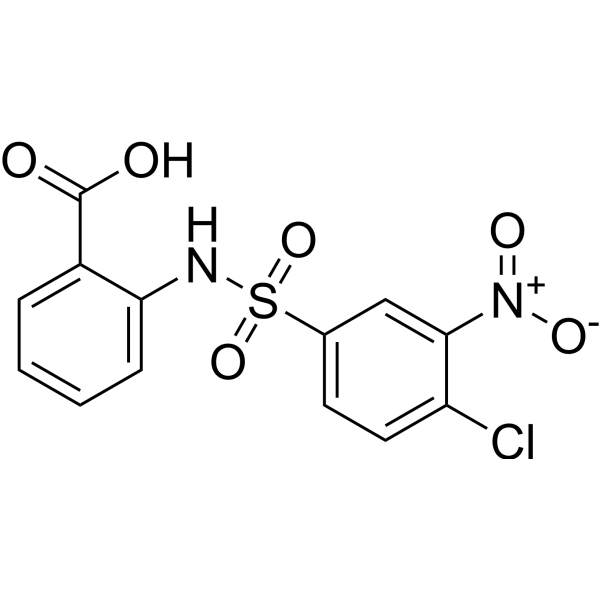
    PPARγ-IN-2 (Compound 5a) is a PPARγ inhibitor. PPARγ-IN-2 inhibits TG accumulation in 3T3-L1 preadipocytes (EC50: 0.106 μM). PPARγ-IN-2 inhibits high-cholesterol diet (HFC)-induced obesity and related metabolic syndrome, and reduces lipid accumulation in adipose tissue .
    PPARγ-IN-2
  • HY-148694

    PPAR Metabolic Disease
    ISX-3 is a potent anti-adipogenic and pro-osteogenic agent. ISX-3 increases the expression of PPARγ. ISX-3 has the potential for the research of osteopenia and osteoporosis .
    ISX-3
  • HY-122716

    PPAR Others
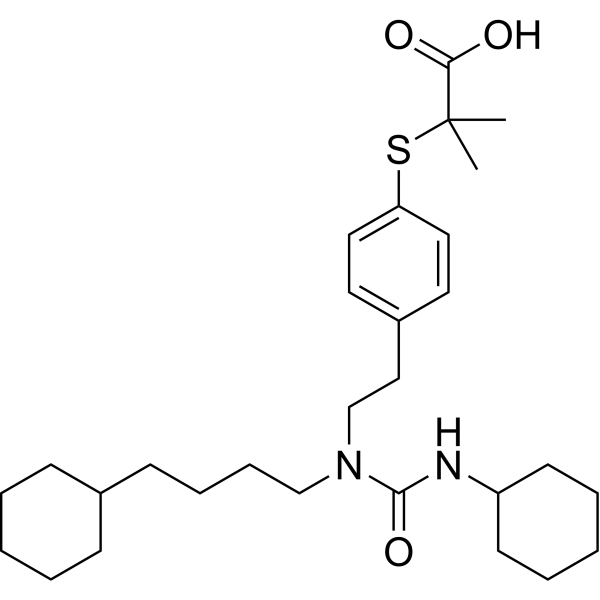
    PTGR2-IN-1 is a potent PTGR2 inhibitor with an IC50 of ~0.7 μM. PTGR2-IN-1 increases 15-keto-PGE2-dependent PPARγ transcriptional activity in PTGR2-transfected HEK293T cells .
    PTGR2-IN-1
  • HY-14601R

    U 72107A (Standard); AD 4833 (Standard)

    Reference Standards PPAR Ferroptosis Metabolic Disease Cancer
    Pioglitazone (hydrochloride) (Standard) is the analytical standard of Pioglitazone (hydrochloride). This product is intended for research and analytical applications. Pioglitazone hydrochloride is a potent and selective PPARγ agonist with EC50s of 0.93 and 0.99 μM for human and mouse PPARγ, respectively.
    Pioglitazone hydrochloride (Standard)
  • HY-110118

    PPAR Metabolic Disease
    Edaglitazone is a potent, selective and orally active PPARγ agonist, with EC50s of 35.6 nM and 1053 nM for PPARα and PPARγ, respectively. Edaglitazone displays antiplatelet, antidiabetic and anti-hyperglycemic activity .
    Edaglitazone
  • HY-113631

    PPAR Neurological Disease Metabolic Disease
    Amorfrutin B is a highly potent natural peroxisome proliferation-activated receptor γ (PPARγ) agonist with oral activity with Ki values of 19 nM and EC50 values of 73 nM, respectively. Amorfrutin B has hypoglycemic and neuroprotective activities .
    Amorfrutin B
  • HY-14728

    R1439; RO0728804

    PPAR Metabolic Disease
    Aleglitazar (R1439) is a potent dual PPARα/γ agonist, with IC50s of 38 nM and 19 nM for human PPARa and PPARγ, respectively. Aleglitazar can be used for the research of type II diabetes .
    Aleglitazar
  • HY-N3027
    Soyasaponin Aa
    1 Publications Verification

    PPAR Reactive Oxygen Species (ROS) Metabolic Disease
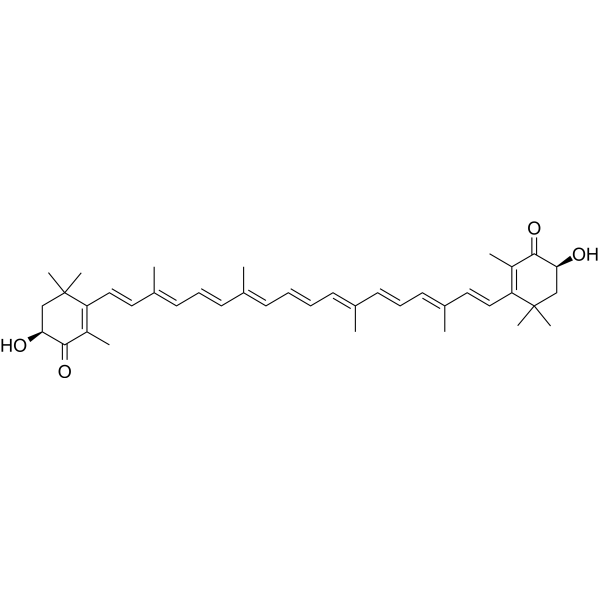
    Soyasaponin Aa is a soyasaponin that can be found in soy. Soyasaponin Aa suppresses PPARγ transcriptional activity, reduces PPARγ and C/EBPα expression, inhibits adipocyte differentiation and lipid accumulation, and reduces adipogenic marker gene expression. Soyasaponin Aa reduces hydrogen peroxide-induced reactive oxygen species (ROS) production and malondialdehyde levels. Soyasaponin Aa exhibits cellular antioxidant activity. Soyasaponin Aa can be used for the research of obesity .
    Soyasaponin Aa
  • HY-146480

    PPAR Cancer
    PPARγ agonist 5 (Compound 1) is a potent and selective agonist of PPARγ. PPARγ agonist 5 has the potential for the research of cancer diseases .
    PPARγ agonist 5
  • HY-150308

    PPAR Cancer
    SR10221, a noncovalent inverse agonist of PPARγ, represses downstream PPARγ target genes leading to growth inhibition in bladder cancer cell lines .
    SR10221
  • HY-13956S1

    Isotope-Labeled Compounds PPAR Ferroptosis Metabolic Disease Cancer
    Pioglitazone-d4 (alkyl) (U 72107-d4 (alkyl)) is the deuterium labeled Pioglitazone. Pioglitazone (U 72107) is a potent and selective PPARγ agonist with high affinity binding to the PPARγ ligand-binding domain with EC50 of 0.93 and 0.99 μM for human and mouse PPARγ, respectively .
    Pioglitazone-d4 (alkyl)
  • HY-143704S

    Mesalamine-13C6 hydrochloride; 5-ASA-13C6 hydrochloride; Mesalazine-13C6 hydrochloride

    PPAR NF-κB PAK Metabolic Disease
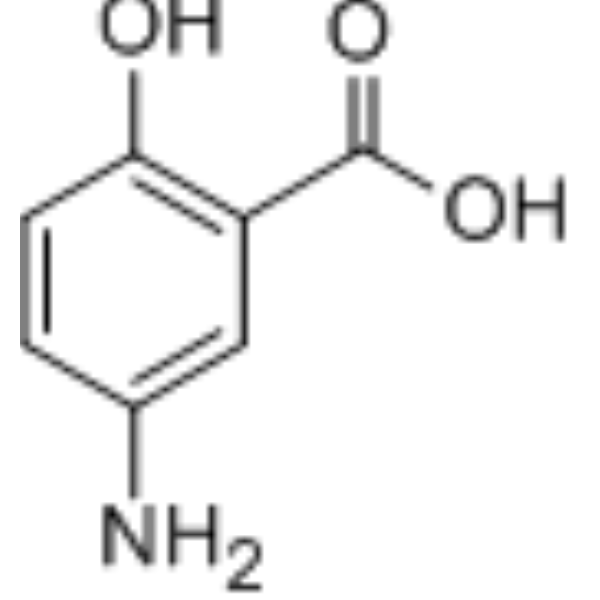
    5-Aminosalicylic acid-13C6 hydrochloride?(Mesalamine-13C6 hydrochloride; 5-ASA-13C6 hydrochloride; Mesalazine-13C6 hydrochloride) is the 13C labeled 5-Aminosalicylic Acidhydrochloride. 5-Aminosalicylic acid-13C6 hydrochloride?acts as a PPARγ agonist, and also inhibits p21-activated kinase 1 (PAK1) and NF-κB .
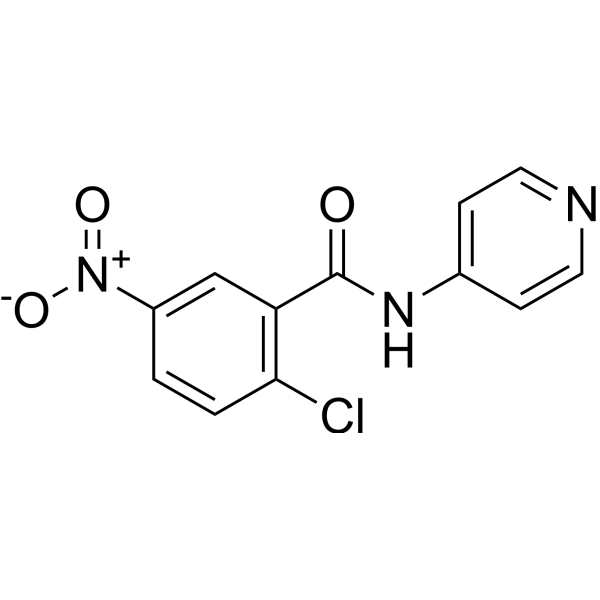
    5-Aminosalicylic acid-13C6 hydrochloride
  • HY-116468

    PPAR Metabolic Disease
    PPARγ agonist 11 (compound 20) is a selective agonist of PPARγ (EC50: 0.1 μM) .
    PPARγ agonist 11
  • HY-159944

    PPAR Neurological Disease Metabolic Disease Inflammation/Immunology
    PPARγ agonist 14 (compound 3) is a PPARy agonist (EC50=2.4 μM) with anti-diabetic activity. PPARγ agonist 14 can improve intracellular glucose uptake, promote insulin release, and lower blood sugar. In addition, PPARγ agonist 14 also improves mitochondrial function, reduces oxidative stress, and inhibits inflammatory factors. PPARγ agonist 14 can be used in the study of neurodegenerative diseases, neuroinflammatory diseases, and other diseases .
    PPARγ agonist 14
  • HY-W341997

    PPAR Metabolic Disease
    9-Octadecynoic acid is a DNA binding agent with a dissociation constant of 1.8 mM. 9-Octadecynoic acid is also an agonist for peroxisome proliferator-activated receptor γ (PPARγ) .
    9-Octadecynoic acid
  • HY-14792

    Efatutazone; CS-7017; RS5444

    PPAR Cancer
    Inolitazone a novel high-affinity PPARγ agonist that is dependent upon PPARγ for its biological activity with IC50 of 0.8 nM for growth inhibition.
    Inolitazone
  • HY-19848

    LBM-642

    PPAR Metabolic Disease
    Cevoglitazar (LBM-642) is an orally active and highly potent PPARα and PPARγ dual agonist. Cevoglitazar can reduce food intake, body weight, and fasting plasma insulin in obese mice and cynomolgus monkeys. Cevoglitazar has the potential for diabetes and obesity-related disorders research .
    Cevoglitazar
  • HY-101292

    PPAR Metabolic Disease
    FK614 is an orally active, non-thiazolidinedione (TZD) type, and selective PPARγ modulator (SPPARM). FK614 functions as a PPARγ agonist with potent anti-diabetic activity in vivo. FK614 has different effects on the activation of PPARγ at each stage of adipocyte differentiation. FK614 can be used for the research of hyperglycemia, hypertriglyceridemia, glucose intolerance and type 2 diabetes .
    FK614
  • HY-146482

    PPAR Cancer
    PPARγ agonist 6 (Compound 12) is a potent and selective agonist of PPARγ. PPARγ agonist 6 has the potential for the research of cancer diseases .
    PPARγ agonist 6
  • HY-162320

    PPAR Metabolic Disease
    PPARγ agonist 12 (compound 9i) is a potent and selective PPARγ agonist with EC50s of 3.98 and 15.42 μM against PPARγ and PPARδ, respectively. PPARγ agonist 12 improves insulin secretion and has anti-diabetic effect .
    PPARγ agonist 12
  • HY-178447

    PPAR Glutathione Peroxidase SOD TNF Receptor Interleukin Related NF-κB Infection Metabolic Disease Endocrinology
    PPARγ agonist 20 is a potent, orally active PPAR-γ agonist. PPARγ agonist 20 effectively increases antioxidant defenses (SOD, GSH) and reduces lipid peroxidation. PPARγ agonist 20 can upregulate of Pparg, Glut4, and AdipoQ, suppresses of TNF-α, IL-6, and NF-κB p65. PPARγ agonist 20 significantly lowers fasting blood glucose, improving glucose tolerance, and restoring metabolic balance in Streptozotocin (HY-13753)-Nicotinamide (HY-B0150)-induced diabetic rats. PPARγ agonist 20 can be used for the study of type 2 diabetes .
    PPARγ agonist 20
  • HY-147757

    PPAR Metabolic Disease
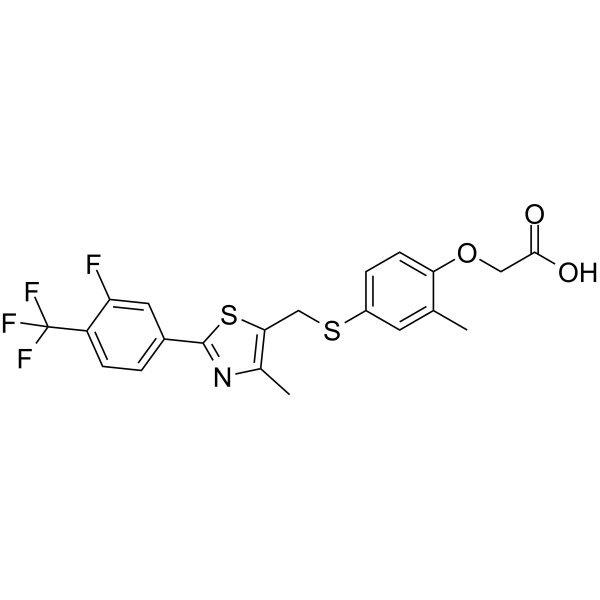
    PPARγ/δ modulator 1 (compound 3e) is a potent PPAR modulator. PPARγ/δ modulator 1 is a PPARδ antagonist and a PPARγ partial agonist , with Ki values of 14.4 nM and 5.31 μM, respectively. PPARγ/δ modulator 1 has the EC50 of 7.3 and 12.6 μM for PPARδ corepression and adiponectin production, respectively .
    PPARγ/δ modulator 1
  • HY-13956B

    U 72107 potassium

    PPAR Ferroptosis Metabolic Disease Cancer
    Pioglitazone (U 72107) potassium is an orally active and selective PPARγ (peroxisome proliferator-activated receptor) agonist with high affinity binding to the PPARγ ligand-binding domain with EC50 of 0.93 μM and 0.99 μM for human and mouse PPARγ, respectively. Pioglitazone potassium can be used in diabetes research .
    Pioglitazone potassium
  • HY-13956R

    U 72107 (Standard)

    Reference Standards PPAR Ferroptosis Metabolic Disease Cancer
    Pioglitazone (Standard) is the analytical standard of Pioglitazone. This product is intended for research and analytical applications. Pioglitazone (U 72107) is an orally active and selective PPARγ (peroxisome proliferator-activated receptor) agonist with high affinity binding to the PPARγ ligand-binding domain with EC50 of 0.93 and 0.99 μM for human and mouse PPARγ, respectively. Pioglitazone can be used in diabetes research .
    Pioglitazone (Standard)
  • HY-N7624

    3-Oxoolean-12-en-28-oic acid methyl ester

    PPAR Cancer
    Methyl oleanonate is a natural triterpene PPARγ agonist isolated from the species of Pistacia lentiscus var. Chia . Methyl oleanonate is a modified oleanolic acid derivative with anti-cancer effects .
    Methyl oleanonate
  • HY-147705

    PPAR Metabolic Disease
    PPARγ phosphorylation inhibitor 1 (Compound 10) is a potent PPARγ binder with the IC50 of 24 nM. PPARγ phosphorylation inhibitor 1 inhibits CDK5-mediated phosphorylation of PPARγ Ser273 with the IC50 of 160 nM. PPARγ phosphorylation inhibitor 1 displays negligible PPARγ agonism in a reporter gene assay. Antidiabetic effects .
    PPARγ phosphorylation inhibitor 1
  • HY-N7687

    PPAR Metabolic Disease Inflammation/Immunology
    Caulophyllogenin is a triterpene saponin extracted from M. polimorpha. Caulophyllogenin is a partial PPARγ agonist, with an EC50 of 12.6 μM. Caulophyllogenin can be used for the research of type-2 diabetes, obesity, metabolic syndrome and inflammation .
    Caulophyllogenin
  • HY-50935S

    CS-045-d4

    Isotope-Labeled Compounds PPAR Autophagy Apoptosis Ferroptosis Cancer
    Troglitazone-d4 is deuterium labeled Troglitazone. Troglitazone is a PPARγ agonist, with EC50s of 550 nM and 780 nM for human and murine PPARγ receptor, respectively.
    Troglitazone-d4
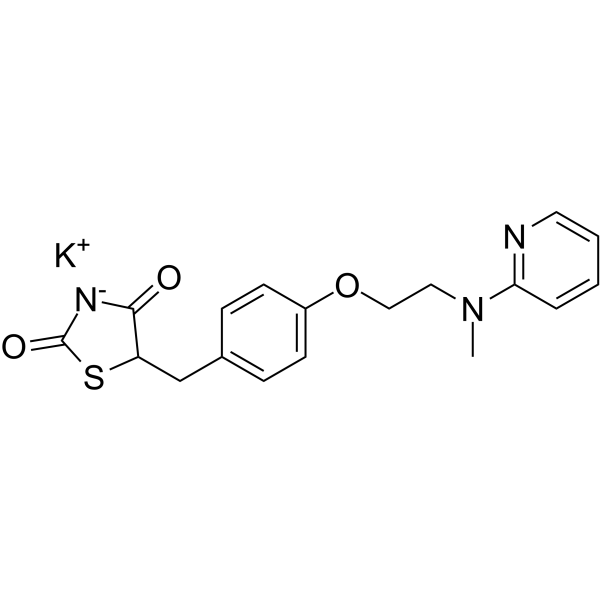
  • HY-17386B
    Rosiglitazone potassium
    170+ Cited Publications

    BRL 49653 potassium

    PPAR TRP Channel Autophagy Apoptosis Ferroptosis Neurological Disease Metabolic Disease Inflammation/Immunology Cancer
    Rosiglitazone (BRL 49653) potassium is an orally active selective PPARγ agonist (EC50: 60 nM, Kd: 40 nM). Rosiglitazone potassium is a TRPC5 activator (EC50: 30 μM) and TRPM3 inhibitor. Rosiglitazone potassium can be used in the research of obesity and diabetes, senescence, ovarian cancer .
    Rosiglitazone potassium

オンラインお問い合わせ

入力情報は安全に管理されます. 必須入力項目.

タイトル


国或いは地域 *

お名前 *


組纖名 *

デパートメント *


メールアドレス *


製品名 *

製品番号


カスタマ需要量 *

電話番号 *


必ず会社名を記載ください。個人への返信は行いません。

備考

バルクお問い合わせ

Inquiry Information

製品名:
製品番号:
数量:
MCE 日本正規代理店:

