Search Result
Results for "
anti-neoplastic
" in MedChemExpress (MCE) Product Catalog:
47
Isotope-Labeled Compounds
| Cat. No. |
Product Name |
Target |
Research Areas |
Chemical Structure |
-
- HY-17420
-
|
|
DNA Alkylator/Crosslinker
|
Cancer
|
|
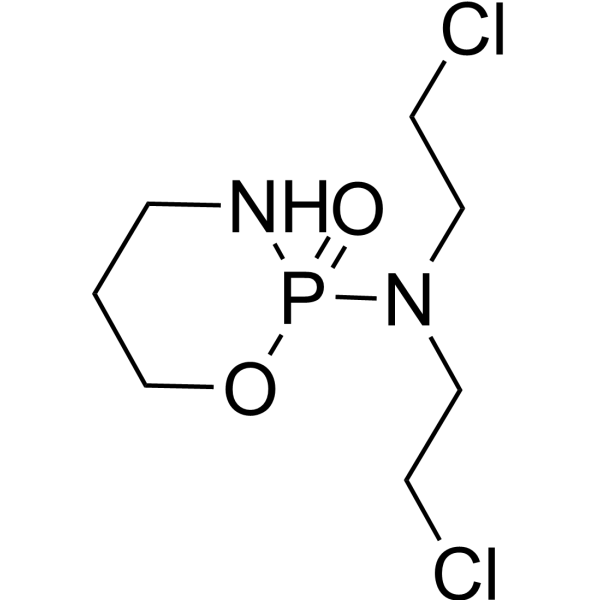
Cyclophosphamide is a synthetic alkylating agent chemically related to the nitrogen mustards with antineoplastic activity, a immunosuppressant.
|
-
-
- HY-B0879A
-
|
Suramin hexasodium salt
|
Phosphatase
Sirtuin
Reverse Transcriptase
Topoisomerase
SARS-CoV
Parasite
Apoptosis
|
Infection
Cardiovascular Disease
Cancer
|
|
Suramin sodium salt (Suramin hexasodium salt) is a reversible and competitive protein-tyrosine phosphatases (PTPases) inhibitor . Suramin sodium salt is a potent inhibitor of sirtuins: SirT1 (IC50=297 nM), SirT2 (IC50=1.15 μM), and SirT5 (IC50=22 μM) . Suramin sodium salt is a competitive inhibitor of reverse transcriptase (DNA topoisomerase II: IC50=5 μM) . Suramin sodium salt is a potent SARS-CoV-2 RNA-dependent RNA polymerase (RdRp) inhibitor . Suramin sodium salt efficiently inhibits IP5K and is an antiparasitic, anti-neoplastic and anti-angiogenic agent .
|
-
-
- HY-13768A
-
|
SKF 104864A hydrochloride; NSC 609669 hydrochloride
|
Topoisomerase
Autophagy
Apoptosis
|
Cancer
|
|
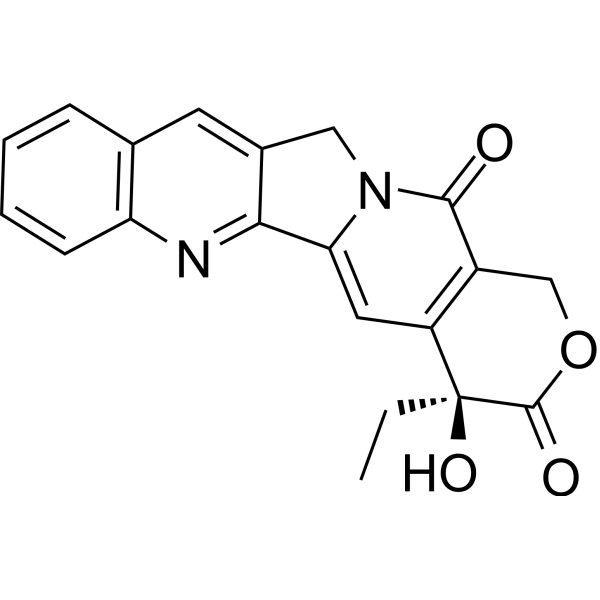
Topotecan Hydrochloride (SKF 104864A Hydrochloride) is a Topoisomerase I inhibitor with potent antineoplastic activities.
|
-
-
- HY-12289
-
|
VS-6063; PF-04554878
|
FAK
|
Cancer
|
|
Defactinib (VS-6063; PF-04554878) is a novel FAK inhibitor with potential antiangiogenic and antineoplastic activities.
|
-
-
- HY-10159
-
|
AMN107
|
Bcr-Abl
Autophagy
|
Cancer
|
|
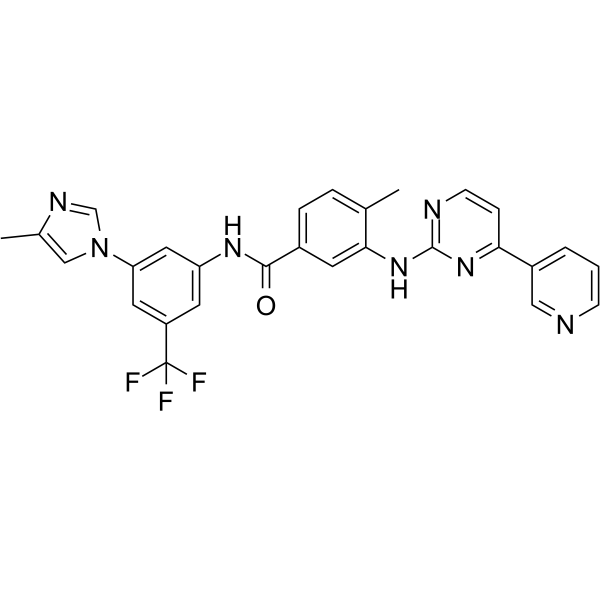
Nilotinib is an orally available Bcr-Abl tyrosine kinase inhibitor with antineoplastic activity.
|
-
-
- HY-15459
-
|
XRP6258; RPR-116258A; taxoid XRP6258
|
Microtubule/Tubulin
Autophagy
|
Cancer
|
|
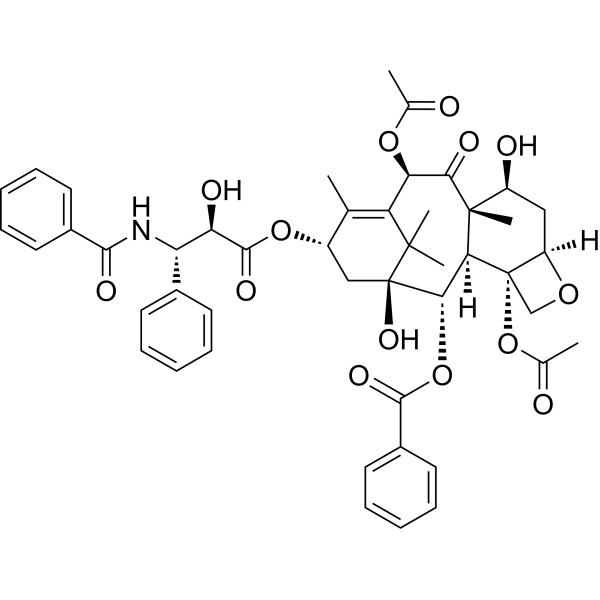
Cabazitaxel is a semi-synthetic derivative of the natural taxoid 10-deacetylbaccatin III with potential antineoplastic activity.
|
-
-
- HY-B0078
-
|
Imidazole Carboxamide
|
Nucleoside Antimetabolite/Analog
Apoptosis
|
Cancer
|
|
Dacarbazine is a nonspecific antineoplastic (antineoplastic) alkylating agent. Dacarbazine inhibits T and B lymphocyte responses with IC50 of 50 and 10 μg/mL, respectively. Dacarbazine can be used in the study of metastatic malignant melanoma .
|
-
-
- HY-17420A
-
|
Cyclophosphamide monohydrate
|
DNA Alkylator/Crosslinker
|
Cancer
|
|
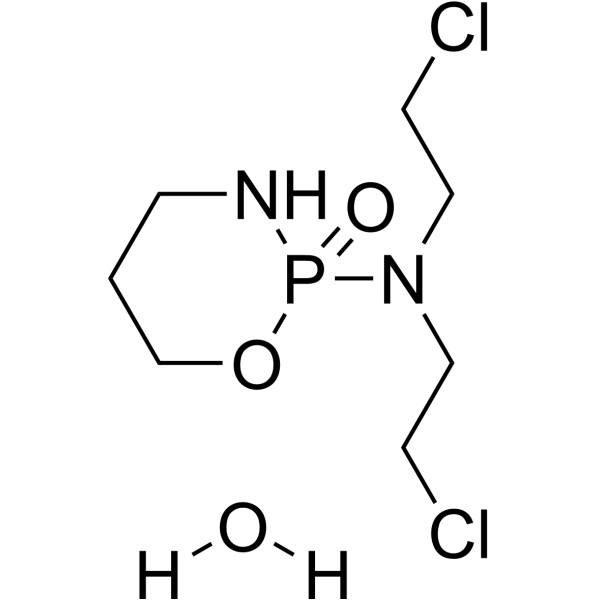
Cyclophosphamide hydrate is a synthetic alkylating agent chemically related to the nitrogen mustards with antineoplastic and immunosuppressive activities.
|
-
-
- HY-10502
-
|
IND 58359; R115777
|
Farnesyl Transferase
|
Infection
Cancer
|
|
Tipifarnib (IND 58359) binds to and inhibits farnesyltransferase (FTase) with an IC50 of 0.86 nM. Antineoplastic activity and antiparasitic activity .
|
-
-
- HY-N0679
-
|
Retinol acetate; Vitamin A acetate
|
Environmental Pollutants
|
Cancer
|
|
Retinyl acetate is a synthetic acetate ester form derived from retinol and has potential antineoplastic and chemo preventive activities .
|
-
-
- HY-P0058
-
-
-
- HY-P99386
-
|
MNRP-1685A
|
Complement System
EGFR
PDGFR
p38 MAPK
|
Cancer
|
|
Vesencumab (MNRP-1685A) is IG1 antibody against neuropilin-1 (NRP-1). Vesencumab binds to NRP-1 and prevents the subsequent coupling of NRP-1 to VEGFR-2. Vesencumab has anti-angiogenic and anti-neoplastic activities. Vesencumab can be used in the research of metastatic solid tumors, including ovarian cancer .
|
-
-
- HY-124758
-
|
|
Mitochondrial Metabolism
|
Metabolic Disease
Cancer
|
|
SH-BC-893 is an orally active anti-neoplastic sphingolipid analog. SH-BC-893 also protects from ceramide-induced mitochondrial dysfunction and corrects diet-induced obesity. SH-BC-893 can be used for the research of cancer and obesity .
|
-
-
- HY-15753
-
|
NSC 71795
|
Topoisomerase
|
Cancer
|
|
Ellipticine (NSC 71795) is a potent antineoplastic agent; inhibits DNA topoisomerase II activities.
|
-
-
- HY-P0058B
-
-
-
- HY-B0879
-
|
|
Phosphatase
Sirtuin
Reverse Transcriptase
Topoisomerase
SARS-CoV
Parasite
Apoptosis
|
Infection
Cardiovascular Disease
Cancer
|
|
Suramin is a reversible and competitive protein-tyrosine phosphatases (PTPases) inhibitor . Suramin is a potent inhibitor of sirtuins: SirT1 (IC50=297 nM), SirT2 (IC50=1.15 μM), and SirT5 (IC50=22 μM) . Suramin is a competitive inhibitor of reverse transcriptase (DNA topoisomerase II: IC50=5 μM) . Suramin is a potent SARS-CoV-2 RNA-dependent RNA polymerase (RdRp) inhibitor .Suramin efficiently inhibits IP5K and is an antiparasitic, anti-neoplastic and anti-angiogenic agent .
|
-
-
- HY-N0346A
-
-
-
- HY-15753A
-
|
NSC 71795 hydrochloride
|
Topoisomerase
|
Cancer
|
|
Ellipticine (NSC 71795) hydrochloride is a potent antineoplastic agent; inhibits DNA topoisomerase II activities.
|
-
-
- HY-B0181
-
-
-
- HY-P1959
-
-
-
- HY-P1959A
-
|
BIM 23014 acetate
|
Somatostatin Receptor
|
Endocrinology
Cancer
|
|
Lanreotide (BIM 23014) acetate is a somatostatin analogue with antineoplastic activity. Lanreotide acetate can be used for the research of carcinoid syndrome .
|
-
-
- HY-152840
-
|
|
c-Met/HGFR
|
Cancer
|
|
Emzeltrectinib is a potent tyrosine kinase inhibitor with antineoplastic activity .
|
-
-
- HY-172413
-
|
TPST-1120
|
PPAR
|
Cancer
|
|
Amezalpat is the antagonist for PPARα with IC50 of 58 nM. Amezalpat exhibits antineoplastic activity .
|
-
-
- HY-112822
-
|
|
CDK
|
Cancer
|
|
ON-013100, an antineoplastic agent, acts a mitotic inhibitor that could inhibit Cyclin D1 expression.
|
-
-
- HY-N3883
-
|
|
Autophagy
|
Neurological Disease
Cancer
|
|
Euxanthone, a xanthone derivative, attenuates Aβ1-42-induced oxidative stress and apoptosis by triggering autophagy. Euxanthone exhibits anti-neoplastic and neuroprotective activities .
|
-
-
- HY-W007771
-
|
|
Bacterial
BCRP
|
Infection
Cancer
|
|
Acridone is an organic compound based on the acridine skeleton. Acridone has antibacterial, antimalarial, antiviral and anti neoplastic activities .
|
-
-
- HY-152852
-
|
Mifanertinib
|
c-Met/HGFR
|
Cancer
|
|
Mefatinib free base is a potent tyrosine kinase inhibitor with antineoplastic activity .
|
-
-
- HY-P99628
-
|
|
EGFR
|
Cancer
|
|
Futuximab is a chimeric monoclonal antibody targeting non-overlapping epitopes on EGFR. Futuximab has antineoplastic activity .
|
-
-
- HY-101820
-
|
|
EGFR
|
Cancer
|
|
Simotinib is a selective, specific, and orally bioavailable EGFR tyrosine kinase inhibitor, with an IC50 of 19.9 nM. Antineoplastic activities .
|
-
-
- HY-119824
-
|
|
Bacterial
|
Cancer
|
|
Trofosfamide is an orally bioavailable oxazaphosphorine derivative with antineoplastic activity .
|
-
-
- HY-145563
-
|
|
CDK
|
Cancer
|
|
Eciruciclib is an antineoplastic and potent cyclin dependent kinase (CDK) inhibitor .
|
-
-
- HY-152850
-
|
|
Androgen Receptor
|
Endocrinology
Cancer
|
|
Gumelutamide is a tetrahydropyridopyrimidine compound, acting as an antiandrogen, antineoplastic agent. Gumelutamide is an androgen antagonist .
|
-
-
- HY-78828A
-
|
|
Microtubule/Tubulin
|
Others
Cancer
|
|
(S)-Dolaphenine hydrochloride is a component of Dolastatin 10 (HY-15580). Dolastatin 10, an antineoplastic agent, inhibits tubulin polymerization .
|
-
-
- HY-W587738
-
|
|
Apoptosis
|
Cancer
|
|
Viridiflorol is an active natural molecule with anti-cancer effect. Viridiflorol induces anti-neoplastic effects on breast (MCF-7, IC50 = 10 µM), lung (A549, IC50 = 30 µM), and brain (Daoy, IC50 = 0.1 µM) cancer cells through apoptosis. Viridiflorol can be used for breast, lung, and brain cancer research .
|
-
-
- HY-172414
-
|
|
EGFR
|
Cancer
|
|
Andamertinib is the inhibitor for EGFR and exhibits antineoplastic activity .
|
-
-
- HY-156620
-
-
-
- HY-147248
-
|
pAF-AS269
|
EGFR
|
Cancer
|
|
Opadotina is a small molecule of anvatabart opadotin. Opadotina shows antineoplastic activity .
|
-
-
- HY-159534
-
|
Flezurafenib
|
Raf
|
Cancer
|
|
Flezurafenibum (Flezurafenib) is a rapidly accelerated fibrosarcoma (Raf) kinase inhibitor, with antineoplastic effect .
|
-
-
- HY-106120
-
|
Adozelesin; U 73975
|
Others
|
Cancer
|
|
Adolezesin (U 73975) is an analog of CC-1065. Adolezesin is an antineoplastic agent .
|
-
-
- HY-N9271
-
|
|
Apoptosis
|
Cancer
|
|
Grifolin is an antineoplastic agent can be isolated from the mushroom Albatrellus confluens and significantly induces apoptosis .
|
-
-
- HY-177124
-
|
VYN201
|
Epigenetic Reader Domain
|
Cancer
|
|
Repibresib (VYN201) is a bromodomain and extra-terminal motif (BET) inhibitor. Repibresib shows antineoplastic activity .
|
-
-
- HY-N3913
-
|
|
STAT
Bcl-2 Family
|
Cancer
|
|
Furowanin A is a flavonoid with anti-neoplastic effects. Furowanin A inhibits STAT3/Mcl-1 axis to suppress proliferation, block cell cycle progression, induce apoptosis and promote autophagy. Furowanin A potently inhibits colorectal cancer (CRC) cells .
|
-
-
- HY-141431
-
|
|
E1/E2/E3 Enzyme
|
Inflammation/Immunology
Cancer
|
|
Cbl-b-IN-2 (Example 8) is an orally bioavailable compound, can inhibit the E3 enzyme Casitas B-lineage lymphoma proto-oncogene-b (Cbl-b) in the ubiquitin proteasome pathway. Cbl-b-IN-2 can be used to modulate the immune system and diseases amenable to immune system modulation. Cbl-b-IN-2 (Example 8) also may be administered to an individual with cancer, either alone or as part of a combination, with one or more of an immune checkpoint inhibitor, an anti-neoplastic agent, and radiation agent .
|
-
-
- HY-156643
-
|
|
CDK
|
Cancer
|
|
Tacaciclib is a CDK inhibitor, antineoplastic effect .
|
-
-
- HY-168979
-
|
|
PARP
|
Cancer
|
|
Itareparib is the inhibitor for PARP and exhibits antineoplastic activity .
|
-
-
- HY-156646
-
|
|
CDK
|
Cancer
|
|
Tibremciclib is a CDK4 inhibitor with antineoplastic activity .
|
-
-
- HY-159508
-
|
|
Raf
|
Cancer
|
|
Brimarafenib is a rapidly accelerated fibrosarcoma (Raf) kinase inhibitor wtih antineoplastic effect .
|
-
-
- HY-132825
-
|
LY-3116151
|
Others
|
Cancer
|
|
Mivorilaner, an antineoplastic, can be used for the research of veterinary medicine (WO2012155676, Example 245) .
|
-
-
- HY-145556
-
|
|
Estrogen Receptor/ERR
|
Cancer
|
|
Bexirestrant is an orally active ER-α degrader. Bexirestrant can be used for the research of antiestrogen, antineoplastic .
|
-
-
- HY-129768
-
|
|
Eukaryotic Initiation Factor (eIF)
|
Cancer
|
|
CMLD012072 is an amidino-rocaglates and is a potent eukaryotic initiation factor 4A (eIF4A) inhibitor. CMLD012072 can induce RNA clamping of eIF4A1 and eIF4A2 and possess potent anti-neoplastic activity .
|
-
- HY-B0879AR
-
|
Suramin hexasodium salt (Standard)
|
Reference Standards
Phosphatase
Sirtuin
Reverse Transcriptase
Topoisomerase
SARS-CoV
Parasite
Apoptosis
|
Infection
Cardiovascular Disease
Cancer
|
|
Suramin (sodium salt) (Standard) is the analytical standard of Suramin (sodium salt). This product is intended for research and analytical applications. Suramin sodium salt (Suramin hexasodium salt) is a reversible and competitive protein-tyrosine phosphatases (PTPases) inhibitor . Suramin sodium salt is a potent inhibitor of sirtuins: SirT1 (IC50=297 nM), SirT2 (IC50=1.15 μM), and SirT5 (IC50=22 μM) . Suramin sodium salt is a competitive inhibitor of reverse transcriptase (DNA topoisomerase II: IC50=5 μM) . Suramin sodium salt is a potent SARS-CoV-2 RNA-dependent RNA polymerase (RdRp) inhibitor . Suramin sodium salt efficiently inhibits IP5K and is an antiparasitic, anti-neoplastic and anti-angiogenic agent .
|
-
- HY-129767
-
|
|
Eukaryotic Initiation Factor (eIF)
|
Cancer
|
|
CMLD012612 is an amidino-rocaglate containing a hydroxamate group and is a potent eukaryotic initiation factor 4A (eIF4A) inhibitor. CMLD012612 inhibits cell translation and is cytotoxic to NIH/3T3 cells with an IC50 value of 2 nM. CMLD012612 inhibits eukaryotic translation initiation by modifying the behavior of the RNA helicase (eIF4A) and possesses potent anti-neoplastic activity .
|
-
- HY-N0346AR
-
-
- HY-130564
-
|
|
Others
|
Cancer
|
|
Didemnin C is a cyclic depsipeptide that can be used as an anti-neoplastic agent .
|
-
- HY-109140
-
|
|
VDAC
|
Cancer
|
|
Tuvatexib is an antineoplastic agent .
|
-
- HY-145609
-
-
- HY-152852A
-
|
Mifanertinib dimaleate
|
c-Met/HGFR
|
Cancer
|
|
Mefatinib is a potent tyrosine kinase inhibitor with antineoplastic activity .
|
-
- HY-168980
-
-
- HY-P10590
-
|
|
Fluorescent Dye
|
Cancer
|
|
Talogreptide mesaroxetan is a diagnostic imaging agent, with antineoplastic effect .
|
-
- HY-159535
-
|
Fovinaciclib
|
CDK
|
Cancer
|
|
Fovinaciclibum (Fovinaciclib) is a cyclin dependent kinase inhibitor, with antineoplastic effect .
|
-
- HY-121561
-
|
At-1258; Nsc 245413
|
DNA/RNA Synthesis
|
Cancer
|
|
Nitrocaphane (At-1258) is an antineoplastic agent whose target of action is DNA. Nitrocaphane has a broad antineoplastic spectrum. Nitrocaphane's cytotoxicity on HEp-2 cells can be enhanced by hyperthermia. Nitrocaphane can be used in the research of tumors such as malignant trophoblastic tumors .
|
-
- HY-139551
-
|
|
Drug Intermediate
|
Cancer
|
|
Guraxetan can be used for the synthesis of antineoplastic lutetium (177Lu) zadavotide Guraxetan .
|
-
- HY-159503
-
|
3D185 free base; HH185 free base
|
FGFR
c-Fms
|
Cancer
|
|
Segigratinib is a fibroblast growth factor receptor tyrosine kinase inhibitor, with antineoplastic effect .
|
-
- HY-P991113
-
|
|
PD-1/PD-L1
|
Inflammation/Immunology
Cancer
|
|
Abazistobart is an immunostimulant and antineoplastic agent targeting the programmed cell death protein 1 (PDCD1). Abazistobart is a chimeric and humanized monoclonal antibody that specifically binds to PDCD1 to block the relevant signaling pathway, thereby activating the immune system and exerting antineoplastic activity. Abazistobart is promising for research of cancers .
|
-
- HY-B0078R
-
|
Imidazole Carboxamide (Standard)
|
Apoptosis
Nucleoside Antimetabolite/Analog
Reference Standards
|
Cancer
|
|
Dacarbazine (Standard) is the analytical standard of Dacarbazine. This product is intended for research and analytical applications. Dacarbazine is a nonspecific antineoplastic (antineoplastic) alkylating agent. Dacarbazine inhibits T and B lymphocyte responses with IC50 of 50 and 10 μg/mL, respectively. Dacarbazine can be used in the study of metastatic malignant melanoma .
|
-
- HY-17026S
-
-
- HY-P991695
-
-
- HY-P0058A
-
-
- HY-101820A
-
|
|
EGFR
|
Cancer
|
|
Simotinib hydrochloride is a selective, specific, and orally bioavailable EGFR tyrosine kinase inhibitor, with an IC50 of 19.9 nM. Antineoplastic activities .
|
-
- HY-19437
-
|
AT-1727
|
Topoisomerase
|
Cancer
|
|
Bimolane (AT-1727), a human topoisomerase II inhibitor, can be used as an anti-neoplastic agent and for the research of psoriasis. Bimolane shows leukemogenic activity and induces multiple types of chromosomal aberrations in human lymphocytes .
|
-
- HY-121261
-
|
|
Necroptosis
Apoptosis
|
Cancer
|
Antineoplastic agent-1 is an alkylating agent and a genotoxic agent that can induce DNA damage. Antineoplastic agent-1 can lead to irreversible damage and progressive death of liver cells due to necroptosis and apoptosis. Antineoplastic agent-1 can cause alkylation damage to hematopoietic cells and stromal cells in the bone marrow. Antineoplastic agent-1 can be used in tumor research .
|
-
- HY-114335
-
|
|
NF-κB
Fungal
|
Infection
Inflammation/Immunology
Cancer
|
|
Triphala, an Ayurvedic polyherbal formulation comprising of equiproportional fruit parts of Terminalia chebula, Terminalia bellerica, and Phyllanthus emblica . Triphala inhibits NF-κB activation. Triphala exerts antifungal action . Anti-adipogenic, anti-inflammatory, and anti-neoplastic activities.
|
-
- HY-W007771R
-
|
|
Reference Standards
Bacterial
BCRP
|
Infection
Cancer
|
|
Acridone (Standard) is the analytical standard of Acridone. This product is intended for research and analytical applications. Acridone is an organic compound based on the acridine skeleton. Acridone has antibacterial, antimalarial, antiviral and anti neoplastic activities .
|
-
- HY-167989
-
-
- HY-B0181A
-
|
ENT-50852 hydrochloride; RB-1515 hydrochloride; WR-95704 hydrochloride
|
DNA Alkylator/Crosslinker
|
Cancer
|
|
Altretamine hydrochloride is an alkylating antineoplastic agent.
|
-
- HY-P10905
-
-
- HY-120098
-
|
|
Others
|
Cancer
|
|
Vinleurosine is an indole alkaloid with antineoplastic activity .
|
-
- HY-156605
-
|
|
Proteasome
|
Cancer
|
|
Davelizomib is proteasome inhibitor with antineoplastic effect .
|
-
- HY-P5540
-
-
- HY-120098A
-
|
|
Others
|
Cancer
|
|
Vinleurosine sulfate is an indole alkaloid with antineoplastic activity .
|
-
- HY-147708
-
|
|
Calcium Channel
|
Cancer
|
|
T-Type calcium channel inhibitor 2 (compound 6g) is a potent T-type calcium channel inhibitor with IC50s of 31.0, 83.1, 69.3 µM for Cav3.1 (α1G), Cav3.2 (α1H), Cav3.3 (α1I) (α1H), respectively. T-Type calcium channel inhibitor 2 shows cytotoxicity for A549, HCT-116 cells with IC50s of 5.0, 6.4 µM, respectively .
|
-
- HY-156623
-
|
|
PARP
|
Cancer
|
|
Lerzeparib is an (ADP-ribose) polymerase (PARP) inhibitor, with antineoplastic activity .
|
-
- HY-113549
-
-
- HY-116280
-
|
|
Others
|
Cancer
|
|
Aceratioside, a tetralin glucoside, is a weakly cytostatic constituent. Aceratioside is an antineoplastic agent .
|
-
- HY-177665
-
-
- HY-177665A
-
-
- HY-156609
-
-
- HY-P10884
-
-
- HY-N10591
-
|
|
Others
|
Cancer
|
|
Bruceantarin is a potent antineoplastic agent. Bruceantarin can be used for leukemia and breast cancer research .
|
-
- HY-13551B
-
|
m-AMSA (gluconate); Acridinyl anisidide (gluconate)
|
Topoisomerase
Autophagy
|
Cancer
|
|
Amsacrine gluconate is an inhibitor of topoisomerase II, and acts as an antineoplastic agent which can intercalates into the DNA of tumor cells.
|
-
- HY-B0181R
-
|
ENT-50852 (Standard); RB-1515 (Standard); WR-95704 (Standard)
|
Reference Standards
DNA Alkylator/Crosslinker
|
Cancer
|
|
Altretamine (Standard) is the analytical standard of Altretamine. This product is intended for research and analytical applications. Altretamine is an alkylating antineoplastic agent.
|
-
- HY-19171
-
|
|
Drug Derivative
|
Cancer
|
|
Aranose is a nitrosourea derivative with antineoplastic activity. Aranose can be used for leukemia, plasmacytoma, and solid tumor research .
|
-
- HY-152850A
-
|
|
Androgen Receptor
|
Endocrinology
Cancer
|
|
Gumelutamide (monosuccinate) is a tetrahydropyridopyrimidine compound, acting as an antiandrogen, antineoplastic agent. Gumelutamide (monosuccinate) is an androgen antagonist .
|
-
- HY-W415824A
-
|
|
Endogenous Metabolite
|
Cancer
|
|
Mannomustine dihydrochloride is an alkylating agent with antineoplastic activity. Mannomustine dihydrochloride causes severe bone marrow depression. Mannomustine dihydrochloride is a powerful vesicant.
|
-
- HY-16162
-
|
|
TRP Channel
|
Cancer
|
|
D-3263 is an agonist of transient receptor potential melastatin member 8 (TRPM8) with potential antineoplastic activity.
|
-
- HY-167895
-
-
- HY-P992106
-
-
- HY-185320
-
|
|
β-catenin
|
Cancer
|
|
Surbisiran is a siRNA with antineoplastic activity. It inhibits β-catenin synthesis.
|
-
- HY-185320A
-
|
|
β-catenin
|
Cancer
|
|
Surbisiran sodium is a siRNA with antineoplastic activity. It inhibits β-catenin synthesis.
|
-
- HY-N2349
-
-
- HY-16372
-
-
- HY-155812
-
|
|
c-Met/HGFR
|
Cancer
|
|
Tyrosine kinase-IN-6 is a potent and promising RON splice variants inhibitor with anti-cancer and o?antineoplastic effects .
|
-
- HY-B0015S
-
-
- HY-119824S
-
-
- HY-113505
-
|
Δ12-PGJ2
|
Endogenous Metabolite
Apoptosis
|
Cancer
|
|
Delta-12-Prostaglandin J2 (Δ12-PGJ2) is a cyclopentenone prostaglandin (PG) with anti-proliferative effect on various tumor cell growth. Delta-12-Prostaglandin J2, a naturally occurring dehydration product of prostaglandin D2, is able to induce apoptosis in HeLa cells via caspase activation .
|
-
- HY-105165A
-
|
BBR 3438
|
Antibiotic
|
Cancer
|
|
Nortopixantrone dihydrochloride (BBR 3438) is a 9-aza-anthrapyrazole-based antineoplastic antibiotic. Nortopixantrone dihydrochloride plays an important role in cacner research .
|
-
- HY-138627
-
|
|
Drug Metabolite
EGFR
|
Cancer
|
|
AST5902 is the active metabolite of Firmonertinib (HY-112870) (EGFR inhibitor). AST5902 has antineoplastic activity .
|
-
- HY-109185
-
|
APG-1252
|
Bcl-2 Family
Apoptosis
|
Cancer
|
|
Pelcitoclax (APG-1252) is a potent Bcl-2/Bcl-xl inhibitor with antineoplastic and pro-apoptotic effects .
|
-
- HY-13551A
-
|
m-AMSA hydrochloride; acridinyl anisidide hydrochloride
|
Topoisomerase
Autophagy
|
Cancer
|
|
Amsacrine hydrochloride (m-AMSA hydrochloride; acridinyl anisidide hydrochloride) is an inhibitor of topoisomerase II, and acts as an antineoplastic agent which can intercalates into the DNA of tumor cells.
|
-
- HY-18258
-
-
- HY-152845
-
|
|
Anaplastic lymphoma kinase (ALK)
|
Cancer
|
|
Ficonalkib is a potent inhibitor of Anaplastic lymphoma kinase (ALK), the tyrosine kinase receptor. Ficonalkib, can be used as an antineoplastic agent .
|
-
- HY-W721612
-
|
|
Drug Metabolite
|
Cancer
|
|
Bromobric acid is a derivative of bromoacrylic acid with cytostatic and antineoplastic activity that can form ionic complexes with glucosamine to achieve controlled-release oral administration
|
-
- HY-14941
-
|
CP 4055
|
Nucleoside Antimetabolite/Analog
|
Cancer
|
|
Elacytarabine (CP 4055) is a lipid-conjugated derivative of the nucleoside analog cytarabine. Elacytarabine (CP 4055) is an antineoplastic agent with cytotoxicity in solid tumors.
|
-
- HY-13301
-
|
|
HSP
|
Cancer
|
|
MPC-3100 is an orally bioavailable, synthetic, second-generation small-molecule inhibitor of Hsp90 with potential antineoplastic activity .
|
-
- HY-13551
-
|
m-AMSA; acridinyl anisidide
|
Topoisomerase
Autophagy
|
Cancer
|
|
Amsacrine (m-AMSA; acridinyl anisidide) is an inhibitor of topoisomerase II, and acts as an antineoplastic agent which can intercalates into the DNA of tumor cells.
|
-
- HY-P1959B
-
|
BIM 23014 diTFA
|
Somatostatin Receptor
|
Endocrinology
Cancer
|
|
Lanreotide (BIM 23014) diTFA is a somatostatin analogue with antineoplastic activity. Lanreotide diTFA can be used for the research of carcinoid syndrome .
|
-
- HY-P990048
-
|
ADG126
|
CTLA-4
|
Cancer
|
|
Muzastotug is a humanized immunoglobulin G1-kappa, anti-CTLA4 monoclonal antibody. Muzastotug is an immunostimulant and antineoplastic .
|
-
- HY-111789
-
|
TAK-981
|
E1/E2/E3 Enzyme
|
Inflammation/Immunology
Cancer
|
|
Subasumstat (TAK-981) is a first in class and selective inhibitor of the SUMOylation enzymatic cascade, with potential immune-activating and antineoplastic activities .
|
-
- HY-108610
-
|
(R)-ET-18-OCH3
|
HIV
|
Infection
Cancer
|
|
(R)-Edelfosine ((R)-ET-18-OCH3) is a ether lipid analog with anti-HIV and antineoplastic activity .
|
-
- HY-N12262
-
|
|
Bacterial
|
Infection
Cancer
|
|
(+)-Epieudesmin is an antineoplastic agent. (+)-Epieudesmin has marginal cancer cell line inhibitory activities. (+)-Epieudesmin inhibits the growth of Gram-negative pathogen .
|
-
- HY-P990074
-
|
SG-001
|
PD-1/PD-L1
|
Inflammation/Immunology
|
|
Enlonstobart is a human immunoglobulin G4-kappa, anti-PDCD1 monoclonal antibody. Enlonstobart is an immunostimulant and antineoplastic .
|
-
- HY-10159S
-
|
AMN107-d6
|
Bcr-Abl
Autophagy
|
Cancer
|
|
Nilotinib-d6 is a deuterium labeled Nilotinib. Nilotinib is an orally available Bcr-Abl tyrosine kinase inhibitor with antineoplastic activity .
|
-
- HY-147303
-
|
|
Trk Receptor
EGFR
|
Cancer
|
|
Sacibertinib is a tyrosine kinase (Trk) inhibitor with EC50 value of 110 nM and 244 nM for EGFR-TK phosphorylation and HER2, respectively. Antineoplastic activity .
|
-
- HY-N7651
-
|
|
Others
|
Cancer
|
|
Neoanhydropodophyllol is a cyclolignan derivative, with antineoplastic activity. Neoanhydropodophyllol displays cytotoxicity against several cancer cells (leukemia, lung carcinoma and colon carcinoma) .
|
-
- HY-P992044
-
-
- HY-120220
-
|
A-20968; Ancyte
|
DNA/RNA Synthesis
|
Cancer
|
|
Piposulfan (Ancyte) is a methanesulfonate, alkylating derivative of piperazine. Piposulfan has potential antineoplastic activity. Piposulfan can be used for the research of cancer .
|
-
- HY-17420S1
-
-
- HY-B0078S
-
-
- HY-B0003
-
-
- HY-132549S
-
-
- HY-121401
-
|
(±)-Myrtenal
|
TNF Receptor
|
Cancer
|
|
Myrtenal ((±)-Myrtenal) is a monoterpene that acts as an antineoplastic agent. Myrtenal inhibits liver cancer by preventing DEN-PB-induced upregulation of TNF-α protein expression.
|
-
- HY-12289S
-
|
VS-6063-d6; PF-04554878-d6
|
FAK
Isotope-Labeled Compounds
|
Cancer
|
|
Defactinib-d6 is a deuterium labeled Defactinib (HY-12289). Defactinib is a novel FAK inhibitor with potential antiangiogenic and antineoplastic activities .
|
-
- HY-13768AR
-
|
SKF 104864A hydrochloride (Standard); NSC 609669 hydrochloride (Standard)
|
Reference Standards
Topoisomerase
Autophagy
Apoptosis
|
Cancer
|
|
Topotecan (hydrochloride) (Standard) is the analytical standard of Topotecan (hydrochloride). This product is intended for research and analytical applications. Topotecan Hydrochloride (SKF 104864A Hydrochloride) is a Topoisomerase I inhibitor with potent antineoplastic activities.
|
-
- HY-105165
-
|
BBR 3438 free base
|
Antibiotic
|
Cancer
|
|
Nortopixantrone (BBR 3438 free base) is a 9-aza-anthrapyrazole-based antineoplastic antibiotic. Nortopixantrone plays an important role in cacner research .
|
-
- HY-17644
-
|
LUZ11; F2BMet
|
Reactive Oxygen Species (ROS)
|
Cancer
|
|
Redaporfin (LUZ11) acts as a potent photosensitizer. Redaporfin causes direct antineoplastic effects as well as indirect immune-dependent destruction of malignant lesions .
|
-
- HY-148807B
-
|
(S)-QC8222 free base; (S)-TACH 101 free base
|
Histone Demethylase
|
Others
|
|
(S)-Zavondemstat is the S-enantiomer of Zavondemstat (HY-148807). Zavondemstat is an inhibitor of histone lysine demethylase 4D (KDM4D) with antineoplastic activity [1] .
|
-
- HY-15459S1
-
-
- HY-17420S
-
|
|
DNA Alkylator/Crosslinker
|
Cancer
|
|
Cyclophosphamide-d4 is the deuterium labeled Cyclophosphamide. Cyclophosphamide is a synthetic alkylating agent chemically related to the nitrogen mustards with antineoplastic activity, a immunosuppressant .
|
-
- HY-147407
-
|
|
EGFR
|
Cancer
|
|
Imbotolimod, immunoglobulin G1-kappa, is a humanized monoclonal antibody with anti-ERBB2 and antineoplastic activity. Imbotolimod is a derivative of telratolimod .
|
-
- HY-105815
-
|
|
DNA Alkylator/Crosslinker
|
Cancer
|
|
Chlornaphazine, a nitrogen mustard derivative, is a bifunctional alkylating agent. Chlornaphazine is an antineoplastic agent, which can be used for the study of polycythemia vera and Hodgkin’s disease .
|
-
- HY-18632
-
|
|
Histone Demethylase
|
Cancer
|
|
GSK2879552 an orally active, selective and irreversible inhibitor of lysine specific demethylase 1 (LSD1/ KDM1A), with potential antineoplastic activity .
|
-
- HY-P990080
-
|
BMS-986249
|
CTLA-4
|
Cancer
|
|
Sovipostobart is an immunoglobulin G1-kappa, anti-CTLA-4 human monoclonal antibody with cleavable prodomain. Sovipostobart is an immunostimulant and antineoplastic .
|
-
- HY-17577
-
-
- HY-10159R
-
|
AMN107 (Standard)
|
Reference Standards
Bcr-Abl
Autophagy
|
Cancer
|
|
Nilotinib (Standard) is the analytical standard of Nilotinib. This product is intended for research and analytical applications. Nilotinib is an orally available Bcr-Abl tyrosine kinase inhibitor with antineoplastic activity.
|
-
- HY-156641
-
|
|
Apoptosis
|
Cancer
|
|
Sontigidomide (Compound 5) is an antineoplastic compound. Sontigidomide inhibits MOLM-13 cell proliferation more than 80% at 1 μM (3 days) .
|
-
- HY-P991089
-
|
|
CD3
|
Cancer
|
|
GEN-1044 is a bispecific CD3 and oncofetal antigen 5T4 antibody. GEN-1044 shows immunomodulating and antineoplastic activities .
|
-
- HY-17420AS
-
|
Cyclophosphamide-d8 monohydrate
|
Isotope-Labeled Compounds
DNA Alkylator/Crosslinker
|
Cancer
|
|
Cyclophosphamide-d8 (hydrate) is the deuterium labeled Cyclophosphamide hydrate. Cyclophosphamide hydrate is a synthetic alkylating agent chemically related to the nitrogen mustards with antineoplastic and immunosuppressive activities .
|
-
- HY-152849
-
|
HL5101
|
c-Met/HGFR
|
Cancer
|
|
Boditrectinib is a potent tyrosine kinase inhibitor. Boditrectinib serves as an antineoplastic agent. Boditrectinib is useful in the research of cancer, inflammation, neurodegenerative diseases and certain infectious diseases .
|
-
- HY-17394
-
-
- HY-10159B
-
|
AMN107 hydrochloride
|
Bcr-Abl
Autophagy
|
Cancer
|
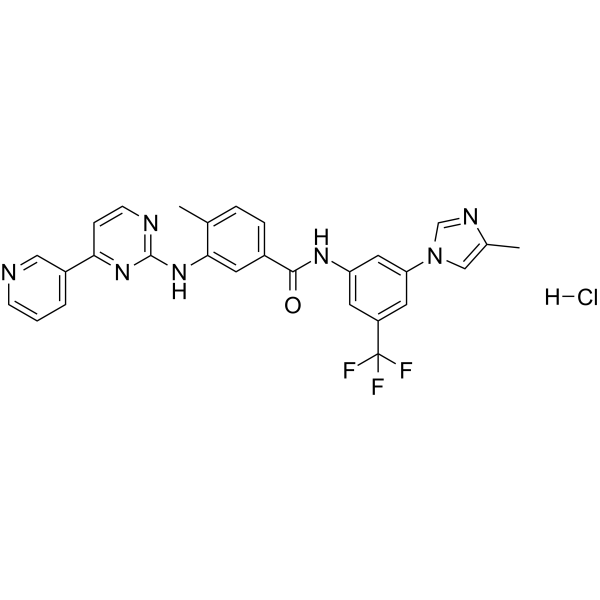
Nilotinib (AMN107) hydrochloride is an orally active Bcr-Abl tyrosine kinase inhibitor with antineoplastic activity and can be used in studies of chronic myelogenous leukaemia .
|
-
- HY-152852S
-
|
Mifanertinib-d6
|
Isotope-Labeled Compounds
c-Met/HGFR
|
Cancer
|
|
Mefatinib-d6 free base (Mifanertinib-d6) is the deuterium labeled Mefatinib. Mefatinib is a potent tyrosine kinase inhibitor with antineoplastic activity .
|
-
- HY-15753R
-
|
NSC 71795 (Standard)
|
Topoisomerase
Reference Standards
|
Cancer
|
|
Ellipticine (Standard) is the analytical standard of Ellipticine. This product is intended for research and analytical applications. Ellipticine (NSC 71795) is a potent antineoplastic agent; inhibits DNA topoisomerase II activities.
|
-
- HY-17420AR
-
|
Cyclophosphamide monohydrate (Standard)
|
Reference Standards
DNA Alkylator/Crosslinker
|
Cancer
|
|
Cyclophosphamide (hydrate) (Standard) is the analytical standard of Cyclophosphamide (hydrate). This product is intended for research and analytical applications. Cyclophosphamide hydrate is a synthetic alkylating agent chemically related to the nitrogen mustards with antineoplastic and immunosuppressive activities.
|
-
- HY-15753AR
-
|
NSC 71795 hydrochloride (Standard)
|
Topoisomerase
Reference Standards
|
Cancer
|
|
Ellipticine (hydrochloride) (Standard) is the analytical standard of Ellipticine (hydrochloride). This product is intended for research and analytical applications. Ellipticine (NSC 71795) hydrochloride is a potent antineoplastic agent; inhibits DNA topoisomerase II activities.
|
-
- HY-138627A
-
|
|
EGFR
Drug Metabolite
|
Cancer
|
|
AST5902 trimesylate is the principal metabolite of Alflutinib (AST2818) both in vitro and in vivo. AST5902 trimesylate exerts antineoplastic activity. Alflutinib is an EGFR inhibitor .
|
-
- HY-147280
-
|
GP-2250
|
Apoptosis
|
Cancer
|
|
Misetionamide is an orally oxathiazin-like compound. Misetionamide is a glyceraldehyde-3-phosphate dehydrogenase (GAPDH) inhibitor with antineoplastic activity. Misetionamide can be used for the research of cancer .
|
-
- HY-15459S
-
|
XRP6258-d6; RPR-116258A-d6; taxoid XRP6258-d6
|
Microtubule/Tubulin
Autophagy
|
Cancer
|
|
Cabazitaxel-d6 is the deuterium labeled Cabazitaxel. Cabazitaxel is a semi-synthetic derivative of the natural taxoid 10-deacetylbaccatin III with potential antineoplastic activity .
|
-
- HY-P992100
-
|
|
Annexin A
|
Cancer
|
|
Amesotatug is a humanized monoclonal antibody and ANXA1 binder. Amesotatug binds to Homo sapiens ANXA1 and exhibits antineoplastic activity. Amesotatug can be used for the research of cancer .
|
-
- HY-N0679S4
-
|
Retinol acetate-d4; Vitamin A acetate-d4
|
Isotope-Labeled Compounds
|
Cancer
|
|
Retinyl acetate-d4 is the deuterium labeled Retinyl acetate . Retinyl acetate is a synthetic acetate ester form derived from retinol and has potential antineoplastic and chemo preventive activities .
|
-
- HY-N7546
-
|
|
Others
|
Cancer
|
|
Agavoside C' is a tetraglycoside, which can be isolated from concentrated agave sap. Agavoside C' exhibits antineoplastic efficacy, contributes to necrosis induction with an IC50 of 108 μg/mL .
|
-
- HY-119587
-
|
|
Microtubule/Tubulin
|
Cancer
|
|
Alestramustine is an antineoplastic cytostatic agent that disrupts microtubule function by binding to microtubule-associated proteins and β-tubulin through its active metabolites, effectively inhibiting cell division.
|
-
- HY-10159S1
-
-
- HY-10159C
-
|
AMN107 hydrochloride dihydrate
|
Autophagy
Bcr-Abl
|
Cancer
|
|
Nilotinib (AMN107) hydrochloride dihydrate is an orally active Bcr-Abl tyrosine kinase inhibitor with antineoplastic activity and can be used in studies of chronic myelogenous leukaemia .
|
-
- HY-182043
-
|
|
c-Kit
PDGFR
|
Cancer
|
|
BLU-654 is an orally active antineoplastic agent and KIT inhibitor. BLU-654 is a highly selective inhibitor targeting wild-type KIT, PDGFRβ, and KIT V654A over most other kinases in the kinome. BLU-654 exerts sustained antineoplastic activity in KIT V654A cell-derived xenograft mouse models. BLU-654 can be used in research related to Imatinib (HY-15463)-resistant gastrointestinal stromal tumors .
|
-
- HY-P99494
-
|
TRC105; DE-122
|
TGF-beta/Smad
|
Cancer
|
|
Carotuximab (TRC105) is a IgG1 monoclonal antibody that blocks endoglin (CD105) and its downstream Smad signaling pathway. Carotuximab has immunomodulatory and antineoplastic actions .
|
-
- HY-15772S3
-
|
asandeutertinibum; Osimertinib-d3; AZD-9291-d3
|
EGFR
|
Cancer
|
|
Asandeutertinib (Osimertinib-d3; AZD-9291-d3) is a epidermal growth factor receptor (EGFR) tyrosine kinase inhibitor, with antineoplastic effect .
|
-
- HY-B0015
-
-
- HY-N3154
-
|
|
Others
|
Cancer
|
|
Odorinol is a natural product isolated from branches and leaves of Aglaia odorata. Odorinol has potential antineoplastic activity and can inhibit both the initiation and promotion stages of skin cancer .
|
-
- HY-N0679R
-
|
Retinol acetate (Standard); Vitamin A acetate (Standard)
|
Reference Standards
Others
|
Cancer
|
|
Retinyl acetate (Standard) is the analytical standard of Retinyl acetate. This product is intended for research and analytical applications. Retinyl acetate is a synthetic acetate ester form derived from retinol and has potential antineoplastic and chemo preventive activities .
|
-
- HY-15459R
-
|
XRP6258 (Standard); RPR-116258A (Standard); taxoid XRP6258 (Standard)
|
Reference Standards
Microtubule/Tubulin
Autophagy
|
Cancer
|
|
Cabazitaxel (Standard) is the analytical standard of Cabazitaxel. This product is intended for research and analytical applications. Cabazitaxel is a semi-synthetic derivative of the natural taxoid 10-deacetylbaccatin III with potential antineoplastic activity.
|
-
- HY-121199
-
|
|
Apoptosis
|
Cancer
|
|
Germanicol is a selective antineoplastic agent against human colon cancer cell lines HCT-116 and HT29 . Germanicol induces apoptosis via chromatin condensation and DNA damage .
|
-
- HY-18632A
-
|
|
Histone Demethylase
|
Cancer
|
|
GSK2879552 dihydrochloride an orally active, selective and irreversible inhibitor of lysine specific demethylase 1 (LSD1/KDM1A), with potential antineoplastic activity .
|
-
- HY-112314
-
|
|
Src
Bcr-Abl
Apoptosis
|
Cancer
|
|
AZD0424 is an orally active, and dual selective Src/Abl kinase inhibitor with potential antineoplastic activity . AZD0424 induces apoptosis and cell cycle arrest in lymphoma cells .
|
-
- HY-P990740
-
-
- HY-108250
-
|
|
Androgen Receptor
|
Cancer
|
|
(R)-Bicalutamide is the (R)-enantiomer of Bicalutamide (HY-14249). (R)-Bicalutamide is an androgen receptor (AR) antagonist, with antineoplastic activity. (R)-Bicalutamide is widely used for the research of prostate cancer .
|
-
- HY-W010255A
-
-
- HY-152849A
-
|
HL5101 oxalate
|
c-Met/HGFR
|
Cancer
|
|
Boditrectinib oxalate is a potent tyrosine kinase inhibitor. Boditrectinib oxalate serves as an antineoplastic agent. Boditrectinib oxalate is useful in the research of cancer, inflammation, neurodegenerative diseases and certain infectious diseases .
|
-
- HY-W010255
-
-
- HY-N6038
-
|
|
Autophagy
Fungal
|
Cancer
|
|
Gartanin is a natural xanthone of mangosteen, with antioxidant, anti-inflammatory, antifungal, neuroprotective and antineoplastic properties. Gartanin induces cell cycle arrest and autophagy and suppresses migration in human glioma cells .
|
-
- HY-W190927
-
|
MC-Val-Cit-PAB-Doxorubicin
|
Drug-Linker Conjugates for ADC
|
Cancer
|
|
MC-Val-Cit-Doxorubicin (MC-Val-Cit-PAB-Doxorubicin) is drug-linker conjugate for ADC. The maleimide can conjugate with thiol containing molecules. Doxorubicin is an anthracycline antibiotic with antineoplastic activity
|
-
- HY-P990092
-
|
|
LILRB
Transmembrane Glycoprotein
|
Cancer
|
|
Rolistobart is a humanized immunoglobulin G4-kappa, anti-LILRB4/CD85k monoclonal antibody. Rolistobart is an immunostimulant and antineoplastic .
|
-
- HY-12289R
-
|
VS-6063 (Standard); PF-04554878 (Standard)
|
FAK
Reference Standards
|
Cancer
|
|
Defactinib (Standard) is the analytical standard of Defactinib. This product is intended for research and analytical applications. Defactinib (VS-6063; PF-04554878) is a novel FAK inhibitor with potential antiangiogenic and antineoplastic activities.
|
-
- HY-N3155
-
|
Roxburghiline
|
Others
|
Cancer
|
|
Odorine (Roxburghiline) is a natural product isolated from branches and leaves of Aglaia odorata. Odorine has potential antineoplastic activity and can inhibit both the initiation and promotion stages of skin cancer .
|
-
- HY-18258S
-
-
- HY-147877
-
|
|
Topoisomerase
|
Cancer
|
|
Topoisomerase II inhibitor 12 (Compound 8c) is a topoisomerase II (topo II) inhibitor, working as a DNA non-intercalator. Topoisomerase II inhibitor 12 shows antineoplastic activity .
|
-
- HY-111789A
-
|
(S)-TAK-981
|
Drug Isomer
|
Inflammation/Immunology
Cancer
|
|
(S)-Subasumstat is the isomer of Subasumstat (HY-111789). Subasumstat (TAK-981) is a first in class and selective inhibitor of the SUMOylation enzymatic cascade, with potential immune-activating and antineoplastic activities .
|
-
- HY-B2082
-
-
- HY-152861
-
|
TAK-676 free base
|
STING
|
Cancer
|
|
Dazostinag (TAK-676 free base) is an agonist of stimulator of interferon genes (STING) protein with antineoplastic activity. Dazostinag can serve as a playload to synthesis antibody-drug conjugates (ADCs) .
|
-
- HY-101820R
-
|
|
Reference Standards
EGFR
|
Cancer
|
|
Simotinib (Standard) is the analytical standard of Simotinib. This product is intended for research and analytical applications. Simotinib is a selective, specific, and orally bioavailable EGFR tyrosine kinase inhibitor, with an IC50 of 19.9 nM. Antineoplastic activities .
|
-
- HY-N2812
-
|
4-O-Epipodophyllotoxinyl acetate
|
HSV
VSV
|
Infection
Cancer
|
|
Epipodophyllotoxin acetate (4-O-Epipodophyllotoxinyl acetate; compound 4) is a cyclolignan that exhibits antineoplastic and antiviral activities. Epipodophyllotoxin acetate inhibits HSV and VSV, with IC50s of 0.2 and 0.1 μg/mL, respectively .
|
-
- HY-P0058S
-
-
- HY-P99498
-
|
CEA-IL2v; RG 7813; RO 6895882
|
Interleukin Related
|
Inflammation/Immunology
Cancer
|
|
Cergutuzumab amunaleukin (CEA-IL2v) is a monomeric carcinoembryonic antigen (CEA)-targeted IL-2 variant-based immunocytokine. Cergutuzumab amunaleukin has immunostimulating and antineoplastic activities .
|
-
- HY-106146
-
|
Protaxel
|
Microtubule/Tubulin
ADC Payload
Apoptosis
Autophagy
|
Cancer
|
|
Paclitaxel ceribate is the ester form of paclitaxel, a natural antineoplastic agent that stabilizes tubulin polymerization. Paclitaxel causes mitotic arrest and induces apoptosis, ultimately leading to cell death. Paclitaxel also induces autophagy .
|
-
- HY-B1468
-
|
|
Nucleoside Antimetabolite/Analog
Endogenous Metabolite
|
Cancer
|
|
8-Azaguanine is a purine analogue that shows antineoplastic activity. 8-Azaguanine functions as an antimetabolite and easily incorporates into ribonucleic acids, interfering with normal biosynthetic pathways, thus inhibiting cellular growth .
|
-
- HY-106825
-
|
|
Microtubule/Tubulin
|
Cancer
|
|
Clanfenur is a substituted benzoylphenylurea, an analogue of the pesticide fenfluramide, with potential antineoplastic activity. Clanfenur can bind to the colchicine-binding site on β-tubulin, inhibit microtubule polymerization, and thus prevent tumor cell replication .
|
-
- HY-13551R
-
|
m-AMSA (Standard); acridinyl anisidide (Standard)
|
Reference Standards
Topoisomerase
Autophagy
|
Cancer
|
|
Amsacrine (Standard) is the analytical standard of Amsacrine. This product is intended for research and analytical applications. Amsacrine (m-AMSA; acridinyl anisidide) is an inhibitor of topoisomerase II, and acts as an antineoplastic agent which can intercalates into the DNA of tumor cells.
|
-
- HY-13551AR
-
|
m-AMSA hydrochloride (Standard); acridinyl anisidide hydrochloride (Standard)
|
Topoisomerase
Autophagy
Reference Standards
|
Cancer
|
|
Amsacrine (hydrochloride) (Standard) is the analytical standard of Amsacrine (hydrochloride). This product is intended for research and analytical applications. Amsacrine hydrochloride (m-AMSA hydrochloride; acridinyl anisidide hydrochloride) is an inhibitor of topoisomerase II, and acts as an antineoplastic agent which can intercalates into the DNA of tumor cells.
|
-
- HY-148793
-
|
|
c-Met/HGFR
|
Cancer
|
|
Resencatinib is a potent tyrosine kinase inhibitor with antineoplastic activity . Resencatinib is a click chemistry reagent, it contains an Alkyne group and can undergo copper-catalyzed azide-alkyne cycloaddition (CuAAc) with molecules containing Azide groups.
|
-
- HY-19825
-
|
|
Topoisomerase
ADC Payload
Antibiotic
|
Cancer
|
|
Rebeccamycin, an antitumor antibiotic, inhibits DNA topoisomerase I. Rebeccamycin appears to exert its primary antineoplastic effect by poisoning topoisomerase I and has negligible effect on protein kinase C and topoisomerase II .
|
-
- HY-18258R
-
-
- HY-133887
-
|
|
Antifolate
DNA/RNA Synthesis
|
Cancer
|
|
Methotrexate α-tert-butyl ester, capped by OtBu, significantly reduces tumor growth in HT1080 tumor bearing mice. Methotrexate is an antimetabolite and antifolate agent and is also an immunosuppressant and antineoplastic agent .
|
-
- HY-100498A
-
|
|
FAK
Apoptosis
|
Cancer
|
|
GSK-2256098 hydrochloride is a focal adhesion kinase (FAK) inhibitor that exhibits potential antiangiogenic and antineoplastic activities. GSK-2256098 hydrochloride targets FAK to inhibit tumor cell growth by regulating cell adhesion, migration, proliferation, and survival.
|
-
- HY-16271S
-
|
4-Isothioureidobutyronitrile-13C2,15N3 hydrochloride; thioureidobutyronitrile-13C2,15N3 hydrochloride
|
Isotope-Labeled Compounds
MDM-2/p53
|
Cancer
|
|
Kevetrin (hydrochloride)- 13C2, 15N3 is the 13C-labeled and 15N-labeled Kevetrin (hydrochloride). Kevetrin hydrochloride is a small molecule and activator of the tumor suppressor protein p53, with potential antineoplastic activity.
|
-
- HY-113642
-
|
|
Topoisomerase
|
Cancer
|
|
CP-67804 is a quinolone derivative, is a topoisomerase II-targeted agent. CP-67804 effectively enhances DNA cleavage mediated by eukaryotic topoisomerase II. CP-67804 has potential as an antineoplastic agent .
|
-
- HY-14249S1
-
|
|
Androgen Receptor
Autophagy
Isotope-Labeled Compounds
|
Cancer
|
|
(R)-Bicalutamide-d5 is deuterated labeled (R)-Bicalutamide (HY-108250). (R)-Bicalutamide is an androgen receptor (AR) antagonist, with antineoplastic activity. (R)-Bicalutamide is widely used for the research of prostate cancer .
|
-
- HY-B0078B
-
|
Imidazole Carboxamide hydrochloride
|
Antibiotic
|
Cancer
|
|
Dacarbazine hydrochloride is a cell cycle nonspecific antineoplastic alkylating agent. Dacarbazine hydrochloride inhibits T and B lymphoblastic response, with IC50 values of 50 and 10 μg/mL, respectively. Dacarbazine hydrochloride can be used for the research of metastatic malignant melanoma .
|
-
- HY-172425
-
-
- HY-147408
-
|
SHR9265
|
Topoisomerase
ADC Payload
|
Cancer
|
|
Rezetecan (SHR9265) is a topoisomerase I inhibitor. In addition, Rezetecan can be used to synthesize Trastuzumab rezetecan, an antineoplastic agent. Rezetecán can be used as a cytotoxic payload (ADC Cytotoxin) in antibody-drug conjugates (ADCs) .
|
-
- HY-B0245
-
-
- HY-10502R
-
|
IND 58359 (Standard); R115777 (Standard)
|
Reference Standards
Farnesyl Transferase
|
Infection
Cancer
|
|
Tipifarnib (Standard) is the analytical standard of Tipifarnib (HY-10502). This product is intended for research and analytical applications. Tipifarnib (IND 58359) binds to and inhibits farnesyltransferase (FTase) with an IC50 of 0.86 nM. Antineoplastic activity and antiparasitic activity .
|
-
- HY-P4149
-
-
- HY-108992
-
|
|
Quinone Reductase
Apoptosis
Reactive Oxygen Species (ROS)
|
Cancer
|
|
Deoxynyboquinone, an excellent NQO1 substrate, is a potent antineoplastic agent. Deoxynyboquinone induces apoptosis in cancer cell lines. Deoxynyboquinone kills cancer cells through oxidative stress and reactive oxygen species (ROS) formation .
|
-
- HY-17026R
-
-
- HY-N11912
-
|
|
Biochemical Assay Reagents
|
Cancer
|
|
Soladulcoside A is a steroidal glycoside and antineoplastic agent that can be obtained from the whole plant of Solanum nigrum. Soladulcoside A can inhibit A549 cells and has the potential to study cancers such as non-small cell lung cancer (NSCLC) .
|
-
- HY-P991679
-
|
TORL-2-307 antibody
|
Claudin
|
Cancer
|
|
Elatatug is an anti-CLDN18 (claudin 18) IgG1κ type humanized antibody with antineoplastic activity. The recommed isotype control is Human IgG1 kappa, Isotype Control (HY-P99001) .
|
-
- HY-131468
-
|
AMD473; ZD0473
|
DNA/RNA Synthesis
|
Cancer
|
|
Picoplatin (AMD473) is a platinum-based antineoplastic agent. Picoplatin is specifically to circumvent thiol-mediated drug resistance by sterically hindering its reaction with glutathione (GSH) while still retaining the ability to form cytotoxic lesions with DNA .
|
-
- HY-B0003R
-
|
LY 188011 hydrochloride (Standard)
|
Reference Standards
DNA/RNA Synthesis
Nucleoside Antimetabolite/Analog
Autophagy
Apoptosis
|
Cancer
|
|
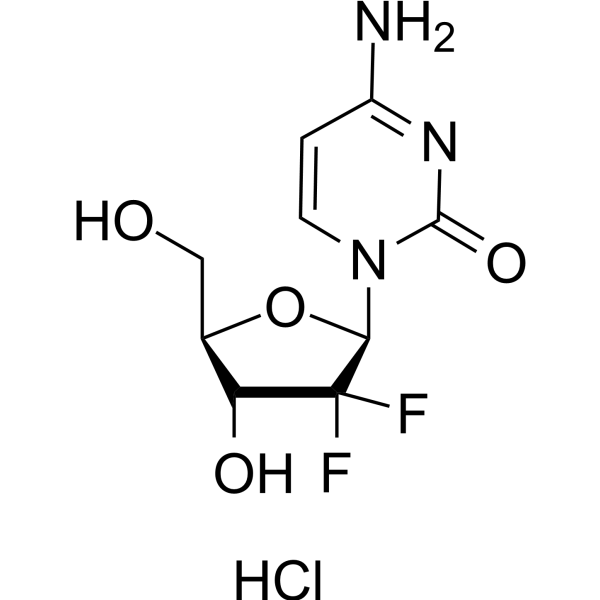
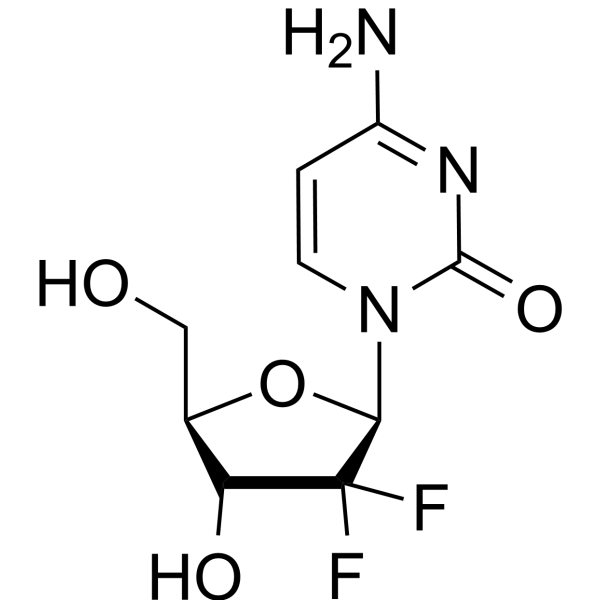
Gemcitabine (hydrochloride) (Standard) is the analytical standard of Gemcitabine (hydrochloride). This product is intended for research and analytical applications. Gemcitabine Hydrochloride (LY 188011 Hydrochloride) is a pyrimidine nucleoside analog antimetabolite and an antineoplastic agent. Gemcitabine Hydrochloride inhibits DNA synthesis and repair, resulting in autophagyand apoptosis .
|
-
- HY-P991122
-
|
ONO-4685
|
PD-1/PD-L1
CD3
|
Inflammation/Immunology
Cancer
|
|
Besufetamig is a bispecific antibody targeting programmed cell death 1 (PD-1) and CD3ε chain. Besufetamig modulates the activity of immune cells, exerting immunosuppressive and antineoplastic activities. Besufetamig is promising for research of cancers .
|
-
- HY-19897
-
|
|
FLT3
VEGFR
|
Cancer
|
|
4SC-203 is a potent multikinase inhibitor with potential antineoplastic activity. 4SC-203 selectively FLT3/STK1, FLT3 mutated forms, and VEGFRs .
|
-
- HY-130812
-
|
|
Drug-Linker Conjugates for ADC
|
Cancer
|
|
Gemcitabine-O-Si(di-iso)-O-Mc is a agent-linker conjugate for ADC with potent antitumor activity by using Gemcitabine (a pyrimidine nucleoside analog antimetabolite and an antineoplastic agent; HY-17026), linked via the ADC linker .
|
-
- HY-P990072
-
|
LZM-009
|
PD-1/PD-L1
|
Cancer
|
|
Lipustobart is an IgG4-kappa, anti-PDCD1 (programmed cell death 1, PD1, PD-1, CD279) humanized monoclonal antibody. Lipustobart shows immunostimulant and antineoplastic activity .
|
-
- HY-P99334
-
|
anti-Human CD70 Recombinant antibody; SGN-75
|
Antibody-Drug Conjugates (ADCs)
Microtubule/Tubulin
|
Cancer
|
|
Vorsetuzumab mafodotin (SGN-75) is an Auristatin-based anti-CD70 antibody-drug conjugate (ADC). Vorsetuzumab mafodotin consists of a humanized monoclonal antibody, Vorsetuzumab and an ADC cytotoxin MMAF. Vorsetuzumab mafodotin has antineoplastic activity .
|
-
- HY-P990014
-
|
IMC-001; STI-3031
|
PD-1/PD-L1
|
Inflammation/Immunology
Cancer
|
|
Danburstotug (IMC-001) is an IgG1-lambda anti-CD274 (PDL1, B7 homologue 1, B7H1) human monoclonal antibody. Danburstotug also is immunostimulant and antineoplastic .
|
-
- HY-W050026A
-
|
NSC 203800 sodium; Phenylacetyl-L-glutamine sodium
|
Endogenous Metabolite
Biochemical Assay Reagents
|
Cancer
|
|
Phenylacetylglutamine (sodium) can be obtained from the hydrolysis of Antineoplaston A10. Phenylacetylglutamine (sodium) exhibits antineoplastic activity in breast carcinoma tissue culture. Phenylacetylglutamine (sodium) exerts low actue and chronic toxicity in mouse model. Phenylacetylglutamine (sodium) can be studied in research on breast cancer .
|
-
- HY-17577R
-
-
- HY-P991696
-
|
|
Interleukin Related
|
Inflammation/Immunology
Cancer
|
|
Lecomkafusp alfa is a fusion protein that combines human IL-2 fused via a protease cleavable peptide linker to a humanized single-domain VHH fragment anti-ALB (149-263). Lecomkafusp alfa is an immunomodulator and has antineoplastic activity .
|
-
- HY-181172
-
|
|
Estrogen Receptor/ERR
|
Cancer
|
|
FRAGHIT-4 is an estrogen receptor alpha (ERα) inhibitor. FRAGHIT-4 exhibits antineoplastic activity against breast cancer via targeting ER signaling. FRAGHIT-4 can be used for the research of breast cancer .
|
-
- HY-B0015S1
-
-
- HY-B0003S
-
|
LY 188011-13C,15N2 hydrochloride
|
Apoptosis
Nucleoside Antimetabolite/Analog
DNA/RNA Synthesis
Autophagy
|
Cancer
|
|
Gemcitabine- 13C, 15N2 (hydrochloride) is the 13C and 15N labeled Gemcitabine hydrochloride . Gemcitabine Hydrochloride (LY 188011 Hydrochloride) is a pyrimidine nucleoside analog antimetabolite and an antineoplastic agent. Gemcitabine Hydrochloride inhibits DNA synthesis and repair, resulting in autophagyand apoptosis .
|
-
- HY-N0716B
-
-
- HY-108610R
-
|
(R)-ET-18-OCH3 (Standard)
|
Reference Standards
HIV
|
Infection
Cancer
|
|
(R)-Edelfosine (Standard) is the analytical standard of (R)-Edelfosine (HY-108610). This product is intended for research and analytical applications. (R)-Edelfosine ((R)-ET-18-OCH3) is a ether lipid analog with anti-HIV and antineoplastic activity .
|
-
- HY-B0015R
-
|
|
Reference Standards
Microtubule/Tubulin
ADC Payload
Apoptosis
Autophagy
|
Cancer
|
|
Paclitaxel (Standard) is the analytical standard of Paclitaxel. This product is intended for research and analytical applications. Paclitaxel is a naturally occurring antineoplastic agent and stabilizes tubulin polymerization. Paclitaxel can cause both mitotic arrest and apoptotic cell death. Paclitaxel also induces autophagy .
|
-
- HY-P990037
-
|
GEN3014
|
CD38
|
Inflammation/Immunology
Cancer
|
|
Erzotabart is an IgG1-kappa, anti-CD38 (ADP-ribosyl cyclase 1, cyclic ADP-ribose hydrolase 1, cADPr hydrolase 1, cADPR1) Homo sapiens monoclonal antibody. Erzotabart shows antineoplastic activity .
|
-
- HY-W768912
-
-
- HY-B0003A
-
|
1'-epi LY 188011 hydrochloride
|
Nucleoside Antimetabolite/Analog
Apoptosis
DNA/RNA Synthesis
|
Cancer
|
|
1'-epi Gemcitabine hydrochloride is the isomer of Gemcitabine hydrochloride (HY-B0003), and can be used as an experimental control. Gemcitabine Hydrochloride (LY 188011 Hydrochloride) is a pyrimidine nucleoside analog antimetabolite and an antineoplastic agent. Gemcitabine Hydrochloride inhibits DNA synthesis and repair, resulting in autophagyand apoptosis .
|
-
- HY-13550A
-
|
NSC 196473 acetate; NSC 290813 acetate
|
DNA/RNA Synthesis
|
Cancer
|
|
Ametantrone acetate (NSC 196473 acetate) is an antineoplastic drug with topoisomerase II inhibitory activity. Ametantrone acetate causes covalent cross-linking of DNA. The pharmacokinetic profile of Ametantrone acetate has been confirmed in clinical trials, and its elimination pathway in the body indicates the existence of a major metabolic pathway .
|
-
- HY-119621
-
|
|
β-glucuronidase
DNA/RNA Synthesis
Apoptosis
|
Cancer
|
|
Aceglatone, an antineoplastic agent, is a β-glucuronidase inhibitor. Aceglatone is a compound that inhibits colon carcinogenesis and prevents the induction of colon cancer by inhibiting the hydrolysis of glucuronides. Aceglatone reduces cell proliferation, induces apoptosis and inhibits DNA synthesis in human colon cancer cells .
|
-
- HY-B2082R
-
-
- HY-13593
-
|
CB-1348; WR-139013
|
DNA Alkylator/Crosslinker
|
Neurological Disease
Cancer
|
|
Chlorambucil (CB-1348), an orally active antineoplastic agent, is a CNS-penetrant bifunctional alkylating agent belonging to the nitrogen mustard group. Chlorambucil can be used for the research of lymphocytic leukemia, ovarian and breast carcinomas, and Hodgkin’s disease .
|
-
- HY-114177
-
|
PF-06873600
|
CDK
|
Cancer
|
|
PF-06873600 is a selective and orally bioavailable inhibitor of cyclin-dependent kinase (CDK), with Ki values of 0.09 nM, 0.13 nM and 0.16 nM for CDK2, CDK4 and CDK6, respectively. PF-06873600 has potential antineoplastic activity .
|
-
- HY-14519
-
-
- HY-14519D
-
|
Amethopterin monohydrate; CL14377 monohydrate; WR19039 monohydrate
|
Antifolate
DNA/RNA Synthesis
ADC Payload
Apoptosis
Bacterial
|
Inflammation/Immunology
Cancer
|
|
Methotrexate (Amethopterin) monohydrate, an antimetabolite and antifolate agent, inhibits the enzyme dihydrofolate reductase, thereby preventing the conversion of folic acid into tetrahydrofolate, and inhibiting DNA synthesis. Methotrexate monohydrate, also an immunosuppressant and antineoplastic agent, is used for the research of rheumatoid arthritis and a number of different cancers (such as acute lymphoblastic leukemia) .
|
-
- HY-P991209
-
-
- HY-B0078A
-
|
Imidazole Carboxamide citrate
|
Apoptosis
Antibiotic
|
Cancer
|
|
Dacarbazine citrate is a cell cycle nonspecific antineoplastic alkylating agent. Dacarbazine citrate inhibits T and B lymphoblastic response, with IC50 values of 50 and 10 μg/mL, respectively. Dacarbazine Citrate can be used for the research of apoptosis and various cancers such as metastatic malignant melanoma .
|
-
- HY-19983
-
ASP5878
1 Publications Verification
|
FGFR
|
Cancer
|
|
ASP5878 is an oral active inhibitor of FGFR 1, 2, 3, and 4, with IC50 values of 0.47 nM, 0.6 nM, 0.74 nM and 3.5 nM for FGFR 1, 2, 3, and 4 kinase activity. ASP5878 has potential antineoplastic activity .
|
-
- HY-119425
-
|
ICRF 159
|
Topoisomerase
|
Cancer
|
|
Razoxane (ICRF 159), a EDTA (HY-Y0682) derivative, is an orally active antiangiogenic topoisomerase II inhibitor. Razoxane has antineoplastic, antiangiogenic, and antimetastatic activities. Razoxanecan be used for the research of renal cell carcinoma (RCC), lung cancer and melanoma cancer .
|
-
- HY-136241
-
OT-82
1 Publications Verification
|
NAMPT
Caspase
|
Cancer
|
|
OT-82 is a potent, selective and orally active inhibitor of NAMPT. OT-82 is selectively toxic to cells of hematopoietic origin and?induces cell death in a NAD + dependent manner. OT-82 is a promising antineoplastic agent for the study of hematological malignancies .
|
-
- HY-P990032
-
|
EOS-448; EOS884448; GSK4428859A
|
Transmembrane Glycoprotein
|
Inflammation/Immunology
Cancer
|
|
Belrestotug (EOS-448) is an antagonistic anti-TIGIT (VSIG9, VSTM3) human immunoglobulin G1 kappa (hIgG1 kappa) antibody. Belrestotug shows antineoplastic activity. Belrestotug can be used for cancer and immunological research such as colon cancer .
|
-
- HY-N6038R
-
|
|
Reference Standards
Autophagy
Fungal
|
Cancer
|
|
Gartanin (Standard) is the analytical standard of Gartanin. This product is intended for research and analytical applications. Gartanin is a natural xanthone of mangosteen, with antioxidant, anti-inflammatory, antifungal, neuroprotective and antineoplastic properties. Gartanin induces cell cycle arrest and autophagy and suppresses migration in human glioma cells .
|
-
- HY-152859
-
|
BI 907828
|
E1/E2/E3 Enzyme
MDM-2/p53
|
Cancer
|
|
Brigimadlin (BI 907828) is an orally active E3 ubiquitin-protein ligase MDM-2 inhibitor, preventing MDM-2 from negatively regulating the tumor suppressor p53. Brigimadlin can be used for antineoplastic research .
|
-
- HY-114577
-
|
Isophosphoramide mustard tromethamine; IPM tromethamine; ZIO-201 tromethamine
|
DNA Alkylator/Crosslinker
|
Cancer
|
|
Palifosfamide (tromethamine) is a synthetic alkylating agent with potential antineoplastic activity. As the stabilized active metabolite of ifosfamide, palifosfamide (tromethamine) irreversibly alkylates and crosslinks DNA through GC base pairs. This leads to an inhibition of DNA replication and ultimately cell death. Compared to ifosfamide, palifosfamide (tromethamine) is less toxic.
|
-
- HY-105336
-
|
NSC 126849
|
DNA/RNA Synthesis
Nucleoside Antimetabolite/Analog
|
Cancer
|
|
3-Deazauridine (NSC 126849) is a uridine analogue. 3-Deazauridine competitively inhibits cytidine triphosphate synthase to inhibit the biosynthesis of cytidine-5'-triphosphate. 3-Deazauridine acts synergistically with several antineoplastic agents, acting as a biological response modifier .
|
-
- HY-B0069
-
|
F-ara-A; NSC 118218
|
Nucleoside Antimetabolite/Analog
DNA/RNA Synthesis
STAT
Apoptosis
|
Cancer
|
|
Fludarabine (NSC 118218) is a DNA synthesis inhibitor and a fluorinated purine analogue with antineoplastic activity in lymphoproliferative malignancies. Fludarabine inhibits the cytokine-induced activation of STAT1 and STAT1-dependent gene transcription in normal resting or activated lymphocytes .
|
-
- HY-13624A
-
-
- HY-B0245S
-
|
|
DNA Alkylator/Crosslinker
Apoptosis
|
Inflammation/Immunology
Cancer
|
|
Busulfan-d8 is a deuterium labeled Busulfan. Busulfan is a potent alkylating antineoplastic agent. Busulfan causes DNA damage by cross-linking DNAs and DNA and proteins. Busulfan inhibits thioredoxin reductase. Busulfan induces apoptosis. Busulfan is an immunosuppressive and myeloablative chemotherapeutic agent .
|
-
- HY-16933
-
|
NSC-153353; SDX-102
|
Antibiotic
DNA/RNA Synthesis
|
Infection
Cancer
|
|
L-Alanosine (NSC-153353), an antibiotic from Streptomyces alanosinicus, has antineoplastic activity. L-Alanosine (NSC-153353) inhibits adenylosuccinate synthetase, which converts inosine monophospate (IMP) into adenylosuccinate. L-Alanosine is the inhibitor for methylthioadenosine phosphorylase (MTAP) .
|
-
- HY-13624
-
|
4'-Epidoxorubicin
|
DNA/RNA Synthesis
Topoisomerase
Apoptosis
Antibiotic
|
Cancer
|
|
Epirubicin (4'-Epidoxorubicin), a semisynthetic L-arabino derivative of doxorubicin, has an antineoplastic agent by inhibiting Topoisomerase . Epirubicin inhibits DNA and RNA synthesis. Epirubicin is a Forkhead box protein p3 (Foxp3) inhibitor and inhibits regulatory T cell activity .
|
-
- HY-14776
-
|
CX-3543
|
DNA/RNA Synthesis
|
Cancer
|
|
Quarfloxin (CX-3543), a fluoroquinolone derivative with antineoplastic activity, targets and inhibits RNA pol I activity, with IC50 values in the nanomolar range in neuroblastoma cells. Quarfloxin disrupts the interaction between the nucleolin protein and a G-quadruplex DNA structure in the ribosomal DNA (rDNA) template .
|
-
- HY-183947
-
|
|
Phosphatase
Drug Derivative
|
Cancer
|
|
4-Bromolevamisole, an analogues of Levamisole (HY-A0106), is a phosphatase inhibitor. 4-Bromolevamisole potentiates the antineoplastic activity of 5-Fluorouracil (HY-90006), its analogues, or prodrugs thereof.4-Bromolevamisole can be used for cancer research .
|
-
- HY-132822A
-
|
SBP-101 hydrochloride
|
Drug Derivative
|
Cancer
|
|
Ivospemin (SBP-101) hydrochloride is an antineoplastic spermine analog. Ivospemin hydrochloride has shown efficacy in slowing pancreatic and ovarian tumor progression in vitro and in vivo. Ivospemin hydrochloride shows modest induction of polyamine catabolism, but stronger repression of ornithine decarboxylase activity. Ivospemin hydrochloride is promising for research of cancers .
|
-
- HY-14519A
-
|
Amethopterin disodium; CL14377 disodium; WR19039 disodium
|
Antifolate
DNA/RNA Synthesis
ADC Payload
Apoptosis
Bacterial
|
Inflammation/Immunology
Cancer
|
|
Methotrexate (Amethopterin) disodium, an antimetabolite and antifolate agent, inhibits the enzyme dihydrofolate reductase, thereby preventing the conversion of folic acid into tetrahydrofolate, and inhibiting DNA synthesis. Methotrexate disodium, also an immunosuppressant and antineoplastic agent, is used for the research of rheumatoid arthritis and a number of different cancers (such as acute lymphoblastic leukemia) .
|
-
- HY-P4144
-
|
Phor18-LHRH (338613); EP-100
|
GnRH Receptor
|
Endocrinology
Cancer
|
|
Onvitrelin ucalontide ([Phor18-LHRH (338613)]) is an analogue of luteinizing hormone releasing hormone (LHRH) with antineoplastic activity. Onvitrelin ucalontide is a peptide with sequences of KFAKFAKKFAKFAKKFAKQHWSYGLRPG. Onvitrelin ucalontide effectively inhibits breast cancer, ovarian cancer and prostate cancer xenografts in mouse model .
|
-
- HY-138627AR
-
|
|
Reference Standards
EGFR
Drug Metabolite
|
Cancer
|
|
AST5902 (trimesylate) (Standard) is the analytical standard of AST5902 (trimesylate). This product is intended for research and analytical applications. AST5902 trimesylate is the principal metabolite of Alflutinib (AST2818) both in vitro and in vivo. AST5902 trimesylate exerts antineoplastic activity. Alflutinib is an EGFR inhibitor[1].
|
-
- HY-P990086
-
|
RG-6292; RO-7296682
|
Interleukin Related
|
Cancer
|
|
Vopikitug is an IgG1-kappa, anti-IL2RA (interleukin 2 receptor alpha subunit, IL-2RA, TAC, p55, CD25) homo sapiens monoclonal antibody. Vopikitug shows antineoplastic activity .
|
-
- HY-106374
-
|
|
VEGFR
|
Cancer
|
|
Elpamotide is an epitope peptide derived from VEGFR2. Elpamotide induces cytotoxic T lymphocytes (CTLs) to kill VEGFR2-expressing endothelial cells. Elpamotide has potential immunostimulatory and antineoplastic activities. Elpamotide can be used in the research of cancer, such as pancreatic cancer .
|
-
- HY-132822
-
|
SBP-101
|
Drug Derivative
|
Cancer
|
|
Ivospemin (SBP-101) is an antineoplastic spermine analog. Ivospemin has shown efficacy in slowing pancreatic and ovarian tumor progression in vitro and in vivo. Ivospemin shows modest induction of polyamine catabolism, but stronger repression of ornithine decarboxylase activity. Ivospemin is promising for research of cancers .
|
-
- HY-100620
-
|
APC
|
Topoisomerase
Cholinesterase (ChE)
|
Cancer
|
|
RPR121056 (APC) is a metabolite of Irinotecan (CPT-11), which is generated by CYP3A4. Irinotecan (CPT-11) is an antineoplastic agent that inhibits topoisomerase type I, causing cell death, and is widely used in the treatment of colorectal cancer. Irinotecan also directly inhibits AChE .
|
-
- HY-W011434
-
|
TGIC
|
MDM-2/p53
Apoptosis
|
Inflammation/Immunology
Cancer
|
|
Triglycidyl isocyanurate (TGIC; Teroxirone) is a triazene triepoxide with antiangiogenic and antineoplastic activities. Triglycidyl isocyanurate inhibits the growth of non-small-cell-lung cancer cells via?p53 activation. Triglycidyl isocyanurate induces cell apoptosis. Triglycidyl isocyanurate can be used for cancer research .
|
-
- HY-106919
-
-
- HY-P991727
-
-
- HY-B0245R
-
|
|
DNA Alkylator/Crosslinker
Apoptosis
Reference Standards
|
Inflammation/Immunology
Cancer
|
|
Busulfan (Standard) is the analytical standard of Busulfan. This product is intended for research and analytical applications. Busulfan is a potent alkylating antineoplastic agent. Busulfan causes DNA damage by cross-linking DNAs and DNA and proteins. Busulfan inhibits thioredoxin reductase. Busulfan induces apoptosis. Busulfan is an immunosuppressive and myeloablative chemotherapeutic agent .
|
-
- HY-13593S
-
|
CB-1348-d8; WR-139013-d8
|
Isotope-Labeled Compounds
DNA Alkylator/Crosslinker
|
Cancer
|
|
Chlorambucil-d8 is the deuterium labeled Chlorambucil. Chlorambucil (CB-1348), an orally active antineoplastic agent, is a bifunctional alkylating agent belonging to the nitrogen mustard group. Chlorambucil can be used for the research of lymphocytic leukemia, ovarian and breast carcinomas, and Hodgkin’s disease .
|
-
- HY-145311
-
|
|
Nucleoside Antimetabolite/Analog
|
Cancer
|
|
Bis-Pro-5FU (Compound 4) is a 5-FU precursor that confers oral bioavailability and increase the safety profile of 5-Fluorouracil (5-FU) chemotherapy regimens. 5-FU is an antineoplastic antimetabolite that is widely used for the research of colorectal and pancreatic cancer .
|
-
- HY-138627B
-
|
|
EGFR
Drug Metabolite
|
Cancer
|
|
AST5902 mesylate is a principal metabolite of Alflutinib, exhibiting significant antineoplastic activity. AST5902 mesylate contributes to the overall pharmacological effects in the treatment of non-small cell lung cancer. AST5902 mesylate is involved in the response to activating EGFR mutations and can help overcome EGFR T790M drug-resistant mutations.
|
-
- HY-103711R
-
|
|
Microtubule/Tubulin
Reference Standards
Apoptosis
Mitosis
|
Cancer
|
|
Estramustine (Standard) is the analytical standard of Estramustine. This product is intended for research and analytical applications. Estramustine is an antineoplastic agent. Estramustine depolymerizes microtnbules by binding to tubulin 1, exhibits antimitotic activity with an IC50 value of ~16 μM for mitosis of DU 145 cells. Estramustine blocks cells at mitosis in prostate tumor xenografts .
|
-
- HY-P992099
-
|
AB598
|
NTPDase
|
Cancer
|
|
Afivastobart (AB598) is a human ENTPD1 (CD39)-targeting monoclonal antibody with antineoplastic activity.Afivastobart binds as a monoclonal antibody to modulate Homo sapiens ENTPD1 activity.Afivastobart constitutes a glycoform alfa immunoglobulin G1-kappa monoclonal antibody .
|
-
- HY-136244
-
|
|
TGF-β Receptor
|
Cancer
|
|
PF-06952229 is a potent, selective and orally active TGFbR1 inhibitor. PF-06952229 specifically binds to TGFbR1 and prevents TGFbR1-mediated signal transduction.?PF-06952229 is a promising antineoplastic?agent for the study solid tumors, especifically metastatic breast cancer .
|
-
- HY-147275
-
|
|
Biochemical Assay Reagents
|
Cancer
|
|
Tazide is an antineoplastic agent . Tazide is a click chemistry reagent, it contains an Azide group and can undergo copper-catalyzed azide-alkyne cycloaddition reaction (CuAAc) with molecules containing Alkyne groups. It can also undergo strain-promoted alkyne-azide cycloaddition (SPAAC) reactions with molecules containing DBCO or BCN groups.
|
-
- HY-172430S
-
|
|
TNF Receptor
|
Cancer
|
|
Epaldeudomide (Compound A406) is the inhibitor for TNF-α (>50% inhibition rate at 100 nM). Epaldeudomide inhibits the proliferation of cancer cells MM.1S (IC50 < 300 nM), WSU-DLCL-2 (IC50 < 100 nM) and Rec-1 (IC50 < 100 nM). Epaldeudomide exhibits antineoplastic activity .
|
-
- HY-13593S1
-
|
CB-1348-d8-1; WR-139013-d8-1
|
Isotope-Labeled Compounds
DNA Alkylator/Crosslinker
|
Cancer
|
|
Chlorambucil-d8-1 is the deuterium labeled Chlorambucil. Chlorambucil (CB-1348), an orally active antineoplastic agent, is a bifunctional alkylating agent belonging to the nitrogen mustard group. Chlorambucil can be used for the research of lymphocytic leukemia, ovarian and breast carcinomas, and Hodgkin’s disease .
|
-
- HY-108250R
-
|
|
Reference Standards
Androgen Receptor
|
Cancer
|
|
(R)-Bicalutamide (Standard) is the analytical standard of (R)-Bicalutamide (HY-108250). This product is intended for research and analytical applications. (R)-Bicalutamide is the (R)-enantiomer of Bicalutamide (HY-14249). (R)-Bicalutamide is an androgen receptor (AR) antagonist, with antineoplastic activity. (R)-Bicalutamide is widely used for the research of prostate cancer .
|
-
- HY-W010255R
-
|
Benzoylformic acid (Standard)
|
Reference Standards
Endogenous Metabolite
Drug Intermediate
|
Metabolic Disease
Inflammation/Immunology
|
|
Phenylglyoxylic acid (Standard) (Benzoylformic acid (Standard)) is the analytical standard of Phenylglyoxylic acid (HY-W010255). This product is intended for research and analytical applications. Phenylglyoxylic acid (Benzoylformic acid) is a metabolite of ethylbenzene and styrene (EB/S) and can be used as a biomarker of exposure to EB/S in human. Phenylglyoxylic acid can be used as drug intermediate for synthesis of antineoplastic compounds .
|
-
- HY-W010255AS
-
|
Benzoylformic acid-d5sodium; Sodium phenylglyoxylate-d5
|
Isotope-Labeled Compounds
Endogenous Metabolite
Drug Intermediate
|
Metabolic Disease
Inflammation/Immunology
|
|
Phenylglyoxylic acid-d5 (Benzoylformic acid-d5) sodium is the deuterium labeled Phenylglyoxylic acid sodium (HY-W010255A). Phenylglyoxylic acid (Benzoylformic acid) is a metabolite of ethylbenzene and styrene (EB/S) and can be used as a biomarker of exposure to EB/S in human. Phenylglyoxylic acid can be used as drug intermediate for synthesis of antineoplastic compounds .
|
-
- HY-13667R
-
|
Calcium levofolinate (Standard); CL307782 (Standard)
|
Reference Standards
Antifolate
|
Cancer
|
|
Levoleucovorin (Calcium) (Standard) is the analytical standard of Levoleucovorin (Calcium). This product is intended for research and analytical applications. Levoleucovorin Calcium (Calcium levofolinate), a levo isoform of Leucovorin Calcium (HY-13664), possesses antineoplastic effects. Levoleucovorin Calcium is also an augmentor of 5-fluorouracil (HY-90006) cytotoxicity against cancer .
|
-
- HY-B1468R
-
|
|
Nucleoside Antimetabolite/Analog
Endogenous Metabolite
Reference Standards
|
Cancer
|
|
8-Azaguanine (Standard) is the analytical standard of 8-Azaguanine. This product is intended for research and analytical applications. 8-Azaguanine is a purine analogue that shows antineoplastic activity. 8-Azaguanine functions as an antimetabolite and easily incorporates into ribonucleic acids, interfering with normal biosynthetic pathways, thus inhibiting cellular growth .
|
-
- HY-W010255S
-
-
- HY-B0497S1
-
|
BAY2353-13C6
|
Isotope-Labeled Compounds
STAT
Parasite
Antibiotic
|
Infection
Cancer
|
|
Niclosamide- 13C6 is the 13C6 labeled Niclosamide. Niclosamide (BAY2353) is an orally bioavailable chlorinated salicylanilide, with anthelmintic and potential antineoplastic activity. Niclosamide (BAY2353) inhibits STAT3 with IC50 of 0.25 μM in HeLa cells and inhibits DNA replication in a cell-free assay.
|
-
- HY-130149
-
|
MRTX849
|
Ras
|
Cancer
|
|
Adagrasib (MRTX849) is a potent, orally-available, and mutation-selective covalent inhibitor of KRAS G12C with potential antineoplastic activity. Adagrasib covalently binds to KRAS G12C at the cysteine at residue 12, locks the protein in its inactive GDP-bound conformation, and inhibits KRAS-dependent signal transduction .
|
-
- HY-19606
-
|
antibiotic MI 43-37F11
|
Interleukin Related
NO Synthase
|
Metabolic Disease
Inflammation/Immunology
Cancer
|
|
Cytogenin (Antibiotic MI 43-37F11) is an orally active antineoplastic antibiotic. Cytogenin regulates the inflammatory cytokine, reduces the levels of iNOS, NO and IL-6 in mouse macrophages, and exhibits antidiabetic efficacy in mice. Cytogenin inhibits growth of Ehrlich ascites tumor in mouse model .
|
-
- HY-W750144
-
|
Benzoylformic acid-13C8
|
Isotope-Labeled Compounds
Endogenous Metabolite
Drug Intermediate
|
Metabolic Disease
|
|
Phenylglyoxylic acid- 13C8 (Benzoylformic acid- 13C8) is the 13C-labeled Phenylglyoxylic acid (HY-W010255). Phenylglyoxylic acid (Benzoylformic acid) is a metabolite of ethylbenzene and styrene (EB/S) and can be used as a biomarker of exposure to EB/S in human. Phenylglyoxylic acid can be used as drug intermediate for synthesis of antineoplastic compounds .
|
-
- HY-N5011
-
|
|
Cytochrome P450
|
Metabolic Disease
Inflammation/Immunology
Cancer
|
|
5,7-Dimethoxyflavone is one of the major components of Kaempferia parviflora, has anti-obesity, anti-inflammatory, and antineoplastic effects. 5,7-Dimethoxyflavone inhibits cytochrome P450 (CYP) 3As. 5,7-Dimethoxyflavone is also a potent Breast Cancer Resistance Protein (BCRP) inhibitor .
|
-
- HY-13593R
-
|
CB-1348 (Standard); WR-139013 (Standard)
|
Reference Standards
DNA Alkylator/Crosslinker
|
Cancer
|
|
Chlorambucil (Standard) is the analytical standard of Chlorambucil. This product is intended for research and analytical applications. Chlorambucil (CB-1348), an orally active antineoplastic agent, is a bifunctional alkylating agent belonging to the nitrogen mustard group. Chlorambucil can be used for the research of lymphocytic leukemia, ovarian and breast carcinomas, and Hodgkin’s disease .
|
-
- HY-10224A
-
|
LBH589 lactate; NVP-LBH589 lactate
|
HDAC
HIV
Autophagy
Apoptosis
|
Infection
Cancer
|
|
Panobinostat lactate is a potent and orally active non-selective HDAC inhibitor. Panobinostat lactate has antineoplastic activities. Panobinostat lactate effectively disrupts HIV latency. Panobinostat lactate induces cell apoptosis and autophagy. Panobinostat lactate can be used for the study of refractory or relapsed multiple myeloma .
|
-
- HY-134008
-
|
|
Apoptosis
Bcl-2 Family
Caspase
|
Cancer
|
|
Protoapigenone is an antineoplastic agent isolated from ferns. Protoapigenone has significant inhibitory activity against Hep G2, Hep 3B, MCF-7, A549 and MDAMB-231, with IC50s values of 1.60, 0.23, 0.78, 3.88 and 0.27 μg/mL respectively .
|
-
- HY-108992R
-
|
|
Quinone Reductase
Reference Standards
Apoptosis
Reactive Oxygen Species (ROS)
|
Cancer
|
|
Deoxynyboquinone (Standard) is the analytical standard of Deoxynyboquinone (HY-108992). This product is intended for research and analytical applications. Deoxynyboquinone, an excellent NQO1 substrate, is a potent antineoplastic agent. Deoxynyboquinone induces apoptosis in cancer cell lines. Deoxynyboquinone Kills cancer cells through oxidative stress and reactive oxygen species (ROS) formation .
|
-
- HY-129390
-
|
ICP-022
|
Btk
|
Cancer
|
|
Orelabrutinib (ICP-022) is a potent, orally active, and irreversible Bruton's tyrosine kinase (BTK) inhibitor with potential antineoplastic activity. Orelabrutinib prevents both the activation of the B-cell antigen receptor (BCR) signaling pathway and BTK-mediated activation of downstream survival pathways, inhibiting the growth of malignant B-cells that overexpress BTK .
|
-
- HY-148789
-
|
OP-1250
|
Estrogen Receptor/ERR
|
Inflammation/Immunology
Cancer
|
|
Palazestrant is an antiestrogen and antineoplastic agent. Palazestrant can completely inhibit the activity of 17b-estradiol (E2) with IC50 value of 6.4 nM, and inhibit the proliferation of MCF7 and CAMA-1 cells with IC50 value of 1.4-1.6 nM. Palazestrant can inhibit ER +/HER2 + cancer .
|
-
- HY-10293
-
|
INCB007839; INCB7839
|
MMP
|
Cancer
|
|
Aderbasib (INCB007839) is a potent, orally active and target specific low nanomolar hydroxamate-based inhibitor of ADAM10 and ADAM17. Aderbasib exhibits robust antineoplastic activity and can be used for cancer research, including diffuse large B-cell non-Hodgkin lymphoma, HER2 + breast cancer, gliomas, et al .
|
-
- HY-P991573
-
|
|
EGFR
|
Cancer
|
|
Anti-EGFR Antibody (D2C7) is a monoclonal antibody against EGFR. The recombinant immunotoxin D2C7-(scdsFv)-PE38KDEL constructed based on Anti-EGFR Antibody (D2C7) has antineoplastic activity in glioblastoma models .
|
-
- HY-N0716
-
-
- HY-14519S1
-
|
|
Isotope-Labeled Compounds
|
Metabolic Disease
Inflammation/Immunology
Cancer
|
|
Methotrexate-d3 diammonium is the deuterium labeled Methotrexate diammonium. Methotrexate (Amethopterin), an antimetabolite and antifolate agent, inhibits the enzyme dihydrofolate reductase, thereby preventing the conversion of folic acid into tetrahydrofolate, and inhibiting DNA synthesis. Methotrexate, also an immunosuppressant and antineoplastic agent, is used for the research of rheumatoid arthritis and a number of different cancers (such as acute lymphoblastic leukemia) .
|
-
- HY-147419
-
|
|
PI3K
|
Cancer
|
|
Vulolisib is a potent and orally active phosphatidylinositol 3-kinase (PI3K) inhibitor, with IC50 values of 0.2 nM, 168 nM, 90 nM and 49 nM for PI3Kα, PI3Kβ, PI3Kγ and PI3Kδ, respectively. Antiproliferative and antineoplastic activity .
|
-
- HY-N0716BR
-
-
- HY-14519R
-
|
Amethopterin (Standard); CL14377 (Standard); WR19039 (Standard)
|
Reference Standards
Antifolate
DNA/RNA Synthesis
ADC Payload
Apoptosis
Bacterial
|
Inflammation/Immunology
Cancer
|
|
Methotrexate (Standard) is the analytical standard of Methotrexate. This product is intended for research and analytical applications. Methotrexate (Amethopterin), an antimetabolite and antifolate agent, inhibits the enzyme dihydrofolate reductase, thereby preventing the conversion of folic acid into tetrahydrofolate, and inhibiting DNA synthesis. Methotrexate, also an immunosuppressant and antineoplastic agent, is used for the research of rheumatoid arthritis and a number of different cancers (such as acute lymphoblastic leukemia) .
|
-
- HY-13624AR
-
|
4'-Epidoxorubicin hydrochloride (Standard)
|
Reference Standards
DNA/RNA Synthesis
Topoisomerase
Apoptosis
Antibiotic
|
Cancer
|
|
Epirubicin (hydrochloride) (Standard) is the analytical standard of Epirubicin (hydrochloride). This product is intended for research and analytical applications. Epirubicin hydrochloride (4'-Epidoxorubicin hydrochloride), a semisynthetic L-arabino derivative of doxorubicin, has an antineoplastic agent by inhibiting Topoisomerase . Epirubicin hydrochloride inhibits DNA and RNA synthesis. Epirubicin hydrochloride is a Forkhead box protein p3 (Foxp3) inhibitor and inhibits regulatory T cell activity .
|
-
- HY-152774
-
|
|
Akt
PI3K
|
Cancer
|
|
Antitumor agent-86 (compound 5a) inhibits MCF-7 breast cancer cells with an IC50 value of 2.62 µM. Antitumor agent-86 induces cell apoptosis and cell cycle arrest, and shows antineoplastic activity by targeting RAS/PI3K/Akt/JNK signaling cascades .
|
-
- HY-B0069R
-
|
F-ara-A (Standard); NSC 118218 (Standard)
|
Reference Standards
Nucleoside Antimetabolite/Analog
DNA/RNA Synthesis
STAT
Apoptosis
|
Cancer
|
|
Fludarabine (Standard) is the analytical standard of Fludarabine. This product is intended for research and analytical applications. Fludarabine (NSC 118218) is a DNA synthesis inhibitor and a fluorinated purine analogue with antineoplastic activity in lymphoproliferative malignancies. Fludarabine inhibits the cytokine-induced activation of STAT1 and STAT1-dependent gene transcription in normal resting or activated lymphocytes .
|
-
- HY-15959
-
|
Volitinib; HMPL-504; AZD-6094
|
c-Met/HGFR
|
Cancer
|
|
Savolitinib (AZD-6094) is a potent, highly selective, and orally bioavailable c-Met inhibitor with IC50 s of 5 nM and 3 nM for c-Met and p-Met, respectively. Savolitinib (AZD-6094) selectively binds to and inhibits the activation of c-Met in an ATP-competitive manner, and disrupts c-Met signal transduction pathways. Antineoplastic activity .
|
-
- HY-14519S
-
|
|
Antifolate
DNA/RNA Synthesis
ADC Payload
Apoptosis
|
Inflammation/Immunology
Cancer
|
|
Methotrexate-d3 (Amethopterin-d3) is the deuterium labeled Methotrexate. Methotrexate (Amethopterin), an antimetabolite and antifolate agent, inhibits the enzyme dihydrofolate reductase, thereby preventing the conversion of folic acid into tetrahydrofolate, and inhibiting DNA synthesis. Methotrexate, also an immunosuppressant and antineoplastic agent, is used for the research of rheumatoid arthritis and a number of different cancers (such as acute lymphoblastic leukemia) .
|
-
- HY-138943
-
|
5'-O-β-D-galactosyl-5-fluorouridine
|
Drug Intermediate
|
Cancer
|
|
5-Fluorouridine 5'-O-β-D-galactopyranoside (5'-O-β-D-galactosyl-5-fluorouridine) is a 5-Fluorouridine proagent. 5-Fluorouridine 5'-O-β-D-galactopyranoside can be converted by the enzyme β-D-galactosidase to the potent antineoplastic agent 5-Fluorouridine .
|
-
- HY-P3385
-
|
SCB-313
|
Drug Derivative
Apoptosis
|
Cancer
|
|
Rilunermin alfa (SCB-313) is a recombinant fusion protein composed of the human C-propeptide of alpha1(I) collagen (Trimer-Tag) to the C-terminus of the mature human tumor necrosis factor (TNF)-related apoptosis-inducing ligand (TRAIL; Apo2L). Rilunermin alfa has potential pro-apoptotic and antineoplastic activities .
|
-
- HY-124774
-
|
EXEL-9844
|
Checkpoint Kinase (Chk)
|
Cancer
|
|
XL-844 (EXEL-9844) is an inhibitor of Chk1 and Chk2. XL-844 exhibits antineoplastic activity. XL-844 can result in tumor cell apoptosis through inhibition of cell cycle arrest. XL-844 inhibits VEGFR1 and VEGFR3. XL-844 can be studied in anti-cancer research .
|
-
- HY-W750535
-
|
|
Isotope-Labeled Compounds
Apoptosis
MDM-2/p53
|
Cancer
|
|
Triglycidyl Isocyanurate-d15 is the deuterium labeled Triglycidyl isocyanurate (HY-W011434). Triglycidyl isocyanurate (TGIC; Teroxirone) is a triazene triepoxide with antiangiogenic and antineoplastic activities. Triglycidyl isocyanurate inhibits the growth of non-small-cell-lung cancer cells via p53 activation. Triglycidyl isocyanurate induces cell apoptosis. Triglycidyl isocyanurate can be used for cancer research .
|
-
- HY-14519AR
-
|
Amethopterin disodium (Standard); CL14377 disodium (Standard); WR19039 disodium (Standard)
|
Antifolate
DNA/RNA Synthesis
ADC Payload
Apoptosis
Bacterial
Reference Standards
|
Inflammation/Immunology
Cancer
|
|
Methotrexate (disodium) (Standard) is the analytical standard of Methotrexate (disodium). This product is intended for research and analytical applications. Methotrexate (Amethopterin) disodium, an antimetabolite and antifolate agent, inhibits the enzyme dihydrofolate reductase, thereby preventing the conversion of folic acid into tetrahydrofolate, and inhibiting DNA synthesis. Methotrexate disodium, also an immunosuppressant and antineoplastic agent, is used for the research of rheumatoid arthritis and a number of different cancers (such as acute lymphoblastic leukemia) .
|
-
- HY-139611
-
|
MRTX-1719; BMS-986504
|
Histone Methyltransferase
|
Cancer
|
|
Navlimetostat is a potent, orally active, selective PRMT5-MTA complex inhibitor, with IC50 of 3.6 and 20.5 nM for PRMT5-MTA and PRMT5. Navlimetostat binds to the PRMT5-MTA complex, with KD value of 0.14 pM. Navlimetostat shows antineoplastic activity in vitro and in vivo, and can be used for cancer study .
|
-
- HY-15670
-
|
|
γ-secretase
Notch
|
Cancer
|
|
BMS-906024 is an orally active and selective γ-secretase (gamma secretase) inhibitor. BMS-906024 is a potent pan-Notch receptors inhibitor with IC50s of 1.6 nM, 0.7 nM, 3.4 nM, and 2.9 nM for Notch1, -2, -3, and -4 receptors, respectively. BMS-906024 demonstrates broad-spectrum antineoplastic activity .
|
-
- HY-W011434R
-
|
TGIC (Standard)
|
Reference Standards
MDM-2/p53
Apoptosis
|
Inflammation/Immunology
Cancer
|
|
Triglycidyl isocyanurate (Standard) is the analytical standard of Triglycidyl isocyanurate. This product is intended for research and analytical applications. Triglycidyl isocyanurate (TGIC; Teroxirone) is a triazene triepoxide with antiangiogenic and antineoplastic activities. Triglycidyl isocyanurate inhibits the growth of non-small-cell-lung cancer cells via?p53 activation. Triglycidyl isocyanurate induces cell apoptosis. Triglycidyl isocyanurate can be used for cancer research .
|
-
- HY-10206
-
|
MP470; HPK 56
|
c-Kit
PDGFR
RAD51
FLT3
c-Met/HGFR
RET
Apoptosis
|
Cancer
|
|
Amuvatinib (MP470) is an orally bioavailable multi-targeted tyrosine kinase inhibitor with potent activity against mutant c-Kit, PDGFRα, Flt3, c-Met and c-Ret. Amuvatinib (MP470) is also a DNA repair suppressor through suppression of DNA repair protein RAD51, thereby disrupting DNA damage repair . Antineoplastic activity .
|
-
- HY-10206A
-
|
MP470 hydrochloride; HPK 56 hydrochloride
|
c-Kit
PDGFR
RAD51
FLT3
c-Met/HGFR
RET
|
Cancer
|
|
Amuvatinib hydrochloride (MP470 hydrochloride) is an orally bioavailable multi-targeted tyrosine kinase inhibitor with potent activity against mutant c-Kit, PDGFRα, Flt3, c-Met and c-Ret. Amuvatinib hydrochloride (MP470 hydrochloride) is also a DNA repair suppressor through suppression of DNA repair protein RAD51, thereby disrupting DNA damage repair . Antineoplastic activity .
|
-
- HY-B0011A
-
|
RP-56976 Trihydrate
|
Microtubule/Tubulin
Apoptosis
|
Cancer
|
|
Docetaxel Trihydrate (RP-56976 Trihydrate) is an antineoplastic agent and inhibits microtubule depolymerization with an IC50 value of 0.2 μM . Docetaxel Trihydrate is a semisynthetic analog of taxol and attenuates the effects of bcl-2 and bcl-xL gene expression. Docetaxel Trihydrate arrests the cell cycle at G2/M and leads to cell apoptosis .
|
-
- HY-132561S
-
|
APC-d3
|
Isotope-Labeled Compounds
Topoisomerase
Cholinesterase (ChE)
|
Cancer
|
|
RPR121056-d3 is the deuterium labeled RPR121056. RPR121056 is a metabolite of Irinotecan (HY-16562), which is generated by CYP3A4. Irinotecan (CPT-11) is an antineoplastic agent that inhibits topoisomerase type I, causing cell death, and is widely used in the study of colorectal cancer. Irinotecan also directly inhibits AChE .
|
-
- HY-16560
-
|
Campathecin; (S)-(+)-Camptothecin; CPT
|
Topoisomerase
ADC Payload
MicroRNA
Influenza Virus
Apoptosis
Fungal
Antibiotic
|
Infection
Cancer
|
|
Camptothecin (CPT), a kind of alkaloid, is a DNA topoisomerase I (Topo I) inhibitor with an IC50 of 679 nM . Camptothecin (CPT) exhibits powerful antineoplastic activity against colorectal, breast, lung and ovarian cancers, modulates hypoxia-inducible factor-1α (HIF-1α) activity by changing microRNAs (miRNA) expression patterns in human cancer cells .
|
-
- HY-P992022
-
|
|
Interleukin Related
|
Inflammation/Immunology
Cancer
|
|
AK114 is an anti-human interleukin-1 beta (IL-1β) imonoclonal antibody. AK114 binds to interleukin-1 beta and prevents its binding to the IL-1 receptor, suppresses inflammatory responses, tumorigenesis, and angiogenesis mediated by interleukin-1 beta.AK114 exhibits anti-inflammatory, immunomodulating, and antineoplastic activities .
|
-
- HY-139611C
-
|
MRTX-1719 hydrochloride; BMS-986504 hydrochloride
|
Histone Methyltransferase
|
Cancer
|
|
Navlimetostat hydrochloride is a potent, orally active, selective PRMT5-MTA complex inhibitor, with IC50s of 3.6 and 20.5 nM for PRMT5-MTA and PRMT5. Navlimetostat hydrochloride binds to the PRMT5-MTA complex, with KD value of 0.14 pM. Navlimetostat shows antineoplastic activity in vitro and in vivo, and can be used for cancer study .
|
-
- HY-156633
-
|
PC14586
|
MDM-2/p53
|
Cancer
|
|
Rezatapopt (PC14586) is an orally active antineoplastic agent. Rezatapopt binds to a pocket created by the TP53 Y220C mutation. Rezatapopt restores p53 tumor suppressor functions by stabilization of the p53 protein structure. Rezatapopt demonstrates tumor inhibition and regression in mouse models with established human tumor xenografts harboring the TP53 Y220C mutation .
|
-
- HY-108621
-
|
|
Phosphodiesterase (PDE)
|
Neurological Disease
Metabolic Disease
Inflammation/Immunology
Cancer
|
|
RS-25344 hydrochloride is a selective cAMP-phosphodiesterase 4 (PDE 4; PDE IV) inhibitor with an IC50 of 0.28 nM in human lymphocytes. RS-25344 hydrochloride has only weak inhibitory effects on PDE I, II, III (IC50 of >100 μM, 160 μM, 330 μM, respectively). RS-25344 hydrochloride has anti-inflammatory, memory- and cognition enhancing, and antineoplastic effects .
|
-
- HY-17026
-
|
LY 188011
|
Nucleoside Antimetabolite/Analog
DNA/RNA Synthesis
Autophagy
Apoptosis
p38 MAPK
|
Infection
Inflammation/Immunology
Cancer
|
|
Gemcitabine (LY 188011) is a pyrimidine nucleoside analog antimetabolite and an antineoplastic agent. Gemcitabine inhibits DNA synthesis and repair, and can modulate autophagy. Gemcitabine induces apoptosis through the activation of p38 MAPK. Gemcitabine demonstrates efficacy in mouse models of pancreatic and breast cancer. Gemcitabine can be used for cancer research, such as pancreatic cancer, non-small cell lung cancer, and breast cancer .
|
-
- HY-100620R
-
|
APC (Standard)
|
Drug Metabolite
Reference Standards
Topoisomerase
Cholinesterase (ChE)
|
Cancer
|
|
RPR121056 (Standard) is the analytical standard of RPR121056. This product is intended for research and analytical applications. RPR121056 (APC) is a metabolite of Irinotecan (CPT-11), which is generated by CYP3A4. Irinotecan (CPT-11) is an antineoplastic agent that inhibits topoisomerase type I, causing cell death, and is widely used in the treatment of colorectal cancer. Irinotecan also directly inhibits AChE[1].
|
-
- HY-106634
-
|
Methylglyoxal-bis(guanylhydrazone); MGBG; Methyl-GAG
|
HIV
Apoptosis
|
Infection
Cancer
|
|
Mitoguazone (Methylglyoxal-bis(guanylhydrazone)) is a synthetic polycarbonyl derivative with potent antineoplastic activity. Mitoguazone is a brain-penetrant and competitive S-adenosyl-methionine decarboxylase (SAMDC) inhibitor that disrupts polyamine biosynthesis. Mitoguazone induces cell apoptosis. Mitoguazone inhibits HIV DNA integration into the cellular DNA in both monocytes and macrophages. Mitoguazone has the potential for acute leukemia, Hodgkin's and non-Hodgkin's lymphoma treatment .
|
-
- HY-128979
-
|
|
Drug-Linker Conjugates for ADC
|
Cancer
|
|
Deruxtecan analog 2 (example 9 P3) is a Deruxtecan (HY-13631E) analog. Deruxtecan analog 2 is a agent-linker conjugate composed of Camptothecin (HY-16560) and a linker. Camptothecin (CPT) is a Topo I inhibitor with antineoplastic activity against colorectal, breast, lung and ovarian cancers. Deruxtecan analog 2 can be used for the preparation anti-FGFR2 ADC .
|
-
- HY-142533
-
|
|
Biochemical Assay Reagents
|
Cancer
|
|
HL-PEG2k is a second near-infrared Ru(II) polypyridyl complex. HL-PEG2k exhibits a wavelength bathochromic shift, enhanced photothermal conversion efficiency (41.77%), and an antineoplastic effect against glioma. HL-PEG2k displays a superior biocompatibility and thus can be a potential theranostic platform to combat the growth and recurrence of tumors .
|
-
- HY-B0144A
-
|
NK-104
|
HMG-CoA Reductase (HMGCR)
Autophagy
Mitophagy
Apoptosis
|
Cardiovascular Disease
Neurological Disease
Metabolic Disease
Cancer
|
|
Pitavastatin (NK-104) is a potent hydroxymethylglutaryl-CoA (HMG-CoA) reductase inhibitor. Pitavastatin inhibits cholesterol synthesis from acetic acid with an IC50 of 5.8 nM in HepG2 cells. Pitavastatin is an efficient hepatocyte low-density lipoprotein-cholesterol (LDL-C) receptor inducer. Pitavastatin also possesses anti-atherosclerotic, anti-asthmatic, anti-osteoarthritis, antineoplastic, neuroprotective, hepatoprotective and reno-protective effects .
|
-
- HY-114570
-
|
NSC 286193; Riboxamide
|
Nucleoside Antimetabolite/Analog
Orthopoxvirus
|
Infection
Neurological Disease
Cancer
|
|
Tiazofurin (NSC 286193) is a synthetic nucleoside analogue with antineoplastic activity. Tiazofurin is anabolized intracellularly to tiazole-4-carboxamide adenine dinucleotide (TAD), a potent inhibitor of IMP dehydrogenase (IMPDH). Tiazofurin enhances the autosecretion of IL-6 in K562 cells. Tiazofurin also has anti-orthopoxvirus and anti-variola activities. Tiazofurin can be used for the study of leukemia and lung cancer .
|
-
- HY-105336R
-
|
NSC 126849 (Standard)
|
Reference Standards
DNA/RNA Synthesis
Nucleoside Antimetabolite/Analog
|
Cancer
|
|
3-Deazauridine (Standard) is the analytical standard of 3-Deazauridine (HY-105336). This product is intended for research and analytical applications. 3-Deazauridine (NSC 126849) is a uridine analogue. 3-Deazauridine competitively inhibits cytidine triphosphate synthase to inhibit the biosynthesis of cytidine-5'-triphosphate. 3-Deazauridine acts synergistically with several antineoplastic agents, acting as a biological response modifier .
|
-
- HY-B0144B
-
|
NK-104 sodium
|
HMG-CoA Reductase (HMGCR)
Autophagy
Mitophagy
Apoptosis
|
Cardiovascular Disease
Neurological Disease
Metabolic Disease
Cancer
|
|
Pitavastatin (NK-104) sodium is a potent hydroxymethylglutaryl-CoA (HMG-CoA) reductase inhibitor. Pitavastatin sodium inhibits cholesterol synthesis from acetic acid with an IC50 of 5.8 nM in HepG2 cells. Pitavastatin sodium is an efficient hepatocyte low-density lipoprotein-cholesterol (LDL-C) receptor inducer. Pitavastatin sodium also possesses anti-atherosclerotic, anti-asthmatic, anti-osteoarthritis, antineoplastic, neuroprotective, hepatoprotective and reno-protective effects .
|
-
- HY-181171
-
|
|
Estrogen Receptor/ERR
|
Cancer
|
|
HIT-2 is an estrogen receptor alpha (ERα) inhibitor that can bind to the ERα ligand binding domain. HIT-2 forms stable interactions including hydrogen bonds, π-π stacking, and hydrophobic contacts to disrupt ERα-driven signaling. HIT-2 exhibits antineoplastic activity against breast cancer. HIT-2 can be used for the research of breast cancer .
|
-
- HY-10224
-
|
LBH589; NVP-LBH589
|
HDAC
Autophagy
HIV
Apoptosis
|
Cancer
|
|
Panobinostat (LBH589; NVP-LBH589) is a potent and orally active non-selective HDAC inhibitor, and has antineoplastic activities . Panobinostat induces HIV-1 virus production even at low concentration range 8-31 nM, stimulates HIV-1 expression in latently infected cells . Panobinostat induces cell apoptosis and autophagy. Panobinostat can be used for the study of refractory or relapsed multiple myeloma .
|
-
- HY-10224AR
-
|
LBH589 lactate (Standard); NVP-LBH589 lactate (Standard)
|
Reference Standards
HDAC
HIV
Autophagy
Apoptosis
|
Infection
Cancer
|
|
Panobinostat lactate (Standard) is the analytical standard of Panobinostat lactate (HY-10224A). This product is intended for research and analytical applications. Panobinostat lactate is a potent and orally active non-selective HDAC inhibitor. Panobinostat lactate has antineoplastic activities. Panobinostat lactate effectively disrupts HIV latency. Panobinostat lactate induces cell apoptosis and autophagy. Panobinostat lactate can be used for the study of refractory or relapsed multiple myeloma .
|
-
- HY-10206R
-
|
MP470 (Standard); HPK 56 (Standard)
|
Reference Standards
c-Kit
PDGFR
RAD51
FLT3
c-Met/HGFR
RET
Apoptosis
|
Cancer
|
|
Amuvatinib (Standard) is the analytical standard of Amuvatinib. This product is intended for research and analytical applications. Amuvatinib (MP470) is an orally bioavailable multi-targeted tyrosine kinase inhibitor with potent activity against mutant c-Kit, PDGFRα, Flt3, c-Met and c-Ret. Amuvatinib (MP470) is also a DNA repair suppressor through suppression of DNA repair protein RAD51, thereby disrupting DNA damage repair . Antineoplastic activity .
|
-
- HY-W002585R
-
|
|
Reference Standards
DNA/RNA Synthesis
Apoptosis
|
Cancer
|
|
O6-Benzylguanine, a guanine analog, is the DNA repair enzyme O6-alkylguanine-DNA alkyltransferase (MGMT/AGT) inhibitor. O6-Benzylguanine acts as an AGT substrate, which transfers its benzyl group to the AGT cysteine residue, thereby irreversibly inactivating AGT and preventing DNA repair. O6-Benzylguanine induces tumor cell apoptosis. Antineoplastic activity .
|
-
- HY-16560S
-
|
Campathecin-d5; (S)-(+)-Camptothecin-d5; CPT-d5
|
Isotope-Labeled Compounds
Topoisomerase
ADC Payload
MicroRNA
Influenza Virus
Apoptosis
Fungal
Antibiotic
|
Infection
Cancer
|
|
Camptothecin-d5 is the deuterium labeled Camptothecin. Camptothecin (CPT), a kind of alkaloid, is a DNA topoisomerase I (Topo I) inhibitor with an IC50 of 679 nM . Camptothecin (CPT) exhibits powerful antineoplastic activity against colorectal, breast, lung and ovarian cancers, modulates hypoxia-inducible factor-1α (HIF-1α) activity by changing microRNAs (miRNA) expression patterns in human cancer cells .
|
-
- HY-W002585
-
|
|
DNA/RNA Synthesis
Apoptosis
|
Cancer
|
|
O6-Benzylguanine, a guanine analog, is the DNA repair enzyme O6-alkylguanine-DNA alkyltransferase (MGMT/AGT) inhibitor. O6-Benzylguanine acts as an AGT substrate, which transfers its benzyl group to the AGT cysteine residue, thereby irreversibly inactivating AGT and preventing DNA repair. O6-Benzylguanine induces tumor cell apoptosis. Antineoplastic activity .
|
-
- HY-N5011R
-
|
|
Reference Standards
Cytochrome P450
|
Metabolic Disease
Inflammation/Immunology
Cancer
|
|
5,7-Dimethoxyflavone (Standard) is the analytical standard of 5,7-Dimethoxyflavone. This product is intended for research and analytical applications. 5,7-Dimethoxyflavone is one of the major components of Kaempferia parviflora, has anti-obesity, anti-inflammatory, and antineoplastic effects. 5,7-Dimethoxyflavone inhibits cytochrome P450 (CYP) 3As. 5,7-Dimethoxyflavone is also a potent Breast Cancer Resistance Protein (BCRP) inhibitor .
|
-
- HY-145636
-
|
AEX4089DC1; MGC018
|
Antibody-Drug Conjugates (ADCs)
|
Cancer
|
|
Vobramitamab duocarmazine (AEX4089DC1; MGC018), a humanized antibody-drug conjugate (ADC) targeted against B7-H3 (CD276). Vobramitamab duocarmazine is comprised of the cleavable linker-Duocarmycin payload, Vc-seco-DUBA (HY-128957), conjugated to an anti-B7-H3 humanized IgG1κ monoclonal antibody. Vobramitamab duocarmazine has antineoplastic activity .
|
-
- HY-10293R
-
|
INCB007839 (Standard); INCB7839 (Standard)
|
Reference Standards
MMP
|
Cancer
|
|
Aderbasib (Standard) is the analytical standard of Aderbasib (HY-10293). This product is intended for research and analytical applications. Aderbasib (INCB007839) is a potent, orally active and target specific low nanomolar hydroxamate-based inhibitor of ADAM10 and ADAM17. Aderbasib exhibits robust antineoplastic activity and can be used for cancer research, including diffuse large B-cell non-Hodgkin lymphoma, HER2+ breast cancer, gliomas, et al .
|
-
- HY-13233A
-
|
Val-boroPro mesylate; PT100 mesylate
|
Dipeptidyl Peptidase
|
Inflammation/Immunology
Cancer
|
|
Talabostat mesylate (Val-boroPro mesylate; PT100 mesylate) is an orally active and nonselective dipeptidyl peptidase IV (DPP-IV) inhibitor (IC50 < 4 nM; Ki = 0.18 nM) and the inhibitor of fibroblast activation protein (FAP) (IC50 = 560 nM), inhibits DPP8/9 (IC50 = 4/11 nM; Ki = 1.5/0.76 nM), quiescent cell proline dipeptidase (QPP) (IC50 = 310 nM), DPP2, and some other DASH family enzymes. Antineoplastic and hematopoiesis- stimulating activities .
|
-
- HY-W703549
-
|
INCB007839-d3; INCB7839-d3
|
Isotope-Labeled Compounds
MMP
|
Cancer
|
|
Aderbasib-d3 (INCB007839-d3) is deuterium labeled Aderbasib. Aderbasib (INCB007839) is a potent, orally active and target specific low nanomolar hydroxamate-based inhibitor of ADAM10 and ADAM17. Aderbasib exhibits robust antineoplastic activity and can be used for cancer research, including diffuse large B-cell non-Hodgkin lymphoma, HER2 +?breast cancer, gliomas, et al .
|
-
- HY-B0011AS
-
|
RP-56976-d5 trihydrate
|
Isotope-Labeled Compounds
Microtubule/Tubulin
Apoptosis
|
Cancer
|
|
Docetaxel-d5 (trihydrate) is the deuterium labeled Docetaxel (Trihydrate). Docetaxel Trihydrate (RP-56976 Trihydrate) is an antineoplastic agent and inhibits microtubule?depolymerization with an IC50 value of 0.2 μM . Docetaxel Trihydrate is a semisynthetic analog of taxol and attenuates the effects of?bcl-2?and?bcl-xL?gene expression. Docetaxel Trihydrate arrests the cell cycle at G2/M and leads to cell apoptosis .
|
-
- HY-N1746
-
|
2'-O-Methylkurarinone
|
RANKL/RANK
|
Metabolic Disease
Inflammation/Immunology
Cancer
|
|
(2S)-2'-Methoxykurarinone, a compound isolated from the roots of Sophora flavescens, has anti-inflammatory, antipyretic, antidiabetic, and antineoplastic effects. (2S)-2'-Methoxykurarinone (MK) inhibits osteoclastogenesis and bone resorption through down-regulation of RANKL signaling. (2S)-2'-Methoxykurarinone (MK) displays cytotoxic activity against human myeloid leukemia HL-60 cells .
|
-
- HY-12033
-
|
2-ME2; NSC-659853
|
Microtubule/Tubulin
Reactive Oxygen Species (ROS)
Apoptosis
Autophagy
Endogenous Metabolite
|
Cancer
|
|
2-Methoxyestradiol (2-ME2), an orally active endogenous metabolite of 17β-estradiol (E2), is an apoptosis inducer and an angiogenesis inhibitor with potent antineoplastic activity. 2-Methoxyestradiol also destablize microtubules. 2-Methoxyestradio, also a potent superoxide dismutase (SOD) inhibitor and a ROS-generating agent, induces autophagy in the transformed cell line HEK293 and the cancer cell lines U87 and HeLa .
|
-
- HY-B0011AR
-
|
RP-56976 Trihydrate (Standard)
|
Reference Standards
Microtubule/Tubulin
Apoptosis
|
Cancer
|
|
Docetaxel (Trihydrate) (Standard) is the analytical standard of Docetaxel (Trihydrate). This product is intended for research and analytical applications. Docetaxel Trihydrate (RP-56976 Trihydrate) is an antineoplastic agent and inhibits microtubule?depolymerization with an IC50 value of 0.2 μM . Docetaxel Trihydrate is a semisynthetic analog of taxol and attenuates the effects of?bcl-2?and?bcl-xL?gene expression. Docetaxel Trihydrate arrests the cell cycle at G2/M and leads to cell apoptosis .
|
-
- HY-13690
-
|
2,4′-DDD; o,p'-DDD
|
Apoptosis
|
Cancer
|
|
Mitotane (2,4′-DDD), an isomer of DDD and derivative of dichlorodiphenyltrichloroethane (DDT), is an antineoplastic agent, can be used to research adrenocortical carcinoma. Mitotane exert its adrenocorticolytic effect at least in part through lipotoxicity induced by intracellular free cholesterol (FC) accumulation. Mitotane can have direct pituitary effects on corticotroph cells. Mitotane can induce CYP3A4 gene expression via steroid and xenobiotic receptor (SXR) activation, and has agent-agent interactions .
|
-
- HY-106634R
-
|
Methylglyoxal-bis(guanylhydrazone) (Standard); MGBG (Standard); Methyl-GAG (Standard)
|
Reference Standards
HIV
Apoptosis
|
Infection
Cancer
|
|
Mitoguazone (Standard) is the analytical standard of Mitoguazone. This product is intended for research and analytical applications. Mitoguazone (Methylglyoxal-bis(guanylhydrazone)) is a synthetic polycarbonyl derivative with potent antineoplastic activity. Mitoguazone is a brain-penetrant and competitive S-adenosyl-methionine decarboxylase (SAMDC) inhibitor that disrupts polyamine biosynthesis. Mitoguazone induces cell apoptosis. Mitoguazone inhibits HIV DNA integration into the cellular DNA in both monocytes and macrophages. Mitoguazone has the potential for acute leukemia, Hodgkin's and non-Hodgkin's lymphoma treatment .
|
-
- HY-D2438
-
|
|
Fluorescent Dye
|
Cancer
|
|
CDDP-PEG-Cy3 is a CDDP-PEG conjugate labeled with Cy3 (HY-D0822). The Cy3 fluorophore is commonly used in applications such as immunolabeling, nucleic acid labeling, fluorescence microscopy, and flow cytometry. The maximum emission wavelength of Cy3 is approximately 562-570 nm. Cisplatin (CDDP) (HY-17394) is an antineoplastic chemotherapy agent by cross-linking with DNA and causing DNA damage in cancer cells. Cisplatin activates ferroptosis and induces autophagy .
|
-
- HY-B0144AR
-
|
NK-104 (Standard)
|
HMG-CoA Reductase (HMGCR)
Autophagy
Mitophagy
Apoptosis
Reference Standards
|
Cardiovascular Disease
Neurological Disease
Metabolic Disease
Cancer
|
|
Pitavastatin (Standard) is the analytical standard of Pitavastatin. This product is intended for research and analytical applications. Pitavastatin (NK-104) is a potent hydroxymethylglutaryl-CoA (HMG-CoA) reductase inhibitor. Pitavastatin inhibits cholesterol synthesis from acetic acid with an IC50 of 5.8 nM in HepG2 cells. Pitavastatin is an efficient hepatocyte low-density lipoprotein-cholesterol (LDL-C) receptor inducer. Pitavastatin also possesses anti-atherosclerotic, anti-asthmatic, anti-osteoarthritis, antineoplastic, neuroprotective, hepatoprotective and reno-protective effects .
|
-
- HY-16560R
-
|
Campathecin (Standard); (S)-(+)-Camptothecin (Standard); CPT (Standard)
|
Reference Standards
Topoisomerase
ADC Payload
MicroRNA
Influenza Virus
Apoptosis
Fungal
Antibiotic
|
Infection
Cancer
|
|
Camptothecin (Standard) (Campathecin (Standard)) is the analytical standard of Camptothecin (HY-16560). This product is intended for research and analytical applications. Camptothecin (CPT), a kind of alkaloid, is a DNA topoisomerase I (Topo I) inhibitor with an IC50 of 679 nM. Camptothecin (CPT) exhibits powerful antineoplastic activity against colorectal, breast, lung and ovarian cancers, modulates hypoxia-inducible factor-1α (HIF-1α) activity by changing microRNAs (miRNA) expression patterns in human cancer cells.
|
-
- HY-B0144
-
|
NK-104 hemicalcium; Pitavastatin hemicalcium
|
HMG-CoA Reductase (HMGCR)
Autophagy
Mitophagy
Apoptosis
|
Cardiovascular Disease
Neurological Disease
Metabolic Disease
Cancer
|
|
Pitavastatin Calcium (NK-104 hemicalcium) is a potent hydroxymethylglutaryl-CoA (HMG-CoA) reductase inhibitor. Pitavastatin Calcium (NK-104 hemicalcium) inhibits cholesterol synthesis from acetic acid with an IC50 of 5.8 nM in HepG2 cells. Pitavastatin Calcium is an efficient hepatocyte low-density lipoprotein-cholesterol (LDL-C) receptor inducer. Pitavastatin Calcium also possesses anti-atherosclerotic, anti-asthmatic, anti-osteoarthritis, antineoplastic, neuroprotective, hepatoprotective and reno-protective effects .
|
-
- HY-13233
-
|
Val-boroPro; PT100
|
Dipeptidyl Peptidase
|
Inflammation/Immunology
Cancer
|
|
Talabostat (Val-boroPro; PT100) is an orally active and nonselective dipeptidyl peptidase IV (DPP-IV) inhibitor (IC50 < 4 nM; Ki = 0.18 nM) and the first clinical inhibitor of fibroblast activation protein (FAP) (IC50 = 560 nM), inhibits DPP8/9 (IC50 = 4/11 nM; Ki = 1.5/0.76 nM), quiescent cell proline dipeptidase (QPP) (IC50 = 310 nM), DPP2, and some other DASH family enzymes. Antineoplastic and hematopoiesis- stimulating activities .
|
-
- HY-N0876R
-
|
|
Reference Standards
Apoptosis
Autophagy
PI3K
Akt
mTOR
PARP
Caspase
Atg8/LC3
|
Cancer
|
|
Arenobufagin is a natural bufadienolide that can be extracted from toad venom. Arenobufagin can induce apoptosis and autophagy in human hepatocellular carcinoma cells through inhibition of PI3K/Akt/mTOR pathway. Arenobufagin has potent antineoplastic activity against HCC HepG2 cells as well as corresponding multidrug-resistant HepG2/ADM cells. Arenobufagin can inhibit VEGF-mediated angiogenesis through suppression of VEGFR-2 signaling pathway .
|
-
- HY-N0876
-
|
|
Apoptosis
Autophagy
PI3K
Akt
mTOR
PARP
Caspase
Atg8/LC3
|
Cancer
|
|
Arenobufagin is a natural bufadienolide that can be extracted from toad venom. Arenobufagin can induce apoptosis and autophagy in human hepatocellular carcinoma cells through inhibition of PI3K/Akt/mTOR pathway. Arenobufagin has potent antineoplastic activity against HCC HepG2 cells as well as corresponding multidrug-resistant HepG2/ADM cells. Arenobufagin can inhibit VEGF-mediated angiogenesis through suppression of VEGFR-2 signaling pathway .
|
-
- HY-10224S
-
|
LBH589-d4; NVP-LBH589-d4
|
HDAC
Autophagy
HIV
Apoptosis
|
Cancer
|
|
Panobinostat-d4 is the deuterium labeled Panobinostat. Panobinostat (LBH589; NVP-LBH589) is a potent and orally active non-selective HDAC inhibitor, and has antineoplastic activities[1][2]. Panobinostat induces HIV-1 virus production even at low concentration range 8-31 nM, stimulates HIV-1 expression in latently infected cells[4]. Panobinostat induces cell apoptosis and autophagy. Panobinostat can be used for the study of refractory or relapsed multiple myeloma[3].
|
-
- HY-19671
-
|
SR-45023A; SR 9223i; SK&F-99085
|
HMG-CoA Reductase (HMGCR)
Apoptosis
|
Cancer
|
|
Apomine (SR-45023A) is an orally active antineoplastic agent that inhibits the mevalonate/isoprenoid pathway in cholesterol synthesis. Apomine can accelerate the degradation of 3-hydroxy-3-methylglutaryl-CoA reductase (HMGR). Apomine can also inhibit the growth of various types of cancer cells, including lung cancer, colon cancer, breast cancer, and skin cancer. Apomine is able to induce apoptosis in tumor cell lines derived from leukemia, colon cancer, liver cancer, ovarian cancer, and breast cancer .
|
-
- HY-10224S1
-
|
LBH589-d4 hydrochloride; NVP-LBH589-d4 hydrochloride
|
Isotope-Labeled Compounds
HDAC
Autophagy
HIV
Apoptosis
|
Cancer
|
|
Panobinostat-d4 (hydrochloride) is deuterium labeled Panobinostat. Panobinostat (LBH589; NVP-LBH589) is a potent and orally active non-selective HDAC inhibitor, and has antineoplastic activities[1][2]. Panobinostat induces HIV-1 virus production even at low concentration range 8-31 nM, stimulates HIV-1 expression in latently infected cells[4]. Panobinostat induces cell apoptosis and autophagy. Panobinostat can be used for the study of refractory or relapsed multiple myeloma[3].
|
-
- HY-10224R
-
|
LBH589 (Standard); NVP-LBH589 (Standard)
|
Reference Standards
HDAC
Autophagy
HIV
Apoptosis
|
Infection
Cancer
|
|
Panobinostat (Standard) (LBH589 (Standard)) is the analytical standard of Panobinostat (HY-10224). This product is intended for research and analytical applications. Panobinostat is a potent and orally active non-selective HDAC inhibitor, and has antineoplastic activities . Panobinostat induces HIV-1 virus production even at low concentration range 8-31 nM, stimulates HIV-1 expression in latently infected cells . Panobinostat induces cell apoptosis and autophagy. Panobinostat can be used for the study of refractory or relapsed multiple myeloma .
|
-
- HY-108621R
-
|
|
Reference Standards
Phosphodiesterase (PDE)
|
Neurological Disease
Metabolic Disease
Inflammation/Immunology
Cancer
|
|
RS-25344 hydrochloride (Standard) is the analytical standard of RS-25344 (hydrochloride) (HY-108621). This product is intended for research and analytical applications. RS-25344 hydrochloride is a selective cAMP-phosphodiesterase 4 (PDE 4; PDE IV) inhibitor with an IC50 of 0.28 nM in human lymphocytes. RS-25344 hydrochloride has only weak inhibitory effects on PDE I, II, III (IC50 of >100 μM, 160 μM, 330 μM, respectively). RS-25344 hydrochloride has anti-inflammatory, memory- and cognition enhancing, and antineoplastic effects .
|
-
- HY-B1080A
-
|
|
Influenza Virus
Akt
|
Infection
Neurological Disease
Metabolic Disease
Inflammation/Immunology
Cancer
|
|
Tilorone is an orally active antiviral agent and interferon inducer that also has potential antineoplastic, immunomodulatory, and metabolic modulating effects. Tilorone induces an abnormally delayed interferon response and primarily stimulates interferon production in lymphoid tissue. Thus, Tilorone exerts antiviral effects and can be used as a chemotherapeutic agent. Tilorone has the potential to inhibit type 2 diabetes by increasing glucose uptake in vivo and in skeletal muscle cells by enhancing Akt2/AS160 signaling and glucose transporter levels .
|
-
- HY-112306
-
|
DCC-2618
|
c-Kit
PDGFR
FLT3
VEGFR
Apoptosis
|
Cancer
|
|
Ripretinib (DCC-2618) is an orally bioavailable, selective KIT and PDGFRA switch-control inhibitor. Ripretinib (DCC-2618) targets and binds to both wild-type and mutant forms of KIT and PDGFRA specifically at their switch pocket binding sites, thereby preventing the switch from inactive to active conformations of these kinases and inactivating their wild-type and mutant forms. Ripretinib (DCC-2618) also inhibits multiple other kinase targets, such as FLT3 and KDR (or VEGFR-2) . DCC-2618 exerts antineoplastic effect and induces apoptosis .
|
-
- HY-13690S1
-
|
2,4′-DDD-13C6; o,p'-DDD-13C6
|
Apoptosis
|
Cancer
|
|
Mitotane- 13C6 is the 13C labeled Mitotane . Mitotane (2,4′-DDD), an isomer of DDD and derivative of dichlorodiphenyltrichloroethane (DDT), is an antineoplastic agent, can be used to research adrenocortical carcinoma. Mitotane exert its adrenocorticolytic effect at least in part through lipotoxicity induced by intracellular free cholesterol (FC) accumulation. Mitotane can have direct pituitary effects on corticotroph cells. Mitotane can induce CYP3A4 gene expression via steroid and xenobiotic receptor (SXR) activation, and has agent-agent interactions .
|
-
- HY-16498
-
|
PCK-3145
|
Apoptosis
PTHR
|
Metabolic Disease
Cancer
|
|
Tigapotide (PCK-3145) is a synthetic 15-mer peptide derived from prostate-secretory protein, and acts as an antineoplastic agent. Tigapotide inhibits tumor growth, experimental bone metastasis, and malignancy-associated hypocalcemia. Tigapotide induces apoptosis in prostate cancer cells and tumors, and suppresses the growth of prostate cancer cells. Tigapotide inhibits the production of parathyroid hormone-related protein (PTHrP) in tumors and plasma. Tigapotide reduces plasma calcium levels in hypercalcemic tumor-bearing rats. Tigapotide is applicable for the research of prostate cancer and malignancy-associated hypercalcemia .
|
-
- HY-13690S2
-
|
2,4′-DDD-d8; o,p'-DDD-d8
|
Apoptosis
|
Cancer
|
|
Mitotane-d8 is the deuterium labeled Mitotane . Mitotane (2,4′-DDD), an isomer of DDD and derivative of dichlorodiphenyltrichloroethane (DDT), is an antineoplastic agent, can be used to research adrenocortical carcinoma. Mitotane exert its adrenocorticolytic effect at least in part through lipotoxicity induced by intracellular free cholesterol (FC) accumulation. Mitotane can have direct pituitary effects on corticotroph cells. Mitotane can induce CYP3A4 gene expression via steroid and xenobiotic receptor (SXR) activation, and has agent-agent interactions .
|
-
- HY-U00279B
-
|
|
DNA/RNA Synthesis
|
Cancer
|
|
Nitracrine hydrochloride is a platinum-based antineoplastic drug with selective toxicity to hypoxic cells. Nitracrine hydrochloride exhibits significant cytotoxicity against the Chinese hamster ovary cell line AA8 under hypoxic conditions. Nitracrine hydrochloride exerts its effect by binding to the insertion of DNA and forming covalent adducts. The cytotoxicity of Nitracrine hydrochloride under hypoxic conditions is related to its reductive metabolism to form alkylated substances. At the same time, it may enhance the reactivity to DNA through the insertion of DNA, thereby improving the efficacy. Nitracrine hydrochloride can also inhibit RNA synthesis, contributing to its anti-tumor effect .
|
-
- HY-B0144AS3
-
|
NK-104-d4-1 sodium
|
Isotope-Labeled Compounds
HMG-CoA Reductase (HMGCR)
Autophagy
Mitophagy
Apoptosis
|
Cardiovascular Disease
Neurological Disease
Metabolic Disease
|
|
Pitavastatin-d4-1 (NK-104-d4-1) sodium is the deuterium labeled Pitavastatin sodium (HY-B0144B). Pitavastatin (NK-104) is a potent hydroxymethylglutaryl-CoA (HMG-CoA) reductase inhibitor. Pitavastatin inhibits cholesterol synthesis from acetic acid with an IC50 of 5.8 nM in HepG2 cells. Pitavastatin is an efficient hepatocyte low-density lipoprotein-cholesterol (LDL-C) receptor inducer. Pitavastatin also possesses anti-atherosclerotic, anti-asthmatic, anti-osteoarthritis, antineoplastic, neuroprotective, hepatoprotective and reno-protective effects .
|
-
- HY-12033S2
-
|
2-ME2-d5; NSC-659853-d5
|
Isotope-Labeled Compounds
Microtubule/Tubulin
Reactive Oxygen Species (ROS)
Apoptosis
Autophagy
Endogenous Metabolite
|
Cancer
|
|
2-Methoxyestradiol-d5 is the deuterium labeled 2-Methoxyestradiol. 2-Methoxyestradiol (2-ME2), an orally active endogenous metabolite of 17β-estradiol (E2), is an apoptosis inducer and an angiogenesis inhibitor with potent antineoplastic activity. 2-Methoxyestradiol also destablize microtubules. 2-Methoxyestradio, also a potent superoxide dismutase (SOD) inhibitor and a ROS-generating agent, induces autophagy in the transformed cell line HEK293 and the cancer cell lines U87 and HeLa .
|
-
- HY-D2435
-
|
|
Fluorescent Dye
|
Inflammation/Immunology
Cancer
|
|
CDDP-PEG-Cy3 is a MTX-PEG conjugate labeled with Cy3 (HY-D0822). The Cy3 fluorophore is commonly used in applications such as immunolabeling, nucleic acid labeling, fluorescence microscopy, and flow cytometry. The maximum emission wavelength of Cy3 is approximately 562-570 nm. Methotrexate (Amethopterin; MTX) (HY-14519), an antimetabolite and antifolate agent, inhibits the enzyme dihydrofolate reductase, thereby preventing the conversion of folic acid into tetrahydrofolate, and inhibiting DNA synthesis. Methotrexate, also an immunosuppressant and antineoplastic agent, is used for the research of rheumatoid arthritis and a number of different cancers (such as acute lymphoblastic leukemia) .
|
-
- HY-B0144R
-
|
NK-104 hemicalcium (Standard); Pitavastatin hemicalcium (Standard)
|
Reference Standards
HMG-CoA Reductase (HMGCR)
Autophagy
Mitophagy
Apoptosis
|
Cardiovascular Disease
Neurological Disease
Metabolic Disease
Cancer
|
|
Pitavastatin (Calcium) (Standard) is the analytical standard of Pitavastatin (Calcium). This product is intended for research and analytical applications. Pitavastatin Calcium (NK-104 hemicalcium) is a potent hydroxymethylglutaryl-CoA (HMG-CoA) reductase inhibitor. Pitavastatin Calcium (NK-104 hemicalcium) inhibits cholesterol synthesis from acetic acid with an IC50 of 5.8 nM in HepG2 cells. Pitavastatin Calcium is an efficient hepatocyte low-density lipoprotein-cholesterol (LDL-C) receptor inducer. Pitavastatin Calcium also possesses anti-atherosclerotic, anti-asthmatic, anti-osteoarthritis, antineoplastic, neuroprotective, hepatoprotective and reno-protective effects .
|
-
- HY-P991530
-
|
|
Biochemical Assay Reagents
|
Inflammation/Immunology
Cancer
|
|
YH004 is an anti-CD137 agonistic monoclonal antibody, with immunostimulating and antineoplastic activities. YH004 activates CD137 expressed on a variety of leukocyte subsets including activated T lymphocytes and natural killer cells. YH004 enhances CD137-mediated signaling and induces cytotoxic T-lymphocyte (CTL) proliferation, cytokine production and promotes anti-tumor response mediated by CTL. YH004 induces NK-mediated tumor cell killing and suppresses the immunosuppressive activity of regulatory T cells. YH004 can be studied in anticancer research .
|
-
- HY-13690R
-
|
2,4′-DDD (Standard); o,p'-DDD (Standard)
|
Reference Standards
Apoptosis
|
Cancer
|
|
Mitotane (Standard) is the analytical standard of Mitotane. This product is intended for research and analytical applications. Mitotane (2,4′-DDD), an isomer of DDD and derivative of dichlorodiphenyltrichloroethane (DDT), is an antineoplastic agent, can be used to research adrenocortical carcinoma. Mitotane exert its adrenocorticolytic effect at least in part through lipotoxicity induced by intracellular free cholesterol (FC) accumulation. Mitotane can have direct pituitary effects on corticotroph cells. Mitotane can induce CYP3A4 gene expression via steroid and xenobiotic receptor (SXR) activation, and has agent-agent interactions .
|
-
- HY-12033S1
-
|
2-ME2-13C6; NSC-659853-13C6
|
Isotope-Labeled Compounds
Microtubule/Tubulin
Reactive Oxygen Species (ROS)
Apoptosis
Autophagy
Endogenous Metabolite
|
Cancer
|
|
2-Methoxyestradiol- 13C6 is the 13C-labeled 2-Methoxyestradiol. 2-Methoxyestradiol (2-ME2), an orally active endogenous metabolite of 17β-estradiol (E2), is an apoptosis inducer and an angiogenesis inhibitor with potent antineoplastic activity. 2-Methoxyestradiol also destablize microtubules. 2-Methoxyestradio, also a potent superoxide dismutase (SOD) inhibitor and a ROS-generating agent, induces autophagy in the transformed cell line HEK293 and the cancer cell lines U87 and HeLa .
|
-
- HY-12033R
-
|
2-ME2 (Standard); NSC-659853 (Standard)
|
Microtubule/Tubulin
Reactive Oxygen Species (ROS)
Apoptosis
Autophagy
Endogenous Metabolite
Reference Standards
|
Cancer
|
|
2-Methoxyestradiol (Standard) is the analytical standard of 2-Methoxyestradiol. This product is intended for research and analytical applications. 2-Methoxyestradiol (2-ME2), an orally active endogenous metabolite of 17β-estradiol (E2), is an apoptosis inducer and an angiogenesis inhibitor with potent antineoplastic activity. 2-Methoxyestradiol also destablize microtubules. 2-Methoxyestradio, also a potent superoxide dismutase (SOD) inhibitor and a ROS-generating agent, induces autophagy in the transformed cell line HEK293 and the cancer cell lines U87 and HeLa .
|
-
- HY-15244R
-
|
BYL-719 (Standard)
|
Reference Standards
PI3K
Apoptosis
|
Cancer
|
|
Alpelisib (Standard) is the analytical standard of Alpelisib. This product is intended for research and analytical applications. Alpelisib (BYL-719) is a potent, selective, and orally active PI3Kα inhibitor. Alpelisib (BYL-719) shows efficacy in targeting PIK3CA-mutated cancer. Alpelisib (BYL-719) also inhibits p110α/p110γ/p110δ/p110β with IC50s of 5/250/290/1200 nM, respectively. Antineoplastic activity .
|
-
- HY-12033S
-
|
|
Isotope-Labeled Compounds
Microtubule/Tubulin
Reactive Oxygen Species (ROS)
Apoptosis
Autophagy
Endogenous Metabolite
|
Cancer
|
|
2-Methoxyestradiol- 13C,d3 is the 13C- and deuterium labeled 2-Methoxyestradiol. 2-Methoxyestradiol (2-ME2), an orally active endogenous metabolite of 17β-estradiol (E2), is an apoptosis inducer and an angiogenesis inhibitor with potent antineoplastic activity. 2-Methoxyestradiol also destablize microtubules. 2-Methoxyestradio, also a potent superoxide dismutase (SOD) inhibitor and a ROS-generating agent, induces autophagy in the transformed cell line HEK293 and the cancer cell lines U87 and HeLa .
|
-
- HY-112306R
-
|
DCC-2618 (Standard)
|
c-Kit
PDGFR
FLT3
VEGFR
Apoptosis
Reference Standards
|
Cancer
|
|
Ripretinib (Standard) is the analytical standard of Ripretinib. This product is intended for research and analytical applications. Ripretinib (DCC-2618) is an orally bioavailable, selective KIT and PDGFRA switch-control inhibitor. Ripretinib (DCC-2618) targets and binds to both wild-type and mutant forms of KIT and PDGFRA specifically at their switch pocket binding sites, thereby preventing the switch from inactive to active conformations of these kinases and inactivating their wild-type and mutant forms. Ripretinib (DCC-2618) also inhibits multiple other kinase targets, such as FLT3 and KDR (or VEGFR-2) . DCC-2618 exerts antineoplastic effect and induces apoptosis .
|
-
- HY-13690S3
-
|
2,4′-DDD-13C12; o,p'-DDD-13C12
|
Isotope-Labeled Compounds
Apoptosis
|
Cancer
|
|
Mitotane- 13C12 (2,4′-DDD- 13C12) is 13C labeled Mitotane. Mitotane (2,4′-DDD), an isomer of DDD and derivative of dichlorodiphenyltrichloroethane (DDT), is an antineoplastic agent, can be used to research adrenocortical carcinoma. Mitotane exert its adrenocorticolytic effect at least in part through lipotoxicity induced by intracellular free cholesterol (FC) accumulation. Mitotane can have direct pituitary effects on corticotroph cells. Mitotane can induce CYP3A4 gene expression via steroid and xenobiotic receptor (SXR) activation, and has agent-agent interactions .
|
-
- HY-155736
-
|
|
p38 MAPK
EGFR
Raf
CDK
c-Met/HGFR
|
Cancer
|
|
MAPK-IN-2 (compound 3h) is a potent MAPK inhibitor with antineoplastic activity. MAPK-IN-2 inhibits cancer cell proliferation among serval cancer cell lines, and suppresses MAPK pathway with potant efficacy (EGFR WT IC50=281 nM, c-MET IC50=205 nM, B-RAF WT IC50=112 nM, and CDK4/6 IC50=95 and 184 nM, respectively). MAPK-IN-2 even shows a remarkable potency against mutated EGFR and B-RAF (EGFR T790M IC50=69 nM and B-RAF V600E IC50=83 nM) .
|
-
- HY-W160358
-
|
|
SARS-CoV
Virus Protease
Fungal
Apoptosis
Reactive Oxygen Species (ROS)
ATP Synthase
Glutathione Peroxidase
SOD
p38 MAPK
|
Infection
Cancer
|
|
2,5-Dimethylcyclohexanol, a volatile organic compound, is a fatty acid that can be isolated from Amphora sp.. 2,5-Dimethylcyclohexanol has significant antineoplastic and antiviral activities with inhibition of SARS-CoV-2 Mpro. 2,5-Dimethylcyclohexanol also has potent antifungal activity against Pseudogymnoascus destructans. 2,5-Dimethylcyclohexanol compromises cell wall and membrane integrity while perturbing energy metabolism, increases the levels of ROS, ATP, Superoxide anion and GSH, and decreases CAT and SOD activities. And 2,5-Dimethylcyclohexanol alters virulence ribosomal genes expression, and disrupts the MAPK signaling pathways, inducing fungal cell apoptosis .
|
-
- HY-13743
-
|
Linomide; FCF89; ABR212616
|
TNF Receptor
Interleukin Related
IFNAR
|
Neurological Disease
Inflammation/Immunology
Cancer
|
|
Roquinimex (Linomide) is an orally active immunomodulator with antineoplastic, anti-inflammatory, and antiangiogenic activity. Roquinimex suppresses TH1 lymphocyte cytokines (IL-2, IFN-γ), promotes TH2 lymphocyte cytokines (IL-4, IL-10), increases NK cell, activated monocyte, and T cell activity. Roquinimex blocks macrophage TNF-α production and suppresses IL-1/IL-6 secretion. Roquinimex exhibits in vivo antitumour activity, suppresses rodent autoimmune disease signs, and ameliorates murine colitis and psoriasis. Roquinimex can be used for the research of leukemia, inflammatory bowel disease, multiple sclerosis, and psoriasis .
|
-
- HY-13743R
-
|
Linomide (Standard); FCF89 (Standard); ABR212616 (Standard)
|
Reference Standards
TNF Receptor
Interleukin Related
IFNAR
|
Inflammation/Immunology
|
|
Roquinimex (Standard) is the analytical standard of Roquinimex (HY-13743). Roquinimex (Linomide) is an orally active immunomodulator with antineoplastic, anti-inflammatory, and antiangiogenic activity. Roquinimex suppresses TH1 lymphocyte cytokines (IL-2, IFN-γ), promotes TH2 lymphocyte cytokines (IL-4, IL-10), increases NK cell, activated monocyte, and T cell activity. Roquinimex blocks macrophage TNF-α production and suppresses IL-1/IL-6 secretion. Roquinimex exhibits in vivo antitumour activity, suppresses rodent autoimmune disease signs, and ameliorates murine colitis and psoriasis. Roquinimex can be used for the research of leukemia, inflammatory bowel disease, multiple sclerosis, and psoriasis .
|
-
- HY-167854
-
|
|
Aurora Kinase
Apoptosis
IGF-1R
|
Cancer
|
|
KW-2450 Free base is a potent multikinase inhibitor targeting Aurora A and B kinases, demonstrating significant antitumor activity against triple-negative breast cancer (TNBC). KW-2450 Free base effectively reduces cell viability, promotes apoptosis, and inhibits colony formation and mammosphere formation in TNBC cells. KW-2450 Free base significantly suppresses the growth of TNBC xenografts, leading to tetraploid accumulation followed by apoptosis or the survival of octaploid cells. KW-2450 Free base enhances the efficacy of combination therapy with the MEK inhibitor selumetinib, resulting in a synergistic antitumor effect in TNBC models. KW-2450 Free base also acts as an orally bioavailable inhibitor of IGF-1R and IR tyrosine kinases, contributing to its potential antineoplastic activity by inhibiting tumor cell proliferation and inducing apoptosis.
|
-
| Cat. No. |
Product Name |
Type |
-
- HY-D2438
-
|
|
Fluorescent Dyes
|
|
CDDP-PEG-Cy3 is a CDDP-PEG conjugate labeled with Cy3 (HY-D0822). The Cy3 fluorophore is commonly used in applications such as immunolabeling, nucleic acid labeling, fluorescence microscopy, and flow cytometry. The maximum emission wavelength of Cy3 is approximately 562-570 nm. Cisplatin (CDDP) (HY-17394) is an antineoplastic chemotherapy agent by cross-linking with DNA and causing DNA damage in cancer cells. Cisplatin activates ferroptosis and induces autophagy .
|
-
- HY-D2435
-
|
|
Fluorescent Dyes
|
|
CDDP-PEG-Cy3 is a MTX-PEG conjugate labeled with Cy3 (HY-D0822). The Cy3 fluorophore is commonly used in applications such as immunolabeling, nucleic acid labeling, fluorescence microscopy, and flow cytometry. The maximum emission wavelength of Cy3 is approximately 562-570 nm. Methotrexate (Amethopterin; MTX) (HY-14519), an antimetabolite and antifolate agent, inhibits the enzyme dihydrofolate reductase, thereby preventing the conversion of folic acid into tetrahydrofolate, and inhibiting DNA synthesis. Methotrexate, also an immunosuppressant and antineoplastic agent, is used for the research of rheumatoid arthritis and a number of different cancers (such as acute lymphoblastic leukemia) .
|
| Cat. No. |
Product Name |
Target |
Research Area |
-
- HY-P0058
-
-
- HY-P0058B
-
-
- HY-P1959
-
-
- HY-P1959A
-
|
BIM 23014 acetate
|
Somatostatin Receptor
|
Endocrinology
Cancer
|
|
Lanreotide (BIM 23014) acetate is a somatostatin analogue with antineoplastic activity. Lanreotide acetate can be used for the research of carcinoid syndrome .
|
-
- HY-P4152
-
-
- HY-P3385
-
|
SCB-313
|
Drug Derivative
Apoptosis
|
Cancer
|
|
Rilunermin alfa (SCB-313) is a recombinant fusion protein composed of the human C-propeptide of alpha1(I) collagen (Trimer-Tag) to the C-terminus of the mature human tumor necrosis factor (TNF)-related apoptosis-inducing ligand (TRAIL; Apo2L). Rilunermin alfa has potential pro-apoptotic and antineoplastic activities .
|
-
- HY-16498
-
|
PCK-3145
|
Apoptosis
PTHR
|
Metabolic Disease
Cancer
|
|
Tigapotide (PCK-3145) is a synthetic 15-mer peptide derived from prostate-secretory protein, and acts as an antineoplastic agent. Tigapotide inhibits tumor growth, experimental bone metastasis, and malignancy-associated hypocalcemia. Tigapotide induces apoptosis in prostate cancer cells and tumors, and suppresses the growth of prostate cancer cells. Tigapotide inhibits the production of parathyroid hormone-related protein (PTHrP) in tumors and plasma. Tigapotide reduces plasma calcium levels in hypercalcemic tumor-bearing rats. Tigapotide is applicable for the research of prostate cancer and malignancy-associated hypercalcemia .
|
-
- HY-P4144
-
|
Phor18-LHRH (338613); EP-100
|
GnRH Receptor
|
Endocrinology
Cancer
|
|
Onvitrelin ucalontide ([Phor18-LHRH (338613)]) is an analogue of luteinizing hormone releasing hormone (LHRH) with antineoplastic activity. Onvitrelin ucalontide is a peptide with sequences of KFAKFAKKFAKFAKKFAKQHWSYGLRPG. Onvitrelin ucalontide effectively inhibits breast cancer, ovarian cancer and prostate cancer xenografts in mouse model .
|
-
- HY-106374
-
|
|
VEGFR
|
Cancer
|
|
Elpamotide is an epitope peptide derived from VEGFR2. Elpamotide induces cytotoxic T lymphocytes (CTLs) to kill VEGFR2-expressing endothelial cells. Elpamotide has potential immunostimulatory and antineoplastic activities. Elpamotide can be used in the research of cancer, such as pancreatic cancer .
|
-
- HY-P10590
-
|
|
Fluorescent Dye
|
Cancer
|
|
Talogreptide mesaroxetan is a diagnostic imaging agent, with antineoplastic effect .
|
-
- HY-P0058A
-
-
- HY-P4149
-
-
- HY-P10905
-
-
- HY-P5540
-
-
- HY-P5541
-
|
|
Peptides
|
Cancer
|
|
Sucantomotide is an immunological agent for active immunization (antineoplastic) .
|
-
- HY-P5539
-
|
|
Peptides
|
Cancer
|
|
Omramotide is an immunological agent for active immunization (antineoplastic) .
|
-
- HY-P4151
-
-
- HY-P5534
-
|
UCP2
|
Peptides
|
Cancer
|
|
Enavermotide (UCP2) is an immunological agent for active immunization (antineoplastic) .
|
-
- HY-P4148
-
-
- HY-P10884
-
-
- HY-P3315
-
|
RV001
|
Peptides
|
Inflammation/Immunology
Cancer
|
|
Onilcamotide (RV001) is a C-terminal peptide of RhoC protein. Onilcamotide is a cancer vaccine and has potential immunomodulating and antineoplastic activities .
|
-
- HY-P1959B
-
|
BIM 23014 diTFA
|
Somatostatin Receptor
|
Endocrinology
Cancer
|
|
Lanreotide (BIM 23014) diTFA is a somatostatin analogue with antineoplastic activity. Lanreotide diTFA can be used for the research of carcinoid syndrome .
|
-
- HY-P0058S
-
-
- HY-P4145
-
|
|
Peptides
|
Inflammation/Immunology
Cancer
|
|
Quazomotide is a WT1 class II peptide epitope with sequences of RSDELVRHHNMHQRNMTKL. Quazomotide stimulates a peptide-specific CD4(+) response, to recognize WT1(+) tumor cells. Quazomotide is an immunological agent for active immunization, as well as an antineoplastic agent .
|
-
- HY-115379
-
|
|
Peptides
|
Cancer
|
|
Latromotide is a synthetic peptide with antineoplastic activity. It consists of 10 amino acids corresponding to amino acid residues 66-75 of the human kinesin-like protein KIF20A. Latromotide has a sequence of H-Lys-Val-Tyr-Leu-Arg-Val-Arg-Pro Leu-Leu-OH .
|
-
- HY-P10912
-
|
|
Peptides
|
Cancer
|
|
Lapemelanotide zapixetan exhibits antineoplastic property .
|
| Cat. No. |
Product Name |
Target |
Research Area |
Image |
-
- HY-P99386
-
|
MNRP-1685A
|
Complement System
EGFR
PDGFR
p38 MAPK
|
Cancer
|
|
Vesencumab (MNRP-1685A) is IG1 antibody against neuropilin-1 (NRP-1). Vesencumab binds to NRP-1 and prevents the subsequent coupling of NRP-1 to VEGFR-2. Vesencumab has anti-angiogenic and anti-neoplastic activities. Vesencumab can be used in the research of metastatic solid tumors, including ovarian cancer .
|
-
(5)
-
- HY-P99494
-
|
TRC105; DE-122
|
TGF-beta/Smad
|
Cancer
|
|
Carotuximab (TRC105) is a IgG1 monoclonal antibody that blocks endoglin (CD105) and its downstream Smad signaling pathway. Carotuximab has immunomodulatory and antineoplastic actions .
|
-
(5)
-
- HY-P99498
-
|
CEA-IL2v; RG 7813; RO 6895882
|
Interleukin Related
|
Inflammation/Immunology
Cancer
|
|
Cergutuzumab amunaleukin (CEA-IL2v) is a monomeric carcinoembryonic antigen (CEA)-targeted IL-2 variant-based immunocytokine. Cergutuzumab amunaleukin has immunostimulating and antineoplastic activities .
|
-
(5)
-
- HY-P99628
-
|
|
EGFR
|
Cancer
|
|
Futuximab is a chimeric monoclonal antibody targeting non-overlapping epitopes on EGFR. Futuximab has antineoplastic activity .
|
-
(5)
-
- HY-P990032
-
|
EOS-448; EOS884448; GSK4428859A
|
Transmembrane Glycoprotein
|
Inflammation/Immunology
Cancer
|
|
Belrestotug (EOS-448) is an antagonistic anti-TIGIT (VSIG9, VSTM3) human immunoglobulin G1 kappa (hIgG1 kappa) antibody. Belrestotug shows antineoplastic activity. Belrestotug can be used for cancer and immunological research such as colon cancer .
|
-
(5)
-
- HY-P99658
-
|
PRX-003
|
Inhibitory Antibodies
|
Cancer
|
|
Imaprelimab (PRX-003) is a humanized IgG1κ anti-melanoma cell adhesion molecule (MCAM) monoclonal antibody. Imaprelimab is an antineoplastic agent .
|
-
(5)
-
- HY-P991089
-
|
|
CD3
|
Cancer
|
|
GEN-1044 is a bispecific CD3 and oncofetal antigen 5T4 antibody. GEN-1044 shows immunomodulating and antineoplastic activities .
|
-
(5)
-
- HY-P990092
-
|
|
LILRB
Transmembrane Glycoprotein
|
Cancer
|
|
Rolistobart is a humanized immunoglobulin G4-kappa, anti-LILRB4/CD85k monoclonal antibody. Rolistobart is an immunostimulant and antineoplastic .
|
-
(5)
-
- HY-P99334
-
|
anti-Human CD70 Recombinant antibody; SGN-75
|
Antibody-Drug Conjugates (ADCs)
Microtubule/Tubulin
|
Cancer
|
|
Vorsetuzumab mafodotin (SGN-75) is an Auristatin-based anti-CD70 antibody-drug conjugate (ADC). Vorsetuzumab mafodotin consists of a humanized monoclonal antibody, Vorsetuzumab and an ADC cytotoxin MMAF. Vorsetuzumab mafodotin has antineoplastic activity .
|
-
(5)
-
- HY-P991209
-
-
(5)
-
- HY-P990086
-
|
RG-6292; RO-7296682
|
Interleukin Related
|
Cancer
|
|
Vopikitug is an IgG1-kappa, anti-IL2RA (interleukin 2 receptor alpha subunit, IL-2RA, TAC, p55, CD25) homo sapiens monoclonal antibody. Vopikitug shows antineoplastic activity .
|
-
(5)
-
- HY-P990048
-
|
ADG126
|
CTLA-4
|
Cancer
|
|
Muzastotug is a humanized immunoglobulin G1-kappa, anti-CTLA4 monoclonal antibody. Muzastotug is an immunostimulant and antineoplastic .
|
-
(5)
-
- HY-P990037
-
|
GEN3014
|
CD38
|
Inflammation/Immunology
Cancer
|
|
Erzotabart is an IgG1-kappa, anti-CD38 (ADP-ribosyl cyclase 1, cyclic ADP-ribose hydrolase 1, cADPr hydrolase 1, cADPR1) Homo sapiens monoclonal antibody. Erzotabart shows antineoplastic activity .
|
-
(5)
-
- HY-P3385
-
|
SCB-313
|
Drug Derivative
Apoptosis
|
Cancer
|
|
Rilunermin alfa (SCB-313) is a recombinant fusion protein composed of the human C-propeptide of alpha1(I) collagen (Trimer-Tag) to the C-terminus of the mature human tumor necrosis factor (TNF)-related apoptosis-inducing ligand (TRAIL; Apo2L). Rilunermin alfa has potential pro-apoptotic and antineoplastic activities .
|
-
(5)
-
- HY-P991122
-
|
ONO-4685
|
PD-1/PD-L1
CD3
|
Inflammation/Immunology
Cancer
|
|
Besufetamig is a bispecific antibody targeting programmed cell death 1 (PD-1) and CD3ε chain. Besufetamig modulates the activity of immune cells, exerting immunosuppressive and antineoplastic activities. Besufetamig is promising for research of cancers .
|
-
(5)
-
- HY-P991113
-
|
|
PD-1/PD-L1
|
Inflammation/Immunology
Cancer
|
|
Abazistobart is an immunostimulant and antineoplastic agent targeting the programmed cell death protein 1 (PDCD1). Abazistobart is a chimeric and humanized monoclonal antibody that specifically binds to PDCD1 to block the relevant signaling pathway, thereby activating the immune system and exerting antineoplastic activity. Abazistobart is promising for research of cancers .
|
-
(5)
-
- HY-P991695
-
-
(5)
-
- HY-P990074
-
|
SG-001
|
PD-1/PD-L1
|
Inflammation/Immunology
|
|
Enlonstobart is a human immunoglobulin G4-kappa, anti-PDCD1 monoclonal antibody. Enlonstobart is an immunostimulant and antineoplastic .
|
-
(5)
-
- HY-P991679
-
|
TORL-2-307 antibody
|
Claudin
|
Cancer
|
|
Elatatug is an anti-CLDN18 (claudin 18) IgG1κ type humanized antibody with antineoplastic activity. The recommed isotype control is Human IgG1 kappa, Isotype Control (HY-P99001) .
|
-
(5)
-
- HY-P990072
-
|
LZM-009
|
PD-1/PD-L1
|
Cancer
|
|
Lipustobart is an IgG4-kappa, anti-PDCD1 (programmed cell death 1, PD1, PD-1, CD279) humanized monoclonal antibody. Lipustobart shows immunostimulant and antineoplastic activity .
|
-
(5)
-
- HY-P990014
-
|
IMC-001; STI-3031
|
PD-1/PD-L1
|
Inflammation/Immunology
Cancer
|
|
Danburstotug (IMC-001) is an IgG1-lambda anti-CD274 (PDL1, B7 homologue 1, B7H1) human monoclonal antibody. Danburstotug also is immunostimulant and antineoplastic .
|
-
(5)
-
- HY-P991696
-
|
|
Interleukin Related
|
Inflammation/Immunology
Cancer
|
|
Lecomkafusp alfa is a fusion protein that combines human IL-2 fused via a protease cleavable peptide linker to a humanized single-domain VHH fragment anti-ALB (149-263). Lecomkafusp alfa is an immunomodulator and has antineoplastic activity .
|
-
(5)
-
- HY-P991573
-
|
|
EGFR
|
Cancer
|
|
Anti-EGFR Antibody (D2C7) is a monoclonal antibody against EGFR. The recombinant immunotoxin D2C7-(scdsFv)-PE38KDEL constructed based on Anti-EGFR Antibody (D2C7) has antineoplastic activity in glioblastoma models .
|
-
(5)
-
- HY-P990039
-
|
|
Inhibitory Antibodies
|
Cancer
|
|
Falbikitug is a humanized immunoglobulin G1-kappa, anti-LIF monoclonal antibody. Falbikitug is an antineoplastic .
|
-
(5)
-
- HY-P990080
-
|
BMS-986249
|
CTLA-4
|
Cancer
|
|
Sovipostobart is an immunoglobulin G1-kappa, anti-CTLA-4 human monoclonal antibody with cleavable prodomain. Sovipostobart is an immunostimulant and antineoplastic .
|
-
(5)
-
- HY-P990740
-
-
(5)
-
- HY-P991727
-
-
(5)
-
- HY-P992106
-
-
(5)
-
- HY-P992044
-
-
(5)
-
- HY-P992100
-
|
|
Annexin A
|
Cancer
|
|
Amesotatug is a humanized monoclonal antibody and ANXA1 binder. Amesotatug binds to Homo sapiens ANXA1 and exhibits antineoplastic activity. Amesotatug can be used for the research of cancer .
|
-
(5)
-
- HY-P992099
-
|
AB598
|
NTPDase
|
Cancer
|
|
Afivastobart (AB598) is a human ENTPD1 (CD39)-targeting monoclonal antibody with antineoplastic activity.Afivastobart binds as a monoclonal antibody to modulate Homo sapiens ENTPD1 activity.Afivastobart constitutes a glycoform alfa immunoglobulin G1-kappa monoclonal antibody .
|
-
(5)
-
- HY-P992022
-
|
|
Interleukin Related
|
Inflammation/Immunology
Cancer
|
|
AK114 is an anti-human interleukin-1 beta (IL-1β) imonoclonal antibody. AK114 binds to interleukin-1 beta and prevents its binding to the IL-1 receptor, suppresses inflammatory responses, tumorigenesis, and angiogenesis mediated by interleukin-1 beta.AK114 exhibits anti-inflammatory, immunomodulating, and antineoplastic activities .
|
-
(5)
-
- HY-P991530
-
|
|
Biochemical Assay Reagents
|
Inflammation/Immunology
Cancer
|
|
YH004 is an anti-CD137 agonistic monoclonal antibody, with immunostimulating and antineoplastic activities. YH004 activates CD137 expressed on a variety of leukocyte subsets including activated T lymphocytes and natural killer cells. YH004 enhances CD137-mediated signaling and induces cytotoxic T-lymphocyte (CTL) proliferation, cytokine production and promotes anti-tumor response mediated by CTL. YH004 induces NK-mediated tumor cell killing and suppresses the immunosuppressive activity of regulatory T cells. YH004 can be studied in anticancer research .
|
-
(5)
| Cat. No. |
Product Name |
Category |
Target |
Chemical Structure |
- HY-N3155
-
-
- HY-N11912
-
-
- HY-17577R
-
-
- HY-N6038R
-
-
- HY-13667R
-
-
- HY-B1468R
-
-
- HY-N0716BR
-
-
- HY-N0876R
-
-
- HY-12033R
-
-
- HY-W160358
-
|
|
Structural Classification
Natural Products
Cyperus esculentus L.
Cyperaceae
Plants
Source Classification
|
SARS-CoV
Virus Protease
Fungal
Apoptosis
Reactive Oxygen Species (ROS)
ATP Synthase
Glutathione Peroxidase
SOD
p38 MAPK
|
|
2,5-Dimethylcyclohexanol, a volatile organic compound, is a fatty acid that can be isolated from Amphora sp.. 2,5-Dimethylcyclohexanol has significant antineoplastic and antiviral activities with inhibition of SARS-CoV-2 Mpro. 2,5-Dimethylcyclohexanol also has potent antifungal activity against Pseudogymnoascus destructans. 2,5-Dimethylcyclohexanol compromises cell wall and membrane integrity while perturbing energy metabolism, increases the levels of ROS, ATP, Superoxide anion and GSH, and decreases CAT and SOD activities. And 2,5-Dimethylcyclohexanol alters virulence ribosomal genes expression, and disrupts the MAPK signaling pathways, inducing fungal cell apoptosis .
|
-
| Cat. No. |
Product Name |
Chemical Structure |
-
- HY-14519S
-
|
|
|
Methotrexate-d3 (Amethopterin-d3) is the deuterium labeled Methotrexate. Methotrexate (Amethopterin), an antimetabolite and antifolate agent, inhibits the enzyme dihydrofolate reductase, thereby preventing the conversion of folic acid into tetrahydrofolate, and inhibiting DNA synthesis. Methotrexate, also an immunosuppressant and antineoplastic agent, is used for the research of rheumatoid arthritis and a number of different cancers (such as acute lymphoblastic leukemia) .
|
-
-
- HY-B0015S
-
|
|
|
Paclitaxel-d5 is a deuterium-labeled Paclitaxel. Paclitaxel is a naturally occurring antineoplastic agent and stabilizes tubulin polymerization .
|
-
-
- HY-15459S
-
|
|
|
Cabazitaxel-d6 is the deuterium labeled Cabazitaxel. Cabazitaxel is a semi-synthetic derivative of the natural taxoid 10-deacetylbaccatin III with potential antineoplastic activity .
|
-
-
- HY-15459S1
-
|
|
|
Cabazitaxel-d9 is deuterium labeled Cabazitaxel. Cabazitaxel is a semi-synthetic derivative of the natural taxoid 10-deacetylbaccatin III with potential antineoplastic activity.
|
-
-
- HY-B0003S
-
|
|
|
Gemcitabine- 13C, 15N2 (hydrochloride) is the 13C and 15N labeled Gemcitabine hydrochloride . Gemcitabine Hydrochloride (LY 188011 Hydrochloride) is a pyrimidine nucleoside analog antimetabolite and an antineoplastic agent. Gemcitabine Hydrochloride inhibits DNA synthesis and repair, resulting in autophagyand apoptosis .
|
-
-
- HY-B0245S
-
|
|
|
Busulfan-d8 is a deuterium labeled Busulfan. Busulfan is a potent alkylating antineoplastic agent. Busulfan causes DNA damage by cross-linking DNAs and DNA and proteins. Busulfan inhibits thioredoxin reductase. Busulfan induces apoptosis. Busulfan is an immunosuppressive and myeloablative chemotherapeutic agent .
|
-
-
- HY-17420S
-
|
|
|
Cyclophosphamide-d4 is the deuterium labeled Cyclophosphamide. Cyclophosphamide is a synthetic alkylating agent chemically related to the nitrogen mustards with antineoplastic activity, a immunosuppressant .
|
-
-
- HY-12033S2
-
|
|
|
2-Methoxyestradiol-d5 is the deuterium labeled 2-Methoxyestradiol. 2-Methoxyestradiol (2-ME2), an orally active endogenous metabolite of 17β-estradiol (E2), is an apoptosis inducer and an angiogenesis inhibitor with potent antineoplastic activity. 2-Methoxyestradiol also destablize microtubules. 2-Methoxyestradio, also a potent superoxide dismutase (SOD) inhibitor and a ROS-generating agent, induces autophagy in the transformed cell line HEK293 and the cancer cell lines U87 and HeLa .
|
-
-
- HY-10159S
-
|
|
|
Nilotinib-d6 is a deuterium labeled Nilotinib. Nilotinib is an orally available Bcr-Abl tyrosine kinase inhibitor with antineoplastic activity .
|
-
-
- HY-15772S3
-
|
|
|
Asandeutertinib (Osimertinib-d3; AZD-9291-d3) is a epidermal growth factor receptor (EGFR) tyrosine kinase inhibitor, with antineoplastic effect .
|
-
-
- HY-W768912
-
|
|
|
Paclitaxel- 13C6 is the 13C-labeled Paclitaxel. Paclitaxel is a naturally occurring antineoplastic agent and stabilizes?tubulin?polymerization. Paclitaxel can cause both mitotic arrest and?apoptotic?cell death. Paclitaxel also induces?autophagy .
|
-
-
- HY-W010255S
-
|
|
|
Phenylglyoxylic acid-d5 (Benzoylformic acid-d5) is a deuterium labeled Phenylglyoxylic acid (HY-W010255). Phenylglyoxylic acid (Benzoylformic acid) is a metabolite of ethylbenzene and styrene (EB/S) and can be used as a biomarker of exposure to EB/S in human. Phenylglyoxylic acid can be used as drug intermediate for synthesis of antineoplastic compounds .
|
-
-
- HY-16560S
-
|
|
|
Camptothecin-d5 is the deuterium labeled Camptothecin. Camptothecin (CPT), a kind of alkaloid, is a DNA topoisomerase I (Topo I) inhibitor with an IC50 of 679 nM . Camptothecin (CPT) exhibits powerful antineoplastic activity against colorectal, breast, lung and ovarian cancers, modulates hypoxia-inducible factor-1α (HIF-1α) activity by changing microRNAs (miRNA) expression patterns in human cancer cells .
|
-
-
- HY-18258S
-
|
|
|
Berberine-d6 (chloride) is the deuterium labeled Berberine chloride. Berberine chloride is an alkaloid that acts as an antibiotic. Berberine chloride induces reactive oxygen species (ROS) generation and inhibits DNA topoisomerase. Antineoplastic properties .
|
-
-
- HY-B0015S1
-
|
|
|
Paclitaxel-d5 (benzoyloxy) is the deuterium labeled Paclitaxel. Paclitaxel is a naturally occurring antineoplastic agent and stabilizes tubulin polymerization. Paclitaxel can cause both mitotic arrest and apoptotic cell death. Paclitaxel also induces autophagy .
|
-
-
- HY-W010255AS
-
|
|
|
Phenylglyoxylic acid-d5 (Benzoylformic acid-d5) sodium is the deuterium labeled Phenylglyoxylic acid sodium (HY-W010255A). Phenylglyoxylic acid (Benzoylformic acid) is a metabolite of ethylbenzene and styrene (EB/S) and can be used as a biomarker of exposure to EB/S in human. Phenylglyoxylic acid can be used as drug intermediate for synthesis of antineoplastic compounds .
|
-
-
- HY-B0497S1
-
|
|
|
Niclosamide- 13C6 is the 13C6 labeled Niclosamide. Niclosamide (BAY2353) is an orally bioavailable chlorinated salicylanilide, with anthelmintic and potential antineoplastic activity. Niclosamide (BAY2353) inhibits STAT3 with IC50 of 0.25 μM in HeLa cells and inhibits DNA replication in a cell-free assay.
|
-
-
- HY-17026S
-
|
|
|
antimetabolite and an antineoplastic agent. Gemcitabine inhibits DNA synthesis and repair, resulting in autophagyand apoptosis .
|
-
-
- HY-17420S1
-
|
|
|
Cyclophosphamide-d8 is deuterium labeled Cyclophosphamide. Cyclophosphamide is a synthetic alkylating agent chemically related to the nitrogen mustards with antineoplastic activity, a immunosuppressant.
|
-
-
- HY-B0078S
-
|
|
|
Dacarbazine-d6 is the deuterium labeled Dacarbazine. Dacarbazine(DTIC-Dome; DTIC) is an antineoplastic agent. It has significant activity against melanomas.
|
-
-
- HY-12289S
-
|
|
|
Defactinib-d6 is a deuterium labeled Defactinib (HY-12289). Defactinib is a novel FAK inhibitor with potential antiangiogenic and antineoplastic activities .
|
-
-
- HY-N0679S4
-
|
|
|
Retinyl acetate-d4 is the deuterium labeled Retinyl acetate . Retinyl acetate is a synthetic acetate ester form derived from retinol and has potential antineoplastic and chemo preventive activities .
|
-
-
- HY-172430S
-
|
|
|
Epaldeudomide (Compound A406) is the inhibitor for TNF-α (>50% inhibition rate at 100 nM). Epaldeudomide inhibits the proliferation of cancer cells MM.1S (IC50 < 300 nM), WSU-DLCL-2 (IC50 < 100 nM) and Rec-1 (IC50 < 100 nM). Epaldeudomide exhibits antineoplastic activity .
|
-
-
- HY-B0011AS
-
|
|
|
Docetaxel-d5 (trihydrate) is the deuterium labeled Docetaxel (Trihydrate). Docetaxel Trihydrate (RP-56976 Trihydrate) is an antineoplastic agent and inhibits microtubule?depolymerization with an IC50 value of 0.2 μM . Docetaxel Trihydrate is a semisynthetic analog of taxol and attenuates the effects of?bcl-2?and?bcl-xL?gene expression. Docetaxel Trihydrate arrests the cell cycle at G2/M and leads to cell apoptosis .
|
-
-
- HY-10224S
-
|
|
|
Panobinostat-d4 is the deuterium labeled Panobinostat. Panobinostat (LBH589; NVP-LBH589) is a potent and orally active non-selective HDAC inhibitor, and has antineoplastic activities[1][2]. Panobinostat induces HIV-1 virus production even at low concentration range 8-31 nM, stimulates HIV-1 expression in latently infected cells[4]. Panobinostat induces cell apoptosis and autophagy. Panobinostat can be used for the study of refractory or relapsed multiple myeloma[3].
|
-
-
- HY-10224S1
-
|
|
|
Panobinostat-d4 (hydrochloride) is deuterium labeled Panobinostat. Panobinostat (LBH589; NVP-LBH589) is a potent and orally active non-selective HDAC inhibitor, and has antineoplastic activities[1][2]. Panobinostat induces HIV-1 virus production even at low concentration range 8-31 nM, stimulates HIV-1 expression in latently infected cells[4]. Panobinostat induces cell apoptosis and autophagy. Panobinostat can be used for the study of refractory or relapsed multiple myeloma[3].
|
-
-
- HY-13690S1
-
|
|
|
Mitotane- 13C6 is the 13C labeled Mitotane . Mitotane (2,4′-DDD), an isomer of DDD and derivative of dichlorodiphenyltrichloroethane (DDT), is an antineoplastic agent, can be used to research adrenocortical carcinoma. Mitotane exert its adrenocorticolytic effect at least in part through lipotoxicity induced by intracellular free cholesterol (FC) accumulation. Mitotane can have direct pituitary effects on corticotroph cells. Mitotane can induce CYP3A4 gene expression via steroid and xenobiotic receptor (SXR) activation, and has agent-agent interactions .
|
-
-
- HY-B0144AS3
-
|
|
|
Pitavastatin-d4-1 (NK-104-d4-1) sodium is the deuterium labeled Pitavastatin sodium (HY-B0144B). Pitavastatin (NK-104) is a potent hydroxymethylglutaryl-CoA (HMG-CoA) reductase inhibitor. Pitavastatin inhibits cholesterol synthesis from acetic acid with an IC50 of 5.8 nM in HepG2 cells. Pitavastatin is an efficient hepatocyte low-density lipoprotein-cholesterol (LDL-C) receptor inducer. Pitavastatin also possesses anti-atherosclerotic, anti-asthmatic, anti-osteoarthritis, antineoplastic, neuroprotective, hepatoprotective and reno-protective effects .
|
-
-
- HY-12033S1
-
|
|
|
2-Methoxyestradiol- 13C6 is the 13C-labeled 2-Methoxyestradiol. 2-Methoxyestradiol (2-ME2), an orally active endogenous metabolite of 17β-estradiol (E2), is an apoptosis inducer and an angiogenesis inhibitor with potent antineoplastic activity. 2-Methoxyestradiol also destablize microtubules. 2-Methoxyestradio, also a potent superoxide dismutase (SOD) inhibitor and a ROS-generating agent, induces autophagy in the transformed cell line HEK293 and the cancer cell lines U87 and HeLa .
|
-
-
- HY-12033S
-
|
|
|
2-Methoxyestradiol- 13C,d3 is the 13C- and deuterium labeled 2-Methoxyestradiol. 2-Methoxyestradiol (2-ME2), an orally active endogenous metabolite of 17β-estradiol (E2), is an apoptosis inducer and an angiogenesis inhibitor with potent antineoplastic activity. 2-Methoxyestradiol also destablize microtubules. 2-Methoxyestradio, also a potent superoxide dismutase (SOD) inhibitor and a ROS-generating agent, induces autophagy in the transformed cell line HEK293 and the cancer cell lines U87 and HeLa .
|
-
-
- HY-13690S3
-
|
|
|
Mitotane- 13C12 (2,4′-DDD- 13C12) is 13C labeled Mitotane. Mitotane (2,4′-DDD), an isomer of DDD and derivative of dichlorodiphenyltrichloroethane (DDT), is an antineoplastic agent, can be used to research adrenocortical carcinoma. Mitotane exert its adrenocorticolytic effect at least in part through lipotoxicity induced by intracellular free cholesterol (FC) accumulation. Mitotane can have direct pituitary effects on corticotroph cells. Mitotane can induce CYP3A4 gene expression via steroid and xenobiotic receptor (SXR) activation, and has agent-agent interactions .
|
-
-
- HY-132549S
-
|
|
|
Nilotinib-d3 is the deuterium labeled Nilotinib. Nilotinib is an orally available Bcr-Abl tyrosine kinase inhibitor with antineoplastic activity .
|
-
-
- HY-17420AS
-
|
|
|
Cyclophosphamide-d8 (hydrate) is the deuterium labeled Cyclophosphamide hydrate. Cyclophosphamide hydrate is a synthetic alkylating agent chemically related to the nitrogen mustards with antineoplastic and immunosuppressive activities .
|
-
-
- HY-152852S
-
|
|
|
Mefatinib-d6 free base (Mifanertinib-d6) is the deuterium labeled Mefatinib. Mefatinib is a potent tyrosine kinase inhibitor with antineoplastic activity .
|
-
-
- HY-10159S1
-
|
|
|
Nilotinib-13C,d3 is a deuterated labeled Nilotinib . Nilotinib is an orally available Bcr-Abl tyrosine kinase inhibitor with antineoplastic activity.
|
-
-
- HY-P0058S
-
|
|
|
Pramlintide-(Ala- 13C3, 15N) is the 13C- and 15N-labeled Pramlintide. Pramlintide is a polypeptide analogue of human amylin. Pramlintide, an antidiabetic agent, is antineoplastic in colorectal cancer .
|
-
-
- HY-16271S
-
|
|
|
Kevetrin (hydrochloride)- 13C2, 15N3 is the 13C-labeled and 15N-labeled Kevetrin (hydrochloride). Kevetrin hydrochloride is a small molecule and activator of the tumor suppressor protein p53, with potential antineoplastic activity.
|
-
-
- HY-14249S1
-
|
|
|
(R)-Bicalutamide-d5 is deuterated labeled (R)-Bicalutamide (HY-108250). (R)-Bicalutamide is an androgen receptor (AR) antagonist, with antineoplastic activity. (R)-Bicalutamide is widely used for the research of prostate cancer .
|
-
-
- HY-13593S
-
|
|
|
Chlorambucil-d8 is the deuterium labeled Chlorambucil. Chlorambucil (CB-1348), an orally active antineoplastic agent, is a bifunctional alkylating agent belonging to the nitrogen mustard group. Chlorambucil can be used for the research of lymphocytic leukemia, ovarian and breast carcinomas, and Hodgkin’s disease .
|
-
-
- HY-13593S1
-
|
|
|
Chlorambucil-d8-1 is the deuterium labeled Chlorambucil. Chlorambucil (CB-1348), an orally active antineoplastic agent, is a bifunctional alkylating agent belonging to the nitrogen mustard group. Chlorambucil can be used for the research of lymphocytic leukemia, ovarian and breast carcinomas, and Hodgkin’s disease .
|
-
-
- HY-W750144
-
|
|
|
Phenylglyoxylic acid- 13C8 (Benzoylformic acid- 13C8) is the 13C-labeled Phenylglyoxylic acid (HY-W010255). Phenylglyoxylic acid (Benzoylformic acid) is a metabolite of ethylbenzene and styrene (EB/S) and can be used as a biomarker of exposure to EB/S in human. Phenylglyoxylic acid can be used as drug intermediate for synthesis of antineoplastic compounds .
|
-
-
- HY-14519S1
-
|
|
|
Methotrexate-d3 diammonium is the deuterium labeled Methotrexate diammonium. Methotrexate (Amethopterin), an antimetabolite and antifolate agent, inhibits the enzyme dihydrofolate reductase, thereby preventing the conversion of folic acid into tetrahydrofolate, and inhibiting DNA synthesis. Methotrexate, also an immunosuppressant and antineoplastic agent, is used for the research of rheumatoid arthritis and a number of different cancers (such as acute lymphoblastic leukemia) .
|
-
-
- HY-W750535
-
|
|
|
Triglycidyl Isocyanurate-d15 is the deuterium labeled Triglycidyl isocyanurate (HY-W011434). Triglycidyl isocyanurate (TGIC; Teroxirone) is a triazene triepoxide with antiangiogenic and antineoplastic activities. Triglycidyl isocyanurate inhibits the growth of non-small-cell-lung cancer cells via p53 activation. Triglycidyl isocyanurate induces cell apoptosis. Triglycidyl isocyanurate can be used for cancer research .
|
-
-
- HY-132561S
-
|
|
|
RPR121056-d3 is the deuterium labeled RPR121056. RPR121056 is a metabolite of Irinotecan (HY-16562), which is generated by CYP3A4. Irinotecan (CPT-11) is an antineoplastic agent that inhibits topoisomerase type I, causing cell death, and is widely used in the study of colorectal cancer. Irinotecan also directly inhibits AChE .
|
-
-
- HY-W703549
-
|
|
|
Aderbasib-d3 (INCB007839-d3) is deuterium labeled Aderbasib. Aderbasib (INCB007839) is a potent, orally active and target specific low nanomolar hydroxamate-based inhibitor of ADAM10 and ADAM17. Aderbasib exhibits robust antineoplastic activity and can be used for cancer research, including diffuse large B-cell non-Hodgkin lymphoma, HER2 +?breast cancer, gliomas, et al .
|
-
-
- HY-13690S2
-
|
|
|
Mitotane-d8 is the deuterium labeled Mitotane . Mitotane (2,4′-DDD), an isomer of DDD and derivative of dichlorodiphenyltrichloroethane (DDT), is an antineoplastic agent, can be used to research adrenocortical carcinoma. Mitotane exert its adrenocorticolytic effect at least in part through lipotoxicity induced by intracellular free cholesterol (FC) accumulation. Mitotane can have direct pituitary effects on corticotroph cells. Mitotane can induce CYP3A4 gene expression via steroid and xenobiotic receptor (SXR) activation, and has agent-agent interactions .
|
-
-
- HY-119824S
-
|
|
|
Trofosfamide-d4 is the deuterium labeled Trofosfamide. Trofosfamide is an orally bioavailable oxazaphosphorine derivative with antineoplastic activity .
|
-
| Cat. No. |
Product Name |
|
Classification |
-
- HY-148793
-
|
|
|
Alkynes
|
|
Resencatinib is a potent tyrosine kinase inhibitor with antineoplastic activity . Resencatinib is a click chemistry reagent, it contains an Alkyne group and can undergo copper-catalyzed azide-alkyne cycloaddition (CuAAc) with molecules containing Azide groups.
|
-
- HY-147275
-
|
|
|
Azide
|
|
Tazide is an antineoplastic agent . Tazide is a click chemistry reagent, it contains an Azide group and can undergo copper-catalyzed azide-alkyne cycloaddition reaction (CuAAc) with molecules containing Alkyne groups. It can also undergo strain-promoted alkyne-azide cycloaddition (SPAAC) reactions with molecules containing DBCO or BCN groups.
|
| Cat. No. |
Product Name |
|
Classification |
-
- HY-177665
-
|
|
|
CpG ODNs
|
|
Sitmutolimod, a CpG oligonucleotide, is a Toll-like receptor agonist with antineoplastic activity.
|
-
- HY-177665A
-
|
|
|
CpG ODNs
|
|
Sitmutolimod sodium, a CpG oligonucleotide, is a Toll-like receptor agonist with antineoplastic activity.
|
-
- HY-185320
-
|
|
|
siRNAs
siRNA drugs
|
|
Surbisiran is a siRNA with antineoplastic activity. It inhibits β-catenin synthesis.
|
-
- HY-185320A
-
|
|
|
siRNAs
siRNA drugs
|
|
Surbisiran sodium is a siRNA with antineoplastic activity. It inhibits β-catenin synthesis.
|
Your information is safe with us. * Required Fields.
Inquiry Information
- Product Name:
- Cat. No.:
- Quantity:
- MCE Japan Authorized Agent:

