Search Result
Results for "
antiproliferative effects
" in MedChemExpress (MCE) Product Catalog:
-
- HY-32735
-
|
PG490
|
Environmental Pollutants
NF-κB
Apoptosis
|
Cancer
|
|
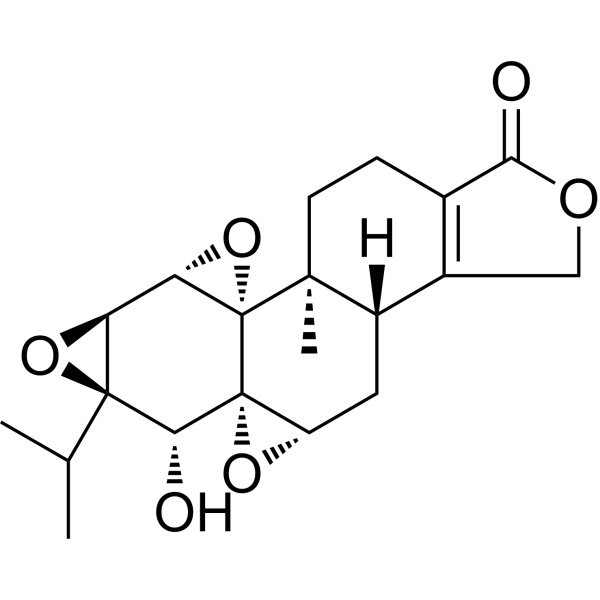
Triptolide is a diterpenoid triepoxide extracted from the root of Tripterygium wilfordii with immunosuppressive, anti-inflammatory, antiproliferative and antitumour effects. Triptolide is a NF-κB activation inhibitor .
|
-
-
- HY-12306
-
|
8-Br-Camp sodium salt
|
PKA
Apoptosis
|
Cancer
|
|
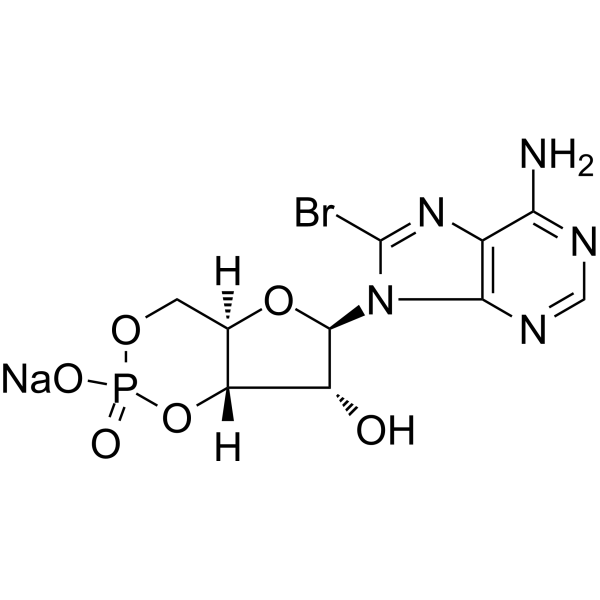
8-Bromo-cAMP sodium (8-Br-Camp) sodium salt, a cyclic AMP analog, is an activator of cyclic AMP-dependent protein kinase (PKA). 8-Bromo-cAMP sodium salt has anti-proliferative and apoptotic effects against cancer cells .
|
-
-
- HY-12306A
-
|
8-Br-Camp
|
PKA
Apoptosis
|
Cancer
|
|
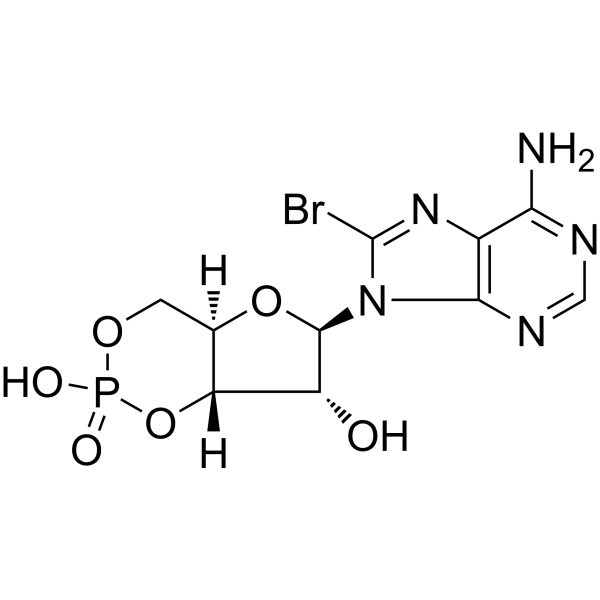
8-Bromo-cAMP (8-Br-Camp), a cyclic AMP analog, is an activator of cyclic AMP-dependent protein kinase (PKA). 8-Bromo-cAMP has anti-proliferative and apoptotic effects against cancer cells .
|
-
-
- HY-N0181
-
-
-
- HY-B0199
-
|
RS 61443; TM-MMF
|
Drug Metabolite
Apoptosis
Endogenous Metabolite
Bacterial
|
Cancer
|
|
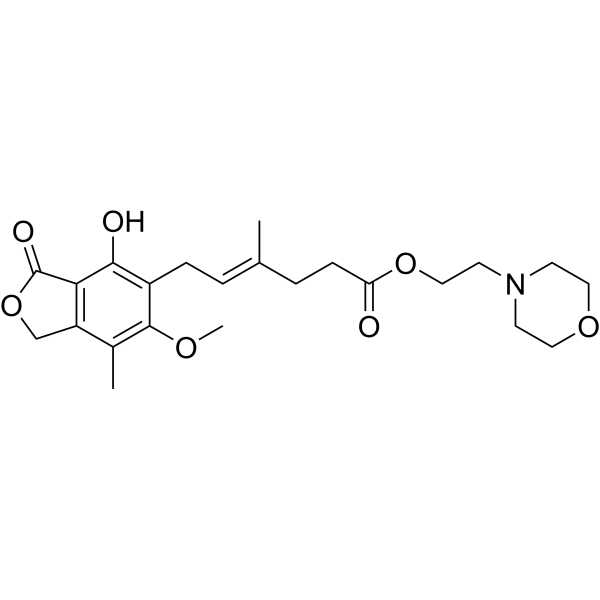
Mycophenolate mofetil (RS 61443) is the morpholinoethylester proagent of Mycophenolic acid. Mycophenolate mofetil inhibits de novo purine synthesis via the inhibition of inosine monophosphate dehydrogenase (IMPDH). Mycophenolate mofetil shows selective lymphocyte antiproliferative effects involve both T and B cells, preventing antibody formation .
|
-
-
- HY-109541
-
|
DMPC; 1,2-Dimyristoyl-sn-glycero-3-phosphocholine; Dimyristoyl phosphatidylcholine
|
Liposome
|
Cancer
|
|
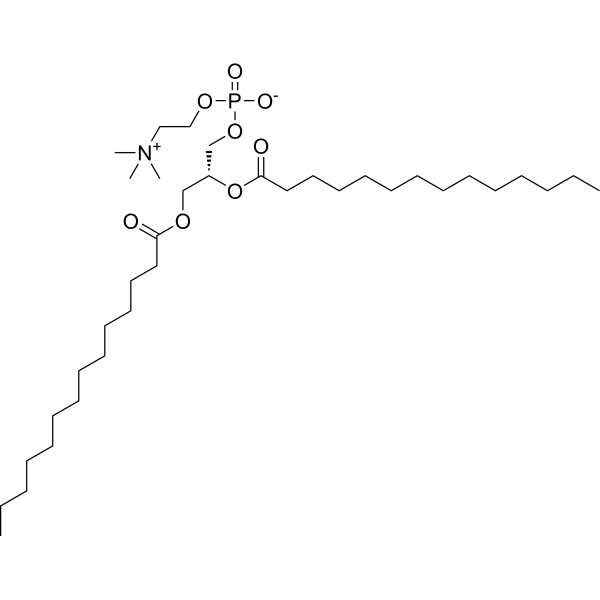
Colfosceril miristate (DMPC) is a synthetic phospholipid. Colfosceril miristate has antiproliferative effects on various tumors. Colfosceril miristate is used to study lipid monolayers, bilayers and drug delivery .
|
-
-
- HY-14807
-
|
CHR-2797
|
Aminopeptidase
|
Cancer
|
|
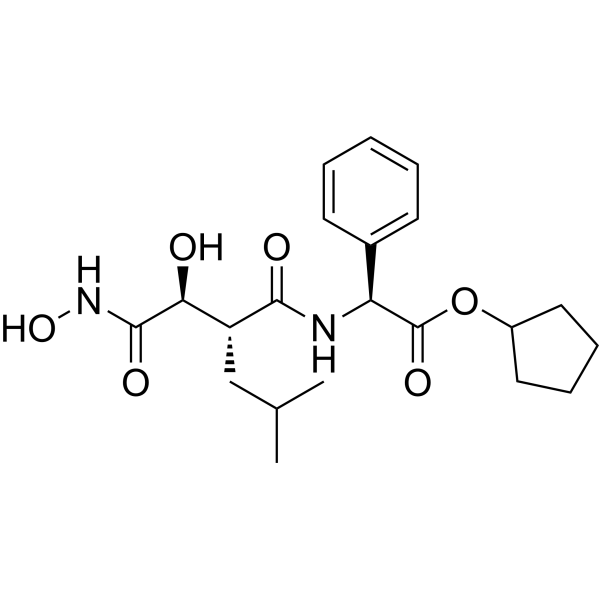
Tosedostat (CHR-2797) is an orally active aminopeptidase inhibitor. CHR-2797 exerts antiproliferative effects against a range of tumor cell lines .
|
-
-
- HY-W011404
-
|
Glyceryl tributyrate
|
Apoptosis
TNF Receptor
Interleukin Related
|
Metabolic Disease
Cancer
|
|
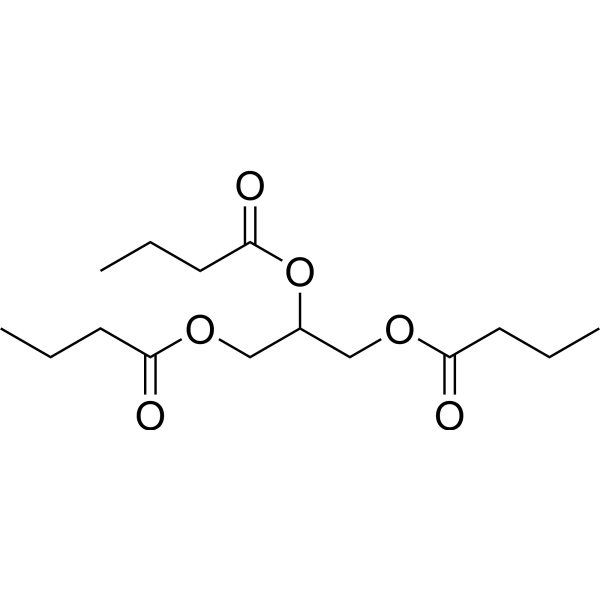
Tributyrin (Glyceryl tributyrate), a neutral short-chain fatty acid triglyceride, is a stable and rapidly absorbed proagent of Butyric Acid. Tributyrin diffuses through biological membranes and is metabolized by intracellular lipases, releasing effective butyrate directly into the cell in vivo. Tributyrin has potent antiproliferative, proapoptotic and differentiation-inducing effects .
|
-
-
- HY-B0328
-
-
-
- HY-N7072
-
|
|
Apoptosis
|
Metabolic Disease
Inflammation/Immunology
Cancer
|
|
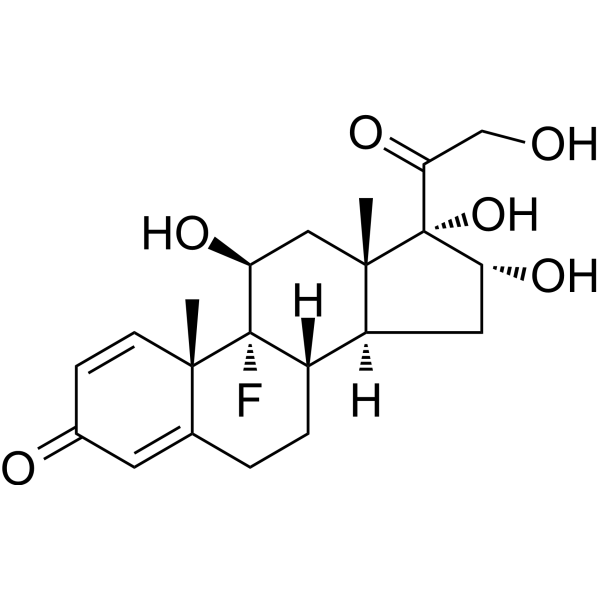
Grape seed extract is a natural product, with anti-inflammatory and anti-proliferative effects. Grape seed extract shows inhibitory activity on the fat-metabolizing enzymes pancreatic lipase and lipoprotein lipase. Grape seed extract induces apoptotic in human colorectal cancer cells .
|
-

-
- HY-N2510
-
|
Myristicine
|
5-HT Receptor
EGFR
ERK
Apoptosis
Bacterial
|
Infection
Neurological Disease
Inflammation/Immunology
Cancer
|
|
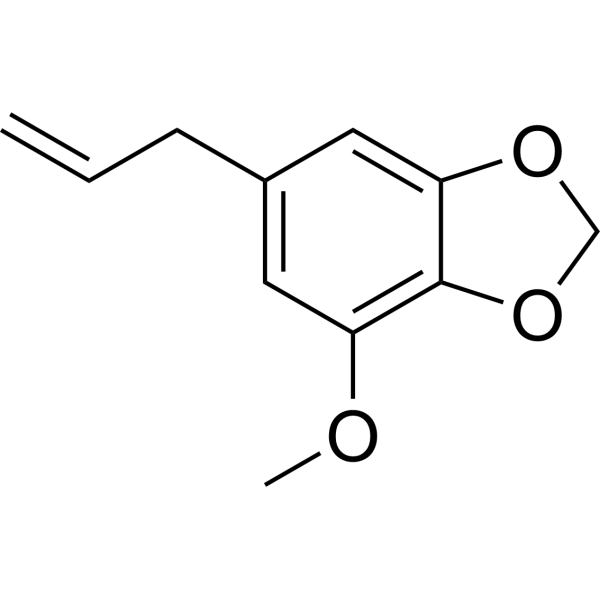
Myristicine is an orally bioavailable serotonin receptor antagonist and weak monoamine oxidase (MAO) inhibitor. Myristicine also exerts anti-cancer effects on gastric cancer cells by inhibiting the EGFR/ERK signaling pathway. Myristicine is the main component of nutmeg essential oil and has anti-cancer, anti-proliferative, antibacterial, anti-inflammatory and apoptosis-inducing effects. Myristicine abuse can produce hallucinogenic effects, organ damage, etc .
|
-
-
- HY-168660
-
CPD-10
1 Publications Verification
|
PROTACs
Apoptosis
CDK
|
Cancer
|
|
CPD-10 is a potent CCND1 and CDK4 PROTAC degrader. CPD-10 exhibits anti-proliferative effects on tumor cells and can also induce apoptosis. CPD-10 can be used for the study of breast cancer and lung cancer .
|
-

-
- HY-148816
-
|
|
Calcium Channel
|
Cancer
|
|
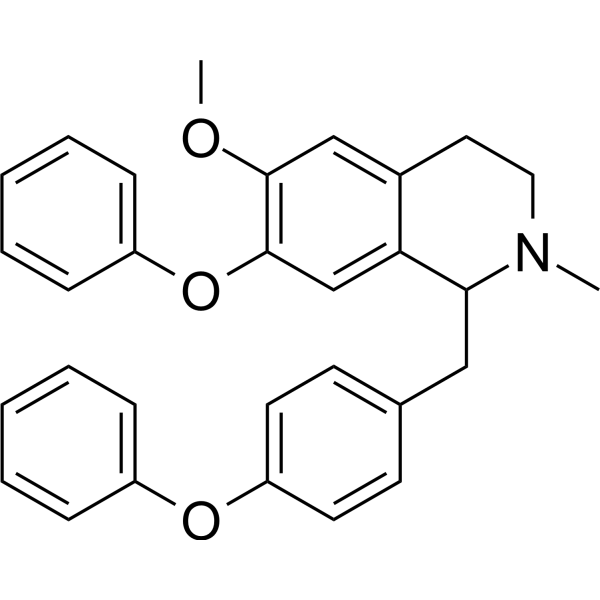
SG-094 is a potent TPC2 inhibitor with antiproliferative effects. SG-094 can be used for the research of cancer .
|
-
-
- HY-128587
-
|
SY-1365
|
CDK
|
Cancer
|
|
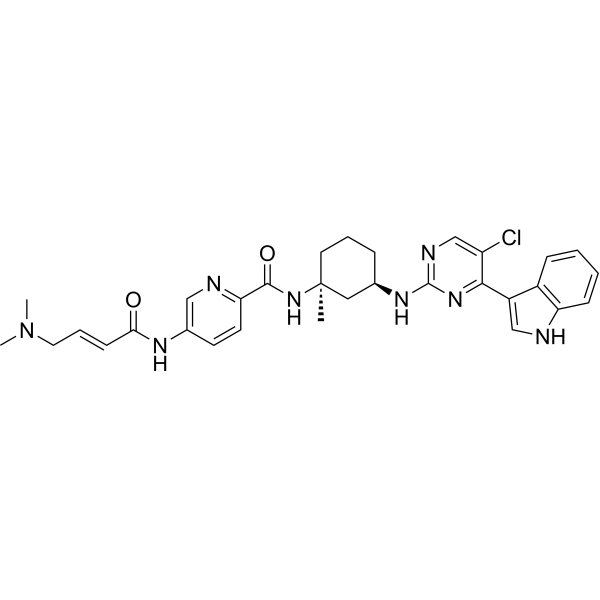
Mevociclib (SY-1365) is a potent and first-in-class selective CDK7 inhibitor, with a Ki of 17.4 nM. Mevociclib exhibits anti-proliferative and apoptotic effects in solid tumor cell lines. Mevociclib possesses anti-tumor activity in hematological and multiple aggressive solid tumors .
|
-
-
- HY-P10816
-
|
Ac-(DLeu)LLLRVK-Amba
|
Bacterial
|
Infection
Cancer
|
|
PACE4 Inhibitory peptide C23 (Compound C23; Ac-(DLeu)LLLRVK-Amba)), a potent peptidomimetic inhibitor, is a PACE4 inhibitor. PACE4 Inhibitory peptide C23e shows antiproliferative effects against PCa cell lines (Ki = 5 nM; IC50 = 25 and 40 μM for DU145 and LNCaP, respectively). PACE4 Inhibitory peptide C23 also blocks tumor growth in vivo in LNCaP xenograft-bearing mice .
|
-

-
- HY-W001603
-
|
|
Biochemical Assay Reagents
|
Cancer
|
|
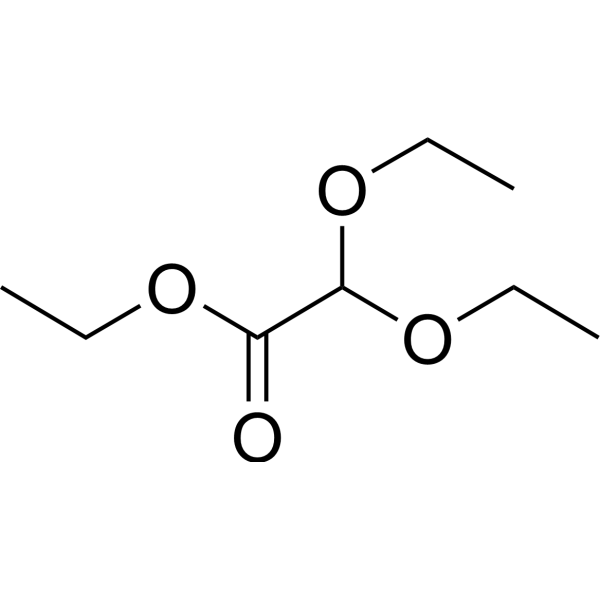
Ethyl diethoxyacetate is a reagent used in organic synthesis. Ethyl diethoxyacetate has moderate antiproliferative effects on cervical cancer and liver cancer .
|
-
-
- HY-147803
-
|
|
Reactive Oxygen Species (ROS)
|
Cancer
|
|
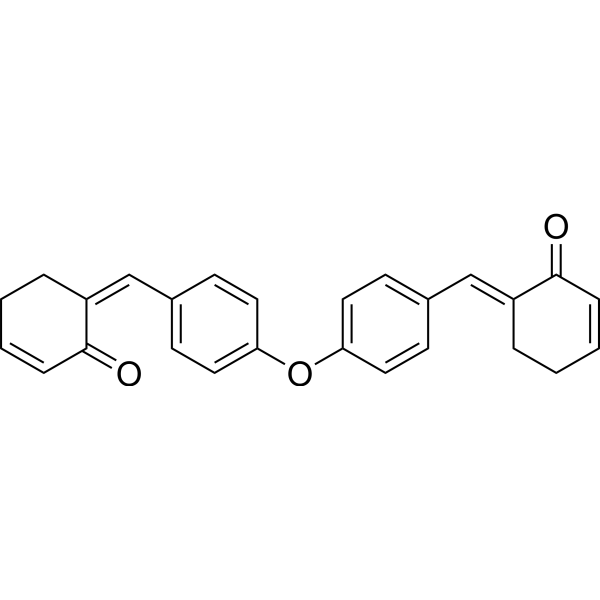
TrxR-IN-5 (compound 4f) is a potent TrxR (thioredoxin reductase) inhibitor, with an IC50 of 0.16 μM. TrxR-IN-5 increases the levels of ROS, thus leading to potent antiproliferative effects. TrxR-IN-5 exhibits prominent anticacer and anti-metastasis effects .
|
-
-
- HY-B1394
-
Khellin
2 Publications Verification
|
EGFR
|
Cardiovascular Disease
Cancer
|
|
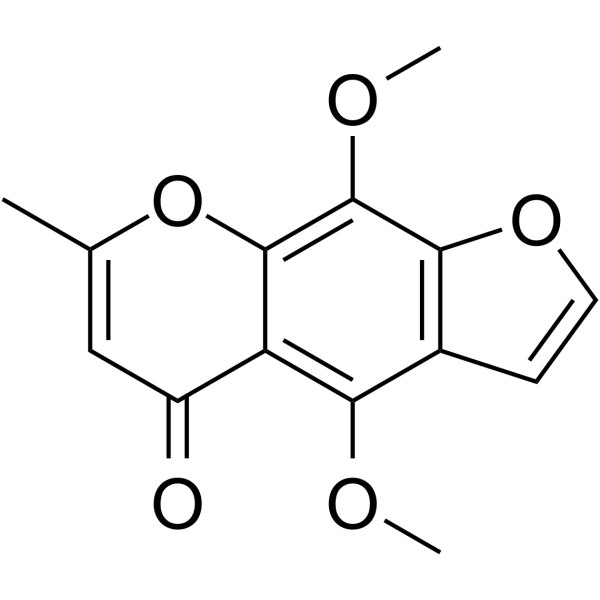
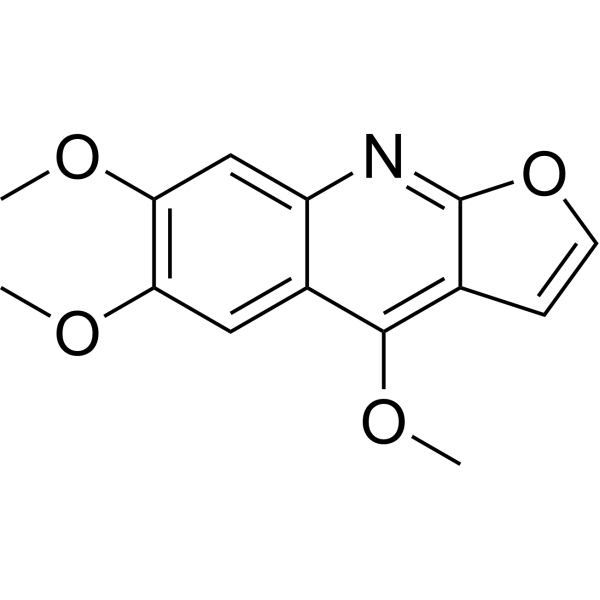
Khellin is a furochromone that can be isolated from Ammi visnuga L.. Khellin is an EGFR inhibitor with an IC50 of 0.15 µM. Khelline has anti-proliferative activity in vitro. Khellin has antispasmodic and coronary vasodilator effects .
|
-
-
- HY-N0181R
-
|
Ergosterin(Standard); Provitamin D(Standard); Provitamin D2 (Standard)
|
Reference Standards
Endogenous Metabolite
|
Inflammation/Immunology
|
|
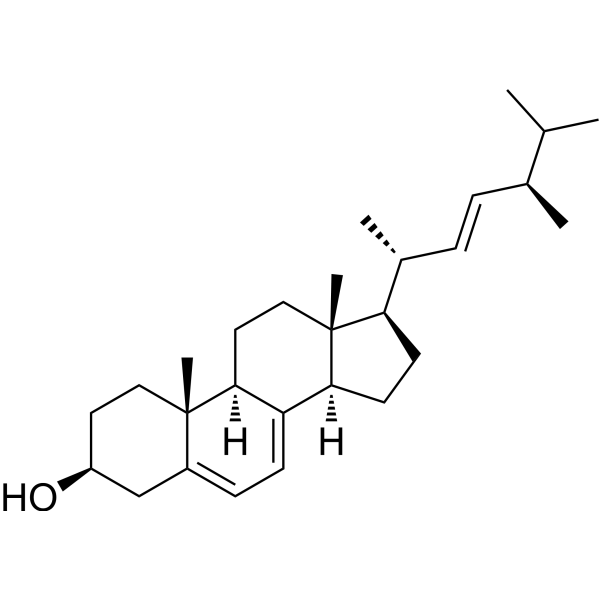
Ergosterol (Standard) is the analytical standard of Ergosterol. This product is intended for research and analytical applications. Ergosterol is the primary sterol found in fungi, with antioxidative, anti-proliferative, and anti-inflammatory effects.
|
-
-
- HY-153521
-
|
|
BCL6
|
Cancer
|
|
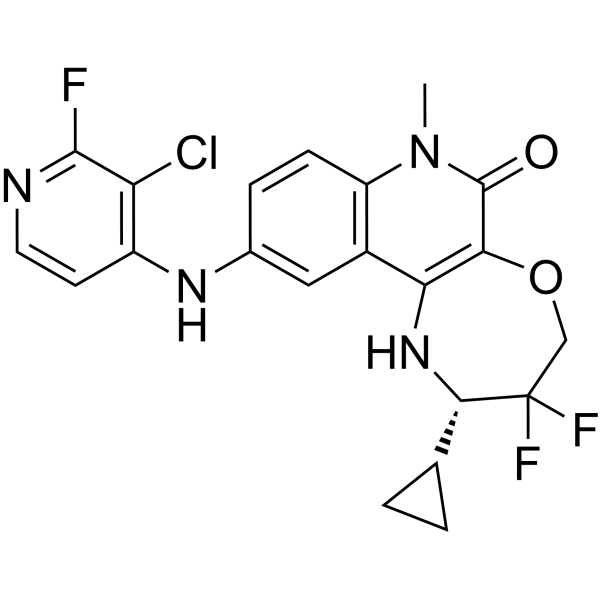
CCT374705 is an orally active BCL6 inhibitor (IC50 = 4.8 nM) with potent antiproliferative effects in vitro. CCT374705 effectively inhibits tumor growth in a lymphoma xenograft mouse model .
|
-
-
- HY-114803
-
-
-
- HY-N10544
-
|
(+)-δ-Cadinene
|
Bacterial
Parasite
Fungal
Apoptosis
|
Infection
Cancer
|
|
δ-Cadinene ((+)-δ-Cadinene) is a sesquiterpene in essential oils. δ-Cadinene shows antiproliferative and pro-apoptotic effects on human ovary cancer (OVCAR-3) cells. δ-Cadinene has trichomonacidal, antimicrobial, antifungal and anticancer properties .
|
-

-
- HY-P2282
-
|
|
STAT
|
Cancer
|
|
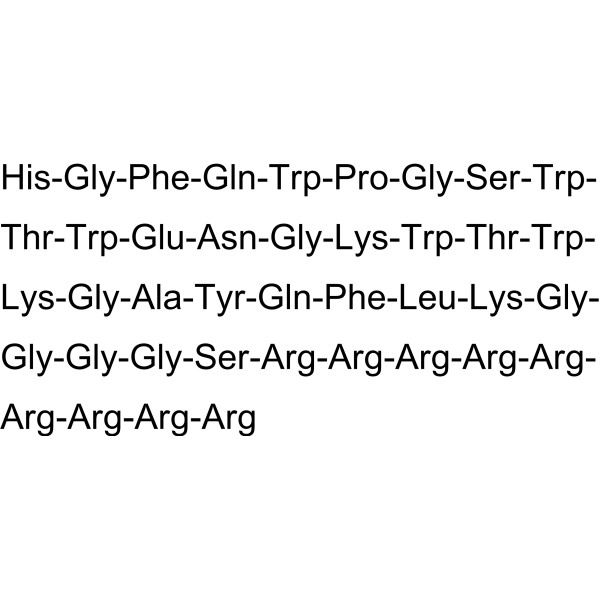
APTSTAT3-9R, a specific STAT3-binding peptide, inhibits STAT3 activation and downstream signaling by specifically blocking STAT3 phosphorylation. APTSTAT3-9R exerts antiproliferative effects and antitumor activity .
|
-
-
- HY-103387
-
DuP-697
1 Publications Verification
|
COX
Apoptosis
|
Inflammation/Immunology
Cancer
|
|
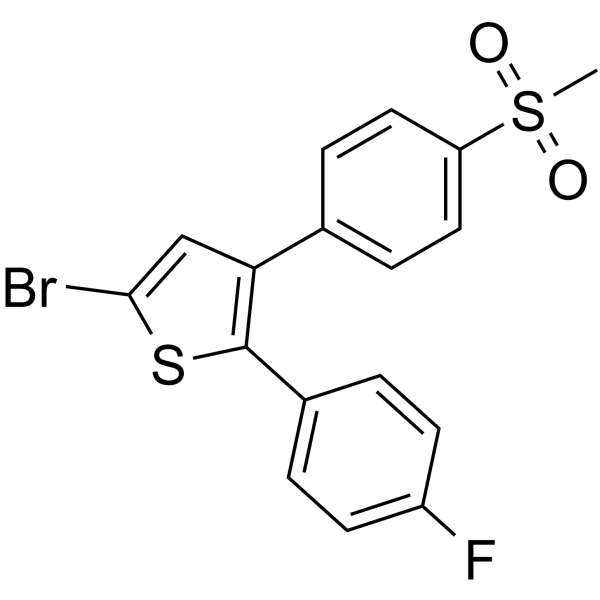
DuP-697 is a member of the vicinal diaryl heterocycles and a potent, irreversible, selective and orally active COX-2 inhibitor (IC50 of 10 nM and 800 nM for human COX-2 and COX-1, respectively). DuP-697 exerts antiproliferative (IC50 of 42.8 nM), antiangiogenic and apoptotic effects on HT29 colorectal cancer cells. DuP-697 inhibits prostaglandin synthesis and has anti-inflammatory, anticancer and antipyretic effects .
|
-
-
- HY-15266
-
|
PRI 2202; Impurity D of Calcipotriol
|
Drug Derivative
VD/VDR
|
Cancer
|
|
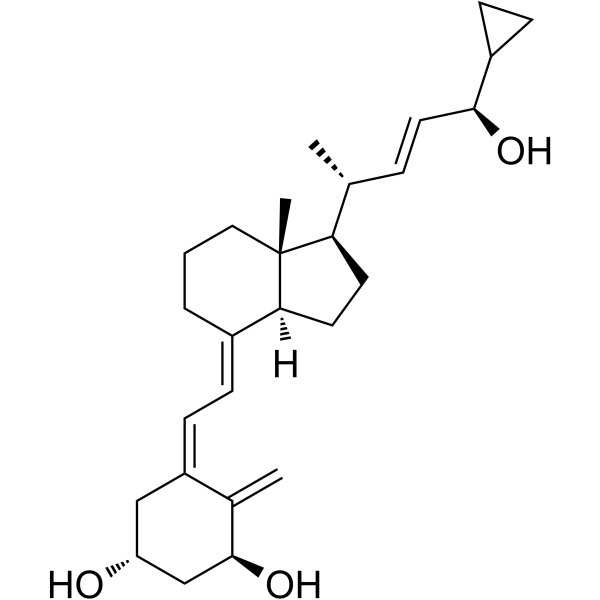
24R-Calcipotriol (PRI 2202; Impurity D of Calcipotriol), an isomer of Calcipotriol (HY-10001), is a synthetic vitamin D analog. 24R-Calcipotriol exhibits synergistic antiproliferative effects with low-dose cytostatics in in vitro. 24R-Calcipotriol produces tumor growth inhibition when combined with Cyclophosphamide (HY-17420) and Cisplatin (HY-17394) in mice models. 24R-Calcipotriol can increase serum calcium levels and reduce blood leukocyte counts . 24R-Calcipotriol can be used for the research of mammary cancer and Lewis lung cancer .
|
-
-
- HY-163173
-
|
|
YAP
|
Cancer
|
|
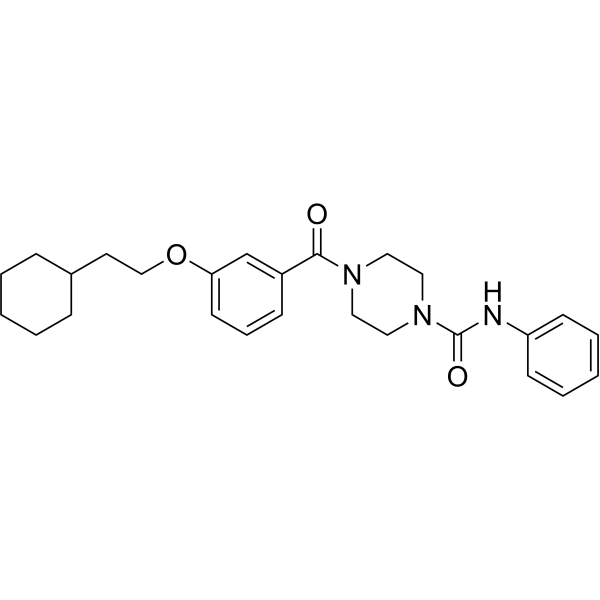
TEAD-IN-8 is a novel TEAD inhibitor, which potently and specifically inhibits TEAD-YAP transcriptional activities. TM2, alone or in combination with MEK inhibitors, exhibits potent antiproliferative effects in YAP-dependent cancer cells .
|
-
-
- HY-32735S
-
|
PG490-d3
|
Isotope-Labeled Compounds
NF-κB
Apoptosis
|
Cancer
|
|
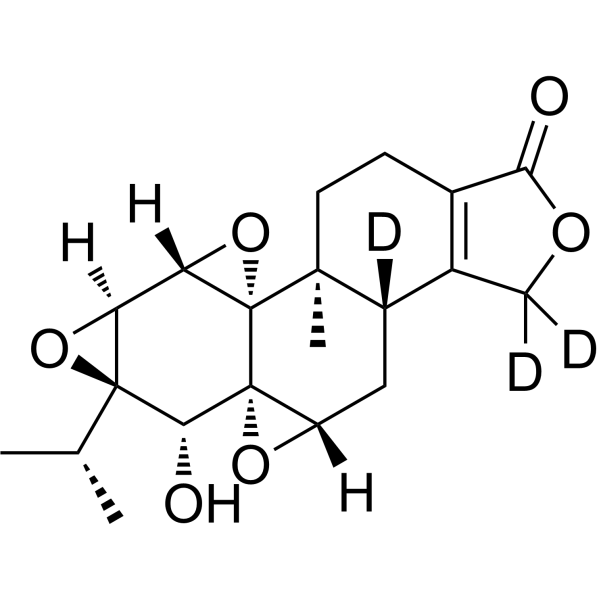
Triptolide-d3 is the deuterium labeled Triptolide. Triptolide is a diterpenoid triepoxide extracted from the root of Tripterygium wilfordii with immunosuppressive, anti-inflammatory, antiproliferative and antitumour effects. Triptolide is a NF-κB activation inhibitor .
|
-
-
- HY-111538
-
|
|
MAGL
|
Cancer
|
|
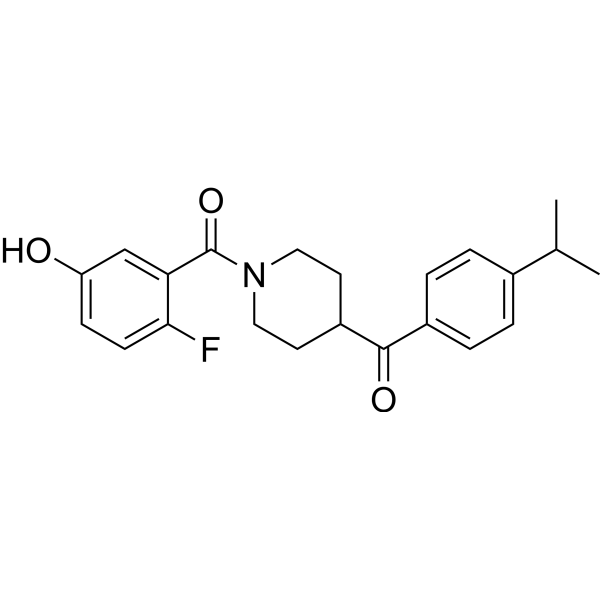
MAGL-IN-1 is a potent, selective, reversible and competitive inhibitor of MAGL, with an IC50 of 80 nM. MAGL-IN-1 exhibits anti-proliferative effects against human breast, colorectal, and ovarian cancer cells. MAGL-IN-1 blocks MAGL in cell-based as well as in vivo assays .
|
-
-
- HY-170953
-
|
|
Casein Kinase
Molecular Glues
|
Cancer
|
|
QXG-6442 is a CK1α Molecular Glue Degrader. QXG-6442 exhibits CK1α degradation potency with a DC50 of 5.7 nM and a Dmax of 90%. QXG-6442 induces antiproliferative effects in MOLM-14 cell line .
|
-

-
- HY-107203
-
|
HWA 285
|
Phosphodiesterase (PDE)
|
Neurological Disease
Inflammation/Immunology
|
|
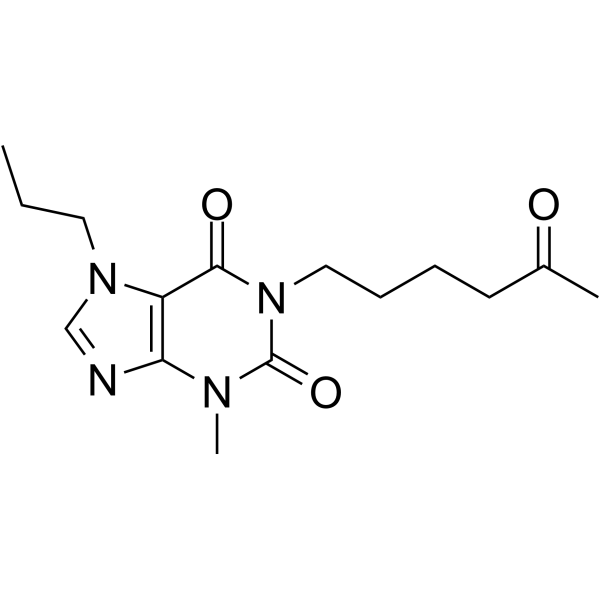
Propentofylline is a xanthine-derivative that inhibits adenosine uptake and blocks phosphodiesterase activity.
Propentofylline has neuroprotective, antiproliferative, and anti-inflammatory effects that improve cognition and dementia severity in patients with Alzheimer's disease or vascular dementia.
|
-
-
- HY-125612
-
|
5'-Hydroxymorusin
|
Apoptosis
|
Cancer
|
|
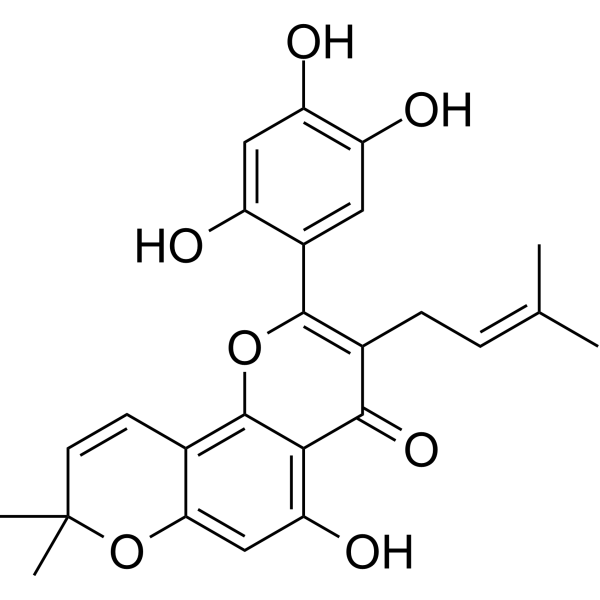
Artonin E (5'-Hydroxymorusin) is a known prenylated flavonoid that induces apoptosis and arrests the cell cycle in S phase. Artonin E can induce anti-proliferative effects through mitochondrial pathway dysregulation and can be used in cancer research .
|
-
-
- HY-125900
-
|
NCA
|
Others
|
Cancer
|
|
Neocarzilin A (NCA) reduces BST-2 levels via lysosomal degradation. Neocarzilin A has antimigratory and antiproliferative effects on cancer cells. Neocarzilin A inhibits cancer cell migration via irreversible binding to the synaptic vesicle membrane protein VAT-1 .
|
-

-
- HY-32735R
-
|
PG490 (Standard)
|
Reference Standards
NF-κB
Apoptosis
|
Cancer
|
|
Triptolide (Standard) is the analytical standard of Triptolide. This product is intended for research and analytical applications. Triptolide is a diterpenoid triepoxide extracted from the root of Tripterygium wilfordii with immunosuppressive, anti-inflammatory, antiproliferative and antitumour effects. Triptolide is a NF-κB activation inhibitor .
|
-

-
- HY-171787A
-
|
|
CDK
|
Cancer
|
|
PPA-037 TFA is an orally active, highly potent and selective inhibitor of cyclin-dependent kinase 12 (CDK12). PPA-037 TFA induces the degradation of cyclin K (Cyclin K), enhancing antiproliferative effects on tumor cells. PPA-037 TFA is promising for research of cancers .
|
-

-
- HY-123656
-
|
|
Apoptosis
|
Cancer
|
|
Antiproliferative agent-61 is a synthetic β-carlinyl chalcone with significant antiproliferative activity. Antiproliferative agent-61 showed significant effects in a range of solid tumor cell lines, with the most prominent effects in breast cancer. Antiproliferative agent-61 showed IC50 values of 2.25 and 3.29 μM in the human breast cancer MCF-7 cell line. Antiproliferative agent-61 significantly induced DNA fragmentation and apoptosis in breast cancer cells. Antiproliferative agent-61 inhibited the interaction of MDM2 with p53 and promoted the degradation of MDM2 .
|
-

-
- HY-119340
-
|
Flavoneacetic acid
|
Reactive Oxygen Species (ROS)
|
Cancer
|
|
Mitoflaxone (flavoneacetic acid) is a synthetic flavonoid compound with vascular targeting properties. Mitoflaxone exerts anti-proliferative effects on endothelial cells through a superoxide-dependent mechanism, this effect leads to changes in the permeability of tumor blood vessels, thereby exerting anti-tumor effects [1] [2] .
|
-

-
- HY-N0181S
-
-

-
- HY-116588
-
|
|
Epigenetic Reader Domain
|
Cancer
|
|
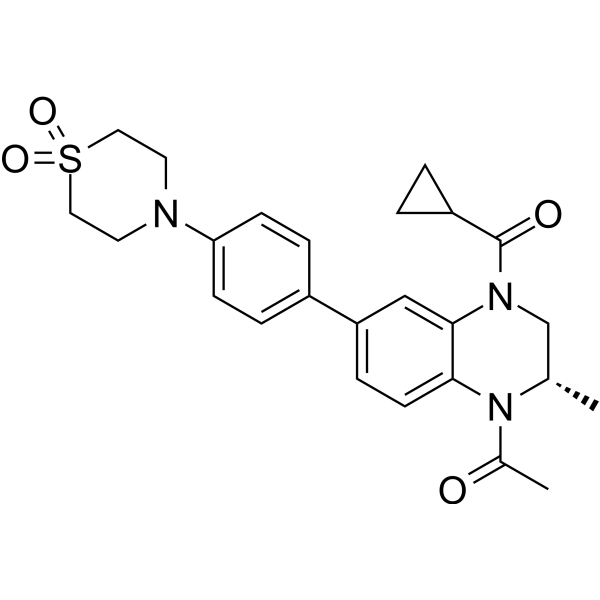
FT001 is an orally active and selective BET inhibitor. FT001 has potent anti-proliferative effects against MV-4-11. FT001 can be used for research of cancer .
|
-
-
- HY-16984
-
|
|
Itk
|
Inflammation/Immunology
|
|
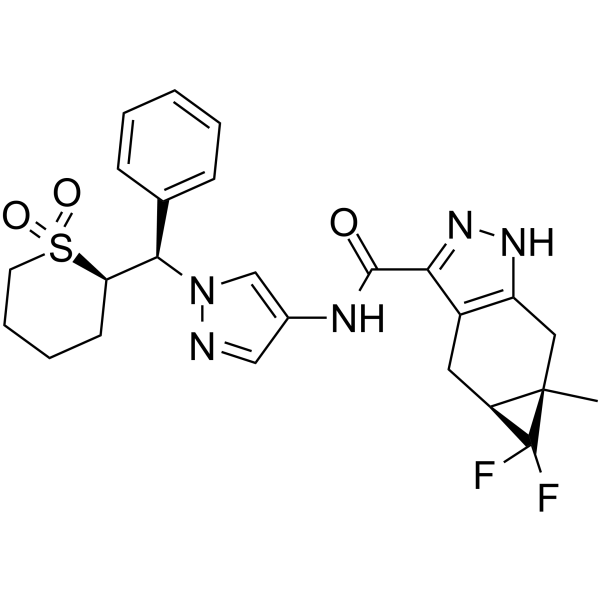
GNE-4997 is a potent and selective interleukin-2-inducible T-cell kinase (ITK) inhibitor with a Ki of 0.09 nM, and the correlation between the basicity of solubilizing elements in GNE-4997 and off-target antiproliferative effects reduces cytotoxicity .
|
-
-
- HY-121278
-
-
-
- HY-N11479
-
-
-
- HY-N15577
-
|
|
Drug Derivative
|
Cancer
|
|
Antiproliferative agent-69 (Compound 1) is a prenylated kaempferol derivative found in the fresh bud’s fur of Platanus acerifolia. Antiproliferative agent-69 shows significant antiproliferative effects against human breast cancer cells (MCF-7) and human hepatocellular carcinoma cells (Hep-G2) with IC50 values of 38.2 μM and 39.5 μM, respectively. Antiproliferative agent-69 is promising for research of breast cancer and liver cancer .
|
-

-
- HY-156642
-
|
|
ADC Payload
Topoisomerase
|
Cancer
|
|
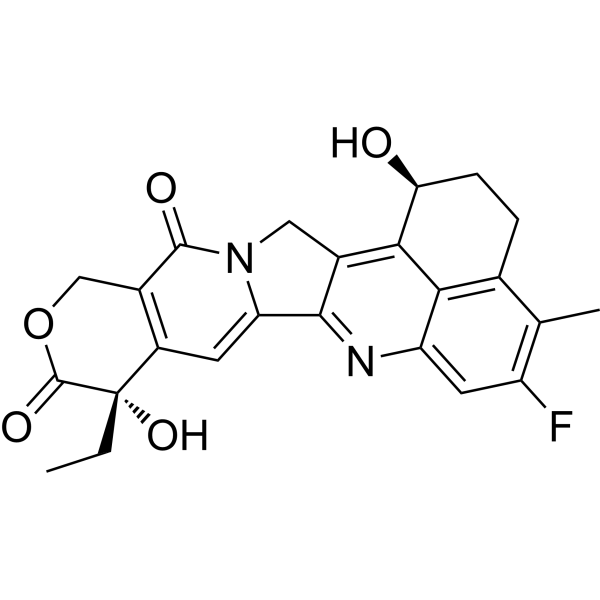
(1-OH)-Exatecan is a quinoline ring compound. (1-OH)-Exatecan has substantial antiproliferative effects. (1-OH)-Exatecan can be used for cancer diseases research .
|
-
-
- HY-118091A
-
|
LY300502
|
5 alpha Reductase
|
Cancer
|
|
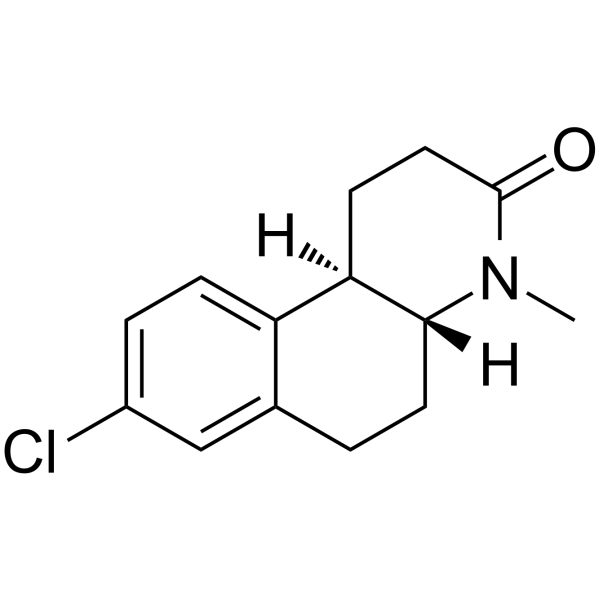
Bexlosteride (LY300502) is a benzoquinolinone human type I 5α-reductase inhibitor. Bexlosteride shows metabolic inhibitory, antiproliferative, and antisecretory effects in LNCaP human prostatic adenocarcinoma cell cultures. Bexlosteride can be used for the research of prostatic cancer .
|
-
-
- HY-131923
-
|
|
Notch
|
Cancer
|
|
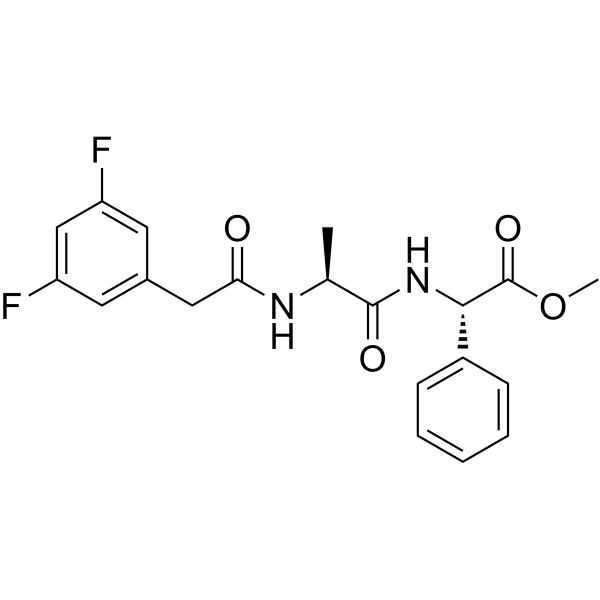
DAPM is a Notch pathway inhibitor with anticancer activity and antiproliferative effects. DAPM effectively inhibits tubular adenoma development by inhibiting cell proliferation and inducing the expression of Krüppel-like factor 4 (KLF4) and p21 in human colon cancer cells .
|
-
-
- HY-136611
-
|
|
Drug Metabolite
|
Infection
|
|
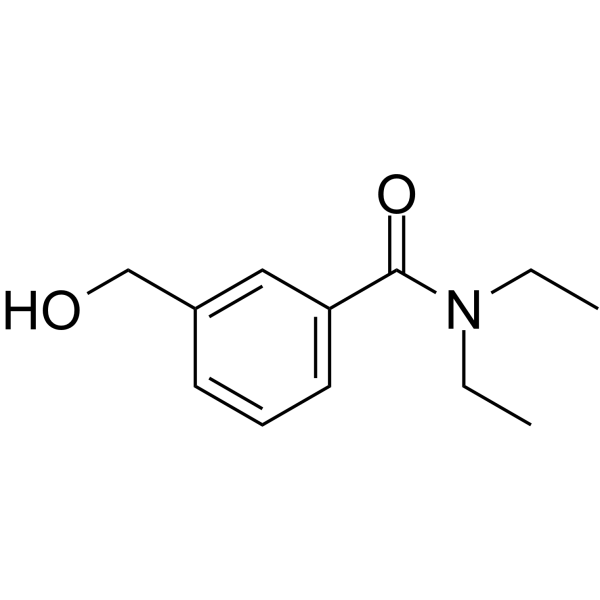
ω-Hydroxy-DEET is a major metabolite of insect repellent N-N-diethyl-meta-toluamide (DEET). ω-Hydroxy-DEET has anti-proliferative effects. DEET is a spatial repellent and an irritant that commonly used to prevent contact with mosquitoes .
|
-
-
- HY-W011404R
-
|
Glyceryl tributyrate (Standard)
|
Apoptosis
Reference Standards
TNF Receptor
Interleukin Related
|
Metabolic Disease
Cancer
|
|
Tributyrin (Glyceryl tributyrate), a neutral short-chain fatty acid triglyceride, is a stable and rapidly absorbed proagent of Butyric Acid. Tributyrin diffuses through biological membranes and is metabolized by intracellular lipases, releasing effective butyrate directly into the cell in vivo. Tributyrin has potent antiproliferative, proapoptotic and differentiation-inducing effects .
|
-

-
- HY-146096
-
|
|
P-glycoprotein
Apoptosis
|
Cancer
|
|
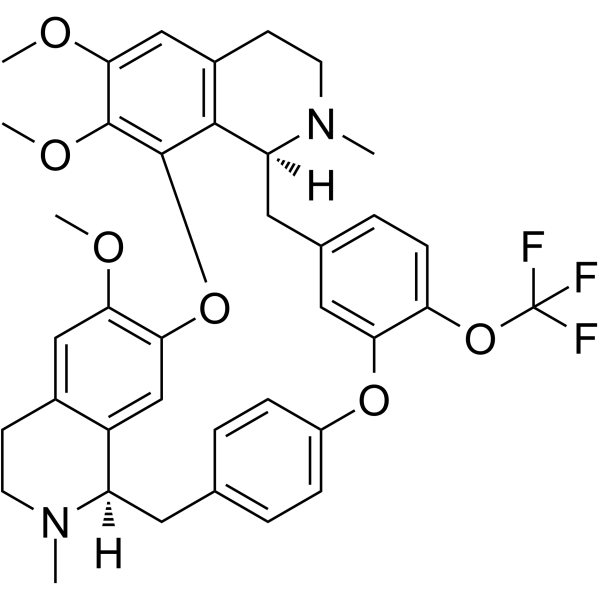
RMS3, a tetrandrine analogue, is a potent P-glycoprotein (P-gp) inhibitor. RMS3 has markedly antiproliferative and cytotoxic effects on cancer cells. RMS3 causes PARP cleavage, a marker for cells undergoing apoptosis. RMS3 has strong anticancer property .
|
-
-
- HY-N2510R
-
|
Myristicine (Standard)
|
5-HT Receptor
EGFR
ERK
Reference Standards
Apoptosis
Bacterial
|
Infection
Neurological Disease
Inflammation/Immunology
Cancer
|
|
Myristicin (Standard) is the analytical standard of Myristicin. This product is intended for research and analytical applications. Myristicine is an orally bioavailable serotonin receptor antagonist and weak monoamine oxidase (MAO) inhibitor. Myristicine also exerts anti-cancer effects on gastric cancer cells by inhibiting the EGFR/ERK signaling pathway. Myristicine is the main component of nutmeg essential oil and has anti-cancer, anti-proliferative, antibacterial, anti-inflammatory and apoptosis-inducing effects. Myristicine abuse can produce hallucinogenic effects, organ damage, etc .
|
-

-
- HY-171787
-
|
|
CDK
|
Cancer
|
|
PPA-037 is an orally active, highly potent and selective inhibitor of cyclin-dependent kinase 12 (CDK12). PPA-037 induces the degradation of cyclin K (Cyclin K), enhancing antiproliferative effects on tumor cells. PPA-037 is promising for research of cancers .
|
-

- HY-116135
-
|
|
Apoptosis
Reactive Oxygen Species (ROS)
|
Cancer
|
R24 is a type of flavonoid derivative. R24 exhibits strong anti-angiogenic and anti-proliferative effects. R24 induces cell apoptosis and promotes the production of reactive oxygen species (ROS). R24 can be used for the study of cancers such as lung cancer and colorectal cancer .
|
-

- HY-149952
-
|
|
ATM/ATR
|
Cancer
|
|
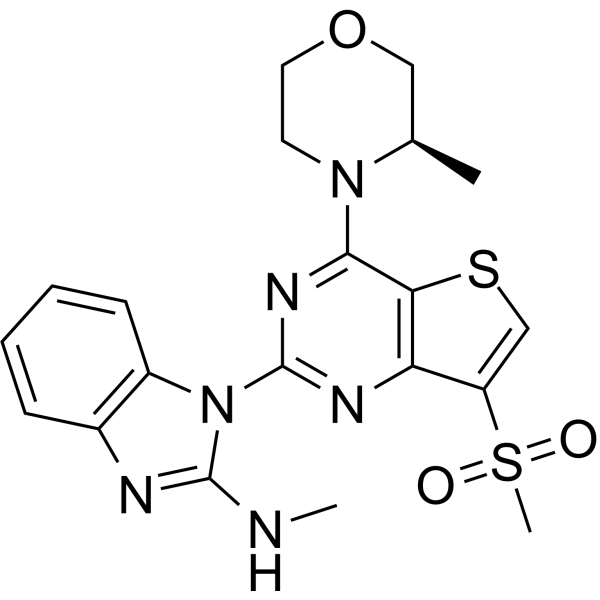
ATR-IN-23 (Compound 34) is a potent and selective ATR inhibitor with an IC50 of 1.5 nM. ATR-IN-23 has potent antiproliferative effects on LoVo cells and synthetic lethality on HT-29 cells, and can be used in the study of DNA damage response (DDR)-deficient cancers .
|
-
- HY-N15657
-
|
|
Apoptosis
COX
Caspase
Microtubule/Tubulin
Monoamine Oxidase
|
Cancer
|
|
Geiparvarin is an anticancer agent and an inhibitor of MAO-B (pIC50 = 6.84 μM). Geiparvarin exerts anti-tumor effects by downregulating COX2 expression and inhibiting angiogenesis. Geiparvarin blocks the cell cycle at the G1 phase and induces apoptosis of cancer cells. Geiparvarin has anti-microtubule activity and destroys the cytoskeleton to exert anti-proliferative effects. Geiparvarin has research significance for lung cancer, leukemia, and breast cancer .
|
-

- HY-N10354
-
|
|
Apoptosis
|
Cancer
|
|
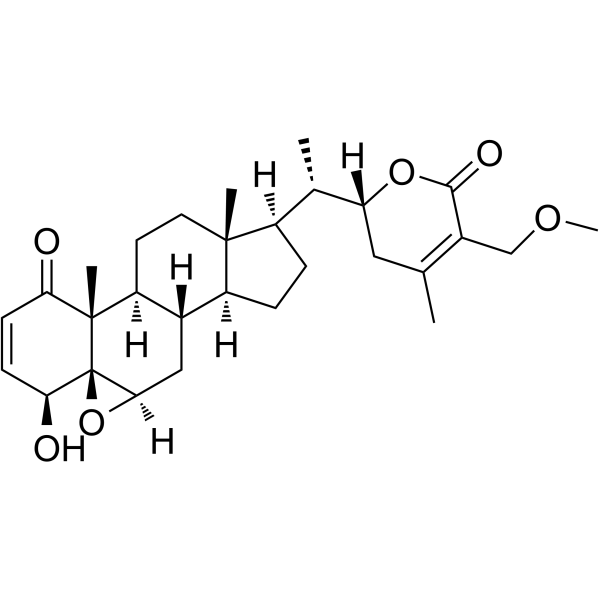
27-Methyl withaferin A (comppund 26) is an apoptosis inducer with anticancer effects. 27-Methyl withaferin A shows antiproliferative effects against HeLa, A-549 and MCF-7 human tumor cell lines with IC50 values of 3.2 μM, 4.2 μM and 1.4 μM, respectively .
|
-
- HY-155303
-
|
|
Ser/Thr Protease
|
Cancer
|
|
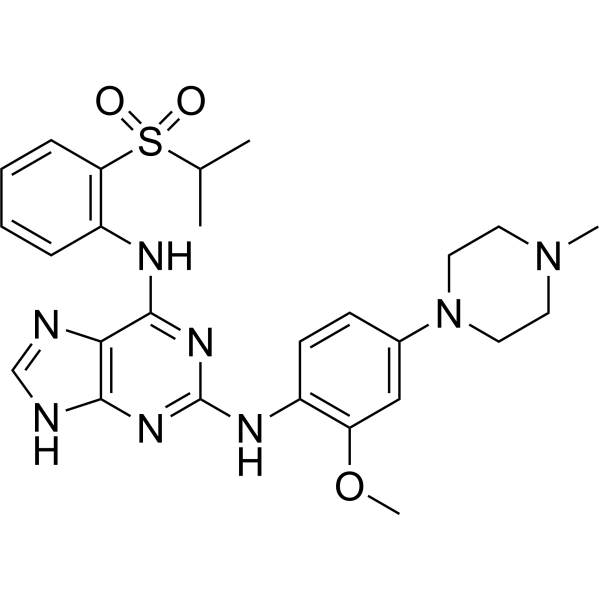
DCLK1-IN-2 (compound I-5) is a potent DCLK1 inhibitor with an IC50 of 171.3 nM. DCLK1-IN-2 shows remarkable antiproliferative effects on SW1990 cell lines (IC50 of 0.6 μM) and in vivo antitumor potency .
|
-
- HY-161089
-
|
|
Others
|
Cancer
|
|
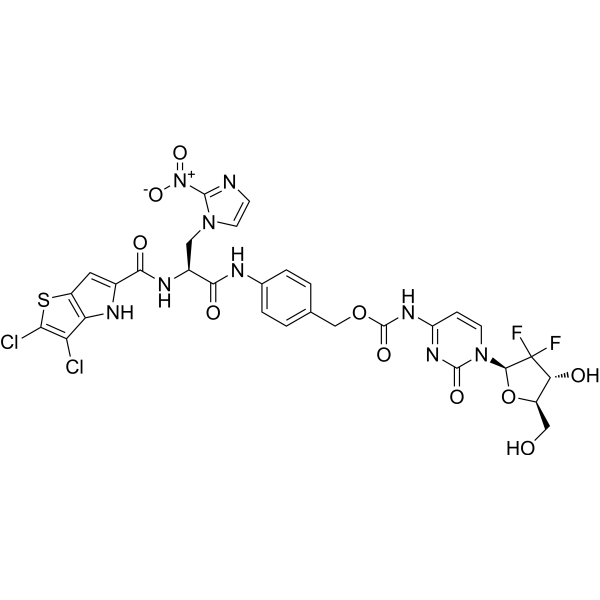
Antiproliferative agent-45 (compound 9) is a prodrug. Antiproliferative agent-45 exhibits significant anti-proliferative effects for human pancreatic cells in hypoxia but fewer effects in normoxia. Antiproliferative agent-45 can be used for cancer research .
|
-
- HY-152099
-
|
|
Apoptosis
|
Cancer
|
|
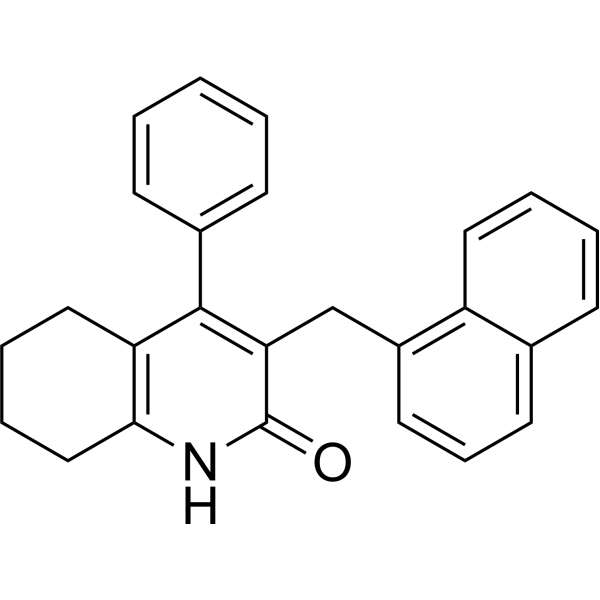
Antiproliferative agent-19 (compound 4a) is an anti-cancer agent that exerts anti-proliferative effects on lung cancer cells by inducing apoptosis. antiproliferative agent-19 also induces cell cycle arrest in the G2/M phase .
|
-
- HY-114824
-
|
|
Bacterial
|
Others
|
|
Streptovitacin A is a compound with antibacterial and antiproliferative activities isolated from microorganisms, which has inhibitory effects on a variety of bacteria and tumor cells.
|
-

- HY-N10351
-
|
|
Apoptosis
|
Cancer
|
|
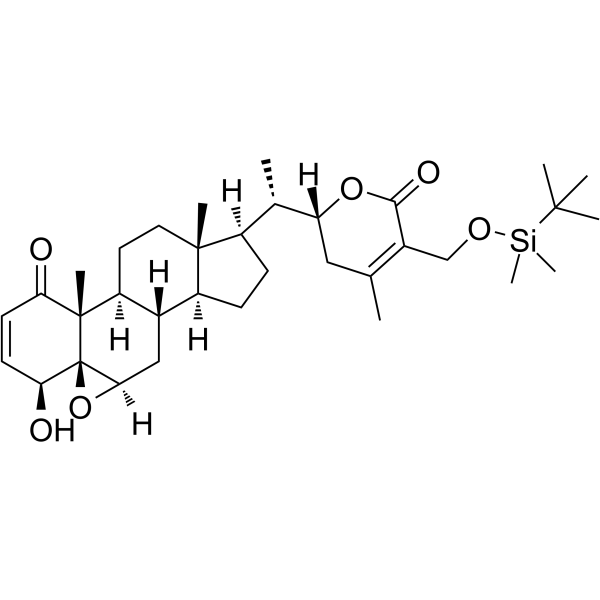
27-O-(tert-Butyldimethylsilyl)withaferin A (compound 9a), a natural withanolide, is an apoptosis inducer. 27-O-(tert-Butyldimethylsilyl)withaferin A shows antiproliferative activity against HeLa, A-549 and MCF-7 human cancer cell lines, and against normal Vero cells .
|
-
- HY-155051
-
|
|
Apoptosis
Histone Methyltransferase
|
Cancer
|
|
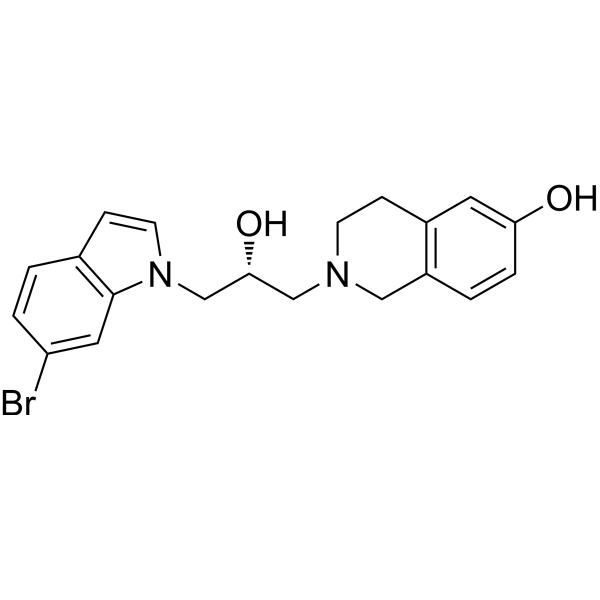
Antiproliferative agent-25 (Compound 3s4) is a selective PRMT5 inhibitor (IC50: 0.11 μM). Antiproliferative agent-25 up-regulates hnRNP E1 protein level. Antiproliferative agent-25 forms H-bond interactions with SAM and E444 residue of PRMT5. Antiproliferative agent-25 has antiproliferative effects against A549 cells by inducing apoptosis and inhibiting cell migration. Antiproliferative agent-25 has high clearances with T1/2 of only 21.8 and 4.7 min in human and rat liver microsomes .
|
-
- HY-116896
-
|
|
Estrogen Receptor/ERR
|
Cancer
|
|
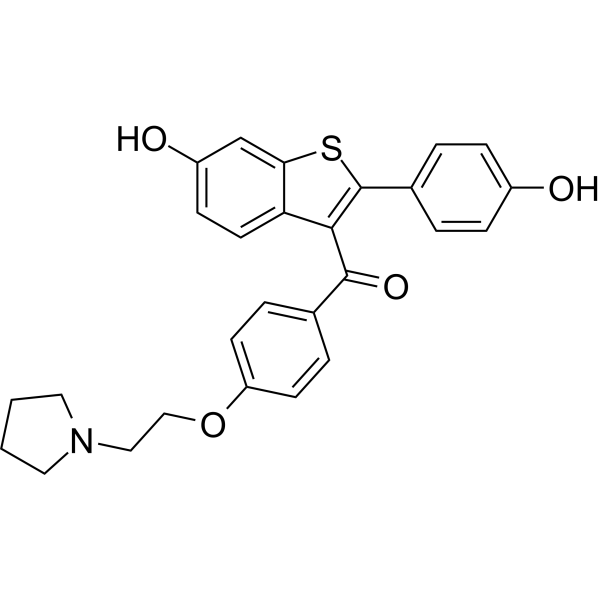
LY117018, a Raloxifene analog, is a selective estrogen receptor modulator. LY117018 exerts antiproliferative effects on breast cancer cell lines .
|
-
- HY-107470
-
|
|
Drug Derivative
|
Inflammation/Immunology
Cancer
|
|
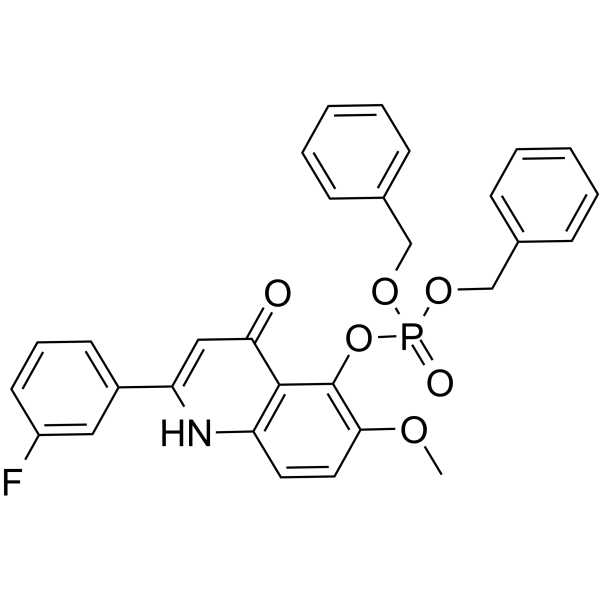
Antitumor agent-21 is an aryl-quinolin derivative, with potential anticancer, anti-inflammatory, anti-proliferative, anti-hormonal effects and inhibition of vasculogenic mimicry .
|
-
- HY-123365
-
|
|
Carbonic Anhydrase
|
Cancer
|
|
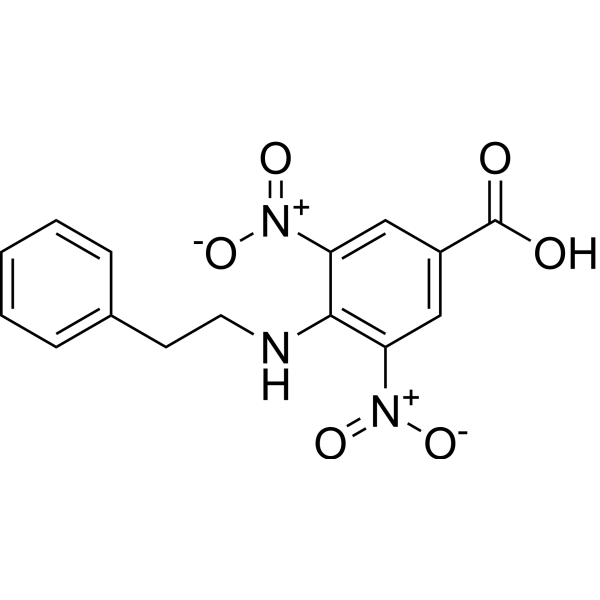
GV2-20 is a potent inhibitor ofcarbonic anhydrase 2.GV2-20shows antiproliferative effects in CML cell .
|
-
- HY-116896A
-
|
|
Estrogen Receptor/ERR
|
Cancer
|
|
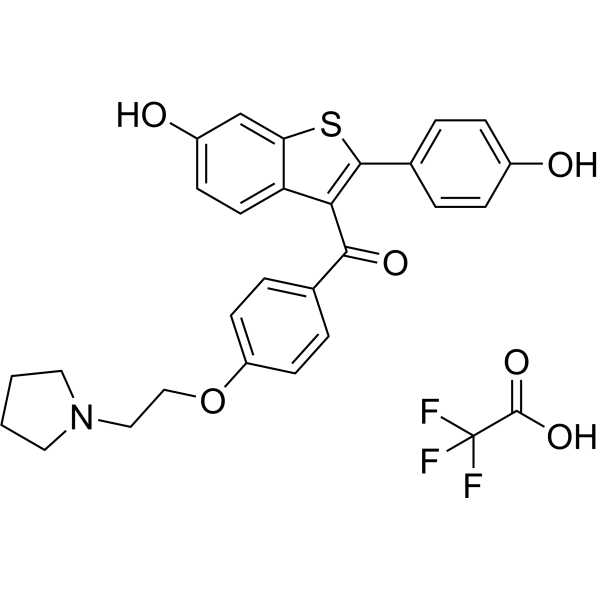
LY117018 TFA, a Raloxifene analog, is a selective estrogen receptor modulator. LY117018 TFA exerts antiproliferative effects on breast cancer cell lines .
|
-
- HY-161463
-
|
|
CDK
|
Cancer
|
|
CDK2-IN-28 (compound 22) is a CDK2 inhibitor with good selectivity and cellular effects against other CDKs. CDK2-IN-28 has anti-proliferative effects on MKN1 cells (EC50: 0.31 μM) .
|
-

- HY-155413
-
|
|
Apoptosis
|
Cancer
|
|
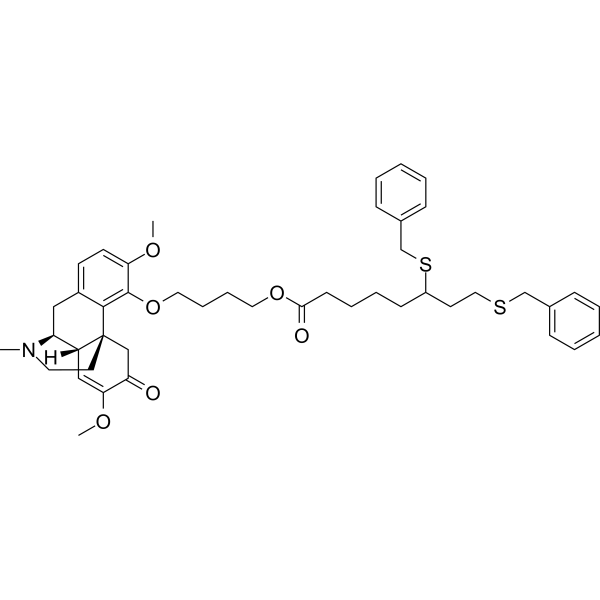
Antiproliferative agent-43 (Compound e4 ) has notable cytotoxic effects against cancer cell lines and causes apoptosis by stopping the cell cycle at G1 phase .
|
-
- HY-157043
-
|
|
Bacterial
|
Infection
|
|
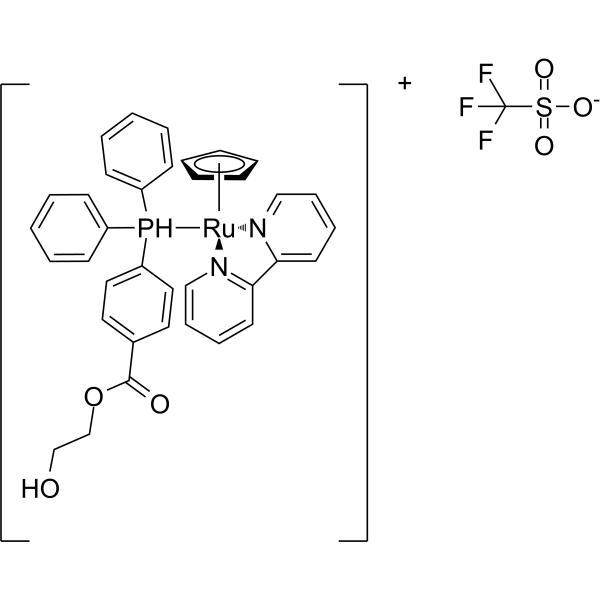
Antibacterial agent 161 trifluoromethanesulfonate (Compound 6) has antibacterial activity. Antibacterial agent 161 trifluoromethanesulfonate has high antiproliferative effects against colon cancer and non-small cell lung cancer .
|
-
- HY-163068
-
|
|
FLT3
|
Cancer
|
|
FLT3-IN-24 (compound 24) is a potent and selective inhibitor of FLT3 kinase with an IC50 of 7.94 nM. FLT3-IN-24 has cell antiproliferative effects .
|
-
- HY-146389
-
|
|
MDM-2/p53
P-glycoprotein
|
Cancer
|
|
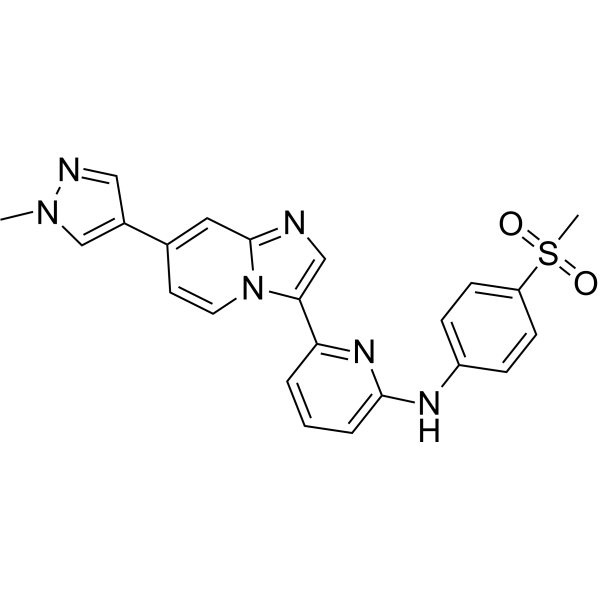
Anticancer agent 50 (compound 6) is a potent ABCB1 efflux pump modulator. Anticancer agent 50 shows cytotoxic effects and antiproliferative effects. Anticancer agent 50 decreases the expression of cyclin D1 and induces p53 expression. Anticancer agent 50 has the potential for the research of T-lymphoma .
|
-
- HY-N9096
-
|
|
Bacterial
|
Neurological Disease
|
|
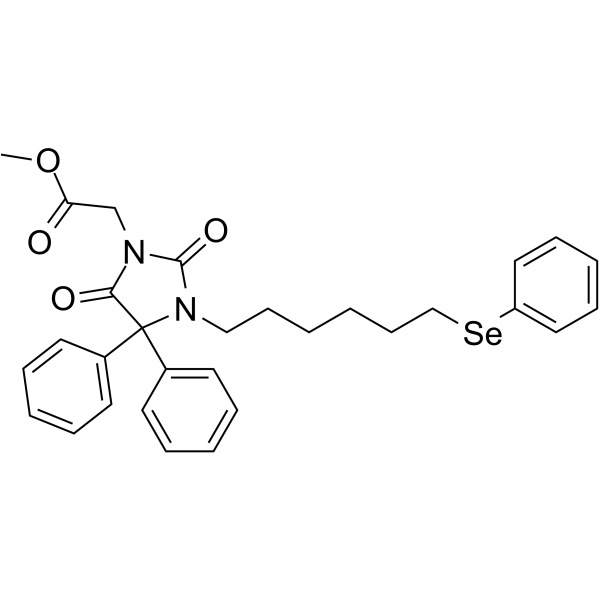
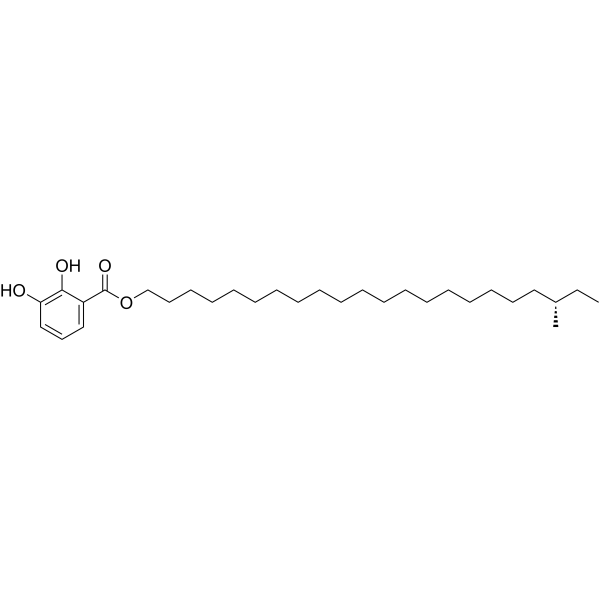
Gentiside B has neuritogenic activity and induce neurite outgrowth. Gentiside B can be isolated from the root and rhizome of Gentiana rigescens. Gentiana has hepatoprotective, anti-inflammatory, analgesic, antiproliferative and antimicrobial effects .
|
-
- HY-N11050
-
|
|
Apoptosis
|
Cancer
|
|
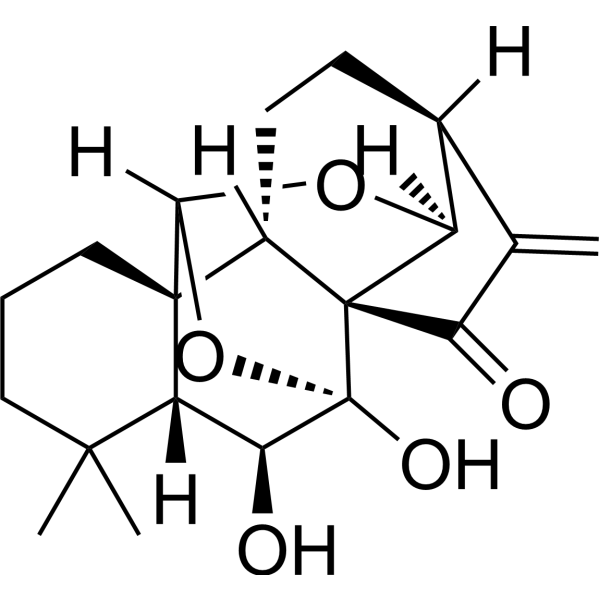
Xerophilusin B, an anticancer agent isolated from Isodon xerophilus, exhibits antiproliferative effects on esophageal squamous cell carcinoma (ESCC) cell lines, induces G2/M cell cycle arrest, and mediates apoptosis .
|
-
- HY-116896R
-
|
|
Estrogen Receptor/ERR
|
Cancer
|
|
LY117018 (Standard) is the analytical standard of LY117018. This product is intended for research and analytical applications. LY117018, a Raloxifene analog, is a selective estrogen receptor modulator. LY117018 exerts antiproliferative effects on breast cancer cell lines .
|
-

- HY-143900
-
|
|
Btk
Apoptosis
|
Inflammation/Immunology
Cancer
|
|
BTK-IN-7 is a potent and selective inhibitor of BTK (IC50=4.0 nM). BTK-IN-7 has high selectivity in both enzymatic (ITK >250-fold, EGFR >2500-fold) and cellular levels (ITK >227-fold, EGFR 27-fold). BTK-IN-7 also has potent antitumor activity .
|
-
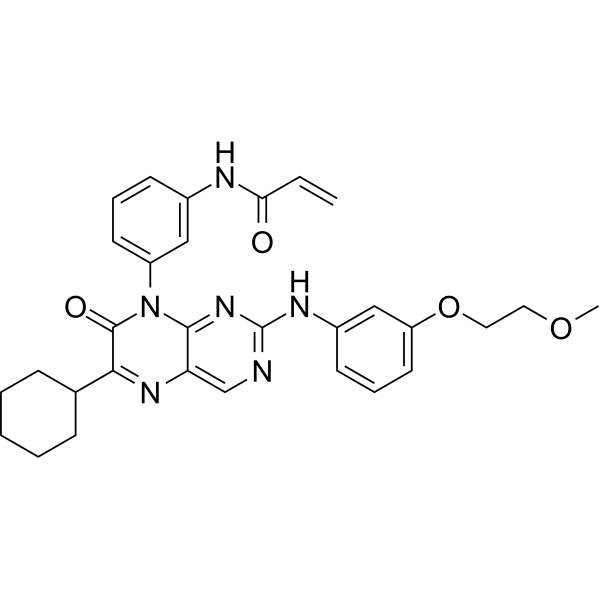
- HY-161290
-
-
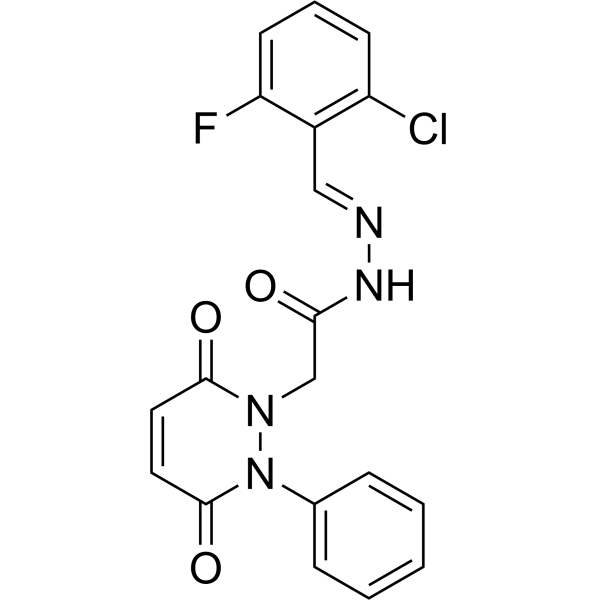
- HY-144755
-
|
|
Histone Demethylase
|
Cancer
|
|
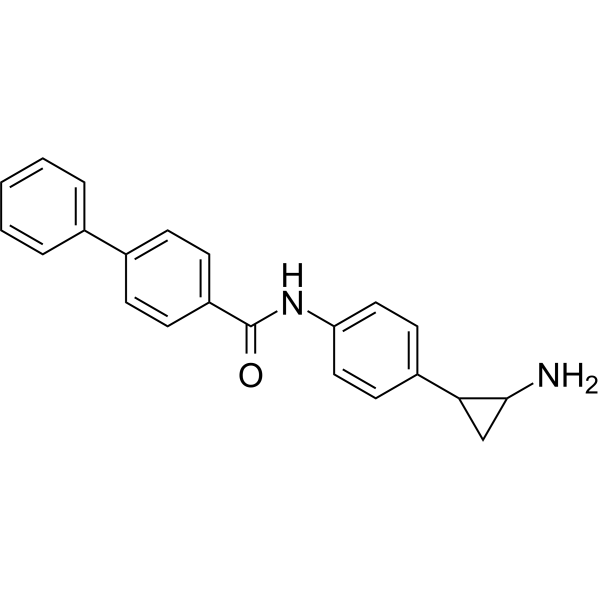
MC2652 (compound 1a) is a potent LSD1 inhibitor. MC2652 displays high inhibiting effects in MV4-11 and NB4 leukaemia cells. MC2652 shows antiproliferative activity against prostate cancer LNCaP cells .
|
-
- HY-163947
-
|
|
VD/VDR
|
Cancer
|
|
UG-480 is a gemini analog that effectively stabilizes the active VDR conformation. UG-480 has antiproliferative effects in estrogen receptor-positive MCF-7 breast adenocarcinoma cells. UG-480 can be used in cancer research .
|
-

- HY-W040293
-
|
PE(6:0/6:0); 1,2-Dihexanoyl-sn-glycero-3-phosphoethanolamine
|
Apoptosis
|
Cancer
|
|
06:0 PE (PE(6:0/6:0)) is a water-soluble phospholipid characterized by its short acyl chains, exhibiting notable antitumor activity and the ability to inhibit tumor progression in vivo, alongside antiproliferative and proapoptotic effects, while serving as a precursor for phosphatidylcholine and phosphatidylethanolamine.
|
-

- HY-163402
-
|
|
EGFR
Apoptosis
|
Cancer
|
|
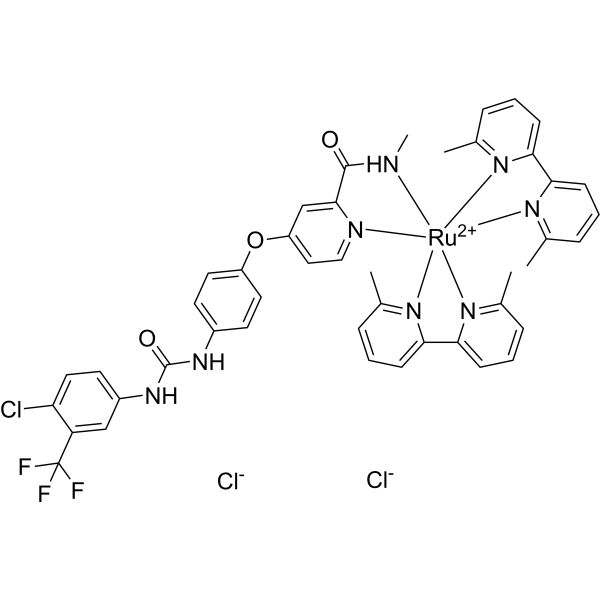
EGFR-IN-108 chloride (Compound Ru3S) is an EGFR inhibitor with an IC50 value of 5.8 nM for hEGFR. EGFR-IN-108 chloride induces apoptosis and has anti-proliferative activity against cancer cells. EGFR-IN-108 chloride also has anti-angiogenic effects .
|
-
- HY-151203
-
|
|
PKG
|
Cardiovascular Disease
|
|
PKG1α activator 3 is a PKG1α activator (EC50 basal/partial=13/0.52 μM). PKG1α activator 3 shows anti-proliferative effects to smooth muscle cell, and can be used in cardiovascular disease research .
|
-
- HY-N10355
-
|
|
Apoptosis
|
Cancer
|
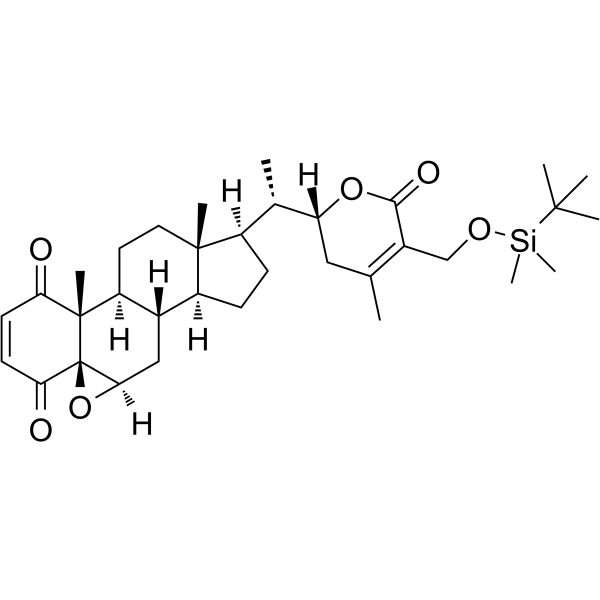
27-TBDMS-4-Dehydrowithaferin A, a withaferin A derivative, exhibits potent antiproliferative effects on the tumor cells.27-TBDMS-4-Dehydrowithaferin A induces tumor cells apoptosis. 27-TBDMS-4-Dehydrowithaferin A is a anticancer agent .
|
-
- HY-176064
-
|
|
HDAC
Autophagy
|
Cancer
|
|
HDAC6-IN-58 (compound 24c) is a selective HDAC6 inhibitor with IC50 values of 9.5 nM and 7374.5 nM for HDAC6 and HDAC1, respectively. HDAC6-IN-58 increases tubulin acetylation, exerts antiproliferative effects, and induces autophagy .
|
-

- HY-W654377
-
|
|
Isotope-Labeled Compounds
Apoptosis
NF-κB
|
Cancer
|
|
Triptolide-d3 (major) (>90%) is the deuterium labeled Triptolide (HY-32735). Triptolide is a diterpenoid triepoxide extracted from the root of Tripterygium wilfordii with immunosuppressive, anti-inflammatory, antiproliferative and antitumour effects. Triptolide is a NF-κB activation inhibitor .
|
-

- HY-B1394R
-
|
|
Reference Standards
EGFR
|
Cardiovascular Disease
Cancer
|
|
Khellin (Standard) is the analytical standard of Khellin. This product is intended for research and analytical applications. Khellin is a furochromone that can be isolated from Ammi visnuga L.. Khellin is an EGFR inhibitor with an IC50 of 0.15 μM. Khelline has anti-proliferative activity in vitro. Khellin has antispasmodic and coronary vasodilator effects .
|
-

- HY-147888
-
|
|
Microtubule/Tubulin
|
Cancer
|
|
Tubulin inhibitor 29 (compound 3c) is a potent tubulin inhibitor with an IC50 value of 1.2 µM. Tubulin inhibitor 29 shows antiproliferative effects with an IC50 value of 7.5 µM for MCF-7 cells. Tubulin inhibitor 29 inhibits tubulin assembly and bounds in the colchicine site .
|
-
- HY-168902
-
|
|
Proteasome
|
Cancer
|
|
Proteasome-IN-7 (Compound 6f) is an epoxyketone macrocyclic peptidyl proteasome inhibitor (IC50 value of 37.92 nM for 20S proteasome ChT-L subunit). Proteasome-IN-7 displays robust antiproliferative effects against multiple myeloma, acute lymphoblastic leukemia and non-small cell lung cancer .
|
-

- HY-173140
-
|
|
Apoptosis
|
Cancer
|
|
Anticancer agent 268 (Compound 4k) is a potential anti-tumor agent. Anticancer agent 268 exhibits anti-proliferative effects against HepG2 cells, with an IC50 of 6.08 μM. Anticancer agent 268 can induce apoptosis and inhibit colony formation and migration of HepG2 cells .
|
-

- HY-164413
-
|
|
VEGFR
EGFR
RET
Apoptosis
|
Cancer
|
|
CLM3, a pyrazolopyrimidine derivative, is a multiple tyrosine kinase inhibitor. CLM3 shows antiproliferative and proapoptotic activity on endothelial and cancer cells, synergistically enhanced by SN38 (HY-13704). These effects are mainly due to its inhibition of phosphorylation of VEGFR-2, EGFR and RET tyrosine kinases and their related signaling pathways .
|
-

- HY-186161
-
|
|
Others
|
Cancer
|
|
Antiproliferative agent-77 is an anticancer cell proliferation agent that exerts significant antiproliferative effects on HCT116, HepG2, H1299 and MCF-7 .
|
-

- HY-W587803R
-
|
|
Others
Reference Standards
|
Metabolic Disease
|
|
Ergosterol (Standard) is the analytical standard of Ergosterol. This product is intended for research and analytical applications. Ergosterol is the primary sterol found in fungi, with antioxidative, anti-proliferative, and anti-inflammatory effects.
|
-

- HY-183671
-
|
|
Biochemical Assay Reagents
|
Inflammation/Immunology
Cancer
|
|
NSC850143 is an antiproliferative agent. NSC850143 induces antiproliferative and cytotoxic effects in aggressive tumor cells. NSC850143 can be used in the research of cancers such as leukemia, non-small cell lung cancer, colon cancer, central nervous system cancer, melanoma, ovarian cancer, renal cancer, prostate cancer and breast cancer .
|
-

- HY-126207
-
|
|
Histone Demethylase
|
Cancer
|
|
CBN209350 is a selective KDM4 inhibitor with an IC50 of 4 μM. CBN209350 exerts antiproliferative effects on prostate cancer cells. CBN209350 can be used for the research of prostate cancer .
|
-

- HY-181503
-
|
|
Cholinesterase (ChE)
|
Neurological Disease
Cancer
|
|
AChE/BuChE-IN-8 is a dual AChE and BuChE inhibitor, with an AChE IC50 of 1.18 μM, a human AChE Ki of 1.2 μM, and a BuChE IC50 of 2.34 μM. AChE/BuChE-IN-8 acts as an antiproliferative agent and antioxidant, exerts antiproliferative effects on colon cancer cells, scavenges free radicals, and exhibits reducing power. AChE/BuChE-IN-8 can be used in the research of Alzheimer's disease and colorectal adenocarcinoma .
|
-

- HY-180838
-
|
|
Deubiquitinase
Apoptosis
|
Cancer
|
|
WW-104 is a selective USP10 inhibitor with an IC50 of 16.75 μM, a Kd of 237 nM. WW-104 induces the G2 phase arrest and cell Apoptosis. WW-104 exhibits significant anti-proliferative effects across USP10-overexpressing cell lines. WW-104 has anti-cancer effects against hepatocellular carcinoma .
|
-

- HY-181873
-
|
Sirolimus-butyl ester
|
Drug Derivative
|
Cancer
|
|
Rapamycin-butyl ester (Sirolimus-butyl ester) (Compound 9) is a derivative of Rapamycin (HY-10219). Rapamycin-butyl ester exhibits antiproliferative effects against liver cancer cells and renal cancer cells. Rapamycin-butyl ester can be used in research related to liver cancer and renal cancer .
|
-

- HY-N17604
-
|
|
Drug Derivative
|
Cancer
|
|
(6aR,11aR)-Edunol (compound 10) is a pterocarpan and antiproliferative agent. (6aR,11aR)-Edunol can be found in the roots of Lonchocarpus bussei and the stem bark of Lonchocarpus eriocalyx. (6aR,11aR)-Edunol exerts antiproliferative effects against drug-sensitive leukemia cells and multidrug-resistant leukemia cells. (6aR,11aR)-Edunol can be used for the research of leukemia .
|
-

- HY-N19850
-
|
|
Biochemical Assay Reagents
|
Cancer
|
|
Mammea B/BD is an anticancer antioxidant that can be isolated from the seeds of Mammea americana. Mammea B/BD exhibits antiproliferative effects on colon cancer cells. Mammea B/BD scavenges DPPH free radicals. Mammea B/BD can be used in colon cancer research .
|
-

- HY-181308
-
|
|
PROTACs
Histone Methyltransferase
|
Cancer
|
|
PROTAC EZH2 Degrader-13 is an EZH2-targeting PROTAC with an IC50 of 2.70 nM. PROTAC EZH2 Degrader-13 exerts antiproliferative effects in cancer cells. PROTAC EZH2 Degrader-13 can be used for the research of cancer .
|
-

- HY-185208
-
|
|
Antibody-Drug Conjugates (ADCs)
VEGFR
Apoptosis
|
Cancer
|
|
Bevacizumab vedotin is an antibody-drug conjugate (ADC). Bevacizumab vedotin blocks the VEGF/VEGFR pathway to exert anti-angiogenic effects. Bevacizumab vedotin exhibits anti-proliferative effects on cancer cells, promotes cancer cell apoptosis (Apoptosis), induces cancer cell cycle arrest, and possesses anti-migratory activity against breast cancer cells. Bevacizumab vedotin can be used in research related to glioma, hepatocellular carcinoma, and breast cancer .
|
-

- HY-181353
-
|
|
Glycosidase
|
Metabolic Disease
Cancer
|
|
α-Glucosidase-IN-112 is an α-glucosidase inhibitor with an IC50 of 2.03 μM and a Ki of 0.44 μM. α-Glucosidase-IN-112 exerts antioxidant effects by scavenging ABTS + free radicals. α-Glucosidase-IN-112 exerts antiproliferative effects by inhibiting the proliferation of bladder cancer cells. α-Glucosidase-IN-112 can be used in research related to type 2 diabetes and bladder cancer .
|
-

- HY-148483
-
|
|
IKK
|
Cancer
|
|
SR8185 is a potent and selective TBK1/IKKi dual inhibitor with IC50s of 3 nM and < 10 nM against IKKi and TBK1, respectively. SR8185 exhibits potent and broad spectrum antiproliferative effects on human cancer cells. SR8185 can be used for cancer research .
|
-

- HY-107203S
-
|
HWA 285-d6
|
Isotope-Labeled Compounds
Phosphodiesterase (PDE)
|
Neurological Disease
Inflammation/Immunology
|
|
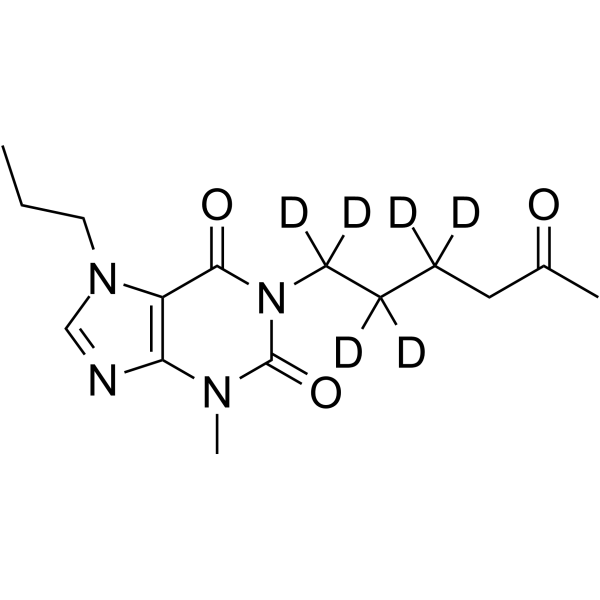
Propentofylline-d6 (HWA 285-d6) is the deuterium labeled Propentofylline. Propentofylline is a xanthine-derivative that inhibits adenosine uptake and blocks phosphodiesterase activity.
Propentofylline has neuroprotective, antiproliferative, and anti-inflammatory effects that improve cognition and dementia severity in patients with Alzheimer's disease or vascular dementia .
|
-
- HY-149930
-
|
|
JNK
Apoptosis
|
Cancer
|
|
YL5084, a covalent JNK inhibitor, exhibits selectivity for JNK2 and JNK3 over JNK1 with IC50s of 70 nM, 84 nM and 2173 nM, respectively. YL5084 exhibits JNK2-independent antiproliferative effects and induces apoptosis in a JNK2-independent manner .
|
-
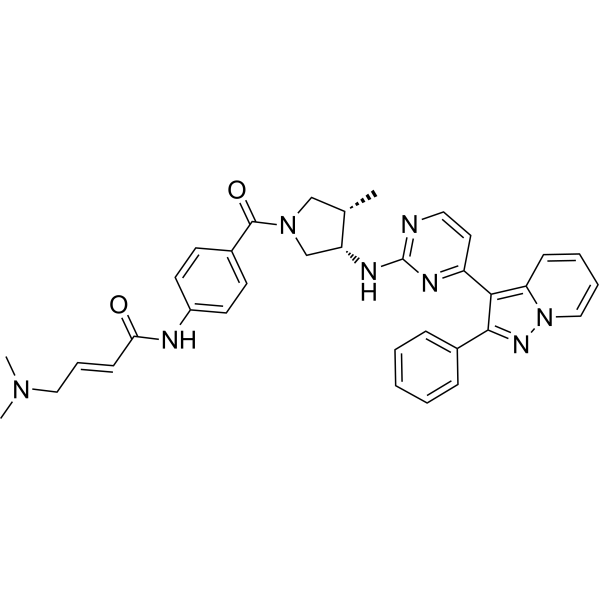
- HY-13491
-
|
|
Trk Receptor
|
Cancer
|
|
GNF-5837 is a potent, selective, and orally bioavailable pan-tropomyosin receptor kinase (TRK) inhibitor which display antiproliferative effects in cellular Ba/F3 assays ( IC50 values of 7 nM, 9 nM and 11 nM for cells containing the fusion proteins Tel-TrkC, Tel-TrkB and Tel-TrkA, respectively) .
|
-
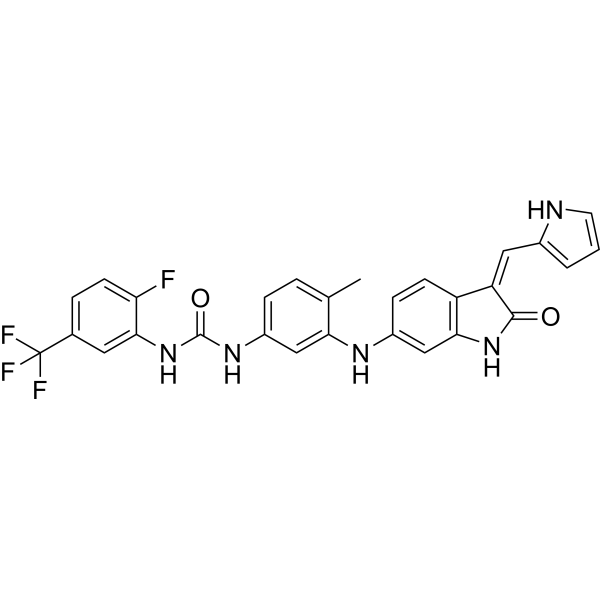
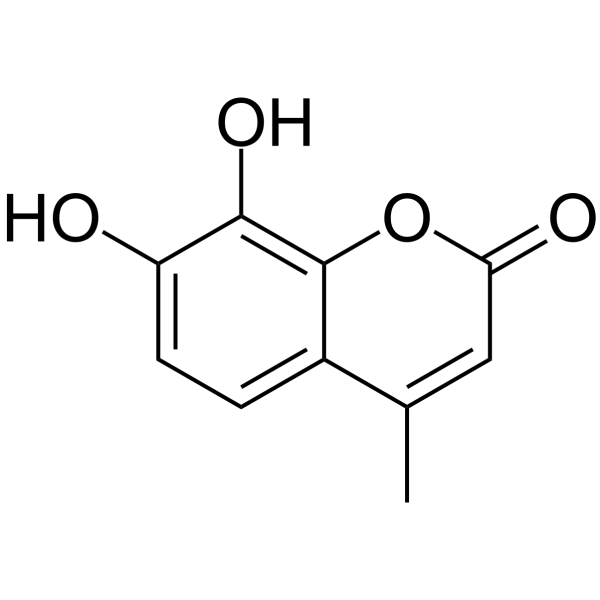
- HY-N4286
-
|
|
Apoptosis
|
Cancer
|
|
4-Methyldaphnetin is a precursor in the synthesis of derivatives of 4-methyl coumarin. 4-Methyldaphnetin has potent, selective anti-proliferative and apoptosis-inducing effects on several cancer cell lines. 4-Methyldaphnetin possesses radical scavenging property and strongly inhibits membrane lipid peroxidation .
|
-
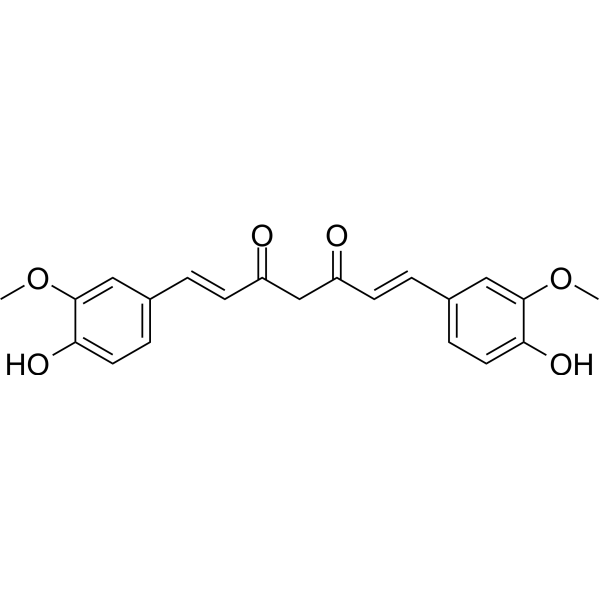
- HY-N0005
-
-
- HY-117884
-
|
|
Apoptosis
|
Cancer
|
|
(Rac)-CCT 250863 (compound rac-21) is a selective and reversible NEK 2 inhibitor with an IC50 of 0.073 µM. (Rac)-CCT 250863 shows good effects of inducing cell cycle arrest and also can antiproliferative in cells (Pomalidomide sensitive/resistant). (Rac)-CCT 250863 induces apoptosis when combines with Pomalidomide .
|
-
- HY-151618
-
|
|
Apoptosis
|
Cancer
|
|
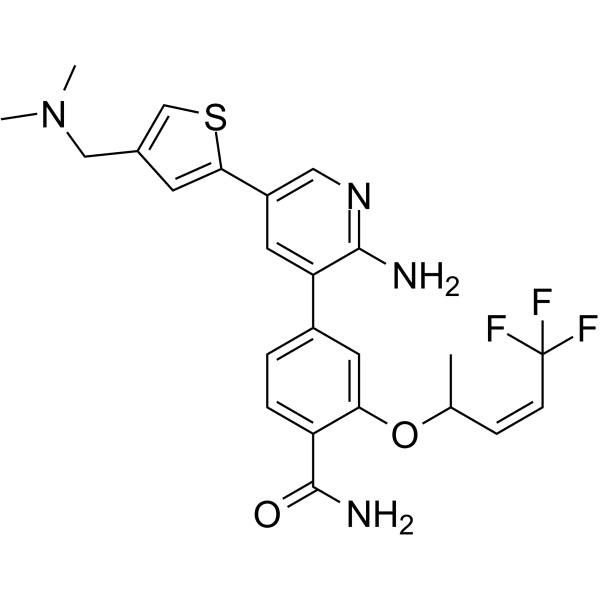
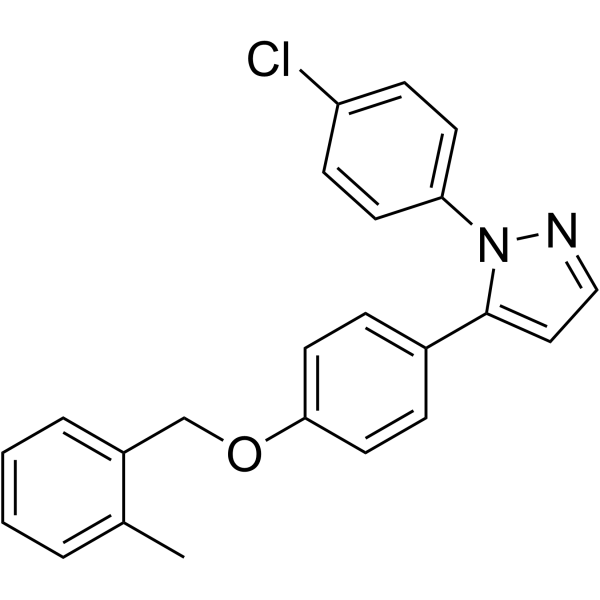
Antitumor agent-79 shows good antiproliferative activities against hepatocellular carcinoma and breast cancer cells with IC50 values of 0.7-7.9 μM. Antitumor agent-79 induces cancer cells apoptosis and shows in vivo antitumor effects. Antitumor agent-79 can be used for the research of cancer .
|
-
- HY-B1452
-
|
ML-3000
|
COX
Lipoxygenase
Apoptosis
|
Inflammation/Immunology
Cancer
|
|
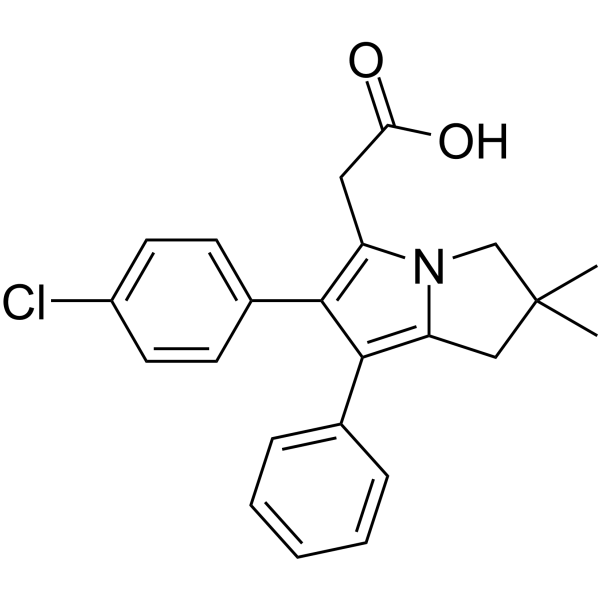
Licofelone (ML-3000) is a dual COX/5-lipoxygenase (5-LOX) inhibitor (IC50=0.21/0.18 μM, respectively) for the treatment of osteoarthritis. Licofelone exerts anti-inflammatory and anti-proliferative effects. Licofelone induces apoptosis, and decreases the production of proinflammatory leukotrienes and prostaglandins .
|
-
- HY-163760
-
|
|
HuR
MMP
|
Cancer
|
|
ZM-32 is an inhibitor for human antigen R (HuR), that downregulates the expression of VEGF-A and MMP9, and thus inhibits breast cancer tumor angiogenesis. ZM-32 exhibits broad-spectrum anti-proliferative effects in a variety of cancer cell lines, and exhibits antitumor efficacy against MDA-MB-231 in mouse models .
|
-

- HY-129476
-
|
|
Parasite
Endogenous Metabolite
|
Infection
Cancer
|
|
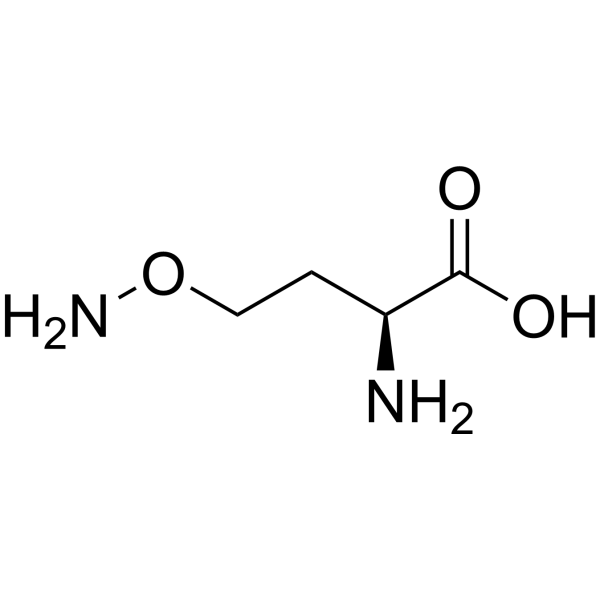
L-Canaline is a nonprotein amino acid stored in many leguminous plants. L-Canaline is a cytotoxic metabolite catalyzed by L-canavanine and its arginase. L-Canaline is a potent and irreversible inhibitor of ornithine aminotransferase. L-Canaline inhibits the growth of the malaria parasite Plasmodium falciparum with an IC50 of 297 nM. L-Canaline has anticancer and antiproliferative effects .
|
-
- HY-N8617
-
|
|
DNA/RNA Synthesis
Caspase
PARP
Bcl-2 Family
Mitochondrial Metabolism
Apoptosis
|
Cancer
|
|
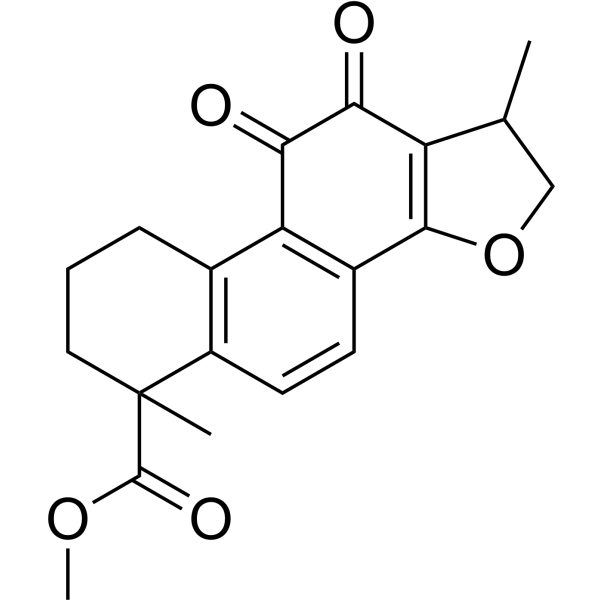
Trijuganone C is a tanshinone-type diterpenoid compound. Trijuganone C can be isolated from the roots of Salvia miltiorrhiza Bunge. Trijuganone C induces chromatin condensation, DNA fragmentation, activation of Caspase-3, -8 and -9, as well as cleavage of PARP. Trijuganone C activates Bid and Bax, leading to loss of mitochondrial membrane potential and inducing the release of cytochrome c from mitochondria into the cytosol. Trijuganone C exerts antiproliferative effects through Apoptosis induction mediated by Mitochondrial dysfunction and Caspase activation. Trijuganone C exhibits significant antiproliferative activity against leukemia cells and colon cancer cells .
|
-
- HY-59219
-
|
|
Drug Intermediate
|
Cancer
|
|
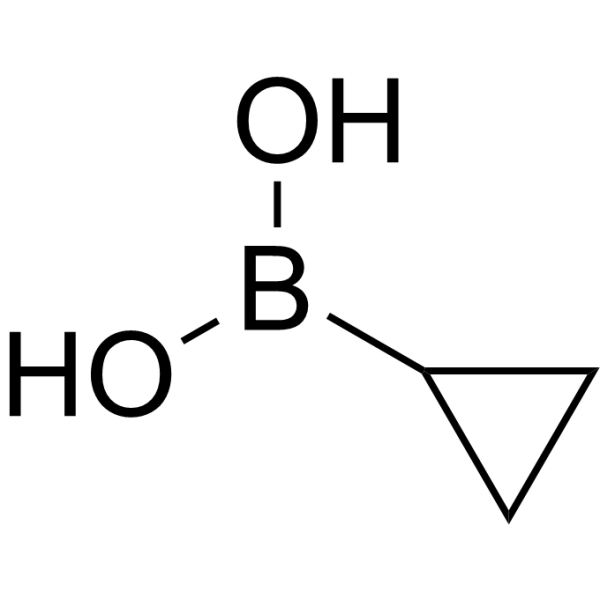
Cyclopropylboronic acid is an intermediate. Cyclopropylboronic acid can be used to synthesize EGFR kinase inhibitor (Compound 25). Compound 25 has antiproliferative effects on EGFR mutant (EGFR Δ19del/T790M/C797S) cells. Cyclopropylboronic acid can be used in lung cancer research .
|
-
- HY-103193
-
|
Colforsin dapropate hydrochloride
|
Adenylate Cyclase
|
Cardiovascular Disease
|
|
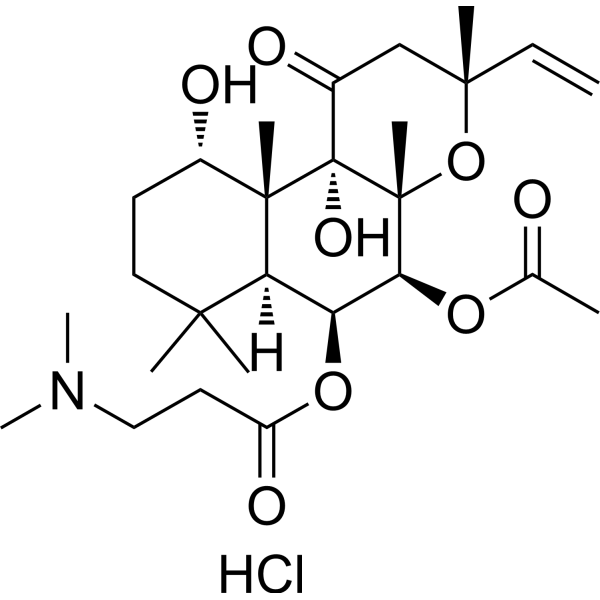
NKH477 (Colforsin dapropate hydrochloride) directly activates the catalytic unit of adenylate cyclase and increases intracellular cAMP. NKH477 is a forskolin derivative that improves cardiac failure mainly through its beneficial effects on diastolic cardiac function. NKH477 exerts an antiproliferative effect in vivo with an altered cytokine profile to inhibit the acute rejection of rat orthotopic lung allografts .
|
-
- HY-B0617A
-
|
S-Adenosyl methionine tosylate; Ademetionine tosylate; AdoMet tosylate
|
Endogenous Metabolite
Apoptosis
|
Neurological Disease
Inflammation/Immunology
Cancer
|
|
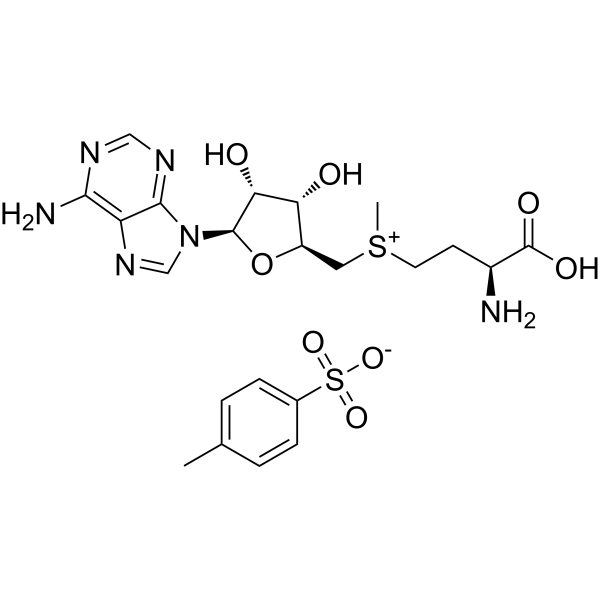
S-Adenosyl-L-methionine (S-Adenosyl methionine) tosylate is an orally active methyl group donor. S-Adenosyl-L-methionine tosylate is a dietary supplement with potent antidepressant effects. S-Adenosyl-L-methionine tosylate also has anti‑proliferative, pro‑apoptotic and anti‑metastatic roles in cancers. S-Adenosyl-L-methionine tosylate has the potential for, cancer, liver disease and osteoarthritis research .
|
-
- HY-14614A
-
|
S-Adenosyl methionine chloride dihydrochloride; Ademetionine chloride dihydrochloride; AdoMet chloride dihydrochloride
|
Endogenous Metabolite
Apoptosis
|
Neurological Disease
Inflammation/Immunology
Cancer
|
|
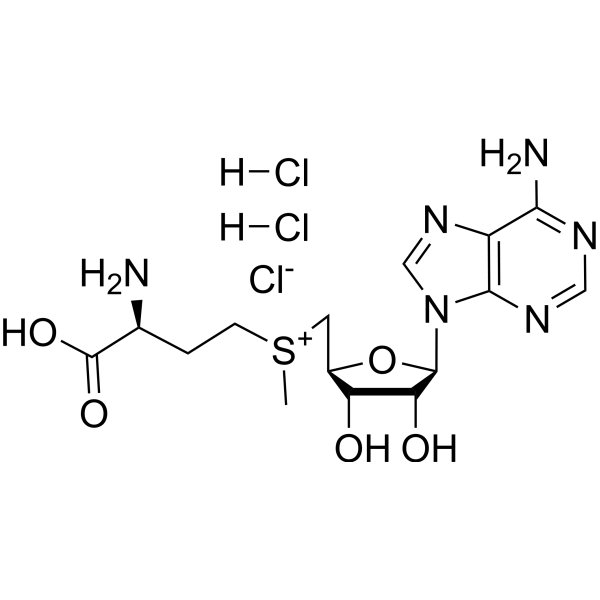
S-Adenosyl-L-methionine (S-Adenosyl methionine) chloride dihydrochloride is an orally active methyl group donor. S-Adenosyl-L-methionine chloride dihydrochloride is a dietary supplement with potent antidepressant effects. S-Adenosyl-L-methionine chloride dihydrochloride also has anti‑proliferative, pro‑apoptotic and anti‑metastatic roles in cancers. S-Adenosyl-L-methionine chloride dihydrochloride has the potential for, cancer, liver disease and osteoarthritis research .
|
-
- HY-158158
-
|
|
Histone Methyltransferase
|
Cancer
|
|
CARM1-IN-5 (Compound 17e) is a potent and selective inhibitor of CARM1 (IC50= 2 nM). CARM1-IN-5 effectively prevents CARM1 from methylating substrate proteins by directly interacting with CARM1. CARM1-IN-5 exhibits significant antiproliferative effects on melanoma cell lines .
|
-

- HY-B0617
-
|
S-Adenosyl methionine; Ademetionine; AdoMet
|
Endogenous Metabolite
Apoptosis
|
Neurological Disease
Inflammation/Immunology
Cancer
|
|
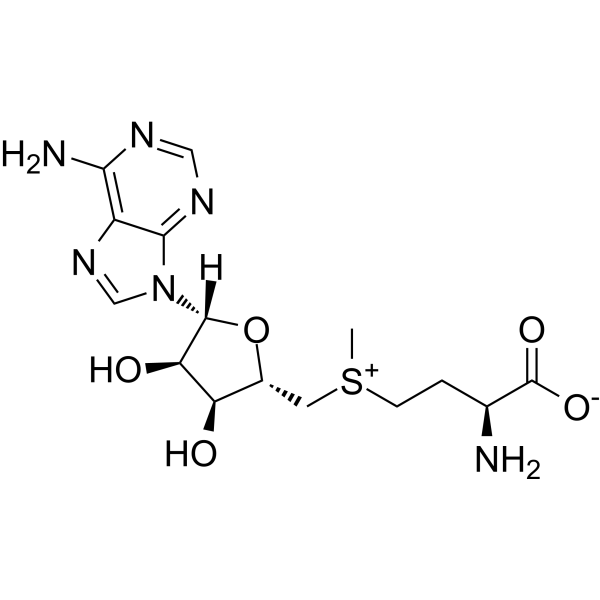
S-Adenosyl-L-methionine (S-Adenosyl methionine) is an orally active methyl group donor. S-Adenosyl-L-methionine is a dietary supplement with potent antidepressant effects. S-Adenosyl-L-methionine also has anti‑proliferative, pro‑apoptotic and anti‑metastatic roles in cancers. S-Adenosyl-L-methionine has the potential for, cancer, liver disease and osteoarthritis research .
|
-
- HY-156279
-
|
|
Apoptosis
HDAC
|
Cancer
|
|
HDAC6-IN-22 (compound 30) is a inhibitor of HDAC6, with the IC50 of 4.63 nM. HDAC6-IN-22 has antiproliferative effects in vitro and in vivo towards multiple myeloma. HDAC6-IN-22
induces cell cycle arrest in the G2 phase and promotes apoptosis through the mitochondrial pathway .
|
-
- HY-B0435
-
-
- HY-160018
-
|
|
Epigenetic Reader Domain
|
Cancer
|
|
BAY-155 is a potent and selective menin-MLL tool inhibitor, with an IC50 of 8 nM. BAY-155 leads to a strong expression down-regulation of the MEIS1 gene and up-regulation of CD11b and MNDA genes. BAY-155 shows anti-proliferative effects in AML/ALL (acute myeloid/lymphoblastic leukemia) models .
|
-
- HY-B1022
-
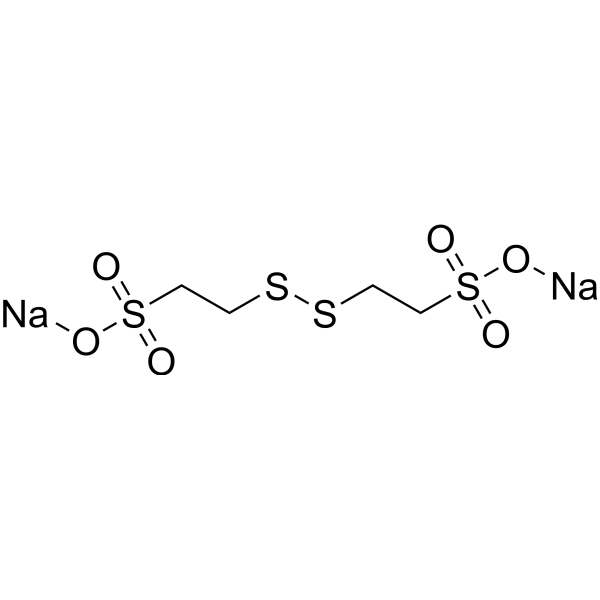
Dimesna
1 Publications Verification
BNP-7787
|
Drug Derivative
|
Endocrinology
Cancer
|
|
Dimesna (BNP-7787), the disulfide form of Mesna (HY-13679), is a platinum-related toxicity protective agent. Dimesna converts to Mesna, which in turn inactivates toxic platinum substances. Dimesna does not interfere with the antitumor activity of platinum compounds. Dimesna does not affect the antiproliferative effects of Cisplatin (HY-17394) or Carboplatin (HY-17393). Dimesna counteracts Cisplatin-induced nephrotoxicity. Dimesna exerts selective protective effects on the kidneys. Dimesna can be used in studies related to ovarian cancer and Cisplatin-induced nephrotoxicity .
|
-
- HY-162250
-
|
|
PROTACs
Histone Methyltransferase
|
Cancer
|
|
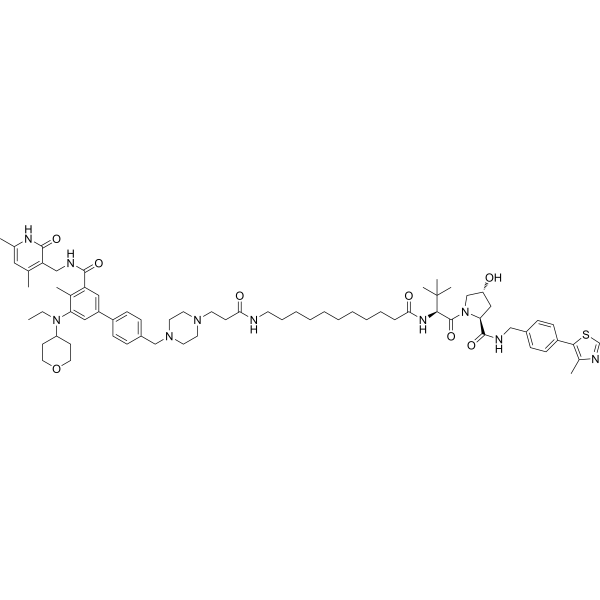
MS8847 is a PROTAC degrader and antiproliferative agent targeting EZH2 (DC50=34.4 nM in EOL-1 MLL-rAML cells). MS8847 recruits the E3 ligase von Hippel-Lindau (VHL) to mediate the degradation of EZH2 via the ubiquitin-proteasome system. MS8847 induces antiproliferative effects in MLL-rearranged acute myeloid leukemia cells and inhibits the growth of triple-negative breast cancer cell lines or 3D triple-negative breast cancer models. MS8847 is applicable to research related to MLL-rearranged acute myeloid leukemia and triple-negative breast cancer .
|
-
- HY-177988
-
|
|
Microtubule/Tubulin
|
Cancer
|
|
Tubulin polymerization-IN-87 (Compound 9) is a tubulin polymerization inhibitor. Tubulin polymerization-IN-87 disrupts tubulin polymerization and induces G2/M cell cycle arrest. Tubulin polymerization-IN-87 exhibits anti-tubulin and anti-proliferative effects. Tubulin polymerization-IN-87 exhibits anticancer activity against ovarian cancer .
|
-

- HY-150791
-
|
|
Reactive Oxygen Species (ROS)
DNA/RNA Synthesis
|
Cancer
|
|
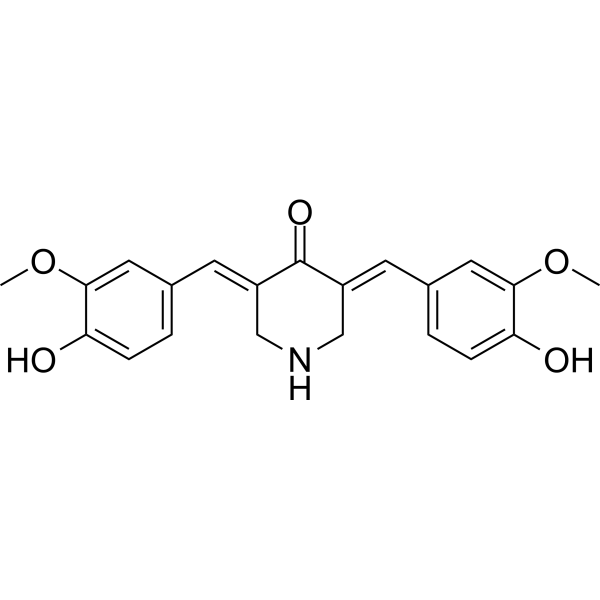
FLDP-5 is a blood-brain barrier (BBB) penetrant curcuminoid analogues. FLDP-5 can induce production of ROS (Reactive Oxygen Species), DNA damage and cell cycle S phase arrest. FLDP-5 exhibits highly potent tumour-suppressive effects with anti-proliferative and anti-migratory activities on LN-18 cells .
|
-
- HY-183310
-
|
|
EGFR
Apoptosis
DNA/RNA Synthesis
|
Cancer
|
|
EGFR-IN-210 is a EGFR kinase inhibitor with an IC50 of 0.198 μM. EGFR-IN-210 induces antiproliferative, pro-apoptotic, G0/G1 cell cycle arrest, DNA synthesis inhibition and anti-migratory effects in cancer cells. EGFR-IN-210 can be used for the research of various cancers including colorectal cancer .
|
-

- HY-102078
-
|
|
Ras
Apoptosis
|
Cancer
|
|
ZINC69391, a specific Rac1 inhibitor, interferes with Rac1-GEF interaction by masking Trp56 residue on Rac1 surface. ZINC69391 interferes with the interaction of Rac1 with Dock180 and reduces Rac1-GTP levels. ZINC69391 induces apoptosis, and shows antiproliferative and antimetastatic effects .
|
-
- HY-N0108S
-
|
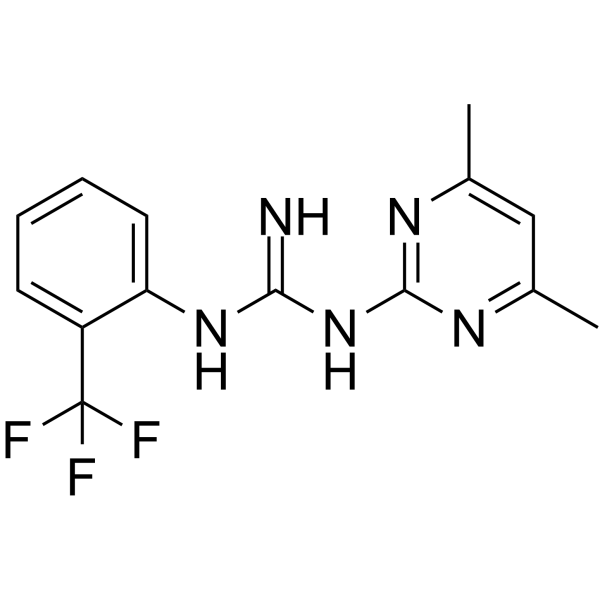
Parietin-d3; Rheochrysidin-d3
|
Isotope-Labeled Compounds
Bacterial
|
Infection
Inflammation/Immunology
Cancer
|
|
Physcion-d3 (Parietin-d3) is the deuterium labeled Physcion (HY-N0108). Physcion acts as an inhibitor of 6-phosphogluconate dehydrogenase, with an IC50 and a Kd of 38.5 μM and 26.0 μM, respectively. Physcion exhibits laxative, hepatoprotective, anti-inflammatory, anti-microbial, anti-proliferative and anti-tumor effects .
|
-
- HY-168934
-
|
|
DNA/RNA Synthesis
|
Cancer
|
|
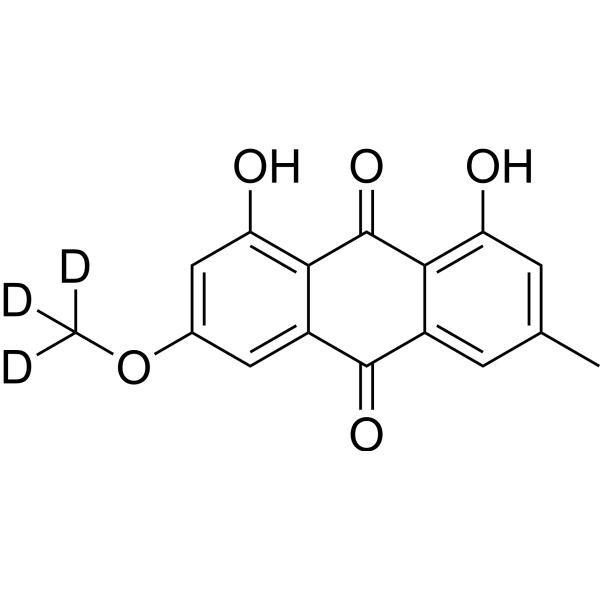
KWR137 is a WRN degrader, with an IC50 of 8 nM. KWR137 exhibits good anti-proliferative activity against MSI-H cells, with a GI50 of 509 nM in SW48 cells and a GI50 of 824 μM in HCT116 cells. It also demonstrates anti-tumor growth effects in xenograft mouse models. KWR137 can be used for cancer research .
|
-

- HY-176404
-
|
|
HSP
|
Cancer
|
|
DDO-6691 is a heat shock protein 90 (HSP90) inhibitor. DDO-6691 has antiproliferative effects on a variety of tumor cells, with HCT-116 colon cancer cells being the most sensitive (IC50: 1.08 μM). DDO-6691 exhibits potent tumor growth inhibition in the HCT-116 xenograft mouse model .
|
-

- HY-153855
-
|
RXC004
|
Wnt
Acyltransferase
Porcupine
|
Cancer
|
|
Zamaporvint (RXC004) is an orally active and selective inhibitor of Wnt. Zamaporvint targete membrane-bound o-acyltransferase Porcupine and inhibited Wnt ligand palmitoylation, secretion, and pathway activation. Zamaporvint displays a favorable pharmacokinetic profile and shows potent antiproliferative effects in Wnt ligand-dependent colorectal and pancreatic cell lines. Zamaporvint possesses multiple antitumor mechanisms and can be used in cancer research .
|
-
- HY-B1816
-
|
M&B 22948
|
Phosphodiesterase (PDE)
GPR35
|
Cardiovascular Disease
Neurological Disease
Endocrinology
|
|
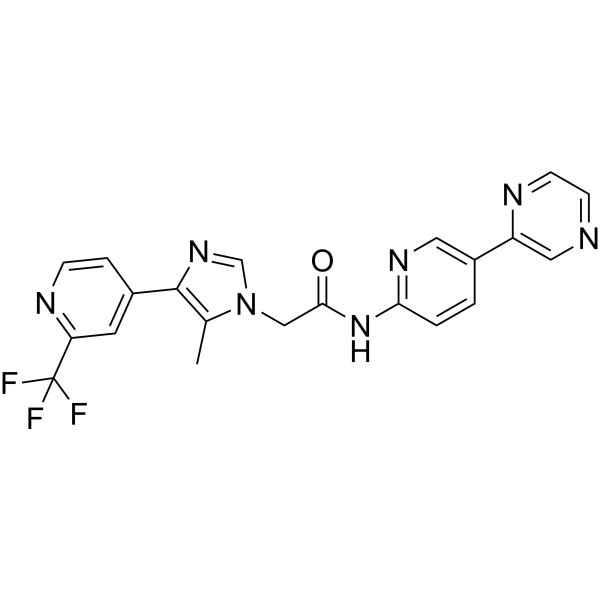
Zaprinast (M&B 22948) is a selective inhibitor of cGMP-selective Phosphodiesterase (PDE5). Zaprinast causes a significant increase in cGMP levels in myocytes. Zaprinast is a G protein-coupled receptor 35 (GPR35) agonist which activates rat GPR35 strongly and activates human GPR35 moderately. Zaprinast reduces vessel remodeling through antiproliferative and proapoptotic effects .
|
-
- HY-B0391B
-
|
KT-611 hydrochloride; BM-15275 hydrochloride
|
Adrenergic Receptor
|
Cancer
|
|
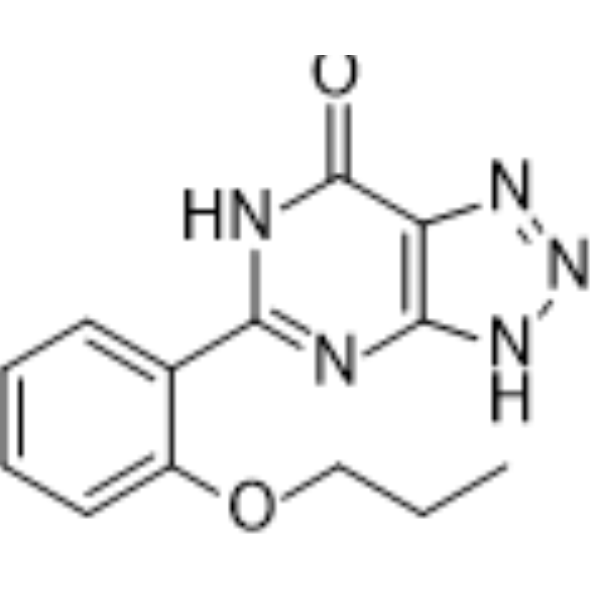
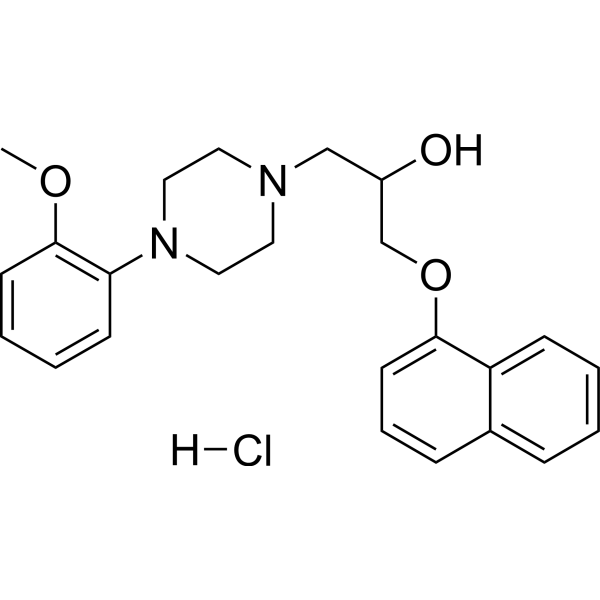
Naftopidil hydrochloride (KT-611 hydrochloride) is a selective alpha1-adrenoceptor antagonist, with Kis of 3.7 nM, 20 nM and 1.2 nM for the cloned human α1a-, α1b- and α1d-adrenoceptor subtypes, respectively. Naftopidil hydrochloride has antiproliferative effects. Naftopidil hydrochloride can be used for the research of prostate hyperplasia .
|
-
- HY-181130
-
|
|
CDK
Apoptosis
|
Cancer
|
|
Anticancer agent 299 (compound P12) is a cell-cycle inhibitor, senescence inducer, apoptosis inducer, and antiproliferative agent. Anticancer agent 299 exhibits selective activity against cancer cells with minimal effects on non-tumoral chondrocyte cells at relevant concentrations. Anticancer agent 299 can be used for the research of ER+/HER2− breast cancer and BRAF-mutant melanoma .
|
-

- HY-169389
-
|
|
PROTACs
WDR5
|
Cancer
|
|
OICR41114 is a WDR5 PROTAC degrader with an EC50 of 40 nM. OICR41114 binds both DCAF1 and WDR5, and its binding affinity for DCAF1 is significantly enhanced in the presence of WDR5 (KD increases from 59 nM to 5 nM). OICR41114 exerts antiproliferative effects on MV4-11 cells. OICR41114 can be used for the research of acute myeloid leukemia .
|
-

- HY-14614D
-
|
S-Adenosyl methionine iodide; Ademetionine iodide; AdoMet iodide
|
Endogenous Metabolite
Apoptosis
|
Neurological Disease
Inflammation/Immunology
Cancer
|
|
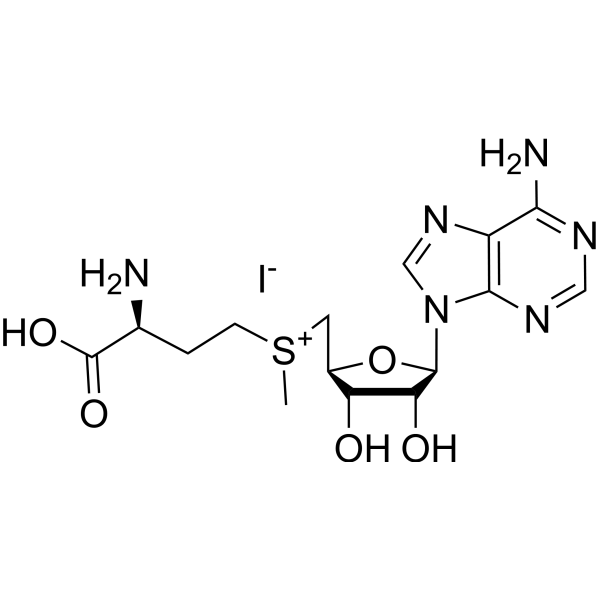
S-Adenosyl-L-methionine (S-Adenosyl methionine) iodide is an orally active methyl group donor. S-Adenosyl-L-methionine iodide is a dietary supplement with potent antidepressant effects. S-Adenosyl-L-methionine iodide also has anti‑proliferative, pro‑apoptotic and anti‑metastatic roles in cancers. S-Adenosyl-L-methionine iodide has the potential for, cancer, liver disease and osteoarthritis research .
|
-
- HY-B0391A
-
|
KT-611 dihydrochloride; BM-15275 dihydrochloride
|
Adrenergic Receptor
|
Cancer
|
|
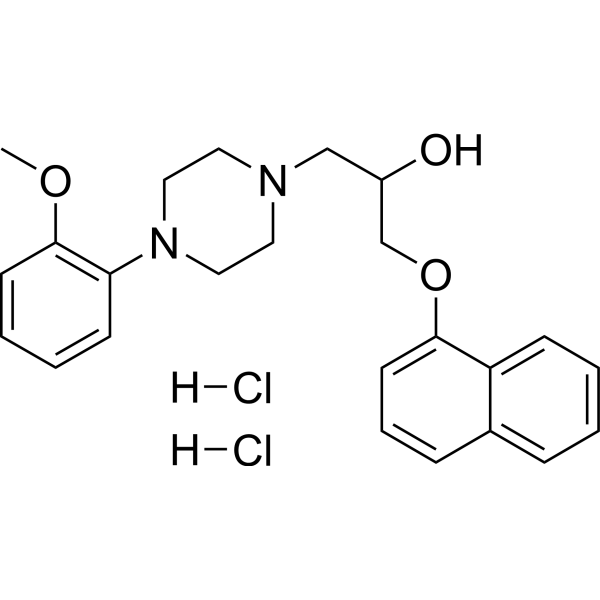
Naftopidil dihydrochloride (KT-611 dihydrochloride) is a selective alpha1-adrenoceptor antagonist, with Kis of 3.7 nM, 20 nM and 1.2 nM for the cloned human α1a-, α1b- and α1d-adrenoceptor subtypes, respectively. Naftopidil dihydrochloride has antiproliferative effects. Naftopidil dihydrochloride can be used for the research of prostate hyperplasia .
|
-
- HY-183358
-
|
|
Anaplastic lymphoma kinase (ALK)
Apoptosis
|
Cancer
|
|
ALK-IN-37 is an orally active type I1/2 allosteric inhibitor of anaplastic lymphoma kinase (ALK) with an IC50 of 9.58 nM. ALK-IN-37 induces cell apoptosis, inhibits colony formation, suppresses cell migration, and exerts antiproliferative effects in cancer cells overexpressing ALK. ALK-IN-37 can be used in research related to non-small cell lung cancer .
|
-

- HY-183103
-
|
|
Bcr-Abl
Src
Btk
|
Cancer
|
|
PDD-87 is an orally active, blood-brain barrier permeable kinase inhibitor, with IC50 values ranging from 0.07 nM to 0.72 nM against ABL, SRC family, BTK kinases and their key mutants. PDD-87 induces antiproliferative effects in leukemia and lymphoma cells, and inhibits tumor growth in mouse xenograft models. PDD-87 can be used for the research of leukemia and lymphoma .
|
-

- HY-B0391
-
|
KT-611; BM-15275
|
Adrenergic Receptor
|
Cardiovascular Disease
Endocrinology
|
|
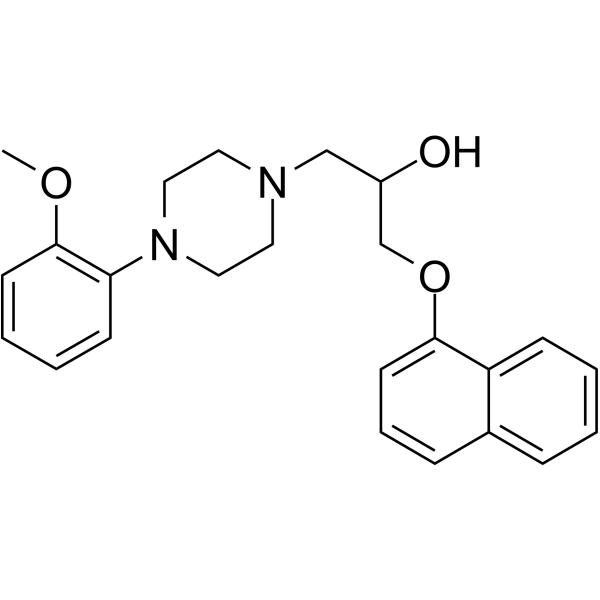
Naftopidil (KT-611) is is a selective alpha1-adrenoceptor antagonist, with Kis of 3.7 nM, 20 nM and 1.2 nM for the cloned human α1a-, α1b- and α1d-adrenoceptor subtypes, respectively. Naftopidil has antiproliferative effects. Naftopidil can be used for the research of prostate hyperplasia .
|
-
- HY-B1452S1
-
|
ML-3000-d6
|
Apoptosis
Lipoxygenase
COX
|
Cancer
|
|
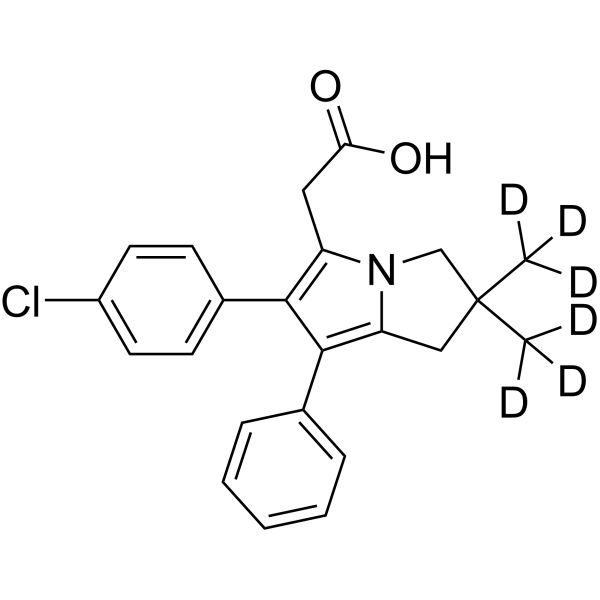
Licofelone-d6 is the deuterium labeled Licofelone . Licofelone (ML-3000) is a dual COX/5-lipoxygenase (5-LOX) inhibitor (IC50=0.21/0.18 μM, respectively) for the treatment of osteoarthritis. Licofelone exerts anti-inflammatory and anti-proliferative effects. Licofelone induces apoptosis, and decreases the production of proinflammatory leukotrienes and prostaglandins .
|
-
- HY-136611S
-
|
|
Isotope-Labeled Compounds
Drug Metabolite
|
Infection
|
|
ω-Hydroxy-DEET-d10 is the deuterium labeled ω-Hydroxy-DEET (HY-136611). ω-Hydroxy-DEET is a major metabolite of insect repellent N-N-diethyl-meta-toluamide (DEET). ω-Hydroxy-DEET has anti-proliferative effects. DEET is a spatial repellent and an irritant that commonly used to prevent contact with mosquitoes .
|
-

- HY-161152
-
|
|
DNA/RNA Synthesis
Apoptosis
|
Cancer
|
|
DNA relaxation-IN-1 (Compound 27) is a DNA ligase 1 DNA Lig1) inhibitor. DNA relaxation-IN-1 inhibits DNA ligation and disrupts the DNA relaxing activity of DNA Lig1. DNA relaxation-IN-1 induces Apoptosis. DNA relaxation-IN-1, in combination with Topotecan (HY-13768), exhibits synergistic antiproliferative effects against colorectal cancer .
|
-
- HY-176732
-
|
|
Epigenetic Reader Domain
|
Cancer
|
|
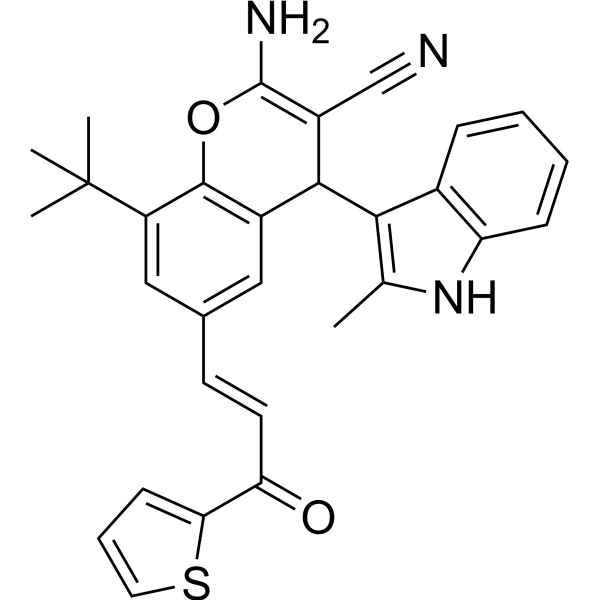
MJ-26 is an inhibitor targeting Menin. MJ-26 has high binding affinity (Ki: 0.56 μM) and significant antiproliferative activity. MJ-26 works by inhibiting Menin-MLL interaction and inducing Menin protein degradation. MJ-26 has significant antitumor effects on acute myeloid leukemia (AML). MJ-26 can be used in AML research .
|
-

- HY-170942
-
|
|
CDK
PARP
|
Cancer
|
|
CDK9/PARP-IN-1 (compound 37) is a CDK9/PARP inhibitor. CDK9/PARP-IN-1 inhibits CDK9 and PARP1 with IC50s of 118 and 107 nM, respectively. CDK9/PARP-IN-1 exhibits broad-spectrum antiproliferative effects across multiple cancer cell lines .
|
-

- HY-N0005S1
-
-

- HY-N0005R
-
|
Diferuloylmethane (Standard); Natural Yellow 3 (Standard); Turmeric yellow (Standard)
|
Reference Standards
Histone Acetyltransferase
Epigenetic Reader Domain
Keap1-Nrf2
Autophagy
Mitophagy
Influenza Virus
Ferroptosis
|
Infection
Neurological Disease
Inflammation/Immunology
Cancer
|
|
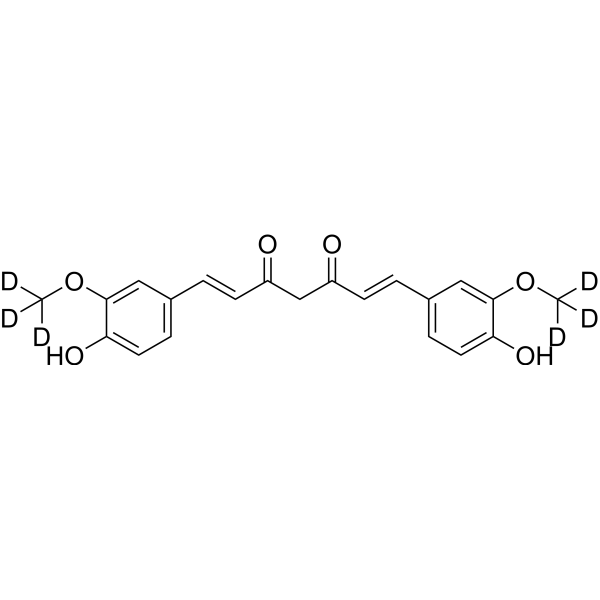
Curcumin (Standard) is the analytical standard of Curcumin (HY-N0005). This product is intended for research and analytical applications. Curcumin (Diferuloylmethane), a natural phenolic compound, is a p300/CREB-binding protein-specific inhibitor of acetyltransferase, represses the acetylation of histone/nonhistone proteins and histone acetyltransferase-dependent chromatin transcription. Curcumin is a photosensitizer against microorganisms. Curcumin shows inhibitory effects on NF-κB and MAPKs, and has diverse pharmacologic effects including anti-inflammatory, antioxidant, antiproliferative and antiangiogenic activities. Curcumin induces stabilization of Nrf2 protein through Keap1 cysteine modification.
|
-

- HY-N0005S
-
-
- HY-B1022A
-
|
BNP-7787 free acid
|
Drug Derivative
|
Endocrinology
Cancer
|
|
Dimesna (BNP-7787) free acid, the disulfide form of Mesna (HY-13679), is a platinum-related toxicity protective agent. Dimesna free acid converts to Mesna, which in turn inactivates toxic platinum substances. Dimesna free acid does not interfere with the antitumor activity of platinum compounds. Dimesna free acid does not affect the antiproliferative effects of Cisplatin (HY-17394) or Carboplatin (HY-17393). Dimesna free acid counteracts Cisplatin-induced nephrotoxicity. Dimesna free acid exerts selective protective effects on the kidneys. Dimesna free acid can be used in studies related to ovarian cancer and Cisplatin-induced nephrotoxicity .
|
-

- HY-W877997
-
|
|
E3 Ligase Ligand-Linker Conjugates
Drug Derivative
|
Cancer
|
|
Pomalidomide 5'-pip-acid is an E3 ligase ligand-linker conjugate derived from the molecular glue Pomalidomide (HY-10984), which can be used to synthesize the dual-target PROTAC degrader PROTAC CBP/p300/BRD4 Degrader-1 (HY-181758) targeting CBP/p300 and BRD4. Pomalidomide 5'-pip-acid shows anti-proliferative activity against cancer cells with an IC50 of 2.73 nM. Pomalidomide 5'-pip-acid induces anti-proliferative effects in cancer cells. Pomalidomide 5'-pip-acid is applicable to research related to prostate cancer and colorectal cancer .
|
-

- HY-168016
-
|
|
PROTACs
YAP
|
Cancer
|
|
PROTAC YAP degrader-1 is a VHL-recruiting PROTAC degrader (DC50=8.2 μM) and antiproliferative agent that targets YAP. PROTAC YAP degrader-1 recruits the E3 ligase VHL and binds to VHL to form a ternary complex containing YAP. PROTAC YAP degrader-1 inhibits the nuclear localization of YAP in cancer cells, reduces YAP/TEAD-mediated transcription, and induces TAZ protein degradation. PROTAC YAP degrader-1 reduces the oncogenic activity of YAP and exerts antiproliferative effects in the Huh7 xenograft mouse model. PROTAC YAP degrader-1 can be used for the research of hepatocellular carcinoma and mesothelioma .
|
-

- HY-B0965A
-
|
|
Dopamine Receptor
Apoptosis
5-HT Receptor
Autophagy
Bacterial
|
Neurological Disease
Cancer
|
|
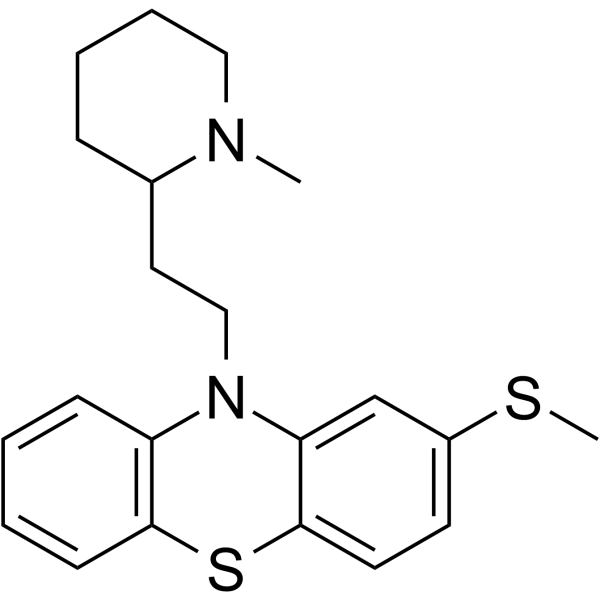
Thioridazine, an antagonist of the dopamine receptor D2 family proteins, exhibits potent anti-psychotic and anti-anxiety activities. Thioridazine is also a potent inhibitor of PI3K-Akt-mTOR signaling pathways with anti-angiogenic effect. Thioridazine shows antiproliferative and apoptosis induction effects in various types of cancer cells, with specificity on targeting cancer stem cells (CSCs) .
|
-
- HY-146097
-
|
|
P-glycoprotein
Apoptosis
|
Cancer
|
|
RMS5, a tetrandrine analogue, is a potent P-glycoprotein (P-gp) inhibitor. RMS5 has markedly antiproliferative and cytotoxic effects on cancer cells. RMS5 slightly diminishes the expression of the anti-apoptotic Bcl-2 family proteins Bcl-XL and Mcl-1. RMS3 causes PARP cleavage, a marker for cells undergoing apoptosis. RMS5 has strong anticancer property .
|
-
- HY-B1452R
-
|
ML-3000 (Standard)
|
COX
Lipoxygenase
Apoptosis
Reference Standards
|
Inflammation/Immunology
Cancer
|
|
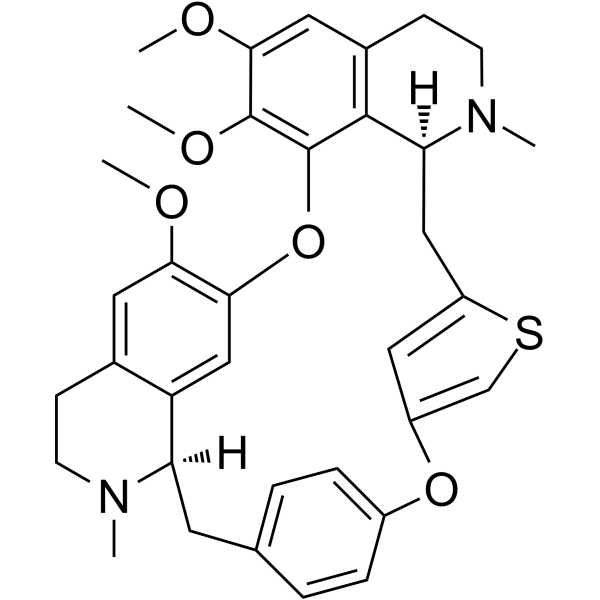
Licofelone (Standard) is the analytical standard of Licofelone. This product is intended for research and analytical applications. Licofelone (ML-3000) is a dual COX/5-lipoxygenase (5-LOX) inhibitor (IC50=0.21/0.18 μM, respectively) for the treatment of osteoarthritis. Licofelone exerts anti-inflammatory and anti-proliferative effects. Licofelone induces apoptosis, and decreases the production of proinflammatory leukotrienes and prostaglandins .
|
-

- HY-144691
-
|
|
PROTACs
CDK
|
Cancer
|
|
PP-C8 is a potent and selective PROTAC CDK12-Cyclin K degrader. PP-C8 induces CDK12-Cyclin K degradation with DC50s of 416 and 412 nM for CDK12 and Cyclin K, respectively. PP-C8 demonstrates profound synergistic antiproliferative effects with PARP inhibitor in triple-negative breast cancer (TNBC) .
|
-
- HY-173122
-
|
|
Akt
|
Cancer
|
|
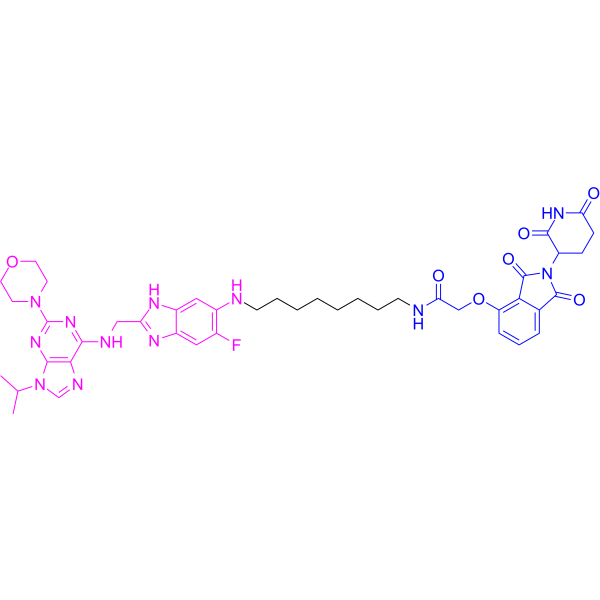
Akt1-IN-8 (Compound JL18) is a potent and oral bioavailable (41%) inhibitor of AKT1 kinase, with an IC50 of 8.8 nM. Akt1-IN-8 exhibits significant antiproliferative effects against PC-3 prostate cancer cells, with an IC50 of 3.0 μM. Akt1-IN-8 can reduce phosphorylated GSK3β levels .
|
-

- HY-144720
-
|
|
SWI/SNF Complex
|
Cancer
|
|
BRG1-IN-1 (Compound 11d) is a potent inhibitor of SMARCA4/BRG1. BRG1-IN-1 shows better efficacy than PFI-3 in sensitizing GBM cells to the antiproliferative and cell death inducing effects of Temozolomide in vitro. BRG1-IN-1 enhances the inhibitor effect of Temozolomide on the growth of subcutaneous GBM tumors .
|
-
- HY-P99662
-
|
MLN0264; TAK-264
|
Antibody-Drug Conjugates (ADCs)
Guanylate Cyclase
Apoptosis
|
Cancer
|
|
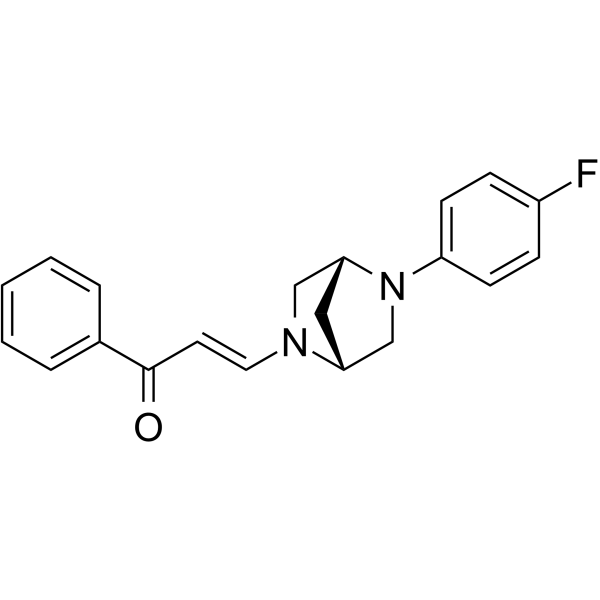
Indusatumab vedotin (MLN-0264; AKT-264) is an antibody-drug conjugate (ADC) consisting of the human anti-guanylate cyclase C (GCC) antibody linked to a microtubule-disruptor Monomethyl auristatin (HY-15162). Indusatumab vedotin has anti-proliferative effects on pancreas cancer cell lines. Indusatumab vedotin arrests cell cycle at G2/M phase, and induces apoptosis .
|
-

- HY-49444
-
|
|
NF-κB
Molecular Glues
E1/E2/E3 Enzyme
|
Cancer
|
|
EN450 is a cysteine-reactive covalent molecular glue degrader targeting NF-κB. EN450 interacts with allosteric C111 in the E2 ubiquitin ligase UBE2D. EN450 induces the ternary complex formation between UBE2D and NFKB1. EN450 exerts its anti-proliferative effects through a Cullin E3 ligase and proteasome-dependent mechanism .
|
-
- HY-P10515
-
|
|
Bacterial
Fungal
|
Infection
Cancer
|
|
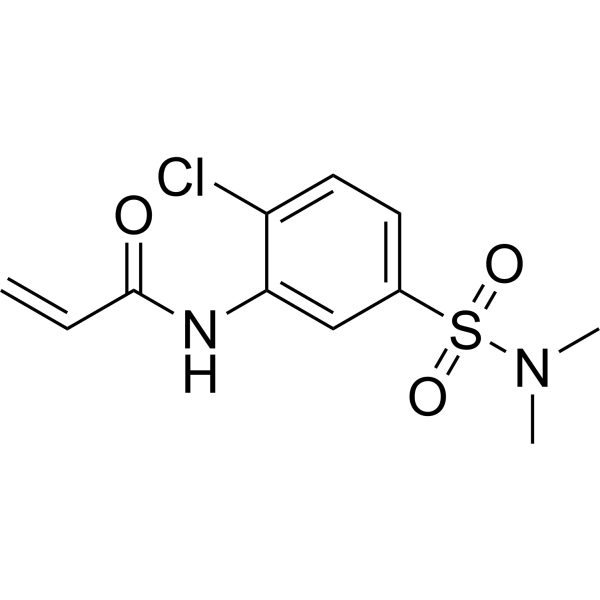
AcrAP2 is an antimicrobial peptide present in the venom of the Arabian scorpion (Androctonus crassicauda). AcrAP2 is inhibitory against Gram-positive bacteria and yeast but is essentially inactive against Gram-negative bacteria. A cation-enhanced AcrAP2 analog (AcrAP2a) exhibits significant antiproliferative effects at low concentrations against certain human cancer cell lines. AcrAP2 can be used in antibacterial and anti-tumor research .
|
-

- HY-N7085
-
|
5,7-Dimethoxycoumarin; Limettin
|
Environmental Pollutants
ERK
p38 MAPK
JNK
|
Neurological Disease
Inflammation/Immunology
Cancer
|
|
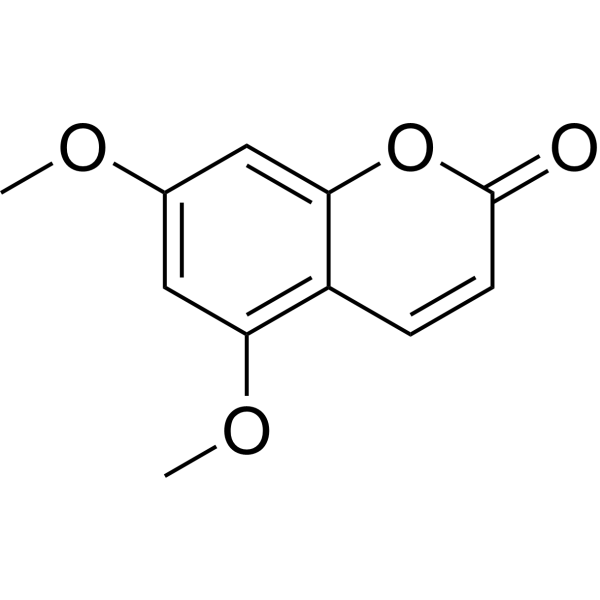
Citropten (5, 7-dimethoxycoumarin) is one of the coumarin derivatives. Citropten is an effective oral anticancer agent. Citropten has anti-proliferative activity against A2058 and B16 melanoma cells. Citropten exerts anti-inflammatory effects through the NFκB and MAPK signaling pathways. Citropten acts as an antidepressant through heat shock protein-70, monoamine oxidase-A and inhibition of apoptosis .
|
-
- HY-N0108R
-
|
Parietin (Standard); Rheochrysidin (Standard)
|
Reference Standards
Bacterial
|
Infection
Inflammation/Immunology
Cancer
|
|
Physcion (Standard) is the analytical standard of Physcion. This product is intended for research and analytical applications. Physcion (Parietin) is an anthraquinone isolated from traditional Chinese medicine Radix et Rhizoma Rhei, acts as an inhibitor of 6-phosphogluconate dehydrogenase, with an IC50 and a Kd of 38.5 μM and 26.0 μM, respectively . Physcion (Parietin) exhibits laxative, hepatoprotective, anti-inflammatory, anti-microbial, anti-proliferative and anti-tumor effects .
|
-

- HY-177750
-
|
|
Molecular Glues
Apoptosis
|
Cancer
|
|
TD-522 is a potent and selective molecular glue GSPT1 degrader, with a DC50 of 0.269 nM. TD-522 exhibits strong anti-proliferative effects and induces apoptosis in acute myeloid leukemia (AML) and diffuse large B-cell lymphoma (DLBCL) cells. TD-522 suppresses tumor growth in a TMD-8 xenograft model. TD-522 can be used for AML and DLBCL research .
|
-

- HY-181166
-
|
|
EGFR
Apoptosis
|
Cancer
|
|
EGFR-IN-194 is a potent EGFR tyrosine kinase inhibitor with an IC50 of 54.3 nM against human EGFR. EGFR-IN-194 induces apoptosis, inhibits migration in cancer cells, selectively promotes invasion in cancer cells, and exhibits antiproliferative effects across multiple cancer cell lines. EGFR-IN-194 can be used for the research of prostate adenocarcinoma, non-small cell lung carcinoma, breast carcinoma, chronic myeloid leukemia .
|
-

- HY-149558
-
|
|
Apoptosis
CXCR
|
Cancer
|
|
CXCR4-IN-2 (compound A1) is a bifunctional fluorinated small molecule that is a potent CXCR4 inhibitor with anticancer activity. CXCR4-IN-2 has cytotoxic (IC50: 60 μg/mL; 72 h) and antiproliferative effects on mouse colorectal cancer (CRC) cells. CXCR4-IN-2 induces cell arrest in the G2/M phase and induces apoptosis .
|
-
- HY-174341
-
|
|
Transmembrane Glycoprotein
|
Cancer
|
|
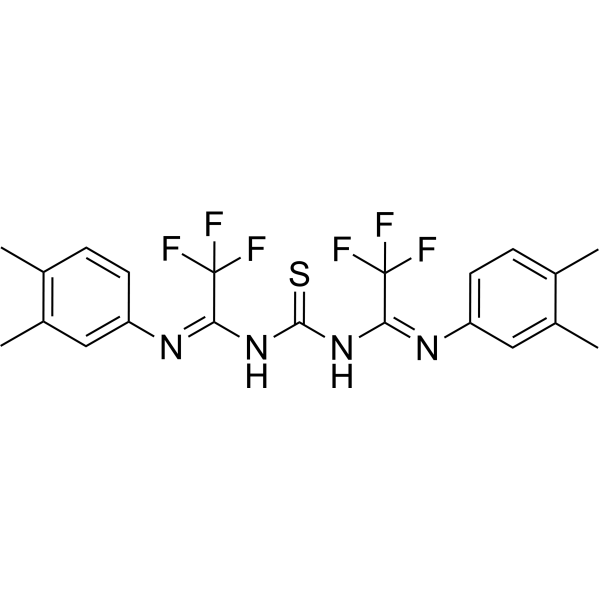
CD39-IN-1 is a selective CD39 inhibitor with an IC50 value of 68.7 nM. CD39-IN-1 exerts antiproliferative effects on tumor cells and shows low toxicity to normal cell lines. CD39-IN-1 inhibits CD39-mediated eATP hydrolysis in the ATP-adenosine pathway. CD39-IN-1 is applicable for tumor-related research .
|
-

- HY-146683
-
|
|
Aldehyde Dehydrogenase (ALDH)
Apoptosis
|
Cancer
|
|
KS106 is a potent ALDH inhibitor with IC50s of 334, 2137, 360 nM for ALDH1A1, ALDH2, and ALDH3A1, respectively. KS106 shows antiproliferative and anticancer effects with low low toxic.KS106 significantly increases ROS activity, lipid peroxidation and toxic aldehyde accumulation. KS106 induces apoptosis and cell cycle arrest at the G2/M phase .
|
-
- HY-178158
-
|
|
Farnesyl Transferase
Apoptosis
DNA/RNA Synthesis
|
Cancer
|
|
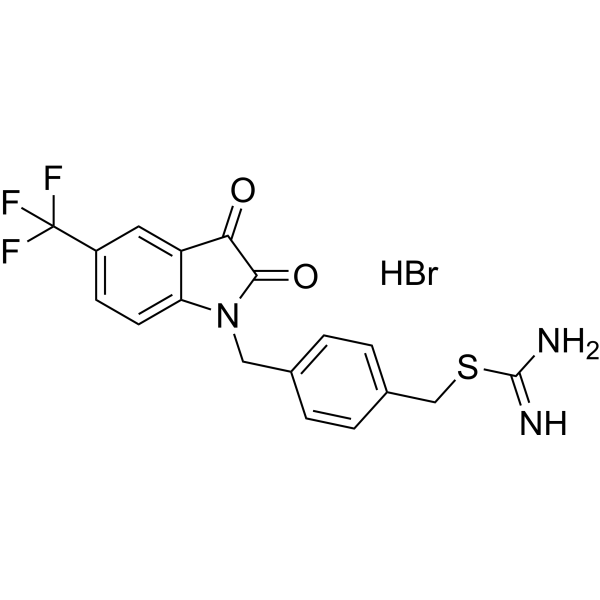
SQS-IN-1 is a squalene synthase (SQS) inhibitor. SQS-IN-1 exhibits potent and broad-spectrum anti-proliferative effects on both mouse and human lung cancer cell lines. SQS-IN-1 inhibits DNA replication and the cell cycle, causing mitochondrial hyperpolarization and inducing cell apoptosis. SQS-IN-1 inhibits cell migration and invasion. SQS-IN-1 can be used to the study of lung cancer .
|
-

- HY-181410
-
|
|
PROTACs
Histone Methyltransferase
IAP
|
Cancer
|
|
PROTAC EZH2 Degrader-41 is an EZH2-targeting PROTAC and cIAP E3 ubiquitin ligase recruiter. PROTAC EZH2 Degrader-41 induces EZH2 degradation via ubiquitination and proteasomal breakdown. PROTAC EZH2 Degrader-41 exerts antiproliferative effects in lymphoma cells. PROTAC EZH2 Degrader-41 can be used for the research of lymphoma .
|
-

- HY-146682
-
|
|
Aldehyde Dehydrogenase (ALDH)
Apoptosis
|
Cancer
|
|
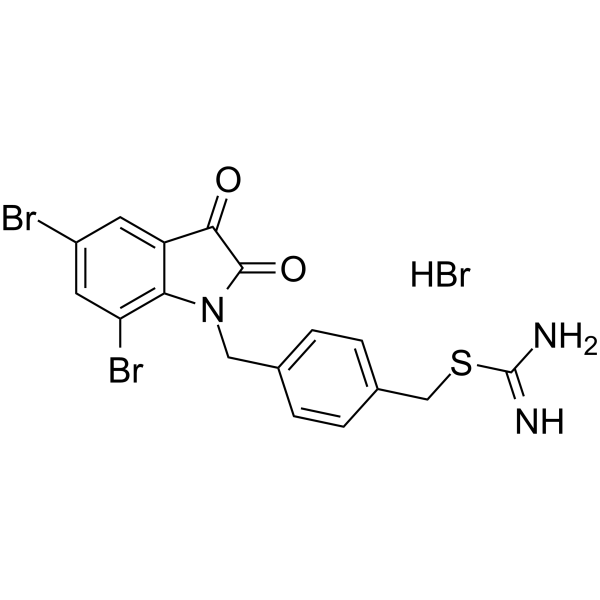
KS100 is a potent ALDH inhibitor with IC50s of 230, 1542, 193 nM for ALDH1A1, ALDH2, and ALDH3A1, respectively. KS100 shows antiproliferative and anticancer effects with low low toxic. KS100 significantly increases ROS activity, lipid peroxidation and toxic aldehyde accumulation. KS10600 induces apoptosis and cell cycle arrest at the G2/M phase .
|
-
- HY-W196368
-
|
|
COX
SARS-CoV
|
Infection
Inflammation/Immunology
Cancer
|
|
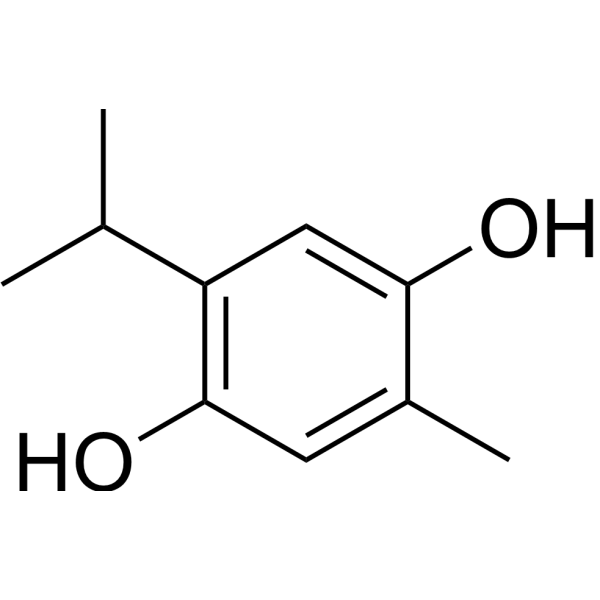
Thymohydroquinone is a COX-2 inhibitor and anti-SARS-CoV-2 agent that induces cytotoxicity, antiproliferative effects and inhibits tumor growth. Thymohydroquinone cannot scavenge superoxide radicals via σ (hydrogen atom transfer) and π-π attacks with superoxide anions. Thymohydroquinone can be used in research related to squamous cell carcinoma, fibrosarcoma and coronavirus disease 2019 (SARS-CoV-2 infection) .
|
-
- HY-B0965
-
|
|
Dopamine Receptor
Apoptosis
5-HT Receptor
Autophagy
Bacterial
|
Infection
Neurological Disease
Cancer
|
|
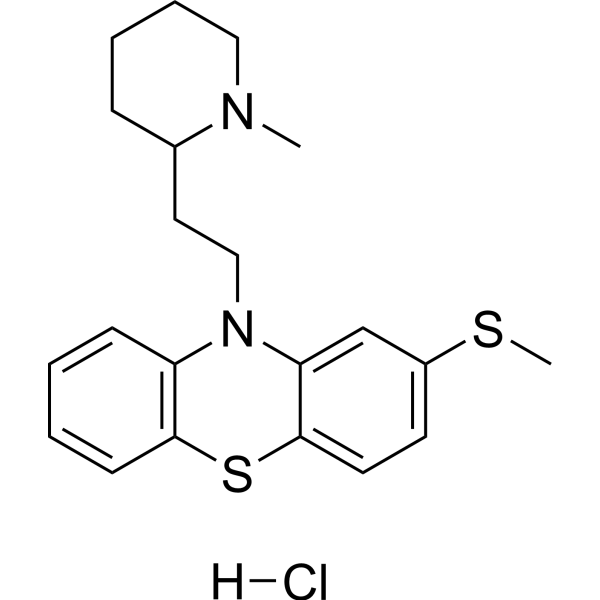
Thioridazine hydrochloride, an orally active antagonist of the dopamine receptor D2 family proteins, exhibits potent anti-psychotic and anti-anxiety activities. Thioridazine hydrochloride is also a potent inhibitor of PI3K-Akt-mTOR signaling pathways with anti-angiogenic effect. Thioridazine hydrochloride shows antiproliferative and apoptosis induction effects in various types of cancer cells, with specificity on targeting cancer stem cells (CSCs) .
|
-
- HY-185276
-
|
|
EGFR
|
Cancer
|
|
EGFR-IN-204 (Example 1) is a HER2 exon 20 mutation inhibitor with selectivity for wild-type EGFR. EGFR-IN-204 exerts antiproliferative effects on cells dependent on HER2 exon 20 YVMA insertion mutation and wild-type HER2, and shows strong selectivity over cells dependent on wild-type EGFR. EGFR-IN-204 is applicable to non-small cell lung cancer research .
|
-

- HY-155152
-
|
|
P-glycoprotein
BCRP
|
Cancer
|
|
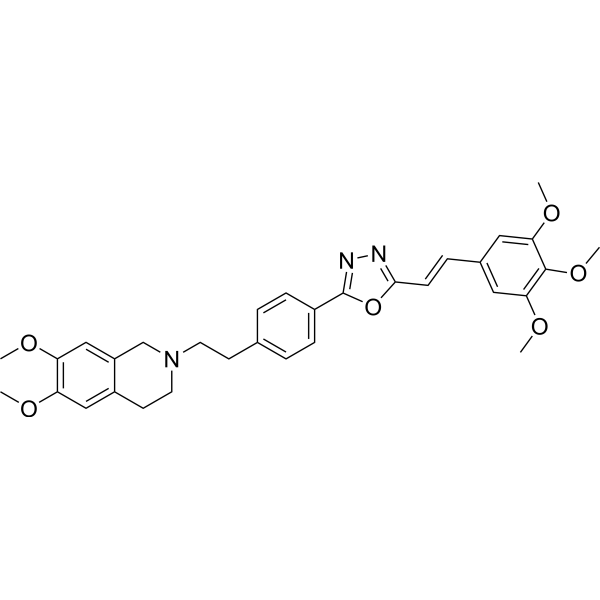
P-gp/BCRP-IN-2 (compound 15) is an oxadiazole derivative and a dual inhibitor of the ABC transporter P-glycoprotein (IC50: 1.6 nM) and BCRP (IC50: 600 nM). P-gp/BCRP-IN-2 also enhances the anti-proliferative effects of Doxorubicin (HY-15142A) in drug-resistant human adenocarcinoma colon cancer cell lines HT29/DX and MDCK-MDR1 cells .
|
-
- HY-173437
-
|
|
PROTACs
PARP
DNA/RNA Synthesis
|
Cancer
|
|
CW-2 is a PARP1 PROTAC degrader. CW-2 has potent antiproliferative effects against MDA-MB-231 cells (IC50 = 0.72 μM) and CDDP-resistant cells (A549/CDDP: IC50 = 3.52 μM). CW-2 has synergistic antitumor activity and enhanced membrane permeability. CW-2 exerts antitumor effects by inducing DNA damage, impairing DNA repair, and activating mitochondria-dependent apoptosis (Pink: PARP1 ligand (HY-173441); Blue: E3 CRBN ligand (HY-173439); Black: linker (HY-173440)) .
|
-

- HY-B0391S1
-
|
KT-611-d5; BM-15275-d5
|
Isotope-Labeled Compounds
Adrenergic Receptor
|
Cardiovascular Disease
Endocrinology
|
|
Naftopidil-d5 is deuterium labeled Naftopidil. Naftopidil (KT-611) is is a selective alpha1-adrenoceptor antagonist, with Kis of 3.7 nM, 20 nM and 1.2 nM for the cloned human α1a-, α1b- and α1d-adrenoceptor subtypes, respectively. Naftopidil has antiproliferative effects. Naftopidil can be used for the research of prostate hyperplasia .
|
-
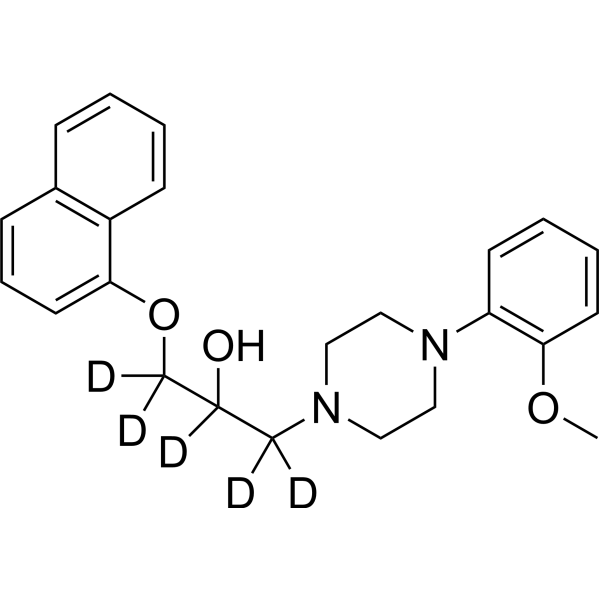
- HY-158968
-
|
|
MDM-2/p53
|
Cancer
|
|
MMs02943764 is a 1,2,4-triazole derivative with anticancer activity. MMs02943764 has significant antiproliferative effects on multiple cancer cell lines. PAC, a structural analog of MMs02943764, has significant cytotoxicity against the leukemia cell line K562 (IC50=35.264 μM), reduces the degradation of p53 by inhibiting Mdm2 and Pirh2, and induces K562 cell cycle arrest .
|
-

- HY-155313
-
|
|
Drug-Linker Conjugates for ADC
|
Cancer
|
|
β-Glucuronide-NB-bis[N(Me)-methyl ester]-MMAE (compound 20) is auristatins-glucuronide conjugate. Antitumor agent-122 shows in vitro antiproliferative activities against β-glucuronidase pretreated and untreated cancer cells with an IC50 value of 5.7 nM - 9.7 nM. Antitumor agent-122 shows potent antitumor efficacy in HCT-116 xenograft mouse model without inducing side effects .
|
-
![β-Glucuronide-NB-bis[N(Me)-methyl ester]-MMAE](//file.medchemexpress.com/product_pic/hy-155313.gif)
- HY-157526
-
|
|
EGFR
Apoptosis
|
Cancer
|
|
EGFR-TK-IN-1 (compound 7o) is a potent mutant EGFR inhibitor with IC50 of 8.5 nM an 9.3 nM against EGFR L858R/T790M and EGFR Del19.EGFR-TK-IN-1 showes strong antiproliferative effects against EGFR mutant-driven non-small cell lung cancer (NSCLC) cells and induces cell apoptosis .
|
-
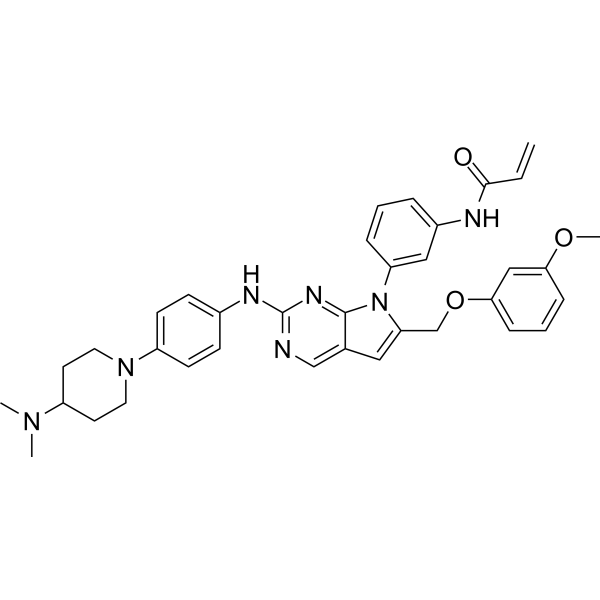
- HY-176792
-
|
|
PROTACs
Ras
|
Cancer
|
|
ACBI-4 is a selective GTP-loaded active state of KRAS (KRAS(on)) PROTAC degrader, with Kd values of 141 nM against KRAS G12R. ACBI-4 forms a stable ternary complex with VHL, triggering ubiquitination and KRAS degradation via the ubiquitin-proteasome system. ACBI-4 induces antiproliferative effects in KRAS mutant-driven cancer cells. ACBI-4 can be used for the research of KRAS mutant-driven cancer .
|
-

- HY-181692
-
|
|
PROTACs
Epigenetic Reader Domain
E1/E2/E3 Enzyme
Apoptosis
|
Cancer
|
|
PROTAC RNF4 degrader-1 is a RNF4 PROTAC degrader (Kd = 64.5 nM) that degrades RNF4 via the ubiquitin-proteasome system. PROTAC RNF4 degrader-1 induces DNA damage, apoptosis, and exhibits antiproliferative activity in cancer cells. PROTAC RNF4 degrader-1 displays antitumor activity with no obvious side effects in mouse models. PROTAC RNF4 degrader-1 is applicable to the research of hepatocellular carcinoma .
|
-

- HY-112724A
-
|
SHR0302 sulfate
|
JAK
Apoptosis
|
Inflammation/Immunology
Cancer
|
|
Ivarmacitinib (SHR0302) sulfate is a potent and orally active all members of the JAK family inhibitor, particularly JAK1. The selectivity of Ivarmacitinib for JAK1 is >10-fold for JAK2, 77-fold for JAK3, 420-fold for Tyk2. Ivarmacitinib inhibits JAK1-STAT3 phosphorylation and induces the apoptosis of hepatic stellate cells. Ivarmacitinib has anti-proliferative and anti-inflammatory effects .
|
-
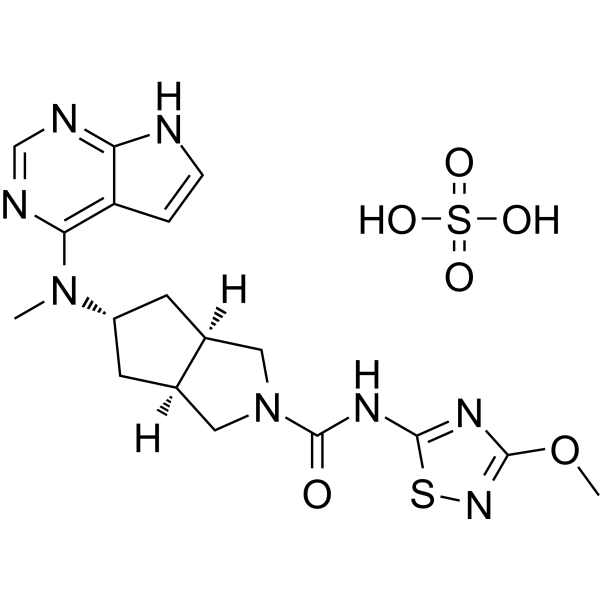
- HY-180535
-
|
|
Cytochrome P450
|
Cancer
|
|
Aromatase-IN-8 is a selective Aromatase inhibitor against an IC50 of 0.05 µM. Aromatase-IN-8 exhibits selective antiproliferative effects against estrogen receptor-positive breast cancer cell lines, while showing no toxicity toward non-tumoral cells. Aromatase-IN-8 suppresses estrogen active, increases testosterone levels, and downregulates estrogen receptor expression and phosphorylation. Aromatase-IN-8 can be used for triple negative breast cancer research .
|
-

- HY-126596
-
|
|
Apoptosis
|
Cancer
|
|
Angelylalkannin is a naphthoquinone compound isolated from the root of Alkanna tinctoria. Angelylalkannin showed significant inhibitory effects in the antiproliferative effect test on human colon cancer cells HCT-116 and SW-480. The median inhibitory concentration (IC50) of Angelylalkannin was 4.76 mM for HCT-116 cells and 7.03 mM for SW-480 cells. Like alkannin, Angelylalkannin can arrest the cell cycle in the G1 phase and induce apoptosis at a concentration of 1-10 mM.
|
-

- HY-179481
-
|
|
Ferroptosis
Keap1-Nrf2
Glutathione Peroxidase
Reactive Oxygen Species (ROS)
|
Cancer
|
|
Ferroptosis inducer-13 is a 5′-prenylated chalcone derivative that effectively induces ferroptosis in human non-small cell lung cancer (NSCLC) cells by altering the activity of the Nrf2/xCT/GPX4 pathway. Ferroptosis inducer-13 exhibits potent anti-proliferative effects in vitro, and inhibits tumour growth in a NSCLC mouse model. Ferroptosis inducer-13 can be used for NSCLC research .
|
-

- HY-112724
-
|
SHR0302
|
JAK
Apoptosis
|
Inflammation/Immunology
Cancer
|
|
Ivarmacitinib (SHR0302) is a potent and orally active all members of the JAK family inhibitor, particularly JAK1. The selectivity of Ivarmacitinib for JAK1 is >10-fold for JAK2, 77-fold for JAK3, 420-fold for Tyk2. Ivarmacitinib inhibits JAK1-STAT3 phosphorylation and induces the apoptosis of hepatic stellate cells. Ivarmacitinib has anti-proliferative and anti-inflammatory effects .
|
-
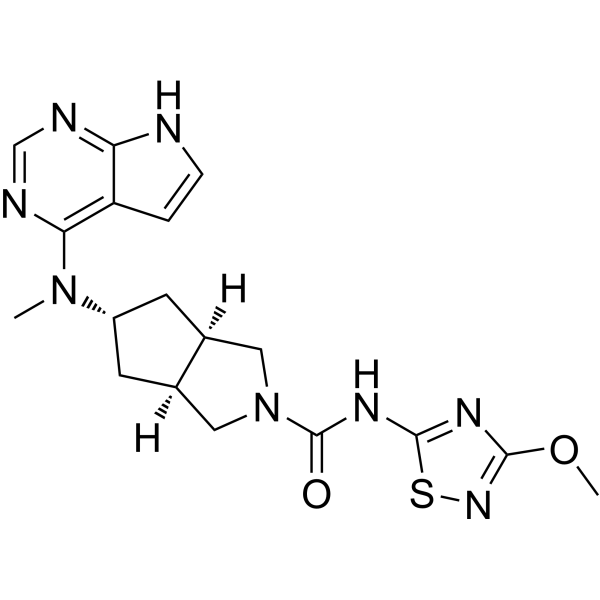
- HY-115463
-
EB-3D
2 Publications Verification
|
AMPK
Apoptosis
|
Cancer
|
|
EB-3D is a potent and selective choline kinase α (ChoKα) inhibitor, with an IC50 of 1 μM for ChoKα1. EB-3D exerts effects on ChoKα expression, AMPK activation, apoptosis, endoplasmic reticulum stress and lipid metabolism. EB-3D exhibits a potent antiproliferative activity in a panel of T-leukemia cell lines. Anti-cancer activity .
|
-
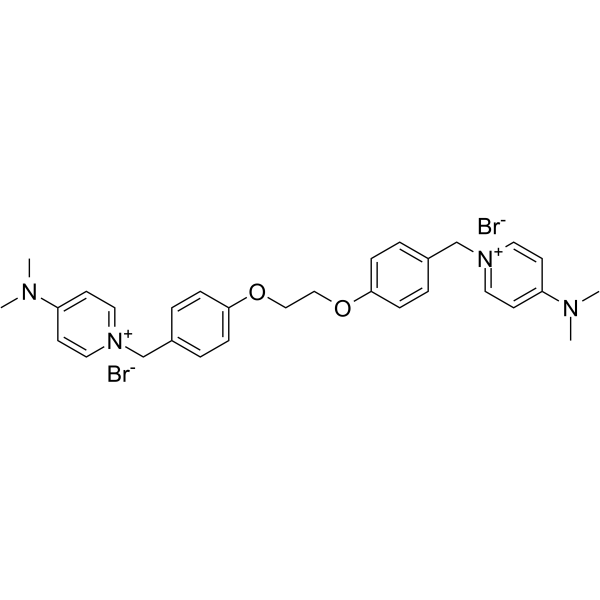
- HY-175003
-
|
|
Proton Pump
|
Cancer
|
|
HV1-IN-2 (Compound 14c) is a human voltage-gated proton channel (HV1) inhibitor with an IC50 of 2.14 μM. HV1-IN-2 has a potent anticancer activity with significant antiproliferative effects against THP-1 and MCF-7 cells. HV1-IN-2 can be used for cancers research, such as colorectal tumours, leukaemia, and breast cancer .
|
-

- HY-139039
-
|
|
PROTACs
CDK
|
Cancer
|
|
BSJ-4-116 is a PROTAC connected by ligands for Cereblon and CDK. BSJ-4-116 is a highly potent and selective CDK12 degrader (PROTAC) with an IC50 of 6 nM. BSJ-4-116 downregulates DDR genes through a premature termination of transcription, primarily through increasing poly(adenylation). BSJ-4-116 exhibits potent antiproliferative effects, alone and in combination with the poly(ADP-ribose) polymerase inhibitor Olaparib (HY-10162) .
|
-
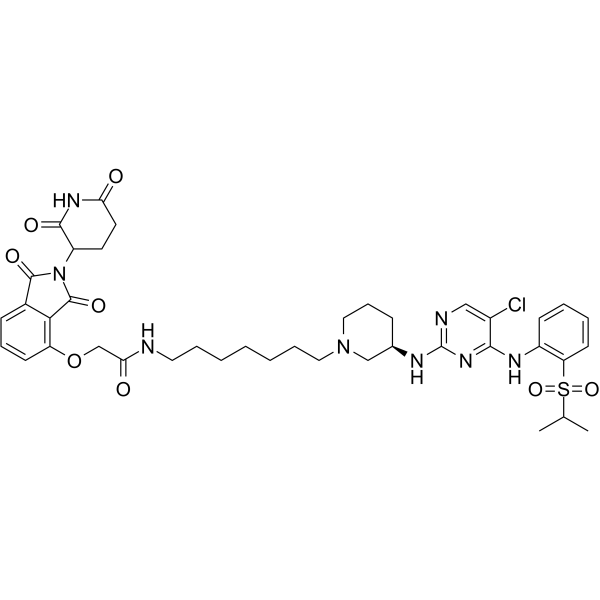
- HY-181699
-
|
|
ULK
|
Cancer
|
|
ULK1-IN-5 (Compound D1) is a selective ULK1 inhibitor with an IC50 of 14.91 nM. ULK1-IN-5 functionally inhibits the kinase activity of ULK1. ULK1-IN-5 reduces the phosphorylation level of ATG13. ULK1-IN-5 exerts antiproliferative effects on cervical cancer cells. ULK1-IN-5 is applicable to relevant research on cervical cancer .
|
-

- HY-N2374
-
|
|
Apoptosis
NF-κB
MMP
Adrenergic Receptor
|
Inflammation/Immunology
Cancer
|
|
Eupatorin is an orally active flavonoid with antiproliferative and vasodilatory properties. Eupatorin downregulates the expression levels of NF-κB, MMP9, IL-1β and TNF-α. Eupatorin induces apoptosis, G2/M phase cell cycle arrest, and reactive oxygen species (ROS) production. Eupatorin modulates the activities of muscarinic receptors and β-adrenergic receptors; inhibits sarcoplasmic reticulum calcium release and calcium channels; and activates the NO/sGC/cGMP pathway, indomethacin-sensitive pathway, and potassium channel pathway. Eupatorin exerts cytotoxic effects on cancer cell lines, and is metabolized by CYP1A1 and CYP1 family enzymes to form metabolites with antiproliferative activity. Eupatorin can be used in research related to breast cancer, hypertension, and leukemia .
|
-
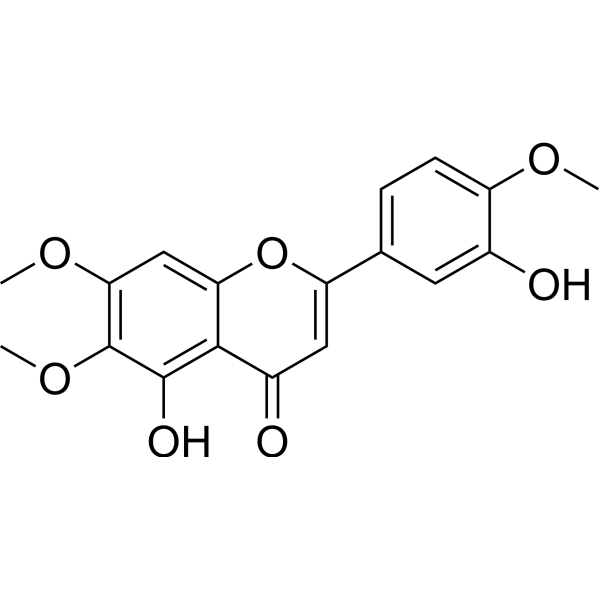
- HY-181009
-
|
|
HDAC
Apoptosis
Autophagy
|
Cancer
|
|
HDAC-IN-98 is a HDAC1, HDAC2, HDAC3 inhibitor (one of the most selective class I HDAC inhibitors) with human IC50 values of 41.2 nM, 52.5 nM, and 74.3 nM respectively. HDAC-IN-98 induces H3K9 acetylation, p21 upregulation, G2/M arrest, cell apoptosis, has strong antiproliferative effects in colorectal cancer cells, low toxicity in healthy colon epithelium, modulates short-term in vitro effects via autophagy, and shows strong antitumor efficacy in vivo in the chorioallantoic membrane model (CAM) assay. HDAC-IN-98 can be used for the research of colorectal cancer .
|
-

- HY-103193R
-
|
Colforsin dapropate hydrochloride (Standard)
|
Reference Standards
Adenylate Cyclase
|
Cardiovascular Disease
|
|
NKH477 (Standard) is the analytical standard of NKH477 (HY-103193). This product is intended for research and analytical applications. NKH477 (Colforsin dapropate hydrochloride) directly activates the catalytic unit of adenylate cyclase and increases intracellular cAMP. NKH477 is a forskolin derivative that improves cardiac failure mainly through its beneficial effects on diastolic cardiac function. NKH477 exerts an antiproliferative effect in vivo with an altered cytokine profile to inhibit the acute rejection of rat orthotopic lung allografts .
|
-

- HY-160733
-
|
|
Epigenetic Reader Domain
|
Cancer
|
|
Menin-MLL-IN-32 (compound 51) is a Menin-MLL interaction inhibitor with an IC50 of 0.042 nM in HTRF assay. Menin-MLL-IN-32 inhibits MEIS1 mRNA expression with an IC50 of 11 nM. Menin-MLL-IN-32 shows anti-proliferative effects, with IC50 values of 8 nM, 24 nM and 1900 nM for MOLM14 cells, OCI-AML3 cells and KO-52 cells, respectively. Menin-MLL-IN-32 can be used for the study of leukemia .
|
-

- HY-165532
-
|
SGX70393
|
Bcr-Abl
|
Cancer
|
|
SGX393 (SGX70393) is a Bcr-Abl kinase inhibitor. SGX393 binds to the active conformation of the kinase domains of both wild-type and T315I mutant Bcr-Abl, thereby inhibiting kinase activity. SGX393 exhibits antiproliferative effects in cells expressing wild-type or T315I mutant Bcr-Abl, and suppresses T315I-driven tumor growth. SGX393 can be used for the research of chronic myeloid leukemia .
|
-

- HY-181825
-
|
|
TrxR
Apoptosis
|
Cancer
|
|
TrxR-IN-9 is a thioredoxin reductase (TrxR) inhibitor with an IC50 of 0.26 μM. TrxR-IN-9 disrupts cellular redox balance. TrxR-IN-9 induces S-phase cell cycle arrest, promotes apoptosis and exhibits antiproliferative activity across cancer cells. TrxR-IN-9 exerts effects via synergistic nitric oxide (NO) and reactive oxygen species (ROS) action. TrxR-IN-9 can be used for the research of breast cancer, gastric cancer, colorectal cancer, liver cancer .
|
-

- HY-N0060B
-
|
(E)-Coniferic acid
|
β-catenin
Bcl-2 Family
Ferroptosis
Endogenous Metabolite
|
Cancer
|
|
(E)-Ferulic acid is an isomer of ferulic acid, an aromatic compound abundant in plant cell walls. (E)-Ferulic acid causes phosphorylation of β-catenin (β-catenin), leading to proteasome degradation, increasing the expression of pro-apoptotic factor Bax and reducing pro-apoptotic factor Expression of the survival factor survivin. (E)-Ferulic acid can effectively remove reactive oxygen species (ROS) and inhibit lipid peroxidation. (E)-Ferulic acid exerts antiproliferative and antimigratory effects in the human lung cancer cell line H1299.
|
-
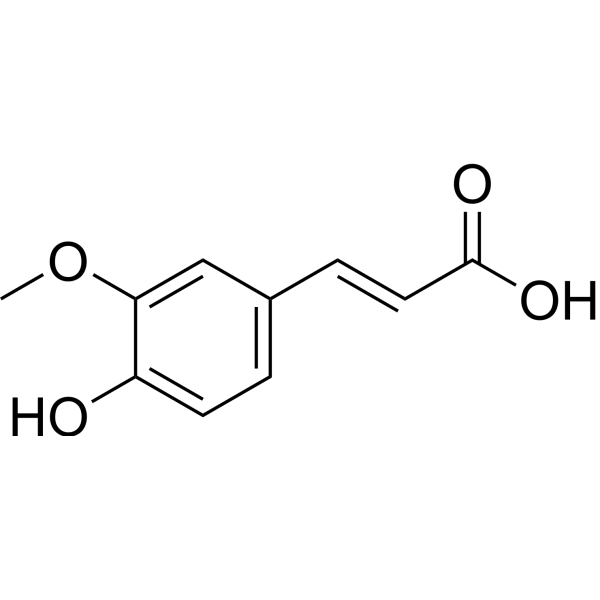
- HY-N10264
-
|
(+)-Avrainvillamide; CJ-17,665
|
Antibiotic
|
Infection
Cancer
|
|
Avrainvillamide ((+)-Avrainvillamide) is a naturally occurring alkaloid with antiproliferative effects, binds to the nuclear chaperone nucleophosmin, a proposed oncogenic protein that is overexpressed in many different human tumors. Avrainvillamide affects cell biology both by directly binding NPM1 and Crm1 as well as by inhibiting the association of these proteins with certain native cellular partners. Avrainvillamide, an antibiotic, inhibits growth of multi-agent resistant Staphylococcus aureus, Streptococcus pyogenes, and Enterococcus faecalis, with MICs of 12.5, 12.5 and 25 μg/ml, respectively .
|
-
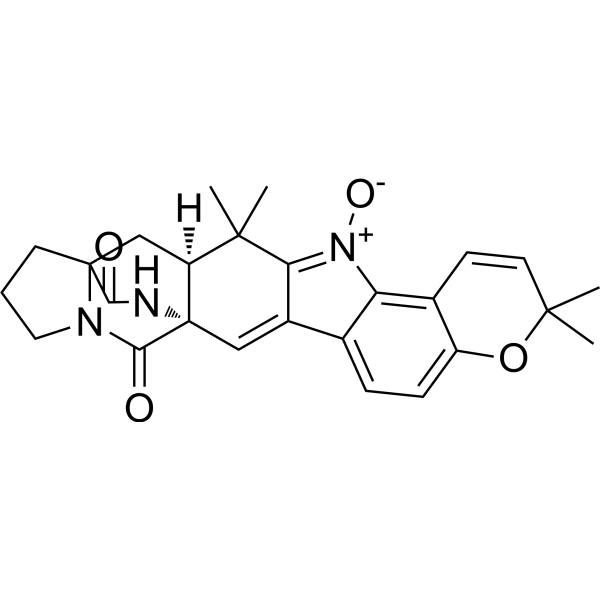
- HY-133121
-
|
|
Apoptosis
WDR5
|
Cancer
|
|
WDR5-IN-1 is a potent and selective WD repeat domain 5 (WDR5) inhibitor, with a Kd of <0.02 nM. WDR5-IN-1 inhibits MLL1 histone methyltransferase (HMT) activity with an IC50 of 2.2 nM. WDR5-IN-1 diminishes MYC recruitment at WDR5-displaced genes and exhibits potent anti-proliferative effects in CHP-134 (neuroblastoma) and Ramos (Burkitt’s lymphoma) lines .
|
-
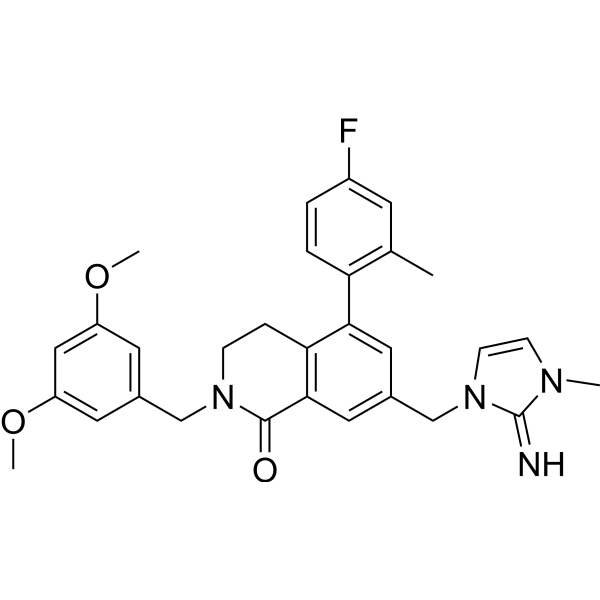
- HY-19242
-
|
|
Antifolate
|
Inflammation/Immunology
|
|
MX-68 is an orally active antifolate agent. MX-68 can prolong the lifespan of MRL/lpr mice, delay the onset of proteinuria, and inhibit the elevation of serum blood urea nitrogen and cholesterol levels. MX-68 is also an anti-rheumatic agent, which exerts potent antiproliferative effects on rheumatoid arthritis-related cells and can inhibit arthritis in rats. MX-68 can be used in the research of autoimmune diseases such as autoimmune kidney disease and rheumatoid arthritis .
|
-

- HY-B0617B
-
|
S-Adenosyl methionine 1,4-butanedisulfonate; Ademetionine 1,4-butanedisulfonate; AdoMet 1,4-butanedisulfonate
|
Endogenous Metabolite
Apoptosis
|
Neurological Disease
Inflammation/Immunology
Cancer
|
|
S-Adenosyl-L-methionine (S-Adenosyl methionine) 1,4-butanedisulfonate is an orally active methyl group donor. S-Adenosyl-L-methionine 1,4-butanedisulfonate is a dietary supplement with potent antidepressant effects. S-Adenosyl-L-methionine 1,4-butanedisulfonate also has anti‑proliferative, pro‑apoptotic and anti‑metastatic roles in cancers. S-Adenosyl-L-methionine 1,4-butanedisulfonate has the potential for, cancer, liver disease and osteoarthritis research .
|
-
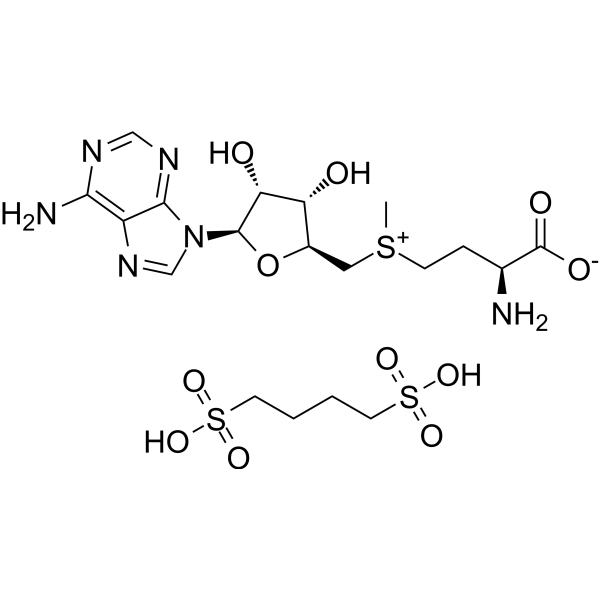
- HY-161334
-
|
|
Histone Methyltransferase
Apoptosis
|
Cancer
|
|
CARM1-IN-4 (compound 11f) is a potent CARM1 inhibitor with IC50s of 9 nM and 56 nM for CARM1 and PRMT1, respectively. CARM1-IN-4 displays significant anti-proliferative effects on colorectal cancer cell lines. CARM1-IN-4 effectively inhibits the methyltransferase activity of CARM1 and prevents methylation of downstream proteins. CARM1-IN-4 induces apoptosis and shows antitumor activity .
|
-
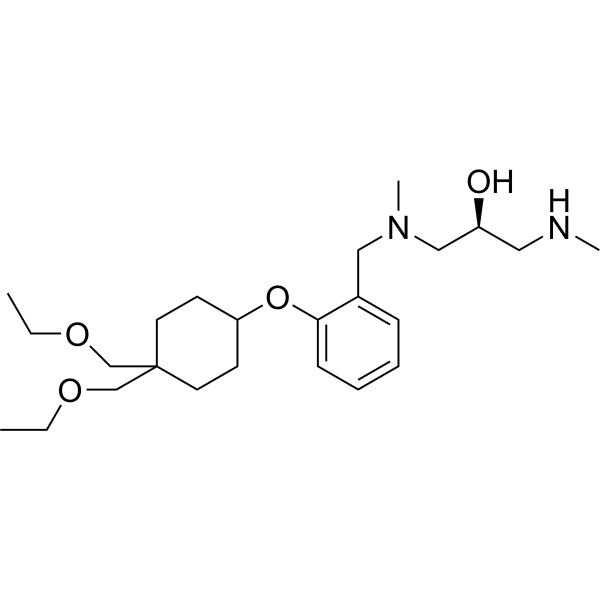
- HY-160843
-
|
|
Apoptosis
|
Cancer
|
|
N-ω-chloroacetyl-L-ornithine (NCAO) is a potent reversible competitive ornithine decarboxylase (ODC) inhibitor that exerts cytotoxic and antiproliferative effects on tumor cell lines with EC50 values ranging from 1 to 50.6 µM. NCAO induces tumor cell Apoptosis and inhibits tumor cell migration in vitro. NCAO also exhibits a potent antitumor activity against both solid and ascitic tumors in a mouse model using the myeloma (Ag8) cell line. NCAO is promising for research of antitumor agents .
|
-

- HY-N7085R
-
|
5,7-Dimethoxycoumarin (Standard); Limettin (Standard)
|
ERK
JNK
p38 MAPK
Reference Standards
|
Neurological Disease
Inflammation/Immunology
Cancer
|
|
Citropten (Standard) is the analytical standard of Citropten. This product is intended for research and analytical applications. Citropten (5, 7-dimethoxycoumarin) is one of the coumarin derivatives. Citropten is an effective oral anticancer agent. Citropten has anti-proliferative activity against A2058 and B16 melanoma cells. Citropten exerts anti-inflammatory effects through the NFκB and MAPK signaling pathways. Citropten acts as an antidepressant through heat shock protein-70, monoamine oxidase-A and inhibition of apoptosis .
|
-

- HY-B1690AR
-
|
|
Reference Standards
Antibiotic
Bacterial
Histamine Receptor
|
Infection
|
|
Thioridazine (Standard) is the analytical standard of Thioridazine. This product is intended for research and analytical applications. Thioridazine, an antagonist of the dopamine receptor D2 family proteins, exhibits potent anti-psychotic and anti-anxiety activities. Thioridazine is also a potent inhibitor of PI3K-Akt-mTOR signaling pathways with anti-angiogenic effect. Thioridazine shows antiproliferative and apoptosis induction effects in various types of cancer cells, with specificity on targeting cancer stem cells (CSCs) .
|
-

- HY-178462
-
|
|
HSP
DNA/RNA Synthesis
|
Cancer
|
|
Hsp70/FoxM1-IN-1 (Compound 7d) is a potent heat shock protein 70 (Hsp70) and Forkhead box M1 (FoxM1) dual inhibitor. Hsp70/FoxM1-IN-1 demonstrates significant antiproliferative and pro-apoptotic effects in multiple solid tumor models (e.g., breast, colorectal cancer), particularly for tumors co-overexpressing Hsp70/FoxM1 .
|
-

- HY-B0965AS
-
|
|
Dopamine Receptor
Apoptosis
5-HT Receptor
Autophagy
Bacterial
|
Neurological Disease
|
|
Thioridazine-d3 (hydrochloride) is the deuterium labeled Thioridazine. Thioridazine, an antagonist of the dopamine receptor D2 family proteins, exhibits potent anti-psychotic and anti-anxiety activities. Thioridazine is also a potent inhibitor of PI3K-Akt-mTOR signaling pathways with anti-angiogenic effect. Thioridazine shows antiproliferative and apoptosis induction effects in various types of cancer cells, with specificity on targeting cancer stem cells (CSCs) .
|
-
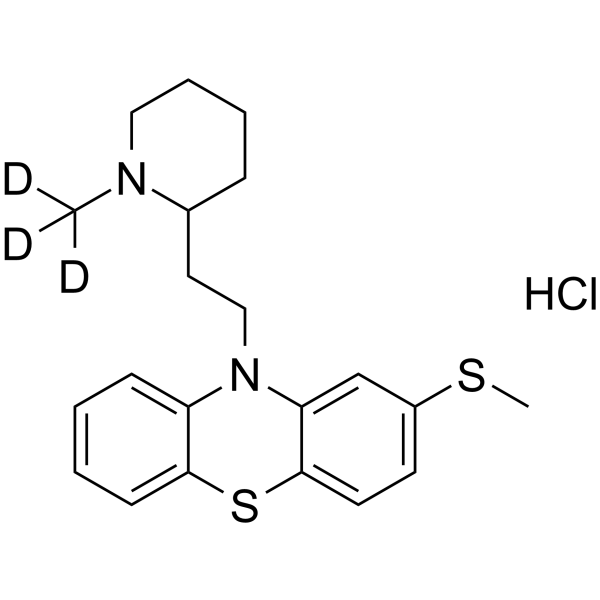
- HY-181320
-
|
|
PROTACs
Histone Methyltransferase
|
Cancer
|
|
PROTAC EZH2 Degrader-19 (compound 6) is a is a PROTAC protein degrader targeting EZH2 with an IC50 of 15.00 nM. PROTAC EZH2 Degrader-19 induces strong degradation of all PRC2 subunits (EZH2, SUZ12, EED, RbAp48) in a concentration- and time-dependent manner.PROTAC EZH2 Degrader-19 exhibits antiproliferative effects in cancer cells.PROTAC EZH2 Degrader-19 can be used for the research of cancer .
|
-

- HY-W017770
-
|
Ademetionine disulfate tosylate; S-Adenosyl methionine disulfate tosylate; AdoMet disulfate tosylate
|
Endogenous Metabolite
Apoptosis
|
Neurological Disease
Inflammation/Immunology
Cancer
|
|
S-Adenosyl-L-methionine (Ademetionine) disulfate tosylate is the disulfate tosylate form of S-Adenosyl-L-methionine (HY-B0617). S-Adenosyl-L-methionine disulfate tosylate is an orally active methyl group donor. S-Adenosyl-L-methionine disulfate tosylate is a dietary supplement with potent antidepressant effects. S-Adenosyl-L-methionine disulfate tosylate also has anti‑proliferative, pro‑apoptotic and anti‑metastatic roles in cancers. S-Adenosyl-L-methionine disulfate tosylate has the potential for, cancer, liver disease and osteoarthritis research .
|
-
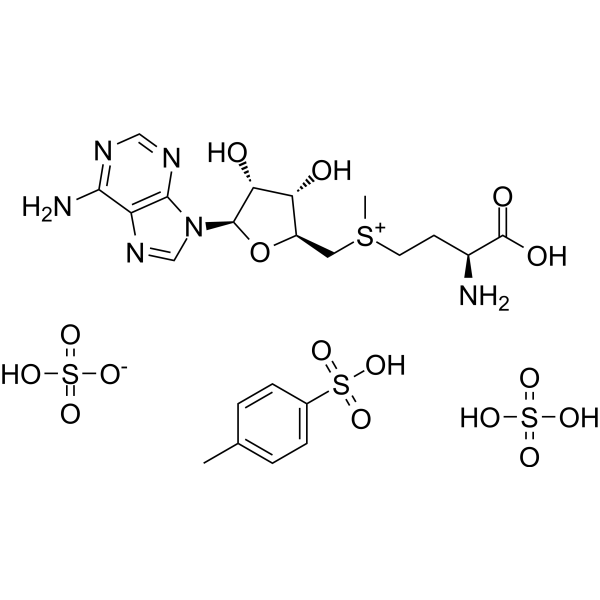
- HY-182957
-
|
|
MNK
Pim
Apoptosis
Caspase
Eukaryotic Initiation Factor (eIF)
PARP
c-Myc
|
Cancer
|
|
MNK/PIM-IN-2 is a Mnk/Pim kinase inhibitor with an IC50 of 32 nM for Mnk1, 3 nM for Mnk2, and 37 nM for Pim1. MNK/PIM-IN-2 reduces the levels of p-eIF4E and p-4EBP1. MNK/PIM-IN-2 induces cell cycle arrest, apoptosis (apoptosis) and exerts antiproliferative effects in leukemia cells. MNK/PIM-IN-2 can be used in studies related to leukemia .
|
-

- HY-W040293S
-
|
PE(6:0/6:0)-d22; 1,2-Dihexanoyl-sn-glycero-3-phosphoethanolamine-d22
|
Isotope-Labeled Compounds
|
Cancer
|
|
06:0 PE-d22 (PE(6:0/6:0)-d22) is the deuterium labeled 06:0 PE (HY-W040293). 06:0 PE (PE(6:0/6:0)) is a water-soluble phospholipid characterized by its short acyl chains, exhibiting notable antitumor activity and the ability to inhibit tumor progression in vivo, alongside antiproliferative and proapoptotic effects, while serving as a precursor for phosphatidylcholine and phosphatidylethanolamine.
|
-

- HY-B0965AR
-
|
|
Reference Standards
Dopamine Receptor
Apoptosis
5-HT Receptor
Autophagy
Bacterial
|
Neurological Disease
Cancer
|
|
Thioridazine (Standard) is the analytical standard of Thioridazine. This product is intended for research and analytical applications. Thioridazine, an antagonist of the dopamine receptor D2 family proteins, exhibits potent anti-psychotic and anti-anxiety activities. Thioridazine is also a potent inhibitor of PI3K-Akt-mTOR signaling pathways with anti-angiogenic effect. Thioridazine shows antiproliferative and apoptosis induction effects in various types of cancer cells, with specificity on targeting cancer stem cells (CSCs) .
|
-

- HY-B0391R
-
|
KT-611 (Standard); BM-15275 (Standard)
|
Reference Standards
Adrenergic Receptor
|
Cardiovascular Disease
Endocrinology
|
|
Naftopidil (Standard) is the analytical standard of Naftopidil. This product is intended for research and analytical applications. Naftopidil (KT-611) is is a selective alpha1-adrenoceptor antagonist, with Kis of 3.7 nM, 20 nM and 1.2 nM for the cloned human α1a-, α1b- and α1d-adrenoceptor subtypes, respectively. Naftopidil has antiproliferative effects. Naftopidil can be used for the research of prostate hyperplasia .
|
-

- HY-155356A
-
|
|
PROTACs
|
Cancer
|
|
YN14 mixture of diastereomers is the diastereomers of YN14 (HY-155356).
YN14 is a KRASG12C proteolysis targeting chimera (PROTAC). YN14 is highly potent and selective KRASG12C degrader and induces a stable KRASG12C: YN14: VHL ternary complex with low binding free energy (ΔG). YN14 has antiproliferative effects and significantly inhibits KRASG12C-mutant cancer cell growth .
|
-

- HY-102078R
-
|
|
Reference Standards
Ras
Apoptosis
|
Cancer
|
|
ZINC69391 (Standard) is the analytical standard of ZINC69391 (HY-102078). This product is intended for research and analytical applications. ZINC69391, a specific Rac1 inhibitor, interferes with Rac1-GEF interaction by masking Trp56 residue on Rac1 surface. ZINC69391 interferes with the interaction of Rac1 with Dock180 and reduces Rac1-GTP levels. ZINC69391 induces apoptosis, and shows antiproliferative and antimetastatic effects .
|
-

- HY-158113
-
|
|
Histone Acetyltransferase
PROTACs
|
Cancer
|
|
CBPD-409 is an orally active PROTAC degrader for CBP/p300, with DC50 of 0.2–0.4 nM. CBPD-409 exhibits antiproliferative effects in AR+ prostate cancer cell lines VCaP, LNCaP and 22Rv1, with IC50s of 1.2–2.0 nM. CBPD-409 exhibits antitumor efficacy (Red: CBP inhibitor GNE049 (HY-108435); Blue: CRBN/cullin 4A Thalidomide (HY-14658); Black: Linker) .
|
-
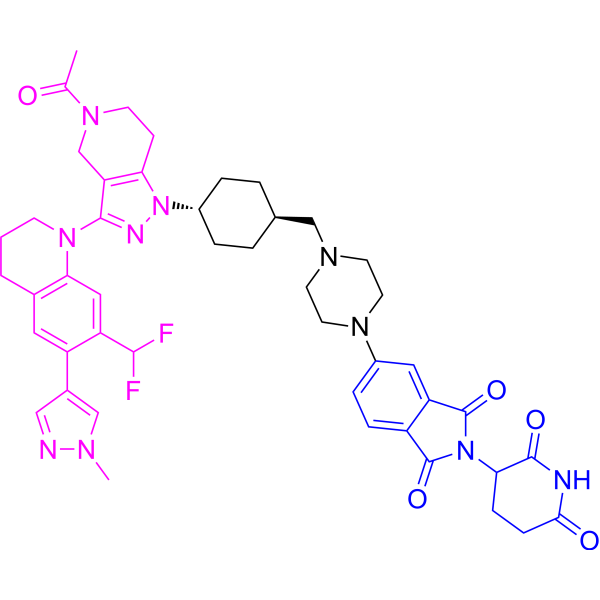
- HY-B0965S
-
|
|
Isotope-Labeled Compounds
Dopamine Receptor
Apoptosis
Bacterial
Autophagy
5-HT Receptor
|
Infection
Neurological Disease
Cancer
|
|
Thioridazine-d3 2-Sulfone is the deuterium labeled Thioridazine hydrochloride. Thioridazine hydrochloride, an orally active antagonist of the dopamine receptor D2 family proteins, exhibits potent anti-psychotic and anti-anxiety activities. Thioridazine hydrochloride is also a potent inhibitor of PI3K-Akt-mTOR signaling pathways with anti-angiogenic effect. Thioridazine hydrochloride shows antiproliferative and apoptosis induction effects in various types of cancer cells, with specificity on targeting cancer stem cells (CSCs) .
|
-

- HY-123393
-
|
|
Topoisomerase
|
Others
|
|
PNU-142586 is the major metabolite of Linezolid (HY-10394). PNU-142586 can inhibit the activity of DNA topoisomerase 2-α (TOP2A) and DNA topoisomerase 2-β (TOP2B). PNU-142586 interferes with DNA replication and transcription by blocking the binding of DNA to TOP2 and inhibiting ATP hydrolysis, ultimately leading to antiproliferative and cytotoxic effects, including mitochondrial dysfunction. PNU-142586 can be used to study Linezolid-induced hematotoxicity and its molecular mechanism .
|
-

- HY-183282
-
|
|
Deubiquitinase
|
Cancer
|
|
LC-U7-44 is a potent USP7 inhibitor with an IC50 of 0.96 μM. LC-U7-44 binds to the hydrophobic catalytic pocket of USP7, forming hydrogen bonds with Gln297, Arg408, Asp295, Val296, and Gln351, and hydrophobic interactions with Leu406. LC-U7-44 exerts anti-proliferative effects on prostate cancer cells. LC-U7-44 can be used for the research of prostate cancer .
|
-

- HY-148561
-
|
|
CDK
GSK-3
PKC
|
Cancer
|
|
CDK8-IN-12 is an orally active, potent CDK8 inhibitor with a Ki of 14 nM. CDK8-IN-12 has off-target kinase inhibition on GSK-3α, GSK-3β, PCK-θ with Kis of 13 nM, 4 nM, 109 nM, respectively. CDK8-IN-12 shows potent anti-proliferative effects selectively on MV4-11 cell. CDK8-IN-12 is an anti-cancer agent .
|
-
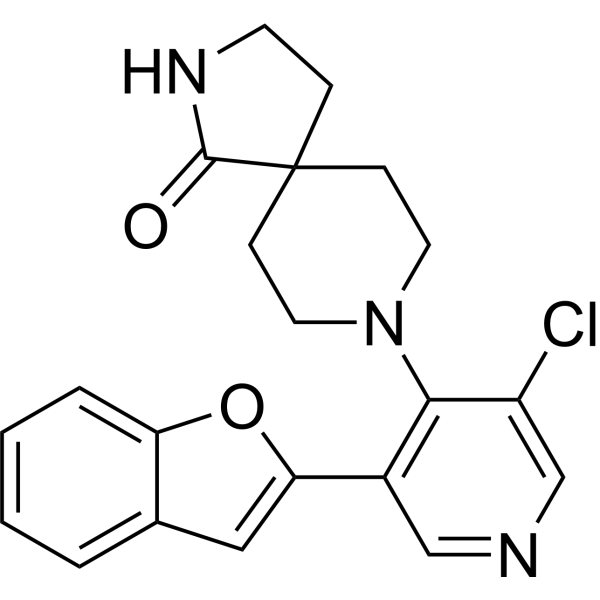
- HY-B0965R
-
|
|
Reference Standards
Dopamine Receptor
Apoptosis
5-HT Receptor
Autophagy
Bacterial
|
Infection
Neurological Disease
Cancer
|
|
Thioridazine (hydrochloride) (Standard) is the analytical standard of Thioridazine (hydrochloride). This product is intended for research and analytical applications. Thioridazine hydrochloride, an orally active antagonist of the dopamine receptor D2 family proteins, exhibits potent anti-psychotic and anti-anxiety activities. Thioridazine hydrochloride is also a potent inhibitor of PI3K-Akt-mTOR signaling pathways with anti-angiogenic effect. Thioridazine hydrochloride shows antiproliferative and apoptosis induction effects in various types of cancer cells, with specificity on targeting cancer stem cells (CSCs) .
|
-
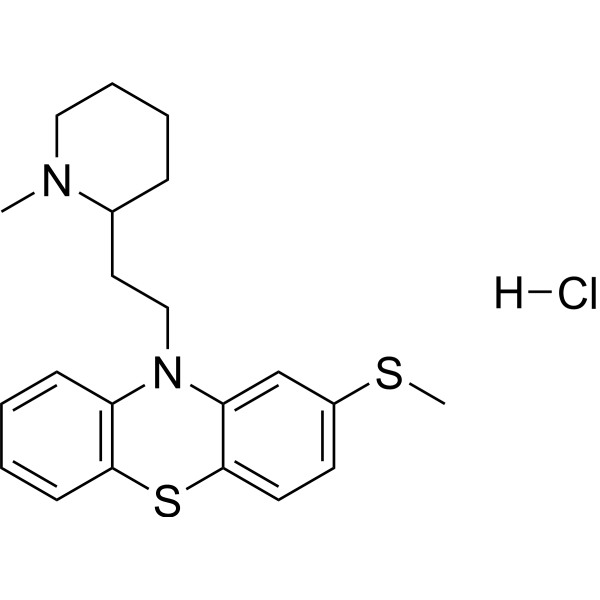
- HY-171477
-
|
|
Estrogen Receptor/ERR
|
Cancer
|
|
Metahexestrol is an estrogen receptor (E2R) inhibitor with antitumor activity. It significantly inhibits the proliferation of estrogen receptor-positive MCF-7 human breast cancer cells (ED50 = 1.0 μM). Additionally, Metahexestrol also exhibits inhibitory effects in estrogen receptor-negative MDA-MB-231 cells, and its antiproliferative activity cannot be reversed by estrogen, suggesting that its mechanism of action may be partially independent of the E2R pathway. Metahexestrol can be used in research on estrogen-dependent breast cancer .
|
-

- HY-W654323
-
|
|
Topoisomerase
Drug Metabolite
|
Others
|
|
PNU-142586 sodiu) is the major metabolite of Linezolid (HY-10394). PNU-142586 can inhibit the activity of DNA topoisomerase 2-α (TOP2A) and DNA topoisomerase 2-β (TOP2B). PNU-142586 interferes with DNA replication and transcription by blocking the binding of DNA to TOP2 and inhibiting ATP hydrolysis, ultimately leading to antiproliferative and cytotoxic effects, including mitochondrial dysfunction. PNU-142586 can be used to study Linezolid-induced hematotoxicity and its molecular mechanism .
|
-

- HY-B0391S2
-
|
KT-611-d7; BM-15275-d7
|
Isotope-Labeled Compounds
Adrenergic Receptor
|
Cardiovascular Disease
Endocrinology
|
|
Naftopidil-d7 (KT-611-d7 ) is deuterium labeled Naftopidil. Naftopidil (KT-611) is is a selective alpha1-adrenoceptor antagonist, with Kis of 3.7 nM, 20 nM and 1.2 nM for the cloned human α1a-, α1b- and α1d-adrenoceptor subtypes, respectively. Naftopidil has antiproliferative effects. Naftopidil can be used for the research of prostate hyperplasia .
|
-

- HY-B0617S2
-
|
S-Adenosyl methionine-13C dihydrochloride; Ademetionine-13C dihydrochloride; AdoMet-13C dihydrochloride
|
Isotope-Labeled Compounds
Endogenous Metabolite
Apoptosis
|
Neurological Disease
Inflammation/Immunology
Cancer
|
|
S-Adenosyl-L-methionine- 13C (S-Adenosyl methionine- 13C) dihydrochloride is the 13C labeled S-Adenosyl-L-methionine (HY-B0617). S-Adenosyl-L-methionine (S-Adenosyl methionine) is an orally active methyl group donor. S-Adenosyl-L-methionine is a dietary supplement with potent antidepressant effects. S-Adenosyl-L-methionine also has anti‑proliferative, pro‑apoptotic and anti‑metastatic roles in cancers. S-Adenosyl-L-methionine has the potential for, cancer, liver disease and osteoarthritis research .
|
-

- HY-169652
-
|
|
Reactive Oxygen Species (ROS)
AMPK
|
Cancer
|
|
NPC26 is a small molecule mitochondrial disruptor with anti-tumor activity. NPC-26 shows significant anti-proliferative and cytotoxic effects on CRC cell lines (HCT-116, DLD-1, and HT-29). NPC26 can damage mitochondrial function, leading to the opening of the mitochondrial permeability transition pore (mPTP) and the production of reactive oxygen species, ultimately inducing cell death. NPC-26 can kill CRC cells by activating the AMP-activated protein kinase (AMPK) signaling pathway .
|
-

- HY-150964S
-
|
S-Adenosyl methionine-d3 methylbenzenesulfonate; Ademetionine-d3 methylbenzenesulfonate; AdoMet-d3 methylbenzenesulfonate
|
Isotope-Labeled Compounds
Endogenous Metabolite
Apoptosis
|
Neurological Disease
Inflammation/Immunology
Cancer
|
|
S-Adenosyl-L-methionine-d3 (S-Adenosyl methionine-d3) methylbenzenesulfonate is the deuterium labeled S-Adenosyl-L-methionine methylbenzenesulfonate . S-Adenosyl-L-methionine (S-Adenosyl methionine) is an orally active methyl group donor. S-Adenosyl-L-methionine is a dietary supplement with potent antidepressant effects. S-Adenosyl-L-methionine also has anti‑proliferative, pro‑apoptotic and anti‑metastatic roles in cancers. S-Adenosyl-L-methionine has the potential for, cancer, liver disease and osteoarthritis research .
|
-
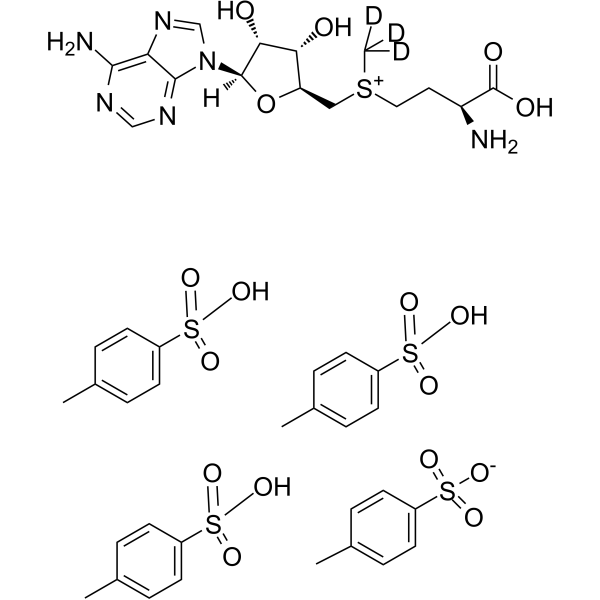
- HY-B0617S
-
|
S-Adenosyl methionine-d3; Ademetionine-d3; AdoMet-d3
|
Isotope-Labeled Compounds
Endogenous Metabolite
Apoptosis
|
Neurological Disease
Inflammation/Immunology
Cancer
|
|
S-Adenosyl-L-methionine-d3 (S-Adenosyl methionine-d3) is the deuterated product of S-Adenosyl-L-methionine (HY-B0617). S-Adenosyl-L-methionine (S-Adenosyl methionine) is an orally active methyl group donor. S-Adenosyl-L-methionine is a dietary supplement with potent antidepressant effects. S-Adenosyl-L-methionine also has anti‑proliferative, pro‑apoptotic and anti‑metastatic roles in cancers. S-Adenosyl-L-methionine has the potential for, cancer, liver disease and osteoarthritis research .
|
-
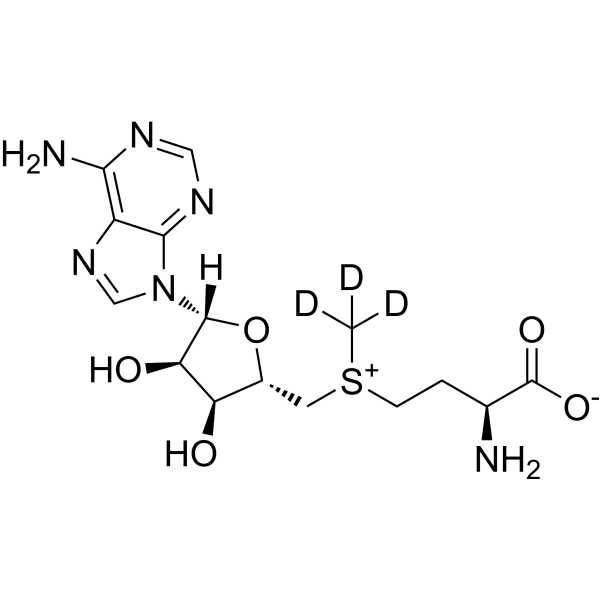
- HY-B0617AR
-
|
S-Adenosyl methionine tosylate (Standard); Ademetionine tosylate (Standard); AdoMet tosylate (Standard)
|
Reference Standards
Endogenous Metabolite
Apoptosis
|
Neurological Disease
Inflammation/Immunology
Cancer
|
|
S-Adenosyl-L-methionine tosylate (Standard) (S-Adenosyl methionine tosylate (Standard)) is the analytical standard of S-Adenosyl-L-methionine tosylate (HY-B0617A). This product is intended for research and analytical applications. S-Adenosyl-L-methionine (S-Adenosyl methionine) tosylate is an orally active methyl group donor. S-Adenosyl-L-methionine tosylate is a dietary supplement with potent antidepressant effects. S-Adenosyl-L-methionine tosylate also has anti‑proliferative, pro‑apoptotic and anti‑metastatic roles in cancers. S-Adenosyl-L-methionine tosylate has the potential for, cancer, liver disease and osteoarthritis research .
|
-

- HY-153858
-
|
|
Raf
Discoidin Domain Receptor
MEK
TNF Receptor
Interleukin Related
JAK
STAT
Ras
|
Cancer
|
|
PHI-501 is a dual inhibitor targeting RAF/DDR. PHI-501 exhibits significant anti-proliferative effects in melanoma cell lines and significantly inhibits the colony formation of drug-resistant cells. PHI-501 strongly inhibits ERK and AKT phosphorylation. PHI-501 downregulates the gene sets in drug-resistant cells of TNFA-NFKB, IL6-JAK-STAT3, and KRAS signaling pathways as well as the epithelial-mesenchymal transition (EMT) signaling pathways. PHI-501 demonstrates significant anti-tumor effects in the SK-MEL3DR xenograft model. PHI-501 can be used for research on the problem of drug resistance in melanoma .
|
-

- HY-164530
-
|
|
Src
VEGFR
Raf
p38 MAPK
|
Cancer
|
|
SKLB646 is an orally active multi-target kinase inhibitor. SKLB646 shows significant inhibitory effects on SRC and VEGFR2 with IC50 values ??of 0.002 μmol/L and 0.012 μmol/L, respectively. SKLB646 also shows significant inhibitory effects on B-Raf and C-Raf with IC50 values ??of 0.022 μmol/L and 0.019 μmol/L, respectively. SKLB646 inhibits the activation of the SRC signaling pathway and blocks the MAPK signaling pathway by inhibiting Raf kinase. In addition, SKLB646 can inhibit the proliferation, migration and invasion of human umbilical vein endothelial cells (HUVEC) to inhibit tumor-induced angiopoietic formation. SKLB646 shows significant anti-proliferative and anti-survival activities against triple-negative breast cancer (TNBC) cell lines .
|
-

- HY-183258
-
|
|
TGF-β Receptor
|
Neurological Disease
Cancer
|
|
TGFβ1-IN-5 is a TGF-β1 inhibitor with blood-brain barrier permeability. TGFβ1-IN-5 reduces extracellular TGF-β1 levels in glioblastoma cells. TGFβ1-IN-5 exerts antiproliferative, antimigratory and clonogenic inhibitory effects in glioblastoma cells while maintaining the viability of non-cancerous cells. TGFβ1-IN-5 can be used for the research of glioblastoma .
|
-

- HY-N10503
-
|
|
Tyrosinase
Ras
Raf
MAPKAPK2 (MK2)
Apoptosis
|
Cancer
|
|
Norartocarpetin is a tyrosinase inhibitor. Norartocarpetin has strong tyrosinase inhibitory activity with an IC50 value of 0.47 μM. Norartocarpetin as an antibrowning agent can be used for the research of food systems. Norartocarpetin also has a significant anticancer activity in lung carcinoma cells (NCI-H460) with an IC50 value of 22 μM. Norartocarpetin has antiproliferative effects are mediated via targeting Ras/Raf/MAPK signalling pathway, mitochondrial mediated apoptosis, S-phase cell cycle arrest and suppression of cell migration and invasion in human lung carcinoma cells .
|
-
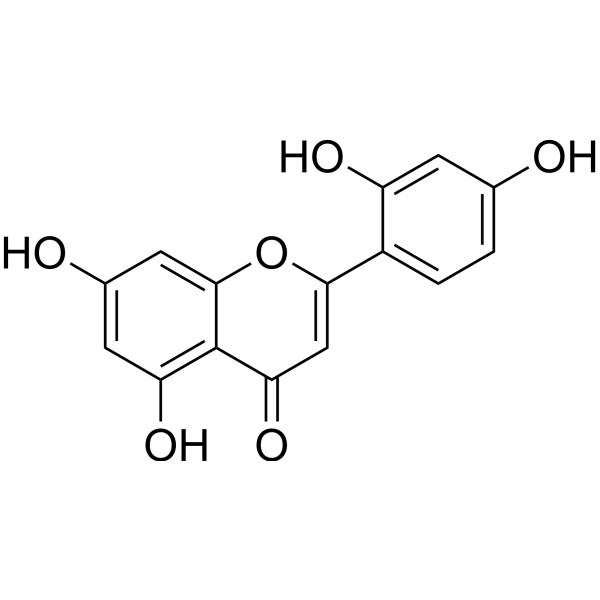
- HY-10447
-
|
EM-1421
|
Survivin
COX
TNF Receptor
Apoptosis
|
Infection
Inflammation/Immunology
Cancer
|
|
Terameprocol is an inhibitor targeting the Sp1 transcription factor, which can selectively inhibit the transcription of Sp1-dependent genes. Terameprocol exerts its effects by inhibiting Sp1-mediated gene transcription, such as reducing the expression of genes like CDC2, survivin and HMGB1, thereby arresting the cell cycle, inducing apoptosis, and suppressing the inflammatory response. Terameprocol exhibits anti-proliferative, pro-apoptotic, and anti-inflammatory activities and is currently mainly used in the research of diseases such as cancer and pulmonary arterial hypertension[1][2][3].
|
-
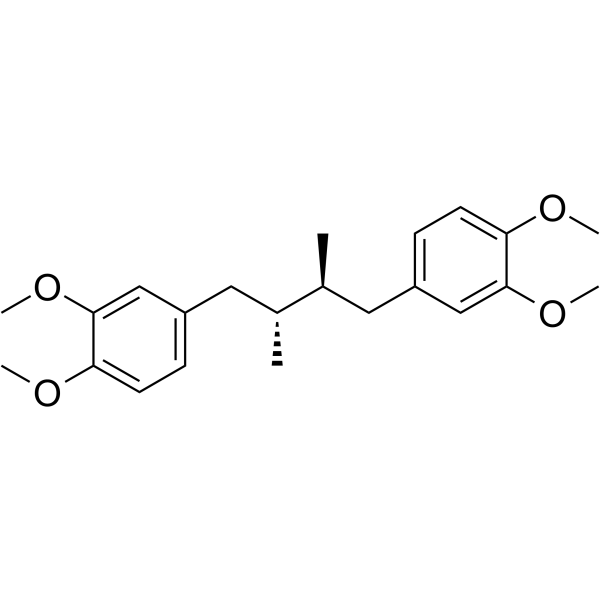
- HY-14993
-
|
|
Protease Activated Receptor (PAR)
Apoptosis
|
Cardiovascular Disease
|
|
SCH79797 is a highly potent, selective nonpeptide protease activated receptor 1 (PAR1) antagonist. SCH79797 inhibits binding of a high-affinity thrombin receptor-activating peptide to PAR1 with an IC50 of 70 nM and a Ki of 35 nM. SCH79797 inhibits thrombin-induced platelet aggregation with an IC50 of 3 μM. SCH79797 has antiproliferative and pro-apoptotic effects, and limits myocardial ischemia/reperfusion injury in rat hearts. SCH79797 also potently prevents PAR1 activation in vascular smooth muscle cells, endothelial cells, and astrocytes .
|
-
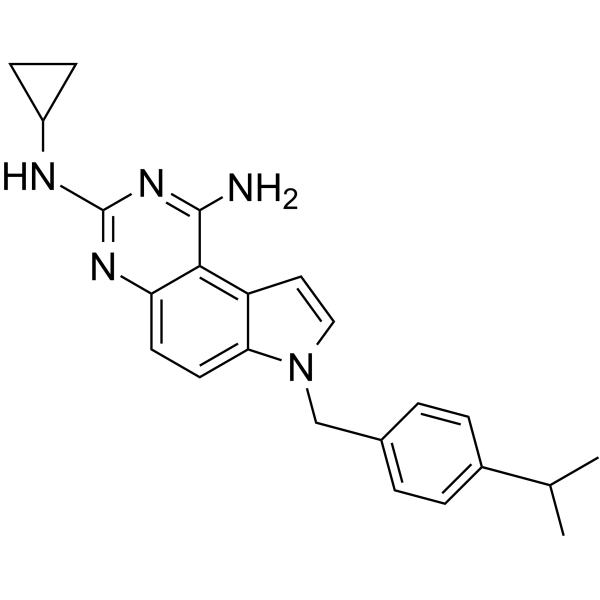
- HY-175454
-
|
|
DNA/RNA Synthesis
PDGFR
Oxidative Phosphorylation
Mitochondrial Metabolism
|
Cancer
|
|
YH-0623 is an orally active mitochondrial RNA polymerase (POLRMT) inhibitor (IC50 = 50.48 nM, Nanoluciferase Bioluminescence Resonance Energy Transfer (NanoBRET) assay). YH-0623 exhibits antiproliferative effects on 22Rv1 cells by reducing the expression of mitochondrial-related genes. YH-0623 inhibits 22Rv1 cell growth, colony formation, and the expression of OXPHOS-related proteins. YH-0623 significantly inhibits tumor growth in a prostate cancer xenograft mouse model. YH-0623 is indicated for prostate cancer research .
|
-

- HY-104048
-
|
|
Histone Demethylase
|
Cancer
|
|
QC6352 is an orally active KDM4 inhibitor with anti-tumor and anti-proliferative activity. QC6352 has in vivo inhibitory effects on PDX models of breast and colon cancer and reduces the number of chemoresistant cell populations. QC6352 inhibits KDM4 different isoforms with IC50s of 104 nM (KDM4A), 56 nM (KDM4B), 35 nM (KDM4C), and 104 nM (KDM4D), respectively. QC6352 has moderate inhibitory activity against KDM5 with an IC50 of 750 nM (KDM5B) .
|
-
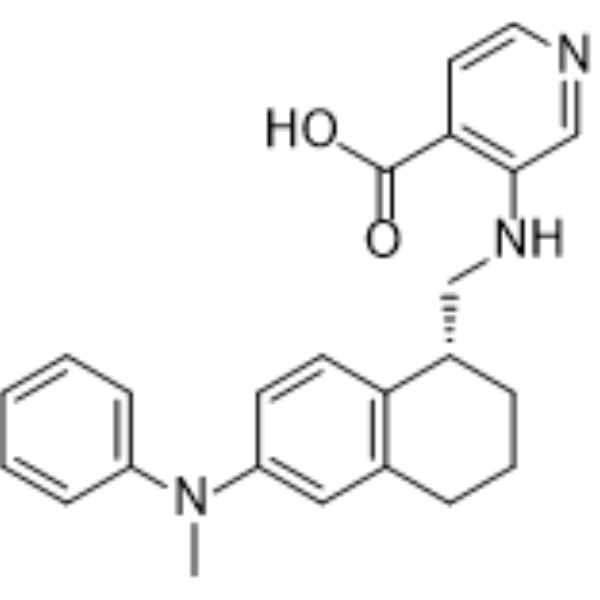
- HY-155356
-
|
|
PROTACs
Ras
|
Cancer
|
|
YN14 is a KRASG12C proteolysis targeting chimera (PROTAC). YN14 is highly potent and selective KRASG12C degrader and induces a stable KRASG12C: YN14: VHL ternary complex with low binding free energy (ΔG). YN14 has antiproliferative effects and significantly inhibits KRASG12C-mutant cancer cell growth. YN14 leads to tumor regression with tumor growth inhibition (TGI%) rates more than 100 % in the MIA PaCa-2 xenograft model.
|
-
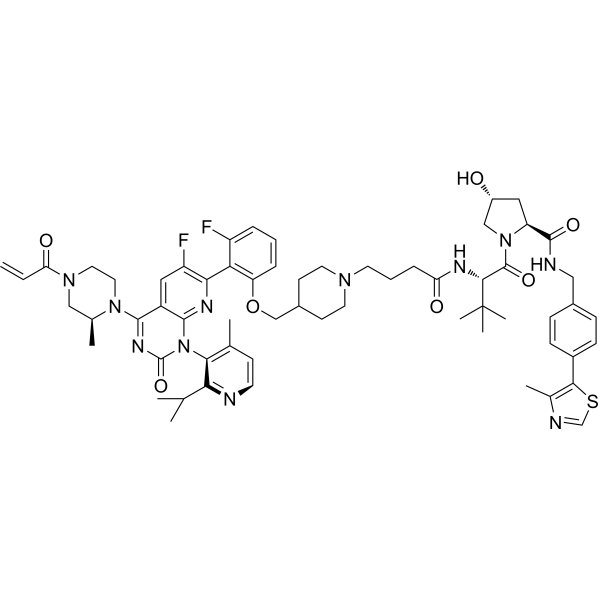
- HY-164468
-
|
|
Bcl-2 Family
Apoptosis
Autophagy
|
Cancer
|
|
Ch282-5 is an orally active inhibitor targeting the Bcl-2 protein, inducing mitochondria-dependent apoptosis (Apoptosis) by disrupting mitophagy and the mTOR pathway. Ch282-5 exhibits antiproliferative activity against colorectal cancer cells both in vitro and in vivo, and it also inhibits metastasis. Additionally, Ch282-5 enhances Oxaliplatin (HY-17371)-induced autophagy (Autophagy) by downregulating the Mcl-1 protein and increasing platelet count, alleviating adverse effects of Navitoclax (HY-10087) .
|
-

- HY-178161
-
|
|
HDAC
Apoptosis
|
Cancer
|
|
HDAC degrader-2 is a selective HDAC degrader with a DC50 values of 2.55 μM against HDAC1. HDAC degrader-2 effectively induces the degradation of HDAC1 and HDAC2, but has no significant effect on the degradation of HDAC3, 4, 6 and 8. HDAC degrader-2 exerts potent antiproliferative effects against MM.1S and MCF-7 cells. HDAC degrader-2 induces apoptosis in myeloma cells. HDAC degrader-2 can be used for the study of myeloma .
|
-

- HY-B1153
-
|
Glafenin
|
COX
CFTR
Apoptosis
Endoplasmic Reticulum Oxidoreductase 1 (ERO1)
|
Metabolic Disease
Inflammation/Immunology
|
|
Glafenine (Glafenin) is a non-selective, non-steroidal anti-inflammatory drug-based COX-1/COX-2 inhibitor. Glafenine exerts anti-inflammatory, anti-proliferative and anti-cell migration effects by inhibiting the arachidonic acid metabolic pathway and reducing prostaglandin synthesis. Glafenine can induce cell cycle arrest in vascular smooth muscle cells and endothelial cells and reduce the synthesis of the extracellular matrix protein Tenascin. Glafenine can be used in the research of inflammatory-related diseases, vascular restenosis and cystic fibrosis (CF) .
|
-
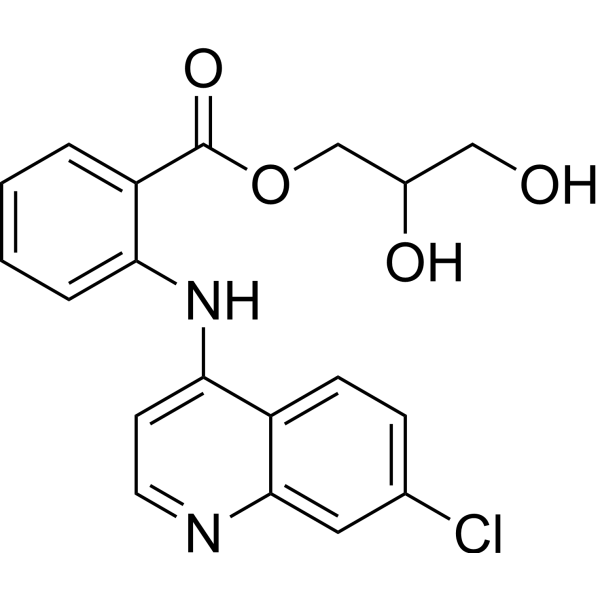
- HY-182430
-
|
|
JAK
STAT
Apoptosis
|
Cancer
|
|
NVP-BVB808 is a selective and ATP-competitive JAK2 inhibitor with an IC50 of 0.35 nM. NVP-BVB808 binds to JAK2’s ATP-binding site, stabilizes JAK2’s active conformation, increases JAK2 activation loop phosphorylation, and blocks downstream kinase function. NVP-BVB808 exhibits antiproliferative and pro-apoptosis effects, suppresses constitutive STAT5a phosphorylation. NVP-BVB808 can be used for the research of cancer, such as leukemia .
|
-

- HY-150603
-
|
|
STAT
Apoptosis
Bcl-2 Family
|
Cancer
|
|
STAT3-IN-13 (compound 6f) is a potent STAT3 inhibitor. STAT3-IN-13 has anti-proliferative effects and binds to the STAT3 SH2 domain with a KD of 0.46 μM. STAT3-IN-13 inhibits the phosphorylation of STAT3 Y705 and downstream target gene expression. STAT3-IN-13 induces apoptosis in vitro and suppresses the growth and metastasis of tumor in vivo. STAT3-IN-13 can be used for cancer research .
|
-
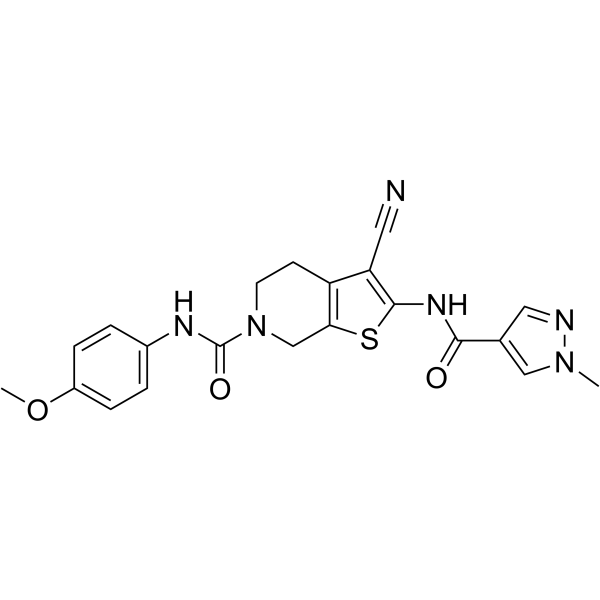
- HY-W014118
-
|
|
Environmental Pollutants
|
Inflammation/Immunology
Cancer
|
|
α-Hexylcinnamaldehyde is an O-acetyltransferase (OAT) inhibitor. α-Hexylcinnamaldehyde inhibits OAT-mediated bioactivation of nitroarene mutagens, exerts antimutagenic activity through demutagenic and bioantimutagenic mechanisms, and interferes with ATP-binding cassette (ABC) transporter function to reduce substrate efflux. α-Hexylcinnamaldehyde alters membrane permeability, fluidizes phospholipid membranes, exerts antioxidant effects, and enhances the antiproliferative effect of Doxorubicin on human cancer cells. α-Hexylcinnamaldehyde can be used in the research of colorectal adenocarcinoma, T-cell leukemia, and multidrug-resistant cancers .
|
-
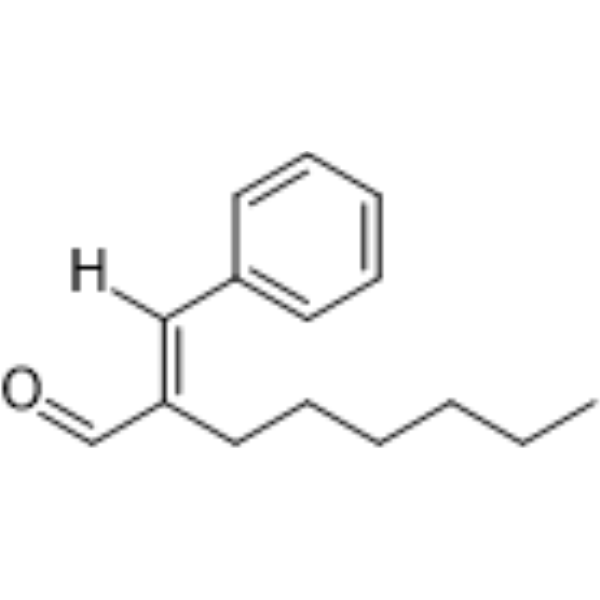
- HY-B1153A
-
|
Glafenin hydrochloride
|
COX
CFTR
Apoptosis
Endoplasmic Reticulum Oxidoreductase 1 (ERO1)
|
Metabolic Disease
Inflammation/Immunology
|
|
Glafenine (Glafenin) hydrochloride is a non-selective, non-steroidal anti-inflammatory drug-based COX-1/COX-2 inhibitor. Glafenine hydrochloride exerts anti-inflammatory, anti-proliferative and anti-cell migration effects by inhibiting the arachidonic acid metabolic pathway and reducing prostaglandin synthesis. Glafenine hydrochloride can induce cell cycle arrest in vascular smooth muscle cells and endothelial cells and reduce the synthesis of the extracellular matrix protein Tenascin. Glafenine hydrochloride can be used in the research of inflammatory-related diseases, vascular restenosis and cystic fibrosis (CF) .
|
-
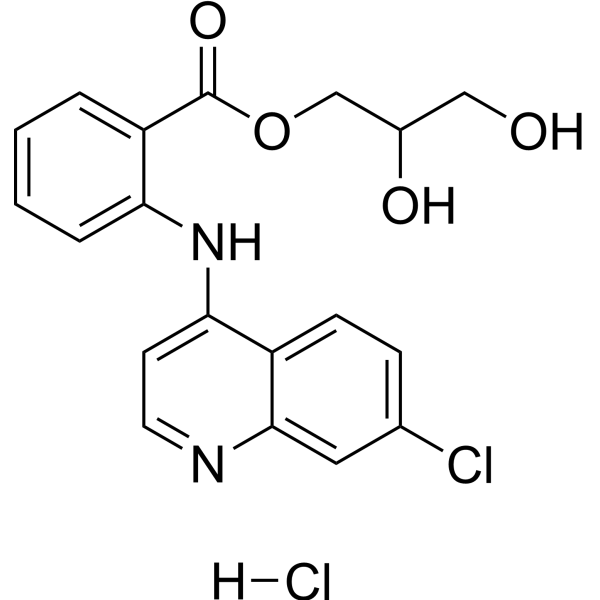
- HY-14994
-
|
|
Protease Activated Receptor (PAR)
Apoptosis
|
Cardiovascular Disease
|
|
SCH79797 dihydrochloride is a highly potent, selective nonpeptide protease activated receptor 1 (PAR1) antagonist. SCH79797 dihydrochloride inhibits binding of a high-affinity thrombin receptor-activating peptide to PAR1 with an IC50 of 70 nM and a Ki of 35 nM. SCH79797 dihydrochloride inhibits thrombin-induced platelet aggregation with an IC50 of 3 μM. SCH79797 dihydrochloride has antiproliferative and pro-apoptotic effects, and limits myocardial ischemia/reperfusion injury in rat hearts. SCH79797 dihydrochloride also potently prevents PAR1 activation in vascular smooth muscle cells, endothelial cells, and astrocytes .
|
-
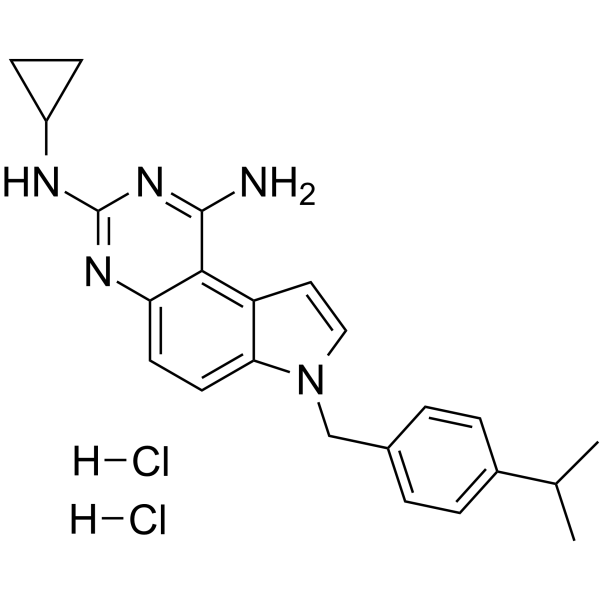
- HY-169076
-
|
|
FLT3
HDAC
Apoptosis
|
Cancer
|
FLT3/HDAC-IN-1 is a dual inhibitor of FLT3/HDAC, with IC50 values of 30.4, 52.4, and 14.7 nM for FLT3, HDAC1, and HDAC3, respectively. FLT3/HDAC-IN-1 can induce apoptosis in MV-4-11 cells and has anti-proliferative effects on FLT3 mutant-transformed BaF3 cells. FLT3/HDAC-IN-1 is being researched for its potential in treating hard-to-treat solid tumors and hematological malignancies .
|
-

- HY-N6579
-
|
|
p38 MAPK
Mitochondrial Metabolism
|
Cancer
|
|
Arvenin I is a natural cucurbitacin glucoside that activates T cells within the cancer-competitive environment. Arvenin I covalently reacts with and hyperactivates MKK3, thereby reviving the mitochondrial fitness of exhausted T cells through the activation of the p38MAPK pathway . Arvenin I exhibits broad-spectrum antiproliferative against cancer cells . Arvenin I enhances antitumor effects both as a monotherapy and in combination with immune checkpoint inhibitors in mice . Arvenin I can be used for cancer research, such as colon cancer, breast cancer, lung cancer, and ovarian cancer [1][2].
|
-
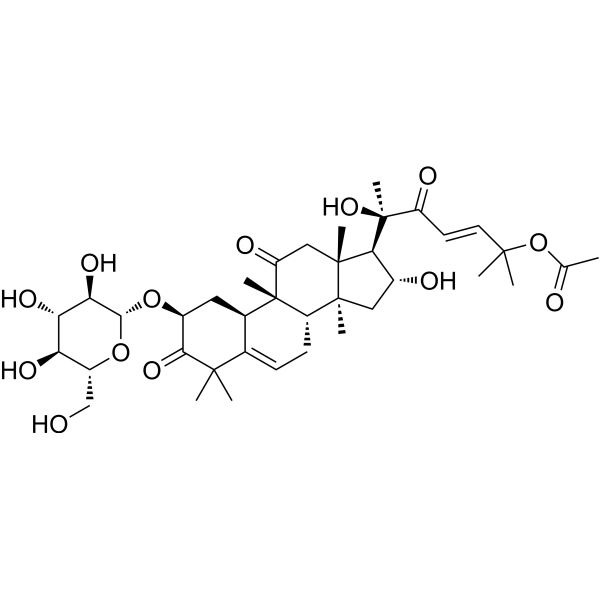
- HY-P11678
-
|
|
HDAC
Apoptosis
Caspase
|
Cancer
|
|
HDAC-IN-100 is a histone deacetylase inhibitor with an IC50 of 0.038 μM against HDAC1, 0.283 μM against HDAC2, and 0.586 μM against HDAC3. HDAC-IN-100 acts as a chemosensitizer and apoptosis inducer, activates caspase 3/7, and reverses Cisplatin (HY-17394) resistance. HDAC-IN-100 exerts antiproliferative effects in ovarian cancer cells and squamous cancer cells. HDAC-IN-100 is applicable for research related to ovarian cancer, squamous cell carcinoma, and Cisplatin (HY-17394)-resistant squamous cell carcinoma .
|
-

- HY-112417
-
|
|
PDGFR
FLT3
Apoptosis
Akt
PERK
Bcl-2 Family
|
Cardiovascular Disease
Cancer
|
|
Ki11502 is a multi-targeted receptor tyrosine kinase (RTK) inhibitor that selectively inhibits the activity of PDGF β/α receptors with IC50 values less than 10 nM. Ki11502 selectively inhibits PDGF β receptor phosphorylation, proliferation, and proteoglycan synthesis in human vascular smooth muscle cells. Ki11502 can induce Apoptosis) and exhibits profound antiproliferative effects on select subsets of leukemia, including those with Imatinib (HY-15463) resistant mutations. Ki11502 is highly suitable for studying the role of PDGF in vascular diseases, particularly the role of proteoglycans in atherosclerosis .
|
-

- HY-182742
-
|
|
EGFR
|
Cancer
|
|
EGFR-IN-208 is an allosteric mutant EGFR L858R/T790M and EGFR L858R/T790M/C797S inhibitor, with IC50 values of 3.06 μM and 1.08 μM, respectively. EGFR-IN-208 binds to the allosteric site of EGFR and inhibits EGFR phosphorylation. EGFR-IN-208 induces apoptosis and exhibits antiproliferative effects in cancer cells. EGFR-IN-208 can be used in research related to non-small cell lung cancer .
|
-

- HY-162353
-
|
|
|
Cancer
|
|
AZ'9567 is an orally active MAT2a inhibitor with a pIC50 of 9.1. AZ'9567 binds to MAT2a allosterically, reduces the synthesis of SAM, decreases SDMA levels, and exerts antiproliferative effects on MTAP-knockout cells. AZ'9567 depletes SAM, causes methionine accumulation in plasma and tissues, triggers adaptive disorders in one-carbon metabolism, transsulfuration metabolism and lipid metabolism, and induces oxidative stress, hepatic steatosis and lipid homeostasis imbalance. AZ'9567 can be used in studies related to MTAP-deficient/deleted cancers .
|
-
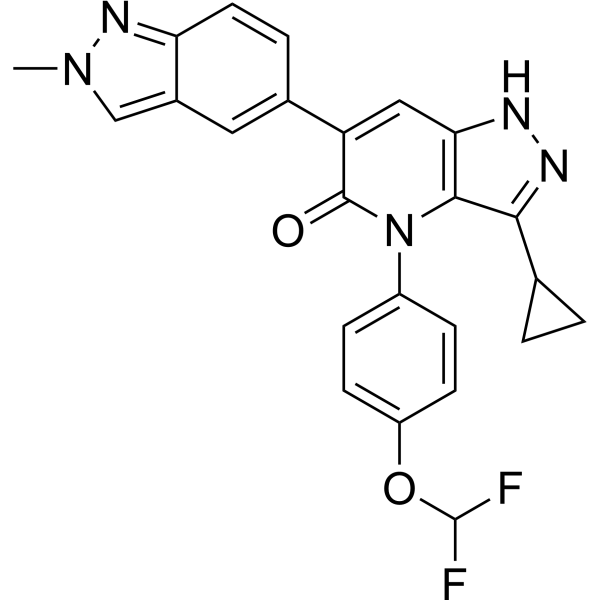
- HY-103019A
-
|
(±)-BAY-1251152; (±)-VIP152
|
CDK
Apoptosis
DNA/RNA Synthesis
|
Cancer
|
|
(±)-Enitociclib ((±)-BAY-1251152) is the racemic mixture of Enitociclib (HY-103019E). Enitociclib is a selective CDK9 inhibitor and apoptosis inducer. Enitociclib inhibits CDK9 activity and reduces the phosphorylation of Ser2 in the carboxyl-terminal domain (CTD) of RNA polymerase Pol II, thereby downregulating the transcription of key oncogenes such as MYC and MCL1. Enitociclib has anti-proliferative activity targeting MYC + lymphoma and multiple myeloma (MM) cells, and has synergistic effects with Bortezomib (HY-10227) and Lenalidomide (HY-A0003), and can be used in the research of hematological malignancies .
|
-
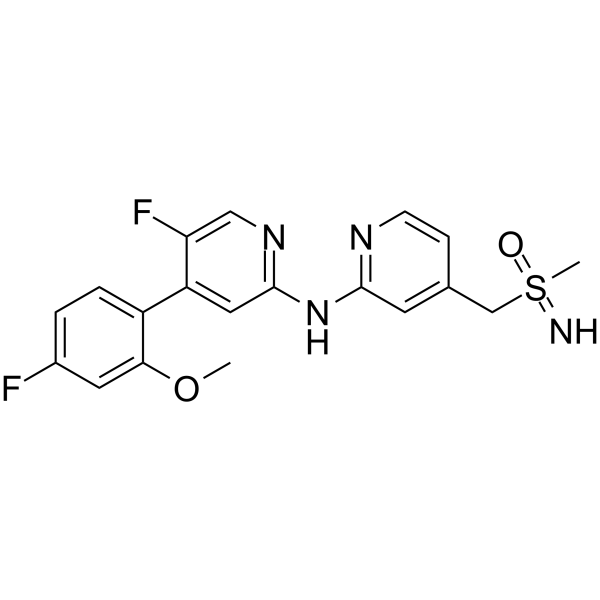
- HY-103019B
-
|
(R)-Enitociclib; (-)-BAY-1251152; (-)-VIP152
|
Drug Isomer
CDK
Apoptosis
DNA/RNA Synthesis
|
Cancer
|
|
(-)-Enitociclib ((R)-Enitociclib) is an enantiomer of Enitociclib (HY-103019E) with an optical rotation of (-). Enitociclib is a selective CDK9 inhibitor and apoptosis inducer. Enitociclib inhibits CDK9 activity and reduces the phosphorylation of Ser2 in the carboxyl-terminal domain (CTD) of RNA polymerase Pol II, thereby downregulating the transcription of key oncogenes such as MYC and MCL1. Enitociclib has anti-proliferative activity targeting MYC + lymphoma and multiple myeloma (MM) cells, and has synergistic effects with Bortezomib (HY-10227) and Lenalidomide (HY-A0003), and can be used in the research of hematological malignancies .
|
-
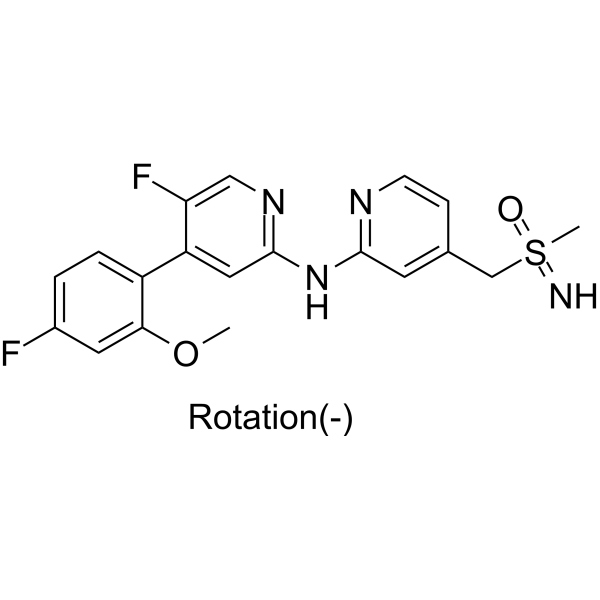
- HY-175819
-
|
|
Wee1
Apoptosis
|
Cancer
|
|
PD-166285 is a PKMYT1 inhibitor, with an IC50 value of 17 nM. PD166285 shows strong antiproliferative effects against CCNE1-amplified OVCAR3 cells (IC50 = 0.14 μM) and HCC1569 cells (IC50 = 0.21 μM). PD166285 induces apoptosis and arrests CCNE1-amplified HCC1569 cells at the G1/S phase of the cell cycle. PD166285 can be used for the research of PKMYT1-targeted therapies for CCNE1-amplified cancers .
|
-

- HY-N0060BR
-
|
(E)-Coniferic acid (Standard)
|
Reference Standards
β-catenin
Bcl-2 Family
Ferroptosis
Endogenous Metabolite
|
Cancer
|
|
(E)-Ferulic acid (Standard) is the analytical standard of (E)-Ferulic acid. This product is intended for research and analytical applications. (E)-Ferulic acid is an isomer of ferulic acid, an aromatic compound abundant in plant cell walls. (E)-Ferulic acid causes phosphorylation of β-catenin (β-catenin), leading to proteasome degradation, increasing the expression of pro-apoptotic factor Bax and reducing pro-apoptotic factor Expression of the survival factor survivin. (E)-Ferulic acid can effectively remove reactive oxygen species (ROS) and inhibit lipid peroxidation. (E)-Ferulic acid exerts antiproliferative and antimigratory effects in the human lung cancer cell line H1299.
|
-

- HY-176280
-
|
|
SARS-CoV
Dihydroorotate Dehydrogenase
DNA/RNA Synthesis
|
Infection
|
|
SARS-CoV-2-IN-115 (Compound 3e) is a SARS-CoV-2 inhibitor. SARS-CoV-2-IN-115 has potent antiviral activity against SARS-CoV-2 in infected Calu-3 cells (EC50: 1.7 μM). SARS-CoV-2-IN-115 effectively inhibits the activity of human dihydroorotate dehydrogenase (HsDHODH) (IC50: 1.5 μM). SARS-CoV-2-IN-115 preserves immune response without antiproliferative effects on CD4 T cells .
|
-

- HY-139996
-
|
|
PROTACs
Apoptosis
FLT3
c-Kit
FGFR
VEGFR
PDGFR
c-Fms
|
Cancer
|
|
Pomalidomide-C5-Dovitinib (compound 2) is a PROTAC containing Pomalidomide, Dovitinib and connected with CRBN. Pomalidomide-C5-Dovitinib shows enhanced antiproliferative effects against FLT3-ITD+ AML cells. Pomalidomide-C5-Dovitinib induces the degradation of the FLT3-ITD and KIT proteins in a ubiquitin-proteasome-dependent manner and completely blocks their downstream signaling pathway. Pomalidomide-C5-Dovitinib has the potential for the research of FLT3-ITD + acute myeloid leukemia .
|
-
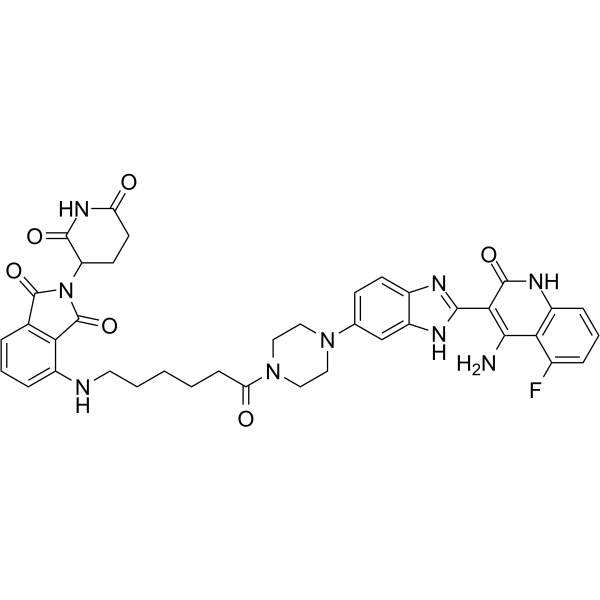
- HY-181793
-
|
|
VEGFR
HDAC
Microtubule/Tubulin
|
Cancer
|
|
VEGFR2/HDAC-IN-1 is a dual selective enzymatic inhibitor of VEGFR2 kinase and HDAC6 with oral activity. VEGFR2/HDAC-IN-1 has an IC50 of 19.19 nM for VEGFR2 and 0.165 μM for HDAC6. VEGFR2/HDAC-IN-1 increases α-tubulin acetylation, exerts antiproliferative effects, inhibits tumor growth, and exhibits antiangiogenic activity. VEGFR2/HDAC-IN-1 can be used for the research of colorectal carcinoma and hepatocellular carcinoma .
|
-

- HY-181350
-
|
|
Carbonic Anhydrase
NAMPT
Apoptosis
Reactive Oxygen Species (ROS)
ERK
Akt
DNA/RNA Synthesis
Mitochondrial Metabolism
|
Cancer
|
|
CAIX/XII/NAMPT-IN-1 is a triple inhibitor of carbonic anhydrase IX/XII and nicotinamide phosphoribosyltransferase (NAMPT) with a hCA IX Ki of 78.1 nM, hCA XII Ki of 64.4 nM, and hNAMPT IC50 of 168 nM. CAIX/XII/NAMPT-IN-1 induces apoptosis, ROS accumulation, suppresses ERK/AKT signaling, inhibits DNA synthesis, and causes mitochondrial dysfunction. CAIX/XII/NAMPT-IN-1 exerts antiproliferative effects against multiple cancer cells under normoxic and hypoxic conditions. CAIX/XII/NAMPT-IN-1 can be used for the research of cancer, such as renal carcinoma, glioblastoma and colorectal cancer .
|
-

- HY-170841
-
|
|
HDAC
Epigenetic Reader Domain
|
Cancer
|
|
HDAC3/BRD4-IN-1 (compound 26n) is an inhibitor of HDAC3/BRD4 with an IC50 of 8 nM for HDAC3 (IC50s are 220 nM and 120 nM for HDAC1 and HDAC2, respectively). HDAC3/BRD4-IN-1 has anti-tumor and anti-proliferative effects by upregulating Ac-H3 and downregulating c-Myc. The half-life of HDAC3/BRD4-IN-1 in human liver microsomes is 29.36 min .
|
-

- HY-N2000
-
|
|
STAT
PI3K
mTOR
Akt
|
Neurological Disease
Inflammation/Immunology
Cancer
|
Bellidifolin is an orally active compound with antiproliferative, anti-inflammatory and antioxidant properties. Bellidifolin modulates key signaling pathways including STAT3, PI3K-Akt, mTOR and BRD4, and inhibits the viral protein R (Vpr). Bellidifolin induces cell cycle arrest and apoptosis, exerts significant antifibrotic effects, and protects the heart, liver and nervous system. Bellidifolin is applicable to the research of various diseases such as lung cancer, non-alcoholic fatty liver disease, myocardial hypertrophy and ischemic cranial nerve injury .
|
-
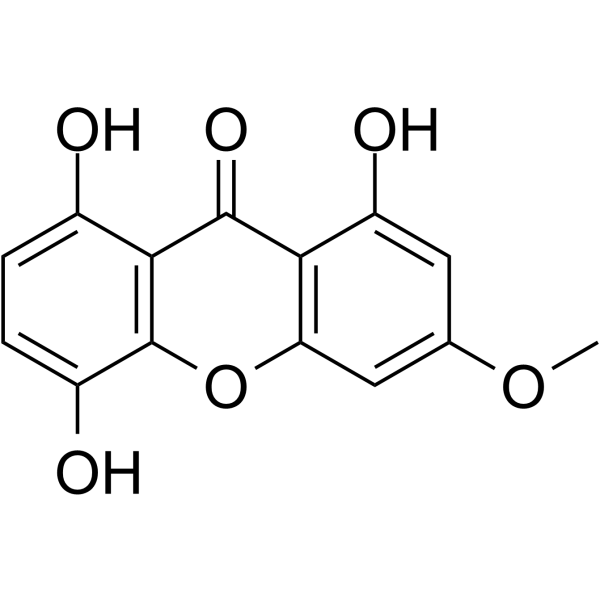
- HY-172733S
-
|
|
Isotope-Labeled Compounds
Histone Methyltransferase
|
Cancer
|
|
PRMT5-MTA-IN-3-d3 (compound P22) is the deuterium labeled PRMT5-MTA-IN-3 (HY-172733). PRMT5-MTA-IN-3-d3 is an orally active PRMT5-MTA inhibitor. PRMT5-MTA-IN-3-d3 has antiproliferative effects on HTC116-MTAP del and wild type colorectal cancer HCT-116 cell lines, with IC50 values of 6 nM and 961 nM, respectively. PRMT5-MTA-IN-3-d3 has anticancer effects, especially for MTAP-deficient tumors, such as non-small cell lung cancer (NSCLC), pancreatic cancer .
|
-

- HY-B1153R
-
|
Glafenin (Standard)
|
COX
CFTR
Apoptosis
Endoplasmic Reticulum Oxidoreductase 1 (ERO1)
Reference Standards
|
Metabolic Disease
Inflammation/Immunology
|
|
Glafenine (Standard) is the analytical standard of Glafenine. This product is intended for research and analytical applications. Glafenine (Glafenin) is a non-selective, non-steroidal anti-inflammatory drug-based COX-1/COX-2 inhibitor. Glafenine exerts anti-inflammatory, anti-proliferative and anti-cell migration effects by inhibiting the arachidonic acid metabolic pathway and reducing prostaglandin synthesis. Glafenine can induce cell cycle arrest in vascular smooth muscle cells and endothelial cells and reduce the synthesis of the extracellular matrix protein Tenascin. Glafenine can be used in the research of inflammatory-related diseases, vascular restenosis and cystic fibrosis (CF) .
|
-

- HY-179633
-
|
|
CDK
Apoptosis
DNA/RNA Synthesis
Bcl-2 Family
IAP
|
Cancer
|
|
ZLMT-72 is an orally active dual CDK2 and CDK9 inhibitor with IC50s of 0.741 nM and 1.03 nM, respectively. ZLMT-72 shows good selectivity in kinase profiling andcholinesterase inhibition activity. ZLMT-72 has strong antiproliferative effects in the colorectal cancer (CRC) cell line HCT116 (GI50 < 0.1 nM). ZLMT-72 induces apoptosis by inhibiting thephosphorylation of retinoblastoma and RNA polymerase II, resulting in downregulation of antiapoptotic proteins (Mcl-1 and XIAP). ZLMT-72 can be used for the study of colorectal cancer (CRC) .
|
-

- HY-175205
-
|
|
TGF-beta/Smad
|
Cancer
|
|
TGF-β2-IN-1 is a selective TGF-β2 inhibitor. TGF-β2-IN-1 exhibits potent antiproliferative effects on HCT-116, Caco-2 and HT-29 with IC50 values of 6.84, 10.21, and 9.47 μM, respectively. TGF-β2-IN-1 inhibits TGF-β2 signaling in a dose-dependent manner by suppressing both receptor and cytokine expression.TGF-β2-IN-1 can be used for the study of colorectal cancer .
|
-

- HY-180956
-
|
|
PROTACs
Anaplastic lymphoma kinase (ALK)
STAT
|
Cancer
|
|
PROTAC ALK degrader-5 (Compound 17) is an efficient ALK PROTAC degrader, with its inhibitory effects on EML4-ALK and NPM-ALK being 27.4 nM and 116.5 nM respectively. PROTAC ALK degrader-5 exhibits potent anti-proliferative activity against H3122 and Karpas 299. PROTAC ALK degrader-5 effectively inhibits the phosphorylation of ALK and STAT3. PROTAC ALK degrader-5 can be used for the study of ALK-driven malignant tumors, such as human non-small cell lung cancer and anaplastic large cell lymphoma .
|
-

- HY-142118A
-
|
AP 12009 sodium
|
TGF-beta/Smad
|
Cancer
|
|
Trabedersen (AP 12009) sodium is an orally active synthetic antisense phosphorothioate oligodeoxynucleotide that selectively targets human TGFβ2 mRNA. Trabedersen sodium blocks TGFβ2 protein production, enters the nucleus without a transfection vector, and exerts dose-dependent antitumor effects. By reversing TGFβ2-induced immunosuppression and enhancing immune cytotoxicity, Trabedersen sodium exhibits significant antiproliferative, antimigratory, and antimetastatic activities, with favorable safety profiles. Trabedersen sodium is widely used in research related to various solid tumors, including anaplastic astrocytoma, glioblastoma, colorectal tumor, and melanoma .
|
-

- HY-B1153AR
-
|
Glafenin hydrochloride (Standard)
|
COX
CFTR
Apoptosis
Endoplasmic Reticulum Oxidoreductase 1 (ERO1)
Reference Standards
|
Metabolic Disease
Inflammation/Immunology
|
|
Glafenine (hydrochloride) (Standard) is the analytical standard of Glafenine (hydrochloride). This product is intended for research and analytical applications. Glafenine (Glafenin) hydrochloride is a non-selective, non-steroidal anti-inflammatory drug-based COX-1/COX-2 inhibitor. Glafenine hydrochloride exerts anti-inflammatory, anti-proliferative and anti-cell migration effects by inhibiting the arachidonic acid metabolic pathway and reducing prostaglandin synthesis. Glafenine hydrochloride can induce cell cycle arrest in vascular smooth muscle cells and endothelial cells and reduce the synthesis of the extracellular matrix protein Tenascin. Glafenine hydrochloride can be used in the research of inflammatory-related diseases, vascular restenosis and cystic fibrosis (CF) .
|
-

- HY-181850
-
|
|
G-quadruplex
DNA/RNA Synthesis
Cyclic GMP-AMP Synthase
STING
Autophagy
|
Cancer
|
|
Telomeric G4s ligand 2 is an orally active, selective ligand of telomeric G-quadruplex (G4), with an IC50 of 0.4 μM. Telomeric G4s ligand 2 binds to dimeric telomeric G4, inhibits the activities of DHX36 and BLM helicases. Telomeric G4s ligand 2 activates cGAS-STING and TERRA-ZBP1 pathways, inducing autophagy and G2/M cell cycle arrest, and exhibits antiproliferative effects across cancer cell lines. Telomeric G4s ligand 2 can be used for the study of colorectal cancer .
|
-

- HY-170669
-
|
|
PROTACs
CRM1
Apoptosis
NF-κB
|
Cancer
|
|
PROTAC XPO1 degrader-1 (Compound 2c) is an XPO1 degrader. PROTAC XPO1 degrader-1 exhibits anti-proliferative effects, can induce cell apoptosis, inhibit NF-κB activity, and cause cell cycle arrest in the G1 phase. PROTAC XPO1 degrader-1 can be used in research on hematological malignancies (Pink: Target Protein Ligand (HY-170672); Black: Linker (HY-W010525); Blue: E3 Ligase Ligand (HY-170671); E3 Ligase Ligand-Linker Conjugate (HY-170673)) .
|
-

- HY-175002
-
|
|
PI3K
Akt
Apoptosis
|
Cancer
|
|
PI3Kδ-IN-24 is a selective PI3Kδ inhibitor (IC50 = 0.1 nM). PI3Kδ-IN-24 exhibits significant antiproliferative effects against PI3Kδ-overexpressing cancer cell lines. PI3Kδ-IN-24 reduces p-AKT levels and induces cell cycle arrest and apoptosis in tumor cells. PI3Kδ-IN-24 is useful in cancer research, such as diffuse large B-cell lymphoma (DLBCL) .
|
-

- HY-142118
-
|
AP 12009
|
TGF-beta/Smad
|
Cancer
|
|
Trabedersen (AP 12009) is an orally active synthetic antisense phosphorothioate oligodeoxynucleotide that selectively targets human TGFβ2 mRNA. Trabedersen blocks TGFβ2 protein production, enters the nucleus without a transfection vector, and exerts dose-dependent antitumor effects. By reversing TGFβ2-induced immunosuppression and enhancing immune cytotoxicity, Trabedersen exhibits significant antiproliferative, antimigratory, and antimetastatic activities, with favorable safety profiles. Trabedersen is widely used in research related to various solid tumors, including anaplastic astrocytoma, glioblastoma, colorectal tumor, and melanoma .
|
-

- HY-N1535
-
|
Rubescensine B
|
RIP kinase
Apoptosis
Reactive Oxygen Species (ROS)
JAK
STAT
PI3K
Akt
Sirtuin
Necroptosis
Amyloid-β
|
Neurological Disease
Cancer
|
|
Ponicidin (Rubescensine B) is an orally active RIPK1 inhibitor with a Kd value of 135 nM. Ponicidin inhibits the JAK2/STAT3 pathway to induce apoptosis, activates the PI3K/Akt pathway, upregulates SIRT1 expression, alleviates oxidative stress, suppresses inflammatory responses and necroptosis, and blocks cell cycle progression. Ponicidin induces ROS production to exert antiproliferative and antiviral effects, while also improving cognitive function and reducing Aβ plaque deposition. Ponicidin can be used in studies related to hepatocellular carcinoma, Alzheimer's disease, and gastric cancer .
|
-
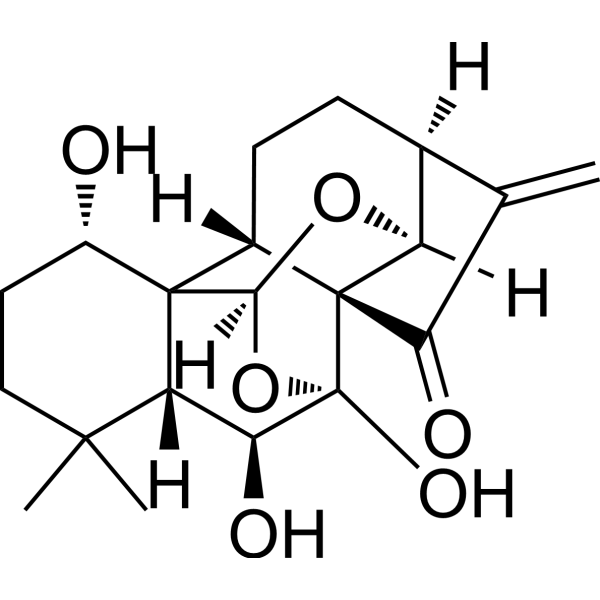
- HY-182759
-
|
|
DNA Alkylator/Crosslinker
Topoisomerase
Caspase
Bcl-2 Family
Apoptosis
|
Cancer
|
|
MN33-47 is a multi-target anti-tumor compound with broad-spectrum anti-proliferative activity. MN33-47 relieves the inhibition of the mitochondrial apoptosis pathway by downregulating the anti-apoptotic protein Bcl-2, while activating caspase-3 and inhibiting Topoisomerase I activity, thereby promoting its degradation through the ubiquitin-proteasome and autophagy-lysosome pathways. MN33-47 can also induce DNA cross-linking and G2/M cell cycle arrest, inhibit cancer cell migration and activate the mitochondrial apoptosis pathway, thus exerting potent anti-tumor effects. MN33-47 can improve the water solubility of SN-38 (HY-13704), and exhibits dose-dependent tumor growth inhibition effects in CT26 tumor-bearing mouse models without obvious toxic and side effects. MN33-47 can be used in related studies on colorectal adenocarcinoma, cervical adenocarcinoma, hepatocellular carcinoma, alveolar basal epithelial adenocarcinoma, gastric cancer and colon cancer .
|
-

- HY-156292
-
|
|
Histone Methyltransferase
|
Cancer
|
|
IHMT-EZH2-426 (compound 38) is an effective covalent EZH2 degrader, with IC50 values of 1.3 nM, 1.2 nM, and 1.7-3.5 nM for EZH2 wild type, EZH2-A687V, and EZH2-Y641F/Y641N/Y641S, respectively. IHMT-EZH2-426 reduces H3K27me3 and EZH2 levels and shows effective anti-proliferative effects in B-cell lymphoma and TNBC cell lines.
|
-
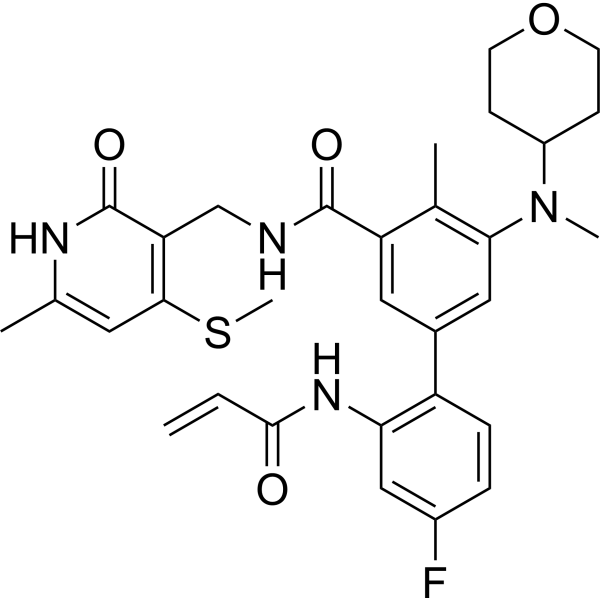
- HY-W014118R
-
|
|
Reference Standards
Environmental Pollutants
|
Cancer
|
|
α-Hexylcinnamaldehyde (Standard) is the analytical standard of α-Hexylcinnamaldehyde. This product is intended for research and analytical applications. α-Hexylcinnamaldehyde is an O-acetyltransferase (OAT) inhibitor. α-Hexylcinnamaldehyde inhibits OAT-mediated bioactivation of nitroarene mutagens, exerts antimutagenic activity through demutagenic and bioantimutagenic mechanisms, and interferes with ATP-binding cassette (ABC) transporter function to reduce substrate efflux. α-Hexylcinnamaldehyde alters membrane permeability, fluidizes phospholipid membranes, exerts antioxidant effects, and enhances the antiproliferative effect of Doxorubicin on human cancer cells. α-Hexylcinnamaldehyde can be used in the research of colorectal adenocarcinoma, T-cell leukemia, and multidrug-resistant cancers .
|
-

- HY-158346
-
|
|
DNA/RNA Synthesis
|
Cancer
|
|
RP-2119 is an orally bioactive Polymerase Theta (Polθ) inhibitor, with an IC50 of 0.7 nM against human Polθ ATPase. RP-2119 reduces Polθ activity and exerts antiproliferative effects in BRCA2-deficient cancer cells. RP-2119 exhibits antitumor activity in BRCA2-deficient cancer cell xenograft mouse models . RP-2119 can be used for the research of cancer and homologous recombination-deficient cancers, including brca1/brca2-mutant cancers and shld2-mutant cancers .
|
-

- HY-P992032
-
|
BAY-943 antibody
|
Interleukin Related
|
Cancer
|
|
TPP-9476 (BAY-943 antibody) is an anti-human IL3RA (CD123) monoclonal antibody with human IL3RA Kd of 11 nM and cynomolgus monkey IL3RA Kd of 16 nM. TPP-9476 binds specifically to human and cynomolgus monkey IL3RA, undergoes target-dependent internalization into lysosomes of IL3RA-positive cells.TPP-9476 exerts antiproliferative effects in IL3RA-expressing acute myeloid leukemia and classical Hodgkin lymphoma cells, reduces tumor burden, improves survival, and induces complete tumor remission in relevant xenograft mouse models .
|
-

- HY-137433
-
|
D-0316
|
EGFR
P-glycoprotein
Apoptosis
|
Cancer
|
|
Befotertinib (D-0316) is an orally active EGFR inhibitor and ABCB1 inhibitor. Befotertinib selectively targets EGFR mutations including EGFR T790M, EGFR L858R and delE746-A750, forms covalent bonds with EGFR C797, inhibits oncogenic signaling pathways, and exerts antiproliferative effects. Befotertinib inhibits ABCB1-mediated drug efflux, activates the ATPase activity of ABCB1, acts as a chemosensitizer and apoptosis enhancer, and restores the sensitivity of multidrug-resistant cancer cells. Befotertinib can be used in research related to multidrug-resistant cancers and non-small cell lung cancer .
|
-
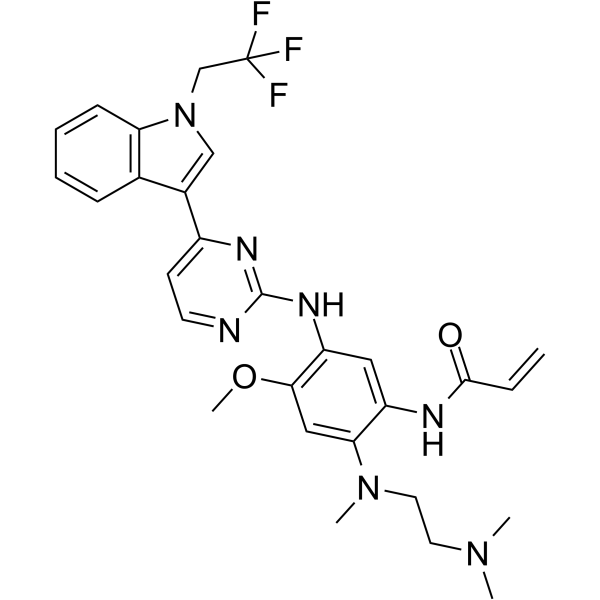
- HY-155050
-
|
|
Apoptosis
Histone Methyltransferase
|
Cancer
|
|
PRMT5-IN-31 (Compound 3m) is a selective PRMT5 inhibitor (IC50: 0.31 μM). PRMT5-IN-31 up-regulates hnRNP E1 protein level. PRMT5-IN-31 occupies the substrate site of PRMT5 and forms essential interactions with amino acid residues. PRMT5-IN-31 has antiproliferative effects against A549 cells by inducing apoptosis and inhibiting cell migration. PRMT5-IN-31 has high metabolic stability on human liver microsomes (T1/2: 132.4 min) .
|
-
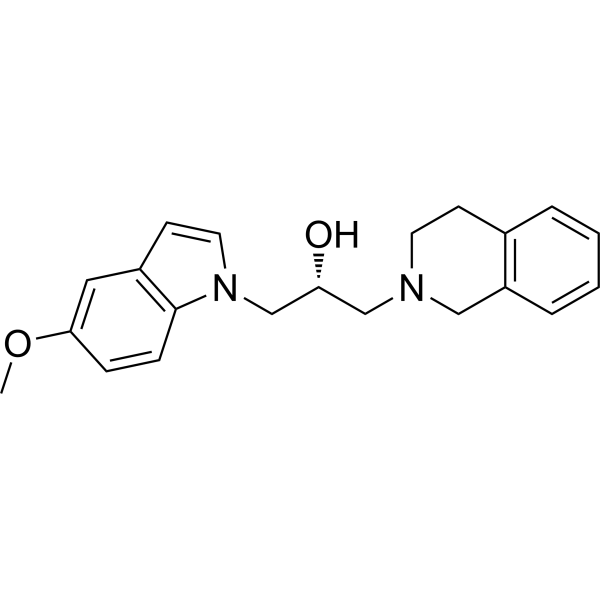
- HY-14993R
-
|
|
Protease Activated Receptor (PAR)
Apoptosis
|
Cardiovascular Disease
|
|
SCH79797 (Standard) is the analytical standard of SCH79797. This product is intended for research and analytical applications. SCH79797 is a highly potent, selective nonpeptide protease activated receptor 1 (PAR1) antagonist. SCH79797 inhibits binding of a high-affinity thrombin receptor-activating peptide to PAR1 with an IC50 of 70 nM and a Ki of 35 nM. SCH79797 inhibits thrombin-induced platelet aggregation with an IC50 of 3 μM. SCH79797 has antiproliferative and pro-apoptotic effects, and limits myocardial ischemia/reperfusion injury in rat hearts. SCH79797 also potently prevents PAR1 activation in vascular smooth muscle cells, endothelial cells, and astrocytes .
|
-

- HY-137433A
-
|
D-0316 mesylate
|
EGFR
P-glycoprotein
Apoptosis
|
Inflammation/Immunology
Cancer
|
|
Befotertinib (D-0316) mesylate is an orally active EGFR inhibitor and ABCB1 inhibitor. Befotertinib mesylate selectively targets EGFR mutations including EGFR T790M, EGFR L858R and delE746-A750, forms covalent bonds with EGFR C797, inhibits oncogenic signaling pathways, and exerts antiproliferative effects. Befotertinib mesylate inhibits ABCB1-mediated drug efflux, activates the ATPase activity of ABCB1, acts as a chemosensitizer and apoptosis enhancer, and restores the sensitivity of multidrug-resistant cancer cells. Befotertinib mesylate can be used in research related to multidrug-resistant cancers and non-small cell lung cancer .
|
-
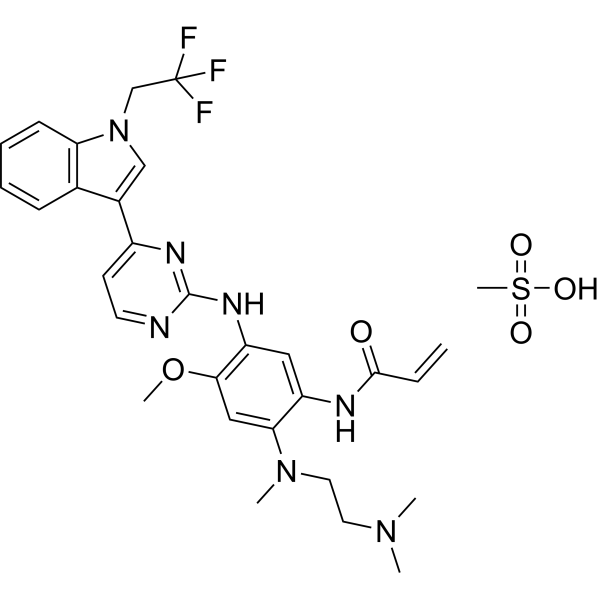
- HY-161250
-
|
|
PROTACs
|
Cancer
|
|
Pomalidomide-NH-PEG6-amide-C2-CPI-1612 (compound 22 (dCE-1)) is a CBP/EP300 degrader, which contains a CRBN ligands Pomalidomide, a 24-atom linker with 6 PEG units and a HAT inhibitor CPI-1612. Pomalidomide-NH-PEG6-amide-C2-CPI-1612 exhibits antiproliferative effects in cells multiple myeloma cells LP1 (with a DC50 of 1.2 μM), MM1S and various cancer cell lines, especially the leukemia cells .
|
-
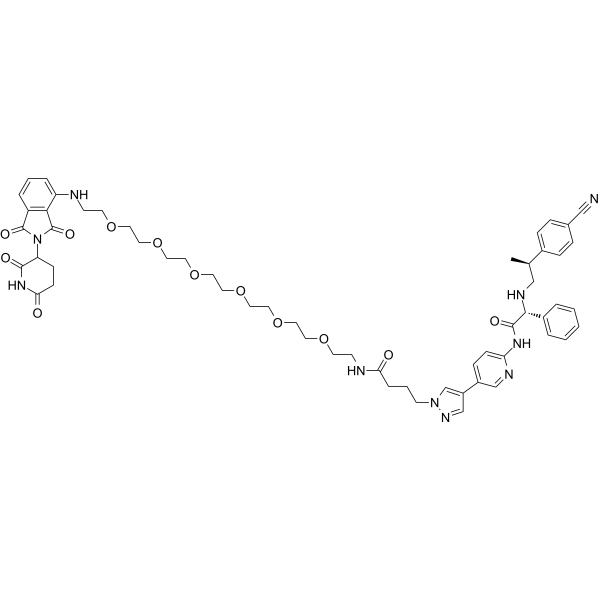
- HY-14994R
-
|
|
Protease Activated Receptor (PAR)
Apoptosis
|
Cardiovascular Disease
|
|
SCH79797 (dihydrochloride) (Standard) is the analytical standard of SCH79797 (dihydrochloride). This product is intended for research and analytical applications. SCH79797 dihydrochloride is a highly potent, selective nonpeptide protease activated receptor 1 (PAR1) antagonist. SCH79797 dihydrochloride inhibits binding of a high-affinity thrombin receptor-activating peptide to PAR1 with an IC50 of 70 nM and a Ki of 35 nM. SCH79797 dihydrochloride inhibits thrombin-induced platelet aggregation with an IC50 of 3 μM. SCH79797 dihydrochloride has antiproliferative and pro-apoptotic effects, and limits myocardial ischemia/reperfusion injury in rat hearts. SCH79797 dihydrochloride also potently prevents PAR1 activation in vascular smooth muscle cells, endothelial cells, and astrocytes .
|
-

- HY-17654
-
|
|
EGFR
mTOR
|
Cancer
|
|
BIEGi-1 is an EGFR inhibitor. BIEGi-1 effectively disrupts the EGFR-Rheb interaction in cells. BIEGi-1 robustly inhibits EGFR kinase activity (reduces p-Y1068-EGFR) as well as mTORC1 activation (reduces p-T389-S6K1) in EGFR-mutant cells. BIEGi-1 shows strong antiproliferative effects on EGFR-mutant PC9 and HCC827 cells with IC50 values of 17 nM and 20 nM, respectively. BIEGi-1 can be used for the study of cancers harboring EGFR mutations, such as non-small cell lung cancer (NSCLC) .
|
-

- HY-N3980
-
Guaiol
1 Publications Verification
Champacol; Guaiac alcohol
|
Autophagy
RAD51
|
Infection
Cardiovascular Disease
Inflammation/Immunology
Cancer
|
|
Guaiol is a sesquiterpenoid alcohol with oral activity found in various traditional Chinese medicines, exhibiting biological activities such as anti-proliferative, autophagy-promoting, insecticidal, anti-anxiety, anti-inflammatory, diuretic, and blood pressure-lowering effects. Guaiol induces apoptosis in non-small cell lung cancer cells by regulating the stability of RAD51 through autophagy modulation. Guaiol can also act directly on parasites, inhibiting their growth by affecting the kinetoplast, mitochondrial matrix and plasma membrane of the promastigotes. Guaiol kills amastigotes at an IC50 of 0.01 µg/mL. Guaiol can be used in research related to cancer, infections, cardiovascular diseases, and inflammatory conditions [4]
|
-
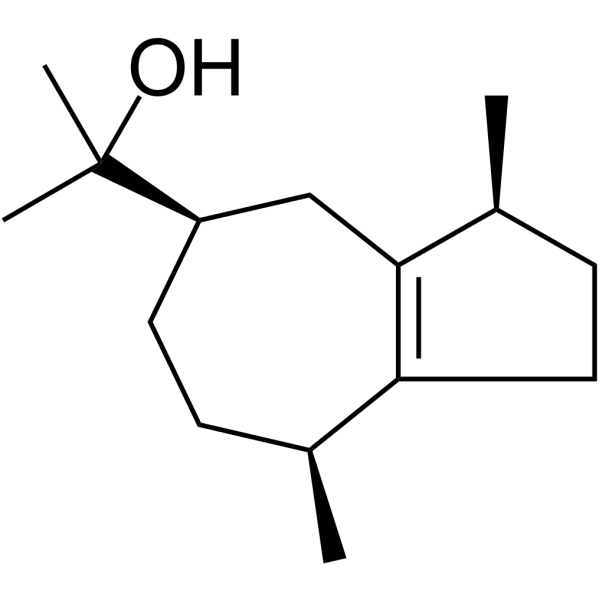
- HY-103019AR
-
|
(±)-BAY-1251152 (Standard); (±)-VIP152 (Standard)
|
Reference Standards
CDK
Apoptosis
DNA/RNA Synthesis
|
Cancer
|
|
(±)-Enitociclib (Standard) is the analytical standard of (±)-Enitociclib (HY-103019A). This product is intended for research and analytical applications. (±)-Enitociclib ((±)-BAY-1251152) is the racemic mixture of Enitociclib (HY-103019E). Enitociclib is a selective CDK9 inhibitor and apoptosis inducer. Enitociclib inhibits CDK9 activity and reduces the phosphorylation of Ser2 in the carboxyl-terminal domain (CTD) of RNA polymerase Pol II, thereby downregulating the transcription of key oncogenes such as MYC and MCL1. Enitociclib has anti-proliferative activity targeting MYC+ lymphoma and multiple myeloma (MM) cells, and has synergistic effects with Bortezomib (HY-10227) and Lenalidomide (HY-A0003), and can be used in the research of hematological malignancies .
|
-

- HY-173124
-
|
|
CDK
VEGFR
PDGFR
Apoptosis
|
Cancer
|
|
CDK2/FLT4/PDGFRA-IN-1 (Compound 4a) is a potent inhibitor of CDK2/cyclin A, FLT4 (VEGFR3) and PDGFRA, with IC50s of 1.672, 0.554, and 0.629 μM, respectively. CDK2/FLT4/PDGFRA-IN-1 exhibits potent antiproliferative effects against cancer cells (lung EBC-1, pancreatic ductal adenocarcinoma AsPC-1, colorectal HT-29 cells). CDK2/FLT4/PDGFRA-IN-1 can also induce apoptosis in cancer cells .
|
-

- HY-104048R
-
|
|
Reference Standards
Histone Demethylase
|
Cancer
|
|
QC6352 (Standard) is the analytical standard of QC6352 (HY-104048). This product is intended for research and analytical applications. QC6352 is an orally active KDM4 inhibitor with anti-tumor and anti-proliferative activity. QC6352 has in vivo inhibitory effects on PDX models of breast and colon cancer and reduces the number of chemoresistant cell populations. QC6352 inhibits KDM4 different isoforms with IC50s of 104 nM (KDM4A), 56 nM (KDM4B), 35 nM (KDM4C), and 104 nM (KDM4D), respectively. QC6352 has moderate inhibitory activity against KDM5 with an IC50 of 750 nM (KDM5B) .
|
-

- HY-181557
-
|
|
DNA Alkylator/Crosslinker
DNA/RNA Synthesis
Apoptosis
|
Cancer
|
|
SY-589 is an orally active DNA polymerase Polθ helicase domain inhibitor (IC50=2.29 nM) and DNA damage inducer. SY-589 inhibits the ATPase activity of the Polθ helicase domain and blocks the Polθ-mediated microhomology-mediated end joining (MMEJ) DNA repair pathway (IC50=0.85 nM). SY-589 also induces the accumulation of DNA double-strand breaks by increasing γ-H2AX levels. SY-589 exerts antiproliferative effects on BRCA2-deficient cells and is used in the research of HR-deficient tumors .
|
-

- HY-101522
-
|
|
EGFR
BMX Kinase
Btk
MEK
|
Cancer
|
|
CHMFL-EGFR-202 is a potent, irreversible inhibitor of epidermal growth factor receptor (EGFR) mutant kinase, with IC50s of 5.3 nM and 8.3 nM for drug-resistant mutant EGFR T790M and WT EGFR kinases, respectively. CHMFL-EGFR-202 exhibits ~10-fold selectivity for EGFR L858R/T790M against the EGFR wild-type in cells. CHMFL-EGFR-202 adopts a covalent “DFG-in-C-helix-out” inactive binding conformation with EGFR, with strong antiproliferative effects against EGFR mutant-driven nonsmall-cell lung cancer (NSCLC) cell lines .
|
-
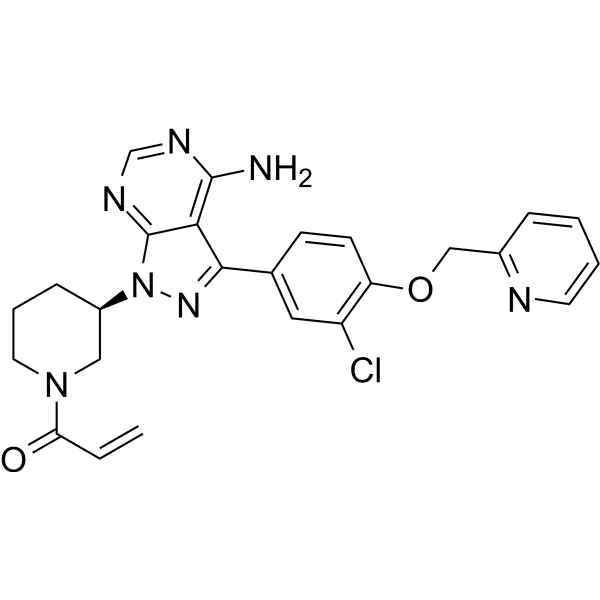
- HY-172892
-
|
|
PI3K
Reactive Oxygen Species (ROS)
|
Cancer
|
|
PI3K-IN-59 (Compound 3d) is a PI3K inhibitor (IC50: 17.44 μM). PI3K-IN-59 has significant antiproliferative activity and exhibits potent inhibitory effects on breast cancer 4T1 cells (IC50: 3.70 μM) and colon cancer CT26 cells (IC50: 1.98 μM) as well as human breast cancer cells (IC50: 19.72 μM). PI3K-IN-59 exerts a dual anti-tumor mechanism by inhibiting PI3Kα enzymatic activity and triggering the Fenton reaction to generate hydroxyl radicals (•OH). PI3K-IN-59 shows promising anti-4T1 tumor effects and is suitable for synergistic targeting studies in breast and colon cancers .
|
-

- HY-N3980R
-
|
Champacol (Standard); Guaiac alcohol (Standard)
|
Reference Standards
Autophagy
RAD51
|
Infection
Cardiovascular Disease
Inflammation/Immunology
Cancer
|
|
Guaiol (Standard) is the analytical standard of Guaiol. This product is intended for research and analytical applications. Guaiol is a sesquiterpenoid alcohol with oral activity found in various traditional Chinese medicines, exhibiting biological activities such as anti-proliferative, autophagy-promoting, insecticidal, anti-anxiety, anti-inflammatory, diuretic, and blood pressure-lowering effects. Guaiol induces apoptosis in non-small cell lung cancer cells by regulating the stability of RAD51 through autophagy modulation. Guaiol can also act directly on parasites, inhibiting their growth by affecting the kinetoplast, mitochondrial matrix and plasma membrane of the promastigotes. Guaiol kills amastigotes at an IC50 of 0.01 µg/mL. Guaiol can be used in research related to cancer, infections, cardiovascular diseases, and inflammatory conditions [4]
|
-

- HY-169006
-
|
|
Apoptosis
PKC
|
Cancer
|
|
Evo312 is a dose-dependent inhibitor of protein kinase CβⅠ (PKCβⅠ) (IC50 is 117.34 nM). Evo312 induces PANC-GR (acquired gemcitabine-resistant PC cells) cell cycle arrest and apoptosis by inhibiting PKCβ1 protein expression. Evo312 has antiproliferative effects in pancreatic cancer cells PANC-1 and PANC-GR cells with IC50 of 0.08 μM and 0.07 μM, and in human normal pancreatic ductal epithelial cells HPDE6-c7 with IC50 of 2.95 μM. Evo312 exhibits antitumor activity in a PANC-GR cell transplantation mouse model .
|
-

- HY-123599
-
|
|
DNA/RNA Synthesis
|
Cancer
|
|
IACS-4619 (compound 4) is a highly selective 2-aminopyrimidine-based MTH1 (MutT homolog 1) inhibitor (IC50=0.2 nM). IACS-4619 inhibits MTH1 by blocking its hydrolysis of oxidized purine nucleotides such as 8-oxo-dGTP, thereby preventing MTH1 from inhibiting the incorporation of oxidized nucleotides into DNA. IACS-4619 significantly inhibits endogenous MTH1 activity in MTH1-overexpressing U2OS cells, but without antiproliferative or cytotoxic effects on various human cancer and normal cell lines. IACS-4619 can be used in oncology research related to the MTH1 target .
|
-

- HY-160167
-
|
DZD8586
|
Src
Btk
|
Inflammation/Immunology
Cancer
|
|
Birelentinib (DZD8586) is an orally effective, selective, non-covalent inhibitor targeting LYN tyrosine kinase and BTK tyrosine kinase, capable of penetrating the blood-brain barrier. Birelentinib exhibits concentration-dependent antiproliferative effects in RI-1 cells and diffuse large B-cell lymphoma (DLBCL) cell lines carrying BTK resistance mutations (such as C481X, V416L, etc.). Birelentinib blocks both BTK-dependent and independent signaling of the B-cell receptor (BCR), thereby inhibiting tumor cell proliferation and inducing cell death. Birelentinib can be used in research to overcome resistance to existing covalent and non-covalent BTK inhibitors in B-cell non-Hodgkin lymphoma (B-NHL) .
|
-
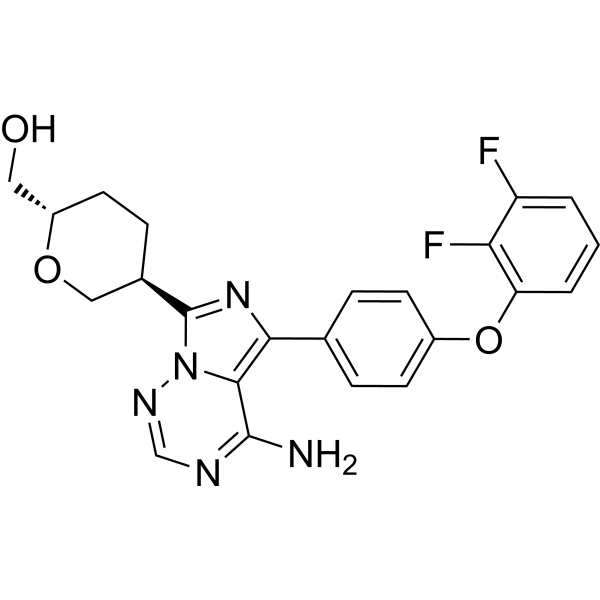
- HY-175292
-
|
|
EGFR
Microtubule/Tubulin
|
Cancer
|
|
EGFR WT/T790M-IN-3 is an irreversible covalent EGFR WT and EGFR T790M inhibitor with IC50s value of 28.1 and 24.6 nM. EGFR WT/T790M-IN-3 hampers tubulin polymerization through IC50 value of 5.1 μM. EGFR WT/T790M-IN-3 shows significant anti-proliferative effects on HCT116 and T47D cells, with IC50 values of 3.12 and 4.12 μM, respectively. EGFR WT/T790M-IN-3 can be used for the study of cancers such as non-small cell lung cancer, colon cancer and breast cancer .
|
-

- HY-182036
-
|
|
Epigenetic Reader Domain
|
Cancer
|
|
KWZL-7f15 (compound 7f15) is a dual CDK6/BET inhibitor with an IC50 of 31.81 nM against human CDK6. KWZL-7f15 inhibits the CDK6-RB axis and the BRD4-Myc axis. KWZL-7f15 exhibits antiproliferative activity against triple-negative breast cancer cells. KWZL-7f15 shows antitumor activity in xenograft mouse models without significant adverse effects. KWZL-7f15 can be used in studies related to triple-negative breast cancer .
|
-

- HY-180817
-
|
|
CDK
Aurora Kinase
Apoptosis
|
Cancer
|
|
CDK2-IN-55 (Compound 12c) is a CDK2 inhibitor with an IC50 value of 4.7 nM. CDK2-IN-55 also has a strong inhibitory effect on CDK1 (IC50 = 26.3 nM), moderate inhibitory effects on Aurora A (IC50 = 92.0 nM) and CDK9 (IC50 = 288 nM), and very weak inhibitory activities on CDK4, CDK6, DYRK1A, and GSK3β (IC50 > 1000 nM). CDK2-IN-55 shows strong anti-proliferative activity against various cancer cell lines, inducing cell cycle arrest and apoptosis. CDK2-IN-55 can be used for research on colorectal cancer, lung cancer, and cervical cancer .
|
-

- HY-183120
-
|
|
FAK
EGFR
Apoptosis
|
Cancer
|
|
EGFR T790M/FAK-IN-2 is an orally active dual FAK and EGFR T790M kinase inhibitor, with an IC50 of 1.03 nM against FAK and an IC50 of 3.89 nM against EGFR T790M. EGFR T790M/FAK-IN-2 exerts antiproliferative effects in drug-resistant cancer cells overexpressing FAK, inducing apoptosis and cell cycle arrest. EGFR T790M/FAK-IN-2 exhibits antitumor activity in a pancreatic cancer xenograft mouse model. EGFR T790M/FAK-IN-2 can be used for the research of pancreatic cancer, breast cancer and non-small cell lung cancer .
|
-

- HY-175455
-
|
|
PROTACs
Androgen Receptor
Akt
|
Cancer
|
|
LYA914 is an orally active AR/AR-V7 PROTAC degrader. LYA914 targets the proteolytic degradation of the conserved DNA binding domain (DBD) of the androgen receptor (AR). LYA914 exhibits potent antiproliferative effects in Enzalutamide (HY-70002)-insensitive/resistant cells. LYA914 inhibits tumor growth in VCaP/LNCaP tumor mouse models. LYA914 can be used to study castration-resistant prostate cancer (CRPC). (Pink: AR-DBD ligand-1: HY-175456, Blue: Thalidomide: HY-14658, Pink + Black: AR-DBD ligand-Linker Conjugate 1: HY-175457, Black: Boc-piperidine-oxopiperidin: HY-175458) .
|
-

- HY-155218
-
|
|
PROTACs
CDK
|
Cancer
|
|
TMX-2172 is a selective bivalent cereblon-recruiting PROTAC-based dual CDK2 and CDK5 degrader with IC50 values of 6.5 nM and 6.8 nM, respectively. TMX-2172 shows selectivity for CDK2 and CDK5 over other cell cycle CDKs (CDK1, CDK4, and CDK6) and transcriptional CDKs (CDK7 and CDK9). TMX-2172 inhibits CDK2/CDK5 enzymatic activity, induces their proteasomal degradation, reduces ASCL1 protein levels and half-life, induces cancer cell death, and exerts antiproliferative effects. TMX-2172 can be used for the research of ovarian cancer and small cell lung cancer .
|
-

- HY-103019BR
-
|
(R)-Enitociclib (Standard); (-)-BAY-1251152 (Standard); (-)-VIP152 (Standard)
|
Reference Standards
Drug Isomer
CDK
Apoptosis
DNA/RNA Synthesis
|
Cancer
|
|
(-)-Enitociclib (Standard) is the analytical standard of (-)-Enitociclib (HY-103019B). This product is intended for research and analytical applications. (-)-Enitociclib ((R)-Enitociclib) is an enantiomer of Enitociclib (HY-103019E) with an optical rotation of (-). Enitociclib is a selective CDK9 inhibitor and apoptosis inducer. Enitociclib inhibits CDK9 activity and reduces the phosphorylation of Ser2 in the carboxyl-terminal domain (CTD) of RNA polymerase Pol II, thereby downregulating the transcription of key oncogenes such as MYC and MCL1. Enitociclib has anti-proliferative activity targeting MYC+ lymphoma and multiple myeloma (MM) cells, and has synergistic effects with Bortezomib (HY-10227) and Lenalidomide (HY-A0003), and can be used in the research of hematological malignancies .
|
-

- HY-181004
-
|
|
CDK
|
Cancer
|
|
PKMYT1-IN-13 is a potent, orally active and selective PKMYT1 inhibitor that inhibits PKMYT1 with IC50 values < 10.0 nM in ADP-Glo assay and 19.9 nM in NanoBRET cellular assay. PKMYT1-IN-13 exhibits high selectivity over WEE1. PKMYT1-IN-13 shows selective antiproliferative activity in CCNE1-amplified cells, while showing minimal wild-type effects. PKMYT1-IN-13 shows antitumor efficacy in HCC1569 mouse xenografts. PKMYT1-IN-13 can be used for the research of CCNE1-amplified cancers, such as gastric, ovarian, and breast cancer .
|
-

- HY-153605
-
|
|
EGFR
|
Cancer
|
|
EGFR-IN-77 (Compound 4a) is a selective EGFR T790M/L858R inhibitor, with an IC50 of 0.101 μM against EGFR T790M/L858R, 0.477 μM against EGFR L858R, and 1.771 μM against wild-type EGFR. EGFR-IN-77 exerts selective antiproliferative effects on EGFR T790M/L858R non-small cell lung cancer. EGFR-IN-77 can be used for the research of EGFR L858R/T790M double-mutant non-small cell lung cancer .
|
-

- HY-182946
-
|
|
PI3K
|
Cancer
|
|
PI3Kα-IN-31 is an orally active and selective PI3Kα inhibitor. PI3Kα-IN-31 shows potent preference for mutant PI3Kα over wild-type PI3Kα. PI3Kα-IN-31 exerts antiproliferative effects in PI3Kα-mutant cancer cells. PI3Kα-IN-31 suppresses tumor growth in xenograft models. PI3Kα-IN-31 can be used for the research of breast cancer .
|
-

- HY-108610A
-
|
ET-18-OCH3
|
Apoptosis
Parasite
Bcl-2 Family
Cytochrome P450
|
Infection
Inflammation/Immunology
Cancer
|
|
Edelfosine (ET-18-OCH3) is an orally active lipid raft modulator and apoptosis inducer that alters membrane fluidity and preferentially inserts into tumor cell membranes. Edelfosine recruits death receptor ligands (FasL/CD95L, TRAIL) and Bid to lipid rafts to form death-inducing signaling complexes, thereby initiating mitochondria-dependent apoptosis and inducing cytochrome c release. Edelfosine also exerts anti-inflammatory effects, promotes L-Selectin shedding, and causes no gastrointestinal or organ toxicity. In addition, Edelfosine inhibits nucleic acid and protein synthesis in Leishmania donovani and exhibits antiproliferative activity. Edelfosine can be used in research on multiple myeloma, inflammatory bowel diseases (such as ulcerative colitis and Crohn's disease), and visceral leishmaniasis .
|
-
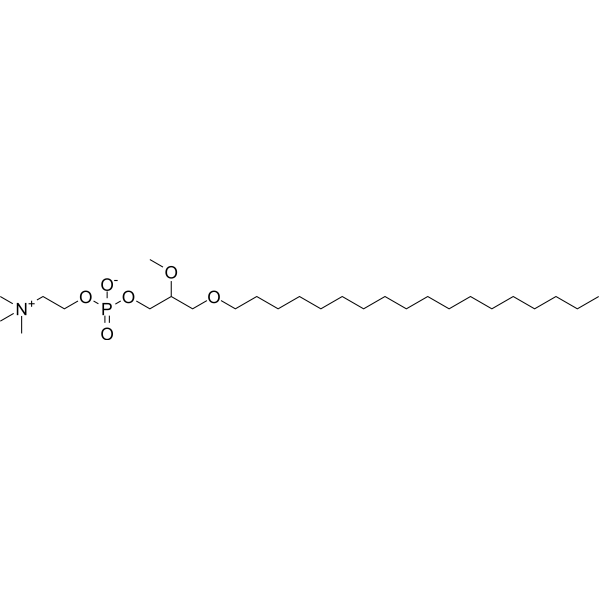
- HY-183116
-
|
|
Molecular Glues
Anaplastic lymphoma kinase (ALK)
|
Cancer
|
|
TRI-611 is a brain-penetrant, orally active molecular glue degrader targeting ALK. TRI-611 engages ALK via a distal degron, forms a ternary complex with CRBN, triggers ALK polyubiquitination and degradation, including TKI-resistant ALK fusion proteins. TRI-611 inhibits ALK downstream signaling pathways, induces anti-proliferative effects in ALK-positive cancer cells. TRI-611 induces regression of ALK-positive non-small cell lung cancer tumors in preclinical xenograft models. TRI-611 can be used for the research of ALK-positive non-small cell lung cancer, including TKI-refractory tumors and central nervous system metastases .
|
-

- HY-117548
-
UNC1062
2 Publications Verification
|
TAM Receptor
Apoptosis
p38 MAPK
ERK
PI3K
Akt
JAK
STAT
|
Cardiovascular Disease
Cancer
|
|
UNC1062 is a highly selective tyrosine kinase (MERTK) inhibitor with an IC50 of 1.1 nM (Morrison Ki = 0.33 nM). UNC1062 exhibits good selectivity for the TAM family (TYRO3 IC50 = 60 nM, AXL IC50 = 85 nM). UNC1062 exhibits significant anti-proliferative effects and induces apoptosis in various cancer models (such as melanoma, gastric cancer, and acute myeloid leukemia). UNC1062 inhibits multiple pathways, including MAPK/ERK, PI3K/AKT and JAK/STAT and affects the motility of head and neck squamous cell carcinoma (HNSCC) cells through the RhoA signaling pathway. UNC1062 inhibits macrophage efferocytosis, and it suitable for research on atherosclerosis .
|
-
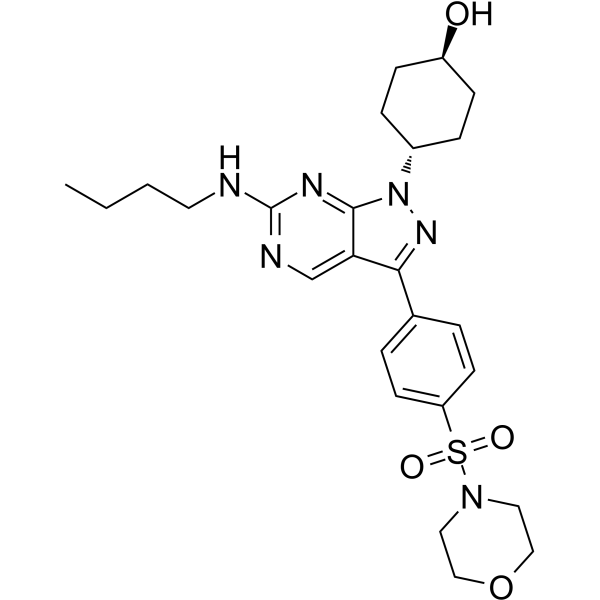
- HY-174374
-
|
|
Topoisomerase
|
Cardiovascular Disease
|
|
Topobexin is a TOP2B-selective inhibitor with IC50 values of 0.19 μM and 4.8 μM for TOP2B and TOP2A (DNA decatenation assay). Topobexin binds to non-homologous residues in the obex pocket and targets the ATPase domain of TOP2B. Topobexin prevents anthracycline-induced DNA double-strand break formation, apoptotic signaling mediated by caspase 3/7, 8 and 9, cardiomyocyte morphological changes, mitochondrial depolarization/loss, left ventricular systolic dysfunction, extracellular matrix remodeling, fibrotic alterations, and increases in plasma cardiac troponin T and BNP. Topobexin does not impair the antiproliferative effects of anthracyclines in cancer cells, exhibits no intrinsic cytotoxicity in cardiomyocytes, and is well tolerated in rabbits. Topobexin can be used in studies related to anthracycline-induced cardiotoxicity .
|
-

- HY-183801
-
|
|
Phosphatase
Apoptosis
|
Cancer
|
|
Cu2LCl2(H2O) acts as a proteasome inhibitor and protein tyrosine phosphatase inhibitor, with antiproliferative and apoptosis-inducing effects. Cu2LCl2(H2O) exhibits low cytotoxicity against normal cells and remarkable in vivo antitumor efficacy. Cu2LCl2(H2O) inhibits proteasome activity in colon cancer cells, and suppresses PTP1B and TCPTP activities in breast cancer cells. Cu2LCl2(H2O) can be used in the research of colon cancer, breast cancer and liver cancer .
|
-

- HY-174453
-
|
|
PROTACs
Estrogen Receptor/ERR
Apoptosis
|
Cancer
|
|
PROTAC ERα Degrader-12 is a potent and selective Erα PROTAC degrader. PROTAC ERα Degrader-12 has antiproliferative effects in multiple breast cancer cell lines with wild-type or mutant ERα. PROTAC ERα Degrader-12 can halt the cell cycle and induce cell apoptosis. PROTAC ERα Degrader-12 exhibits excellent antitumor and ERα degradation activity. PROTAC ERα Degrader-12 can be used for research on breast cancer. (Pink: ER ligand-11 (HY-174475); Blue: VHL ligand (HY-112078); Black: Linker (HY-W088749); VHL ligand + Linker ( HY-W998310)) .
|
-

- HY-122578
-
|
|
MDM-2/p53
|
Cancer
|
|
P53R3 is a potent p53 reactivator and restores sequence-specific DNA binding of p53 hot spot mutants, including p53 R175H, p53 R248W and p53 R273H. P53R3 induces p53-dependent antiproliferative effects with much higher specificity than PRIMA-1. P53R3 enhances the recruitment of wild-type p53 and p53 M237I to several target gene promoters. P53R3 strongly enhances the mRNA, total protein and cell surface expression of the death receptor death receptor 5 (DR5). P53R3 is used for cancer research .
|
-
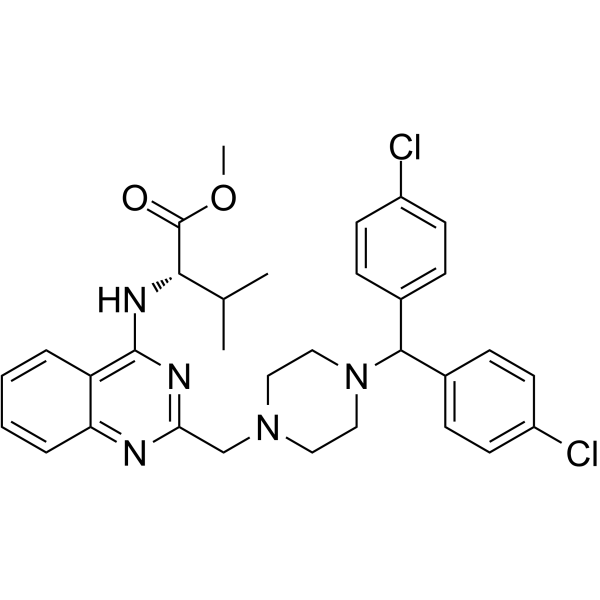
- HY-172158
-
|
|
Anaplastic lymphoma kinase (ALK)
Caspase
|
Cancer
|
|
ALKBH5-IN-5 is a highly selective ALKBH5 (IC50 = 0.62 μM, Kd = 804 nM). ALKBH5-IN-5 disrupts ALKBH5 binding to m 6A-RNA and 6mA-DNA substrates. ALKBH5-IN-5 promotes differentiation, induces apoptosis, cause G2-M phase arrest and exerts strong antiproliferative effects in cancer cells. ALKBH5-IN-5 reduces TACC3 and MYC protein levels and increases cleaved caspase-3 levels. ALKBH5-IN-5 exerts antitumor activity in tumor xenograft mice models. ALKBH5-IN-5 can be used for the research of acute myeloid leukemia .
|
-

- HY-159510
-
|
|
Apoptosis
VEGFR
Microtubule/Tubulin
Reactive Oxygen Species (ROS)
|
Cancer
|
|
VEGFR-2-IN-51 (compound 19) is an orally active dual-target inhibitor of VEGFR-2 (IC50=15.33 μM) and tubulin (IC50=0.76 μM) with anti-tumor activity. VEGFR-2-IN-51 induces tumor cell apoptosis by reducing mitochondrial membrane potential and increasing reactive oxygen species (ROS) levels. VEGFR-2-IN-51 exerts anti-angiogenic effects by blocking the VEGFR-2/PI3K/AKT signaling pathway. In addition, VEGFR-2-IN-51 has significant anti-proliferative activity against the gastric cancer cell line MGC-803 (IC50=0.005 μM) .
|
-

- HY-179075
-
|
|
PROTACs
BCL6
IKZF Family
|
Cancer
|
|
PROTAC BCL6/IKZF1/3 Degrader-1 is a selective and orally active BCL6 and IKZF1/3 PROTAC degrader. PROTAC BCL6/IKZF1/3 Degrader-1 exhibits superior antiproliferative effects in various germinal center B-cell-like (GCB) and activated B-cell-like (ABC) diffuse large B-cell lymphoma (DLBCL) cell lines. PROTAC BCL6/IKZF1/3 Degrader-1 can be used for the research of cancer, such as lymphoma . (Structure Note: Pink: BCL6/IKZF1/3 ligand (HY-179064); Blue: CRBN ligand (HY-41547); Black: linker (HY-42427); CRBN ligand-Linker: (HY-179066))
|
-

- HY-175213
-
|
|
Isocitrate Dehydrogenase (IDH)
|
Cancer
|
|
Mutant IDH1-IN-7 is a highly selective Isocitrate Dehydrogenase 1 (IDH1) R132H (IC50 = 0.26 μM, Kd = 2.1 μM)/R132C (IC50 = 1.1 μM) inhibitor. Mutant IDH1-IN-7 has no inhibitory effect on wild-type IDH1, IDH2-wt, and IDH2 R140Q. Mutant IDH1-IN-7 inhibits 2-Hydroxyglutarate (2-HG) production in U87-MG R132H cells (EC50 = 0.55 μM). Mutant IDH1-IN-7 exhibits moderate antiproliferative effects on U87-MG R132H and HT-1080 cells .
|
-

- HY-175849
-
|
|
HyT
Anaplastic lymphoma kinase (ALK)
Apoptosis
STAT
|
Cancer
|
|
ALK degrader 1 is a potent, hydrophobic tag (HyT)-based degrader that induces ubiquitin-proteasome system (UPS)-dependent EML4-ALK degradation (DC50 = 0.13 μM). ALK degrader 1 demonstrates potent ALK degradation and antiproliferative effects in ALK-dependent cell lines, while showing minimal cytotoxicity in ALK fusion-negative cells. ALK degrader 1 triggers cell cycle arrest at the G0/G1 phase and stimulates apoptosis. ALK degrader 1 not only facilitates efficient degradation of the ALK protein but also disrupts key downstream effectors, including the STAT3 signaling axis. ALK degrader 1 mediates robust EML4-ALK degradation in vivo. ALK degrader 1 can be used for ALK-related diseases research .
|
-

- HY-180119
-
|
|
IKK
NF-κB
Autophagy
|
Cancer
|
|
IKKβ-IN-5 is an orally active and selective IKKβ inhibitor with an IC50 of 7.5 nM. IKKβ-IN-5 directly inhibits IKKβ phosphorylation and attenuates NF κB mediated inflammatory and survival signals while promoting autophagy flux. IKKβ-IN-5 exhibits a 6-fold selectivity forIKKβ over the homologous kinase IKKα. IKKβ-IN-5 exerts robust antiproliferative effects through a dual mechanism involving G₂/M phase cell cycle arrest and autophagy activation, even under inflammatory stimulation in vitro. IKKβ-IN-5 demonstrates favorable pharmacokinetics and suppresses tumor growth in vivo. IKKβ-IN-5 can be used for colorectal cancer and potentially other inflammation driven malignancies research .
|
-

- HY-B1173
-
|
D-(+)-Camphor; (1R)-(+)-Camphor
|
Environmental Pollutants
Bacterial
|
Neurological Disease
Inflammation/Immunology
Cancer
|
|
(+)-Camphor (D-(+)-Camphor; (1R)-(+)-Camphor) is an isomer of Camphor. Camphor is an agonist of monoterpenoid transient receptor potential (TRP) channels (such as TRPV1, TRPV3, TRPM8) and an inhibitor of TRPA1 channels. Camphor's derivatives have multiple biological activities, including antibacterial, antiviral, antioxidant, analgesic and anticancer. Camphor can selectively activate cold-sensitive TRP channels and inhibit TRPA1-mediated nociceptive signals. Camphor stimulates the cold-sensing nerve endings in the skin and regulates the activity of ion channels to exert analgesic, anti-inflammatory and anti-itching effects. It also has anti-proliferative and anti-mutagenic activities on tumor cells, which may be related to inhibiting ribosome function or inducing cell apoptosis. Camphor can be absorbed through the skin and (+)-Camphor can be used in the study of muscle and joint pain and inflammation .
|
-
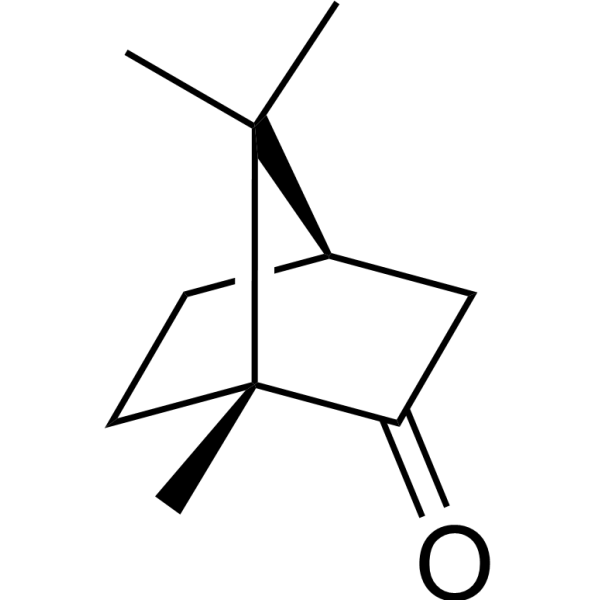
- HY-123859
-
|
|
Casein Kinase
FLT3
CDK
|
Neurological Disease
Inflammation/Immunology
Cancer
|
|
SR-2890 is a highly selective, ATP-competitive inhibitor of casein kinase CK1δ and CK1ε, with IC50 values of 4 nM and 44 nM, respectively, and a Ki of 14 nM for CK1δ. SR-2890 exhibits antiproliferative effects. SR-2890 blocks the serine/threonine kinase activity of CK1δ and weakly inhibits a few off-target kinases such as FLT3, CDK4. SR-2890 has an oral bioavailability of 10% and a blood-brain barrier penetration rate of <1%. SR-2890 demonstrates stable in vitro metabolism and favorable in vivo pharmacokinetic properties, effectively inhibiting the growth of human A375 melanoma cells. SR-2890 can be used in melanoma research and is also a useful compound for studying CK1δ/ε-related diseases such as Alzheimer's disease .
|
-

- HY-178378
-
|
|
Histone Methyltransferase
GLP Receptor
Reactive Oxygen Species (ROS)
Autophagy
Apoptosis
|
Cancer
|
|
G9a-IN-4 is a G9a inhibitor with high selectivity (IC50 = 32 nM). G9a-IN-4 shows high selectivity against the other tested lysine/arginine methyltransferases. G9a-IN-4 exhibits high enzymatic activity against G9a and more potent antiproliferative effects against all tested cancer cells. G9a-IN-4 significantly suppresses the H3K9me2 level. G9a-IN-4 triggers autophagy by inducing the production of ROS, thus leading to cell apoptosis and cell cycle arrest at G0/G1 in CT26 colon cells. G9a-IN-4 can be used for the study of colon cancer .
|
-

- HY-B0633D
-
|
|
CD44
Endogenous Metabolite
Bacterial
Akt
PI3K
|
Neurological Disease
Metabolic Disease
Inflammation/Immunology
Cancer
|
|
Hyaluronic acid sodium (MW 200-1560) is a biopolymer composed of repeating disaccharide units, with a molecular weight of 200-1560. Hyaluronic acid sodium is a major component of the extracellular matrix (ECM). It is synthesized on the plasma membrane. Hyaluronic acid sodium exerts its effects by binding to receptors CD44 and RHAMM. Hyaluronic acid sodium activates PI3K-Akt signaling. Hyaluronic acid sodium also enhances cell invasion and angiogenesis by promoting or stimulating the binding of proteolytic MMP-9 to the cell surface. Elevated hyaluronic acid levels are associated with tumor cell growth, adhesion, migration, invasion, and angiogenesis in digestive system cancers. Hyaluronic acid sodium is involved in tissue remodeling and rapid cell proliferation in several physiological processes, including embryonic morphogenesis and wound healing. Hyaluronic acid sodium can be used as a regulator of cancer-associated lymphangiogenesis. Hyaluronic acid sodium can be used as a drug delivery carrier for sodium butyrate, enhancing its anti-proliferative activity against breast cancer cell lines. Hyaluronic acid sodium can lubricate the corneal endothelium. Hyaluronic acid sodium can improve tissue hydration and enhance the resistance of cells to mechanical damage. Hyaluronic acid sodium has been conjugated with antibodies to ensure that the active compound continues to exert its effects at the site of inflammation. Hyaluronic acid sodium can be used in research in the fields of osteoarthritis, ophthalmology, cosmetic dermatology, oncology, and liver diseases .
|
-

- HY-B0633E
-
|
Hyaluronan, low endotoxin; Hyaluronate, low endotoxin
|
Endogenous Metabolite
CD44
Bacterial
Akt
PI3K
|
Neurological Disease
Metabolic Disease
Inflammation/Immunology
Cancer
|
|
Hyaluronic acid, low endotoxin (Hyaluronan, low endotoxin) is a biopolymer composed of repeating disaccharide units containing low levels of endotoxin. Hyaluronic acid is a major component of the extracellular matrix (ECM). It is synthesized on the plasma membrane. Hyaluronic acid exerts its effects by binding to receptors CD44 and RHAMM. Hyaluronic acid activates PI3K-Akt signaling. Hyaluronic acid also enhances cell invasion and angiogenesis by promoting or stimulating the binding of proteolytic MMP-9 to the cell surface. Elevated hyaluronic acid levels are associated with tumor cell growth, adhesion, migration, invasion, and angiogenesis in digestive system cancers. Hyaluronic acid is involved in tissue remodeling and rapid cell proliferation in several physiological processes, including embryonic morphogenesis and wound healing. Hyaluronic acid can be used as a regulator of cancer-associated lymphangiogenesis. Hyaluronic acid can be used as a drug delivery carrier for sodium butyrate, enhancing its anti-proliferative activity against breast cancer cell lines. Hyaluronic acid can lubricate the corneal endothelium. Hyaluronic acid can improve tissue hydration and enhance the resistance of cells to mechanical damage. Hyaluronic acid has been conjugated with antibodies to ensure that the active compound continues to exert its effects at the site of inflammation. Hyaluronic acid can be used in research in the fields of osteoarthritis, ophthalmology, cosmetic dermatology, oncology, and liver diseases .
|
-

- HY-175542
-
|
|
STAT
Apoptosis
Reactive Oxygen Species (ROS)
PARP
|
Cancer
|
KB-15 is a STAT3 inhibitor. KB-15 exhibits potent anti-proliferative activity against AGS gastric cancer cells (IC50 = 0.29 μM) and BGC-823 gastric cancer cells (IC50 = 0.65 μM). KB-15 exerts anti-tumor effects by inhibiting STAT3 phosphorylation, downregulating HO-1 expression, and promoting intracellular ROS accumulation. KB-15 induces G0/G1 phase cell cycle arrest and apoptosis, as well as suppresses colony formation and migration of gastric cancer cells. KB-15 demonstrates excellent anti-tumor efficacy in BGC-823 subcutaneous xenograft model. KB-15 can be used for the study of gastric cancer .
|
-

- HY-180556
-
|
|
mTOR
PI3K
|
Inflammation/Immunology
|
PI3K/mTOR-IN-20 is a selective dual PI3K/mTOR inhibitor. PI3K/mTOR-IN-20 demonstrates nanomolar antiproliferative effects with IC50s of 0.380 and 0.090 μM for MRC-5 and Mlg2908 cells. PI3K/mTOR-IN-20 reduces Ashcroft scores, hydroxyproline content, collagen deposition, and downregulates fibrosis-related proteins, while restoring lung architecture in a Bleomycin-induced pulmonary fibrosis model. PI3K/mTOR-IN-20 shows a favorable safety profile with steady weight recovery and no distinct liver or kidney toxicity. PI3K/mTOR-IN-20 can be used for fetal lung fibroblasts research .
|
-

- HY-172886
-
|
|
PI3K
Bcl-2 Family
Apoptosis
|
Cancer
|
|
PI3K-IN-58 (Compound 17f) is a PI3Kα inhibitor (IC50: 0.039 μM). PI3K-IN-58 exhibits significant antiproliferative effects on PC-3, 22RV1, MDA-MB-231 and MDA-MB-453 cell lines with IC50s of 3.48 μM, 1.06 μM, 2.21 μM and 0.93 μM, respectively. PI3K-IN-58 induces apoptosis by downregulating the expression levels of anti-apoptotic proteins Bcl-XL and Bcl-2 and upregulating the expression of anti-apoptosis protein BAX. PI3K-IN-58 can be used in PI3K-targeted cancer research .
|
-

- HY-181086
-
|
|
FLT3
HDAC
Apoptosis
Reactive Oxygen Species (ROS)
|
Cancer
|
|
FLT3/HDAC-IN-3 is a dual inhibitor of FLT3 and HDAC. FLT3/HDAC-IN-3 potently inhibits FLT3 (IC50 = 14 nM), HDAC1 (IC50 = 27 nM), HDAC6 (IC50 = 20 nM), and FLT3 D853Y (IC50 = 55 nM), exhibits weak activity against HDAC8, and shows no activity against HDAC4. FLT3/HDAC-IN-3 possesses kinase selectivity, plasma stability, and stability in human liver microsomes. FLT3/HDAC-IN-3 demonstrates anti-proliferative effects in a variety of hematological malignancy cell lines. FLT3/HDAC-IN-3 shows efficacy in the Jeko-1 xenograft model without observed significant toxicity. FLT3/HDAC-IN-3 can be used in the study of hematological malignancies .
|
-

- HY-181080
-
|
|
Topoisomerase
DNA/RNA Synthesis
Apoptosis
|
Cancer
|
|
TOP1/TDP1-IN-1 is a DNA topoisomerase 1B (TOP1) and tyrosyl-DNA phosphodiesterase 1 (TDP1) inhibitor with a TDP1 IC50 of 17.8 μM. TOP1/TDP1-IN-1directly suppresses TOP1 catalytic activity without forming a DNA-TOP1 ternary complex, inhibits TDP1-mediated repair of TOP1-induced DNA damage, and exhibits low acute toxicity. TOP1/TDP1-IN-1 disrupts DNA repair pathways, induces apoptosis, suppresses clonogenic growth, and elicits antiproliferative effects in cancer cells. TOP1/TDP1-IN-1 can be used for the research of non-small cell lung cancer, cervical cancer, colon cancer .
|
-

- HY-159728
-
|
|
PROTACs
Histone Methyltransferase
Apoptosis
Early 2 Factor (E2F)
c-Myc
|
Cancer
|
|
PROTAC PRMT3 degrader 1 is a selective PRMT3 PROTAC degrader with a DC50 of 2.566 μM. PROTAC PRMT3 degrader 1 forms a ternary complex with MDM2 E3 ubiquitin ligase to induce proteasomal and neddylation-dependent degradation of PRMT3. PROTAC PRMT3 degrader 1 activates intrinsic apoptosis, endoplasmic reticulum stress signaling pathways. PROTAC PRMT3 degrader 1 downregulates E2F, MYC, oxidative phosphorylation pathways. PROTAC PRMT3 degrader 1 reduces cellular asymmetric dimethylarginine (ADMA) levels. PROTAC PRMT3 degrader 1 inhibits acute leukemia cell growth. PROTAC PRMT3 degrader 1 acts with glycolysis inhibitor 2-DG to reduce ATP production, induce intrinsic apoptosis, drive synergistic antiproliferative effects. PROTAC PRMT3 degrader 1 can be used for the research of acute leukemia .
|
-

- HY-174396
-
|
|
PI3K
HDAC
Bcl-2 Family
Caspase
Reactive Oxygen Species (ROS)
Apoptosis
Histone Methyltransferase
Microtubule/Tubulin
|
Cancer
|
|
PI3Kδ/HDAC6-IN-1 (Compound 22E) is an orally active and dual inhibitor of PI3Kδ and HDAC6 with IC50 values of 2.4 nM and 6.2 nM, respectively. PI3Kδ/HDAC6-IN-1 exhibits potent antiproliferative effects on non-Hodgkin lymphoma (NHL) cells and possesses in vivo antitumor activity without significant toxicity. PI3Kδ/HDAC6-IN-1 arrests the cell cycle at the G0/G1 phase and induces apoptosis. PI3Kδ/HDAC6-IN-1 blocks the PI3K/AKT/mTOR signaling pathway and increases the acetylation levels of α-tubulin and histone H3 .
|
-

- HY-B1173R
-
|
D-(+)-Camphor (Standard); (1R)-(+)-Camphor (Standard)
|
Reference Standards
Bacterial
|
Neurological Disease
Inflammation/Immunology
Cancer
|
|
(+)-Camphor (Standard) is the analytical standard of (+)-Camphor. This product is intended for research and analytical applications. (+)-Camphor (D-(+)-Camphor; (1R)-(+)-Camphor) is an isomer of Camphor. Camphor is an agonist of monoterpenoid transient receptor potential (TRP) channels (such as TRPV1, TRPV3, TRPM8) and an inhibitor of TRPA1 channels. Camphor's derivatives have multiple biological activities, including antibacterial, antiviral, antioxidant, analgesic and anticancer. Camphor can selectively activate cold-sensitive TRP channels and inhibit TRPA1-mediated nociceptive signals. Camphor stimulates the cold-sensing nerve endings in the skin and regulates the activity of ion channels to exert analgesic, anti-inflammatory and anti-itching effects. It also has anti-proliferative and anti-mutagenic activities on tumor cells, which may be related to inhibiting ribosome function or inducing cell apoptosis. Camphor can be absorbed through the skin and (+)-Camphor can be used in the study of muscle and joint pain and inflammation .
|
-

- HY-N0353R
-
|
(+)-Curdione (Standard)
|
Reference Standards
Ferroptosis
Apoptosis
Reactive Oxygen Species (ROS)
Autophagy
Glutathione Peroxidase
Keap1-Nrf2
Heme Oxygenase (HO)
TGF-β Receptor
Indoleamine 2,3-Dioxygenase (IDO)
|
Others
|
|
Curdione (Standard) is the analytical standard of Curdione. This product is intended for research and analytical applications. Curdione ((+)-Curdione) is an orally active sesquiterpenoid. Curdione inhibits platelet aggregation. Curdione induces ferroptosis in colorectal cancer via m6A methylation mediated by METTL14 and YTHDF2. Curdione inhibits ferroptosis in Isoproterenol (HY-B0468)-induced myocardial infarction by regulating the Keap1/Trx1/GPX4 signaling pathway, suppressing oxidative stress (ROS) and apoptosis. Curdione ameliorates Doxorubicin (HY-15142)-induced cardiotoxicity by inhibiting oxidative stress (ROS) and activating the Nrf2/HO-1 pathway. Curdione ameliorates sepsis-induced lung injury by inhibiting platelet-mediated neutrophil extracellular trap formation. Curdione ameliorates Bleomycin (HY-17565A)-induced pulmonary fibrosis by inhibiting TGF-β-induced fibroblast-to-myofibroblast differentiation. Curdione exhibits neuroprotective effects against focal cerebral ischemia-reperfusion injury in rats. Curdione exerts antiproliferative effects against human uterine leiomyosarcoma by targeting IDO1. Curdione protects vascular endothelial cells and atherosclerosis by regulating DNMT1-mediated ERBB4 promoter methylation. Curdione inhibits inducible prostaglandin E2 production (IC50 = 1.1 μM) and cyclooxygenase 2 expression .
|
-

- HY-N0353
-
|
(+)-Curdione
|
Ferroptosis
Apoptosis
Reactive Oxygen Species (ROS)
Autophagy
Glutathione Peroxidase
Keap1-Nrf2
Heme Oxygenase (HO)
TGF-β Receptor
Indoleamine 2,3-Dioxygenase (IDO)
|
Cardiovascular Disease
Neurological Disease
Cancer
|
|
Curdione ((+)-Curdione) is an orally active sesquiterpenoid. Curdione inhibits platelet aggregation. Curdione induces ferroptosis in colorectal cancer via m6A methylation mediated by METTL14 and YTHDF2. Curdione inhibits ferroptosis in Isoproterenol (HY-B0468)-induced myocardial infarction by regulating the Keap1/Trx1/GPX4 signaling pathway, suppressing oxidative stress (ROS) and apoptosis. Curdione ameliorates Doxorubicin (HY-15142)-induced cardiotoxicity by inhibiting oxidative stress (ROS) and activating the Nrf2/HO-1 pathway. Curdione ameliorates sepsis-induced lung injury by inhibiting platelet-mediated neutrophil extracellular trap formation. Curdione ameliorates Bleomycin (HY-17565A)-induced pulmonary fibrosis by inhibiting TGF-β-induced fibroblast-to-myofibroblast differentiation. Curdione exhibits neuroprotective effects against focal cerebral ischemia-reperfusion injury in rats. Curdione exerts antiproliferative effects against human uterine leiomyosarcoma by targeting IDO1. Curdione protects vascular endothelial cells and atherosclerosis by regulating DNMT1-mediated ERBB4 promoter methylation. Curdione inhibits inducible prostaglandin E2 production (IC50 = 1.1 μM) and cyclooxygenase 2 expression .
|
-
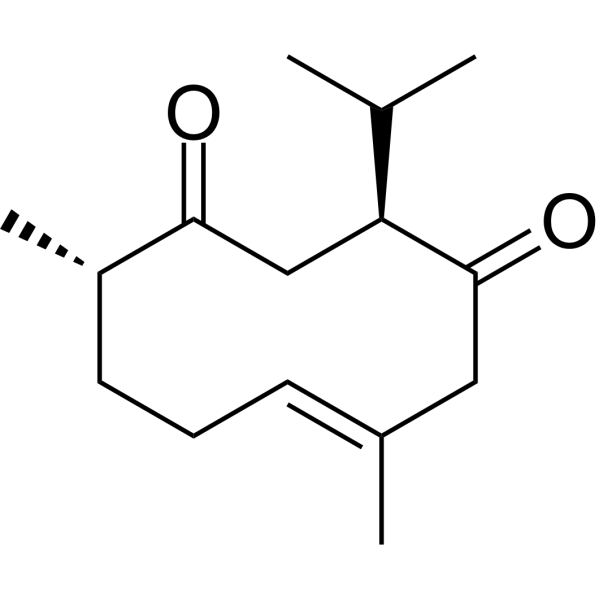
- HY-169412
-
|
|
MDM-2/p53
CDK
Caspase
Bcl-2 Family
Reactive Oxygen Species (ROS)
p38 MAPK
ERK
JNK
|
Cancer
|
|
MAPK-IN-3 (Compound 4a) is an anti-proliferative agent that shows particularly strong inhibitory effects on KYSE 30, HCT 116, and HGC 27, with IC50 values of 0.57 μM, 3.27 μM, and 2.28 μM, respectively. MAPK-IN-3 blocks the cell cycle via a p53-dependent mechanism and induces cell apoptosis through a p53-independent mechanism. MAPK-IN-3 downregulates the expression of cell cycle-related proteins like Cyclin D1 and cyclin B1, upregulates pro-apoptotic proteins such as cleaved PARP, cleaved caspase-7, and cleaved caspase-9, and reduces the expression of anti-apoptotic proteins like Bcl-2. Additionally, MAPK-IN-3 increases the intracellular level of ROS in KYSE 30 cells and upregulates the expression of members of the MAPK signaling pathway associated with ROS, such as p-ERK, p-p38 and p-JNK .
|
-

- HY-164184
-
|
|
Apoptosis
Caspase
HSP
Early 2 Factor (E2F)
DNA/RNA Synthesis
|
Cancer
|
|
Ly101-4B is an apoptosis inducer and multi-target inhibitor with antiproliferative, antitumor and cycytotoxic effects. Ly101-4B reduces HSF1 expression, inhibits microRNA-214 synthesis, downregulates HSP27, HSP70 and HSP90 expression, while suppressing E2F-dependent transcriptional activity and downregulating its target genes. Ly101-4B induces caspase 3/7-mediated apoptosis by reducing DNA synthesis, inhibiting the cell cycle and G1/S phase transition, without affecting RNA synthesis or inducing necrosis. Ly101-4B is selective for pancreatic ductal adenocarcinoma cells with different genotypes and varying degrees of E2F dependence. Ly101-4B can be used in research related to epithelial ovarian cancer and pancreatic ductal adenocarcinoma .
|
-

- HY-172581
-
|
|
FLT3
Apoptosis
Ras
p38 MAPK
PI3K
Akt
JAK
STAT
|
Cancer
|
|
Clifutinib is an orally active and selective internal tandem duplication mutation of FMS-like tyrosine kinase 3 (FLT3-ITD) inhibitor with an IC50 value of 15.1 nM. Clifutinib exerts strong antiproliferative effects on FLT3-ITD acute myeloid leukemia (AML) cell lines (MV-4-11: IC50 = 1.5 nM; MOLM-13: IC50 = 1.4 nM). Clifutinib inhibits the activity of FLT3-ITD kinase and blocks the downstream RAS/MAPK, PI3K/AKT, and JAK/STAT5 signaling pathways of FLT3. Clifutinib induces apoptosis of acute myeloid leukemia (AML) cells with FLT3-ITD mutations. Clifutinib demonstrates significant antitumor efficacy in mice bearing MV-4-11 or MOLM-13 xenografts. Clifutinib is promising for research of relapsed/refractory FLT3-ITD-positive acute myeloid leukemia .
|
-

- HY-112608
-
|
|
PI3K
|
Cancer
|
|
CHMFL-PI3KD-317 is a highly potent, selective and orally active PI3Kδ inhibitor, with an IC50 of 6 nM, and exhibits over 10-1500 fold selectivity over other class I, II and III PIKK family isoforms, such as PI3Kα (IC50, 62.6 nM), PI3Kβ (IC50, 284 nM), PI3Kγ (IC50, 202.7 nM), PIK3C2A (IC50, >10000 nM), PIK3C2B (IC50, 882.3 nM), VPS34 (IC50, 1801.7 nM), PI4KIIIA (IC50, 574.1 nM) and PI4KIIIB (IC50, 300.2 nM). CHMFL-PI3KD-317 inhibits PI3Kδ-mediated Akt T308 phosphorylation in Raji cells, with an EC50 of 4.3 nM. CHMFL-PI3KD-317 has antiproliferative effects on cancer cells .
|
-
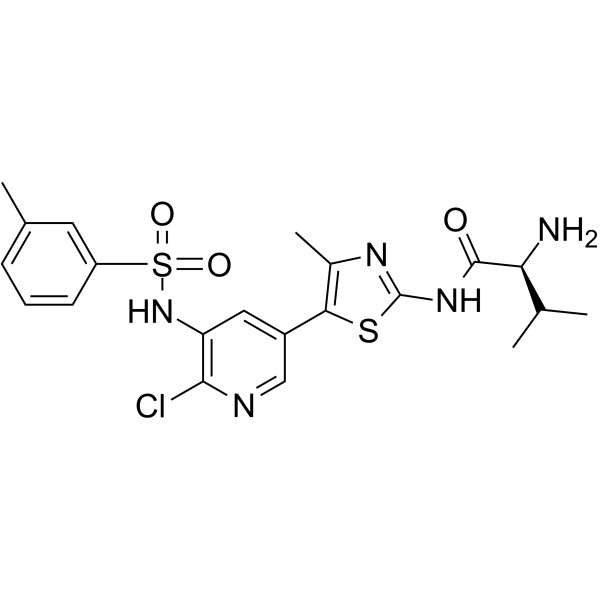
- HY-181413
-
|
|
PROTACs
Histone Methyltransferase
Bcl-2 Family
Caspase
PARP
|
Cancer
|
|
PROTAC EZH2 Degrader-44 (compound 60) is a highly efficient PROTAC degrader targeting the EZH2-PRC2 complex. By recruiting the CRBN E3 ligase and relying on the proteasome system, PROTAC EZH2 Degrader-44 simultaneously induces the degradation of core components EZH2, SUZ12 and EED, thereby significantly reducing the levels of H3K27me3 and CARM1. PROTAC EZH2 Degrader-44 exerts antiproliferative effects through a dual mechanism: on the one hand, it triggers mitochondrial dysfunction leading to decreased membrane potential; on the other hand, it strongly promotes apoptosis by regulating Bcl-2 family proteins (upregulating Bax, Caspase-3 and PARP, and downregulating Bcl-2). PROTAC EZH2 Degrader-44 exhibits only extremely low cytotoxicity in human normal mammary epithelial, liver and kidney cells, showing a favorable safety window. PROTAC EZH2 Degrader-44 is an ideal tool molecule for exploring the mechanisms of targeted therapy for triple-negative breast cancer .
|
-

- HY-128586A
-
|
|
NEDD8-activating Enzyme
Carbonic Anhydrase
Apoptosis
|
Cancer
|
|
TAS4464 hydrochloride is a long-acting, highly selective covalent inhibitor targeting NEDD8-activating enzyme (NAE) (IC50=0.955 nM), and also inhibits CAII with an IC50 of 0.73 μM, which is less potent than MLN4924 (HY-70062). The IC50 values of TAS4464 hydrochloride against other E1 enzymes UAE and SAE are 449 nM and 1280 nM, respectively. TAS4464 hydrochloride targets NEDD8 in an ATP-dependent manner to inhibit NAE, blocks the neddylation pathway, causes accumulation of CRL ubiquitin ligase substrates (such as CDT1, p27, phosphorylated IκBα), and further induces tumor cell apoptosis. TAS4464 hydrochloride exhibits antiproliferative and cytotoxic effects, and has broad-spectrum antitumor activity against various hematologic and solid tumor cell lines as well as patient-derived tumor cells. TAS4464 hydrochloride has a wide therapeutic window, without obvious toxicity. TAS4464 hydrochloride can be used in the research of hematologic malignancies (leukemia, lymphoma, multiple myeloma, etc.) and solid tumors (small cell lung cancer, colorectal cancer, sarcoma, endometrial cancer, ovarian cancer, etc.) .
|
-
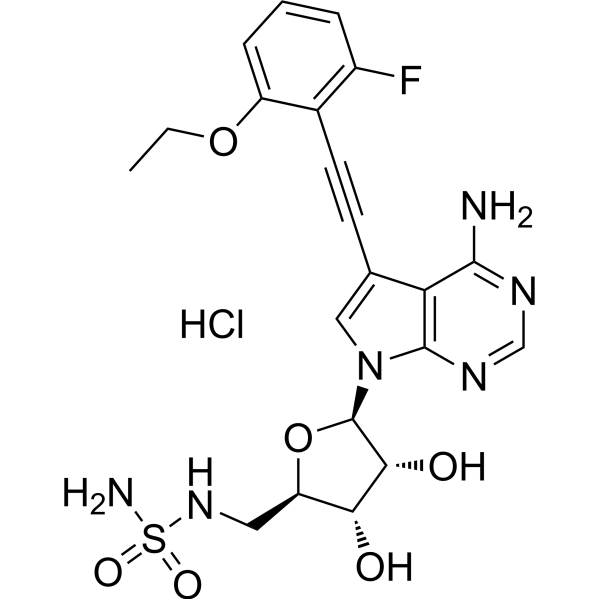
- HY-128586
-
|
|
Apoptosis
Carbonic Anhydrase
NEDD8-activating Enzyme
|
Cancer
|
|
TAS4464 is a long-acting, highly selective covalent inhibitor targeting NEDD8-activating enzyme (NAE) (IC50=0.955 nM), and also inhibits CAII with an IC50 of 0.73 μM, which is less potent than MLN4924 (HY-70062). The IC50 values of TAS4464 against other E1 enzymes UAE and SAE are 449 nM and 1280 nM, respectively. TAS4464 targets NEDD8 in an ATP-dependent manner to inhibit NAE, blocks the neddylation pathway, causes accumulation of CRL ubiquitin ligase substrates (such as CDT1, p27, phosphorylated IκBα), and further induces tumor cell apoptosis. TAS4464 exhibits antiproliferative and cytotoxic effects, and has broad-spectrum antitumor activity against various hematologic and solid tumor cell lines as well as patient-derived tumor cells. TAS4464 has a wide selcetive window, without obvious toxicity. TAS4464 can be used in the research of hematologic malignancies (leukemia, lymphoma, multiple myeloma, etc.) and solid tumors (small cell lung cancer, colorectal cancer, sarcoma, endometrial cancer, ovarian cancer, etc.) .
|
-
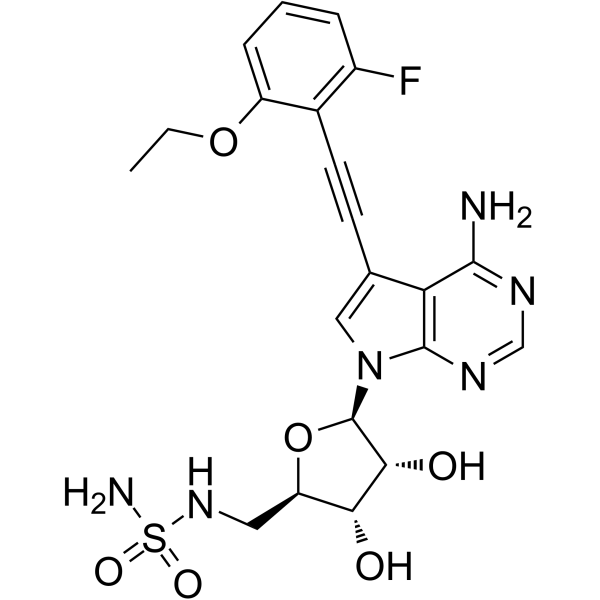
-
- HY-B0617
-
|
S-Adenosyl methionine; Ademetionine; AdoMet
|
生化学アッセイ試薬
|
|
S-Adenosyl-L-methionine (S-Adenosyl methionine) is an orally active methyl group donor. S-Adenosyl-L-methionine is a dietary supplement with potent antidepressant effects. S-Adenosyl-L-methionine also has anti‑proliferative, pro‑apoptotic and anti‑metastatic roles in cancers. S-Adenosyl-L-methionine has the potential for, cancer, liver disease and osteoarthritis research .
|
-
- HY-109541
-
|
DMPC; 1,2-Dimyristoyl-sn-glycero-3-phosphocholine; Dimyristoyl phosphatidylcholine
|
生化学アッセイ試薬
|
|
Colfosceril miristate (DMPC) is a synthetic phospholipid. Colfosceril miristate has antiproliferative effects on various tumors. Colfosceril miristate is used to study lipid monolayers, bilayers and drug delivery .
|
-
- HY-B0633E
-
|
Hyaluronan, low endotoxin; Hyaluronate, low endotoxin
|
生化学アッセイ試薬
|
|
Hyaluronic acid, low endotoxin (Hyaluronan, low endotoxin) is a biopolymer composed of repeating disaccharide units containing low levels of endotoxin. Hyaluronic acid is a major component of the extracellular matrix (ECM). It is synthesized on the plasma membrane. Hyaluronic acid exerts its effects by binding to receptors CD44 and RHAMM. Hyaluronic acid activates PI3K-Akt signaling. Hyaluronic acid also enhances cell invasion and angiogenesis by promoting or stimulating the binding of proteolytic MMP-9 to the cell surface. Elevated hyaluronic acid levels are associated with tumor cell growth, adhesion, migration, invasion, and angiogenesis in digestive system cancers. Hyaluronic acid is involved in tissue remodeling and rapid cell proliferation in several physiological processes, including embryonic morphogenesis and wound healing. Hyaluronic acid can be used as a regulator of cancer-associated lymphangiogenesis. Hyaluronic acid can be used as a drug delivery carrier for sodium butyrate, enhancing its anti-proliferative activity against breast cancer cell lines. Hyaluronic acid can lubricate the corneal endothelium. Hyaluronic acid can improve tissue hydration and enhance the resistance of cells to mechanical damage. Hyaluronic acid has been conjugated with antibodies to ensure that the active compound continues to exert its effects at the site of inflammation. Hyaluronic acid can be used in research in the fields of osteoarthritis, ophthalmology, cosmetic dermatology, oncology, and liver diseases .
|
-
- HY-59219
-
|
|
生化学アッセイ試薬
|
|
Cyclopropylboronic acid is an intermediate. Cyclopropylboronic acid can be used to synthesize EGFR kinase inhibitor (Compound 25). Compound 25 has antiproliferative effects on EGFR mutant (EGFR Δ19del/T790M/C797S) cells. Cyclopropylboronic acid can be used in lung cancer research .
|
-
- HY-W001603
-
|
|
生化学アッセイ試薬
|
|
Ethyl diethoxyacetate is a reagent used in organic synthesis. Ethyl diethoxyacetate has moderate antiproliferative effects on cervical cancer and liver cancer .
|
-
- HY-P10816
-
|
Ac-(DLeu)LLLRVK-Amba
|
Bacterial
|
Infection
Cancer
|
|
PACE4 Inhibitory peptide C23 (Compound C23; Ac-(DLeu)LLLRVK-Amba)), a potent peptidomimetic inhibitor, is a PACE4 inhibitor. PACE4 Inhibitory peptide C23e shows antiproliferative effects against PCa cell lines (Ki = 5 nM; IC50 = 25 and 40 μM for DU145 and LNCaP, respectively). PACE4 Inhibitory peptide C23 also blocks tumor growth in vivo in LNCaP xenograft-bearing mice .
|
-
- HY-14614D
-
|
S-Adenosyl methionine iodide; Ademetionine iodide; AdoMet iodide
|
Endogenous Metabolite
Apoptosis
|
Neurological Disease
Inflammation/Immunology
Cancer
|
|
S-Adenosyl-L-methionine (S-Adenosyl methionine) iodide is an orally active methyl group donor. S-Adenosyl-L-methionine iodide is a dietary supplement with potent antidepressant effects. S-Adenosyl-L-methionine iodide also has anti‑proliferative, pro‑apoptotic and anti‑metastatic roles in cancers. S-Adenosyl-L-methionine iodide has the potential for, cancer, liver disease and osteoarthritis research .
|
-
- HY-P2282
-
|
|
STAT
|
Cancer
|
|
APTSTAT3-9R, a specific STAT3-binding peptide, inhibits STAT3 activation and downstream signaling by specifically blocking STAT3 phosphorylation. APTSTAT3-9R exerts antiproliferative effects and antitumor activity .
|
-
- HY-131923
-
|
|
Notch
|
Cancer
|
|
DAPM is a Notch pathway inhibitor with anticancer activity and antiproliferative effects. DAPM effectively inhibits tubular adenoma development by inhibiting cell proliferation and inducing the expression of Krüppel-like factor 4 (KLF4) and p21 in human colon cancer cells .
|
-
- HY-P10515
-
|
|
Bacterial
Fungal
|
Infection
Cancer
|
|
AcrAP2 is an antimicrobial peptide present in the venom of the Arabian scorpion (Androctonus crassicauda). AcrAP2 is inhibitory against Gram-positive bacteria and yeast but is essentially inactive against Gram-negative bacteria. A cation-enhanced AcrAP2 analog (AcrAP2a) exhibits significant antiproliferative effects at low concentrations against certain human cancer cell lines. AcrAP2 can be used in antibacterial and anti-tumor research .
|
-
- HY-W587803R
-
|
|
ペプチド
Reference Standards
|
Metabolic Disease
|
|
Ergosterol (Standard) is the analytical standard of Ergosterol. This product is intended for research and analytical applications. Ergosterol is the primary sterol found in fungi, with antioxidative, anti-proliferative, and anti-inflammatory effects.
|
-
- HY-P11678
-
|
|
HDAC
Apoptosis
Caspase
|
Cancer
|
|
HDAC-IN-100 is a histone deacetylase inhibitor with an IC50 of 0.038 μM against HDAC1, 0.283 μM against HDAC2, and 0.586 μM against HDAC3. HDAC-IN-100 acts as a chemosensitizer and apoptosis inducer, activates caspase 3/7, and reverses Cisplatin (HY-17394) resistance. HDAC-IN-100 exerts antiproliferative effects in ovarian cancer cells and squamous cancer cells. HDAC-IN-100 is applicable for research related to ovarian cancer, squamous cell carcinoma, and Cisplatin (HY-17394)-resistant squamous cell carcinoma .
|
| 製品番号 |
製品名 |
Target |
研究分野 |
Image |
-
- HY-P99662
-
|
MLN0264; TAK-264
|
Antibody-Drug Conjugates (ADCs)
Guanylate Cyclase
Apoptosis
|
Cancer
|
|
Indusatumab vedotin (MLN-0264; AKT-264) is an antibody-drug conjugate (ADC) consisting of the human anti-guanylate cyclase C (GCC) antibody linked to a microtubule-disruptor Monomethyl auristatin (HY-15162). Indusatumab vedotin has anti-proliferative effects on pancreas cancer cell lines. Indusatumab vedotin arrests cell cycle at G2/M phase, and induces apoptosis .
|
-

(5)
-
- HY-P992032
-
|
BAY-943 antibody
|
Interleukin Related
|
Cancer
|
|
TPP-9476 (BAY-943 antibody) is an anti-human IL3RA (CD123) monoclonal antibody with human IL3RA Kd of 11 nM and cynomolgus monkey IL3RA Kd of 16 nM. TPP-9476 binds specifically to human and cynomolgus monkey IL3RA, undergoes target-dependent internalization into lysosomes of IL3RA-positive cells.TPP-9476 exerts antiproliferative effects in IL3RA-expressing acute myeloid leukemia and classical Hodgkin lymphoma cells, reduces tumor burden, improves survival, and induces complete tumor remission in relevant xenograft mouse models .
|
-
(5)
| 製品番号 |
製品名 |
Category |
Target |
構造式 |
-
- HY-32735
-
-
-
- HY-N0005
-
-
-
- HY-B0617
-
-
-
- HY-N0181
-
-
-
- HY-B0199
-
-
-
- HY-W017770
-
|
Ademetionine disulfate tosylate; S-Adenosyl methionine disulfate tosylate; AdoMet disulfate tosylate
|
Ketones, Aldehydes, Acids
Endogenous metabolite
Source Classification
|
Endogenous Metabolite
Apoptosis
|
|
S-Adenosyl-L-methionine (Ademetionine) disulfate tosylate is the disulfate tosylate form of S-Adenosyl-L-methionine (HY-B0617). S-Adenosyl-L-methionine disulfate tosylate is an orally active methyl group donor. S-Adenosyl-L-methionine disulfate tosylate is a dietary supplement with potent antidepressant effects. S-Adenosyl-L-methionine disulfate tosylate also has anti‑proliferative, pro‑apoptotic and anti‑metastatic roles in cancers. S-Adenosyl-L-methionine disulfate tosylate has the potential for, cancer, liver disease and osteoarthritis research .
|
-
-
- HY-B0617A
-
-
-
- HY-B0328
-
-
-
- HY-N7072
-
-
-
- HY-N0005R
-
-
-
- HY-N0060B
-
-
-
- HY-N10503
-
|
|
Flavonoids
Flavones
Plants
Moraceae
|
Tyrosinase
Ras
Raf
MAPKAPK2 (MK2)
Apoptosis
|
|
Norartocarpetin is a tyrosinase inhibitor. Norartocarpetin has strong tyrosinase inhibitory activity with an IC50 value of 0.47 μM. Norartocarpetin as an antibrowning agent can be used for the research of food systems. Norartocarpetin also has a significant anticancer activity in lung carcinoma cells (NCI-H460) with an IC50 value of 22 μM. Norartocarpetin has antiproliferative effects are mediated via targeting Ras/Raf/MAPK signalling pathway, mitochondrial mediated apoptosis, S-phase cell cycle arrest and suppression of cell migration and invasion in human lung carcinoma cells .
|
-
-
- HY-N0353
-
-
-
- HY-N2510
-
-
-
- HY-N7085
-
-
-
- HY-N10264
-
|
(+)-Avrainvillamide; CJ-17,665
|
Infection
Alkaloids
Microorganisms
Pyrrole Alkaloids
Classification of Application Fields
Disease Research Fields
Indole Alkaloids
Source Classification
|
Antibiotic
|
|
Avrainvillamide ((+)-Avrainvillamide) is a naturally occurring alkaloid with antiproliferative effects, binds to the nuclear chaperone nucleophosmin, a proposed oncogenic protein that is overexpressed in many different human tumors. Avrainvillamide affects cell biology both by directly binding NPM1 and Crm1 as well as by inhibiting the association of these proteins with certain native cellular partners. Avrainvillamide, an antibiotic, inhibits growth of multi-agent resistant Staphylococcus aureus, Streptococcus pyogenes, and Enterococcus faecalis, with MICs of 12.5, 12.5 and 25 μg/ml, respectively .
|
-
-
- HY-N6579
-
|
|
Structural Classification
Terpenoids
Scrophulariaceae
Diterpenoids
Lagotis yunnanensis W. W. Smith
Plants
|
p38 MAPK
Mitochondrial Metabolism
|
|
Arvenin I is a natural cucurbitacin glucoside that activates T cells within the cancer-competitive environment. Arvenin I covalently reacts with and hyperactivates MKK3, thereby reviving the mitochondrial fitness of exhausted T cells through the activation of the p38MAPK pathway . Arvenin I exhibits broad-spectrum antiproliferative against cancer cells . Arvenin I enhances antitumor effects both as a monotherapy and in combination with immune checkpoint inhibitors in mice . Arvenin I can be used for cancer research, such as colon cancer, breast cancer, lung cancer, and ovarian cancer [1][2].
|
-
-
- HY-N1535
-
-
-
- HY-N3980
-
Guaiol
1 Publications Verification
Champacol; Guaiac alcohol
|
Infection
Structural Classification
Classification of Application Fields
Terpenoids
Sesquiterpenes
Distemonanthus benthamianus Baill.
Plants
Compositae
Disease Research Fields
Source Classification
|
Autophagy
RAD51
|
|
Guaiol is a sesquiterpenoid alcohol with oral activity found in various traditional Chinese medicines, exhibiting biological activities such as anti-proliferative, autophagy-promoting, insecticidal, anti-anxiety, anti-inflammatory, diuretic, and blood pressure-lowering effects. Guaiol induces apoptosis in non-small cell lung cancer cells by regulating the stability of RAD51 through autophagy modulation. Guaiol can also act directly on parasites, inhibiting their growth by affecting the kinetoplast, mitochondrial matrix and plasma membrane of the promastigotes. Guaiol kills amastigotes at an IC50 of 0.01 µg/mL. Guaiol can be used in research related to cancer, infections, cardiovascular diseases, and inflammatory conditions [4]
|
-
-
- HY-129476
-
-
-
- HY-N2374
-
-
-
- HY-B1394
-
-
-
- HY-N4286
-
-
-
- HY-14614D
-
-
-
- HY-W014118
-
|
|
Classification of Application Fields
Ketones, Aldehydes, Acids
Endogenous metabolite
Disease Research Fields
Source Classification
Cancer
|
Environmental Pollutants
|
|
α-Hexylcinnamaldehyde is an O-acetyltransferase (OAT) inhibitor. α-Hexylcinnamaldehyde inhibits OAT-mediated bioactivation of nitroarene mutagens, exerts antimutagenic activity through demutagenic and bioantimutagenic mechanisms, and interferes with ATP-binding cassette (ABC) transporter function to reduce substrate efflux. α-Hexylcinnamaldehyde alters membrane permeability, fluidizes phospholipid membranes, exerts antioxidant effects, and enhances the antiproliferative effect of Doxorubicin on human cancer cells. α-Hexylcinnamaldehyde can be used in the research of colorectal adenocarcinoma, T-cell leukemia, and multidrug-resistant cancers .
|
-
-
- HY-N2000
-
-
-
- HY-B1173
-
|
D-(+)-Camphor; (1R)-(+)-Camphor
|
Structural Classification
Other Monoterpenes
Classification of Application Fields
Terpenoids
Other Diseases
Plants
Lauraceae
Cinnamomum camphora
Disease Research Fields
Source Classification
|
Environmental Pollutants
Bacterial
|
|
(+)-Camphor (D-(+)-Camphor; (1R)-(+)-Camphor) is an isomer of Camphor. Camphor is an agonist of monoterpenoid transient receptor potential (TRP) channels (such as TRPV1, TRPV3, TRPM8) and an inhibitor of TRPA1 channels. Camphor's derivatives have multiple biological activities, including antibacterial, antiviral, antioxidant, analgesic and anticancer. Camphor can selectively activate cold-sensitive TRP channels and inhibit TRPA1-mediated nociceptive signals. Camphor stimulates the cold-sensing nerve endings in the skin and regulates the activity of ion channels to exert analgesic, anti-inflammatory and anti-itching effects. It also has anti-proliferative and anti-mutagenic activities on tumor cells, which may be related to inhibiting ribosome function or inducing cell apoptosis. Camphor can be absorbed through the skin and (+)-Camphor can be used in the study of muscle and joint pain and inflammation .
|
-
-
- HY-N0181R
-
-
-
- HY-114803
-
-
-
- HY-N10544
-
-
-
- HY-W196368
-
-
-
- HY-B0617AR
-
|
S-Adenosyl methionine tosylate (Standard); Ademetionine tosylate (Standard); AdoMet tosylate (Standard)
|
Structural Classification
天然物
Endogenous metabolite
Source Classification
|
Reference Standards
Endogenous Metabolite
Apoptosis
|
|
S-Adenosyl-L-methionine tosylate (Standard) (S-Adenosyl methionine tosylate (Standard)) is the analytical standard of S-Adenosyl-L-methionine tosylate (HY-B0617A). This product is intended for research and analytical applications. S-Adenosyl-L-methionine (S-Adenosyl methionine) tosylate is an orally active methyl group donor. S-Adenosyl-L-methionine tosylate is a dietary supplement with potent antidepressant effects. S-Adenosyl-L-methionine tosylate also has anti‑proliferative, pro‑apoptotic and anti‑metastatic roles in cancers. S-Adenosyl-L-methionine tosylate has the potential for, cancer, liver disease and osteoarthritis research .
|
-
-
- HY-125900
-
|
NCA
|
天然物
Microorganisms
Source Classification
|
Others
|
|
Neocarzilin A (NCA) reduces BST-2 levels via lysosomal degradation. Neocarzilin A has antimigratory and antiproliferative effects on cancer cells. Neocarzilin A inhibits cancer cell migration via irreversible binding to the synaptic vesicle membrane protein VAT-1 .
|
-
-
- HY-32735R
-
-
-
- HY-N0108R
-
-
-
- HY-N7085R
-
-
-
- HY-B0617B
-
|
S-Adenosyl methionine 1,4-butanedisulfonate; Ademetionine 1,4-butanedisulfonate; AdoMet 1,4-butanedisulfonate
|
天然物
Classification of Application Fields
Endogenous metabolite
Inflammation/Immunology
Disease Research Fields
Source Classification
Cancer
|
Endogenous Metabolite
Apoptosis
|
|
S-Adenosyl-L-methionine (S-Adenosyl methionine) 1,4-butanedisulfonate is an orally active methyl group donor. S-Adenosyl-L-methionine 1,4-butanedisulfonate is a dietary supplement with potent antidepressant effects. S-Adenosyl-L-methionine 1,4-butanedisulfonate also has anti‑proliferative, pro‑apoptotic and anti‑metastatic roles in cancers. S-Adenosyl-L-methionine 1,4-butanedisulfonate has the potential for, cancer, liver disease and osteoarthritis research .
|
-
-
- HY-N11479
-
-
-
- HY-N15577
-
|
|
Flavonols
Platanus acerifolia Aiton) Willd.
Flavonoids
Platanaceae
Plants
Source Classification
|
Drug Derivative
|
|
Antiproliferative agent-69 (Compound 1) is a prenylated kaempferol derivative found in the fresh bud’s fur of Platanus acerifolia. Antiproliferative agent-69 shows significant antiproliferative effects against human breast cancer cells (MCF-7) and human hepatocellular carcinoma cells (Hep-G2) with IC50 values of 38.2 μM and 39.5 μM, respectively. Antiproliferative agent-69 is promising for research of breast cancer and liver cancer .
|
-
-
- HY-N2510R
-
-
-
- HY-N15657
-
-
-
- HY-126596
-
|
|
Quinones
Alkanna tinctoria (L.) Tausch
Plants
Naphthalene Quinones
Boraginaceae
Source Classification
|
Apoptosis
|
|
Angelylalkannin is a naphthoquinone compound isolated from the root of Alkanna tinctoria. Angelylalkannin showed significant inhibitory effects in the antiproliferative effect test on human colon cancer cells HCT-116 and SW-480. The median inhibitory concentration (IC50) of Angelylalkannin was 4.76 mM for HCT-116 cells and 7.03 mM for SW-480 cells. Like alkannin, Angelylalkannin can arrest the cell cycle in the G1 phase and induce apoptosis at a concentration of 1-10 mM.
|
-
-
- HY-N0060BR
-
-
-
- HY-B1173R
-
|
D-(+)-Camphor (Standard); (1R)-(+)-Camphor (Standard)
|
Structural Classification
Other Monoterpenes
Terpenoids
Plants
Lauraceae
Cinnamomum camphora
Source Classification
|
Reference Standards
Bacterial
|
|
(+)-Camphor (Standard) is the analytical standard of (+)-Camphor. This product is intended for research and analytical applications. (+)-Camphor (D-(+)-Camphor; (1R)-(+)-Camphor) is an isomer of Camphor. Camphor is an agonist of monoterpenoid transient receptor potential (TRP) channels (such as TRPV1, TRPV3, TRPM8) and an inhibitor of TRPA1 channels. Camphor's derivatives have multiple biological activities, including antibacterial, antiviral, antioxidant, analgesic and anticancer. Camphor can selectively activate cold-sensitive TRP channels and inhibit TRPA1-mediated nociceptive signals. Camphor stimulates the cold-sensing nerve endings in the skin and regulates the activity of ion channels to exert analgesic, anti-inflammatory and anti-itching effects. It also has anti-proliferative and anti-mutagenic activities on tumor cells, which may be related to inhibiting ribosome function or inducing cell apoptosis. Camphor can be absorbed through the skin and (+)-Camphor can be used in the study of muscle and joint pain and inflammation .
|
-
-
- HY-114824
-
-
-
- HY-N10351
-
-
-
- HY-N9096
-
-
-
- HY-N11050
-
-
-
- HY-N10355
-
-
-
- HY-B1394R
-
-
- HY-N8617
-
-
- HY-W014118R
-
|
|
Ketones, Aldehydes, Acids
Endogenous metabolite
Source Classification
|
Reference Standards
Environmental Pollutants
|
|
α-Hexylcinnamaldehyde (Standard) is the analytical standard of α-Hexylcinnamaldehyde. This product is intended for research and analytical applications. α-Hexylcinnamaldehyde is an O-acetyltransferase (OAT) inhibitor. α-Hexylcinnamaldehyde inhibits OAT-mediated bioactivation of nitroarene mutagens, exerts antimutagenic activity through demutagenic and bioantimutagenic mechanisms, and interferes with ATP-binding cassette (ABC) transporter function to reduce substrate efflux. α-Hexylcinnamaldehyde alters membrane permeability, fluidizes phospholipid membranes, exerts antioxidant effects, and enhances the antiproliferative effect of Doxorubicin on human cancer cells. α-Hexylcinnamaldehyde can be used in the research of colorectal adenocarcinoma, T-cell leukemia, and multidrug-resistant cancers .
|
-
- HY-N3980R
-
|
Champacol (Standard); Guaiac alcohol (Standard)
|
Structural Classification
天然物
Distemonanthus benthamianus Baill.
Plants
Compositae
Source Classification
|
Reference Standards
Autophagy
RAD51
|
|
Guaiol (Standard) is the analytical standard of Guaiol. This product is intended for research and analytical applications. Guaiol is a sesquiterpenoid alcohol with oral activity found in various traditional Chinese medicines, exhibiting biological activities such as anti-proliferative, autophagy-promoting, insecticidal, anti-anxiety, anti-inflammatory, diuretic, and blood pressure-lowering effects. Guaiol induces apoptosis in non-small cell lung cancer cells by regulating the stability of RAD51 through autophagy modulation. Guaiol can also act directly on parasites, inhibiting their growth by affecting the kinetoplast, mitochondrial matrix and plasma membrane of the promastigotes. Guaiol kills amastigotes at an IC50 of 0.01 µg/mL. Guaiol can be used in research related to cancer, infections, cardiovascular diseases, and inflammatory conditions [4]
|
-
- HY-N0353R
-
|
(+)-Curdione (Standard)
|
Structural Classification
Terpenoids
Sesquiterpenes
Curcuma phaeocaulis Valeton
Plants
Source Classification
Zingiberaceae
|
Reference Standards
Ferroptosis
Apoptosis
Reactive Oxygen Species (ROS)
Autophagy
Glutathione Peroxidase
Keap1-Nrf2
Heme Oxygenase (HO)
TGF-β Receptor
Indoleamine 2,3-Dioxygenase (IDO)
|
|
Curdione (Standard) is the analytical standard of Curdione. This product is intended for research and analytical applications. Curdione ((+)-Curdione) is an orally active sesquiterpenoid. Curdione inhibits platelet aggregation. Curdione induces ferroptosis in colorectal cancer via m6A methylation mediated by METTL14 and YTHDF2. Curdione inhibits ferroptosis in Isoproterenol (HY-B0468)-induced myocardial infarction by regulating the Keap1/Trx1/GPX4 signaling pathway, suppressing oxidative stress (ROS) and apoptosis. Curdione ameliorates Doxorubicin (HY-15142)-induced cardiotoxicity by inhibiting oxidative stress (ROS) and activating the Nrf2/HO-1 pathway. Curdione ameliorates sepsis-induced lung injury by inhibiting platelet-mediated neutrophil extracellular trap formation. Curdione ameliorates Bleomycin (HY-17565A)-induced pulmonary fibrosis by inhibiting TGF-β-induced fibroblast-to-myofibroblast differentiation. Curdione exhibits neuroprotective effects against focal cerebral ischemia-reperfusion injury in rats. Curdione exerts antiproliferative effects against human uterine leiomyosarcoma by targeting IDO1. Curdione protects vascular endothelial cells and atherosclerosis by regulating DNMT1-mediated ERBB4 promoter methylation. Curdione inhibits inducible prostaglandin E2 production (IC50 = 1.1 μM) and cyclooxygenase 2 expression .
|
-
- HY-W587803R
-
|
|
Microorganisms
Source Classification
|
Others
Reference Standards
|
|
Ergosterol (Standard) is the analytical standard of Ergosterol. This product is intended for research and analytical applications. Ergosterol is the primary sterol found in fungi, with antioxidative, anti-proliferative, and anti-inflammatory effects.
|
-
- HY-N17604
-
-
- HY-N19850
-
-
-
- HY-B0617S
-
|
|
|
S-Adenosyl-L-methionine-d3 (S-Adenosyl methionine-d3) is the deuterated product of S-Adenosyl-L-methionine (HY-B0617). S-Adenosyl-L-methionine (S-Adenosyl methionine) is an orally active methyl group donor. S-Adenosyl-L-methionine is a dietary supplement with potent antidepressant effects. S-Adenosyl-L-methionine also has anti‑proliferative, pro‑apoptotic and anti‑metastatic roles in cancers. S-Adenosyl-L-methionine has the potential for, cancer, liver disease and osteoarthritis research .
|
-
-
- HY-B0617S2
-
|
|
|
S-Adenosyl-L-methionine- 13C (S-Adenosyl methionine- 13C) dihydrochloride is the 13C labeled S-Adenosyl-L-methionine (HY-B0617). S-Adenosyl-L-methionine (S-Adenosyl methionine) is an orally active methyl group donor. S-Adenosyl-L-methionine is a dietary supplement with potent antidepressant effects. S-Adenosyl-L-methionine also has anti‑proliferative, pro‑apoptotic and anti‑metastatic roles in cancers. S-Adenosyl-L-methionine has the potential for, cancer, liver disease and osteoarthritis research .
|
-
-
- HY-N0005S
-
|
|
|
Curcumin-d6 (Diferuloylmethane-d6 ) is deuterium labeled Curcumin (HY-N0005). Curcumin (Diferuloylmethane), a natural phenolic compound, is a p300/CREB-binding protein-specific inhibitor of acetyltransferase, represses the acetylation of histone/nonhistone proteins and histone acetyltransferase-dependent chromatin transcription. Curcumin is a photosensitizer against microorganisms. Curcumin shows inhibitory effects on NF-κB and MAPKs, and has diverse pharmacologic effects including anti-inflammatory, antioxidant, antiproliferative and antiangiogenic activities. Curcumin induces stabilization of Nrf2 protein through Keap1 cysteine modification.
|
-
-
- HY-32735S
-
|
|
|
Triptolide-d3 is the deuterium labeled Triptolide. Triptolide is a diterpenoid triepoxide extracted from the root of Tripterygium wilfordii with immunosuppressive, anti-inflammatory, antiproliferative and antitumour effects. Triptolide is a NF-κB activation inhibitor .
|
-
-
- HY-N0181S
-
|
|
|
Ergosterol-d3 is the deuterium labeled Ergosterol (HY-N0181). Ergosterol is the primary sterol found in fungi, with antioxidative, anti-proliferative, and anti-inflammatory effects.
|
-
-
- HY-B0965AS
-
|
|
|
Thioridazine-d3 (hydrochloride) is the deuterium labeled Thioridazine. Thioridazine, an antagonist of the dopamine receptor D2 family proteins, exhibits potent anti-psychotic and anti-anxiety activities. Thioridazine is also a potent inhibitor of PI3K-Akt-mTOR signaling pathways with anti-angiogenic effect. Thioridazine shows antiproliferative and apoptosis induction effects in various types of cancer cells, with specificity on targeting cancer stem cells (CSCs) .
|
-
-
- HY-N0005S1
-
|
|
|
Curcumin-d3 (Diferuloylmethane-d3 ) is deuterium labeled Curcumin (HY-N0005). Curcumin (Diferuloylmethane), a natural phenolic compound, is a p300/CREB-binding protein-specific inhibitor of acetyltransferase, represses the acetylation of histone/nonhistone proteins and histone acetyltransferase-dependent chromatin transcription. Curcumin is a photosensitizer against microorganisms. Curcumin shows inhibitory effects on NF-κB and MAPKs, and has diverse pharmacologic effects including anti-inflammatory, antioxidant, antiproliferative and antiangiogenic activities. Curcumin induces stabilization of Nrf2 protein through Keap1 cysteine modification.
|
-
-
- HY-150964S
-
4 Publications Verification
|
|
S-Adenosyl-L-methionine-d3 (S-Adenosyl methionine-d3) methylbenzenesulfonate is the deuterium labeled S-Adenosyl-L-methionine methylbenzenesulfonate . S-Adenosyl-L-methionine (S-Adenosyl methionine) is an orally active methyl group donor. S-Adenosyl-L-methionine is a dietary supplement with potent antidepressant effects. S-Adenosyl-L-methionine also has anti‑proliferative, pro‑apoptotic and anti‑metastatic roles in cancers. S-Adenosyl-L-methionine has the potential for, cancer, liver disease and osteoarthritis research .
|
-
-
- HY-W654377
-
|
|
|
Triptolide-d3 (major) (>90%) is the deuterium labeled Triptolide (HY-32735). Triptolide is a diterpenoid triepoxide extracted from the root of Tripterygium wilfordii with immunosuppressive, anti-inflammatory, antiproliferative and antitumour effects. Triptolide is a NF-κB activation inhibitor .
|
-
-
- HY-107203S
-
|
|
|
Propentofylline-d6 (HWA 285-d6) is the deuterium labeled Propentofylline. Propentofylline is a xanthine-derivative that inhibits adenosine uptake and blocks phosphodiesterase activity.
Propentofylline has neuroprotective, antiproliferative, and anti-inflammatory effects that improve cognition and dementia severity in patients with Alzheimer's disease or vascular dementia .
|
-
-
- HY-N0108S
-
|
|
|
Physcion-d3 (Parietin-d3) is the deuterium labeled Physcion (HY-N0108). Physcion acts as an inhibitor of 6-phosphogluconate dehydrogenase, with an IC50 and a Kd of 38.5 μM and 26.0 μM, respectively. Physcion exhibits laxative, hepatoprotective, anti-inflammatory, anti-microbial, anti-proliferative and anti-tumor effects .
|
-
-
- HY-B1452S1
-
|
|
|
Licofelone-d6 is the deuterium labeled Licofelone . Licofelone (ML-3000) is a dual COX/5-lipoxygenase (5-LOX) inhibitor (IC50=0.21/0.18 μM, respectively) for the treatment of osteoarthritis. Licofelone exerts anti-inflammatory and anti-proliferative effects. Licofelone induces apoptosis, and decreases the production of proinflammatory leukotrienes and prostaglandins .
|
-
-
- HY-136611S
-
|
|
|
ω-Hydroxy-DEET-d10 is the deuterium labeled ω-Hydroxy-DEET (HY-136611). ω-Hydroxy-DEET is a major metabolite of insect repellent N-N-diethyl-meta-toluamide (DEET). ω-Hydroxy-DEET has anti-proliferative effects. DEET is a spatial repellent and an irritant that commonly used to prevent contact with mosquitoes .
|
-
-
- HY-B0391S1
-
|
|
|
Naftopidil-d5 is deuterium labeled Naftopidil. Naftopidil (KT-611) is is a selective alpha1-adrenoceptor antagonist, with Kis of 3.7 nM, 20 nM and 1.2 nM for the cloned human α1a-, α1b- and α1d-adrenoceptor subtypes, respectively. Naftopidil has antiproliferative effects. Naftopidil can be used for the research of prostate hyperplasia .
|
-
-
- HY-B0965S
-
|
|
|
Thioridazine-d3 2-Sulfone is the deuterium labeled Thioridazine hydrochloride. Thioridazine hydrochloride, an orally active antagonist of the dopamine receptor D2 family proteins, exhibits potent anti-psychotic and anti-anxiety activities. Thioridazine hydrochloride is also a potent inhibitor of PI3K-Akt-mTOR signaling pathways with anti-angiogenic effect. Thioridazine hydrochloride shows antiproliferative and apoptosis induction effects in various types of cancer cells, with specificity on targeting cancer stem cells (CSCs) .
|
-
-
- HY-B0391S2
-
|
|
|
Naftopidil-d7 (KT-611-d7 ) is deuterium labeled Naftopidil. Naftopidil (KT-611) is is a selective alpha1-adrenoceptor antagonist, with Kis of 3.7 nM, 20 nM and 1.2 nM for the cloned human α1a-, α1b- and α1d-adrenoceptor subtypes, respectively. Naftopidil has antiproliferative effects. Naftopidil can be used for the research of prostate hyperplasia .
|
-
-
- HY-172733S
-
|
|
|
PRMT5-MTA-IN-3-d3 (compound P22) is the deuterium labeled PRMT5-MTA-IN-3 (HY-172733). PRMT5-MTA-IN-3-d3 is an orally active PRMT5-MTA inhibitor. PRMT5-MTA-IN-3-d3 has antiproliferative effects on HTC116-MTAP del and wild type colorectal cancer HCT-116 cell lines, with IC50 values of 6 nM and 961 nM, respectively. PRMT5-MTA-IN-3-d3 has anticancer effects, especially for MTAP-deficient tumors, such as non-small cell lung cancer (NSCLC), pancreatic cancer .
|
-
-
- HY-W040293S
-
|
|
|
06:0 PE-d22 (PE(6:0/6:0)-d22) is the deuterium labeled 06:0 PE (HY-W040293). 06:0 PE (PE(6:0/6:0)) is a water-soluble phospholipid characterized by its short acyl chains, exhibiting notable antitumor activity and the ability to inhibit tumor progression in vivo, alongside antiproliferative and proapoptotic effects, while serving as a precursor for phosphatidylcholine and phosphatidylethanolamine.
|
-
-
- HY-153605
-
|
|
|
PROTAC Synthesis
|
|
EGFR-IN-77 (Compound 4a) is a selective EGFR T790M/L858R inhibitor, with an IC50 of 0.101 μM against EGFR T790M/L858R, 0.477 μM against EGFR L858R, and 1.771 μM against wild-type EGFR. EGFR-IN-77 exerts selective antiproliferative effects on EGFR T790M/L858R non-small cell lung cancer. EGFR-IN-77 can be used for the research of EGFR L858R/T790M double-mutant non-small cell lung cancer .
|
-
- HY-N0181
-
|
|
|
Cholesterol
|
|
Ergosterol is the primary sterol found in fungi, with antioxidative, anti-proliferative, and anti-inflammatory effects.
|
-
- HY-109541
-
|
DMPC; 1,2-Dimyristoyl-sn-glycero-3-phosphocholine; Dimyristoyl phosphatidylcholine
|
|
Phospholipids
|
|
Colfosceril miristate (DMPC) is a synthetic phospholipid. Colfosceril miristate has antiproliferative effects on various tumors. Colfosceril miristate is used to study lipid monolayers, bilayers and drug delivery .
|
-
- HY-108610A
-
|
ET-18-OCH3
|
|
Phospholipids
|
|
Edelfosine (ET-18-OCH3) is an orally active lipid raft modulator and apoptosis inducer that alters membrane fluidity and preferentially inserts into tumor cell membranes. Edelfosine recruits death receptor ligands (FasL/CD95L, TRAIL) and Bid to lipid rafts to form death-inducing signaling complexes, thereby initiating mitochondria-dependent apoptosis and inducing cytochrome c release. Edelfosine also exerts anti-inflammatory effects, promotes L-Selectin shedding, and causes no gastrointestinal or organ toxicity. In addition, Edelfosine inhibits nucleic acid and protein synthesis in Leishmania donovani and exhibits antiproliferative activity. Edelfosine can be used in research on multiple myeloma, inflammatory bowel diseases (such as ulcerative colitis and Crohn's disease), and visceral leishmaniasis .
|
-
- HY-142118
-
|
AP 12009
|
|
Antisense Oligonucleotides
|
|
Trabedersen (AP 12009) is an orally active synthetic antisense phosphorothioate oligodeoxynucleotide that selectively targets human TGFβ2 mRNA. Trabedersen blocks TGFβ2 protein production, enters the nucleus without a transfection vector, and exerts dose-dependent antitumor effects. By reversing TGFβ2-induced immunosuppression and enhancing immune cytotoxicity, Trabedersen exhibits significant antiproliferative, antimigratory, and antimetastatic activities, with favorable safety profiles. Trabedersen is widely used in research related to various solid tumors, including anaplastic astrocytoma, glioblastoma, colorectal tumor, and melanoma .
|
-
- HY-142118A
-
|
AP 12009 sodium
|
|
Antisense Oligonucleotides
|
|
Trabedersen (AP 12009) sodium is an orally active synthetic antisense phosphorothioate oligodeoxynucleotide that selectively targets human TGFβ2 mRNA. Trabedersen sodium blocks TGFβ2 protein production, enters the nucleus without a transfection vector, and exerts dose-dependent antitumor effects. By reversing TGFβ2-induced immunosuppression and enhancing immune cytotoxicity, Trabedersen sodium exhibits significant antiproliferative, antimigratory, and antimetastatic activities, with favorable safety profiles. Trabedersen sodium is widely used in research related to various solid tumors, including anaplastic astrocytoma, glioblastoma, colorectal tumor, and melanoma .
|
入力情報は安全に管理されます. ※ 必須入力項目.
Inquiry Information
- 製品名:
- 製品番号:
- 数量:
- MCE 日本正規代理店:





![β-Glucuronide-NB-bis[N(Me)-methyl ester]-MMAE](http://file.medchemexpress.com/product_pic/hy-155313.gif)


