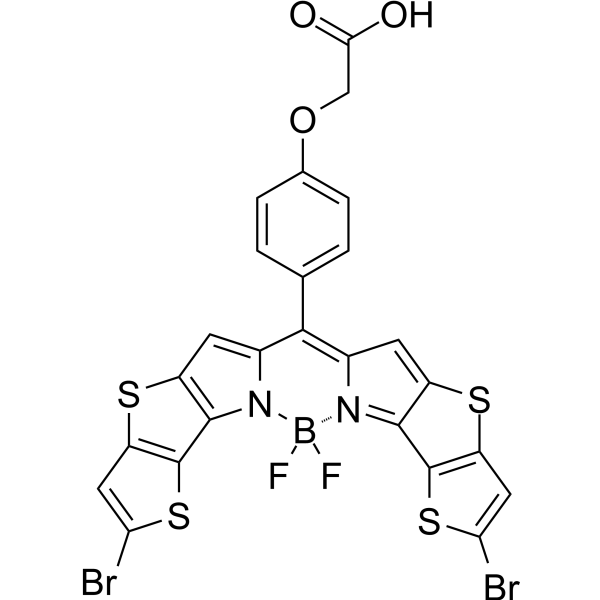
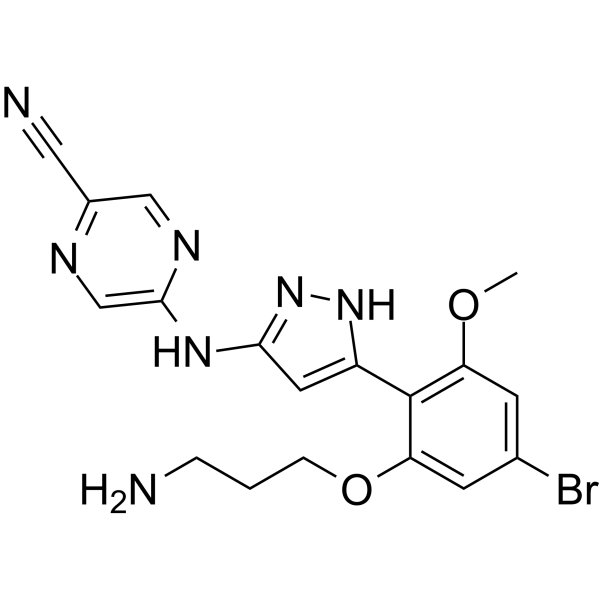
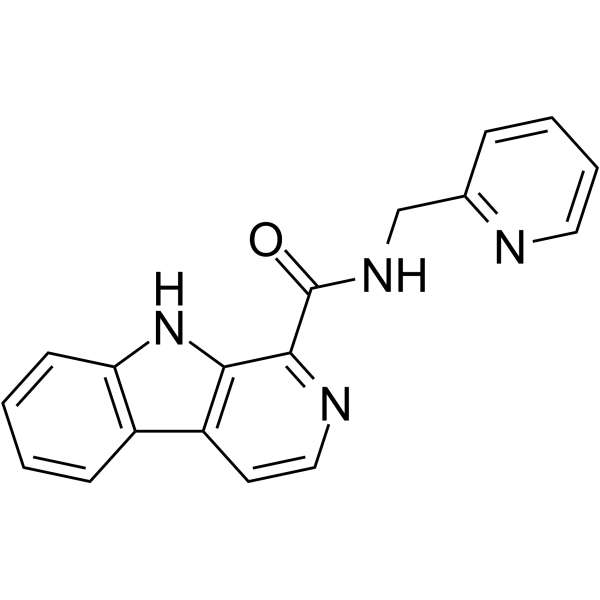
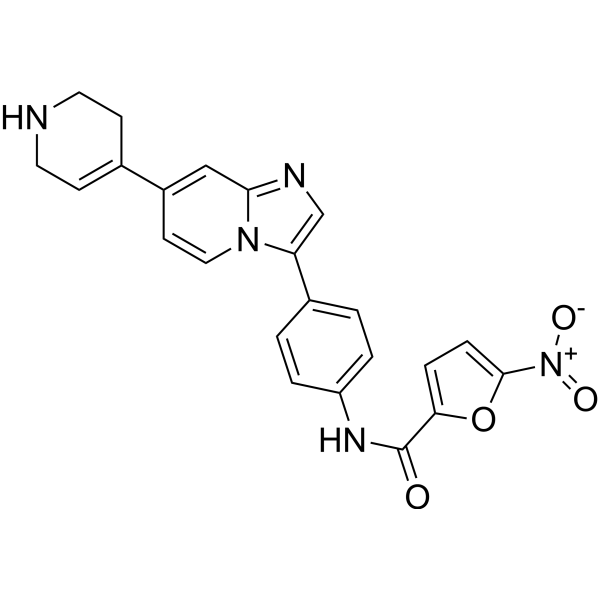
1. Search Result
Search Result
Results for "

xenograft+models

" in MedChemExpress (MCE) Product Catalog:

423

Inhibitors & Agonists

6

Fluorescent Dyes

1

Biochemical Assay Reagents

10

Peptides

39

Inhibitory Antibodies

8

Natural
Products

1

Isotope-Labeled Compounds

7

Click Chemistry

2

Oligonucleotides

1

GMP Molecules

Cat. No. Product Name Target Research Areas Chemical Structure
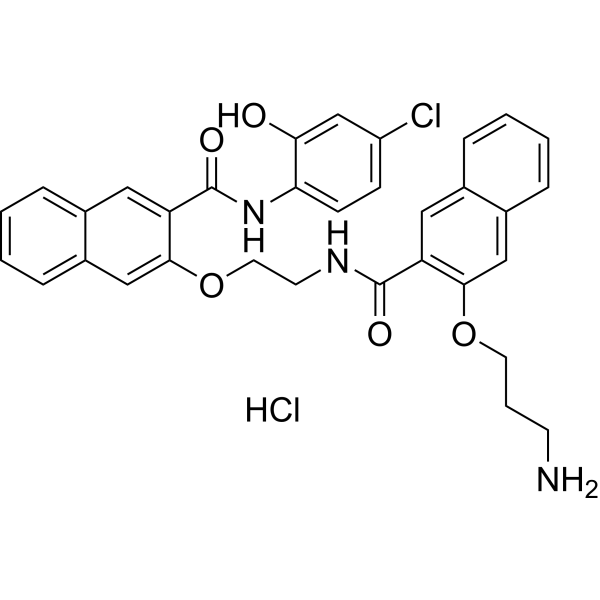
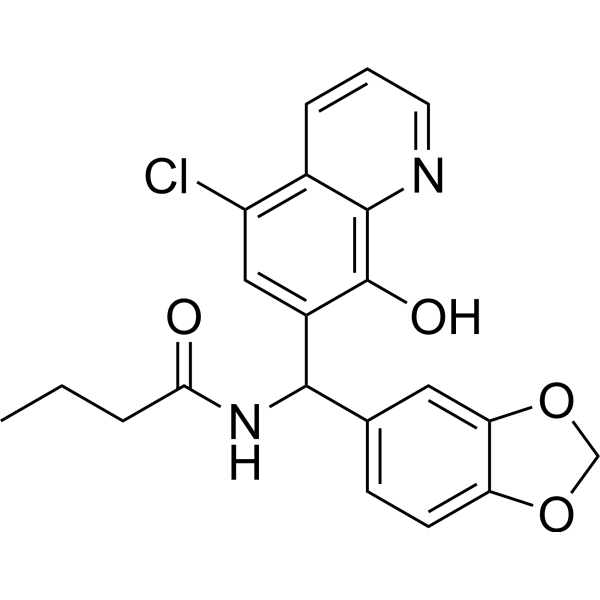
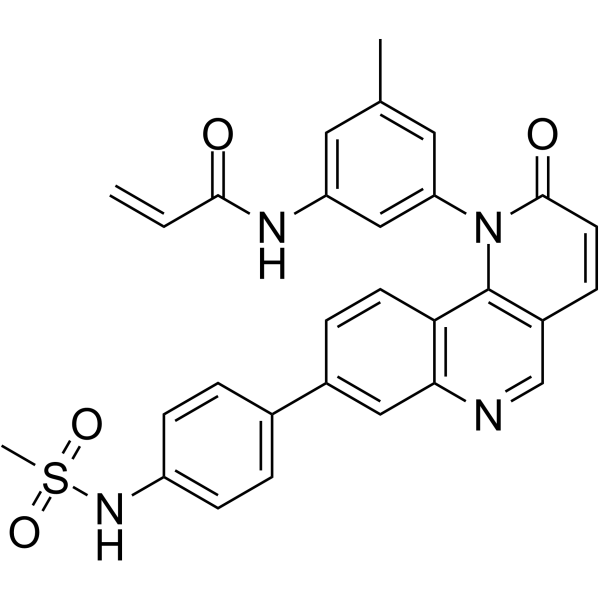
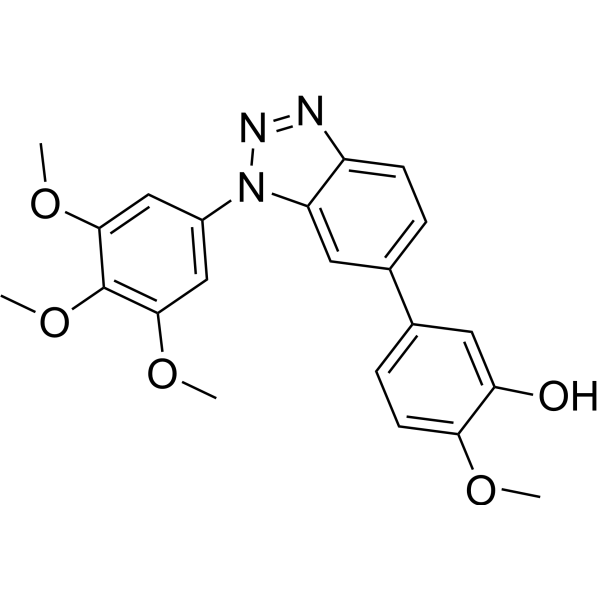
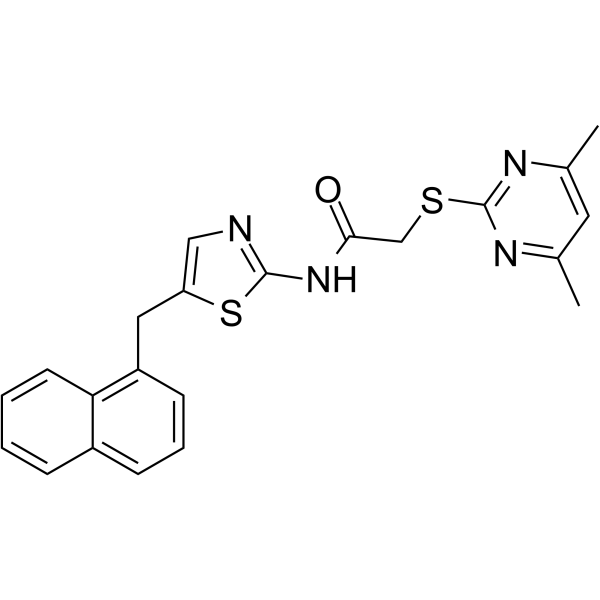
  • HY-101120
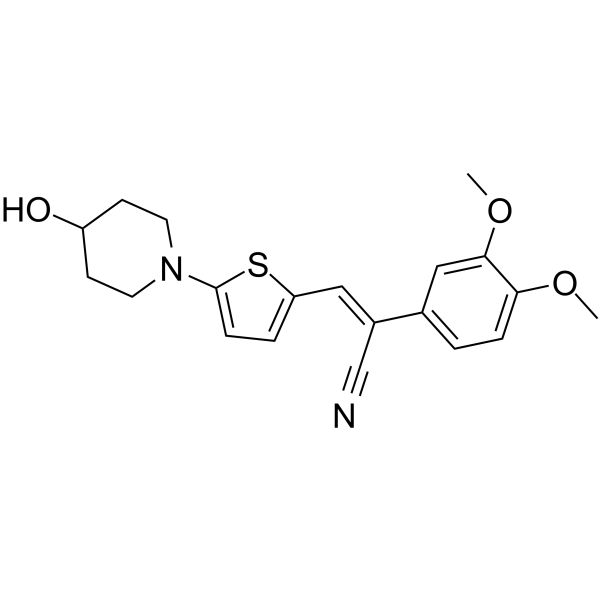
    666-15
    Maximum Cited Publications
    58 Publications Verification

    Epigenetic Reader Domain Cancer
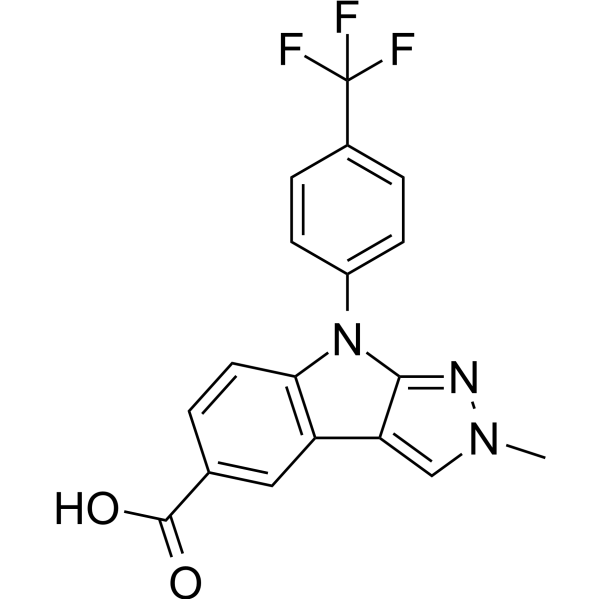
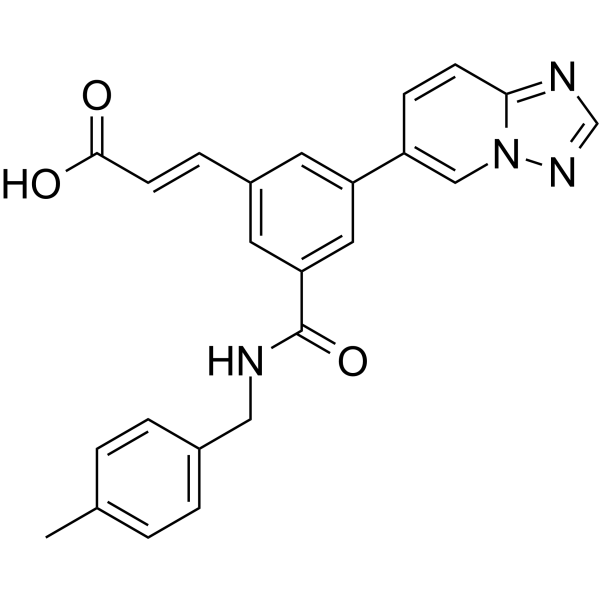
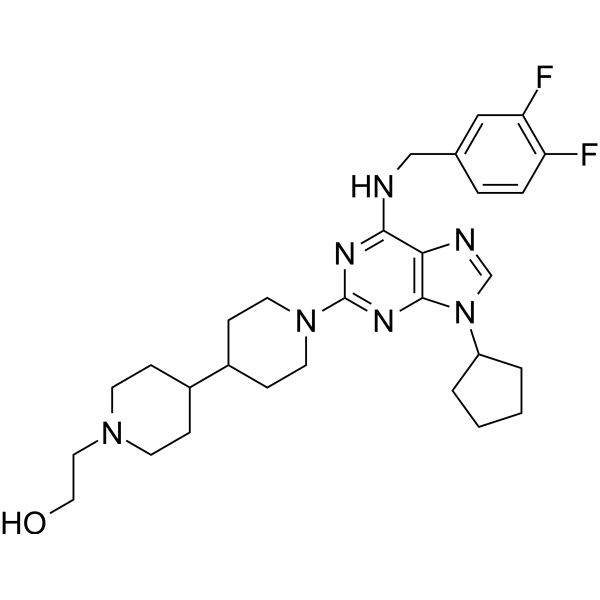
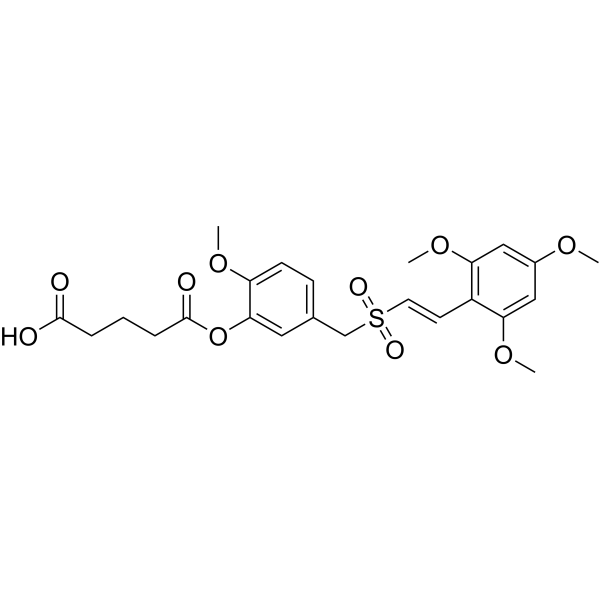
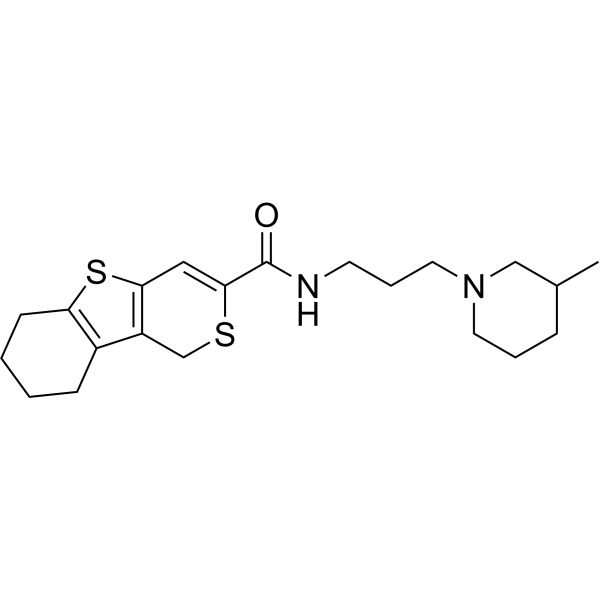
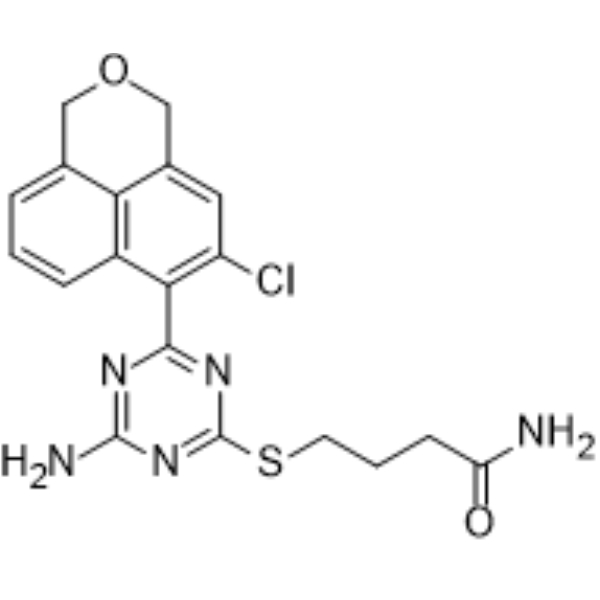
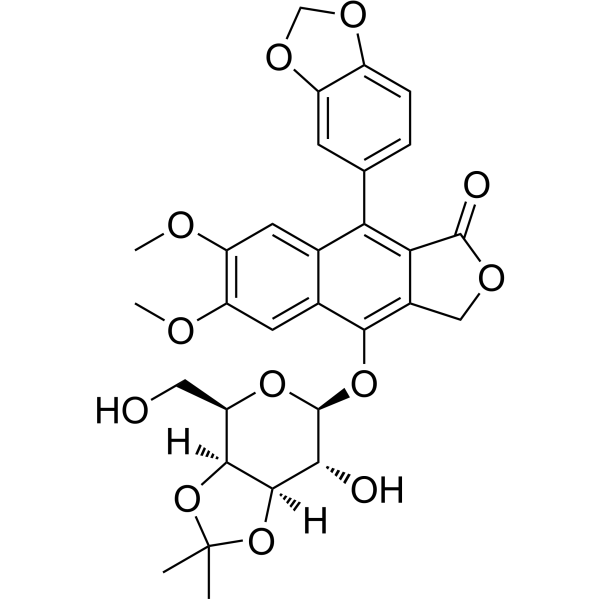
    666-15 is a potent and selective CREB inhibitor with an IC50 of 81 nM. 666-15 suppresses tumor growth in a breast cancer xenograft model .

    666-15
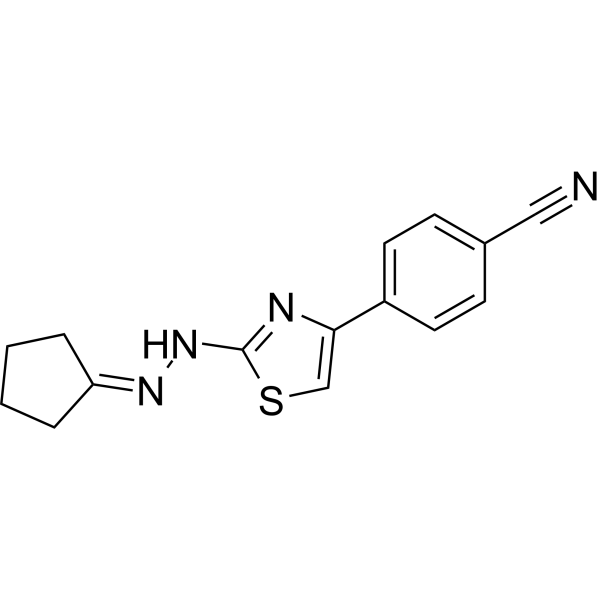
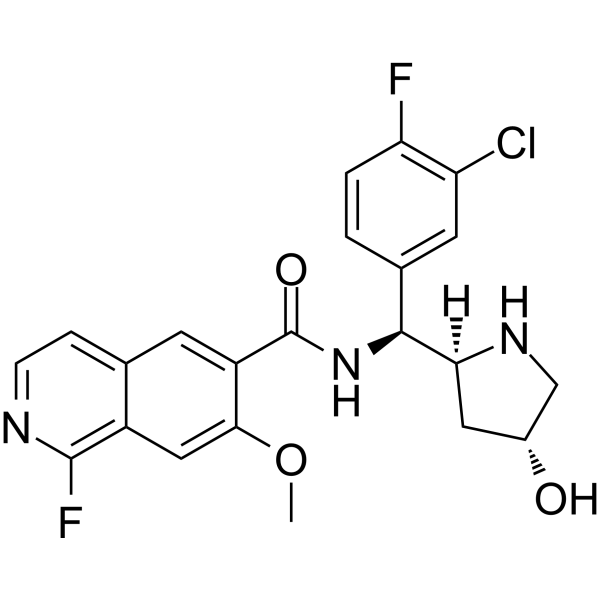
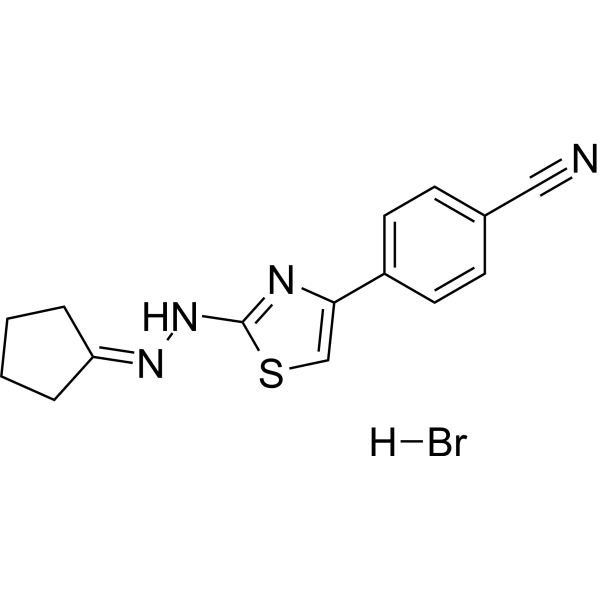
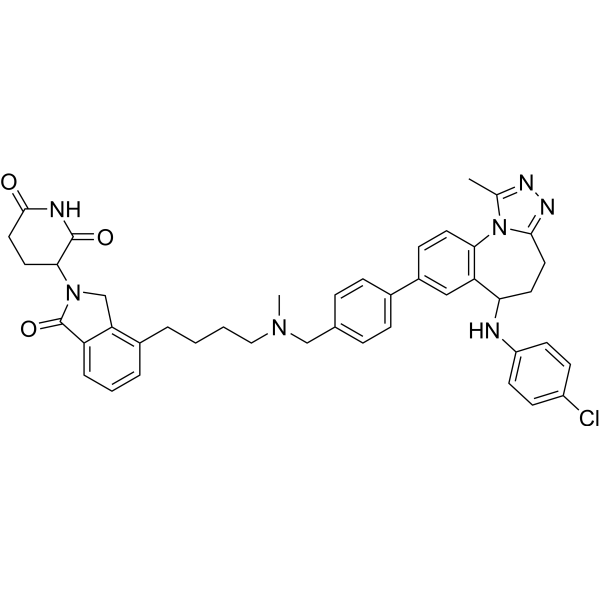
  • HY-16706
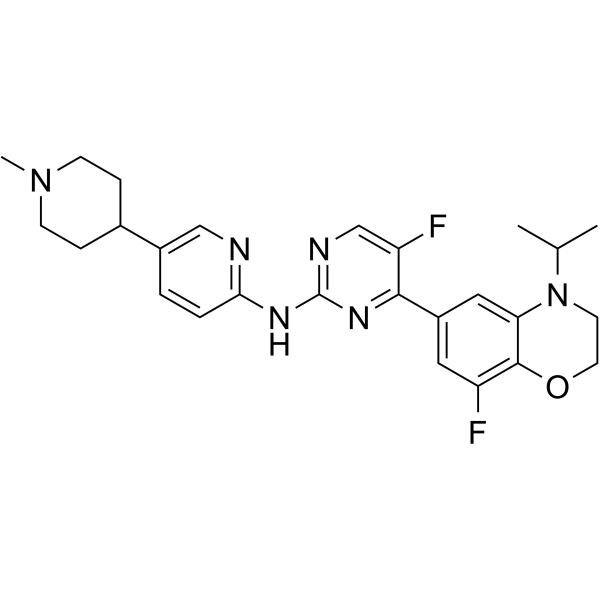
    Remodelin
    15+ Cited Publications

    Histone Acetyltransferase Cancer
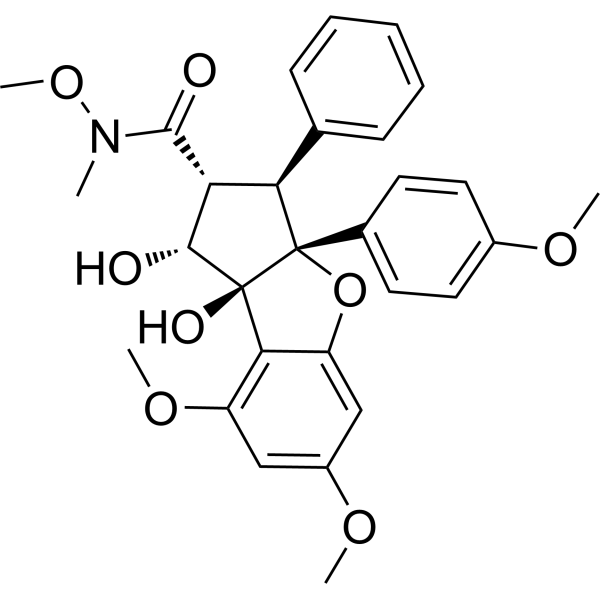
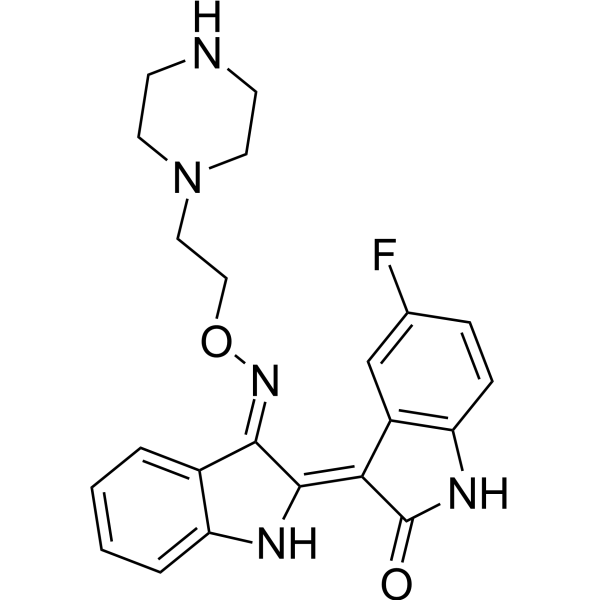
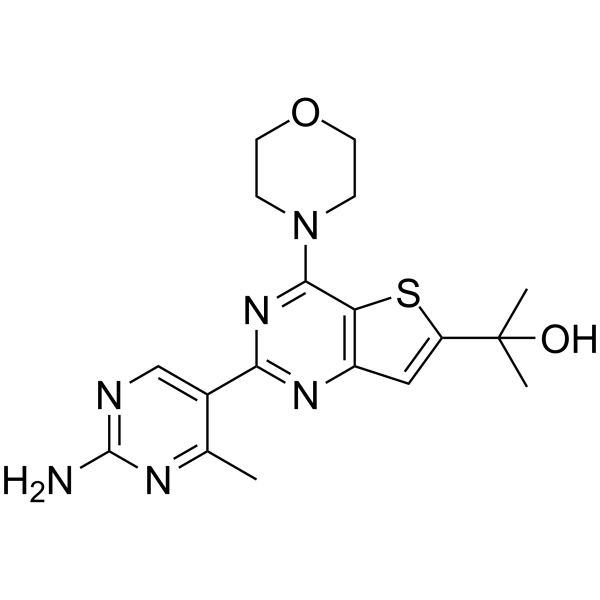
    Remodelin is an orally active and selective inhibitor of acetyltransferase NAT10. Remodelin inhibits NAT10 activitity and slows DNA replication and suppresses growth of prostate cancer cells. Remodelin inhibits the growth of prostate cancer and hepatocellular carcinoma in xenograft model. Remodelin enhances the healthspan in hutchinson-gilford progeria syndrome (HGPS) mouse model .
    Remodelin
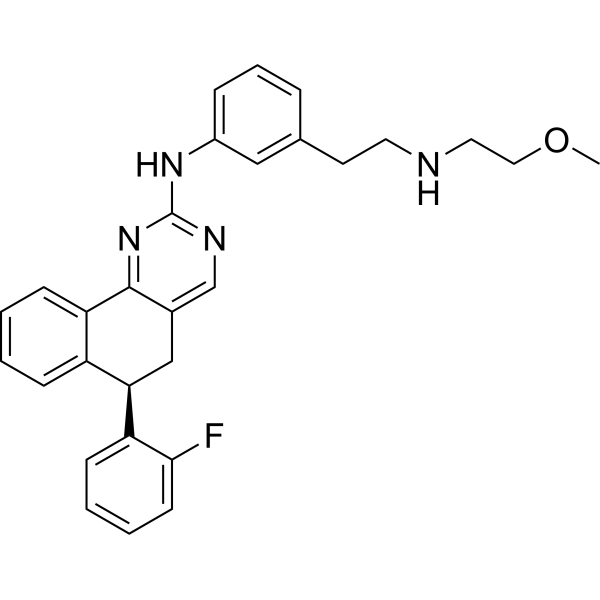
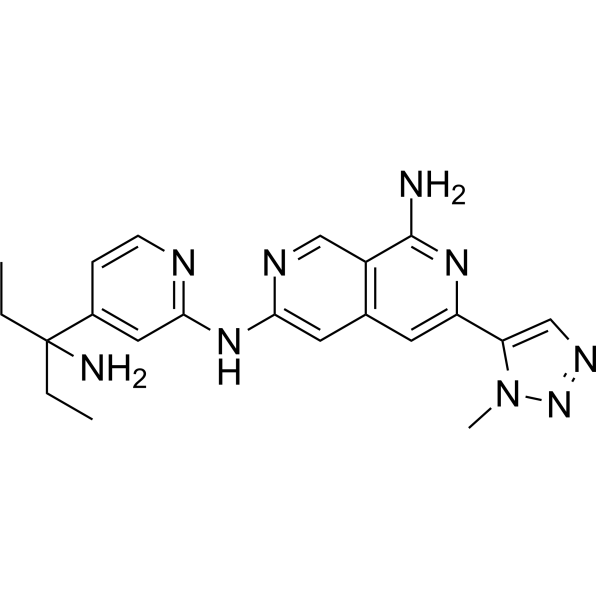
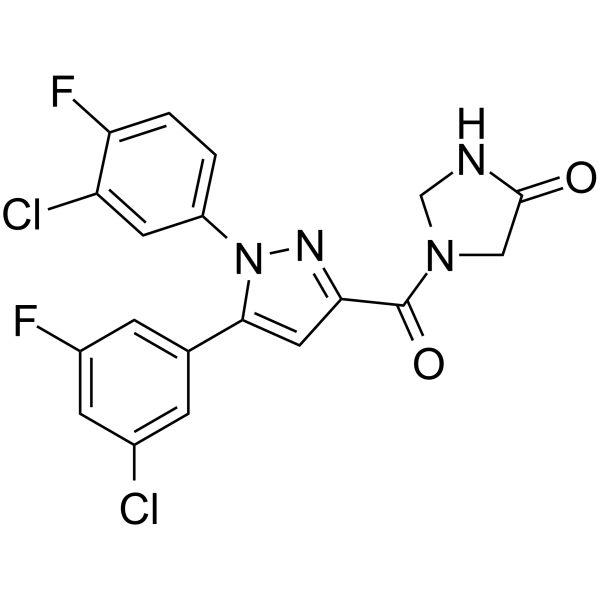
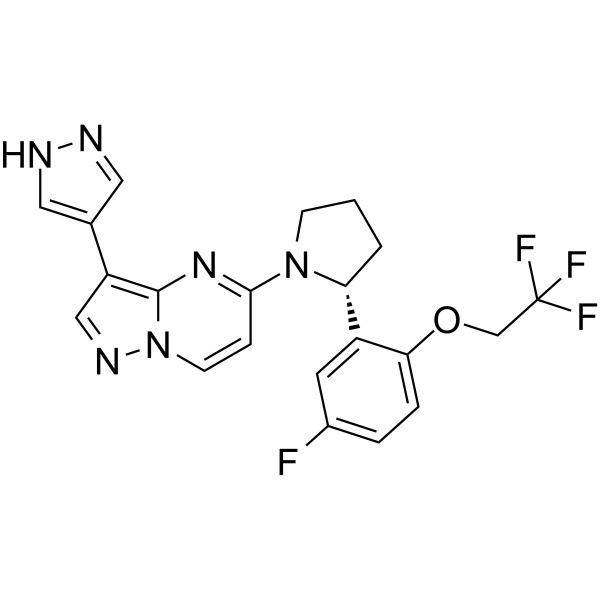
  • HY-173637

    Ras Cancer
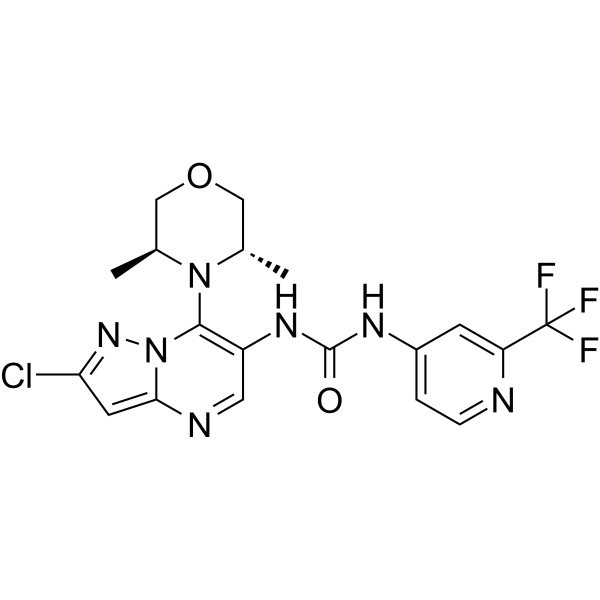
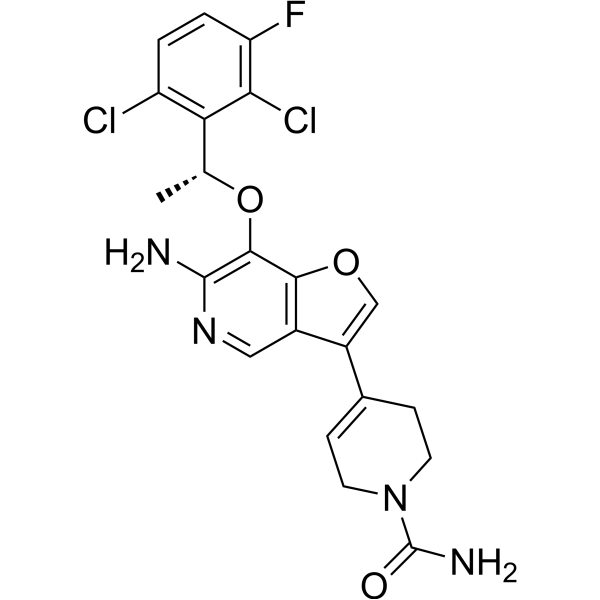
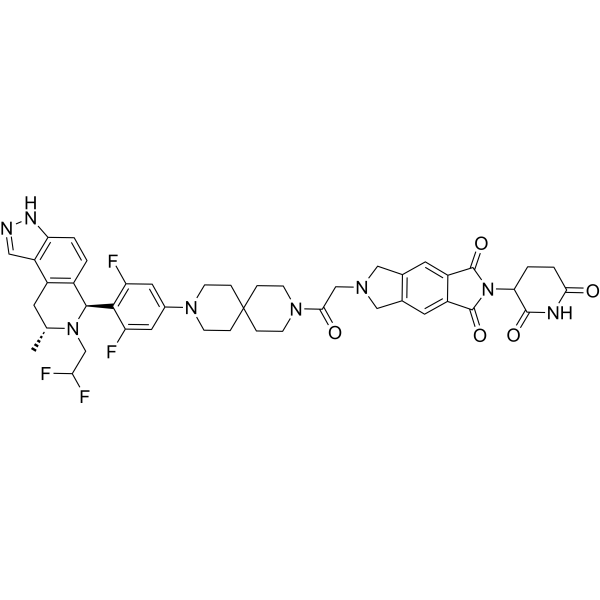
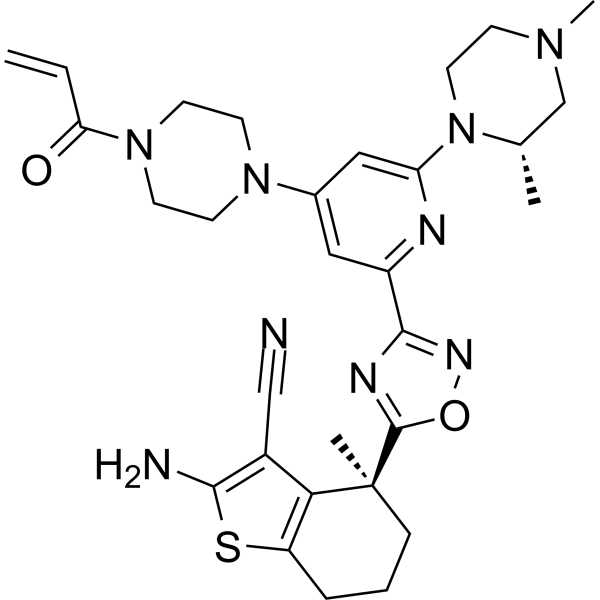
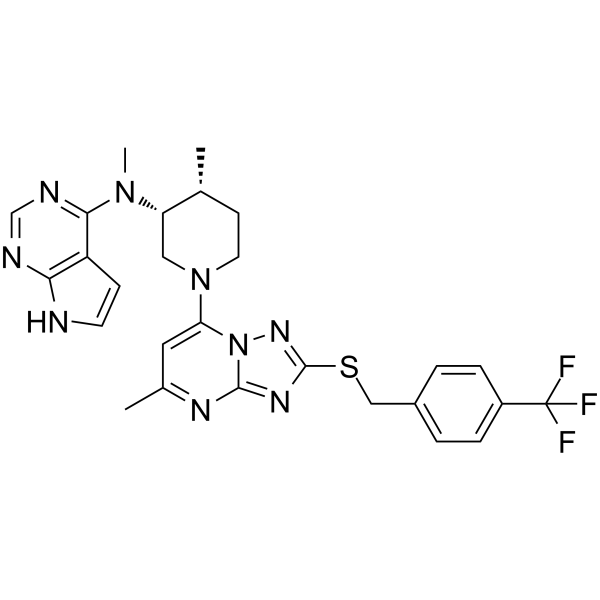
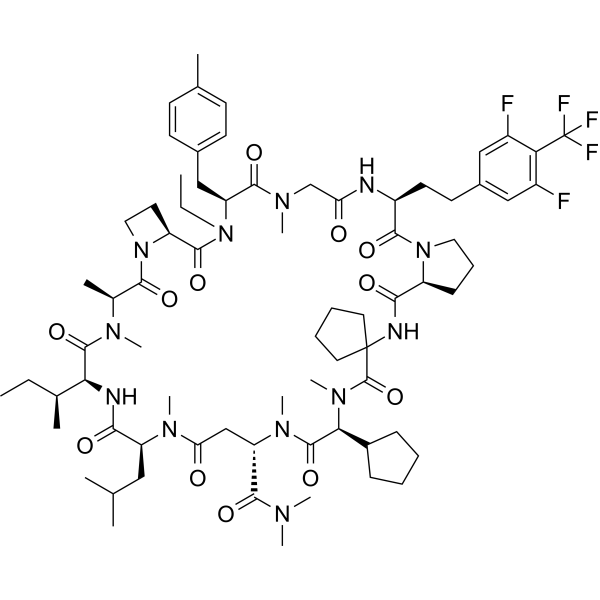
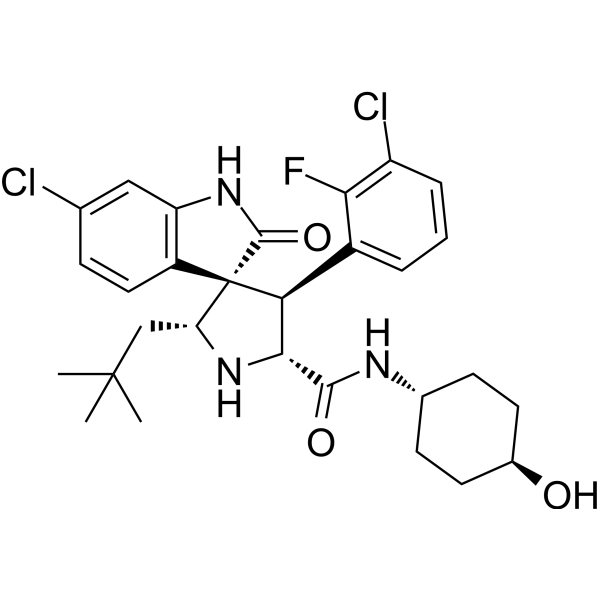
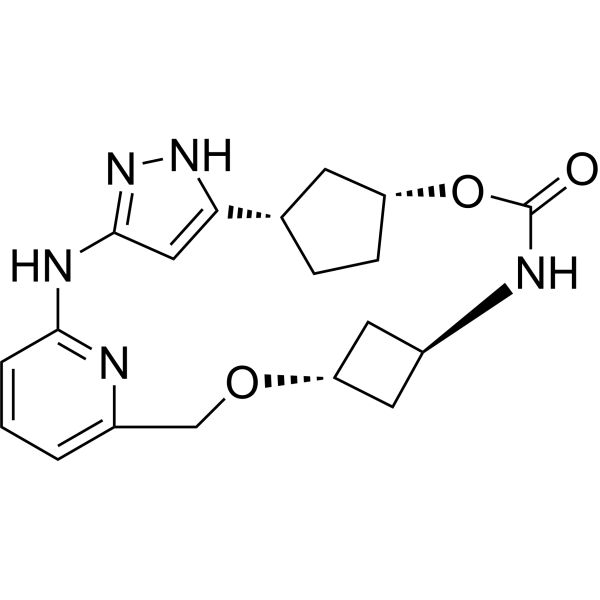
    AZD0022 is a selective and orally active KRAS G12D inhibitor. AZD0022 inhibits KRAS pathway suppression in the GP2D xenograft model .
    AZD0022
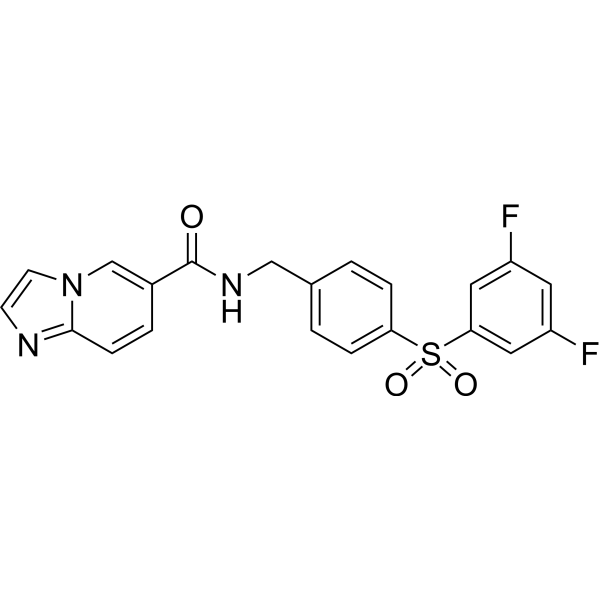
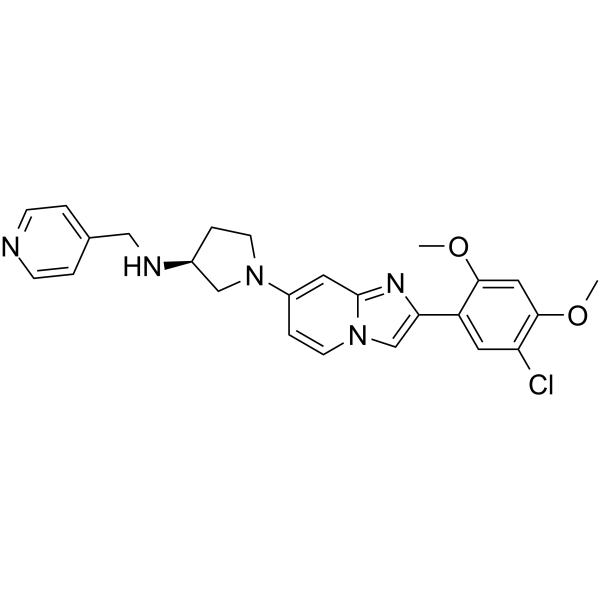
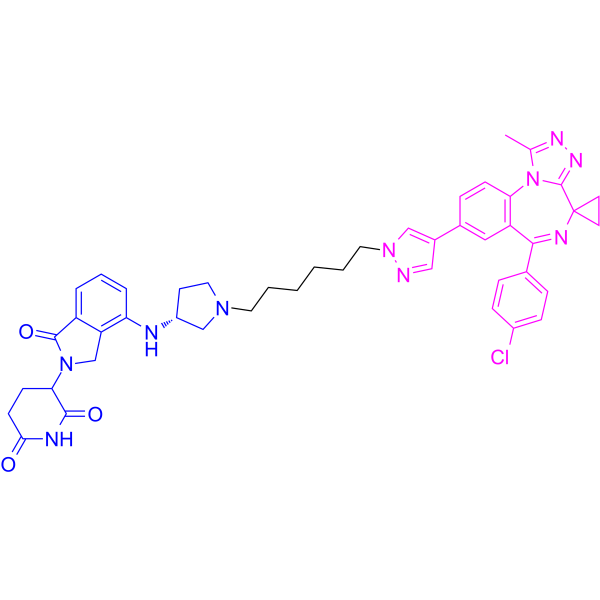
  • HY-19981
    Derazantinib
    3 Publications Verification

    ARQ-087

    FGFR Cancer
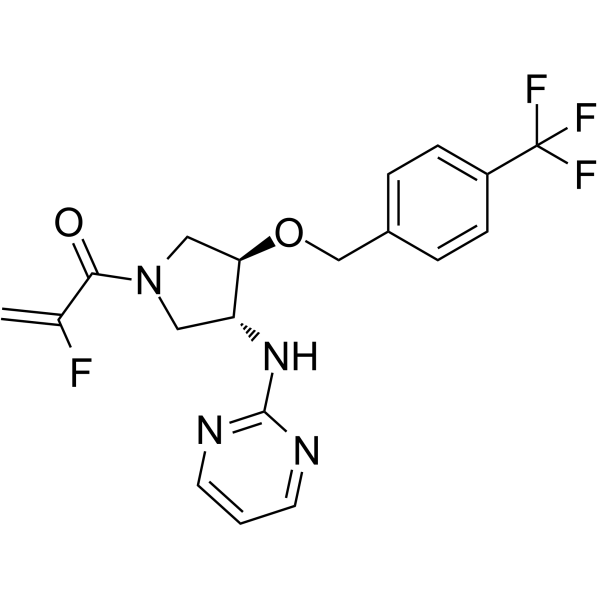
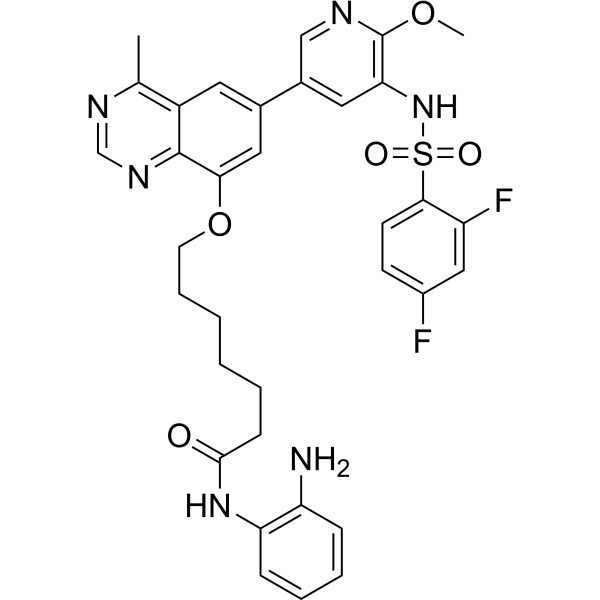
    Derazantinib (ARQ-087) is an ATP competitive and orally activeFGFR inhibitor (IC50s: 1.8 nM for FGFR2, 4.5 nM for FGFR1 and 3 nM). Derazantinib inhibits FGFR phosphorylation. Derazantinib inhibits tumor growth in multiple xenograft models .
    Derazantinib
  • HY-P99849

    ABT-806

    EGFR Cancer
    Depatuxizumab is a brain-penetrant and humanized tumor-specific anti EGFR monoclonal antibody. Depatuxizumab inhibits the growth of xenograft models of mutant EGFRvIII and wild-type EGFR. Depatuxizumab can be used for research on cancer .
    Depatuxizumab
  • HY-15766
    GNE-617
    5+ Cited Publications

    NAMPT Metabolic Disease Cancer
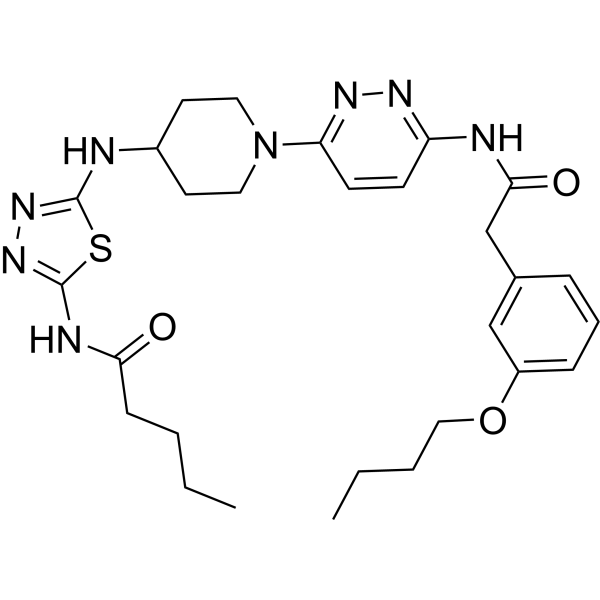
    GNE-617 is a specific NAMPT inhibitor that inhibits the biochemical activity of NAMPT with an IC50 of 5 nM and exhibits efficacy in xenograft models of cancer.
    GNE-617
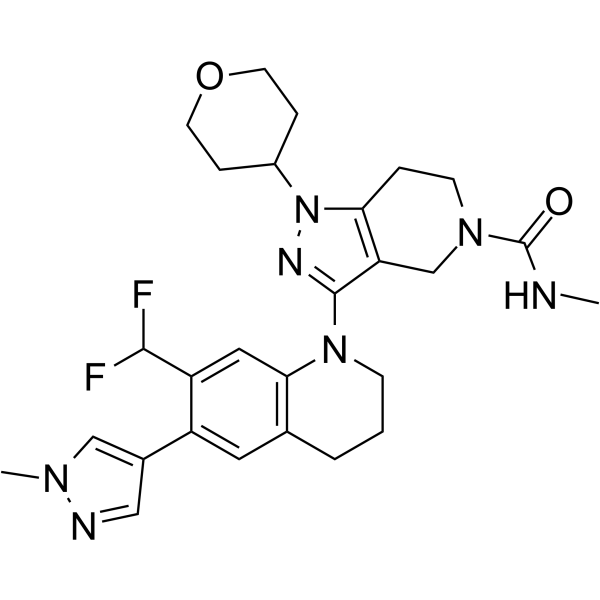
  • HY-161952

    JAB-3312

    SHP2 Cancer
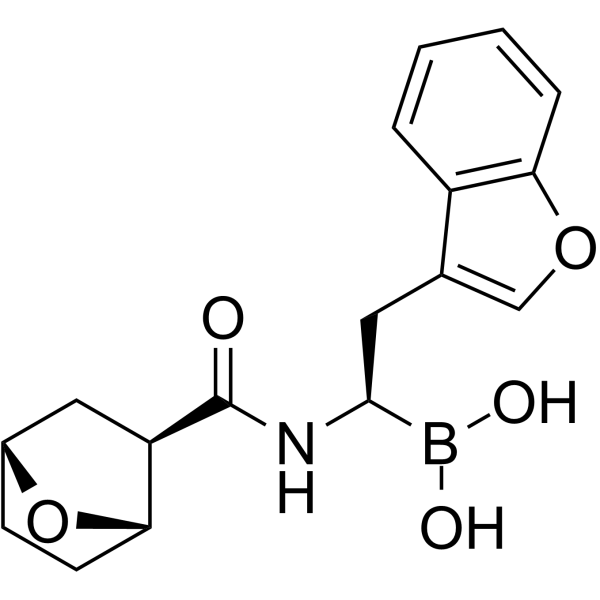
    Sitneprotafib (JAB-3312) is an orally effective anticancer phosphatase SHP2 inhibitor (IC50: 1.9 nM) with anti-cancer activity. Sitneprotafib has good tolerability and significantly induced tumor regression in a KYSE-520 mouse xenograft model .
    Sitneprotafib
  • HY-138364
    YUM70
    3 Publications Verification

    HSP Apoptosis Cancer
    YUM70 is a potent and selective inhibitor of glucose-regulated protein 78 (GRP78), with an IC50 of 1.5 μM for inhibiting GRP78 ATPase activity of the full-length protein. YUM70 induces endoplasmic reticulum (ER) stress-mediated apoptosis in pancreatic cancer. YUM70 also has in vivo efficacy in a pancreatic cancer xenograft model .
    YUM70
  • HY-150072

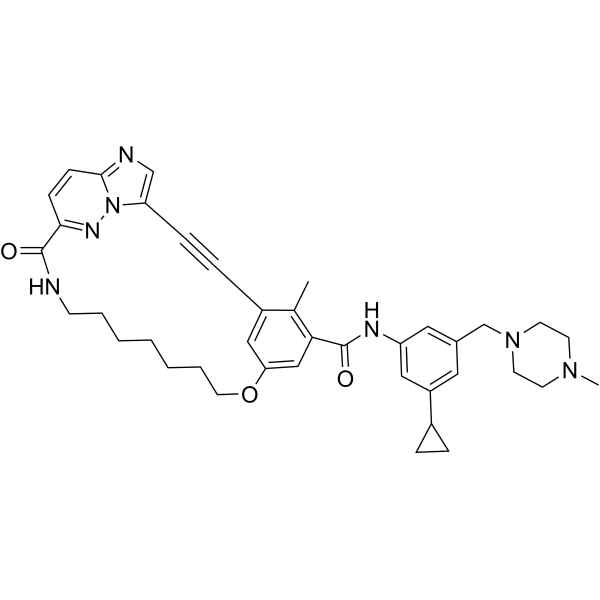
    PKA Cancer
    DS89002333 is an orally active and potent PRKACA inhibitor, with an IC50 of 0.3 nM. DS89002333 shows good anti-tumor activity in an FL-HCC patient-derived xenograft model (expressing the DNAJB1-PRKACA fusion gene). DS89002333 can be used in study of fibrolamellar hepatocellular carcinoma (FL-HCC) .
    DS89002333
  • HY-P991558

    RG-7356

    Transmembrane Glycoprotein Cancer
    RO-5429083 (RG-7356) is a humanized monoclonal antibody targeting CD44. RO-5429083 binds to the extracellular domain of CD44 and inhibits constitutive EGFR phosphorylation. RO-5429083 suppresses tumor growth in xenograft models and can be used in research related to head and neck squamous cell carcinoma and acute myeloid leukemia .
    RO-5429083
  • HY-156715

    MASTL Cancer
    MASTL-IN-1 is a selective and orally active MASTL inhibitor with a Ki <0.03 nM. MASTL-IN-1 inhibits phosphorylation of ENSA and inhibits proliferation in cancer cells. MASTL-IN-1 induces tumor growth inhibition and stasis in pancreatic cancer xenograft models .
    MASTL-IN-1
  • HY-P99237

    MMUC 1206A

    Mucin Cancer
    Sofituzumab (MMUC 1206A) is an anti-MUC16 antibody with a Kd of 0.3-0.9 nM. Sofituzumab can bind multiple adjacent antibody molecules to the repeat sequences of the same MUC16 molecule. Sofituzumab exhibits no anti-tumor activity in the HPAC pancreatic adenocarcinoma xenograft model .
    Sofituzumab
  • HY-122181
    OTS186935
    4 Publications Verification

    Histone Methyltransferase Cancer
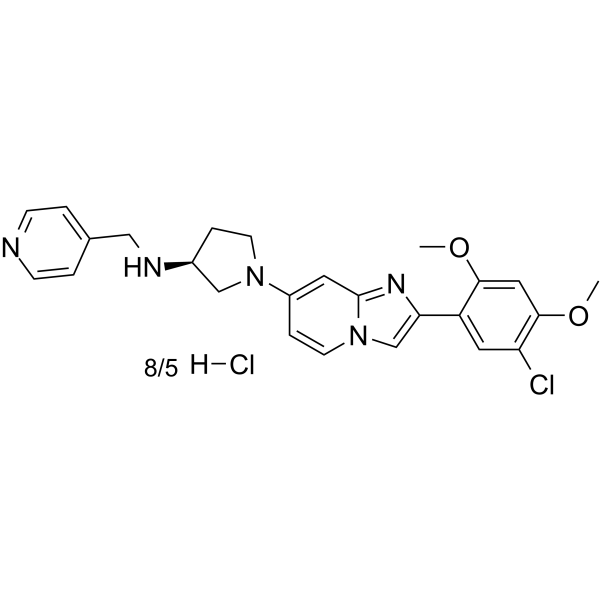
    OTS186935 is a potent protein methyltransferase SUV39H2 inhibitor with an IC50 of 6.49 nM. OTS186935 shows significant inhibition of tumor growth in mouse xenograft models without any detectable toxicity. OTS193320 regulates the production of γ-H2AX in cancer cells .
    OTS186935
  • HY-P99925

    REGN421

    Notch Metabolic Disease Cancer
    Enoticumab (REGN421, SAR153192) is an IgG1κ antibody targeting human Dll4. DLL4 is a ligand of the Notch signaling pathway and regulates fatty acid uptake through non-transcriptional regulation of macropinocytosis-dependent long-chain fatty acid uptake. Specific in vivo activity of Enoticumab in an ovarian xenograft model. EGN421 (2.5 mg/kg once weekly) resulted in 86% and 83% tumor growth inhibition in mouse subcutaneous TOV-112D or intraperitoneal A2780 human tumor xenograft models, respectively .
    Enoticumab
  • HY-148422
    Rohinitib
    1 Publications Verification

    Eukaryotic Initiation Factor (eIF) Apoptosis Cancer
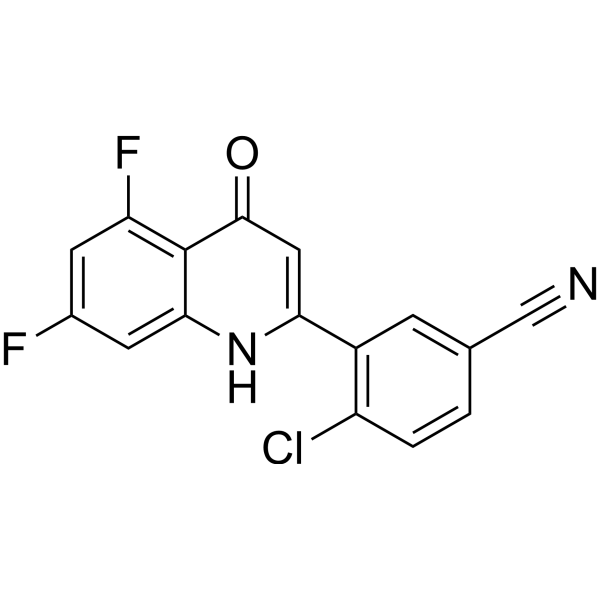
    Rohinitib is a potent and specific eIF4A inhibitor. Rohinitib induces cell apoptosis of acute myeloid leukemia (AML) cell lines and reduces the leukemia burden of AML xenograft model. Rohinitib can be used for the research of AML .
    Rohinitib
  • HY-P99320

    OMP 59R5; Anti-Human NOTCH2 Recombinant Antibody

    Notch Cancer
    Tarextumab (OMP-59R5) is a cross-reactive, fully human IgG2 antibody that selectively inhibits Notch2 and Notch3 signaling. Tarextumab demonstrates broad-spectrum antitumor efficacy in xenograft models of epithelial tumors. Tarextumab can be used for the study of pancreatic cancer .
    Tarextumab
  • HY-153364

    PPAR Cancer
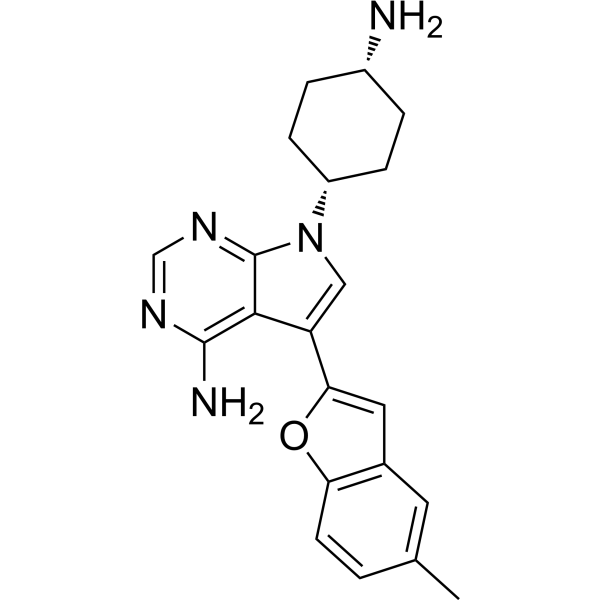
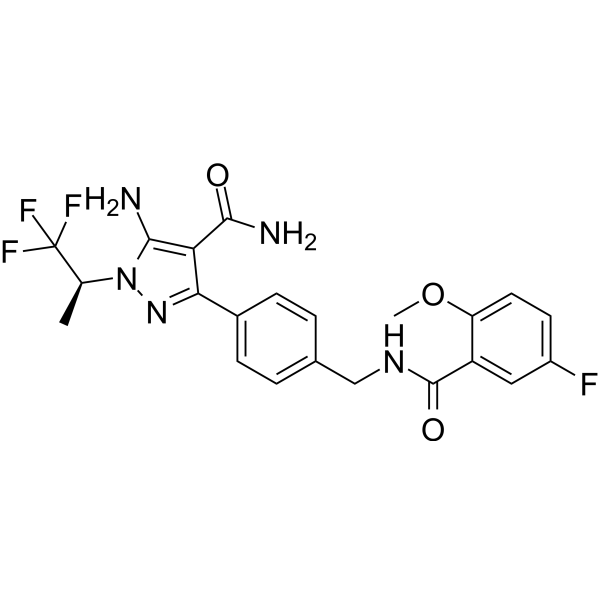
    FTX-6746 is an orally active PPARG inhibitor. FTX-6746 shows potent tumor inhibition in mouse xenograft models .
    FTX-6746
  • HY-147208

    YAP Cancer
    MSC-4106 is an orally active and potent inhibitor of YAP/TAZ-TEAD. MSC-4106 inhibits TEAD1 or TEAD3 auto-palmitoylation and shows inhibitory effect on NCI-H226 tumor xenograft model .
    MSC-4106
  • HY-117366

    PKC Cancer
    PS432 is a PKC inhibitor with IC50s of 16.9 μM (PKCι) and 18.5 μM (PKCζ), respectively. PS432 effectively inhibits the proliferation of non-small cell lung cancer cells (NSCLCs) and tumor growth in mouse xenograft models .
    PS432
  • HY-16405

    DNA Alkylator/Crosslinker Cancer
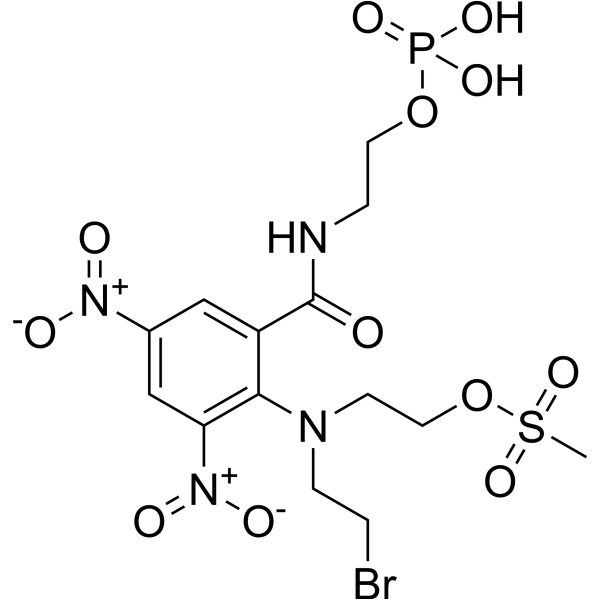
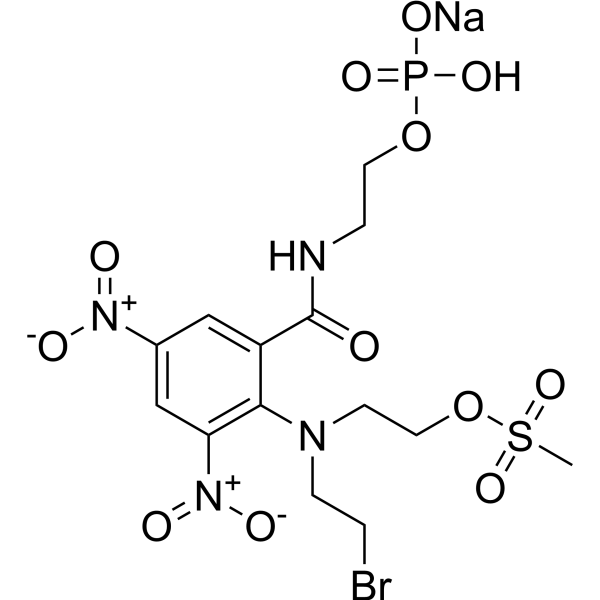
    PR-104 is a selective hypoxia-activated DNA cross-linking agent and can be used for the research of multiple tumor xenograft models. PR-104, as a nitrogen mustard pre-proagent, is converted efficiently to the more lipophilic dinitrobenzamide mustards alcohol PR-104A .
    PR-104
  • HY-122181B
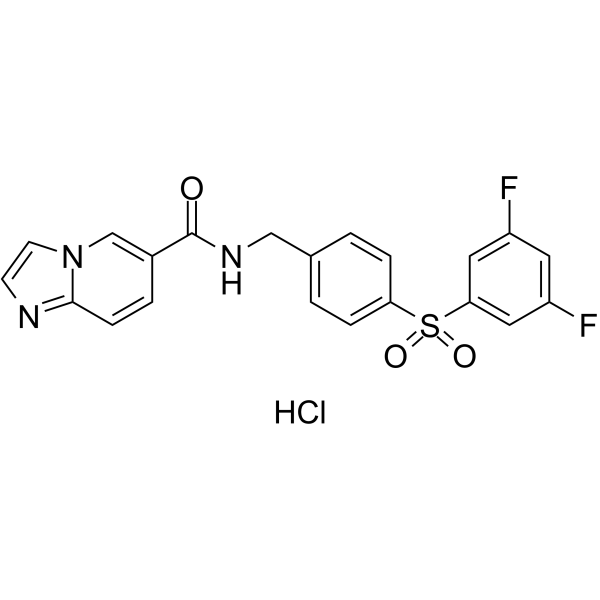
    OTS186935 hydrochloride
    4 Publications Verification

    Histone Methyltransferase Cancer
    OTS186935 hydrochloride is a potent protein methyltransferase SUV39H2 inhibitor with an IC50 of 6.49 nM. OTS186935 hydrochloride shows significant inhibition of tumor growth in mouse xenograft models without any detectable toxicity. OTS193320 hydrochloride regulates the production of γ-H2AX in cancer cells .
    OTS186935 hydrochloride
  • HY-169779

    p62 Cancer
    PTX80 is an antagonist of p62 with an IC50 value of 31.18 nM. PTX80 reduces tumor volume in an HCT116 colorectal cancer mouse xenograft model .
    PTX80
  • HY-147402A

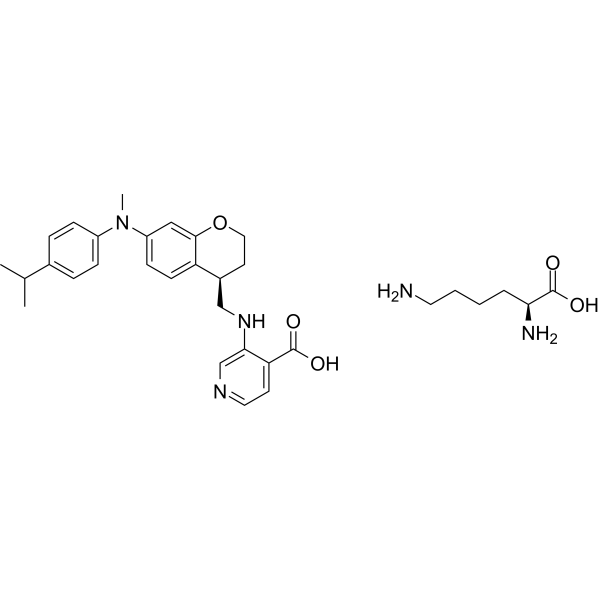
    D-0502 meglumine

    Estrogen Receptor/ERR Cancer
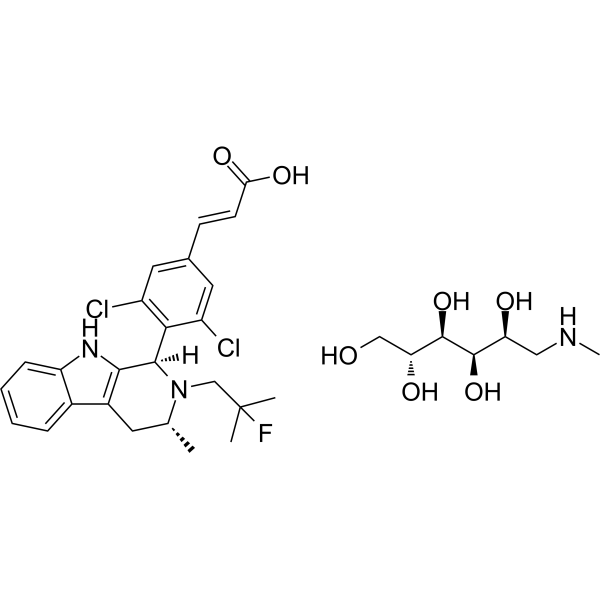
    Taragarestrant (D-0502) meglumine is a potent, orally active and selective estrogen receptor degrader (SERD). Taragarestrant meglumine shows potent activity in various ER+ breast cancer cell lines and xenograft models .
    Taragarestrant meglumine
  • HY-131446
    Chk1-IN-5
    1 Publications Verification

    Checkpoint Kinase (Chk) Cancer
    Chk1-IN-5 is a potent checkpoint kinase 1 (Chk1) inhibitor. Chk1-IN-5 inhibits Chk1 phosphorylation and inhibits tumor growth in colon cancer xenograft model .
    Chk1-IN-5
  • HY-163133

    PIKfyve Cancer
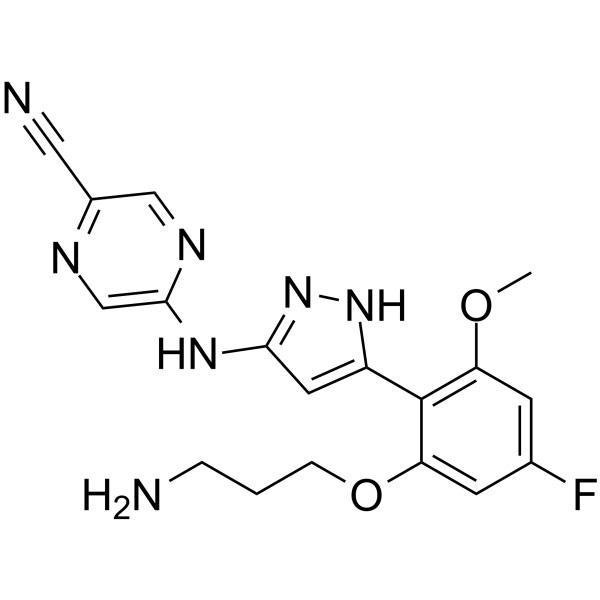
    PIKfyve-IN-3 (compound L22) has a remarkable interaction with PIKfyve kinase with a Kd value of 0.47 nM. PIKfyve-IN-3 has oral activity. PIKfyve-IN-3 inhibits tumor growth in a HeLa xenograft model .
    PIKfyve-IN-3
  • HY-163743

    Salt-inducible Kinase (SIK) Cancer
    SIC-19 is a SIK2 inhibitor and promotes SIK2 protein degradation via the ubiquitination pathway. SIC-19 inhibits cancer cell growth and sensitizes cells to PARP inhibitors (Such as Olaparib (HY-10162)), as well as in ovarian cancer organoids and xenograft models .
    SIC-19
  • HY-118911

    ATM/ATR Cancer
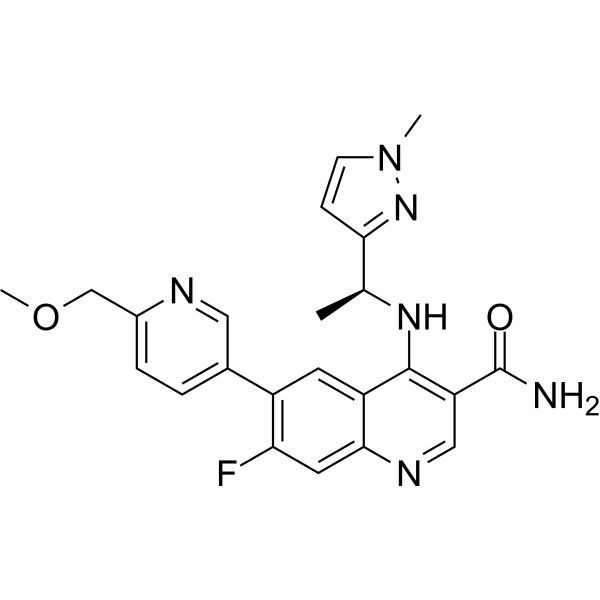
    ATM Inhibitor-10 (compound 74), a 3-quinoline carboxamide, is a highly selective and orally active ATM inhibitor (IC50: 0.6 nM). ATM Inhibitor-10 has anti-tumor activity in SW620 xenograft models. ATM Inhibitor-10 is synergistic with Top I inhibitors .
    ATM Inhibitor-10
  • HY-126248

    PARP Wnt Cancer
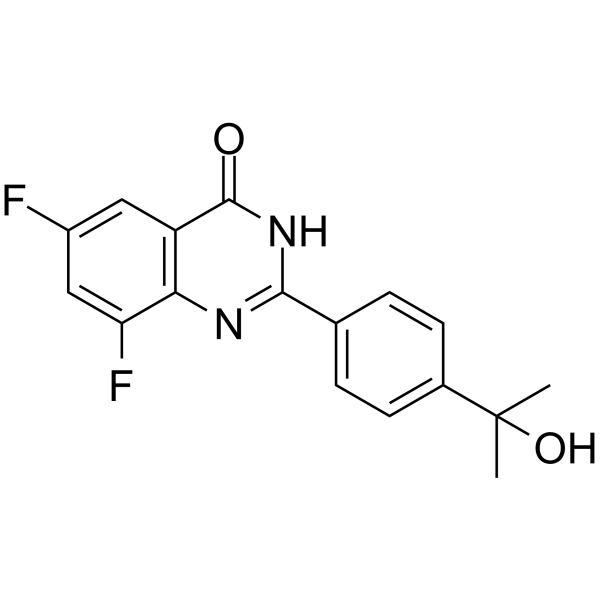
    Tankyrase-IN-2 (compound 5k) is a potent, selective, and orally active tankyrase inhibitor (IC50s of 10, 7, and 710 nM for TNKS1, TNKS2 as well as PARP1, respectively). Tankyrase-IN-2 has favorable physicochemical profile and pharmacokinetic properties modulating Wnt pathway activity in a colorectal xenograft model .
    Tankyrase-IN-2
  • HY-139852

    Phosphatase Cancer
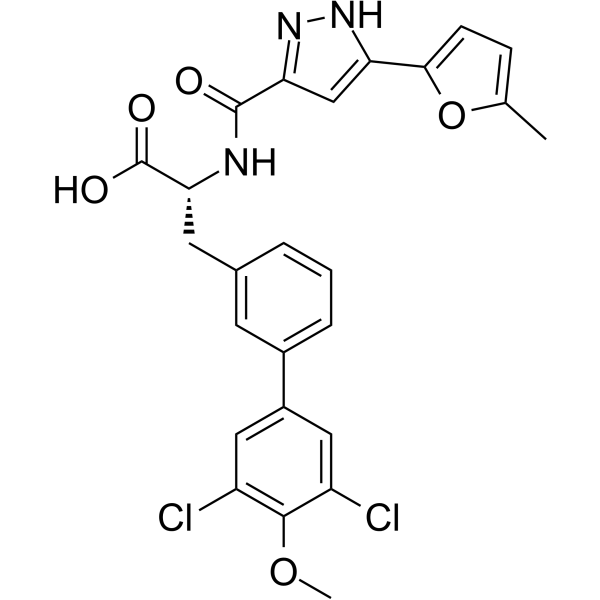
    PLAP-IN-1 is a selective PLAP inhibitor with an IC50 of 0.032 μM. PLAP-IN-1 acts as a tumor-targeting agent; its fluorescein-conjugated derivative specifically binds to PLAP-positive tumor cells in vitro and targets cervical cancer in mouse xenograft models. PLAP-IN-1 can be used in the research of cervical cancer and ovarian cancer .
    PLAP-IN-1
  • HY-168950

    Annexin A Cancer
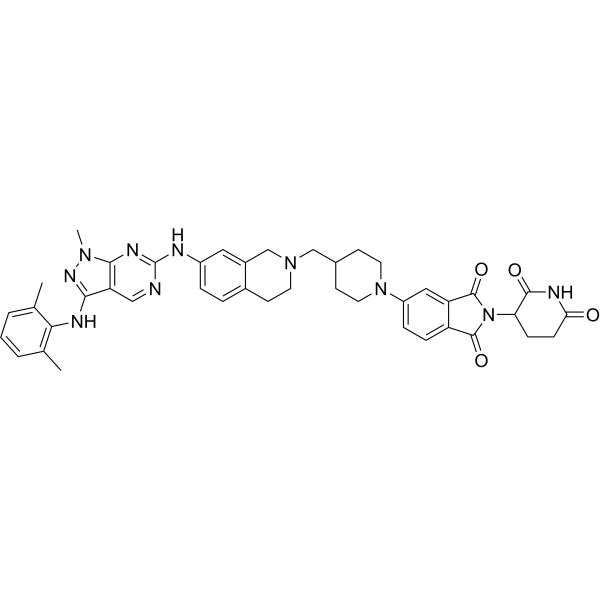
    ANXA3 degrader 1 (Compound 18a5) is a highly selective ANXA3 degrader with cancer cell inhibition activity. ANXA3 degrader 1 displays excellent inhibitory effect in a triple-negative breast cancer (TNBC) tumor xenograft model (TGI=96%) .
    ANXA3 degrader 1
  • HY-176508

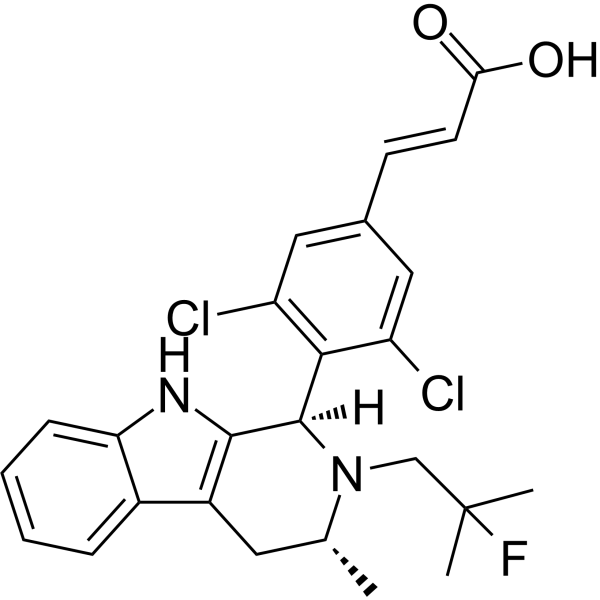
    Casein Kinase Cancer
    KDX1381 is a bivalent CK2α inhibitor (IC50: 17 nM, KD: 54 nM). KDX1381 has antitumor activity in mouse 786-O and A375 tumor xenograft models. KDX1381 combined with VEGFR inhibitors or DNA damaging agents enhances antitumor efficacy in mouse hepatocellular carcinoma and glioma models .
    KDX1381
  • HY-15766A
    GNE-617 hydrochloride
    5+ Cited Publications

    NAMPT Cancer
    GNE-617 hydrochloride is a specific NAMPT inhibitor that inhibits the biochemical activity of NAMPT with an IC50 of 5 nM and exhibits efficacy in xenograft models of cancer.
    GNE-617 hydrochloride
  • HY-147402

    D-0502

    Estrogen Receptor/ERR Cancer
    Taragarestrant (D-0502) is a potent, orally active and selective estrogen receptor degrader (SERD). Taragarestrant shows potent activity in various ER+ breast cancer cell lines and xenograft models .
    Taragarestrant
  • HY-173637A

    Ras Cancer
    (S)-AZD0022 is an isomer of AZD0022, AZD0022 is a selective and orally active KRAS G12D inhibitor. AZD0022 inhibits KRAS pathway suppression in the GP2D xenograft model .
    (S)-AZD0022
  • HY-123952

    TRC-382

    EGFR Cancer
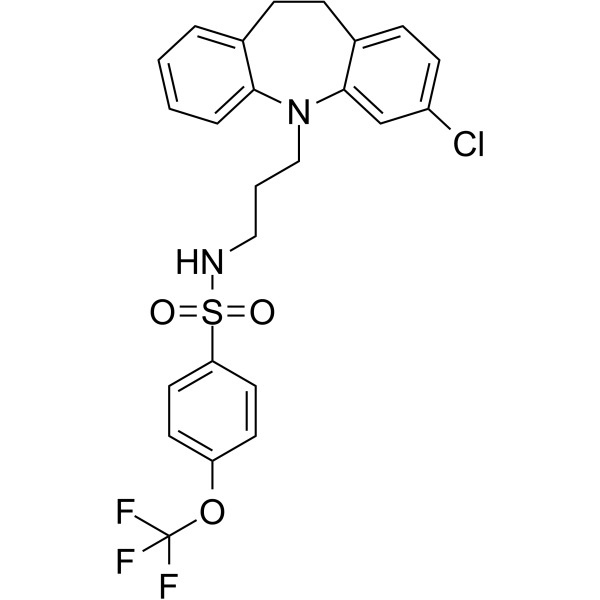
    RTC-5 (TRC-382) is an optimized phenothiazine with anti-cancer potency. RTC-5 demonstrates efficacy against a xenograft model of an EGFR driven cancer, its effects is attributed to concomitant negative regulation of PI3K-AKT and RAS-ERK signaling .
    RTC-5
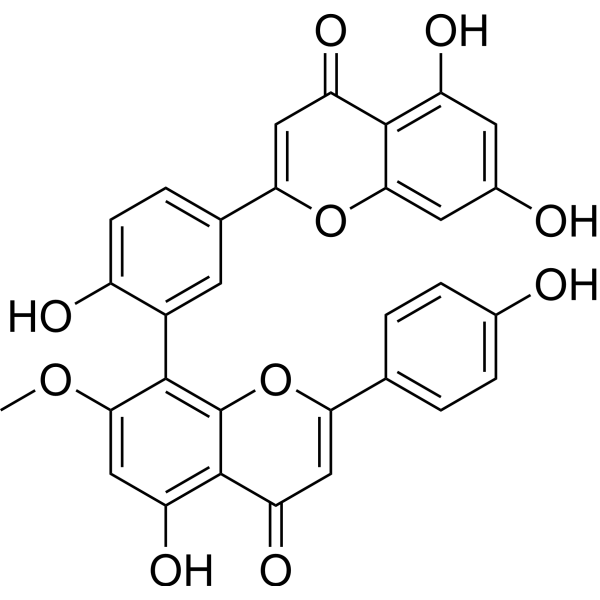
  • HY-N6237

    Aminotransferases (Transaminases) Apoptosis Cancer
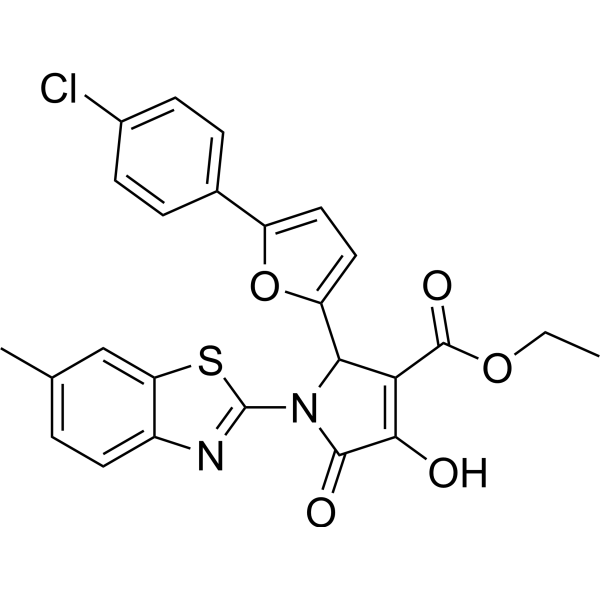
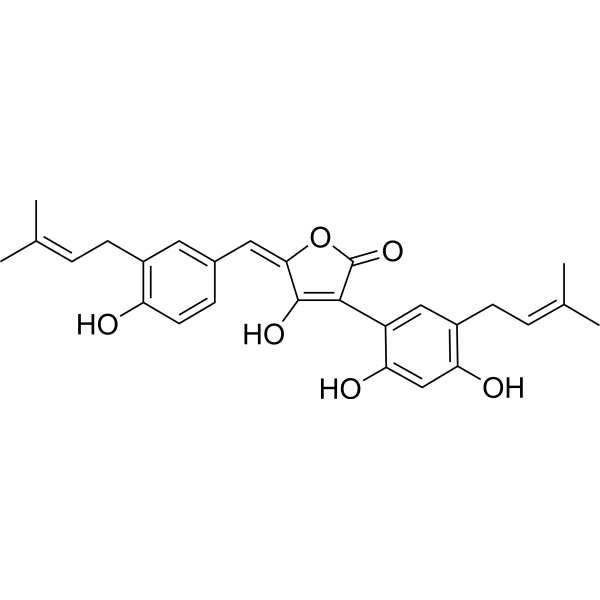
    Aspulvinone O is a selective inhibitor of glutamate oxaloacetate aminotransferase GOT1. Aspulvinone O inhibits glutamine metabolism and reduces NADPH production, thereby inducing oxidative stress and apoptosis in pancreatic ductal adenocarcinoma (PDAC) cells. Aspulvinone O inhibits PDAC cell proliferation in vitro and tumor growth in xenograft models .
    Aspulvinone O
  • HY-122650

    Autophagy Cancer
    PHY34 is an inhibitor that inhibits ATP6V0A2 and CAS thereby inhibiting autophagy, and has a nanomolar effect. PHY34 inhibits cancer cell growth by inducing apoptosis and inhibits tumor growth in xenograft models. PHY34 can be used for research on high grade serous ovarian cancer .
    PHY34
  • HY-153834

    DNA/RNA Synthesis Cancer
    GTI-2040, a 20-mer phosphorothioate oligonucleotide, was designed to hybridize to the mRNA sequence of human ribonucleotide reductase R2. GTI-2040 has been shown to inhibit human cancer cell proliferation by downregulation of R2 expression in vitro and to significantly inhibit tumor growth in xenograft models of human cancer in mice.
    GTI 2040
  • HY-175260

    Estrogen Receptor/ERR Cancer
    ZN-c5 is a selective and orally active estrogen receptor degrader. ZN-c5 exhibits high potency in the cellular assay (MCF-7, IC50 = 0.3 nM) and binds with high affinity to ERα and ERβ (IC50 = 0.4 nM and 0.8 nM, respectively). ZN-c5 inhibits tumor growth in MCF-7 mouse xenograft model and WHIM20 xenograft model. ZN-c5 can be used for the study of breast cancer .
    ZN-c5
  • HY-15766R

    NAMPT Metabolic Disease Cancer
    GNE-617 (Standard) is the analytical standard of GNE-617. This product is intended for research and analytical applications. GNE-617 is a specific NAMPT inhibitor that inhibits the biochemical activity of NAMPT with an IC50 of 5 nM and exhibits efficacy in xenograft models of cancer.
    GNE-617 (Standard)
  • HY-135217

    Apoptosis Cancer
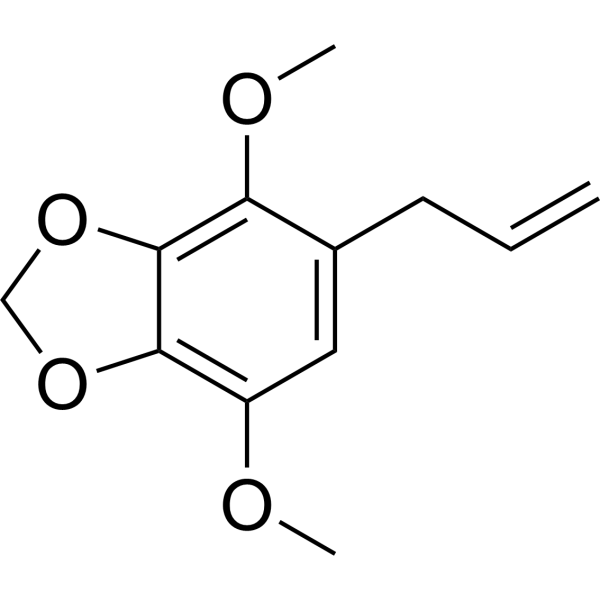
    Apiole is an anti-tumor agent that induces apoptosis and inhibits human colon cancer cells by inducing G0/G1 cell cycle arrest. Apiole also significantly inhibited colon tumor development in an in vivo mouse xenograft model .
    Apiole
  • HY-131902

    MALT1 Cancer
    MLT-231 is a potent, highly selective allosteric MALT1 Inhibitor with an IC50 of 9 nM. MLT-231 specifically prevents endogenous BCL10 cleavage with IC50 of 160 nM. MLT-231 shows antitumor activity in an ABC-DLBCL type xenograft model in mouse .
    MLT-231
  • HY-152207

    Glutaminase Apoptosis Cancer
    LWG-301 is an allosteric inhibitor of Glutaminase 1 (GLS1) with an IC50 value of 7 nM. LWG-301 significantly block glutamine metabolism, increases intracellular ROS, thus induces apoptosis. LWG-301 exhibits moderate antitumor effects in HCT116 xenograft model .
    LWG-301
  • HY-111170

    Microtubule/Tubulin Cancer
    STA-9584 is a potent vascular disrupting agent (VDA) that targets tubulin. STA-9584 exhibits potent antitumor activity in mouse xenograft model by selectively targeting microvasculature at both the center and periphery of tumors. STA-9584 can be used for research in prostate and breast cancer .
    STA-9584
  • HY-120569

    Apoptosis Cancer
    NC-001 is a selective apoptosis inducer targeting renal proximal tubular cells and renal cancer cells. NC-001 inhibits tumor growth in clear cell renal cell carcinoma (CCRCC) xenograft models. NC-001 is promising for research of metastatic renal cell carcinoma .
    NC-001
  • HY-103439

    Tyrosine Hydroxylase EGFR Cancer
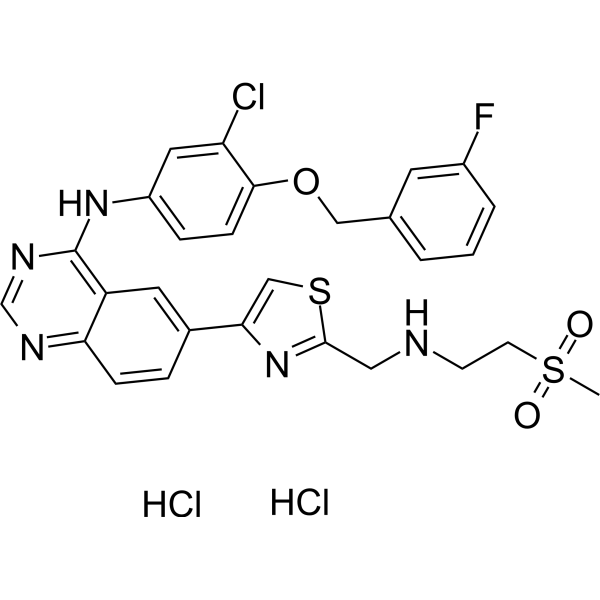
    GW 583340 dihydrochloride is an orally active ErbB-2/EGFR tyrosine kinase inhibitor. GW 583340 dihydrochloride exhibits antitumor activity in xenograft models with EGFR overexpression or ErbB-2 overexpression. GW 583340 dihydrochloride is applicable to research related to head and neck cancer, breast cancer, and gastric cancer .
    GW583340 dihydrochloride
  • HY-155502

    Aldose Reductase Cancer
    AKR1C3-IN-10 (compound 5r) is a selective AKR1C3 inhibitor (IC50=51 nM). AKR1C3-IN-10 shows good activity in a prostate cancer xenograft model .
    AKR1C3-IN-10
  • HY-P991618

    Transmembrane Glycoprotein Cancer
    ST2485 is a monoclonal antitenascin antibody. ST2485 shows additivity in tenascin C binding in vitro as well as in a xenograft model. ST2485 binds human tenascin at an epitope partially shared with BC2. ST2485 cross-reacts with murine tenascin. ST2485 can be studied in antitumor research .
    ST2485
  • HY-12797

    Microtubule/Tubulin Mitosis Cancer
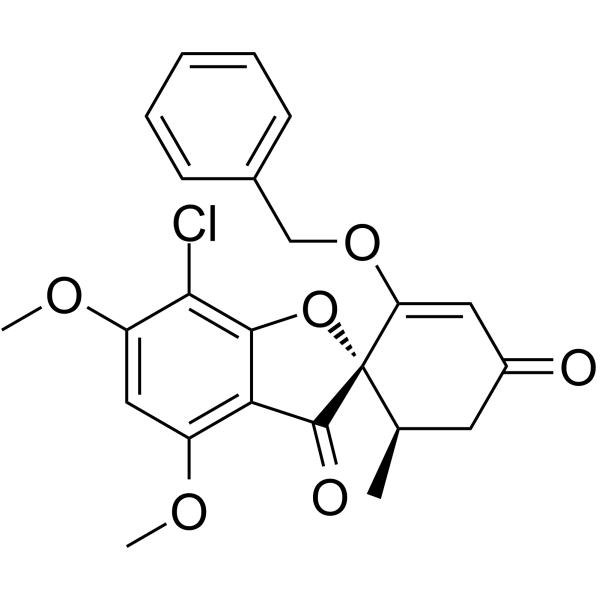
    GF 15 is an inhibitor of centrosomal clustering during cell mitosis, with an EC50 value of 900 nM for inducing multipolar spindles. GF 15 is a derivative of griseofulvin that inhibits tubulin polymerization at concentrations above 25 μM. GF 15 inhibits tumor growth and significantly prolongs survival in mouse xenograft models of human colon cancer and multiple myeloma .
    GF 15
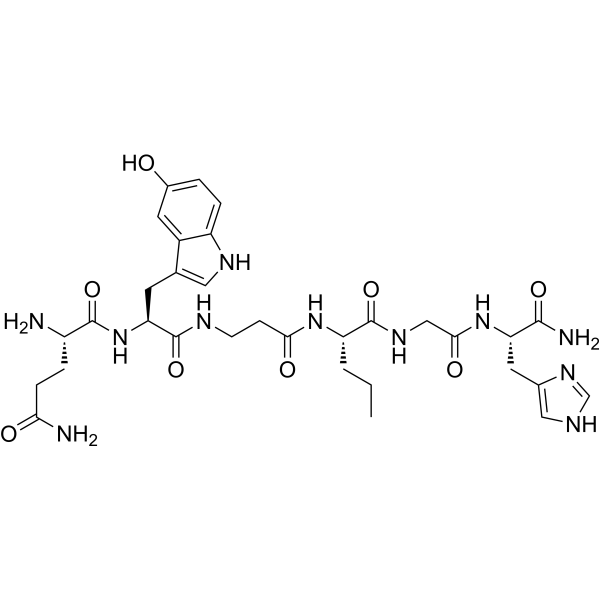
  • HY-149297

    PSMA Cancer
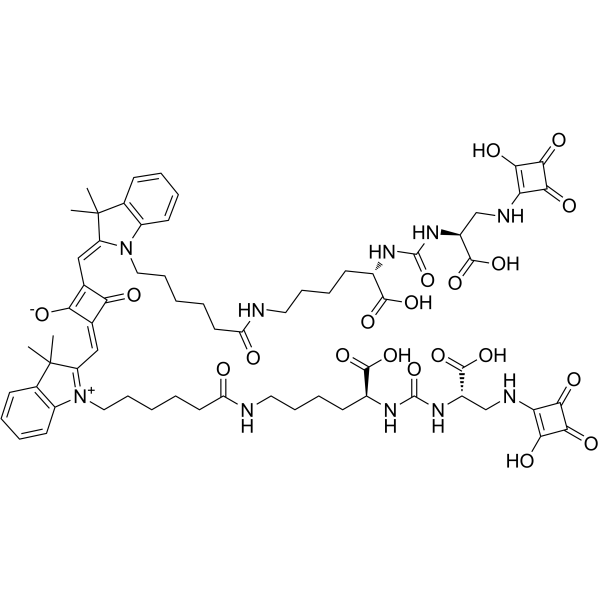
    PSMA-IN-1 (compound 23) is an inhibitor of PSMA with a Ki value of 2.49 nM. PSMA-IN-1 inhibits tumor growth with high selectivity and specificity in PSMA+ xenograft models. PSMA-IN-1 is a NIR probe (λEX: 620 nm; λEM: 670 nm) used for tumor disappearance. PSMA-IN-1 can be used for research on prostate cancer .
    PSMA-IN-1

Inquiry Online

Your information is safe with us. * Required Fields.

Salutation


Country or Region *

Applicant Name *


Organization Name *

Department *


Email Address *


Product Name *

Cat. No.


Requested quantity *

Phone Number *


Remarks

Inquiry Online

Inquiry Information

Product Name:
Cat. No.:
Quantity:
MCE Japan Authorized Agent: