



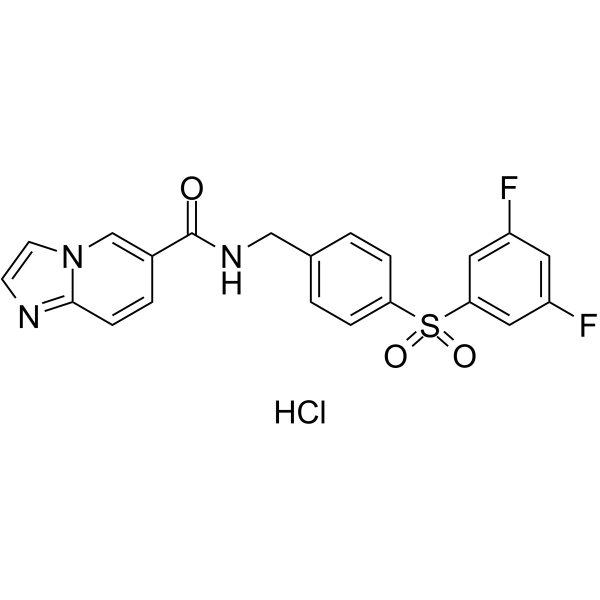
GNE-617 hydrochloride
Based on 7 publication(s) in Google Scholar
GNE-617 hydrochloride is a specific NAMPT inhibitor that inhibits the biochemical activity of NAMPT with an IC50 of 5 nM and exhibits efficacy in xenograft models of cancer.
For research use only. We do not sell to patients.
- Purity : 99.16%
- CAS No.: 2070014-99-0
- Formula: C21H16ClF2N3O3S
- Molecular Weight:463.88
-
Storage:
4°C, sealed storage, away from moisture
* In solvent : -80°C, 6 months; -20°C, 1 month (sealed storage, away from moisture)

To place orders, for customer services and technical support, please contact: MedChemExpress USA
Tel: 609-228-6898 E-mail: [email protected] [email protected]


-
 Biological Activity
-
Chemical Information
-
Solvent & Solubility
- Protocols
- Purity & Documentation
- References
-
 Help & FAQs


-
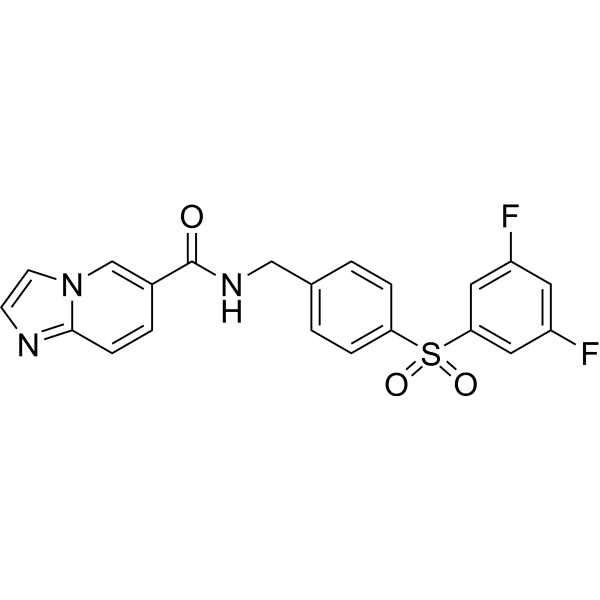
HY-15766
GNE-617NAMPT Inhibitor -
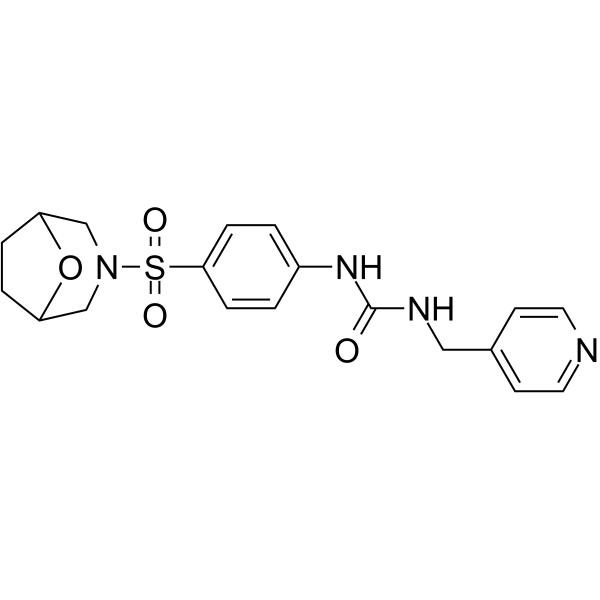
HY-126255
SBI-797812NAMPT Activator -
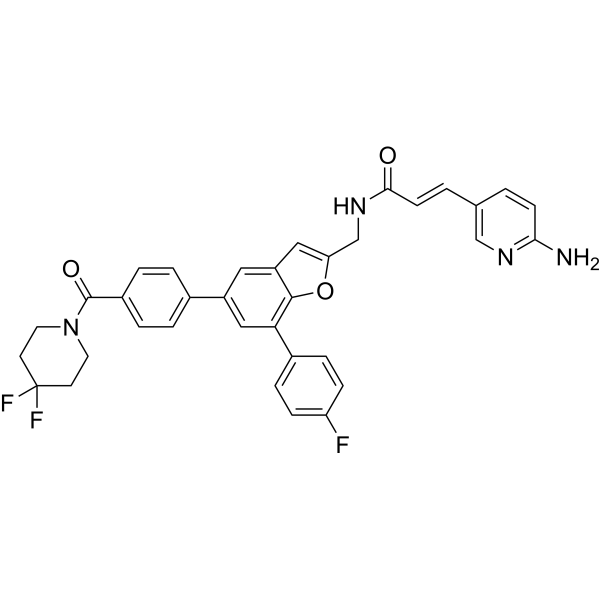
HY-12793
PadnarsertibPAK4/Nampt Inhibitor -
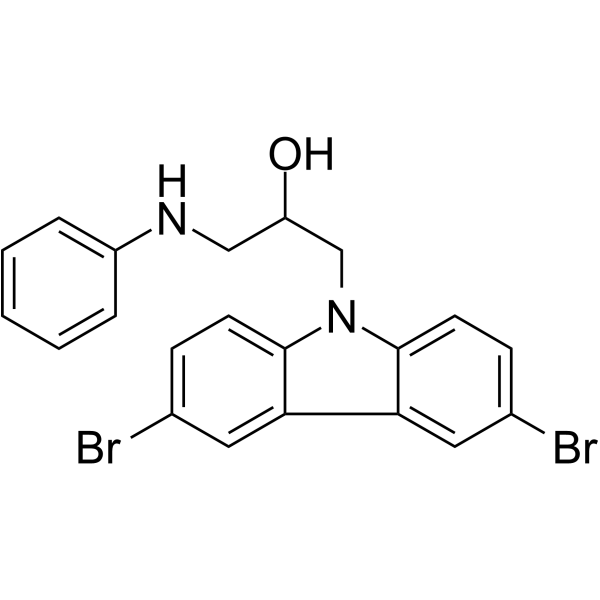
HY-15976
P7C3Neuroprotective Compound -
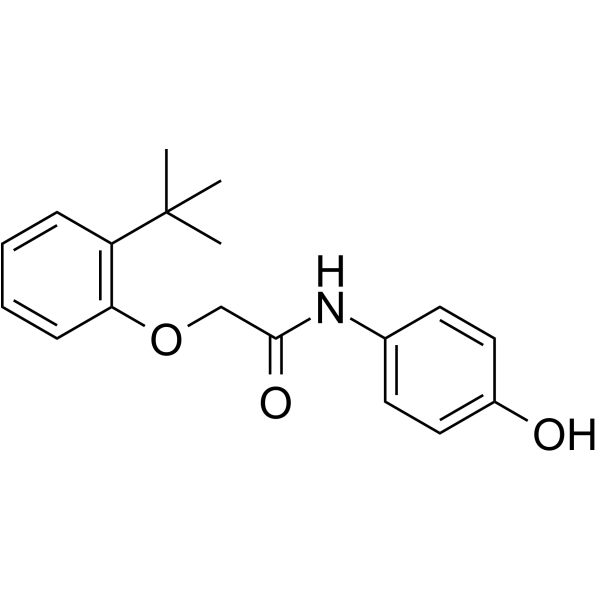
HY-144776
NATNAMPT Activator -
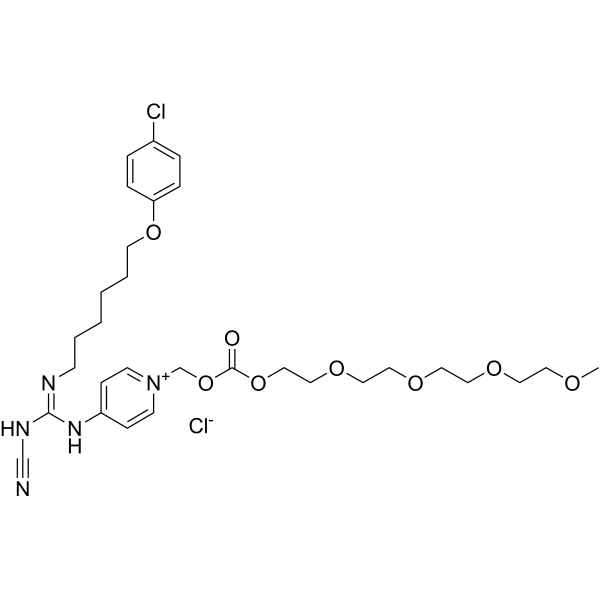
HY-10080
Teglarinad chlorideNAMPT Inhibitor -
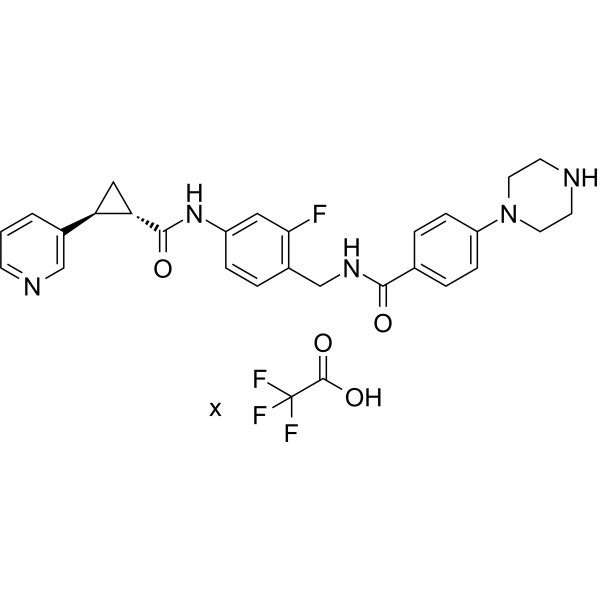
HY-147193
Nampt-IN-10 TFANAMPT Inhibitor -
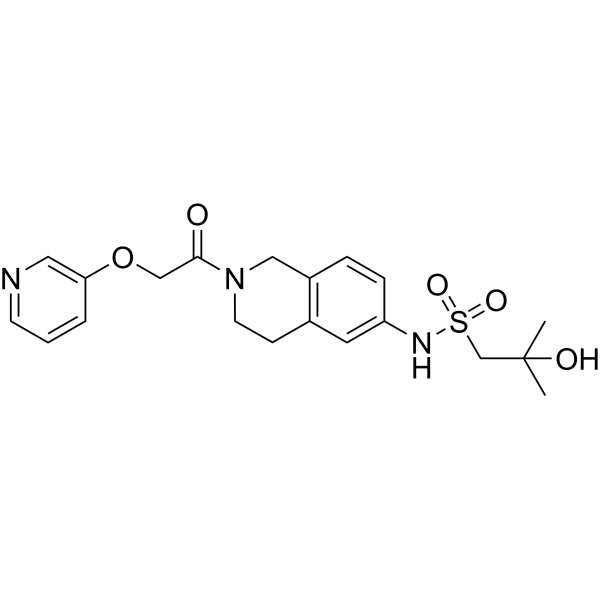
HY-12971
Nampt-IN-1NAMPT Inhibitor -
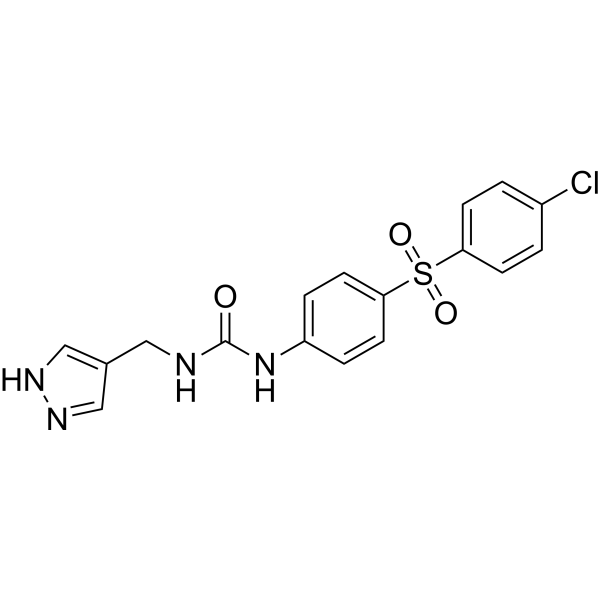
HY-148822
Nampt activator-2NAMPT Activator -
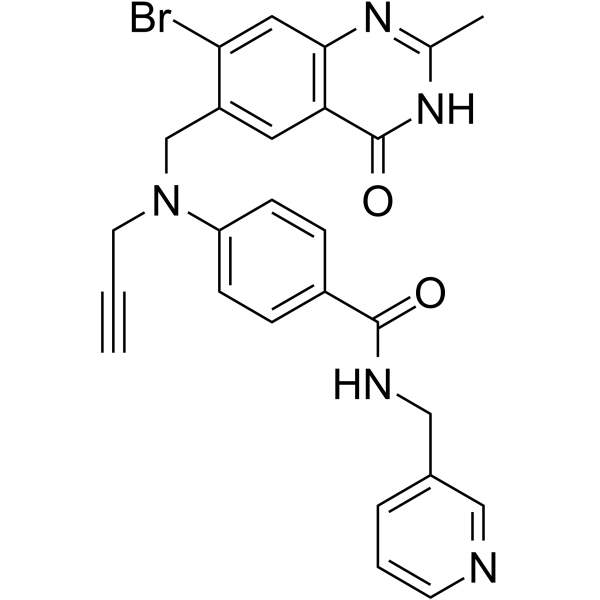
HY-14373
CB30865Nampt Inhibitor -

HY-15766R
GNE-617 (Standard)NAMPT Inhibitor -
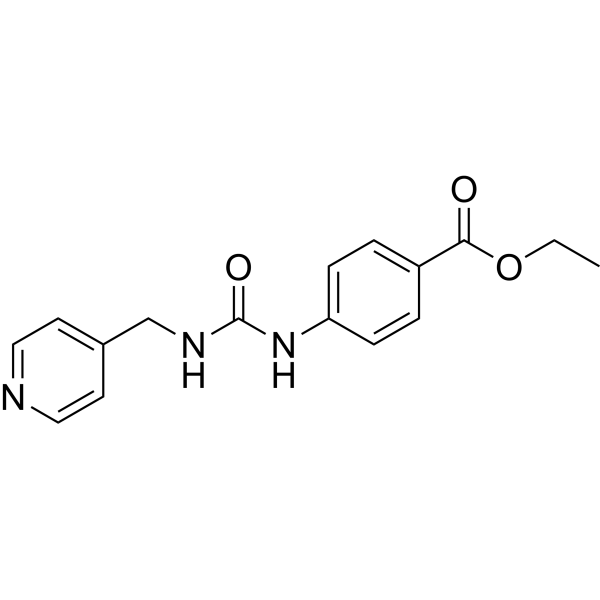
HY-148815
Nampt activator-1NAMPT Activator
Publications Citing Use of MedChemExpress (MCE) GNE-617 hydrochloride
More- Nat Commun. 2023 Dec 13;14(1):8095. [Abstract]
- Cell Death Dis. 2025 Apr 25;16(1):342. [Abstract]
- Genomics. 2019 Dec;111(6):1889-1895. [Abstract]
- Research Square Preprint. 2024 Apr 12.
- Research Square Preprint. 2023 Nov 14.
- Patent. US20180263995A1.
- Oncotarget. 2018 Mar 27;9(23):16451-16461. [Abstract]
 Customer Validation & Images

-
Cell Proliferation/Viability Assay


Biological Activity
Description
IC50 & Target
IC50: 5 nM (NAMPT)[1]
In Vitro
The activity ofGNE-617 hydrochloride is evaluated on a panel 53 non-small cell lung cancer (NSCLC) cell lines in the presence or absence of 10 μM nicotinic acid. GNE-617 inhibits NAMPT IC50 of 18.9 nM in A549 cell.The majority of cell lines exhibit a steep dose response to GNE-617 when evaluated by decrease in ATP or total nucleic acid, and the cytotoxicity is completely rescued by simultaneous addition of nicotinic acid. The majority of the cell lines tested have IC50 values below 100 nM, with approximately half with IC50 values less than 10 nM. Eighteen cell lines are not rescued with nicotinic acid, and these non-rescuable cell lines tended to have lower IC50 values (P=0.008, Fisher exact test, IC50<10 nM vs. ≥10 nM)[1].
MedChemExpress (MCE) has not independently confirmed the accuracy of these methods. They are for reference only. Further protocols information, click here.
In Vivo
MedChemExpress (MCE) has not independently confirmed the accuracy of these methods. They are for reference only.


Chemical Information
-
CAS No. 2070014-99-0
-
Appearance Solid
-
Molecular Weight 463.88
-
Formula C21H16ClF2N3O3S
-
Color White to off-white
-
SMILES
O=C(NCC1=CC=C(S(C2=CC(F)=CC(F)=C2)(=O)=O)C=C1)C3=CN4C(C=C3)=NC=C4.Cl
-
Shipping
Room temperature in continental US; may vary elsewhere.
-
Storage
4°C, sealed storage, away from moisture
* In solvent : -80°C, 6 months; -20°C, 1 month (sealed storage, away from moisture)


Publications (7)
-
Journal Impact Factor
-
Most Recent
-
Nat Commun
Niacin restriction with NAMPT-inhibition is synthetic lethal to neuroendocrine carcinoma. [Abstract]2023 Dec 13;14(1):8095. PMID: 38092728 -
Cell Death Dis
Targeting metabolic vulnerability by combining NAMPT inhibitors and disulfiram for treatment of recurrent ovarian cancer. [Abstract]2025 Apr 25;16(1):342. PMID: 40280967 -
Genomics
Genomic and tumor biological aspects of the anticancer nicotinamide phosphoribosyltransferase inhibitor FK866 in resistant human colorectal cancer cells. [Abstract]2019 Dec;111(6):1889-1895. PMID: 30582964 -
-
-
-
Oncotarget
Cross resistance to diverse anticancer nicotinamide phosphoribosyltransferase inhibitors induced by FK866 treatment. [Abstract]2018 Mar 27;9(23):16451-16461. PMID: 29662658
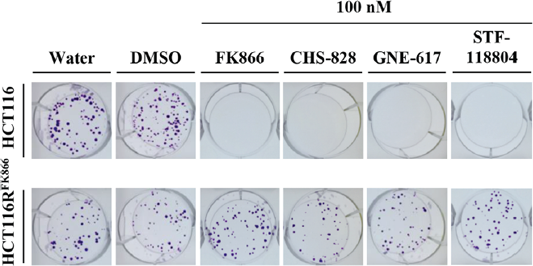
GNE-617 hydrochloride purchased from MedChemExpress. Usage Cited in: Oncotarget. 2018 Mar 27;9(23):16451-16461. [Abstract]
Drug sensitivities of HCT116RFK866 and HCT116 in the colony formation assay. HCT116RFK866 and HCT116 cells are treated with 100 nM each of FK866, CHS-828, GNE-617, STF-118804, and incubated for 10 days.


Solvent & Solubility
In Vitro:
DMSO : 5.56 mg/mL (11.99 mM; ultrasonic and warming and heat to 60°C; Hygroscopic DMSO has a significant impact on the solubility of product, please use newly opened DMSO)
Please refer to the solubility information to select the appropriate solvent. Once prepared, please aliquot and store the solution to prevent product inactivation from repeated freeze-thaw cycles.
Storage method and period of stock solution: -80°C, 6 months; -20°C, 1 month (sealed storage, away from moisture). When stored at -80°C, please use it within 6 months. When stored at -20°C, please use it within 1 month.
Please refer to the solubility information to select the appropriate solvent. Once prepared, please aliquot and store the solution to prevent product inactivation from repeated freeze-thaw cycles.
Storage method and period of stock solution: -80°C, 6 months; -20°C, 1 month (sealed storage, away from moisture). When stored at -80°C, please use it within 6 months. When stored at -20°C, please use it within 1 month.
Concentration (start) × Volume (start) = Concentration (final) × Volume (final)
In Vivo:
Select the appropriate dissolution method based on your experimental animal and administration route.
- For the following dissolution methods, please ensure to first prepare a clear stock solution using an In Vitro approach and then sequentially add co-solvents:
- To ensure reliable experimental results, the clarified stock solution can be appropriately stored based on storage conditions. As for the working solution for In Vivo experiments, it is recommended to prepare freshly and use it on the same day.
- The percentages shown for the solvents indicate their volumetric ratio in the final prepared solution. If precipitation or phase separation occurs during preparation, heat and/or sonication can be used to aid dissolution.
Add each solvent one by one: 10% DMSO 40% PEG300 5% Tween-80 45% Saline
Solubility: ≥ 0.56 mg/mL (1.21 mM); Clear solution
This protocol yields a clear solution of ≥ 0.56 mg/mL (saturation unknown).
Taking 1 mL working solution as an example, add 100 μL DMSO stock solution (5.6 mg/mL) to 400 μL PEG300, and mix evenly; then add 50 μL Tween-80 and mix evenly; then add 450 μL Saline to adjust the volume to 1 mL.
Preparation of Saline: Dissolve 0.9 g sodium chloride in ddH₂O and dilute to 100 mL to obtain a clear Saline solution.
Add each solvent one by one: 10% DMSO 90% (20% SBE-β-CD in Saline)
Solubility: ≥ 0.56 mg/mL (1.21 mM); Clear solution
This protocol yields a clear solution of ≥ 0.56 mg/mL (saturation unknown).
Taking 1 mL working solution as an example, add 100 μL DMSO stock solution (5.6 mg/mL) to 900 μL 20% SBE-β-CD in Saline, and mix evenly.
Preparation of 20% SBE-β-CD in Saline (4°C, storage for one week): 2 g SBE-β-CD powder is dissolved in 10 mL Saline, completely dissolve until clear.
In Vivo Dissolution Calculator
Please enter the basic information of animal experiments:
-
-
-
-
Recommended: Prepare an additional quantity of animals to account for potential losses during experiments.
Please enter your animal formula composition:
-
%DMSO +
Recommended: Keep the proportion of DMSO in working solution below 2% if your animal is weak.
-
%+
-
+%Tween-80 + +
-
%Saline +
The co-solvents required include: DMSO, . All of co-solvents are available by MedChemExpress (MCE). , Tween 80. All of co-solvents are available by MedChemExpress (MCE).
Working solution concentration: 0.22 mg/mL
Method for preparing stock solution: mg drug dissolved in μL DMSO. Stock solution concentration: mg/mL. * In solvent : -80°C, 6 months; -20°C, 1 month (sealed storage, away from moisture)
1. Take μL DMSO stock solution;
2. Add μL .
μL , mix evenly;
3. Then add μL Tween 80, mix evenly;
4. Then add μL
Please ensure that the stock solution in the first step is dissolved to a clear state, and add co-solvents in sequence. You can use ultrasonic heating (ultrasonic cleaner, recommended frequency 20-40 kHz), vortexing, etc. to assist dissolution.

Protocols
-
Cell Cytotoxicity Assay
Cytotoxicity assays are usually based on the assessment of cell membrane damage, which can also be indirectly detected by measuring cell viability. Detection methods include MTT assay, CKK-8 assay, LDH assay and ATP assay, etc.
-
Patient-Derived Xenograft (PDX)
Patient-derived xenograft (PDX) models are generated by engrafting primary human tumor tissue directly into immunodeficient mice, allowing in vivo propagation of patient tumor biology without initial in vitro adaptation. These models are used to preserve key histopathological and molecular characteristics of the original tumor and enable assessment of tumor growth dynamics and therapeutic response in a living organism. The biological readout is tumor engraftment and subsequent growth in the murine host, which reflects the ability of human tumor cells to survive, vascularize, and expand in an immunocompromised microenvironment.
-
Splenic/Portal-Vein Liver Metastasis Xenograft
Splenic and portal-vein liver metastasis xenograft models deliver tumor cells into the portal circulation so that cells reach the liver first and form hepatic metastatic lesions; splenic injection uses the spleen as an access route to the portal system, while direct portal-vein injection introduces cells into the portal vein without requiring splenectomy. The assay detects liver colonization, intrahepatic tumor growth, tumor distribution, treatment response, survival, and liver-metastasis microenvironment changes; readouts include bioluminescence or fluorescence imaging, gross liver nodule counts, liver weight or tumor burden, histology, and survival.
-
Subcutaneous Cell-Line-Derived Xenograft
Subcutaneous cell-line-derived xenograft (CDX) models are established by implanting cultured human cancer cell lines into immunodeficient mice, where the injected cells form localized tumors that can be monitored in vivo as a measure of tumorigenic potential, growth kinetics, and treatment response. These models are widely used in oncology research because they allow reproducible tumor formation and enable comparative assessment of tumor growth between different cell lines or genetic manipulations in a controlled in vivo microenvironment. Subcutaneous implantation of cancer cells in immunodeficient mice is a standard approach for evaluating tumor growth behavior and therapeutic response across multiple cancer types, including prostate, esophageal, pancreatic, and colon cancer models.
-
Orthotopic Cell-Line Xenograft
Orthotopic cell-line xenograft models involve implantation of human cancer cell lines into the anatomically corresponding organ of immunodeficient mice to reproduce tumor growth within a native microenvironment, enabling more clinically relevant tumor behavior compared with subcutaneous models. These models are widely used because orthotopic placement better recapitulates tumor progression, including invasion and metastatic spread, which are often underrepresented in heterotopic implantation systems. Compared with conventional xenografts, orthotopic implantation is described as more technically complex but provides improved simulation of tumor-microenvironment interactions and metastatic behavior, making it particularly valuable for translational oncology research. Surgical orthotopic implantation approaches have been emphasized as enabling faithful reproduction of clinical cancer features, including metastasis and disease progression patterns that align with the tumor’s organ of origi
-
Intraperitoneal/Peritoneal Dissemination Xenograft
Intraperitoneal (IP) or peritoneal dissemination xenograft models are based on the introduction of human cancer cells into the peritoneal cavity of immunodeficient mice, where they attach to peritoneal surfaces, form multicellular aggregates or spheroids, and progressively generate disseminated tumor nodules that mimic advanced peritoneal metastatic disease. These models are widely used to study ovarian cancer progression, tumor-microenvironment interactions, and intraperitoneal therapeutic responses, often incorporating bioluminescence or fluorescence imaging to longitudinally monitor tumor burden in vivo. The biological principle relies on the capacity of tumor cells such as SKOV3 or related ovarian carcinoma lines to survive in suspension, aggregate within ascites-like fluid, adhere to mesothelial surfaces, and invade peritoneal organs, thereby recapitulating human peritoneal carcinomatosis patterns observed in advanced disease.


Purity & Documentation
-
Data Sheet (279 KB)
-
SDS (252 KB)
- English - EN (252 KB)
- Français - FR (252 KB)
- Deutsch - DE (252 KB)
- Norwegian - NO (252 KB)
- Español - ES (252 KB)
- Swedish - SV (252 KB)
- Italian - IT (252 KB)
- Korean - KR (252 KB)
- Portuguese - PT (252 KB)
-
Handling Instructions (2659 KB)
References
[1]. Shames DS, et al. Loss of NAPRT1 Expression by Tumor-specific Promoter Methylation Provides a Novel Predictive Biomarker for NAMPT Inhibitors. Clin Cancer Res. 2013 Dec 15;19(24):6912-23. [Content Brief]
[2]. Zabka TS, et al. Retinal toxicity, in vivo and in vitro, associated with inhibition of nicotinamide phosphoribosyltransferase. Toxicol Sci. 2015 Mar;144(1):163-72. [Content Brief]


Complete Stock Solution Preparation Table
Please refer to the solubility information to select the appropriate solvent. Once prepared, please aliquot and store the solution to prevent product inactivation from repeated freeze-thaw cycles.
Storage method and period of stock solution: -80°C, 6 months; -20°C, 1 month (sealed storage, away from moisture). When stored at -80°C, please use it within 6 months. When stored at -20°C, please use it within 1 month.
| Optional Solvent | Concentration Solvent Mass | 1 mg | 5 mg | 10 mg | 25 mg |
|---|---|---|---|---|---|
| DMSO | 1 mM | 2.1557 mL | 10.7786 mL | 21.5573 mL | 53.8932 mL |
| 5 mM | 0.4311 mL | 2.1557 mL | 4.3115 mL | 10.7786 mL | |
| 10 mM | 0.2156 mL | 1.0779 mL | 2.1557 mL | 5.3893 mL |


GNE-617 hydrochloride Related Classifications
HY-15766A Related Classifications
 Powered by Bioz