Search Result
Results for "
Acid phosphatase Inhibitors
" in MedChemExpress (MCE) Product Catalog:
6
Biochemical Assay Reagents
12
Isotope-Labeled Compounds
| Cat. No. |
Product Name |
Target |
Research Areas |
Chemical Structure |
-
- HY-B0579
-
-
-
- HY-D0852
-
|
|
Phosphatase
|
Cancer
|
|
Sodium orthovanadate is an inhibitor of protein tyrosine phosphatases, alkaline phosphatases and a number of ATPases, most likely acting as a phosphate analogue.
|
-

-
- HY-B0537
-
|
MP-601205
|
Parasite
Fungal
Phosphatase
Bacterial
Antibiotic
|
Infection
Cancer
|
|
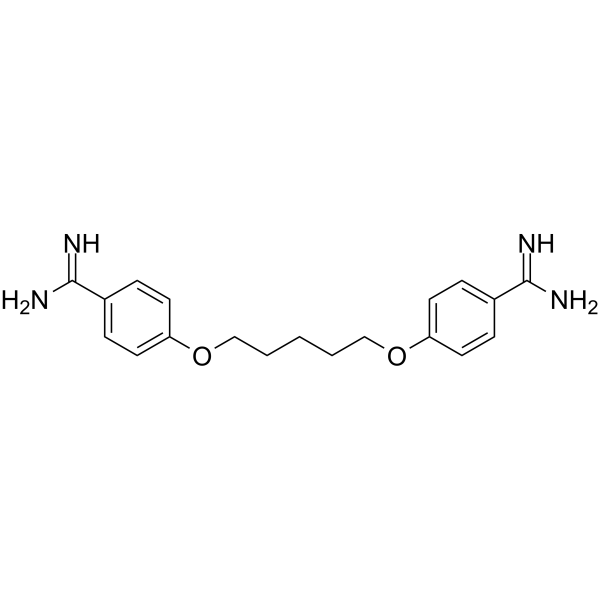
Pentamidine (MP-601205) is an antimicrobial agent and interferes with DNA biosynthetics. Pentamidine inhibits parasite Leishmania infantum with an IC50 of 2.5 μM. Pentamidine is a potent and selective protein tyrosine phosphatases (PTPases) and phosphatase of regenerating liver (PRL) inhibitor. Pentamidine has the potential for Gambian trypanosomiasis, antimony-resistant leishmaniasis, and Pneumocystis carinii pneumonia treatment. Antitumor and antibacterial activities .
|
-
-
- HY-B0537B
-
|
MP-601205 isethionate
|
Parasite
Fungal
Phosphatase
Bacterial
Antibiotic
|
Infection
Cancer
|
|
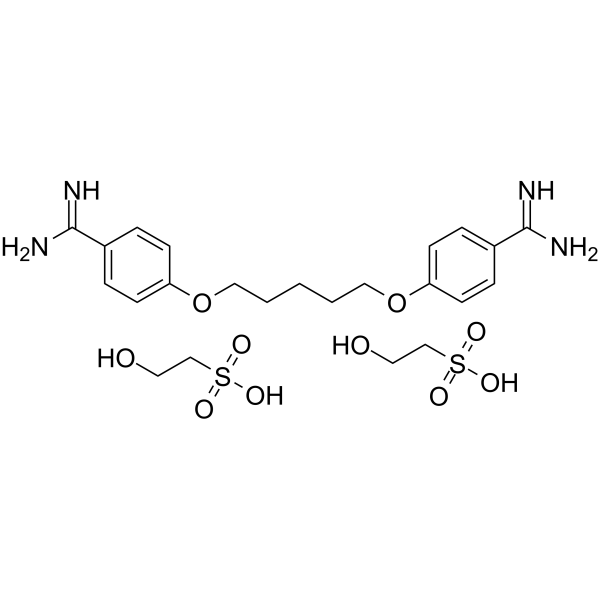
Pentamidine isethionate (MP-601205 isethionate) is an antimicrobial agent and interferes with DNA biosynthetics. Pentamidine isethionate inhibits parasite Leishmania infantum with an IC50 of 2.5 μM. Pentamidine isethionate is a potent and selective protein tyrosine phosphatases (PTPases) and phosphatase of regenerating liver (PRL) inhibitor. Pentamidine isethionate has the potential for Gambian trypanosomiasis, antimony-resistant leishmaniasis, and Pneumocystis carinii pneumonia treatment. Antitumor and antibacterial activities .
|
-
-
- HY-18983
-
|
(-)-Calyculin A
|
Phosphatase
|
Cancer
|
|
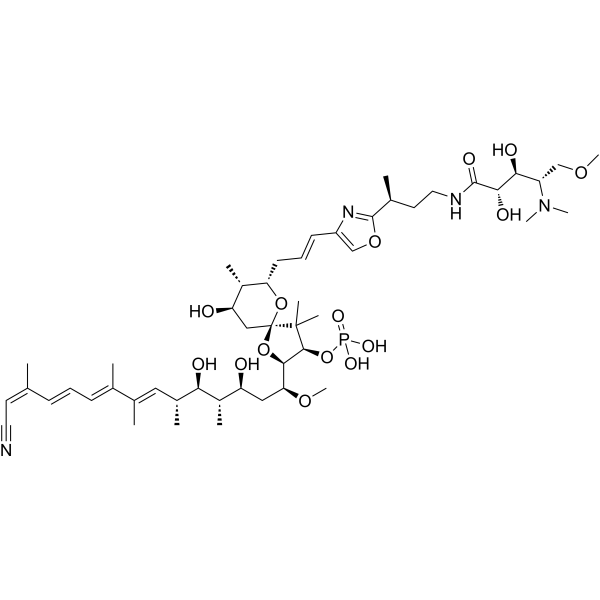
Calyculin A ((-)-Calyculin A) is a potent and cell-permeable protein phosphatase 1 (PP1) and protein phosphatase 2A (PP2A) inhibitor with IC50s of 2 nM and 0.5-1 nM, respectively .
|
-
-
- HY-100463
-
-
-
- HY-109041
-
|
AKB-9778
|
Phosphatase
Tie
|
Inflammation/Immunology
|
|
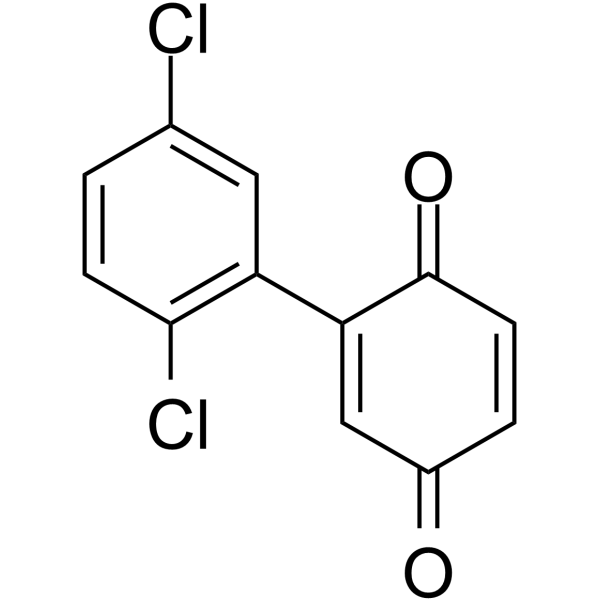
Razuprotafib (AKB-9778) is a potent and selective inhibitor of the catalytic activity of VE-PTP (vascular endothelial protein tyrosine phosphatase) with an IC50of 17 pM. Razuprotafib promotes TIE2 activation, enhances ANG1-induced TIE2 activation, and stimulates phosphorylation of signaling molecules in the TIE2 pathway, including AKT, eNOS, and ERK. Razuprotafib inhibits the structurally related phosphatase PTP1B with an IC50 of 780 nM. Razuprotafib shows excellent selectivity for VE-PTP versus a variety of phosphatases, with the exception of HPTPη (IC50=36 pM) and HPTPγ (100 pM) .
|
-
-
- HY-19776
-
|
|
Phosphatase
|
Cancer
|
|
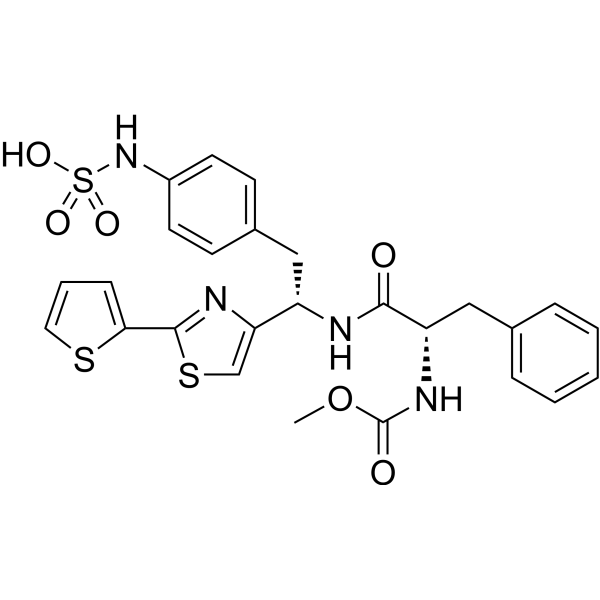
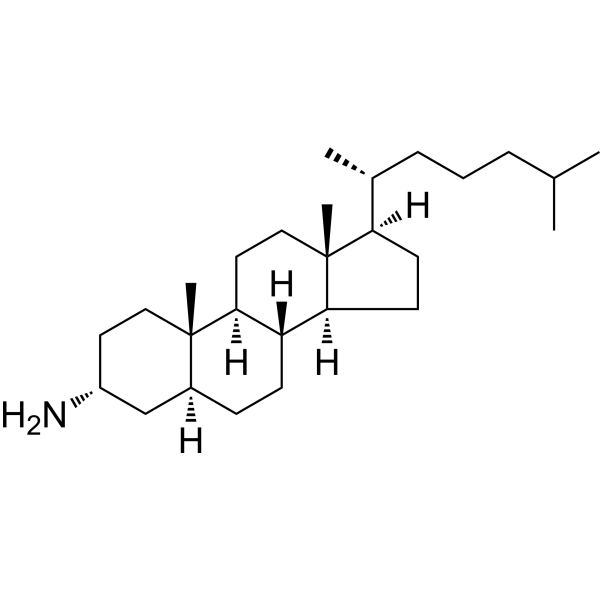
3α-Aminocholestane is a selective SH2 domain-containing inositol-5′-phosphatase 1 (SHIP1) inhibitor with an IC50 of ~2.5 μM.
|
-
-
- HY-15842
-
-
-
- HY-W014622
-
|
|
DNA/RNA Synthesis
|
Cancer
|
|
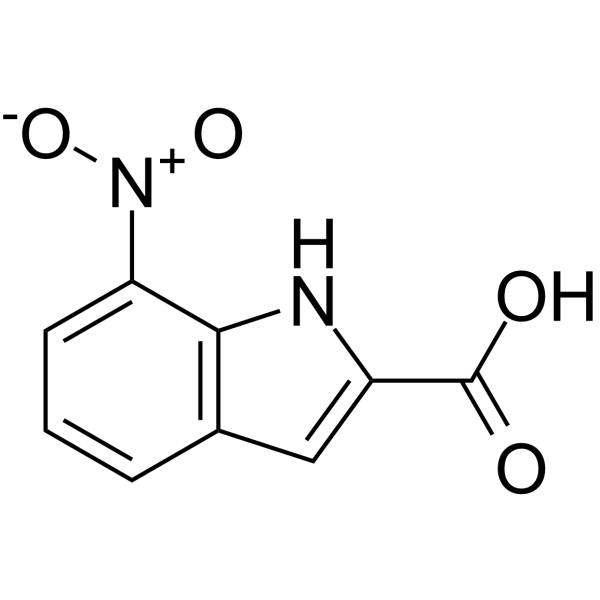
CRT0044876 is a potent and selective apurinic/apyrimidinic endonuclease 1 (APE1) inhibitor (IC50=~3 μM). CRT0044876 inhibits the AP endonuclease, 3′-phosphodiesterase and 3′-phosphatase activities of APE1, and is a specific inhibitor of the exonuclease III family of enzymes to which APE1 belongs. CRT0044876 potentiates the cytotoxicity of several DNA base-targeting compounds .
|
-
-
- HY-108599
-
|
FR236924
|
PKC
CaMK
Phosphatase
Apoptosis
|
Neurological Disease
|
|
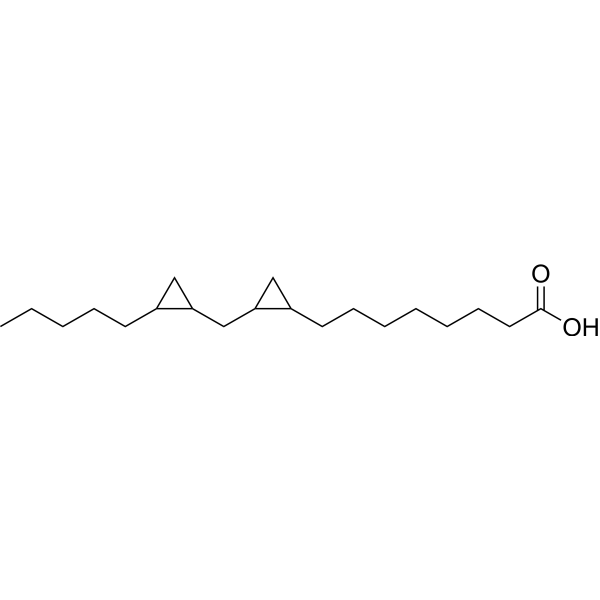
DCP-LA (FR236924), a linoleic acid derivative, selectively and directly activates PKCε. DCP-LA activates Ca( 2+)/calmodulin-dependent protein kinase II (CaMKII) and inhibits protein phosphatase-1 (PP-1) to stimulate AMPA receptor exocytosis. DCP-LA inhibits activation of caspase-3/-9 and protects neurons at least in part from oxidative stress-induced apoptosis .
|
-
-
- HY-15832
-
|
|
Phosphatase
|
Cancer
|
|
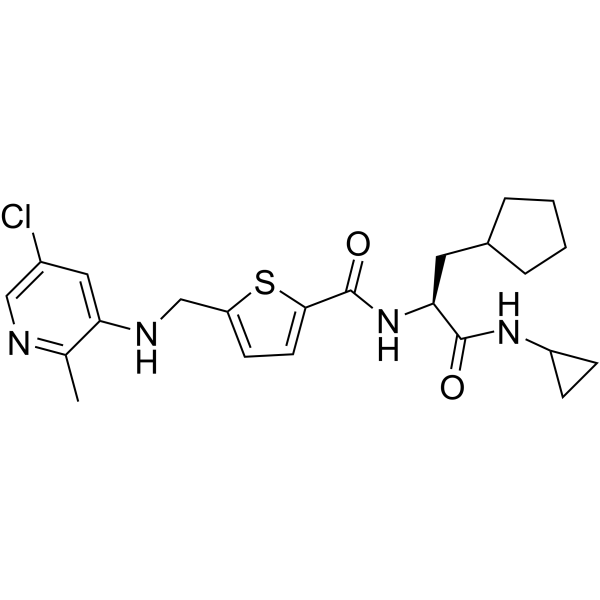
GSK 2830371 is a highly selective Wip1 phosphatase inhibitor with IC50 of 6 nM.
|
-
-
- HY-18756
-
|
|
SHP2
SHP1
Phosphatase
Apoptosis
|
Others
|
|
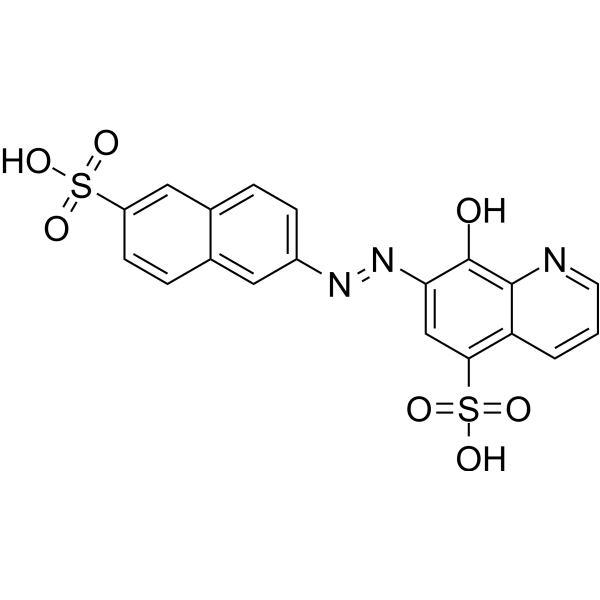
NSC-87877 is a potent inhibitor of Shp2 and Shp1 protein tyrosine phosphatases (SH-PTP2 and SH-PTP1), with IC50 values of 0.318 μM, 0.355 μM shp2 and shp1, respectively . NSC-87877 also inhibits dual-specificity phosphatase 26 (DUSP26) .
|
-
-
- HY-108543
-
|
|
Phosphatase
Apoptosis
|
Cancer
|
|
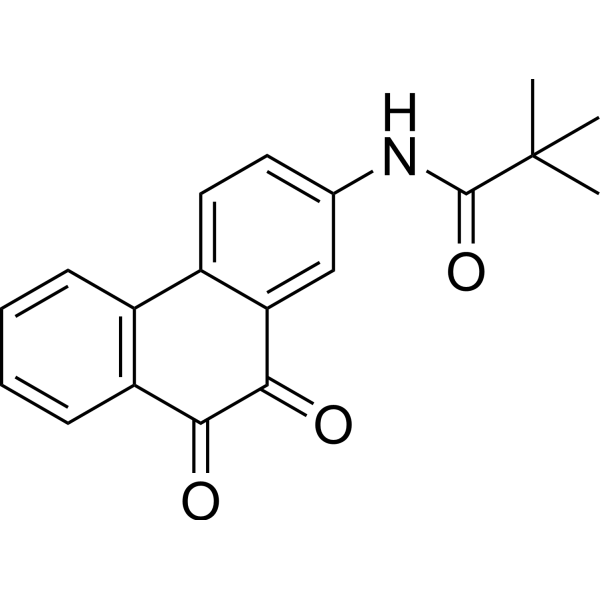
NSC 95397 is a potent, selective Cdc25 dual specificity phosphatase inhibitor (Ki=32 nM (Cdc25A), 96 nM (Cdc25B), 40 nM (Cdc25C); IC50=22.3 nM (human Cdc25A), 56.9 nM (human Cdc25C), 125 nM (Cdc25B)) . NSC 95397 inhibits mitogen-activated protein kinase phosphatase-1 (MKP-1) and suppresses proliferation and induces apoptosis in colon cancer cells through MKP-1 and ERK1/2 pathway .
|
-
-
- HY-W013478
-
|
|
Phosphatase
|
Cancer
|
|
PTP inhibitor 1 is a protein tyrosine phosphatase (PTP) inhibitor, with anti-angiogenic effect .
|
-
-
- HY-15969
-
Sal003
4 Publications Verification
|
Phosphatase
Apoptosis
|
Cancer
|
|
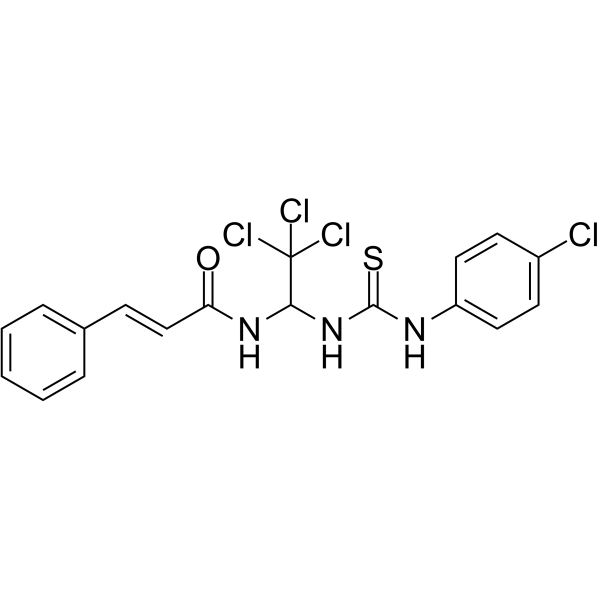
Sal003 is a potent, specific and cell-permeable inhibitor of the eukaryotic translation initiation factor 2α (eIF2α) phosphatase. Sal003 is a derivative of salubrinal .
|
-
-
- HY-13588
-
|
SCE-129 sodium
|
Bacterial
Antibiotic
|
Infection
|
|
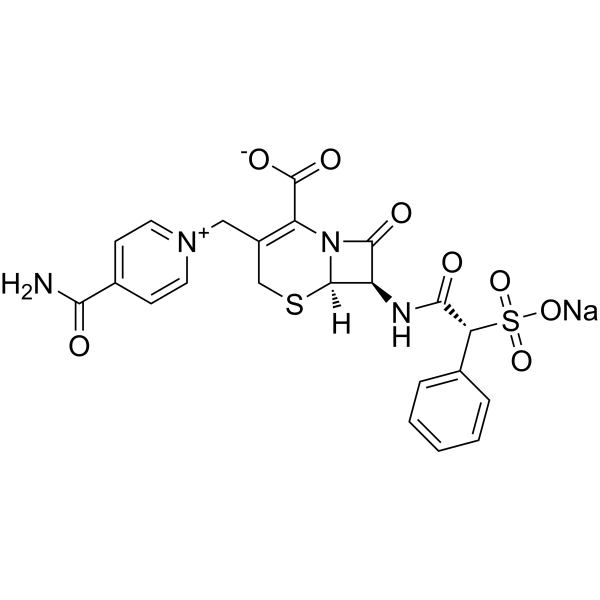
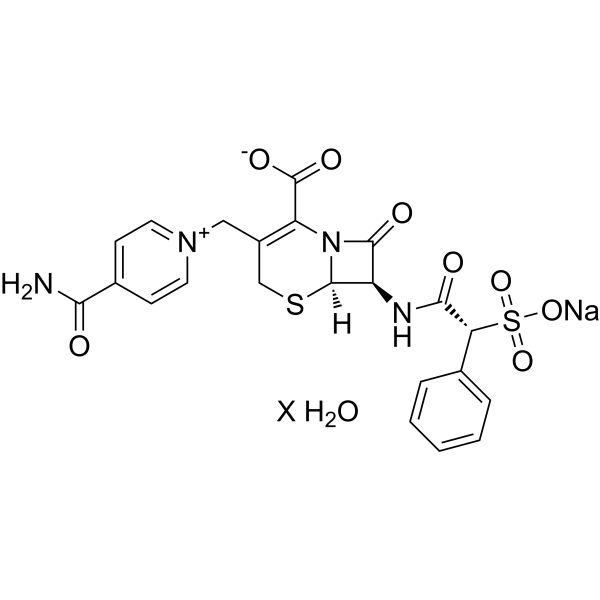
Cefsulodin (SCE-129) sodium is a third generation β lactam antibiotic and member of the cephems subgroup of antibiotics. Cefsulodin sodium inhibits cell wall synthesis by competitively inhibiting penicillin binding protein (PBP) cross-linking and transpeptidation of peptidogly. Cefsulodin sodium is a potent tyrosine phosphatase inhibitor against mPTPB, a virulent phosphatase from Mycobacterium tuberculosis, with an IC50 value of 16 μM .
|
-
-
- HY-19695
-
|
L-p-Bromotetramisole oxalate; 6-Bromolevamisole oxalate
|
Phosphatase
|
Cancer
|
|
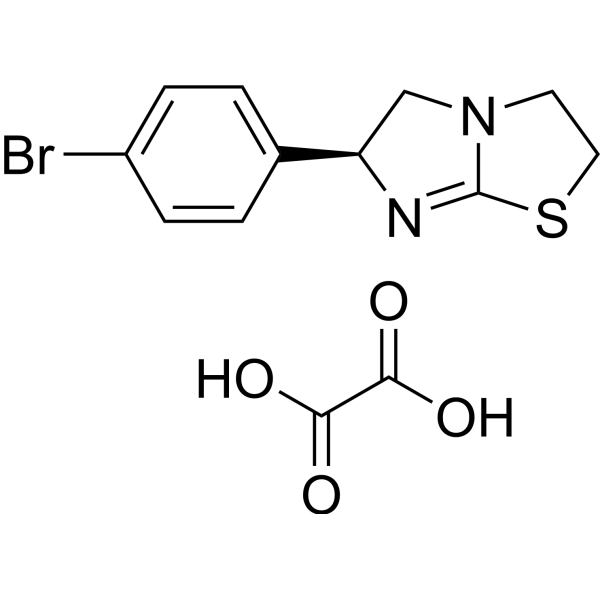
(-)-p-Bromotetramisole oxalate (L-p-Bromotetramisole oxalate) is an alkaline phosphatase inhibitor. (-)-p-Bromotetramisole (oxalate) is applicable to research related to erythroleukemia .
|
-
-
- HY-100625
-
-
-
- HY-18685
-
-
-
- HY-B0579R
-
|
Cyclosporine A (Standard); Ciclosporin A (Standard); CsA (Standard)
|
Molecular Glues
Reference Standards
Complement System
Antibiotic
Cyclophilin
|
Inflammation/Immunology
Cancer
|
|
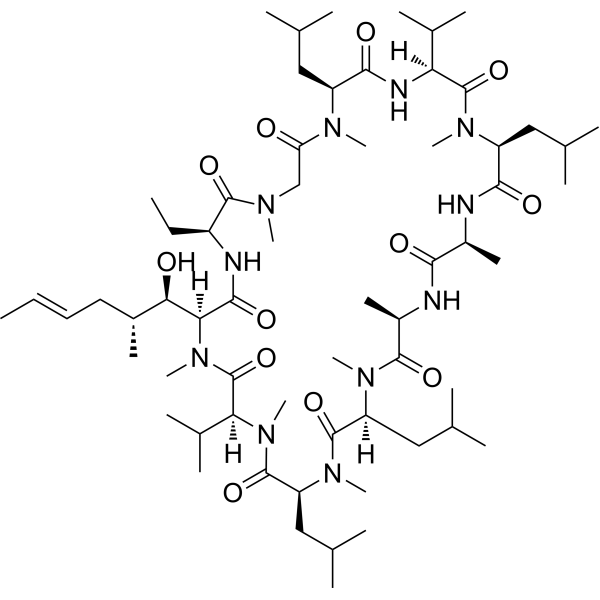
Cyclosporin A (Standard) is the analytical standard of Cyclosporin A. This product is intended for research and analytical applications. Cyclosporin A (Cyclosporine A) is an immunosuppressant which binds to the cyclophilin and inhibits phosphatase activity of protein phosphatase 2B (PP2B/calcineurin) with an IC50 of 5 nM . Cyclosporin A also inhibits CD11a/CD18 adhesion .
|
-

-
- HY-115496
-
-
-
- HY-100462
-
-
-
- HY-B2006
-
-
-
- HY-133146
-
|
|
Phosphatase
Apoptosis
|
Inflammation/Immunology
|
|
DJ001 is a highly specific, selective and non-competitive protein tyrosine phosphatase-σ (PTPσ) inhibitor with an IC50 of 1.43 μM. DJ001 displays no inhibitory activity against other phosphatases, with only modest inhibitory activity against Protein Phosphatase 5. DJ001 promotes promote hematopoietic stem cell regeneration .
|
-
-
- HY-12312
-
-
-
- HY-111489B
-
|
|
Phosphatase
|
Metabolic Disease
|
|
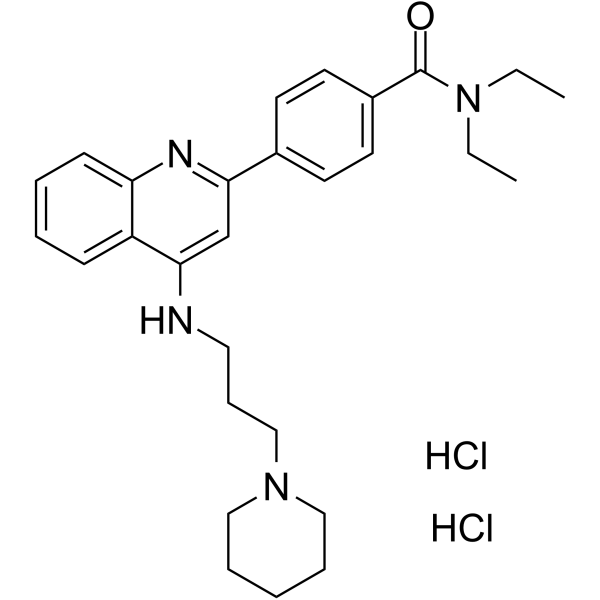
LMPTP INHIBITOR 1 (dihydrochloride) is a selective inhibitor of low molecular weight protein tyrosine phosphatase (LMPTP), with an IC50 of 0.8 μM LMPTP-A.
|
-
-
- HY-101510
-
|
|
Phosphatase
|
Cancer
|
|
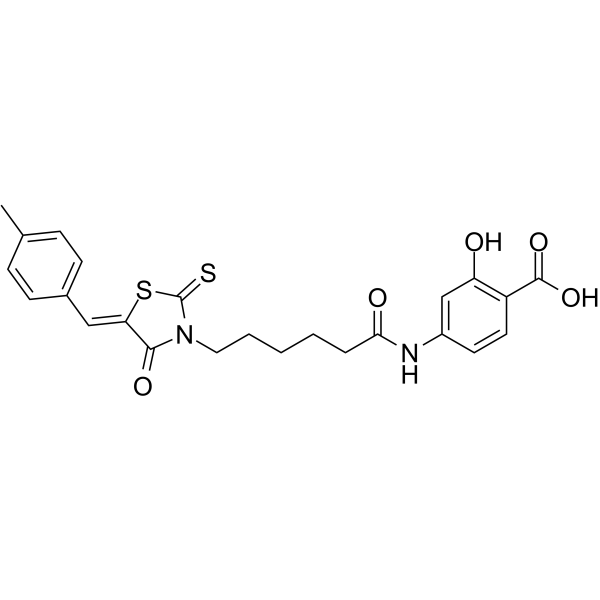
F1063-0967 is a Dual-specificity phosphatase 26 (DUSP26) inhibitor with an IC50 of 11.62 μM.
|
-
-
- HY-18756A
-
|
|
SHP2
SHP1
Phosphatase
Apoptosis
|
Cancer
|
|
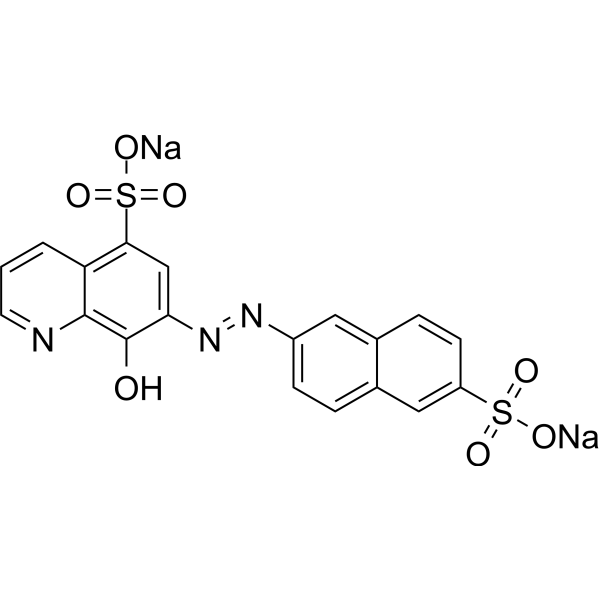
NSC-87877 disodium is a potent inhibitor of Shp2 and Shp1 protein tyrosine phosphatases (SH-PTP2 and SH-PTP1), with IC50 values of 0.318 μM, 0.355 μM shp2 and shp1, respectively . NSC-87877 also inhibits dual-specificity phosphatase 26 (DUSP26) .
|
-
-
- HY-18667
-
|
|
Phosphatase
|
Inflammation/Immunology
|
|
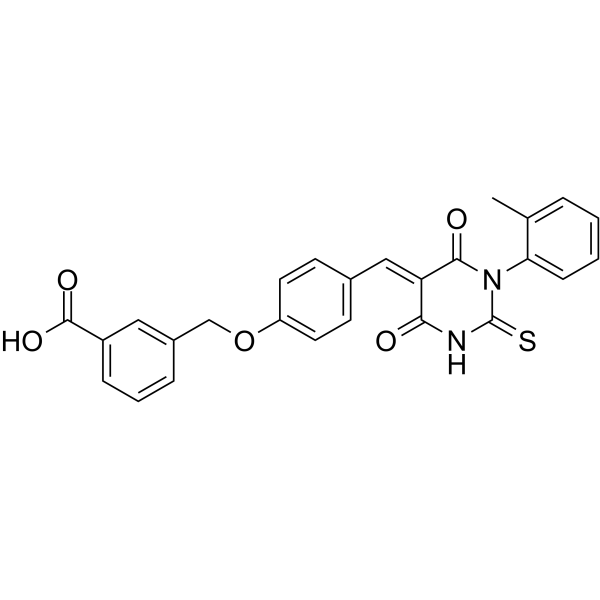
LTV-1 is a potent lymphoid tyrosine phosphatase (LYP) inhibitor in T cells with an IC50 of 508 nM. LTV-1 has the potential for autoimmunity treatment .
|
-
-
- HY-N4317
-
|
|
Apoptosis
|
Cancer
|
|
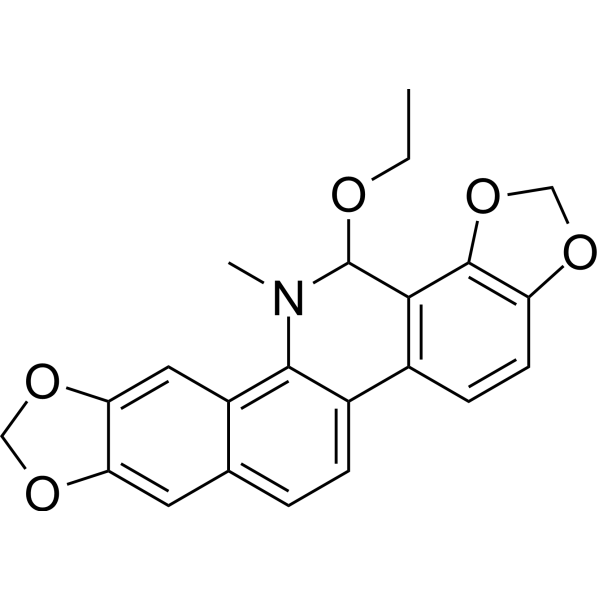
Ethoxysanguinarine is a benzophenanthridine alkaloid natural product that is mainly found in Macleaya cordata. Ethoxysanguinarine is an inhibitor of protein phosphatase 2A (CIP2A). Ethoxysanguinarine induces cell apoptosis and inhibits colorectal cancer cells growth .
|
-
-
- HY-112776
-
|
|
Phosphatase
|
Cancer
|
|
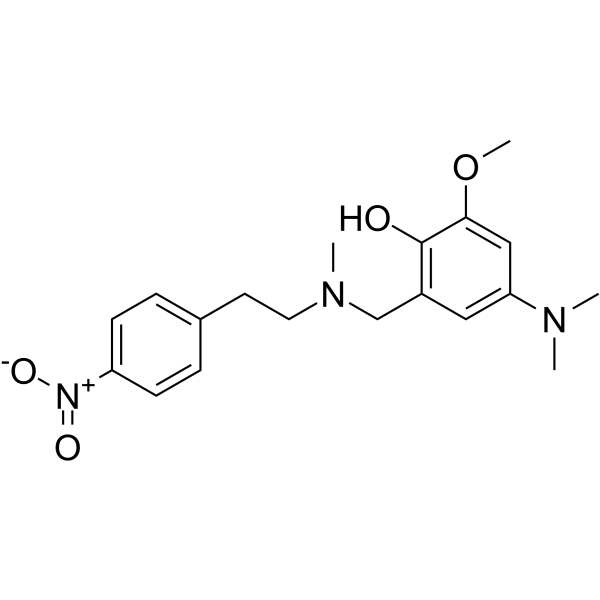
BN82002 is a potent, selective and irreversible inhibitor of CDC25 phosphatase family. BN82002 inhibits CDC25A, CDC25B2, CDC25B3, CDC25C CDC25A, and 25C-cat with IC50 values of 2.4, 3.9, 6.3, 5.4, and 4.6 µM, respectively. BN82002 displays ~20-fold greater selectivity over CD45 tyrosine phosphatase .
|
-
-
- HY-N4185
-
|
|
Phosphatase
|
Neurological Disease
|
|
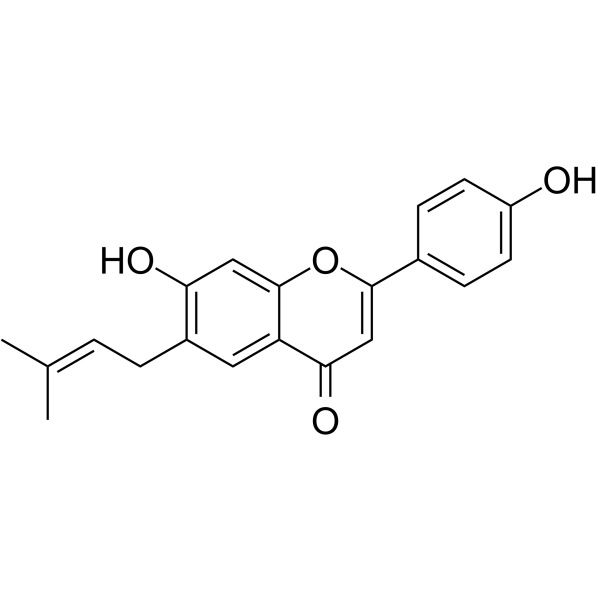
Licoflavone A is a flavonoid isolated from the roots of Glycyrrhiza uralensis, inhibits protein tyrosine phosphatase-1B (PTP1B), with an IC50 of 54.5 μM .
|
-
-
- HY-128153
-
|
|
Phosphatase
Apoptosis
|
Cancer
|
|
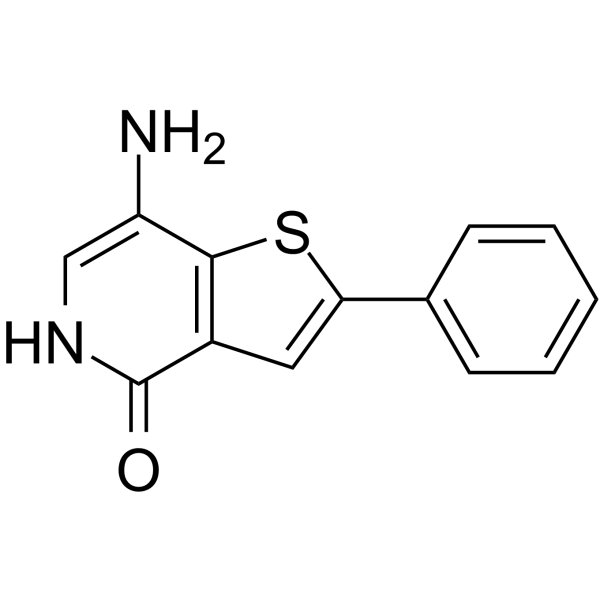
Thienopyridone is a potent and selective phosphatase of regenerating liver (PRL) phosphatase inhibitor with IC50s of 173 nM, 277 nM and 128 nM for PRL-1, PRL-2, and PRL-3, respectively. Thienopyridone shows minimal effects on other phosphatases. Thienopyridone induces p130Cas cleavage and apoptosis and has anticancer effects .
|
-
-
- HY-P2040
-
|
|
Phosphatase
|
Cancer
|
|
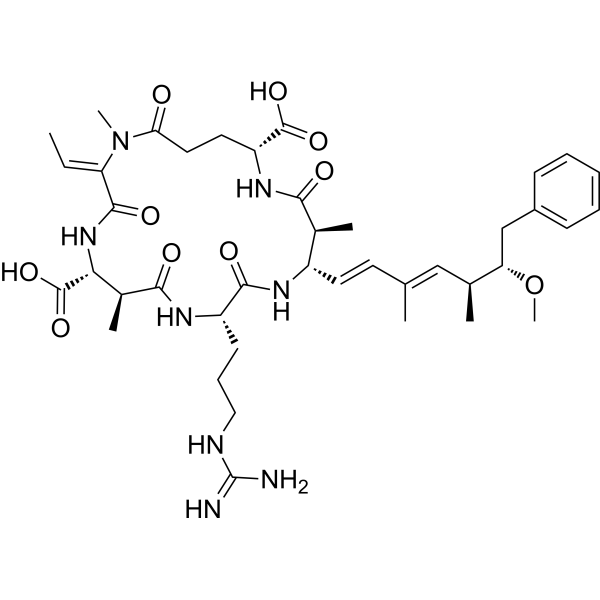
Nodularin is a potent hepatotoxin, tumor promoter, and protein phosphatase inhibitor .
|
-
-
- HY-123846
-
|
|
Phosphatase
|
Cardiovascular Disease
|
|
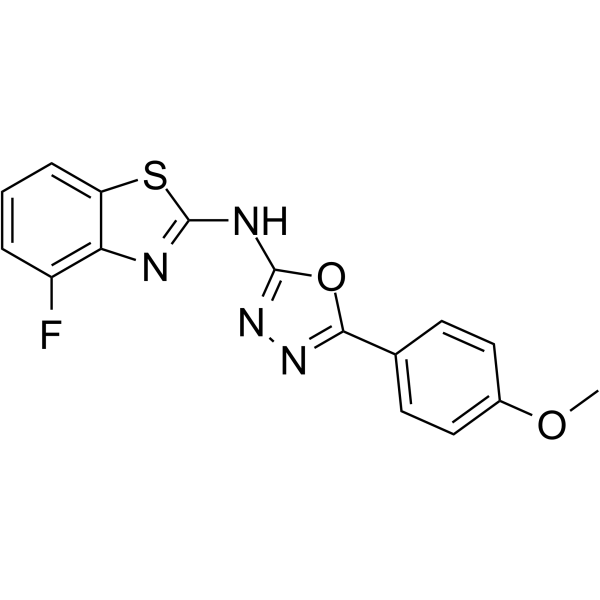
MLS-0437605 is a selective dual-specificity phosphatase 3 (DUSP3) inhibitor with an IC50 of 3.7 μM. MLS-0437605 is more selective for DUSP3 than DUSP22 and other protein tyrosine phosphatases (PTPs) .
|
-
-
- HY-W008385
-
-
-
- HY-124644
-
|
|
HIV
Phosphatase
|
Infection
|
|
1E7-03, a low MW tetrahydroquinoline derivative targeting protein phosphatase-1, can inhibit HIV-1 transcription .
|
-

-
- HY-133511
-
|
|
Phosphatase
|
Cancer
|
|
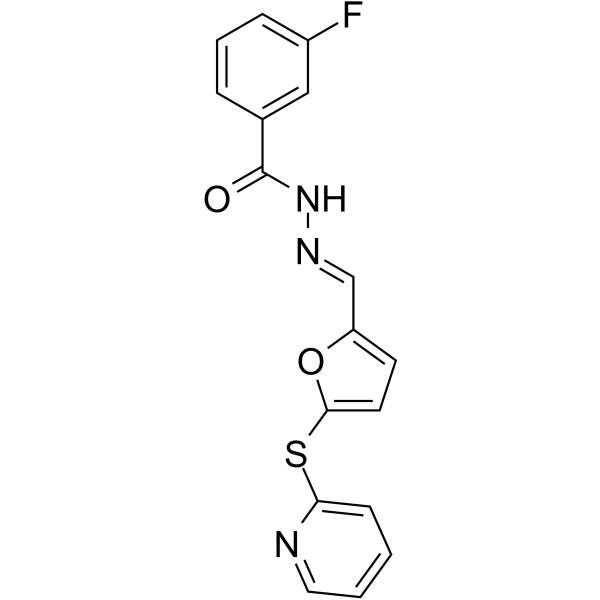
MLS000544460 is a highly selective and reversible Eya2 phosphatase inhibitor with a Kd of 2.0 μM and an IC50 of 4 μM. MLS000544460 inhibit Eya2 phosphatase mediated cell migration and has anti-cancer activity .
|
-
-
- HY-164220
-
|
|
Phosphatase
Bacterial
|
Infection
|
|
PPM1A-IN-1 (Compound IV-4) is an inhibitor for PP2C Ser/Thr phosphatase protein phosphatase Mg2+/Mn2+-dependent 1A. PPM1A-IN-1 exhibits antibacterial activity against Mycobacterium tuberculosis .
|
-

-
- HY-112478
-
|
|
Phosphatase
SHP2
|
Cancer
|
|
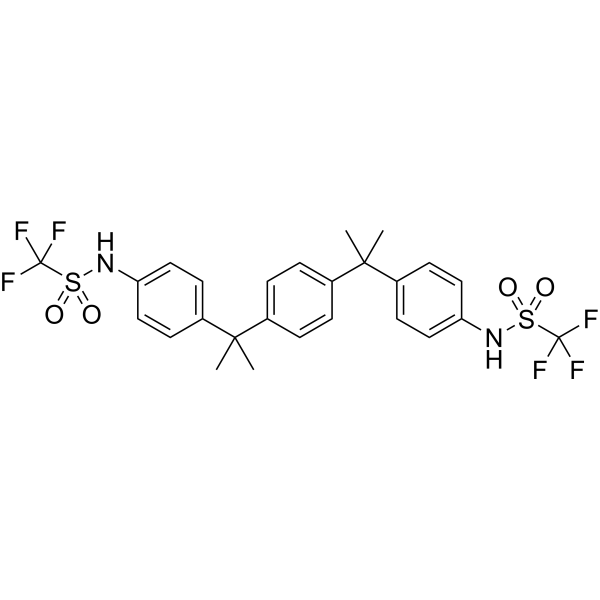
PTP Inhibitor IV is a protein tyrosine phosphatase (PTP) inhibitor that competitively inhibits DUSP14 phosphatase activity with an 50 of 5.21 μM . PTP Inhibitor IV inhibits SHP-2, PTP1B, PTP-ε, PTP Meg-2, PTP-σ, PTP-β, and PTP-μ with 50s of 1.8 μM, 2.5 μM, 8.4 μM, 13 μM, 20 μM, 6.4 μM, and 6.7 μM, respectively .
|
-
-
- HY-106702A
-
-

-
- HY-125259
-
-
-
- HY-19779
-
|
|
Phosphatase
|
Metabolic Disease
|
|
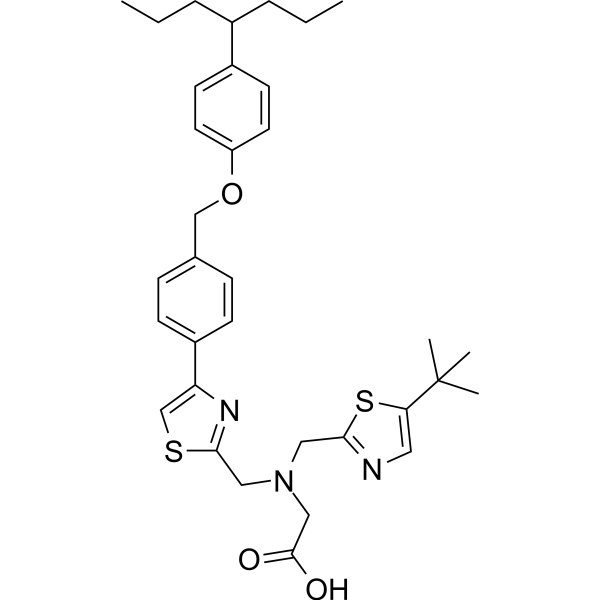
JTT 551 is selective a protein tyrosine phosphatase 1B (PTP1B) inhibitor, with Kis of 0.22 μM and 9.3 μM for PTP1B and TCPTP (T-cell protein tyrosine phosphatase), respectively; JTT 551 can be used in the research of type 2 diabetes mellitus.
|
-
-
- HY-B0537AS
-
|
MP-601205-d4 dihydrochloride
|
Isotope-Labeled Compounds
Parasite
Fungal
Phosphatase
Bacterial
Antibiotic
|
Infection
Cancer
|
|
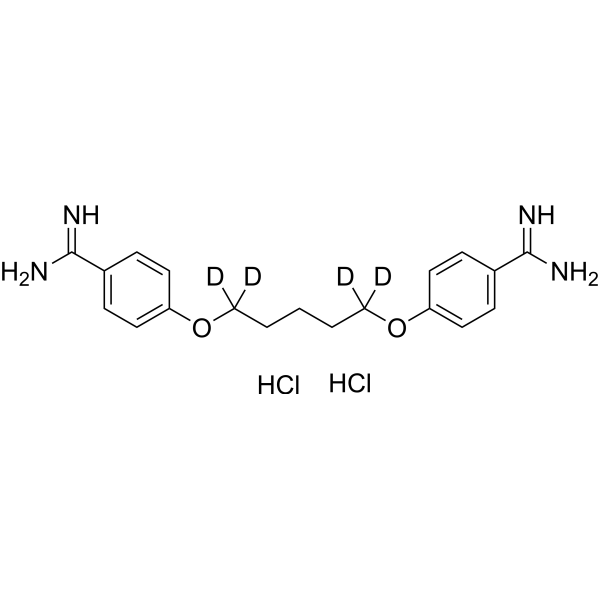
Pentamidine-d4 (dihydrochloride) is the deuterium labeled Pentamidine dihydrochloride. Pentamidine dihydrochloride (MP-601205 dihydrochloride) is an antimicrobial agent and interferes with DNA biosynthetics. Pentamidine dihydrochloride inhibits parasite Leishmania infantum with an IC50 of 2.5 μM. Pentamidine dihydrochloride is a potent and selective protein tyrosine phosphatases (PTPases) and phosphatase of regenerating liver (PRL) inhibitor. Pentamidine dihydrochloride has the potential for Gambian trypanosomiasis, antimony-resistant leishmaniasis, and Pneumocystis carinii pneumonia treatment. Antitumor and antibacterial activities .
|
-
-
- HY-171615
-
|
|
Phosphatase
|
Infection
|
|
(4-Phenylphenoxy) phosphonic acid is a protein tyrosine phosphatase (PTP) inhibitor (KM: 86 μM). (4-Phenylphenoxy) phosphonic acid can be used in tuberculosis research .
|
-

-
- HY-19820
-
|
|
Akt
Ser/Thr Protease
|
Neurological Disease
Cancer
|
|
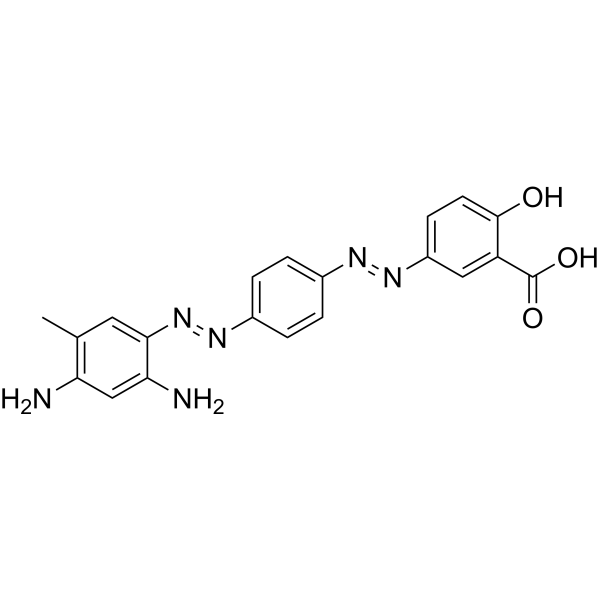
NSC45586 is an inhibitor of pleckstrin homology domain and leucine-rich repeat protein phosphatase (PHLPP). NSC45586 targets the PP2C phosphatase domain in PHLPP1 and PHLPP2. NSC45586 can activate AKT in neurons .
|
-
-
- HY-W008385R
-
-

-
- HY-P11219
-
|
|
YAP
|
Cancer
|
|
TAT-PDHPS1 is a YAP inhibitor composed of the endogenous peptide PDHPS1 and the cell-penetrating peptide sequence TAT. PDHPS1 binds to protein phosphatase 2 phosphatase activator (PTPA), an essential activator of protein phosphatase 2A (PP2A), leading to increased YAP phosphorylation, which inactivates YAP and suppresses the expression of its downstream target genes. TAT-PDHPS1 is potentially useful in ovarian cancer research .
|
-

-
- HY-15832A
-
|
|
Phosphatase
|
Others
|
|
(R)-GSK 2830371 is the R-enantiomer of GSK 2830371 (HY-15832). GSK 2830371 is a highly selective Wip1 phosphatase inhibitor with IC50 of 6 nM .
|
-

- HY-149492
-
|
|
Phosphatase
Fungal
|
Infection
|
|
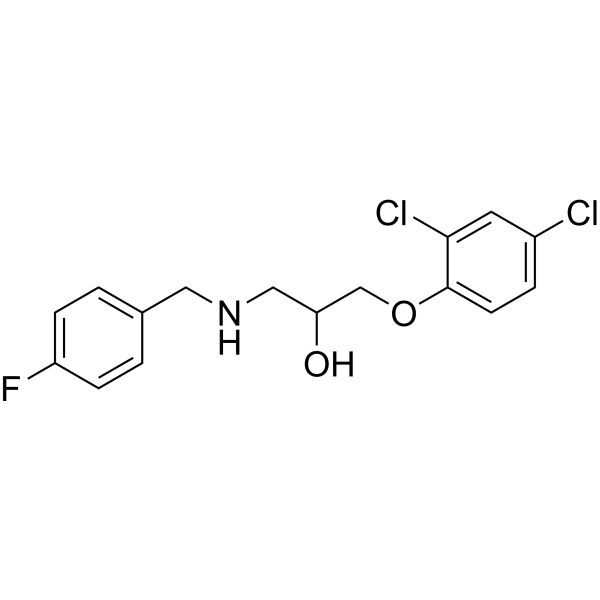
Phosphatase-IN-1 (compound II-8), a propranolol (HY-B0573B) derivative, is a phosphatidate phosphatase (Pah) inhibitor. Phosphatase-IN-1 can binds to MoPah1, with an affinity constant of 19.8 μM. Phosphatase-IN-1 inhibits growth of plant pathogens and shows anti-fungal ability. Phosphatase-IN-1 is not toxic to rice seedlings and wheat heads .
|
-
- HY-148001
-
|
|
Phosphatase
Dopamine β-hydroxylase
|
Others
|
|
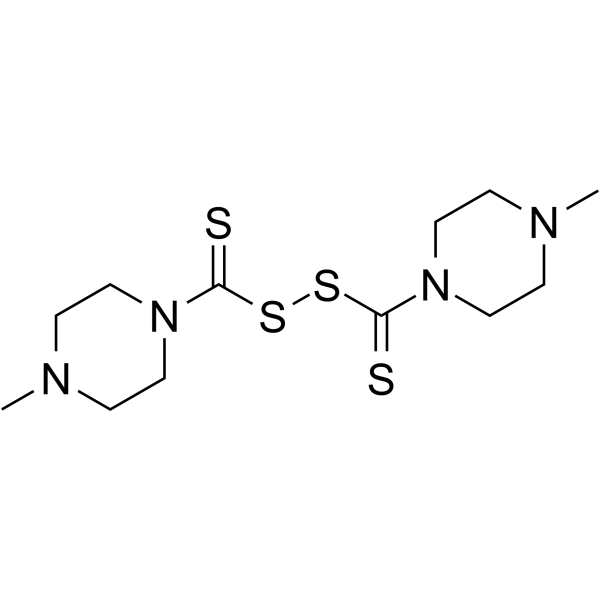
EWP 815 is a disulfiram analogue, is a potent inhibitor of Ins(1,4)P2 phosphatase and Ins(1,4,5)P3 5-phosphatase. EWP 815 also inhibits enzyme dopamine β-hydroxylase activity .
|
-
- HY-113821
-
|
|
Phosphatase
|
Others
|
|
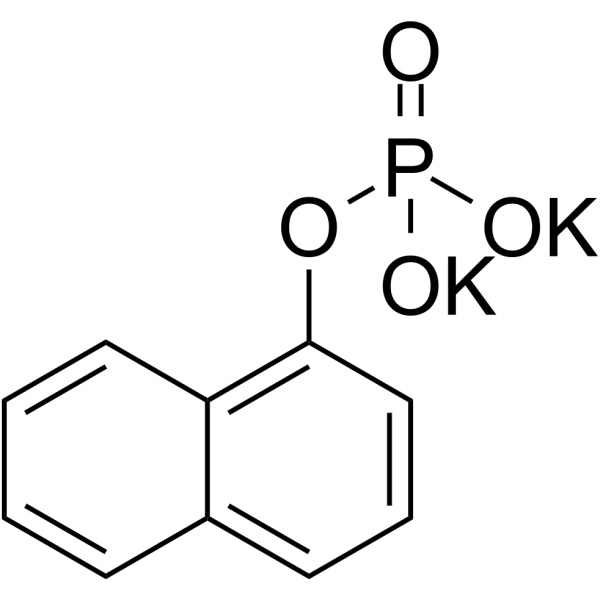
1-Naphthyl phosphate potassium salt is a non-specific phosphatase inhibitor. 1-Naphthyl phosphate potassium salt decreases the splice-correcting effect .
|
-
- HY-B0579S5
-
-

- HY-137135
-
|
|
Phosphatase
Apoptosis
ERK
p38 MAPK
JNK
|
Cancer
|
|
Cantharidic acid is a selective inhibitor for protein phosphatase 2 (PP2A) and protein phosphatase 1 (PP1). Cantharidic acid inhibits cell viability and arrest cell cycle at sub G1 phase, induces apoptosis in cells NPC-39 and HONE-1 through the upregulation of ERK1/2, p38, and JNK1/2 pathway .
|
-

- HY-B0537A
-
|
MP-601205 dihydrochloride
|
Parasite
Fungal
Phosphatase
Bacterial
Antibiotic
|
Infection
Cancer
|
|
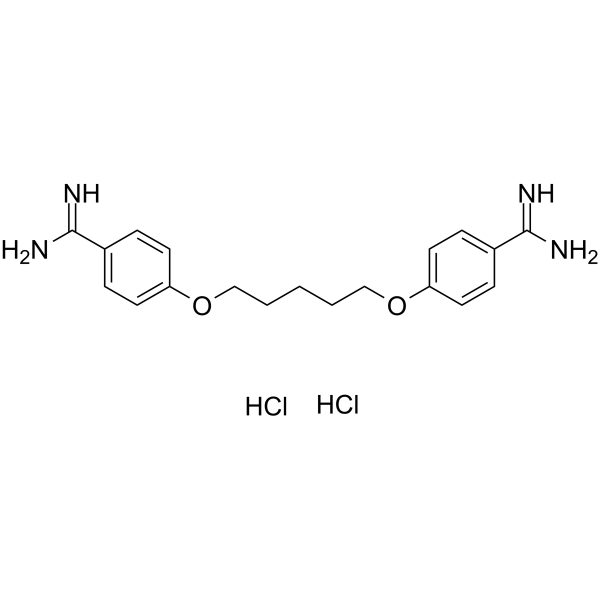
Pentamidine dihydrochloride (MP-601205 dihydrochloride) is an antimicrobial agent and interferes with DNA biosynthetics. Pentamidine dihydrochloride inhibits parasite Leishmania infantum with an IC50 of 2.5 μM. Pentamidine dihydrochloride is a potent and selective protein tyrosine phosphatases (PTPases) and phosphatase of regenerating liver (PRL) inhibitor. Pentamidine dihydrochloride has the potential for Gambian trypanosomiasis, antimony-resistant leishmaniasis, and Pneumocystis carinii pneumonia treatment. Antitumor and antibacterial activities .
|
-
- HY-B0579S2
-
|
Cyclosporine A acetate-d4; Ciclosporin A acetate-d4; CsA acetate-d4
|
Isotope-Labeled Compounds
Antibiotic
Complement System
Molecular Glues
Cyclophilin
|
Inflammation/Immunology
|
|
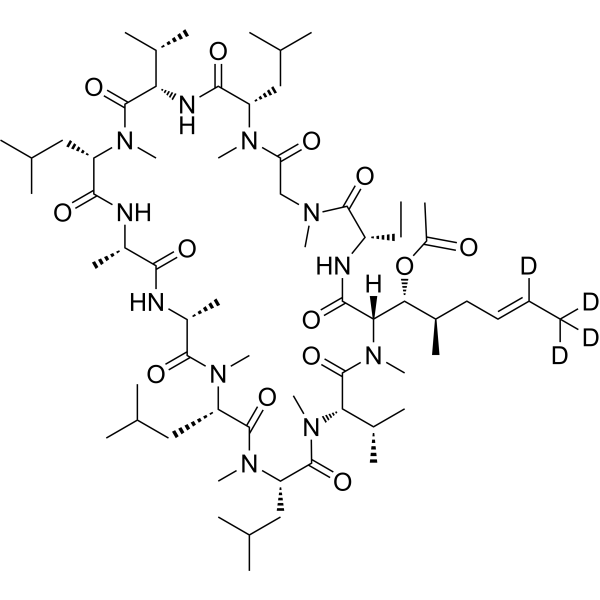
Cyclosporin A acetate-d4 (Cyclosporine A acetate-d4; Ciclosporin A acetate-d4) is a deuterium labeled Cyclosporin A (HY-B0579) . Cyclosporin A (Cyclosporine A) is an immunosuppressant which binds to the cyclophilin and inhibits phosphatase activity of protein phosphatase 2B (PP2B/calcineurin) with an IC50 of 5 nM . Cyclosporin A also inhibits CD11a/CD18 adhesion .
|
-
- HY-P11336
-
|
|
Phosphatase
|
Cancer
|
|
Oscillamide C (Compound 2), a ureido-containing cyclic peptide, is a Protein phosphatase 1 (PP1) and Protein phosphatase 2A (PP2A) inhibitor with IC50s of 0.90 and 1.33 μM for PP1 and PP2A, respectively. Oscillamide C can be isolated from the cyanobacteria Planktothrix agardhii and P. rubescens. Oscillamide C can be used for cancers research .
|
-

- HY-135477
-
|
|
Phosphatase
Bacterial
|
Infection
|
|
RWJ-60475 is a cell-permeable tyrosine phosphatase inhibitor with an IC50 of 3.3 μM. RWJ-60475, by inhibiting the activity of CD45/CD148 phosphatase, interferes with the phagocytic function of macrophages, thereby blocking the invasion of Legionella pneumophila into host cells and the transport of effector proteins. RWJ-60475 significantly reduces the uptake of bacterial particles by macrophages. RWJ-60475 can be used in the research of anti-infection targeting host factors .
|
-

- HY-115759
-
-
- HY-131549A
-
|
|
PTEN
Phosphatase
|
Others
|
|
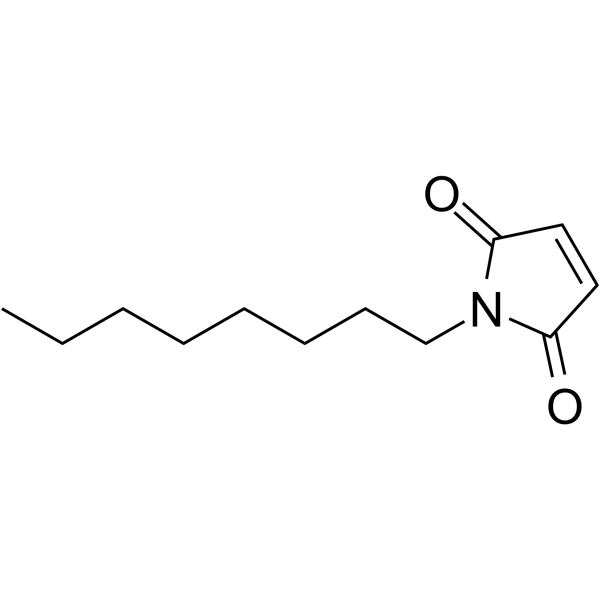
bpV(bipy) hydrate is the inhibitor for phosphoinositide 3-phosphatase (PTEN) and protein tyrosine phosphatases (PTP-β and PTP-1B) with IC50s of 18, 60.3, and 164 nM, respectively .
|
-

- HY-N3267
-
|
|
Phosphatase
|
Metabolic Disease
|
|
Methyl pseudolarate B, a natural diterpenoid, is a protein tyrosine phosphatase 1B (PTP1B) (Phosphatase) inhibitor with an IC50 value of 10.9 μM .
|
-
- HY-N12776
-
|
|
Phosphatase
|
Cancer
|
|
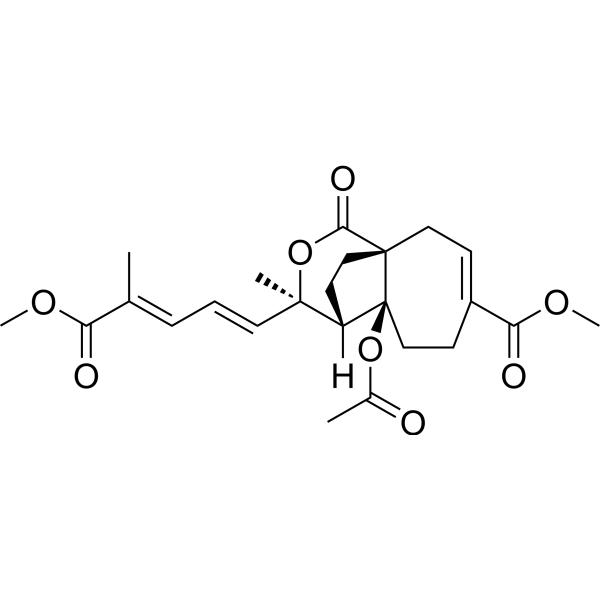
Illudalic acid is a potent and selective Leukocyte antigen-related (LAR) phosphatase inhibitor with an IC50 value of 1.30 µM. Illudalic acid inhibits LAR phosphatase through covalent ligation to the catalytic cysteine residue .
|
-

- HY-N14462
-
|
|
Antibiotic
Bacterial
|
Infection
Cancer
|
|
Pluraflavin A is an antitumor antibiotic. Pluraflavin A has the effect of inhibiting the transcription of glucose-6-phosphatase gene and has good anti-proliferation activity on tumor cells .
|
-

- HY-N12613
-
|
|
SHP1
Phosphatase
|
Inflammation/Immunology
|
|
Sydowimide A is a potent inhibitor of Src homology region 2 domain-containing phosphatase-1 (SHP1), T-cell protein tyrosine phosphatase (TCPTP) and leukocyte common antigen (CD45), with IC50 values of 1.5, 2.4 and 18.83 μM, respectively .
|
-
- HY-P1984
-
-

- HY-N10186
-
-
- HY-128978
-
|
|
Phosphatase
|
Metabolic Disease
|
|
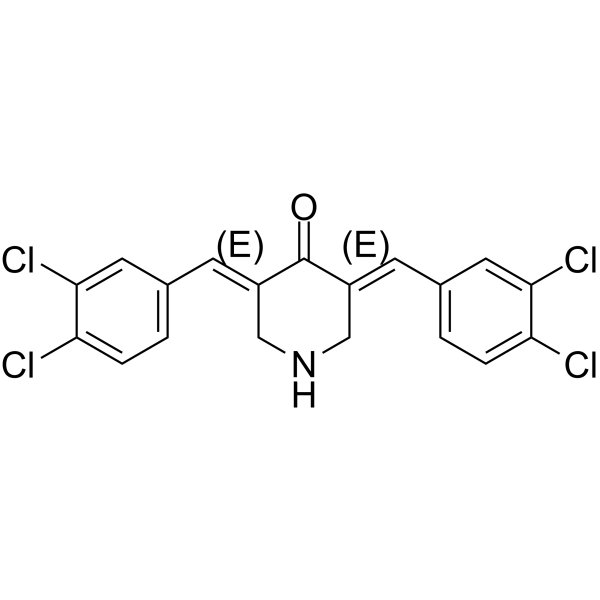
(E,E)-RAMB4 is a potent and selective potent protein tyrosine phosphatase-1B (PTP1B) inhibitor extracted from patent CN103626692A, example 1 .
|
-
- HY-123417
-
|
|
Phosphatase
|
Cancer
|
|
IRC-083864 is an inhibitor of CDC25 phosphatase. IRC-083864 inhibits the activity of recombinant human full-length CDC25 phosphatase with an IC50 value of 23 nM. IRC-083864 inhibits cell viability with an IC50 value of 47 nM on the HL60 cell line .
|
-

- HY-135564B
-
|
|
Phosphatase
|
Cancer
|
|
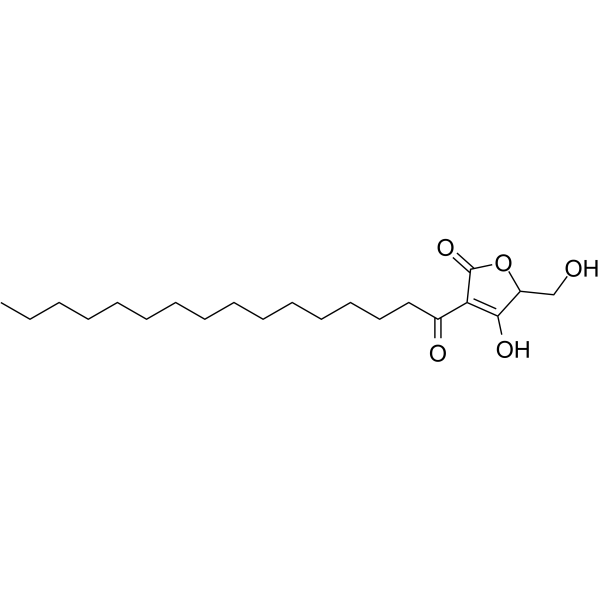
(Rac)-RK-682, a racemate of RK-682, is a protein tyrosine phosphatases (PTPases) inhibitor. (Rac)-RK-682 inhibits protein tyrosine phosphatase 1B (PTP-1B), low molecular weight protein tyrosine phosphatases (LMW-PTP), and cell division cycle 25B (CDC-25B) with IC50s of 8.6 μM, 12.4 μM, and 0.7 μM, respectively .
|
-
- HY-112139
-
|
|
Phosphatase
|
Others
|
|
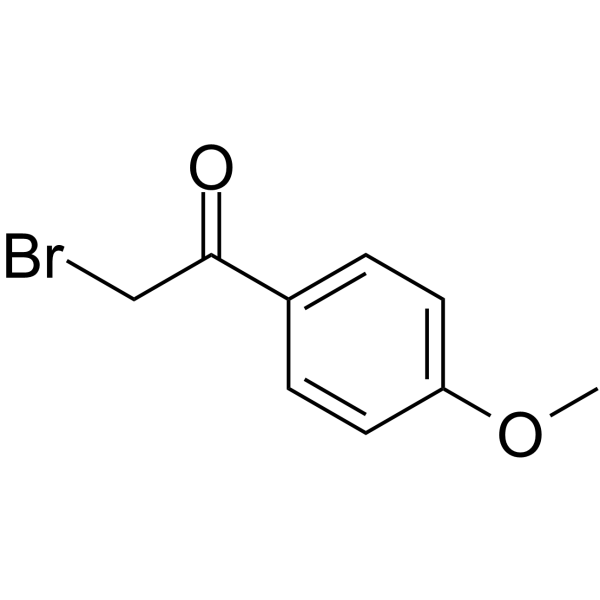
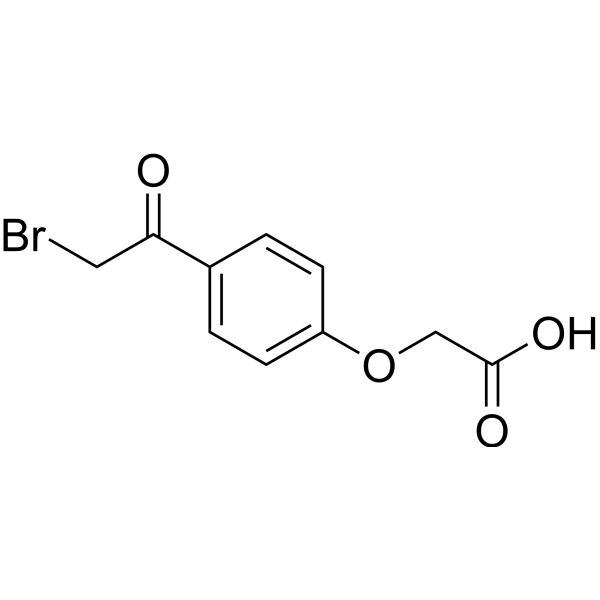
4-(Bromoacetyl)phenoxyacetic acid (PTP inhibitor III) is a protein tyrosine phosphatase (PTP) inhibitor .
|
-
- HY-111489
-
|
|
Phosphatase
|
Metabolic Disease
|
|
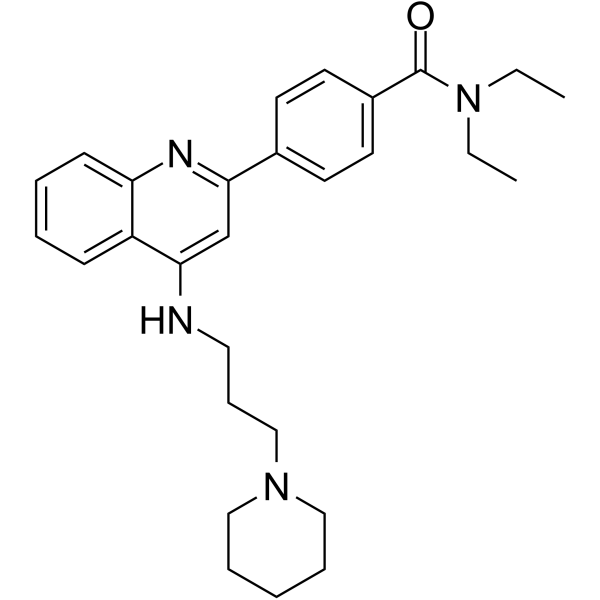
LMPTP inhibitor 1 is a selective inhibitor of low molecular weight protein tyrosine phosphatase (LMPTP), with an IC50 of 0.8 μM LMPTP-A.
|
-
- HY-111489A
-
|
|
Phosphatase
|
Metabolic Disease
|
|
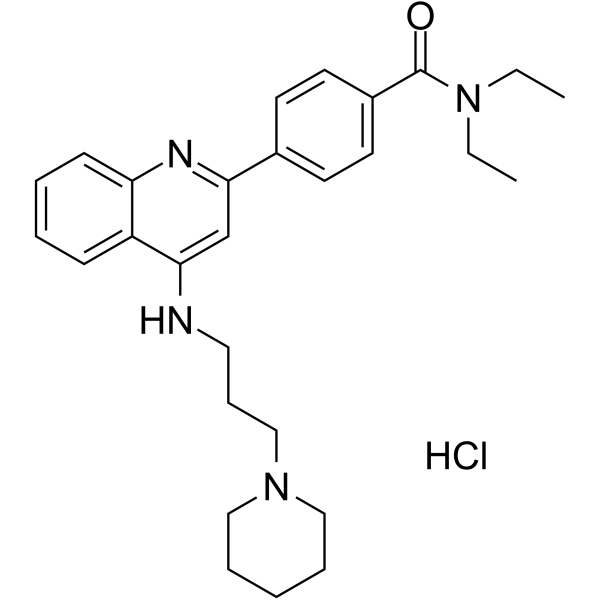
LMPTP inhibitor 1 hydrochloride is a selective inhibitor of low molecular weight protein tyrosine phosphatase (LMPTP), with an IC50 of 0.8 μM LMPTP-A.
|
-
- HY-12312A
-
-

- HY-162355
-
|
|
SHP2
|
Cancer
|
|
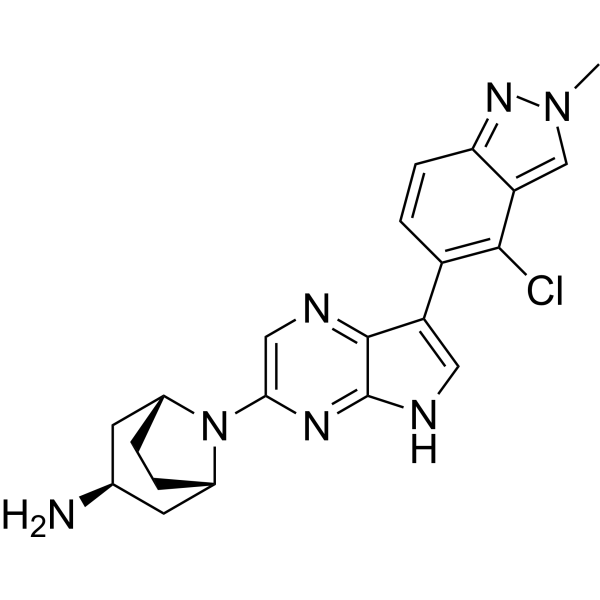
SHP2-IN-27 (compound 28) is an allosteric inhibitor of tyrosine phosphatase SH2 .
|
-
- HY-13588B
-
|
SCE-129 sodium hydrate
|
Antibiotic
Bacterial
|
Infection
|
|
Cefsulodin (SCE-129) sodium is a third generation β lactam antibiotic and member of the cephems subgroup of antibiotics. Cefsulodin sodium inhibits cell wall synthesis by competitively inhibiting penicillin binding protein (PBP) cross-linking and transpeptidation of peptidogly. Cefsulodin sodium is a potent tyrosine phosphatase inhibitor against mPTPB, a virulent phosphatase from Mycobacterium tuberculosis, with an IC50 value of 16 μM .
|
-
- HY-163408
-
|
|
Phosphatase
|
Others
|
|
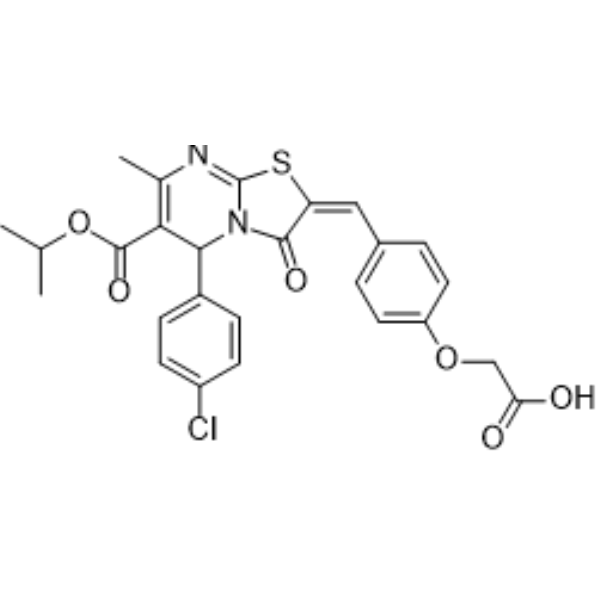
ALP-IN-1 (Compound 7e) is an alkaline phosphatase (ALP) inhibitor (IC50 = 0.308 µM) .
|
-
- HY-N15015
-
|
|
Phosphatase
|
Metabolic Disease
|
|
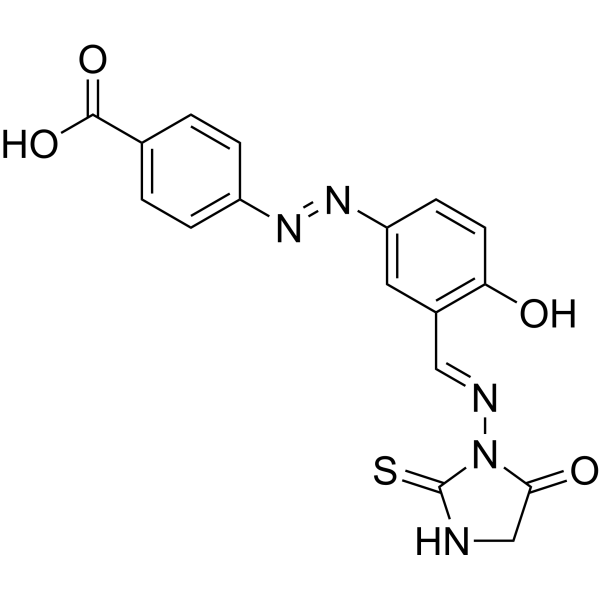
Dephostatin is a competitive protein tyrosine phosphatase (PTP) inhibitor that can be isolated from Streptomyces spp., with activity in the micromolar range .
|
-

- HY-129276
-
|
|
Phosphatase
|
Cancer
|
|
N-Retinoyl phenylalanine is a potent alkaline phosphatase isoenzymes inhibitor with cytotoxicity. N-Retinoyl phenylalanine is promising for research of cancers .
|
-

- HY-16442
-
|
|
Phosphatase
|
Metabolic Disease
|
|
S-3483, a Chlorogenic acid (HY-N0055) derivative, is a reversible, linear competitive glucose-6-phosphatase (Glc-6-Pase) system inhibitor. S-3483 inhibits Glc-6-Pase with a Ki 129 nM in rat liver microsomes. S-3483 specifically inhibits Glc-6-P transporter of renal and liver microsomes .
|
-

- HY-127178
-
|
|
Phosphatase
|
Cancer
|
|
ML120 analog 1 (compound 1) is a competitive inhibitor with a Ki of 0.69 μM for Hematopoietic protein tyrosine phosphatase (HePTP) .
|
-
- HY-N8789
-
|
|
Phosphatase
|
Others
|
|
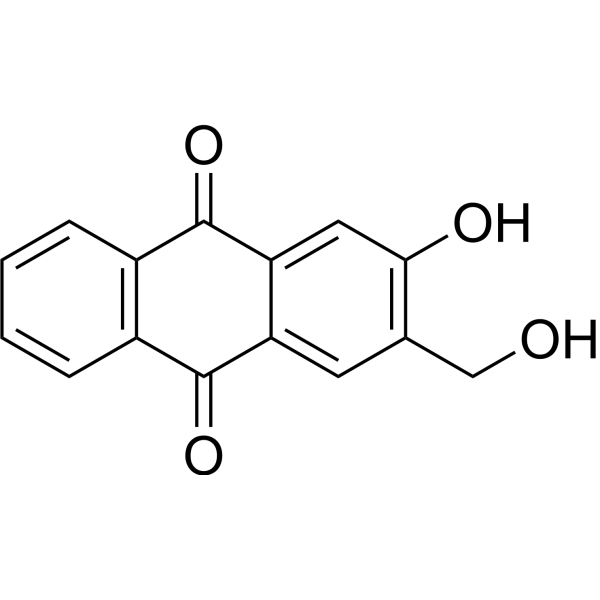
2-Hydroxymethyl-3-hydroxyanthraquinone is an antiosteoporotic compound that inhibits osteoclastic tartrate-resistant acid phosphatase (TRAP) activity .
|
-
- HY-W328402
-
|
|
Phosphatase
|
Cancer
|
|
(Rac)-LB-100 is the racemate of LB-100. LB-100 is a protein phosphatase 2A (PP2A) inhibitor .
|
-
- HY-170582
-
|
|
Phosphatase
|
Metabolic Disease
|
|
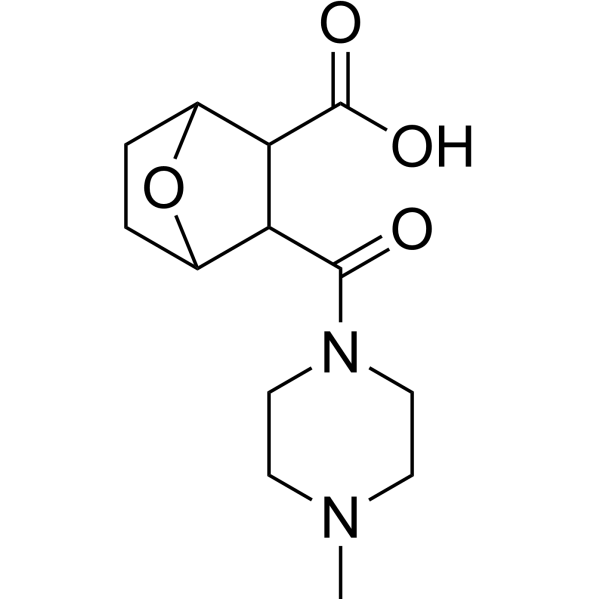
PTP1B-IN-29 (Compound A2B5) is an inhibitor for phosphatase, that inhibits protein tyrosine phosphatase 1B (PTP1B), TCPTP and λPPase with IC50s of 1.27 μM, 4.38 μM and 8.79 μM, respectively. PTP1B-IN-29 can be used in research of diabete and obesity .
|
-

- HY-13588R
-
|
SCE-129 sodium (Standard)
|
Reference Standards
Bacterial
Antibiotic
|
Infection
|
|
Cefsulodin (sodium) (Standard) is the analytical standard of Cefsulodin (sodium). This product is intended for research and analytical applications. Cefsulodin (SCE-129) sodium is a third generation β lactam antibiotic and member of the cephems subgroup of antibiotics. Cefsulodin sodium inhibits cell wall synthesis by competitively inhibiting penicillin binding protein (PBP) cross-linking and transpeptidation of peptidogly. Cefsulodin sodium is a potent tyrosine phosphatase inhibitor against mPTPB, a virulent phosphatase from Mycobacterium tuberculosis, with an IC50 value of 16 μM .
|
-

- HY-B0537C
-
|
MP-601205 dimesylate
|
Antibiotic
Parasite
Fungal
Phosphatase
Bacterial
|
Infection
Cancer
|
|
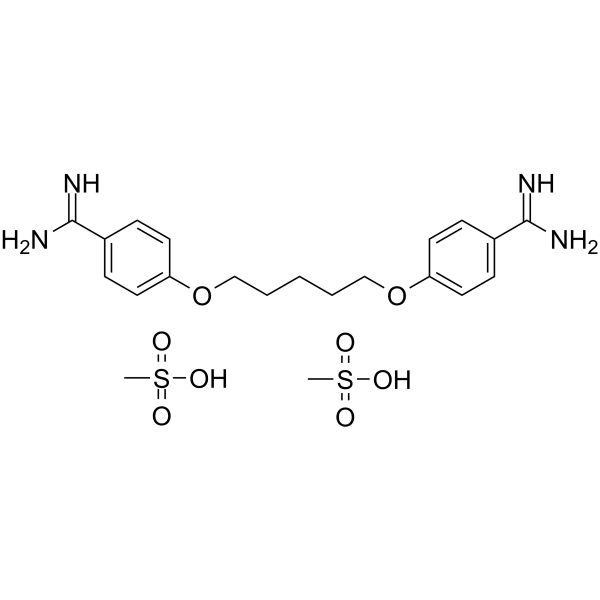
Pentamidine (MP-601205) dimesylate is an antimicrobial agent and interferes with DNA biosynthetics. Pentamidine dimesylate inhibits parasite Leishmania infantum with an IC50 of 2.5 μM. Pentamidine dimesylate is a potent and selective protein tyrosine phosphatases (PTPases) and phosphatase of regenerating liver (PRL) inhibitor. Pentamidine dimesylate has the potential for Gambian trypanosomiasis, antimony-resistant leishmaniasis, and Pneumocystis carinii pneumonia treatment. Antitumor and antibacterial activities .
|
-
- HY-N10648
-
|
|
Phosphatase
|
Metabolic Disease
|
|
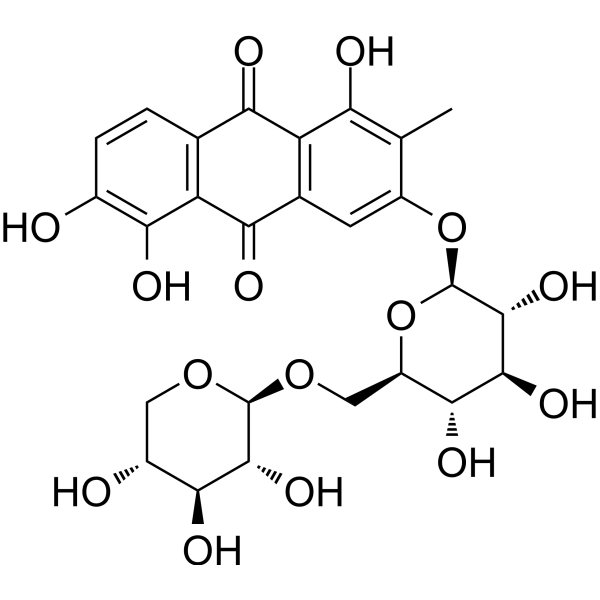
PTP1B-IN-20 is a selective inhibitor of protein tyrosine phosphatase 1B (PTP1B; IC50=1.05 μM) over the highly homologous T-cell protein tyrosine phosphatase (TCPTP; IC50=78.0 μM), which is a key target for type 2 diabetes inhibition .
|
-
- HY-B0537R
-
|
MP-601205 (Standard)
|
Reference Standards
Parasite
Fungal
Phosphatase
Bacterial
Antibiotic
|
Infection
Cancer
|
|
Pentamidine (Standard) is the analytical standard of Pentamidine. This product is intended for research and analytical applications. Pentamidine (MP-601205) is an antimicrobial agent and interferes with DNA biosynthetics. Pentamidine inhibits parasite Leishmania infantum with an IC50 of 2.5 μM. Pentamidine is a potent and selective protein tyrosine phosphatases (PTPases) and phosphatase of regenerating liver (PRL) inhibitor. Pentamidine has the potential for Gambian trypanosomiasis, antimony-resistant leishmaniasis, and Pneumocystis carinii pneumonia treatment. Antitumor and antibacterial activities .
|
-

- HY-128005
-
|
|
Phosphatase
|
Metabolic Disease
Endocrinology
Cancer
|
|
ML085 is an inhibitor of placental alkaline phosphatase (PLAP). ML085 can be used in the research of testicular tumors, endocrine and metabolic diseases, and genitourinary system diseases .
|
-

- HY-149943
-
|
|
Phosphatase
|
Inflammation/Immunology
|
|
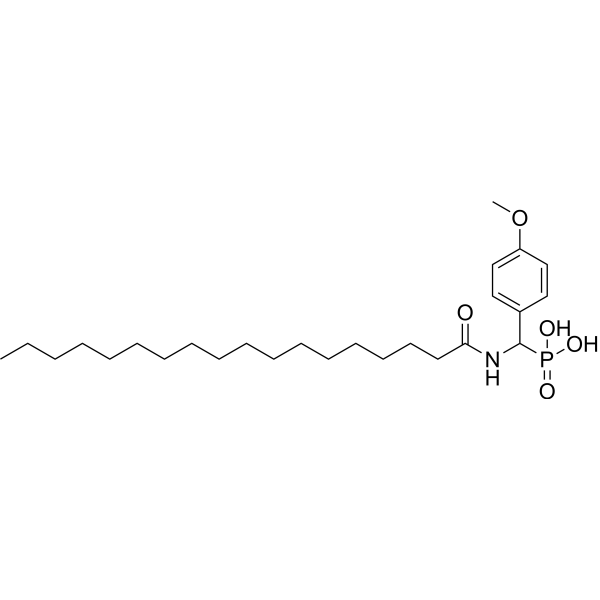
PAP-IN-2 (Compound 35) is a purple acid phosphatase (PAP) inhibitor (Kis: 186 nM). PAP-IN-2 can be used for development of anti-osteoporotic compounds .
|
-
- HY-152168
-
|
|
PERK
Phosphatase
|
Cancer
|
|
NSC 295642 is a phosphatase inhibitor. NSC 295642 can significantly increase phospho-Erk cytonuclear differences in intact cells. NSC 295642 can be used for the research of cancer .
|
-
- HY-128024
-
|
|
Phosphatase
|
Cancer
|
|
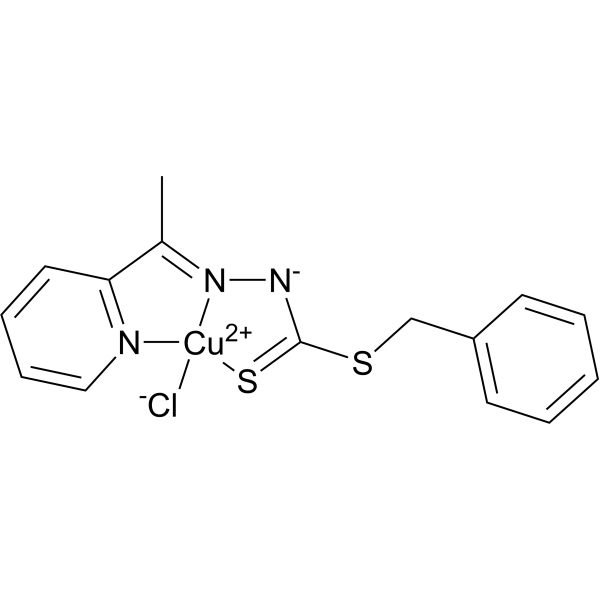
VHR-IN-1 (Compound SA1) is a potent and selective VHR phosphatase inhibitor with an IC50 of 18 nM. VHR-IN-1 can inhibit the proliferation of cervix cancer cells and has anti-tumor activity .
|
-

- HY-180456
-
|
|
Phosphatase
|
Infection
|
|
Phosphatase-IN-2 (Compound 26) is a CpxA phosphatase inhibitor. Phosphatase-IN-2 can be used in the research of Escherichia coli infection .
|
-

- HY-124420
-
|
|
Phosphatase
|
Metabolic Disease
|
|
MLS-0322825 is a selective low molecular weight protein tyrosine phosphatase (LMPTP) inhibitor with an IC50 of 3.3 μM for LMPTP-A. MLS-0322825 shows exquisite selectivity over other phosphatases (class I tyrosine-specific lymphoid phosphatase (LYP) and class I dual-specific vaccinia H1-related phosphatase (VHR)). MLS-0322825 can be used for the research of type 2 diabetes [1].
|
-

- HY-109041A
-
|
AKB-9778 sodium
|
Phosphatase
Tie
|
Inflammation/Immunology
|
|
Razuprotafib (AKB-9778) sodium is a potent and selective inhibitor of the catalytic activity of VE-PTP (vascular endothelial protein tyrosine phosphatase) with an IC50of 17 pM. Razuprotafib sodium promotes TIE2 activation, enhances ANG1-induced TIE2 activation, and stimulates phosphorylation of signaling molecules in the TIE2 pathway, including AKT, eNOS, and ERK. Razuprotafib sodium inhibits the structurally related phosphatase PTP1B with an IC50 of 780 nM. Razuprotafib sodium shows excellent selectivity for VE-PTP versus a variety of phosphatases, with the exception of HPTPη (IC50=36 pM) and HPTPγ (100 pM) .
|
-

- HY-W834690
-
|
|
Phosphatase
|
Metabolic Disease
|
|
G6Pase catalytic enzyme-IN-1 is a competitive inhibitor of glucose-6-phosphatase catalytic enzyme. G6Pase catalytic enzyme-IN-1 has an IC50 of 10 μM in pig liver microsomes. G6Pase catalytic enzyme-IN-1 can be used in studies related to type 2 diabetes .
|
-

- HY-182379
-
|
|
Phosphatase
|
Metabolic Disease
|
|
SBI-0802767 is an orally active, uncompetitive and highly selective inhibitor of protein tyrosine phosphatase (LMPTP) with an IC50 of 0.239 μM. SBI-0802767 exhibits >1000-fold selectivity over other protein tyrosine phosphatases and enhances insulin signaling in hepatocytes. SBI-0802767 is used in studies of obesity-related type 2 diabetes and insulin resistance .
|
-

- HY-28086
-
|
|
Phosphatase
|
Cancer
|
|
CDC25-IN-2 (Compound 1d) is a selective phosphatase Cdc25 inhibitor with IC50 values of 44.4, 55.2 and 53.9 μM for human Cdc25A, Cdc25B, Cdc25C. CDC25-IN-2 can block the cell cycle progression by inhibiting the activity of Cdc25 phosphatase. CDC25-IN-2 can be used for the research of cancer .
|
-

- HY-108543R
-
|
|
Reference Standards
Phosphatase
Apoptosis
|
Cancer
|
|
NSC 95397 (Standard) is the analytical standard of NSC 95397 (HY-108543). This product is intended for research and analytical applications. NSC 95397 is a potent, selective Cdc25 dual specificity phosphatase inhibitor (Ki=32 nM (Cdc25A), 96 nM (Cdc25B), 40 nM (Cdc25C); IC50=22.3 nM (human Cdc25A), 56.9 nM (human Cdc25C), 125 nM (Cdc25B)) . NSC 95397 inhibits mitogen-activated protein Kinase phosphatase-1 (MKP-1) and suppresses proliferation and induces apoptosis in colon cancer cells through MKP-1 and ERK1/2 pathway .
|
-

- HY-109041R
-
|
AKB-9778 (Standard)
|
Reference Standards
Phosphatase
Tie
|
Inflammation/Immunology
|
|
Razuprotafib (Standard) is the analytical standard of Razuprotafib (HY-109041). This product is intended for research and analytical applications. Razuprotafib (AKB-9778) is a potent and selective inhibitor of the catalytic activity of VE-PTP (vascular endothelial protein tyrosine phosphatase) with an IC50of 17 pM. Razuprotafib promotes TIE2 activation, enhances ANG1-induced TIE2 activation, and stimulates phosphorylation of signaling molecules in the TIE2 pathway, including AKT, eNOS, and ERK. Razuprotafib inhibits the structurally related phosphatase PTP1B with an IC50 of 780 nM. Razuprotafib shows excellent selectivity for VE-PTP versus a variety of phosphatases, with the exception of HPTPη (IC50=36 pM) and HPTPγ (100 pM) .
|
-

- HY-112776A
-
|
|
Phosphatase
|
Cancer
|
|
BN82002 hydrochloride is a potent, selective and irreversible inhibitor of CDC25 phosphatase family. BN82002 hydrochloride inhibits CDC25A, CDC25B2, CDC25B3, CDC25C CDC25A, and 25C-cat with IC50 values of 2.4, 3.9, 6.3, 5.4, and 4.6 µM, respectively. BN82002 hydrochloride displays ~20-fold greater selectivity over CD45 tyrosine phosphatase .
|
-
- HY-N17455
-
-

- HY-P11336A
-
|
|
Phosphatase
|
Cancer
|
|
Oscillamide C TFA (Compound 2), a ureido-containing cyclic peptide, is a Protein phosphatase 1 (PP1) and Protein phosphatase 2A (PP2A) inhibitor with IC50s of 0.90 and 1.33 μM for PP1 and PP2A, respectively. Oscillamide C TFA can be isolated from the cyanobacteria Planktothrix agardhii and P. rubescens. Oscillamide C TFA can be used for cancers research .
|
-

- HY-124756
-
SBI-425
3 Publications Verification
|
Phosphatase
|
Cardiovascular Disease
|
|
SBI-425 is an orally active and potent TNAP (tissue-nonspecific alkaline phosphatase) inhibitor (IC50=16 nM). SBI-425 inhibits TNAP in the vasculature, improving cardiovascular parameters and survival .
|
-
- HY-126730
-
|
|
Phosphatase
|
Cancer
|
|
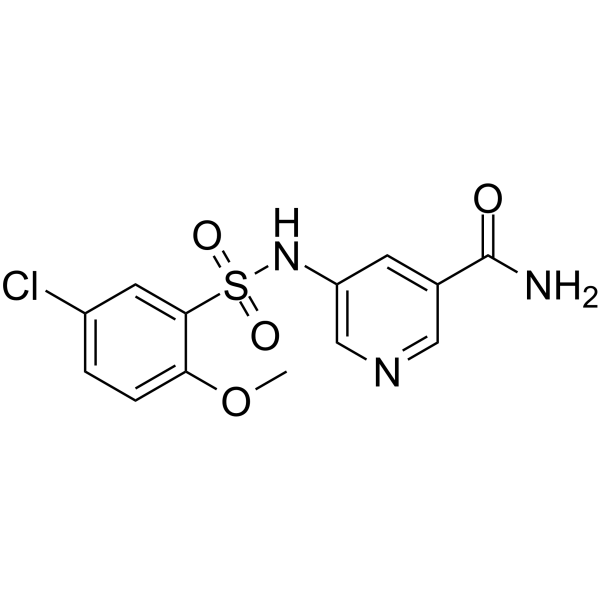
Rubratoxin A is a natural mycotoxin and competitive inhibitor of protein phosphatase 2A (PP2A) with an IC50 of 170 nM. Rubratoxin A causes suppression of tumor metastasis and reduction of primary tumor volume in mouse xenografts .
|
-
- HY-N12736
-
|
|
Phosphatase
|
Metabolic Disease
|
|
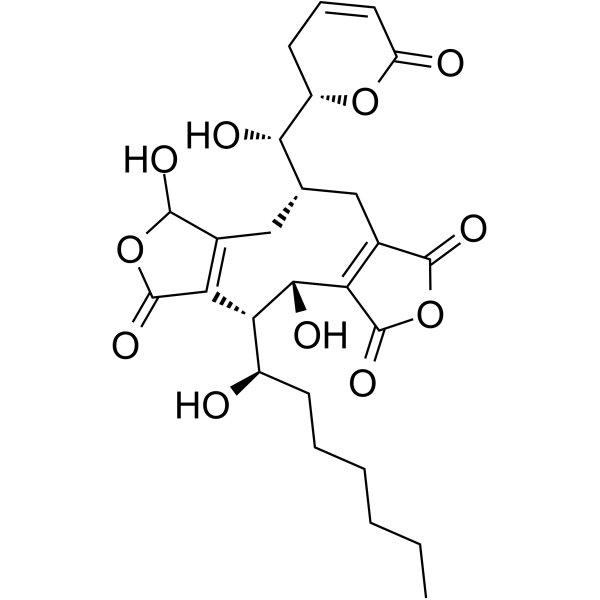
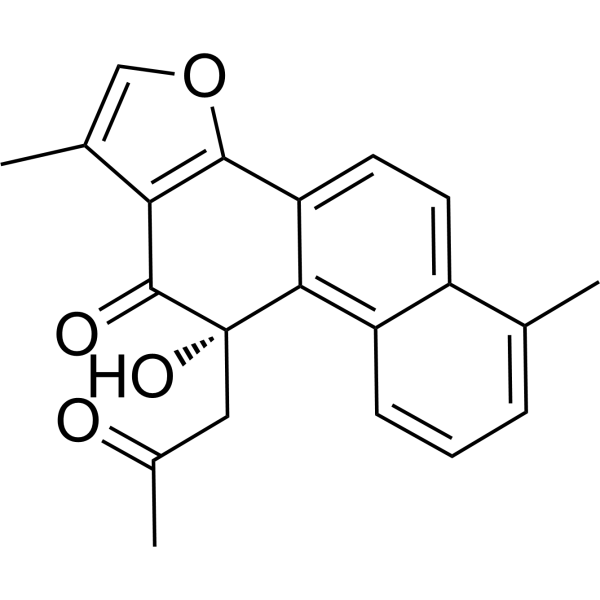
Dehydrodanshenol A is a non-competitive inhibitor of Protein tyrosine phosphatase 1B (PTP1B), with an IC50 value of 8.5 μM. Dehydrodanshenol A can be used in diabetes-related research .
|
-
- HY-13756A
-
|
FK506 monohydrate; Fujimycin monohydrate; FR900506 monohydrate
|
Phosphatase
FKBP
Autophagy
Bacterial
Antibiotic
|
Infection
Inflammation/Immunology
Cancer
|
|
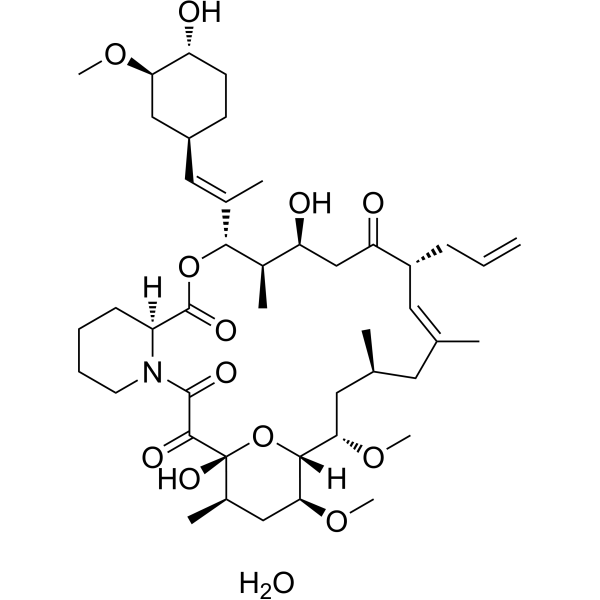
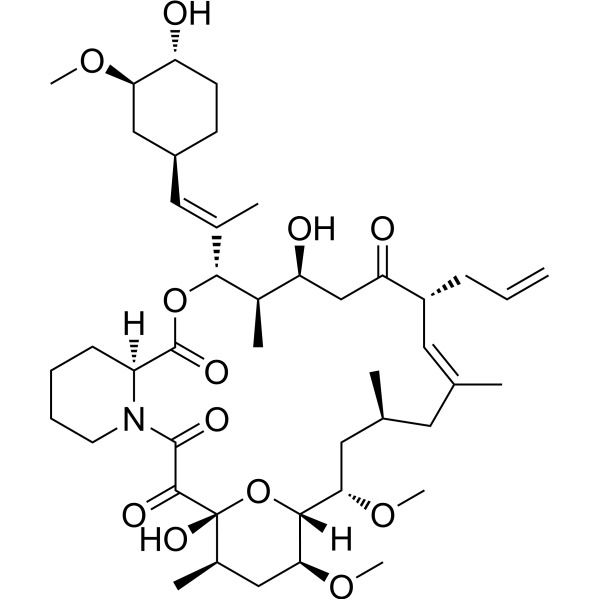
Tacrolimus monohydrate (FK506 monohydrate), a macrocyclic lactone, binds to FK506 binding protein (FKBP) to form a complex and inhibits calcineurin phosphatase, which inhibits T-lymphocyte signal transduction and IL-2 transcription. Immunosuppressive properties .
|
-
- HY-B0537BR
-
|
MP-601205 isethionate (Standard)
|
Reference Standards
Parasite
Fungal
Phosphatase
Bacterial
Antibiotic
|
Infection
Cancer
|
|
Pentamidine (isethionate) (Standard) is the analytical standard of Pentamidine (isethionate). This product is intended for research and analytical applications. Pentamidine isethionate (MP-601205 isethionate) is an antimicrobial agent and interferes with DNA biosynthetics. Pentamidine isethionate inhibits parasite Leishmania infantum with an IC50 of 2.5 μM. Pentamidine isethionate is a potent and selective protein tyrosine phosphatases (PTPases) and phosphatase of regenerating liver (PRL) inhibitor. Pentamidine isethionate has the potential for Gambian trypanosomiasis, antimony-resistant leishmaniasis, and Pneumocystis carinii pneumonia treatment. Antitumor and antibacterial activities .
|
-

- HY-N6650
-
|
|
Phosphatase
|
Metabolic Disease
|
|
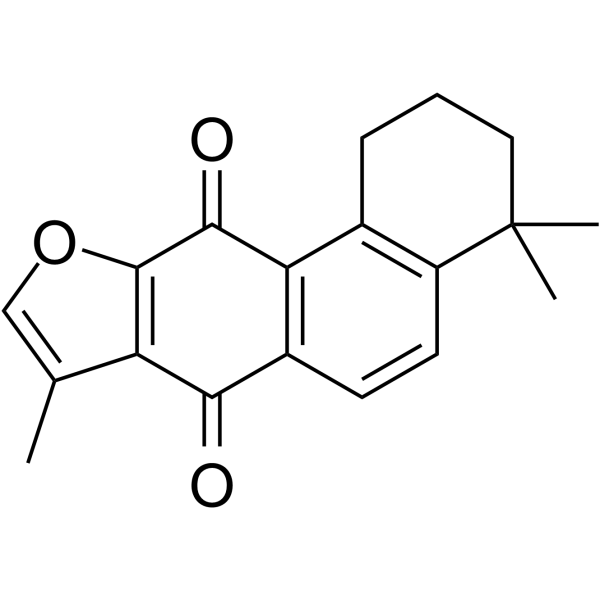
Isotanshinone IIA, an abietane-type diterpene metabolite, could non-competitively inhibit Protein Tyrosine Phosphatase 1B (PTP1B) activity with an IC50 0f 11.4 μM.
|
-
- HY-155037
-
|
|
Phosphatase
|
Cancer
|
|
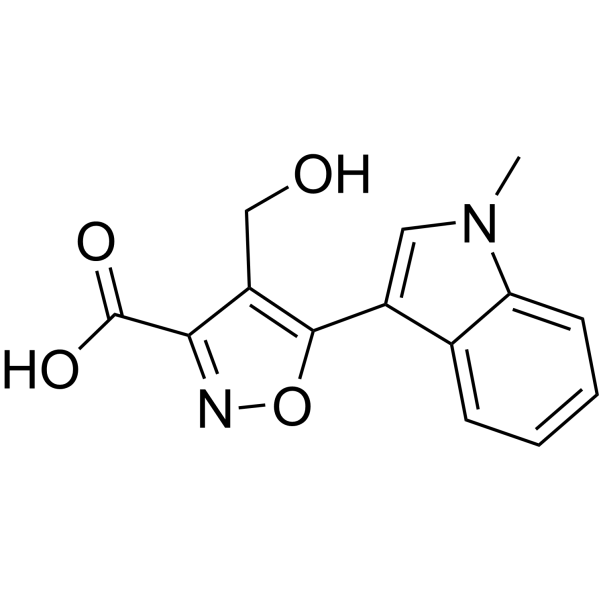
VE-PTP-IN-1 (compound 2) is a weakly acidic and selective inhibitor of vascular endothelial protein tyrosine phosphatase (VE-PTP).VE-PTP-IN-1 is assocaited with vascular homeostasis and angiogenesis.
|
-
- HY-121087
-
BCI-215
3 Publications Verification
|
Phosphatase
|
Cancer
|
|
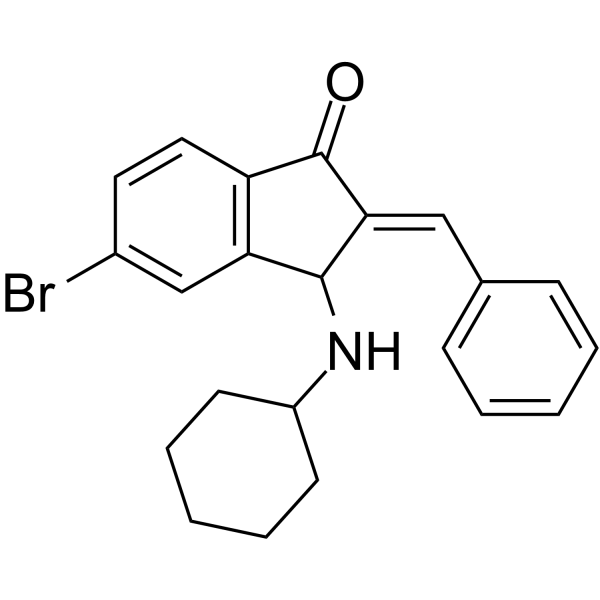
BCI-215 is a potent and tumor cell-selective dual specificity MAPK phosphatase (DUSP-MKP) inhibitor. BCI-215 has cytotoxicity for tumor cells but not normal cells .
|
-
- HY-125260
-
|
|
SHP2
|
Cancer
|
|
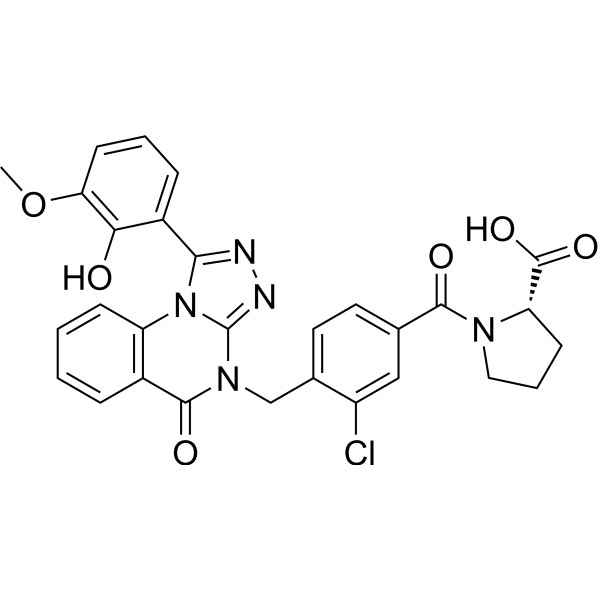
SHP844 is a SHP2 inhibitor with the IC50 of 18.9 µM. SHP2 is a protein tyrosine phosphatase (PTP) that regulates tyrosine phosphorylation levels and is involved in cell proliferation, differentiation and survival .
|
-
- HY-13756
-
-
- HY-101180
-
|
Ceramide 2
|
Phosphatase
Mitochondrial Metabolism
Apoptosis
Autophagy
|
Metabolic Disease
Endocrinology
|
|
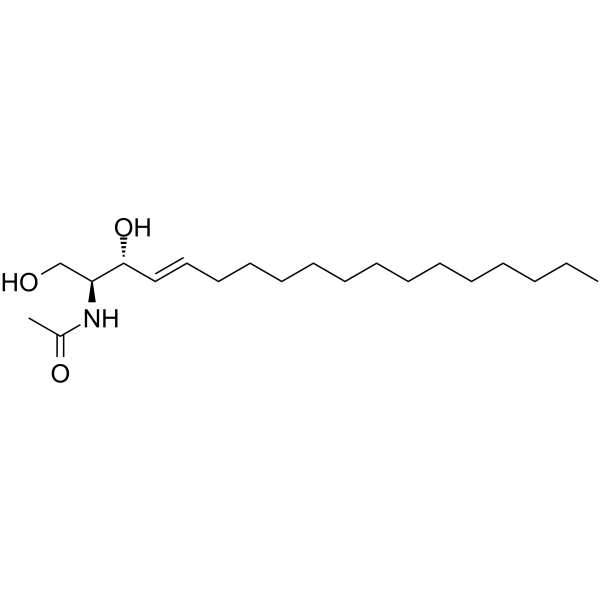
C2 Ceramide (Ceramide 2) is the main lipid of the stratum corneum and a protein phosphatase 1 (PP1) activator. C2 Ceramide activates PP2A and ceramide-activated protein phosphatase (CAPP). C2 Ceramide induces cells differentiation, autophagy and apoptosis, inhibits mitochondrial respiratory chain complex III. C2 Ceramide is also a skin conditioning agent that protects the epidermal barrier from water loss .
|
-
- HY-18597
-
|
|
Phosphatase
|
Cancer
|
|
LB-100 is a protein phosphatase 2A (PP2A) inhibitor, with IC50 of 0.85 μM and 3.87 μM in BxPc-3 and Panc-1 cells .
|
-
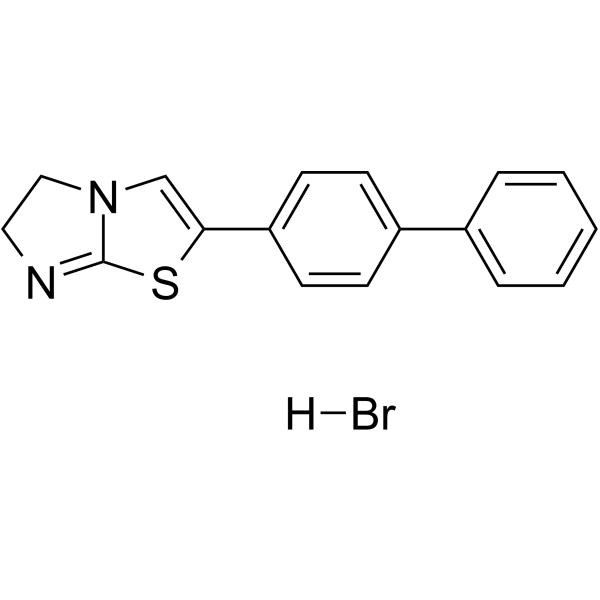
- HY-101485
-
|
Autophagy enhancer-99 hydrobromide
|
Phosphatase
|
Neurological Disease
|
|
AUTEN-99 (hydrobromide) is a novel inhibitor of the myotubularin phosphatase Jumpy (also called MTMR14). AUTEN-99 (hydrobromide) crosses the blood-brain barrier and exerts potent neuroprotective effects .
|
-
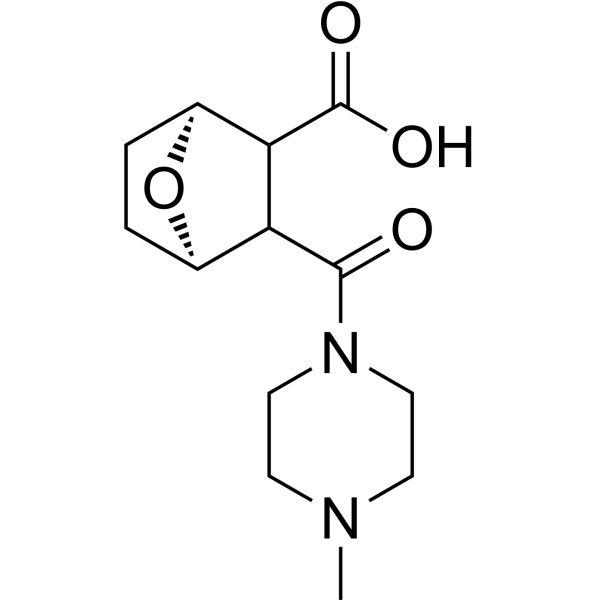
- HY-14210
-
|
|
Phosphatase
|
Inflammation/Immunology
|
|
TNAP-IN-1 (Compound 1) is a selective tissue-nonspecific alkaline phosphatase (TNAP) inhibitor, with an IC50 of 0.19 μM. TNAP-IN-1 can be used for the research of soft tissue calcification .
|
-

- HY-N15308
-
|
|
Phosphatase
|
Neurological Disease
Metabolic Disease
|
|
Kanjone is a compound found in Millettia peguensis and can be used for the synthesis of protein tyrosine phosphatase 1B (PTP1B) inhibitors. Kanjone holds promise for research in the fields of diabetes and neurological disorders .
|
-

- HY-N0374
-
|
|
Glycosidase
|
Metabolic Disease
|
|
Licochalcone C could inhibit α-glucosidase, with IC50s of <100 nM and 92.43 μM for α-glucosidase and protein tyrosine phosphatase 1B (PTP1B), respectively.
|
-
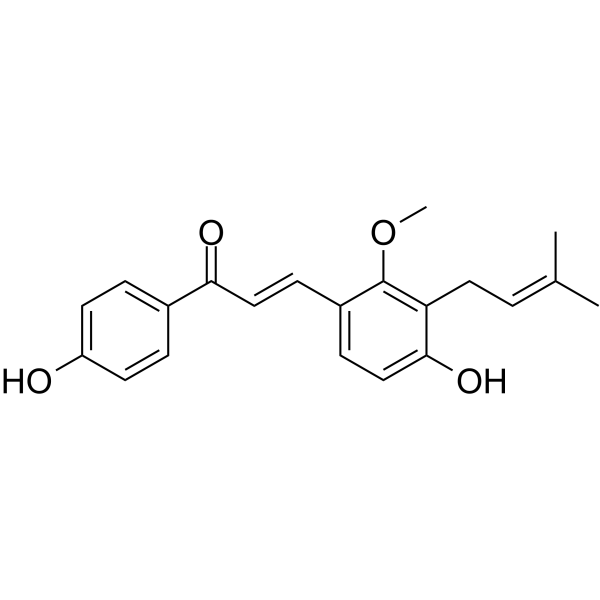
- HY-B0579S
-
-
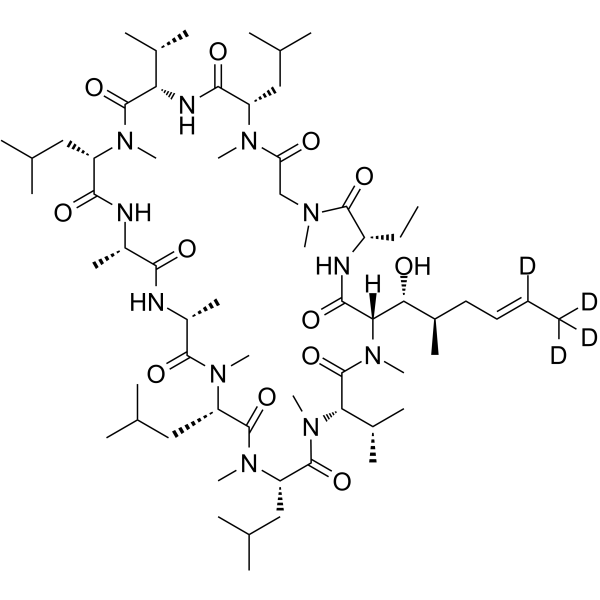
- HY-W174279
-
|
|
EGFR
Ras
Phosphatase
|
Metabolic Disease
|
|
Tyrphostin 8 is a tyrosine kinase, with an IC50 of 560 μM for EGFR kinase. Tyrphostin 8 is also a GTPase inhibitor. Tyrphostin 8 can inhibit the protein serine/threonine phosphatase calcineurin (IC50=21 μM) .
|
-
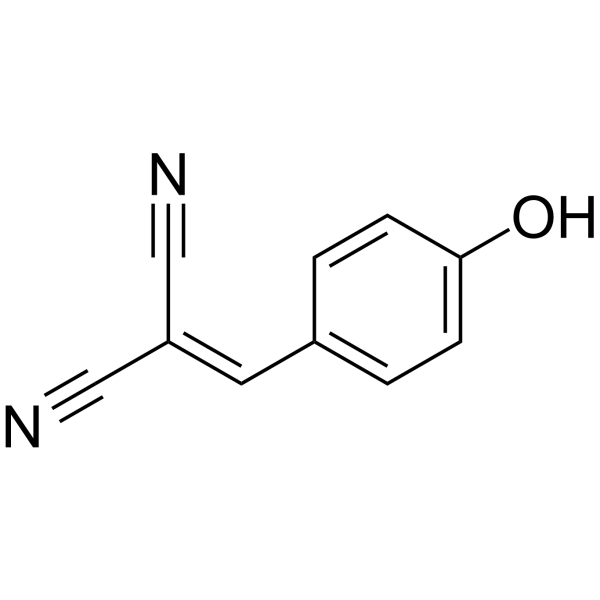
- HY-112800
-
|
|
Phosphatase
|
Metabolic Disease
|
|
cyt-PTPε Inhibitor-1 is a potent cytosolic protein tyrosine phosphatase epsilon (cyt-PTPε) inhibitor, binds to the catalytic domain of cyt-PTPε, blocks c-Src activation (dephosphorylation of c-Src), and exhibits anti-osteoclastic activity .
|
-
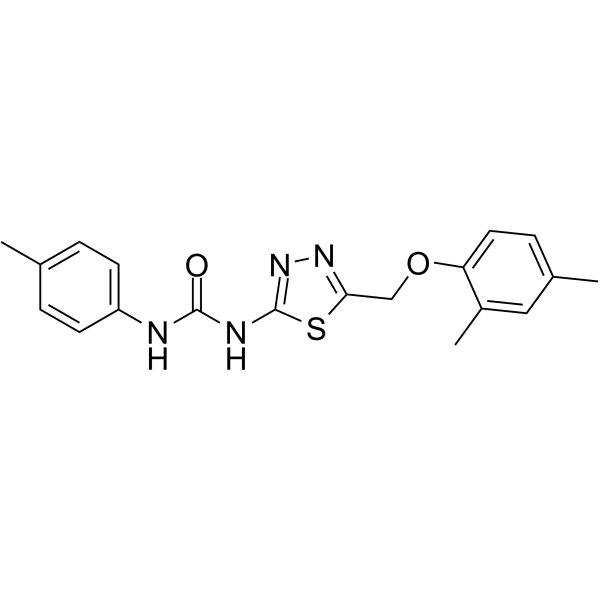
- HY-108599R
-
|
FR236924 (Standard)
|
Reference Standards
PKC
CaMK
Phosphatase
Apoptosis
|
Neurological Disease
|
|
DCP-LA (Standard) is the analytical standard of DCP-LA. This product is intended for research and analytical applications. DCP-LA (FR236924), a linoleic acid derivative, selectively and directly activates PKCε. DCP-LA activates Ca(2+)/calmodulin-dependent protein kinase II (CaMKII) and inhibits protein phosphatase-1 (PP-1) to stimulate AMPA receptor exocytosis. DCP-LA inhibits activation of caspase-3/-9 and protects neurons at least in part from oxidative stress-induced apoptosis[1][2][3].
|
-

- HY-W197205
-
|
|
Sirtuin
Histone Acetyltransferase
PEPCK
|
Metabolic Disease
|
|
SL010110 is an anti-hyperglycemic agent. SL010110 potently inhibits gluconeogenesis by inhibiting SIRT2, activating p300, and subsequently promoting PEPCK1 degradation. SL010110 downregulates the protein level of PEPCK1 without affecting the gene expressions of PEPCK, glucose-6-phosphatase, and fructose-1,6-bisphosphatase. SL010110 significantly improves glucose homeostasis in type 2 diabetic (T2D) mice model. SL010110 can be used for T2D research .
|
-

- HY-W008385S
-
-
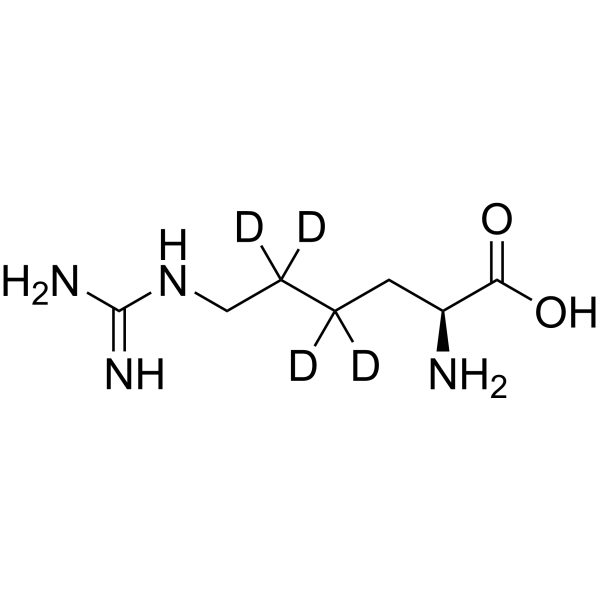
- HY-N16588A
-
|
|
Phosphatase
|
Metabolic Disease
|
|
trans-Emodin-physcion bianthrone is a protein tyrosine phosphatase 1B (PTP1B) inhibitor with an IC50 of 2.77 μM. trans-Emodin-physcion bianthrone is applicable to research related to insulin resistance .
|
-

- HY-N12108
-
|
|
Phosphatase
|
Infection
Inflammation/Immunology
Cancer
|
|
Forphenicine is a bacterial metabolite that is found in S. fulvoviridis and an inhibitor of alkaline phosphatase. Forphenicine inhibits the growth of HL-60 leukemia cells at 10 µM. Forphenicine also increases survival in a guinea pig model of experimental autoimmune encephalomyelitis (EAE) .
|
-

- HY-206735
-
|
|
Phosphatase
|
Cancer
|
|
CDC14A/B-IN-2, phosphotyrosine mimetic, is a competitive human CDC14A/B phosphatase inhibitor with IC50 values of 10.4 and 11.2 μM, and Ki values of 5.8 and 7.3 μM. CDC14A/B-IN-2 shows at least 20-fold selectivity over other protein tyrosine phosphatases. CDC14A/B-IN-2 can be used for the research of cancer .
|
-

- HY-114877
-
|
|
Phosphatase
|
Cancer
|
|
CG-707 inhibits phosphatase of regenerating liver-3 (PRL-3) enzymatic activity with an IC50 value of 0.8 μM. CG-707 inhibits the migration and invasion of PRL-3 overexpressing colon cancer cells .
|
-

- HY-162119
-
|
|
Phosphatase
|
Cancer
|
|
PRL-IN-1 (compound 43) is a phosphatase of regenerating liver (PRL) inhibitor that directly binds the PRL1 trimer interface and obstructs PRL1 trimerization. PRL-IN-1 shows potent anticancer activities .
|
-
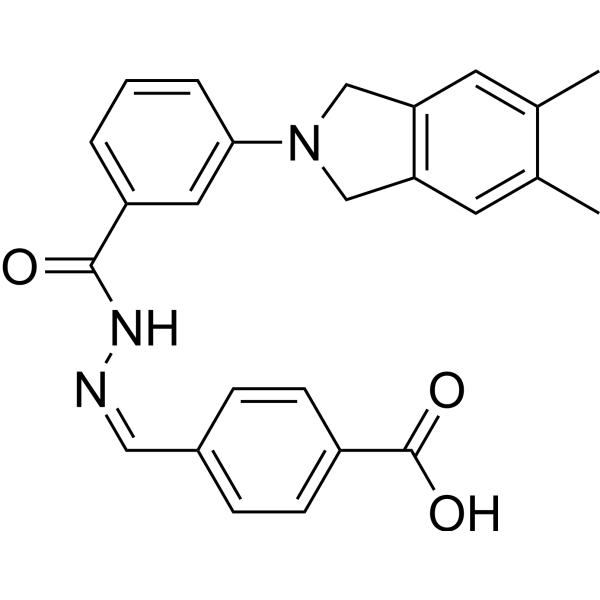
- HY-151591A
-
|
|
Phosphatase
|
Metabolic Disease
|
|
SPAA-52 (ammonium) is a low molecular weight protein tyrosine phosphatase (LMW-PTP) inhibitor (IC50 = 4 nM; IC50 = 1.2 nM). SPAA-52 (ammonium) can be used in the research of diabetes mellitus .
|
-

- HY-106702
-
|
PD 110161 sodium; CL 1565A sodium; CI-920 sodium
|
Antibiotic
Phosphatase
|
Cancer
|
|
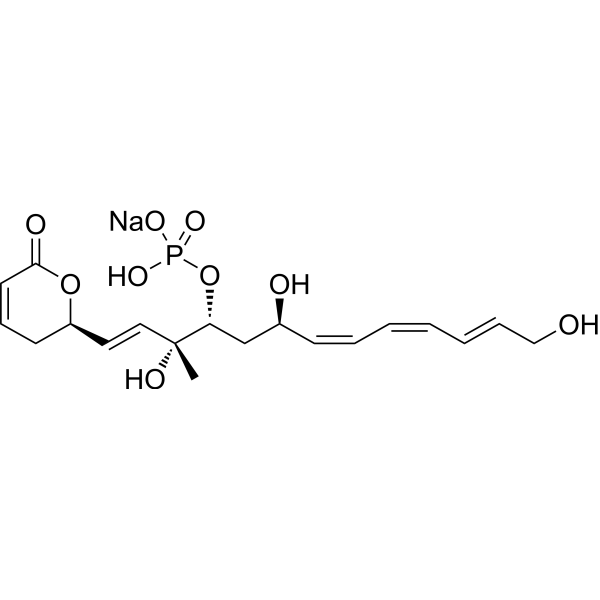
Fostriecin (sodium) (compound 1, CI-920) is an antibiotic with a cytotoxic activity. Fostriecin (sodium) is also an inhibitor of protein phosphatase including PP4 (IC50= 3 nM)and PP2 (IC50=1.5 nM) .
|
-
- HY-100786
-
-
- HY-P1247
-
|
|
Phosphatase
|
Neurological Disease
|
|
Calcineurin autoinhibitory peptide is a selective inhibitor of Ca 2+/calmodulin-dependent protein phosphatase (calcineurin), with an IC50 of ~10 μM. Calcineurin autoinhibitory peptide could protect neurons from excitatory neuronal death .
|
-

- HY-15880
-
|
|
Phosphatase
Apoptosis
Autophagy
|
Cancer
|
|
CCT007093 is an effective protein phosphatase 1D (PPM1D Wip1) inhibitor. Wip1 inhibition can activate the mTORC1 pathway and enhance hepatocyte proliferation after hepatectomy .
|
-
- HY-108544
-
-
- HY-B0579S3
-
|
Cyclosporine A-13C2,d4; Ciclosporin A-13C2,d4; CsA-13C2,d4
|
Isotope-Labeled Compounds
|
Inflammation/Immunology
|
|
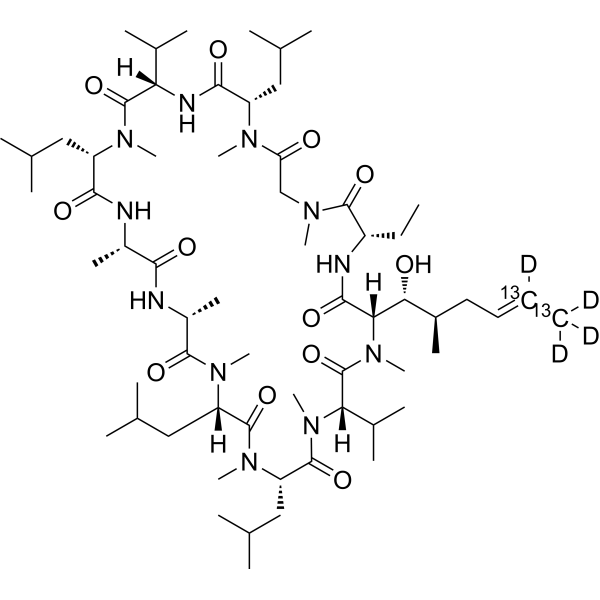
Cyclosporin A- 13C2,d4 (Cyclosporine A- 13C2,d4; Ciclosporin A- 13C2,d4) is a 13C labeled Cyclosporin A (HY-B0579) . Cyclosporin A (Cyclosporine A) is an immunosuppressant which binds to the cyclophilin and inhibits phosphatase activity of protein phosphatase 2B (PP2B/calcineurin) with an IC50 of 5 nM . Cyclosporin A also inhibits CD11a/CD18 adhesion .
|
-
- HY-115502A
-
|
(E)-BCI hydrochloride
|
Phosphatase
|
Inflammation/Immunology
|
|
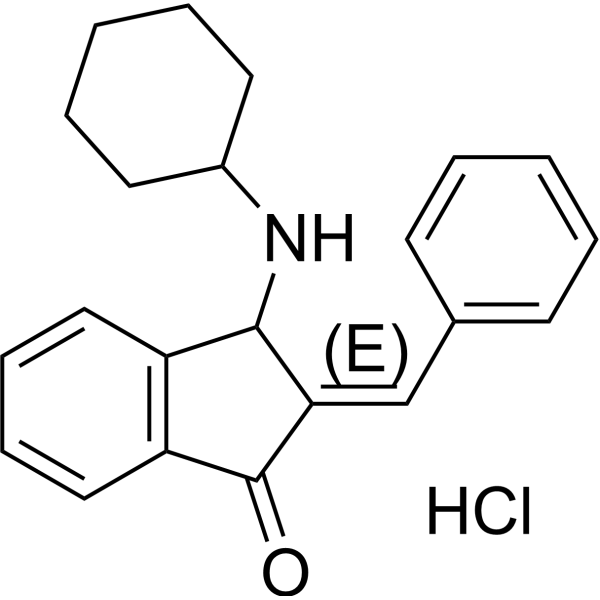
BCI ((E)-BCI) hydrochloride is a DUSP6 (dual specificity phosphatase 6) inhibitor. BCI hydrochloride shows anti-inflammatory activity and decreases reactive oxygen species (ROS) production. BCI hydrochloride can be used in inflammatory disease research .
|
-
- HY-12219A
-
|
Trodusquemine lactate; Aminosterol-1436 lactate
|
Phosphatase
|
Endocrinology
|
|
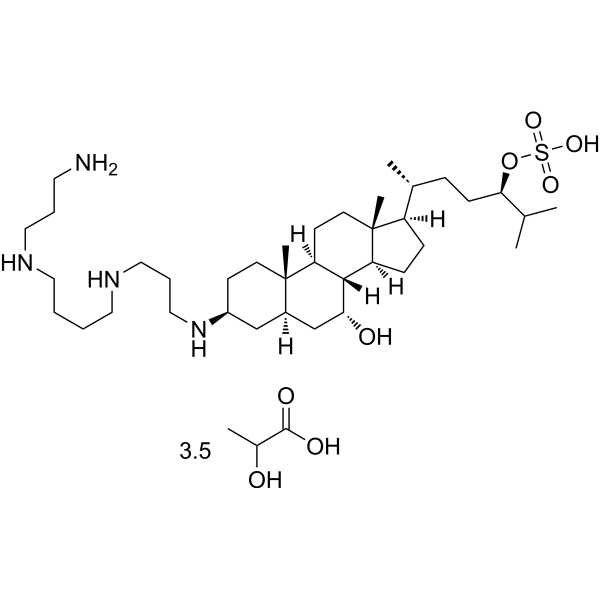
MSI-1436 lactate is a selective, non-competitive inhibitor of the enzyme protein-tyrosine phosphatase 1B (PTP1B), with an IC50 of 1 μM, 200-fold preference over TCPTP (IC50 of 224 μM).
|
-
- HY-109011
-
|
AQX-1125
|
Phosphatase
|
Cancer
|
|
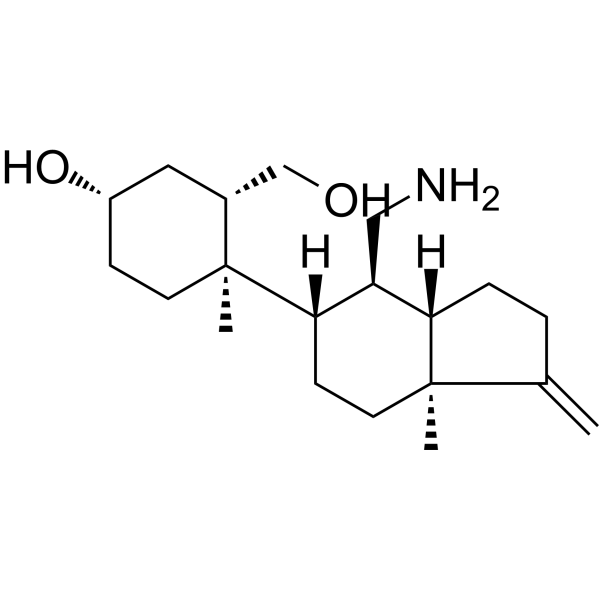
Rosiptor (AQX-1125) is a selective and orally active phosphatase SHIP1 activator with anti-inflammatory effects. Rosiptor (AQX-1125) inhibits Akt phosphorylation, inflammatory mediator production and leukocyte chemotaxis in vitro .
|
-
- HY-18956B
-
|
(E/Z)-Sephin1 acetate; (E/Z)-IFB-088 acetate
|
Phosphatase
|
Inflammation/Immunology
|
|
(E/Z)-Icerguastat ((E/Z)-Sephin1) acetate is a selective inhibitor of the phosphatase regulatory subunit PPP1R15A (R15A). (E/Z)-Icerguastat acetate can be used for protein misfolding diseases research .
|
-

- HY-B2006S
-
|
|
Isotope-Labeled Compounds
Phosphatase
Bacterial
|
Infection
|
|
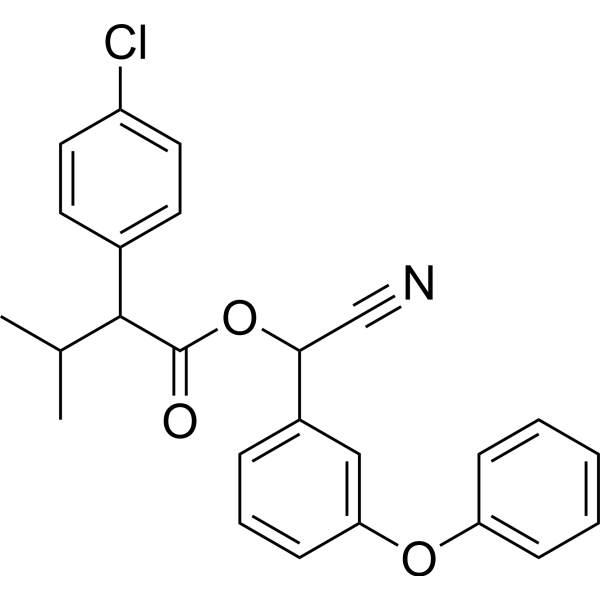
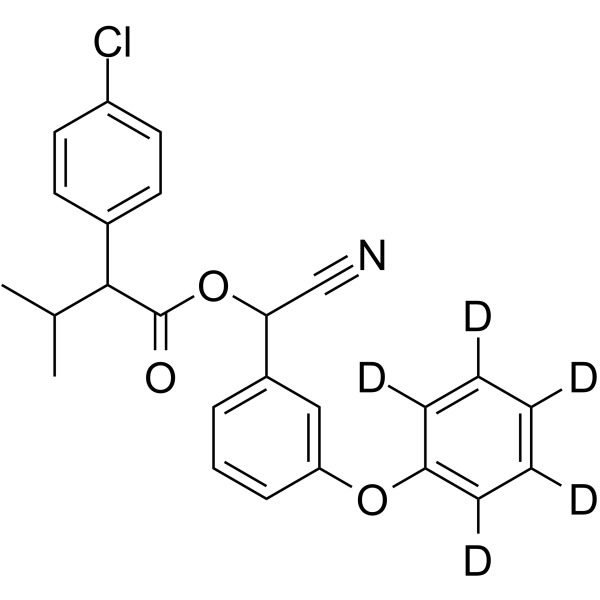
Fenvalerate-d5 is the deuterium labeled Fenvalerate. Fenvalerate is a potent protein phosphatase 2B (calcineurin) inhibitor with an IC50 of 2-4 nM for PP2B-Aα. Fenvalerate is a pyrethroid ester insecticide and acaricide .
|
-
- HY-N1549
-
Prunin
4 Publications Verification
Naringenin 7-0-glucoside
|
Enterovirus
Phosphatase
|
Infection
Metabolic Disease
|
|
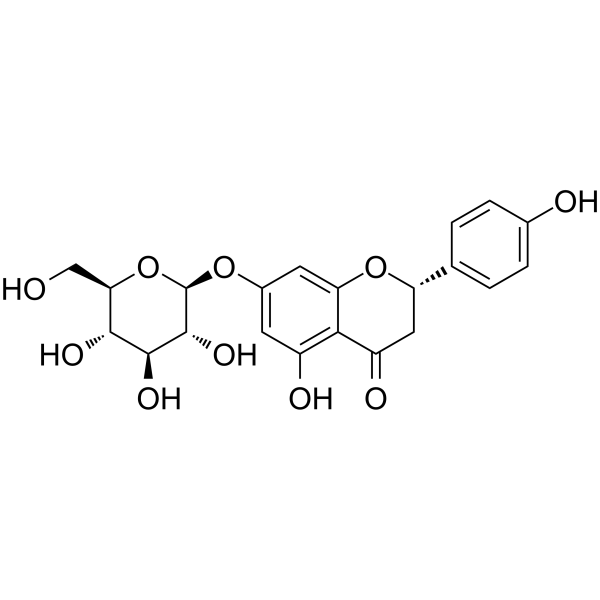
Prunin is a potent inhibitor of human enterovirus A71 (HEVA71). Prunin shows strong inhibitory activity against protein tyrosine phosphatase 1B (PTP1B), with an IC50 of 5.5 μM .
|
-
- HY-109011A
-
|
AQX-1125 acetate
|
Phosphatase
|
Cancer
|
|
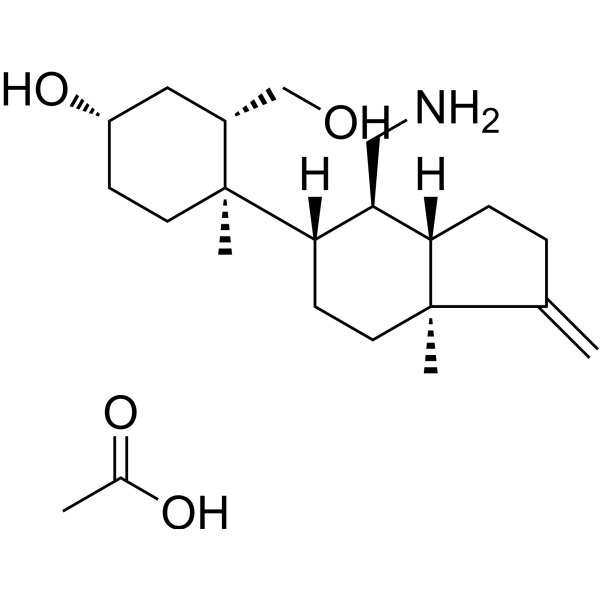
Rosiptor (AQX-1125) acetate is a selective and orally active phosphatase SHIP1 activator with anti-inflammatory effects. Rosiptor acetate (AQX-1125) inhibits Akt phosphorylation, inflammatory mediator production and leukocyte chemotaxis in vitro .
|
-
- HY-178285
-
|
|
Phosphatase
|
Cancer
|
|
VHR-IN-2 (Compound SA9) is a selective vaccinia H1-related (VHR) phosphatase inhibitor with an IC50 of 3.1 μM. VHR-IN-2 can be used for the research of cervical cancer .
|
-

- HY-113976A
-
|
Endothal
|
Environmental Pollutants
Phosphatase
|
Cancer
|
|
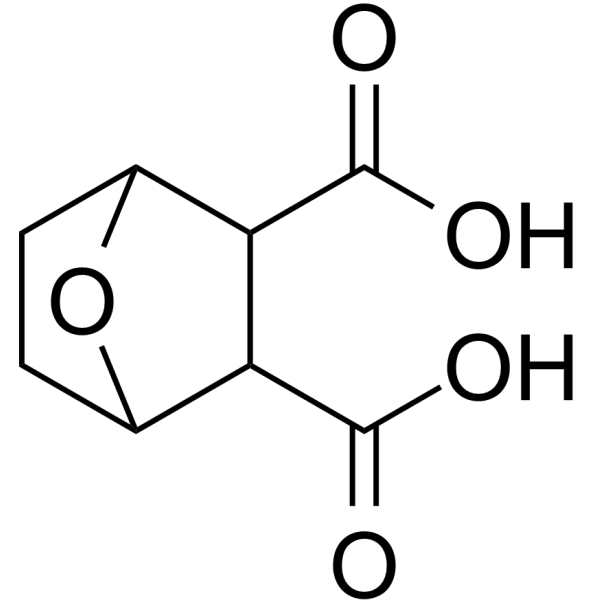
Endothall (Endothal) is a protein phosphatase 2A (PP2A) inhibitor with IC50s of 90 nM and 5 µM for PP2A and PP1, respectively. Endothall can be used as an herbicide. Endothall also is useful in cancer chemotherapy .
|
-
- HY-78144
-
|
|
Drug Derivative
Drug Intermediate
|
Inflammation/Immunology
|
|
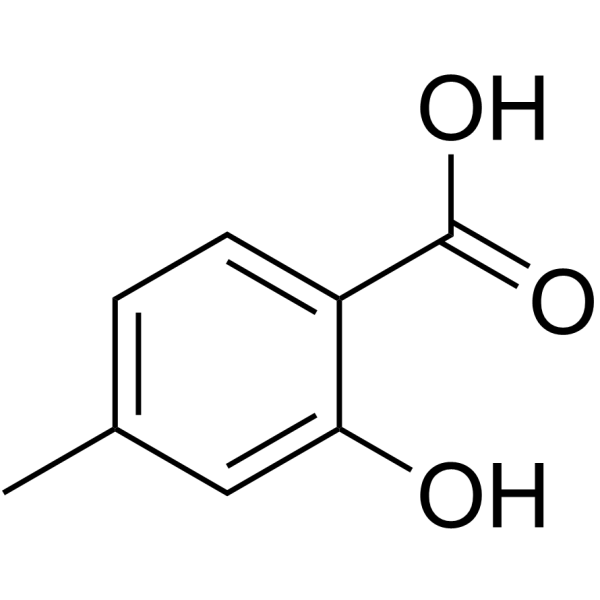
4-Methylsalicylic acid is a methyl derivative of Salicylic acid (HY-B0167). 4-Methylsalicylic acid derivatives inhibit the activity of alkaline phosphatases such as TNAP and IAP. 4-Methylsalicylic acid derivatives exhibit immunosuppressive activity .
|
-
- HY-N4143
-
|
|
Phosphatase
|
Metabolic Disease
|
|
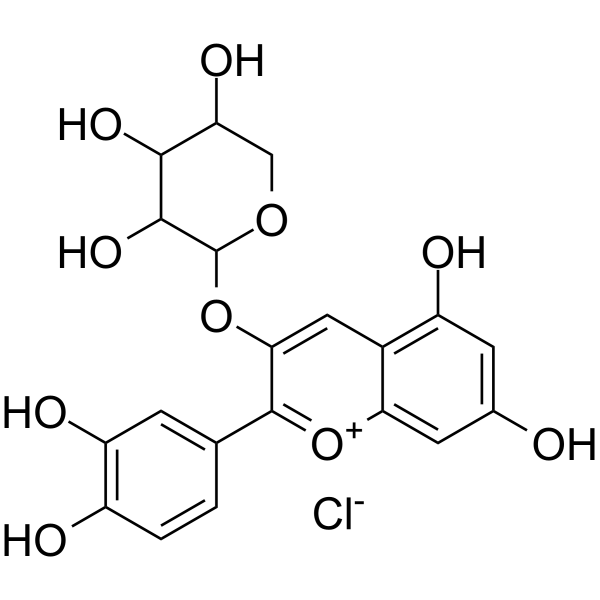
Cyanidin 3-arabinoside is a selective and reversible protein tyrosine phosphatase 1B (PTP1B) inhibitor, with an IC50 of 8.91 μM. Cyanidin 3-arabinoside is potential for the research of type 2 diabetes .
|
-
- HY-115502
-
|
(E)-BCI
|
Phosphatase
|
Inflammation/Immunology
|
|
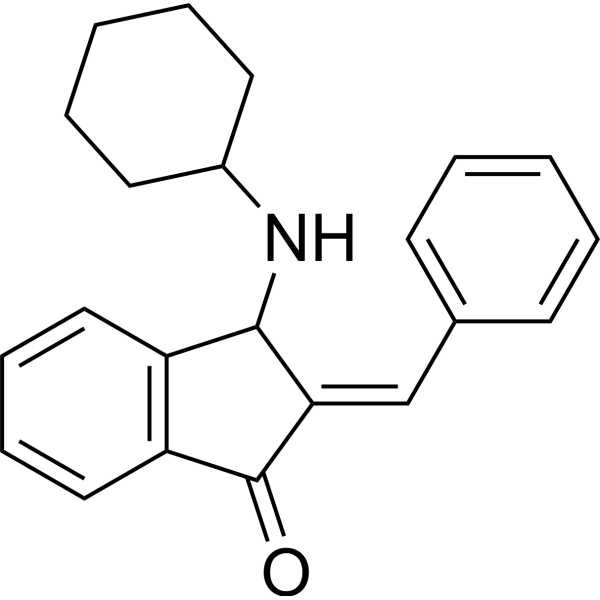
BCI ((E)-BCI) is a DUSP6 (dual specificity phosphatase 6) inhibitor. BCI shows anti-inflammatory activity and decreases reactive oxygen species (ROS) production. BCI can be used in inflammatory disease research .
|
-
- HY-12219
-
|
Trodusquemine; Aminosterol-1436
|
Phosphatase
|
Endocrinology
|
|
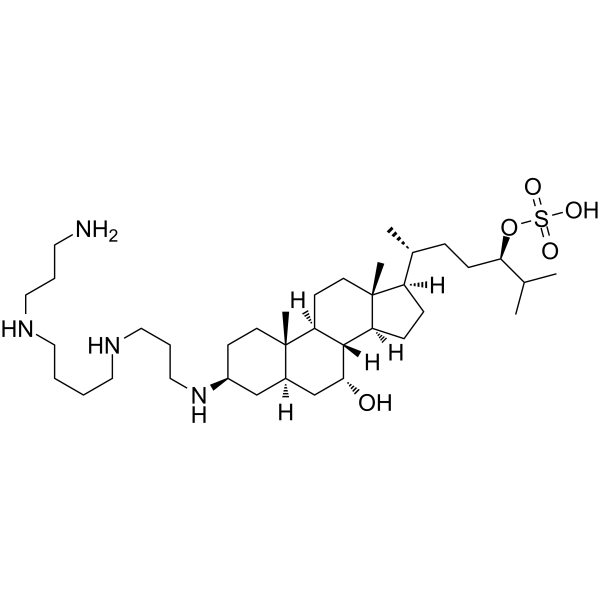
MSI-1436 is a selective, non-competitive inhibitor of the enzyme protein-tyrosine phosphatase 1B (PTP1B), with an IC50 of appr 1 μM, 200-fold preference over TCPTP (IC50, 224 μM).
|
-
- HY-178294
-
|
|
Phosphatase
|
Cancer
|
|
VHR-IN-4 (Compound SA7) is a selective vaccinia H1-related (VHR) phosphatase inhibitor with an IC50 of 1.8 μM. VHR-IN-4 can be used for the research of cervical cancer .
|
-

- HY-178303
-
|
|
Phosphatase
|
Cancer
|
|
VHR-IN-8 (Compound SA8) is a selective vaccinia H1-related (VHR) phosphatase inhibitor with an IC50 of 2.4 μM. VHR-IN-8 can be used for the research of cervical cancer .
|
-

- HY-18956
-
|
(E/Z)-Sephin1; (E/Z)-IFB-088
|
Phosphatase
|
Inflammation/Immunology
|
|
(E/Z)-Icerguastat ((E/Z)-Sephin1) is a selective inhibitor of the phosphatase regulatory subunit PPP1R15A (R15A). (E/Z)-Icerguastat can be used for protein misfolding diseases research .
|
-
- HY-124044
-
|
|
Phosphatase
|
Cardiovascular Disease
|
|
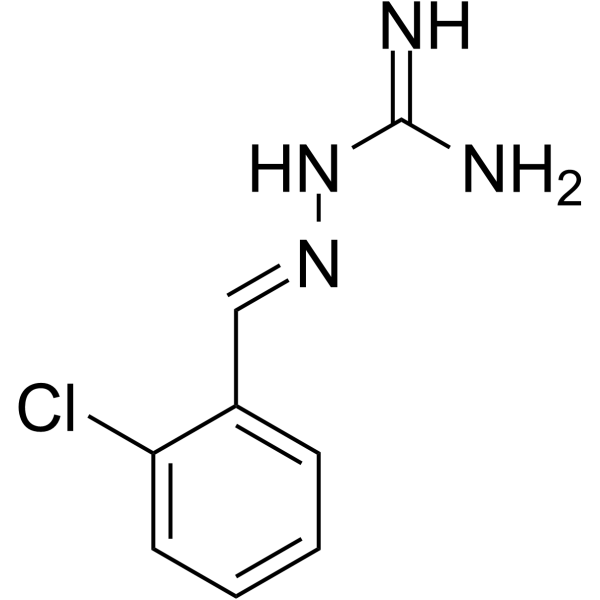
ML 086 is a highly selective PHOSPHO1 phosphatase inhibitor (IC50=0.14 μM). ML 086 is promising for research of hereditary vascular calcification disorders (e.g., generalized arterial calcification of infancy) and spinal ligament ossification .
|
-

- HY-P1247A
-
|
|
Phosphatase
|
Neurological Disease
|
|
Calcineurin autoinhibitory peptide TFA is a selective inhibitor of Ca 2+/calmodulin-dependent protein phosphatase (calcineurin), with an IC50 of ~10 μM. Calcineurin autoinhibitory peptide TFA could protect neurons from excitatory neuronal death .
|
-

- HY-N2451
-
|
|
Phosphatase
|
Metabolic Disease
Endocrinology
|
|
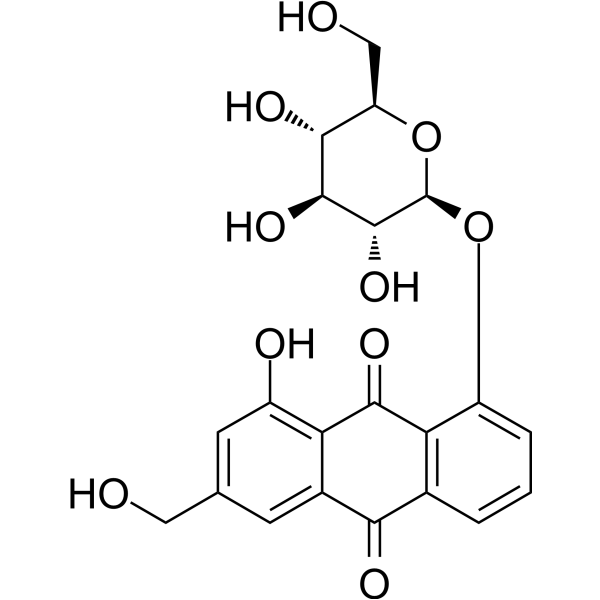
Aloe-emodin-8-O-β-D-glucopyranoside, a compound isolated from Saussrurea lappa, is a moderate inhibitor of human protein tyrosine phosphatase 1B (hPTP1B) with an IC50 of 26.6 μM .
|
-
- HY-N16588
-
|
|
Phosphatase
|
Metabolic Disease
|
|
cis-Emodin-physcion bianthrone is a potent inhibitor of protein tyrosine phosphatase 1B (PTP1B), with an IC50 value of 7.29 μM. cis-Emodin-physcion bianthrone can be used for research on type 2 diabetes .
|
-

- HY-161673
-
|
|
Epigenetic Reader Domain
|
Others
|
|
CDC14A/B-IN-1 (Compound 15) is an orally available inhibitor of CDC14A/B phosphatases with Ki values ??of 57.4 nM (CDC14A) and 90.0 nM (CDC14B), respectively .
|
-

- HY-113817
-
|
|
Phosphatase
|
Inflammation/Immunology
|
|
SHIP1 activator 1 is an SH3 domain-containing inositol 5-phosphatase regulator with SHIP1 activating activity. SHIP1 activator 1 retains its SHIA-1 activating ability by removing unnecessary functional groups. SHIP1 activator 1 is able to activate SHIP1 in vitro, inhibit Akt phosphorylation in MOLT-4 cells, and show dose-dependent activity in a mouse model of inflammation. SHIP1 activator 1 is an important chemical tool for evaluating the potential of SHIP1 activators as inhibitors of hematopoietic diseases involving abnormal PI3K cell signaling .
|
-

- HY-W024644
-
|
|
Phosphatase
|
Cancer
|
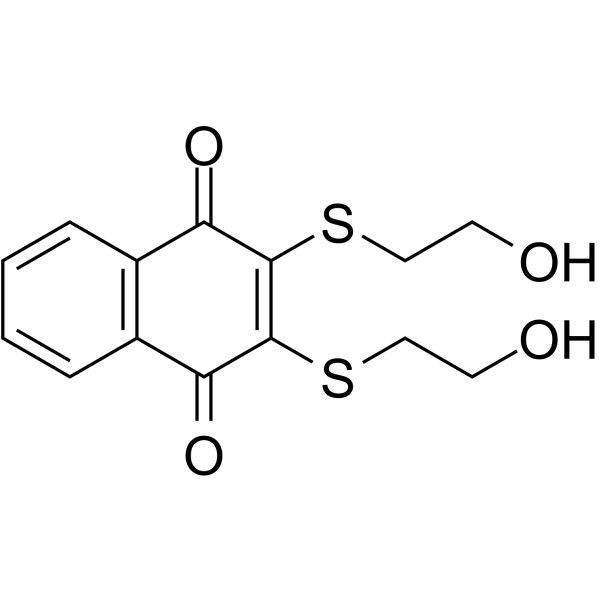
Hydroxyethylthio Vitamin K3 is a Cdc25 phosphatase inhibitor, with IC50 values of 4.56 μM and 23.63 μM for Cdc25A and Cdc25B, respectively. Hydroxyethylthio Vitamin K3 can be used in tumor research .
|
-

- HY-137135A
-
|
|
Phosphatase
Apoptosis
|
Cancer
|
|
Cantharidic acid disodium is the hydrolysis product of the acid anhydride Cantharidin that induces apoptosis in various human cancer cells. Cantharidic acid disodium is a selective protein phosphatase 2 (PP2A) and PP1 inhibitor withIC50 values of 50 nM and 600 nM, respectively .
|
-
- HY-149942
-
|
|
Phosphatase
|
Others
|
|
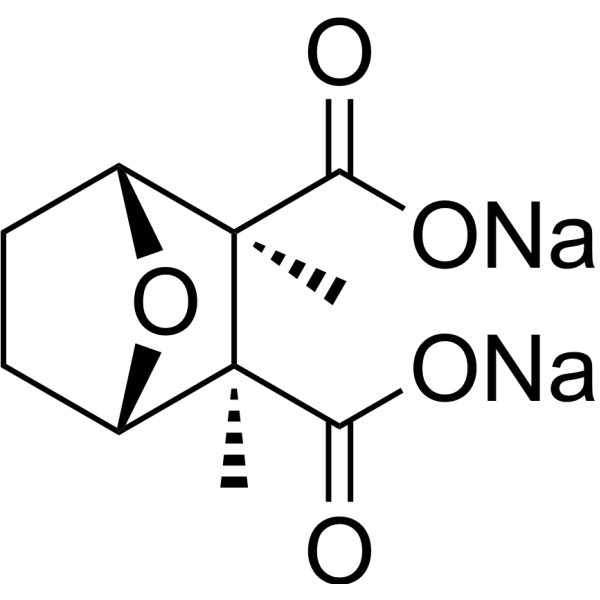
PAP-IN-1 (compound 28) is an inhibitor of purple acid phosphatases (PAPs), a ubiquitous binuclear metallohydrolase. PAP-IN-1 inhibits mammalian PAP with Ki value of 168 nM. PAP-IN-1 targets to pig PAP with Kic value of 0.17 μM. PAP inhibitors can be used for research of anti-osteoporotic drugs .
|
-

- HY-106064A
-
|
U 60257B
|
Leukotriene Receptor
|
Inflammation/Immunology
|
|
Piriprost (U-60,257B) potassium is an inhibitor of leukotriene synthesis. Piriprost potassium inhibits the release of both leukotriene and histamine with an IC50 of 0.11 μM from isolated porcine lung cells. Piriprost potassium increases alkaline phosphatase (ALP) activity in cultured endometrial stromal cells .
|
-
- HY-124663
-
|
|
Protease Activated Receptor (PAR)
|
Cancer
|
|
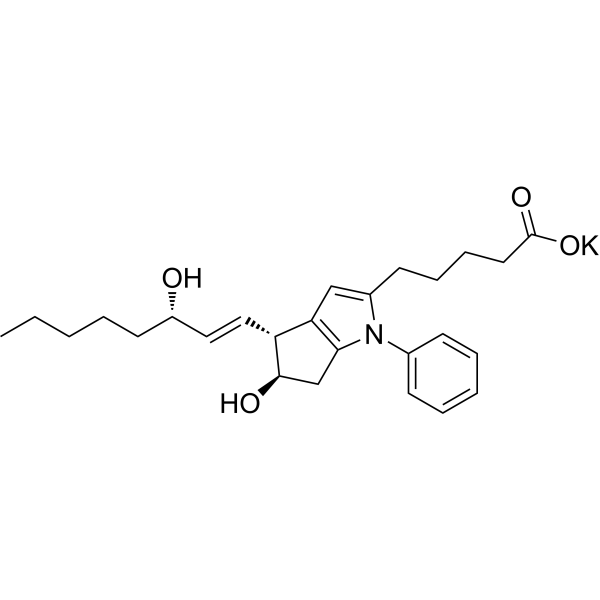
CBK289001 is a tartrate-resistant acid phosphatase (TRAP/ACP5) inhibitor. CBK289001 inhibits TRAP 5b MV, TRAP 5b OX and TRAP 5a OX with IC50s of 125 µM, 4.21 µM and 14.2 µM, respectively .
|
-
- HY-126326
-
|
|
Epoxide Hydrolase
|
Metabolic Disease
|
|
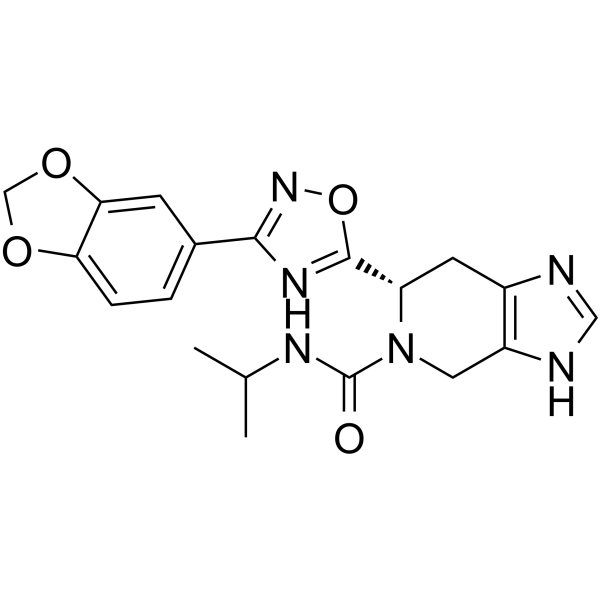
SWE101 (compound 22 b) is a potent soluble epoxide hydrolase (sEH)-P inhibitor with IC50s of 4 μM and 2.8 μM for human and rat sEH-P, respectively. SWE101 does not inhibit neither hydrolase nor phosphatase activity of the mouse sEH .
|
-
- HY-N16508
-
|
3-Hydroxyphlorizin
|
Phosphatase
|
Metabolic Disease
|
|
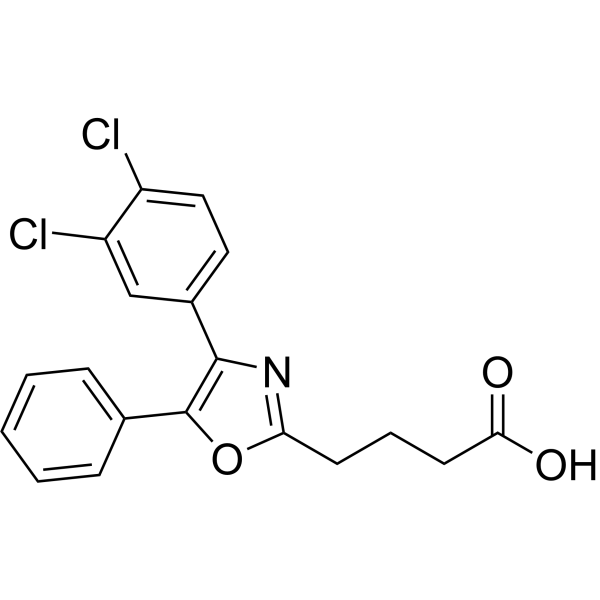
3-Hydroxyphloridzin (3-Hydroxyphlorizin) is a protein tyrosine phosphatase 1B (PTP1B) inhibitor. 3-Hydroxyphloridzin modulates insulin receptor phosphorylation levels. 3-Hydroxyphloridzin is promising for research of type 2 diabetes .
|
-

- HY-157727
-
|
|
Phosphatase
|
Neurological Disease
|
|
HDHD4-IN-1 (compound 3) is a N-acetylneuraminate-9-phosphate phosphatase (HDHD4) inhibitor (IC50=11 μM). HDHD4-IN-1 can be used in the study of neurological diseases .
|
-

- HY-N1230
-
|
Allolicoisoflavone B
|
Phosphatase
|
Inflammation/Immunology
|
|
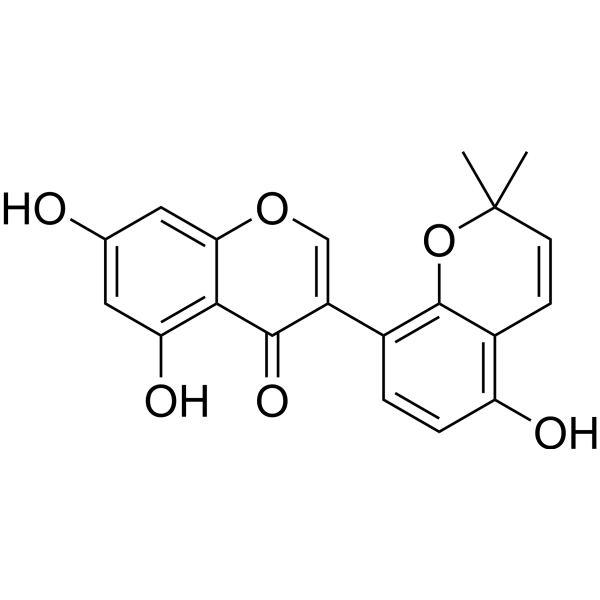
Sophoraisoflavone A (Allolicoisoflavone B) is a nature product that could be isolated from Glycyrrhiza inflate. Sophoraisoflavone A is a potent protein tyrosine phosphatase 1B (PTP1B) inhibitor with an IC50 value of 0.80 μM. Sophoraisoflavone A can be used in research of inflammation .
|
-
- HY-B2006R
-
|
|
Reference Standards
Phosphatase
Bacterial
|
Infection
|
|
Fenvalerate (Standard) is the analytical standard of Fenvalerate. This product is intended for research and analytical applications. Fenvalerate is a potent protein phosphatase 2B (calcineurin) inhibitor with an IC50 of 2-4 nM for PP2B-Aα. Fenvalerate is a pyrethroid ester insecticide and acaricide .
|
-

- HY-151591
-
|
|
Phosphatase
|
Metabolic Disease
|
|
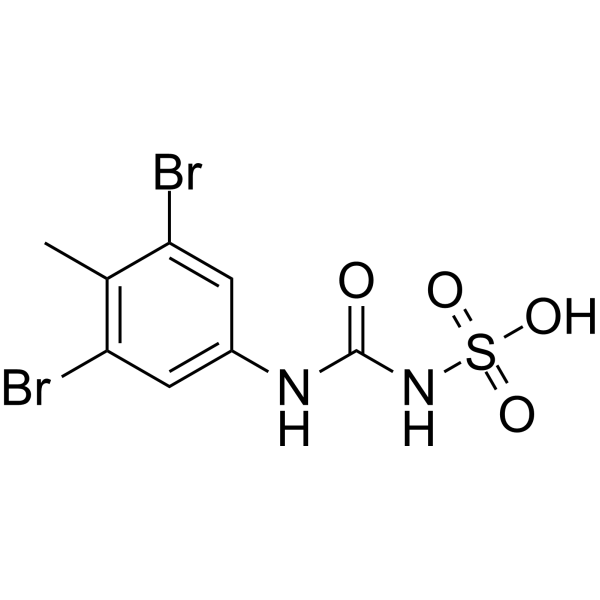
SPAA-52 is an orally active, competitive and reversible low-molecular-weight protein tyrosine phosphatase (LMW-PTP) inhibitor (IC50=4 nM, Ki=1.2 nM). SPAA-52 can be used in diabete research .
|
-
- HY-161952
-
|
JAB-3312
|
SHP2
|
Cancer
|
|
Sitneprotafib (JAB-3312) is an orally effective anticancer phosphatase SHP2 inhibitor (IC50: 1.9 nM) with anti-cancer activity. Sitneprotafib has good tolerability and significantly induced tumor regression in a KYSE-520 mouse xenograft model .
|
-

- HY-121515A
-
|
|
Phosphatase
|
Metabolic Disease
|
|
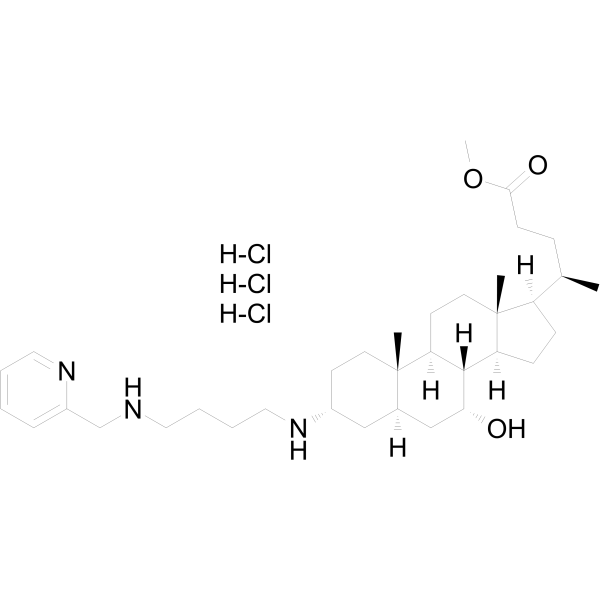
DPM-1001 trihydrochloride is a potent, specific, orally active and non-competitive inhibitor of protein-tyrosine phosphatase (PTP1B) with an IC50 of 100 nM. DPM-1001 trihydrochloride is an analog of the specific PTP1B inhibitor MSI-1436. DPM-1001 trihydrochloride has anti-diabetic property .
|
-
- HY-121515
-
|
|
Phosphatase
|
Metabolic Disease
|
|
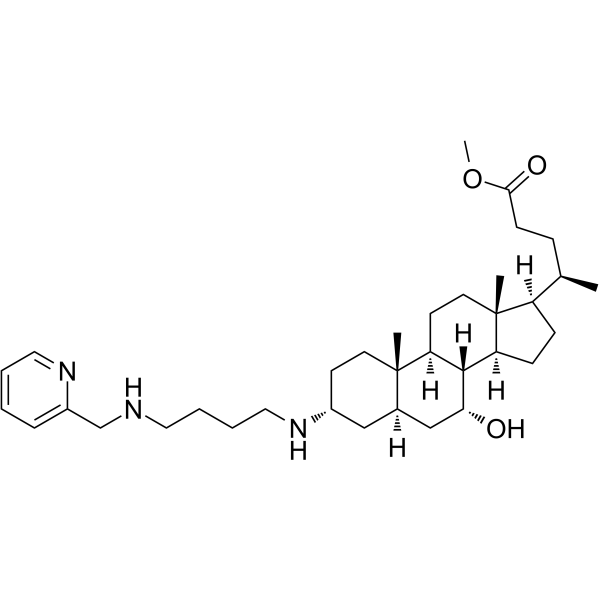
DPM-1001 is a potent, specific, orally active and non-competitive inhibitor of protein-tyrosine phosphatase (PTP1B) with an IC50 of 100 nM. DPM-1001 is an analog of the specific PTP1B inhibitor MSI-1436. DPM-1001 has anti-diabetic property .
|
-
- HY-126390
-
|
NSC 150117
|
Phosphatase
Apoptosis
|
Inflammation/Immunology
Cancer
|
|
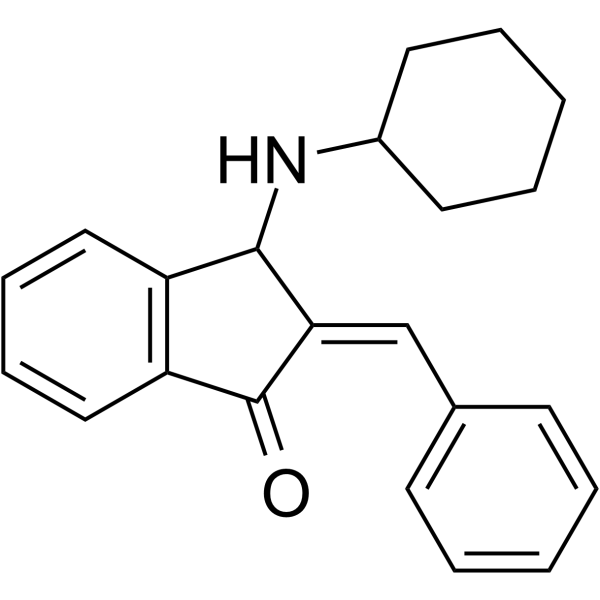
(E/Z)-BCI (NSC 150117) is a dual-specificity phosphatase 6 (DUSP6) inhibitor with anti-inflammatory activities. (E/Z)-BCI attenuates LPS-induced inflammatory mediators and ROS production in macrophage cells via activating the Nrf2 signaling axis and inhibiting the NF-κB pathway .
|
-
- HY-162478
-
|
|
Phosphatase
|
Cancer
|
|
GR-28 is an inhibitor for small C-terminal domain phosphatase 1 (SCP1). GR-28 inhibits the transcriptional activity of repressor element-1 silencing transcription factor (REST), inhibits the proliferation of glioblastoma cells (IC50 is 2.9 and 10.1 µM, for cells A172 and T98G) .
|
-

- HY-182634
-
|
|
DNA/RNA Synthesis
Phosphatase
|
Cancer
|
|
NCGC00063279 is a reversible Werner Syndrome Helicase-Nuclease (WRN) helicase inhibitor with modest selectivity over BLM and FANCJ helicases, and does not inhibit WRN exonuclease activity at active concentrations. NCGC00063279 inhibits Hematopoietic Protein Tyrosine Phosphatase (HePTP) and reduces proliferation of cancer cells. NCGC00063279 can be used for the research of osteosarcoma .
|
-

- HY-N8200
-
-
- HY-108196
-
|
|
Phosphatase
|
Endocrinology
|
|
PTP1B-IN-15 is a potent and selective inhibitor of protein tyrosine phosphatase 1B (PTP1B). PTP1B-IN-15 has the potential for the research of type II diabetes and obesity .
|
-
- HY-N17424
-
|
|
Phosphatase
|
Inflammation/Immunology
|
|
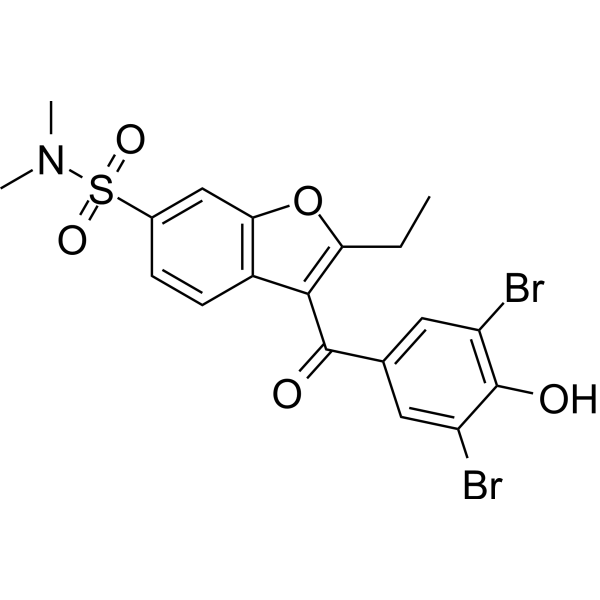
Mulberrofuran D is a protein tyrosine phosphatase 1B (PTP1B) inhibitor, with an IC50 of 11.61 μM and a Ki of 4.79 μM against human PTP1B. Mulberrofuran D can be used in research related to type 2 diabetes .
|
-

- HY-15756
-
|
|
Phosphatase
|
Metabolic Disease
|
|
PTP1B-IN-4 is a non-competitive allosteric inhibitor of the protein tyrosine phosphatase PTP1B, with an IC50 of 8 μM. PTP1B-IN-4 is potentail for the research of obesity and diabetes .
|
-
- HY-101964
-
SPI-112
1 Publications Verification
|
SHP2
Phosphatase
|
Cancer
|
|
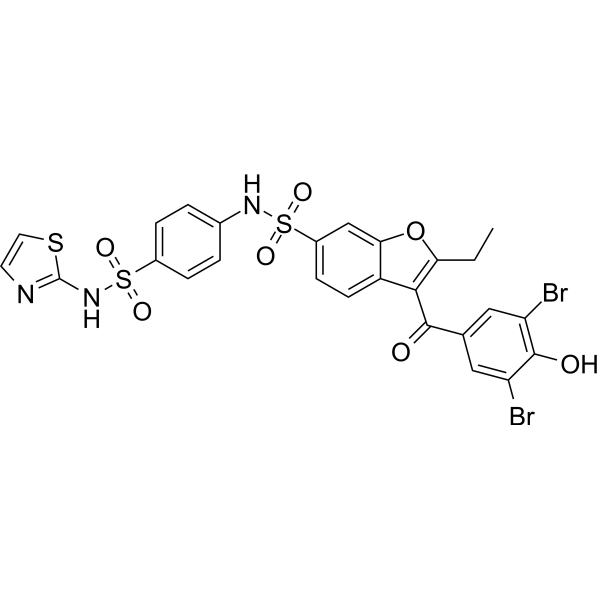
SPI-112 is a potent, selective and competitive SHP2 (PTPN11) inhibitor with IC50s of 1 μM, 18.3 μM and 14.5 μM for SHP2, protein tyrosine phosphatase (PTP) and PTP1B, respectively .
|
-
- HY-101510R
-
|
|
Phosphatase
Reference Standards
|
Cancer
|
|
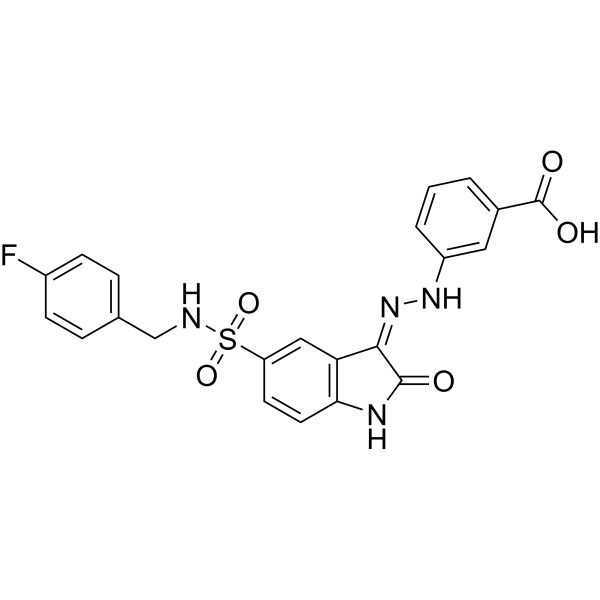
F1063-0967 (Standard) is the analytical standard of F1063-0967 (HY-101510). This product is intended for research and analytical applications. F1063-0967 is a Dual-specificity phosphatase 26 (DUSP26) inhibitor with an IC50 of 11.62 μM.
|
-

- HY-13756R
-
|
FK506 (Standard); Fujimycin (Standard); FR900506 (Standard)
|
Reference Standards
Phosphatase
FKBP
Bacterial
Autophagy
Antibiotic
|
Infection
Inflammation/Immunology
Cancer
|
|
Tacrolimus (Standard) is the analytical standard of Tacrolimus. This product is intended for research and analytical applications. Tacrolimus (FK506), a macrocyclic lactone, binds to FK506 binding protein (FKBP) to form a complex. Tacrolimus inhibits calcineurin phosphatase, which inhibits T-lymphocyte signal transduction and IL-2 transcription. Immunosuppressive properties .
|
-

- HY-111022
-
|
Sephin1; IFB-088
|
Phosphatase
|
Infection
Inflammation/Immunology
|
|
Icerguastat (Sephin1), a derivative of Guanabenz lacking the α2-adrenergic activity, is a selective inhibitor of the phosphatase regulatory subunit PPP1R15A (R15A). Icerguastat inhibits eIF2α dephosphorylation, thereby prolonging the protective response. Anti-prion effect .
|
-
- HY-130631
-
|
|
SHP2
|
Cancer
|
|
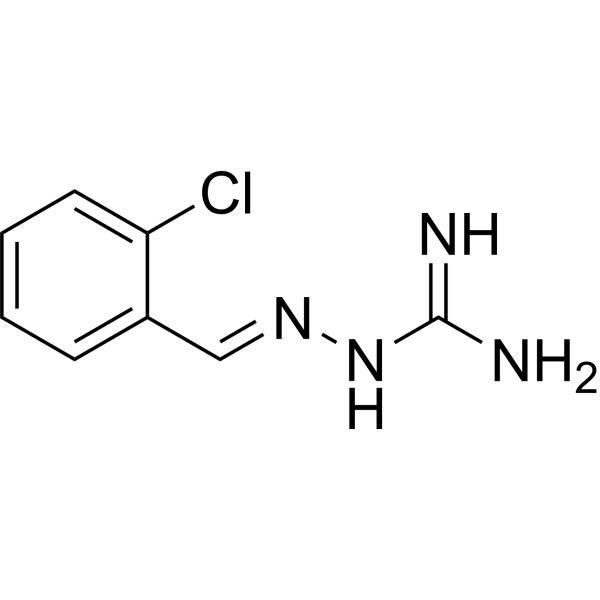
SHP2-IN-5 (compound 1) is an inhibitor of SHP2 (IC50: 97 nM). SHP2 is a non-receptor protein tyrosine phosphatase associated with cell growth and proliferation. SHP2-IN-5 has the potential to inhibit cancer and SHP2-related human diseases .
|
-
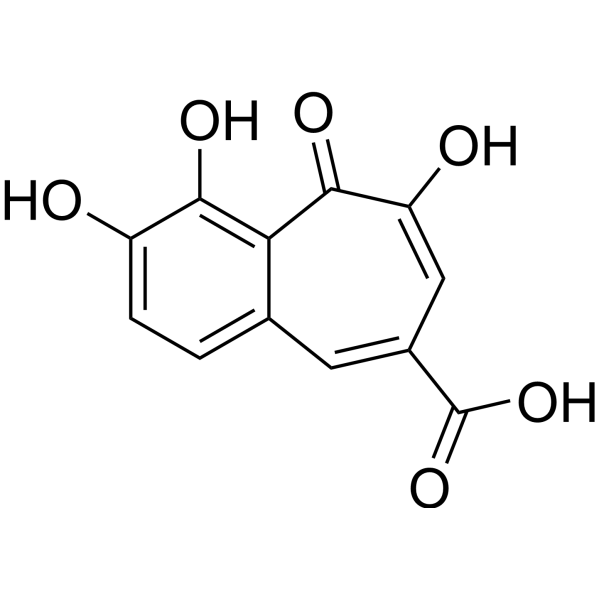
- HY-N7599
-
|
|
Phosphatase
Glycosidase
|
Metabolic Disease
|
|
Chrysophanol triglucoside is an anthraquinone isolated from Cassia obtusifolia, inhibits protein tyrosine phosphatases 1B (PTP1B) and α-glucosidase with IC50s of 80.17 and 197.06 µM, respectively. Chrysophanol triglucoside has the potential for diabetes research .
|
-
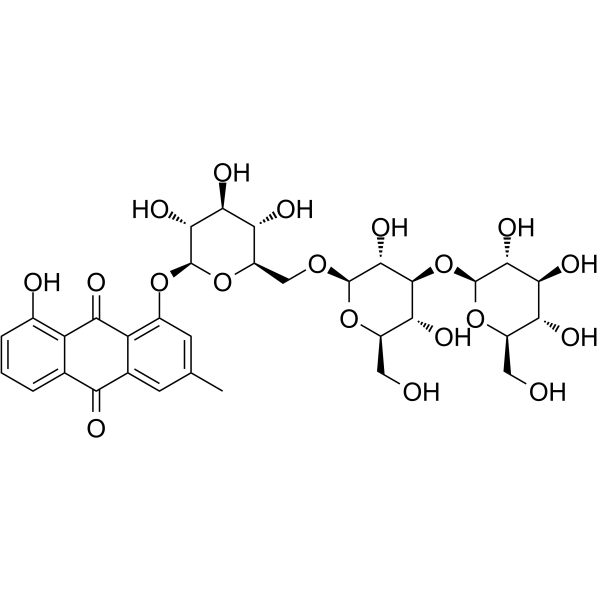
- HY-N12761
-
|
|
Phosphatase
Glycosidase
|
Metabolic Disease
Inflammation/Immunology
|
|
Penpaxilloids A (Compound 1) is a non-competitive inhibitor of protein tyrosine phosphatase 1B (PTP1B) with an IC50 value of 8.60 μM. Penpaxilloids A can be isolated from the fungus Penicillium sp. ZYX-Z-143. Penpaxilloids A is also an α-glucosidase (α-glucosidase) inhibitor with anti-inflammatory activity .
|
-

- HY-125258
-
|
|
Phosphatase
Filovirus
|
Infection
|
|
EBOV-IN-11 is a protein phosphatase 1 (PP1) inhibitor, with Kd values of 1.88 nM and 8.01 nM against wild-type and quadruple-mutant PP1, respectively. EBOV-IN-11 potently inhibits the replication and transcription of EBOV-eGFP virus. EBOV-IN-11 can be used in studies related to Ebola virus infection .
|
-

- HY-110365
-
|
Sephin1 Carbonate; IFB-088 Carbonate
|
Phosphatase
|
Infection
|
|
Icerguastat (Sephin1) Carbonate, a derivative of Guanabenz lacking the α2-adrenergic activity, is a selective inhibitor of the phosphatase regulatory subunit PPP1R15A (R15A). Icerguastat Carbonate inhibits eIF2α dephosphorylation, thereby prolonging the protective response. Anti-prion effect .
|
-
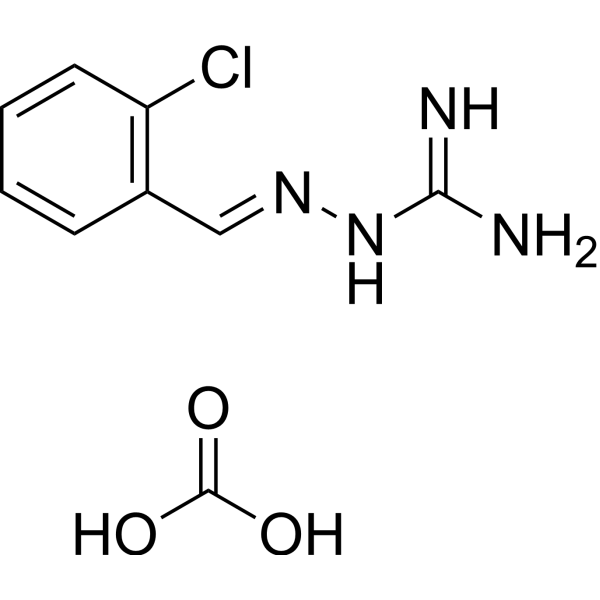
- HY-180326
-
|
|
Phosphatase
SHP2
|
Cancer
|
|
NAT6-297775 (Compound 29) is a protein tyrosine phosphatase (PTP) inhibitor targeting non-receptor PTP SHP-2 with an IC50 of 2.5 μM. NAT6-297775 can inhibit the RAS/MAP kinase signaling pathway. NAT6-297775 can be used for the research of cancer, such as leukemia .
|
-

- HY-138869
-
|
|
Endogenous Metabolite
|
Cancer
|
|
AubipyOMe serves as a potent inhibitor of tartrate-resistant acid phosphatase (TRAP/ACP5), a metalloenzyme found in activated osteoclasts and macrophages, demonstrating IC50 values of 1.3 μM for TRAP5a and 1.8 μM for TRAP5b, while effectively inhibiting TRAP activity in extracts from murine macrophages and human lung tissue.
|
-

- HY-N12177
-
|
|
Phosphatase
SHP1
|
Metabolic Disease
|
|
Cryptosporioptide A (Compound 3) is a pigment protein tyrosine phosphatase inhibitor derived from the insect-parasitic fungus Cordyceps gracilioides. Cryptosporioptide A inhibits PTP1B, SHP2, CDC25B, LAR and SHP1 enzymes with IC50 of 7.3, 5.7, 7.6, >50, 4.9 μg/mL, respectively .
|
-
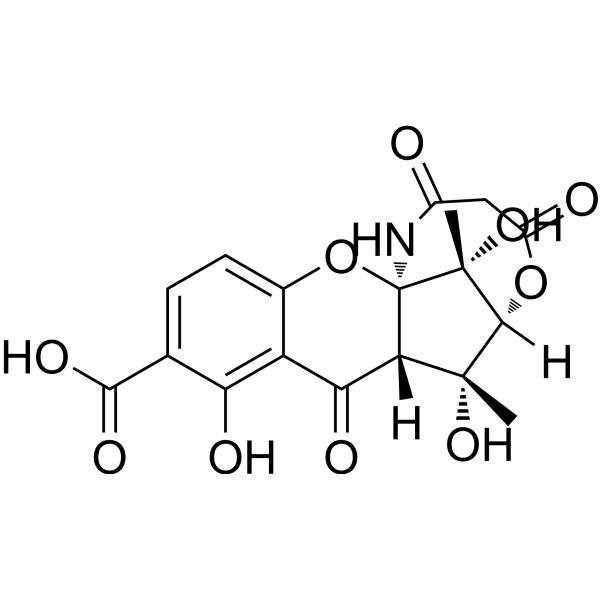
- HY-125539
-
|
|
Antibiotic
Phosphatase
Fungal
|
Infection
|
|
Roridin E is a glucose-6-phosphatase (G6Pase) inhibitor and antibiotic, and is a metabolic byproduct of Roridin A (HY-N9599). Roridin E induces significant oxidative stress, characterized by depletion of glutathione in vivo, induction of hepatic lipid peroxidation, and inhibition of renal superoxide dismutase activity. Roridin E reduces blood glucose levels in rats, but exhibits acute toxicity (which is enhanced when co-administered with linoleic acid (HY-N0729)) and causes hepatotoxicity in male albino mice. Roridin E induces a decrease in total blood protein and increases in the levels of total lipids, γ-glutamyltransferase, alkaline phosphatase, and 5'-nucleotidase. Roridin E can be isolated from molds, and possesses cytostatic and antifungal activities similar to those of Verrucarin A (HY-107426) and Roridin A. Roridin E exhibits in vivo activity in rodents and is commonly used in hepatotoxicity-related studies .
|
-

- HY-183947
-
|
|
Phosphatase
Drug Derivative
|
Cancer
|
|
4-Bromolevamisole, an analogues of Levamisole (HY-A0106), is a phosphatase inhibitor. 4-Bromolevamisole potentiates the antineoplastic activity of 5-Fluorouracil (HY-90006), its analogues, or prodrugs thereof.4-Bromolevamisole can be used for cancer research .
|
-

- HY-B2203
-
|
|
Phosphatase
|
Metabolic Disease
|
|
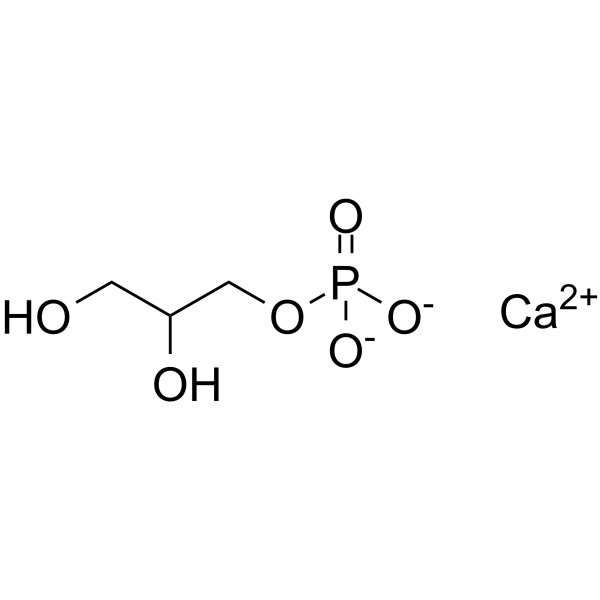
Monocalcium glycerophosphate is an inhibitor of intestinal alkaline phosphatase F3, and it has anti-cavity properties. Monocalcium glycerophosphate is a source of calcium and phosphorus in total parenteral nutrition solutions, helps prevent the mineralization and development of bones from intravenous nutrition, and maintains the integrity of the intestinal epithelium .
|
-
- HY-N10378
-
|
|
Phosphatase
|
Neurological Disease
Metabolic Disease
|
|
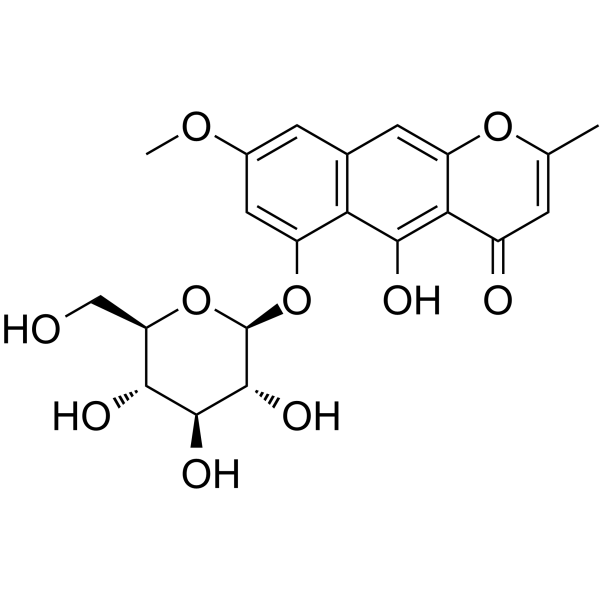
Rubrofusarin 6-O-β-D-glucopyranoside, the glycoside of Rubrofusarin, is a protein tyrosine phosphatase 1B (PTP1B) inhibitor with the IC50 of 87.36 μM. Rubrofusarin 6-O-β-D-glucopyranoside can be used for the research of comorbid diabetes and depression .
|
-
- HY-145741
-
|
|
Antibiotic
|
Infection
|
|
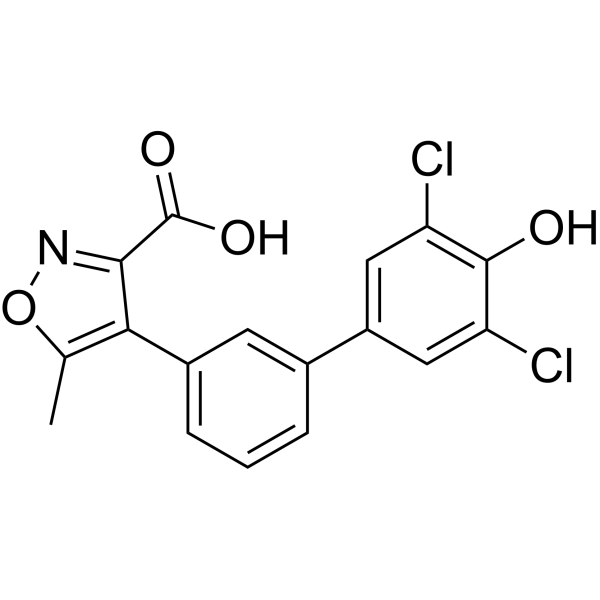
MptpB-IN-1 (Compound 13) is a potent and orally active inhibitor of MptpB. Mycobacterium tuberculosis protein-tyrosine-phosphatase B (MptpB) is a secreted virulence factor that subverts antimicrobial activity in the host. MptpB-IN-1 reduces multidrug-resistant mycobacterium tuberculosis survival and infection burden .
|
-
- HY-124478
-
|
Ethyl 2,5-dihydroxybenzoate
|
Phosphatase
|
Metabolic Disease
|
|
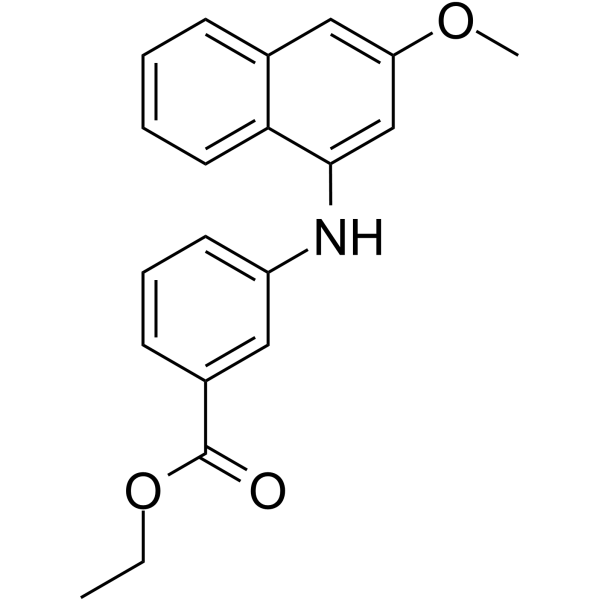
Ethyl gentisate (Ethyl 2,5-dihydroxybenzoate) is a dual modulator for cell differentiation, that enhances the osteogenic differentiation of human mesenchymal stem cells (hMSCs) and alkaline phosphatase activity, inhibits RANKL-activated osteoclastogenesis in RAW264.7 cells, and balances the bone remodeling process .
|
-

- HY-158570
-
|
|
Bacterial
|
Infection
|
|
(2E)-Eicosenoic acid is an inhibitor of Mycobacterium tuberculosis protein tyrosine phosphatase A (PtpA). (2E)-Eicosenoic acid exhibits strong inhibitory activity against PtpA with an IC50 value in the low micromolar range. (2E)-Eicosenoic acid can be used for research on Mycobacterium tuberculosis infection .
|
-

- HY-159694
-
|
ISIS 404173
|
Phosphatase
|
Metabolic Disease
|
|
IONIS PTP1BRx (ISIS 404173) is an antisense inhibitor of protein tyrosine phosphatase 1B (PTP-1B). IONIS PTP1BRx shows antidiabetic activity, and can be used for the study of insulin resistance and type 2 diabetes mellitus associated with obesity .
|
-

- HY-159694A
-
|
ISIS 404173 sodium
|
Phosphatase
|
Metabolic Disease
|
|
IONIS PTP1BRx (ISIS 404173) sodium is an antisense inhibitor of protein tyrosine phosphatase 1B (PTP-1B). IONIS PTP1BRx sodium shows antidiabetic activity, and can be used for the study of insulin resistance and type 2 diabetes mellitus associated with obesity .
|
-

- HY-13756S2
-
-

- HY-126246
-
|
|
Phosphatase
|
Cancer
|
|
CDC25B-IN-1 (compound 4a) is a potent inhibitor of cell division cycle 25B (CDC25B) phosphatase, with a Ki of 8.5 μM. CDC25B-IN-1 potently inhibits cell proliferation and colony formation, causes an increase of the G2/M phase .
|
-
- HY-13756S
-
|
FK506-13C,d2; Fujimycin-13C,d2; FR900506-13C,d2
|
Phosphatase
FKBP
Bacterial
Autophagy
Antibiotic
|
Infection
Inflammation/Immunology
Cancer
|
|
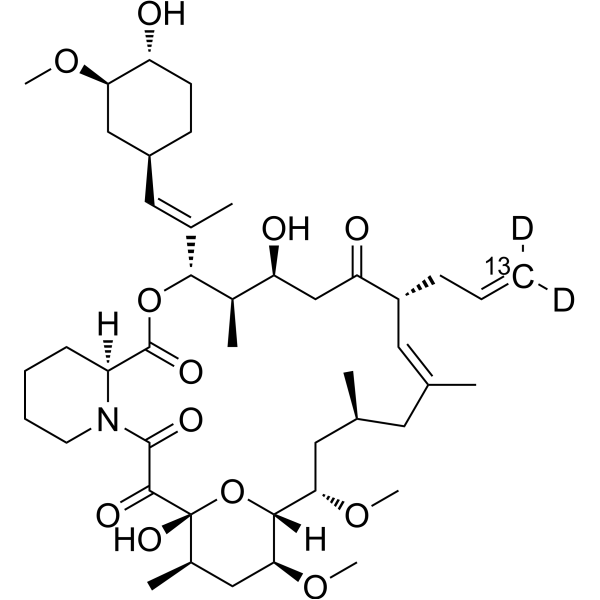
Tacrolimus- 13C,d2 is a 13C-labeled and deuterium labeled Tacrolimus. Tacrolimus (FK506), a macrocyclic lactone, binds to FK506 binding protein (FKBP) to form a complex. Tacrolimus inhibits calcineurin phosphatase, which inhibits T-lymphocyte signal transduction and IL-2 transcription. Immunosuppressive properties .
|
-
- HY-123960B
-
|
|
Phosphatase
|
Neurological Disease
|
|
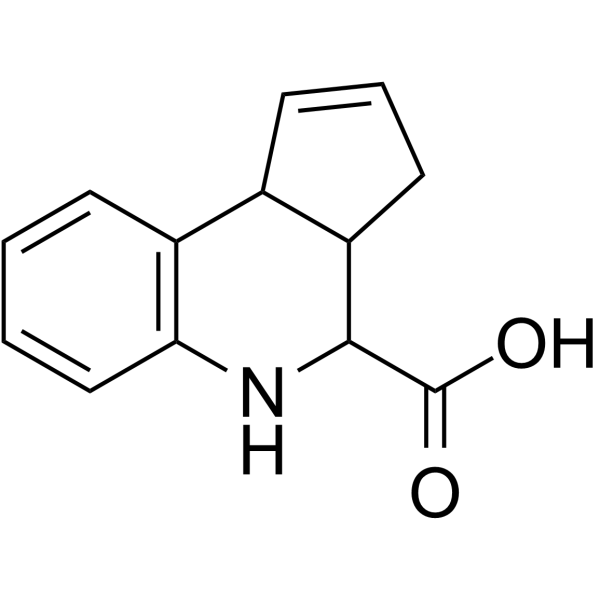
(E/Z)-Raphin1 is an inhibitor of PPP1R15B, a regulatory subunit of protein phosphatase 1. (E/Z)-Raphin1 is orally available and can cross the blood-brain barrier. (E/Z)-Raphin1 can be used in neurological research .
|
-

- HY-141800
-
|
|
Phosphatase
|
Others
|
|
MurA-IN-1 (compound 1a) is a PTPRR inhibitor, with IC50 values of 0.23 μM, 0.8 μM, 0.75 μM and 0.09 μM for PTP1B, PTPN5, PTPN7 and PTPRR, respectively . (A family of human MAPK-specific protein tyrosine phosphatases)
|
-
- HY-182483
-
|
|
Phosphatase
|
Metabolic Disease
|
|
Ethyl-3,4-dephostatin is a Protein tyrosine phosphatase 1B (PTP1B) inhibitor with an IC50 of 0.58 μg/mL. Ethyl-3,4-dephostatin can be used in studies of PTP1B-related enzyme inhibition mechanisms .
|
-

- HY-144717
-
|
|
Phosphatase
|
Metabolic Disease
|
|
PTP1B-IN-18 is an orally active complete mixed type protein tyrosine phosphatase 1B (PTP1B) inhibitor with a Ki of 35.2 μM. PTP1B-IN-18 can be used for type 2 diabetes research .
|
-
- HY-163899
-
|
|
Phosphatase
|
Metabolic Disease
|
|
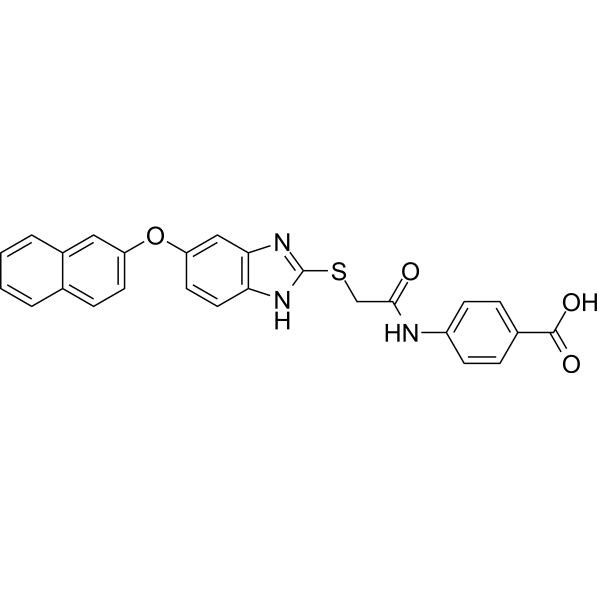
(+)-Crinatusin A1 (Compound (+)- 4) is a chalcone-monoterpene hybrid, which can be isolated from Cleistocalyx operculatus. (+)-Crinatusin A1 is an inhibitor for protein tyrosine phosphatase 1B (PTP1B) with IC50 of 0.9 μM. (+)-Crinatusin A1 exhibits potential as an antidiabetic agent .
|
-

- HY-133512
-
|
|
Phosphatase
|
Cancer
|
|
NCGC00249987 is a highly selective and allosteric Tyr phosphatase activity of Eya2 inhibitor with IC50s of 3 μM and 6.9 μM for Eya2 ED and MBP-Eya2 FL. NCGC00249987 specifically targets migration, invadopodia formation, and invasion of lung cancer cells .
|
-
- HY-W181102
-
|
|
Calcineurin
|
Cardiovascular Disease
Neurological Disease
Inflammation/Immunology
|
|
NFAT Inhibitor-2 is a potent inhibitor of calcineurin NFAT signalling. Calcineurin is a serine/threonine protein phosphatase regulated by Ca2+ and calmodulin. NFAT Inhibitor-2 has the potential for the research of inflammatory disease, an autoimmune disorder, a cardiovascular disease, a neurodegenerative disease, a disease occurring with uncontrolled cell proliferation and/or differentiation, an angiogenesis-related disease, an allergy, anaphylaxis and alopecia (extracted from patent WO2016207212A1, compound 17) .
|
-
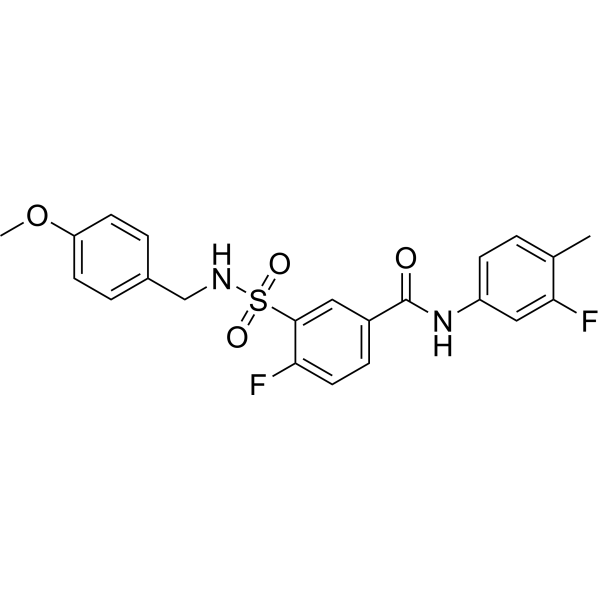
- HY-144718
-
|
|
Phosphatase
|
Metabolic Disease
|
|
PTP1B-IN-17 (Compound 45), a potential selective benzimidazole derivative, acts as a protein tyrosine phosphatase 1B (PTP1B) inhibitor with a Ki of 30.2 μM. PTP1B-IN-17 can be used for the research of type 2 diabetes.
|
-
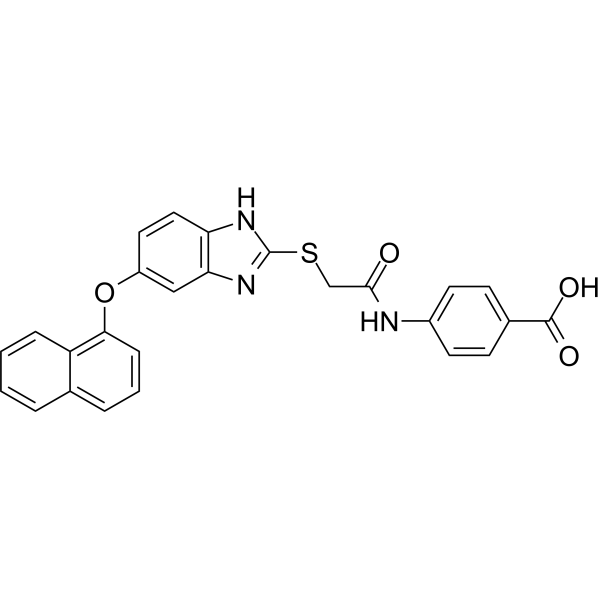
- HY-144716
-
|
|
Phosphatase
|
Metabolic Disease
|
|
PTP1B-IN-19 (Compound 43), a potential selective benzimidazole derivative, acts as a protein tyrosine phosphatase 1B (PTP1B) inhibitor with a Ki of 23.3 μM. PTP1B-IN-19 can be used for the research of type 2 diabetes.
|
-
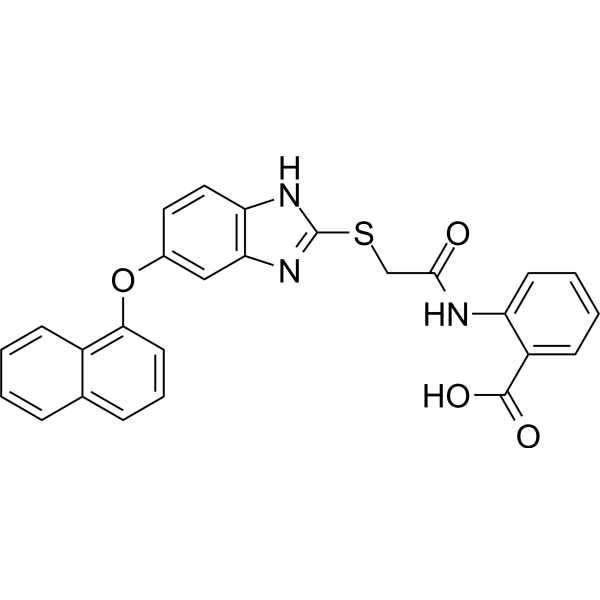
- HY-109589A
-
|
|
Phosphatase
Bacterial
|
Infection
|
|
trans-11-Eicosenoic acid is a fatty acid that inhibits the phosphatase activity of PtpA from Mycobacterium tuberculosis, with an IC50 of 27.97 µM. trans-11-Eicosenoic acid is detected in the stems of alfalfa plants inoculated with Sinorhizobium meliloti LL11, but is absent in the stems of uninoculated alfalfa or the strain itself .
|
-
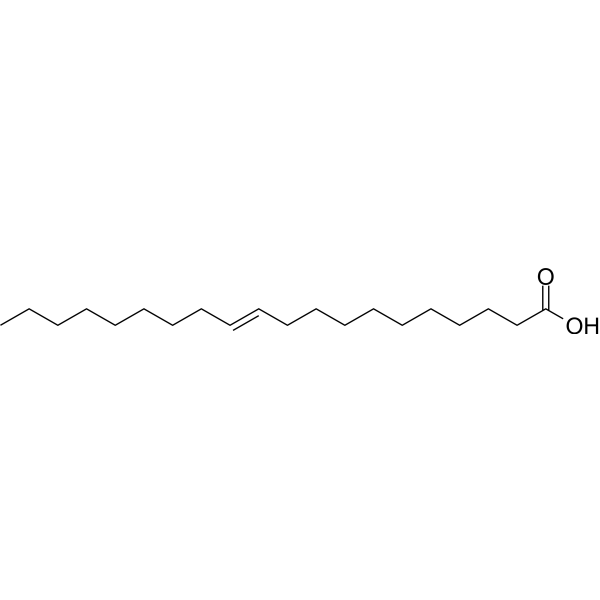
- HY-106417
-
|
SA 3443
|
Phosphatase
Aminotransferases (Transaminases)
|
Metabolic Disease
|
|
Limazocic (SA 3443) is an orally active hepatoprotective agent. Limazocic can inhibit increases in serum transaminase, alkaline phosphatase activity and hepatic lipids, hydroxyproline content induced by CCl4. Limazocic can decrease the degree of hepatic necrosis, fibrosis and steatosis. Limazocic can be used for the research of chronic liver injuries .
|
-

- HY-113976AR
-
|
Endothal (Standard)
|
Reference Standards
Phosphatase
|
Cancer
|
|
Endothall (Standard) is the analytical standard of Endothall. This product is intended for research and analytical applications. Endothall (Endothal) is a protein phosphatase 2A (PP2A) inhibitor with IC50s of 90 nM and 5 µM for PP2A and PP1, respectively. Endothall can be used as an herbicide. Endothall also is useful in cancer chemotherapy .
|
-

- HY-144713
-
|
|
Phosphatase
|
Metabolic Disease
|
|
PTP1B-IN-16 (Compound 46), a potential selective benzimidazole derivative, acts as a protein tyrosine phosphatase 1B (PTP1B) inhibitor with a Ki of 12.6 μM. PTP1B-IN-16 can be used for the research of type 2 diabetes.
|
-
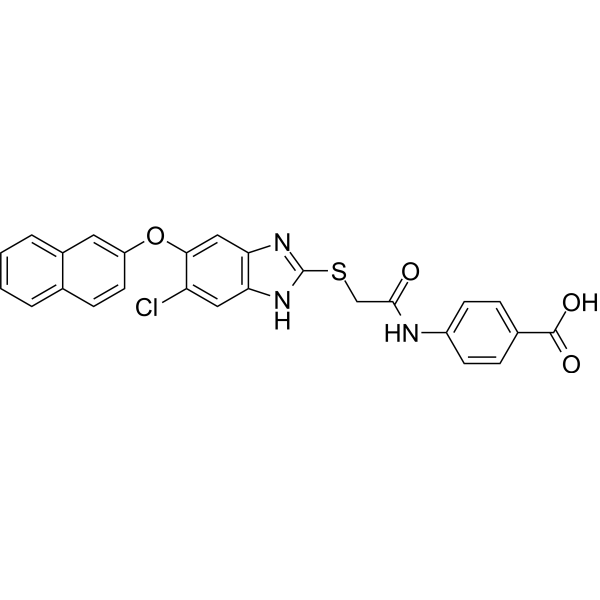
- HY-15486
-
|
|
Phosphatase
HSV
Autophagy
Apoptosis
|
Infection
Inflammation/Immunology
Cancer
|
|
Salubrinal is a cell-permeable and selective inhibitor of eIF2α dephosphorylation . Salubrinal acts as a dual-specificity phosphatase 2 (Dusp2) inhibitor and suppresses inflammation in anti-collagen antibody-induced arthritis . Salubrinal has antiviral activity against HSV-1 and inhibits dephosphorylation of eIF2α mediated by the HSV-1 protein ICP34.5 .
|
-
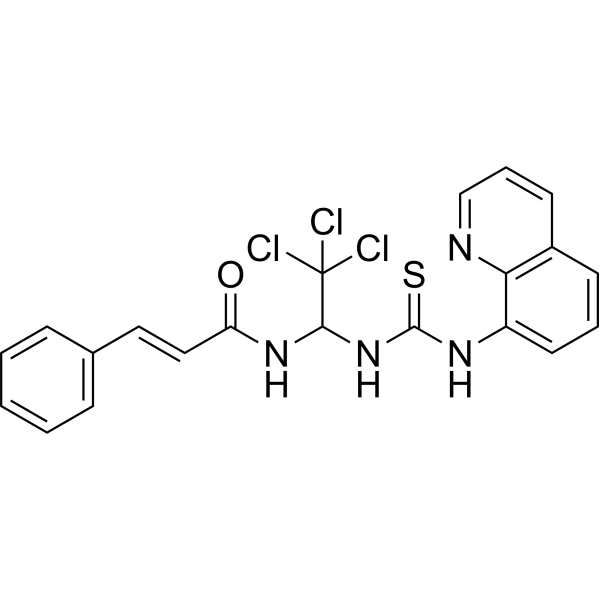
- HY-170616
-
|
|
Fungal
Interleukin Related
|
Infection
Inflammation/Immunology
|
|
JH-FK-08 is an inhibitor for the serine/threonine-specific phosphatase calcineurin. JH-FK-08 exhibits antifungal activity that inhibits C. neoformans with MIC80 of 0.8 µg/mL. JH-FK-08 exhibits immunosuppressive activity and inhibits the IL-2 expression with an IC50 of 42.6 nM. JH-FK-08 exhibits anti-infectious activity in mouse models .
|
-

- HY-175520
-
|
|
SHP2
Phosphatase
Apoptosis
|
Cancer
|
|
SHP2-IN-42 is a src homology 2 domain-containing phosphatase 2 (SHP2) inhibitor with an IC50 of 15 nM. SHP2-IN-42 inhibits cell proliferation and induces apoptosis and G1 phase cell cycle arrest. SHP2-IN-42 can be used for the research of cancer, such as acute myeloid leukemia (AML) .
|
-

- HY-118567
-
|
BMOV
|
SHP2
Phosphatase
|
Metabolic Disease
|
|
Bis(maltolato)oxovanadium(IV) (BMOV) is a potent, reversible, competitive and orally active pan-PTP (protein tyrosine phosphatases) inhibitor. Bis(maltolato)oxovanadium(IV) inhibits HCPTPA, PTP1B, HPTPβ and SHP2 with IC50s of 126 nM, 109 nM, 26 nM and 201 nM, respectively. Bis(maltolato)oxovanadium(IV) is a potent insulin sensitizer .
|
-
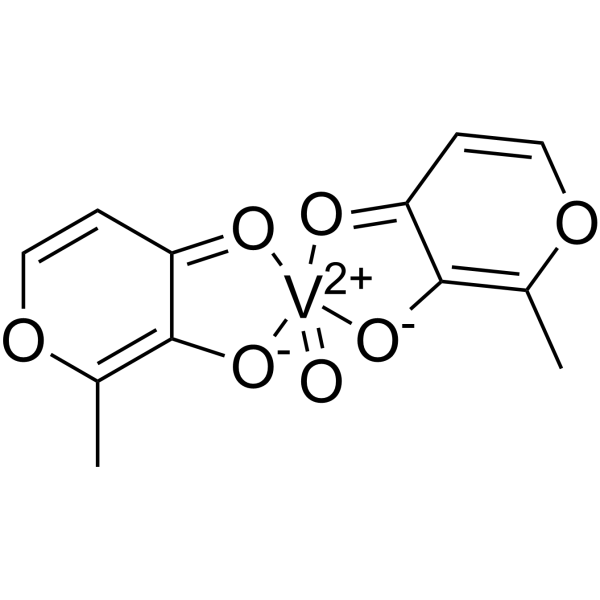
- HY-182299
-
|
|
Phosphatase
Tyrosinase
ERK
|
Inflammation/Immunology
|
|
LYP-IN-5 is a lymphoid tyrosine phosphatase (LYP) inhibitor with an IC50 value of 20.6 μM. LYP-IN-5 enhances the phosphorylation of ZAP70 and ERK1/2 following TCR stimulation, and promotes T cell activation. LYP-IN-5 can be used in the research of autoimmune diseases .
|
-

- HY-178292
-
|
|
Phosphatase
|
Cancer
|
|
VHR-IN-3 (Compound 1) is a selective vaccinia H1-related (VHR) phosphatase inhibitor with a Ki of 0.81 μM. VHR-IN-3 mimics the phosphate group through the sulfonic acid group and competitively binds to the catalytic active center of VHR. VHR-IN-3 can be used for the research of cervical cancer .
|
-

- HY-153018
-
|
|
Phosphatase
|
Metabolic Disease
|
|
PTP1B-IN-22, a ZINC02765569 derivative, is a potent protein tyrosine phosphatase 1B (PTP1B) inhibitor. PTP1B-IN-22 has PTP1B inhibition and glucose uptake in skeletal muscle L6 myotubes .
|
-
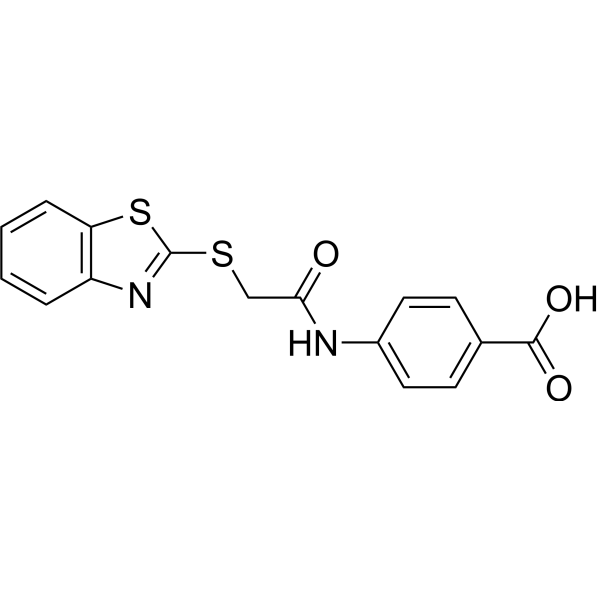
- HY-N6663
-
|
|
Environmental Pollutants
COX
|
Inflammation/Immunology
|
|
3-Carene is a bicyclic monoterpene in essential oils extracted from pine trees. 3-Carene inhibits nociceptive stimulus-induced inflammatory infiltrates and COX-2 overexpression, and with antinociceptive effect. 3-Carene stimulates the activity and expression of alkaline phosphatase that is an early phase marker of osteoblastic differentiation .
|
-

- HY-182536
-
|
|
Phosphatase
|
Metabolic Disease
|
|
LMPTP IN-2 is a selective protein tyrosine phosphatase (LMPTP) inhibitor with an IC50 of 0.020 μM. LMPTP IN-2 exerts inhibitory effects through a non-competitive mechanism. LMPTP IN-2 can be used for research on obesity-related insulin resistance and type 2 diabetes .
|
-

- HY-141523
-
|
RMC-4630; SHP2-IN-7
|
SHP2
Phosphatase
|
Cancer
|
|
Vociprotafib (RMC-4630) is an orally active, selective and potent phosphatase SHP2 inhibitor, which blocks activation of the RAS-RAF-MEK-ERK signaling pathway with antitumor activity. Vociprotafib accelerates the time to, and increases the magnitude of, tumor regressions in Osimertinib (HY-15772)-sensitive EGFR-mutant tumors of mice .
|
-
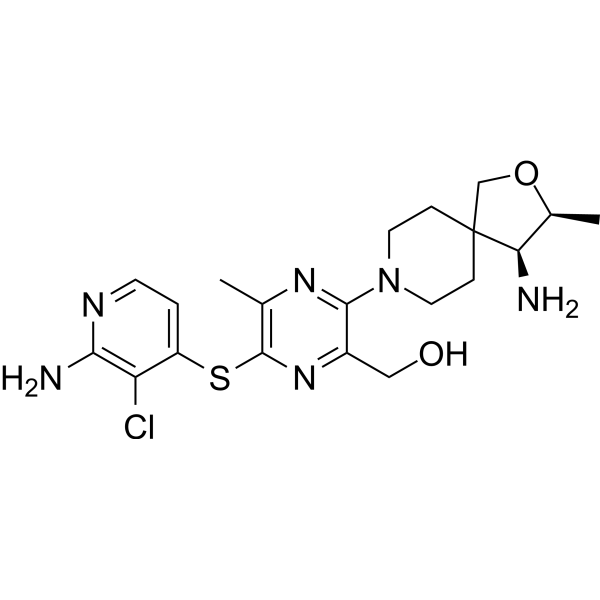
- HY-N3734
-
|
|
Beta-secretase
Phosphatase
|
Neurological Disease
|
|
Deoxyneocryptotanshinone, a natural tanshinone, is a high affinity BACE1 (Beta-secretase) inhibitor with an IC50 value of 11.53 μM. Deoxyneocryptotanshinone shows a promising dose-dependent inhibition of protein tyrosine phosphatase 1B (PTP1B) with an IC50 value of 133.5 μM. Deoxyneocryptotanshinone can be used for Alzheimer's disease research .
|
-
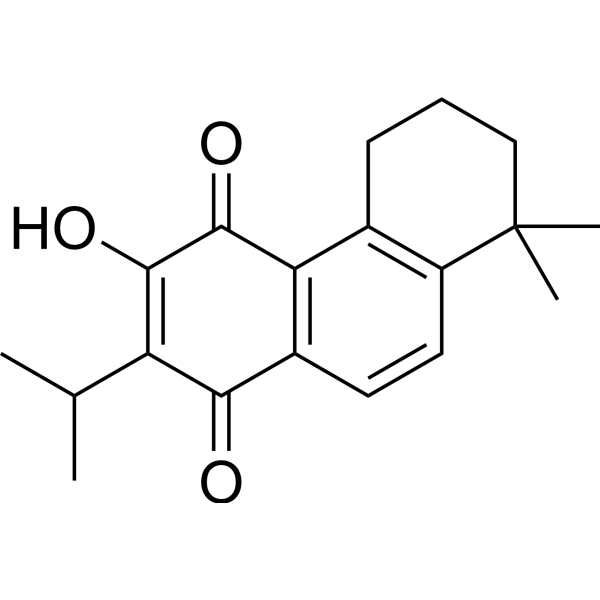
- HY-119443
-
|
|
Phosphatase
|
Metabolic Disease
|
|
Neridronate is an aminobisphosphonate. Neridronate induces osteoblast differentiation, enhances alkaline phosphatase activity and mineralized nodule formation. Neridronate inhibits endothelial cell proliferation, fibroblast growth factor-2-induced capillary-like tube formation, and angiogenesis. Neridronate can be used for osteogenesis imperfecta and Paget’s disease of bone .
|
-
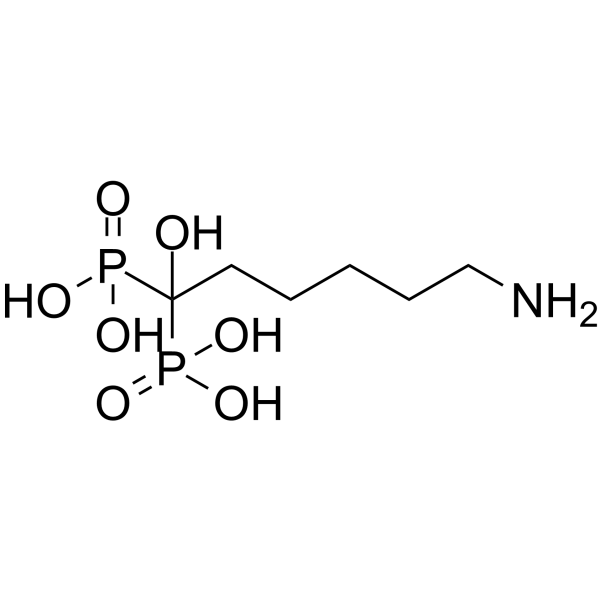
- HY-160514
-
|
|
Phosphatase
|
Metabolic Disease
|
|
LXQ46 is an orally active inhibitor for protein tyrosine phosphatase 1B (PTP1B), with an IC50 of 0.190 μM. LXQ46 enhances insulin and leptin signaling pathways in insulin-resistant C2C12. LXQ46 ameliorates type 2 diabetes and increases insulin tolerance in mouse models .
|
-

- HY-149865
-
|
|
Phosphatase
Fluorescent Dye
|
Cancer
|
|
TPE-1p is a cascade-activated AIEgen-peptide probe. TPE-1p self-assembles in aqueous solution to exhibit bright fluorescence in response to alkaline phosphatase (ALP) and ChT-L. TPE-1p can be utilized to noninvasively assess the inhibition efficiency of a ChT-L inhibitor in cells .
|
-
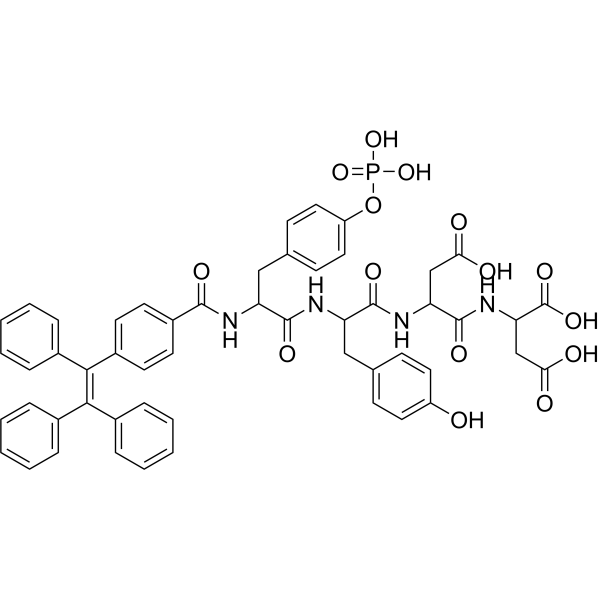
- HY-147071
-
|
DAPE
|
Liposome
|
Metabolic Disease
|
|
1,2-Diarachidonoyl-sn-glycero-3-phosphoethanolamine (DAPE) is a phospholipid phosphatidylethanolamine. Unlike other phospholipid phosphatidylethanolamines, 1,2-Diarachidonoyl-sn-glycero-3-phosphoethanolamine has no significant effect on protein phosphatase PP2A activity and does not inhibit insulin-stimulated GLUT4 translocation .
|
-
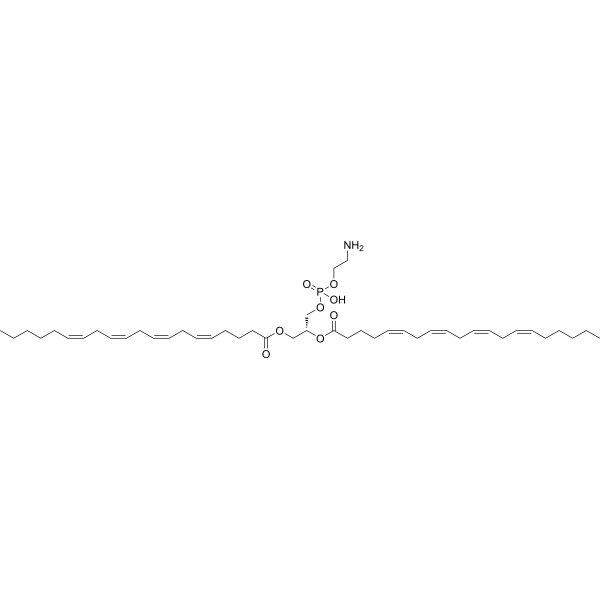
- HY-108544R
-
|
Triptycene-1,4-quinone (Standard)
|
Reference Standards
Nuclear Factor of activated T Cells (NFAT)
|
Cardiovascular Disease
|
|
INCA-6 (Standard) is the analytical standard of INCA-6 (HY-108544). This product is intended for research and analytical applications. INCA-6 (Triptycene-1,4-quinone) is a cell-permeable NFAT inhibitor. INCA-6 specifically blocks targeting of NFAT(P) substrate to the calcineurin (CN) phosphatase site and is an effective inhibitor of CN-NFAT signaling .
|
-

- HY-123966
-
|
|
Phosphatase
|
Neurological Disease
|
|
MY33-3 is a potent and selective inhibitor of receptor protein tyrosine phosphatase (RPTP)β/ζ, with an IC50 of ~0.1 μM. MY33-3 also inhibits PTP-1B (IC50 ~0.7 μM). MY33-3 can reduce ethanol consumption and alleviate Sevoflurane-induced neuroinflammation and cognitive dysfunction .
|
-
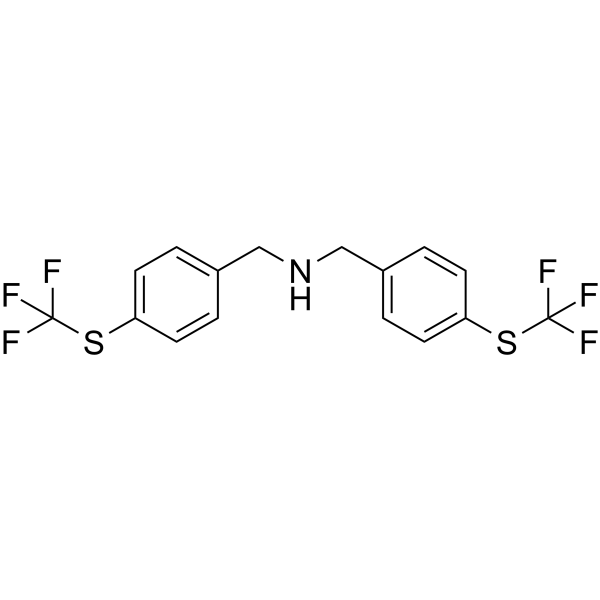
- HY-123966A
-
|
|
Phosphatase
|
Neurological Disease
|
|
MY33-3 hydrochloride is a potent and selective inhibitor of receptor protein tyrosine phosphatase (RPTP)β/ζ, with an IC50 of ~0.1 μM. MY33-3 hydrochloride also inhibits PTP-1B (IC50 ~0.7 μM). MY33-3 hydrochloride can reduce ethanol consumption and alleviate Sevoflurane-induced neuroinflammation and cognitive dysfunction .
|
-
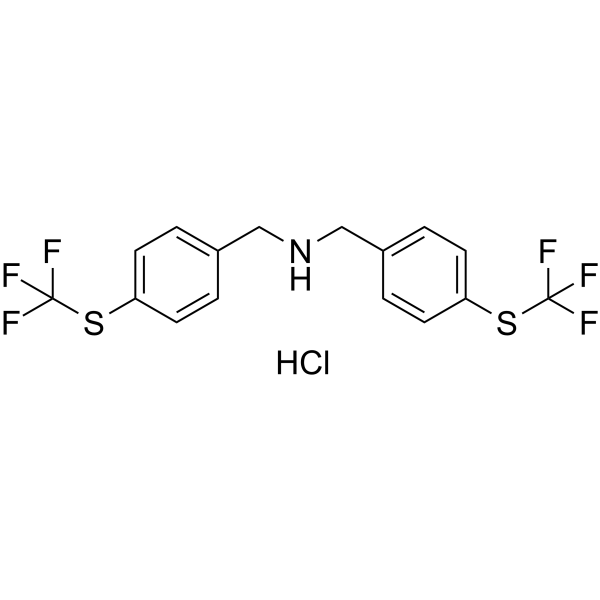
- HY-15321A
-
|
MK-0663 hydrochloride; L-791456 hydrochloride
|
COX
|
Inflammation/Immunology
|
|
Etoricoxib hydrochloride (MK-0663 hydrochloride) is a synthetic nonsteroidal anti-inflammatory drug with cyclooxygenase-2 inhibitory activity. Etoricoxib hydrochloride can inhibit the conversion of arachidonic acid to prostaglandins, thereby reducing inflammation and pain. Etoricoxib hydrochloride is used to inhibit osteoarthritis and has anti-inflammatory and bone remodeling effects. The formulation of etoricoxib hydrochloride is prepared by emulsion solvent evaporation technology and exhibits good cell compatibility and enhanced alkaline phosphatase activity .
|
-

- HY-156659
-
|
|
Phosphatase
ERK
|
Inflammation/Immunology
|
|
NC1 is a selective non-competitive and allosteric lymphoid-specific tyrosine phosphatase (LYP) inhibitor, with a Ki value 4.3 μM. NC1 allosterically regulates LYP/PTPN22 activity by restricting WPD loop movement. NC1 inhibits LYP activity in lymphoid T cells and enhances T-cell receptor signaling. NC1 can be used for the research of autoimmune diseases .
|
-
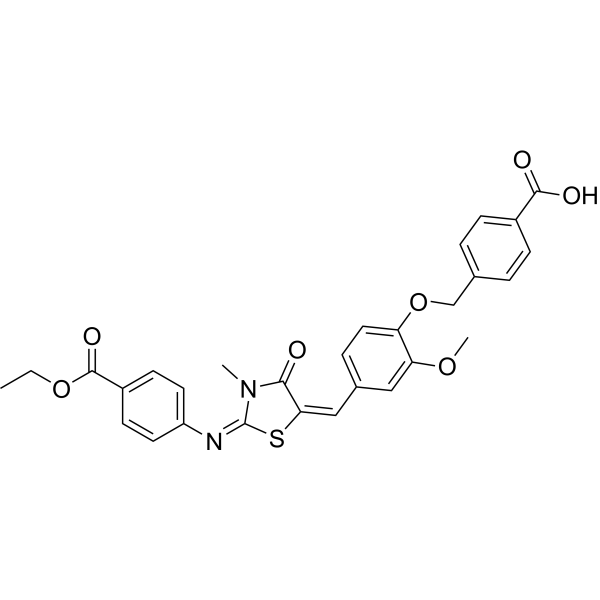
- HY-120159
-
|
|
SHP2
SHP1
Phosphatase
|
Cancer
|
|
GS-493 is a selective protein tyrosine phosphatase SHP2 (PTPN11) inhibitor with an IC50 of 71 nM. GS-493 is 29- and 45-fold more active toward SHP2 than related SHP1 and PTP1B. GS-493 blocks cellular motility and growth of cancer cells. Antitumor activity .
|
-
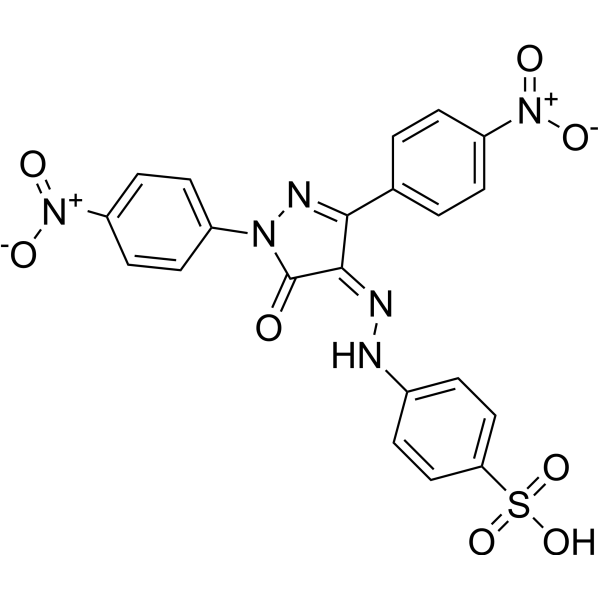
- HY-137092
-
|
|
SHP2
Phosphatase
|
Cancer
|
|
IACS-13909 is a selective, potent and orally active SHP2 allosteric inhibitor with an IC50 of 15.7 nM and a Kd of 32 nM. IACS-13909 is more selective for SHP2 than other phosphatases (including SHP1). IACS-13909 has antitumor activities and suppresses MAPK pathway signaling in receptor tyrosine kinases (RTK)-dependent cancers .
|
-
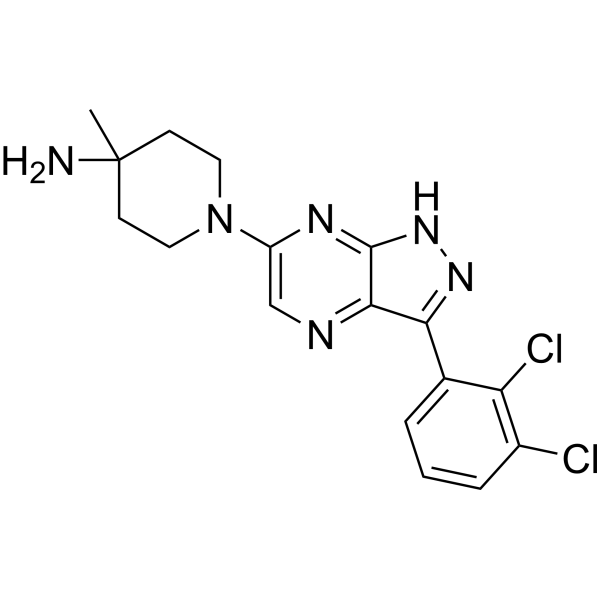
- HY-100462R
-
|
|
Phosphatase
Reference Standards
|
Metabolic Disease
|
|
PTP1B-IN-2 (Standard) is the analytical standard of PTP1B-IN-2 (HY-100462). This product is intended for research and analytical applications. PTP1B-IN-2 is a potent protein tyrosine phosphatase 1B (PTP1B) inhibitor with an IC50 of 50 nM.
|
-

- HY-N2511S
-
-
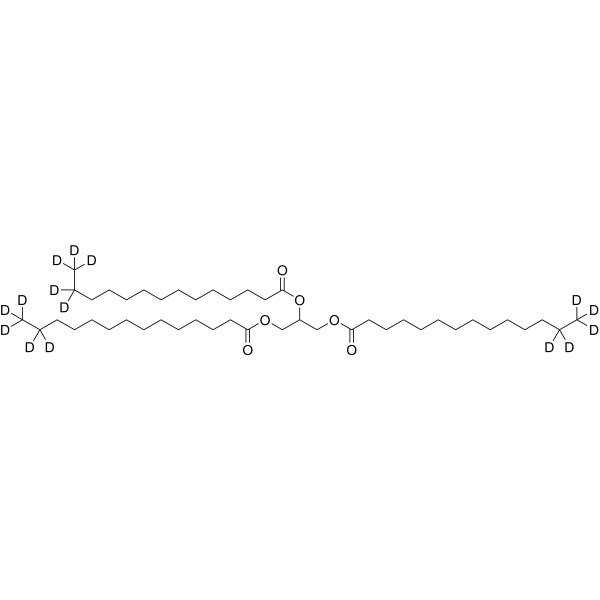
- HY-142682
-
|
|
Phosphatase
|
Neurological Disease
Cancer
|
|
SCP1-IN-1 is a Small CTD Phosphatase 1 (SCP1) inhibitor with a human IC50 of 10 μM. SCP1-IN-1 inactivates SCP1, promotes REST transcription factor degradation, and reduces REST transcriptional activity. SCP1-IN-1 can be used for the research of glioblastoma multiforme .
|
-
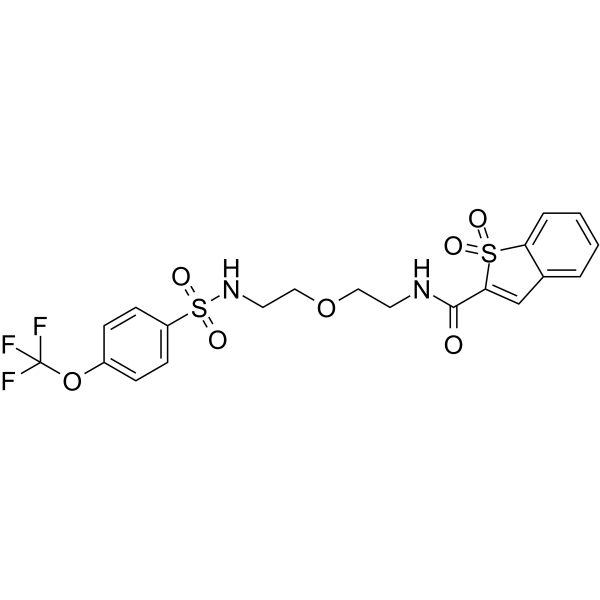
- HY-100683
-
|
|
Phosphatase
|
Cancer
|
|
A12B4C3 is a potent human polynucleotide kinase/phosphatase (hPNKP) inhibitor with an IC50 value of 0.06 μM. A12B4C3 has antiproliferative activity against cancer cells. A12B4C3 can also enhance the radiosensitivity of certain cancer cells .
|
-
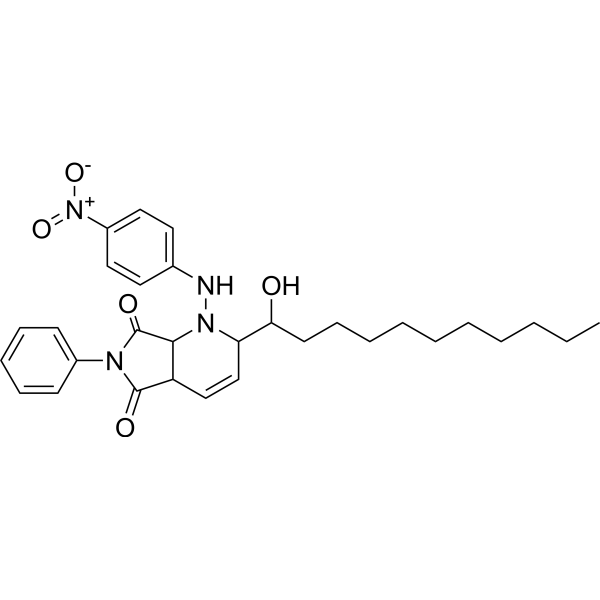
- HY-157139
-
|
|
Carbonic Anhydrase
Phosphatase
|
Inflammation/Immunology
|
|
ALP/Carbonic anhydrase-IN-1 (Compound 1e) is a dual carbonic anhydrase (CA) and alkaline phosphatase (ALP) inhibitor. ALP/Carbonic anhydrase-IN-1 shows IC50 values of 0.44 µM, 1.61 µM, 0.51 µM, and 0.107 µM for CA-II, CA-IX, CA-XII, and ALP, respectively .
|
-
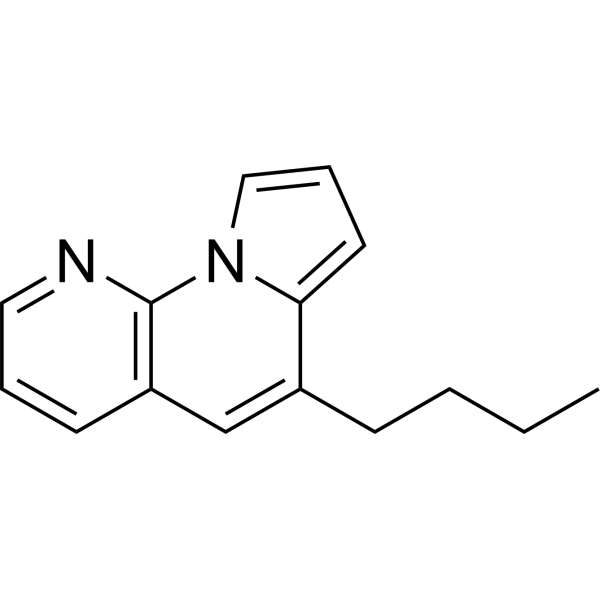
- HY-N14549
-
|
|
Phosphatase
|
Inflammation/Immunology
|
|
Cycloepoxydon inhibits the Phorbol 12-myristate 13-acetate (HY-18739) (PMA)-induced NF-KB and AP-1 mediated secreted alkaline phosphatase (SEAP) expression with IC50s of 1-2 μg/mL (4.2-8.4 μM) and 3-5 μg/mL (12.6-21 μM), respectively .
|
-

- HY-162480
-
|
|
Glycosidase
Phosphatase
|
Endocrinology
|
PTP1B-IN-27 (Compound 7i) is an inhibitor of protein tyrosine phosphatase 1-B (PTP‐1B)(IC50=8.2 µM). PTP1B-IN-27 also inhibits α-Glucosidase (IC50=120 µM) and shows competitive inhibition (Ki=118 µM) .
|
-
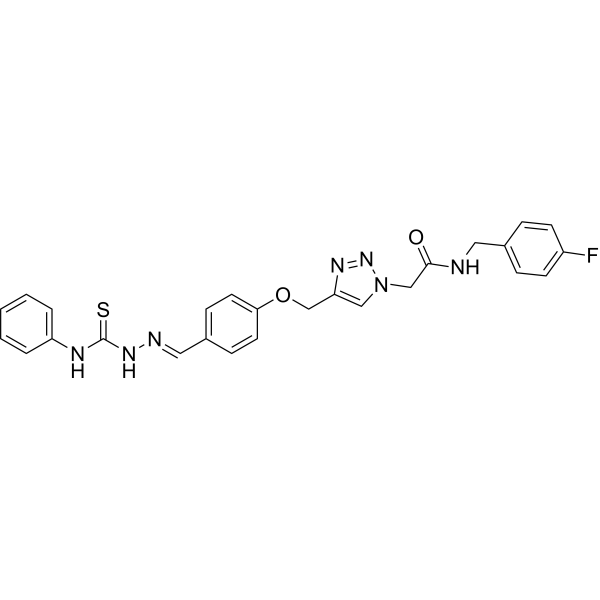
- HY-19820A
-
|
|
Akt
Ser/Thr Protease
Apoptosis
MMP
|
Cardiovascular Disease
Neurological Disease
Inflammation/Immunology
|
|
NSC45586 sodium is an inhibitor of PHLPP. NSC45586 sodium targets the PP2C phosphatase domains of PHLPP1 and PHLPP2, blocks the phosphatase activity of PHLPP, increases the expression level of FOXO1 in the nucleus, and reduces the protein expression of PHLPP1. NSC45586 sodium activates the AKT survival signaling pathway, enhances IGF-1-induced AKT activation, and inhibits the phosphorylation of AKT/ERK under basal conditions. NSC45586 sodium reduces staurosporine-induced neuronal death, preserves notochord cell morphology and KRT19 expression, inhibits cell apoptosis (apoptosis), improves the viability and proliferation of nucleus pulposus cells, upregulates the expression of ACAN/SOX9, and downregulates the expression of MMP13. NSC45586 sodium binds tightly to bovine serum albumin (bovine serum albumin), and exerts a more significant effect on nucleus pulposus in male individuals. NSC45586 sodium can be used in studies related to global cerebral ischemia and intervertebral disc degeneration .
|
-
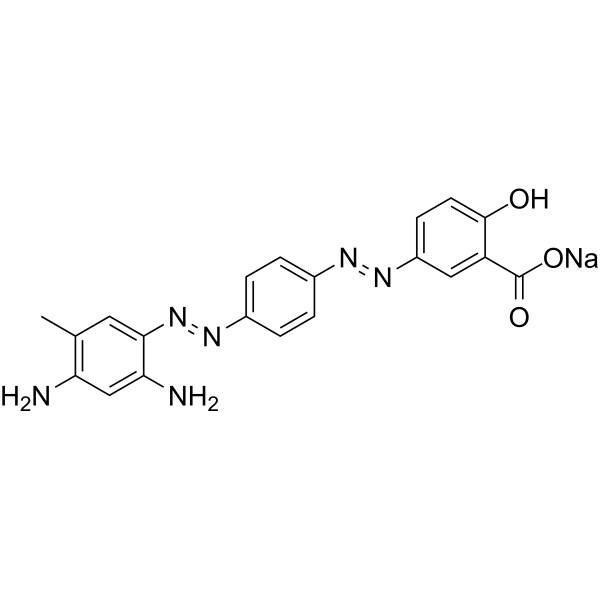
- HY-P3355
-
|
|
iGluR
|
Neurological Disease
|
|
p-fin4 is a peptide inhibitor of STEP Phosphatase-GluA2 AMPA receptor interaction with a Ki of 0.4 μM. p-fin4 restores the memory deficits and displays anxiolytic and antidepressant effects in a scopolamine-treated rat model. p-fin4 is a promising lead compound for novel cognitive enhancers and/or behavioral modulators .
|
-

- HY-113612A
-
|
|
Apoptosis
Phosphatase
|
Cancer
|
|
Cytostatin sodium is an effective and selective protein phosphatase 2A (PP2A) inhibitor with an IC50 value of 210 nM. Cytostatin sodium exhibits anti-metastatic properties, good antitumor activity, and can induce apoptosis. Cytostatin sodium can also prevent the adhesion of B16 melanoma cells to components of the extracellular matrix (laminin and collagen). Cytostatin sodium belongs to the family of natural product fosriecin .
|
-
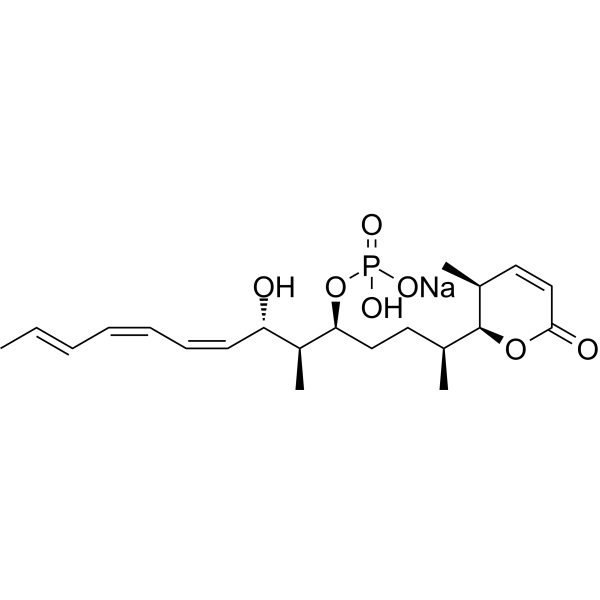
- HY-126304
-
|
|
Phosphatase
Endogenous Metabolite
ERK
|
Metabolic Disease
|
|
β-Glycerophosphate disodium salt pentahydrate is a bioactive endogenous metabolite and a phosphatase inhibitor. β-Glycerophosphate disodium salt pentahydrate plays an important role in inducing and maintaining osteoblast differentiation, mineral metabolism and signal transduction, and can be used as a drug carrier to form heat-sensitive hydrogels. β-Glycerophosphate disodium salt hydrate accelerates the calcification of vascular smooth muscle cells .
|
-
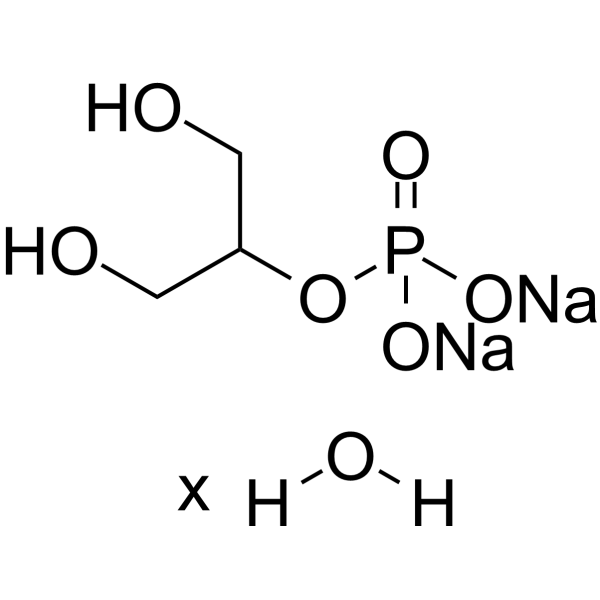
- HY-113612
-
|
|
Phosphatase
Apoptosis
|
Cancer
|
|
Cytostatin is an effective and selective protein phosphatase 2A (PP2A) inhibitor with an IC50 value of 210 nM. Cytostatin exhibits anti-metastatic properties, good antitumor activity, and can induce apoptosis. Cytostatin can also prevent the adhesion of B16 melanoma cells to components of the extracellular matrix (laminin and collagen). Cytostatin belongs to the family of natural product fosriecin .
|
-
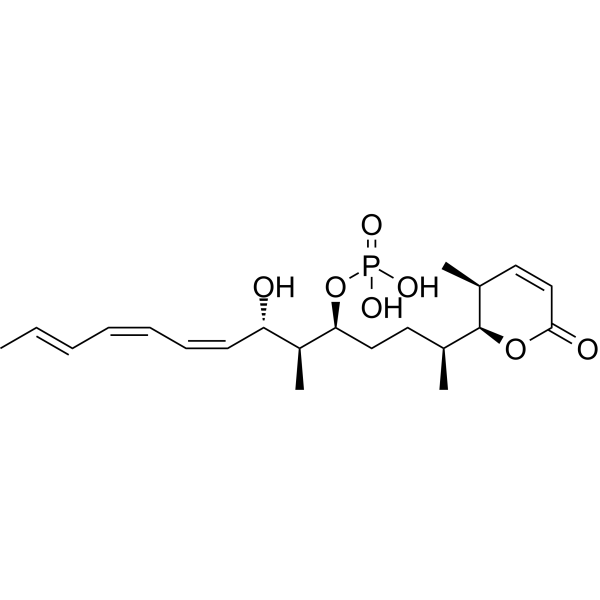
- HY-124591
-
|
|
5-HT Receptor
Monoamine Oxidase
|
Neurological Disease
|
|
TC-2153 is a selective inhibitor of striatal-enriched protein tyrosine phosphatase (STEP), with psychotropic activity and low acute toxicity. TC-2153 increases the expression of brain-derived neurotropic factor (BDNF) in the brain. And it decreases MAOA and 5-HT1A receptors mRNA level in midbrain. TC-2153 also inhibits 5-HT2A receptor-mediated signaling .
|
-
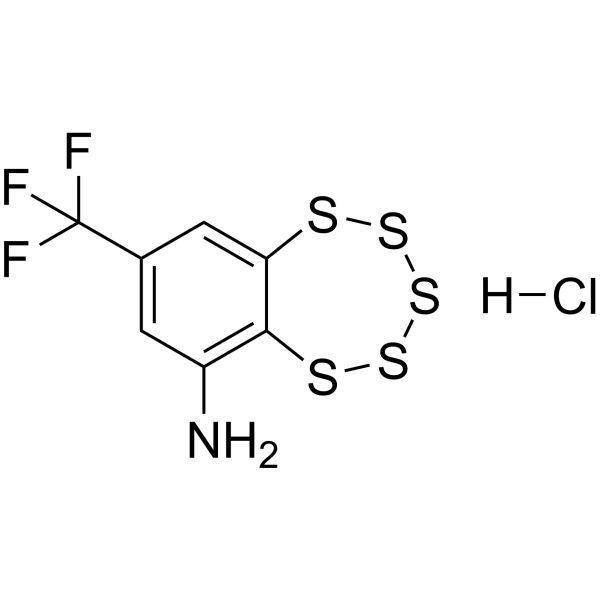
- HY-15486R
-
|
|
Phosphatase
HSV
Autophagy
Apoptosis
|
Infection
Inflammation/Immunology
Cancer
|
|
Salubrinal (Standard) is the analytical standard of Salubrinal. This product is intended for research and analytical applications. Salubrinal is a cell-permeable and selective inhibitor of eIF2α dephosphorylation . Salubrinal acts as a dual-specificity phosphatase 2 (Dusp2) inhibitor and suppresses inflammation in anti-collagen antibody-induced arthritis . Salubrinal has antiviral activity against HSV-1 and inhibits dephosphorylation of eIF2α mediated by the HSV-1 protein ICP34.5 .
|
-

- HY-16443
-
|
|
OAT
|
Metabolic Disease
|
|
S-4048 is a glucose-6-phosphate translocase modulator and hypoglycemic agent. S-4048 is taken up by hepatocytes via OATP-1 and is rapidly eliminated via the hepatobiliary system in rats. S-4048 blocks glucose-6-phosphate translocase, prevents glucose-6-phosphate from entering the endoplasmic reticulum, and thereby interferes with the glucose-6-phosphatase system (i.e., the final step of hepatic gluconeogenesis and glycogenolysis) to regulate hepatic glucose production. S-4048 completely inhibits glucose production from pyruvate in GLUT2-deficient hepatocytes without affecting the release of cytoplasmic glucose. S-4048 effectively reduces blood glucose levels in rats and has been used in studies related to type 2 diabetes .
|
-
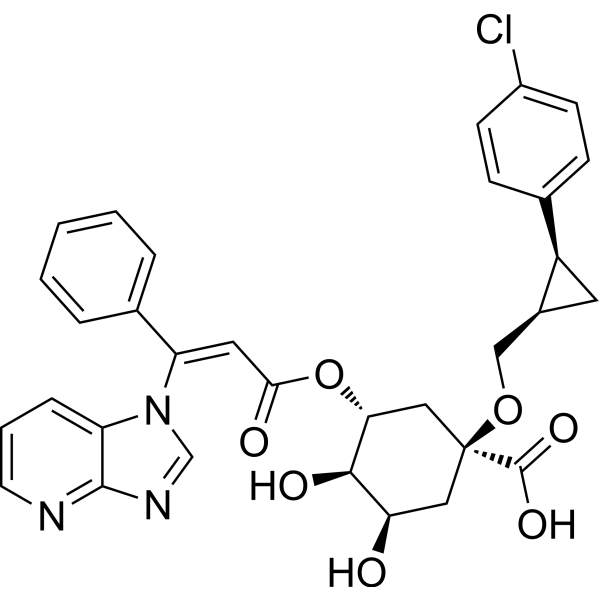
- HY-155848
-
|
|
Phosphatase
|
Cancer
|
|
LYP-IN-4 (compound D14) is a reversible and selective inhibitor of lymphotyrosine phosphatase (LYP) (Ki=1.34 μM, IC50=3.52μM). LYP-IN-4 inhibits LYP to regulate TCR signaling, up-regulates PD-1/PD-L1 expression, and enhance anti-tumor immunity. LYP-IN-4 activates T cells and inhibits M2 macrophage polarization, inhibits tumor growth in MC38 isogenic mouse models.
|
-
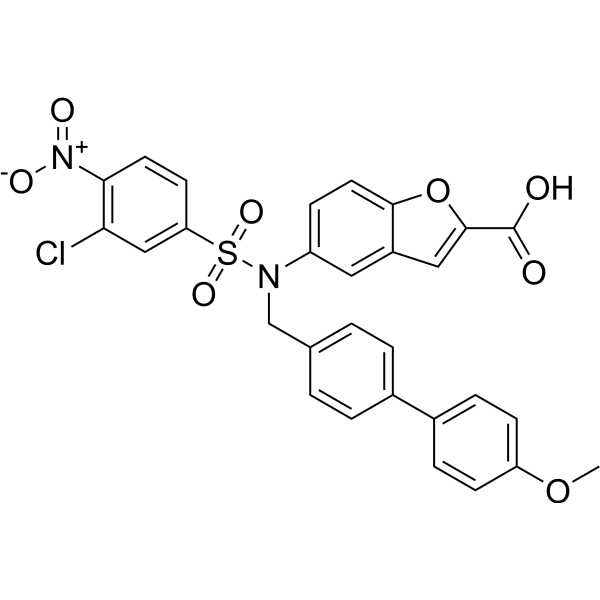
- HY-123931
-
ZLDI-8
1 Publications Verification
|
Notch
Phosphatase
Apoptosis
|
Cancer
|
|
ZLDI-8 is a Notch activating/cleaving enzyme ADAM-17 inhibitor and inhibits the cleavage of Notch protein. ZLDI-8 decreases the expression of pro-survival/anti-apoptosis and epithelial-mesenchymal transition (EMT) related proteins. ZLDI-8 is also a competitive and irreversible tyrosine phosphatase (Lyp) inhibitor with an IC50 of 31.6 μM and a Ki of 26.22 μM. ZLDI-8 inhibits the growth of MHCC97-H cells with an IC50 of 5.32 μM .
|
-
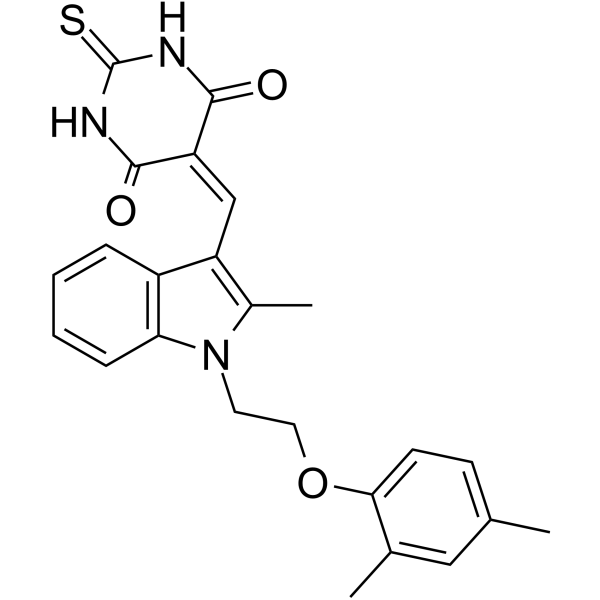
- HY-155374
-
|
|
Phosphatase
Apoptosis
Caspase
|
Cancer
|
|
PP5-IN-1 is a competitive and selective serine/threonine protein phosphatase 5 (PP5) inhibitor with a Ki value of 244 nM. PP5-IN-1 induces extrinsic apoptosis (Apoptosis), disrupts the integrity of complex II, and activates Caspase 8. PP5-IN-1 can be used in research related to clear cell renal cell carcinoma .
|
-
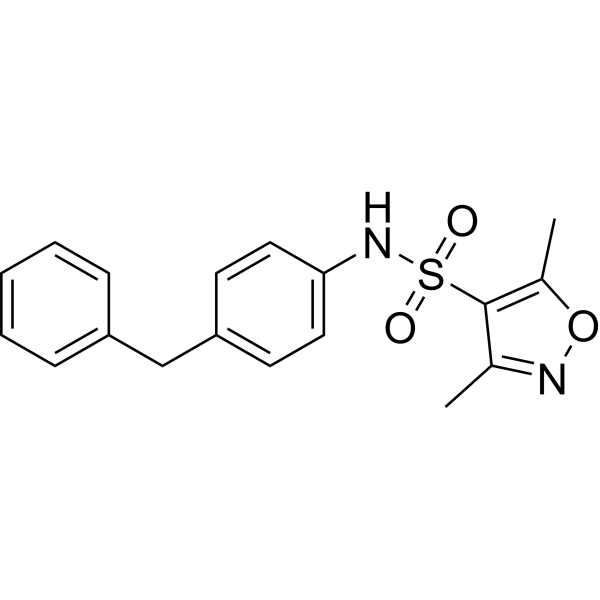
- HY-N2511R
-
|
|
Reference Standards
Cholinesterase (ChE)
Phosphatase
Endogenous Metabolite
|
Metabolic Disease
|
|
Trimyristin (Standard) is the analytical standard of Trimyristin. This product is intended for research and analytical applications. Trimyristin, an active molluscicidal component of?Myristica fragrans?Houtt, significantly inhibits acetylcholinesterase (AChE), acid and alkaline phosphatase (ACP/ALP) activities in the nervous tissue of?Lymnaea acuminata. IC50s of Trimyristin against AChE, ACP, and ALP are 0.11, 0.16 and 0.18 mM, respectively .
|
-

- HY-D0886
-
|
|
Phosphatase
Endogenous Metabolite
ERK
|
Metabolic Disease
Cancer
|
|
β-Glycerophosphate disodium salt pentahydrate is a bioactive endogenous metabolite and a phosphatase inhibitor. β-Glycerophosphate disodium salt pentahydrate plays an important role in inducing and maintaining osteoblast differentiation, mineral metabolism and signal transduction, and can be used as a drug carrier to form heat-sensitive hydrogels. β-Glycerophosphate disodium salt hydrate accelerates the calcification of vascular smooth muscle cells .
|
-
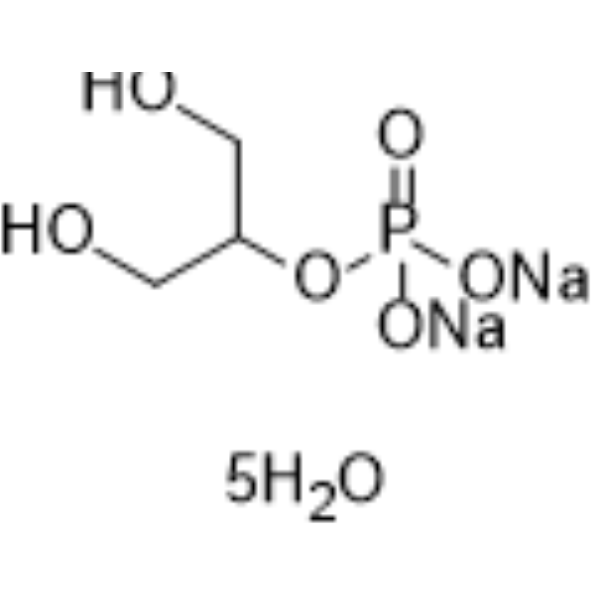
- HY-124896
-
|
6-Geranylnaringenin; Mimulone
|
Phosphatase
Apoptosis
Autophagy
|
Inflammation/Immunology
Cancer
|
|
Bonannione A (6-Geranylnaringenin; Mimulone), a prenylflavonoid, is an orally active and potent protein tyrosine phosphatase 1B (PTP1B) inhibitor with an IC50 of 14 µM. Bonannione A triggers caspase-dependent apoptosis. Bonannione A induces autophagy through p53-mediated AMPK/mTOR pathway. Bonannione A shows anti-inflammatory, antiradical and anti-cancer activity .
|
-
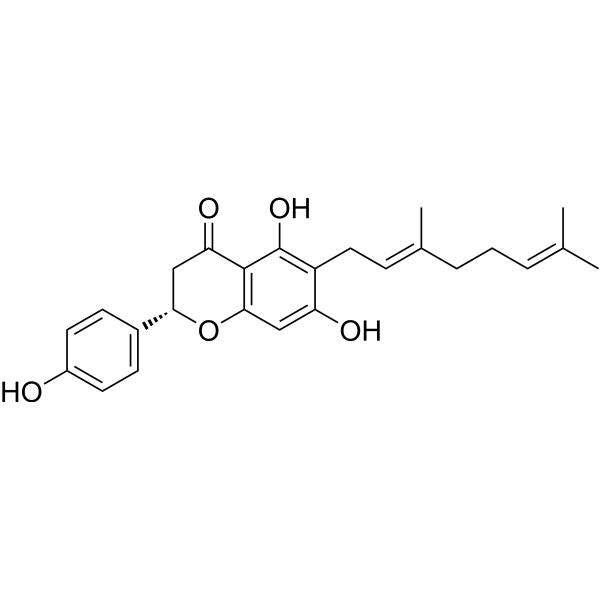
- HY-138302
-
|
|
Drug Intermediate
|
Cancer
|
|
PF-06862309 is a PF-06843195 (HY-131972) phosphate ester prodrug. PF-06862309 can be hydrolyzed to PF-06843195 in the presence of alkaline phosphatase. PF-06843195 is a highly selective PI3Kα inhibitor. PF-06862309 can be used for the study of breast cancer with ER +, HER 2-, and PIK3CA mutations .
|
-

- HY-155558
-
|
|
Antibiotic
|
Infection
|
|
MptpB-IN-2 (compound 20) is a selective mycobacterium tuberculosis protein tyrosine phosphatase B (MptpB) inhibitor with IC50s of 0.64 μM, 4.06 μM and 4.14 μM for MptpB, MptpA and PTP1B, respectively. MptpB-IN-2 shows weak antituberculosis activity with a MIC of 64.9 μM for Mtb H37Rv .
|
-
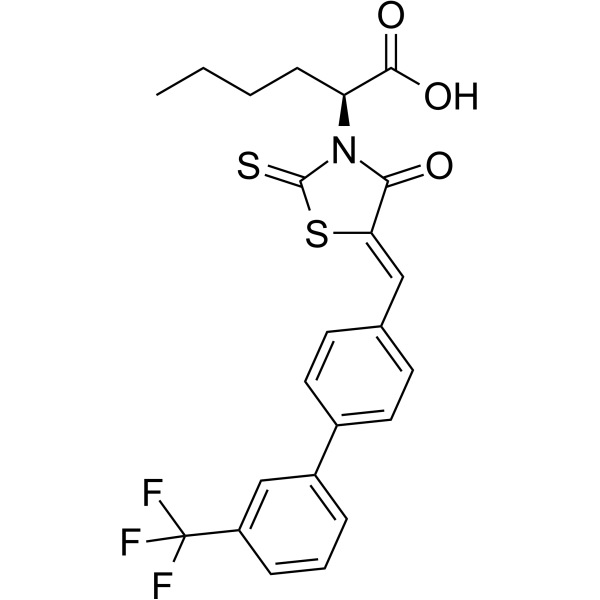
- HY-173084
-
|
|
Phosphatase
MDM-2/p53
|
Cancer
|
|
BRD6257 is an orally active inhibitor for protein phosphatase, Mg2+/Mn2+ dependent 1D PPM1D with an IC50 of 5 nM. BRD6257 activates p53 signaling pathway with an EC50 of 51 nM, increases the p21 expression, inhibits the proliferation of cancer cell MOLM13 (IC50=2.8 μM). BRD6257 exhibits good metabolic stability in human and rat liver microsomes .
|
-

- HY-139598
-
LFHP-1c
3 Publications Verification
|
Phospholipase
|
Cardiovascular Disease
|
|
LFHP-1c is an PGAM5 inhibitor with neuroprotective activity in brain ischemic stroke. LFHP-1c protects blood-brain barrier integrity from ischemia-induced injury. LFHP-1c binds to endothelial PGAM5 to inhibit the activity of PGAM5 phosphatase and the interaction of PGAM5 with NRF2. LFHP-1c exhibits in vitro and in vivo protection .
|
-
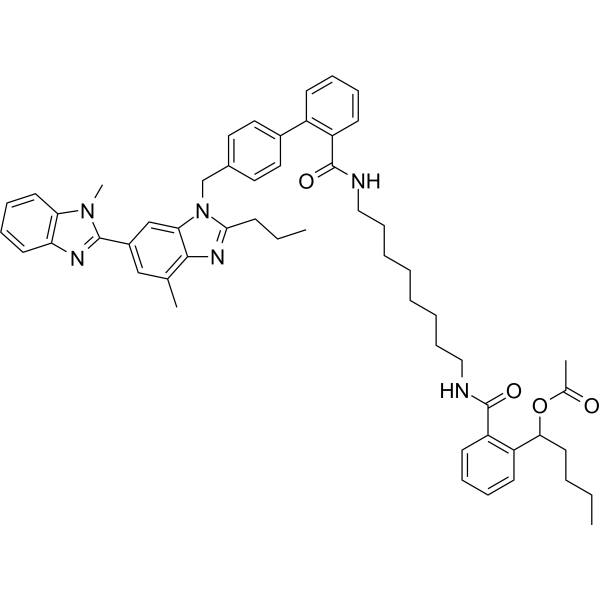
- HY-W142437
-
|
|
Phytohormone
|
Others
|
|
1,4-Dimethylnaphthalen is a non-competitive potato tuber sprouting inhibitor. 1,4-Dimethylnaphthalen blocks cell cycle progression (G1/S arrest) by inducing PP2A phosphatase and oxygen metabolism-related genes. 1,4-Dimethylnaphthalen is promising for research of fungistatic activity during potato storage and sprout control under abiotic stress .
|
-

- HY-P11334
-
|
|
Aminopeptidase
Phosphatase
Angiotensin-converting Enzyme (ACE)
DNA/RNA Synthesis
|
Cancer
|
|
Cyanostatin B, a cyanobacterial lipopeptide, is a leucine aminopeptidase M (LAP) inhibitor (IC50 = 12 ng/mL). Cyanostatin B is a weak inhibitor of protein phosphatase (PP2A) and also exhibits weak inhibitory activity against angiotensin-converting enzyme (ACE), with an IC50 value of 130 μg/mL. Cyanostatin B demonstrates both cytotoxic and genotoxic effects on human hepatocytes, although non-toxic to Artemia salina. Cyanostatin B inhibits the proliferation of HepG2 cells, induces DNA single-strand breaks, and causes genomic instability. .
|
-

- HY-169002
-
|
|
Phosphatase
|
Cancer
|
|
PP5-IN-2 is an orally active and selective protein phosphatase 5 (PP5) inhibitor with an IC50 value of 0.9 μM. PP5-IN-2 activates p53 and downregulates cyclin D1 and MGMT, which shows potency in cell cycle arrest and reverses Temozolomide (TMZ) (HY-17364) resistance in the U87 MG cell line. PP5-IN-2 effectively inhibits tumor growth in the xenograft mouse model .
|
-

- HY-182616
-
|
|
β-glucuronidase
Glycosidase
Phosphatase
|
Inflammation/Immunology
|
|
CH-123 is an orally active lipid-lowering agent. CH-123 inhibits the elevated activities of β-glucuronidase, β-galactosidase, N-acetyl-β-glucosaminidase and acid phosphatase in aortic smooth muscle cells and hepatocytes. CH-123 reduces serum total lipid and cholesterol levels, as well as intracellular cholesterol content in aortic smooth muscle cells. CH-123 significantly inhibits lysosomal enzyme activity. CH-123 can be used in the research of atherosclerosis .
|
-

- HY-162479
-
|
|
Phosphatase
Amyloid-β
|
Metabolic Disease
|
|
PTP1B-IN-26 (Compound 7a) is a derivative of phenylthiosemicarbazide‐phenoxy‐1,2,3‐triazole‐N‐phenylacetamide. PTP1B-IN-26 is an inhibitor of protein tyrosine phosphatase 1B (PTP-1B). PTP1B-IN-26 is a competitive inhibitor. PTP1B-IN-26 can be used to research in type 2 diabetes .
|
-

- HY-168929
-
|
|
SHP1
Fluorescent Dye
Phosphatase
STAT
Apoptosis
|
Cancer
|
|
SHP1 activator 1 (Compound 3n) is an activator for src homology-2 domain-containing protein tyrosine phosphatase 1(SHP1) with an EC50 of 17.66 μM. SHP1 activator 1 inhibits the proliferation of ABC-DLBCL cells, induces apoptosis by inhibiting STAT3 signaling pathway. SHP1 activator 1 emitts blue and green fluorescence signalis in MDA-MB-231 cell, and can be used as a cell imaging agent .
|
-

- HY-N12445
-
|
|
Topoisomerase
Caspase
Apoptosis
SOD
|
Metabolic Disease
Inflammation/Immunology
Cancer
|
|
Quercetin-3'-O-glucoside is an orally active flavonoid glycoside. Quercetin-3'-O-glucoside reduces liver glucose-6-phosphatase activity, alters serum insulin and glucose levels, and regulates the activities of antioxidant enzymes in the liver and kidney. Quercetin-3'-O-glucoside inhibits DNA topoisomerase II, induces S-phase cell cycle arrest and caspase-3-mediated apoptosis in hepatocellular carcinoma cells. Quercetin-3'-O-glucoside selectively inhibits EGFR-mediated signaling pathways targeting AKT, ERK1/2, FAK and MEK1/2. Quercetin-3'-O-glucoside inhibits growth factor-induced migration and invasion in pancreatic cancer cells. Quercetin-3'-O-glucoside exerts free radical scavenging effects. Quercetin-3'-O-glucoside is applicable to research related to pancreatic cancer, diabetes, hepatocellular carcinoma and malignant tumors .
|
-
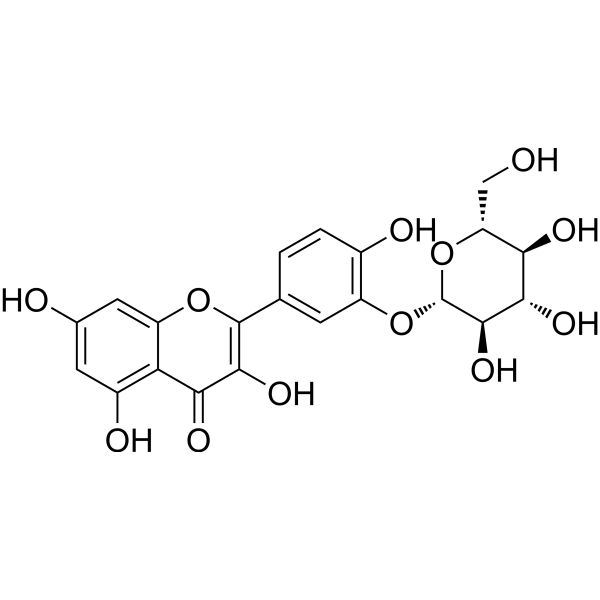
- HY-120327
-
KY-226
2 Publications Verification
|
Phosphatase
|
Neurological Disease
Metabolic Disease
|
|
KY-226 is a potent, selective, orally active and allosteric protein tyrosine phosphatase 1B (PTP1B) inhibitor with an IC50 of 0.25 μM, and without PPARγ agonist activity. KY-226 exerts anti-diabetic and anti-obesity effects by enhancing insulin and leptin signaling, respectively. KY-226 also protects neurons from cerebral ischemic injury .
|
-
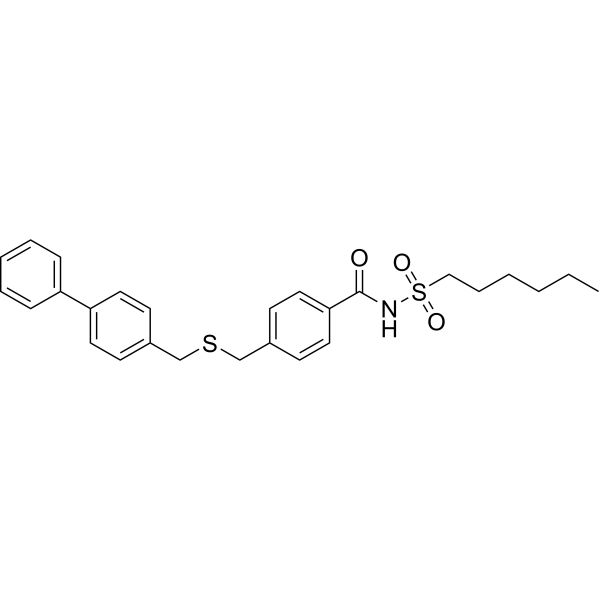
- HY-160955
-
|
|
Phosphatase
|
Neurological Disease
|
|
Z218484536 is a selective and brain-penetrant phosphoserine phosphatase (PSPH) inhibitor. Z218484536 binds to PSPH with a Kd value of approximately 0.23 μM. Z218484536 reduces L-serine and D-serine levels in astrocytes. Z218484536 is able to suppress spontaneous epileptic seizures without causing serious side effects. Z218484536 also shows good anti-epileptic effects in the temporal lobe epilepsy (TLE) model .
|
-

- HY-N0743
-
|
|
α-synuclein
|
Neurological Disease
Inflammation/Immunology
Cancer
|
|
Senkyunolide A is a phthalide, anti-tumor cell proliferation agent with anticancer activity. Senkyunolide A protects neurons from corticosterone (HY-B1618)-induced apoptosis by decreasing protein phosphatase PP2A and α-synuclein phosphorylation and protein level. Senkyunolide A also inhibits osteoarthritis through the NLRP3 signaling pathway and suppresses the expression of CD137, a diagnostic biomarker for atherosclerosis .
|
-
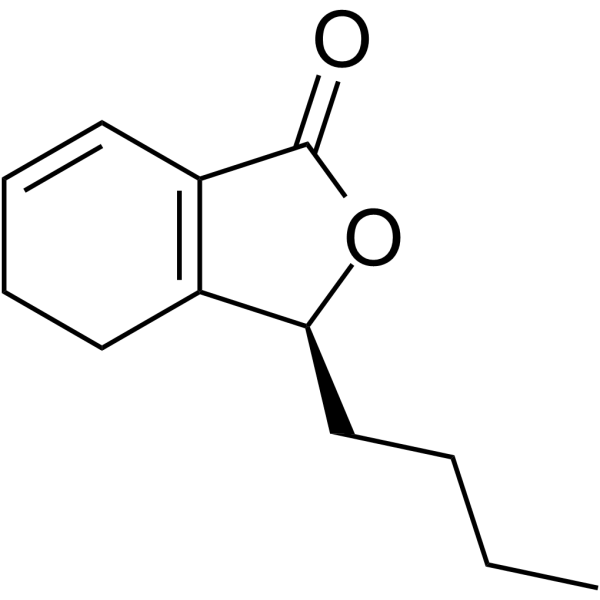
- HY-139693
-
|
|
Phosphatase
|
Inflammation/Immunology
Cancer
|
|
PTPN22-IN-1 is a potent PTPN22 inhibitor (IC50=1.4 µM; Ki=0.50 µM). PTPN22-IN-1 exhibits >7-10 fold selectivity for PTPN22 over similar phosphatases. PTPN22-IN-1 augments antitumor immune responses . From WO2021007491A1 compound L-1.
|
-
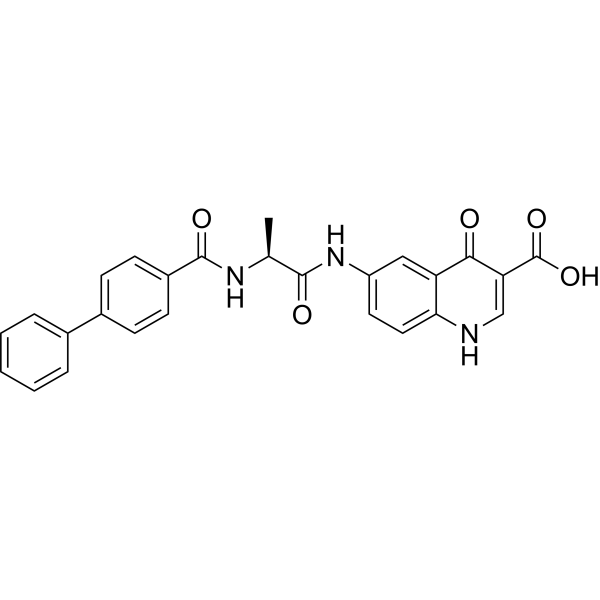
- HY-N6785
-
|
|
Phosphatase
Apoptosis
|
Neurological Disease
Cancer
|
|
Okadaic acid, a marine toxin, is an inhibitor of protein phosphatases (PP). Okadaic acid has a significantly higher affinity for PP2A (IC50=0.1-0.3 nM), and inhibits PP1 (IC50=15-50 nM), PP3 (IC50=3.7-4 nM), PP4 (IC50=0.1 nM), PP5 (IC50=3.5 nM), but does not inhibit PP2C. Okadaic acid increases of phosphorylation of a number of proteins by inhibiting PP, and acts a tumor promoter. Okadaic acid induces tau phosphorylation .
|
-
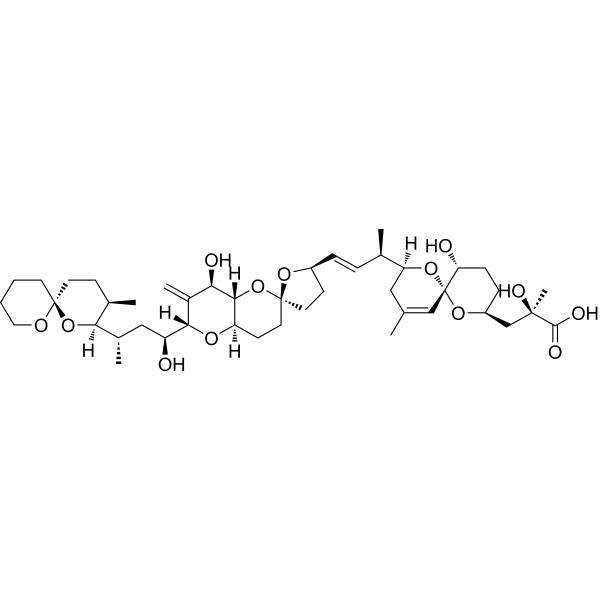
- HY-N6785A
-
|
|
Phosphatase
Apoptosis
|
Neurological Disease
Cancer
|
|
Okadaic acid sodium, a marine toxin, is an inhibitor of protein phosphatases (PP). Okadaic acid (sodium) has a significantly higher affinity for PP2A (IC50=0.1-0.3 nM), and inhibits PP1 (IC50=15-50 nM), PP3 (IC50=3.7-4 nM), PP4 (IC50=0.1 nM), PP5 (IC50=3.5 nM), but does not inhibit PP2C. Okadaic acid sodium increases of phosphorylation of a number of proteins by inhibiting PP, and acts a tumor promoter. Okadaic acid sodium induces tau phosphorylation .
|
-
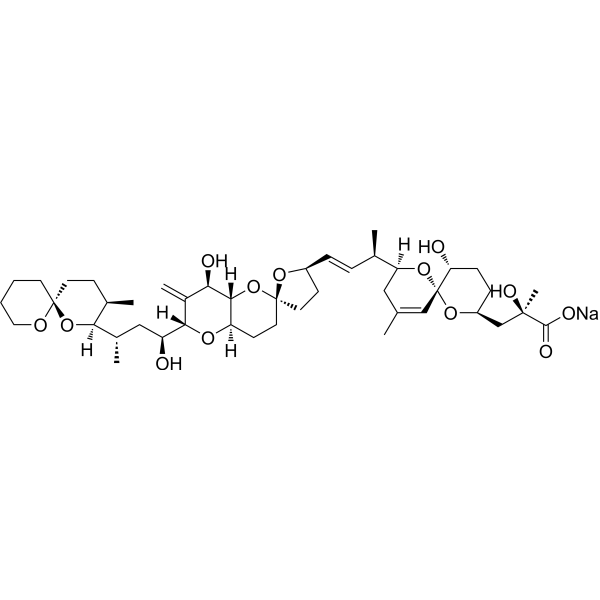
- HY-N6663R
-
|
|
Reference Standards
COX
|
Inflammation/Immunology
|
|
3-Carene (Standard) is the analytical standard of 3-Carene. This product is intended for research and analytical applications. 3-Carene is a bicyclic monoterpene in essential oils extracted from pine trees. 3-Carene inhibits nociceptive stimulus-induced inflammatory infiltrates and COX-2 overexpression, and with antinociceptive effect. 3-Carene stimulates the activity and expression of alkaline phosphatase that is an early phase marker of osteoblastic differentiation .
|
-

- HY-119443R
-
|
|
Reference Standards
Phosphatase
|
Metabolic Disease
Inflammation/Immunology
|
|
Neridronate (Standard) is the analytical standard of Neridronate (HY-119443). This product is intended for research and analytical applications. Neridronate is an aminobisphosphonate. Neridronate induces osteoblast differentiation, enhances alkaline phosphatase activity and mineralized nodule formation. Neridronate inhibits endothelial cell proliferation, fibroblast growth factor-2-induced capillary-like tube formation, and angiogenesis. Neridronate can be used for osteogenesis imperfecta and Paget’s disease of bone .
|
-

- HY-P3354
-
|
|
iGluR
|
Neurological Disease
|
|
p3Ysh-3 is a peptide inhibitor of STEP Phosphatase-GluA2 AMPA receptor interaction with a Ki of 1.09 μM. p3Ysh-3 restores the memory deficits and displays anxiolytic and antidepressant effects in a scopolamine-treated rat model. p3Ysh-3 is a promising lead compound for novel cognitive enhancers and/or behavioral modulators .
|
-

- HY-B0879
-
|
|
Phosphatase
Sirtuin
Reverse Transcriptase
Topoisomerase
SARS-CoV
Parasite
Apoptosis
|
Infection
Cardiovascular Disease
Cancer
|
|
Suramin is a reversible and competitive protein-tyrosine phosphatases (PTPases) inhibitor . Suramin is a potent inhibitor of sirtuins: SirT1 (IC50=297 nM), SirT2 (IC50=1.15 μM), and SirT5 (IC50=22 μM) . Suramin is a competitive inhibitor of reverse transcriptase (DNA topoisomerase II: IC50=5 μM) . Suramin is a potent SARS-CoV-2 RNA-dependent RNA polymerase (RdRp) inhibitor .Suramin efficiently inhibits IP5K and is an antiparasitic, anti-neoplastic and anti-angiogenic agent .
|
-
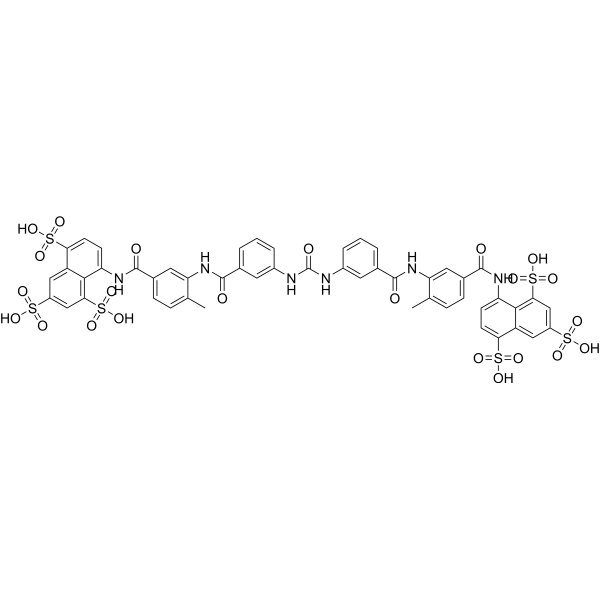
- HY-105172A
-
|
CAP-232 TFA; TLN-232 TFA
|
Somatostatin Receptor
Apoptosis
|
Cancer
|
|
TT-232 TFA (CAP-232 TFA) is an analogue of somatostatin. TT-232 TFA can induce apoptosis of pancreatic tumor cell lines, inhibit tyrosine kinase activity and stimulate tyrosine phosphatase activity in colon tumor cell lines. TT-232 TFA inhibits the proliferation of tumor cells, induces apoptosis of tumor cells and shows strong anti-tumor effects. TT-232 TFA can be used in the development of anti-tumor drugs and the study of apoptosis mechanism .
|
-

- HY-78726A
-
|
Amprenavir phosphate sodium; GW 433908 sodium
|
Drug Intermediate
HIV
HIV Protease
|
Infection
|
|
Fosamprenavir sodium is an orally active inhibitor targeting HIV-1 protease and is a prodrug of Amprenavir (HY-17430). Fosamprenavir sodium is hydrolyzed into Amprenavir (VX-478) by cell phosphatases in the intestinal epithelium. Amprenavir binds to the active site of HIV-1 protease, preventing the processing of viral gag and gag-pol polyprotein precursors, thereby inhibiting the formation of mature infectious virus particles and exerting anti-HIV-1 infection activity. Fosamprenavir sodium can be used for the study of human immunodeficiency virus (HIV-1) infection .
|
-

- HY-78726
-
|
Amprenavir phosphate; GW 433908
|
Drug Intermediate
HIV
HIV Protease
|
Infection
|
|
Fosamprenavir is an orally active inhibitor targeting HIV-1 protease and is a prodrug of Amprenavir (HY-17430). Fosamprenavir is hydrolyzed into Amprenavir (VX-478) by cell phosphatases in the intestinal epithelium. Amprenavir binds to the active site of HIV-1 protease, preventing the processing of viral gag and gag-pol polyprotein precursors, thereby inhibiting the formation of mature infectious virus particles and exerting anti-HIV-1 infection activity. Fosamprenavir can be used for the study of human immunodeficiency virus (HIV-1) infection .
|
-
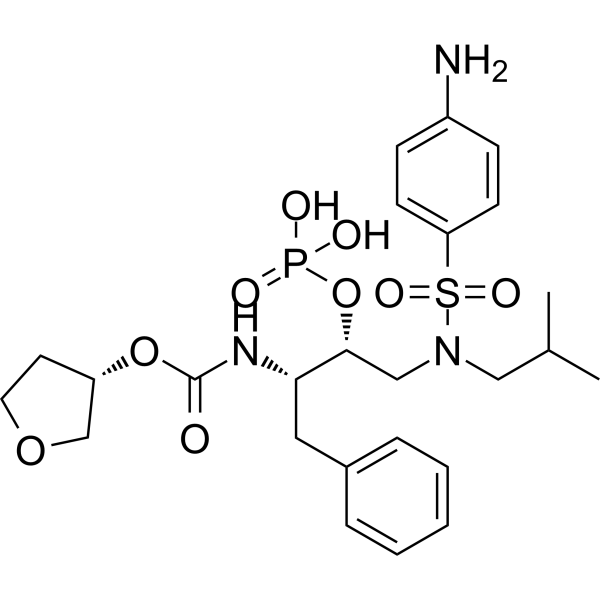
- HY-100034
-
|
DA-3003-1
|
Phosphatase
Histone Methyltransferase
|
Cancer
|
|
NSC 663284 (DA-3003-1) is a potent, cell-permeable, and irreversible Cdc25 dual specificity phosphatase inhibitor, has an IC50 for Cdc25B2 of 0.21 μM. NSC 663284 exhibits mixed competitive kinetics against Cdc25A, Cdc25B(2), and Cdc25C with Ki values of 29, 95, and 89 nM, respectively . NSC 663284 inhibits NSD2 (IC50 of 170 nM) through a direct interaction with the catalytic SET domain (Kd of 370 nM) .
|
-
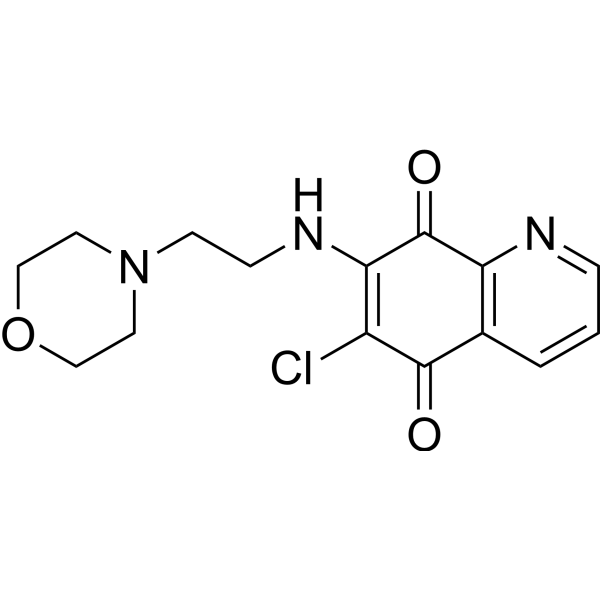
- HY-181345
-
|
|
Estrogen Receptor/ERR
|
Cancer
|
|
OP-1690 is a complete estrogen receptor (ERα) antagonist (CERAN), with pIC50 values of 7.5 and 7.9 in alkaline phosphatase (AP) activity assay and TR-FRET assay, respectively. OP-1690 modulates receptor function by inducing ERα tetramerization, effectively induces ERα degradation, inhibits target gene transcription, but exhibits low antiproliferative potency. OP-1690 can be used for breast cancer research .
|
-

- HY-128769
-
|
|
CDK
|
Cancer
|
|
M2N12 is a potent and highly selective cell division cycle 25C protein phosphatase (Cdc25C) inhibitor with an IC50 value of 0.09 μM. M2N12 also has promising activity against Cdc25A and Cdc25B with IC50 values of 0.53 μM and 1.39 μM, respectively. M2N12 has anti-tumor activity and can be used for cancer research .
|
-
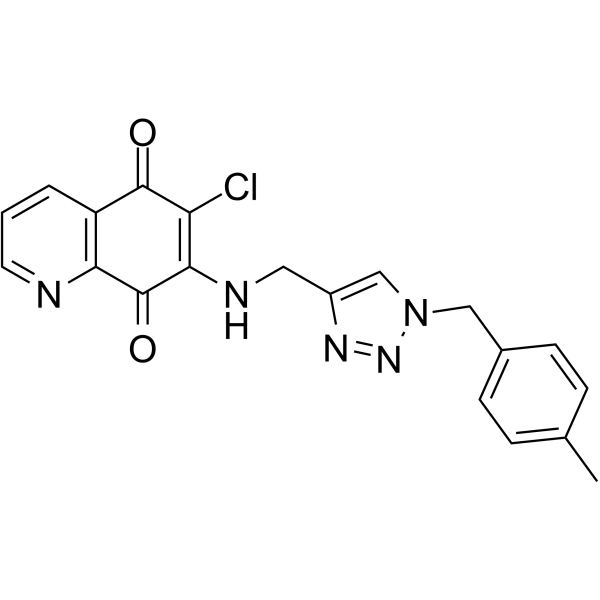
- HY-118529
-
|
|
Phosphatase
|
Cancer
|
|
JUN-1111 is an irreversible and selective Cdc25 phosphatase inhibitor with IC50 values of 0.38, 1.8, 0.66, 28, 37 µM for Cdc25A, Cdc25B, Cdc25C, VHR, PTP1B, respectively. JUN-1111 induces cell cycle arrest at G1 and G2/M phases. JUN-1111 decreases the expression of phosphoCdk1 .
|
-
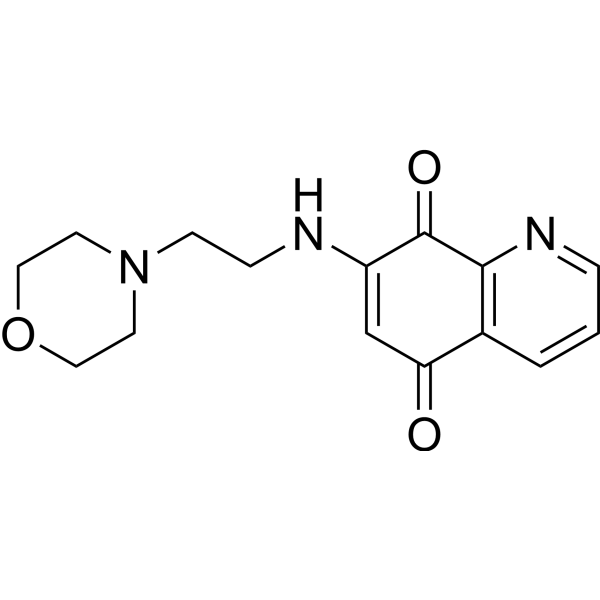
- HY-N2451R
-
|
|
Reference Standards
Phosphatase
|
Metabolic Disease
Endocrinology
|
|
Aloe-emodin-8-O-β-D-glucopyranoside (Standard) is the analytical standard of Aloe-emodin-8-O-β-D-glucopyranoside. This product is intended for research and analytical applications. Aloe-emodin-8-O-β-D-glucopyranoside, a compound isolated from Saussrurea lappa, is a moderate inhibitor of human protein tyrosine phosphatase 1B (hPTP1B) with an IC50 of 26.6 μM .
|
-

- HY-108196R
-
|
|
Reference Standards
Phosphatase
|
Endocrinology
|
|
PTP1B-IN-15 (Standard) is the analytical standard of PTP1B-IN-15 (HY-108196). This product is intended for research and analytical applications. PTP1B-IN-15 is a potent and selective inhibitor of protein tyrosine phosphatase 1B (PTP1B). PTP1B-IN-15 has the potential for the research of type II diabetes and obesity .
|
-

- HY-168207
-
|
|
Toll-like Receptor (TLR)
NF-κB
|
Inflammation/Immunology
|
|
TH023 is an inhibitor for the TLR4 signaling pathway, that targets especially the formation of TLR4 homodimer. TH023 inhibits secreted embryonic alkaline phosphatase in cell HEK-Blue hTLR4 with an IC50 of 0.354 μM, and inhibits the NO expression in RAW264.7 with an IC50 of 1.61μM. TH023 also inhibits the activation of NF-κB, reduces the nuclear translocation of NF-κB p65. TH023 exhibits anti-inflammatory efficacy in LPS (HY-D1056)-induced mouse acute sepsis model, and ameliorates the mouse lung injury .
|
-

- HY-115760
-
|
|
Phosphatase
|
Neurological Disease
Cancer
|
|
Okadaic acid ammonium salt, a marine toxin, is an inhibitor of protein phosphatases (PP). Okadaic acid ammonium salt has a significantly higher affinity for PP2A (IC50=0.1-0.3 nM), and inhibits PP1 (IC50=15-50 nM), PP3 (IC50=3.7-4 nM), PP4 (IC50=0.1 nM), PP5 (IC50=3.5 nM), but does not inhibit PP2C. Okadaic acid ammonium salt increases of phosphorylation of a number of proteins by inhibiting PP, and acts as a tumor promoter. Okadaic acid ammonium salt induces tau phosphorylation .
|
-
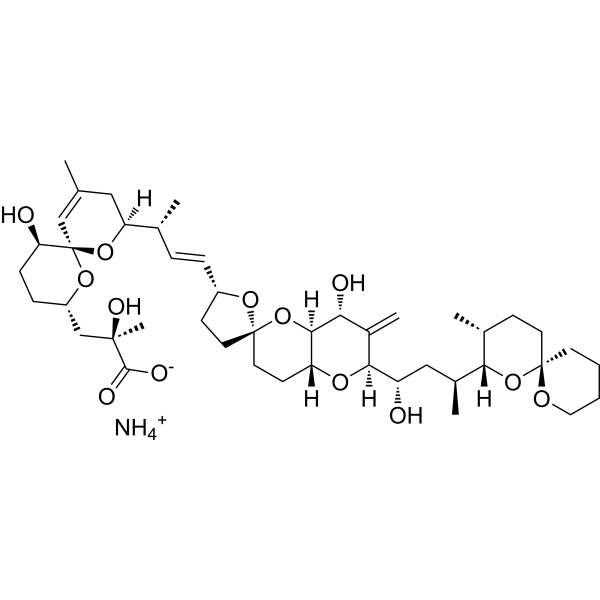
- HY-W414644
-
|
|
Parasite
STAT
Phosphatase
MDM-2/p53
Apoptosis
|
Infection
Neurological Disease
Inflammation/Immunology
Cancer
|
|
Fluacrypyrim, a Miticide, is a STAT3 inhibitor. Fluacrypyrim significantly increases the protein tyrosine phosphatases(PTPs) activity. Fluacrypyrim inhibits the growth of leukemia cells by a predominant G1 arrest with significant decrease of the protein and mRNA levels of cyclin D1. Fluacrypyrim selectively inhibits STAT3 signaling, inducing growth arrest and apoptosis in STAT3-dependent cancer cells. Fluacrypyrim mitigates IR-induced hematopoietic system injury mainly by preventing apoptosis in the HSCs. Fluacrypyrim demonstrates significant analgesic and anti-inflammatory effects by inhibiting uterine smooth muscle contraction and inflammatory responses .
|
-

- HY-B0879A
-
|
Suramin hexasodium salt
|
Phosphatase
Sirtuin
Reverse Transcriptase
Topoisomerase
SARS-CoV
Parasite
Apoptosis
|
Infection
Cardiovascular Disease
Cancer
|
|
Suramin sodium salt (Suramin hexasodium salt) is a reversible and competitive protein-tyrosine phosphatases (PTPases) inhibitor . Suramin sodium salt is a potent inhibitor of sirtuins: SirT1 (IC50=297 nM), SirT2 (IC50=1.15 μM), and SirT5 (IC50=22 μM) . Suramin sodium salt is a competitive inhibitor of reverse transcriptase (DNA topoisomerase II: IC50=5 μM) . Suramin sodium salt is a potent SARS-CoV-2 RNA-dependent RNA polymerase (RdRp) inhibitor . Suramin sodium salt efficiently inhibits IP5K and is an antiparasitic, anti-neoplastic and anti-angiogenic agent .
|
-
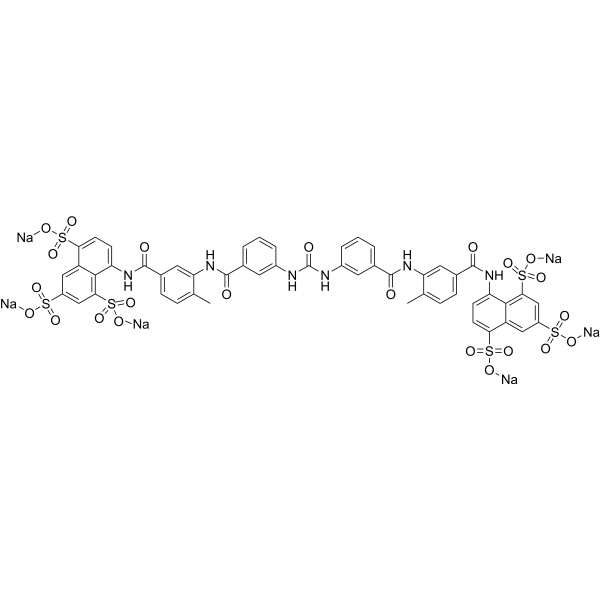
- HY-135564A
-
|
|
Phosphatase
Phospholipase
HIV Protease
ERK
Autophagy
|
Infection
Cancer
|
|
RK-682 is the inhibitor for protein tyrosine phosphatase (PTPase), heparanase, phospholipase A2 and HIV-1 protease. RK-682 inhibits the dephosphorylation of CD45 (IC50 is 54 μM) and VHR (IC50 is 2.0 μM), and thereby inhibits the ERK signaling pathway. RK-682 inhibits the cell viability of cancer cell MGH-U3, T24 and UROtsa with IC50s of 78.2, 43.2 and 145 nM, respectively, arrests the cell cycle at G1/S phase, inhibits the cell migration and autophagy in MGH-U3 and T24 .
|
-

- HY-162499
-
|
|
Phosphatase
|
Metabolic Disease
|
|
MY17 is an inhibitor of protein tyrosine phosphatase 1B (PTP1B) (IC50=0.41±0.05 μM). MY17 alleviates palmitic acid (PA) -induced insulin resistance by up-regulating the expression of phosphorylated insulin receptor substrate (IRS1) and protein kinase B (AKT). By binding with PTP1B, MY17 can inhibit the activity of PTP1B, thereby improving insulin signaling and having anti-diabetic activity. MY17 can be used in the study of type 2 diabetes .
|
-

- HY-178297
-
|
|
Phosphatase
|
Cancer
|
|
VHR-IN-7 is a selective vaccinia H1-related (VHR) phosphatase inhibitor with an IC50 of 71 nM. VHR-IN-7 shows very weaker inhibitory activity against MKP-1 (IC50 = 0.47 μM), CD45 (IC50 = 0.3 μM), Cdc25A (IC50 = 3.4 μM), PTP1B (IC50 = 0.59 μM), and HePTP (IC50 = 1.2 μM). VHR-IN-7 inhibits the proliferation of HeLa cells. VHR-IN-7 can be used for the research of cervical cancer .
|
-

- HY-161916
-
|
|
DNA/RNA Synthesis
|
Cancer
|
|
Polθ-IN-4 is an orally active prodrug of a DNA polymerase θ (Polθ) inhibitor with Kms of 3.7, 3.7 and 5.2 μM in human, mouse and rat recombinant alkaline phosphatases. Polθ-IN-4 that inhibits Polθ activity by targeting its ATP-dependent helicase domain. Polθ-IN-4 demonstrates significant anti-tumor activity in multiple animal experiments. Polθ-IN-4 can be used for the studies of breast cancer and ovarian cancer .
|
-

- HY-178296
-
|
|
Phosphatase
|
Cancer
|
|
VHR-IN-6 is a selective vaccinia H1-related (VHR) phosphatase inhibitor with an IC50 of 74 nM. VHR-IN-6 shows very weaker inhibitory activity against MKP-1 (IC50 = 0.52 μM), CD45 (IC50 = 0.50 μM), Cdc25A (IC50 = 2.8 μM), PTP1B (IC50 = 0.42 μM), and HePTP (IC50 = 0.87 μM). VHR-IN-6 inhibits the proliferation of HeLa cells. VHR-IN-6 can be used for the research of cervical cancer .
|
-

- HY-N19818
-
|
|
Phosphatase
NF-κB
Pregnane X Receptor (PXR)
|
Cancer
|
|
Glycybridin C is a Protein tyrosine phosphatase 1B (PTP1B) inhibitor and pregnane X receptor (PXR) ligand. Glycybridin C inhibits insulin and leptin signaling pathway negative regulation, LPS (HY-D1056)-induced NF-κB transcriptional activity. Glycybridin C forms hydrophobic and π-π stacking interactions with Met243, Phe288, Tyr306, and His407 residues of PXR. Glycybridin C can be used for the research of hepatocellular carcinoma, colorectal adenocarcinoma, breast carcinoma .
|
-

- HY-178301
-
|
|
Phosphatase
|
Cancer
|
|
VHR-IN-9 is a selective vaccinia H1-related (VHR) phosphatase inhibitor with an IC50 of 270 nM. VHR-IN-9 shows very weaker inhibitory activity against MKP-1 (IC50 = 2.8 μM), CD45 (IC50 = 1.8 μM), Cdc25A (IC50 = > 10 μM), PTP1B (IC50 = 2.2 μM), and HePTP (IC50 = 2.4 μM). VHR-IN-9 inhibits the proliferation of HeLa cells. VHR-IN-9 can be used for the research of cervical cancer .
|
-

- HY-178295
-
|
|
Phosphatase
|
Cancer
|
|
VHR-IN-5 is a selective vaccinia H1-related (VHR) phosphatase inhibitor with an IC50 of 78 nM. VHR-IN-5 shows very weaker inhibitory activity against MKP-1 (IC50 = 0.78 μM), CD45 (IC50 = 0.61 μM), Cdc25A (IC50 = 3.4 μM), PTP1B (IC50 = 1.8 μM), and HePTP (IC50 = 1.5 μM). VHR-IN-5 inhibits the proliferation of HeLa cells. VHR-IN-5 can be used for the research of cervical cancer .
|
-

- HY-165099
-
|
|
Apoptosis
PI3K
DNA/RNA Synthesis
|
Metabolic Disease
|
C-8 Ceramide-1-phosphate is a cell apoptosis inhibitor and a cell survival inducer that can stimulate DNA synthesis and cell division. C-8 Ceramide-1-phosphate can inhibit acidic sphingomyelinase (SMase) and stimulate PI3-K, which in turn produces PIP3; PIP3 can also inhibit acidic SMase. The C-8 Ceramide-1-phosphate and ceramide can be interconverted in cells through kinase and phosphatase activity, and maintaining the balance between the two is crucial for cellular and tissue homeostasis .
|
-

- HY-133095
-
|
|
STAT
PPAR
|
Inflammation/Immunology
|
|
BML-260 is a potent inhibitor of dual-specific phosphatases JSP-1 and DUSP22. BML-260 can activate UCP1 and thermogenesis in adipocytes in a JSP-1-independent manner. The effect of BML-260 on adipocytes is partially achieved through the activation of CREB, STAT3, and PPAR signaling pathways. BML-260 can be used in the research of inflammatory and proliferative disorders associated with JNK signaling dysfunction as well as obesity .
|
-

- HY-119013
-
|
|
Endogenous Metabolite
|
Cardiovascular Disease
|
|
VPC32183 is a competitive antagonist of LPA1 and LPA3 receptors. The activity of VPC32183 can inhibit lipid phosphatase 1 (LPP1), thereby preventing the activation of ERK(1/2) by dioctanoic acid diglyceride (DGPP 8:0). By reducing the expression of LPP1, VPC32183 can further reduce DGPP 8:0-induced ERK(1/2) activation. The effects of VPC32183 suggest that it may have a positive regulatory function in cell signaling processes .
|
-

- HY-183688
-
|
|
Bacterial
Phosphatase
p38 MAPK
ERK
|
Infection
|
|
MptpB-IN-3 is a selective inhibitor of Mycobacterium tuberculosis protein tyrosine phosphatase B (MptpB) with an IC50 of 0.19 μM. MptpB-IN-3 blocks MptpB-mediated inhibition of the macrophage MAPK pathway and restores the phosphorylation levels of Erk1/2 and p38. MptpB-IN-3 exhibits direct anti-tuberculosis activity against Mycobacterium tuberculosis and reduces the Mycobacterium tuberculosis load in mouse macrophages. MptpB-IN-3 can be used for tuberculosis research .
|
-

- HY-18686
-
|
|
Phosphatase
Akt
|
Metabolic Disease
|
|
AS1949490 is a potent, orally active, selective SHIP2 phosphatase inhibitor with IC50 values of 0.34, 0.62, 13, >50, >50, and >50 µM for Mouse SHIP2, Human SHIP2, Human SHIP1, Human PTEN, Human synaptojanin, and Human myotubularin, respectively. AS1949490 increases the phosphorylation of Akt, glucose consumption and glucose uptake. AS1949490 activates intracellular insulin signalling pathways. AS1949490 can be used for research of diabetes .
|
-
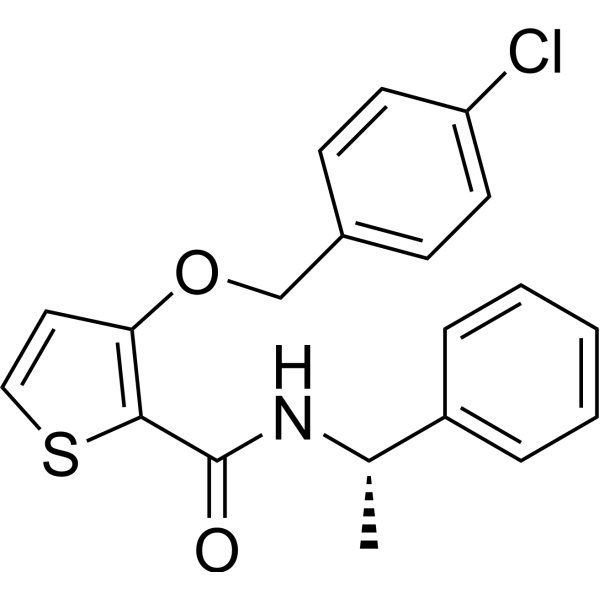
- HY-126304R
-
|
|
Reference Standards
Phosphatase
Endogenous Metabolite
ERK
|
Metabolic Disease
|
|
β-Glycerophosphate disodium salt hydrate (Standard) is the analytical standard of β-Glycerophosphate disodium salt hydrate (HY-126304). This product is intended for research and analytical applications. β-Glycerophosphate disodium salt pentahydrate is a bioactive endogenous metabolite and a phosphatase inhibitor. β-Glycerophosphate disodium salt pentahydrate plays an important role in inducing and maintaining osteoblast differentiation, mineral metabolism and signal transduction, and can be used as a drug carrier to form heat-sensitive hydrogels. β-Glycerophosphate disodium salt hydrate accelerates the calcification of vascular smooth muscle cells.
|
-

- HY-B1467
-
|
|
Potassium Channel
Bacterial
Parasite
Phosphatase
|
Infection
Inflammation/Immunology
|
|
Domiphen bromide is a cationic active quaternary ammonium salt and also an inhibitor of HERG channels (IC50: 9 nM), aminopeptidase-like enzymes, Escherichia coli alkaline phosphatase, and α-chymotrypsin. Domiphen bromide has multiple activities such as antibacterial, antimalarial, and disinfectant properties, and it is also a synergist of Colistin (HY-113678). Domiphen bromide can be used as a chemical preservative and a cationic surfactant, and it can also be used in the research of bacterial infectious diseases such as pharyngitis, thrush, and oral ulcers .
|
-
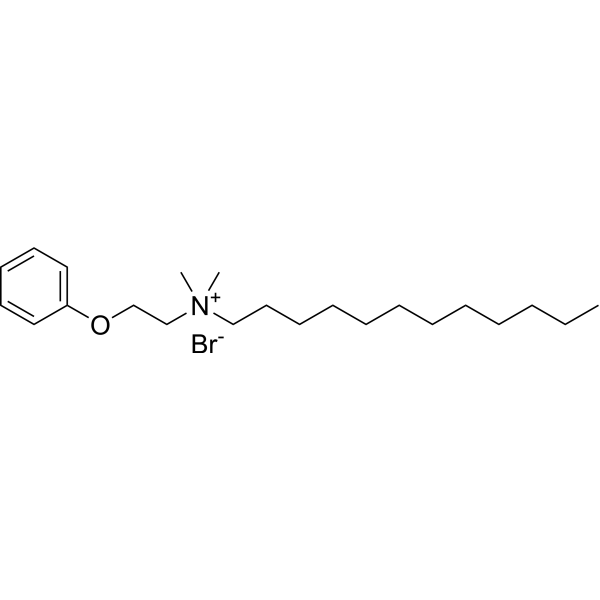
- HY-123856
-
|
|
Phosphatase
NF-κB
c-Met/HGFR
Anaplastic lymphoma kinase (ALK)
|
Cardiovascular Disease
Neurological Disease
|
|
MY10 is a potent and orally active receptor protein tyrosine phosphatase (RPTPβ/ζ) inhibitor. MY10 reduces NF-κB p65 expression. MY10 activates tyrosine phosphorylation of c-Met. MY10 prevents the alcohol-induced downregulation of Ptprz1 and Alk expression. MY10 attenuates binge-like ethanol consumption and ethanol reward. MY10 can be used in the study of neurological and vascular diseases .
|
-
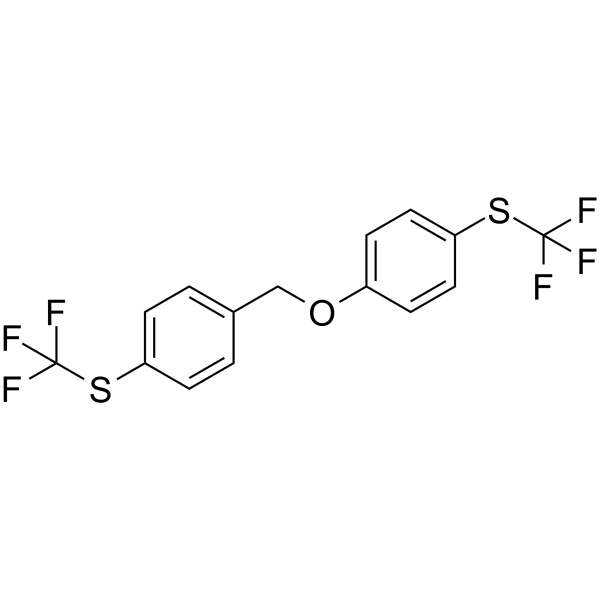
- HY-17431
-
|
GW433908G
|
Drug Intermediate
HIV
HIV Protease
|
Infection
|
|
Fosamprenavir Calcium Salt (GW433908G) is an orally active inhibitor targeting HIV-1 protease and is a prodrug of Amprenavir (HY-17430). Fosamprenavir Calcium Salt is hydrolyzed into Amprenavir (VX-478) by cell phosphatases in the intestinal epithelium. Amprenavir binds to the active site of HIV-1 protease, preventing the processing of viral gag and gag-pol polyprotein precursors, thereby inhibiting the formation of mature infectious virus particles and exerting anti-HIV-1 infection activity. Fosamprenavir Calcium Salt can be used for the study of human immunodeficiency virus (HIV-1) infection .
|
-
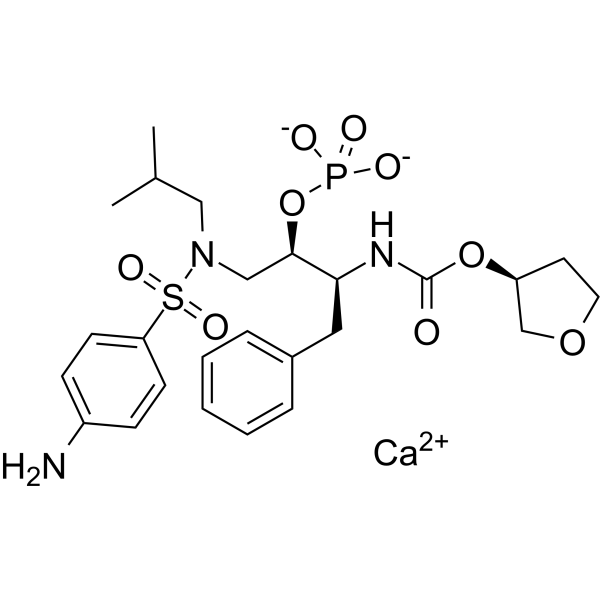
- HY-169703
-
SPA0355
1 Publications Verification
|
RANKL/RANK
p38 MAPK
Akt
NF-κB
|
Inflammation/Immunology
|
|
SPA0355 is a thiourea derivative that has antioxidant and anti-inflammatory properties. SPA0355 inhibits the RANKL (receptor activator of nuclear factor κB ligand) induced osteoclast formation in primary bone marrow-derived macrophages. SPA0355 also suppresses the activation of the MAPKs, Akt, and NF-κB pathways. Additionally, SPA0355 promotes osteoblast differentiation, increases alkaline phosphatase activity, and enhances mineral nodule formation. SPA0355 can protect ovariectomized mice from bone loss by stimulating osteoblast differentiation and inhibiting osteoclast resorption, making it useful for studying postmenopausal osteoporosis .
|
-

- HY-103693
-
NAZ2329
3 Publications Verification
|
Phosphatase
|
Cancer
|
|
NAZ2329, the first cell-permeable inhibitor of R5 subfamily of receptor-type protein tyrosine phosphatases (RPTPs), allosterically and preferentially inhibits PTPRZ (IC50=7.5 µM for hPTPRZ1) and PTPRG (IC50=4.8 µM for hPTPRG) over other PTPs. NAZ2329 binds to the active D1 domain and more potently inhibits PTPRZ-D1 fragment (IC50 of 1.1 µM) than the whole intracellular (D1 + D2) fragment (IC50 of 7.5 µM). NAZ2329 can effectively inhibit tumor growth of the glioblastoma cells and suppress stem cell-like properties .
|
-
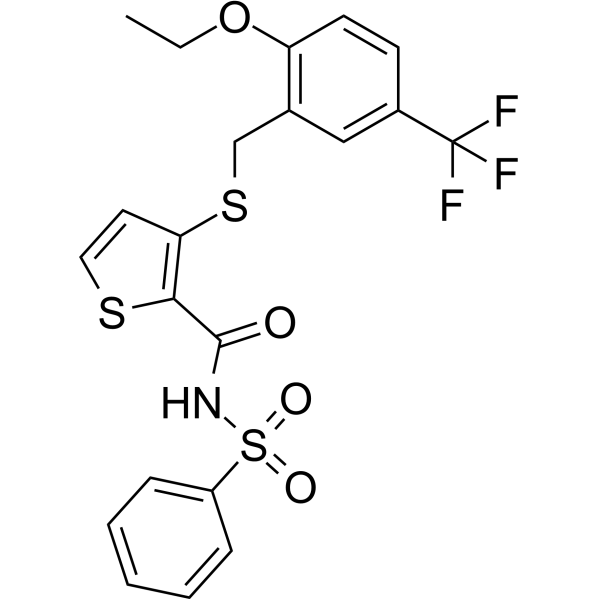
- HY-B0879AR
-
|
Suramin hexasodium salt (Standard)
|
Reference Standards
Phosphatase
Sirtuin
Reverse Transcriptase
Topoisomerase
SARS-CoV
Parasite
Apoptosis
|
Infection
Cardiovascular Disease
Cancer
|
|
Suramin (sodium salt) (Standard) is the analytical standard of Suramin (sodium salt). This product is intended for research and analytical applications. Suramin sodium salt (Suramin hexasodium salt) is a reversible and competitive protein-tyrosine phosphatases (PTPases) inhibitor . Suramin sodium salt is a potent inhibitor of sirtuins: SirT1 (IC50=297 nM), SirT2 (IC50=1.15 μM), and SirT5 (IC50=22 μM) . Suramin sodium salt is a competitive inhibitor of reverse transcriptase (DNA topoisomerase II: IC50=5 μM) . Suramin sodium salt is a potent SARS-CoV-2 RNA-dependent RNA polymerase (RdRp) inhibitor . Suramin sodium salt efficiently inhibits IP5K and is an antiparasitic, anti-neoplastic and anti-angiogenic agent .
|
-

- HY-103241
-
|
|
Amyloid-β
ATM/ATR
Phosphatase
Apoptosis
|
Neurological Disease
Cancer
|
|
Ro 90-7501 is an amyloid β42 (Aβ42) fibril assembly inhibitor that reduces Aβ42-induced cytotoxicity (EC50 of 2 μM). Ro 90-7501 inhibits ATM phosphorylation and DNA repair. RO 90-7501 selectively enhances toll-like receptor 3 (TLR3) and RIG-I-like receptor (RLR) ligand-induced IFN-β gene expression and antiviral response . Ro 90-7501 also inhibits protein phosphatase 5 (PP5) in a TPR-dependent manner . Ro 90-7501 has significant radiosensitizing effects on cervical cancer cells .
|
-
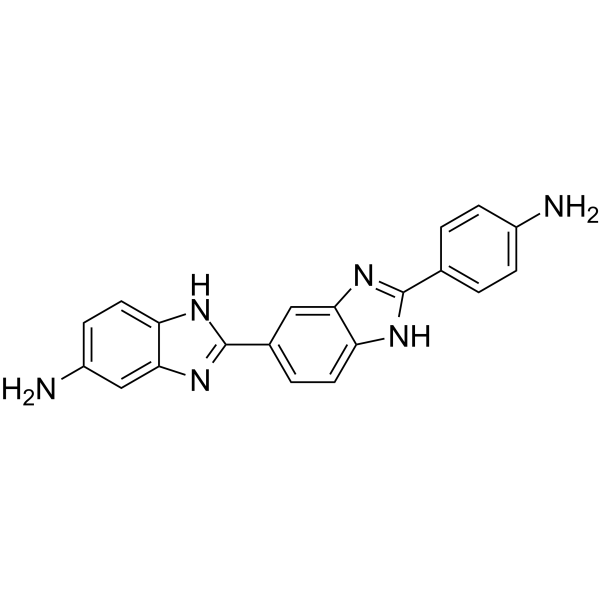
- HY-W661499
-
|
|
Phosphatase
Apoptosis
Reactive Oxygen Species (ROS)
Caspase
|
Cancer
|
|
Orellanine, a nephrotoxic alkaloid found in Cortinarius orellanus, is an orally active and selective non-competitive inhibitor of alkaline phosphatase. Orellanine chelates iron, generates reactive oxygen species (ROS), induces DNA scission, forms ortho-semiquinone radicals, downregulates antioxidant defenses, and inhibits mitochondrial function. Orellanine induces caspase 8/9-mediated apoptosis. Orellanine inhibits synthesis of proteins, RNA, DNA, and mitochondrial protein synthesis, with metabolic activation required for cell-free protein synthesis inhibition. Orellanine can be used for the research of metastatic clear cell renal cell carcinoma, acute renal failure, chronic renal insufficiency, and kidney damage .
|
-
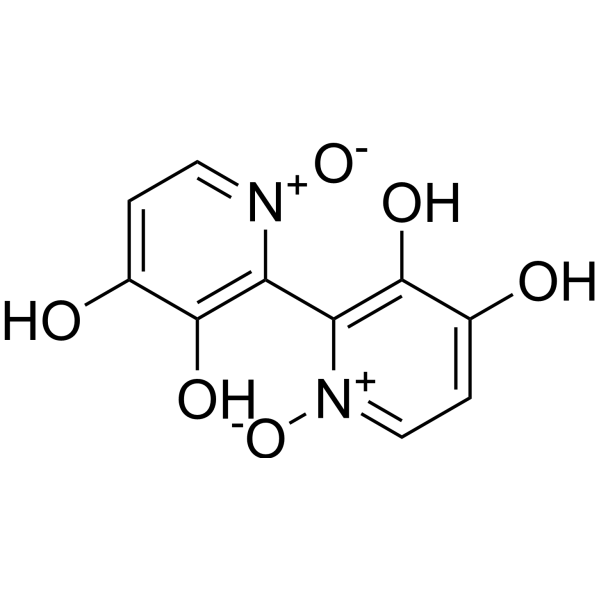
- HY-119080
-
|
|
Progesterone Receptor
|
Endocrinology
Cancer
|
|
CP8754 is an orally active, selective human progesterone receptor (hPR) antagonist that blocks progesterone-mediated signaling pathways. CP8754 competitively inhibits the binding of [ 3H]-progesterone to hPR. And in vitro, CP8754 inhibits progesterone-dependent exogenous luciferase and endogenous alkaline phosphatase expression; while in vivo, CP8754 inhibits rabbit endometrial transformation. CP8754 does not significantly bind to human glucocorticoid receptors (hGR), estrogen receptors (hER), or rat androgen receptors (rAR). CP8754 can be used in the study of progesterone-related diseases such as breast cancer, endometriosis, uterine fibroids, and meningioma, as well as hormone-dependent tumors .
|
-

- HY-153335
-
|
|
Phosphodiesterase (PDE)
|
Infection
Cardiovascular Disease
Metabolic Disease
Inflammation/Immunology
Cancer
|
|
Enpp-1-IN-16 (compound 54) is an ENPP1 inhibitor. Enpp-1-IN-16 has the potential to study cancer, especially in cases of high ENPP1 expression or elevated cytoplasmic DNA levels. Enpp-1-IN-16 can also be used in other diseases mediated by ENPP1, such as bacterial or viral infections, insulin resistance and type II diabetes, chondrocalcinosis and osteoarthritis, calcium pyrophosphate deposition disorder (CPPD), low Phosphatase disease and soft tissue calcification disorders .
|
-
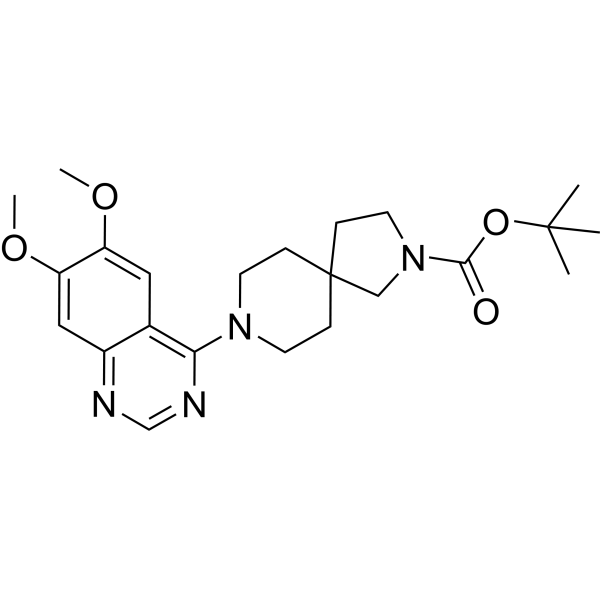
- HY-101115
-
|
|
PI3K
|
Cancer
|
|
PI3K-IN-6 (compound 20a) is an oral active and highly selective phosphoinositide 3-kinase (PI3K) β/δ inhibitor, with IC50 values of 7.8 nM/5.3 nM for PI3K β/δ, respectively. PI3K-IN-6 (compound 20a) has potential top treat phosphatase and tensin homolog (PTEN) feficient tumors .
|
-
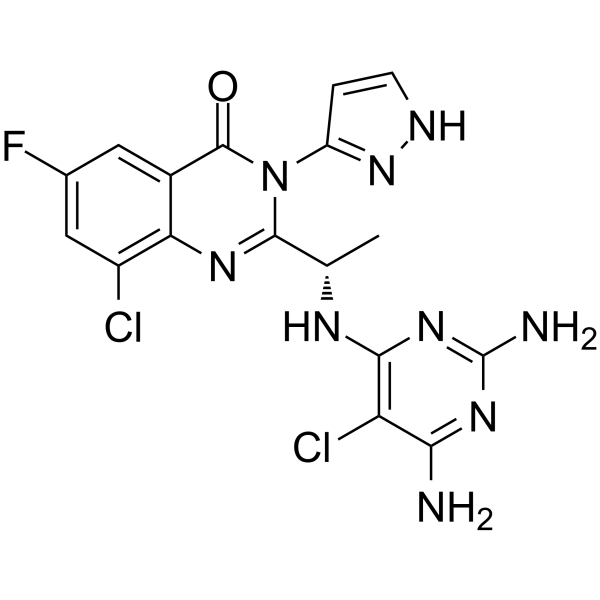
- HY-124152
-
|
Methyl-3,4-dephostatin
|
MAP3K
MAP4K
Phosphatase
|
Neurological Disease
|
|
3,4-Dephostatin (Methyl-3,4-dephostatin) is an inhibitor of protein-tyrosine phosphatase (PTPase). 3,4-Dephostatin accelerates nerve growth factor (NGF)-induced neurite formation in PC12h cells. 3,4-Dephostatin sustains the NGF-induced tyrosine phosphorylation of proteins, most prominently that of mitogen-activated protein (MAP) kinase. 3,4-Dephostatin also prolongs epidermal growth factor (EGF)-induced tyrosine phosphorylation and activation of MAP kinase .
|
-

- HY-78726S
-
|
Amprenavir phosphate-d4; GW 433908-d4
|
Isotope-Labeled Compounds
Drug Intermediate
HIV
HIV Protease
|
Infection
|
|
Fosamprenavir-d4 is the Deuterium-labeled Fosamprenavir (HY-78726). Fosamprenavir is an orally active inhibitor targeting HIV-1 protease and is a prodrug of Amprenavir (HY-17430). Fosamprenavir is hydrolyzed into Amprenavir (VX-478) by cell phosphatases in the intestinal epithelium. Amprenavir binds to the active site of HIV-1 protease, preventing the processing of viral gag and gag-pol polyprotein precursors, thereby inhibiting the formation of mature infectious virus particles and exerting anti-HIV-1 infection activity. Fosamprenavir can be used for the study of human immunodeficiency virus (HIV-1) infection .
|
-
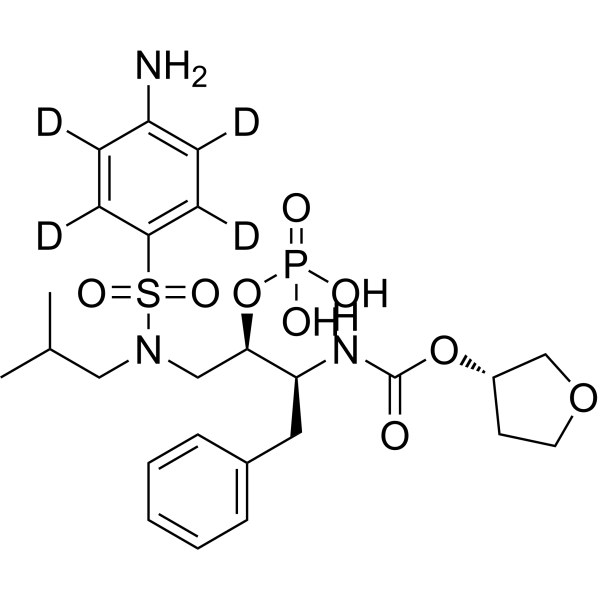
- HY-152247
-
|
|
MAP3K
|
Cancer
|
|
DDO3711, a PP5-recruiting phosphatase recruitment chimeras (PHORCs), is formed by connecting a small molecular apoptosis signal-regulated kinase 1 (ASK1) inhibitor to a PP5 activator through a chemical linker. DDO3711 specifically inhibits ASK1 (IC50 =164.1 nM) not ASK2 (IC50>20 μM). DDO3711 significantly dephosphorylates p-ASK1 T838 by recruiting PP5 and shows the ASK1-dependent antiproliferative activity. DDO3711 has anti-cancer activity and has the potential for abnormally phosphorylated oncoproteins research .
|
-
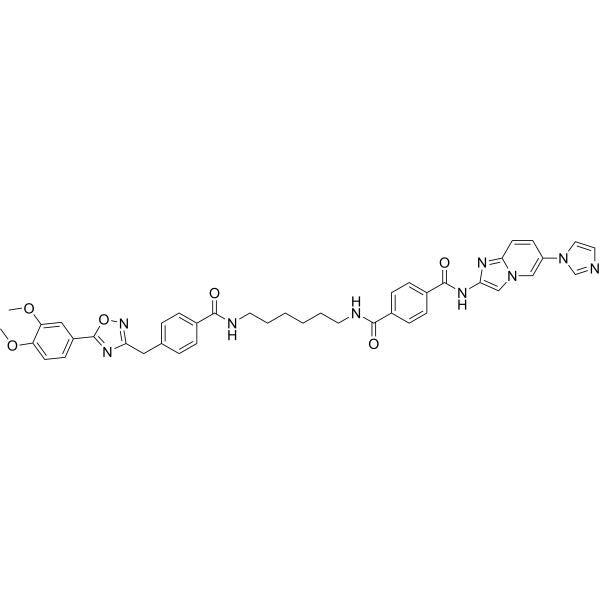
- HY-181800
-
|
|
SHP2
Akt
ERK
Apoptosis
|
Cancer
|
|
SHP2-IN-47 is a selective and potent SHP2 inhibitor with an IC50 of 0.80 μM. SHP2-IN-47 exhibits potent inhibitory activity against SHP2 E76K (IC50 = 0.37 μM). SHP2-IN-47 functionally inhibits protein tyrosine phosphatase domains and downregulates SHP2-mediated phosphorylation of AKT and ERK. SHP2-IN-47 induces apoptosis and suppresses proliferation of cancer cells. SHP2-IN-47 can be used for the research of cancer, such as acute myelocytic leukemia .
|
-

- HY-136065
-
|
|
PTEN
Phosphatase
Parasite
Apoptosis
|
Infection
Metabolic Disease
Inflammation/Immunology
Cancer
|
|
bpV(phen), a insulin-mimetic agent, is a potent protein tyrosine phosphatase (PTP) and PTEN inhibitor with IC50s of 38 nM, 343 nM and 920 nM for PTEN, PTP-β and PTP-1B, respectively. bpV(phen) inhibits proliferation of the protozoan parasite Leishmania in vitro. bpV(phen) strongly induces the secretion of a large number of chemokines and pro-inflammatory cytokines, and it activates a Th1-type pathway (IL-12, IFNγ). bpV(phen) can also induce cell apoptosis, and has anti-angiogenic and anti-tumor activity .
|
-
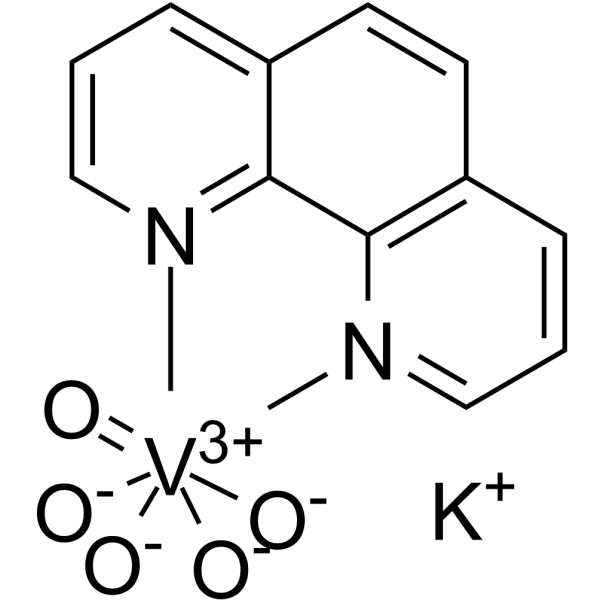
- HY-135564
-
|
|
Phosphatase
Phospholipase
HIV Protease
ERK
Autophagy
|
Infection
Cancer
|
|
RK-682 hemicalcium is the hemicalcium salt form of RK-682 (HY-135564A). RK-682 hemicalcium is the inhibitor for protein tyrosine phosphatase (PTPase), heparanase, phospholipase A2 and HIV-1 protease. RK-682 hemicalcium inhibits the dephosphorylation of CD45 (IC50 is 54 μM) and VHR (IC50 is 2.0 μM), and thereby inhibits the ERK signaling pathway. RK-682 hemicalcium inhibits the cell viability of cancer cell MGH-U3, T24 and UROtsa with IC50s of 78.2, 43.2 and 145 nM, respectively, arrests the cell cycle at G1/S phase, inhibits the cell migration and autophagy in MGH-U3 and T24 [2] .
|
-
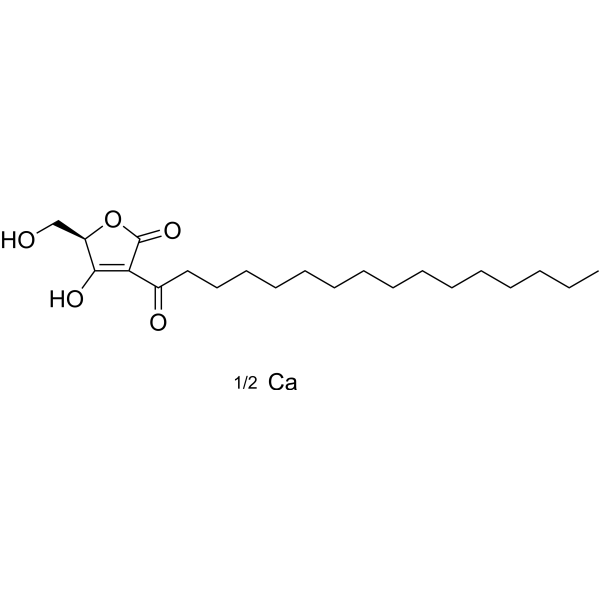
- HY-125953
-
|
Ceramide (Egg, Chicken)
|
JNK
p38 MAPK
Phosphatase
Akt
Survivin
CDK
mTOR
Apoptosis
Autophagy
Reactive Oxygen Species (ROS)
|
Neurological Disease
Cancer
|
|
Ceramide (Egg) (Ceramide (Egg, Chicken)) is a ceramide from chicken. Ceramide (Egg) is a sphingomyelin signaling pathway second messenger. Ceramide (Egg) activates PP2A, JNK, p38 MAPK, CAPK, ceramide-activated protein phosphatase, Vav, PKCζ, and SAPK/JNK cascade. Ceramide (Egg) downregulates or inhibits AKT, survivin, CDK2, mTOR, and FLIP. Ceramide (Egg) mediates apoptosis, autophagy, cell cycle arrest, mitochondrial dysfunction, redox state shifts, and ROS generation. Ceramide (Egg) can be used for the research of cancer and neurological disease .
|
-

- HY-178944
-
|
|
Phosphatase
Apoptosis
Caspase
|
Cancer
|
|
CDC25-IN-1 (Compound D11b) is a potent inhibitor of cell division cycle 25 (CDC25) phosphatase. CDC25-IN-1 exerts strong inhibitory effects on leukemia and colorectal cancer cells. CDC25-IN-1 blocks CDC25 mediated CDK1 Tyr15 dephosphorylation, delays G2/M progression, and induces caspase-dependent apoptosis with DNA damage. CDC25-IN-1 can be used for researches of leukemia and colorectal cancer .
|
-

- HY-N4288
-
|
|
Glutathione Peroxidase
Cathepsin
Phosphatase
|
Inflammation/Immunology
Cancer
|
|
4-Methylesculetin is an orally active coumarin derivative, with potent anti-oxidant and anti-inflammatory activities. 4-Methylesculetin inhibits myeloperoxidase activity. 4-Methylesculetin protects bone resorption by reducing the elevated levels of bone-joint exoglycosidases, cathepsin-D and tartrate resistant acid phosphatases. 4-Methylesculetin ameliorats the upregulated non-enzymatic inflammatory markers like TNF-α, IL-1β, IL-6, COX-2 and PGE2, which is promising for research of inflammatory diseases .
|
-
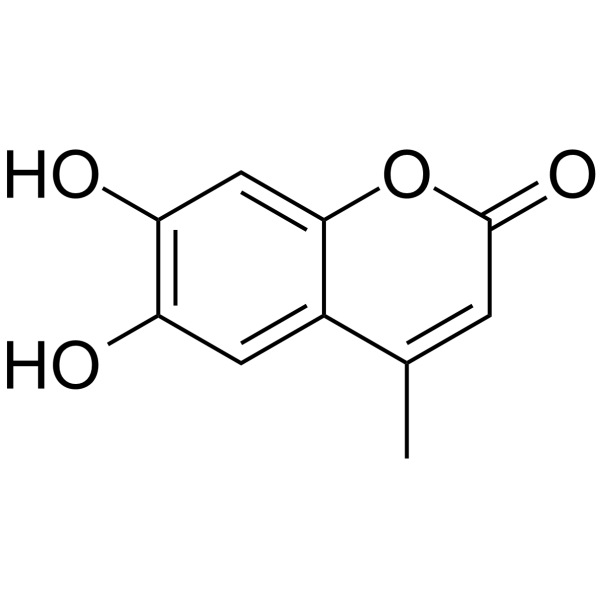
- HY-122818
-
|
Bisperoxovanadium(phen) trihydrate
|
PTEN
Phosphatase
Parasite
Apoptosis
|
Infection
Metabolic Disease
Inflammation/Immunology
Cancer
|
|
BpV(phen) trihydrate, a insulin-mimetic agent, is a potent protein tyrosine phosphatase (PTP) and PTEN inhibitor with IC50s of 38 nM, 343 nM and 920 nM for PTEN, PTP-β and PTP-1B, respectively. BpV(phen) trihydrate inhibits proliferation of the protozoan parasite Leishmania in vitro. bpV(phen) trihydrate strongly induces the secretion of a large number of chemokines and pro-inflammatory cytokines, and it activates a Th1-type pathway (IL-12, IFNγ). BpV(phen) trihydrate can also induce cell apoptosis, and has anti-angiogenic and anti-tumor activity .
|
-
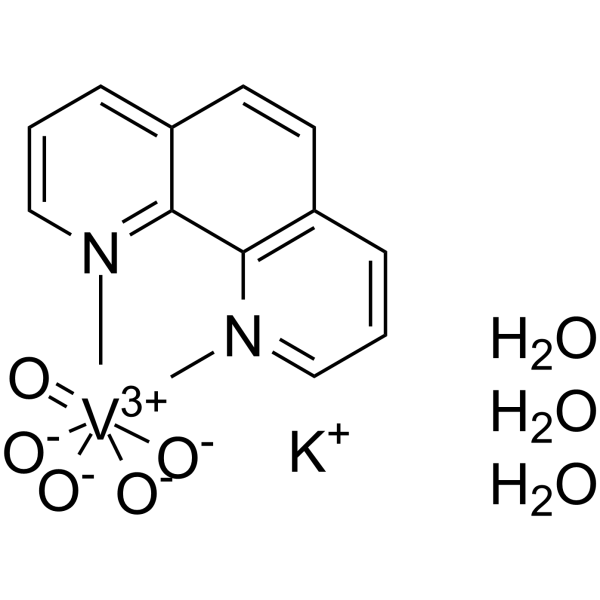
- HY-78726S2
-
|
Amprenavir phosphate-13C6; GW 433908-13C6
|
Isotope-Labeled Compounds
Drug Intermediate
HIV
HIV Protease
|
Infection
|
|
Fosamprenavir- 13C6 is the 13C-labeled Fosamprenavir (HY-78726). Fosamprenavir is an orally active inhibitor targeting HIV-1 protease and is a prodrug of Amprenavir (HY-17430). Fosamprenavir is hydrolyzed into Amprenavir (VX-478) by cell phosphatases in the intestinal epithelium. Amprenavir binds to the active site of HIV-1 protease, preventing the processing of viral gag and gag-pol polyprotein precursors, thereby inhibiting the formation of mature infectious virus particles and exerting anti-HIV-1 infection activity. Fosamprenavir can be used for the study of human immunodeficiency virus (HIV-1) infection .
|
-

- HY-100034R
-
|
DA-3003-1 (Standard)
|
Phosphatase
Reference Standards
Histone Methyltransferase
|
Cancer
|
|
NSC 663284 (Standard) is the analytical standard of NSC 663284 (HY-100034). This product is intended for research and analytical applications. NSC 663284 (DA-3003-1) is a potent, cell-permeable, and irreversible Cdc25 dual specificity phosphatase inhibitor, has an IC50 for Cdc25B2 of 0.21 μM. NSC 663284 exhibits mixed competitive kinetics against Cdc25A, Cdc25B(2), and Cdc25C with Ki values of 29, 95, and 89 nM, respectively . NSC 663284 inhibits NSD2 (IC50 of 170 nM) through a direct interaction with the catalytic SET domain (Kd of 370 nM) .
|
-

- HY-W717425
-
|
|
SHP1
STAT
Caspase
Apoptosis
Bcl-2 Family
CDK
Survivin
Drug Derivative
|
Cancer
|
|
SC-60 is a derivative of Sorafenib (HY-10201). SC-60 exerts its anti-tumor effect by activating the phosphatase activity of SHP-1, thereby inhibiting the STAT3 signaling pathway. SC-60 exhibits strong proliferation inhibitory activity in various hepatocellular carcinoma (HCC) cell lines. SC-60 downregulates the expression of downstream anti-apoptotic proteins (such as Bcl-2, Cyclin D1, Survivin), ultimately inducing caspase-dependent apoptosis. SC-60 significantly inhibits tumor growth in xenograft tumor models. SC-60 can be used for the study of HCC .
|
-

- HY-13636A
-
|
ICI 182780 (S enantiomer); ZD 9238 (S enantiomer); ZM 182780 (S enantiomer)
|
Drug Isomer
Estrogen Receptor/ERR
p38 MAPK
Apoptosis
|
Cancer
|
|
Fulvestrant (ICI 182780; ZD 9238) S enantiomer is the S-enantiomer of Fulvestrant (HY-13636), a potent estrogen receptor inhibitor. Fulvestrant binds to and blocks the estrogen receptor, promotes its degradation, and thereby inhibits receptor dimerization, nucleocytoplasmic shuttling and transcriptional activity. Fulvestrant effectively blocks estrogen signaling, MAPK pathway activation and ER-regulated protein expression. Fulvestrant induces apoptosis, inhibits the proliferation of breast cancer and prolactinoma cells, and reduces the mineralization level, alkaline phosphatase activity and osteocalcin expression of preosteoblasts. Prenatal exposure to Fulvestrant impairs ovarian follicular development and causes ovarian structural damage. Fulvestrant has been widely used in studies related to breast cancer, prolactinoma and other conditions .
|
-
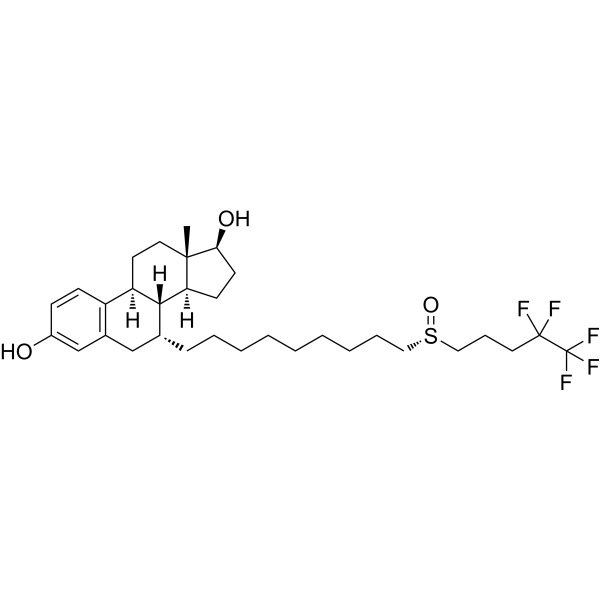
- HY-103693R
-
|
|
Reference Standards
Phosphatase
|
Cancer
|
|
NAZ2329 (Standard) is the analytical standard of NAZ2329 (HY-103693). This product is intended for research and analytical applications. NAZ2329, the first cell-permeable inhibitor of R5 subfamily of receptor-type protein tyrosine phosphatases (RPTPs), allosterically and preferentially inhibits PTPRZ (IC50=7.5 µM for hPTPRZ1) and PTPRG (IC50=4.8 µM for hPTPRG) over other PTPs. NAZ2329 binds to the active D1 domain and more potently inhibits PTPRZ-D1 fragment (IC50 of 1.1 µM) than the whole intracellular (D1 + D2) fragment (IC50 of 7.5 µM). NAZ2329 can effectively inhibit tumor growth of the glioblastoma cells and suppress stem cell-like properties .
|
-

- HY-B1467R
-
|
|
Reference Standards
Potassium Channel
Bacterial
Parasite
Phosphorylase
|
Infection
Inflammation/Immunology
|
|
Domiphen bromide (Standard) is the analytical standard of Domiphen bromide (HY-B1467). This product is intended for research and analytical applications. Domiphen bromide is a cationic active quaternary ammonium salt and also an inhibitor of HERG channels (IC50: 9 nM), aminopeptidase-like enzymes, Escherichia coli alkaline phosphatase, and α-chymotrypsin. Domiphen bromide has multiple activities such as antibacterial, antimalarial, and disinfectant properties, and it is also a synergist of Colistin (HY-113678). Domiphen bromide can be used as a chemical preservative and a cationic surfactant, and it can also be used in the research of bacterial infectious diseases such as pharyngitis, thrush, and oral ulcers.
|
-

- HY-137990
-
|
|
Bacterial
Parasite
Phosphatase
|
Infection
Cancer
|
|
Questin is an anthraquinone compound and antibacterial agent. Questin can be isolated from marine-derived fungi and plants. Questin inhibits Cdc25B phosphatase. Questin exhibits antibacterial activity against V. harveyi, V. anguillarum, V. cholerae, and V. parahemolyticus with MIC values of 31.25 µg/mL, 62.5 µg/mL, 62.5 µg/mL, and 125 µg/mL. Questin displays antiprotozoal activity against the animal protozoan pathogen Tritrichomonas foetus, with a MIC of 12.5 µg/mL. Questin has anticancer activity against lung and colon cancer .
|
-
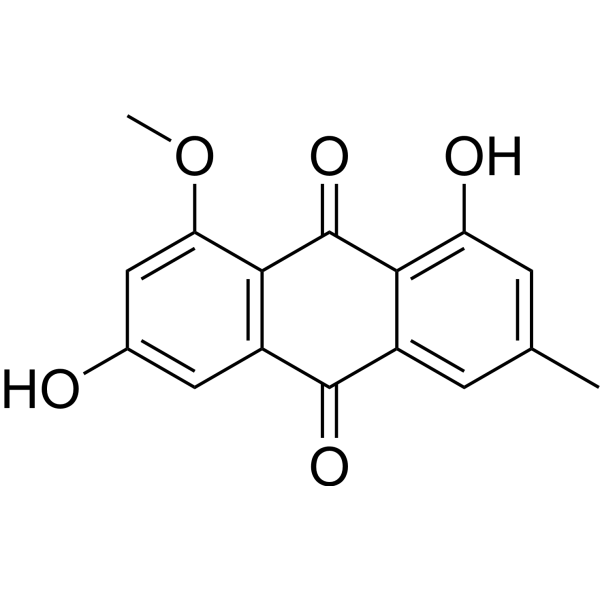
- HY-186062
-
|
|
Toll-like Receptor (TLR)
Potassium Channel
Phosphatase
|
Cardiovascular Disease
Neurological Disease
Inflammation/Immunology
|
|
HCN-IN-1 is a TLR4 inhibitor and HCN channel modulator with activity against HCN2 and HCN4.HCN-IN-1 inhibits TLR4-mediated alkaline phosphatase (SEAP) signal activity.HCN-IN-1 reduces HCN2 current across tested voltages, shifts voltage-dependent activation to more hyperpolarized potentials, slows activation kinetics, and does not affect deactivation process.HCN-IN-1 blocks HCN4 current.HCN-IN-1 exhibits analgesic, anti-inflammatory, and anti-anginal effects.HCN-IN-1 can be used for the research of inflammatory pain, neuropathic pain, heart failure, inflammation .
|
-

- HY-183801
-
|
|
Phosphatase
Apoptosis
|
Cancer
|
|
Cu2LCl2(H2O) acts as a proteasome inhibitor and protein tyrosine phosphatase inhibitor, with antiproliferative and apoptosis-inducing effects. Cu2LCl2(H2O) exhibits low cytotoxicity against normal cells and remarkable in vivo antitumor efficacy. Cu2LCl2(H2O) inhibits proteasome activity in colon cancer cells, and suppresses PTP1B and TCPTP activities in breast cancer cells. Cu2LCl2(H2O) can be used in the research of colon cancer, breast cancer and liver cancer .
|
-

- HY-103241R
-
|
|
Reference Standards
Amyloid-β
ATM/ATR
Phosphatase
Apoptosis
|
Neurological Disease
Cancer
|
|
Ro 90-7501 (Standard) is the analytical standard of Ro 90-7501 (HY-103241). This product is intended for research and analytical applications. Ro 90-7501 is an amyloid β42 (Aβ42) fibril assembly inhibitor that reduces Aβ42-induced cytotoxicity (EC50 of 2 μM). Ro 90-7501 inhibits ATM phosphorylation and DNA repair. RO 90-7501 selectively enhances toll-like receptor 3 (TLR3) and RIG-I-like receptor (RLR) ligand-induced IFN-β gene expression and antiviral response . Ro 90-7501 also inhibits protein phosphatase 5 (PP5) in a TPR-dependent manner . Ro 90-7501 has significant radiosensitizing effects on cervical cancer cells .
|
-

- HY-117085
-
|
|
Phosphatase
TMV
Lipoxygenase
|
Cancer
|
|
Lobaric acid is a depsipeptide metabolite isolated from Stereocaulon lichen with antioxidant, antiproliferative, antiviral and enzyme inhibitory activities. Lobaric acid scavenges superoxide free radicals (IC50=97.9 μM) and inhibits cancer cell proliferation (EC50 of 15.2-63.9 μg/mL against leukemia, colorectal, gastric, breast, ovarian, prostate, pancreatic and lung cancer cell lines). Lobaric acid inhibits protein tyrosine phosphatase 1B (PTP1B; IC50=0.87 μM for human recombinant enzyme) and 12(S)-HETE produced by 12(S)-lipoxygenase (IC50=28.5 μM). Lobaric acid (250 μM) also reduced pathological changes in tobacco leaves infected with tobacco mosaic virus (TMV).
|
-

- HY-135699
-
TD52
2 Publications Verification
|
Apoptosis
Phosphatase
Akt
|
Cancer
|
|
TD52, an Erlotinib (HY-50896) derivative, is an orally active, potent cancerous inhibitor of protein phosphatase 2A (CIP2A) inhibitor. TD52 mediates the apoptotic effect in triple-negative breast cancer (TNBC) cells via regulating the CIP2A/PP2A/p-Akt signalling pathway. TD52 indirectly reduced CIP2A by disturbing Elk1 binding to the CIP2A promoter. TD52 has less p-EGFR inhibition and has potent anti-cancer activity . TD52 is a click chemistry reagent, it contains an Alkyne group and can undergo copper-catalyzed azide-alkyne cycloaddition (CuAAc) with molecules containing Azide groups.
|
-
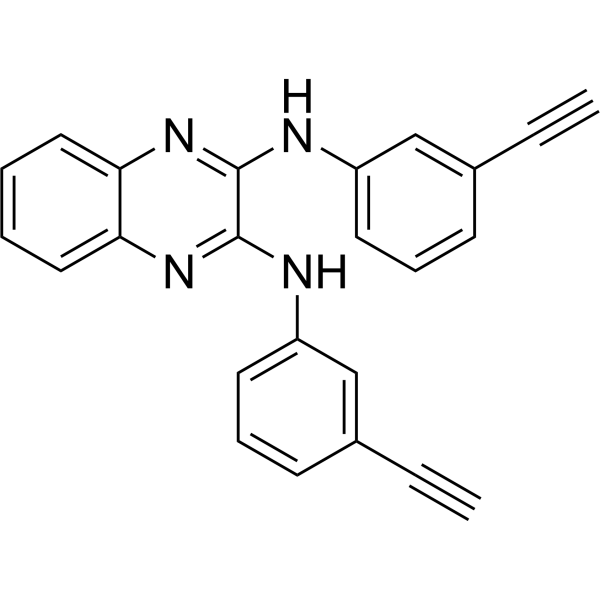
- HY-17431R
-
|
GW433908G (Standard)
|
Reference Standards
Drug Intermediate
HIV
HIV Protease
|
Infection
|
|
Fosamprenavir Calcium Salt (GW433908G) (Standard) is the analytical standard of Fosamprenavir Calcium Salt (HY-17431R). This product is intended for research and analytical applications. Fosamprenavir Calcium Salt (GW433908G) is an orally active inhibitor targeting HIV-1 protease and is a prodrug of Amprenavir (HY-17430). Fosamprenavir Calcium Salt is hydrolyzed into Amprenavir (VX-478) by cell phosphatases in the intestinal epithelium. Amprenavir binds to the active site of HIV-1 protease, preventing the processing of viral gag and gag-pol polyprotein precursors, thereby inhibiting the formation of mature infectious virus particles and exerting anti-HIV-1 infection activity. Fosamprenavir Calcium Salt can be used for the study of human immunodeficiency virus (HIV-1) infection .
|
-
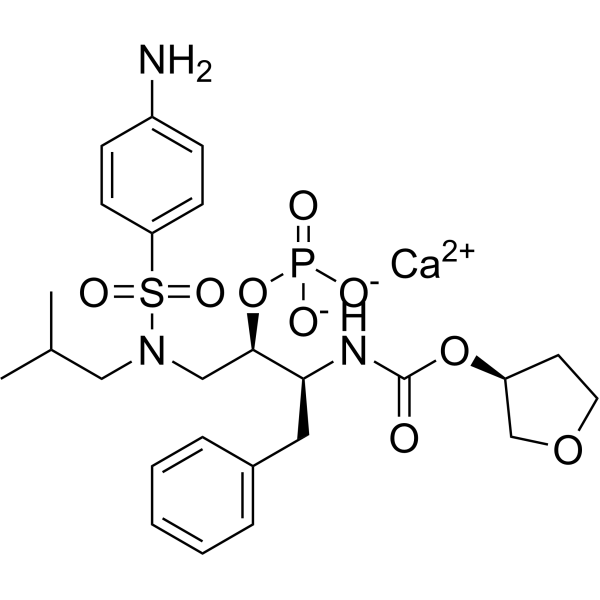
- HY-135699A
-
|
|
Akt
Phosphatase
Apoptosis
|
Cancer
|
|
TD52 dihydrochloride, an Erlotinib (HY-50896) derivative, is an orally active, potent cancerous inhibitor of protein phosphatase 2A (CIP2A) inhibitor. TD52 dihydrochloride mediates the apoptotic effect in triple-negative breast cancer (TNBC) cells via regulating the CIP2A/PP2A/p-Akt signalling pathway. TD52 dihydrochloride indirectly reduced CIP2A by disturbing Elk1 binding to the CIP2A promoter. TD52 dihydrochloride has less p-EGFR inhibition and has potent anti-cancer activity . TD52 (dihydrochloride) is a click chemistry reagent, it contains an Alkyne group and can undergo copper-catalyzed azide-alkyne cycloaddition (CuAAc) with molecules containing Azide groups.
|
-
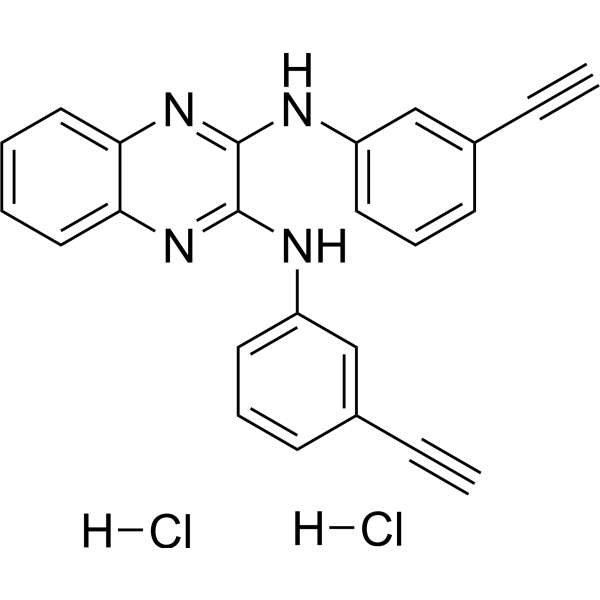
- HY-123960
-
Raphin1
3 Publications Verification
|
Phosphatase
|
Neurological Disease
|
|
Raphin1 is an orally bioavailable, selective inhibitor of the regulatory phosphatase PPP1R15B (R15B). Raphin1 binds strongly to the R15B-PP1c holophosphatase (Kd=33 nM), and shows ~30-fold selective in binding R15B-PP1c over R15A-PP1c. Raphin1 crosses the blood-brain barrier, and reduces organismal and molecular deficits in a mouse model of a protein misfolding disease .
|
-
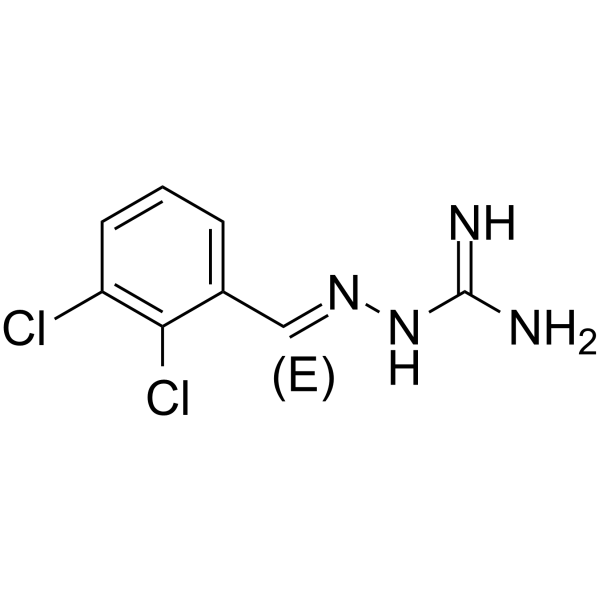
- HY-12833
-
AMZ30
1 Publications Verification
|
Phosphatase
Akt
ERK
|
Others
|
|
AMZ30 is selective protein phosphatase methylesterase-1(PME-1) inhibitor with IC50s of 600 nM and 3.5 µM in human cell lysates and in HEK 293T cells, respectively. AMZ30 shows >100-fold selectivity relative to other serine hydrolases. AMZ30 reduces the demethylated form of PP2A in living cells. AMZ30 attenuates muscle cell differentiation. AMZ30 increases the resistance of U87MG and U251MG glioblastoma cells to t-BHP-induced oxidative stress. AMZ30can be used for the study of glioblastoma .
|
-
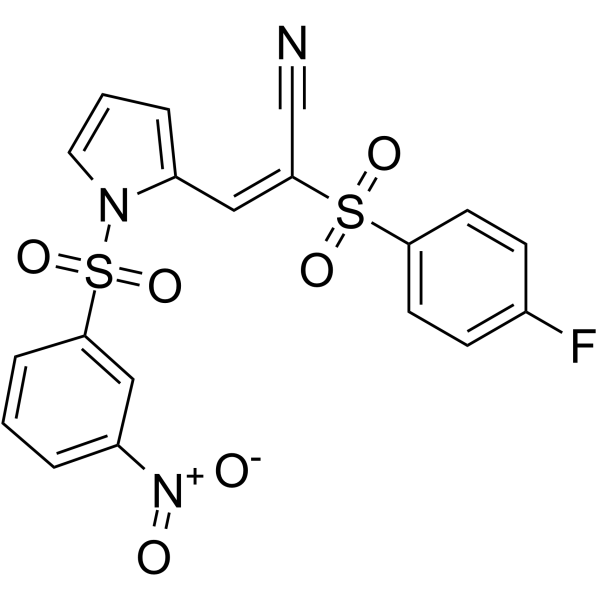
- HY-123960A
-
|
|
Phosphatase
|
Neurological Disease
|
|
Raphin1 acetate is an orally bioavailable, selective inhibitor of the regulatory phosphatase PPP1R15B (R15B). Raphin1 acetate binds strongly to the R15B-PP1c holophosphatase (Kd=33 nM), and shows ~30-fold selective in binding R15B-PP1c over R15A-PP1c. Raphin1 acetate crosses the blood-brain barrier, and reduces organismal and molecular deficits in a mouse model of a protein misfolding disease .
|
-
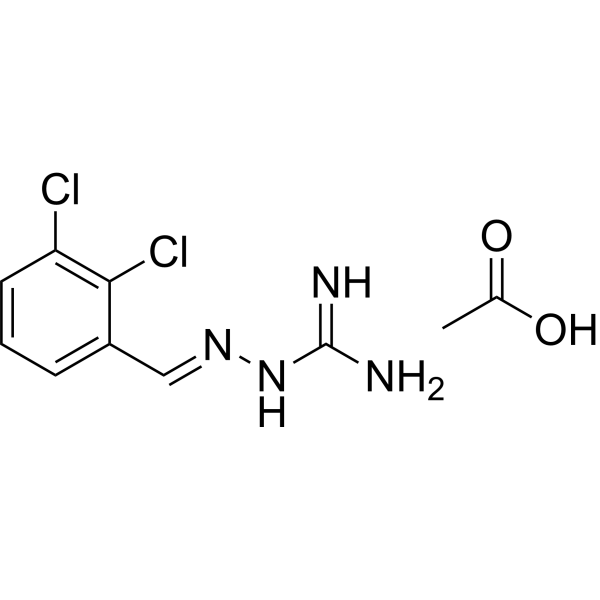
- HY-W587488
-
|
3′-AMP
|
Nucleoside Antimetabolite/Analog
Cyclic GMP-AMP Synthase
|
Cancer
|
|
Adenosine 3’-monophosphate (3’-AMP) is a nucleotide. Adenosine 3’-monophosphate is a cyclic AMP production agonist. Adenosine 3’-monophosphate increases cyclic AMP levels concentration-dependently in NG108-15 cells. Adenosine 3’-monophosphate can be used in the determination of acid phosphatase activity of human serum, which is estabilished as a laboratory procedure in the diagnosis of prostate cancer, metastatic mammary cancer and Gaucher’s disease. Adenosine 3’-monophosphate inhibits human aortic and coronary vascular smooth muscle cell proliferation via A2B receptors .
|
-
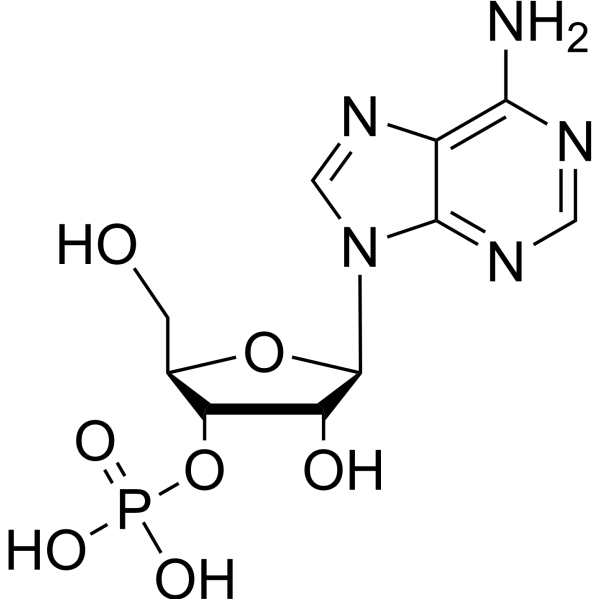
- HY-116153
-
|
|
Cholinesterase (ChE)
|
Neurological Disease
|
|
HUHS2002 is a free fatty acid derivative with the ability to enhance α7 cholinergic receptor activity. HUHS2002 enhances whole-cell membrane currents of α7 ACh receptors expressed in Xenopus oocytes in a concentration-dependent manner. The effects of HUHS2002 were blocked in the presence of the Ca2 /calmodulin-dependent protein kinase II (CaMKII) inhibitor KN-93. HUHS2002 activated CaMKII in cultured rodent hippocampal neurons, and this activation was abolished by KN-93. HUHS2002 also partially inhibited the activity of protein phosphatase 1 (PP1) in a cell-free PP1 activity assay .
|
-

- HY-155847
-
|
|
Phosphatase
PD-1/PD-L1
|
Inflammation/Immunology
Cancer
|
|
LYP-IN-3 is a selective, orally active and reversible lymphoid-tyrosine phosphatase (LYP) inhibitor (IC50 = 2.55 μM, Ki = 0.93 μM). D34 exhibits high selectivity of PTP1B, PTPN12, PTPN5 and SSH2. LYP-IN-3 regulates the T-cell receptor (TCR) signaling by specifically inhibiting LYP. LYP-IN-3 does not significantly inhibit MC38 cell viability; its anti-tumor effect stems from immune regulation. LYP-IN-3 can significantly upregulate PD-L1 or PD-1 expression in different immune cells. LYP-IN-3 facilitates T-cell infiltration and enhances T-cell functions. LYP-IN-3 synergizes with PD-L1 blockade can significantly improve colorectal tumor regression. LYP-IN-3 can be used for the study of colorectal cancer .
|
-
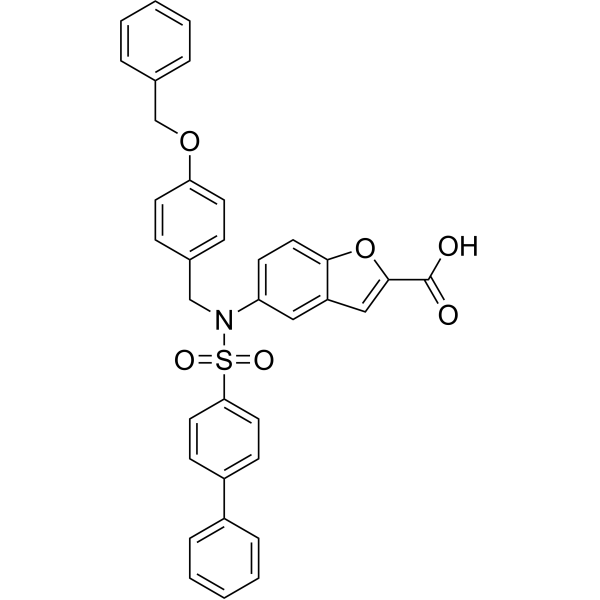
- HY-164864
-
|
|
PROTACs
STAT
|
Cancer
|
|
DU-14 (PTP1B/TC-PTP PROTAC) is a potent and selective PTP1B and TC-PTP dual PROTAC degrader. DU-14 (PTP1B/TC-PTP PROTAC) has the IC50 for PTP1B and TC-PTP phosphatase activity of 24.2 nM and 30.1 nM, respectively. DU-14 (PTP1B/TC-PTP PROTAC) enhances IFN-γ signaling, promotes T cell activation, and has anti-tumor activity. (Pink: PTP1B/TC-PTP inhibitor (HY-171027); Black: Linker (HY-W340290); Blue: E3 ligand (HY-112078)) .
|
-

- HY-149254
-
|
|
Phosphatase
Aldose Reductase
|
Metabolic Disease
|
|
PTP1B/AKR1B1-IN-1 is a dual inhibitor of protein tyrosine phosphatase 1B (PTP1B) and aldose reductase (AKR1B1), with IC50s of 0.06 μM and 4.3 μM, respectively. PTP1B/AKR1B1-IN-1 also inhibits TC-PTP with an IC50 value of 9 μM. PTP1B/AKR1B1-IN-1 serves as an insulin-mimetic agent in murine myoblasts, and reduces AKR1B1-dependent sorbitol accumulation. PTP1B/AKR1B1-IN-1 inhibits development of type 2 diabetes mellitus (T2DM) to control blood glucose levels .
|
-
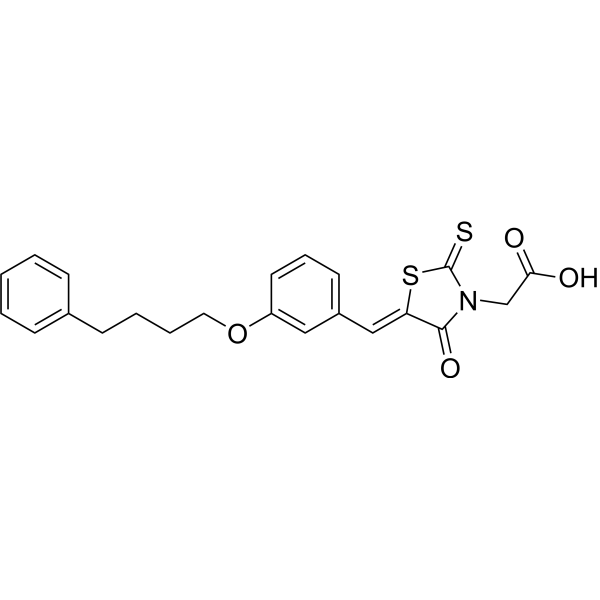
- HY-164090
-
|
|
P2Y Receptor
|
Cardiovascular Disease
|
|
Adenosine 3'-phosphate 5'-phosphosulfate, an adenine nucleotide derivative, is a selective P2Y1 antagonist with no effect on P2Y2, P2Y4, or P2Y6 receptors. Adenosine 3'-phosphate 5'-phosphosulfate can competitive inhibit ADP-induced platelet aggregation, as well as the ability of ADP to cause shape change and increases in Ca 2+ in platelets, but had no effect on the inhibition of stimulated adenylate cyclase by ADP. Adenosine 3'-phosphate 5'-phosphosulfate is a co-substrate used for the sulfonation of glycans. Adenosine 3'-phosphate 5'-phosphosulfate can be used for Golgi-resident PAP-specific 3'-phosphatase-coupled sulfotransferase assays, which as donor substrate to transfer a sulfonate group .
|
-

- HY-N9422
-
|
|
P2Y Receptor
|
Cardiovascular Disease
|
|
Adenosine 3'-phosphate 5'-phosphosulfate triethylamine, an adenine nucleotide derivative, is a selective P2Y1 antagonist with no effect on P2Y2, P2Y4, or P2Y6 receptors. Adenosine 3'-phosphate 5'-phosphosulfate triethylamine can competitive inhibit ADP-induced platelet aggregation, as well as the ability of ADP to cause shape change and increases in Ca 2+ in platelets, but had no effect on the inhibition of stimulated adenylate cyclase by ADP. Adenosine 3'-phosphate 5'-phosphosulfate triethylamine is a co-substrate used for the sulfonation of glycans. Adenosine 3'-phosphate 5'-phosphosulfate triethylamine can be used for Golgi-resident PAP-specific 3'-phosphatase-coupled sulfotransferase assays, which as donor substrate to transfer a sulfonate group .
|
-
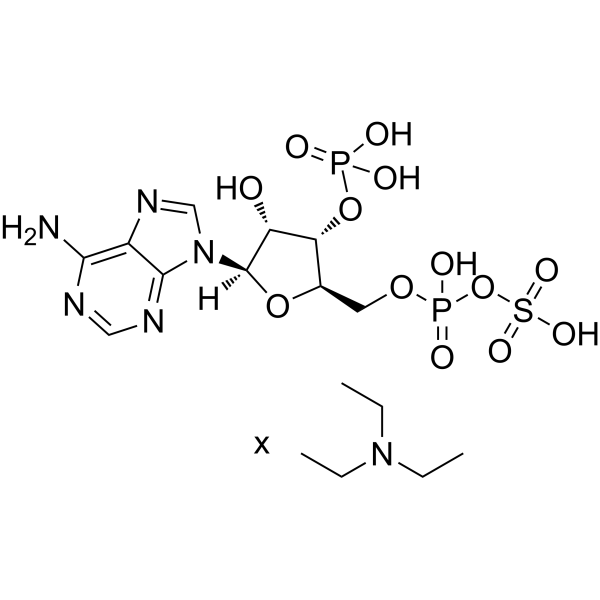
- HY-W250153
-
|
|
P2Y Receptor
|
Cardiovascular Disease
|
|
Adenosine 3'-phosphate 5'-phosphosulfate lithium, an adenine nucleotide derivative, is a selective P2Y1 antagonist with no effect on P2Y2, P2Y4, or P2Y6 receptors. Adenosine 3'-phosphate 5'-phosphosulfate lithium can competitive inhibit ADP-induced platelet aggregation, as well as the ability of ADP to cause shape change and increases in Ca 2+ in platelets, but had no effect on the inhibition of stimulated adenylate cyclase by ADP. Adenosine 3'-phosphate 5'-phosphosulfate lithium is a co-substrate used for the sulfonation of glycans. Adenosine 3'-phosphate 5'-phosphosulfate lithium can be used for Golgi-resident PAP-specific 3'-phosphatase-coupled sulfotransferase assays, which as donor substrate to transfer a sulfonate group .
|
-
- HY-W250153A
-
|
|
P2Y Receptor
|
Cardiovascular Disease
|
|
Adenosine 3'-phosphate 5'-phosphosulfate lithium hydrate, an adenine nucleotide derivative, is a selective P2Y1 antagonist with no effect on P2Y2, P2Y4, or P2Y6 receptors. Adenosine 3'-phosphate 5'-phosphosulfate lithium hydrate can competitive inhibit ADP-induced platelet aggregation, as well as the ability of ADP to cause shape change and increases in Ca 2+ in platelets, but had no effect on the inhibition of stimulated adenylate cyclase by ADP. Adenosine 3'-phosphate 5'-phosphosulfate lithium hydrate is a co-substrate used for the sulfonation of glycans. Adenosine 3'-phosphate 5'-phosphosulfate lithium hydrate can be used for Golgi-resident PAP-specific 3'-phosphatase-coupled sulfotransferase assays, which as donor substrate to transfer a sulfonate group .
|
-
- HY-117087
-
|
|
Phosphatase
PANoptosis
|
Cancer
|
|
K103 is an inhibitor discovered from the screen that is an analog of the serotonin antagonist benzazocine. K103 exhibited inhibition of SHIP homologues, labelling it a pan-SHIP1/2 inhibitor, but the molecule had no effect on another 5' inositol phosphatase, OCRL. In line with the "two PIPs hypothesis", the molecule exhibited significant anti-tumour effects against a variety of cell lines, particularly breast cancer cells. Additional studies with K103 revealed that inhibition of SHIP1/2 in multiple myeloma cells resulted in G2/M cell cycle arrest followed by extensive apoptosis via activation of the caspase cascade. K103 fits the commonly used small molecule agent property profile, but while this work was being conducted, it was discovered that K103 caused psychoactive effects in mice, which limited the utility of the molecule in vivo. Therefore, certain synthetic studies were conducted on this tryptamine to identify the features that needed to be present in the molecule to maintain pan-SHIP1/2 inhibition in order to design an inhibitor with favourable pharmacodynamic properties and an improved side effect profile.
|
-

-
-
HY-L081
-
|
|
177 compounds
|
|
Protein phosphorylation is a key post-translational modification underlying the regulation of many cellular processes. Phosphatases and kinases contribute to the regulation of protein phosphorylation homeostasis in the cell. This reversible regulation of protein phosphorylation is critical for the proper control of a wide range of cellular activities, including cell cycle, proliferation and differentiation, metabolism, cell-cell interactions, etc.
Protein phosphatases have evolved in separate families that are structurally and mechanistically distinct. Based on substrate specificity and functional diversity, protein phosphatases are classified into two superfamilies: Protein serine/threonine phosphatases and Protein tyrosine phosphatases. Ser/Thr phosphatases are metalloenzymes belonging to two major gene families termed PPP (phosphoprotein phosphatase) and PPM (metal-dependent protein phosphatases), whereas protein tyrosine phosphatases (PTPs) belong to distinct classes of enzymes that utilize a phospho-cysteine enzyme intermediate as a part of their catalytic action.
MCE supplies a unique collection of 177 phosphatase inhibitors that mainly targeting protein tyrosine phosphatases (PTPs) and serine/threonine-specific protein phosphatases. MCE Phosphatase Inhibitor Library is a useful tool for phosphatase drug discovery and related research.
|
| Cat. No. |
Product Name |
Type |
-
- HY-D0852
-
|
|
Biochemical Assay Reagents
|
|
Sodium orthovanadate is an inhibitor of protein tyrosine phosphatases, alkaline phosphatases and a number of ATPases, most likely acting as a phosphate analogue.
|
-
- HY-19695
-
|
L-p-Bromotetramisole oxalate; 6-Bromolevamisole oxalate
|
Biochemical Assay Reagents
|
|
(-)-p-Bromotetramisole oxalate (L-p-Bromotetramisole oxalate) is an alkaline phosphatase inhibitor. (-)-p-Bromotetramisole (oxalate) is applicable to research related to erythroleukemia .
|
-
- HY-165099
-
|
|
Biochemical Assay Reagents
|
C-8 Ceramide-1-phosphate is a cell apoptosis inhibitor and a cell survival inducer that can stimulate DNA synthesis and cell division. C-8 Ceramide-1-phosphate can inhibit acidic sphingomyelinase (SMase) and stimulate PI3-K, which in turn produces PIP3; PIP3 can also inhibit acidic SMase. The C-8 Ceramide-1-phosphate and ceramide can be interconverted in cells through kinase and phosphatase activity, and maintaining the balance between the two is crucial for cellular and tissue homeostasis .
|
-
- HY-W250153
-
|
|
Biochemical Assay Reagents
|
|
Adenosine 3'-phosphate 5'-phosphosulfate lithium, an adenine nucleotide derivative, is a selective P2Y1 antagonist with no effect on P2Y2, P2Y4, or P2Y6 receptors. Adenosine 3'-phosphate 5'-phosphosulfate lithium can competitive inhibit ADP-induced platelet aggregation, as well as the ability of ADP to cause shape change and increases in Ca 2+ in platelets, but had no effect on the inhibition of stimulated adenylate cyclase by ADP. Adenosine 3'-phosphate 5'-phosphosulfate lithium is a co-substrate used for the sulfonation of glycans. Adenosine 3'-phosphate 5'-phosphosulfate lithium can be used for Golgi-resident PAP-specific 3'-phosphatase-coupled sulfotransferase assays, which as donor substrate to transfer a sulfonate group .
|
-
- HY-109589A
-
|
|
Biochemical Assay Reagents
|
|
trans-11-Eicosenoic acid is a fatty acid that inhibits the phosphatase activity of PtpA from Mycobacterium tuberculosis, with an IC50 of 27.97 µM. trans-11-Eicosenoic acid is detected in the stems of alfalfa plants inoculated with Sinorhizobium meliloti LL11, but is absent in the stems of uninoculated alfalfa or the strain itself .
|
-
- HY-W250153A
-
|
|
Biochemical Assay Reagents
|
|
Adenosine 3'-phosphate 5'-phosphosulfate lithium hydrate, an adenine nucleotide derivative, is a selective P2Y1 antagonist with no effect on P2Y2, P2Y4, or P2Y6 receptors. Adenosine 3'-phosphate 5'-phosphosulfate lithium hydrate can competitive inhibit ADP-induced platelet aggregation, as well as the ability of ADP to cause shape change and increases in Ca 2+ in platelets, but had no effect on the inhibition of stimulated adenylate cyclase by ADP. Adenosine 3'-phosphate 5'-phosphosulfate lithium hydrate is a co-substrate used for the sulfonation of glycans. Adenosine 3'-phosphate 5'-phosphosulfate lithium hydrate can be used for Golgi-resident PAP-specific 3'-phosphatase-coupled sulfotransferase assays, which as donor substrate to transfer a sulfonate group .
|
| Cat. No. |
Product Name |
Target |
Research Area |
-
- HY-B0579
-
-
- HY-P2040
-
|
|
Phosphatase
|
Cancer
|
|
Nodularin is a potent hepatotoxin, tumor promoter, and protein phosphatase inhibitor .
|
-
- HY-P1247
-
|
|
Phosphatase
|
Neurological Disease
|
|
Calcineurin autoinhibitory peptide is a selective inhibitor of Ca 2+/calmodulin-dependent protein phosphatase (calcineurin), with an IC50 of ~10 μM. Calcineurin autoinhibitory peptide could protect neurons from excitatory neuronal death .
|
-
- HY-P11219
-
|
|
YAP
|
Cancer
|
|
TAT-PDHPS1 is a YAP inhibitor composed of the endogenous peptide PDHPS1 and the cell-penetrating peptide sequence TAT. PDHPS1 binds to protein phosphatase 2 phosphatase activator (PTPA), an essential activator of protein phosphatase 2A (PP2A), leading to increased YAP phosphorylation, which inactivates YAP and suppresses the expression of its downstream target genes. TAT-PDHPS1 is potentially useful in ovarian cancer research .
|
-
- HY-P11334
-
|
|
Aminopeptidase
Phosphatase
Angiotensin-converting Enzyme (ACE)
DNA/RNA Synthesis
|
Cancer
|
|
Cyanostatin B, a cyanobacterial lipopeptide, is a leucine aminopeptidase M (LAP) inhibitor (IC50 = 12 ng/mL). Cyanostatin B is a weak inhibitor of protein phosphatase (PP2A) and also exhibits weak inhibitory activity against angiotensin-converting enzyme (ACE), with an IC50 value of 130 μg/mL. Cyanostatin B demonstrates both cytotoxic and genotoxic effects on human hepatocytes, although non-toxic to Artemia salina. Cyanostatin B inhibits the proliferation of HepG2 cells, induces DNA single-strand breaks, and causes genomic instability. .
|
-
- HY-P11336
-
|
|
Phosphatase
|
Cancer
|
|
Oscillamide C (Compound 2), a ureido-containing cyclic peptide, is a Protein phosphatase 1 (PP1) and Protein phosphatase 2A (PP2A) inhibitor with IC50s of 0.90 and 1.33 μM for PP1 and PP2A, respectively. Oscillamide C can be isolated from the cyanobacteria Planktothrix agardhii and P. rubescens. Oscillamide C can be used for cancers research .
|
-
- HY-P1984
-
-
- HY-P11336A
-
|
|
Phosphatase
|
Cancer
|
|
Oscillamide C TFA (Compound 2), a ureido-containing cyclic peptide, is a Protein phosphatase 1 (PP1) and Protein phosphatase 2A (PP2A) inhibitor with IC50s of 0.90 and 1.33 μM for PP1 and PP2A, respectively. Oscillamide C TFA can be isolated from the cyanobacteria Planktothrix agardhii and P. rubescens. Oscillamide C TFA can be used for cancers research .
|
-
- HY-P1247A
-
|
|
Phosphatase
|
Neurological Disease
|
|
Calcineurin autoinhibitory peptide TFA is a selective inhibitor of Ca 2+/calmodulin-dependent protein phosphatase (calcineurin), with an IC50 of ~10 μM. Calcineurin autoinhibitory peptide TFA could protect neurons from excitatory neuronal death .
|
-
- HY-P3355
-
|
|
iGluR
|
Neurological Disease
|
|
p-fin4 is a peptide inhibitor of STEP Phosphatase-GluA2 AMPA receptor interaction with a Ki of 0.4 μM. p-fin4 restores the memory deficits and displays anxiolytic and antidepressant effects in a scopolamine-treated rat model. p-fin4 is a promising lead compound for novel cognitive enhancers and/or behavioral modulators .
|
-
- HY-P3354
-
|
|
iGluR
|
Neurological Disease
|
|
p3Ysh-3 is a peptide inhibitor of STEP Phosphatase-GluA2 AMPA receptor interaction with a Ki of 1.09 μM. p3Ysh-3 restores the memory deficits and displays anxiolytic and antidepressant effects in a scopolamine-treated rat model. p3Ysh-3 is a promising lead compound for novel cognitive enhancers and/or behavioral modulators .
|
-
- HY-K0022
-
|
|
|
Phosphatase Inhibitor Cocktail Ⅱ (100× in ddH2O) is a blend of 5 phosphatase inhibitors that can broadly inhibit acid phosphatases, alkaline phosphatases, and protein tyrosine phosphatases (PTPs).The 1 mL volume is defined as the base specification. All larger sizes correspond to incremental volumes of this base.
|
-
- HY-K0023
-
|
|
|
Phosphatase Inhibitor Cocktail Ⅲ (100× in DMSO) is a mixture of multiple phosphatase inhibitors that effectively inhibit serine/threonine phosphatases and alkaline phosphatases, and is used to preserve the phosphorylation status of proteins.The 1 mL volume is defined as the base specification. All larger sizes correspond to incremental volumes of this base.
|
-
- HY-K0021
-
Maximum Cited Publications
675 Publications Verification
|
|
Phosphatase Inhibitor Cocktail I (100× in DMSO) is a blend of 2 phosphatase inhibitors that can effectively inhibit alkaline phosphatases and serine/threonine phosphatases. It is used to maintain the phosphorylation status of proteins.The 1 mL volume is defined as the base specification. All larger sizes correspond to incremental volumes of this base.
|
-
- HY-K0013
-
|
|
|
MCE Protease and Phosphatase Inhibitor Cocktail (EDTA-Free, 10× in ddH2O) protects protein from degradation by endogenous proteases released during protein extraction and purification.The 1 mL volume is defined as the base specification. All larger sizes correspond to incremental volumes of this base.
|
| Cat. No. |
Product Name |
Category |
Target |
Chemical Structure |
-
- HY-B0579
-
-
-
- HY-13756
-
-
-
- HY-D0886
-
-
-
- HY-N6785
-
|
|
Structural Classification
Animals
Ketones, Aldehydes, Acids
Marine natural products
Other marine organisms
Source Classification
|
Phosphatase
Apoptosis
|
|
Okadaic acid, a marine toxin, is an inhibitor of protein phosphatases (PP). Okadaic acid has a significantly higher affinity for PP2A (IC50=0.1-0.3 nM), and inhibits PP1 (IC50=15-50 nM), PP3 (IC50=3.7-4 nM), PP4 (IC50=0.1 nM), PP5 (IC50=3.5 nM), but does not inhibit PP2C. Okadaic acid increases of phosphorylation of a number of proteins by inhibiting PP, and acts a tumor promoter. Okadaic acid induces tau phosphorylation .
|
-
-
- HY-126304
-
-
-
- HY-13756A
-
-
-
- HY-N1549
-
-
-
- HY-N0743
-
-
-
- HY-78726
-
-
-
- HY-N4288
-
-
-
- HY-B0579R
-
-
-
- HY-N0374
-
-
-
- HY-100786
-
-
-
- HY-17431
-
-
-
- HY-N4317
-
-
-
- HY-13756R
-
-
-
- HY-N12445
-
|
|
Malvaceae
Structural Classification
Flavonols
Flavonoids
Abelmoschus manihot (Linn.) Medicus
Plants
Source Classification
|
Topoisomerase
Caspase
Apoptosis
SOD
|
|
Quercetin-3'-O-glucoside is an orally active flavonoid glycoside. Quercetin-3'-O-glucoside reduces liver glucose-6-phosphatase activity, alters serum insulin and glucose levels, and regulates the activities of antioxidant enzymes in the liver and kidney. Quercetin-3'-O-glucoside inhibits DNA topoisomerase II, induces S-phase cell cycle arrest and caspase-3-mediated apoptosis in hepatocellular carcinoma cells. Quercetin-3'-O-glucoside selectively inhibits EGFR-mediated signaling pathways targeting AKT, ERK1/2, FAK and MEK1/2. Quercetin-3'-O-glucoside inhibits growth factor-induced migration and invasion in pancreatic cancer cells. Quercetin-3'-O-glucoside exerts free radical scavenging effects. Quercetin-3'-O-glucoside is applicable to research related to pancreatic cancer, diabetes, hepatocellular carcinoma and malignant tumors .
|
-
-
- HY-N4185
-
-
-
- HY-P2040
-
-
-
- HY-W008385
-
-
-
- HY-N2451
-
-
-
- HY-125539
-
|
|
Structural Classification
Natural Products
Microorganisms
Source Classification
|
Antibiotic
Phosphatase
Fungal
|
|
Roridin E is a glucose-6-phosphatase (G6Pase) inhibitor and antibiotic, and is a metabolic byproduct of Roridin A (HY-N9599). Roridin E induces significant oxidative stress, characterized by depletion of glutathione in vivo, induction of hepatic lipid peroxidation, and inhibition of renal superoxide dismutase activity. Roridin E reduces blood glucose levels in rats, but exhibits acute toxicity (which is enhanced when co-administered with linoleic acid (HY-N0729)) and causes hepatotoxicity in male albino mice. Roridin E induces a decrease in total blood protein and increases in the levels of total lipids, γ-glutamyltransferase, alkaline phosphatase, and 5'-nucleotidase. Roridin E can be isolated from molds, and possesses cytostatic and antifungal activities similar to those of Verrucarin A (HY-107426) and Roridin A. Roridin E exhibits in vivo activity in rodents and is commonly used in hepatotoxicity-related studies .
|
-
-
- HY-N6663
-
-
-
- HY-106702A
-
-
-
- HY-N6650
-
-
-
- HY-106702
-
-
-
- HY-W661499
-
|
|
Structural Classification
Natural Products
Microorganisms
Source Classification
|
Phosphatase
Apoptosis
Reactive Oxygen Species (ROS)
Caspase
|
|
Orellanine, a nephrotoxic alkaloid found in Cortinarius orellanus, is an orally active and selective non-competitive inhibitor of alkaline phosphatase. Orellanine chelates iron, generates reactive oxygen species (ROS), induces DNA scission, forms ortho-semiquinone radicals, downregulates antioxidant defenses, and inhibits mitochondrial function. Orellanine induces caspase 8/9-mediated apoptosis. Orellanine inhibits synthesis of proteins, RNA, DNA, and mitochondrial protein synthesis, with metabolic activation required for cell-free protein synthesis inhibition. Orellanine can be used for the research of metastatic clear cell renal cell carcinoma, acute renal failure, chronic renal insufficiency, and kidney damage .
|
-
-
- HY-137990
-
-
-
- HY-W008385R
-
-
-
- HY-N4143
-
-
-
- HY-N1230
-
-
-
- HY-N12177
-
-
-
- HY-N3734
-
|
|
Terpenoids
Labiatae
Samanea saman (Jacq.) Merr.
Diterpenoids
Plants
|
Beta-secretase
Phosphatase
|
|
Deoxyneocryptotanshinone, a natural tanshinone, is a high affinity BACE1 (Beta-secretase) inhibitor with an IC50 value of 11.53 μM. Deoxyneocryptotanshinone shows a promising dose-dependent inhibition of protein tyrosine phosphatase 1B (PTP1B) with an IC50 value of 133.5 μM. Deoxyneocryptotanshinone can be used for Alzheimer's disease research .
|
-
-
- HY-113612
-
-
-
- HY-W142437
-
-
-
- HY-126304R
-
|
|
Structural Classification
Ketones, Aldehydes, Acids
Endogenous metabolite
Source Classification
|
Reference Standards
Phosphatase
Endogenous Metabolite
ERK
|
|
β-Glycerophosphate disodium salt hydrate (Standard) is the analytical standard of β-Glycerophosphate disodium salt hydrate (HY-126304). This product is intended for research and analytical applications. β-Glycerophosphate disodium salt pentahydrate is a bioactive endogenous metabolite and a phosphatase inhibitor. β-Glycerophosphate disodium salt pentahydrate plays an important role in inducing and maintaining osteoblast differentiation, mineral metabolism and signal transduction, and can be used as a drug carrier to form heat-sensitive hydrogels. β-Glycerophosphate disodium salt hydrate accelerates the calcification of vascular smooth muscle cells.
|
-
-
- HY-N16588
-
-
-
- HY-N8200
-
-
-
- HY-124896
-
|
6-Geranylnaringenin; Mimulone
|
Paulownia tomentosa (Thunb.) Steud.
Scrophulariaceae
Plants
|
Phosphatase
Apoptosis
Autophagy
|
|
Bonannione A (6-Geranylnaringenin; Mimulone), a prenylflavonoid, is an orally active and potent protein tyrosine phosphatase 1B (PTP1B) inhibitor with an IC50 of 14 µM. Bonannione A triggers caspase-dependent apoptosis. Bonannione A induces autophagy through p53-mediated AMPK/mTOR pathway. Bonannione A shows anti-inflammatory, antiradical and anti-cancer activity .
|
-
-
- HY-N3267
-
-
-
- HY-N12776
-
-
-
- HY-N14462
-
-
-
- HY-N12613
-
-
-
- HY-N10186
-
-
-
- HY-N15015
-
-
-
- HY-N8789
-
-
-
- HY-N10648
-
-
-
- HY-N12736
-
-
-
- HY-N15308
-
-
-
- HY-N12108
-
-
- HY-N16508
-
-
- HY-N7599
-
-
- HY-N12761
-
-
- HY-N10378
-
-
- HY-163899
-
-
- HY-N14549
-
-
- HY-N2511R
-
-
- HY-N6663R
-
|
|
Structural Classification
Other Monoterpenes
other families
Terpenoids
Plants
Source Classification
|
Reference Standards
COX
|
|
3-Carene (Standard) is the analytical standard of 3-Carene. This product is intended for research and analytical applications. 3-Carene is a bicyclic monoterpene in essential oils extracted from pine trees. 3-Carene inhibits nociceptive stimulus-induced inflammatory infiltrates and COX-2 overexpression, and with antinociceptive effect. 3-Carene stimulates the activity and expression of alkaline phosphatase that is an early phase marker of osteoblastic differentiation .
|
-
- HY-N2451R
-
-
- HY-17431R
-
|
GW433908G (Standard)
|
Structural Classification
Natural Products
Endogenous metabolite
Source Classification
|
Reference Standards
Drug Intermediate
HIV
HIV Protease
|
|
Fosamprenavir Calcium Salt (GW433908G) (Standard) is the analytical standard of Fosamprenavir Calcium Salt (HY-17431R). This product is intended for research and analytical applications. Fosamprenavir Calcium Salt (GW433908G) is an orally active inhibitor targeting HIV-1 protease and is a prodrug of Amprenavir (HY-17430). Fosamprenavir Calcium Salt is hydrolyzed into Amprenavir (VX-478) by cell phosphatases in the intestinal epithelium. Amprenavir binds to the active site of HIV-1 protease, preventing the processing of viral gag and gag-pol polyprotein precursors, thereby inhibiting the formation of mature infectious virus particles and exerting anti-HIV-1 infection activity. Fosamprenavir Calcium Salt can be used for the study of human immunodeficiency virus (HIV-1) infection .
|
-
- HY-N17455
-
-
- HY-N16588A
-
-
- HY-N17424
-
-
- HY-N19818
-
-
| Cat. No. |
Product Name |
Chemical Structure |
-
- HY-13756S
-
1 Publications Verification
|
|
Tacrolimus- 13C,d2 is a 13C-labeled and deuterium labeled Tacrolimus. Tacrolimus (FK506), a macrocyclic lactone, binds to FK506 binding protein (FKBP) to form a complex. Tacrolimus inhibits calcineurin phosphatase, which inhibits T-lymphocyte signal transduction and IL-2 transcription. Immunosuppressive properties .
|
-
-
- HY-B0579S
-
1 Publications Verification
|
|
Cyclosporin A-d4 is the deuterium labeled Cyclosporin A. Cyclosporin A (Cyclosporine A) is an immunosuppressant which binds to the cyclophilin and inhibits phosphatase activity of calcineurin with an IC50 of 5 nM. Cyclosporin A also inhibits CD11a/CD18 ad
|
-
-
- HY-13756S2
-
|
|
|
Tacrolimus-d3 (FK506-d3) is deuterium labeled Tacrolimus. Tacrolimus (FK506), a macrocyclic lactone, binds to FK506 binding protein (FKBP) to form a complex. Tacrolimus inhibits calcineurin phosphatase, which inhibits T-lymphocyte signal transduction and IL-2 transcription. Immunosuppressive properties .
|
-
-
- HY-B0537AS
-
|
|
|
Pentamidine-d4 (dihydrochloride) is the deuterium labeled Pentamidine dihydrochloride. Pentamidine dihydrochloride (MP-601205 dihydrochloride) is an antimicrobial agent and interferes with DNA biosynthetics. Pentamidine dihydrochloride inhibits parasite Leishmania infantum with an IC50 of 2.5 μM. Pentamidine dihydrochloride is a potent and selective protein tyrosine phosphatases (PTPases) and phosphatase of regenerating liver (PRL) inhibitor. Pentamidine dihydrochloride has the potential for Gambian trypanosomiasis, antimony-resistant leishmaniasis, and Pneumocystis carinii pneumonia treatment. Antitumor and antibacterial activities .
|
-
-
- HY-W008385S
-
|
|
|
H-HoArg-OH-d4 is a deuterium labeled H-HoArg-OH (HY-W008385). H-HoArg-OH, a homologue arginine, is a strong inhibitor of human bone and liver alkaline phosphatase.
|
-
-
- HY-B0579S3
-
|
|
|
Cyclosporin A- 13C2,d4 (Cyclosporine A- 13C2,d4; Ciclosporin A- 13C2,d4) is a 13C labeled Cyclosporin A (HY-B0579) . Cyclosporin A (Cyclosporine A) is an immunosuppressant which binds to the cyclophilin and inhibits phosphatase activity of protein phosphatase 2B (PP2B/calcineurin) with an IC50 of 5 nM . Cyclosporin A also inhibits CD11a/CD18 adhesion .
|
-
-
- HY-78726S
-
|
|
|
Fosamprenavir-d4 is the Deuterium-labeled Fosamprenavir (HY-78726). Fosamprenavir is an orally active inhibitor targeting HIV-1 protease and is a prodrug of Amprenavir (HY-17430). Fosamprenavir is hydrolyzed into Amprenavir (VX-478) by cell phosphatases in the intestinal epithelium. Amprenavir binds to the active site of HIV-1 protease, preventing the processing of viral gag and gag-pol polyprotein precursors, thereby inhibiting the formation of mature infectious virus particles and exerting anti-HIV-1 infection activity. Fosamprenavir can be used for the study of human immunodeficiency virus (HIV-1) infection .
|
-
-
- HY-B0579S5
-
|
|
|
Cyclosporin A-d12 (Cyclosporine A-d12) is deuterium labeled Cyclosporin A. Cyclosporin A (Cyclosporine A) is an immunosuppressant which binds to the cyclophilin and inhibits phosphatase activity of protein phosphatase 2B (PP2B/calcineurin) with an IC50 of 5 nM . Cyclosporin A also inhibits CD11a/CD18 adhesion .
|
-
-
- HY-B0579S2
-
|
|
|
Cyclosporin A acetate-d4 (Cyclosporine A acetate-d4; Ciclosporin A acetate-d4) is a deuterium labeled Cyclosporin A (HY-B0579) . Cyclosporin A (Cyclosporine A) is an immunosuppressant which binds to the cyclophilin and inhibits phosphatase activity of protein phosphatase 2B (PP2B/calcineurin) with an IC50 of 5 nM . Cyclosporin A also inhibits CD11a/CD18 adhesion .
|
-
-
- HY-B2006S
-
|
|
|
Fenvalerate-d5 is the deuterium labeled Fenvalerate. Fenvalerate is a potent protein phosphatase 2B (calcineurin) inhibitor with an IC50 of 2-4 nM for PP2B-Aα. Fenvalerate is a pyrethroid ester insecticide and acaricide .
|
-
-
- HY-N2511S
-
|
|
|
Trimyristin--d15 is the deuterium labeled Trimyristin. Trimyristin, an active molluscicidal component of Myristica fragrans Houtt, significantly inhibits acetylcholinesterase (AChE), acid and alkaline phosphatase (ACP/ALP) activities in the nervous tissue of Lymnaea acuminata. IC50s of Trimyristin against AChE, ACP, and ALP are 0.11, 0.16 and 0.18 mM, respectively .
|
-
-
- HY-78726S2
-
|
|
|
Fosamprenavir- 13C6 is the 13C-labeled Fosamprenavir (HY-78726). Fosamprenavir is an orally active inhibitor targeting HIV-1 protease and is a prodrug of Amprenavir (HY-17430). Fosamprenavir is hydrolyzed into Amprenavir (VX-478) by cell phosphatases in the intestinal epithelium. Amprenavir binds to the active site of HIV-1 protease, preventing the processing of viral gag and gag-pol polyprotein precursors, thereby inhibiting the formation of mature infectious virus particles and exerting anti-HIV-1 infection activity. Fosamprenavir can be used for the study of human immunodeficiency virus (HIV-1) infection .
|
-
| Cat. No. |
Product Name |
|
Classification |
-
- HY-135699
-
TD52
2 Publications Verification
|
|
Alkynes
|
|
TD52, an Erlotinib (HY-50896) derivative, is an orally active, potent cancerous inhibitor of protein phosphatase 2A (CIP2A) inhibitor. TD52 mediates the apoptotic effect in triple-negative breast cancer (TNBC) cells via regulating the CIP2A/PP2A/p-Akt signalling pathway. TD52 indirectly reduced CIP2A by disturbing Elk1 binding to the CIP2A promoter. TD52 has less p-EGFR inhibition and has potent anti-cancer activity . TD52 is a click chemistry reagent, it contains an Alkyne group and can undergo copper-catalyzed azide-alkyne cycloaddition (CuAAc) with molecules containing Azide groups.
|
-
- HY-135699A
-
|
|
|
Alkynes
|
|
TD52 dihydrochloride, an Erlotinib (HY-50896) derivative, is an orally active, potent cancerous inhibitor of protein phosphatase 2A (CIP2A) inhibitor. TD52 dihydrochloride mediates the apoptotic effect in triple-negative breast cancer (TNBC) cells via regulating the CIP2A/PP2A/p-Akt signalling pathway. TD52 dihydrochloride indirectly reduced CIP2A by disturbing Elk1 binding to the CIP2A promoter. TD52 dihydrochloride has less p-EGFR inhibition and has potent anti-cancer activity . TD52 (dihydrochloride) is a click chemistry reagent, it contains an Alkyne group and can undergo copper-catalyzed azide-alkyne cycloaddition (CuAAc) with molecules containing Azide groups.
|
| Cat. No. |
Product Name |
|
Classification |
-
- HY-W587488
-
|
3′-AMP
|
|
Nucleotide Analogs
Adenine Nucleotide
|
|
Adenosine 3’-monophosphate (3’-AMP) is a nucleotide. Adenosine 3’-monophosphate is a cyclic AMP production agonist. Adenosine 3’-monophosphate increases cyclic AMP levels concentration-dependently in NG108-15 cells. Adenosine 3’-monophosphate can be used in the determination of acid phosphatase activity of human serum, which is estabilished as a laboratory procedure in the diagnosis of prostate cancer, metastatic mammary cancer and Gaucher’s disease. Adenosine 3’-monophosphate inhibits human aortic and coronary vascular smooth muscle cell proliferation via A2B receptors .
|
-
- HY-W250153
-
|
|
|
Nucleotide Analogs
Adenine Nucleotide
|
|
Adenosine 3'-phosphate 5'-phosphosulfate lithium, an adenine nucleotide derivative, is a selective P2Y1 antagonist with no effect on P2Y2, P2Y4, or P2Y6 receptors. Adenosine 3'-phosphate 5'-phosphosulfate lithium can competitive inhibit ADP-induced platelet aggregation, as well as the ability of ADP to cause shape change and increases in Ca 2+ in platelets, but had no effect on the inhibition of stimulated adenylate cyclase by ADP. Adenosine 3'-phosphate 5'-phosphosulfate lithium is a co-substrate used for the sulfonation of glycans. Adenosine 3'-phosphate 5'-phosphosulfate lithium can be used for Golgi-resident PAP-specific 3'-phosphatase-coupled sulfotransferase assays, which as donor substrate to transfer a sulfonate group .
|
-
- HY-164090
-
|
|
|
Nucleotide Analogs
Adenine Nucleotide
|
|
Adenosine 3'-phosphate 5'-phosphosulfate, an adenine nucleotide derivative, is a selective P2Y1 antagonist with no effect on P2Y2, P2Y4, or P2Y6 receptors. Adenosine 3'-phosphate 5'-phosphosulfate can competitive inhibit ADP-induced platelet aggregation, as well as the ability of ADP to cause shape change and increases in Ca 2+ in platelets, but had no effect on the inhibition of stimulated adenylate cyclase by ADP. Adenosine 3'-phosphate 5'-phosphosulfate is a co-substrate used for the sulfonation of glycans. Adenosine 3'-phosphate 5'-phosphosulfate can be used for Golgi-resident PAP-specific 3'-phosphatase-coupled sulfotransferase assays, which as donor substrate to transfer a sulfonate group .
|
-
- HY-147071
-
|
DAPE
|
|
Phospholipids
|
|
1,2-Diarachidonoyl-sn-glycero-3-phosphoethanolamine (DAPE) is a phospholipid phosphatidylethanolamine. Unlike other phospholipid phosphatidylethanolamines, 1,2-Diarachidonoyl-sn-glycero-3-phosphoethanolamine has no significant effect on protein phosphatase PP2A activity and does not inhibit insulin-stimulated GLUT4 translocation .
|
-
- HY-159694
-
|
ISIS 404173
|
|
Antisense Oligonucleotides
|
|
IONIS PTP1BRx (ISIS 404173) is an antisense inhibitor of protein tyrosine phosphatase 1B (PTP-1B). IONIS PTP1BRx shows antidiabetic activity, and can be used for the study of insulin resistance and type 2 diabetes mellitus associated with obesity .
|
-
- HY-W250153A
-
|
|
|
Nucleotide Analogs
Adenine Nucleotide
|
|
Adenosine 3'-phosphate 5'-phosphosulfate lithium hydrate, an adenine nucleotide derivative, is a selective P2Y1 antagonist with no effect on P2Y2, P2Y4, or P2Y6 receptors. Adenosine 3'-phosphate 5'-phosphosulfate lithium hydrate can competitive inhibit ADP-induced platelet aggregation, as well as the ability of ADP to cause shape change and increases in Ca 2+ in platelets, but had no effect on the inhibition of stimulated adenylate cyclase by ADP. Adenosine 3'-phosphate 5'-phosphosulfate lithium hydrate is a co-substrate used for the sulfonation of glycans. Adenosine 3'-phosphate 5'-phosphosulfate lithium hydrate can be used for Golgi-resident PAP-specific 3'-phosphatase-coupled sulfotransferase assays, which as donor substrate to transfer a sulfonate group .
|
-
- HY-159694A
-
|
ISIS 404173 sodium
|
|
Antisense Oligonucleotides
|
|
IONIS PTP1BRx (ISIS 404173) sodium is an antisense inhibitor of protein tyrosine phosphatase 1B (PTP-1B). IONIS PTP1BRx sodium shows antidiabetic activity, and can be used for the study of insulin resistance and type 2 diabetes mellitus associated with obesity .
|
Your information is safe with us. * Required Fields.
Inquiry Information
- Product Name:
- Cat. No.:
- Quantity:
- MCE Japan Authorized Agent:








