Search Result
Results for "
antitumor cytotoxicity
" in MedChemExpress (MCE) Product Catalog:
6
Biochemical Assay Reagents
5
Isotope-Labeled Compounds
| Cat. No. |
상품명 |
Target |
연구분야 |
Chemical Structure |
-
- HY-N0750
-
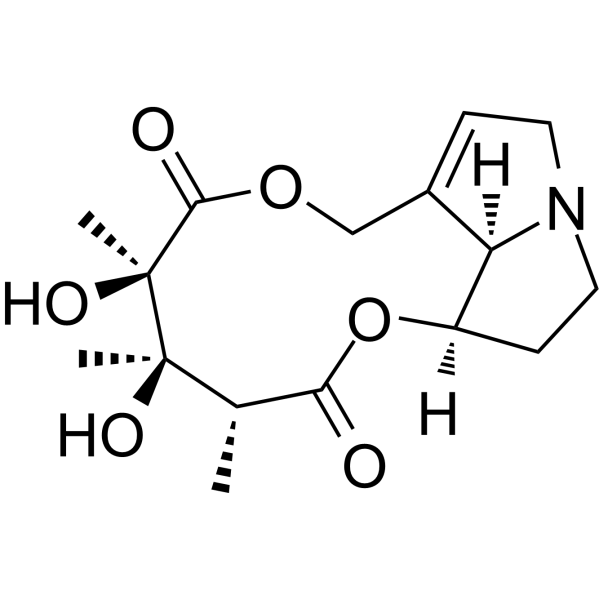
Monocrotaline
Maximum Cited Publications
44 Publications Verification
Crotaline
|
Others
|
Infection
Metabolic Disease
Cancer
|
Monocrotaline is an 11-membered macrocyclic pyrrolizidine alkaloid. Monocrotaline inhibits OCT-1 and OCT-2 with IC50s of 36.8 µM and 1.8 mM, respectively. Monocrotaline has antitumor activity and is cytotoxic to hepatocellular carcinoma cells. Monocrotaline is used to induce a model of pulmonary hypertension in rodents. [2][6][8].
|
-
-
- HY-14944
-
|
Omacetaxine mepesuccinate; HHT
|
STAT
|
Cancer
|
|
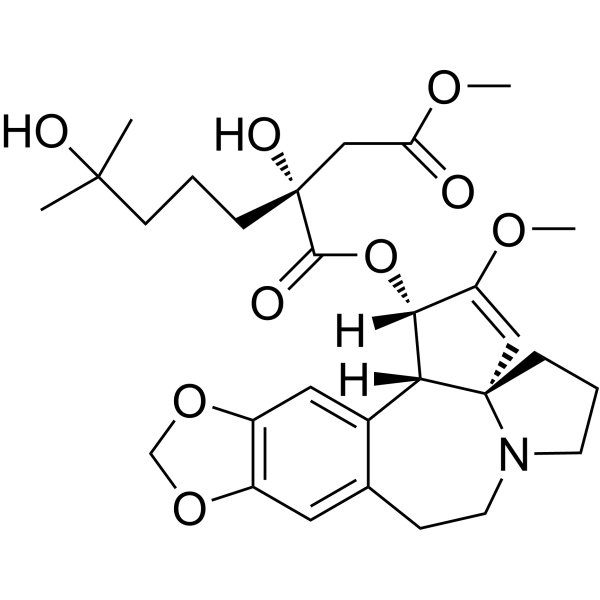
Homoharringtonine (Omacetaxine mepesuccinate;HHT) is a cytotoxic alkaloid with antitumor properties which acts by inhibiting translation elongation.
|
-
-
- HY-19609
-
-
-
- HY-128952
-
|
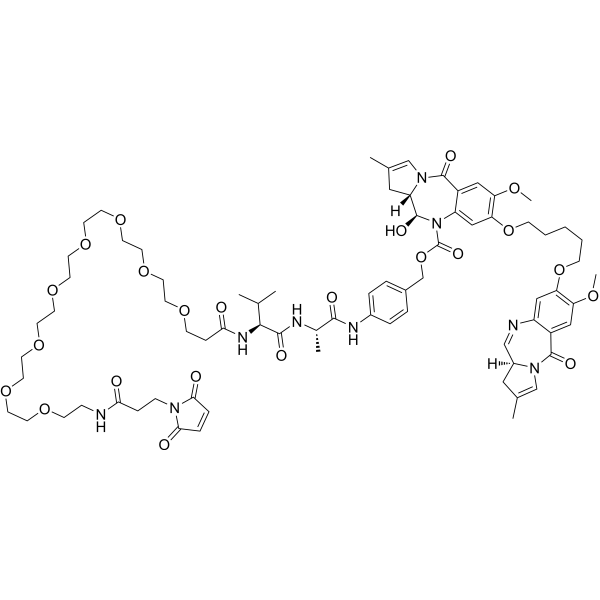
SG3249
|
Drug-Linker Conjugates for ADC
DNA Alkylator/Crosslinker
|
Cancer
|
|
Tesirine (SG3249) is an antibody-drug conjugate (ADC) pyrrolobenzodiazepine (PBD) dimer payload. Tesirine combines potent antitumor activity with desirable physicochemical properties such as favorable hydrophobicity and improved conjugation characteristics. SG3199 (HY-101161) is the released warhead component of the ADC payload Tesirine. SG3199 retains picomolar activity in a panel of cancer cell lines. PBD dimers are highly efficient DNA minor groove cross-linking agents with potent cytotoxicity .
|
-
-
- HY-15582
-
|
|
Microtubule/Tubulin
ADC Payload
|
Cancer
|
|
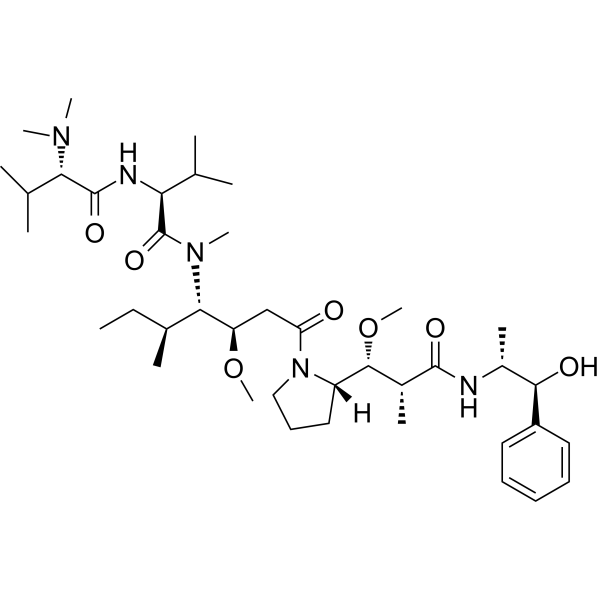
Auristatin E is a cytotoxic microtubule polymerization inhibitor with potent and selective antitumor activity. Auristatin E is a cytotoxin in antibody-drug conjugates (ADC). Auristatin E inhibits cell division by blocking the polymerisation of tubulin, promising for research in B-cell malignancies. Auristatin E, a synthetic analogue of the Dolastatin 10 (HY-15580), is linear peptides comprised of four amino acids .
|
-
-
- HY-50751
-
|
ABT-869; AL-39324
|
PDGFR
VEGFR
FLT3
c-Fms
c-Kit
Autophagy
Apoptosis
|
Cancer
|
|
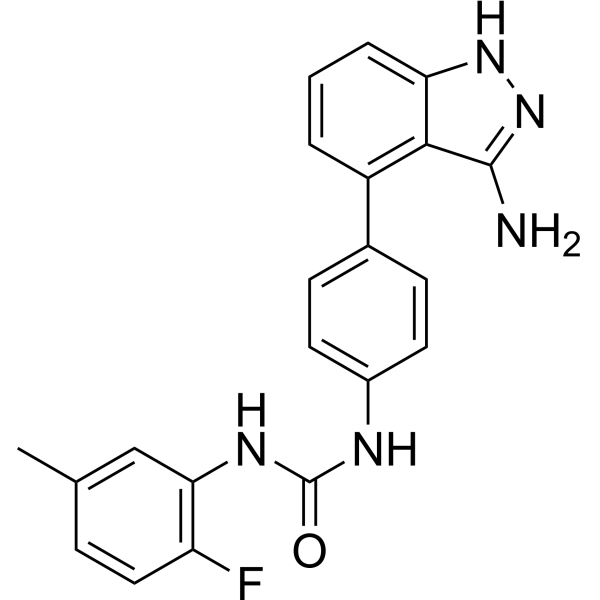
Linifanib (ABT-869) is a potent and orally active multi-target inhibitor of VEGFR and PDGFR family with IC50s of 4, 3, 66, and 4 nM for KDR, FLT1, PDGFRβ, and FLT3, respectively. Linifanib shows prominent antitumor activity. Linifanib has much less activity against unrelated RTKs, soluble tyrosine kinases, or serine/threonine kinases. Linifanib is a specific miR-10b inhibitor that blocks miR-10b biogenesis .
|
-
-
- HY-100506
-
|
|
Integrin
|
Cancer
|
|
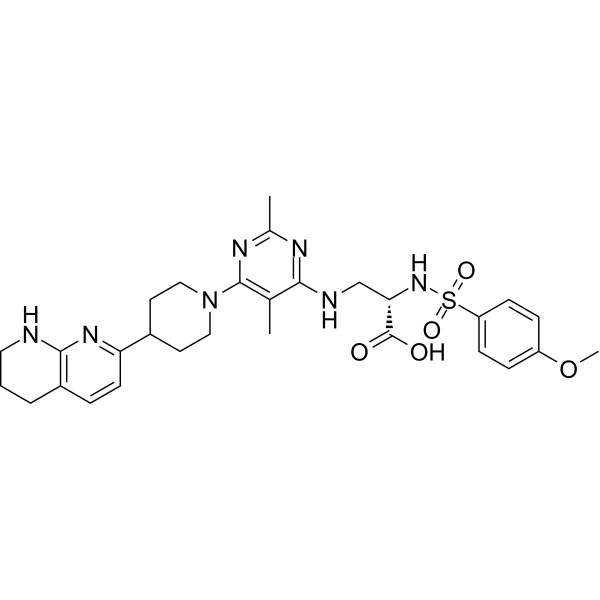
GLPG0187 is a broad spectrum integrin receptor antagonist with antitumor activity; inhibits αvβ1-integrin with an IC50 of 1.3 nM . GLPG0187 inhibits migrasome biogenesis without cytotoxicity .
|
-
-
- HY-P9968
-
|
h-R3
|
EGFR
|
Cancer
|
|
Nimotuzumab is a humanized IgG1 monoclonal antibody targeting EGFR with a KD of 0.21 nM. Nimotuzumab is directed against the extracellular domain of the EGFR blocking the binding to its ligands. Nimotuzumab, a strong antitumor agent, is cytolytic on target tumors by its capacity to cause antibody dependent cell mediated cytotoxicity (ADCC) and complement dependent cytotoxicity (CDC) .
|
-

-
- HY-101162
-
|
|
Drug-Linker Conjugates for ADC
|
Cancer
|
|
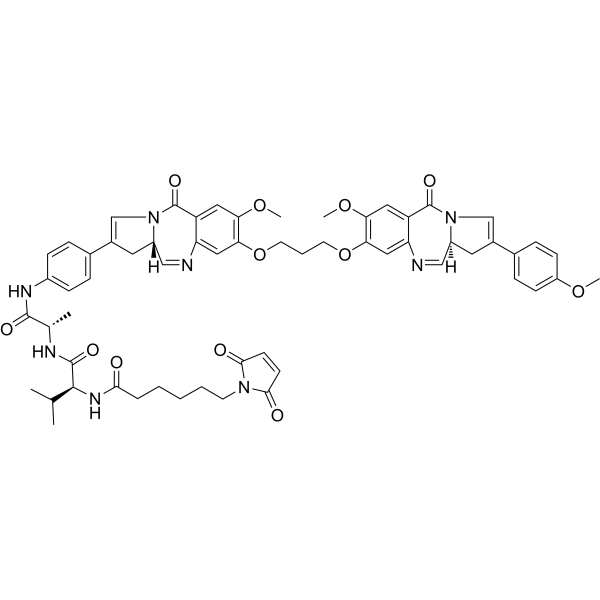
SGD-1910 is a agent-linker conjugate for ADC by using the antitumor antibiotic, pyrrolobenzodiazepine (PBD, a cytotoxic DNA crosslinking), linked via the cleavable linker MC-Val-Ala .
|
-
-
- HY-12456
-
|
|
Antibiotic
ADC Payload
DNA Alkylator/Crosslinker
Necroptosis
Apoptosis
|
Cancer
|
|
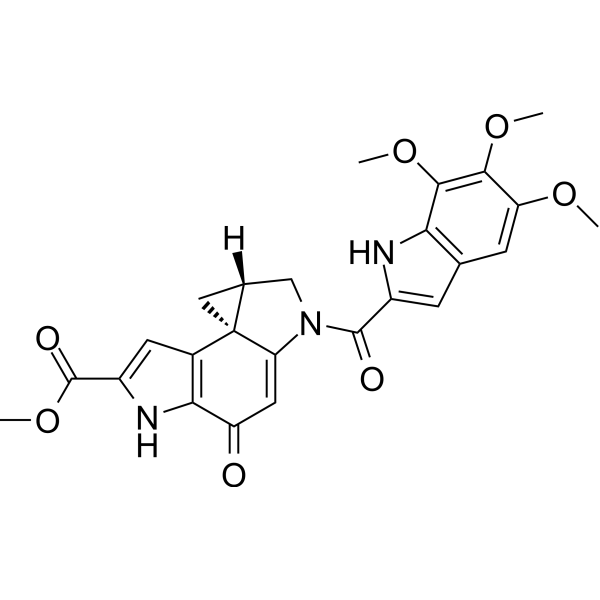
Duocarmycin SA is an orally active antitumor antibiotic with an IC50 of 10 pM . Duocarmycin SA is an extremely potent cytotoxic agent capable of inducing a sequence-selective alkylation of duplex DNA. Duocarmycin SA demonstrates synergistic cytotoxicity against glioblastoma multiforme (GBM) cells treated with proton radiation in vitro .
|
-
-
- HY-14949
-
|
TTI-237
|
Microtubule/Tubulin
|
Cancer
|
|
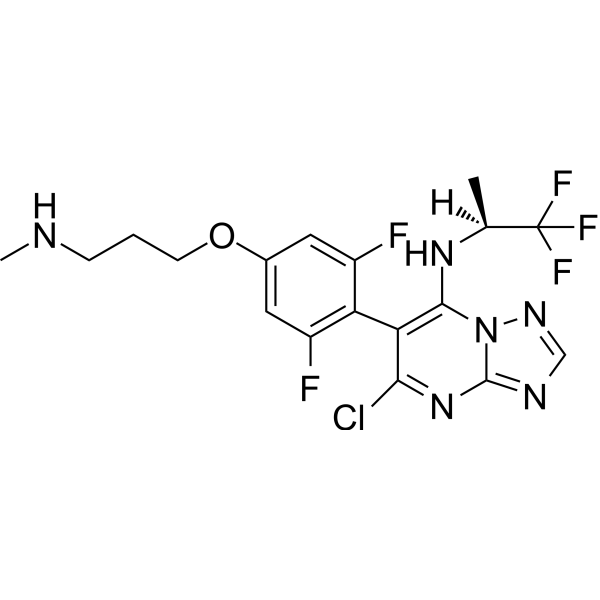
Cevipabulin (TTI-237) is an oral, microtubule-active antitumor compound and inhibits the binding of [ 3H] vinblastine to tubulin, with an IC50 of 18-40 nM for cytotoxicity in human tumor cell line .
|
-
-
- HY-N1318
-
-
-
- HY-100875
-
|
CL216942
|
Topoisomerase
|
Cancer
|
|
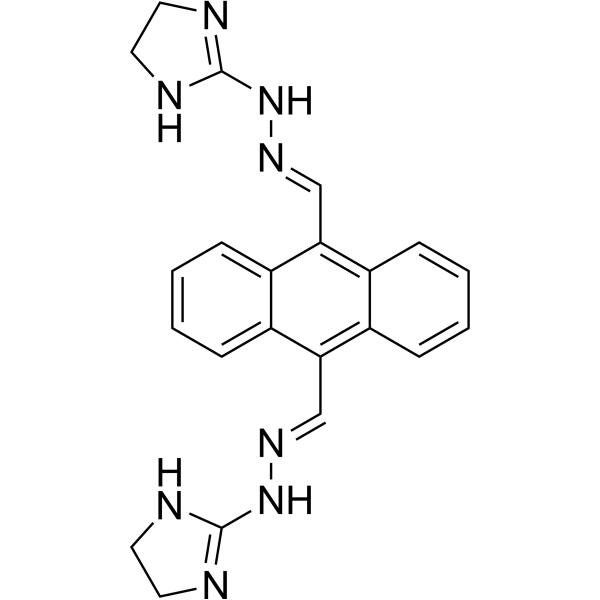
Bisantrene is a highly effective antitumor agent, it exerts its cytotoxicity by affecting DNA intercalation. Bisantrene targets eukaryotic type II topoisomerases. Bisantrene is a substrate of MDR1 .
|
-
-
- HY-15579A
-
|
Monomethylauristatin F hydrochloride
|
Microtubule/Tubulin
ADC Payload
|
Cancer
|
|
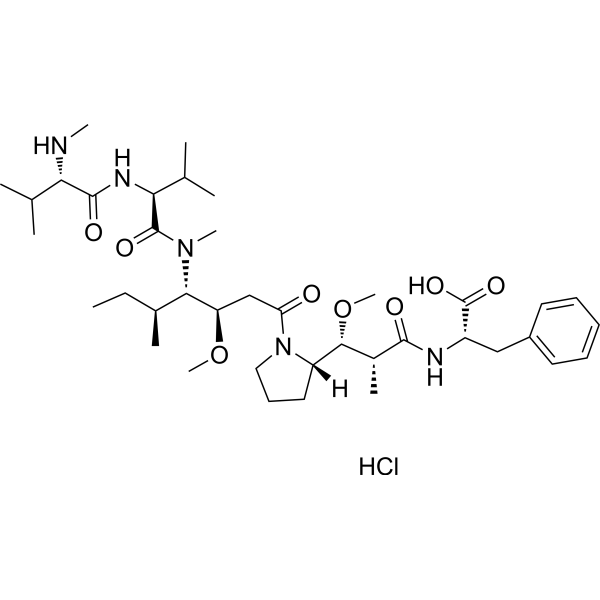
MMAF (Monomethylauristatin F) hydrochloride is a potent tubulin polymerization inhibitor and is used as a antitumor agent. MMAF hydrochloride is widely used as a cytotoxic component of antibody-drug conjugates (ADCs) such as Vorsetuzumab mafodotin and SGN-CD19A .
|
-
-
- HY-105019A
-
|
Melphalan flufenamide hydrochloride
|
DNA Alkylator/Crosslinker
Apoptosis
|
Cancer
|
|
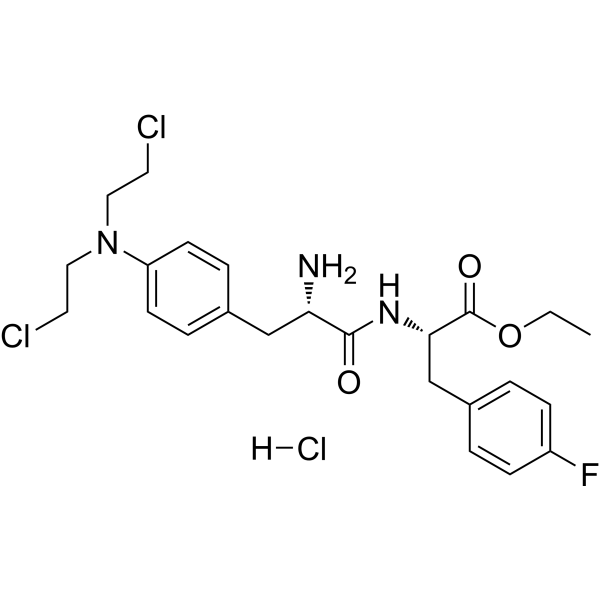
Melflufen (Melphalan flufenamide) hydrochloride, a dipeptide proagent of Melphalan, is an alkylating agent. Melflufen hydrochloride shows antitumor activity against multiple myeloma (MM) cells and inhibits angiogenesis. Melflufen hydrochloride induces irreversible DNA damage and cytotoxicity in MM cells .
|
-
-
- HY-U00279
-
|
|
DNA/RNA Synthesis
|
Cancer
|
|
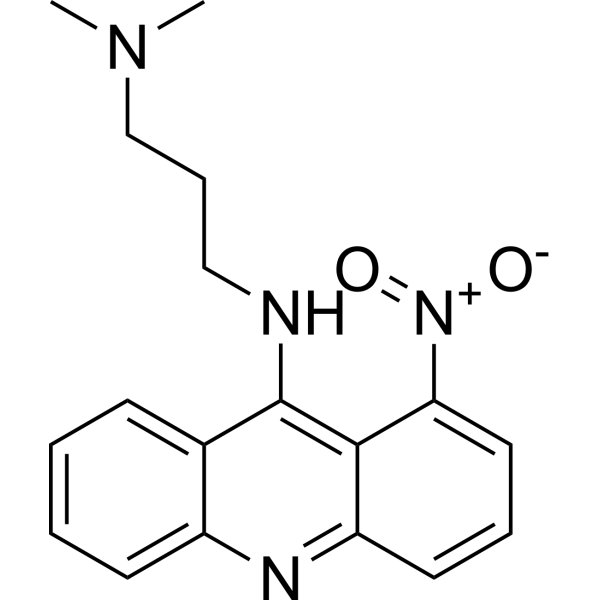
Nitracrine inhibits RNA synthesis and covalently, reversibly binds to DNA but also forms covalent adducts with DNA in vivo. Nitracrine, a 1-nitroacridine derivative, is a potent hypoxia-selective agent in vitro and antitumor agent. Nitracrine has cytotoxicity towards most cells .
|
-
-
- HY-145734
-
|
|
Microtubule/Tubulin
|
Cancer
|
|
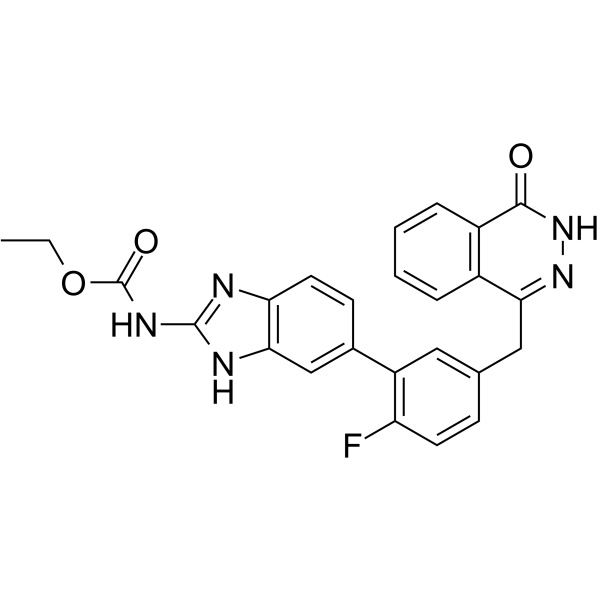
AMXI-5001 is a potent, orally active, and dual parp1/2 and microtubule polymerization inhibitor. MXI-5001 exhibits selective antitumor cytotoxicity across a wide variety of human cancer cells with much lower IC50s than existing clinical PARP1/2 inhibitors. AMXI-5001 induces complete regression of established tumors, including exceedingly large tumors .
|
-
-
- HY-100875A
-
|
CL-216942 dihydrochloride
|
Topoisomerase
|
Cancer
|
|
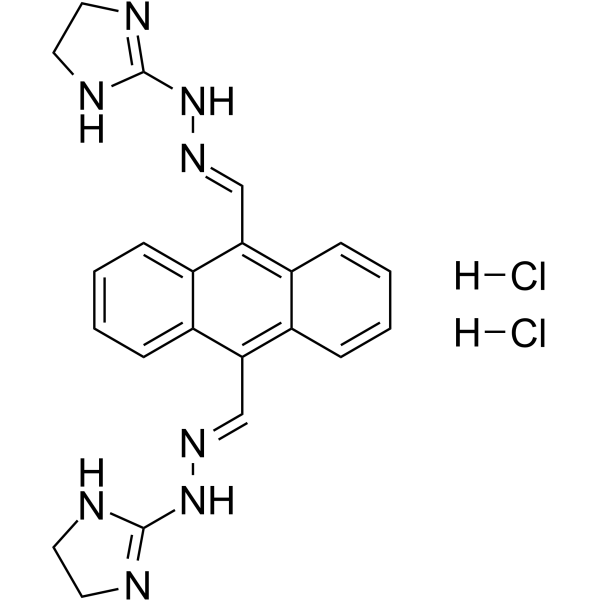
Bisantrene dihydrochloride is a highly effective antitumor agent, it exerts its cytotoxicity by affecting DNA intercalation. Bisantrene dihydrochloride targets eukaryotic type II topoisomerases. Bisantrene dihydrochloride is a substrate of MDR1 .
|
-
-
- HY-105019
-
|
Melphalan flufenamide
|
DNA Alkylator/Crosslinker
Apoptosis
|
Cancer
|
|
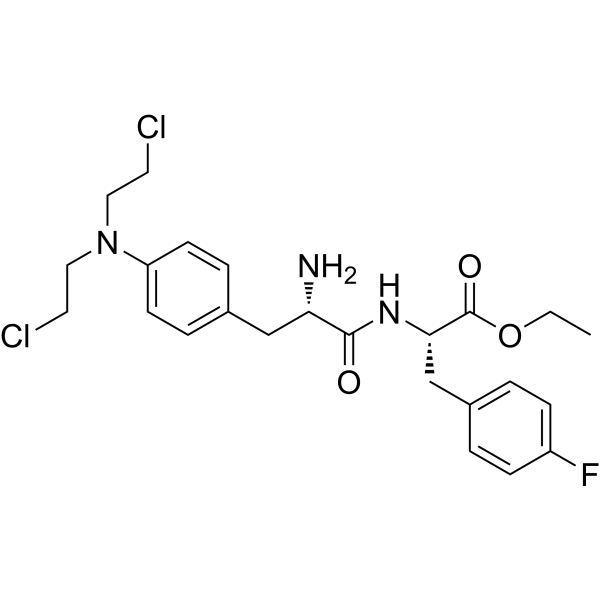
Melflufen (Melphalan flufenamide), a dipeptide proagent of Melphalan, is an alkylating agent. Melflufen shows antitumor activity against multiple myeloma (MM) cells and inhibits angiogenesis. Melflufen induces irreversible DNA damage and cytotoxicity in MM cells .
|
-
-
- HY-14949C
-
|
TTI-237 fumarate
|
Microtubule/Tubulin
|
Cancer
|
|
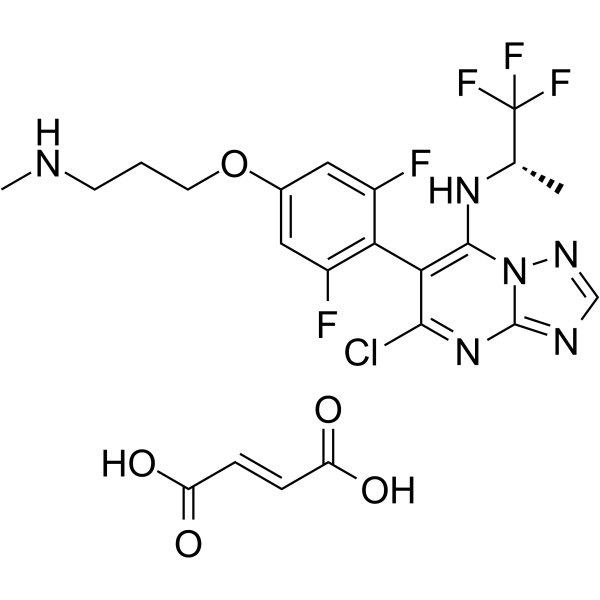
Cevipabulin fumarate (TTI-237 fumarate) is an oral, microtubule-active, antitumor compound and inhibits the binding of [ 3H]NSC 49842 to tubulin, with an IC50 of 18-40 nM for cytotoxicity in human tumor cell line .
|
-
-
- HY-149290
-
|
|
Prostaglandin Receptor
|
Cancer
|
|
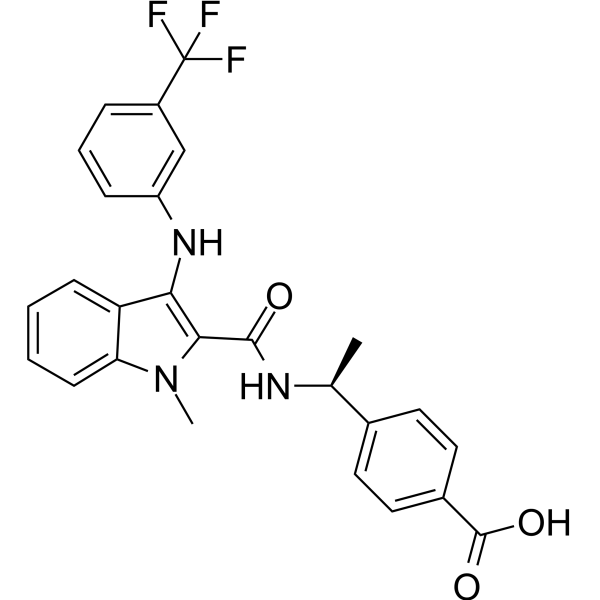
AMX12006 is a potent, selective and orally active EP4 antagonist with an IC50 value of 4.3 nM. AMX12006 shows cytotoxic and antitumor activity .
|
-
-
- HY-W011762
-
|
|
Apoptosis
|
Cancer
|
|
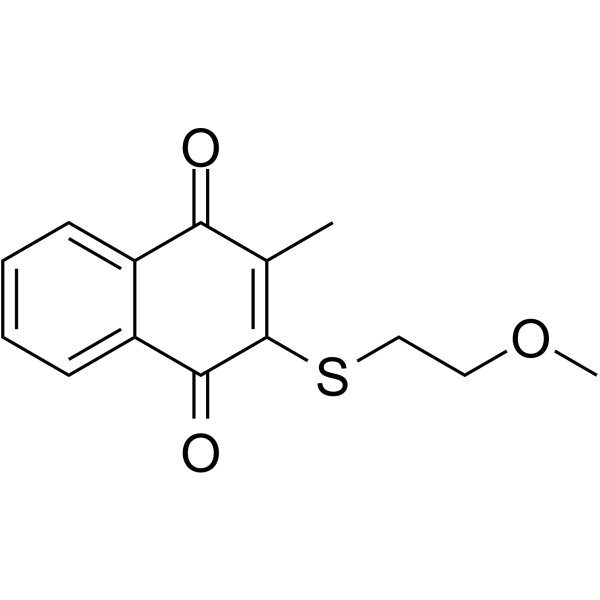
VK3-OCH3 is a potent antitumor agent. VK3-OCH3 shows cytotoxicity for neuroblastoma cell lines and low cytotoxicity for normal cell lines. VK3-OCH3 induces apoptosis and cell cycle arrest at G2/M phase in IMR-32 cells. VK3-OCH3 shows antitumor activity .
|
-
-
- HY-101150
-
|
|
DNA Alkylator/Crosslinker
ADC Payload
|
Cancer
|
|
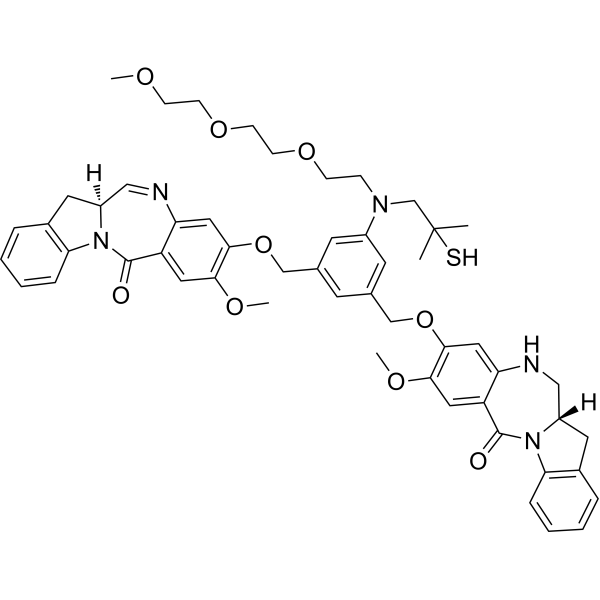
DGN462, a potent DNA-alkylating agent, shows anti-tumor activity, such as acute myeloid leukemia (AML). DGN462 can be used as a cytotoxic component of antibody-drug conjugates (ADCs) .
|
-
-
- HY-122493
-
|
|
DNA Alkylator/Crosslinker
Apoptosis
|
Cancer
|
|
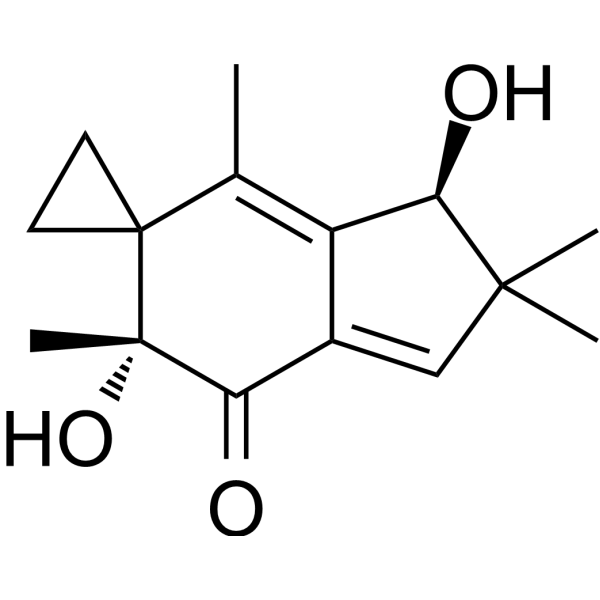
Illudin M is a cytotoxic fungal sesquiterpene that can be isolated from the culture medium of Omphalotus illudens mushrooms. Illudin M can alkylate DNA. Illudin M has anti-tumor activities .
|
-
-
- HY-N15458
-
|
|
Apoptosis
|
Cancer
|
|
5,6,7,8,4'-Pentahydroxyflavone (Compound 2b) is a flavonoid with antitumor activity. 5,6,7,8,4'-Pentahydroxyflavone exerts cytotoxic effects via inhibiting cell proliferation and inducing apoptosis .
|
-

-
- HY-164107
-
|
|
ADC Payload
Microtubule/Tubulin
|
Cancer
|
|
Auristatin S is an Auristatin payload with potent antitumor activity. Auristatin S attenuates bystander activity with improved off-target toxicity. Auristatin S has excellent tolerability in Karpas/KarpasBVR cell models. Auristatin S can be used as a cytotoxic component of antibody-drug conjugates (ADCs) to treat several different cancer types .
|
-

-
- HY-N7596
-
|
|
Others
|
Cancer
|
|
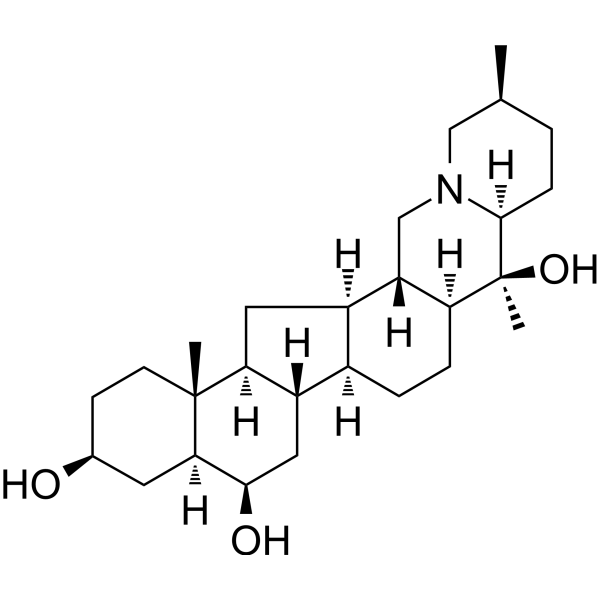
Isoverticine, a bioactive isosteroidal alkaloid isolated from bulbus of Fritillaria pallidiflora, displays significant cytotoxicity .
|
-
-
- HY-135533
-
|
Aburamycin A
|
Autophagy
|
Cancer
|
|
Chromomycin A2 (Aburamycin A) has cytotoxicity and induces autophagy. Chromomycin A2 has anti-tumor activity and can be used in cancer research .
|
-

-
- HY-14944R
-
|
Omacetaxine mepesuccinate (Standard); HHT (Standard)
|
Reference Standards
STAT
|
Cancer
|
|
Homoharringtonine (Standard) is the analytical standard of Homoharringtonine. This product is intended for research and analytical applications. Homoharringtonine (Omacetaxine mepesuccinate;HHT) is a cytotoxic alkaloid with antitumor properties which acts by inhibiting translation elongation.
|
-

-
- HY-50751R
-
|
ABT-869 (Standard); AL-39324 (Standard)
|
PDGFR
VEGFR
FLT3
c-Fms
c-Kit
Autophagy
Apoptosis
Reference Standards
|
Cancer
|
|
Linifanib (Standard) is the analytical standard of Linifanib. This product is intended for research and analytical applications. Linifanib (ABT-869) is a potent and orally active multi-target inhibitor of VEGFR and PDGFR family with IC50s of 4, 3, 66, and 4 nM for KDR, FLT1, PDGFRβ, and FLT3, respectively. Linifanib shows prominent antitumor activity. Linifanib has much less activity against unrelated RTKs, soluble tyrosine kinases, or serine/threonine kinases. Linifanib is a specific miR-10b inhibitor that blocks miR-10b biogenesis .
|
-

-
- HY-128899
-
|
|
Drug-Linker Conjugates for ADC
|
Cancer
|
|
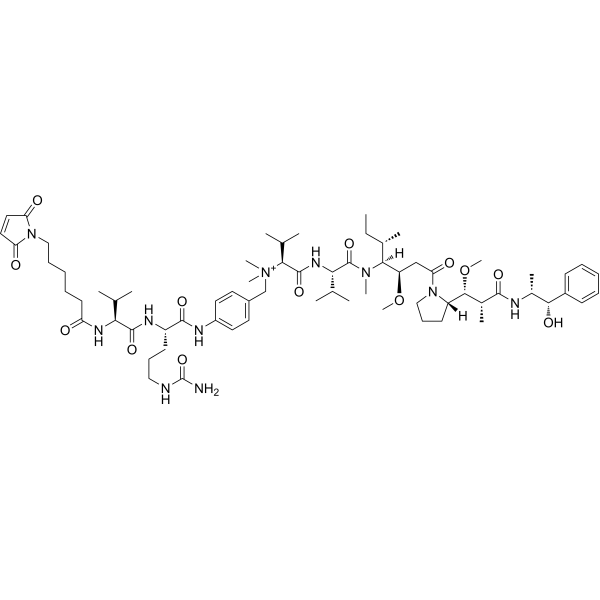
MC-Val-Cit-PAB-Auristatin E is a agent-linker conjugate for ADC with potent antitumor activity by using Auristatin E (a cytotoxic tubulin modifier), linked via the ADC linker MC-Val-Cit-PAB.
|
-
-
- HY-P9968A
-
|
|
EGFR
|
Cancer
|
|
Nimotuzumab (powder) is a humanized IgG1 monoclonal antibody targeting EGFR with a KD value of 0.21 nM. Nimotuzumab (powder) is directed against the extracellular domain of the EGFR blocking the binding to its ligands. Nimotuzumab (powder), a strong antitumor agent, is cytolytic on target tumors by its capacity to cause antibody dependent cell mediated cytotoxicity (ADCC) and complement dependent cytotoxicity (CDC) .
|
-

-
- HY-118942
-
|
ARC 111
|
Topoisomerase
|
Cancer
|
|
Topovale (ARC 111) is a topoisomerase I inhbitor. Topovale is an antitumor agent, and shows low nM cytotoxicity against a panel of cancer cells. Topovale induces reversible topoisomerase I (TOP1) cleavage complexes in tumor cells .
|
-

-
- HY-116786
-
|
|
Drug Derivative
|
Cancer
|
|
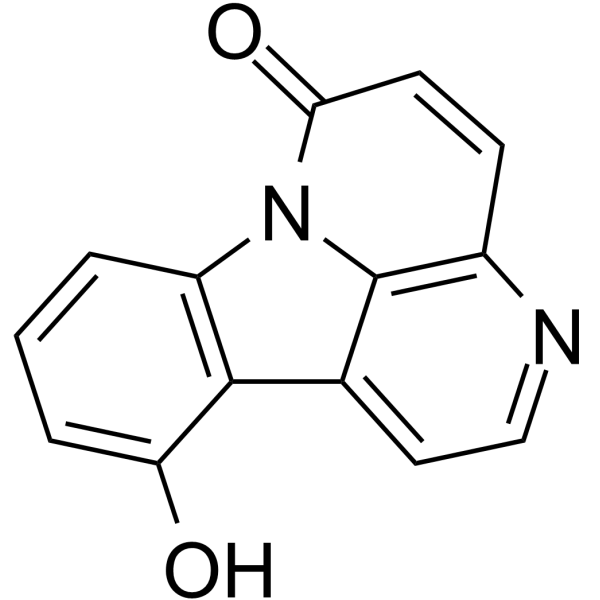
11-Hydroxycanthin-6-one, a canthin-6-one (HY-N3536) alkaloid, is an antitumor agent which shows potent cytotoxic activity .
|
-
-
- HY-163515
-
|
|
Ras
|
Cancer
|
|
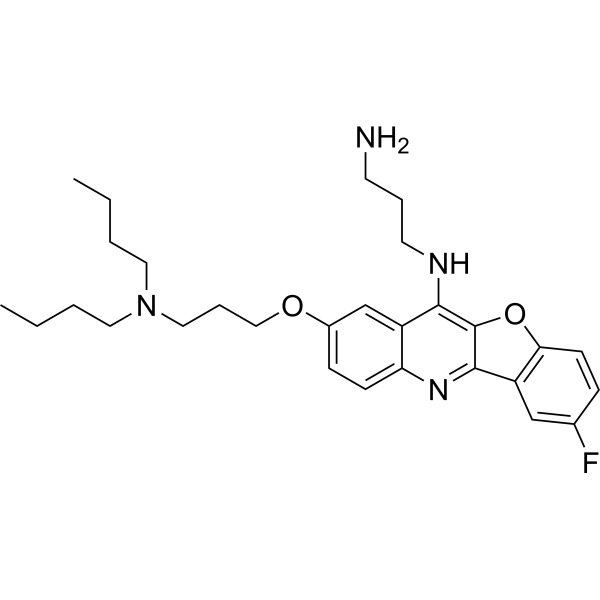
Anticancer agent 207 (compound 10b) is a potent anticancer agent. Anticancer agent 207 bounds to the NRAS rG4 with a KD value of 2.31 µM. Anticancer agent 207 shows cytotoxicity and decreases the expression of NRAS protein. Anticancer agent 207 shows antitumor activity .
|
-
-
- HY-128952G
-
|
SG3249
|
Drug-Linker Conjugates for ADC
DNA Alkylator/Crosslinker
|
Cancer
|
|
Tesirine (GMP) (SG3249 (GMP)) is Tesirine (HY-128952) produced by using GMP guidelines. GMP small molecules works appropriately as an auxiliary reagent for cell therapy manufacture. Tesirine (SG3249) is an antibody-drug conjugate (ADC) pyrrolobenzodiazepine (PBD) dimer payload. Tesirine combines potent antitumor activity with desirable physicochemical properties such as favorable hydrophobicity and improved conjugation characteristics. SG3199 (HY-101161) is the released warhead component of the ADC payload Tesirine. SG3199 retains picomolar activity in a panel of cancer cell lines. PBD dimers are highly efficient DNA minor groove cross-linking agents with potent cytotoxicity .
|
-

-
- HY-N16377
-
|
|
Others
|
Cancer
|
|
1-Butyl-3,5,8-trihydroxy-9,10-anthracenedione (Compound 2) is an anthraquinone analog. 1-Butyl-3,5,8-trihydroxy-9,10-anthracenedione can be isolated from soil Actinomycete Streptomyces. 1-Butyl-3,5,8-trihydroxy-9,10-anthracenedione has potent cytotoxicity against HepG2, A875, BGC-823 and MCF-7 cells with IC50s of 2.29, 4.90, 0.99 and 1.66 μg/mL, respectively. 1-Butyl-3,5,8-trihydroxy-9,10-anthracenedione has an antitumor activity .
|
-

-
- HY-176738
-
|
|
Apoptosis
Reactive Oxygen Species (ROS)
|
Cancer
|
|
Antitumor agent-204 (compound 15a) is a potent antitumor agent. Antitumor agent-204 shows cytotoxicity. Antitumor agent-204 induces nitric oxide (NO) release and reactive oxygen species (ROS) generation. Antitumor agent-204 induces apoptosis and induces cell cycle arrest at G2/M phase. Antitumor agent-204 shows antitumor activity .
|
-

-
- HY-16401
-
|
PM00104
|
Apoptosis
|
Cancer
|
|
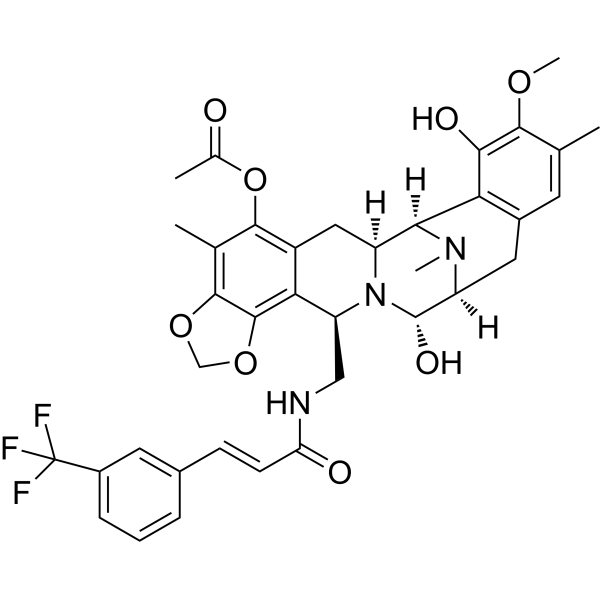
Zalypsis (PM00104) has anti-tumor activity. Zalypsis binds to DNA and shows cytotoxicity. Zalypsis inhibits cell cycle and transcription, and leads to double stranded DNA breaks .
|
-
-
- HY-W004698
-
|
|
Drug Intermediate
|
Others
|
|
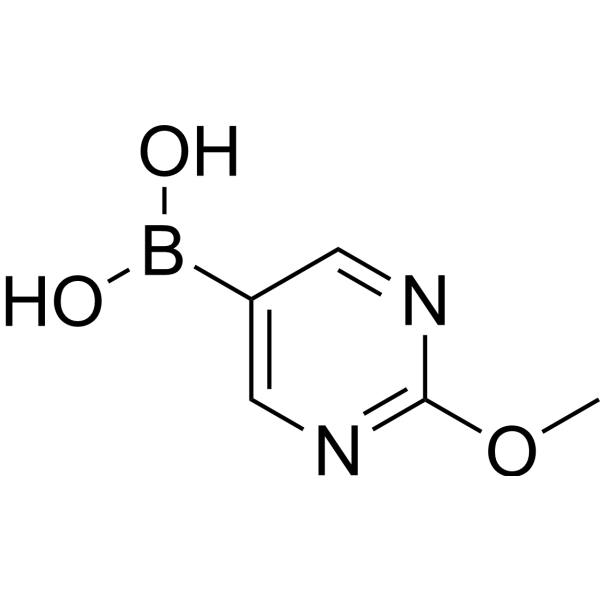
(2-Methoxypyrimidin-5-yl)boronic acid is a drug intermediate that can serve as a key reactant in the Suzuki-Miyaura coupling reaction, and is used for the synthesis of isoquinoline ketone derivatives with anti-tumor activity .
|
-
-
- HY-145989
-
|
|
Drug-Linker Conjugates for ADC
Microtubule/Tubulin
|
Cancer
|
|
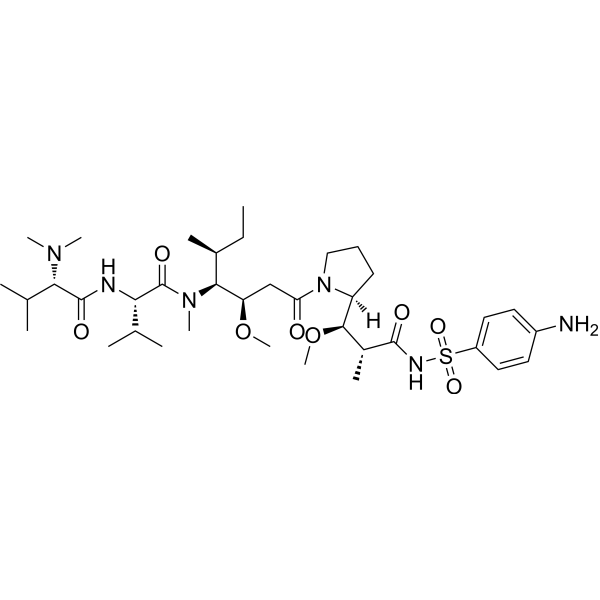
Aminobenzenesulfonic auristatin E is a agent-linker conjugate for ADC. Aminobenzenesulfonic auristatin E has potent antitumor activity by using Auristatin E (a cytotoxic tubulin modifier), linked via the ADC linker Aminobenzenesulfonic .
|
-
-
- HY-N1318R
-
-

-
- HY-149839
-
|
|
Apoptosis
|
Cancer
|
|
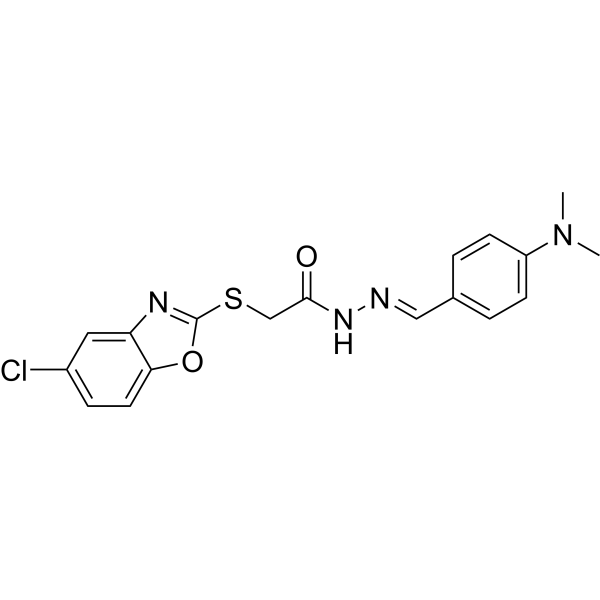
Antitumor agent-112 (compound 3a) is a potent antitumor agent. Antitumor agent-112 induces apoptosis. Antitumor agent-112 has cytotoxic activity on A549 cells with an IC50 value of 91.35 μM .
|
-
-
- HY-151295
-
|
|
DNA/RNA Synthesis
|
Cancer
|
|
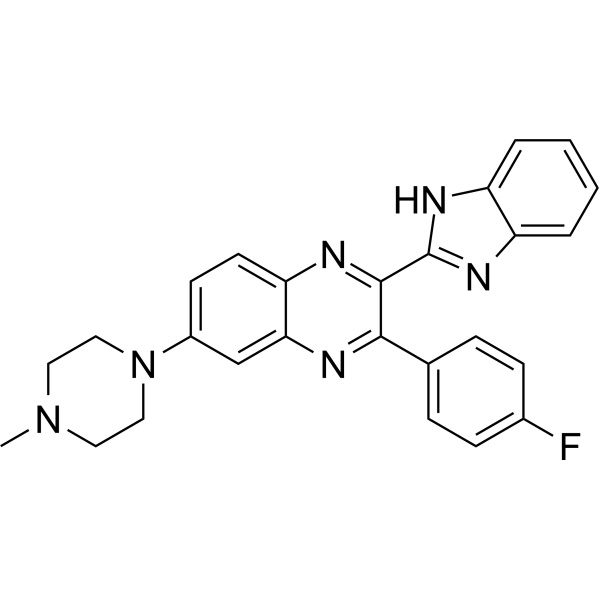
Antitumor agent-75 is a novel potent antitumor agent. Antitumor agent-75 has cytotoxic effects on cancer and normal human cell lines. Antitumor agent-75 shows a highly selective cytotoxic effect against human lung adenocarcinoma (cell line A549) when combined with Antitumor agent-74 (HY-151292), the IC50 value of 2.8 μM. Antitumor agent-75 can be used for the research of cancer .
|
-
-
- HY-162560
-
|
|
LXR
|
Cancer
|
|
Antitumor agent-162 (compound 52a) is a potent and orally active antitumor agent. Antitumor agent-162 shows cytotoxicity .
|
-

-
- HY-N14410
-
|
|
Antibiotic
Bacterial
|
Infection
Cancer
|
|
Clecarmycin C is an antitumor antibiotic. Clecarmycin C shows cytotoxicity and antitumor activity. Clecarmycin C shows antimicrobial activity .
|
-

-
- HY-136293
-
|
|
Apoptosis
|
Cancer
|
|
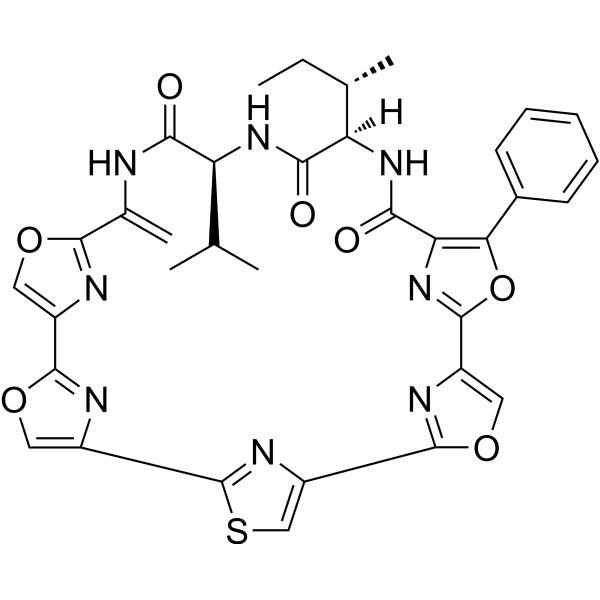
Mechercharmycin A is a cytotoxic substance isolated from marine-derived Thermoactinomyces sp. YM3-251. Mechercharmycin A exhibits relatively strong antitumor activity .
|
-
-
- HY-115949
-
|
|
HSP
|
Cancer
|
|
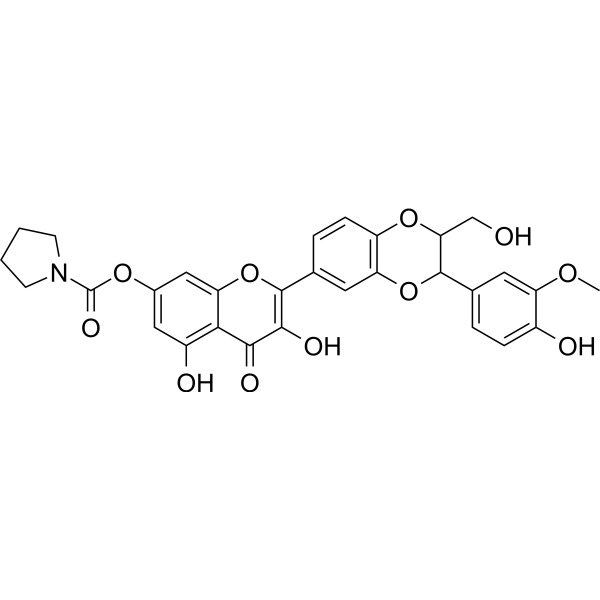
Antitumor agent-47 (Compound 3e) is a silibinin derivative with an antitumor activity. Antitumor agent-47 shows cytotoxic activity against NCI-H1299 and HT29 cells with IC50 values of 8.07 µM and 6.27 µM, respectively .
|
-
-
- HY-115950
-
|
|
Drug Derivative
|
Cancer
|
|
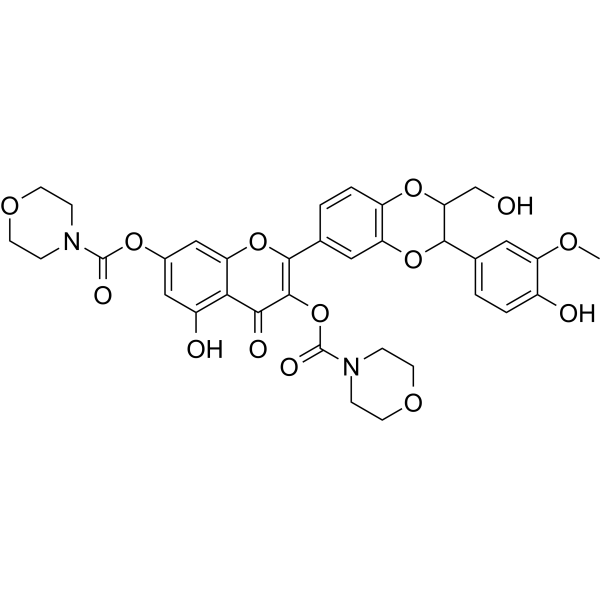
Antitumor agent-48 (Compound 4a) is a 2,3-dehydrosilybin derivative with an antitumor activity. Antitumor agent-48 shows cytotoxic activity against MCF-7, NCI-H1299, HepG2 and HT29 cells with IC50 values of 8.06 µM, 13.1 µM, 16.51 µM and 12.44 µM, respectively .
|
-
-
- HY-146438
-
|
|
PPAR
|
Cancer
|
|
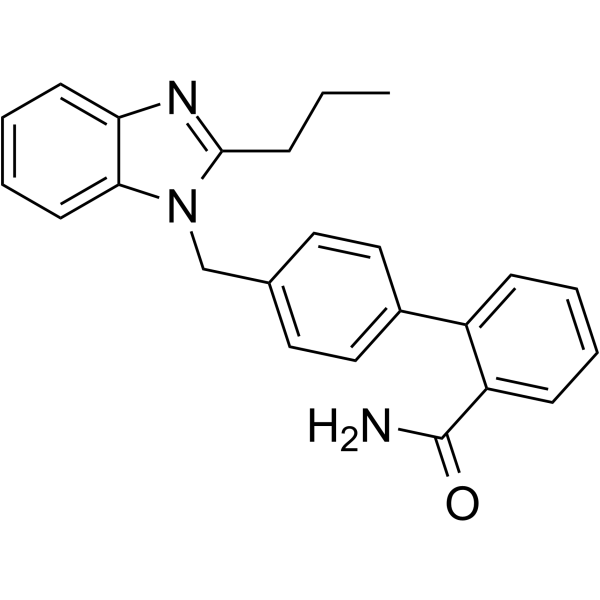
PPARγ agonist 3 (Compound 18a) is a potent and selective agonist of PPARγ. PPARγ agonist 3 is not cytotoxic neither on non-resistant nor on resistant cells. PPARγ agonist 3 exerts antitumor potency only in combination with Imatinib .
|
-
- HY-146439
-
|
|
PPAR
|
Cancer
|
|
PPARγ agonist 4 (Compound 18b) is a potent and selective agonist of PPARγ. PPARγ agonist 4 is not cytotoxic neither on non-resistant nor on resistant cells. PPARγ agonist 4 exerts antitumor potency only in combination with Imatinib .
|
-
- HY-N10542
-
|
|
Others
|
Cancer
|
|
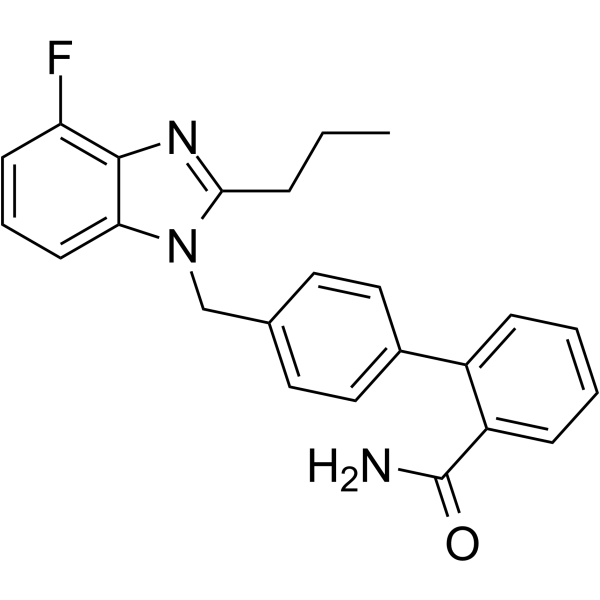
Aplyronine C is an active compound. Aplyronine C shows potent antitumor activity and has cytotoxicity against HeLa-S3 cells with an IC50 values of 22 nM. Aplyronine C can be used for the research of cancer .
|
-
- HY-N10541
-
|
|
Others
|
Cancer
|
|
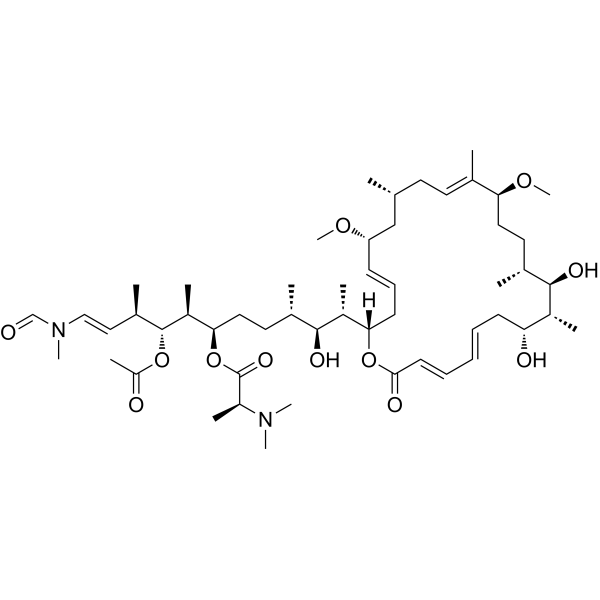
Aplyronine B is an active compound. Aplyronine B shows potent antitumor activity and has cytotoxicity against HeLa-S3 cells with an IC50 values of 2.9 nM. Aplyronine B can be used for the research of cancer .
|
-
- HY-123325
-
|
|
Antibiotic
Bacterial
|
Infection
Cancer
|
|
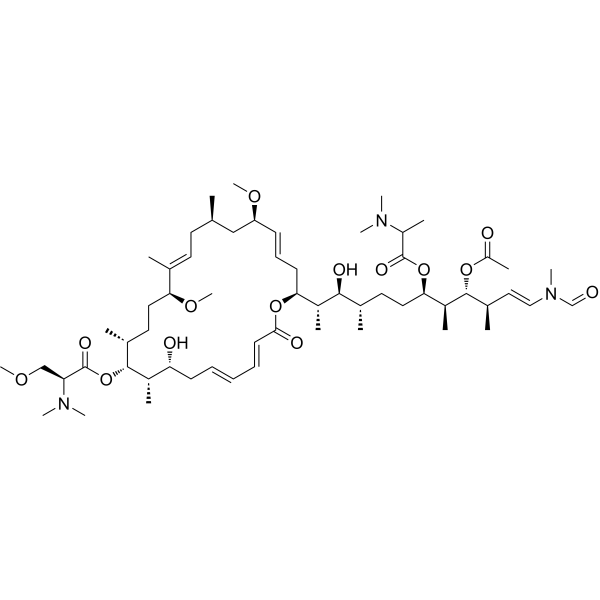
Kapurimycin A1 is an anbitiotic that can be isolated from Streptomyces. Kapurimycin A1 has a significant inhibitory effect on Gram-positive bacteria, exhibits cytotoxicity to cultured mammalian cells, and shows strong antitumor activity against the mouse leukemia P388 cell line .
|
-

- HY-N8394
-
|
|
Others
|
Cancer
|
|
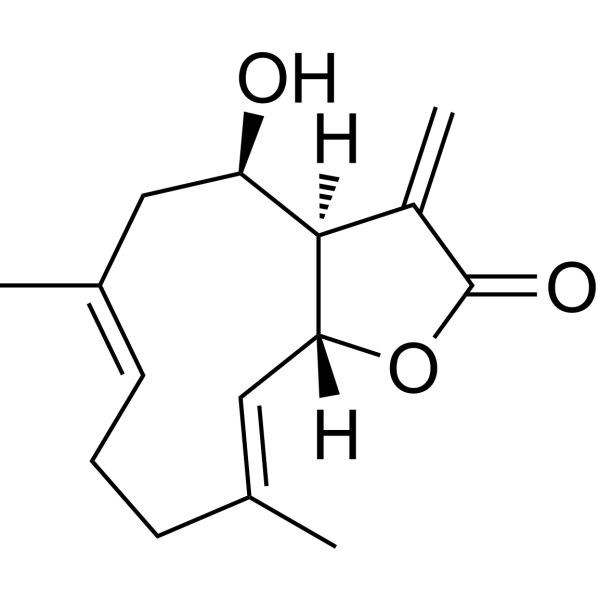
Eupatolide is an antitumor agent that can be isolated from Eupatorium formosanum. Eupatolide has cytotoxic activity and inhibits human epidermoid carcinoma of larynx cell growth in vitro .
|
-
- HY-U00279A
-
|
|
DNA/RNA Synthesis
|
Cancer
|
|
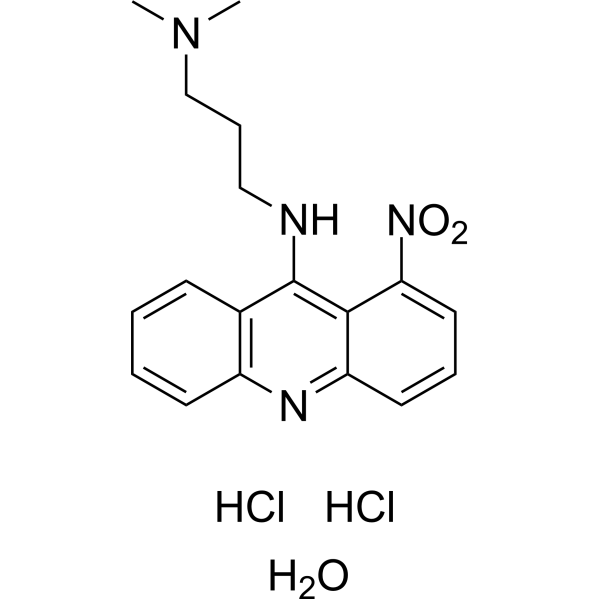
Nitracrine dihydrochloride hydrate inhibits RNA synthesis and covalently, reversibly binds to DNA but also forms covalent adducts with DNA in vivo. Nitracrine dihydrochloride hydrate, a 1-nitroacridine derivative, is a potent hypoxia-selective agent in vitro and antitumor agent. Nitracrine dihydrochloride hydrate has cytotoxicity towards most cells .
|
-
- HY-N8646
-
|
|
Others
|
Cancer
|
|
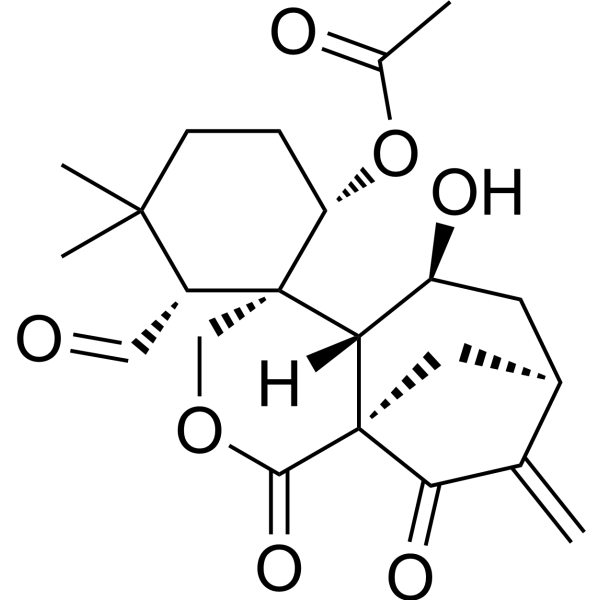
Isodonal is a N-pentane diterpene compound with potential cytotoxic, antitumor, inhibitory oxidative phosphorylation and antiingestion activities. Isodonal can be isolated from the leaves of Isodon wikstroemioides and is used in the study of gastrointestinal diseases, anti-tumor and anti-inflammatory .
|
-
- HY-U00279B
-
|
|
DNA/RNA Synthesis
|
Cancer
|
|
Nitracrine hydrochloride is a platinum-based antineoplastic drug with selective toxicity to hypoxic cells. Nitracrine hydrochloride exhibits significant cytotoxicity against the Chinese hamster ovary cell line AA8 under hypoxic conditions. Nitracrine hydrochloride exerts its effect by binding to the insertion of DNA and forming covalent adducts. The cytotoxicity of Nitracrine hydrochloride under hypoxic conditions is related to its reductive metabolism to form alkylated substances. At the same time, it may enhance the reactivity to DNA through the insertion of DNA, thereby improving the efficacy. Nitracrine hydrochloride can also inhibit RNA synthesis, contributing to its anti-tumor effect .
|
-

- HY-N0750R
-
|
Crotaline (Standard)
|
Reference Standards
Others
|
Metabolic Disease
Cancer
|
Monocrotaline is an 11-membered macrocyclic pyrrolizidine alkaloid. Monocrotaline inhibits OCT-1 and OCT-2 with IC50s of 36.8 µM and 1.8 mM, respectively. Monocrotaline has antitumor activity and is cytotoxic to hepatocellular carcinoma cells. Monocrotaline is used to induce a model of pulmonary hypertension in rodents. .
|
-

- HY-145734A
-
|
|
Microtubule/Tubulin
|
Cancer
|
|
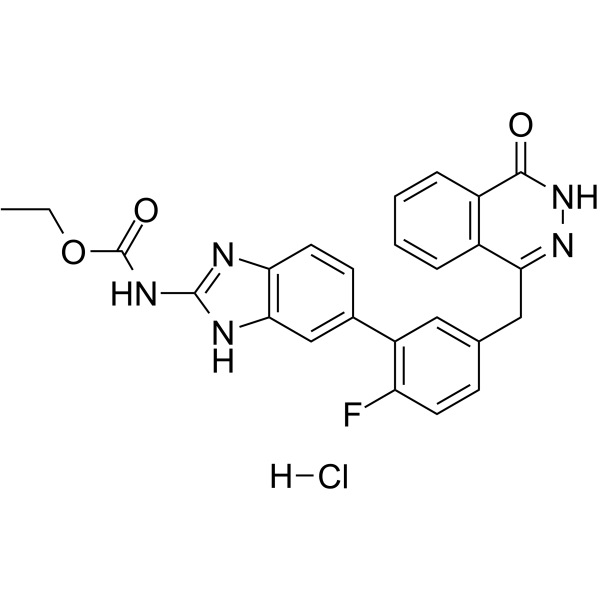
AMXI-5001 hydrochloride is a potent, orally active, and dual parp1/2 and microtubule polymerization inhibitor. MXI-5001 hydrochloride exhibits selective antitumor cytotoxicity across a wide variety of human cancer cells with much lower IC50s than existing clinical PARP1/2 inhibitors. AMXI-5001 hydrochloride induces complete regression of established tumors, including exceedingly large tumors .
|
-
- HY-N12198
-
|
|
Others
|
Cancer
|
|
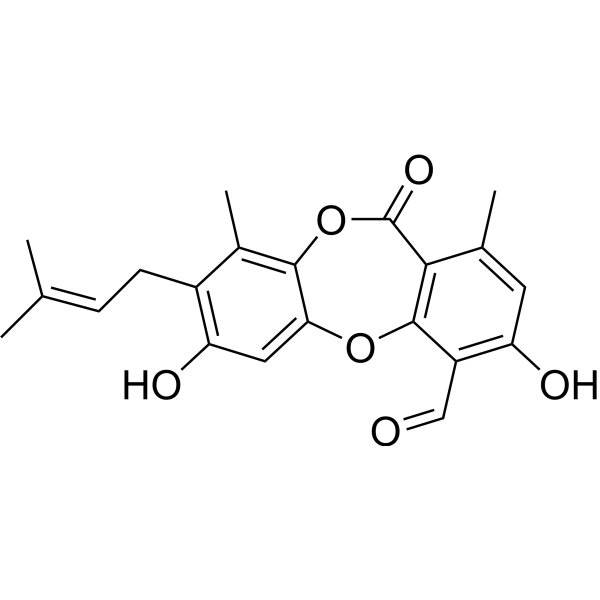
Mollicellin H is a secondary metabolite of the fungus C. brasiliense and has a wide range of biological activities, including immunomodulation, cytotoxicity and anti-tumor effects. The growth inhibitory effects (GI50s) of Mollicellin H on human breast cancer (Bre04), human lung (Lu04) and human neuroma (N04) cell lines are 5.1 μg/mL, 6.5 μg/mL and 2.5 μg/mL respectively .
|
-
- HY-N14085
-
-

- HY-146740
-
|
|
PD-1/PD-L1
|
Cancer
|
|
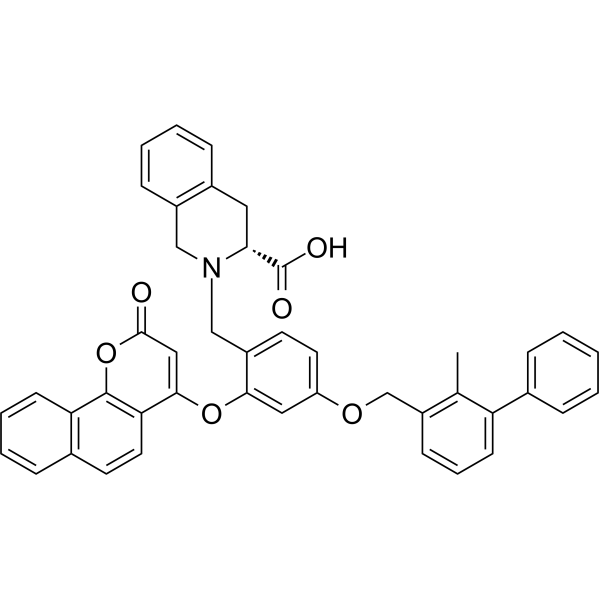
PD-1/PD-L1-IN-27 is a potent PD-1/PD-L1 inhibitor with an IC50 value of 134 nM. PD-1/PD-L1-IN-27 shows antitumor effects with low T cell cytotoxicity. PD-1/PD-L1-IN-27 has the ability to activate CD8 + T cells and reduces T cell exhaustion .
|
-
- HY-N14087
-
-

- HY-N15580
-
|
(-)-Turneforcidine
|
Others
|
Cancer
|
|
Turneforcidine ((-)-Turneforcidine) is a pyrrolizidine alkaloid with antitumor and cytotoxic activity .
|
-

- HY-N14086
-
-

- HY-N13878
-
-

- HY-153051
-
|
|
Drug Intermediate
|
Cancer
|
|
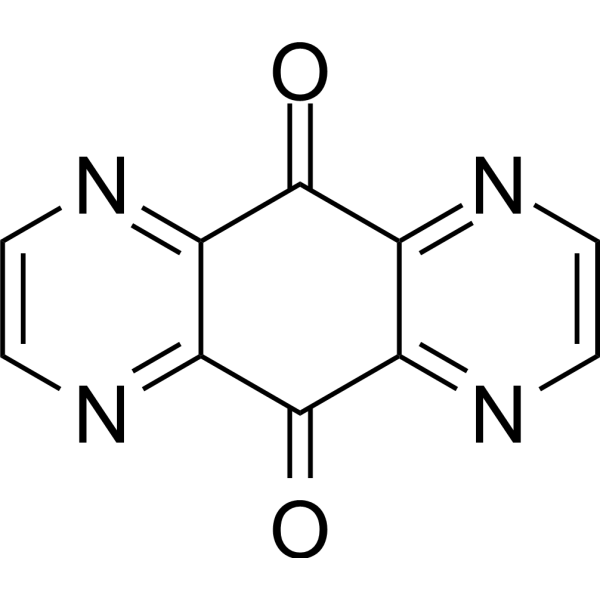
Antitumor agent-90 (Compound 17) has cytotoxicity against PC 14 cell and MKN 45 cell. Antitumor agent-90 can be used for cancer research .
|
-
- HY-145908
-
|
|
NO Synthase
|
Cancer
|
|
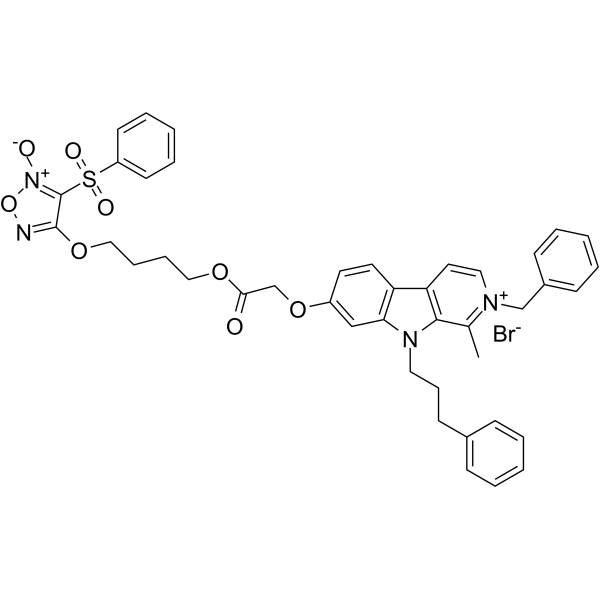
Antitumor agent-49 (Compound 10) is a Harmine derivative-furoxan hybrids containing NO donor, with antitumor activities. Antitumor agent-49 shows cytotoxic activity against HepG2 cells with an IC50 of 1.79 µM. Antitumor agent-49 produces high levels of NO in vitro .
|
-
- HY-117412
-
|
|
Drug Derivative
|
Cancer
|
|
KCG 1 is a potent and selective anti-tumor agent that displays anti-prollferative and cytotoxic effects on epithelial tumoral cells .
|
-

- HY-147538
-
|
|
Apoptosis
|
Cancer
|
|
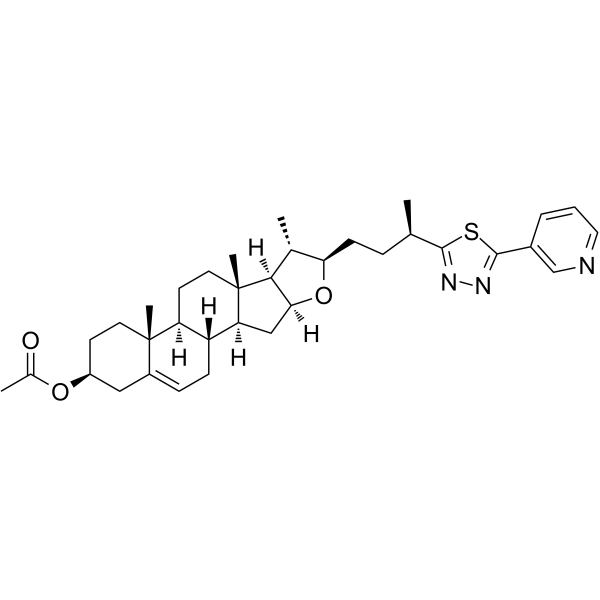
Antitumor agent-64 (Compound 8d) is a diosgenin derivative. Antitumor agent-64 exhibits potent cytotoxic activity against A549 cell line. Antitumor agent-64 induces A549 cells apoptosis via the mitochondria-related pathway .
|
-
- HY-149840
-
|
|
Apoptosis
|
Cancer
|
|
Antitumor agent-113 shows cytotoxic effects on A549 cells with IC50 value of 46.60 μM and induces apoptosis. Antitumor agent-113 can be used in non-small cell lung cancer study .
|
-
- HY-N1318S
-
-
- HY-126218
-
|
|
HSV
|
Cancer
|
|
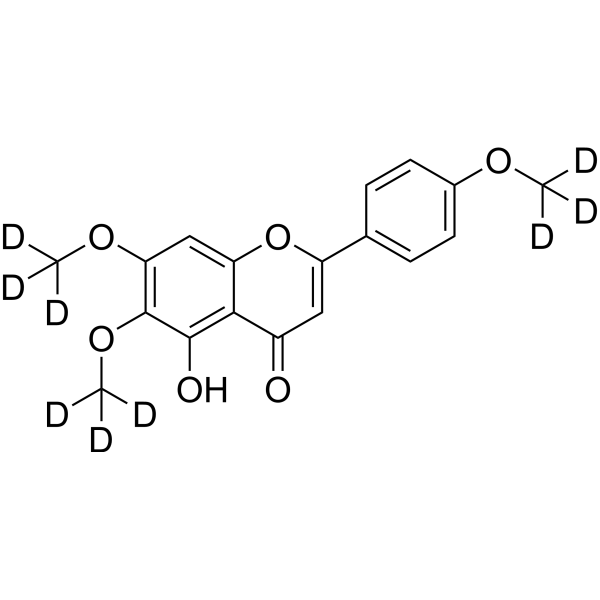
HSV-TK substrate is a substrate for HSV-TK, and induces multi-log cytotoxicity in HSV-TK-expressing and bystander cells. HSV-TK substrate shows antitumor activity .
|
-
- HY-N1265
-
|
|
Others
|
Cancer
|
|
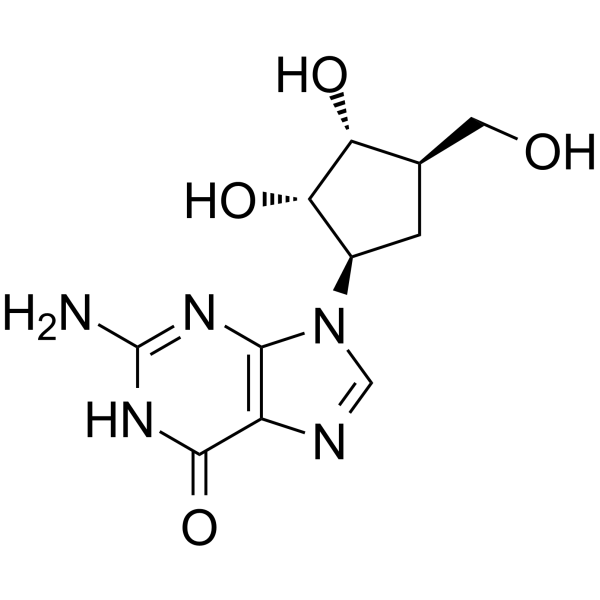
Scutebata A is a diterpenoid isolated from Scutellaria barbata that exhibits antitumor activity. Scutebata A is weakly cytotoxic against SK-BR-3 with an IC50 value of 15.2 μM .
|
-
- HY-126954
-
|
|
Antibiotic
Bacterial
|
Infection
Cancer
|
|
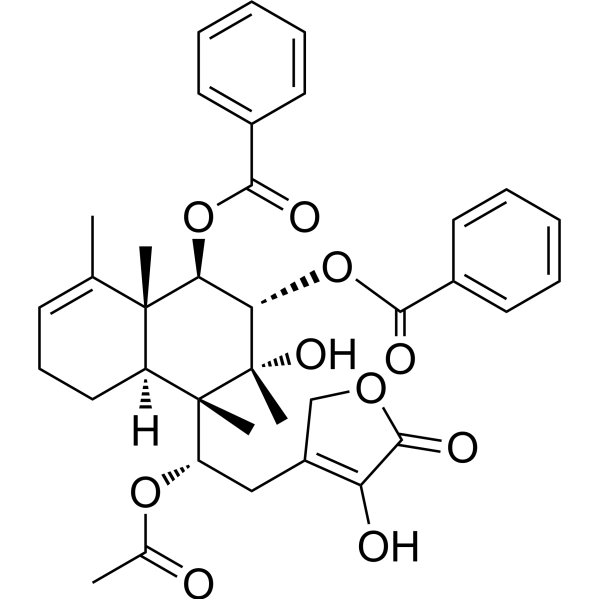
13-Deoxycarminomycin is an antibiotic with antibacterial activity. 13-Deoxycarminomycin also exhibits cytotoxicity against tumor cells such as HeLa and P388, and can play an anti-tumor role .
|
-

- HY-149015
-
|
|
Farnesyl Transferase
|
Cancer
|
|
FTase-IN-1 (compound 17a) is a potent and specific inhibitor of fanesyl transferase (FTase) with an IC50 of 0.35 μM. FTase-IN-1 displays cytotoxicity potential and antitumor activity .
|
-
- HY-W326094
-
|
GOE 1734; PD 104 208; NSC 328786
|
DNA/RNA Synthesis
|
Cancer
|
|
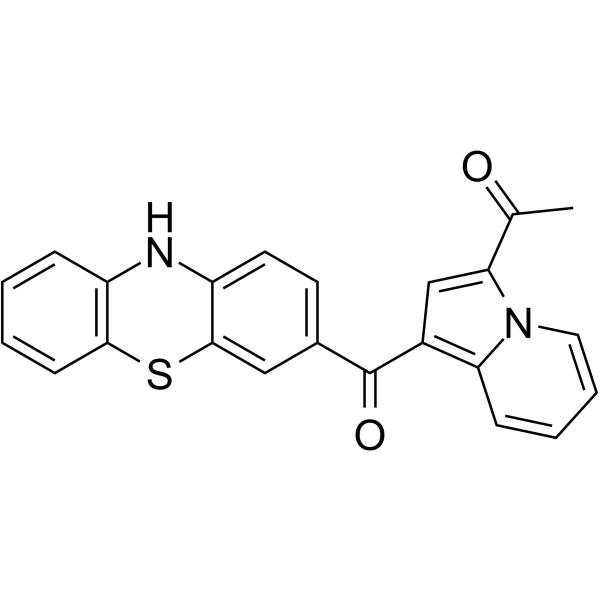
Dinaline (GOE 1734; PD 104 208; NSC 328786) is a potent and orally activity anticancer agent. Dinaline shows cytotoxicity and antitumor activity. Dinaline has the potential for the research of colorectal cancer .
|
-

- HY-N14822
-
|
|
Antibiotic
Bacterial
|
Infection
Cancer
|
|
4-O-Demethyl-11-deoxydoxorubicin is an anthracycline antibiotic with antibacterial and antitumor activities. 4-O-Demethyl-11-deoxydoxorubicin is cytotoxic to Hela cells .
|
-

- HY-N10539
-
|
|
Others
|
Cancer
|
|
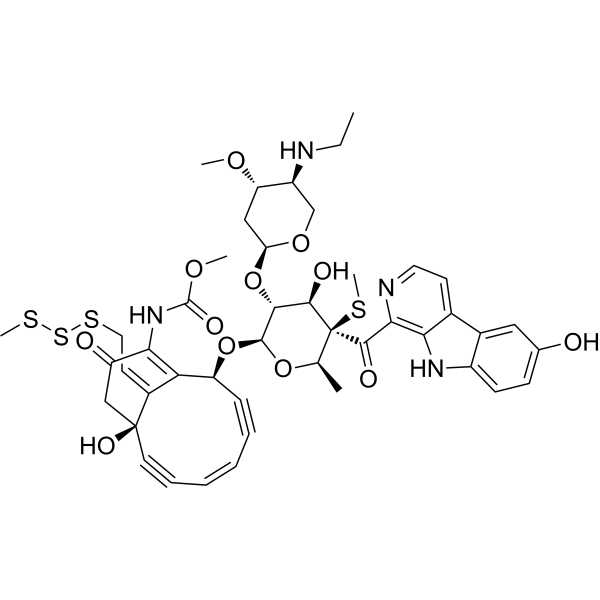
Shishijimicin C is a novel antitumor agent found from the Ascidian Didemnum proliferum. Shishijimicin C shows anti-tumor activity with highly potent cytotoxicities . Shishijimicin C is a click chemistry reagent, it contains an Alkyne group and can undergo copper-catalyzed azide-alkyne cycloaddition (CuAAc) with molecules containing Azide groups.
|
-
- HY-133207
-
|
|
Microtubule/Tubulin
|
Cancer
|
|
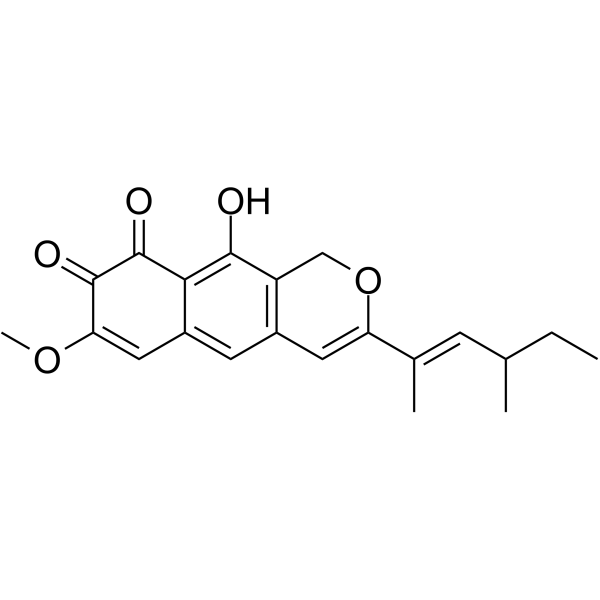
Myoseverin B is a microtubule assembly inhibitor capable of inhibiting the polymerization of tubulin (IC50 = 2 μM) and exhibiting low cytotoxicity in most cell types. Myoseverin B can be used in research as an antitumor agent .
|
-

- HY-N10332
-
|
|
Proteasome
|
Cancer
|
|
Leptosphaerodione, isolated from Remotididymella sp. Fungus, is a potent ubiquitin-proteasome system (UPS) inhibitor. Leptosphaerodione exhibits cytotoxicity in HeLa cells with IC50 value of 3.2 μM. Anti-tumor agent .
|
-
- HY-158436
-
|
|
Microtubule/Tubulin
Autophagy
Apoptosis
|
Cancer
|
|
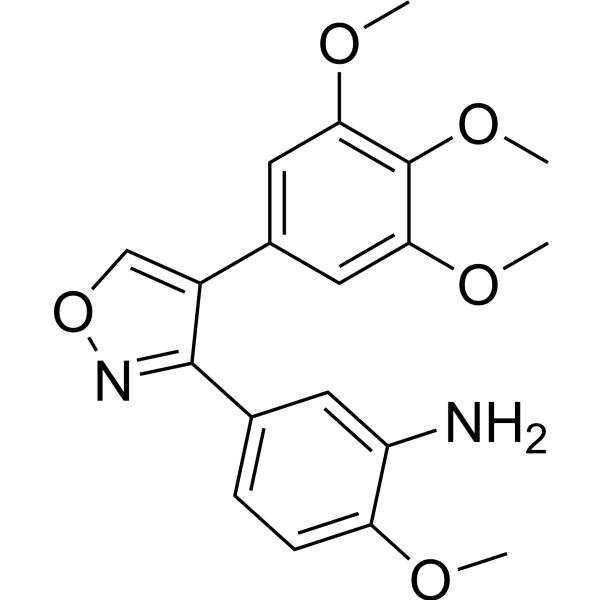
Antitumor agent-155 (Compound 13) inhibits microtubule polymerization, induces autophagy and apoptosis. Antitumor agent-155 shows cytotoxicity against HCT116, A549, AGS, SK-MES-1 cells with IC50s of 0.227, 0.253, 0.574, 0.423 μM respectively .
|
-

- HY-163195
-
|
|
Microtubule/Tubulin
|
Cancer
|
|
Tubulin inhibitor 40 (compound 45) is a tubulin inhibitor with IC50 of 1.2 μM. Tubulin inhibitor 40 shows selective cytotoxicity towards cancer cells. Tubulin inhibitor 40 processes antitumor activity .
|
-
- HY-145989A
-
|
|
Drug-Linker Conjugates for ADC
Microtubule/Tubulin
|
Cancer
|
|
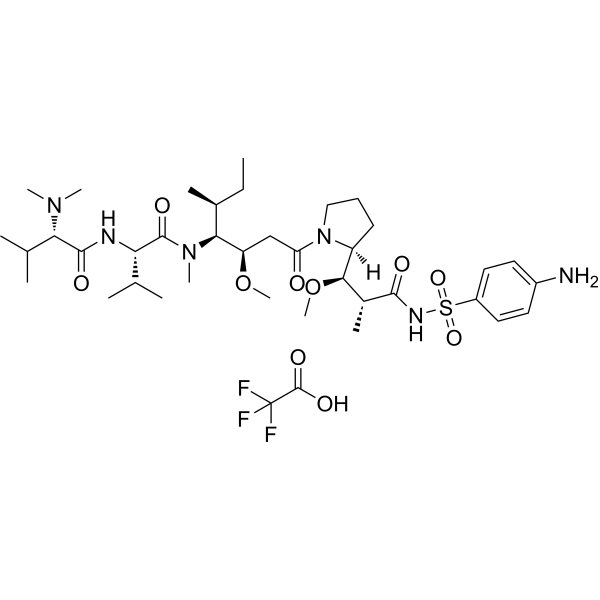
Aminobenzenesulfonic auristatin E TFA is a agent-linker conjugate for ADC. Aminobenzenesulfonic auristatin E TFA has potent antitumor activity by using Auristatin E (a cytotoxic tubulin modifier), linked via the ADC linker Aminobenzenesulfonic .
|
-
- HY-162396
-
|
|
P-glycoprotein
|
Cancer
|
|
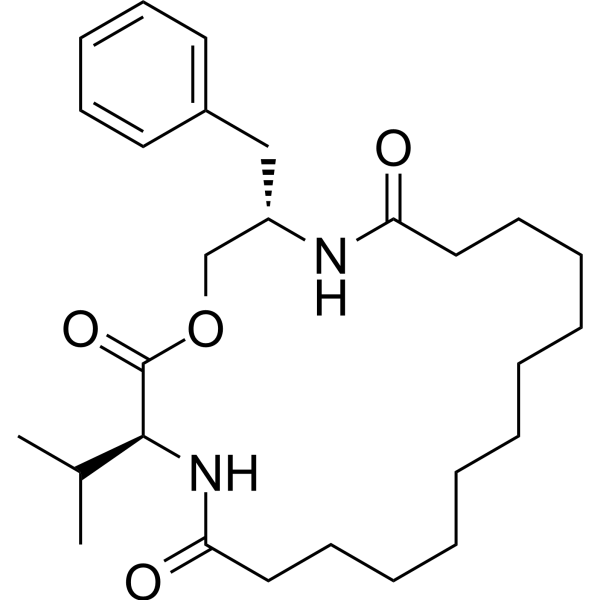
P-gp inhibitor 21 (Compound 56) is an inhibitor for P-glycoprotein (P-gp) transport, which reverses P-gp-mediated multidrug resistance (MDR) and exhibits antitumor efficacy in mice without significant cytotoxicity .
|
-
- HY-N11015
-
|
|
Others
|
Infection
Inflammation/Immunology
Cancer
|
|
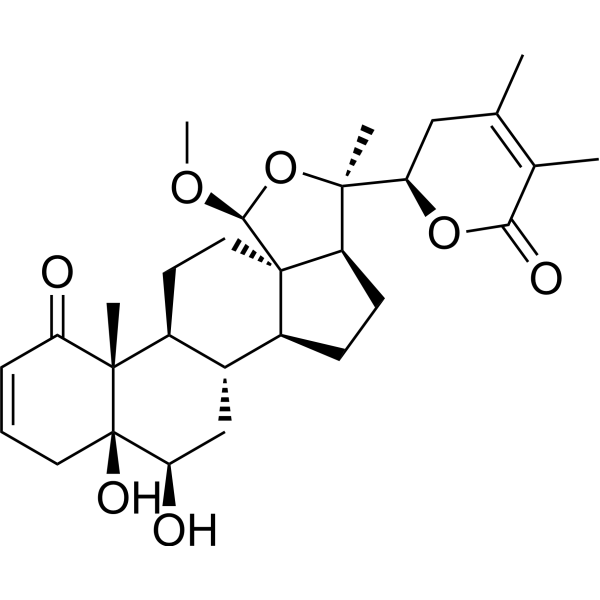
Withaphysalin R (compound 5) is a Withanolide that can be isolated from the Solanaceae. Withanolide is a steroid ester with an ergosterol skeleton, and some of these compounds have some significant activities, including cytotoxic and immunosuppressive, antitumor, anti-inflammatory, anticonvulsive, and antioxidant .
|
-
- HY-170436
-
|
|
Photosensitizer
Apoptosis
|
Cancer
|
|
NFh-NMe-2 is a photosensitizer, that interacts with nitroreductase, generates singlet oxygen in tumor cells, exhibits cytotoxicity in cancer cells, and induces apoptosis. NFh-NMe-2 exhibits antitumor efficacy in mouse models .
|
-

- HY-B2085
-
|
Arsthinol; Balarsen
|
Drug Intermediate
|
Cancer
|
|
Arsthinenol is an orally active antitumor agent, that exhibits cytotoxicity in U87MG cells with an IC50 of 31.6 μM. Arsthinenol forms complex with cyclodextrin, inhibits the tumor growth and improves the survival rates of U87MG xenograft mice .
|
-

- HY-170843
-
|
|
Apoptosis
|
Cancer
|
|
Antitumor agent-198 (Compound A3) exhibits cytotoxicity in head and neck squamous cell carcinoma (HNSCC) cells, that inhibits the proliferation of CAL27, HN6, HN30, SCC9 and SCC25 with IC50 of 4 nM-77 nM. Antitumor agent-198 inhibits the HNSCC cell migration, arrests the cell cycle, and induces apoptosis .
|
-

- HY-120638
-
|
|
Topoisomerase
|
Cancer
|
|
BMS-250749 is a topoisomerase I (Top I) inhibitor of the fluoroglycosyl-3,9-difluoroindolecarbazole class. BMS-250749 exhibits potent cytotoxicity and selectivity, and shows curative antitumor activity against Lewis lung cancer. BMS-250749 exhibits broad-spectrum antitumor activity superior to CPT-11 in certain preclinical xenograft models. .
|
-

- HY-180513
-
|
|
DNA/RNA Synthesis
|
Cancer
|
|
NSC668382 is an antitumor compound. The cytotoxicity of NSC668382 is negatively correlated with cytidine deaminase transcript levels .
|
-

- HY-162825
-
|
|
Photosensitizer
|
Cancer
|
|
Antitumor photosensitizer-7 (compound 15) is a photosensitizer with anti-cancer activity. Antitumor photosensitizer-7 exhibits significant cytotoxicity against the G361 melanoma cell line under 414 nm blue light irradiation .
|
-

- HY-W131305
-
|
|
Drug Intermediate
|
Cancer
|
|
Naphthohydroquinone is a compound featuring a naphthalene ring structure with two hydroxyl groups. Naphthohydroquinone exhibits significant cytotoxicity and antitumor activity in some of its derivatives .
|
-

- HY-133005
-
|
4-Desacetylvinblastine; Desacetylvincaleukoblastine
|
Drug Metabolite
|
Cancer
|
|
Desacetylvinblastine (4-Desacetylvinblastine) is the major metabolite of Vinblastine (HY-13780) and a cytotoxic agent. When used alone, desacetylvinblastine has poor anti-tumor effects, but it can exert significant anti-tumor activity when in the presence of specific conjugates .
|
-

- HY-P992445
-
|
|
CD20
|
Cancer
|
|
PRO131921 is a humanized IgG1 anti-CD20 antibody, with antibody-dependent cellular cytotoxicity and complement-dependent cytotoxicity activities. PRO131921 acts as an anti-tumor agent. PRO131921 can be used for the research of indolent non-Hodgkin lymphoma and relapsed and refractory indolent lymphoma .
|
-

- HY-N15054
-
|
|
Drug Derivative
|
Cancer
|
|
17-O-Demethylgeldanamycin is a secondary metabolite that can be isolated from Streptomyces. 17-O-Demethylgeldanamycin exhibits cytotoxicity against a variety of tumor cells and has anti-tumor activity .
|
-

- HY-185050
-
|
|
IFNAR
|
Cancer
|
|
Antitumor agent-210 (Compound 1778) is an NK cell activator. Antitumor agent-210 has a weak proliferative effect on NK92 cells, promoting the activation and degranulation of NK cells, and significantly enhancing the cytotoxicity of NK92 cells against tumor cells. Antitumor agent-210 promotes the release of cytokine granzyme B, perforin, and IFN-γ. Antitumor agent-210 reduces the number of lung metastatic lesions in mice and can be used for the study of melanoma lung metastasis .
|
-

- HY-14949D
-
|
TTI-237 fumarate dihydrate
|
Microtubule/Tubulin
|
Cancer
|
|
Cevipabulin (TTI-237) fumarate dihydrate) is an oral, microtubule-active, antitumor compound and inhibits the binding of [ 3H]NSC 49842 to tubulin, with an IC50 of 18-40 nM for cytotoxicity in human tumor cell line .
|
-

- HY-P991902
-
|
|
CD20
|
Cancer
|
|
NAV006 is an anti-CD20 antibody variant of Rituximab (HY-P9913) with a Kd of 30.5 nM to CD20. NAV006 exhibits reduced interaction with CA125 and demonstrates enhanced antibody-dependent cellular cytotoxicity (ADCC) and complement-dependent cytotoxicity (CDC) activity. NAV006 displays antitumor activity against lymphoma and can be used in research on non-Hodgkin lymphoma .
|
-

- HY-N13571
-
|
|
Others
|
Cancer
|
|
Adenostemmoic acid G is a kaurane-type diterpenoid compound, and other diterpenoid compounds in the plant extract containing it exhibit cytotoxic and antitumor activity. Adenostemmoic acid G can be naturally extracted from the fresh whole plant of Adenostemma lavenia O. KUNTZE .
|
-

- HY-129252
-
|
|
Antibiotic
Bacterial
|
Infection
Cancer
|
|
Prothracarcin is an antibiotic with antitumor activity that exerts its tumor cell toxicity by covalently binding to the C-2 amino group of guanine residues in the minor groove of DNA. Prothracarcin also shows antibacterial activity against Gram-positive bacteria and some Gram-negative bacteria such as Escherichia coli .
|
-

- HY-N14422
-
-

- HY-158336
-
|
|
Ferroptosis
|
Cancer
|
|
E/Z-FETPY is an organo-diiron(I) complex with strong cytotoxicity in cancer cell lines. E/Z-FETPY induces ferroptosis in low-differentiated cell lines, such as A2780 cells .
|
-

- HY-N1517
-
|
|
Aldose Reductase
|
Inflammation/Immunology
Cancer
|
|
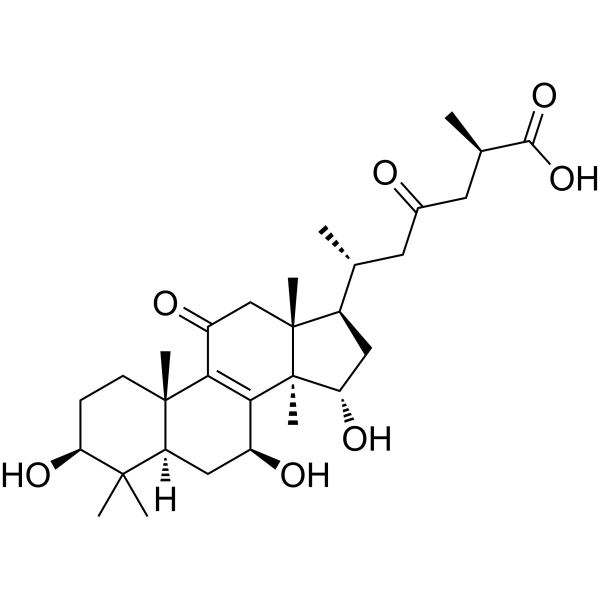
Ganoderic acid C2 is a bioactive triterpenoid in Ganoderma lucidum. Ganoderic acid C2 possesses the potential anti-tumor bioactivity, antihistamine, anti-aging and cytotoxic effects. Ganoderic acid C2 is the inhibitor for aldose reductase with an IC50 of 43.8 µM .
|
-
- HY-15579B
-
|
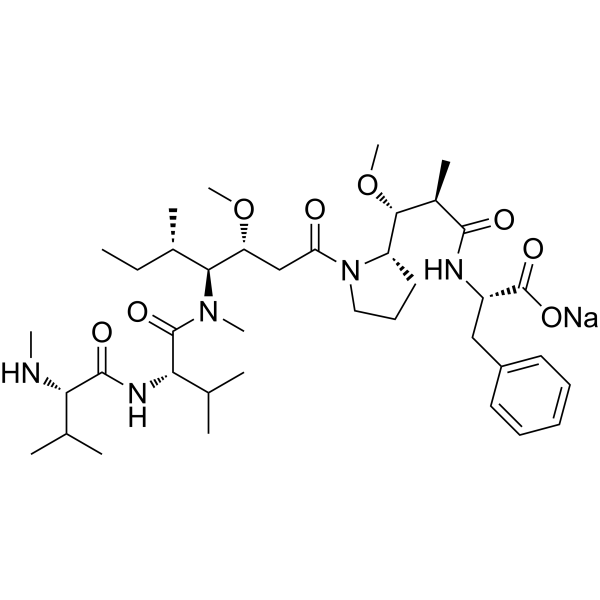
Monomethylauristatin F sodium
|
Microtubule/Tubulin
ADC Payload
|
Cancer
|
|
MMAF sodium (Monomethylauristatin F sodium) is a potent tubulin polymerization inhibitor and is used as a antitumor agent. MMAF sodium (Monomethylauristatin F sodium) is widely used as a cytotoxic component of antibody-drug conjugates (ADCs) such as Vorsetuzumab mafodotin and SGN-CD19A .
|
-
- HY-117361
-
|
|
Nucleoside Antimetabolite/Analog
|
Cancer
|
|
LY207702 is a difluorinated purine nucleoside with antitumor activity and cardiotoxicity. LY207702 is cytotoxic to CEA-positive LS174T cells (IC50=0.302 μg/mL). LY207702 can be used in the study of colon cancer .
|
-

- HY-N9835
-
|
|
Drug Derivative
|
Infection
Cancer
|
|
Thymol isobutyrate is a thymol derivative that can be naturally extracted from the essential oil of the roots and aerial parts (leaves, stems, and flowers) of Carpesium cernuum L. This plant's essential oil has antibacterial and cytotoxic activity and can be used in antibacterial and antitumor research .
|
-

- HY-105314
-
|
|
Others
|
Cancer
|
|
LY-33169 is an antitumor agent. LY-33169 had selective cytotoxicity against Colon Adenocarcinoma-38, Human Colon-116, Human Prostate LNCaP, and Human Breast WSU-Br-1 cells .
|
-

- HY-P10853
-
|
|
Autophagy
|
Cancer
|
|
Bacilotetrin C analogue is cytotoxic to triple-negative breast cancer cell line MDA-MB-231 with an IC50 of 0.48 μM. Bacilotetrin C analogue can induce tumor cell autophagy and has anti-tumor activity .
|
-

- HY-15579
-
|
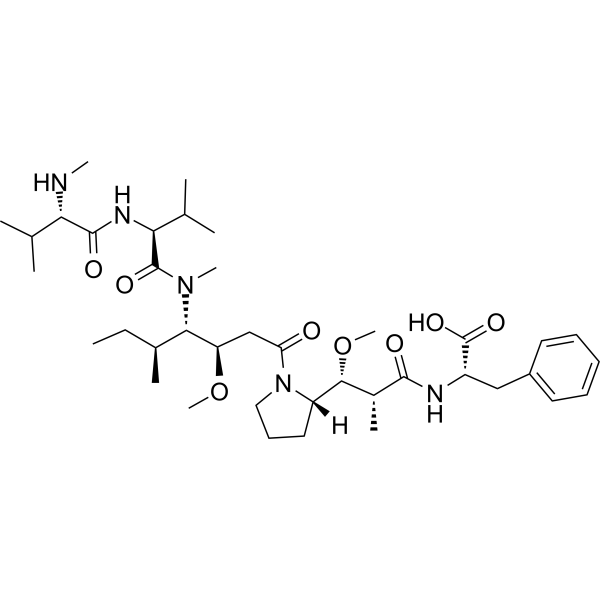
Monomethylauristatin F
|
Microtubule/Tubulin
ADC Payload
|
Cancer
|
|
MMAF (Monomethylauristatin F) is a potent tubulin polymerization inhibitor and is used as a antitumor agent. MMAF (Monomethylauristatin F) is widely used as a cytotoxic component of antibody-drug conjugates (ADCs) such as vorsetuzumab mafodotin and SGN-CD19A .
|
-
- HY-113341
-
-
- HY-176495
-
|
|
DNA Alkylator/Crosslinker
DNA/RNA Synthesis
|
Cancer
|
|
SG3683 is a DNA-targeted cytotoxic agent belonging to pyrrolobenzodiazepine (PBD) dimers. SG3683 exerts antitumor activity with an IC50 value of 0.74 nM in MDA-MB-436 cells. SG3683 is promising for research of cancers, such as breast cancer .
|
-

- HY-N6843
-
-
- HY-146406
-
|
|
Apoptosis
|
Cancer
|
|
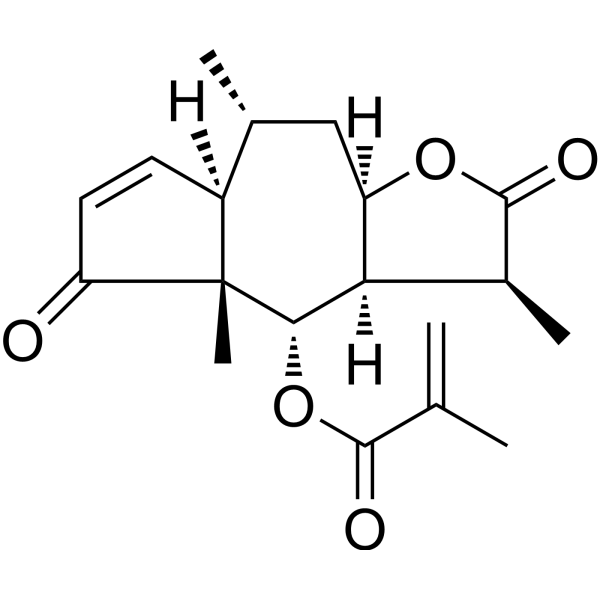
Anticancer agent 52 is a potent anticancer agent. Anticancer agent 52 shows in vitro cytotoxicity. Anticancer agent 52 induces apoptosis. Anticancer agent 52 shows antitumor effect. Anticancer agent 52 has the potential for the research of bladder cancer .
|
-
- HY-N4227
-
|
|
Endogenous Metabolite
|
Cancer
|
|
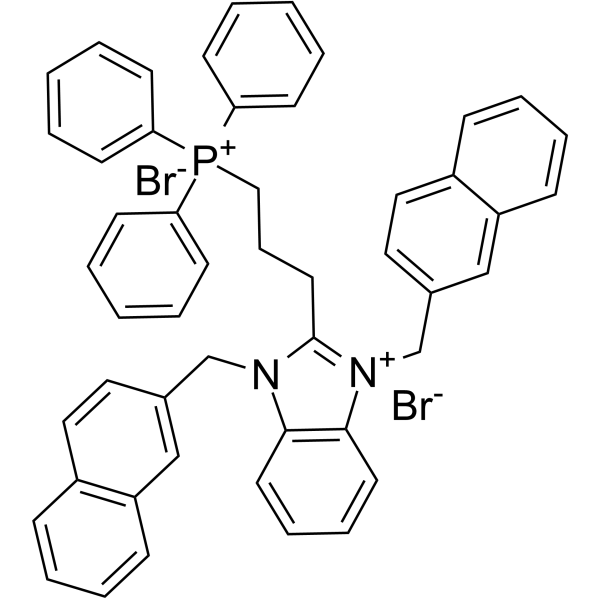
Conicasterol is a 4-mercaptosteroid with significant cytotoxic activity. Conicasterol showed an IC50 value of 6.23 μg/mL in a test on a human breast adenocarcinoma cell line (MCF-7). Conicasterol's antitumor activity makes it a potential bioactive lead molecule .
|
-

- HY-P990649
-
|
TRU-015
|
CD20
|
Inflammation/Immunology
|
|
PF-5212374 (TRU-015) is a humanized antibody expressed in CHO, targeting CD20/MS4A1. PF-5212374 exhibits potent direct signaling and antibody-dependent cellular cytotoxicity, with complement-mediated cytotoxicity lower than that of Rituximab (HY-P9913). PF-5212374 has antitumor activity and can be used in the research of tumors such as lymphoma and inflammatory diseases .
|
-

- HY-N4322R
-
|
|
Reference Standards
PKC
|
Inflammation/Immunology
Cancer
|
|
Decursinol angelate (Standard) is the analytical standard of Decursinol angelate. This product is intended for research and analytical applications. Decursinol angelate, a cytotoxic and protein kinase C (PKC) activating agent from the root of Angelica gigas, possesses anti-tumor and anti-inflammatory activities .
|
-

- HY-172253
-
|
|
Apoptosis
|
Cancer
|
|
(5R)-Dimethylbenzene-camptothecin (Compound 6a) is a camptothecin derivative. (5R)-Dimethylbenzene-camptothecin is cytotoxic to tumor cells and can induce apoptosis and cell cycle arrest. (5R)-Dimethylbenzene-camptothecin has anti-tumor activity .
|
-

- HY-P10610
-
|
|
MDM-2/p53
|
Cancer
|
|
Peptide 234CM is a peptide containing isoleucine at position 3, corresponding to the sequence of a point mutation in p53 codon 234. Peptide 234CM induces potent cytotoxic T cell (CTL) and antitumor immune responses against mutant p53 .
|
-

- HY-N5208
-
|
|
Others
|
Cancer
|
|
YM-216391 is an antitumor cyclic peptide that can be isolated from the cultured mycelium of Streptomyces nobilis JCM 4274. YM-216391 exhibits potent cytotoxic activity against a variety of human cancer cell lines and can be used in anticancer research .
|
-

- HY-149016
-
|
|
Microtubule/Tubulin
Farnesyl Transferase
|
Cancer
|
|
Tubulin polymerization-IN-25 (compound 17f) is a dual inhibitor of tubulin polymerization and farnesyl transferase (FTase) with IC50s of 1.11 μM and 0.39 μM, respectively. Tubulin polymerization-IN-25 displays cytotoxicity and excellent antitumor activity .
|
-
- HY-143280
-
|
|
Topoisomerase
|
Cancer
|
|
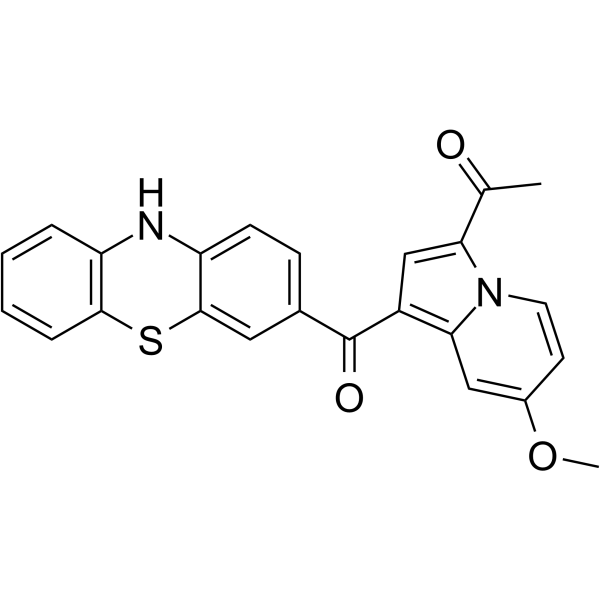
Topoisomerase II inhibitor 4 (compound E17) is a potent Topoisomerase II inhibitor. Topoisomerase II inhibitor 4 triggers G2/M cell cycle arrest and shows anti-tumor activity with strong cytotoxic and anti-proliferative effect .
|
-
- HY-N12013
-
|
|
Others
|
Cancer
|
|
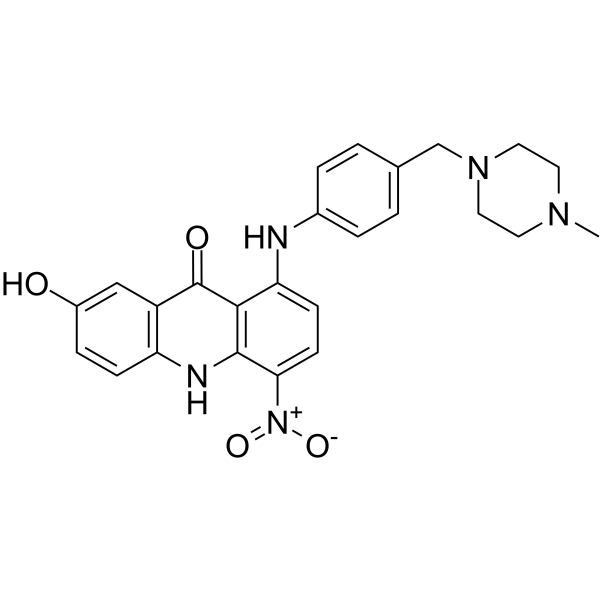
11-Oxomogroside IV A (compound 12) is a cucurbitane triterpene glycoside isolated from unripe fruits of Luo Han Guo. 11-Oxomogroside IV A has anti-tumor effects and is cytotoxic to tumor cells SMMC-772 (IC50: 288 μg/mL) .
|
-
- HY-N15584
-
|
Isoheraclenin
|
Others
|
Cancer
|
|
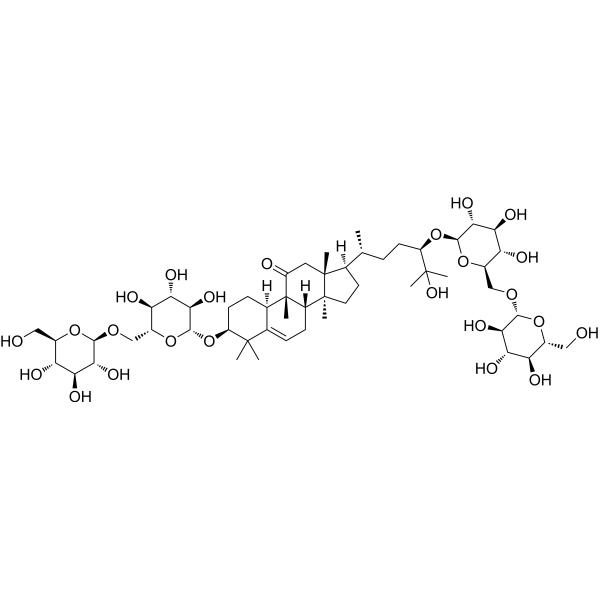
Pabularinone is a compound found in the plant Clausena lansium. Pabularinone has potent cytotoxic activity, and its activity showed inhibitory effects in human breast cancer (MCF-7) cells (IC50: 33.74 μg/mL). Pabularinone can be used in anti-tumor research .
|
-

- HY-173350
-
|
|
Arf Family GTPase
Apoptosis
|
Cancer
|
|
Ran-IN-1 is a specific inhibitor of Ran GTPase. Ran-IN-1 selectively induces cytotoxicity and apoptosis in aneuploid ovarian cancer cells and also inhibits DNA repair. Ran-IN-1 exhibits antitumor activity and is useful for research on tumors such as epithelial ovarian cancer .
|
-

- HY-P10610A
-
|
|
MDM-2/p53
|
Cancer
|
|
Peptide 234CM TFA is a peptide containing isoleucine at position 3, corresponding to the sequence of a point mutation in p53 codon 234. Peptide 234CM TFA induces potent cytotoxic T cell (CTL) and antitumor immune responses against mutant p53 .
|
-

- HY-100875R
-
|
CL216942 (Standard)
|
Reference Standards
Topoisomerase
|
Cancer
|
|
Bisantrene (Standard) is the analytical standard of Bisantrene. This product is intended for research and analytical applications. Bisantrene is a highly effective antitumor agent, it exerts its cytotoxicity by affecting DNA intercalation. Bisantrene targets eukaryotic type II topoisomerases. Bisantrene is a substrate of MDR1 .
|
-

- HY-168739
-
|
|
Topoisomerase
Reactive Oxygen Species (ROS)
Apoptosis
Survivin
Bcl-2 Family
IAP
DNA/RNA Synthesis
|
Cancer
|
|
Topoisomerase I inhibitor 17 (Compound 7h) is a Topoisomerase I (Top1) inhibitor. Topoisomerase I inhibitor 17 reduces DDX5 and reverses the locking of Top1 activity by DDX5. Topoisomerase I inhibitor 17 induces Top1-mediated DNA damage and promotes reactive oxygen species (ROS) production. Topoisomerase I inhibitor 17 induces Apoptosis (reduces antiapoptotic proteins XIAP, Bcl-2, Survivin and up-regulates pro-apoptotic proteins Bax, γH2AX). Topoisomerase I inhibitor 17 also blocks the progression of the G2/M checkpoint and induces cell cycle arrest. Topoisomerase I inhibitor 17 significantly inhibits colony formation and cell migration in colorectal cancer cells. Topoisomerase I inhibitor 17 effectively reduces tumors in human PDX tumor mice .
|
-

- HY-161144
-
|
|
Akt
Apoptosis
|
Cancer
|
|
AKT-IN-21 (compound C36) is a potent AKT inhibitor with broad-spectrum cytotoxicity and anticancer activity. AKT-IN-21 also blocks the cell cycle and induces apoptosis of cancer cells by down-regulating the PI3K/AKT pathway .
|
-
- HY-146407
-
|
|
Apoptosis
|
Cancer
|
|
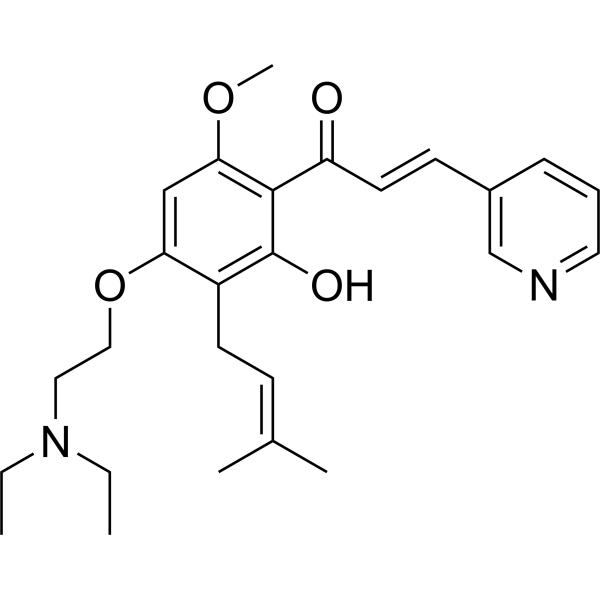
Anticancer agent 53 is a potent anticancer agent. Anticancer agent 53 shows in vitro cytotoxicity. Anticancer agent 53 induces apoptosis and cell cycle arrest in S/G2/M phases. Anticancer agent 53 shows antitumor activity with no apparent toxicity .
|
-
- HY-137139
-
|
|
Antibiotic
Bacterial
Farnesyl Transferase
|
Infection
Cancer
|
|
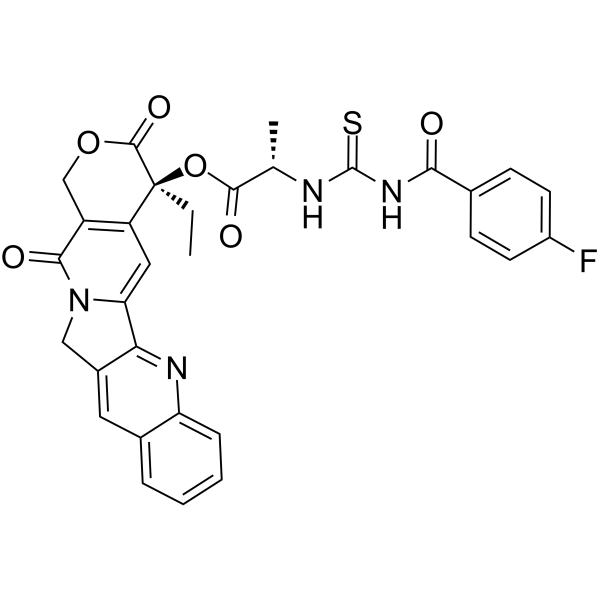
10'-Desmethoxystreptonigrin is an inhibitor for Ras Farnesyltransferase with an IC50 of 21 μM. 10'-Desmethoxystreptonigrin is a broad-spectrum antibiotic with antibacterial activity. 10'-Desmethoxystreptonigrin exhibits antitumor activity against P388 leukemia, without significant cytotoxicity (LD50 is 8.8 mg/kg) .
|
-

- HY-P9976
-
|
ch38SB19; hu38SB19; SAR-650984
|
CD38
Apoptosis
|
Cancer
|
|
Isatuximab is a monoclonal antibody targeting the transmembrane receptor and ectoenzyme CD38, a protein highly expressed on hematological malignant cells, including those in multiple myeloma (MM). Isatuximab has antitumor activity via multiple biological mechanisms, including antibody-dependent cellular-mediated cytotoxicity, complement-dependent cytotoxicity, antibody-dependent cellular phagocytosis, and direct induction of apoptosis without crosslinking. Isatuximab also directly inhibits CD38 ectoenzyme activity, which is implicated in many cellular functions .
|
-

- HY-18981
-
|
(+)-Decursin
|
PKC
Apoptosis
CXCR
|
Neurological Disease
Inflammation/Immunology
Cancer
|
|
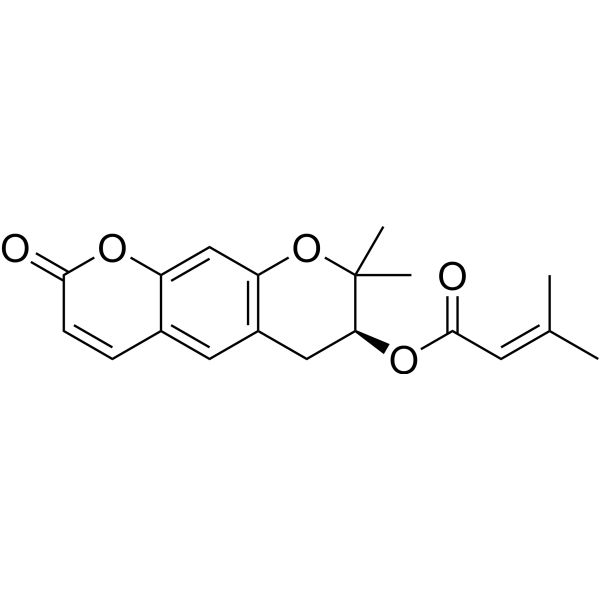
Decursin ((+)-Decursin) is a potent anti-tumor agent. Decursin also is a cytotoxic agent and a potent protein kinase C activator. Decursin induces apoptosis and cell cycle arrest at G1 phase. Decursin decreases the expression of CDK2, CDK4, CDK6, cyclin D1 protein at 48 h. Decursin inhibits cell proliferation and migration. Decursin shows anti-tumor, anti-inflammatory and analgesic activities .
|
-
- HY-143435
-
|
|
Apoptosis
|
Cancer
|
|
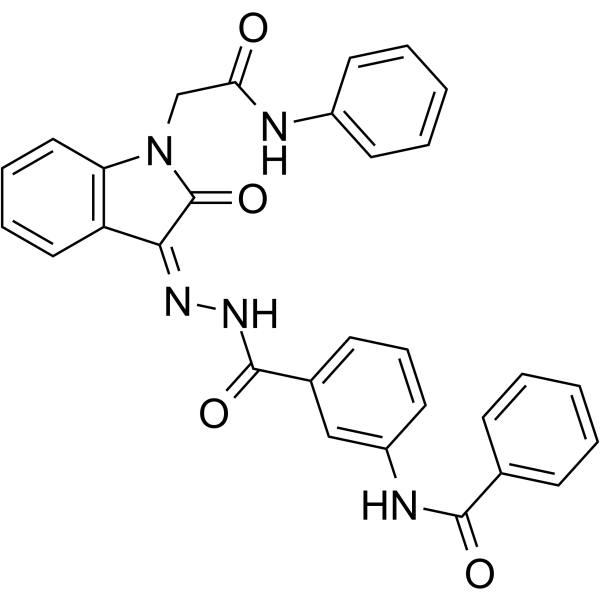
AG6033 is a potential novel CRBN modulator. AG6033 suppresses various tumor cells by modulating the interactions between CRBN and various antitumor target proteins. AG6033 can cause GSPT1 and IKZF1 degradation. AG6033 induces CRBN-dependent cytotoxic effect .
|
-
- HY-170559
-
|
|
EGFR
Apoptosis
|
Cancer
|
|
EGFR-IN-141 (Compound 8I) is the inhibitor for EGFR with an IC50 of 2.67 nM. EGFR-IN-141 exhibits cytotoxicity in cancer cell A549 with an IC50 of 13.75 μM. EGFR-IN-141 induces apoptosis and mitochondrial membrane depolarization, and exhibits potential antitumor efficacy .
|
-

- HY-145989S
-
|
|
Drug-Linker Conjugates for ADC
Microtubule/Tubulin
|
Cancer
|
|
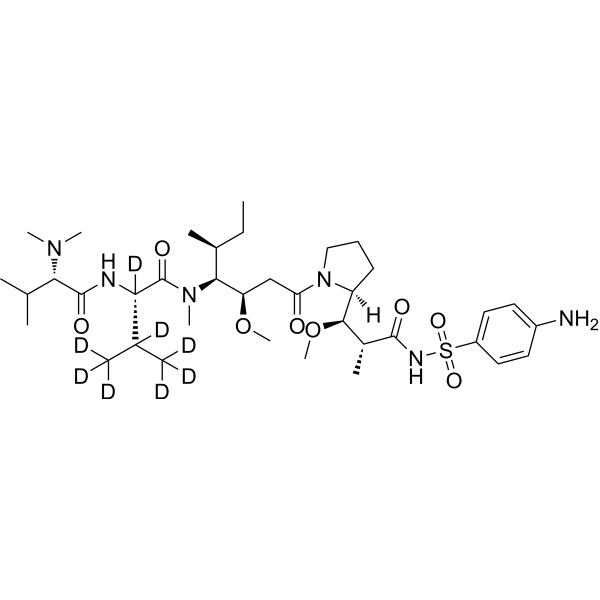
Aminobenzenesulfonic auristatin E-d8 is the deuterium labeled Aminobenzenesulfonic auristatin E. Aminobenzenesulfonic auristatin E is a drug-linker conjugate for ADC. Aminobenzenesulfonic auristatin E has potent antitumor activity by using Auristatin E (a cytotoxic tubulin modifier), linked via the ADC linker Aminobenzenesulfonic .
|
-
- HY-N0446
-
|
|
ADC Payload
|
Cancer
|
|
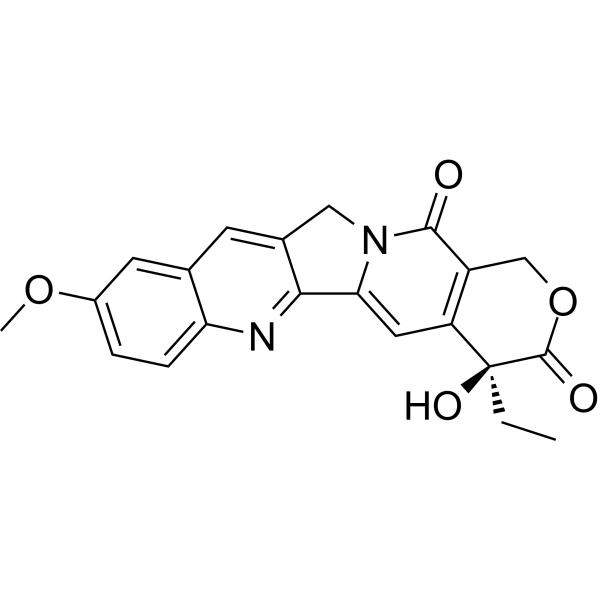
10-Methoxycamptothecin is a natural bioactive derivative of camptothecin (CPT) isolated from Camptotheca acuminata, and has been confirmed to possess high anti-cancer properties. 10-Methoxycamptothecin has higher cytotoxicity than 10-hydroxycamptothecin by testing antitumor activity against 2774 cell lines .
|
-
- HY-172115
-
|
|
TrxR
Apoptosis
|
Cancer
|
|
BGC4 is a biphenyl-based gold(III) complex. BGC4 inhibits human recombinant thioredoxin reductase (TrxR) with an IC50 of 10.7 μM, exhibits cytotoxicity (IC50 for MDA-MB-231 is 5.4 μM), and induces apoptosis. BGC4 exhibits antitumor efficacy in mouse models .
|
-

- HY-156920
-
|
|
Necroptosis
RIP kinase
|
Inflammation/Immunology
Cancer
|
|
VDX-111 is an analog of vitamin D. VDX-111 exhibits cytotoxicity in ovarian cancer cells through upregulation of RIPK1/RIPK3 pathway and induction of necroptosis. VDX-111 promotes expressions of cytokines and exhibits antitumor activity in mouse model .
|
-

- HY-P9921
-
|
Ado-Trastuzumab emtansine; PRO132365; T-DM 1
|
Antibody-Drug Conjugates (ADCs)
EGFR
|
Cancer
|
|
Trastuzumab emtansine (Ado-Trastuzumab emtansine) is an antibody-drug conjugate (ADC) that incorporates the HER2-targeted antitumor properties of trastuzumab with the cytotoxic activity of the microtubule-inhibitory agent DM1 (HY-19792). Trastuzumab emtansine can be used for the research of advanced breast cancer .
|
-

- HY-100875AR
-
|
CL-216942 dihydrochloride (Standard)
|
Topoisomerase
Reference Standards
|
Cancer
|
|
Bisantrene (dihydrochloride) (Standard) is the analytical standard of Bisantrene (dihydrochloride) (HY-100875A). This product is intended for research and analytical applications. Bisantrene dihydrochloride is a highly effective antitumor agent, it exerts its cytotoxicity by affecting DNA intercalation. Bisantrene dihydrochloride targets eukaryotic type II topoisomerases. Bisantrene dihydrochloride is a substrate of MDR1 .
|
-

- HY-160649
-
|
|
Drug-Linker Conjugates for ADC
Topoisomerase
|
Cancer
|
|
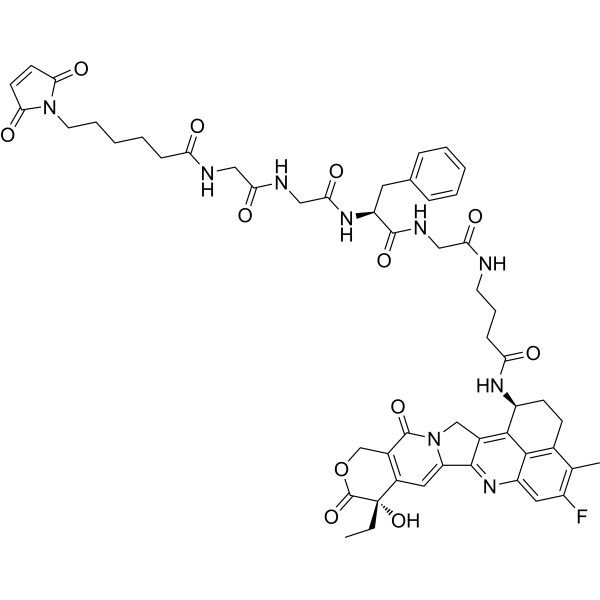
MC-Gly-Gly-Phe-Gly-GABA-Exatecan is an agent linker conjugate for ADC, with an inhibitor for Topoisomerase Exatecan (HY-13631) with IC50 of 22 μM. MC-Gly-Gly-Phe-Gly-GABA-Exatecan targets various antibodies, exhibits cytotoxic and antitumor efficacy in vitro and in vivo .
|
-
- HY-129960
-
-
- HY-N11928
-
|
|
Others
|
Cancer
|
|
Changnanic acid (schisandrin) is a triterpene compound with potential anti-tumor effects. Changnanic acid exhibits moderate cytotoxic activity against human tumor cell lines Bel-7402, MCF-7 and HL-60, with IC50s of 100 μM, 100 μM and 50.51 μM respectively .
|
-
- HY-168901
-
|
|
Src
|
Cancer
|
|
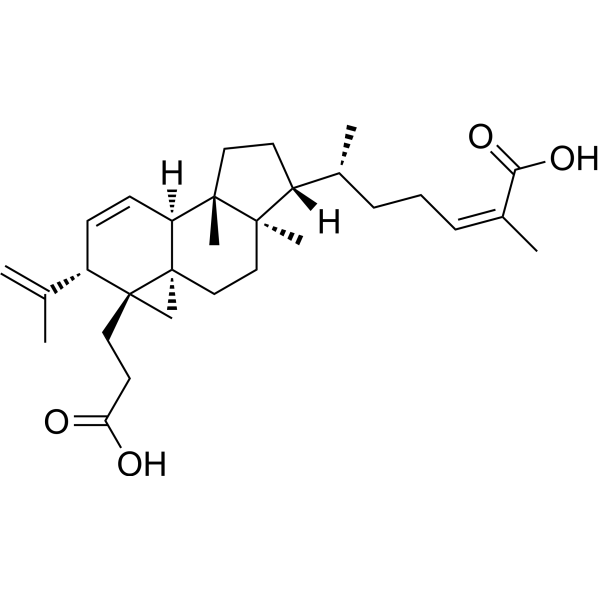
Hck-IN-2 (Compound 8e) is an HCK inhibitor. Hck-IN-2 is cytotoxic to tumor cells, with IC50 values of 19.58 μM and 1.42 μM against MDA-MB231 and MCF-7, respectively. Hck-IN-2 has anti-tumor activity .
|
-

- HY-101096
-
|
MK-8998; CX-8998; JZP385
|
Calcium Channel
|
Neurological Disease
Cancer
|
|
Suvecaltamide (MK-8998) is a selective T-type calcium channel inhibitor with oral efficacy. Suvecaltamide exhibits no cytotoxicity in myeloma cell lines and does not affect the antitumor efficacy of Bortezomib (BTZ). Suvecaltamide reverses BTZ-induced peripheral neuropathy (CIPN) in mouse and rat models, and helps inhibit myeloma growth .
|
-
- HY-N6951
-
-
- HY-P10841
-
|
|
Amino Acid Derivatives
|
Cancer
|
|
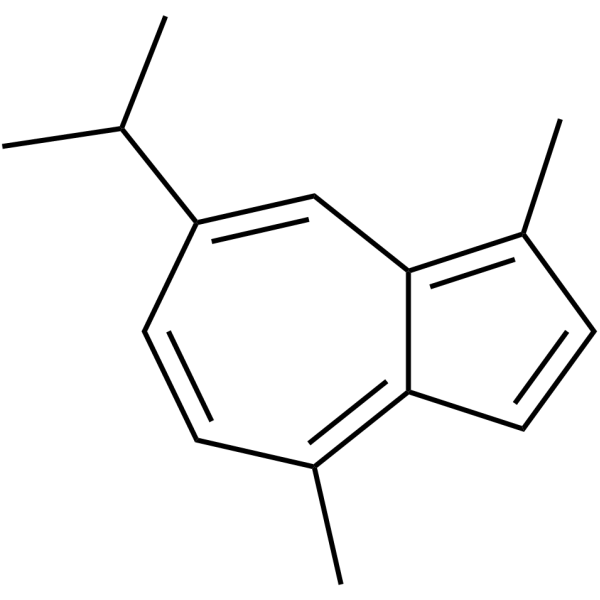
CyPep-1 is a novel cationic lytic peptide with antitumor activity. CyPep-1 is highly cytotoxic by interacting with the negatively charged cell membrane of cancer cells. CyPep-1 has strong cytolytic activity on cancer cells both in vivo and in vitro, and can be used in the study of solid tumors .
|
-

- HY-176758
-
|
|
Glutathione Peroxidase
|
Cancer
|
|
GPX4-IN-17 (Compound 9i) is an inhibitor of GPX4 with potent cytotoxicity (IC50 = 0.3 nM). GPX4-IN-17 shows strong binding affinity against GPX4 (KD = 20.4 nM). GPX4-IN-17 inhibits tumor growth in the xenograft tumor mouse model without detectable cytotoxicity. GPX4-IN-17 can enhance cancer chemotherapy and overcome tumor resistance. GPX4-IN-17 can be studied in antitumor reseach .
|
-

- HY-160843
-
|
|
Apoptosis
|
Cancer
|
|
N-ω-chloroacetyl-L-ornithine (NCAO) is a potent reversible competitive ornithine decarboxylase (ODC) inhibitor that exerts cytotoxic and antiproliferative effects on tumor cell lines with EC50 values ranging from 1 to 50.6 µM. NCAO induces tumor cell Apoptosis and inhibits tumor cell migration in vitro. NCAO also exhibits a potent antitumor activity against both solid and ascitic tumors in a mouse model using the myeloma (Ag8) cell line. NCAO is promising for research of antitumor agents .
|
-

- HY-D0190
-
|
HTTA; TTA; TTFA
|
Mitochondrial Metabolism
|
Infection
Others
Cancer
|
|
2-Theoyltrifluoroacetone is a chelating agent and mitochondrial electron transfer chain inhibitor, with a IC50 value of 51.5 μM. 2-Thermoyltrifluoroacetone can chelate with various metal ions and has cytotoxicity and anti-tumor activity, which is expected to play an important role in the treatment of mitochondrial dysfunction related diseases .
|
-
- HY-15579BG
-
|
Monomethylauristatin F sodium
|
Microtubule/Tubulin
ADC Payload
|
Cancer
|
|
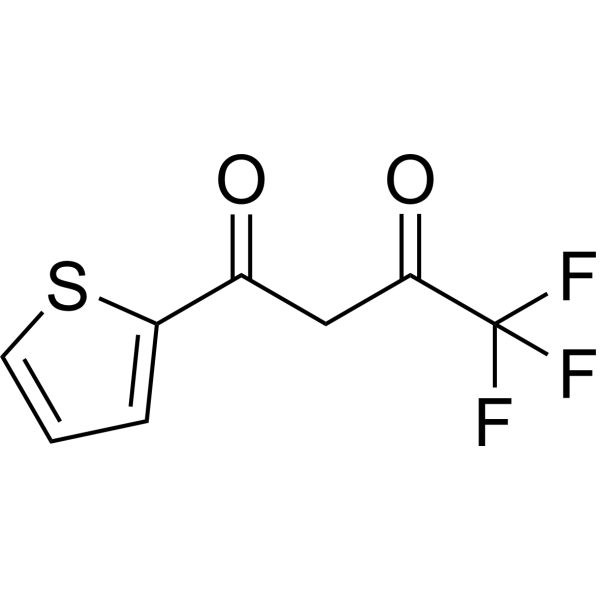
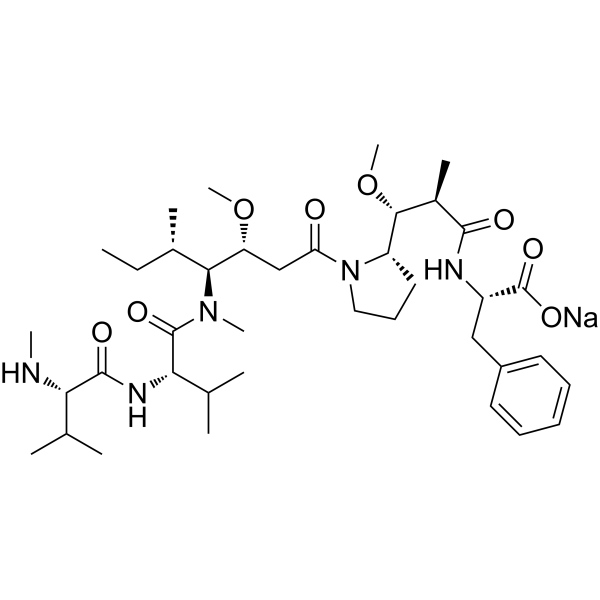
MMAF sodium GMP is a GMP grade MMAF (sodium) (HY-15579B). MMAF sodium (Monomethylauristatin F sodium) is a potent tubulin polymerization inhibitor and is used as a antitumor agent. MMAF sodium (Monomethylauristatin F sodium) is widely used as a cytotoxic component of antibody-drug conjugates (ADCs) such as Vorsetuzumab mafodotin and SGN-CD19A .
|
-
- HY-N16426
-
|
|
Parasite
|
Infection
Cancer
|
|
Mycoleptone A is an azafluorenone compound. Mycoleptone A exhibits certain anti-leishmanial activity, with an LD50 of 28.5 μM against L. major. Mycoleptone A shows cytotoxicity against human prostate cancer cell line PC3, with an IC50 of 10.0 μM. Mycoleptone A can be used in research on anti-parasitic and anti-tumor aspects .
|
-

- HY-112328
-
|
|
Apoptosis
Autophagy
Reactive Oxygen Species (ROS)
CDK
|
Infection
Cancer
|
|
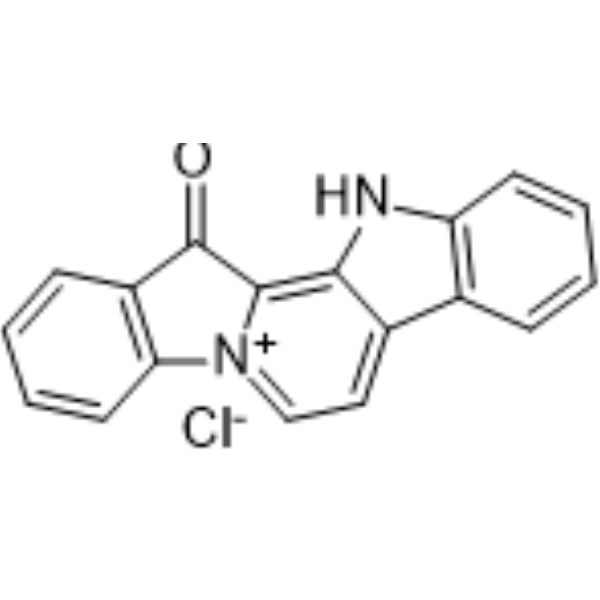
Fascaplysin is an antimicrobial and cytotoxic red pigment, that can come from the marine sponge (Fascaplysinopsis sp.). Fascaplysin has been synthesized in seven steps from indole (65% yield). Fascaplysin can induces apoptosis and autophagy in human leukemia HL-60 cells. Fascaplysin shows anti-tumor activity .
|
-
- HY-119789
-
|
|
Antibiotic
Bacterial
|
Infection
|
|
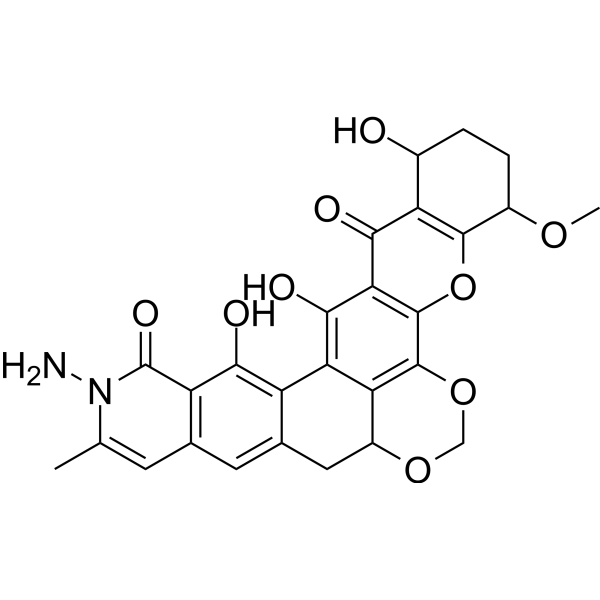
Albofungin (Antibiotic P-42-1) is isolated from the culture filtrate of Actinomyces tumemacerans strain INMI.P-42. Albofungin shows highly active on a wide variety of gram-positive bacteria and fungi. Albofungin shows cytotoxic to HeLa cell cultures and exhibited antitumor activity on EHRLICH ascites tumor in mice.
|
-
- HY-105019AR
-
|
Melphalan flufenamide hydrochloride (Standard)
|
Reference Standards
DNA Alkylator/Crosslinker
Apoptosis
|
Cancer
|
|
Melflufen hydrochloride (Standard) is the analytical standard of Melflufen hydrochloride (HY-105019A). This product is intended for research and analytical applications. Melflufen (Melphalan flufenamide) hydrochloride, a dipeptide proagent of Melphalan, is an alkylating agent. Melflufen hydrochloride shows antitumor activity against multiple myeloma (MM) cells and inhibits angiogenesis. Melflufen hydrochloride induces irreversible DNA damage and cytotoxicity in MM cells .
|
-

- HY-105416
-
|
UCN-1028C
|
Antibiotic
PKC
Apoptosis
|
Metabolic Disease
Cancer
|
|
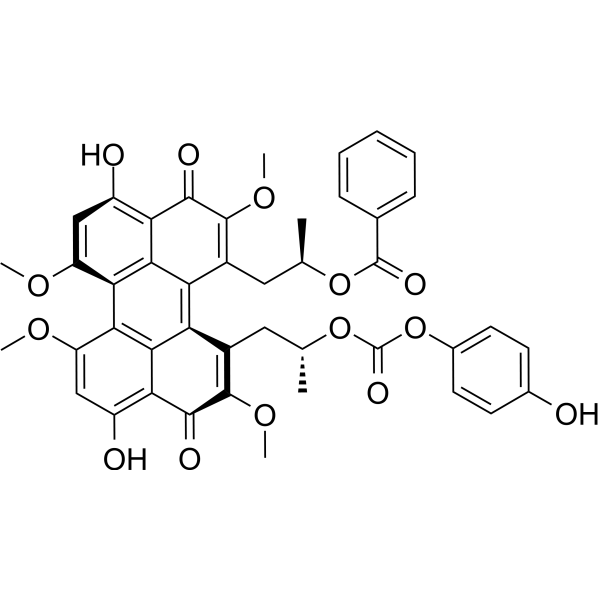
Calphostin C is a highly selective PKC inhibitor (IC50=0.05 μM) and tumor apoptosis inducer. Calphostin C competitively binds to PKC and inhibits PKC-mediated phosphorylation signal transduction. Calphostin C restores Na+/K+ ATPase activity in the sciatic nerve of diabetic mice and improves neuropathy. Calphostin C can be used in the study of anti-tumor and diabetic complications .
|
-
- HY-179070
-
|
|
Apoptosis
|
Cancer
|
Anticancer agent 280 TFA (Compound 65) is an anti-cancer agent targeting triple-negative breast cancer (TNBC). Anticancer agent 280 TFA exhibits IC50 values of Anticancer agent 280 TFA for MDA-MB-231, MDA-MB-231/LM2-4, Jurkat, and MCF-7 of 7.1, 11.65, 6.99, and 21.51 μM respectively. Anticancer agent 280 TFA can cause significant arrest of cells in the S phase and induce cell apoptosis. Anticancer agent 280 TFA can be used for the study of TNBC .
|
-

- HY-129040AR
-
|
MIBG sulfate (Standard); Iobenguane sulfate (Standard)
|
Adrenergic Receptor
Reference Standards
|
Cancer
|
|
m-Iodobenzylguanidine (sulfate) (Standard) is the analytical standard of m-Iodobenzylguanidine (sulfate). This product is intended for research and analytical applications. m-Iodobenzylguanidine sulfate (MIBG sulfate) is an analogue of the neurotransmitter norepinephrine with antitumor activity. Radioiodinated m-Iodobenzylguanidine sulfate is clinically used as a tumor-targeted radiopharmaceutical in the diagnosis and treatment of adrenergic tumors. m-Iodobenzylguanidine sulfate is a high-affinity substrate for cholera toxin that interferes with cellular mono(ADP-ribosylation) .
|
-

- HY-13821
-
|
BU-4061T
|
Proteasome
Apoptosis
|
Inflammation/Immunology
Cancer
|
|
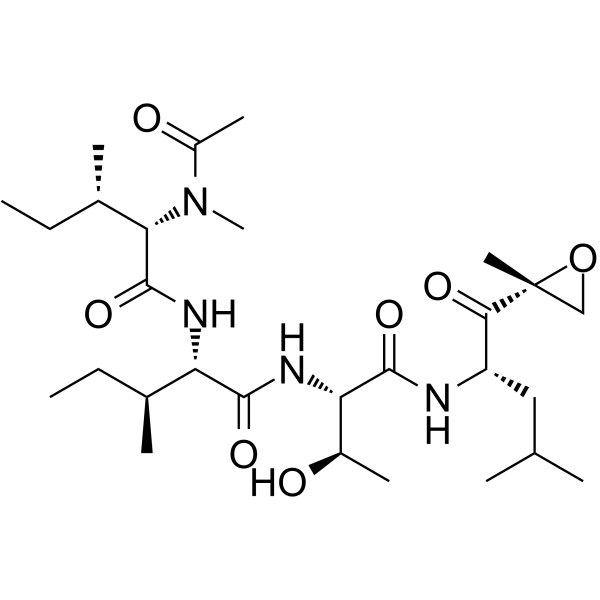
Epoxomicin (BU-4061T) is an epoxyketone-containing natural product and a potent, selective and irreversible proteasome inhibitor. Epoxomicin covalently binds to the LMP7, X, MECL1, and Z catalytic subunits of the proteasome and potently inhibits primarily the chymotrypsin-like activity. Epoxomicin can cross the blood-brain barrier. Epoxomicin has strongly antitumor and anti-inflammatory activity .
|
-
- HY-105846
-
|
|
DNA/RNA Synthesis
Bacterial
Antibiotic
|
Cancer
|
|
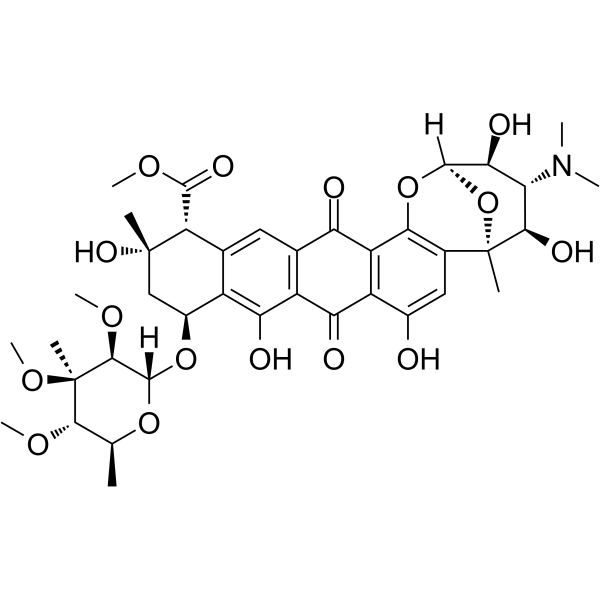
Nogalamycin is an anthracyclinone antibiotic. Nogalamycin is a potent antibiotic against Gram-positive bacteria, also has cytotoxicity against certain tumor cells. Nogalamycin is produced by Streptomyces nogalater var. Nogalater. Nogalamycin selectively inhibits RNA synthesis after binding to DNA template. Nogalamycin can be used for researching anticancer .
|
-
- HY-129040A
-
|
MIBG sulfate; Iobenguane sulfate
|
Adrenergic Receptor
|
Cancer
|
|
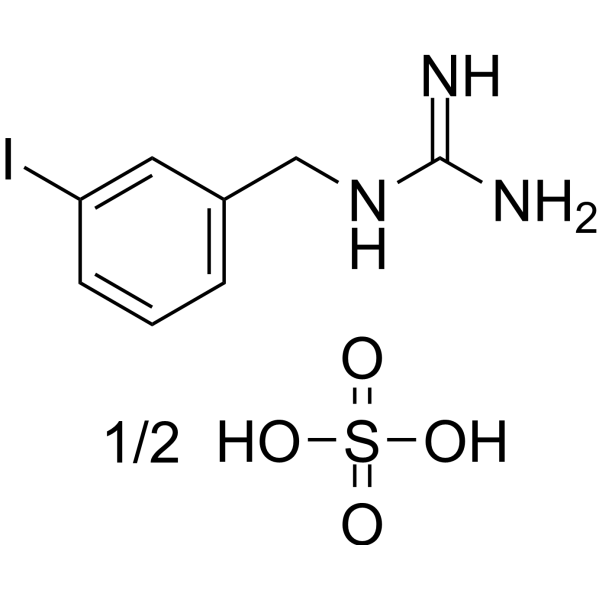
m-Iodobenzylguanidine sulfate (MIBG sulfate) is an analogue of the neurotransmitter norepinephrine with antitumor activity. Radioiodinated m-Iodobenzylguanidine sulfate is clinically used as a tumor-targeted radiopharmaceutical in the diagnosis and treatment of adrenergic tumors. m-Iodobenzylguanidine sulfate is a high-affinity substrate for cholera toxin that interferes with cellular mono(ADP-ribosylation) .
|
-
- HY-179062
-
|
|
Apoptosis
|
Cancer
|
Anticancer agent 280 (Compound 65) is an anti-cancer agent targeting triple-negative breast cancer (TNBC). Anticancer agent 280 exhibits IC50 values of Anticancer agent 280 for MDA-MB-231, MDA-MB-231/LM2-4, Jurkat, and MCF-7 of 7.1, 11.65, 6.99, and 21.51 μM respectively. Anticancer agent 280 can cause significant arrest of cells in the S phase and induce cell apoptosis. Anticancer agent 280 can be used for the study of TNBC .
|
-

- HY-125037
-
|
|
Estrogen Receptor/ERR
HSP
|
Cancer
|
|
Diptoindonesin G is a 2-arylbenzofuran derivative and a modulator of estrogen receptor and HSP90 middle domain. Diptoindonesin G exhibits strong cytotoxicity against mouse leukemia P-388 cells with an IC50 of 13.2 μM. Diptoindonesin G has antitumor activity and can be used in the research of tumors such as breast cancer .
|
-

- HY-N6031
-
-
- HY-172395
-
|
|
Microtubule/Tubulin
Topoisomerase
Apoptosis
Reactive Oxygen Species (ROS)
|
Cancer
|
|
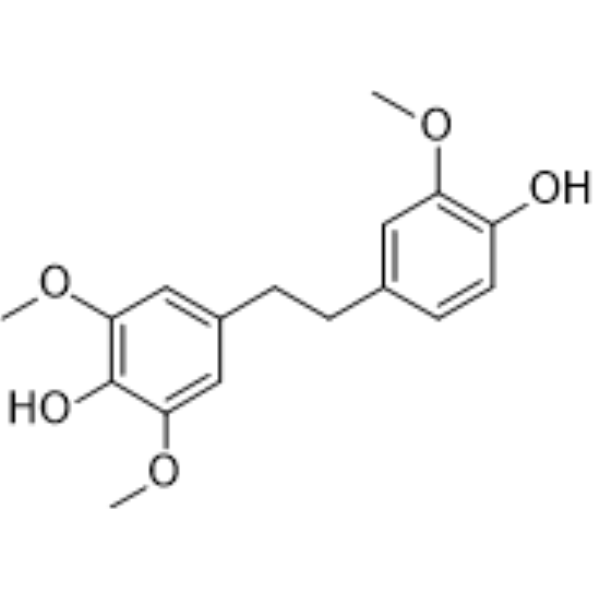
TopoII/tubulin-IN-1 (Compound 1B8) is a TopoII/tubulin inhibitor. TopoII/tubulin-IN-1 can inhibit the proliferation and the level of ROS of tumor cells, induce apoptosis and cell cycle arrest of tumor cells, but has no significant cytotoxicity to normal cells. TopoII/tubulin-IN-1 has antitumor activity .
|
-

- HY-N13025
-
|
Verrucarin L acetate
|
Fungal
|
Infection
|
|
8-Acetylverrucarin L (Verrucarin L acetate) is a mycotoxin, which exhibits antitumor and antimicrobial activities. 8-Acetylverrucarin L exhibits cytotoxicity to cancer cells HCT116 and A2780S, with IC100 of 9.77 and 9.77 ng/mL. 8-Acetylverrucarin L exhibits antifungal activity against Saccharomyces cerevisiae, Candida albicans and Geotrichum candidum .
|
-

- HY-12458
-
|
|
DNA/RNA Synthesis
|
Infection
Cancer
|
|
Pyrindamycin A is an antibiotic that inhibits DNA synthesis. Pyrindamycin A shows antitumor activities against murine leukemia, exhibits stronger cytotoxic activities towards murine and human tumor cell lines and especially towards doxorubicin-resistant cells, inhibits P388 and P388/ADR cells with the same IC50 of 3.9 μg/ml .
|
-
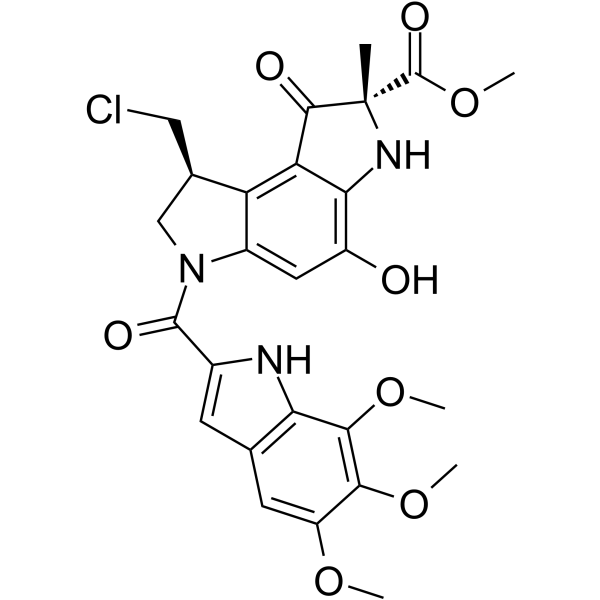
- HY-113341S
-
-
- HY-18981R
-
|
(+)-Decursin (Standard)
|
Reference Standards
PKC
Apoptosis
CXCR
|
Neurological Disease
Inflammation/Immunology
Cancer
|
|
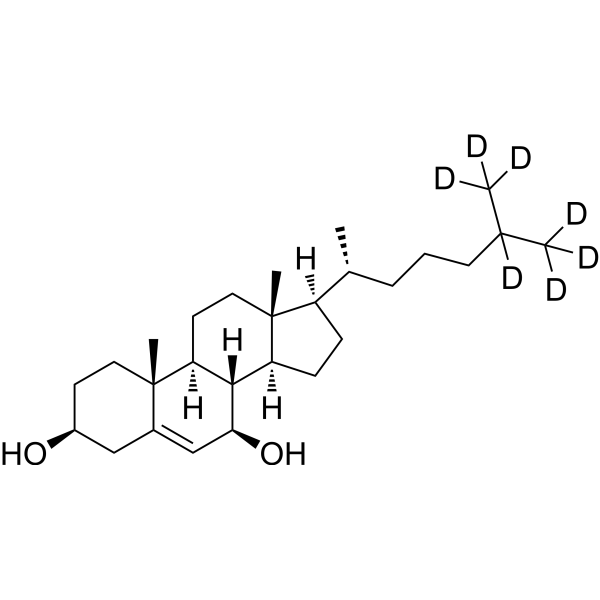
Decursin (Standard) is the analytical standard of Decursin. This product is intended for research and analytical applications. Decursin ((+)-Decursin) is a potent anti-tumor agent. Decursin also is a cytotoxic agent and a potent protein kinase C activator. Decursin induces apoptosis and cell cycle arrest at G1 phase. Decursin decreases the expression of CDK2, CDK4, CDK6, cyclin D1 protein at 48 h. Decursin inhibits cell proliferation and migration. Decursin shows anti-tumor, anti-inflammatory and analgesic activities [4].
|
-

- HY-10320G
-
|
BIRB 796 (GMP)
|
p38 MAPK
|
Cancer
|
|
Doramapimod GMP (BIRB 796 GMP) is an orally active inhibitor for p38 MAPK, with IC50s of 38, 65, 200 and 520 nM, for p38α, p38β, p38γ, p38δ. Doramapimod exhibits cytotoxicity and antitumor activity against multiple myeloma, synergizes with multidrug resistance protein 1 (ABCB1) and aurora kinase inhibitor VX680, promoting their antitumor efficacy against oral epidermoid carcinoma and cervical cancer. Doramapimod also exhibits anti-inflammatory activity .
|
-

- HY-N1517R
-
|
|
Aldose Reductase
Reference Standards
|
Inflammation/Immunology
Cancer
|
|
Ganoderic acid C2 (Standard) is the analytical standard of Ganoderic acid C2. This product is intended for research and analytical applications. Ganoderic acid C2 is a bioactive triterpenoid in Ganoderma lucidum. Ganoderic acid C2 possesses the potential anti-tumor bioactivity, antihistamine, anti-aging and cytotoxic effects. Ganoderic acid C2 is the inhibitor for aldose reductase with an IC50 of 43.8 µM .
|
-

- HY-P9965
-
|
HuLuc 63; PDL 063; BMS 901608
|
Transmembrane Glycoprotein
|
Cancer
|
|
Elotuzumab (HuLuc 63) is an IgG1 monoclonal antibody targeting the SLAMF7 receptor. Elotuzumab exerts antitumor activity by activating natural killer cells and inducing antibody-dependent cell-mediated cytotoxicity. Elotuzumab can be combined with Lenalidomide (HY-A0003), Dexamethasone (HY-14648), etc., for the research of tumors such as multiple myeloma .
|
-

- HY-100506R
-
|
|
Integrin
Reference Standards
|
Cancer
|
|
GLPG0187 (Standard) is the analytical standard of GLPG0187 (HY-100506). This product is intended for research and analytical applications. GLPG0187 is a broad spectrum integrin receptor antagonist with antitumor activity; inhibits αvβ1-integrin with an IC50 of 1.3 nM . GLPG0187 inhibits migrasome biogenesis without cytotoxicity .
|
-

- HY-147040
-
|
|
c-Met/HGFR
Apoptosis
|
Cancer
|
|
ABN401 is an orally active and selective ATP-competitive c-MET inhibitor with an IC50 of 10 nM. ABN401 is cytotoxic to MET-addicted cancer cells with the IC50 of 2-43 nM. ABN401 has bioavailability in rats and dogs of 42.1-56.2% and 27.4-37.7%, respectively. ABN401 has antitumor activity .
|
-
- HY-177710
-
|
|
Antibody-Drug Conjugates (ADCs)
EGFR
|
Cancer
|
|
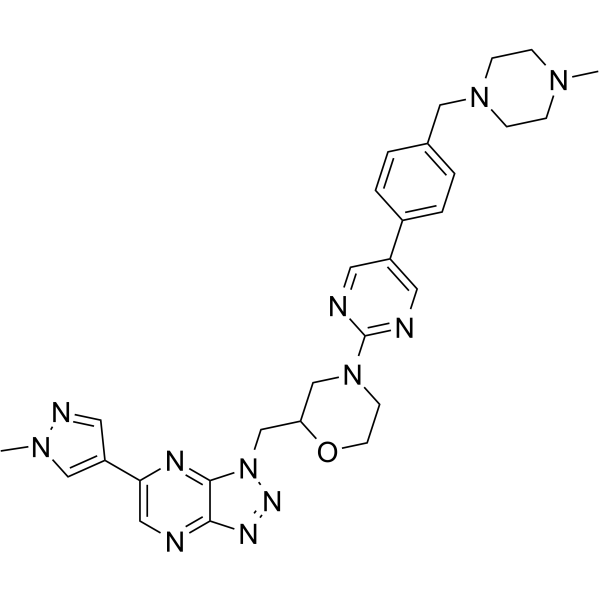
MEDI4276 is a biparatopic tetravalent antibody targeting two nonoverlapping epitopes in subdomains 2 and 4 of the HER2 ecto-domain. MEDI4276 is composed of MEDI4276 Antibody (HY-P991238) and a cytotoxic payload AZ1508 (HY-128962) linked through site-specific coupling. MEDI4276 exhibits antitumor activity .
|
-

- HY-P9976A
-
|
|
CD38
Apoptosis
|
Cancer
|
|
Isatuximab (anti-CD38) is a monoclonal antibody that targets the transmembrane receptor and extracellular enzyme CD38, a protein highly expressed in hematological malignancies, including multiple myeloma. Isatuximab (anti-CD38) exhibits anti-tumor activity through multiple biological mechanisms, including antibody-dependent cell-mediated cytotoxicity, complement-dependent cytotoxicity, antibody-dependent cell phagocytosis, and non-crosslinking direct induction of apoptosis. Isatuximab (anti-CD38) also directly inhibits the extracellular enzyme activity of CD38, which is related to many cellular functions .
|
-
- HY-18981S
-
|
(+)-Decursin-d6
|
Isotope-Labeled Compounds
PKC
Apoptosis
CXCR
|
Neurological Disease
Inflammation/Immunology
Cancer
|
|
Decursin-d6 ((+)-Decursin-d6) is the deuterium labeled Decursin (HY-18981). Decursin ((+)-Decursin) is a potent anti-tumor agent. Decursin also is a cytotoxic agent and a potent protein kinase C activator. Decursin induces apoptosis and cell cycle arrest at G1 phase. Decursin decreases the expression of CDK2, CDK4, CDK6, cyclin D1 protein at 48 h. Decursin inhibits cell proliferation and migration. Decursin shows anti-tumor, anti-inflammatory and analgesic activities .
|
-

- HY-P10930A
-
|
|
DNA/RNA Synthesis
|
Cancer
|
|
wrwycr-NH2 (TFA) is a peptide. wrwycr-NH2 (TFA) is cytotoxic to multiple cancer cells, can induce DNA damage and cell cycle arrest, but does not induce endoplasmic reticulum stress. wrwycr-NH2 (TFA) has anti-tumor activity, and it shows better efficacy when used in combination with DNA-damaging agents .
|
-

- HY-N1517A
-
|
|
Aldose Reductase
|
Cancer
|
|
(Rac)-Ganoderic acid C2 is the racemate of Ganoderic acid C2 (HY-N1517). Ganoderic acid C2 is a bioactive triterpenoid in Ganoderma lucidum. Ganoderic acid C2 possesses anti-tumor, antihistamine, anti-aging and cytotoxic effects. Ganoderic acid C2 exhibits high inhibitory activity against the rat lens aldose reductase (RLAR) with an IC50 of 3.8 µM[ .
|
-

- HY-120436
-
|
|
Drug Derivative
|
Cancer
|
|
RM 49 is the derivative of Mitomycin C (HY-13316). RM 49 exhibits cytotoxicity in SCLC and NSCLC lung cancer cells with IC50 of 0.01-0.5 μg/mL. RM 49 exhibits high relative antitumor activity in compared with Mitomycin C, Cisplatin (HY-17394), Carboplatin (HY-17393) and Doxorubicin (HY-15142) .
|
-

- HY-P991606
-
|
|
C-type Lectin-like Receptors (CTLRs)
|
Infection
Inflammation/Immunology
Cancer
|
|
TRX585 is a humanised anti-immunoglobulin-like transcript 5 (ILT5) monoclonal antibody. TRX585 has a potent immunoregulatory activity. TRX585 significantly activates human T cells and upregulates NKG2D and Fas ligand, followed by enhancing antitumor activity with potent cytotoxicity. TRX585 can be used for viral infections and malignancies research .
|
-

- HY-117763
-
|
|
Calcium Channel
|
Others
|
|
A-39355 is a compound that can overcome multidrug resistance and has the activity of reversing multidrug resistance. A-39355 can enhance the cytotoxicity of antitumor compounds in multidrug-resistant cells, increase the accumulation of compounds in cells, inhibit the efflux of compounds, and compared with calcium antagonists, it has no serious hypotensive effect. Its activity may be unrelated to the ability to block calcium transport.
|
-

- HY-120768
-
|
|
Drug Derivative
|
Others
|
|
A-30312 is a compound that can overcome multidrug resistance and has the activity of reversing multidrug resistance. A-30312 can enhance the cytotoxicity of antitumor compounds in multidrug-resistant cells, increase the accumulation of compounds in cells, inhibit the efflux of compounds, and compared with calcium antagonists, it has no serious hypotensive effect. Its activity may be unrelated to the ability to block calcium transport.
|
-

- HY-125677
-
|
|
Caspase
Reactive Oxygen Species (ROS)
Apoptosis
|
Cancer
|
|
SHetA2 is a derivative of heteroarotinoid, that exhibits cytotoxicity in cancer cells with IC50 of 0.37–4.6 μM. SHetA2 regulates cancer cells differentiation, induces apoptosis through the intrinsic mitochondrial pathway, and arrest cell cycle at G2 phase. SHetA2 exhibits good pharmacokinetic characteristics and antitumor efficacy in mice. SHetA2 is orally active .
|
-

- HY-P99622
-
|
IMC-20D7S
|
Tyrosinase
|
Cancer
|
|
Flanvotumab (IMC-20D7S) is a human monoclonal antibody targeting to tyrosinase-related protein (TYRP1), specifically expressed in melanocytes and melanoma cells. Flanvotumab acts function via natural killing-mediated antibody-dependent cell-mediated cytotoxicity (ADCC). Flanvotumab has potent anti-tumor activity and good tolerance .
|
-

- HY-147772
-
-
- HY-124473
-
|
Naphthafluorescein
|
HIF/HIF Prolyl-Hydroxylase
|
Cancer
|
|
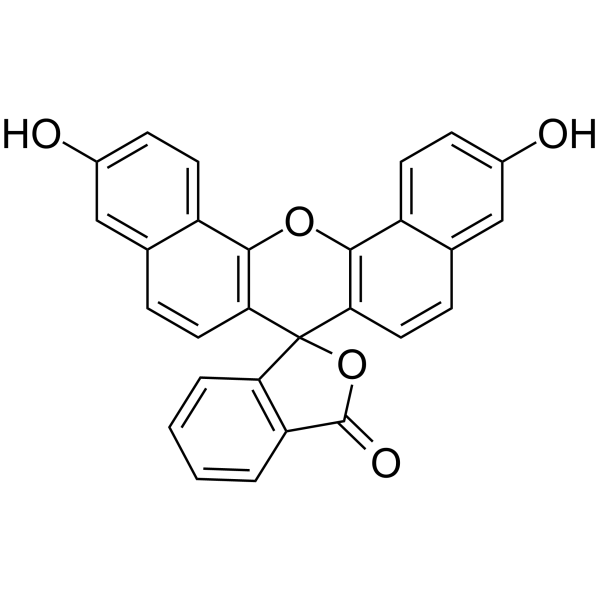
Naphthofluorescein inhibits the interaction between HIF-1 and Mint3.
Naphthofluorescein suppresses Mint3-dependent HIF-1 activity and glycolysis in cancer cells and macrophages without cytotoxicity in vitro and adverse effect in vivo . Naphthofluorescein is also a fluorescent pH-sensitive probe that can be used for functional Cerenkov imaging .
|
-
- HY-108511A
-
|
|
Sigma Receptor
Apoptosis
SARS-CoV
|
Infection
Cancer
|
|
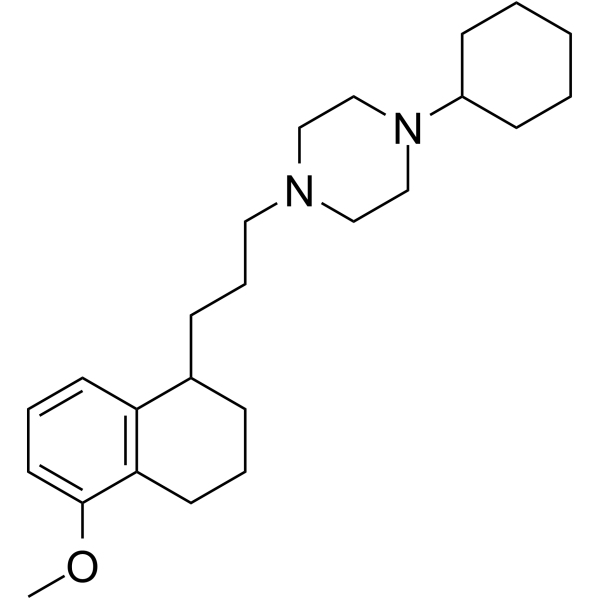
PB28 is a cyclohexylpiperazine derivative and a high affinity and selective sigma 2 (σ2) receptor agonist with a Ki of 0.68 nM. PB28 is also a σ1 antagonist with a Ki of 0.38 nM. PB28 is less affinity for other receptors. PB28 inhibits electrically evoked twitch in guinea pig bladder and ileum with EC50 values of 2.62 μM and 3.96 μM, respectively. PB28 can modulate SARS-CoV-2-human protein-protein interaction. PB28 induces caspase-independent apoptosis and has antitumor activity .
|
-
- HY-108511
-
|
|
Sigma Receptor
Apoptosis
SARS-CoV
|
Infection
Cancer
|
|
PB28 dihydrochloride, a cyclohexylpiperazine derivative, is a high affinity and selective sigma 2 (σ2) receptor agonist with a Ki of 0.68 nM. PB28 dihydrochloride is also a σ1 antagonist with a Ki of 0.38 nM. PB28 dihydrochloride is less affinity for other receptors. PB28 dihydrochloride inhibits electrically evoked twitch in guinea pig bladder and ileum with EC50 values of 2.62 μM and 3.96 μM, respectively. PB28 dihydrochloride can modulate SARS-CoV-2-human protein-protein interaction. PB28 dihydrochloride induces caspase-independent apoptosis and has antitumor activity .
|
-
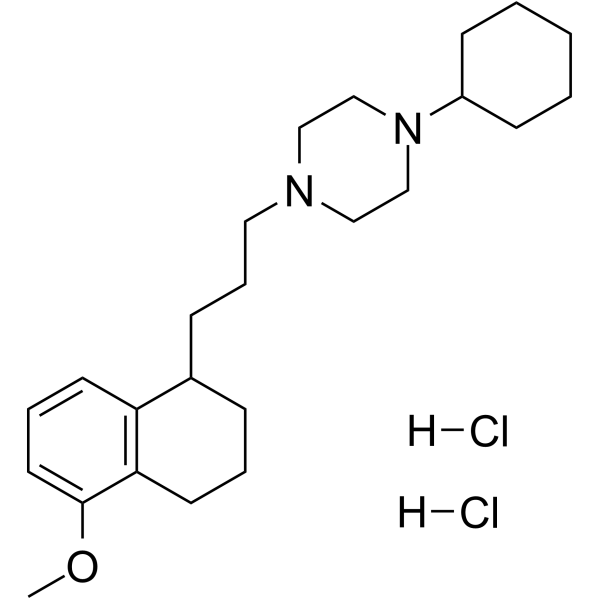
- HY-10446R
-
|
|
Reference Standards
Antifolate
Apoptosis
|
Cancer
|
|
Pralatrexate (Standard) is the analytical standard of Pralatrexate. This product is intended for research and analytical applications. Pralatrexate is an antifolate and is a potent dihydrofolate reductasean (DHFR) inhibitor with a Ki of 13.4 pM. Pralatrexate is a substrate for folylpolyglutamate synthetase with improved cellular uptake and retention. Pralatrexate has antitumor activities and has the potential for relapsed/refractory T-cell lymphoma treatment . Pralatrexate is a click chemistry reagent, it contains an Alkyne group and can undergo copper-catalyzed azide-alkyne cycloaddition (CuAAc) with molecules containing Azide groups.
|
-

- HY-108511R
-
|
|
Reference Standards
Sigma Receptor
Apoptosis
SARS-CoV
|
Infection
Cancer
|
|
PB28 dihydrochloride (Standard) is the analytical standard of PB28 (dihydrochloride) (HY-108511). This product is intended for research and analytical applications. PB28 dihydrochloride, a cyclohexylpiperazine derivative, is a high affinity and selective sigma 2 (σ2) receptor agonist with a Ki of 0.68 nM. PB28 dihydrochloride is also a σ1 antagonist with a Ki of 0.38 nM. PB28 dihydrochloride is less affinity for other receptors. PB28 dihydrochloride inhibits electrically evoked twitch in guinea pig bladder and ileum with EC50 values of 2.62 μM and 3.96 μM, respectively. PB28 dihydrochloride can modulate SARS-CoV-2-human protein-protein interaction. PB28 dihydrochloride induces caspase-independent apoptosis and has antitumor activity .
|
-

- HY-10446
-
|
|
Antifolate
Apoptosis
|
Cancer
|
|
Pralatrexate is an antifolate and is a potent dihydrofolate reductasean (DHFR) inhibitor with a Ki of 13.4 pM. Pralatrexate is a substrate for folylpolyglutamate synthetase with improved cellular uptake and retention. Pralatrexate has antitumor activities and has the potential for relapsed/refractory T-cell lymphoma treatment . Pralatrexate is a click chemistry reagent, it contains an Alkyne group and can undergo copper-catalyzed azide-alkyne cycloaddition (CuAAc) with molecules containing Azide groups.
|
-
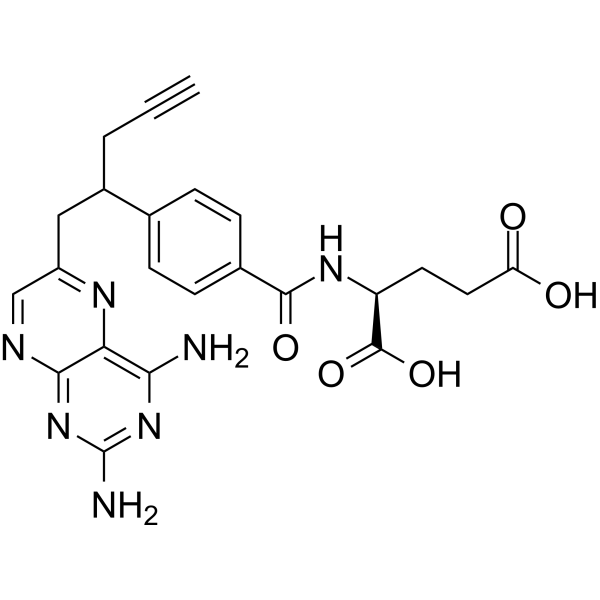
- HY-N10800
-
1,2,6,7,8,9-Hexahydro-1,6,6-trimethyl-3,11-dioxanaphth[2,1-e]azulene-10,12-dione
|
Others
|
Cancer
|
|
1,2,6,7,8,9-Hexahydro-1,6,6-trimethyl-3,11-dioxanaphth[2,1-e]azulene-10,12-dione is a kind of chemical constituents of Salvia miltiorrhiza f. alba. The dihydroisotanshinone with a para-quinone moiety shows cytotoxicity and anti-tumor activity .
|
-
![1,2,6,7,8,9-Hexahydro-1,6,6-trimethyl-3,11-dioxanaphth[2,1-e]azulene-10,12-dione](//file.medchemexpress.com/product_pic/hy-n10800.gif)
- HY-P9985
-
|
RC48
|
Antibody-Drug Conjugates (ADCs)
EGFR
|
Cancer
|
|
Disitamab vedotin (RC48) is an antibody-drug conjugate (ADC) comprising a monoclonal antibody against human epidermal growth factor receptor 2 (HER2) conjugated via a cleavable linker to the cytotoxic agent Monomethyl auristatin E (MMAE) (HY-15162), and the drug-linker conjugate for ADC is Deruxtecan (HY-13631E). Disitamab vedotin enhances antitumor immunity .
|
-

- HY-113578
-
|
|
Antibiotic
Bacterial
|
Infection
Cancer
|
|
PD 116152 is a phenazine Antibiotic with antimicrobial and antitumor activity. PD 116152 possesses cytotoxic activity against L1210 lymphocytic leukemia and human colon adenocarcinoma (HCT-8) cells with IC50 values of 5.2 x 10 -7 M and 7.1 x 10 -7 M, respectively. PD 116152 is promising for research of P388 lymphocytic leukemia .
|
-

- HY-W026644
-
|
Acridine-9-carbaldehyde
|
Bacterial
|
Infection
Cancer
|
|
Acridine-9-carboxaldehyde (Acridine-9-carbaldehyde) is a bioactive compound with potential antibacterial and antitumor activities. Acridine-9-carboxaldehyde is widely used as a building block in compound development to synthesize various bioactive derivatives. Acridine-9-carboxaldehyde exhibits significant cytotoxicity against certain cancer cells, making it an important candidate in cancer inhibition research.
|
-

- HY-15794
-
|
Methoxymorpholinyl doxorubicin; FCE 23762; PNU 152243
|
G-quadruplex
|
Cancer
|
|
Nemorubicin (Methoxymorpholinyl doxorubicin) is a Doxorubicin derivative with potent antitumor activity. Nemorubicin is highly cytotoxic to a variety of tumor cell lines presenting a multidrug-resistant phenotype. Nemorubicin not only intercalate into the duplex DNA, but also result in significant ligands for G-quadruplex DNA segments, stabilizing their structure. Nemorubicin requirs an intact nucleotide excision repair (NER) system to exert its activity .
|
-
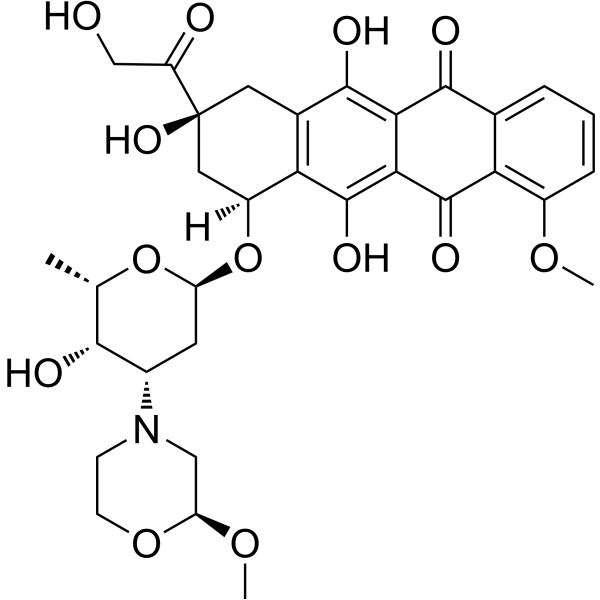
- HY-P9921A
-
|
Ado-Trastuzumab emtansine (solution); PRO132365 (solution); T-DM 1 (solution)
|
Antibody-Drug Conjugates (ADCs)
EGFR
|
Cancer
|
|
Trastuzumab emtansine (Ado-Trastuzumab emtansine) is an antibody-drug conjugate (ADC) that incorporates the HER2-targeted antitumor properties of trastuzumab with the cytotoxic activity of the microtubule-inhibitory agent DM1 (derivative of maytansine), and the drug-linker conjugate for ADC is SMCC-DM1 (HY-101070). Trastuzumab emtansine can be used for the research of advanced breast cancer .
|
-

- HY-113853
-
|
|
Akt
Apoptosis
|
Others
|
|
WF-10129 is a cytotoxic steroidal compound isolated from the plant Physalis. WF-10129 inhibits liver cancer cell proliferation, induces apoptosis, interferes with metabolism, and significantly reduces lactate production in vitro and in vivo. WF-10129 can also exert anti-tumor activity by regulating the expression of related genes and proteins through the AKT-p53 pathway.
|
-

- HY-162867
-
|
|
Ferroptosis
|
Cancer
|
Photosensitizer-5 is a photosensitizer. Photosensitizer-5 has cytotoxicity against HeLa and HepG2 cells, with IC50 values of 10.4 nM and 6.9 nM, respectively. Photosensitizer-5 can lead to lipid peroxidation and induces cell death through an iron-independent ferroptosis-like pathway. Photosensitizer-5 shows anti-tumor activity in HeLa tumor-bearing mice .
|
-

- HY-N6693
-
Valinomycin
Maximum Cited Publications
7 Publications Verification
NSC 122023
|
Apoptosis
Antibiotic
Autophagy
Fungal
|
Infection
Others
Cancer
|
|
Valinomycin is a potassium-specific ionophore, the valinomycin-K + complex can be incorporated into biological bilayer membranes with the hydrophobic surface of valinomycin, destroys the normal K + gradient across the membrane, and as a result kills the cells, incorporating into liposomes can significantly reduces the cytotoxicity and enhances the targeting effect. Valinomycin exhibits antibiotic, antifungal, antiviral, antitumor and insecticidal efficacy, thus can be used for relevant research .
|
-
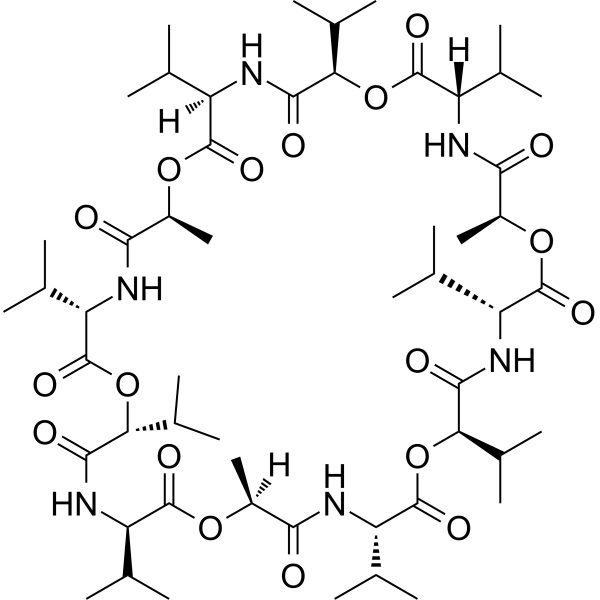
- HY-P1881
-
|
|
HPV
|
Cancer
|
|
HPV16-E711-20 epitope is a well-known HLA-A *0201-restricted human cytotoxic T lymphocyte (CTL) epitope of the HPV16 E7 protein that shows high-affinity binding to HLA-A2 in vitro. HPV16 CTL epitopes may be good candidates for the development of an effective peptide-based antitumor vaccine .
|
-

- HY-113341R
-
-

- HY-18957C
-
|
BGB-283 hydrochloride
|
Endogenous Metabolite
|
Cancer
|
|
Lifirafenib hydrochloride (BGB-283 hydrochloride) is a novel, reversible B-RAFV600E inhibitor with antitumor activity. Lifirafenib has shown potent antitumor activity against solid tumors with B-RAFV600E mutations, such as melanoma, thyroid cancer, and low-grade serous ovarian cancer. Lifirafenib exhibits selective cytotoxicity in vitro, preferentially inhibiting the proliferation of cancer cells with B-RAFV600E and EGFR mutations/amplification. Lifirafenib can achieve dose-dependent inhibition of tumor growth in animal models, accompanied by partial and complete tumor shrinkage .
|
-

- HY-16232
-
|
D 19575; Glucosylifosfamide mustard
|
Apoptosis
Caspase
Bcl-2 Family
|
Cancer
|
|
Glufosfamide is a glucose-conjugated alkylating cytotoxic agent and a derivative of Ifosfamide (HY-17419). Glufosfamide induces apoptosis frequency and increase the expression of caspase-9 and caspase-3 in cancer cells. Glufosfamide shows great anti-tumor activity in MiaPaCa-2-RFP mouse model. Glufosfamide can be used for the study of hepatocellular carcinoma, prostate cancer and pancreatic carcinoma .
|
-
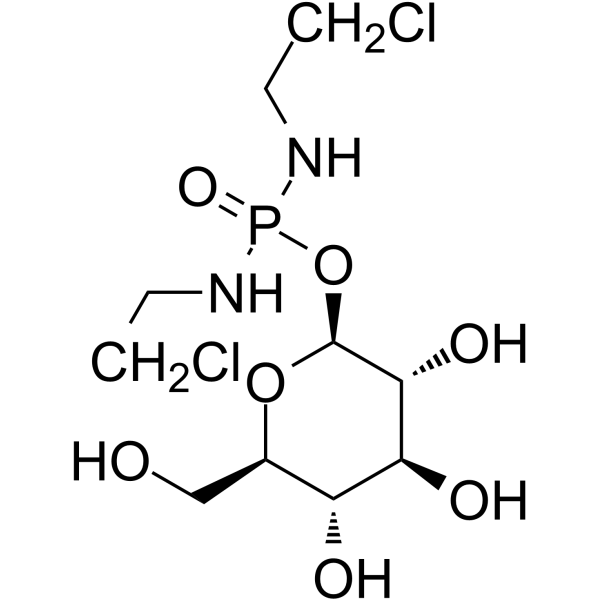
- HY-P99055
-
|
|
TNF Receptor
|
Inflammation/Immunology
Cancer
|
|
Urelumab, a fully human, non-ligand binding, CD137 agonist IgG4 monoclonal antibody, enhances T-cell and natural killer-cell antitumor activity, and may enhance cytotoxic activity of Rituximab (HY-P9913). Urelumab can be used for the research of diffuse large B-cell lymphoma (DLBCL), follicular lymphoma (FL), and other types of non-Hodgkin lymphoma (NHL) .
|
-

- HY-15579G
-
|
Monomethylauristatin F
|
Microtubule/Tubulin
ADC Payload
|
Cancer
|
|
MMAF (Monomethylauristatin F) GMP is a GMP grade MMAF (HY-15579). GMP small molecules works appropriately as an auxiliary reagent for cell therapy manufacture. MMAF (Monomethylauristatin F) is a potent tubulin polymerization inhibitor and is used as a antitumor agent. MMAF (Monomethylauristatin F) is widely used as a cytotoxic component of antibody-drug conjugates (ADCs) such as vorsetuzumab mafodotin and SGN-CD19A .
|
-
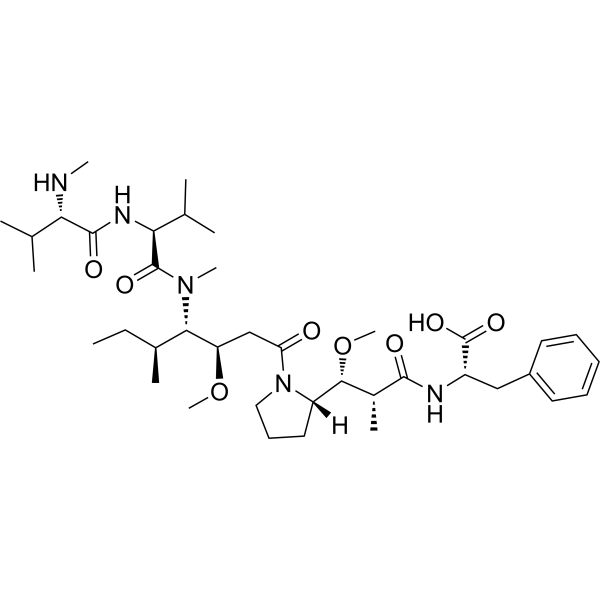
- HY-159119
-
|
|
Dihydroorotate Dehydrogenase
Ferroptosis
|
Cancer
|
|
hDHODH-IN-15 (Compound H19) is an inhibitor for human dihydroguanylate dehydrogenase (hDHODH) with an IC50 of 0.21 µM. hDHODH-IN-15 exhibits cytotoxicity in cancer cells NCI-H226, HCT-116, and MDA-MB-231, with IC50 of 0.95-2.81 µM. hDHODH-IN-15 induces ferroptosis in HCT-116, and exhibits antitumor efficacy .
|
-

- HY-N0591
-
|
(-)-Dehydrocostus lactone; Epiligulyl oxide
|
Bacterial
Apoptosis
p38 MAPK
NF-κB
MAPKAPK2 (MK2)
Akt
NO Synthase
Interleukin Related
Caspase
|
Infection
Inflammation/Immunology
Cancer
|
|
Dehydrocostus Lactone ((-)-Dehydrocostus lactone) is a natural sesquiterpene that can be isolated from Saussurea lappa. Dehydrocostus Lactone has multiple activities such as anti-inflammatory, antibacterial, anti-tumor, and immunomodulatory effects. Dehydrocostus Lactone has an MIC of 2 µg/mL against Mycobacterium tuberculosis. Dehydrocostus Lactone can also inhibit the killing activity of cytotoxic T lymphocytes and induce apoptosis in tumor cells .
|
-
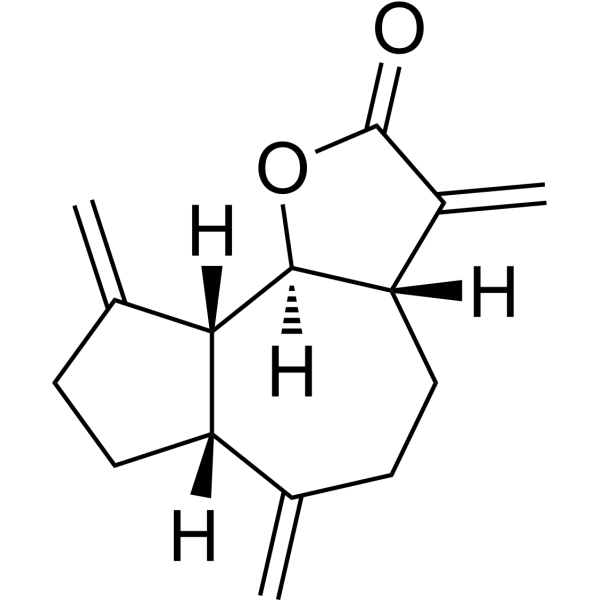
- HY-P992483
-
|
|
Transmembrane Glycoprotein
|
Cancer
|
|
VIS832 is an anti-CD138 monoclonal antibody. VIS832 induces antibody-dependent cellular cytotoxicity. VIS832 inhibits the growth of disseminated multiple myeloma tumors in vivo. VIS832 exerts anti-tumor effects on multiple myeloma in combination with Lenalidomide (HY-A0003) or Bortezomib (HY-10227). VIS832 can be used in research related to multiple myeloma .
|
-

- HY-P99492
-
|
SB-408075; huC242-DM1
|
Antibody-Drug Conjugates (ADCs)
Microtubule/Tubulin
|
Cancer
|
|
Cantuzumab mertansine (SB-408075; huC242-DM1), an ADC, is an immunoconjugate of the potent maytansine derivative (DM1 (HY-19792)) and the humanized monoclonal antibody (huC242) directed to CanAg. Cantuzumab mertansine has cytotoxic toward colon cancer cells and has broad antitumor efficacy against a range of CanAg-positive human tumor xenografts .
|
-

- HY-129292
-
|
Quinocarmycin; DC-52; KW2152 free base
|
Antibiotic
Bacterial
|
Infection
Cancer
|
|
Quinocarcin (DC-52) is a potent antitumor antibiotic. Quinocarcin inhibits Bacillus subtilis DNA, RNA and protein syntheses .
|
-

- HY-P1791
-
|
Lactoferricin B; Lfcin B
|
Bacterial
Fungal
Apoptosis
|
Infection
Cancer
|
|
Lactoferrin 17-41 (Lactoferricin B), a peptide corresponding to residues 17-41 of bovine lactoferrin, has antimicrobial activity against a wide range of microorganisms, including Gram-positive and Gramnegative bacteria, viruses, protozoa, and fungi. Lactoferrin 17-41 has antitumor activities .
|
-
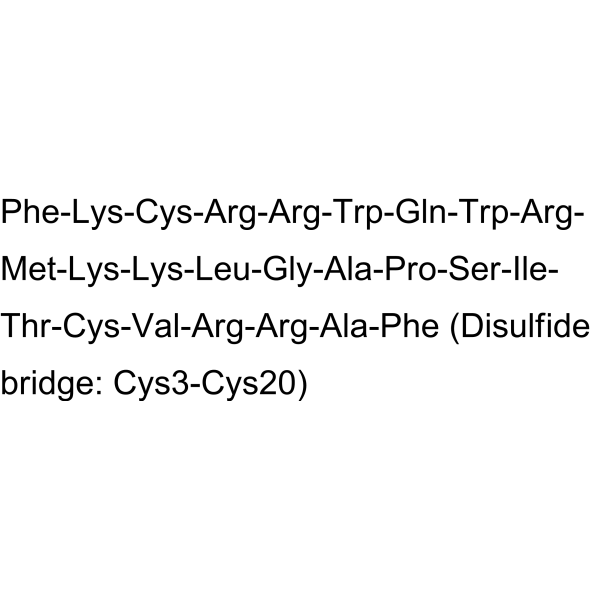
- HY-N9488
-
|
Girinimbin
|
Apoptosis
Bacterial
Parasite
|
Infection
Inflammation/Immunology
Cancer
|
|
Girinimbine (Girinimbin) is a carbazole alkaloid with a variety of biological effects. Girinimbine can induce apoptosis, and has antitrypanosomal, antiplatelet activity, antibacterial activity, anti-inflammatory, antioxidant and antitumor activities .
|
-
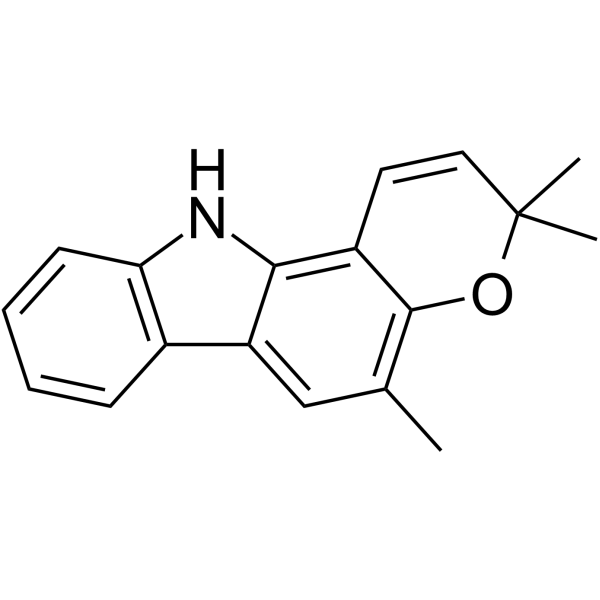
- HY-P1791B
-
|
Lactoferricin B acetate; Lfcin B acetate
|
Bacterial
Fungal
Apoptosis
|
Infection
Cancer
|
|
Lactoferrin 17-41 (Lactoferricin B) acetate, a peptide corresponding to residues 17-41 of bovine lactoferrin, has antimicrobial activity against a wide range of microorganisms, including Gram-positive and Gramnegative bacteria, viruses, protozoa, and fungi. Lactoferrin 17-41 acetate has antitumor activities .
|
-

- HY-N0446R
-
|
|
ADC Payload
Reference Standards
|
Cancer
|
|
10-Methoxycamptothecin (Standard) is the analytical standard of 10-Methoxycamptothecin. This product is intended for research and analytical applications. 10-Methoxycamptothecin is a natural bioactive derivative of camptothecin (CPT) isolated from Camptotheca acuminata, and has been confirmed to possess high anti-cancer properties. 10-Methoxycamptothecin has higher cytotoxicity than 10-hydroxycamptothecin by testing antitumor activity against 2774 cell lines .
|
-

- HY-177285
-
|
|
Kinesin
ADC Payload
|
Cancer
|
|
NVP-BQS481 (Compound 1) is a selective Kinesin spindle protein-5 (Eg5) inhibitor with an IC50< 0.5 nM. NVP-BQS481 has significant antimitotic and antitumor activity (IC50: 0.0.9 nM for SK-OV-3ip cells). NVP-BQS481 can be used as a cytotoxic payload for synthesis of antibody-drug conjugates (ADCs) .
|
-

- HY-P991587
-
|
|
Orphan GPCR
|
Cancer
|
|
SAR-446523 is a humanized IgG1 monoclonal antibody inhibitor targeting GPRC5D. SAR-446523 significantly induces antibody-dependent cell-mediated cytotoxicity (ADCC). SAR-446523 has potent antitumor activity with improvement of mouse survival in NK humanized NOG huIL15 transgenic mice model bearing MM cells. SAR-446523 can be used for multiple myeloma (MM) research .
|
-

- HY-101096R
-
|
MK-8998 (Standard); CX-8998 (Standard); JZP385 (Standard)
|
Calcium Channel
Reference Standards
|
Neurological Disease
Cancer
|
|
Suvecaltamide (Standard) is the analytical standard of Suvecaltamide (HY-101096). This product is intended for research and analytical applications. Suvecaltamide (MK-8998) is a selective T-type calcium channel inhibitor with oral efficacy. Suvecaltamide exhibits no cytotoxicity in myeloma cell lines and does not affect the antitumor efficacy of Bortezomib (BTZ). Suvecaltamide reverses BTZ-induced peripheral neuropathy (CIPN) in mouse and rat models, and helps inhibit myeloma growth .
|
-

- HY-146329R
-
|
|
Reference Standards
Bacterial
Antibiotic
|
Infection
|
|
Ganoderic acid C2 (Standard) is the analytical standard of Ganoderic acid C2. This product is intended for research and analytical applications. Ganoderic acid C2 is a bioactive triterpenoid in Ganoderma lucidum. Ganoderic acid C2 possesses the potential anti-tumor bioactivity, antihistamine, anti-aging and cytotoxic effects. Ganoderic acid C2 exhibits high inhibitory activity against the rat lens aldose reductase (RLAR) with an IC50 of 3.8 µM .
|
-

- HY-P10596
-
|
|
Bacterial
Fungal
|
Infection
Cancer
|
|
Lasioglossin-III is an antimicrobial peptide that can be isolated from the venom of wild bees. Lasioglossin-III has high antibacterial activity against Gram-positive and Gram-negative bacteria, antifungal activity and antitumor activity. Lasioglossin-III has certain cytotoxicity against three cancer cell lines (HeLa S3, CRC SW 480 and CCRF-CEM T) with IC50 values of 4, 18 and 5 μM, respectively .
|
-

- HY-15096
-
MKT-077
Maximum Cited Publications
16 Publications Verification
FJ-776
|
Fluorescent Dye
HSP
|
Cancer
|
|
MKT-077 (FJ-776), a highly water-soluble mitochondrial dye, has significant antitumor activity . MKT-077 exhibits low cytotoxicity, and inhibits broad-spectrum human cancer cell lines (colon cancer, breast cancer, pancreatic cancer). MKT-077 inhibits the growth of tumor in nude mice enograft tumor model. Ex/Em=488/543 nm .
|
-
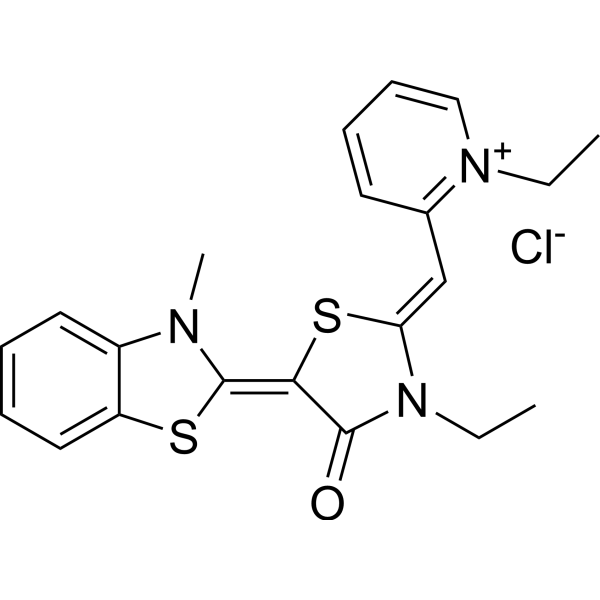
- HY-164992
-
|
MRG002; Trastuzumab MMAE
|
Antibody-Drug Conjugates (ADCs)
EGFR
Microtubule/Tubulin
|
Cancer
|
|
Trastuzumab vedotin (MRG002; Trastuzumab MMAE) is an antibody-drug conjugate and cytotoxin targeting HER2, with a Kd of 7.50E-11 M for human HER2. After binding to HER2, Trastuzumab vedotin undergoes internalization and lysosomal trafficking, delivering a cytotoxic payload to HER2-expressing cells and inducing tumor regression in in vivo xenograft models with HER2-expressing tumors. The anti-tumor activity of Trastuzumab vedotin is enhanced when used in combination with anti-PD-1 antibodies, and it exhibits preclinical anti-tumor activity in drug-resistant breast cancer, gastric cancer, and urothelial carcinoma PDX models. Trastuzumab vedotin has low antibody-dependent cellular cytotoxicity activity and can be used in studies related to HER2-positive breast cancer, HER2-positive gastric cancer, and unresectable locally advanced or metastatic HER2-positive urothelial carcinoma .
|
-

- HY-125135
-
|
β-Peltatin
|
Apoptosis
Bcl-2 Family
Caspase
PARP
|
Cancer
|
|
(-)-β-Peltatin is an aryltetrahydronaphthalene lignan. (-)-β-Peltatin exhibits antitumor activity and cytotoxicity against pancreatic cancer cells. (-)-β-Peltatin induces G2/M cell cycle arrest and apoptosis in pancreatic cancer cells. (-)-β-Peltatin inhibits the growth of subcutaneous xenografts of pancreatic cancer cells in nude mice. (-)-β-Peltatin can be used in pancreatic cancer-related research .
|
-
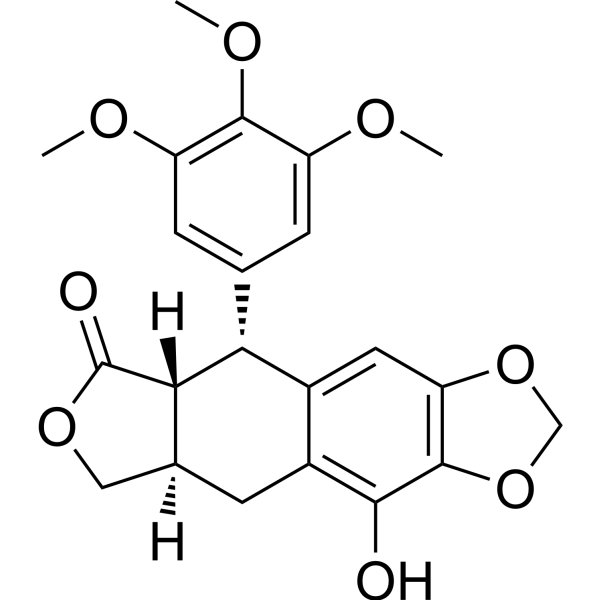
- HY-P991354
-
|
|
PD-1/PD-L1
|
Cancer
|
|
GR-1405 is a human monoclonal antibody (mAb) targeting B7-H1/PD-L1/CD274. GR-1405 enhances cytotoxic T lymphocyte (CTL)-mediated antitumor immune responses against PD-L1-expressing tumor cells. GR-1405 can be used in Lymphoma and Solid tumours research .
|
-

- HY-120356
-
|
TAI-95
|
Apoptosis
NEKs
|
Cancer
|
|
T-1101 (TAI-95) is an orally active inhibitor for mitose regulating highly expressed oncoprotein 1 (Hec1). T-1101 blocks the interaction between Hec1 and NEK2, exhibits cytotoxicity in human liver cancer cells with GI50 of 15-70 nM. T-1101 induces apoptosis in Huh-7. T-1101 exhibits antitumor efficacy in mouse models .
|
-

- HY-P99746
-
|
3C23K; GM102
|
TGF-β Receptor
|
Inflammation/Immunology
Cancer
|
|
Murlentamab (3C23K; GM102) is a humanized anti-AMHRII antibody. AMHRII is the anti-Müllerian hormone receptor. Murlentama significantly promotes macrophage-mediated antibody-dependent cell-mediated cytotoxicity (ADCC). Murlentama stimulates pro-inflammatory and anti-tumor internal environment, recruits and activates T cells. Murlentama suppresses tumors growth by inducing naïve macrophage orientation and promoting tumor-associated macrophage (TAM) reprogramming .
|
-

- HY-P99293
-
|
IDEC 114; Anti-Human CD80 Recombinant Antibody
|
CD28
Apoptosis
|
Cancer
|
|
Galiximab (IDEC-114) is a primatized monoclonal IgG1 antibody targeting CD80. Galiximab variable regions are primatized, and the constant regions are humanized. Galiximab induces antibody-dependent cellular cytotoxicity by blocking CD80-CD28 binding. Galiximab has antitumor activity and can induce apoptosis in tumor cells. Galiximab can be used in the research of relapsed Hodgkin lymphoma and solid tumors .
|
-

- HY-N15614
-
|
|
Others
|
Cancer
|
|
Cassamine is a diterpenoid compound that can be isolated from the bark of Erythrophleum fordii. Cassamine exhibits certain cytotoxicity against non-small cell lung cancer cell lines, with IC50 values of 3.4, 2.1, and 1.9 μM against A549, NCI-H1975, and NCI-H1299, respectively. Cassamine has antitumor activity and can be used in the research of lung cancer and other tumors .
|
-

- HY-D0190R
-
|
HTTA (Standard); TTA (Standard); TTFA (Standard)
|
Mitochondrial Metabolism
Reference Standards
|
Infection
Others
Cancer
|
|
2-Thenoyltrifluoroacetone (Standard) is the analytical standard of 2-Thenoyltrifluoroacetone. This product is intended for research and analytical applications. 2-Theoyltrifluoroacetone is a chelating agent and mitochondrial electron transfer chain inhibitor, with a IC50 value of 51.5 μM. 2-Thermoyltrifluoroacetone can chelate with various metal ions and has cytotoxicity and anti-tumor activity, which is expected to play an important role in the treatment of mitochondrial dysfunction related diseases .
|
-

- HY-159730
-
|
|
Aminotransferases (Transaminases)
|
Inflammation/Immunology
Cancer
|
|
ERG245 is a selective amino acid aminotransferase (BCAT1) inhibitor with a human IC50 of 0.5 nM. ERG245 enhances oxidative phosphorylation (OXPHOS) in CD8 + T cells by specifically inhibiting BCAT1 activity, thereby increasing the cytotoxicity of CD8 + T cells. ERG245 shows anti-inflammatory and anti-tumor activities. ERG245 can be used for the researches of cancer anf inflammation, such as colitis and colon cancer .
|
-

- HY-183866
-
|
Maleimide-KGDEVD-doxorubicin
|
Peptide-Drug Conjugates (PDCs)
HSP
IFNAR
|
Cancer
|
|
MPD-1 (Maleimide-KGDEVD-doxorubicin) is a peptide drug conjugate (PDC). MPD-1 releases Doxorubicin (HY-15142) via radiation-activated caspase-3 cleavage, triggering a cytotoxic amplification cascade at the tumor site. MPD-1 enhances CD8 + T cell tumor infiltration, and activates antigen-presenting cells. MPD-1 enables dual-trigger payload release, amplifies cytotoxicity via in situ feedback, and selectively delivers payload to tumor microenvironments via enhanced albumin metabolism and macropinocytosis. MPD-1 exhibits antitumor efficacy in mouse colorectal cancer models. MPD-1 can be used for the research of colorectal cancer .
|
-

- HY-171184
-
|
|
PARP
Bcr-Abl
Apoptosis
Mitosis
|
Cancer
|
|
EAPB0503 is a quinoline compound with anti-tumor activity, showing strong cytotoxicity against melanoma cells in vitro (IC50=200 nM). EAPB0503 can induce specific cell cycle arrest in mitosis of CML cells and directly activate apoptosis, leading to an increase in the G0 cell population, disruption of mitochondrial membrane potential, PARP cleavage, and DNA fragmentation. EAPB0503 also reduces the levels of BCR-ABL protein .
|
-

- HY-N14221
-
|
|
Antibiotic
DNA/RNA Synthesis
|
Infection
Cancer
|
|
Eponemycin is an antibiotic that exhibits antitumor activity. Eponemycin exhibits cytotoxicity in cancer cells B16-F10, L1210, P388 and HCT-116 with IC50 of 0.0017, 0.01, 0.031 and 0.0097 µg/mL, respectively. Eponemycin inhibits the DNA synthesis in B16-F10 and Mitomycin C with IC50 of 0.1 µg/mL and 0.41 µg/mL .
|
-

- HY-N4225
-
-
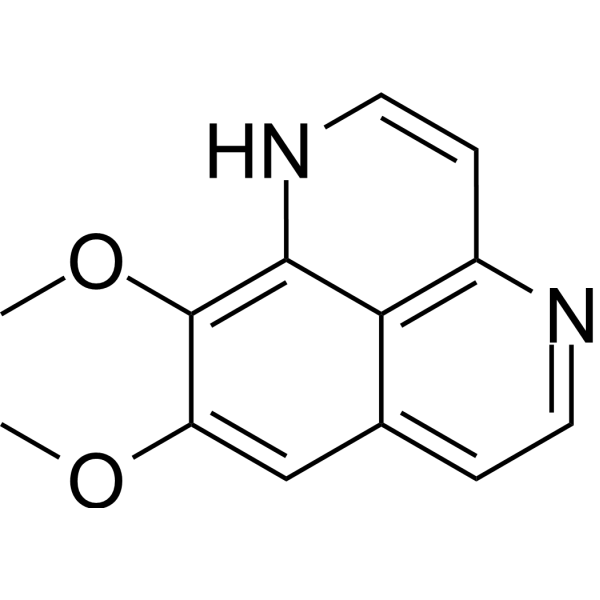
- HY-149040
-
|
(S)-OBI-3424; (S)-TH-3424; AST-3424
|
17β-HSD
|
Cancer
|
|
Odafosfamide ((S)-OBI-3424) is a highly selective prodrug bis-alkylating agent activated by aldehyde-keto reductase 1C3 (AKR1C3(). Odafosfamide is highly cytotoxic to cell lines with high AKR1C3 expression. Odafosfamide exhibits antitumor activity in a variety of tumors with high AKR1C3 expression (such as liver cancer, non-small cell lung cancer, and leukemia). Odafosfamide can be used in cancer research .
|
-

- HY-N6951R
-
-

- HY-15794G
-
|
Methoxymorpholinyl doxorubicin; FCE 23762; PNU 152243
|
G-quadruplex
|
Cancer
|
|
Nemorubicin (Methoxymorpholinyl doxorubicin) GMP is a GMP-class Nemorubicin (HY-15794). Nemorubicin is a Doxorubicin derivative with potent antitumor activity. Nemorubicin is highly cytotoxic to a variety of tumor cell lines presenting a multidrug-resistant phenotype. Nemorubicin not only intercalate into the duplex DNA, but also result in significant ligands for G-quadruplex DNA segments, stabilizing their structure. Nemorubicin requirs an intact nucleotide excision repair (NER) system to exert its activity .
|
-
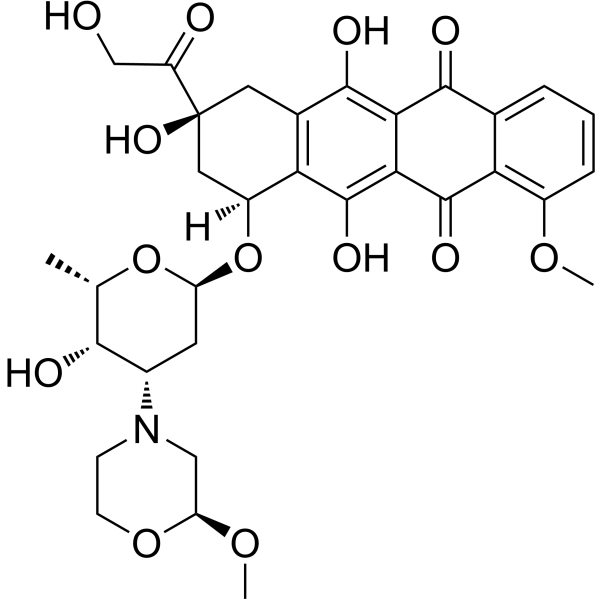
- HY-177760
-
|
|
Carboxypeptidase
Apoptosis
Akt
|
Cancer
|
|
PrCP-7414 is a prolyl carboxypeptidase (PRCP) inhibitor. PrCP-7414 blocks PRCP-mediated activation of the IGF1R/HER3 signaling pathway and subsequent AKT activation. PrCP-7414 exhibits pro-apoptotic, anti-tumor and synergistic cytotoxic activities, and inhibits the proliferation and survival of triple-negative breast cancer cells. PrCP-7414 can be used for the research of breast cancer .
|
-

- HY-172873
-
|
|
HDAC
Caspase
Apoptosis
|
Cancer
|
|
HDSI-18 is an orally active HDAC6 selective inhibitor (IC50: 1.6 nM). HDSI-18 is cytotoxic to K562, MV4-11, MOLM-13, THP-1, and Jurkat cells (IC50: 0.48, 0.58, 0.91, 1.79, and 4.31 μM, respectively). HDSI-18 activates Caspase-3, induces mitochondrial depolarization and apoptosis, and has antitumor activity .
|
-

- HY-126170
-
|
|
Antibiotic
Bacterial
|
Infection
Cancer
|
|
Valanimycin is an antibiotic, which inhibits Escherichia coli (BE1121) through interaction with DNA. Valanimycin exhibits cytotoxicity to mouse leukemia L1210, P388/S (doxorubicin (HY-15142A)-sensitive), and P388/ADR (doxorubicin-resistant), with IC50 of 0.79, 2.65, and 1.44 μg/mL, respectively. Valanimycin exhibits antitumor efficacy against ehrlich ascites tumors or L1210 in mice .
|
-

- HY-100707
-
|
|
DNA-PK
Apoptosis
|
Inflammation/Immunology
Cancer
|
|
IC 86621 is a potent DNA-dependent protein kinase (DNA-PK) inhibitor, with an IC50 of 120 nM. IC 86621 also acts as a selective and reversible ATP-competitive inhibitor.IC 86621 inhibits DNA-PK mediated cellular DNA double-strand break (DSB) repair (EC50=68 µM). IC 86621 increases DSB-induced antitumor activity without cytotoxic effects. IC 86621 can protects rheumatoid arthritis (RA) T cells from apoptosis .
|
-
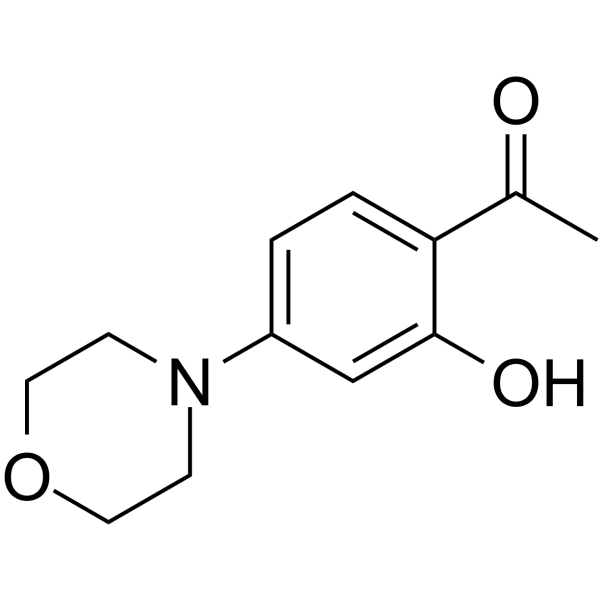
- HY-P990914
-
|
GS-1811; JTX-1811
|
CCR
|
Inflammation/Immunology
Cancer
|
|
Denikitug (GS-1811; JTX-1811) is a humanized monoclonal antibody against CCR8 receptor with a KD of 16.8 pM. Denikitug specifically binds to human CCR8, inhibits CCL1-induced downstream CCR8 signaling. Denikitug selectively depletes cells expressing CCR8 via antibody-dependent cellular cytotoxicity (ADCC). Denikitug promotes anti-tumor immunity and can be used for the research of cancer and immunology .
|
-

- HY-W319584
-
|
|
Drug Derivative
|
Cancer
|
|
AMP-404 is an Imexon (HY-15385)-derived antitumor agent with dual functions as a cytotoxin and growth inhibitor. AMP-404 exerts significant cytotoxic effects against various sensitive, drug-resistant and primary human tumor cells, including myeloma, breast cancer, melanoma, ovarian cancer and sarcoma cells. AMP-404 effectively inhibits the growth of rat PIE 2-3 sarcoma in vivo and exhibits remarkable in vivo efficacy .
|
-

- HY-155851
-
|
|
Ferroptosis
MDM-2/p53
Glutathione Peroxidase
ACSL Family
|
Cancer
|
|
Lepadin E is a significantly cytotoxic ferroptosis inducer that induces iron death through the classical p53-SLC7A11-GPX4 pathway. Lepadin E promoted p53 expression, decreases SLC7A11 and GPX4 levels, and leads to increased ROS and lipid peroxide production, and upregulated ACSL4 expression, thus causes cell death. Lepadin E has significant antitumor effect .
|
-
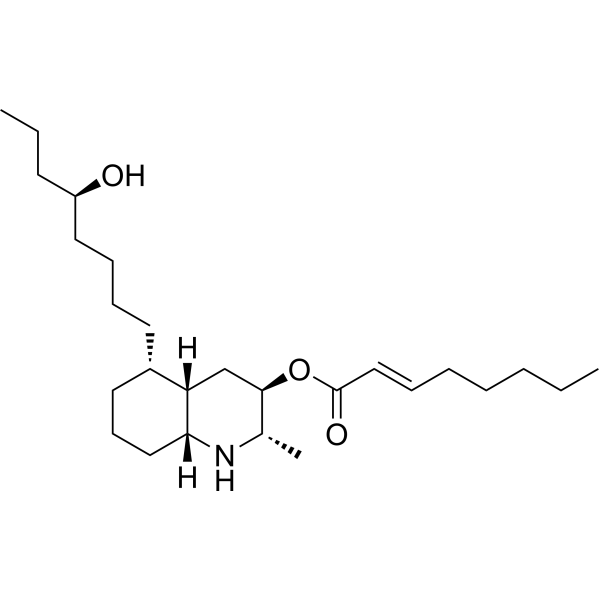
- HY-D2380
-
|
|
G-quadruplex
|
Cancer
|
|
H2S probe 1 (compound 1NND) is a derivative of nitrobenzoxadiazole (NBD) with antitumor activity. H2S probe 1 is cytotoxic to human pancreatic cancer cell MIA PaCa-2 (IC50=77.9 nM) and has a high affinity for human telomeric G-quadruplex (G4) (Kd=1.72 μM). H2S probe 1 can be used in cancer research .
|
-

- HY-P99687
-
|
AMG 256
|
PD-1/PD-L1
|
Cancer
|
|
Latikafusp (AMG 256) is a bifunctional fusion protein comprising a PD-1-targeting antibody and IL-21 mutein designed to deliver IL-21 pathway stimulation to PD-1+ cells. Latikafusp is designed to prime and extend the activity of cytotoxic and memory T cells and induce anti-tumor immunity. Latikafusp has the potential for solid tumors research .Latikafusp may lead to the development of immunogenicity-mediated responses .
|
-

- HY-N3005
-
|
|
Apoptosis
Autophagy
NOD-like Receptor (NLR)
Pyroptosis
|
Inflammation/Immunology
Cancer
|
|
Britannin is an NLRP3 inhibitor with an IC50 of 3.630 μM, exhibiting anti-inflammatory activity. Britannin inhibits the activation and assembly of the NLRP3 inflammasome by blocking the interaction between NLRP3 and NEK7. Additionally, Britannin demonstrates antitumor activity by inhibiting the proliferation of tumor cells through blocking the interaction between HIF-1α and Myc, thereby suppressing PD-L1 expression and enhancing cytotoxic T lymphocyte activity. Britannin can also induce apoptosis and autophagy in liver cancer cells by activating ROS-regulated AMPK. Britannin holds promise for research in the fields of anti-inflammatory and antitumor therapeutics .
|
-
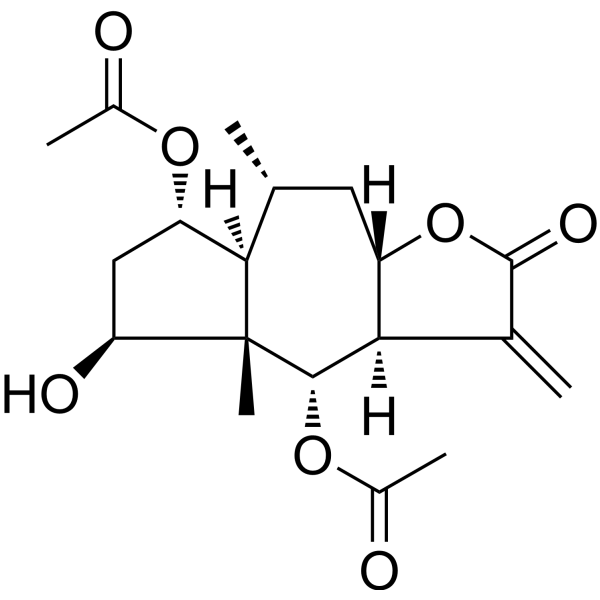
- HY-106014
-
|
|
DNA/RNA Synthesis
Nucleoside Antimetabolite/Analog
Apoptosis
|
Cancer
|
|
Tezacitabine is a cytostatic and cytotoxic antimetabolite and a nucleoside analogue. Tezacitabine irreversibly inhibits the ribonucleotide reductase and interferes with DNA replication and repair. Tezacitabine effectively induces cells apoptotic. Tezacitabine has the potential for leukemias and solid tumors (carcinomas) treatment .
|
-
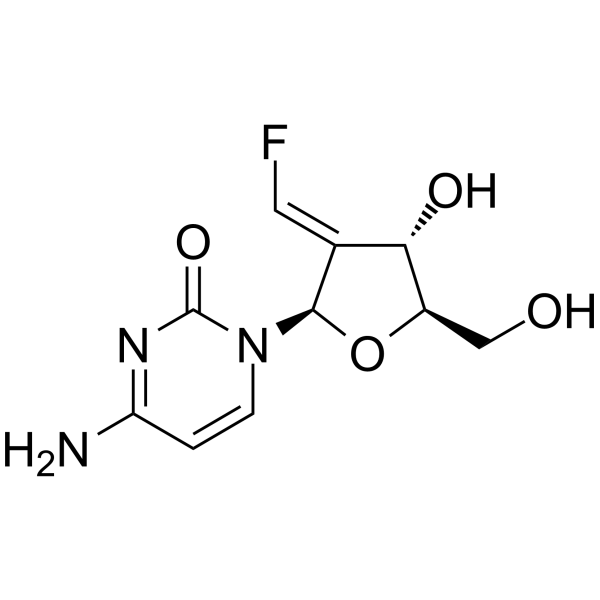
- HY-106015
-
|
|
DNA/RNA Synthesis
Nucleoside Antimetabolite/Analog
Apoptosis
|
Cancer
|
|
Tezacitabine hydrate is a cytostatic and cytotoxic antimetabolite and nucleoside analogue. Tezacitabine hydrate irreversibly inhibits the ribonucleotide reductase and interferes with DNA replication and repair. Tezacitabine hydrate effectively induces cells Apoptosis. Tezacitabine hydrate has the potential for leukemias and solid tumors (carcinomas) treatment .
|
-

- HY-106014R
-
|
|
Reference Standards
DNA/RNA Synthesis
Nucleoside Antimetabolite/Analog
Apoptosis
|
Cancer
|
|
Tezacitabine (Standard) is the analytical standard of Tezacitabine (HY-106014). This product is intended for research and analytical applications. Tezacitabine is a cytostatic and cytotoxic antimetabolite and a nucleoside analogue. Tezacitabine irreversibly inhibits the ribonucleotide reductase and interferes with DNA replication and repair. Tezacitabine effectively induces cells apoptotic. Tezacitabine has the potential for leukemias and solid tumors (carcinomas) treatment .
|
-

- HY-P990716
-
|
AZD7789
|
PD-1/PD-L1
Tim3
|
Inflammation/Immunology
|
|
Sabestomig (AZD7789) is a monovalent bispecific antibody targeting PD-1 and TIM-3. Sabestomig binds to PD-1 and an epitope in the TIM-3 IgV domain outside the phosphatidylserine-binding cleft, thereby precisely regulating immune responses. Sabestomig promotes IL-2 production, efferocytosis and cross-presentation of tumor antigens, and enhances the release of anti-tumor T cell cytokines, cytotoxicity, and secretion of IFN-γ. Sabestomig inhibits the growth of solid tumors, prolongs the duration of tumor suppression, and significantly enhances anti-tumor responses following anti-PD-1 therapy. Sabestomig has been used in studies related to non-small cell lung cancer and classical Hodgkin lymphoma .
|
-

- HY-163028
-
|
|
Tim3
|
Cancer
|
|
ML-T7 is a potent Tim-3 inhibitor. ML-T7 blocks Tim-3 interactions with PtdSer and CEACAM1. ML-T7 not only enhances the antitumor activity of adoptive transfer therapy with cytotoxic T lymphocytes (CTLs) and CAR T cells but also increases the effector function of T cell. ML-T7 promotes NK cells’ killing activity against tumor cells and DC antigen-presenting capacity. ML-T7 directly exerts antitumor efficacy in preclinical tumor models either alone or in combination with Nivolumab (HY-P9903A). ML-T7 can be used for tumor immunotherapy research .
|
-
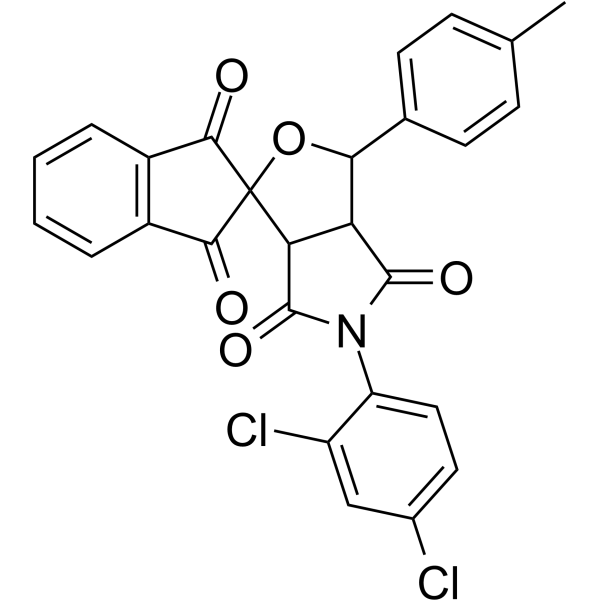
- HY-114778
-
|
SHR3162; Fuzuloparib
|
PARP
|
Cancer
|
|
Fluzoparib (SHR3162) is a potent and orally active PARP1 inhibitor (IC50=1.46±0.72 nM, a cell-free enzymatic assay) with superior antitumor activity. Fluzoparib selectively inhibits the proliferation of homologous recombination repair (HR)-deficient cells, and sensitizes both HR-deficient and HR-proficient cells to cytotoxic agents. Fluzoparib exhibits good pharmacokinetic properties in vivo and can be used for BRCA1/2-mutant relapsed ovarian cancer research .
|
-
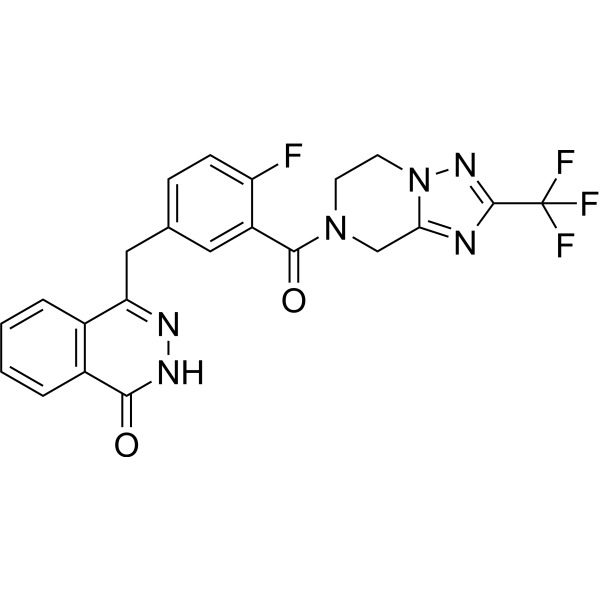
- HY-16232R
-
|
D 19575 (Standard); Glucosylifosfamide mustard (Standard)
|
Reference Standards
Apoptosis
Bcl-2 Family
Caspase
|
Cancer
|
|
Glufosfamide (Standard) is the analytical standard of Glufosfamide. This product is intended for research and analytical applications. Glufosfamide is a glucose-conjugated alkylating cytotoxic agent and a derivative of Ifosfamide (HY-17419). Glufosfamide induces apoptosis frequency and increase the expression of caspase-9 and caspase-3 in cancer cells. Glufosfamide shows great anti-tumor activity in MiaPaCa-2-RFP mouse model. Glufosfamide can be used for the study of hepatocellular carcinoma, prostate cancer and pancreatic carcinoma .
|
-

- HY-P991309
-
|
|
C-type Lectin-like Receptors (CTLRs)
|
Cancer
|
|
ZM-008 is an anti-LLT1 monoclonal antibody. ZM-008 blocks the interaction between LLT1 and CD161 on the surface of NK cells and T cells. ZM-008 restores anti-tumor immune activity, shifts the tumor microenvironment to an immune-responsive state, and recovers NK cell-mediated cytotoxicity against tumor cells, thereby reversing immunosuppression in immune-resistant "cold" tumors. ZM-008 is applicable to the research of immune-resistant solid tumors .
|
-

- HY-P991233
-
|
|
EGFR
|
Cancer
|
|
BAT1006 is a monoclonal antibody targeting HER2 extracellular domain II with enhanced antibody-dependent cell-mediated cytotoxicity (ADCC) for the study of HER2-positive locally advanced/metastatic solid tumors. BAT1006 has an approximately 5-fold enhanced ADCC effect compared to pertuzumab (HY-P9912) and exhibits potent anti-tumor activity in the HER2-positive Calu-3 xenograft mouse model .
|
-

- HY-163616
-
|
|
Apoptosis
|
Cancer
|
|
Anticancer agent 221 (Compound 4h) is an orally active anticancer agent and an antioxidant agent. Anticancer agent 221 exhibits cytotoxicity to cancer cells A549 (IC50=22.09 µg/mL) and MCF-7 (IC50=6.40 µg/mL), and induces apoptosis. Anticancer agent 221 exhibits antioxidant efficacy with an IC50 of 42.46 μM in DPPH experiment. Anticancer agent 221 exhibits antitumor efficacy against breast cancer in mouse models .
|
-

- HY-N0591R
-
|
(-)-Dehydrocostus lactone (Standard); Epiligulyl oxide (Standard)
|
Reference Standards
Bacterial
Apoptosis
p38 MAPK
NF-κB
MAPKAPK2 (MK2)
Akt
NO Synthase
Interleukin Related
Caspase
|
Infection
Inflammation/Immunology
Cancer
|
|
Dehydrocostus Lactone (Standard) ((-)-Dehydrocostus lactone (Standard)) is the analytical standard of Dehydrocostus Lactone (HY-N0591). This product is intended for research and analytical applications. Dehydrocostus Lactone is a natural sesquiterpene that can be isolated from Saussurea lappa. Dehydrocostus Lactone has multiple activities such as anti-inflammatory, antibacterial, anti-tumor, and immunomodulatory effects. Dehydrocostus Lactone has an MIC of 2 µg/mL against Mycobacterium tuberculosis. Dehydrocostus Lactone can also inhibit the killing activity of cytotoxic T lymphocytes and induce apoptosis in tumor cells.
|
-

- HY-N12004
-
|
|
Others
|
Cancer
|
|
19-Hydroxy-10-deacetylbaccatin III (compound 13) is a taxane with potential antitumor activity. 19-Hydroxy-10-deacetylbaccatin III has weak cytotoxicity against A498 and NCI-H226 cell lines. The study found that the inhibition rates of 30 μg/mL 19-Hydroxy-10-deacetylbaccatin III on A498, NCI-H226 and PC-3 were 16.6% and 32% respectively .
|
-
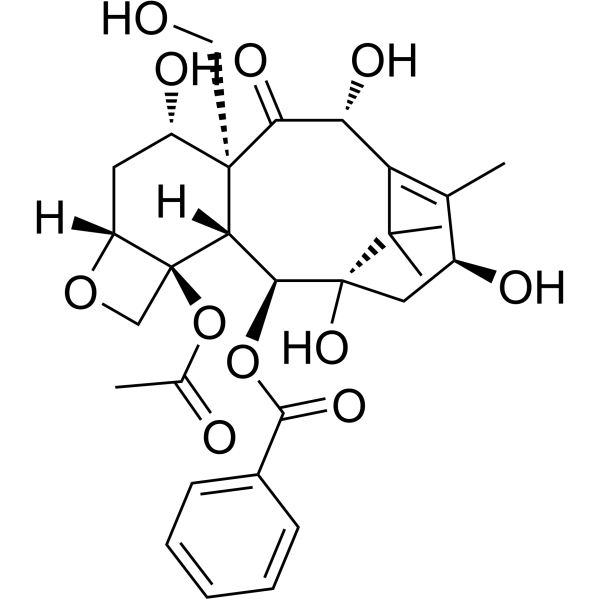
- HY-P99612
-
|
MORAb-202
|
Antibody-Drug Conjugates (ADCs)
|
Cancer
|
|
Farletuzumab ecteribulin (MORAb-202) is an antibody-drug conjugate (ADC), consisting of the humanized anti-human folate receptor alpha (FRA) antibody Farletuzumab (HY-P99153) conjugated via reduced interchain disulfide bonds to Mal-PEG2-Val-Cit-PAB-eribulin. Farletuzumab ecteribulin has a agent-to-antibody ratio of 4.0. Farletuzumab ecteribulin is highly cytotoxic to FRA-positive cells in vitro. Farletuzumab ecteribulin has potent antitumor activity.
|
-

- HY-121618
-
-
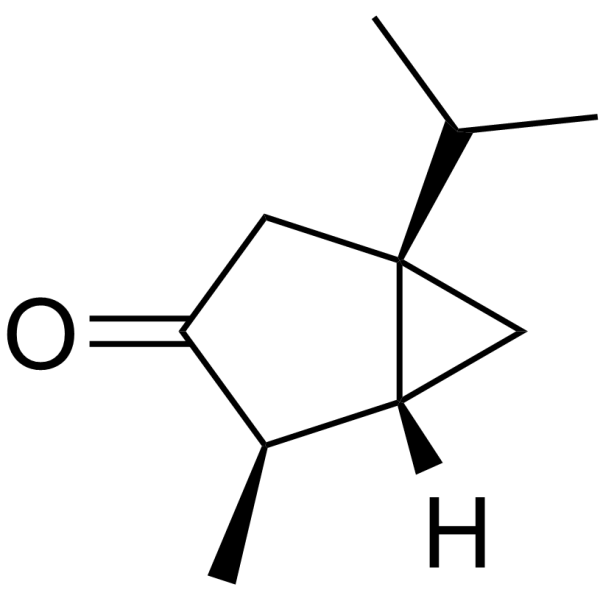
- HY-139781
-
|
|
PD-1/PD-L1
Apoptosis
|
Cancer
|
|
PD-L1-IN-1 (Compound 10) is a potent PD-L1 inhibitor with an IC50 of 115 nM. PD-L1-IN-1 strongly binds with the PD-L1 protein and challenged it in a co-culture of PD-L1 expressing cancer cells and peripheral blood mononuclear cells enhanced antitumor immune activity of the latter. PD-L1-IN-1 significantly exhibits low cytotoxicity in healthy cells .
|
-
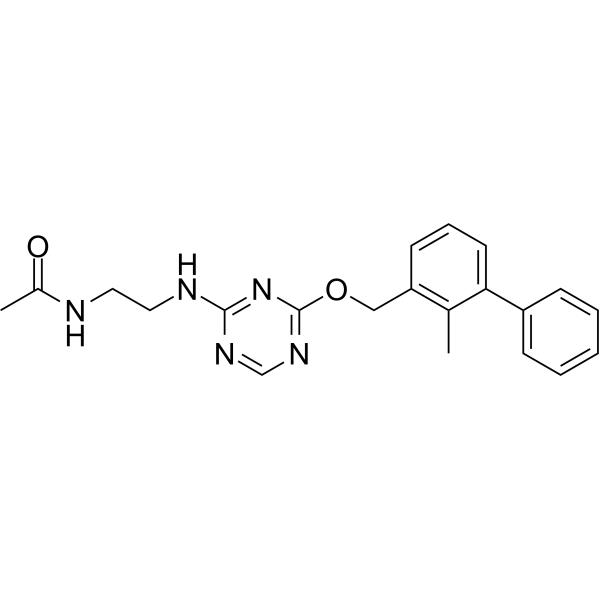
- HY-N16986
-
|
|
Others
|
Others
|
|
6α,7α-Epoxy-5β-hydroxy-12-deoxyphorbol-13-decanoate is a tigliane-type diterpene ester compound, and its series of compounds possess cytotoxic and antitumor biological activities. 6α,7α-Epoxy-5β-hydroxy-12-deoxyphorbol-13-decanoate can be naturally extracted from the dried roots of Pimelea elongata .
|
-

- HY-175802
-
|
HYBI-084
|
WDR5
Potassium Channel
|
Inflammation/Immunology
Cancer
|
|
HBI-2375 (HYBI-084) is a brain-penetrant WDR5 inhibitor with an IC50 of 4.48 nM. HBI-2375 binds to the WINR5 and disrupts MLL1-WDR5 protein-protein interactions. HBI-2375 inhibits cancer cells proliferation and shows anti-tumor activity in AML mouse models, and increases tumor CD8 + cytotoxic T lymphocyte infiltration. HBI-2375 inhibits hERG with an IC50 of 17 µM .
|
-

- HY-177345A
-
|
|
Sigma Receptor
Apoptosis
|
Cancer
|
|
SV119 hydrochloride is a sigma-2 ligand with a Ki value of 5.2 nM. SV119 hydrochloride enhances the efficient transport of drugs across the plasma membrane of cancer cells. The conjugation of dm-Erastin with SV119 hydrochloride successfully overcomes the internalization barrier observed in pancreatic cancer, while preserving the inherent anti-tumor activity of Erastin (HY-15763). Additionally, SV119 hydrochloride demonstrates cytotoxic effects on triple-negative breast cancer (TNBC) cells and induces apoptosis .
|
-

- HY-15582S
-
|
|
Isotope-Labeled Compounds
Microtubule/Tubulin
ADC Payload
|
Cancer
|
|
Auristatin E-d8 is the deuterium labeled Auristatin E (HY-15582). Auristatin E is a cytotoxic microtubule polymerization inhibitor with potent and selective antitumor activity. Auristatin E is a cytotoxin in antibody-drug conjugates (ADC). Auristatin E inhibits cell division by blocking the polymerisation of tubulin, promising for research in B-cell malignancies. Auristatin E, a synthetic analogue of the Dolastatin 10 (HY-15580), is linear peptides comprised of four amino acids .
|
-

- HY-135960
-
BO-264
1 Publications Verification
|
FGFR
Apoptosis
|
Cancer
|
|
BO-264 is a highly potent and orally active transforming acidic coiled-coil 3 (TACC3) inhibitor with an IC50 of 188 nM and a Kd of 1.5 nM. BO-264 specifically blocks the function of FGFR3-TACC3 fusion protein. BO-264 induces spindle assembly checkpoint (SAC)-dependent mitotic arrest, DNA damage and apoptosis. BO-264 has broad-spectrum antitumor activity .
|
-
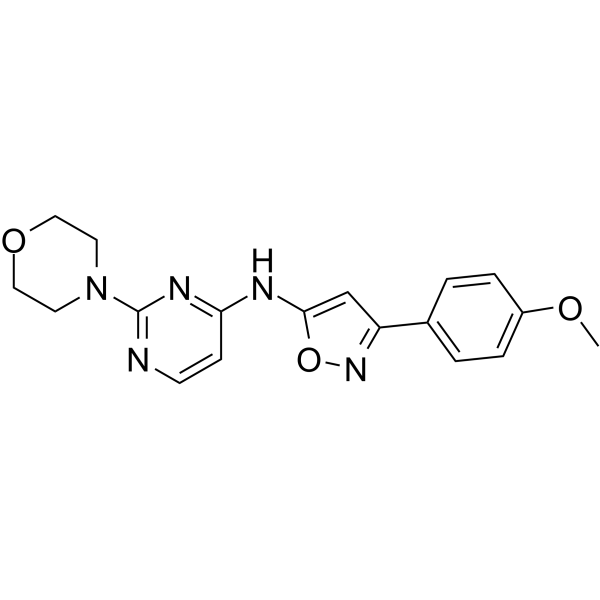
- HY-114648
-
|
|
Bacterial
|
Infection
Cancer
|
|
AJI-9561 is a benzoxazole derivative produced by Streptomyces sp. AJI-9561 exhibits cytotoxicity and antibacterial activity. AJI-9561 inhibits the proliferation of Jurkat T cells and mouse P388 leukemia cells, with its IC50 being 0.88 and 1.63 μM respectively. AJI-9561 can be used for research on anti-cancer and antibacterial properties .
|
-

- HY-W100491
-
|
|
Drug Derivative
|
Cancer
|
|
Trimethylbenzoquinone (Compound 5) is a methylated benzoquinone. Trimethylbenzoquinone exhibits moderate cytotoxicity against K562 cells, with its IC50 being 0.75 μM. Trimethylbenzoquinone is completely unable to cause inter-strand DNA cross-linking and cannot alkylate DNA guanines. Trimethylbenzoquinone can be used to study the relationship between the nitrogen heterocyclic group and DNA cross-linking .
|
-

- HY-P991425
-
|
|
Transmembrane Glycoprotein
|
Cancer
|
|
AT-1413 is a human monoclonal antibody (mAb) targeting CD43. AT-1413 induces antibody-dependent cell-mediated cytotoxicity (ADCC) in melanoma cell lines and acute myeloid leukemia (AML) cells. AT-1413 has antitumor activity in AML mouse models. AT-1413 can be used in Acute myeloid leukaemia, Breast cancer, Malignant melanoma and Myelodysplastic syndromes research. Recommended isotype control: Human IgG1 kappa, Isotype Control (HY-P99001) .
|
-

- HY-120356A
-
|
TAI-95 tosylate
|
NEKs
Apoptosis
|
Cancer
|
|
T-1101 tosylate (TAI-95 tosylate) is the tosylate salt form of T-1101 (HY-120356). T-1101 tosylate is an orally active inhibitor for mitose regulating highly expressed oncoprotein 1 (Hec1). T-1101 tosylate blocks the interaction between Hec1 and NEK2, exhibits cytotoxicity in human liver cancer cells with GI50 of 15-70 nM. T-1101 tosylate induces apoptosis in Huh-7. T-1101 tosylate exhibits antitumor efficacy in mouse models .
|
-
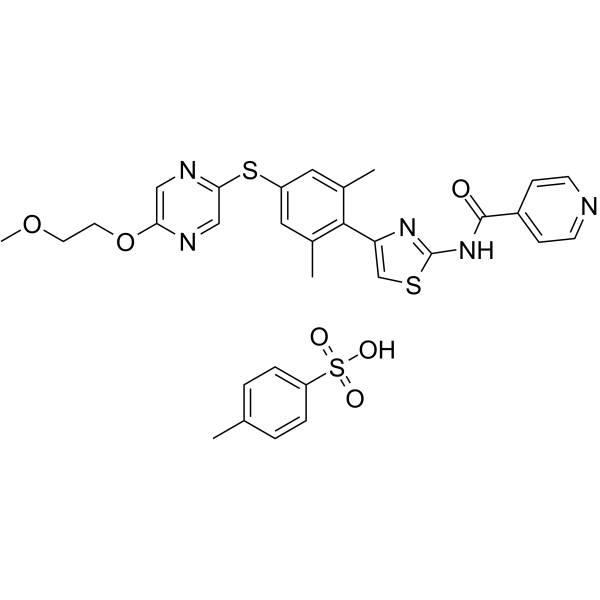
- HY-179019
-
|
|
HDAC
Microtubule/Tubulin
Apoptosis
Caspase
|
Neurological Disease
Cancer
|
|
HDAC-IN-94 is a potent, selective HDAC6 inhibitor (IC50 = 4.5 nM). HDAC-IN-94 shows >1000-fold selectivity over HDAC8 and shows minimal activity against other isoforms (HDAC1-3/10). HDAC-IN-94 induces α-tubulin hyperacetylation, apoptosis, and G2/M cell cycle arrest, exhibiting potent anti-tumor efficacy with low cytotoxicity. HDAC-IN-94 can be used for neuroblastoma and glioblastoma research .
|
-

- HY-125807
-
|
|
G Protein-coupled Receptor Kinase (GRK)
Apoptosis
Reactive Oxygen Species (ROS)
Akt
p38 MAPK
|
Cardiovascular Disease
Cancer
|
|
IS20 is a Prokineticin receptor 1 (PKR1) agonist. IS20 diminishes Doxorubicin (HY-15142A) mediated apoptosis and ROS production by activating Akt or MAPK pathways. IS20 protects the heart against Doxorubicin-induced cardiovascular toxicity and improves the survival rate and cardiac function in mouse models. IS20 does not alter the cytotoxicity and antitumor activity of acute DOX treatment in breast cancer cells and MDA-MB-231 xenograft mouse models. IS20 can be used for cancers research .
|
-

- HY-122224
-
|
|
Sigma Receptor
|
Cancer
|
|
SW43 is a Sigma-2 selective ligand and agonist. SW43 is an ideal molecule for the development of cancer-targeted drug compounds. SW43 conjugated with DOX-L-NETA ( 89Y) exhibits antitumor activity in a VX2 cancer liver tumor allograft rabbit model. SW 43 conjugated with SW IV-52s to form SW III-123 activates the NF-κB pathway, has potent cytotoxicity against ovarian cancer cell lines, and induces apoptosis .
|
-

- HY-169652
-
|
|
Reactive Oxygen Species (ROS)
AMPK
|
Cancer
|
|
NPC26 is a small molecule mitochondrial disruptor with anti-tumor activity. NPC-26 shows significant anti-proliferative and cytotoxic effects on CRC cell lines (HCT-116, DLD-1, and HT-29). NPC26 can damage mitochondrial function, leading to the opening of the mitochondrial permeability transition pore (mPTP) and the production of reactive oxygen species, ultimately inducing cell death. NPC-26 can kill CRC cells by activating the AMP-activated protein kinase (AMPK) signaling pathway .
|
-

- HY-172100
-
|
|
Apoptosis
Reactive Oxygen Species (ROS)
p38 MAPK
|
Cancer
|
|
p38-α MAPK-IN-8 (Compound 13) is a lipophilic cationic derivative. p38-α MAPK-IN-8 is cytotoxic to various tumor cells, and can induce cell cycle arrest, apoptosis, increase reactive oxygen species (ROS) production, and induce mitochondrial membrane potential depolarization. The antitumor activity of p38-α MAPK-IN-8 may be related to p38α MAPK pathway, which can be used in the study of cancer .
|
-

- HY-P991610
-
|
Sym025
|
C-type Lectin-like Receptors (CTLRs)
|
Cancer
|
|
S-095029 is a humanized IgG1 monoclonal antibody inhibitor targeting NKG2A. S-095029 significantly attenuates Fc-effector functions, inhibits the interaction with its ligand HLA-E, and increases the antibody-dependent cellular cytotoxicity mediated by other Fc-competent mAbs. S-095029 has a potent antitumor activity with enhancement of killing activity and cytokine secretion (IFNγ, TNF-α and CXCL9) of NK and γδ T-cells in co-culture with cancer cells .
|
-

- HY-N9784
-
|
|
Others
|
Cancer
|
|
2′′,3′′-Dihydroochnaflavone is a flavonoid/flavanone-type ether-linked biflavonoid anti-leukemic compound. 2′′,3′′-Dihydroochnaflavone exhibits significant cytotoxicity against P388 murine lymphocytic leukemia cells (IC50 = 3.1 μg/mL). It can be naturally extracted from the dried leaves of Quintinia acutifolia and has also been previously isolated and identified from Ochna interrima and Luxemburgia nobilis (both Ochnaceae plants). 2′′,3′′-Dihydroochnaflavone can be used in research related to anti-tumor (especially leukemia) applications .
|
-

- HY-13554
-
|
|
Antibiotic
|
Cancer
|
|
Annamycin is an anthracycline antibiotic with antitumor activity. Annamycin interacts with topoisomerase II, induces double-strand DNA breaks, triggers cell death, and exerts cytotoxic effects. In mice, Annamycin inhibits the growth of advanced subcutaneous melanoma and subcutaneous squamous cell carcinoma, and prolongs the survival of mice with subcutaneous reticulosarcoma and in lung cancer lung metastasis models. Annamycin can be used in research related to melanoma, reticulum cell sarcoma, lung cancer, non-small cell lung cancer, small cell lung cancer .
|
-

- HY-P992487
-
|
|
Claudin
Fc Receptor (FcR)
Interleukin Related
|
Inflammation/Immunology
Cancer
|
|
ZL-1211 is an anti-CLDN18.2 monoclonal antibody. ZL-1211 exhibits enhanced binding affinity to CD16A. ZL-1211 induces ADCC-mediated cell lysis and triggers the production of IFNγ, TNFα and IL6. ZL-1211 promotes antibody-dependent cellular cytotoxicity. ZL-1211 exerts anti-tumor activity in a mouse xenograft model of gastric cancer. ZL-1211 can be used for the research of gastric cancer .
|
-

- HY-P991547
-
|
|
CD20
Apoptosis
|
Inflammation/Immunology
Cancer
|
|
Anti-CD20 Antibody (mAb 1.5.3) is a fully human IgG1 anti-CD20 antibody. Anti-CD20 Antibody (mAb 1.5.3) evokes enhanced pro-apoptotic activity in vitro. Anti-CD20 Antibody (mAb 1.5.3) mediated both complement-dependent cytotoxicity and antibody-dependent cellular cytotoxicity. Anti-CD20 Antibody (mAb 1.5.3) demonstrates enhanced anti-tumor activity in various tumor xenograft models. Anti-CD20 Antibody (mAb 1.5.3) produces a superior B-cell depletion profile in lymph node organs and bone marrow in a primate pharmacodynamic model. Anti-CD20 Antibody (mAb 1.5.3) can be studied in research for B-cell maglignancies .
|
-

- HY-P99159
-
|
|
Interleukin Related
|
Cancer
|
|
Ivuxolimab is a fully human IgG2 agonist targeting OX40 (CD134), which selectively binds to the OX40 receptor on the surface of activated CD4 + and CD8 + T cells without inducing antibody-dependent cytotoxicity. Ivuxolimab can promote T cell proliferation, survival and cytokine (such as IFN-γ, IL-2) secretion, inhibit regulatory T cell function, and enhance anti-tumor immune response. Ivuxolimab can be used in the study of melanoma, hepatocellular carcinoma, head and neck squamous cell carcinoma, etc .
|
-

- HY-106031
-
|
|
Topoisomerase
DNA/RNA Synthesis
|
Cancer
|
|
F-14512 is an anticancer agent that utilizes the polyamine transport system (PTS) to selectively deliver polyamine-containing drugs to cancer cells. F-14512 enhances the affinity of polyamines for DNA, thereby inhibiting topoisomerase II and achieving selective cellular uptake. F-14512 exhibits significant cytotoxicity against cells with high PTS activity and induces DNA damage. F-14512 demonstrates potent antitumor activity in the MX1 breast tumor xenograft model. F-14512 can be used to study breast cancer .
|
-

- HY-106031A
-
|
|
Topoisomerase
DNA/RNA Synthesis
|
Cancer
|
|
F-14512 hydrochloride is an anticancer agent that utilizes the polyamine transport system (PTS) to selectively deliver polyamine-containing drugs to cancer cells. F-14512 hydrochloride enhances the affinity of polyamines for DNA, thereby inhibiting topoisomerase II and achieving selective cellular uptake. F-14512 hydrochloride exhibits significant cytotoxicity against cells with high PTS activity and induces DNA damage. F-14512 hydrochloride demonstrates potent antitumor activity in the MX1 breast tumor xenograft model. F-14512 hydrochloride could be used to study breast cancer .
|
-

- HY-P11060
-
|
Adpgk peptide
|
MHC
|
Cancer
|
|
MC38 SLP Adpgk (Adpgk peptide) is an H-2 K b-restricted colorectal cancer neoantigen peptide. MC38 SLP Adpgk is formulated into PCNP nanocomplexes together with CpG ODN. PCNP vaccines significantly enhance the co-delivery efficiency of neoantigens and adjuvants to lymphoid organs, and activate cytotoxic T cells. PCNP vaccines not only protect mice from MC-38 colorectal tumor invasion, but also exhibit anti-tumor efficacy in established colorectal tumor models and significantly prolong the survival of tumor-bearing mice .
|
-

- HY-P99431
-
|
Alomfilimab; SAR 445256
|
CD28
|
Inflammation/Immunology
Cancer
|
|
KY-1044 (Alomfilimab; SAR 445256) is a fully human IgG1 antibody targeting inducible costimulatory receptor (ICOS). KY-1044 depletes ICOS high cells via antibody-dependent cellular cytotoxicity (ADCC) through the engagement of FcgRIIIa. KY-1044 act as a costimulatory molecule on cells expressing lower ICOS levels, such as CD8 + TEff cells (through FcgR-dependent clustering). KY-1044 exploit the differential expression of ICOS on T-cell subtypes to improve the intratumoral immune contexture and restore an antitumor immune response .
|
-

- HY-P992455
-
|
|
CD38
Fc Receptor (FcR)
Apoptosis
|
Cancer
|
|
SAR442085 is an Fc-engineered anti-CD38 monoclonal antibody with a Kd of 0.2 nM for human CD38. SAR442085 inhibits CD38, induces apoptosis, and triggers antibody-dependent cellular cytotoxicity and phagocytosis in CD38-expressing tumor cells. SAR442085 binds allelic variants of FcγRIIa and FcγRIIIa, enhances NK cell activation, degranulation and cytokine secretion, and exerts anti-tumor activity in human Fc receptor transgenic mice. SAR442085 can be used in the research of multiple myeloma .
|
-

- HY-122144
-
|
Teroxirone
|
Endogenous Metabolite
|
Cancer
|
|
α-Triglycidyl isocyanurate (Teroxirone) is an antitumor compound with activity to inhibit DNA replication. α-Triglycidyl isocyanurate exerts its anticancer effect by alkylating and cross-linking DNA. α-Triglycidyl isocyanurate is relatively stable in fresh human plasma and whole blood, showing good biocompatibility. The metabolism of α-Triglycidyl isocyanurate mainly occurs in rat liver and is metabolized through an NADPH-independent pathway. The cytotoxicity of α-Triglycidyl isocyanurate can be partially restored under specific conditions, suggesting the complexity of its metabolic pathway .
|
-

- HY-155852
-
|
|
Ferroptosis
Apoptosis
ACSL Family
Glutathione Peroxidase
Reactive Oxygen Species (ROS)
|
Inflammation/Immunology
Cancer
|
|
Lepadin H is a ferroptosis inducer and apoptosis inducer with in vitro cytotoxicity and in vivo antitumor efficacy against cancer cells. Lepadin H reduces GPX4 and SLC7A11 levels, increases p53 and ACSL4 expression, drives lipid hydroperoxide production, elevates reactive oxygen species (ROS) levels, reduces cellular glutathione (GSH) levels, induces lipid peroxidation and G2/M phase cell cycle arrest, and suppresses clonogenic growth and migration of cancer cells.Lepadin H can be used for the research of melanoma .
|
-
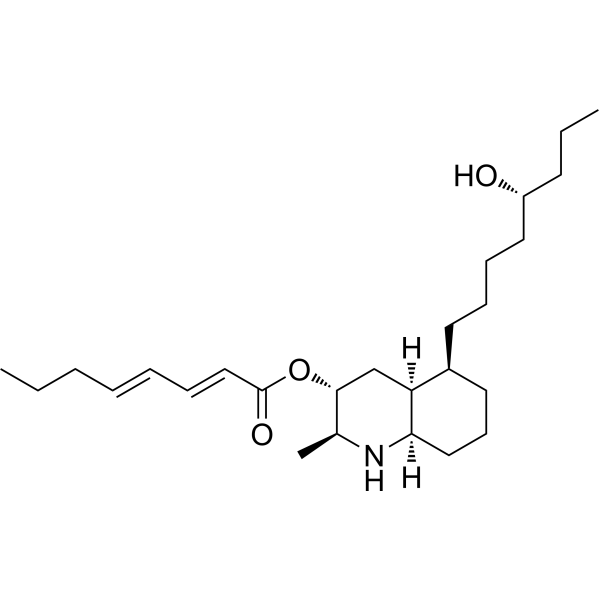
- HY-106435
-
|
|
DNA/RNA Synthesis
DNA Alkylator/Crosslinker
|
Cancer
|
|
Cystemustine is a DNA inhibitor (a chloroethyl nitrosourea, CENU). Cystemustine can cause DNA cross-linking, thereby inhibiting the proliferation of tumor cells. Cystemustine can also exert cytotoxic effects by interfering with the cell cycle, inducing cell re-differentiation, and altering phospholipid metabolism. Cystemustine exhibits high anti-tumor activity and a relatively short plasma half-life in mice. Cystemustine can be used for the study of various malignant tumors, including melanoma, glioma, renal cancer, head and neck cancer, and colorectal cancer, etc .
|
-

- HY-161778
-
|
|
HDAC
VD/VDR
|
Inflammation/Immunology
Cancer
|
|
ZG-126 is an agonist for vitamin D receptor (VDR) and an inhibitor for histone deacetylase (HDAC) (IC50=0.63-67.6 μM). ZG-126 exhibits cytotoxicity in cancer cells MDA-MB-231 and 4T1. ZG-126 exhibits antitumor and anti-metastatic efficacy against melanoma and triple-negative breast cancer (TNBC) in mouse models. ZG-126 also exhibits anti-inflammatory activity, through the reduction of macrophage infiltration and immunosuppressive M2-polarization .
|
-

- HY-120561
-
|
|
Trk Receptor
IRAK
Pim
Apoptosis
|
Cancer
|
|
PC-046 is a multi-target inhibitor for tyrosine receptor kinase B (TrkB), IRAK-4 and Pim-1, with IC50 of 13.4 μM, 15.4 μM and 19.1 μM, respectively. PC-046 exhibits cytotoxicity against pancreatic cancer cell BxPC3 with IC50 of 7.5-130 nM. PC-046 induces apoptosis and arrests cell cycle at G2/M phase in BxPC3. PC-046 exhibits antitumor efficacy and exhibits good pharmacokinetic characteristics in mice .
|
-

- HY-136910
-
|
USP7-IN-7
|
Deubiquitinase
MDM-2/p53
|
Cancer
|
|
USP7-797 (USP7-IN-7) is an orally available, selective USP7 inhibitor (IC50=0.5 nmol/L) with antitumor activity. USP7-797 reduces the level of MDM2, thereby increasing the stability and activity of p53, leading to cell cycle arrest and apoptosis. USP7-797 has low nanomolar cytotoxicity against p53 mutant cancer cell lines, p53 wild-type hematological tumors, and neuroblastoma cell lines .
|
-
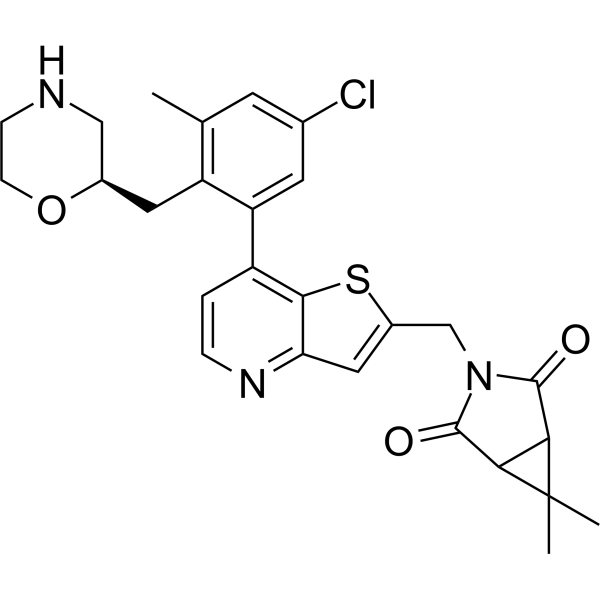
- HY-186140
-
|
|
SHP1
Phospholipase
ERK
Interleukin Related
|
Inflammation/Immunology
Cancer
|
|
SHP1‑IN‑2 is a selective and orally active SHP1 inhibitor. SHP1‑IN‑2 covalently binds to Cys480 of SHP1. SHP1‑IN‑2 elicits potent antitumor immunity and suppresses syngeneic tumor growth. SHP1‑IN‑2 blocks tumor progression in a svngeneic cancer model by
activating natural killer cells and cytotoxic CD8 + T cells, along with reduced T cel
l. SHP1‑IN‑2 can be used for cancer‑related research .
|
-

- HY-P991561
-
|
|
CD47
|
Cancer
|
|
AO-176 is a humanized anti-CD47 IgG2 monoclonal antibody. AO-176 induces tumor phagocytosis through blocking the CD47-SIRPα interaction. AO-176 preferentially binds to tumor versus normal cells and directly kills tumor by a cell autonomous mechanism not ADCC (antibody-dependent cell-mediated cytotoxicity). AO-176 demonstrates dose-dependent antitumor activity in tumor xenograft models. AO-176 can be used for the researches of cancer, such as lymphoma .
|
-

- HY-P992005A
-
|
|
Transmembrane Glycoprotein
|
Cancer
|
|
DS-1055a (FUT8-KO) is an anti-human GARP antibody that has knocked out the fucosyltransferase 8 gene (FUT8). It exhibits enhanced antibody-mediated cytotoxicity (ADCC) effect. DS-1055a (FUT8-KO) can effectively eliminate GARP-positive regulatory T cells in the tumor microenvironment and activate effector T cells. DS-1055a (FUT8-KO) has anti-tumor activity and can be used in cancer research (such as colon cancer) .
|
-

- HY-114256
-
|
|
PSMA
|
Cancer
|
|
EC1169 is a cytotoxic maytansinoid conjugate that specifically binds to prostate-specific membrane antigen (PSMA). EC1169 precisely delivers the maytansinoid B hydrazide payload to PSMA-positive cells to exert antitumor activity. EC1169 only inhibits the growth of PSMA-positive cells but has no effect on PSMA-negative cells, and enables complete recovery in mice bearing PSMA-positive tumors. EC1169 exhibits safety with no body weight loss or major organ damage induced. EC1169 is used in studies of prostate cancer and other PSMA-expressing malignancies .
|
-

- HY-133147
-
|
|
HDAC
Apoptosis
|
Cancer
|
|
HDAC3/6-IN-2 (compound 15) is a potent HDAC6 and HDAC3 inhibitor, with IC50 values of 0.368 and 0.635 μM, respectively. HDAC3/6-IN-2 shows antitumor activity, and induces cancer cell apoptosis. HDAC3/6-IN-2 decreases the levels of HDAC6 and HDAC3, associated with upregulation of acetylated H3 and α-tubulin .
|
-
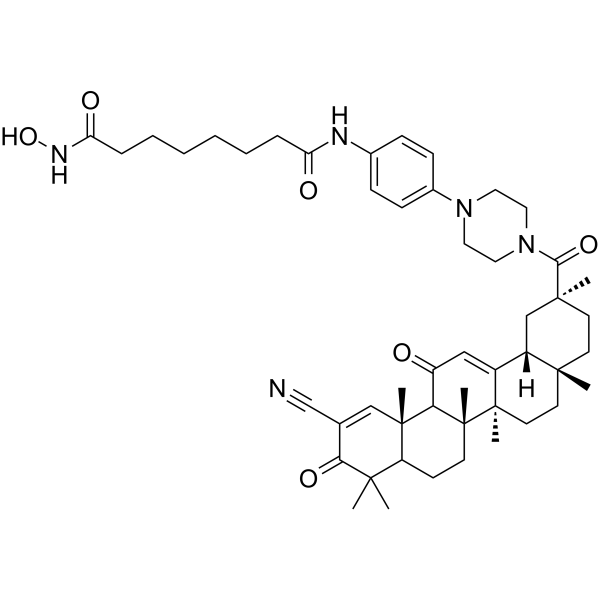
- HY-174301
-
|
|
Deubiquitinase
DNA Methyltransferase
MDM-2/p53
|
Cancer
|
|
USP7-IN-18 is a naphthalene derivative. USP7-IN-18 is a selective USP7 inhibitor (IC50 : 130.9 nM), with no or very weak inhibition of the other 8 DUBs including USP47. USP7-IN-18 specifically binds to the catalytic domain of USP7, blocking its deubiquitinase activity. USP7-IN-18 causes degradation of the oncogenic proteins MDM2 and DNMT1, and also degrades the novel target PCLAF. USP7-IN-18 activates the p53-p21 pathway. USP7-IN-18 exerts anti-tumor effects in colon cancer animal models and reshapes the tumor immune microenvironment. USP7-IN-18 achieves both direct cytotoxic and immune-synergistic anti-tumor actions.
|
-

- HY-178836
-
|
|
Drug-Linker Conjugates for ADC
Ras
|
Cancer
|
|
Z56-L23 is a conjugate of RAS-targeting ADC cytotoxic payload-linker with anti-tumor activity. Z56-L23 can be conjugated with HER3 antibody, EGFR antibody or EGFRxHER3 bispecific antibody to form intact antibody-drug conjugates (ADCs). ADC molecules related to Z56-L23 effectively inhibit the proliferation of tumor cells and also significantly suppress tumor growth in xenograft mouse models. Z56-L23 can be used in the research of pancreatic cancer .
|
-

- HY-P10994
-
|
Eps8(327-335)
|
EGFR
IFNAR
Interleukin Related
TNF Receptor
Complement System
Apoptosis
|
Inflammation/Immunology
Cancer
|
|
Eps8 peptide 327 is an HLA-A*2402-restricted peptide antigen derived from Eps8 protein. Eps8 peptide 327 has potent antitumor activity with significant cytotoxicity. Eps8 peptide 327 effectively inhibits cancer cells proliferation, induces apoptosis and disrupts EGFR signal pathway by inhibiting downstream signals (such as IL-2, TNF-α and IFN-γ) expression and the Eps8/EGFR interaction. Eps8 peptide 327 significantly inhibits tumor growth in HT-29 xenograft mcie models .
|
-

- HY-175846
-
|
|
Drug Derivative
Apoptosis
|
Cancer
|
|
TQFL13 is derivative of Thymoquinone (TQ) (HY-D0803) with potent anti-breast cancer activity. TQFL13 exhibits higher cytotoxicity against breast cancer cells (BT549, MDA-MB-231, 4T1). TQFL13 increases apoptosis and blocks the cell cycle at S and G2/G1 phases in breast cancer cells. TQFL13 shows dose-dependent anti-tumor efficacy in mouse breast cancer allograft model. TQFL13 can be used for the study of breast cancer .
|
-

- HY-P991530
-
|
|
Biochemical Assay Reagents
|
Inflammation/Immunology
Cancer
|
|
YH004 is an anti-CD137 agonistic monoclonal antibody, with immunostimulating and antineoplastic activities. YH004 activates CD137 expressed on a variety of leukocyte subsets including activated T lymphocytes and natural killer cells. YH004 enhances CD137-mediated signaling and induces cytotoxic T-lymphocyte (CTL) proliferation, cytokine production and promotes anti-tumor response mediated by CTL. YH004 induces NK-mediated tumor cell killing and suppresses the immunosuppressive activity of regulatory T cells. YH004 can be studied in anticancer research .
|
-

- HY-121618R
-
|
|
GABA Receptor
Reactive Oxygen Species (ROS)
Parasite
Apoptosis
Autophagy
Reference Standards
|
Infection
Neurological Disease
|
|
α-Thujone (Standard) is the analytical standard of α-Thujone. This product is intended for research and analytical applications. α-Thujone is a monoterpene isolated from Thuja occidentalis essential oil with potent anti-tumor activities. α-Thujone is a reversible modulator of the GABA type A receptor and the IC50 for α-Thujone is 21 μM in suppressing the GABA-induced currents. α-Thujone induces ROS accumulation-dependent cytotoxicity, also induces cell apoptosis and autophagy. α-Thujone has antinociceptive, insecticidal, and anthelmintic activity, and easily penetrates the blood-brain barrier .
|
-

- HY-159495
-
|
|
Keap1-Nrf2
|
Metabolic Disease
Cancer
|
|
Keap1-Nrf2-IN-21 (compound 4d) is a glucose metabolism inhibitor with antitumor activity. Keap1-Nrf2-IN-21 inhibits glycolytic activity of cancer cells by targeting the glycolytic pathway, especially by affecting the Keap1-Nrf2 signaling pathway, thereby inhibiting tumor growth. Keap1-Nrf2-IN-21 exhibits cytotoxicity against the HEC1A cell line (IC50=2.60 μM) .
|
-

- HY-P10838A
-
|
|
PD-1/PD-L1
Apoptosis
|
Cancer
|
|
PL120131 acetate is a PD-1 antagonist, can specifically blocking the interaction between PD-1 and PD-L1, thereby effectively inhibiting the PD-1-mediated apoptosis signaling pathway. PL120131 acetate rescues lymphocytes from apoptosis, maintains the survival and activity of T cells, and induces cytotoxic T lymphocytes to exert killing effects and recognize macrophages and dendritic cells. PL120131 acetate can be used in research related to breast cancer and various malignant tumors .
|
-

- HY-146980
-
|
|
Apoptosis
GLUT
|
Cancer
|
|
GLUT4-IN-2 is a potent and selective GLUT4 inhibitor with IC50s of 11.4 µM and 6.8 µM for GLUT1 and GLUT4, respectively. GLUT4-IN-2 induces cell apoptosis and cell cycle arrest at G0/G1phase. GLUT4-IN-2 shows potent antitumor activity .
|
-
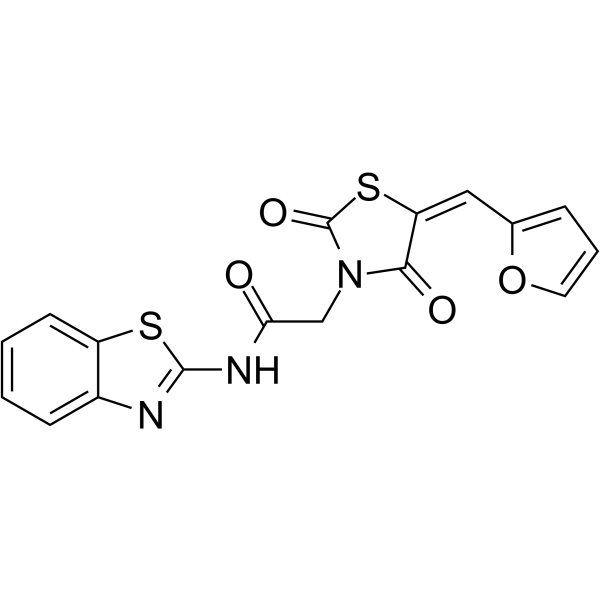
- HY-P992344
-
|
|
Transmembrane Glycoprotein
|
Cancer
|
|
DNP002 is a humanized IgG1 monoclonal antibody targeting tumor-associated CEACAM6. DNP002 binds to CEACAM1, CEACAM5 and CEACAM6, and exhibits antibody-dependent cellular cytotoxicity against tumor cells overexpressing these targets. DNP002 binds to CEACAM6 on the surface of tumor-associated neutrophils (including MDSCs) to reverse the immunosuppressive effect in the tumor microenvironment. DNP002 shows anti-tumor activity in advanced solid tumors. DNP002 can be used for the research of advanced solid tumors. The recommended isotype control is human IgG1 kappa (HY-P99001) .
|
-

- HY-142118A
-
|
AP 12009 sodium
|
TGF-beta/Smad
|
Cancer
|
|
Trabedersen (AP 12009) sodium is an orally active synthetic antisense phosphorothioate oligodeoxynucleotide that selectively targets human TGFβ2 mRNA. Trabedersen sodium blocks TGFβ2 protein production, enters the nucleus without a transfection vector, and exerts dose-dependent antitumor effects. By reversing TGFβ2-induced immunosuppression and enhancing immune cytotoxicity, Trabedersen sodium exhibits significant antiproliferative, antimigratory, and antimetastatic activities, with favorable safety profiles. Trabedersen sodium is widely used in research related to various solid tumors, including anaplastic astrocytoma, glioblastoma, colorectal tumor, and melanoma .
|
-
- HY-P991016
-
|
PT-217
|
CD47
|
Inflammation/Immunology
|
|
Peluntamig (PT-217) is a bispecific antibody targeting DLL3 and CD47. The antibody arms of Peluntamig specifically bind to DLL3 on small cell lung cancer tumor cells while blocking the CD47-SIRPa interaction, thereby effectively stimulating macrophage phagocytosis and inducing NK cell-mediated cytotoxicity. Peluntamig exhibits significant anti-tumor activity against small cell lung cancer and also has favorable safety profiles. Peluntamig can be used in a variety of tumor-related studies including those on small cell lung cancer and L1210 leukemia .
|
-

- HY-174377
-
|
|
Androgen Receptor
p38 MAPK
Caspase
Cytochrome P450
Calcium Channel
Reactive Oxygen Species (ROS)
Apoptosis
Mitochondrial Metabolism
GLUT
|
Cancer
|
|
PeS-9 is an Androgen Receptor (AR) degrader that induces androgen receptor degradation PeS-9 induces mitochondrial and ER stress by promoting cytotoxic ROS production, leading to the release of mitochondrial cytochrome C and AIF. PeS-9 subsequently activates caspases-9 and -3, causing DNA fragmentation and apoptotic cell death. PeS-9 has anticancer activity against prostate cancer and exerts in vivo antitumor and antimetastatic activity with minor side effects. PeS-9 can be used for the study of targeting monotherapy against GLUT-1-overexpressing tumors .
|
-

- HY-142118
-
|
AP 12009
|
TGF-beta/Smad
|
Cancer
|
|
Trabedersen (AP 12009) is an orally active synthetic antisense phosphorothioate oligodeoxynucleotide that selectively targets human TGFβ2 mRNA. Trabedersen blocks TGFβ2 protein production, enters the nucleus without a transfection vector, and exerts dose-dependent antitumor effects. By reversing TGFβ2-induced immunosuppression and enhancing immune cytotoxicity, Trabedersen exhibits significant antiproliferative, antimigratory, and antimetastatic activities, with favorable safety profiles. Trabedersen is widely used in research related to various solid tumors, including anaplastic astrocytoma, glioblastoma, colorectal tumor, and melanoma .
|
-

- HY-147901
-
|
|
Histone Demethylase
CDK
Apoptosis
Caspase
|
Cancer
|
|
KDM1/CDK1-IN-1 (compound 4) is a potent KDM1 and CDK1 inhibitor, with IC50 values of 0.096 and 0.078 μM, respectively.KDM1/CDK1-IN-1 induces cell cycle arrest at G2/M phase and apoptosis in HOP-92 cells. KDM1/CDK1-IN-1 exhibits potent cytotoxic activity against the CCRF-CEM, HOP-92 and Hep-G2 cells, with IC50 values of 16.34, 3.45 and 7.79 μM, respectively .
|
-
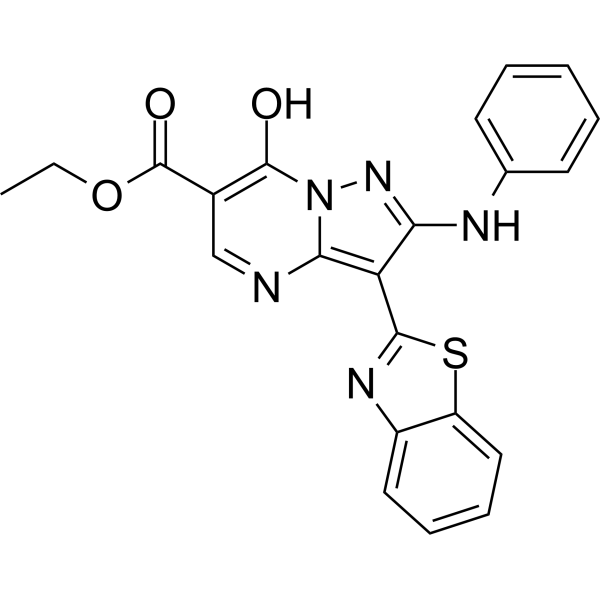
- HY-178941
-
|
|
Dihydroorotate Dehydrogenase
Apoptosis
Caspase
Reactive Oxygen Species (ROS)
|
Cancer
|
|
DHODH-IN-32 (Compound A1) is a DHODH inhibitor. DHODH-IN-32 shows significant cytotoxicity against NCI-60 cell lines, especially being sensitive to breast cancer, prostate cancer and leukemia cell lines. DHODH-IN-32 can induce cell apoptosis by activating the Caspase pathway. DHODH-IN-32 causes G0/G1 phase cell cycle arrest and inhibits cellular metabolism by ROS. DHODH-IN-32 exhibits significant anti-tumor properties in mouse breast cancer models. DHODH-IN-32 can be used for the study of breast cancer .
|
-

- HY-175290
-
|
|
Arf Family GTPase
|
Cancer
|
|
Arf1-GEFs-IN-1 is a potent and orally active ADP-ribosylation factor 1- guanine nucleotide exchange factors (Arf1-GEFs) inhibitor with an IC50 value of 40.85 μM against CT26 cells. Arf1-GEFs-IN-1 primarily mediates tumor regression by triggering anti-tumor immune responses, rather than through direct cytotoxicity. Arf1-GEFs-IN-1 effectively promotes CCL5 expression, demonstrates excellent in vivo efficacy. Arf1-GEFs-IN-1 can be used for the study of colon cancer .
|
-

- HY-175857
-
|
|
HDAC
Apoptosis
|
Cancer
|
|
HDAC-IN-92 is a pan-HDAC inhibitor with an IC50 of 12.58 µM in A2780 cells. HDAC-IN-92 demonstrates broad-spectrum, notable cytotoxic activity against a range of human cancer cell lines, including ovarian, liver, and breast carcinomas. HDAC-IN-92 causes apoptosis and demonstrates a notable decrease in tumor cell colony formation. HDAC-IN-92 inhibits the formation of blood vessels in the chick chorioallantoic membrane (CAM). HDAC-IN-92 exhibits anti-tumor effect in a 4T1 tumor-bearing mouse model. HDAC-IN-92 can be used for research targeting solid tumor .
|
-

- HY-182802
-
|
|
Ferroptosis
Glutathione Peroxidase
Reactive Oxygen Species (ROS)
Mitochondrial Metabolism
|
Cancer
|
|
Ferroptosis inducer-15 is a ferroptosis inducer. Ferroptosis inducer-15 downregulates GPX4 expression, triggers lipid peroxidation via ROS accumulation, and disrupts mitochondrial membrane potential to drive ferroptosis. Ferroptosis inducer-15 increases splenic CD4 + T cell proportion, promotes CD8 + cytotoxic T cell tumor infiltration, and activates antitumor immune responses. Ferroptosis inducer-15 exerts antiproliferative activity against colorectal cancer cells and inhibits tumor growth in xenograft mice models without significant body weight loss. Ferroptosis inducer-15 can be used for the research of cancer, such as colorectal cancer .
|
-

- HY-P10775A
-
|
|
MMP
|
Cancer
|
|
BT1769 acetate is a conjugate and antitumor agent targeting MT1-MMP, with a Kd value of 3.35 nM against human targets. BT1769 acetate exhibits favorable pharmacokinetic properties. BT1769 acetate specifically binds to MT1-MMP via its bicyclic peptide component, delivering the cytotoxic agent MMAE (HY-15162) to antigen-expressing cells. It effectively inhibits tumor growth, induces complete responses, and significantly prolongs event-free survival in osteosarcoma patient-derived xenograft models. BT1769 acetate shows extremely low activity in Ewing sarcoma models and can be used in osteosarcoma-related research .
|
-

- HY-171572
-
|
|
Antibody-Drug Conjugates (ADCs)
Microtubule/Tubulin
Apoptosis
|
Inflammation/Immunology
Cancer
|
|
Atezolizumab-MMAE is an anti-PD-L1 antibody-drug conjugate (ADC) with an EC50 of 1.1 nM. Atezolizumab-MMAE is composed of a humanized anti-PD-L1 antibody (Atezolizumab) (HY-P9904), a lysosomally cleavable dipeptide linker (valine-citrulline), a tubulin inhibitor (MMAE) (HY-15162), and the drug-linker conjugate for ADC is VcMMAE (HY-15575). Atezolizumab-MMAE has a potent cytotoxicity (EC50: 9.75-11.94 nM) and immune activation effect. Atezolizumab-MMAE has a significantly anti-tumor activity in MC38 xenograft PD-1-humanized immune system mice model .
|
-

- HY-P991149
-
|
YH32367; ABL105
|
TNF Receptor
|
Cancer
|
|
Nesfrotamig (YH32367; ABL105) is a bispecific activator targeting HER2 and 4-1BB. The Kd values of Nesfrotamig for human HER2 and human 4-1BB are 0.48 nM and 3.36 nM, respectively. By blocking tumor cell growth signals, activating HER2-dependent local 4-1BB in tumors to maintain T cell survival, and inducing NK cell-mediated antibody-dependent cellular cytotoxicity, Nesfrotamig enhances the cytotoxicity and tumor infiltration ability of immune cells. Nesfrotamig promotes the generation of tumor-specific memory T cells, drives T cell-mediated tumor lysis, exhibits significant anti-tumor efficacy against both HER2-positive and HER2-low-expressing tumors, and shows synergistic activity when combined with anti-PD-1 antibodies. In cynomolgus monkey studies, Nesfrotamig demonstrates good safety and is suitable for research related to HER2-positive and HER2-low-expressing tumors .
|
-

- HY-177578
-
|
|
Antibody-Drug Conjugates (ADCs)
c-Kit
Apoptosis
Microtubule/Tubulin
ERK
Akt
Caspase
|
Cancer
|
|
NN3201 is a c-Kit-targeting antibody-drug conjugate (ADC) with high affinity (KD = 0.19 pM). NN3201 is composed of 4-(3-Tosyl-2-(tosylmethyl)propanoyl)benzoic acid-glu(PEG24-Me)-val-cit-NH-benzyloxyformic acid-MMAE (HY-178219) and an anti-c-Kit human monoclonal antibody NN2101 (HY-P991293). NN3201 rapidly internalizes and inhibits stem cell factor (SCF)-driven signaling, thereby delivering its payload to induce cell cycle arrest and apoptosis. NN3201 exhibits no Fc-mediated effector functions antibody-dependent cell-mediated cytotoxicity (ADCC)/complement-dependent cytotoxicity (CDC) due to reduced FcγR binding. NN3201 exhibits significant c-Kit-dependent anti-tumor efficacies in various tumor models. NN3201 can be used in small cell lung cancer (SCLC) and gastrointestinal stromal tumor (GIST) and acute myeloid leukemia (AML) research [1][2].
|
-

- HY-P99144A
-
|
|
PD-1/PD-L1
|
Inflammation/Immunology
Cancer
|
|
Anti-Mouse PD-1 Antibody (S-5001) is a selective inhibitor targeting PD-1, blocking the PD-1/PD-L1 immune checkpoint axis through competitive binding to PD-1. Anti-Mouse PD-1 Antibody (S-5001) works by reversing the tumor immunosuppressive microenvironment and reactivating the anti-tumor activity of cytotoxic T lymphocytes. It can be used in research on tumors such as melanoma and HPV-positive oropharyngeal squamous cell carcinoma. Anti-Mouse PD-1 Antibody (S-5001) is often combined with photothermal therapy, chemotherapy, etc., to enhance efficacy .
|
-

- HY-160696
-
|
|
CD73
|
Cancer
|
|
ORIC-533 is an orally active, highly selective, AMP-competitive CD73 inhibitor that potently blocks adenosine production with sub-nanomolar affinity (Ka=0.03 nM). In multiple myeloma, ORIC-533 restores and enhances the cytotoxicity of the immune system against tumor cells through multiple immunological mechanisms, including reversing the immunosuppressive microenvironment, inducing immunogenic cell death, and activating dendritic cells, T cells and NK cells, with no direct toxicity to normal cells. The combination of ORIC-533 with Daratumumab (HY-P9915) synergistically enhances anti-tumor efficacy, significantly increases intratumoral CD8 + T cell infiltration and inhibits tumor growth in vivo .
|
-
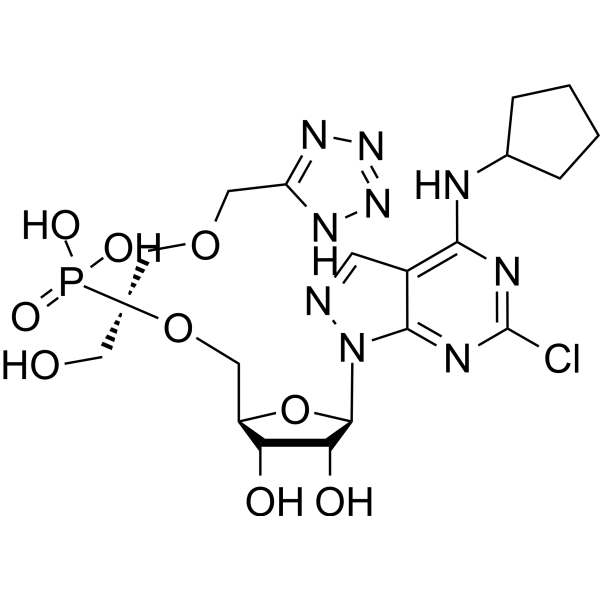
- HY-W010451
-
|
Hydroxyhydroquinone
|
PERK
Eukaryotic Initiation Factor (eIF)
Potassium Channel
Apoptosis
|
Cardiovascular Disease
Cancer
|
|
1,2,4-Trihydroxybenzene (Hydroxyhydroquinone) is an ER stress inducer that targets proteins such as PKR-like ER kinase PERK to induce cytotoxicity. 1,2,4-Trihydroxybenzene selectively activates eIF2α phosphorylation, activates the PERK-eIF2α signaling pathway and induces stress granule formation. 1,2,4-Trihydroxybenzene subsequently exacerbates oxidative stress and causes DNA double-strand breaks, destroying organelles such as mitochondria and ER, and inducing cell death. 1,2,4-Trihydroxybenzene also has the potential to exhibit anti-tumor effect, increase blood pressure, and relieve spasm .
|
-
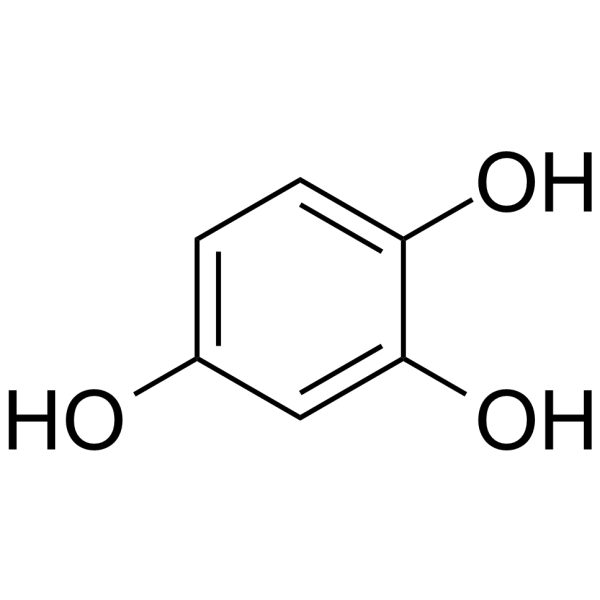
- HY-P992347
-
|
|
CD276/B7-H3
|
Cancer
|
|
DS-5573a is a human monoclonal antibody targeting B7-H3, with a Kd of 1.8 nM for the 4Ig isoform and 11 nM for the 2Ig isoform. DS-5573a induces antibody-dependent cellular cytotoxicity and antibody-dependent cellular phagocytosis against B7-H3-expressing cancer cells. DS-5573a exerts dose-dependent anti-tumor activity via effector cells. DS-5573a can be used in the research of cancers including breast adenocarcinoma, non-small cell lung cancer, renal cell adenocarcinoma, gastric cancer and prostate cancer .
|
-

- HY-P992146
-
|
MYTX-011 Antibody; Q-397
|
ADC Antibody
c-Met/HGFR
|
Cancer
|
|
Zevontabart (MYTX-011 Antibody; Q-397) is a pH-dependent anti-c-MET antibody. Zevontabart regulates the trafficking process of c-MET to reduce receptor recycling, and enhances its own endocytosis and accumulation in c-MET-expressing cells. Zevontabart induces cytotoxicity in solid tumor cells and exerts anti-tumor activity in a non-small cell lung cancer xenograft mouse model. Zevontabart can be used to synthesize ADC, such as: MYTX-011. Zevontabart can be used in studies related to non-small cell lung cancer, with its corresponding isotype control being Human IgG1 kappa, Isotype Control (HY-P99001) .
|
-

- HY-172934
-
|
|
Toll-like Receptor (TLR)
NO Synthase
PROTACs
|
Inflammation/Immunology
Cancer
|
|
FGT-4 is a folate receptor β (FR-β) targeting chimeric molecule. FGT-4 is a TLR7 agonist. FGT-4 facilitates the secretion of iNOS and proinflammatory cytokine IL-6 associated with M1 macrophages and enhances the proliferation of cytotoxic CD8 + T cells. FGT-4 has anti-tumor activity in the 4T1 breast cancer mouse model. FGT-4 can be used for the study of cancer immunity. (Pink: target protein TLR7/8 agonist 1 ligand (HY-103698); black: linker (HY-172936); blue: FR-β ligand (HY-172935)) .
|
-

- HY-181906
-
|
|
PROTACs
Reactive Oxygen Species (ROS)
CDK
|
Cancer
|
|
ZnPc-PEG2-VH032 is a VHL-pathway-dependent photodegradation targeting chimera (PDTAC) and cytotoxic agent. ZnPc-PEG2-VH032 (HY-120217) binds to the VHL ligand domain, and then specifically degrades VHL under light irradiation, a process independent of non-specific ROS-mediated protein damage. ZnPc-PEG2-VH032 uses Zinc phthalocyanine (HY-19204) as a photosensitizer, and generates ROS via type I and type II photodynamic pathways under 680 nm LED irradiation. On one hand, it targets and degrades the bound VHL protein through ROS; on the other hand, it exerts direct photodynamic cytotoxicity. Meanwhile, the degradation of VHL downregulates the phosphorylation level of CDK2/4, induces cell cycle arrest in tumor cells, further enhances the sensitivity of tumor cells to oxidative damage caused by ROS, and achieves a synergistic anti-tumor effect. ZnPc-PEG2-VH032 exerts significant in vivo efficacy in an orthotopic mouse model of non-muscle invasive bladder cancer (NMIBC) .
|
-

- HY-P99881
-
|
ABBV 176
|
Antibody-Drug Conjugates (ADCs)
|
Cancer
|
|
Rolinsatamab talirine (ABBV 176) is a prolactin receptor (PRLR)-targeting antibody-drug conjugate (ADC), compoused of Rolinsatamab (HY-P99238) and SGD-1882 (HY-101127). Rolinsatamab talirine binds to PRLR to deliver a cytotoxin to tumor cells. Rolinsatamab talirine induces DNA damage, and exhibits cytotoxicity against multiple breast tumor models, including triple negative and low PRLR-expressing models. Rolinsatamab talirine demonstrates enhanced anti-tumor activity in several breast cancer models. Rolinsatamab talirine can be used for the research of breast cancer, hepatocellular carcinoma, ovarian cancer, endometrial cancer, prostate cancer, colorectal cancer, adrenocortical carcinoma, and solid tumors .
|
-

- HY-N16817
-
|
|
NO Synthase
|
Inflammation/Immunology
Cancer
|
|
Rabdoternin E is a potential anti-inflammatory and antitumor agent. 2α-Acetoxy-14,15-cyclopimara-7β,16-diol only inhibits nitric oxide (NO) production in lipopolysaccharide (LPS)-induced RAW264.7 macrophages (IC50=2.3 μM) and exhibits cytotoxicity against human tumor cells such as HL-60 and SW-480 (IC50 values ??of 2.6 μM and 4.1 μM, respectively). Rabdoternin E is an ent-kaurane-type diterpenoid compound that can be naturally extracted from the 70% acetone aqueous extract of the aerial parts of Isodon rosthornii (Diels) Hara (a plant of the Lamiaceae family, Isodon genus) .
|
-

- HY-29268
-
|
|
Bacterial
Indoleamine 2,3-Dioxygenase (IDO)
NF-κB
Phosphodiesterase (PDE)
|
Infection
Inflammation/Immunology
Cancer
|
|
β-Carboline 1-carboxylic acid is a β-carboline alkaloid with anti-inflammatory, antifibrotic, antitumor and antibacterial activities. β-Carboline 1-carboxylic acid is the cAMP phosphodiesterase (IC50: 96 µM) and indoleamine 2, 3-dioxygenase (IDO) inhibitor. β-Carboline 1-carboxylic acid is cytotoxic to tumor cells. β-Carboline 1-carboxylic acid inhibits inflammation through the NF-κb/p65 pathway and can reverse epithelial-mesenchymal transition (EMT). In addition, β-Carboline 1-carboxylic acid has strong inhibitory activity against S. aureus (IC50: 47.70 μg/mL) and E. coli (IC50: 19.17 μg/mL) .
|
-

- HY-178238
-
|
|
ADC Payload
Topoisomerase
|
Cancer
|
|
LD2-3 is a cytotoxic compound derived from Exatecan (HY-13631), designed to be conjugated with anti-FGFR2b or anti-CEA antibodies to form intact antibody-drug conjugate (ADC) molecules. LD2-3 exhibits a remarkable bystander killing effect: it not only effectively kills FGFR2b-positive tumor cells, but also eliminates surrounding FGFR2b-negative cells in co-culture and mixed tumor xenograft models, thereby inducing complete tumor regression. LD2-3 can be used for anti-tumor research in relevant fields such as gastric cancer and lung cancer .
|
-

- HY-169921
-
|
|
c-Myc
Apoptosis
|
Cancer
|
|
c-Myc inhibitor 15 (Compound A5) is a selective c-Myc inhibitor that exerts anticancer effects by disrupting the interaction between c-Myc and Max, leading to the degradation of c-Myc protein and the induction of apoptosis. Its IC50 values are 4.08 μM and 7.86 μM in A549 and NCI-H1299 lung cancer cell lines, respectively, demonstrating strong cytotoxic activity. In a syngeneic tumor model, c-Myc inhibitor 15 exhibited outstanding antitumor efficacy, achieving a tumor growth inhibition rate of 76.4% and significantly reducing c-Myc protein expression levels. c-Myc inhibitor 15 holds promise for research related to c-Myc-driven lung cancers .
|
-

- HY-P991481
-
|
|
CCR
|
Inflammation/Immunology
Cancer
|
|
S-531011 is a high-affinity, selective, and reversible CCR8 ligand with antibody-dependent cellular cytotoxicity (ADCC) against CCR8-expressing cells. S-531011 induces the death of tumor-infiltrating CCR8 + regulatory T cells while preserving regulatory T cells in peripheral blood, thereby reinvigorating anti-tumor immunity. The combination of S-531011 with anti-PD-1 antibody effectively inhibits tumor growth, and S-531011 can be used for research on advanced solid tumors and various cancers including non-small cell lung cancer, ovarian cancer, colon cancer, breast cancer, and pancreatic ductal adenocarcinoma .
|
-

- HY-171124
-
|
AZD9592
|
Antibody-Drug Conjugates (ADCs)
EGFR
c-Met/HGFR
Topoisomerase
DNA/RNA Synthesis
|
Cancer
|
|
Tilatamig samrotecan (AZD9592) is an anti-EGFR/c-MET antibody-drug conjugate (ADC). Tilatamig samrotecan consists of an anti-EGFR/c-MET antibody with the drug-linker conjugate being AZ14170133 (HY-145399) (a topoisomerase I (TOP1i) inhibitor payload). Tilatamig samrotecan induces multiple DNA damage response pathway markers (like ATM, ATR, γH2AX). Tilatamig samrotecan selectively binds to EGFR and c-MET, delivering the cytotoxic payload. Tilatamig samrotecan exerts anti-tumor activity in vivo. Tilatamig samrotecan can be used for non-small cell lung cancer (NSCLC) and head and neck squamous cell carcinoma (HNSCC) research .
|
-

- HY-P991015
-
|
JNJ-78278343; KLCB-245
|
CD3
|
Cancer
|
|
Pasritamig (JNJ-78278343; KLCB-245) is a bispecific T-cell engager (BiTE) that targets the complex of human kallikrein KLK2 and CD3 receptor. Pasritamig redirects the cytotoxicity of T cells to KLK2-expressing tumor cells and induces T cell-mediated lysis of KLK2-expressing prostate cancer cells. Administered via subcutaneous injection, subcutaneous infusion or intravenous infusion, Pasritamig exhibits antitumor activity against metastatic castration-resistant prostate cancer. Pasritamig has a safety profile with an extremely low incidence of cytokine release syndrome and can be safely administered in an outpatient setting. Pasritamig is applicable to the research of metastatic castration-resistant prostate cancer .
|
-

- HY-101741
-
|
A-289099
|
Microtubule/Tubulin
Apoptosis
|
Cancer
|
|
A-259745 is an orally active antimitotic agent that binds to the colchicine-binding site of tubulin. A-259745 exhibits potent in vitro cytotoxic activity against both multi-drug-resistant and non-multi-drug-resistant cancer cell lines, with ED50 values of 0.018 μM against HCT-15 and 0.028 μM against NCI-H460 cell lines. A-259745 inhibits tubulin polymerization, disrupts the dynamic equilibrium of the mitotic spindle, arrests dividing cells in metaphase, and subsequently induces apoptosis. A-259745 shows dose-dependent antitumor efficacy in murine tumor models. A-259745 can be used for the study of cancer .
|
-

- HY-P991944
-
|
|
CCR
|
Cancer
|
|
ZL-1218 is a selective humanized IgG1 antibody, targeting CCR8. ZL-1218 induces antibody-dependent cellular cytotoxicity (ADCC), leading to NK cell-mediated depletion of CCR8-expressing regulatory T cells (Tregs). ZL-1218 blocks the binding of the CCR8 ligand CCL1 to CCR8 and reduces Treg recruitment by inhibiting the chemotaxis of CCR8 + cells. ZL-1218 reduces intratumoral Treg levels in a dose-dependent manner. ZL-1218 exerts enhanced antitumor activity when combined with the anti-PD-1 antibody. ZL-1218 can be used for solid tumour research .
|
-

- HY-P992448
-
|
|
PD-1/PD-L1
|
Cancer
|
|
RC98 is a monoclonal antibody targeting programmed cell death ligand 1 (PD-L1) and acts as a selective PD-L1 inhibitor. RC98 binds specifically to human and cynomolgus monkey PD-L1. RC98 blocks the interaction between PD-L1 and its receptor PD-1 to reverse T-cell inactivation mediated by PD-1/PD-L1 signaling. RC98 enhances the cytotoxic T-lymphocyte-mediated anti-tumor immune response against PD-L1-expressing tumor cells. RC98 can be used for the research of tumor immunity and solid tumors .
|
-

- HY-P992395
-
|
JNJ-711
|
TNF Receptor
NF-κB
|
Cancer
|
|
JNJ-64164711 (JNJ-711) is a bifunctional antibody that simultaneously targets human GITR/TNFRSF18 and FcγRIIIa. JNJ-64164711 binds to the GITR domain to activate the NF-κB signaling pathway, while binding to FcγRIIIa to support antibody-dependent cellular cytotoxicity (ADCC). JNJ-64164711 can specifically eliminate GITR-positive hematological tumor cells, activated T cells and intratumoral regulatory T cells through the ADCC mechanism, thereby significantly enhancing the body's anti-tumor immune response. JNJ-64164711 can be used in research related to non-small cell lung cancer, colorectal cancer, prostate cancer, renal cell carcinoma and hematological tumors .
|
-

- HY-183801
-
|
|
Phosphatase
Apoptosis
|
Cancer
|
|
Cu2LCl2(H2O) acts as a proteasome inhibitor and protein tyrosine phosphatase inhibitor, with antiproliferative and apoptosis-inducing effects. Cu2LCl2(H2O) exhibits low cytotoxicity against normal cells and remarkable in vivo antitumor efficacy. Cu2LCl2(H2O) inhibits proteasome activity in colon cancer cells, and suppresses PTP1B and TCPTP activities in breast cancer cells. Cu2LCl2(H2O) can be used in the research of colon cancer, breast cancer and liver cancer .
|
-

- HY-P99291
-
|
LM609; MEDI-522
|
Integrin
Apoptosis
Akt
|
Cancer
|
|
Etaracizumab (LM 609) is an αvβ3 integrin IgG mAb. Etaracizumab is developed to target αvβ3+ cancer cells via NK cell-mediated cytotoxicity. Etaracizumab sterically hinders access of large ligands to the RGD-binding pocket, without obstructing it. Etaracizumab decreases p-Akt in vitro. Etaracizumab can decrease cancer proliferation and invasion. Etaracizumab induces tumor cell apoptosis, and inhibition ofαvβ3-mediated cell adhesion, endothelial cell migration and osteoclast-mediated bone resorption. Etaracizumab can be studied in anti-tumor research against cancers such as ovarian cancer, metastatic melanoma as well as advanced solid tumors. Recommend Isotype Control: Human IgG1 kappa, Isotype Control (HY-P99001) .
|
-

- HY-156096
-
|
|
HDAC
Histone Methyltransferase
Caspase
Apoptosis
DNA/RNA Synthesis
|
Cancer
|
|
HDAC3-IN-2 (compound 4i) is a pyrazinyl hydrazide-based HDAC3 inhibitor (IC50: 14 nM) that efficiently targets triple-negative breast cancer cells. HDAC3-IN-2 is cytotoxic with an IC50 of 0.55 μM against 4T1 and an IC50 of 0.74 μM against MDA-MB-231. HDAC3-IN-2 has anti-tumor efficacy in vivo in tumor-bearing mouse models, selectively increasing the acetylation levels of H3K9, H3K27 and H4K12, increasing the contents of apoptosis-related caspase-3, caspase-7 and cytochrome c, and reducing Proliferation-related Bcl-2, CD44, EGFR, and Ki-67 levels .
|
-
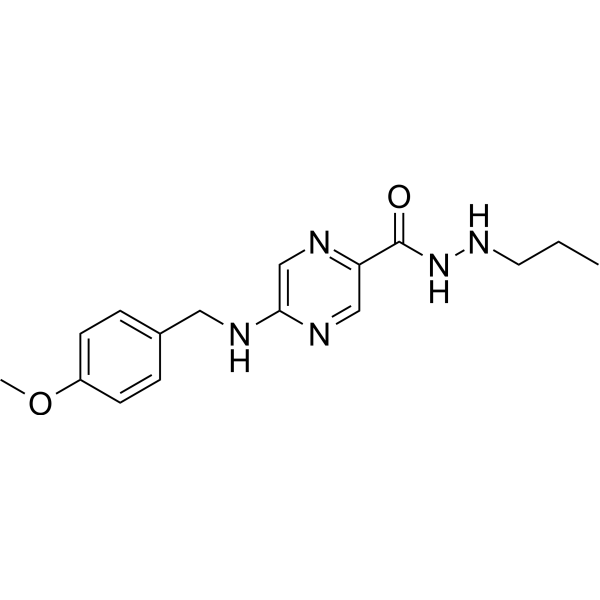
- HY-179585
-
|
|
Apoptosis
|
Cancer
|
|
DD-CIP2 is a DNA damage and apoptosis inducer. DD-CIP2 demonstrates effective anti-proliferative activity against multiple cancer cell. DD-CIP2 modulates the DNA damage response pathway, triggering robust DNA damage, cell cycle arrest, and apoptosis in vitro. DD-CIP2 demonstrates significant anti-tumor efficacy in vivo at well-tolerated doses, without substantial toxicity. DD-CIP2 exhibits superior cytotoxic potency against a broad panel of blood-and solid-tumor-derived cancer cell lines independent of their BRCA1/2 status. DD-CIP2 can be used for small-cell lung cancer (SCLC) and non small-cell lung cancer (NSCLC) research .
|
-

- HY-P991911
-
|
|
Scavenger Receptor Class B type I (SR-BI)
|
Cancer
|
|
PLT012 is a humanized IgG4 antibody targeting CD36. PLT012 inhibits the lipid-binding domain of CD36. PLT012 blocks CD36-mediated metabolic adaptation in regulatory T cells (Tregs) and CD8 + tumor-infiltrating lymphocytes (TILs), thereby inhibiting tumor growth and shifting the tumor microenvironment from immunosuppressive to immunosupportive. PLT012 reduces intratumoral Tregs, enhances CD8 + T cell infiltration and cytotoxic function, and increases the abundance of progenitor-exhausted T cells. PLT012 exerts robust antitumor activity and synergizes with anti-PD-L1 or standard-of-care regimens (anti-VEGF + anti-PD-L1). PLT012 can be used for hepatocellular carcinoma, colorectal cancer and solid tumor research .
|
-

- HY-P990953
-
|
Gen1047
|
CD3
|
Cancer
|
|
Zubotamig (Gen1047) is an CD3E/VTCN1-targeting Ig(G1 -κ_G1 -λ2) type chimeric human antibody. The recommed isotype control is Human IgG1 kappa, Isotype Control (HY-P99001). Zubotamig induces T-cell mediated cytotoxicity of B7H4-positive tumor cells, triggers T-cell activation, and induces cytokine release from T cells in the presence of B7H4-expressing tumor cells. Zubotamig demonstrates antitumor activity in mouse patient-derived xenograft (PDX) models. Zubotamig can be used for the research of solid cancers (including breast, ovarian and lung cancer) .
|
-

- HY-172878
-
|
|
Small Interfering RNA (siRNA)
HDAC
Apoptosis
|
Cancer
|
|
HDAC/PSMD14-IN-1 (Compound 8B) is a thiolutin derivative. HDAC/PSMD14-IN-1 is a orally active dual-target inhibitor of PSMD14/HDAC1 (IC50 238.7 nM/141.2 nM, respectively). HDAC/PSMD14-IN-1 has good cytotoxicity against ESCC cell lines (IC50: 30-250 nM) and effectively reverses epithelial-mesenchymal transition (EMT). HDAC/PSMD14-IN-1 can induce apoptosis. HDAC/PSMD14-IN-1 has anti-tumor activity in a KYSE30 cell mouse xenograft model. HDAC/PSMD14-IN-1 can be used in anti-esophageal cancer research .
|
-

- HY-170978
-
|
|
PROTACs
CDK
|
Cancer
|
|
PROTAC CDK9 degrader-11 (Compound C3) is an orally active PROTAC degrader for CDK9 with DC50 of 1.09 nM. PROTAC CDK9 degrader-11 exhibits cytotoxicity in multi small cell lung cancer cell with IC50 of nanomolar levels. PROTAC CDK9 degrader-11 arrests cell cycle at G0/G1 phase, inhibits the cell invasion in DMS114 and DMS53 cell. PROTAC CDK9 degrader-11 exhibits antitumor efficacy in NCI-H446 xenograft mouse models .(Pink: ligand for target protein CDK9 ligand 3 (HY-170979); Black: linker; Blue: ligand for E3 ligase Cereblon E3 ligase Ligand 56 (HY-W247437))
|
-

- HY-P10914
-
|
|
MDM-2/p53
Autophagy
|
Inflammation/Immunology
Cancer
|
|
D-CopA3 is the inhibitor for MDM2 and the activator for p53 signaling pathway. D-CopA3 exhibits cytotoxicity in colorectal cancer cells HCT-116, LoVo, and RKO (IC50=15-18 μM), induces JNK/Beclin-1 mediated autophagy. D-CopA3 downregulates the expression of cell cycle inhibitory protein p21Cip1/Waf1, enhances the mucosal barrier function and reduces penetration of inflammatory mediators. D-CopA3 exhibits anti-inflammtory activity in mouse C. difficile toxin A-induced acute enteritis models and DSS (HY-116282)-induced chronic colitis models. D-CopA3 exhibits antitumor efficacy in mouse HCT-116 xenograft models .
|
-

- HY-125938
-
|
Cycloartenol ferulate; Cycloartenol ferulic acid ester
|
Drug Derivative
Apoptosis
Reactive Oxygen Species (ROS)
JAK
STAT
|
Inflammation/Immunology
Cancer
|
|
Cycloartenyl ferulate (Cycloartenol ferulate; Cycloartenol ferulic acid ester) is a derivative of γ-oryzanol (HY-B2194) with multiple biological activities including antioxidant, anti-inflammatory, and anti-tumor properties. Cycloartenyl ferulate selectively binds to IFNγR1 (binding affinity Kd = 0.5 μM) to activate the canonical JAK1/2-STAT1 signaling pathway. Cycloartenyl ferulate inhibits paraquat (PQ)-triggered apoptosis and ROS in HK2 cells. Cycloartenyl ferulate enhances the activation and cytolytic activity of natural killer (NK) cells by upregulating the expression of NK cell activation receptors (NKG2D, NKp30, NKp44) and the release of cytotoxic molecules and cytokine IFNγ. Cycloartenyl ferulate exerts anti-cancer effects in tumor mice models. Cycloartenyl ferulate can be used for the study of cancer and allergic inflammation intervention .
|
-
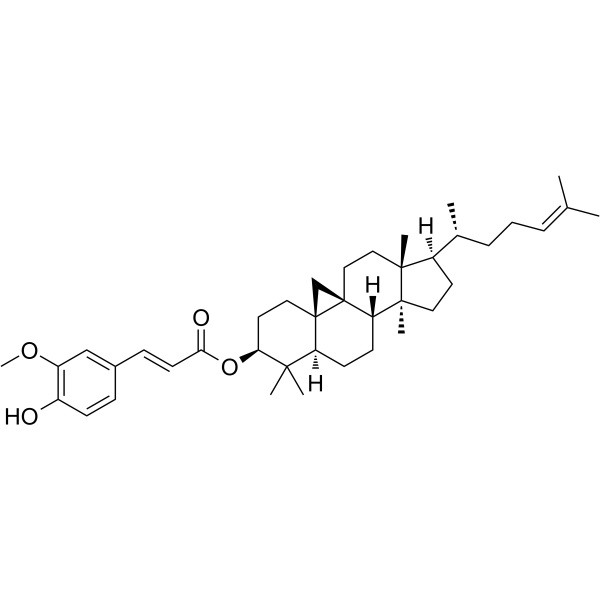
- HY-P990961
-
|
IMM-2510; SYN-2510
|
VEGFR
PD-1/PD-L1
|
Cardiovascular Disease
Inflammation/Immunology
Cancer
|
|
Palverafusp alfa (IMM-2510; SYN-2510) is a PD-L1/VEGF-targeting IgG1κ type humanized antibody. Palverafusp alfa blocks PD-1/PD-L1 binding, relieves immune suppression, mediates PD-L1-directed antibody-dependent cellular cytotoxicity (ADCC). Palverafusp alfa blocks VEGF/VEGFR binding, inhibits angiogenic signaling, relieves VEGF-induced immune suppression. Palverafusp alfa reduces endothelial cell proliferation, enhances ADCC and antibody-dependent cellular phagocytosis (ADCP), inhibits tumor growth, reverses T cell immune suppression. Palverafusp alfa exhibits immune stimulatory, antiangiogenic, and anti-tumor activity in the tumor microenvironment. Palverafusp alfa can be used for the research of cancer, such as solid tumors, non-small cell lung cancer .
|
-

- HY-W010451R
-
|
Hydroxyhydroquinone (Standard)
|
Reference Standards
PERK
Potassium Channel
Apoptosis
Eukaryotic Initiation Factor (eIF)
|
Cardiovascular Disease
Cancer
|
|
1,2,4-Trihydroxybenzene (Hydroxyhydroquinone) (Standard) is the analytical standard of 1,2,4-Trihydroxybenzene (HY-W010451). This product is intended for research and analytical applications. 1,2,4-Trihydroxybenzene (Hydroxyhydroquinone) is an ER stress inducer that targets proteins such as PKR-like ER kinase PERK to induce cytotoxicity. 1,2,4-Trihydroxybenzene selectively activates eIF2α phosphorylation, activates the PERK-eIF2α signaling pathway and induces stress granule formation. 1,2,4-Trihydroxybenzene subsequently exacerbates oxidative stress and causes DNA double-strand breaks, destroying organelles such as mitochondria and ER, and inducing cell death. 1,2,4-Trihydroxybenzene also has the potential to exhibit anti-tumor effect, increase blood pressure, and relieve spasm .
|
-

- HY-175459
-
|
|
PROTACs
FAK
|
Inflammation/Immunology
Cancer
|
|
PROTAC FAK degrader 3 is a selective FAK PROTAC degrader (DC50 = 1.08 nM). PROTAC FAK degrader 3 induces FAK degradation dependent on the ubiquitin-proteasome system and its binding to FAK and CRBN. PROTAC FAK degrader 3 upregulates MHC-I gene transcription and tumor cell surface expression by inhibiting the non-catalytic activity of FAK, leading to increased antigen presentation and activation of cytotoxic CD8 T cells. PROTAC FAK degrader 3 enhances in vivo anti-tumor activity by promoting MHC-I expression and enhancing T cell activation. PROTAC FAK degrader 3 can be used in cancer research targeting FAK degradation in ovarian cancer, hepatocellular carcinoma, and other cancers. (Pink: FAK-IN-3:HY-143407, Blue: Thalidomide-4-OH:HY-103596, Blue + Black: FAK ligand-3: HY-W939883, Black: Linker) .
|
-

- HY-W250308A
-
|
Epsilon-polylysine hydrochloride (MV 2000-5000); ε-Polylysine hydrochloride (MV 2000-5000); ε-PL hydrochloride (MV 2000-5000)
|
Bacterial
Fungal
Reactive Oxygen Species (ROS)
|
Infection
|
|
ε-Poly-L-lysine (Epsilon-polylysine; ε-Polylysine) hydrochloride (MV 2000-5000) is a polycationic antibacterial agent with broad-spectrum activity against Gram-positive bacteria, Gram-negative bacteria, fungi, yeasts and specific bacteriophages. ε-Poly-L-lysine hydrochloride (MV 2000-5000) exerts bactericidal effects through mechanisms such as disrupting microbial membranes, inducing ROS production, inhibiting metabolism and spore germination. ε-Poly-L-lysine hydrochloride (MV 2000-5000) also regulates the expression of multiple key genes including sodA, oxyR and recA. ε-Poly-L-lysine hydrochloride (MV 2000-5000) exhibits properties such as low eukaryotic cytotoxicity, thermal stability and pH stability, and supports tissue regeneration and anti-tumor applications. ε-Poly-L-lysine hydrochloride (MV 2000-5000) can be applied in research fields including bacterial and fungal infections, diabetic ulcers, and methicillin-resistant Staphylococcus aureus infections .
|
-

- HY-P992401
-
|
|
EGFR
CD3
PI3K
Akt
p38 MAPK
Caspase
Apoptosis
IFNAR
TNF Receptor
Interleukin Related
|
Cancer
|
|
M802 is an anti-HER2/CD3 bispecific antibody, with a Kd of 0.578 nM for human HER2 and a Kd of 71.2 nM for human CD3. M802 inhibits the PI3K/AKT and MAPK signaling pathways, suppresses tumor cell proliferation, activates caspase-3, and promotes tumor cell apoptosis (apoptosis). M802 recruits and activates CD3-positive immune cells, mediates cytotoxicity against HER2-positive tumor cells, and induces immune cells to secrete IFN-γ, TNF-α, IL-2 and IL-6. M802 exhibits anti-tumor efficacy in mice with gastric cancer xenografts. M802 can be used in research related to HER2-positive breast cancer, HER2-positive gastric cancer and other cancers. The recommended isotype control is human IgG1 kappa (HY-P99001) .
|
-

- HY-128586A
-
|
|
NEDD8-activating Enzyme
Carbonic Anhydrase
Apoptosis
|
Cancer
|
|
TAS4464 hydrochloride is a long-acting, highly selective covalent inhibitor targeting NEDD8-activating enzyme (NAE) (IC50=0.955 nM), and also inhibits CAII with an IC50 of 0.73 μM, which is less potent than MLN4924 (HY-70062). The IC50 values of TAS4464 hydrochloride against other E1 enzymes UAE and SAE are 449 nM and 1280 nM, respectively. TAS4464 hydrochloride targets NEDD8 in an ATP-dependent manner to inhibit NAE, blocks the neddylation pathway, causes accumulation of CRL ubiquitin ligase substrates (such as CDT1, p27, phosphorylated IκBα), and further induces tumor cell apoptosis. TAS4464 hydrochloride exhibits antiproliferative and cytotoxic effects, and has broad-spectrum antitumor activity against various hematologic and solid tumor cell lines as well as patient-derived tumor cells. TAS4464 hydrochloride has a wide therapeutic window, without obvious toxicity. TAS4464 hydrochloride can be used in the research of hematologic malignancies (leukemia, lymphoma, multiple myeloma, etc.) and solid tumors (small cell lung cancer, colorectal cancer, sarcoma, endometrial cancer, ovarian cancer, etc.) .
|
-
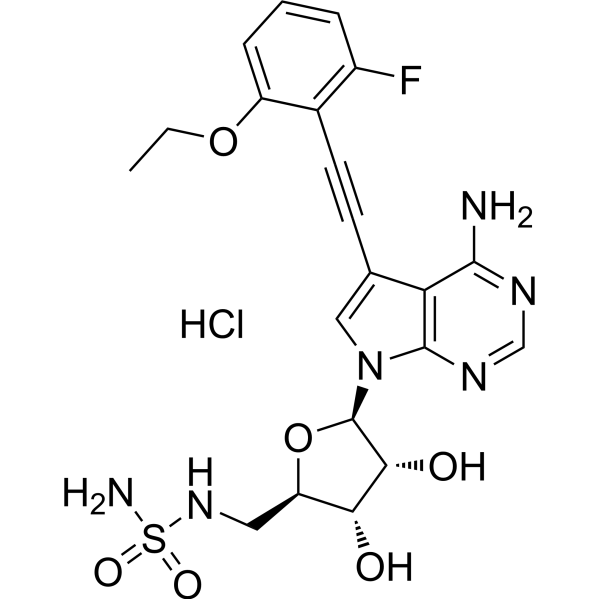
- HY-128586
-
|
|
Apoptosis
Carbonic Anhydrase
NEDD8-activating Enzyme
|
Cancer
|
|
TAS4464 is a long-acting, highly selective covalent inhibitor targeting NEDD8-activating enzyme (NAE) (IC50=0.955 nM), and also inhibits CAII with an IC50 of 0.73 μM, which is less potent than MLN4924 (HY-70062). The IC50 values of TAS4464 against other E1 enzymes UAE and SAE are 449 nM and 1280 nM, respectively. TAS4464 targets NEDD8 in an ATP-dependent manner to inhibit NAE, blocks the neddylation pathway, causes accumulation of CRL ubiquitin ligase substrates (such as CDT1, p27, phosphorylated IκBα), and further induces tumor cell apoptosis. TAS4464 exhibits antiproliferative and cytotoxic effects, and has broad-spectrum antitumor activity against various hematologic and solid tumor cell lines as well as patient-derived tumor cells. TAS4464 has a wide selcetive window, without obvious toxicity. TAS4464 can be used in the research of hematologic malignancies (leukemia, lymphoma, multiple myeloma, etc.) and solid tumors (small cell lung cancer, colorectal cancer, sarcoma, endometrial cancer, ovarian cancer, etc.) .
|
-
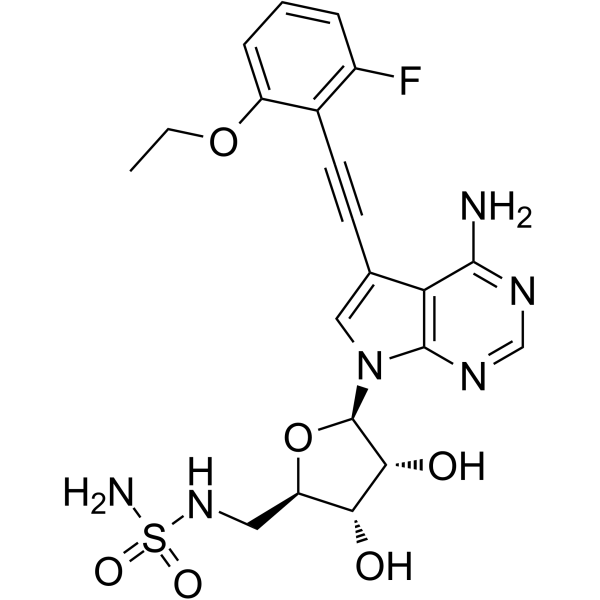
-
- HY-P9921A
-
|
Ado-Trastuzumab emtansine (solution); PRO132365 (solution); T-DM 1 (solution)
|
Fluorescent Dyes
|
|
Trastuzumab emtansine (Ado-Trastuzumab emtansine) is an antibody-drug conjugate (ADC) that incorporates the HER2-targeted antitumor properties of trastuzumab with the cytotoxic activity of the microtubule-inhibitory agent DM1 (derivative of maytansine), and the drug-linker conjugate for ADC is SMCC-DM1 (HY-101070). Trastuzumab emtansine can be used for the research of advanced breast cancer .
|
-
- HY-15096
-
MKT-077
Maximum Cited Publications
16 Publications Verification
FJ-776
|
Fluorescent Dyes
|
|
MKT-077 (FJ-776), a highly water-soluble mitochondrial dye, has significant antitumor activity . MKT-077 exhibits low cytotoxicity, and inhibits broad-spectrum human cancer cell lines (colon cancer, breast cancer, pancreatic cancer). MKT-077 inhibits the growth of tumor in nude mice enograft tumor model. Ex/Em=488/543 nm .
|
-
- HY-164992
-
|
MRG002; Trastuzumab MMAE
|
Fluorescent Dyes
|
|
Trastuzumab vedotin (MRG002; Trastuzumab MMAE) is an antibody-drug conjugate and cytotoxin targeting HER2, with a Kd of 7.50E-11 M for human HER2. After binding to HER2, Trastuzumab vedotin undergoes internalization and lysosomal trafficking, delivering a cytotoxic payload to HER2-expressing cells and inducing tumor regression in in vivo xenograft models with HER2-expressing tumors. The anti-tumor activity of Trastuzumab vedotin is enhanced when used in combination with anti-PD-1 antibodies, and it exhibits preclinical anti-tumor activity in drug-resistant breast cancer, gastric cancer, and urothelial carcinoma PDX models. Trastuzumab vedotin has low antibody-dependent cellular cytotoxicity activity and can be used in studies related to HER2-positive breast cancer, HER2-positive gastric cancer, and unresectable locally advanced or metastatic HER2-positive urothelial carcinoma .
|
-
- HY-15579G
-
|
Monomethylauristatin F
|
Fluorescent Dyes
|
|
MMAF (Monomethylauristatin F) GMP is a GMP grade MMAF (HY-15579). GMP small molecules works appropriately as an auxiliary reagent for cell therapy manufacture. MMAF (Monomethylauristatin F) is a potent tubulin polymerization inhibitor and is used as a antitumor agent. MMAF (Monomethylauristatin F) is widely used as a cytotoxic component of antibody-drug conjugates (ADCs) such as vorsetuzumab mafodotin and SGN-CD19A .
|
-
- HY-128952G
-
|
SG3249
|
Fluorescent Dyes
|
|
Tesirine (GMP) (SG3249 (GMP)) is Tesirine (HY-128952) produced by using GMP guidelines. GMP small molecules works appropriately as an auxiliary reagent for cell therapy manufacture. Tesirine (SG3249) is an antibody-drug conjugate (ADC) pyrrolobenzodiazepine (PBD) dimer payload. Tesirine combines potent antitumor activity with desirable physicochemical properties such as favorable hydrophobicity and improved conjugation characteristics. SG3199 (HY-101161) is the released warhead component of the ADC payload Tesirine. SG3199 retains picomolar activity in a panel of cancer cell lines. PBD dimers are highly efficient DNA minor groove cross-linking agents with potent cytotoxicity .
|
-
- HY-15579BG
-
|
Monomethylauristatin F sodium
|
Fluorescent Dyes
|
|
MMAF sodium GMP is a GMP grade MMAF (sodium) (HY-15579B). MMAF sodium (Monomethylauristatin F sodium) is a potent tubulin polymerization inhibitor and is used as a antitumor agent. MMAF sodium (Monomethylauristatin F sodium) is widely used as a cytotoxic component of antibody-drug conjugates (ADCs) such as Vorsetuzumab mafodotin and SGN-CD19A .
|
-
- HY-15794G
-
|
Methoxymorpholinyl doxorubicin; FCE 23762; PNU 152243
|
Fluorescent Dyes
|
|
Nemorubicin (Methoxymorpholinyl doxorubicin) GMP is a GMP-class Nemorubicin (HY-15794). Nemorubicin is a Doxorubicin derivative with potent antitumor activity. Nemorubicin is highly cytotoxic to a variety of tumor cell lines presenting a multidrug-resistant phenotype. Nemorubicin not only intercalate into the duplex DNA, but also result in significant ligands for G-quadruplex DNA segments, stabilizing their structure. Nemorubicin requirs an intact nucleotide excision repair (NER) system to exert its activity .
|
-
- HY-D2380
-
|
|
Fluorescent Dyes
|
|
H2S probe 1 (compound 1NND) is a derivative of nitrobenzoxadiazole (NBD) with antitumor activity. H2S probe 1 is cytotoxic to human pancreatic cancer cell MIA PaCa-2 (IC50=77.9 nM) and has a high affinity for human telomeric G-quadruplex (G4) (Kd=1.72 μM). H2S probe 1 can be used in cancer research .
|
-
- HY-W250308A
-
|
Epsilon-polylysine hydrochloride (MV 2000-5000); ε-Polylysine hydrochloride (MV 2000-5000); ε-PL hydrochloride (MV 2000-5000)
|
Biochemical Assay Reagents
|
|
ε-Poly-L-lysine (Epsilon-polylysine; ε-Polylysine) hydrochloride (MV 2000-5000) is a polycationic antibacterial agent with broad-spectrum activity against Gram-positive bacteria, Gram-negative bacteria, fungi, yeasts and specific bacteriophages. ε-Poly-L-lysine hydrochloride (MV 2000-5000) exerts bactericidal effects through mechanisms such as disrupting microbial membranes, inducing ROS production, inhibiting metabolism and spore germination. ε-Poly-L-lysine hydrochloride (MV 2000-5000) also regulates the expression of multiple key genes including sodA, oxyR and recA. ε-Poly-L-lysine hydrochloride (MV 2000-5000) exhibits properties such as low eukaryotic cytotoxicity, thermal stability and pH stability, and supports tissue regeneration and anti-tumor applications. ε-Poly-L-lysine hydrochloride (MV 2000-5000) can be applied in research fields including bacterial and fungal infections, diabetic ulcers, and methicillin-resistant Staphylococcus aureus infections .
|
-
- HY-15579G
-
|
Monomethylauristatin F
|
Biochemical Assay Reagents
|
|
MMAF (Monomethylauristatin F) GMP is a GMP grade MMAF (HY-15579). GMP small molecules works appropriately as an auxiliary reagent for cell therapy manufacture. MMAF (Monomethylauristatin F) is a potent tubulin polymerization inhibitor and is used as a antitumor agent. MMAF (Monomethylauristatin F) is widely used as a cytotoxic component of antibody-drug conjugates (ADCs) such as vorsetuzumab mafodotin and SGN-CD19A .
|
-
- HY-128952G
-
|
SG3249
|
Biochemical Assay Reagents
|
|
Tesirine (GMP) (SG3249 (GMP)) is Tesirine (HY-128952) produced by using GMP guidelines. GMP small molecules works appropriately as an auxiliary reagent for cell therapy manufacture. Tesirine (SG3249) is an antibody-drug conjugate (ADC) pyrrolobenzodiazepine (PBD) dimer payload. Tesirine combines potent antitumor activity with desirable physicochemical properties such as favorable hydrophobicity and improved conjugation characteristics. SG3199 (HY-101161) is the released warhead component of the ADC payload Tesirine. SG3199 retains picomolar activity in a panel of cancer cell lines. PBD dimers are highly efficient DNA minor groove cross-linking agents with potent cytotoxicity .
|
-
- HY-W004698
-
|
|
Biochemical Assay Reagents
|
|
(2-Methoxypyrimidin-5-yl)boronic acid is a drug intermediate that can serve as a key reactant in the Suzuki-Miyaura coupling reaction, and is used for the synthesis of isoquinoline ketone derivatives with anti-tumor activity .
|
-
- HY-15579BG
-
|
Monomethylauristatin F sodium
|
Biochemical Assay Reagents
|
|
MMAF sodium GMP is a GMP grade MMAF (sodium) (HY-15579B). MMAF sodium (Monomethylauristatin F sodium) is a potent tubulin polymerization inhibitor and is used as a antitumor agent. MMAF sodium (Monomethylauristatin F sodium) is widely used as a cytotoxic component of antibody-drug conjugates (ADCs) such as Vorsetuzumab mafodotin and SGN-CD19A .
|
-
- HY-15794G
-
|
Methoxymorpholinyl doxorubicin; FCE 23762; PNU 152243
|
Biochemical Assay Reagents
|
|
Nemorubicin (Methoxymorpholinyl doxorubicin) GMP is a GMP-class Nemorubicin (HY-15794). Nemorubicin is a Doxorubicin derivative with potent antitumor activity. Nemorubicin is highly cytotoxic to a variety of tumor cell lines presenting a multidrug-resistant phenotype. Nemorubicin not only intercalate into the duplex DNA, but also result in significant ligands for G-quadruplex DNA segments, stabilizing their structure. Nemorubicin requirs an intact nucleotide excision repair (NER) system to exert its activity .
|
| Cat. No. |
상품명 |
Target |
Research Area |
-
- HY-N6693
-
Valinomycin
Maximum Cited Publications
7 Publications Verification
NSC 122023
|
Apoptosis
Antibiotic
Autophagy
Fungal
|
Infection
Others
Cancer
|
|
Valinomycin is a potassium-specific ionophore, the valinomycin-K + complex can be incorporated into biological bilayer membranes with the hydrophobic surface of valinomycin, destroys the normal K + gradient across the membrane, and as a result kills the cells, incorporating into liposomes can significantly reduces the cytotoxicity and enhances the targeting effect. Valinomycin exhibits antibiotic, antifungal, antiviral, antitumor and insecticidal efficacy, thus can be used for relevant research .
|
-
- HY-129960
-
-
- HY-P1791
-
|
Lactoferricin B; Lfcin B
|
Bacterial
Fungal
Apoptosis
|
Infection
Cancer
|
|
Lactoferrin 17-41 (Lactoferricin B), a peptide corresponding to residues 17-41 of bovine lactoferrin, has antimicrobial activity against a wide range of microorganisms, including Gram-positive and Gramnegative bacteria, viruses, protozoa, and fungi. Lactoferrin 17-41 has antitumor activities .
|
-
- HY-P5581
-
|
|
Peptides
|
Infection
Inflammation/Immunology
Cancer
|
|
Alloferon 1 is an antiviral and antitumoral peptide. Alloferon 1 stimulates natural cytotoxicity of human peripheral blood lymphocytes. Alloferon 1 also induces IFN synthesis, and enhances antiviral and antitumor resistance in mice. Alloferon 1 also shows anti-inflammatory activity in λ-carrageenan-induced paw edema model. Alloferon 1 can be isolated from the blood of the blow fly Calliphora vicina (Diptera) .
|
-
- HY-105019
-
|
Melphalan flufenamide
|
DNA Alkylator/Crosslinker
Apoptosis
|
Cancer
|
|
Melflufen (Melphalan flufenamide), a dipeptide proagent of Melphalan, is an alkylating agent. Melflufen shows antitumor activity against multiple myeloma (MM) cells and inhibits angiogenesis. Melflufen induces irreversible DNA damage and cytotoxicity in MM cells .
|
-
- HY-P1791B
-
|
Lactoferricin B acetate; Lfcin B acetate
|
Bacterial
Fungal
Apoptosis
|
Infection
Cancer
|
|
Lactoferrin 17-41 (Lactoferricin B) acetate, a peptide corresponding to residues 17-41 of bovine lactoferrin, has antimicrobial activity against a wide range of microorganisms, including Gram-positive and Gramnegative bacteria, viruses, protozoa, and fungi. Lactoferrin 17-41 acetate has antitumor activities .
|
-
- HY-P11060
-
|
Adpgk peptide
|
MHC
|
Cancer
|
|
MC38 SLP Adpgk (Adpgk peptide) is an H-2 K b-restricted colorectal cancer neoantigen peptide. MC38 SLP Adpgk is formulated into PCNP nanocomplexes together with CpG ODN. PCNP vaccines significantly enhance the co-delivery efficiency of neoantigens and adjuvants to lymphoid organs, and activate cytotoxic T cells. PCNP vaccines not only protect mice from MC-38 colorectal tumor invasion, but also exhibit anti-tumor efficacy in established colorectal tumor models and significantly prolong the survival of tumor-bearing mice .
|
-
- HY-P10841
-
|
|
Amino Acid Derivatives
|
Cancer
|
|
CyPep-1 is a novel cationic lytic peptide with antitumor activity. CyPep-1 is highly cytotoxic by interacting with the negatively charged cell membrane of cancer cells. CyPep-1 has strong cytolytic activity on cancer cells both in vivo and in vitro, and can be used in the study of solid tumors .
|
-
- HY-P10610A
-
|
|
MDM-2/p53
|
Cancer
|
|
Peptide 234CM TFA is a peptide containing isoleucine at position 3, corresponding to the sequence of a point mutation in p53 codon 234. Peptide 234CM TFA induces potent cytotoxic T cell (CTL) and antitumor immune responses against mutant p53 .
|
-
- HY-P10994
-
|
Eps8(327-335)
|
EGFR
IFNAR
Interleukin Related
TNF Receptor
Complement System
Apoptosis
|
Inflammation/Immunology
Cancer
|
|
Eps8 peptide 327 is an HLA-A*2402-restricted peptide antigen derived from Eps8 protein. Eps8 peptide 327 has potent antitumor activity with significant cytotoxicity. Eps8 peptide 327 effectively inhibits cancer cells proliferation, induces apoptosis and disrupts EGFR signal pathway by inhibiting downstream signals (such as IL-2, TNF-α and IFN-γ) expression and the Eps8/EGFR interaction. Eps8 peptide 327 significantly inhibits tumor growth in HT-29 xenograft mcie models .
|
-
- HY-P10610
-
|
|
MDM-2/p53
|
Cancer
|
|
Peptide 234CM is a peptide containing isoleucine at position 3, corresponding to the sequence of a point mutation in p53 codon 234. Peptide 234CM induces potent cytotoxic T cell (CTL) and antitumor immune responses against mutant p53 .
|
-
- HY-P1881
-
|
|
HPV
|
Cancer
|
|
HPV16-E711-20 epitope is a well-known HLA-A *0201-restricted human cytotoxic T lymphocyte (CTL) epitope of the HPV16 E7 protein that shows high-affinity binding to HLA-A2 in vitro. HPV16 CTL epitopes may be good candidates for the development of an effective peptide-based antitumor vaccine .
|
-
- HY-P10775A
-
|
|
MMP
|
Cancer
|
|
BT1769 acetate is a conjugate and antitumor agent targeting MT1-MMP, with a Kd value of 3.35 nM against human targets. BT1769 acetate exhibits favorable pharmacokinetic properties. BT1769 acetate specifically binds to MT1-MMP via its bicyclic peptide component, delivering the cytotoxic agent MMAE (HY-15162) to antigen-expressing cells. It effectively inhibits tumor growth, induces complete responses, and significantly prolongs event-free survival in osteosarcoma patient-derived xenograft models. BT1769 acetate shows extremely low activity in Ewing sarcoma models and can be used in osteosarcoma-related research .
|
-
- HY-162396
-
|
|
P-glycoprotein
|
Cancer
|
|
P-gp inhibitor 21 (Compound 56) is an inhibitor for P-glycoprotein (P-gp) transport, which reverses P-gp-mediated multidrug resistance (MDR) and exhibits antitumor efficacy in mice without significant cytotoxicity .
|
-
- HY-P10930A
-
|
|
DNA/RNA Synthesis
|
Cancer
|
|
wrwycr-NH2 (TFA) is a peptide. wrwycr-NH2 (TFA) is cytotoxic to multiple cancer cells, can induce DNA damage and cell cycle arrest, but does not induce endoplasmic reticulum stress. wrwycr-NH2 (TFA) has anti-tumor activity, and it shows better efficacy when used in combination with DNA-damaging agents .
|
-
- HY-P10596
-
|
|
Bacterial
Fungal
|
Infection
Cancer
|
|
Lasioglossin-III is an antimicrobial peptide that can be isolated from the venom of wild bees. Lasioglossin-III has high antibacterial activity against Gram-positive and Gram-negative bacteria, antifungal activity and antitumor activity. Lasioglossin-III has certain cytotoxicity against three cancer cell lines (HeLa S3, CRC SW 480 and CCRF-CEM T) with IC50 values of 4, 18 and 5 μM, respectively .
|
-
- HY-P10914
-
|
|
MDM-2/p53
Autophagy
|
Inflammation/Immunology
Cancer
|
|
D-CopA3 is the inhibitor for MDM2 and the activator for p53 signaling pathway. D-CopA3 exhibits cytotoxicity in colorectal cancer cells HCT-116, LoVo, and RKO (IC50=15-18 μM), induces JNK/Beclin-1 mediated autophagy. D-CopA3 downregulates the expression of cell cycle inhibitory protein p21Cip1/Waf1, enhances the mucosal barrier function and reduces penetration of inflammatory mediators. D-CopA3 exhibits anti-inflammtory activity in mouse C. difficile toxin A-induced acute enteritis models and DSS (HY-116282)-induced chronic colitis models. D-CopA3 exhibits antitumor efficacy in mouse HCT-116 xenograft models .
|
-
- HY-P10853
-
|
|
Autophagy
|
Cancer
|
|
Bacilotetrin C analogue is cytotoxic to triple-negative breast cancer cell line MDA-MB-231 with an IC50 of 0.48 μM. Bacilotetrin C analogue can induce tumor cell autophagy and has anti-tumor activity .
|
-
- HY-P11658
-
|
Peptoid 1
|
Peptides
|
Cancer
|
|
Anticancer peptoid 1 (Peptoid 1) is a peptoid with antitumor activity. Anticancer peptoid 1 exerts cytotoxicity primarily via plasma membrane damage. Anticancer peptoid 1 exerts cytotoxicity against a broad range of cancer cell lines, including those with multidrug resistance. Anticancer peptoid 1 inhibits tumor growth in a human breast cancer xenotransplantation mouse model without noticeable acute adverse effects. Anticancer peptoid 1 can be used for the research of cancer, such as breast cancer, and prostate cancer .
|
-
- HY-P10838A
-
|
|
PD-1/PD-L1
Apoptosis
|
Cancer
|
|
PL120131 acetate is a PD-1 antagonist, can specifically blocking the interaction between PD-1 and PD-L1, thereby effectively inhibiting the PD-1-mediated apoptosis signaling pathway. PL120131 acetate rescues lymphocytes from apoptosis, maintains the survival and activity of T cells, and induces cytotoxic T lymphocytes to exert killing effects and recognize macrophages and dendritic cells. PL120131 acetate can be used in research related to breast cancer and various malignant tumors .
|
| Cat. No. |
상품명 |
Target |
Research Area |
Image |
-
- HY-P99055
-
|
|
TNF Receptor
|
Inflammation/Immunology
Cancer
|
|
Urelumab, a fully human, non-ligand binding, CD137 agonist IgG4 monoclonal antibody, enhances T-cell and natural killer-cell antitumor activity, and may enhance cytotoxic activity of Rituximab (HY-P9913). Urelumab can be used for the research of diffuse large B-cell lymphoma (DLBCL), follicular lymphoma (FL), and other types of non-Hodgkin lymphoma (NHL) .
|
-

(5)
-
- HY-P9968
-
|
h-R3
|
EGFR
|
Cancer
|
|
Nimotuzumab is a humanized IgG1 monoclonal antibody targeting EGFR with a KD of 0.21 nM. Nimotuzumab is directed against the extracellular domain of the EGFR blocking the binding to its ligands. Nimotuzumab, a strong antitumor agent, is cytolytic on target tumors by its capacity to cause antibody dependent cell mediated cytotoxicity (ADCC) and complement dependent cytotoxicity (CDC) .
|
-
(5)
-
- HY-P9976
-
|
ch38SB19; hu38SB19; SAR-650984
|
CD38
Apoptosis
|
Cancer
|
|
Isatuximab is a monoclonal antibody targeting the transmembrane receptor and ectoenzyme CD38, a protein highly expressed on hematological malignant cells, including those in multiple myeloma (MM). Isatuximab has antitumor activity via multiple biological mechanisms, including antibody-dependent cellular-mediated cytotoxicity, complement-dependent cytotoxicity, antibody-dependent cellular phagocytosis, and direct induction of apoptosis without crosslinking. Isatuximab also directly inhibits CD38 ectoenzyme activity, which is implicated in many cellular functions .
|
-
(5)
-
- HY-P991015
-
|
JNJ-78278343; KLCB-245
|
CD3
|
Cancer
|
|
Pasritamig (JNJ-78278343; KLCB-245) is a bispecific T-cell engager (BiTE) that targets the complex of human kallikrein KLK2 and CD3 receptor. Pasritamig redirects the cytotoxicity of T cells to KLK2-expressing tumor cells and induces T cell-mediated lysis of KLK2-expressing prostate cancer cells. Administered via subcutaneous injection, subcutaneous infusion or intravenous infusion, Pasritamig exhibits antitumor activity against metastatic castration-resistant prostate cancer. Pasritamig has a safety profile with an extremely low incidence of cytokine release syndrome and can be safely administered in an outpatient setting. Pasritamig is applicable to the research of metastatic castration-resistant prostate cancer .
|
-
(5)
-
- HY-P9965
-
|
HuLuc 63; PDL 063; BMS 901608
|
Transmembrane Glycoprotein
|
Cancer
|
|
Elotuzumab (HuLuc 63) is an IgG1 monoclonal antibody targeting the SLAMF7 receptor. Elotuzumab exerts antitumor activity by activating natural killer cells and inducing antibody-dependent cell-mediated cytotoxicity. Elotuzumab can be combined with Lenalidomide (HY-A0003), Dexamethasone (HY-14648), etc., for the research of tumors such as multiple myeloma .
|
-
(5)
-
- HY-P99144A
-
|
|
PD-1/PD-L1
|
Inflammation/Immunology
Cancer
|
|
Anti-Mouse PD-1 Antibody (S-5001) is a selective inhibitor targeting PD-1, blocking the PD-1/PD-L1 immune checkpoint axis through competitive binding to PD-1. Anti-Mouse PD-1 Antibody (S-5001) works by reversing the tumor immunosuppressive microenvironment and reactivating the anti-tumor activity of cytotoxic T lymphocytes. It can be used in research on tumors such as melanoma and HPV-positive oropharyngeal squamous cell carcinoma. Anti-Mouse PD-1 Antibody (S-5001) is often combined with photothermal therapy, chemotherapy, etc., to enhance efficacy .
|
-
(5)
-
- HY-P991149
-
|
YH32367; ABL105
|
TNF Receptor
|
Cancer
|
|
Nesfrotamig (YH32367; ABL105) is a bispecific activator targeting HER2 and 4-1BB. The Kd values of Nesfrotamig for human HER2 and human 4-1BB are 0.48 nM and 3.36 nM, respectively. By blocking tumor cell growth signals, activating HER2-dependent local 4-1BB in tumors to maintain T cell survival, and inducing NK cell-mediated antibody-dependent cellular cytotoxicity, Nesfrotamig enhances the cytotoxicity and tumor infiltration ability of immune cells. Nesfrotamig promotes the generation of tumor-specific memory T cells, drives T cell-mediated tumor lysis, exhibits significant anti-tumor efficacy against both HER2-positive and HER2-low-expressing tumors, and shows synergistic activity when combined with anti-PD-1 antibodies. In cynomolgus monkey studies, Nesfrotamig demonstrates good safety and is suitable for research related to HER2-positive and HER2-low-expressing tumors .
|
-
(5)
-
- HY-P9976A
-
|
|
CD38
Apoptosis
|
Cancer
|
|
Isatuximab (anti-CD38) is a monoclonal antibody that targets the transmembrane receptor and extracellular enzyme CD38, a protein highly expressed in hematological malignancies, including multiple myeloma. Isatuximab (anti-CD38) exhibits anti-tumor activity through multiple biological mechanisms, including antibody-dependent cell-mediated cytotoxicity, complement-dependent cytotoxicity, antibody-dependent cell phagocytosis, and non-crosslinking direct induction of apoptosis. Isatuximab (anti-CD38) also directly inhibits the extracellular enzyme activity of CD38, which is related to many cellular functions .
|
-
(5)
-
- HY-P99159
-
|
|
Interleukin Related
|
Cancer
|
|
Ivuxolimab is a fully human IgG2 agonist targeting OX40 (CD134), which selectively binds to the OX40 receptor on the surface of activated CD4 + and CD8 + T cells without inducing antibody-dependent cytotoxicity. Ivuxolimab can promote T cell proliferation, survival and cytokine (such as IFN-γ, IL-2) secretion, inhibit regulatory T cell function, and enhance anti-tumor immune response. Ivuxolimab can be used in the study of melanoma, hepatocellular carcinoma, head and neck squamous cell carcinoma, etc .
|
-
(5)
-
- HY-P99291
-
|
LM609; MEDI-522
|
Integrin
Apoptosis
Akt
|
Cancer
|
|
Etaracizumab (LM 609) is an αvβ3 integrin IgG mAb. Etaracizumab is developed to target αvβ3+ cancer cells via NK cell-mediated cytotoxicity. Etaracizumab sterically hinders access of large ligands to the RGD-binding pocket, without obstructing it. Etaracizumab decreases p-Akt in vitro. Etaracizumab can decrease cancer proliferation and invasion. Etaracizumab induces tumor cell apoptosis, and inhibition ofαvβ3-mediated cell adhesion, endothelial cell migration and osteoclast-mediated bone resorption. Etaracizumab can be studied in anti-tumor research against cancers such as ovarian cancer, metastatic melanoma as well as advanced solid tumors. Recommend Isotype Control: Human IgG1 kappa, Isotype Control (HY-P99001) .
|
-
(5)
-
- HY-P99492
-
|
SB-408075; huC242-DM1
|
Antibody-Drug Conjugates (ADCs)
Microtubule/Tubulin
|
Cancer
|
|
Cantuzumab mertansine (SB-408075; huC242-DM1), an ADC, is an immunoconjugate of the potent maytansine derivative (DM1 (HY-19792)) and the humanized monoclonal antibody (huC242) directed to CanAg. Cantuzumab mertansine has cytotoxic toward colon cancer cells and has broad antitumor efficacy against a range of CanAg-positive human tumor xenografts .
|
-
(5)
-
- HY-P99293
-
|
IDEC 114; Anti-Human CD80 Recombinant Antibody
|
CD28
Apoptosis
|
Cancer
|
|
Galiximab (IDEC-114) is a primatized monoclonal IgG1 antibody targeting CD80. Galiximab variable regions are primatized, and the constant regions are humanized. Galiximab induces antibody-dependent cellular cytotoxicity by blocking CD80-CD28 binding. Galiximab has antitumor activity and can induce apoptosis in tumor cells. Galiximab can be used in the research of relapsed Hodgkin lymphoma and solid tumors .
|
-
(5)
-
- HY-P990914
-
|
GS-1811; JTX-1811
|
CCR
|
Inflammation/Immunology
Cancer
|
|
Denikitug (GS-1811; JTX-1811) is a humanized monoclonal antibody against CCR8 receptor with a KD of 16.8 pM. Denikitug specifically binds to human CCR8, inhibits CCL1-induced downstream CCR8 signaling. Denikitug selectively depletes cells expressing CCR8 via antibody-dependent cellular cytotoxicity (ADCC). Denikitug promotes anti-tumor immunity and can be used for the research of cancer and immunology .
|
-
(5)
-
- HY-P99746
-
|
3C23K; GM102
|
TGF-β Receptor
|
Inflammation/Immunology
Cancer
|
|
Murlentamab (3C23K; GM102) is a humanized anti-AMHRII antibody. AMHRII is the anti-Müllerian hormone receptor. Murlentama significantly promotes macrophage-mediated antibody-dependent cell-mediated cytotoxicity (ADCC). Murlentama stimulates pro-inflammatory and anti-tumor internal environment, recruits and activates T cells. Murlentama suppresses tumors growth by inducing naïve macrophage orientation and promoting tumor-associated macrophage (TAM) reprogramming .
|
-
(5)
-
- HY-P99687
-
|
AMG 256
|
PD-1/PD-L1
|
Cancer
|
|
Latikafusp (AMG 256) is a bifunctional fusion protein comprising a PD-1-targeting antibody and IL-21 mutein designed to deliver IL-21 pathway stimulation to PD-1+ cells. Latikafusp is designed to prime and extend the activity of cytotoxic and memory T cells and induce anti-tumor immunity. Latikafusp has the potential for solid tumors research .Latikafusp may lead to the development of immunogenicity-mediated responses .
|
-
(5)
-
- HY-P99431
-
|
Alomfilimab; SAR 445256
|
CD28
|
Inflammation/Immunology
Cancer
|
|
KY-1044 (Alomfilimab; SAR 445256) is a fully human IgG1 antibody targeting inducible costimulatory receptor (ICOS). KY-1044 depletes ICOS high cells via antibody-dependent cellular cytotoxicity (ADCC) through the engagement of FcgRIIIa. KY-1044 act as a costimulatory molecule on cells expressing lower ICOS levels, such as CD8 + TEff cells (through FcgR-dependent clustering). KY-1044 exploit the differential expression of ICOS on T-cell subtypes to improve the intratumoral immune contexture and restore an antitumor immune response .
|
-
(5)
-
- HY-P991481
-
|
|
CCR
|
Inflammation/Immunology
Cancer
|
|
S-531011 is a high-affinity, selective, and reversible CCR8 ligand with antibody-dependent cellular cytotoxicity (ADCC) against CCR8-expressing cells. S-531011 induces the death of tumor-infiltrating CCR8 + regulatory T cells while preserving regulatory T cells in peripheral blood, thereby reinvigorating anti-tumor immunity. The combination of S-531011 with anti-PD-1 antibody effectively inhibits tumor growth, and S-531011 can be used for research on advanced solid tumors and various cancers including non-small cell lung cancer, ovarian cancer, colon cancer, breast cancer, and pancreatic ductal adenocarcinoma .
|
-
(5)
-
- HY-P990961
-
|
IMM-2510; SYN-2510
|
VEGFR
PD-1/PD-L1
|
Cardiovascular Disease
Inflammation/Immunology
Cancer
|
|
Palverafusp alfa (IMM-2510; SYN-2510) is a PD-L1/VEGF-targeting IgG1κ type humanized antibody. Palverafusp alfa blocks PD-1/PD-L1 binding, relieves immune suppression, mediates PD-L1-directed antibody-dependent cellular cytotoxicity (ADCC). Palverafusp alfa blocks VEGF/VEGFR binding, inhibits angiogenic signaling, relieves VEGF-induced immune suppression. Palverafusp alfa reduces endothelial cell proliferation, enhances ADCC and antibody-dependent cellular phagocytosis (ADCP), inhibits tumor growth, reverses T cell immune suppression. Palverafusp alfa exhibits immune stimulatory, antiangiogenic, and anti-tumor activity in the tumor microenvironment. Palverafusp alfa can be used for the research of cancer, such as solid tumors, non-small cell lung cancer .
|
-
(5)
-
- HY-P99622
-
|
IMC-20D7S
|
Tyrosinase
|
Cancer
|
|
Flanvotumab (IMC-20D7S) is a human monoclonal antibody targeting to tyrosinase-related protein (TYRP1), specifically expressed in melanocytes and melanoma cells. Flanvotumab acts function via natural killing-mediated antibody-dependent cell-mediated cytotoxicity (ADCC). Flanvotumab has potent anti-tumor activity and good tolerance .
|
-
(5)
-
- HY-P990953
-
|
Gen1047
|
CD3
|
Cancer
|
|
Zubotamig (Gen1047) is an CD3E/VTCN1-targeting Ig(G1 -κ_G1 -λ2) type chimeric human antibody. The recommed isotype control is Human IgG1 kappa, Isotype Control (HY-P99001). Zubotamig induces T-cell mediated cytotoxicity of B7H4-positive tumor cells, triggers T-cell activation, and induces cytokine release from T cells in the presence of B7H4-expressing tumor cells. Zubotamig demonstrates antitumor activity in mouse patient-derived xenograft (PDX) models. Zubotamig can be used for the research of solid cancers (including breast, ovarian and lung cancer) .
|
-
(5)
-
- HY-P991309
-
|
|
C-type Lectin-like Receptors (CTLRs)
|
Cancer
|
|
ZM-008 is an anti-LLT1 monoclonal antibody. ZM-008 blocks the interaction between LLT1 and CD161 on the surface of NK cells and T cells. ZM-008 restores anti-tumor immune activity, shifts the tumor microenvironment to an immune-responsive state, and recovers NK cell-mediated cytotoxicity against tumor cells, thereby reversing immunosuppression in immune-resistant "cold" tumors. ZM-008 is applicable to the research of immune-resistant solid tumors .
|
-
(5)
-
- HY-P9968A
-
|
|
EGFR
|
Cancer
|
|
Nimotuzumab (powder) is a humanized IgG1 monoclonal antibody targeting EGFR with a KD value of 0.21 nM. Nimotuzumab (powder) is directed against the extracellular domain of the EGFR blocking the binding to its ligands. Nimotuzumab (powder), a strong antitumor agent, is cytolytic on target tumors by its capacity to cause antibody dependent cell mediated cytotoxicity (ADCC) and complement dependent cytotoxicity (CDC) .
|
-
(5)
-
- HY-P991610
-
|
Sym025
|
C-type Lectin-like Receptors (CTLRs)
|
Cancer
|
|
S-095029 is a humanized IgG1 monoclonal antibody inhibitor targeting NKG2A. S-095029 significantly attenuates Fc-effector functions, inhibits the interaction with its ligand HLA-E, and increases the antibody-dependent cellular cytotoxicity mediated by other Fc-competent mAbs. S-095029 has a potent antitumor activity with enhancement of killing activity and cytokine secretion (IFNγ, TNF-α and CXCL9) of NK and γδ T-cells in co-culture with cancer cells .
|
-
(5)
-
- HY-P991547
-
|
|
CD20
Apoptosis
|
Inflammation/Immunology
Cancer
|
|
Anti-CD20 Antibody (mAb 1.5.3) is a fully human IgG1 anti-CD20 antibody. Anti-CD20 Antibody (mAb 1.5.3) evokes enhanced pro-apoptotic activity in vitro. Anti-CD20 Antibody (mAb 1.5.3) mediated both complement-dependent cytotoxicity and antibody-dependent cellular cytotoxicity. Anti-CD20 Antibody (mAb 1.5.3) demonstrates enhanced anti-tumor activity in various tumor xenograft models. Anti-CD20 Antibody (mAb 1.5.3) produces a superior B-cell depletion profile in lymph node organs and bone marrow in a primate pharmacodynamic model. Anti-CD20 Antibody (mAb 1.5.3) can be studied in research for B-cell maglignancies .
|
-
(5)
-
- HY-P991561
-
|
|
CD47
|
Cancer
|
|
AO-176 is a humanized anti-CD47 IgG2 monoclonal antibody. AO-176 induces tumor phagocytosis through blocking the CD47-SIRPα interaction. AO-176 preferentially binds to tumor versus normal cells and directly kills tumor by a cell autonomous mechanism not ADCC (antibody-dependent cell-mediated cytotoxicity). AO-176 demonstrates dose-dependent antitumor activity in tumor xenograft models. AO-176 can be used for the researches of cancer, such as lymphoma .
|
-
(5)
-
- HY-P991016
-
|
PT-217
|
CD47
|
Inflammation/Immunology
|
|
Peluntamig (PT-217) is a bispecific antibody targeting DLL3 and CD47. The antibody arms of Peluntamig specifically bind to DLL3 on small cell lung cancer tumor cells while blocking the CD47-SIRPa interaction, thereby effectively stimulating macrophage phagocytosis and inducing NK cell-mediated cytotoxicity. Peluntamig exhibits significant anti-tumor activity against small cell lung cancer and also has favorable safety profiles. Peluntamig can be used in a variety of tumor-related studies including those on small cell lung cancer and L1210 leukemia .
|
-
(5)
-
- HY-P99881
-
|
ABBV 176
|
Antibody-Drug Conjugates (ADCs)
|
Cancer
|
|
Rolinsatamab talirine (ABBV 176) is a prolactin receptor (PRLR)-targeting antibody-drug conjugate (ADC), compoused of Rolinsatamab (HY-P99238) and SGD-1882 (HY-101127). Rolinsatamab talirine binds to PRLR to deliver a cytotoxin to tumor cells. Rolinsatamab talirine induces DNA damage, and exhibits cytotoxicity against multiple breast tumor models, including triple negative and low PRLR-expressing models. Rolinsatamab talirine demonstrates enhanced anti-tumor activity in several breast cancer models. Rolinsatamab talirine can be used for the research of breast cancer, hepatocellular carcinoma, ovarian cancer, endometrial cancer, prostate cancer, colorectal cancer, adrenocortical carcinoma, and solid tumors .
|
-
(5)
-
- HY-P990649
-
|
TRU-015
|
CD20
|
Inflammation/Immunology
|
|
PF-5212374 (TRU-015) is a humanized antibody expressed in CHO, targeting CD20/MS4A1. PF-5212374 exhibits potent direct signaling and antibody-dependent cellular cytotoxicity, with complement-mediated cytotoxicity lower than that of Rituximab (HY-P9913). PF-5212374 has antitumor activity and can be used in the research of tumors such as lymphoma and inflammatory diseases .
|
-
(5)
-
- HY-P991606
-
|
|
C-type Lectin-like Receptors (CTLRs)
|
Infection
Inflammation/Immunology
Cancer
|
|
TRX585 is a humanised anti-immunoglobulin-like transcript 5 (ILT5) monoclonal antibody. TRX585 has a potent immunoregulatory activity. TRX585 significantly activates human T cells and upregulates NKG2D and Fas ligand, followed by enhancing antitumor activity with potent cytotoxicity. TRX585 can be used for viral infections and malignancies research .
|
-
(5)
-
- HY-P990076
-
|
APN-301; hu14.18-IL2; EMD 273063
|
Inhibitory Antibodies
|
Cancer
|
|
Lorukafusp alfa (14.18 mAb; hu14.18-IL2) is an immunocytokine consisting of the humanized 14.18 anti-GD2 mAb linked to IL210. Lorukafusp alfa has activity mediated by activation of antibody-dependent cellular cytotoxicity (ADCC) and complement-dependent cytotoxicity via the binding of hu14.18-IL2 to GD2 on the tumor cell surface, followed by binding to Fc receptors on effector cells along with activation of NK and T cells via IL2 receptor binding. Lorukafusp alfa has anti-tumor activity .
|
-

(5)
-
- HY-P991587
-
|
|
Orphan GPCR
|
Cancer
|
|
SAR-446523 is a humanized IgG1 monoclonal antibody inhibitor targeting GPRC5D. SAR-446523 significantly induces antibody-dependent cell-mediated cytotoxicity (ADCC). SAR-446523 has potent antitumor activity with improvement of mouse survival in NK humanized NOG huIL15 transgenic mice model bearing MM cells. SAR-446523 can be used for multiple myeloma (MM) research .
|
-
(5)
-
- HY-P991354
-
|
|
PD-1/PD-L1
|
Cancer
|
|
GR-1405 is a human monoclonal antibody (mAb) targeting B7-H1/PD-L1/CD274. GR-1405 enhances cytotoxic T lymphocyte (CTL)-mediated antitumor immune responses against PD-L1-expressing tumor cells. GR-1405 can be used in Lymphoma and Solid tumours research .
|
-
(5)
-
- HY-P991585
-
|
|
Inhibitory Antibodies
|
Cancer
|
|
MORAb-028 is a humanized IgG1 monoclonal antibody inhibitor targeting GD2. MORAb-028 has a potent antitumor activity and kills GD2-expressing target cells via complement-mediated cytotoxicity (CDC). MORAb-028 significantly inhibits tumor growth in EL-4-luc xenograft mice model. MORAb-028 can be used for melanoma cancer research .
|
-

(5)
-
- HY-P990716
-
|
AZD7789
|
PD-1/PD-L1
Tim3
|
Inflammation/Immunology
|
|
Sabestomig (AZD7789) is a monovalent bispecific antibody targeting PD-1 and TIM-3. Sabestomig binds to PD-1 and an epitope in the TIM-3 IgV domain outside the phosphatidylserine-binding cleft, thereby precisely regulating immune responses. Sabestomig promotes IL-2 production, efferocytosis and cross-presentation of tumor antigens, and enhances the release of anti-tumor T cell cytokines, cytotoxicity, and secretion of IFN-γ. Sabestomig inhibits the growth of solid tumors, prolongs the duration of tumor suppression, and significantly enhances anti-tumor responses following anti-PD-1 therapy. Sabestomig has been used in studies related to non-small cell lung cancer and classical Hodgkin lymphoma .
|
-
(5)
-
- HY-P991233
-
|
|
EGFR
|
Cancer
|
|
BAT1006 is a monoclonal antibody targeting HER2 extracellular domain II with enhanced antibody-dependent cell-mediated cytotoxicity (ADCC) for the study of HER2-positive locally advanced/metastatic solid tumors. BAT1006 has an approximately 5-fold enhanced ADCC effect compared to pertuzumab (HY-P9912) and exhibits potent anti-tumor activity in the HER2-positive Calu-3 xenograft mouse model .
|
-
(5)
-
- HY-P991425
-
|
|
Transmembrane Glycoprotein
|
Cancer
|
|
AT-1413 is a human monoclonal antibody (mAb) targeting CD43. AT-1413 induces antibody-dependent cell-mediated cytotoxicity (ADCC) in melanoma cell lines and acute myeloid leukemia (AML) cells. AT-1413 has antitumor activity in AML mouse models. AT-1413 can be used in Acute myeloid leukaemia, Breast cancer, Malignant melanoma and Myelodysplastic syndromes research. Recommended isotype control: Human IgG1 kappa, Isotype Control (HY-P99001) .
|
-
(5)
-
- HY-P992445
-
|
|
CD20
|
Cancer
|
|
PRO131921 is a humanized IgG1 anti-CD20 antibody, with antibody-dependent cellular cytotoxicity and complement-dependent cytotoxicity activities. PRO131921 acts as an anti-tumor agent. PRO131921 can be used for the research of indolent non-Hodgkin lymphoma and relapsed and refractory indolent lymphoma .
|
-
(5)
-
- HY-P991902
-
|
|
CD20
|
Cancer
|
|
NAV006 is an anti-CD20 antibody variant of Rituximab (HY-P9913) with a Kd of 30.5 nM to CD20. NAV006 exhibits reduced interaction with CA125 and demonstrates enhanced antibody-dependent cellular cytotoxicity (ADCC) and complement-dependent cytotoxicity (CDC) activity. NAV006 displays antitumor activity against lymphoma and can be used in research on non-Hodgkin lymphoma .
|
-
(5)
-
- HY-P992483
-
|
|
Transmembrane Glycoprotein
|
Cancer
|
|
VIS832 is an anti-CD138 monoclonal antibody. VIS832 induces antibody-dependent cellular cytotoxicity. VIS832 inhibits the growth of disseminated multiple myeloma tumors in vivo. VIS832 exerts anti-tumor effects on multiple myeloma in combination with Lenalidomide (HY-A0003) or Bortezomib (HY-10227). VIS832 can be used in research related to multiple myeloma .
|
-
(5)
-
- HY-P992487
-
|
|
Claudin
Fc Receptor (FcR)
Interleukin Related
|
Inflammation/Immunology
Cancer
|
|
ZL-1211 is an anti-CLDN18.2 monoclonal antibody. ZL-1211 exhibits enhanced binding affinity to CD16A. ZL-1211 induces ADCC-mediated cell lysis and triggers the production of IFNγ, TNFα and IL6. ZL-1211 promotes antibody-dependent cellular cytotoxicity. ZL-1211 exerts anti-tumor activity in a mouse xenograft model of gastric cancer. ZL-1211 can be used for the research of gastric cancer .
|
-
(5)
-
- HY-P992455
-
|
|
CD38
Fc Receptor (FcR)
Apoptosis
|
Cancer
|
|
SAR442085 is an Fc-engineered anti-CD38 monoclonal antibody with a Kd of 0.2 nM for human CD38. SAR442085 inhibits CD38, induces apoptosis, and triggers antibody-dependent cellular cytotoxicity and phagocytosis in CD38-expressing tumor cells. SAR442085 binds allelic variants of FcγRIIa and FcγRIIIa, enhances NK cell activation, degranulation and cytokine secretion, and exerts anti-tumor activity in human Fc receptor transgenic mice. SAR442085 can be used in the research of multiple myeloma .
|
-
(5)
-
- HY-P992351
-
|
|
Inhibitory Antibodies
|
Infection
Cancer
|
|
ELB021 is an antibody inhibitor targeting the CD160 checkpoint. ELB021 specifically binds to CD160 on the cell surface and blocks its immune checkpoint pathway, thereby stimulating innate and adaptive anti-tumor immune responses. ELB021 effectively eliminates CD160-expressing cancer cells by enhancing T cell proliferation and CD8 + T cell-mediated cytotoxicity. Independent of PD-1 regulation, ELB021 is applicable to research related to B-cell leukemia and HIV-1 infection .
|
-

(5)
-
- HY-P992005A
-
|
|
Transmembrane Glycoprotein
|
Cancer
|
|
DS-1055a (FUT8-KO) is an anti-human GARP antibody that has knocked out the fucosyltransferase 8 gene (FUT8). It exhibits enhanced antibody-mediated cytotoxicity (ADCC) effect. DS-1055a (FUT8-KO) can effectively eliminate GARP-positive regulatory T cells in the tumor microenvironment and activate effector T cells. DS-1055a (FUT8-KO) has anti-tumor activity and can be used in cancer research (such as colon cancer) .
|
-
(5)
-
- HY-P991530
-
|
|
Biochemical Assay Reagents
|
Inflammation/Immunology
Cancer
|
|
YH004 is an anti-CD137 agonistic monoclonal antibody, with immunostimulating and antineoplastic activities. YH004 activates CD137 expressed on a variety of leukocyte subsets including activated T lymphocytes and natural killer cells. YH004 enhances CD137-mediated signaling and induces cytotoxic T-lymphocyte (CTL) proliferation, cytokine production and promotes anti-tumor response mediated by CTL. YH004 induces NK-mediated tumor cell killing and suppresses the immunosuppressive activity of regulatory T cells. YH004 can be studied in anticancer research .
|
-
(5)
-
- HY-P992344
-
|
|
Transmembrane Glycoprotein
|
Cancer
|
|
DNP002 is a humanized IgG1 monoclonal antibody targeting tumor-associated CEACAM6. DNP002 binds to CEACAM1, CEACAM5 and CEACAM6, and exhibits antibody-dependent cellular cytotoxicity against tumor cells overexpressing these targets. DNP002 binds to CEACAM6 on the surface of tumor-associated neutrophils (including MDSCs) to reverse the immunosuppressive effect in the tumor microenvironment. DNP002 shows anti-tumor activity in advanced solid tumors. DNP002 can be used for the research of advanced solid tumors. The recommended isotype control is human IgG1 kappa (HY-P99001) .
|
-
(5)
-
- HY-P992347
-
|
|
CD276/B7-H3
|
Cancer
|
|
DS-5573a is a human monoclonal antibody targeting B7-H3, with a Kd of 1.8 nM for the 4Ig isoform and 11 nM for the 2Ig isoform. DS-5573a induces antibody-dependent cellular cytotoxicity and antibody-dependent cellular phagocytosis against B7-H3-expressing cancer cells. DS-5573a exerts dose-dependent anti-tumor activity via effector cells. DS-5573a can be used in the research of cancers including breast adenocarcinoma, non-small cell lung cancer, renal cell adenocarcinoma, gastric cancer and prostate cancer .
|
-
(5)
-
- HY-P992146
-
|
MYTX-011 Antibody; Q-397
|
ADC Antibody
c-Met/HGFR
|
Cancer
|
|
Zevontabart (MYTX-011 Antibody; Q-397) is a pH-dependent anti-c-MET antibody. Zevontabart regulates the trafficking process of c-MET to reduce receptor recycling, and enhances its own endocytosis and accumulation in c-MET-expressing cells. Zevontabart induces cytotoxicity in solid tumor cells and exerts anti-tumor activity in a non-small cell lung cancer xenograft mouse model. Zevontabart can be used to synthesize ADC, such as: MYTX-011. Zevontabart can be used in studies related to non-small cell lung cancer, with its corresponding isotype control being Human IgG1 kappa, Isotype Control (HY-P99001) .
|
-
(5)
-
- HY-P991944
-
|
|
CCR
|
Cancer
|
|
ZL-1218 is a selective humanized IgG1 antibody, targeting CCR8. ZL-1218 induces antibody-dependent cellular cytotoxicity (ADCC), leading to NK cell-mediated depletion of CCR8-expressing regulatory T cells (Tregs). ZL-1218 blocks the binding of the CCR8 ligand CCL1 to CCR8 and reduces Treg recruitment by inhibiting the chemotaxis of CCR8 + cells. ZL-1218 reduces intratumoral Treg levels in a dose-dependent manner. ZL-1218 exerts enhanced antitumor activity when combined with the anti-PD-1 antibody. ZL-1218 can be used for solid tumour research .
|
-
(5)
-
- HY-P992448
-
|
|
PD-1/PD-L1
|
Cancer
|
|
RC98 is a monoclonal antibody targeting programmed cell death ligand 1 (PD-L1) and acts as a selective PD-L1 inhibitor. RC98 binds specifically to human and cynomolgus monkey PD-L1. RC98 blocks the interaction between PD-L1 and its receptor PD-1 to reverse T-cell inactivation mediated by PD-1/PD-L1 signaling. RC98 enhances the cytotoxic T-lymphocyte-mediated anti-tumor immune response against PD-L1-expressing tumor cells. RC98 can be used for the research of tumor immunity and solid tumors .
|
-
(5)
-
- HY-P992395
-
|
JNJ-711
|
TNF Receptor
NF-κB
|
Cancer
|
|
JNJ-64164711 (JNJ-711) is a bifunctional antibody that simultaneously targets human GITR/TNFRSF18 and FcγRIIIa. JNJ-64164711 binds to the GITR domain to activate the NF-κB signaling pathway, while binding to FcγRIIIa to support antibody-dependent cellular cytotoxicity (ADCC). JNJ-64164711 can specifically eliminate GITR-positive hematological tumor cells, activated T cells and intratumoral regulatory T cells through the ADCC mechanism, thereby significantly enhancing the body's anti-tumor immune response. JNJ-64164711 can be used in research related to non-small cell lung cancer, colorectal cancer, prostate cancer, renal cell carcinoma and hematological tumors .
|
-
(5)
- HY-P991911
-
|
|
Scavenger Receptor Class B type I (SR-BI)
|
Cancer
|
|
PLT012 is a humanized IgG4 antibody targeting CD36. PLT012 inhibits the lipid-binding domain of CD36. PLT012 blocks CD36-mediated metabolic adaptation in regulatory T cells (Tregs) and CD8 + tumor-infiltrating lymphocytes (TILs), thereby inhibiting tumor growth and shifting the tumor microenvironment from immunosuppressive to immunosupportive. PLT012 reduces intratumoral Tregs, enhances CD8 + T cell infiltration and cytotoxic function, and increases the abundance of progenitor-exhausted T cells. PLT012 exerts robust antitumor activity and synergizes with anti-PD-L1 or standard-of-care regimens (anti-VEGF + anti-PD-L1). PLT012 can be used for hepatocellular carcinoma, colorectal cancer and solid tumor research .
|
-
(5)
- HY-P992401
-
|
|
EGFR
CD3
PI3K
Akt
p38 MAPK
Caspase
Apoptosis
IFNAR
TNF Receptor
Interleukin Related
|
Cancer
|
|
M802 is an anti-HER2/CD3 bispecific antibody, with a Kd of 0.578 nM for human HER2 and a Kd of 71.2 nM for human CD3. M802 inhibits the PI3K/AKT and MAPK signaling pathways, suppresses tumor cell proliferation, activates caspase-3, and promotes tumor cell apoptosis (apoptosis). M802 recruits and activates CD3-positive immune cells, mediates cytotoxicity against HER2-positive tumor cells, and induces immune cells to secrete IFN-γ, TNF-α, IL-2 and IL-6. M802 exhibits anti-tumor efficacy in mice with gastric cancer xenografts. M802 can be used in research related to HER2-positive breast cancer, HER2-positive gastric cancer and other cancers. The recommended isotype control is human IgG1 kappa (HY-P99001) .
|
-
(5)
| Cat. No. |
상품명 |
Category |
Target |
Chemical Structure |
-
- HY-N0750
-
-
-
- HY-14944
-
-
-
- HY-N6693
-
-
-
- HY-13821
-
-
-
- HY-N3005
-
-
-
- HY-N1318
-
-
-
- HY-18981
-
-
-
- HY-N0591
-
-
-
- HY-121618
-
-
-
- HY-N6031
-
-
-
- HY-N1517
-
-
-
- HY-N6843
-
-
-
- HY-N6951
-
-
-
- HY-W010451
-
|
Hydroxyhydroquinone
|
Cardiovascular Disease
Microorganisms
Classification of Application Fields
Phenols
Polyphenols
Disease Research Fields
Source Classification
|
PERK
Eukaryotic Initiation Factor (eIF)
Potassium Channel
Apoptosis
|
|
1,2,4-Trihydroxybenzene (Hydroxyhydroquinone) is an ER stress inducer that targets proteins such as PKR-like ER kinase PERK to induce cytotoxicity. 1,2,4-Trihydroxybenzene selectively activates eIF2α phosphorylation, activates the PERK-eIF2α signaling pathway and induces stress granule formation. 1,2,4-Trihydroxybenzene subsequently exacerbates oxidative stress and causes DNA double-strand breaks, destroying organelles such as mitochondria and ER, and inducing cell death. 1,2,4-Trihydroxybenzene also has the potential to exhibit anti-tumor effect, increase blood pressure, and relieve spasm .
|
-
-
- HY-112328
-
-
-
- HY-N4225
-
-
-
- HY-N0446
-
-
-
- HY-125938
-
|
Cycloartenol ferulate; Cycloartenol ferulic acid ester
|
Triterpenes
Monophenols
other families
Classification of Application Fields
Terpenoids
Phenols
Plants
Inflammation/Immunology
Disease Research Fields
Source Classification
|
Drug Derivative
Apoptosis
Reactive Oxygen Species (ROS)
JAK
STAT
|
|
Cycloartenyl ferulate (Cycloartenol ferulate; Cycloartenol ferulic acid ester) is a derivative of γ-oryzanol (HY-B2194) with multiple biological activities including antioxidant, anti-inflammatory, and anti-tumor properties. Cycloartenyl ferulate selectively binds to IFNγR1 (binding affinity Kd = 0.5 μM) to activate the canonical JAK1/2-STAT1 signaling pathway. Cycloartenyl ferulate inhibits paraquat (PQ)-triggered apoptosis and ROS in HK2 cells. Cycloartenyl ferulate enhances the activation and cytolytic activity of natural killer (NK) cells by upregulating the expression of NK cell activation receptors (NKG2D, NKp30, NKp44) and the release of cytotoxic molecules and cytokine IFNγ. Cycloartenyl ferulate exerts anti-cancer effects in tumor mice models. Cycloartenyl ferulate can be used for the study of cancer and allergic inflammation intervention .
|
-
-
- HY-N9488
-
-
-
- HY-122493
-
-
-
- HY-N12013
-
-
-
- HY-N15458
-
-
-
- HY-N7596
-
-
-
- HY-135533
-
-
-
- HY-14944R
-
-
-
- HY-N11928
-
-
-
- HY-119789
-
-
-
- HY-N10800
-
1,2,6,7,8,9-Hexahydro-1,6,6-trimethyl-3,11-dioxanaphth[2,1-e]azulene-10,12-dione
|
Terpenoids
Labiatae
Samanea saman (Jacq.) Merr.
Diterpenoids
Plants
Source Classification
|
Others
|
|
1,2,6,7,8,9-Hexahydro-1,6,6-trimethyl-3,11-dioxanaphth[2,1-e]azulene-10,12-dione is a kind of chemical constituents of Salvia miltiorrhiza f. alba. The dihydroisotanshinone with a para-quinone moiety shows cytotoxicity and anti-tumor activity .
|
-
-
- HY-125135
-
-
-
- HY-116786
-
-
-
- HY-N16377
-
|
|
Quinones
Microorganisms
Anthraquinones
Source Classification
|
Others
|
|
1-Butyl-3,5,8-trihydroxy-9,10-anthracenedione (Compound 2) is an anthraquinone analog. 1-Butyl-3,5,8-trihydroxy-9,10-anthracenedione can be isolated from soil Actinomycete Streptomyces. 1-Butyl-3,5,8-trihydroxy-9,10-anthracenedione has potent cytotoxicity against HepG2, A875, BGC-823 and MCF-7 cells with IC50s of 2.29, 4.90, 0.99 and 1.66 μg/mL, respectively. 1-Butyl-3,5,8-trihydroxy-9,10-anthracenedione has an antitumor activity .
|
-
-
- HY-N1318R
-
-
-
- HY-125037
-
-
-
- HY-155852
-
-
-
- HY-N14410
-
-
-
- HY-136293
-
-
-
- HY-N10542
-
-
-
- HY-N10541
-
-
-
- HY-123325
-
-
-
- HY-N8394
-
-
-
- HY-N8646
-
-
-
- HY-N0750R
-
-
-
- HY-N12198
-
|
|
Natural Products
Microorganisms
Source Classification
|
Others
|
|
Mollicellin H is a secondary metabolite of the fungus C. brasiliense and has a wide range of biological activities, including immunomodulation, cytotoxicity and anti-tumor effects. The growth inhibitory effects (GI50s) of Mollicellin H on human breast cancer (Bre04), human lung (Lu04) and human neuroma (N04) cell lines are 5.1 μg/mL, 6.5 μg/mL and 2.5 μg/mL respectively .
|
-
-
- HY-N14085
-
-
-
- HY-N14087
-
-
-
- HY-N15580
-
-
-
- HY-N14086
-
-
-
- HY-N13878
-
-
-
- HY-N1265
-
-
-
- HY-126954
-
-
- HY-N14822
-
-
- HY-N10539
-
-
- HY-N10332
-
-
- HY-N11015
-
|
|
Physalis minima Linn.
Plants
Solanaceae
Steroids
Source Classification
|
Others
|
|
Withaphysalin R (compound 5) is a Withanolide that can be isolated from the Solanaceae. Withanolide is a steroid ester with an ergosterol skeleton, and some of these compounds have some significant activities, including cytotoxic and immunosuppressive, antitumor, anti-inflammatory, anticonvulsive, and antioxidant .
|
-
- HY-129252
-
|
|
Alkaloids
Microorganisms
Pyrrole Alkaloids
Source Classification
|
Antibiotic
Bacterial
|
|
Prothracarcin is an antibiotic with antitumor activity that exerts its tumor cell toxicity by covalently binding to the C-2 amino group of guanine residues in the minor groove of DNA. Prothracarcin also shows antibacterial activity against Gram-positive bacteria and some Gram-negative bacteria such as Escherichia coli .
|
-
- HY-N14422
-
-
- HY-N4227
-
-
- HY-N4322R
-
-
- HY-N5208
-
|
|
Natural Products
Microorganisms
Source Classification
|
Others
|
|
YM-216391 is an antitumor cyclic peptide that can be isolated from the cultured mycelium of Streptomyces nobilis JCM 4274. YM-216391 exhibits potent cytotoxic activity against a variety of human cancer cell lines and can be used in anticancer research .
|
-
- HY-N15584
-
-
- HY-137139
-
-
- HY-N16426
-
|
|
Natural Products
Microorganisms
Source Classification
|
Parasite
|
|
Mycoleptone A is an azafluorenone compound. Mycoleptone A exhibits certain anti-leishmanial activity, with an LD50 of 28.5 μM against L. major. Mycoleptone A shows cytotoxicity against human prostate cancer cell line PC3, with an IC50 of 10.0 μM. Mycoleptone A can be used in research on anti-parasitic and anti-tumor aspects .
|
-
- HY-N13025
-
|
Verrucarin L acetate
|
Natural Products
Microorganisms
Source Classification
|
Fungal
|
|
8-Acetylverrucarin L (Verrucarin L acetate) is a mycotoxin, which exhibits antitumor and antimicrobial activities. 8-Acetylverrucarin L exhibits cytotoxicity to cancer cells HCT116 and A2780S, with IC100 of 9.77 and 9.77 ng/mL. 8-Acetylverrucarin L exhibits antifungal activity against Saccharomyces cerevisiae, Candida albicans and Geotrichum candidum .
|
-
- HY-18981R
-
-
- HY-N1517R
-
-
- HY-N1517A
-
-
- HY-113853
-
|
|
Microorganisms
Ketones, Aldehydes, Acids
Source Classification
|
Akt
Apoptosis
|
|
WF-10129 is a cytotoxic steroidal compound isolated from the plant Physalis. WF-10129 inhibits liver cancer cell proliferation, induces apoptosis, interferes with metabolism, and significantly reduces lactate production in vitro and in vivo. WF-10129 can also exert anti-tumor activity by regulating the expression of related genes and proteins through the AKT-p53 pathway.
|
-
- HY-N0446R
-
-
- HY-N15614
-
|
|
Alkaloids
Erythrophleum fordii Oliv.
Leguminosae
Other Alkaloids
Plants
Source Classification
|
Others
|
|
Cassamine is a diterpenoid compound that can be isolated from the bark of Erythrophleum fordii. Cassamine exhibits certain cytotoxicity against non-small cell lung cancer cell lines, with IC50 values of 3.4, 2.1, and 1.9 μM against A549, NCI-H1975, and NCI-H1299, respectively. Cassamine has antitumor activity and can be used in the research of lung cancer and other tumors .
|
-
- HY-N6951R
-
-
- HY-N14221
-
-
- HY-126170
-
|
|
Microorganisms
Ketones, Aldehydes, Acids
Source Classification
|
Antibiotic
Bacterial
|
|
Valanimycin is an antibiotic, which inhibits Escherichia coli (BE1121) through interaction with DNA. Valanimycin exhibits cytotoxicity to mouse leukemia L1210, P388/S (doxorubicin (HY-15142A)-sensitive), and P388/ADR (doxorubicin-resistant), with IC50 of 0.79, 2.65, and 1.44 μg/mL, respectively. Valanimycin exhibits antitumor efficacy against ehrlich ascites tumors or L1210 in mice .
|
-
- HY-155851
-
-
- HY-N0591R
-
-
- HY-N12004
-
-
- HY-121618R
-
-
- HY-W010451R
-
|
Hydroxyhydroquinone (Standard)
|
Structural Classification
Microorganisms
Phenols
Polyphenols
Source Classification
|
Reference Standards
PERK
Potassium Channel
Apoptosis
Eukaryotic Initiation Factor (eIF)
|
|
1,2,4-Trihydroxybenzene (Hydroxyhydroquinone) (Standard) is the analytical standard of 1,2,4-Trihydroxybenzene (HY-W010451). This product is intended for research and analytical applications. 1,2,4-Trihydroxybenzene (Hydroxyhydroquinone) is an ER stress inducer that targets proteins such as PKR-like ER kinase PERK to induce cytotoxicity. 1,2,4-Trihydroxybenzene selectively activates eIF2α phosphorylation, activates the PERK-eIF2α signaling pathway and induces stress granule formation. 1,2,4-Trihydroxybenzene subsequently exacerbates oxidative stress and causes DNA double-strand breaks, destroying organelles such as mitochondria and ER, and inducing cell death. 1,2,4-Trihydroxybenzene also has the potential to exhibit anti-tumor effect, increase blood pressure, and relieve spasm .
|
-
- HY-N15054
-
-
- HY-N13571
-
-
- HY-N9835
-
-
- HY-N16986
-
-
- HY-N9784
-
-
- HY-N16817
-
|
|
Structural Classification
Terpenoids
Labiatae
Erythrina arborescensRoxb.
Diterpenoids
Plants
Source Classification
|
NO Synthase
|
|
Rabdoternin E is a potential anti-inflammatory and antitumor agent. 2α-Acetoxy-14,15-cyclopimara-7β,16-diol only inhibits nitric oxide (NO) production in lipopolysaccharide (LPS)-induced RAW264.7 macrophages (IC50=2.3 μM) and exhibits cytotoxicity against human tumor cells such as HL-60 and SW-480 (IC50 values ??of 2.6 μM and 4.1 μM, respectively). Rabdoternin E is an ent-kaurane-type diterpenoid compound that can be naturally extracted from the 70% acetone aqueous extract of the aerial parts of Isodon rosthornii (Diels) Hara (a plant of the Lamiaceae family, Isodon genus) .
|
-
| Cat. No. |
상품명 |
Chemical Structure |
-
- HY-15582S
-
|
|
|
Auristatin E-d8 is the deuterium labeled Auristatin E (HY-15582). Auristatin E is a cytotoxic microtubule polymerization inhibitor with potent and selective antitumor activity. Auristatin E is a cytotoxin in antibody-drug conjugates (ADC). Auristatin E inhibits cell division by blocking the polymerisation of tubulin, promising for research in B-cell malignancies. Auristatin E, a synthetic analogue of the Dolastatin 10 (HY-15580), is linear peptides comprised of four amino acids .
|
-
-
- HY-113341S
-
|
|
|
7ß-Hydroxycholesterol-d7 is the deuterium labeled 7α-Hydroxycholesterol. 7β-Hydroxycholesterol is an oxysterol that derived by the oxidation of cholesterol. 7β-hydroxycholesterol can induce cellular oxidative stress, apoptosis, and necrosis, resulting in cytotoxicity. 7β-hydroxycholesterol has antitumor activity .
|
-
-
- HY-N1318S
-
|
|
|
Salvigenin-d9 is the deuterium labeled Salvigenin. Salvigenin is a natural polyphenolic compound, with neuroprotective effect. Salvigenin has antitumor cytotoxic and immunomodulatory properties .
|
-
-
- HY-145989S
-
|
|
|
Aminobenzenesulfonic auristatin E-d8 is the deuterium labeled Aminobenzenesulfonic auristatin E. Aminobenzenesulfonic auristatin E is a drug-linker conjugate for ADC. Aminobenzenesulfonic auristatin E has potent antitumor activity by using Auristatin E (a cytotoxic tubulin modifier), linked via the ADC linker Aminobenzenesulfonic .
|
-
-
- HY-18981S
-
|
|
|
Decursin-d6 ((+)-Decursin-d6) is the deuterium labeled Decursin (HY-18981). Decursin ((+)-Decursin) is a potent anti-tumor agent. Decursin also is a cytotoxic agent and a potent protein kinase C activator. Decursin induces apoptosis and cell cycle arrest at G1 phase. Decursin decreases the expression of CDK2, CDK4, CDK6, cyclin D1 protein at 48 h. Decursin inhibits cell proliferation and migration. Decursin shows anti-tumor, anti-inflammatory and analgesic activities .
|
-
| Cat. No. |
상품명 |
|
Classification |
-
- HY-10446
-
|
|
|
Alkynes
|
|
Pralatrexate is an antifolate and is a potent dihydrofolate reductasean (DHFR) inhibitor with a Ki of 13.4 pM. Pralatrexate is a substrate for folylpolyglutamate synthetase with improved cellular uptake and retention. Pralatrexate has antitumor activities and has the potential for relapsed/refractory T-cell lymphoma treatment . Pralatrexate is a click chemistry reagent, it contains an Alkyne group and can undergo copper-catalyzed azide-alkyne cycloaddition (CuAAc) with molecules containing Azide groups.
|
-
- HY-176495
-
|
|
|
Alkynes
|
|
SG3683 is a DNA-targeted cytotoxic agent belonging to pyrrolobenzodiazepine (PBD) dimers. SG3683 exerts antitumor activity with an IC50 value of 0.74 nM in MDA-MB-436 cells. SG3683 is promising for research of cancers, such as breast cancer .
|
-
- HY-159119
-
|
|
|
Alkynes
|
|
hDHODH-IN-15 (Compound H19) is an inhibitor for human dihydroguanylate dehydrogenase (hDHODH) with an IC50 of 0.21 µM. hDHODH-IN-15 exhibits cytotoxicity in cancer cells NCI-H226, HCT-116, and MDA-MB-231, with IC50 of 0.95-2.81 µM. hDHODH-IN-15 induces ferroptosis in HCT-116, and exhibits antitumor efficacy .
|
-
- HY-159495
-
|
|
|
Azide
|
|
Keap1-Nrf2-IN-21 (compound 4d) is a glucose metabolism inhibitor with antitumor activity. Keap1-Nrf2-IN-21 inhibits glycolytic activity of cancer cells by targeting the glycolytic pathway, especially by affecting the Keap1-Nrf2 signaling pathway, thereby inhibiting tumor growth. Keap1-Nrf2-IN-21 exhibits cytotoxicity against the HEC1A cell line (IC50=2.60 μM) .
|
| Cat. No. |
상품명 |
|
Classification |
-
- HY-142118
-
|
AP 12009
|
|
Antisense Oligonucleotides
|
|
Trabedersen (AP 12009) is an orally active synthetic antisense phosphorothioate oligodeoxynucleotide that selectively targets human TGFβ2 mRNA. Trabedersen blocks TGFβ2 protein production, enters the nucleus without a transfection vector, and exerts dose-dependent antitumor effects. By reversing TGFβ2-induced immunosuppression and enhancing immune cytotoxicity, Trabedersen exhibits significant antiproliferative, antimigratory, and antimetastatic activities, with favorable safety profiles. Trabedersen is widely used in research related to various solid tumors, including anaplastic astrocytoma, glioblastoma, colorectal tumor, and melanoma .
|
-
- HY-142118A
-
|
AP 12009 sodium
|
|
Antisense Oligonucleotides
|
|
Trabedersen (AP 12009) sodium is an orally active synthetic antisense phosphorothioate oligodeoxynucleotide that selectively targets human TGFβ2 mRNA. Trabedersen sodium blocks TGFβ2 protein production, enters the nucleus without a transfection vector, and exerts dose-dependent antitumor effects. By reversing TGFβ2-induced immunosuppression and enhancing immune cytotoxicity, Trabedersen sodium exhibits significant antiproliferative, antimigratory, and antimetastatic activities, with favorable safety profiles. Trabedersen sodium is widely used in research related to various solid tumors, including anaplastic astrocytoma, glioblastoma, colorectal tumor, and melanoma .
|
| Cat. No. |
상품명 |
Target |
연구분야 |
Chemical Structure |
-
- HY-128952G
-
|
SG3249
|
Drug-Linker Conjugates for ADC
DNA Alkylator/Crosslinker
|
Cancer
|
|
Tesirine (GMP) (SG3249 (GMP)) is Tesirine (HY-128952) produced by using GMP guidelines. GMP small molecules works appropriately as an auxiliary reagent for cell therapy manufacture. Tesirine (SG3249) is an antibody-drug conjugate (ADC) pyrrolobenzodiazepine (PBD) dimer payload. Tesirine combines potent antitumor activity with desirable physicochemical properties such as favorable hydrophobicity and improved conjugation characteristics. SG3199 (HY-101161) is the released warhead component of the ADC payload Tesirine. SG3199 retains picomolar activity in a panel of cancer cell lines. PBD dimers are highly efficient DNA minor groove cross-linking agents with potent cytotoxicity .
|
-
-
- HY-15579BG
-
|
Monomethylauristatin F sodium
|
Microtubule/Tubulin
ADC Payload
|
Cancer
|
|
MMAF sodium GMP is a GMP grade MMAF (sodium) (HY-15579B). MMAF sodium (Monomethylauristatin F sodium) is a potent tubulin polymerization inhibitor and is used as a antitumor agent. MMAF sodium (Monomethylauristatin F sodium) is widely used as a cytotoxic component of antibody-drug conjugates (ADCs) such as Vorsetuzumab mafodotin and SGN-CD19A .
|
-
-
- HY-15579G
-
|
Monomethylauristatin F
|
Microtubule/Tubulin
ADC Payload
|
Cancer
|
|
MMAF (Monomethylauristatin F) GMP is a GMP grade MMAF (HY-15579). GMP small molecules works appropriately as an auxiliary reagent for cell therapy manufacture. MMAF (Monomethylauristatin F) is a potent tubulin polymerization inhibitor and is used as a antitumor agent. MMAF (Monomethylauristatin F) is widely used as a cytotoxic component of antibody-drug conjugates (ADCs) such as vorsetuzumab mafodotin and SGN-CD19A .
|
-
-
- HY-15794G
-
|
Methoxymorpholinyl doxorubicin; FCE 23762; PNU 152243
|
G-quadruplex
|
Cancer
|
|
Nemorubicin (Methoxymorpholinyl doxorubicin) GMP is a GMP-class Nemorubicin (HY-15794). Nemorubicin is a Doxorubicin derivative with potent antitumor activity. Nemorubicin is highly cytotoxic to a variety of tumor cell lines presenting a multidrug-resistant phenotype. Nemorubicin not only intercalate into the duplex DNA, but also result in significant ligands for G-quadruplex DNA segments, stabilizing their structure. Nemorubicin requirs an intact nucleotide excision repair (NER) system to exert its activity .
|
-
Your information is safe with us. * Required Fields.
Inquiry Information
- 상품명:
- Cat. No.:
- 수량:
- MCE Japan Authorized Agent:





![1,2,6,7,8,9-Hexahydro-1,6,6-trimethyl-3,11-dioxanaphth[2,1-e]azulene-10,12-dione](http://file.medchemexpress.com/product_pic/hy-n10800.gif)





