Search Result
Results for "
antimicrobial+activity
" in MedChemExpress (MCE) Product Catalog:
17
Biochemical Assay Reagents
37
Isotope-Labeled Compounds
| Cat. No. |
Product Name |
Target |
Research Areas |
Chemical Structure |
-
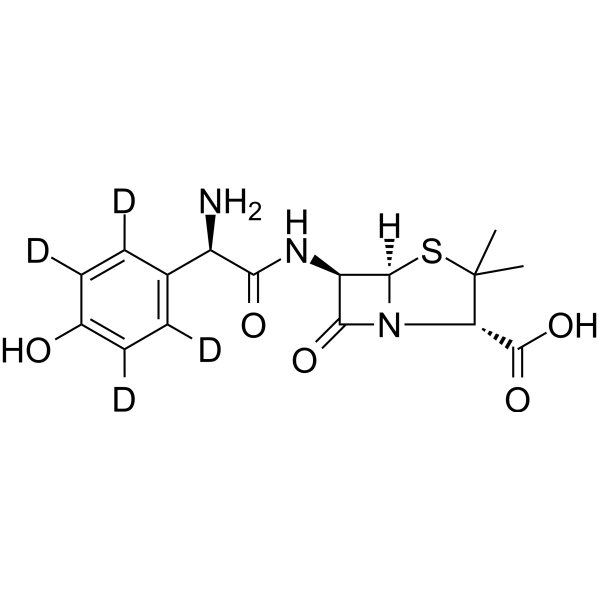
- HY-B0467S
-
-
-
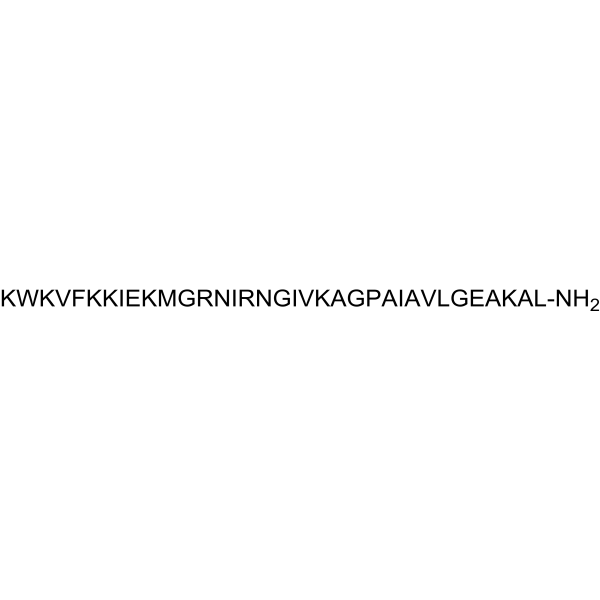
- HY-P0092
-
-
-
- HY-A0153A
-
|
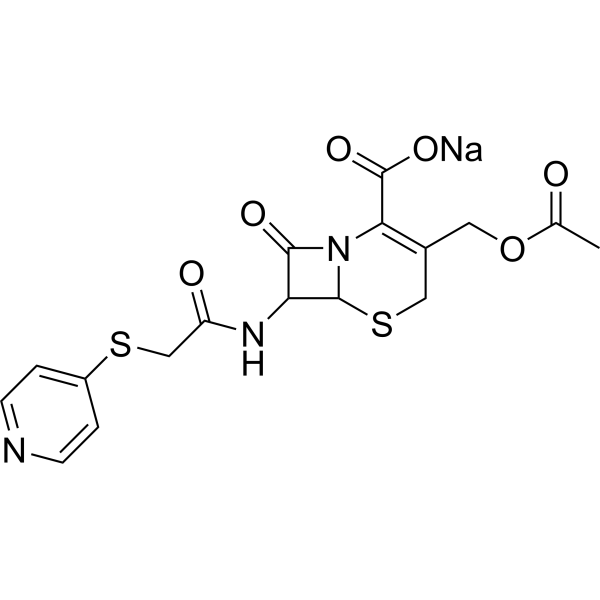
Cefapirin sodium
|
Bacterial
Antibiotic
|
Infection
|
|
Cephapirin sodium (Cefapirin sodium) is an ephalosporin antibiotic with broad-spectrum antimicrobial activity .
|
-
-
- HY-139570
-
-
-
- HY-N10457
-
|
|
Bacterial
|
Infection
Cancer
|
|
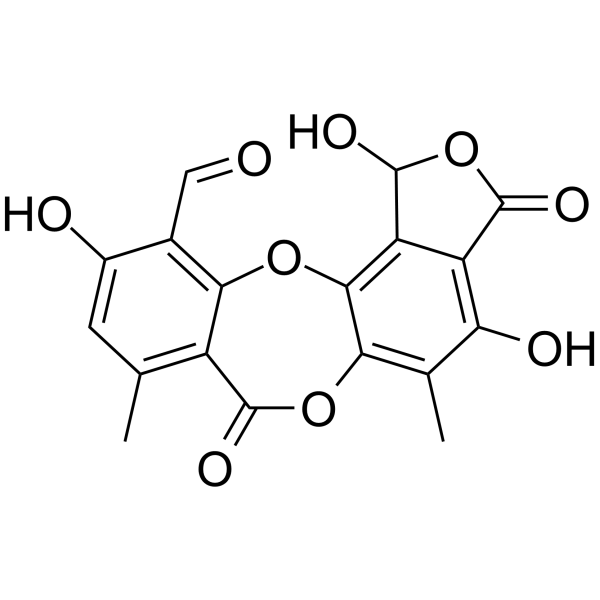
Norstictic acid is a potent and selective allossteric transcriptional regulator. Norstictic acid shows anticancer activity. Norstictic acid shows antioxidant activity and antimicrobial activity .
|
-
-
- HY-P0263
-
|
|
Bacterial
Fungal
Antibiotic
|
Infection
|
|
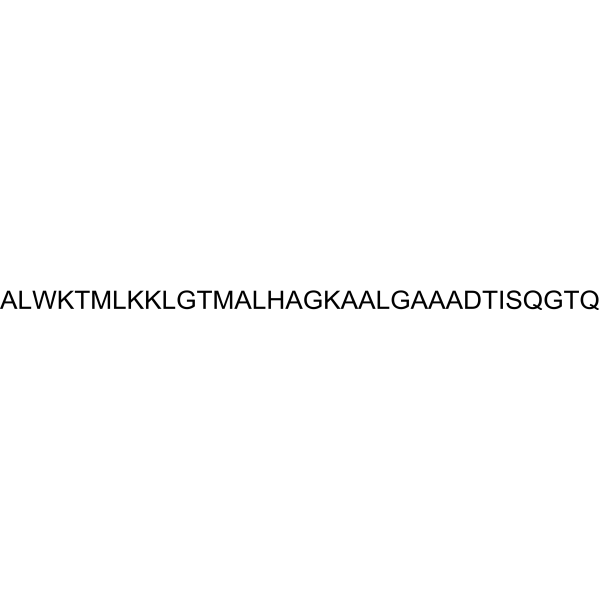
Dermaseptin, a peptide isolated from frog skin, exhibits potent antimicrobial activity against bacteria, fungi, and protozoa at micromolar concentration .
|
-
-
- HY-B1137
-
|
Isopropylaminoantipyrine
|
Bacterial
|
Inflammation/Immunology
|
|
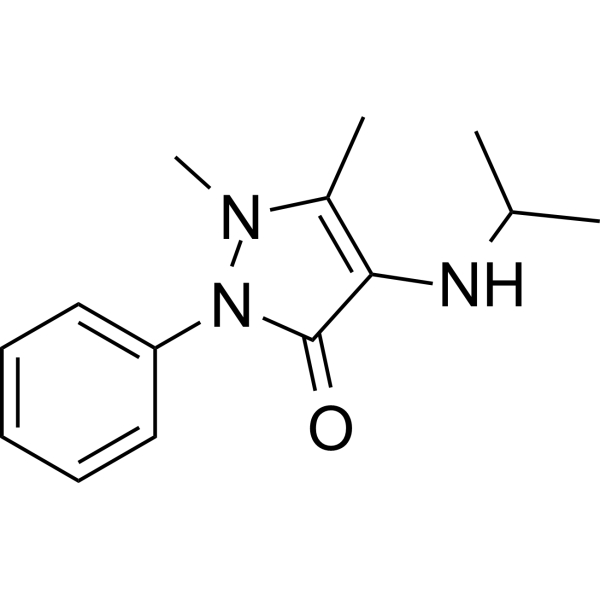
Ramifenazone (Isopropylaminoantipyrine) is a pyrazole derivative and acts as a non-steroidal anti-inflammatory agent (NSAID). Ramifenazone has analgesic, antipyretic, anti-inflammatory and antimicrobial activities .
|
-
-
- HY-W099729
-
|
|
Bacterial
|
Inflammation/Immunology
|
|
Ethylhexylglycerin has antimicrobial activity, inhibiting the growth of Acinetobacter spp., Pseudomonas aeruginosa complex, and Stenotrophomonas maltophilia. Ethylhexylglycerin can cause pigmentary contact dermatitis .
|
-

-
- HY-124452
-
|
Desferrioxamine E; Nocardamin
|
Bacterial
|
Others
|
|
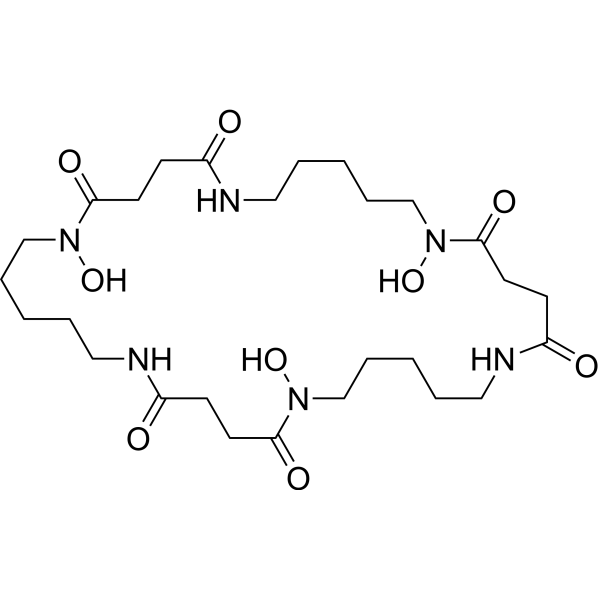
Nocardamine (Deferrioxamine E)is an iron carrier/Iron chelator with antimicrobial activity .
|
-
-
- HY-A0153
-
-
-
- HY-N8343
-
-
-
- HY-B2094
-
|
|
Antibiotic
Bacterial
|
Infection
|
|
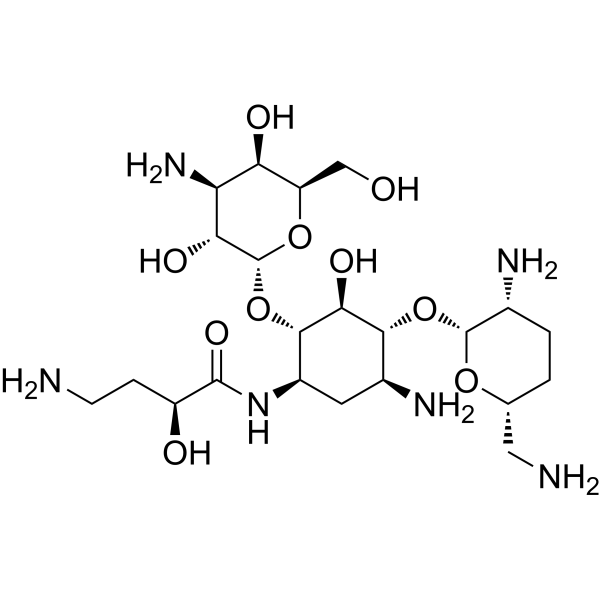
Arbekacin, an aminoglycoside antibiotic, exhibits broad antimicrobial activities against not only Gram-positive bacteria but also Gram-negative bacteria .
|
-
-
- HY-W015026
-
-
-
- HY-B1236
-
|
Sulfanilylurea; Urosulfan
|
Bacterial
|
Infection
Metabolic Disease
|
|
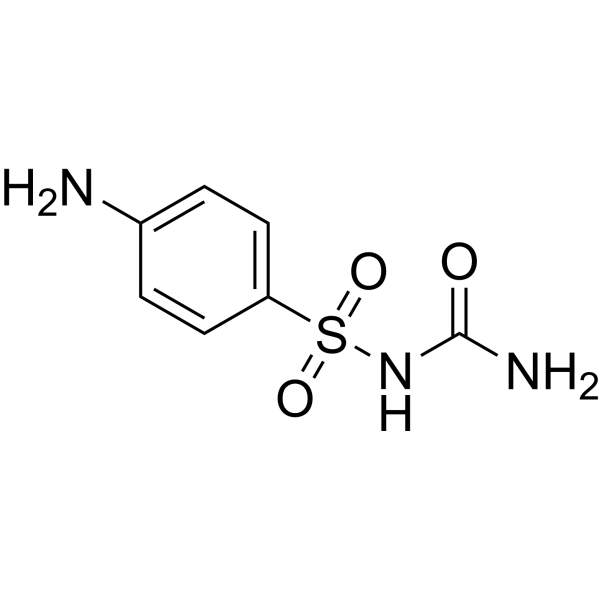
Sulfacarbamide (Sulfanilylurea, Urosulfan) is an orally active class of sulfonamides with an antimicrobial activity. Sulfacarbamide can be used for the study of diabetes .
|
-
-
- HY-P2323
-
|
LfcinB (20–30) TFA
|
Bacterial
|
Inflammation/Immunology
Cancer
|
|
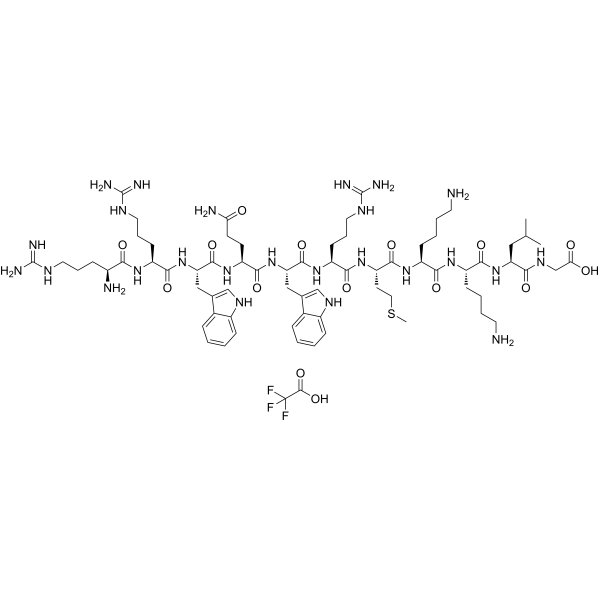
Lactoferricin B (4-14), bovine (TFA), a peptide corresponding to residues 4-14 of bovine lactoferrin, has antimicrobial activity against a wide range of microorganisms .
|
-
-
- HY-N8148
-
-
-
- HY-N8411
-
|
(+)-Aromadendrene
|
Bacterial
|
Infection
|
|
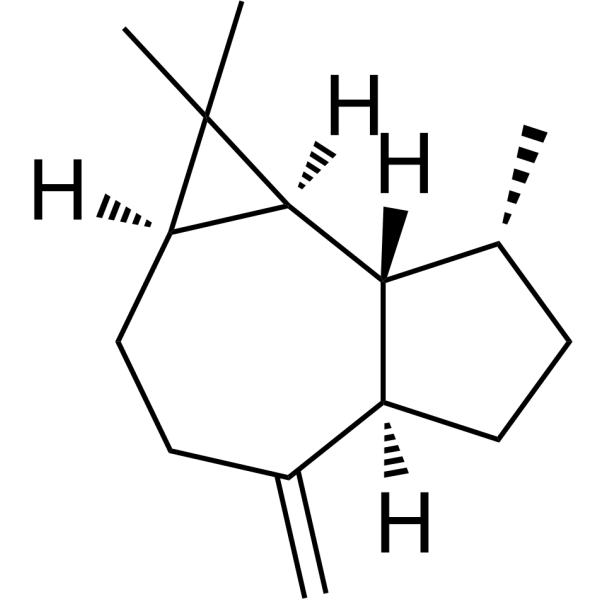
Aromadendrene can be isolated from Eucalyptus globulus. Aromadendrene has antimicrobial activity .
|
-
-
- HY-101865
-
|
|
Bacterial
|
Infection
|
|
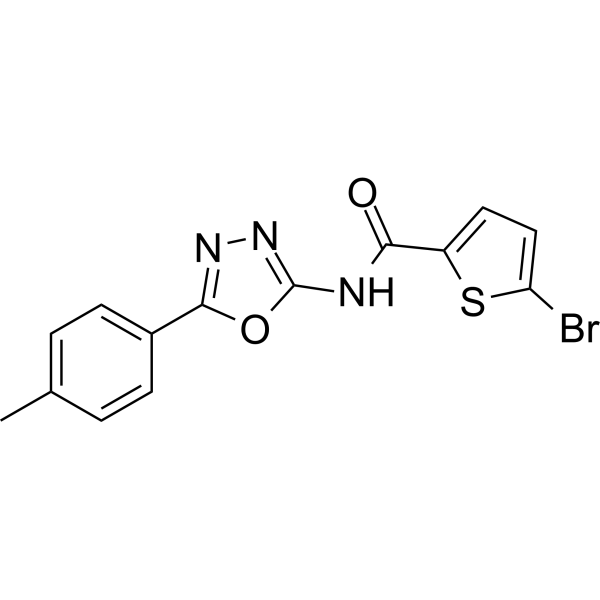
KKL-10 is a small-molecule ribosome rescue inhibitor with broad-spectrum antimicrobial activity against bacteria.
|
-
-
- HY-16467
-
|
MSI-1256F
|
Bacterial
|
Infection
Cardiovascular Disease
Cancer
|
|
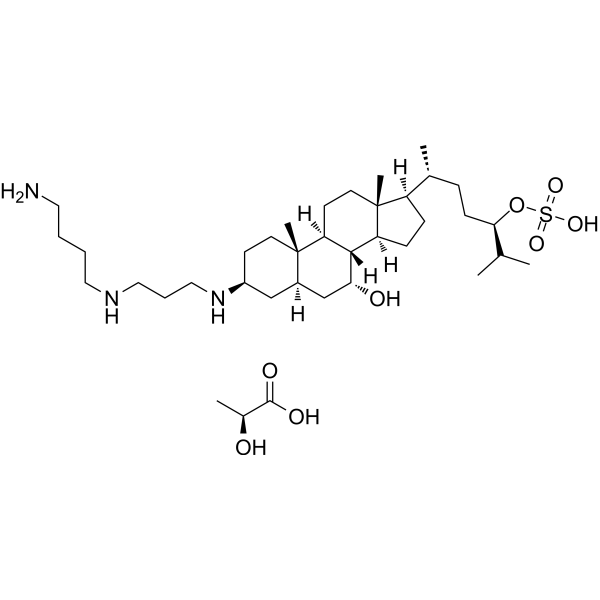
Squalamine lactate is an aminosterol compound discovered in the tissues of the dogfish shark, with antimicrobial activity, and used for the treatment of neovascular age-related macular degeneration.
|
-
-
- HY-138137
-
|
|
Bacterial
|
Infection
|
|
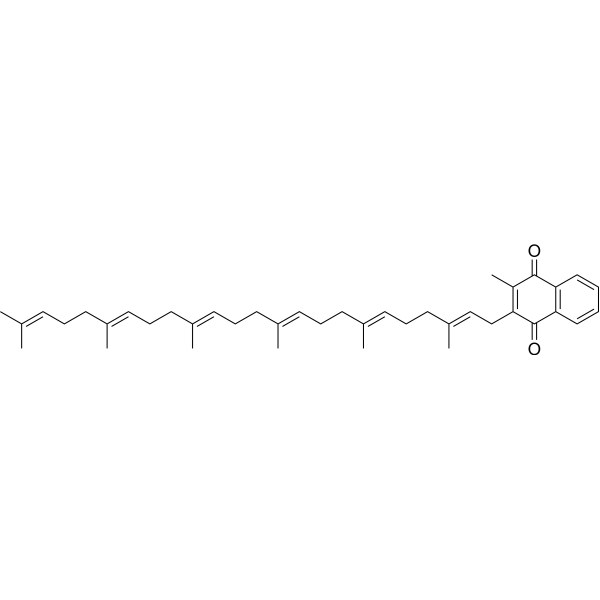
Menaquinone 6 is a active product found in Wolinella succinogenes. Menaquinone 6 is a form of vitamin K2 (HY-109569) that has antimicrobial activity .
|
-
-
- HY-N1203
-
-
-
- HY-122790
-
|
|
Bacterial
|
Infection
|
|
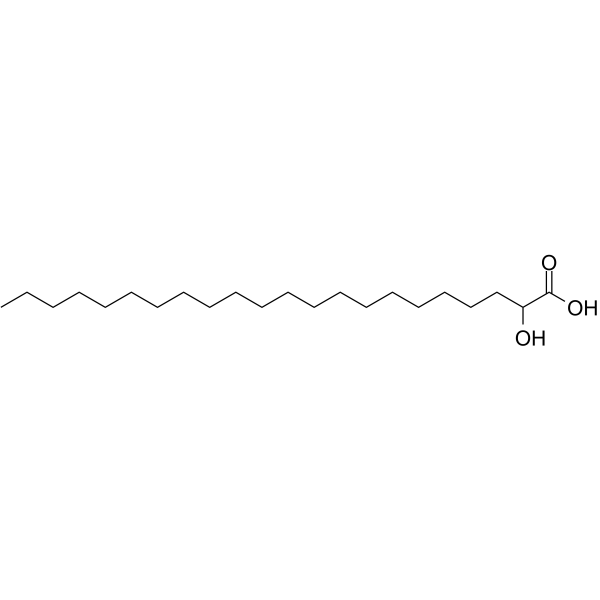
2-Hydroxydocosanoic acid has antioxidant, cholinesterase inhibitory, and antimicrobial activities .
|
-
-
- HY-P5443
-
|
|
Bacterial
|
Others
|
|
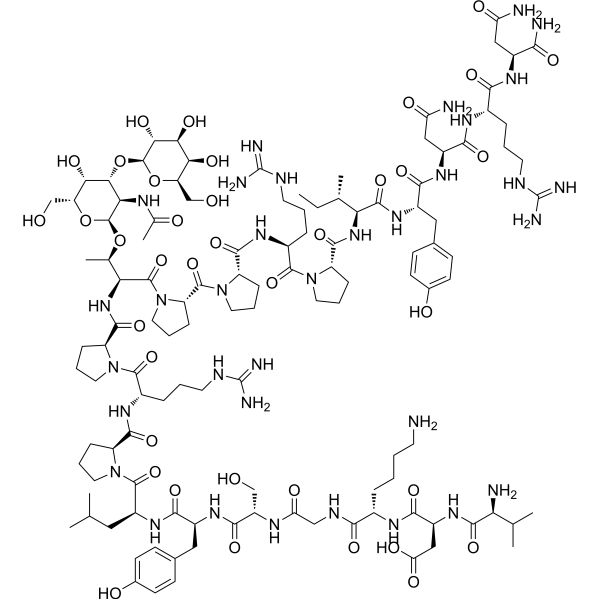
Pyrrhocoricin is a biological active peptide. (Antimicrobial activity against Gram-negative bacteria)
|
-
-
- HY-P11074
-
|
|
Bacterial
|
Infection
|
|
Sakacin P is an antimicrobial peptide that targets Gram-positive bacteria (such as Listeria monocytogenes) and belongs to Class IIa bacteriocin. Sakacin P has almost no antimicrobial activity against Gram-negative bacteria. Sakacin P exerts its antimicrobial activity by interacting with bacterial cell membranes and destroying membrane integrity. Sakacin P can be used for the study of Listeria contamination and antimicrobial drugs in the food industry.
|
-

-
- HY-P0324
-
|
|
Bacterial
|
Infection
|
|
Parasin I is a 19-amino acid histone H2A-derived peptide isolated from the skin of the catfish, and shows antimicrobial activity.
|
-

-
- HY-123271
-
|
|
Bacterial
Antibiotic
|
Infection
|
|
Ro 23-9424 is a broad-spectrum cephalosporin composed of a cephalosporin and a quinolone moiety. Ro 23-9424 shows antimicrobial activity in vivo and in vitro .
|
-

-
- HY-A0153R
-
|
Cefapirin (Standard)
|
Reference Standards
Antibiotic
Bacterial
|
Infection
|
|
Cephapirin (Standard) is the analytical standard of Cephapirin. This product is intended for research and analytical applications. Cephapirin (Cefapirin) is an ephalosporin antibiotic with broad-spectrum antimicrobial activity .
|
-

-
- HY-167256
-
-

-
- HY-N2564
-
|
|
Bacterial
|
Infection
|
|
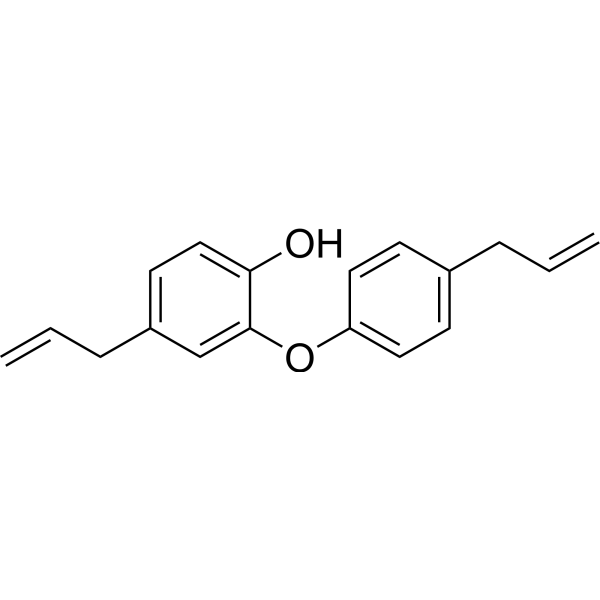
Isomagnolol is a lignan with antimicrobial activity. Isomagnolol can be isolated from the root of tea plant .
|
-
-
- HY-N10174
-
|
|
Antibiotic
|
Infection
|
|
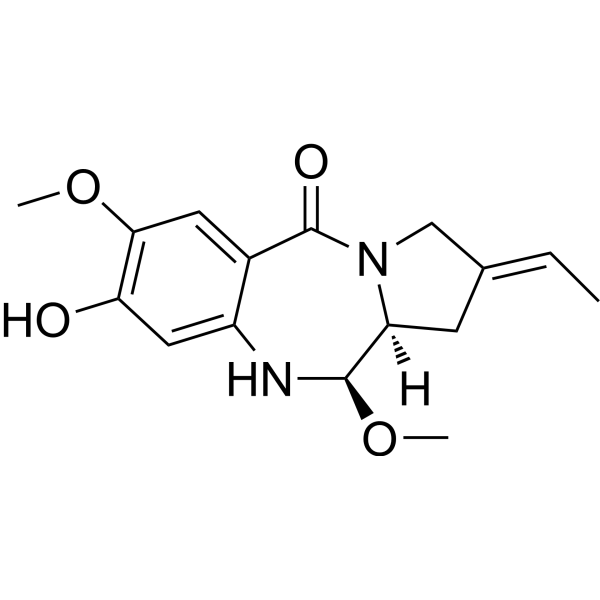
Tomaymycin is an antitumor antibiotic. Tomaymycin has antimicrobial activity against Grampositive bacteria .
|
-
-
- HY-P2170
-
|
XOMA-629
|
Antibiotic
Bacterial
|
Infection
Inflammation/Immunology
|
|
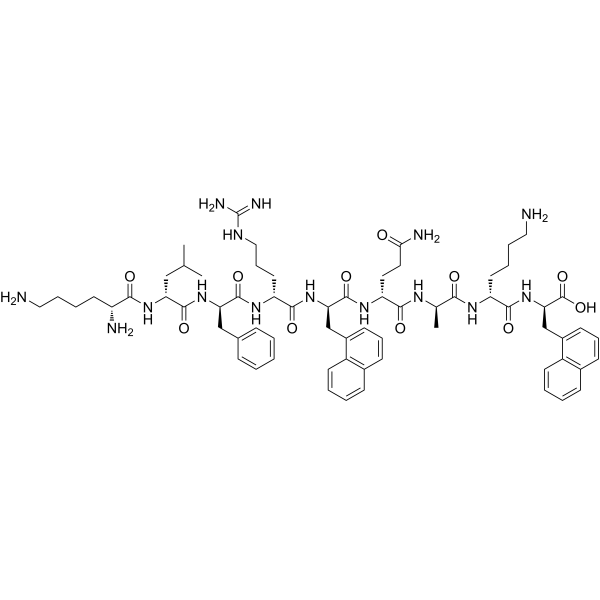
XMP-629 (XOMA-629), a cationic α-helical peptide, is a potent endotoxin inhibitor. XMP-629 exhibits broad-spectrum antimicrobial activity via an immunomodulatory mechanism. XOMA 629 has antimicrobial activity against Propionibacterium acnes, Staphylococcus aureus and Streptococcus pyogenesand .
|
-
-
- HY-N16407
-
|
NSC 159632
|
Drug Derivative
Bacterial
|
Infection
|
|
Austdiol (NSC 159632) is an azaphilone derivative with antimicrobial activity. Austdiol is promising for research of infectious diseases .
|
-

-
- HY-N3296
-
-
-
- HY-N9880
-
-
-
- HY-128452
-
-
-
- HY-P10508
-
|
|
Bacterial
Apoptosis
|
Infection
Cancer
|
|
Pantinin-1 is an antimicrobial peptide found in the venom of the Pandinus imperator scorpion. Pantinin-1 has potent antimicrobial activity against Gram-positive bacteria and fungi, weak antimicrobial activity against Gram-negative bacteria, and very low hemolytic activity against human erythrocytes. Pantinin-1 also has anticancer activity and can induce apoptosis in tumor cells .
|
-

-
- HY-B0467AS
-
-
-
- HY-W836186
-
|
Cyclo(alanine-leucine)
|
Bacterial
|
Others
|
|
Cyclo(Leu-Ala) (Cyclo(alanine-leucine)) is an antimicrobial compound isolated from microorganisms and has antimicrobial activity against some plant pathogens together with other compounds.
|
-

-
- HY-106922
-
|
GV104326
|
Antibiotic
Bacterial
|
Infection
|
|
Sanfetrinem (GV104326) is a β-lactamase-stable antibiotic. Sanfetrinem has broad-spectrum antimicrobial activity against both Gram-positive and Gram-negative bacteria .
|
-

-
- HY-P1768
-
|
Uru-TK I
|
Bacterial
|
Infection
|
|
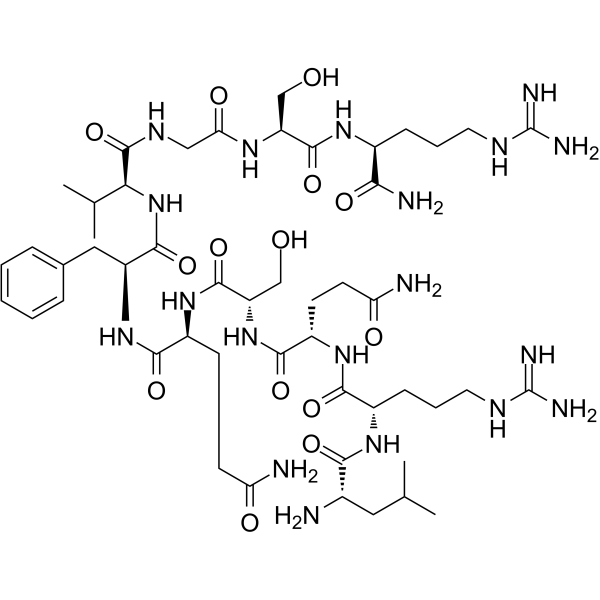
Urechistachykinin I (Uru-TK I), an invertebrate tachykinin-related peptides (TRPs) isolated from echiuroid worms, shows antimicrobial activities without a hemolytic effect .
|
-
-
- HY-Y1826
-
|
|
Bacterial
Antibiotic
|
Infection
|
|
IITR01324 is an antimicrobial agent. IITR01324 has antimicrobial activity against Escherichia coli (MIC = 3.58 mg/L) and other Gram-negative bacteria (Shigella flexneri: MIC = 3.58 mg/L; Cronobacter sakazakii: MIC = 28.63 mg/L). IITR01324 exerts its antimicrobial activity by destroying bacterial DNA after activation of intracellular reductases. IITR01324 can be used to study the development of new antimicrobial drugs, especially against multidrug-resistant (MDR) pathogens .
|
-

-
- HY-N8916
-
-
-
- HY-113582
-
-

-
- HY-111405
-
|
|
Bacterial
|
Infection
|
|
Antimicrobial Compound 1 is an alkylpyridinium compound, with antimicrobial activity.
|
-
-
- HY-153722A
-
|
|
Bacterial
|
Infection
|
|
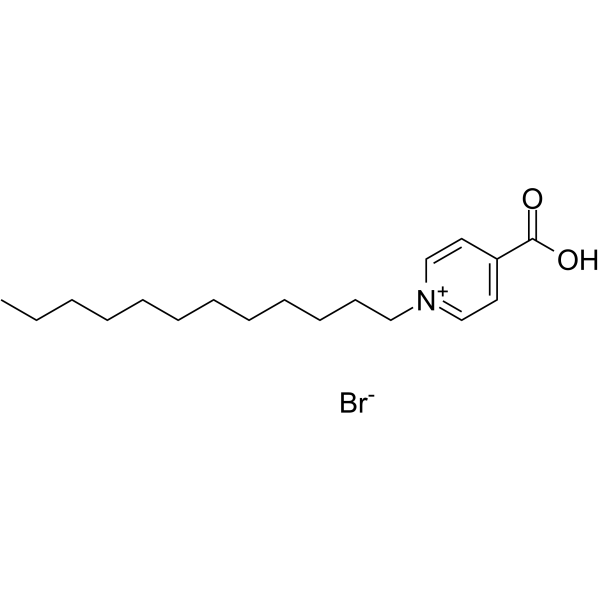
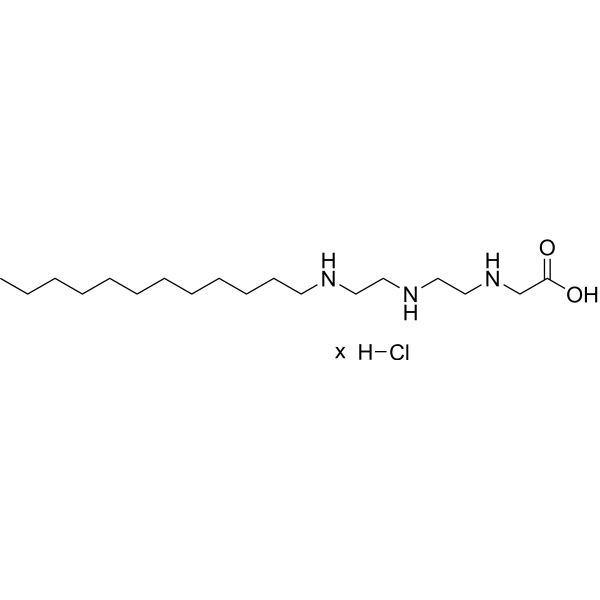
Dodicin hydrochloride is an effective disinfectant with broad antimicrobial activity .
|
-
-
- HY-N4003
-
|
|
Bacterial
|
Infection
|
|
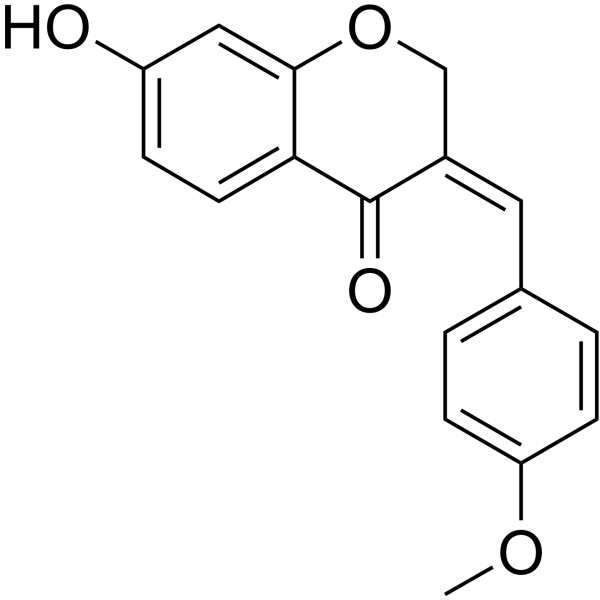
Isobonducellin is a flavonoid product and shows antimicrobial activity .
|
-
-
- HY-125596
-
|
|
Parasite
|
Infection
|
|
Lachnumon is a fungal metabolite with nematicidal and antimicrobial activities .
|
-

-
- HY-153722
-
|
|
Bacterial
|
Infection
|
|
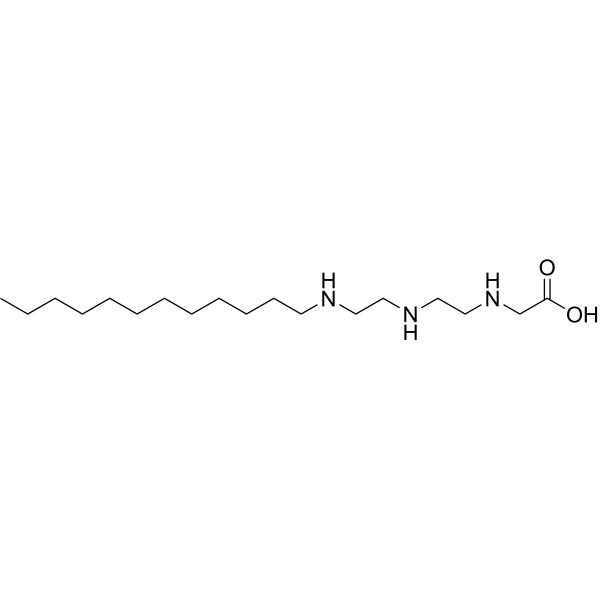
Dodicin is an effective disinfectant with broad antimicrobial activity .
|
-
-
- HY-P5736
-
|
|
Bacterial
|
Infection
|
|
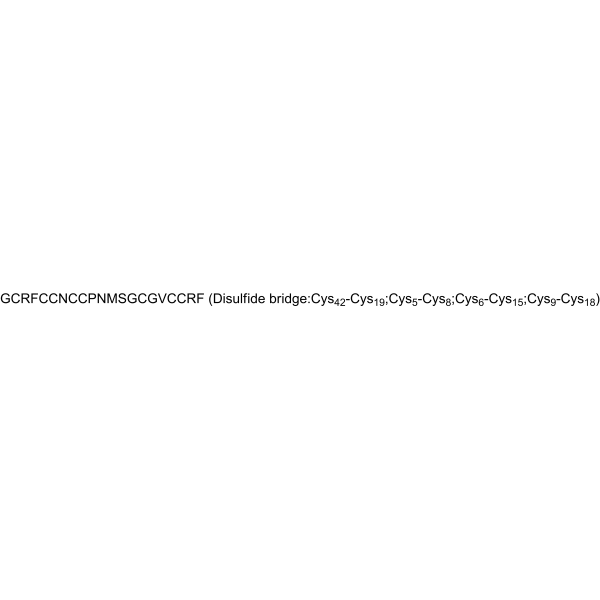
Bass hepcidin is an antimicrobial activity against Escherichia coli. .
|
-
-
- HY-137945
-
|
Pheneticillin sodium; α-Phenoxyethylpenicillin sodium
|
Bacterial
|
Infection
|
|
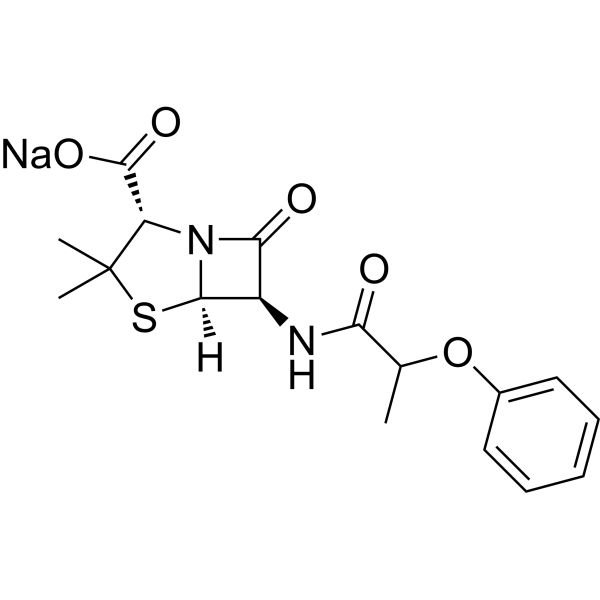
Phenethicillin (α-Phenoxyethylpenicillin) sodium is a Penicillin, and has antimicrobial activity .
|
-
- HY-125455
-
|
|
Bacterial
|
Infection
|
|
Ro 41-1879 is a catechol cephalosporin that has antimicrobial activity .
|
-

- HY-N3060
-
|
|
Bacterial
|
Infection
|
|
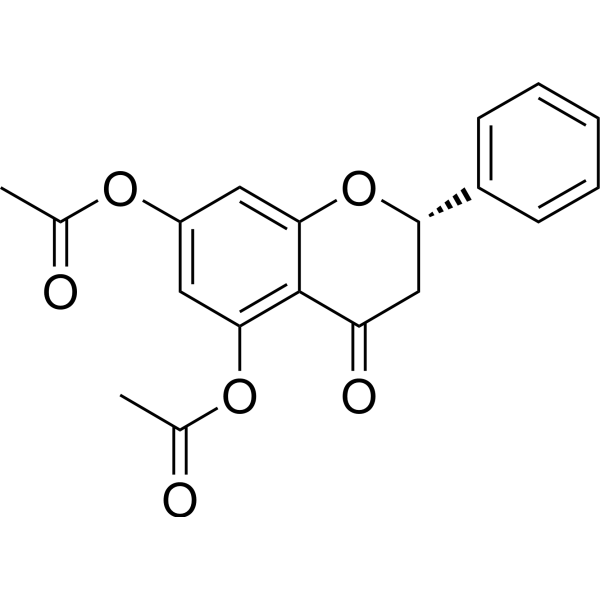
(S)-5,7-Diacetoxyflavanone is a flavanone with antimicrobial activity .
|
-
- HY-119660
-
|
|
Antibiotic
Bacterial
|
Others
|
|
Surgumycin is a compound with antimicrobial activity, and its structure was determined by studying its degradation products.
|
-

- HY-116272
-
-

- HY-N7784
-
|
|
Antibiotic
Bacterial
|
Infection
|
|
Liriodenine methiodide is an antibiotic that is active against C. albicans and S. cereuisiae with antimicrobial activities .
|
-

- HY-119246
-
-

- HY-105713
-
|
|
Bacterial
|
Infection
|
|
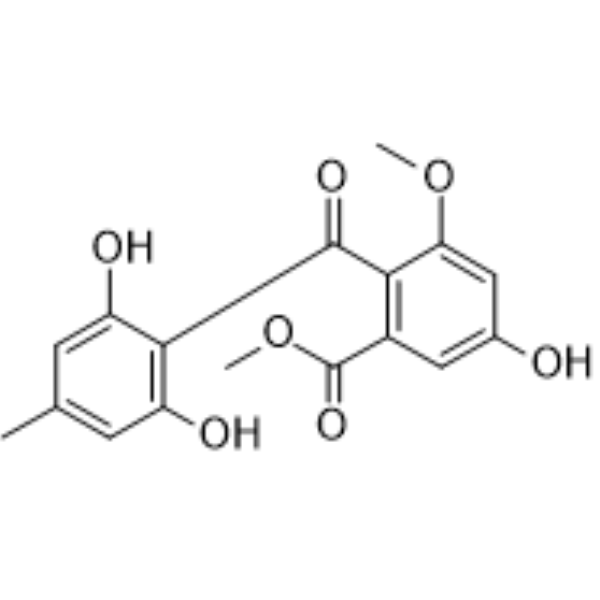
Sulochrin is a metabolite produced by Aspergillus terreus var. aureus. I. Sulochrin has antimicrobial activities .
|
-
- HY-137564
-
|
|
Antibiotic
|
Infection
|
|
Desacetylcephalothin sodium is a metabolite of Cephalothin (HY-B1275A). Desacetylcephalothin sodium exhibits a weak antimicrobial activity .
|
-

- HY-N14160
-
-

- HY-B1377
-
|
|
Histone Methyltransferase
|
Infection
|
|
Acedapsone is a compound with antimalarial and antimicrobial activities. Acedapsone is mainly used as a long-acting leprosy inhibitor .
|
-

- HY-161312
-
|
|
Bacterial
Fungal
|
Infection
|
|
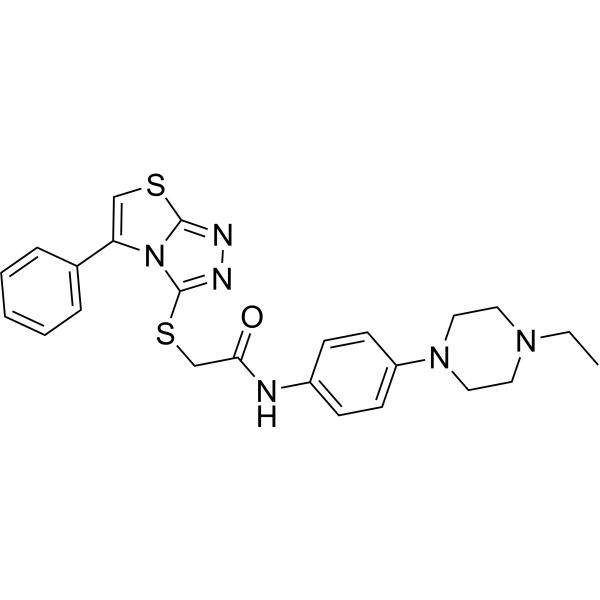
Antifungal agent 93 (compound 10) is a potent antifungal agent. Antifungal agent 93 shows antimicrobial activity .
|
-
- HY-P2656
-
|
hBD-4
|
Bacterial
|
Infection
|
|
β-Defensin-4 human is an inducible peptide with a specific salt-sensitive spectrum of antimicrobial activity .
|
-

- HY-N14410
-
|
|
Antibiotic
Bacterial
|
Infection
Cancer
|
|
Clecarmycin C is an antitumor antibiotic. Clecarmycin C shows cytotoxicity and antitumor activity. Clecarmycin C shows antimicrobial activity .
|
-

- HY-124106
-
|
|
Bacterial
|
Infection
|
|
Resorstatin is a dialkylresorcinol that can be isolated from a liquid culture of Pseudomonas sp. Ki19. Resorstatin exhibits antimicrobial activity .
|
-

- HY-129291
-
|
AM 6201
|
Antibiotic
Bacterial
Fungal
|
Infection
Cancer
|
|
Reductiomycin is an antibiotic, which exhibits antimicrobial activity against gram positive bacteria and fungi. Reductiomycin exhibits antitumor activity .
|
-

- HY-122367
-
|
|
Bacterial
|
Neurological Disease
|
|
Neoxaline is an alkaloid produced by Aspergillus japonicus. Neoxaline does not possess antimicrobial activities, but weakly stimulates the central nervous system .
|
-
- HY-112057
-
|
LY267108
|
Drug Metabolite
|
Others
|
|
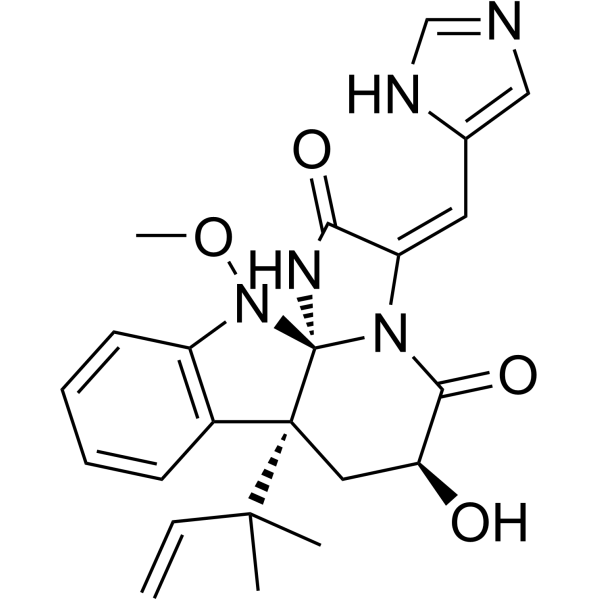
Pseudoerythromycin A enol ether (LY267108) is a degradation product of Erythromycin. Pseudoerythromycin A enol ether has no significant antimicrobial activity .
|
-
- HY-U00255
-
|
|
Bacterial
|
Infection
|
|
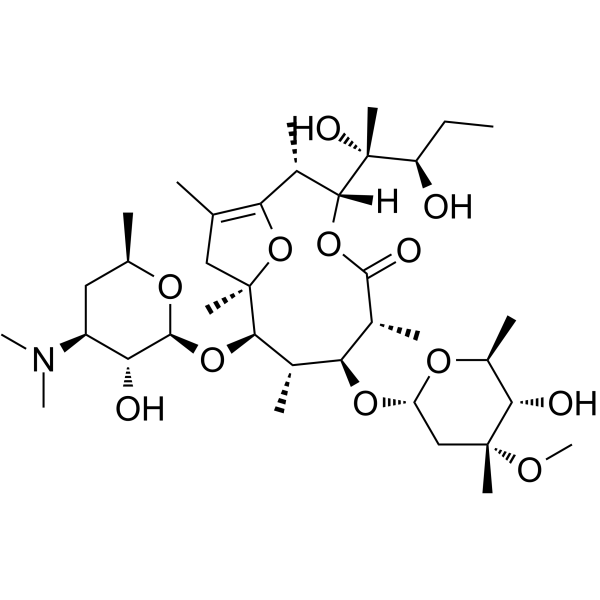
BO3482 has Antimicrobial activity and can inhibit the growth of methicillin-resistant Staphylococci (MRS) with an MIC90 of 6.25 mg/mL.
|
-
- HY-N13964
-
|
XK 88-3
|
Antibiotic
Bacterial
|
Infection
|
|
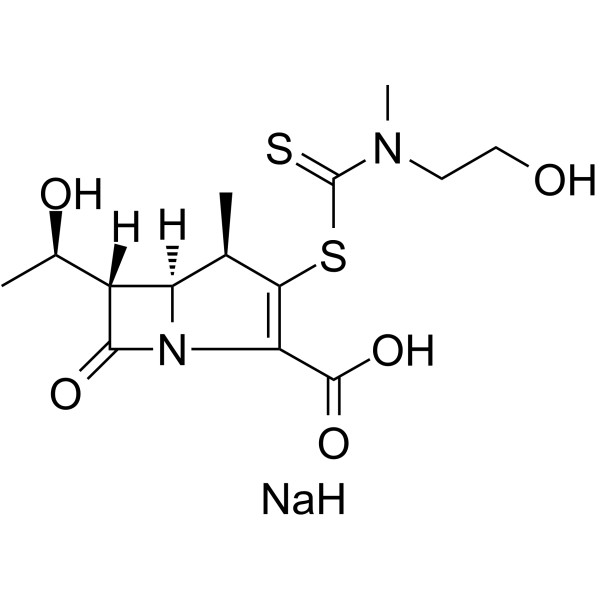
Seldomycin factor 3 (XK 88-3) is an aminoglycoside antibiotic. Seldomycin factor 3 has a broad spectrum of antimicrobial activity .
|
-

- HY-N9068
-
|
|
Fungal
|
Infection
|
|
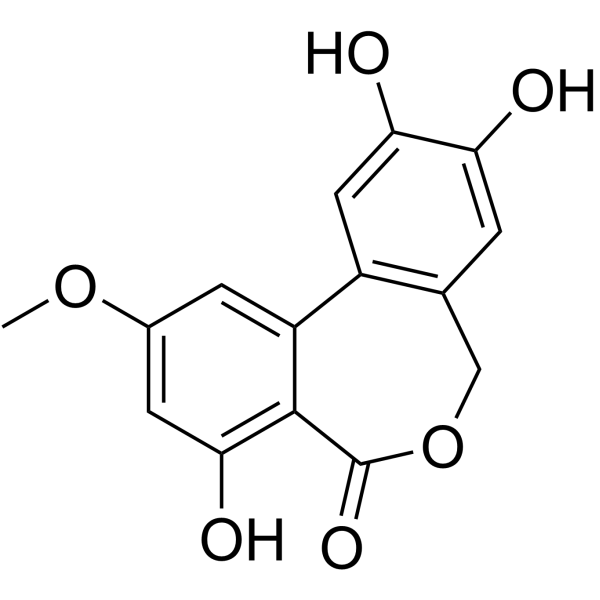
Alterlactone is an antimicrobial. Alterlactone shows broad antimicrobial activity against bacterial and fungal. Alterlactone has strong radical scavenging activity .
|
-
- HY-N13961
-
|
XK-88-2
|
Antibiotic
Bacterial
|
Infection
|
|
Seldomycin factor 2 (XK 88-2) is an aminoglycoside antibiotic. Seldomycin factor 2 has a broad spectrum of antimicrobial activity .
|
-

- HY-N13959
-
|
XK 88-1
|
Antibiotic
Bacterial
|
Infection
|
|
Seldomycin factor 1 (XK 88-1) is an aminoglycoside antibiotic. Seldomycin factor 1 has a broad spectrum of antimicrobial activity .
|
-

- HY-122428
-
|
|
Bacterial
|
Infection
|
|
Samandarone is an alkaloid that can be isolated from the skin gland secretions of Salammedra maculosa and Leptodactylus pentadactylus, which exhibits antimicrobial activity .
|
-

- HY-P2070
-
|
|
Bacterial
|
Infection
|
|
Aspartocin D is an analogue of Amphomycin (HY-P3078). Aspartocin D shows antimicrobial activities against Gram-positive bacteria .
|
-

- HY-P0263A
-
|
|
Bacterial
Fungal
|
Infection
|
|
Dermaseptin TFA, a peptide isolated from frog skin, exhibits potent antimicrobial activity against bacteria, fungi, and protozoa at micromolar concentration .
|
-
- HY-126129
-
|
|
Bacterial
|
Infection
|
|
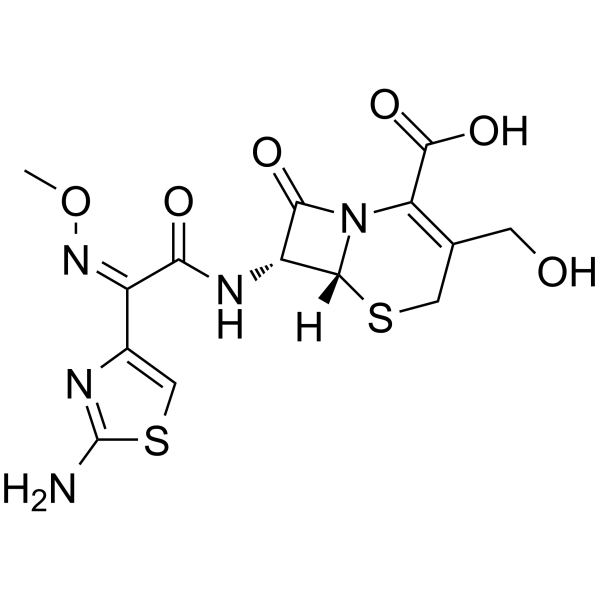
Desacetylcefotaxime, the in vivo metabolite of Cefotaxime (CTX), possesses significant in vitro antimicrobial activity similar to the parent compound against a variety of aerobic and anaerobic bacteria .
|
-
- HY-76199R
-
|
|
Bacterial
Reference Standards
|
Metabolic Disease
|
|
Phenethicillin (sodium) (Standard) is the analytical standard of Phenethicillin (sodium). This product is intended for research and analytical applications. Phenethicillin (α-Phenoxyethylpenicillin) sodium is a Penicillin, and has antimicrobial activity .
|
-

- HY-137945R
-
|
Pheneticillin sodium (Standard); α-Phenoxyethylpenicillin sodium (Standard)
|
Bacterial
Reference Standards
|
Infection
|
|
Phenethicillin (sodium) (Standard) is the analytical standard of Phenethicillin (sodium). This product is intended for research and analytical applications. Phenethicillin (α-Phenoxyethylpenicillin) sodium is a Penicillin, and has antimicrobial activity .
|
-

- HY-12395
-
|
|
Bacterial
|
Cancer
|
|
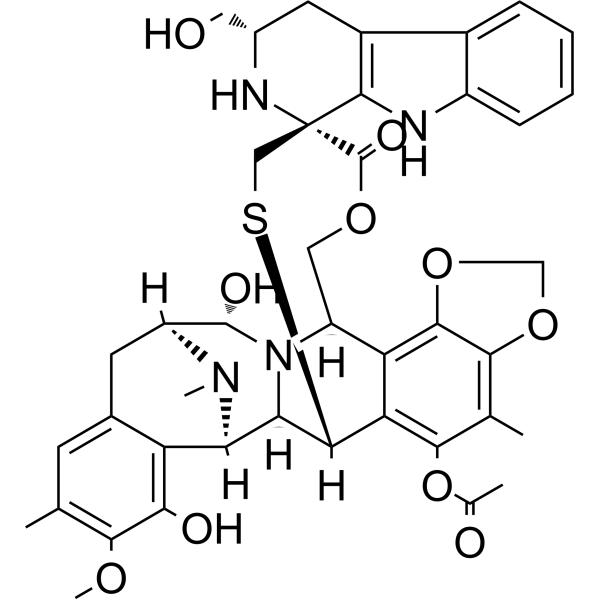
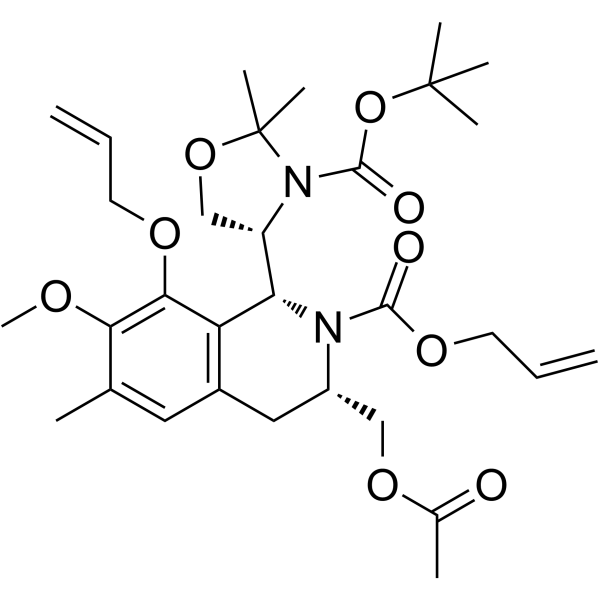
Ecteinascidin analog-1 is a useful intermediate for chemical sythesis of Ecteinascidin analogues; Ecteinascidins is a family of tetrahydroisoquinoline alkaloids with wide range of antitumor and antimicrobial activities.
|
-
- HY-P1459
-
|
|
Bacterial
|
Infection
|
|
Sphistin Synthetic Peptide (12-38, Fitc in N-Terminal-Fluorescently Labeled Peptide) is a truncated fragments of Sphistin Synthetic Peptide that shows potent antimicrobial activity.
|
-
- HY-117180
-
|
30-Hydroxy-naphthomycin C
|
Antibiotic
|
Infection
Cancer
|
|
Diastovaricin I (30-Hydroxy-naphthomycin C) is an antibiotic without exhibiting antimicrobial activity. Diastovaricin I induces differentation of mouse Friend cell .
|
-

- HY-118580
-
|
|
Fungal
Parasite
|
Infection
|
|
RO-09-4609 exhibits antimicrobial activity, that inhibits Candida albicans, Trypanosoma brucei and Plasmodium vivax through inhibition of N-myristoyl transferase .
|
-

- HY-P0324A
-
|
|
Bacterial
|
Infection
|
|
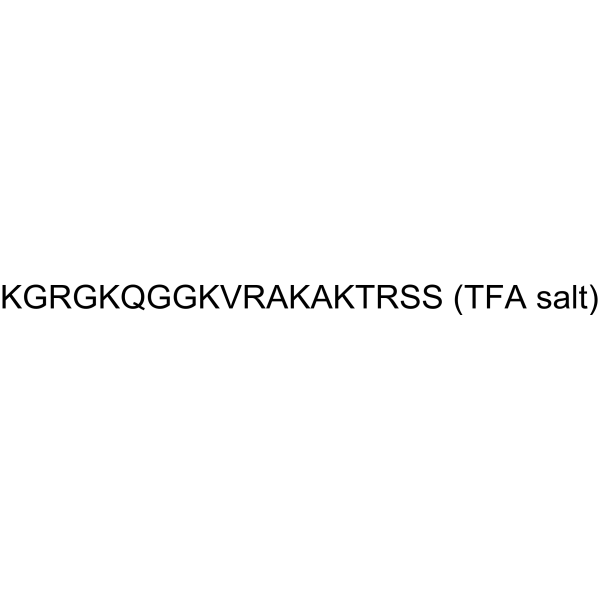
Parasin I (TFA) is a 19-amino acid histone H2A-derived peptide isolated from the skin of the catfish, and shows antimicrobial activity .
|
-
- HY-N15095
-
|
|
Antibiotic
Bacterial
Parasite
|
Infection
|
|
Aplasmomycin is a boron-containing macrodiolide antibiotic. Aplasmomycin shows antimicrobial activity against Gram-positive bacteria and exhibits inhibitory activity against plasmodium infections in vivo .
|
-

- HY-N14422
-
-

- HY-P5705
-
|
|
Fungal
Bacterial
|
Infection
|
|
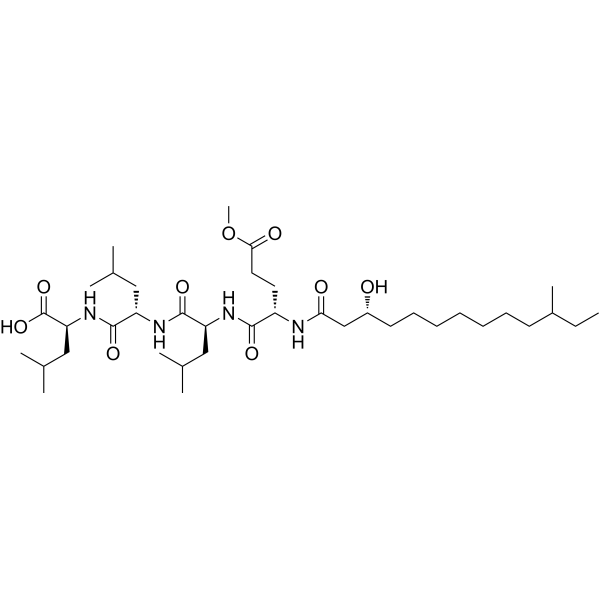
Gageotetrin B has antimicrobial activities. Gageotetrin B is more active against fungi compared to bacteria with MIC values of 0.01-0.04 μM .
|
-
- HY-A0153AR
-
|
Cefapirin sodium (Standard)
|
Reference Standards
Bacterial
Antibiotic
|
Infection
|
|
Cephapirin (sodium) (Standard) is the analytical standard of Cephapirin (sodium). This product is intended for research and analytical applications. Cephapirin sodium (Cefapirin sodium) is an ephalosporin antibiotic with broad-spectrum antimicrobial activity .
|
-

- HY-111264
-
|
|
Antibiotic
Bacterial
Fungal
|
Infection
|
|
Naphthomycin B is an antibiotic, which is initially isolated from Streptomyces sp. Naphthomycin B exhibits antimicrobial activities against gram positive bacteria and many fungis .
|
-

- HY-149294
-
-
- HY-P1763
-
|
Uru-TK II
|
Bacterial
|
Infection
|
|
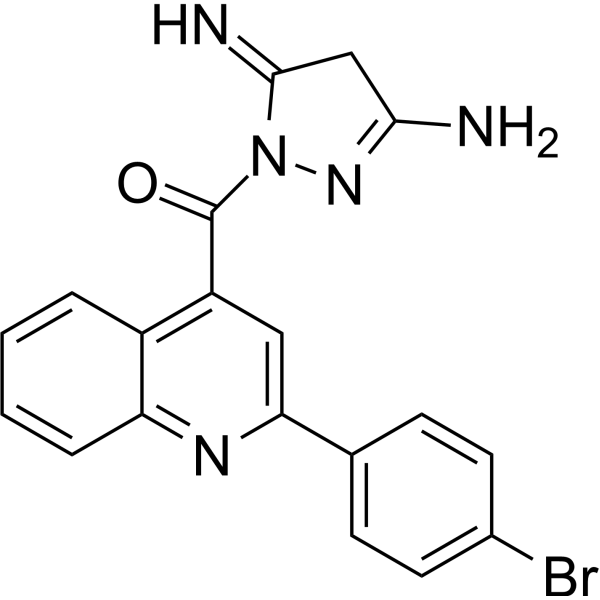
Urechistachykinin II (Uru-TK II), an invertebrate tachykinin-related peptides (TRPs) isolated from echiuroid worms, shows antimicrobial activities without a hemolytic effect .
|
-
- HY-P10684
-
|
|
Bacterial
|
Infection
|
|
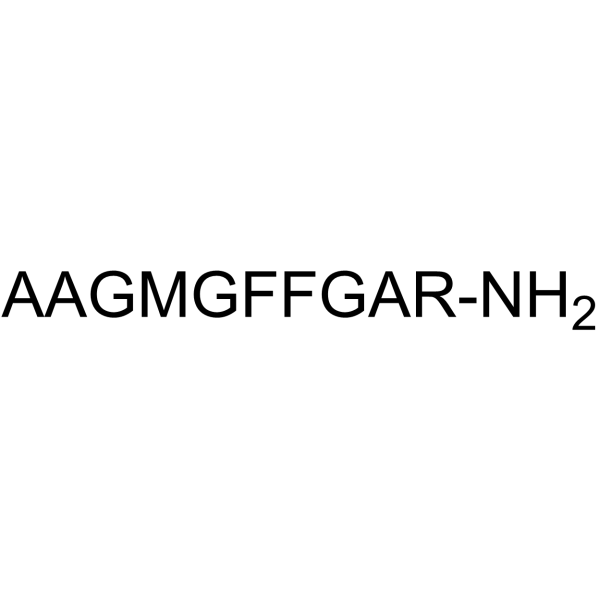
Polyphemusin II is an antimicrobial peptide which can be isolated from Limulus polyphemus hemocytes. Polyphemusin II exhibits antimicrobial activities against various Gram (+)/(-) bacteria and fungi .
|
-

- HY-139746
-
|
|
Beta-lactamase
Bacterial
|
Infection
|
|
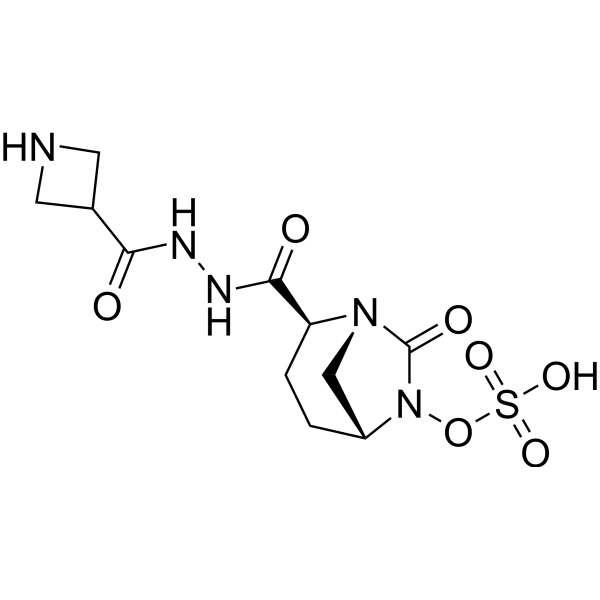
FPI-1602 is a β-lactamase inhibitor. FPI-1602 displays marked antimicrobial activity against P. aeruginosa, E. coli, and Enterobacter spp. .
|
-
- HY-116168
-
|
|
Antibiotic
Bacterial
|
Infection
|
|
Aldecalmycin is an antibiotic showing antimicrobial activities against Gram-positive bacteria including methicillin-resistant Staphylococcus aureus (MRSA) with MICs values of 6.25-25 μg/mL .
|
-

- HY-B1236A
-
|
Sulfanilylurea sodium; Urosulfan sodium
|
Bacterial
|
Infection
Metabolic Disease
|
|
Sulfacarbamide (Sulfanilylurea, Urosulfan) sodium is a class of sulfonamides with an antimicrobial activity. Sulfacarbamide sodium can be used for the study of diabetes .
|
-

- HY-N13700
-
|
|
Others
|
Others
|
|
Quadranoside III is a compound with antioxidant and antimicrobial activities isolated from plants, which together with other compounds contribute to the activity of the extracts.
|
-

- HY-N14066
-
|
|
Fungal
|
Infection
|
|
Ascochitine, a polyketide-derived secondary metabolite, is a selective antifungal agent. Ascochitine exhibits broad-spectrum phytotoxicity and antimicrobial activities .
|
-

- HY-125735
-
|
|
Bacterial
|
Infection
|
|
Sch725674 is a macrolide compound with antimicrobial activity against brewer's yeast and Candida albicans, with MICs of 8 and 32 μg/ml .
|
-

- HY-N13986
-
|
XX-88-5
|
Antibiotic
Bacterial
|
Infection
|
|
Seldomycin factor 5 (XK 88-5) is an aminoglycoside antibiotic. Seldomycin factor 5 has a broad spectrum of antimicrobial activity .
|
-

- HY-N18757
-
|
|
Bacterial
|
Infection
Inflammation/Immunology
|
|
Tinospora Cordifolia Extract is rich in bioactive compounds-such as alkaloids, glycosides, polysaccharides, and lignans—and possesses immunomodulatory, anti-inflammatory, antioxidant, and antimicrobial activities.
|
-

- HY-P11657
-
|
|
Bacterial
|
Infection
|
|
GN-2 peptoid is a 9-mer cationic amphipathic peptoid and bactericidal agent with an overall net charge of +4, broad-spectrum antimicrobial activity, and low hemolytic and cytotoxic activity against mammalian cells. GN-2 peptoid exerts bactericidal action against Escherichia coli in a concentration-dependent manner. GN-2 peptoid exhibits antimicrobial activity against Gram-positive Staphylococcus aureus and Gram-negative Escherichia coli, Pseudomonas aeruginosa strains. GN-2 peptoid shows low toxicity against human red blood cells and HeLa cells. GN-2 peptoid maintains antimicrobial activity in the presence of 50% human blood plasma. GN-2 peptoid can be used for the research of bacterial infections .
|
-

- HY-163528
-
|
|
Bacterial
|
Infection
|
|
Antibacterial agent 213 (compound Thy3d) shows potent antimicrobial activity by disrupting the integrity of
the membrane of bacterial, with the MIC of 0.5 μg/ml for Staphylococcus aureus (MRSA) .
|
-

- HY-133951
-
|
|
Bacterial
Fungal
|
Infection
|
|
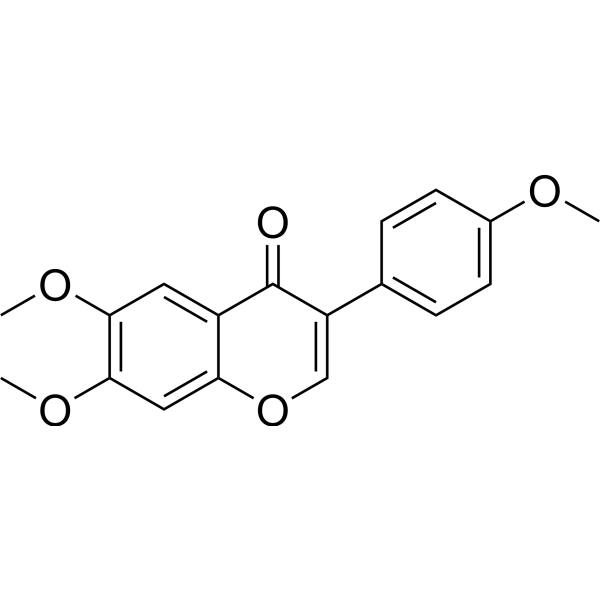
4',6,7-Trimethoxyisoflavone is an isoflavone with antimicrobial activities against a wide range of bacteria and fungi. 4',6,7-Trimethoxyisoflavone also has antioxidant effects .
|
-
- HY-120650
-
|
|
FAAH
|
Infection
|
|
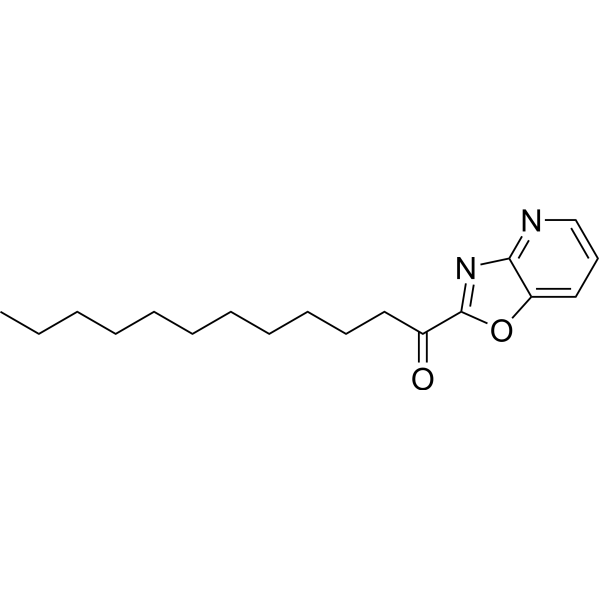
CAY10435 is a β-ketooxazapyridine, selective FAAH inhibitor with antimicrobial activity. CAY10435 binds non-competitively to the FAAH of Dictyostelium discoideum with a Kd value of 0.57 nM .
|
-
- HY-136817
-
|
OM173-αA; Nanaomycin A methyl ester
|
Antibiotic
|
Infection
|
|
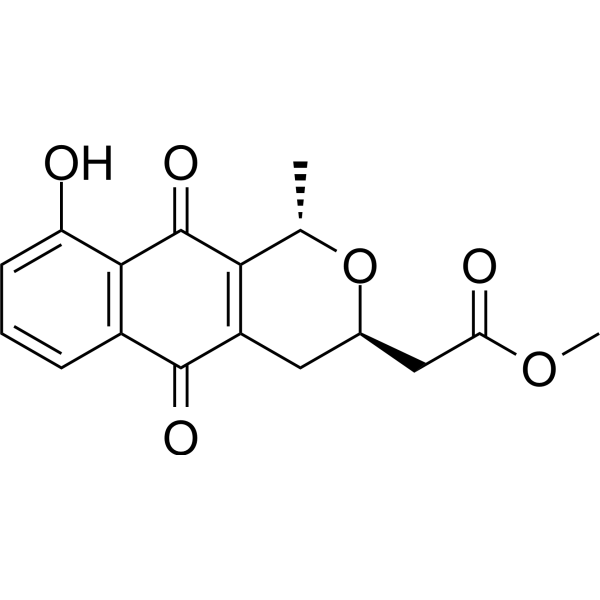
Nanaomycin αA (OM173-αA) is an antibiotic with antimicrobial activity. Nanaomycin αA can be isolated from a fermentation broth of Streptomyces hebeiensis derived from lichen .
|
-
- HY-B0467
-
|
Amoxycillin sodium
|
Bacterial
Antibiotic
|
Infection
Cancer
|
|
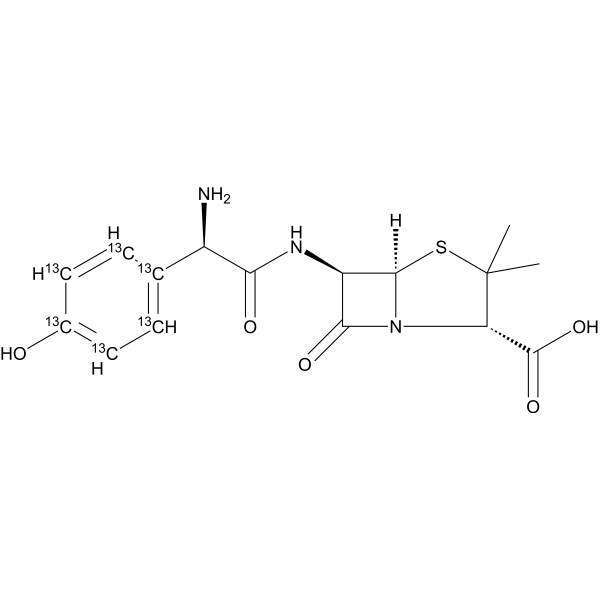
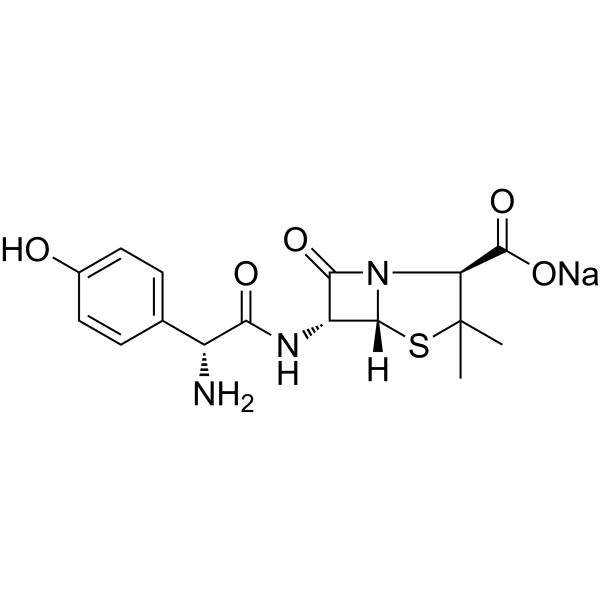
Amoxicillin (Amoxycillin) sodium is an antibiotic with good oral absorption and broad spectrum antimicrobial activity. Amoxicillin sodium inhibits the biosynthesis of polypeptides in the cell wall, thereby inhibiting cell growth .
|
-
- HY-P5215
-
|
|
Bacterial
|
Infection
|
|
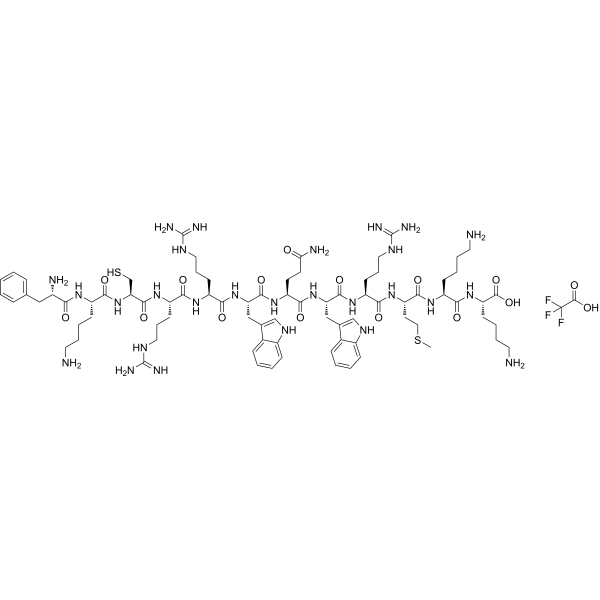
LfcinB 17–28 TFA has weak antimicrobial activity (MIC: 200 μM against E. coli). LfcinB 17–28 TFA is a fragment of Bovine Lactoferricin (LfcinB) .
|
-
- HY-B0467A
-
|
Amoxycillin
|
Bacterial
Antibiotic
|
Infection
Cancer
|
|
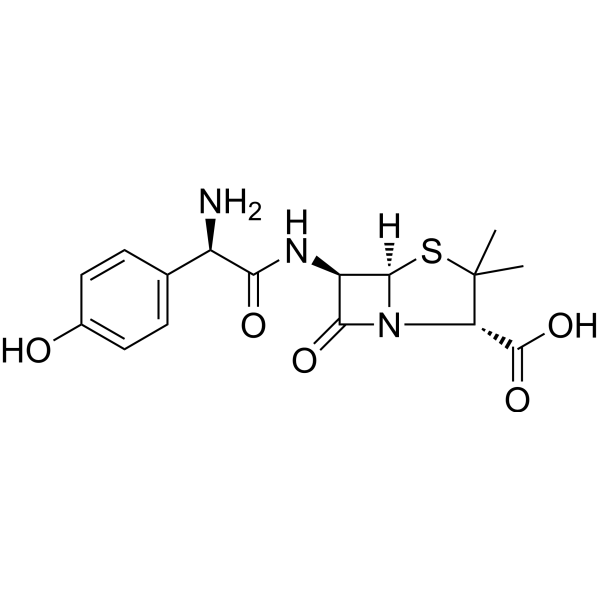
Amoxicillin (Amoxycillin) is an antibiotic with good oral absorption and broad spectrum antimicrobial activity. Amoxicillin inhibits the biosynthesis of polypeptides in the cell wall, thereby inhibiting cell growth .
|
-
- HY-N13292
-
|
|
Antibiotic
Bacterial
|
Infection
|
|
Actinorhodin is a blue-pigmented, redox-active microbial secondary metabolite. Actinorhodin is a potent, bacteriostatic, pH-responsive antibiotic. Actinorhodin exhibits antimicrobial activity against Gram-positive bacteria .
|
-

- HY-B2144C
-
|
Deacetylated chitin (≥95% deacetylated,viscosity 100-200 mPa.s); Poly(D-glucosamine) (≥95% deacetylated,viscosity 100-200 mPa.s)
|
Environmental Pollutants
Biochemical Assay Reagents
Bacterial
Fungal
|
Infection
Cancer
|
|
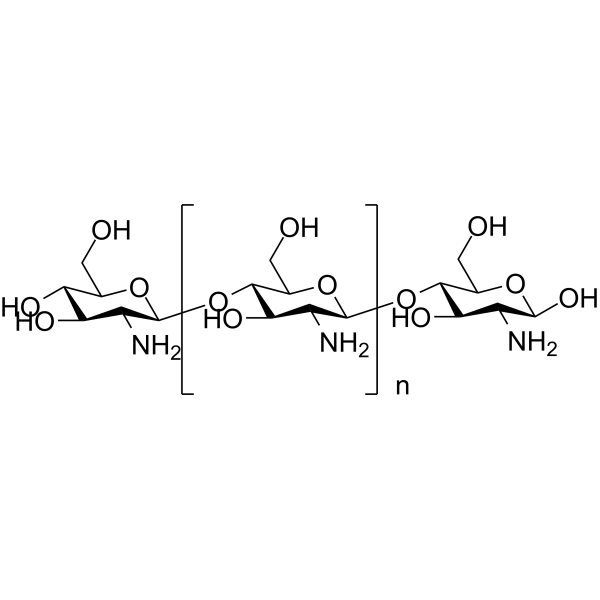
Chitosan (Deacetylated chitin) (≥95% deacetylated,viscosity 100-200 mPa.s) is a polysaccharide obtained by deacetylating chitin, and exhibits antimicrobial activity against various bacteria and fungi .
|
-
- HY-B2144K
-
-

- HY-N1210
-
|
Spiramine C acetate (ester)
|
Bacterial
|
Cancer
|
|
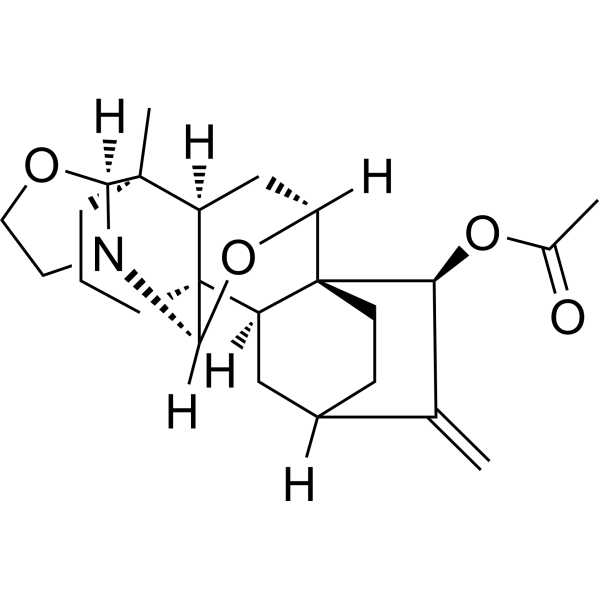
Spiramine A (Spiramine C acetate (ester)) is a diterpene alkaloid with antitumor and antimicrobial activity. Spiramine A inhibits PAF-induced rabbit platelet aggregation in a concentration-dependent manner, with an IC50 vallue of 6.7 μM .
|
-
- HY-126407
-
|
|
Bacterial
|
Infection
|
|
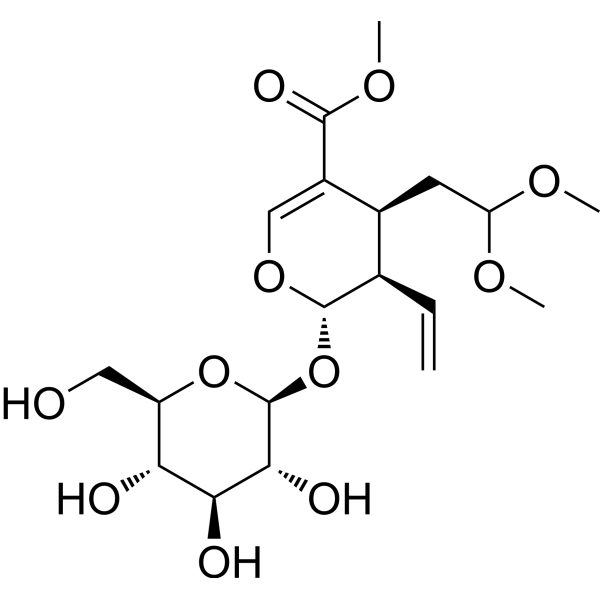
Secologanin dimethyl acetal (Compound Ⅱ) is an iridoid glucoside that can be isolated from Pterocephalus perennis. Secologanin dimethyl acetal shows antimicrobial activity against S.aureus and S.epidermidi .
|
-
- HY-123025
-
|
|
Fungal
|
Inflammation/Immunology
|
|
Schizozygine is an alkaloid that can be isolated from Schizozygia caffaeoides. Schizozygia caffaeoides has been used as a traditional medicine for skin disease. The leaf extracts has high antifungal and antimicrobial activity .
|
-

- HY-15230
-
-
- HY-N15334
-
|
|
NO Synthase
Bacterial
Fungal
Drug Derivative
|
Infection
|
|
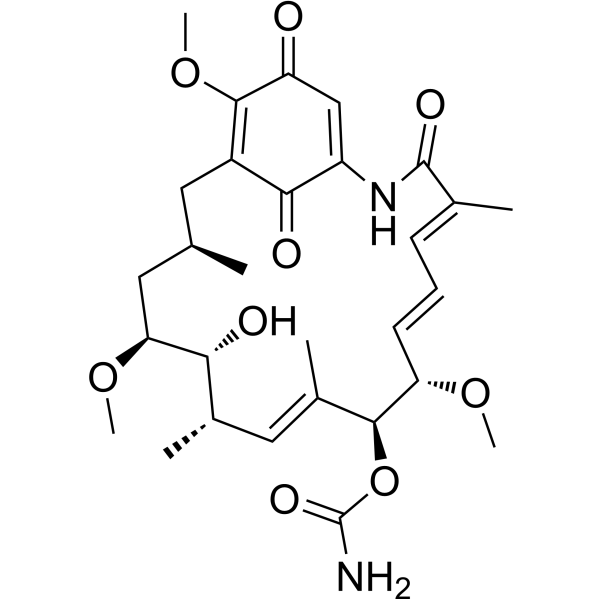
Tricrozarin A is a Naphthazarin (HY-N7526) derivative, which is found in fresh bulbs of Tritonia crocosmaeflora. Tricrozarin A exhibits antimicrobial activity against gram-positive bacteria, fungi, and yeast .
|
-

- HY-13579A
-
|
BTZ10526038; Benzothiazinone 10526038
|
Bacterial
|
Infection
|
|
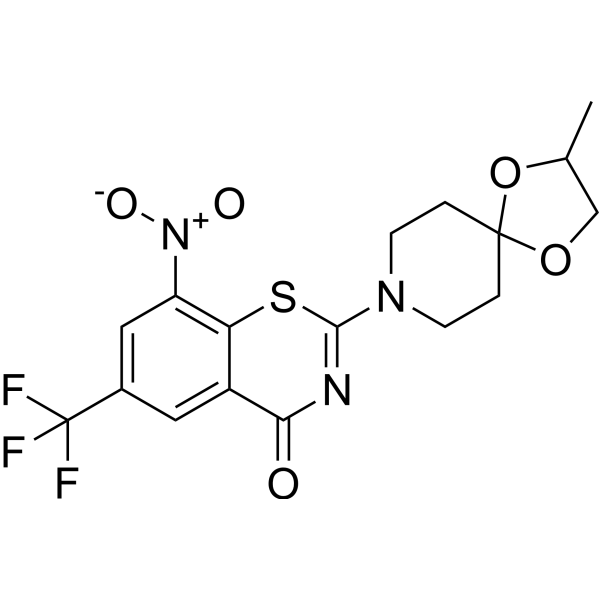
BTZ043 Racemate (BTZ10526038) is the racemate of BTZ043. BTZ043 is an inhibitor of decaprenyl-phosphoribose-epimerase (DprE1), and the antimicrobial activity of BTZ043 is more potent than BTZ043 Racemate .
|
-
- HY-W699159
-
-

- HY-P3494
-
|
|
Hepcidin
Bacterial
|
Infection
Inflammation/Immunology
|
|
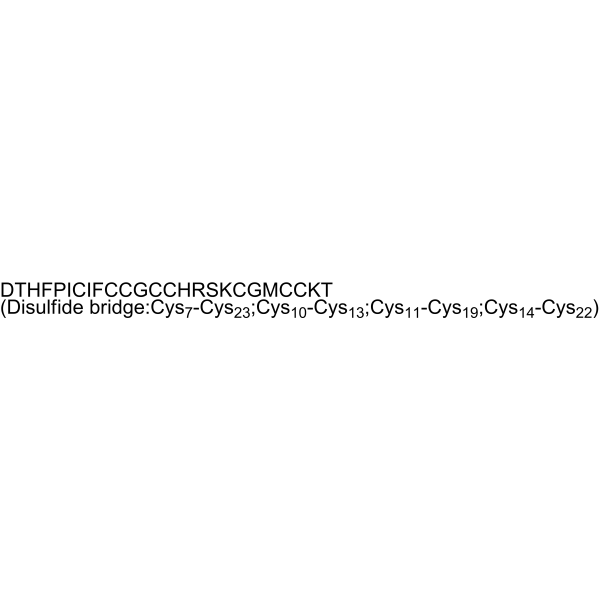
Hepcidin-25 (human) is an iron metabolism regulator and Antimicrobial agent. Hepcidin-25 (human) exerts anti-inflammatory and antimicrobial activities by regulating iron-mediated oxidative damage .
|
-
- HY-N11407
-
|
|
Antibiotic
Bacterial
Fungal
|
Infection
|
|
Bagougeramine B is an orally active nucleoside antibiotic with antimicrobial activity, which is found in Bacillus circulans. Bagougeramine B inhibits the growth of Gram-positive and Gram-negative bacteria and some fungi .
|
-

- HY-114938
-
|
|
Antibiotic
Bacterial
|
Infection
|
|
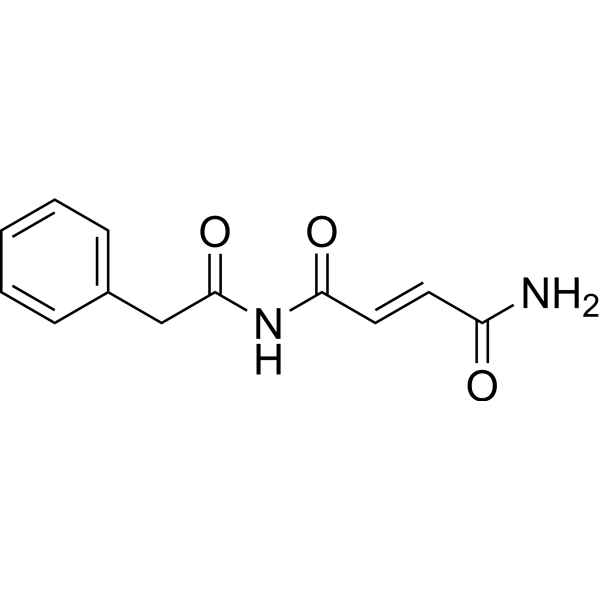
Fumaramidmycin is an antibiotic found in Streptomyces kurssanovii NR-7GG1. Fumaramidmycin shows an antimicrobial activity against both Gram-positive and Gram-negative bacteria .
|
-
- HY-P5484
-
|
|
Bacterial
|
Others
|
|
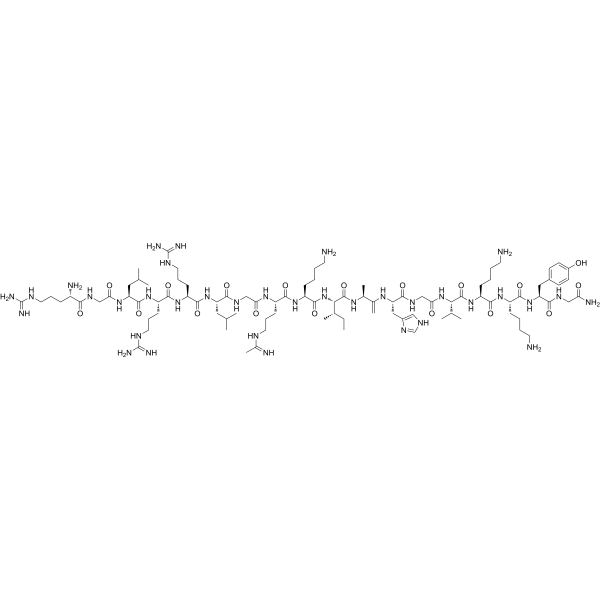
SMAP-18 is a biological active peptide. (SMAP-18 is a 18-amino acid residue peptide amide which is a truncated form of SMAP-29. Sheep myeloid antimicrobial peptide-29 (SMAP-29) displays extremely high antimicrobial activity against Pseudomonas strains, other Gram-negative bacteria, and multidrug-resistant pathogens. SMAP-18 displays much higher cell selectivity as compared to parental SMAP-29 because of its decreased hemolytic activity and retained antimicrobial activity.)
|
-
- HY-B0334
-
|
CP45899
|
Bacterial
Antibiotic
|
Infection
|
|
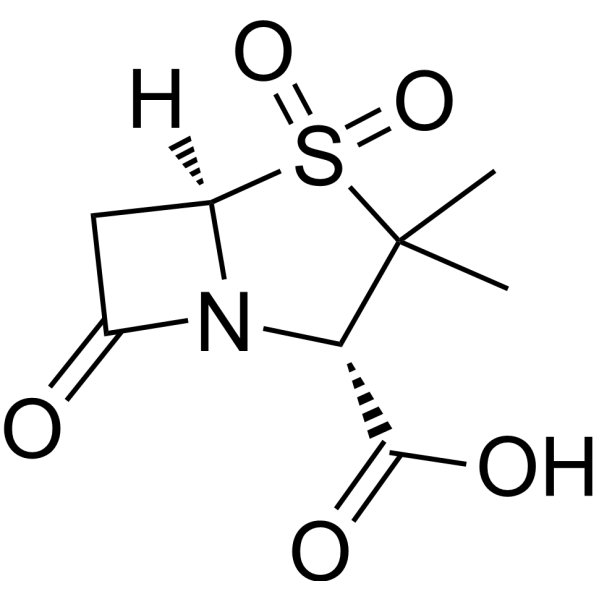
Sulbactam (CP45899) is a competitive, irreversible beta-lactamase inhibitor. Sulbactam shows antimicrobial activity against multidrug-resistant (MDR) acinetobacter calcoaceticus--Acinetobacter baumannii (Acb) complex .
|
-
- HY-125461
-
|
Stemphylin; NSC 173943
|
Bacterial
|
Infection
|
|
Altersolanol A (Stemphylin; NSC 173943) exhibits antimicrobial activities against Bacillus subtilis and Pseudomonas aeruginosa, with MIC of 25-100 μg/mL. Altersolanol A exhibits no phytotoxicity to Taxus (at dose of 4 μg/μL) .
|
-

- HY-B0467C
-
|
Amoxycillin arginine
|
Antibiotic
Bacterial
|
Infection
Cancer
|
|
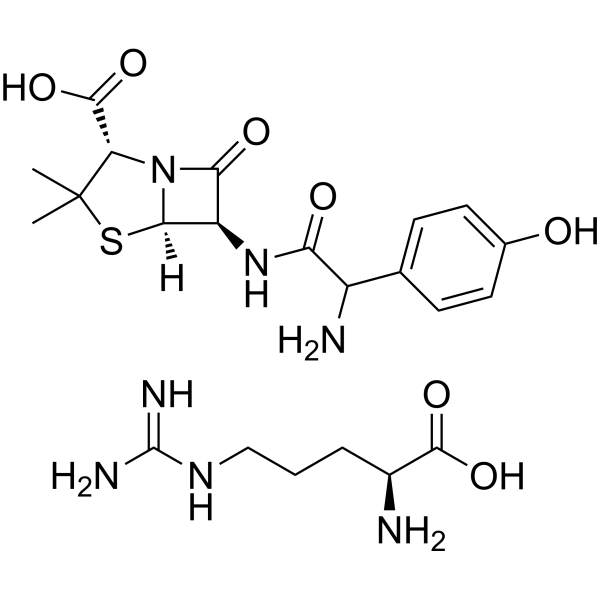
Amoxicillin (Amoxycillin) arginine is an antibiotic with good oral absorption and broad spectrum antimicrobial activity. Amoxicillin arginine inhibits the biosynthesis of polypeptides in the cell wall, thereby inhibiting cell growth .
|
-
- HY-107164
-
|
4-Hydroxythiomarinol C
|
Antibiotic
Bacterial
|
Infection
|
|
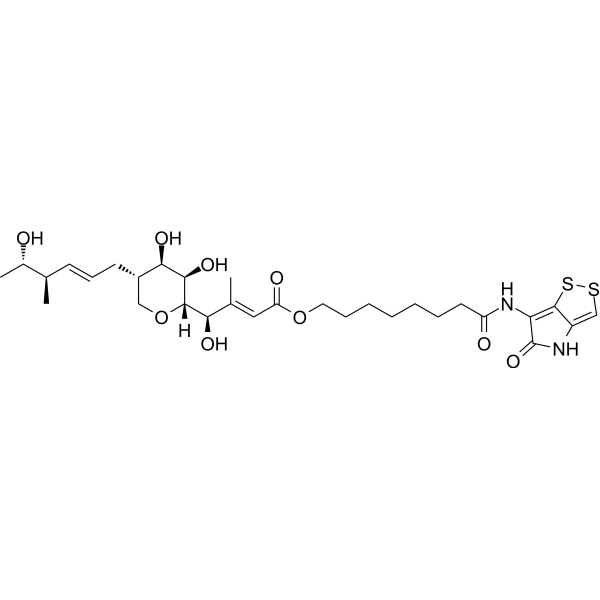
Thiomarinol A (4-Hydroxythiomarinol C) is a potent antibiotic. Thiomarinol A is a hybrid of dithiolopyrrolone and marinolic acid. Thiomarinol A shows antimicrobial activity. Thiomarinol A inhibits MRSA IleRS in a dose-dependent with a Ki app value of 19 nM .
|
-
- HY-B2144E
-
|
Deacetylated chitin (≥90% deacetylated, Low viscosity,<200mPa.s); Poly(D-glucosamine) (≥90% deacetylated, Low viscosity,<200mPa.s)
|
Environmental Pollutants
Biochemical Assay Reagents
Bacterial
Fungal
|
Infection
Cancer
|
|
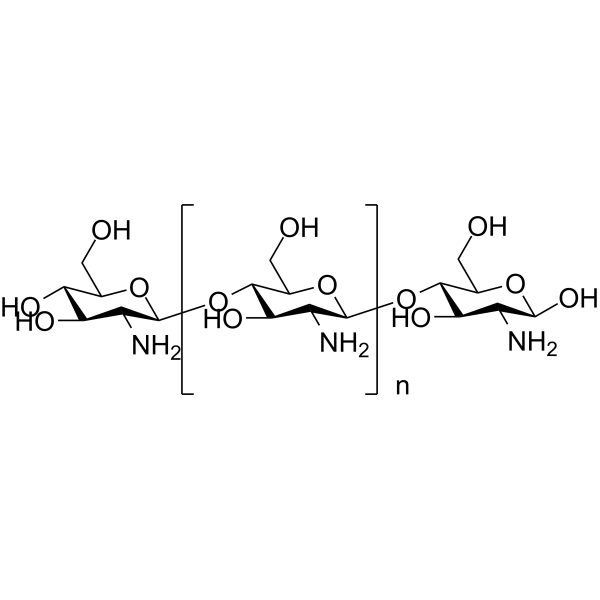
Chitosan (Deacetylated chitin) (≥90% deacetylated, Low viscosity,<200mPa.s) is a polysaccharide obtained by deacetylating chitin, and exhibits antimicrobial activity against various bacteria and fungi .
|
-
- HY-B0467B
-
|
Amoxycillin trihydrate
|
Bacterial
Antibiotic
|
Infection
Cancer
|
|
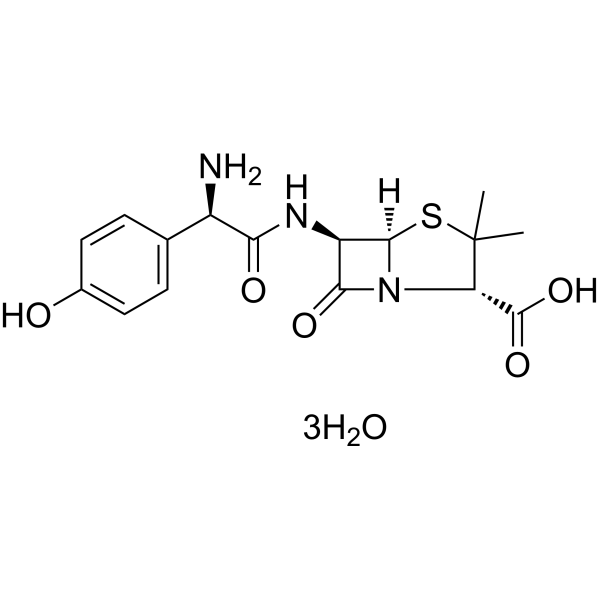
Amoxicillin (Amoxycillin) trihydrateis an antibiotic with good oral absorption and broad spectrum antimicrobial activity. Amoxicillin trihydrateis inhibits the biosynthesis of polypeptides in the cell wall, thereby inhibiting cell growth .
|
-
- HY-118893
-
|
|
Antibiotic
Bacterial
Fungal
Molecular Glues
|
Infection
Cancer
|
|
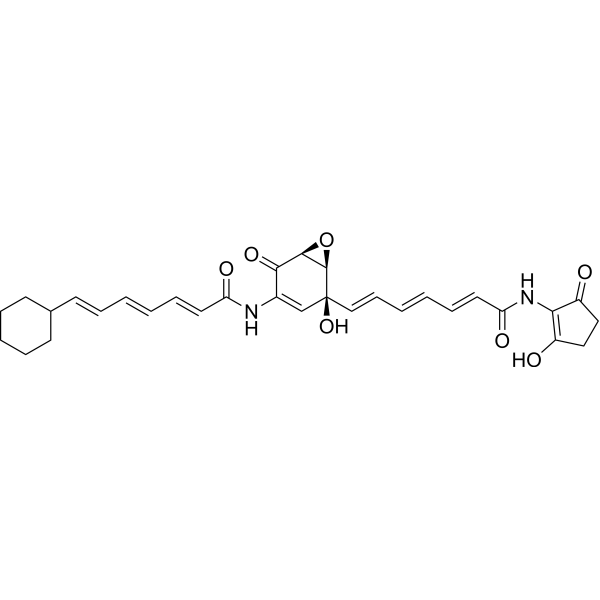
Asukamycin, a manumycin-type metabolite, could be isolated from Streptomyces nodosus subsp. asukaensis. Asukamycin is an antibiotic and has antimicrobial activity. Asukamycin inhibits growth of various tumor cell lines .
|
-
- HY-163482
-
|
|
Parasite
|
Infection
|
|
ELQ-596 is a quinolone derivative, that exhibits antimicrobial activity against several protozoan parasites, including the intraerythrocytic parasites Plasmodium and Babesia. ELQ-596 attenuates babesiosis in immunosuppressed mice .
|
-

- HY-N3925
-
|
|
Bacterial
|
Infection
Metabolic Disease
Inflammation/Immunology
|
|
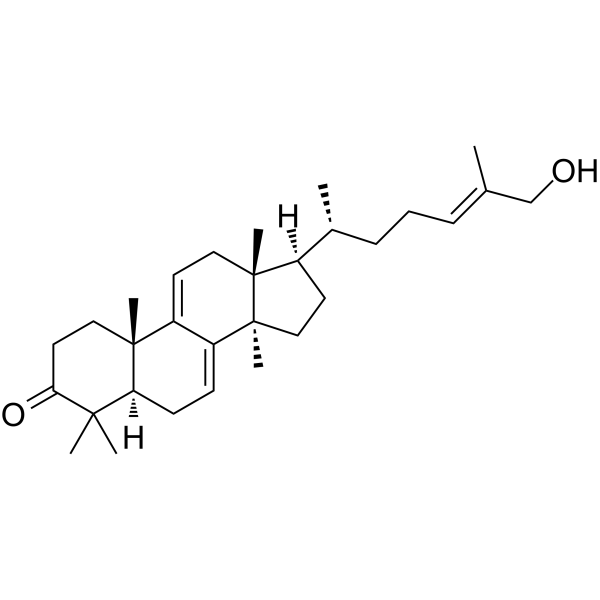
Ganoderol A is a terpenoid extracted from Ganoderma lucidum with antimicrobial activities. Ganoderol A inhibits cholesterol synthesis pathway and has significant anti-inflammatory activity and protection against ultraviolet A (UVA) damage .
|
-
- HY-B1920A
-
|
EN-141 hydrochloride
|
Antibiotic
Bacterial
|
Infection
|
|
Josamycin (EN-141) hydrochloride is an orally active macrolide antibiotic exhibiting antimicrobial activity against a wide spectrum of pathogens, such as bacteria. The dissociation constant Kd from ribosome for Josamycin hydrochloride is 5.5 nM .
|
-

- HY-163484
-
|
|
Parasite
|
Infection
|
|
ELQ-650 is a quinolone derivative, that exhibits antimicrobial activity against several protozoan parasites, including the intraerythrocytic parasites Plasmodium and Babesia. ELQ-650 attenuates babesiosis in immunosuppressed mice .
|
-

- HY-B0334A
-
|
CP45899 sodium
|
Bacterial
Antibiotic
|
Infection
|
|
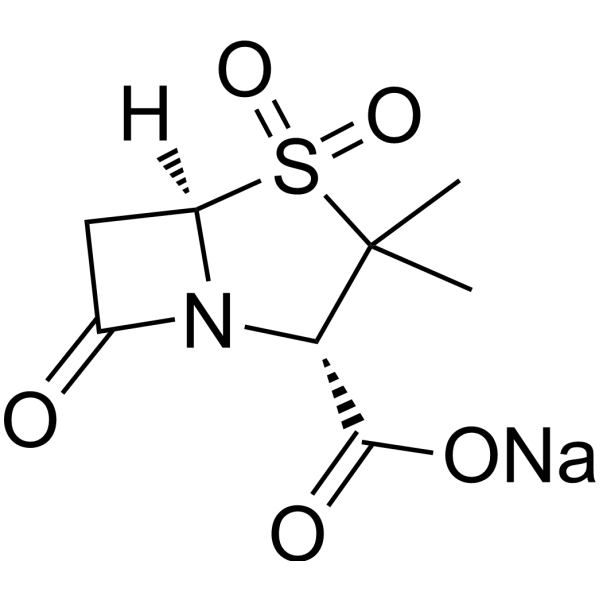
Sulbactam (CP45899) sodium is a competitive, irreversible beta-lactamase inhibitor. Sulbactam sodium shows antimicrobial activity against multidrug-resistant (MDR) acinetobacter calcoaceticus--Acinetobacter baumannii (Acb) complex .
|
-
- HY-B1920
-
|
EN-141
|
Bacterial
Antibiotic
|
Infection
|
|
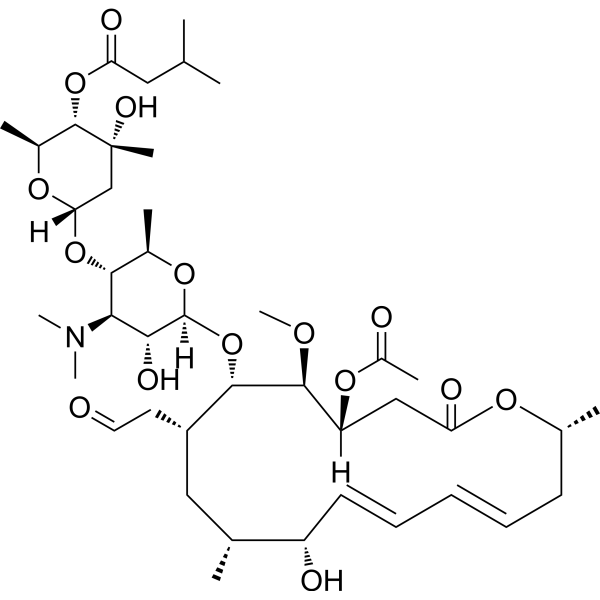
Josamycin (EN-141) is an orally active macrolide antibiotic exhibiting antimicrobial activity against a wide spectrum of pathogens, such as bacteria. The dissociation constant Kd from ribosome for Josamycin is 5.5 nM .
|
-
- HY-122381
-
|
|
Bacterial
Endogenous Metabolite
|
Neurological Disease
|
|
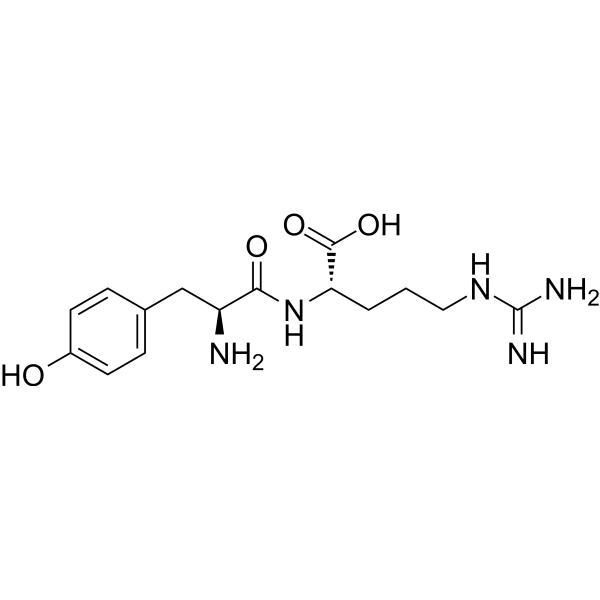
Kyotorphin is an endogenou neuroactive dipeptide with analgesic properties. Kyotorphin possesses anti-inflammatory and antimicrobial activity. Kyotorphin levels in cerebro-spinal fluid correlate negatively with the progression of neurodegeneration in Alzheimer's Disease patients .
|
-
- HY-144513
-
|
|
Bacterial
|
Infection
|
|
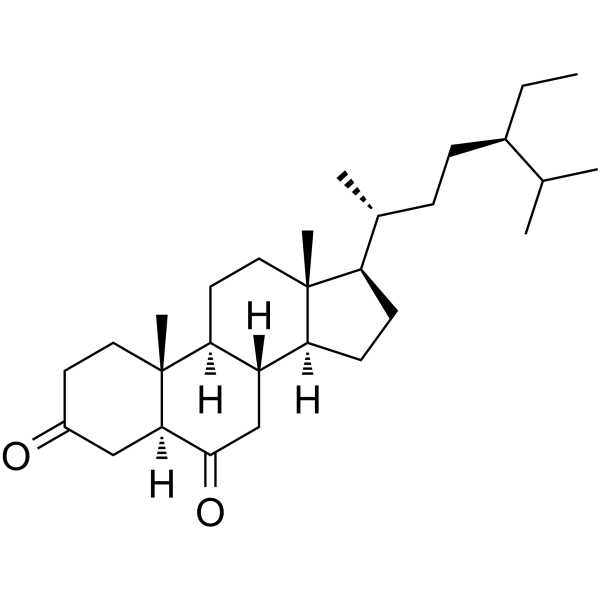
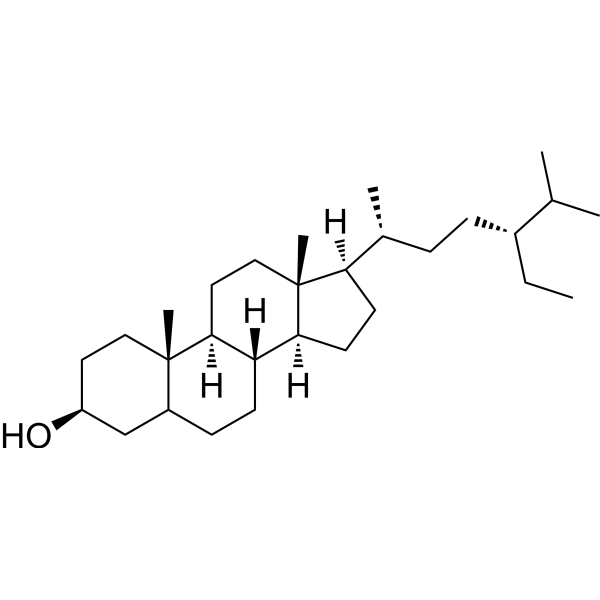
Stigmastan-3β-ol is a sterol that can be isolated from Tinospora sinensis and Ginkgo biloba L.. Stigmastan-3β-ol has antimicrobial activity .
|
-
- HY-114798
-
-

- HY-P5718
-
|
|
Bacterial
|
Infection
|
|
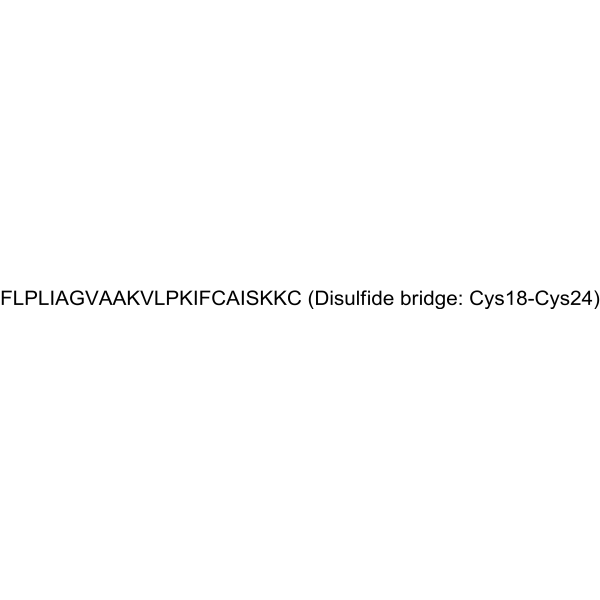
Brevinin-1PMa is a host-defense peptide that exhibits antimicrobial activity against Staphylococcus aureus and Echerichia coli. Brevinin-1PMa also shows hemolytic activity .
|
-
- HY-122494
-
|
SF-1293
|
Bacterial
|
Infection
|
|
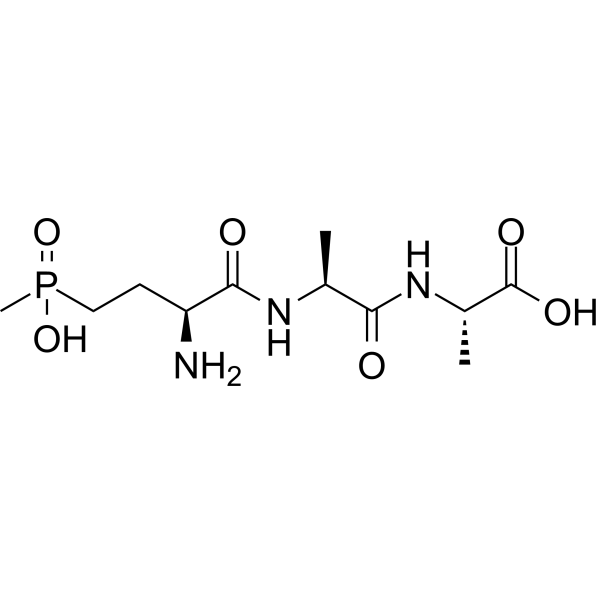
Bilanafos is a natural organic phosphine tripeptide antibiotic metabolized by Streptomyces hydroscopius or Streptomyces viridochromeogenes. Bialaphos has antimicrobial activity aganist Gram-negative and positive bacteria as well as some fungal plant diseases .
|
-
- HY-113627A
-
|
|
Antibiotic
Bacterial
Apoptosis
|
Infection
Inflammation/Immunology
Cancer
|
|
Undecylprodigiosin hydrochloride, a member of the family of prodiginines, is a potent antibiotic. Undecylprodigiosin hydrochloride can selectively induce apoptosis in human breast carcinoma cells independent of p53. Undecylprodigiosin hydrochloride shows immunosuppressive, anticancer properties and antimicrobial activities .
|
-

- HY-N10741
-
|
|
Xanthine Oxidase
Bacterial
|
Infection
|
|
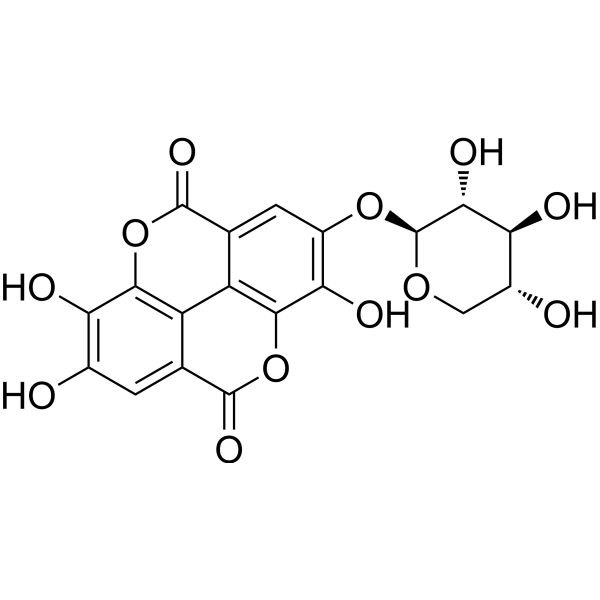
Ellagic acid 4-O-β-D-xylopyranoside is a natural ellagitannin with antimicrobial activity. Ellagic acid 4-O-β-D-xylopyranoside is an xanthine oxidase inhibitor with an 50 of 2.1 μg/mL .
|
-
- HY-W009497
-
|
Quaternium-15
|
Environmental Pollutants
Bacterial
|
Infection
|
|
Dowicil 200 (Quaternium-15) is a skin toxin and allergen that inhibits the growth of Pinctada fucata cells. Dowicil 200 has antimicrobial activity and is more potent against fungi and molds than against fungi.
|
-

- HY-N12723
-
|
|
Fungal
|
Infection
|
|
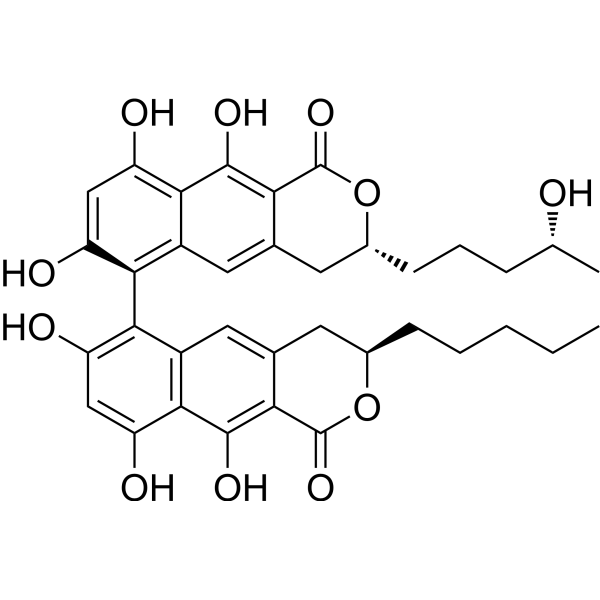
Talaroderxine D (compound 4) has biofilm inhibitory effect. Talaroderxine D shows antimicrobial activities against Bacillus subtilis and Staphylococcus aureus with MIC values of 2.1 and 8.3 μg/mL .
|
-
- HY-N12179
-
|
|
Bacterial
|
Others
|
|
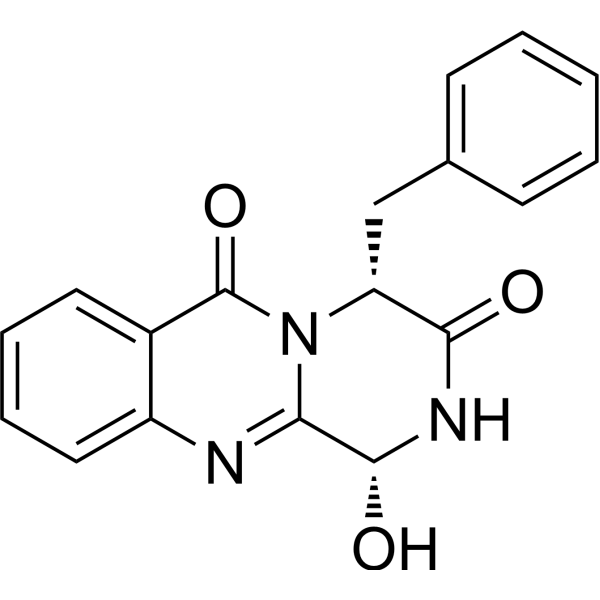
Brevianamide M (compound 4) is a metabolite of Aspergillus versicolor. This is an endophytic fungus isolated from the marine brown alga Sargassum. Brevianamide M has antimicrobial activity against Escherichia coli and Staphylococcus aureus .
|
-
- HY-P11142
-
|
|
Bacterial
Fungal
|
Infection
|
|
Jelleine-I is an antimicrobial peptide. Jelleine-I can be purified from royal jelly of honeybees. Jelleine-I exhibits antimicrobial activities against yeast, fungi, Gram-positive and Gram-negative bacteria .
|
-

- HY-113627
-
|
|
Antibiotic
Bacterial
Apoptosis
|
Infection
Inflammation/Immunology
Cancer
|
|
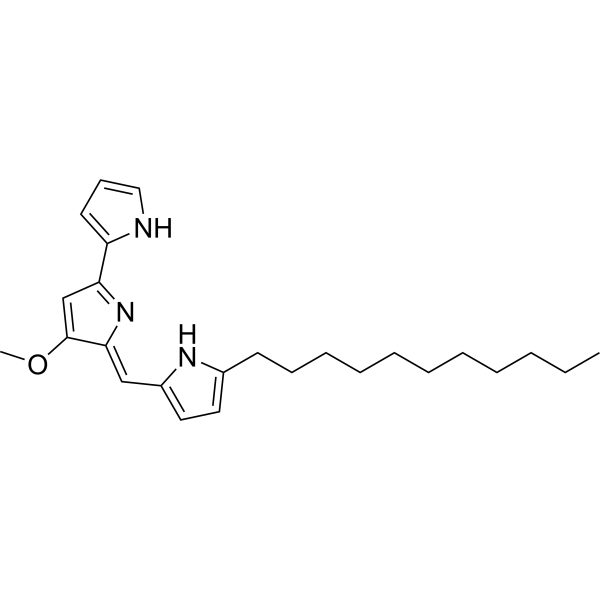
Undecylprodigiosin, a member of the family of prodiginines, is a potent antibiotic. Undecylprodigiosin can selectively induce apoptosis in human breast carcinoma cells independent of p53. Undecylprodigiosin shows immunosuppressive, anticancer properties and antimicrobial activities .
|
-
- HY-116010
-
|
|
Bacterial
Antibiotic
|
Infection
|
|
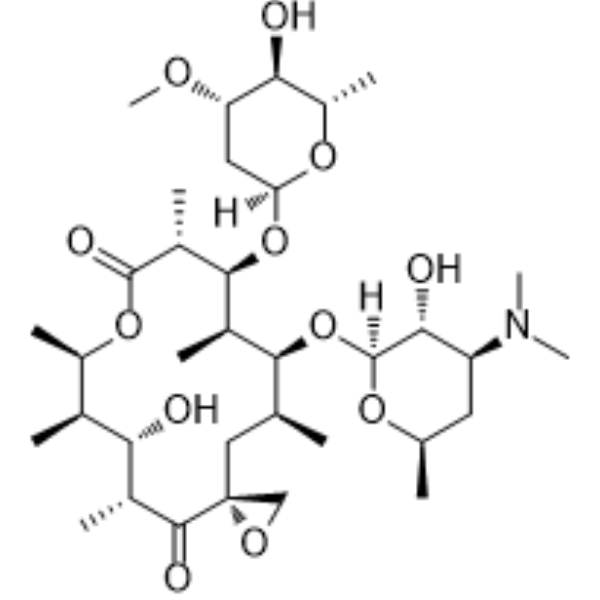
Oleandomycin is a macrolide antibiotic structurally closely related to Erythromycin. Oleandomycin is similar to Erythromycin with antimicrobial activity. Oleandomycin inhibits protein synthesis by interference with translation of activated amino acids to nascent peptide chains on the ribosomes .
|
-
- HY-125628
-
|
|
Endogenous Metabolite
|
Infection
|
|
Kahalalide A is an anti-mycobacterial compound with antimicrobial activity. Kahalalide A is derived from the marine mollusk Elysia rufescens. Kahalalide A has attracted extensive attention in natural product research due to its potential medicinal value .
|
-

- HY-129329
-
|
|
Antibiotic
Bacterial
|
Infection
|
|
Lankamycin, a macrolide antibiotic, shows moderate antimicrobial activity against several gram-positive bacteria, acting as a synergistic pair with carbocyclic antibiotic Lankacidin C (HY-121412) by binding to the ribosome exit tunnel .
|
-

- HY-129347
-
|
T-2636E
|
Antibiotic
Bacterial
|
Infection
|
|
Lankacyclinol A is an orally active antibiotic isolated from Streptomyces rochei. Lankacyclinol A has broad-spectrum antimicrobial activity against both Gram-positive and Gram-negative bacteria. Lankacyclinol A exhibits low toxicity in mice .
|
-

- HY-N16491
-
|
|
Bacterial
|
Infection
|
|
Agrimol C is a phloroglucino found in Chinese drugs Xian he cao. Agrimol C shows antimicrobial activity against Staphlococcus aureus with MIC with 50 μg/mL. Agrimol C can be used for the research of infection .
|
-

- HY-N15588
-
|
(2'S, 3'R)-3'-Hydroxymarmesin
|
MMP
|
Cancer
|
|
Smyrindiol is a compound found in Dorstenia turbinate. Smyrindiol exerts anti-inflammatory and antimicrobial activities by inhibiting the secretion of tumor-associated proteases (MMP-2). Smyrindiol can be used in the study of brain tumors such as glioblastoma .
|
-

- HY-B0455B
-
|
SC47111A (aspartate); NY-198 (aspartate)
|
Bacterial
Antibiotic
|
Infection
|
|
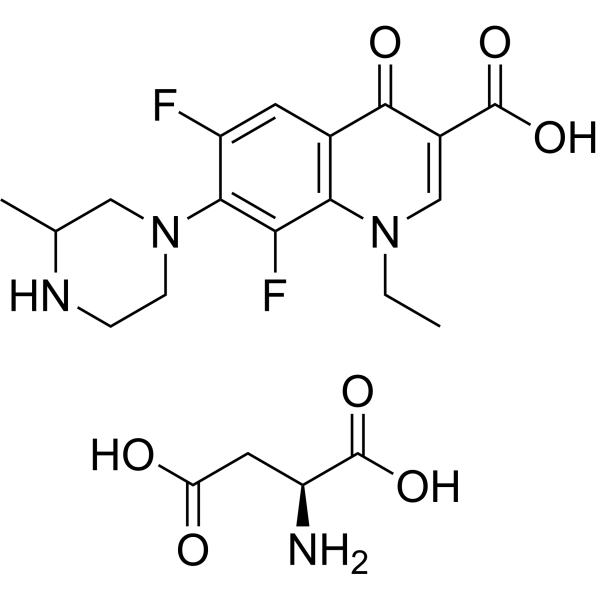
Lomefloxacin (SC47111A) aspartate is a broad-spectrum quinolone antibiotic, with antimicrobial activity. Lomefloxacin aspartate can be used for researching respiratory tract infections, genitourinary infections, gastrointestinal infections, ENT infections, etc. .
|
-
- HY-B2144G
-
|
Deacetylated chitin (≥80% deacetylated, High viscosity,>400mPa.s); Poly(D-glucosamine) (≥80% deacetylated, High viscosity,>400mPa.s)
|
Environmental Pollutants
Biochemical Assay Reagents
Bacterial
Fungal
|
Infection
Cancer
|
|
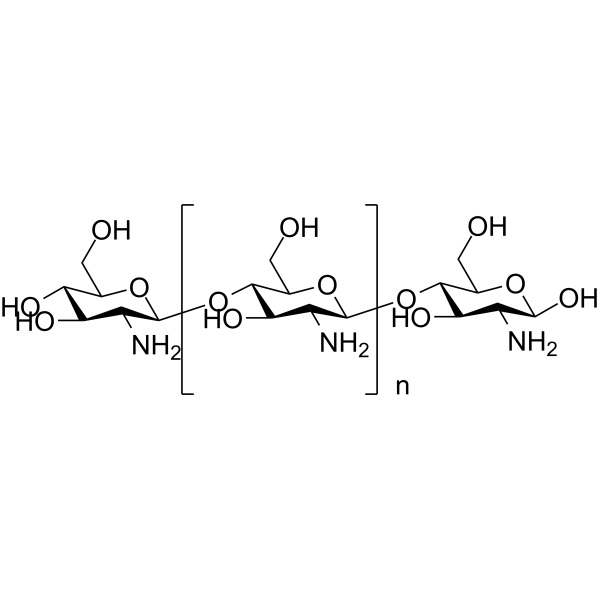
Chitosan (Deacetylated chitin; Poly(D-glucosamine)) (≥80% deacetylated, High viscosity,>400mPa.s) is a polysaccharide obtained by deacetylating chitin, and exhibits antimicrobial activity against various bacteria and fungi .
|
-
- HY-45854
-
GWP-042
2 Publications Verification
|
Bacterial
|
Infection
|
|
GWP-042 is a potent inhibitor of mycobacterial alanine dehydrogenase (Ald) Rv2780, with the IC50 of 0.21 μM. GWP-042 has antimicrobial activity against M. tuberculosis infection in vivo .
|
-

- HY-P2920
-
-

- HY-116010A
-
|
|
Antibiotic
Bacterial
|
Infection
|
|
Oleandomycin phosphate is a macrolide antibiotic structurally closely related to Erythromycin. Oleandomycin is similar to Erythromycin with antimicrobial activity. Oleandomycin inhibits protein synthesis by interference with translation of activated amino acids to nascent peptide chains on the ribosomes .
|
-

- HY-B1137S
-
|
|
Isotope-Labeled Compounds
Bacterial
|
Inflammation/Immunology
|
|
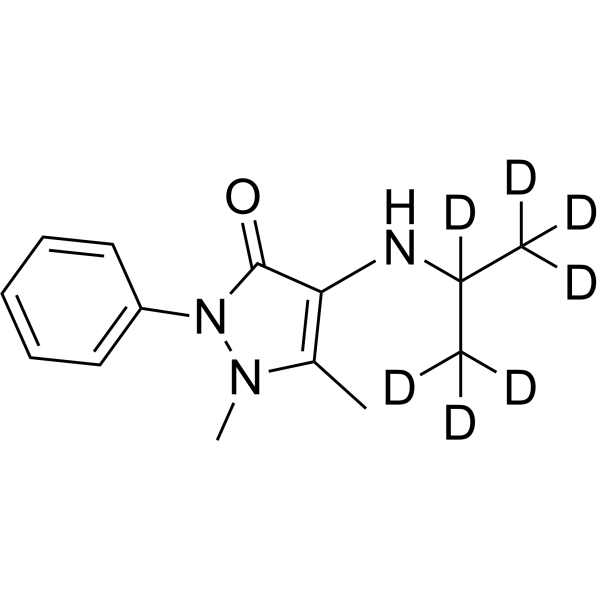
Ramifenazone-d7 is the deuterium labeled Ramifenazone. Ramifenazone (Isopropylaminoantipyrine) is a pyrazole derivative and acts as a non-steroidal anti-inflammatory agent (NSAID). Ramifenazone has analgesic, antipyretic, anti-inflammatory and antimicrobial activities .
|
-
- HY-135901
-
|
|
ADC Payload
Bacterial
|
Cancer
|
|
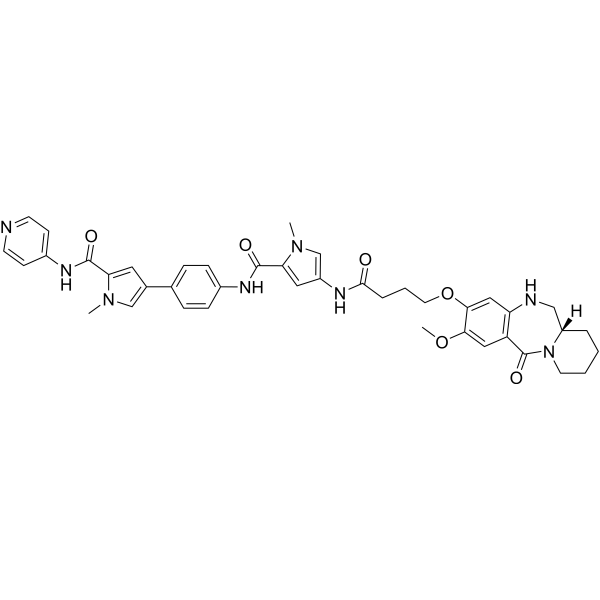
Py-MPB-amino-C3-PBD is a cytotoxic agent comprised non-alkylating group. Py-MPB-amino-C3-PBD acts as the payload for ADCs. Antimicrobial activity .
|
-
- HY-142075
-
|
|
Bacterial
|
Infection
|
|
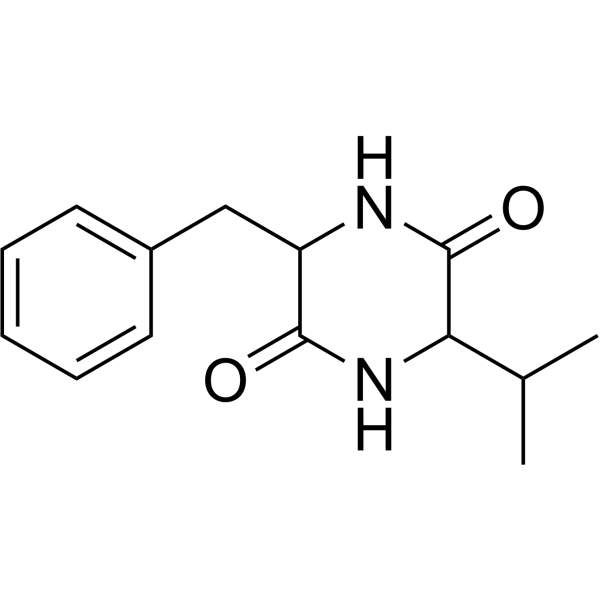
Antibacterial agent 134 (compound 1) is an diketopiperazine alkaloid with antimicrobial activity. Antibacterial agent 134 is the major metabolite in the culture of Hymeniacidon perleve associated bioactive bacterium Pseudomonas sp. NJ6-3-1 .
|
-
- HY-122448A
-
|
|
Bacterial
Fungal
|
Infection
|
|
(Rac)-Sativan is an isoflavanoid with a broad spectrum of antimicrobial activity against bacteria and phytopathogenic fungi. (Rac)-Sativan exhibits antituberculosis activity against Mycobacterium tuberculosis H37Rv, with MIC values of 50 µg/mL .
|
-

- HY-128222
-
|
Hydrazinecarboselenoamide
|
Bacterial
|
Infection
Cancer
|
|
Selenosemicarbazide (Hydrazinecarboselenoamide) exhibits antimicrobial activity, that inhibits B. subtilis, S. aureus, Klebsiella pneumoniae, Sarcina lutea and Mycobacterium tuberculosis. Selenosemicarbazide forms complex with metal ions, and exhibits antitumor efficacy against cancer cells
|
-

- HY-P10219
-
|
|
Bacterial
|
Infection
Inflammation/Immunology
|
|
Brevicidine analog 22 (22) exerts broad spectrum antimicrobial activity and excellent stability (t1/2 = 40.98 h), with MICs of 2-16 μM for gram-negative and gram-positive bacteria .
|
-
- HY-B2144F
-
|
Deacetylated chitin (≥80% deacetylated, Medium viscosity,200-400mPa.s); Poly(D-glucosamine) (≥80% deacetylated, Medium viscosity,200-400mPa.s)
|
Environmental Pollutants
Biochemical Assay Reagents
Bacterial
Fungal
|
Infection
Cancer
|
|
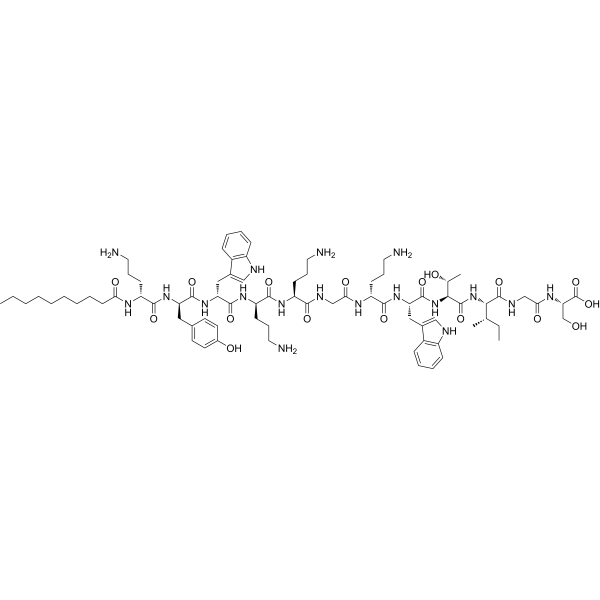
Chitosan (Deacetylated chitin; Poly(D-glucosamine)) (≥80% deacetylated, Medium viscosity,200-400mPa.s) is a polysaccharide obtained by deacetylating chitin, and exhibits antimicrobial activity against various bacteria and fungi .
|
-
- HY-P5753A
-
|
|
Bacterial
|
Infection
|
|
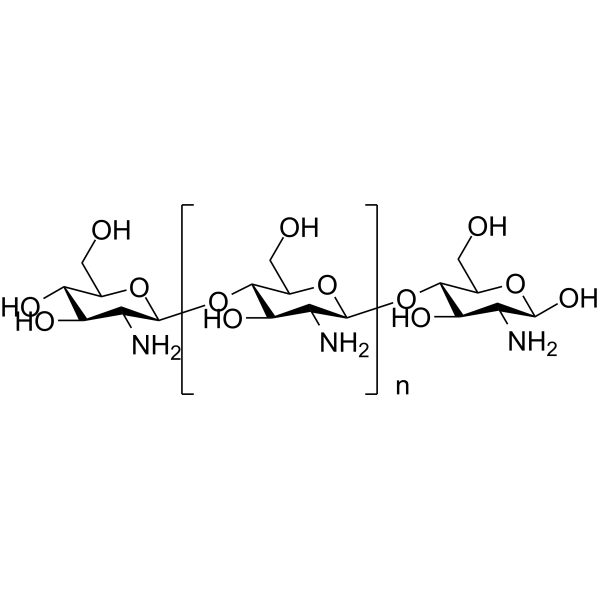
JB-95 acetate, a β-hairpin macrocyclic peptide, exhibits potent antimicrobial activity against Escherichia coli. JB-95 acetate can selectively disrupt the outer membrane but not the inner membrane of E. coli .
|
-
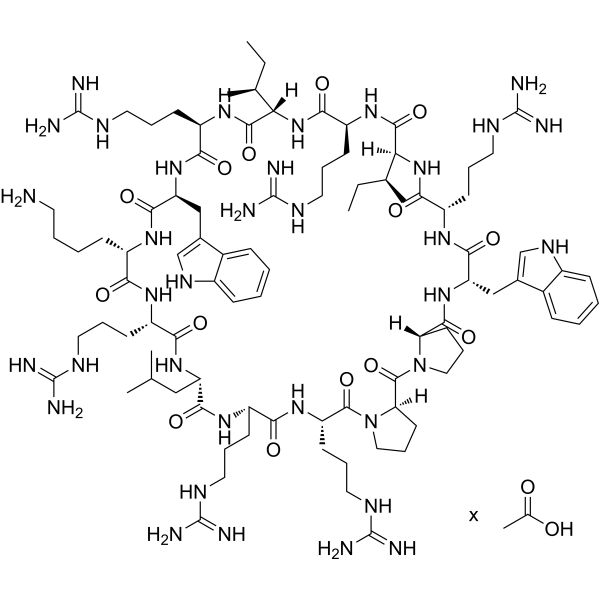
- HY-N13031
-
|
|
Bacterial
|
Infection
|
|
Bellericagenin A is a pentacyclic triterpenic acid isolated from the bark of Terminalia bellerica. Bellericagenin A exhibits antimicrobial activity. Bellericagenin A exhibits a high affinity to alcohol dehydrogenase (ADH), which has the potential for ameliorating the alcoholic liver injury .
|
-

- HY-W016867
-
|
|
Fungal
Bacterial
|
Infection
|
|
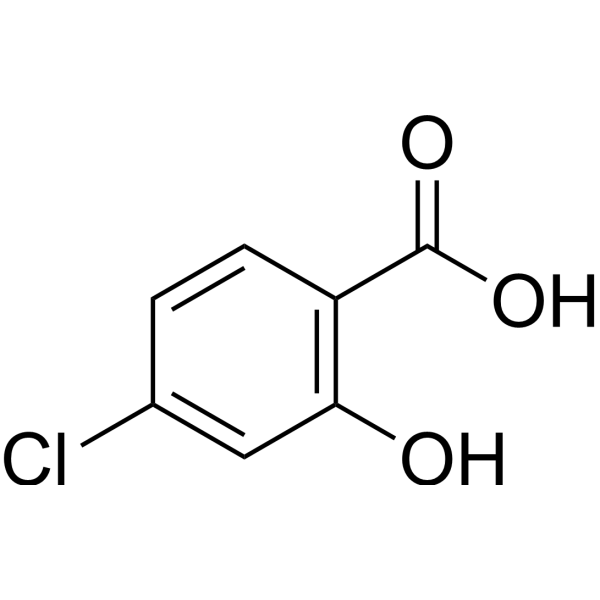
4-Chlorosalicylic acid is a pharmaceutical intermediate. Inhibits monophenolase and diphenolase activity with IC50s of 1.89 mM and 1.10 mM. Potent antimicrobial activity. Against E. coli with the MIC of 250 μg/mL and with the MBC of 500 μg/mL.
|
-
- HY-N19789
-
|
|
Bacterial
|
Infection
|
|
Gleinadiene is a coumarin that can be isolated from the extracts of leaves of Murraya paniculata. Gleinadiene exhibits weak antimicrobial activity against the gram-positive bacterium Bacillus cereus. Gleinadiene can be used for the research of bacterial infection .
|
-

- HY-18061
-
|
(Rac)-STA-21
|
Antibiotic
STAT
Bacterial
|
Infection
Cancer
|
|
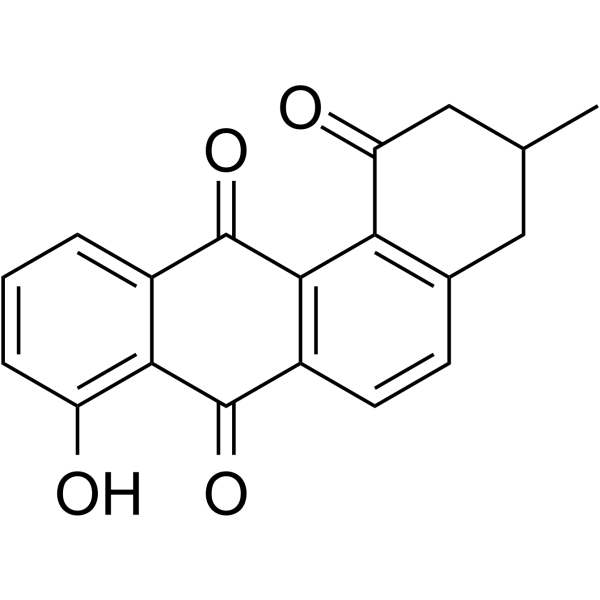
Ochromycinone ((Rac)-STA-21) is a natural antibiotic and a STAT3 inhibitor. Ochromycinone can inhibits STAT3 DNA binding activity, STAT3 dimerization. Ochromycinone has anticancer and antimicrobial activity .
|
-
- HY-P5753
-
|
|
Bacterial
|
Infection
|
|
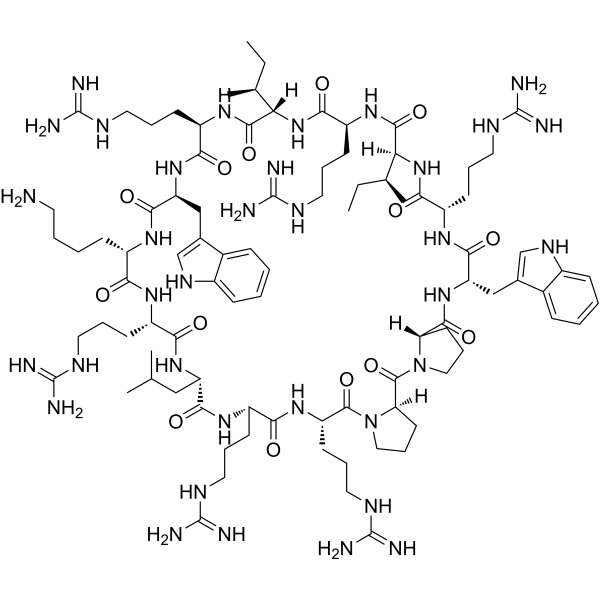
JB-95, a β-hairpin macrocyclic peptide, exhibits potent antimicrobial activity against Escherichia coli. JB-95 can selectively disrupt the outer membrane but not the inner membrane of E. coli .
|
-
- HY-W039169
-
|
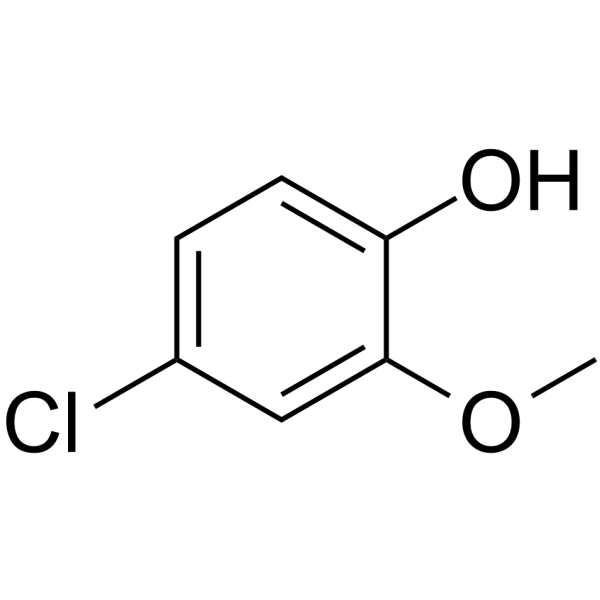
4-Chloro-2-methoxyphenol
|
Bacterial
|
Infection
|
|
4-Chloroguaiaco (4-Chloro-2-methoxyphenol) is a phenol derivative, with antimicrobial activity. 4-Chloroguaiaco shows inhibition against S. aureus and E. coli with MICs of both 110 μg/mL .
|
-
- HY-122288
-
|
|
Bacterial
|
Infection
|
|
SC 28538 is a compound with antimicrobial activity. SC 28538 exerts its antimicrobial effect by reducing its nitro moiety in an anaerobic environment to form cytotoxic free radicals that can damage DNA and other key biomolecules of microorganisms .
|
-

- HY-W015026S
-
-
- HY-126129R
-
|
|
Drug Metabolite
Reference Standards
Bacterial
|
Infection
|
|
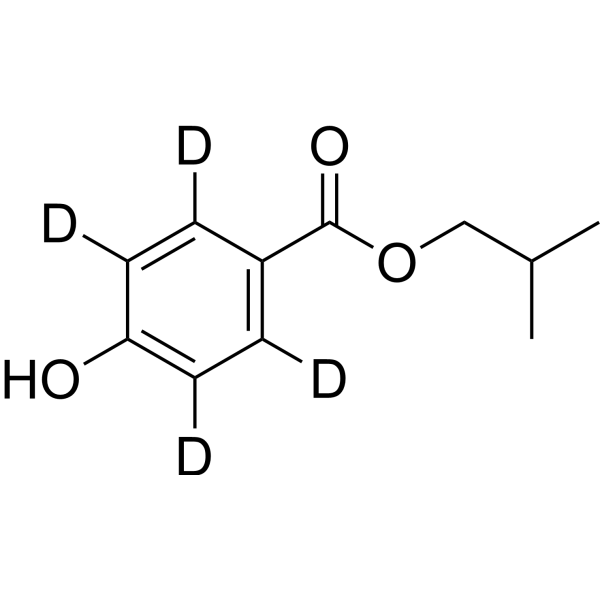
Desacetylcefotaxime (Standard) is the analytical standard of Desacetylcefotaxime. This product is intended for research and analytical applications. Desacetylcefotaxime, the in vivo metabolite of Cefotaxime (CTX), possesses significant in vitro antimicrobial activity similar to the parent compound against a variety of aerobic and anaerobic bacteria .
|
-

- HY-P5842
-
|
|
Bacterial
Influenza Virus
|
Infection
|
|
Citrullinated LL-37 3cit is a host defense peptide (HDP) with broad immunomodulatory and antimicrobial activities. Citrullinated LL-37 3cit exhibits direct antiviral effects against human rhinoviruses (HRV) .
|
-
- HY-P11211A
-
|
|
Bacterial
|
Infection
Cancer
|
|
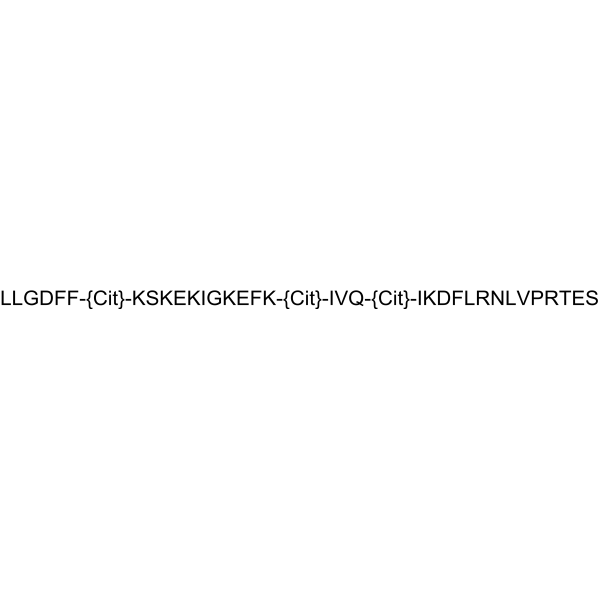
D2A21 TFA is an antimicrobial peptide with significant antimicrobial activity against Pseudomonas and bactericidal effect on burn scabs. D2A21 TFA has antitumor activity and can be used in prostate cancer research .
|
-

- HY-W320276
-
|
|
Endogenous Metabolite
Bacterial
Parasite
|
Infection
Others
|
|
Dill apiole is an aromatic ether, which is an important aroma component in herbs and spices such as dill (Anethum graveolens), parsley (Petroselinum crispum) and basil (Perilla frutescens). Dill apiole exhibits antimicrobial activity against Aspergillus parasiticus and Aedes aegypti .
|
-

- HY-N15323
-
|
|
Cholinesterase (ChE)
|
Infection
Inflammation/Immunology
|
|
Samioside is an effective acetylcholinesterase inhibitor that can be isolated from Phlomis nissolii and P. capitata. Samioside possesses free-radical scavenging and antimicrobial activities. Samioside can be used in research on its anti-Alzheimer’s potency .
|
-

- HY-N18339
-
|
|
Drug Derivative
|
Cancer
|
|
Camaroside is a flavonoid glycoside with weak cytotoxic activity against cancer cells and fibroblasts, and no significant antimicrobial activity. Camaroside reduces metabolic activity of fibroblasts and liver cancer cells.C amaroside can be found in the vegetative stems of Calotropis procera .
|
-

- HY-B1137R
-
|
Isopropylaminoantipyrine (Standard)
|
Reference Standards
Bacterial
|
Inflammation/Immunology
|
|
Ramifenazone (Standard) is the analytical standard of Ramifenazone. This product is intended for research and analytical applications. Ramifenazone (Isopropylaminoantipyrine) is a pyrazole derivative and acts as a non-steroidal anti-inflammatory agent (NSAID). Ramifenazone has analgesic, antipyretic, anti-inflammatory and antimicrobial activities .
|
-

- HY-113542
-
|
(+)-Blasticidin A
|
Bacterial
Antibiotic
Parasite
|
Infection
|
|
Blasticidin A is a tetraamide acid derivative antibiotic produced by Streptomyces griseochromogenes, as well as a selective inhibitor of aflatoxin production. Blasticidin A exhibits antimicrobial activity against yeast. Blasticidin A can be used in research related to aflatoxin contamination (infection by Aspergillus sp.) .
|
-
- HY-147777
-
|
|
Bacterial
DNA/RNA Synthesis
|
Infection
|
|
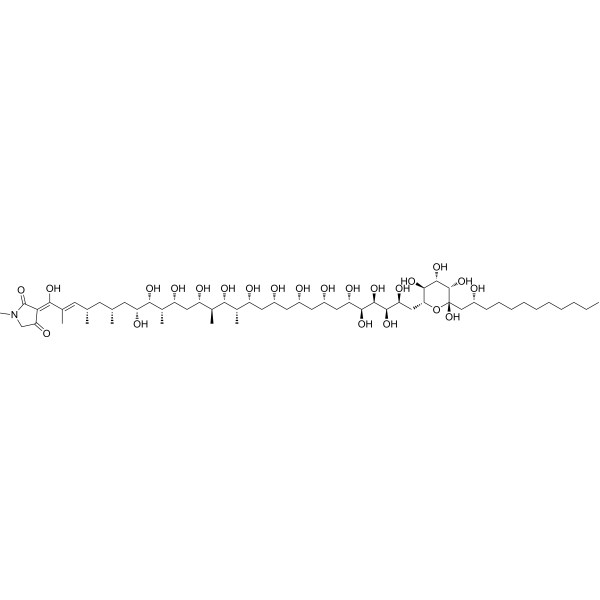
14α-Demethylase/DNA Gyrase-IN-2 (Compound 6a) is a potent inhibitor of 14α-Demethylase/DNA Gyrase. 14α-Demethylase/DNA Gyrase-IN-2 has antimicrobial activities .
|
-
- HY-N10087
-
|
|
Bacterial
|
Infection
|
|
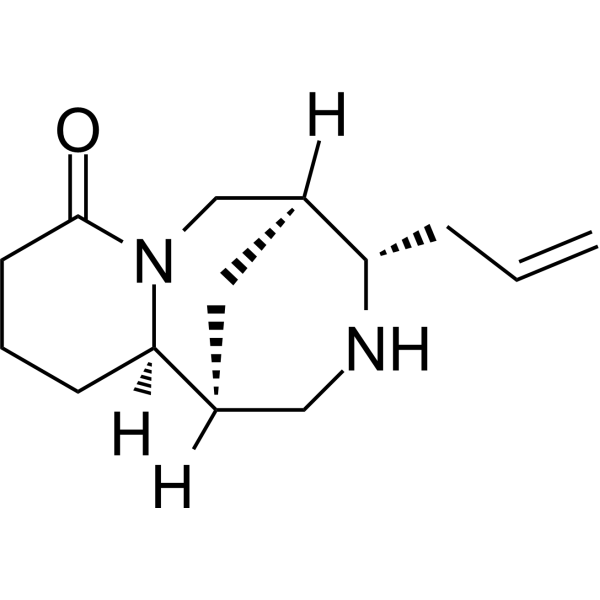
Angustifoline, an alkaloid, can be isolated from Lupinus angustifolius L. alkaloid extract. Angustifoline exhibits antimicrobial activity. Angustifoline could have bacteriostatic effects against S. aureus, B. subtilis, E. coli, P. aeruginosa and B. thuringiensis .
|
-
- HY-P4848
-
|
|
Antibiotic
|
Infection
|
|
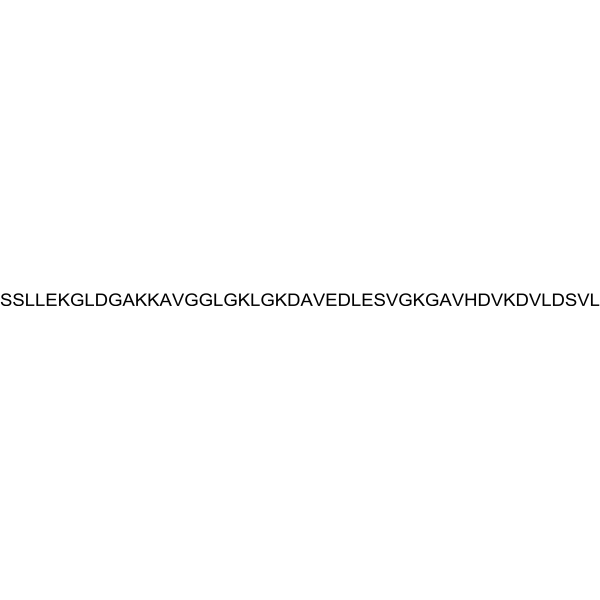
Dermcidin-1L (human) is an antibiotic peptide secreted by sweat glands. Dermcidin-1L (human) has antimicrobial activity. Dermcidin-1L (human) can be used for the research of inflammatory skin disorders .
|
-
- HY-P5722
-
|
|
Bacterial
|
Infection
|
|
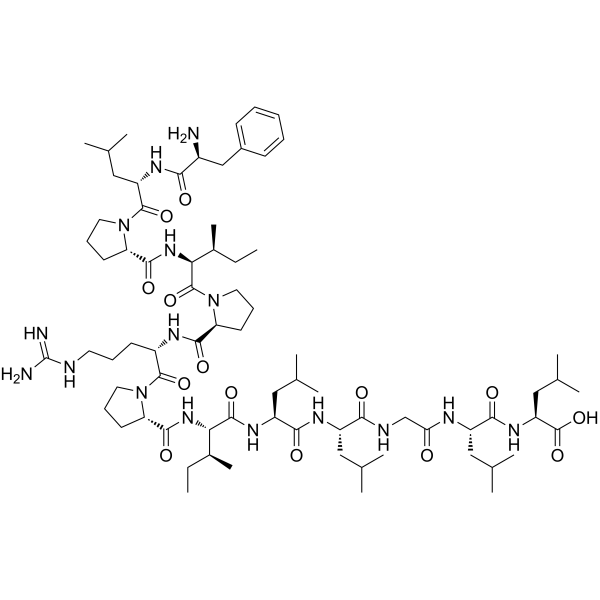
Peptide 5f is an antimicrobial peptide derived from wasp venom. Peptide 5f has antimicrobial activity against bacteria and fungi. Peptide 5f has little hemolytic activity on human red blood cells .
|
-
- HY-116060
-
|
|
Antibiotic
PKC
Bacterial
Fungal
|
Infection
|
|
RK-286D is an antibiotic and a PKC inhibitor with antimicrobial activity. RK-286D shows inhibitory activities against bleb formation induced by PDBu (HY-18985) and in vitro PKC activity .
|
-

- HY-121182
-
|
|
Antibiotic
Bacterial
|
Infection
|
|
Chalcomycin is a macrolide antibiotic, which exhibits antimicrobial activities against gram-positive Staphylococcus aureus and Streptococcus pyogenes. Chalcomycin protects mice from infection with a variety of staphylococci and streptococc, without significant toxicity (LD50 >2500 mg/kg) .
|
-

- HY-126644
-
|
|
Bacterial
Fungal
|
Infection
Cancer
|
|
Halocyamine B exhibits antimicrobial activity against a variety of bacteria and yeasts. Halocyamine B exhibits cytotoxicity to cultured neural cells of rat fetal brain, mouse neuroblastoma N18 cells, and human hepatoma HepG2 cells .
|
-

- HY-N15179
-
|
|
Antibiotic
Bacterial
|
Infection
|
|
Minosaminomycin is an antibiotic containing myo-inosamine that can be extracted from Streptomyces No. MA514A1. Minosaminomycin exerts antimicrobial activity against Mycobacterium smegrnatis ATCC 607 and Mycobacterium phlei (MIC= 1.56/6.25 mcg/mL) .
|
-

- HY-N10600
-
|
|
Antibiotic
Bacterial
Fungal
|
Infection
|
|
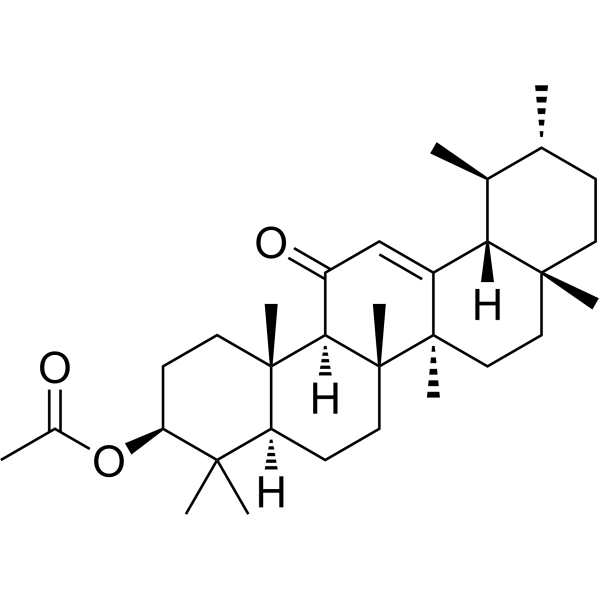
3β-Acetoxyurs-12-en-11-one is a ursane triterpenoid with antimicrobial activity, can be isolated from the stem bark of Morus mesozygia and the leaves of Ficus hirta Vahl (Moraceae) .
|
-
- HY-P10518
-
|
|
Bacterial
|
Infection
|
|
Anoplin is an antimicrobial peptide found in the venom of the solitary wasp (Anoplius samariensis). Anoplin exhibits antimicrobial activity against a wide range of bacteria, including both gram-positive and gram-negative bacteria. Anoplin can be used in the development of antibiotics .
|
-

- HY-P1631
-
|
|
Bacterial
|
Infection
|
|
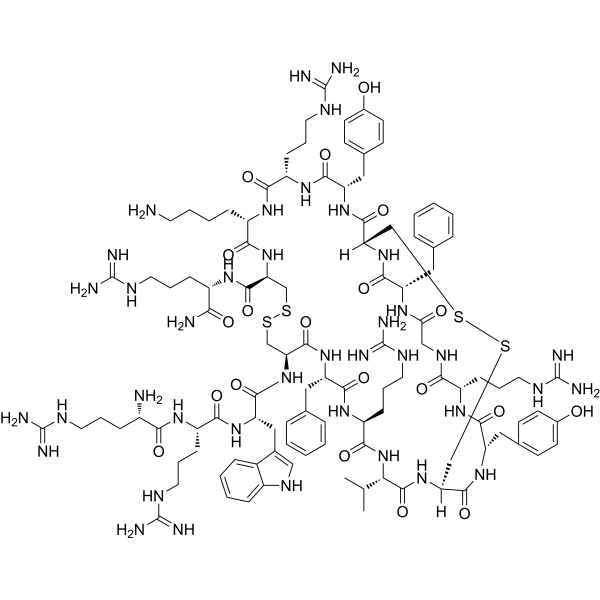
Polyphemusin I is a natural antimicrobial peptide with excellent antimicrobial activity against Gram-negative and Gram-positive bacteria. Polyphemusin I contains 18 amino acids and is stabilized into an amphiphilic, antiparallel β-hairpin by two disulfide bridges .
|
-
- HY-Y1826R
-
|
|
Reference Standards
Bacterial
Antibiotic
|
Infection
|
|
IITR01324 (Standard) is the analytical standard of IITR01324. This product is intended for research and analytical applications. IITR01324 is an antimicrobial agent. IITR01324 has antimicrobial activity against Escherichia coli (MIC=3.58 mg/L) and other Gram-negative bacteria (Shigella flexneri: MIC=3.58 mg/L; Cronobacter sakazakii: MIC=28.63 mg/L). IITR01324 exerts its antimicrobial activity by destroying bacterial DNA after activation of intracellular reductases. IITR01324 can be used to study the development of new antimicrobial drugs, especially against multidrug-resistant (MDR) pathogens .
|
-

- HY-N17436
-
|
|
Bacterial
|
Inflammation/Immunology
Cancer
|
|
Demethoxyhexahydrocurcumin is a Curcumin (HY-N0005) biotransformation metabolite and diarylheptanoid with antioxidant and antimicrobial activities. Demethoxyhexahydrocurcumin scavenges free radicals, inhibits cancer cell viability, and suppresses microbial growth. Demethoxyhexahydrocurcumin can be used for the research of colorectal cancer .
|
-

- HY-P11126
-
|
|
Bacterial
|
Infection
|
|
Mel4 is an antimicrobial peptide, exhibiting broad-spectrum antimicrobial activity. Mel4 can neutralize bacterial lipopolysaccharide in a dose-dependent manner. Mel4 can be used in the research and prevention of related bacterial infectious diseases (such as ocular infections) .
|
-

- HY-115770
-
|
|
Bacterial
|
Inflammation/Immunology
|
|
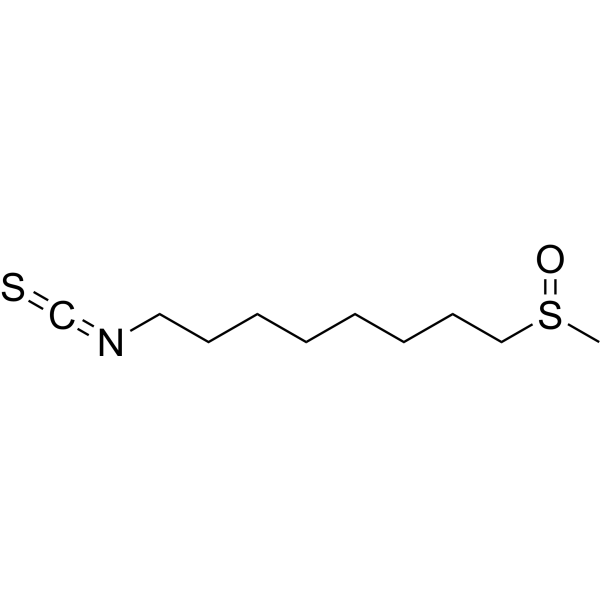
8-Methylsulfinyloctyl isothiocyanate, an isothiocyanate, has antimicrobial activity and remarkable inhibitory activity against plant growth . 8-Methylsulfinyloctyl isothiocyanate impair COX-2 mediated inflammatory responses in LPS stimulated raw macrophages .
|
-
- HY-P11251
-
|
|
Bacterial
|
Infection
|
|
RI-18 is an antimicrobial peptide. RI-18 exhibits high affinity for bacterial plasma membranes, inducing rapid membrane permeabilization and rupture. RI-18 exhibits potent antimicrobial activity against bacteria in planktonic and biofilmforms .
|
-

- HY-B1290
-
|
Phenylethyl alcohol; Phenethyl alcohol; Benzyl carbinol
|
Environmental Pollutants
Bacterial
Virus Protease
|
Infection
|
|
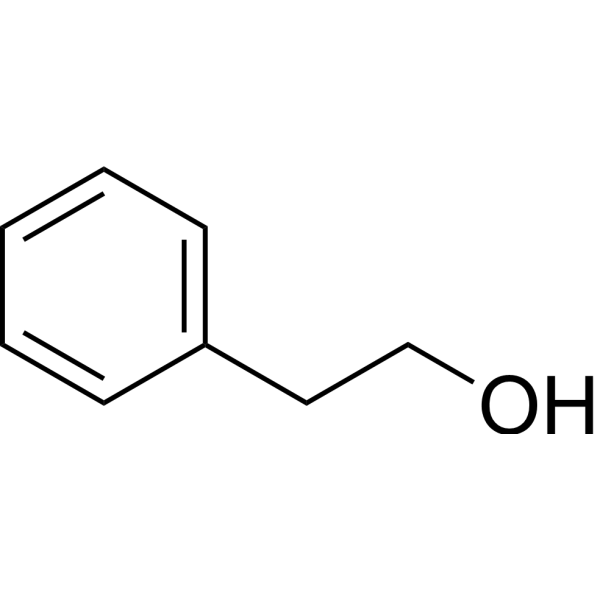
2-Phenylethanol (Phenethyl alcohol) is an aromatic alcohol with a rose-like odour. 2-Phenylethanol is a flavour and fragrance compound, and can be used as a preservative and anti-microbial agent. 2-Phenylethanol has antityrosinase and antimicrobial activities .
|
-
- HY-N10087A
-
|
|
Bacterial
|
Infection
|
|
Angustifoline hydrochloride, an alkaloid, can be isolated from Lupinus angustifolius L. alkaloid extract. Angustifoline hydrochloride exhibits antimicrobial activity. Angustifoline hydrochloride could have bacteriostatic effects against S. aureus, B. subtilis, E. coli, P. aeruginosa and B. thuringiensis .
|
-
- HY-147778
-
|
|
Bacterial
DNA/RNA Synthesis
|
Infection
|
|
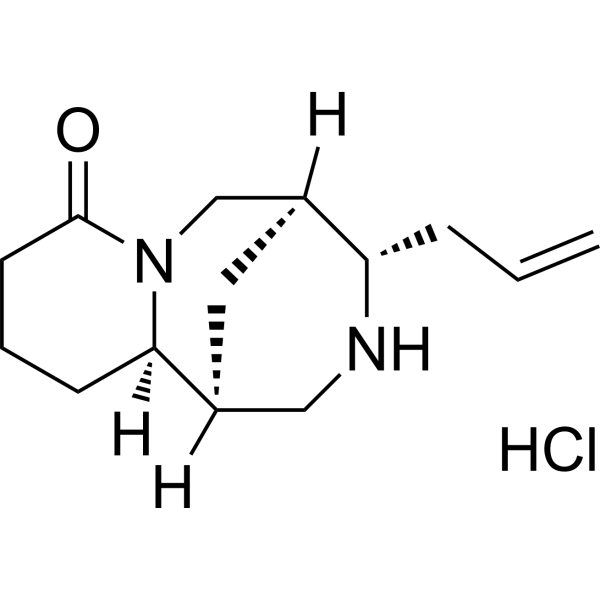
14α-Demethylase/DNA Gyrase-IN-1 (Compound 7c) is a potent inhibitor of 14α-Demethylase/DNA Gyrase. 14α-Demethylase/DNA Gyrase-IN-1 has antimicrobial activities .
|
-
- HY-101865R
-
|
|
Reference Standards
Bacterial
|
Infection
|
|
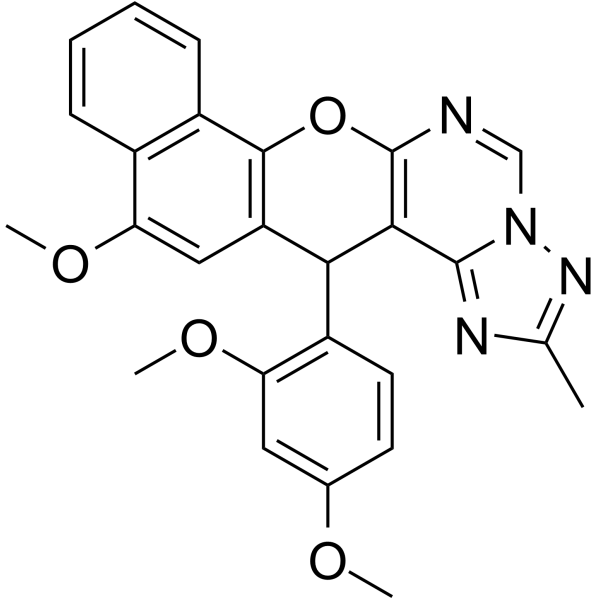
KKL-10 (Standard) is the analytical standard of KKL-10 (HY-101865). This product is intended for research and analytical applications. KKL-10 is a small-molecule ribosome rescue inhibitor with broad-spectrum antimicrobial activity against bacteria.
|
-

- HY-N1079
-
|
|
Bacterial
Apoptosis
|
Infection
Cancer
|
|
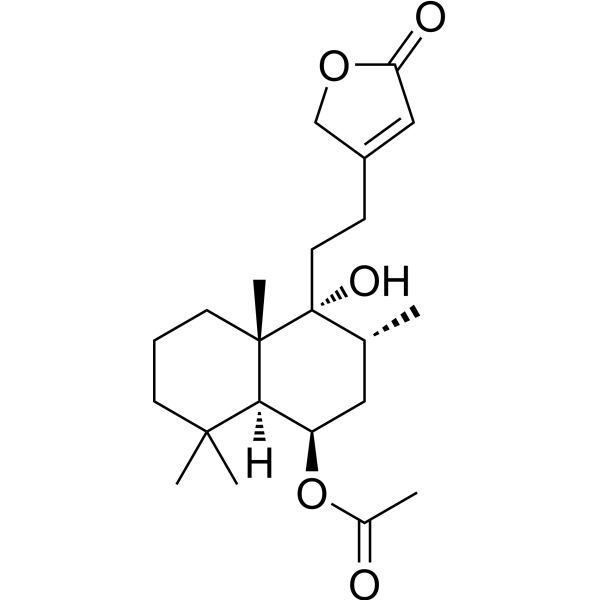
Vitexilactone is a diterpenoid that can be isolated from the leaves of Vitex negundo L. Vitexilactone shows antimicrobial activity towards E. coli. Vitexilactone induces cell apoptosis and inhibits cell cycle of cancer cells. Vitexilactone can be used for the research of cancer .
|
-
- HY-125349
-
|
|
Antibiotic
|
Infection
|
|
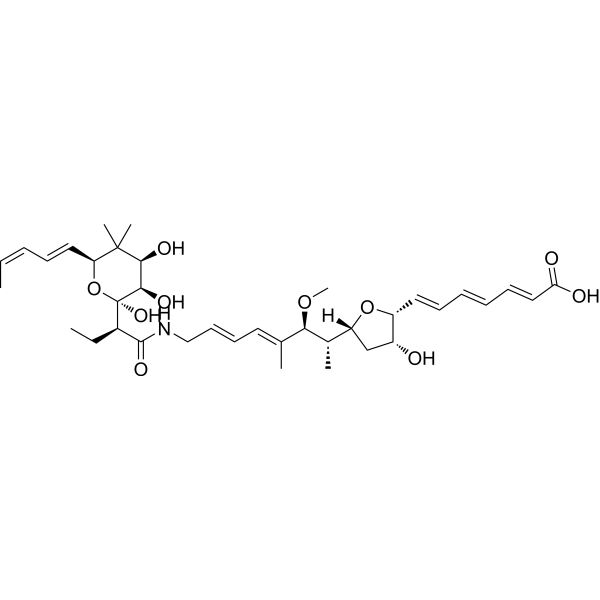
A-83016F is an antibiotic. A-83016F has weak antimicrobial activity. A-83016F can be isolated from the culture broth of an unidentified actinomycete designated A83016 .
|
-
- HY-B0455S
-
|
SC47111A-d5 hydrochloride; NY-198-d5 hydrochloride
|
Isotope-Labeled Compounds
|
Inflammation/Immunology
|
|
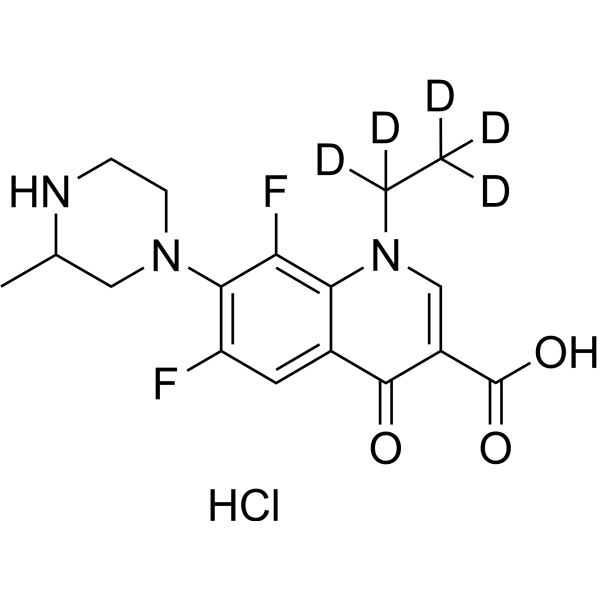
Lomefloxacin-d5 (hydrochloride) is the deuterium labeled Lomefloxacin hydrochloride. Lomefloxacin (SC47111A) hydrochloride is a broad-spectrum quinolone antibiotic, with antimicrobial activity. Lomefloxacin hydrochloride is used for the research of respiratory tract infections, genitourinary infections, gastrointestinal infections, ENT infections, etc. .
|
-
- HY-P3914
-
|
Oct-CA(1-7)M(2-9)
|
Bacterial
|
Infection
|
|
Cecropin A (1-7)-Melittin A (2-9) is an antimicrobial peptide with antimicrobial activity against a broad spectrum of Gram-positive and Gram-negative aerobic bacteria, as well as antimalarial activity, without the adverse hemolytic properties of bee venom peptides .
|
-
- HY-P1630
-
|
|
Bacterial
|
Infection
|
|
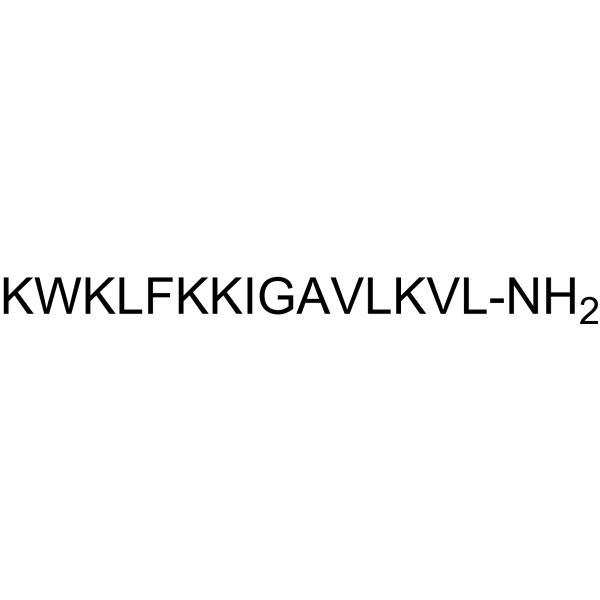
Buforin II, derived from buforin I, a protein isolated from the stomach of the Asian toad Bufo bufo gargarizans, is a potent antimicrobial peptide. Buforin II has antimicrobial activity against a broad spectrum of Gram-positive and Gram-negative bacteria .
|
-

- HY-B0334AS
-
|
|
Bacterial
Antibiotic
|
Infection
|
|
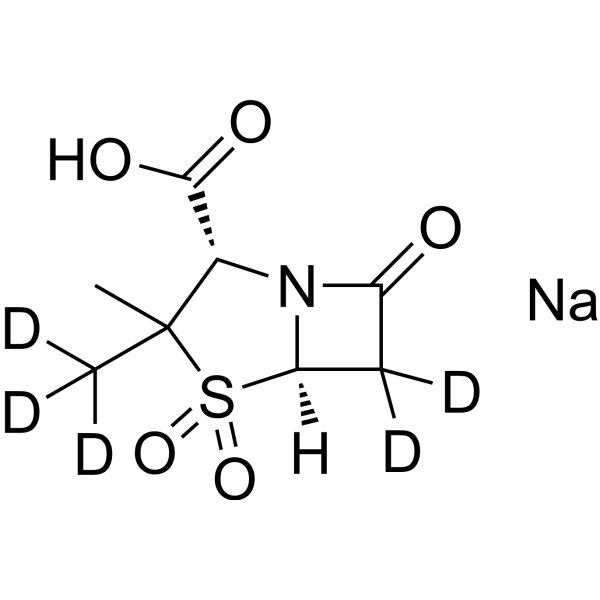
Sulbactam-d5 (sodium) is the deuterium labeled Sulbactam sodium. Sulbactam (CP45899) sodium is a competitive, irreversible beta-lactamase inhibitor. Sulbactam sodium shows antimicrobial activity against multidrug-resistant (MDR) acinetobacter calcoaceticus--Acinetobacter baumannii (Acb) complex .
|
-
- HY-143623S
-
|
|
Isotope-Labeled Compounds
|
Others
|
|
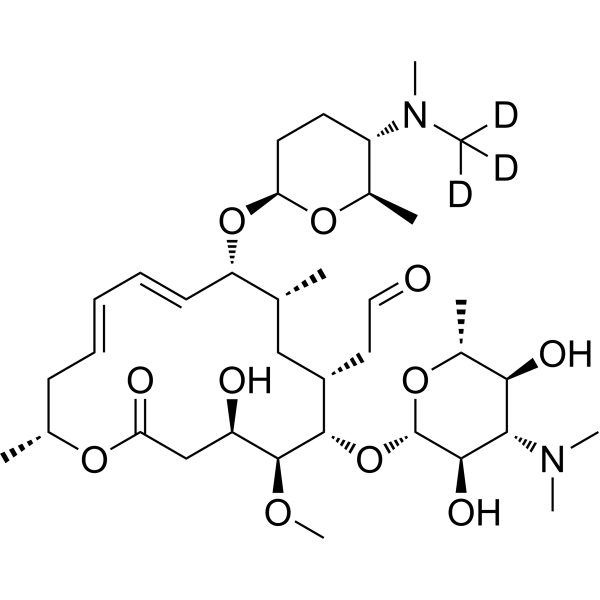
Neo Spiramycin I-d3 is the deuterium labeled Neo Spiramycin I (HY-143623) . Neo Spiramycin I (NSPI) is the active metabolite of Spiramycin (SPI) with antimicrobial activity. Neo Spiramycin is widely used in veterinary medicine .
|
-
- HY-W014665
-
|
Phthaloyl glycine
|
Bacterial
Fungal
|
Infection
|
|
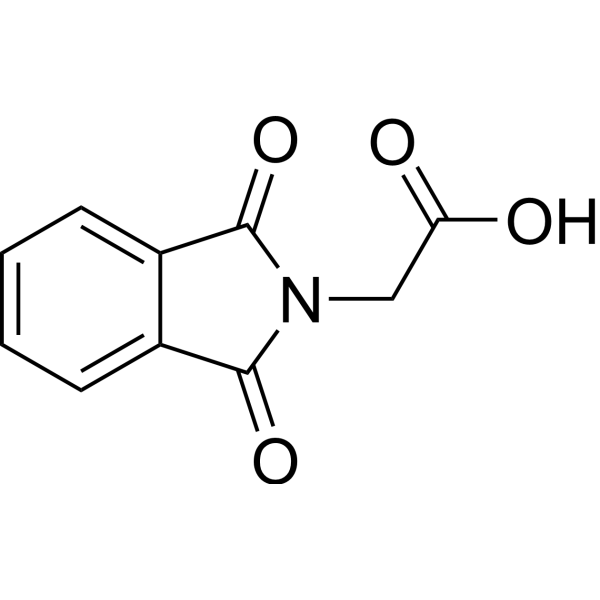
N-Phthaloylglycine (Phthaloyl glycine) is a Type II fragmentary hapten (FX-type) with antimicrobial activity. N-Phthaloylglycine acts against Candida albicans, Escherichia coli, and Staphylococcus epidermidis. N-Phthaloylglycine can be used for the research of fungal and bacterial infection .
|
-
- HY-B1236R
-
|
Sulfanilylurea (Standard); Urosulfan (Standard)
|
Reference Standards
Bacterial
|
Infection
Metabolic Disease
|
|
Sulfacarbamide (Standard) (Sulfanilylurea (Standard); Urosulfan (Standard)) is the analytical standard of Sulfacarbamide (HY-B1236). This product is intended for research and analytical applications. Sulfacarbamide (Sulfanilylurea, Urosulfan) is a class of sulfonamides with an antimicrobial activity. Sulfacarbamide can be used for the study of diabetes .
|
-

- HY-N5190
-
|
|
Antibiotic
Bacterial
|
Infection
|
|
Enamidonin is a lipopeptide antibiotic. Enamidonin inhibits EGF-dependent [ 3H] thymidine involvement in Balb/MK cells (IC50 is 10 μg/mL), and it can restore the deformed SRCTS-NRK form to the normal flat form (ED50 is 10 μg/mL). No antimicrobial activity .
|
-

- HY-131130
-
|
|
Bacterial
Drug Isomer
|
Infection
|
|
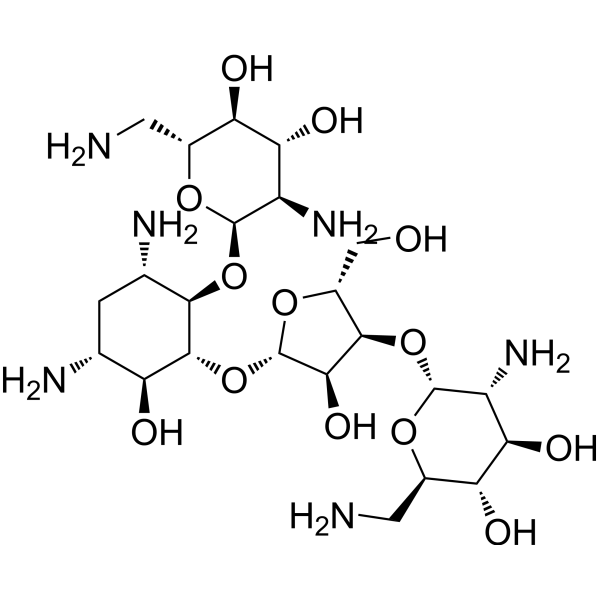
Neomycin C is an impurity of Neomycin (HY-150520) and a stereoisomer of Neomycin B (HY-17624). Neomycin C exerts in vitro antimicrobial activity against Staphylococcus epidermidis and Staphylococcus aureus. Neomycin C can be used for the research of bacterial infection .
|
-
- HY-131165
-
|
|
Antibiotic
Bacterial
|
Infection
Cancer
|
|
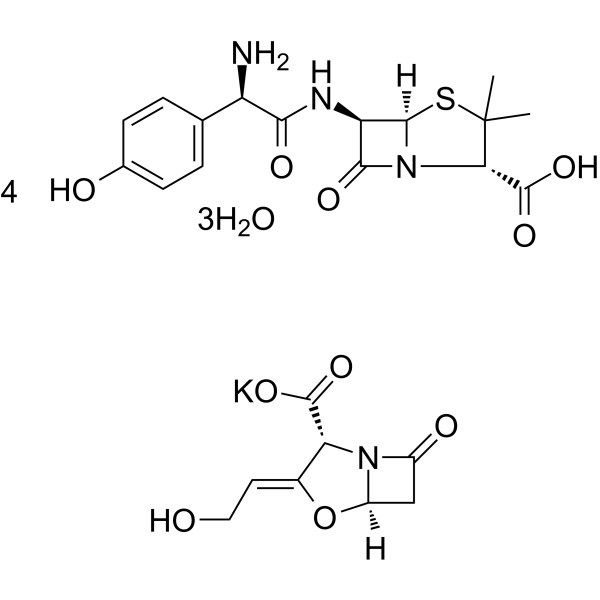
Amoxicillin (trihydrate) mixture with potassium clavulanate (4:1) an antibiotic with good oral absorption and broad spectrum antimicrobial activity. Amoxicillin (trihydrate) mixture with potassium clavulanate (4:1) inhibits the biosynthesis of polypeptides in the cell wall, thereby inhibiting cell growth .
|
-
- HY-B0704
-
|
Nonanedioic acid
|
Antibiotic
Endogenous Metabolite
PROTAC Linkers
|
Inflammation/Immunology
|
|
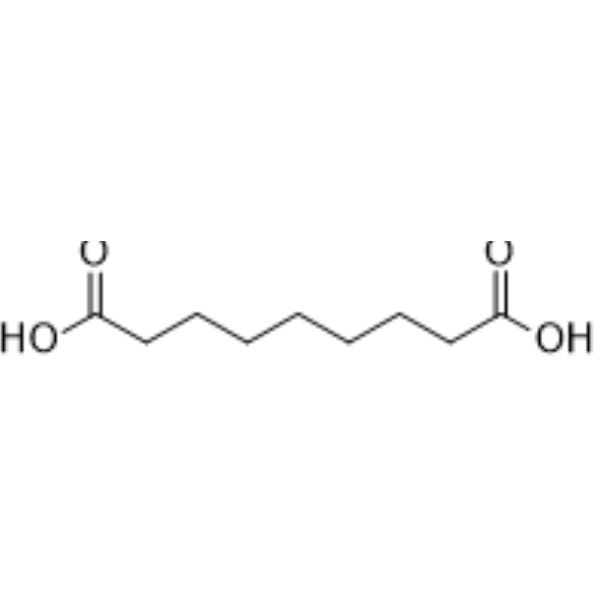
Azelaic acid is a nine-carbon dicarboxylic acid. Azelaic acid has antimicrobial activity against Propionibacterium acnes and Staphylococcus epidermidis through inhibition of microbial cellular prorein synthesis. Azelaic acid has hypopigmentation action resulting from its ability to scavenge free radicals .
|
-
- HY-126462
-
|
|
Bacterial
|
Infection
|
|
Lantic acid is a triterpenoid compound possessing antimicrobial activity. Lantic acid exhibits inhibitory effects on a broad range of both Gram-positive and Gram-negative bacteria, with particular potency against Escherichia coli and Bacillus subtilis. Lantic acid is utilized in the research and development of antimicrobial agents .
|
-

- HY-W031471A
-
|
|
Bacterial
Fungal
|
Infection
|
|
Pyrazine-2-amidoxime is a structural analogue of pyrazine-2-carboxamide with antimicrobial activity. Pyrazine-2-amidoxime shows killing and inhibiting properties against Candida albicans, fungal pathogen and Gram-positive bacteria .
|
-

- HY-W015026R
-
-

- HY-W743292
-
|
Pheneticillin sodium-d5; α-Phenoxyethylpenicillin sodium-d5
|
Isotope-Labeled Compounds
Bacterial
|
Infection
|
|
Phenethicillin sodium-d5 (Pheneticillin sodium-d5; α-Phenoxyethylpenicillin sodium-d5) is the deuterium labeled Phenethicillin sodium (HY-137945). Phenethicillin (α-Phenoxyethylpenicillin) sodium is a Penicillin, and has antimicrobial activity .
|
-

- HY-113945
-
|
|
Antibiotic
Bacterial
|
Infection
|
|
Abbeymycin is an antibiotic derived from the actinobacterium Streptomyces sp. AB-999F-52. Abbeymycin is a specifically acting antibiotic with antimicrobial activity, primarily targeting anaerobic bacteria. Abbeymycin is employed in research concerning antibiotic discovery and screening .
|
-

- HY-N7906
-
|
Myricetin 3-β-D-glucopyranoside
|
Bacterial
Parasite
Antibiotic
|
Infection
Inflammation/Immunology
|
|
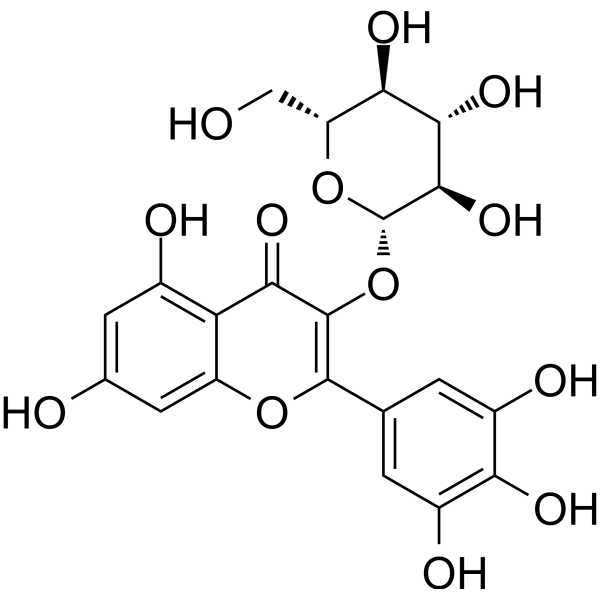
Myricetin 3-O-glucoside (Myricetin 3-β-D-glucopyranoside) is a flavonol from Tibouchina paratropica and Hakmeitau beans. Myricetin 3-O-glucoside exhibits anti-Leishmanial, anti-inflammatory and antimicrobial activities .
|
-
- HY-N16389
-
|
|
Endogenous Metabolite
Bacterial
|
Infection
|
|
Oresbiusin A (Compound 6) is a plant secondary metabolite. Oresbiusin A can be isolated from Origanum dictamnus L. Oresbiusin A has antimicrobial activity against Gram-negative bacterium, such as Acinetobacter hemolyticus, Empedobacter brevis and Pseudomonas aeruginosa with a MIC of 0.236 μg/mL for Acinetobacter hemolyticus .
|
-

- HY-P3979
-
|
HNP 4
|
Bacterial
Melanocortin Receptor
|
Infection
|
|
Defensin HNP 4 (HNP 4) is a host-defense peptide that has antimicrobial activity against Gram-negative bacteria. Defensin HNP 4 inhibits ACTH stimulated synthesis of Corticosterone (HY-B1618) in rat adrenal cell suspensions .
|
-

- HY-127155
-
|
|
Bacterial
Antibiotic
|
Infection
Cancer
|
|
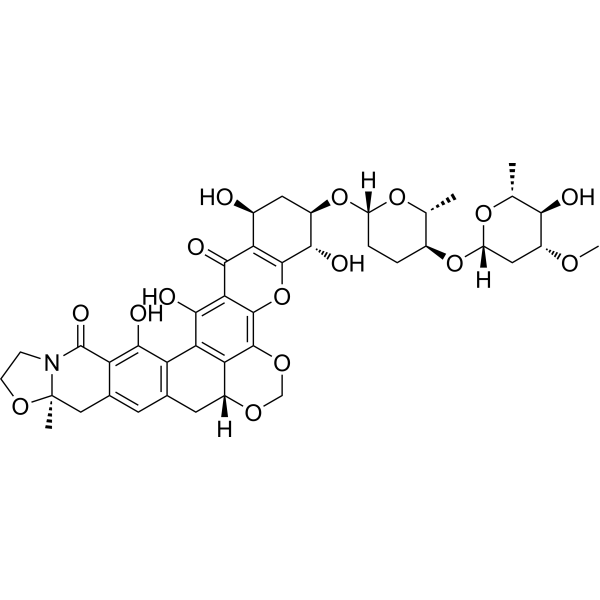
Kigamicin C is an anti-tumor antibiotic that selectively kills pancreatic cancer PANC-1 cells only in nutrient-poor conditions. Kigamicin C has antimicrobial activity against Gram-positive bacteria including methicillin-resistant Staphylococcus aureus (MRSA) .
|
-
- HY-B0455AR
-
|
SC47111A (Standard); NY-198 (Standard)
|
Reference Standards
Bacterial
Antibiotic
|
Infection
|
|
Lomefloxacin (Standard) is the analytical standard of Lomefloxacin. This product is intended for research and analytical applications. Lomefloxacin (SC47111A) is a broad-spectrum quinolone antibiotic, with antimicrobial activity. Lomefloxacin is used for the research of respiratory tract infections, genitourinary infections, gastrointestinal infections, ENT infections, etc. .
|
-

- HY-B0334AS1
-
|
CP45899-d2 sodium
|
Bacterial
Antibiotic
|
Infection
|
|
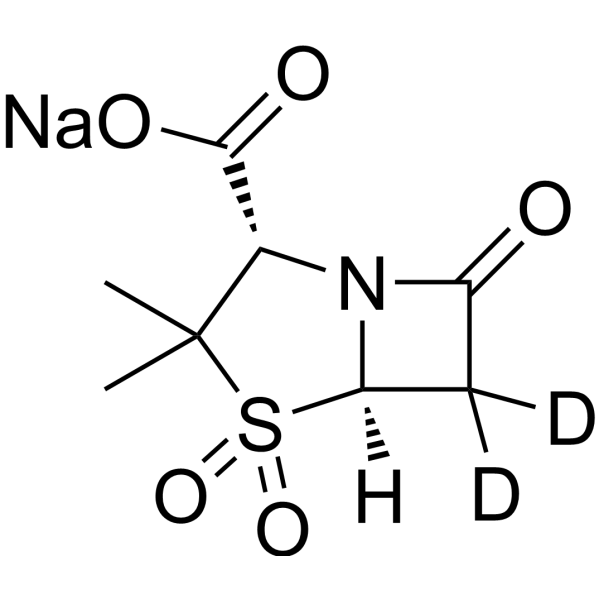
Sulbactam-d2 (sodium) is the deuterium labeled Sulbactam sodium . Sulbactam (CP45899) sodium is a competitive, irreversible beta-lactamase inhibitor. Sulbactam sodium shows antimicrobial activity against multidrug-resistant (MDR) acinetobacter calcoaceticus--Acinetobacter baumannii (Acb) complex .
|
-
- HY-B0467AR
-
|
Amoxycillin (Standard)
|
Reference Standards
Bacterial
Antibiotic
|
Infection
Cancer
|
|
Amoxicillin (Standard) is the analytical standard of Amoxicillin. This product is intended for research and analytical applications. Amoxicillin (Amoxycillin) is an antibiotic with good oral absorption and broad spectrum antimicrobial activity. Amoxicillin inhibits the biosynthesis of polypeptides in the cell wall, thereby inhibiting cell growth .
|
-

- HY-B1908R
-
|
SF-837 (Standard); Antibiotic SF-837 (Standard)
|
Reference Standards
Bacterial
Antibiotic
|
Infection
|
|
Lomefloxacin (Standard) is the analytical standard of Lomefloxacin. This product is intended for research and analytical applications. Lomefloxacin (SC47111A) is a broad-spectrum quinolone antibiotic, with antimicrobial activity. Lomefloxacin is used for the research of respiratory tract infections, genitourinary infections, gastrointestinal infections, ENT infections, etc. .
|
-

- HY-W009886
-
|
|
Bacterial
Drug Intermediate
|
Infection
|
|
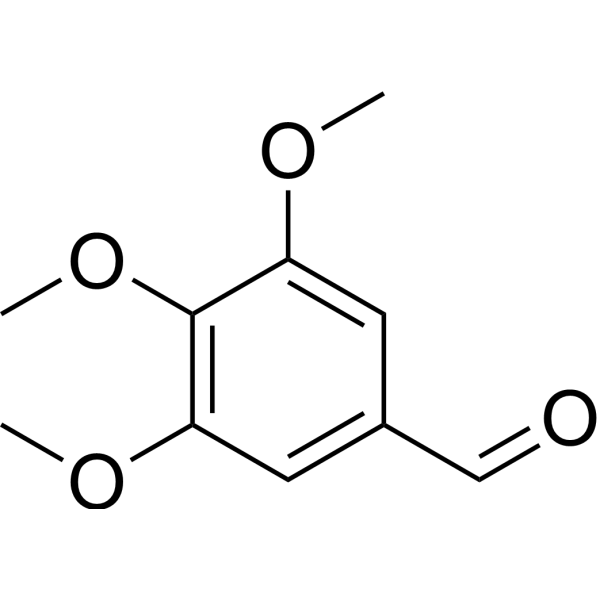
3,4,5-Trimethoxybenzaldehyde is a derivative of benzaldehyde. 3,4,5-Trimethoxybenzaldehyde has antimicrobial activity. 3,4,5-Trimethoxybenzaldehyde is also an important intermediate for the synthesis of various drugs, such as Trimethoprim (HY-B0510) .
|
-
- HY-163473
-
|
|
Bacterial
|
Infection
|
|
IITR08367 is a potent effector pump Acinetobacter baumannii Fosfomycin Efflux pump (AbaF) inhibitor for enhancing the antimicrobial activity of Fosfomycin (HY-B1075A) against Acinetobacter baumannii. IITR08367 acts by interfering with Fosfomycin/H + reverse transporter activity. .
|
-

- HY-N9690
-
|
Longistylin A
|
Bacterial
|
Infection
Neurological Disease
|
|
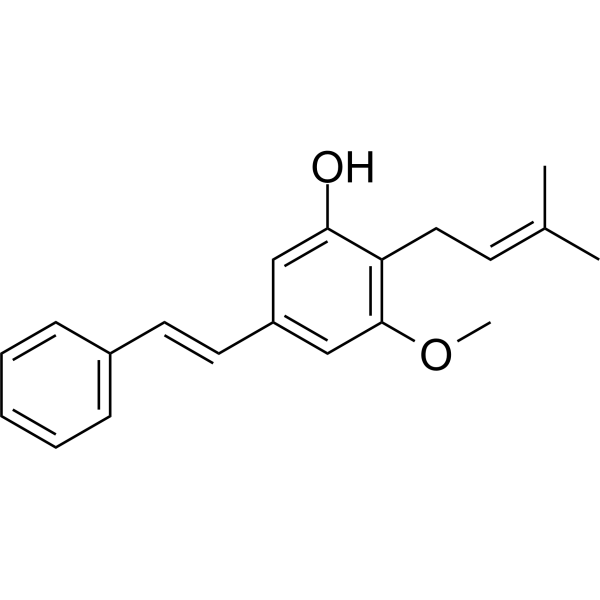
Longistyline A (Longistylin A) is a natural stilbene, it can be isolated from leaves of Cajanus cajan. Longistyline A shows antimicrobial activity against MRSA with an MIC value of 1.56 μg/mL. Longistyline A shows neuroprotective effects, it can be used for the research of infection and nerve diseases .
|
-
- HY-118149A
-
|
|
Bacterial
Fungal
Parasite
|
Infection
|
|
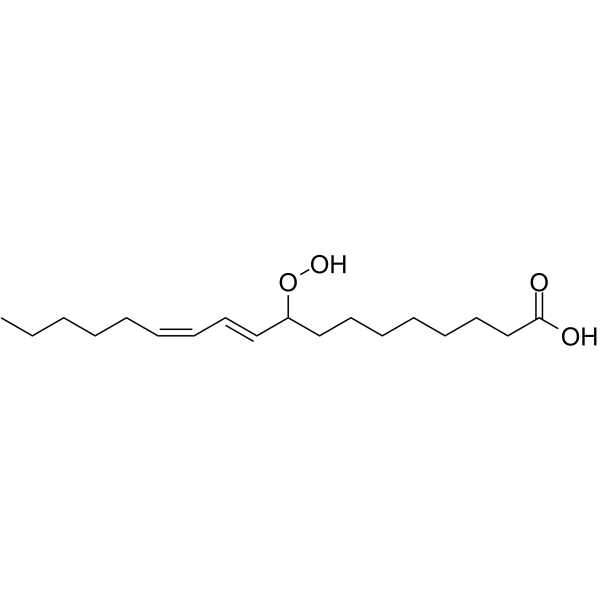
(±)9-HpODE is a long chain lipid hydroperoxide, is a product of linoleic acid peroxidation. (±)9-HpODE can induce oxidation of intracellular glutathione (GSH). (±)9-HpODE also exhibits antimicrobial activity against various fungal and bacterial pathogens .
|
-
- HY-P1222
-
LL-37, human
Maximum Cited Publications
6 Publications Verification
|
Bacterial
|
Infection
|
|
LL-37, human is a 37-residue, amphipathic, cathelicidin-derived antimicrobial peptide, which exhibits a broad spectrum of antimicrobial activity. LL-37, human could help protect the cornea from infection and modulates wound healing .
|
-

- HY-15230R
-
-

- HY-N1306
-
|
|
Bacterial
Reactive Oxygen Species (ROS)
Apoptosis
|
Infection
Cancer
|
|
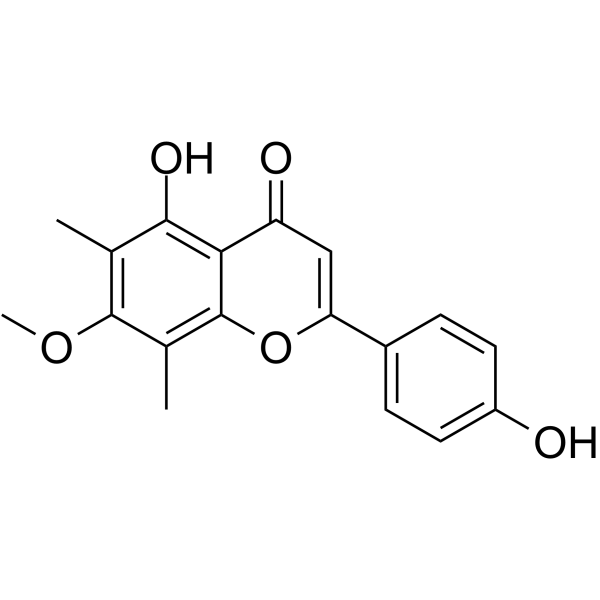
Sideroxylin is a C-methylated flavone isolated from Callistemon lanceolatus and exerts antimicrobial activity against Staphylococcus aureus. Sideroxylin inhibits ovarian cancer cell proliferation and induces apoptosis, causing DNA fragmentation, depolarization of the mitochondrial membrane, the generation of reactive oxygen species (ROS) .
|
-
- HY-W392026
-
|
PHMGH
|
Antibiotic
Bacterial
Fungal
|
Infection
|
|
Polyhexamethyleneguanidine (PHMGH) hydrochloride is a positively charged polymer with broad-spectrum antimicrobial activity. It exerts its antibacterial effects by binding to the cell membranes of bacteria and fungi, disrupting membrane integrity. Polyhexamethyleneguanidine hydrochloride can be applied in studies related to disinfection, water treatment, pesticides, and other fields [2]
|
-

- HY-107329
-
|
|
Bacterial
Antibiotic
|
Infection
|
|
Cefathiamidine is a first-generation cephalosporin antibacterial agent and is used to treat infections caused by susceptible bacteria. Cefathiamidine exhibits a wide spectrum of antimicrobial activity against bacteria. Cefathiamidine is used for the treatment of respiratory, liver, five senses, urinary tract infections, endocarditis and sepsis .
|
-
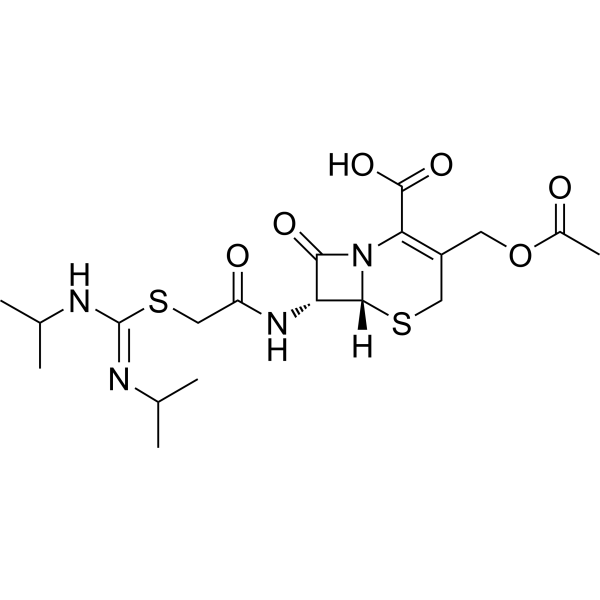
- HY-B0958A
-
|
BRL-4910A calcium; Pseudomonic acid calcium
|
Antibiotic
Bacterial
|
Infection
|
|
Mupirocin (BRL-4910A, Pseudomonic acid) calcium is an orally active antibiotic isolated from Pseudomonas fluorescens. Mupirocin calcium apparently exerts its antimicrobial activity by reversibly inhibiting isoleucyl-transfer RNA, thereby inhibiting bacterial protein and RNA synthesis .
|
-
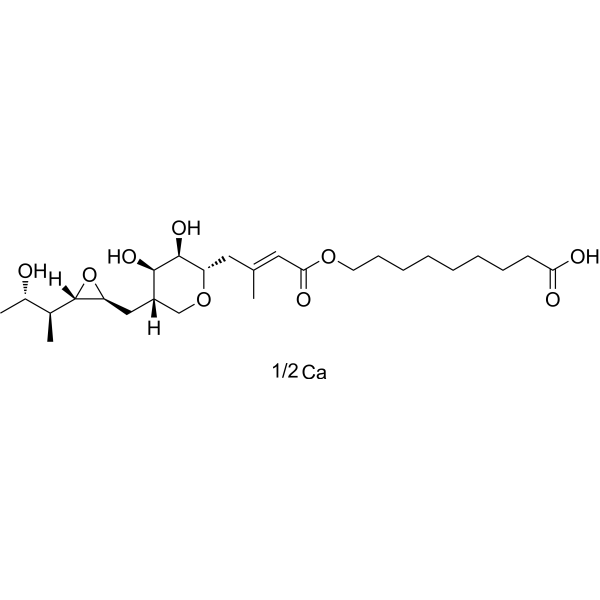
- HY-P1222B
-
|
|
Bacterial
|
Infection
Inflammation/Immunology
|
|
LL-37, human acetate is a 37-residue, amphipathic, cathelicidin-derived antimicrobial peptide, which exhibits a broad spectrum of antimicrobial activity. LL-37, human acetate could help protect the cornea from infection and modulates wound healing .
|
-

- HY-N6624
-
|
|
Bacterial
|
Inflammation/Immunology
|
|
Skullcapflavone II, a flavonoid derived from Scutellaria baicalensis, has anti-inflammatory, anti-microbial activities. Skullcapflavone II regulates osteoclast differentiation, survival, and function. Skullcapflavone II exerts potent antimicrobial activity against M. aurum and M. bovis BCG .
|
-
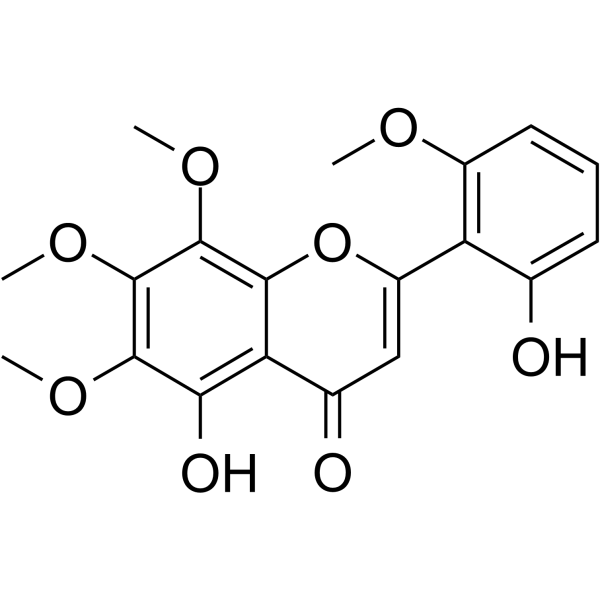
- HY-19127
-
|
|
Bacterial
|
Infection
|
|
FK-518 is a potent AmpC β-lactamase inhibitor. FK-518 demonstrates strong antimicrobial activity against P. aeruginosa strains overexpressing AmpC β-lactamase. FK-518 is promising for research of P. aeruginosa infections .
|
-

- HY-122008
-
|
|
Bacterial
|
Infection
|
|
Levonadifloxacin ((S)-(-)-Nadifloxacin; WCK 771) arginine is a broad-spectrum antistaphylococcal agent. Levonadifloxacin arginine has antimicrobial activity against methicillin-susceptible Staphylococcus aureus (MSSA) and methicillin-resistant Staphylococcus aureus and reduces phagocytosis of MRSA and MSSA strains by monocytic THP-1.
|
-

- HY-B0467R
-
|
Amoxycillin sodium (Standard)
|
Reference Standards
Bacterial
Antibiotic
|
Infection
Cancer
|
|
Amoxicillin (sodium) (Standard) is the analytical standard of Amoxicillin (sodium). This product is intended for research and analytical applications. Amoxicillin (Amoxycillin) sodium is an antibiotic with good oral absorption and broad spectrum antimicrobial activity. Amoxicillin sodium inhibits the biosynthesis of polypeptides in the cell wall, thereby inhibiting cell growth[1][2][3].
|
-

- HY-N7068
-
|
BRL-4910A calcium hydrate; Pseudomonic acid calcium hydrate
|
Bacterial
Antibiotic
|
Infection
Inflammation/Immunology
|
|
Mupirocin (BRL-4910A, Pseudomonic acid) calcium hydrate is an orally active antibiotic isolated from Pseudomonas fluorescens. Mupirocin calcium hydrate apparently exerts its antimicrobial activity by reversibly inhibiting isoleucyl-transfer RNA, thereby inhibiting bacterial protein and RNA synthesis .
|
-
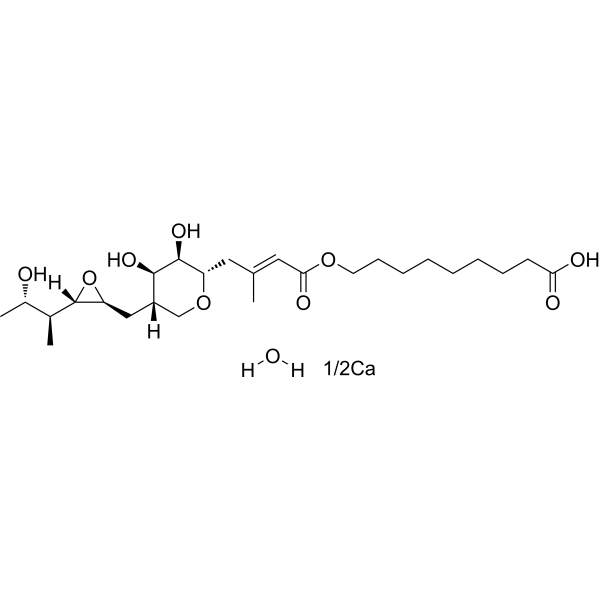
- HY-150583
-
|
|
Fungal
|
Inflammation/Immunology
|
|
Chitin synthase inhibitor 2 (compound 2b) is a potent inhibitor of chitin synthase with the IC50 value of 0.09 mM and the Ki value of 0.12 mM. Chitin synthase inhibitor 2 has antimicrobial activities in vitro and shows synergistic or additive effects with fluconazole or polyoxin B .
|
-
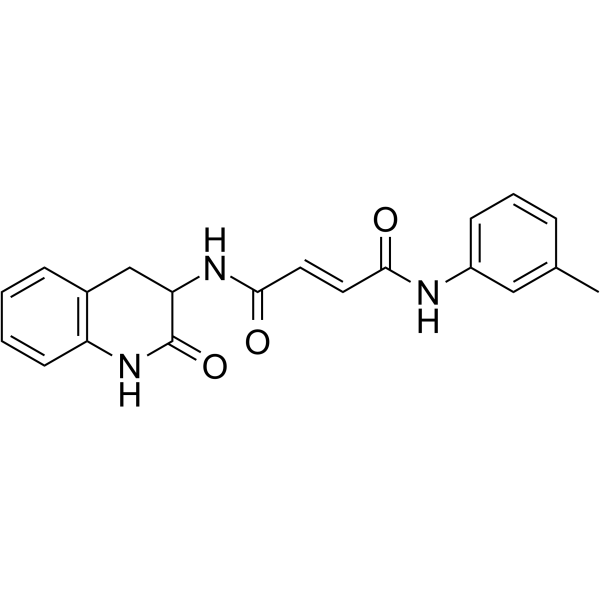
- HY-B1920R
-
|
EN-141 (Standard)
|
Reference Standards
Bacterial
Antibiotic
|
Infection
|
|
Josamycin (Standard) is the analytical standard of Josamycin. This product is intended for research and analytical applications. Josamycin (EN-141) is an orally active macrolide antibiotic exhibiting antimicrobial activity against a wide spectrum of pathogens, such as bacteria. The dissociation constant Kd from ribosome for Josamycin is 5.5 nM .
|
-

- HY-P2124
-
|
|
Antibiotic
Bacterial
|
Infection
|
|
Cyclo(L-Trp-L-Trp) is an antibiotic, and shows antimicrobial activity. Cyclo(L-Trp-L-Trp) can inhibit A. baumannii, as well as Candida albicans, Bacillus subtilis, Micrococcus luteus, Saccharomyces cerevisiae, Aspergillus niger, Staphylococcus aureus. Cyclo(L-Trp-L-Trp) can be used in microbial infection research .
|
-
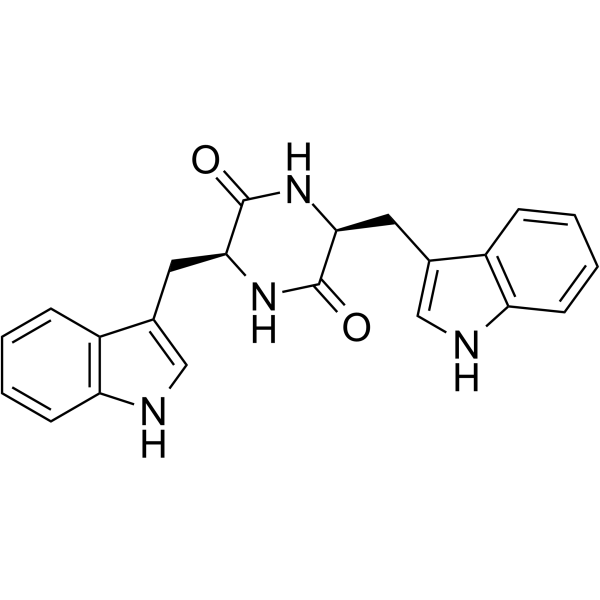
- HY-122381R
-
|
|
Bacterial
Endogenous Metabolite
Reference Standards
|
Neurological Disease
|
|
Kyotorphin (Standard) is the analytical standard of Kyotorphin. This product is intended for research and analytical applications. Kyotorphin is an endogenou neuroactive dipeptide with analgesic properties. Kyotorphin possesses anti-inflammatory and antimicrobial activity. Kyotorphin levels in cerebro-spinal fluid correlate negatively with the progression of neurodegeneration in Alzheimer's Disease patients .
|
-

- HY-B0334AR
-
|
CP45899 sodium (Standard)
|
Reference Standards
Bacterial
Antibiotic
|
Infection
|
|
Sulbactam (sodium) (Standard) is the analytical standard of Sulbactam (sodium). This product is intended for research and analytical applications. Sulbactam (CP45899) sodium is a competitive, irreversible beta-lactamase inhibitor. Sulbactam sodium shows antimicrobial activity against multidrug-resistant (MDR) acinetobacter calcoaceticus--Acinetobacter baumannii (Acb) complex .
|
-

- HY-163882
-
|
|
Bacterial
DNA/RNA Synthesis
|
Infection
|
|
CUHK242 is a bacterial transcription inhibitor, with a MIC of 2 μg/mL for B. subtilis reporter strain BS2019. CUHK242 has antimicrobial activity against Staphylococcus aureus. CUHK242 can inhibit RNA synthesis in cells, thereby simultaneously reducing protein synthesis .
|
-

- HY-N3837
-
|
Isotaraxerol; 3α-Taraxerol
|
Bacterial
|
Infection
|
|
Epitaraxerol (compound 6) is a natural product isolated from the leaves of E. neriifolia. Epitaraxerol shows moderate antifungal activity against C. albicans and low antimicrobial activity against T. mentagrophytes, A. niger, S. aureus, E. coli, P. aeruginosa, and B. subtilis .
|
-
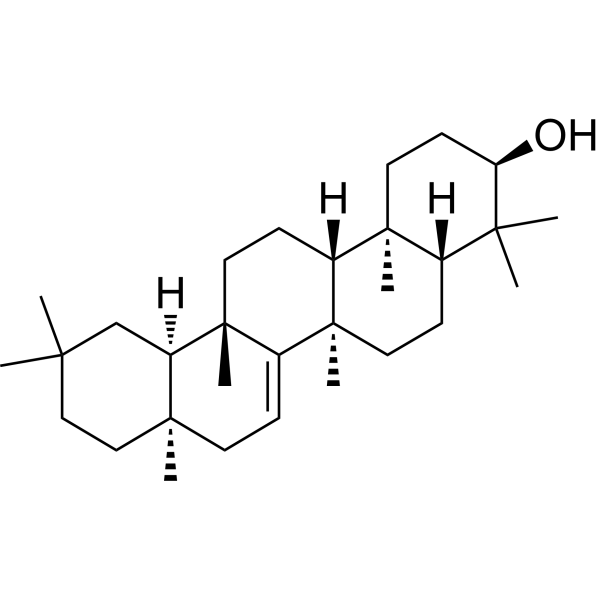
- HY-P1791
-
|
Lactoferricin B; Lfcin B
|
Bacterial
Fungal
Apoptosis
|
Infection
Cancer
|
|
Lactoferrin 17-41 (Lactoferricin B), a peptide corresponding to residues 17-41 of bovine lactoferrin, has antimicrobial activity against a wide range of microorganisms, including Gram-positive and Gramnegative bacteria, viruses, protozoa, and fungi. Lactoferrin 17-41 has antitumor activities .
|
-
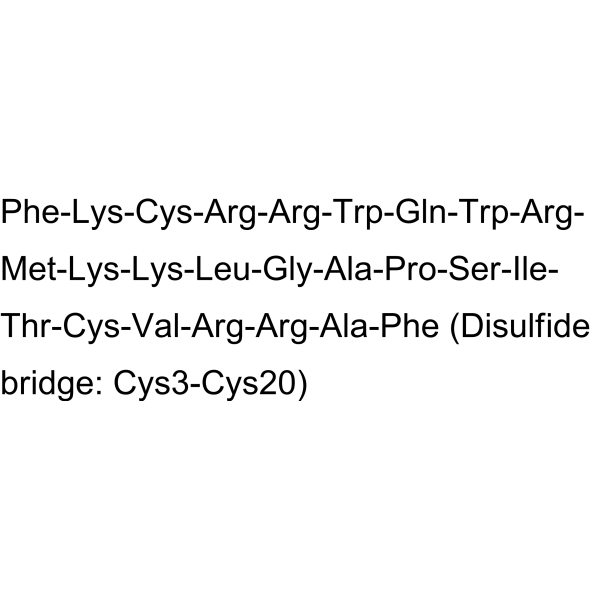
- HY-D1005A9
-
|
PEG-PPG-PEG, 2650 (Average)
|
Biochemical Assay Reagents
Bacterial
P-glycoprotein
|
Infection
|
|
Poloxamer 183 L63 is a block copolymer of polyoxyethylene and polyoxypropylene with an average molecular weight of 2000. Poloxamer has the ability to inhibit P-gp. Poloxamer 183 exhibits antimicrobial activity and can inhibit Mycobacterium avium. Poloxamer 183 can be used as a cosmetic ingredient .
|
-
- HY-B0334R
-
|
CP45899 (Standard)
|
Reference Standards
Bacterial
Antibiotic
|
Infection
|
|
Sulbactam (Standard) is the analytical standard of Sulbactam. This product is intended for research and analytical applications. Sulbactam (CP45899) is a competitive, irreversible beta-lactamase inhibitor. Sulbactam shows antimicrobial activity against multidrug-resistant (MDR) acinetobacter calcoaceticus--Acinetobacter baumannii (Acb) complex .
|
-

- HY-P1791B
-
|
Lactoferricin B acetate; Lfcin B acetate
|
Bacterial
Fungal
Apoptosis
|
Infection
Cancer
|
|
Lactoferrin 17-41 (Lactoferricin B) acetate, a peptide corresponding to residues 17-41 of bovine lactoferrin, has antimicrobial activity against a wide range of microorganisms, including Gram-positive and Gramnegative bacteria, viruses, protozoa, and fungi. Lactoferrin 17-41 acetate has antitumor activities .
|
-
- HY-131130A
-
|
|
Bacterial
Drug Isomer
|
Infection
|
|
Neomycin C hexaacetate is an impurity of Neomycin (HY-150520) and a stereoisomer of Neomycin B (HY-17624). Neomycin C hexaacetate exerts in vitro antimicrobial activity against Staphylococcus epidermidis and Staphylococcus aureus. Neomycin C hexaacetate can be used for the research of bacterial infection .
|
-

- HY-180414
-
|
|
Bacterial
Topoisomerase
|
Infection
|
|
Premafloxacin is a potent antimicrobial agent that exhibits activity against Staphylococcus aureus, Corynebacterium bovis, and Corynebacterium amylocolatum. Premafloxacin demonstrated potent antimicrobial activity against S. aureus by targeting topoisomerase IV, and is a poor substrate for NorA efflux pump. Premafloxacin can be used for antimicrobial research .
|
-

- HY-P5713
-
|
|
Bacterial
|
Infection
|
|
Des(8-14)brevinin-1PMa is a host-defense peptide that exhibits antimicrobial activity against Staphylococcus aureus and Echerichia coli. Des(8-14)brevinin-1PMa also shows hemolytic activity .
|
-
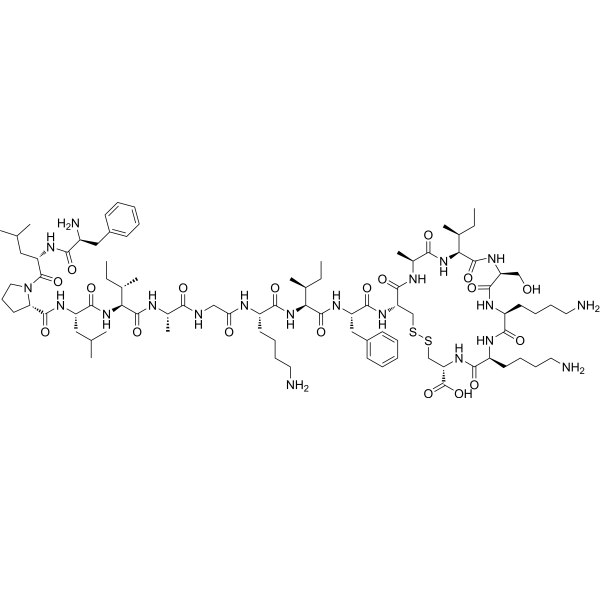
- HY-N10155A
-
|
|
Bacterial
|
Cancer
|
|
BE-18591 shows antimicrobial activity against gram-positive and some gram-negative bacteria. BE-18591 inhibited the growth of the MKN-45 cell line (IC50= 0.285 μg/mL) and the P388 cell line (IC50= 0.52 μg/mL) .
|
-

- HY-14926B
-
|
(S)-(-)-Nadifloxacin arginine; WCK 771 arginine
|
Bacterial
|
Infection
|
|
Levonadifloxacin ((S)-(-)-Nadifloxacin; WCK 771) arginine is a broad-spectrum antistaphylococcal agent. Levonadifloxacin arginine has antimicrobial activity against methicillin-sensitive Staphylococcus aureus (MSSA) and methicillin-resistant Staphylococcus aureus and reduces phagocytosis of MRSA and MSSA strains by monocytic THP-1 cells .
|
-

- HY-151918
-
|
|
Bacterial
|
Infection
Inflammation/Immunology
|
|
Antibacterial agent 125 is an antibacterial agent. Antibacterial agent 125 has a potent antimicrobial activity against clinically relevant Gram-positive pathogens with MIC50 values range from 0.25 - 8 μM. Antibacterial agent 125 can be used for the research of antimicrobial resistance .
|
-
- HY-161685
-
-

- HY-169973
-
|
|
Beta-lactamase
Bacterial
|
Infection
|
|
PhoPS is the photocaged inhibitor for β-lactamase. PhoPS is activated upon light irradiation, and active β-lactamase inhibitor Sulbactam (HY-B0334) is released. PhoPS inhibits the synthesis of bacterial cell wall and the formation of E. coli biofilm, exhibits antimicrobial activity .
|
-

- HY-163769
-
|
|
Deubiquitinase
Bacterial
|
Infection
|
|
DUB-IN-8 (Compound 8q) is an inhibitor for Chlamydia deubiquitinase 1 (DUB1), with IC50 of 7.7 μM. DUB-IN-8 exhibits antimicrobial activity, inhibits the chlamydial inclusions with an IIC50 (the concentration to induce 50% inclusion inhibition) of 8.5 μg/mL .
|
-

- HY-145741
-
|
|
Antibiotic
|
Infection
|
|
MptpB-IN-1 (Compound 13) is a potent and orally active inhibitor of MptpB. Mycobacterium tuberculosis protein-tyrosine-phosphatase B (MptpB) is a secreted virulence factor that subverts antimicrobial activity in the host. MptpB-IN-1 reduces multidrug-resistant mycobacterium tuberculosis survival and infection burden .
|
-
- HY-173528
-
|
|
Bacterial
Fungal
|
Infection
Cancer
|
|
Antimicrobial agent-40 (Compound 5a) has antimicrobial activity against fungi, Gram-negative and Gram-positive bacteria. Antimicrobial agent-40 has good cytotoxicity against MCF-7 cells (IC50: 33.52 μM) and exhibits anticancer activity .
|
-

- HY-159955
-
|
|
Bacterial
|
Infection
|
|
DC-159a is an 8-methoxyfluoroquinolone with broad-spectrum antimicrobial activity, especially against Gram-positive pathogens. DC-159a against Peptostreptococcus, Clostridium difficile, and Bacteroides fragilis with MIC90 values of 0.5, 4, and 2 μg/mL, respectively .
|
-

- HY-P1222A
-
|
|
Bacterial
|
Infection
|
|
LL-37, human TFA is a 37-residue, amphipathic, cathelicidin-derived antimicrobial peptide, which exhibits a broad spectrum of antimicrobial activity. LL-37, human TFA could help protect the cornea from infection and modulates wound healing .
|
-
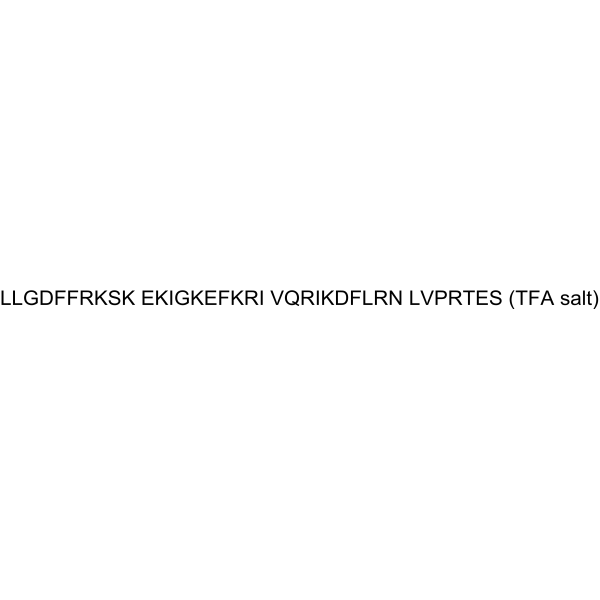
- HY-151402
-
|
|
Bacterial
|
Infection
|
|
Antimicrobial agent-8 (Compound 15) is a potent antimicrobial agent, and shows potent antimicrobial activity with an MIC range of 2-8 μg/mL against Gram-negative and Gram-positive bacteria. Antimicrobial agent-8 shows anti-inflammatory activity against lipopolysaccharide-induced inflammation.
|
-
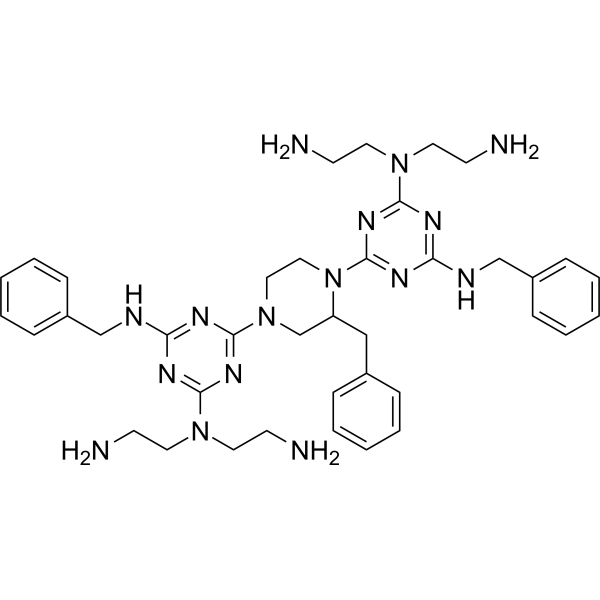
- HY-125048
-
|
229-B; Streptothricin D
|
Bacterial
|
Infection
|
|
Racemomycin B (229-B; Streptothricin D), the main component from Streptomyces lavendulae OP-2, is a streptothricin antibiotic containing three β-lysine groups. RM-B exhibits antimicrobial activity against plant pathogenic microorganisms and effectively inhibits the growth of Brassica rapa L. roots at 50 ppm. RM-B showed a minimum inhibitory concentration (MIC) of 0.4 μg/ml against Pseudomonas syringae pv. tabaci IFO-3508 and a MIC range of 0.1-2.0 μg/ml against six strains of Fusarium oxysporum, showing stronger antimicrobial activity than RM-A and RM-C. The biological activity of racemomycin compounds increases with the increase in the number of β-lysine groups.
|
-

- HY-129331
-
|
|
Antibiotic
Bacterial
Fungal
|
Infection
Cancer
|
|
Neothramycin A is an antibiotic, which can be isolated from Streptomyces. Neothramycin A exhibits board spectrum antimicrobial activity, inhibits Staphylococcus aureus, Klebsiella pneumoniae, Escherichia coli W677, and Saccharomyces cerevisia with MIC of 25-50 μg/mL. Neothramycin A exhibits antitumor efficacy against leukemia in mouse models .
|
-

- HY-151401
-
|
|
Bacterial
|
Infection
|
|
Antimicrobial agent-7 (Compound 12) is a potent antimicrobial agent, and shows potent antimicrobial activity with an MIC range of 2-8 μg/mL against Gram-negative and Gram-positive bacteria. Antimicrobial agent-7 shows anti-inflammatory activity against lipopolysaccharide-induced inflammation .
|
-
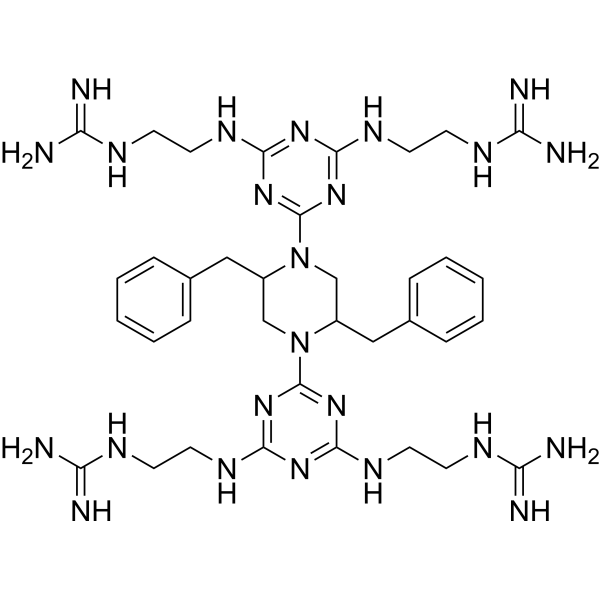
- HY-W012346
-
|
|
Drug Derivative
Bacterial
|
Infection
|
|
Geranyl isobutyrate is a synthetic α,β‑unsaturated branched‑chain aliphatic ester and a geraniol derivative. Geranyl isobutyrate acts as a food and feed flavouring agent and a biologically active antimicrobial compound. Geranyl isobutyrate shows antimicrobial activity against Gram‑positive and most Gram‑negative bacteria .
|
-

- HY-P11151
-
|
|
Bacterial
Drug Derivative
|
Infection
|
|
HPA3NT3-A2 is an analogue of the HP (2-20) peptide, antimicrobial peptide. HPA3NT3-A2 shows antimicrobial activities against multi-reagent resistant bacteria strains .
|
-

- HY-W015591
-
|
(±)-Mandelic acid; DL-Mandelic acid
|
Bacterial
Endogenous Metabolite
|
Infection
|
|
Mandelic acid ((±)-Mandelic acid), an alpha-hydroxycarboxylic acid, has been widely used as an intermediate of pharmaceutical and fine chemicals. Mandelic acid shows antimicrobial activity and has been used for the research of urinary tract infections and vaginal trichomoniasis. Mandelic acid exhibits high sperm-immobilizing activity and low vaginal irritation .
|
-
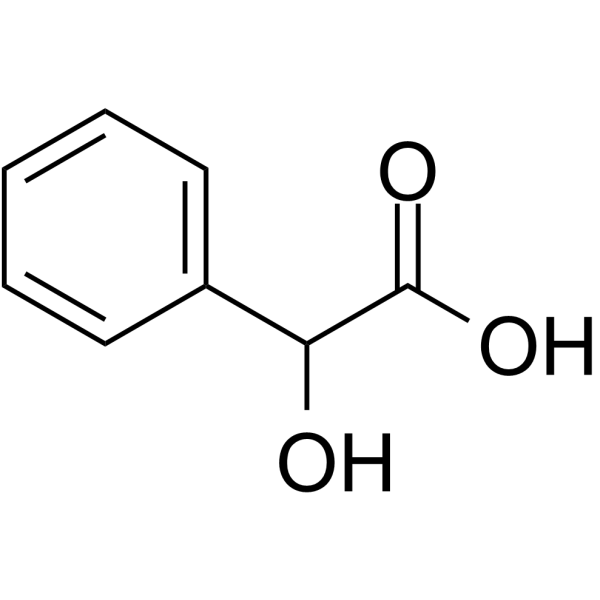
- HY-N1170
-
|
(2R)-Taxiphyllin
|
Tyrosinase
|
Others
|
Taxiphyllin (2R-Taxiphyllin) is a plant cyanogenic glycoside, which exhibits inhibitory activity for tyrosinase . Taxiphyllin exhibits cytotoxicity in BRL-3A cellls with an IC50 of 18.75 μm and antimicrobial activities against Staphylococcus aureus with an EC50 of 0.96 μM .
|
-
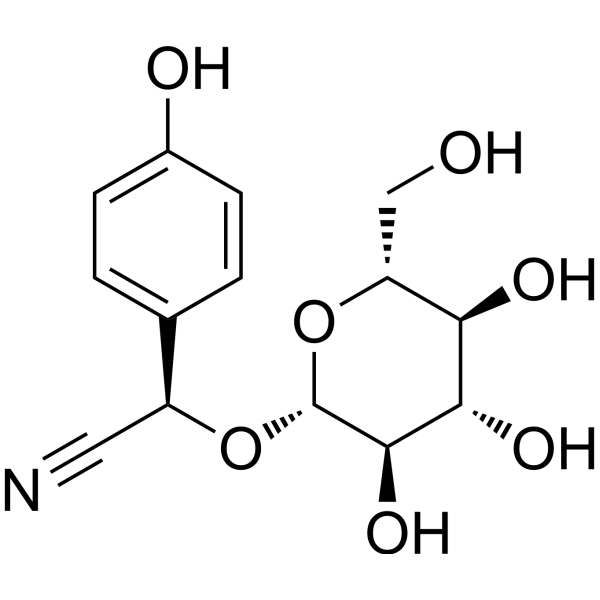
- HY-W778225
-
|
|
Isotope-Labeled Compounds
|
Infection
|
|
Vanillic acid- 13C6 is the 13C labeled isotope of Vanillic acid- 13C6(HY-N0708 ).Vanillic acid is a flavoring agent found in edible plants and fruits, and in the root of angelica. Vanillic acid inhibits NF-κB activation. It has anti-inflammatory and antimicrobial activities.
|
-

- HY-B0467BR
-
|
Amoxycillin trihydrate (Standard)
|
Reference Standards
Bacterial
Antibiotic
|
Infection
|
|
Amoxicillin (trihydrate) (Standard) is the analytical standard of Amoxicillin (trihydrate). This product is intended for research and analytical applications. Amoxicillin (Amoxycillin) trihydrateis an antibiotic with good oral absorption and broad spectrum antimicrobial activity. Amoxicillin trihydrateis inhibits the biosynthesis of polypeptides in the cell wall, thereby inhibiting cell growth .
|
-

- HY-N12178
-
|
A 83094A; Omomycin
|
Antibiotic
Bacterial
Parasite
|
Infection
|
|
16-Deethylindanomycin (A 83094A) is an antibiotic, which can be produced by Streptomyces setonii. 16-Deethylindanomycin exhibits antimicrobial activities against gram-positive bacteria Staphylococcus spp. and Streptococcus with MIC of 2-4 µg/mL. 16-Deethylindanomycin exhibits anticoccidial activity against Eimeria tenella .
|
-

- HY-N9715
-
|
|
Herbicide
|
Others
|
|
4-Chloropinselin is a chlorine-containing xanthone herbicide that can be isolated from Alternaria sonchi. 4-Chloropinselin is a biosynthetic precursor or degradation product of chloromonilicin and exhibits phytotoxic and antimicrobial activity. 4-Chloropinselin can inhibit the growth of weeds such as field sowthistle and suppress the proliferation of certain microorganisms .
|
-

- HY-P11634
-
|
|
Bacterial
|
Infection
|
|
KF-22 is an antimicrobial peptide that exhibits antimicrobial activity against both Gram-negative and Gram-positive bacteria. KF-22 demonstrates broad-spectrum, potent activity against multidrug-resistant bacteria with low toxicity. KF-22 can be used in research related to infections .
|
-

- HY-159960
-
|
|
Antibiotic
Bacterial
Carbonic Anhydrase
|
Infection
|
|
Carbonic anhydrase inhibitor 28 (Compound 11) is a Pseudomonas aeruginosa carbonic anhydrase inhibitor. Carbonic anhydrase inhibitor 28 exhibits antimicrobial activity, with a MIC of 0.5 μg/mL and a MBC of 1 μg/mL against P. aeruginosa. Carbonic anhydrase inhibitor 28 can be used in anti-infection research .
|
-

- HY-12824
-
|
|
Antibiotic
Bacterial
|
Infection
|
|
RNPA1000, an antibiotic, is a potent RnpA inhibitor and inhibits RnpA-mediated cellular RNA degradation. RNPA1000 inhibits tRNA maturation with an IC50 of 175 μM. RNPA1000 displays broad-spectrum antimicrobial activities and inhibits staphylococcal and all Gram-positive bacterial pathogens activity .
|
-
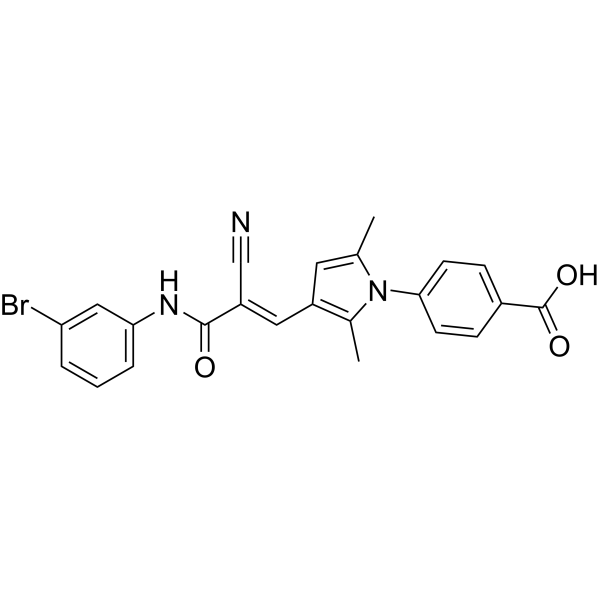
- HY-N10850
-
|
|
Bacterial
|
Cancer
|
|
Blepharotriol is a phenolic triterpene that can be found in Maytenus blepharodes. Blepharotriol shows antimicrobial activity with a MIC value of 8-4 µg/ml for Bacillus subtilis. Blepharotriol shows cytotoxic activity with IC50s of 12.2, >20, >20 µM for HeLa, Hep-2, Vero cells, respectively .
|
-
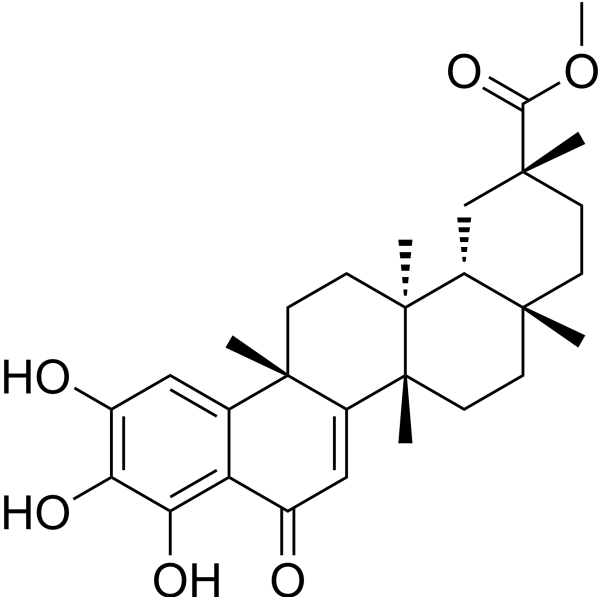
- HY-N6708
-
|
|
Antibiotic
Bacterial
|
Infection
|
|
Alamethicin is a linear 20-amino acid antibiotic, which can induce voltage-gated conductance in model and cell membranes. Alamethicin exhibits antimicrobial activity against Gram-positive bacteria, but not Gram-negative bacteria. Alamethicin can form an amphipathic α-helical structure in biological membranes .
|
-

- HY-P11190
-
|
|
Bacterial
|
Infection
|
|
Arenicin-1 is an antimicrobial peptide that can be isolated from coelomocytes of the marine polychaeta lugworm Arenicola marina. Arenicin-1 displays potent antimicrobial activity, with MIC values ranging from 2.0 to 8.0 μM. Arenicin-1 can be used for antibacterial research .
|
-

- HY-P2289
-
|
pBD-1
|
Bacterial
|
Infection
|
|
β-defesin 1 (pig) (pBD-1) is an endogenous and constitutively expressed antimicrobial peptide (AMP) from porcine tissues, particularly expresses in pig mucosal epithelial sites. β-defesin 1 (pig) has antimicrobial activities and contributes to mucosal and systemic host defenses in pigs .
|
-
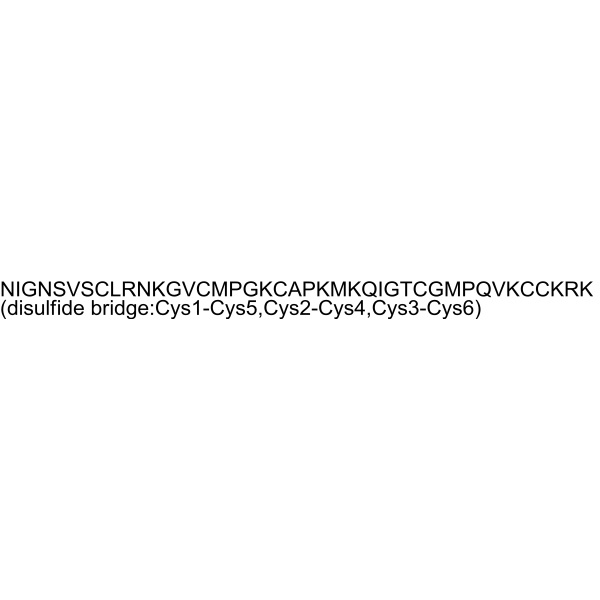
- HY-B2144H
-
|
Chitosan HCl (80%-90% deacetylated)
|
Bacterial
Fungal
|
Infection
|
|
Chitosan hydrochloride 80%-90% deacetylated (Chitosan HCl 80%-90% deacetylated) is the deacetylated, hydrocholoride form of chitosan. Chitosan hydrochloride 80%-90% deacetylated is a polysaccharide obtained by deacetylating chitin, and exhibits antimicrobial activity against various bacteria and fungi. Chitosan hydrochloride 80%-90% deacetylated is utilized in agriculture, water treatment and pharmaceutical aspects .
|
-

- HY-14849
-
|
Razupenem; SM 216601; SMP 601
|
Antibiotic
Bacterial
|
Others
|
|
PTZ601 (SMP 601) is an antibiotic, which inhibits the gram-positive bacteria, including the Vancomycin (HY-B0671)-resistant Enterococcus faecium (VREF) and Methicillin (HY-121544)-resistant Staphylococcus aureus (MRSA). PTZ601 exhibits antimicrobial activity in infected mouse models .
|
-

- HY-B0334S
-
|
CP45899-d3
|
Isotope-Labeled Compounds
Antibiotic
Bacterial
|
Infection
|
|
Sulbactam-d3 (CP45899-d3) is deuterium labeled Sulbactam. Sulbactam (CP45899) is a competitive, irreversible beta-lactamase inhibitor. Sulbactam shows antimicrobial activity against multidrug-resistant (MDR) acinetobacter calcoaceticus--Acinetobacter baumannii (Acb) complex .
|
-

- HY-P2365
-
|
|
Fungal
|
Infection
|
|
Histatin-8 is a part of the Histatin-3 central sequence and is known as hemagglutination-inhibiting peptide. Histatin-8 is a potent anti-fungal peptide. Histatin-8 shows antimicrobial activity against yeast strains. Histatin-8 can be used for oral thrush research .
|
-

- HY-77813S
-
|
|
Isotope-Labeled Compounds
Bacterial
Apoptosis
Antibiotic
|
Endocrinology
Cancer
|
|
Benzyl isothiocyanate-d7 is the deuterium labeled Benzyl isothiocyanate. Benzyl isothiocyanate is a member of natural isothiocyanates with antimicrobial activity . Benzyl isothiocyanate potent inhibits cell mobility, migration and invasion nature and matrix metalloproteinase-2 (MMP-2) activity of murine melanoma cells .
|
-
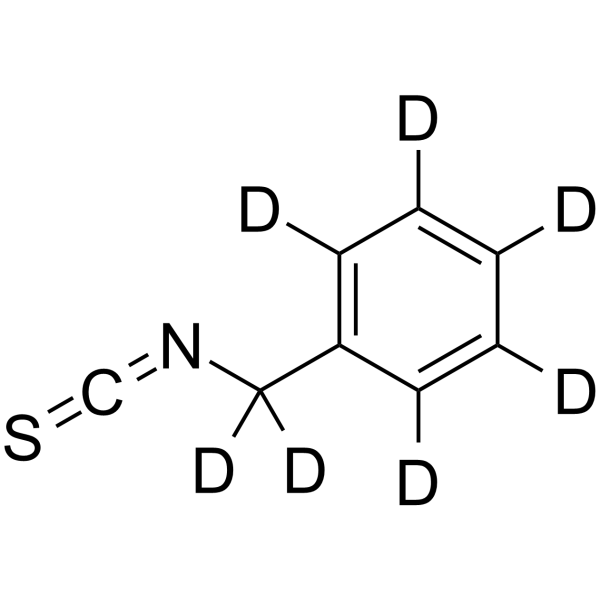
- HY-B1064A
-
|
Clindamycin 2-phosphate hydrochloride; U-28508 hydrochloride
|
Bacterial
Antibiotic
Parasite
|
Infection
Cancer
|
|
Clindamycin phosphate (Clindamycin 2-phosphate) hydrochloride is a broad-spectrum bacteriostatic lincosamide antibiotic. Clindamycin phosphate hydrochloride is the proagent of Clindamycin (HY-B1455) with no antimicrobial activity in vitro but can be rapidly converted in vivo to the active parent agent, Clindamycin, by phosphatase ester hydrolysis. Clindamycin phosphate hydrochloride can be used for researching acne and bacterial vaginosis .
|
-
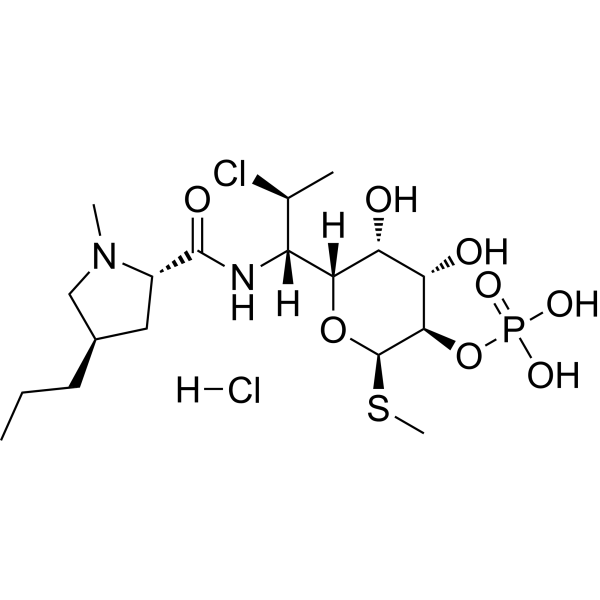
- HY-139745A
-
|
|
Beta-lactamase
Bacterial
|
Infection
|
|
FPI-1523, a derivative of Avibactam, is a potent β-lactamase inhibitor, with Kds of 4 nM and 34 nM for CTX-M-15 and OXA-48, respectively. FPI-1523 also inhibits PBP2, with an IC50 of 3.2 μM. FPI-1523 exhibits considerable antimicrobial activity .
|
-
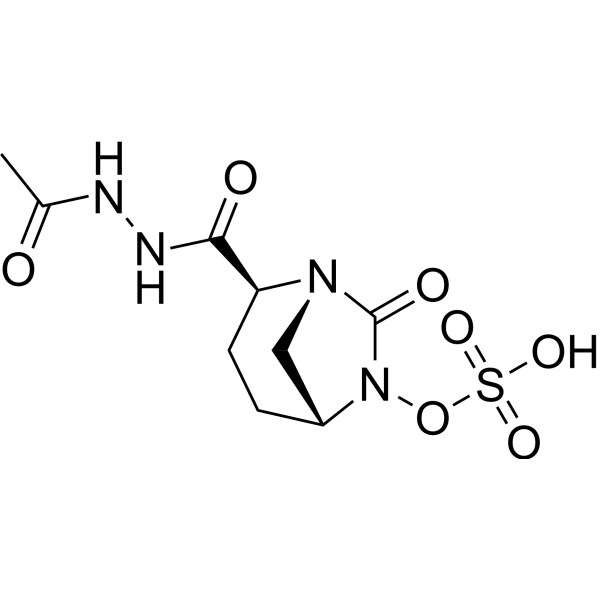
- HY-145854
-
|
|
Bacterial
|
Infection
Inflammation/Immunology
|
|
GA-O-06, a 18β-Glycyrrhetinic acid derivative, is a potent antimicrobial and anti-inflammatory agent. GA-O-06 exerts anti-inflammation through the inhibition of NO, pro-inflammatory cytokines and chemokines. GA-O-06 displays a high antimicrobial activity against Gram-positive bacteria .
|
-
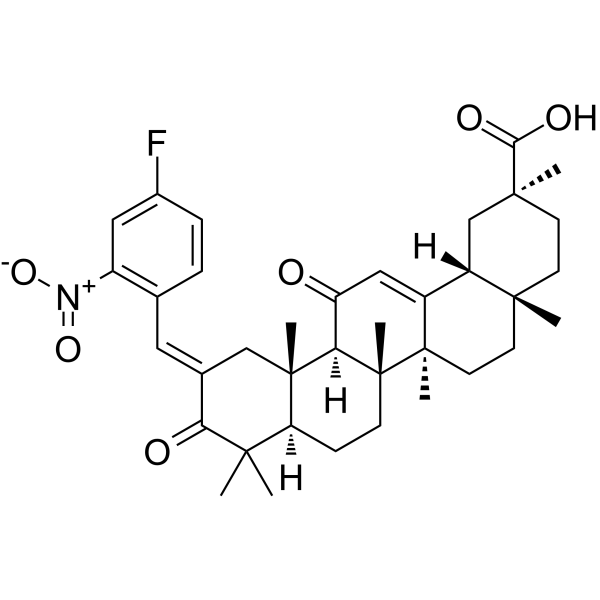
- HY-19992
-
|
Bromopyruvic acid; 3-BrPA; Hexokinase II Inhibitor II, 3-BP
|
Hexokinase
Apoptosis
Autophagy
|
Cancer
|
|
3-Bromopyruvate (Bromopyruvic acid) is an analogue of pyruvate and a potent hexokinase (HK)-II inhibitor with high tumor selectivity. 3-Bromopyruvate inhibits cell growth and induces apoptosis through interfering with glycolysis. 3-Bromopyruvate induces autophagy by stimulating ROS formation in breast cancer cells. Antimicrobial activities .
|
-
- HY-B2144I
-
|
Deacetylated chitin (≥90% deacetylated,viscosity 10 mPa.s); Poly(D-glucosamine) (≥90% deacetylated,viscosity 10 mPa.s)
|
Environmental Pollutants
Biochemical Assay Reagents
Bacterial
Fungal
|
Infection
Cancer
|
|
Chitosan (Deacetylated chitin) (≥90% deacetylated,viscosity 10 mPa.s) is a polysaccharide obtained by deacetylating chitin, and exhibits antimicrobial activity against various bacteria and fungi. Chitosan (≥90% deacetylated,viscosity 10 mPa.s) can be used as a versatile biomaterial in drug delivery, tissue engineering, and wound healing .
|
-

- HY-P11583
-
|
|
Bacterial
|
Infection
|
|
N2W2 is a tryptophan- and lysine-rich β-hairpin antimicrobial peptide. N2W2 exhibits potent antimicrobial activity but also high toxicity. N2W2 is highly susceptible to trypsin or chymotrypsin. N2W2 can be used for the research of bacterial infection .
|
-

- HY-126858
-
|
(+)-Ambuic acid
|
ERK
JNK
NO Synthase
COX
|
Infection
Inflammation/Immunology
|
|
Ambuic acid exhibits antimicrobial activity against Staphylococcus aureus, with IC50 of 43.9 μM for strain ATCC 6538. Ambuic acid is an inhbitor for the biosynthesis of cyclic peptide quorum sensing molecules (quormones) in gram-positive bacteria. Ambuic acid exhibits anti-inflammatory activity through ERK/JNK/MAPK signaling pathway .
|
-

- HY-105213
-
|
MC-352
|
Antibiotic
Bacterial
|
Infection
|
|
YM-17K (MC-352) is a macrolide antibiotic. YM-17K exhibits antimicrobial activity against Gram-positive bacteria, Gram-negative bacteria, and anaerobic bacteria. YM-17K exhibits stable activity in serum and is less affected by pH values .
|
-

- HY-N10755A
-
|
|
Cytochrome P450
Bacterial
|
Infection
|
|
(±)-ε-Viniferin is a racemate of ε-Viniferin (HY-N3841). (±)-ε-Viniferin exhibits P450 inhibitory antioxidants, as well as hepato-protective and antimicrobial activities. (±)-ε-Viniferin has antibacterial and antibiofilm activity against Gram-positive bacteria Streptococcus pneumoniae with a MIC of 20 μM .
|
-
- HY-P2315
-
|
HβD-1
|
Antibiotic
Bacterial
|
Infection
|
|
Human β-defensin-1 (HβD-1) is a cysteine-rich cationic skin-antimicrobial peptide (SAP) produced by all epithelial surfaces, but also by circulatory cells and cells of the reproductive tract. Human β-defensin-1 has antimicrobial activities against a broad-sperm bacteria .
|
-
- HY-128423A
-
|
Acetylisovaleryltylosin
|
Antibiotic
Bacterial
NF-κB
Apoptosis
|
Infection
Inflammation/Immunology
Cancer
|
|
Tylvalosin (Acetylisovaleryltylo?sin) is an orally active, broad-spectrum macrolide antibiotic with antimicrobial activity. Tylvalosin is an antiviral agent used to study PRRSV infection. Tylvalosin induces apoptosis. Tylvalosin also has anti-inflammatory activity, alleviates oxidative stress, and alleviates acute lung injury by inhibiting NF-κB activation .
|
-
- HY-P2289A
-
|
pBD-1 TFA
|
Bacterial
|
Infection
|
|
β-defesin 1 (pig) (pBD-1) TFA is an endogenous and constitutively expressed antimicrobial peptide (AMP) from porcine tissues, particularly expresses in pig mucosal epithelial sites. β-defesin 1 (pig) TFA has antimicrobial activities and contributes to mucosal and systemic host defenses in pigs .
|
-
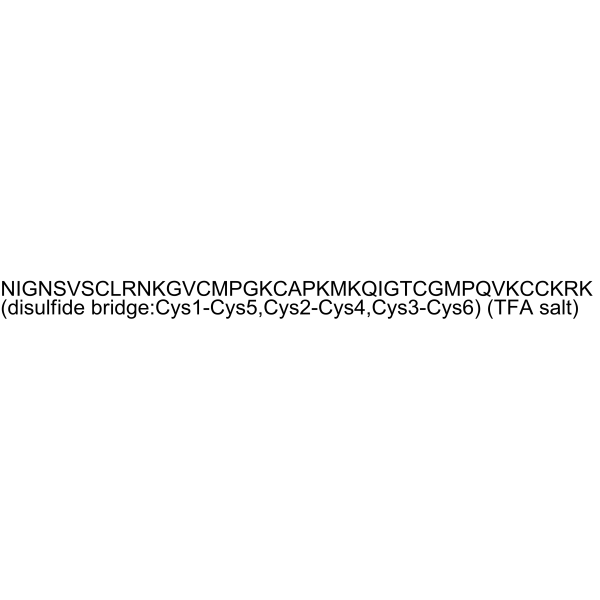
- HY-122076
-
|
|
Antibiotic
Bacterial
Fungal
|
Infection
|
|
A-26771B is an antibiotic can be obtained from Penicillium turbatum. A-26771B exhibits moderate antimicrobial activity against Gram-positive bacteria, mycoplasma, and fungi. A-26771B also inhibits potassium-dependent ATPase in rat liver mitochondria .
|
-
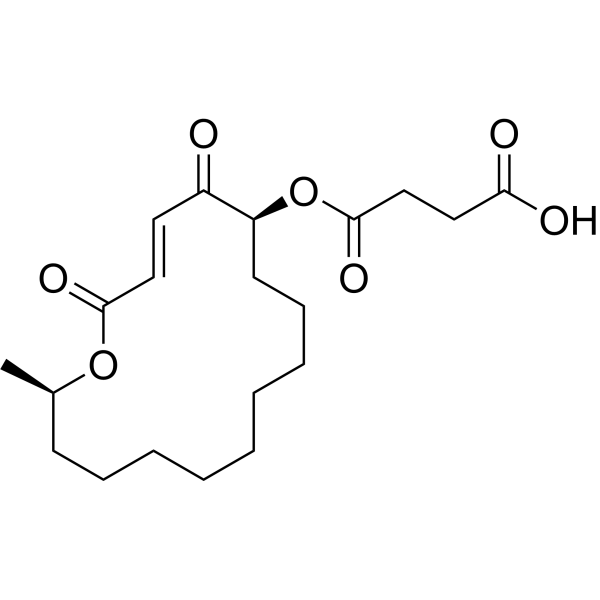
- HY-145853
-
|
|
Bacterial
|
Infection
Inflammation/Immunology
|
|
GA-O-02, a 18β-Glycyrrhetinic acid derivative, is a potent antimicrobial and anti-inflammatory agent. GA-O-02 exerts anti-inflammation through the inhibition of NO, pro-inflammatory cytokines and chemokines. GA-O-02 displays a high antimicrobial activity against Gram-positive bacteria .
|
-
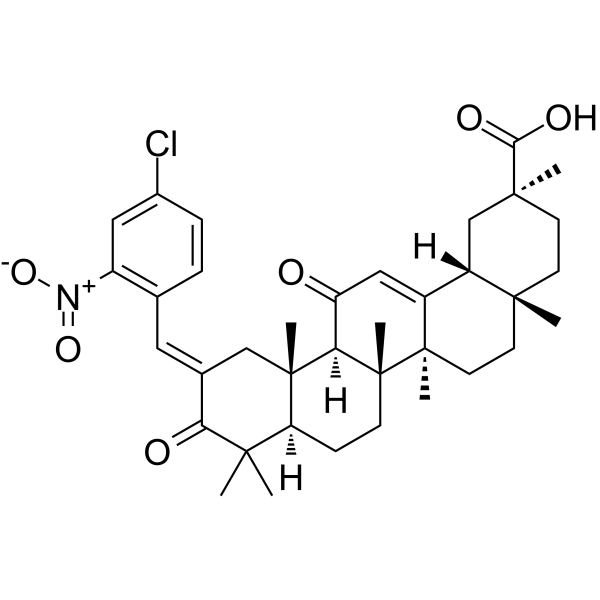
- HY-161239A
-
|
|
Antibiotic
|
Infection
Cancer
|
|
IB-96212 (compound 5) is a member of oligomycin class which can be extracted ftom the marine Micromonospora sp. L-25-ES25-008 ref. IB-96212 is an antitumor antibiotic against P-388, it also exhibits antimicrobial activity against Micrococcus luteus .
|
-
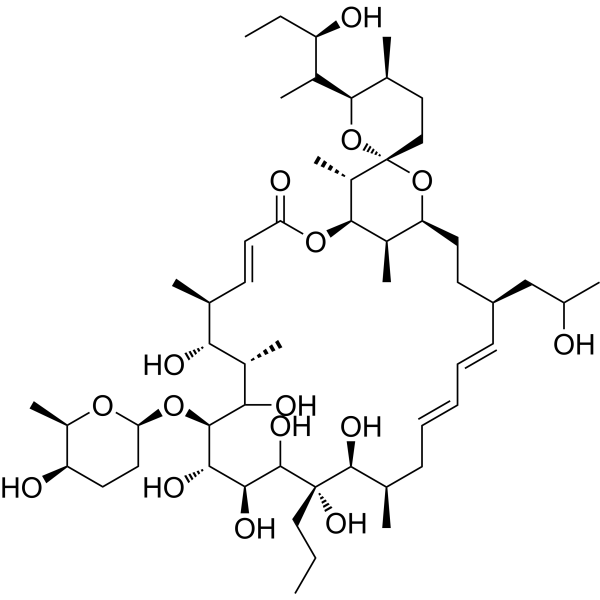
- HY-N8332
-
|
Ox bile extract
|
Bacterial
DNA/RNA Synthesis
|
Infection
|
|
Bile extract (Ox bile extract) is a complex mixture of substances, containing bile acids, cholesterol, and bilirubin. Bile extract has antimicrobial activity and can induce DNA damage and degrade viral and bacterial membranes. Bile extract can be used in bacterial culture media as a selective inhibitor for the isolation and identification of pathogens .
|
-

- HY-162624
-
|
|
Bacterial
|
Infection
|
|
Quorum sensing-IN-5 is a RpfF-targeted quorum-sensing inhibitor. Quorum sensing-IN-5 inhibits Xanthomonas oryzae pv oryzae (Xoo) and Xanthomonas axonopodis pv. citri (Xac) with EC50 values of 9.91 μg/mL and 7.04 μg/mL. Quorum sensing-IN-5 has antimicrobial activity .
|
-

- HY-147721
-
|
|
Bacterial
|
Infection
|
|
Dihydropteroate synthase-IN-1 (compound 5g) is a potent dihydropteroate synthase (DHPS) inhibitor. Dihydropteroate synthase-IN-1 shows antimicrobial activities and antifungal activity. Dihydropteroate synthase-IN-1 inhibits cytochromes P450. Dihydropteroate synthase-IN-1 can bu used as diagnostic radio imaging material .
|
-
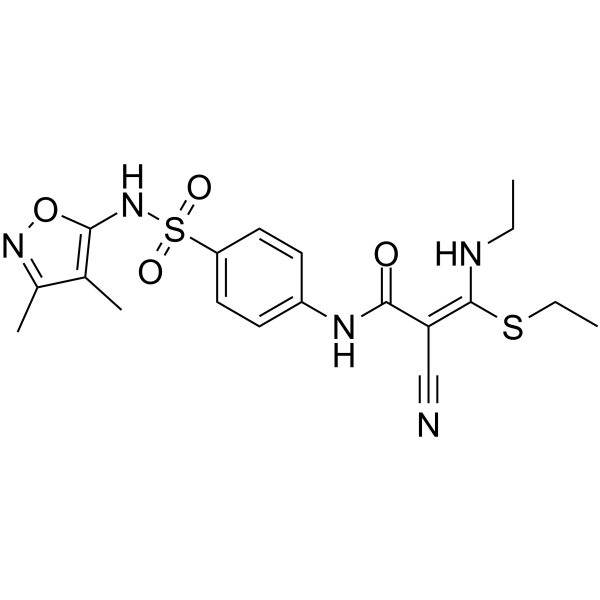
- HY-N0315
-
|
Diallyl thiosulfinate
|
Bacterial
Antibiotic
|
Infection
|
|
Allicin (diallyl thiosulfinate) is isolated from garlic including Diallyl monosulfide, Diallyl disulfide, Diallyl trisulfide, Diallyl tetrasulfide, and Methyl allyl disulphide etc. They accounts for 98% of the extract. Allicin (diallyl thiosulfinate) has highly potent antimicrobial activity, and inhibits growth of a variety of microorganisms, among them antibiotic-resistant strains .
|
-
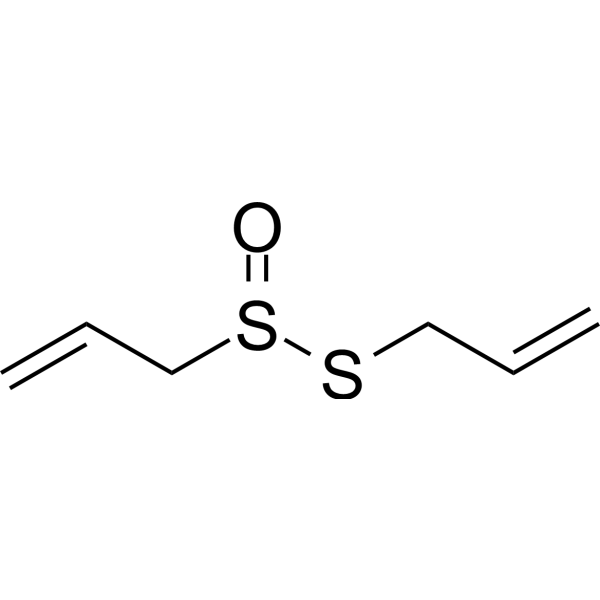
- HY-162418
-
|
|
Bacterial
Fungal
|
Infection
|
|
Antibacterial agent 203 (Compound 5h) has antibacterial and antifungal activity. Antibacterial agent 203 has potent antifungal activity against C. albicans, with a MIC of 3.90 μg/mL. Antibacterial agent 203 has antimicrobial activity on healthy mouse fibroblast cells (L929), with an IC50 of 75.96 μM .
|
-
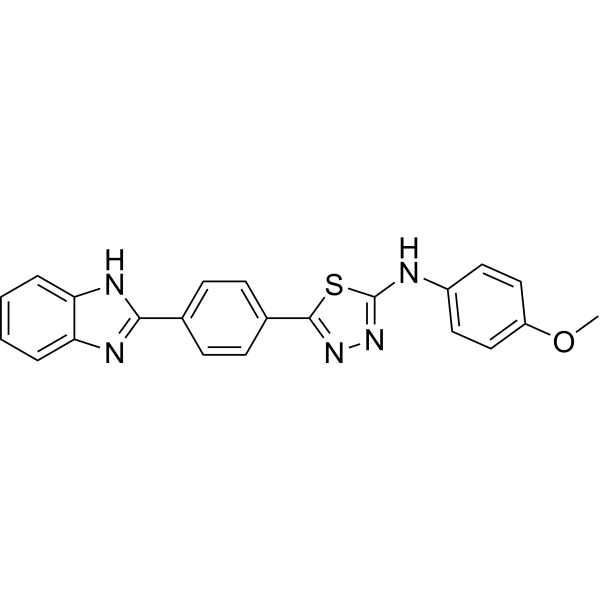
- HY-18061R
-
|
(Rac)-STA-21 (Standard)
|
Antibiotic
Reference Standards
STAT
Bacterial
|
Infection
Cancer
|
|
Ochromycinone (Standard) ((Rac)-STA-21 (Standard)) is the analytical standard of Ochromycinone (HY-18061). This product is intended for research and analytical applications. Ochromycinone is a natural antibiotic and a STAT3 inhibitor. Ochromycinone can inhibits STAT3 DNA binding activity, STAT3 dimerization. Ochromycinone has anticancer and antimicrobial activity.
|
-

- HY-139745
-
|
|
Beta-lactamase
Bacterial
|
Infection
|
|
FPI-1523 sodium, a derivative of Avibactam, is a potent β-lactamase inhibitor, with Kds of 4 nM and 34 nM for CTX-M-15 and OXA-48, respectively. FPI-1523 sodium also inhibits PBP2, with an IC50 of 3.2 μM. FPI-1523 sodium exhibits considerable antimicrobial activity .
|
-
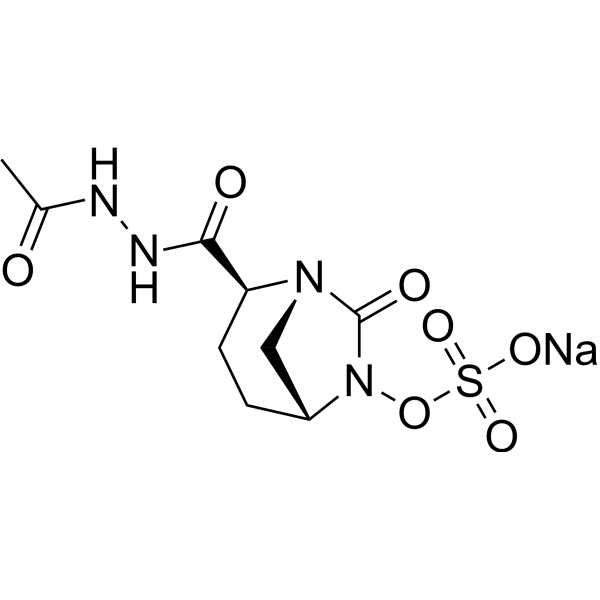
- HY-B0220S
-
|
|
Bacterial
Antibiotic
|
Infection
|
|
Erythromycin-d6 is the deuterium labeled Erythromycin. Erythromycin is a macrolide antibiotic produced by actinomycete?Streptomyces erythreus?with a broad spectrum of antimicrobial activity. Erythromycin acts by binding to bacterial 50S ribosomal subunits and inhibits?RNA-dependent protein synthesis?by blockage of transpeptidation and/or translocation reactions, without affecting synthesis of nucleic acid .
|
-
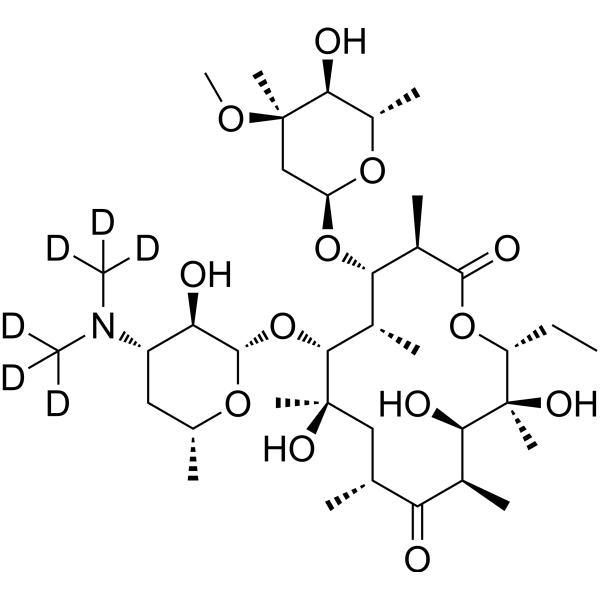
- HY-P10539
-
|
|
Bacterial
|
Infection
|
|
Hp1404 is a novel cationic antimicrobial peptide. Hp1404 has specific inhibitory activity against Gram-positive bacteria, including Staphylococcus aureus (MRSA) resistant to Laburnetin (HY-N7382). Hp1404 has antimicrobial activity, low toxicity, and is not prone to drug resistance, and can be used in the research of antimicrobial agents .
|
-

- HY-130187
-
|
|
Bacterial
|
Infection
|
|
Sapienic acid is a fatty acid commonly found on the skin and in mucosa. Sapienic acid has variable antimicrobial activities against Gram-positive and Gram-negative bacteria found on the skin and in the oral cavity. Sapienic acid is active against Streptococcus sanguinis, Streptococcus mitis and Fusobacterium nucleatum with MBC values of 31.3 μg/mL, 375.0 μg/mL and 93.8 μg/mL, respectively .
|
-
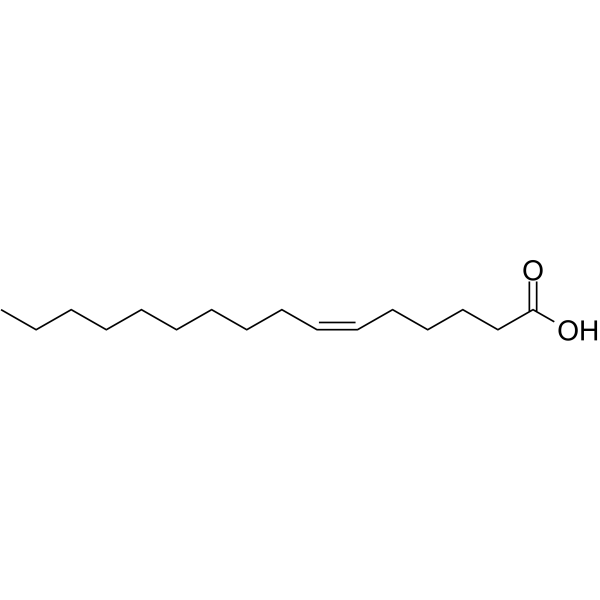
- HY-100180R
-
|
LCB01-0371 (Standard)
|
Reference Standards
Bacterial
Antibiotic
|
Infection
|
|
4-Chlorosalicylic acid (Standard) is the analytical standard of 4-Chlorosalicylic acid. This product is intended for research and analytical applications. 4-Chlorosalicylic acid is a pharmaceutical intermediate. Inhibits monophenolase and diphenolase activity with IC50s of 1.89 mM and 1.10 mM. Potent antimicrobial activity. Against E. coli with the MIC of 250 μg/mL and with the MBC of 500 μg/mL.
|
-

- HY-130187A
-
|
|
Bacterial
|
Infection
|
|
Sapienic acid sodium is a fatty acid commonly found on the skin and in mucosa. Sapienic acid sodium has variable antimicrobial activities against Gram-positive and Gram-negative bacteria found on the skin and in the oral cavity. Sapienic acid sodium is active against Streptococcus sanguinis, Streptococcus mitis and Fusobacterium nucleatum with MBC values of 31.3 μg/mL, 375.0 μg/mL and 93.8 μg/mL, respectively .
|
-
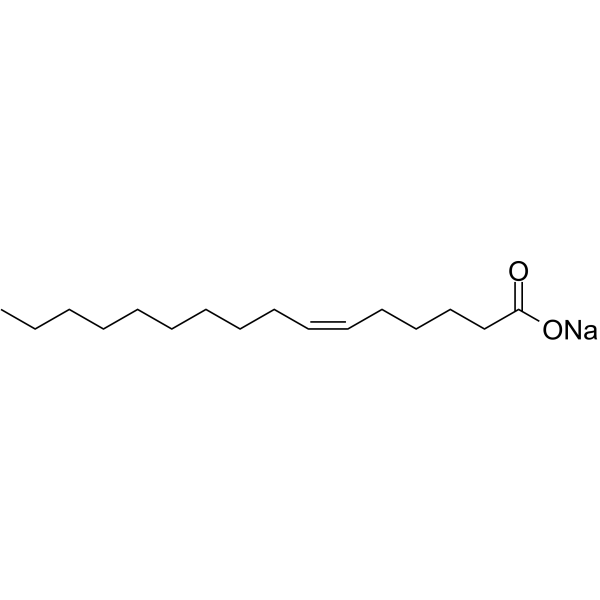
- HY-P5486
-
|
|
Bacterial
|
Others
|
|
Tet-20 is a biological active peptide. (Tet-20, is a synthetic cathelicidin-derived peptide. It was tested as infection-resistant coating for medical devices. When tethered on an implant surface Tet-20 exhibited broad antimicrobial activities both in vivo and in vitro. It can stop biofilm formation and appears to be non-toxic to eukaryotic cells)
|
-
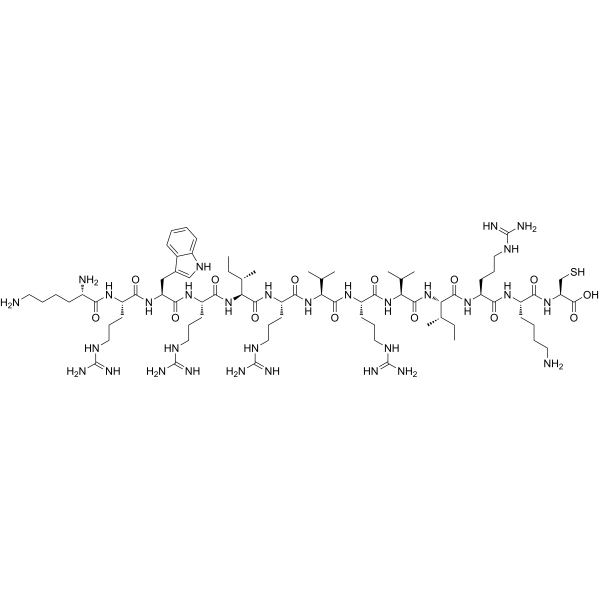
- HY-136429
-
|
Optochin
|
Bacterial
Parasite
|
Infection
|
|
Ethylhydrocupreine (Optochin) is a quinine derivate with antimicrobial activity against S. pneumoniae. Ethylhydrocupreine also possesses antimalarial activity against Plasmodium falciparum, with an IC50 of 25.75 nM. Ethylhydrocupreine is a Gallus gallus taste 2 receptors (ggTas2r1, ggTas2r2 and ggTas2r7) agonist .
|
-
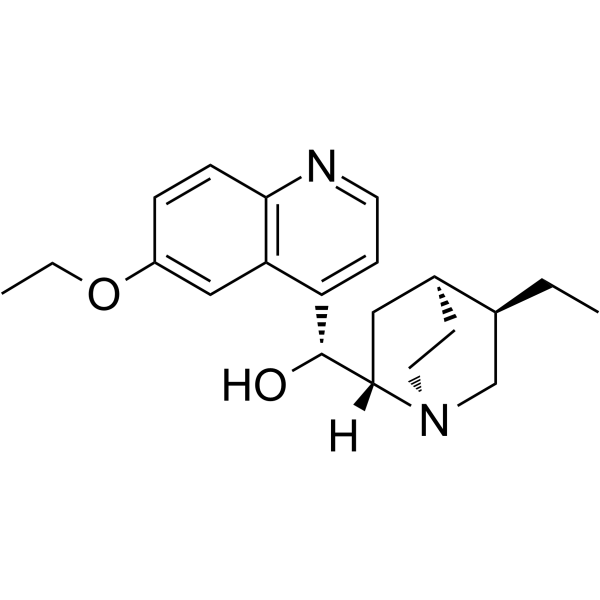
- HY-136429A
-
|
Optochin hydrochloride
|
Bacterial
Parasite
|
Infection
|
|
Ethylhydrocupreine hydrochloride (Optochin hydrochloride) is a quinine derivate with antimicrobial activity against S. pneumoniae. Ethylhydrocupreine hydrochloride also possesses antimalarial activity against Plasmodium falciparum, with an IC50 of 25.75 nM. Ethylhydrocupreine hydrochloride is a Gallus gallus taste 2 receptors (ggTas2r1, ggTas2r2 and ggTas2r7) agonist .
|
-
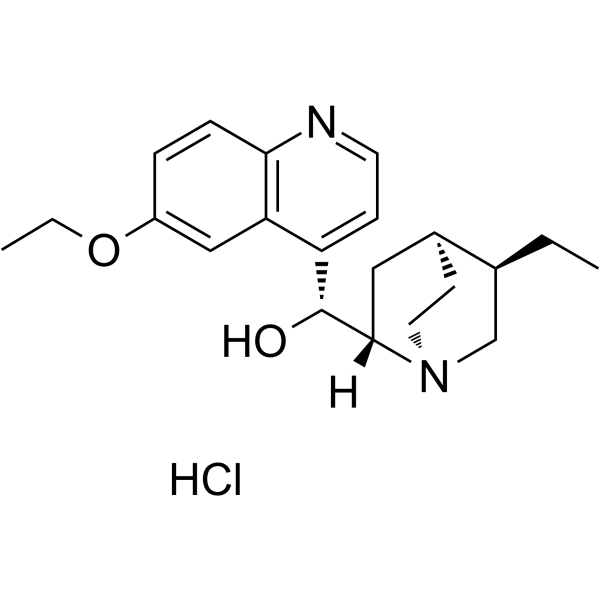
- HY-174756
-
|
|
mRNA
|
Inflammation/Immunology
|
|
Human CCL26 mRNA encodes the human C-C motif chemokine ligand 26 (CCL26) protein, a cytokine that displays chemotactic activity for normal peripheral blood eosinophils and basophils. CCL26 also has antimicrobial activity, displaying an antibacterial effect on S. pneumoniae, S. aureus, Non-typeable H. influenzae, and P. aeruginosa.
|
-

- HY-B1300A
-
|
|
Antibiotic
Bacterial
Beta-lactamase
Interleukin Related
|
Infection
|
|
Cefonicid is a long-acting cephalosporin antibiotic. Cefonicid also acts as a noncompetitive class I β-lactamase inhibitor with a Ki value of 0.8 μM. Cefonicid exhibits broad-spectrum antimicrobial activity and is effective against a variety of Gram-positive and Gram-negative bacteria. Cefonicid can be used for research on infections .
|
-

- HY-B0519B
-
|
|
Bacterial
Antibiotic
|
Infection
|
|
Tylosin phosphate is a macrolide antibiotic found naturally as a fermentation product of Streptomyces fradiae. Tylosin tartrate exerts potent antimicrobial activity against Gram-positive bacteria. Tylosin phosphate is widely used as a feed additive for promoting animal growth. Tylosin phosphate is used for veterinary purposes against bacterial dysentery and respiratory diseases in poultry, pigs and cattle .
|
-
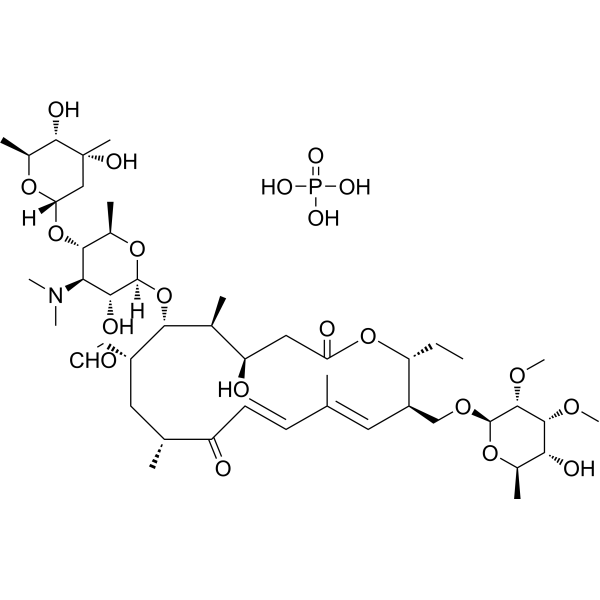
- HY-W016867R
-
|
|
Reference Standards
Fungal
Bacterial
|
Infection
|
|
4-Chlorosalicylic acid (Standard) is the analytical standard of 4-Chlorosalicylic acid. This product is intended for research and analytical applications. 4-Chlorosalicylic acid is a pharmaceutical intermediate. Inhibits monophenolase and diphenolase activity with IC50s of 1.89 mM and 1.10 mM. Potent antimicrobial activity. Against E. coli with the MIC of 250 μg/mL and with the MBC of 500 μg/mL.
|
-

- HY-N7538
-
|
|
Bacterial
|
Infection
|
|
Dealanylalahopcin is an antimicrobial agent that can be isolated from the culture filtrate of Streptomyces leucoderma subsp. ochraceus. Dealanylalahopcin can also be synthesized by enzymatic hydrolysis of alahopcin by microbial α-amino acid ester hydrolases. Dealanylalahopcin has weak antimicrobial activity against Gram-positive and Gram-negative bacteria and exhibits moderate inhibition of collagen prolyl hydroxylase .
|
-

- HY-P2458
-
|
|
Bacterial
|
Infection
|
|
CAP18 (rabbit) is a 37 amino acids antimicrobial peptide originally isolated from rabbit granulocytes. CAP18 (rabbit) has broad antimicrobial activity against both Gram-positive (IC50, 130-200 nM) and Gram-negative (IC50, 20-100 nM) bacteria. CAP18 (rabbit) has the potential for bacterial sepsis research .
|
-
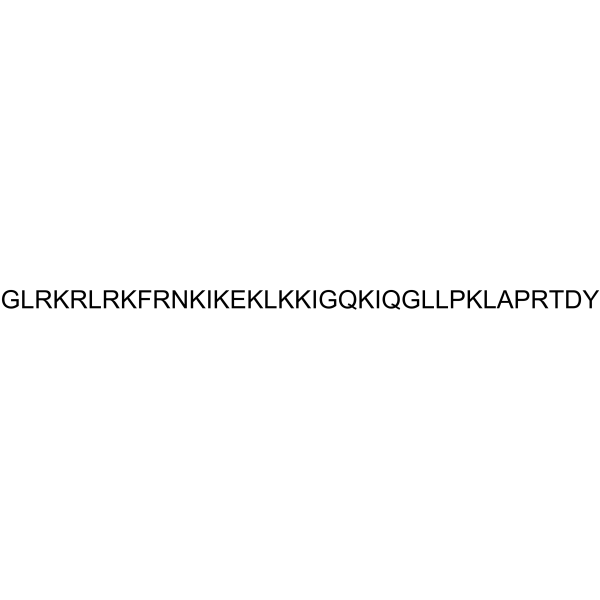
- HY-B1300
-
|
|
Antibiotic
Bacterial
Beta-lactamase
Interleukin Related
|
Infection
|
|
Cefonicid sodium is a long-acting cephalosporin antibiotic. Cefonicid sodium also acts as a noncompetitive class I β-lactamase inhibitor with a Ki value of 0.8 μM. Cefonicid sodium exhibits broad-spectrum antimicrobial activity and is effective against a variety of Gram-positive and Gram-negative bacteria. Cefonicid sodium can be used for research on infections .
|
-
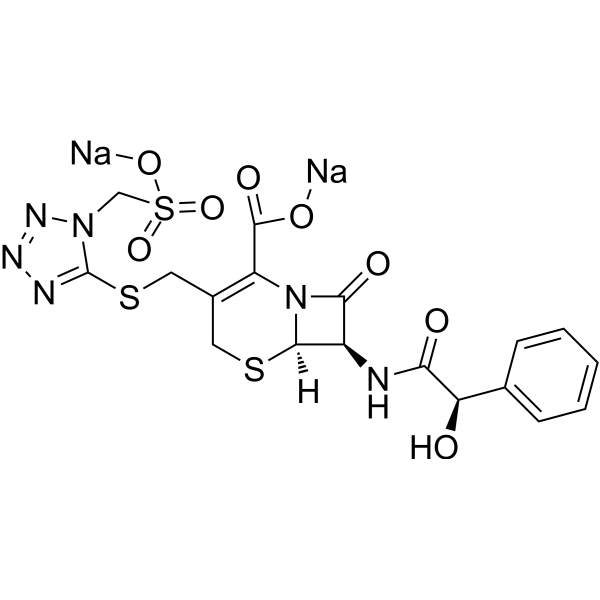
- HY-101829
-
|
Sulfaproxylin; Sulfaproxyline
|
Antibiotic
Bacterial
|
Infection
|
|
Sulfaproxyline (Sulfaproxylin; Sulfaproxyline) is a sulfonamide antibiotic that inhibits bacterial dihydropteroate synthase, thereby blocking folate biosynthesis required for nucleic acid production. Sulfaproxyline shows antimicrobial activity primarily against Staphylococcus species and common uropathogens. Sulfaproxyline reduces bacterial growth by impairing DNA and protein synthesis. Sulfaproxyline can be used for research of staphylococcal and urinary tract infections .
|
-
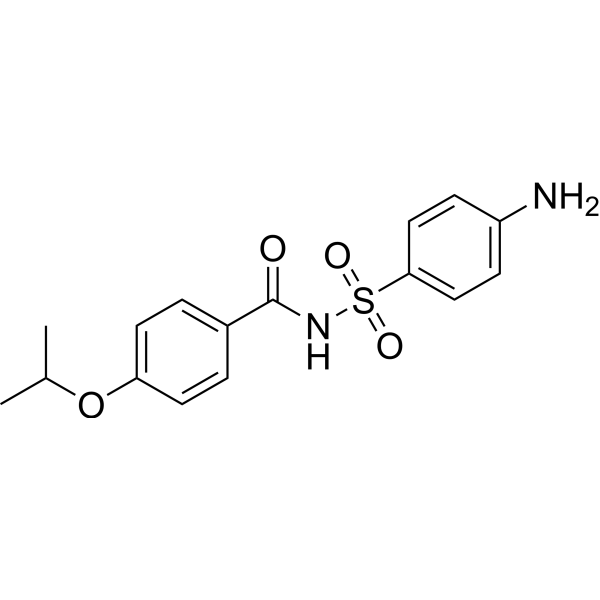
- HY-135900
-
|
|
ADC Payload
Bacterial
|
Cancer
|
|
Aniline-MPB-amino-C3-PBD is a cytotoxic agent comprised non-alkylating group. Aniline-MPB-amino-C3-PBD is a sequence-selective DNA minor-groove binding agent. Aniline-MPB-amino-C3-PBD acts as the payload for ADCs. Antimicrobial activity .
|
-
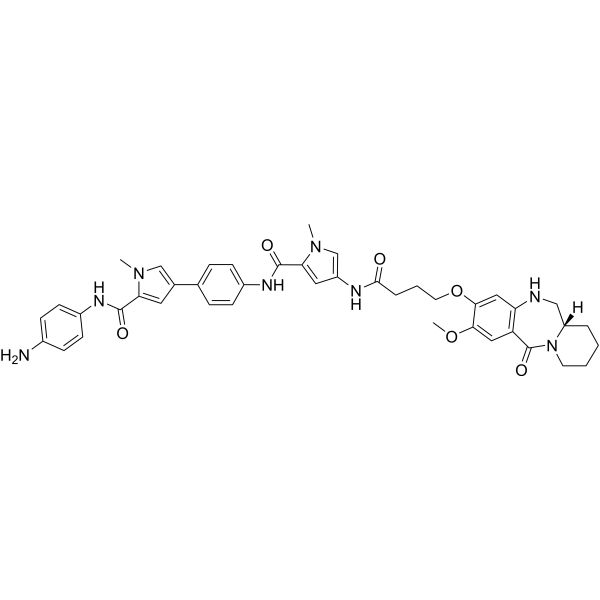
- HY-B2144J
-
|
Deacetylated chitin (≥90% deacetylated,viscosity 650-700 mPa.s); Poly(D-glucosamine) (≥90% deacetylated,viscosity 650-700 mPa.s)
|
Environmental Pollutants
Biochemical Assay Reagents
Bacterial
Fungal
|
Infection
Cancer
|
|
Chitosan (Deacetylated chitin) (≥90% deacetylated, viscosity 650-700 mPa.s) is a polysaccharide obtained by deacetylating chitin, and exhibits antimicrobial activity against various bacteria and fungi. Chitosan (≥90% deacetylated, viscosity 650-700 mPa.s) can be used as a versatile biomaterial in drug delivery, tissue engineering, and wound healing .
|
-

- HY-N13025
-
|
Verrucarin L acetate
|
Fungal
|
Infection
|
|
8-Acetylverrucarin L (Verrucarin L acetate) is a mycotoxin, which exhibits antitumor and antimicrobial activities. 8-Acetylverrucarin L exhibits cytotoxicity to cancer cells HCT116 and A2780S, with IC100 of 9.77 and 9.77 ng/mL. 8-Acetylverrucarin L exhibits antifungal activity against Saccharomyces cerevisiae, Candida albicans and Geotrichum candidum .
|
-

- HY-129316
-
|
CGP 52547
|
Antibiotic
Fungal
Bacterial
|
Infection
|
|
(S)-Dihydroaeruginoic acid is an antibiotic originally isolated from P. fluorescens. It has antimicrobial activity in a disc assay against R. solani, P. ultimum, B. cinera, S. rolfsii, C. gloeosporioide, F. oxysporum, and S. tritici fungi as well as B. subtilis, E. herbicola, and S. albus bacteria when used at a concentration of 200 μg/disc.
|
-

- HY-B0519A
-
Tylosin
1 Publications Verification
|
Bacterial
Antibiotic
|
Infection
|
|
Tylosin (Tylosin A) is a macrolide antibiotic found naturally as a fermentation product of Streptomyces fradiae. Tylosin exerts potent antimicrobial activity against Gram-positive bacteria. Tylosin is widely used as a feed additive for promoting animal growth. Tylosin is used for veterinary purposes against bacterial dysentery and respiratory diseases in poultry, pigs and cattle .
|
-
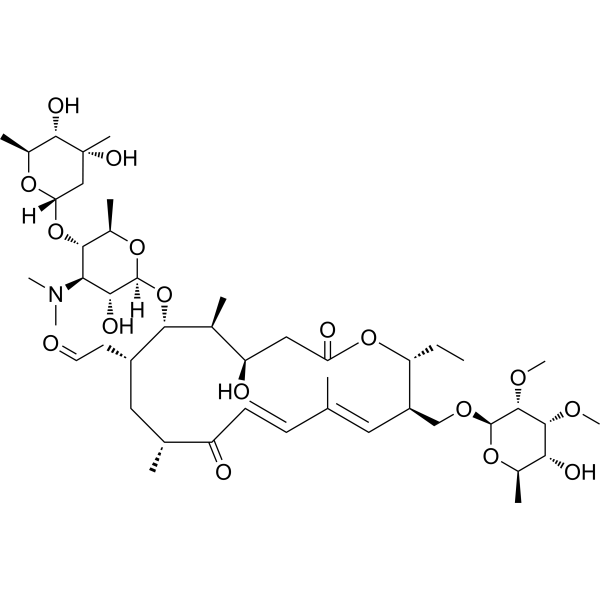
- HY-N8461
-
|
3-Hydroxypropionaldehyde; 3-Hydroxypropanal
|
Bacterial
|
Infection
|
|
Reuterin is a broad-spectrum antimicrobial agent active against Gram positive and Gram negative bacteria, as well as yeasts, moulds and protozoa. Reuterin is produced by specific strains of Lactobacillus reuteri during anaerobic metabolism of glycerol. Reuterin also demonstrates potent antimicrobial activity against a broad panel of human and poultry meat campylobacter spp. Isolates .
|
-
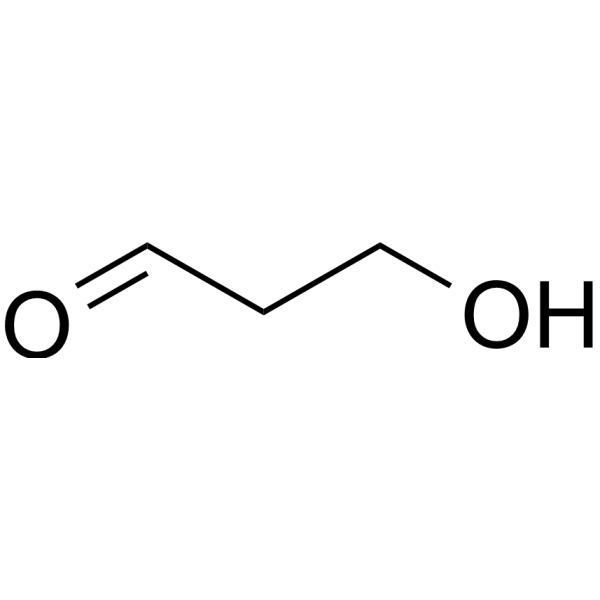
- HY-107329R
-
|
|
Reference Standards
Bacterial
Antibiotic
|
Infection
|
|
Cefathiamidine (Standard) is the analytical standard of Cefathiamidine. This product is intended for research and analytical applications. Cefathiamidine is a first-generation cephalosporin antibacterial agent and is used to treat infections caused by susceptible bacteria. Cefathiamidine exhibits a wide spectrum of antimicrobial activity against bacteria. Cefathiamidine is used for the treatment of respiratory, liver, five senses, urinary tract infections, endocarditis and sepsis[1][2].
|
-

- HY-179565
-
|
|
Bacterial
|
Infection
|
|
NM102 is an ATP competitive mutation frequency decline (Mfd) protein inhibitor (IC50 = 29 μM, Ki = 27 μM) with potent antimicrobial activity. NM102 protects against infections with antimicrobial resistant ESKAPE pathogens. NM102 exhibits activity in insects and mice. NM102 can be used for research of infections caused by Gram-negative bacteria .
|
-

- HY-146463
-
|
|
DNA/RNA Synthesis
Bacterial
|
Infection
|
|
NusB-IN-1 (Compound 22r) is a potent, orally active bacterial rRNA synthesis inhibitor. NusB-IN-1 shows antimicrobial activity against MRSA and VRSA . NusB-IN-1 is a click chemistry reagent, it contains an Alkyne group and can undergo copper-catalyzed azide-alkyne cycloaddition (CuAAc) with molecules containing Azide groups.
|
-
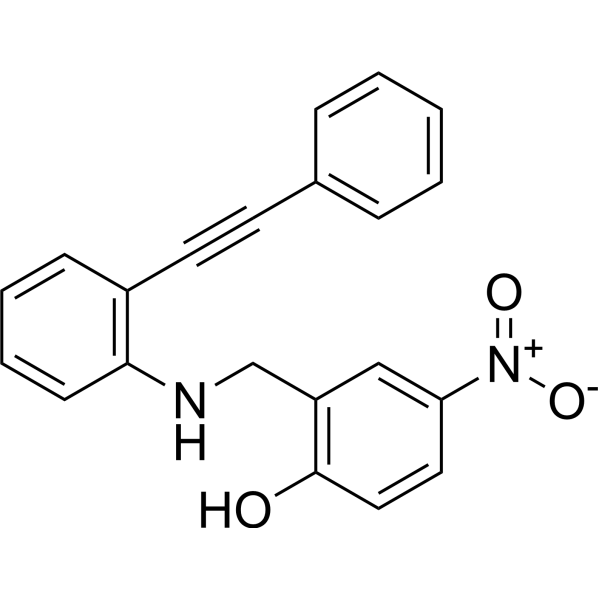
- HY-B1290R
-
|
Phenylethyl alcohol (Standard); Phenethyl alcohol (Standard); Benzyl carbinol (Standard)
|
Virus Protease
Bacterial
Reference Standards
|
Infection
|
|
2-Phenylethanol (Standard) is the analytical standard of 2-Phenylethanol. This product is intended for research and analytical applications. 2-Phenylethanol (Phenethyl alcohol) is an aromatic alcohol with a rose-like odour. 2-Phenylethanol is a flavour and fragrance compound, and can be used as a preservative and anti-microbial agent. 2-Phenylethanol has antityrosinase and antimicrobial activities .
|
-
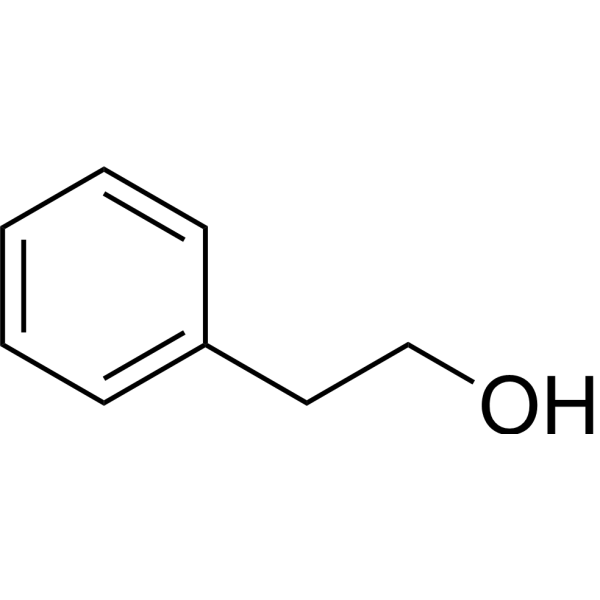
- HY-131051
-
|
|
Reactive Oxygen Species (ROS)
Bacterial
Fungal
|
Infection
|
|
Antimicrobial agent-41 (Compound 19) is a thiazolidinedione derivative. Antimicrobial agent-41 exhibits excellent antioxidant activity (IC50 = 27.66 μg/mL). Antimicrobial agent-41 also exhibits antidiabetic activity (IC50 = 40.01 μg/mL). Antimicrobial agent-41 has antimicrobial activity again both bacterial and fungi .
|
-

- HY-P1674
-
|
POL7080
|
Bacterial
Antibiotic
|
Infection
|
|
Murepavadin (POL7080), a 14-amino-acid cyclic peptide, is a highly potent, specific antibiotic. Murepavadin exhibits a potent antimicrobial activity for P. aeruginosa with both MIC50 and MIC90 values of 0.12 mg/L. Murepavadin also can target the lipopolysaccharide transport portin D. Murepavadin can be used for the research of bacterial resistance .
|
-
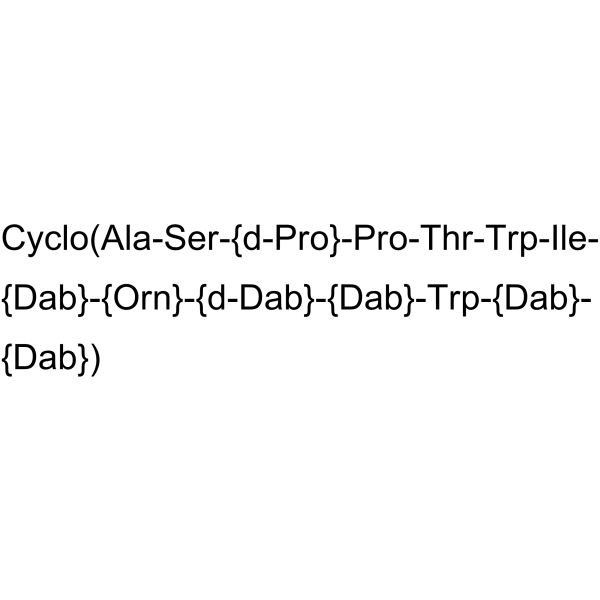
- HY-128423
-
|
Acetylisovaleryltylosin tartrate
|
Antibiotic
Bacterial
NF-κB
Apoptosis
|
Infection
Inflammation/Immunology
|
|
Tylvalosin (Acetylisovaleryltylosin) tartrate is an orally active, broad-spectrum macrolide antibiotic with antimicrobial activity. Tylvalosin tartrate is an antiviral agent useful in studying PRRSV infection. Tylvalosin tartrate induces apoptosis. Tylvalosin tartrate also has anti-inflammatory activity, relieves oxidative stress, and alleviates acute lung injury by inhibiting NF-κB activation .
|
-
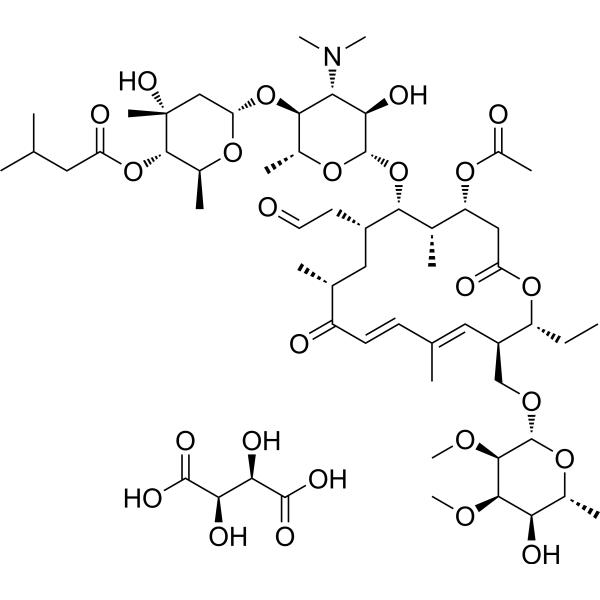
- HY-P1674A
-
|
POL7080 TFA
|
Bacterial
Antibiotic
|
Infection
|
|
Murepavadin (POL7080) (TFA), a 14-amino-acid cyclic peptide, is a highly potent, specific antibiotic. Murepavadin exhibits a potent antimicrobial activity for P. aeruginosa with MIC50 and MIC90 values both of 0.12 mg/L. Murepavadin also can target the lipopolysaccharide transport portin D. Murepavadin can be used for the research of bacterial resistance .
|
-
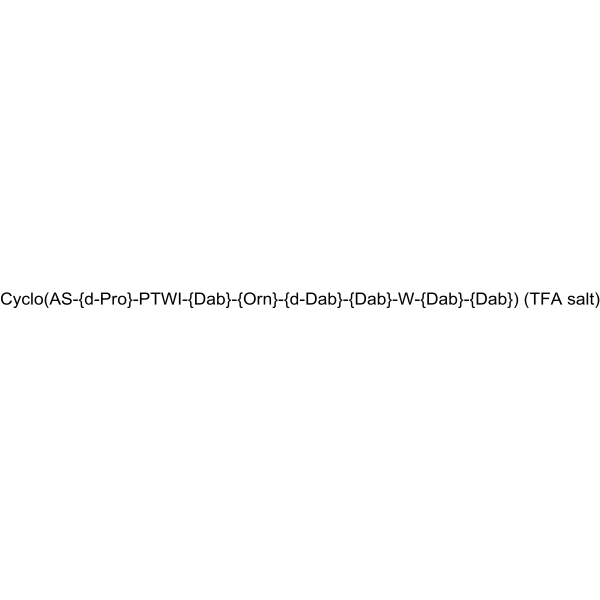
- HY-N5142S
-
|
|
Bacterial
|
Infection
|
|
α-Terpineol-d3 is the deuterium labeled α-Terpineol . α-Terpineol is isolated from Eucalyptus globulus Labill, exhibits strong antimicrobial activity against periodontopathic and cariogenic bacteria .α-Terpineol possesses antifungal activity against T. mentagrophytes, and the activity might lead to irreversible cellular disruption .
|
-
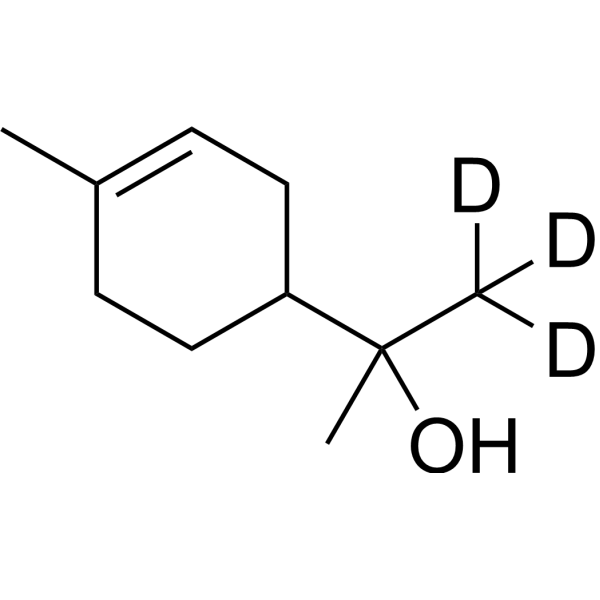
- HY-B0220
-
|
|
Bacterial
Antibiotic
DNA/RNA Synthesis
|
Infection
Cancer
|
|
Erythromycin is a macrolide antibiotic produced by actinomycete?Streptomyces erythreus?with a broad spectrum of antimicrobial activity. Erythromycin binds to bacterial 50S ribosomal subunits and inhibits?RNA-dependent protein synthesis?by blockage of transpeptidation and/or translocation reactions, without affecting synthesis of nucleic acid [1][2]. Erythromycin also exhibits antitumor and neuroprotective effect in different fields of research [3][4].
|
-
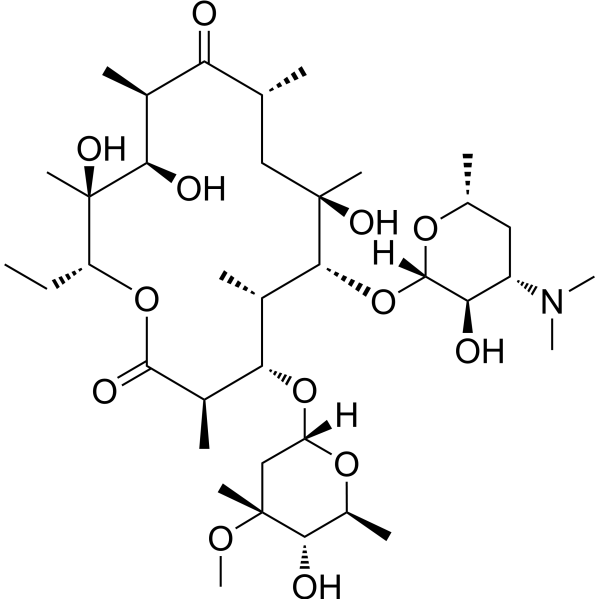
- HY-P3116
-
|
|
Bacterial
|
Cancer
|
|
Thiocoraline is a depsipeptide that can be isolated by marine Micromonospora. Thiocoraline has antitumor activity with IC50s of 0.002, 0.002, 0.01 and 0.002 μg/mL in P388, A549, HT-29 and MEL-28 cells, respectively. Thiocoraline also a strong antimicrobial activity against Gram-positive microorganisms .
|
-
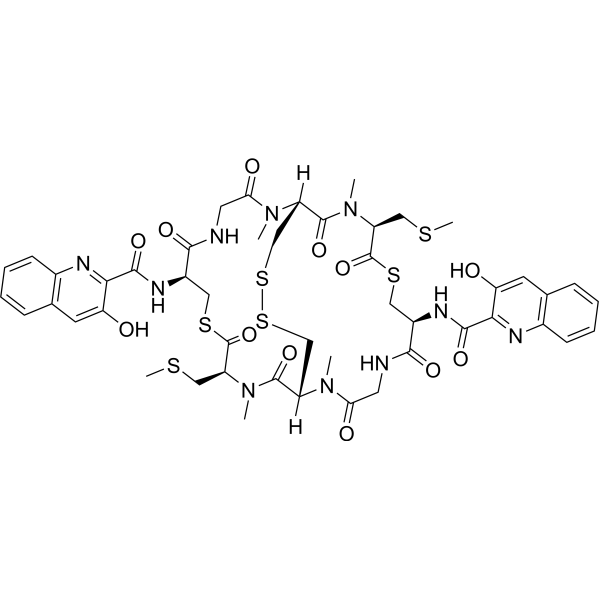
- HY-N7165
-
|
|
Phosphatase
Bacterial
|
Infection
Metabolic Disease
|
|
3-O-cis-p-Coumaroyl maslinic acid (compound 16) is a natural compound isolated from the ethyl acetate extract of leaves of Miconia albicans.3-O-cis-p-Coumaroyl maslinic acid can inhibit PTP1B, with the IC50 of 0.46 μM, and shows antimicrobial activity on Gram-positive bacteria and yeasts .
|
-
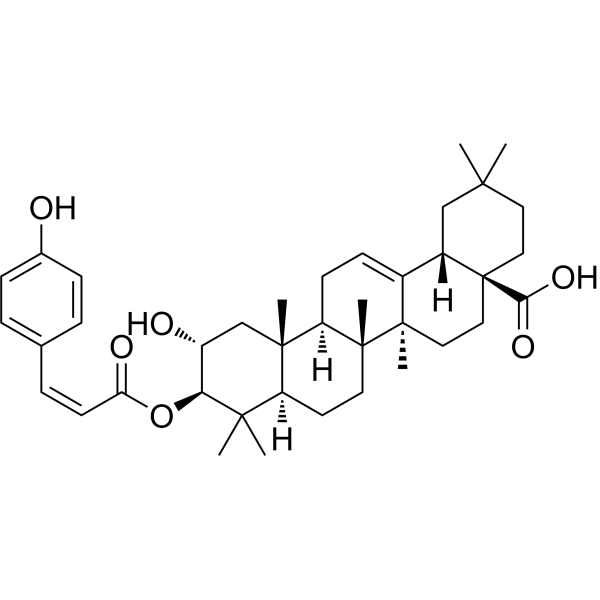
- HY-B0519
-
|
|
Bacterial
Antibiotic
|
Infection
|
|
Tylosin tartrate is a macrolide antibiotic found naturally as a fermentation product of Streptomyces fradiae. Tylosin tartrate exerts potent antimicrobial activity against Gram-positive bacteria. Tylosin tartrate is widely used as a feed additive for promoting animal growth. Tylosin tartrate is used for veterinary purposes against bacterial dysentery and respiratory diseases in poultry, pigs and cattle .
|
-
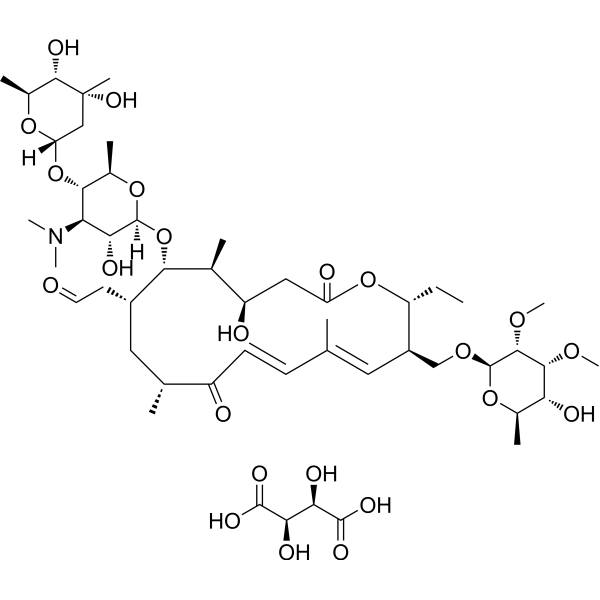
- HY-N7510
-
|
12-Methoxycarnosic acid
|
5 alpha Reductase
|
Infection
Cancer
|
|
12-O-Methylcarnosic acid (12-Methoxycarnosic acid), a diterpene carnosic acid isolated from the acetone extract of Salvia microphylla, is an active constituent of 5α-reductase inhibition with an IC50 value of 61.7 μM. 12-O-Methylcarnosic acid inhibits proliferation in LNCaP cells. 12-O-Methylcarnosic acid has antioxidant, anti-cancer and antimicrobial activity .
|
-
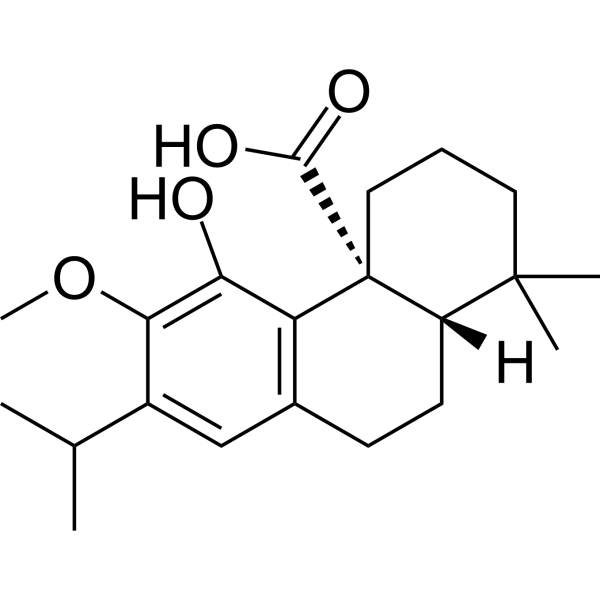
- HY-N7068R
-
|
BRL-4910A calcium hydrate (Standard); Pseudomonic acid calcium hydrate (Standard)
|
Reference Standards
Bacterial
Antibiotic
|
Infection
Inflammation/Immunology
|
|
Mupirocin (calcium hydrate) (Standard) is the analytical standard of Mupirocin (calcium hydrate). This product is intended for research and analytical applications. Mupirocin (BRL-4910A, Pseudomonic acid) calcium hydrate is an orally active antibiotic isolated from Pseudomonas fluorescens. Mupirocin calcium hydrate apparently exerts its antimicrobial activity by reversibly inhibiting isoleucyl-transfer RNA, thereby inhibiting bacterial protein and RNA synthesis .
|
-

- HY-B1290S3
-
|
Phenylethyl alcohol-13C2; Phenethyl alcohol-13C2; Benzyl carbinol-13C2
|
Bacterial
Virus Protease
Isotope-Labeled Compounds
|
Infection
|
|
2-Phenylethanol- 13C2 is 13C labeled 2-Phenylethanol (HY-B1290). 2-Phenylethanol (Phenethyl alcohol) is an aromatic alcohol with a rose-like odour. 2-Phenylethanol is a flavour and fragrance compound, and can be used as a preservative and anti-microbial agent. 2-Phenylethanol has antityrosinase and antimicrobial activities .
|
-
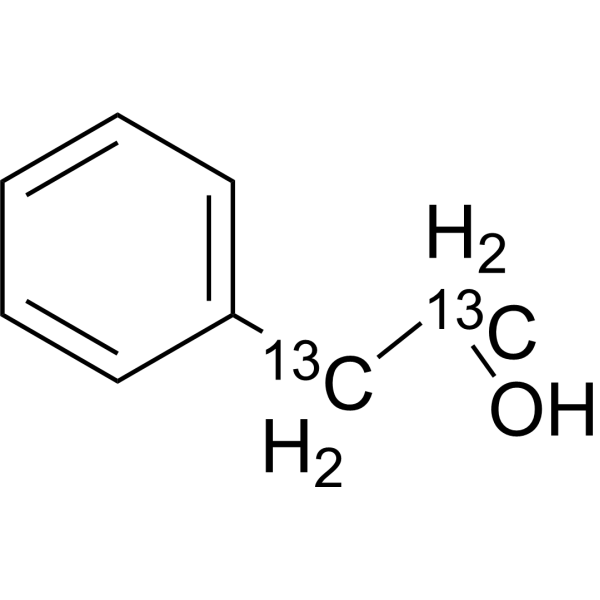
- HY-W012531
-
|
|
HIV
SARS-CoV
Endogenous Metabolite
Bacterial
|
Infection
Neurological Disease
Inflammation/Immunology
Cancer
|
|
2-Hydroxycinnamic acid is a phenolic acid with antimicrobial and antioxidant properties. 2-Hydroxycinnamic acid has antimicrobial activity against Staphylococcus aureus and is not susceptible to drug resistance. 2-Hydroxycinnamic acid shows inhibitory effects on infection of HIV/SARS-CoV S pseudovirus with an IC50 of 0.3 mM. In addition, 2-Hydroxycinnamic acid has neuroprotective and antitumor activity .
|
-
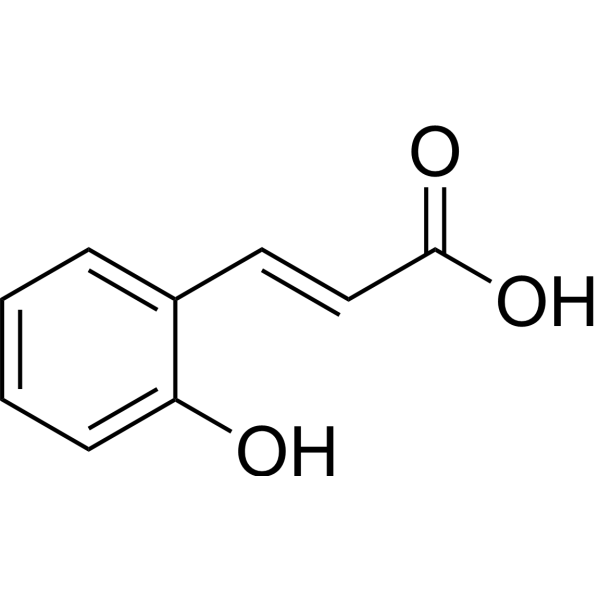
- HY-125620
-
|
|
Antibiotic
Bacterial
|
Infection
Cancer
|
|
Rubiginone D2 is an antibiotic, which exhibits antimicrobial activities against Bacillus subtilis, Staphylococcus aureus and Escherichia coli. Rubiginone D2 exhibits antitumor efficacy, inhibits proliferations of cancer cells HM02, Kato III, HepG2 and MCF7, with GI50s of 0.1, 0.7, <0.1 and 7.5 μM, respectively .
|
-

- HY-D1005A4
-
|
PEG-PPG-PEG, 1630 (Average)
|
Biochemical Assay Reagents
Bacterial
|
Infection
|
|
Poloxamer 122 L42 is block polymer of polyoxyethylene and polyoxypropylene with average molecular mass of 1630. Poloxamer 122 L42 exhibits antimicrobial activity, that inihibits 56% Mycobacterium avium complex at concentration of 1 mg/mL. Poloxamer 122 L42 forms thermoreversible hydrogel, that is utilized in food additives, drug delivery carriers in cosmetics, pharmaceutical ingredients and tissue engineering .
|
-
- HY-B0905
-
|
LY-177370; EL-870
|
Bacterial
Antibiotic
Apoptosis
Calcium Channel
|
Infection
Inflammation/Immunology
|
|
Tilmicosin (LY-177370) is an orally active calcium channel antagonist and macrolide antibiotic with antimicrobial activity. Tilmicosin mainly acts on the 50S subunit of bacterial ribosomes, inhibiting protein synthesis. Tilmicosin is effective in the treatment of respiratory diseases in livestock such as cattle, sheep and pigs. In addition, Tilmicosin has immunomodulatory and anti-inflammatory effects .
|
-
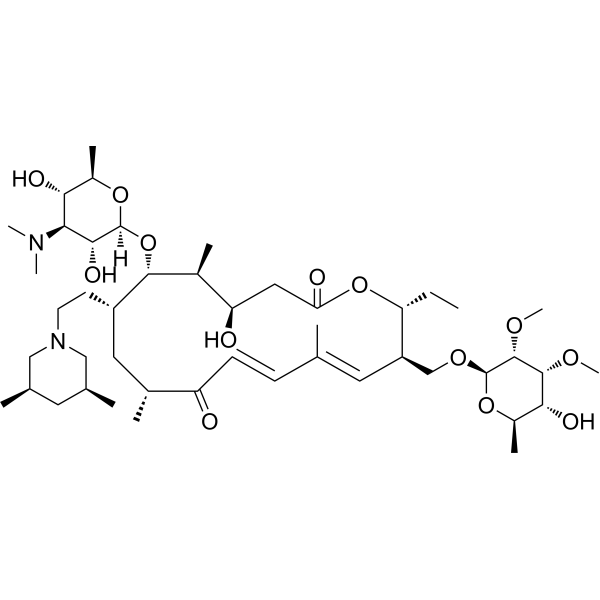
- HY-B0220S1
-
|
|
Isotope-Labeled Compounds
Bacterial
Antibiotic
|
Infection
|
|
Erythromycin- 13C,d3 is the 13C- and deuterium labeled Erythromycin. Erythromycin is a macrolide antibiotic produced by actinomycete?Streptomyces erythreus?with a broad spectrum of antimicrobial activity. Erythromycin acts by binding to bacterial 50S ribosomal subunits and inhibits?RNA-dependent protein synthesis?by blockage of transpeptidation and/or translocation reactions, without affecting synthesis of nucleic acid .
|
-
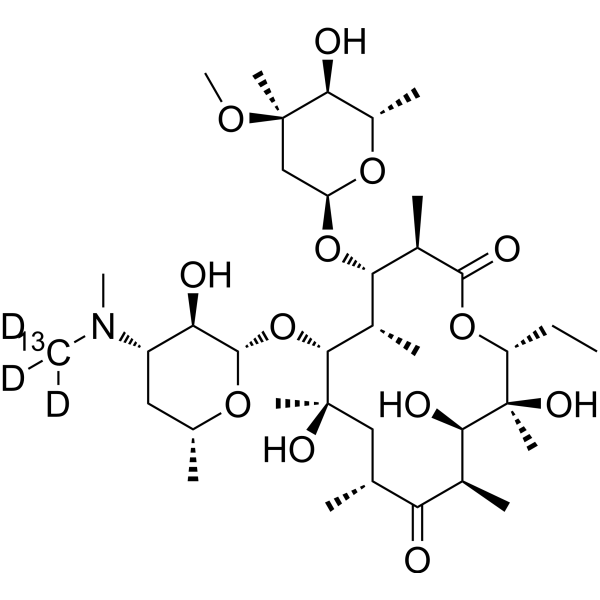
- HY-B1300B
-
|
|
Antibiotic
Bacterial
Beta-lactamase
Interleukin Related
|
Infection
|
|
Cefonicid monosodium is a long-acting cephalosporin antibiotic. Cefonicid monosodium also acts as a noncompetitive class I β-lactamase inhibitor with a Ki value of 0.8 μM. Cefonicid monosodium exhibits broad-spectrum antimicrobial activity and is effective against a variety of Gram-positive and Gram-negative bacteria. Cefonicid monosodium can be used for research on infections .
|
-

- HY-W015818
-
|
2-Benzoxazolone; 1,3-Benzoxazol-2(3H)-one; 2-Hydroxybenzoxazole
|
Parasite
|
Infection
|
|
2-Benzoxazolinone is an anti-leishmanial agent with an LC50 of 40 μg/mL against L. donovani . A building block in chemical synthesis. 1,3-Benzoxazol-2(3H)-one derivatives have antimicrobial activity against a selection of Gram-positive, Gram-negative bacteria and yeasts . Derivatives as anti-quorum sensing agent .
|
-
- HY-N3138
-
-
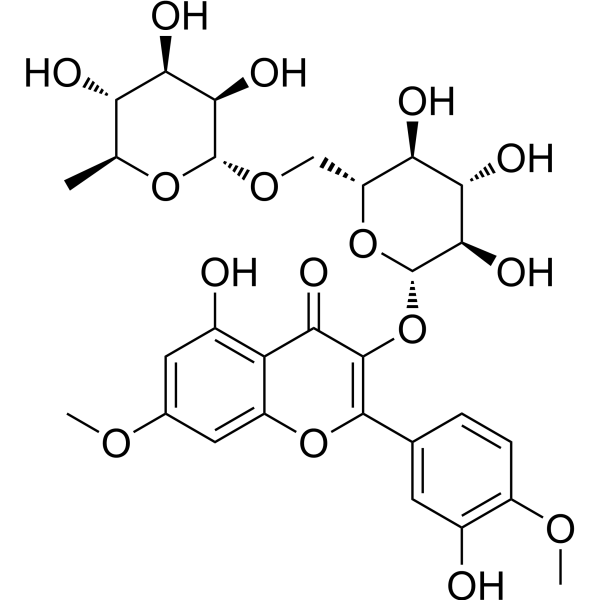
- HY-W142092
-
|
|
Bacterial
Endogenous Metabolite
|
Others
|
|
N-Acetyl-DL-serine is a hydrophobic amino acid that is synthesized in the body and can be found as a free form or as a salt with malonate, phosphate, or acetate. N-Acetyl-DL-serine has antimicrobial activity against Bacillus cereus and Staphylococcus aureus. N-Acetyl-DL-serine has also been used for the immobilization of DNA fragments on solid surfaces and can be used for protein synthesis and optical detection of DNA strands .
|
-
- HY-B0905A
-
|
LY-177370 phosphate; EL-870 phosphate
|
Bacterial
Antibiotic
Apoptosis
NO Synthase
COX
|
Infection
Inflammation/Immunology
|
|
Tilmicosin (LY-177370) phosphate is an orally active calcium channel antagonist and macrolide antibiotic with antimicrobial activity. Tilmicosin phosphate mainly acts on the 50S subunit of bacterial ribosomes, inhibiting protein synthesis. Tilmicosin phosphate is effective in the treatment of respiratory diseases in livestock such as cattle, sheep and pigs. In addition, Tilmicosin phosphate has immunomodulatory and anti-inflammatory effects .
|
-
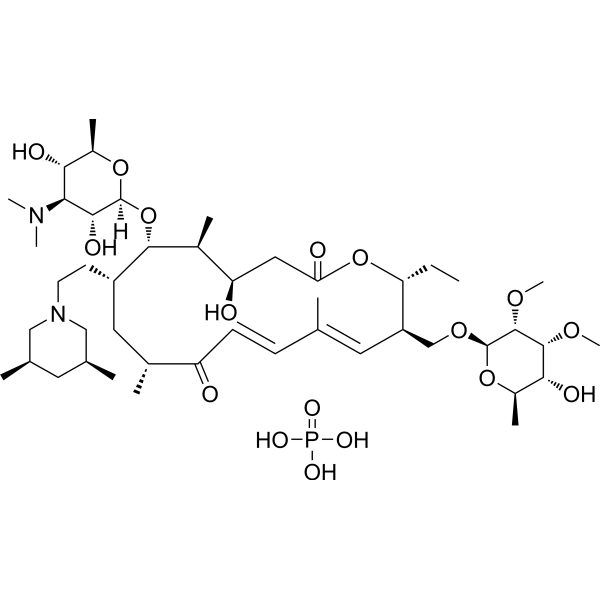
- HY-W015591R
-
|
(±)-Mandelic acid (Standard); DL-Mandelic acid (Standard)
|
Reference Standards
Bacterial
Endogenous Metabolite
|
Infection
|
|
Mandelic acid (Standard) is the analytical standard of Mandelic acid. This product is intended for research and analytical applications. Mandelic acid ((±)-Mandelic acid), an alpha-hydroxycarboxylic acid, has been widely used as an intermediate of pharmaceutical and fine chemicals. Mandelic acid shows antimicrobial activity and has been used for the research of urinary tract infections and vaginal trichomoniasis. Mandelic acid exhibits high sperm-immobilizing activity and low vaginal irritation .
|
-

- HY-106940
-
|
|
Bacterial
DNA/RNA Synthesis
|
Infection
|
|
DV-7751A is a new Fluoroquinolone and antibacterial agent. DV-7751A inhibits the supercoiling activity of DNA gyrases. DV-7751A exhibits antimicrobial activity against Streptococcus pneumonae, Streptococcus pyogenes, and Peptostreptococcus spp. DV-7751A has a rapid bactericidal effect against S. aureus, Escherichia coli, and P. aeruginosa .
|
-

- HY-N9495
-
|
|
Bacterial
|
Infection
|
|
(-)-trans-Myrtanol is an antimicrobial and acaricide agent. (-)-trans-Myrtanol exhibits potent antimicrobial activities against harmful intestinal bacteria. (-)-trans-Myrtanol shows acaricidal activities for D. farinae, D. pteronyssinus, T. putrescentiae with LD50 values of 2.30 µg/cm 2, 2.22 µg/cm 2, 12.95 µg/cm 2, respectively .
|
-
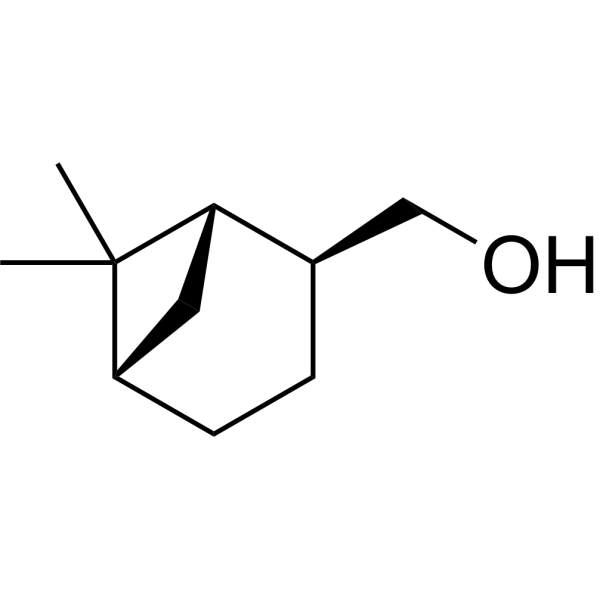
- HY-17508
-
|
|
Bacterial
Cytochrome P450
Autophagy
Antibiotic
|
Infection
Cancer
|
|
Clarithromycin has a broad spectrum of antimicrobial activity. Clarithromycin inhibits the CYP3A4-catalyzed triazolam alpha-hydroxylation with the IC50 (Ki) value of 56 (43) μM . Clarithromycin significantly inhibits the HERG potassium current .Clarithromycin affects the autophagic flux by impairing the signaling pathway linking hERG1 and PI3K .
|
-
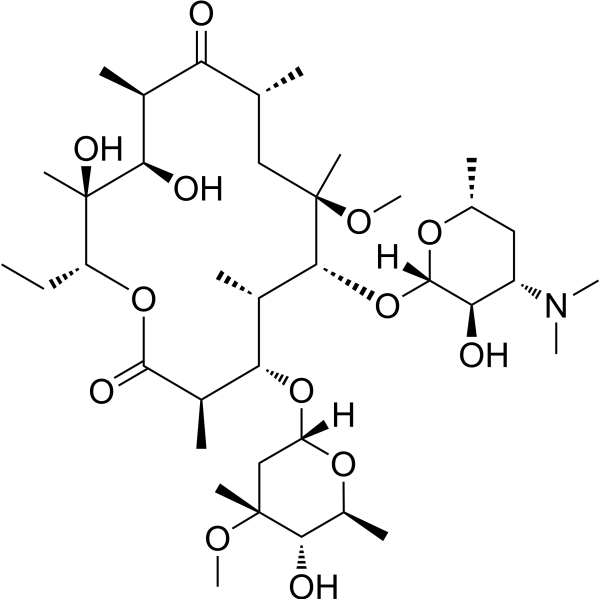
- HY-N15640
-
|
(-)-Filiformin
|
Bacterial
|
Infection
Inflammation/Immunology
Cancer
|
|
Filiformin ((-)-Filiformin) is a sesquiterpene compound that can be isolated from Laurencia filiformis forma heteroclada. Filiformin exhibits certain cytotoxicity against P388 and BSC-1 cells. Filiformin has antimicrobial activity against Bacillus subtilis, Trichophyton mentagrophytes and Candida albicans. In addition, Filiformin can inhibit oxygen uptake in isolated rat liver mitochondria at a concentration of 150 μM .
|
-

- HY-N5142R
-
|
|
Reference Standards
Bacterial
|
Infection
Inflammation/Immunology
|
|
α-Terpineol (Standard) is the analytical standard of α-Terpineol. This product is intended for research and analytical applications. α-Terpineol is isolated from Eucalyptus globulus Labill, exhibits strong antimicrobial activity against periodontopathic and cariogenic bacteria .
α-Terpineol possesses antifungal activity against T. mentagrophytes, and the activity might lead to irreversible cellular disruption .
|
-

- HY-P10402
-
|
|
Bacterial
|
Infection
Cancer
|
|
BMAP 28, bovine is an antibacterial peptide. BMAP 28, bovine exhibits antimicrobial activity against gram-positive and gram-negative bacteria, by increasing cell membrane permeability, and causing leakage of cell contents. BMAP 28, bovine exhibits cytotoxicity to cancer cells and activated human lymphocytes. BMAP 28, bovine induces apoptosis through depolarization of mitochondrial membrane potential .
|
-

- HY-B0220C
-
|
|
Antibiotic
Bacterial
DNA/RNA Synthesis
|
Infection
Cancer
|
|
Erythromycin aspartate is a macrolide antibiotic produced by actinomycete?Streptomyces erythreus?with a broad spectrum of antimicrobial activity. Erythromycin aspartate binds to bacterial 50S ribosomal subunits and inhibits?RNA-dependent protein synthesis?by blockage of transpeptidation and/or translocation reactions, without affecting synthesis of nucleic acid [1][2]. Erythromycin aspartate also exhibits antitumor and neuroprotective effect in different fields of research [3][4].
|
-
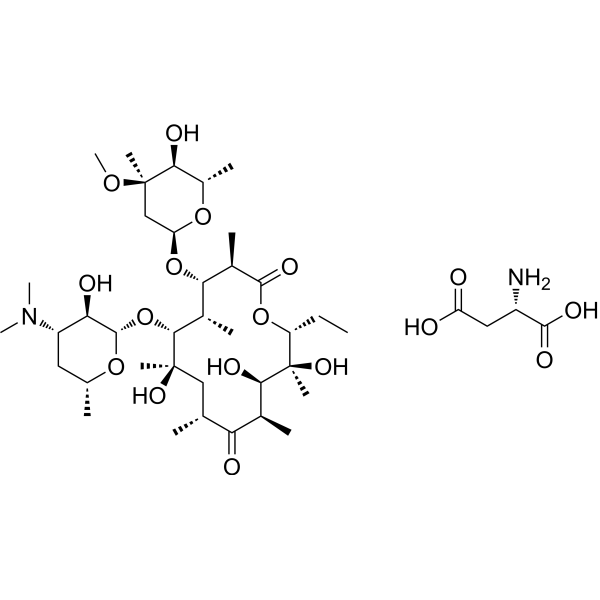
- HY-B1064R
-
|
Clindamycin 2-phosphate (Standard); U-28508 (Standard)
|
Reference Standards
Bacterial
Antibiotic
Parasite
|
Infection
|
|
Clindamycin phosphate (Standard) is the analytical standard of Clindamycin phosphate. This product is intended for research and analytical applications. Clindamycin phosphate (Clindamycin 2-phosphate) is a broad-spectrum bacteriostatic lincosamide antibiotic. Clindamycin phosphate is the proagent of Clindamycin (HY-B1455) with no antimicrobial activity in vitro but can be rapidly converted in vivo to the active parent agent, Clindamycin, by phosphatase ester hydrolysis. Clindamycin phosphate can be used for researching acne and bacterial vaginosis .
|
-
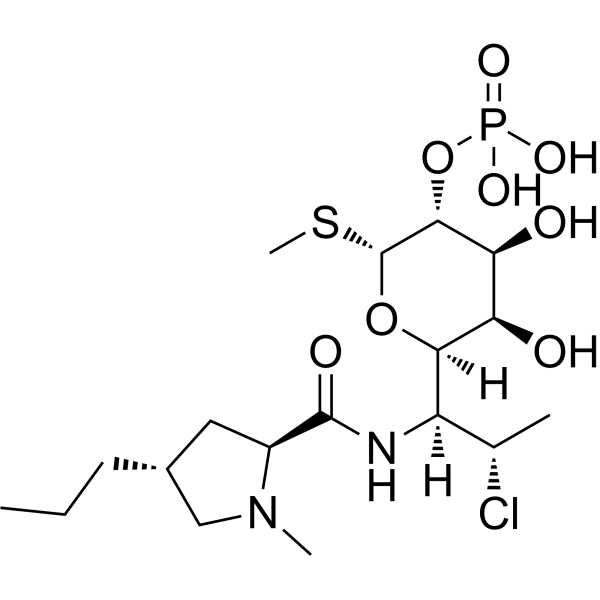
- HY-B0220F
-
|
|
Bacterial
Antibiotic
DNA/RNA Synthesis
|
Infection
Cancer
|
|
Erythromycin glutamate is a macrolide antibiotic produced by actinomycete Streptomyces erythreus with a broad spectrum of antimicrobial activity. Erythromycin glutamate binds to bacterial 50S ribosomal subunits and inhibits RNA-dependent protein synthesis by blockage of transpeptidation and/or translocation reactions, without affecting synthesis of nucleic acid [1][2]. Erythromycin glutamate also exhibits antitumor and neuroprotective effect in different fields of research [3][4].
|
-

- HY-B0905S
-
|
LY-177370-d3; EL-870-d3
|
Isotope-Labeled Compounds
Bacterial
Antibiotic
Apoptosis
NO Synthase
COX
|
Infection
Inflammation/Immunology
|
|
Tilmicosin-d3 is the deuterium labeled Tilmicosin. Tilmicosin (LY-177370) is an orally active calcium channel antagonist and macrolide antibiotic with antimicrobial activity. Tilmicosin mainly acts on the 50S subunit of bacterial ribosomes, inhibiting protein synthesis. Tilmicosin is effective in the treatment of respiratory diseases in livestock such as cattle, sheep and pigs. In addition, Tilmicosin has immunomodulatory and anti-inflammatory effects .
|
-
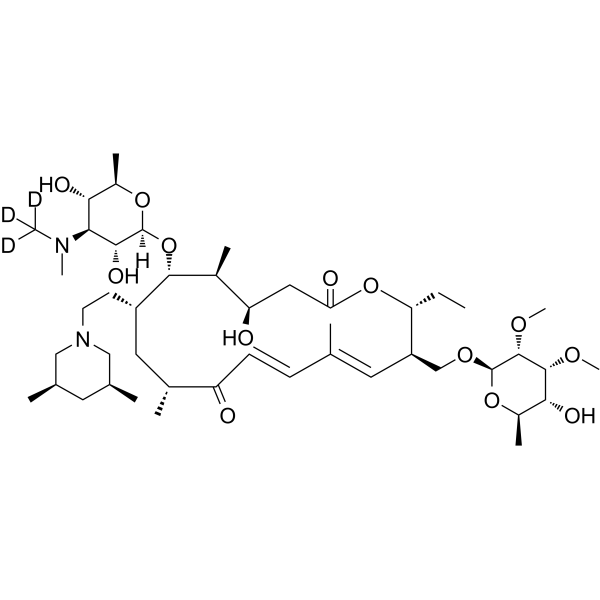
- HY-P11193
-
|
|
Bacterial
Fungal
|
Infection
|
|
Scolopin-2 is an antimicrobial peptide that can be isolated from centipede venoms. Scolopin-2 shows strong antimicrobial activities against a panel of Gram-positive/negative bacteria and fungi (MIC ≤ 7.5 μg/mL) . Scolopin-2 shows moderate hemolytic activity against both human and rabbit red cells. Scolopin-2 can be used for antimicrobial research .
|
-

- HY-B2227C
-
|
DL-Lactic acid potassium; E-270 potassium
|
Endogenous Metabolite
Hydroxycarboxylic Acid Receptor (HCAR)
Bacterial
|
Infection
Metabolic Disease
Inflammation/Immunology
Cancer
|
|
Lactic acid (DL-Lactic acid) potassium is a hydroxycarboxylic acid receptor 1 (HCAR1) activator and an epigenetic modulator inducing lysine residues lactylation. Lactic acid potassium is a glycolysis end-product, bridging the gap between glycolysis and oxidative phosphorylation. Lactic acid potassium is an oncometabolite and has immune protective role of lactate in anti-tumor immunity . Lactic acid also potassium has antimicrobial activity, which can be used as a food preservative .
|
-
- HY-B0519AS
-
|
|
Isotope-Labeled Compounds
Bacterial
Antibiotic
|
Infection
|
|
Tylosin-d3 is the deuterium labeled Tylosin. Tylosin (Tylosin A) is a macrolide antibiotic found naturally as a fermentation product of Streptomyces fradiae. Tylosin exerts potent antimicrobial activity against Gram-positive bacteria. Tylosin is widely used as a feed additive for promoting animal growth. Tylosin is used for veterinary purposes against bacterial dysentery and respiratory diseases in poultry, pigs and cattle .
|
-
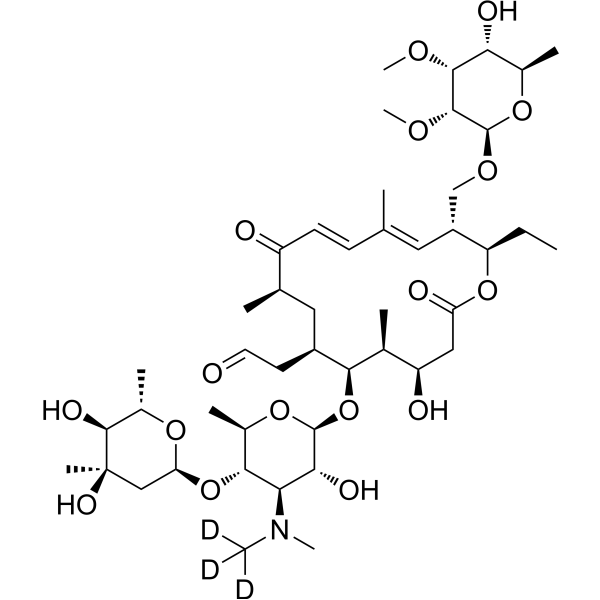
- HY-B2227
-
-
- HY-P10257
-
|
|
Bacterial
|
Infection
|
|
KR-12 (human) is an active segment of LL-37 (HY-P4744). KR-12 (human) exhibits antimicrobial activity against gram-negative bacteria. KR-12 (human) inhibits E. coli K-12 with a MIC of 66 μM. KR-12 human can be used for the research of infection, such as E. coli infection .
|
-

- HY-174758
-
|
|
mRNA
|
Inflammation/Immunology
|
|
Human CCL24 mRNA encodes the human C-C motif chemokine ligand 24 (CCL24) protein, a cytokine that displays chemotactic activity on resting T lymphocytes, a minimal activity on neutrophils, and is negative on monocytes and activated T lymphocytes. CCL24 also has antimicrobial activity, displaying an antibacterial effect on S. pneumoniae, S. aureus, Non-typeable H. influenzae, and P. aeruginosa.
|
-

- HY-D1005A8
-
|
PEG-PPG-PEG, 2000 (Average)
|
Environmental Pollutants
Biochemical Assay Reagents
Bacterial
P-glycoprotein
|
Infection
Cancer
|
|
Poloxamer 181 L61 is a block polymer of polyethylene oxide and polypropylene oxide with an average molecular weight of 2000. Poloxamer has the ability to inhibit P-gp. Poloxamer 181 has antimicrobial activity and can inhibit Mycobacterium avium. Poloxamer 181 can form a thermally reversible hydrogel and is used as a food additive, and as an agent delivery carrier in cosmetics, pharmaceuticals and tissue engineering .
|
-

- HY-B0220D
-
|
|
Bacterial
Antibiotic
DNA/RNA Synthesis
|
Infection
Cancer
|
|
Erythromycin thiocyanate is a macrolide antibiotic produced by actinomycete Streptomyces erythreus with a broad spectrum of antimicrobial activity. Erythromycin thiocyanate binds to bacterial 50S ribosomal subunits and inhibits RNA-dependent protein synthesis by blockage of transpeptidation and/or translocation reactions, without affecting synthesis of nucleic acid [1][2]. Erythromycin thiocyanate also exhibits antitumor and neuroprotective effect in different fields of research [3][4].
|
-
- HY-N3287
-
|
|
Bacterial
Fungal
Reactive Oxygen Species (ROS)
|
Infection
|
|
Methyl 3-hydroxy-4,5-dimethoxybenzoate is a gallic acid derivant that can be isolated from myricaria Laxiflora. Methyl 3-hydroxy-4,5-dimethoxybenzoate shows obvious antimicrobial activities. Methyl 3-hydroxy-4,5-dimethoxybenzoate shows fairly active for oxidation resistance in the presence of H2O2 .
|
-
- HY-B0220B
-
|
|
Antibiotic
Bacterial
|
Infection
Cancer
|
|
Erythromycin gluceptate is a macrolide antibiotic produced by actinomycete Streptomyces erythreus with a broad spectrum of antimicrobial activity. Erythromycin gluceptate binds to bacterial 50S ribosomal subunits and inhibits RNA-dependent protein synthesis by blockage of transpeptidation and/or translocation reactions, without affecting synthesis of nucleic acid [1][2]. Erythromycin gluceptate also exhibits antitumor and neuroprotective effect in different fields of research [3][4].
|
-
- HY-13067
-
-
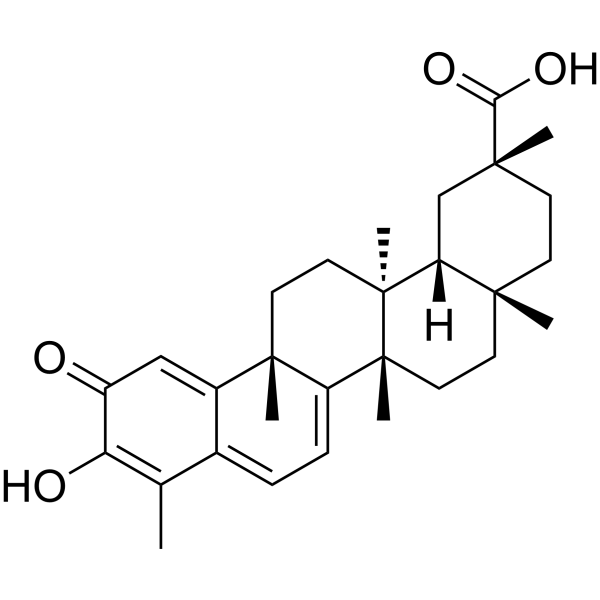
- HY-B0220A
-
|
|
Antibiotic
Bacterial
DNA/RNA Synthesis
|
Infection
Cancer
|
|
Erythromycin lactobionate is a macrolide antibiotic produced by actinomycete Streptomyces erythreus with a broad spectrum of antimicrobial activity. Erythromycin lactobionate binds to bacterial 50S ribosomal subunits and inhibits RNA-dependent protein synthesis by blockage of transpeptidation and/or translocation reactions, without affecting synthesis of nucleic acid [1][2]. Erythromycin lactobionate also exhibits antitumor and neuroprotective effect in different fields of research [3][4].
|
-
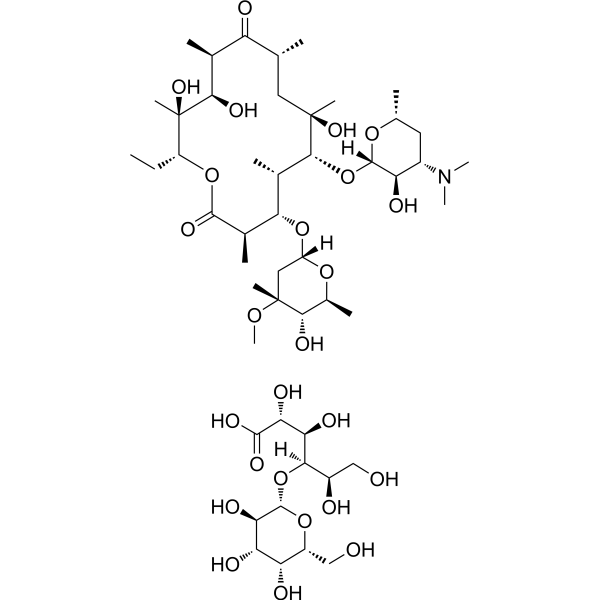
- HY-B0220E
-
|
|
Bacterial
Antibiotic
DNA/RNA Synthesis
|
Infection
Cancer
|
|
Erythromycin A dihydrate is a macrolide antibiotic produced by actinomycete Streptomyces erythreus with a broad spectrum of antimicrobial activity. Erythromycin A dihydrate binds to bacterial 50S ribosomal subunits and inhibits RNA-dependent protein synthesis by blockage of transpeptidation and/or translocation reactions, without affecting synthesis of nucleic acid [1][2]. Erythromycin A dihydrate also exhibits antitumor and neuroprotective effect in different fields of research [3][4].
|
-
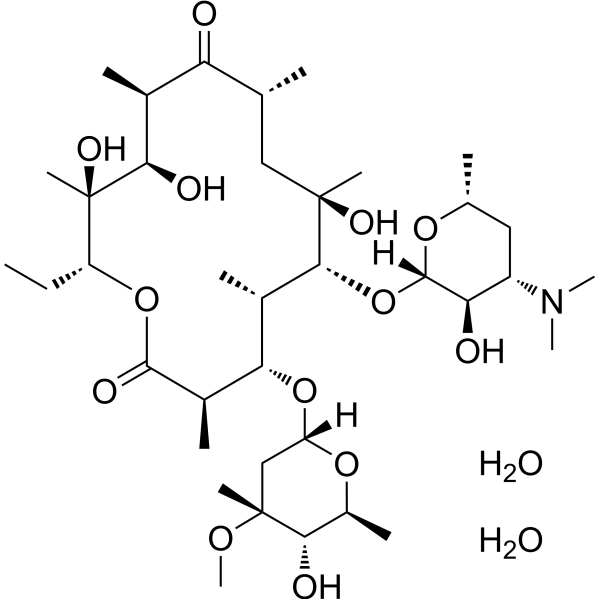
- HY-N7307
-
|
|
Bacterial
|
Infection
|
|
Pachybasin is a major metabolite from culture broth of endophytic coelomyceteous AFKR-18 fungus. Pachybasin showes antimicrobial activities against E. coli, B. subtilis, M. luteus, S. cerevisiae, C. albicans, A. niger, and A. flavus, with MIC values of 64.0 μg/mL, and against S. aureus and F. oxysporum with MIC values of 32.0 and 16.0 μg/mL respectively .
|
-
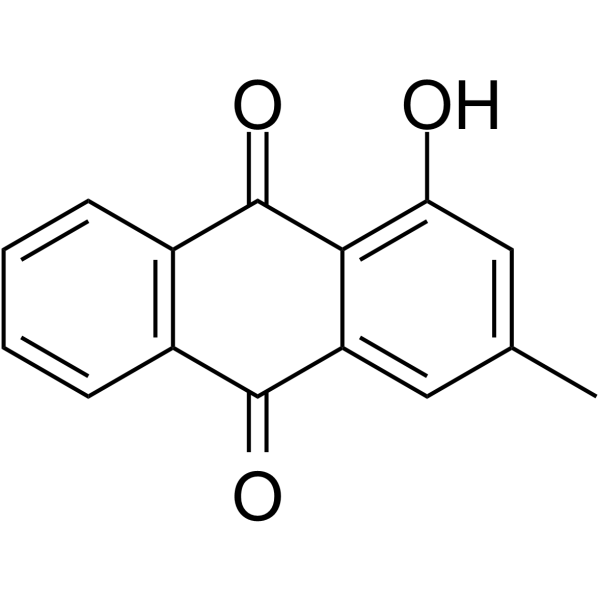
- HY-108875
-
|
|
Antibiotic
Bacterial
DNA/RNA Synthesis
|
Infection
Cancer
|
|
Erythromycin stearate is a macrolide antibiotic produced by actinomycete Streptomyces erythreus with a broad spectrum of antimicrobial activity. Erythromycin stearate binds to bacterial 50S ribosomal subunits and inhibits RNA-dependent protein synthesis by blockage of transpeptidation and/or translocation reactions, without affecting synthesis of nucleic acid [1][2]. Erythromycin stearate also exhibits antitumor and neuroprotective effect in different fields of research [3][4].
|
-
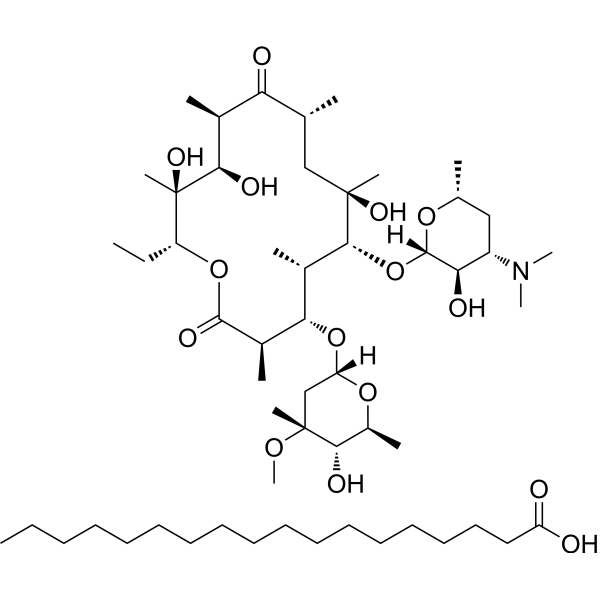
- HY-B0905R
-
|
LY-177370 (Standard); EL-870 (Standard)
|
Reference Standards
Bacterial
Antibiotic
Apoptosis
Calcium Channel
|
Infection
Inflammation/Immunology
|
|
Tilmicosin (Standard) is the analytical standard of Tilmicosin. This product is intended for research and analytical applications. Tilmicosin (LY-177370) is an orally active calcium channel antagonist and macrolide antibiotic with antimicrobial activity. Tilmicosin mainly acts on the 50S subunit of bacterial ribosomes, inhibiting protein synthesis. Tilmicosin is effective in the treatment of respiratory diseases in livestock such as cattle, sheep and pigs. In addition, Tilmicosin has immunomodulatory and anti-inflammatory effects .
|
-

- HY-W017212R
-
|
Methyl 3-phenylpropenoate (Standard)
|
Reference Standards
Tyrosinase
Bacterial
AMPK
|
Infection
Metabolic Disease
|
|
Methyl cinnamate (Methyl 3-phenylpropenoate), an active component of Zanthoxylum armatum, is a widely used natural flavor compound. Methyl cinnamate (Methyl 3-phenylpropenoate) possesses antimicrobial activity and is a tyrosinase inhibitor that can prevent food browning. Methyl cinnamate (Methyl 3-phenylpropenoate) has antiadipogenic activity through mechanisms mediated, in part, by the CaMKK2-AMPK signaling pathway .
|
-

- HY-144728
-
|
|
Bacterial
|
Infection
|
|
MraY-IN-1 (compound 12a) is a potent MraY inhibitor with an IC50 value of 140 μM. MraY-IN-1 has antimicrobial activity against Escherichia coli K12, Bacillus subtilis W23 and Pseudomonas fluorescens Pf-5 with MIC50s of 7 µg/mL, 12 µg/mL and 46 µg/mL, respectively. MraY-IN-1 can be used for researching anti-bacteria .
|
-
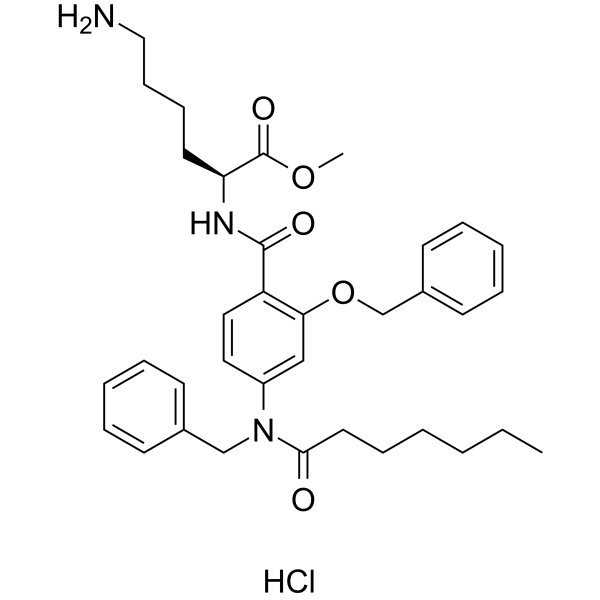
- HY-W017212
-
|
Methyl 3-phenylpropenoate
|
Environmental Pollutants
AMPK
Bacterial
Tyrosinase
|
Infection
Metabolic Disease
|
|
Methyl cinnamate (Methyl 3-phenylpropenoate), an active component of Zanthoxylum armatum, is a widely used natural flavor compound. Methyl cinnamate (Methyl 3-phenylpropenoate) possesses antimicrobial activity and is a tyrosinase inhibitor that can prevent food browning. Methyl cinnamate (Methyl 3-phenylpropenoate) has antiadipogenic activity through mechanisms mediated, in part, by the CaMKK2-AMPK signaling pathway .
|
-
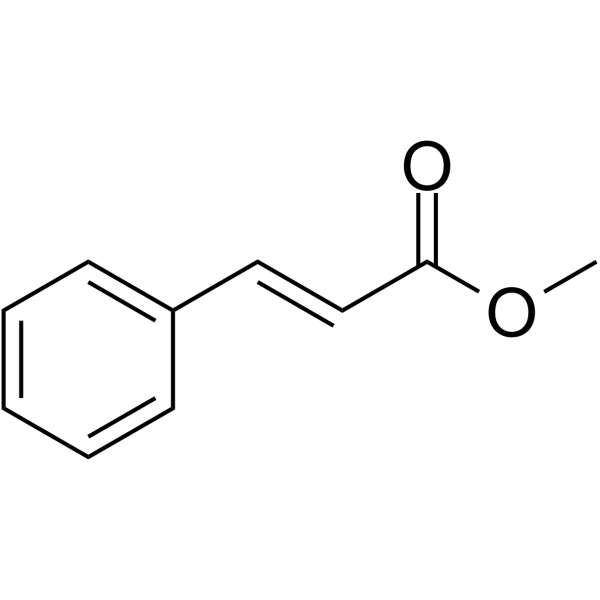
- HY-119387
-
|
|
Bacterial
|
Infection
|
|
Chevalone B was isolated from the ethyl acetate extract of the marine sponge-associated fungus Aspergillus similanensis. The structure of Chevalone B was confirmed by 1D and 2D NMR spectroscopy. Chevalone B showed antimicrobial activity against Gram-positive and Gram-negative bacteria, Candida albicans, and multidrug-resistant strains from the environment. Studies on Chevalone B have shown its potential value in antimicrobial applications.
|
-

- HY-P10513
-
|
AP1-Z1
|
Bacterial
Fungal
Apoptosis
|
Infection
Cancer
|
|
AcrAP1 (AP1-Z1) is an antimicrobial peptide found in the venom of the Arabian scorpion (Androctonus crassicauda). AcrAP1 has antimicrobial activity and can inhibit the growth of Gram-positive and Gram-negative bacteria as well as yeast. AcrAP1 exerts antitumor activity by promoting apoptosis of cancer cells and inhibiting angiogenesis. AcrAP1 can be used in cancer therapy research .
|
-

- HY-D2430
-
|
|
Fluorescent Dye
Bacterial
Fungal
|
Infection
Cancer
|
|
Chitosan-PEG-Cy3 is a fluorescent labeling reagent that combines Cy3 (HY-D0822) fluorescent dye, Chitosan and polyethylene glycol (PEG). The Cy3 fluorophore is commonly used in applications such as immunolabeling, nucleic acid labeling, fluorescence microscopy, and flow cytometry. Cy3 has an emission maximum around 562-570 nm. Chitosan exhibits antimicrobial activity against various bacteria and fungi .
|
-

- HY-N16374
-
|
|
Antibiotic
Bacterial
Fungal
|
Infection
Cancer
|
|
Mazethramycin B (Compound II) is an antitumor antibiotic. Mazethramycin B can be isolated from the Streptomyces thioluteusM ME561-L4. Mazethramycin B has a broad-spectrum antimicrobial activity (such as MICs of 1.56 and 6.25 μg/mL for the bacteria Bacillus subtilis PCI 219 and the fungus Candida pseudotropicalis, resepectively). Mazethramycin B significantly increases survival in L1210 leukemia mice model .
|
-

- HY-B1118A
-
|
RP-14539 hemihydrate; PM-185184 hemihydrate
|
Bacterial
Parasite
|
Infection
|
|
Secnidazole (RP-14539) hemihydrate is an orally active azole antibiotic and a imidazole mitigator of Serratia marcescens virulence. Secnidazole hemihydrate, as an analog of acylhomoserine lactones, effectively inhibits QS resulting in the attenuation of Pseudomonas aeruginosa pathogenesis. Secnidazole hemihydrate has antimicrobial activity against many anaerobic Gram-negative and Gram-positive bacterial species in vitro. Secnidazole hemihydrate can be used for the research of various diseases, such as amoebiasis and giardiasis, and bacterial vaginitis .
|
-
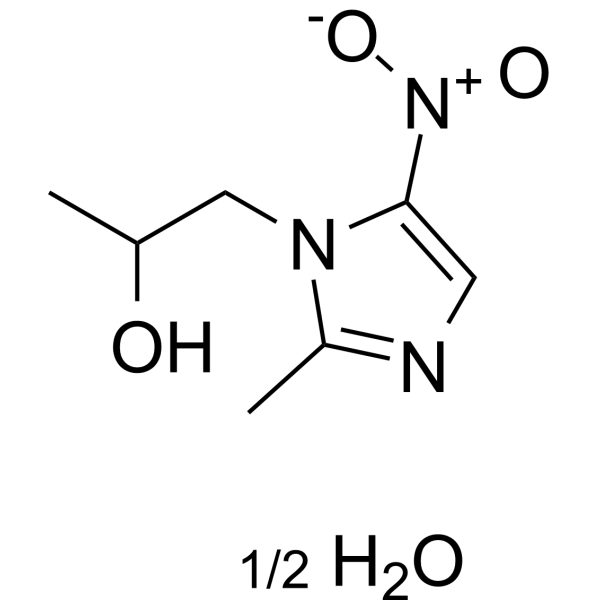
- HY-B0519AR
-
|
|
Reference Standards
Bacterial
Antibiotic
|
Infection
|
|
Tylosin (Standard) is the analytical standard of Tylosin. This product is intended for research and analytical applications. Tylosin (Tylosin A) is a macrolide antibiotic found naturally as a fermentation product of Streptomyces fradiae. Tylosin exerts potent antimicrobial activity against Gram-positive bacteria. Tylosin is widely used as a feed additive for promoting animal growth. Tylosin is used for veterinary purposes against bacterial dysentery and respiratory diseases in poultry, pigs and cattle .
|
-

- HY-130187S
-
|
|
Isotope-Labeled Compounds
Bacterial
|
Infection
|
|
Sapienic acid-d19 is a deuterated labeled Sapienic acid . Sapienic acid is a fatty acid commonly found on the skin and in mucosa. Sapienic acid has variable antimicrobial activities against Gram-positive and Gram-negative bacteria found on the skin and in the oral cavity. Sapienic acid is active against Streptococcus sanguinis, Streptococcus mitis and Fusobacterium nucleatum with MBC values of 31.3 μg/mL, 375.0 μg/mL and 93.8 μg/mL, respectively .
|
-

- HY-144659
-
|
|
Beta-lactamase
Apoptosis
Bacterial
|
Infection
|
|
Metallo-β-lactamase-IN-5 (compound 5c) is a potent metallo-β-lactamases (MBL) inhibitor. Metallo-β-lactamase-IN-5 shows inhibitory activity against MBLs NDM-1 and VIM-1. Metallo-β-lactamase-IN-5 inhibits HUVECs with an IC50 of 45 μg/mL. Metallo-β-lactamase-IN-5 plus Imipenem exhibits synergistic antimicrobial activity .
|
-
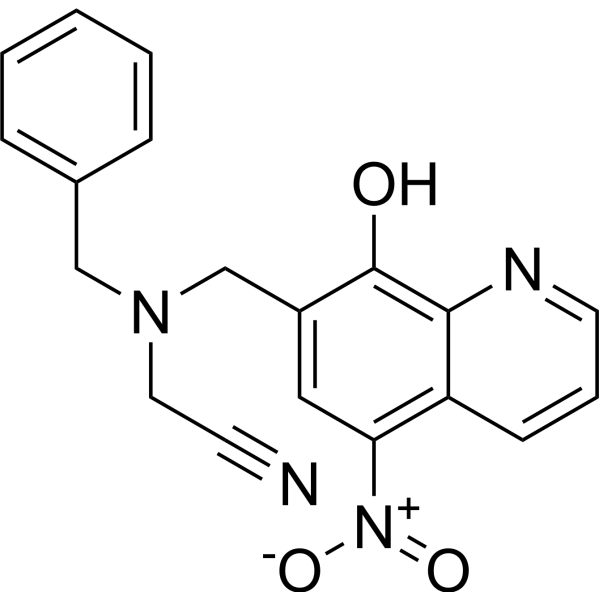
- HY-B0519BR
-
|
|
Reference Standards
Bacterial
Antibiotic
|
Infection
|
|
Tylosin (phosphate) (Standard) is the analytical standard of Tylosin (phosphate). This product is intended for research and analytical applications. Tylosin phosphate is a macrolide antibiotic found naturally as a fermentation product of Streptomyces fradiae. Tylosin tartrate exerts potent antimicrobial activity against Gram-positive bacteria. Tylosin phosphate is widely used as a feed additive for promoting animal growth. Tylosin phosphate is used for veterinary purposes against bacterial dysentery and respiratory diseases in poultry, pigs and cattle .
|
-

- HY-131165R
-
|
|
Antibiotic
Bacterial
Reference Standards
|
Infection
Cancer
|
|
Amoxicillin (trihydrate) mixture with potassium clavulanate (4:1) (Standard) is the analytical standard of Amoxicillin (trihydrate) mixture with potassium clavulanate (4:1). This product is intended for research and analytical applications. Amoxicillin (trihydrate) mixture with potassium clavulanate (4:1) an antibiotic with good oral absorption and broad spectrum antimicrobial activity. Amoxicillin (trihydrate) mixture with potassium clavulanate (4:1) inhibits the biosynthesis of polypeptides in the cell wall, thereby inhibiting cell growth .
|
-

- HY-W015591S
-
|
(±)-Mandelic acid-2,3,4,5,6-d5; DL-Mandelic acid-2,3,4,5,6-d5
|
Isotope-Labeled Compounds
Bacterial
Endogenous Metabolite
|
Infection
|
|
Mandelic acid-2,3,4,5,6-d5 is the deuterium labeled Mandelic acid. Mandelic acid ((±)-Mandelic acid), an alpha-hydroxycarboxylic acid, has been widely used as an intermediate of pharmaceutical and fine chemicals. Mandelic acid shows antimicrobial activity and has been used for the research of urinary tract infections and vaginal trichomoniasis. Mandelic acid exhibits high sperm-immobilizing activity and low vaginal irritation .
|
-
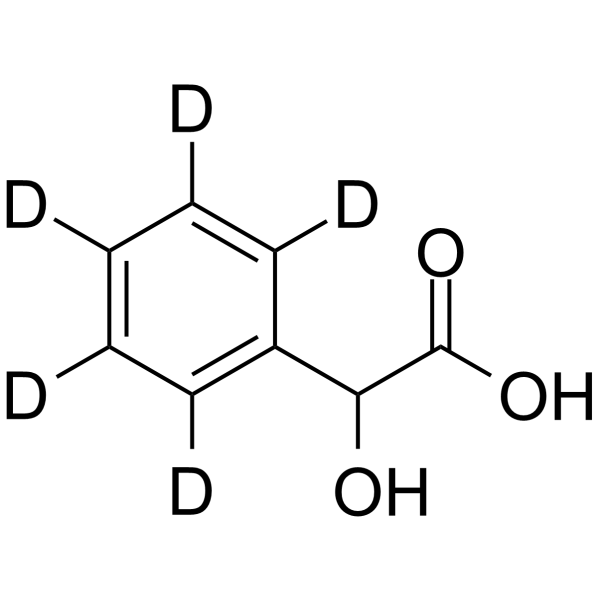
- HY-B1118
-
|
RP-14539; PM-185184
|
Bacterial
Parasite
|
Infection
|
|
Secnidazole (RP-14539) is an orally active azole antibiotic and a imidazole mitigator of Serratia marcescens virulence. Secnidazole, as an analog of acylhomoserine lactones, effectively inhibits QS resulting in the attenuation of Pseudomonas aeruginosa pathogenesis. Secnidazole has antimicrobial activity against many anaerobic Gram-negative and Gram-positive bacterial species in vitro. Secnidazole can be used for the research of various diseases, such as amoebiasis and giardiasis, and bacterial vaginitis .
|
-
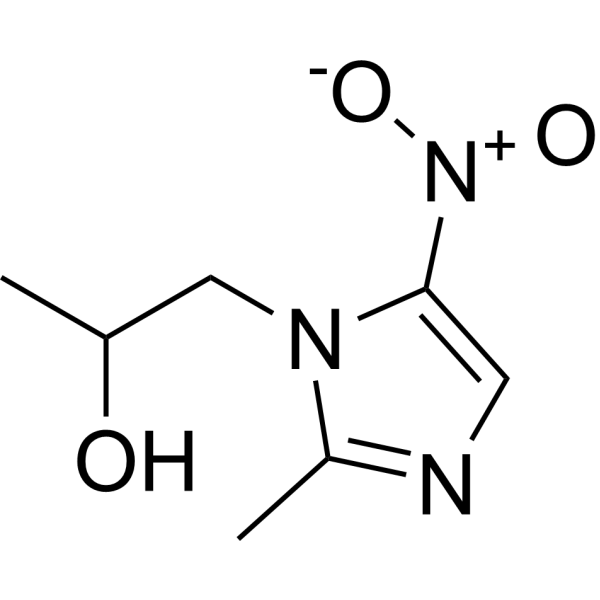
- HY-B0220S2
-
|
|
Bacterial
DNA/RNA Synthesis
Antibiotic
|
Infection
|
|
Erythromycin-d3 is the deuterium labeled Erythromycin . Erythromycin is a macrolide antibiotic produced by actinomycete Streptomyces erythreus with a broad spectrum of antimicrobial activity. Erythromycin binds to bacterial 50S ribosomal subunits and inhibits RNA-dependent protein synthesis by blockage of transpeptidation and/or translocation reactions, without affecting synthesis of nucleic acid. Erythromycin also exhibits antitumor and neuroprotective effect in different fields of research .
|
-
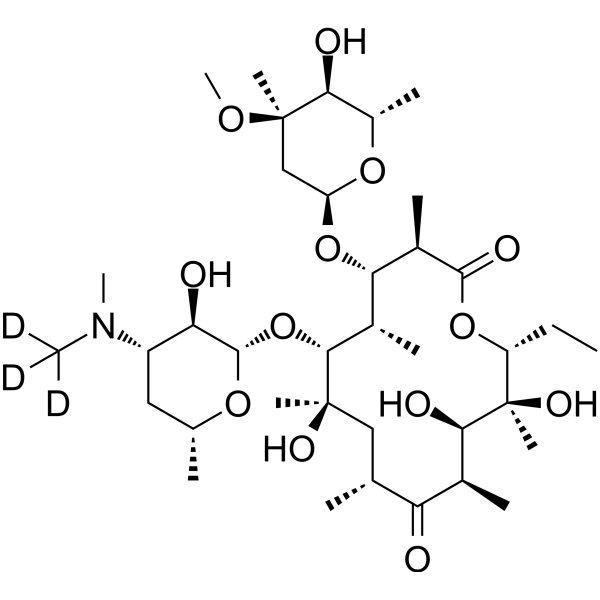
- HY-N6846
-
|
|
Bacterial
|
Infection
|
|
10-Isobutyryloxy-8,9-epoxythymol isobutyrate is a major constituent of Inula helenium and Inula royleana root cultures. 10-Isobutyryloxy-8,9-epoxythymol isobutyrate shows moderate antimicrobial activity against Staphylococcus aureus FDA 209 P, Staphylococcus aureus, Enterococcus faecalis, Candida albicans and Pseudomonas aeruginosa with MICs of 50, 250, 250, 250, and 1000 μg/mL, respectively .
|
-
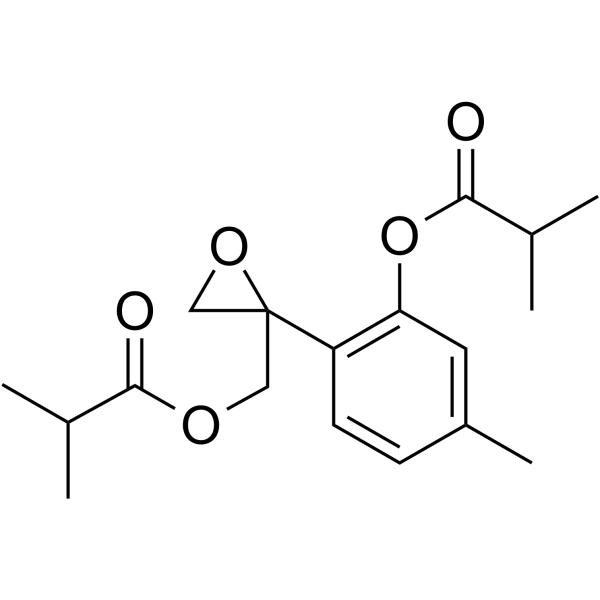
- HY-B2227A
-
-
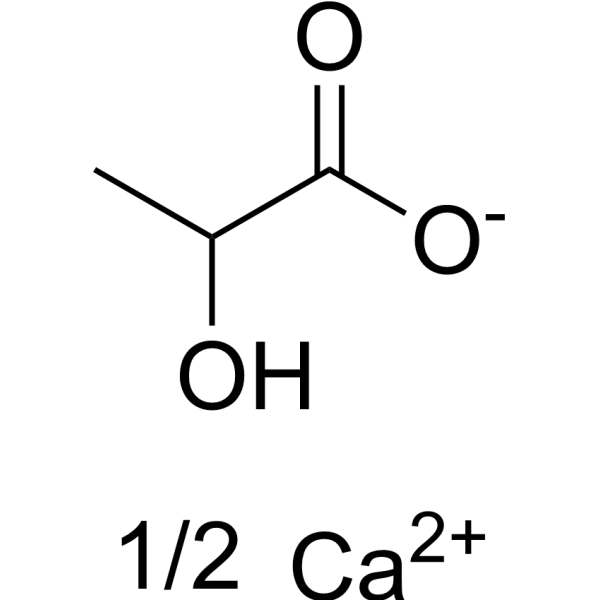
- HY-P2313
-
|
HβD-2
|
Antibiotic
Bacterial
|
Infection
|
|
Human β-defensin-2 (HβD-2) is a small cysteine-rich cationic skin-antimicrobial peptide (SAP) produced by a number of epithelial cells.Human β-defensin-2 has antimicrobial activity against gram-negative bacteria and Candida, but not gram-positive Staphylococcus aureus . Human β-defensin-2 can be used for the study of colitis .
|
-
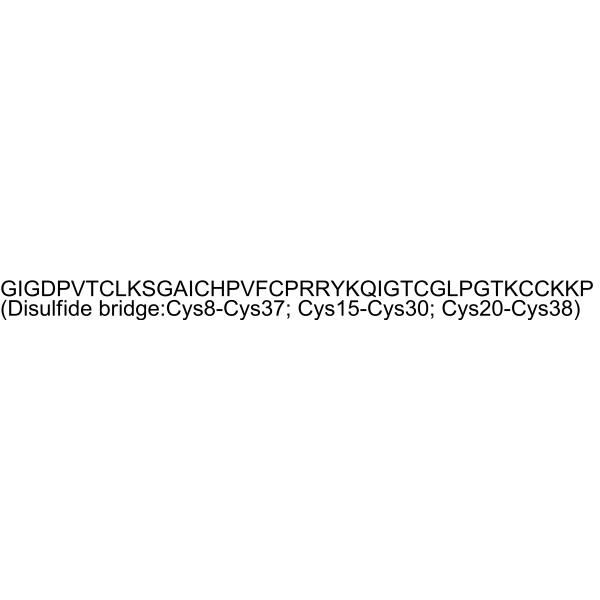
- HY-P11630
-
|
|
Bacterial
|
Cardiovascular Disease
Infection
|
|
ZM-804 is a cationic α-helix antimicrobial peptide. ZM-804 targets bacterial cell membranes. ZM-804 demonstrates antimicrobial activity and prevents the infection of tomato plants by Pst DC3000. ZM-804 inhibits the growth of B. subtilis and E. coli (the same MICs of 41.10 μg/mL). ZM-804 exhibits low hemolytic activity .
|
-

- HY-W009886S
-
|
|
Isotope-Labeled Compounds
Bacterial
Drug Intermediate
|
Infection
|
|
3,4,5-Trimethoxybenzaldehyde-d3 is the deuterium labeled 3,4,5-Trimethoxybenzaldehyde (HY-W009886). 3,4,5-Trimethoxybenzaldehyde is a derivative of benzaldehyde. 3,4,5-Trimethoxybenzaldehyde has antimicrobial activity. 3,4,5-Trimethoxybenzaldehyde is also an important intermediate for the synthesis of various drugs, such as Trimethoprim (HY-B0510) .
|
-
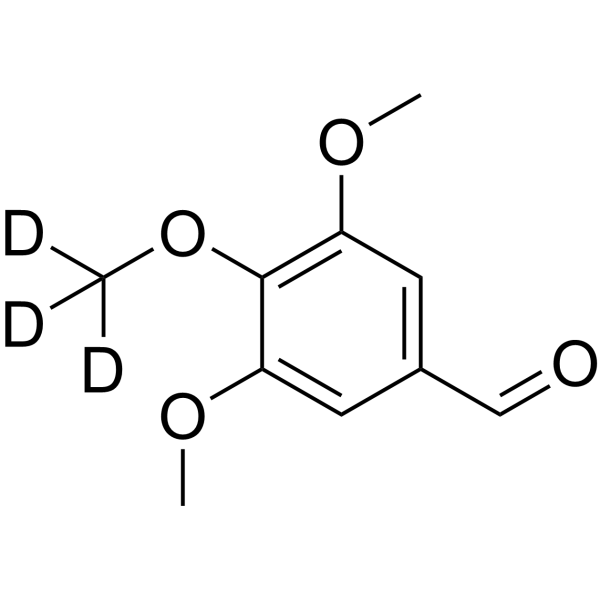
- HY-136429AR
-
|
Optochin hydrochloride (Standard)
|
Reference Standards
Bacterial
Parasite
|
Infection
|
|
Ethylhydrocupreine (hydrochloride) (Standard) is the analytical standard of Ethylhydrocupreine (hydrochloride). This product is intended for research and analytical applications. Ethylhydrocupreine hydrochloride (Optochin hydrochloride) is a quinine derivate with antimicrobial activity against S. pneumoniae. Ethylhydrocupreine hydrochloride also possesses antimalarial activity against Plasmodium falciparum, with an IC50 of 25.75 nM. Ethylhydrocupreine hydrochloride is a Gallus gallus taste 2 receptors (ggTas2r1, ggTas2r2 and ggTas2r7) agonist .
|
-

- HY-171317
-
|
|
Bacterial
|
Infection
Neurological Disease
|
|
SMARt751 targets the transcriptional regulatory factor VirS, inhibits its DNA binding ability, upregulates the mymA operon expression, thereby activating Ethionamide (HY-B0276), enhancing the antimicrobial activity of Ethionamide. SMARt751 enhances the antibacterial activity of Ethionamide against M. tuberculosis, reverses the Ethionamide resistance. SMARt751 improves the antibacterial effect of Ethionamide and reduces its effective dose in mouse models .
|
-

- HY-B1064
-
|
Clindamycin 2-phosphate; U-28508
|
Bacterial
Antibiotic
Parasite
|
Infection
Cancer
|
|
Clindamycin phosphate (Clindamycin 2-phosphate) is a broad-spectrum bacteriostatic lincosamide antibiotic. Clindamycin phosphate is the proagent of Clindamycin (HY-B1455) with no antimicrobial activity in vitro but can be rapidly converted in vivo to the active parent agent, Clindamycin, by phosphatase ester hydrolysis. Clindamycin phosphate can be used for researching acne and bacterial vaginosis . Clindamycin phosphate has no cytotoxicity. Combined with platelet rich fibrin (PRF), PRF-Clindamycin phosphate enhances antimicrobial properties .
|
-
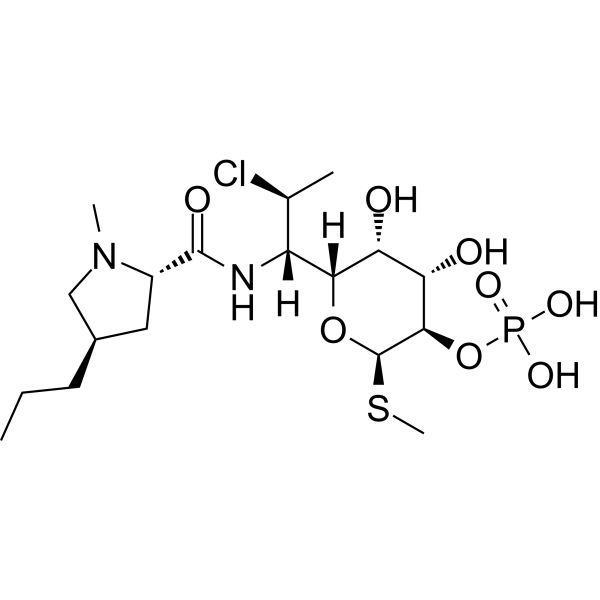
- HY-A0035
-
|
|
Antibiotic
Bacterial
|
Infection
|
|
Faropenem is a potent and orally active beta-lactam antibiotic. Faropenem demonstrates broad-spectrum in vitro antimicrobial activity against many gram-positive and -negative aerobes and anaerobes. Faropenem is resistant to hydrolysis by nearly all beta-lactamases, including extended-spectrum beta-lactamases and AmpC beta-lactamases. Faropenem is developed as an oral proagent, faropenem medoxomil, for the research of respiratory tract infections .
|
-
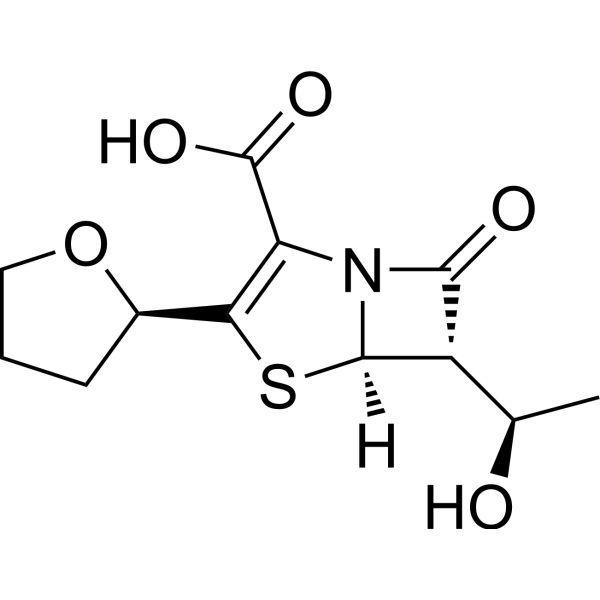
- HY-B0220R
-
|
|
Reference Standards
Bacterial
Antibiotic
DNA/RNA Synthesis
|
Infection
Cancer
|
|
Erythromycin (Standard) is the analytical standard of Erythromycin. This product is intended for research and analytical applications. Erythromycin is a macrolide antibiotic produced by actinomycete?Streptomyces erythreus?with a broad spectrum of antimicrobial activity. Erythromycin binds to bacterial 50S ribosomal subunits and inhibits?RNA-dependent protein synthesis?by blockage of transpeptidation and/or translocation reactions, without affecting synthesis of nucleic acid . Erythromycin also exhibits antitumor and neuroprotective effect in different fields of research .
|
-
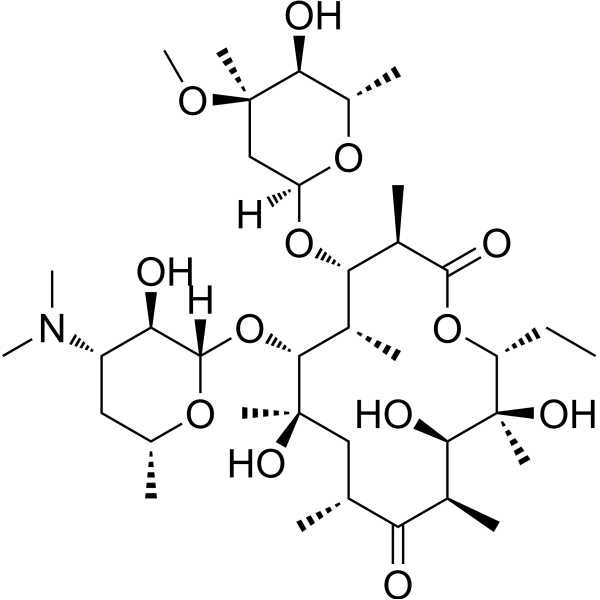
- HY-W009886R
-
|
|
Bacterial
Reference Standards
Drug Intermediate
|
Infection
|
|
3,4,5-Trimethoxybenzaldehyde (Standard) is the analytical standard of 3,4,5-Trimethoxybenzaldehyde (HY-W009886). This product is intended for research and analytical applications. 3,4,5-Trimethoxybenzaldehyde is a derivative of benzaldehyde. 3,4,5-Trimethoxybenzaldehyde has antimicrobial activity. 3,4,5-Trimethoxybenzaldehyde is also an important intermediate for the synthesis of various drugs, such as Trimethoprim (HY-B0510) .
|
-

- HY-N1780
-
|
|
Tyrosinase
Bacterial
|
Infection
|
|
3,4-Dimethoxyphenol is a plant-derived phenylpropanoid compound and can use as a whitening agent in cosmetics. 3,4-Dimethoxyphenol exhibits broad-spectrum antimicrobial activity. 3,4-Dimethoxyphenol has tyrosinase-inhibiting activity. 3,4-Dimethoxyphenol has potent antioxidant effect isolated from the bacterial fermentation broth. 3,4-Dimethoxyphenol can be used for the study of infection .
|
-
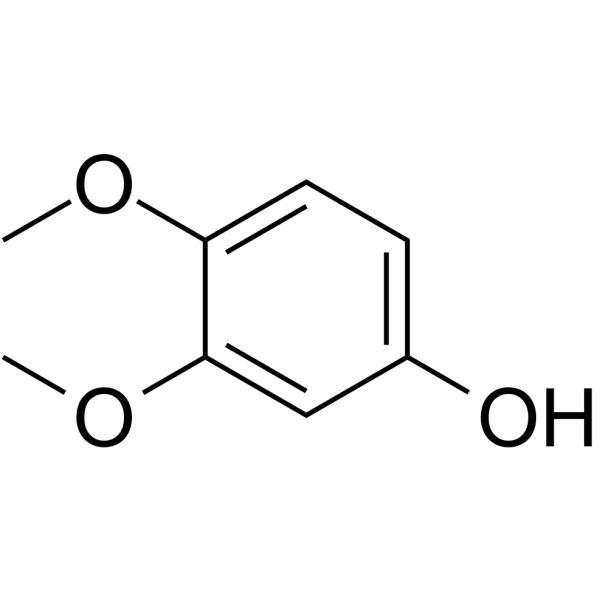
- HY-B1300R
-
|
|
Reference Standards
Antibiotic
Bacterial
Beta-lactamase
Interleukin Related
|
Infection
|
|
Cefonicid sodium (Standard) is the analytical standard of Cefonicid sodium (HY-B1300). This product is intended for research and analytical applications. Cefonicid sodium is a long-acting cephalosporin antibiotic. Cefonicid sodium also acts as a noncompetitive class I β-lactamase inhibitor with a Ki value of 0.8 μM. Cefonicid sodium exhibits broad-spectrum antimicrobial activity and is effective against a variety of Gram-positive and Gram-negative bacteria. Cefonicid sodium can be used for research on infections .
|
-

- HY-139554A
-
|
KBP-7072 TFA
|
Bacterial
|
Infection
|
|
Zifanocycline (KBP-7072) TFA is an orally active, semi-synthetic aminomethylcycline antibiotic that inhibits the normal function of bacterial ribosomes. Zifanocycline TFA has broad spectrum in vitro antimicrobial activity against Gram-positive and Gram-negative bacteria, including many multidrug-resistant pathogens. Zifanocycline TFA is indicated for the study of acute bacterial skin and skin structure infections, community-acquired bacterial pneumonia, and complicated intra-abdominal infections .
|
-
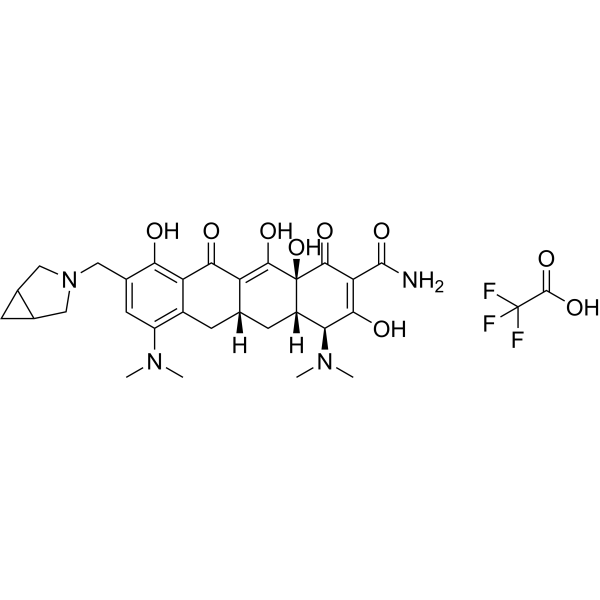
- HY-W654255
-
|
(±)-Mandelic acid-13C8; DL-Mandelic acid-13C8
|
Isotope-Labeled Compounds
Bacterial
Endogenous Metabolite
|
Infection
|
|
Mandelic Acid- 13C8 ((±)-Mandelic acid- 13C8) is the 13C-labeled Mandelic acid (HY-W015591). Mandelic acid ((±)-Mandelic acid), an alpha-hydroxycarboxylic acid, has been widely used as an intermediate of pharmaceutical and fine chemicals. Mandelic acid shows antimicrobial activity and has been used for the research of urinary tract infections and vaginal trichomoniasis. Mandelic acid exhibits high sperm-immobilizing activity and low vaginal irritation .
|
-

- HY-158380
-
|
|
Bacterial
|
Infection
|
|
UH-NIP-16 exhibits antimicrobial activity against Mycobacterium tuberculosis, with MIC50 of 1.86 and 3.05 μM, for pathogenic mycobacterial strains H37Rv and CDC1551. UH-NIP-16 synergizes with Streptomycin (HY-B1906), Isoniazid (HY-B0329), Ethambutol (HY-B0535) and Bedaquiline (HY-14881), potentiates their anti-tuberculosis activities .
|
-

- HY-14743B
-
|
SCV 07 hydrochloride; Gamma-D-glutamyl-L-tryptophan hydrochloride
|
Bacterial
STAT
|
Infection
Inflammation/Immunology
Cancer
|
|
Golotimod hydrochloride (SCV 07 hydrochloride), an immunomodulating peptide with antimicrobial activity, significantly increases the efficacy of antituberculosis therapy, stimulates thymic and splenic cell proliferation, and improves macrophage function. Golotimod hydrochloride (SCV 07 hydrochloride) inhibits STAT3 signaling and modulates the duration and severity of oral mucositis in animal models that received radiation or a combination of radiation and Cisplatin. Golotimod hydrochloride (SCV 07 hydrochloride) is also a potential therapeutic for recurrent genital herpes simplex virus type 2 (HSV-2) .
|
-
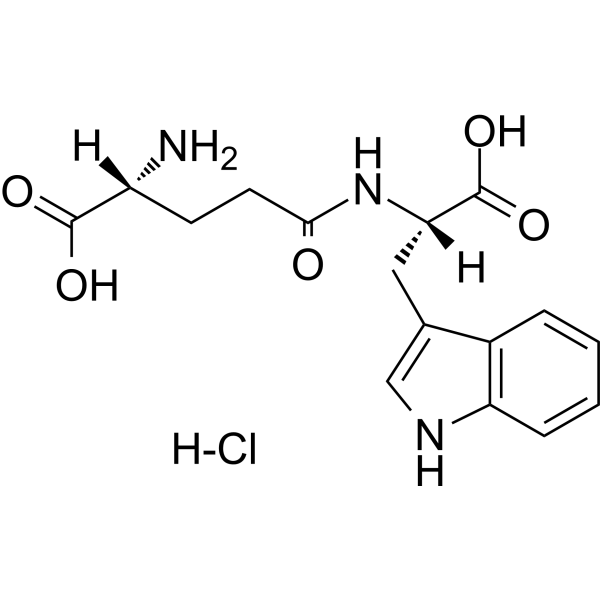
- HY-17508R
-
|
|
Reference Standards
Bacterial
Cytochrome P450
Autophagy
Antibiotic
|
Infection
Cancer
|
|
Clarithromycin (Standard) is the analytical standard of Clarithromycin. This product is intended for research and analytical applications. Clarithromycin has a broad spectrum of antimicrobial activity. Clarithromycin inhibits the CYP3A4-catalyzed triazolam alpha-hydroxylation with the IC50 (Ki) value of 56 (43) μM . Clarithromycin significantly inhibits the HERG potassium current .Clarithromycin affects the autophagic flux by impairing the signaling pathway linking hERG1 and PI3K .
|
-
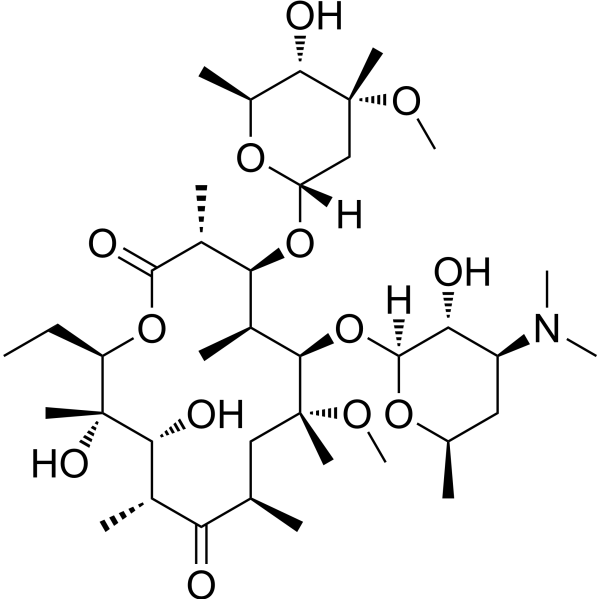
- HY-160238
-
|
Corynebactin
|
Bacterial
Fungal
|
Infection
|
|
Bacillibactin (Corynebactin) is a cyclic tricatecholate siderophore. Bacillibactin’s primary function is to facilitate bacterial iron acquisition by chelating iron ions (Fe 3+) from the environment, thereby aiding bacterial survival under iron-limited conditions. Bacillibactin exhibits direct antimicrobial activity, such as inhibition of the growth of the producing bacteria Pseudomonas aeruginosa and Aeromonas veronae, as well as plant pathogens such as Pseudomonas syringae.Bacillibactin can be used in antibacterial and antifungal research .
|
-

- HY-B0519R
-
|
|
Reference Standards
Bacterial
Antibiotic
|
Infection
|
|
Tylosin (tartrate) (Standard) is the analytical standard of Tylosin (tartrate). This product is intended for research and analytical applications. Tylosin tartrate is a macrolide antibiotic found naturally as a fermentation product of Streptomyces fradiae. Tylosin tartrate exerts potent antimicrobial activity against Gram-positive bacteria. Tylosin tartrate is widely used as a feed additive for promoting animal growth. Tylosin tartrate is used for veterinary purposes against bacterial dysentery and respiratory diseases in poultry, pigs and cattle .
|
-

- HY-103399R
-
|
|
Reference Standards
Bacterial
Topoisomerase
Antibiotic
|
Infection
|
|
Clarithromycin (Standard) is the analytical standard of Clarithromycin. This product is intended for research and analytical applications. Clarithromycin has a broad spectrum of antimicrobial activity. Clarithromycin inhibits the CYP3A4-catalyzed triazolam alpha-hydroxylation with the IC50 (Ki) value of 56 (43) μM . Clarithromycin significantly inhibits the HERG potassium current .Clarithromycin affects the autophagic flux by impairing the signaling pathway linking hERG1 and PI3K .
|
-

- HY-17508S1
-
|
|
Isotope-Labeled Compounds
Bacterial
Antibiotic
Autophagy
Cytochrome P450
|
Others
|
|
Clarithromycin-d3 is the deuterium labeled Clarithromycin (HY-17508) . Clarithromycin has a broad spectrum of antimicrobial activity. Clarithromycin inhibits the CYP3A4-catalyzed triazolam alpha-hydroxylation with the IC50 (Ki) value of 56 (43) μM . Clarithromycin significantly inhibits the HERG potassium current .Clarithromycin affects the autophagic flux by impairing the signaling pathway linking hERG1 and PI3K .
|
-
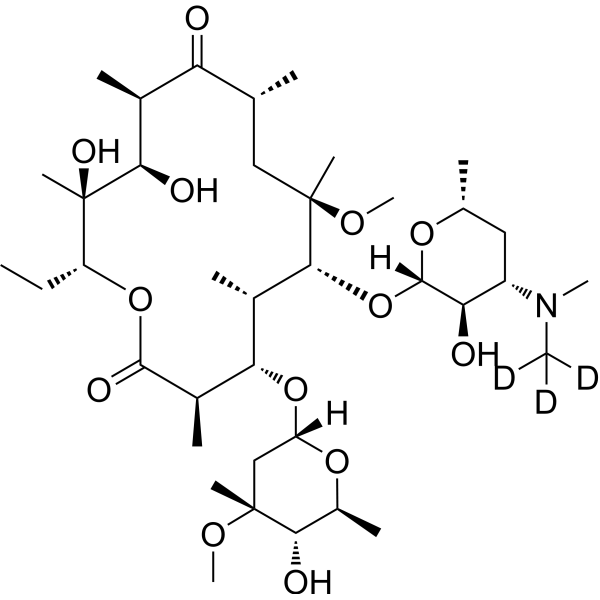
- HY-N11615R
-
|
|
Others
Reference Standards
|
Others
|
|
Tylosin (tartrate) (Standard) is the analytical standard of Tylosin (tartrate). This product is intended for research and analytical applications. Tylosin tartrate is a macrolide antibiotic found naturally as a fermentation product of Streptomyces fradiae. Tylosin tartrate exerts potent antimicrobial activity against Gram-positive bacteria. Tylosin tartrate is widely used as a feed additive for promoting animal growth. Tylosin tartrate is used for veterinary purposes against bacterial dysentery and respiratory diseases in poultry, pigs and cattle .
|
-

- HY-173277
-
|
|
Bacterial
|
Infection
|
|
FtsZ-IN-13 (Compound C11) is an inhibitor of temperature-sensitive mutant Z (FtsZ), with IC50 values of 47.97, 34 μM against FtsZSa and FtsZPa, respectively. FtsZ-IN-13 has a notable antimicrobial activity against S. aureus (minimum inhibitory concentration value of 2 μg/mL), cystic fibrosis S. aureus clinical isolates, and methicillin-resistant S. aureus (MRSA) strains. FtsZ-IN-13 can be used for antimicrobial resistance study .
|
-

- HY-N0656A
-
|
|
mTOR
Bacterial
Autophagy
|
Infection
Inflammation/Immunology
Cancer
|
|
(+)-Usnic acid is isolated from isolated from lichens, binds at the ATP-binding pocket of mTOR, and inhibits mTORC1/2 activity. (+)-Usnic acid inhibits the phosphorylation of mTOR downstream effectors: Akt (Ser473), 4EBP1, S6K, induces autophay, with anti-cancer and anti-inflammatory activity. (+)-Usnic acid possesses antimicrobial activity against a number of planktonic gram-positive bacteria, including Staphylococcus aureus, Enterococcus faecalis, and Enterococcus faecium .
|
-
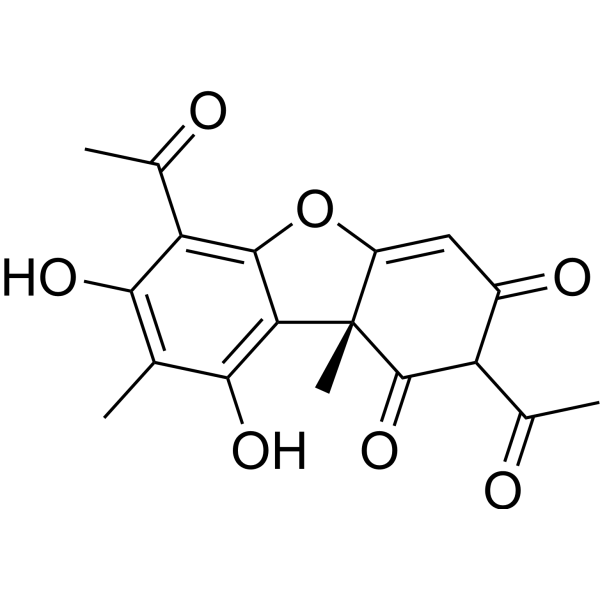
- HY-B0905AR
-
|
LY-177370 phosphate (Standard); EL-870 phosphate (Standard)
|
Reference Standards
Bacterial
Antibiotic
Apoptosis
NO Synthase
COX
|
Infection
Inflammation/Immunology
|
|
Tilmicosin (phosphate) (Standard) is the analytical standard of Tilmicosin (phosphate). This product is intended for research and analytical applications. Tilmicosin (LY-177370) phosphate is an orally active calcium channel antagonist and macrolide antibiotic with antimicrobial activity. Tilmicosin phosphate mainly acts on the 50S subunit of bacterial ribosomes, inhibiting protein synthesis. Tilmicosin phosphate is effective in the treatment of respiratory diseases in livestock such as cattle, sheep and pigs. In addition, Tilmicosin phosphate has immunomodulatory and anti-inflammatory effects .
|
-

- HY-105048A
-
|
|
Bacterial
|
Infection
|
|
Omiganan pentahydrochloride is a cationic peptide compound with a broad antibacterial profile. Omiganan pentahydrochloride is capable of inhibiting a variety of bacteria, including yeast, and is active against both gram-positive and gram-negative bacteria. Omiganan pentahydrochloride is able to interact with the bacterial cell membrane, causing the destruction of the cell membrane and the death of the bacteria. Omiganan pentahydrochloride can be used for the study of antimicrobial activity against pathogens commonly associated with catheter-associated infections, including strains with drug-resistant phenotypes .
|
-

- HY-W587519
-
|
|
Biochemical Assay Reagents
Bacterial
|
|
|
Bisphenol A bis(3-chloro-2-hydroxypropyl) ether is an organic compound with potential antimicrobial activity. Bisphenol A bis(3-chloro-2-hydroxypropyl) ether can be widely used in coatings and plastics to improve the strength and durability of materials. Bisphenol A bis(3-chloro-2-hydroxypropyl) ether also plays an important role in textile processing, improving the wrinkle resistance and abrasion resistance of fabrics.
|
-

- HY-N8507
-
|
|
Bacterial
Fungal
|
Infection
|
|
Tunicamycin B is a Tunicamycin (HY-A0098) derivative with antimicrobial activity. Tunicamycin B shows antibacterial activity against Bacillus thuringiensis BT01 and B. thuringiensis W102 (MICs of 0.125 and 0.063 μg/mL, respectively) and antifungal activity against Candida albicans ATCC 96901 and C. albicans CMCC (F) 98001 (MICs of 8.0 and 4.0 μg/mL, respectively). Tunicamycin B can be used for antimicrobial research .
|
-

- HY-W012531R
-
|
|
Reference Standards
HIV
SARS-CoV
Endogenous Metabolite
Bacterial
|
Infection
Neurological Disease
Inflammation/Immunology
Cancer
|
|
2-Hydroxycinnamic acid (Standard) is the analytical standard of 2-Hydroxycinnamic acid. This product is intended for research and analytical applications. 2-Hydroxycinnamic acid is a phenolic acid with antimicrobial and antioxidant properties. 2-Hydroxycinnamic acid has antimicrobial activity against Staphylococcus aureus and is not susceptible to drug resistance. 2-Hydroxycinnamic acid shows inhibitory effects on infection of HIV/SARS-CoV S pseudovirus with an IC50 of 0.3 mM. In addition, 2-Hydroxycinnamic acid has neuroprotective and antitumor activity .
|
-

- HY-W012531S2
-
-

- HY-P5057B
-
|
|
Fluorescent Dye
Bacterial
|
Infection
|
|
5-FAM-Ahx-LL-37 TFA is a 5-FAM (HY-66022) labeled LL-37, human (HY-P1222). The carboxyfluorescein group is attached via a 6-carbon spacer, 6-Aminohexanoic acid (Ahx, HY-B0236). LL-37, human is a 37-residue, amphipathic, cathelicidin-derived antimicrobial peptide, which exhibits a broad spectrum of antimicrobial activity .
|
-

- HY-B1899AR
-
|
Taurodeoxycholate sodium hydrate (Standard)
|
Reference Standards
G protein-coupled Bile Acid Receptor 1
Endogenous Metabolite
|
Metabolic Disease
|
|
(E)-Methyl 4-coumarate (Standard) is the analytical standard of (E)-Methyl 4-coumarate. This product is intended for research and analytical applications. (E)-Methyl 4-coumarate (Methyl 4-hydroxycinnamate), found in several plants, such as Allium cepa or Morinda citrifolia L. leaves. (E)-Methyl 4-coumarate cooperates with Carnosic Acid in inducing apoptosis and killing acute myeloid leukemia cells, but not normal peripheral blood mononuclear cells. Antioxidant and antimicrobial activity.
|
-

- HY-W015818R
-
|
2-Benzoxazolone (Standard); 1,3-Benzoxazol-2(3H)-one (Standard); 2-Hydroxybenzoxazole (Standard)
|
Reference Standards
Parasite
|
Infection
|
|
2-Benzoxazolinone (Standard) is the analytical standard of 2-Benzoxazolinone. This product is intended for research and analytical applications. 2-Benzoxazolinone is an anti-leishmanial agent with an LC50 of 40 μg/mL against L. donovani . A building block in chemical synthesis. 1,3-Benzoxazol-2(3H)-one derivatives have antimicrobial activity against a selection of Gram-positive, Gram-negative bacteria and yeasts . Derivatives as anti-quorum sensing agent[4].
|
-

- HY-174980
-
|
|
Bacterial
|
Infection
|
|
KPC-2-IN-3 (Compound 3b) is a KPC-2 inhibitor with IC50 of 0.533 μM and Kiof 0.194 μM. KPC-2-IN-3 has an antimicrobial activity against carbapenem-resistant K. pneumonia K47-25 and reduces bacterial count with a postantibiotic effect in synergy with Meropenem (HY-13678). KPC-2-IN-3 significantly reduces lung bacterial load in a murine pneumonia model .
|
-

- HY-N7510R
-
|
12-Methoxycarnosic acid (Standard)
|
Reference Standards
5 alpha Reductase
|
Infection
Cancer
|
|
12-O-Methylcarnosic acid (Standard) is the analytical standard of 12-O-Methylcarnosic acid. This product is intended for research and analytical applications. 12-O-Methylcarnosic acid (12-Methoxycarnosic acid), a diterpene carnosic acid isolated from the acetone extract of Salvia microphylla, is an active constituent of 5α-reductase inhibition with an IC50 value of 61.7 μM. 12-O-Methylcarnosic acid inhibits proliferation in LNCaP cells. 12-O-Methylcarnosic acid has antioxidant, anti-cancer and antimicrobial activity .
|
-

- HY-100589
-
|
Sch 21420 sulfate
|
Antibiotic
Bacterial
|
Infection
Cardiovascular Disease
Neurological Disease
Metabolic Disease
|
|
Isepamicin sulfate (Sch 21420 sulfate) is a broad-spectrum aminoglycoside antibiotic. Isepamicin sulfate has considerable antimicrobial activity against some Gram-negative non-fermenting bacteria that are highly resistant to antibiotics. Isepamicin sulfate inhibits writhing reactions induced by Acetic acid (HY-Y0319), regulates vascular blood flow and blood pressure, and inhibits spontaneous uterine movements. Isepamicin sulfate has antidiuretic and blood sugar-raising effects. Isepamicin sulfate can be used in seizure research .
|
-
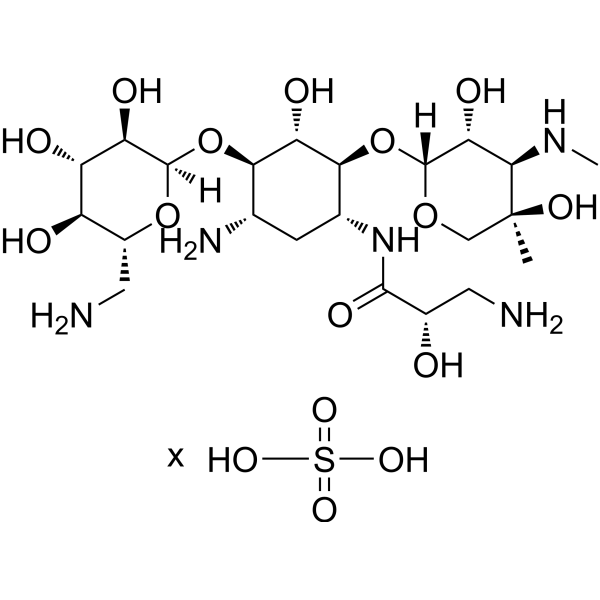
- HY-172109
-
|
|
DNA/RNA Synthesis
|
Infection
|
|
DNA Gyrase-IN-15 (Compound 11) is an antimicrobial agent and inhibitor of DHPS and DNA gyrase, with IC50s of 1.73 and 0.07 µM, respectively. DNA Gyrase-IN-15 shows antimicrobial activity against Enterococcus faecalis (MIC of 15.62 µg/mL), Acinetobacter baumannii, Enterobacter species (MIC of 7.81 µg/mL), Pseudomonas aeruginosa, Klebsiella pneumoniae and Staphylococcus aureus. DNA Gyrase-IN-15 also shows antibiofilm activity against Enterococcus faecalis .
|
-

- HY-B1118R
-
|
RP-14539 (Standard); PM-185184 (Standard)
|
Reference Standards
Bacterial
Parasite
|
Infection
|
|
Secnidazole (Standard) is the analytical standard of Secnidazole. This product is intended for research and analytical applications. Secnidazole (RP-14539) is an orally active azole antibiotic and a imidazole mitigator of Serratia marcescens virulence. Secnidazole, as an analog of acylhomoserine lactones, effectively inhibits QS resulting in the attenuation of Pseudomonas aeruginosa pathogenesis. Secnidazole has antimicrobial activity against many anaerobic Gram-negative and Gram-positive bacterial species in vitro. Secnidazole can be used for the research of various diseases, such as amoebiasis and giardiasis, and bacterial vaginitis .
|
-

- HY-P11027
-
|
|
Bacterial
Antibiotic
|
Infection
|
|
Thiazoplanomicin (Compound 1) is a thiazolyl peptide antibiotic. Thiazoplanomicin can be isolated from the leaf-litter actinomycete Actinoplanes sp. MM794L-181F6. Thiazoplanomicin has potent antimicrobial activities against gonococcal strains (especially drug-resistant strains) and Gram-positive bacterium with MICs of 31.2-125 and 0.5-15.6 ng/mL, respectively. Thiazoplanomicin has no antibacterial activity against E.coli. Thiazoplanomicin can be used for bacterial infections research .
|
-

- HY-14743
-
|
SCV 07; Gamma-D-glutamyl-L-tryptophan
|
Bacterial
STAT
|
Infection
Inflammation/Immunology
Cancer
|
|
Golotimod (SCV-07), an immunomodulating peptide with antimicrobial activity, significantly increases the efficacy of antituberculosis therapy, stimulates thymic and splenic cell proliferation, and improves macrophage function. Golotimod (SCV-07) inhibits STAT3 signaling and modulates the duration and severity of oral mucositis in animal models that received radiation or a combination of radiation and Cisplatin. Golotimod (SCV-07) is also a potential therapeutic for recurrent genital herpes simplex virus type 2 (HSV-2) .
|
-
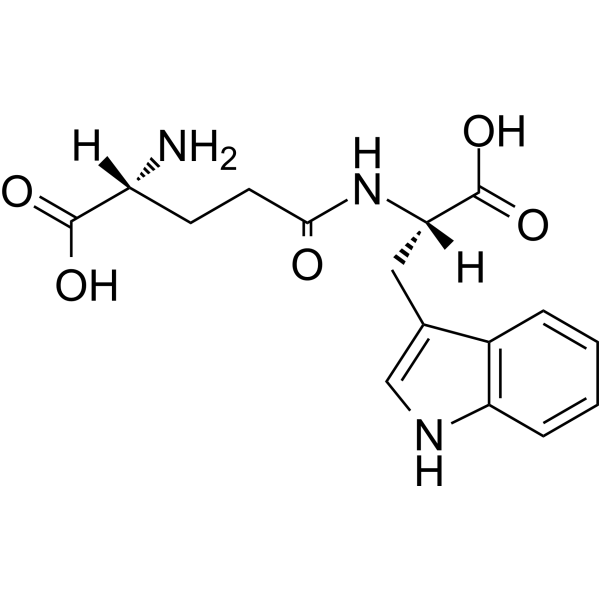
- HY-P5645
-
LEAP-2
1 Publications Verification
Human liver expressed antimicrobial peptide-2
|
GHSR
Interleukin Related
IFNAR
TNF Receptor
Bacterial
|
Infection
Metabolic Disease
Inflammation/Immunology
|
|
LEAP-2 (Human liver expressed antimicrobial peptide-2) is a GHS-R1a antagonist, with an IC50 of 6.0 nM. LEAP-2 suppresses the orexigenic effect of ghrelin. LEAP-2 attenuates ghrelin-induced growth hormone (GH) release and reduces basal food intake. LEAP-2 exhibits antimicrobial activity against microbial model organisms. LEAP-2 can be used for the study of obesity and infection .
|
-
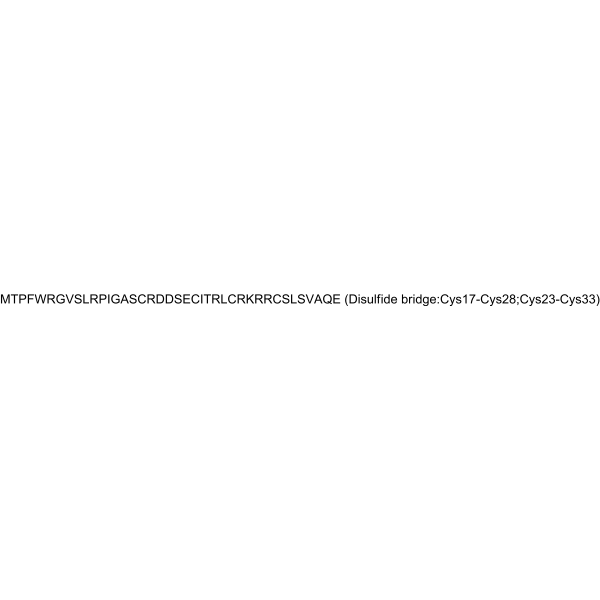
- HY-W391625
-
|
(Rac)-Epiligulyl oxide
|
Fungal
|
Cancer
|
|
(Rac)-Dehydrocostus Lactone ((Rac)-Epiligulyl oxide) is a natural product with antiparasitic activity. (Rac)-Dehydrocostus Lactone can significantly inhibit the growth of Trypanosoma brucei rhodesiense. (Rac)-Dehydrocostus Lactone exhibits a broad spectrum of biological effects, including anti-inflammatory, anticancer, antiviral and antimicrobial activities. (Rac)-Dehydrocostus Lactone also has antifungal, antioxidant, antidiabetic, antiulcer and antihelminthic effects. (Rac)-Dehydrocostus Lactone exhibits different IC(50) values in cytotoxicity tests and has a high selectivity index .
|
-

- HY-131050
-
|
|
Bacterial
Fungal
|
Infection
|
|
Aspergillus niger-IN-1 (Compound 17), a derivative of thiazolidine-2,4-dione, acts as an antimicrobial agent. Aspergillus niger-IN-1 exhibited antimicrobial activity against various bacterial and fungal strains, including Bacillus subtilis, Staphylococcus aureus, Klebsiella pneumonia, Escherichia coli, Salmonella typhi, Candida albicans and Aspergillus niger, with MIC values of 11.3, 5.65, 11.3, 5.65, 5.65, 5.65, and 5.65 μM/mL, respectively .
|
-

- HY-W769991
-
|
Lactic acid sodium-13C2
|
Isotope-Labeled Compounds
Endogenous Metabolite
Hydroxycarboxylic Acid Receptor (HCAR)
Bacterial
|
Cancer
|
|
Lactic acid- 13C2 (DL-Lactic acid- 13C2) sodium is the 13C-labeled Lactic acid sodium . Lactic acid (DL-Lactic acid) sodium is a hydroxycarboxylic acid receptor 1 (HCAR1) activator and an epigenetic modulator inducing lysine residues lactylation. Lactic acid sodium is a glycolysis end-product, bridging the gap between glycolysis and oxidative phosphorylation. Lactic acid sodium is an oncometabolite and has immune protective role of lactate in anti-tumor immunity . Lactic acid sodium also has antimicrobial activity, which can be used as a food preservative .
|
-

- HY-D1005A10
-
|
PEG-PPG-PEG, 2900 (Average)
|
Environmental Pollutants
Biochemical Assay Reagents
Bacterial
P-glycoprotein
|
Infection
Inflammation/Immunology
|
|
Poloxamer 184 L64 is a block copolymer of polyethylene oxide and polypropylene oxide with an average molecular weight of 2900. Poloxamer has the ability to inhibit P-gp. Poloxamer 184 exhibits short-term skin toxicity, characterized by mild erythema and intradermal inflammatory reactions. Poloxamer 184 has antimicrobial activity, inhibiting 60% of Mycobacterium avium at a concentration of 1 mg/mL. Poloxamer 184 forms a thermoreversible hydrogel and is used as a food additive and as a drug delivery carrier in cosmetics and tissue engineering .
|
-
- HY-171956
-
|
|
Proteasome
Parasite
|
Infection
|
|
Carmaphycin-17 (CP-17) is a selective 20S proteasome inhibitor with an EC50 of 217 ?nM. Carmaphycin-17 has potent antimicrobial activity against Trichomonas vaginalis. Carmaphycin-17 overcomes Metronidazole (HY-B0318) resistance and significantly reduces parasite burden upon topical treatment without any apparent adverse effects in vaginal trichomonad infection mice model. Carmaphycin-17 can be used for sexually transmitted disease like trichomoniasis research .
|
-

- HY-147999
-
|
|
Bacterial
Fungal
Cytochrome P450
|
Infection
|
|
GlcN-6-P Synthase-IN-1 (Compound 4d) is a Glucosamine-6-phosphate (GlcN-6-P) synthase inhibitor with an IC50 of 3.47 μM. GlcN-6-P Synthase-IN-1 exhibits significant antimicrobial activity. GlcN-6-P Synthase-IN-1 has good penetration in the CNS and is able to inhibit the cytochrome P450, CYP3A4 isoform .
|
-
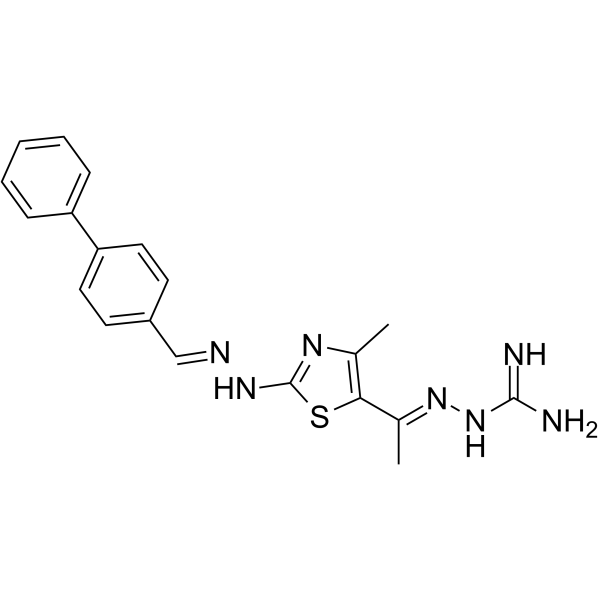
- HY-B1118S2
-
|
RP-14539-d4; PM-185184-d4
|
Bacterial
Parasite
Antibiotic
|
Infection
|
|
Secnidazole-d4 is the deuterium labeled Secnidazole . Secnidazole (RP-14539) is an orally active azole antibiotic and a imidazole mitigator of Serratia marcescens virulence. Secnidazole, as an analog of acylhomoserine lactones, effectively inhibits QS resulting in the attenuation of Pseudomonas aeruginosa pathogenesis. Secnidazole has antimicrobial activity against many anaerobic Gram-negative and Gram-positive bacterial species in vitro. Secnidazole can be used for the research of various diseases, such as amoebiasis and giardiasis, and bacterial vaginitis .
|
-
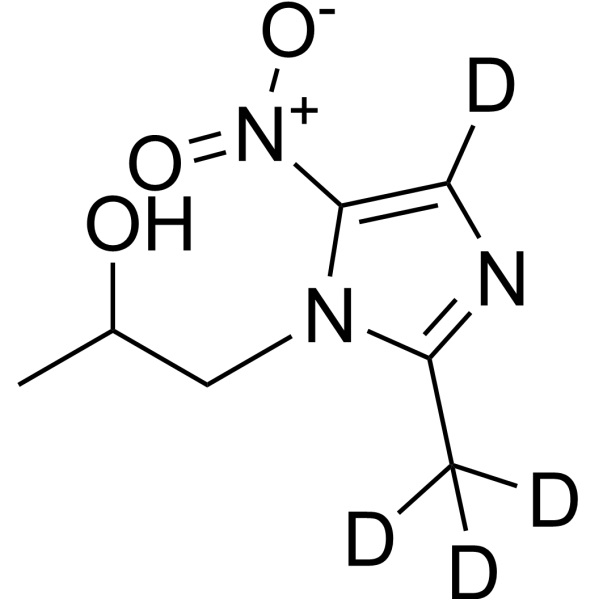
- HY-B0220DR
-
|
|
Reference Standards
Bacterial
Antibiotic
DNA/RNA Synthesis
|
Infection
Cancer
|
|
Erythromycin (thiocyanate) (Standard) is the analytical standard of Erythromycin (thiocyanate). This product is intended for research and analytical applications. Erythromycin thiocyanate is a macrolide antibiotic produced by actinomycete Streptomyces erythreus with a broad spectrum of antimicrobial activity. Erythromycin thiocyanate binds to bacterial 50S ribosomal subunits and inhibits RNA-dependent protein synthesis by blockage of transpeptidation and/or translocation reactions, without affecting synthesis of nucleic acid[1][2]. Erythromycin thiocyanate also exhibits antitumor and neuroprotective effect in different fields of research[3][4].
|
-

- HY-122292
-
|
|
Antibiotic
Bacterial
|
Infection
Inflammation/Immunology
|
|
Celastramycin A is an antibiotic isolated from Streptomyces MaB-QuH-8, which exhibits antimicrobial activity against series of gram-negative bacteria and mycobacteria, with MICs between 0.05-3.1 μg/ml . Celastramycin A exhibits immunosuppressing efficacy in ex vivo Drosophila through immune deficiency pathway (IC50 of 0.008 μg/ml), inhibits the immunoresponse in human innate immunity through TNF-α signaling, inhibits IL-8 production in HUEVCs with IC50 of 0.06 μg/ml .
|
-
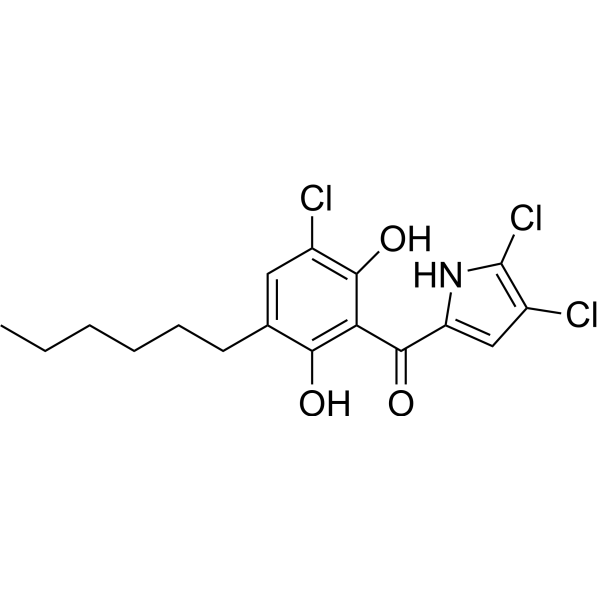
- HY-N5142
-
|
|
Environmental Pollutants
Antibiotic
Bacterial
Fungal
AMPK
NF-κB
|
Infection
Neurological Disease
Metabolic Disease
Inflammation/Immunology
|
|
α-Terpineol (with oral activity) can be found in Eucalyptus globulus Labill. α-Terpineol exhibits strong antimicrobial activity against periodontopathic and cariogenic bacteria.α-Terpineol possesses antifungal activity against T. mentagrophytes, and the activity might lead to irreversible cellular disruption. In addition, α-Terpineol exhibits antineuropathic and anti-inflammatory activities.
α-Terpineol can be utilized in research related to diarrhea, neuropathic pain, infections, and inflammation .
|
-
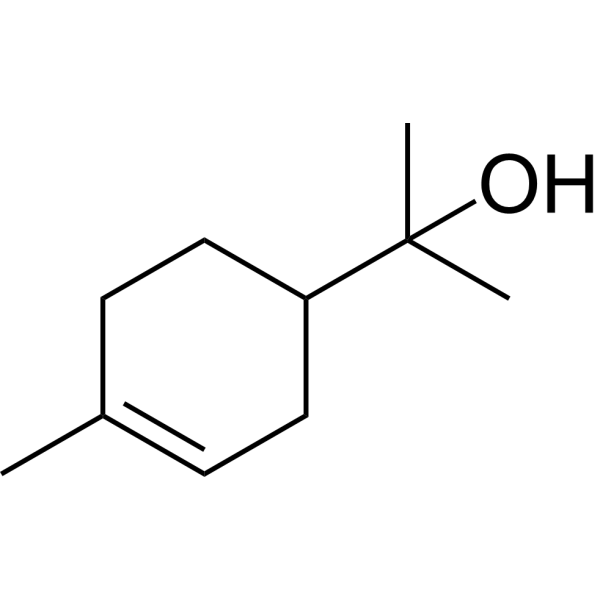
- HY-135190
-
|
α-cedrene
|
Environmental Pollutants
Bacterial
|
Infection
Metabolic Disease
Cancer
|
|
(-)-Cedrene (α-cedrene) is a major constituent that can be found in essential oils. (-)-Cedrene (α-cedrene) is a natural, orally active ligand of mouse olfactory receptor 23, which induces skeletal muscle hypertrophy in mice. (-)-Cedrene exhibits trypanocidal (Trypanosoma b. brucei) (IC50 = 4.07 μg/mL). (-)-Cedrene is antileukemic in vitro (IC50 = 22.2 μg/mL). (-)-Cedrene has antimicrobial activity against anaerobic bacteria and yeast. (-)-Cedrene exhibits anti-obesity activity .
|
-
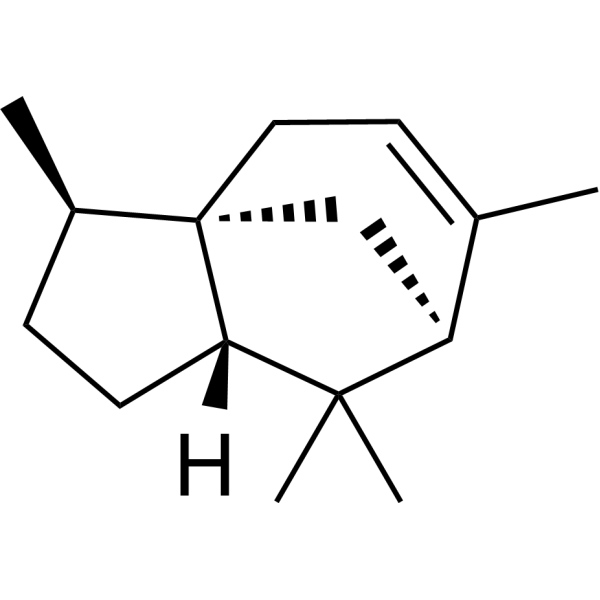
- HY-150699
-
|
|
Bacterial
|
Infection
|
|
TXA6101 is a bacterial protein FtsZ (filamentous temperature-sensitive protein Z) inhibitor that inhibits bacterial division. TXA6101 has antimicrobial activity against MRSA isolates expressing either the G193D or G196S mutant FtsZ with the MIC value of 1 μg/mL, retains significant activity against the TXA707-resistant FtsZ mutant. TXA6101 can be used as a potential method against Gram-negative bacterial infections .
|
-
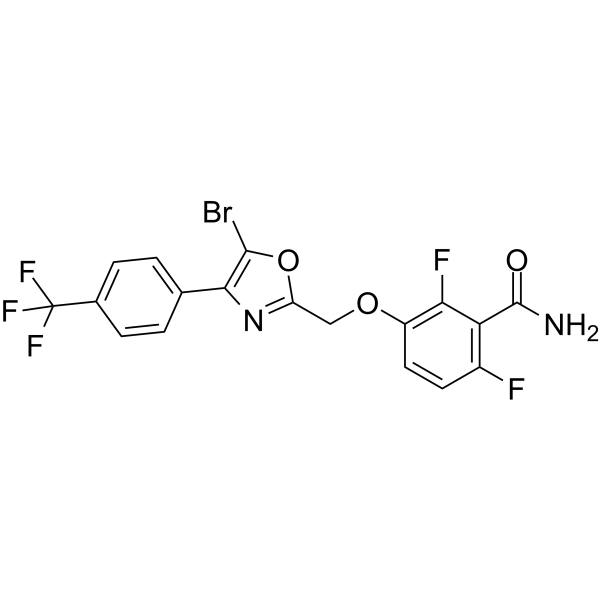
- HY-162273
-
|
|
Bacterial
Smo
Gli
|
Infection
Cancer
|
|
Antibacterial agent 189 (compound 3a) is a potent antimicrobial agent. Antibacterial agent 189 offers high binding energy against the target OMPA/exo-1,3-beta-glucanase proteins. Antibacterial agent 189 exhibits the potent antimicrobial activities against E. coli, P. aeruginosa, S. aureus, B. subtilis, C. Albicans and A. flavus. Antibacterial agent 189 shows high binding energy against target SMO and SUFU/GLI-1 proteins .
|
-
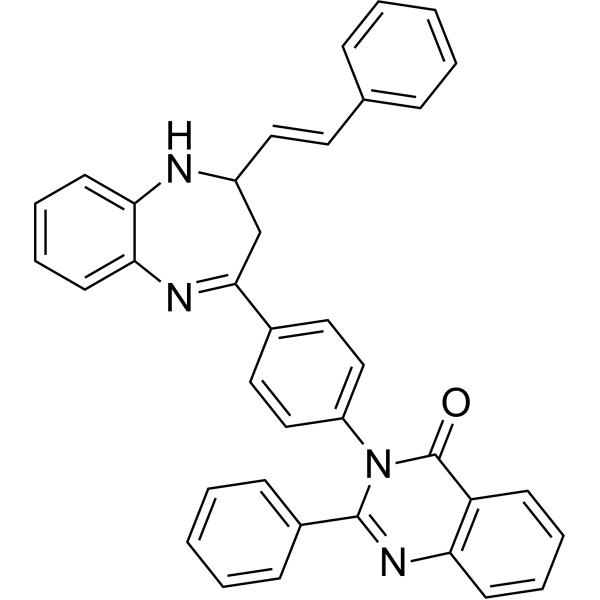
- HY-W017212S
-
|
Methyl 3-phenylpropenoate-d7
|
AMPK
Tyrosinase
Bacterial
Isotope-Labeled Compounds
|
Infection
|
|
Methyl cinnamate-d7 is deuterated labeled Methyl cinnamate (HY-W017212). Methyl cinnamate (Methyl 3-phenylpropenoate), an active component of Zanthoxylum armatum, is a widely used natural flavor compound. Methyl cinnamate (Methyl 3-phenylpropenoate) possesses antimicrobial activity and is a tyrosinase inhibitor that can prevent food browning. Methyl cinnamate (Methyl 3-phenylpropenoate) has antiadipogenic activity through mechanisms mediated, in part, by the CaMKK2-AMPK signaling pathway .
|
-
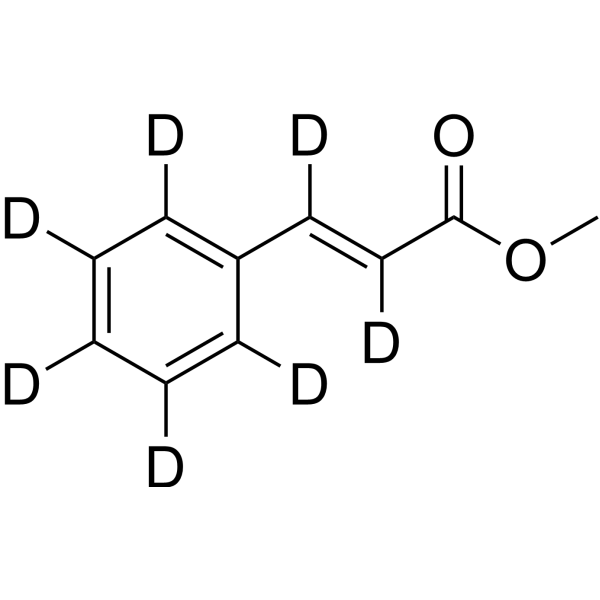
- HY-14743A
-
|
SCV 07 TFA; Gamma-D-glutamyl-L-tryptophan TFA
|
Bacterial
STAT
|
Infection
Inflammation/Immunology
Cancer
|
|
Golotimod TFA (SCV 07 TFA), an immunomodulating peptide with antimicrobial activity, significantly increases the efficacy of antituberculosis therapy, stimulates thymic and splenic cell proliferation, and improves macrophage function. Golotimod TFA (SCV 07 TFA) inhibits STAT3 signaling and modulates the duration and severity of oral mucositis in animal models that received radiation or a combination of radiation and Cisplatin. Golotimod TFA (SCV 07 TFA) is also a potential therapeutic for recurrent genital herpes simplex virus type 2 (HSV-2) .
|
-
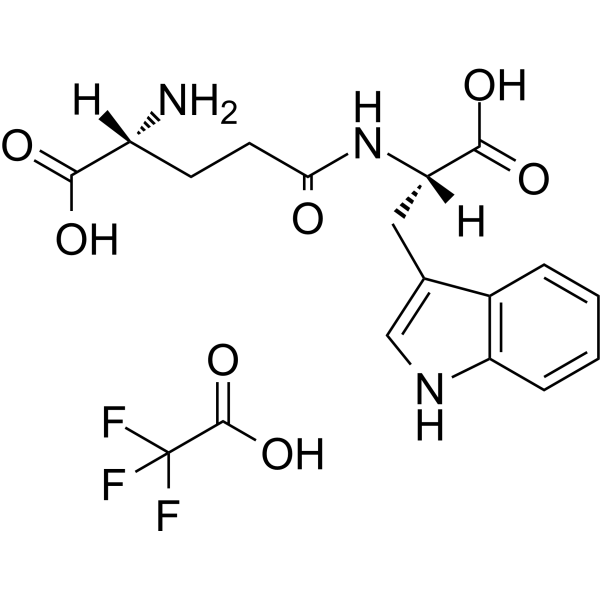
- HY-N1780R
-
|
|
Reference Standards
Tyrosinase
Bacterial
|
Infection
|
|
3,4-Dimethoxyphenol (Standard) is the analytical standard of Lithocholic acid. This product is intended for research and analytical applications. 3,4-Dimethoxyphenol is a plant-derived phenylpropanoid compound and can use as a whitening agent in cosmetics. 3,4-Dimethoxyphenol exhibits broad-spectrum antimicrobial activity. 3,4-Dimethoxyphenol has tyrosinase-inhibiting activity. 3,4-Dimethoxyphenol has potent antioxidant effect isolated from the bacterial fermentation broth. 3,4-Dimethoxyphenol can be used for the study of infection .
|
-

- HY-P11004
-
|
|
Bacterial
Antibiotic
|
Infection
|
|
A3-APO is an antimicrobial peptide. A3-APO has a significant antimicrobial activity by a dual mode of action with both membrane disintegration and intracellular target inhibition. A3-APO can deactivate bacterial toxins and increase the expression of anti-inflammatory cytokines (such as IL-4 and IL-10), without antimicrobial resistance. A3-APO accelerates burn wounds healing in mice infection model of Acinetobacter baumannii and Staphylococcus aureus .
|
-

- HY-N0656AR
-
|
|
Reference Standards
mTOR
Bacterial
Autophagy
|
Cancer
|
|
(+)-Usnic acid (Standard) is the analytical standard of (+)-Usnic acid. This product is intended for research and analytical applications. (+)-Usnic acid is isolated from isolated from lichens, binds at the ATP-binding pocket of mTOR, and inhibits mTORC1/2 activity. (+)-Usnic acid inhibits the phosphorylation of mTOR downstream effectors: Akt (Ser473), 4EBP1, S6K, induces autophay, with anti-cancer activity . (+)-Usnic acid possesses antimicrobial activity against a number of planktonic gram-positive bacteria, including Staphylococcus aureus, Enterococcus faecalis, and Enterococcus faecium .
|
-

- HY-P2460
-
|
|
Bacterial
Fungal
Interleukin Related
TNF Receptor
|
Infection
Inflammation/Immunology
|
|
SMAP‑29 is a cathelicidin antimicrobial peptide with LPS‑binding and anti‑inflammatory properties. SMAP‑29 exerts broad‑spectrum antimicrobial activity against bacteria, fungi and multidrug‑resistant isolates. SMAP‑29 kills pathogens by permeabilizing bacterial membranes, inducing depolarization and cell lysis, and also inhibits inflammatory cytokines while reducing lethality in septic shock and pneumonia models. SMAP-29 can be used for research on bacterial infections, drug-resistant infections, septic shock .
|
-
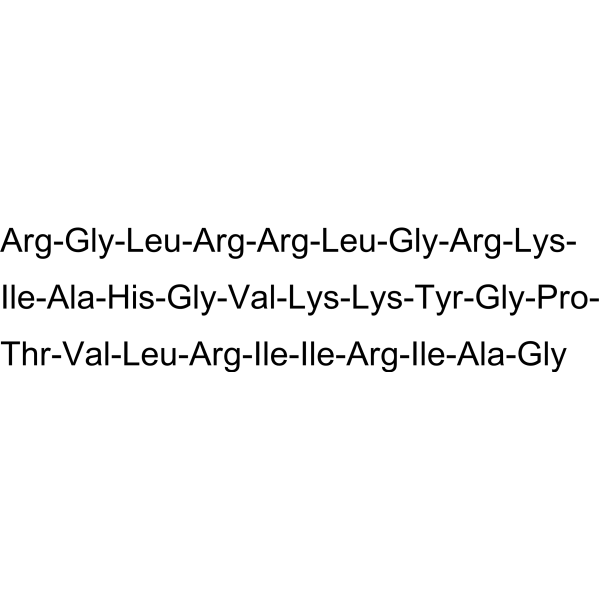
- HY-N3887
-
|
Haplophytin B; Haplophytine B
|
Bacterial
|
Infection
|
|
Evoxine (Haplophytin B) is a compound that selectively inhibits CO2-induced immunosuppression and has activity in inhibiting the expression of interleukin-6 and chemokine CCL2 in human THP-1 macrophages. Evoxine shows antimicrobial activity against a wide range of bacteria, especially performing well in minimum inhibitory concentration (MIC) tests against Escherichia coli, Bacillus subtilis, and Staphylococcus aureus. Evoxine extracts may find application in crude drug preparations in West Africa, provided that their in vivo toxicity results are negative .
|
-

- HY-B0724A
-
|
T-3762; Pazufloxacin methanesulfonate; Pazufloxacin mesilate
|
Bacterial
DNA/RNA Synthesis
|
Infection
|
|
Pazufloxacin mesylate is an orally active fluoroquinolone antimicrobial agent. Pazufloxacin mesylate inhibits DNA gyrase with IC50 values of 0.88 μg/mL (E. coli) and 1.9 μg/mL (P. aeruginosa). Pazufloxacin mesylate exhibits broad-spectrum antimicrobial activity, with MIC90 values ranging from 0.025 to 100 μg/mL against Gram-positive and Gram-negative bacteria, non-fermenting bacteria, Legionella spp., and anaerobic bacteria. Pazufloxacin mesylate is indicated for research on systemic infections, lung infections, urinary tract infections, and Legionella pneumonia .
|
-
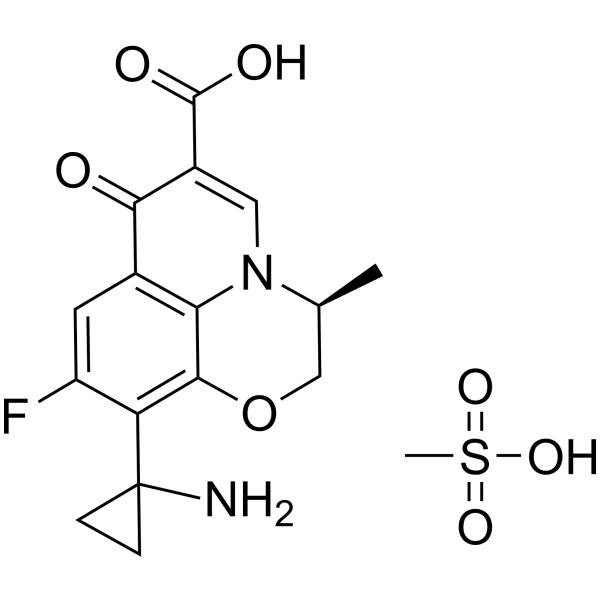
- HY-B2227R
-
|
DL-Lactic acid (Standard); E-270 (Standard)
|
Reference Standards
Endogenous Metabolite
Hydroxycarboxylic Acid Receptor (HCAR)
Bacterial
|
Infection
Metabolic Disease
Inflammation/Immunology
Cancer
|
|
Lactic acid (Standard) (DL-Lactic acid (Standard)) is the analytical standard of Lactic acid (HY-B2227). This product is intended for research and analytical applications. Lactic acid (DL-Lactic acid) is a hydroxycarboxylic acid receptor 1 (HCAR1) activator and an epigenetic modulator inducing lysine residues lactylation. Lactic acid is a glycolysis end-product, bridging the gap between glycolysis and oxidative phosphorylation. Lactic acid is an oncometabolite and has immune protective role of lactate in anti-tumor immunity . Lactic acid also has antimicrobial activity, which can be used as a food preservative .
|
-

- HY-B0724B
-
|
T3761
|
Bacterial
DNA/RNA Synthesis
|
Infection
|
|
Pazufloxacin is an orally active fluoroquinolone antimicrobial agent. Pazufloxacin inhibits DNA gyrase with IC50 values of 0.88 μg/mL (E. coli) and 1.9 μg/mL (P. aeruginosa). Pazufloxacin exhibits broad-spectrum antimicrobial activity, with MIC90 values ranging from 0.025 to 100 μg/mL against Gram-positive and Gram-negative bacteria, non-fermenting bacteria, Legionella spp., and anaerobic bacteria. Pazufloxacin is indicated for research on systemic infections, lung infections, urinary tract infections, and Legionella pneumonia .
|
-
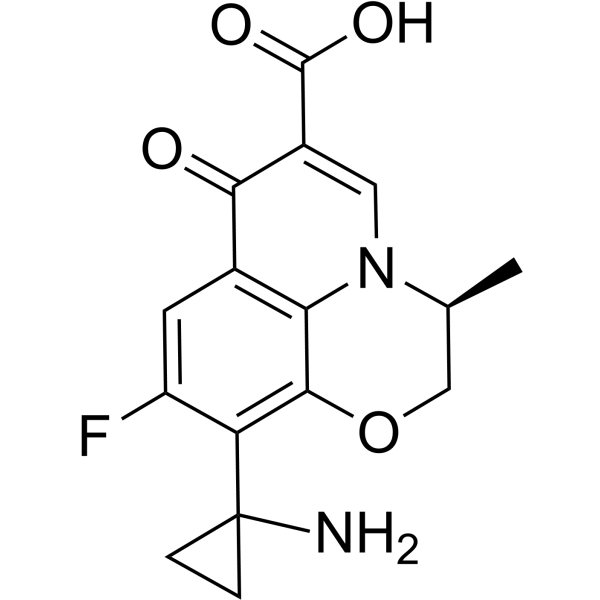
- HY-168258
-
|
|
Bacterial
|
Infection
|
|
Antibiofilm agent-13 (compound 14b) is a potent antibacterial agent that displays a broad-spectrum antimicrobial activity. Antibiofilm agent-13 could disintegrate the integrity of bacterial cell membranes by destroying transmembrane potential and enhancing membrane permeability, and causing the generation of intracellular ROS and the leakage of DNA and proteins, ultimately leading to bacterial death. Antibiofilm agent-13 inhibits both Gram-positive bacteria (MIC of 0.5-1 μg/mL) and Gram-negative bacteria (MIC of 1-32 μg/mL) .
|
-

- HY-135190R
-
|
α-cedrene (Standard)
|
Bacterial
Reference Standards
|
Infection
Metabolic Disease
Cancer
|
|
(-)-Cedrene (α-cedrene) (Standard) is the analytical standard of (-)-Cedrene. This product is intended for research and analytical applications. (-)-Cedrene is a major constituent that can be found in essential oils. (-)-Cedrene (α-cedrene) is a natural, orally active ligand of mouse olfactory receptor 23, which induces skeletal muscle hypertrophy in mice. (-)-Cedrene exhibits trypanocidal (Trypanosoma b. brucei) (IC50 = 4.07 μg/mL). (-)-Cedrene is antileukemic in vitro (IC50 = 22.2 μg/mL). (-)-Cedrene has antimicrobial activity against anaerobic bacteria and yeast. (-)-Cedrene exhibits anti-obesity activity .
|
-

- HY-13067G
-
|
Tripterine; Tripterin
|
Endogenous Metabolite
Proteasome
Antibiotic
Apoptosis
Bacterial
Autophagy
Mitophagy
|
Infection
Inflammation/Immunology
Cancer
|
|
Celastrol (GMP) (Tripterine (GMP)) is Celastrol (HY-10227) produced by using GMP guidelines. GMP small molecules works appropriately as an auxiliary reagent for cell therapy manufacture. Celastrol (Tripterine;Tripterin) is a proteasome inhibitor which potently and preferentially inhibits the chymotrypsin-like activity of a purified 20S proteasome with IC50 of 2.5 μM. In addition, Celastrol is also an antibiotic with potent antimicrobial activity against standard and clinical methicillin-resistant Staphylococcus aureus (MRSA) strains, inducing oxidative stress and inhibiting DNA synthesis by binding to P5CDH .
|
-

- HY-164999
-
|
|
Endogenous Metabolite
|
Cancer
|
|
N,N'-Bis(2,3-Dihydroxybenzoyl)-O-L-seryl-L-serine is a enterochelin hydrolyzed product. N,N'-Bis(2,3-Dihydroxybenzoyl)-O-L-seryl-L-serine can inhibit the invasion of murine colon cancer cells 26-L5 with an IC50 of 2.7 μM, and has anti-tumor effect. In addition, N,N'-Bis(2,3-Dihydroxybenzoyl)-O-L-seryl-L-serine has no appreciable antimicrobial activities against Micrococcus luteus, Escherichia coli and Candida albicans .
|
-

- HY-14743R
-
|
SCV 07 (Standard); Gamma-D-glutamyl-L-tryptophan (Standard)
|
Bacterial
STAT
Reference Standards
|
Infection
Inflammation/Immunology
Cancer
|
|
Golotimod (Standard) is the analytical standard of Golotimod. This product is intended for research and analytical applications. Golotimod (SCV-07), an immunomodulating peptide with antimicrobial activity, significantly increases the efficacy of antituberculosis therapy, stimulates thymic and splenic cell proliferation, and improves macrophage function. Golotimod (SCV-07) inhibits STAT3 signaling and modulates the duration and severity of oral mucositis in animal models that received radiation or a combination of radiation and Cisplatin. Golotimod (SCV-07) is also a potential therapeutic for recurrent genital herpes simplex virus type 2 (HSV-2) .
|
-

- HY-139554AR
-
|
KBP-7072 TFA (Standard)
|
Bacterial
Antibiotic
Reference Standards
|
Infection
|
|
Zifanocycline (TFA) (Standard) is the analytical standard of Zifanocycline (TFA). This product is intended for research and analytical applications. Zifanocycline (KBP-7072) TFA is an orally active, semi-synthetic aminomethylcycline antibiotic that inhibits the normal function of bacterial ribosomes. Zifanocycline TFA has broad spectrum in vitro antimicrobial activity against Gram-positive and Gram-negative bacteria, including many multidrug-resistant pathogens. Zifanocycline TFA is indicated for the study of acute bacterial skin and skin structure infections, community-acquired bacterial pneumonia, and complicated intra-abdominal infections[1][2].
|
-

- HY-121473
-
|
|
Antibiotic
Bacterial
Fungal
Parasite
|
Infection
|
|
Aklavin is a structural analog of Aclacinomycin A (HY-N2306) produced by Streptomyces strain A 1165. Aklavin possesses Z-DNA-inducing and stabilizing activities, along with antibiotic, anti-phage and broad-spectrum antimicrobial activities. Aklavin inhibits the proliferation of various viruses (such as influenza virus and poliovirus) and interferes with their nucleoprotein synthesis, while also exhibiting inhibitory effects on staphylococci, mycobacteria and specific fungi. Aklavin blocks phage-induced bacterial lysis by regulating host-parasite interactions. Aklavin shows specific toxicity to fertilized eggs and mice, and does not alter the splicing of the SMN2 gene .
|
-

- HY-W016758
-
|
1-Butyl-3-methylimidazolium chloride
|
Bacterial
|
Infection
|
|
[BMIM]Cl (1-butyl-3-methylimidazolium chloride) is an alkyl-imidazolium chloride compound and a persistent aquatic pollutant. [BMIM]Cl exhibits antimicrobial activity against S. aureus (MIC = 25 mM), E. coli (MIC = 50 mM), and P. aeruginosa (MIC = 100 mM). It possesses moderate membrane permeability and cytotoxicity, directly affecting microorganisms and mammalian cells at high concentrations, but can inhibit the function of complex ecosystems (e.g., anaerobic digestion) even at environmentally relevant low concentrations by disrupting microbial community structures. [BMIM]Cl can be used in research related to bacterial infections .
|
-
![[BMIM]Cl](//file.medchemexpress.com/product_pic/hy-w016758.gif)
- HY-178724
-
|
|
Fungal
Bacterial
Parasite
|
Infection
Cancer
|
|
Mollicellin K is a depsidone that can be isolated from the fungus Chaetomium brasiliense. Mollicellin K exhibits antimicrobial activity against Myobacterium tuberculosis, antimalarial activity (IC50 = 1.2 μM) against Plasmodium falciparum as well as antifungal property (IC50 = 1.2 μM) against Candida albicans. Mollicellin K is cytotoxic against KB (IC50 = 1.9 μM), BC1 (IC50 = 6.8 μM), NCI-H187 (IC50 = 0.35 μM), and five cholangiocarcinoma cell lines. Mollicellin K also has an MIC of 12.5 μM for tuberculosis .
|
-

- HY-N12990
-
|
MyA
|
Herbicide
Fungal
|
Others
|
|
Myrigalone A (MyA) is a plant ethylene biosynthesis inhibitor and natural herbicide . Myrigalone A possesses antioxidant, antifungal, and antimicrobial activities. Myrigalone A interferes with auxin homeostasis during seed germination. Myrigalone A delays seed germination, inhibits the formation of roots, hypocotyls, and root hairs, and causes developmental delay in specific organisms. Myrigalone A triggers the induction of detoxification programs, alters the metabolism of gibberellins, cis-(+)-12-oxophytodienoic acid, and jasmonic acid, disrupts the antioxidant system and oxidative signaling, and impairs the function of aquaporins and water uptake in imbibed seeds. Myrigalone A can be used in studies related to herbicides and plant growth regulators .
|
-

- HY-W250308
-
|
Epsilon-polylysine (MW 3800-4200); ε-Polylysine (MW 3800-4200); ε-PL (MW 3800-4200)
|
Bacterial
|
Others
|
|
Epsilon-polylysine is an antimicrobial peptide that can be produced by bacteria such as Streptomyces. Epsilon-polylysine inhibits the growth of microorganisms such as bacteria, yeasts and molds and is therefore often used as a green food additive and preservative in various food and beverage products. Epsilon-polylysine has a variety of properties, including thermal stability, resistance to acidic conditions, and broad-spectrum antimicrobial activity. Epsilon-polylysine can be loaded on other materials to form nanoparticles or form nanofiber membranes for targeted delivery to exert sustained antibacterial efficacy. Epsilon-polylysine is also used as a liposome stabilizer .
|
-
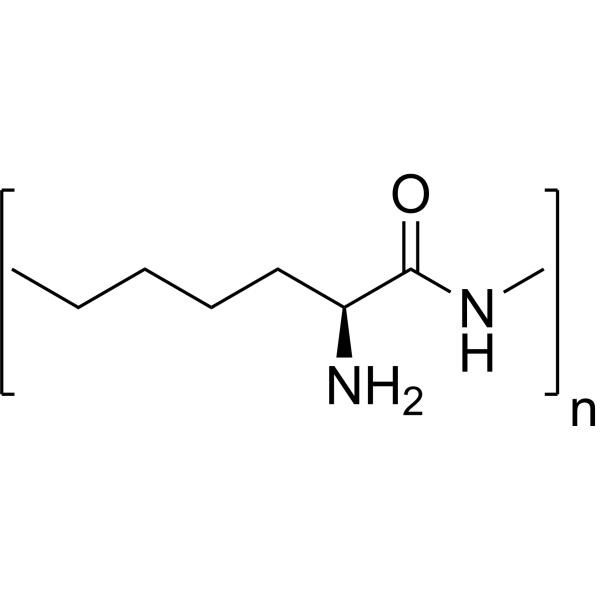
- HY-D0162R
-
|
MCCK1 (Standard)
|
Reference Standards
Fungal
IKK
NF-κB
Apoptosis
|
Infection
Cancer
|
|
Malachite green hemioxalate (Standard) is the analytical standard of Malachite green hemioxalate (HY-D0162). This product is intended for research and analytical applications. Malachite green hemioxalate is a triphenylmethane dye which can be used to detect the release of phosphate in enzymatic reactions. Malachite green hemioxalate has antimicrobial activity, which is attributed to inhibition of intracellular enzymes, intercalation into DNA, and/or interaction with cellular membranes. Malachite green hemioxalate is also a potent and selective inhibitor of IKBKE, and inhibits its downstream targets such as IκBα, p65 and IRF3. Malachite green hemioxalate exhibits antitumor activity in vitro and in vivo.
|
-

- HY-P5255
-
|
|
Bacterial
|
Infection
Inflammation/Immunology
|
|
Oligopeptide-10 is a bioactive peptide with antimicrobial activity. Oligopeptide-10 exhibits broad-spectrum bactericidal effects against Gram-positive bacteria including Propionibacterium acnes and Staphylococcus aureus. Oligopeptide-10 targets lipoteichoic acid (LTA) on the surface of bacterial cell membranes, induces bacterial osmotic imbalance by disrupting the integrity of bacterial membranes, and reduces the release of pro-inflammatory cytokines induced by bacteria. Oligopeptide-10 possesses skin-protective activity. Oligopeptide-10 can be applied in research related to acne vulgaris, dandruff, seborrheic dermatitis, and tinea pedis .
|
-
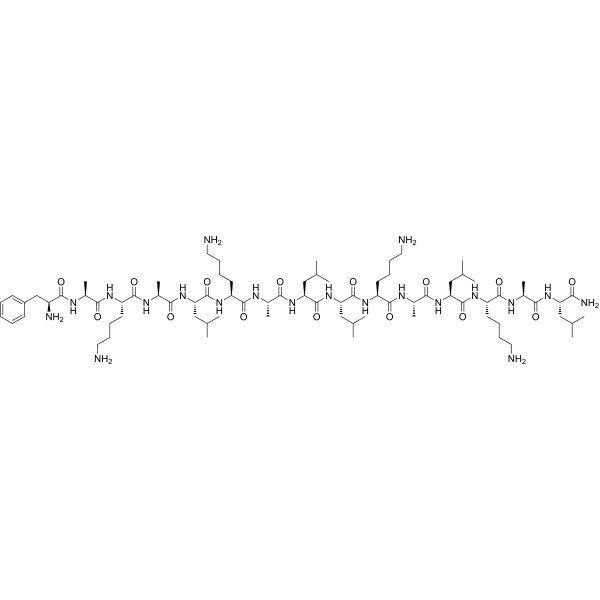
- HY-P5446
-
|
|
Bacterial
|
Others
|
|
BMAP-18 is a biological active peptide. (BMAP-18 is a truncated form of the antimicrobial peptide BMAP-27. Bovine myeloid antimicrobial peptide-27 (BMAP-27) belongs to the Cathelicidin family of peptides which displays rapid bactericidal activity against Staphylococcus aureus, Streptococcus uberis, and Escherichia coli. BMAP-27 is cytotoxic to human erythrocytes and neutrophils, although at higher than microbicidal concentrations. BMAP-18 displays much higher cell selectivity as compared to parental BMAP-27 because of its decreased hemolytic activity and retained antimicrobial activity.)
|
-
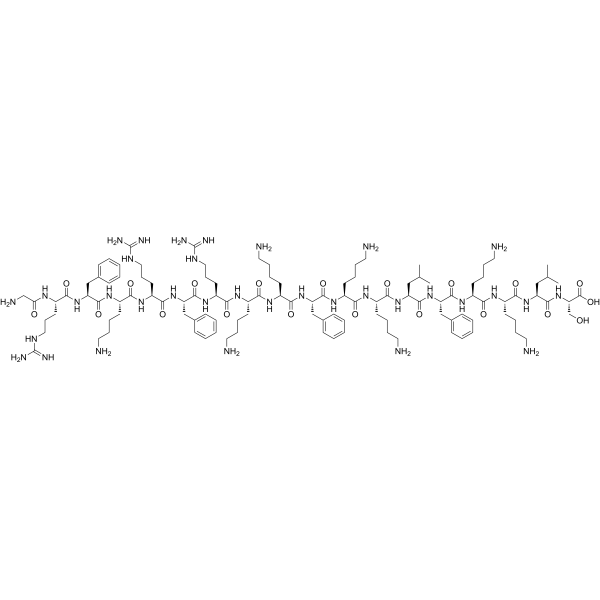
- HY-149155
-
|
|
Bacterial
|
Infection
|
|
o-Cymen-5-ol is a broad-spectrum antimicrobial agent with direct antimicrobial activity. o-Cymen-5-ol showed effective minimum inhibitory concentrations (MICs) against a variety of bacteria and fungi, such as Streptococcus mutans and Candida albicans. The combination of o-Cymen-5-ol and zinc showed synergistic effects, enhancing the inhibitory effect against oral pathogens. o-Cymen-5-ol was able to inhibit the glycolysis process and co-enhanced this effect with zinc. o-Cymen-5-ol showed a stronger antibacterial effect in toothpaste than placebo .
|
-

- HY-N5142S1
-
|
|
Bacterial
Isotope-Labeled Compounds
|
Infection
|
|
α-Terpineol-d6 is deuterated labeled α-Terpineol (HY-N5142). α-Terpineol (with oral activity) can be found in Eucalyptus globulus Labill. α-Terpineol exhibits strong antimicrobial activity against periodontopathic and cariogenic bacteria.α-Terpineol possesses antifungal activity against T. mentagrophytes, and the activity might lead to irreversible cellular disruption. In addition, α-Terpineol exhibits antineuropathic and anti-inflammatory activities.
α-Terpineol can be utilized in research related to diarrhea, neuropathic pain, infections, and inflammation .
|
-
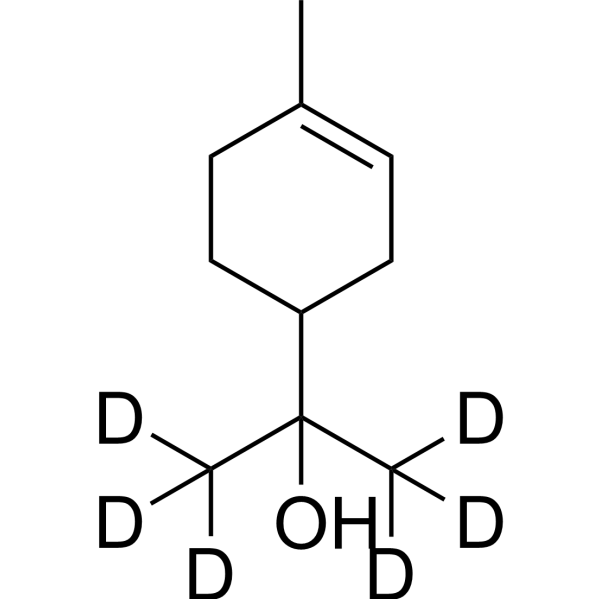
- HY-178738
-
|
|
Antibiotic
Bacterial
Topoisomerase
DNA/RNA Synthesis
|
Infection
|
|
GC-072 is an orally active, 4-oxoquinolizine antibiotic that selectively inhibits bacterial DNA gyrase and Topo IV enzymes. GC-072 does not inhibit human topoisomerases I and II. GC-072 demonstrates strong antimicrobial activity against various bacterial strains, including Gram-positive, Gram-negative, and resistant bacteria. GC-072 also exhibits bactericidal activity against Burkholderia pseudomallei both extracellularly and intracellularly, leading to dose-dependent survival in mice exposed to lethal inhalational models of B. pseudomallei infection. GC-072 can be used for the research of melioidosis .
|
-

- HY-B1118S3
-
|
RP-14539-d3; PM-185184-d3
|
Isotope-Labeled Compounds
Antibiotic
Bacterial
Parasite
|
Infection
|
|
Secnidazole-d3 (RP-14539-d3; PM-185184-d3) is the deuterium labeled Secnidazole (HY-B1118). Secnidazole (RP-14539) is an orally active azole antibiotic and a imidazole mitigator of Serratia marcescens virulence. Secnidazole, as an analog of acylhomoserine lactones, effectively inhibits QS resulting in the attenuation of Pseudomonas aeruginosa pathogenesis. Secnidazole has antimicrobial activity against many anaerobic Gram-negative and Gram-positive bacterial species in vitro. Secnidazole can be used for the research of various diseases, such as amoebiasis and giardiasis, and bacterial vaginitis .
|
-

- HY-109008
-
|
OP0595 free acid
|
Beta-lactamase
Bacterial
|
Infection
|
|
Nacubactam (OP0595 free acid) is a potent non-β-lactam-β-lactamase inhibitor with activity against class A and C β-lactamases. Nacubactam acts as a penicillin binding protein (PBP) 2-active antibacterial, and gives β-lactamase-independent potentiation of β-lactams targeting other PBPs. Nacubactam potentiates the antimicrobial activities of Piperacillin (HY-B1923), Cefepime (HY-B0692), and Meropenem (HY-13678) against CTX-M-15-positive Escherichia coli and KPC-positive Klebsiella pneumoniae .
|
-
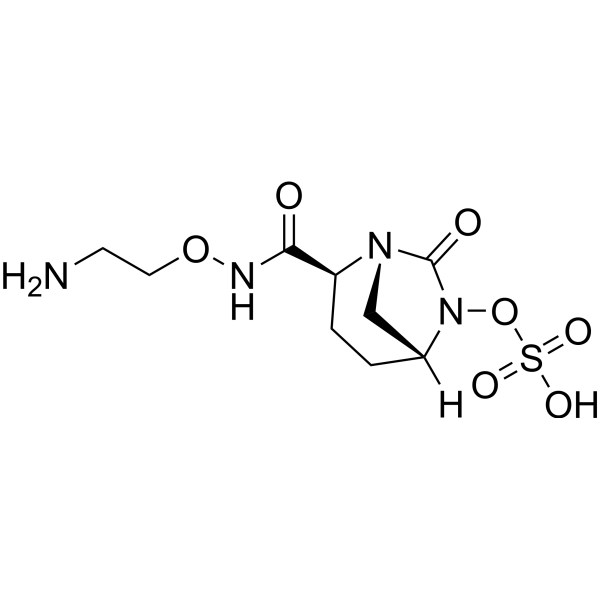
- HY-B0724AR
-
|
T-3762 (Standard); Pazufloxacin methanesulfonate (Standard); Pazufloxacin mesilate (Standard)
|
Reference Standards
Bacterial
DNA/RNA Synthesis
|
Infection
|
|
Pazufloxacin (mesylate) (Standard) is the analytical standard of Pazufloxacin mesylate (HY-B0724A). This product is intended for research and analytical applications. Pazufloxacin mesylate is an orally active fluoroquinolone antimicrobial agent. Pazufloxacin mesylate inhibits DNA gyrase with IC50 values of 0.88 μg/mL (E. coli) and 1.9 μg/mL (P. aeruginosa). Pazufloxacin mesylate exhibits broad-spectrum antimicrobial activity, with MIC90 values ranging from 0.025 to 100 μg/mL against Gram-positive and Gram-negative bacteria, non-fermenting bacteria, Legionella spp., and anaerobic bacteria. Pazufloxacin mesylate is indicated for research on systemic infections, lung infections, urinary tract infections, and Legionella pneumonia .
|
-

- HY-B1128
-
|
Cephamandole
|
Antibiotic
Bacterial
|
Infection
|
|
Cefamandole (Cephamandole) is a semi-synthetic second-generation cephalosporin antibiotic with broad-spectrum antimicrobial activity. Cefamandole is resistant to hydrolysis by β-lactamases produced by some Gram-negative bacteria. Cefamandole kills Gram-positive cocci and various Gram-negative bacilli mainly by inhibiting cell wall synthesis, but it is inactive against Pseudomonas, Proteus vulgaris and Providencia stuartii, and its efficacy is affected by inoculum size. The plasma elimination half-life of Cefamandole in rats is only 0.4 h, it is mainly excreted in urine in biologically active form, and it hardly penetrates the non-inflamed blood-brain barrier. Cefamandole is widely used in studies related to bacterial infections .
|
-
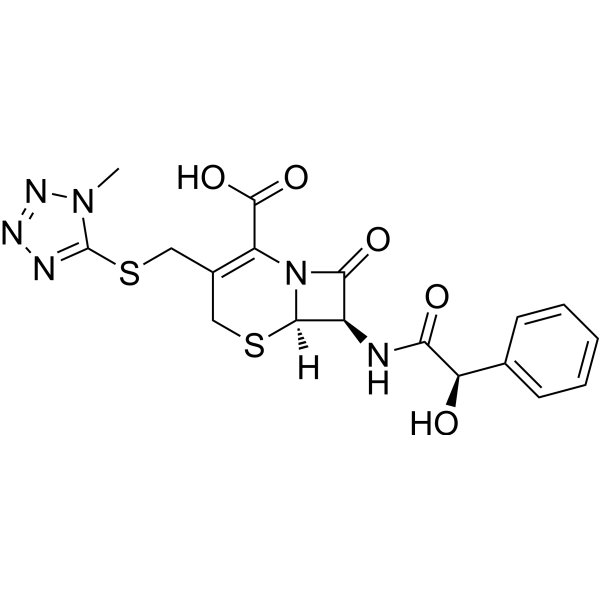
- HY-B0724BS
-
|
T3761-d4
|
Isotope-Labeled Compounds
Bacterial
DNA/RNA Synthesis
|
Infection
|
|
Pazufloxacin-d4 is deuterium labeled Pazufloxacin (HY-B0724B). Pazufloxacin is an orally active fluoroquinolone antimicrobial agent. Pazufloxacin inhibits DNA gyrase with IC50 values of 0.88 μg/mL (E. coli) and 1.9 μg/mL (P. aeruginosa). Pazufloxacin exhibits broad-spectrum antimicrobial activity, with MIC90 values ranging from 0.025 to 100 μg/mL against Gram-positive and Gram-negative bacteria, non-fermenting bacteria, Legionella spp., and anaerobic bacteria. Pazufloxacin is indicated for research on systemic infections, lung infections, urinary tract infections, and Legionella pneumonia .
|
-
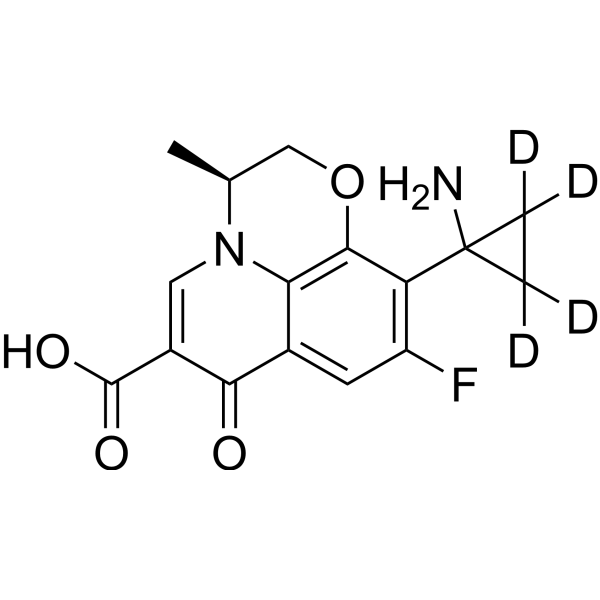
- HY-B1128A
-
|
Cephamandole sodium
|
Antibiotic
Bacterial
|
Infection
|
|
Cefamandole (Cephamandole) sodium is a semi-synthetic second-generation cephalosporin antibiotic with broad-spectrum antimicrobial activity. Cefamandole sodium is resistant to hydrolysis by β-lactamases produced by some Gram-negative bacteria. Cefamandole sodium kills Gram-positive cocci and various Gram-negative bacilli mainly by inhibiting cell wall synthesis, but it is inactive against Pseudomonas, Proteus vulgaris and Providencia stuartii, and its efficacy is affected by inoculum size. The plasma elimination half-life of Cefamandole sodium in rats is only 0.4 h, it is mainly excreted in urine in biologically active form, and it hardly penetrates the non-inflamed blood-brain barrier. Cefamandole sodium is widely used in studies related to bacterial infections .
|
-
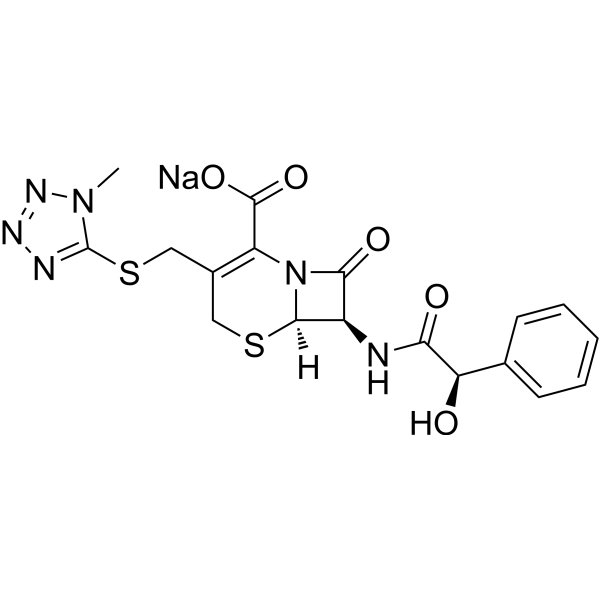
- HY-B1422
-
|
Aminacrine
|
Bacterial
HIV
|
Infection
|
|
9-Aminoacridine, a fluorescent probe, acts as an indicator of pH for quantitative determination of transmembrane pH gradients (inside acidic). 9-Aminoacridine is an antimicrobial. 9-Aminoacridine exerts its antimicrobial activity by interacting with specific bacterial DNA and disrupting the proton motive force in K. pneumoniae. 9-Aminoacridine is a HIV-1 inhibitor and inhibits HIV LTR transcription highly dependent on the presence and location of the amino moiety. 9-Aminoacridine inhibits virus replication in HIV-1 infected cell lines. 9-Aminoacridine is used as a Rifampin (RIF; HY-B0272) adjuvant for the multidrug-resistant K. pneumoniae infections .
|
-
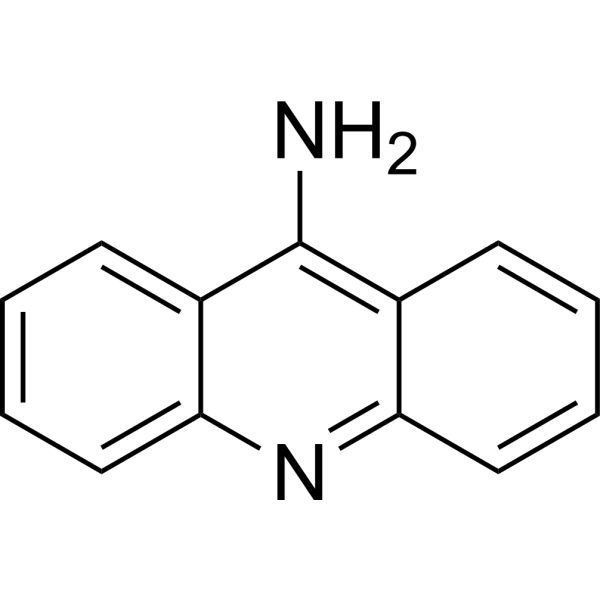
- HY-32350
-
|
1α,25-Dihydroxy Vitamin D2
|
VD/VDR
Drug Metabolite
Endogenous Metabolite
|
Metabolic Disease
|
|
Ercalcitriol (1α,25-Dihydroxy Vitamin D2) is a vitamin D receptor (VDR) agonist with high binding affinity. After binding to VDR, Ercalcitriol forms a complex with retinoid X receptor (RXR) to regulate target gene transcription. For example, Ercalcitriol induces human gingival/oral epithelial cells to produce human cat antimicrobial peptide (hCAP-18/LL-37), which has antimicrobial activity against periodontal pathogens such as Porphyromonas gingivalis. Ercalcitriol enhances the innate immune defense of the oral mucosa by promoting the expression of antimicrobial peptides, and is mainly used in the study of periodontal diseases and immune-related oral diseases .
|
-
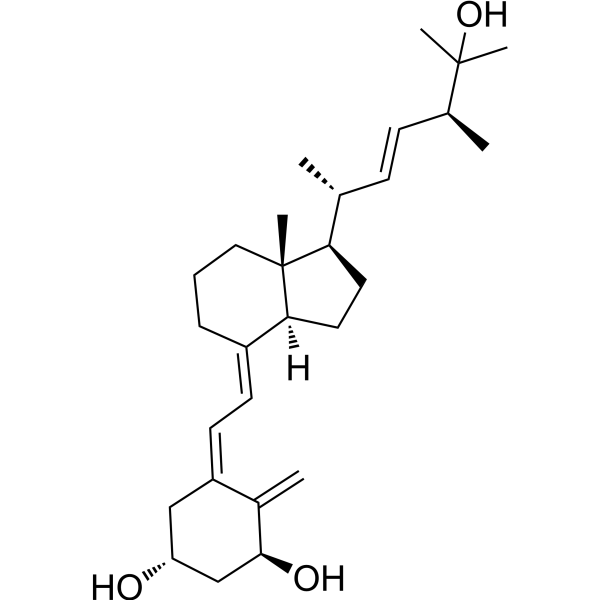
- HY-P11457
-
|
|
Bacterial
|
Infection
|
|
cCBD-LL37 is a chimeric antimicrobial peptide modified with a collagen-binding domain (cCBD) (TKKTLRT). cCBD-LL37 has improved retention on collagen after PBS washing and varying electrostatic conditions. cCBD-LL37 binds to collagen involves both specific and non-specific interactions, initiated by long-range electrostatic forces that transitions to close range or hydrophobic interactions. cCBD-LL37 has potent antimicrobial activity with improved structural stability under different ionic strengths and pH conditions (pH 5.5-8). cCBD-LL37 can be used for biomaterials like collagen-based wound dressings research .
|
-

- HY-B1128B
-
|
Cephamandole lithium
|
Antibiotic
Bacterial
|
Infection
|
|
Cefamandole (Cephamandole) lithium is a semi-synthetic second-generation cephalosporin antibiotic with broad-spectrum antimicrobial activity. Cefamandole lithium is resistant to hydrolysis by β-lactamases produced by some Gram-negative bacteria. Cefamandole lithium kills Gram-positive cocci and various Gram-negative bacilli mainly by inhibiting cell wall synthesis, but it is inactive against Pseudomonas, Proteus vulgaris and Providencia stuartii, and its efficacy is affected by inoculum size. The plasma elimination half-life of Cefamandole lithium in rats is only 0.4 h, it is mainly excreted in urine in biologically active form, and it hardly penetrates the non-inflamed blood-brain barrier. Cefamandole lithium is widely used in studies related to bacterial infections .
|
-

- HY-B2227B
-
|
DL-Lactic acid sodium; E-270 sodium
|
Environmental Pollutants
Endogenous Metabolite
Bacterial
Hydroxycarboxylic Acid Receptor (HCAR)
|
Infection
Metabolic Disease
Inflammation/Immunology
Cancer
|
Lactic acid (DL-Lactic acid) sodium (60% w/w in water) is a hydroxycarboxylic acid receptor 1 (HCAR1) activator and an epigenetic modulator inducing lysine residues lactylation. Lactic acid sodium (60% w/w in water) is a glycolysis end-product, bridging the gap between glycolysis and oxidative phosphorylation. Lactic acid sodium (60% w/w in water) is an oncometabolite and has immune protective role of lactate in anti-tumor immunity . Lactic acid sodium (60% w/w in water) also has antimicrobial activity, which can be used as a food preservative .
This product has a content (w/w) of 60%, and 1 mL of the system contains 798 mg of Lactic acid sodium, i.e., a concentration of 798 mg/mL (i.e., 7.12 M).
|
-
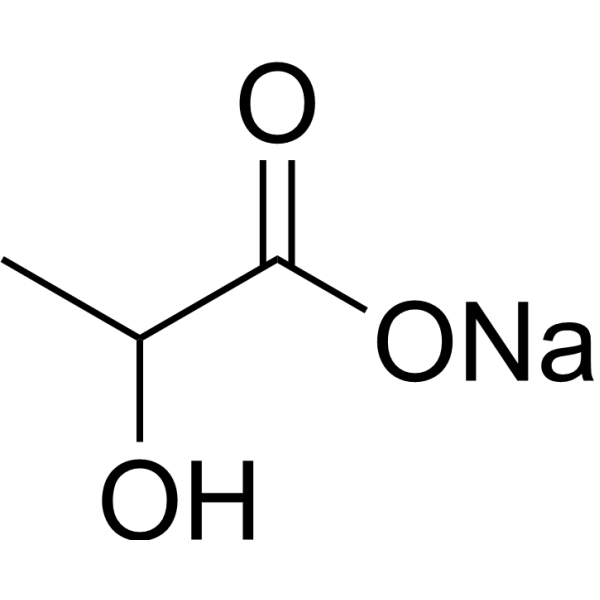
- HY-W587519S
-
|
|
Isotope-Labeled Compounds
Bacterial
|
Others
|
|
Bisphenol A bis(3-chloro-2-hydroxypropyl) ether-d14 is deuterium labeled Bisphenol A bis(3-chloro-2-hydroxypropyl) ether. Bisphenol A bis(3-chloro-2-hydroxypropyl) ether is an organic compound with potential antimicrobial activity. Bisphenol A bis(3-chloro-2-hydroxypropyl) ether can be widely used in coatings and plastics to improve the strength and durability of materials. Bisphenol A bis(3-chloro-2-hydroxypropyl) ether also plays an important role in textile processing, improving the wrinkle resistance and abrasion resistance of fabrics .
|
-

- HY-B1128AR
-
|
Cephamandole sodium (Standard)
|
Reference Standards
Antibiotic
Bacterial
|
Infection
|
|
Cefamandole (sodium) (Standard) is the analytical standard of Cefamandole (sodium). This product is intended for research and analytical applications. Cefamandole (Cephamandole) sodium is a semi-synthetic second-generation cephalosporin antibiotic with broad-spectrum antimicrobial activity. Cefamandole sodium is resistant to hydrolysis by β-lactamases produced by some Gram-negative bacteria. Cefamandole sodium kills Gram-positive cocci and various Gram-negative bacilli mainly by inhibiting cell wall synthesis, but it is inactive against Pseudomonas, Proteus vulgaris and Providencia stuartii, and its efficacy is affected by inoculum size. The plasma elimination half-life of Cefamandole sodium in rats is only 0.4 h, it is mainly excreted in urine in biologically active form, and it hardly penetrates the non-inflamed blood-brain barrier. Cefamandole sodium is widely used in studies related to bacterial infections .
|
-

- HY-B2227BS
-
|
DL-Lactic acid-d4 sodium; E-270-d4 sodium
|
Isotope-Labeled Compounds
Endogenous Metabolite
Hydroxycarboxylic Acid Receptor (HCAR)
Bacterial
|
Infection
Metabolic Disease
Inflammation/Immunology
Cancer
|
|
Lactic acid-d4 (DL-Lactic acid-d4) sodium (60% in water) is the deuterium labeled Lactic acid sodium (60% in water) (HY-B2227B) . Lactic acid (DL-Lactic acid) sodium (60% w/w in water) is a hydroxycarboxylic acid receptor 1 (HCAR1) activator and an epigenetic modulator inducing lysine residues lactylation. Lactic acid sodium (60% w/w in water) is a glycolysis end-product, bridging the gap between glycolysis and oxidative phosphorylation. Lactic acid sodium (60% w/w in water) is an oncometabolite and has immune protective role of lactate in anti-tumor immunity . Lactic acid sodium (60% w/w in water) also has antimicrobial activity, which can be used as a food preservative .
|
-
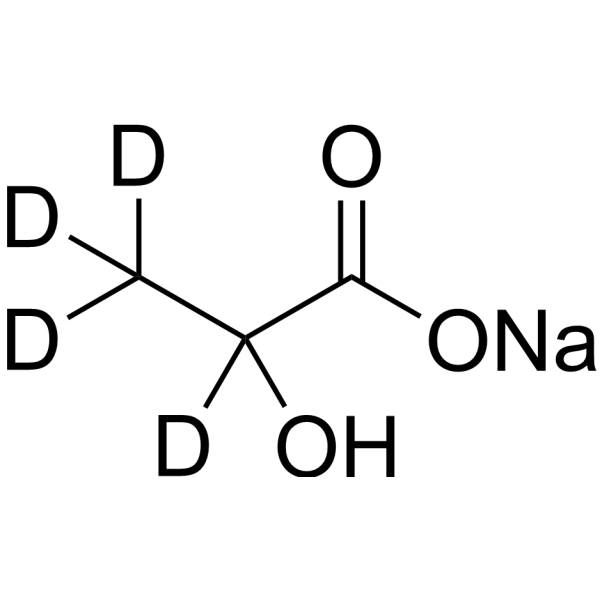
- HY-P11467
-
|
|
Bacterial
p38 MAPK
NF-κB
PERK
JNK
|
Cardiovascular Disease
Infection
|
|
Gy-CATH is an anionic antimicrobial peptide. Gy-CATH activates MAPK and NF-κB signaling pathways (elevated levels of phospho-ERK, -p38, -JNK, -p65, and -IκBα). Gy-CATH upregulates the expression levels of three physiological anticoagulant pathways. Gy-CATH inhibits ADP-, Collagen-, and PMA-induced platelet aggregation. Gy-CATH has no direct antimicrobial activity, but shows significant preventive abilities against mice infected with Staphylococcus aureus, Escherichia coli, and Methicillin (HY-121544)-resistant Staphylococcus aureus. Gy-CATH exhibits potent immunomodulatory activity, enhancing macrophage-and neutrophil-mediated bactericidal functions. Gy-CATH significantly reduces the extent of pulmonary fibrin deposition and prevents thrombosis in mice .
|
-

- HY-117845
-
|
LL-E19085α
|
Antibiotic
Bacterial
|
Infection
|
|
Citreamicin alpha (LL-E 19085-alpha) is an antibiotic whose in vitro antimicrobial activity against 429 clinical isolates of Gram-positive cocci has been tested by the agar dilution method. These microorganisms included 313 strains of Staphylococci and 116 strains of Streptococci. The in vitro activity of Citreamicin alpha was compared with that of ampicillin, amoxicillin, ceftriaxone, erythromycin, and vancomycin. For Staphylococci, the MIC values of Citreamicin alpha ranged from 0.12-4.0 μg/ml, and for Streptococcus pyogenes of the genus Streptococcus, it was 0.03-0.12 μg/ml. However, enterococci were relatively resistant, requiring 2.0 μg/ml of the agent to inhibit 64% of the 62 tested strains. The in vitro activity of this antibiotic was much better than that of ampicillin, amoxicillin, ceftriaxone, and erythromycin, but comparable or slightly inferior to that of vancomycin.
|
-

- HY-109008R
-
|
OP0595 free acid (Standard)
|
Beta-lactamase
Reference Standards
Bacterial
|
Infection
|
|
Nacubactam (Standard) is the analytical standard of Nacubactam (HY-109008). This product is intended for research and analytical applications. Nacubactam (OP0595 free acid) is a potent non-β-lactam-β-lactamase inhibitor with activity against class A and C β-lactamases. Nacubactam acts as a penicillin binding protein (PBP) 2-active antibacterial, and gives β-lactamase-independent potentiation of β-lactams targeting other PBPs. Nacubactam potentiates the antimicrobial activities of Piperacillin (HY-B1923), Cefepime (HY-B0692), and Meropenem (HY-13678) against CTX-M-15-positive Escherichia coli and KPC-positive Klebsiella pneumoniae .
|
-

- HY-B2227BS1
-
|
DL-Lactic acid-d3 sodium; E-270-d3 sodium
|
Isotope-Labeled Compounds
Endogenous Metabolite
Hydroxycarboxylic Acid Receptor (HCAR)
Bacterial
|
Infection
Metabolic Disease
Inflammation/Immunology
Cancer
|
|
Lactic acid-d3 (DL-Lactic acid-d3) sodium (60% in water) is the deuterium labeled Lactic acid sodium (60% in water) (HY-B2227B) . Lactic acid (DL-Lactic acid) sodium (60% w/w in water) is a hydroxycarboxylic acid receptor 1 (HCAR1) activator and an epigenetic modulator inducing lysine residues lactylation. Lactic acid sodium (60% w/w in water) is a glycolysis end-product, bridging the gap between glycolysis and oxidative phosphorylation. Lactic acid sodium (60% w/w in water) is an oncometabolite and has immune protective role of lactate in anti-tumor immunity . Lactic acid sodium (60% w/w in water) also has antimicrobial activity, which can be used as a food preservative .
|
-
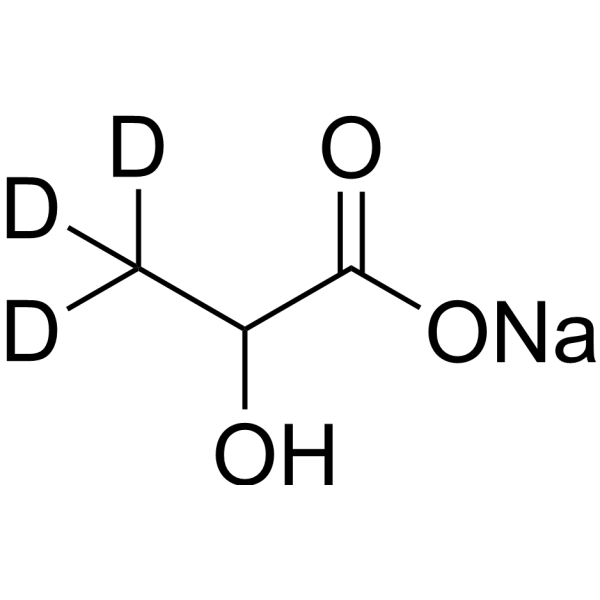
- HY-B1422S
-
|
Aminacrine-13C6
|
Bacterial
HIV
Isotope-Labeled Compounds
|
Infection
|
|
9-Aminoacridine-13C6 is the 13C-labeled 9-Aminoacridine(HY-B1422). 9-Aminoacridine, a fluorescent probe, acts as an indicator of pH for quantitative determination of transmembrane pH gradients (inside acidic). 9-Aminoacridine is an antimicrobial. 9-Aminoacridine exerts its antimicrobial activity by interacting with specific bacterial DNA and disrupting the proton motive force in K. pneumoniae. 9-Aminoacridine is a HIV-1 inhibitor and inhibits HIV LTR transcription highly dependent on the presence and location of the amino moiety. 9-Aminoacridine inhibits virus replication in HIV-1 infected cell lines. 9-Aminoacridine is used as a Rifampin (RIF; HY-B0272) adjuvant for the multidrug-resistant K. pneumoniae infections .
|
-
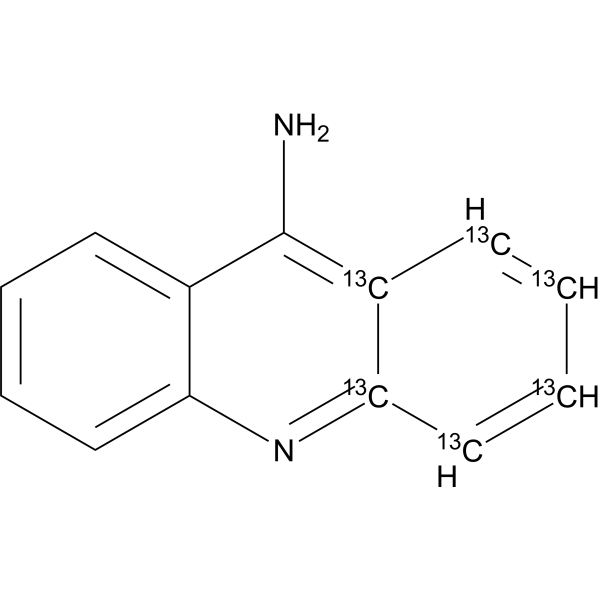
- HY-P11250
-
|
|
Bacterial
NO Synthase
Interleukin Related
Reactive Oxygen Species (ROS)
Toll-like Receptor (TLR)
ERK
JNK
p38 MAPK
|
Infection
Inflammation/Immunology
|
|
HVF18-a3-d is an antimicrobial peptide. HVF18-a3-d reduces NO production. HVF18-a3-d inhibits the production of TNF-α and IL-6, reduces ROS production, and suppresses the TLR4 signaling pathway, as well as LPS-induced phosphorylation of ERK, JNK, and p38 MAPK. HVF18-a3-d exhibits antimicrobial activity against a variety of bacteria by disrupting their outer and inner membranes. HVF18-a3-d protects mice from fatal septic shock induced by Acinetobacter baumannii resistant to Carbapenem. HVF18-a3-d shows anti-inflammatory and antioxidant effects .
|
-

- HY-P11091
-
|
|
Bacterial
|
Infection
|
|
PA2-GNU7 is an antimicrobial peptide (AMP). PA2-GNU7 exhibits potent antimicrobial activity with minimal inhibitory concentration (MIC) against P. aeruginosa, E. coli, S. typhimurium, S. aureus, and C. albicans are 2 μM, 1 μM, 2 μM, 2 μM, and 8 μM, respectively. PA2-GNU7 rapidly and selectively kills Pseudomonas aeruginosa without affecting other commensal bacteria. PA2-GNU7 significantly improves survival of mice infected with P. aeruginosa. PA2-GNU7 can be used for the research and development of therapeutic agents against MDR Pseudomonas aeruginosa infections .
|
-

- HY-B1422R
-
|
Aminacrine (Standard)
|
Reference Standards
Bacterial
HIV
|
Infection
|
|
9-Aminoacridine (Standard) is the analytical standard of 9-Aminoacridine. This product is intended for research and analytical applications. 9-Aminoacridine, a fluorescent probe, acts as an indicator of pH for quantitative determination of transmembrane pH gradients (inside acidic). 9-Aminoacridine is an antimicrobial. 9-Aminoacridine exerts its antimicrobial activity by interacting with specific bacterial DNA and disrupting the proton motive force in K. pneumoniae. 9-Aminoacridine is a HIV-1 inhibitor and inhibits HIV LTR transcription highly dependent on the presence and location of the amino moiety. 9-Aminoacridine inhibits virus replication in HIV-1 infected cell lines. 9-Aminoacridine is used as a Rifampin (RIF; HY-B0272) adjuvant for the multidrug-resistant K. pneumoniae infections .
|
-

- HY-P11471
-
|
|
Bacterial
Reactive Oxygen Species (ROS)
|
Infection
|
|
(K(C10)GGGRrRPC)2 (Compound (C-C10)C-C) is a dimeric lipopeptide and antibacterial agent. (K(C10)GGGRrRPC)2 enhances the accumulation of ROS, inhibits the bacterial respiratory chain dehydrogenase activity. (K(C10)GGGRrRPC)2 exhibits significant inhibition of bacterial biofilm formation. (K(C10)GGGRrRPC)2 exhibits antimicrobial activity against Acinetobacter baumannii AB1901, A. baumannii AB1902, Pseudomonas aeruginosa 25349, Staphylococcus aureus 11011, with MICs of 4 μM, 8 μM, 4 μM, and 8 μM, respectively. (K(C10)GGGRrRPC)2 shows antimicrobial efficacy against E. coli ATCC 25922 .
|
-

- HY-P11615
-
|
|
Bacterial
|
Infection
|
|
FuK is a WK2-analog antimicrobial peptide modified with fluorinated unnatural amino acids. FuK has an LD50 of 72.34 mg/kg in mice, shows no hemolytic activity, with high stability against trypsin, chymotrypsin, and saline environments. FuK exerts bactericidal effects by enhancing the permeability of bacterial outer membranes, inducing depolarization of cytoplasmic membranes, and disrupting membrane potential balance against bacterias such as Staphylococcus aureus, Escherichia coli, Klebsiella pneumoniae, and MRSA. FuK exhibits synergistic antimicrobial activity with polymyxin B (HY-149179), vancomycin (HY-B0671), and ciprofloxacin (HY-B0356), and also inhibits Ciprofloxacin-induced bacterial drug resistance. FuK has in vivo safety, effectively reduces bacterial load and inflammatory cell infiltration in a mouse MRSA model, and promotes collagen fiber formation in skin wounds .
|
-

- HY-32350S1
-
|
1α,25-Dihydroxy Vitamin D2-d3
|
Isotope-Labeled Compounds
Endogenous Metabolite
VD/VDR
|
Metabolic Disease
|
|
Ercalcitriol-d3 (1α,25-Dihydroxy Vitamin D2-d3) is the deuterium labeled Ercalcitriol (HY-32350). Ercalcitriol (1α,25-Dihydroxy Vitamin D2) is a vitamin D receptor (VDR) agonist with high binding affinity. After binding to VDR, Ercalcitriol forms a complex with retinoid X receptor (RXR) to regulate target gene transcription. For example, Ercalcitriol induces human gingival/oral epithelial cells to produce human cat antimicrobial peptide (hCAP-18/LL-37), which has antimicrobial activity against periodontal pathogens such as Porphyromonas gingivalis. Ercalcitriol enhances the innate immune defense of the oral mucosa by promoting the expression of antimicrobial peptides, and is mainly used in the study of periodontal diseases and immune-related oral diseases .
|
-

- HY-W006886
-
|
|
Amino Acid Derivatives
|
Others
|
Fmoc-(R)-2-(7-octenyl) Ala-OH is an unnatural Fmoc-protected amino acid and modification module. Fmoc-(R)-2-(7-octenyl) Ala-OH serves as a key building block for all-hydrocarbon cross-linking modification of antimicrobial peptides, and facilitates the generation of stapled peptide derivatives. When introduced into specific sites of the parent peptide, Fmoc-(R)-2-(7-octenyl) Ala-OH effectively increases the α-helix content of the peptide chain, thereby significantly enhancing its antimicrobial activity and proteolytic stability. Fmoc-(R)-2-(7-octenyl) Ala-OH is widely used in research on bacterial infections and the development of related antimicrobial agents . Stapled peptide is a specially chemically modified polypeptide. It locks the peptide chain into a stable α-helical structure by introducing a "staple"-like chemical bridge (usually an all-carbon backbone) at specific positions of the peptide chain.
|
-

- HY-N10423
-
|
(-)-Cubebin
|
Cholinesterase (ChE)
Bacterial
Fungal
Parasite
p38 MAPK
|
Infection
Neurological Disease
Metabolic Disease
Inflammation/Immunology
Cancer
|
|
Cubebin ((-)-Cubebin), a dibenzyl butyrolactone lignan, is an orally active AChE inhibitor. Cubebin binds to active sites of NF-κB, TNF-α, and TGF-β1 via hydrogen and hydrophobic interactions, obstructing critical residues to inhibit pro-inflammatory or renal fibrosis-related activity. Cubebin enhances p38 MAPK phosphorylation to increase tyrosinase gene expression, stimulating melanogenesis via elevated tyrosinase activity, expression, and mRNA levels. Cubebin reduces oxidative stress via enhanced endogenous antioxidant enzyme activity and inhibited lipid peroxidation, regulates lipid metabolism, improves glycemic control, and exerts renoprotective effects via reduced renal dysfunction markers and improved renal architecture. Cubebin shows antimicrobial activity. Cubebin exerts larvicidal activity against Angiostrongylus cantonensis larvae, with no cytotoxicity toward monkey or human cell lines or Caenorhabditis elegans. Cubebin can be used for the research of diabetic nephropathy, melanoma, colon adenocarcinoma, neuroangiostrongyliasis, Alzheimer’s disease (AD) and depression .
|
-
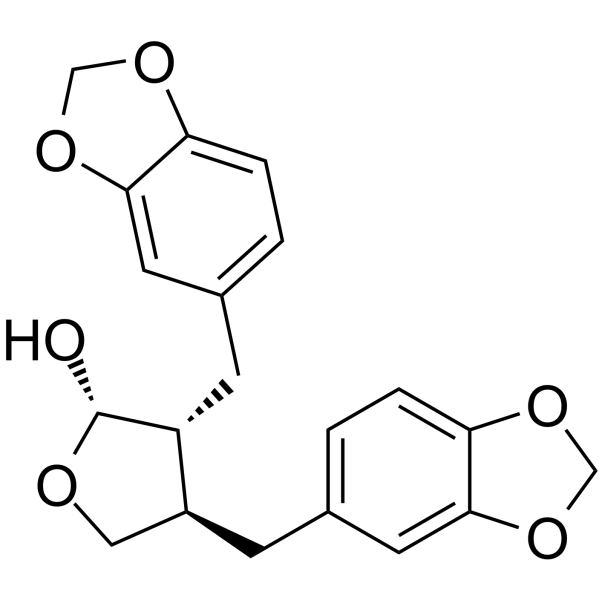
- HY-N13828
-
|
|
Bacterial
Interleukin Related
|
Infection
Inflammation/Immunology
|
|
1-Prenyl-2-methoxy-6-formyl-8-hydroxy-9H-carbazole (Compound 19) is a carbazole alkaloid that can be isolated from Murraya koenigii. 1-Prenyl-2-methoxy-6-formyl-8-hydroxy-9H-carbazole exhibits anti-inflammatory and antimicrobial activities. 1-Prenyl-2-methoxy-6-formyl-8-hydroxy-9H-carbazole can inhibit the production of pro-inflammatory cytokines TNF-α and IL-6 . 1-Prenyl-2-methoxy-6-formyl-8-hydroxy-9H-carbazole has IC50 values of 10.9 μM and 95 μM for Bacillus cereus and Staphylococcus aureus, respectively. 1-Prenyl-2-methoxy-6-formyl-8-hydroxy-9H-carbazole can be used in the research of inflammatory and infectious diseases .
|
-

| Cat. No. |
Product Name |
Type |
-
- HY-B1422
-
|
Aminacrine
|
Fluorescent Dyes
|
|
9-Aminoacridine, a fluorescent probe, acts as an indicator of pH for quantitative determination of transmembrane pH gradients (inside acidic). 9-Aminoacridine is an antimicrobial. 9-Aminoacridine exerts its antimicrobial activity by interacting with specific bacterial DNA and disrupting the proton motive force in K. pneumoniae. 9-Aminoacridine is a HIV-1 inhibitor and inhibits HIV LTR transcription highly dependent on the presence and location of the amino moiety. 9-Aminoacridine inhibits virus replication in HIV-1 infected cell lines. 9-Aminoacridine is used as a Rifampin (RIF; HY-B0272) adjuvant for the multidrug-resistant K. pneumoniae infections .
|
-
- HY-D2430
-
|
|
Fluorescent Dyes
|
|
Chitosan-PEG-Cy3 is a fluorescent labeling reagent that combines Cy3 (HY-D0822) fluorescent dye, Chitosan and polyethylene glycol (PEG). The Cy3 fluorophore is commonly used in applications such as immunolabeling, nucleic acid labeling, fluorescence microscopy, and flow cytometry. Cy3 has an emission maximum around 562-570 nm. Chitosan exhibits antimicrobial activity against various bacteria and fungi .
|
-
- HY-13067G
-
|
Tripterine; Tripterin
|
Fluorescent Dyes
|
|
Celastrol (GMP) (Tripterine (GMP)) is Celastrol (HY-10227) produced by using GMP guidelines. GMP small molecules works appropriately as an auxiliary reagent for cell therapy manufacture. Celastrol (Tripterine;Tripterin) is a proteasome inhibitor which potently and preferentially inhibits the chymotrypsin-like activity of a purified 20S proteasome with IC50 of 2.5 μM. In addition, Celastrol is also an antibiotic with potent antimicrobial activity against standard and clinical methicillin-resistant Staphylococcus aureus (MRSA) strains, inducing oxidative stress and inhibiting DNA synthesis by binding to P5CDH .
|
-
- HY-D0162R
-
|
MCCK1 (Standard)
|
Fluorescent Dyes
|
|
Malachite green hemioxalate (Standard) is the analytical standard of Malachite green hemioxalate (HY-D0162). This product is intended for research and analytical applications. Malachite green hemioxalate is a triphenylmethane dye which can be used to detect the release of phosphate in enzymatic reactions. Malachite green hemioxalate has antimicrobial activity, which is attributed to inhibition of intracellular enzymes, intercalation into DNA, and/or interaction with cellular membranes. Malachite green hemioxalate is also a potent and selective inhibitor of IKBKE, and inhibits its downstream targets such as IκBα, p65 and IRF3. Malachite green hemioxalate exhibits antitumor activity in vitro and in vivo.
|
-
- HY-B1422R
-
|
Aminacrine (Standard)
|
Fluorescent Dyes
|
|
9-Aminoacridine (Standard) is the analytical standard of 9-Aminoacridine. This product is intended for research and analytical applications. 9-Aminoacridine, a fluorescent probe, acts as an indicator of pH for quantitative determination of transmembrane pH gradients (inside acidic). 9-Aminoacridine is an antimicrobial. 9-Aminoacridine exerts its antimicrobial activity by interacting with specific bacterial DNA and disrupting the proton motive force in K. pneumoniae. 9-Aminoacridine is a HIV-1 inhibitor and inhibits HIV LTR transcription highly dependent on the presence and location of the amino moiety. 9-Aminoacridine inhibits virus replication in HIV-1 infected cell lines. 9-Aminoacridine is used as a Rifampin (RIF; HY-B0272) adjuvant for the multidrug-resistant K. pneumoniae infections .
|
| Cat. No. |
Product Name |
Type |
-
- HY-W250308
-
|
Epsilon-polylysine (MW 3800-4200); ε-Polylysine (MW 3800-4200); ε-PL (MW 3800-4200)
|
Biochemical Assay Reagents
|
|
Epsilon-polylysine is an antimicrobial peptide that can be produced by bacteria such as Streptomyces. Epsilon-polylysine inhibits the growth of microorganisms such as bacteria, yeasts and molds and is therefore often used as a green food additive and preservative in various food and beverage products. Epsilon-polylysine has a variety of properties, including thermal stability, resistance to acidic conditions, and broad-spectrum antimicrobial activity. Epsilon-polylysine can be loaded on other materials to form nanoparticles or form nanofiber membranes for targeted delivery to exert sustained antibacterial efficacy. Epsilon-polylysine is also used as a liposome stabilizer .
|
-
- HY-B2144C
-
|
Deacetylated chitin (≥95% deacetylated,viscosity 100-200 mPa.s); Poly(D-glucosamine) (≥95% deacetylated,viscosity 100-200 mPa.s)
|
Biochemical Assay Reagents
|
|
Chitosan (Deacetylated chitin) (≥95% deacetylated,viscosity 100-200 mPa.s) is a polysaccharide obtained by deacetylating chitin, and exhibits antimicrobial activity against various bacteria and fungi .
|
-
- HY-B2144E
-
|
Deacetylated chitin (≥90% deacetylated, Low viscosity,<200mPa.s); Poly(D-glucosamine) (≥90% deacetylated, Low viscosity,<200mPa.s)
|
Biochemical Assay Reagents
|
|
Chitosan (Deacetylated chitin) (≥90% deacetylated, Low viscosity,<200mPa.s) is a polysaccharide obtained by deacetylating chitin, and exhibits antimicrobial activity against various bacteria and fungi .
|
-
- HY-N8332
-
|
Ox bile extract
|
Biochemical Assay Reagents
|
|
Bile extract (Ox bile extract) is a complex mixture of substances, containing bile acids, cholesterol, and bilirubin. Bile extract has antimicrobial activity and can induce DNA damage and degrade viral and bacterial membranes. Bile extract can be used in bacterial culture media as a selective inhibitor for the isolation and identification of pathogens .
|
-
- HY-D1005A8
-
|
PEG-PPG-PEG, 2000 (Average)
|
Biochemical Assay Reagents
|
|
Poloxamer 181 L61 is a block polymer of polyethylene oxide and polypropylene oxide with an average molecular weight of 2000. Poloxamer has the ability to inhibit P-gp. Poloxamer 181 has antimicrobial activity and can inhibit Mycobacterium avium. Poloxamer 181 can form a thermally reversible hydrogel and is used as a food additive, and as an agent delivery carrier in cosmetics, pharmaceuticals and tissue engineering .
|
-
- HY-D1005A10
-
|
PEG-PPG-PEG, 2900 (Average)
|
Biochemical Assay Reagents
|
|
Poloxamer 184 L64 is a block copolymer of polyethylene oxide and polypropylene oxide with an average molecular weight of 2900. Poloxamer has the ability to inhibit P-gp. Poloxamer 184 exhibits short-term skin toxicity, characterized by mild erythema and intradermal inflammatory reactions. Poloxamer 184 has antimicrobial activity, inhibiting 60% of Mycobacterium avium at a concentration of 1 mg/mL. Poloxamer 184 forms a thermoreversible hydrogel and is used as a food additive and as a drug delivery carrier in cosmetics and tissue engineering .
|
-
- HY-B2144K
-
|
Deacetylated chitin (≥85% deacetylated, viscosity>90 mPa.s, MW 15000); Poly(D-glucosamine) (≥85% deacetylated, viscosity>90 mPa.s, MW 15000)
|
Biochemical Assay Reagents
|
|
Chitosan (Deacetylated chitin) (≥85% deacetylated, viscosity>90 mPa.s, MW 15000) is a polysaccharide obtained by deacetylating chitin, and exhibits antimicrobial activity against various bacteria and fungi .
|
-
- HY-B2144J
-
|
Deacetylated chitin (≥90% deacetylated,viscosity 650-700 mPa.s); Poly(D-glucosamine) (≥90% deacetylated,viscosity 650-700 mPa.s)
|
Biochemical Assay Reagents
|
|
Chitosan (Deacetylated chitin) (≥90% deacetylated, viscosity 650-700 mPa.s) is a polysaccharide obtained by deacetylating chitin, and exhibits antimicrobial activity against various bacteria and fungi. Chitosan (≥90% deacetylated, viscosity 650-700 mPa.s) can be used as a versatile biomaterial in drug delivery, tissue engineering, and wound healing .
|
-
- HY-B2144G
-
|
Deacetylated chitin (≥80% deacetylated, High viscosity,>400mPa.s); Poly(D-glucosamine) (≥80% deacetylated, High viscosity,>400mPa.s)
|
Biochemical Assay Reagents
|
|
Chitosan (Deacetylated chitin; Poly(D-glucosamine)) (≥80% deacetylated, High viscosity,>400mPa.s) is a polysaccharide obtained by deacetylating chitin, and exhibits antimicrobial activity against various bacteria and fungi .
|
-
- HY-B2144F
-
|
Deacetylated chitin (≥80% deacetylated, Medium viscosity,200-400mPa.s); Poly(D-glucosamine) (≥80% deacetylated, Medium viscosity,200-400mPa.s)
|
Biochemical Assay Reagents
|
|
Chitosan (Deacetylated chitin; Poly(D-glucosamine)) (≥80% deacetylated, Medium viscosity,200-400mPa.s) is a polysaccharide obtained by deacetylating chitin, and exhibits antimicrobial activity against various bacteria and fungi .
|
-
- HY-B2144H
-
|
Chitosan HCl (80%-90% deacetylated)
|
Biochemical Assay Reagents
|
|
Chitosan hydrochloride 80%-90% deacetylated (Chitosan HCl 80%-90% deacetylated) is the deacetylated, hydrocholoride form of chitosan. Chitosan hydrochloride 80%-90% deacetylated is a polysaccharide obtained by deacetylating chitin, and exhibits antimicrobial activity against various bacteria and fungi. Chitosan hydrochloride 80%-90% deacetylated is utilized in agriculture, water treatment and pharmaceutical aspects .
|
-
- HY-124452
-
|
Desferrioxamine E; Nocardamin
|
Biochemical Assay Reagents
|
|
Nocardamine (Deferrioxamine E)is an iron carrier/Iron chelator with antimicrobial activity .
|
-
- HY-P2920
-
|
|
Biochemical Assay Reagents
|
|
Protamine from salmon is a biochemical agent with antioxidant, antiheparin and antimicrobial activities. Protamine from salmon neutralizes the anticoagulant effect of heparin, thereby preventing the formation of antithrombin complexes in canine samples pretreated with heparin in vitro .
|
-
- HY-B2144I
-
|
Deacetylated chitin (≥90% deacetylated,viscosity 10 mPa.s); Poly(D-glucosamine) (≥90% deacetylated,viscosity 10 mPa.s)
|
Biochemical Assay Reagents
|
|
Chitosan (Deacetylated chitin) (≥90% deacetylated,viscosity 10 mPa.s) is a polysaccharide obtained by deacetylating chitin, and exhibits antimicrobial activity against various bacteria and fungi. Chitosan (≥90% deacetylated,viscosity 10 mPa.s) can be used as a versatile biomaterial in drug delivery, tissue engineering, and wound healing .
|
-
- HY-D1005A9
-
|
PEG-PPG-PEG, 2650 (Average)
|
Biochemical Assay Reagents
|
|
Poloxamer 183 L63 is a block copolymer of polyoxyethylene and polyoxypropylene with an average molecular weight of 2000. Poloxamer has the ability to inhibit P-gp. Poloxamer 183 exhibits antimicrobial activity and can inhibit Mycobacterium avium. Poloxamer 183 can be used as a cosmetic ingredient .
|
-
- HY-D1005A4
-
|
PEG-PPG-PEG, 1630 (Average)
|
Biochemical Assay Reagents
|
|
Poloxamer 122 L42 is block polymer of polyoxyethylene and polyoxypropylene with average molecular mass of 1630. Poloxamer 122 L42 exhibits antimicrobial activity, that inihibits 56% Mycobacterium avium complex at concentration of 1 mg/mL. Poloxamer 122 L42 forms thermoreversible hydrogel, that is utilized in food additives, drug delivery carriers in cosmetics, pharmaceutical ingredients and tissue engineering .
|
-
- HY-13067G
-
|
Tripterine; Tripterin
|
Biochemical Assay Reagents
|
|
Celastrol (GMP) (Tripterine (GMP)) is Celastrol (HY-10227) produced by using GMP guidelines. GMP small molecules works appropriately as an auxiliary reagent for cell therapy manufacture. Celastrol (Tripterine;Tripterin) is a proteasome inhibitor which potently and preferentially inhibits the chymotrypsin-like activity of a purified 20S proteasome with IC50 of 2.5 μM. In addition, Celastrol is also an antibiotic with potent antimicrobial activity against standard and clinical methicillin-resistant Staphylococcus aureus (MRSA) strains, inducing oxidative stress and inhibiting DNA synthesis by binding to P5CDH .
|
| Cat. No. |
Product Name |
Target |
Research Area |
-
- HY-P1222
-
LL-37, human
Maximum Cited Publications
6 Publications Verification
|
Bacterial
|
Infection
|
|
LL-37, human is a 37-residue, amphipathic, cathelicidin-derived antimicrobial peptide, which exhibits a broad spectrum of antimicrobial activity. LL-37, human could help protect the cornea from infection and modulates wound healing .
|
-
- HY-N6708
-
|
|
Antibiotic
Bacterial
|
Infection
|
|
Alamethicin is a linear 20-amino acid antibiotic, which can induce voltage-gated conductance in model and cell membranes. Alamethicin exhibits antimicrobial activity against Gram-positive bacteria, but not Gram-negative bacteria. Alamethicin can form an amphipathic α-helical structure in biological membranes .
|
-
- HY-P1222A
-
|
|
Bacterial
|
Infection
|
|
LL-37, human TFA is a 37-residue, amphipathic, cathelicidin-derived antimicrobial peptide, which exhibits a broad spectrum of antimicrobial activity. LL-37, human TFA could help protect the cornea from infection and modulates wound healing .
|
-
- HY-P0092
-
-
- HY-P1630
-
|
|
Bacterial
|
Infection
|
|
Buforin II, derived from buforin I, a protein isolated from the stomach of the Asian toad Bufo bufo gargarizans, is a potent antimicrobial peptide. Buforin II has antimicrobial activity against a broad spectrum of Gram-positive and Gram-negative bacteria .
|
-
- HY-P1222B
-
|
|
Bacterial
|
Infection
Inflammation/Immunology
|
|
LL-37, human acetate is a 37-residue, amphipathic, cathelicidin-derived antimicrobial peptide, which exhibits a broad spectrum of antimicrobial activity. LL-37, human acetate could help protect the cornea from infection and modulates wound healing .
|
-
- HY-P5645
-
LEAP-2
1 Publications Verification
Human liver expressed antimicrobial peptide-2
|
GHSR
Interleukin Related
IFNAR
TNF Receptor
Bacterial
|
Infection
Metabolic Disease
Inflammation/Immunology
|
|
LEAP-2 (Human liver expressed antimicrobial peptide-2) is a GHS-R1a antagonist, with an IC50 of 6.0 nM. LEAP-2 suppresses the orexigenic effect of ghrelin. LEAP-2 attenuates ghrelin-induced growth hormone (GH) release and reduces basal food intake. LEAP-2 exhibits antimicrobial activity against microbial model organisms. LEAP-2 can be used for the study of obesity and infection .
|
-
- HY-P2460
-
|
|
Bacterial
Fungal
Interleukin Related
TNF Receptor
|
Infection
Inflammation/Immunology
|
|
SMAP‑29 is a cathelicidin antimicrobial peptide with LPS‑binding and anti‑inflammatory properties. SMAP‑29 exerts broad‑spectrum antimicrobial activity against bacteria, fungi and multidrug‑resistant isolates. SMAP‑29 kills pathogens by permeabilizing bacterial membranes, inducing depolarization and cell lysis, and also inhibits inflammatory cytokines while reducing lethality in septic shock and pneumonia models. SMAP-29 can be used for research on bacterial infections, drug-resistant infections, septic shock .
|
-
- HY-P5255
-
|
|
Bacterial
|
Infection
Inflammation/Immunology
|
|
Oligopeptide-10 is a bioactive peptide with antimicrobial activity. Oligopeptide-10 exhibits broad-spectrum bactericidal effects against Gram-positive bacteria including Propionibacterium acnes and Staphylococcus aureus. Oligopeptide-10 targets lipoteichoic acid (LTA) on the surface of bacterial cell membranes, induces bacterial osmotic imbalance by disrupting the integrity of bacterial membranes, and reduces the release of pro-inflammatory cytokines induced by bacteria. Oligopeptide-10 possesses skin-protective activity. Oligopeptide-10 can be applied in research related to acne vulgaris, dandruff, seborrheic dermatitis, and tinea pedis .
|
-
- HY-P0263
-
|
|
Bacterial
Fungal
Antibiotic
|
Infection
|
|
Dermaseptin, a peptide isolated from frog skin, exhibits potent antimicrobial activity against bacteria, fungi, and protozoa at micromolar concentration .
|
-
- HY-122381
-
|
|
Bacterial
Endogenous Metabolite
|
Neurological Disease
|
|
Kyotorphin is an endogenou neuroactive dipeptide with analgesic properties. Kyotorphin possesses anti-inflammatory and antimicrobial activity. Kyotorphin levels in cerebro-spinal fluid correlate negatively with the progression of neurodegeneration in Alzheimer's Disease patients .
|
-
- HY-P2124
-
|
|
Antibiotic
Bacterial
|
Infection
|
|
Cyclo(L-Trp-L-Trp) is an antibiotic, and shows antimicrobial activity. Cyclo(L-Trp-L-Trp) can inhibit A. baumannii, as well as Candida albicans, Bacillus subtilis, Micrococcus luteus, Saccharomyces cerevisiae, Aspergillus niger, Staphylococcus aureus. Cyclo(L-Trp-L-Trp) can be used in microbial infection research .
|
-
- HY-P1791
-
|
Lactoferricin B; Lfcin B
|
Bacterial
Fungal
Apoptosis
|
Infection
Cancer
|
|
Lactoferrin 17-41 (Lactoferricin B), a peptide corresponding to residues 17-41 of bovine lactoferrin, has antimicrobial activity against a wide range of microorganisms, including Gram-positive and Gramnegative bacteria, viruses, protozoa, and fungi. Lactoferrin 17-41 has antitumor activities .
|
-
- HY-P2315
-
|
HβD-1
|
Antibiotic
Bacterial
|
Infection
|
|
Human β-defensin-1 (HβD-1) is a cysteine-rich cationic skin-antimicrobial peptide (SAP) produced by all epithelial surfaces, but also by circulatory cells and cells of the reproductive tract. Human β-defensin-1 has antimicrobial activities against a broad-sperm bacteria .
|
-
- HY-P10257
-
|
|
Bacterial
|
Infection
|
|
KR-12 (human) is an active segment of LL-37 (HY-P4744). KR-12 (human) exhibits antimicrobial activity against gram-negative bacteria. KR-12 (human) inhibits E. coli K-12 with a MIC of 66 μM. KR-12 human can be used for the research of infection, such as E. coli infection .
|
-
- HY-P3494
-
|
|
Hepcidin
Bacterial
|
Infection
Inflammation/Immunology
|
|
Hepcidin-25 (human) is an iron metabolism regulator and Antimicrobial agent. Hepcidin-25 (human) exerts anti-inflammatory and antimicrobial activities by regulating iron-mediated oxidative damage .
|
-
- HY-P4848
-
|
|
Antibiotic
|
Infection
|
|
Dermcidin-1L (human) is an antibiotic peptide secreted by sweat glands. Dermcidin-1L (human) has antimicrobial activity. Dermcidin-1L (human) can be used for the research of inflammatory skin disorders .
|
-
- HY-P3914
-
|
Oct-CA(1-7)M(2-9)
|
Bacterial
|
Infection
|
|
Cecropin A (1-7)-Melittin A (2-9) is an antimicrobial peptide with antimicrobial activity against a broad spectrum of Gram-positive and Gram-negative aerobic bacteria, as well as antimalarial activity, without the adverse hemolytic properties of bee venom peptides .
|
-
- HY-P1791B
-
|
Lactoferricin B acetate; Lfcin B acetate
|
Bacterial
Fungal
Apoptosis
|
Infection
Cancer
|
|
Lactoferrin 17-41 (Lactoferricin B) acetate, a peptide corresponding to residues 17-41 of bovine lactoferrin, has antimicrobial activity against a wide range of microorganisms, including Gram-positive and Gramnegative bacteria, viruses, protozoa, and fungi. Lactoferrin 17-41 acetate has antitumor activities .
|
-
- HY-P1674A
-
|
POL7080 TFA
|
Bacterial
Antibiotic
|
Infection
|
|
Murepavadin (POL7080) (TFA), a 14-amino-acid cyclic peptide, is a highly potent, specific antibiotic. Murepavadin exhibits a potent antimicrobial activity for P. aeruginosa with MIC50 and MIC90 values both of 0.12 mg/L. Murepavadin also can target the lipopolysaccharide transport portin D. Murepavadin can be used for the research of bacterial resistance .
|
-
- HY-W006886
-
|
|
Amino Acid Derivatives
|
Others
|
Fmoc-(R)-2-(7-octenyl) Ala-OH is an unnatural Fmoc-protected amino acid and modification module. Fmoc-(R)-2-(7-octenyl) Ala-OH serves as a key building block for all-hydrocarbon cross-linking modification of antimicrobial peptides, and facilitates the generation of stapled peptide derivatives. When introduced into specific sites of the parent peptide, Fmoc-(R)-2-(7-octenyl) Ala-OH effectively increases the α-helix content of the peptide chain, thereby significantly enhancing its antimicrobial activity and proteolytic stability. Fmoc-(R)-2-(7-octenyl) Ala-OH is widely used in research on bacterial infections and the development of related antimicrobial agents . Stapled peptide is a specially chemically modified polypeptide. It locks the peptide chain into a stable α-helical structure by introducing a "staple"-like chemical bridge (usually an all-carbon backbone) at specific positions of the peptide chain.
|
-
- HY-P2323
-
|
LfcinB (20–30) TFA
|
Bacterial
|
Inflammation/Immunology
Cancer
|
|
Lactoferricin B (4-14), bovine (TFA), a peptide corresponding to residues 4-14 of bovine lactoferrin, has antimicrobial activity against a wide range of microorganisms .
|
-
- HY-P11211A
-
|
|
Bacterial
|
Infection
Cancer
|
|
D2A21 TFA is an antimicrobial peptide with significant antimicrobial activity against Pseudomonas and bactericidal effect on burn scabs. D2A21 TFA has antitumor activity and can be used in prostate cancer research .
|
-
- HY-P11190
-
|
|
Bacterial
|
Infection
|
|
Arenicin-1 is an antimicrobial peptide that can be isolated from coelomocytes of the marine polychaeta lugworm Arenicola marina. Arenicin-1 displays potent antimicrobial activity, with MIC values ranging from 2.0 to 8.0 μM. Arenicin-1 can be used for antibacterial research .
|
-
- HY-P1674
-
|
POL7080
|
Bacterial
Antibiotic
|
Infection
|
|
Murepavadin (POL7080), a 14-amino-acid cyclic peptide, is a highly potent, specific antibiotic. Murepavadin exhibits a potent antimicrobial activity for P. aeruginosa with both MIC50 and MIC90 values of 0.12 mg/L. Murepavadin also can target the lipopolysaccharide transport portin D. Murepavadin can be used for the research of bacterial resistance .
|
-
- HY-W142092
-
|
|
Bacterial
Endogenous Metabolite
|
Others
|
|
N-Acetyl-DL-serine is a hydrophobic amino acid that is synthesized in the body and can be found as a free form or as a salt with malonate, phosphate, or acetate. N-Acetyl-DL-serine has antimicrobial activity against Bacillus cereus and Staphylococcus aureus. N-Acetyl-DL-serine has also been used for the immobilization of DNA fragments on solid surfaces and can be used for protein synthesis and optical detection of DNA strands .
|
-
- HY-P11142
-
|
|
Bacterial
Fungal
|
Infection
|
|
Jelleine-I is an antimicrobial peptide. Jelleine-I can be purified from royal jelly of honeybees. Jelleine-I exhibits antimicrobial activities against yeast, fungi, Gram-positive and Gram-negative bacteria .
|
-
- HY-P5753
-
|
|
Bacterial
|
Infection
|
|
JB-95, a β-hairpin macrocyclic peptide, exhibits potent antimicrobial activity against Escherichia coli. JB-95 can selectively disrupt the outer membrane but not the inner membrane of E. coli .
|
-
- HY-P3979
-
|
HNP 4
|
Bacterial
Melanocortin Receptor
|
Infection
|
|
Defensin HNP 4 (HNP 4) is a host-defense peptide that has antimicrobial activity against Gram-negative bacteria. Defensin HNP 4 inhibits ACTH stimulated synthesis of Corticosterone (HY-B1618) in rat adrenal cell suspensions .
|
-
- HY-P5486
-
|
|
Bacterial
|
Others
|
|
Tet-20 is a biological active peptide. (Tet-20, is a synthetic cathelicidin-derived peptide. It was tested as infection-resistant coating for medical devices. When tethered on an implant surface Tet-20 exhibited broad antimicrobial activities both in vivo and in vitro. It can stop biofilm formation and appears to be non-toxic to eukaryotic cells)
|
-
- HY-P3116
-
|
|
Bacterial
|
Cancer
|
|
Thiocoraline is a depsipeptide that can be isolated by marine Micromonospora. Thiocoraline has antitumor activity with IC50s of 0.002, 0.002, 0.01 and 0.002 μg/mL in P388, A549, HT-29 and MEL-28 cells, respectively. Thiocoraline also a strong antimicrobial activity against Gram-positive microorganisms .
|
-
- HY-P5443
-
|
|
Bacterial
|
Others
|
|
Pyrrhocoricin is a biological active peptide. (Antimicrobial activity against Gram-negative bacteria)
|
-
- HY-P11074
-
|
|
Bacterial
|
Infection
|
|
Sakacin P is an antimicrobial peptide that targets Gram-positive bacteria (such as Listeria monocytogenes) and belongs to Class IIa bacteriocin. Sakacin P has almost no antimicrobial activity against Gram-negative bacteria. Sakacin P exerts its antimicrobial activity by interacting with bacterial cell membranes and destroying membrane integrity. Sakacin P can be used for the study of Listeria contamination and antimicrobial drugs in the food industry.
|
-
- HY-P0324
-
|
|
Bacterial
|
Infection
|
|
Parasin I is a 19-amino acid histone H2A-derived peptide isolated from the skin of the catfish, and shows antimicrobial activity.
|
-
- HY-P10518
-
|
|
Bacterial
|
Infection
|
|
Anoplin is an antimicrobial peptide found in the venom of the solitary wasp (Anoplius samariensis). Anoplin exhibits antimicrobial activity against a wide range of bacteria, including both gram-positive and gram-negative bacteria. Anoplin can be used in the development of antibiotics .
|
-
- HY-P2313
-
|
HβD-2
|
Antibiotic
Bacterial
|
Infection
|
|
Human β-defensin-2 (HβD-2) is a small cysteine-rich cationic skin-antimicrobial peptide (SAP) produced by a number of epithelial cells.Human β-defensin-2 has antimicrobial activity against gram-negative bacteria and Candida, but not gram-positive Staphylococcus aureus . Human β-defensin-2 can be used for the study of colitis .
|
-
- HY-14743
-
|
SCV 07; Gamma-D-glutamyl-L-tryptophan
|
Bacterial
STAT
|
Infection
Inflammation/Immunology
Cancer
|
|
Golotimod (SCV-07), an immunomodulating peptide with antimicrobial activity, significantly increases the efficacy of antituberculosis therapy, stimulates thymic and splenic cell proliferation, and improves macrophage function. Golotimod (SCV-07) inhibits STAT3 signaling and modulates the duration and severity of oral mucositis in animal models that received radiation or a combination of radiation and Cisplatin. Golotimod (SCV-07) is also a potential therapeutic for recurrent genital herpes simplex virus type 2 (HSV-2) .
|
-
- HY-P2170
-
|
XOMA-629
|
Antibiotic
Bacterial
|
Infection
Inflammation/Immunology
|
|
XMP-629 (XOMA-629), a cationic α-helical peptide, is a potent endotoxin inhibitor. XMP-629 exhibits broad-spectrum antimicrobial activity via an immunomodulatory mechanism. XOMA 629 has antimicrobial activity against Propionibacterium acnes, Staphylococcus aureus and Streptococcus pyogenesand .
|
-
- HY-P10508
-
|
|
Bacterial
Apoptosis
|
Infection
Cancer
|
|
Pantinin-1 is an antimicrobial peptide found in the venom of the Pandinus imperator scorpion. Pantinin-1 has potent antimicrobial activity against Gram-positive bacteria and fungi, weak antimicrobial activity against Gram-negative bacteria, and very low hemolytic activity against human erythrocytes. Pantinin-1 also has anticancer activity and can induce apoptosis in tumor cells .
|
-
- HY-W836186
-
|
Cyclo(alanine-leucine)
|
Bacterial
|
Others
|
|
Cyclo(Leu-Ala) (Cyclo(alanine-leucine)) is an antimicrobial compound isolated from microorganisms and has antimicrobial activity against some plant pathogens together with other compounds.
|
-
- HY-P1768
-
|
Uru-TK I
|
Bacterial
|
Infection
|
|
Urechistachykinin I (Uru-TK I), an invertebrate tachykinin-related peptides (TRPs) isolated from echiuroid worms, shows antimicrobial activities without a hemolytic effect .
|
-
- HY-122494
-
|
SF-1293
|
Bacterial
|
Infection
|
|
Bilanafos is a natural organic phosphine tripeptide antibiotic metabolized by Streptomyces hydroscopius or Streptomyces viridochromeogenes. Bialaphos has antimicrobial activity aganist Gram-negative and positive bacteria as well as some fungal plant diseases .
|
-
- HY-P1631
-
|
|
Bacterial
|
Infection
|
|
Polyphemusin I is a natural antimicrobial peptide with excellent antimicrobial activity against Gram-negative and Gram-positive bacteria. Polyphemusin I contains 18 amino acids and is stabilized into an amphiphilic, antiparallel β-hairpin by two disulfide bridges .
|
-
- HY-P11126
-
|
|
Bacterial
|
Infection
|
|
Mel4 is an antimicrobial peptide, exhibiting broad-spectrum antimicrobial activity. Mel4 can neutralize bacterial lipopolysaccharide in a dose-dependent manner. Mel4 can be used in the research and prevention of related bacterial infectious diseases (such as ocular infections) .
|
-
- HY-P2365
-
|
|
Fungal
|
Infection
|
|
Histatin-8 is a part of the Histatin-3 central sequence and is known as hemagglutination-inhibiting peptide. Histatin-8 is a potent anti-fungal peptide. Histatin-8 shows antimicrobial activity against yeast strains. Histatin-8 can be used for oral thrush research .
|
-
- HY-P11193
-
|
|
Bacterial
Fungal
|
Infection
|
|
Scolopin-2 is an antimicrobial peptide that can be isolated from centipede venoms. Scolopin-2 shows strong antimicrobial activities against a panel of Gram-positive/negative bacteria and fungi (MIC ≤ 7.5 μg/mL) . Scolopin-2 shows moderate hemolytic activity against both human and rabbit red cells. Scolopin-2 can be used for antimicrobial research .
|
-
- HY-P5057B
-
|
|
Fluorescent Dye
Bacterial
|
Infection
|
|
5-FAM-Ahx-LL-37 TFA is a 5-FAM (HY-66022) labeled LL-37, human (HY-P1222). The carboxyfluorescein group is attached via a 6-carbon spacer, 6-Aminohexanoic acid (Ahx, HY-B0236). LL-37, human is a 37-residue, amphipathic, cathelicidin-derived antimicrobial peptide, which exhibits a broad spectrum of antimicrobial activity .
|
-
- HY-105048A
-
|
|
Bacterial
|
Infection
|
|
Omiganan pentahydrochloride is a cationic peptide compound with a broad antibacterial profile. Omiganan pentahydrochloride is capable of inhibiting a variety of bacteria, including yeast, and is active against both gram-positive and gram-negative bacteria. Omiganan pentahydrochloride is able to interact with the bacterial cell membrane, causing the destruction of the cell membrane and the death of the bacteria. Omiganan pentahydrochloride can be used for the study of antimicrobial activity against pathogens commonly associated with catheter-associated infections, including strains with drug-resistant phenotypes .
|
-
- HY-P11027
-
|
|
Bacterial
Antibiotic
|
Infection
|
|
Thiazoplanomicin (Compound 1) is a thiazolyl peptide antibiotic. Thiazoplanomicin can be isolated from the leaf-litter actinomycete Actinoplanes sp. MM794L-181F6. Thiazoplanomicin has potent antimicrobial activities against gonococcal strains (especially drug-resistant strains) and Gram-positive bacterium with MICs of 31.2-125 and 0.5-15.6 ng/mL, respectively. Thiazoplanomicin has no antibacterial activity against E.coli. Thiazoplanomicin can be used for bacterial infections research .
|
-
- HY-P11004
-
|
|
Bacterial
Antibiotic
|
Infection
|
|
A3-APO is an antimicrobial peptide. A3-APO has a significant antimicrobial activity by a dual mode of action with both membrane disintegration and intracellular target inhibition. A3-APO can deactivate bacterial toxins and increase the expression of anti-inflammatory cytokines (such as IL-4 and IL-10), without antimicrobial resistance. A3-APO accelerates burn wounds healing in mice infection model of Acinetobacter baumannii and Staphylococcus aureus .
|
- HY-P5446
-
|
|
Bacterial
|
Others
|
|
BMAP-18 is a biological active peptide. (BMAP-18 is a truncated form of the antimicrobial peptide BMAP-27. Bovine myeloid antimicrobial peptide-27 (BMAP-27) belongs to the Cathelicidin family of peptides which displays rapid bactericidal activity against Staphylococcus aureus, Streptococcus uberis, and Escherichia coli. BMAP-27 is cytotoxic to human erythrocytes and neutrophils, although at higher than microbicidal concentrations. BMAP-18 displays much higher cell selectivity as compared to parental BMAP-27 because of its decreased hemolytic activity and retained antimicrobial activity.)
|
- HY-P11250
-
|
|
Bacterial
NO Synthase
Interleukin Related
Reactive Oxygen Species (ROS)
Toll-like Receptor (TLR)
ERK
JNK
p38 MAPK
|
Infection
Inflammation/Immunology
|
|
HVF18-a3-d is an antimicrobial peptide. HVF18-a3-d reduces NO production. HVF18-a3-d inhibits the production of TNF-α and IL-6, reduces ROS production, and suppresses the TLR4 signaling pathway, as well as LPS-induced phosphorylation of ERK, JNK, and p38 MAPK. HVF18-a3-d exhibits antimicrobial activity against a variety of bacteria by disrupting their outer and inner membranes. HVF18-a3-d protects mice from fatal septic shock induced by Acinetobacter baumannii resistant to Carbapenem. HVF18-a3-d shows anti-inflammatory and antioxidant effects .
|
- HY-P11091
-
|
|
Bacterial
|
Infection
|
|
PA2-GNU7 is an antimicrobial peptide (AMP). PA2-GNU7 exhibits potent antimicrobial activity with minimal inhibitory concentration (MIC) against P. aeruginosa, E. coli, S. typhimurium, S. aureus, and C. albicans are 2 μM, 1 μM, 2 μM, 2 μM, and 8 μM, respectively. PA2-GNU7 rapidly and selectively kills Pseudomonas aeruginosa without affecting other commensal bacteria. PA2-GNU7 significantly improves survival of mice infected with P. aeruginosa. PA2-GNU7 can be used for the research and development of therapeutic agents against MDR Pseudomonas aeruginosa infections .
|
- HY-P5736
-
|
|
Bacterial
|
Infection
|
|
Bass hepcidin is an antimicrobial activity against Escherichia coli. .
|
- HY-P2656
-
|
hBD-4
|
Bacterial
|
Infection
|
|
β-Defensin-4 human is an inducible peptide with a specific salt-sensitive spectrum of antimicrobial activity .
|
- HY-P2070
-
|
|
Bacterial
|
Infection
|
|
Aspartocin D is an analogue of Amphomycin (HY-P3078). Aspartocin D shows antimicrobial activities against Gram-positive bacteria .
|
- HY-P0263A
-
|
|
Bacterial
Fungal
|
Infection
|
|
Dermaseptin TFA, a peptide isolated from frog skin, exhibits potent antimicrobial activity against bacteria, fungi, and protozoa at micromolar concentration .
|
- HY-P1459
-
|
|
Bacterial
|
Infection
|
|
Sphistin Synthetic Peptide (12-38, Fitc in N-Terminal-Fluorescently Labeled Peptide) is a truncated fragments of Sphistin Synthetic Peptide that shows potent antimicrobial activity.
|
- HY-P0324A
-
|
|
Bacterial
|
Infection
|
|
Parasin I (TFA) is a 19-amino acid histone H2A-derived peptide isolated from the skin of the catfish, and shows antimicrobial activity .
|
- HY-P5705
-
|
|
Fungal
Bacterial
|
Infection
|
|
Gageotetrin B has antimicrobial activities. Gageotetrin B is more active against fungi compared to bacteria with MIC values of 0.01-0.04 μM .
|
- HY-P1763
-
|
Uru-TK II
|
Bacterial
|
Infection
|
|
Urechistachykinin II (Uru-TK II), an invertebrate tachykinin-related peptides (TRPs) isolated from echiuroid worms, shows antimicrobial activities without a hemolytic effect .
|
- HY-P10684
-
|
|
Bacterial
|
Infection
|
|
Polyphemusin II is an antimicrobial peptide which can be isolated from Limulus polyphemus hemocytes. Polyphemusin II exhibits antimicrobial activities against various Gram (+)/(-) bacteria and fungi .
|
- HY-P5215
-
|
|
Bacterial
|
Infection
|
|
LfcinB 17–28 TFA has weak antimicrobial activity (MIC: 200 μM against E. coli). LfcinB 17–28 TFA is a fragment of Bovine Lactoferricin (LfcinB) .
|
- HY-P5484
-
|
|
Bacterial
|
Others
|
|
SMAP-18 is a biological active peptide. (SMAP-18 is a 18-amino acid residue peptide amide which is a truncated form of SMAP-29. Sheep myeloid antimicrobial peptide-29 (SMAP-29) displays extremely high antimicrobial activity against Pseudomonas strains, other Gram-negative bacteria, and multidrug-resistant pathogens. SMAP-18 displays much higher cell selectivity as compared to parental SMAP-29 because of its decreased hemolytic activity and retained antimicrobial activity.)
|
- HY-P5718
-
|
|
Bacterial
|
Infection
|
|
Brevinin-1PMa is a host-defense peptide that exhibits antimicrobial activity against Staphylococcus aureus and Echerichia coli. Brevinin-1PMa also shows hemolytic activity .
|
- HY-125628
-
|
|
Endogenous Metabolite
|
Infection
|
|
Kahalalide A is an anti-mycobacterial compound with antimicrobial activity. Kahalalide A is derived from the marine mollusk Elysia rufescens. Kahalalide A has attracted extensive attention in natural product research due to its potential medicinal value .
|
- HY-P5753A
-
|
|
Bacterial
|
Infection
|
|
JB-95 acetate, a β-hairpin macrocyclic peptide, exhibits potent antimicrobial activity against Escherichia coli. JB-95 acetate can selectively disrupt the outer membrane but not the inner membrane of E. coli .
|
- HY-P10219
-
|
|
Bacterial
|
Infection
Inflammation/Immunology
|
|
Brevicidine analog 22 (22) exerts broad spectrum antimicrobial activity and excellent stability (t1/2 = 40.98 h), with MICs of 2-16 μM for gram-negative and gram-positive bacteria .
|
- HY-P5842
-
|
|
Bacterial
Influenza Virus
|
Infection
|
|
Citrullinated LL-37 3cit is a host defense peptide (HDP) with broad immunomodulatory and antimicrobial activities. Citrullinated LL-37 3cit exhibits direct antiviral effects against human rhinoviruses (HRV) .
|
- HY-P5722
-
|
|
Bacterial
|
Infection
|
|
Peptide 5f is an antimicrobial peptide derived from wasp venom. Peptide 5f has antimicrobial activity against bacteria and fungi. Peptide 5f has little hemolytic activity on human red blood cells .
|
- HY-P11251
-
|
|
Bacterial
|
Infection
|
|
RI-18 is an antimicrobial peptide. RI-18 exhibits high affinity for bacterial plasma membranes, inducing rapid membrane permeabilization and rupture. RI-18 exhibits potent antimicrobial activity against bacteria in planktonic and biofilmforms .
|
- HY-122381R
-
|
|
Bacterial
Endogenous Metabolite
Reference Standards
|
Neurological Disease
|
|
Kyotorphin (Standard) is the analytical standard of Kyotorphin. This product is intended for research and analytical applications. Kyotorphin is an endogenou neuroactive dipeptide with analgesic properties. Kyotorphin possesses anti-inflammatory and antimicrobial activity. Kyotorphin levels in cerebro-spinal fluid correlate negatively with the progression of neurodegeneration in Alzheimer's Disease patients .
|
- HY-P5713
-
|
|
Bacterial
|
Infection
|
|
Des(8-14)brevinin-1PMa is a host-defense peptide that exhibits antimicrobial activity against Staphylococcus aureus and Echerichia coli. Des(8-14)brevinin-1PMa also shows hemolytic activity .
|
- HY-P2289
-
|
pBD-1
|
Bacterial
|
Infection
|
|
β-defesin 1 (pig) (pBD-1) is an endogenous and constitutively expressed antimicrobial peptide (AMP) from porcine tissues, particularly expresses in pig mucosal epithelial sites. β-defesin 1 (pig) has antimicrobial activities and contributes to mucosal and systemic host defenses in pigs .
|
- HY-P2289A
-
|
pBD-1 TFA
|
Bacterial
|
Infection
|
|
β-defesin 1 (pig) (pBD-1) TFA is an endogenous and constitutively expressed antimicrobial peptide (AMP) from porcine tissues, particularly expresses in pig mucosal epithelial sites. β-defesin 1 (pig) TFA has antimicrobial activities and contributes to mucosal and systemic host defenses in pigs .
|
- HY-P10539
-
|
|
Bacterial
|
Infection
|
|
Hp1404 is a novel cationic antimicrobial peptide. Hp1404 has specific inhibitory activity against Gram-positive bacteria, including Staphylococcus aureus (MRSA) resistant to Laburnetin (HY-N7382). Hp1404 has antimicrobial activity, low toxicity, and is not prone to drug resistance, and can be used in the research of antimicrobial agents .
|
- HY-P2458
-
|
|
Bacterial
|
Infection
|
|
CAP18 (rabbit) is a 37 amino acids antimicrobial peptide originally isolated from rabbit granulocytes. CAP18 (rabbit) has broad antimicrobial activity against both Gram-positive (IC50, 130-200 nM) and Gram-negative (IC50, 20-100 nM) bacteria. CAP18 (rabbit) has the potential for bacterial sepsis research .
|
- HY-P10402
-
|
|
Bacterial
|
Infection
Cancer
|
|
BMAP 28, bovine is an antibacterial peptide. BMAP 28, bovine exhibits antimicrobial activity against gram-positive and gram-negative bacteria, by increasing cell membrane permeability, and causing leakage of cell contents. BMAP 28, bovine exhibits cytotoxicity to cancer cells and activated human lymphocytes. BMAP 28, bovine induces apoptosis through depolarization of mitochondrial membrane potential .
|
- HY-P10513
-
|
AP1-Z1
|
Bacterial
Fungal
Apoptosis
|
Infection
Cancer
|
|
AcrAP1 (AP1-Z1) is an antimicrobial peptide found in the venom of the Arabian scorpion (Androctonus crassicauda). AcrAP1 has antimicrobial activity and can inhibit the growth of Gram-positive and Gram-negative bacteria as well as yeast. AcrAP1 exerts antitumor activity by promoting apoptosis of cancer cells and inhibiting angiogenesis. AcrAP1 can be used in cancer therapy research .
|
- HY-N11615R
-
|
|
Peptides
Reference Standards
|
Others
|
|
Tylosin (tartrate) (Standard) is the analytical standard of Tylosin (tartrate). This product is intended for research and analytical applications. Tylosin tartrate is a macrolide antibiotic found naturally as a fermentation product of Streptomyces fradiae. Tylosin tartrate exerts potent antimicrobial activity against Gram-positive bacteria. Tylosin tartrate is widely used as a feed additive for promoting animal growth. Tylosin tartrate is used for veterinary purposes against bacterial dysentery and respiratory diseases in poultry, pigs and cattle .
|
- HY-14743R
-
|
SCV 07 (Standard); Gamma-D-glutamyl-L-tryptophan (Standard)
|
Bacterial
STAT
Reference Standards
|
Infection
Inflammation/Immunology
Cancer
|
|
Golotimod (Standard) is the analytical standard of Golotimod. This product is intended for research and analytical applications. Golotimod (SCV-07), an immunomodulating peptide with antimicrobial activity, significantly increases the efficacy of antituberculosis therapy, stimulates thymic and splenic cell proliferation, and improves macrophage function. Golotimod (SCV-07) inhibits STAT3 signaling and modulates the duration and severity of oral mucositis in animal models that received radiation or a combination of radiation and Cisplatin. Golotimod (SCV-07) is also a potential therapeutic for recurrent genital herpes simplex virus type 2 (HSV-2) .
|
- HY-P11457
-
|
|
Bacterial
|
Infection
|
|
cCBD-LL37 is a chimeric antimicrobial peptide modified with a collagen-binding domain (cCBD) (TKKTLRT). cCBD-LL37 has improved retention on collagen after PBS washing and varying electrostatic conditions. cCBD-LL37 binds to collagen involves both specific and non-specific interactions, initiated by long-range electrostatic forces that transitions to close range or hydrophobic interactions. cCBD-LL37 has potent antimicrobial activity with improved structural stability under different ionic strengths and pH conditions (pH 5.5-8). cCBD-LL37 can be used for biomaterials like collagen-based wound dressings research .
|
- HY-P11657
-
|
|
Bacterial
|
Infection
|
|
GN-2 peptoid is a 9-mer cationic amphipathic peptoid and bactericidal agent with an overall net charge of +4, broad-spectrum antimicrobial activity, and low hemolytic and cytotoxic activity against mammalian cells. GN-2 peptoid exerts bactericidal action against Escherichia coli in a concentration-dependent manner. GN-2 peptoid exhibits antimicrobial activity against Gram-positive Staphylococcus aureus and Gram-negative Escherichia coli, Pseudomonas aeruginosa strains. GN-2 peptoid shows low toxicity against human red blood cells and HeLa cells. GN-2 peptoid maintains antimicrobial activity in the presence of 50% human blood plasma. GN-2 peptoid can be used for the research of bacterial infections .
|
- HY-P11151
-
|
|
Bacterial
Drug Derivative
|
Infection
|
|
HPA3NT3-A2 is an analogue of the HP (2-20) peptide, antimicrobial peptide. HPA3NT3-A2 shows antimicrobial activities against multi-reagent resistant bacteria strains .
|
- HY-P11634
-
|
|
Bacterial
|
Infection
|
|
KF-22 is an antimicrobial peptide that exhibits antimicrobial activity against both Gram-negative and Gram-positive bacteria. KF-22 demonstrates broad-spectrum, potent activity against multidrug-resistant bacteria with low toxicity. KF-22 can be used in research related to infections .
|
- HY-P11583
-
|
|
Bacterial
|
Infection
|
|
N2W2 is a tryptophan- and lysine-rich β-hairpin antimicrobial peptide. N2W2 exhibits potent antimicrobial activity but also high toxicity. N2W2 is highly susceptible to trypsin or chymotrypsin. N2W2 can be used for the research of bacterial infection .
|
- HY-P11630
-
|
|
Bacterial
|
Cardiovascular Disease
Infection
|
|
ZM-804 is a cationic α-helix antimicrobial peptide. ZM-804 targets bacterial cell membranes. ZM-804 demonstrates antimicrobial activity and prevents the infection of tomato plants by Pst DC3000. ZM-804 inhibits the growth of B. subtilis and E. coli (the same MICs of 41.10 μg/mL). ZM-804 exhibits low hemolytic activity .
|
- HY-P11467
-
|
|
Bacterial
p38 MAPK
NF-κB
PERK
JNK
|
Cardiovascular Disease
Infection
|
|
Gy-CATH is an anionic antimicrobial peptide. Gy-CATH activates MAPK and NF-κB signaling pathways (elevated levels of phospho-ERK, -p38, -JNK, -p65, and -IκBα). Gy-CATH upregulates the expression levels of three physiological anticoagulant pathways. Gy-CATH inhibits ADP-, Collagen-, and PMA-induced platelet aggregation. Gy-CATH has no direct antimicrobial activity, but shows significant preventive abilities against mice infected with Staphylococcus aureus, Escherichia coli, and Methicillin (HY-121544)-resistant Staphylococcus aureus. Gy-CATH exhibits potent immunomodulatory activity, enhancing macrophage-and neutrophil-mediated bactericidal functions. Gy-CATH significantly reduces the extent of pulmonary fibrin deposition and prevents thrombosis in mice .
|
- HY-P11471
-
|
|
Bacterial
Reactive Oxygen Species (ROS)
|
Infection
|
|
(K(C10)GGGRrRPC)2 (Compound (C-C10)C-C) is a dimeric lipopeptide and antibacterial agent. (K(C10)GGGRrRPC)2 enhances the accumulation of ROS, inhibits the bacterial respiratory chain dehydrogenase activity. (K(C10)GGGRrRPC)2 exhibits significant inhibition of bacterial biofilm formation. (K(C10)GGGRrRPC)2 exhibits antimicrobial activity against Acinetobacter baumannii AB1901, A. baumannii AB1902, Pseudomonas aeruginosa 25349, Staphylococcus aureus 11011, with MICs of 4 μM, 8 μM, 4 μM, and 8 μM, respectively. (K(C10)GGGRrRPC)2 shows antimicrobial efficacy against E. coli ATCC 25922 .
|
- HY-P11615
-
|
|
Bacterial
|
Infection
|
|
FuK is a WK2-analog antimicrobial peptide modified with fluorinated unnatural amino acids. FuK has an LD50 of 72.34 mg/kg in mice, shows no hemolytic activity, with high stability against trypsin, chymotrypsin, and saline environments. FuK exerts bactericidal effects by enhancing the permeability of bacterial outer membranes, inducing depolarization of cytoplasmic membranes, and disrupting membrane potential balance against bacterias such as Staphylococcus aureus, Escherichia coli, Klebsiella pneumoniae, and MRSA. FuK exhibits synergistic antimicrobial activity with polymyxin B (HY-149179), vancomycin (HY-B0671), and ciprofloxacin (HY-B0356), and also inhibits Ciprofloxacin-induced bacterial drug resistance. FuK has in vivo safety, effectively reduces bacterial load and inflammatory cell infiltration in a mouse MRSA model, and promotes collagen fiber formation in skin wounds .
|
| Cat. No. |
Product Name |
Category |
Target |
Chemical Structure |
- HY-119246
-
-
- HY-105713
-
-
- HY-N14160
-
-
- HY-N14410
-
-
- HY-129291
-
-
- HY-122367
-
-
- HY-N13964
-
-
- HY-N9068
-
-
- HY-N13961
-
-
- HY-N13959
-
-
- HY-122428
-
-
- HY-76199R
-
-
- HY-117180
-
-
- HY-P0324A
-
-
- HY-N15095
-
-
- HY-N14422
-
-
- HY-111264
-
-
- HY-116168
-
-
- HY-136817
-
-
- HY-126407
-
-
- HY-N15334
-
-
- HY-N11407
-
-
- HY-114938
-
-
- HY-125461
-
-
- HY-N12723
-
-
- HY-113627
-
-
- HY-129329
-
-
- HY-129347
-
-
- HY-N16491
-
-
- HY-N15588
-
-
- HY-122448A
-
-
- HY-N13031
-
-
- HY-N10600
-
-
- HY-N15323
-
-
- HY-121182
-
-
- HY-N15179
-
-
- HY-N10087A
-
-
- HY-N5190
-
-
- HY-126462
-
-
- HY-113945
-
-
- HY-N16389
-
-
- HY-B1908R
-
-
- HY-N13700
-
-
- HY-N14066
-
-
- HY-125735
-
-
- HY-N13986
-
-
- HY-N18757
-
|
|
Structural Classification
Extract
|
Bacterial
|
|
Tinospora Cordifolia Extract is rich in bioactive compounds-such as alkaloids, glycosides, polysaccharides, and lignans—and possesses immunomodulatory, anti-inflammatory, antioxidant, and antimicrobial activities.
|
-
- HY-N19789
-
-
- HY-N18339
-
-
- HY-N17436
-
-
- HY-N1306
-
-
- HY-N6624
-
-
- HY-N7068
-
-
- HY-B1920R
-
-
- HY-122381R
-
-
- HY-N3837
-
-
- HY-N10155A
-
-
- HY-125048
-
|
229-B; Streptothricin D
|
Natural Products
Microorganisms
Source Classification
|
Bacterial
|
|
Racemomycin B (229-B; Streptothricin D), the main component from Streptomyces lavendulae OP-2, is a streptothricin antibiotic containing three β-lysine groups. RM-B exhibits antimicrobial activity against plant pathogenic microorganisms and effectively inhibits the growth of Brassica rapa L. roots at 50 ppm. RM-B showed a minimum inhibitory concentration (MIC) of 0.4 μg/ml against Pseudomonas syringae pv. tabaci IFO-3508 and a MIC range of 0.1-2.0 μg/ml against six strains of Fusarium oxysporum, showing stronger antimicrobial activity than RM-A and RM-C. The biological activity of racemomycin compounds increases with the increase in the number of β-lysine groups.
|
-
- HY-129331
-
|
|
Microorganisms
Antibiotics
Source Classification
|
Antibiotic
Bacterial
Fungal
|
|
Neothramycin A is an antibiotic, which can be isolated from Streptomyces. Neothramycin A exhibits board spectrum antimicrobial activity, inhibits Staphylococcus aureus, Klebsiella pneumoniae, Escherichia coli W677, and Saccharomyces cerevisia with MIC of 25-50 μg/mL. Neothramycin A exhibits antitumor efficacy against leukemia in mouse models .
|
-
- HY-W012346
-
-
- HY-W015591
-
-
- HY-N1170
-
|
(2R)-Taxiphyllin
|
Hydrangeaceae
Phenols
Plants
Source Classification
|
Tyrosinase
|
Taxiphyllin (2R-Taxiphyllin) is a plant cyanogenic glycoside, which exhibits inhibitory activity for tyrosinase . Taxiphyllin exhibits cytotoxicity in BRL-3A cellls with an IC50 of 18.75 μm and antimicrobial activities against Staphylococcus aureus with an EC50 of 0.96 μM .
|
-
- HY-N12178
-
-
- HY-N9715
-
|
|
Structural Classification
Microorganisms
Ketones, Aldehydes, Acids
Source Classification
|
Herbicide
|
|
4-Chloropinselin is a chlorine-containing xanthone herbicide that can be isolated from Alternaria sonchi. 4-Chloropinselin is a biosynthetic precursor or degradation product of chloromonilicin and exhibits phytotoxic and antimicrobial activity. 4-Chloropinselin can inhibit the growth of weeds such as field sowthistle and suppress the proliferation of certain microorganisms .
|
-
- HY-N10850
-
|
|
Triterpenes
Terpenoids
Celastraceae
Plants
Source Classification
|
Bacterial
|
|
Blepharotriol is a phenolic triterpene that can be found in Maytenus blepharodes. Blepharotriol shows antimicrobial activity with a MIC value of 8-4 µg/ml for Bacillus subtilis. Blepharotriol shows cytotoxic activity with IC50s of 12.2, >20, >20 µM for HeLa, Hep-2, Vero cells, respectively .
|
-
- HY-N6708
-
-
- HY-126858
-
|
(+)-Ambuic acid
|
Microorganisms
Ketones, Aldehydes, Acids
Source Classification
|
ERK
JNK
NO Synthase
COX
|
|
Ambuic acid exhibits antimicrobial activity against Staphylococcus aureus, with IC50 of 43.9 μM for strain ATCC 6538. Ambuic acid is an inhbitor for the biosynthesis of cyclic peptide quorum sensing molecules (quormones) in gram-positive bacteria. Ambuic acid exhibits anti-inflammatory activity through ERK/JNK/MAPK signaling pathway .
|
-
- HY-N10755A
-
-
- HY-N0315
-
-
- HY-18061R
-
-
- HY-B0519B
-
-
- HY-N7538
-
|
|
Microorganisms
Ketones, Aldehydes, Acids
Source Classification
|
Bacterial
|
|
Dealanylalahopcin is an antimicrobial agent that can be isolated from the culture filtrate of Streptomyces leucoderma subsp. ochraceus. Dealanylalahopcin can also be synthesized by enzymatic hydrolysis of alahopcin by microbial α-amino acid ester hydrolases. Dealanylalahopcin has weak antimicrobial activity against Gram-positive and Gram-negative bacteria and exhibits moderate inhibition of collagen prolyl hydroxylase .
|
-
- HY-N13025
-
|
Verrucarin L acetate
|
Natural Products
Microorganisms
Source Classification
|
Fungal
|
|
8-Acetylverrucarin L (Verrucarin L acetate) is a mycotoxin, which exhibits antitumor and antimicrobial activities. 8-Acetylverrucarin L exhibits cytotoxicity to cancer cells HCT116 and A2780S, with IC100 of 9.77 and 9.77 ng/mL. 8-Acetylverrucarin L exhibits antifungal activity against Saccharomyces cerevisiae, Candida albicans and Geotrichum candidum .
|
-
- HY-B0519A
-
-
- HY-N8461
-
-
- HY-B1290R
-
-
- HY-B0220
-
-
- HY-N7165
-
-
- HY-B0519
-
-
- HY-N7510
-
-
- HY-N7068R
-
-
- HY-W012531
-
-
- HY-125620
-
|
|
Quinones
Microorganisms
Anthraquinones
Source Classification
|
Antibiotic
Bacterial
|
|
Rubiginone D2 is an antibiotic, which exhibits antimicrobial activities against Bacillus subtilis, Staphylococcus aureus and Escherichia coli. Rubiginone D2 exhibits antitumor efficacy, inhibits proliferations of cancer cells HM02, Kato III, HepG2 and MCF7, with GI50s of 0.1, 0.7, <0.1 and 7.5 μM, respectively .
|
-
- HY-W015818
-
-
- HY-N3138
-
-
- HY-W015591R
-
|
(±)-Mandelic acid (Standard); DL-Mandelic acid (Standard)
|
Structural Classification
Ketones, Aldehydes, Acids
Endogenous metabolite
Source Classification
|
Reference Standards
Bacterial
Endogenous Metabolite
|
|
Mandelic acid (Standard) is the analytical standard of Mandelic acid. This product is intended for research and analytical applications. Mandelic acid ((±)-Mandelic acid), an alpha-hydroxycarboxylic acid, has been widely used as an intermediate of pharmaceutical and fine chemicals. Mandelic acid shows antimicrobial activity and has been used for the research of urinary tract infections and vaginal trichomoniasis. Mandelic acid exhibits high sperm-immobilizing activity and low vaginal irritation .
|
-
- HY-N9495
-
-
- HY-N15640
-
-
- HY-N5142R
-
-
- HY-B2227
-
-
- HY-B0220D
-
-
- HY-N3287
-
-
- HY-13067
-
-
- HY-N7307
-
-
- HY-W017212R
-
-
- HY-W017212
-
-
- HY-119387
-
|
|
Other Terpenoids
Microorganisms
Terpenoids
Source Classification
|
Bacterial
|
|
Chevalone B was isolated from the ethyl acetate extract of the marine sponge-associated fungus Aspergillus similanensis. The structure of Chevalone B was confirmed by 1D and 2D NMR spectroscopy. Chevalone B showed antimicrobial activity against Gram-positive and Gram-negative bacteria, Candida albicans, and multidrug-resistant strains from the environment. Studies on Chevalone B have shown its potential value in antimicrobial applications.
|
-
- HY-N16374
-
|
|
Microorganisms
Antibiotics
Source Classification
|
Antibiotic
Bacterial
Fungal
|
|
Mazethramycin B (Compound II) is an antitumor antibiotic. Mazethramycin B can be isolated from the Streptomyces thioluteusM ME561-L4. Mazethramycin B has a broad-spectrum antimicrobial activity (such as MICs of 1.56 and 6.25 μg/mL for the bacteria Bacillus subtilis PCI 219 and the fungus Candida pseudotropicalis, resepectively). Mazethramycin B significantly increases survival in L1210 leukemia mice model .
|
-
- HY-B0519AR
-
-
- HY-B0519BR
-
-
- HY-N6846
-
|
|
Infection
Natural Products
Classification of Application Fields
Inula helenium L.
Plants
Compositae
Disease Research Fields
Source Classification
|
Bacterial
|
|
10-Isobutyryloxy-8,9-epoxythymol isobutyrate is a major constituent of Inula helenium and Inula royleana root cultures. 10-Isobutyryloxy-8,9-epoxythymol isobutyrate shows moderate antimicrobial activity against Staphylococcus aureus FDA 209 P, Staphylococcus aureus, Enterococcus faecalis, Candida albicans and Pseudomonas aeruginosa with MICs of 50, 250, 250, 250, and 1000 μg/mL, respectively .
|
-
- HY-B0220R
-
-
- HY-W009886R
-
|
|
Clerodendrum trichotomum Thunb.
Structural Classification
Ketones, Aldehydes, Acids
Verbenaceae
Plants
Source Classification
|
Bacterial
Reference Standards
Drug Intermediate
|
|
3,4,5-Trimethoxybenzaldehyde (Standard) is the analytical standard of 3,4,5-Trimethoxybenzaldehyde (HY-W009886). This product is intended for research and analytical applications. 3,4,5-Trimethoxybenzaldehyde is a derivative of benzaldehyde. 3,4,5-Trimethoxybenzaldehyde has antimicrobial activity. 3,4,5-Trimethoxybenzaldehyde is also an important intermediate for the synthesis of various drugs, such as Trimethoprim (HY-B0510) .
|
-
- HY-N1780
-
-
- HY-160238
-
|
Corynebactin
|
Microorganisms
Phenols
Polyphenols
Source Classification
|
Bacterial
Fungal
|
|
Bacillibactin (Corynebactin) is a cyclic tricatecholate siderophore. Bacillibactin’s primary function is to facilitate bacterial iron acquisition by chelating iron ions (Fe 3+) from the environment, thereby aiding bacterial survival under iron-limited conditions. Bacillibactin exhibits direct antimicrobial activity, such as inhibition of the growth of the producing bacteria Pseudomonas aeruginosa and Aeromonas veronae, as well as plant pathogens such as Pseudomonas syringae.Bacillibactin can be used in antibacterial and antifungal research .
|
-
- HY-B0519R
-
-
- HY-N11615R
-
|
|
Alkaloids
Microorganisms
Other Alkaloids
Source Classification
|
Others
Reference Standards
|
|
Tylosin (tartrate) (Standard) is the analytical standard of Tylosin (tartrate). This product is intended for research and analytical applications. Tylosin tartrate is a macrolide antibiotic found naturally as a fermentation product of Streptomyces fradiae. Tylosin tartrate exerts potent antimicrobial activity against Gram-positive bacteria. Tylosin tartrate is widely used as a feed additive for promoting animal growth. Tylosin tartrate is used for veterinary purposes against bacterial dysentery and respiratory diseases in poultry, pigs and cattle .
|
-
- HY-N0656A
-
|
|
other families
Classification of Application Fields
Ketones, Aldehydes, Acids
Plants
Lichen
Disease Research Fields
Cancer
|
mTOR
Bacterial
Autophagy
|
|
(+)-Usnic acid is isolated from isolated from lichens, binds at the ATP-binding pocket of mTOR, and inhibits mTORC1/2 activity. (+)-Usnic acid inhibits the phosphorylation of mTOR downstream effectors: Akt (Ser473), 4EBP1, S6K, induces autophay, with anti-cancer and anti-inflammatory activity. (+)-Usnic acid possesses antimicrobial activity against a number of planktonic gram-positive bacteria, including Staphylococcus aureus, Enterococcus faecalis, and Enterococcus faecium .
|
-
- HY-N8507
-
|
|
Structural Classification
Polysaccharides
Microorganisms
Saccharides
Source Classification
|
Bacterial
Fungal
|
|
Tunicamycin B is a Tunicamycin (HY-A0098) derivative with antimicrobial activity. Tunicamycin B shows antibacterial activity against Bacillus thuringiensis BT01 and B. thuringiensis W102 (MICs of 0.125 and 0.063 μg/mL, respectively) and antifungal activity against Candida albicans ATCC 96901 and C. albicans CMCC (F) 98001 (MICs of 8.0 and 4.0 μg/mL, respectively). Tunicamycin B can be used for antimicrobial research .
|
-
- HY-W012531R
-
-
- HY-B1899AR
-
-
- HY-W015818R
-
|
2-Benzoxazolone (Standard); 1,3-Benzoxazol-2(3H)-one (Standard); 2-Hydroxybenzoxazole (Standard)
|
Alkaloids
Structural Classification
Other Alkaloids
Gramineae
Secale cereale
Plants
Source Classification
|
Reference Standards
Parasite
|
|
2-Benzoxazolinone (Standard) is the analytical standard of 2-Benzoxazolinone. This product is intended for research and analytical applications. 2-Benzoxazolinone is an anti-leishmanial agent with an LC50 of 40 μg/mL against L. donovani . A building block in chemical synthesis. 1,3-Benzoxazol-2(3H)-one derivatives have antimicrobial activity against a selection of Gram-positive, Gram-negative bacteria and yeasts . Derivatives as anti-quorum sensing agent[4].
|
-
- HY-N7510R
-
-
- HY-B0220DR
-
-
- HY-122292
-
|
|
Animals
Antibiotics
Source Classification
|
Antibiotic
Bacterial
|
|
Celastramycin A is an antibiotic isolated from Streptomyces MaB-QuH-8, which exhibits antimicrobial activity against series of gram-negative bacteria and mycobacteria, with MICs between 0.05-3.1 μg/ml . Celastramycin A exhibits immunosuppressing efficacy in ex vivo Drosophila through immune deficiency pathway (IC50 of 0.008 μg/ml), inhibits the immunoresponse in human innate immunity through TNF-α signaling, inhibits IL-8 production in HUEVCs with IC50 of 0.06 μg/ml .
|
-
- HY-N5142
-
-
- HY-135190
-
-
- HY-N1780R
-
|
|
Structural Classification
Monophenols
Microorganisms
Phenols
Source Classification
|
Reference Standards
Tyrosinase
Bacterial
|
|
3,4-Dimethoxyphenol (Standard) is the analytical standard of Lithocholic acid. This product is intended for research and analytical applications. 3,4-Dimethoxyphenol is a plant-derived phenylpropanoid compound and can use as a whitening agent in cosmetics. 3,4-Dimethoxyphenol exhibits broad-spectrum antimicrobial activity. 3,4-Dimethoxyphenol has tyrosinase-inhibiting activity. 3,4-Dimethoxyphenol has potent antioxidant effect isolated from the bacterial fermentation broth. 3,4-Dimethoxyphenol can be used for the study of infection .
|
-
- HY-N0656AR
-
|
|
Structural Classification
other families
Ketones, Aldehydes, Acids
Plants
Lichen
|
Reference Standards
mTOR
Bacterial
Autophagy
|
|
(+)-Usnic acid (Standard) is the analytical standard of (+)-Usnic acid. This product is intended for research and analytical applications. (+)-Usnic acid is isolated from isolated from lichens, binds at the ATP-binding pocket of mTOR, and inhibits mTORC1/2 activity. (+)-Usnic acid inhibits the phosphorylation of mTOR downstream effectors: Akt (Ser473), 4EBP1, S6K, induces autophay, with anti-cancer activity . (+)-Usnic acid possesses antimicrobial activity against a number of planktonic gram-positive bacteria, including Staphylococcus aureus, Enterococcus faecalis, and Enterococcus faecium .
|
-
- HY-N3887
-
|
Haplophytin B; Haplophytine B
|
Alkaloids
Other Alkaloids
Rutaceae
Plants
Haplophyllum acutifolium (DC.) G. Don
Source Classification
|
Bacterial
|
|
Evoxine (Haplophytin B) is a compound that selectively inhibits CO2-induced immunosuppression and has activity in inhibiting the expression of interleukin-6 and chemokine CCL2 in human THP-1 macrophages. Evoxine shows antimicrobial activity against a wide range of bacteria, especially performing well in minimum inhibitory concentration (MIC) tests against Escherichia coli, Bacillus subtilis, and Staphylococcus aureus. Evoxine extracts may find application in crude drug preparations in West Africa, provided that their in vivo toxicity results are negative .
|
-
- HY-B2227R
-
-
- HY-135190R
-
|
α-cedrene (Standard)
|
Structural Classification
Cedrus deodara (Roxburgh) G. Don
Pinaceae
Terpenoids
Sesquiterpenes
Plants
Source Classification
|
Bacterial
Reference Standards
|
|
(-)-Cedrene (α-cedrene) (Standard) is the analytical standard of (-)-Cedrene. This product is intended for research and analytical applications. (-)-Cedrene is a major constituent that can be found in essential oils. (-)-Cedrene (α-cedrene) is a natural, orally active ligand of mouse olfactory receptor 23, which induces skeletal muscle hypertrophy in mice. (-)-Cedrene exhibits trypanocidal (Trypanosoma b. brucei) (IC50 = 4.07 μg/mL). (-)-Cedrene is antileukemic in vitro (IC50 = 22.2 μg/mL). (-)-Cedrene has antimicrobial activity against anaerobic bacteria and yeast. (-)-Cedrene exhibits anti-obesity activity .
|
-
- HY-N12990
-
|
MyA
|
Structural Classification
Flavonoids
Ketones, Aldehydes, Acids
Plants
Dihydrochalcones
Myrica gale L.
Source Classification
Myricaceae
|
Herbicide
Fungal
|
|
Myrigalone A (MyA) is a plant ethylene biosynthesis inhibitor and natural herbicide . Myrigalone A possesses antioxidant, antifungal, and antimicrobial activities. Myrigalone A interferes with auxin homeostasis during seed germination. Myrigalone A delays seed germination, inhibits the formation of roots, hypocotyls, and root hairs, and causes developmental delay in specific organisms. Myrigalone A triggers the induction of detoxification programs, alters the metabolism of gibberellins, cis-(+)-12-oxophytodienoic acid, and jasmonic acid, disrupts the antioxidant system and oxidative signaling, and impairs the function of aquaporins and water uptake in imbibed seeds. Myrigalone A can be used in studies related to herbicides and plant growth regulators .
|
-
- HY-32350
-
|
1α,25-Dihydroxy Vitamin D2
|
Natural Products
Classification of Application Fields
Metabolic Disease
Endogenous metabolite
Disease Research Fields
Source Classification
|
VD/VDR
Drug Metabolite
Endogenous Metabolite
|
|
Ercalcitriol (1α,25-Dihydroxy Vitamin D2) is a vitamin D receptor (VDR) agonist with high binding affinity. After binding to VDR, Ercalcitriol forms a complex with retinoid X receptor (RXR) to regulate target gene transcription. For example, Ercalcitriol induces human gingival/oral epithelial cells to produce human cat antimicrobial peptide (hCAP-18/LL-37), which has antimicrobial activity against periodontal pathogens such as Porphyromonas gingivalis. Ercalcitriol enhances the innate immune defense of the oral mucosa by promoting the expression of antimicrobial peptides, and is mainly used in the study of periodontal diseases and immune-related oral diseases .
|
-
- HY-117845
-
|
LL-E19085α
|
Structural Classification
Microorganisms
Antibiotics
Source Classification
|
Antibiotic
Bacterial
|
|
Citreamicin alpha (LL-E 19085-alpha) is an antibiotic whose in vitro antimicrobial activity against 429 clinical isolates of Gram-positive cocci has been tested by the agar dilution method. These microorganisms included 313 strains of Staphylococci and 116 strains of Streptococci. The in vitro activity of Citreamicin alpha was compared with that of ampicillin, amoxicillin, ceftriaxone, erythromycin, and vancomycin. For Staphylococci, the MIC values of Citreamicin alpha ranged from 0.12-4.0 μg/ml, and for Streptococcus pyogenes of the genus Streptococcus, it was 0.03-0.12 μg/ml. However, enterococci were relatively resistant, requiring 2.0 μg/ml of the agent to inhibit 64% of the 62 tested strains. The in vitro activity of this antibiotic was much better than that of ampicillin, amoxicillin, ceftriaxone, and erythromycin, but comparable or slightly inferior to that of vancomycin.
|
-
- HY-N10423
-
|
(-)-Cubebin
|
Structural Classification
Classification of Application Fields
Lignans
Piperaceae
Piper cubeba L.f.
Phenylpropanoids
Plants
Inflammation/Immunology
Disease Research Fields
Source Classification
|
Cholinesterase (ChE)
Bacterial
Fungal
Parasite
p38 MAPK
|
|
Cubebin ((-)-Cubebin), a dibenzyl butyrolactone lignan, is an orally active AChE inhibitor. Cubebin binds to active sites of NF-κB, TNF-α, and TGF-β1 via hydrogen and hydrophobic interactions, obstructing critical residues to inhibit pro-inflammatory or renal fibrosis-related activity. Cubebin enhances p38 MAPK phosphorylation to increase tyrosinase gene expression, stimulating melanogenesis via elevated tyrosinase activity, expression, and mRNA levels. Cubebin reduces oxidative stress via enhanced endogenous antioxidant enzyme activity and inhibited lipid peroxidation, regulates lipid metabolism, improves glycemic control, and exerts renoprotective effects via reduced renal dysfunction markers and improved renal architecture. Cubebin shows antimicrobial activity. Cubebin exerts larvicidal activity against Angiostrongylus cantonensis larvae, with no cytotoxicity toward monkey or human cell lines or Caenorhabditis elegans. Cubebin can be used for the research of diabetic nephropathy, melanoma, colon adenocarcinoma, neuroangiostrongyliasis, Alzheimer’s disease (AD) and depression .
|
-
- HY-N13828
-
|
|
Alkaloids
Rutaceae
Murraya koenigii (L.) Spreng
Carbazole Alkaloids
Plants
Indole Alkaloids
Source Classification
|
Bacterial
Interleukin Related
|
|
1-Prenyl-2-methoxy-6-formyl-8-hydroxy-9H-carbazole (Compound 19) is a carbazole alkaloid that can be isolated from Murraya koenigii. 1-Prenyl-2-methoxy-6-formyl-8-hydroxy-9H-carbazole exhibits anti-inflammatory and antimicrobial activities. 1-Prenyl-2-methoxy-6-formyl-8-hydroxy-9H-carbazole can inhibit the production of pro-inflammatory cytokines TNF-α and IL-6 . 1-Prenyl-2-methoxy-6-formyl-8-hydroxy-9H-carbazole has IC50 values of 10.9 μM and 95 μM for Bacillus cereus and Staphylococcus aureus, respectively. 1-Prenyl-2-methoxy-6-formyl-8-hydroxy-9H-carbazole can be used in the research of inflammatory and infectious diseases .
|
-
| Cat. No. |
Product Name |
Chemical Structure |
-
- HY-B0467S
-
|
|
|
Amoxicillin-d4 is a deuterium labeled Amoxicillin. Amoxicillin is an antibiotic with good oral absorption and broad spectrum antimicrobial activity .
|
-
-
- HY-W015591S
-
|
|
|
Mandelic acid-2,3,4,5,6-d5 is the deuterium labeled Mandelic acid. Mandelic acid ((±)-Mandelic acid), an alpha-hydroxycarboxylic acid, has been widely used as an intermediate of pharmaceutical and fine chemicals. Mandelic acid shows antimicrobial activity and has been used for the research of urinary tract infections and vaginal trichomoniasis. Mandelic acid exhibits high sperm-immobilizing activity and low vaginal irritation .
|
-
-
- HY-B0220S1
-
|
|
|
Erythromycin- 13C,d3 is the 13C- and deuterium labeled Erythromycin. Erythromycin is a macrolide antibiotic produced by actinomycete?Streptomyces erythreus?with a broad spectrum of antimicrobial activity. Erythromycin acts by binding to bacterial 50S ribosomal subunits and inhibits?RNA-dependent protein synthesis?by blockage of transpeptidation and/or translocation reactions, without affecting synthesis of nucleic acid .
|
-
-
- HY-B0519AS
-
|
|
|
Tylosin-d3 is the deuterium labeled Tylosin. Tylosin (Tylosin A) is a macrolide antibiotic found naturally as a fermentation product of Streptomyces fradiae. Tylosin exerts potent antimicrobial activity against Gram-positive bacteria. Tylosin is widely used as a feed additive for promoting animal growth. Tylosin is used for veterinary purposes against bacterial dysentery and respiratory diseases in poultry, pigs and cattle .
|
-
-
- HY-17508S1
-
|
|
|
Clarithromycin-d3 is the deuterium labeled Clarithromycin (HY-17508) . Clarithromycin has a broad spectrum of antimicrobial activity. Clarithromycin inhibits the CYP3A4-catalyzed triazolam alpha-hydroxylation with the IC50 (Ki) value of 56 (43) μM . Clarithromycin significantly inhibits the HERG potassium current .Clarithromycin affects the autophagic flux by impairing the signaling pathway linking hERG1 and PI3K .
|
-
-
- HY-B2227BS
-
|
|
|
Lactic acid-d4 (DL-Lactic acid-d4) sodium (60% in water) is the deuterium labeled Lactic acid sodium (60% in water) (HY-B2227B) . Lactic acid (DL-Lactic acid) sodium (60% w/w in water) is a hydroxycarboxylic acid receptor 1 (HCAR1) activator and an epigenetic modulator inducing lysine residues lactylation. Lactic acid sodium (60% w/w in water) is a glycolysis end-product, bridging the gap between glycolysis and oxidative phosphorylation. Lactic acid sodium (60% w/w in water) is an oncometabolite and has immune protective role of lactate in anti-tumor immunity . Lactic acid sodium (60% w/w in water) also has antimicrobial activity, which can be used as a food preservative .
|
-
-
- HY-B2227BS1
-
|
|
|
Lactic acid-d3 (DL-Lactic acid-d3) sodium (60% in water) is the deuterium labeled Lactic acid sodium (60% in water) (HY-B2227B) . Lactic acid (DL-Lactic acid) sodium (60% w/w in water) is a hydroxycarboxylic acid receptor 1 (HCAR1) activator and an epigenetic modulator inducing lysine residues lactylation. Lactic acid sodium (60% w/w in water) is a glycolysis end-product, bridging the gap between glycolysis and oxidative phosphorylation. Lactic acid sodium (60% w/w in water) is an oncometabolite and has immune protective role of lactate in anti-tumor immunity . Lactic acid sodium (60% w/w in water) also has antimicrobial activity, which can be used as a food preservative .
|
-
-
- HY-W778225
-
|
|
|
Vanillic acid- 13C6 is the 13C labeled isotope of Vanillic acid- 13C6(HY-N0708 ).Vanillic acid is a flavoring agent found in edible plants and fruits, and in the root of angelica. Vanillic acid inhibits NF-κB activation. It has anti-inflammatory and antimicrobial activities.
|
-
-
- HY-B0220S2
-
|
|
|
Erythromycin-d3 is the deuterium labeled Erythromycin . Erythromycin is a macrolide antibiotic produced by actinomycete Streptomyces erythreus with a broad spectrum of antimicrobial activity. Erythromycin binds to bacterial 50S ribosomal subunits and inhibits RNA-dependent protein synthesis by blockage of transpeptidation and/or translocation reactions, without affecting synthesis of nucleic acid. Erythromycin also exhibits antitumor and neuroprotective effect in different fields of research .
|
-
-
- HY-N5142S
-
|
|
|
α-Terpineol-d3 is the deuterium labeled α-Terpineol . α-Terpineol is isolated from Eucalyptus globulus Labill, exhibits strong antimicrobial activity against periodontopathic and cariogenic bacteria .α-Terpineol possesses antifungal activity against T. mentagrophytes, and the activity might lead to irreversible cellular disruption .
|
-
-
- HY-W015026S
-
|
|
|
Isobutylparaben-d4 is the deuterium labeled Isobutylparaben. Isobutylparaben (Isobutyl 4-hydroxybenzoate) is the agonist for PXR, CAR and PPAR. Isobutylparaben has a broad-spectrum antimicrobial activity and widely used in personal care products and cosmetics .
|
-
-
- HY-B0334AS
-
|
|
|
Sulbactam-d5 (sodium) is the deuterium labeled Sulbactam sodium. Sulbactam (CP45899) sodium is a competitive, irreversible beta-lactamase inhibitor. Sulbactam sodium shows antimicrobial activity against multidrug-resistant (MDR) acinetobacter calcoaceticus--Acinetobacter baumannii (Acb) complex .
|
-
-
- HY-W654255
-
|
|
|
Mandelic Acid- 13C8 ((±)-Mandelic acid- 13C8) is the 13C-labeled Mandelic acid (HY-W015591). Mandelic acid ((±)-Mandelic acid), an alpha-hydroxycarboxylic acid, has been widely used as an intermediate of pharmaceutical and fine chemicals. Mandelic acid shows antimicrobial activity and has been used for the research of urinary tract infections and vaginal trichomoniasis. Mandelic acid exhibits high sperm-immobilizing activity and low vaginal irritation .
|
-
-
- HY-B0467AS
-
|
|
|
Amoxicillin- 13C6 is the 13C6 labeled Amoxicillin. Amoxicillin is an antibiotic with good oral absorption and broad spectrum antimicrobial activity.
|
-
-
- HY-B0334AS1
-
|
|
|
Sulbactam-d2 (sodium) is the deuterium labeled Sulbactam sodium . Sulbactam (CP45899) sodium is a competitive, irreversible beta-lactamase inhibitor. Sulbactam sodium shows antimicrobial activity against multidrug-resistant (MDR) acinetobacter calcoaceticus--Acinetobacter baumannii (Acb) complex .
|
-
-
- HY-B0334S
-
|
|
|
Sulbactam-d3 (CP45899-d3) is deuterium labeled Sulbactam. Sulbactam (CP45899) is a competitive, irreversible beta-lactamase inhibitor. Sulbactam shows antimicrobial activity against multidrug-resistant (MDR) acinetobacter calcoaceticus--Acinetobacter baumannii (Acb) complex .
|
-
-
- HY-B0905S
-
|
|
|
Tilmicosin-d3 is the deuterium labeled Tilmicosin. Tilmicosin (LY-177370) is an orally active calcium channel antagonist and macrolide antibiotic with antimicrobial activity. Tilmicosin mainly acts on the 50S subunit of bacterial ribosomes, inhibiting protein synthesis. Tilmicosin is effective in the treatment of respiratory diseases in livestock such as cattle, sheep and pigs. In addition, Tilmicosin has immunomodulatory and anti-inflammatory effects .
|
-
-
- HY-B0724BS
-
|
|
|
Pazufloxacin-d4 is deuterium labeled Pazufloxacin (HY-B0724B). Pazufloxacin is an orally active fluoroquinolone antimicrobial agent. Pazufloxacin inhibits DNA gyrase with IC50 values of 0.88 μg/mL (E. coli) and 1.9 μg/mL (P. aeruginosa). Pazufloxacin exhibits broad-spectrum antimicrobial activity, with MIC90 values ranging from 0.025 to 100 μg/mL against Gram-positive and Gram-negative bacteria, non-fermenting bacteria, Legionella spp., and anaerobic bacteria. Pazufloxacin is indicated for research on systemic infections, lung infections, urinary tract infections, and Legionella pneumonia .
|
-
-
- HY-W699159
-
|
|
|
Acedapsone-d8 is the deuterium labeled Acedapsone (HY-B1377). Acedapsone is a compound with antimalarial and antimicrobial activities. Acedapsone is mainly used as a long-acting leprosy inhibitor .
|
-
-
- HY-B1137S
-
|
|
|
Ramifenazone-d7 is the deuterium labeled Ramifenazone. Ramifenazone (Isopropylaminoantipyrine) is a pyrazole derivative and acts as a non-steroidal anti-inflammatory agent (NSAID). Ramifenazone has analgesic, antipyretic, anti-inflammatory and antimicrobial activities .
|
-
-
- HY-B0455S
-
|
|
|
Lomefloxacin-d5 (hydrochloride) is the deuterium labeled Lomefloxacin hydrochloride. Lomefloxacin (SC47111A) hydrochloride is a broad-spectrum quinolone antibiotic, with antimicrobial activity. Lomefloxacin hydrochloride is used for the research of respiratory tract infections, genitourinary infections, gastrointestinal infections, ENT infections, etc. .
|
-
-
- HY-143623S
-
|
|
|
Neo Spiramycin I-d3 is the deuterium labeled Neo Spiramycin I (HY-143623) . Neo Spiramycin I (NSPI) is the active metabolite of Spiramycin (SPI) with antimicrobial activity. Neo Spiramycin is widely used in veterinary medicine .
|
-
-
- HY-W743292
-
|
|
|
Phenethicillin sodium-d5 (Pheneticillin sodium-d5; α-Phenoxyethylpenicillin sodium-d5) is the deuterium labeled Phenethicillin sodium (HY-137945). Phenethicillin (α-Phenoxyethylpenicillin) sodium is a Penicillin, and has antimicrobial activity .
|
-
-
- HY-77813S
-
|
|
|
Benzyl isothiocyanate-d7 is the deuterium labeled Benzyl isothiocyanate. Benzyl isothiocyanate is a member of natural isothiocyanates with antimicrobial activity . Benzyl isothiocyanate potent inhibits cell mobility, migration and invasion nature and matrix metalloproteinase-2 (MMP-2) activity of murine melanoma cells .
|
-
-
- HY-B0220S
-
|
|
|
Erythromycin-d6 is the deuterium labeled Erythromycin. Erythromycin is a macrolide antibiotic produced by actinomycete?Streptomyces erythreus?with a broad spectrum of antimicrobial activity. Erythromycin acts by binding to bacterial 50S ribosomal subunits and inhibits?RNA-dependent protein synthesis?by blockage of transpeptidation and/or translocation reactions, without affecting synthesis of nucleic acid .
|
-
-
- HY-B1290S3
-
|
|
|
2-Phenylethanol- 13C2 is 13C labeled 2-Phenylethanol (HY-B1290). 2-Phenylethanol (Phenethyl alcohol) is an aromatic alcohol with a rose-like odour. 2-Phenylethanol is a flavour and fragrance compound, and can be used as a preservative and anti-microbial agent. 2-Phenylethanol has antityrosinase and antimicrobial activities .
|
-
-
- HY-130187S
-
|
|
|
Sapienic acid-d19 is a deuterated labeled Sapienic acid . Sapienic acid is a fatty acid commonly found on the skin and in mucosa. Sapienic acid has variable antimicrobial activities against Gram-positive and Gram-negative bacteria found on the skin and in the oral cavity. Sapienic acid is active against Streptococcus sanguinis, Streptococcus mitis and Fusobacterium nucleatum with MBC values of 31.3 μg/mL, 375.0 μg/mL and 93.8 μg/mL, respectively .
|
-
-
- HY-W009886S
-
|
|
|
3,4,5-Trimethoxybenzaldehyde-d3 is the deuterium labeled 3,4,5-Trimethoxybenzaldehyde (HY-W009886). 3,4,5-Trimethoxybenzaldehyde is a derivative of benzaldehyde. 3,4,5-Trimethoxybenzaldehyde has antimicrobial activity. 3,4,5-Trimethoxybenzaldehyde is also an important intermediate for the synthesis of various drugs, such as Trimethoprim (HY-B0510) .
|
-
-
- HY-W012531S2
-
|
|
|
2-Hydroxycinnamic acid-d4 is deuterium labeled 2-Hydroxycinnamic acid. 2-Hydroxycinnamic acid is a phenolic acid with antimicrobial and antioxidant properties. 2-Hydroxycinnamic acid has antimicrobial activity against Staphylococcus aureus and is not susceptible to drug resistance. 2-Hydroxycinnamic acid shows inhibitory effects on infection of HIV/SARS-CoV S pseudovirus with an IC50 of 0.3 mM. In addition, 2-Hydroxycinnamic acid has neuroprotective and antitumor activity .
|
-
-
- HY-W769991
-
|
|
|
Lactic acid- 13C2 (DL-Lactic acid- 13C2) sodium is the 13C-labeled Lactic acid sodium . Lactic acid (DL-Lactic acid) sodium is a hydroxycarboxylic acid receptor 1 (HCAR1) activator and an epigenetic modulator inducing lysine residues lactylation. Lactic acid sodium is a glycolysis end-product, bridging the gap between glycolysis and oxidative phosphorylation. Lactic acid sodium is an oncometabolite and has immune protective role of lactate in anti-tumor immunity . Lactic acid sodium also has antimicrobial activity, which can be used as a food preservative .
|
-
-
- HY-B1118S2
-
|
|
|
Secnidazole-d4 is the deuterium labeled Secnidazole . Secnidazole (RP-14539) is an orally active azole antibiotic and a imidazole mitigator of Serratia marcescens virulence. Secnidazole, as an analog of acylhomoserine lactones, effectively inhibits QS resulting in the attenuation of Pseudomonas aeruginosa pathogenesis. Secnidazole has antimicrobial activity against many anaerobic Gram-negative and Gram-positive bacterial species in vitro. Secnidazole can be used for the research of various diseases, such as amoebiasis and giardiasis, and bacterial vaginitis .
|
-
-
- HY-W017212S
-
|
|
|
Methyl cinnamate-d7 is deuterated labeled Methyl cinnamate (HY-W017212). Methyl cinnamate (Methyl 3-phenylpropenoate), an active component of Zanthoxylum armatum, is a widely used natural flavor compound. Methyl cinnamate (Methyl 3-phenylpropenoate) possesses antimicrobial activity and is a tyrosinase inhibitor that can prevent food browning. Methyl cinnamate (Methyl 3-phenylpropenoate) has antiadipogenic activity through mechanisms mediated, in part, by the CaMKK2-AMPK signaling pathway .
|
-
-
- HY-N5142S1
-
|
|
|
α-Terpineol-d6 is deuterated labeled α-Terpineol (HY-N5142). α-Terpineol (with oral activity) can be found in Eucalyptus globulus Labill. α-Terpineol exhibits strong antimicrobial activity against periodontopathic and cariogenic bacteria.α-Terpineol possesses antifungal activity against T. mentagrophytes, and the activity might lead to irreversible cellular disruption. In addition, α-Terpineol exhibits antineuropathic and anti-inflammatory activities.
α-Terpineol can be utilized in research related to diarrhea, neuropathic pain, infections, and inflammation .
|
-
-
- HY-B1118S3
-
|
|
|
Secnidazole-d3 (RP-14539-d3; PM-185184-d3) is the deuterium labeled Secnidazole (HY-B1118). Secnidazole (RP-14539) is an orally active azole antibiotic and a imidazole mitigator of Serratia marcescens virulence. Secnidazole, as an analog of acylhomoserine lactones, effectively inhibits QS resulting in the attenuation of Pseudomonas aeruginosa pathogenesis. Secnidazole has antimicrobial activity against many anaerobic Gram-negative and Gram-positive bacterial species in vitro. Secnidazole can be used for the research of various diseases, such as amoebiasis and giardiasis, and bacterial vaginitis .
|
-
-
- HY-W587519S
-
|
|
|
Bisphenol A bis(3-chloro-2-hydroxypropyl) ether-d14 is deuterium labeled Bisphenol A bis(3-chloro-2-hydroxypropyl) ether. Bisphenol A bis(3-chloro-2-hydroxypropyl) ether is an organic compound with potential antimicrobial activity. Bisphenol A bis(3-chloro-2-hydroxypropyl) ether can be widely used in coatings and plastics to improve the strength and durability of materials. Bisphenol A bis(3-chloro-2-hydroxypropyl) ether also plays an important role in textile processing, improving the wrinkle resistance and abrasion resistance of fabrics .
|
-
-
- HY-B1422S
-
|
|
|
9-Aminoacridine-13C6 is the 13C-labeled 9-Aminoacridine(HY-B1422). 9-Aminoacridine, a fluorescent probe, acts as an indicator of pH for quantitative determination of transmembrane pH gradients (inside acidic). 9-Aminoacridine is an antimicrobial. 9-Aminoacridine exerts its antimicrobial activity by interacting with specific bacterial DNA and disrupting the proton motive force in K. pneumoniae. 9-Aminoacridine is a HIV-1 inhibitor and inhibits HIV LTR transcription highly dependent on the presence and location of the amino moiety. 9-Aminoacridine inhibits virus replication in HIV-1 infected cell lines. 9-Aminoacridine is used as a Rifampin (RIF; HY-B0272) adjuvant for the multidrug-resistant K. pneumoniae infections .
|
-
-
- HY-32350S1
-
|
|
|
Ercalcitriol-d3 (1α,25-Dihydroxy Vitamin D2-d3) is the deuterium labeled Ercalcitriol (HY-32350). Ercalcitriol (1α,25-Dihydroxy Vitamin D2) is a vitamin D receptor (VDR) agonist with high binding affinity. After binding to VDR, Ercalcitriol forms a complex with retinoid X receptor (RXR) to regulate target gene transcription. For example, Ercalcitriol induces human gingival/oral epithelial cells to produce human cat antimicrobial peptide (hCAP-18/LL-37), which has antimicrobial activity against periodontal pathogens such as Porphyromonas gingivalis. Ercalcitriol enhances the innate immune defense of the oral mucosa by promoting the expression of antimicrobial peptides, and is mainly used in the study of periodontal diseases and immune-related oral diseases .
|
-
| Cat. No. |
Product Name |
|
Classification |
-
- HY-B2144E
-
|
Deacetylated chitin (≥90% deacetylated, Low viscosity,<200mPa.s); Poly(D-glucosamine) (≥90% deacetylated, Low viscosity,<200mPa.s)
|
|
Disintegrants
|
|
Chitosan (Deacetylated chitin) (≥90% deacetylated, Low viscosity,<200mPa.s) is a polysaccharide obtained by deacetylating chitin, and exhibits antimicrobial activity against various bacteria and fungi .
|
-
- HY-174756
-
|
|
|
mRNA
Chemokine & Receptors
|
|
Human CCL26 mRNA encodes the human C-C motif chemokine ligand 26 (CCL26) protein, a cytokine that displays chemotactic activity for normal peripheral blood eosinophils and basophils. CCL26 also has antimicrobial activity, displaying an antibacterial effect on S. pneumoniae, S. aureus, Non-typeable H. influenzae, and P. aeruginosa.
|
-
- HY-174758
-
|
|
|
mRNA
Chemokine & Receptors
|
|
Human CCL24 mRNA encodes the human C-C motif chemokine ligand 24 (CCL24) protein, a cytokine that displays chemotactic activity on resting T lymphocytes, a minimal activity on neutrophils, and is negative on monocytes and activated T lymphocytes. CCL24 also has antimicrobial activity, displaying an antibacterial effect on S. pneumoniae, S. aureus, Non-typeable H. influenzae, and P. aeruginosa.
|
| Cat. No. |
Product Name |
Target |
Research Areas |
Chemical Structure |
-
- HY-13067G
-
|
Tripterine; Tripterin
|
Endogenous Metabolite
Proteasome
Antibiotic
Apoptosis
Bacterial
Autophagy
Mitophagy
|
Infection
Inflammation/Immunology
Cancer
|
|
Celastrol (GMP) (Tripterine (GMP)) is Celastrol (HY-10227) produced by using GMP guidelines. GMP small molecules works appropriately as an auxiliary reagent for cell therapy manufacture. Celastrol (Tripterine;Tripterin) is a proteasome inhibitor which potently and preferentially inhibits the chymotrypsin-like activity of a purified 20S proteasome with IC50 of 2.5 μM. In addition, Celastrol is also an antibiotic with potent antimicrobial activity against standard and clinical methicillin-resistant Staphylococcus aureus (MRSA) strains, inducing oxidative stress and inhibiting DNA synthesis by binding to P5CDH .
|
-
Your information is safe with us. * Required Fields.
Inquiry Information
- Product Name:
- Cat. No.:
- Quantity:
- MCE Japan Authorized Agent:





![[BMIM]Cl](http://file.medchemexpress.com/product_pic/hy-w016758.gif)





