Search Result
Results for "
cytotoxic+activity
" in MedChemExpress (MCE) Product Catalog:
1
Biochemical Assay Reagents
1
Isotope-Labeled Compounds
| Cat. No. |
Product Name |
Target |
Research Areas |
Chemical Structure |
-
- HY-16271
-
|
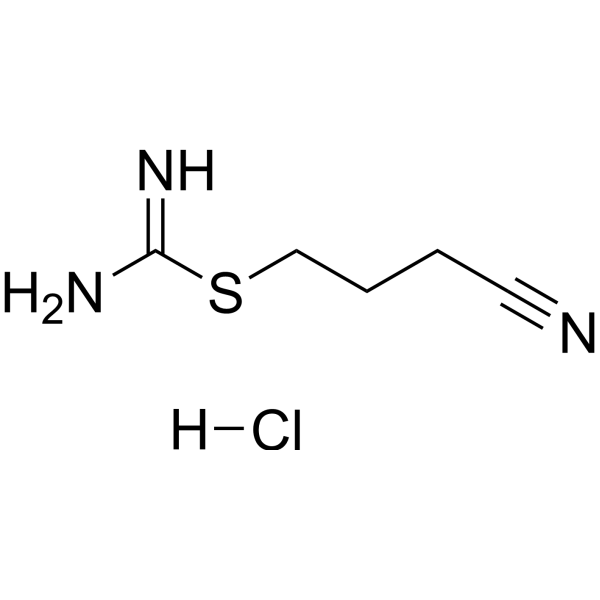
4-Isothioureidobutyronitrile hydrochloride; thioureidobutyronitrile hydrochloride; thioureido butyronitrile hydrochloride
|
MDM-2/p53
Apoptosis
|
Cancer
|
|
Kevetrin hydrochloride is a potent activator of p53, induces apoptosis in TP53 wild-type and mutant acute myeloid leukemia cells. Kevetrin a preferential cytotoxic activity against blast cells .
|
-
-
- HY-N0129
-
-
-
- HY-N7610
-
|
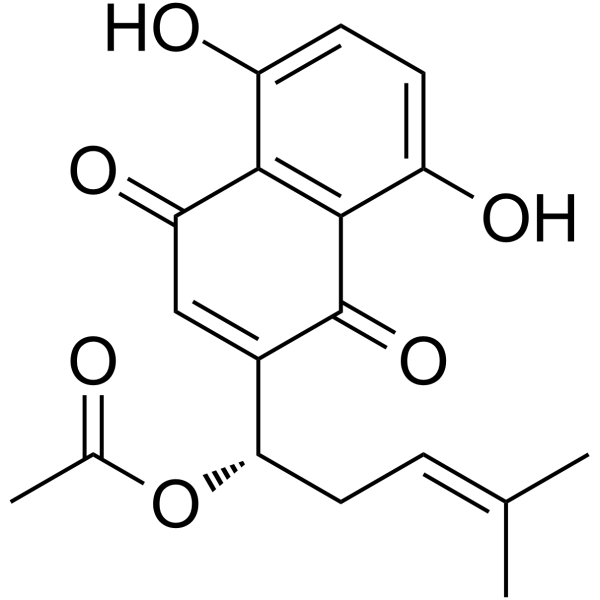
Alkannin acetate
|
Bacterial
|
Infection
Cancer
|
|
Acetylalkannin (Alkannin acetate) is an isohexenylnaphthazarin pigment isolated from Arnebia euchroma with antimicrobial and cytotoxic activities .
|
-
-
- HY-N10127
-
|
|
Others
|
Cancer
|
|
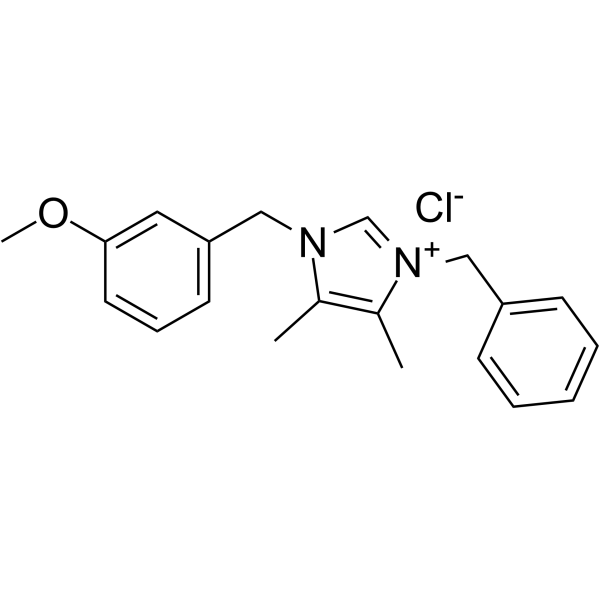
Lepidiline C shows cytotoxic activity against HL-60 cells with an IC50 of 27.7 μM.
|
-
-
- HY-119529
-
|
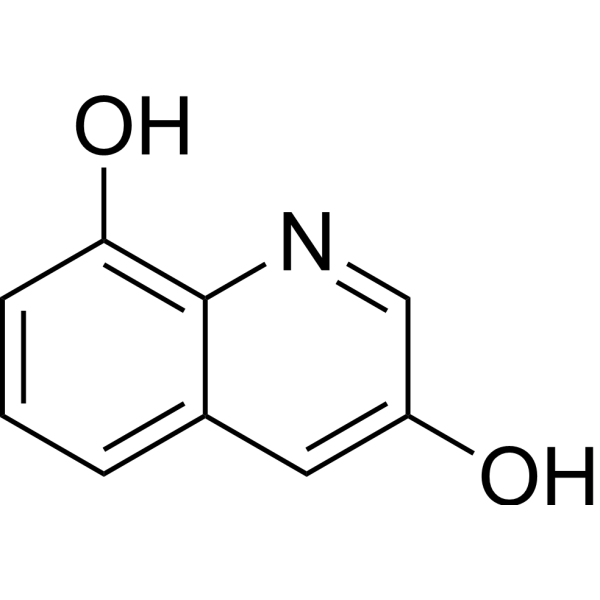
3,8-Quinolinediol
|
Tyrosinase
Bacterial
|
Cancer
|
|
Jineol is a cytotoxic alkaloid from the centipede Scolopendra subspinipes. Jineol exhibits modest cytotoxic activity in vitro against the growth of human tumor cell lines .
|
-
-
- HY-N15388
-
|
|
Drug Derivative
|
Cancer
|
|
Hericenone A is an isoindolinone found in the fruiting bodies of Hericium erinaceus. Hericenone A exerts cytotoxic activity against cancer cells. Hericenone A can be used for the research of cancer, such as metastatic human hepatocellular carcinoma .
|
-

-
- HY-76665
-
|
|
Drug Derivative
|
Cancer
|
|
Anticancer agent 209 (compound 1) is an anticancer agent. Anticancer agent 209 exhibits cytotoxic activity against colon cancer in vitro .
|
-

-
- HY-N4151
-
|
|
Others
|
Cancer
|
|
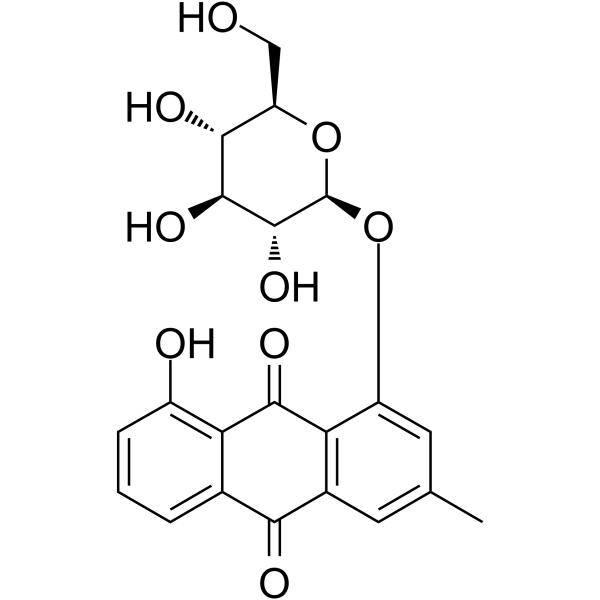
Chrysophanein is a chrysophanol glycoside from leaves and roots of Aloe hijazensis. Chrysophanein shows a moderate cytotoxic activity against several carcinoma cells lines .
|
-
-
- HY-W000427
-
|
|
Bacterial
|
Infection
Cancer
|
|
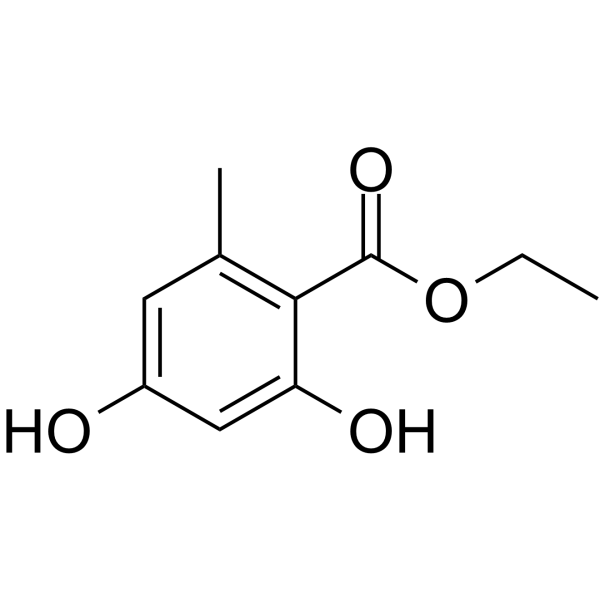
Ethyl orsellinate is a lichen metabolite and a derivative of lecanoric acid with antiproliferative and antitumour activities . Ethyl Orsellinate is against A. salina for the cytotoxic activity with an LC50 of 495 μM .
|
-
-
- HY-N11690
-
-
-
- HY-N0944
-
|
|
Others
|
Cancer
|
|
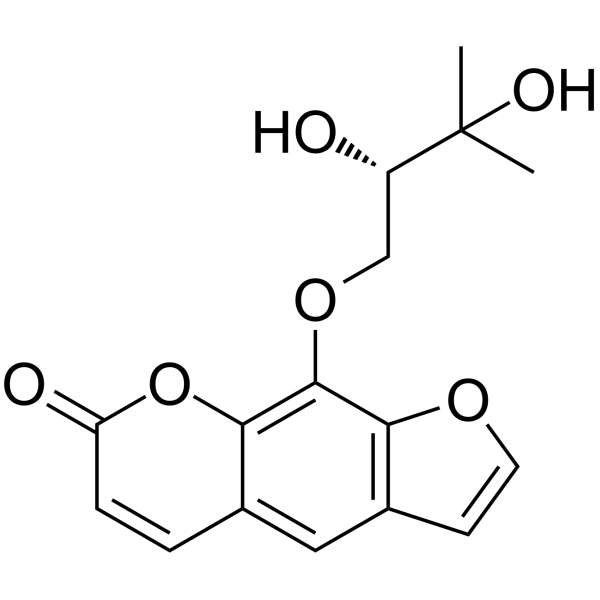
(-)-Heraclenol is a derivative of furocoumarin isolated from Ducrosia anethifolia. (-)-Heraclenol shows antiproliferative and cytotoxic activities on cancer cell lines .
|
-
-
- HY-108970
-
|
|
Proton Pump
Bacterial
Fungal
|
Infection
|
|
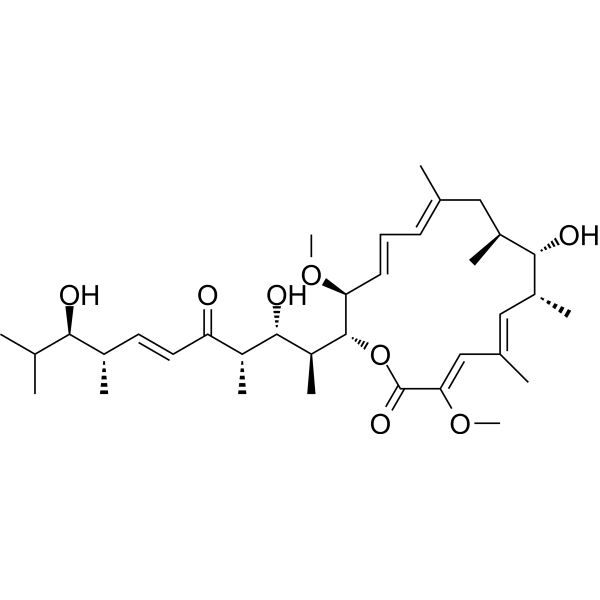
Bafilomycin D is a specific inhibitor of vacuolar-type ATPase (V-ATPase). Bafilomycin D has antimicrobial, insecticidal, herbicidal and cytotoxic activity .
|
-
-
- HY-167710
-
|
|
Endogenous Metabolite
|
Cancer
|
|
CRCD2 is a small molecule NT5C2 nucleotidase inhibitor with enhanced 6-mercaptopurine cytotoxic activity. CRCD2 can effectively reverse 6-mercaptopurine resistance caused by mutations in the NT5C2 gene or non-genetic activation mechanisms. CRCD2 combined with 6-mercaptopurine can enhance its cytotoxic activity in NT5C2 wild-type leukemia, showing its potential in the treatment of acute lymphoblastic leukemia .
|
-

-
- HY-N4012
-
|
3-Indoleglyoxamide
|
Others
|
Others
|
|
Indole-3-glyoxylamide (Compound 4) is a type of indole alkaloid. Indole-3-glyoxylamide shows no significant cytotoxic activity against Hela, Ishikawa, and MGC-803 cells .
|
-

-
- HY-106702
-
|
PD 110161 sodium; CL 1565A sodium; CI-920 sodium
|
Antibiotic
Phosphatase
|
Cancer
|
|
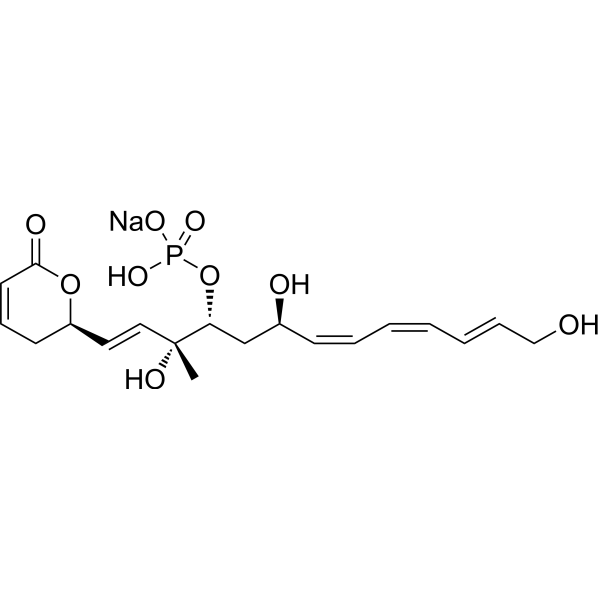
Fostriecin (sodium) (compound 1, CI-920) is an antibiotic with a cytotoxic activity. Fostriecin (sodium) is also an inhibitor of protein phosphatase including PP4 (IC50= 3 nM)and PP2 (IC50=1.5 nM) .
|
-
-
- HY-N1555
-
-
-
- HY-N7287
-
|
|
Others
|
Others
|
|
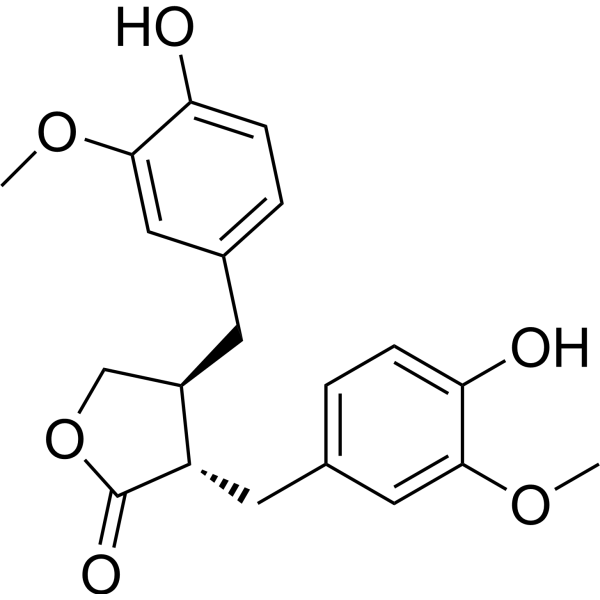
(+)-Matairesinol is a lignan. (+)-Matairesinol has no cytotoxic activity for human pancreatic PANC-1 cancer cells .
|
-
-
- HY-N4306
-
|
|
Others
|
Cancer
|
|
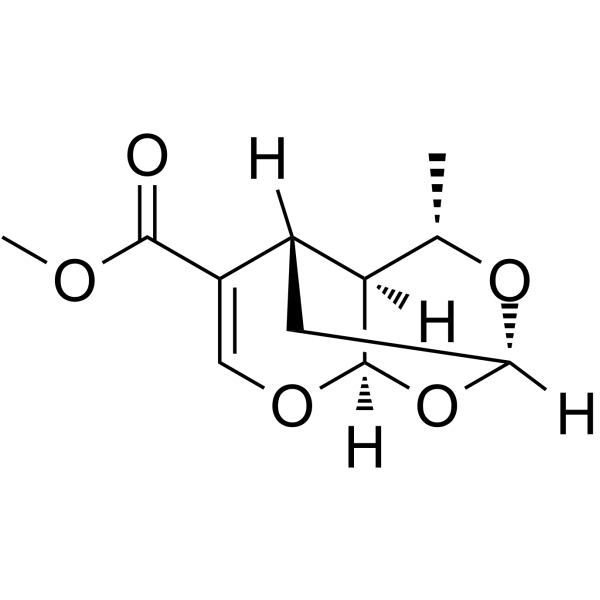
Sarracenin is a iridoid isolated from roots and rhizomes of Patrinia heterophylla. Sarracenin shows cytotoxic activities against tumor cells .
|
-
-
- HY-130995
-
|
|
Antibiotic
ADC Payload
|
Infection
|
|
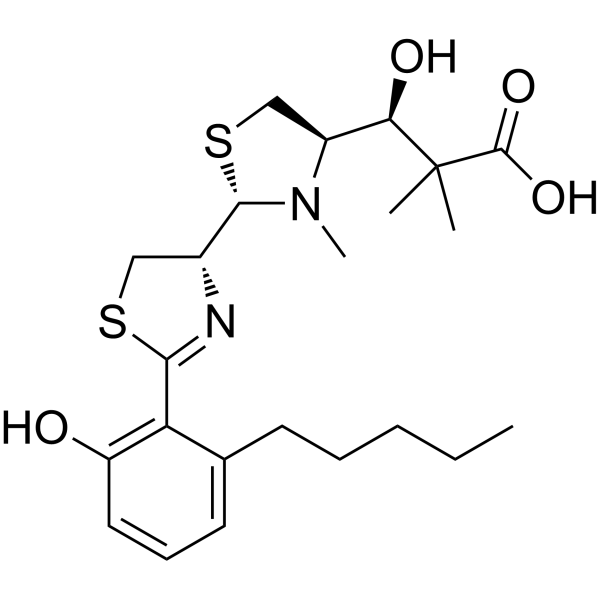
Agrochelin, an alkaloid cytotoxic antibiotic, is produced by the fermentation of a marine Agrobacterium sp. Agrochelin has cytotoxic activity in tumor cell lines .
|
-
-
- HY-N8679
-
|
|
Endogenous Metabolite
|
Cancer
|
|
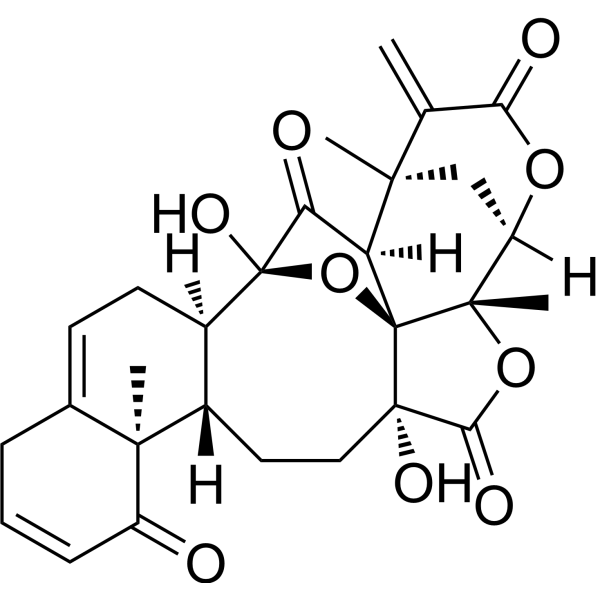
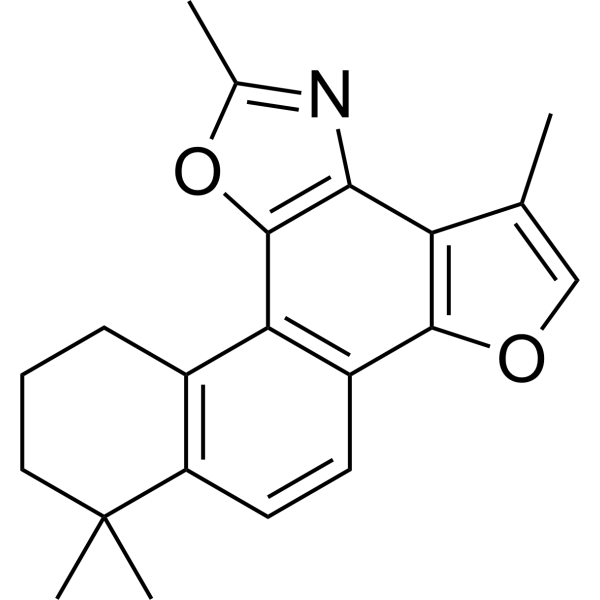
Physalin C is a natural product that can be found in physalis angulata. Physalin C shows cytotoxic activities against MCF-7 and HepG2 cells .
|
-
-
- HY-N16573
-
|
|
Others
|
Cancer
|
|
19-epi-Voacristine is an indole alkaloid. 19-epi-Voacristine exhibits cytotoxic activity against the A2780 ovarian cancer cell line .
|
-

-
- HY-129144
-
|
|
TNF Receptor
|
Cancer
|
|
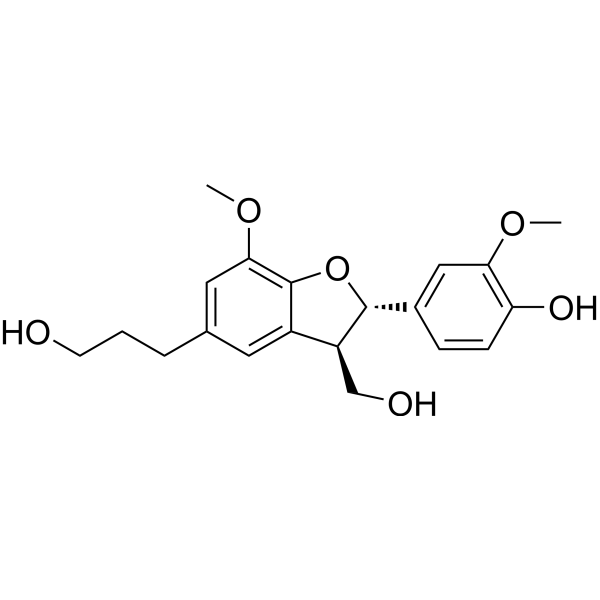
Dihydrodehydrodiconiferyl alcohol (compound 2) is a kind of neolignan. Dihydrodehydrodiconiferyl alcohol can be isolated from Anogeissus acuminata. Dihydrodehydrodiconiferyl alcohol has specific cytotoxic activity on melanoma cancer cell line .
|
-
-
- HY-P3981
-
-
-
- HY-N10846
-
|
|
Others
|
Others
|
|
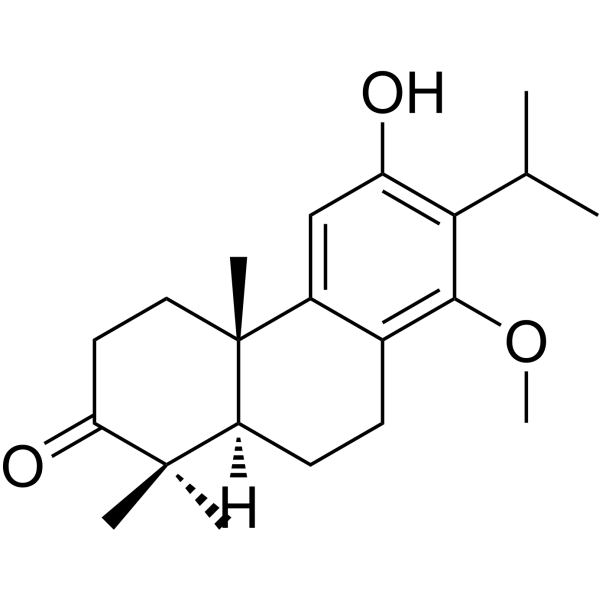
Neotriptonoterpene, a compound isolated from T. regelii, shows weak cytotoxic activity against A2780, HepG2 and MCF-7 cells with IC50 values of 65.80, 35.45 and 64.80 µM respectively .
|
-
-
- HY-163330
-
-
-
- HY-126156
-
|
Desacetoxymatricarin
|
Bacterial
|
Cancer
|
|
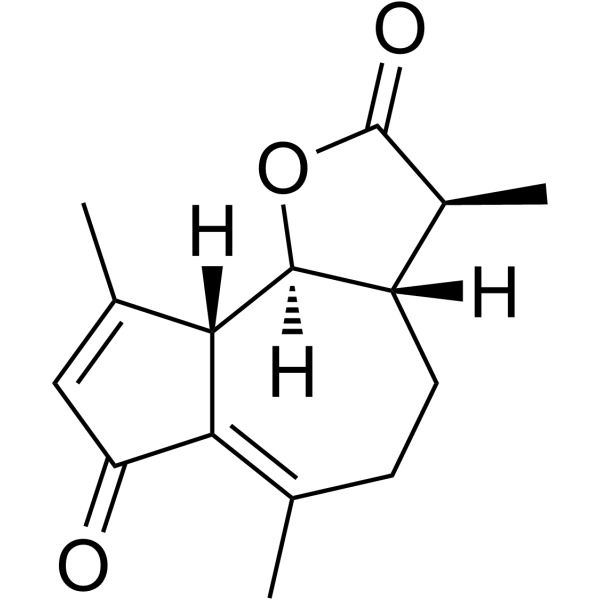
Leucodin is a sesquiterpene lactone derived from Gynoxys verrucosa. Leucodin has cytotoxic activity on human leukemia cells .
|
-
-
- HY-N8882
-
|
|
Others
|
Cancer
|
|
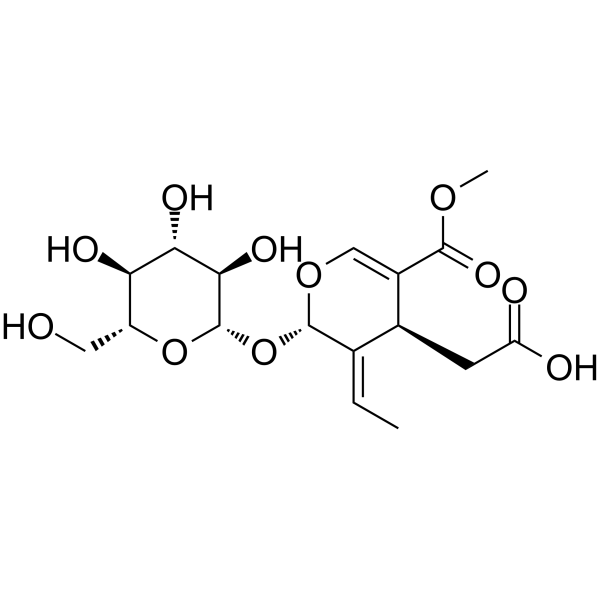
Oleoside 11-methyl ester is a secoiridoid glucoside and possesses a strong cytotoxic activity against Hep-G2 cells .
|
-
-
- HY-N5007
-
|
|
Apoptosis
|
Cancer
|
|
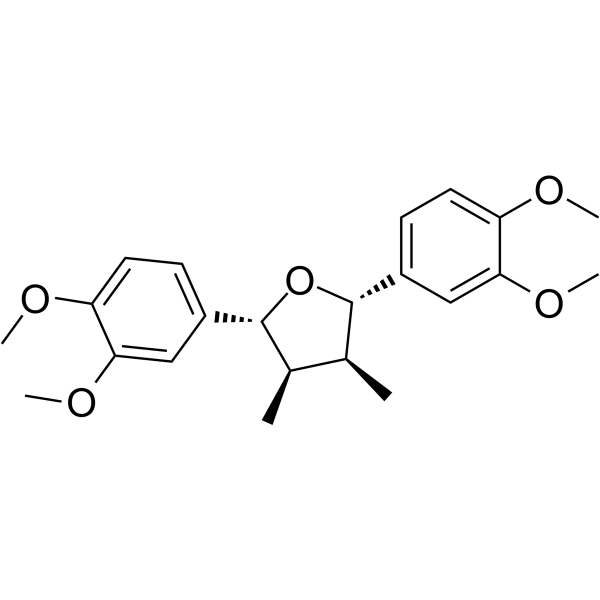
Galgravin is an active compound in Nectandra megapotamica, with anti-inflammatory activity. Galgravin displays in vitro cytotoxic activity and induce apoptosis in leukemia cells .
|
-
-
- HY-N16602
-
|
|
Others
|
Others
|
|
(±)-Blephenanthrofuran B is a pair of enantiomers can be found in Bletilla striata. (±)-Blephenanthrofuran B shows no cytotoxic activity against human lung cancer A549 cells .
|
-

-
- HY-116786
-
|
|
Drug Derivative
|
Cancer
|
|
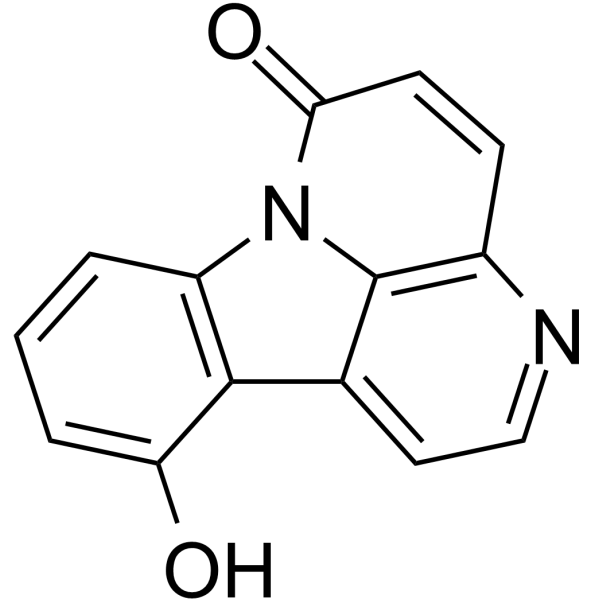
11-Hydroxycanthin-6-one, a canthin-6-one (HY-N3536) alkaloid, is an antitumor agent which shows potent cytotoxic activity .
|
-
-
- HY-160129
-
|
ML-970; AS-I-145; NSC 716970
|
Nucleoside Antimetabolite/Analog
|
Cancer
|
|
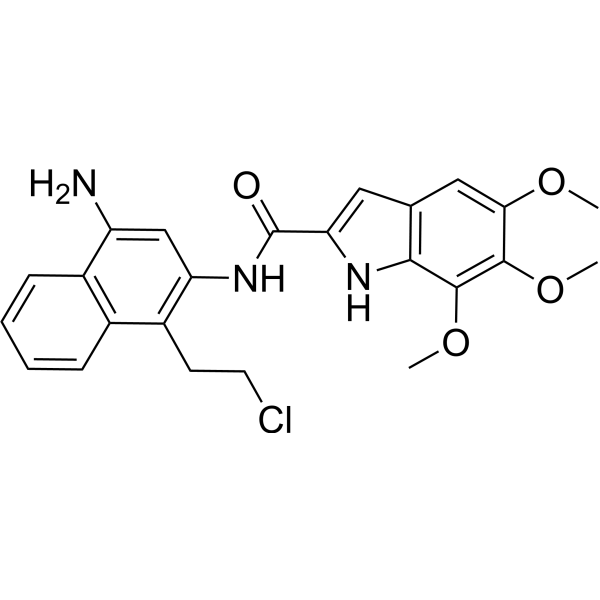
Centanamycin (ML-970; AS-I-145; NSC 716970) is a novel DNA-binding agent, and shows cytotoxic activity, with an average GI50 of 34 nM in NCI-60 cell line screening .
|
-
-
- HY-125580
-
|
|
Topoisomerase
|
Cancer
|
|
Makaluvamine A is a member of Makaluvamines. Makaluvamines can be isolated from Fijian sponges of the genus Zyzzya, and possess inhibitory activity toward topoisomerase II along with cytotoxic activity against HCT-116 human colon cancer cells .
|
-

-
- HY-N9172
-
|
|
Others
|
Cancer
|
|
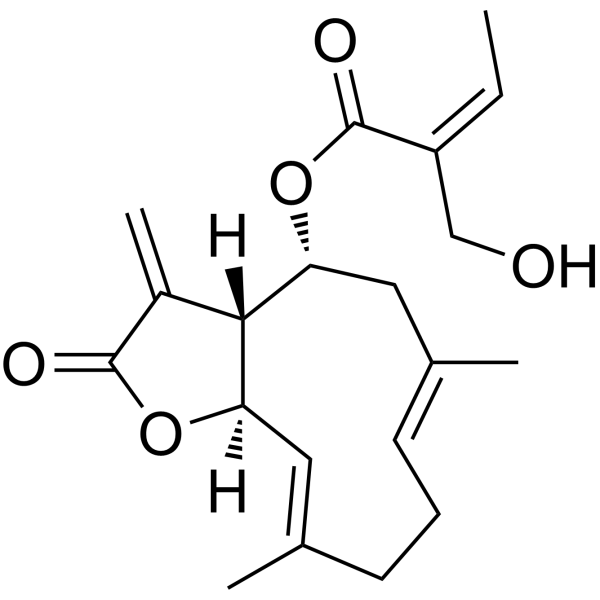
Eupaglehnin C is a germacrane-type sesquiterpenoi. Eupaglehnin C can be isolated from the MeOH extract of Eupatorium glehni (Compositae). Eupaglehnin C has cytotoxic activity against HeLa-S3 cancer cell lines .
|
-
-
- HY-N1864
-
|
|
Others
|
Others
|
|
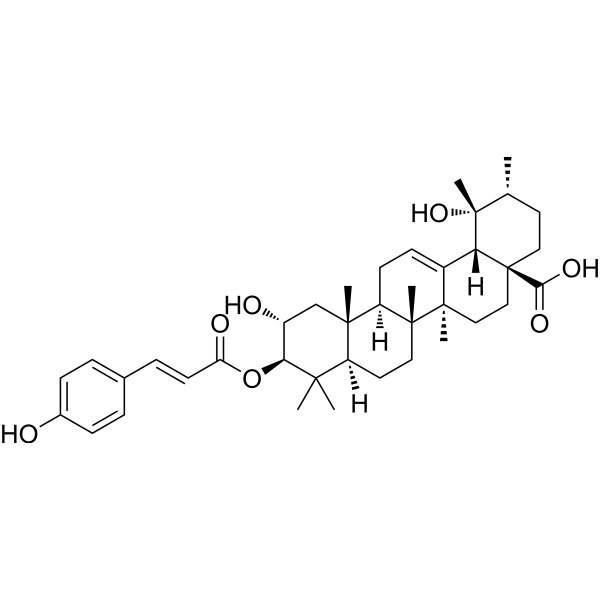
3-O-trans-p-Coumaroyltormentic acid is a triterpene having no cytotoxic activity. However, 3-O-cris-p-Coumaroyltormentic acid is a cytotoxic triterpene, can be isolated from the methanol extract of Goreishi (the feces of Trogopterus xanthipes Milne-Edwards) .
|
-
-
- HY-N15580
-
|
(-)-Turneforcidine
|
Others
|
Cancer
|
|
Turneforcidine ((-)-Turneforcidine) is a pyrrolizidine alkaloid with antitumor and cytotoxic activity .
|
-

-
- HY-N8088
-
|
|
Others
|
Cancer
|
|
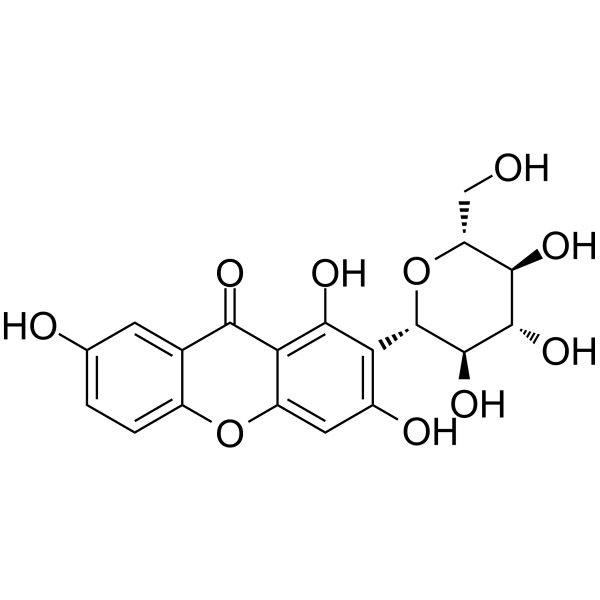
Neolancerin is a natural product with weak cytotoxic activity against HL-60 cells .
|
-
-
- HY-139705
-
|
|
Others
|
Cancer
|
|
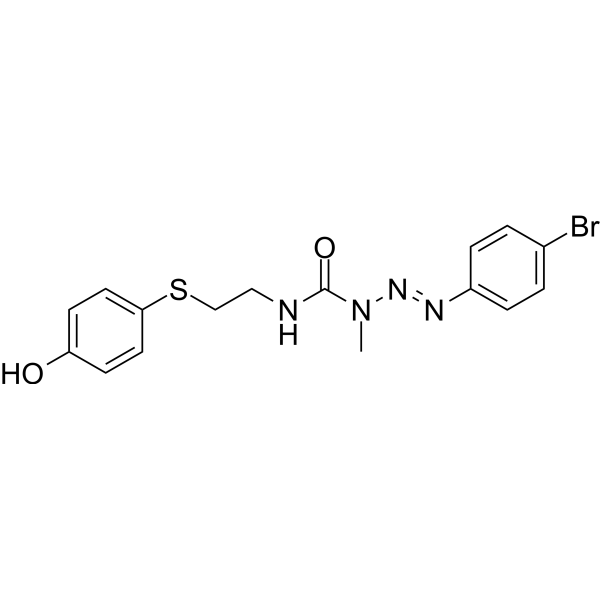
Anticancer agent 12 is unexpectedly devoids of hepatotoxicity while maintaining cytotoxic activity in malignant cells.
|
-
-
- HY-N1267
-
|
|
Others
|
Others
|
|
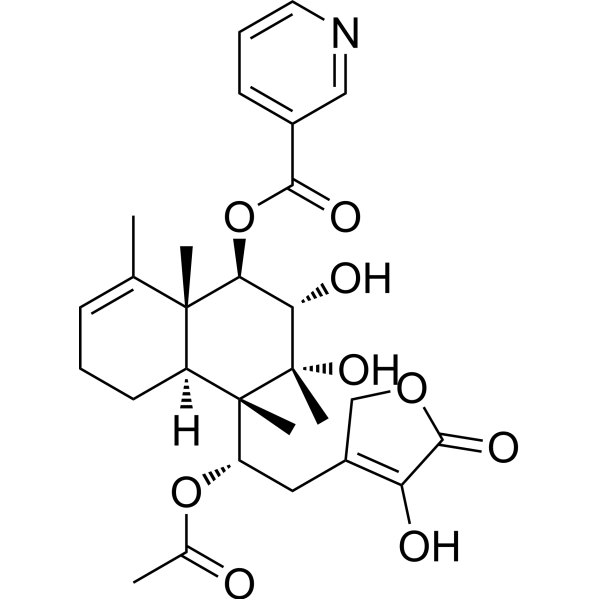
Scutebata C is a neoclerodane diterpenoid isolated from Scutellaria barbata with weak cytotoxic activity .
|
-
-
- HY-111134
-
|
|
Antibiotic
|
Infection
Cancer
|
|
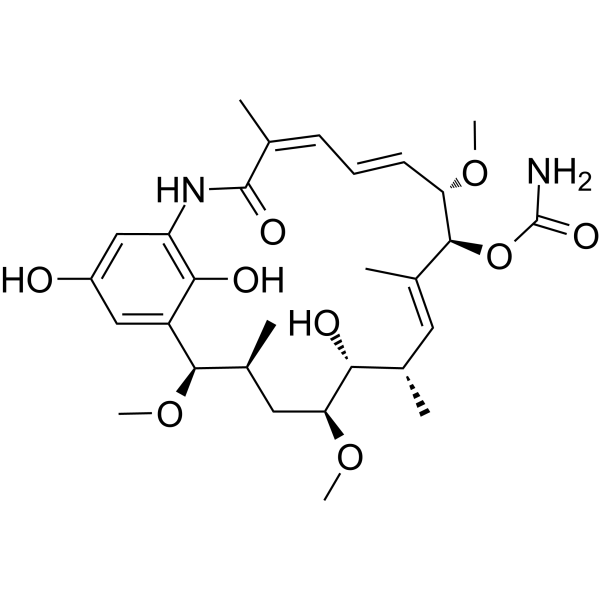
TAN 420C is an antibiotic that shows a strong cytotoxic activity against the lymphocytic leukemia .
|
-
-
- HY-N1268
-
|
|
Others
|
Others
|
|
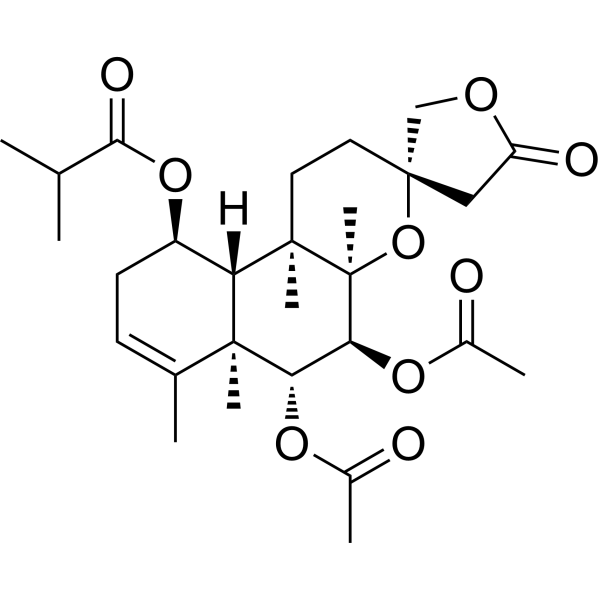
Scutebata E is a new neoclerodane diterpenoid isolated from Scutellaria barbata with weak cytotoxic activity .
|
-
-
- HY-N8476
-
|
|
Parasite
|
Infection
|
|
Sahandol is a diterpene, that can be isolated from Salvia sahendica. Sahandol shows antiplasmodial, antitrypanosomal, and cytotoxic activities .
|
-
-
- HY-N11572
-
|
|
Others
|
Cancer
|
|
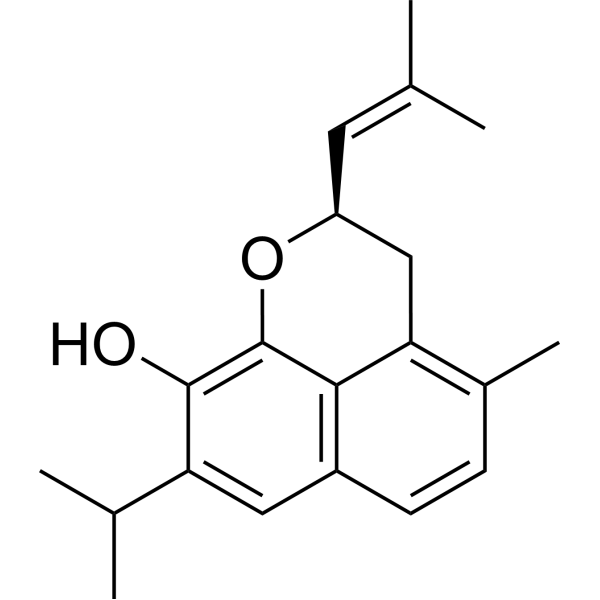
Anticancer agent 96 (Compound 4) is an anticancer agent that shows cytotoxic activities against human cancer cells .
|
-
-
- HY-146162
-
|
|
Endogenous Metabolite
|
Cancer
|
|
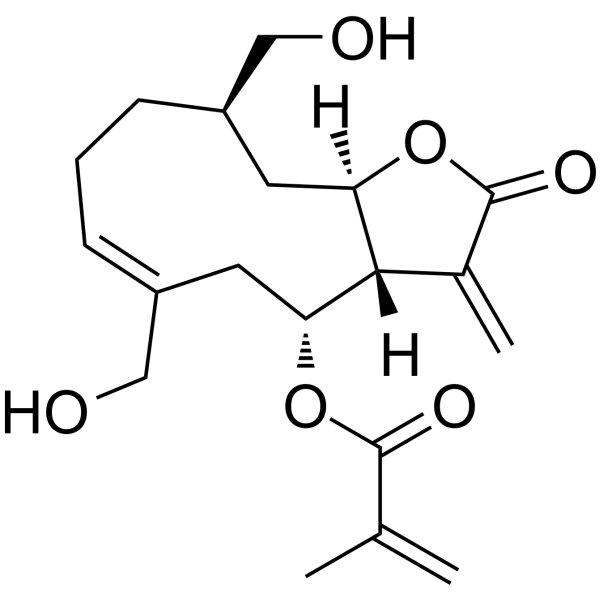
Colletotrichalactones A is a polyketide that display moderate-to-potent cytotoxic activities against MCF7 cells with an IC50 of 35.06 µM .
|
-
-
- HY-142908
-
|
|
Endogenous Metabolite
|
Cancer
|
|
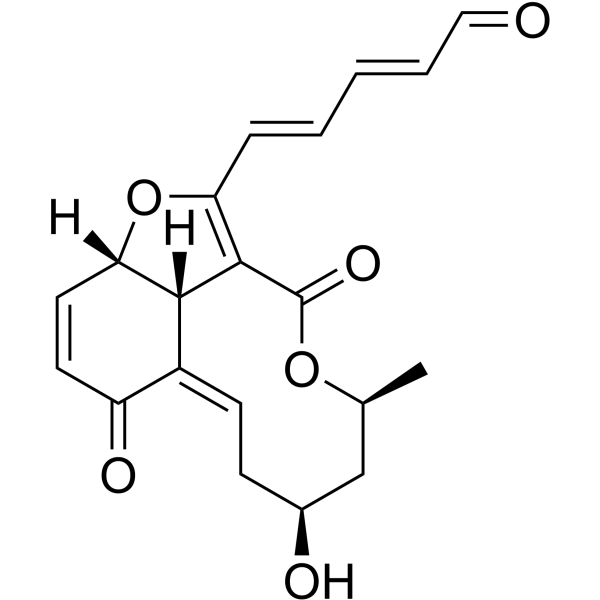
Maximiscin, a fungal metabolite, induces DNA damage and shows selective cytotoxic activity against a subtype of triple-negative breast cancer.
|
-
-
- HY-118118
-
|
|
Fungal
|
Infection
|
|
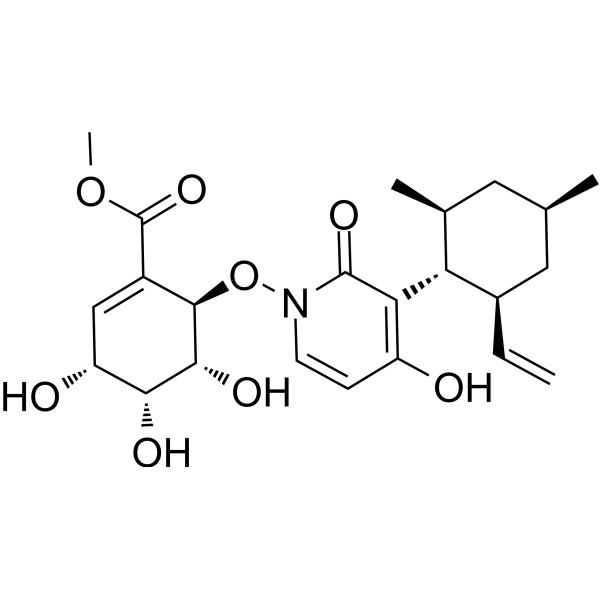
Phlebiakauranol aldehyde is an antifungal and cytotoxic metabolite with strong antifungal activity. Phlebiakauranol aldehyde exhibits significant antibacterial and cytotoxic activities against a variety of plant pathogens. The aldehyde group and high number of hydroxyl groups of Phlebiakauranol aldehyde are considered to be the main reasons for its biological activity. The two acetic acid derivatives of Phlebiakauranol aldehyde only exhibit very weak antifungal and antibacterial activities and moderate cytotoxic activity .
|
-

-
- HY-N8915
-
|
|
Others
|
Others
|
|
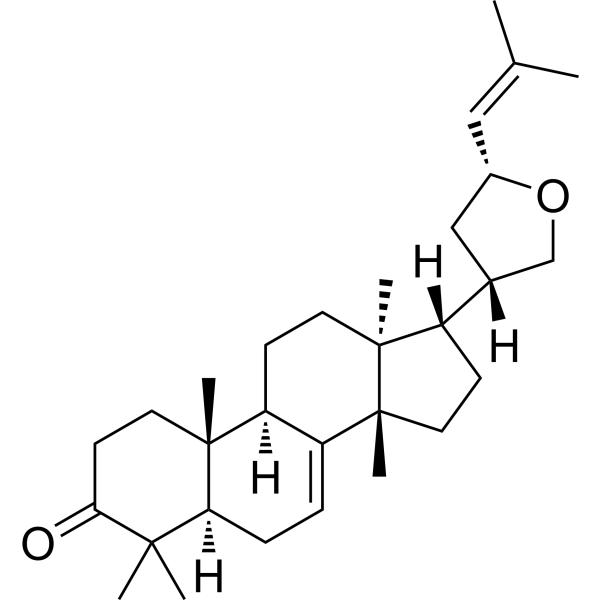
Deoxyflindissone (Compound 13) is a triterpenoid
compound. Deoxyflindissone is isolated from natural Cornus walteri
.Deoxyflindissone has significant cytotoxic activity
.
|
-
-
- HY-N3966
-
|
|
Others
|
Others
|
|
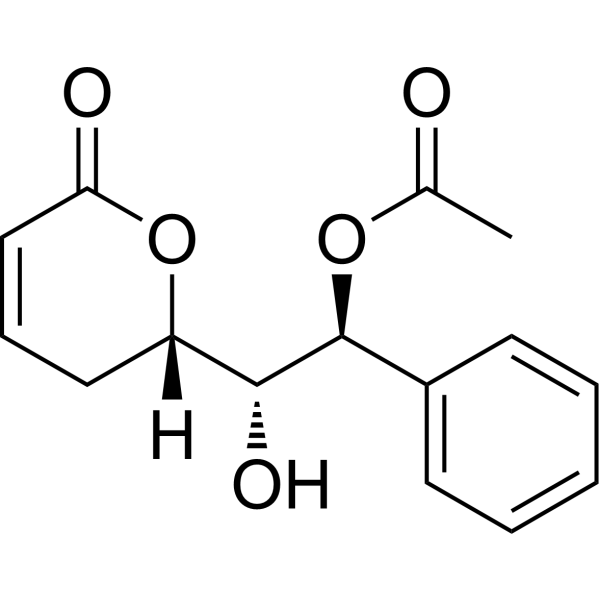
Goniodiol 8-acetate is a styrylpyrones that can be isolated from the leaves of Goniothalamus amuyon. Goniodiol 8-acetate has cytotoxic activity .
|
-
-
- HY-N2213
-
|
|
Others
|
Cancer
|
|
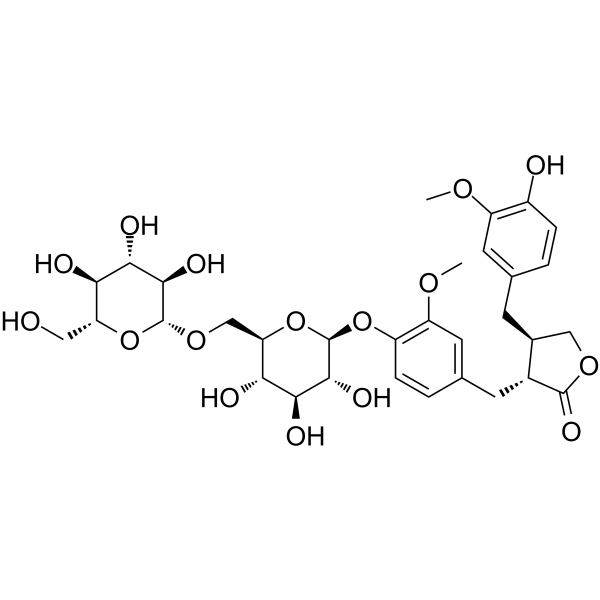
Matairesinol 4′-O-β-D-glucopyranoside displays cytotoxic activity against HeLa cell line with an IC50 of 47.1 μM .
|
-
-
- HY-133223
-
|
|
Others
|
Cancer
|
|
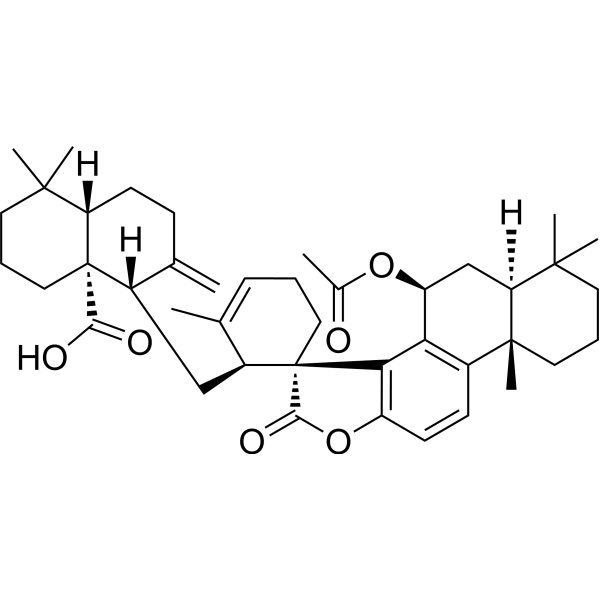
Hispidanin B is a natural product that can be extracted from the rhizomes of Isodon hispida. Hispidanin B has cytotoxic activities against cancer cells .
|
-
-
- HY-130996
-
|
|
ADC Payload
|
Cancer
|
|
Diacetyl Agrochelin is an acetyl derivative of Agrochelin, which is produced by the fermentation of a marine Agrobacterium sp. Diacetyl Agrochelin has cytotoxic activity in tumor cell lines .
|
-
- HY-N7321A
-
|
|
Bacterial
|
Infection
Cancer
|
|
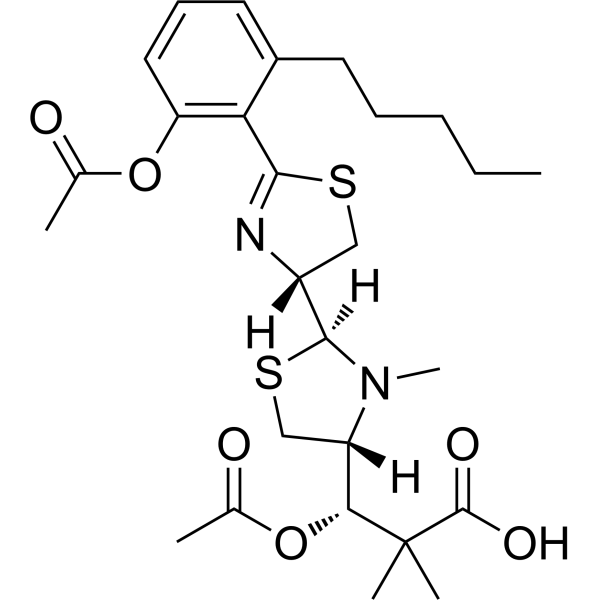
(R)-Eucomol, a flavonoid derivative, displays marginal antibacterial activity. (R)-Eucomol shows cytotoxic activity against KB and P-388 cells .
|
-
- HY-126422
-
|
|
Others
|
Cancer
|
|
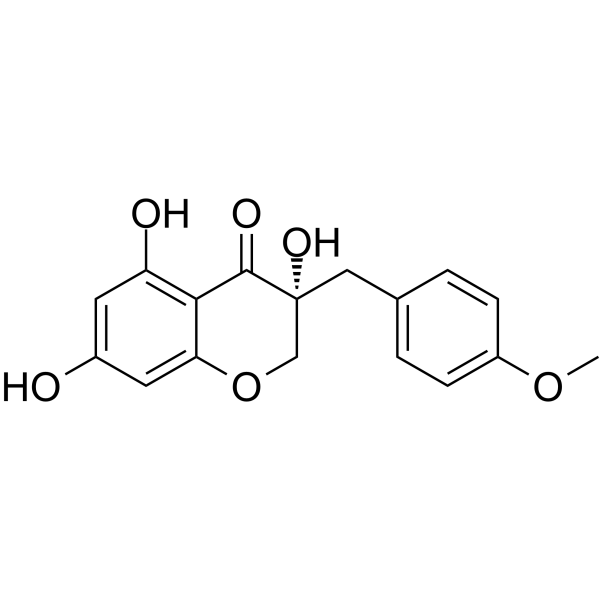
cis-Tiliroside, a kaempferol derivative, is a flavonoid glycoside. cis-Tiliroside exhibits better cytotoxic activity than trans-Tiliroside in A549 cell line .
|
-
- HY-N0129R
-
|
|
Reference Standards
Bacterial
|
Infection
|
|
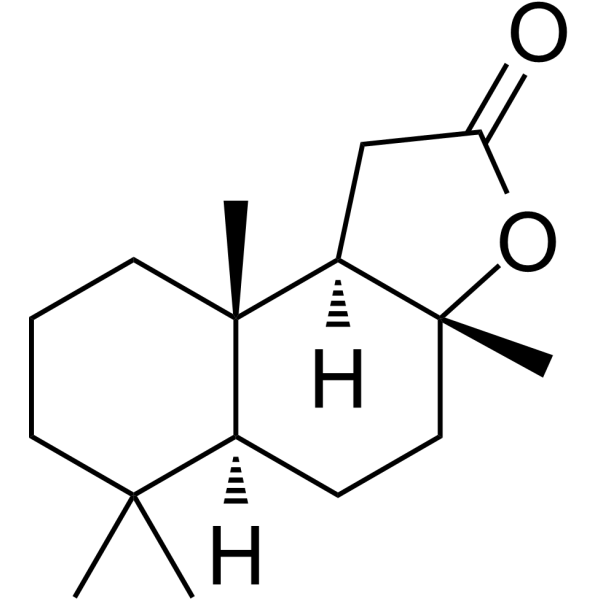
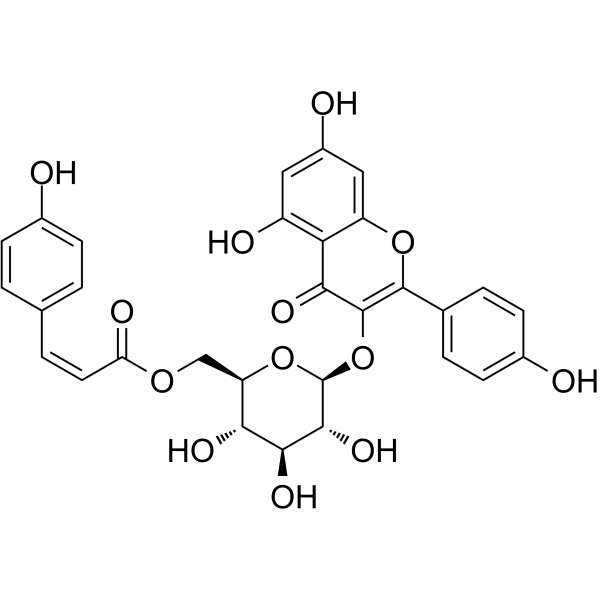
Sclareolide (Standard) is the analytical standard of Sclareolide. This product is intended for research and analytical applications. Sclareolide is isolated from the flower of Perilla frutescens with antibacterial and cytotoxic activities[1].
|
-

- HY-N8394
-
|
|
Others
|
Cancer
|
|
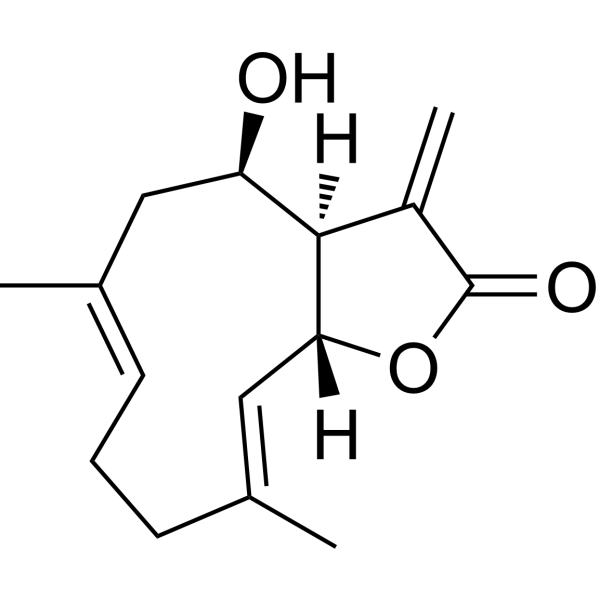
Eupatolide is an antitumor agent that can be isolated from Eupatorium formosanum. Eupatolide has cytotoxic activity and inhibits human epidermoid carcinoma of larynx cell growth in vitro .
|
-
- HY-122698
-
|
|
Apoptosis
|
Cancer
|
|
CCI-007 is a small molecule with cytotoxic activity against infant leukemia with MLL rearrangements, with IC50 values of 2.5-6.2 μM in sensitive cells .
|
-
- HY-N12584
-
|
|
Others
|
Others
|
|
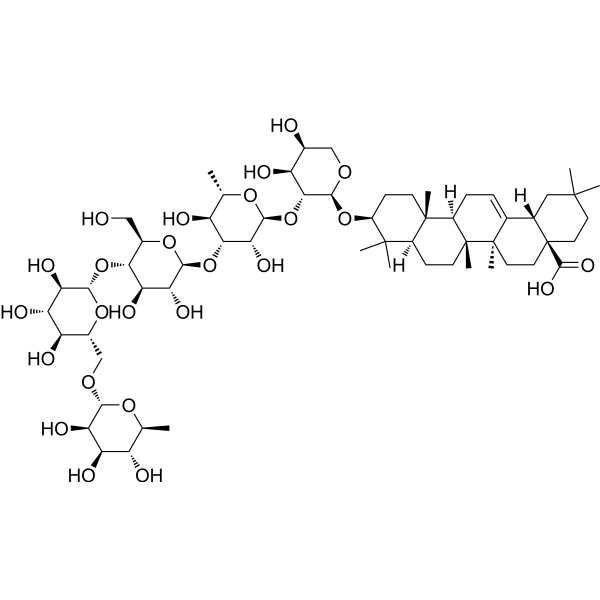
Pulchinenoside E4 (compound 2) is an oleanane-type triterpenoidal saponin that can be found in the roots ofPulsatilla chinensis . Pulchinenoside E4 shows cytotoxic activity .
|
-
- HY-N8317
-
|
|
Others
|
Cancer
|
|
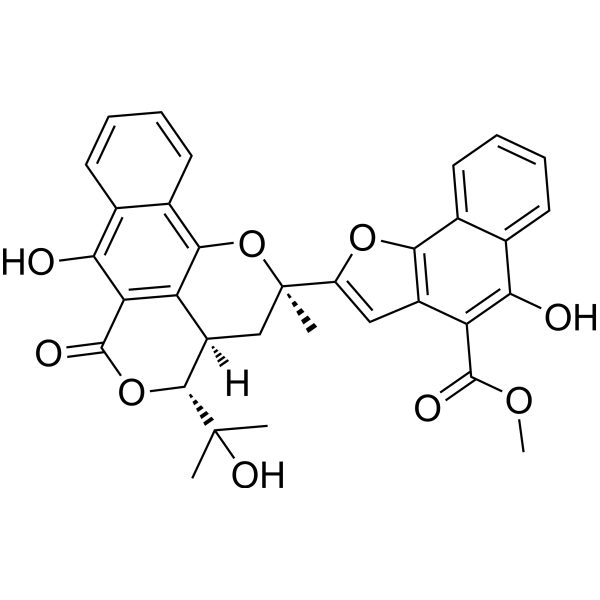
Rubicordifolin is a natural product that can be isolated from Rubia cordifolia. Rubicordifolin inhibits the growth of sarcoma ascites in mice. Rubicordifolin has significant cytotoxic activity both in vitro and in vivo .
|
-
- HY-146473
-
|
|
EGFR
|
Cancer
|
|
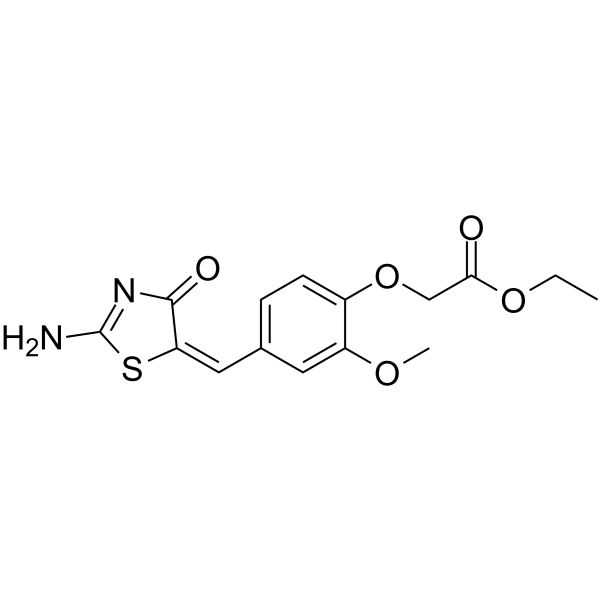
EGFR-IN-53 (Compound 7) is a potent EGFR inhibitor with an IC50 of 8.264 µM. EGFR-IN-53 shows cytotoxic activity against cancer cell lines .
|
-
- HY-N9534
-
-
- HY-163089
-
|
|
Biochemical Assay Reagents
|
Cancer
|
|
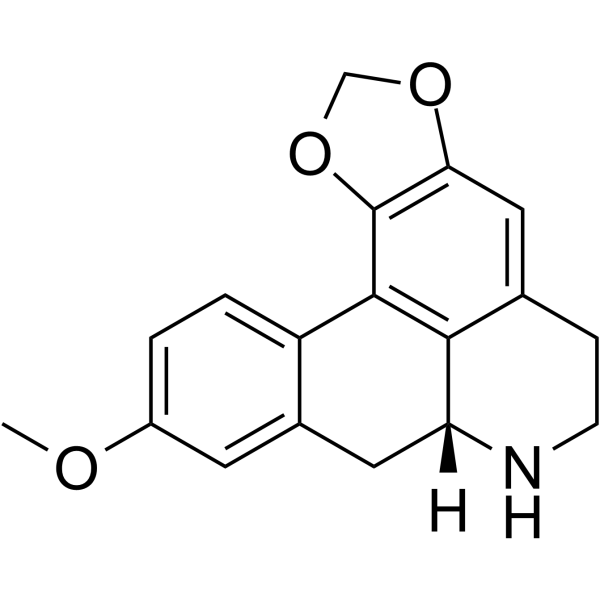
Anticancer agent 176 (Compoint 10α) is an anticancer agent. Anticancer agent 176 exhibits excellent in vitro cytotoxic activity against neuroblastoma with an IC50 value of 6.3 μM .
|
-
- HY-146474
-
|
|
EGFR
|
Cancer
|
|
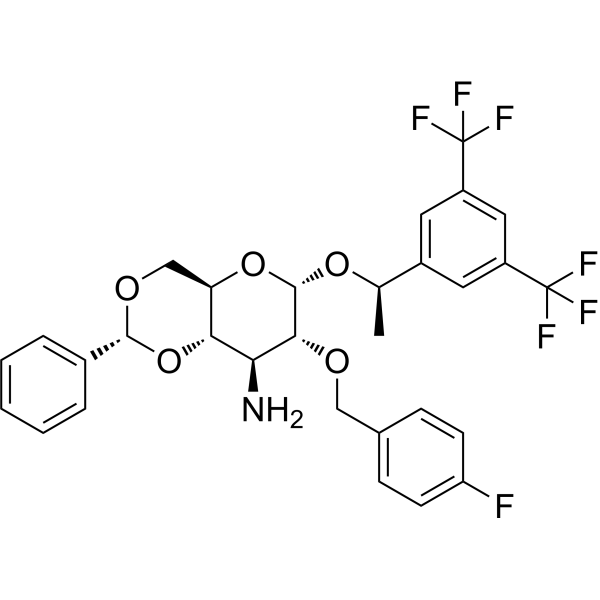
EGFR-IN-54 (Compound 3c) is a potent EGFR inhibitor with an IC50 of 1.623 µM. EGFR-IN-54 shows cytotoxic activity against cancer cell lines .
|
-
- HY-N3041
-
|
Agoniadin; NSC 609065
|
Fungal
|
Infection
Cancer
|
|
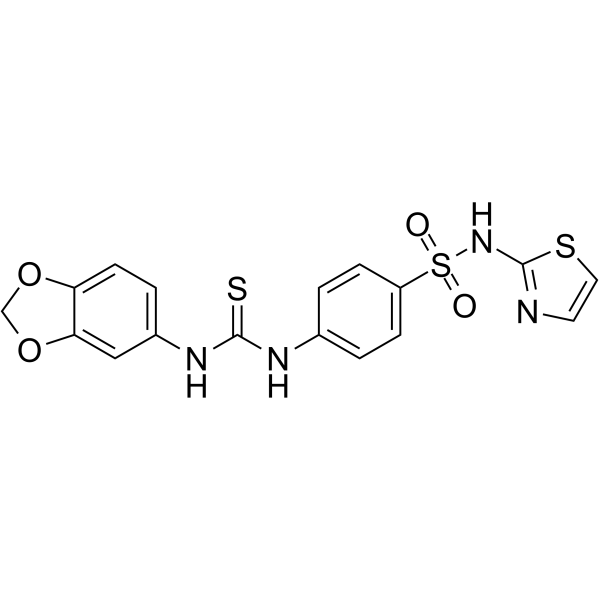
Plumieride is an antifungal agent. Plumieride has strong fungitoxicity against some dermatophytes. Plumieride has little cytotoxic activity against the P388 leukaemia cell line with an IC50 of 85 μg/mL .
|
-
- HY-N10082
-
|
|
Others
|
Cancer
|
|
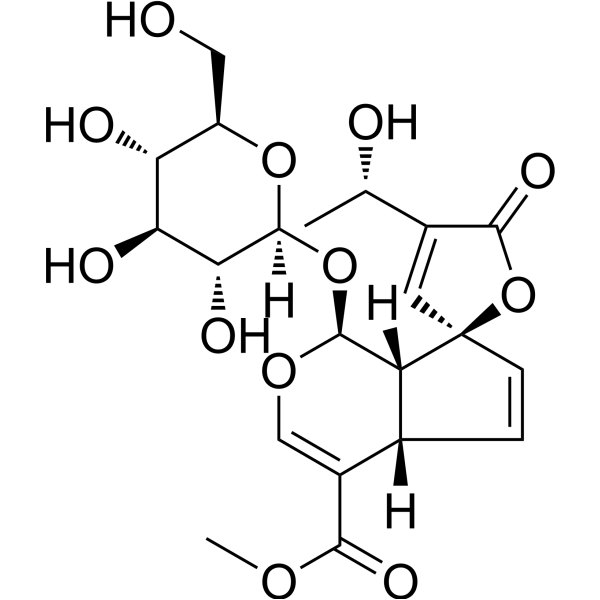
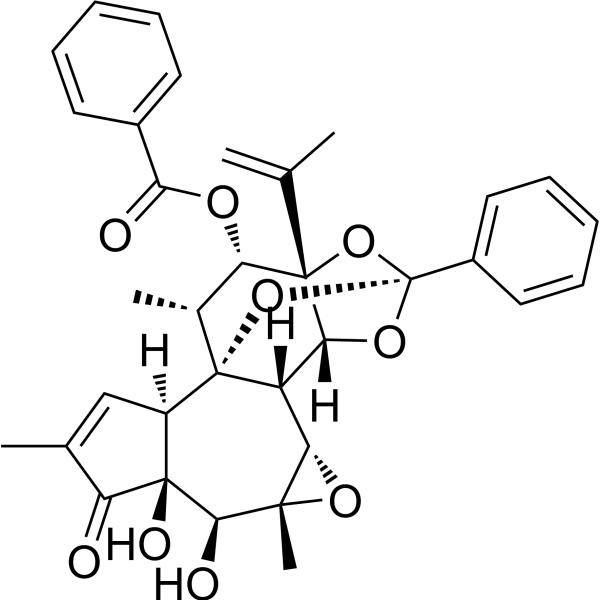
Trigoxyphin A is a oxygenated daphnane-type diterpenoids. Trigoxyphin A exhibites strong cytotoxic activity against HL60 and A549 with IC50s of 0.27 and 7.5 μM, respectively .
|
-
- HY-N2779
-
|
|
Others
|
Cancer
|
|
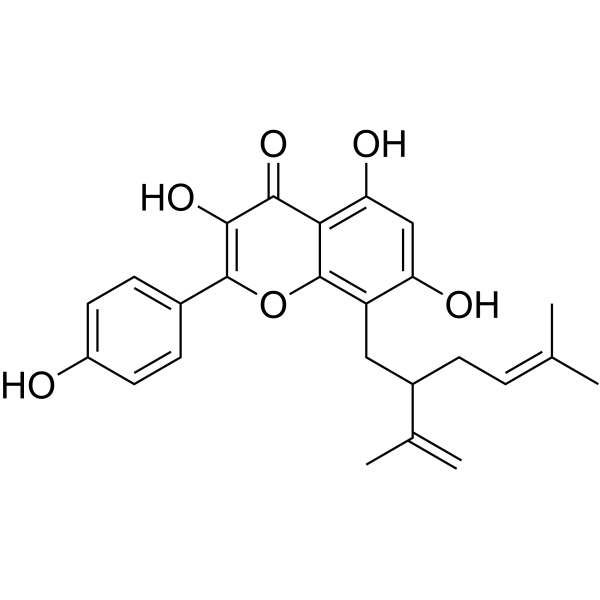
8-Lavandulylkaempferol is a flavonoid that can be isolated from Sophora flaWescens. 8-Lavandulylkaempferol exhibits cytotoxic activity against the KB epidermoid carcinoma cell line with an IC50 of 15.1 μg/mL .
|
-
- HY-N9159
-
|
|
Others
|
Cancer
|
|
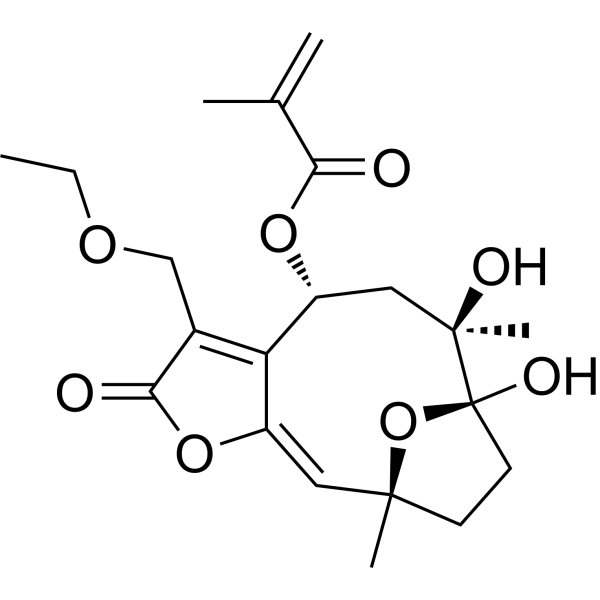
Piptocarphin F (Compound 5) is a sesquiterpene
lactone. Piptocarphin F shows cytotoxic activity on human leukemia cell line
HL-60 (IC50=5.69 μmol*L -1) .
|
-
- HY-N1637
-
|
|
Bacterial
|
Infection
Cancer
|
|
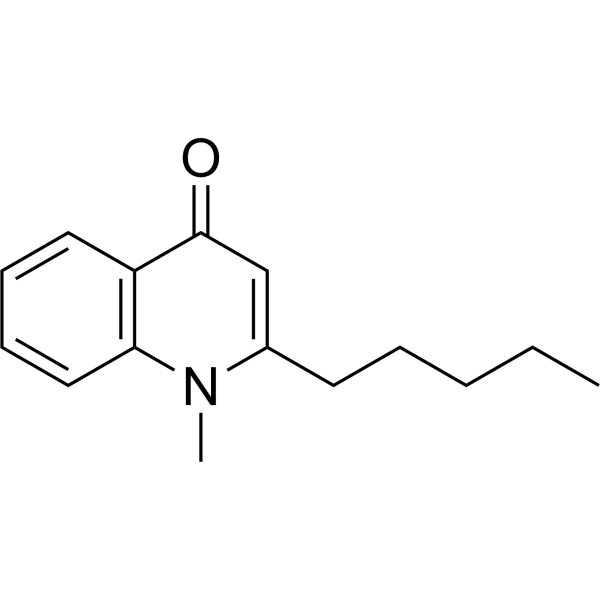
1-Methyl-2-pentyl-4(1H)-quinolinone, a quinolone alkaloid isolated from the fruits of Evodia Rutaecarpa, possesses antibacterial and cytotoxic activities for cancer cells .
|
-
- HY-N10491
-
|
|
P-glycoprotein
|
Cancer
|
|
Spongionellol A is a MDR1 (p-glycoprotein) inhibitor. Spongionellol A has high cytotoxic activity and selectivity in prostate cancer cells by inducing caspase‑dependent apoptosis. Spongionellol A can be used in the research of cancers, such as prostate cancer .
|
-
- HY-155167
-
|
|
Antibiotic
Fungal
|
Cancer
|
|
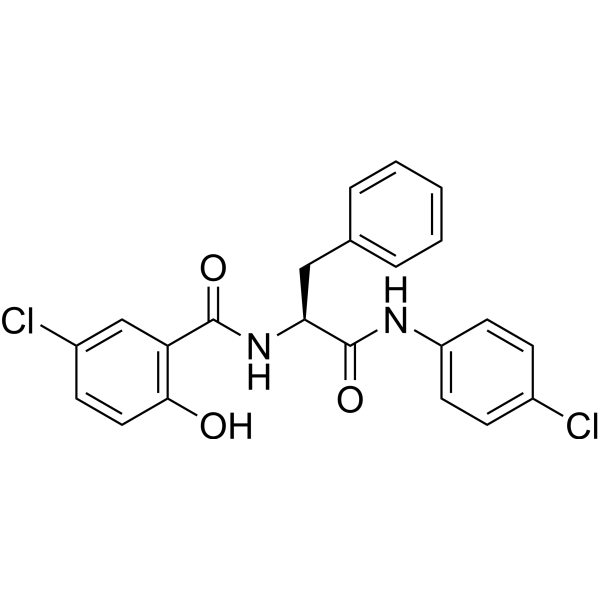
Anticancer agent 151 (compound 6C) is an anticancer agent. Anticancer agent 151 exhibits excellent in vitro cytotoxic activity against MCF-7 cells with an IC50 value of 6.3 μM .
|
-
- HY-118726
-
|
|
Topoisomerase
|
Cancer
|
|
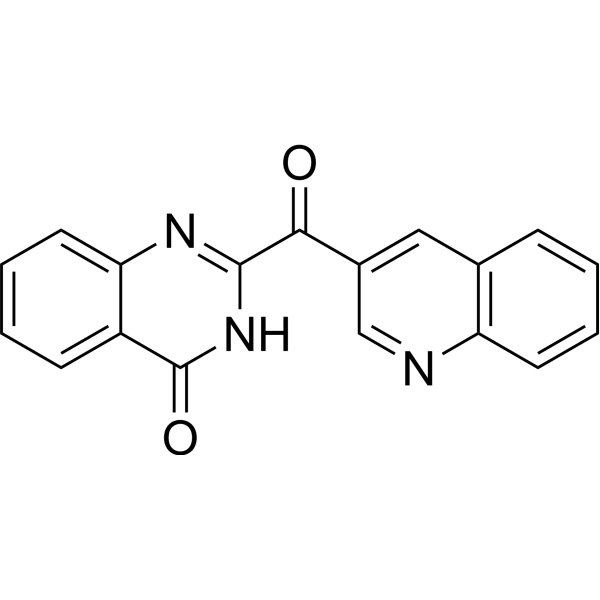
Luotonin F is an alkaloid found in the aerial parts of the P. nigellastrum Bunge. Luotonin F shows cytotoxic activity against mouse leukemia P-388 cells by inhibiting human topoisomerase II .
|
-
- HY-N10877
-
|
|
Others
|
Cancer
|
|
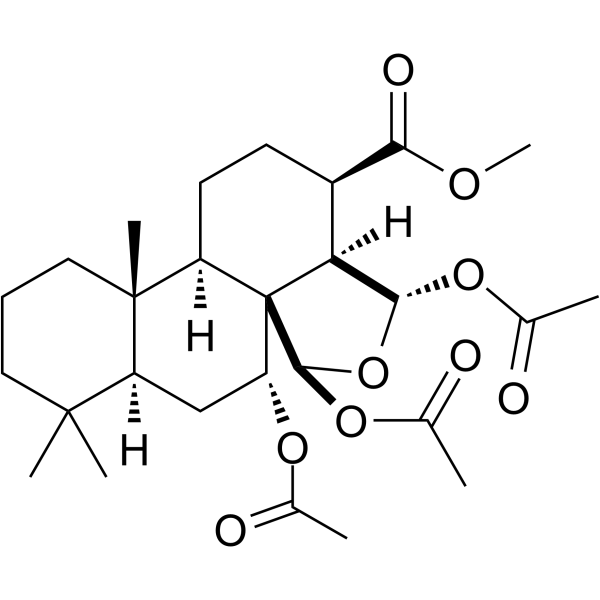
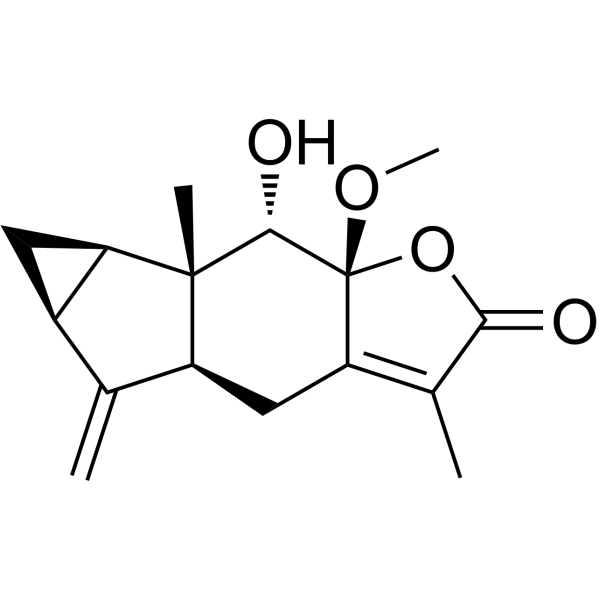
Chlorajapolide F is a nature product that could be isolated from the aerial part of Chloranthus japonicas. Chlorajapolide F has low cytotoxic activity against NCI-H460 and SMMC-7721 cell lines .
|
-
- HY-N7760
-
|
|
Others
|
Others
|
|
Neosalvianen is a N-containing compound that shows cytotoxic activities against the HeLa, HepG2, and OVCAR-3 cell lines, with IC50 of 63.9 µM, 59.2 µM, and 74.6 µM, respectively .
|
-
- HY-123286
-
|
Sachaliside 1
|
Bacterial
|
Cancer
|
|
(E)-Triandrin (Sachaliside 1) is a phenylpropanol glycoside, can be isolated from the bark of Populus Sakhalinensis. (E)-Triandrin exhibits cytotoxic activity against Artemia and human lung cancer cell line (H1299) .
|
-

- HY-126989
-
|
|
Arp2/3 Complex
|
Cancer
|
|
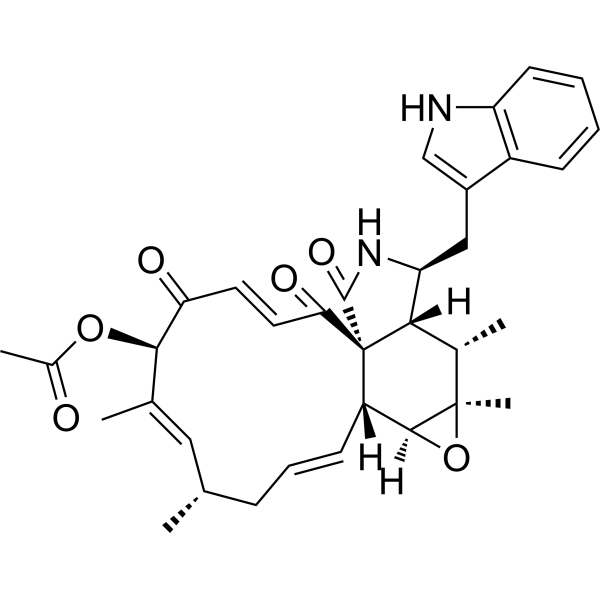
19-O-Acetylchaetoglobosin A, a cytochalasan alkaloid, is a fungal metabolite originally isolated from C. globosum that has actin polymerization inhibitory and cytotoxic activities. 19-O-Acetylchaetoglobosin A is cytotoxic to HeLa cervical cancer cells .
|
-
- HY-N16404
-
|
|
Apoptosis
Endogenous Metabolite
|
Cancer
|
|
Asperindole A is an indole-diterpene alkaloid. Asperindole A can be isolated from fungus Aspergillus sp. KMM 4676. Asperindole A induces Apoptosis. Asperindole A exerts cytotoxic activity against hormone-resistant and hormone-sensitive prostate cancer cells .
|
-

- HY-N12151
-
|
|
Parasite
|
Infection
|
|
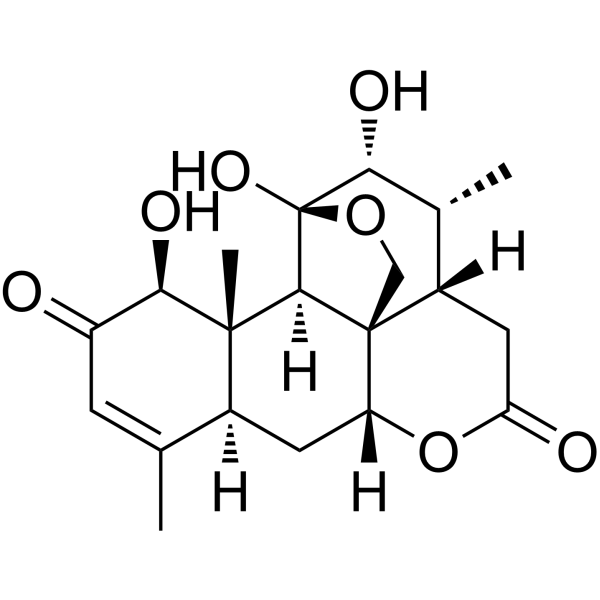
Chaparrinone is a quassinoid that can be isolated from the root of Eurycoma harmandiana. Chaparrinone has antimalarial and cytotoxic activities against Plasmodium falciparum and P-388 cells (IC50: 0.037 and 0.34 μg/mL respectively) .
|
-
- HY-144760
-
|
|
EGFR
Apoptosis
|
Cancer
|
|
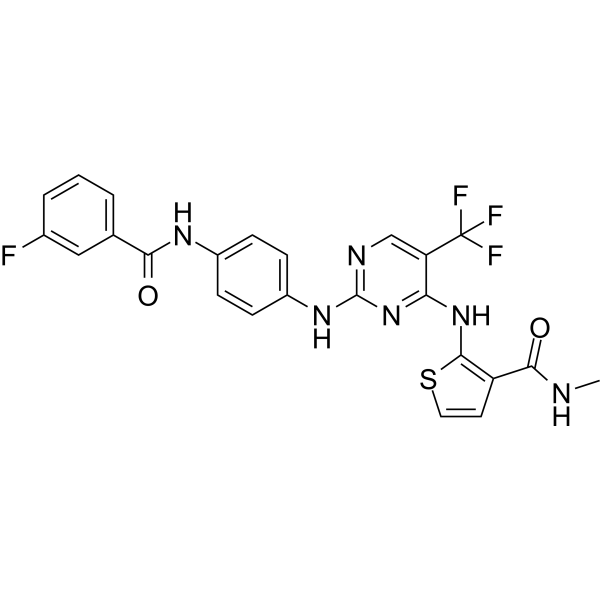
EGFR-IN-3 (Compound 4c) is a potent EGFR inhibitor with an IC50 of 0.32 µM against EGFRwt-TK. EGFR-IN-3 shows cytotoxic activity against cancer cell lines and induces apoptosis .
|
-
- HY-169961
-
|
|
Cholinesterase (ChE)
|
Cancer
|
|
BChE-IN-38 (compound 13) is a potent BChE inhibitor with Ki values of 62.05, 28.78, 14.09, 1.15 nM for hCAI, hCAII, AChE, BChE, respectively. BChE-IN-38 shows cytotoxic activity .
|
-

- HY-139882
-
-
- HY-149839
-
|
|
Apoptosis
|
Cancer
|
|
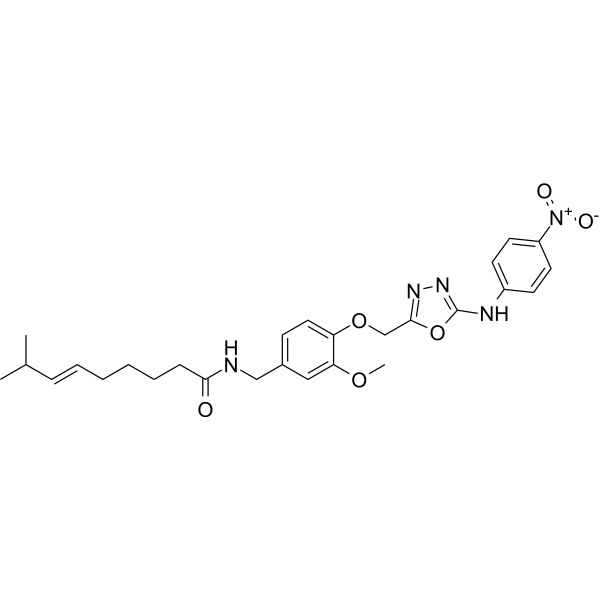
Antitumor agent-112 (compound 3a) is a potent antitumor agent. Antitumor agent-112 induces apoptosis. Antitumor agent-112 has cytotoxic activity on A549 cells with an IC50 value of 91.35 μM .
|
-
- HY-162239
-
|
|
Drug Intermediate
|
Cancer
|
|
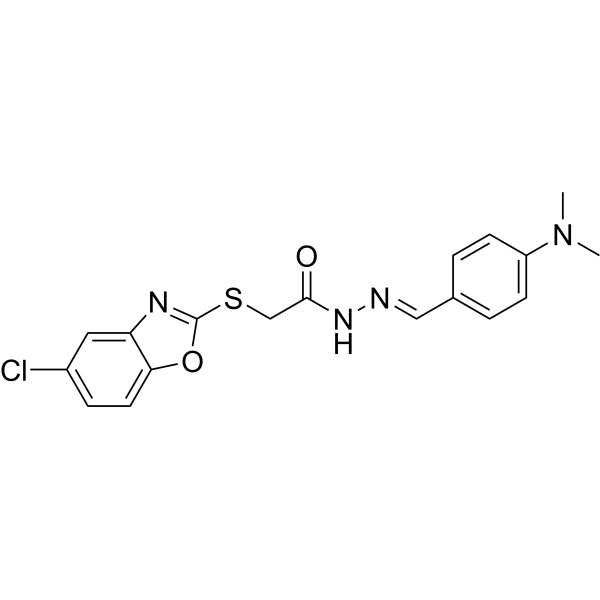
Anticancer agent 187 (Compound 4) is an anticancer agent that can target sarcoma cells in tumor-bearing mouse models. Anticancer agent 187 exhibits cytotoxic activity against HepG2, Caco2, and MCF-7 cells .
|
-
- HY-149986
-
|
|
Parasite
|
Infection
|
|
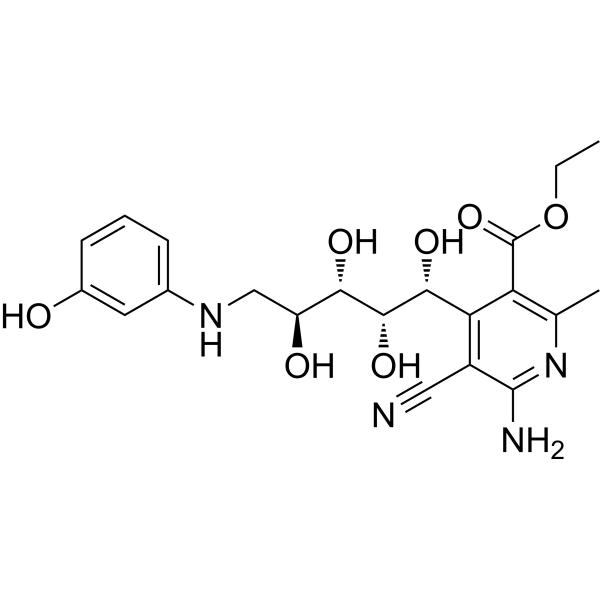
Antitrypanosomal agent 13 (compound 4b) is a potent antitrypanosomal agent. Antitrypanosomal agent 13 has trypanocidal and cytotoxic activity with GI50 values of 0.18 and 8.4 μM for T. brucei and HL-60, respectively .
|
-
- HY-N11060A
-
|
(±)-PBI 344
|
Others
|
Cancer
|
|
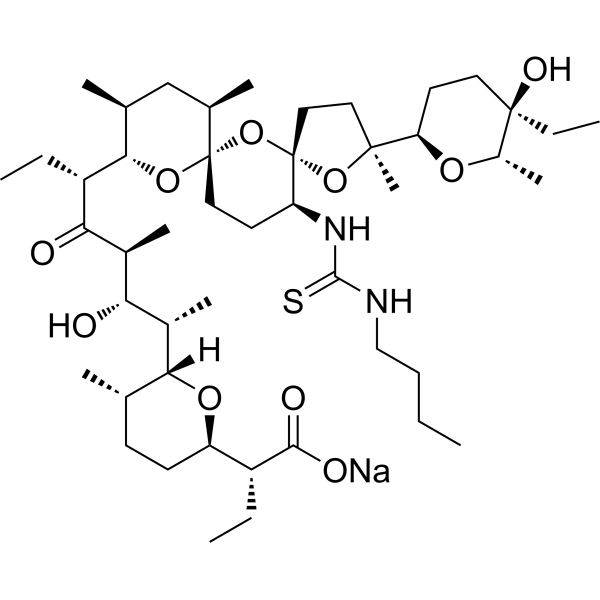
(±)-Dehydrovomifoliol ((±)-PBI 344) is a norisoprenoid found in the rhizomes of Sinomenium acutum. (±)-Dehydrovomifoliolshows no significant cytotoxic activity against cancer cells .
|
-

- HY-N17410
-
|
|
Drug Derivative
|
Others
|
|
Umbellatolide A is an 11-noriridoid found in the aerial parts of Morinda umbellata. Umbellatolide A shows no significant cytotoxic activity against human cancer cells .
|
-

- HY-N7920
-
|
|
Others
|
Cancer
|
|
Protobioside is a steroidal saponin found in the dry bulbs of Fritillaria pallidiflora Schrenk. Protobioside shows no significant cytotoxic activity against human cancer cells .
|
-

- HY-123724
-
|
|
Others
|
Others
|
|
Ravidomycin is a compound with antibacterial and cytotoxic activities. New analogs have been isolated from microorganisms. These analogs differ in antibacterial selectivity compared with known compounds.
|
-

- HY-N18195
-
|
|
Others
|
Cancer
|
|
Trichilin B is a limonoid compound found in the twigs and leaves of Trichilia connaroides. Trichilin B exhibits no in vitro cytotoxic activity against tumor cell lines .
|
-

- HY-N15757
-
|
|
Biochemical Assay Reagents
|
Cancer
|
|
Malaysianol D is a trimeric oligostilbene that can be isolated from D. beccarii. Malaysianol D can be studied for its cytotoxicity activity against cancer cell lines .
|
-

- HY-N18379
-
|
|
Others
|
Cancer
|
|
Altissimacoumarin L is a terpenylated coumarin. Altissimacoumarin L can be isolated from the root bark of Ailanthus altissima (Mill.) Swingle. Altissimacoumarin L shows no significant cytotoxic activity against hepatoma cells .
|
-

- HY-N17748
-
|
|
Others
|
Cancer
|
|
Entadoside A is an Entadoside. Entadoside A can be isolated from kernel nuts of E. phaseoloides. Entadoside A exhibits moderate cytotoxic activity against non-small cell lung cancer cells .
|
-

- HY-N18247
-
|
|
Others
|
Cancer
|
|
12-Ethoxynimbolinin F is a nimbolinin-type limonoid found in the fruits of Melia toosendan. 12-Ethoxynimbolinin F shows low cytotoxic activity against cancer cells .
|
-

- HY-162068
-
|
|
Drug Derivative
|
Cancer
|
|
Auristatin23, a conjugate of Auristatin F (HY-15583), is a cytotoxin. Auristatin23 exhibit cytotoxic activities towards targeted cells, including abnormal cells such as cancer cells, that are MDR+ .
|
-

- HY-N18174
-
|
|
Others
|
Others
|
|
Glaucogenin E is a C21 steroid sapogenin found in rhizomes of Cynanchum stauntonii (Decne.) Schltr. ex Levl. Glaucogenin E shows no cytotoxic activity against human cancer cells .
|
-

- HY-N17957
-
|
|
Others
|
Cancer
|
|
Homoisopogon B is a homoisoflavane found in the tubers of Ophiopogon japonicus. Homoisopogon B shows cytotoxic activity against cancer cells. Homoisopogon B can be used for the research of cancer, such as human lung adenocarcinoma and human melanoma .
|
-

- HY-N7154
-
|
|
Others
|
Cancer
|
|
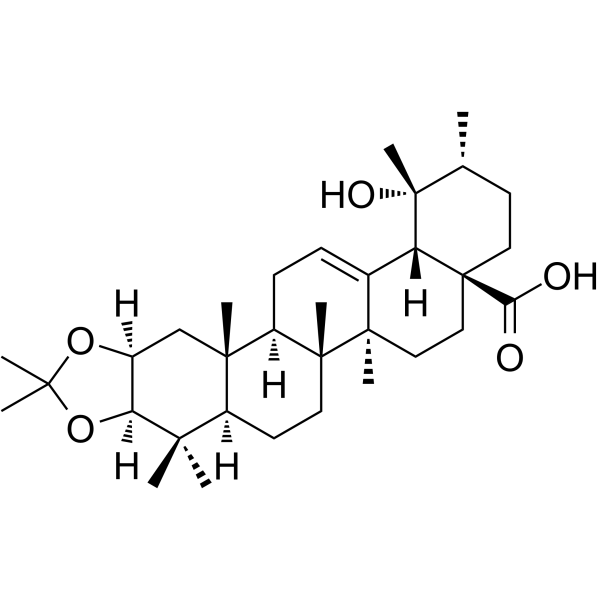
2,3-O-Isopropylidenyl euscaphic acid, a triterpenoid from the seeds of blackberry (Rubus fructicosus), exhibits cytotoxic activity towards HL-60 human leukaemia cells with IC50 value of 72.8 μM .
|
-
- HY-N17610
-
|
|
Others
|
Cancer
|
|
2',4'-Dihydroxydihydrochalcone exhibits cytotoxic activity against HT-29 colon adenocarcinoma cells (IC50 = 1.8 μM). 2',4'-Dihydroxydihydrochalcone may be used in research on cancers such as colon adenocarcinoma .
|
-

- HY-N17419
-
|
|
Others
|
Cancer
|
|
Tylophoridicine F is a cytotoxic agent. Tylophoridicine F can be isolated from T. atrofolliculata. Tylophoridicine F exhibits more cytotoxic activity on cells compared to Adriamycin (assessed using ileocecal adenocarcinoma cells and keratin-forming tumor cells) .
|
-

- HY-N18339
-
|
|
Drug Derivative
|
Cancer
|
|
Camaroside is a flavonoid glycoside with weak cytotoxic activity against cancer cells and fibroblasts, and no significant antimicrobial activity. Camaroside reduces metabolic activity of fibroblasts and liver cancer cells.C amaroside can be found in the vegetative stems of Calotropis procera .
|
-

- HY-N19313
-
|
|
Others
|
Cancer
|
|
Agelastatin D is a pyrrole-imidazole alkaloid and cytotoxic agent found in the Western Australian sponge Cymbastela sp.. Agelastatin D induces cytotoxic activity against cancer cells. Agelastatin D can be used for the research of chronic lymphocytic leukemia .
|
-

- HY-N18228
-
|
|
Others
|
Cancer
|
|
Stauntoside Ⅱ is a 14,15-secopregnane-type C21 steroidal glycoside found in the roots of Cynanchum stauntonii. Stauntoside Ⅱ does not exhibit cytotoxic activity against human colon, hepatoma, gastric, lung, and ovarian cancer cells .
|
-

- HY-N9835
-
|
|
Drug Derivative
|
Infection
Cancer
|
|
Thymol isobutyrate is a thymol derivative that can be naturally extracted from the essential oil of the roots and aerial parts (leaves, stems, and flowers) of Carpesium cernuum L. This plant's essential oil has antibacterial and cytotoxic activity and can be used in antibacterial and antitumor research .
|
-

- HY-N10765
-
|
|
Bacterial
|
Inflammation/Immunology
Cancer
|
|
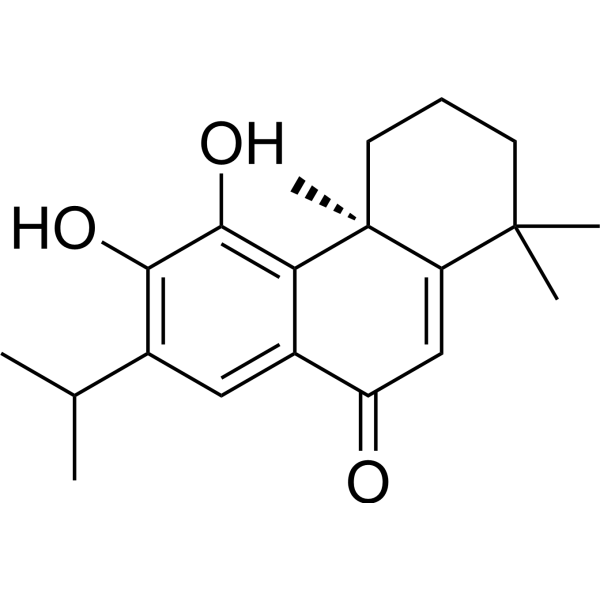
Salvinolone is active against methicillin-resistant Staphylococcus aureus (MRSA) and vancomycin-resistant Enterococcus (VRE). Salvinolone shows cytotoxic activity with an IC50 of 47.6 μM against the HL-60 tumor cell line for 72 h .
|
-
- HY-N16530
-
|
|
Endogenous Metabolite
|
Others
|
|
8-Methyl-2'-deoxydisporopsin (Compound 2) is a C-methylated high isomeric ketone and is one of the characteristic secondary metabolites of the Liliaceae family. 8-Methyl-2'-deoxydisporopsin shows no cytotoxic activity .
|
-

- HY-149956
-
|
|
Parasite
|
Infection
|
|
Antileishmanial agent-15 (compound 13c) is a potent antileishmanial agent. Antileishmanial agent-15 shows antileishmanial and cytotoxic activity against L. major promastigotes and amastigotes, with IC50 values of 0.78 and 0.99 μM, respectively .
|
-
- HY-173446
-
|
|
PARP
|
Cancer
|
|
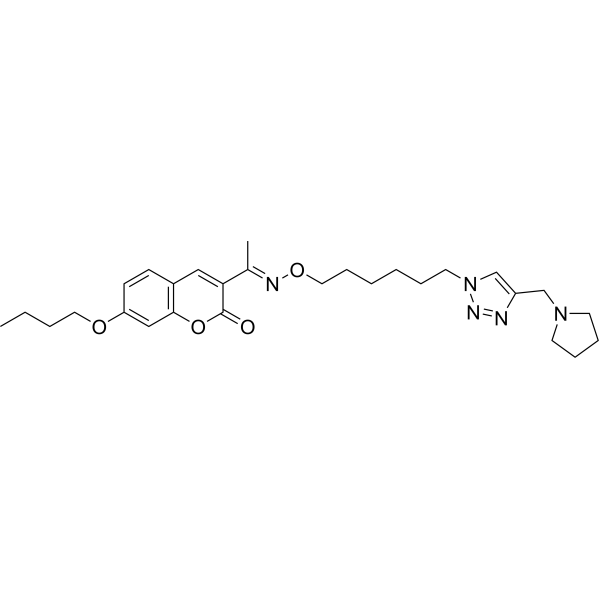
PARP1-IN-38 (compound ent-6_P) is a potent PARP1 inhibitor with an IC50 of 10 μM. PARP1-IN-38 shows selective cytotoxic activity in BRCA mutant cancer cells
|
-

- HY-N1031
-
|
12-epi-Vitexolide D; Curcucomosin C
|
Bacterial
|
Cancer
|
|
Vitexolide E is a diterpenoid compound isolated from the leaves of the Malaysian species Vitex vestita. Vitexolide E shows cytotoxic activities against the HCT-116 cancer cell line and human fetal lung fibroblast MRC5 cell line .
|
-
- HY-N0128
-
|
|
Environmental Pollutants
Apoptosis
|
Cancer
|
|
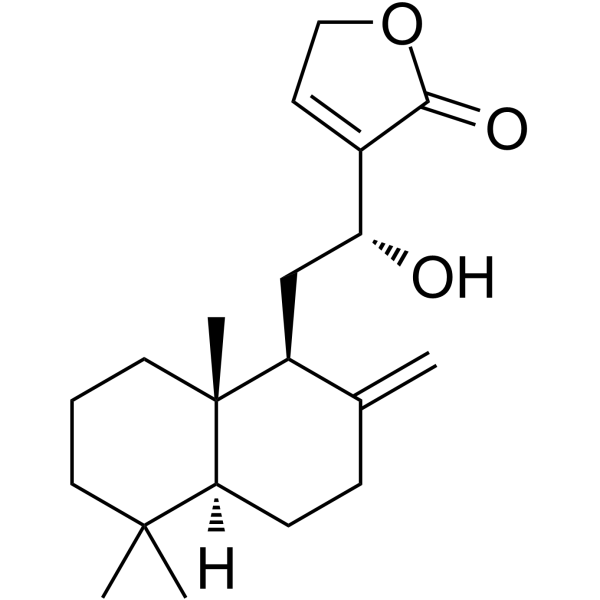
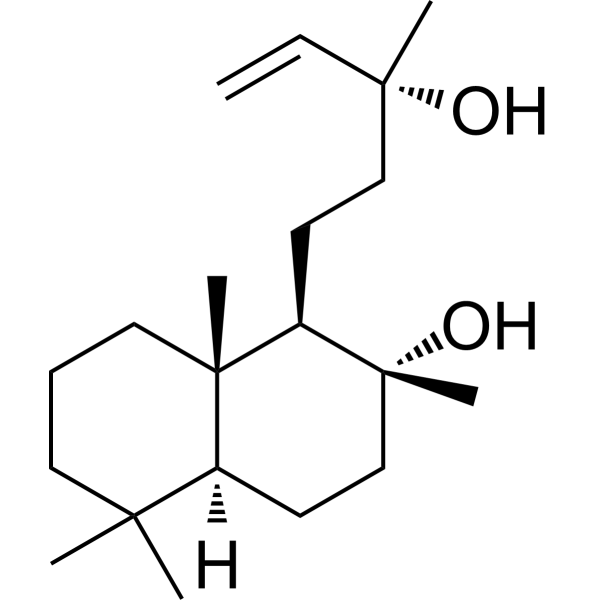
Sclareol is isolated from Salvia sclarea with anticarcinogenic activity. Sclareol shows strong cytotoxic activity against mouse leukemia (P-388), human epidermal carcinoma (KB) cells and human leukemia cell lines. Sclareol induces cell apoptosis .
|
-
- HY-12406
-
VLX600
2 Publications Verification
|
Oxidative Phosphorylation
Mitochondrial Metabolism
Autophagy
|
Cancer
|
|
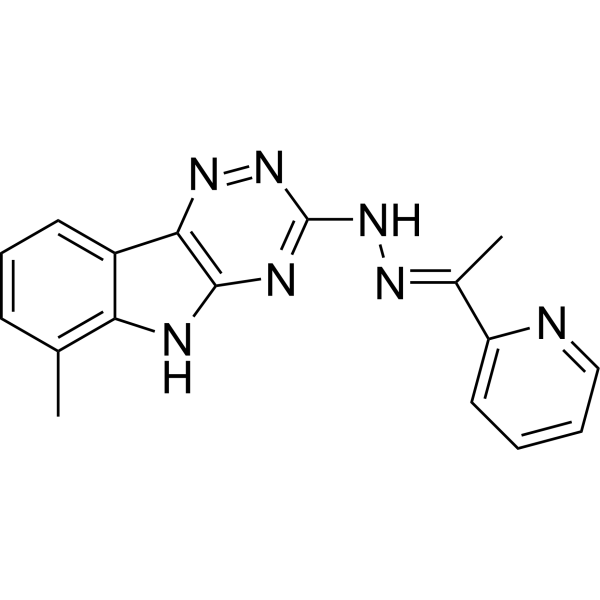
VLX600 is an iron-chelating inhibitor of oxidative phosphorylation (OXPHOS). VLX600 causes mitochondrial dysfunction and induces a strong shift to glycolysis. VLX600 displays selective cytotoxic activity against malignant cell and induces autophagy. Anticancer activity .
|
-
- HY-N8105
-
|
|
Fungal
|
Infection
Cancer
|
|
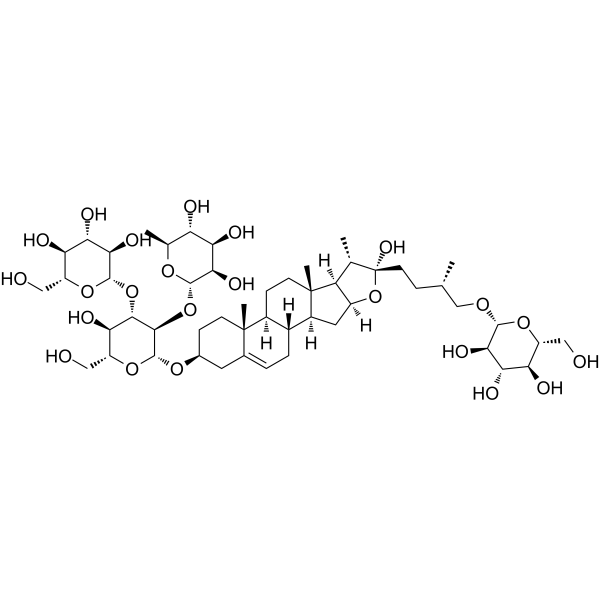
Protoneogracillin, a furostanol glycoside, shows anti-fungal activity against the plant pathogenic fungus P.oryzae (MMDC=94.0 μM) and cytotoxic activity on K562 cancer cells (IC50=6.6 μM) .
|
-
- HY-147348
-
|
|
Biochemical Assay Reagents
|
Cancer
|
|
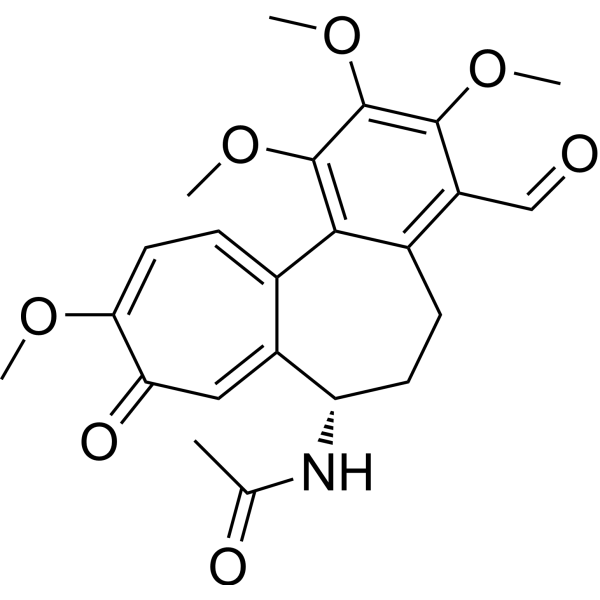
4-Formylcolchicine is a potent anticancer agent. 4-Formylcolchicine shows cytotoxicity activity with IC50 values of 1.007, 0.128, 0.054 μM for A549, HT-29, HCT116 cells, respectively .
|
-
- HY-N6060A
-
|
|
Drug Derivative
|
Cancer
|
|
(Rac)-Ophiopogonanone B is a homoisoflavonoid that can be found in the tubers of Liriope graminifolia (Linn.) Baker. (Rac)-Ophiopogonanone B exhibits cytotoxic activity against Hela cells with an IC50 of 14.0 μg/mL. (Rac)-Ophiopogonanone B can be used in the research of cancer .
|
-

- HY-151120
-
|
|
Others
|
Cancer
|
|
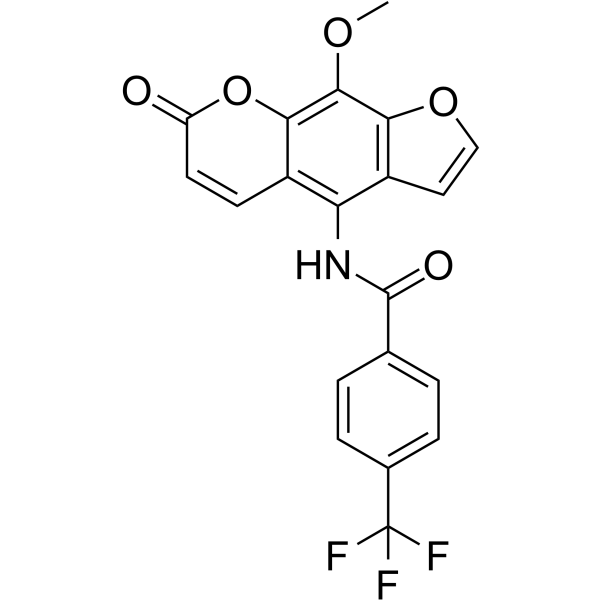
Anticancer agent 79 (compound 3d) shows good anti-breast cancer activity. Anticancer agent 79 shows good cytotoxic activity in T47-D cells, with an IC50 of 13.64 ± 0.26 μM .
|
-
- HY-N11919
-
|
|
Others
|
Cancer
|
|
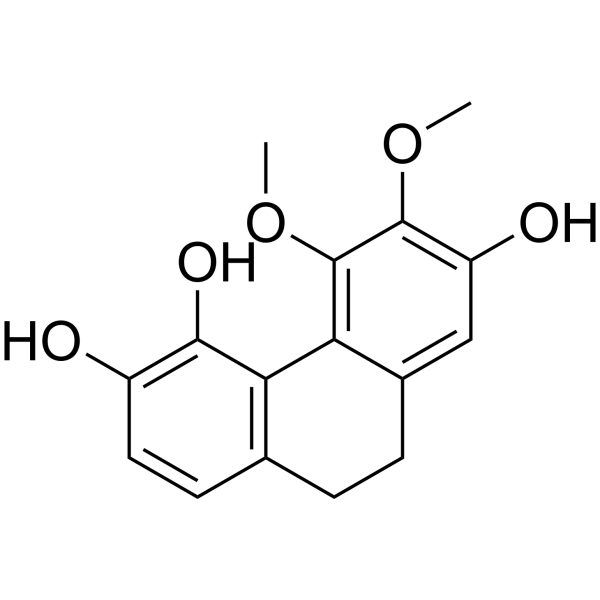
Anticancer agent 149 (compound 3) is an anticancer agent isolated from the rhizome of Dioscorea dioscorea (DM). Anticancer agent 149 exhibits selective cytotoxic activity against MCF-7 cells (IC50=31.41 μM) .
|
-
- HY-N2906
-
|
Atalantoflavone
|
Parasite
|
Cancer
|
|
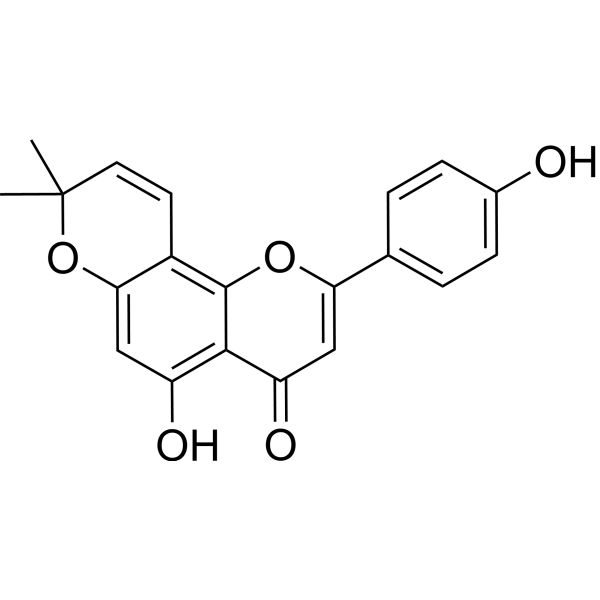
Limonianin (Atalantoflavone) is a flavone, that can be isolated from Erythrina sigmoidea and the root bark of Citrus limonia. Limonianin presents inhibitory effect against P. gingivalis. Limonianin shows cytotoxic activity against multidrug-resistant (MDR) cancer cell lines .
|
-
- HY-N4227
-
|
|
Endogenous Metabolite
|
Cancer
|
|
Conicasterol is a 4-mercaptosteroid with significant cytotoxic activity. Conicasterol showed an IC50 value of 6.23 μg/mL in a test on a human breast adenocarcinoma cell line (MCF-7). Conicasterol's antitumor activity makes it a potential bioactive lead molecule .
|
-

- HY-N1261
-
|
|
Others
|
Cancer
|
|
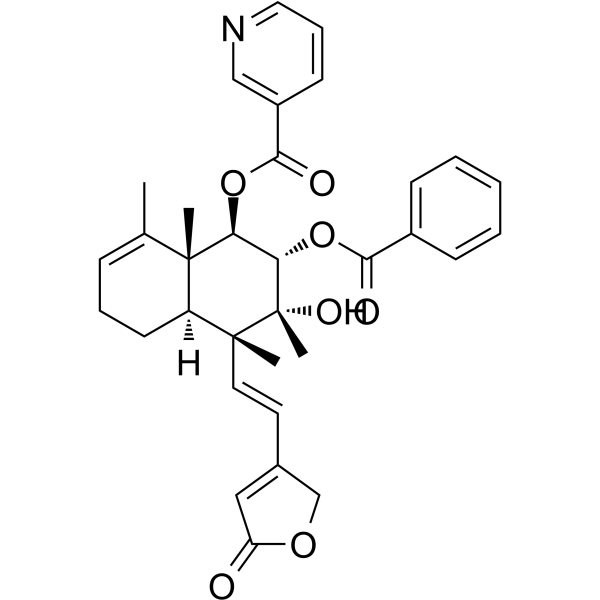
Scutebarbatine B shows significant cytotoxic activities against three human cancer lines, namely, HONE-1 nasopharyngeal, KB oral epidermoid carcinoma, and HT29 colorectal carcinoma cells, with IC50 values in the range 3.5-8.1 mM [1]<
|
-
- HY-147724
-
|
|
Microtubule/Tubulin
|
Cancer
|
|
Compounds 17O (ic50= 14.0 nm, NCI-H460) and 17p (ic50= 2.9 nm, NCI-H460) and furan groups showed effective cytotoxic activity against various human cancer cell lines at the nanomolar level.
|
-
- HY-170549
-
|
|
VEGFR
|
Cancer
|
|
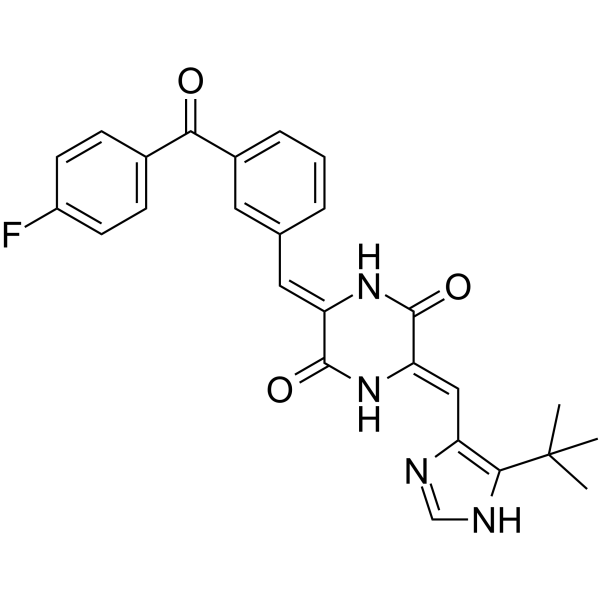
VEGFR-2-IN-60 (compound 5c) is a potent VEGFR-2 inhibitor with an IC50 of 1.07 nM. VEGFR-2-IN-60 exhibits cytotoxic activity against HCC1806, Hela, and A549 cell lines .
|
-

- HY-115243
-
|
|
Biochemical Assay Reagents
|
Others
|
|
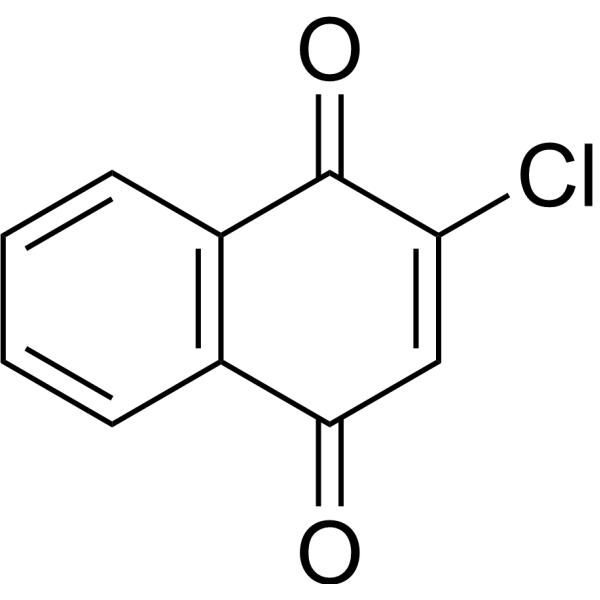
2-Chloro-1,4-naphthoquinone (chloro-K3) is a vitamin-K-dependent carboxylation antagonist with an IC50 value of 146 μM. 2-Chloro-1,4-naphthoquinone has cytotoxic activity .
|
-
- HY-136591
-
|
|
Drug Metabolite
|
Neurological Disease
Cancer
|
|
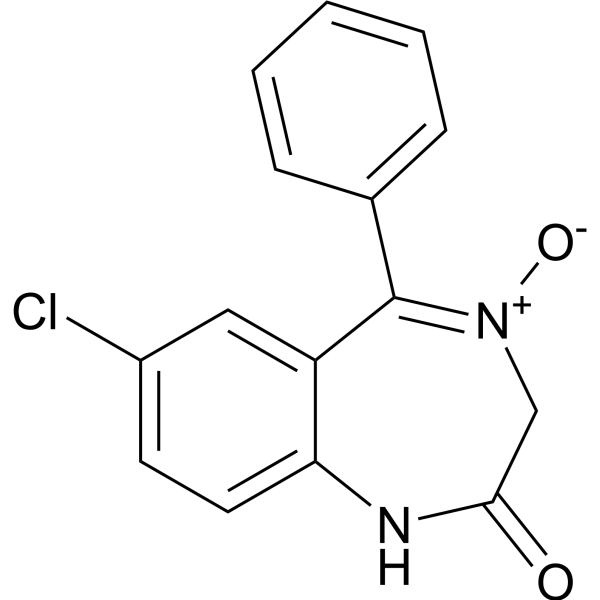
Demoxepam is a major metabolite of Chlordiazepoxide. Demoxepam exhibits cytotoxicity activity against cancer cell lines. Demoxepam has anticonvulsant and anxiolytic effects. Demoxepam has an inhibitory effect on in vitro [ 3H]tryptophan binding to rat hepatic nuclei .
|
-
- HY-N17665
-
|
|
Apoptosis
PARP
|
Cancer
|
|
Cimicifugic acid A is a cytotoxic caffeic acid derivative that can be isolated from the rhizomes of Cimicifuga heracleifolia. Cimicifugic acid A shows cytotoxic activity against cancer cells, and increases expression of cleaved PARP, thereby exhibiting pro-apoptotic activity. Cimicifugic acid A can be used for colon cancer research .
|
-

- HY-N10952
-
|
|
Others
|
Cancer
|
|
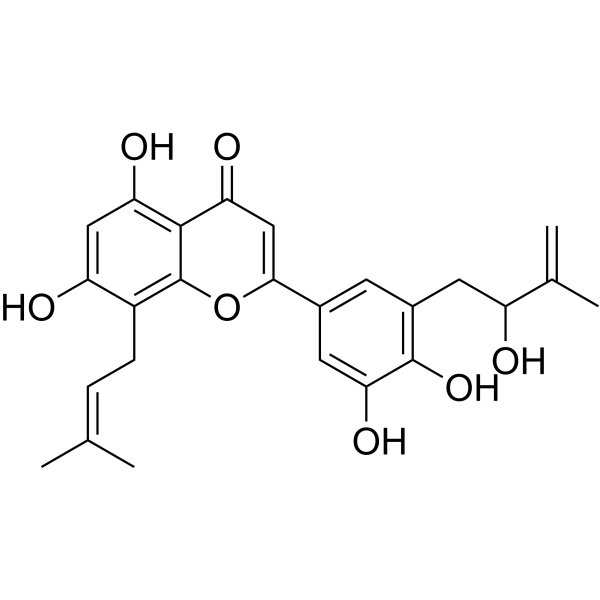
Epicornuin F is a prenylated flavonoid. Epicornuin F can be isolated from the leaves of Epimedium brevicornu. Epicornuin F has the cytotoxic activity against HepG2 cells with an IC50 value of 33.4 μM. Epicornuin F can be used for the research of cancer .
|
-
- HY-147756
-
|
|
NAMPT
|
Cancer
|
|
Nampt-IN-7 (compound GF8) is a potent NAMPT inhibitor, with an IC50 of 7.31 μM. Nampt-IN-7 also displays cytotoxic activity against human HepG2 hepatocellular carcinoma cell line with an IC50 of 24.28 μM .
|
-
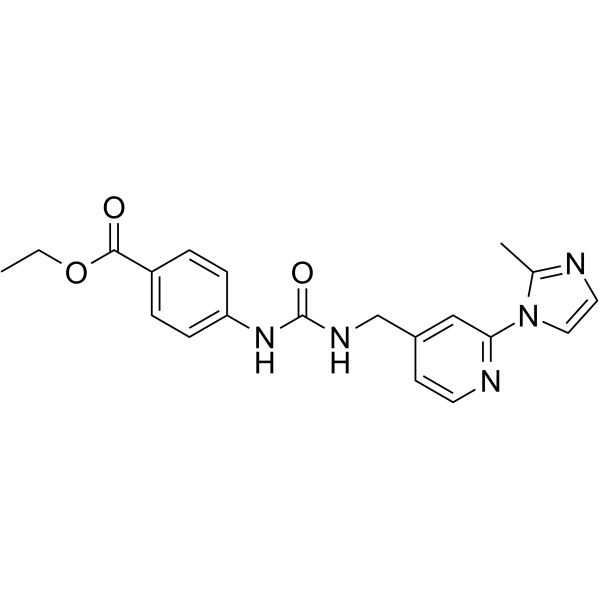
- HY-147534
-
|
|
Parasite
|
Infection
|
|
Antileishmanial agent-6 (compound 8m) is a potent antileishmanial agent. Antileishmanial agent-6 shows antileishmanial and cytotoxic activity against Leishmania donovani and L-6, with IC50 values of 0.54 and 10.2 μM, respectively .
|
-
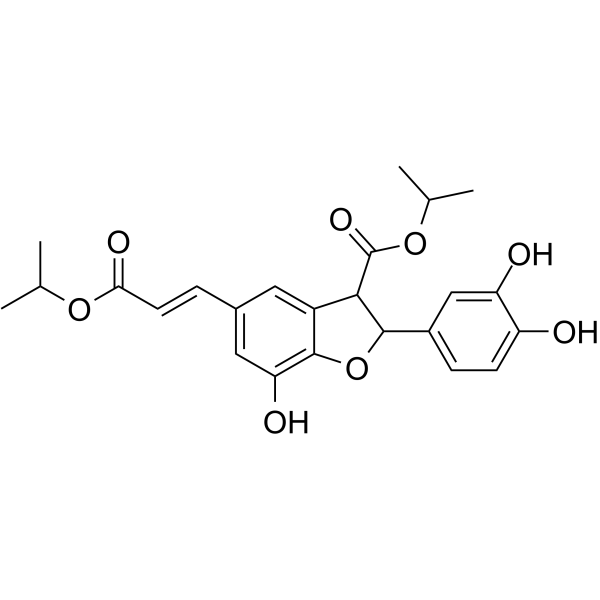
- HY-N14364
-
|
Flavipucin
|
Antibiotic
Bacterial
Parasite
|
Infection
|
|
Flavipucine (Flavipucin), a glutarimide antibiotic, is found in the strain of Aspergillus flavipes F-2090/7. Flavipucine has antibacterial activity against B. subtilis. Flavipucine has antiprotozoal activity. Flavipucine has cytotoxic activity against several cancer cells .
|
-

- HY-172096
-
|
|
Bcr-Abl
Src
|
Cancer
|
|
cSRC/BCR-ABL-IN-1 (compound 21b) is a potent Bcr-Abl and C-Src inhibitor with IC50 values of 56.2, 101 nM for Bcr-Abl, C-Src, respectively. cSRC/BCR-ABL-IN-1 shows cytotoxicity activity .
|
-

- HY-182559
-
|
|
Reactive Oxygen Species (ROS)
|
Cancer
|
|
Candidin is an antioxidant flavonoid, which can be found in the roots of Millettia brandisiana. Candidin induces cytotoxic activity in human cancer cells. Candidin mediates antioxidant activity via peroxyl radical scavenging. Candidin can be used for the research of liver cancer and lung cancer .
|
-

- HY-146286
-
|
|
Apoptosis
|
Cancer
|
|
Anticancer agent 44 (compound 2a) is a potent anticancer agent. Anticancer agent 44 shows cytotoxicity activity in cancer cells. Anticancer agent 44 induces apoptosis. Anticancer agent 44 shows low toxicity towards activated lymphocytes of human blood .
|
-
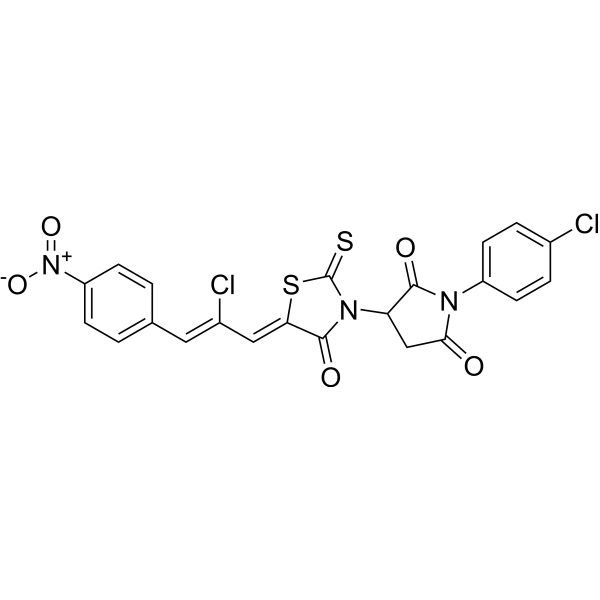
- HY-N5208
-
|
|
Others
|
Cancer
|
|
YM-216391 is an antitumor cyclic peptide that can be isolated from the cultured mycelium of Streptomyces nobilis JCM 4274. YM-216391 exhibits potent cytotoxic activity against a variety of human cancer cell lines and can be used in anticancer research .
|
-

- HY-147728
-
|
|
Microtubule/Tubulin
|
Cancer
|
|
Compounds 17O (ic50= 14.0 nm, NCI-H460) and 17p (ic50= 2.9 nm, NCI-H460) and furan groups showed effective cytotoxic activity against various human cancer cell lines at the nanomolar level.
|
-
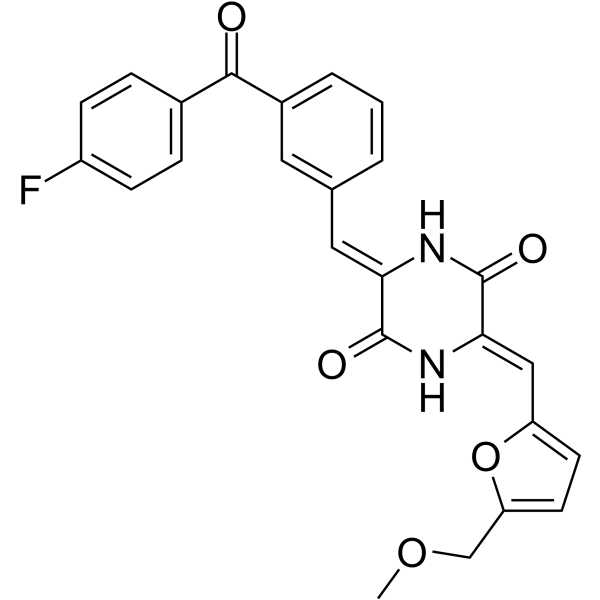
- HY-N11519
-
|
|
Others
|
Cancer
|
|
Polyporusterone C (Compound 3) is a natural product that can be isolated from Polyporus umbellatus. Polyporusterone C shows cytotoxic activities with IC50s of 37, 26 and 42 μg/mL against L-1210 cells at 3, 5 and 7 days, respectively .
|
-
- HY-N18290
-
|
|
Others
|
Cancer
|
|
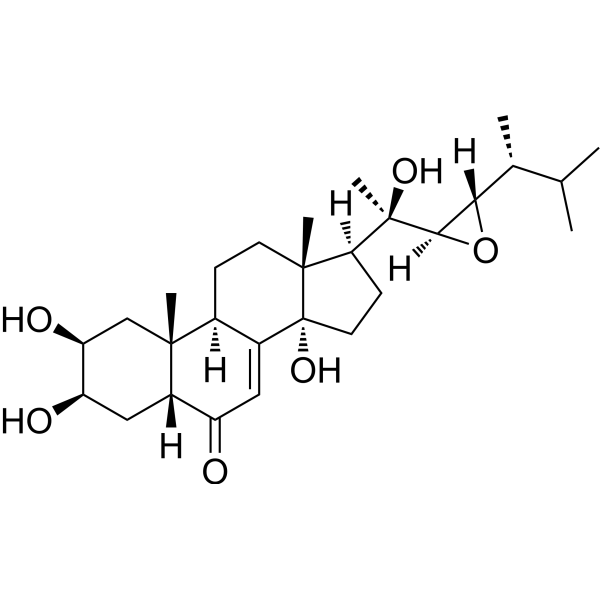
12-Ethoxynimbolinin E is a nimbolinin-type limonoid found in the fruits of Melia toosendan. 12-Ethoxynimbolinin E induces cytotoxic activity against cancer cells. 12-Ethoxynimbolinin E can be used for the research of cancer, such as myeloid leukemia, and lung cancer .
|
-

- HY-76665R
-
|
|
Drug Derivative
Reference Standards
|
Cancer
|
|
Anticancer agent 209 (Standard) is the analytical standard of Anticancer agent 209 (HY-76665). This product is intended for research and analytical applications. Anticancer agent 209 (compound 1) is an anticancer agent. Anticancer agent 209 exhibits cytotoxic activity against colon cancer in vitro.
|
-

- HY-N15584
-
|
Isoheraclenin
|
Others
|
Cancer
|
|
Pabularinone is a compound found in the plant Clausena lansium. Pabularinone has potent cytotoxic activity, and its activity showed inhibitory effects in human breast cancer (MCF-7) cells (IC50: 33.74 μg/mL). Pabularinone can be used in anti-tumor research .
|
-

- HY-N10959
-
|
|
Others
|
Cancer
|
|
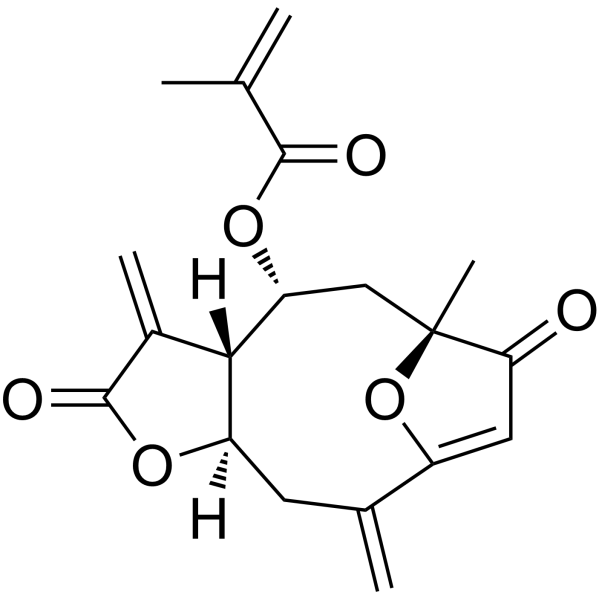
4,15-Isoatriplicolide methylacrylate is a germacrane-type sesquiterpene lactone. 4,15-Isoatriplicolide methylacrylate also is a cytotoxic agent. 4,15-Isoatriplicolide methylacrylate has cytotoxic activity for MCF-7 human breast cancer cell line .
|
-
- HY-125664
-
|
|
Antibiotic
|
Cancer
|
|
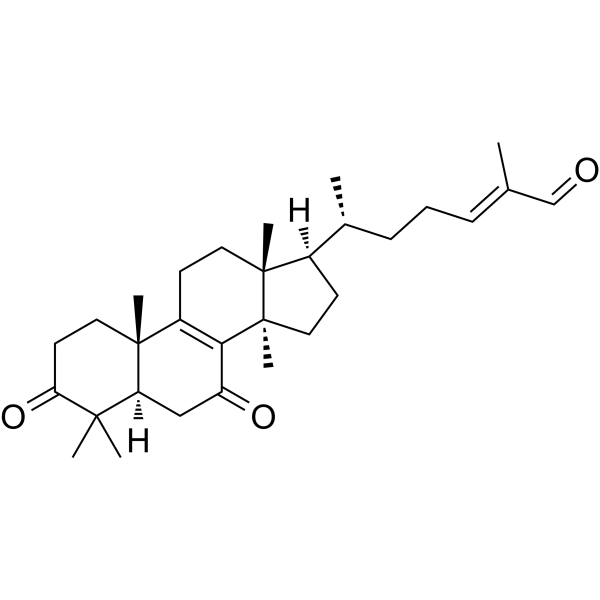
Lucialdehyde B is a tetracyclic triterpene isolated from the substrates of Ganoderma lucidum with antiviral and cytotoxic activities. Lucialdehyde B has cytotoxic effects against Lewis lung cancer (LLC), T-47D, Sarcoma 180 and Meth-A tumor cell lines .
|
-
- HY-146290
-
|
|
Apoptosis
|
Cancer
|
|
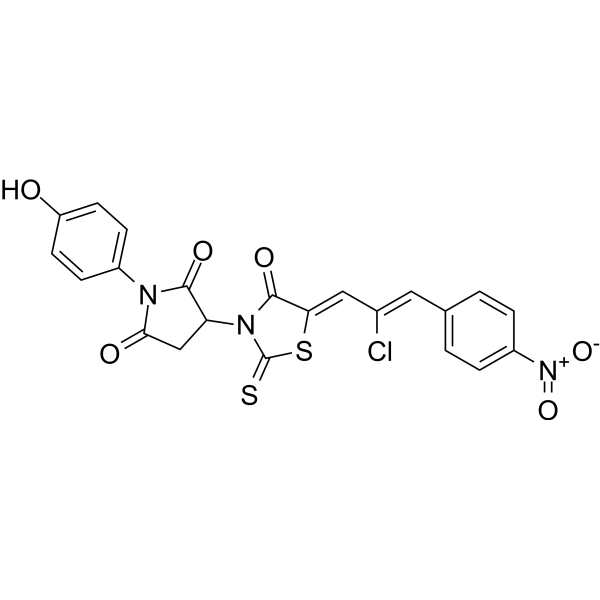
Anticancer agent 46 (compound 2b) is a potent and selective anticancer agent. Anticancer agent 46 shows cytotoxicity activity in cancer cells. Anticancer agent 46 induces apoptosis. Anticancer agent 46 shows low toxicity towards activated lymphocytes of human blood .
|
-
- HY-115970
-
|
|
Microtubule/Tubulin
|
Cancer
|
|
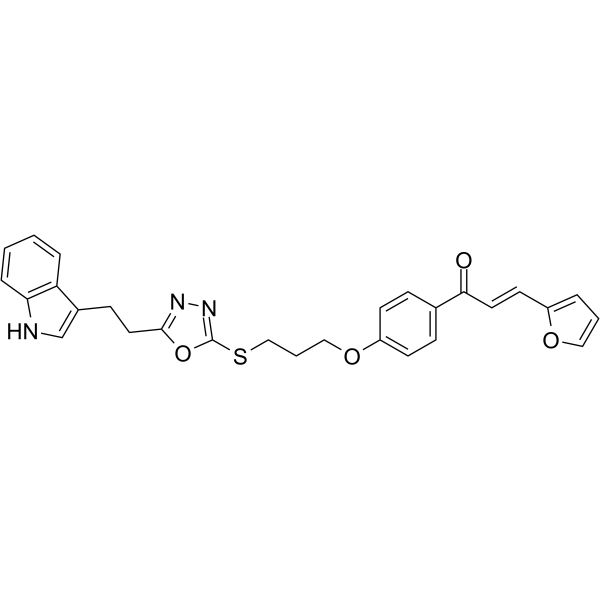
Tubulin inhibitor 21 (compound 6f), a chalcone- and melatonin- based hybrid, is a potent tubulin inhibitor. Tubulin inhibitor 21 induces a remarkable cytotoxic activity toward SW480 cells (IC50=0.26 μM) with lower effect against nonmalignant cells .
|
-
- HY-147538
-
|
|
Apoptosis
|
Cancer
|
|
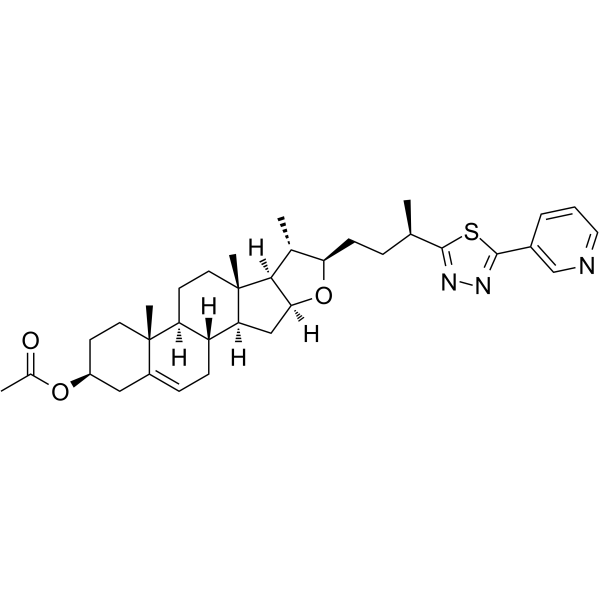
Antitumor agent-64 (Compound 8d) is a diosgenin derivative. Antitumor agent-64 exhibits potent cytotoxic activity against A549 cell line. Antitumor agent-64 induces A549 cells apoptosis via the mitochondria-related pathway .
|
-
- HY-115949
-
|
|
HSP
|
Cancer
|
|
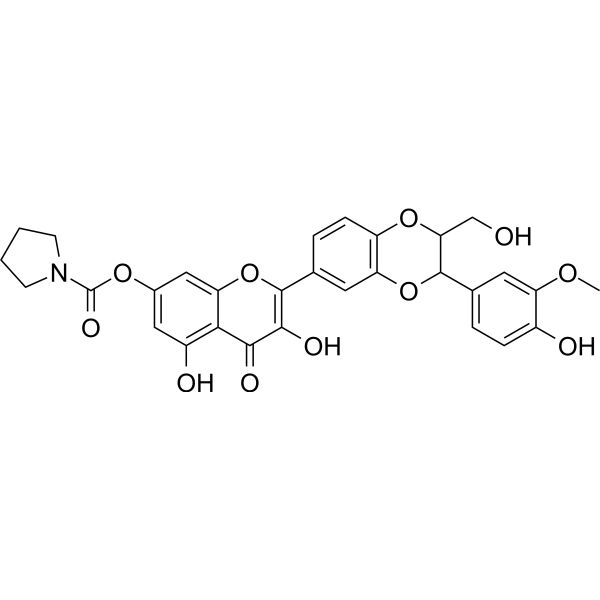
Antitumor agent-47 (Compound 3e) is a silibinin derivative with an antitumor activity. Antitumor agent-47 shows cytotoxic activity against NCI-H1299 and HT29 cells with IC50 values of 8.07 µM and 6.27 µM, respectively .
|
-
- HY-176412
-
|
|
MMP
|
Cancer
|
|
MMP-9-IN-11 (compound 77) is a potent MMP-9 inhibitor. MMP-9-IN-11 exhibits significant cytotoxic activity against A549 and L929 with IC50s of 4.04 and 13.97 μg/mL, respectively .
|
-

- HY-N19809
-
|
|
Drug Derivative
|
Cancer
|
|
10-Deacetyl-10-oxo-7-epi-taxol is a cytotoxic agent with a 9,10-diketone structure. 10-Deacetyl-10-oxo-7-epi-taxol induces cytotoxic activity in cancer cells .
|
-

- HY-N17875
-
|
(+)-Demethylsalvicanol
|
Drug Derivative
|
Cancer
|
|
Demethylsalvicanol ((+)-Demethylsalvicanol), a diterpene, is a anticancer agent with an IC50 of 0.71 μg/mL against P388 murine leukemia cells. Demethylsalvicanol induces cytotoxic activity against leukemia cells and insect Sf9 cells. Demethylsalvicanol acts as an antifeedant against Leptinotarsa decemlineata. Demethylsalvicanol can be used for the research of leukemia .
|
-

- HY-N12299
-
|
Quercetin 3-O-β-D-glucuronide butyl ester
|
Others
|
Cancer
|
|
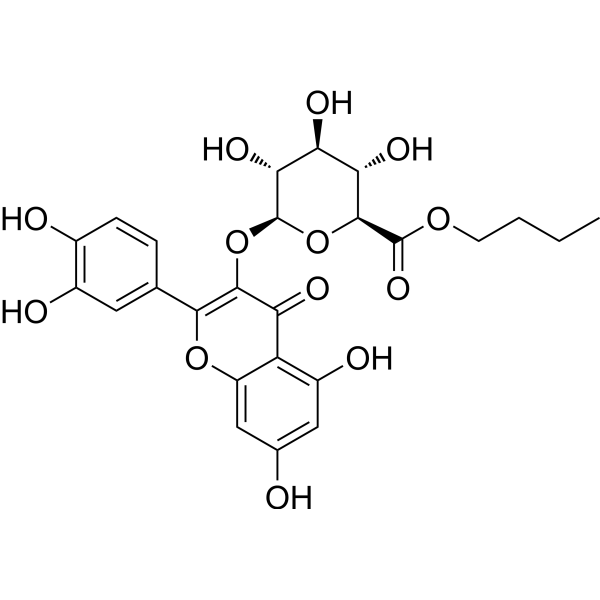
Parthenosin (Quercetin 3-O-β-D-glucuronide butyl ester) is a flavonoid, that can be isolated from the aerial parts of Calligoum polygonoides. Parthenosin shows cytotoxic activity against HepG2 and MCF-7 cell lines with IC50 values of 60.46 and 61.4 μg/mL, respectively .
|
-
- HY-10982A
-
|
AS1413 dihydrochloride
|
Topoisomerase
|
Others
|
|
Amonafide dihydrochloride (AS1413 dihydrochloride) is a topoisomerase II (Topo II) inhibitor and DNA intercalator with activity in inducing apoptotic signaling. Amonafide dihydrochloride can inhibit the binding of Topo II to DNA, thereby preventing the synthesis of DNA and RNA. Amonafide dihydrochloride maintains cytotoxic activity in the presence of P-glycoprotein-mediated multidrug resistance (MDR) .
|
-

- HY-P9921
-
|
Ado-Trastuzumab emtansine; PRO132365; T-DM 1
|
Antibody-Drug Conjugates (ADCs)
EGFR
|
Cancer
|
|
Trastuzumab emtansine (Ado-Trastuzumab emtansine) is an antibody-drug conjugate (ADC) that incorporates the HER2-targeted antitumor properties of trastuzumab with the cytotoxic activity of the microtubule-inhibitory agent DM1 (HY-19792). Trastuzumab emtansine can be used for the research of advanced breast cancer .
|
-

- HY-N10492
-
|
|
P-glycoprotein
|
Cancer
|
|
Spongionellol A analog 1, an analog of Spongionellol A (HY-10491), is a MDR1 (p-glycoprotein) inhibitor. Spongionellol A analog 1 has high cytotoxic activity and selectivity in prostate cancer cells by inducing caspase?dependent apoptosis. Spongionellol A analog 1 can be used in the research of cancers, such as prostate cancer .
|
-
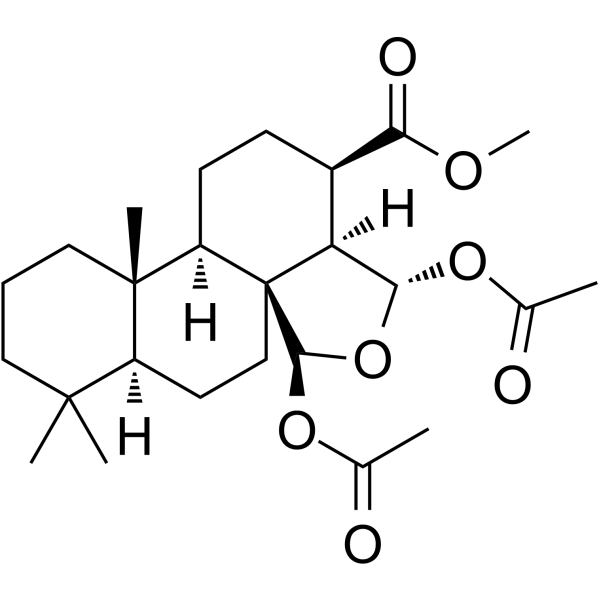
- HY-105522
-
|
Tetraplatin; NSC 363812
|
Drug Derivative
|
Cancer
|
|
Ormaplatin (Tetraplatin) is a Platinum (HY-W096169D) analog with anticancer activity. Ormaplatin demonstrates cytotoxic activity in Cisplatin (HY-17394)-sensitive cell lines in vitro and in vivo. Ormaplatin can be used for non-small cell lung, colon, and breast cancer research .
|
-

- HY-N7450
-
-
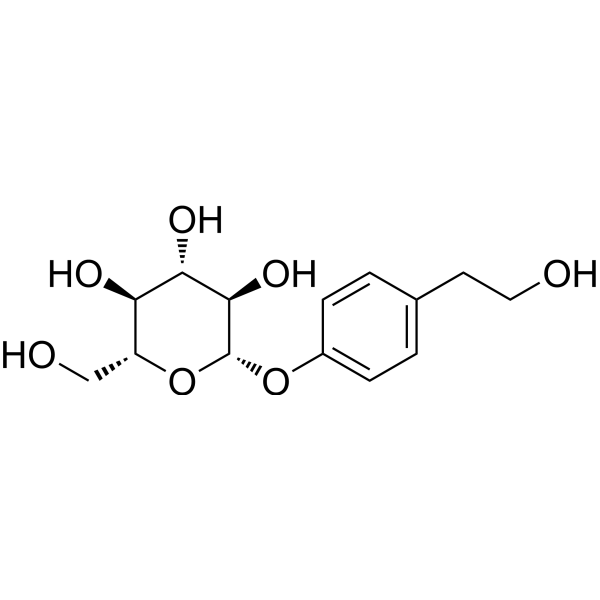
- HY-N10850
-
|
|
Bacterial
|
Cancer
|
|
Blepharotriol is a phenolic triterpene that can be found in Maytenus blepharodes. Blepharotriol shows antimicrobial activity with a MIC value of 8-4 µg/ml for Bacillus subtilis. Blepharotriol shows cytotoxic activity with IC50s of 12.2, >20, >20 µM for HeLa, Hep-2, Vero cells, respectively .
|
-
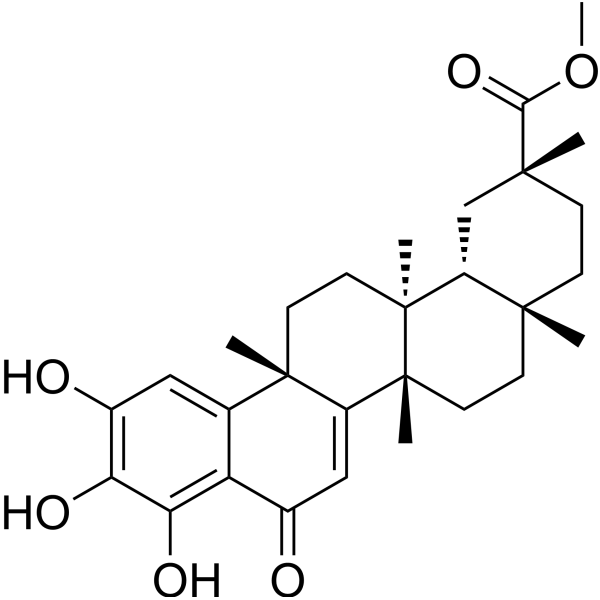
- HY-121014
-
|
|
Reactive Oxygen Species (ROS)
|
Cancer
|
|
Amphimedine is a polycyclic alkaloid isolated from the marine sponge Amphimedon sp. and belongs to the pyridoindole alkaloid class. Amphimedine has cytotoxic activity and has been studied as an anticancer metabolite along with neoamphimedine. Studies have shown that deoxyamphimedine damages DNA by generating reactive oxygen species, a mechanism different from that of amphimedine.
|
-

- HY-157402
-
|
|
Topoisomerase
EGFR
|
Cancer
|
|
Topoisomerase II/EGFR-IN-1 is topoisomerase II/EGFR dual inhibitor. Topoisomerase II/EGFR-IN-1 has superior cytotoxic activity to MCF-7, A549 and HCT-116 cell lines, displays strong apoptotic activity and can be used for the research of cancer .
|
-
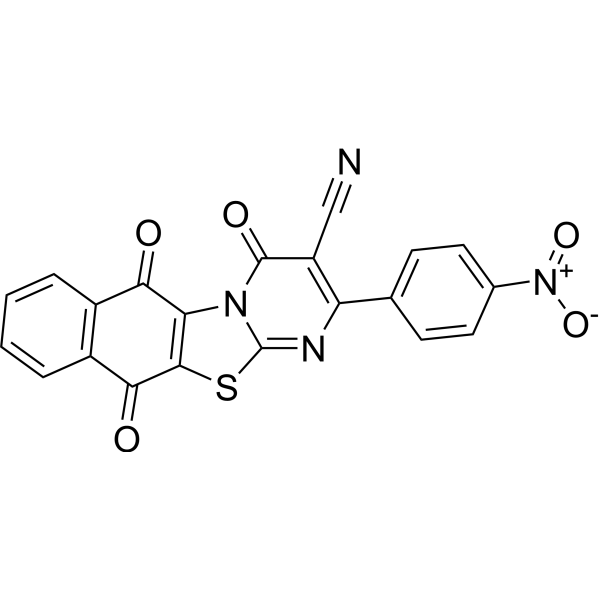
- HY-N10259
-
|
|
Bacterial
|
Infection
Cancer
|
|
Norfunalenone exhibits weak cytotoxic activity in mouse myeloma NS-1 cell line (ATCC TIB-18) with an IC50 of 70 μM. Norfunalenone also exhibits weak antibacterial activity against B. subtilis (MIC=100 μg/mL; IC50=265 μM) .
|
-
- HY-170311
-
|
|
YAP
|
Cancer
|
|
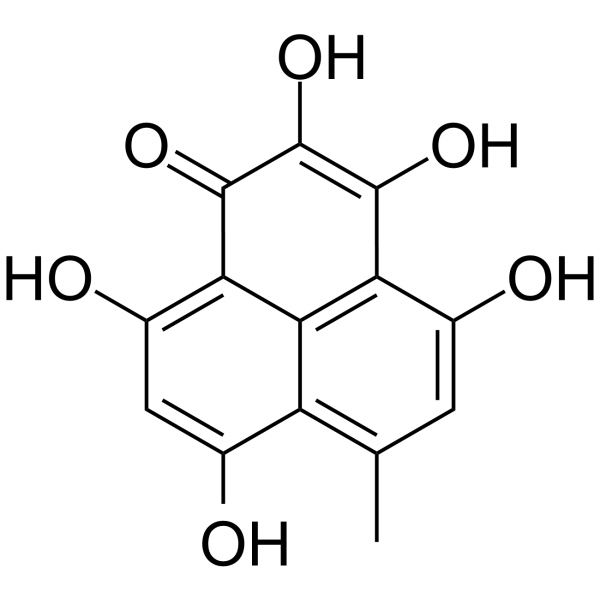
YAP/TEAD-IN-1 (compound 4) is a potent YAP and TEAD inhibitor. YAP/TEAD-IN-1 shows antioxidant activity. YAP/TEAD-IN-1 shows antiproliferation activity for tumor cells. YAP/TEAD-IN-1 shows little cytotoxic activity for human normal cells .
|
-

- HY-147788
-
|
|
Dihydroorotate Dehydrogenase
|
Cancer
|
|
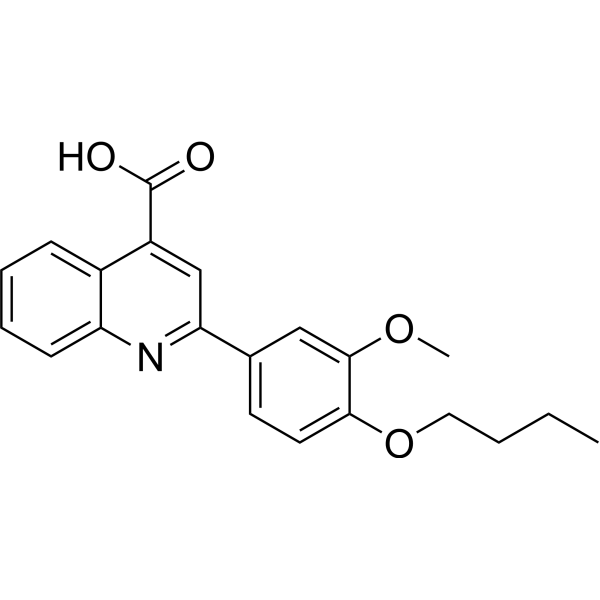
hDHODH-IN-9 (Compound 3k) is a potent inhibitor of hDHODH with an IC50 of 0.34 μM. hDHODH-IN-9 demonstrates high cytotoxic activity against MCF-7 and A375 cells and good selectivity. hDHODH-IN-9 has the potential for the research of cancer diseases .
|
-
- HY-145908
-
|
|
NO Synthase
|
Cancer
|
|
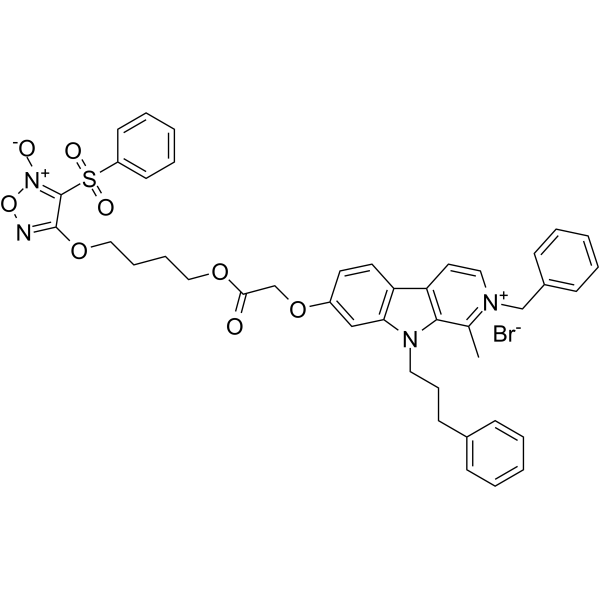
Antitumor agent-49 (Compound 10) is a Harmine derivative-furoxan hybrids containing NO donor, with antitumor activities. Antitumor agent-49 shows cytotoxic activity against HepG2 cells with an IC50 of 1.79 µM. Antitumor agent-49 produces high levels of NO in vitro .
|
-
- HY-P2569
-
|
|
Apoptosis
|
Cancer
|
|
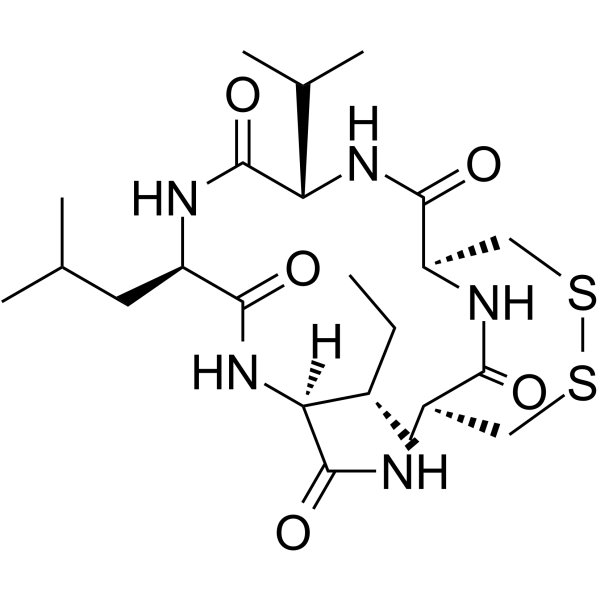
Malformin A1, a cyclic pentapeptide isolated from Aspergillus niger, possess a range of bioactive properties including antibacterial activity. Malformin A1 shows potent cytotoxic activities on human colorectal cancer cells. Malformin A1 induces apoptosis by activating PARP, caspase 3, -7, and -9 .
|
-
- HY-N11928
-
|
|
Others
|
Cancer
|
|
Changnanic acid (schisandrin) is a triterpene compound with potential anti-tumor effects. Changnanic acid exhibits moderate cytotoxic activity against human tumor cell lines Bel-7402, MCF-7 and HL-60, with IC50s of 100 μM, 100 μM and 50.51 μM respectively .
|
-
- HY-N10777
-
|
|
Others
|
Cancer
|
|
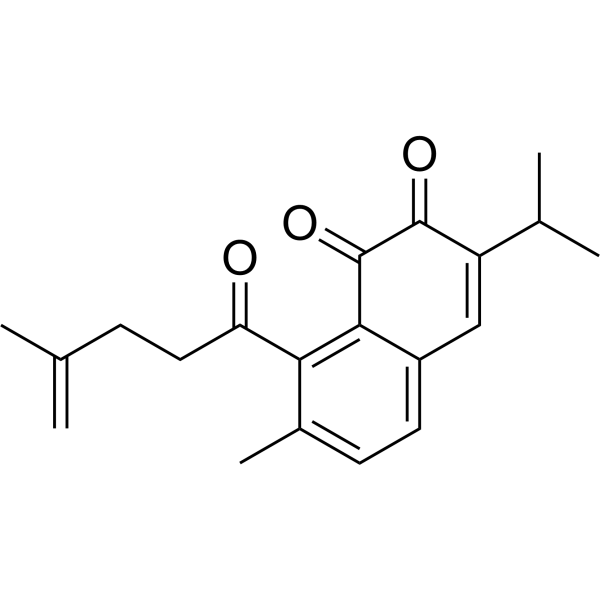
1-Ketoaethiopinone is an abietane-diterpenoid. 1-Ketoaethiopinone has an α, β-unsaturated carbonyl function. 1-Ketoaethiopinone shows cytotoxic activity against human cancer cell lines MOLT-4 (human lymphoblastic leukemia) and MCF-7 (human breast adenocarcinoma) .
|
-
- HY-N8462
-
|
Scutebatin C
|
Others
|
Cancer
|
|
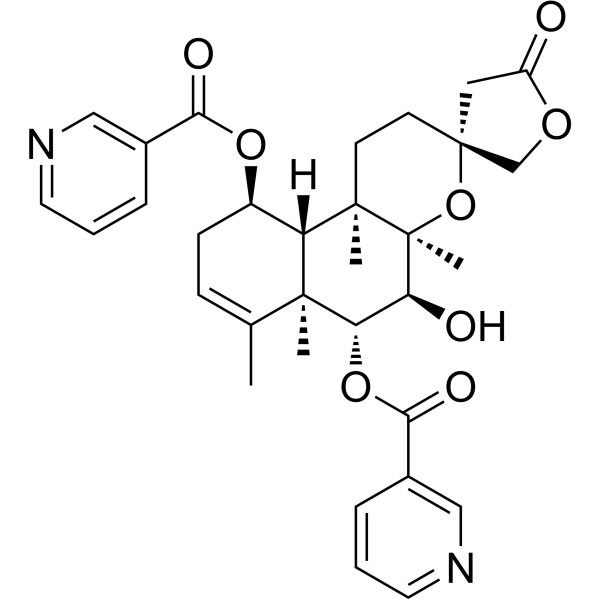
6-O-Nicotinoylscutebarbatine G is an alkaloid that can be isolated from Scutellaria barbata.6-O-Nicotinoylscutebarbatine has cytotoxic activities against HONE-1, KB and HT29 cells with IC50s of 3.1, 2.1 and 5.7 μM, respectively .
|
-
- HY-157487
-
|
|
Drug Derivative
|
Cancer
|
|
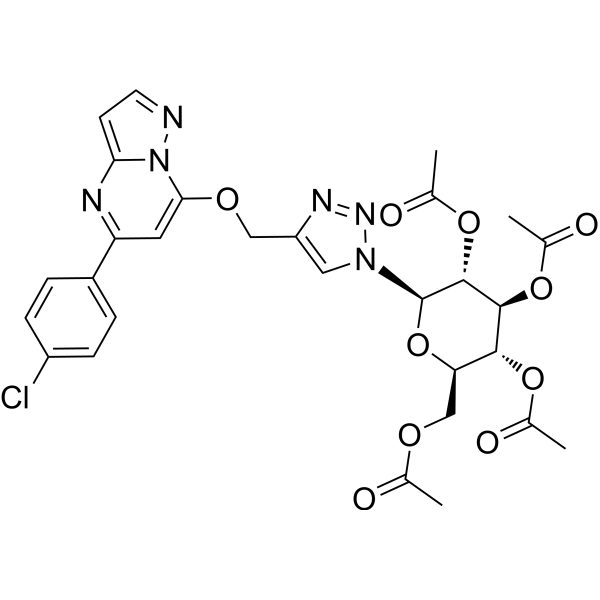
Anticancer agent 185 (compound 9d) is a glycohybrid derivative of pyrazolopyrimidine [1,5-a]. Anticancer agent 185 has good anti-breast cancer activity. Anticancer agent 185 shows good cytotoxic activity against MCF-7 cells with IC50 value of 15.3 μM .
|
-
- HY-N18168
-
|
|
Others
|
Cancer
|
|
Esculentoside L is a triterpene saponin present in the roots of Phytolacca americana. Esculentoside L increases the intracellular accumulation of calcein in multidrug-resistant human ovarian cancer cells. Esculentoside L exerts no significant cytotoxic activity against non-cancerous cells and hepatocytes. Esculentoside L can be used in studies related to multidrug-resistant human ovarian cancer .
|
-

- HY-N2852
-
|
|
Reactive Oxygen Species (ROS)
|
Others
|
|
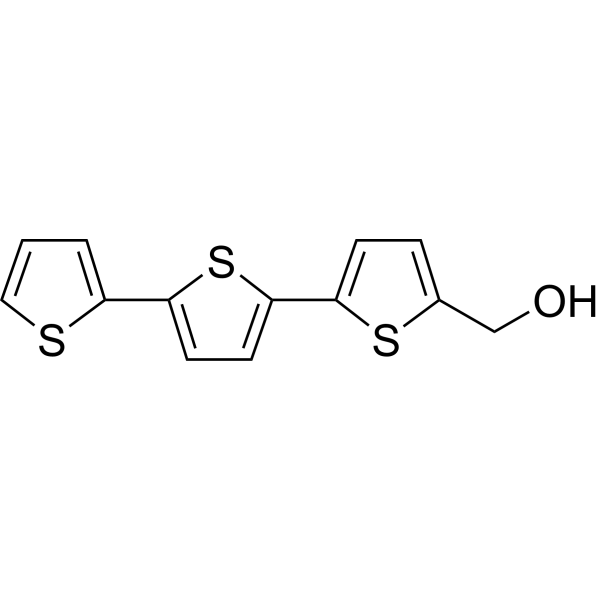
α-Terthienylmethanol is a terthiophene isolated from the n-hexane fraction of E. prostrata. α-Terthienylmethanol has potent cytotoxic activity against human endometrial cancer cells (Hec1A and Ishikawa) (IC50 < 1 μM). α-Terthienylmethanol increases the intracellular level of ROS and decreases that of GSH .
|
-
- HY-P992445
-
|
|
CD20
|
Cancer
|
|
PRO131921 is a humanized IgG1 anti-CD20 antibody, with antibody-dependent cellular cytotoxicity and complement-dependent cytotoxicity activities. PRO131921 acts as an anti-tumor agent. PRO131921 can be used for the research of indolent non-Hodgkin lymphoma and relapsed and refractory indolent lymphoma .
|
-

- HY-130081
-
|
|
ADC Payload
Microtubule/Tubulin
|
Cancer
|
|
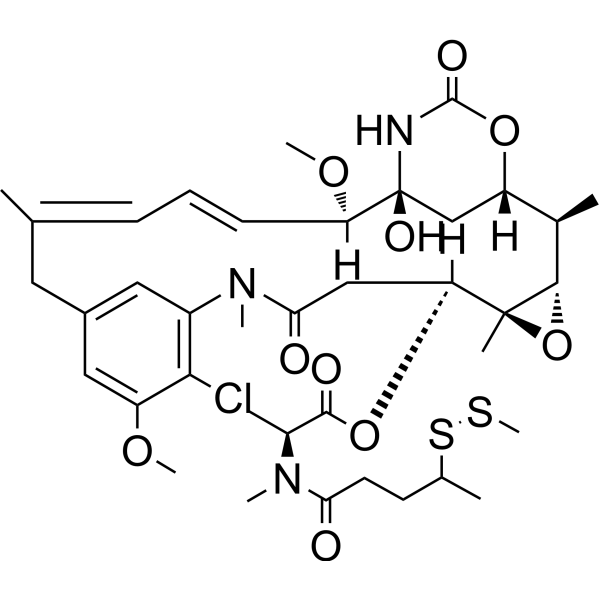
DM3-SMe is a maytansine derivative and a tubulin inhibitor, and is a cytotoxic moiety of antibody-drug conjugates (ADCs), which can be linked to antibody through disulfide bond or stable thioether bond. DM3-SMe shows highly cytotoxic activity in vitro with an IC50 of 0.0011 nM .
|
-
- HY-N6061
-
|
|
Others
|
Cancer
|
|
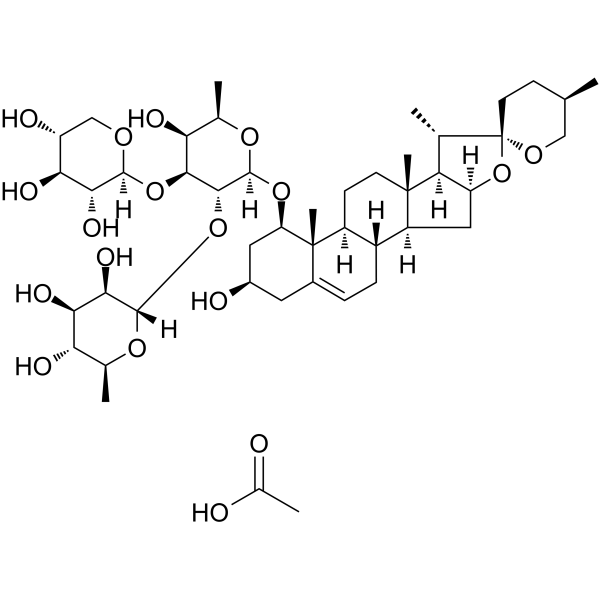
Ophiopogonin C, isolated from the tubers of Ophiopogon japonicus, is a rare naturally occurring C29 steroidal glycoside. Ophiopogonin C shows cytotoxic activity against two human tumor cell lines MG-63 and SNU387 with IC50s of 19.76 μM and 15.51 μM, respectively .
|
-
- HY-145379
-
|
|
Parasite
Endogenous Metabolite
|
Infection
|
|
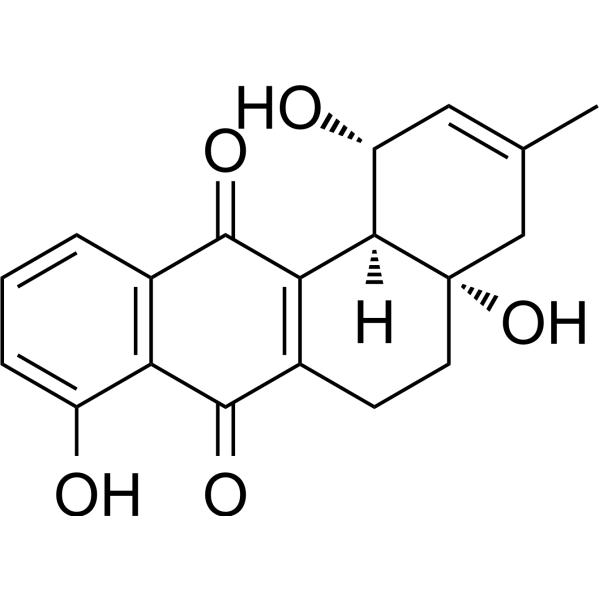
Miaosporone A, an angucyclic quinone, exhibits antimalarial activity against Plasmodium falciparum K1 and antibacterial activity against Mycobacterium tuberculosis with respective IC50 values of 2.5 and 2.4 μM and displays cytotoxic activities against both cancerous (MCF-7 and NCI-H187) and nonmalignant (Vero) cells .
|
-
- HY-177269
-
|
|
Arf Family GTPase
|
Cancer
|
|
CHNQD-01269, a brefeldin A-cinnamate derivative, is an Arf1 inhibitor. CHNQD-01269 exhibits potent cytotoxic activity against HepG2 and BEL-7402 cells, with IC50 values of 0.29 and 0.84 μM, respectively. CHNQD-01269 is indicated for hepatocellular carcinoma (HCC) research .
|
-

- HY-N10853
-
|
|
Others
|
Cancer
|
|
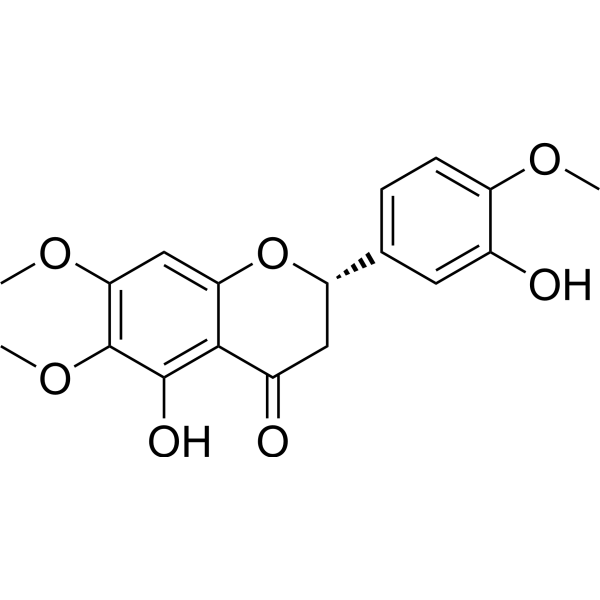
3′,5-Dihydroxy-4′,6,7-trimethoxyflavanone is a nature product that could be isolated from the fruits of Vitex rotundifolia. 3′,5-Dihydroxy-4′,6,7-trimethoxyflavanone has potent cytotoxic activity against A549 and HepG-2 cell lines .
|
-
- HY-136506
-
|
|
Drug Derivative
|
Cancer
|
|
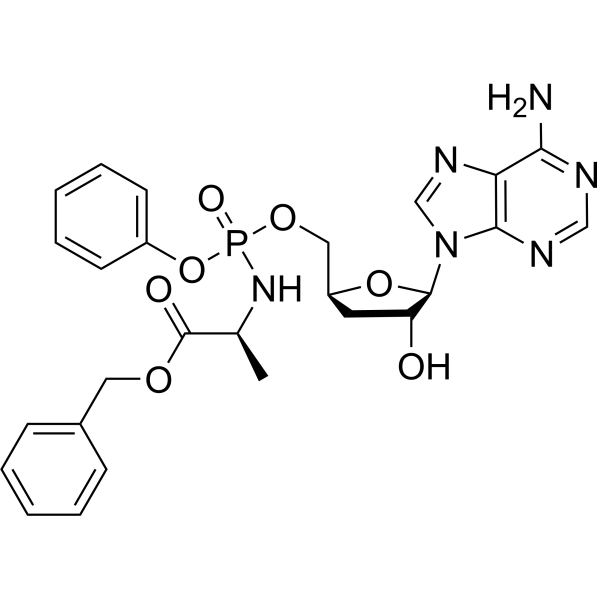
NUC-7738, an aryloxy phosphoramidate of 3′-Deoxyadenosine, is a 5′-aryloxy phosphoramidate prodrug of 3′-Deoxyadenosine (3′-dA). NUC-7738 has potent cytotoxic activity against a panel of hematological cancer cell lines. NUC-7738 can be used in research of cancer .
|
-
- HY-151897
-
|
|
HDAC
|
Cancer
|
|
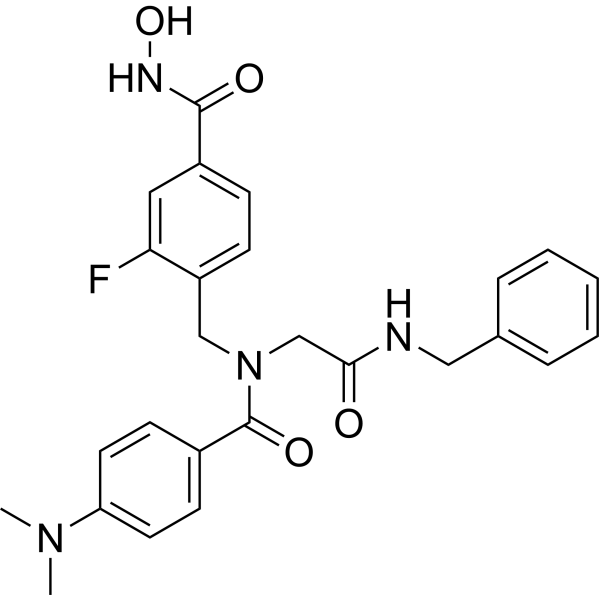
HDAC-IN-49 is a potent unselective HDAC (HDAC) inhibitor with IC50s of 13 nM, 14 nM, 21 nM, 1880 nM, and 10 nM for HDAC1, HDAC2, HDAC3, HDAC4, and HDAC6. HDAC-IN-49 demonstrates prominent antileukemic activity with low cytotoxic activity toward healthy cells .
|
-
- HY-N2228
-
|
(-)-EGCG-3''-O-ME
|
Others
|
Inflammation/Immunology
Cancer
|
|
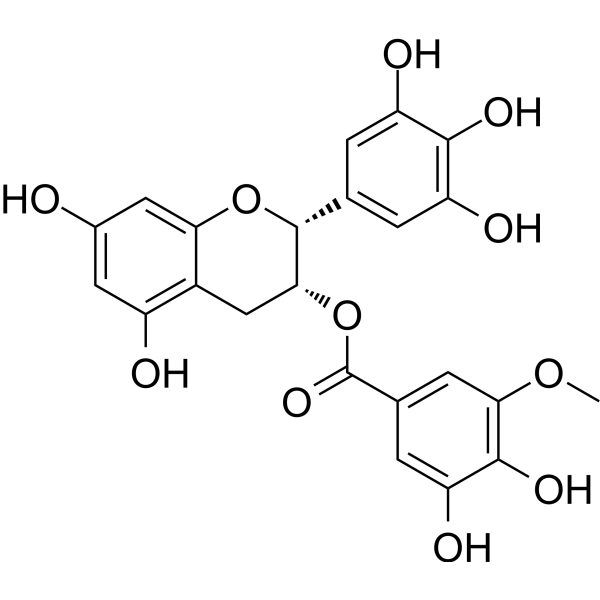
(-)-Epigallocatechin-3-(3''-O-methyl) gallate ((-)-EGCG-3''-O-ME) is a natural product that can be isolated from the tea leaf, with strong antioxidative activity. (-)-Epigallocatechin-3-(3''-O-methyl) gallate has a strong cytotoxic activity for rat cancer cells .
|
-
- HY-136591R
-
|
|
Drug Metabolite
Reference Standards
|
Neurological Disease
Cancer
|
|
Demoxepam (Standard) is the analytical standard of Demoxepam. This product is intended for research and analytical applications. Demoxepam is a major metabolite of Chlordiazepoxide. Demoxepam exhibits cytotoxicity activity against cancer cell lines. Demoxepam has anticonvulsant and anxiolytic effects. Demoxepam has an inhibitory effect on in vitro [ 3H]tryptophan binding to rat hepatic nuclei .
|
-

- HY-155610
-
|
|
VEGFR
|
Cancer
|
|
VEGFR-2-IN-32 (Comp 3a) is an inhibitor of VEGFR-2 with an IC50 of 8.93 nM. VEGFR-2-IN-32 has cytotoxic activity against PC-3 cells with an IC50 of 1.22 μM. VEGFR-2-IN-32 can be used for anti-prostate cancer research .
|
-
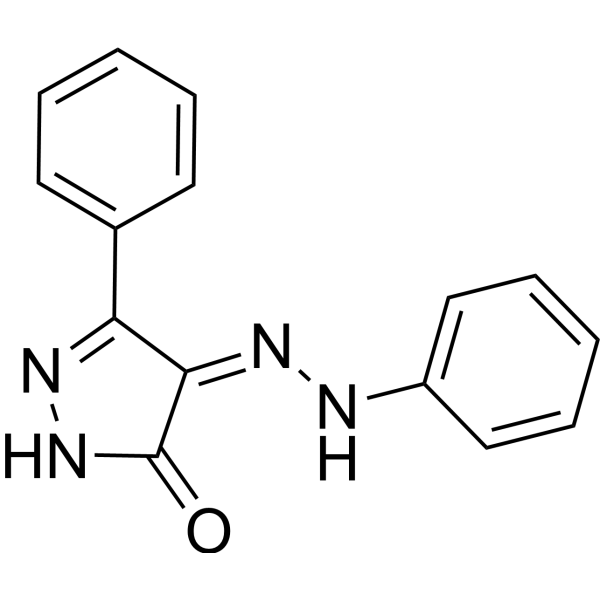
- HY-N17880
-
|
|
Drug Derivative
|
Inflammation/Immunology
Cancer
|
|
Monbarbatain C is a biphenanthrene compound found in the tubers of Monomeria barbata Lindl. Monbarbatain C induces cytotoxic activity against liver carcinoma and promyelocytic leukaemia cells in vitro. Monbarbatain C mediates DPPH radical scavenging activity in vitro. Monbarbatain C can be used for the research of liver carcinoma, promyelocytic leukaemia, ovarian carcinoma, and epidermoid carcinoma .
|
-

- HY-181658
-
|
|
Parasite
|
Infection
Cancer
|
|
Antimalarial agent 59 is an antimalarial agent. Antimalarial agent 59 inhibits the growth of Chloroquine (HY-17589A)-resistant FcB1 strain of Plasmodium falciparum with an IC50 of 46 nM. Antimalarial agent 59 also shows cytotoxic activity against cancer cells. Antimalarial agent 59 can be used for the researches of malaria and ovarian cancer .
|
-

- HY-147921
-
|
|
Pim
|
Cancer
|
|
PIM1-IN-7 (compound 6c) is a potent PIM-1 inhibitor, with an IC50 of 0.67 μM. PIM1-IN-7 shows the high cytotoxicity activity against HCT-116 and MCF-7 cells, with IC50 values of 42.9 and 7.68 μM, respectively .
|
-
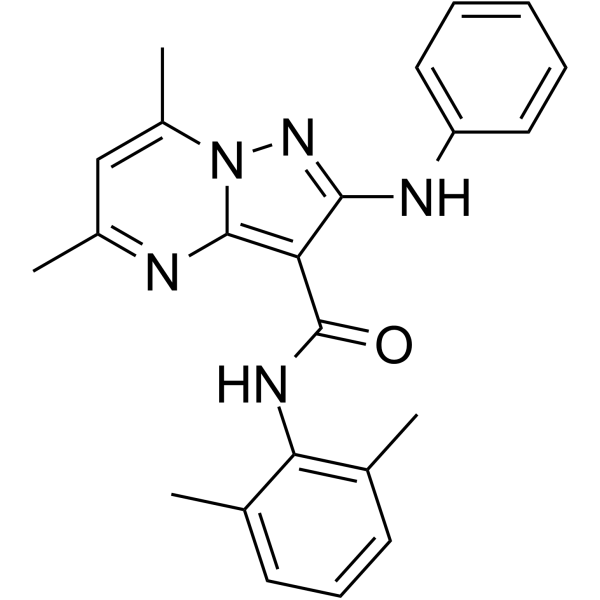
- HY-115828
-
|
|
HIV
|
Infection
|
|
APA-APA-MPO dihydrochloride is an inhibitor of PCAF bromodomain/Tat-AcK50 interaction with reduced cytotoxic activity. APA-APA-MPO dihydrochloride can effectively inhibit the binding of PCAF to Tat-AcK50, showing its potential in HIV/AIDS inhibitory strategies. APA-APA-MPO dihydrochloride can be used in studies that hinder HIV replication .
|
-

- HY-147920
-
|
|
Pim
|
Cancer
|
|
PIM1-IN-6 (compound 5h) is a potent PIM-1 inhibitor, with an IC50 of 0.60 μM. PIM1-IN-6 shows the high cytotoxicity activity against HCT-116 and MCF-7 cells, with IC50 values of 1.51 and 15.2 μM, respectively .
|
-
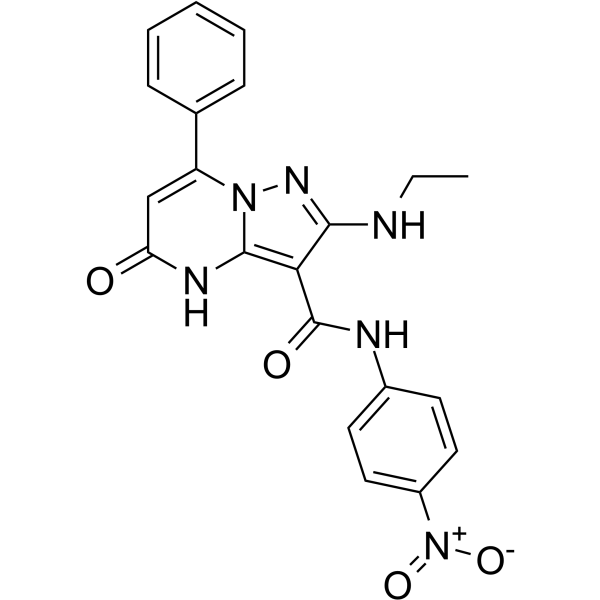
- HY-N0128R
-
|
|
Reference Standards
Apoptosis
|
Cancer
|
|
Sclareol (Standard) is the analytical standard of Sclareol. This product is intended for research and analytical applications. Sclareol is isolated from Salvia sclarea with anticarcinogenic activity. Sclareol shows strong cytotoxic activity against mouse leukemia (P-388), human epidermal carcinoma (KB) cells and human leukemia cell lines. Sclareol induces cell apoptosis .
|
-

- HY-N16067
-
|
|
Epigenetic Reader Domain
|
Inflammation/Immunology
|
|
Penipanoid C (Compound 9) is a BRD4 inhibitor. Penipanoid C can be isolated from marine sediment-derived fungus Penicillium paneum SD-44. Penipanoid C has anti-inflammatory activity and cytotoxic activity against the SMMC-7721 cells. Penipanoid C can be used for inflammatory diseases research .
|
-

- HY-143272
-
|
|
FGFR
|
Cancer
|
|
FGFR1 inhibitor-6 is a potent FGFR1 inhibitor with an IC50 value of 16.31 nM. FGFR1 inhibitor-6 shows cytotoxic activities. FGFR1 inhibitor-6 induces apoptosis and cell cycle arrest at pre-G1 and G2/M phase .
|
-
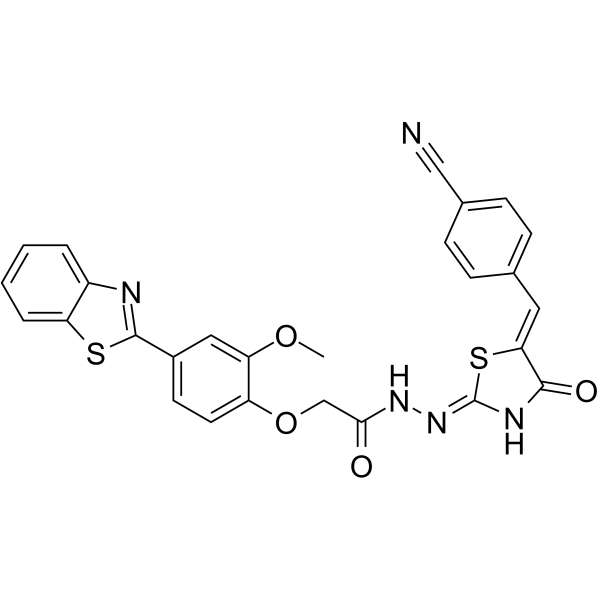
- HY-N8255
-
|
|
Fungal
|
Infection
Cancer
|
|
Puupehenone is a cytotoxic and antifungal agent present in various marine sponge species. Puupehenone exerts cytotoxic activity against leukemia, lung cancer, colon cancer and breast cancer cells, and inhibits the growth of Candida albicans. Puupehenone can be used in research related to cancers such as leukemia, lung cancer, colon cancer and breast cancer .
|
-

- HY-12458
-
|
|
DNA/RNA Synthesis
|
Infection
Cancer
|
|
Pyrindamycin A is an antibiotic that inhibits DNA synthesis. Pyrindamycin A shows antitumor activities against murine leukemia, exhibits stronger cytotoxic activities towards murine and human tumor cell lines and especially towards doxorubicin-resistant cells, inhibits P388 and P388/ADR cells with the same IC50 of 3.9 μg/ml .
|
-
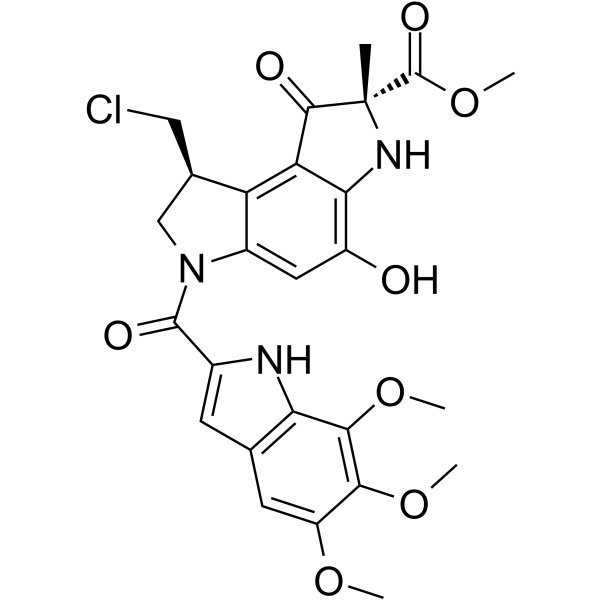
- HY-149985
-
|
|
Parasite
|
Infection
|
|
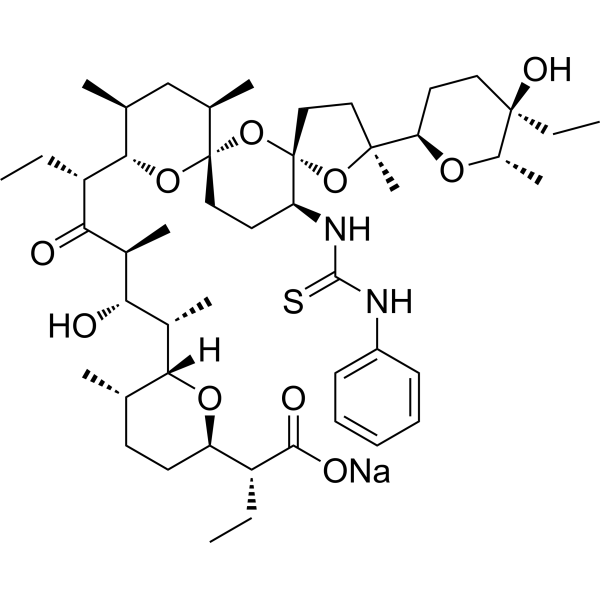
Antitrypanosomal agent 12 is a C20-phenylthiourea with trypanocidal and cytotoxic activities. Antitrypanosomal agent 12 shows antitrypanosomal activity with 50% growth inhibition (GI50) values of 0.22 μM. Antitrypanosomal agent 12 induces faster cell swelling in bloodstream-form trypanosomes than Salinomycin (HY-15597) .
|
-
- HY-N15348
-
|
|
Others
|
Cancer
|
|
Aphidicolins B32 is a diterpenoid compound discovered in the marine fungus Botryotinia fuckeliana, exhibiting cytotoxic activity against human bladder cancer cells. It inhibits the proliferation of T24 cells in the G0/G1 phase, with an IC50 of 27.6 μM. Aphidicolins B32 holds potential for research in the field of cancer therapy .
|
-

- HY-N2369
-
|
|
Apoptosis
Influenza Virus
|
Infection
Neurological Disease
Inflammation/Immunology
Cancer
|
|
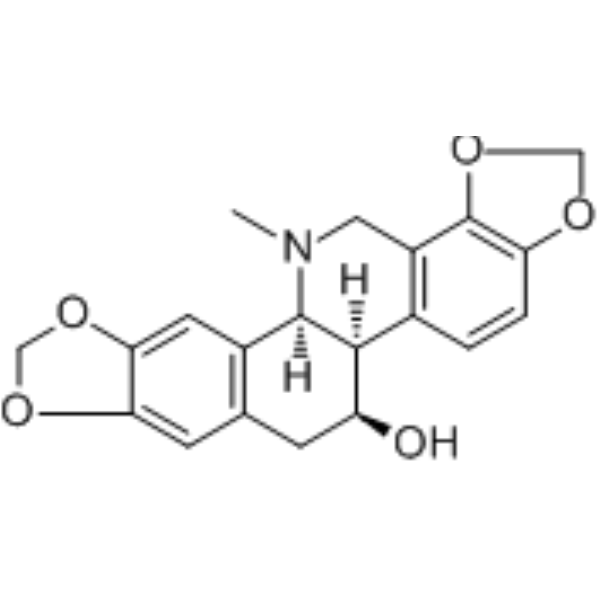
Chelidonine, an isoquinoline alkaloid, can be isolated from Chelidonium majus L.. Chelidonine causes G2/M arrest and induces caspase-dependent and caspase-independent apoptosis, and prevents cell cycle progression of stem cells in Dugesia japonica. Chelidonine has cytotoxic activity against melanoma cell lines. with anticancer and antiviral activity .
|
-
- HY-147514
-
|
|
Apoptosis
Caspase
PARP
Bcl-2 Family
|
Cancer
|
|
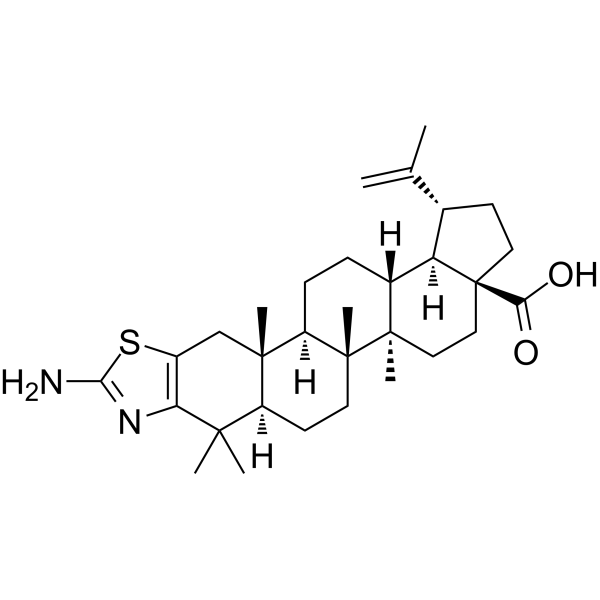
Anticancer agent 64 (compound 5m) shows cytotoxic activity in CCRF-CEM cells, with IC50 of 2.4 μM. Anticancer agent 64 shows good anticancer activity through apoptosis induction. Anticancer agent 64 induces caspase 3 and 7 activation and PARP cleavage. Anticancer agent 64 induces significant effect of mitochondria depolarization .
|
-
- HY-N10206
-
|
|
Endogenous Metabolite
|
Cancer
|
|
11-epi-Chaetomugilin I is a metabolite found in Chaetomium globosum. 11-epi-Chaetomugilin I exhibits significant cytotoxic activity against the murine P388 leukemia cell line, the human HL-60 leukemia cell line, the murine L1210 leukemia cell line, and the human KB epidermoid carcinoma cell line .
|
-
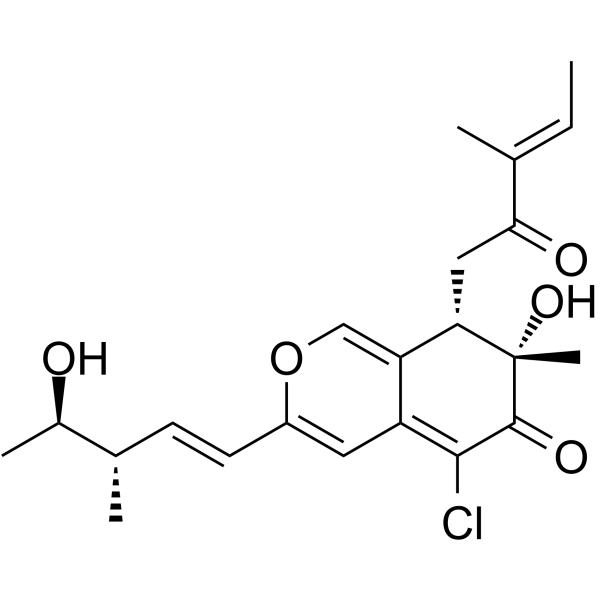
- HY-131961
-
|
|
VD/VDR
HDAC
|
Cancer
|
|
Triciferol functions as a multiple ligand with combined VDR agonist and HDAC antagonist activities. Triciferol binds directly to the VDR (IC50=87 nM), and functions as an agonist with 1,25D-like potency on several 1,25D target genes. Triciferol induces marked tubulin hyperacetylation, and augments histone acetylation. Antiproliferative and cytotoxic activities .
|
-
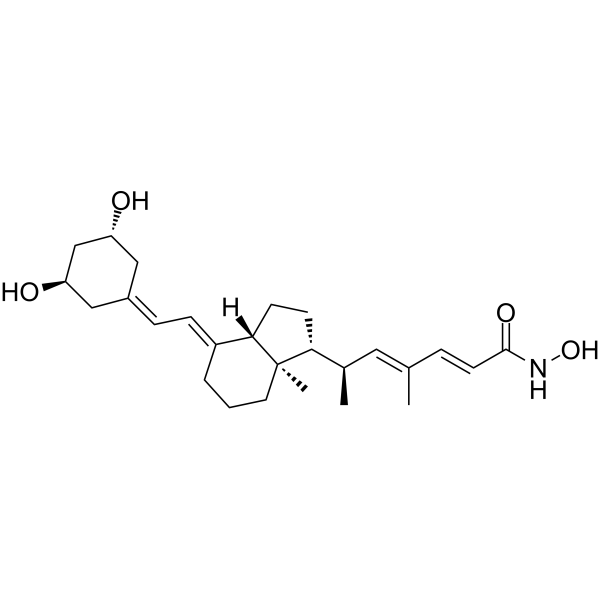
- HY-149675
-
|
|
VEGFR
c-Met/HGFR
|
Cancer
|
|
VEGFR-2/c-Met-IN-2 (compound 3e) is a VEGFR-2/c-Met inhibitor, with IC50 values of 83 and 48 nM, respectively. VEGFR-2/c-Met-IN-2 exhibits cytotoxic activity against HCT-116 cell line (IC50: 3.403 µM) .
|
-
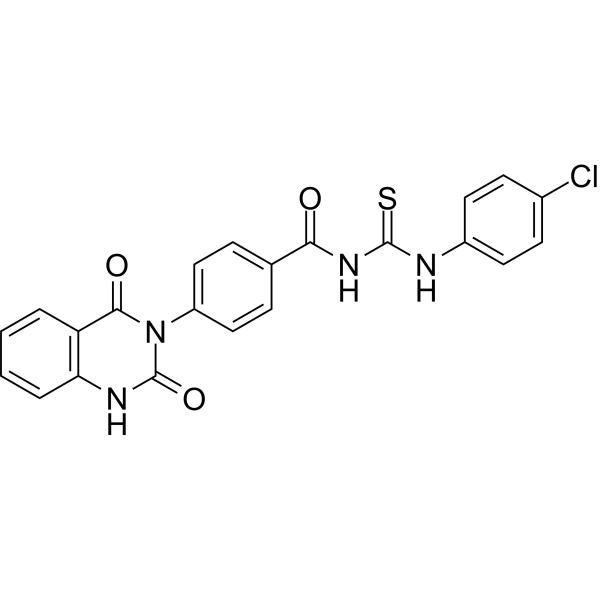
- HY-161845
-
|
|
Drug Derivative
|
Cancer
|
|
Anticancer agent 240 (compound 9b) is an 8-quinolinesulfonamide derivative with a cytotoxicity activity. Anticancer agent 240 shows inhibitory activity in Caco-2, SNB-19, A-549, and SKOV-3 cell line IC50 values of 0.26, 0.38, 0.40 and 4.16 μM .
|
-

- HY-147704
-
|
|
Bacterial
|
Infection
|
|
Antimycobacterial agent-2 (compound 58) is a potent antimycobacterial agent. Antimycobacterial agent-2 shows anti-mycobacterial activities with an MIC99 of 0.8 µM for Mycobacterium tuberculosis (M.tb) H37Rv. Antimycobacterial agent-2 shows cytotoxic activities with an IC50 of48.1 µM for CHO cells .
|
-
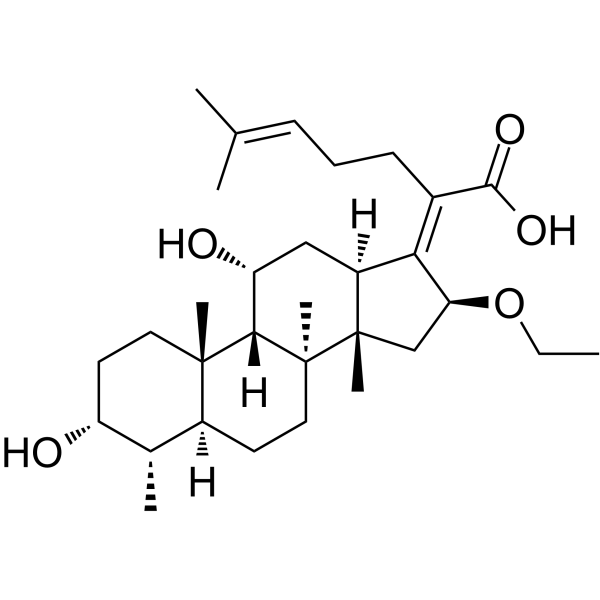
- HY-149372
-
|
|
HDAC
|
Cancer
|
|
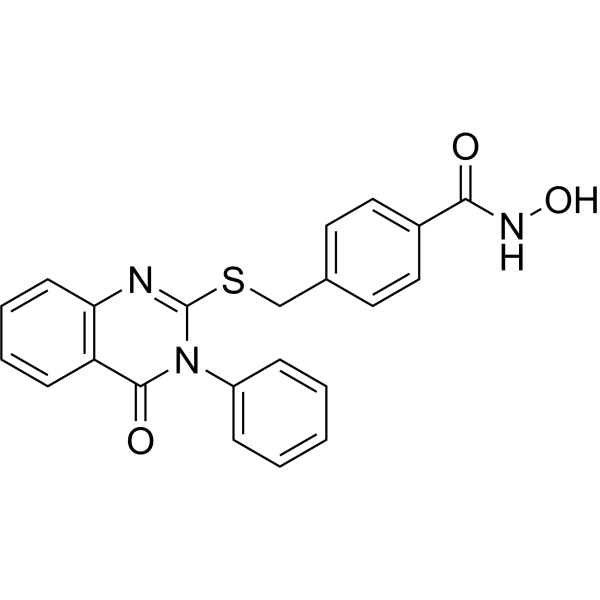
HDAC6-IN-17 (compound 5b) is a potent HDAC6 inhibitor with IC50 values of 150 nM, 1400 nM, and 2300 nM for HDAC6, HDAC8, and HDAC4, respectively. HDAC6-IN-17 has cytotoxic activity on human cancer cell lines. HDAC6-IN-17 can be used in research of cancer .
|
-
- HY-N14342
-
|
|
Bacterial
|
Infection
|
|
Manumycin E has anti-Gram-positive bacteria and Escherichia coli effects, but the effect is very weak against other anti-Gram-negative bacteria, and has no effect on fungi. Manumycin E inhibits RAS Faraday base transfer and has weak cytotoxic activity against human cloned cancer cell lines HCT-116 (IC50 is 15.6 μg/mL) .
|
-

- HY-N8954
-
|
|
Others
|
Cancer
|
|
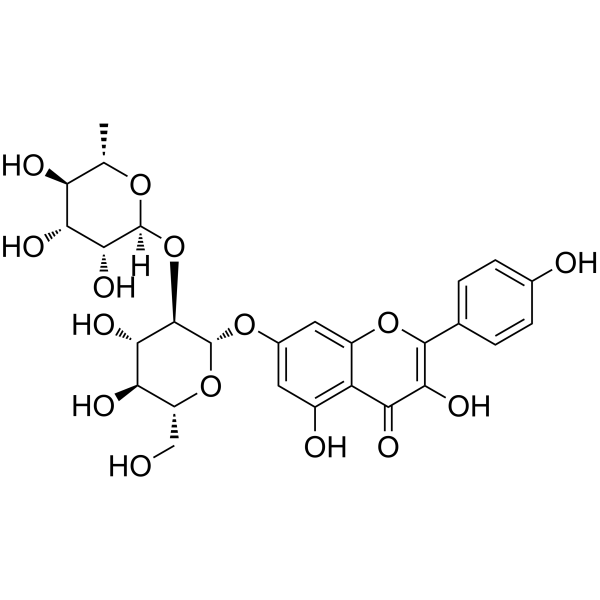
Kaempferol 7-O-neohesperidoside is a ?avonoid glycoside that can be isolated from Litchi chinensis. Kaempferol 7-O-neohesperidoside exhibits significant cytotoxic activity against A549, LAC, Hep-G2, and HeLa cell lines with IC50s of 0.53, 7.93, 0.020, and 0.051 μM, respectively .
|
-
- HY-N14344
-
|
|
Bacterial
|
Infection
|
|
Manumycin G has anti-Gram-positive bacteria and Escherichia coli effects, but the effect is very weak against other anti-Gram-negative bacteria, and has no effect on fungi. Manumycin G inhibits RAS Faraday base transfer and has weak cytotoxic activity against human cloned cancer cell lines HCT-116 (IC50 is 15.6 μg/mL) .
|
-

- HY-N9170
-
|
|
Drug Derivative
|
Cancer
|
|
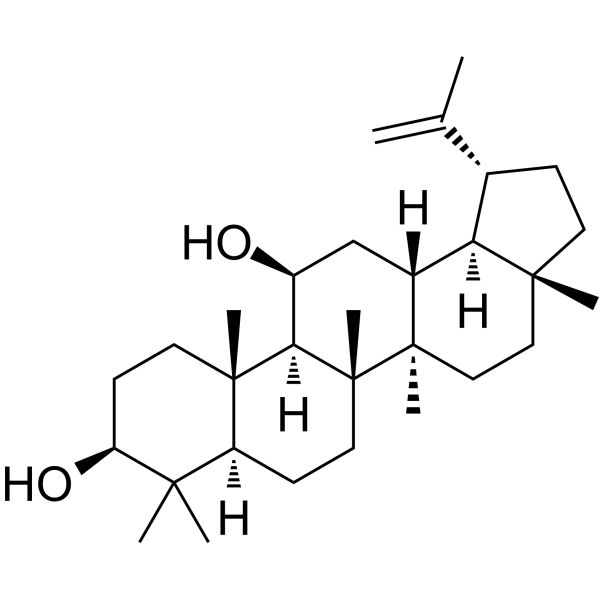
Lup-20(29)-ene-3β,11β-diol is a natural triterpenoid with anticancer effects. Lup-20(29)-ene-3β,11β-diol exhibits significant cytotoxic activity against HeLa with an IC50 value of 28.5 μM .
|
-
- HY-N14343
-
|
|
Bacterial
|
Infection
|
|
Manumycin F has anti-Gram-positive bacteria and Escherichia coli effects, but the effect is very weak against other anti-Gram-negative bacteria, and has no effect on fungi. Manumycin F inhibits RAS Faraday base transfer and has weak cytotoxic activity against human cloned cancer cell lines HCT-116 (IC50 is 15.6 μg/mL) .
|
-

- HY-12098
-
|
MPC-6827 hydrochloride
|
Microtubule/Tubulin
|
Cancer
|
|
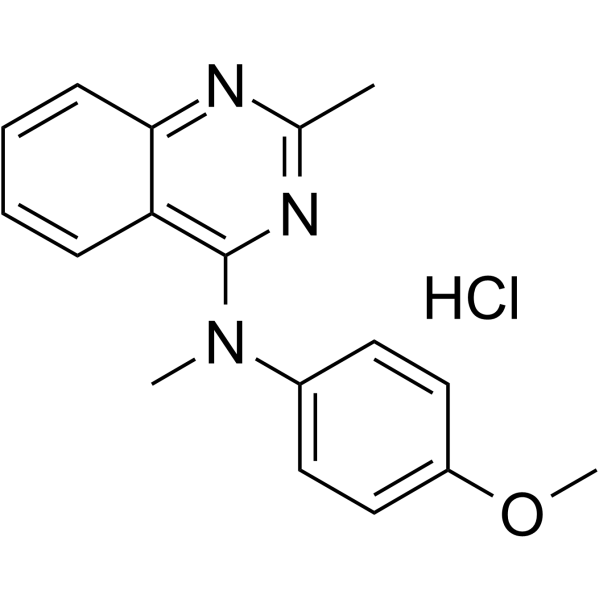
Verubulin hydrochloride (MPC-6827 hydrochloride) is a blood brain barrier permeable microtubule-disrupting agent, with potent and broad-spectrum in vitro and in vivo cytotoxic activities. Verubulin hydrochloride (MPC-6827 hydrochloride) exhibits potent anticancer activity in human MX-1 breast and other mouse xenograft cancer models. Verubulin hydrochloride (MPC 6827 hydrochloride) is a promising candidate for the treatment of multiple cancer types .
|
-
- HY-N10208
-
|
|
Endogenous Metabolite
|
Cancer
|
|
Aspericin C is a pyran derivative found in the marine-derived fungus Rhizopus sp. 2-PDA-61. Aspericin C shows cytotoxic activities against P388, A549, HL-60, and BEL-7420 cell lines (IC50=14.6, 7.1, 61.4, and 24.2 μM, respectively) .
|
-
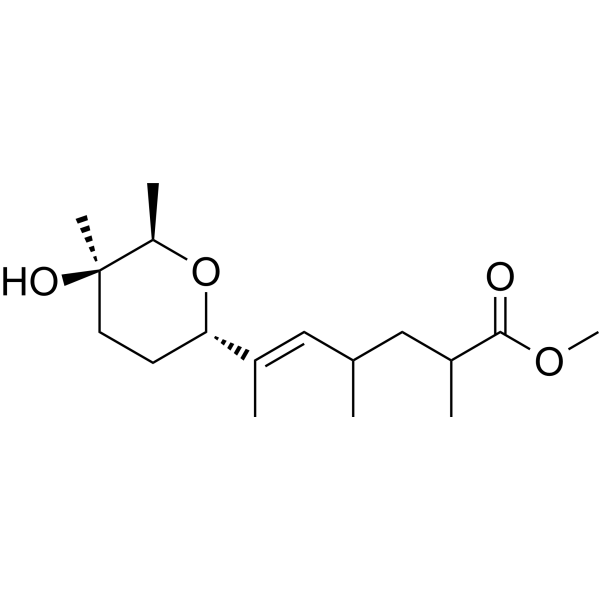
- HY-146472
-
|
|
EGFR
Apoptosis
|
Cancer
|
|
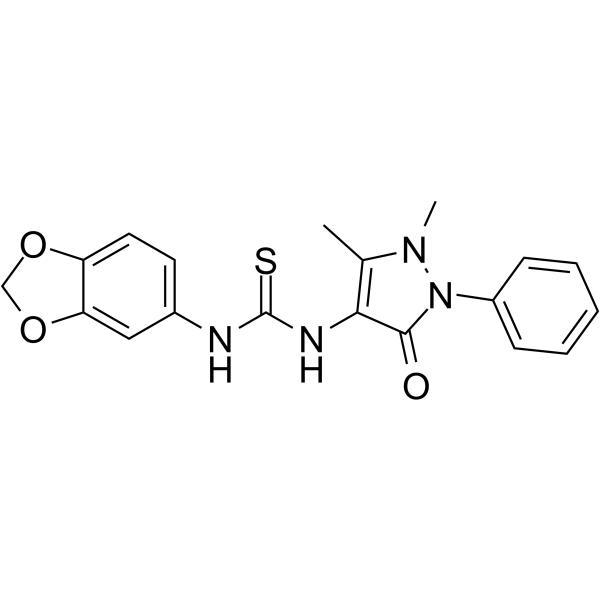
EGFR-IN-52 (Compound 4) is a potent EGFR inhibitor with IC50 values of 0.358, 86.02 and 432.67 µM against EGFR, EGFR L858R-TK and EGFR T790M-TK, respectively. EGFR-IN-52 shows cytotoxic activity against cancer cell lines and induces apoptosis .
|
-
- HY-146471
-
|
|
EGFR
Apoptosis
|
Cancer
|
|
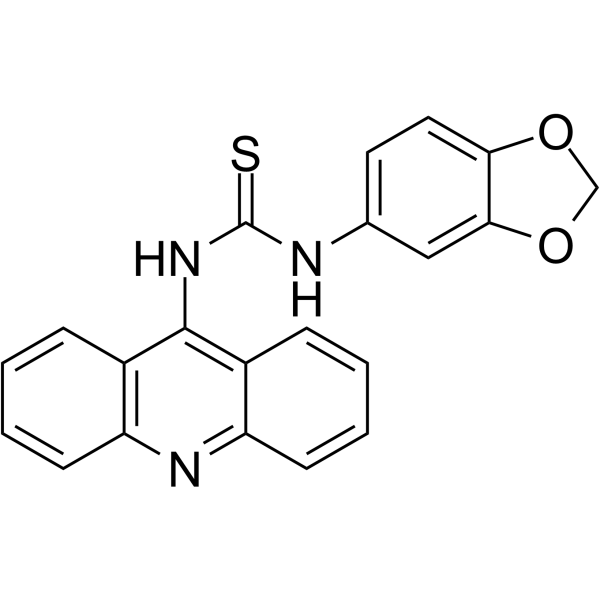
EGFR-IN-51 (Compound 6) is a potent EGFR inhibitor with IC50 values of 0.493, 102.60 and 461.63 µM against EGFR, EGFR L858R-TK and EGFR T790M-TK, respectively. EGFR-IN-51 shows cytotoxic activity against cancer cell lines and induces apoptosis .
|
-
- HY-132180A
-
|
|
ADC Payload
DNA/RNA Synthesis
|
Inflammation/Immunology
Cancer
|
|
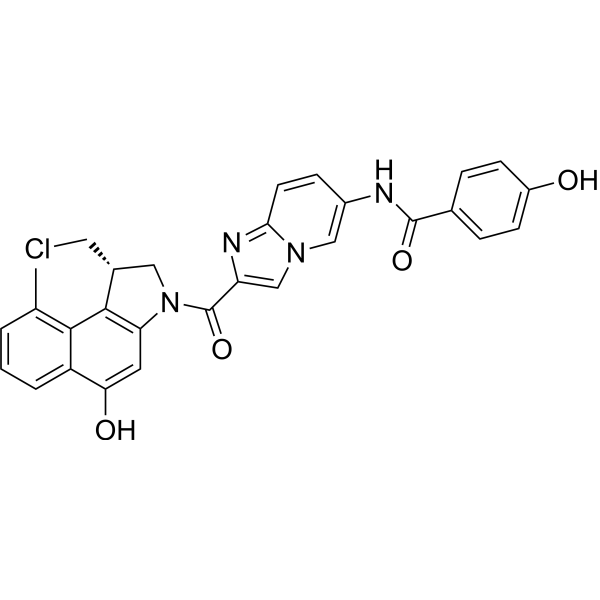
Seco-DUBA hydrochloride is a DNA-targeting cytotoxic agent. Seco-DUBA hydrochloride binds to the minor groove of A-T-rich DNA regions, alkylates the adenine N3 residue, and undergoes spontaneous spirocyclization to generate active DUBA (HY-160969). Seco-DUBA hydrochloride exerts cytotoxic activity against human cancer cells. The reduced hydrophobicity of Seco-DUBA hydrochloride supports the development of antibody-drug conjugates .
|
-
- HY-113578
-
|
|
Antibiotic
Bacterial
|
Infection
Cancer
|
|
PD 116152 is a phenazine Antibiotic with antimicrobial and antitumor activity. PD 116152 possesses cytotoxic activity against L1210 lymphocytic leukemia and human colon adenocarcinoma (HCT-8) cells with IC50 values of 5.2 x 10 -7 M and 7.1 x 10 -7 M, respectively. PD 116152 is promising for research of P388 lymphocytic leukemia .
|
-

- HY-131496
-
|
|
STAT
|
Cancer
|
|
ortho-Topolin riboside is a naturally occurring cytokinin secreted from Populus x robusta leaves after sunrise. ortho-Topolin riboside has shown unique cytotoxic activity against NCI60 cell lines compared with the activity of other cytokinins.ortho-Topolin riboside induced differentiation through inhibition of STAT3 signaling in acute myeloid leukemia HL-60 cells.
|
-

- HY-N17854
-
|
|
Drug Derivative
|
Others
|
|
3β-O-α-L-Arabinopyranosylsiaresinolic acid 28-O-β-D-glucopyranosyl ester is a triterpene glycoside found in the roots of Sanguisorba officinalis. 3β-O-α-L-Arabinopyranosylsiaresinolic acid 28-O-β-D-glucopyranosyl ester is non-cytotoxic and does not exhibit cytotoxic activity against human oral squamous cell carcinoma cells or normal human gingival fibroblasts .
|
-

- HY-N17444
-
|
|
Others
|
Others
|
|
3β-Hydroxy-24-methylenecholest-5-en-7-one (Compound 4) is a steroid found in the soft coral Sinularia nanolobata. 3β-Hydroxy-24-methylenecholest-5-en-7-one does not exhibit cytotoxic activity against human cancer cells .
|
-

- HY-N11764
-
|
|
Apoptosis
Caspase
|
Cancer
|
|
β-Santalol is a sesquiterpene alcohol with apoptosis (apoptosis)-inducing activity and cytotoxic activity. β-Santalol activates caspase-3, induces nuclear chromatin condensation, and promotes the formation of apoptotic bodies. β-Santalol targets cancer cells. β-Santalol can be used in research related to promyelocytic leukemia, lung adenocarcinoma, and oral squamous cell carcinoma .
|
-

- HY-N8248A
-
|
|
Topoisomerase
|
Cancer
|
|
(-)-Eleutherin is a pyranonaphthoquinone derivative that exhibits cytotoxic activity by inhibiting DNA topoisomerase II. (-)-Eleutherin has been shown to have promising potential as a medicinal compound due to its association with naphthoquinones. (-)-Eleutherin demonstrates significant DNA fragmentation rates, indicating its strong cytotoxic effects on cells. Additionally, (-)-Eleutherin possesses higher antioxidant potential compared to control samples, contributing to its therapeutic efficacy.
|
-

- HY-P9921A
-
|
Ado-Trastuzumab emtansine (solution); PRO132365 (solution); T-DM 1 (solution)
|
Antibody-Drug Conjugates (ADCs)
EGFR
|
Cancer
|
|
Trastuzumab emtansine (Ado-Trastuzumab emtansine) is an antibody-drug conjugate (ADC) that incorporates the HER2-targeted antitumor properties of trastuzumab with the cytotoxic activity of the microtubule-inhibitory agent DM1 (derivative of maytansine), and the drug-linker conjugate for ADC is SMCC-DM1 (HY-101070). Trastuzumab emtansine can be used for the research of advanced breast cancer .
|
-

- HY-115950
-
|
|
Drug Derivative
|
Cancer
|
|
Antitumor agent-48 (Compound 4a) is a 2,3-dehydrosilybin derivative with an antitumor activity. Antitumor agent-48 shows cytotoxic activity against MCF-7, NCI-H1299, HepG2 and HT29 cells with IC50 values of 8.06 µM, 13.1 µM, 16.51 µM and 12.44 µM, respectively .
|
-
- HY-186205
-
|
|
Drug Metabolite
|
Cancer
|
|
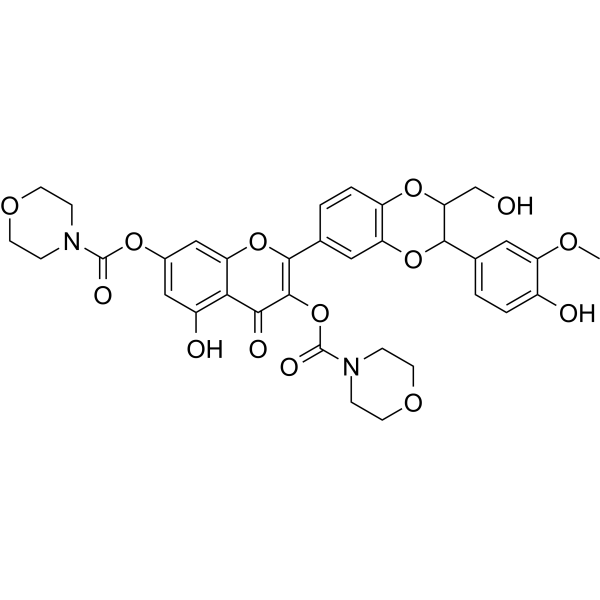
(Rac)-EGC-M5 is an orally active metabolite of green tea Catechin (EGC) (HY-N0898). (Rac)-EGC-M5 enhances the activity of CD4 + T cells. (Rac)-EGC-M5 boosts the cytotoxic activity of NK cells in vivo. (Rac)-EGC-M5 can be used in cancer-related research .
|
-

- HY-121300
-
|
(-)-TAN2162
|
Antibiotic
Bacterial
Endothelin Receptor
CGRP Receptor
|
Infection
Cancer
|
|
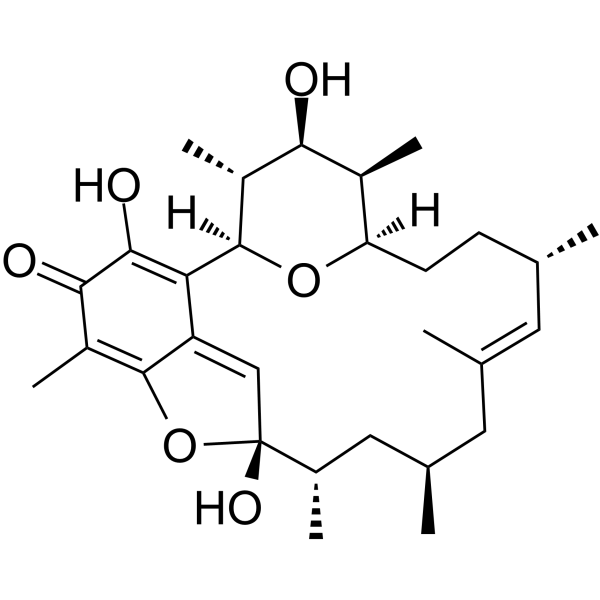
Kendomycin ((−)-TAN 2162) is a polyketide antibiotic with remarkable antibacterial and cancer cells cytotoxic activities. Kendomycin tends to be bacteriostatic rather than bactericidal and inhibits the growth of the methicillin-resistant Staphylococcus aureus (MRSA) strain COL at a low concentration (MIC of 5 μg/mL). Kendomycin is a potent antagonist of the endothelin receptor and a calcitonin receptor agonist which plays its role as an anti-osteoporotic agent .
|
-
- HY-156026
-
|
|
FAK
|
Cancer
|
|
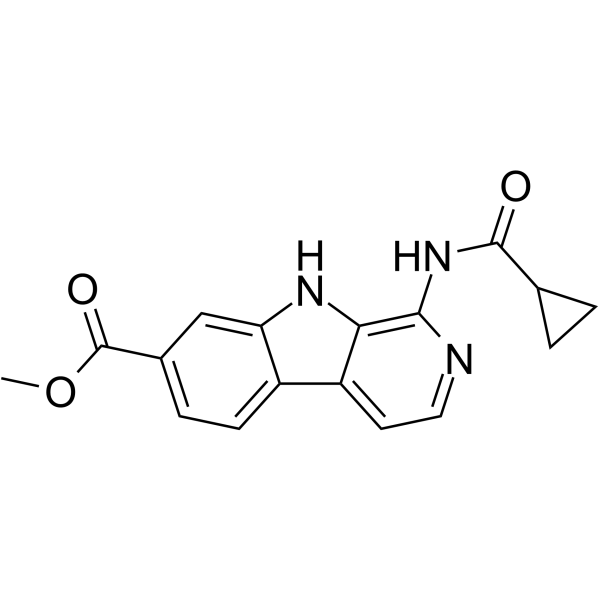
FAK-IN-11 (Compound 4l) is a FAK inhibitor. FAK-IN-11 binds to the ATP binding pocket of FAK, and inhibits phosphorylation of FAK protein. FAK-IN-11 shows cytotoxic activity against the MDA-MB-231 cells with an IC50 of 13.73? μM. FAK-IN-11 induces non-apoptotic cell death in MDA-MB-231 cells .
|
-
- HY-N18186
-
|
|
Others
|
Cancer
|
|
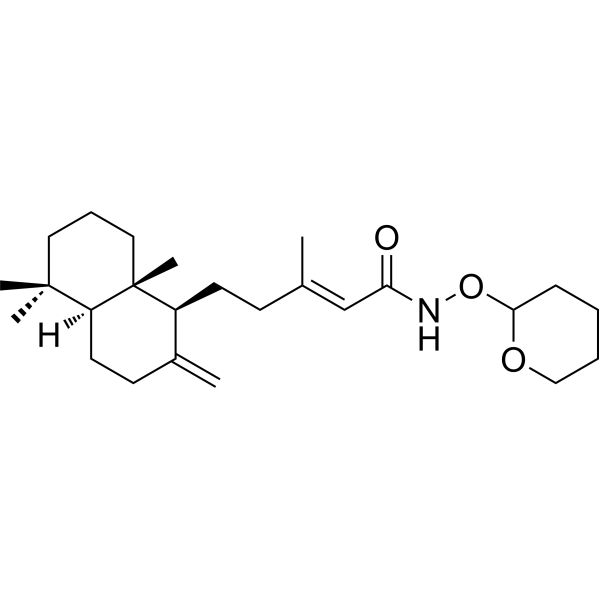
Neojiangyouaconitine is a diterpenoid alkaloid cytotoxin isolated from Aconitum soongaricum var. pubescens. Neojiangyouaconitine exhibits cytotoxic activity against human breast cancer, prostate cancer and lung cancer cells, with weak inhibitory effect on HeLa cells. Neojiangyouaconitine has the ability to kill specific tumor cell lines and can be applied to the research on the mechanisms of related cancers such as breast cancer, prostate cancer and lung cancer .
|
-

- HY-144826
-
|
|
GSK-3
|
Neurological Disease
|
|
ZDWX-25 is a highly potent GSK-3β and DYRK1A dual inhibitor with an IC50 value of 71 nM for GSK-3β. ZDWX-25 possesses significant cytotoxic activities against SH-SY5Y and HL-7702 cells. ZDWX-25 can be used for researching alzheimer's disease .
|
-
- HY-N16065
-
|
|
Bacterial
|
Infection
|
|
Prenylterphenyllin (Compound 1) is an antibacterial agent. Prenylterphenyllin can be isolated from marine-derived fungus Aspergillus candidus IF10. Prenylterphenyllin has cytotoxic activity against KB3-1 cells with an IC50 of 8.5 mg/mL. Prenylterphenyllin also has antibacterial activities against Xanthomonas oryzae and Erwinia amylovora with MICs of both 20 μg/mL .
|
-

- HY-N6998A
-
|
|
Others
|
Infection
Cancer
|
|
6-epi-Paederosidic acid is a cyclopentanoid monoterpene glycoside found in the aerial parts of Paederia foetida L. 6-epi-Paederosidic acid does not exhibit cytotoxic activity against human tumor cells, hepatoprotective activity against APAP (HY-66005)-induced cellular toxicity, or inhibitory activity against LPS (HY-D1056)-induced nitric oxide production in murine microglia .
|
-

- HY-N1243
-
|
|
Microtubule/Tubulin
Apoptosis
|
Cancer
|
|
Tubulysin B is a highly cytotoxic peptide and potent microtubule destabilizing agents isolated from the myxobacteria Archangium geophyra and Angiococcus disciformis. Tubulysin B has IC50 values in the picomolar range against many cancer cell lines, including those with multidrug resistant properties .Tubulysin B is a cytotoxic activity tubulysin which inhibits tubulin polymerization and leads to cell cycle arrest and apoptosis .
|
-
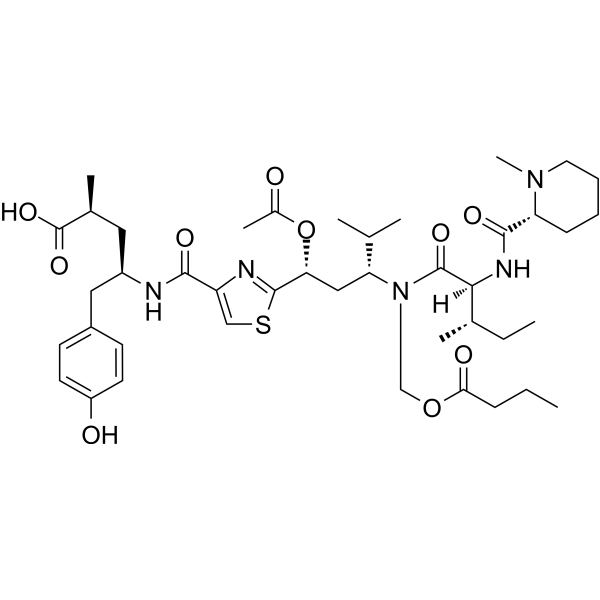
- HY-N3626
-
|
|
Others
|
Cancer
|
|
Coronalolide is a natural triterpene with anticancer effects. Coronalolide exhibits a broad cytotoxic activity for human breast (BT474), gastric (KATO-3), lung (CHAGO), colon (SW-620), and liver (Hep-G2) cancer cell lines, with IC50 values of 6.59 µg/mL, 5.85 µg/mL, 5.42 µg/mL, 4.98 µg/mL, and 6.41 µg/mL, respectively .
|
-
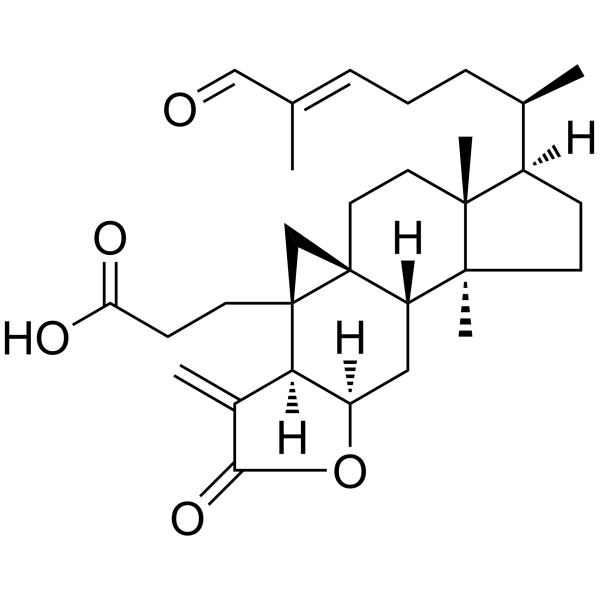
- HY-147816
-
|
|
Mitochondrial Metabolism
|
Cancer
|
|
Anticancer agent 70 (Compound 21), an anticancer agent, exhibits remarkable cytotoxic activity against numerous human cancer cell lines. Anticancer agent 70 results in the G0/G1-cell cycle arrest with a concomitant increase in p53 and p21 protein levels. Anticancer agent 70 leads to ATP depletion and disruption of the mitochondrial membrane potential .
|
-
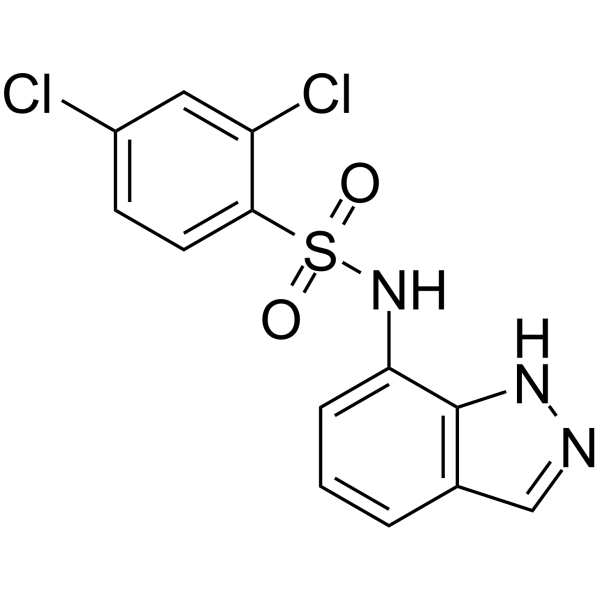
- HY-P99055
-
|
|
TNF Receptor
|
Inflammation/Immunology
Cancer
|
|
Urelumab, a fully human, non-ligand binding, CD137 agonist IgG4 monoclonal antibody, enhances T-cell and natural killer-cell antitumor activity, and may enhance cytotoxic activity of Rituximab (HY-P9913). Urelumab can be used for the research of diffuse large B-cell lymphoma (DLBCL), follicular lymphoma (FL), and other types of non-Hodgkin lymphoma (NHL) .
|
-

- HY-129583
-
|
|
17β-HSD
|
Cancer
|
|
Lepidiline A exhibits cytotoxic activity against HL-60 cells with an IC50 value of 32.3 μM. Lepidiline A targets HSD17B1 activity, increases the bioconversion efficiency of sex hormones (including the conversion of estrogen into 17β-estradiol and 4-androsten-3,7-dione into testosterone), thereby improving the reproductive capacity of fruit flies. .
|
-
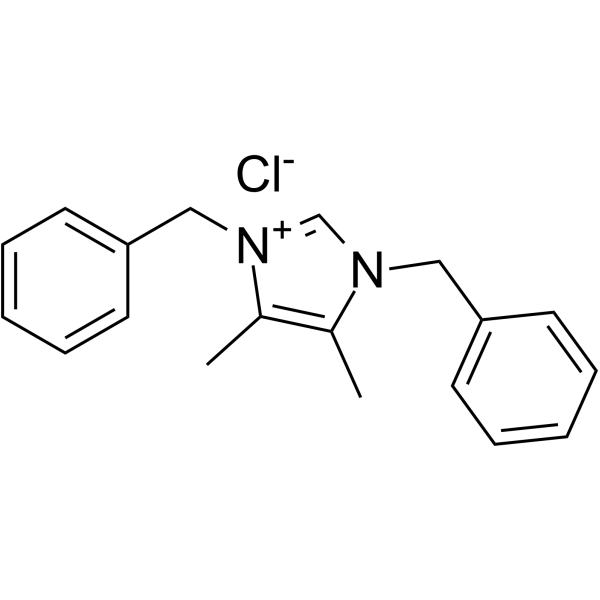
- HY-N3210
-
|
|
Others
|
Cancer
|
|
Nb-Demethylechitamine is an alkaloid isolated from the methanol extract of Alstonia rostrata twigs. Nb-Demethylechitamine has in vitro cytotoxic activity against several human cancer cell lines, including human myeloid leukemia HL-60, liver cancer SMMC-7721, lung cancer A-549, breast cancer MCF-7, and colon cancer SW480 cells .
|
-
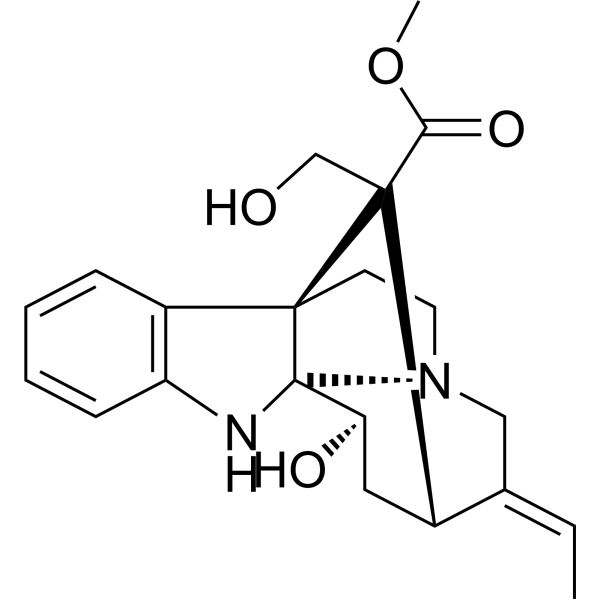
- HY-N17074
-
|
|
Others
|
Cancer
|
|
Ethyl (10E,12E)-9-oxooctadeca-10,12-dienoate is a conjugated ketonic fatty acid that can be found in the leaves of Vernicia fordii. Ethyl (10E,12E)-9-oxooctadeca-10,12-dienoate shows no significant cytotoxic activity against cancer cells .
|
-

- HY-N0990
-
|
|
Others
|
Cancer
|
|
1,5,15-Trimethylmorindol is an anthraquinone isolated from the leaves of Morinda citrifolia. 1,5,15- trimethylmorindol (25 μg/mL) does not show significant cytotoxic activity on the human T-cell leukemia cell line, Jurkat, by itself but it shows cytotoxicity (IC50 14.5-15.0 μg/mL) when combined with 0.5-1.5 μg/mL of TRAIL in the cell proliferation assay .
|
-
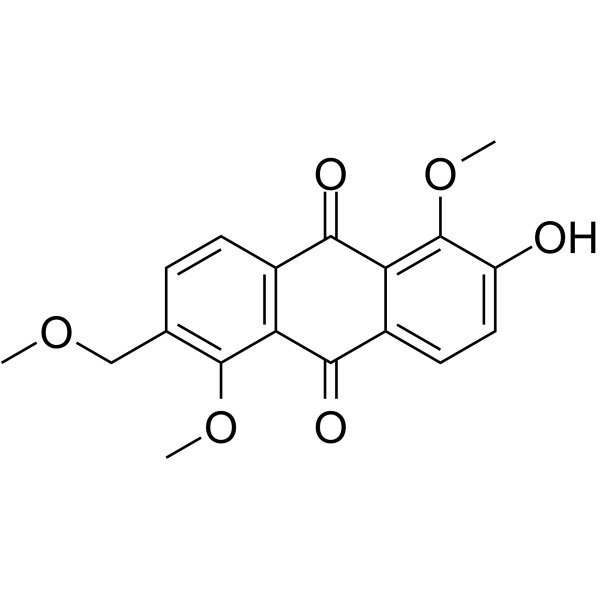
- HY-158774
-
|
|
Apoptosis
|
Cancer
|
|
TG2-179-1 is a potent BAP1 inhibitor. TG2-179-1 inhibits the domain-containing deubiquitinase (DUB) activity of BAP1 by covalently binding to its active site. TG2-179-1 exerts cytotoxic activity, leading to defective replication and increased apoptosis. TG2-179-1 has the potential for colon cancer research .
|
-

- HY-N1720
-
|
|
Others
|
Others
|
|
2α,3α,24-Trihydroxyolean-12-en-28-oic acid (compound 5) is a terpenoid that is isolated from the branches and leaves of Pyrus pashia. 2α,3α,24-Trihydroxyolean-12-en-28-oic acid shows cytotoxic activity .
|
-
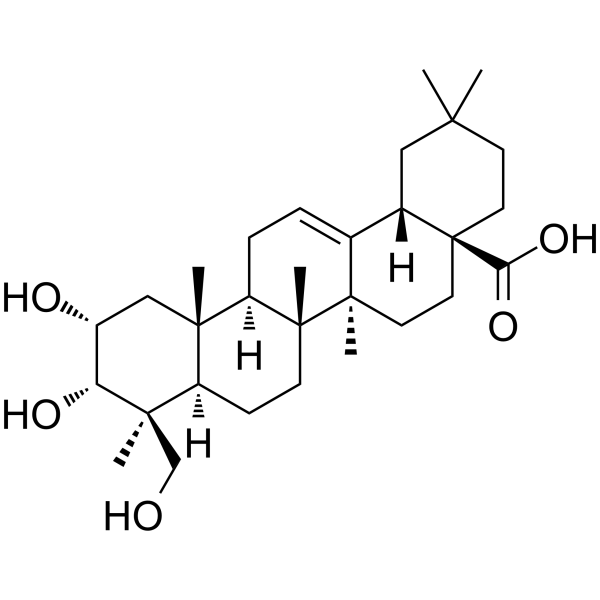
- HY-150593
-
|
|
IRAK
|
Cancer
|
|
IRAK4-IN-16 (compound 4) is a potent IRAK4 (interleukin-1 receptor associated kinase 4) inhibitor, with an IC50 of 2.5 nM. IRAK4-IN-16 shows cytotoxicity activity against OCI-LY10, TMD8, Ramos and HT cells, with IC50 values of 0.2, 0.2, 0.6, and 2.7 μM, respectively .
|
-
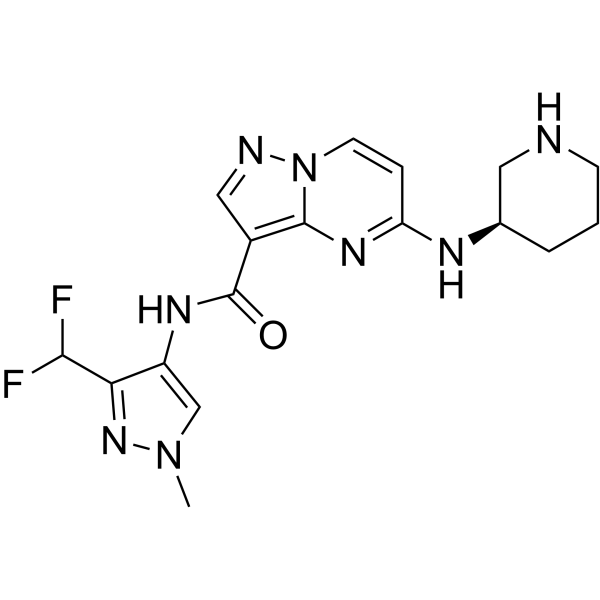
- HY-W728151
-
|
|
Drug Derivative
|
Others
|
|
3-O-Caffeoylshikimic acid is a caffeoylshikimic acid substance and phenolic acid that widely exists in the aerial parts of Equisetum arvense L. and Smilax glabra. During sulfur fumigation processing, 3-O-Caffeoylshikimic acid undergoes chemical transformation to produce 3-O-caffeoylshikimic acid sulfate and 3-O-caffeoylshikimic acid sulfite. At a high concentration (40 μM), 3-O-Caffeoylshikimic acid exhibits cytotoxic activity against human keratinocytes .
|
-

- HY-146239
-
|
|
EGFR
Thymidylate Synthase
|
Cancer
|
|
EGFR/HER2/TS-IN-2 (compound 17) is a potent EGFR/HER2 and TS (Thymidylate synthase) inhibitor, with IC50 values of 0.173, 0.125, and 1.12 μM, respectively. EGFR/HER2/TS-IN-2 shows cytotoxic activity against MDA-MB-231 cancer cell lines, with an IC50 of 1.69 µM .
|
-
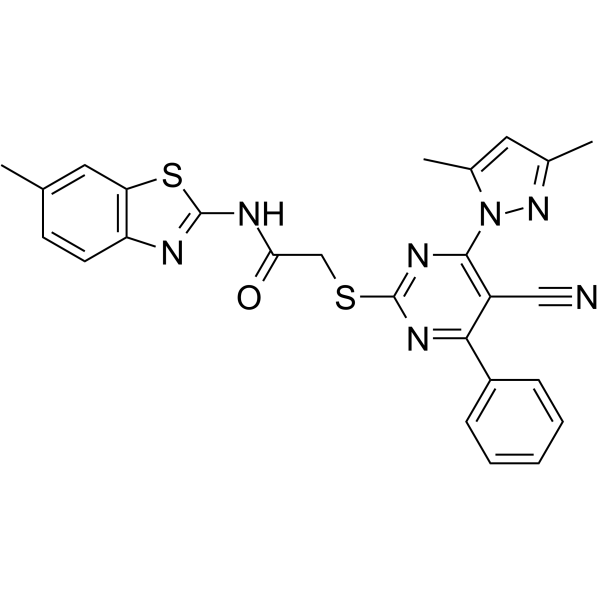
- HY-155118
-
|
|
EGFR
|
Cancer
|
|
EGFR-IN-81 (Compound 10i) is an EGFR inhibitor. EGFR-IN-81 inhibits EGFR WT and L858R/T790M with IC50s 4.38 nM and 5.69 nM. EGFR-IN-81 has cytotoxic activity against MCF-7 and HCT116 cells with of 2.07 μM and 6.72 μM respectively .
|
-
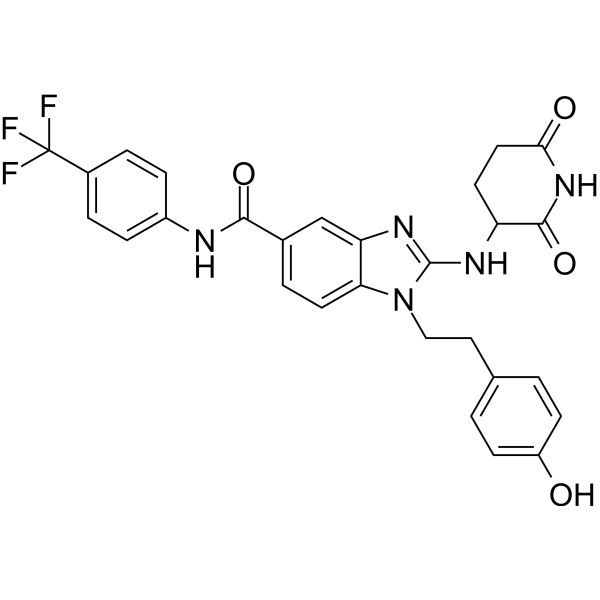
- HY-N0855
-
|
Alisol-G; 25-Anhydroalisol A
|
Carboxylesterase (CES)
Bacterial
HBV
|
Infection
Cancer
|
|
Alisol G (25-Anhydroalisol A) is a human carboxylesterase 2 (hCES2) inhibitor with an IC50 of 3.85 μM. Alisol G exhibits cytotoxic activity against human cancer cells, antibacterial activity against Gram-positive strains, and anti-hepatitis B virus activity. Alisol G can be used in research related to lung cancer, breast cancer, prostate cancer, bacterial infections, and HBV infections .
|
-
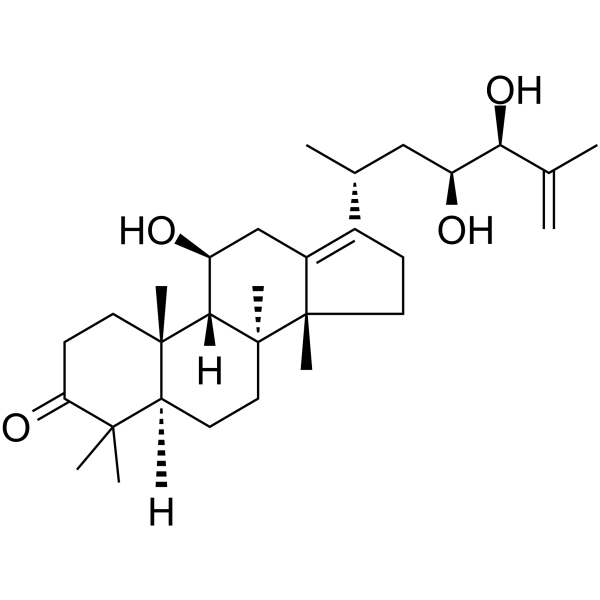
- HY-N18321
-
|
|
Drug Derivative
|
Cancer
|
|
3-Deacetyl-4-demethylsalannin, a salannin-type limonoid, is an anticancer agent. 3-Deacetyl-4-demethylsalannin induces cytotoxic activity against leukemia cells and stomach cancer cells, and shows inactivity against lung and breast cancer cells at concentrations up to 100 μM. 3-Deacetyl-4-demethylsalannin can be used for the research of leukemia, stomach cancer .
|
-

- HY-W106860
-
|
|
Drug Intermediate
|
Cancer
|
|
9H-Carbazole-3-carbaldehyde is an anticancer agent that can be isolated from the stems of Lansium parasiticum (Lour.) Skeels. 9H-Carbazole-3-carbaldehyde shows significant cytotoxic activity in a variety of tumor cell lines, especially against H1299 and SMMC-7721 lung cancer cells with IC50 values of 6.19-26.84 μg/mL .
|
-

- HY-129765
-
|
|
Reactive Oxygen Species (ROS)
|
Cancer
|
|
Thiobenzanilide 63T (63T) is a small molecule that selectively induces cancer cell death in a caspase-independent pathway. Thiobenzanilide 63T induces reactive oxygen species and lipid peroxidation. Thiobenzanilide 63T demonstrates strong cytotoxic activity against a lung-derived cancer cell line. Thiobenzanilide 63T decreases the expression of heme oxygenase (HO-1) in A549 cells .
|
-

- HY-158108
-
|
|
Autophagy
Ferroptosis
Reactive Oxygen Species (ROS)
|
Cancer
|
|
anti-TNBC agent-6 (compound pt-3) is a potent anti-TNBC agent. anti-TNBC agent-6 shows cytotoxic activity. anti-TNBC agent-6 induces autophagy and ferroptosis. anti-TNBC agent-6 enhances intracellular ROS accumulatio. anti-TNBC agent-6 shows anti tumor activity and has the potential for the research of breast cancer .
|
-
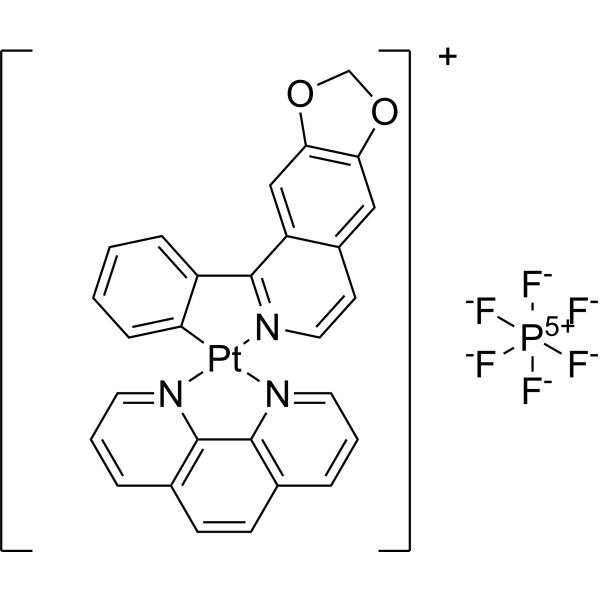
- HY-N2369A
-
|
|
Apoptosis
Influenza Virus
|
Infection
Cancer
|
|
Chelidonine (hydrochloride) is the hydrochloride form of Chelidonine (HY-N2369).Chelidonine, an isoquinoline alkaloid, can be isolated from Chelidonium majus L. Chelidonine causes G2/M arrest and induces caspase-dependent and caspase-independent apoptosis, and prevents cell cycle progression of stem cells in Dugesia japonica. Chelidonine has cytotoxic activity against melanoma cell lines. with anticancer and antiviral activity .
|
-
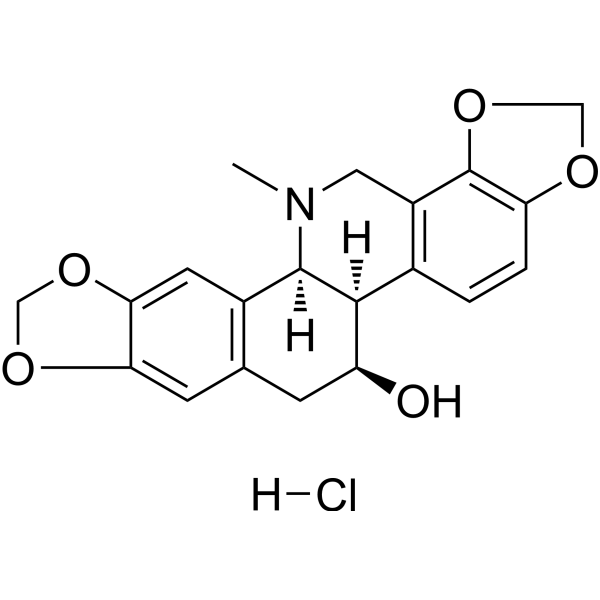
- HY-W353474
-
|
|
Drug Derivative
|
Cancer
|
|
iso-Dehydrozingerone is a dehydrozingerone analog. iso-Dehydrozingerone exhibits moderate in vitro cytotoxic activity against human tumor cells, with IC50 values of 10.0 μg/mL, 8.2 μg/mL and >10 μg/mL against human nasopharyngeal carcinoma cells, multidrug-resistant nasopharyngeal carcinoma cells and human lung cancer cells, respectively. iso-Dehydrozingerone can be used in studies related to nasopharyngeal carcinoma, multidrug-resistant nasopharyngeal carcinoma and lung cancer .
|
-

- HY-W035150
-
|
|
Biochemical Assay Reagents
|
Cancer
|
|
Chloro[1,3-bis(2,6-diisopropylphenyl)imidazol-2-ylidene]copper(I) (Compound 1) is a NHC copper complex and anticancer agent. Chloro[1,3-bis(2,6-diisopropylphenyl)imidazol-2-ylidene]copper(I) exhibits cytotoxic activity against breast cancer, lung cancer, melanoma, and glioma cells .
|
-
![Chloro[1,3-bis(2,6-diisopropylphenyl)imidazol-2-ylidene]copper(I)](//file.medchemexpress.com/product_pic/hy-w035150.gif)
- HY-N19297
-
|
Prieurianin
|
Elastase
|
Inflammation/Immunology
Cancer
|
|
Endosidin1 (Prieurianin) is a Prieurianin with cleaved A and B rings. Endosidin1 is isolated from the roots of Aphanamixis polystachya. Endosidin1 inhibits superoxide anion production and Elastase release in neutrophils, with an IC50 >10 μg/mL. Endosidin1 exhibits mild cytotoxic activity against laryngeal cancer cells in vitro. Endosidin1 shows anti-inflammatory activity. Endosidin1 can be used in studies related to laryngeal cancer .\n
|
-

- HY-19541A
-
|
|
Epigenetic Reader Domain
|
Cancer
|
|
I-CBP112 hydrochloride is a selective inhibitor of CBP/P300 that directly binds their bromodomains (Kds = 142 and 625 nM, respectively). I-CBP112 significantly reduces the leukemia-initiating potential of MLL-AF9(+) acute myeloid leukemia cells in a dose-dependent manner in vitro and in vivo. I-CBP112 increases the cytotoxic activity of BET bromodomain inhibitor JQ1 as well as doxorubicin .
|
-
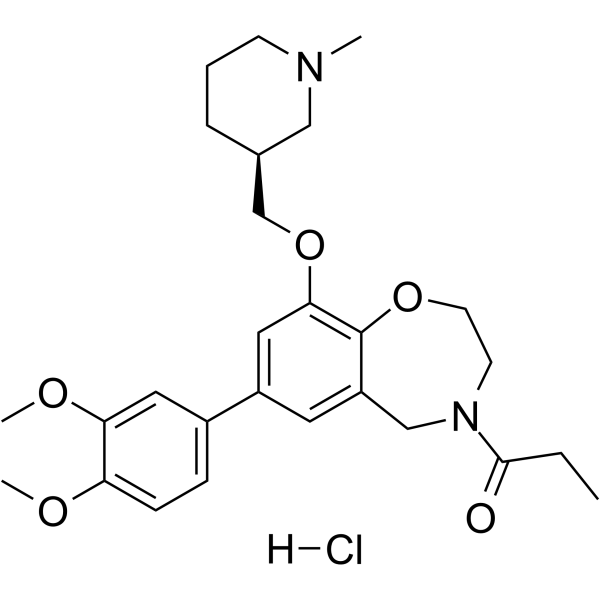
- HY-N3198A
-
|
(-)-Sophoramine
|
Adrenergic Receptor
|
Cardiovascular Disease
|
|
Sophoramine ((-)-Sophoramine) is a prejunctional α2-adrenoceptor inhibitor that can be found in the seeds of Sophora alopecuroides. Sophoramine inhibits prejunctional α2-adrenoceptors to facilitate norepinephrine release from adrenergic nerves. Sophoramine shows cytotoxic activity against human cancer cells, positive inotropic activity, and activity in rodent arrhythmia models. Sophoramine can be used for the research of arrhythmias .
|
-
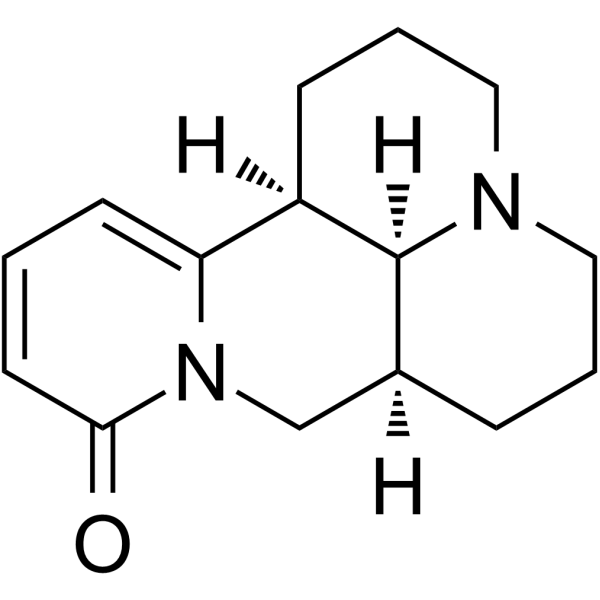
- HY-N2369R
-
|
|
Reference Standards
Apoptosis
Influenza Virus
|
Infection
Cancer
|
|
Chelidonine (Standard) is the analytical standard of Chelidonine. This product is intended for research and analytical applications. Chelidonine, an isoquinoline alkaloid, can be isolated from Chelidonium majus L.. Chelidonine causes G2/M arrest and induces caspase-dependent and caspase-independent apoptosis, and prevents cell cycle progression of stem cells in Dugesia japonica. Chelidonine has cytotoxic activity against melanoma cell lines. with anticancer and antiviral activity .
|
-

- HY-150540
-
|
|
Bcl-2 Family
Apoptosis
|
Cancer
|
|
Bcl-2-IN-10 is an active Bcl-2 inhibitor that can release up to four nitric oxide (NO) molecules. Bcl-2-IN-10 has cytotoxic activities against cancer cells, such as human leukemia, breast cancer and lung cancer. Bcl-2-IN-10 induces cell apopotosis and arrest cell cycle of G2/M phase, and can be used in cancer-related research .
|
-
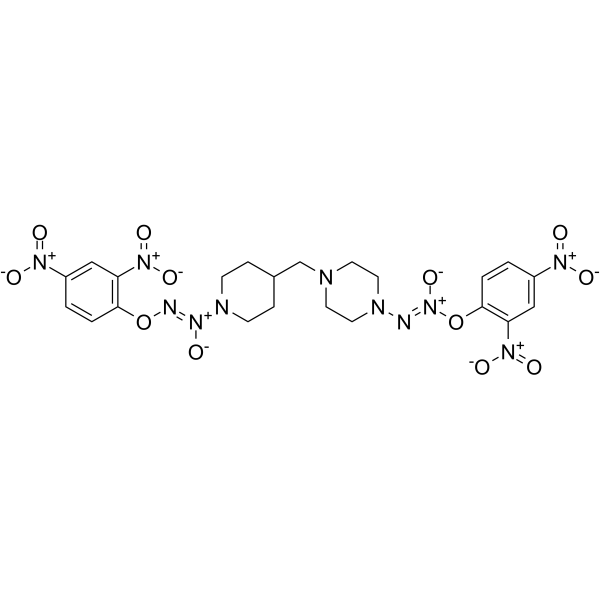
- HY-N6739
-
|
|
Bacterial
Apoptosis
Fungal
PI3K
Akt
TNF Receptor
Interleukin Related
|
Infection
Cancer
|
|
Beauvericin is a cyclohexapeptide Fusarium toxin with insecticidal, antibacterial, anticancer, antiviral and cytotoxic activities. Beauvericin causes cellular genotoxicity by producing DNA breaks, chromosomal aberrations and micronuclei, and inhibits the PI3K/AKT pathway to induce apoptosis, thereby inhibiting the growth of HCC. In addition, Beauvericin affects immune function by inhibiting lymphocyte proliferation and interfering with the differentiation process of human monocytes into macrophages .
|
-
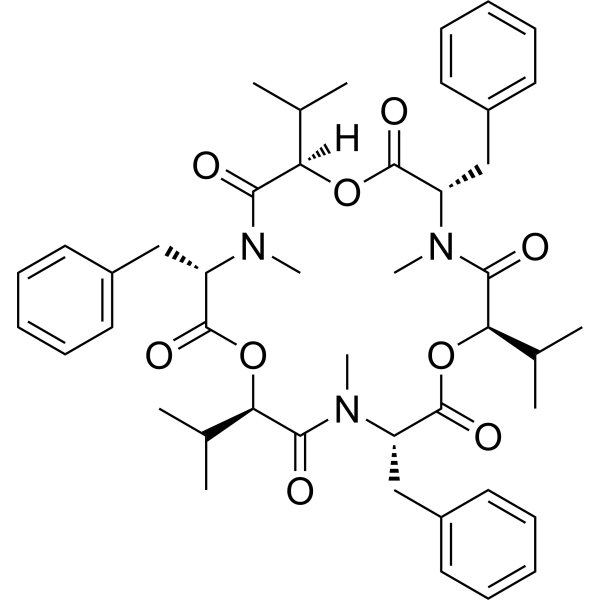
- HY-12098R
-
|
MPC-6827 hydrochloride (Standard)
|
Microtubule/Tubulin
Reference Standards
|
Cancer
|
|
Verubulin (hydrochloride) (Standard) is the analytical standard of Verubulin (hydrochloride). This product is intended for research and analytical applications. Verubulin hydrochloride (MPC-6827 hydrochloride) is a blood brain barrier permeable microtubule-disrupting agent, with potent and broad-spectrum in vitro and in vivo cytotoxic activities. Verubulin hydrochloride (MPC-6827 hydrochloride) exhibits potent anticancer activity in human MX-1 breast and other mouse xenograft cancer models. Verubulin hydrochloride (MPC 6827 hydrochloride) is a promising candidate for the treatment of multiple cancer types .
|
-

- HY-177760
-
|
|
Carboxypeptidase
Apoptosis
Akt
|
Cancer
|
|
PrCP-7414 is a prolyl carboxypeptidase (PRCP) inhibitor. PrCP-7414 blocks PRCP-mediated activation of the IGF1R/HER3 signaling pathway and subsequent AKT activation. PrCP-7414 exhibits pro-apoptotic, anti-tumor and synergistic cytotoxic activities, and inhibits the proliferation and survival of triple-negative breast cancer cells. PrCP-7414 can be used for the research of breast cancer .
|
-

- HY-N7049
-
|
|
ADC Payload
Microtubule/Tubulin
|
Cancer
|
|
Tubulysin F is a highly cytotoxic anti-microtubule toxin (anti-microtubule toxins) that is synthesized as an ADC cytotoxin (ADC Cytotoxin). Tubulysin F can be isolated from the myxobacteria Archangium geophyra and Angiococcus disciformis. Tubulysin F displays extremely potent cytotoxic activity in mammalian cells, including multidrug-resistant cell lines, with IC50 values in the low nanomolar range. Tubulysin F inhibits microtubule/Tubulin polymerization and leads to cell cycle arrest and apoptosis .
|
-
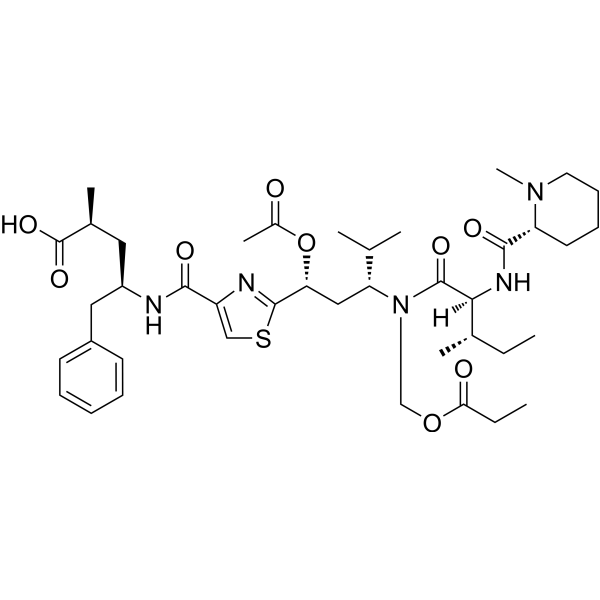
- HY-N18117A
-
|
|
NO Synthase
EBV
|
Infection
Inflammation/Immunology
Cancer
|
|
23-Hydroxyohchininolide is a limonoid found in the leaves of Melia azedarach L.. 23-Hydroxyohchininolide inhibits LPS (HY-D1056)-induced NO production and exerts cytotoxic activity against human leukemia and stomach cancer cells. 23-Hydroxyohchininolide inhibits TPA (HY-18739)-induced Epstein-Barr virus early antigen activation. 23-Hydroxyohchininolide can be used for the research of cancer, infection and inflammatory disease .
|
-

- HY-N7052
-
|
|
ADC Payload
Microtubule/Tubulin
|
Cancer
|
|
Tubulysin I is a highly cytotoxic anti-microtubule toxin (anti-microtubule toxins) that is synthesized as an ADC cytotoxin (ADC Cytotoxin). Tubulysin I can be isolated from the myxobacteria Archangium geophyra and Angiococcus disciformis. Tubulysin I displays extremely potent cytotoxic activity in mammalian cells, including multidrug-resistant cell lines, with IC50 values in the low nanomolar range. Tubulysin I inhibits microtubule/tubulin polymerization and leads to cell cycle arrest and apoptosis .
|
-
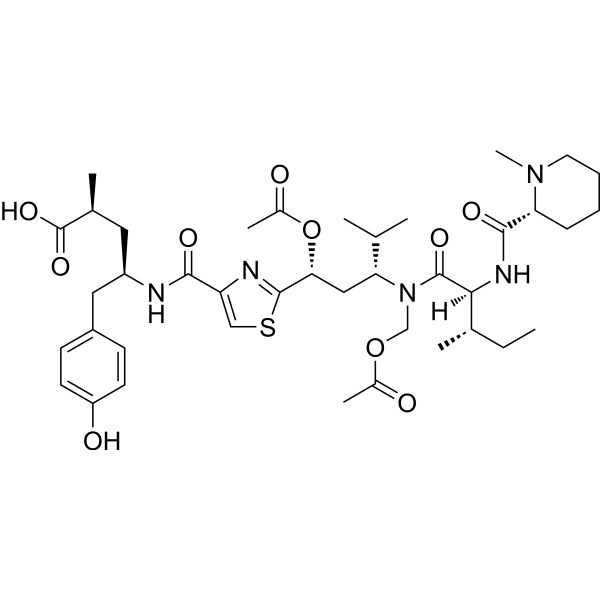
- HY-N15438
-
|
|
HIV
HIV Integrase
|
Infection
|
|
Herbacitrin is a HIV-1 reverse transcriptase and integrase inhibitor with IC50 values of 21.5 μM and 2.15 μM, respectively. Herbacitrin inhibits the growth of normal mouse embryonic cells, hybridoma HF cells, and ras/myc-transformed SFME cells, regulates the growth of ras-transformed SFME cells, and exhibits cytotoxic activity against hybridoma HF cells. Herbacitrin can be used in studies related to HIV-1 infection .
|
-

- HY-N7053
-
|
|
ADC Payload
Microtubule/Tubulin
|
Cancer
|
|
Tubulysin M is a highly cytotoxic anti-microtubule toxin (anti-microtubule toxins) that is synthesized as an ADC cytotoxin (ADC Cytotoxin). Tubulysin M can be isolated from the myxobacteria Archangium geophyra and Angiococcus disciformis. Tubulysin M displays extremely potent cytotoxic activity in mammalian cells, including multidrug-resistant cell lines, with IC50 values in the low nanomolar range. Tubulysin M inhibits microtubule/tubulin polymerization and leads to cell cycle arrest and apoptosis .
|
-
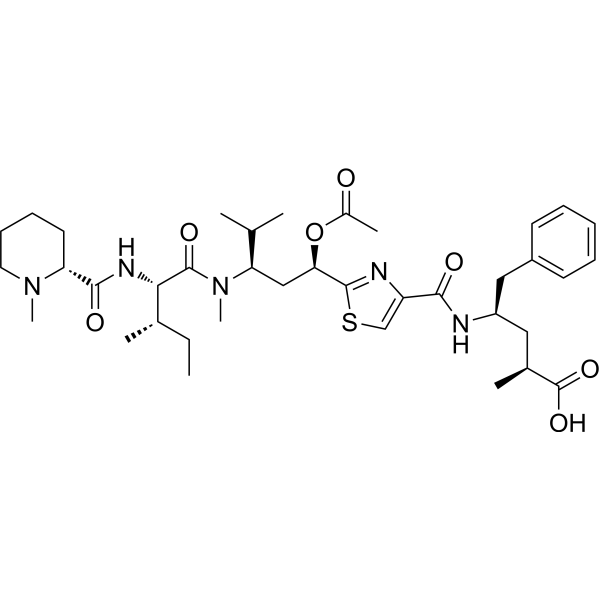
- HY-N17942
-
|
|
Others
|
Cancer
|
|
3a-3,29-Dihydroxy-7-oxomultiflor-8-ene-3,29-diyldibenzoate is a multiflorane triterpene ester found in the seeds of Trichosanthes kirilowii and non-cytotoxic agent.3a-3,29-Dihydroxy-7-oxomultiflor-8-ene-3,29-diyldibenzoate lacks marked cytotoxic activity against cancer cells .
|
-

- HY-N7050
-
|
|
ADC Payload
Microtubule/Tubulin
|
Cancer
|
|
Tubulysin G is a highly cytotoxic anti-microtubule toxin (anti-microtubule toxins) that is synthesized as an ADC cytotoxin (ADC Cytotoxin). Tubulysin G can be isolated from the myxobacteria Archangium geophyra and Angiococcus disciformis. Tubulysin G displays extremely potent cytotoxic activity in mammalian cells, including multidrug-resistant cell lines, with IC50 values in the low nanomolar range. Tubulysin G inhibits microtubule/tubulin polymerization and leads to cell cycle arrest and apoptosis .
|
-
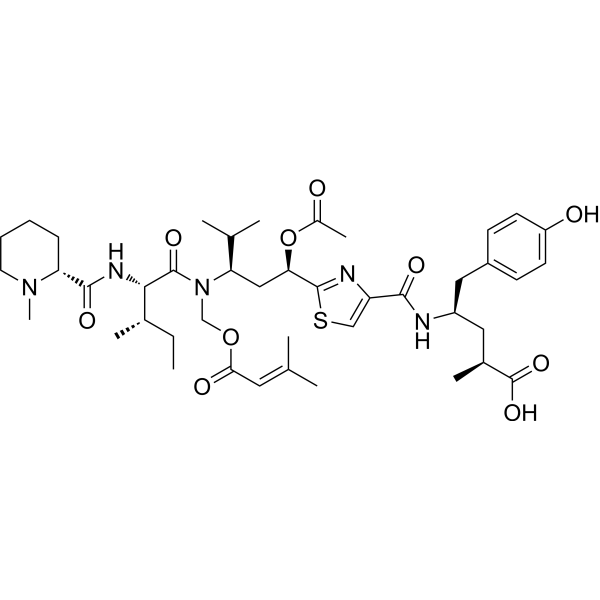
- HY-N2348
-
|
|
ADC Payload
Microtubule/Tubulin
|
Cancer
|
|
Tubulysin D is a highly cytotoxic anti-microtubule toxin (anti-microtubule toxins) that is synthesized as an ADC cytotoxin (ADC Cytotoxin). Tubulysin D can be isolated from the myxobacteria Archangium geophyra and Angiococcus disciformis. Tubulysin D displays extremely potent cytotoxic activity in mammalian cells, including multidrug-resistant cell lines, with IC50 values in the low nanomolar range. Tubulysin D inhibits microtubule/Tubulin polymerization and leads to cell cycle arrest and apoptosis .
|
-
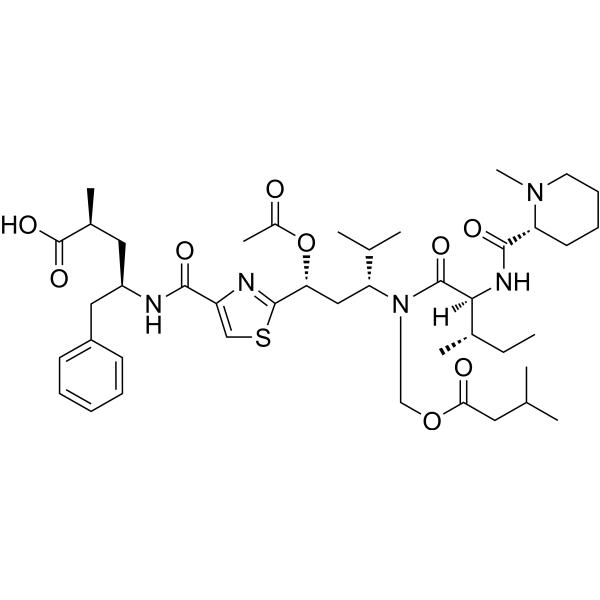
- HY-168164
-
|
|
Histone Methyltransferase
|
Cancer
|
|
4-Methoxycinnamyl alcohol is an anticancer compound with cytotoxic activity against MCF-7, HeLa, and DU145 cancer cell lines with IC50 values of 14.24, 7.82, and 22.10 μg/mL, respectively. 4-Methoxycinnamyl alcohol showed the ability to induce cell necrosis, rather than apoptosis, after a 48-hour DNA fragmentation assay. 4-Methoxycinnamyl alcohol was isolated from Foeniculum vulgare .
|
-

- HY-180412
-
|
BB-3644
|
MMP
|
Cancer
|
|
Solimastat (BB-3644) is a potent metalloproteinase (MMP) inhibitor that blocks constitutive and antibody-stimulated CD30 shedding from cell surfaces with an IC50 of 180 nM. Solimastat enhances persistence of anti-CD30 antibody Ki-3 on cells and favors its internalization. Solimastat enhances cytotoxic activity of Ki-3.dgA towards CD30 + L540 cells. Solimastat can be used for the research of CD30 + malignancies .
|
-

- HY-N2346
-
|
|
ADC Payload
Microtubule/Tubulin
|
Cancer
|
|
Tubulysin E is a highly cytotoxic anti-microtubule toxin (anti-microtubule toxins) that is synthesized as an ADC cytotoxin (ADC Cytotoxin). Tubulysin E can be isolated from the myxobacteria Archangium geophyra and Angiococcus disciformis. Tubulysin E displays extremely potent cytotoxic activity in mammalian cells, including multidrug-resistant cell lines, with IC50 values in the low nanomolar range. Tubulysin E inhibits microtubule/Tubulin polymerization and leads to cell cycle arrest and apoptosis .
|
-
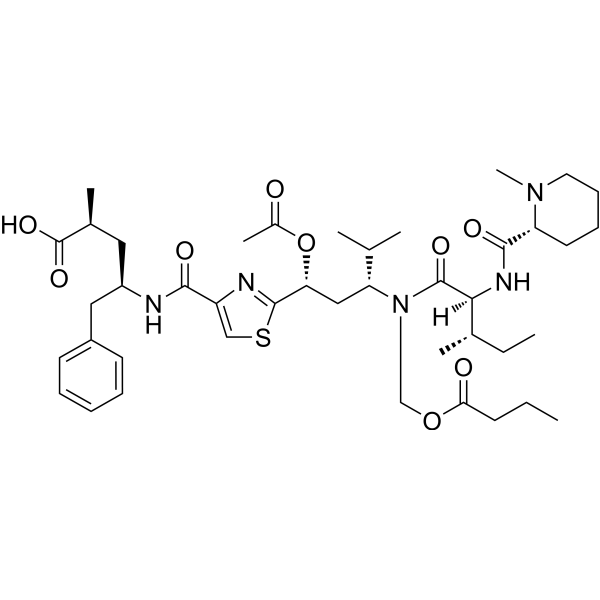
- HY-N2347
-
|
|
ADC Payload
Microtubule/Tubulin
|
Cancer
|
|
Tubulysin C is a highly cytotoxic anti-microtubule toxin (anti-microtubule toxins) that is synthesized as an ADC cytotoxin (ADC Cytotoxin). Tubulysin C can be isolated from the myxobacteria Archangium geophyra and Angiococcus disciformis. Tubulysin C displays extremely potent cytotoxic activity in mammalian cells, including multidrug-resistant cell lines, with IC50 values in the low nanomolar range. Tubulysin C inhibits microtubule/Tubulin polymerization and leads to cell cycle arrest and apoptosis .
|
-
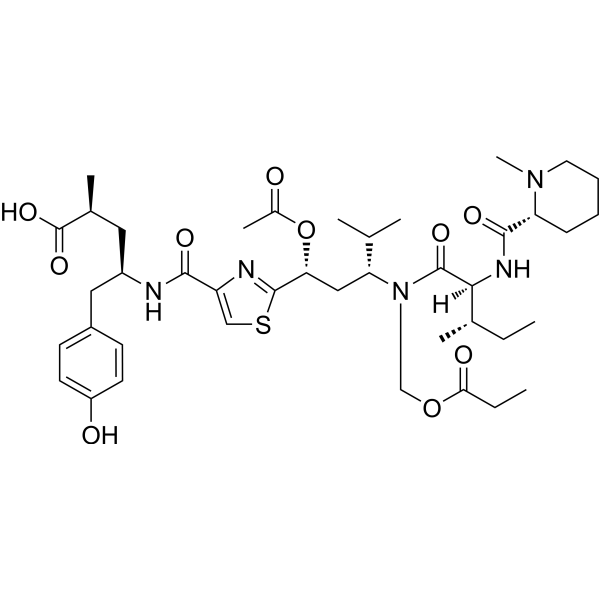
- HY-159613
-
|
|
Apoptosis
Estrogen Receptor/ERR
|
Inflammation/Immunology
Cancer
|
|
PELP1-IN-1 is a PELP1 inhibitor and an apoptosis inducer with no cytotoxic activity against non-cancer cell lines. PELP1-IN-1 targets wild-type, mutant and drug-resistant ER + breast cancer, and promotes PELP1 degradation through the proteasome pathway. As an analog of SMIP34 (HY-169903), PELP1-IN-1 is applicable to the research of estrogen receptor α-positive breast cancer .
|
-

- HY-N7051
-
|
|
ADC Payload
Microtubule/Tubulin
|
Cancer
|
|
Tubulysin H is a highly cytotoxic anti-microtubule toxin (anti-microtubule toxins) that is synthesized as an ADC cytotoxin (ADC Cytotoxin). Tubulysin H can be isolated from the myxobacteria Archangium geophyra and Angiococcus disciformis. Tubulysin H displays extremely potent cytotoxic activity in mammalian cells, including multidrug-resistant cell lines, with IC50 values in the low nanomolar range. Tubulysin H inhibits microtubule/tubulin polymerization and leads to cell cycle arrest and apoptosis .
|
-
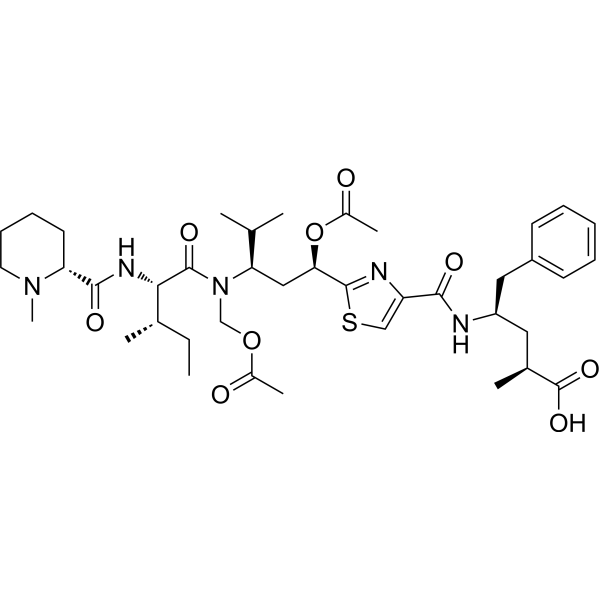
- HY-N1746
-
|
2'-O-Methylkurarinone
|
RANKL/RANK
|
Metabolic Disease
Inflammation/Immunology
Cancer
|
|
(2S)-2'-Methoxykurarinone, a compound isolated from the roots of Sophora flavescens, has anti-inflammatory, antipyretic, antidiabetic, and antineoplastic effects. (2S)-2'-Methoxykurarinone (MK) inhibits osteoclastogenesis and bone resorption through down-regulation of RANKL signaling. (2S)-2'-Methoxykurarinone (MK) displays cytotoxic activity against human myeloid leukemia HL-60 cells .
|
-
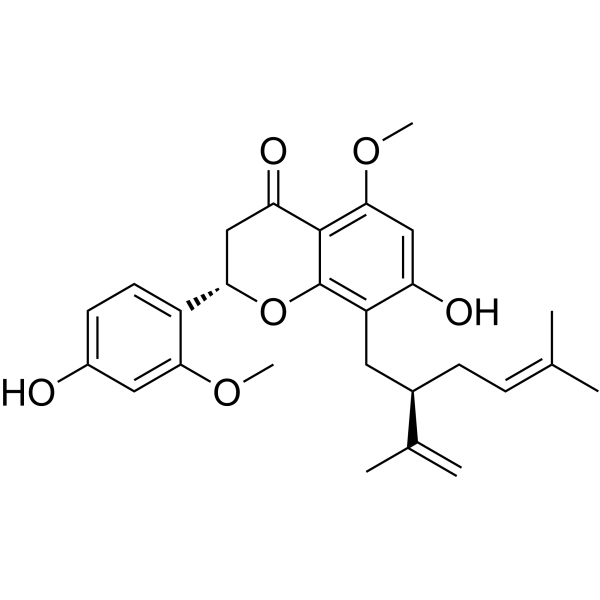
- HY-P4284
-
|
|
Proteasome
ClpP
Bacterial
|
Infection
|
|
Z-GGF-CMK is an Antibacterial agent, an inhibitor of the ClpP1P2 serine protease complex (with an IC50 of 50 μM against intracellular ClpP1P2 protease activity in Mycobacterium bovis BCG), and a selective inhibitor of the mycobacterial Proteasome (with an IC50 of 50 μM against the proteasome in M. bovis BCG). Z-GGF-CMK inhibits the growth of mycobacteria. Z-GGF-CMK exhibits cytotoxic activity against liver cancer cells. Z-GGF-CMK can be used in the research of tuberculosis .
|
-
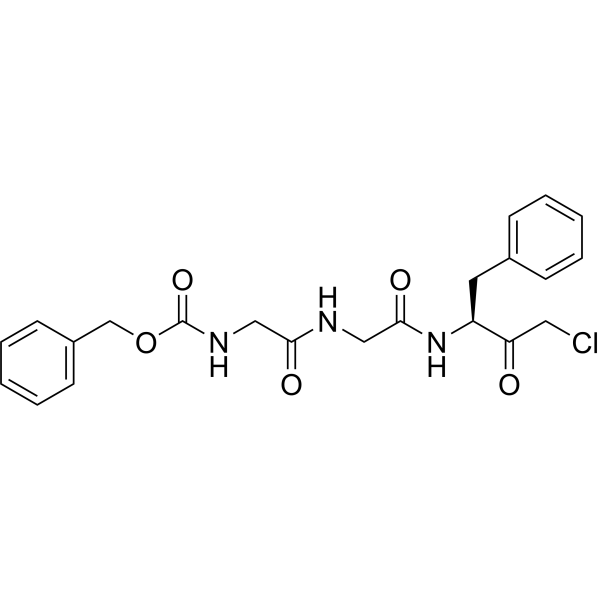
- HY-130418
-
|
|
Adrenergic Receptor
|
Cancer
|
|
(-)-Domesticine is an anti-α-1D-adrenoceptor compound with cytotoxic activity. (-)-Domesticine showed activity in MTS cytotoxicity assays against human colon cancer cell lines HCT-116 and Caco-2. (-)-Domesticine tolerates alkoxy substituents and benzoate functional groups at the C1 position in modifications of its chemical structure. The most potent compounds of (-)-Domesticine have IC50 values in the range of 23-38 μM, similar to the known cytotoxic compound etoposide .
|
-

- HY-177268
-
|
|
Apoptosis
Reactive Oxygen Species (ROS)
PARP
Caspase
Akt
|
Cancer
|
|
CHNQD-01426 (Compound 4a) is an anticancer agent. CHNQD-01426 has cytotoxic activities against cancer cells. CHNQD-01426 significantly inhibits hepatocellular carcinoma cells proliferation via arresting S and G2/M phase cell cycle and induces apoptosis by inducing ROS production and elevating apoptosis-related proteins expression. CHNQD-01426 potently inhibits tumor growth in HepG2 xenograft mice model .
|
-

- HY-183714
-
|
|
Apoptosis
Autophagy
Caspase
|
Cancer
|
|
Anticancer agent 325 is an apoptosis/autophagy inducer and anticancer agent. Anticancer agent 325 exhibits cytotoxic activity against gastric cancer cells, with no significant effect on healthy gastric epithelial cells. Anticancer agent 325 enhances the expression of activated/cleaved Caspase-3 to promote apoptosis. Anticancer agent 325 also enhances the cleavage of PARP, a downstream marker of apoptosis, promotes LC3B lipidation, and activates autophagy. Anticancer agent 325 can be used in the research of gastric cancer .
|
-

- HY-W753557
-
|
|
Drug Derivative
Insecticide
Bacterial
|
Infection
Inflammation/Immunology
Cancer
|
|
Avocadene is a natural product isolated from Persea americana leaves, with anticancer, insecticidal, anti-Helicobacter pylori, and anti-inflammatory activity. Avocadene exerts antibacterial and anti‑inflammatory effects by suppressing Helicobacter pylori growth and inhibiting protein denaturation. Avocadene displays obvious cytotoxic activity against human prostate cancer PC‑3 cells with an IC50 of 0.5 μg/mL. Avocadene can be used for research of Helicobacter pylori‑associated gastrointestinal inflammation, gastroduodenal injury and prostate tumors .
|
-

- HY-181147
-
|
|
PROTACs
HSP
|
Cancer
|
|
PROTAC HSP70 Degrader-1 (compound C4) is a cytosolic HSP70 PROTAC degrader that can engage CRBN to form a ternary complex. PROTAC HSP70 Degrader-1 mediates ubiquitination and proteasomal degradation of cytosolic HSP70. PROTAC HSP70 Degrader-1 exhibits cytotoxic activity against cancer cells, suppressing tumor cell proliferation and inducing apoptosis in combination with DTHIB. PROTAC HSP70 Degrader-1 can be used for the research of colon cancer and leukemia .
|
-

- HY-174404
-
|
|
Topoisomerase
Apoptosis
Bcl-2 Family
|
Cancer
|
|
Topoisomerase II inhibitor 23 is a potent topoisomerase II inhibitor (IC50 = 0.94 μM). Topoisomerase II inhibitor 23 shows high selectivity and exceptional cytotoxic activity in MCF-7, HepG2, and HCT116 cells. Topoisomerase II inhibitor 23 induces cell cycle arrest at the G1 phase, leading to inhibition of cell proliferation. Topoisomerase II inhibitor 2 induces apoptosis by up-regulating the pro-apoptotic Bax level and down-regulating the anti-apoptotic Bcl-2 level.
|
-

- HY-153468
-
|
TEQ103; Sera2
|
Sodium Channel
TRP Channel
|
Cancer
|
|
ErSO-TFPy (TEQ103) is an ERα+ tumor cell inhibitor with low nanomolar cytotoxic activity against ERα+ breast cancer cells. ErSO-TFPy activates the sodium channel TRPM4, causes an imbalance of intracellular calcium and sodium ions. ErSO-TFPy dysregulates calcium homeostasis in ERα+ tumor cells, triggers the anticipatory unfolded protein response, and induces rapid immune cell-independent necrotic cell death. ErSO-TFPy can be used for the research of estrogen receptor alpha positive breast cancer .
|
-

- HY-151459
-
|
|
VEGFR
Bacterial
Dihydrofolate reductase (DHFR)
Fungal
|
Infection
Cancer
|
|
VEGFR-2/DHFR-IN-2 (compound 5b) is an inhibitor of VEGFR-2 and DHFR with IC50s of 0.623 and 9.085 μM, respectively. VEGFR-2/DHFR-IN-2 exhibits good cytotoxic activities against C26, HepG2, and MCF7 cancer cell lines with IC50 values of 3.59-8.38 μM. VEGFR-2/DHFR-IN-2 can be used for the research of cancer .
|
-
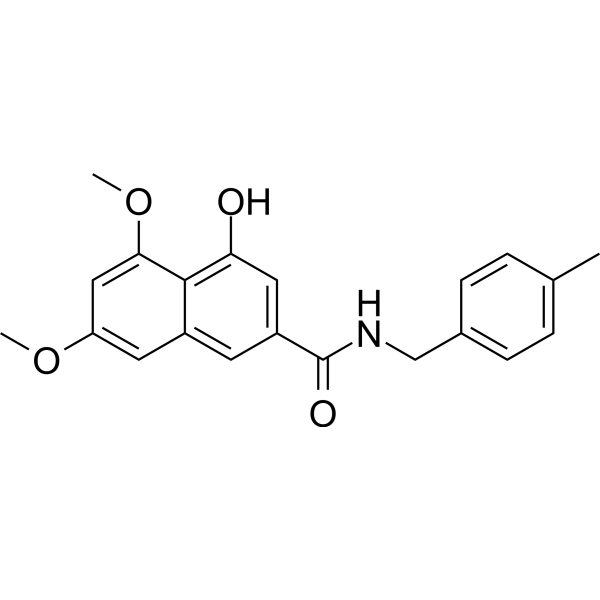
- HY-119631
-
|
|
Bacterial
|
Infection
|
|
Nornidulin is a depsidone originally isolated from A. nidulans that has antibacterial activity against M. tuberculosis and M. ranoe as well as antifungal activity against T. tonsurans and M. audouini. It also inhibits the growth of methicillin-resistant S. aureus (MRSA; MIC=2 μg/mL).2 Nornidulin has cytotoxic activity in MOLT-3 cells (IC50=35.7 μM) but not HuCCA-1, HepG2, or A549 cells (IC50s=>116.4 μM).
|
-

- HY-N15141
-
|
|
Insecticide
Fungal
|
Infection
Cancer
|
|
γ-Thujaplicin is a Hinokitiol (HY-B2230)-related compound that can be isolated from the wood of Thujopsis dolabrata. γ-Thujaplicin shows strong cytotoxic activities against human stomach cancer cell lines KATO-III and Ehrlich’s ascites carcinoma. γ-Thujaplicin exhibits potent and broad-spectrum antifungal activity on wood-rotting fungi, and insecticidal activity on the noxious insects. γ-Thujaplicin can be used for cancer and infection research and pest management .
|
-

- HY-W778423
-
|
Dihydroxy Oxaliplatin-Pt(IV)
|
Drug Intermediate
|
Cancer
|
|
[Pt(DACH)(OH)2(ox)] is a Pt(IV) derivative of Oxaliplatin (HY-17371) with two axial hydroxido ligands, used as a precursor for synthesizing Pt(IV)-HDAC inhibitor prodrugs. [Pt(DACH)(OH)2(ox)] exerts cytotoxic activity against human cancer cells and accumulates in cancer cells for nuclear internalization and nuclear DNA platination. [Pt(DACH)(OH)2(ox)] can be used for the research of lung carcinoma, breast carcinoma, pancreatic carcinoma, colon carcinoma .
|
-
![[Pt(DACH)(OH)2(ox)]](//file.medchemexpress.com/product_pic/hy-w778423.gif)
- HY-N16066
-
|
CHNQD-0803
|
AMPK
Apoptosis
NF-κB
TNF Receptor
|
Inflammation/Immunology
|
|
Candidusin A (CHNQD-0803) (Compound 4) is a AMPK activator with a KD of 47.28 nM. Candidusin A can be isolated from marine fungus Aspergillus candidus. Candidusin A has cytotoxic activity and induces apoptosis in human prostate cancer cells (22Rv1, PC-3 and LNCaP cells). Candidusin A reduces adipogenesis genes expression and fat deposition, negatively regulates the NF-κB-TNFα inflammatory axis to suppress inflammation, and ameliorates liver injury and fibrosis. Candidusin A can be used for non-alcoholic steatohepatitis (NASH) research .
|
-

- HY-180537
-
|
|
Apoptosis
|
Cancer
|
|
Apoptosis inducer 57 is a apoptosis inducer and Thymidylate Synthase (TS) inhibitor. Apoptosis inducer 57 exhibits cytotoxic activity against SW480 and MCF-7 cancer cells with IC50 values of 15.7 and 16.5 µM, and induces dose-dependent apoptosis and S-phase cell cycle arrest. Apoptosis inducer 57 stalely binds the TS active site via interactions with Asp218 and Met311. TS-IN-9 can be used for breast cancer and colorectal cancer research .
|
-

- HY-P991542
-
|
|
CD19
|
Cancer
|
|
GBR-401 is a humanized anti-CD19 monoclonal antibody with high affinity for FcγRIIIa. GBR-401 exerts a potent in vitro and in vivo cytotoxic activity against various B-cell malignancies. GBR-401 induces cell death by antibody dependent cellular cytotoxicity (ADCC) and direct killing effect. GBR-401 demonstrates potent activity of depleting malignant B cells and prolongs mice survival in multiple xenograft severe combined immunodeficiency (SCID) mice models .
|
-

- HY-N6739S
-
|
|
Acyltransferase
Isotope-Labeled Compounds
|
Infection
|
|
Beauvericin- 13C45 is 13C labeled Beauvericin (HY-N6739). Beauvericin is a cyclohexapeptide Fusarium toxin with insecticidal, antibacterial, anticancer, antiviral and cytotoxic activities. Beauvericin causes cellular genotoxicity by producing DNA breaks, chromosomal aberrations and micronuclei, and inhibits the PI3K/AKT pathway to induce apoptosis, thereby inhibiting the growth of HCC. In addition, Beauvericin affects immune function by inhibiting lymphocyte proliferation and interfering with the differentiation process of human monocytes into macrophages .
|
-
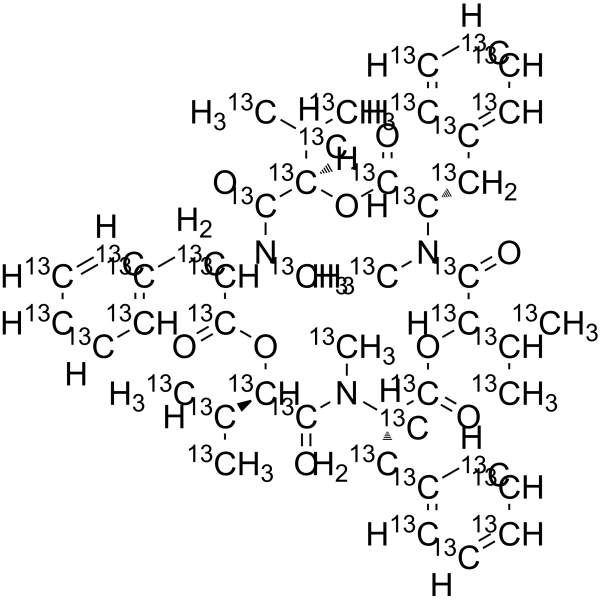
- HY-N18117
-
|
|
EBV
|
Infection
Cancer
|
|
21-Hydroxyisoohchininolide is a salannin-type limonoid. 21-Hydroxyisoohchininolide inhibits lipopolysaccharide (LPS, HY-D1056)-induced nitric oxide production in mouse macrophages. 21-Hydroxyisoohchininolide exhibits cytotoxic activity against leukemia cells and breast cancer cells. 21-Hydroxyisoohchininolide suppresses phorbol 12-myristate 13-acetate (PMA) (HY-18739)-induced activation of Epstein-Barr virus early antigen in lymphocytes. 21-Hydroxyisoohchininolide can be used for the research of leukemia, breast cancer and inflammatory diseases .
|
-

- HY-N0755
-
|
|
Insulin Receptor
GLUT
NF-κB
p38 MAPK
Autophagy
|
Metabolic Disease
Endocrinology
Cancer
|
|
Rhoifolin is a flavone glycoside can be isolated from Rhus succedanea. Rhoifolin has anti-diabetic effect acting through enhanced adiponectin secretion, tyrosine phosphorylation of insulin receptor-β and glucose transporter 4 (GLUT 4) translocation. Rhoifolin has an anti-inflammatory action via multi-level regulation of inflammatory mediators. Rhoifolin ameliorates titanium particle-stimulated osteolysis and attenuates osteoclastogenesis via RANKL-induced NF-κB and MAPK pathways. Rhoifolin also has cytotoxic activity against different cancer cell lines .
|
-
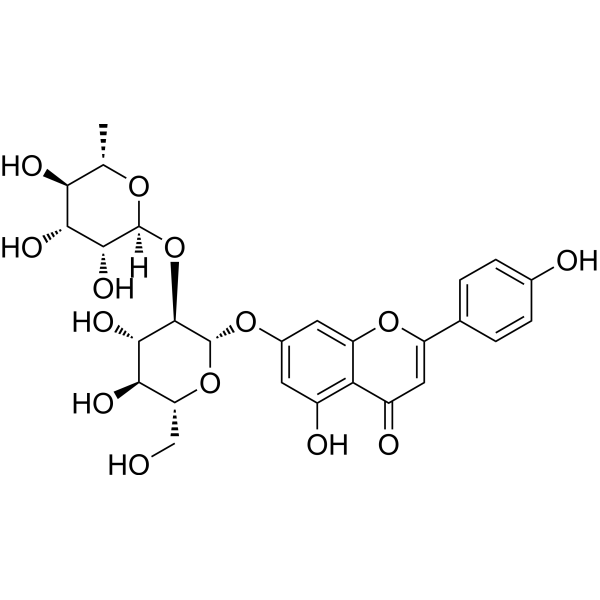
- HY-N4322
-
|
|
PKC
|
Inflammation/Immunology
Cancer
|
|
Decursinol angelate acts as a PKC activator and GDH inhibitor, with an IC50 of 1.432 μM against human GDH. Decursinol angelate activates PKC, downregulates PKCα and PKCβII isoforms, and exerts cytotoxic activity against cancer cells. Decursinol angelate binds to GDH and inhibits its enzymatic activity. Decursinol angelate inhibits VEGF-induced autophosphorylation of VEGFR2, downstream p42/44 ERK and JNK-MAPK signaling pathways, as well as the angiogenesis process. Decursinol angelate is applicable to research related to cancer and leukemia .
|
-
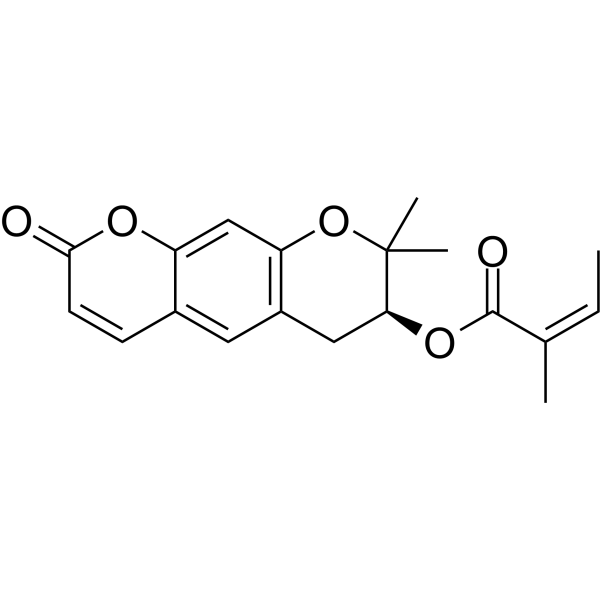
- HY-116170
-
|
|
Aldose Reductase
|
Cancer
|
|
SN34037 is a specific inhibitor of Aldo-keto reductase 1C3 (AKR1C3, EC 1.1.1.188) with the ability to inhibit the cytotoxic activity of PR-104A. SN34037-sensitive coumberone reduction provides a rapid and specific assay for AKR1C3 activity. SN34037 inhibits the aerobic cytotoxicity of PR-104A in TF1 erythroleukemia cells with high AKR1C3 expression, but not in Nalm6 pre-B acute lymphoblastic leukemia cells with low AKR1C3 expression .
|
-

- HY-P992388
-
|
|
LILRB
|
Cancer
|
|
IO-108 is a humanized IgG4 monoclonal antibody and a competitive inhibitor of LILRB2, with a KD value of 1.97 nM. IO-108 competitively blocks the binding of LILRB2 to its ligands including HLA-G, MHC-I, ANGPTL2 and SEMA4A, reprograms tumor-associated myeloid cells, drives the conversion of suppressive myeloid cells into a pro-inflammatory phenotype, and restores the cytotoxic activity of T cells and NK cells. IO-108 inhibits tumor growth in LILRB2 transgenic mouse models. IO-108 can be used for the research of solid tumors .
|
-

- HY-110374
-
|
|
Epigenetic Reader Domain
Apoptosis
|
Cancer
|
|
NVS-CECR2-1, a non-BET family Bromodomain (BRD) inhibitor, is a potent and selective cat eye syndrome chromosome region, candidate 2 (CECR2) inhibitor. NVS-CECR2-1 binds to CECR2 BRD with high affinity (IC50=47 nM; KD=80 nM). NVS-CECR2-1 exhibits cytotoxic activity and induces apoptosis against various cancer cells by targeting CECR2 as well as via CECR2-independent mechanism . NVS-CECR2-1 is a chemical probe.
|
-
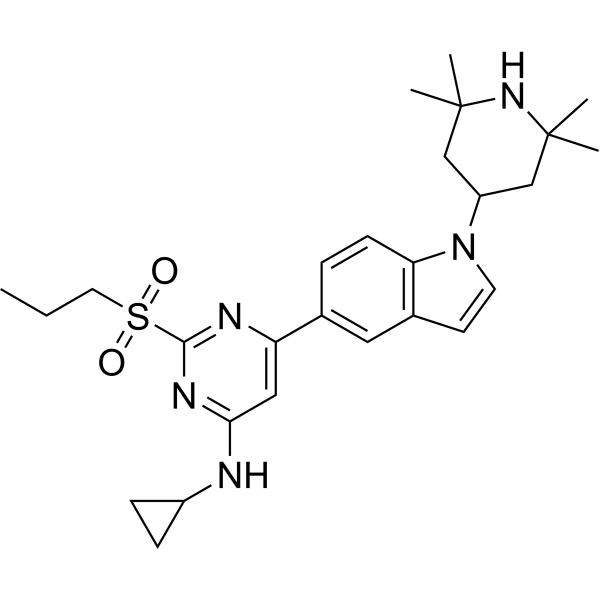
- HY-N19311
-
|
|
Bacterial
|
Cancer
|
|
3,6-Bis(1-methylpropyl)-2(1H)-pyrazinone is an alkylated 2(1H)-pyrazinone derivative and cytotoxic agent found in the tunicate-derived actinomycete Streptomyces sp. Did-27.3,6-Bis(1-methylpropyl)-2(1H)-pyrazinone exhibits cytotoxic activity against cancer cells.3,6-Bis(1-methylpropyl)-2(1H)-pyrazinone can be used for the research of colorectal carcinoma, hepatocellular carcinoma, breast cancer .
|
-

- HY-N0755R
-
|
|
Reference Standards
Insulin Receptor
GLUT
NF-κB
p38 MAPK
Autophagy
|
Metabolic Disease
Endocrinology
Cancer
|
|
Rhoifolin (Standard) is the analytical standard of Rhoifolin. This product is intended for research and analytical applications. Rhoifolin is a flavone glycoside can be isolated from Rhus succedanea. Rhoifolin has anti-diabetic effect acting through enhanced adiponectin secretion, tyrosine phosphorylation of insulin receptor-β and glucose transporter 4 (GLUT 4) translocation. Rhoifolin has an anti-inflammatory action via multi-level regulation of inflammatory mediators. Rhoifolin ameliorates titanium particle-stimulated osteolysis and attenuates osteoclastogenesis via RANKL-induced NF-κB and MAPK pathways. Rhoifolin also has cytotoxic activity against different cancer cell lines .
|
-

- HY-N13838
-
|
|
Bacterial
|
Infection
|
|
8,9-Dehydro-7,9-diisobutyryloxythymol is a Thymol (HY-N6810) derivative, as well as an antibacterial agent. 8,9-Dehydro-7,9-diisobutyryloxythymol can be found in the aerial parts of Ageratina adenophora, with selective activity against Gram-positive bacterial strains including Bacillus cereus. 8,9-Dehydro-7,9-diisobutyryloxythymol does not exhibit detectable in vitro cytotoxic activity against human cancer cell lines. 8,9-Dehydro-7,9-diisobutyryloxythymol can be used for the research of bacterial infection .
|
-

- HY-N17550
-
|
|
Bacterial
Parasite
|
Infection
Inflammation/Immunology
Cancer
|
|
25-Hydroperoxycycloart-23-en-3β-ol is an anticancer, antibacterial, and antimalarial agent. 25-Hydroperoxycycloart-23-en-3β-ol can be isolated from Blepharodon nitidum. 25-Hydroperoxycycloart-23-en-3β-ol exhibits anti-Mycobacterium tuberculosis and antileishmanial activities. 25-Hydroperoxycycloart-23-en-3β-ol shows significant cytotoxic activity against a panel of tumor cell lines (large cell lung cancer, melanoma, colon adenocarcinoma, chronic myelogenous leukemia) .
|
-

- HY-175857
-
|
|
HDAC
Apoptosis
|
Cancer
|
|
HDAC-IN-92 is a pan-HDAC inhibitor with an IC50 of 12.58 µM in A2780 cells. HDAC-IN-92 demonstrates broad-spectrum, notable cytotoxic activity against a range of human cancer cell lines, including ovarian, liver, and breast carcinomas. HDAC-IN-92 causes apoptosis and demonstrates a notable decrease in tumor cell colony formation. HDAC-IN-92 inhibits the formation of blood vessels in the chick chorioallantoic membrane (CAM). HDAC-IN-92 exhibits anti-tumor effect in a 4T1 tumor-bearing mouse model. HDAC-IN-92 can be used for research targeting solid tumor .
|
-

- HY-172393
-
|
|
β-catenin
Apoptosis
Caspase
MDM-2/p53
Bcl-2 Family
Cytochrome P450
|
Cancer
|
|
TCF4/β-catenin-IN-1 (Compound 8b) is an inhibitor of TCF4/β-catenin, and induces apoptosis. TCF4/β-catenin-IN-1 up-regulates p53, caspase-3, caspase-8, caspase-9 levels and Bax protein expression as well as down-regulates Bcl-2 protein expression. TCF4/β-catenin-IN-1 can inhibit CYP3A4, CYP1A2, CYP2C19, and shows promising cytotoxic activity in cancer cells .
|
-

- HY-W106860R
-
|
|
Others
Reference Standards
|
Cancer
|
|
9H-Carbazole-3-carbaldehyde (Standard) is the analytical standard of 9H-Carbazole-3-carbaldehyde (HY-W106860). This product is intended for research and analytical applications. 9H-Carbazole-3-carbaldehyde is an anticancer agent that can be isolated from the stems of Lansium parasiticum (Lour.) Skeels. 9H-Carbazole-3-carbaldehyde shows significant cytotoxic activity in a variety of tumor cell lines, especially against H1299 and SMMC-7721 lung cancer cells with IC50 values of 6.19-26.84 μg/mL .
|
-

- HY-147901
-
|
|
Histone Demethylase
CDK
Apoptosis
Caspase
|
Cancer
|
|
KDM1/CDK1-IN-1 (compound 4) is a potent KDM1 and CDK1 inhibitor, with IC50 values of 0.096 and 0.078 μM, respectively.KDM1/CDK1-IN-1 induces cell cycle arrest at G2/M phase and apoptosis in HOP-92 cells. KDM1/CDK1-IN-1 exhibits potent cytotoxic activity against the CCRF-CEM, HOP-92 and Hep-G2 cells, with IC50 values of 16.34, 3.45 and 7.79 μM, respectively .
|
-
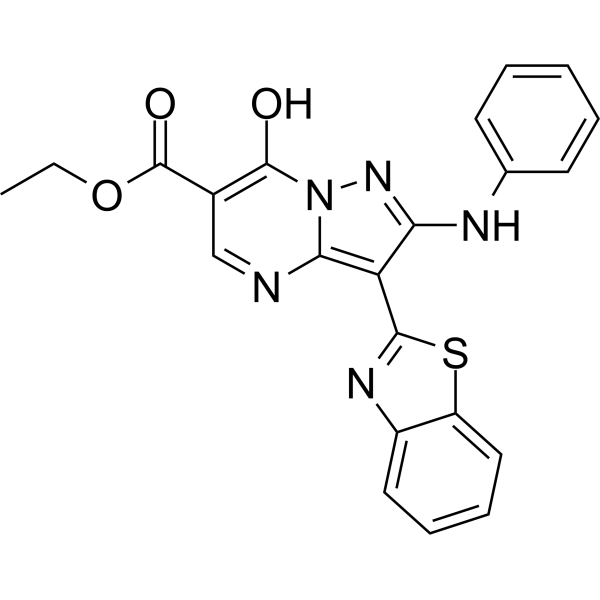
- HY-175021
-
|
|
HDAC
Carbonic Anhydrase
Microtubule/Tubulin
PARP
Apoptosis
Bcl-2 Family
Caspase
|
Cancer
|
|
HDAC-IN-91 is a multiple inhibitor of HDAC (IC50 = 134.22 nM for HDAC1, 66.29 nM for HDAC2), carbonic anhydrase (CA) (Ki = 72.03 nM for CA IX, 50.76 nM for XII), and tubulin polymerization ( IC50 = 2.56 μM). HDAC-IN-91 inhibits PARP1 and increases the Bax/Bcl-2 ratio. HDAC-IN-91 blocks the cell cycle at the G2/M phase and induces apoptosis through a mitochondrial apoptosis activation mechanism. HDAC-IN-91 can exert potent cytotoxic activity through tubulin polymerization inhibition. HDAC-IN-91 can be used in breast, colorectal, cervical and lung cancer research .
|
-

- HY-147517
-
|
|
Keap1-Nrf2
|
Neurological Disease
Inflammation/Immunology
|
|
Keap1-Nrf2-IN-9 (Compound 11) is a potent Keap1-Nrf2 PPI (Keap1-Nrf2 protein-protein interaction) inhibitor with an IC50 of 0.575 μM. Keap1-Nrf2-IN-9 increases the expression of Nrf2 target genes including heme oxygenase 1 (Hmox1), glutathione S-transferase P (GstP), and glutamate-cysteine ligase catalytic (Gclc) and modulatory (Gclm) subunits. Keap1-Nrf2-IN-9 shows no cytotoxic activity in ARPE19 cells .
|
-
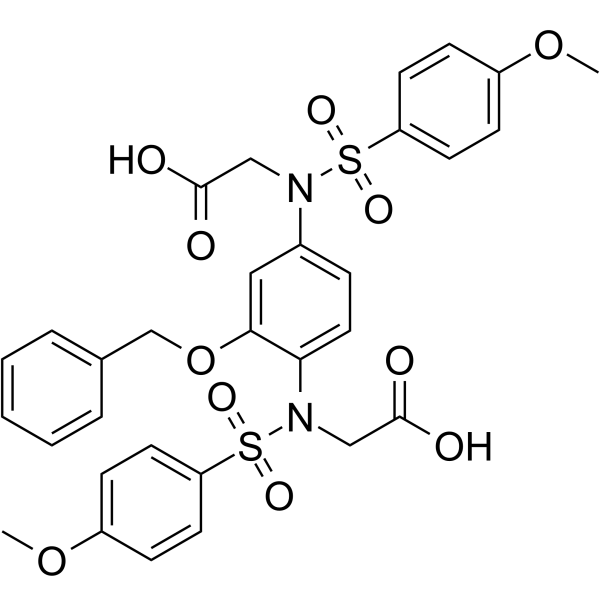
- HY-151458
-
|
|
VEGFR
Bacterial
Dihydrofolate reductase (DHFR)
Fungal
|
Infection
Cancer
|
|
VEGFR-2/DHFR-IN-1 (compound 8b) is an inhibitor of VEGFR-2 and DHFR with IC50s of 0.384 and 7.881 μM, respectively. VEGFR-2/DHFR-IN-1 shows good antibacterial activities against Escherichia coli, Streptococcus faecalis, Salmonella enterica, MSSA and MRSA with MIC values of 16, 16, 16, 8, and 16 μg/mL, respectively. VEGFR-2/DHFR-IN-1 exhibits good cytotoxic activities against C26, HepG2, and MCF7 cancer cell lines with IC50 values of 2.97-7.12 μM. VEGFR-2/DHFR-IN-1 can be used for the research of cancer .
|
-
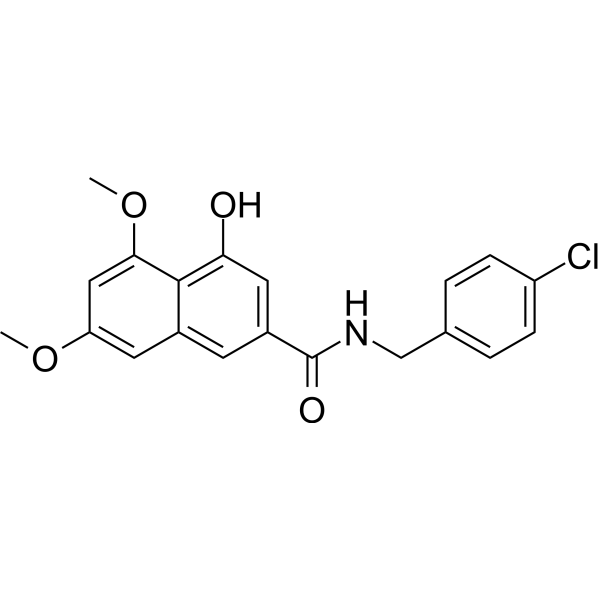
- HY-169921
-
|
|
c-Myc
Apoptosis
|
Cancer
|
|
c-Myc inhibitor 15 (Compound A5) is a selective c-Myc inhibitor that exerts anticancer effects by disrupting the interaction between c-Myc and Max, leading to the degradation of c-Myc protein and the induction of apoptosis. Its IC50 values are 4.08 μM and 7.86 μM in A549 and NCI-H1299 lung cancer cell lines, respectively, demonstrating strong cytotoxic activity. In a syngeneic tumor model, c-Myc inhibitor 15 exhibited outstanding antitumor efficacy, achieving a tumor growth inhibition rate of 76.4% and significantly reducing c-Myc protein expression levels. c-Myc inhibitor 15 holds promise for research related to c-Myc-driven lung cancers .
|
-

- HY-N3741
-
|
Didrovaltratum
|
Calcium Channel
Reactive Oxygen Species (ROS)
Autophagy
|
Inflammation/Immunology
Cancer
|
|
Didrovaltrate (Didrovaltratum) is an L-type calcium channel blocker, ROS scavenger, autophagy enhancer, and lipid accumulation inhibitor. Didrovaltrate blocks L-type calcium currents in a concentration-dependent manner, shifts the current-voltage curve upward, modulates steady-state inactivation kinetics, and inhibits the nuclear translocation of glucocorticoid receptors. Didrovaltrate reduces ROS levels, downregulates the expression of muscle atrophy-related genes, enhances autophagy via lipophagy, and decreases Oleic acid-induced lipid accumulation. Didrovaltrate exhibits cytotoxic activity against cancer cells. Didrovaltrate can be used in research related to skeletal muscle atrophy, non-alcoholic fatty liver disease, breast cancer, lung cancer, gastric cancer, and prostate cancer .
|
-
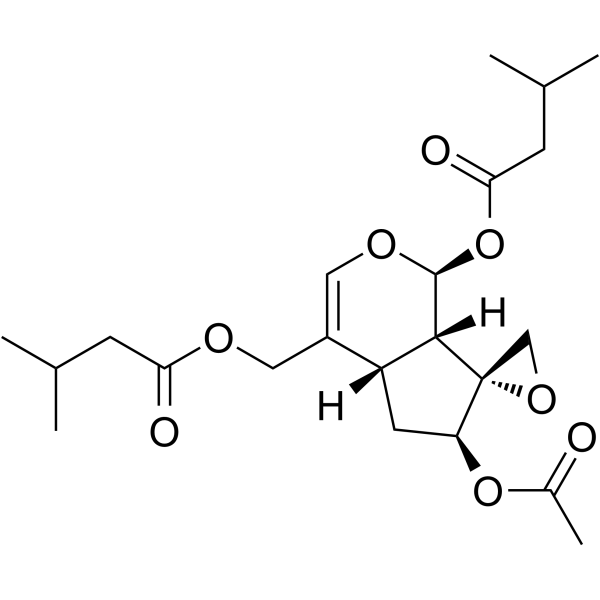
- HY-P11657
-
|
|
Bacterial
|
Infection
|
|
GN-2 peptoid is a 9-mer cationic amphipathic peptoid and bactericidal agent with an overall net charge of +4, broad-spectrum antimicrobial activity, and low hemolytic and cytotoxic activity against mammalian cells. GN-2 peptoid exerts bactericidal action against Escherichia coli in a concentration-dependent manner. GN-2 peptoid exhibits antimicrobial activity against Gram-positive Staphylococcus aureus and Gram-negative Escherichia coli, Pseudomonas aeruginosa strains. GN-2 peptoid shows low toxicity against human red blood cells and HeLa cells. GN-2 peptoid maintains antimicrobial activity in the presence of 50% human blood plasma. GN-2 peptoid can be used for the research of bacterial infections .
|
-

- HY-101741
-
|
A-289099
|
Microtubule/Tubulin
Apoptosis
|
Cancer
|
|
A-259745 is an orally active antimitotic agent that binds to the colchicine-binding site of tubulin. A-259745 exhibits potent in vitro cytotoxic activity against both multi-drug-resistant and non-multi-drug-resistant cancer cell lines, with ED50 values of 0.018 μM against HCT-15 and 0.028 μM against NCI-H460 cell lines. A-259745 inhibits tubulin polymerization, disrupts the dynamic equilibrium of the mitotic spindle, arrests dividing cells in metaphase, and subsequently induces apoptosis. A-259745 shows dose-dependent antitumor efficacy in murine tumor models. A-259745 can be used for the study of cancer .
|
-

- HY-N17778
-
|
|
Others
|
Cancer
|
|
(2R,3R)-7,3',4'-Trihydroxy-5-methoxy-flavanonol is a flavonoid and a selective inhibitor of human liver cancer cell growth, with an IC50 of 38.6 μg/mL (121.5 μM). (2R,3R)-7,3',4'-Trihydroxy-5-methoxy-flavanonol inhibits cancer cell growth with dose-dependent cytotoxic activity, and its anticancer activity is comparable to that of Cisplatin (HY-17394). (2R,3R)-7,3',4'-Trihydroxy-5-methoxy-flavanonol can be used in research on liver cancer and other types of cancer.
|
-

- HY-N18091
-
|
|
Akt
GSK-3
Keap1-Nrf2
NF-κB
Apoptosis
|
Infection
Neurological Disease
Metabolic Disease
Inflammation/Immunology
Cancer
|
|
Tovophyllin A is an orally active xanthonoid compound. Tovophyllin A exerts neuroprotective effects against Parkinson's disease by activating the Akt/GSK3β signaling pathway. Tovophyllin A protects mouse models of liver injury by activating Nrf2. Tovophyllin A exhibits protective anti-inflammatory activity in mouse models of acute lung injury. Tovophyllin A inhibits the activation of NF-κB and subsequent release of pro-inflammatory cytokines. Tovophyllin A reduces apoptotic cell death (Apoptosis). Tovophyllin A has antiplasmodial activity. Tovophyllin A shows cytotoxic activity against lung epithelial cancer cells and breast cancer cells. Tovophyllin A can be used in research related to Parkinson's disease, liver injury, acute lung injury, lung epithelial cancer, and breast cancer .
|
-

- HY-N8501
-
|
|
Bacterial
|
Infection
|
|
Emestrin is a mycotoxin originally isolated from E. striata that has antimicrobial, immunomodulatory, and cytotoxic activities. It is active against the fungi C. albicans and C. neoformans, as well as the bacteria E. coli, S. aureus, and methicillin-resistant S. aureus (MRSA; IC50s=3.94, 0.6, 2.21, 4.55, and 2.21 μg/mL, respectively).2 Emestrin is a chemokine (C-C motif) receptor 2 (CCR2) antagonist (IC50=5.4 μM in a radioligand binding assay using isolated human monocytes).3 Emestrin (0.1 μg/mL) induces apoptosis in HL-60 cells. It induces heart, thymus, and liver tissue necrosis in mice when administered at doses ranging from 18 to 30 mg/kg.
|
-

- HY-153894
-
|
|
CDK
Epigenetic Reader Domain
PI3K
NF-κB
SARS-CoV
|
Infection
Neurological Disease
Metabolic Disease
Inflammation/Immunology
Cancer
|
|
SRX3177 is a triple inhibitor of CDK4/6, PI3K, and BRD4, with IC50s of <2.5 nM (CDK4), 3.3 nM (CDK6), 33 nM (BRD4 BD1), 89 nM (BRD4 BD2), 79 nM (PI3Kα), 83 nM (PI3Kδ), 3.18 μM (PI3Kγ) , respectively. SRX3177 blocks the interaction between the SARS-CoV-2 E protein and the BRD2/4 BD1 domain, restores E protein-attenuated NF-κB activity. SRX3177 exerts broad cytotoxic activity against cancer cells. SRX3177 can be used for the study of anti-SARS-CoV-2 and cancer .
|
-
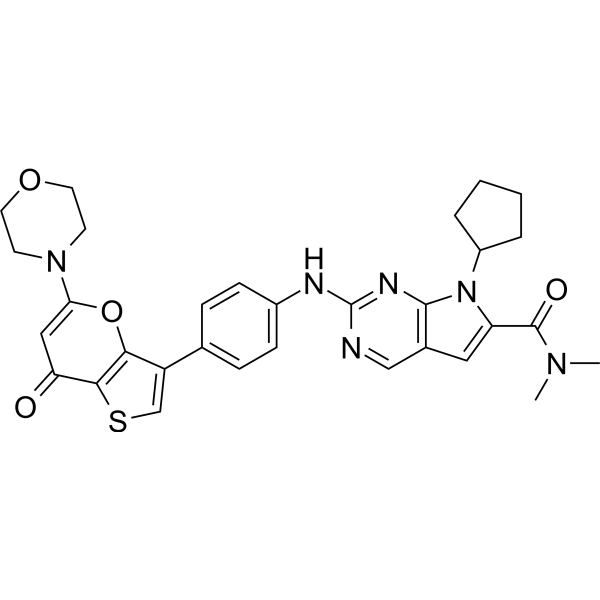
- HY-P99148
-
|
|
TNF Receptor
|
Metabolic Disease
Inflammation/Immunology
|
|
Anti-Mouse TNF alpha Antibody (TN3-19.12) is an anti-mouse TNF alpha IgG antibody inhibitor derived from host Armenian Hamster. Anti-Mouse TNF alpha Antibody (TN3-19.12) neutralizes cytotoxic activity in supernatants obtained from LNC-8 cells. Anti-Mouse TNF alpha Antibody (TN3-19.12) reduces the symptoms and severity of EAE (experimental allergic encephalomyelitis) in LNC-8 cells xenograft mice models. Anti-Mouse TNF alpha Antibody (TN3-19.12) prevents diabetes in NOD mice. Anti-Mouse TNF alpha Antibody (TN3-19.12) shows apparent radiosensitizing effect in CD2F1 mice .
|
-
- HY-N13081
-
|
|
Others
|
Cancer
|
|
3-Oxo-cinobufagin (compound 8) is a potential anticancer compound that can be isolated from the broth of M. spinosus by high-performance liquid chromatography. Compared to other isolated compounds, the hydroxyl group at the C-5 position of 3-Oxo-cinobufagin is further oxidized or isomerized, significantly reducing its cytotoxic activity against most cell lines (except HEL), while increasing its activity against the BEL cell line. The IC50 values of 3-Oxo-cinobufagin's cytotoxicity against cancer cells are: 71.3 μM (HepG2), 90.2 μM (SMMC-7221), 0.11 μM (BEL-7402), 72.5 μM (K562), 5.3 μM (HL-60), and 12 nM (HEL) .
|
-

- HY-N11846
-
|
|
Apoptosis
Caspase
|
Inflammation/Immunology
Cancer
|
|
4′-O-Methylglabridin is an apoptosis inducer with antioxidant, cell cycle-disrupting and anticancer cytotoxic activities. 4′-O-Methylglabridin inhibits various cancer cell lines including liver cancer, breast cancer and colorectal cancer cell lines. By reducing the expression levels of phosphorylated Rb (Ser807/811) and p21 proteins, 4′-O-Methylglabridin promotes cell accumulation at the subG1 and G2/M phases, and triggers caspase-dependent apoptosis via cytochrome C release and caspase-9 activation. 4′-O-Methylglabridin also exerts antioxidant effects by inhibiting lipid peroxide levels and reducing β-carotene consumption, thereby blocking LDL oxidation. 4′-O-Methylglabridin can be used in the research of various cancers and atherosclerotic diseases .
|
-

- HY-182443
-
|
|
Parasite
|
Infection
|
|
PEX5-PEX14 PPI-IN-4 is a potent PEX14-PEX5 PPI inhibitor, with EC50 values of 7.78 μM, 27.5 μM and 9.31 μM against the protein-protein interactions of TbPEX14-PEX5, TcPEX14-PEX5 and HsPEX14-PEX5, respectively. PEX5-PEX14 PPI-IN-4 exhibits trypanocidal activity against Trypanosoma brucei rhodesiense and Trypanosoma cruzi. PEX5-PEX14 PPI-IN-4 shows cytotoxic activity against mammalian cells. PEX5-PEX14 PPI-IN-4 can be used in the research of human African trypanosomiasis and Chagas disease .
|
-

- HY-181588
-
|
|
Nuclear Hormone Receptor 4A/NR4A
|
Neurological Disease
Inflammation/Immunology
|
|
NR4A agonist-2 is a selective pan-NR4A agonist designed based on Vidofludimus (HY-14908), with a Kd of 0.10 μM against NR4A1, and EC50 values of 0.098 μM, 0.092 μM and 0.09 μM against Nur77, Nurr1, NOR-1, respectively. NR4A agonist-2 exhibits 47-fold selectivity over DHODH, and shows no cytotoxic activity at concentrations up to 10 μM. By binding to a specific surface pocket in the ligand-binding domain of Nurr1, NR4A agonist-2 inhibits the formation of Nurr1 homodimers, activates response elements such as NBRE, NurRE, DR5, and then potently induces the expression of neuroprotective genes including BDNF, SOD2, thereby exerting neuroprotective activity. NR4A agonist-2 can be used in the research of neurodegenerative diseases such as Parkinson's disease, dementia and multiple sclerosis .
|
-

- HY-164992
-
|
MRG002; Trastuzumab MMAE
|
Antibody-Drug Conjugates (ADCs)
EGFR
Microtubule/Tubulin
|
Cancer
|
|
Trastuzumab vedotin (MRG002; Trastuzumab MMAE) is an antibody-drug conjugate and cytotoxin targeting HER2, with a Kd of 7.50E-11 M for human HER2. After binding to HER2, Trastuzumab vedotin undergoes internalization and lysosomal trafficking, delivering a cytotoxic payload to HER2-expressing cells and inducing tumor regression in in vivo xenograft models with HER2-expressing tumors. The anti-tumor activity of Trastuzumab vedotin is enhanced when used in combination with anti-PD-1 antibodies, and it exhibits preclinical anti-tumor activity in drug-resistant breast cancer, gastric cancer, and urothelial carcinoma PDX models. Trastuzumab vedotin has low antibody-dependent cellular cytotoxicity activity and can be used in studies related to HER2-positive breast cancer, HER2-positive gastric cancer, and unresectable locally advanced or metastatic HER2-positive urothelial carcinoma .
|
-

- HY-N12586
-
|
|
ERK
Reactive Oxygen Species (ROS)
COX
PGE synthase
STAT
HCV
HCV Protease
|
Infection
Neurological Disease
Cancer
|
|
Pheophytin a is a multi-target inhibitor, anticancer agent, antioxidant and antiviral agent. Pheophytin a directly binds to and inhibits HCV-NS3/4A protease (IC50=0.89 μM) to block viral replication. Pheophytin a also scavenges free radicals, reduces ferric ions, and exhibits cytotoxic activity against breast cancer cells. Pheophytin a effectively inhibits LPS-induced production of nitric oxide, prostaglandin E2, NOS2 and COX-2, as well as various pro-inflammatory cytokines, by downregulating the transcription levels of inflammatory mediators and blocking the ERK1/2 and STAT-1 pathways. In a low nerve growth factor environment, Pheophytin a also enhances ERK1/2 phosphorylation and synergistically promotes neurite outgrowth through MAPK pathway. Pheophytin a can be used to investigate the pathogenic mechanisms of diseases including chronic hepatitis C, sepsis, breast cancer and Alzheimer's disease .
|
-
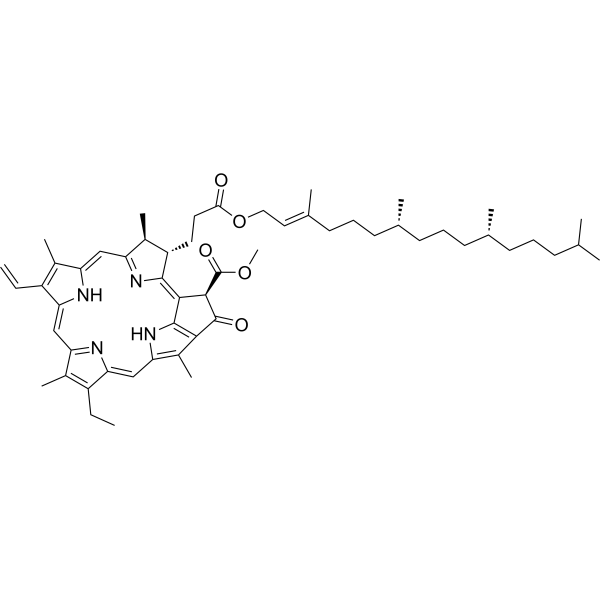
- HY-182745
-
|
|
VEGFR
Apoptosis
|
Cancer
|
|
VEGFR-2-IN-85 is a strong VEGFR-2 inhibitor, with an IC50 value of 0.23 μM. VEGFR-2-IN-85 exhibits potent cytotoxic activity against multiple cancer cell lines with minimal toxicity toward normal cells. VEGFR-2-IN-85 also impairs cancer cell migration, likely through modulation of the VEGFR-2/p-Akt pathway. VEGFR-2-IN-85 can induce apoptosis through modulation of Caspase-3, Bax and Bcl-2. VEGFR-2-IN-85 arrests cell cycle at the G2/M phase and has anti-angiogenic activity. VEGFR-2-IN-85 is a targeted radiosensitizer enhancing radiation-induced cytotoxicity. VEGFR-2-IN-85 can be used for research on cancers such as non-small cell lung cancer, breast cancer, and liver cancer .
|
-

- HY-164899
-
|
2-aminopyridine-3-carboxylic acid imidazolide
|
Transmembrane Glycoprotein
|
Cancer
|
|
2A3 (2-aminopyridine-3-carboxylic acid imidazolide) is a T cell activator that specifically binds to CEACAM6 and CEACAM5. 2A3 exhibits enzymatic activity that catalyzes the glucuronidation of specific substrates (e.g., 1-naphthol), and possesses significant cytotoxic activity. When integrated into CAR T cells or used alone, 2A3 acts by inducing cytokine release, degranulation, and direct cytotoxicity. 2A3 kills pancreatic and breast cancer cells with high target antigen expression in vitro, and significantly inhibits the growth of pancreatic cancer xenografts in vivo. 2A3 broadly targets malignant tumors with overexpressed CEACAM5, CEACAM6, or co-expressed both, and shows high expression mainly in tissues such as the liver and colon. 2A3 serves as an important research tool for the immunotherapy of pancreatic and breast cancer . 2A3 is a novel SHAPE reagent, which can be used for the analysis of RNA structure both in vitro and in vivo . 2A3 is an electrophilic chemical probe that acylates the 2'-OH in the RNA backbone. 2A3 can be used for RNA SHAPE-MaP experiments and is capable of analyzing the RNA secondary structures at single nucleotide resolution.
|
-

| Cat. No. |
Product Name |
Type |
-
- HY-P9921A
-
|
Ado-Trastuzumab emtansine (solution); PRO132365 (solution); T-DM 1 (solution)
|
Fluorescent Dyes
|
|
Trastuzumab emtansine (Ado-Trastuzumab emtansine) is an antibody-drug conjugate (ADC) that incorporates the HER2-targeted antitumor properties of trastuzumab with the cytotoxic activity of the microtubule-inhibitory agent DM1 (derivative of maytansine), and the drug-linker conjugate for ADC is SMCC-DM1 (HY-101070). Trastuzumab emtansine can be used for the research of advanced breast cancer .
|
-
- HY-164992
-
|
MRG002; Trastuzumab MMAE
|
Fluorescent Dyes
|
|
Trastuzumab vedotin (MRG002; Trastuzumab MMAE) is an antibody-drug conjugate and cytotoxin targeting HER2, with a Kd of 7.50E-11 M for human HER2. After binding to HER2, Trastuzumab vedotin undergoes internalization and lysosomal trafficking, delivering a cytotoxic payload to HER2-expressing cells and inducing tumor regression in in vivo xenograft models with HER2-expressing tumors. The anti-tumor activity of Trastuzumab vedotin is enhanced when used in combination with anti-PD-1 antibodies, and it exhibits preclinical anti-tumor activity in drug-resistant breast cancer, gastric cancer, and urothelial carcinoma PDX models. Trastuzumab vedotin has low antibody-dependent cellular cytotoxicity activity and can be used in studies related to HER2-positive breast cancer, HER2-positive gastric cancer, and unresectable locally advanced or metastatic HER2-positive urothelial carcinoma .
|
| Cat. No. |
Product Name |
Type |
| Cat. No. |
Product Name |
Target |
Research Area |
-
- HY-P4284
-
|
|
Proteasome
ClpP
Bacterial
|
Infection
|
|
Z-GGF-CMK is an Antibacterial agent, an inhibitor of the ClpP1P2 serine protease complex (with an IC50 of 50 μM against intracellular ClpP1P2 protease activity in Mycobacterium bovis BCG), and a selective inhibitor of the mycobacterial Proteasome (with an IC50 of 50 μM against the proteasome in M. bovis BCG). Z-GGF-CMK inhibits the growth of mycobacteria. Z-GGF-CMK exhibits cytotoxic activity against liver cancer cells. Z-GGF-CMK can be used in the research of tuberculosis .
|
-
- HY-P3981
-
-
- HY-204478
-
|
|
Peptides
|
Cancer
|
|
Ac-KVPL-CMK is an inhibitor that specifically targets Granzyme M (GrM). Ac-KVPL-CMK significantly inhibits GrM-mediated tumor cell death. Ac-KVPL-CMK reduces the cytotoxic activity of LAK cells against HeLa cells. Ac-KVPL-CMK can be used for the study of cancer .
|
-
- HY-P2569
-
|
|
Apoptosis
|
Cancer
|
|
Malformin A1, a cyclic pentapeptide isolated from Aspergillus niger, possess a range of bioactive properties including antibacterial activity. Malformin A1 shows potent cytotoxic activities on human colorectal cancer cells. Malformin A1 induces apoptosis by activating PARP, caspase 3, -7, and -9 .
|
-
- HY-204478A
-
|
|
Peptides
|
Cancer
|
|
Ac-KVPL-CMK TFA is the trifluoroacetic acid of Ac-KVPL-CMK (HY-204478). Ac-KVPL-CMK is an inhibitor that specifically targets Granzyme M (GrM). Ac-KVPL-CMK significantly inhibits GrM-mediated tumor cell death. Ac-KVPL-CMK reduces the cytotoxic activity of LAK cells against HeLa cells. Ac-KVPL-CMK can be used for the study of cancer .
|
-
- HY-P11657
-
|
|
Bacterial
|
Infection
|
|
GN-2 peptoid is a 9-mer cationic amphipathic peptoid and bactericidal agent with an overall net charge of +4, broad-spectrum antimicrobial activity, and low hemolytic and cytotoxic activity against mammalian cells. GN-2 peptoid exerts bactericidal action against Escherichia coli in a concentration-dependent manner. GN-2 peptoid exhibits antimicrobial activity against Gram-positive Staphylococcus aureus and Gram-negative Escherichia coli, Pseudomonas aeruginosa strains. GN-2 peptoid shows low toxicity against human red blood cells and HeLa cells. GN-2 peptoid maintains antimicrobial activity in the presence of 50% human blood plasma. GN-2 peptoid can be used for the research of bacterial infections .
|
| Cat. No. |
Product Name |
Target |
Research Area |
Image |
-
- HY-P99055
-
|
|
TNF Receptor
|
Inflammation/Immunology
Cancer
|
|
Urelumab, a fully human, non-ligand binding, CD137 agonist IgG4 monoclonal antibody, enhances T-cell and natural killer-cell antitumor activity, and may enhance cytotoxic activity of Rituximab (HY-P9913). Urelumab can be used for the research of diffuse large B-cell lymphoma (DLBCL), follicular lymphoma (FL), and other types of non-Hodgkin lymphoma (NHL) .
|
-

(5)
-
- HY-P99148
-
|
|
TNF Receptor
|
Metabolic Disease
Inflammation/Immunology
|
|
Anti-Mouse TNF alpha Antibody (TN3-19.12) is an anti-mouse TNF alpha IgG antibody inhibitor derived from host Armenian Hamster. Anti-Mouse TNF alpha Antibody (TN3-19.12) neutralizes cytotoxic activity in supernatants obtained from LNC-8 cells. Anti-Mouse TNF alpha Antibody (TN3-19.12) reduces the symptoms and severity of EAE (experimental allergic encephalomyelitis) in LNC-8 cells xenograft mice models. Anti-Mouse TNF alpha Antibody (TN3-19.12) prevents diabetes in NOD mice. Anti-Mouse TNF alpha Antibody (TN3-19.12) shows apparent radiosensitizing effect in CD2F1 mice .
|
-
(5)
-
- HY-P991542
-
|
|
CD19
|
Cancer
|
|
GBR-401 is a humanized anti-CD19 monoclonal antibody with high affinity for FcγRIIIa. GBR-401 exerts a potent in vitro and in vivo cytotoxic activity against various B-cell malignancies. GBR-401 induces cell death by antibody dependent cellular cytotoxicity (ADCC) and direct killing effect. GBR-401 demonstrates potent activity of depleting malignant B cells and prolongs mice survival in multiple xenograft severe combined immunodeficiency (SCID) mice models .
|
-
(5)
-
- HY-P992445
-
|
|
CD20
|
Cancer
|
|
PRO131921 is a humanized IgG1 anti-CD20 antibody, with antibody-dependent cellular cytotoxicity and complement-dependent cytotoxicity activities. PRO131921 acts as an anti-tumor agent. PRO131921 can be used for the research of indolent non-Hodgkin lymphoma and relapsed and refractory indolent lymphoma .
|
-
(5)
-
- HY-P992388
-
|
|
LILRB
|
Cancer
|
|
IO-108 is a humanized IgG4 monoclonal antibody and a competitive inhibitor of LILRB2, with a KD value of 1.97 nM. IO-108 competitively blocks the binding of LILRB2 to its ligands including HLA-G, MHC-I, ANGPTL2 and SEMA4A, reprograms tumor-associated myeloid cells, drives the conversion of suppressive myeloid cells into a pro-inflammatory phenotype, and restores the cytotoxic activity of T cells and NK cells. IO-108 inhibits tumor growth in LILRB2 transgenic mouse models. IO-108 can be used for the research of solid tumors .
|
-
(5)
| Cat. No. |
Product Name |
Category |
Target |
Chemical Structure |
- HY-126422
-
-
- HY-N0129R
-
-
- HY-N8394
-
-
- HY-N12584
-
-
- HY-N8317
-
-
- HY-N9534
-
-
- HY-N3041
-
-
- HY-N10082
-
-
- HY-N2779
-
-
- HY-N9159
-
-
- HY-N1637
-
-
- HY-N10491
-
|
|
Microorganisms
Diterpenoids
Source Classification
|
P-glycoprotein
|
|
Spongionellol A is a MDR1 (p-glycoprotein) inhibitor. Spongionellol A has high cytotoxic activity and selectivity in prostate cancer cells by inducing caspase‑dependent apoptosis. Spongionellol A can be used in the research of cancers, such as prostate cancer .
|
-
- HY-118726
-
-
- HY-N10877
-
-
- HY-N7760
-
-
- HY-123286
-
-
- HY-126989
-
-
- HY-N16404
-
-
- HY-N12151
-
-
- HY-N11919
-
-
- HY-N4227
-
-
- HY-N10952
-
-
- HY-N14364
-
-
- HY-N5208
-
|
|
Natural Products
Microorganisms
Source Classification
|
Others
|
|
YM-216391 is an antitumor cyclic peptide that can be isolated from the cultured mycelium of Streptomyces nobilis JCM 4274. YM-216391 exhibits potent cytotoxic activity against a variety of human cancer cell lines and can be used in anticancer research .
|
-
- HY-N15584
-
-
- HY-N10959
-
-
- HY-N12299
-
-
- HY-N11060A
-
-
- HY-N17410
-
-
- HY-N7920
-
-
- HY-123724
-
-
- HY-N18195
-
-
- HY-N15757
-
-
- HY-N18379
-
-
- HY-N17748
-
-
- HY-N18247
-
-
- HY-N18174
-
-
- HY-N17957
-
-
- HY-N7154
-
-
- HY-N17610
-
-
- HY-N17419
-
-
- HY-N18339
-
-
- HY-N19313
-
-
- HY-N18228
-
-
- HY-N9835
-
-
- HY-N6060A
-
-
- HY-182559
-
-
- HY-N18290
-
-
- HY-N19809
-
-
- HY-N17875
-
-
- HY-N10492
-
|
|
Microorganisms
Diterpenoids
Source Classification
|
P-glycoprotein
|
|
Spongionellol A analog 1, an analog of Spongionellol A (HY-10491), is a MDR1 (p-glycoprotein) inhibitor. Spongionellol A analog 1 has high cytotoxic activity and selectivity in prostate cancer cells by inducing caspase?dependent apoptosis. Spongionellol A analog 1 can be used in the research of cancers, such as prostate cancer .
|
-
- HY-N7450
-
-
- HY-N10850
-
|
|
Triterpenes
Terpenoids
Celastraceae
Plants
Source Classification
|
Bacterial
|
|
Blepharotriol is a phenolic triterpene that can be found in Maytenus blepharodes. Blepharotriol shows antimicrobial activity with a MIC value of 8-4 µg/ml for Bacillus subtilis. Blepharotriol shows cytotoxic activity with IC50s of 12.2, >20, >20 µM for HeLa, Hep-2, Vero cells, respectively .
|
-
- HY-121014
-
-
- HY-N10259
-
-
- HY-P2569
-
-
- HY-N11928
-
-
- HY-N10777
-
-
- HY-N8462
-
-
- HY-N18168
-
-
- HY-N2852
-
-
- HY-N6061
-
-
- HY-145379
-
-
- HY-N10853
-
-
- HY-N2228
-
-
- HY-N17880
-
-
- HY-N0128R
-
-
- HY-N16067
-
-
- HY-N8255
-
-
- HY-N15348
-
|
|
Microorganisms
Terpenoids
Diterpenoids
Source Classification
|
Others
|
|
Aphidicolins B32 is a diterpenoid compound discovered in the marine fungus Botryotinia fuckeliana, exhibiting cytotoxic activity against human bladder cancer cells. It inhibits the proliferation of T24 cells in the G0/G1 phase, with an IC50 of 27.6 μM. Aphidicolins B32 holds potential for research in the field of cancer therapy .
|
-
- HY-N2369
-
-
- HY-N10206
-
-
- HY-N14342
-
|
|
Microorganisms
Antibiotics
Other Antibiotics
Source Classification
|
Bacterial
|
|
Manumycin E has anti-Gram-positive bacteria and Escherichia coli effects, but the effect is very weak against other anti-Gram-negative bacteria, and has no effect on fungi. Manumycin E inhibits RAS Faraday base transfer and has weak cytotoxic activity against human cloned cancer cell lines HCT-116 (IC50 is 15.6 μg/mL) .
|
-
- HY-N8954
-
-
- HY-N14344
-
|
|
Microorganisms
Antibiotics
Other Antibiotics
Source Classification
|
Bacterial
|
|
Manumycin G has anti-Gram-positive bacteria and Escherichia coli effects, but the effect is very weak against other anti-Gram-negative bacteria, and has no effect on fungi. Manumycin G inhibits RAS Faraday base transfer and has weak cytotoxic activity against human cloned cancer cell lines HCT-116 (IC50 is 15.6 μg/mL) .
|
-
- HY-N14343
-
|
|
Microorganisms
Antibiotics
Other Antibiotics
Source Classification
|
Bacterial
|
|
Manumycin F has anti-Gram-positive bacteria and Escherichia coli effects, but the effect is very weak against other anti-Gram-negative bacteria, and has no effect on fungi. Manumycin F inhibits RAS Faraday base transfer and has weak cytotoxic activity against human cloned cancer cell lines HCT-116 (IC50 is 15.6 μg/mL) .
|
-
- HY-N10208
-
-
- HY-N17854
-
-
- HY-N17444
-
-
- HY-N11764
-
-
- HY-N18186
-
-
- HY-N16065
-
|
|
Microorganisms
Phenols
Polyphenols
Source Classification
|
Bacterial
|
|
Prenylterphenyllin (Compound 1) is an antibacterial agent. Prenylterphenyllin can be isolated from marine-derived fungus Aspergillus candidus IF10. Prenylterphenyllin has cytotoxic activity against KB3-1 cells with an IC50 of 8.5 mg/mL. Prenylterphenyllin also has antibacterial activities against Xanthomonas oryzae and Erwinia amylovora with MICs of both 20 μg/mL .
|
-
- HY-N6998A
-
-
- HY-N1243
-
-
- HY-N3626
-
|
|
Triterpenes
Terpenoids
Rubiaceae
Gardenia sootepensis hutchins.
Plants
Source Classification
|
Others
|
|
Coronalolide is a natural triterpene with anticancer effects. Coronalolide exhibits a broad cytotoxic activity for human breast (BT474), gastric (KATO-3), lung (CHAGO), colon (SW-620), and liver (Hep-G2) cancer cell lines, with IC50 values of 6.59 µg/mL, 5.85 µg/mL, 5.42 µg/mL, 4.98 µg/mL, and 6.41 µg/mL, respectively .
|
-
- HY-129583
-
-
- HY-N3210
-
-
- HY-N17074
-
-
- HY-N0990
-
|
|
Anthraquinones
Morinda citrifolia Linn.
Rubiaceae
Plants
Source Classification
|
Others
|
|
1,5,15-Trimethylmorindol is an anthraquinone isolated from the leaves of Morinda citrifolia. 1,5,15- trimethylmorindol (25 μg/mL) does not show significant cytotoxic activity on the human T-cell leukemia cell line, Jurkat, by itself but it shows cytotoxicity (IC50 14.5-15.0 μg/mL) when combined with 0.5-1.5 μg/mL of TRAIL in the cell proliferation assay .
|
-
- HY-N1720
-
-
- HY-W728151
-
-
- HY-N0855
-
-
- HY-N18321
-
-
- HY-W106860
-
-
- HY-N19297
-
-
- HY-N3198A
-
-
- HY-N2369R
-
-
- HY-N6739
-
-
- HY-N7049
-
-
- HY-N18117A
-
-
- HY-N7052
-
-
- HY-N15438
-
-
- HY-N7053
-
-
- HY-N17942
-
-
- HY-N7050
-
-
- HY-N2348
-
-
- HY-N2346
-
-
- HY-N2347
-
-
- HY-N7051
-
-
- HY-N1746
-
-
- HY-W753557
-
|
|
Persea americana Mill
Structural Classification
Natural Products
Plants
Lauraceae
Source Classification
|
Drug Derivative
Insecticide
Bacterial
|
|
Avocadene is a natural product isolated from Persea americana leaves, with anticancer, insecticidal, anti-Helicobacter pylori, and anti-inflammatory activity. Avocadene exerts antibacterial and anti‑inflammatory effects by suppressing Helicobacter pylori growth and inhibiting protein denaturation. Avocadene displays obvious cytotoxic activity against human prostate cancer PC‑3 cells with an IC50 of 0.5 μg/mL. Avocadene can be used for research of Helicobacter pylori‑associated gastrointestinal inflammation, gastroduodenal injury and prostate tumors .
|
-
- HY-N15141
-
-
- HY-N16066
-
|
CHNQD-0803
|
Monophenols
Microorganisms
Phenols
Source Classification
|
AMPK
Apoptosis
NF-κB
TNF Receptor
|
|
Candidusin A (CHNQD-0803) (Compound 4) is a AMPK activator with a KD of 47.28 nM. Candidusin A can be isolated from marine fungus Aspergillus candidus. Candidusin A has cytotoxic activity and induces apoptosis in human prostate cancer cells (22Rv1, PC-3 and LNCaP cells). Candidusin A reduces adipogenesis genes expression and fat deposition, negatively regulates the NF-κB-TNFα inflammatory axis to suppress inflammation, and ameliorates liver injury and fibrosis. Candidusin A can be used for non-alcoholic steatohepatitis (NASH) research .
|
-
- HY-N18117
-
|
|
Structural Classification
Terpenoids
Melia azedarach L.
Diterpenoids
Plants
Meliaceae
Source Classification
|
EBV
|
|
21-Hydroxyisoohchininolide is a salannin-type limonoid. 21-Hydroxyisoohchininolide inhibits lipopolysaccharide (LPS, HY-D1056)-induced nitric oxide production in mouse macrophages. 21-Hydroxyisoohchininolide exhibits cytotoxic activity against leukemia cells and breast cancer cells. 21-Hydroxyisoohchininolide suppresses phorbol 12-myristate 13-acetate (PMA) (HY-18739)-induced activation of Epstein-Barr virus early antigen in lymphocytes. 21-Hydroxyisoohchininolide can be used for the research of leukemia, breast cancer and inflammatory diseases .
|
-
- HY-N0755
-
-
- HY-N4322
-
-
- HY-N19311
-
|
|
Structural Classification
Alkaloids
Microorganisms
Other Alkaloids
Source Classification
|
Bacterial
|
|
3,6-Bis(1-methylpropyl)-2(1H)-pyrazinone is an alkylated 2(1H)-pyrazinone derivative and cytotoxic agent found in the tunicate-derived actinomycete Streptomyces sp. Did-27.3,6-Bis(1-methylpropyl)-2(1H)-pyrazinone exhibits cytotoxic activity against cancer cells.3,6-Bis(1-methylpropyl)-2(1H)-pyrazinone can be used for the research of colorectal carcinoma, hepatocellular carcinoma, breast cancer .
|
-
- HY-N0755R
-
|
|
Structural Classification
Rhus succedanea
Flavonoids
Flavones
Plants
Anacardiaceae
|
Reference Standards
Insulin Receptor
GLUT
NF-κB
p38 MAPK
Autophagy
|
|
Rhoifolin (Standard) is the analytical standard of Rhoifolin. This product is intended for research and analytical applications. Rhoifolin is a flavone glycoside can be isolated from Rhus succedanea. Rhoifolin has anti-diabetic effect acting through enhanced adiponectin secretion, tyrosine phosphorylation of insulin receptor-β and glucose transporter 4 (GLUT 4) translocation. Rhoifolin has an anti-inflammatory action via multi-level regulation of inflammatory mediators. Rhoifolin ameliorates titanium particle-stimulated osteolysis and attenuates osteoclastogenesis via RANKL-induced NF-κB and MAPK pathways. Rhoifolin also has cytotoxic activity against different cancer cell lines .
|
-
- HY-N13838
-
|
|
Triterpenes
Structural Classification
Pongamia pinnata (L.) Pierre
Terpenoids
Plants
Compositae
Source Classification
|
Bacterial
|
|
8,9-Dehydro-7,9-diisobutyryloxythymol is a Thymol (HY-N6810) derivative, as well as an antibacterial agent. 8,9-Dehydro-7,9-diisobutyryloxythymol can be found in the aerial parts of Ageratina adenophora, with selective activity against Gram-positive bacterial strains including Bacillus cereus. 8,9-Dehydro-7,9-diisobutyryloxythymol does not exhibit detectable in vitro cytotoxic activity against human cancer cell lines. 8,9-Dehydro-7,9-diisobutyryloxythymol can be used for the research of bacterial infection .
|
-
- HY-N17550
-
-
- HY-W106860R
-
-
- HY-N3741
-
|
Didrovaltratum
|
Structural Classification
Natural Products
Classification of Application Fields
Valeriana officinalis Linn.
Plants
Valerianaceae
Disease Research Fields
Source Classification
Cancer
|
Calcium Channel
Reactive Oxygen Species (ROS)
Autophagy
|
|
Didrovaltrate (Didrovaltratum) is an L-type calcium channel blocker, ROS scavenger, autophagy enhancer, and lipid accumulation inhibitor. Didrovaltrate blocks L-type calcium currents in a concentration-dependent manner, shifts the current-voltage curve upward, modulates steady-state inactivation kinetics, and inhibits the nuclear translocation of glucocorticoid receptors. Didrovaltrate reduces ROS levels, downregulates the expression of muscle atrophy-related genes, enhances autophagy via lipophagy, and decreases Oleic acid-induced lipid accumulation. Didrovaltrate exhibits cytotoxic activity against cancer cells. Didrovaltrate can be used in research related to skeletal muscle atrophy, non-alcoholic fatty liver disease, breast cancer, lung cancer, gastric cancer, and prostate cancer .
|
-
- HY-N17778
-
|
|
Structural Classification
Flavonols
Flavonoids
Leguminosae
Genista corsica (Loisel.) DC.
Plants
Source Classification
|
Others
|
|
(2R,3R)-7,3',4'-Trihydroxy-5-methoxy-flavanonol is a flavonoid and a selective inhibitor of human liver cancer cell growth, with an IC50 of 38.6 μg/mL (121.5 μM). (2R,3R)-7,3',4'-Trihydroxy-5-methoxy-flavanonol inhibits cancer cell growth with dose-dependent cytotoxic activity, and its anticancer activity is comparable to that of Cisplatin (HY-17394). (2R,3R)-7,3',4'-Trihydroxy-5-methoxy-flavanonol can be used in research on liver cancer and other types of cancer.
|
-
- HY-N18091
-
|
|
Structural Classification
Guttiferae
Phenols
Polyphenols
Garcinia mangostana Linn.
Plants
Source Classification
|
Akt
GSK-3
Keap1-Nrf2
NF-κB
Apoptosis
|
|
Tovophyllin A is an orally active xanthonoid compound. Tovophyllin A exerts neuroprotective effects against Parkinson's disease by activating the Akt/GSK3β signaling pathway. Tovophyllin A protects mouse models of liver injury by activating Nrf2. Tovophyllin A exhibits protective anti-inflammatory activity in mouse models of acute lung injury. Tovophyllin A inhibits the activation of NF-κB and subsequent release of pro-inflammatory cytokines. Tovophyllin A reduces apoptotic cell death (Apoptosis). Tovophyllin A has antiplasmodial activity. Tovophyllin A shows cytotoxic activity against lung epithelial cancer cells and breast cancer cells. Tovophyllin A can be used in research related to Parkinson's disease, liver injury, acute lung injury, lung epithelial cancer, and breast cancer .
|
-
- HY-N8501
-
|
|
Structural Classification
Natural Products
Microorganisms
Source Classification
|
Bacterial
|
|
Emestrin is a mycotoxin originally isolated from E. striata that has antimicrobial, immunomodulatory, and cytotoxic activities. It is active against the fungi C. albicans and C. neoformans, as well as the bacteria E. coli, S. aureus, and methicillin-resistant S. aureus (MRSA; IC50s=3.94, 0.6, 2.21, 4.55, and 2.21 μg/mL, respectively).2 Emestrin is a chemokine (C-C motif) receptor 2 (CCR2) antagonist (IC50=5.4 μM in a radioligand binding assay using isolated human monocytes).3 Emestrin (0.1 μg/mL) induces apoptosis in HL-60 cells. It induces heart, thymus, and liver tissue necrosis in mice when administered at doses ranging from 18 to 30 mg/kg.
|
-
- HY-N13081
-
|
|
Microorganisms
Steroids
Source Classification
|
Others
|
|
3-Oxo-cinobufagin (compound 8) is a potential anticancer compound that can be isolated from the broth of M. spinosus by high-performance liquid chromatography. Compared to other isolated compounds, the hydroxyl group at the C-5 position of 3-Oxo-cinobufagin is further oxidized or isomerized, significantly reducing its cytotoxic activity against most cell lines (except HEL), while increasing its activity against the BEL cell line. The IC50 values of 3-Oxo-cinobufagin's cytotoxicity against cancer cells are: 71.3 μM (HepG2), 90.2 μM (SMMC-7221), 0.11 μM (BEL-7402), 72.5 μM (K562), 5.3 μM (HL-60), and 12 nM (HEL) .
|
-
- HY-N11846
-
|
|
Structural Classification
Natural Products
Glycyrrhiza glabra Linn.
Leguminosae
Plants
Source Classification
|
Apoptosis
Caspase
|
|
4′-O-Methylglabridin is an apoptosis inducer with antioxidant, cell cycle-disrupting and anticancer cytotoxic activities. 4′-O-Methylglabridin inhibits various cancer cell lines including liver cancer, breast cancer and colorectal cancer cell lines. By reducing the expression levels of phosphorylated Rb (Ser807/811) and p21 proteins, 4′-O-Methylglabridin promotes cell accumulation at the subG1 and G2/M phases, and triggers caspase-dependent apoptosis via cytochrome C release and caspase-9 activation. 4′-O-Methylglabridin also exerts antioxidant effects by inhibiting lipid peroxide levels and reducing β-carotene consumption, thereby blocking LDL oxidation. 4′-O-Methylglabridin can be used in the research of various cancers and atherosclerotic diseases .
|
-
- HY-N12586
-
|
|
Suaeda vermiculata Forssk. ex J.F.Gmel.
Structural Classification
Alkaloids
Other Alkaloids
Amaranthaceae
Plants
Source Classification
|
ERK
Reactive Oxygen Species (ROS)
COX
PGE synthase
STAT
HCV
HCV Protease
|
|
Pheophytin a is a multi-target inhibitor, anticancer agent, antioxidant and antiviral agent. Pheophytin a directly binds to and inhibits HCV-NS3/4A protease (IC50=0.89 μM) to block viral replication. Pheophytin a also scavenges free radicals, reduces ferric ions, and exhibits cytotoxic activity against breast cancer cells. Pheophytin a effectively inhibits LPS-induced production of nitric oxide, prostaglandin E2, NOS2 and COX-2, as well as various pro-inflammatory cytokines, by downregulating the transcription levels of inflammatory mediators and blocking the ERK1/2 and STAT-1 pathways. In a low nerve growth factor environment, Pheophytin a also enhances ERK1/2 phosphorylation and synergistically promotes neurite outgrowth through MAPK pathway. Pheophytin a can be used to investigate the pathogenic mechanisms of diseases including chronic hepatitis C, sepsis, breast cancer and Alzheimer's disease .
|
-
| Cat. No. |
Product Name |
Chemical Structure |
-
- HY-N6739S
-
|
|
|
Beauvericin- 13C45 is 13C labeled Beauvericin (HY-N6739). Beauvericin is a cyclohexapeptide Fusarium toxin with insecticidal, antibacterial, anticancer, antiviral and cytotoxic activities. Beauvericin causes cellular genotoxicity by producing DNA breaks, chromosomal aberrations and micronuclei, and inhibits the PI3K/AKT pathway to induce apoptosis, thereby inhibiting the growth of HCC. In addition, Beauvericin affects immune function by inhibiting lymphocyte proliferation and interfering with the differentiation process of human monocytes into macrophages .
|
-
Your information is safe with us. * Required Fields.
Inquiry Information
- Product Name:
- Cat. No.:
- Quantity:
- MCE Japan Authorized Agent:





![Chloro[1,3-bis(2,6-diisopropylphenyl)imidazol-2-ylidene]copper(I)](http://file.medchemexpress.com/product_pic/hy-w035150.gif)


![[Pt(DACH)(OH)2(ox)]](http://file.medchemexpress.com/product_pic/hy-w778423.gif)





