1. Search Result
Search Result
Results for "

reactive activity

" in MedChemExpress (MCE) Product Catalog:

322

Inhibitors & Agonists

2

Screening Libraries

5

Fluorescent Dye

9

Biochemical Assay Reagents

6

Peptides

4

Inhibitory Antibodies

108

Natural
Products

20

Isotope-Labeled Compounds

3

Click Chemistry

1

Oligonucleotides

1

GMP Molecules

Targets Recommended:
Cat. No. Product Name Target Research Areas Chemical Structure
  • HY-115502
    BCI
    15+ Cited Publications

    (E)-BCI

    Phosphatase Inflammation/Immunology
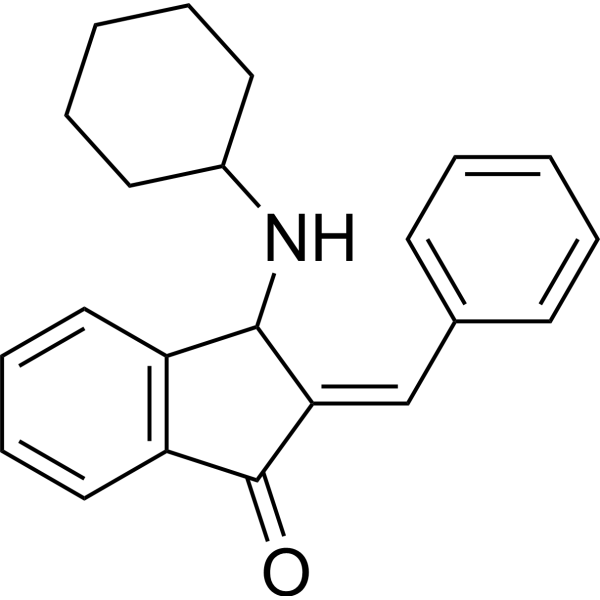
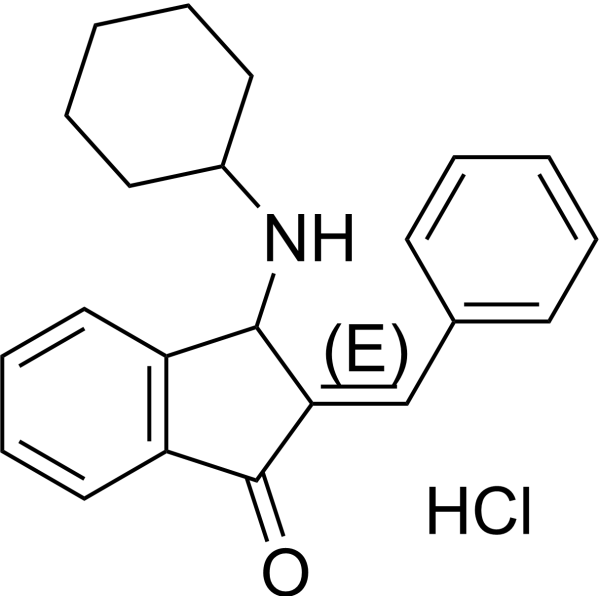
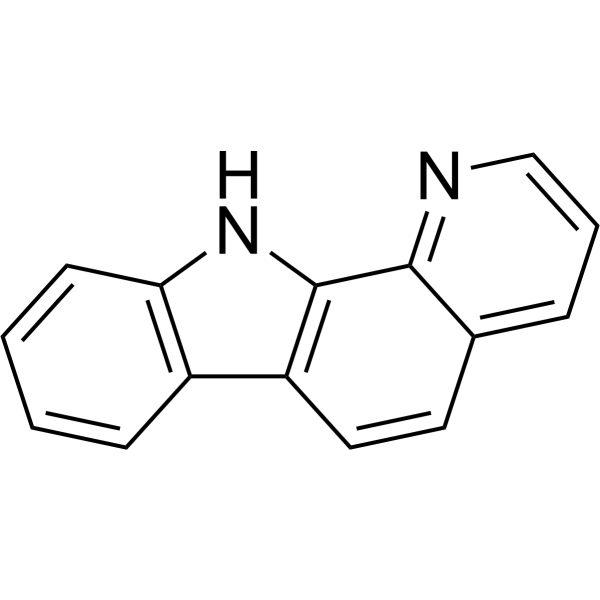
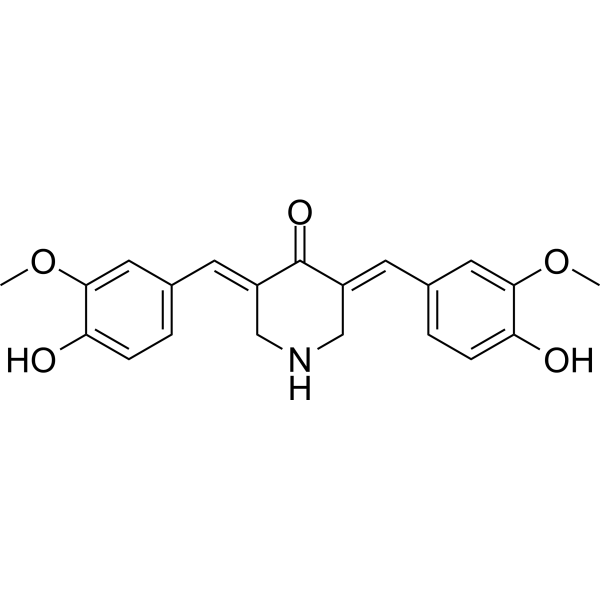
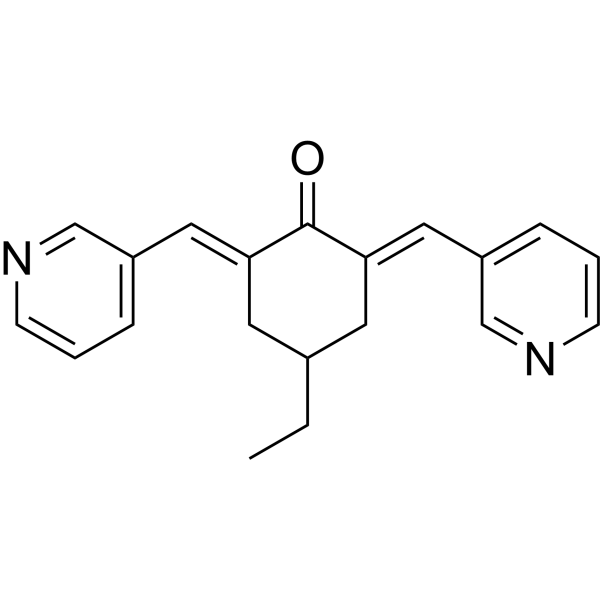
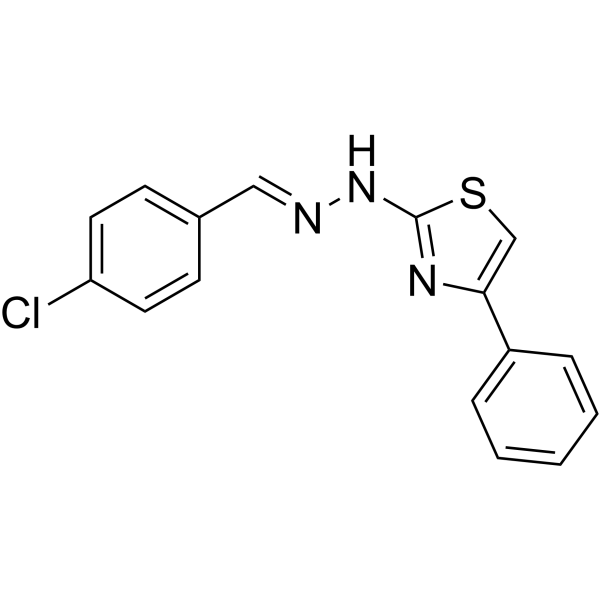
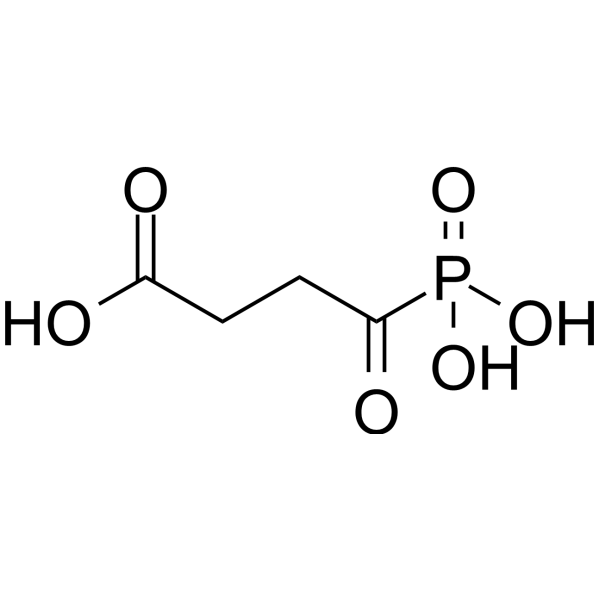
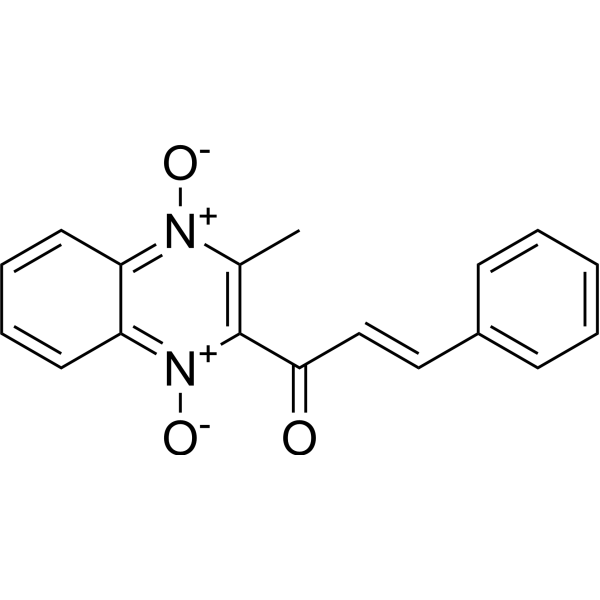
    BCI ((E)-BCI) is a DUSP6 (dual specificity phosphatase 6) inhibitor. BCI shows anti-inflammatory activity and decreases reactive oxygen species (ROS) production. BCI can be used in inflammatory disease research .
    BCI
  • HY-N0411
    β-Carotene
    2 Publications Verification

    Provitamin A; beta-Carotene

    Environmental Pollutants Endogenous Metabolite Reactive Oxygen Species (ROS) Apoptosis Metabolic Disease Cancer
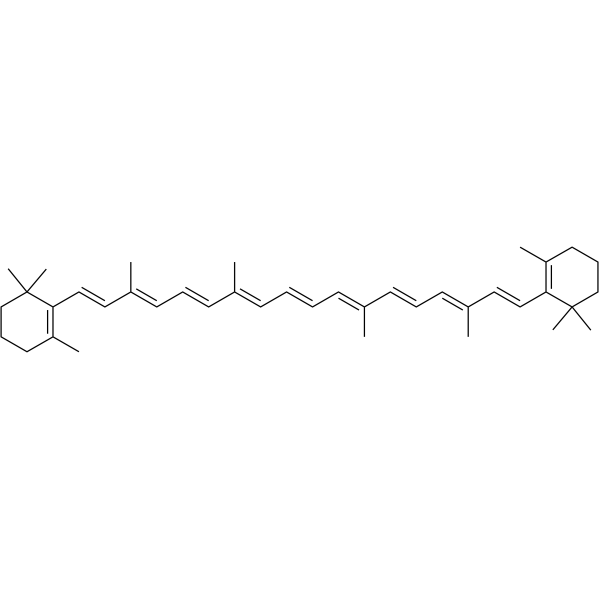
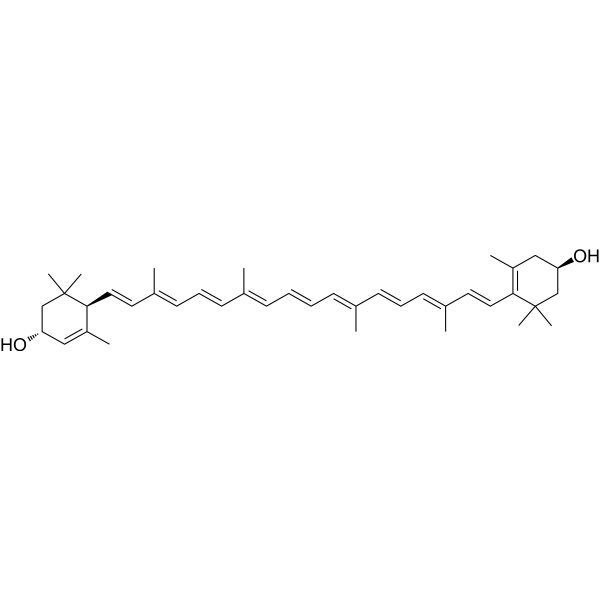
    β-Carotene (Provitamin A), a carotenoid compound, is a naturally-occurring vitamin A precursor. β-Carotene is a modulator of reactive oxygen species (ROS), with antioxidant and antiinflammatory activities. β-Carotene may serve as an antioxidant or as a prooxidant, depending on its intrinsic properties as well as on the redox potential of the biological environment in which it acts. β-Carotene induces breast cancer cells apoptosis, with anticancer activities .
    β-Carotene
  • HY-N0578
    Apigenin 7-glucoside
    5+ Cited Publications

    Apigenin-7-O-β-D-glucopyranoside; Cosmosiin; Apigetrin

    Reactive Oxygen Species (ROS) Cancer
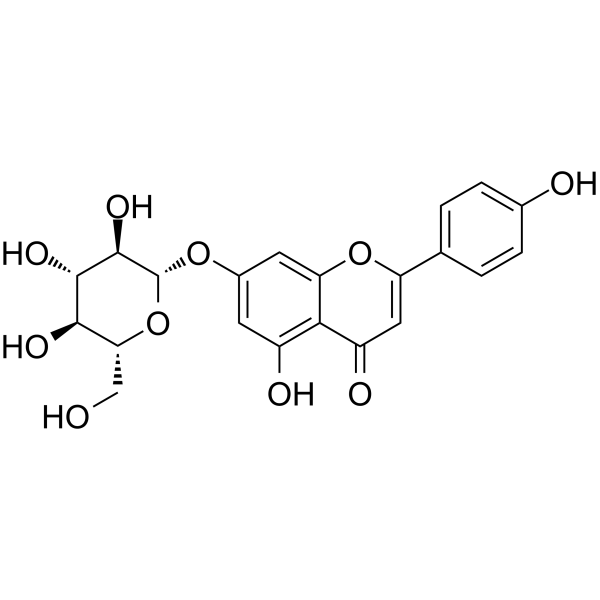
    Apigenin-7-glucoside (Apigenin-7-O-β-D-glucopyranoside) exhibits significant anti-proliferative and antioxidant activity and scavenges reactive oxygen species (ROS) .
    Apigenin 7-glucoside
  • HY-N0692
    Schisandrol B
    2 Publications Verification

    Gomisin-A; TJN-101; Wuweizi alcohol-B

    Reactive Oxygen Species (ROS) Cytochrome P450 Autophagy Cancer
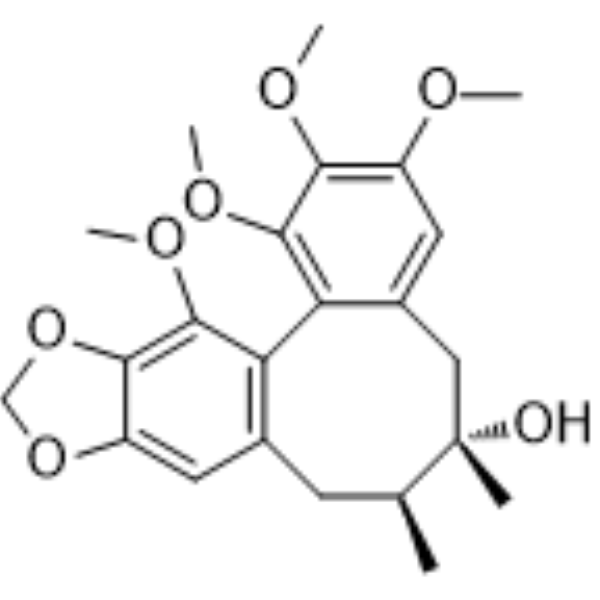
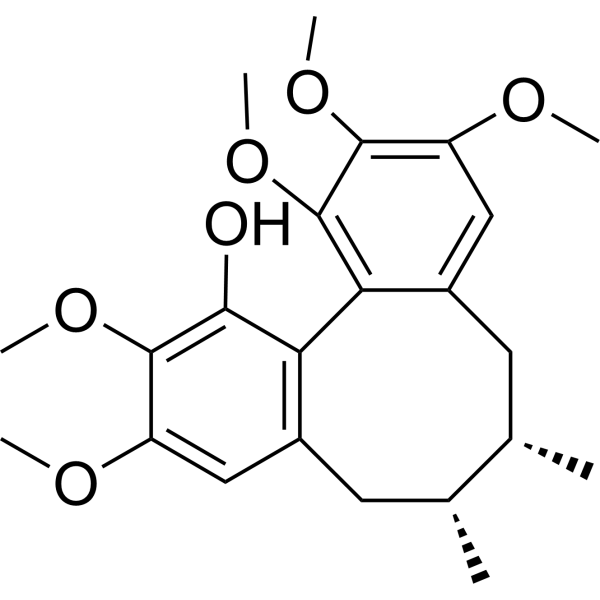
    Schisandrol B (Gomisin-A) is a major active constituent of Schisandra chinensis with hepato-protective effects. Schisandrol B inhibits reactive oxygen species (ROS) production. Schisandrol B inhibits the activity of P-glycoprotein and CYP3A and also has anti-inflammatory, anti-diabetic and antioxidant activities .
    Schisandrol B
  • HY-Y0481

    Stannous chloride, 98%; Tin(II) chloride, anhydrous, 98%; Anhydrous stannous chloride, 98%

    Biochemical Assay Reagents Others
    Anhydrous stannous chloride, 98% is a biochemical reagent with genotoxicity, mutagenicity, mitotic recombinogenicity, and reactive oxygen species-inducing activity.
    Tin(II) chloride, 98%
  • HY-N13022
    Humic acid
    1 Publications Verification

    Environmental Pollutants Bacterial SOD Inflammation/Immunology Cancer
    Humic acid is an important component of organic matter in soil and water, and serves as a plant regulator. Humic acid has multiple reactive activities such as surface adsorption, ion exchange, and complexation. Humic acid can enhance pyrene degradation by Mycobacterium NJS-1. Humic acid can inhibit the activity of superoxide dismutase and scavenge hydroxyl radicals. Humic acid is also toxic to CEM cells .
    Humic acid
  • HY-N8253
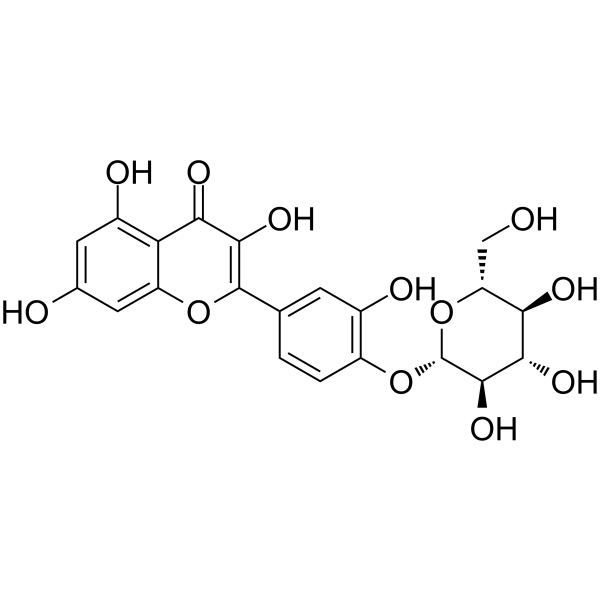
    Spiraeoside
    2 Publications Verification

    Quercetin 4′-O-glucoside

    Reactive Oxygen Species (ROS) Inflammation/Immunology Cancer
    Spiraeoside, an orally active natural compound, exerts antioxidant activity, inhibits reactive oxygen species (ROS) and malondialdehyde production. Spiraeoside possesses antiallergic, anti-inflammatory and antitumor activities .
    Spiraeoside
  • HY-111278
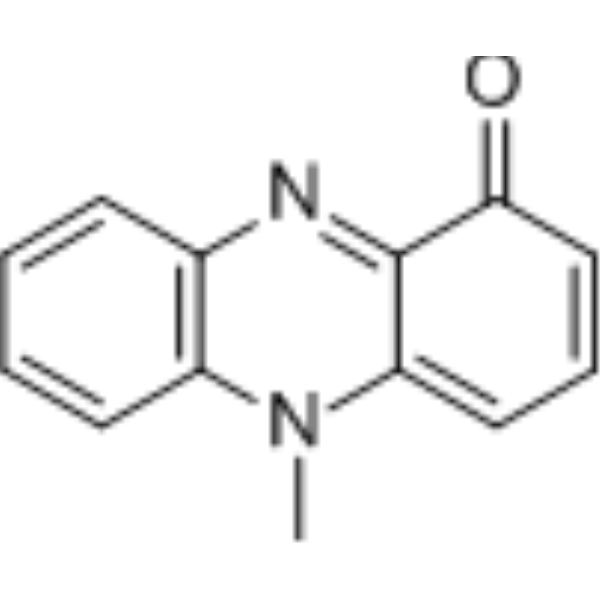
    Pyocyanin
    2 Publications Verification

    Pyocyanine; Sanazin; Sanasin

    Reactive Oxygen Species (ROS) Bacterial Drug Metabolite Endogenous Metabolite Infection Inflammation/Immunology
    Pyocyanin (Pyocyanine) is a toxic, quorum sensing (QS) controlled metabolite produced by Pseudomonas aeruginosa. Pyocyanin is a REDOX active compound that promotes the production of reactive oxygen species (ROS). Pyocyanin has antibacterial and anti-inflammatory activity .
    Pyocyanin
  • HY-128741

    Endogenous Metabolite Reactive Oxygen Species (ROS) Apoptosis Toll-like Receptor (TLR) PI3K Akt Cardiovascular Disease Neurological Disease Inflammation/Immunology Cancer
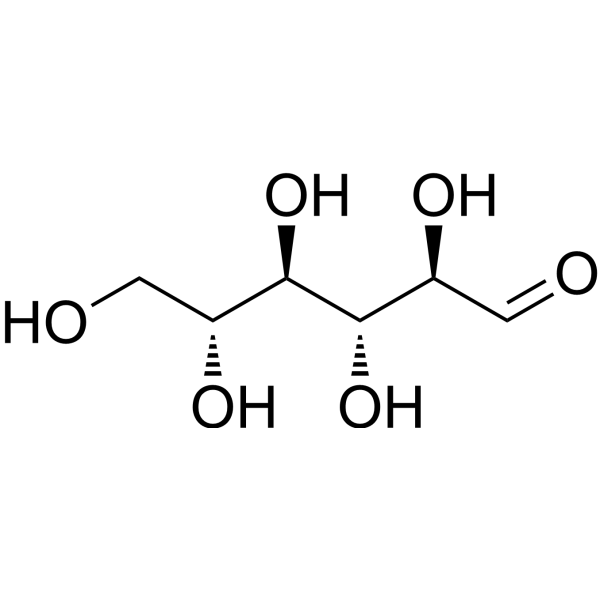
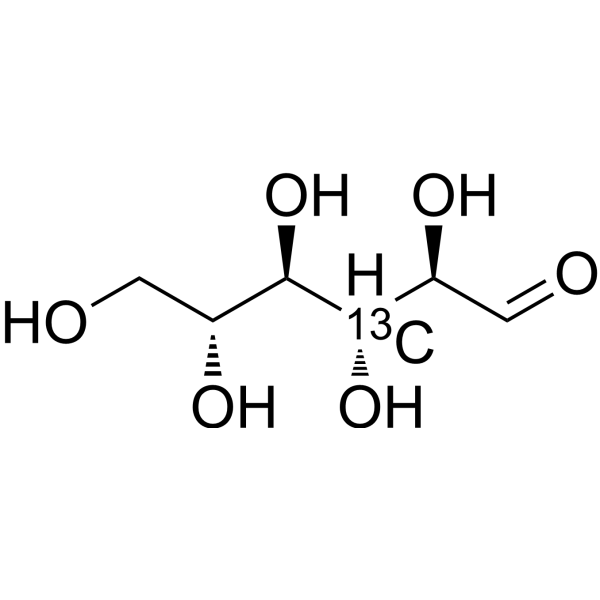
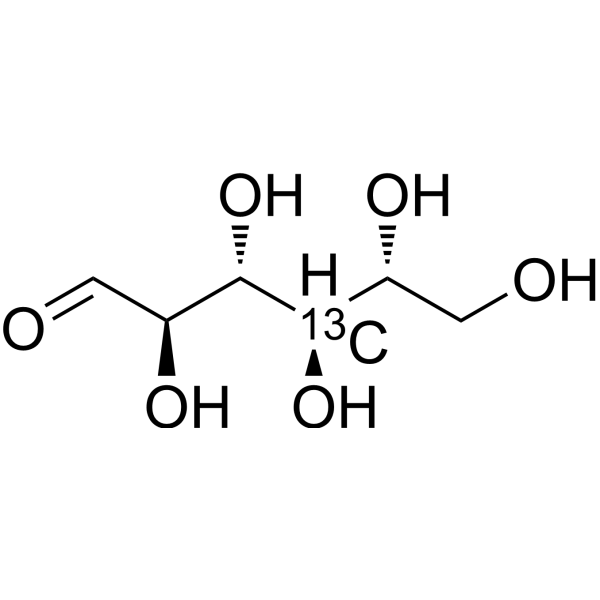
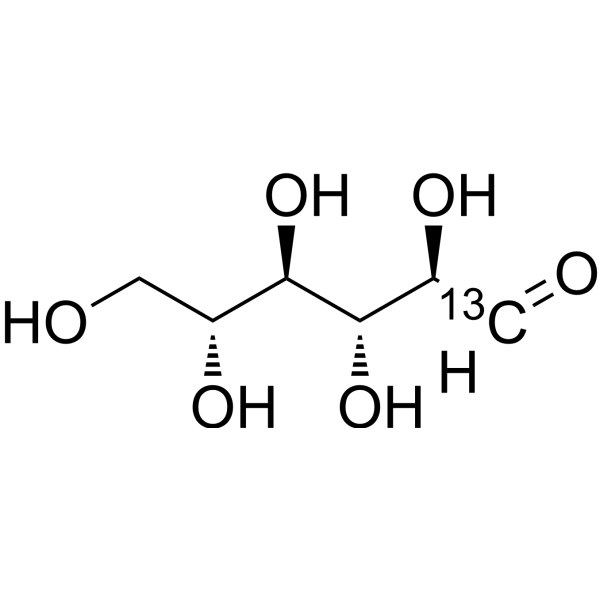
    D-Allose exhibits antitumor activity against various cancer cells. D-Allose scavenges reactive oxygen species (ROS) and reduces oxidative stress damage. D-Allose exhibits anti-inflammatory and neuroprotective through inhibition of TLR4/PI3K/AKT signaling pathway. D-Allose exhibits antihypertensive, cryoprotective, and anti-osteoporotic activities .
    D-Allose
  • HY-125859A
    Myeloperoxidase, human white blood cells
    1 Publications Verification

    MPO

    Bacterial Inflammation/Immunology
    Myeloperoxidase, human white blood cells (MPO) is a peroxidase. In Myeloperoxidase, human white blood cells mediate oxidative stress by promoting the production of reactive oxygen species (ROS) and active nitrogen (RNS), regulating the polarization and inflammation-related signaling pathways of microglia and neutrophils. Myeloperoxidase, human white blood cells has antibacterial activity .
    Myeloperoxidase, human white blood cells
  • HY-P4052

    ROS Kinase Neurological Disease
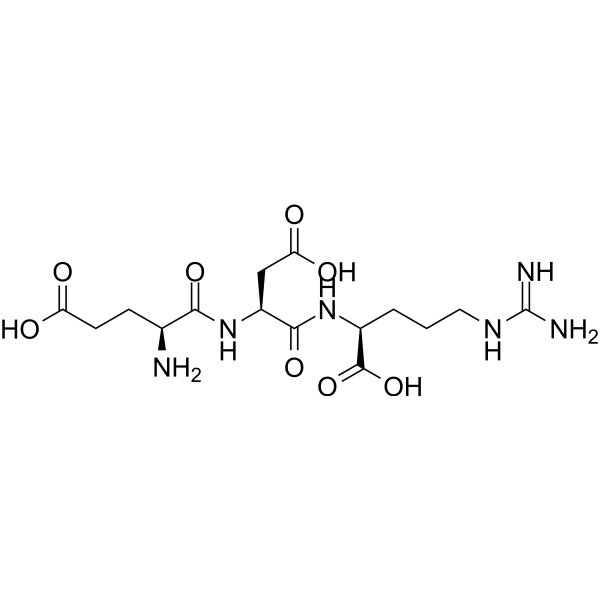
    Pinealon is a 3-amino acid peptide and shows neuroprotective properties. Pinealon prevents reactive oxygen species (ROS) accumulation and suppresses the activation of ERK 1/2. Pinealon stimulates the functional activity of the main cellular elements of brain tissue, reduces the level of spontaneous cell death. Pinealon protects the rat offspring from prenatal hyperhomocysteinemia .
    Pinealon
  • HY-119502
    Camalexin
    3 Publications Verification

    Reactive Oxygen Species (ROS) Fungal Bacterial Infection Cancer
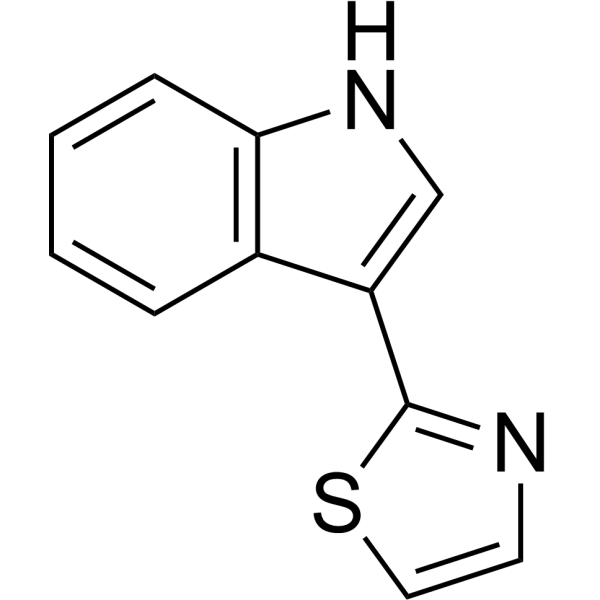
    Camalexin is a phytoalexin isolated from Camelina sativa (Cruciferae) with antibacterial, antifungal, antiproliferative and anticancer activities. Camalexin can induce reactive oxygen species (ROS) production .
    Camalexin
  • HY-131697
    FeTPPS
    1 Publications Verification

    MOFs NO Synthase Apoptosis Inflammation/Immunology
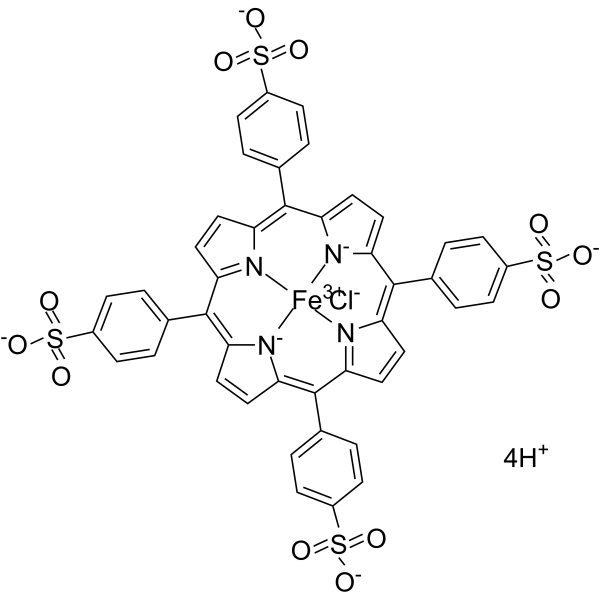
    FeTPPS, a 5,10,15,20-tetrakis (4-sulfonatophenyl) porphyrin iron III chloride peroxynitrite decomposition catalyst, possesses evident neuroprotective effects in a experimental model of spinal cord damage . FeTPPS acts as a peroxynitrite scavenger and anti-nitrating agent in vivo. FeTPPS reduces nitric oxide (NO) production and apoptosis process .
    FeTPPS
  • HY-115502A
    BCI hydrochloride
    15+ Cited Publications

    (E)-BCI hydrochloride

    Phosphatase Inflammation/Immunology
    BCI ((E)-BCI) hydrochloride is a DUSP6 (dual specificity phosphatase 6) inhibitor. BCI hydrochloride shows anti-inflammatory activity and decreases reactive oxygen species (ROS) production. BCI hydrochloride can be used in inflammatory disease research .
    BCI hydrochloride
  • HY-N6807
    Elemicin
    1 Publications Verification

    Stearoyl-CoA Desaturase (SCD) Influenza Virus Bacterial Infection Cancer
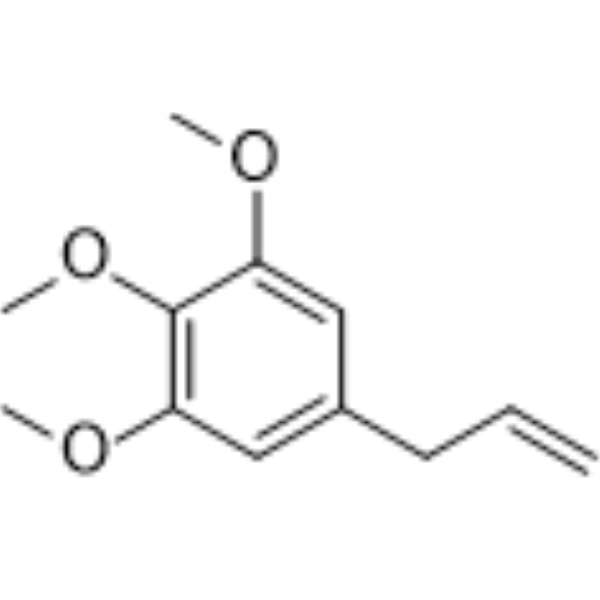
    Elemicin is an orally active alkenylbenzene widely distributed in many herbs and spices. Elemicin inhibits Stearoyl-CoA Desaturase 1 (SCD1) by metabolic activation. Elemicin has anti-influenza activities, antimicrobial, antioxidant, and antiviral activities. Elemicin and its reactive metabolite of 1′-Hydroxyelemicin can induce hepatotoxicity .
    Elemicin
  • HY-W041080

    Fungal Reactive Oxygen Species (ROS) Bacterial Infection
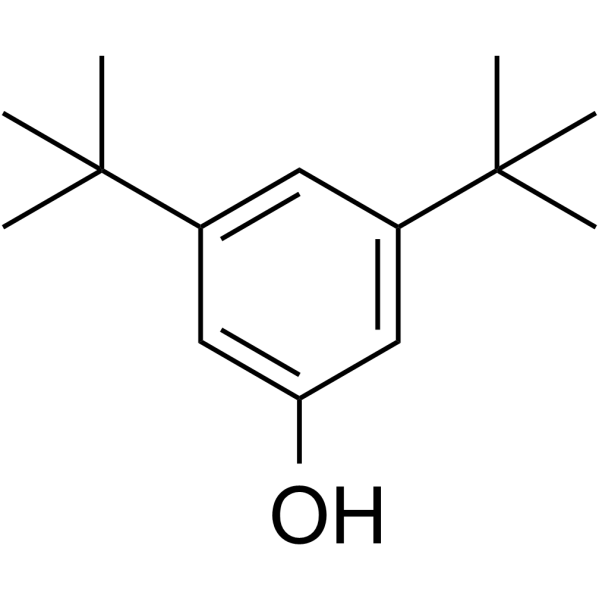
    3,5-Di-tert-butylphenol is an volatile organic compound with anti-biofilm and antifungal activities. 3,5-Di-tert-butylphenol induces accumulation of reactive oxygen species (ROS) in C. albicans cells. 3,5-Di-tert-butylphenol also has antibacterial activities .
    3,5-Di-tert-butylphenol
  • HY-128784

    MDM-2/p53 Reactive Oxygen Species (ROS) Cancer
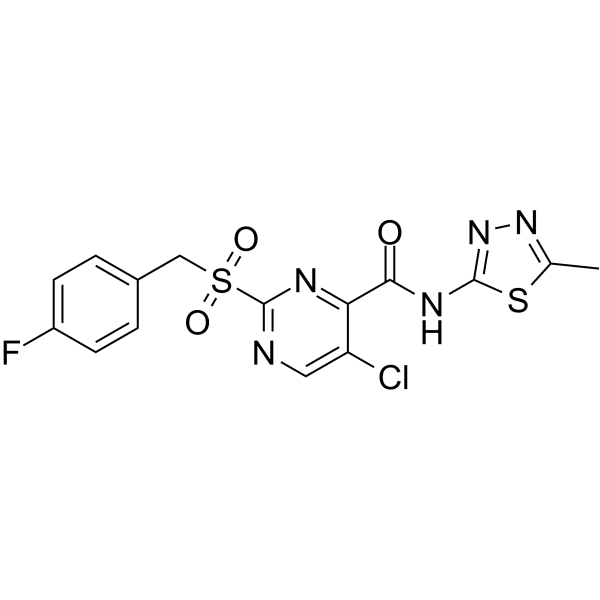
    PK11007 is a mild thiol alkylator with anticancer activity. PK11007 stabilizes p53 via selective alkylation of two surface-exposed cysteines without compromising its DNA binding activity. PK11007 induces mutant p53 cancer cell death by increasing reactive oxygen species (ROS) levels .
    PK11007
  • HY-N0501
    11-oxo-mogroside V
    1 Publications Verification

    Reactive Oxygen Species (ROS) Metabolic Disease
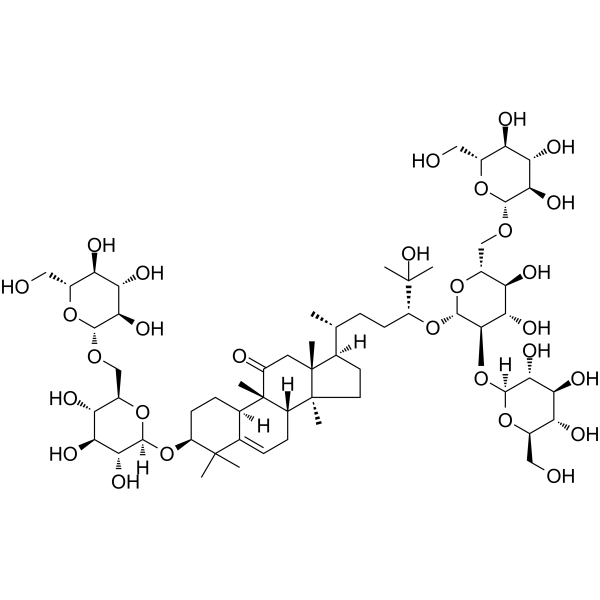
    11-oxo-mogroside V is a natural sweetener that exhibits strong antioxidant activity. It exhibits significant inhibitory effects on reactive oxygen species (O2 -, H2O2 and *OH) with EC50 of 4.79, 16.52, and 146.17 μg/mL, respectively.
    11-oxo-mogroside V
  • HY-136426

    Environmental Pollutants Reactive Oxygen Species (ROS) Herbicide Others
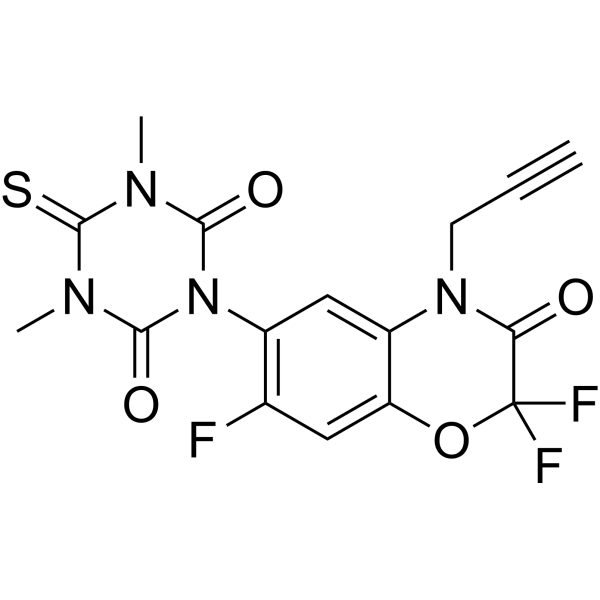
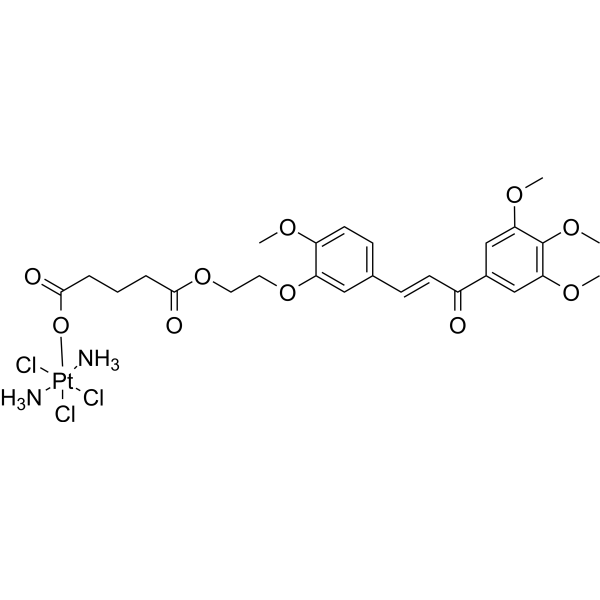
    Trifludimoxazin is a click chemistry reagent, a protoporphyrinogen oxidase (PPO) inhibitor and herbicide. Trifludimoxazin inhibits PPO, accumulates reactive oxygen species, damages cell membranes, and thereby causes weed death. Trifludimoxazin exhibits high-efficiency activity in controlling broadleaf weeds and grassy weeds .
    Trifludimoxazin
  • HY-18977
    KML29
    3 Publications Verification

    MAGL Metabolic Disease Inflammation/Immunology
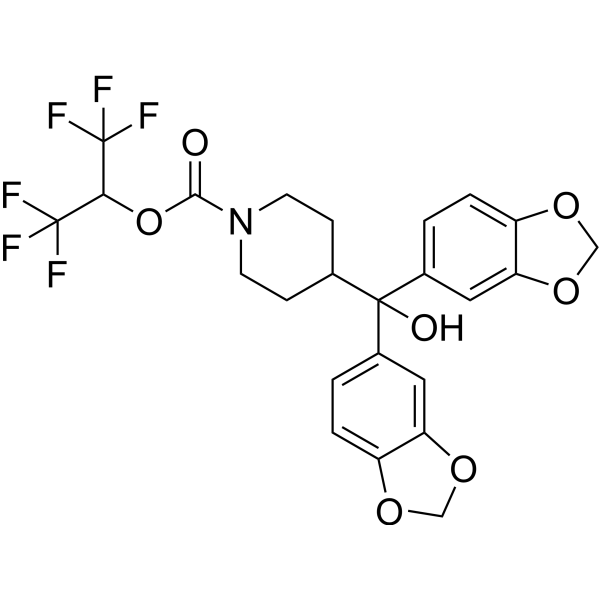
    KML29 is an extremely selective, orally active and irreversible MAGL inhibitor, with IC50 values of 15 nM, 43 nM and 5.9 nM for mouse, rat and human MAGL, respectively. KML29 exhibits minimal cross-reactivity toward other central and peripheral serine hydrolases, including no detectable activity against FAAH .
    KML29
  • HY-121204

    3-Methylthiopropyl isothiocyanate

    Apoptosis Reactive Oxygen Species (ROS) Cancer
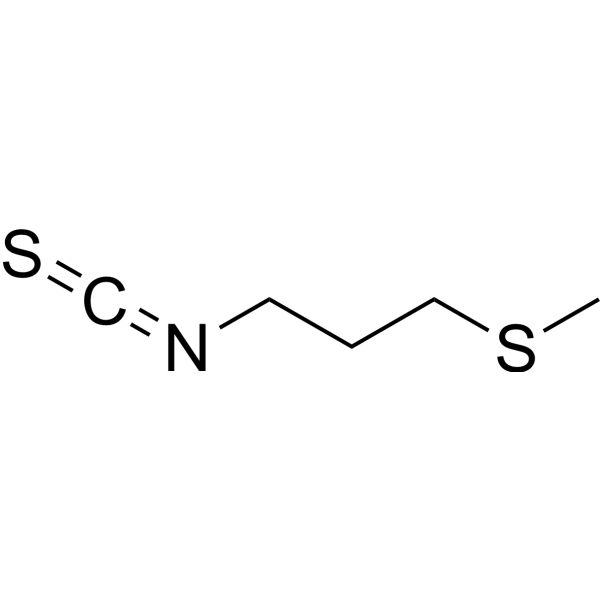
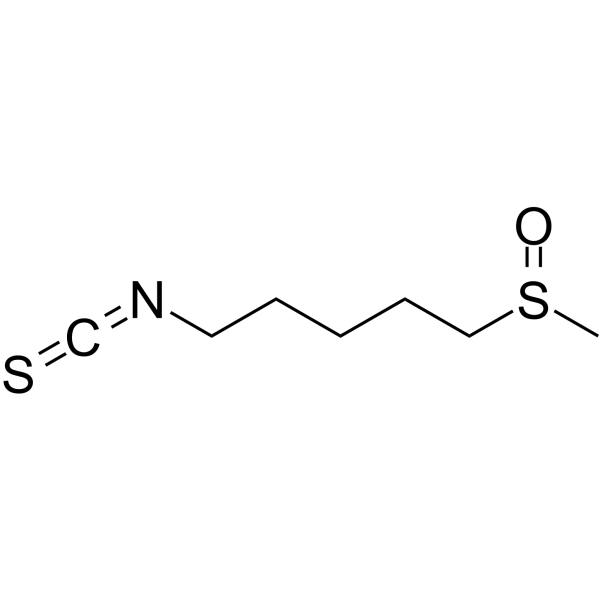
    Iberverin (-Methylthiopropyl isothiocyanate) is a sulforaphane homolog. Iberverin has anticancer activity. Iberverin inhibits cell proliferation and migration. Iberverin induces mitochondrial-related apoptosis and intracellular reactive oxygen species .
    Iberverin
  • HY-111806
    3,7,4'-Trihydroxyflavone
    2 Publications Verification

    5-Deoxykampferol; Resokaempferol

    Reactive Oxygen Species (ROS) Leukotriene Receptor DNA/RNA Synthesis Inflammation/Immunology
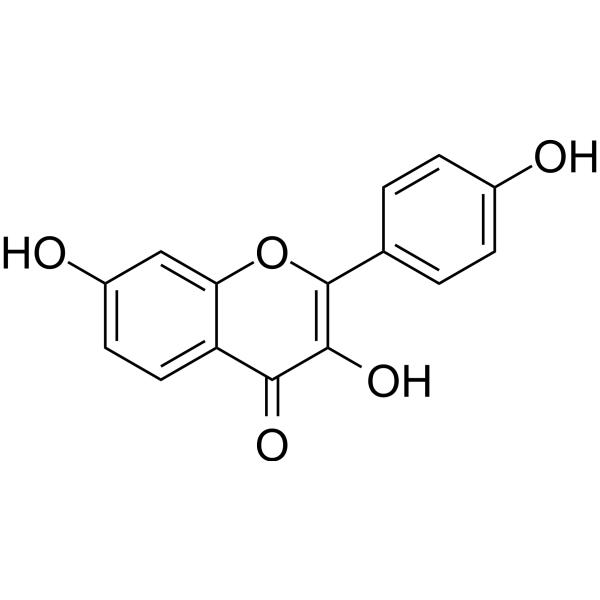
    3,7,4'-Trihydroxyflavone (5-Deoxykampferol) is a flavonoid compound that can be isolated from the stems of Rhus javanica var. roxburghiana. 3,7,4'-Trihydroxyflavone has the effect of cleaving DNA in the presence of copper ions. 3,7,4'-Trihydroxyflavone also has anti-inflammatory and antioxidant activities and can scavenge various reactive oxygen species (ROS) and reactive nitrogen species (RNS) .
    3,7,4'-Trihydroxyflavone
  • HY-19988
    THZ1-R
    3 Publications Verification

    CDK Cancer
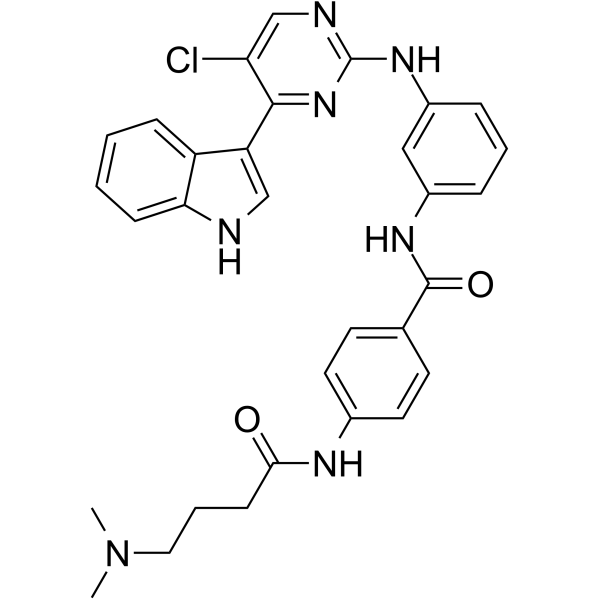
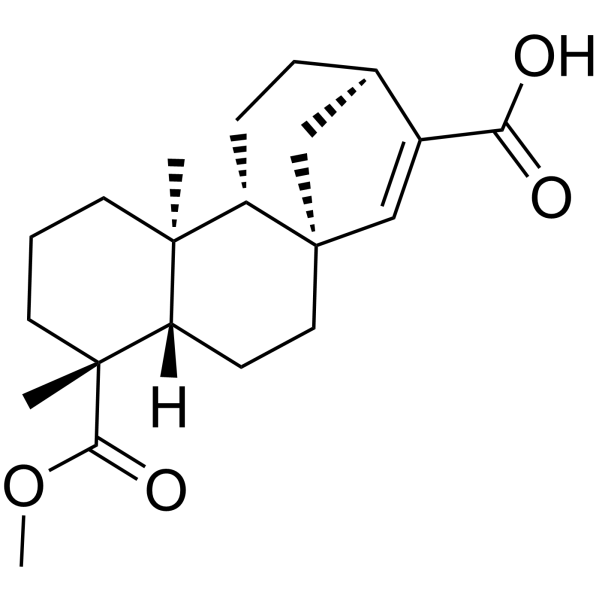
    THZ1-R is a non-cysteine reactive analog of THZ1 which displays diminished activity for CDK7 inhibition. THZ1-R binds to CDK7 with a Kd of 142 nM.
    THZ1-R
  • HY-N1195

    (+)-Sugiol; 10-Deoxoxanthoperol

    p38 MAPK ERK JNK Interleukin Related TNF Receptor Inflammation/Immunology
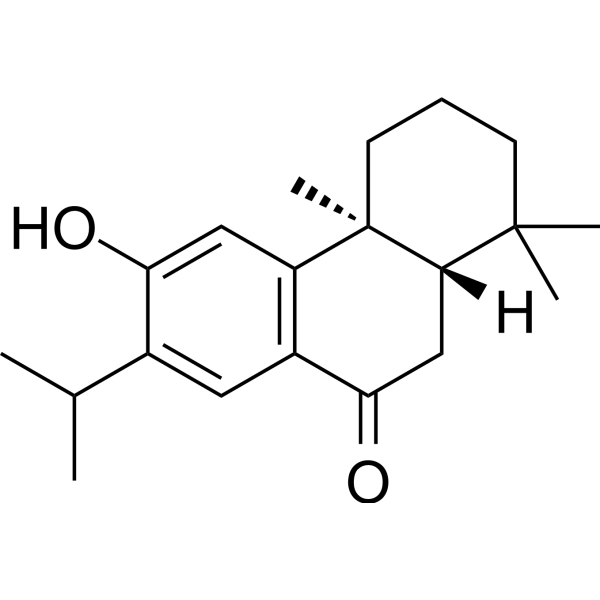
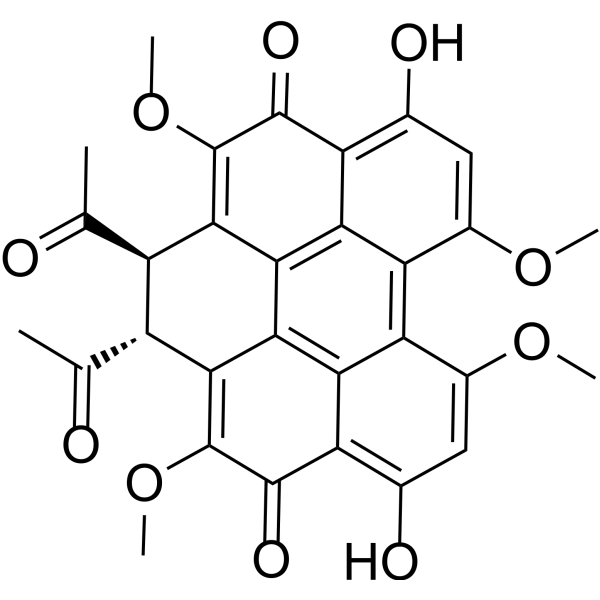
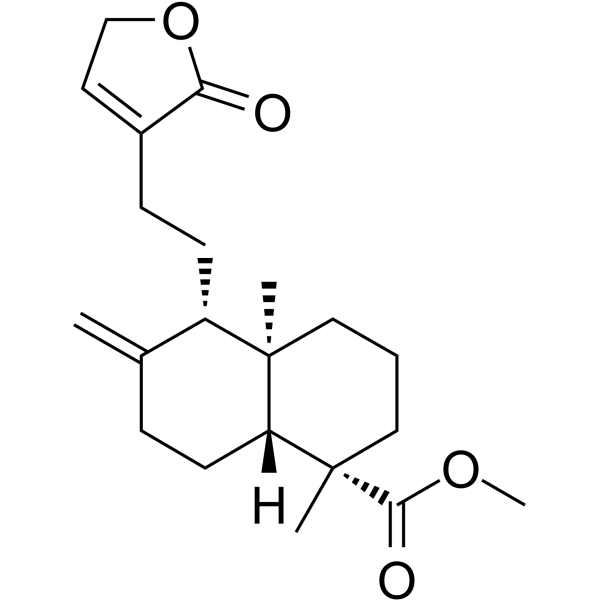
    Sugiol is an abietane diterpenoid, can be isolated from Calocedrus formosana bark. Sugiol has anti-inflammatory activity, could effectively reduce intracellular reactive oxygen species (ROS) production in lipopolysaccharide (LPS)-stimulated macrophages .
    Sugiol
  • HY-126195

    ML-090

    NADPH Oxidase Neurological Disease
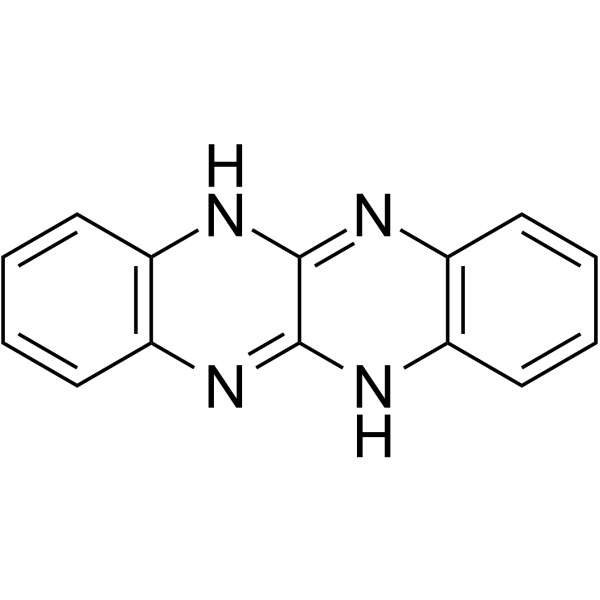
    Fluoflavine (ML-090) is a selective NOX1 inhibitor and reactive oxygen species inhibitor. Fluoflavine reduces reactive oxygen species production, NOX1-mediated downstream signaling events, and oxygen-glucose deprivation-induced retinal ganglion cell death. Fluoflavine inhibits NADPH oxidase activity and pathological retinal neovascularization induced by oxygen-induced retinopathy in the retinas of ischemic mice. Fluoflavine can be used in studies related to retinal ischemia-reperfusion injury and proliferative retinopathy .
    Fluoflavine
  • HY-100768
    HTHQ
    2 Publications Verification

    1-O-hexyl-2,3,5-trimethylhydroquinone; HX-1171; BTT-105

    Reactive Oxygen Species (ROS) Cancer
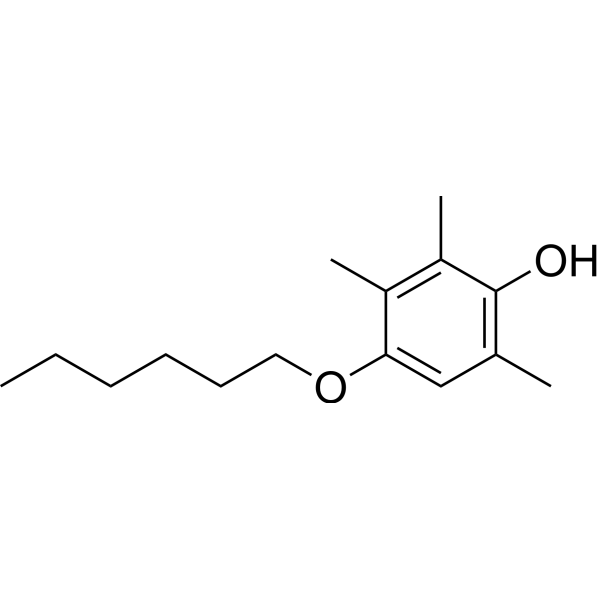
    HTHQ (1-O-hexyl-2,3,5-trimethylhydroquinone) is a potent lipophilic phenolic antioxidant. HTHQ has considerable anti-oxidative activity by directly reacting with reactive oxygen species (ROS) and scavenging ROS to form more stable free radicals .
    HTHQ
  • HY-N2208
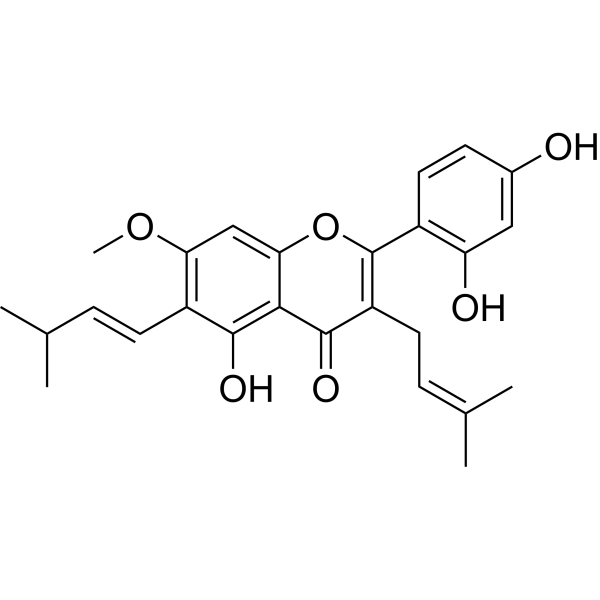
    4-Hydroxylonchocarpin
    2 Publications Verification

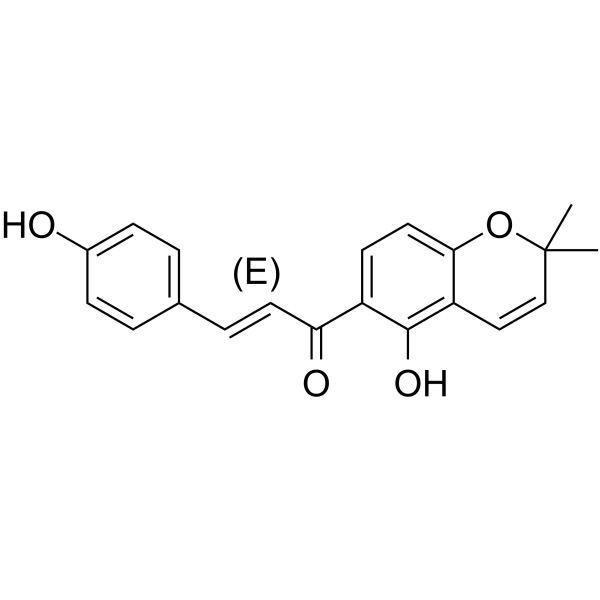
    p38 MAPK Apoptosis Reactive Oxygen Species (ROS) Infection Metabolic Disease Inflammation/Immunology Cancer
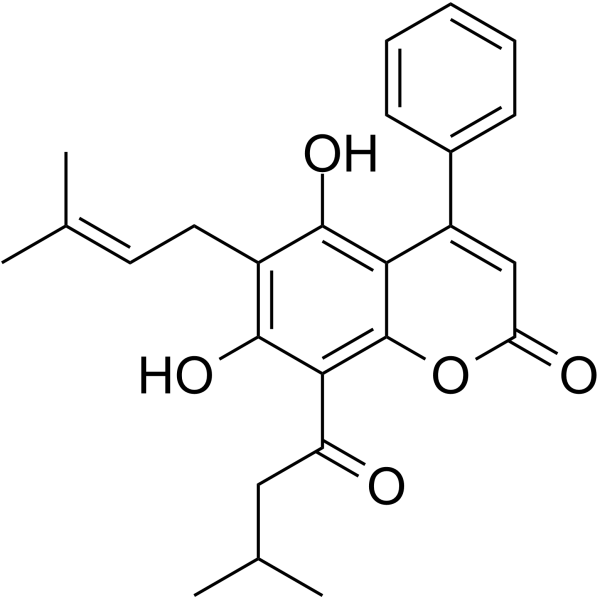
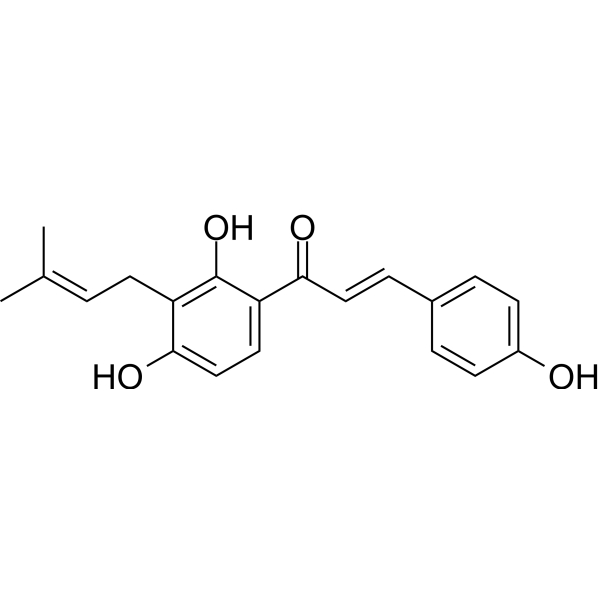
    4-Hydroxylonchocarpin is a chalcone compound. 4-Hydroxylonchocarpin enhances the phosphorylation of p38 MAPK, JNK and ERK. 4-Hydroxylonchocarpin induces reactive oxygen species (ROS) and apoptosis in liver cancer cells. 4-Hydroxylonchocarpin has various pharmacological activities, including antibacterial, anticancer, anti-retroviral, anti-tuberculosis, anti-malarial and anti-inflammatory activities .
    4-Hydroxylonchocarpin
  • HY-109567

    PD-72953

    LDLR Metabolic Disease Inflammation/Immunology
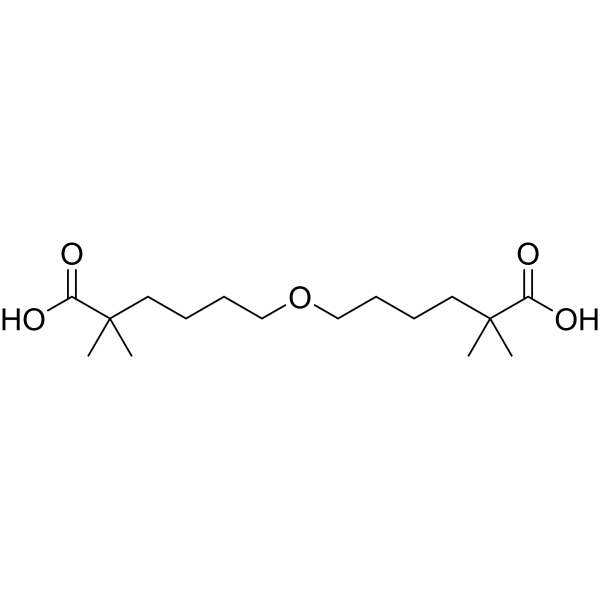
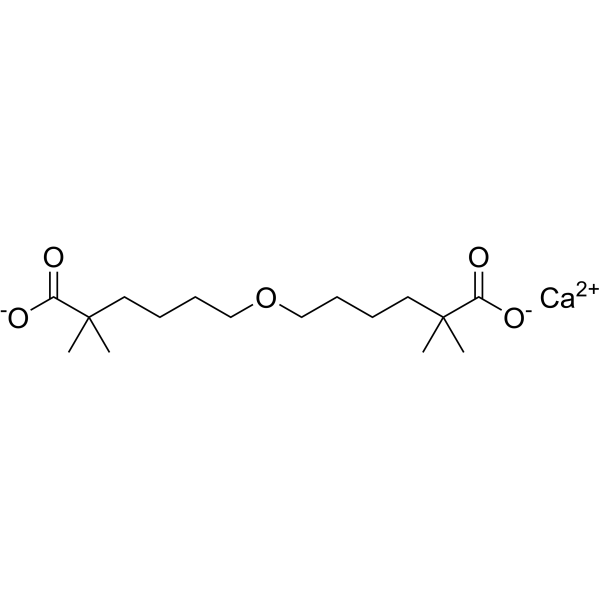
    Gemcabene (PD-72953), a first-in-class lipid-lowering agent, lowers low-density lipoprotein cholesterol (LDL-C), decreases triglycerides, and raises high-density lipoprotein cholesterol (HDL-C) and lowers pro-inflammatory acute-phase protein, C-reactive protein (CRP), exerting anti-inflammatory activity .
    Gemcabene
  • HY-147803
    TrxR-IN-5
    1 Publications Verification

    Reactive Oxygen Species (ROS) Cancer
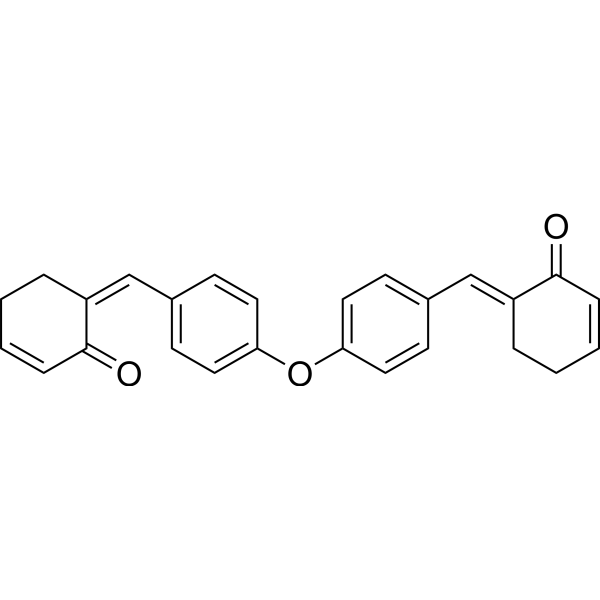
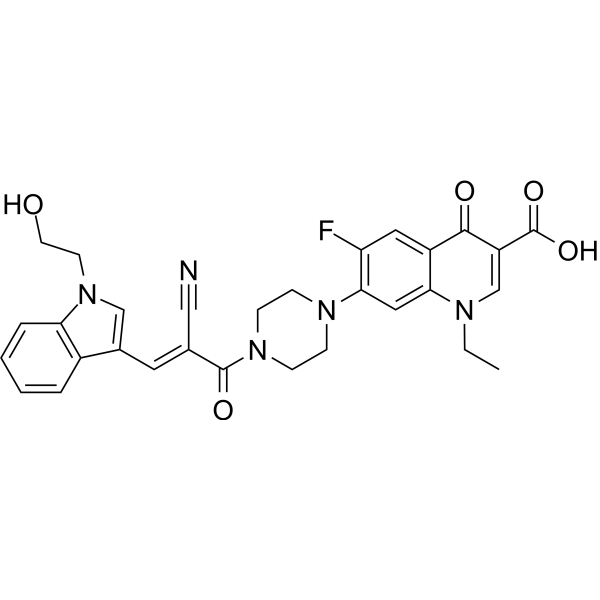
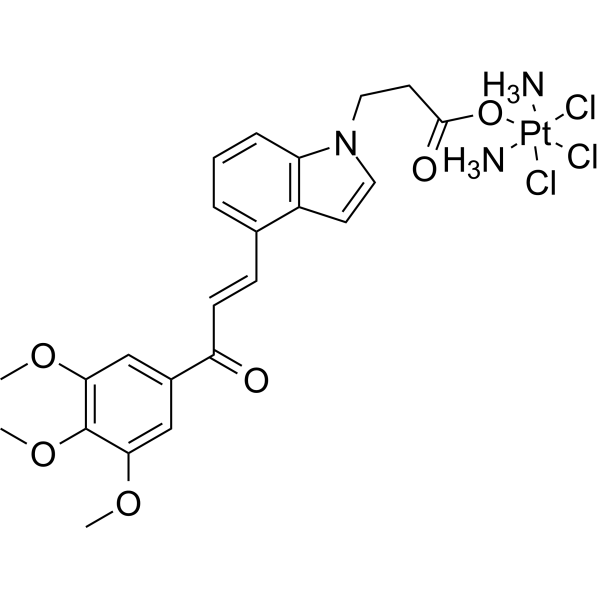
    TrxR-IN-5 (compound 4f) is a potent TrxR (thioredoxin reductase) inhibitor, with an IC50 of 0.16 μM. TrxR-IN-5 increases the levels of ROS, thus leading to potent antiproliferative effects. TrxR-IN-5 exhibits prominent anticacer and anti-metastasis effects .
    TrxR-IN-5
  • HY-138916

    Biochemical Assay Reagents EGFR Others
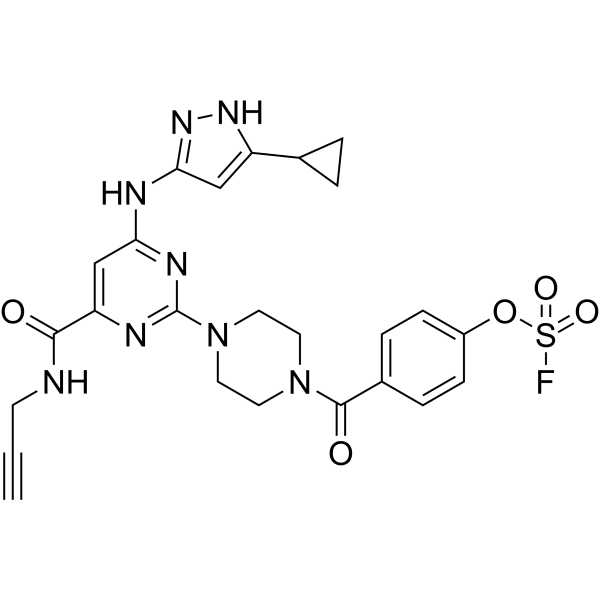
    PF-06672131 is an alkynylated afatinib derivative and a small molecule probe that is reactive to cysteine. PF-06672131 is an inhibitor of epidermal growth factor receptor (EGFR) kinase that targets the ATP pockets of EGFR. PF-06672131 can be used for activity-based protein profiling studies .
    PF-06672131
  • HY-171036

    Endogenous Metabolite Metabolic Disease
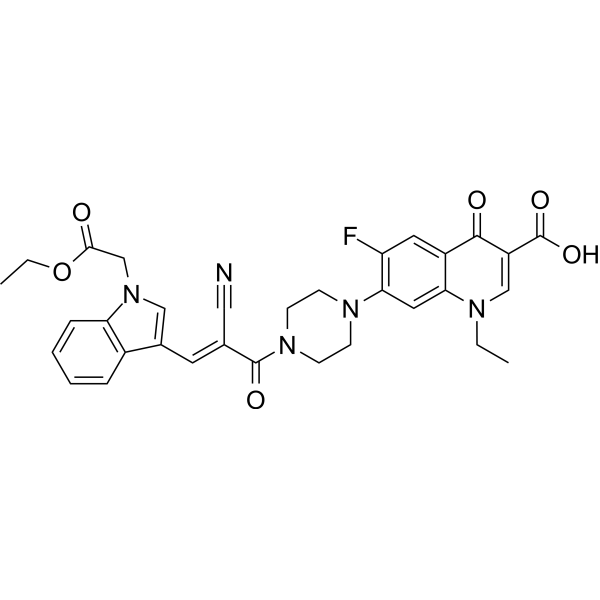
    GAPDH-IN-1 (Compound F8) is a GAPDH inhibitor (IC50 of 39.31 μM for GAPDH enzymatic activity). GAPDH-IN-1 forms a covalent adduct with an aspartic acid in the active site to displace NAD +, a cofactor of the enzyme, with concomitant enhancement of the cysteine-reactive probe reaction with the catalytic cysteine .
    GAPDH-IN-1
  • HY-N6884
    Bixin
    2 Publications Verification

    Reactive Oxygen Species (ROS) Apoptosis Cardiovascular Disease Inflammation/Immunology Cancer
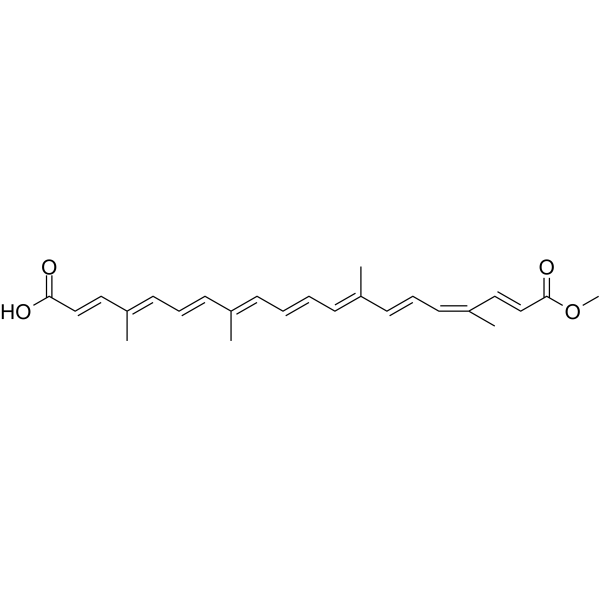
    Bixin is an orally active carotenoid found in the seeds of Bixa orellana. Bixin induces apoptosis in cancer cells. Bixin possessing anti-inflammatory, anti-tumor and anti-oxidant activities. Bixin treatment ameliorated cardiac dysfunction through inhibiting fibrosis, inflammation and reactive oxygen species (ROS) generation .
    Bixin
  • HY-158412

    Proteasome Apoptosis Cancer
    BT317 is a blood-brain transmissible mitochondrial Lon peptidase I (LonP1) and CT-L proteasome inhibitor. BT317 can increase the production of reactive oxygen species (ROS) and induce apoptosis in astrocytoma cells. BT317 has antitumor activity .
    BT317
  • HY-D1021

    Aminoallyl-dUTP sodium salt

    DNA/RNA Synthesis Others
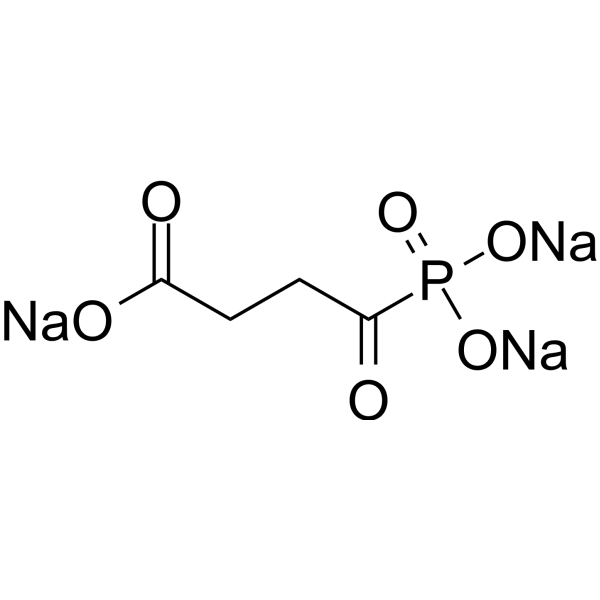
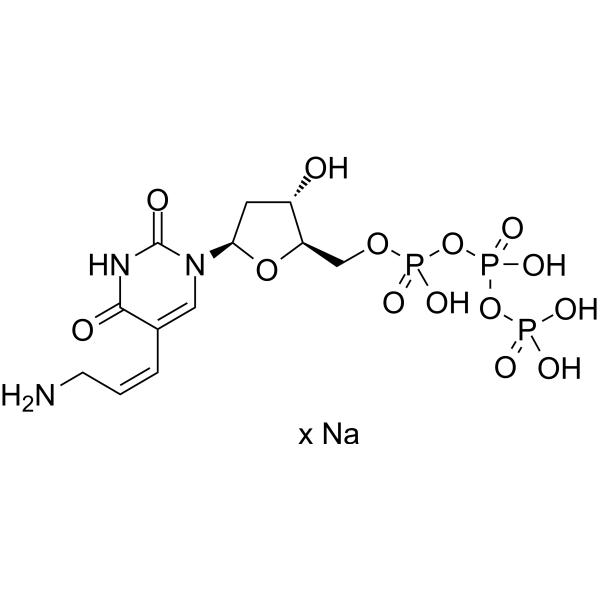
    AA-dUTP (Aminoallyl-dUTP) sodium salt is a reverse transcriptase and DNA polymerase I substrate with probe precursor activity. AA-dUTP sodium salt undergoes enzymatic incorporation into DNA during cDNA synthesis and nick translation. AA-dUTP sodium salt generates amine-modified DNA, which can be used for labeling with amine-reactive fluorescent dyes .
    AA-dUTP sodium salt
  • HY-N0801

    MMP Cholinesterase (ChE) Neurological Disease Inflammation/Immunology
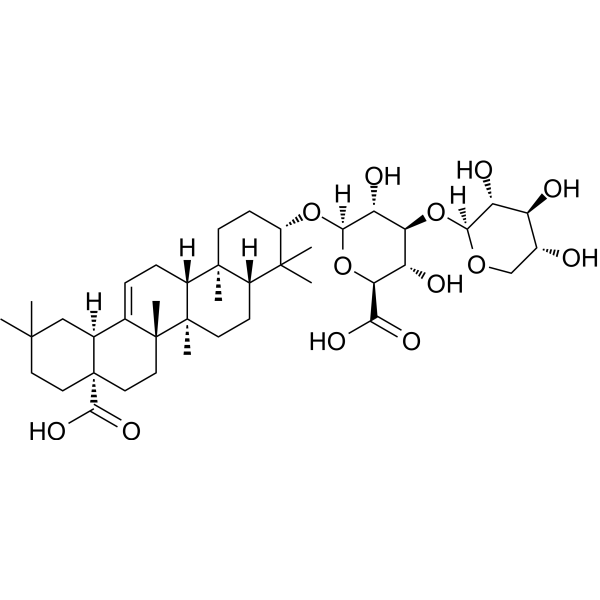
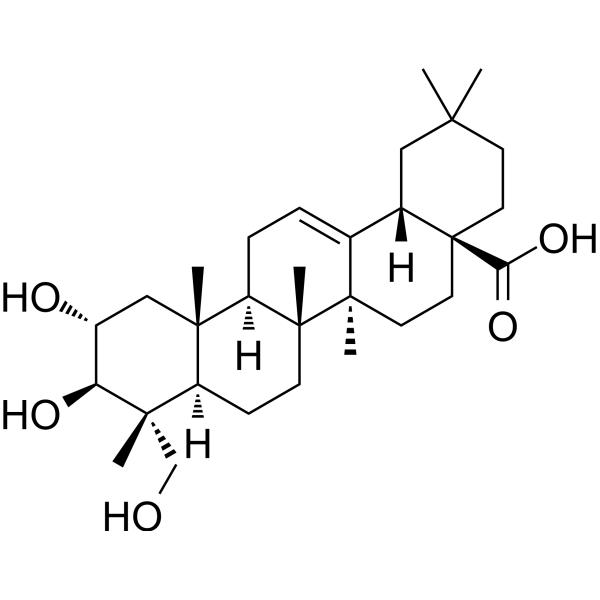
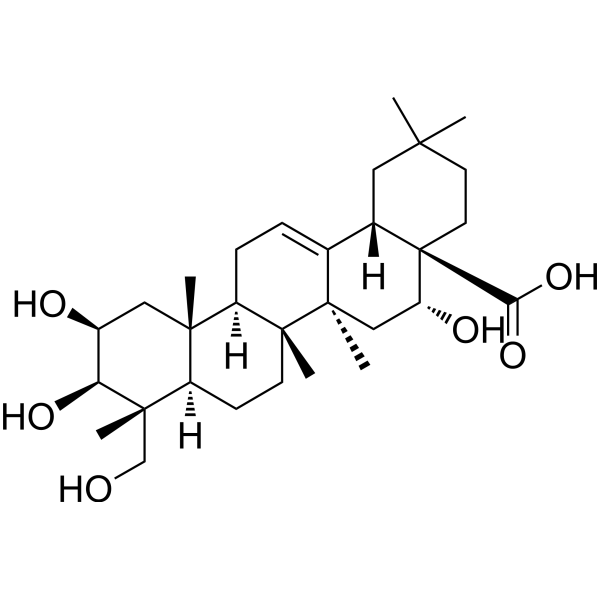
    Polygalacic acid, is a triterpene, isolated from the root of Polygala tenuifolia Willd. Polygalacic acid inhibits MMP expression. Polygalacic acid may have a therapeutic effect in Osteoarthritis (OA) treatment . Polygalacic acid exerts a significant neuroprotective effect on cognitive impairment, PA improves cholinergic system reactivity by inhibiting acetylcholinesterase (AChE) activity, increasing choline acetyltransferase (ChAT) activity, and elevating levels of acetylcholine (Ach) in the hippocampus and frontal cortex .
    Polygalacic acid
  • HY-126193

    NO Synthase Apoptosis Autophagy Reactive Oxygen Species (ROS) Cancer
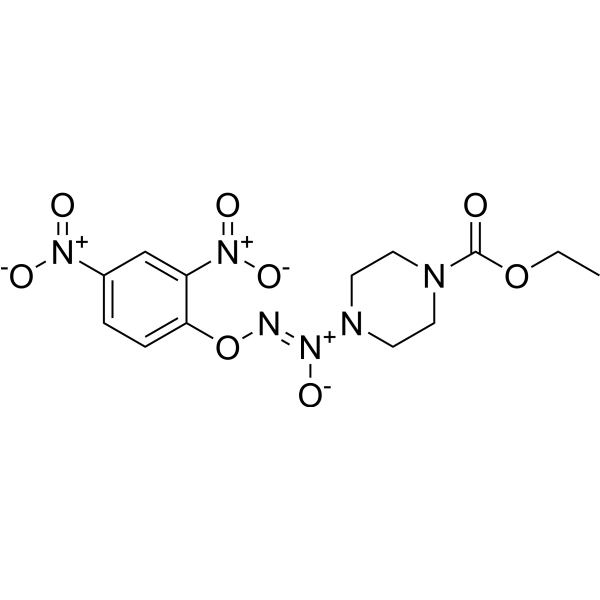
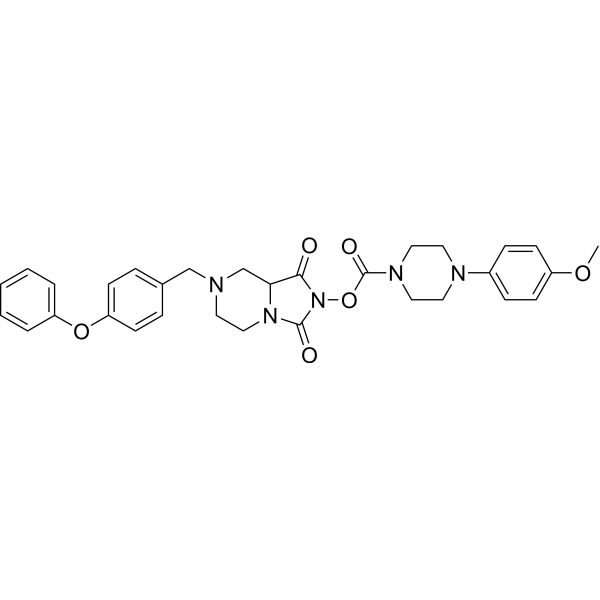
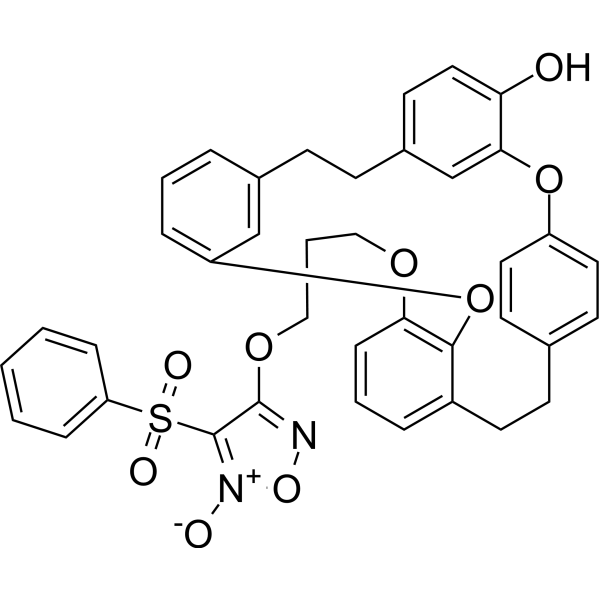
    JS-K is a NO donor that reacts with glutathione to generate NO at physiological pH. JS-K induces reactive oxygen species (ROS) to mediate apoptosis. JS-K induces autophagy. JS-K inhibits invasion. JS-K has a broad spectrum anti-proliferative activity in cancer cells. JS-K reduces tumor volume and causes necrosis of implanted tumors in mice .
    JS-K
  • HY-D0878

    Biochemical Assay Reagents Others
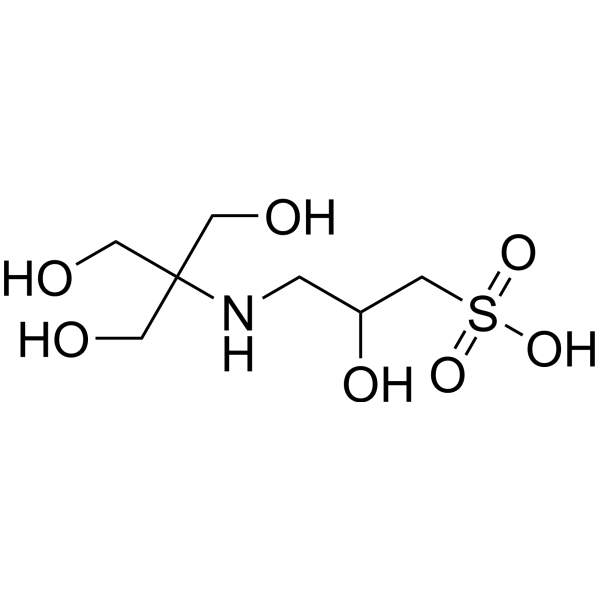
    TAPSO is a common biological buffer, a pH stabilization reagent, with effective pH ranging from 7-8, and pKa values ranging from 7.5–9.0. TAPSO contains Tris groups and exhibits quite reactive activity with zwitterionic glycine peptides .
    TAPSO
  • HY-137155

    DDS-NOH

    Reactive Oxygen Species (ROS) Inflammation/Immunology
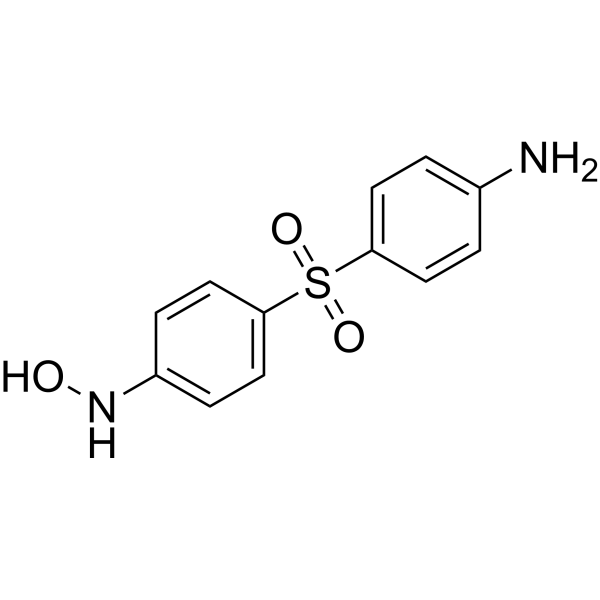
    Dapsone hydroxylamine (DDS-NOH) induces methemoglobinemia. Dapsone hydroxylamine inhibits catalase (CAT) activity and reactive oxygen species generation. Dapsone hydroxylamine also has anti-inflammatory activity .
    Dapsone hydroxylamine
  • HY-N4161

    Reactive Oxygen Species (ROS) Infection Neurological Disease
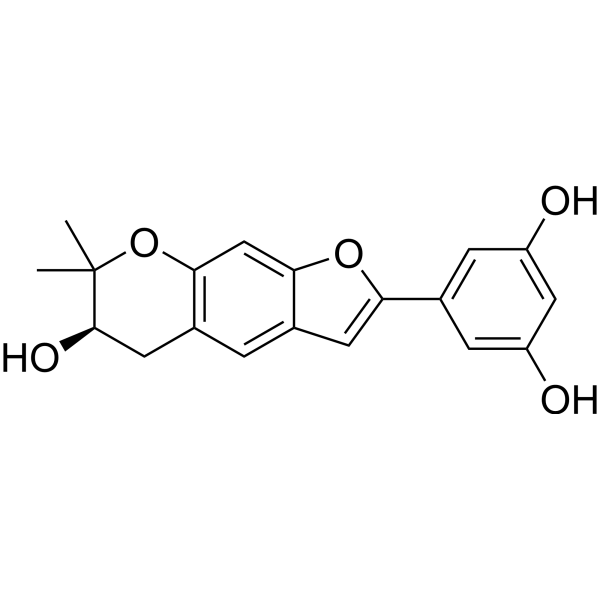
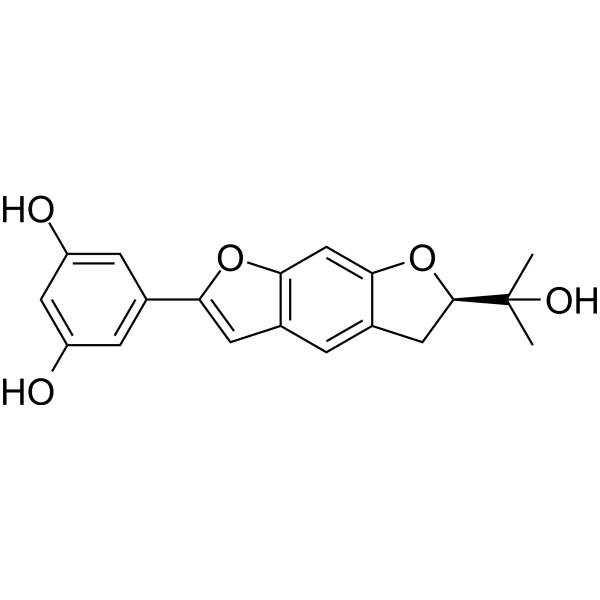
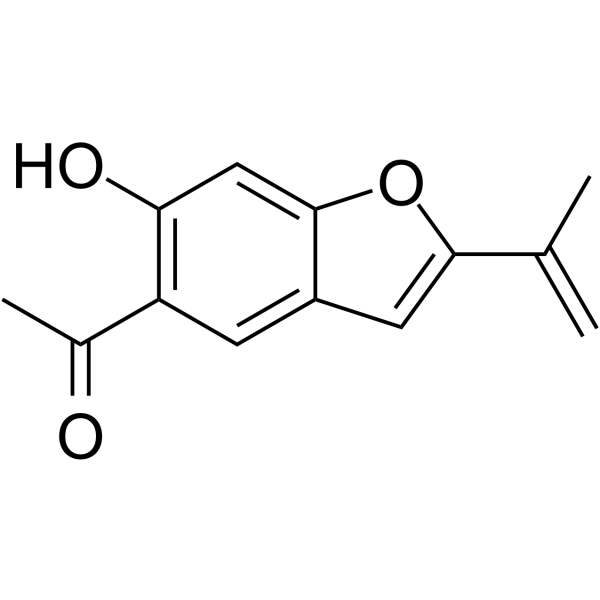
    Euparin, a monomeric compound of Benzofuran, is a reactive oxygen species (ROS) inhibitor. Euparin shows antiviral activity against poliovirus, and also has antidepressant effects .
    Euparin
  • HY-116895

    Androgen Receptor MAGL Metabolic Disease
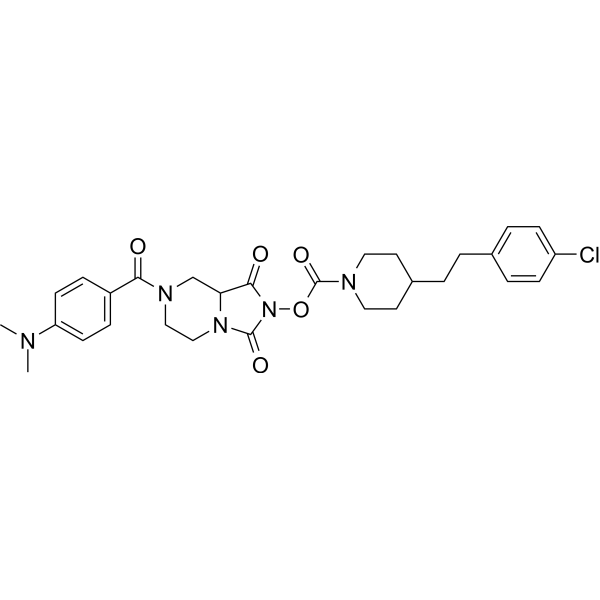
    JJH260 is AIG1inhibitor, and inhibit the fluorophosphonate reactivity and fatty acid esters of hydroxy fatty acid (FAHFA) hydrolysis activity of AIG1in HEK293T cells, with IC50 values of 0.50 μM and 0.57 μM, respectively .
    JJH260
  • HY-N12267

    (E/Z)-Terrestribisamide

    Melanocortin Receptor Metabolic Disease
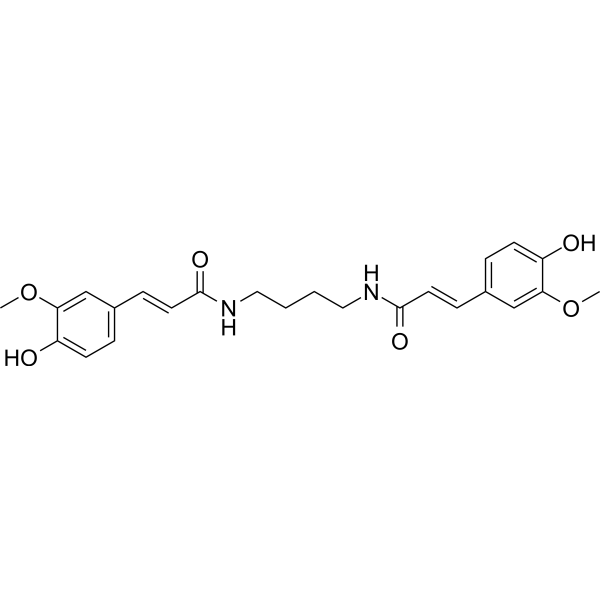
    N,N′-Diferuloylputrescine ((E/Z)-Terrestribisamide) is a inhibitor of pigmentation with 57% reduction. N,N′-Diferuloylputrescine significantly reduces the protein level of MITF. N,N′-Diferuloylputrescine has strong antioxidant activities as radical scavengers against reactive oxygen species .
    N,N′-Diferuloylputrescine
  • HY-146350

    TrxR Reactive Oxygen Species (ROS) Apoptosis Cancer
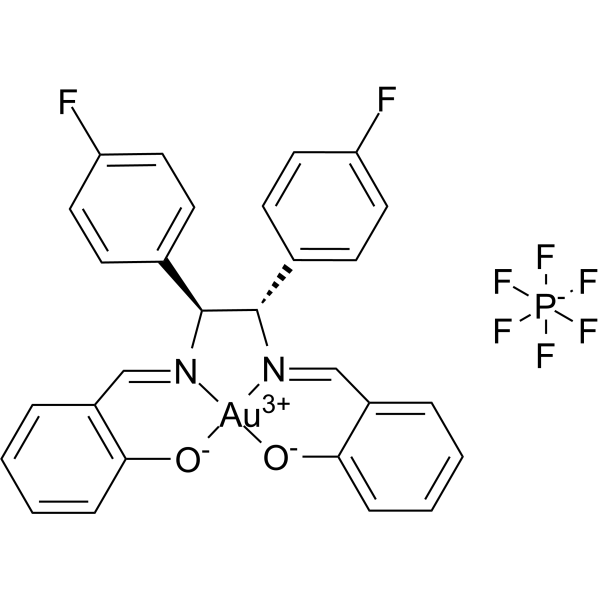
    TrxR-IN-4 is a thioredoxin reductase (TrxR) inhibitor with a rat IC50 of 0.37 μM. TrxR-IN-4 inhibits TrxR activity, elevates reactive oxygen species (ROS) and induces apoptosis. TrxR-IN-4 mediates endoplasmic reticulum stress and induces mitochondrial dysfunction. TrxR-IN-4 can be used for the research of hepatocellular carcinoma .
    TrxR-IN-4
  • HY-168717

    Hexokinase Microtubule/Tubulin Reactive Oxygen Species (ROS) Cancer
    HK2-IN-2 (Compound 26) is a Hexokinase 2 inhibitor that demonstrates significant anti-tumor activity by targeting microtubules and Hexokinase 2, with an IC50 value of 0.764 μM against MD-MBA-231 cells. HK2-IN-2 effectively inhibits the activity of Hexokinase 2, leading to the accumulation of Reactive Oxygen Species and dysfunction of the mitochondrial membrane potential (MMP), thereby promoting apoptosis and blocking the cell cycle .
    HK-2-IN-2
  • HY-116920

    Reactive Oxygen Species (ROS) Microtubule/Tubulin Cancer
    Alyssin, found in Cruciferous Vegetables, exerts anticancer activity in HepG2 by increasing intracellular reactive oxygen species and tubulin depolymerization .
    Alyssin
  • HY-122005

    NO Synthase Inflammation/Immunology
    AVE-9488 is an eNOS enhancer with the activity of protecting the heart from ischemia-reperfusion injury. AVE-9488 can upregulate eNOS expression, increase NO production, reduce myocardial ischemia-reperfusion injury, and reduce the level of reactive oxygen species .
    AVE-9488
  • HY-125143

    MAGL Metabolic Disease
    ABC34 is an inactive control compound of JJH260. ABC34 does not inhibit the fluorophosphonate reactivity or fatty acid esters of hydroxy fatty acid (FAHFA) hydrolysis activity of AIG1. ABC34 can inhibit both ABHD6 and PPT122 .
    ABC34
  • HY-N3562

    Reactive Oxygen Species (ROS) Neurological Disease
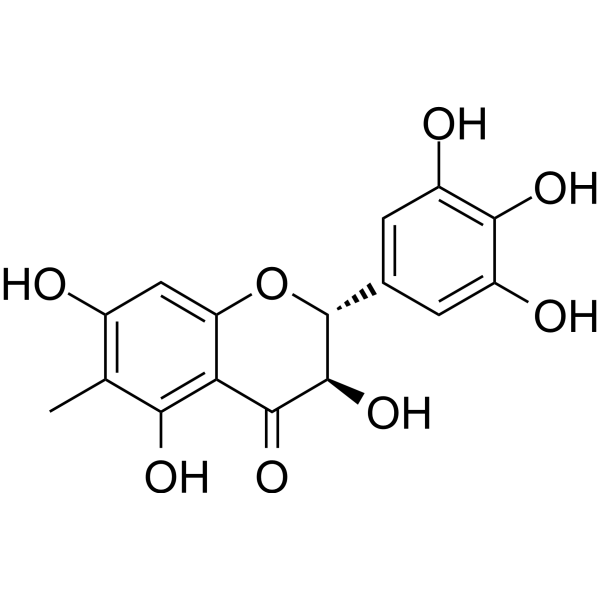
    Cedrin is a natural flavonoid that can be found in Cedrus deodara. Cedrin protects PC12 cells against neurotoxicity induced by Aβ1-42. Cedrin can reduce reactive oxygen species overproduction, increase the activity of superoxide dismutase and decrease malondialdehyde content .
    Cedrin
  • HY-N3149

    STAT Apoptosis Reactive Oxygen Species (ROS) Cancer
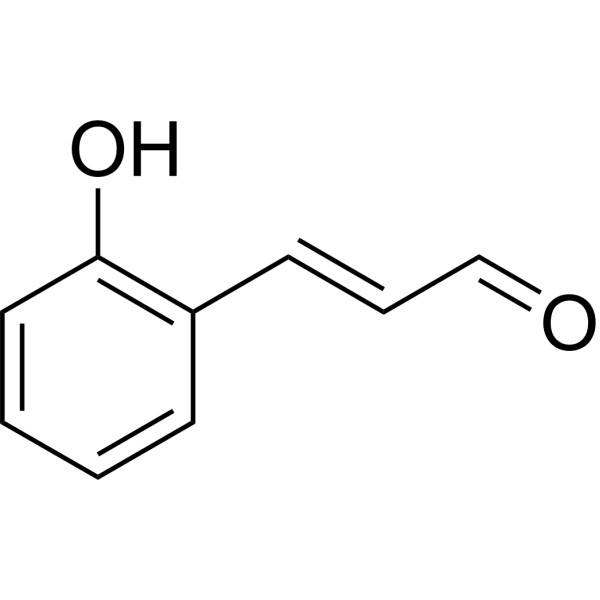
    (E)-2-Hydroxycinnamaldehyde is an aldehyde that can be separated from the stem bark of cinnamon. (E)-2-Hydroxycinnamaldehyde inhibits cell proliferation and induces apoptosis by inhibiting signal transduction of STAT3 and reactive oxygen species production. (E)-2-Hydroxycinnamaldehyde has antitumor activity .
    (E)-2-Hydroxycinnamaldehyde
  • HY-P10519

    Bacterial Reactive Oxygen Species (ROS) Infection
    Brevicidine is an antimicrobial peptide with selective bactericidal activity against Gram-negative pathogens. Brevicidine disrupts bacterial morphology by binding to lipopolysaccharide (LPS) on the bacterial cell membrane to form pores. Brevicidine causes dissipation of intracellular proton motive force, outer membrane damage, inhibition of ATP biosynthesis and reactive oxygen species accumulation in bacterial cells. As a sensitizer, Brevicidine exerts synergistic activity when combined with a variety of conventional antibiotics .
    Brevicidine
  • HY-161407

    Aurora Kinase Cancer
    AURKA-IN-1 (compound 9) is an cell-active covalent AURKA inhibitor. AURKA-IN-1 is a lysine-reactive activity probe .
    AURKA-IN-1

Inquiry Online

Your information is safe with us. * Required Fields.

Salutation


Country or Region *

Applicant Name *


Organization Name *

Department *


Email Address *


Product Name *

Cat. No.


Requested quantity *

Phone Number *


Remarks

Inquiry Online

Inquiry Information

Product Name:
Cat. No.:
Quantity:
MCE Japan Authorized Agent: