

From 11:00 pm to 12:00 pm EST ( 8:00 pm to 9:00 pm PST ) on January 6th, the website will be under maintenance. We are sorry for the inconvenience. Please arrange your schedule properly.
Elastase, Porcine pancreas (EC 3.4.21.36) is a single polypeptide chain of 240 amino acid residues, derived from pig pancreas. Elastase, Porcine pancreas is a serine protease that can hydrolyze proteins and polypeptide. Elastase from porcine pancreas can induce emphysema in hamsters .
Superoxide dismutase, Porcine erythrocytes (SOD) is the only antioxidant enzyme that scavenges the superoxide anion by converting this free radical to oxygen and hydrogen peroxide, thus preventing peroxynitrite production and further damage. Superoxide dismutase, Porcine erythrocytes is extensively researched and used in anti-inflammatory, antitumor, radiation protection, and antisenility applications .
3BDO is a IFITM3 modulator and mTOR activator with antiviral and autophagy-inhibiting effects. 3BDO exhibits inhibitory activity against porcine coronaviruses. 3BDO increases the protein abundance of IFITM3, inhibits virus-cell membrane fusion, and blocks viral entry. 3BDO inhibits the entry of transmissible gastroenteritis virus, porcine epidemic diarrhea virus, and porcine respiratory coronavirus into host cells. 3BDO can be used for research on porcine coronavirus infection .
Trypsin, porcine pancreas (Cell culture grade) is a serine protease that hydrolyzes proteins at the carboxyl side of lysine or arginine residues. Trypsin, porcine pancreas (Cell culture grade) exhibits excellent protein digestibility for α-lactalbumin and β-casein. Trypsin, porcine pancreas (Cell culture grade) removes cellular components while preserving extracellular matrix structures to achieve uniform decellularization of porcine pancreas .
Alanine aminotransferase, Porcine heart is a pyridoxal enzyme that catalyzes the reversible interconversion of L-alanine and 2-oxoglutalate to pyruvate and L-glutamate .
Aspartate aminotransferase (EC 2.6.1.1), porcine heart is a metabolic regulator with the highest activity in the heart, liver and skeletal muscle. Aspartate aminotransferase, porcine heart comprises two isozymes: the cytoplasmic form (AST1) and the mitochondrial form (AST2). By catalyzing reversible transamination reactions between oxaloacetate, L-glutamate and other substances, it is deeply involved in key physiological processes such as amino acid metabolism, the tricarboxylic acid cycle and neurotransmitter synthesis. Aspartate aminotransferase, porcine heart also provides substrate support for the synthesis of urea and purines/pyrimidines. Aspartate aminotransferase, porcine heart is a serum marker reflecting cardiac and hepatic injury, and its abnormal levels are also closely associated with myocardial infarction, cardiovascular diseases and various cancers .
Porcine Serum Albumin is a serum albumin protein that contains a flexible C-terminal region. Porcine Serum Albumin can serve both as a pork allergen and as a biomarker for detecting pork .
[Leu31,Pro34]- Neuropeptide Y (porcine), a Neuropeptide Y (NPY) analog, is a selective NPY Y1 receptor agonist. [Leu31,Pro34]- Neuropeptide Y (porcine) exhibits anxiolytic effects .
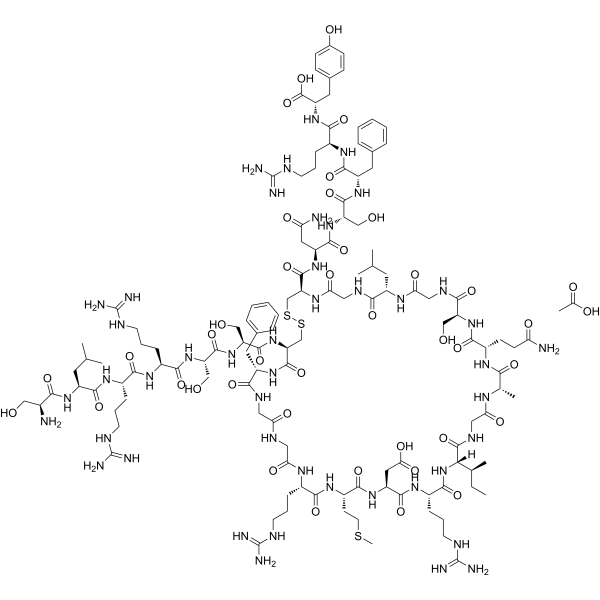
PAMP-12(human, porcine) is a major component of immunoreactive (ir)-PAMP, is processed from the adrenomedullin precursor, is a potent hypotensive peptide and participates in cardiovascular control .
Porcine Fibrinogen is a coagulation protein, purified from porcine plasma with no plasminogen contained. Porcine Fibrinogen has excellent biocompatibility and does not induce aggregation of porcine platelets when in contact with porcine hepatocytes, aortic endothelial cells or hepatic sinusoidal endothelial cells. Porcine Fibrinogen is widely used in studies on the pathological mechanisms of cardiovascular diseases such as atherosclerosis and the development of related drugs .
Lactate Dehydrogenase (LDH), Porcine Heart, is an isoenzyme of lactate dehydrogenase derived from porcine heart. Lactate Dehydrogenase (LDH), Porcine Heart, is primarily used in life science research, tissue damage diagnosis, and as an enzyme marker .
γ-glutamyltransferase, Porcine kidney (GGT, Porcine kidney) is an enzyme located on the outer surface of the cell membrane. γ-glutamyltransferase, Porcine kidney maintains the physiological concentration of cytoplasmic glutathione and the cell's defense against oxidative stress by cleaving extracellular glutathione and increasing the availability of amino acids. γ-glutamyltransferase, Porcine kidney is used for pancreatic cancer research .
Kallikrein, Porcine pancreas (kininogenase) is capable of forming the kallikrenase kalinin system (KKS) in plasma and tissues, producing bradykinin and kalin peptides, respectively .
Dipeptidyl Peptidase IV, Porcine Kidney (DPP-IV, Porcine Kidney) is a serine aminopeptidase with multiple physiological roles. Dipeptidyl Peptidase IV, Porcine Kidney hydrolyses gastric inhibitory peptide (GIP) and glucagon-like peptide 1 (GLP-1), the most important insulin-releasing hormones (incretins) of the enteroinsular axis .
Cecropin P1, porcine is an antibacterial peptide that can be isolated from the upper part of the small intestine of the pig. Cecropin P1, porcine shows antibacterial activity against Gram-negative bacteria. Cecropin P1, porcine shows antiviral activity and inhibits PRRSV infection .
GIP (1-30) amide, porcine TFA is a full glucose-dependent insulinotropic polypeptide (GIP) receptor agonist with high affinity equal to native GIP(1-42) . GIP (1-30) amide, porcine is a weak inhibitor of gastric acid secretion and potent stimulator of insulin.
Colipase, Porcine is a biocatalyst and a key enzyme in new biocatalyst technology. Enzyme engineering focuses on enhancing enzyme reaction kinetics, substrate selectivity, and activity under harsh conditions such as low or high pH. By introducing stimulus responsiveness to these enzyme modifications, dynamic control of activity is also possible .
Hemoglobin porcine is an oxygen-transporting protein present in the blood of domestic pigs, and also an oxygen carrier with higher oxygen affinity than human hemoglobin. Hemoglobin porcine exhibits cooperative oxygen-binding properties, with weaker heme-heme interactions than those of human hemoglobin .
Highly purified Type XI collagen, from porcine articular cartilage (Porcine Type XI collagen, immunization grade) is an immune grade collagen derived from porcine articular cartilage, which can stimulate the animal's immune system to produce specific antibodies against this collagen. Collagen is also a substrate for hydrolysis by MMPs .
Porcine Serum Albumin (globulin free) is a serum albumin protein containing a flexible C-terminal region. Porcine Serum Albumin (globulin free) induces the production of anti-PSA IgG antibodies in rats and triggers severe immune responses upon secondary administration .
Neuromedin C porcine (GRP, 18-27, porcine) is a bombesin-like neuropeptide that can be obtained from porcine spinal cord. Neuromedin C porcine exhibits a potent contractile activity on rat uterus in the characteristic manner of bombesin. Neuromedin C porcine has research potential for neurological-related diseases .
Neuropeptide Y (18-36) (porcine) is a competitive neuropeptide Y (NPY) cardiac receptor antagonist. Neuropeptide Y (18-36) (porcine) inhibits the binding of I-NPY to cardiac ventricular membranes in a concentration-dependent manner with an IC50 value of 158 nM and an Ki value of 140 nM. Neuropeptide Y (18-36) (porcine) can be used for the research of congestive heart failure .
VIP (1-12), human, porcine, rat, ovine is a vasoactive intestinal peptide (VIP) fragment. VIP (1-12), human, porcine, rat, ovine is a ligand for the CD4 (T4)/human immunodeficiency virus receptor .
[DAla2, DArg6] Dynorphin A, (1-13) (porcine) (DADAD) is an opioid peptide (dynorphinl-13, DYN) derivative found in porcine pituitary extracts. DYN is highly potent at the peripheral opioid receptors GPI and MVD, but is readily and rapidly degraded in vivo. [DAla2, DArg6] Dynorphin A, (1-13) (porcine) has some resistance to enzymatic cleavage and prevents peptide cleavage by enzymes .
Ganglioside GT1b (porcine) ammonium is a member of the ganglioside family. Ganglioside GT1b (porcine) ammonium acts as a protective signal against nerve injury-induced spinal synapse elimination. Ganglioside GT1b (porcine) ammonium induces HA synthesis and the phosphorylation of Akt/mTOR in orbital fibroblasts. Ganglioside GT1b (porcine) ammonium enhances porcine oocyte maturation and induces activation of EGFR and ERK1/2 signaling. Ganglioside GT1b (porcine) ammonium is a putative host cell receptor for the Merkel cell polyomavirus. Ganglioside GT1b (porcine) ammonium can be used for the researches of cancer, infection, immunology, endocrinology and neurological disease, such as Thyroid eye disease .
Globotriaosylceramide porcine RBC is a trihexosylceramide (Gb3) in porcine erythrocytes. Globotriaosylceramide porcine RBC is a natural resistance factor against HIV-1 infection. The synthetase α-galactosyltransferase (A4GALT) of Globotriaosylceramide porcine RBC is associated with HIV-1 resistance.
Motilin, human, porcine is a gastrointestinal hormone, which is released during fasting and after eating, or by drinking water. Motilin, human, porcine promotes enteric cholinergic activity in human stomach with an EC50 of 33 nM, and thus modulates gastrointestinal motility function .
Highly purified Type III collagen, from porcine skin (Porcine Type III collagen, immunization grade) is an immune grade collagen derived from porcine skin, which can stimulate the animal's immune system to produce specific antibodies against this collagen. Collagen is also a substrate for hydrolysis by MMPs .
BNP(1-32), porcine (pBNP-32) is a cardiac hormone. BNP(1-32), porcine is an atrial natriuretic peptide, which exhibits natriuretic, diuretic and vasorelaxant effects. BNP(1-32), porcine affects passive avoidance learning in rats with dopaminergic, cholinergic, α-and β-adrenergic mediation .
GIP (1-30) amide, porcine is a full glucose-dependent insulinotropic polypeptide (GIP) receptor agonist with high affinity equal to native GIP(1-42) . GIP (1-30) amide, porcine is a weak inhibitor of gastric acid secretion and potent stimulator of insulin.
Cecropin P1, porcine acetate is an antibacterial peptide that can be isolated from the upper part of the small intestine of the pig. Cecropin P1, porcine acetate shows antibacterial activity against Gram-negative bacteria. Cecropin P1, porcine acetate shows antiviral activity and inhibits PRRSV infection .
Adrenomedullin (porcine) is a peptide that regulates vasodilation. Adrenomedullin (porcine) induces endothelium-dependent relaxation in rat aorta with IC50 value of 2.4 nM. Adrenomedullin (porcine) induces endothelium-independent relaxation of porcine coronary arteries with an IC50 of 27.6 nM .
GRP (porcine) (Porcine gastrin-releasing peptide 27) is the putative mammalian analog of Bombesin (HY-P0195). GRP (porcine) activates the release of a number of gastroenteropancreatic (GEP) peptides into the peripheral circulation. GRP (porcine) stimulates gastrin release and exocrine pancreatic secretion. GRP (porcine) is a useful marker of neuroendocrine differentiation in many tumors .
Lactosylceramide (LacCer) (porcine RBC) is an endogenous bioactive sphingolipid. Lactosylceramide (porcine RBC) plays a pivotal role in mediating innate immune functions .
Galanin-Like Peptide (porcine) is a 60 amino acid neuropeptide that was first isolated from the porcine hypothalamus. Galanin-Like Peptide (porcine) has a high affinity for the GALR2 receptor (IC50 of 0.24 nM) and a lower affinity for the GALR1 receptor (IC50 of 4.3 nM) .
Proadrenomedullin (N-20) (ProADM N20) (bovine, porcine) is a potent and noncompetitive hypotensive and catecholamine release-inhibitory peptide released from chromaffin cells. Proadrenomedullin (N-20) (bovine, porcine) inhibits catecholamine secretion with an IC50 of 350 nM in PC12 pheochromocytoma cells. Proadrenomedullin (N-20) (bovine, porcine) also blocks (EC50≈270 nM) nicotinic cholinergic agonist desensitization of catecholamine release, as well as desensitization of nicotinic signal transduction ( 22Na + uptake) .
Neuropeptide Y (2-36) (porcine) is a porcine-derived neuropeptide with 97.14% homology to rat/human origin. Neuropeptide Y (2-36) (porcine) is also a rat neuropeptide receptor agonist, with EC50 values of 1.2, 1.6 and 3.4 nM for receptor of Y5, Y2 and Y1 respectively. Neuropeptide Y (2-36) (porcine) can be used in studies related to obesity and eating disorders .
Highly purified Type I collagen, from porcine skin (Porcine Type I collagen, immunization grade) is an immune grade collagen derived from porcine skin, which can stimulate the animal's immune system to produce specific antibodies against this collagen. Collagen is also a substrate for hydrolysis by MMPs .
Highly purified Type II collagen, from porcine articular cartilage (Porcine Type II collagen, immunization grade) is an immune grade collagen derived from porcine articular cartilage, which can stimulate the animal's immune system to produce specific antibodies against this collagen. Collagen is also a substrate for hydrolysis by MMPs .
Highly purified Type IX collagen, from porcine articular cartilage (Porcine Type IX collagen, immunization grade) is an immune grade collagen derived from porcine articular cartilage, which can stimulate the animal's immune system to produce specific antibodies against this collagen. Collagen is also a substrate for hydrolysis by MMPs .
Neuropeptide K, human, porcine, rat exhibits bioactivity in gallbladder contraction, protein extravasation, hypotension and brcnchial smooth muscle spasm. Neuropeptide K, human, porcine, rat is concentrated in brain and acts as tachykinin neuromessenger .
[Pro34]Neuropeptide Y, porcine is a selective NPY receptor (Y1 receptor) agonist. [Pro34]Neuropeptide Y, porcine evokes vasoconstrictions in the guinea pig caval vein .
[DAla2] Dynorphin A (1-13), amide (porcine) is a petide. [DAla2] Dynorphin A (1-13), amide (porcine) might have the κ opioid receptor agonist effect. [DAla2] Dynorphin A (1-13), amide (porcine) can be used for the research of nervous system .
Big Endothelin-1 (1-39), porcine is the precursor of endothelin-1. Endothelin-1 (ET-1) is a potent vasopressor peptide. Big Endothelin-1 (1-39), porcine has similar pressor effects in vivo .
[DPro10] Dynorphin A (1-11), porcine, a N-Alkylated derivative, is a potent κ-opioid receptor agonist with a Ki value of 0.13 nM. [DPro10] Dynorphin A (1-11), porcine has analgesic property .
[DPro10] Dynorphin A (1-11), porcine hydrochloride, a N-Alkylated derivative, is a potent κ-opioid receptor agonist with a Ki value of 0.13 nM. [DPro10] Dynorphin A (1-11), porcine hydrochloride has analgesic property .
Galanin (1-15) (porcine, rat) is the N-terminal 15 amino acids peptide fragment of the neuropeptide galanin. Galanin (1-15) (porcine, rat) interacts with the 5-HT1A receptor in the dorsal hippocampus of the rat brain, reduces the affinity of 5-HT1A receptors, and regulates the serotonin neuronal networks .
Neuropeptide Y (3-36) (porcine) is an agonist of neuropeptide Y (NPY) receptor subtype Y2, and stimulates feeding in rats. Neuropeptide Y (3-36) (porcine) is a highly Y2 selective ligand compared with nselective Y1/Y2 receptor ligand, Neuropeptide Y 1-36 .
Leucyl aminopeptidase, Porcine is a metallopeptidase that cleave N-terminal residues from proteins and peptides. Leucyl aminopeptidase serves as transcriptional repressors to control pyrimidine, alginate and cholera toxin biosynthesis, as well as mediate site-specific recombination events in plasmids and phages .
Porcine Immunoglobulin G (Porcine IgG) is a porcine serum immunoglobulin that can be used in immunolabeling and coating protein in a variety of immunoassays including ELISA .
Lactate dehydrogenase, Porcine (EC 1.1.1.27) is a natural porcine lactate dehydrogenase used for research on lactate metabolism and enzymatic mechanisms.
α-Neoendorphin porcine is a peptide. α-Neoendorphin porcine effectively alleviates UVB-induced skin photoaging via activating mTOR-Beclin-1-mediated autophagy, reducing UVB-triggered ROS production, inhibiting the MAPK pathway and MMP activity, and promoting type I procollagen synthesis. α-Neoendorphin porcine exerts anti-aging and anti-wrinkle effects on skin cells. α-Neoendorphin porcine can be used in studies related to skin photoaging .
Myelin Basic Protein (Porcine), the second most abundant protein in central nervous system myelin, is responsible for adhesion of the cytosolic surfaces of multilayered compact myelin. Myelin Basic Protein (Porcine) mediates interactions with actin and tubulin and effect of post-translational modifications .
Trehalase, Porcine (EC 3.2.1.28) is a glycoside hydrolase enzyme located in on the brush border of the small intestine that catalyzes the conversion of trehalose to glucose.
Peptidase, Porcine is any enzyme that performs proteolysis, that is, begins protein catabolism by hydrolysis of the peptide bonds that link amino acids together in a polypeptide chain.
γ-Glutamyltranspeptidase, Porcine (EC 2.3.2.2) is an enzyme capable of transferring the γ-glutamyl functional group. γ-Glutamyltranspeptidase, Porcine catalyzes the transfer of the γ-glutamyl group of glutathione to a receptor, which can be an amino acid, peptide, or water (to produce glutamate).
Globotriaosylceramide (non-hydroxy) (porcine RBC) is a glycosphingolipid found in the cell membranes of mammals. Globotriaosylceramide (non-hydroxy) (porcine RBC) is the core pathogenic molecule of Fabry disease, and its level can be downregulated by supplementing α-galactosidase A. Globotriaosylceramide (non-hydroxy) (porcine RBC) amplifies B-cell receptor signals by regulating the localization of co-receptor CD19, and can be used as a vaccine adjuvant, capable of guiding the generation of broad-spectrum and cross-protective antibody responses. Globotriaosylceramide (non-hydroxy) (porcine RBC) promotes wound healing and reduces scar formation by regulating fibroblast heterogeneity .
Leucine Aminopeptidase, Porcine (EC 3.4.11.1) is a proteolytic enzyme which hydrolyzes the peptide bond adjacent to a free amino group. Leucine Aminopeptidase, Porcine (EC 3.4.11.1) rapidly catalyzes the hydrolysis of leucine containing peptides and also catalyzes the hydrolytic release of other amino acids located at the N-terminal end of various peptides and proteins.
Creatine Kinase, Porcine (EC 2.7.3.2) is an enzyme present in muscle, brain, and other tissues of vertebrates that catalyzes the reversible conversion of ADP and phosphocreatine into ATP and creatine.
Leucine Aminopeptidase(microsomal), Porcine (EC 3.4.11.2) is an enzyme that preferentially catalyze the hydrolysis of leucine residues at the N-terminus of peptides and proteins.
D-Amino Acid Oxidase, Porcine (EC 1.4.3.3) is used in the measurement of D-alanine and FAD, and in the preparation of L-amino acids from racemic mixtures.
Catechol-O-methyl Transferase, Porcine (EC 2.1.1.6) is one of several enzymes that degrade catecholamines such as dopamine, epinephrine, and norepinephrine.
Citrate Synthase, Porcine (EC 4.1.3.7), catalyzes the conversion of citrate to acetyl-CoA in the presence of coenzyme A, releasing water and oxaloacetate. Citrate Synthase can be inhibited by fluoroacetyl-CoA, palmitoyl-CoA, and citrate-CoA.
Malic Dehydrogenase, Porcine (EC 1.1.1.37) exists as two isoforms within eukaryotic cells, one that is expressed in the mitochondria and functions in the TCA cycle and one in the cytoplasm that converts malate from the mitochondria back into oxaloacetate.
Isocitric Dehydrogenase (NADP), Porcine (EC 1.1.1.42) is an enzyme that catalyzes the oxidative decarboxylation of Isocitrate, producing alpha-ketoglutarate (α-ketoglutarate) and CO2.
α-Amylase, Porcine (EC 3.2.1.1) is a protein enzyme that hydrolyses alpha bonds of large, alpha-linked polysaccharides, such as starch and glycogen, yielding glucose and maltose.
Type II Collagen, T Cell Grade, from Porcine is a T-cell dependent antigen with unique immunological features. Type II Collagen, T Cell Grade, from Porcine can be used as a stimulating antigen for T-cells in in vitro culture systems .
Enterokinase, Porcine (EC 3.4.21.9), is an enzyme produced by duodenal cells and participates in the digestive process in humans and animals. Enterokinase converts trypsinogen (an enzyme precursor) into its active form, trypsin, thereby activating pancreatic digestive enzymes. Deficiency of enterokinase can lead to intestinal digestive dysfunction.
L-Lactate Dehydrogenase, Porcine is an enzyme found in nearly all living cells (animals, plants, and prokaryotes). L-Lactate Dehydrogenase catalyzes the conversion of pyruvate to lactate and back, as it converts NADH to NAD+ and back.
Guanylate Kinase, Porcine (EC 2.7.4.8), is an enzyme that transfers phosphorus-containing groups (phosphotransferases) using phosphate groups as acceptors. Guanylate Kinase is involved in purine metabolism. Its two substrates are ATP and GMP, and its two products are ADP and GDP.
Type I Collagen, T Cell Grade, from Porcine has unique immunological features and plays an important role in the structure and function of skin, bones, tendons, etc. Type I Collagen, T Cell Grade, from Porcine can be used as a stimulating antigen for T-cells in in vitro culture systems .
PAMP-12(human, porcine) TFA is a major component of immunoreactive (ir)-PAMP, is processed from the adrenomedullin precursor, is a potent hypotensive peptide and participates in cardiovascular control .
Aminopeptidase M, Porcine (EC 3.4.11.2), is a metalloproteinase that hydrolyzes almost all N-terminal amino acids of unsubstituted oligopeptides. It does not cleave X-Pro bonds or N-terminal blocked amino acids. Aminopeptidase M can be used for peptide sequence analysis.
Cholesterol esterase, Porcine pancreas is an enzyme that hydrolyzes cholesteryl esters into cholesterol and free fatty acids in the intestine. Cholesterol esterase, also known as bile salt-stimulated lipase or carboxyl ester lipase, functions to promote cholesterol absorption .
L-Lactic Dehydrogenase, Porcine (EC 1.1.1.27) is an enzyme found in nearly all living cells (animals, plants, and prokaryotes). L-Lactate Dehydrogenase catalyzes the conversion of pyruvate to lactate and back, as it converts NADH to NAD+ and back.
Dynorphin (2-17), amide (porcine) is a dynorphin derivative with some analgesic effects. Dynorphin is a class of opioid peptides produced by the precursor protein dynorphinogen and is involved in pain, addiction and mood regulation .
Lipoamide dehydrogenase, porcine is a biocatalyst and a key enzyme in new biocatalyst technology. Enzyme engineering focuses on enhancing enzyme reaction kinetics, substrate selectivity, and activity under harsh conditions such as low or high pH. By introducing stimulus responsiveness to these enzyme modifications, dynamic control of activity is also possible .
GRP (14-27) (human, porcine, canine) is a bombesin receptor ligand. The specific binding of GRP (14-27) is inhibited by GTP and GDP, whereas GMP was without effect .
Carperitide (Atrial Natriuretic Peptide (ANP) (1-28), human, porcine) is a 28-amino acid hormone, that is normally produced and secreted by the human heart in response to cardiac injury and mechanical stretch. Carperitide (Atrial Natriuretic Peptide (ANP) (1-28), human, porcine) inhibits endothelin-1 secretion in a dose-dependent way.
Adenosine 5'-Triphosphatase, Porcine (EC 3.6.1.3) is a class of enzymes that catalyze the decomposition of ATP into ADP and a free phosphate ion. This dephosphorylation reaction releases energy, which the enzyme (in most cases) harnesses to drive other chemical reactions that would not otherwise occur.
α-Amylase, Porcine Pancreatic (1,4-alpha-D-Glucan-glucanohydrolase) is a hydrolase enzyme that can be isolated from porcine pancreatic. α-Amylase, Porcine Pancreatic catalyses the hydrolysis of internal α-1, 4-glycosidic linkages in starch to yield products like glucose and maltose. α-Amylase, Porcine Pancreatic can be used in life science research .
(D-Trp32)-Neuropeptide Y (porcine) is a highly selective neuropeptide Y (NPY) Y5 receptor agonist. (D-Trp32)-Neuropeptide Y (porcine) has orexigenic activity and inhibits Forskolin (HY-15371)-stimulated cAMP formation .
ACTH (3-24) (human, bovine, mouse, ovine, porcine, rabbit, rat) is the 3-24 fragment of adrenocorticotropic hormone (ACTH). ACTH (3-24) (human, bovine, mouse, ovine, porcine, rabbit, rat) can be used for research of a variety of diseases, including cancer, immune diseases, cardiovascular disease .
Gastric Inhibitory Polypeptide (1-30), porcine lacks the C-terminal 12 amino acid residues of natural gastric inhibitory polypeptide (GIP), exhibits biologic activity by potentiating the release of insulin and somatostatin .
(Met(O)27)-Glucagon (1-29) (human, rat, porcine) is a modified glucagon. (Met(O)27)-Glucagon (1-29) (human, rat, porcine) has the same maximum glucose-synthesizing activity in rat hepatocytes as native glucagon, but it is less potent, suggesting a crucial role of methionine in the binding of glucagon to its hepatic receptor .
C-Type Natriuretic Peptide (1-53), Porcine, Rat, mouse is an activator of particulate guanylate cyclase B (pGC-B), which is highly expressed in endothelial cells, kidneys, and the heart. C-Type Natriuretic Peptide (1-53), Porcine, Rat, mouse can mediate a potent anti-fibrotic effect in human cardiac and renal fibroblasts by generating the second messenger cGMP .
Phospholipase A2, Porcine (EC 3.1.1.4) hydrolyzes the β-ester bond of zwitterionic glycerophospholipids. Preferred substrates are phosphatidylcholine, phosphatidylethanolamine, and their plasmalogen analogues. Phosphatidylinositol and phosphatidylserine are also hydrolyzed. Phospholipase A2specifically recognizes the sn-2 acyl bond of phospholipids and catalytically hydrolyzes the bond releasing arachidonic acid and lysophospholipids.
Biotinyl-Glucagon (1-29), human, bovine, porcine is a biotinylated glucagon. Glucagon is a peptide hormone, produced by α-cells of the pancreas, can increase concentration of glucose and fatty acids in the bloodstream .
(2S)-5,7,3',5'-Tetrahydroxyflavanone ((2S)-3',5,5'7-Tetrahydroxyflavanone) is a porcine pancreatic lipase modulator with an IC50 of >200 μM against porcine pancreatic lipase. (2S)-5,7,3',5'-Tetrahydroxyflavanone interacts with an enzyme involved in triglyceride hydrolysis .
Alkaline Phosphatase (ALP), Porcine Kidney (ALP, Orthophosphoric-Monoester Phosphohydrolase) is a biological material or organic compound that can be used in life science research .
β-N-Acetylhexosaminidase, Porcine kidney is a glycosidase with transglycosylation activity, used to generate health-beneficial human milk oligosaccharides, and it effectively interacts with low molecular weight sugar alcohols (such as glycerol, erythritol, and xylitol). The enzyme exhibits optimal activity at pH 5 and 40 °C, and shows high thermal stability (up to 55°C) when bound to the cell wall. β-N-Acetylhexosaminidase holds promise for applications in the biotransformation of Chitin (HY-126389) and research in the food health sector .
Isocitrate dehydrogenase, Porcine heart (ICDH) is a citric acid or tricarboxylic acid cycle enzyme, is often used in biochemical studies. Isocitrate dehydrogenase catalyzes the oxidative decarboxylation of isocitrate to α-ketoglutarate and reduces NAD(P) + to NAD(P)H, it plays important roles in cellular metabolism .
Creatine Kinase (CK/CPK), Porcine Heart (CPK, CK, Creatine Phosphokinase) is a biological material or organic compound that can be used in life science research .
8-iso Prostaglandin F1β is an isoprostane, that exhibits vasoconstrictive effect in neonatal porcine pulmonary arteries, pulmonary veins, and mesenteric arteries. 8-iso Prostaglandin F1β targets TXA2 receptor and exhibits the blood vessel contractile efficacy under the influence of tyrosine kinase and Rho kinase .
(Asp28)-Glucagon (1-29) (human, rat, porcine) is an optimized structure of glucagon, the 28th position is replaced by aspartic acid (Asp) which significantly increases the aqueous solubility of glucagon in a physiological pH buffer, has the same activity as glucagon .
(D-Lys16)-ACTH (1-24) (human, bovine, mouse, ovine, porcine, rabbit, rat) is the reaction product with gadolinium tetraazacyclododecanetriacetate derivative. (D-Lys16)-ACTH (1-24) (human, bovine, mouse, ovine, porcine, rabbit, rat) involves in preparation of tetraazacyclododecane macrocycle metal complexes for production of conjugates with biomolecules and for use as NMR contrast agents, radiodiagnostic agents and for radioresearch .
Atrial Natriuretic Peptide (1-28), human, porcine, Biotin-labeled, one of three mammalian natriuretic peptides (NPs), has endocrine effects on fluid homeostasis and blood pressure. Atrial Natriuretic Peptide has the potential for cardiovascular diseases research .
Carperitide acetate (Atrial Natriuretic Peptide (ANP) (1-28), human, porcine acetate) is a 28-amino acid hormone, that is normally produced and secreted by the human heart in response to cardiac injury and mechanical stretch. Carperitide acetate inhibits endothelin-1 secretion in a dose-dependent way.
Pancreastatin (swine) is a 49-residue peptide which strongly inhibits glucose-induced insulin release. Pancreastatin (swine) can be isolated and characterized from porcine pancreas .
Dansyl-Glu-Gly-Arg-Chloromethylketone is a protease inhibitor, and inhibits serine/threonine proteases. Dansyl-Glu-Gly-Arg-Chloromethylketone inhibits activated porcine factor IX .
Catechol O-methyltransferase, porcine liver (COMT), the magnesium-dependent transfer of methyl groups from S-adenosyl methionine to a hydroxyl group on dopamine, converting it to 3-methoxytyramine. Catechol O-methyltransferase has two forms in tissues, a soluble form (S-COMT) and a membrane-bound form (MB-COMT). Catechol O-methyltransferase is to regulate epinephrine, norepinephrine, and dopamine levels in the brain .
Uvagrandol potently inhibits α-glucosidase and porcine lipase (IC50: 15.2 μM, 11.2 μM respectively). Uvagrandol can be used in the research of Type 2 diabetes and obesity .
GIP (1-39) (Gastric inhibitory peptide (1-39) (porcine)) is an insulinotropic peptide that stimulats insulin secretion from rat pancreatic islets. GIP (1-39) at 100 nM was able to significantly increase intracellular Ca 2+ concentration ([Ca 2+]i), and capable of enhancing exocytosis .
Carboxypeptidase B, Porcine pancreas (EC 3.4.2.2) is a peptide exonuclease that can specifically degrade peptide chains. Carboxypeptidase B is progressively degraded from the C-terminal to release free amino acids. Carboxypeptidase B hydrolyzes only peptide bonds with basic amino acids (such as arginine and lysine) as C-terminal residues .
Morusalnol A is a arylbenzofuran derivative found in the root bark of Morus alba. Morusalnol A is a pancreatic lipase inhibitor with a porcine pancreatic lipase IC50 of 0.71 μM. Morusalnol A inhibits pancreatic lipase activity. Morusalnol A can be used for the research of obesity .
Creatine Kinase BB (CK-BB) Isoenzyme, Porcine Brain (CPK-1, CKBB isoenyzme, CK-BB) is a biological material or organic compound that can be used in life science research .
SPAI-1 is a specific inhibitor for monovalent cation transporting ATPases. SPAI-1 is a peptide isolated from porcine duodenum, inhibits Na +, K +-ATPase and H +, K +-ATPase in vitro, stimulates Mg 2+-ATPase .
Lys-Bradykinin (Kallidin (380-389) (human, porcine, bovine)) tetraacetate, a kind of kallidin and bradykinin receptor ligand, can be generated by kininogen protein through enzymatic cleavage by the protease kallikrein. Lys-Bradykinin tetraacetate, also a vasodilator, can widen blood vessels and increase blood flow. ys-Bradykinin stimulates net Na+ influx, and also the DNA synthesis. Lys-Bradykinin tetraacetate involves in vascular regulation, inflammation and pain sensation .
Scyptolin B, a cyclic depsipeptides, is a secondary metabolite. Scyptolin B can be isolated from axenic cultures of Scytonema hofmanni PCC 7110. Scyptolin B selective inhibits porcine pancreatic Elastase with an IC50 of 3.1 μg/mL .
SKA-111 is a selective activator of potassium phannelKCa 3.1 , evokes KCa 3.1 membrane hyperpolarization in porcine endothelial cell. SKA-111 is capable of improving Bradykinin (HY-P0206)-induced coronary dilations in the isolated rat heart and can be used for cardiovascular disease research .
PRRSV/CD163-IN-1 is a PRRSV/CD163 inhibitor. PRRSV/CD163-IN-1 can inhibit the interaction between the PRRSV glycoprotein (GP2a or GP4) and the CD163-SRCR5 domain. PRRSV/CD163-IN-1 can be used for the research of porcine reproductive and respiratory syndrome (PRRS) .
Royleanonic acid is an abietan-type diterpene found in the leaves of Salvia officinalis L. Royleanonic acid is a porcine pancreatic lipase inhibitor with an IC50 of 35 μg/mL .
Piriprost (U-60,257B) potassium is an inhibitor of leukotriene synthesis. Piriprost potassium inhibits the release of both leukotriene and histamine with an IC50 of 0.11 μM from isolated porcine lung cells. Piriprost potassium increases alkaline phosphatase (ALP) activity in cultured endometrial stromal cells .
Eleclazine (GS 6615) hydrochloride is a selective cardiac late sodium current inhibitor and a weak inhibitor of potassium current with IC50 value of <1 μM and approximately 14.2 μM, respectively. Eleclazine hydrochloride shows concurrent protection against autonomically induced atrial premature beats, repolarization alternans and heterogeneity, and atrial fibrillation in porcine model. Eleclazine hydrochloride can be used to research cardiac arrhythmias .
β-defesin 1 (pig) (pBD-1) is an endogenous and constitutively expressed antimicrobial peptide (AMP) from porcine tissues, particularly expresses in pig mucosal epithelial sites. β-defesin 1 (pig) has antimicrobial activities and contributes to mucosal and systemic host defenses in pigs .
WH-4-023 GMP is WH-4-023 (HY-12299) produced by using GMP guidelines. GMP small molecules works appropriately as an auxiliary reagent for cell therapy manufacture. WH-4-023 (Dual LCK/SRC inhibitor) is a Lck/Src dual target inhibitor with functions in stem cell maintenance and differentiation regulation. WH-4-023 blocks epithelial-mesenchymal transition, supports the self-renewal of porcine embryonic stem cells, and inhibits their differentiation into mesoderm and endoderm. WH-4-023 is a key component of 3i/LAF medium, and enables the stable establishment and long-term maintenance of porcine pre-gastrulation epiblast stem cell lines. Removal of WH-4-023 reduces the expression of pluripotency factors in porcine and human extended pluripotent stem cells. WH-4-023 can be applied to relevant studies such as non-small cell lung cancer resistant to EGFR-TKIs .
β-defesin 1 (pig) (pBD-1) TFA is an endogenous and constitutively expressed antimicrobial peptide (AMP) from porcine tissues, particularly expresses in pig mucosal epithelial sites. β-defesin 1 (pig) TFA has antimicrobial activities and contributes to mucosal and systemic host defenses in pigs .
Eleclazine (hydrochloride) (Standard) is the analytical standard of Eleclazine (hydrochloride). This product is intended for research and analytical applications. Eleclazine (GS 6615) hydrochloride is a selective cardiac late sodium current inhibitor and a weak inhibitor of potassium current with IC50 value of <1 μM and approximately 14.2 μM, respectively. Eleclazine hydrochloride shows concurrent protection against autonomically induced atrial premature beats, repolarization alternans and heterogeneity, and atrial fibrillation in porcine model. Eleclazine hydrochloride can be used to research cardiac arrhythmias .
Midesteine (MR 889) is a proteinase inhibitor that can inhibit porcine pancreatic elastase, human neutrophil elastase and bovine chymotrypsin. Midesteine has the potential for chronic obstructive pulmonary disease (COPD) and chronic bronchitis research .
Gitoxin is a degradation metabolite of Digitoxin (HY-B1357) and a non-competitive Na +/K +-ATPase inhibitor, with an IC50 of 1.18e-6 M against the porcine high-affinity subtype and an IC50 of 2.85e-5 M against the porcine low-affinity subtype. Gitoxin regulates atrial contractility and rhythmicity. Gitoxin is applicable to research related to congestive heart failure .
AP14145 is an inhibitor for small conductance calcium-activated potassium channel, inhibits KCa2.2 channel and KCa channel with IC50 of 1.1 μM and 1.1 μM. AP14145 prolongs atrial effective refractory period (AERP) in rats, causes the conversion of atrial fibrillation to sinus rhythum in porcine left ventricular dysfunction models, and exhibits antiarrhythmic effect .
FK706 is a potent, slow-binding and competitive inhibitor of human neutrophil elastase with an IC50 of 83 nM and a Ki of 4.2 nM. FK706 also inhibits mouse neutrophil elastase and porcine pancreatic elastase with IC50s of 22 nM and 100 nM, respectively, and has no inhibitory activity against other serine proteinases such as human pancreatic trypsin, human pancreatic α-chymotrypsin and human leukocyte cathepsin G. FK706 has anti-inflammatory effect .
3,4,6-Tri-O-galloyl-D-glucose (3,4,6-Trigalloylglucose) is an α-amylase(porcine α-amylase IC50 = 334.6 μM; Ki = 307.5 μM) and α-glucosidase (yeast α-glucosidase IC50 = 46.5 μM; Ki = 39.9 μM) mixed type inhibitor. 3,4,6-Tri-O-galloyl-D-glucose exhibits free radical scavenging ability, ferric-reducing power, and antioxidant activity. 3,4,6-Tri-O-galloyl-D-glucose can be used for the research of diabetes .
Eglin c (60-63) is a selective Elastase inhibitor, with a Ki value of 2.3e-3 M against human leukocyte hElastase and a Ki value of 4.8e-3 M against porcine pancreatic Elastase. Eglin c (60-63) can be used in research related to rheumatoid arthritis .
BM-531 is a dual-acting agent for thromboxane receptor (TXA2) antagonism and thromboxane synthase inhibition. BM-531 exerts anti-aggregatory effects on human citrated platelet-rich plasma (PRP), inhibiting Arachidonic acid (HY-109590A)-induced aggregation with an ED100 of 0.125 μM and U-46619 (HY-108566)-induced aggregation with an ED50 of 0.482 μM. BM-531 inhibits high-K +-induced contraction of porcine uterine smooth muscle .
L-656224 is an orally active, potent and selective inhibitor of leukotriene biosynthesis in intact rat and human leukocytes and CXBG mastocytoma cells (IC50 values, 18-240 nM) and of human leukocyte and porcine leukocyte 5-lipoxygenase (IC50, 4 x 10 -7 M). L-656224 is promising for research of asthma and peripheral analgesic agents .
Pinkment-OAc is an AND logic gate-based dual-analyte-dependent fluorescence inducer (Ex/Em = 545 nm/590 nm) that can be used for the simultaneous detection of hydrogen peroxide (H2O2) and esterases (e.g., porcine liver esterase PLE). Pinkment-OAc triggers a fluorescent response only when both esterase and hydrogen peroxide are present .
4-Nitrophenyl palmitate (4-Nitrophenyl hexadecanoate) is a chromogenic substrate for lipases and esterases. Upon enzymatic hydrolysis, 4-Nitrophenyl palmitate releases p-nitrophenol, which can be quantified by colorimetric detection at 410 nm as a measure of enzymatic activity. 4-Nitrophenyl palmitate is used to characterize the activity of various bacterial and mammalian enzymes, including those from Burkholderia and porcine pancreatic lipase .
Myelopeptide-2 is a peptide originally isolated from the supernatant of porcine bone marrow cell cultures, can restore mitogenic reactivity of human T lymphocytes inhibited by HL-60 leukemia cells or measles virus conditions. Myelopeptide-2 also recover depressed interleukin-2 (IL-2) synthesis and interleukin-2 receptor (IL-2R) expression. Myelopeptide-2 involves in immunity homeostasis, is perspective to be applied in antitumor and antivirus research .
CL 118326 is a potent, selective, competitive inhibitor of mammalian pancreatic phospholipase A2 (PLA2) and a weak antagonist of platelet-activating factor receptor (PAF receptor). CL 118326 competitively inhibits mammalian pancreatic PLA2 (porcine: IC50 = 1.55 μg/mL), and shows no activity against snake venom or bee venom PLA2. CL 118326 inhibits PAF-induced and thrombin-induced platelet aggregation, as well as the release of leukotriene (LTC4) and histamine from basophil-enriched leukocytes. CL 118326 can be used for research on inflammation and allergic reactions .
(-)-γ-Cuparenol is a sesquiterpene compound with an IC50 of 23.6 μg/mL against porcineNa +/K +-ATPase. (-)-γ-Cuparenol reduces phytohemagglutinin (PHA)-induced activation of NF-AT and NF-κB in Jurkat cells. (-)-γ-Cuparenol inhibits the growth of Gram-positive bacteria and some Gram-negative bacteria. (-)-γ-Cuparenol exhibits weak inhibitory activity against Candida albicans. (-)-γ-Cuparenol is applicable for research related to immunoregulation, cardiovascular diseases and bacterial infections .
Valiolamine, an aminocyclitol, is an alpha-glucosidase inhibitor. Valiolamine has potent alpha-glucosidase inhibitory activity against porcine intestinal sucrase, maltase and isomaltase. Valiolamine binds to porcine intestinal maltase and sucrase with Ki values of 350 nM and 30 nM, respectively .
PD151242 is a selective competitive antagonist of the endothelin ETA receptor, with KD values of 0.65 nM, 0.64 nM and 1.92 nM for human, rat and porcine receptors, respectively, and a KD value of 104 μM for the human ETβ receptor. When radiolabeled as [ 125I]-PD151242, PD151242 can be used to visualize and localize renal vascular ETA receptors .
Peonidin-3-O-galactoside chloride is an anthocyanin with antioxidant properties and blood-brain barrier permeability. Peonidin-3-O-galactoside chloride inhibits pancreatic lipase, with an IC50 value of 23.2 μg/mL against porcine pancreatic lipase. Peonidin-3-O-galactoside chloride mediates neuroprotection, regulates glucose metabolism, protects cells from high glucose-induced damage, promotes glucose uptake and increases ATP production. Peonidin-3-O-galactoside (chloride) can be used in the research of obesity and neurodegenerative diseases .
Myosin modulator 1 (Compound B141) is a modulator for myosin, that inhibits ATPase in rabbits psoas, porcine atria and in porcine ventricle, with IC25s of 0.42, 0.13 and 3.09 μM, respectively. Myosin modulator 1 regulates systolic cardiac performance in Sprague Dawley rats .
Myosin modulator 2 (Compound B172) is a modulator for myosin, that inhibits ATPase in rabbits psoas, porcine atria and in porcine ventricle, with IC25s of 2.013, 2.94 and 20.93 μM, respectively. Myosin modulator 2 regulates systolic cardiac performance in Sprague Dawley rats .
Valiolamine (Standard) is the analytical standard of Valiolamine (HY-13114). This product is intended for research and analytical applications. Valiolamine, an aminocyclitol, is an alpha-glucosidase inhibitor. Valiolamine has potent alpha-glucosidase inhibitory activity against porcine intestinal sucrase, maltase and isomaltase. Valiolamine binds to porcine intestinal maltase and sucrase with Ki values of 350 nM and 30 nM, respectively .
Lys-Bradykinin, a kind of kallidin and bradykinin receptor ligand, can be generated by kininogen protein through enzymatic cleavage by the protease kallikrein. Lys-Bradykinin, also a vasodilator, can widen blood vessels and increase blood flow. ys-Bradykinin stimulates net Na+ influx, and also the DNA synthesis. Lys-Bradykinin involves in vascular regulation, inflammation and pain sensation .
Ganglioside GT1b (bovine) ammonium is a member of the ganglioside family. Ganglioside GT1b (bovine) ammonium acts as a protective signal against nerve injury-induced spinal synapse elimination. Ganglioside GT1b (bovine) ammonium induces HA synthesis and the phosphorylation of Akt/mTOR in orbital fibroblasts. Ganglioside GT1b (bovine) ammonium enhances porcine oocyte maturation and induce activation of EGFR and ERK1/2 signaling. Ganglioside GT1b (bovine) ammonium is a putative host cell receptor for the Merkel cell polyomavirus. Ganglioside GT1b (bovine) ammonium can be used for the researches of cancer, infection, immunology, endocrinology and neurological disease, such as Thyroid eye disease .
ZD-0892 is a selective and potent inhibitor of a neutrophil elastase with Kis of 6.7 and 200 nM for human neutrophil elastase and porcine pancreatic elastase, respectively.
Buloxibutid (AT2 receptor agonist C21) is an orally active, selective angiotensin II type 2 receptor (AT2R) agonist, with a Ki value of 0.4 nM for porcineAT2R. Buloxibutid exerts effects such as vasodilation, anti-inflammation, anti-fibrosis (promoting the expression of collagenase MMP-13) and tissue repair mainly by activating the NO/cGMP pathway, inhibiting the pro-proliferative MAPK signaling, and suppressing the pro-fibrotic TGF-β/Smad pathway as well as the inflammatory NF-κB pathway. Buloxibutid can be used in research related to idiopathic pulmonary fibrosis, hypertension, and systemic sclerosis .
SDH-IN-8 (compound G40) is a potent succinate dehydrogenase (SDH) inhibitor with an IC50 of 27 nM for porcine SDH. SDH-IN-8 has fungicidal properties .
Z-Pro-prolinal (N-Benzyloxycarbonyl-L-prolyl-L-prolinal) is a specific, orally active prolyl endopeptidase (PREP) inhibitor with an IC50 of 0.4 nM for porcine PREP .
SDH-IN-7 (compound G28) is a potent succinate dehydrogenase (SDH) inhibitor with an IC50 of 26 nM for porcine SDH. SDH-IN-7 has fungicidal properties .
Novocebrin is a central nervous system activator that effectively increases brain and femoral blood flow in dogs. In addition, Novocebrin inhibits triglyceride biosynthesis in porcine adipose tissue .
Dansyl-Glu-Gly-Arg-Chloromethylketone TFA is a protease inhibitor, and inhibits serine/threonine proteases. Dansyl-Glu-Gly-Arg-Chloromethylketone TFA inhibits activated porcine factor IX .
Aviptadil is an analog vasoactive intestinal polypeptide (VIP) with potent vasodilatory effects. Aviptadil induces pulmonary vasodilation and inhibits vascular SMCs proliferation, platelet aggregation. Aviptadil can be used for the research of pulmonary fibrosis, pulmonary arterial hypertension (PAH) and SARS-CoV-2 caused respiratory failure, et al .
Lys-Bradykinin TFA is the TFA salt form of Lys-Bradykinin (HY-103293). Lys-Bradykinin TFA is a ligand for kallidin and bradykinin receptor, which can be generated by kininogen protein through enzymatic cleavage by the protease kallikrein. Lys-Bradykinin TFA serves as a vasodilator, which widens blood vessels and increases blood flow. Lys-Bradykinin TFA stimulates net Na+ influx, and contributes to DNA synthesis. Lys-Bradykinin TFA involves in vascular regulation, inflammation and pain sensation .
Aviptadil acetate is an analog vasoactive intestinal polypeptide (VIP) with potent vasodilatory effects. Aviptadil acetate induces pulmonary vasodilation and inhibits vascular SMCs proliferation, platelet aggregation. Aviptadil acetate can be used for the research of pulmonary fibrosis, pulmonary arterial hypertension (PAH) and SARS-CoV-2 caused respiratory failure, et al .
1-Isomangostin is an inhibitor of pancreatic lipase. 1-Isomangostin inhibits porcine pancreatic lipase with an IC50 of 34.5 μM. 1-Isomangostin has anti-obesity activity .
Atractylodinol, an antimicrobial, is a PRRSV (porcine reproductive and respiratory syndrome virus) inhibitor. Atractylodinol inhibits TGF-β receptor I recycling by binding to vimentin (KD of 454 nM) and inducing the formation of filamentous aggregates .
Carboxylesterase-IN-5 (Compound 2e) is an irreversible and competitive Carboxylesterase (CES) inhibitor with an IC50 of 21.7 nM for porcine liver CES. Carboxylesterase-IN-5 can be used for hypocholesterolemia research .
Boc-Val-Leu-Lys-AMC is a sensitive, fluorogenic, and specific substrate of plasmin, as well as acrosin from the ascidian Halocynthia roretzi, porcine calpain isozymes I and II, and papain .
JCP174 is an inhibitor of palmitoyl protein thioesterase-1 (TgPPT1), a depalmitoylase in the parasite T. gondii . JCP174 is also an inhibitor of porcine pancreatic elastase and human leukocyte elastase .
Myr-Tat-PKCβII is a cell permeable protein kinase C β II peptide inhibitor. Myr-Tat-PKCβII mitigates the generation of reactive oxygen species in rat ex-vivo and porcine in-vivo ischemia-reperfusion injury .
Nonanoic acid (Pelargonic acid) is a naturally-occurring saturated fatty acid with nine carbon atoms. Nonanoic acid significantly reduces bacterial translocation, enhances antibacterial activity, and remarkably increases the secretion of porcine β-defensins 1 (pBD-1) and pBD-2 .
Nonanoic acid (Pelargonic acid) ammonium is a naturally-occurring saturated fatty acid with nine carbon atoms. Nonanoic acid significantly reduces bacterial translocation, enhances antibacterial activity, and remarkably increases the secretion of porcine β-defensins 1 (pBD-1) and pBD-2 .
ent-8-iso Prostaglandin F2α (ent-15-F2t-IsoP) is a potent vasoconstrictor of porcine retina and cerebral microvessels with EC50 values of 30.6 and 53.5 nM, respectively .
ROCK2-IN-8 (Compound 1) is an orally active ROCK2 inhibitor, with an IC50 of 7.2 nM. ROCK2-IN-8 can be used for the research of aqueous humor outflow in porcine eyes and myosin light chain phosphorylation .
β-Neo-Endorphin is an endogenous opioid peptide. β-Neo-Endorphin is a hypothalamic “big” Leu-enkephalin of porcine origin. β-Neo-Endorphin shows activation of the Erk1/2, MMP-2 and MMP-9 .
β-Neo-Endorphin acetate is an endogenous opioid peptide. β-Neo-Endorphin acetate is a hypothalamic "big" Leu-enkephalin of porcine origin. β-Neo-Endorphin acetate shows activation of the Erk1/2, MMP-2 and MMP-9 .
(±)11(12)-DiHET can be converted to a metabolite – 7,8-dihydroxy-hexadecadienoic acid (DHHD). (±)11(12)-DiHET is able to produce relaxation in porcine coronary artery rings. (±)11(12)-DiHET can be studied in research about arterial smooth muscle metabolism .
Pro-Phe-Arg-AMC acetate is a substrate for human glandular kallikrein 2. Pro-Phe-Arg-AMC acetate can be used for the quantitative detection of enzyme activity .
[Asn18] Endothelin-1 swine, human is a structural analogue of Endothelin 1 (swine, human) (HY-P0202), with the Asp amino acid at position 18 mutated to Asn. Endothelin 1 (swine, human) is a synthetic peptide with human and porcine endothelin 1 sequences and is a potent endogenous vasoconstrictor .
OHM 11638 (Atilmotin), an analogue of the (1-14) fragment of porcine motilin, is a motilin receptor agonist with a pKd of 8.94 for the motilin receptor. OHM 11638 affects esophageal, lower esophageal sphincter (LES), and gastric motility. OHM 11638 increases LES and gastric pressures, OHM 11638 can be used as prokinetic agents .
AGL 2043 is an effective inhibitor of PDGFR (IC50=0.8 μM) and TEL-PDGFR kinases, as well as FLT3 and KIT kinases. AGL 2043 can effectively inhibit porcine cardiac smooth muscle cell proliferation and balloon-induced vascular stenosis, and is suitable for development as an anti-restenotic and anticancer agent .
Peptide YY (pig) is a 36 amino acid gastrointestinal peptide, can be isolated from porcine duodenum. Peptide YY (pig) decreases appetite and food-intake by activation of the Y2 receptor. Peptide YY (pig) is present mainly in pancreatic endocrine cells with effect on both intestinal motility and the cardiovascular system .
Carbomer adjuvant (HS801) is an adjuvant composed of carbomer and cationic polymers. This adjuvant is safe, non-toxic, and metabolizable. It can enhance the immune response, increase the antibody titer of each antigen component of the vaccine after immunization, and reduce the number of immunizations required. It is suitable for various veterinary vaccines. It is recommended for use in porcine circovirus, mycoplasma hyopneumoniae, and haemophilus parasuis.
4-Methylumbelliferyl α-L-fucopyranoside is an α-L-fucosidase. α-L-fucosidase can enhance capacitation of porcine sperm and protect sperm from premature acrosome reaction. Compared with human liver α-L-fucosidase, 4-Methylumbelliferyl α-L-fucopyranoside has considerable hydrophobicity and isoelectric focusing properties .
Aselacin A targets endothelin-1 receptor (ET-1 receptor), inhibits the the binding of ET-1 to ETA receptor and ETB receptor. Aselacin A inhibits the ET-1 binding to bovine atrial membrane and porcine cerebral membrane with IC50 of 22 μg/mL and 20 μg/mL. Aselacin A can be used for research of cardiovascular diseases .
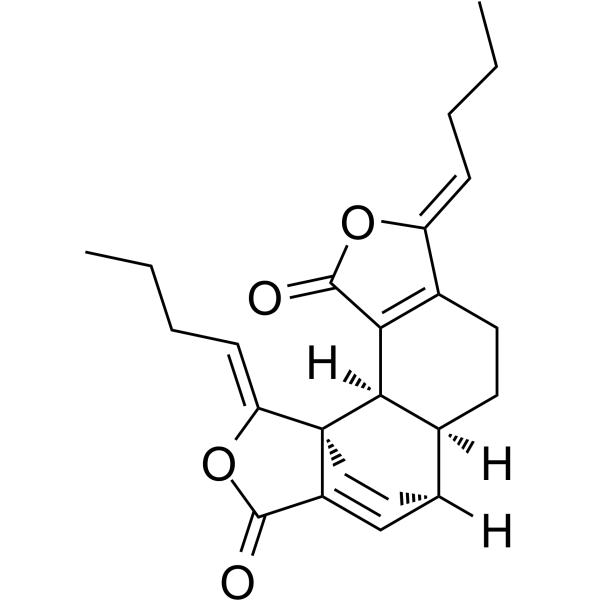
(1Z)-Atractylodinol, an acetylenes compound, is a weak 5-lipoxygenase (5-LOX) inhibitor with an IC50 of 17.8 μM. (1Z)-Atractylodinol can be used for the study of inflammatory diseases .
Formimino-L-glutamic acid Transferase can convert aminomethyleneglutamic acid FIGLU and tetrahydrofolate THF into L-glutamic acid and 5-formimino-THF .
5-Hydroxyaloin A is a polyphenolic antioxidant agent. 5-Hydroxyaloin A forms hydrogen bonding interactions at lipase’s active site and SOD’s active site with low binding energy. 5-Hydroxyaloin A inhibits microsomal lipid peroxidation induced by ferrous-cysteine, reducing malondialdehyde production. 5-Hydroxyaloin A can be used for the research of obesity .
Nonanoic acid (Pelargonic acid)-d2 is the deuterium labeled Nonanoic acid (HY-N7057) . Nonanoic acid is a naturally-occurring saturated fatty acid with nine carbon atoms. Nonanoic acid significantly reduces bacterial translocation, enhances antibacterial activity, and remarkably increases the secretion of porcine β-defensins 1 (pBD-1) and pBD-2 .
Ricinelaidic acid, a 12-hydroxy fatty acid,is a leukotriene B4 (LTB4) receptor antagonist with the Ki of 2 μM in porcine neutrophil membranes. Ricinelaidic acid inhibits chemotaxis and calcium flux induced by LTB4 in isolated human neutrophils (IC50=10 and 7 μM, respectively). Ricinelaidic acid inhibits bronchoconstriction induced by LTB4 in rats .
Nonanoic acid (Pelargonic acid)-d4 is the deuterium labeled Nonanoic acid (HY-N7057). Nonanoic acid is a naturally-occurring saturated fatty acid with nine carbon atoms. Nonanoic acid significantly reduces bacterial translocation, enhances antibacterial activity, and remarkably increases the secretion of porcine β-defensins 1 (pBD-1) and pBD-2 .
Nonanoic acid (Pelargonic acid)-d3 is the deuterium labeled Nonanoic acid (HY-N7057). Nonanoic acid is a naturally-occurring saturated fatty acid with nine carbon atoms. Nonanoic acid significantly reduces bacterial translocation, enhances antibacterial activity, and remarkably increases the secretion of porcine β-defensins 1 (pBD-1) and pBD-2 .
MMV665917 is an orally active piperazine derivative with anti-Cryptosporidium parvum activity with an EC90 of 15 μM. MMV665917 significantly reduces the parasite load in a porcine model infected with C. hominis, decreases ovarian excretion, alleviates diarrhea symptoms and reduces intestinal mucosal damage. MMV665917 can be used for research on Cryptosporidium parvum disease .
8-Br-GTP (tetrasodium) (8-Bromoguanosine-5'-triphosphate (tetrasodium)) is a derivative of the energy substrate – GTP, for protein synthesis and gluconeogenesis. 8-Br-GTP (tetrasodium) inhibits the E. coli GTPase FtsZ with a Ki of 31.8 μM. 8-Br-GTP (tetrasodium) promotes the assembly of porcine brain microtubules .
Eleclazine (GS 6615) is a selective cardiac late sodium current inhibitor and a weak inhibitor of potassium current with IC50 of <1 μM and approximately 14.2 μM, respectively. Eleclazine shows concurrent protection against autonomically induced atrial premature beats, repolarization alternans and heterogeneity, and atrial fibrillation in porcine model. Eleclazine can be used to research cardiac arrhythmias .
Nonanoic acid (Pelargonic acid)-d17 is the deuterium labeled Nonanoic acid (HY-N7057). Nonanoic acid is a naturally-occurring saturated fatty acid with nine carbon atoms. Nonanoic acid significantly reduces bacterial translocation, enhances antibacterial activity, and remarkably increases the secretion of porcine β-defensins 1 (pBD-1) and pBD-2 .
1,2-Dilaurin is a diacylglycerol containing lauric acid at the sn-1 and sn-2 positions. It has been used as an internal standard for the quantification of diglycerides in rat desheathed sciatic nerves. [1] Monomolecular films containing 1,2-dilauroyl-rac-glycerol have been used as substrates to measure surface pressure and the effect of pancreatic procolipase and colipase on porcine pancreatic lipase activity. [2] References: [1]. Zhu, X. and Eichberg, J. 1,2-Diacylglycerol content and its arachidonyl-containing molecular species are reduced in the sciatic nerve of streptozotocin-induced diabetic rats. J. Neurochemistry. 55(3), 1087-1090 (1990).[2]. Wieloch, T., Borgstr m, B., Piéroni, G. et al. Porcine trypsinogen and its trypsin-activated form: lipid binding and lipase activation on monomolecular membranes. FEBS Express. 128(2), 217-220 (1981).
Tegoprazan Benzoate is the benzoate form of Tegoprazan (HY-17623). Tegoprazan (CJ-12420), a potassium-competitive acid blocker, is a potent, oral active and highly selective inhibitor of gastric H +/K +-ATPase that could control gastric acid secretion and motility, with IC50 values ranging from 0.29-0.52 μM for porcine, canine, and human H +/K +-ATPases in vitro .
Anti-PEDV agent 1 (Compound D39) is a highly effective anti-Porcine epidemic diarrhea virus (PEDV) agent with an EC50 value of 0.09 μM. Anti-PEDV agent 1 blocks the early internalization of PEDV during viral entry by modulating intracellular Ca 2+ homeostasis. Anti-PEDV agent 1 is promising for research of PEDV infections .
Anthglutin is a gamma-glutamyltransferase inhibitor isolated from Penicillium oxalicum cultures. The Ki values of Anthglutin for different enzymes are: porcine kidney enzyme 5.7 μM, human kidney enzyme 18.3 μM, human liver soluble enzyme 13.6 μM, and conjugated enzyme 10.2 μM. Anthglutin had no significant effect on intestinal absorption of methionine in rats .
Suc-Gly-Pro-AMC is a fluorescent substrate. Suc-Gly-Pro-AMC is a fibroblast activation protein (FAP) specific substrate. Suc-Gly-Pro-AMC reacts with recombinant porcineprolyl oligopeptidase. Suc-Gly-Pro-AMC can be used to study the activity of FAP, prolyl endopeptidase (PREP). Suc-Gly-Pro-AMC is used in glioma research .
Nonanoic acid (Pelargonic acid) (Standard) is the analytical standard of Nonanoic acid (HY-N7057). This product is intended for research and analytical applications. Nonanoic acid is a naturally-occurring saturated fatty acid with nine carbon atoms. Nonanoic acid significantly reduces bacterial translocation, enhances antibacterial activity, and remarkably increases the secretion of porcine β-defensins 1 (pBD-1) and pBD-2 .
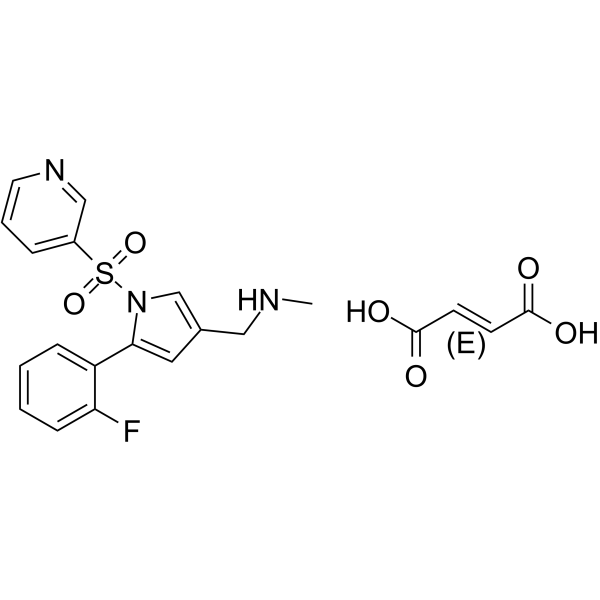
Vonoprazan Fumarate (TAK-438), a proton pump inhibitor (PPI), is a potent and orally active potassium-competitive acid blocker (P-CAB), with antisecretory activity. Vonoprazan Fumarate inhibits H +,K +-ATPase activity in porcine gastric microsomes with an IC50 of 19 nM at pH 6.5. Vonoprazan Fumarate is developed for the research of acid-related diseases, such as gastroesophageal reflux disease and peptic ulcer disease .
PF 03716556 is a potent, selective, competitive and reversible acid pump (H +,K +-ATPase) antagonist with pIC50s of 6.026, 6.038 and 6.009 for porcine, canine, and human recombinant gastric H +,K +-ATPase, respectively. PF 03716556 is inactive against other receptors, ion channels, and enzymes. PF 03716556 has the potential for gastroesophageal reflux disease research .
(S)-5-Hydroxyequol is a (S)-stereochemistry of 5-Hydroxyequol. (S)-5-Hydroxyequol can be used for research on oxidative damage, fungal infections, inflammation, and immunosuppression .
Tegoprazan (Standard) is the analytical standard of Tegoprazan. This product is intended for research and analytical applications. Tegoprazan (CJ-12420), a potassium-competitive acid blocker, is a potent, oral active and highly selective inhibitor of gastric H +/K +-ATPase that could control gastric acid secretion and motility, with IC50 values ranging from 0.29-0.52 μM for porcine, canine, and human H +/K +-ATPases in vitro .
Suc-AAP-Abu-pNA (Colorimetric Elastase Substrate) is a specific substrate for pancreatic elastase (Km = 100 μM; Kcat/Km = 35,300 s -1 M -1 for rat pancreatic elastase; Km = 30 μM; Kcat/Km = 351,000 s -1 M -1 for porcine pancreatic elastase). Suc-AAP-Abu-pNA also promotes OPC migration .
Nagstatin is a naturally derived competitive inhibitor of N-acetyl-β-D-glucosaminidase (NAG-ase), with an IC50 of 0.0012 μg/mL and a Ki of 1.7×10 -8 M against porcine-derived enzyme. Nagstatin enhances cellular immune responses in normal mice and reactivates suppressed cellular immune responses in tumor-bearing mice. Nagstatin can be used in the research of various diseases such as diabetes and leukemia .
Semaglutide-FITC (Semaglutide-Lys(FITC)) is a FITC-labeled Semaglutide (a GLP-1R agonist) (HY-114118). Semaglutide-FITC can be used to directly track the distribution, cellular uptake, and transmembrane transport process of vesicles through techniques such as fluorescence imaging and flow cytometry. Semaglutide-FITC can be employed to study the movement and penetration ability of mixed vesicles in porcine intestinal mucus in vitro .
CKD-711 is an orally active aminooligosaccharide α-glucosidase inhibitor with an IC50 of 78 μg/mL. CKD-711 also inhibits porcine intestinal maltase and sucrose with IC50 values of 2.5 and 0.5 μg/mL. CKD-711 shows selective antibacterial activity against Comamonas terrigena. CKD-711 can be used for the researches of infection and metabolic disease, such as diabetes .
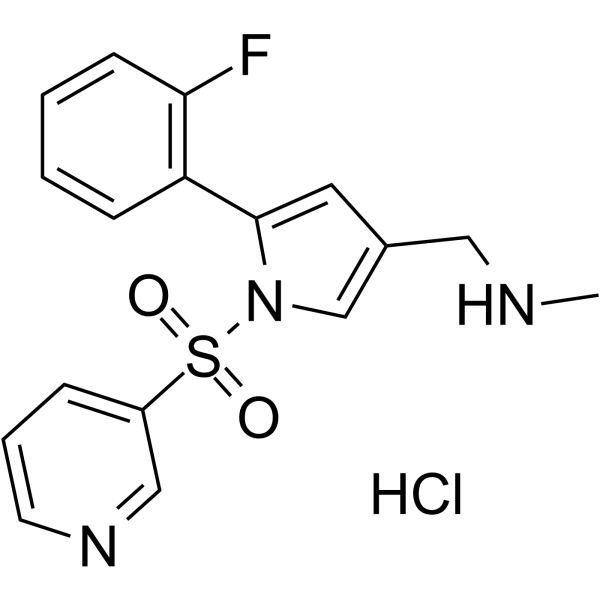
Vonoprazan hydrochloride, a proton pump inhibitor (PPI), is a potent and orally active potassium-competitive acid blocker (P-CAB), with antisecretory activity. Vonoprazan hydrochloride inhibits H +,K +-ATPase activity in porcine gastric microsomes with an IC50 of 19 nM at pH 6.5. Vonoprazan hydrochloride is developed for the research of acid-related diseases, such as gastroesophageal reflux disease and peptic ulcer disease. Vonoprazan hydrochloride can be used for eradication of Helicobacter pylori .
E6 Berbamine (Berbamine p-nitrobenzoate) is a potent calmodulin (CaM) antagonist. E6 Berbamine inhibits the activities of calmodulin-dependent myosin light chain kinase (MLCK) and phosphodiesterase (PDE). E6 Berbamine exhibits anti-leukemic activity. E6 Berbamine can be used in research related to cardiovascular abnormalities and chronic myeloid leukemia .
cis-13,16,19-Docosatrienoic acid methyl ester is an ester form of docosatrienoic acid, a rare omega-3 fatty acid not found in the normal phospholipid polyunsaturated fatty acid pool Easily detectable, it inhibits the binding of [3H]-LTB4 to porcine neutrophils at a concentration of 5 μM. Methyl docosatrienoate is more fat-soluble than the free acid and may be more desirable than the free acid in some formulations.
M101 is a vaccine adjuvant. Its main component is highly purified immunologically active substances with a pH value ranging from 4.0 to 6.5. This adjuvant is safe, non-toxic and metabolizable, and can effectively induce immune responses in the body. It has strong immune effects on both T-cell-dependent and T-cell-independent antigens. This adjuvant is applicable to various veterinary vaccines and is recommended for use in porcine circovirus.
Gallamine is an allosteric, selective muscarinic M2 acetylcholine receptor antagonist (EC50: 130 nM for [ 3H]NMS dissociation from porcine muscarinic M2 receptors). Gallamine is also an acetylcholinesterase inhibitor (IC50s : 1070 μM, 1480 μM, 235 μM for EeAChE, hAChE, hBChE, respectively (in the absence of MeCN)). Gallamine increases free norepinephrine levels. Gallamine can be used as a muscle relaxant .
Tylvalosin (Acetylisovaleryltylo?sin) is an orally active, broad-spectrum macrolide antibiotic with antimicrobial activity. Tylvalosin is an antiviral agent used to study PRRSV infection. Tylvalosin induces apoptosis. Tylvalosin also has anti-inflammatory activity, alleviates oxidative stress, and alleviates acute lung injury by inhibiting NF-κB activation .
Fluanisone (Standard) is the analytical standard of Fluanisone. This product is intended for research and analytical applications. Fluanisone has potent sedative effect in vivo. Fluanisone can be used to study schizophrenia .
AR-13503 (AR-13324 M1 metabolite) is the hydrolytic metabolite of AR-13324 mesylate. AR-13324 is a ROCK kinase and PKC inhibitor with anti-angiogenic and retinal health-improving effects, showing potential for use in retinal disease research .
CDE-096 is a potent inhibitor of PAI-1. CDE-096 prevents PAI-1 from inactivating tPA and uPA with similar potency (IC50=30 and 25 nM, respectively) and is active against glycosylated PAI-1, as well as PAI-1 derived from several species (IC50=19, 22 and 18 nM for murine, rat, and Porcine PAI-1, respectively) .
Vonoprazan (TAK-438 free base), a proton pump inhibitor (PPI), is a potent and orally active potassium-competitive acid blocker (P-CAB), with antisecretory activity. Vonoprazan inhibits H +,K +-ATPase activity in porcine gastric microsomes with an IC50 of 19 nM at pH 6.5. Vonoprazan is developed for the research of acid-related diseases, such as gastroesophageal reflux disease and peptic ulcer disease. Vonoprazan can be used for eradication of Helicobacter pylori .
Tyroserleutide hydrochloride is a tripeptide isolated from the degradation products of porcine spleen with antitumor activity. Tyroserleutide hydrochloride can upregulate the expression of the tumor suppressor gene PTEN and inhibit the activity of AKT and PDK1. Tyroserleutide hydrochloride inhibits tumor cell proliferation and MDM2 phosphorylation by inhibiting the PI3K/AKT pathway, and also upregulates P21, P27, P53, and induces mitochondrial damage and cell apoptosis .
Neuromedin B-30 is the neuropeptide, which is orignally isolated from porcine brain and spinal cord. , and may exhibit activity in stimulating smooth-muscle. Neuromedin B causes local vasodilation, increases vascular permeability and local hyperalgesia, thereby participating in neurogenic inflammation. Neuromedin B regulates appetite, body temperature, and behavioral responses to stress. Neuromedin B is also involved in regulating smooth muscle contraction and secretory function in the gastrointestinal tract .
Vonoprazan-d3 fumarate is the deuterium labeled Vonoprazan fumarate (HY-15295). Vonoprazan Fumarate (TAK-438), a proton pump inhibitor (PPI), is a potent and orally active potassium-competitive acid blocker (P-CAB), with antisecretory activity. Vonoprazan Fumarate inhibits H+,K+-ATPase activity in porcine gastric microsomes with an IC50 of 19 nM at pH 6.5. Vonoprazan Fumarate is developed for the research of acid-related diseases, such as gastroesophageal reflux disease and peptic ulcer disease .
Vonoprazan (Fumarate) (Standard) is the analytical standard of Vonoprazan (Fumarate). This product is intended for research and analytical applications. Vonoprazan Fumarate (TAK-438), a proton pump inhibitor (PPI), is a potent and orally active potassium-competitive acid blocker (P-CAB), with antisecretory activity. Vonoprazan Fumarate inhibits H+,K+-ATPase activity in porcine gastric microsomes with an IC50 of 19 nM at pH 6.5. Vonoprazan Fumarate is developed for the research of acid-related diseases, such as gastroesophageal reflux disease and peptic ulcer disease .
SG-210 (SPR 210) is an orally active and selective aldose reductase (AR) inhibitor. SG-210 has IC50 values of 9.5 nM and 10 nM for AR from porcine lens and human placenta, respectively. SG-210 can inhibit sorbitol accumulation and ameliorate diabetic neuropathy and retinopathy in Streptozotocin (HY-13753)-induced diabetic rats. SG-210 can be used in the research of diseases such as diabetes-related complications .
SppIP (Sakacin P inducer peptide) is a peptide consisting of 19 amino acids . SppIP is an essential inducer for sakacin P production . SppIP can induce the expression of PRRSV GP5 and SARS-CoV-2 spike protein in recombinant Lactobacillus plantarum. SppIP can activate the transcription of the sakacin P promoter to drive the expression of downstream heterologous capsid proteins, increasing the proportion of PCV2d capsid proteins displayed on the cell surface of Lactobacillus plantarum. SppIP can be used in studies related to sakacin P induction .
(E)-4,6,12-Tetradecatriene8,10-diyne-1,3-diacetate is a polyacetylene found in the rhizomes of Atractylodes lancea. (E)-4,6,12-Tetradecatriene8,10-diyne-1,3-diacetate shows no inhibitory activity against 5-lipoxygenase and COX-1 in in vitro assays at tested concentrations .
AP14145 hydrochloride is a potent KCa2 (SK) channel negative allosteric modulator with an IC50 of 1.1 μM for KCa2.2 (SK2) and KCa2.3 (SK3) channels. AP14145 hydrochloride inhibition strongly depends on two amino acids, S508 and A533 in the channel. AP14145 hydrochloride prolonged atrial effective refractory period (AERP) in rats and demonstrates antiarrhythmic effects in a Vernakalant-resistant porcine model of atrial fibrillation (AF) .
Tegoprazan (CJ-12420), a potassium-competitive acid blocker, is a reversible, orally active and highly selective inhibitor of gastric H +/K +-ATPase. Tegoprazan inhibits gastric acid secretion and motility against porcine, canine and human H +/K +-ATPase with IC50 values ranging from 0.29-0.52 μM in vitro. Tegoprazan significantly improves colitis and enhances the intestinal epithelial barrier function in mice. Tegoprazan is promising for research of Inflammatory bowel, gastric acid-related, motilityimpaired diseases .
EHNA is a potent and selective dual inhibitor of cyclic nucleotide phosphodiesterase 2 (PDE2)(IC50=4 μM) and adenosine deaminase (ADA). EHNA exerts a concentration inhibition of the cGMP-stimulated PDE II (cGs-PDE)(IC50:0.8 μM (human), 2 μM (porcine myocardium)), but has smaller inhibitory effect on the unstimulated PDE2 activity. EHNA play roles in mediating diverse pharmacological responses, including antiviral, antitumour and antiarrhythmic effects .
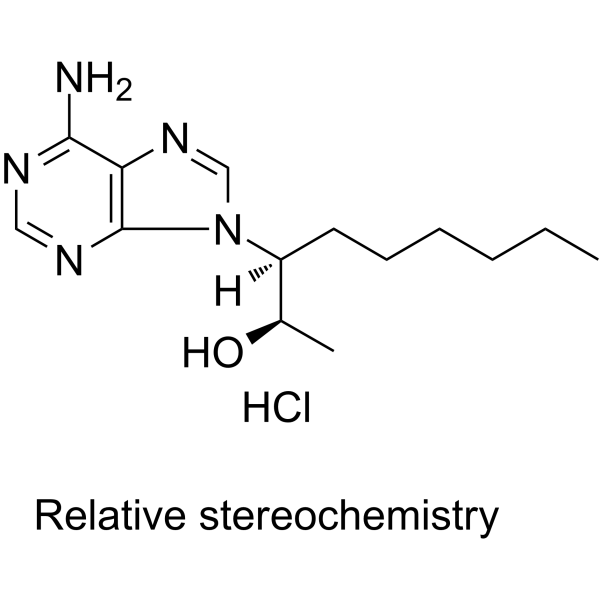
EHNA hydrochloride is a potent and selective dual inhibitor of cyclic nucleotide phosphodiesterase 2 (PDE2)(IC50=4 μM) and adenosine deaminase (ADA). EHNA hydrochloride exerts a concentration inhibition of the cGMP-stimulated PDE II (cGs-PDE)(IC50:0.8 μM (human), 2 μM (porcine myocardium)), but has smaller inhibitory effect on the unstimulated PDE2 activity. EHNA hydrochloride play roles in mediating diverse pharmacological responses, including antiviral, antitumour and antiarrhythmic effects .
Vonoprazan (Standard) is the analytical standard of Vonoprazan. This product is intended for research and analytical applications. Vonoprazan (TAK-438 free base), a proton pump inhibitor (PPI), is a potent and orally active potassium-competitive acid blocker (P-CAB), with antisecretory activity. Vonoprazan inhibits H +,K +-ATPase activity in porcine gastric microsomes with an IC50 of 19 nM at pH 6.5. Vonoprazan is developed for the research of acid-related diseases, such as gastroesophageal reflux disease and peptic ulcer disease. Vonoprazan can be used for eradication of Helicobacter pylori .
Tegoprazan (CJ-12420; RQ-00000004), a potassium-competitive acid blocker, is a reversible, oral active and highly selective inhibitor of gastric H+/K+-ATPase that could control gastric acid secretion and motility, with IC50 values ranging from 0.29-0.52 μM for porcine, canine, and human H +/K +-ATPases in vitro. Tegoprazan significantly improves colitis in mice and enhances the intestinal epithelial barrier function. Tegoprazan is promising for research of Inflammatory bowel, gastric acid-related, motilityimpaired diseases .
Liposomal adjuvant (M103) is mainly composed of phospholipids and prepared with highly purified immunostimulatory substances (polysaccharides), with a pH value of 6.2-6.8. This adjuvant is safe, non-toxic, and metabolizable. It can induce cellular and humoral immunity, has a sustained-release effect, and can prolong the residence time of antigens in the body. This adjuvant is suitable for various veterinary vaccines, including inactivated vaccines and genetically engineered subunit vaccines. It is recommended for use in rabies, porcine circovirus, , foot-and-mouth disease (FMD), and blue ear disease, etc.
Carambolaside M acts as an ABTS radical cation scavenger. Carambolaside M scavenges ABTS radical cations. Carambolaside M is isolated from the fresh sweet fruits of Averrhoa carambola L., a plant belonging to the genus Averrhoa in the Oxalidaceae family .
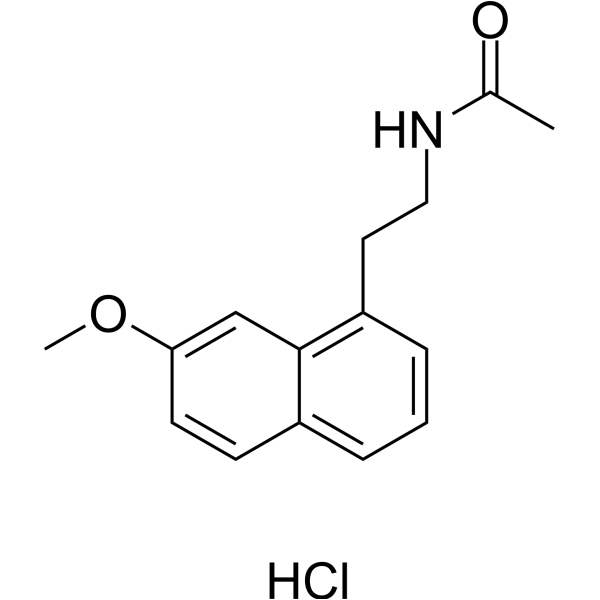
Agomelatine hydrochloride (S-20098 hydrochloride) is a specific agonist of MT1 and MT2 receptors with Kis of 0.1, 0.06, 0.12, and 0.27 nM for CHO-hMT1, HEK-hMT1, CHO-hMT2, and HEK-hMT2, respectively . Agomelatine hydrochloride is a selective 5-HT2C receptor antagonist with pKis of 6.4 and 6.2 at native (porcine) and cloned, human 5-HT2C receptors, respectively .
S-Isopropylisothiourea hydrobromide (S-isopropyl ITU; IPTU) is a blood-brain barrier (BBB) penetrant NOS inhibitor with IC50 values of 0.66, 0.75 and 0.29 μM against mouse spinal cord, cerebellar, bovine aortic and porcine endothelial cell NOS. S-Isopropylisothiourea exhibits a significant blood pressure-raising effect without damaging the perfusion of vital organs and can also inhibit the late-phase pain response induced by formalin. S-Isopropylisothiourea hydrobromide is used in the researchs for hemorrhagic shock and pain response based on NOS .
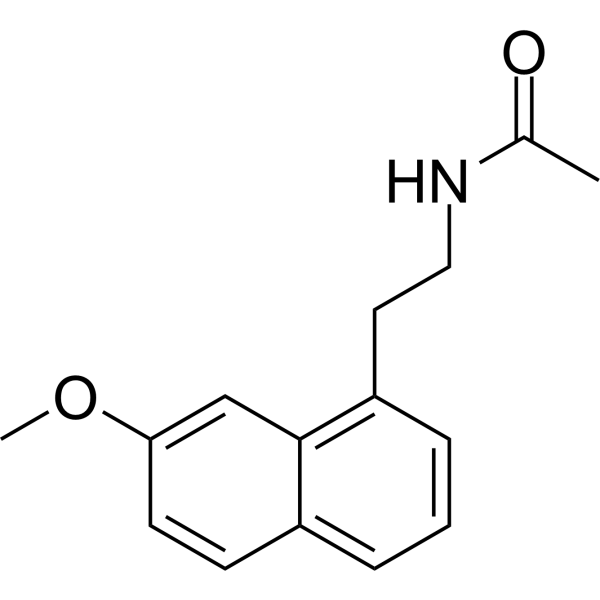
Agomelatine (S-20098) is a specific agonist of MT1 and MT2 receptors with Kis of 0.1, 0.06, 0.12, and 0.27 nM for CHO-hMT1, HEK-hMT1, CHO-hMT2, and HEK-hMT2, respectively . Agomelatine is a selective 5-HT2C receptor antagonist with pKis of 6.4 and 6.2 at native (porcine) and cloned, human 5-HT2C receptors, respectively .
AGN-190851 is a potent and selective agonist of α2-adrenergic receptor (α2 adrenoceptor). AGN-190851 induces dose-dependent water diuresis in rats, and inhibits vasopressin V2 receptor in a species-dependent manner in vitro, thereby suppressing cAMP production. AGN-190851 enhances the contraction of porcine myometrium. AGN 190851 can be used in studies on renal diuretic mechanisms, pharmacology of α2-adrenergic receptor subtypes, and parturition .
LY86057 is an ergoline derivative without N1 substituents. It has higher affinity for porcine, squirrel monkey and human 5-HT2 receptors than rats and is an antagonist of 5-HT2 receptors. When studying the differences in recognition of a series of ergolines between species, LY86057 was found to be more selective for 5-HT2 receptors. Compared with LY53857, LY108742 resulted in a higher affinity for rat 5-HT2 receptors even when the N1 substituent was only methyl.
Bis (2-methyl-3-furyl) disulfide is a meat-characteristic aroma compound that binds to oral mucins. Bis (2-methyl-3-furyl) disulfide interacts with oral mucins via hydrogen bonding, hydrophobic interactions and van der Waals forces to form stable spontaneous 1:1 complexes, and the interaction strength varies with pH. Bis (2-methyl-3-furyl) disulfide contributes to the production of unique meat aroma and flavor, and its binding to oral mucins alters aroma perception .
EHNA hydrochloride (Standard) is the analytical standard of EHNA hydrochloride (HY-103160A). This product is intended for research and analytical applications. EHNA hydrochloride is a potent and selective dual inhibitor of cyclic nucleotide phosphodiesterase 2 (PDE2)(IC50=4 μM) and adenosine deaminase (ADA). EHNA hydrochloride exerts a concentration inhibition of the cGMP-stimulated PDE II (cGs-PDE)(IC50:0.8 μM (human), 2 μM (porcine myocardium)), but has smaller inhibitory effect on the unstimulated PDE2 activity. EHNA hydrochloride play roles in mediating diverse pharmacological responses, including antiviral, antitumour and antiarrhythmic effects .
Agomelatine-d4 is the deuterium labeled Agomelatine. Agomelatine (S-20098) is a specific agonist of MT1 and MT2 receptors with Kis of 0.1, 0.06, 0.12, and 0.27 nM for CHO-hMT1, HEK-hMT1, CHO-hMT2, and HEK-hMT2, respectively . Agomelatine is a selective 5-HT2C receptor antagonist with pKis of 6.4 and 6.2 at native (porcine) and cloned, human 5-HT2C receptors, respectively .
ADAMTS-5-IN-4 (Compound 4b) is a selective ADAMTS5 inhibitor with an IC₅₀ of 9.4 μM. ADAMTS-5-IN-4 significantly inhibits the degradation of Aggrecan in the implants of the osteoarthritis model. ADAMTS-5-IN-4 effectively inhibits the pseudopod elongation and directional migration of ovarian cancer cells. ADAMTS-5-IN-4 shows significant cytotoxicity to HEK293T cells, human chondrocytes, and porcine chondrocyte implants. ADAMTS-5-IN-4 can be used for the study of osteoarthritis and ovarian cancer .
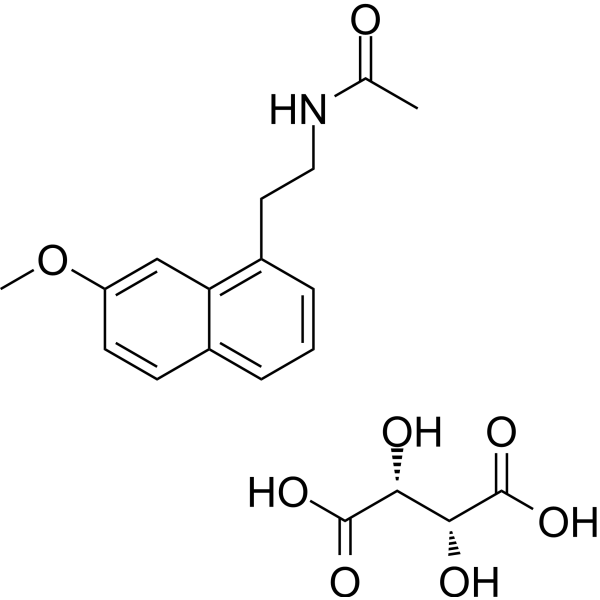
Agomelatine L(+)-Tartaric acid (S-20098 L(+)-Tartaric acid) is a specific agonist of MT1 and MT2 receptors with Kis of 0.1, 0.06, 0.12, and 0.27 nM for CHO-hMT1, HEK-hMT1, CHO-hMT2, and HEK-hMT2, respectively . Agomelatine L(+)-Tartaric acid is a selective 5-HT2C receptor antagonist with pKis of 6.4 and 6.2 at native (porcine) and cloned, human 5-HT2C receptors, respectively .
MM-102 (HMTase Inhibitor IX) is a cell-permeable and tightly binding inhibitor of MLL1-WDR5 interaction (IC50=2.4 nM). MM-102 can specifically inhibit the growth and induce apoptosis of leukemia cells containing MLL1 fusion protein, and reduce renal fibrosis and inflammation in mice with ischemia-reperfusion injury. In addition, MM-102 also acts as an H3K4 histone methyltransferase inhibitor to improve the development of porcine somatic cell nuclear transfer (SCNT) embryos .
Agomelatine-d3 is the deuterium labeled Agomelatine. Agomelatine (S-20098) is a specific agonist of MT1 and MT2 receptors with Kis of 0.1, 0.06, 0.12, and 0.27 nM for CHO-hMT1, HEK-hMT1, CHO-hMT2, and HEK-hMT2, respectively . Agomelatine is a selective 5-HT2C receptor antagonist with pKis of 6.4 and 6.2 at native (porcine) and cloned, human 5-HT2C receptors, respectively .
Picolinafen is a pyridine-class herbicide that acts as a phytoene desaturase (PDS) inhibitor. Picolinafen effectively controls broadleaf weeds and disrupts carotenoid biosynthesis. Picolinafen exhibits cytotoxicity to porcine trophectoderm (pTr) and luminal epithelial (pLE) cells. Picolinafen induces (ROS accumulation, calcium depletion, and activates (MAPK and PI3K signaling pathways, leading to decreased cell viability, increased apoptosis, impaired migration, and altered expression of implantation-related genes. Picolinafen has an LD50 value of 2.7 mg/kg in mammals and 7 μg/L in fish. Picolinafen exhibits toxic effects during zebrafish embryogenesis [1][2].
HCGRP-(8-37) (Human α-CGRP (8-37)) is a fragment of human calcitonin gene-related peptide (hCGRP) and an antagonist of the CGRP receptor, with an IC50 of 32.1 pM against the CGRP receptor. HCGRP-(8-37) blocks adenylate cyclase activation induced by CGRP receptor ligands and attenuates vascular responses triggered by CGRP. HCGRP-(8-37) reduces capsaicin-induced vasodilation in porcine nasal mucosa and superficial skin. HCGRP-(8-37) serves as a research tool to distinguish effects mediated by CGRP or calcitonin receptors, and to investigate CGRP-induced vascular effects .
Buloxibutid (AT2 receptor agonist C21) hydrochloride is an orally active, selective angiotensin II type 2 receptor (AT2R) agonist, with a Ki value of 0.4 nM for porcineAT2R. Buloxibutid hydrochloride exerts vasodilatory, anti-inflammatory, antifibrotic (promoting the expression of collagenase MMP-13) and tissue repair effects mainly by activating the NO/cGMP pathway, inhibiting the pro-proliferative MAPK signaling, and suppressing the pro-fibrotic TGF-β/Smad pathway and inflammatory NF-κB pathway. Buloxibutid hydrochloride can be used in research related to idiopathic pulmonary fibrosis, hypertension, systemic sclerosis and other conditions .
Fumonisin B2 is a selective ceramide synthase inhibitor and carcinogenic mycotoxin with toxicity comparable to that of Fumonisin B1 (HY-N6719). Fumonisin B2 inhibits de novo sphingolipid biosynthesis by blocking the amide bond formation between fatty acids and dihydrosphingosine, which leads to a massive intracellular accumulation of free dihydrosphingosine, altered sphingosine levels, subsequent inhibition of cell proliferation, and induction of cell death. Fumonisin B2 is used to investigate the pathogenesis of diseases associated with Fusarium verticillioides contamination, including equine leukoencephalomalacia, porcine pulmonary edema syndrome, human esophageal cancer, and rat hepatocellular carcinoma .
Agomelatine (Standard) is the analytical standard of Agomelatine. This product is intended for research and analytical applications. Agomelatine (S-20098) is a specific agonist of MT1 and MT2 receptors with Kis of 0.1, 0.06, 0.12, and 0.27 nM for CHO-hMT1, HEK-hMT1, CHO-hMT2, and HEK-hMT2, respectively . Agomelatine is a selective 5-HT2C receptor antagonist with pKis of 6.4 and 6.2 at native (porcine) and cloned, human 5-HT2C receptors, respectively .
Agomelatine (hydrochloride) (Standard) is the analytical standard of Agomelatine (hydrochloride). This product is intended for research and analytical applications. Agomelatine hydrochloride (S-20098 hydrochloride) is a specific agonist of MT1 and MT2 receptors with Kis of 0.1, 0.06, 0.12, and 0.27 nM for CHO-hMT1, HEK-hMT1, CHO-hMT2, and HEK-hMT2, respectively . Agomelatine hydrochloride is a selective 5-HT2C receptor antagonist with pKis of 6.4 and 6.2 at native (porcine) and cloned, human 5-HT2C receptors, respectively .
Chondroitin sulfate A disodium is a mucopolysaccharide extracted from animal cartilages such as porcine nasal cartilage, and serves as a major structural component of cartilage. Chondroitin sulfate A disodium is one of the specific receptors for the adhesion of Plasmodium falciparum-infected red blood cells in the microcirculation. Chondroitin sulfate A disodium can be used together with selenium to prepare nanoparticles for protecting cartilage against T‑2 toxin-induced damage. Chondroitin sulfate A disodium is abnormally highly expressed in ameloblastoma, and is particularly enriched in stellate reticulum-like tumor cells. Chondroitin sulfate A disodium can be applied to studies on Plasmodium infection mechanisms, cartilage protection and oral tumors .
P-1946 is a HIV protease inhibitor with a human HIV-1 protease Ki of 2.600 nM. P-1946 has potent and selective in vitro antiviral activity and retains full antiviral activity against HIV isolates resistant to commercially available protease inhibitors. P-1946 can be used for the research of human immunodeficiency virus type 1 (HIV-1) infection .
Levistolide A is an apoptosis inducer and a PEDV virus inhibitor. Levistolide A can induce apoptosis in colon cancer cells and suppress the replication of porcine epidemic diarrhea virus (PEDV) by promoting ROS generation. Levistolide A activates peroxisome proliferator-activated receptor γ (PPARγ) in N2a/APP695swe cells and reduces excessive phosphorylation of tau through the GSK3α/β pathway, improving symptoms in Alzheimer’s mice. Levistolide A improves kidney damage in 5/6 nephrectomy (Nx) mice by inhibiting the RAS,TGF-β1/Smad, and MAPK pathways .
AMP-579 is an adenosine receptor agonist that primarily targets adenosine A1 and A2A receptors (with Ki values of 1.7 and 4.5 nM for the A1 receptor in rat brain and adipocytes, and a Ki value of 56 nM for the A2A receptor in rat brain). AMP-579 inhibits lipolysis, restores insulin-dependent glucose transport, and reduces heart rate through the activation of A1 receptors, while it induces vasodilation, particularly in coronary arteries, through the activation of A2A receptors (with an IC50 of 0.3 μM in porcine coronary arterial rings). AMP 579 shows potential for application in cardioprotection and the treatment of acute myocardial infarction .
Praeruptorin E is an orally active pyranocoumarin compound. Praeruptorin E can be isolated from the dried roots of Peucedanum praeruptorum Dunn. Praeruptorin E reduces the expression of NF-κB. Praeruptorin E upregulates the expression of PXR and CYP3A4. Praeruptorin E inhibits Th2 cytokines, TNF-α, IL6, MPO, and blocks the Ca 2+ slow channel. Praeruptorin E promotes pulmonary tissue repair and relaxes porcine coronary artery strips. Praeruptorin E protects mice from lipopolysaccharide- and hydrochloric acid-induced acute lung injury. Praeruptorin E can be used in studies related to asthma and acute lung injury .
GR119566X dihydrochloride is a 5-HT3 receptor ligand with a pKi value of 8.80 against prufied 5-HT3 receptor. GR119566X dihydrochloride can be used for 5-HT3 receptor purification .
o,p'-DDE (2,4-Dichlorodiphenyldichloroethylene) is a metabolite and degradation product of the organochlorine pesticide DDT. It accumulates in smallmouth buffalo, channel catfish, and largemouth bass, and in sediments from DDT manufacturing plants around the Huntsville Spring Branch-Indian Creek tributary system, where it is considered a persistent organic pollutant (POP). o,p'-DDE inhibits estrogen binding to the rainbow trout estrogen receptor (rtER) with an IC50 value of 3.2 μM. It induces concentration-dependent estradiol secretion in co-cultures of granulosa and theca cells isolated from porcine follicles. In ovo exposure to o,p'-DDE increases follicular degeneration and reduces testis size in Japanese medaka (O. latipes).
Cichoriin is an orally active coumarin glycoside with broad biological activities. Cichoriin exhibits inhibitory activities against α-amylase, α-glucosidase, pancreatic lipase and DPP-IV, with IC50 values of 5.76, 2.94, 16.83 and 9.16 μg/mL, respectively. Cichoriin significantly improves metabolic dysfunction-associated steatohepatitis (MASH) in mice by activating the AMPK signaling pathway. Cichoriin upregulates PPAR-γ in adipose tissue and alleviates obesity and associated cardiorenal injury in rats. Cichoriin blocks monosodium urate crystal-induced activation of the NLRP3 inflammasome and cell pyroptosis by inhibiting P2Y14R (IC50 = 8.47 nM). In silico virtual screening reveals that Cichoriin has a strong binding affinity for SARS-CoV-2 .
Neuropeptide Y (3-36) (human, rat) is a neuropeptide Y fragment derived from humans or rats. Neuropeptide Y is an extremely abundant neurotransmitter in central and peripheral neurons, and it participates in the regulation of psychomotor activity, circadian rhythm, feeding behavior and cardiovascular function. Neuropeptide Y (3-36) (human, rat) can serve as a substrate to be sequentially degraded from its N-terminus by AfuS28, and it requires binding to AfuS28 and SedB to be decomposed into amino acids, dipeptides and tripeptides [1][2].
Alpha-d-Glucopyranoside, beta-d-fructofuranosyl, octadecanoate (Sucrose Stearate, Type II, USP) is a non-ionic surfactant. Alpha-d-Glucopyranoside, beta-d-fructofuranosyl, octadecanoate enhances the skin permeability of formulations .
Buloxibutid (AT2 receptor agonist C21) (Standard) is the analytical standard of Buloxibutid (HY-100113). This product is intended for research and analytical applications. Buloxibutid is an orally active, selective angiotensin II type 2 receptor (AT2R) agonist, with a Ki value of 0.4 nM for porcineAT2R. Buloxibutid exerts effects such as vasodilation, anti-inflammation, anti-fibrosis (promoting the expression of collagenase MMP-13) and tissue repair mainly by activating the NO/cGMP pathway, inhibiting the pro-proliferative MAPK signaling, and suppressing the pro-fibrotic TGF-β/Smad pathway as well as the inflammatory NF-κB pathway. Buloxibutid can be used in research related to idiopathic pulmonary fibrosis, hypertension, and systemic sclerosis.
Niazirin is an orally active antioxidant. Niazirin can be isolated from Moringa oleifera Lam. Niazirin reduces the production levels of ROS and MDA, while increasing the levels of superoxide dismutase SOD and glutathione peroxidase GPx. Niazirin also abolishes high glucose-induced PKCζ activation and inhibits Nox4 protein expression. Niazirin exhibits excellent free radical scavenging activity. Niazirin significantly inhibits high glucose-induced proliferation of vascular smooth muscle cells. Niazirin can be used in the research of diabetic atherosclerosis .
Pungenin is a compound that can be isolated from Leontopodium leontopodioides. Pungenin exhibits lipase inhibitory activity. Pungenin reuduces triglyceride absorption .
Levamlodipine ((S)-Amlodipine; Levoamlodipin) is an orally active L-type calcium channel blocker and MMP-9 modulator with high permeability and retention properties. Levamlodipine significantly enhances plaque stability and improves lipid profiles by reducing blood pressure, decreasing systolic blood pressure variability, and inhibiting MMP-9 expression in atherosclerotic plaques. Levamlodipine not only alleviates cardiac and aortic hypertrophy and prevents renal atrophy, but also produces synergistic effects in blood pressure reduction and organ protection when combined with bisoprolol (HY-129029). Levamlodipine exerts no significant inhibitory effect on abdominal aortic intimal hyperplasia. When excessively accumulated in the epidermis, Levamlodipine may induce changes in keratin structure, impair the skin barrier and trigger inflammation; long-term use further exacerbates skin irritation caused by local administration. Levamlodipine can be used in research related to hypertension and atherosclerosis .
Humantenine is a highly toxic indole alkaloid from Gelsemium elegans (Gardn. & Champ.) Benth. that binds to RNA m6A modification regulatory proteins (ALKBH5, METTL). Humantenine stably binds via hydrogen bonding and hydrophobic interactions and disrupts the m6A methylation level of target genes, thereby impairing the expression of intestinal epithelial cell tight junction and cytoskeleton-related genes, causing intestinal barrier dysfunction and significant intestinal cytotoxicity. The intraperitoneal injection LD50 values of Humantenine are <1 mg/kg in mice, 1.2 mg/kg in male rats and 1.5 mg/kg in female rats, respectively. Species differences exist in the metabolism of Humantenine in human, porcine, goat and rat liver microsomes, and demethylation, dehydrogenation and oxidation occur in liver microsomes .
Protein kinase inhibitor H-7 is a selective inhibitor of PKC and cyclic nucleotide-dependent protein kinases, with a Ki value of 6.0 μM for rabbit protein kinase C, a Ki value of 3.0 μM for rabbit cAMP-dependent protein kinase, and a Ki value of 5.8 μM for porcinecGMP-dependent protein kinase. Protein kinase inhibitor H-7 has no effect on Ca 2+-calmodulin-dependent enzymes. Protein kinase inhibitor H-7 regulates the Actin cytoskeleton, inhibits contractility, disrupts stress fibers, induces protrusive activity, stabilizes intercellular junctions, and triggers rapid and reversible cytoskeletal reorganization. Protein kinase inhibitor H-7 serves as a research tool for elucidating the functions of protein kinase C-mediated signaling systems .
Tritrpticin is a porcine-derived antimicrobial peptide with properties such as membrane disruption and hemolysis. Tritrpticin disrupts the cell membranes of bacteria, fungi and Jurkat T cell leukemia cells and induces their death. Tritrpticin also enhances the efficacy of Metronidazole (HY-B0318) against *Trichomonas vaginalis*, reduces plasma endotoxin and inflammatory cytokine levels, restricts bacterial growth in blood and visceral tissues, decreases the mortality rate of septic shock in rats and enhances the therapeutic effect of ertapenem. Tritrpticin exhibits selective cytotoxicity against Jurkat T cell leukemia cells, while showing low toxicity to normal peripheral blood mononuclear cells and red blood cells, and can serve as a template for antimicrobial peptide design. Tritrpticin can be applied to research related to bacterial infections, fungal infections, trichomoniasis, septic shock and leukemia .
Laxogenin ((25R)-3β-Hydroxy-5α-spirostan-6-one; 6-Oxotigogenin) is an orally active myostatin (myostatin) inhibitor. Laxogenin promotes myogenesis and enhances the formation and maturation of myotubes. Laxogenin downregulates ROS. When added to the culture medium for cultured meat production, Laxogenin improves the texture, quality and nutritional value of cultured meat. Laxogenin reduces the average number of tumors in a two-stage mouse lung carcinogenesis model. Laxogenin can be used in research related to myogenesis and lung cancer .
Safflower oil (from Carthamus tinctorius seed) is rich in unsaturated fatty acids such as linoleic acid and oleic acid, as well as tocopherols and phenolic compounds, and exhibits antioxidant, anti-aging and blood lipid-regulating effects. Safflower oil (from Carthamus tinctorius seed) inhibits the activities of collagenase and elastase, and exerts antioxidant activity by scavenging free radicals. Linoleic acid in safflower oil (from Carthamus tinctorius seed) reduces blood cholesterol levels. Safflower oil (from Carthamus tinctorius seed) can be applied to research in fields such as skin aging, atherosclerosis, edible oil processing and industrial raw material development .
PXS-4787 hydrochloride is a specific and effective pan-LOX (lysyl oxidase) inhibitor for abolishing lysyl oxidase activity. PXS-4787 hydrochloride inhibits LOX with IC50s of 2 μM (Bovine LOX), 3.2 μM (rh LOXL1), 0.6 μM (rh LOXL2), 1.4 μM (rh LOXL3), 0.2 μM (rh LOXL4), respectively. PXS-4787 hydrochloride reduces deposition and crosslinking of collagen I secreted by human fibroblasts .
SMU-G4 is a Tubulin polymerization inhibitor. SMU-G4 induces G2/M phase cell cycle arrest, triggers Apoptosis, and upregulates the expression of Cleaved-Caspase 3. SMU-G4 exhibits in vivo anti-tumor activity in melanoma xenograft models. SMU-G4 can be used for research related to melanoma .
ISD sodium is an interferon-stimulatory DNA, a 45 bp non-CpG double-stranded oligonucleotide derived from the genome of Listeria monocytogenes. ISD sodium potently induces type I interferon production via the cGAS‑STING‑TBK1‑IRF3 pathway .
MDL-27048, a tubulin inhibitor, binds competitively, reversibly to the Colchicine (HY-16569)-binding site on tubulin heterodimers. MDL-27048 inhibits microtubule assembly, induces slow depolymerization of preassembled microtubules, disrupts microtubule polymerization-depolymerization dynamics, and disrupts cytoplasmic microtubule networks. MDL-27048 exerts growth inhibitory effects on human cancer cells, induces mitotic arrest, and does not disrupt actin filaments at microtubule-depolymerizing concentrations. MDL-27048 can be used for the research of malignant tumors .
Terephthalaldehyde is a crosslinking agent. Terephthalaldehyde forms a crosslinked structure inside the gelatin matrix by forming Schiff base imines with the amino groups of gelatin, thereby constructing a three-dimensional network. Terephthalaldehyde improves the hydrophobicity of the gelatin matrix, delays water vapor penetration and enhances the liquid water resistance of gelatin films. Terephthalaldehyde can be used as a crosslinking agent to prepare crosslinked chitosan hydrogel (CAAT) via ultrasound-induced synthesis. Terephthalaldehyde helps CAAT hydrogels selectively adsorb anionic dyes from aqueous media, including multi-component systems containing cationic dyes. Terephthalaldehyde serves as a starting material for the synthesis of bis-heterocyclic compounds (including bis-thiazole and bis-triazolopyrimidine compounds) .
Zearalanone is a reductive metabolite of Zearalenone (HY-103447). Zearalanone binds to serum albumin across multiple species. Zearalanone enhances the binding affinity of Warfarin (HY-B0687) to serum albumin .
Garcinoic acid is an orally active anti-inflammatory agent that crosses the blood-brain barrier. Garcinoic acid also enhances efferocytosis and enzyme/receptor regulation, and selectively inhibits human COX-2, porcineα-amylase, Saccharomyces cerevisiae α-glucosidase and human DNA polymerase β (IC50=11 μM), as well as activates human PXR. Garcinoic acid enhances macrophage efferocytosis via receptors such as MerTK and LRP-1, and promotes the production of pro-resolving lipid mediators. Garcinoic acid inhibits NF-κB activation and pro-inflammatory cytokine secretion, interferes with Aβ aggregation, downregulates NLRP3 inflammasome activity, and binds to targets including CD44 and EGFR to inhibit leukemia cell proliferation. The pharmacological activities of Garcinoic acid, such as antioxidant, anti-inflammatory and lipid metabolism-regulating effects, are widely used in studies related to various diseases including atherosclerosis, Alzheimer's disease, type 2 diabetes, inflammatory bowel disease and viral pneumonia .
Pisum sativum Agglutinin (PSA) FITC is a plant lectin conjugated with FITC (HY-66019). Pisum sativum Agglutinin FITC serves as an acrosome stain for detecting the acrosomal status of sperm. Pisum sativum Agglutinin exhibits lymphocyte mitogenic and immunomodulatory activities .
Polygalic acid is a polyphenolic acid with neuroprotective effects, and also an inhibitor of African swine fever virus polymerase (AsfvPolX), with an IC50 value of 5.05 μM. Polygalic acid alleviates neuroinflammation by regulating cholinergic activity, and its fecal level decreases in diseased mice. Polygalic acid can be used in research related to painful diabetic peripheral neuropathy complicated with cognitive impairment and African swine fever .
Fish Gelatin,suitable for cell culture is an essential natural biopolymer. Fish Gelatin,suitable for cell culture can be isolated from fish processing by-products, such as fish skin, scales, bones and fish maw. Fish Gelatin,suitable for cell culture has been considered as a feasible substitute for mammalian gelatin. Modified Fish gelatin shows significant promise across various industries, including nanomaterials, 3D printing, thin films, coatings, and biopharmaceuticals. Fish Gelatin,suitable for cell culture can be used for cell culture .
YIGSR (Laminin Fragment 929-933) is a polypeptide that inhibits tumor growth and metastasis of leukemia cells. YIGSR specifically binds to the 67kDa laminin receptor and regulates the expression of eNOS in endothelial cells. YIGSR can be used in leukemia-related research .
Suc-Ala-Ala-Pro-Val-AMC is a fluorescent substrate for elastase. Suc-Ala-Ala-Pro-Val-AMC can be hydrolyzed by these elastases to release the fluorescent substance 7-amino-4-methylcoumarin. Suc-Ala-Ala-Pro-Val-AMC is used for in vitro elastase activity assays and can also be applied in studies related to chronic wounds .
S1P1 agonist III is an orally active hS1P1 agonist with an EC50 value of 18 nM. S1P1 agonist III shows limited activity against hS1P3. S1P1 agonist III can be used in the research of multiple sclerosis .
Ganoderic acid K is a triterpenoid compound. Ganoderic acid K can be isolated from Ganoderma lucidum. Ganoderic acid K inhibits ACE activity with an IC50 of 2.6×10 -5 M. Ganoderic acid K exhibits direct, high-affinity binding to recombinant MD2 protein, with a Kd value of 0.47 μM. It potently inhibits LPS-induced release of TNF-α and IL-6. It reduces cerebral infarction volume and ameliorates neurological dysfunction in mice with ischemic stroke in the tMCAO model. Ganoderic acid K can be used in studies related to hypertension and ischemic stroke .
2-Aminobenzothiazole acts as a caspase 3/7 activator, an anticancer cytotoxic agent, and also exhibits neurotoxicity. 2-Aminobenzothiazole drives the apoptotic pathway by activating caspase 3/7, induces mitochondrial inner membrane depolarization, and triggers both early and late apoptosis via a caspase-dependent pathway. In zebrafish models, 2-Aminobenzothiazole induces oxidative damage in brain tissues and inhibits genes related to GABA and 5-HT synthesis pathways. Long-term exposure to 2-Aminobenzothiazole impairs motor ability, social behavior, anxiety-like state and cognitive function. 2-Aminobenzothiazole can be used in studies of human laryngeal carcinoma and related neurotoxicity .
13Z,16Z-Docosadienoic acid is a GPR120 agonist with bactericidal activity. 13Z,16Z-Docosadienoic acid serves as a potential biomarker for canine mammary tumors. 13Z,16Z-Docosadienoic acid is used in the research of bacterial infections, Lyme disease, Graves' disease and mammary tumors .
3-Acetyldeoxynivalenol (3-AcDON; 3ADON), a trichothecene mycotoxin deoxynivalenol (DON) acetylated derivative, is a brain-penetrant Fusarium mycotoxin. 3-Acetyldeoxynivalenol induces mRNA expression and production of inflammatory chemokine IL-8 in intestinal cells .
L-699333 is a 5-lipoxygenase (5-LO) inhibitor belonging to the thieno[2,3,4-cd]indole class. This compound has a 2-ethoxybutyric acid side chain and is a potent inhibitor of the biosynthesis of 5-HPETE and LTB4 produced from human 5-LO, with ICm values of 22 nM, 7 nM, and 3.8 pM for human neutrophils and whole blood, respectively. L-699333 has shown anti-inflammatory and antiasthmatic effects in a variety of animal models, including rat pleurisy models, antigen-induced wheezing models, and awake macaque and sheep asthma models. Its inhibition of 5-LO is highly selective, with higher ICm values or stronger competitive inhibition in FLAP binding assays compared to inhibition of human 15-LO, porcine 12-LO, and ram epididymal cyclooxygenase. The racemic enantiomer 14g of L-699333 is the most potent enantiomer to date, with inhibitory effects similar to those of the known MK-0591, which has been shown in clinical trials to inhibit the biochemical effects of LTB4 biosynthesis in vitro and LTE4 excretion in urine.
Lotusine is an orally active signaling pathway modulator and enzyme inhibitor, with an IC50 of 30.60 μg/mL against α-amylase and an IC50 of 36.15 μg/mL against α-glucosidase. Lotusine inhibits the EGFR-Akt-ERK signaling pathway by reducing the levels of phosphorylated EGFR, Akt and ERK. Lotusine induces apoptosis, triggers G0/G1 cell cycle arrest and inhibits cancer cell proliferation. Lotusine reduces lipid peroxidation and increases the activities of SOD, CAT and GPx. Lotusine is applicable to researches related to non-small cell lung cancer, type 2 diabetes and autism spectrum disorder.
WYRGRLC is a type II collagen-targeting peptide. WYRGRLC specifically binds to type II collagen α1 in articular cartilage in a sequence-dependent manner. WYRGRLC inhibits the binding of WYRGRL-displaying phage (C1-3) to articular cartilage in a sequence-specific manner. WYRGRLC can act as a retention enhancer to improve the cartilage-targeting ability of polymeric nanoparticles and liposomal nanoplatforms, facilitating the delivery of Rapamycin (HY-10219) to chondrocytes. WYRGRLC can be used in studies related to osteoarthritis .
Carbosulfan is an orally active AChE inhibitor that hydrolyzes to Carbofuran in organisms to exert insecticidal effects. Carbosulfan exhibits broad-spectrum insecticidal activity, and it also induces severe oxidative stress by enhancing lipid peroxidation and impairing the antioxidant defense system. Carbosulfan causes reproductive toxicity in male rats and developmental disorders in their offspring. Carbosulfan shows persistence in paddy field environments and potential hazards to non-target organisms, and it is commonly used in studies related to reproductive toxicity and environmental risk assessment .
Leukotriene E3 is a cysteinyl leukotriene metabolite derived from 5,8,11-eicosatrienoic acid (HY-108398A). Leukotriene E3 acts as a smooth-muscle-contracting mediator. Leukotriene E3 can be used for the research of allergic reactions and asthma .
Salacinol, compound found in Salacia reticulata, is an orally active α-glucosidase/lipase inhibitor. Salacinol inhibits enzymatic activity of intestinal maltase (IC50 = 3.2 μg/mL, Ki = 0.31 μg/mL), sucrase (IC50 = 0.84 μg/mL, Ki = 0.32 μg/mL), and isomaltase (IC50 = 0.59 μg/mL, Ki = 0.47 μg/mL), and inhibits increases in serum glucose levels in sucrose-loaded rats. Salacinol also inhibits pancreatic lipase and lipoprotein lipase. Salacinol can be used for the research of diabetes mellitus .
GS-441524 is a potent, orally active and CNS-penetrant viral RNA-dependent RNA polymerase inhibitor. GS-441524 competes with natural nucleosides to block viral RNA transcription as an alternative substrate and RNA chain terminator. GS-441524 inhibits the replication of feline infectious peritonitis virus, African swine fever virus, and severe acute respiratory syndrome coronavirus 2. GS-441524 reduces viral RNA levels in cats. GS-441524 can be used in research related to feline infectious peritonitis, African swine fever, and coronavirus disease 2019 (COVID-19) .
GS-441524 hydrochloride is a potent, orally active and CNS-penetrant viral RNA-dependent RNA polymerase inhibitor. GS-441524 hydrochloride competes with natural nucleosides to block viral RNA transcription as an alternative substrate and RNA chain terminator. GS-441524 hydrochloride inhibits the replication of feline infectious peritonitis virus, African swine fever virus, and severe acute respiratory syndrome coronavirus 2. GS-441524 hydrochloride reduces viral RNA levels in cats. GS-441524 hydrochloride can be used in research related to feline infectious peritonitis, African swine fever, and coronavirus disease 2019 (COVID-19) .
Fulvic Acid is a natural product, which comes from humic substances produced by microorganisms in soil. Fulvic Acid can modulate the immune system, influence the oxidative state of cells, and improve gastrointestinal function. Fulvic Acid has the potential for researching chronic inflammatory diseases, including diabetes .
TN-16 is a Microtubule polymerization inhibitor. TN-16 induces G2/M cell cycle arrest, metaphase mitotic arrest and Apoptotic cell death in cells, and blocks late Autophagic flux by inhibiting autophagosome-lysosome fusion. TN-16 suppresses tumor growth in syngeneic mouse breast cancer models. TN-16 can be used in research related to neuroblastoma, cervical cancer, breast cancer and other tumors .
Pranidipine (OPC-13340) is an orally active L-type voltage-dependent calcium channel (L-VDCC) blocker with a Ki value of 0.16 nM. Pranidipine inhibits calcium-induced contraction, suppresses slow-response action potentials, shortens action potential duration, reduces systolic and diastolic blood pressure, and exerts vasodilatory effects. Pranidipine enhances its vasodilatory effect by blocking NO decomposition. Pranidipine can be used in research related to essential hypertension, angina pectoris, myocardial infarction, and dilated cardiomyopathy .
4-Nitrophenyl palmitate (4-Nitrophenyl hexadecanoate) is a chromogenic substrate for lipases and esterases. Upon enzymatic hydrolysis, 4-Nitrophenyl palmitate releases p-nitrophenol, which can be quantified by colorimetric detection at 410 nm as a measure of enzymatic activity. 4-Nitrophenyl palmitate is used to characterize the activity of various bacterial and mammalian enzymes, including those from Burkholderia and porcine pancreatic lipase .
WH-4-023 GMP is WH-4-023 (HY-12299) produced by using GMP guidelines. GMP small molecules works appropriately as an auxiliary reagent for cell therapy manufacture. WH-4-023 (Dual LCK/SRC inhibitor) is a Lck/Src dual target inhibitor with functions in stem cell maintenance and differentiation regulation. WH-4-023 blocks epithelial-mesenchymal transition, supports the self-renewal of porcine embryonic stem cells, and inhibits their differentiation into mesoderm and endoderm. WH-4-023 is a key component of 3i/LAF medium, and enables the stable establishment and long-term maintenance of porcine pre-gastrulation epiblast stem cell lines. Removal of WH-4-023 reduces the expression of pluripotency factors in porcine and human extended pluripotent stem cells. WH-4-023 can be applied to relevant studies such as non-small cell lung cancer resistant to EGFR-TKIs .
Pinkment-OAc is an AND logic gate-based dual-analyte-dependent fluorescence inducer (Ex/Em = 545 nm/590 nm) that can be used for the simultaneous detection of hydrogen peroxide (H2O2) and esterases (e.g., porcine liver esterase PLE). Pinkment-OAc triggers a fluorescent response only when both esterase and hydrogen peroxide are present .
Porcine Serum Albumin is a serum albumin protein that contains a flexible C-terminal region. Porcine Serum Albumin can serve both as a pork allergen and as a biomarker for detecting pork .
Fish Gelatin,suitable for cell culture is an essential natural biopolymer. Fish Gelatin,suitable for cell culture can be isolated from fish processing by-products, such as fish skin, scales, bones and fish maw. Fish Gelatin,suitable for cell culture has been considered as a feasible substitute for mammalian gelatin. Modified Fish gelatin shows significant promise across various industries, including nanomaterials, 3D printing, thin films, coatings, and biopharmaceuticals. Fish Gelatin,suitable for cell culture can be used for cell culture .
Hemoglobin porcine is an oxygen-transporting protein present in the blood of domestic pigs, and also an oxygen carrier with higher oxygen affinity than human hemoglobin. Hemoglobin porcine exhibits cooperative oxygen-binding properties, with weaker heme-heme interactions than those of human hemoglobin .
Alpha-d-Glucopyranoside, beta-d-fructofuranosyl, octadecanoate (Sucrose Stearate, Type II, USP) is a non-ionic surfactant. Alpha-d-Glucopyranoside, beta-d-fructofuranosyl, octadecanoate enhances the skin permeability of formulations .
Highly purified Type XI collagen, from porcine articular cartilage (Porcine Type XI collagen, immunization grade) is an immune grade collagen derived from porcine articular cartilage, which can stimulate the animal's immune system to produce specific antibodies against this collagen. Collagen is also a substrate for hydrolysis by MMPs .
Porcine Serum Albumin (globulin free) is a serum albumin protein containing a flexible C-terminal region. Porcine Serum Albumin (globulin free) induces the production of anti-PSA IgG antibodies in rats and triggers severe immune responses upon secondary administration .
1,2-Dilaurin is a diacylglycerol containing lauric acid at the sn-1 and sn-2 positions. It has been used as an internal standard for the quantification of diglycerides in rat desheathed sciatic nerves. [1] Monomolecular films containing 1,2-dilauroyl-rac-glycerol have been used as substrates to measure surface pressure and the effect of pancreatic procolipase and colipase on porcine pancreatic lipase activity. [2] References: [1]. Zhu, X. and Eichberg, J. 1,2-Diacylglycerol content and its arachidonyl-containing molecular species are reduced in the sciatic nerve of streptozotocin-induced diabetic rats. J. Neurochemistry. 55(3), 1087-1090 (1990).[2]. Wieloch, T., Borgstr m, B., Piéroni, G. et al. Porcine trypsinogen and its trypsin-activated form: lipid binding and lipase activation on monomolecular membranes. FEBS Express. 128(2), 217-220 (1981).
cis-13,16,19-Docosatrienoic acid methyl ester is an ester form of docosatrienoic acid, a rare omega-3 fatty acid not found in the normal phospholipid polyunsaturated fatty acid pool Easily detectable, it inhibits the binding of [3H]-LTB4 to porcine neutrophils at a concentration of 5 μM. Methyl docosatrienoate is more fat-soluble than the free acid and may be more desirable than the free acid in some formulations.
Terephthalaldehyde is a crosslinking agent. Terephthalaldehyde forms a crosslinked structure inside the gelatin matrix by forming Schiff base imines with the amino groups of gelatin, thereby constructing a three-dimensional network. Terephthalaldehyde improves the hydrophobicity of the gelatin matrix, delays water vapor penetration and enhances the liquid water resistance of gelatin films. Terephthalaldehyde can be used as a crosslinking agent to prepare crosslinked chitosan hydrogel (CAAT) via ultrasound-induced synthesis. Terephthalaldehyde helps CAAT hydrogels selectively adsorb anionic dyes from aqueous media, including multi-component systems containing cationic dyes. Terephthalaldehyde serves as a starting material for the synthesis of bis-heterocyclic compounds (including bis-thiazole and bis-triazolopyrimidine compounds) .
BM-531 is a dual-acting agent for thromboxane receptor (TXA2) antagonism and thromboxane synthase inhibition. BM-531 exerts anti-aggregatory effects on human citrated platelet-rich plasma (PRP), inhibiting Arachidonic acid (HY-109590A)-induced aggregation with an ED100 of 0.125 μM and U-46619 (HY-108566)-induced aggregation with an ED50 of 0.482 μM. BM-531 inhibits high-K +-induced contraction of porcine uterine smooth muscle .
Safflower oil (from Carthamus tinctorius seed) is rich in unsaturated fatty acids such as linoleic acid and oleic acid, as well as tocopherols and phenolic compounds, and exhibits antioxidant, anti-aging and blood lipid-regulating effects. Safflower oil (from Carthamus tinctorius seed) inhibits the activities of collagenase and elastase, and exerts antioxidant activity by scavenging free radicals. Linoleic acid in safflower oil (from Carthamus tinctorius seed) reduces blood cholesterol levels. Safflower oil (from Carthamus tinctorius seed) can be applied to research in fields such as skin aging, atherosclerosis, edible oil processing and industrial raw material development .
Pisum sativum Agglutinin (PSA) FITC is a plant lectin conjugated with FITC (HY-66019). Pisum sativum Agglutinin FITC serves as an acrosome stain for detecting the acrosomal status of sperm. Pisum sativum Agglutinin exhibits lymphocyte mitogenic and immunomodulatory activities .
Highly purified Type III collagen, from porcine skin (Porcine Type III collagen, immunization grade) is an immune grade collagen derived from porcine skin, which can stimulate the animal's immune system to produce specific antibodies against this collagen. Collagen is also a substrate for hydrolysis by MMPs .
Lactosylceramide (LacCer) (porcine RBC) is an endogenous bioactive sphingolipid. Lactosylceramide (porcine RBC) plays a pivotal role in mediating innate immune functions .
Highly purified Type I collagen, from porcine skin (Porcine Type I collagen, immunization grade) is an immune grade collagen derived from porcine skin, which can stimulate the animal's immune system to produce specific antibodies against this collagen. Collagen is also a substrate for hydrolysis by MMPs .
Highly purified Type II collagen, from porcine articular cartilage (Porcine Type II collagen, immunization grade) is an immune grade collagen derived from porcine articular cartilage, which can stimulate the animal's immune system to produce specific antibodies against this collagen. Collagen is also a substrate for hydrolysis by MMPs .
Highly purified Type IX collagen, from porcine articular cartilage (Porcine Type IX collagen, immunization grade) is an immune grade collagen derived from porcine articular cartilage, which can stimulate the animal's immune system to produce specific antibodies against this collagen. Collagen is also a substrate for hydrolysis by MMPs .
Type I Collagen, T Cell Grade, from Porcine has unique immunological features and plays an important role in the structure and function of skin, bones, tendons, etc. Type I Collagen, T Cell Grade, from Porcine can be used as a stimulating antigen for T-cells in in vitro culture systems .
Porcine Immunoglobulin G (Porcine IgG) is a porcine serum immunoglobulin that can be used in immunolabeling and coating protein in a variety of immunoassays including ELISA .
Myelin Basic Protein (Porcine), the second most abundant protein in central nervous system myelin, is responsible for adhesion of the cytosolic surfaces of multilayered compact myelin. Myelin Basic Protein (Porcine) mediates interactions with actin and tubulin and effect of post-translational modifications .
Type II Collagen, T Cell Grade, from Porcine is a T-cell dependent antigen with unique immunological features. Type II Collagen, T Cell Grade, from Porcine can be used as a stimulating antigen for T-cells in in vitro culture systems .
WH-4-023 GMP is WH-4-023 (HY-12299) produced by using GMP guidelines. GMP small molecules works appropriately as an auxiliary reagent for cell therapy manufacture. WH-4-023 (Dual LCK/SRC inhibitor) is a Lck/Src dual target inhibitor with functions in stem cell maintenance and differentiation regulation. WH-4-023 blocks epithelial-mesenchymal transition, supports the self-renewal of porcine embryonic stem cells, and inhibits their differentiation into mesoderm and endoderm. WH-4-023 is a key component of 3i/LAF medium, and enables the stable establishment and long-term maintenance of porcine pre-gastrulation epiblast stem cell lines. Removal of WH-4-023 reduces the expression of pluripotency factors in porcine and human extended pluripotent stem cells. WH-4-023 can be applied to relevant studies such as non-small cell lung cancer resistant to EGFR-TKIs .
Aviptadil is an analog vasoactive intestinal polypeptide (VIP) with potent vasodilatory effects. Aviptadil induces pulmonary vasodilation and inhibits vascular SMCs proliferation, platelet aggregation. Aviptadil can be used for the research of pulmonary fibrosis, pulmonary arterial hypertension (PAH) and SARS-CoV-2 caused respiratory failure, et al .
Carperitide acetate (Atrial Natriuretic Peptide (ANP) (1-28), human, porcine acetate) is a 28-amino acid hormone, that is normally produced and secreted by the human heart in response to cardiac injury and mechanical stretch. Carperitide acetate inhibits endothelin-1 secretion in a dose-dependent way.
[Leu31,Pro34]- Neuropeptide Y (porcine), a Neuropeptide Y (NPY) analog, is a selective NPY Y1 receptor agonist. [Leu31,Pro34]- Neuropeptide Y (porcine) exhibits anxiolytic effects .
PAMP-12(human, porcine) is a major component of immunoreactive (ir)-PAMP, is processed from the adrenomedullin precursor, is a potent hypotensive peptide and participates in cardiovascular control .
Secretin (5-27, porcine) (SQ 19301) is a polypeptide that can be found by peptide screening. Peptide screening is a research tool that pools active peptides primarily by immunoassay. Peptide screening can be used for protein interaction, functional analysis, epitope screening, especially in the field of agent research and development .
Suc-AAA-pNA is a hydrolyzable peptide substrate. Suc-AAA-pNA serves as a chromogenic substrate for porcine pancreatic elastase, and undergoes hydrolysis via a virtual transition state with a minor physical step and a dominant chemical step, thereby forming a stable reactant state .
Cecropin P1, porcine is an antibacterial peptide that can be isolated from the upper part of the small intestine of the pig. Cecropin P1, porcine shows antibacterial activity against Gram-negative bacteria. Cecropin P1, porcine shows antiviral activity and inhibits PRRSV infection .
GIP (1-30) amide, porcine TFA is a full glucose-dependent insulinotropic polypeptide (GIP) receptor agonist with high affinity equal to native GIP(1-42) . GIP (1-30) amide, porcine is a weak inhibitor of gastric acid secretion and potent stimulator of insulin.
Atrial Natriuretic Peptide (1-28), human, porcine, Biotin-labeled, one of three mammalian natriuretic peptides (NPs), has endocrine effects on fluid homeostasis and blood pressure. Atrial Natriuretic Peptide has the potential for cardiovascular diseases research .
Pancreastatin (swine) is a 49-residue peptide which strongly inhibits glucose-induced insulin release. Pancreastatin (swine) can be isolated and characterized from porcine pancreas .
Carperitide (Atrial Natriuretic Peptide (ANP) (1-28), human, porcine) is a 28-amino acid hormone, that is normally produced and secreted by the human heart in response to cardiac injury and mechanical stretch. Carperitide (Atrial Natriuretic Peptide (ANP) (1-28), human, porcine) inhibits endothelin-1 secretion in a dose-dependent way.
(Asp28)-Glucagon (1-29) (human, rat, porcine) is an optimized structure of glucagon, the 28th position is replaced by aspartic acid (Asp) which significantly increases the aqueous solubility of glucagon in a physiological pH buffer, has the same activity as glucagon .
Lys-Bradykinin TFA is the TFA salt form of Lys-Bradykinin (HY-103293). Lys-Bradykinin TFA is a ligand for kallidin and bradykinin receptor, which can be generated by kininogen protein through enzymatic cleavage by the protease kallikrein. Lys-Bradykinin TFA serves as a vasodilator, which widens blood vessels and increases blood flow. Lys-Bradykinin TFA stimulates net Na+ influx, and contributes to DNA synthesis. Lys-Bradykinin TFA involves in vascular regulation, inflammation and pain sensation .
Neuromedin C porcine (GRP, 18-27, porcine) is a bombesin-like neuropeptide that can be obtained from porcine spinal cord. Neuromedin C porcine exhibits a potent contractile activity on rat uterus in the characteristic manner of bombesin. Neuromedin C porcine has research potential for neurological-related diseases .
Pancreastatin (33-49), porcine is a pancreastatin fragment. Pancreastatin is a peptide isolated from porcine pancreas which has insulin-suppressive actions in vitro. Pancreastatin (33-49), porcine enhances the priming effect of glucose .
Neuropeptide Y (18-36) (porcine) is a competitive neuropeptide Y (NPY) cardiac receptor antagonist. Neuropeptide Y (18-36) (porcine) inhibits the binding of I-NPY to cardiac ventricular membranes in a concentration-dependent manner with an IC50 value of 158 nM and an Ki value of 140 nM. Neuropeptide Y (18-36) (porcine) can be used for the research of congestive heart failure .
VIP (1-12), human, porcine, rat, ovine is a vasoactive intestinal peptide (VIP) fragment. VIP (1-12), human, porcine, rat, ovine is a ligand for the CD4 (T4)/human immunodeficiency virus receptor .
[DAla2, DArg6] Dynorphin A, (1-13) (porcine) (DADAD) is an opioid peptide (dynorphinl-13, DYN) derivative found in porcine pituitary extracts. DYN is highly potent at the peripheral opioid receptors GPI and MVD, but is readily and rapidly degraded in vivo. [DAla2, DArg6] Dynorphin A, (1-13) (porcine) has some resistance to enzymatic cleavage and prevents peptide cleavage by enzymes .
ACTH (3-24) (human, bovine, mouse, ovine, porcine, rabbit, rat) is the 3-24 fragment of adrenocorticotropic hormone (ACTH). ACTH (3-24) (human, bovine, mouse, ovine, porcine, rabbit, rat) can be used for research of a variety of diseases, including cancer, immune diseases, cardiovascular disease .
(D-Lys16)-ACTH (1-24) (human, bovine, mouse, ovine, porcine, rabbit, rat) is the reaction product with gadolinium tetraazacyclododecanetriacetate derivative. (D-Lys16)-ACTH (1-24) (human, bovine, mouse, ovine, porcine, rabbit, rat) involves in preparation of tetraazacyclododecane macrocycle metal complexes for production of conjugates with biomolecules and for use as NMR contrast agents, radiodiagnostic agents and for radioresearch .
Scyptolin B, a cyclic depsipeptides, is a secondary metabolite. Scyptolin B can be isolated from axenic cultures of Scytonema hofmanni PCC 7110. Scyptolin B selective inhibits porcine pancreatic Elastase with an IC50 of 3.1 μg/mL .
Dansyl-Glu-Gly-Arg-Chloromethylketone TFA is a protease inhibitor, and inhibits serine/threonine proteases. Dansyl-Glu-Gly-Arg-Chloromethylketone TFA inhibits activated porcine factor IX .
Motilin, human, porcine is a gastrointestinal hormone, which is released during fasting and after eating, or by drinking water. Motilin, human, porcine promotes enteric cholinergic activity in human stomach with an EC50 of 33 nM, and thus modulates gastrointestinal motility function .
BNP(1-32), porcine (pBNP-32) is a cardiac hormone. BNP(1-32), porcine is an atrial natriuretic peptide, which exhibits natriuretic, diuretic and vasorelaxant effects. BNP(1-32), porcine affects passive avoidance learning in rats with dopaminergic, cholinergic, α-and β-adrenergic mediation .
GIP (1-30) amide, porcine is a full glucose-dependent insulinotropic polypeptide (GIP) receptor agonist with high affinity equal to native GIP(1-42) . GIP (1-30) amide, porcine is a weak inhibitor of gastric acid secretion and potent stimulator of insulin.
GRP (14-27) (human, porcine, canine) is a bombesin receptor ligand. The specific binding of GRP (14-27) is inhibited by GTP and GDP, whereas GMP was without effect .
(D-Trp32)-Neuropeptide Y (porcine) is a highly selective neuropeptide Y (NPY) Y5 receptor agonist. (D-Trp32)-Neuropeptide Y (porcine) has orexigenic activity and inhibits Forskolin (HY-15371)-stimulated cAMP formation .
C-Type Natriuretic Peptide (1-53), Porcine, Rat, mouse is an activator of particulate guanylate cyclase B (pGC-B), which is highly expressed in endothelial cells, kidneys, and the heart. C-Type Natriuretic Peptide (1-53), Porcine, Rat, mouse can mediate a potent anti-fibrotic effect in human cardiac and renal fibroblasts by generating the second messenger cGMP .
Biotinyl-Glucagon (1-29), human, bovine, porcine is a biotinylated glucagon. Glucagon is a peptide hormone, produced by α-cells of the pancreas, can increase concentration of glucose and fatty acids in the bloodstream .
Dansyl-Glu-Gly-Arg-Chloromethylketone is a protease inhibitor, and inhibits serine/threonine proteases. Dansyl-Glu-Gly-Arg-Chloromethylketone inhibits activated porcine factor IX .
GIP (1-39) (Gastric inhibitory peptide (1-39) (porcine)) is an insulinotropic peptide that stimulats insulin secretion from rat pancreatic islets. GIP (1-39) at 100 nM was able to significantly increase intracellular Ca 2+ concentration ([Ca 2+]i), and capable of enhancing exocytosis .
Myelopeptide-2 is a peptide originally isolated from the supernatant of porcine bone marrow cell cultures, can restore mitogenic reactivity of human T lymphocytes inhibited by HL-60 leukemia cells or measles virus conditions. Myelopeptide-2 also recover depressed interleukin-2 (IL-2) synthesis and interleukin-2 receptor (IL-2R) expression. Myelopeptide-2 involves in immunity homeostasis, is perspective to be applied in antitumor and antivirus research .
Lys-Bradykinin, a kind of kallidin and bradykinin receptor ligand, can be generated by kininogen protein through enzymatic cleavage by the protease kallikrein. Lys-Bradykinin, also a vasodilator, can widen blood vessels and increase blood flow. ys-Bradykinin stimulates net Na+ influx, and also the DNA synthesis. Lys-Bradykinin involves in vascular regulation, inflammation and pain sensation .
Cecropin P1, porcine acetate is an antibacterial peptide that can be isolated from the upper part of the small intestine of the pig. Cecropin P1, porcine acetate shows antibacterial activity against Gram-negative bacteria. Cecropin P1, porcine acetate shows antiviral activity and inhibits PRRSV infection .
Adrenomedullin (porcine) is a peptide that regulates vasodilation. Adrenomedullin (porcine) induces endothelium-dependent relaxation in rat aorta with IC50 value of 2.4 nM. Adrenomedullin (porcine) induces endothelium-independent relaxation of porcine coronary arteries with an IC50 of 27.6 nM .
GRP (porcine) (Porcine gastrin-releasing peptide 27) is the putative mammalian analog of Bombesin (HY-P0195). GRP (porcine) activates the release of a number of gastroenteropancreatic (GEP) peptides into the peripheral circulation. GRP (porcine) stimulates gastrin release and exocrine pancreatic secretion. GRP (porcine) is a useful marker of neuroendocrine differentiation in many tumors .
Valosin (porcine) is a biologically active peptide with 25-amino-acid. Valosin (porcine) can be isolated recently from pig intestine. Valosin (porcine) can be used for the research of digestive system .
Calcitonin, porcine inhibits 1,25 (OH)2D3-stimulated porcine osteoclast differentiation. Calcitonin is a polypeptide hormone that can lower serum calcium by decreasing calcium reabsorption in the kidney and inhibiting osteoclastic bone resorption. Calcitonin, porcine can be used for research of hypercalcemia .
Galanin-Like Peptide (porcine) is a 60 amino acid neuropeptide that was first isolated from the porcine hypothalamus. Galanin-Like Peptide (porcine) has a high affinity for the GALR2 receptor (IC50 of 0.24 nM) and a lower affinity for the GALR1 receptor (IC50 of 4.3 nM) .
Proadrenomedullin (N-20) (ProADM N20) (bovine, porcine) is a potent and noncompetitive hypotensive and catecholamine release-inhibitory peptide released from chromaffin cells. Proadrenomedullin (N-20) (bovine, porcine) inhibits catecholamine secretion with an IC50 of 350 nM in PC12 pheochromocytoma cells. Proadrenomedullin (N-20) (bovine, porcine) also blocks (EC50≈270 nM) nicotinic cholinergic agonist desensitization of catecholamine release, as well as desensitization of nicotinic signal transduction ( 22Na + uptake) .
Neuropeptide Y (2-36) (porcine) is a porcine-derived neuropeptide with 97.14% homology to rat/human origin. Neuropeptide Y (2-36) (porcine) is also a rat neuropeptide receptor agonist, with EC50 values of 1.2, 1.6 and 3.4 nM for receptor of Y5, Y2 and Y1 respectively. Neuropeptide Y (2-36) (porcine) can be used in studies related to obesity and eating disorders .
Neuropeptide K, human, porcine, rat exhibits bioactivity in gallbladder contraction, protein extravasation, hypotension and brcnchial smooth muscle spasm. Neuropeptide K, human, porcine, rat is concentrated in brain and acts as tachykinin neuromessenger .
[Pro34]Neuropeptide Y, porcine is a selective NPY receptor (Y1 receptor) agonist. [Pro34]Neuropeptide Y, porcine evokes vasoconstrictions in the guinea pig caval vein .
[DAla2] Dynorphin A (1-13), amide (porcine) is a petide. [DAla2] Dynorphin A (1-13), amide (porcine) might have the κ opioid receptor agonist effect. [DAla2] Dynorphin A (1-13), amide (porcine) can be used for the research of nervous system .
Big Endothelin-1 (1-39), porcine is the precursor of endothelin-1. Endothelin-1 (ET-1) is a potent vasopressor peptide. Big Endothelin-1 (1-39), porcine has similar pressor effects in vivo .
[DPro10] Dynorphin A (1-11), porcine, a N-Alkylated derivative, is a potent κ-opioid receptor agonist with a Ki value of 0.13 nM. [DPro10] Dynorphin A (1-11), porcine has analgesic property .
[DPro10] Dynorphin A (1-11), porcine hydrochloride, a N-Alkylated derivative, is a potent κ-opioid receptor agonist with a Ki value of 0.13 nM. [DPro10] Dynorphin A (1-11), porcine hydrochloride has analgesic property .
Galanin (1-15) (porcine, rat) is the N-terminal 15 amino acids peptide fragment of the neuropeptide galanin. Galanin (1-15) (porcine, rat) interacts with the 5-HT1A receptor in the dorsal hippocampus of the rat brain, reduces the affinity of 5-HT1A receptors, and regulates the serotonin neuronal networks .
Neuropeptide Y (3-36) (porcine) is an agonist of neuropeptide Y (NPY) receptor subtype Y2, and stimulates feeding in rats. Neuropeptide Y (3-36) (porcine) is a highly Y2 selective ligand compared with nselective Y1/Y2 receptor ligand, Neuropeptide Y 1-36 .
PAMP-12(human, porcine) TFA is a major component of immunoreactive (ir)-PAMP, is processed from the adrenomedullin precursor, is a potent hypotensive peptide and participates in cardiovascular control .
Dynorphin (2-17), amide (porcine) is a dynorphin derivative with some analgesic effects. Dynorphin is a class of opioid peptides produced by the precursor protein dynorphinogen and is involved in pain, addiction and mood regulation .
Neuromedin U-8 (porcine) is a polypeptide that can be found by peptide screening. Peptide screening is a research tool that pools active peptides primarily by immunoassay. Peptide screening can be used for protein interaction, functional analysis, epitope screening, especially in the field of agent research and development .
Gastric Inhibitory Polypeptide (1-30), porcine lacks the C-terminal 12 amino acid residues of natural gastric inhibitory polypeptide (GIP), exhibits biologic activity by potentiating the release of insulin and somatostatin .
(Met(O)27)-Glucagon (1-29) (human, rat, porcine) is a modified glucagon. (Met(O)27)-Glucagon (1-29) (human, rat, porcine) has the same maximum glucose-synthesizing activity in rat hepatocytes as native glucagon, but it is less potent, suggesting a crucial role of methionine in the binding of glucagon to its hepatic receptor .
SPAI-1 is a specific inhibitor for monovalent cation transporting ATPases. SPAI-1 is a peptide isolated from porcine duodenum, inhibits Na +, K +-ATPase and H +, K +-ATPase in vitro, stimulates Mg 2+-ATPase .
Lys-Bradykinin (Kallidin (380-389) (human, porcine, bovine)) tetraacetate, a kind of kallidin and bradykinin receptor ligand, can be generated by kininogen protein through enzymatic cleavage by the protease kallikrein. Lys-Bradykinin tetraacetate, also a vasodilator, can widen blood vessels and increase blood flow. ys-Bradykinin stimulates net Na+ influx, and also the DNA synthesis. Lys-Bradykinin tetraacetate involves in vascular regulation, inflammation and pain sensation .
PACAP-38 (28-38) (human, chicken, mouse, ovine, porcine, rat) is a polypeptide that can be found by peptide screening. Peptide screening is a research tool that pools active peptides primarily by immunoassay. Peptide screening can be used for protein interaction, functional analysis, epitope screening, especially in the field of agent research and development .
β-defesin 1 (pig) (pBD-1) is an endogenous and constitutively expressed antimicrobial peptide (AMP) from porcine tissues, particularly expresses in pig mucosal epithelial sites. β-defesin 1 (pig) has antimicrobial activities and contributes to mucosal and systemic host defenses in pigs .
β-defesin 1 (pig) (pBD-1) TFA is an endogenous and constitutively expressed antimicrobial peptide (AMP) from porcine tissues, particularly expresses in pig mucosal epithelial sites. β-defesin 1 (pig) TFA has antimicrobial activities and contributes to mucosal and systemic host defenses in pigs .
Tyroserleutide TFA, isolated from the degradation products of porcine spleen , is a small molecular tripeptide which inhibits tumor growth both in vitro and in vivo .
Tyroserleutide (YSL), isolated from the degradation products of porcine spleen , is a small molecular tripeptide which inhibits tumor growth both in vitro and in vivo .
α-Neoendorphin porcine is a peptide. α-Neoendorphin porcine effectively alleviates UVB-induced skin photoaging via activating mTOR-Beclin-1-mediated autophagy, reducing UVB-triggered ROS production, inhibiting the MAPK pathway and MMP activity, and promoting type I procollagen synthesis. α-Neoendorphin porcine exerts anti-aging and anti-wrinkle effects on skin cells. α-Neoendorphin porcine can be used in studies related to skin photoaging .
Eglin c (60-63) is a selective Elastase inhibitor, with a Ki value of 2.3e-3 M against human leukocyte hElastase and a Ki value of 4.8e-3 M against porcine pancreatic Elastase. Eglin c (60-63) can be used in research related to rheumatoid arthritis .
Aviptadil acetate is an analog vasoactive intestinal polypeptide (VIP) with potent vasodilatory effects. Aviptadil acetate induces pulmonary vasodilation and inhibits vascular SMCs proliferation, platelet aggregation. Aviptadil acetate can be used for the research of pulmonary fibrosis, pulmonary arterial hypertension (PAH) and SARS-CoV-2 caused respiratory failure, et al .
Boc-Val-Leu-Lys-AMC is a sensitive, fluorogenic, and specific substrate of plasmin, as well as acrosin from the ascidian Halocynthia roretzi, porcine calpain isozymes I and II, and papain .
Myr-Tat-PKCβII is a cell permeable protein kinase C β II peptide inhibitor. Myr-Tat-PKCβII mitigates the generation of reactive oxygen species in rat ex-vivo and porcine in-vivo ischemia-reperfusion injury .
β-Neo-Endorphin is an endogenous opioid peptide. β-Neo-Endorphin is a hypothalamic “big” Leu-enkephalin of porcine origin. β-Neo-Endorphin shows activation of the Erk1/2, MMP-2 and MMP-9 .
Pro-Phe-Arg-AMC acetate is a substrate for human glandular kallikrein 2. Pro-Phe-Arg-AMC acetate can be used for the quantitative detection of enzyme activity .
[Asn18] Endothelin-1 swine, human is a structural analogue of Endothelin 1 (swine, human) (HY-P0202), with the Asp amino acid at position 18 mutated to Asn. Endothelin 1 (swine, human) is a synthetic peptide with human and porcine endothelin 1 sequences and is a potent endogenous vasoconstrictor .
OHM 11638 (Atilmotin), an analogue of the (1-14) fragment of porcine motilin, is a motilin receptor agonist with a pKd of 8.94 for the motilin receptor. OHM 11638 affects esophageal, lower esophageal sphincter (LES), and gastric motility. OHM 11638 increases LES and gastric pressures, OHM 11638 can be used as prokinetic agents .
Peptide YY (pig) is a 36 amino acid gastrointestinal peptide, can be isolated from porcine duodenum. Peptide YY (pig) decreases appetite and food-intake by activation of the Y2 receptor. Peptide YY (pig) is present mainly in pancreatic endocrine cells with effect on both intestinal motility and the cardiovascular system .
Suc-AAP-Abu-pNA (Colorimetric Elastase Substrate) is a specific substrate for pancreatic elastase (Km = 100 μM; Kcat/Km = 35,300 s -1 M -1 for rat pancreatic elastase; Km = 30 μM; Kcat/Km = 351,000 s -1 M -1 for porcine pancreatic elastase). Suc-AAP-Abu-pNA also promotes OPC migration .
Semaglutide-FITC (Semaglutide-Lys(FITC)) is a FITC-labeled Semaglutide (a GLP-1R agonist) (HY-114118). Semaglutide-FITC can be used to directly track the distribution, cellular uptake, and transmembrane transport process of vesicles through techniques such as fluorescence imaging and flow cytometry. Semaglutide-FITC can be employed to study the movement and penetration ability of mixed vesicles in porcine intestinal mucus in vitro .
Tyroserleutide hydrochloride is a tripeptide isolated from the degradation products of porcine spleen with antitumor activity. Tyroserleutide hydrochloride can upregulate the expression of the tumor suppressor gene PTEN and inhibit the activity of AKT and PDK1. Tyroserleutide hydrochloride inhibits tumor cell proliferation and MDM2 phosphorylation by inhibiting the PI3K/AKT pathway, and also upregulates P21, P27, P53, and induces mitochondrial damage and cell apoptosis .
Neuromedin B-30 is the neuropeptide, which is orignally isolated from porcine brain and spinal cord. , and may exhibit activity in stimulating smooth-muscle. Neuromedin B causes local vasodilation, increases vascular permeability and local hyperalgesia, thereby participating in neurogenic inflammation. Neuromedin B regulates appetite, body temperature, and behavioral responses to stress. Neuromedin B is also involved in regulating smooth muscle contraction and secretory function in the gastrointestinal tract .
SppIP (Sakacin P inducer peptide) is a peptide consisting of 19 amino acids . SppIP is an essential inducer for sakacin P production . SppIP can induce the expression of PRRSV GP5 and SARS-CoV-2 spike protein in recombinant Lactobacillus plantarum. SppIP can activate the transcription of the sakacin P promoter to drive the expression of downstream heterologous capsid proteins, increasing the proportion of PCV2d capsid proteins displayed on the cell surface of Lactobacillus plantarum. SppIP can be used in studies related to sakacin P induction .
HCGRP-(8-37) (Human α-CGRP (8-37)) is a fragment of human calcitonin gene-related peptide (hCGRP) and an antagonist of the CGRP receptor, with an IC50 of 32.1 pM against the CGRP receptor. HCGRP-(8-37) blocks adenylate cyclase activation induced by CGRP receptor ligands and attenuates vascular responses triggered by CGRP. HCGRP-(8-37) reduces capsaicin-induced vasodilation in porcine nasal mucosa and superficial skin. HCGRP-(8-37) serves as a research tool to distinguish effects mediated by CGRP or calcitonin receptors, and to investigate CGRP-induced vascular effects .
Neuropeptide Y (3-36) (human, rat) is a neuropeptide Y fragment derived from humans or rats. Neuropeptide Y is an extremely abundant neurotransmitter in central and peripheral neurons, and it participates in the regulation of psychomotor activity, circadian rhythm, feeding behavior and cardiovascular function. Neuropeptide Y (3-36) (human, rat) can serve as a substrate to be sequentially degraded from its N-terminus by AfuS28, and it requires binding to AfuS28 and SedB to be decomposed into amino acids, dipeptides and tripeptides [1][2].
Tritrpticin is a porcine-derived antimicrobial peptide with properties such as membrane disruption and hemolysis. Tritrpticin disrupts the cell membranes of bacteria, fungi and Jurkat T cell leukemia cells and induces their death. Tritrpticin also enhances the efficacy of Metronidazole (HY-B0318) against *Trichomonas vaginalis*, reduces plasma endotoxin and inflammatory cytokine levels, restricts bacterial growth in blood and visceral tissues, decreases the mortality rate of septic shock in rats and enhances the therapeutic effect of ertapenem. Tritrpticin exhibits selective cytotoxicity against Jurkat T cell leukemia cells, while showing low toxicity to normal peripheral blood mononuclear cells and red blood cells, and can serve as a template for antimicrobial peptide design. Tritrpticin can be applied to research related to bacterial infections, fungal infections, trichomoniasis, septic shock and leukemia .
YIGSR (Laminin Fragment 929-933) is a polypeptide that inhibits tumor growth and metastasis of leukemia cells. YIGSR specifically binds to the 67kDa laminin receptor and regulates the expression of eNOS in endothelial cells. YIGSR can be used in leukemia-related research .
Suc-Ala-Ala-Pro-Val-AMC is a fluorescent substrate for elastase. Suc-Ala-Ala-Pro-Val-AMC can be hydrolyzed by these elastases to release the fluorescent substance 7-amino-4-methylcoumarin. Suc-Ala-Ala-Pro-Val-AMC is used for in vitro elastase activity assays and can also be applied in studies related to chronic wounds .
WYRGRLC is a type II collagen-targeting peptide. WYRGRLC specifically binds to type II collagen α1 in articular cartilage in a sequence-dependent manner. WYRGRLC inhibits the binding of WYRGRL-displaying phage (C1-3) to articular cartilage in a sequence-specific manner. WYRGRLC can act as a retention enhancer to improve the cartilage-targeting ability of polymeric nanoparticles and liposomal nanoplatforms, facilitating the delivery of Rapamycin (HY-10219) to chondrocytes. WYRGRLC can be used in studies related to osteoarthritis .
MCE 0.25% Trypsin-EDTA (1×), Phenol Red-Free, is prepared by dissolving trypsin powder (a mixture of proteases from porcine pancreas, irradiated and sterilized) and EDTA in a calcium- and magnesium-free balanced salt solution. It is filter-sterilized and can be directly used for the dissociation of cultured cells and tissues. The 100 mL is defined as the base specification. All larger sizes correspond to incremental volumes of this base.
Agomelatine (S-20098) is a specific agonist of MT1 and MT2 receptors with Kis of 0.1, 0.06, 0.12, and 0.27 nM for CHO-hMT1, HEK-hMT1, CHO-hMT2, and HEK-hMT2, respectively . Agomelatine is a selective 5-HT2C receptor antagonist with pKis of 6.4 and 6.2 at native (porcine) and cloned, human 5-HT2C receptors, respectively .
Fulvic Acid is a natural product, which comes from humic substances produced by microorganisms in soil. Fulvic Acid can modulate the immune system, influence the oxidative state of cells, and improve gastrointestinal function. Fulvic Acid has the potential for researching chronic inflammatory diseases, including diabetes .
Nonanoic acid (Pelargonic acid) is a naturally-occurring saturated fatty acid with nine carbon atoms. Nonanoic acid significantly reduces bacterial translocation, enhances antibacterial activity, and remarkably increases the secretion of porcine β-defensins 1 (pBD-1) and pBD-2 .
Gitoxin is a degradation metabolite of Digitoxin (HY-B1357) and a non-competitive Na +/K +-ATPase inhibitor, with an IC50 of 1.18e-6 M against the porcine high-affinity subtype and an IC50 of 2.85e-5 M against the porcine low-affinity subtype. Gitoxin regulates atrial contractility and rhythmicity. Gitoxin is applicable to research related to congestive heart failure .
Peonidin-3-O-galactoside chloride is an anthocyanin with antioxidant properties and blood-brain barrier permeability. Peonidin-3-O-galactoside chloride inhibits pancreatic lipase, with an IC50 value of 23.2 μg/mL against porcine pancreatic lipase. Peonidin-3-O-galactoside chloride mediates neuroprotection, regulates glucose metabolism, protects cells from high glucose-induced damage, promotes glucose uptake and increases ATP production. Peonidin-3-O-galactoside (chloride) can be used in the research of obesity and neurodegenerative diseases .
Fumonisin B2 is a selective ceramide synthase inhibitor and carcinogenic mycotoxin with toxicity comparable to that of Fumonisin B1 (HY-N6719). Fumonisin B2 inhibits de novo sphingolipid biosynthesis by blocking the amide bond formation between fatty acids and dihydrosphingosine, which leads to a massive intracellular accumulation of free dihydrosphingosine, altered sphingosine levels, subsequent inhibition of cell proliferation, and induction of cell death. Fumonisin B2 is used to investigate the pathogenesis of diseases associated with Fusarium verticillioides contamination, including equine leukoencephalomalacia, porcine pulmonary edema syndrome, human esophageal cancer, and rat hepatocellular carcinoma .
Levistolide A is an apoptosis inducer and a PEDV virus inhibitor. Levistolide A can induce apoptosis in colon cancer cells and suppress the replication of porcine epidemic diarrhea virus (PEDV) by promoting ROS generation. Levistolide A activates peroxisome proliferator-activated receptor γ (PPARγ) in N2a/APP695swe cells and reduces excessive phosphorylation of tau through the GSK3α/β pathway, improving symptoms in Alzheimer’s mice. Levistolide A improves kidney damage in 5/6 nephrectomy (Nx) mice by inhibiting the RAS,TGF-β1/Smad, and MAPK pathways .
Cichoriin is an orally active coumarin glycoside with broad biological activities. Cichoriin exhibits inhibitory activities against α-amylase, α-glucosidase, pancreatic lipase and DPP-IV, with IC50 values of 5.76, 2.94, 16.83 and 9.16 μg/mL, respectively. Cichoriin significantly improves metabolic dysfunction-associated steatohepatitis (MASH) in mice by activating the AMPK signaling pathway. Cichoriin upregulates PPAR-γ in adipose tissue and alleviates obesity and associated cardiorenal injury in rats. Cichoriin blocks monosodium urate crystal-induced activation of the NLRP3 inflammasome and cell pyroptosis by inhibiting P2Y14R (IC50 = 8.47 nM). In silico virtual screening reveals that Cichoriin has a strong binding affinity for SARS-CoV-2 .
13Z,16Z-Docosadienoic acid is a GPR120 agonist with bactericidal activity. 13Z,16Z-Docosadienoic acid serves as a potential biomarker for canine mammary tumors. 13Z,16Z-Docosadienoic acid is used in the research of bacterial infections, Lyme disease, Graves' disease and mammary tumors .
PRRSV/CD163-IN-1 is a PRRSV/CD163 inhibitor. PRRSV/CD163-IN-1 can inhibit the interaction between the PRRSV glycoprotein (GP2a or GP4) and the CD163-SRCR5 domain. PRRSV/CD163-IN-1 can be used for the research of porcine reproductive and respiratory syndrome (PRRS) .
Praeruptorin E is an orally active pyranocoumarin compound. Praeruptorin E can be isolated from the dried roots of Peucedanum praeruptorum Dunn. Praeruptorin E reduces the expression of NF-κB. Praeruptorin E upregulates the expression of PXR and CYP3A4. Praeruptorin E inhibits Th2 cytokines, TNF-α, IL6, MPO, and blocks the Ca 2+ slow channel. Praeruptorin E promotes pulmonary tissue repair and relaxes porcine coronary artery strips. Praeruptorin E protects mice from lipopolysaccharide- and hydrochloric acid-induced acute lung injury. Praeruptorin E can be used in studies related to asthma and acute lung injury .
Zearalanone is a reductive metabolite of Zearalenone (HY-103447). Zearalanone binds to serum albumin across multiple species. Zearalanone enhances the binding affinity of Warfarin (HY-B0687) to serum albumin .
Humantenine is a highly toxic indole alkaloid from Gelsemium elegans (Gardn. & Champ.) Benth. that binds to RNA m6A modification regulatory proteins (ALKBH5, METTL). Humantenine stably binds via hydrogen bonding and hydrophobic interactions and disrupts the m6A methylation level of target genes, thereby impairing the expression of intestinal epithelial cell tight junction and cytoskeleton-related genes, causing intestinal barrier dysfunction and significant intestinal cytotoxicity. The intraperitoneal injection LD50 values of Humantenine are <1 mg/kg in mice, 1.2 mg/kg in male rats and 1.5 mg/kg in female rats, respectively. Species differences exist in the metabolism of Humantenine in human, porcine, goat and rat liver microsomes, and demethylation, dehydrogenation and oxidation occur in liver microsomes .
Polygalic acid is a polyphenolic acid with neuroprotective effects, and also an inhibitor of African swine fever virus polymerase (AsfvPolX), with an IC50 value of 5.05 μM. Polygalic acid alleviates neuroinflammation by regulating cholinergic activity, and its fecal level decreases in diseased mice. Polygalic acid can be used in research related to painful diabetic peripheral neuropathy complicated with cognitive impairment and African swine fever .
Lotusine is an orally active signaling pathway modulator and enzyme inhibitor, with an IC50 of 30.60 μg/mL against α-amylase and an IC50 of 36.15 μg/mL against α-glucosidase. Lotusine inhibits the EGFR-Akt-ERK signaling pathway by reducing the levels of phosphorylated EGFR, Akt and ERK. Lotusine induces apoptosis, triggers G0/G1 cell cycle arrest and inhibits cancer cell proliferation. Lotusine reduces lipid peroxidation and increases the activities of SOD, CAT and GPx. Lotusine is applicable to researches related to non-small cell lung cancer, type 2 diabetes and autism spectrum disorder.
Salacinol, compound found in Salacia reticulata, is an orally active α-glucosidase/lipase inhibitor. Salacinol inhibits enzymatic activity of intestinal maltase (IC50 = 3.2 μg/mL, Ki = 0.31 μg/mL), sucrase (IC50 = 0.84 μg/mL, Ki = 0.32 μg/mL), and isomaltase (IC50 = 0.59 μg/mL, Ki = 0.47 μg/mL), and inhibits increases in serum glucose levels in sucrose-loaded rats. Salacinol also inhibits pancreatic lipase and lipoprotein lipase. Salacinol can be used for the research of diabetes mellitus .
Catechol O-methyltransferase, porcine liver (COMT), the magnesium-dependent transfer of methyl groups from S-adenosyl methionine to a hydroxyl group on dopamine, converting it to 3-methoxytyramine. Catechol O-methyltransferase has two forms in tissues, a soluble form (S-COMT) and a membrane-bound form (MB-COMT). Catechol O-methyltransferase is to regulate epinephrine, norepinephrine, and dopamine levels in the brain .
Garcinoic acid is an orally active anti-inflammatory agent that crosses the blood-brain barrier. Garcinoic acid also enhances efferocytosis and enzyme/receptor regulation, and selectively inhibits human COX-2, porcineα-amylase, Saccharomyces cerevisiae α-glucosidase and human DNA polymerase β (IC50=11 μM), as well as activates human PXR. Garcinoic acid enhances macrophage efferocytosis via receptors such as MerTK and LRP-1, and promotes the production of pro-resolving lipid mediators. Garcinoic acid inhibits NF-κB activation and pro-inflammatory cytokine secretion, interferes with Aβ aggregation, downregulates NLRP3 inflammasome activity, and binds to targets including CD44 and EGFR to inhibit leukemia cell proliferation. The pharmacological activities of Garcinoic acid, such as antioxidant, anti-inflammatory and lipid metabolism-regulating effects, are widely used in studies related to various diseases including atherosclerosis, Alzheimer's disease, type 2 diabetes, inflammatory bowel disease and viral pneumonia .
Atractylodinol, an antimicrobial, is a PRRSV (porcine reproductive and respiratory syndrome virus) inhibitor. Atractylodinol inhibits TGF-β receptor I recycling by binding to vimentin (KD of 454 nM) and inducing the formation of filamentous aggregates .
Agomelatine hydrochloride (S-20098 hydrochloride) is a specific agonist of MT1 and MT2 receptors with Kis of 0.1, 0.06, 0.12, and 0.27 nM for CHO-hMT1, HEK-hMT1, CHO-hMT2, and HEK-hMT2, respectively . Agomelatine hydrochloride is a selective 5-HT2C receptor antagonist with pKis of 6.4 and 6.2 at native (porcine) and cloned, human 5-HT2C receptors, respectively .
Bis (2-methyl-3-furyl) disulfide is a meat-characteristic aroma compound that binds to oral mucins. Bis (2-methyl-3-furyl) disulfide interacts with oral mucins via hydrogen bonding, hydrophobic interactions and van der Waals forces to form stable spontaneous 1:1 complexes, and the interaction strength varies with pH. Bis (2-methyl-3-furyl) disulfide contributes to the production of unique meat aroma and flavor, and its binding to oral mucins alters aroma perception .
Niazirin is an orally active antioxidant. Niazirin can be isolated from Moringa oleifera Lam. Niazirin reduces the production levels of ROS and MDA, while increasing the levels of superoxide dismutase SOD and glutathione peroxidase GPx. Niazirin also abolishes high glucose-induced PKCζ activation and inhibits Nox4 protein expression. Niazirin exhibits excellent free radical scavenging activity. Niazirin significantly inhibits high glucose-induced proliferation of vascular smooth muscle cells. Niazirin can be used in the research of diabetic atherosclerosis .
3-Acetyldeoxynivalenol (3-AcDON; 3ADON), a trichothecene mycotoxin deoxynivalenol (DON) acetylated derivative, is a brain-penetrant Fusarium mycotoxin. 3-Acetyldeoxynivalenol induces mRNA expression and production of inflammatory chemokine IL-8 in intestinal cells .
Agomelatine L(+)-Tartaric acid (S-20098 L(+)-Tartaric acid) is a specific agonist of MT1 and MT2 receptors with Kis of 0.1, 0.06, 0.12, and 0.27 nM for CHO-hMT1, HEK-hMT1, CHO-hMT2, and HEK-hMT2, respectively . Agomelatine L(+)-Tartaric acid is a selective 5-HT2C receptor antagonist with pKis of 6.4 and 6.2 at native (porcine) and cloned, human 5-HT2C receptors, respectively .
Agomelatine (Standard) is the analytical standard of Agomelatine. This product is intended for research and analytical applications. Agomelatine (S-20098) is a specific agonist of MT1 and MT2 receptors with Kis of 0.1, 0.06, 0.12, and 0.27 nM for CHO-hMT1, HEK-hMT1, CHO-hMT2, and HEK-hMT2, respectively . Agomelatine is a selective 5-HT2C receptor antagonist with pKis of 6.4 and 6.2 at native (porcine) and cloned, human 5-HT2C receptors, respectively .
(2S)-5,7,3',5'-Tetrahydroxyflavanone ((2S)-3',5,5'7-Tetrahydroxyflavanone) is a porcine pancreatic lipase modulator with an IC50 of >200 μM against porcine pancreatic lipase. (2S)-5,7,3',5'-Tetrahydroxyflavanone interacts with an enzyme involved in triglyceride hydrolysis .
Uvagrandol potently inhibits α-glucosidase and porcine lipase (IC50: 15.2 μM, 11.2 μM respectively). Uvagrandol can be used in the research of Type 2 diabetes and obesity .
1-Isomangostin is an inhibitor of pancreatic lipase. 1-Isomangostin inhibits porcine pancreatic lipase with an IC50 of 34.5 μM. 1-Isomangostin has anti-obesity activity .
4-Methylumbelliferyl α-L-fucopyranoside is an α-L-fucosidase. α-L-fucosidase can enhance capacitation of porcine sperm and protect sperm from premature acrosome reaction. Compared with human liver α-L-fucosidase, 4-Methylumbelliferyl α-L-fucopyranoside has considerable hydrophobicity and isoelectric focusing properties .
Aselacin A targets endothelin-1 receptor (ET-1 receptor), inhibits the the binding of ET-1 to ETA receptor and ETB receptor. Aselacin A inhibits the ET-1 binding to bovine atrial membrane and porcine cerebral membrane with IC50 of 22 μg/mL and 20 μg/mL. Aselacin A can be used for research of cardiovascular diseases .
Anthglutin is a gamma-glutamyltransferase inhibitor isolated from Penicillium oxalicum cultures. The Ki values of Anthglutin for different enzymes are: porcine kidney enzyme 5.7 μM, human kidney enzyme 18.3 μM, human liver soluble enzyme 13.6 μM, and conjugated enzyme 10.2 μM. Anthglutin had no significant effect on intestinal absorption of methionine in rats .
Nonanoic acid (Pelargonic acid) (Standard) is the analytical standard of Nonanoic acid (HY-N7057). This product is intended for research and analytical applications. Nonanoic acid is a naturally-occurring saturated fatty acid with nine carbon atoms. Nonanoic acid significantly reduces bacterial translocation, enhances antibacterial activity, and remarkably increases the secretion of porcine β-defensins 1 (pBD-1) and pBD-2 .
Agomelatine (hydrochloride) (Standard) is the analytical standard of Agomelatine (hydrochloride). This product is intended for research and analytical applications. Agomelatine hydrochloride (S-20098 hydrochloride) is a specific agonist of MT1 and MT2 receptors with Kis of 0.1, 0.06, 0.12, and 0.27 nM for CHO-hMT1, HEK-hMT1, CHO-hMT2, and HEK-hMT2, respectively . Agomelatine hydrochloride is a selective 5-HT2C receptor antagonist with pKis of 6.4 and 6.2 at native (porcine) and cloned, human 5-HT2C receptors, respectively .
Morusalnol A is a arylbenzofuran derivative found in the root bark of Morus alba. Morusalnol A is a pancreatic lipase inhibitor with a porcine pancreatic lipase IC50 of 0.71 μM. Morusalnol A inhibits pancreatic lipase activity. Morusalnol A can be used for the research of obesity .
Royleanonic acid is an abietan-type diterpene found in the leaves of Salvia officinalis L. Royleanonic acid is a porcine pancreatic lipase inhibitor with an IC50 of 35 μg/mL .
3,4,6-Tri-O-galloyl-D-glucose (3,4,6-Trigalloylglucose) is an α-amylase(porcine α-amylase IC50 = 334.6 μM; Ki = 307.5 μM) and α-glucosidase (yeast α-glucosidase IC50 = 46.5 μM; Ki = 39.9 μM) mixed type inhibitor. 3,4,6-Tri-O-galloyl-D-glucose exhibits free radical scavenging ability, ferric-reducing power, and antioxidant activity. 3,4,6-Tri-O-galloyl-D-glucose can be used for the research of diabetes .
(-)-γ-Cuparenol is a sesquiterpene compound with an IC50 of 23.6 μg/mL against porcineNa +/K +-ATPase. (-)-γ-Cuparenol reduces phytohemagglutinin (PHA)-induced activation of NF-AT and NF-κB in Jurkat cells. (-)-γ-Cuparenol inhibits the growth of Gram-positive bacteria and some Gram-negative bacteria. (-)-γ-Cuparenol exhibits weak inhibitory activity against Candida albicans. (-)-γ-Cuparenol is applicable for research related to immunoregulation, cardiovascular diseases and bacterial infections .
(1Z)-Atractylodinol, an acetylenes compound, is a weak 5-lipoxygenase (5-LOX) inhibitor with an IC50 of 17.8 μM. (1Z)-Atractylodinol can be used for the study of inflammatory diseases .
5-Hydroxyaloin A is a polyphenolic antioxidant agent. 5-Hydroxyaloin A forms hydrogen bonding interactions at lipase’s active site and SOD’s active site with low binding energy. 5-Hydroxyaloin A inhibits microsomal lipid peroxidation induced by ferrous-cysteine, reducing malondialdehyde production. 5-Hydroxyaloin A can be used for the research of obesity .
(E)-4,6,12-Tetradecatriene8,10-diyne-1,3-diacetate is a polyacetylene found in the rhizomes of Atractylodes lancea. (E)-4,6,12-Tetradecatriene8,10-diyne-1,3-diacetate shows no inhibitory activity against 5-lipoxygenase and COX-1 in in vitro assays at tested concentrations .
Carambolaside M acts as an ABTS radical cation scavenger. Carambolaside M scavenges ABTS radical cations. Carambolaside M is isolated from the fresh sweet fruits of Averrhoa carambola L., a plant belonging to the genus Averrhoa in the Oxalidaceae family .
Pungenin is a compound that can be isolated from Leontopodium leontopodioides. Pungenin exhibits lipase inhibitory activity. Pungenin reuduces triglyceride absorption .
Laxogenin ((25R)-3β-Hydroxy-5α-spirostan-6-one; 6-Oxotigogenin) is an orally active myostatin (myostatin) inhibitor. Laxogenin promotes myogenesis and enhances the formation and maturation of myotubes. Laxogenin downregulates ROS. When added to the culture medium for cultured meat production, Laxogenin improves the texture, quality and nutritional value of cultured meat. Laxogenin reduces the average number of tumors in a two-stage mouse lung carcinogenesis model. Laxogenin can be used in research related to myogenesis and lung cancer .
IL-4 Protein, Porcine (CHO) is the prime anti-infalmmatory cytokine involves in cell proliferation, various gene expression and avert apoptosis in IL-4 expressing cells.
The porcine circovirus 2 capsid protein autonomously constructs the icosahedral capsid of the viral particle, which is essential for initial attachment to host cell surface proteoglycans.Small size contributes to environmental stability and disinfectant resistance.Porcine circovirus 2 Capsid protein (sf9, His) is the recombinant Virus-derived Porcine circovirus 2 Capsid protein, expressed by Sf9 insect cells , with C-His labeled tag.
IL-18/IL-1F4 protein is a pro-inflammatory cytokine that is critical in epithelial barrier repair and coordinates immune responses involving Th1 cells and NK cells. IL-18 binds to IL18R1 and IL18RAP to form a ternary complex that activates NF-κ-B and triggers the synthesis of inflammatory mediators. IL-18/IL-1F4 Protein, Porcine is the recombinant Porcine-derived IL-18/IL-1F4 protein, expressed by E. coli , with tag free.
IL-1RA/IL-1F3 proteins are powerful anti-inflammatory antagonists in the interleukin 1 family, specifically targeting the pro-inflammatory cytokines IL1B and IL1A. This protein counteracts the inflammatory effects of IL1, playing a critical role in preventing immune dysregulation and preventing uncontrolled systemic inflammation triggered by a variety of innate irritants, including pathogens. IL-1RA/IL-1F3 Protein, Porcine is the recombinant Porcine-derived IL-1RA/IL-1F3 protein, expressed by E. coli , with tag free.
IL-8/CXCL8 protein, a vital chemotactic factor, orchestrates inflammatory responses by attracting neutrophils, basophils, and T-cells to clear pathogens. It activates neutrophils and binds to CXCR1/CXCR2 receptors, initiating downstream signaling pathways. IL-8/CXCL8 homodimerizes, disrupted by tick evasin-3, and interacts with TNFAIP6, potentially regulating chemokine activity in the inflammatory microenvironment. IL-8/CXCL8 Protein, Porcine is the recombinant Porcine-derived IL-8/CXCL8 protein, expressed by E. coli , with tag free.
The SLC52A1 protein acts as a plasma membrane transporter, promoting cellular uptake of vitamin B2/riboflavin that is critical for metabolic responses. Humans rely on external sources to obtain B2, which emphasizes its importance. SLC52A1 Protein, Human (sf9, His, MBP, FLAG) is the recombinant human-derived SLC52A1 protein, expressed by sf9 insect cells , with N-MBP, C-Flag, N-8*His labeled tag.
Nonanoic acid (Pelargonic acid)-d4 is the deuterium labeled Nonanoic acid (HY-N7057). Nonanoic acid is a naturally-occurring saturated fatty acid with nine carbon atoms. Nonanoic acid significantly reduces bacterial translocation, enhances antibacterial activity, and remarkably increases the secretion of porcine β-defensins 1 (pBD-1) and pBD-2 .
Nonanoic acid (Pelargonic acid)-d17 is the deuterium labeled Nonanoic acid (HY-N7057). Nonanoic acid is a naturally-occurring saturated fatty acid with nine carbon atoms. Nonanoic acid significantly reduces bacterial translocation, enhances antibacterial activity, and remarkably increases the secretion of porcine β-defensins 1 (pBD-1) and pBD-2 .
Nonanoic acid (Pelargonic acid)-d2 is the deuterium labeled Nonanoic acid (HY-N7057) . Nonanoic acid is a naturally-occurring saturated fatty acid with nine carbon atoms. Nonanoic acid significantly reduces bacterial translocation, enhances antibacterial activity, and remarkably increases the secretion of porcine β-defensins 1 (pBD-1) and pBD-2 .
Nonanoic acid (Pelargonic acid)-d3 is the deuterium labeled Nonanoic acid (HY-N7057). Nonanoic acid is a naturally-occurring saturated fatty acid with nine carbon atoms. Nonanoic acid significantly reduces bacterial translocation, enhances antibacterial activity, and remarkably increases the secretion of porcine β-defensins 1 (pBD-1) and pBD-2 .
Tegoprazan (CJ-12420; RQ-00000004), a potassium-competitive acid blocker, is a reversible, oral active and highly selective inhibitor of gastric H+/K+-ATPase that could control gastric acid secretion and motility, with IC50 values ranging from 0.29-0.52 μM for porcine, canine, and human H +/K +-ATPases in vitro. Tegoprazan significantly improves colitis in mice and enhances the intestinal epithelial barrier function. Tegoprazan is promising for research of Inflammatory bowel, gastric acid-related, motilityimpaired diseases .
Agomelatine-d3 is the deuterium labeled Agomelatine. Agomelatine (S-20098) is a specific agonist of MT1 and MT2 receptors with Kis of 0.1, 0.06, 0.12, and 0.27 nM for CHO-hMT1, HEK-hMT1, CHO-hMT2, and HEK-hMT2, respectively . Agomelatine is a selective 5-HT2C receptor antagonist with pKis of 6.4 and 6.2 at native (porcine) and cloned, human 5-HT2C receptors, respectively .
Vonoprazan-d3 fumarate is the deuterium labeled Vonoprazan fumarate (HY-15295). Vonoprazan Fumarate (TAK-438), a proton pump inhibitor (PPI), is a potent and orally active potassium-competitive acid blocker (P-CAB), with antisecretory activity. Vonoprazan Fumarate inhibits H+,K+-ATPase activity in porcine gastric microsomes with an IC50 of 19 nM at pH 6.5. Vonoprazan Fumarate is developed for the research of acid-related diseases, such as gastroesophageal reflux disease and peptic ulcer disease .
Agomelatine-d4 is the deuterium labeled Agomelatine. Agomelatine (S-20098) is a specific agonist of MT1 and MT2 receptors with Kis of 0.1, 0.06, 0.12, and 0.27 nM for CHO-hMT1, HEK-hMT1, CHO-hMT2, and HEK-hMT2, respectively . Agomelatine is a selective 5-HT2C receptor antagonist with pKis of 6.4 and 6.2 at native (porcine) and cloned, human 5-HT2C receptors, respectively .
ISD sodium is an interferon-stimulatory DNA, a 45 bp non-CpG double-stranded oligonucleotide derived from the genome of Listeria monocytogenes. ISD sodium potently induces type I interferon production via the cGAS‑STING‑TBK1‑IRF3 pathway .
Carbomer adjuvant (HS801) is an adjuvant composed of carbomer and cationic polymers. This adjuvant is safe, non-toxic, and metabolizable. It can enhance the immune response, increase the antibody titer of each antigen component of the vaccine after immunization, and reduce the number of immunizations required. It is suitable for various veterinary vaccines. It is recommended for use in porcine circovirus, mycoplasma hyopneumoniae, and haemophilus parasuis.
Safflower oil (from Carthamus tinctorius seed) is rich in unsaturated fatty acids such as linoleic acid and oleic acid, as well as tocopherols and phenolic compounds, and exhibits antioxidant, anti-aging and blood lipid-regulating effects. Safflower oil (from Carthamus tinctorius seed) inhibits the activities of collagenase and elastase, and exerts antioxidant activity by scavenging free radicals. Linoleic acid in safflower oil (from Carthamus tinctorius seed) reduces blood cholesterol levels. Safflower oil (from Carthamus tinctorius seed) can be applied to research in fields such as skin aging, atherosclerosis, edible oil processing and industrial raw material development .
M101 is a vaccine adjuvant. Its main component is highly purified immunologically active substances with a pH value ranging from 4.0 to 6.5. This adjuvant is safe, non-toxic and metabolizable, and can effectively induce immune responses in the body. It has strong immune effects on both T-cell-dependent and T-cell-independent antigens. This adjuvant is applicable to various veterinary vaccines and is recommended for use in porcine circovirus.
Liposomal adjuvant (M103) is mainly composed of phospholipids and prepared with highly purified immunostimulatory substances (polysaccharides), with a pH value of 6.2-6.8. This adjuvant is safe, non-toxic, and metabolizable. It can induce cellular and humoral immunity, has a sustained-release effect, and can prolong the residence time of antigens in the body. This adjuvant is suitable for various veterinary vaccines, including inactivated vaccines and genetically engineered subunit vaccines. It is recommended for use in rabies, porcine circovirus, , foot-and-mouth disease (FMD), and blue ear disease, etc.
M902 is a new type of mineral oil-based adjuvant, which belongs to oil-in-water (O/W) emulsion. It rapidly stimulates the body to produce an immune response, has a low oil content, high safety, can induce natural immune responses, improve the efficiency of antigen uptake and presentation, induce the production of various cytokines, and increase the level of specific antibodies against antigens in the animal body. It is applicable to various veterinary vaccines, including inactivated vaccines and genetically engineered subunit vaccines, such as vaccine for Porcine Circovirus and Mycoplasma Hyopneumoniae.
WH-4-023 GMP is WH-4-023 (HY-12299) produced by using GMP guidelines. GMP small molecules works appropriately as an auxiliary reagent for cell therapy manufacture. WH-4-023 (Dual LCK/SRC inhibitor) is a Lck/Src dual target inhibitor with functions in stem cell maintenance and differentiation regulation. WH-4-023 blocks epithelial-mesenchymal transition, supports the self-renewal of porcine embryonic stem cells, and inhibits their differentiation into mesoderm and endoderm. WH-4-023 is a key component of 3i/LAF medium, and enables the stable establishment and long-term maintenance of porcine pre-gastrulation epiblast stem cell lines. Removal of WH-4-023 reduces the expression of pluripotency factors in porcine and human extended pluripotent stem cells. WH-4-023 can be applied to relevant studies such as non-small cell lung cancer resistant to EGFR-TKIs .
Inquiry Online
Your information is safe with us. * Required Fields.
Western blot analysis of extracts from THP-1(lane 2(20μg), Jurkat (lane 3(20μg) and NIH3T3(lane 4(20μg) using FOXO1A (HY-P80132) Rabbit mAb. Proteins were transferred
to a PVDF membrane and blocked with 5% non-fat milk in TBST for 2 hour at room temperature. The primary antibody (1/1000) and Loading control antibody (Beta Actin, HY-P80438, 1/10000) was
used in 5% non-fat milk in TBST at 4°C overnight. Goat Anti-Mouse/Rabbit IgG-HRP Secondary Antibody (1/10000) was used for 1 hour at room temperature.
Western blot analysis of extracts from THP-1(lane 2(20μg), Jurkat (lane 3(20μg) and NIH3T3(lane 4(20μg) using FOXO1A (HY-P80132) Rabbit mAb. Proteins were transferred
to a PVDF membrane and blocked with 5% non-fat milk in TBST for 2 hour at room temperature. The primary antibody (1/1000) and Loading control antibody (Beta Actin, HY-P80438, 1/10000) was
used in 5% non-fat milk in TBST at 4°C overnight. Goat Anti-Mouse/Rabbit IgG-HRP Secondary Antibody (1/10000) was used for 1 hour at room temperature.
Western blot analysis of extracts from THP-1(lane 2(20μg), Jurkat (lane 3(20μg) and NIH3T3(lane 4(20μg) using FOXO1A (HY-P80132) Rabbit mAb. Proteins were transferred
to a PVDF membrane and blocked with 5% non-fat milk in TBST for 2 hour at room temperature. The primary antibody (1/1000) and Loading control antibody (Beta Actin, HY-P80438, 1/10000) was
used in 5% non-fat milk in TBST at 4°C overnight. Goat Anti-Mouse/Rabbit IgG-HRP Secondary Antibody (1/10000) was used for 1 hour at room temperature.
Western blot analysis of extracts from THP-1(lane 2(20μg), Jurkat (lane 3(20μg) and NIH3T3(lane 4(20μg) using FOXO1A (HY-P80132) Rabbit mAb. Proteins were transferred
to a PVDF membrane and blocked with 5% non-fat milk in TBST for 2 hour at room temperature. The primary antibody (1/1000) and Loading control antibody (Beta Actin, HY-P80438, 1/10000) was
MedchemExpress Validation 03
Western blot analysis of extracts from THP-1(lane 2(20μg), Jurkat (lane 3(20μg) and NIH3T3(lane 4(20μg) using FOXO1A (HY-P80132) Rabbit mAb. Proteins were transferred
MedchemExpress Validation 04
Western blot analysis of extracts from THP-1(lane 2(20μg), Jurkat (lane 3(20μg) and NIH3T3(lane 4(20μg) using FOXO1A (HY-P80132) Rabbit mAb. Proteins were transferred
to a PVDF membrane and blocked with 5% non-fat milk in TBST for 2 hour at room temperature. The primary antibody (1/1000) and Loading control antibody (Beta Actin, HY-P80438, 1/10000) was
used in 5% non-fat milk in TBST at 4°C overnight. Goat Anti-Mouse/Rabbit IgG-HRP Secondary Antibody (1/10000) was used for 1 hour at room temperature.
MedchemExpress Validation
Western blot analysis of extracts from THP-1(lane 2(20μg), Jurkat (lane 3(20μg) and NIH3T3(lane 4(20μg) using FOXO1A (HY-P80132) Rabbit mAb. Proteins were transferred
to a PVDF membrane and blocked with 5% non-fat milk in TBST for 2 hour at room temperature. The primary antibody (1/1000) and Loading control antibody (Beta Actin, HY-P80438, 1/10000) was
used in 5% non-fat milk in TBST at 4°C overnight. Goat Anti-Mouse/Rabbit IgG-HRP Secondary Antibody (1/10000) was used for 1 hour at room temperature.
Western blot analysis of extracts from THP-1(lane 2(20μg), Jurkat (lane 3(20μg) and NIH3T3(lane 4(20μg) using FOXO1A (HY-P80132) Rabbit mAb. Proteins were transferred
to a PVDF membrane and blocked with 5% non-fat milk in TBST for 2 hour at room temperature. The primary antibody (1/1000) and Loading control antibody (Beta Actin, HY-P80438, 1/10000) was
used in 5% non-fat milk in TBST at 4°C overnight. Goat Anti-Mouse/Rabbit IgG-HRP Secondary Antibody (1/10000) was used for 1 hour at room temperature.
MedchemExpress Validation
Western blot analysis of extracts from THP-1(lane 2(20μg), Jurkat (lane 3(20μg) and NIH3T3(lane 4(20μg) using FOXO1A (HY-P80132) Rabbit mAb. Proteins were transferred
to a PVDF membrane and blocked with 5% non-fat milk in TBST for 2 hour at room temperature. The primary antibody (1/1000) and Loading control antibody (Beta Actin, HY-P80438, 1/10000) was
used in 5% non-fat milk in TBST at 4°C overnight. Goat Anti-Mouse/Rabbit IgG-HRP Secondary Antibody (1/10000) was used for 1 hour at room temperature.
MedchemExpress Validation
Western blot analysis of extracts from THP-1(lane 2(20μg), Jurkat (lane 3(20μg) and NIH3T3(lane 4(20μg) using FOXO1A (HY-P80132) Rabbit mAb. Proteins were transferred
to a PVDF membrane and blocked with 5% non-fat milk in TBST for 2 hour at room temperature. The primary antibody (1/1000) and Loading control antibody (Beta Actin, HY-P80438, 1/10000) was
used in 5% non-fat milk in TBST at 4°C overnight. Goat Anti-Mouse/Rabbit IgG-HRP Secondary Antibody (1/10000) was used for 1 hour at room temperature.
MedchemExpress Validation
Western blot analysis of extracts from THP-1(lane 2(20μg), Jurkat (lane 3(20μg) and NIH3T3(lane 4(20μg) using FOXO1A (HY-P80132) Rabbit mAb. Proteins were transferred
to a PVDF membrane and blocked with 5% non-fat milk in TBST for 2 hour at room temperature. The primary antibody (1/1000) and Loading control antibody (Beta Actin, HY-P80438, 1/10000) was
used in 5% non-fat milk in TBST at 4°C overnight. Goat Anti-Mouse/Rabbit IgG-HRP Secondary Antibody (1/10000) was used for 1 hour at room temperature.
MedchemExpress Validation
Western blot analysis of extracts from THP-1(lane 2(20μg), Jurkat (lane 3(20μg) and NIH3T3(lane 4(20μg) using FOXO1A (HY-P80132) Rabbit mAb. Proteins were transferred
to a PVDF membrane and blocked with 5% non-fat milk in TBST for 2 hour at room temperature. The primary antibody (1/1000) and Loading control antibody (Beta Actin, HY-P80438, 1/10000) was
used in 5% non-fat milk in TBST at 4°C overnight. Goat Anti-Mouse/Rabbit IgG-HRP Secondary Antibody (1/10000) was used for 1 hour at room temperature.
MedchemExpress Validation
Western blot analysis of extracts from THP-1(lane 2(20μg), Jurkat (lane 3(20μg) and NIH3T3(lane 4(20μg) using FOXO1A (HY-P80132) Rabbit mAb. Proteins were transferred
to a PVDF membrane and blocked with 5% non-fat milk in TBST for 2 hour at room temperature. The primary antibody (1/1000) and Loading control antibody (Beta Actin, HY-P80438, 1/10000) was
used in 5% non-fat milk in TBST at 4°C overnight. Goat Anti-Mouse/Rabbit IgG-HRP Secondary Antibody (1/10000) was used for 1 hour at room temperature.
MedchemExpress Validation
Western blot analysis of extracts from THP-1(lane 2(20μg), Jurkat (lane 3(20μg) and NIH3T3(lane 4(20μg) using FOXO1A (HY-P80132) Rabbit mAb. Proteins were transferred
to a PVDF membrane and blocked with 5% non-fat milk in TBST for 2 hour at room temperature. The primary antibody (1/1000) and Loading control antibody (Beta Actin, HY-P80438, 1/10000) was
used in 5% non-fat milk in TBST at 4°C overnight. Goat Anti-Mouse/Rabbit IgG-HRP Secondary Antibody (1/10000) was used for 1 hour at room temperature.
MedChemExpress values your privacy and your trust is important to us. We use cookies to enhance your website experience. Some cookies are necessary to run the website.
Privacy and Cookie Policy

