



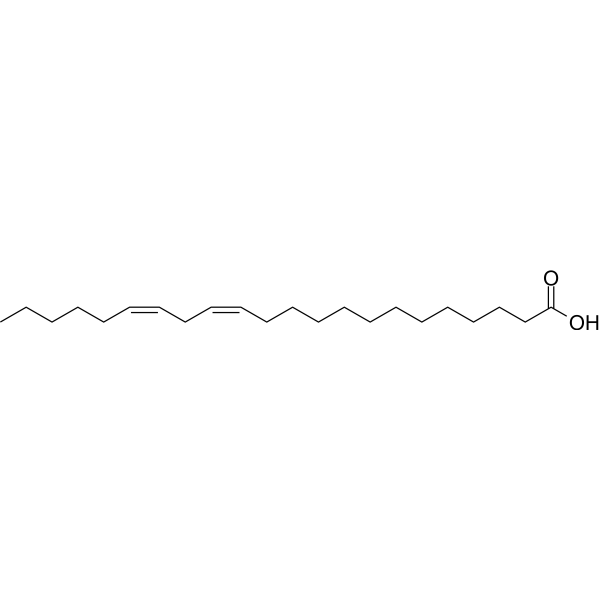
13Z,16Z-Docosadienoic acid

Based on 1 Customer Validation
13Z,16Z-Docosadienoic acid is a GPR120 agonist with bactericidal activity. 13Z,16Z-Docosadienoic acid serves as a potential biomarker for canine mammary tumors. 13Z,16Z-Docosadienoic acid is used in the research of bacterial infections, Lyme disease, Graves' disease and mammary tumors.
For research use only. We do not sell to patients.
- Purity : 99.0%
- CAS No.: 17735-98-7
- Formula: C22H40O2
- Molecular Weight:336.55
-
Storage:
Solution, -20°C, protect from light, 2 years

To place orders, for customer services and technical support, please contact: MedChemExpress USA
Tel: 609-228-6898 E-mail: [email protected] [email protected]


-
 Biological Activity
-
Chemical Information
- Purity & Documentation
- References
-
 Help & FAQs


-
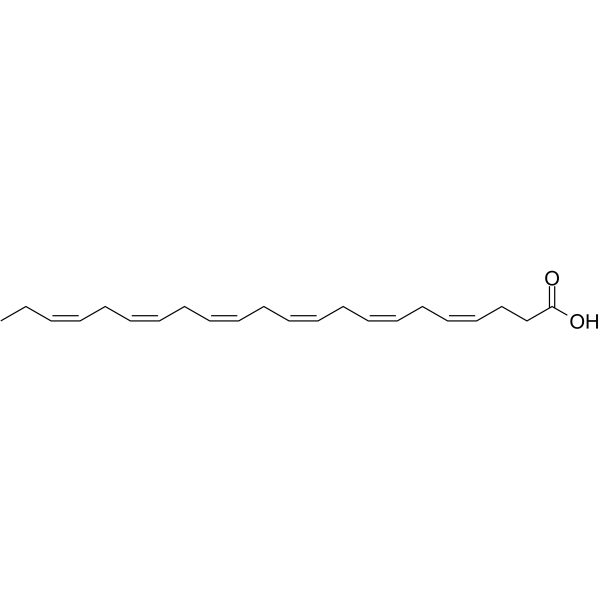
HY-B2167
Docosahexaenoic acid -
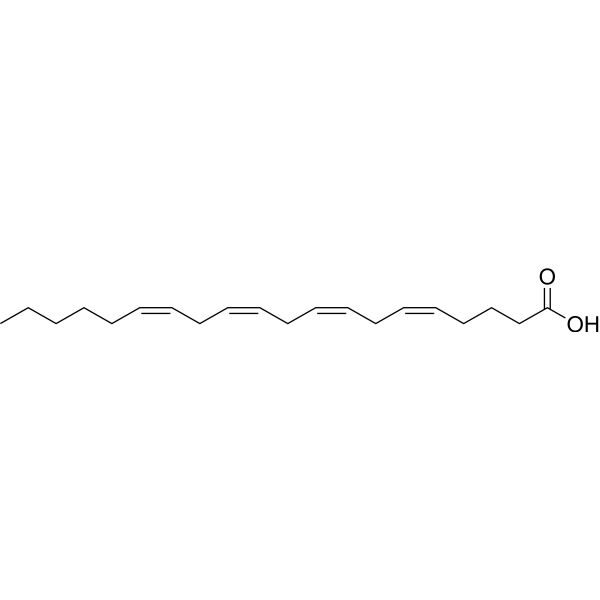
HY-109590
Arachidonic acid -
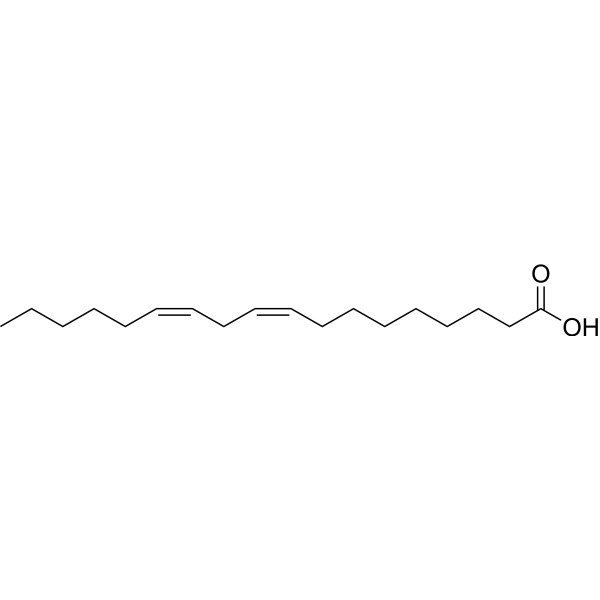
HY-N0729
Linoleic acid -
HY-N0728
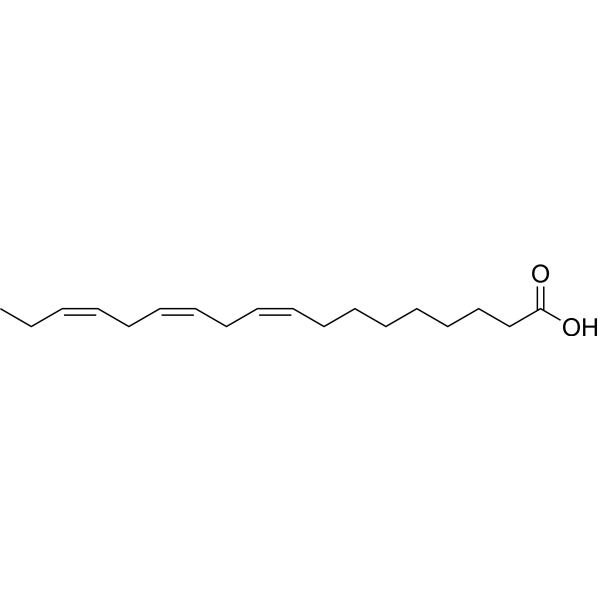
α-Linolenic acid -
HY-N7140
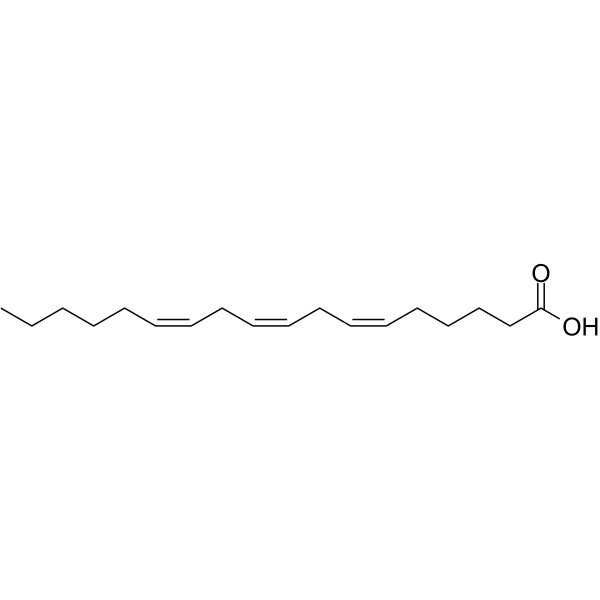
Gamma-Linolenic acid -
HY-N2526
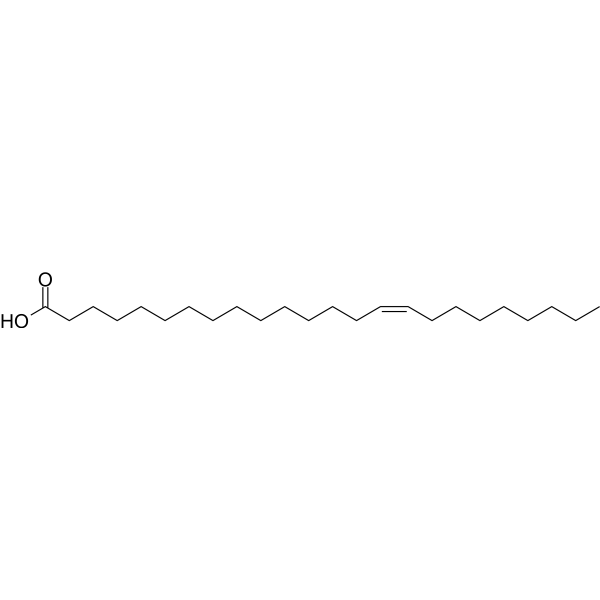
Nervonic acid -
HY-W013049
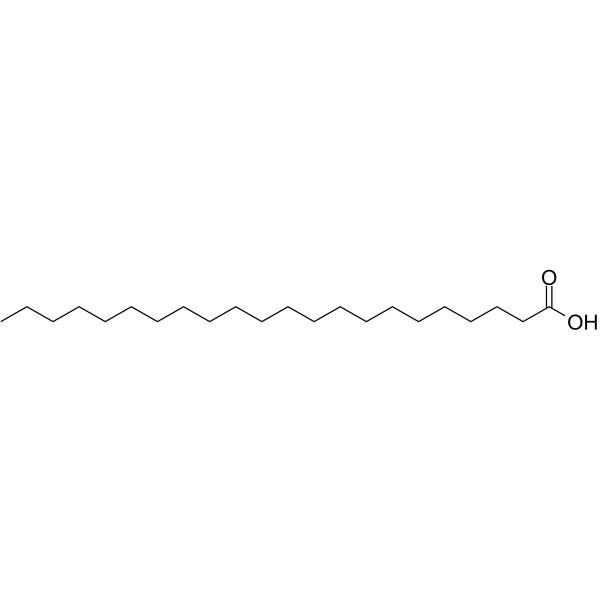
Docosanoic acid -
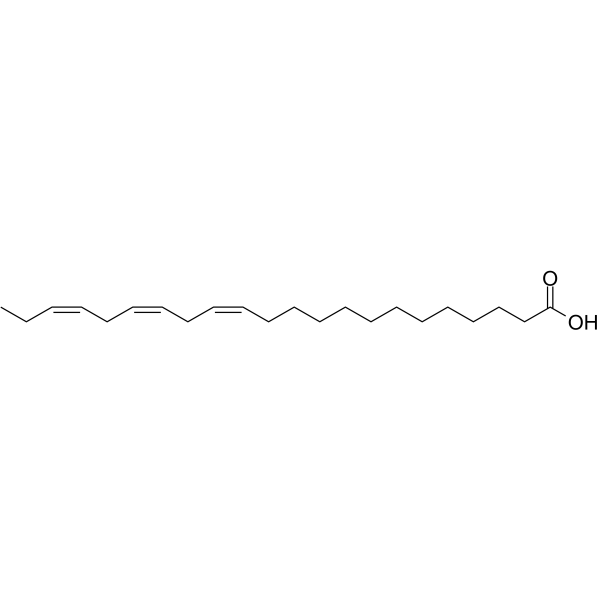
HY-101408
Docosatrienoic Acid -
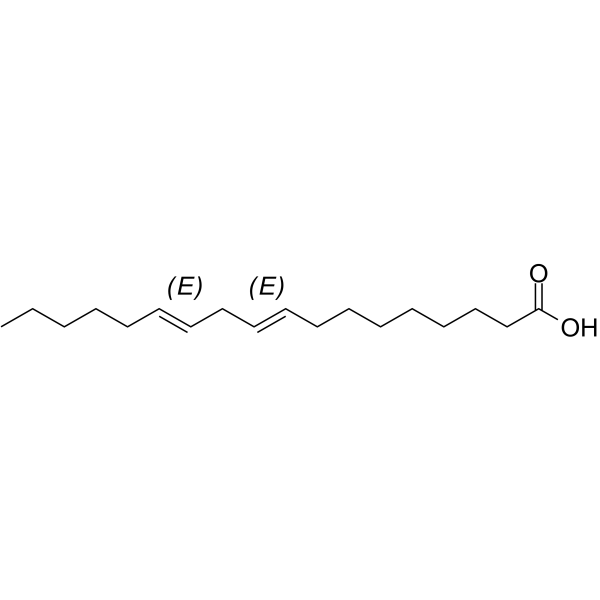
HY-W071746
Linolelaidic acid -
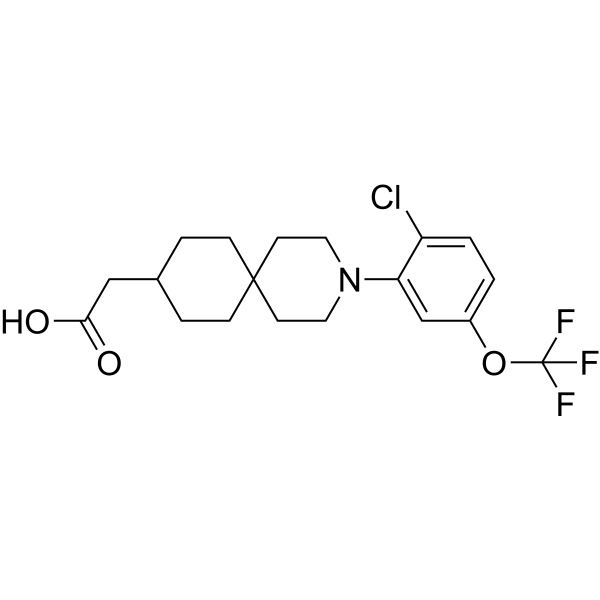
HY-101492
GPR120 Agonist 3 -

HY-B2167R
Docosahexaenoic acid (Standard) -
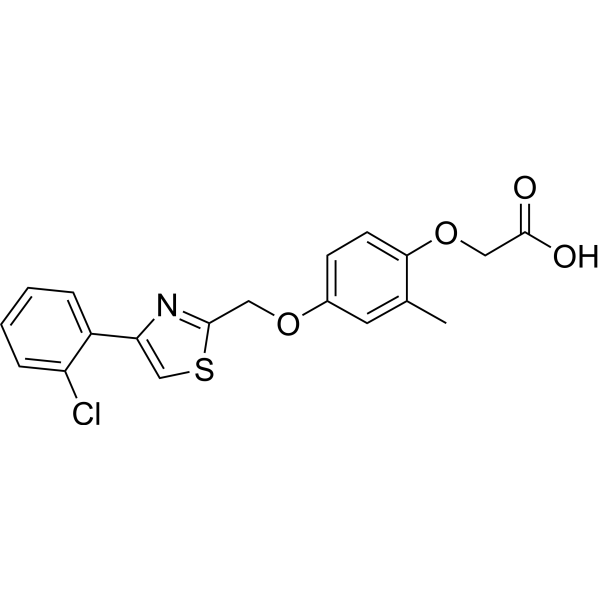
HY-50162
GPR120 modulator 1
All Endogenous Metabolite Isoforms
More

Biological Activity
Description
IC50 & Target
|
Human Endogenous Metabolite |
Cellular Effect
|
Cell Line

|
Type | Value | Description | References |
|---|---|---|---|---|
| RBL-2H3 | IC50 |
>50 μM
Compound: 8
|
Antiallergic activity in rat RBL2H3 cells assessed as inhibition of DNP-HSA-mediated degranulation by measuring decrease in beta-hexosaminidase activity preincubated for 30 mins followed by DNP-HSA stimulation and measured after 30 mins by 4-nitrophenyl 2
Antiallergic activity in rat RBL2H3 cells assessed as inhibition of DNP-HSA-mediated degranulation by measuring decrease in beta-hexosaminidase activity preincubated for 30 mins followed by DNP-HSA stimulation and measured after 30 mins by 4-nitrophenyl 2
|
[PMID: 31618024] |
In Vitro
13Z,16Z-Docosadienoic acid (24-72 h) exhibits bacteriostatic activity against log-phase and stationary-phase Borrelia burgdorferi s.s. (strain B31) and Borrelia garinii (strain CIP103362), with an MIC of 0.025 mg/mL; it also shows bactericidal activity, with an MBC90 of 0.5 mg/mL[2].
MedChemExpress (MCE) has not independently confirmed the accuracy of these methods. They are for reference only.
In Vivo
MedChemExpress (MCE) has not independently confirmed the accuracy of these methods. They are for reference only.


Chemical Information
-
CAS No. 17735-98-7
-
Appearance Liquid
-
Molecular Weight 336.55
-
Formula C22H40O2
-
Color Colorless to light yellow
-
SMILES
CCCCC/C=C\C/C=C\CCCCCCCCCCCC(O)=O
-
Structure Classification
-
Initial Source
-
Shipping
Room temperature in continental US; may vary elsewhere.
-
Storage
Solution, -20°C, protect from light, 2 years


Purity & Documentation
-
Data Sheet (265 KB)
-
SDS (393 KB)
- English - EN (393 KB)
- Français - FR (393 KB)
- Deutsch - DE (393 KB)
- Norwegian - NO (393 KB)
- Español - ES (393 KB)
- Swedish - SV (393 KB)
- Italian - IT (393 KB)
- Korean - KR (393 KB)
- Portuguese - PT (393 KB)
-
Handling Instructions (2659 KB)
References
[1]. Lu X, et al. Postprandial inhibition of gastric ghrelin secretion by long-chain fatty acid through GPR120 in isolated gastric ghrelin cells and mice. Am J Physiol Gastrointest Liver Physiol. 2012;303(3):G367-G376. [Content Brief]
[2]. Goc A, et al. Anti-borreliae efficacy of selected organic oils and fatty acids. BMC Complement Altern Med. 2019;19(1):40. Published 2019 Feb 4. [Content Brief]
[3]. Li T, et al. Serum metabolomics reveals systemic metabolic alterations of Graves' disease before and after antithyroid drug treatment. Endocr Connect. 2025;14(6):e250078. Published 2025 Jun 18. [Content Brief]
[4]. Liu H, et al. Metabolomics Analysis Provides Novel Insights into the Difference in Meat Quality between Different Pig Breeds. Foods. 2023;12(18):3476. Published 2023 Sep 19. [Content Brief]
[5]. Yu C, et al. Identification of canine mammary tumor-associated metabolites using untargeted metabolomics. Theriogenology. 2023;211:84-96. [Content Brief]

Calculators
Concentration (start) × Volume (start) = Concentration (final) × Volume (final)


13Z,16Z-Docosadienoic acid Related Classifications
HY-114610 Related Classifications
 Powered by Bioz
Keywords
- 13Z,16Z-Docosadienoic acid
- 17735-98-7
- Endogenous Metabolite
- Free Fatty Acid Receptor
- Bacterial
- GPR120
- thyroid-stimulating hormone receptor antibody
- Borrelia garinii
- canine mammary tumors
- Lyme disease
- porcine longissimus dorsi muscle
- Borrelia burgdorferi s.s.
- ghrelin
- Graves' disease
- gastric ghrelin-expressing cells
- Inhibitor
- inhibitor
- inhibit