



Nervonic acid
Based on 7 publication(s) in Google Scholar
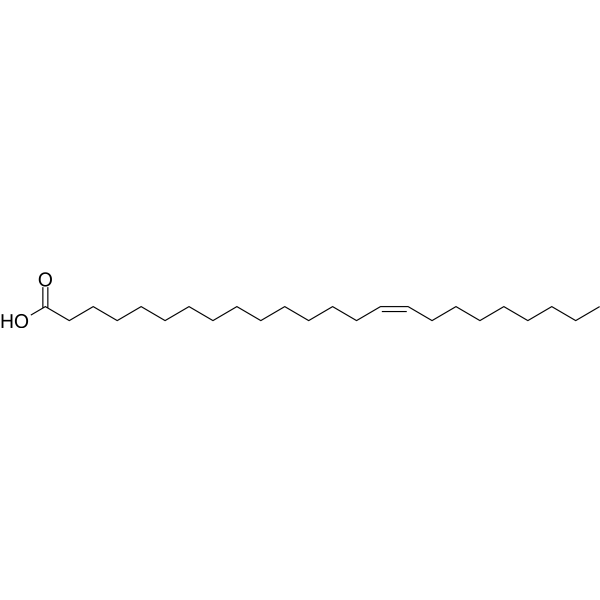
Nervonic acid is a monounsaturated fatty acid with oral activity. Nervonic acid exerts anti-inflammatory activity by inhibiting NF-κB signaling. Nervonic acid can be used in the study of neurodegenerative diseases.
For research use only. We do not sell to patients.
- Purity : 99.89%
- CAS No.: 506-37-6
- Formula: C24H46O2
- Molecular Weight:366.62
-
Storage:
4°C, protect from light
* In solvent : -80°C, 6 months; -20°C, 1 month (protect from light)

To place orders, for customer services and technical support, please contact: MedChemExpress USA
Tel: 609-228-6898 E-mail: [email protected] [email protected]


-
 Biological Activity
-
Chemical Information
-
Solvent & Solubility
- Protocols
- Purity & Documentation
- References
-
 Help & FAQs


-
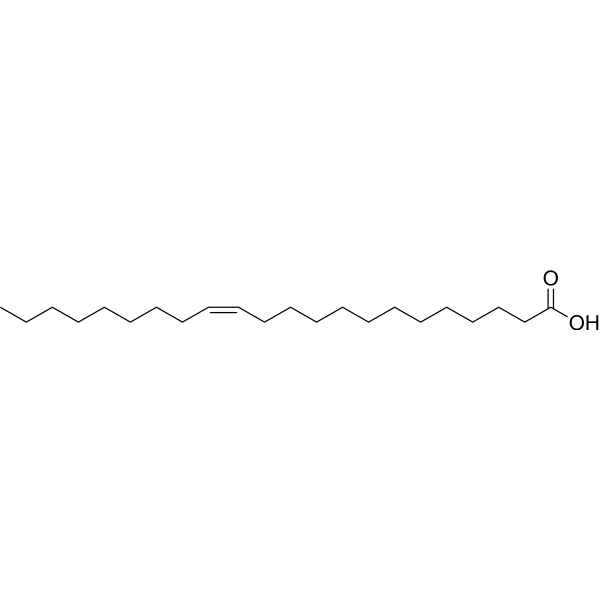
HY-N7109
Erucic acidMonounsaturated Fatty Acid -
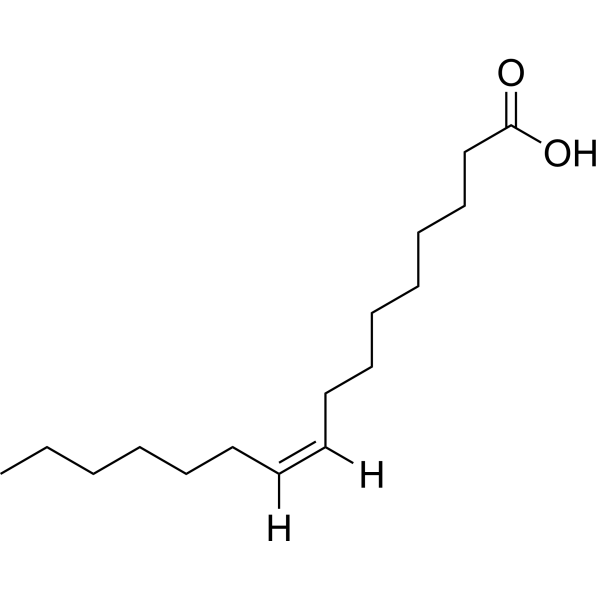
HY-W011873
Palmitoleic acid -
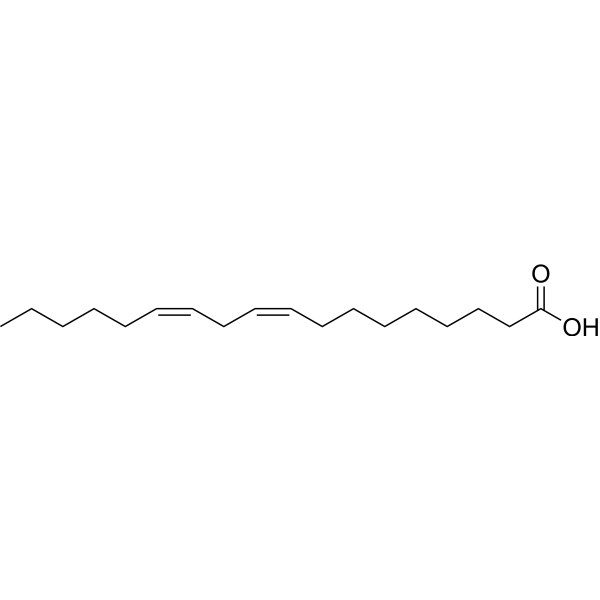
HY-N0729
Linoleic acidHuman Endogenous Metabolite -
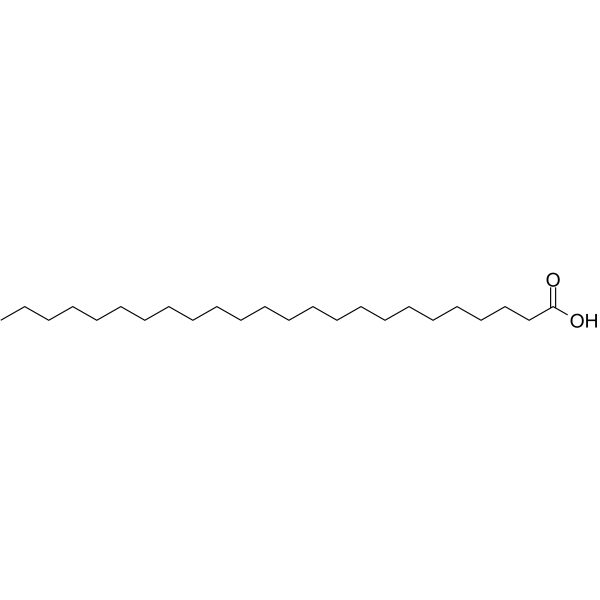
HY-121883
Lignoceric acidFatty Acid -
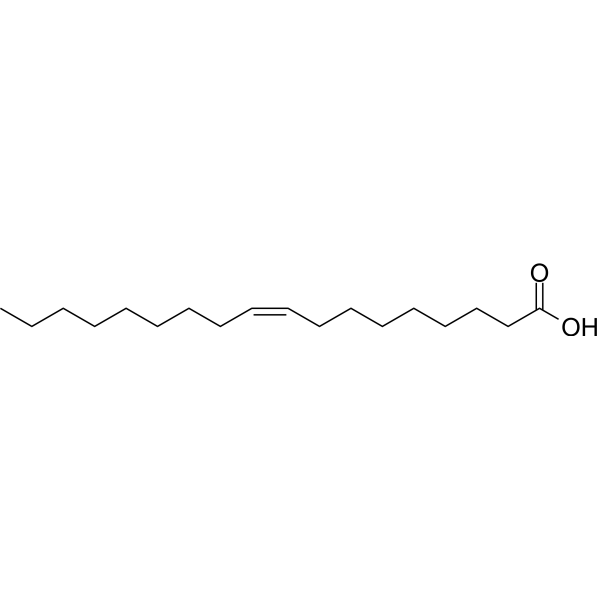
HY-N1446
Oleic acidMonounsaturated Fatty Acid -
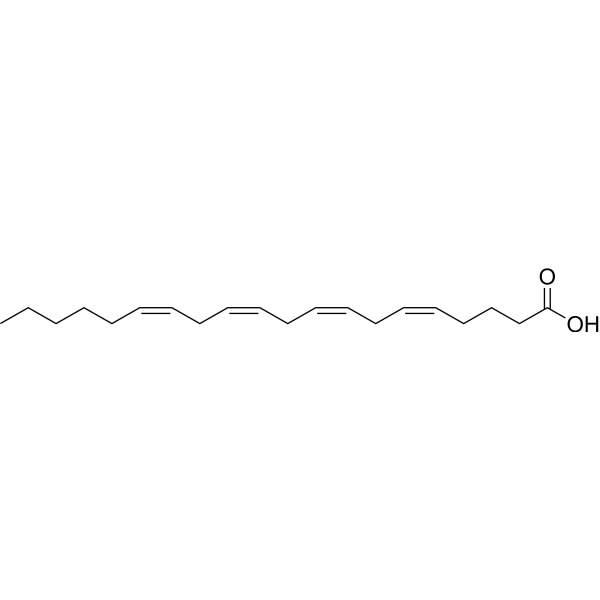
HY-109590
Arachidonic acidPolyunsaturated Fatty Acid -
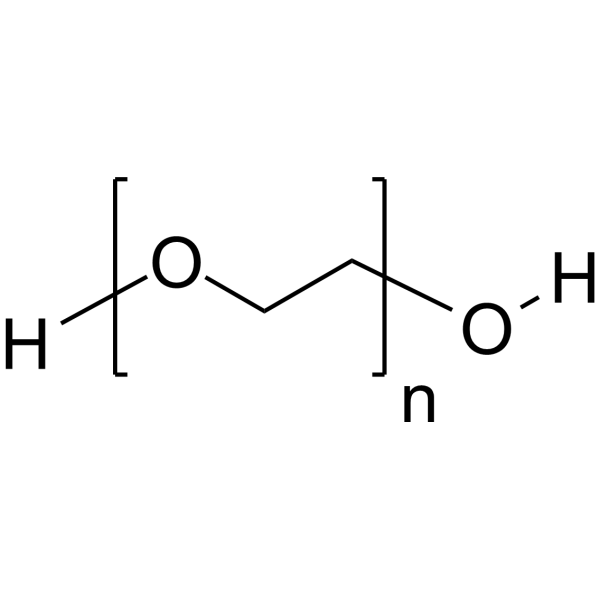
HY-Y0873
PEG300Neutral Polymer -
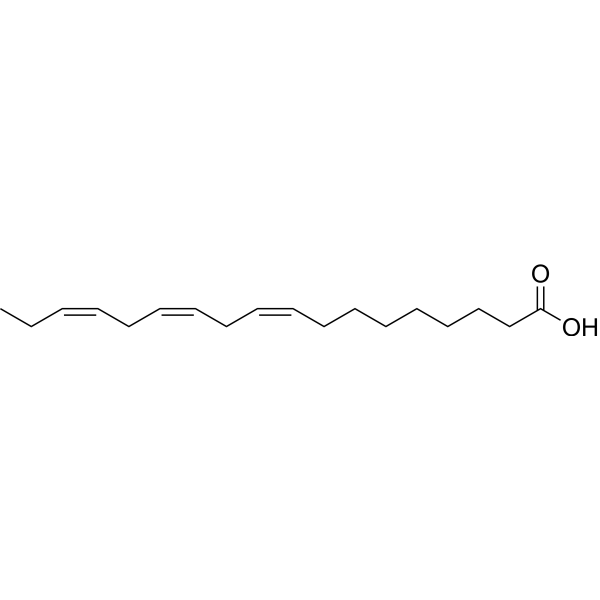
HY-N0728
α-Linolenic acidEssential Fatty Acid -
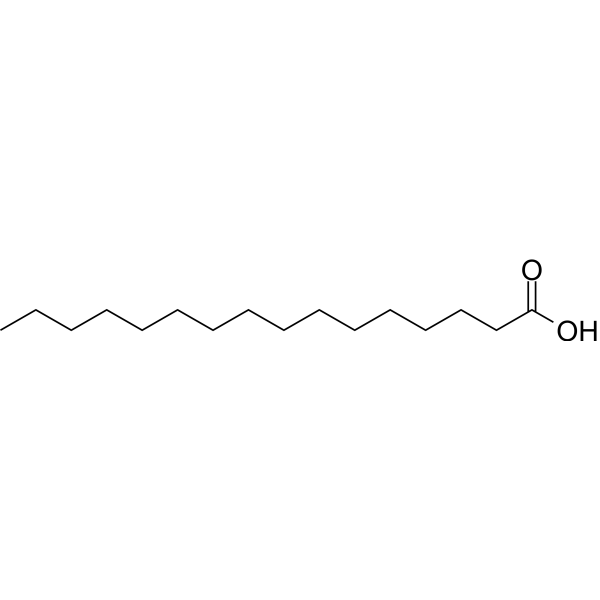
HY-N0830
Palmitic acidEndogenous Metabolite -
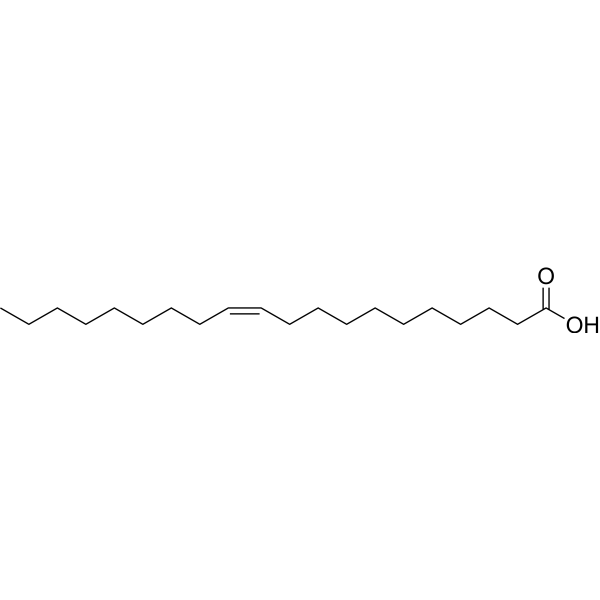
HY-W013242
Gondoic acidAnti-inflammatory Agent -
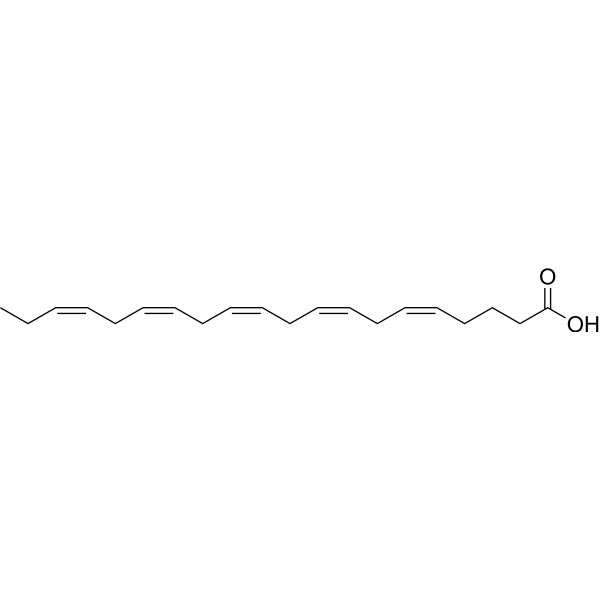
HY-B0660
Eicosapentaenoic AcidLC-PUFA
Publications Citing Use of MedChemExpress (MCE) Nervonic acid
More- Blood Cancer Discov. 2026 Sep 30.
- Leukemia. 2025 Mar;39(3):720-733. [Abstract]
- Cancer Cell Int. 2024 Oct 29;24(1):357. [Abstract]
- Eur J Pharmacol. 2024 Nov 5:982:176932. [Abstract]
- J Leukoc Biol. 2025 Jun 4;117(6):qiaf070. [Abstract]
- Biochem Biophys Res Commun. 2024 Nov 12:733:150696. [Abstract]
- bioRxiv. 2026 Jul 10:2026.07.06.736331.
 Customer Validation & Images

-
Cell Proliferation/Viability Assay
-
Flow Cytometry
-
IHC
-
Cell Proliferation/Viability Assay
-
WB
All Endogenous Metabolite Isoforms
More

Biological Activity
Description
IC50 & Target
|
Human Endogenous Metabolite |
In Vitro
Nervonic acid (0.01 μM, 48 h) can improve the activity of PC-12 cells and play a role as a neuroprotective mediator in the brain[1].
Nervonic acid (12.5, 25, 50 μM, 24 h) can decrease the inflammatory response of RAW264.7 cells induced by LPS and inhibit the activation of key signal pathways related to inflammation[3].
MedChemExpress (MCE) has not independently confirmed the accuracy of these methods. They are for reference only.
-
Cell Line:PC-12
-
Concentration:0.001, 0.01, 0.1, 1. 10 μM
-
Incubation Time:48 h
-
Result:Increased cell viability pretreated with a very low concentration.
-
Cell Line:RAW264.7
-
Concentration:12.5, 25, 50 μM
-
Incubation Time:24 h
-
Result:Decreased the expression of TLR4, JNK, P38 and NF-κB.
In Vivo
Nervonic acid (5, 50, 100 mg/kg, dissolved in corn oil for 7 days) improves colonic inflammation by inhibiting the NF-κB signaling pathway in DSS-induced colitis mice[3].
MedChemExpress (MCE) has not independently confirmed the accuracy of these methods. They are for reference only.
-
Animal Model:MPTP-induced PD mice model[2]
-
Dosage:20, 40, 60 mg/kg
-
Administration:i.g. for 7 days
-
Result:Reversed behavioral deficits inhibited the α-synuclein expression and regulated oxidative stress response.
-
Animal Model:DSS-induced colitis mice model[3]
-
Dosage:5, 50, 100 mg/kg
-
Administration:i.g. for 7 days
-
Result:Improved the symptoms of diarrhea, weight loss and fecal occidental blood.
Reduced the levels of COX-2 and iNOS.


Chemical Information
-
CAS No. 506-37-6
-
Appearance Solid
-
Molecular Weight 366.62
-
Formula C24H46O2
-
Color White to off-white
-
SMILES
CCCCCCCC/C=C\CCCCCCCCCCCCCC(O)=O
-
Synonyms
Selacholeic acid; cis-15-Tetracosenoic acid
-
Structure Classification
-
Shipping
Room temperature in continental US; may vary elsewhere.
-
Storage
4°C, protect from light
* In solvent : -80°C, 6 months; -20°C, 1 month (protect from light)


Publications (7)
-
Journal Impact Factor
-
Most Recent
-
-
Leukemia
2025 Mar;39(3):720-733. PMID: 39885295 -
Cancer Cell Int
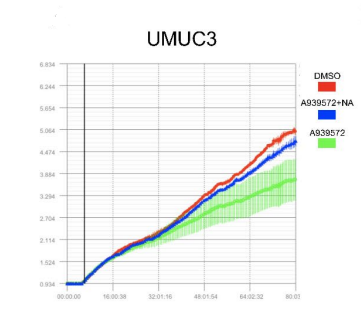
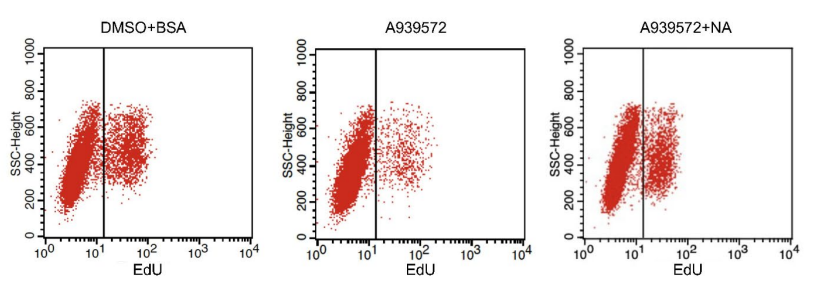
Stearoyl CoA desaturase inhibition can effectively induce apoptosis in bladder cancer stem cells. [Abstract]2024 Oct 29;24(1):357. PMID: 39472909
Nervonic acid purchased from MedChemExpress. Usage Cited in: Cancer Cell Int. 2024 Oct 29;24(1):357. [Abstract]
Nervonic acid restoration counteracts UMUC3 cell proliferation reduction caused by A939572 treatment.
Nervonic acid purchased from MedChemExpress. Usage Cited in: Cancer Cell Int. 2024 Oct 29;24(1):357. [Abstract]
A939572 treatment reduced cell proliferation and Nervonic acid supplementation counteracted this effect.
-
Eur J Pharmacol
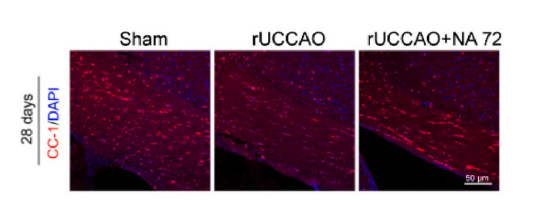
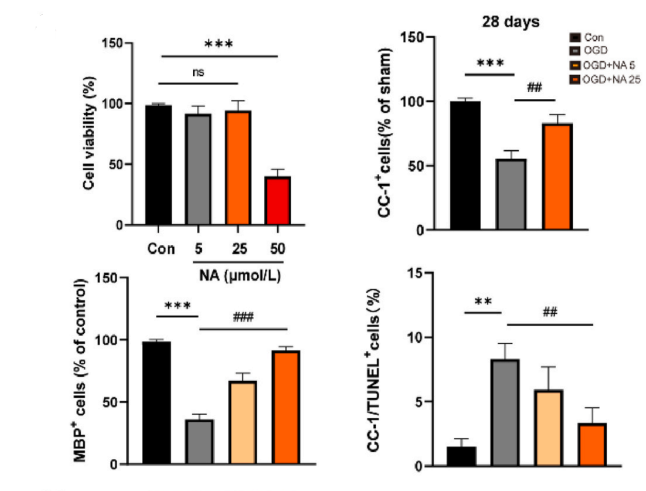
Nervonic acid protects against oligodendrocytes injury following chronic cerebral hypoperfusion in mice. [Abstract]2024 Nov 5:982:176932. PMID: 39182543
Nervonic acid purchased from MedChemExpress. Usage Cited in: Eur J Pharmacol. 2024 Nov 5:982:176932. [Abstract]
Immunohistochemical visualization and quantification of CC-1+ oligodendrocyte numbers at 28 d after rUCCAO in mice administered Nervonic acid (NA: 72 mg/kg/d).
Nervonic acid purchased from MedChemExpress. Usage Cited in: Eur J Pharmacol. 2024 Nov 5:982:176932. [Abstract]
Viability of OPCs after treatment with Nervonic acid (NA) 5,25 and 50 μmol/L for 24 h measured by the CCK-8 test.
Nervonic acid purchased from MedChemExpress. Usage Cited in: Eur J Pharmacol. 2024 Nov 5:982:176932. [Abstract]
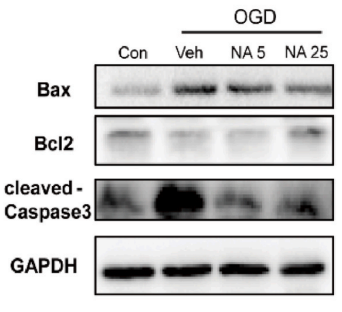
Nervonic acid (NA 5, 25 μM). Western blot analysis of expression of apoptosis-related proteins (including Bcl-2, Bax, and cleaved-Caspase-3 (c-Cas3)) in primary cultured oligodendrocytes after OGD/Rep.
-
J Leukoc Biol
Nervonic acid mitigates IMQ-triggered psoriasis in mice via inhibiting Th17/γδT17 cell invasion and modulating the gut microbiota. [Abstract]2025 Jun 4;117(6):qiaf070. PMID: 40397706 -
Biochem Biophys Res Commun
Nervonic acid improves depression like behaviors and demyelination of medial prefrontal cortex in chronic restraint stress mice. [Abstract]2024 Nov 12:733:150696. PMID: 39288700 -


Solvent & Solubility
In Vitro:
DMSO : 100 mg/mL (272.76 mM; Need ultrasonic; Hygroscopic DMSO has a significant impact on the solubility of product, please use newly opened DMSO)
Please refer to the solubility information to select the appropriate solvent. Once prepared, please aliquot and store the solution to prevent product inactivation from repeated freeze-thaw cycles.
Storage method and period of stock solution: -80°C, 6 months; -20°C, 1 month (protect from light). When stored at -80°C, please use it within 6 months. When stored at -20°C, please use it within 1 month.
Please refer to the solubility information to select the appropriate solvent. Once prepared, please aliquot and store the solution to prevent product inactivation from repeated freeze-thaw cycles.
Storage method and period of stock solution: -80°C, 6 months; -20°C, 1 month (protect from light). When stored at -80°C, please use it within 6 months. When stored at -20°C, please use it within 1 month.
Concentration (start) × Volume (start) = Concentration (final) × Volume (final)
In Vivo:
Select the appropriate dissolution method based on your experimental animal and administration route.
- For the following dissolution methods, please ensure to first prepare a clear stock solution using an In Vitro approach and then sequentially add co-solvents:
- To ensure reliable experimental results, the clarified stock solution can be appropriately stored based on storage conditions. As for the working solution for In Vivo experiments, it is recommended to prepare freshly and use it on the same day.
- The percentages shown for the solvents indicate their volumetric ratio in the final prepared solution. If precipitation or phase separation occurs during preparation, heat and/or sonication can be used to aid dissolution.
Add each solvent one by one: 10% DMSO 40% PEG300 5% Tween-80 45% Saline
Solubility: ≥ 1.67 mg/mL (4.56 mM); Clear solution
This protocol yields a clear solution of ≥ 1.67 mg/mL (saturation unknown).
Taking 1 mL working solution as an example, add 100 μL DMSO stock solution (16.7 mg/mL) to 400 μL PEG300, and mix evenly; then add 50 μL Tween-80 and mix evenly; then add 450 μL Saline to adjust the volume to 1 mL.
Preparation of Saline: Dissolve 0.9 g sodium chloride in ddH₂O and dilute to 100 mL to obtain a clear Saline solution.
Add each solvent one by one: 10% DMSO 90% (20% SBE-β-CD in Saline)
Solubility: ≥ 1.67 mg/mL (4.56 mM); Clear solution
This protocol yields a clear solution of ≥ 1.67 mg/mL (saturation unknown).
Taking 1 mL working solution as an example, add 100 μL DMSO stock solution (16.7 mg/mL) to 900 μL 20% SBE-β-CD in Saline, and mix evenly.
Preparation of 20% SBE-β-CD in Saline (4°C, storage for one week): 2 g SBE-β-CD powder is dissolved in 10 mL Saline, completely dissolve until clear.
In Vivo Dissolution Calculator
Please enter the basic information of animal experiments:
-
-
-
-
Recommended: Prepare an additional quantity of animals to account for potential losses during experiments.
Please enter your animal formula composition:
-
%DMSO +
Recommended: Keep the proportion of DMSO in working solution below 2% if your animal is weak.
-
%+
-
+%Tween-80 + +
-
%Saline +
The co-solvents required include: DMSO, . All of co-solvents are available by MedChemExpress (MCE). , Tween 80. All of co-solvents are available by MedChemExpress (MCE).
Working solution concentration: 0.22 mg/mL
Method for preparing stock solution: mg drug dissolved in μL DMSO. Stock solution concentration: mg/mL. * In solvent : -80°C, 6 months; -20°C, 1 month (protect from light)
1. Take μL DMSO stock solution;
2. Add μL .
μL , mix evenly;
3. Then add μL Tween 80, mix evenly;
4. Then add μL
Please ensure that the stock solution in the first step is dissolved to a clear state, and add co-solvents in sequence. You can use ultrasonic heating (ultrasonic cleaner, recommended frequency 20-40 kHz), vortexing, etc. to assist dissolution.


Purity & Documentation
-
Data Sheet (272 KB)
-
SDS (393 KB)
- English - EN (393 KB)
- Français - FR (393 KB)
- Deutsch - DE (393 KB)
- Norwegian - NO (393 KB)
- Español - ES (393 KB)
- Swedish - SV (393 KB)
- Italian - IT (393 KB)
- Korean - KR (393 KB)
- Portuguese - PT (393 KB)
-
Handling Instructions (2659 KB)
References
[1]. Umemoto H, et al. Protective Effect of Nervonic Acid Against 6-Hydroxydopamine-Induced Oxidative Stress in PC-12 Cells. J Oleo Sci. 2021;70(1):95-102. [Content Brief]
[2]. Hu D, et al. Nervonic acid amends motor disorder in a mouse model of Parkinson's disease. Transl Neurosci. 2022 Apr 20;13(1):71. [Content Brief]
[3]. Yuan SN, et al. Improved colonic inflammation by nervonic acid via inhibition of NF-κB signaling pathway of DSS-induced colitis mice. Phytomedicine. 2023 Apr;112:154702. [Content Brief]


Complete Stock Solution Preparation Table
Please refer to the solubility information to select the appropriate solvent. Once prepared, please aliquot and store the solution to prevent product inactivation from repeated freeze-thaw cycles.
Storage method and period of stock solution: -80°C, 6 months; -20°C, 1 month (protect from light). When stored at -80°C, please use it within 6 months. When stored at -20°C, please use it within 1 month.
| Optional Solvent | Concentration Solvent Mass | 1 mg | 5 mg | 10 mg | 25 mg |
|---|---|---|---|---|---|
| DMSO | 1 mM | 2.7276 mL | 13.6381 mL | 27.2762 mL | 68.1905 mL |
| 5 mM | 0.5455 mL | 2.7276 mL | 5.4552 mL | 13.6381 mL | |
| 10 mM | 0.2728 mL | 1.3638 mL | 2.7276 mL | 6.8190 mL | |
| 15 mM | 0.1818 mL | 0.9092 mL | 1.8184 mL | 4.5460 mL | |
| 20 mM | 0.1364 mL | 0.6819 mL | 1.3638 mL | 3.4095 mL | |
| 25 mM | 0.1091 mL | 0.5455 mL | 1.0910 mL | 2.7276 mL | |
| 30 mM | 0.0909 mL | 0.4546 mL | 0.9092 mL | 2.2730 mL | |
| 40 mM | 0.0682 mL | 0.3410 mL | 0.6819 mL | 1.7048 mL | |
| 50 mM | 0.0546 mL | 0.2728 mL | 0.5455 mL | 1.3638 mL | |
| 60 mM | 0.0455 mL | 0.2273 mL | 0.4546 mL | 1.1365 mL | |
| 80 mM | 0.0341 mL | 0.1705 mL | 0.3410 mL | 0.8524 mL | |
| 100 mM | 0.0273 mL | 0.1364 mL | 0.2728 mL | 0.6819 mL |


Nervonic acid Related Classifications
HY-N2526 Related Classifications
 Powered by Bioz