Search Result
Results for "
BMS-
" in MedChemExpress (MCE) Product Catalog:
1
Biochemical Assay Reagents
49
Isotope-Labeled Compounds
| Cat. No. |
Product Name |
Target |
Research Areas |
Chemical Structure |
-
- HY-109593
-
-
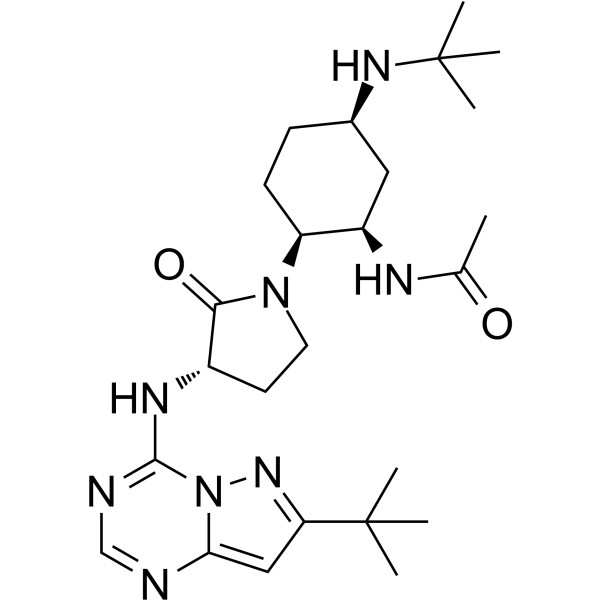
-
- HY-175742
-
-

-
- HY-139485
-
|
|
Apelin Receptor (APJ)
|
Cardiovascular Disease
|
|
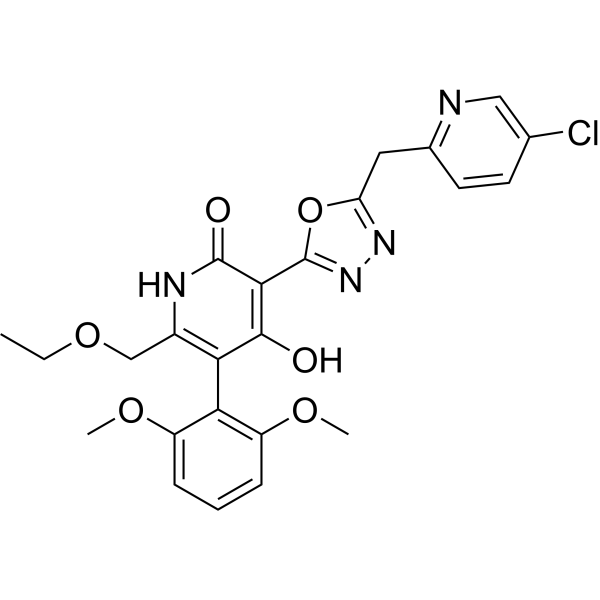
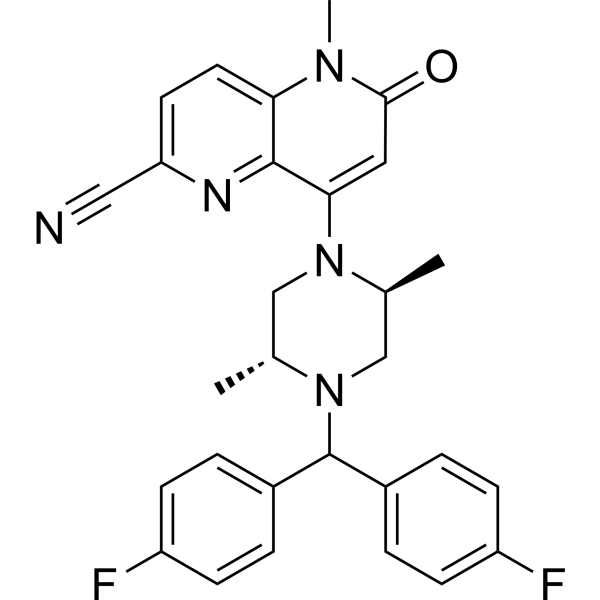
BMS-986224 is a potent, selective and orally active APJ receptor agonist (Kd = 0.3 nM). BMS-986224 exhibits similar receptor binding and signaling profile to (Pyr 1) apelin-13. BMS-986224 has the potential for the research of heart failure .
|
-
-
- HY-131968
-
|
|
JAK
Cytochrome P450
|
Inflammation/Immunology
|
|
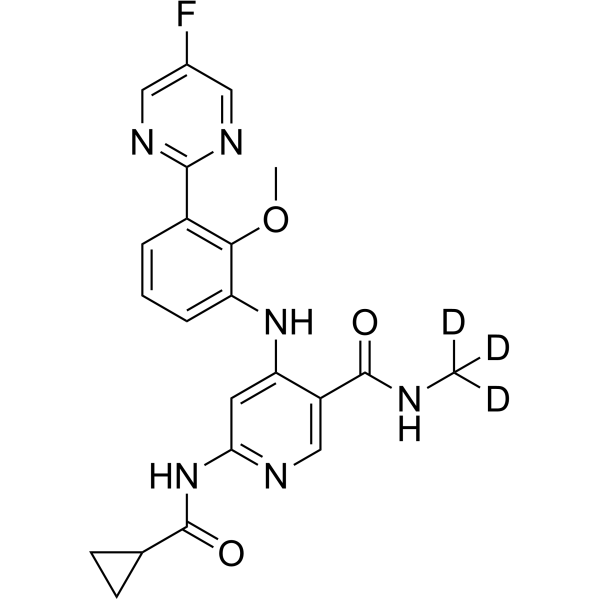
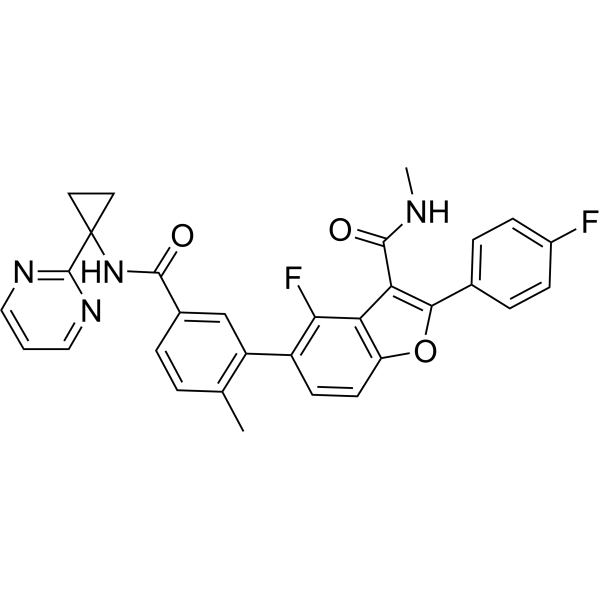
BMS-986202 is a potent, selective and orally active Tyk2 inhibitor that binds to Tyk2 JH2 with an IC50 value of 0.19 nM and a Ki of 0.02 nM. BMS-986202 is remarkably selective over other kinases including Jak family members. BMS-986202 is also a weak inhibitor of CYP2C19 with an IC50 value of 14 μM. BMS-986202 can be used for IL-23-driven acanthosis, anti-CD40-induced colitis, and spontaneous lupus research. BMS-986202 is a de novo deuterium .
|
-
-
- HY-100608
-
BMS453
1 Publications Verification
BMS-189453
|
RAR/RXR
|
Cancer
|
|
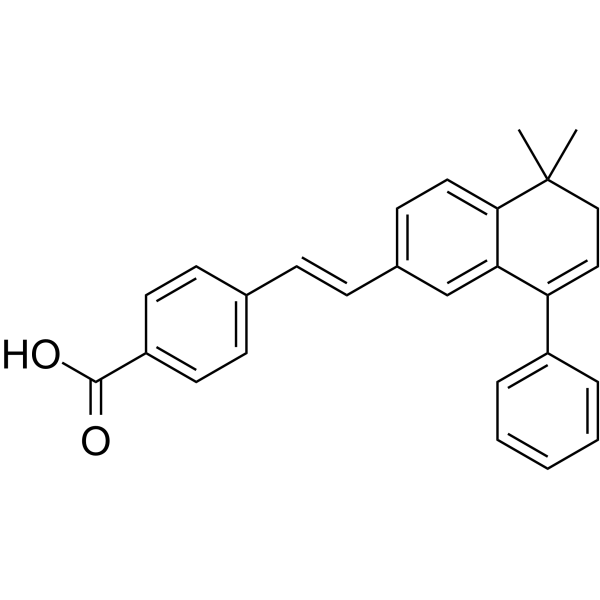
BMS453 (BMS-189453), a synthetic retinoid, is a RARβ agonist and a RARα/RARγ antagonist. BMS453 inhibits breast cell growth predominantly through the induction of active TGFβ .
|
-
-
- HY-16111
-
|
|
Farnesyl Transferase
Ras
|
Cancer
|
|
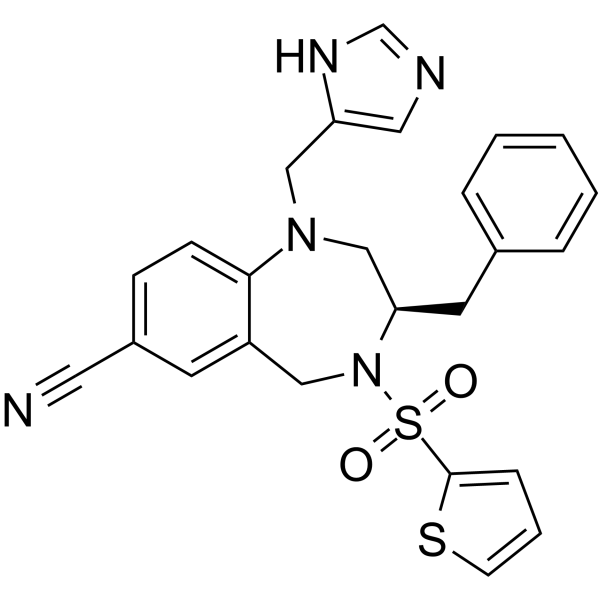
BMS-214662 is a farnesyl transferase inhibitor. BMS-214662 can effectively block the localization and function of Ras protein in the cell membrane by inhibiting the pro-group modification of Ras protein, thereby exerting anti-tumor activity. BMS-214662 has an IC50 value of 1.3 nM for H-Ras and 8.4 nM for K-Ras. BMS-214662 can be used to study Ras-related tumor diseases .
|
-
-
- HY-108593
-
|
BMS-A
|
Potassium Channel
|
Neurological Disease
|
|
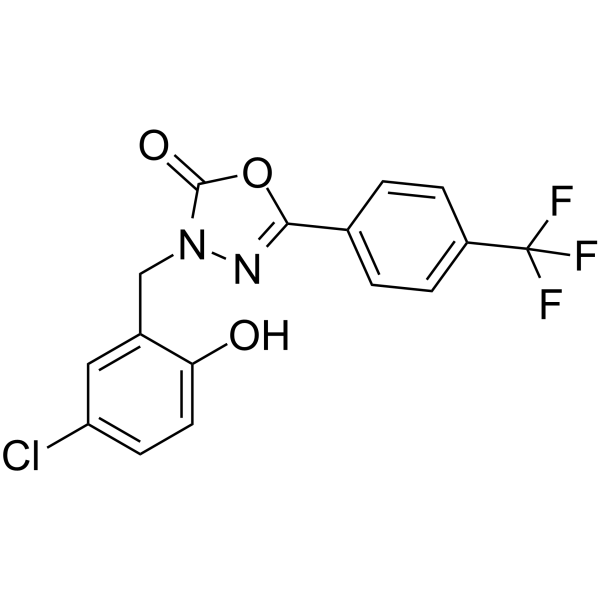
BMS 191011 (BMS-A) is a potent BKCa channel opener (large-conductance Ca 2+-activated potassium channel). BMS-191011 shows neuroprotective activities in rodent models of stroke .
|
-
-
- HY-20070
-
|
|
TNF Receptor
|
Inflammation/Immunology
|
|
BMS-566394 is a selective, orally active TACE (ADAM17) inhibitor. BMS-566394 inhibits LPS-induced TNF-α production in whole blood. BMS-566394 selectively inhibits TACE activity .
|
-

-
- HY-P991280
-
|
|
Interleukin Related
|
Inflammation/Immunology
|
|
BMS-981164 is a human anti-IL31 IgG1-κ monoclonal antibody. BMS-981164 effectively inhibits the IL-31 signaling pathway. The isotype control of BMS-981164 can be referenced to Human IgG1 kappa, Isotype Control (HY-P99001). BMS-981164 is applicable to research related to atopic dermatitis .
|
-

-
- HY-149874
-
BMS-502
1 Publications Verification
|
DGK
|
Inflammation/Immunology
Cancer
|
|
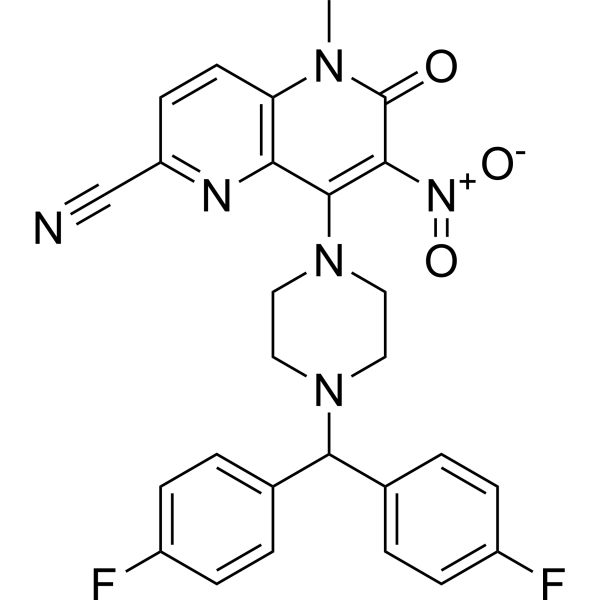
BMS-502 (Compound 22) is a potent dual inhibitor of diacylglycerol kinase (DGK) α and ζ with IC50 of 4.6 nM and 2.1 nM. BMS-502 enhanced T cell immune responses in mice. BMS-502 can be used in tumor immunity related research .
|
-
-
- HY-120635
-
|
|
PD-1/PD-L1
|
Inflammation/Immunology
Cancer
|
|
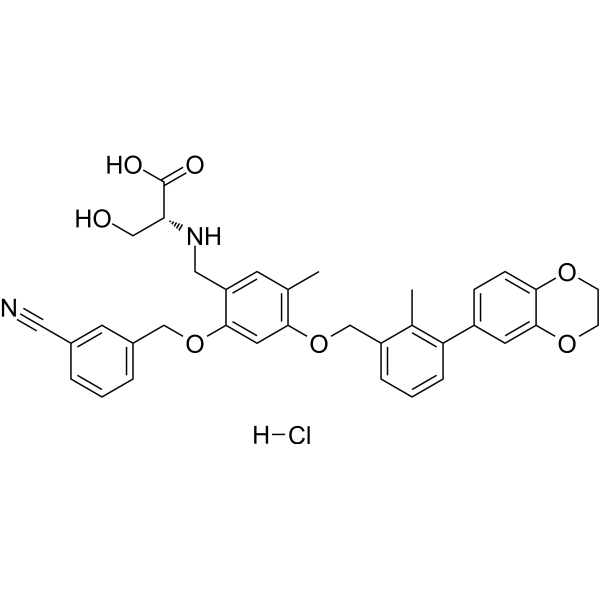
BMS-1001 is an orally active human PD-L1/PD-1 immune checkpoint inhibitor. BMS-1001 exhibits low-toxicity in cells. The IC50 value of BMS-1001 in a homogeneous time-resolved fluorescence (HTRF) binding assay is 2.25 nM .
|
-
-
- HY-14134
-
|
BMS-806
|
HIV
|
Infection
|
|
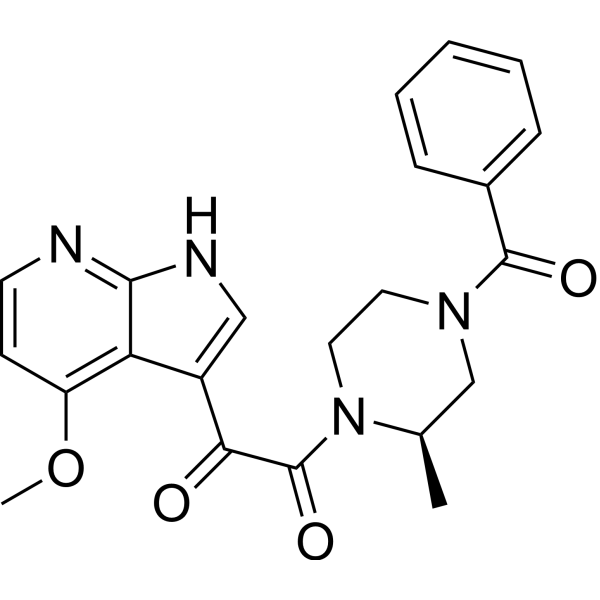
BMS-378806 is a potent HIV-1 attachment inhibitor that interferes with CD4-gp120 interactions. BMS-378806 selectively inhibits the binding of HIV-1 gp120 to the CD4 receptor with EC50 of 0.85-26.5 nM in virus.
|
-
-
- HY-13269
-
|
|
HIV
HIV Integrase
|
Infection
Inflammation/Immunology
|
|
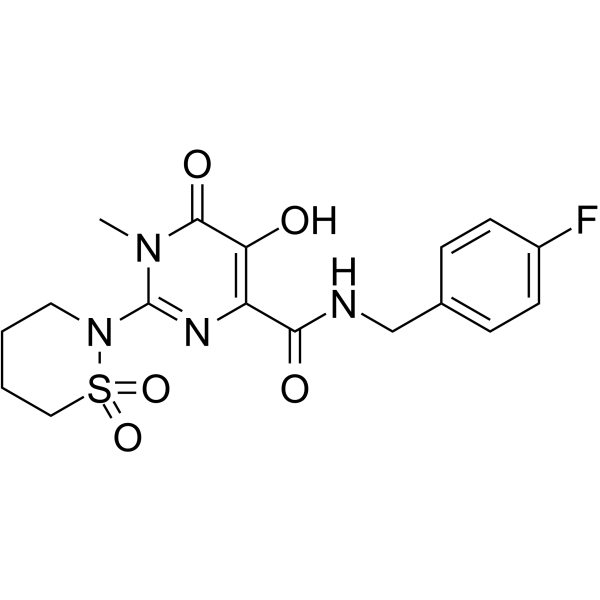
BMS-707035 is a potent orally active HIV-1 integrase strand transfer inhibitor (INSTI). BMS-707035 has enzyme inhibitory with an IC50 value of 3 nM. BMS-707035 also has weak CYP inhibiton and antiviral activity. BMS-707035 can be used for the research of human immunodeficiency virus-1 (HIV-1) .
|
-
-
- HY-117290
-
|
|
Factor Xa
|
Cardiovascular Disease
|
|
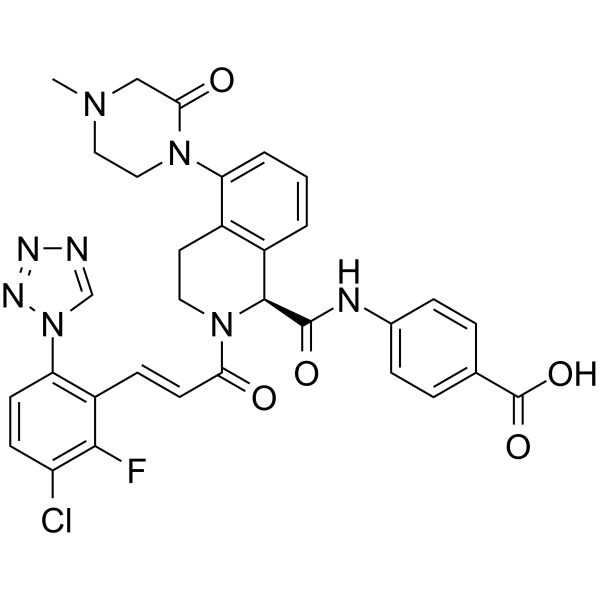
BMS-962212 is a factor XIa (FXIa) inhibitor with a Ki of 0.7 nM against human FXIa and a Ki of 3 nM against rabbit FXIa. BMS-962212 blocks thrombosis while preserving normal hemostatic function. BMS-962212 is applicable to thrombosis-related research .
|
-
-
- HY-118969
-
|
|
Factor Xa
Ser/Thr Protease
|
Cardiovascular Disease
|
|
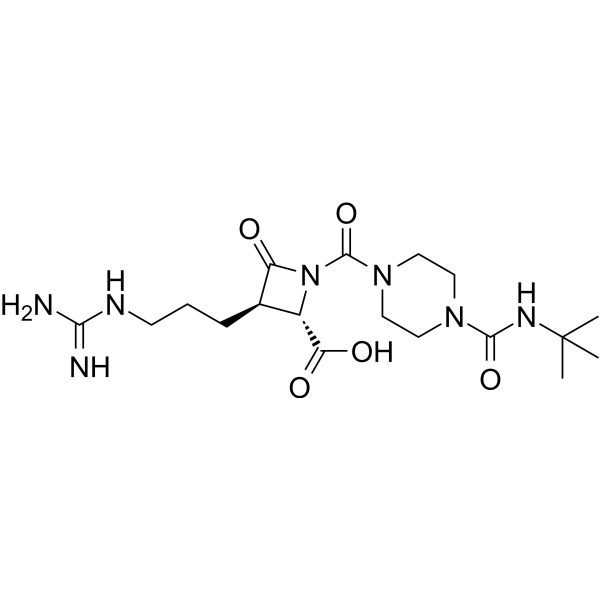
BMS-262084 is a potent, selective and irreversible inhibitor of factor XIa, with an IC50 of 2.8 nM against human factor XIa. BMS-262084 also inhibits human tryptase (IC50=5 nM). BMS-262084 exhibits antithrombotic effects .
|
-
-
- HY-101259
-
-
-
- HY-119518
-
|
BMS-209641
|
RAR/RXR
|
Cancer
|
|
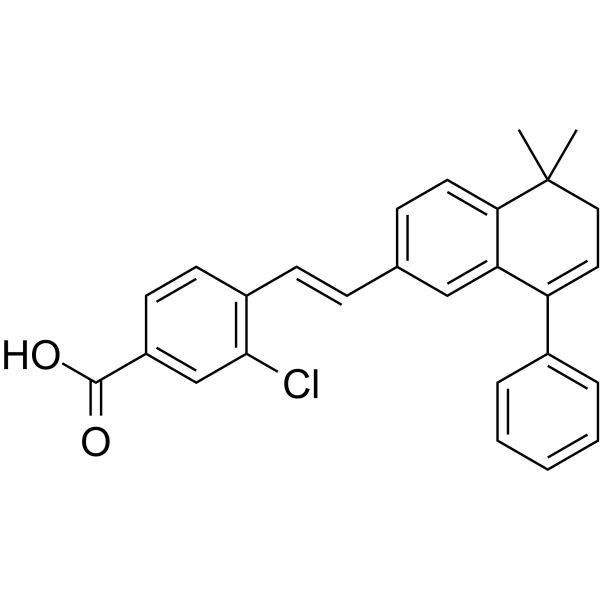
BMS641 (BMS-209641) is a selective RARβ agonist. BMS641 has a higher affinity for RARβ (Kd, 2.5 nM) that is 100 times higher than that for RARα (Kd, 225 nM) or RARγ (Kd, 223 nM) .
|
-
-
- HY-15546
-
|
|
CCR
|
Inflammation/Immunology
|
|
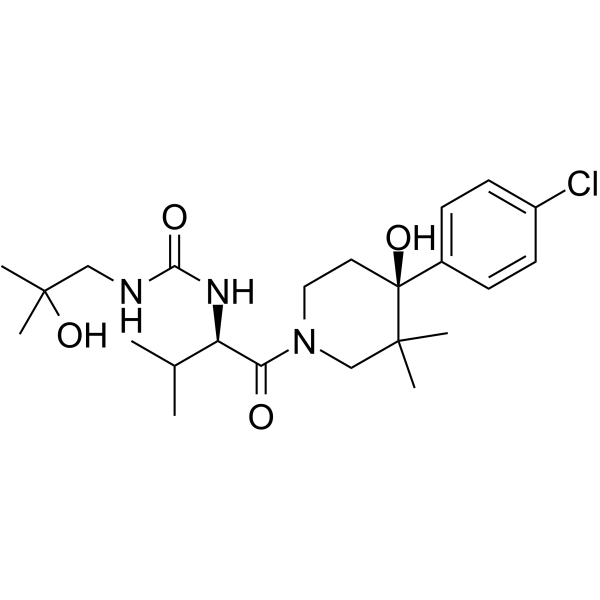
BMS-817399 is a potent, selective, and orally bioavailable CCR1 antagonist. BMS-817399 exhibits CCR1 binding affinity and chemotaxis inhibition potencies of 1 and 6 nM (IC50), respectively. BMS-817399 can be used for the research of rheumatoid arthritis .
|
-
-
- HY-120170
-
|
|
ASCT
Adrenergic Receptor
Dopamine Transporter
|
Neurological Disease
|
|
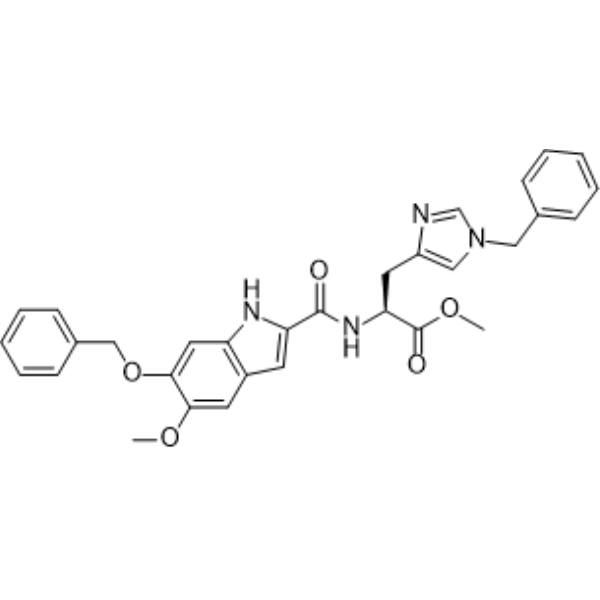
BMS-466442 is a potent and selective inhibitor of asc-1 (alanine serine cysteine transporter-1), with an IC50 of 11 nM. BMS-466442 inhibits [ 3H] D-serine uptake into rat brain synaptosomes, with an IC50 of 400 nM. BMS-466442 can be used for schizophrenia research .
|
-
-
- HY-149665
-
BMS-684
1 Publications Verification
|
DGK
|
Cancer
|
|
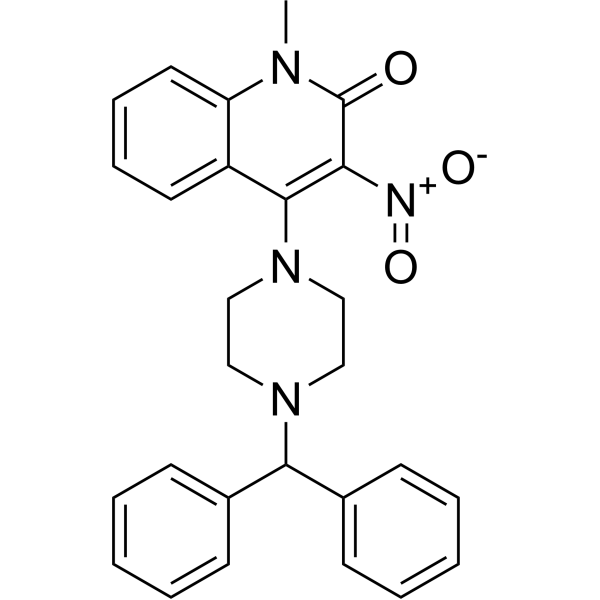
BMS-684 is a selective DGKα inhibitor with an IC50 of 15 nM. BMS-684 inhibits DGKα kinase activity with >100-fold selectivity over the related DGK type I family members DGKβ and DGKγ. BMS-684 does not inhibit any of the other seven DGK isozymes .
|
-
-
- HY-120632
-
|
|
RSV
|
Infection
|
|
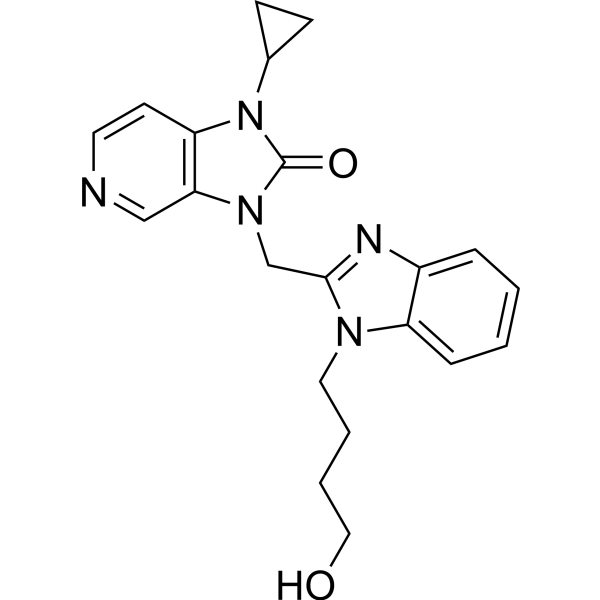
BMS-433771 is a potent orally active inhibitor of respiratory syncytial virus (RSV). BMS-433771 is active against both A and B groups of RSV, with an average EC50 of 20 nM. BMS-433771 can be used for the research of respiratory tract disease .
|
-
-
- HY-16111A
-
|
|
Farnesyl Transferase
Ras
|
Cancer
|
|
BMS-214662 hydrochloride is an inhibitor of farnesyltransferase (Farnesyl Transferase). BMS-214662 hydrochloride can effectively block the localization and function of Ras proteins on the cell membrane by inhibiting the prenylation modification of Ras proteins, thereby exerting anti-tumor activity. The IC50 value of BMS-214662 hydrochloride for H-Ras is 1.3 nM, and for K-Ras it is 8.4 nM. BMS-214662 hydrochloride can be used in the research of tumor diseases related to Ras .
|
-

-
- HY-13607
-
|
|
Androgen Receptor
|
Cancer
|
|
BMS-641988 (compound 23) is an oral active nonsteroidal androgen receptor antagonist with the Ki of 1.7 nM. BMS-641988 shows anticancer activity .
|
-

-
- HY-112874
-
|
BMS-687681
|
CCR
|
Neurological Disease
Inflammation/Immunology
Cancer
|
|
BMS-681 is an orthosteric antagonist of CC chemokine receptor 2 (CCR2). BMS-681 restricts the movement of the extracellular end of TM6 by stabilizing TM7. TM7 and TM6 are the main components of the orthosteric binding site. BMS-681 can be used to study inflammatory neurodegenerative diseases and cancer .
|
-

-
- HY-114511
-
|
|
Factor VIIa
|
Cardiovascular Disease
|
|
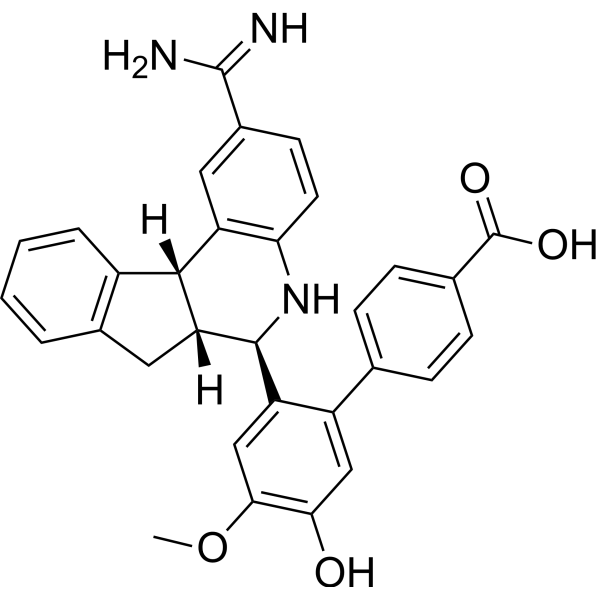
BMS-593214 is an active site-directed factor (F) VIIa inhibitor. BMS-593214 shows antithrombotic and antihaemostatic properties. BMS-593214 is a direct competitive inhibitor of human FVIIa and a non-competitive inhibitor of Viia-activated substrate FX. BMS-593214 prevents electroinduced carotid artery thrombosis (AT) and wire induced vena cava thrombosis (VT) .
|
-
-
- HY-120624
-
|
|
Ser/Thr Protease
|
Inflammation/Immunology
|
|
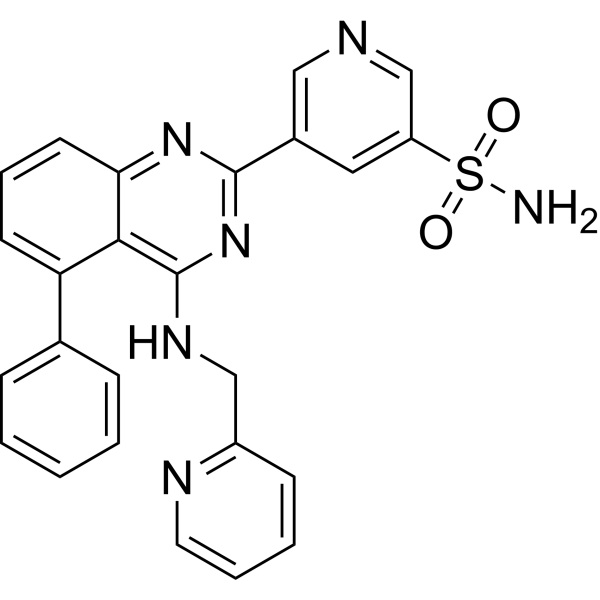
BMS-354326 is a tryptase inhibitor with an IC50 of 1.8 nM. BMS-354326 exhibits excellent selectivity against trypsin and most other related serine proteases. BMS-354326 can be used in the research of asthma and inflammatory diseases .
|
-

-
- HY-120644
-
-
-
- HY-149667
-
|
|
DGK
|
Cancer
|
|
BMS-332 is a dual DGKα/ζ lipid kinase inhibitor, with IC50s of 5 and 1 nM against DGKα and DGKζ, respectively. BMS-332 enhances the antigen-specific T cell response. BMS-332 reduces the viral load in the liver and spleen when combined with anti-PD-1 in chronic infection models. BMS-332 can be used for the study of T cell immune checkpoint strategy .
|
-
-
- HY-125183
-
|
|
HIV
|
Infection
|
|
BMS-818251 is a HIV-1 attachment and entry inhibitor. BMS-818251 binds to HIV-1 Env gp120, interferes with viral attachment and entry processes, and inhibits HIV-1 viral replication. BMS-818251 can be used in studies related to HIV-1 infection .
|
-

-
- HY-118416
-
|
|
Opioid Receptor
|
Neurological Disease
|
|
BMS-986124 is a μ-opioid receptor silent allosteric modulator (μ-SAMs). BMS-986124 antagonizes positive allosteric modulator effect of BMS-986122 (µ-OR PAM) .
|
-

-
- HY-120634
-
|
|
HCV
|
Infection
|
|
BMS-929075 is a potent and orally active HCV NS5B replicase palm site allosteric inhibitor. BMS-929075 shows high oral bioavailability. BMS-929075 shows cytotoxicity .
|
-
-
- HY-124995
-
|
|
IRAK
Toll-like Receptor (TLR)
ERK
NF-κB
Interleukin Related
|
Inflammation/Immunology
|
|
BMS-986126 is a potent, selective, and orally active IRAK4 inhibitor (IC50 = 5.3 nM). BMS-986126 broadly inhibits MyD88-dependent signaling pathways. BMS-986126 demonstrates robust activity in the MRL/lpr and NZB/NZW murine models of lupus, inhibiting multiple pathogenic responses. BMS-986126 can be used for autoimmune diseases research, such as lupus erythematosus (SLE) .
|
-

-
- HY-149663
-
|
|
Acyltransferase
|
Metabolic Disease
|
|
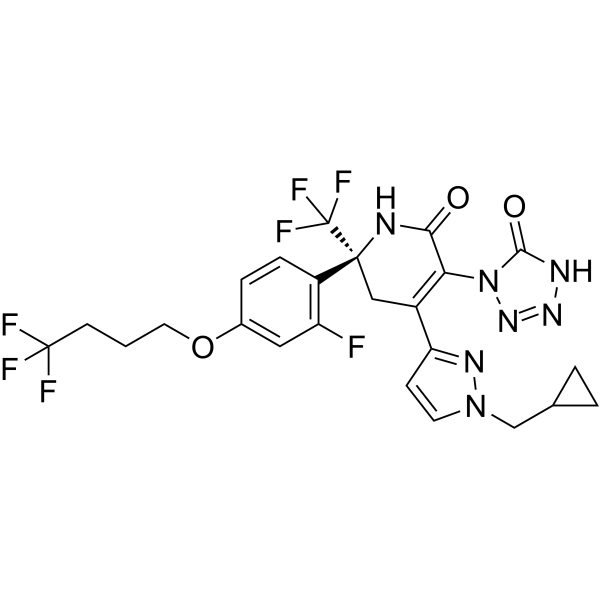
BMS-986172 is an orally active and selective Monoacylglycerol acyltransferase 2 (MGAT2) inhibitor with an IC50 of 4.6 nM and 20 nM for hMGAT2 and mMGAT2, respectively. BMS-986172 reduces food intake and body weight. BMS-986172 can be used for the researches of metabolic diseases, such as obesity .
|
-
-
- HY-18759
-
|
|
p38 MAPK
TNF Receptor
|
Inflammation/Immunology
|
|
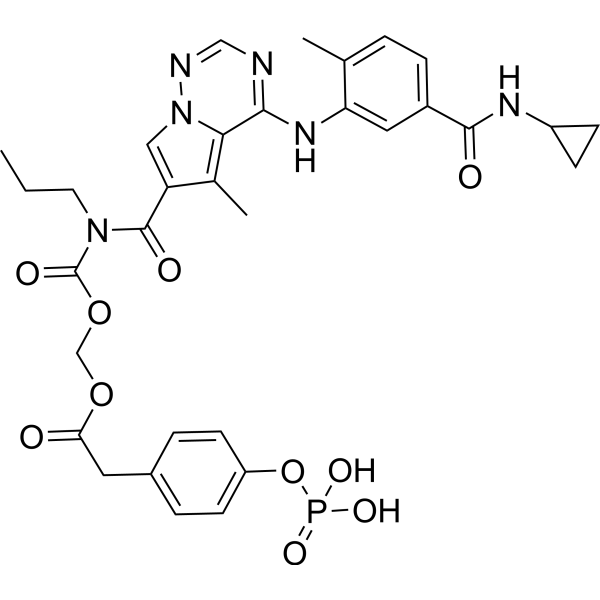
BMS-751324 is a p38α MAPK inhibitor. BMS-751324 equips a precursor of carbamyl-methyl linkage, containing esters and phosphate functional groups derived from hydroxyphenylacetic acid (HPA). BMS-751324 effectively inhibits foot swelling and LPS-induced TNFα production in an arthritic rat model .
|
-
-
- HY-120647
-
|
|
PD-1/PD-L1
|
Inflammation/Immunology
Cancer
|
|
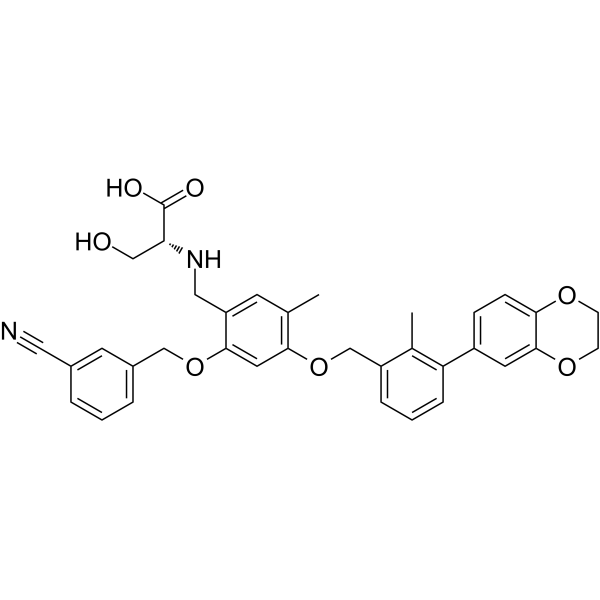
BMS-1001 is an orally active human PD-L1/PD-1 immune checkpoint inhibitor. BMS-1001 exhibits low-toxicity in cells. The IC50 value of BMS-1001 in a homogeneous time-resolved fluorescence (HTRF) binding assay is 2.25 nM .
|
-
-
- HY-144289
-
|
|
Glucokinase
|
Metabolic Disease
|
|
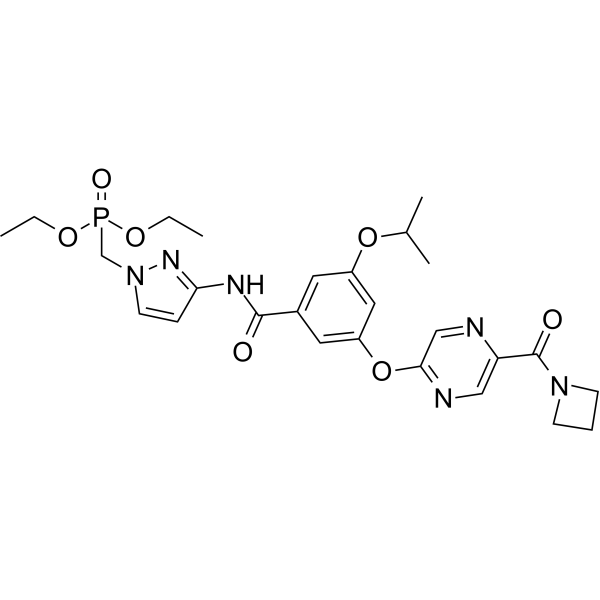
BMS-820132 is an orally active and partial glucokinase (GK) activator with a AC50 of 29 nM. BMS-820132 decreases the glucose levels in glucose tolerance test (OGTT) model in normal rats, but not Zucker diabetic fatty (ZDF) rats. BMS-820132 exhibits pharmacological toxicity secondary to strong GK activation .
|
-
-
- HY-120640
-
|
|
VEGFR
PDGFR
|
Cancer
|
|
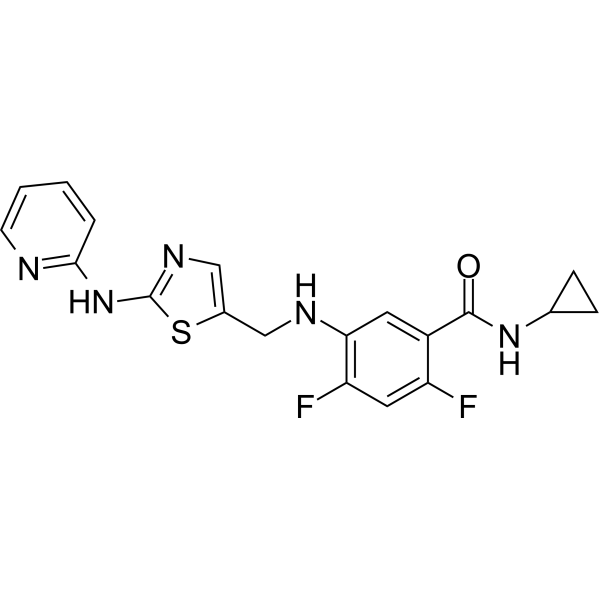
BMS-605541 is a selective and orally active inhibitor of VEGFR-2 kinase with an IC50 value of 23 nM and Ki value of 49 nM. BMS-605541 inhibits the activity of Flk-1, VEGFR-1 and PDGFR-β with IC50 values of 40 nM, 400 nM and 200 nM, respectively. BMS-605541 can be used for cancer research .
|
-
-
- HY-12433A
-
|
|
MCHR1 (GPR24)
|
Metabolic Disease
|
|
BMS-830216 is an antagonist of MCHR-1. BMS-830216 is a phosphate ester prodrug. BMS-830216 can be studied in obesity-related research .
|
-

-
- HY-107774
-
|
|
iGluR
|
Neurological Disease
|
|
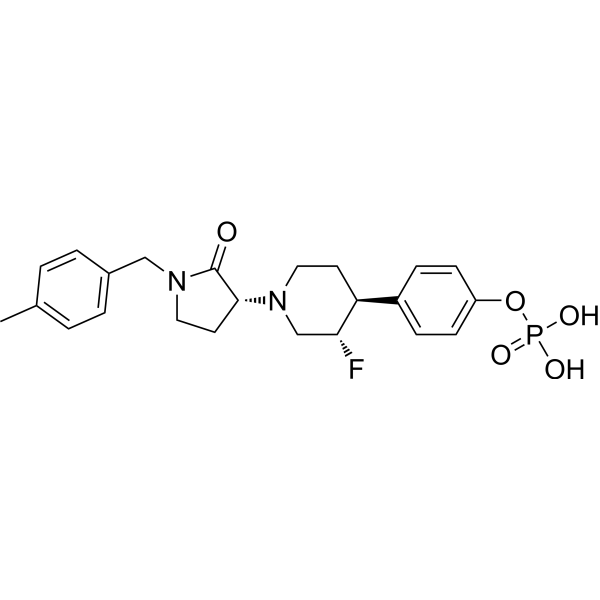
BMS-986163 is a negative allosteric modulator of GluN2B. The proagent BMS-986163 rapidly converts to its active parent molecule BMS-986169 (Ki=4 nM, IC50=24 nM).
|
-
-
- HY-116033
-
|
|
Ser/Thr Protease
|
Inflammation/Immunology
|
|
BMS-363131 is a selective inhibitor for tryptase, with an IC50 <1.7 nM. BMS-363131 is hydrolytic stable at pH=7 and pH=9. BMS-363131 attenuates the astham in a guinea pig model .
|
-

-
- HY-120641
-
|
|
mGluR
|
Neurological Disease
|
|
BMS-955829 is an orally active and selective mGluR5 positive allosteric modulator with an EC50 of 2.6 nM. BMS-955829 has no intrinsic agonist activity and a low glutamate fold shift (2.4). BMS-955829 can effectively improve cognitive and executive function deficits in rodents. BMS-955829 can be used in the research of cognitive impairment diseases such as schizophrenia .
|
-

-
- HY-120629
-
|
|
CCR
|
Inflammation/Immunology
|
|
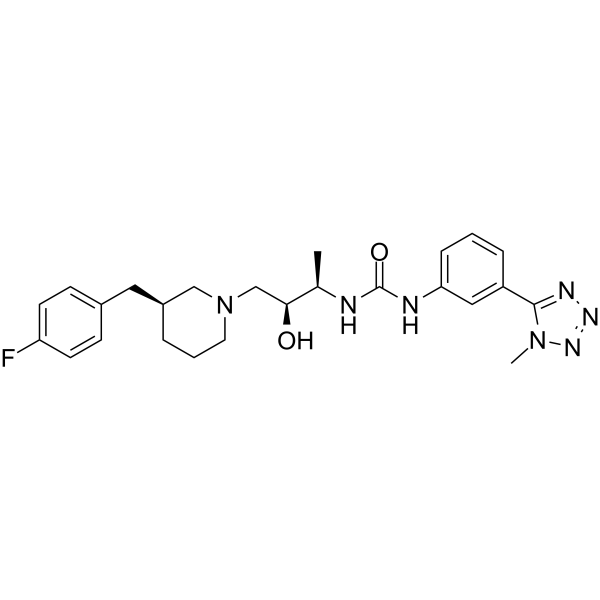
BMS-639623 is a potent and orally activeCCR3 antagonist with an IC50 of 0.3 nM. BMS-639623 picomolar inhibition potency against eosinophil chemotaxis (IC50=38 pM). BMS-639623 can be used for the research of asthma .
|
-
-
- HY-119170
-
-

-
- HY-175166
-
|
|
STING
|
Inflammation/Immunology
|
|
BMS-025 is a orthosteric STING agonist. BMS-025 can induces chemical shift of STING M271 residue, further activating STING IFN signaling. BMS-025 can be used for monogenic autoinflammatory disease like SAVI disease research .
|
-

-
- HY-14135
-
|
BMS 043
|
HIV
|
Infection
Inflammation/Immunology
|
|
BMS 488043 (BMS 043) is an orally active and well-tolerated inhibitor of the attachment of human immunodeficiency virus type 1 (HIV-1) to CD4+ lymphocytes .
|
-

-
- HY-12606
-
-

-
- HY-134778
-
|
|
PD-1/PD-L1
|
Cancer
|
|
BMS-103 is a PDL1 inhibitor (IC50 = 79.1 nM) (kd = 44 nM). BMS-103 reduces the survival rate of acute T-lymphoblastic leukemia cells and ovarian cells. BMS-103 can be used in research on acute T-lymphoblastic leukemia and cancers such as ovarian cancer .
|
-

-
- HY-12367
-
-

-
- HY-12125
-
|
|
CRFR
|
Neurological Disease
|
|
BMS-561388 benzenesulfonate is a corticotropin-releasing factor receptor (CRFR) antagonist. BMS-561388 benzenesulfonate can be used for the research of neurological disease, such as anxiety and depression .
|
-

-
- HY-P991330
-
|
|
CD73
|
Cancer
|
|
BMS-986179 is a human monoclonal antibody (mAb) targeting NT5E/CD73. BMS-986179 inhibits CD73 enzymatic activity in tumor vasculature and tumor cells. BMS-986179 can be used in advanced solid tumors research .
|
-

- HY-119125
-
|
|
GHSR
|
Cancer
|
|
BMS-317180 is an orally active and potent growth hormone secretagogue receptor (GHS-R) agonist (EC50=7.9 nM). BMS-317180 stimulates endogenous growth hormone (GH) release. BMS-317180 is promising for research of age-related frailty, osteoporosis, and cancer cachexia .
|
-

- HY-114865
-
|
|
RGS Protein
Calcium Channel
|
Neurological Disease
|
|
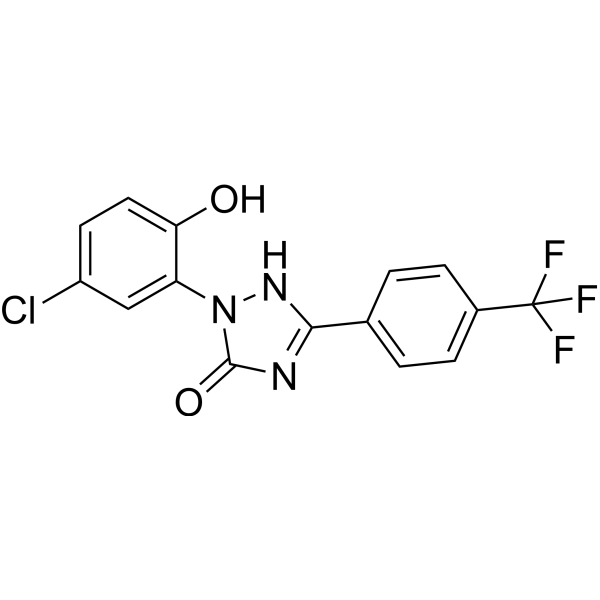
BMS-192364 is targeting the Gα-RGS interaction to produce an inactive Gα-RGS complex. BMS-192364 reduces urinary bladder contraction and exert RGS-agonist properties by increasing the action of GAPs on Gq proteins. BMS-192364 inhibits calcium flux .
|
-
- HY-134779
-
|
|
PD-1/PD-L1
|
Cancer
|
|
BMS-142 is a PDL1 inhibitor (IC50 = 96.7 nM) (kd = 13.2 nM). BMS-142 can reduce the survival rate of acute T-lymphoblastic leukemia cells and ovarian cancer cells. BMS-142 can be used in research on cancers such as acute T-lymphoblastic leukemia and ovarian cancer .
|
-

- HY-120612
-
|
|
P2Y Receptor
|
Cardiovascular Disease
|
|
BMS-884775 is a selective and orally active P2Y1 antagonist with an IC50 of 0.1 nM for the human P2Y1 receptor. BMS-884775 has a similar efficacy in preventing arterial thrombosis to Clopidogrel (HY-15283) and Prasugrel (HY-15284), but treatment with BMS-884775 results in shorter bleeding time and lower bleeding risk. BMS-884775 can be used in research related to antiplatelet and arterial thrombosis-associated diseases .
|
-

- HY-120615
-
|
|
LPL Receptor
|
Neurological Disease
Inflammation/Immunology
|
|
BMS-520 is a potent, orally active and selective sphingosine-1-phosphate 1 (S1P1) agonist with an EC50 of 0.47nM. BMS-520 shows ~3400-fold selectivity over S1P3. BMS-520 demonstrates impressive efficacy in a rat model of arthritis and in a mouse experimental autoimmune encephalomyelitis (EAE) model of multiple sclerosis. BMS-520 can be used for arthritis and EAE research .
|
-

- HY-16111A1
-
|
|
Farnesyl Transferase
|
Cancer
|
|
BMS-214662 mesylate is a potent and selective farnesyl transferase inhibitor with an IC50 of 1.35 nM. BMS-214662 mesylate exhibits potent antitumor activity and can be utilized in cancer research .
|
-

- HY-19238
-
|
|
5-HT Receptor
|
Neurological Disease
|
|
BMS-181885 is a selective 5-HT1 receptor agonist and a ligand for 5-HT1B/1D receptors. BMS-181885 exhibits anti-migraine activity. BMS-181885 can be used in the research of neurological diseases such as migraine .
|
-

- HY-16109
-
|
|
CETP
|
Metabolic Disease
|
|
BMS-188494 is a cholesterol-lowering agent that degrades into a monoester form, BMS-188494, and a free acid form, BMS-187745 .
|
-

- HY-117084
-
|
|
Adrenergic Receptor
|
Metabolic Disease
|
|
BMS-210285 is a highly selective agonist for the 3 receptor. BMS-210285 has a Ki of 9 nM at the human 3-adrenoceptor. BMS-210285 possesses a 3 intrinsic activity of 83% relative to isoproterenol. BMS-210285 can be studied for obesity and type 2 diabetes research .
|
-

- HY-14225
-
|
|
CRFR
Cytochrome P450
|
Neurological Disease
|
|
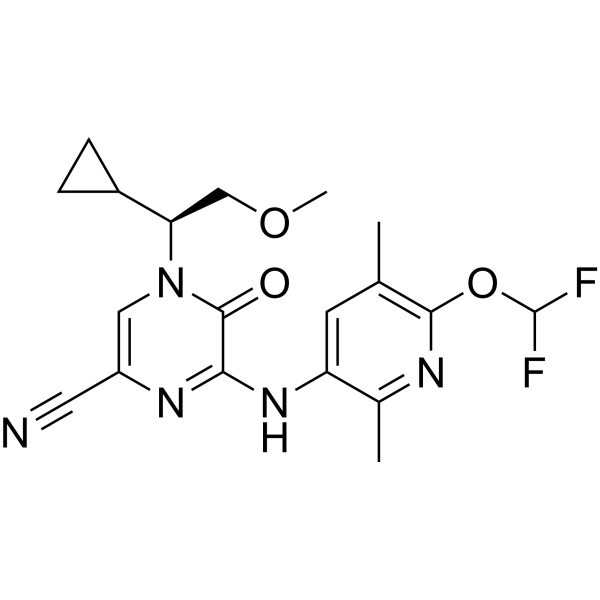
BMS-764459 is a CRF1 antagonist. BMS-764459 can be used for the research of neurological disorders such as depression and anxiety. BMS-764459 is also an atypical CYP1A1 inducer .
|
-
- HY-114980
-
|
|
Src
Interleukin Related
TNF Receptor
|
Inflammation/Immunology
|
|
BMS-279700 is an orally active Src-family kinase p56Lck inhibitor. BMS-279700 can block the production of proinflammatory cytokines (IL-2 and TNFα). BMS-279700 can inhibit T cell proliferation. BMS-279700 can be used for the researches of inflammation and immunology .
|
-

- HY-120180
-
|
|
Calcium Channel
|
Cardiovascular Disease
|
|
BMS-188107 is a calcium antagonist that exerts anti-ischemic effects. BMS-188107 improves postischemic contractile function and reduces lactate dehydrogenase release. BMS-188107 can be utilized in cardiovascular research .
|
-

- HY-105197A
-
|
|
5-HT Receptor
|
Neurological Disease
|
|
BMS-181101 (hydrochloride) is an orally active antidepressant. BMS-181101 (hydrochloride) can interact with a variety of central presynaptic and postsynaptic 5-HT receptors. BMS-181101 (hydrochloride) can be used in the research of diseases such as depression .
|
-

- HY-162555
-
|
|
Potassium Channel
|
Cardiovascular Disease
|
|
BMS-986308 is a selective and orally active renal outer medullary potassium (ROMK) channel inhibitor. BMS-986308 is selective for ROMK over hERG. BMS-986308 can be used for heart failure research .
|
-

- HY-120630
-
|
|
HIV
|
Infection
|
|
BMS-663749 is an HIV attachment inhibitor and phosphonooxymethyl prodrug of BMS-488043 (HY-14135) .
|
-

- HY-P2021
-
-

- HY-165370
-
|
|
Glucocorticoid Receptor
AP-1
NF-κB
|
Inflammation/Immunology
|
|
BMS-791826 is a selective glucocorticoid receptor modulator. BMS-791826 effectively binds to glucocorticoid receptors and effectively inhibits AP-1 and NF-κB-dependent reporter. BMS-791826 can be used in the research of inflammatory diseases .
|
-

- HY-111037
-
|
|
CCR
|
Inflammation/Immunology
|
|
BMS-457 is a potent and selective CCR1 antagonist. BMS-457 can be used in the study of rheumatoid arthritis .
|
-

- HY-173159
-
|
|
RAR/RXR
|
Cancer
|
|
BMS-185354 is a selective RARγ activator with an EC50 value of 28 nM. BMS-185354 is promising for research of cancers .
|
-

- HY-120540
-
|
|
Potassium Channel
|
Cardiovascular Disease
|
|
BMS-182264 is a highly selective ATP-sensitive potassium channel agonist. BMS-182264 promotes potassium efflux and membrane hyperpolarization to induce smooth muscle relaxation and vasodilation. BMS-182264 is promising for research of cardiovascular diseases such as hypertension and myocardial ischemia .
|
-

- HY-120632A
-
|
|
RSV
|
Infection
|
|
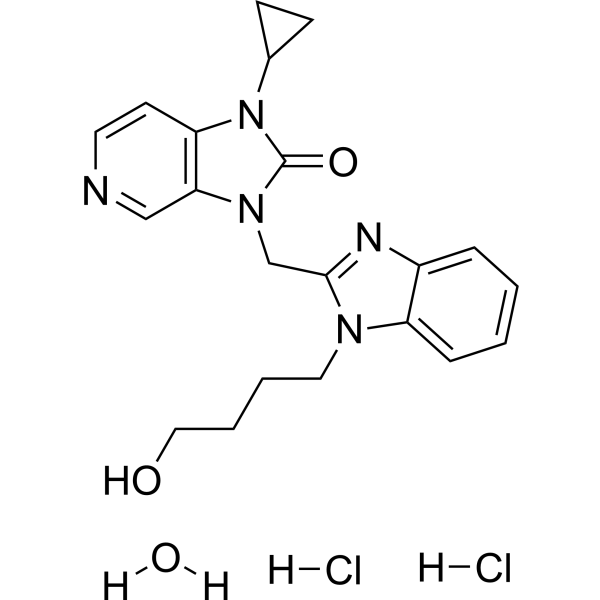
BMS-433771 dihydrochloride hydrate is a potent orally active inhibitor of respiratory syncytial virus (RSV). BMS-433771 dihydrochloride hydrate is active against both A and B groups of RSV, with an average EC50 of 20 nM. BMS-433771 dihydrochloride hydrate can be used for the research of respiratory tract disease .
|
-
- HY-107036
-
|
|
Potassium Channel
|
Cardiovascular Disease
|
|
BMS-394136 (compound 1) is a potent inhibitor of Kv 1.5, with an IC50 of 0.05 μM. BMS-394136 is a selective IKur inhibitor. BMS-394136 dose-dependently prolongs atrial effective refractory period (AERP) and action potential duration (APD) without effecting ventricular effective refractory period (VERP). BMS-394136 can be used for acute atrial ischemia research .
|
-

- HY-13269R
-
|
|
HIV
HIV Integrase
|
Infection
Inflammation/Immunology
|
|
BMS-707035 (Standard) is the analytical standard of BMS-707035. This product is intended for research and analytical applications. BMS-707035 is a potent orally active HIV-1 integrase strand transfer inhibitor (INSTI). BMS-707035 has enzyme inhibitory with an IC50 value of 3 nM. BMS-707035 also has weak CYP inhibiton and antiviral activity. BMS-707035 can be used for the research of human immunodeficiency virus-1 (HIV-1) .
|
-

- HY-106923
-
|
|
Fungal
Drug Derivative
|
Infection
|
|
BMS-181184 is a new Pradimicin derivative and fungicide. BMS-181184 exhibits fungicidal activity against yeasts, dermatophytes, and most Aspergillus fumigatus strains. BMS-181184 is active against Sporothrix schenckii, dematiaceous fungi, and some members of the non-Aspergillus hyaline hyphomycetes .
|
-

- HY-10778
-
|
|
Factor Xa
|
Cardiovascular Disease
|
|
BMS-269223 is a potent, selective and orally active factor Xa inhibitor (Ki = 6.5 nM, EC2xPT = 32 μM). BMS-269223 can prolong prothrombin time and inhibit thrombosis formation. BMS-269223 can be used for the research of cardiovascular disease .
|
-

- HY-106176
-
|
|
Microtubule/Tubulin
|
Cancer
|
|
BMS-184476 is a selective microtubule inhibitor with potent antitumor activity. BMS-184476 induces G2/M phase arrest and promotes tumor cell apoptosis. BMS-184476 is promising for research of solid tumors, such as non-small cell lung cancer .
|
-

- HY-119886
-
|
|
iGluR
|
Neurological Disease
|
BMS-986169 is an inhibitor of the glutamate N-methyl-D-aspartate 2B receptor (GluN2B). BMS-986169 has a high binding affinity for the allosteric regulatory site of the GluN2B subunit, with a Ki value of 4.03-6.3 nM. BMS-986169 can inhibit the function of GluN2B receptors in Xenopus oocytes, with an IC50 value of 24.1 nM. BMS-986169 can also inhibit the activity of the hERG channel, with an IC50 value of 28.4 μM. BMS-986169 can be used in research on treatment-resistant depression .
|
-

- HY-118141
-
|
|
Adrenergic Receptor
|
Metabolic Disease
|
|
BMS-194449 is a beta 3 receptor agonist with the Ki value of 160 nM. BMS-194449 can be used for study of obesity and non-insulin dependent diabetes .
|
-

- HY-150787
-
|
|
FXR
Cytochrome P450
|
Metabolic Disease
|
|
BMS-986339 is an orally active, potent FXR agonist. BMS-986339 forms H-bond with His298 and ASN287 residues. BMS-986339 can be used in the research of primary biliary cirrhosis (PBC), primary sclerosing cholangitis (PSC), and nonalcoholic steatohepatitis (NASH), anti-fibrosis .
|
-
- HY-16656
-
|
|
Dipeptidyl Peptidase
|
Metabolic Disease
Cancer
|
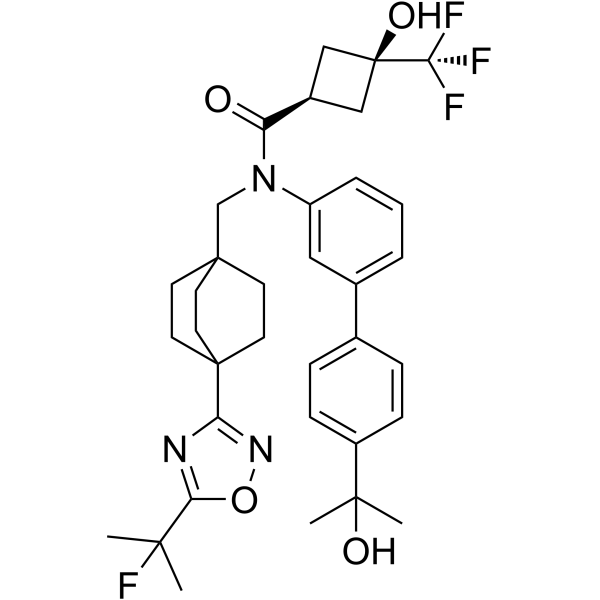
BMS-767778 is an orally active and selective DPP4 inhibitor with Ki values of 0.94 nM, 4.9, 3.2 nM for DPP4, DPP8 and DPP9 respectively. BMS-767778 exhibits >3,000-fold selectivity over the related enzymes DPP8 and DPP9. BMS-767778 inhibits CYP-3A4 with IC50 of 5.2 μM. BMS-767778 significantly reduces blood glucose levels in high fat fed (HFD) ob/ob mice with safety profile. BMS-767778 can be used for diabetes mellitus research .
|
-
- HY-10779
-
|
|
Factor Xa
Cytochrome P450
|
Cardiovascular Disease
|
|
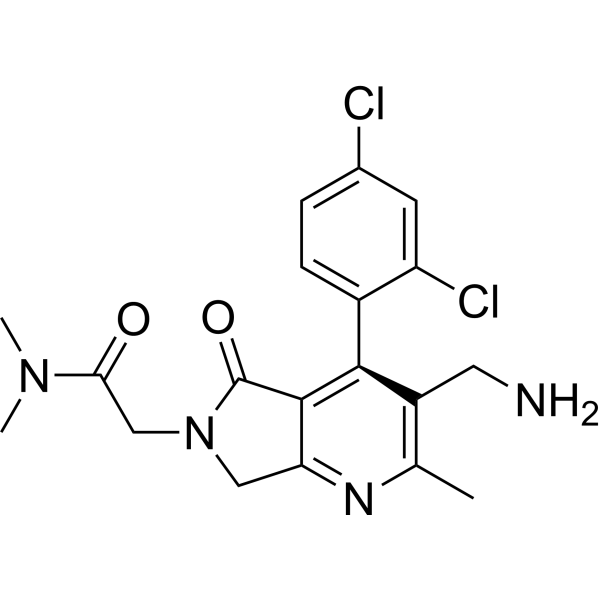
BMS-344577 (Compound 22) is a potent and orally active factor Xa inhibitor (IC50 = 4 nM, EC2xPT = 7 μM). BMS-344577 shows potent CYP3A4 inhibition activity (IC50 = 0.3 μM). BMS-344577 can be used for the research of cardiovascular disease .
|
-

- HY-120633
-
|
|
LPL Receptor
|
|
|
BMS-986104 is a potent and selective S1P1 receptor modulator. BMS-986104 is effective in a mouse EAE model, which is comparable to FTY720. Mechanistically, BMS-986104 exhibites excellent remyelinating effects on lysophosphatidylcholine (LPC)-induced demyelination in a three-dimensional brain cell culture assay.
|
-

- HY-117814
-
|
|
Endothelin Receptor
|
Cardiovascular Disease
|
|
BMS-187308 is an orally active endothelin-A (ETA) antagonist, with Kis of 4.7 nM for ETA and 1.7 μM for ETB. BMS-187308 inhibits the pressor response to ET-1 (ED25: 1.2 µmol/kg; iv). BMS-187308 is a suitable tool for investigating the role of endothelin .
|
-

- HY-120223
-
|
|
Adrenergic Receptor
|
Metabolic Disease
|
|
BMS-196085 is an orally active, potent and selective full agonist against human β3 adrenergic receptor with a Ki value of 21 nM. BMS-196085 also has partial agonist activity at the β1 receptor. BMS-196085 is promising for research of obesity and type-II diabetes .
|
-

- HY-120608
-
|
|
MCHR1 (GPR24)
|
Metabolic Disease
|
|
BMS-814580 is an orally active, highly efficacious MCHR1 inhibitor with a Ki of 16.9 nM against hMCHR1. BMS-814580 shows antiobesity activities .
|
-
- HY-118691
-
|
|
COX
|
Others
|
|
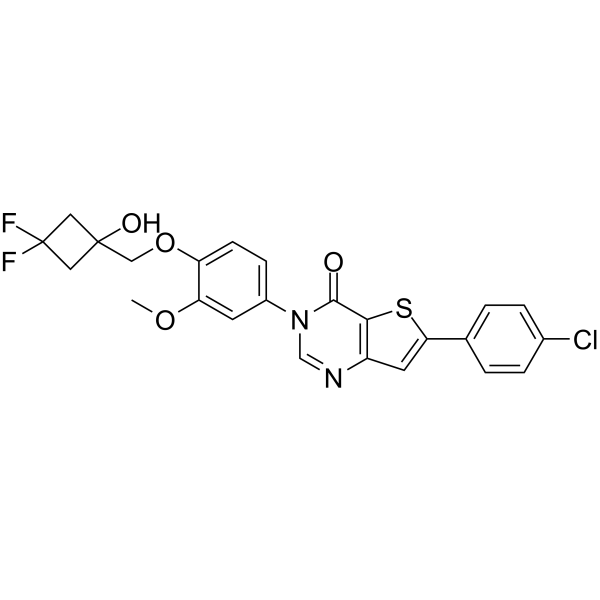
BMS-347070 is an inhibitor of COX-2. BMS-347070 can be studied in research on Pluronic®-bassed nano-crystalline drug-polymer solid dispersions .
|
-

- HY-105991
-
-

- HY-19294
-
|
|
Adrenergic Receptor
|
Metabolic Disease
|
|
BMS-201620 is a selective β3 full agonist, with a Ki of 93 nM. BMS-201620 can be used in the research of obesity and non-insulin-dependent diabetes .
|
-

- HY-180987
-
|
|
Casein Kinase
|
Neurological Disease
Cancer
|
|
BMS-159 is an orally active, direct phosphate prodrug of BMS-135. BMS-135 is a potent ATP-competitive inhibitor of CK2. BMS-159 can be used in the research of neurological disorders and tumors .
|
-

- HY-100608R
-
|
BMS-189453 (Standard)
|
RAR/RXR
Reference Standards
|
Cancer
|
|
BMS453 (Standard) is the analytical standard of BMS453 (HY-100608). This product is intended for research and analytical applications. BMS453 (BMS-189453), a synthetic retinoid, is a RARβ agonist and a RARα/RARγ antagonist. BMS453 inhibits breast cell growth predominantly through the induction of active TGFβ .
|
-

- HY-10335
-
|
|
VEGFR
FGFR
|
Cardiovascular Disease
Inflammation/Immunology
|
|
BMS-645737 is an orally active, selective FGF receptor-1 and VEGF receptor-2 inhibitor. BMS-645737 selectively and competitively inhibits both VEGFR-2 and FGFR-1 tyrosine kinases. BMS-645737 has anti-angiogenic activity. BMS-645737 induces lesions in the incisor teeth .
|
-

- HY-182467
-
|
|
Molecular Glues
IKZF Family
E1/E2/E3 Enzyme
|
Cancer
|
|
BMS-986482 is a CELMoD, CRBN-mediated, selective IKZF1-4 Molecular Glue degrader. The activity of BMS-986482 is driven by a non-traditional CELMoD core that selectively degrades the IKZF protein family. BMS-986482 inhibits tumor growth in preclinical mouse models. BMS-986482 can be used for the research of advanced solid tumors .
.
|
-

- HY-182716
-
|
|
ROR
|
Cancer
|
|
BMS-336 (Compound 89) is a RORγ inhibitor. BMS-336 can be used for the research of cancer .
|
-

- HY-106185
-
|
|
Drug Derivative
|
Cancer
|
|
BMS-188797 is a novel Taxane analog. BMS-188797 enhances the efficacy of radiotherapy against lung cancer .
|
-

- HY-119875
-
|
|
FABP
|
Metabolic Disease
|
|
BMS-480404 is an inhibitor of keratinocyte fatty acid-binding protein (kFABP) and adipocyte lipid-binding protein (aP2). BMS-480404 has a Ki value of 33 nM for kFABP. BMS-480404 can be used in the research of metabolic disorders .
|
-

- HY-182734
-
|
|
CDK
|
Cancer
|
|
BMS-357075 is a pan-CDK inhibitor with CDK1 IC50 18 nM, CDK2 IC50 3 nM, CDK4 IC50 26 nM. BMS-357075 induces cytotoxicity in human ovarian cancer A2780 cells. BMS-357075 exhibits anticancer activity in mice against P388 murine leukemia. BMS-357075 can be used for the research of leukemia .
|
-

- HY-117290A
-
|
|
Factor XI
|
Cardiovascular Disease
|
|
BMS-962212 hydrochloride is a selective coagulation factor XIa inhibitor and acute antithrombotic agent. BMS-962212 hydrochloride can be used in the research of thrombosis .
|
-

- HY-10441
-
|
|
p38 MAPK
|
Cancer
|
|
BMS-626531 is a potent and selective p38α MAP kinase inhibitor. BMS-626531 can be used for the research of cancer .
|
-

- HY-181022
-
|
|
Casein Kinase
|
Cancer
|
|
BMS-135 is a potenr, selective and ATP-competitive casein kinase 2 (CK2) inhibitor with IC50 of 0.8 and 0.3 nM for CK2αandCK2α′ isoforms. BMS-135 can simulate the structure of ATP and bind to the active pocket of CK2, thereby inhibiting its serine/threonine phosphorylation function. BMS-135 can inhibit cells proliferation and shows anti-tumor effect. BMS-135 can be used for research of colon cancer .
|
-

- HY-107395R
-
|
|
Reference Standards
RAR/RXR
|
Inflammation/Immunology
|
|
BMS 753 (Standard) is the analytical standard of BMS 753 (HY-107395). This product is intended for research and analytical applications. BMS 753 is an isotype-selective retinoic acid receptor α (RARα) agonist, with a Ki of 2 nM .
|
-

- HY-15440A
-
|
BMS-663068
|
HIV
|
Infection
|
|
Fostemsavir (BMS-663068) is the phosphonooxymethyl prodrug of BMS-626529. Fostemsavir (BMS-663068) is a novel attachment inhibitor that targets HIV-1 gp120 and prevents its binding to CD4 + T cells.
|
-
- HY-172320
-
|
|
PD-1/PD-L1
|
Cancer
|
|
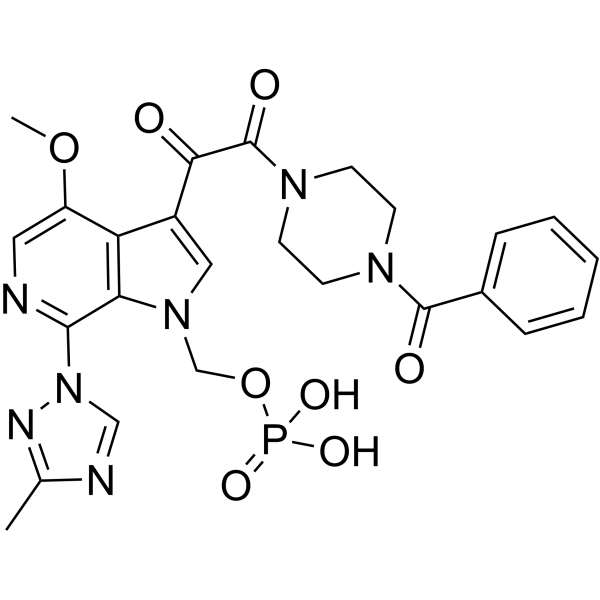
BMS-986238 is an orally active macrocyclic peptide PD-L1 inhibitor. BMS-986238 can be used in the research of tumors such as solid tumors and lymphomas .
|
-

- HY-114574
-
|
|
CGRP Receptor
|
Neurological Disease
|
|
BMS-694153 is a potent antagonist of the human calcitonin gene-related peptide receptor (CGRP Receptor). BMS-694153 can be used for migraine with rapid and efficient intranasal exposure .
|
-

- HY-107022
-
|
|
Phosphodiesterase (PDE)
|
Neurological Disease
|
|
BMS-341400 is an orally active selective phosphodiesterase 5 (PDE5) inhibitor with an IC50 value of 0.3 nM. BMS-341400 reduces the degradation of cyclic guanosine monophosphate (cGMP), thereby enhancing nitric oxide (NO)-mediated relaxation of the smooth muscle of the corpus cavernosum and promoting erection. BMS-341400 can be used to study erectile dysfunction.
|
-

- HY-P991178
-
|
|
TNF Receptor
|
Cancer
|
|
BMS-986156 is a fully humanized IgG1 agonist monoclonal antibody agonist corticosteroid-induced tumor necrosis factor receptor-related protein (GITR). BMS-986156 binds to GITR and promotes activation of T effector cells and inactivates T regulatory cells. BMS-986156 is indicated for use in advanced solid tumor studies .
|
-

- HY-107022A
-
|
|
Phosphodiesterase (PDE)
|
Neurological Disease
|
|
BMS-341400 mesylate is a selective phosphodiesterase 5 (PDE5) inhibitor with an IC50 value of 0.3 nM. BMS-341400 mesylate reduces the degradation of cyclic guanosine monophosphate (cGMP), thereby enhancing nitric oxide (NO)-mediated relaxation of the smooth muscle of the corpus cavernosum and promoting erection. BMS-341400 mesylate can be used to study erectile dysfunction .
|
-

- HY-101793R
-
|
|
Reference Standards
Btk
|
Inflammation/Immunology
|
|
BMS-935177 (Standard) is the analytical standard of BMS-935177 (HY-101793). This product is intended for research and analytical applications. BMS-935177 is a potent and selective reversible inhibitor of Bruton’s tyrosine kinase (Btk) with an IC50 of 3 nM.
|
-

- HY-182735
-
|
|
CCR
Cytochrome P450
5-HT Receptor
Dopamine Receptor
Serotonin Transporter
|
Inflammation/Immunology
|
|
BMS-570520 is an orally bioavailable CCR3 antagonist with an IC50 of 1.9 nM against hCCR3 and an IC50 of 1300 nM against hCYP2D6. BMS-570520 inhibits CYP2D6, but shows low activity against off-target G protein-coupled receptors, biogenic amine transporters, and the hERG potassium channel. BMS-570520 regulates chemotaxis, calcium mobilization, and anti-inflammatory pathways. BMS-570520 can be used in research related to asthma, allergic rhinitis, and contact dermatitis .
|
-

- HY-173630
-
|
|
Molecular Glues
IKZF Family
|
Cancer
|
|
BMS-986449 is a potent and orally active CELMoD molecular glue and an IKZF2/IKZF4 degrader. BMS-986449 targets the degradation of transcription factors Helios (IKZF2) and Eos (IKZF4) in regulatory T (Treg) cells. BMS-986449 redirects the E3 ubiquitin ligase Cereblon to induce the degradation of Helios and Eos, reprogramming Treg cells and enhancing antitumor immunity. BMS-986449 is promising for research of advanced solid tumors .
|
-

- HY-10756
-
|
|
Factor Xa
|
Cardiovascular Disease
|
|
BMS-740808 is a potent, selective and orally active factor Xa inhibitor with a Ki of 30 pM. BMS-740808 shows >1000-fold for factor Xa than other proteases .
|
-

- HY-120620
-
|
|
Calcium Channel
|
Others
|
|
BMS-195270 is a small molecule that inhibits Carbachol (HY-B1208)-evoked tonicity of isolated rat bladder strips. BMS-195270 inhibits calcium flux .
|
-
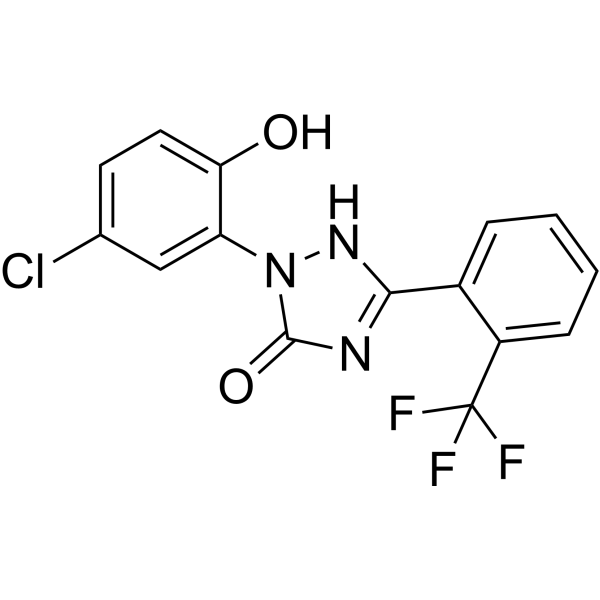
- HY-120609
-
|
|
nAChR
|
Neurological Disease
|
|
BMS-902483 is a quinuclidine-containing spirooxazolidine that is a partial agonist of the α7 nicotinic acetylcholine receptor (nAChR). BMS-902483 improves cognitive ability in preclinical rodent models. .
|
-

- HY-14256
-
-
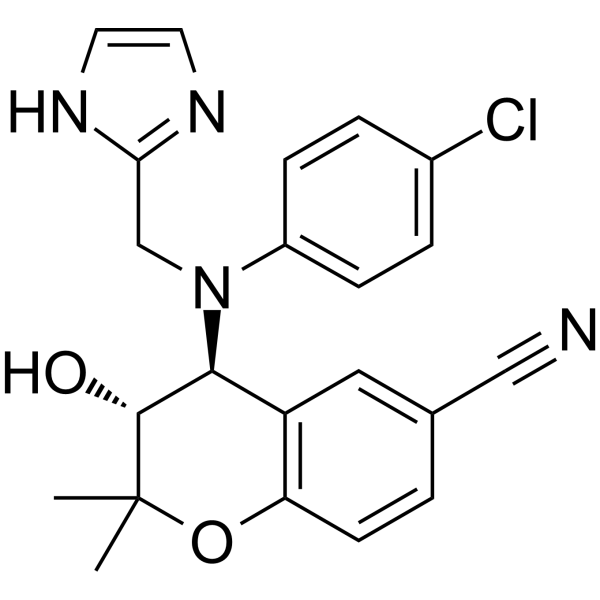
- HY-19219A
-
|
|
Thrombin
|
Cardiovascular Disease
|
|
BMS-189664 hydrochloride is a potent, selective, and orally active reversible inhibitor of a-thrombin, with an IC50 of 0.046 μM. BMS-189664 hydrochloride can be used for arterial and venous thrombosis research .
|
-

- HY-19219
-
|
|
Thrombin
|
Cardiovascular Disease
|
|
BMS-189664 is a potent, selective, and orally active reversible inhibitor of a-thrombin, with an IC50 of 0.046 μM. BMS-189664 can be used for arterial and venous thrombosis research .
|
-

- HY-139204
-
-
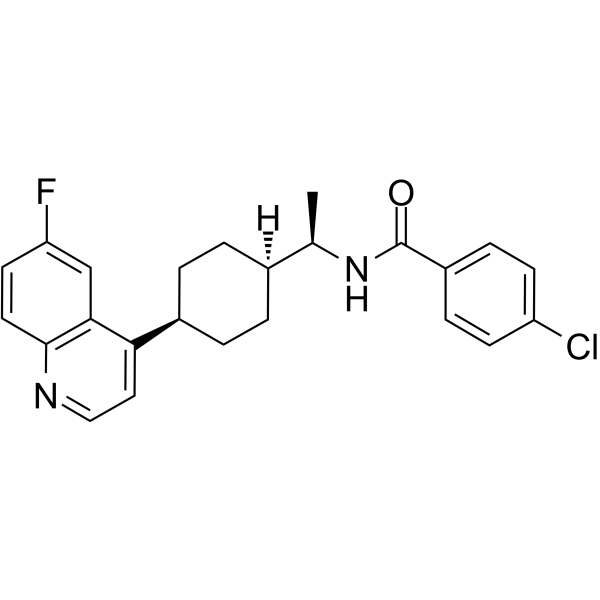
- HY-120130
-
|
|
RAR/RXR
|
Cancer
|
|
BMS-948 is a RARβ-selective transcriptional agonist with an EC50 of 0.1 μM. BMS-948 is used in the research of tumor diseases, embryonic development and tissue remodeling .
|
-

- HY-101856R
-
|
|
Reference Standards
Btk
|
Inflammation/Immunology
|
|
BMS-986142 (Standard) is the analytical standard of BMS-986142 (HY-101856). This product is intended for research and analytical applications. BMS-986142 is a potent and highly selective reversible inhibitor of Bruton's tyrosine kinase (BTK) with an IC50 of 0.5 nM.
|
-

- HY-10519R
-
|
|
Reference Standards
IKK
|
Cancer
|
|
BMS-345541 (Standard) is the analytical standard of BMS-345541 (HY-10519). This product is intended for research and analytical applications. BMS-345541 is a selective inhibitor of the catalytic subunits of IKK (IKK-2 IC50=0.3 μM, IKK-1 IC50=4 μM). BMS-345541 binds at an allosteric site of IKK.
|
-

- HY-10518R
-
|
|
Reference Standards
IKK
|
Cancer
|
|
BMS-345541 hydrochloride (Standard) is the analytical standard of BMS-345541 hydrochloride (HY-10518). This product is intended for research and analytical applications. BMS-345541 hydrochloride is a selective inhibitor of the catalytic subunits of IKK (IKK-2 IC50=0.3 μM, IKK-1 IC50=4 μM). BMS-345541 binds at an allosteric site of IKK.
|
-

- HY-145373
-
|
|
Btk
|
Inflammation/Immunology
|
|
BMS-986143 is an orally active, reversible BTK inhibitor with an IC50 of 0.26 nM. BMS-986143 also inhibits TEC, BLK, BMX, TXK FGR, YES1, ITK with IC50s of 3 nM, 5 nM, 7 nM, 10 nM, 15 nM,19 nM, 21 nM, respectively. BMS-986143 can be used for the research of autoimmune diseases .
|
-
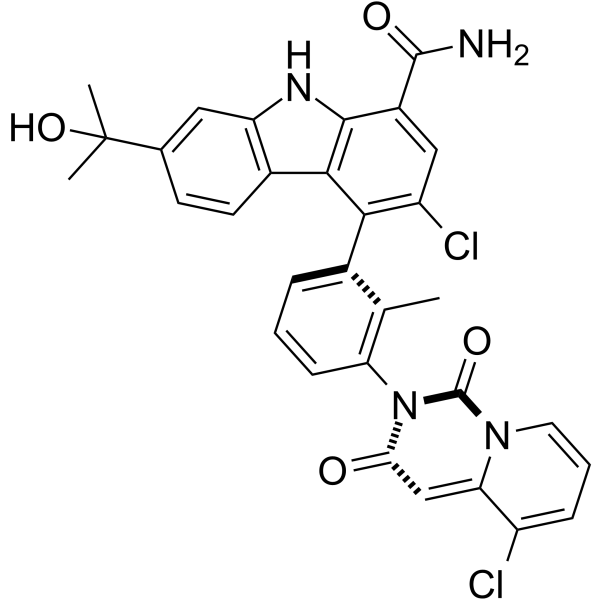
- HY-19745B
-
|
|
PD-1/PD-L1
Apoptosis
|
Cancer
|
|
BMS-202 hydrochloride is a potent and nonpeptidic PD-1/PD-L1 complex inhibitor with an IC50 of 18 nM and a KD of 8 μM. BMS-202 hydrochloride binds to PD-L1 and blocks human PD-1/PD-L1 interaction. BMS-202 hydrochloride has antitumor activity .
|
-

- HY-102030
-
|
|
HCV
|
Infection
|
|
BMS-961955 is an orally active inhibitor of HCV NS5B polymerase. BMS-961955 exhibits potent inhibitory activity against HCV genotype 1 (GT-1a/1b) replicons with EC50s of 4.3 nM and 7.9 nM, respectively. BMS-961955 can be used for the study of HCV infection .
|
-

- HY-120638
-
|
|
Topoisomerase
|
Cancer
|
|
BMS-250749 is a topoisomerase I (Top I) inhibitor of the fluoroglycosyl-3,9-difluoroindolecarbazole class. BMS-250749 exhibits potent cytotoxicity and selectivity, and shows curative antitumor activity against Lewis lung cancer. BMS-250749 exhibits broad-spectrum antitumor activity superior to CPT-11 in certain preclinical xenograft models. .
|
-

- HY-19745
-
|
|
PD-1/PD-L1
Apoptosis
|
Cancer
|
|
BMS-202 is a potent and nonpeptidic PD-1/PD-L1 complex inhibitor with an IC50 of 18 nM and a KD of 8 μM. BMS-202 binds to PD-L1 and blocks human PD-1/PD-L1 interaction. BMS-202 has antitumor activity .
|
-
- HY-159646
-
-

- HY-175749
-
|
|
Molecular Glues
Wee1
|
Inflammation/Immunology
Cancer
|
|
BMS-986463, a CRBN E3 ligase modulator (CELMoD), is a WEE1 kinase molecular glue degrader. BMS-986463 significantly inhibits tumor regression and reduces the level of phospho-CDK2. BMS-986463 can be used for advanced malignant solid tumors like non-small cell lung cancer (NSCLC) research .
|
-

- HY-108432
-
|
|
CCR
|
Inflammation/Immunology
|
|
BMS-741672 is a selective and orally active CCR2 antagonist with an IC50 of 1.1 nM. BMS-741672 shows >700-fold selective for CCR2 than CCR5 .
|
-

- HY-P991666
-
|
|
TNF Receptor
|
Inflammation/Immunology
|
|
BMS-986090 is a humanized monoclonal antibody antagonist targeting CD40. BMS-986090 is promising for research of autoimmune diseases such as systemic lupus erythematosus (SLE) and focal segmental glomerulosclerosis (FSGS) .
|
-

- HY-14305A
-
|
|
p38 MAPK
Autophagy
|
Inflammation/Immunology
|
|
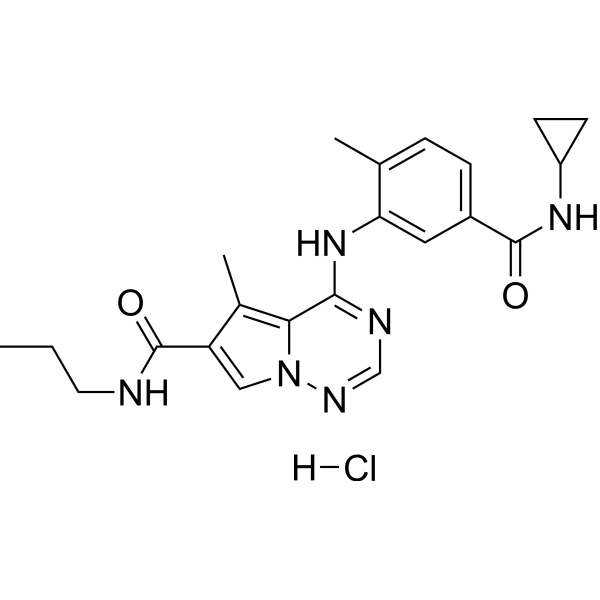
BMS-582949 hydrochloride is an orally active and highly selective p38α MAPK inhibitor, with an IC50 of 13 nM. BMS-582949 hydrochloride displays a significantly improved pharmacokinetic profile and is effective in inflammatory disease .
|
-
- HY-181822
-
|
|
Formyl Peptide Receptor (FPR)
Arrestin
PKA
Interleukin Related
|
Cardiovascular Disease
|
|
BMS-986331 is an orally active selective N-Formyl Peptide Receptor 2 (FPR2) agonist with an EC50 of 0.5 nM in humans and 1 nM in rats. BMS-986331 activates Gαi2, GαoA, Gα12, Gα13 signaling pathways, recruits β-arrestin1 and β-arrestin2, and inhibits downstream cAMP. BMS-986331 induces the expression and release of the pro-resolution cytokine IL-10. BMS-986331 improves cardiac structure and function in a rat model of heart failure induced by permanent coronary artery occlusion. BMS-986331 can be used for the research of heart failure .
|
-

- HY-106219
-
|
|
Microtubule/Tubulin
P-glycoprotein
|
Cancer
|
|
BMS 275183 is a potent, orally active analogue of Paclitaxel (HY-B0015). BMS 275183 can stabilize microtubules and exhibits antitumor activity in in vivo tumor models. BMS 275183 is active in vitro against Paclitaxel-resistant tumors including those harboring tubulin mutations or overexpressing P-glycoprotein. BMS 275183 can be used for cancer research, such as non-small cell lung cancer (NSCLC) and prostate carcinoma .
|
-

- HY-10596R
-
|
|
Reference Standards
Integrin
|
Inflammation/Immunology
|
|
BMS-688521 (Standard) is the analytical standard of BMS-688521 (HY-10596). This product is intended for research and analytical applications. BMS-688521 is a highly potent, orally active inhibitor of the LFA-1/ICAM interaction, with an IC50 of 2.5 nM in the adhesion assay and an IC50 of 60 nM in the MLR assay. BMS-688521 is efficacious in a mouse allergic eosinophilic lung inflammation model .
|
-

- HY-W062702
-
|
|
nAChR
|
Neurological Disease
|
|
BMS-933043 is a potent and selective α7 nACh receptor partial agonist. BMS-933043 attenuates the cognitive impairment in mice and can be utilized in research related to cognitive dysfunction in schizophrenia .
|
-

- HY-120402
-
-
- HY-136527
-
|
|
ROR
Interleukin Related
|
Inflammation/Immunology
|
|
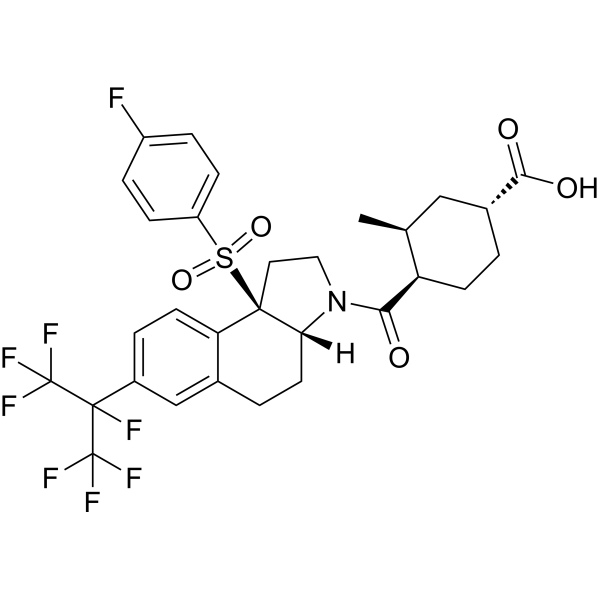
BMS-986251 is an orally active and selective RORγt inverse agonist with an EC50 of 12 nM for RORγt GAL4. BMS-986251 inhibits IL-17 with an EC50 of 24 nM in human whole blood assay. BMS-986251 demonstrates robust efficacy in mouse acanthosis and Imiquimod-induced (HY-B0180) models (preclinical models of psoriasis) .
|
-
- HY-120645
-
|
|
Opioid Receptor
|
Neurological Disease
|
|
BMS-986122 is a selective, potent positive allosteric modulator of the mu-opioid receptor (µ-OR). BMS-986122 shows potentiation of orthosteric agonist-mediated β-arrestin recruitment, adenylyl cyclase inhibition, and G protein activation. BMS-986122 potentiates DAMGO-mediated [ 35S]GTPγS binding in mouse brain membranes .
|
-
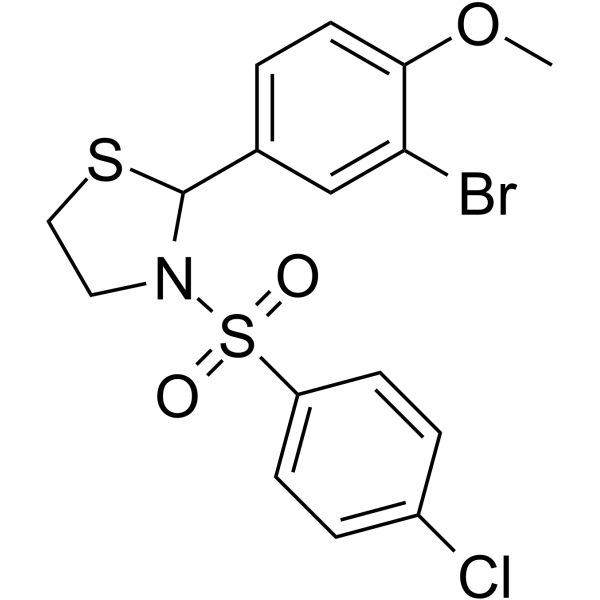
- HY-161700
-
|
|
Cytochrome P450
|
Cancer
|
|
BMS-737 (compound 33) is a non-steroidal, reversible small molecule inhibitor. BMS-737 exhibits 11-fold selectivity for CYP17 lyase over CYP17 hydroxylase. BMS-737 is designed to inhibit castration-resistant prostate cancer (CRPC) and significantly reduces testosterone levels without significant effects on orrodermal hormone and glucocorticoid levels .
|
-

- HY-15670
-
|
|
γ-secretase
Notch
|
Cancer
|
|
BMS-906024 is an orally active and selective γ-secretase (gamma secretase) inhibitor. BMS-906024 is a potent pan-Notch receptors inhibitor with IC50s of 1.6 nM, 0.7 nM, 3.4 nM, and 2.9 nM for Notch1, -2, -3, and -4 receptors, respectively. BMS-906024 demonstrates broad-spectrum antineoplastic activity .
|
-
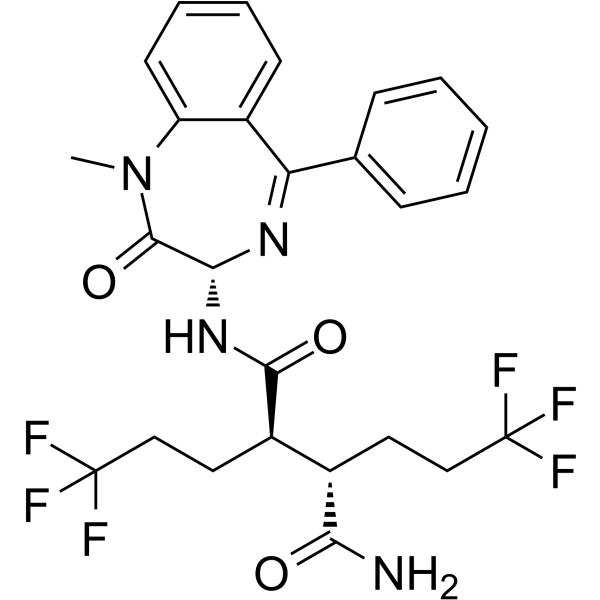
- HY-120621
-
|
|
Phospholipase
|
Inflammation/Immunology
|
|
BMS-229724 is an orally active and tight-binding cytosolic phospholipase A2 (cPLA2) inhibitor with an IC50 of 2.8 μM. BMS-229724 can inhibit the production of arachidonic acid and eicosanoids in U937 cells, neutrophils, platelets, and other cells. BMS-229724 has anti-inflammatory activity and can be used in the research of diseases such as skin inflammation .
|
-

- HY-118960A
-
|
|
ATP Synthase
|
Cardiovascular Disease
|
|
BMS-199264 is an inhibitor of F1F0 ATP hydrolase (IC50=0.5 μM) without inhibitory effect on F1F0 ATP synthase. BMS-199264 selectively inhibits ATP decline during ischemia to reduces cardiac necrosis. BMS-199264 also enhances the recovery of contractile function following reperfusion .
|
-

- HY-118960
-
|
|
ATP Synthase
|
Cardiovascular Disease
|
|
BMS-199264 hydrochloride is an inhibitor of F1F0 ATP hydrolase (IC50=0.5 μM) without inhibitory effect on F1F0 ATP synthase. BMS-199264 hydrochloride selectively inhibits ATP decline during ischemia to reduces cardiac necrosis. BMS-199264 hydrochloride also enhances the recovery of contractile function following reperfusion .
|
-
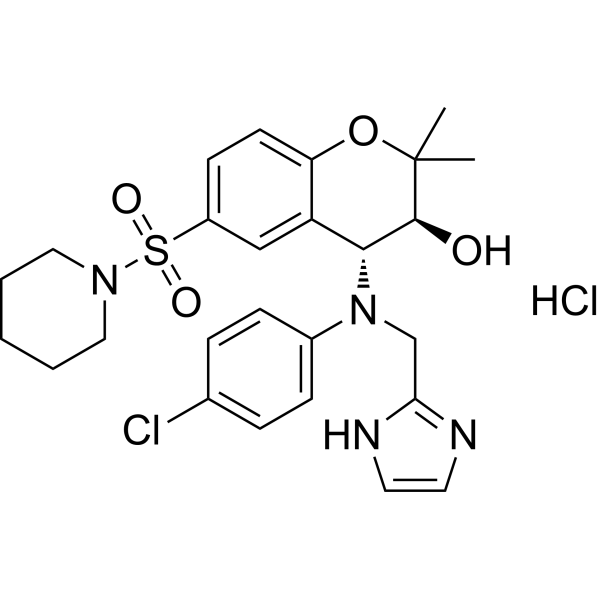
- HY-159649
-
|
|
DGK
PERK
Interleukin Related
|
Inflammation/Immunology
Cancer
|
|
BMS-986408 is an orally active inhibitor of DGKα and DGKζ, with IC50 values of 0.0003 μM and 0.002 μM, respectively. BMS-986408 activates intratumoral T cell responses, enhances the priming and expansion of tumor-reactive T cells in tumor-draining lymph nodes, and functions as an immunostimulant. BMS-986408 can be used in the research of tumors .
|
-

- HY-120622
-
|
|
Src
|
Cancer
|
|
BMS-243117 is a potent, and selective benzothiazole based p56 Lck inhibitor with an IC50 of 4 nM. BMS-243117 inhibits anti-CD3/anti-CD28 induced PBL (human peripheral blood T-cells) proliferation with an IC50 of 1.1 μM. BMS-243117 binds in an extended conformation to the ATP-binding site of Lck .
|
-

- HY-102011R
-
|
|
Reference Standards
PD-1/PD-L1
|
Inflammation/Immunology
Cancer
|
|
BMS-1166 (Standard) is the analytical standard of BMS-1166 (HY-102011). This product is intended for research and analytical applications. BMS-1166 is a potent PD-1/PD-L1 immune checkpoint inhibitor. BMS-1166 induces dimerization of PD-L1 and blocks its interaction with PD-1, with an IC50 of 1.4 nM. BMS-1166 antagonizes the inhibitory effect of PD-1/PD-L1 immune checkpoint on T cell activation .
|
-

- HY-120616
-
|
|
HIV Protease
HIV
|
Infection
|
|
BMS 186318 is an HIV protease inhibitor. BMS 186318 exhibits better anti-HIV efficacy when used in combination with reverse transcriptase inhibitors such as Stavudine (HY-B0116) and other protease inhibitors such as Saquinavir (HY-17007). BMS 186318 can be used in antiviral research .
|
-

- HY-111158
-
|
|
c-Met/HGFR
|
Cancer
|
|
BMS-748730 is an oral tyrosine kinase inhibitor. BMS-748730 inhibits tyrosine kinase activity by competing with the ATP binding site of the tyrosine kinase, which prevents the kinase from phosphorylating the substrate protein, thereby inhibiting signaling pathways associated with cell proliferation and tumor growth. BMS-748730 can be used in the study of certain types of cancer, including chronic myeloid leukemia (CML) .
|
-

- HY-131939
-
|
|
Drug Derivative
|
Cancer
|
|
BMS 181174 is a Mitomycin C (HY-13316) analogue. BMS 181174 exhibits anticancer activity and can be used for the research of cancer, such as colorectal cancer .
|
-

- HY-12433
-
-
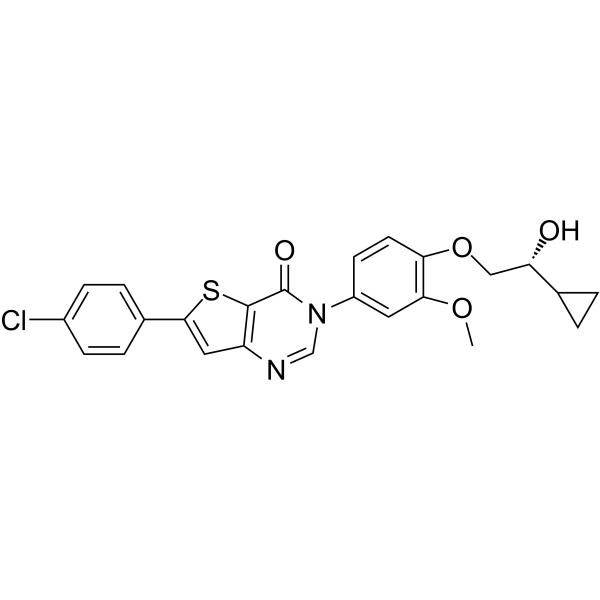
- HY-10262R
-
|
|
Reference Standards
IGF-1R
Insulin Receptor
Apoptosis
|
Endocrinology
Cancer
|
|
BMS-536924 (Standard) is the analytical standard of BMS-536924 (HY-10262). This product is intended for research and analytical applications. BMS-536924 is an orally active, competitive and selective insulin-like growth factor receptor (IGF-1R) kinase and insulin receptor (IR) inhibitor with IC50s of 100 nM and 73 nM, respectively. BMS-536924 has anti-cancer activity .
|
-

- HY-P991274
-
|
|
Interleukin Related
|
Inflammation/Immunology
|
|
BMS-986010 is a monoclonal antibody inhibitor targeting the p19 subunit of interleukin-23 (IL-23). BMS-986010 reduces IL-23-induced STAT3 phosphorylation and inhibits Th17 cell differentiation and the release of proinflammatory cytokines (such as IL-17 and TNF-α). BMS-986010 is promising for research of autoimmune diseases such as psoriasis and Crohn's disease .
|
-

- HY-120627
-
|
|
5-HT Receptor
|
Neurological Disease
|
|
BMS-442606, the S-enantiomer of 6-hydroxybuspirone (6OHB), is an orally active 5-HT1A partial agonist. BMS-442606 can be used for generalized anxiety disorder (GAD) research .
|
-

- HY-120628
-
|
|
Integrin
|
Inflammation/Immunology
|
|
BMS-587101 is a potent and orally active antagonist of leukocyte function associated antigen-1 (LFA-1). BMS-587101 has anti-inflammatory effects and can be used for rheumatoid arthritis research .
|
-
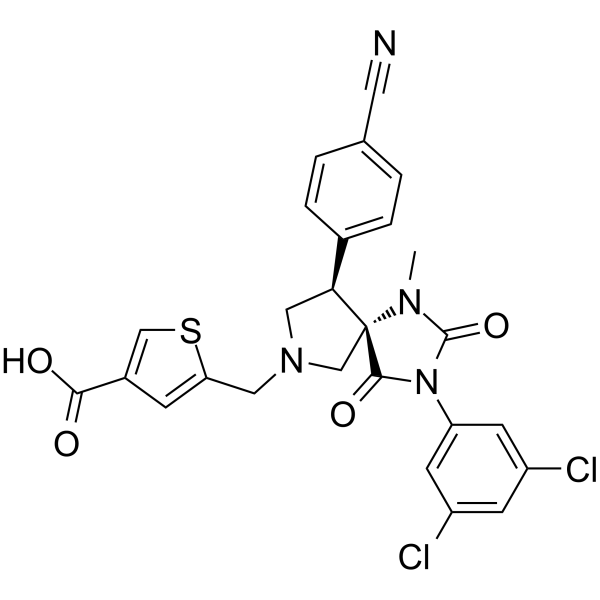
- HY-141515
-
|
|
Opioid Receptor
|
Neurological Disease
|
|
BMS-986121 is a positive allosteric modulator (PAM) of the μ opioid receptor extracted from patent WO2014107344. BMS-986121 is built on a chemical scaffold representing a new chemotype for μ receptor PAMs .
|
-
- HY-150790
-
-
- HY-P992047
-
|
|
CXCR
|
Inflammation/Immunology
|
|
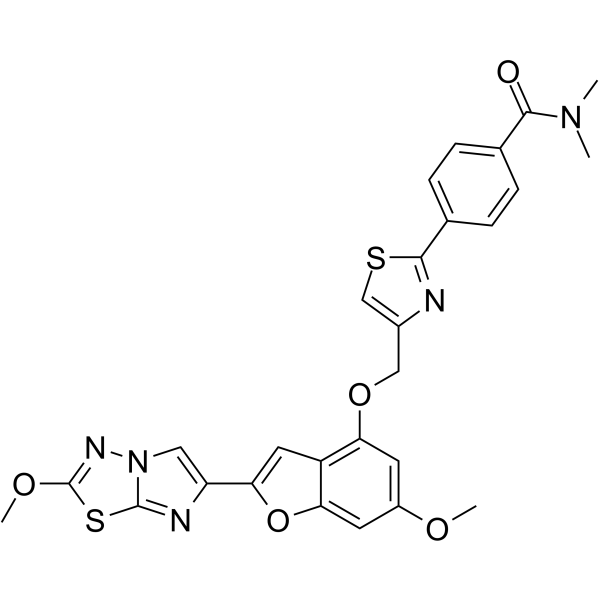
BMS-986184 is a fully human monoclonal antibody targeting interferon gamma-induced protein 10 (IP-10)/CXCL10. BMS-986184 can be used for the research of lupus nephritis .
|
-

- HY-10333R
-
|
|
Reference Standards
EGFR
VEGFR
|
Cardiovascular Disease
Cancer
|
|
BMS-690514 (Standard) is the analytical standard of BMS-690514 (HY-10333). This product is intended for research and analytical applications. BMS-690514 is a potent and orally active inhibitor of EGFR and VEGFR; has IC50s of 5, 20 and 60 nM for EGFR, HER 2 and HER 4, respectively.
|
-

- HY-19397
-
|
|
Potassium Channel
Cytochrome P450
|
Neurological Disease
|
|
BMS-223131 (Compound 1) is a potent maxi-K potassium channel opener. BMS-223131 has a strong inhibitory effect on the CYP2C9 enzyme (IC50 = 1.7 μM) and also shows varying degrees of inhibition on other common CYP enzymes such as CYP1A2, CYP2C19, CYP2D6, and CYP3A4. BMS-223131 can enhance the outward current mediated by maxi-K, by promoting K + efflux to hyperpolarize the cell membrane and reducing Ca 2+ influx. BMS-223131 can be used for the research of neurological disease, such as stroke .
|
-

- HY-P990559
-
|
|
TNF Receptor
|
Inflammation/Immunology
|
|
BMS-986178 is a humanized antibody expressed in CHO, targeting TNFRSF4/OX40/CD134. BMS-986178 has a huIgG1 heavy chain and a huκ light chain, with a predicted molecular weight (MW) of 150 kDa. The isotype control for BMS-986178 can refer to Human IgG1 kappa, Isotype Control (HY-P99001).
|
-

- HY-102011
-
|
|
PD-1/PD-L1
|
Inflammation/Immunology
Cancer
|
|
BMS-1166 is a potent PD-1/PD-L1 immune checkpoint inhibitor. BMS-1166 induces dimerization of PD-L1 and blocks its interaction with PD-1, with an IC50 of 1.4 nM. BMS-1166 antagonizes the inhibitory effect of PD-1/PD-L1 immune checkpoint on T cell activation .
|
-
- HY-115644
-
|
|
Melanocortin Receptor
|
Inflammation/Immunology
|
|
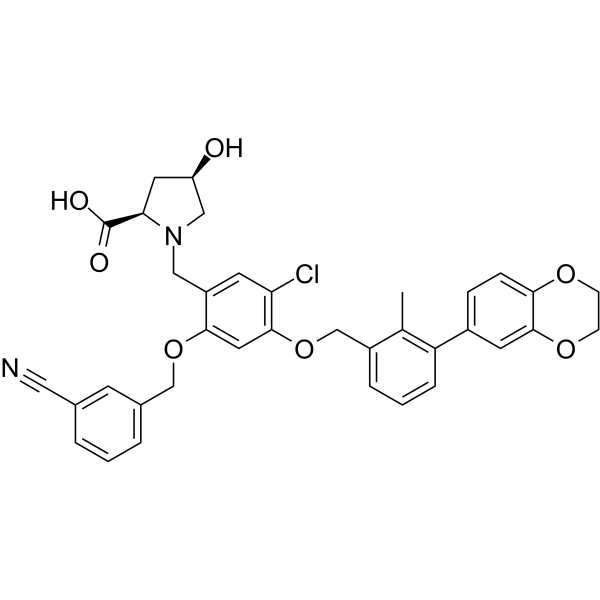
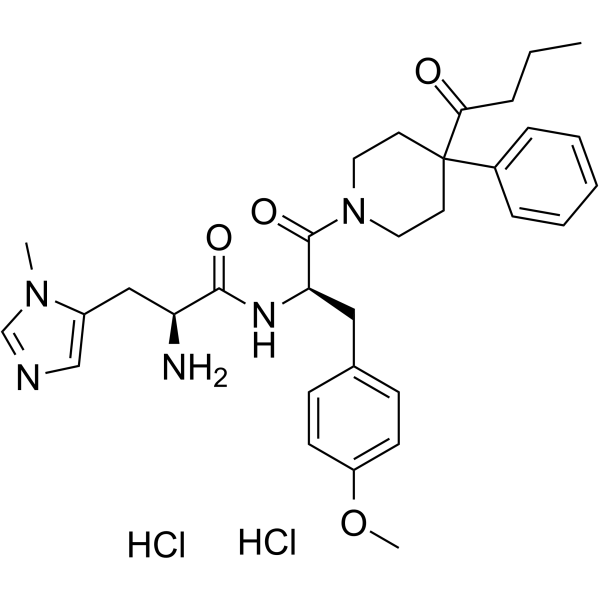
BMS-470539 dihydrochloride is a highly potent and selective melanocortin-1 receptor (MC-1R) agonist with an IC50 of 120 nM, an EC50 of 28 nM. BMS-470539 dihydrochloride does not activate MC-3R and is a very weak partial agonist at MC-4R and MC-5R. BMS-470539 dihydrochloride has potently anti-inflammatory properties .
|
-
- HY-102011A
-
|
|
PD-1/PD-L1
|
Inflammation/Immunology
Cancer
|
|
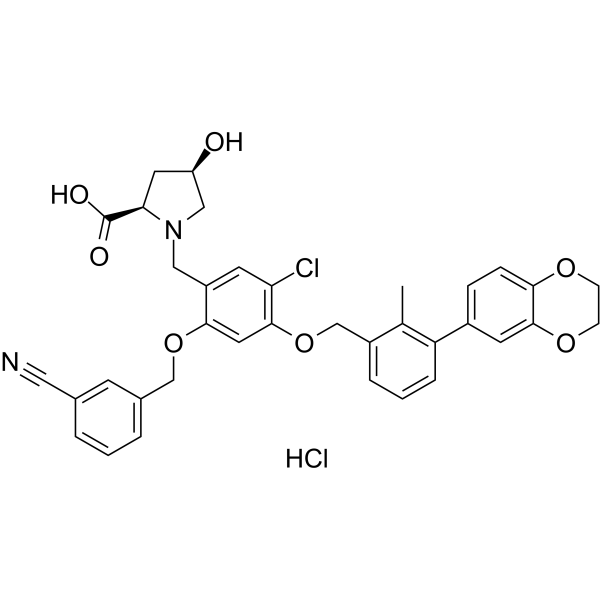
BMS-1166 hydrochloride is a potent PD-1/PD-L1 immune checkpoint inhibitor. BMS-1166 hydrochloride induces dimerization of PD-L1 and blocks its interaction with PD-1, with an IC50 of 1.4 nM. BMS-1166 hydrochloride antagonizes the inhibitory effect of PD-1/PD-L1 immune checkpoint on T cell activation .
|
-
- HY-110217
-
|
|
IMPDH
|
Inflammation/Immunology
|
|
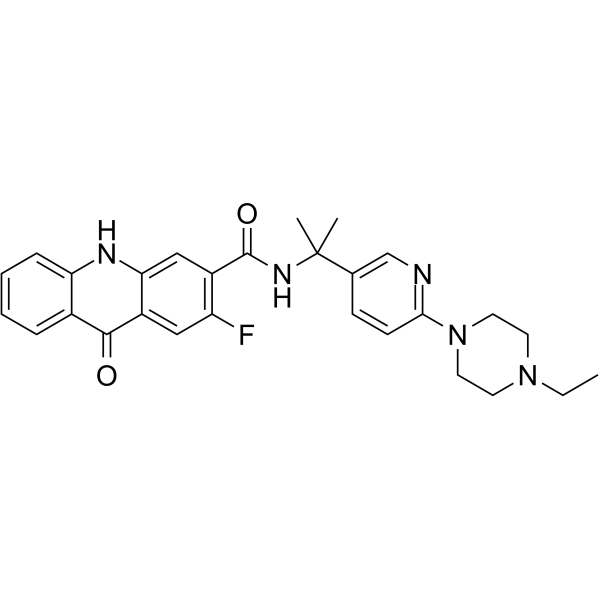
BMS-566419 is an orally active IMPDH inhibitor with an IC50 of 91 nM against human IMPDH I and 68 nM against human IMPDH II. BMS-566419 exerts anti-heart transplant rejection and anti-renal fibrosis effects, and inhibits the expression of MCP-1, TGF-β1 as well as antibody production. BMS-566419 can be used in research on renal fibrosis and organ transplantation .
|
-
- HY-101903R
-
|
|
Reference Standards
FABP
|
Cardiovascular Disease
Metabolic Disease
|
|
BMS-309403 (Standard) is the analytical standard of BMS-309403. This product is intended for research and analytical applications. BMS-309403 is a potent, orally active and selective adipocyte fatty acid binding protein (also known as FABP4, aP2) inhibitor with Kis of <2, 250, and 350 nM for FABP4, FABP3, and FABP5, respectively. BMS-309403 interacts with the fatty-acid-binding pocket within the interior of the protein and competitively inhibits the binding of endogenous fatty acids. BMS-309403 improves endothelial function in apolipoprotein E-deficient mice and in cultured human endothelial cells .
|
-

- HY-101903AR
-
|
|
Reference Standards
FABP
|
Cardiovascular Disease
Metabolic Disease
|
|
BMS-309403 (sodium) (Standard) is the analytical standard of BMS-309403 (sodium). This product is intended for research and analytical applications. BMS-309403 sodium is a potent, orally active, and selective adipocyte fatty acid binding protein (also known as FABP4, aP2) inhibitor, with Kis of <2, 250, and 350 nM for FABP4, FABP3, and FABP5, respectively. BMS-309403 sodium interacts with the fatty-acid-binding pocket within the interior of the protein and competitively inhibits the binding of endogenous fatty acids. BMS-309403 sodium improves endothelial function in apolipoprotein E-deficient mice and in cultured human endothelial cells .
|
-

- HY-118497R
-
|
|
Endothelin Receptor
|
Cardiovascular Disease
Metabolic Disease
|
|
BMS 182874 (Standard) is the analytical standard of BMS 182874. This product is intended for research and analytical applications. BMS 182874 is an orallyactive, highly selective endothelin receptor (ETA receptor) antagonist, with IC50 value of 0.150 μM, Ki of 0.055 μM. BMS 182874 reduces the arterial pressure of Deoxycorticosterone acetate (HY-B1472) induced hypertension model in rats, and can be used for cardiovascular disease research .
|
-

- HY-10497R
-
|
|
Reference Standards
c-Met/HGFR
VEGFR
|
Cancer
|
|
BMS-794833 (Standard) is the analytical standard of BMS-794833 (HY-10497). This product is intended for research and analytical applications. BMS-794833 is a VEGFR2 and Met inhibitor extracted from patent WO2009094417, compound example 1; has IC50s of 15 and 1.7 nM, respectively.
|
-

- HY-14357
-
|
|
IGF-1R
|
Cancer
|
|
BMS 695735 (compound 10) is an inhibitor of IGF-1R with an IC50 value of 0.034 μM. BMS 695735 has anti-tumor activity .
|
-

- HY-10519
-
|
|
IKK
|
Cancer
|
|
BMS-345541 is a selective inhibitor of the catalytic subunits of IKK (IKK-2 IC50=0.3 μM, IKK-1 IC50=4 μM). BMS-345541 binds at an allosteric site of IKK.
|
-
- HY-10518
-
|
|
IKK
|
Cancer
|
|
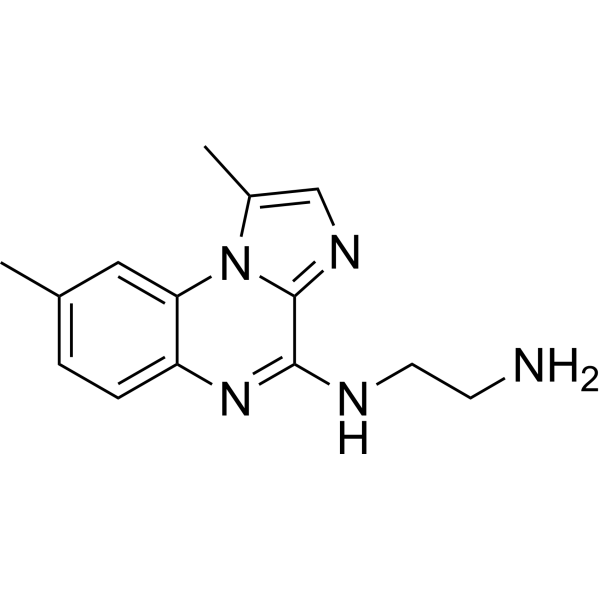
BMS-345541 hydrochloride is a selective inhibitor of the catalytic subunits of IKK (IKK-2 IC50=0.3 μM, IKK-1 IC50=4 μM). BMS-345541 binds at an allosteric site of IKK.
|
-
- HY-10438
-
|
|
IGF-1R
|
Cancer
|
|
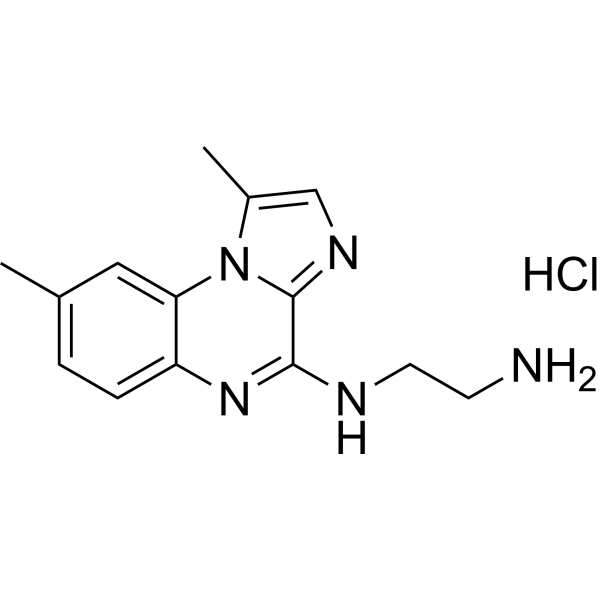
BMS-577098 is an orally active and ATP-competitive insulin-like growth factor-1 receptor (IGF-1R) inhibitor with an IC50 of 0.016 μM. BMS-577098 shows anti-tumor effect .
|
-

- HY-19077
-
-

- HY-115874
-
|
|
CCR
|
Others
|
|
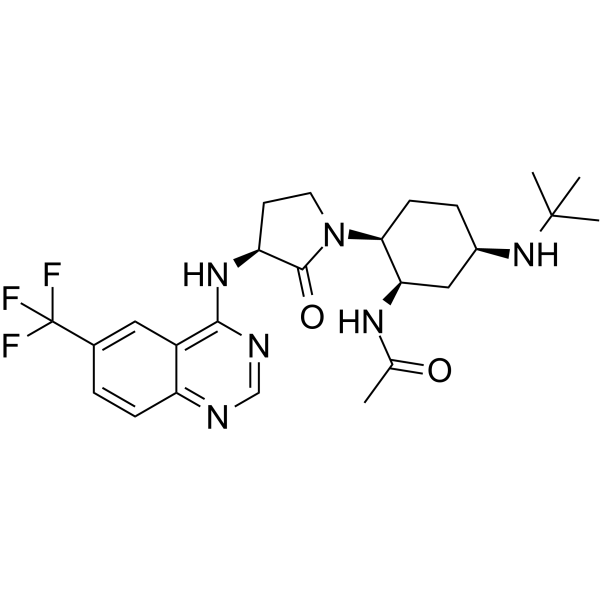
BMS-753426 is a potent and orally bioavailable antagonist of CCR2.
|
-
- HY-19077A
-
-

- HY-117124
-
|
|
IMPDH
|
Others
|
|
BMS-337197 is an inosine monophosphate dehydrogenase (IMPDH) inhibitor .
|
-

- HY-120372
-
|
|
Notch
|
Cancer
|
|
BMS-871 is an orally active pan-Notch inhibitor with IC50 values of 4/1/4/3 nM for Notch1/2/3/4, respectively. BMS-871 significantly inhibited the proliferation of TALL-1 and MDA-MB-157 cells and demonstrated significant antitumor activity in T-acute lymphoblastic leukemia and triple-negative breast cancer xenograft models. BMS-871 can be used to study leukemia and breast cancer .
|
-

- HY-15275
-
|
|
CDK
Angiotensin-converting Enzyme (ACE)
|
Infection
Cardiovascular Disease
Cancer
|
|
BMS-265246 is a potent and selective cyclin-dependent kinase CDK1 and CDK2 inhibitor, with IC50 values of 6 and 9 nM, respectively. BMS-265246 inhibits CHI3L1 (chitinase 3-like-1) stimulation of ACE2 (angiotensin converting enzyme 2) and SPP (viral spike protein priming proteases). BMS-265246 can be used for ovarian cancer and COVID-19 research .
|
-
- HY-10678R
-
|
|
Reference Standards
PPAR
|
Cardiovascular Disease
|
|
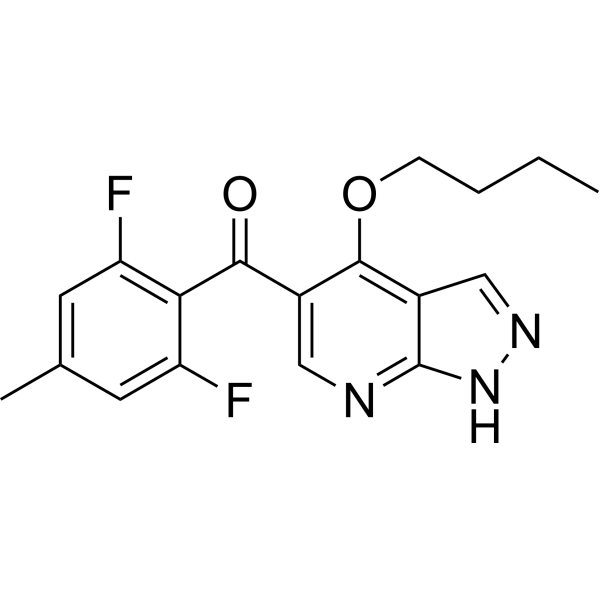
BMS-687453 (Standard) is the analytical standard of BMS-687453 (HY-10678). This product is intended for research and analytical applications. BMS-687453 is a potent and selective PPARα agonist, with an EC50 and IC50 of 10 nM and 260 nM for human PPARα and 4100 nM and >15000 nM for PPARγ in PPAR-GAL4 transactivation assays.
|
-

- HY-110333
-
|
|
EGFR
|
Cancer
|
|
BMS-599626 dihydrochloride is a small molecule pan-HER (human epidermal growth factor receptor) kinase inhibitor. BMS-599626 dihydrochloride primarily targets HER1 (IC50=20 nmol/L) and HER2 (IC50=30 nmol/L) kinase activity in the HER family. BMS-599626 inhibits the kinase activity of HER1 and HER2 by competing with their ATP-binding sites, and can inhibit the downstream signaling pathway by blocking the heterodimer formation of HER1 and HER2. BMS-599626 dihydrochloride can be used to study the antitumor effects of multiple HER1 or HER2 overexpressed tumor models .
|
-

- HY-114953
-
|
|
Angiotensin Receptor
Endothelin Receptor
|
Cardiovascular Disease
|
|
BMS-248360 is a potent and orally active dual antagonist of both angiotensin II receptor (AT1) and endothelin A (ETA) receptor, with Kis of 10 nM and 1.9 nM for hAT1 and hETA receptor, respectively. BMS-248360 displays hypertensive effects .
|
-
- HY-112744
-
|
|
17β-HSD
|
Cancer
|
|
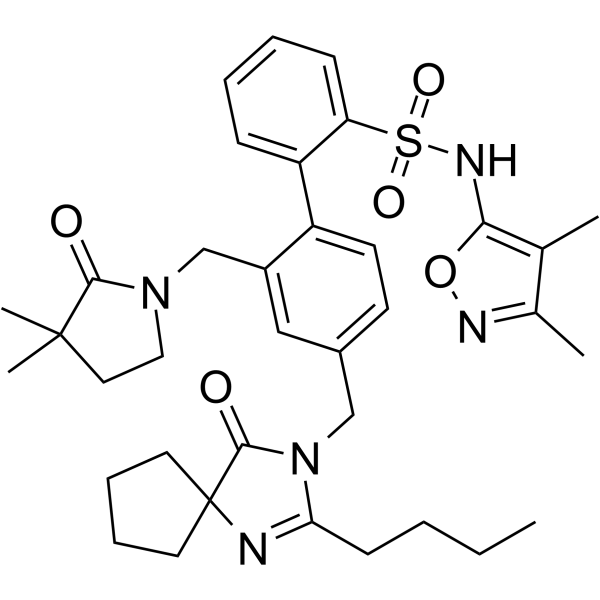
BMS-856 is a 17β-HSD3 inhibitor. BMS-856 inhibits enzymatic activity of 17β-HSD3, with IC50s of 60 and 300 nM respectively in the enzyme and whole cell assays .
|
-

- HY-P10375
-
|
|
PD-1/PD-L1
|
Inflammation/Immunology
Cancer
|
|
BMS-986189 is a macrocyclic peptide PD-1/PD-L1 interaction with an IC50 of 1.03 nM inhibitor. BMS-986189 can be used for cancer research, such as human lung carcinoma cells L2987 .
|
-

- HY-172736
-
|
|
PROTACs
BCL6
CD20
|
Cancer
|
|
BMS-986458 is a highly selective, orally active cereblon-based BCL6 PROTAC degrader and antitumor agent. BMS-986458 selectively degrades BCL6 by binding cereblon to the BTB domain of BCL6, thereby regulating the cell cycle, antiproliferative and interferon signaling pathways, and upregulating the expression and distribution of CD20. BMS-986458 modulates the phenotype of follicular helper T cells and reduces circulating tumor DNA levels. The combination of BMS-986458 with CD20xCD3 bispecific antibody also enhances the efficiency of T cell tumor infiltration and expansion. BMS-986458 induces regression of BCL6-positive tumors and prolongs survival, and it is suitable for research related to B-cell non-Hodgkin lymphoma, diffuse large B-cell lymphoma, follicular lymphoma, and relapsed/refractory lymphoma .
|
-

- HY-139562
-
|
|
FXR
|
Metabolic Disease
|
|
BMS-986318 is a potent nonbile acid FXR agonist with EC50s of 53 and 350 nM in the FXR Gal4 and SRC-1 recruitment assays, respectively. BMS-986318 has a suitable ADME profile, and demonstrates efficacy in the mouse bile duct ligation model of liver cholestasis and fibrosis.BMS-986318 can be used for the research of nonalcoholic steatohepatitis .
|
-
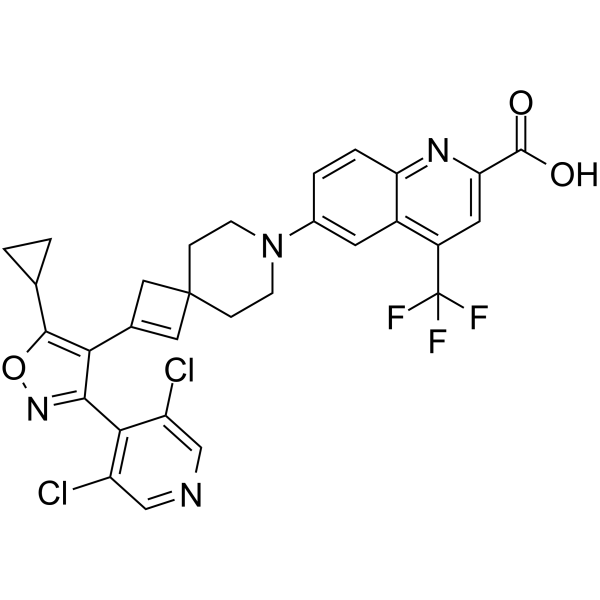
- HY-10596
-
|
|
Integrin
|
Inflammation/Immunology
|
|
BMS-688521 is a highly potent, orally active inhibitor of the LFA-1/ICAM interaction, with an IC50 of 2.5 nM in the adhesion assay and an IC50 of 60 nM in the MLR assay. BMS-688521 is efficacious in a mouse allergic eosinophilic lung inflammation model .
|
-
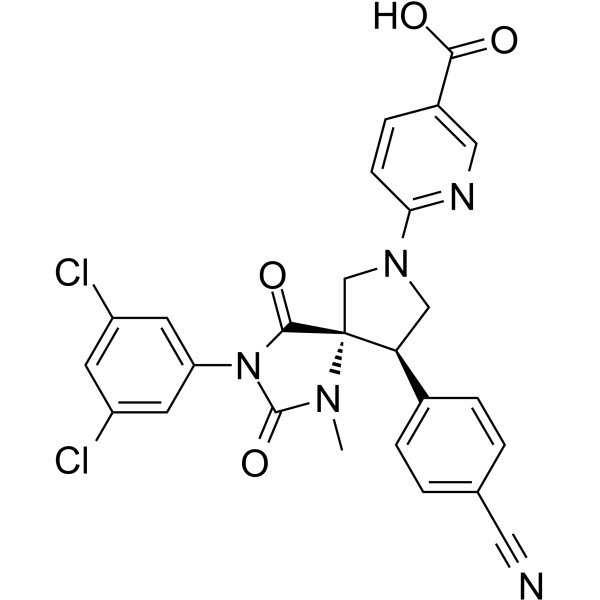
- HY-105297
-
|
|
5-HT Receptor
|
Neurological Disease
|
|
BMS-505130 fumarate is a potent, selective and orally active serotonin transport inhibitor with a Ki for binding to the serotonin transporter of 0.18 nM (Ki for norepinephrine and dopamine transporters of 4.6 and 2.1 μM, respectively). BMS-505130 fumarate can be used for the research of neurological disease, such as depression .
|
-

- HY-12419
-
|
|
Notch
|
Cancer
|
|
BMS-983970 is an oral pan-Notch inhibitor for the treatment of multiplecancers .
|
-
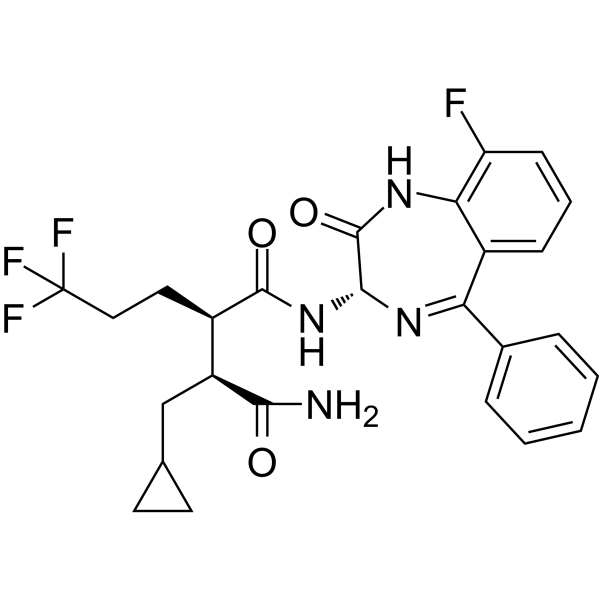
- HY-120614
-
-

- HY-10200R
-
|
|
Reference Standards
IGF-1R
Insulin Receptor
|
Endocrinology
Cancer
|
|
BMS-754807 (Standard) is the analytical standard of BMS-754807 (HY-10200). This product is intended for research and analytical applications. BMS-754807 is a potent and reversible IGF-1R/IR inhibitor (IC50=1.8 and 1.7 nM, respectively; Ki=<2 nM for both). BMS-754807 also shows potent activities against Met, RON, TrkA, TrkB, AurA, and AurB with IC50 values of 6, 44, 7, 4, 9, and 25 nM, respectively .
|
-

- HY-19837
-
|
|
Protease Activated Receptor (PAR)
|
Inflammation/Immunology
|
|
BMS-986120 is a first-in-class oral and reversible protease-activated receptor 4 (PAR4) antagonist, with IC50s of 9.5 nM and 2.1 nM in human and monkey blood, respectively. BMS-986120 has potent and selective antiplatelet effects .
|
-
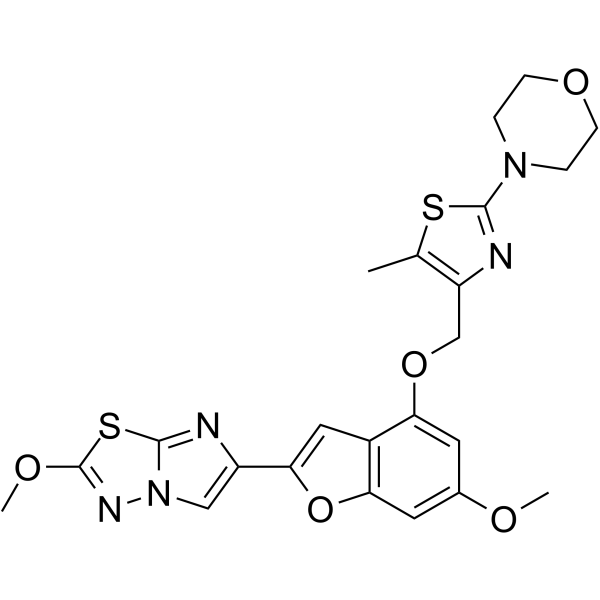
- HY-12413A
-
|
|
Free Fatty Acid Receptor
|
Metabolic Disease
|
|
BMS-986118 is a potent, orally active, and selective GPR40 agonist with an EC50 of 0.07 µM. BMS-986118 has dual insulinotropic and GLP-1 secretory effects, resulting in robust plasma glucose lowering effects in acute animal models .
|
-
- HY-14305
-
|
|
p38 MAPK
|
Inflammation/Immunology
|
|
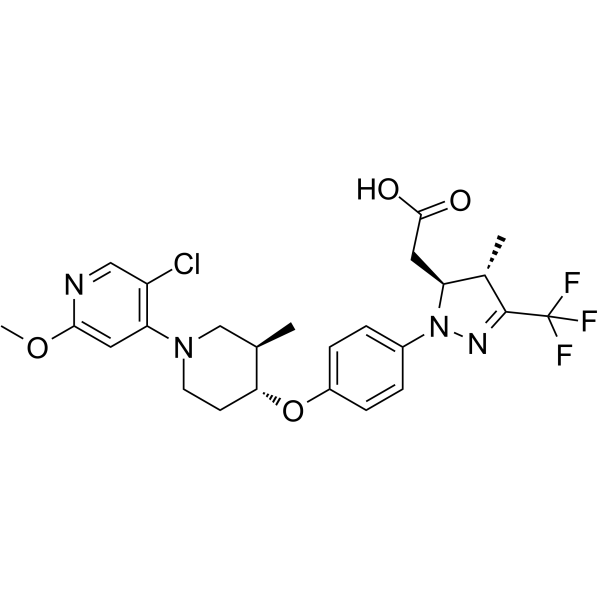
BMS-582949 (compound 7k) is an orally active and highly selective p38α MAP kinase inhibitor, with IC50 values of 13 nM for p38α, and 50 nM for cellular TNFα. BMS-582949 can be used for research on rheumatoid arthritis .
|
-
- HY-106352
-
|
|
HCV Protease
|
Infection
|
|
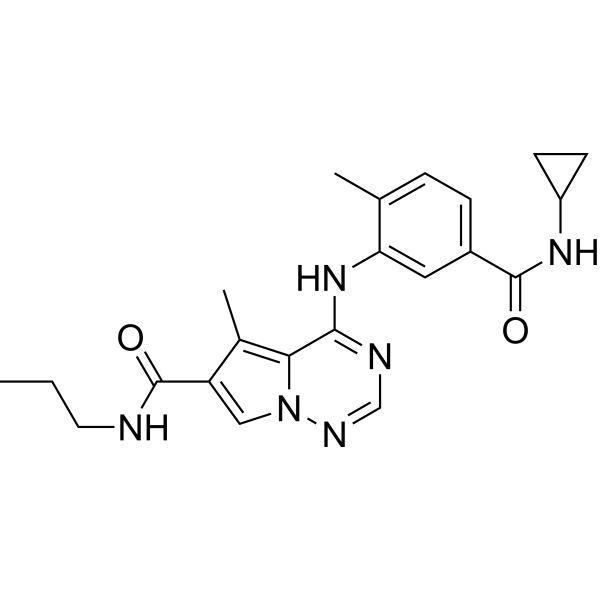
BMS 605339 is a linear tetra-peptide α-ketoamide inhibitor of HCV NS3 protease. BMS 605339 can be used in research related to hepatitis C (HCV infection) .
|
-

- HY-W107024
-
|
|
TGF-β Receptor
|
Inflammation/Immunology
Cancer
|
|
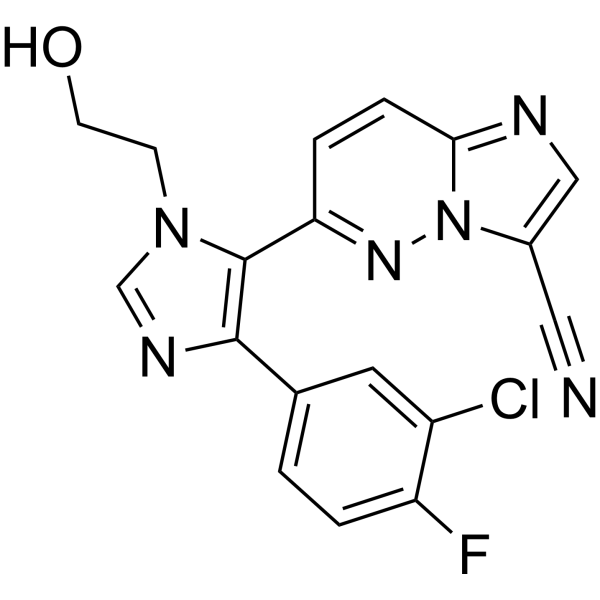
BMS-986260, an immuno-oncology agent, is a potent, selective, and orally active TGFβR1 inhibitor (IC50=1.6 nM). BMS-986260 displays exquisite selectivity for TGFβR1 over its isozyme TGFβR2, as well as in a panel of more than 200 kinases examined. BMS-986260 inhibits TGFβ mediated nuclear translocation of pSMAD2/3 in MINK and NHLF cells lines with an IC50 of 350 nM and 190 nM, respectively .
|
-
- HY-101903A
-
|
|
FABP
|
Cardiovascular Disease
Metabolic Disease
|
|
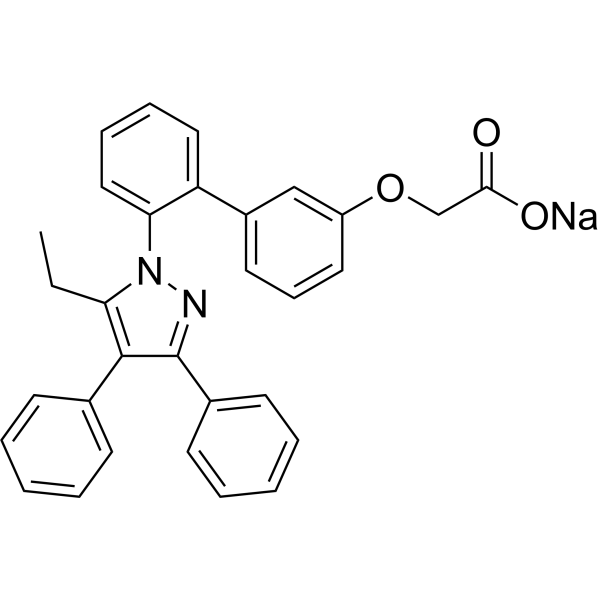
BMS-309403 sodium is a potent, orally active, and selective adipocyte fatty acid binding protein (also known as FABP4, aP2) inhibitor, with Kis of <2, 250, and 350 nM for FABP4, FABP3, and FABP5, respectively. BMS-309403 sodium interacts with the fatty-acid-binding pocket within the interior of the protein and competitively inhibits the binding of endogenous fatty acids. BMS-309403 sodium improves endothelial function in apolipoprotein E-deficient mice and in cultured human endothelial cells .
|
-
- HY-101903
-
|
|
FABP
|
Cardiovascular Disease
Metabolic Disease
|
|
BMS-309403 is a potent, orally active and selective adipocyte fatty acid binding protein (also known as FABP4, aP2) inhibitor with Kis of <2, 250, and 350 nM for FABP4, FABP3, and FABP5, respectively. BMS-309403 interacts with the fatty-acid-binding pocket within the interior of the protein and competitively inhibits the binding of endogenous fatty acids. BMS-309403 improves endothelial function in apolipoprotein E-deficient mice and in cultured human endothelial cells .
|
-
- HY-11092
-
-
- HY-120637
-
|
|
GPR119
|
Others
|
|
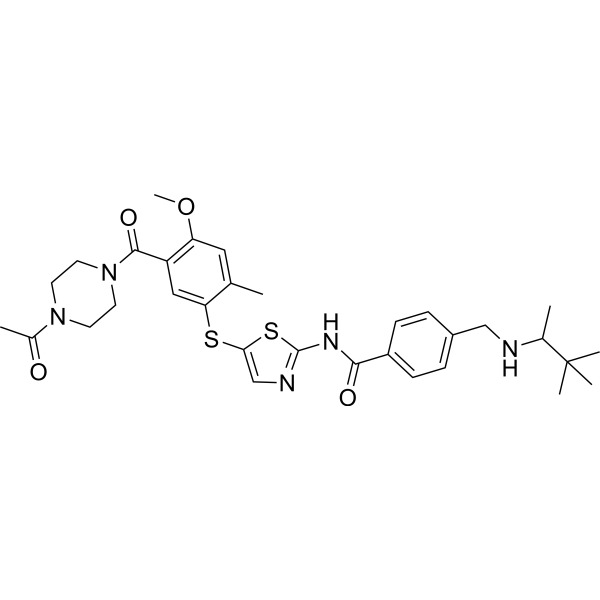
BMS-986034 is an orally active ingredient (API) that is an agonist of GPR119. .
|
-

- HY-123874
-
-

- HY-12375
-
-
- HY-10262
-
|
|
IGF-1R
Insulin Receptor
Apoptosis
|
Endocrinology
Cancer
|
|
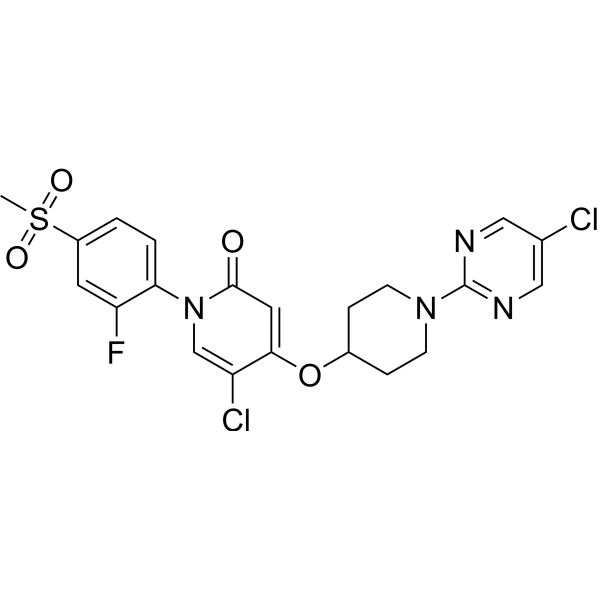
BMS-536924 is an orally active, competitive and selective insulin-like growth factor receptor (IGF-1R) kinase and insulin receptor (IR) inhibitor with IC50s of 100 nM and 73 nM, respectively. BMS-536924 has anti-cancer activity .
|
-
- HY-120613
-
|
|
Opioid Receptor
|
Neurological Disease
|
|
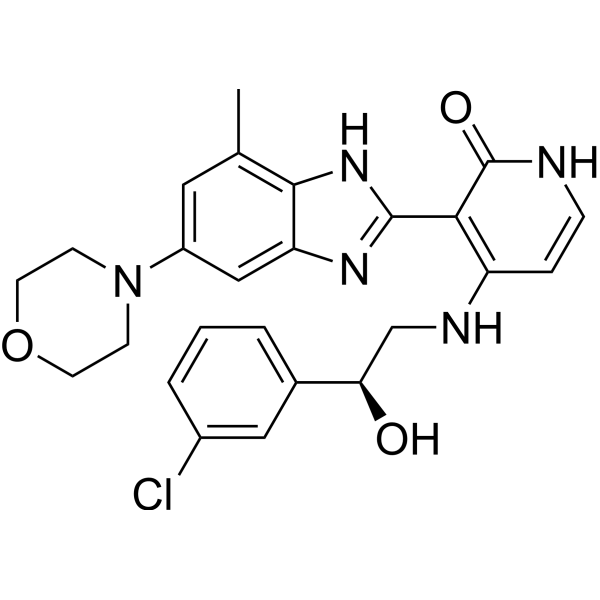
BMS-986187 is an δ-opioid receptor-selective positive allosteric modulator (PAM) with an EC50 of 0.03 μM and a pKB of 6.02 (~1 μM). BMS-986187 has no observable PAM activity at the μ-receptor (EC50=3 μM) .
|
-
- HY-14132
-
|
|
CRFR
|
Neurological Disease
|
|
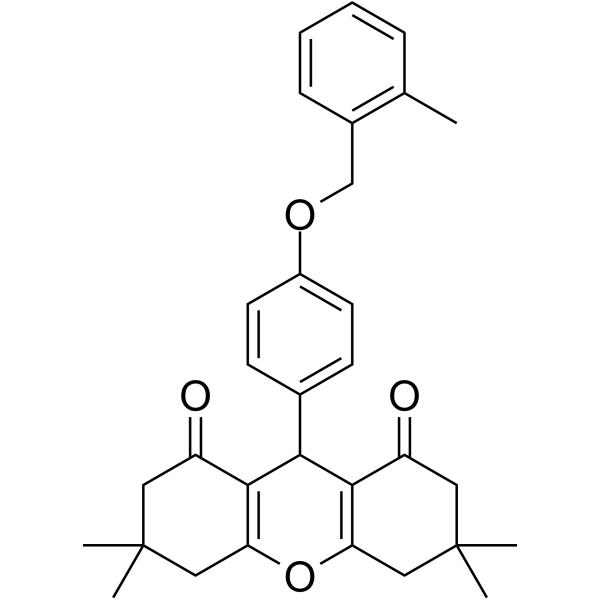
BMS-665053 is a corticotropin-releasing factor-1 (CRF1) receptor antagonist (IC50 = 1.0 nM). BMS-665053)11 is a potent inhibitor of CRF-stimulated cyclic adenosine monophosphate (cAMP) production in human Y-79 retinoblastoma cells (IC50 = 4.9 nM) .
|
-
- HY-120564
-
|
|
CRFR
|
Neurological Disease
|
|
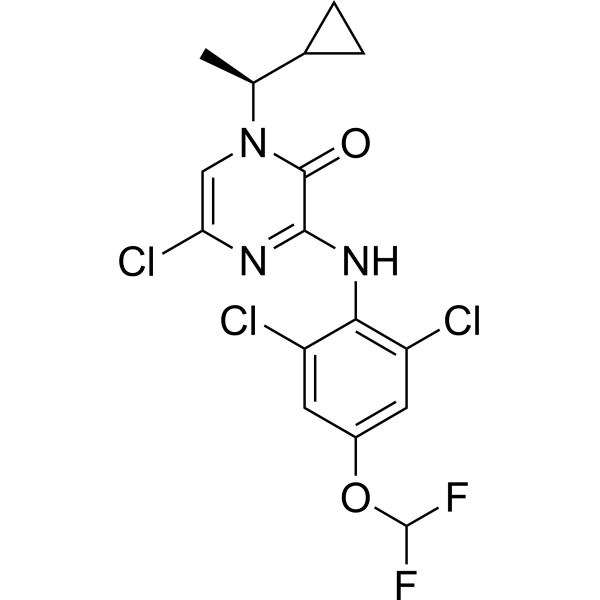
BMS-763534 is a CRF1 antagonist that inhibits neurological disorders such as depression and anxiety. .
|
-

- HY-W900240
-
-

- HY-101567R
-
|
|
Epigenetic Reader Domain
Reference Standards
|
Cancer
|
|
BMS-986158 (Standard) is the analytical standard of BMS-986158 (HY-101567). This product is intended for research and analytical applications. BMS-986158 is a potent BET inhibitor with IC50s of 6.6 and 5 nM in NCI-H211 small cell lung cancer (SCLC) cells and MDA-MB231 triple negative breast cancer (TNBC) cells, respectively .
|
-

- HY-14257
-
|
|
Potassium Channel
Lactate Dehydrogenase
|
Cardiovascular Disease
|
|
BMS-191095 hydrochloride is a mitochondrial KATP channel opener. BMS-191095 hydrochloride can protect the myocardium without causing vasodilation or affecting electrophysiology, by prolonging the contraction time during ischemia, improving contractile function after reperfusion, and reducing lactate dehydrogenase (LDHM) release, thereby exerting its cardioprotective effects .
|
-

- HY-116274
-
BMS-8
1 Publications Verification
|
PD-1/PD-L1
|
Cancer
|
|
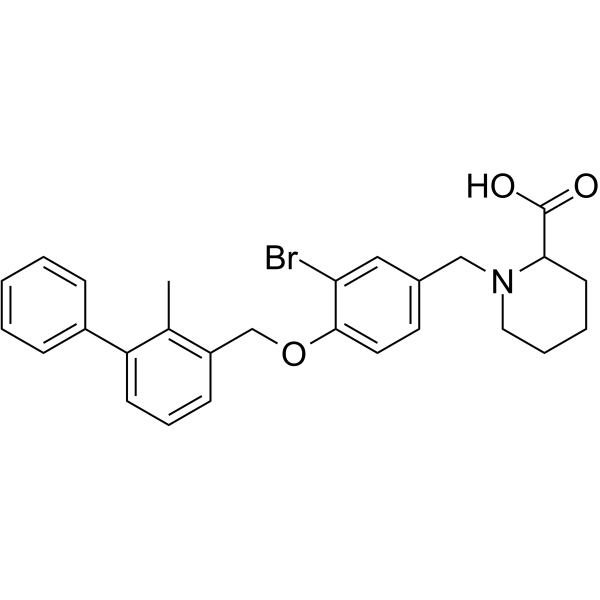
BMS-8 inhibits the PD-1/PD-L1 interaction with IC50 of 7.2 μM. BMS-8, binds directly to PD-L1 and induces formation of PD-L1 homodimers, which in turn prevents the interaction with PD-1 .
|
-
- HY-115868
-
-
- HY-150879A
-
|
|
PD-1/PD-L1
|
Cancer
|
|
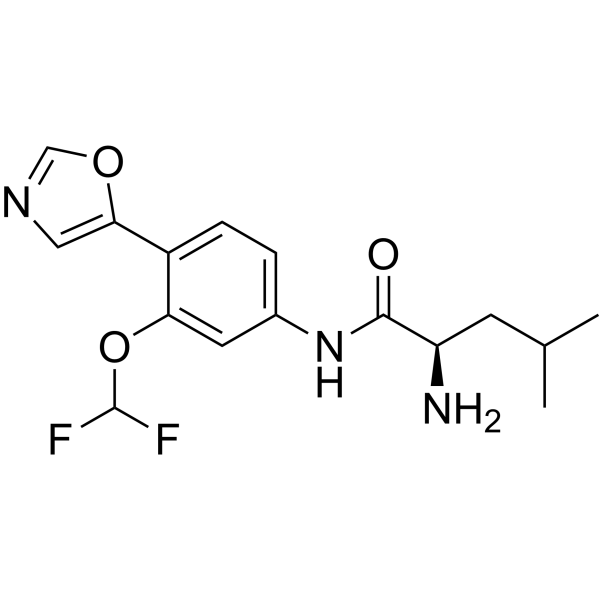
BMS-37 hydrochloride is a PD-1/PD-L1 immune checkpoint inhibitor with an IC50 towards the PD-L1/PD-1 complex in the range of 18 to 200 nM. BMS-37 hydrochloride shows unspecific toxicity against modified Jurkat T cells with an EC50 between 3 and 6 µM. BMS-37 hydrochloride can be used for the study of the PD-L1-induced exhaustion of T-cells or as PD-L1 ligand to synthesize PROTAC molecules .
|
-

- HY-120623
-
|
|
Na+/H+ Exchanger (NHE)
|
Neurological Disease
|
|
BMS-284640 is a synthetic sodium hydrogen exchange isomer-1 (NHE-1) inhibitor. BMS-284640 has a more than 380-fold higher NHE-1 inhibitory activity (IC50: 9 nM) compared to cariporide (HY-19693) and is more selective for NHE-1 over NHE-2 (IC50: 1.8 μM) and NHE-5 (IC50: 3.36 μM). BMS-284640 and its analogs also exhibit enhanced oral bioavailability and prolonged plasma half-life in rats. .
|
-

- HY-150879
-
|
|
PD-1/PD-L1
Ligands for Target Protein for PROTAC
|
Cancer
|
|
BMS-37 is a PD-1/PD-L1 immune checkpoint inhibitor with an IC50 towards the PD-L1/PD-1 complex in the range of 18 to 200 nM. BMS-37 shows unspecific toxicity against modified Jurkat T cells with an EC50 between 3 and 6 µM. BMS-37 can be used for the study of the PD-L1-induced exhaustion of T-cells or as PD-L1 ligand to synthesize PROTAC molecules .
|
-
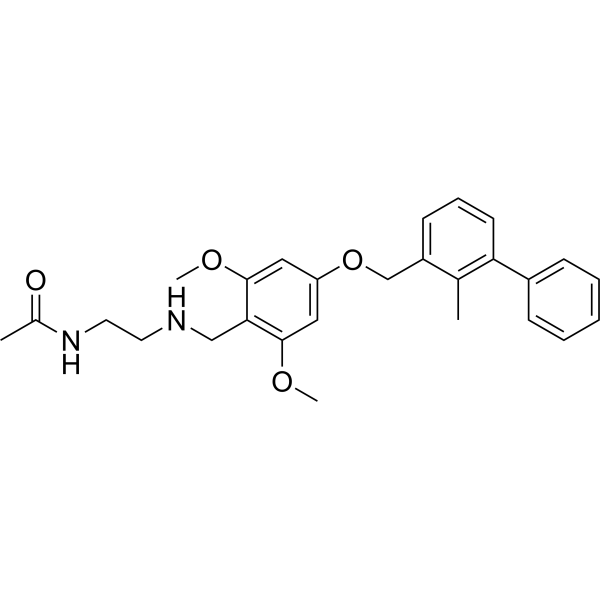
- HY-131905S
-
|
|
Isotope-Labeled Compounds
HCV Protease
HCV
|
Infection
Inflammation/Immunology
Cancer
|
|
BMS-986144 is a third-generation, pan-genotype (GT) NS3/4A protease inhibitor. BMS-986144 inhibits HCV replicon with EC50s of 2.3, 0.7, 1.0, 12, 8.0, and 5.8 nM for GT-1a, GT-1b, GT-2a, GT-3a, 1a R155X, and 1b D168V, respectively. BMS-986144 has the potential for the research of HCV infection .
|
-
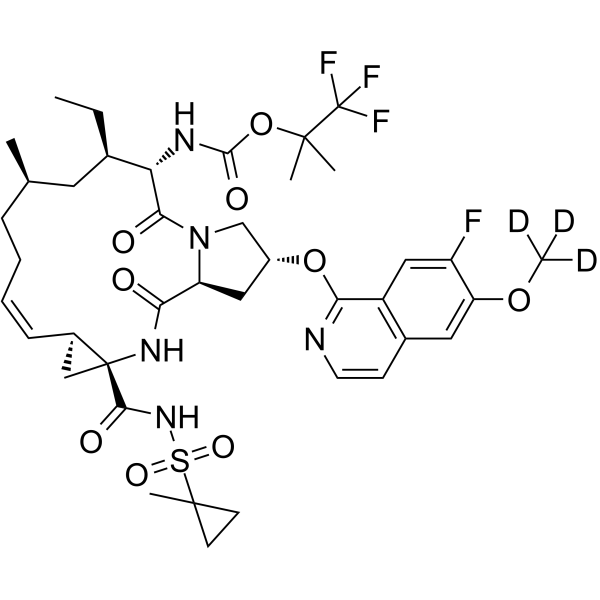
- HY-19919
-
|
EXEL04286652; XL-652; BMS-788
|
LXR
|
Metabolic Disease
|
|
BMS-779788 is a LXR partial agonist with IC50 values of 68 nM for LXRα and 14 nM for LXRβ.
|
-
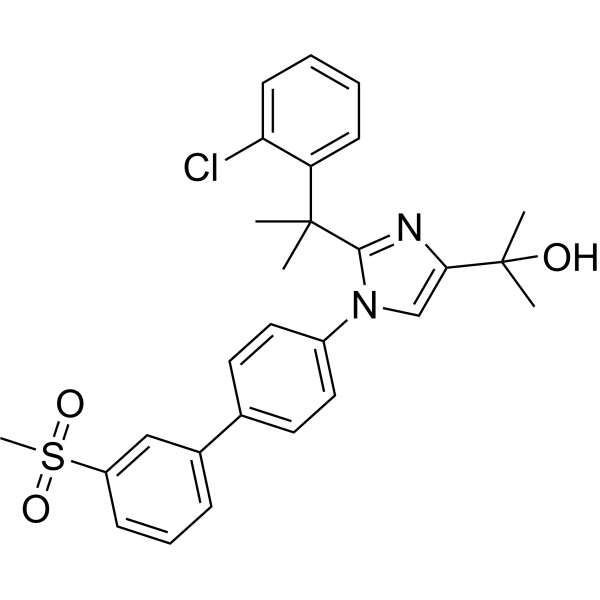
- HY-117529
-
|
|
Cytochrome P450
|
Cancer
|
|
BMS-351 (compound 18) is a potent, oral active, nonsteroidal CYP17A1 lyase inhibitor with the IC50 values of 19 nM and 4 nM aganist human CYP17A1 and cynomolgus monkeys CYP17A1,respectively. BMS-351 can be used for the study of castration-resistant prostate cancer .
|
-

- HY-151066
-
|
|
PD-1/PD-L1
|
Cancer
|
|
BMS-1233 is an orally active inhibitor for programmed cell death-ligand 1 (PD-L1), with IC50 of 14.5 nM. BMS-1233 promotes cell death of HepG2 in a Jurkat T cell and HepG2 cell co-culture model, exhibits antitumor activity against melanoma in mouse model .
|
-

- HY-122559
-
|
|
mGluR
|
Neurological Disease
|
|
BMS-984923, a potent mGluR5 silent allosteric modulator (SAM), with exquisite binding affinity (Ki = 0.6 nM), exhibits good oral bioavailability and BBB penetration. BMS-984923 potently inhibits the PrPC-mGluR5 interaction and prevents pathological Aβo signaling without affecting physiological glutamate signaling .
|
-
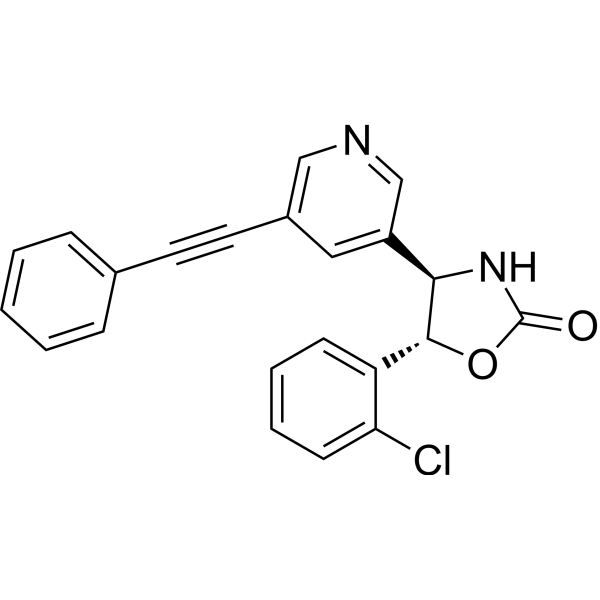
- HY-101793
-
|
|
Btk
|
Inflammation/Immunology
|
|
BMS-935177 is a potent and selective reversible inhibitor of Bruton’s tyrosine kinase (Btk) with an IC50 of 3 nM.
|
-
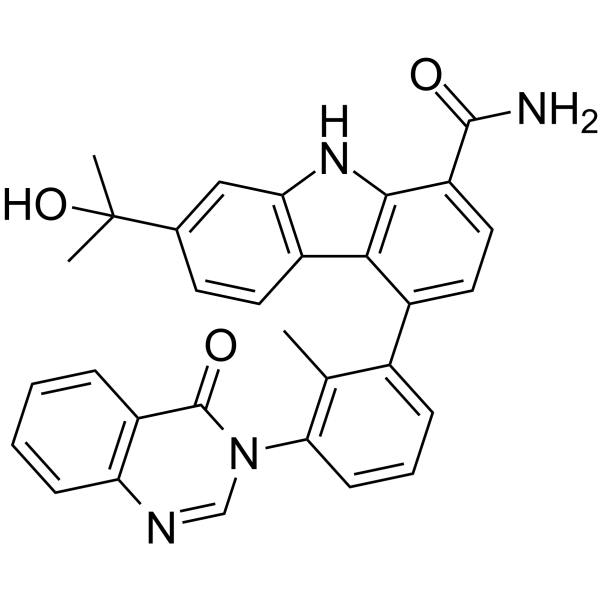
- HY-118420
-
|
|
RAR/RXR
|
Cancer
|
|
BMS-185411 is a selective retinoic acid receptor alpha (RARα) antagonist, with an IC50 value of 140 nM .
|
-

- HY-116579
-
-

- HY-139853
-
|
Admilparant
|
LPL Receptor
|
Others
|
|
BMS-986278 is a potent and orally active lysophosphatidic acid receptor 1 (LPA1) antagonist, with Kbs of 6.9 nM and 4.0 nM for human and mouse LPA1, respectively. BMS-986278 can be used for the research of pulmonary fibrotic diseases .
|
-
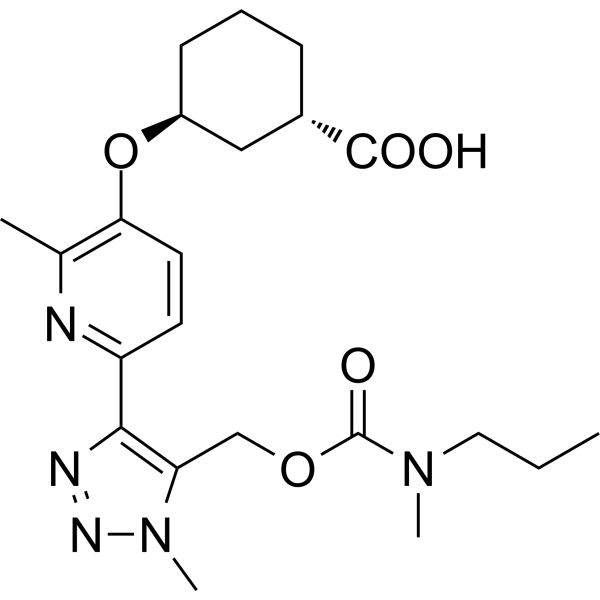
- HY-139567
-
|
BMS-986256
|
Toll-like Receptor (TLR)
NF-κB
Apoptosis
|
Inflammation/Immunology
|
|
Afimetoran (BMS-986256) is an orally active, selective, and highly bioavailable TLR7/8 antagonist. Afimetoran (BMS-986256) can inhibit TLR7/8 activation of the NF-κB pathway and reverse TLR7 mediated resistance to steroid induced apoptosis in plasma cell like dendritic cells (pDCs). Afimetoran (BMS-986256) can be used for research on inflammation and autoimmune diseases (systemic lupus erythematosus) .
|
-
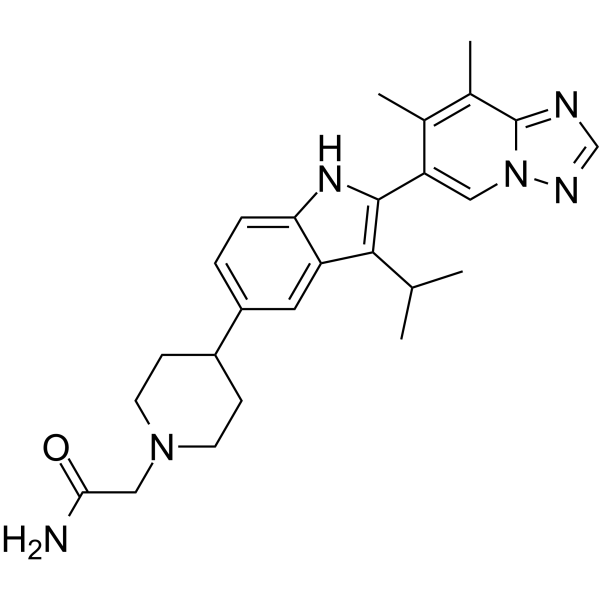
- HY-18326
-
|
|
γ-secretase
Amyloid-β
|
Neurological Disease
|
|
BMS-869780 is an orally active non-acidic γ-secretase (γ-secretase) modulator. BMS-869780 regulates the activity of γ-secretase, thereby altering the production profile of β-amyloid proteins. When acting alone, it changes the relative levels of specific β-amyloid subtypes without inhibiting the total production of β-amyloid proteins. BMS-869780 exerts a synergistic effect with γ-secretase modulators of the acidic structural class to inhibit the total production of β-amyloid proteins in cell cultures .
|
-

- HY-14495
-
|
EX-1314
|
GHSR
|
Metabolic Disease
|
|
BMS-604992 (EX-1314) is a selective, orally active small-molecule growth hormone secretagogue receptor (GHSR) agonist. BMS-604992 demonstrates high-affinity binding (Ki=2.3 nM) and potent functional activity (EC50=0.4 nM). BMS-604992 can stimulate food intake in rodents .
|
-
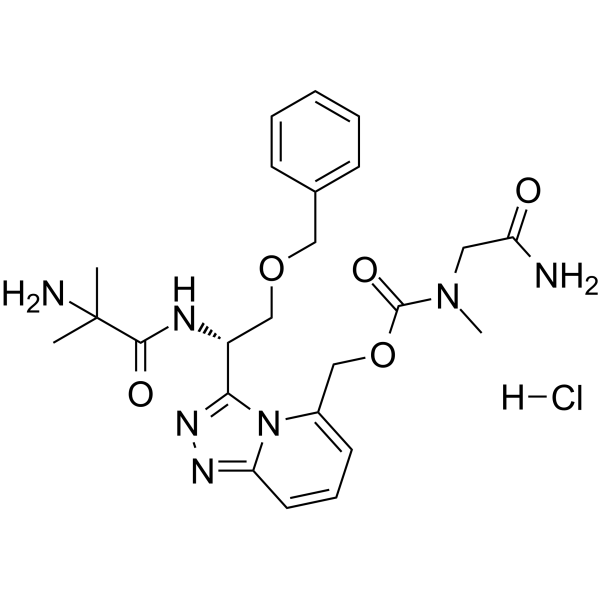
- HY-14495B
-
|
EX-1314 dihydrochloride
|
GHSR
|
Metabolic Disease
|
|
BMS-604992 (EX-1314) dihydrochloride is a selective, orally active small-molecule growth hormone secretagogue receptor (GHSR) agonist. BMS-604992 dihydrochloride demonstrates high-affinity binding (ki=2.3 nM) and potent functional activity (EC50=0.4 nM). BMS-604992 dihydrochloride can stimulate food intake in rodents .
|
-
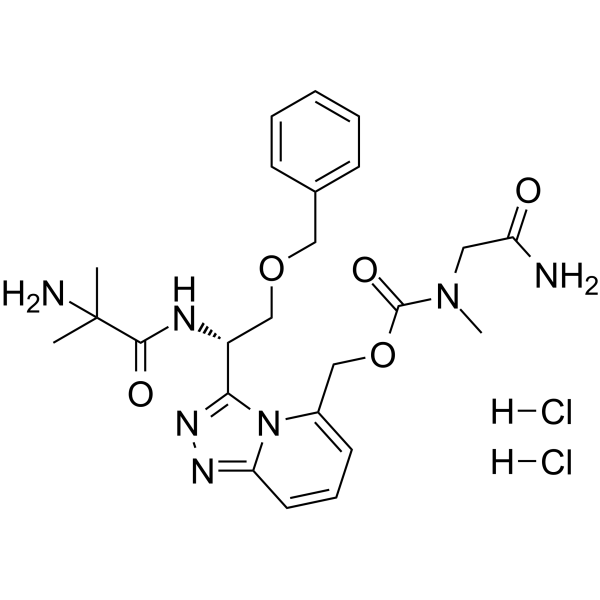
- HY-15440B
-
|
BMS-663068 Tris
|
HIV
|
Infection
|
|
Fostemsavir Tris (BMS-663068 (Tris)) is the phosphonooxymethyl proagent of BMS-626529. Fostemsavir Tris (BMS-663068 (Tris)) is a novel attachment inhibitor that targets HIV-1 gp120 and prevents its binding to CD4 + T cells.
|
-
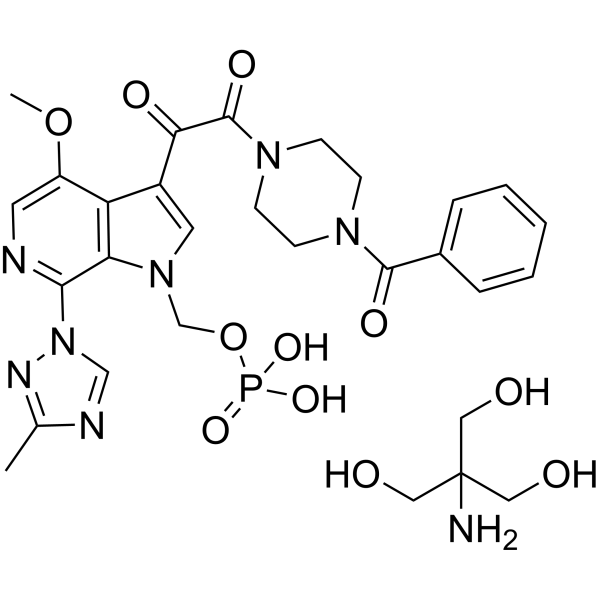
- HY-120631A
-
|
|
Dipeptidyl Peptidase
|
Others
|
|
BMS-538305 hydrochloride is a potent and selective inhibitor of dipeptidyl peptidase IV (DPP-IV), exhibiting strong biological activity by forming a reversible covalent complex with the enzyme. BMS-538305 hydrochloride demonstrates its mechanism of action through the covalent attachment between the nitrile carbon of the inhibitor and the enzyme residue S630, as unveiled by the X-ray crystal structure analysis.
|
-

- HY-12111
-
-
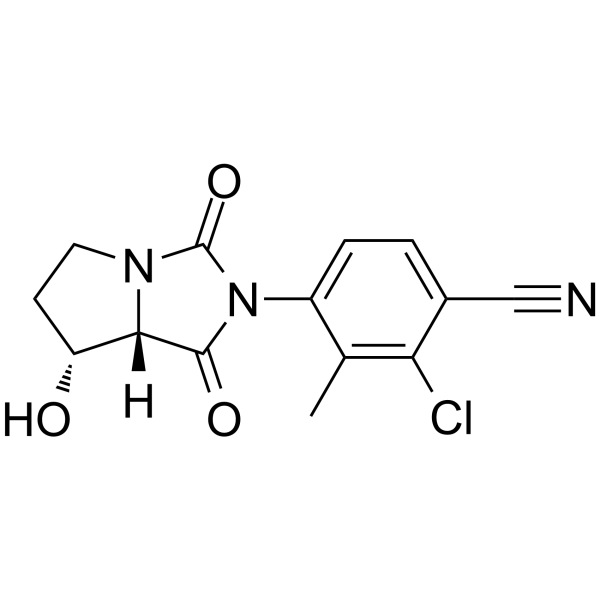
- HY-16107
-
-
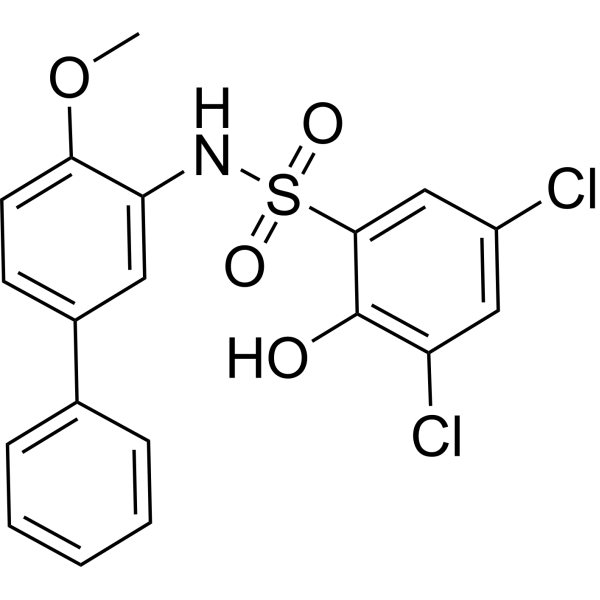
- HY-101856
-
|
|
Btk
|
Inflammation/Immunology
|
|
BMS-986142 is a potent and highly selective reversible inhibitor of Bruton's tyrosine kinase (BTK) with an IC50 of 0.5 nM.
|
-
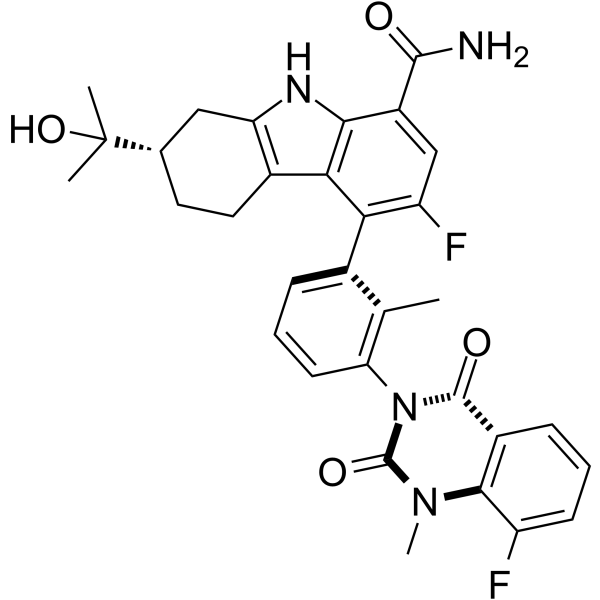
- HY-13337
-
|
INX-08189
|
HCV
|
Infection
|
|
BMS-986094 (INX-08189) is a potent inhibitor of hepatitis C virus (HCV) replication, with an EC50 of 35 nM at 24 h in Huh-7 cells. BMS-986094 is a phosphoramidate proagent of 6-O-methyl-2’-C-methyl guanosine. BMS-986094 can be used for the research of chronic HCV infection .
|
-
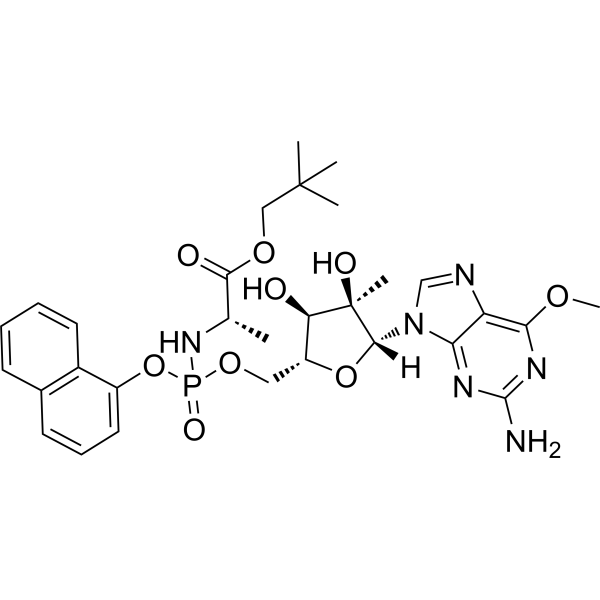
- HY-108529R
-
|
|
Reference Standards
RAR/RXR
|
Metabolic Disease
|
|
BMS493 (Standard) is the analytical standard of BMS493 (HY-108529). This product is intended for research and analytical applications. BMS493 is an inverse pan-retinoic acid receptor (RAR) agonist. BMS493 increases nuclear corepressor interaction with RARs. BMS493 also could prevent retinoic acid-induced differentiation . BMS493 is a click chemistry reagent, it contains an Alkyne group and can undergo copper-catalyzed azide-alkyne cycloaddition (CuAAc) with molecules containing Azide groups.
|
-

- HY-108529
-
|
|
RAR/RXR
|
Metabolic Disease
|
|
BMS493 is an inverse pan-retinoic acid receptor (RAR) agonist. BMS493 increases nuclear corepressor interaction with RARs. BMS493 also could prevent retinoic acid-induced differentiation . BMS493 is a click chemistry reagent, it contains an Alkyne group and can undergo copper-catalyzed azide-alkyne cycloaddition (CuAAc) with molecules containing Azide groups.
|
-
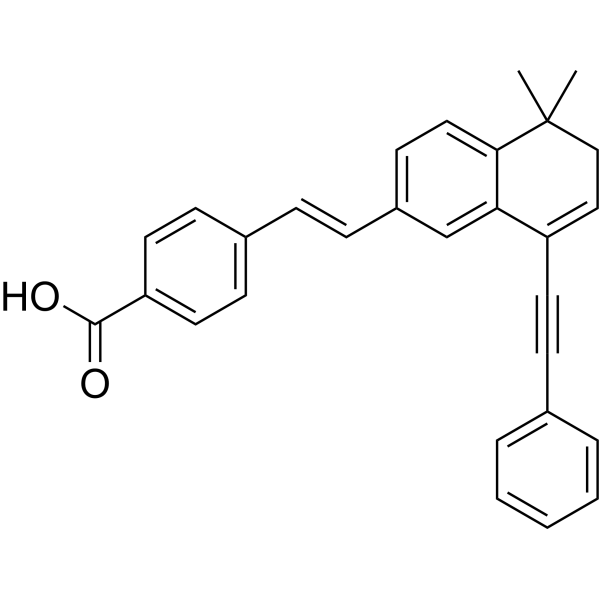
- HY-158101
-
|
CC-94676
|
PROTACs
Androgen Receptor
|
Cancer
|
|
BMS-986365 (CC-94676) is an orally active and selective targeted androgen receptor (AR) PROTAC degrader (DC50 of 10-40 nM). BMS-986365 is capable of inducing cereblon (CRBN) E3 ligase-dependent ubiquitination and degradation of the androgen receptor (AR), as well as various AR mutants. BMS-986365 shows no degradation of the close AR family members estrogen receptor (ER), progesterone receptor (PR), and glucocorticoid receptor (GR). BMS-986365 shows significant in vivo potency, degrading AR, inhibiting AR signaling, and restricting tumor growth in animal models of advanced prostate cancer. BMS-986365 can be used for the study of metastatic castration-resistant prostate cancer (mCRPC) .
|
-
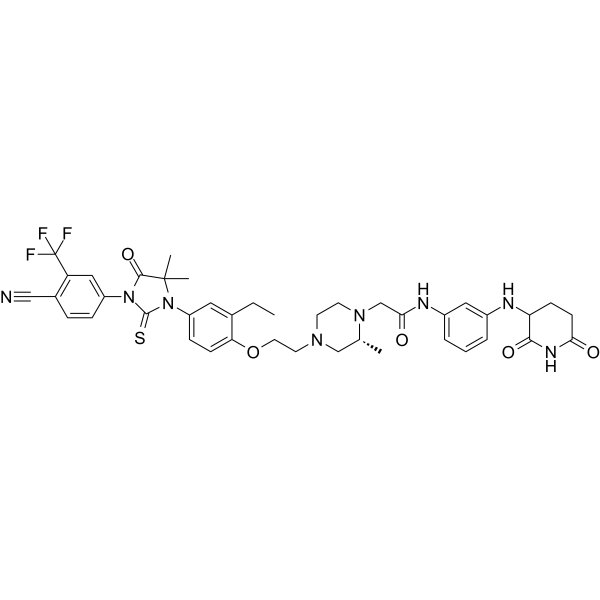
- HY-108528
-
-
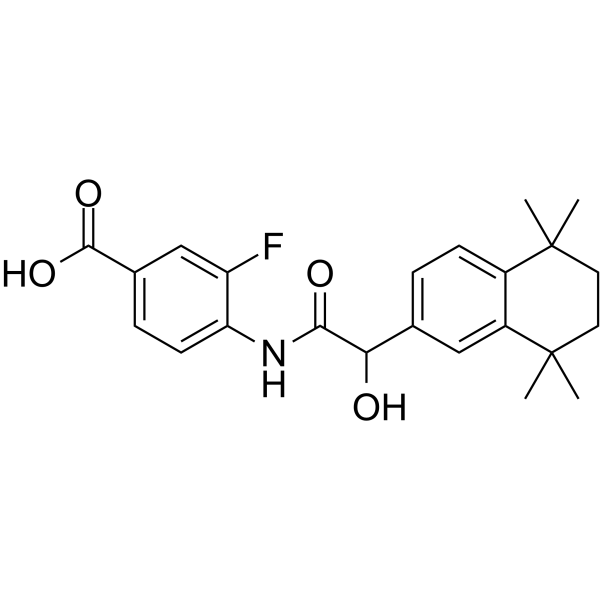
- HY-120024
-
-
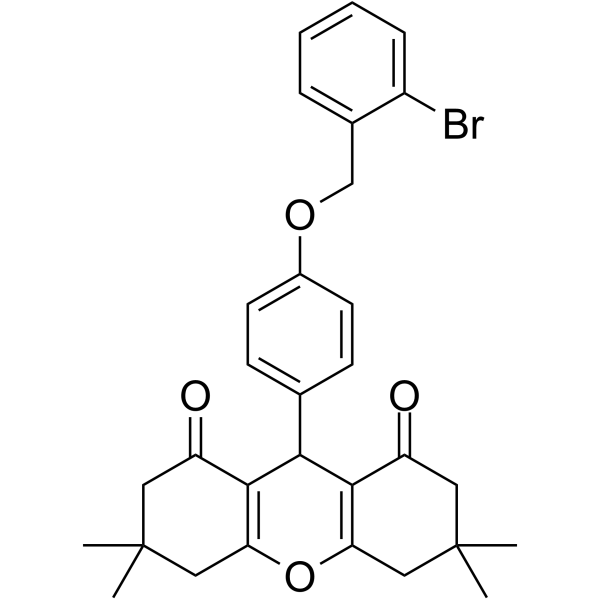
- HY-18304
-
BMS-3
3 Publications Verification
|
LIM Kinase (LIMK)
|
Cancer
|
|
BMS-3 is a potent LIMK inhibitor with IC50s of 5 nM and 6 nM for LIMK1 and LIMK2, respectively.
|
-
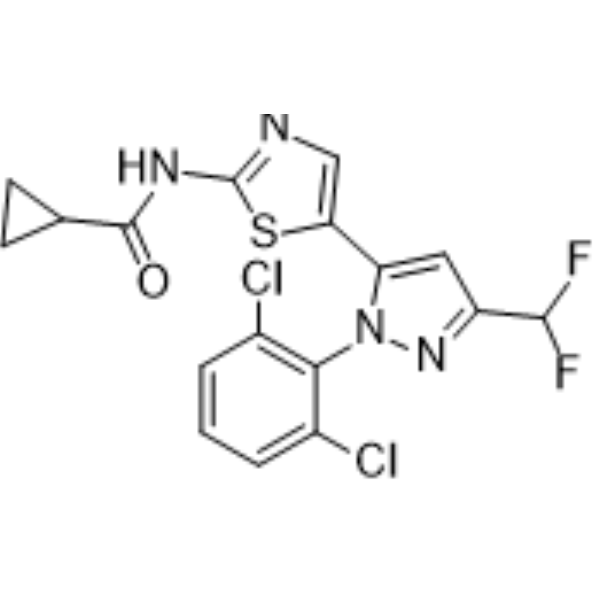
- HY-117074
-
-

- HY-171792
-
|
ORM-6151
|
Transmembrane Glycoprotein
|
Cancer
|
|
BMS-986497 (ORM-6151) is a CD33-targeting antibody-conjugated GSPT1 degrader. BMS-986497 delivers the GSPT1 degrader SMol006 to CD33-expressing cells and induces GSPT1 protein degradation. BMS-986497 shows potential for research on acute myeloid leukemia (AML) .
|
-

- HY-16108A
-
-

- HY-120134
-
|
|
Angiotensin Receptor
|
Cardiovascular Disease
|
|
BMS 183920 is a diacidic and potent angiotensin II receptor antagonist, with a Ki value of 2.9 nM in the rat adrenal cortex binding assay and a KB value of 0.061 nM in the rabbit aorta functional assay. BMS 183920 can be used for research of antihypertensive .
|
-

- HY-10200
-
|
|
IGF-1R
Insulin Receptor
|
Endocrinology
Cancer
|
|
BMS-754807 is a potent and reversible IGF-1R/IR inhibitor (IC50=1.8 and 1.7 nM, respectively; Ki=<2 nM for both). BMS-754807 also shows potent activities against Met, RON, TrkA, TrkB, AurA, and AurB with IC50 values of 6, 44, 7, 4, 9, and 25 nM, respectively .
|
-
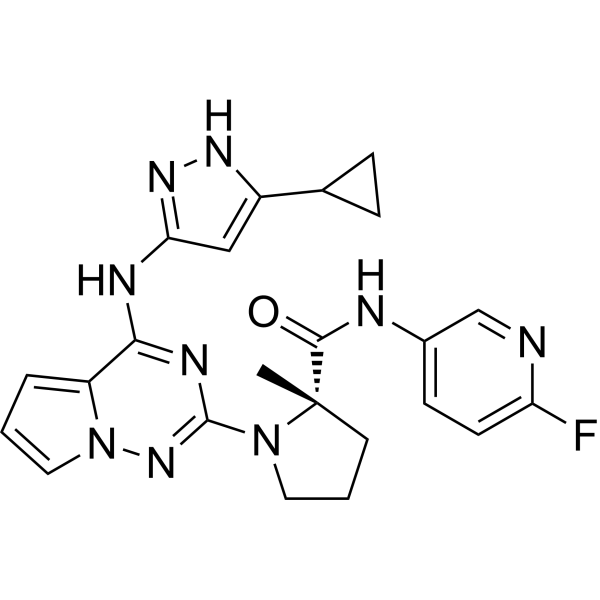
- HY-120619
-
|
|
Neuropeptide Y Receptor
|
Neurological Disease
Endocrinology
|
|
BMS-193885 is a selective neuropeptide Y1 receptor antagonist (Ki=3.3 nM) that competitively blocks the receptor to inhibit NPY-mediated appetite regulation signaling pathways, reduce food intake and inhibit weight gain. BMS-193885 has good blood-brain barrier penetration and is mainly used in the study of obesity and related metabolic diseases .
|
-
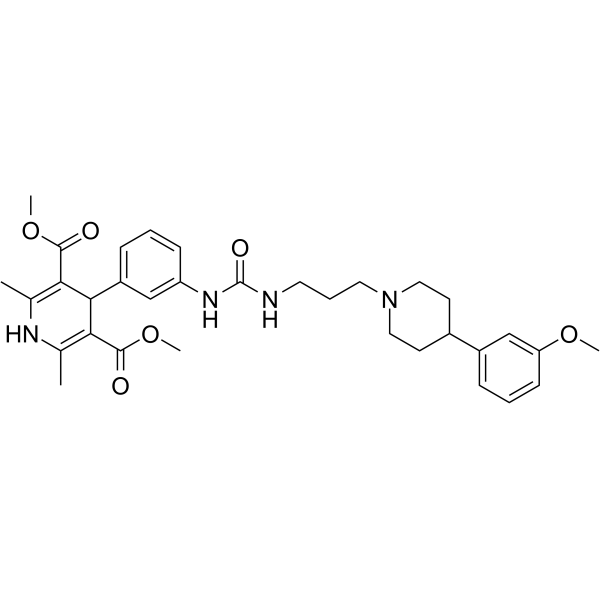
- HY-18710
-
-
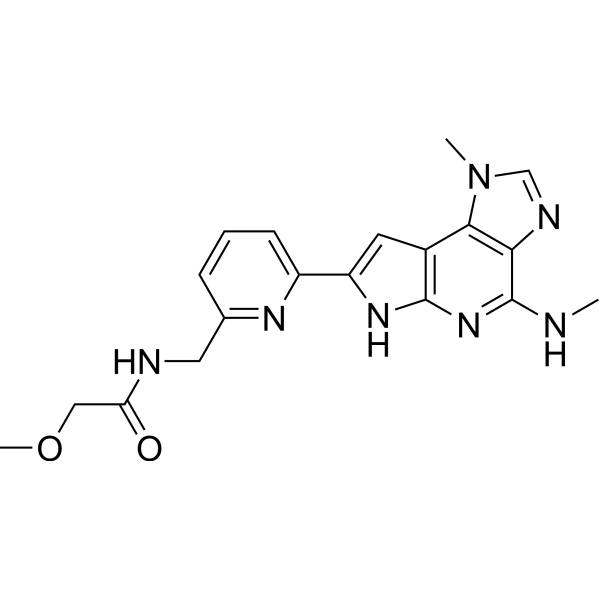
- HY-120643A
-
|
|
11β-HSD
|
Metabolic Disease
|
|
BMS-823778 was developed as an inhibitor of 11β-hydroxysteroid dehydrogenase type 1 to inhibit type 2 diabetes .
|
-

- HY-120633A
-
-
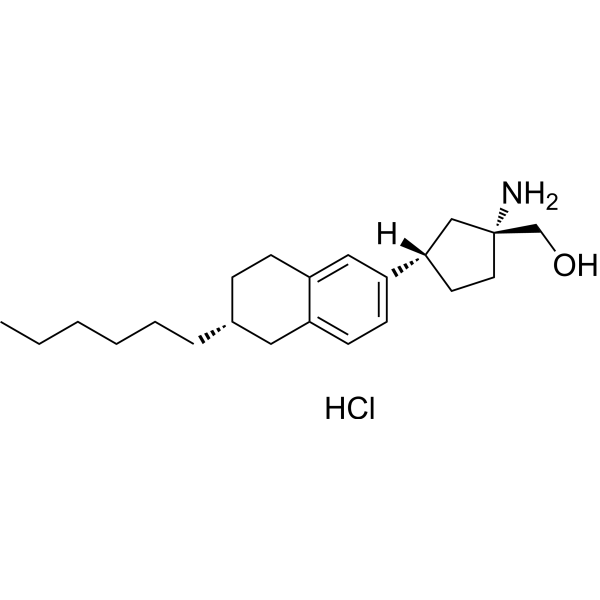
- HY-100619A
-
|
AM152 sodium
|
LPL Receptor
|
Metabolic Disease
Inflammation/Immunology
|
|
BMS-986020 (AM152) sodium is a high-affinity lysophosphatidic acid receptor 1 (LPA1) antagonist . BMS-986020 sodium inhibits bile acid and phospholipid transporters with IC50s of 4.8 μM, 6.2 μM, and 7.5 μM for BSEP, MRP4, and MDR3, respectively . BMS-986020 sodium has the potential for the treatment of idiopathic pulmonary fibrosis (IPF) .
|
-
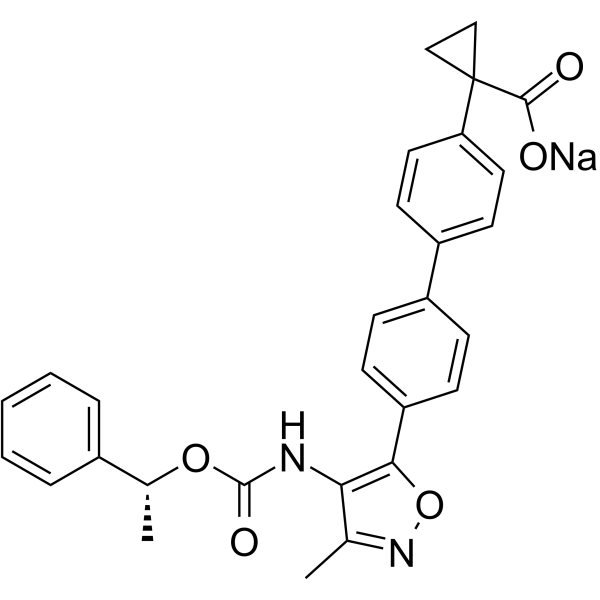
- HY-19667
-
|
DPC 333
|
TNF Receptor
NF-κB
Apoptosis
p38 MAPK
|
Neurological Disease
Inflammation/Immunology
|
|
BMS-561392 (BMS-561392) is a selective ADAM17(TACE) inhibitor. BMS-561392 inhibits TNF-α secretion by regulating signaling pathways such as p44 MAPK and NF-κB. BMS-561392 also affects the survival of central nervous system-related cells including oligodendrocytes and microglia. BMS-561392 promotes microglial apoptosis, enlarges the injury area and exacerbates astrogliosis in a mouse spinal cord injury model. BMS-561392 can be used in research related to spinal cord injury and inflammatory diseases .
|
-
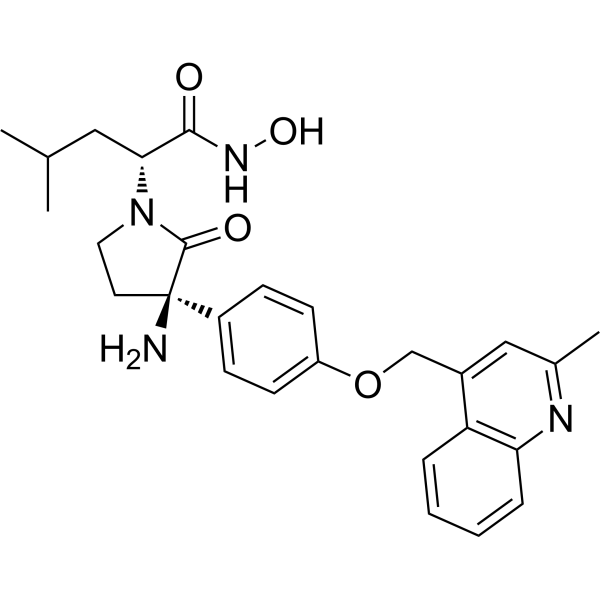
- HY-15440AR
-
|
BMS-663068 (Standard)
|
Reference Standards
HIV
|
Infection
|
|
Fostemsavir (Standard) is the analytical standard of Fostemsavir. This product is intended for research and analytical applications. Fostemsavir (BMS-663068) is the phosphonooxymethyl prodrug of BMS-626529. Fostemsavir (BMS-663068) is a novel attachment inhibitor that targets HIV-1 gp120 and prevents its binding to CD4 + T cells.
|
-

- HY-15616
-
|
|
Melanocortin Receptor
|
Cancer
|
|
BMS-470539 is a synthetic MC-1R agonist with potent anti-inflammatory properties. BMS-470539 selectively activates human and murine MC-1R with EC50 values ??of 16.8 nM and 11.6 nM, respectively. In vitro studies have shown that BMS-470539 is able to dose-dependently inhibit TNF-alpha-induced NF-kB activation in human melanoma cells expressing MC-1R. In vivo, subcutaneous injection of BMS-470539 into BALB/c mice effectively inhibited LPS-induced TNF-alpha production with an ED50 of approximately 10 μmol/kg and a pharmacodynamic half-life of approximately 8 hours. It also significantly reduced leukocyte infiltration in a lung inflammation model and attenuated paw swelling in a delayed-type hypersensitivity model, highlighting its efficacy as an anti-inflammatory agent through MC-1R modulation .
|
-

- HY-100619
-
|
AM152
|
LPL Receptor
|
Metabolic Disease
Inflammation/Immunology
|
|
BMS-986020 (AM152) is a high-affinity and selective lysophosphatidic acid receptor 1 (LPA1) antagonist . BMS-986020 inhibits bile acid and phospholipid transporters with IC50s of 4.8 μM, 6.2 μM, and 7.5 μM for BSEP, MRP4, and MDR3, respectively . BMS-986020 has the potential for the treatment of idiopathic pulmonary fibrosis (IPF) .
|
-
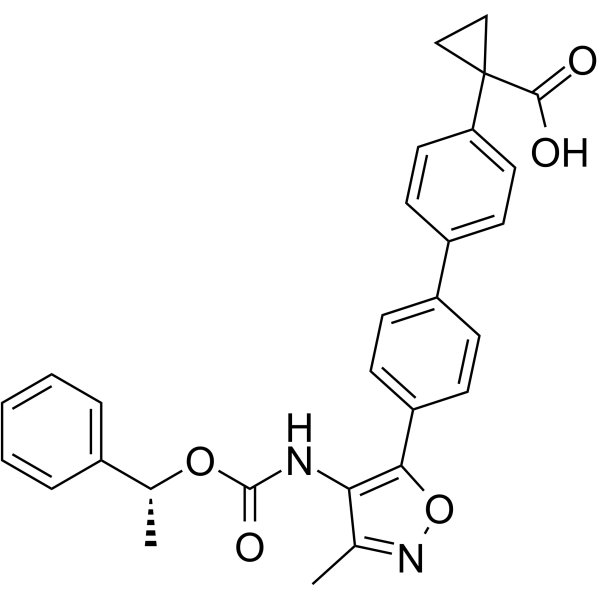
- HY-13829
-
|
|
HIV
|
Infection
|
|
BMS-585248 is a potent, third-generation HIV-1 attachment inhibitor with a promising initial in vitro and in vivo pharmacokinetic profile .
|
-
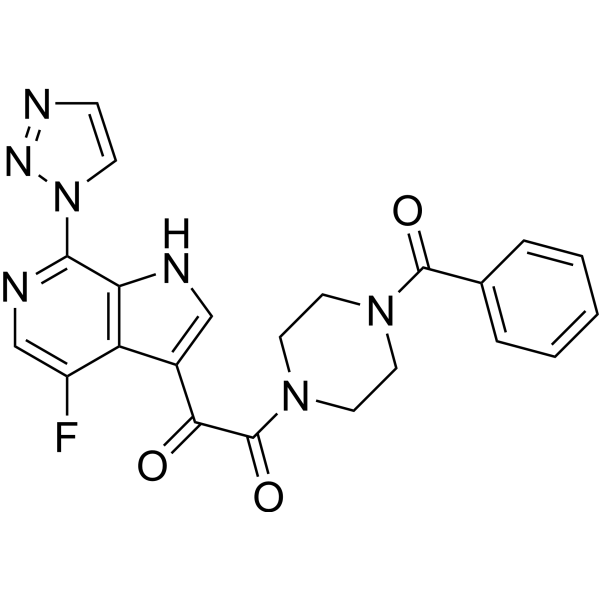
- HY-160144S
-
-
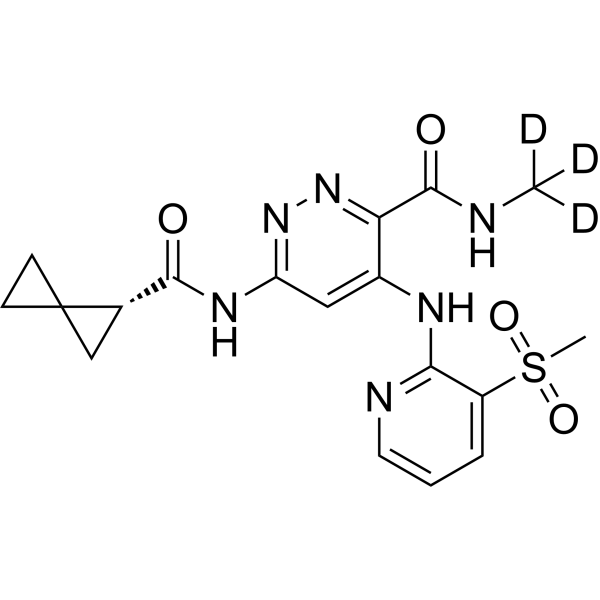
- HY-139396
-
-
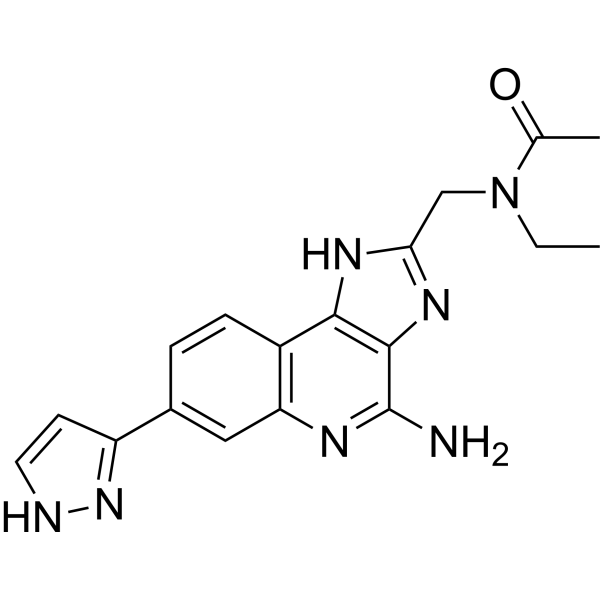
- HY-10251
-
|
AC480
|
EGFR
|
Cancer
|
|
BMS-599626 (AC480) is a selective and orally bioavailable HER1 and HER2 inhibitor, with IC50s of 20 and 30 nM, respectively. BMS-599626 displays ~8-fold less potent to HER4 (IC50=190 nM), >100-fold to VEGFR2, c-Kit, Lck, MEK. BMS-599626 inhibits tumor cell proliferation, and has potential to increase tumor response to radiotherapy .
|
-
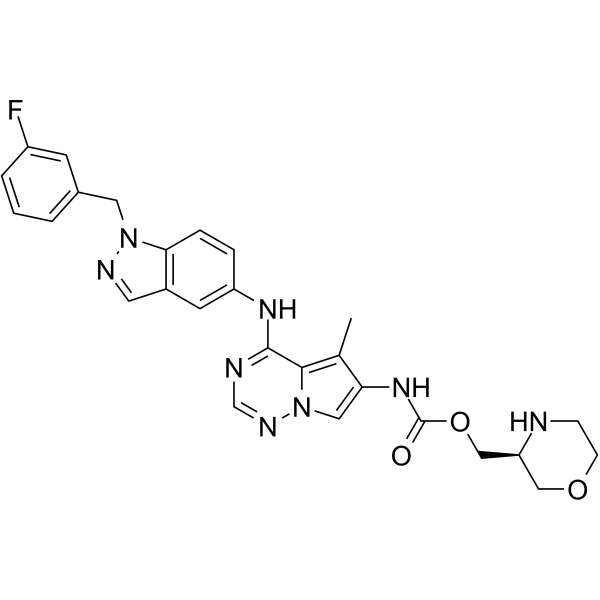
- HY-12010
-
|
AC480 Hydrochloride
|
EGFR
|
Cancer
|
|
BMS-599626 Hydrochloride (AC480 Hydrochloride) is a selective and orally bioavailable HER1 and HER2 inhibitor, with IC50s of 20 and 30 nM, respectively. BMS-599626 Hydrochloride displays ~8-fold less potent to HER4 (IC50=190 nM), >100-fold to VEGFR2, c-Kit, Lck, MEK. BMS-599626 Hydrochloride inhibits tumor cell proliferation, and has potential to increase tumor response to radiotherapy .
|
-
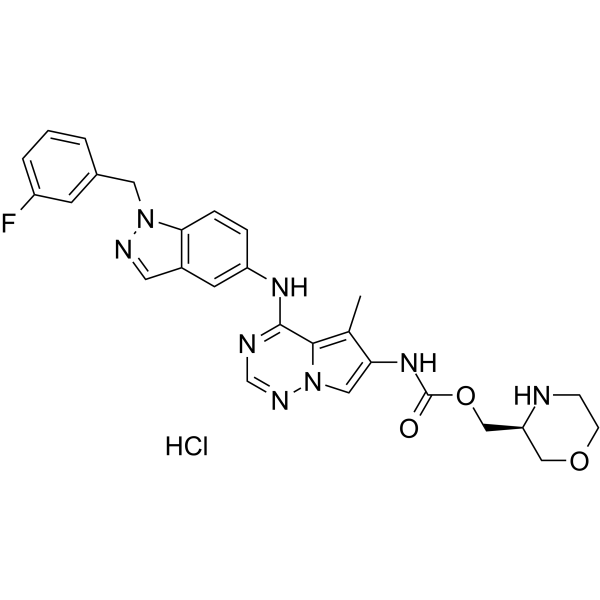
- HY-132924
-
-
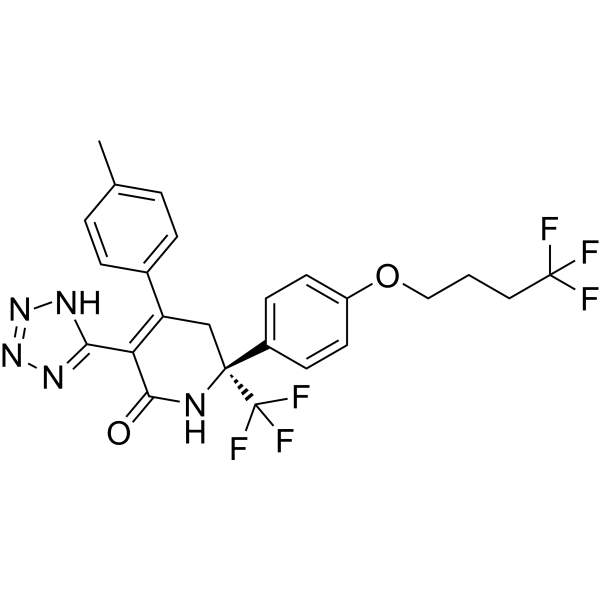
- HY-12631
-
|
|
Factor Xa
|
Cardiovascular Disease
|
|
BMS-654457 is a small-molecule, reversible inhibitor of factor XIa (FXIa), binding with human and rabbit FXIa with Kis of 0.2 and 0.42 nM, respectively.
|
-
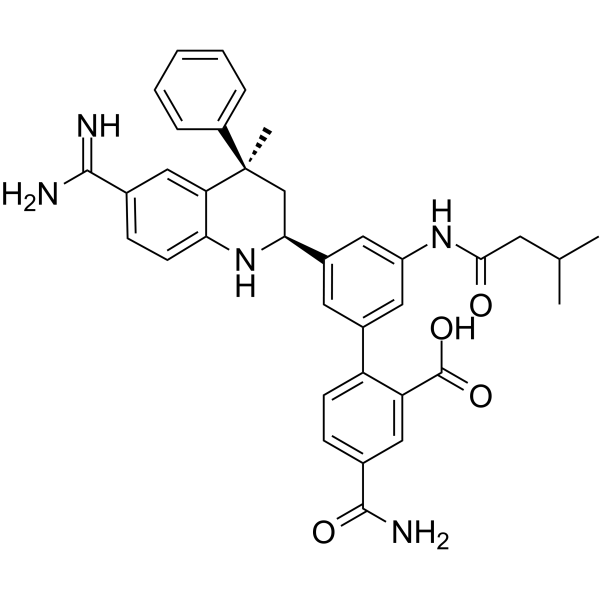
- HY-117453
-
|
|
AAK1
|
Neurological Disease
|
|
BMS-901715 is a potent and selective adapter protein-2 associated kinase 1 (AAK1) inhibitor with an IC50 of 3.3 nM .
|
-
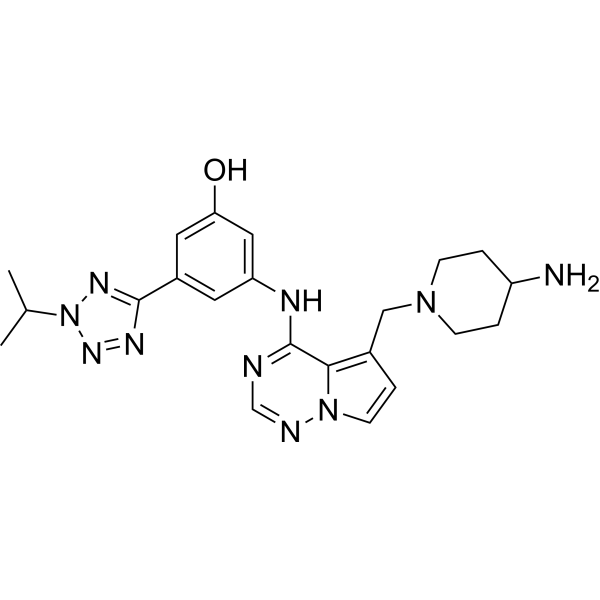
- HY-100619AR
-
|
AM152 sodium (Standard)
|
LPL Receptor
Reference Standards
|
Metabolic Disease
Inflammation/Immunology
|
|
BMS-986020 (sodium) (Standard) is the analytical standard of BMS-986020 (sodium) (HY-100619A). This product is intended for research and analytical applications. BMS-986020 (AM152) sodium is a high-affinity lysophosphatidic acid receptor 1 (LPA1) antagonist . BMS-986020 sodium inhibits bile acid and phospholipid transporters with IC50s of 4.8 μM, 6.2 μM, and 7.5 μM for BSEP, MRP4, and MDR3, respectively . BMS-986020 sodium has the potential for the treatment of idiopathic pulmonary fibrosis (IPF) .
|
-

- HY-100619R
-
|
AM152 (Standard)
|
LPL Receptor
Reference Standards
|
Metabolic Disease
Inflammation/Immunology
|
|
BMS-986020 (Standard) is the analytical standard of BMS-986020 (HY-100619). This product is intended for research and analytical applications. BMS-986020 (AM152) is a high-affinity and selective lysophosphatidic acid receptor 1 (LPA1) antagonist . BMS-986020 inhibits bile acid and phospholipid transporters with IC50s of 4.8 μM, 6.2 μM, and 7.5 μM for BSEP, MRP4, and MDR3, respectively . BMS-986020 has the potential for the treatment of idiopathic pulmonary fibrosis (IPF) .
|
-

- HY-101973
-
-
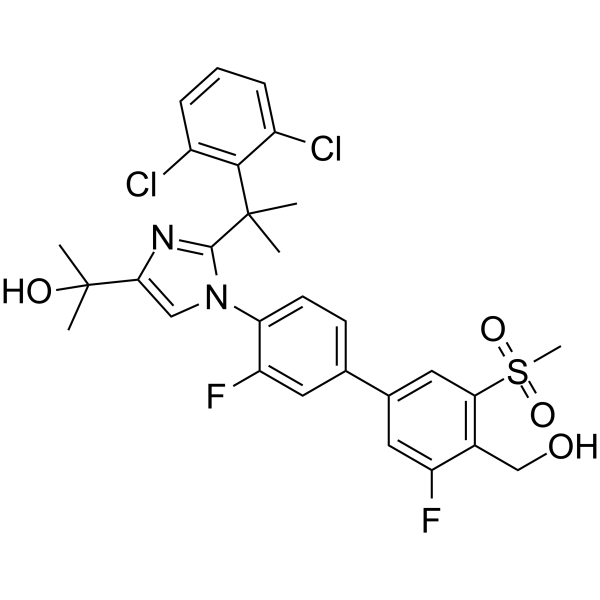
- HY-120646
-
|
|
PD-1/PD-L1
|
Others
|
|
BMS-242 is a small molecule PD-1/PD-L1 inhibitor with the activity of inhibiting the PD-1/PD-L1 interaction. BMS-242 can bind to the hydrophobic channel pocket between PD-L1 molecules, inhibit the PD-1/PD-L1 immune checkpoint pathway, and provide a new way for cancer inhibition.
|
-

- HY-149666
-
|
|
DGK
|
Cancer
|
|
BMS-496 is adualDGKα/ζlipid kinase inhibitor, with theIC50of 0.09 (DGKα) and 0.006 μM (DGKζ) .
|
-
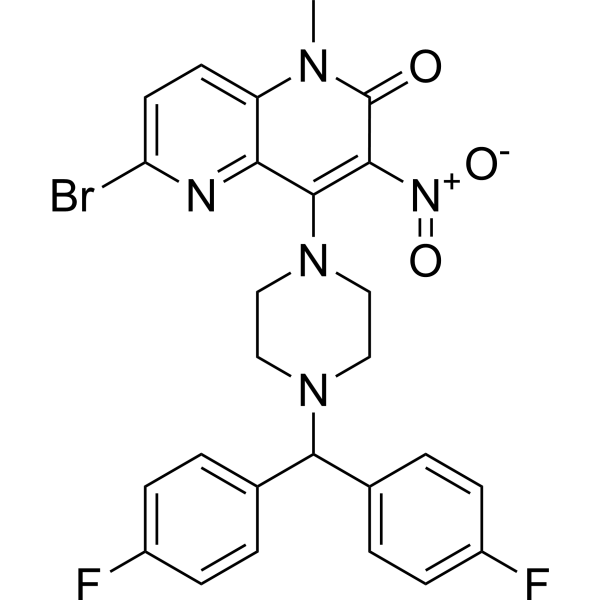
- HY-118643
-
|
BMS-986231; CXL-1427
|
Drug Intermediate
|
Cardiovascular Disease
|
|
Cimlanod (BMS-986231) is a second-generation Nitroxyl (HNO) donor for heart failure. Cimlanod (BMS-986231) delivers HNO via pH-dependent chemical breakdown when exposed to the neutral pH environment of the bloodstream. Cimlanod (BMS-986231) possesses positive lusitropic and inotropic as well as vasodilatory effects. Cimlanod is the prodrug of CXL-1020 (HY-147384) .
|
-
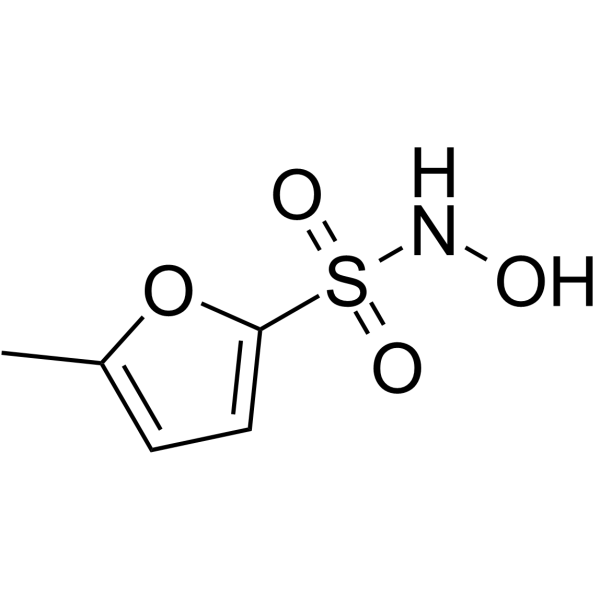
- HY-106809
-
|
BMS-181168
|
Drug Derivative
|
Neurological Disease
|
|
BMY-21502 (BMS-181168) is a pyrrolidinone derivative with memory- and cognition-enhancing activities. BMS-181168 attenuates hypoxia-induced deterioration in brain function, as delta/theta decreases, alpha activity increases and the centroid of the combined delta/theta waves is accelerated .
|
-

- HY-118497
-
|
|
Endothelin Receptor
|
Cardiovascular Disease
Metabolic Disease
|
|
BMS 182874 is an orallyactive, highly selective endothelin receptor (ETA receptor) antagonist, with IC50 value of 0.150 μM, Ki of 0.055 μM. BMS 182874 reduces the arterial pressure of Deoxycorticosterone acetate (HY-B1472) induced hypertension model in rats, and can be used for cardiovascular disease research .
|
-
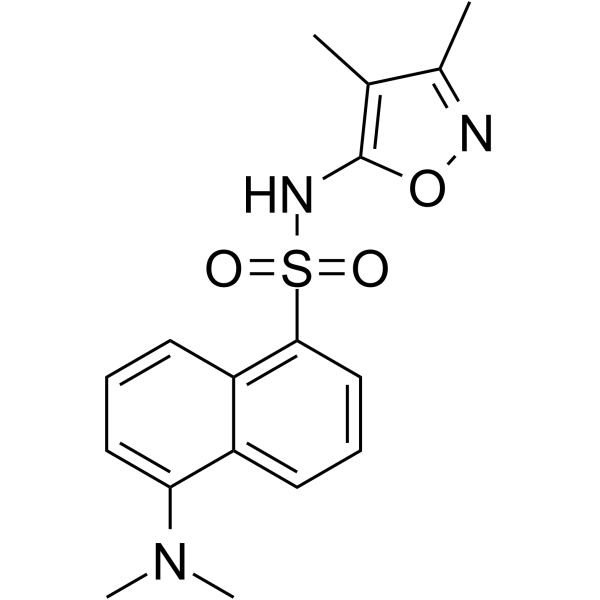
- HY-103458
-
|
|
Endothelin Receptor
|
Cardiovascular Disease
Metabolic Disease
|
|
BMS 182874 hydrochloride is an orallyactive, highly selective endothelin receptor (ETA receptor) antagonist, with IC50 value of 0.150 μM, Ki of 0.055 μM. BMS 182874 hydrochloride reduces the arterial pressure of Deoxycorticosterone acetate (HY-B1472) induced hypertension model in rats, and can be used for cardiovascular disease research .
|
-

- HY-120206
-
-

- HY-107395
-
-
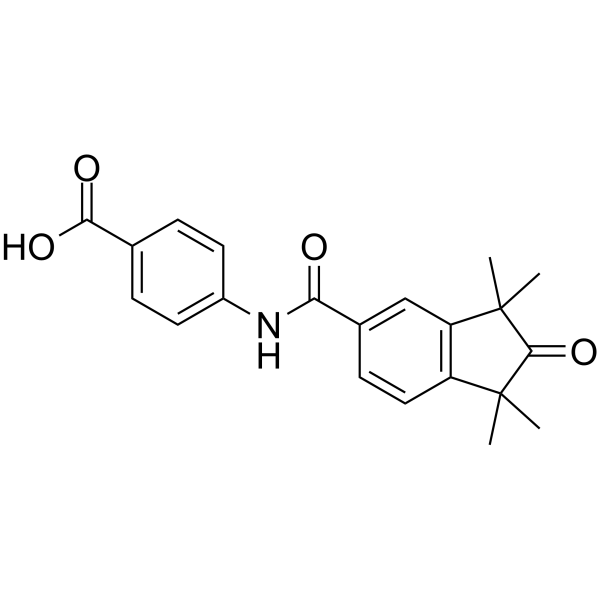
- HY-115357
-
|
|
PPAR
|
Metabolic Disease
|
|
BMS711939 is a selective agonist for peroxisome proliferator-activated receptor α (PPAR α), with EC50 of 4 nM and 4.5 μM, for human PPARα and human PPARγ. BMS711939 exhibits good pharmacokinetic characters in rats models. BMS711939 increases HDL cholesterol, reduces LDL cholesterol and triglycerides .
|
-

- HY-153254
-
|
|
Toll-like Receptor (TLR)
|
Inflammation/Immunology
|
|
BMS905 is an orally active TLR7 and TLR8 dual inhibitor (IC50s: 0.7 and 3.2 nM respectively). BMS905 inhibits TLR7 or TLR8 induced IL-6 production in human/mouse whole blood. BMS905 can be used for research of lupus .
|
-
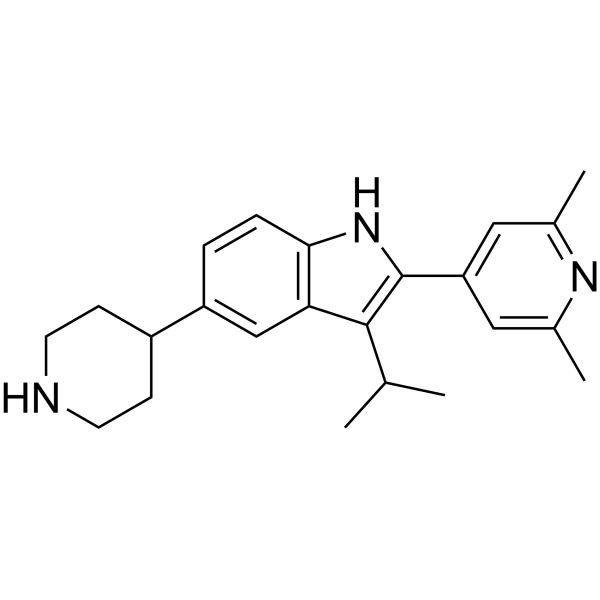
- HY-120611A
-
-
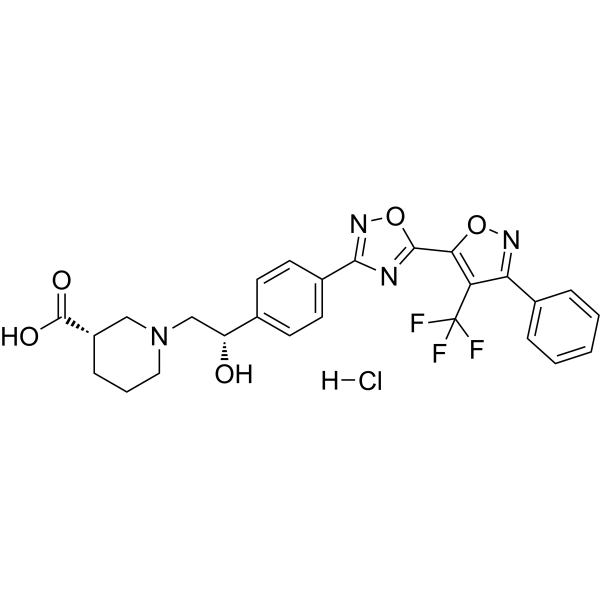
- HY-10333
-
-
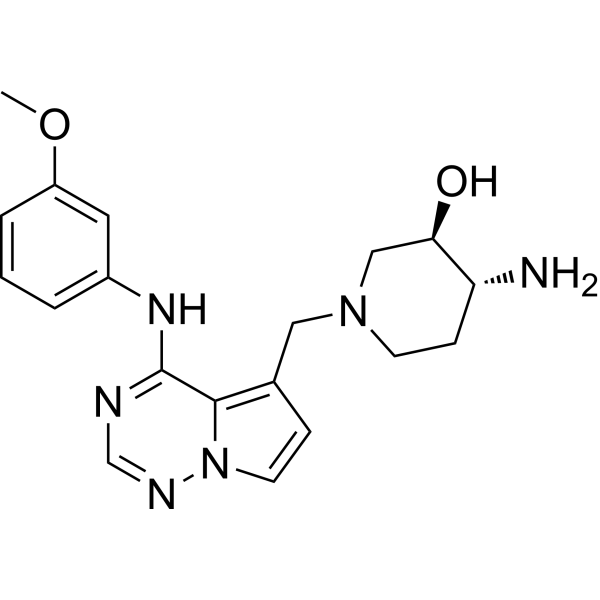
- HY-131180
-
|
LAR-1219
|
Formyl Peptide Receptor (FPR)
|
Cardiovascular Disease
|
|
BMS-986235 (LAR-1219) is a selective, orally active formyl peptide receptor 2 (FPR2) agonist, with EC50s of 0.41 nM and 3.4 nM for hFPR2 and mFPR2, respectively. BMS-986235 has potential for the prevention of heart failure .
|
-
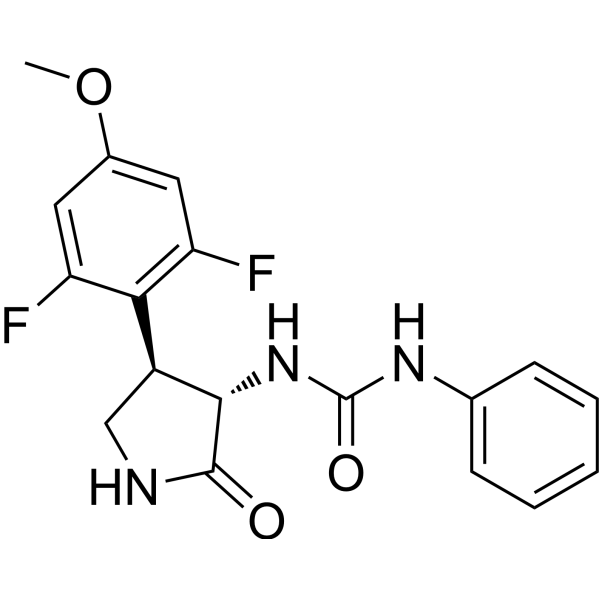
- HY-120618
-
|
BMS-180492
|
Drug Derivative
|
Neurological Disease
|
|
Triazoledione (BMS-180492) is a phenylpiperazine compound and the major metabolite of Nefazodone (HY-119209). Triazoledione is used in the research of depression .
|
-

- HY-10497
-
|
|
c-Met/HGFR
VEGFR
|
Cancer
|
|
BMS-794833 is a VEGFR2 and Met inhibitor extracted from patent WO2009094417, compound example 1; has IC50s of 15 and 1.7 nM, respectively.
|
-
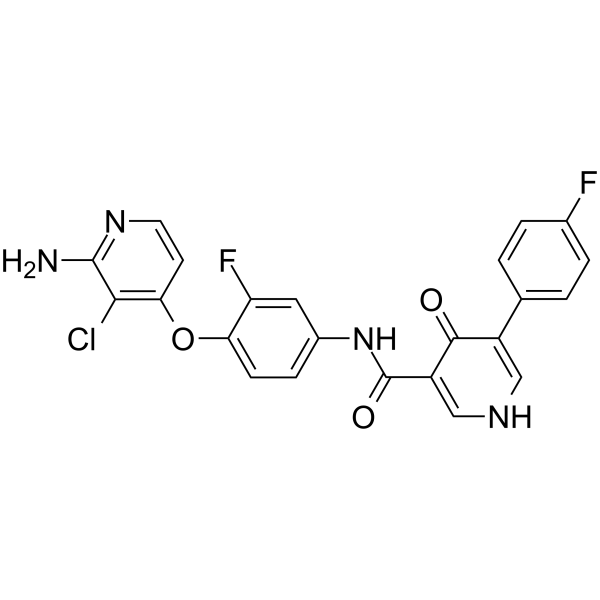
- HY-120639
-
|
|
HIV
|
Others
|
|
BMS-663749 lysine is a prodrug of an HIV-1 attachment inhibitor with the potential to enhance the delivery of the parent compound following oral administration.
|
-

- HY-12076
-
|
BMS 817378
|
c-Met/HGFR
TAM Receptor
|
Cancer
|
|
BMS 777607 (BMS 817378) is a Met-related inhibitor for c-Met, Axl, Ron and Tyro3 with IC50s of 3.9 nM, 1.1 nM, 1.8 nM and 4.3 nM, respectively, and 40-fold more selective for Met-related targets than Lck, VEGFR-2, and TrkA/B, with more than 500-fold greater selectivity versus all other receptor and non receptor kinases .
|
-
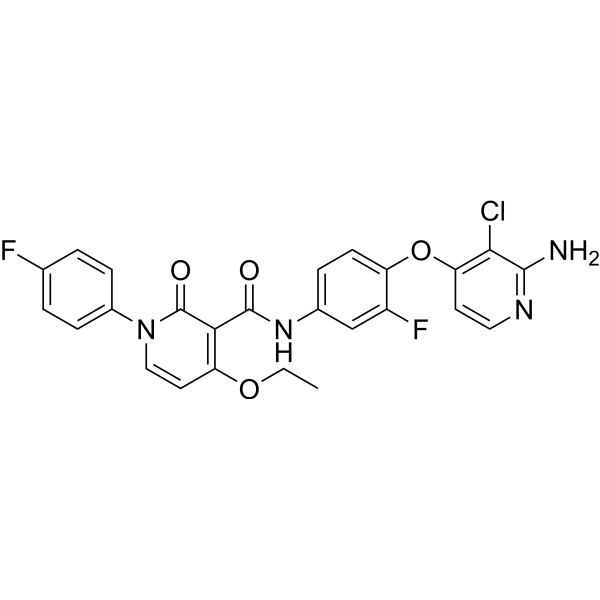
- HY-131187
-
|
|
Ligands for Target Protein for PROTAC
|
Cancer
|
|
BMS-1166-N-piperidine-COOH, the BMS-1166-based moiety, binds to E3 ligase ligand via a linker to form PROTAC PD-1/PD-L1 degrader-1 (HY-131183) to degrade PD-1/PD-L1 . BMS-1166 is a potent PD-1/PD-L1 interaction inhibitor with an IC50 of 1.4 nM. BMS-1166 antagonizes the inhibitory effect of PD-1/PD-L1 immune checkpoint on T cell activation .
|
-
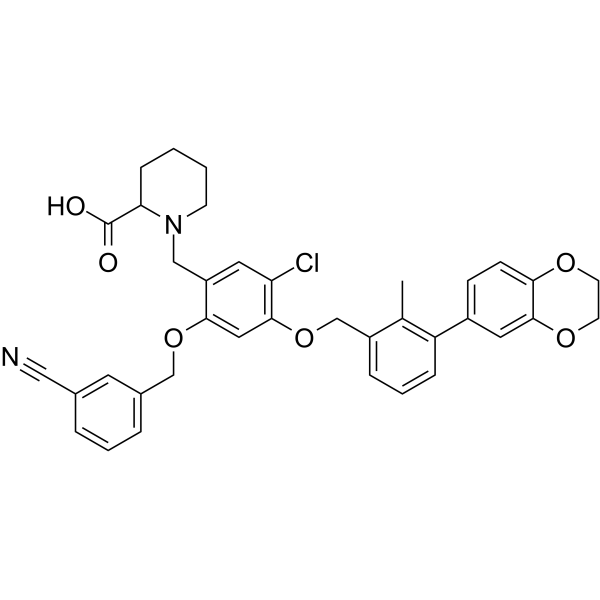
- HY-50884
-
-
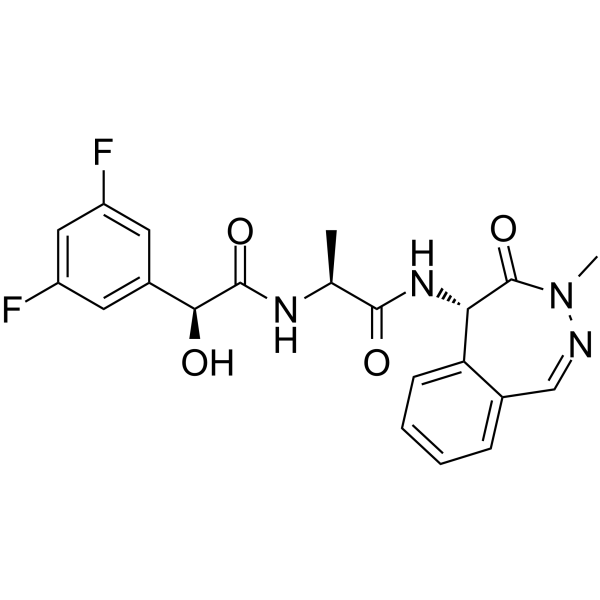
- HY-50845
-
|
BMS-708163
|
γ-secretase
Notch
|
Cancer
|
|
Avagacestat (BMS-708163) is a potent inhibitor of γ-secretase, with IC50s of 0.27 nM and 0.30 nM for Aβ42 and Aβ40 inhibition; Avagacestat (BMS-708163) also inhibits NICD (Notch IntraCellular Domain) with IC50 of 0.84 nM and shows weak inhibition of CYP2C19, with IC50 of 20 μM. Avagacestat can be used for Alzheimer disease research.
|
-
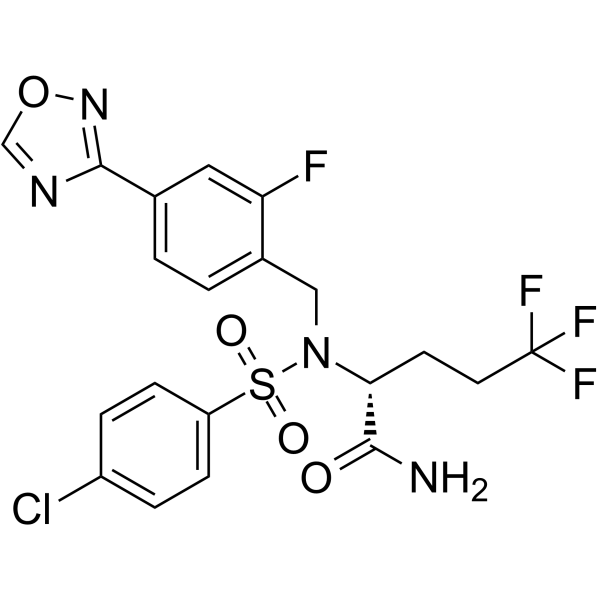
- HY-19263
-
|
|
Endothelin Receptor
|
Cardiovascular Disease
|
|
BMS-193884 is a selective, orally active, and competitive ETA antagonist with 10000-fold greater affinity for the human ETA receptor (Ki=1.4 nM) than for the ETB receptor .
|
-
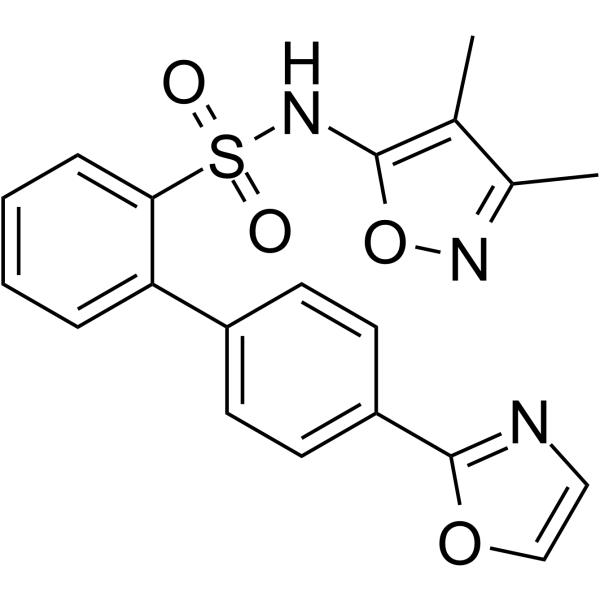
- HY-10678
-
|
|
PPAR
|
Cardiovascular Disease
|
|
BMS-687453 is a potent and selective PPARα agonist, with an EC50 and IC50 of 10 nM and 260 nM for human PPARα and 4100 nM and >15000 nM for PPARγ in PPAR-GAL4 transactivation assays.
|
-
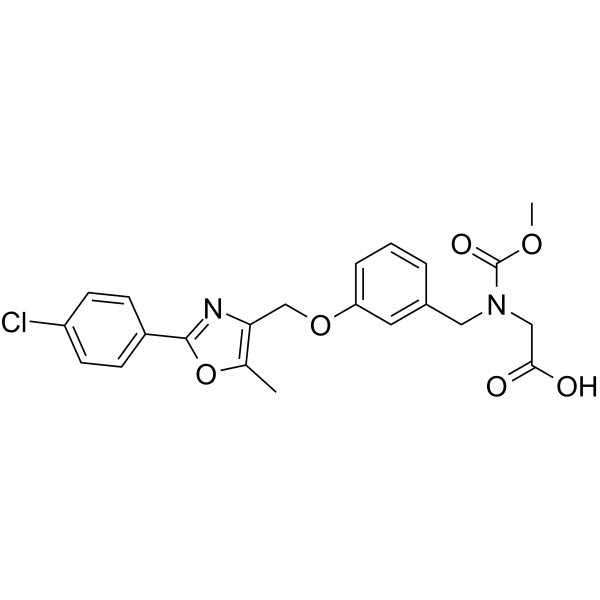
- HY-15270
-
|
|
JAK
|
Cancer
|
|
BMS-911543 is a selective JAK2 inhibitor, with IC50s of 1.1 nM, less selective at JAK1, JAK3 and TYK2 (IC50, 75, 360, 66 nM, respectively).
|
-
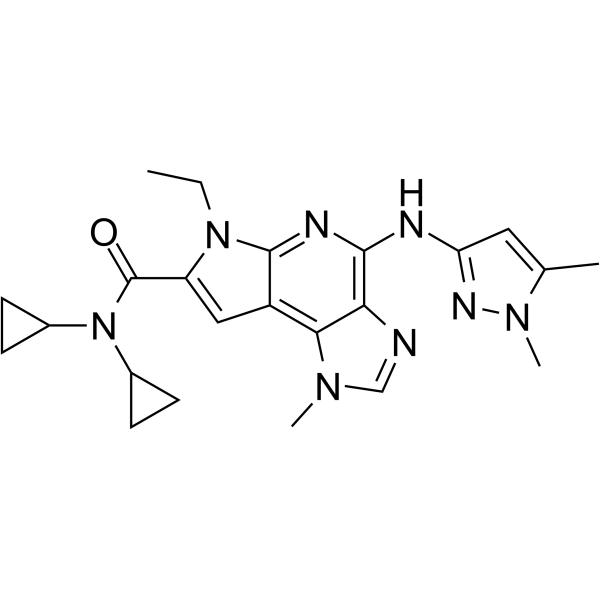
- HY-107727
-
|
|
Neuropeptide Y Receptor
|
Neurological Disease
|
|
BMS-193885 (L-Lactic acid) is a potent, selective, and brain-penetrant neuropeptide Y1 receptor antagonist. BMS-193885 has a Ki value of 3.3 nM for the neuropeptide Y1 receptor, competitively acts on the neuropeptide Y binding site, and can reduce food intake and body weight through central Y1 inhibition .
|
-
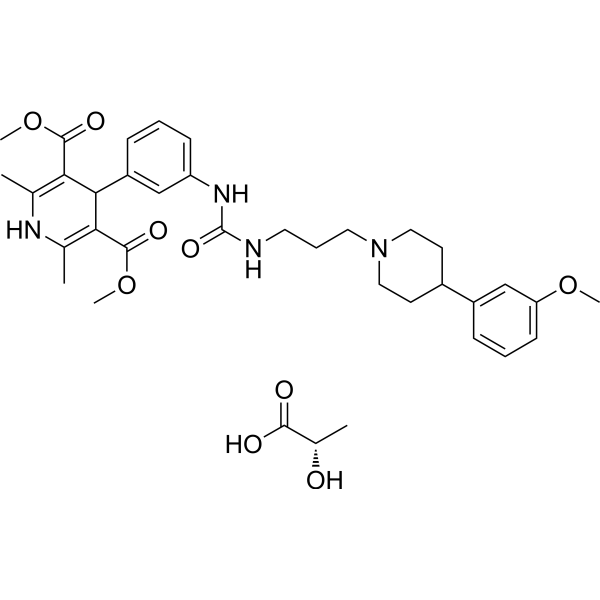
- HY-107020
-
|
21-Aminoepothilone B
|
Apoptosis
|
Cancer
|
|
BMS 310705 (21-Aminoepothilone B) is an analog of Epothilone B (HY-17029), targeting to malignancies such as ovarian, renal, bladder, and lung carcinoma. BMS 310705 induces significant apoptosis via mitochondrial-mediated pathway .
|
-
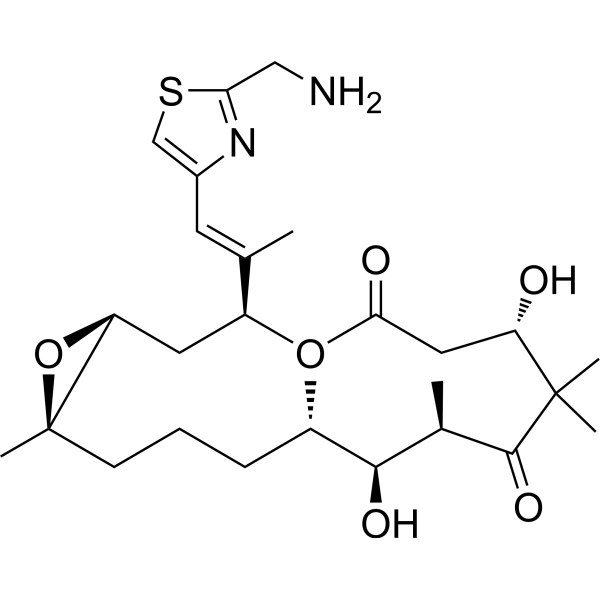
- HY-120643
-
|
|
11β-HSD
|
Metabolic Disease
|
|
BMS-823778 hydrochloride is a potent, selective and orally active 11β-HSD1 inhibitor with an IC50 of 2.3 nM against human 11β-HSD1 .
|
-
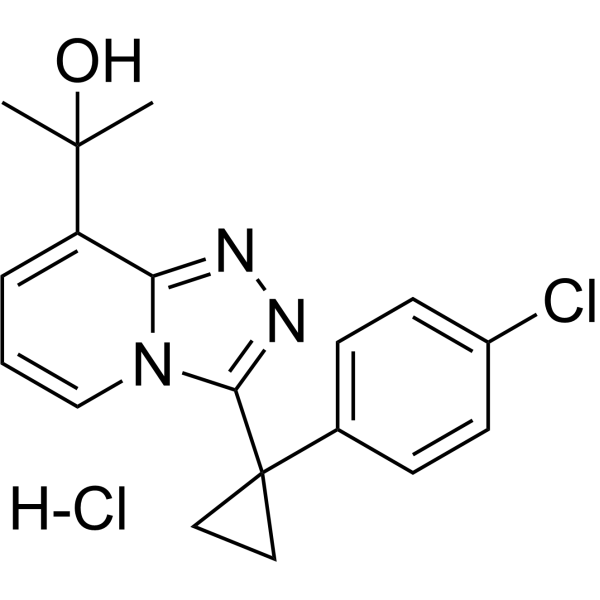
- HY-123381
-
-

- HY-15440
-
|
BMS-626529
|
HIV
|
Infection
|
|
Temsavir (BMS-626529) is a novel attachment inhibitor that targets HIV-1 gp120 and prevents its binding to CD4 + T cells.
|
-
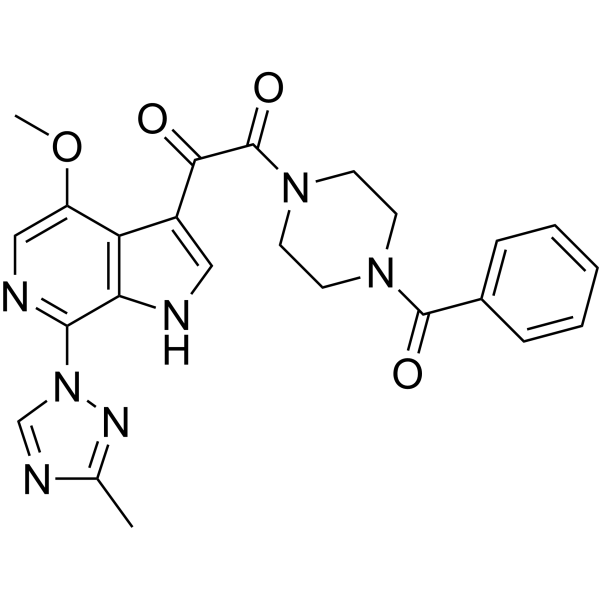
- HY-P99321
-
|
BMS 224819; Chi220; Anti-Human CD40 Recombinant Antibody
|
TNF Receptor
|
Inflammation/Immunology
Cancer
|
|
Teneliximab (BMS-224819) is a chimeric monoclonal antibody, blocks the CD40-CD40L interaction. Teneliximab (BMS-224819) has partial agonist activity resulting in some signaling through CD40 and peripheral B cell depletion .
|
-

- HY-101930
-
|
|
11β-HSD
|
Metabolic Disease
|
|
BMS-816336 is a novel, potent and orally bioavailable inhibitor against human 11β-hydroxysteroid dehydrogenase type 1 (11β-HSD1) enzyme with an IC50 of 3.0 nM .
|
-
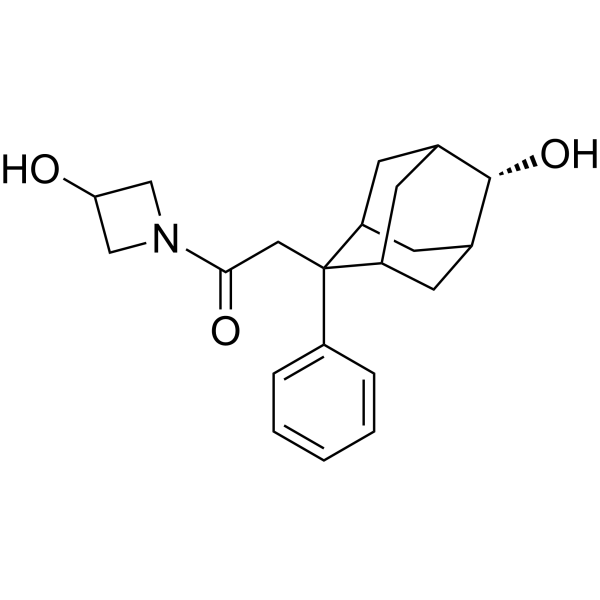
- HY-119245
-
|
BMS-986166
|
LPL Receptor
|
Inflammation/Immunology
|
|
Udifitimod (BMS-986166) is a potent, selective and orally active S1P1R modulator. Udifitimod has the potential for the research of autoimmune diseases .
|
-
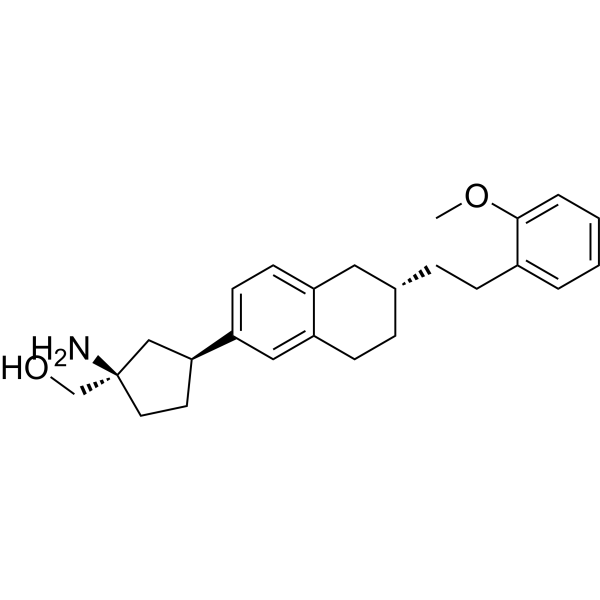
- HY-15440BR
-
|
BMS-663068 Tris (Standard)
|
HIV
Reference Standards
|
Infection
|
|
Fostemsavir Tris (Standard) is the analytical standard of Fostemsavir Tris. This product is intended for research and analytical applications. Fostemsavir Tris (BMS-663068 (Tris)) is the phosphonooxymethyl proagent of BMS-626529. Fostemsavir Tris (BMS-663068 (Tris)) is a novel attachment inhibitor that targets HIV-1 gp120 and prevents its binding to CD4+ T cells.
|
-

- HY-15440AS
-
|
BMS-663068-d8
|
Isotope-Labeled Compounds
HIV
|
Infection
|
|
Fostemsavir-d8 (BMS-663068-d8) is deuterium labeled Fostemsavir. Fostemsavir (BMS-663068) is the phosphonooxymethyl prodrug of BMS-626529. Fostemsavir (BMS-663068) is a novel attachment inhibitor that targets HIV-1 gp120 and prevents its binding to CD4 + T cells.
|
-

- HY-19667A
-
|
DPC 333 formate
|
TNF Receptor
NF-κB
Apoptosis
p38 MAPK
|
Neurological Disease
Inflammation/Immunology
|
|
BMS-561392 formate (DPC 333 formate) is a selective ADAM17(TACE) inhibitor. BMS-561392 formate inhibits TNF-α secretion by regulating signaling pathways such as p44 MAPK and NF-κB. BMS-561392 formate also affects the survival of central nervous system-related cells including oligodendrocytes and microglia. BMS-561392 formate promotes microglial apoptosis, enlarges the injury area and exacerbates astrogliosis in a mouse spinal cord injury model. BMS-561392 formate can be used in research related to spinal cord injury and inflammatory diseases .
|
-
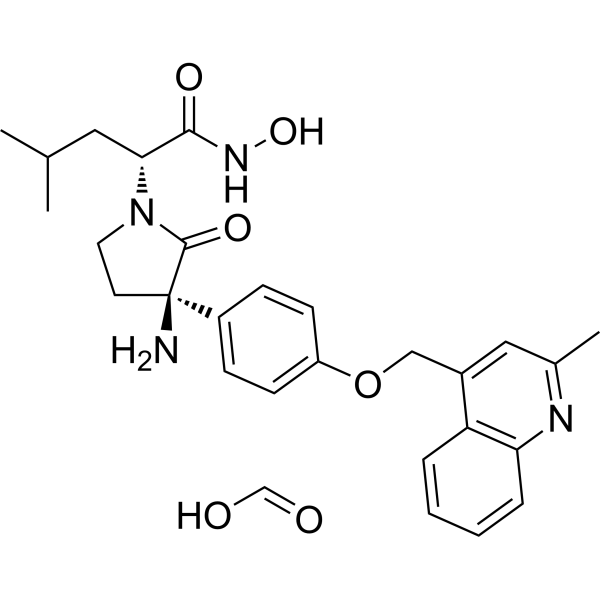
- HY-19614
-
|
|
CETP
|
Cardiovascular Disease
|
|
BMS-795311 is a potent and orally bioavailable inhibitor of cholesteryl ester transfer protein (CETP), with IC50s of 4 nM in an enzyme-based scintillation proximity assay (SPA) and 0.22 μM in a human whole plasma assay (hWPA), respectively .
|
-
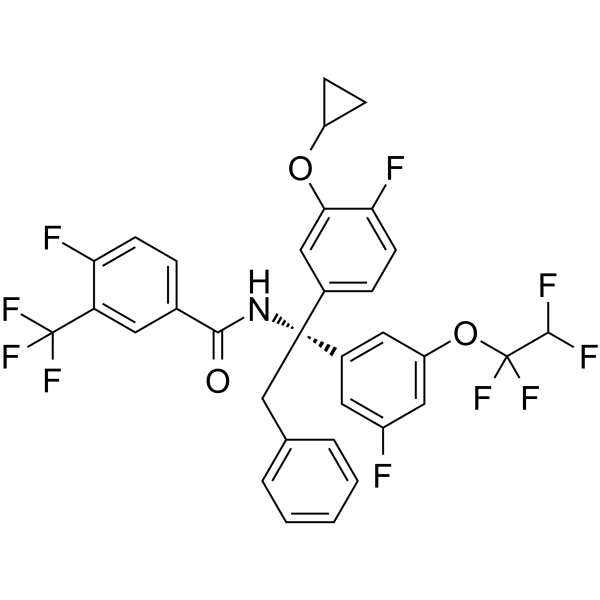
- HY-23193
-
|
|
Influenza Virus
|
Infection
|
|
BMS-199945 is a influenza virus fusion inhibitor with the IC50 values of 0.57 μM and approximately 1 μM aganist influenza A/WSN/33 virus-induced hemolysis of chicken RBC and in the trypsin protection assay, respectively .
|
-

- HY-117957
-
|
|
γ-secretase
|
Neurological Disease
|
|
BMS-932481 is an orally active modulator for γ-secretase, selectively reduce Aβ1-42 and Aβ1-40 production, with IC50s of 6.6 and 25.3 nM, respectively .
|
-
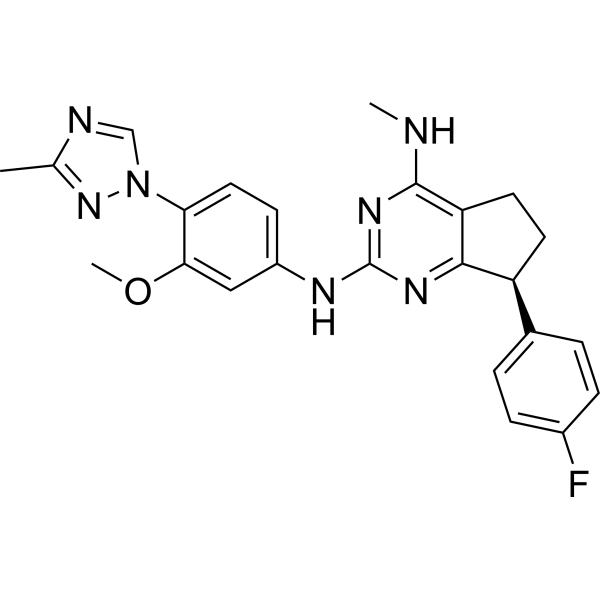
- HY-101567
-
|
|
Epigenetic Reader Domain
|
Cancer
|
|
BMS-986158 is a potent BET inhibitor with IC50s of 6.6 and 5 nM in NCI-H211 small cell lung cancer (SCLC) cells and MDA-MB231 triple negative breast cancer (TNBC) cells, respectively .
|
-
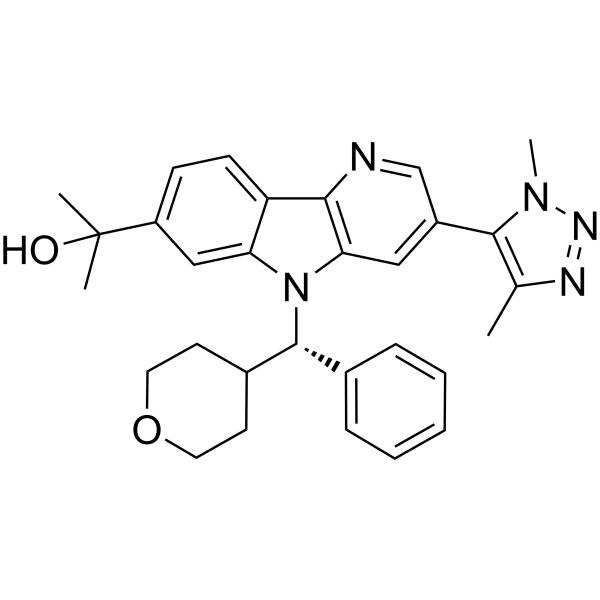
- HY-120206B
-
|
BMS-204756 sulfate
|
Monoamine Oxidase
|
Neurological Disease
|
|
Brasofensine (BMS-204756) sulfate is an oral active dopamine transporter antagonist and can be used for parkinson’s disease research .
|
-
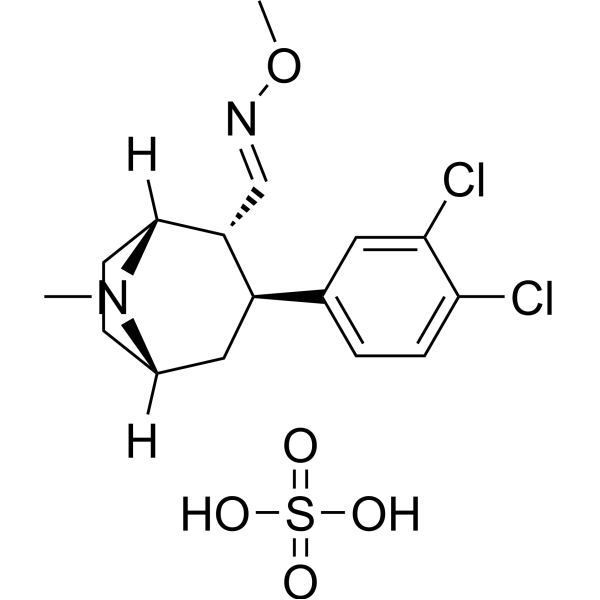
- HY-14667
-
-
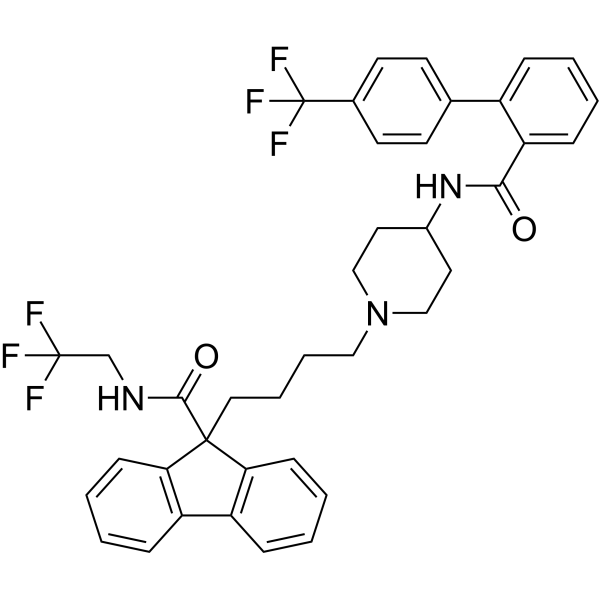
- HY-10278
-
|
DPC 906; BMS 561389
|
Factor Xa
|
Others
|
|
Razaxaban (DPC 906; BMS 561389) is a bioavtive small molecular compound.
|
-

- HY-137655
-
|
|
Protein Arginine Deiminase
|
Cancer
|
|
BMS-P5 is a selective and orally active peptidylarginine deiminase 4 (PAD4) inhibitor with an IC50 of 98 nM. BMS-P5 shows selective for PAD4 over PAD1, PAD2, and PAD3. BMS-P5 blocks multiple myeloma (MM)-induced neutrophil extracellular trap (NET) formation and delays progression of MM in a syngeneic mouse model .
|
-
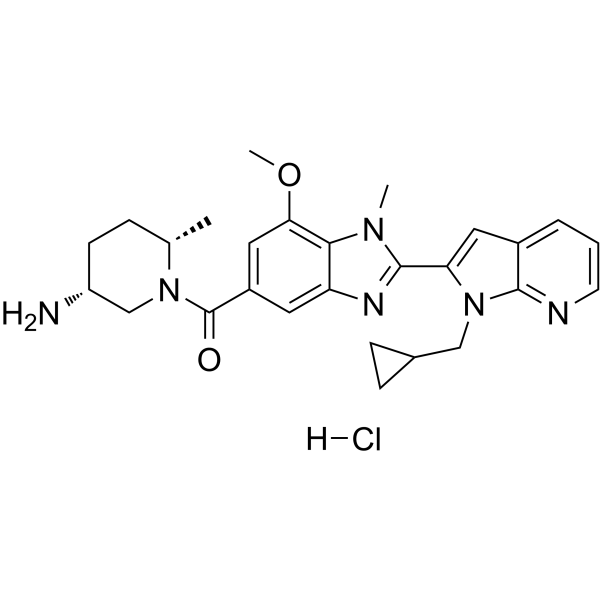
- HY-50883
-
|
|
γ-secretase
|
Neurological Disease
|
|
BMS 299897 is a sulfonamide γ-secretase inhibitor with an IC50 of 7 nM for Aβ production inhibition in HEK293 cells stably overexpressing amyloid precursor protein (APP).
|
-
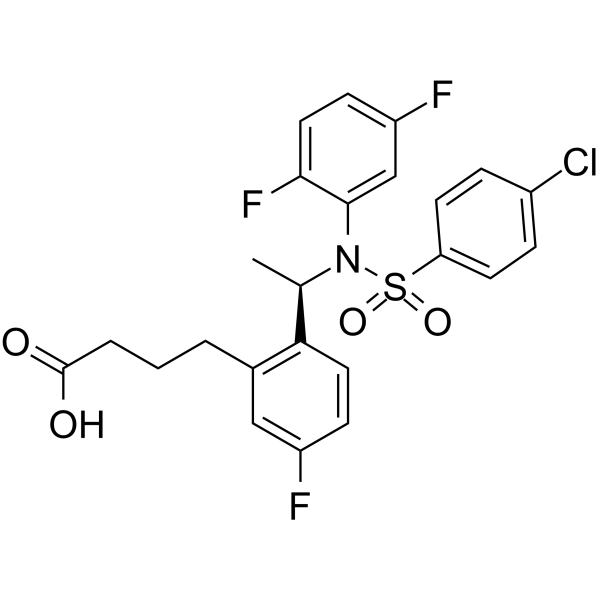
- HY-14272
-
|
BMS-207147; ER-30346
|
Fungal
|
Infection
Cancer
|
|
Ravuconazole (BMS-207147;ER-30346) is an orally available triazole antifungle agent that potently inhibits a wide range of fungi.
|
-
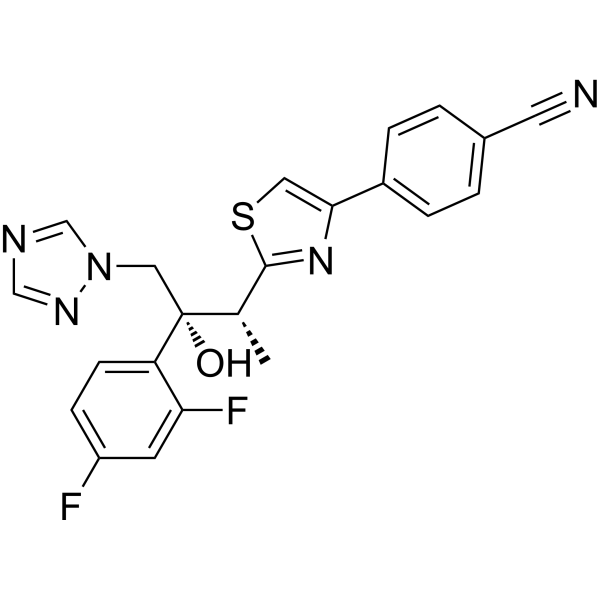
- HY-P990111
-
-
- HY-14495A
-
|
EX-1314 free base
|
GHSR
|
Metabolic Disease
|
|
BMS-604992 (EX-1314) free base is a selective, orally active small-molecule growth hormone secretagogue receptor (GHSR) agonist. BMS-604992 free base demonstrates high-affinity binding (ki=2.3 nM) and potent functional activity (EC50=0.4 nM). BMS-604992 free base can stimulate food intake in rodents .
|
-
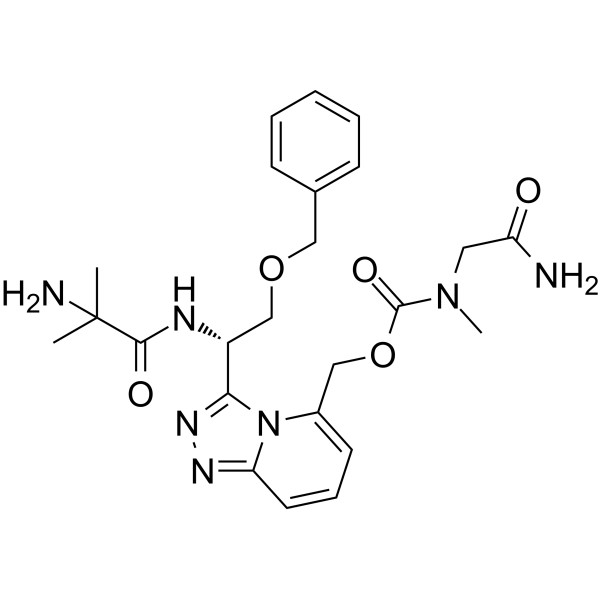
- HY-10337
-
|
BMS-540215
|
VEGFR
Autophagy
|
Cancer
|
|
Brivanib (BMS-540215) is an ATP-competitive inhibitor against VEGFR2 with an IC50 of 25 nM, and has moderate potency against VEGFR-1 and FGFR-1, but >240-fold against PDGFR-β .
|
-
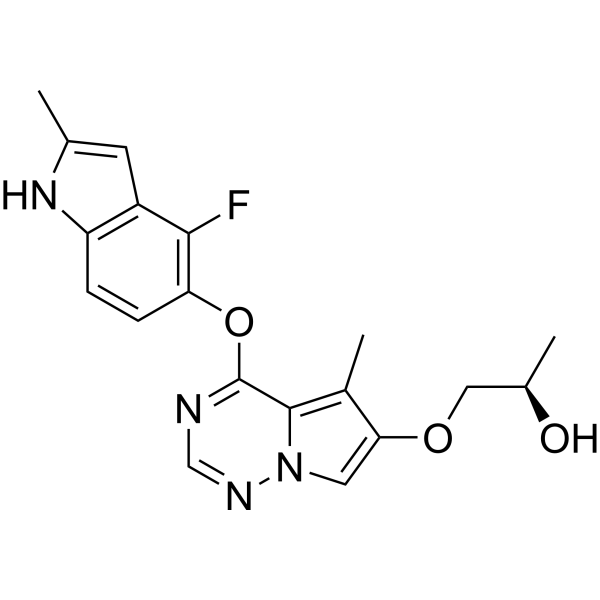
- HY-134829
-
|
LX-9211; AAK1-IN-1
|
AAK1
|
Neurological Disease
|
|
BMS-986176 (LX-9211) is a highly selective, brain-penetrant, potent AAK1 (adaptor associated kinase 1) inhibitor with an IC50 of 2 nM. BMS-986176 can be used for neurodegenerative diseases research .
|
-
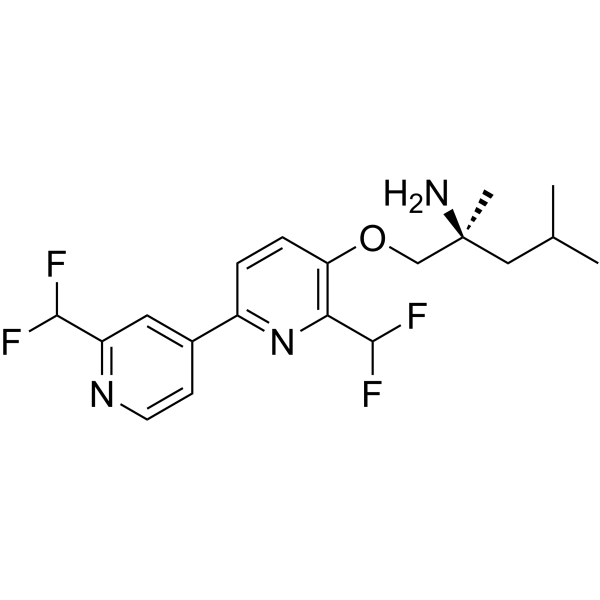
- HY-120611
-
-

- HY-13831
-
BPTU
1 Publications Verification
BMS-646786
|
P2Y Receptor
|
Neurological Disease
Cancer
|
|
BPTU (BMS-646786) is a non-nucleotide P2Y1 receptor allosteric antagonist with antithrombotic activity. BPTU is able to block the P2Y1 receptor located at the neuromuscular junction of the gastrointestinal tract .
|
-
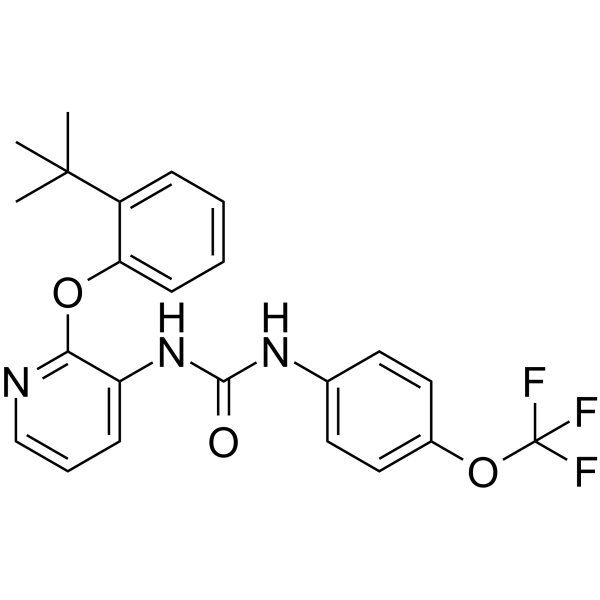
- HY-15402D
-
|
BMS 207940 hydrate
|
Endothelin Receptor
|
Cardiovascular Disease
|
|
Edonentan (BMS 207940) hydrate is a potent and selective antagonist of the endothelin A (ETA) receptor, with a Ki of 10 pM. In rats, Edonentan has superior (100%) oral bioavailbility .
|
-
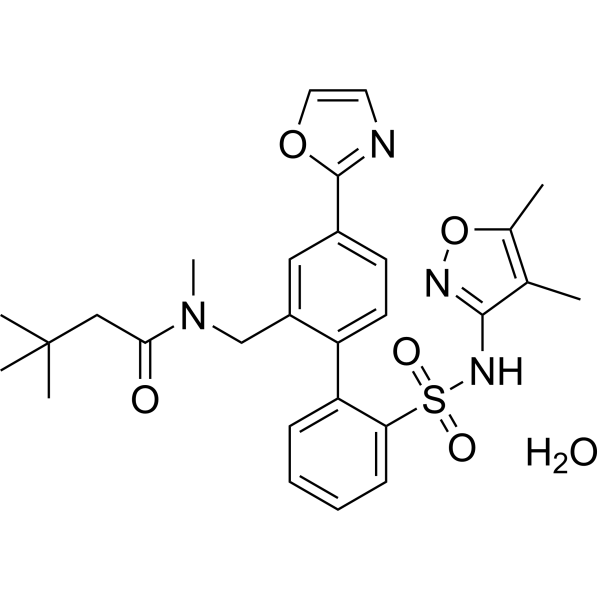
- HY-W725955
-
|
BMS-663068 sodium
|
HIV
|
Infection
|
|
Fostemsavir sodium (BMS-663068 sodium) is an HIV-1 attachment inhibitor with antiviral activity against multidrug-resistant HIV-1. Co-inhibition with fostemsavir sodium also showed a trend toward reduction in markers of monocyte activation and coagulation abnormalities .
|
-

- HY-13809
-
|
XL-139
|
Smo
Apoptosis
|
Cancer
|
|
BMS-833923 (XL-139) is an orally biocompatible Smoothened (Smo) inhibitor with anti-tumor activity. It can inhibit the binding of BODIPY cyclopamine to SMO in a dose-dependent manner with an IC50 of 21 nM .
|
-
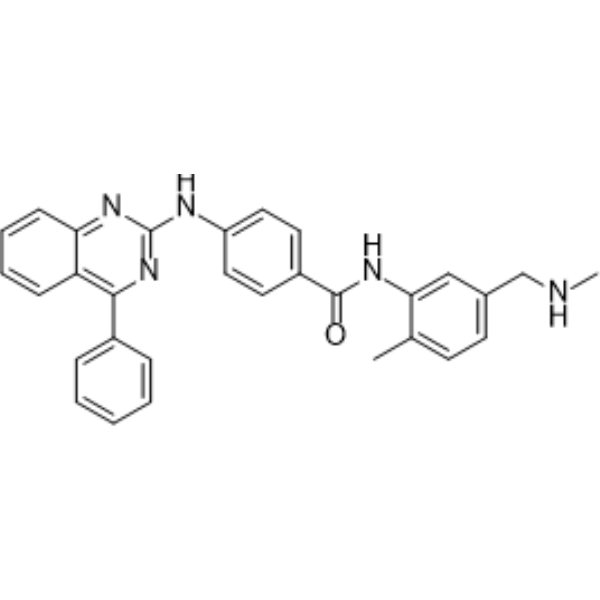
- HY-10285A
-
|
BMS-477118 hydrate
|
Dipeptidyl Peptidase
|
Metabolic Disease
|
|
Saxagliptin hydrate (BMS-477118 hydrate) is a potent, selective, reversible, competitive and orally active dipeptidyl peptidase-4 (DPP-4) (Ki = 0.6-1.3 nM) inhibitor. Saxagliptin hydrate has the peotential for type 2 diabetes mellitus research .
|
-
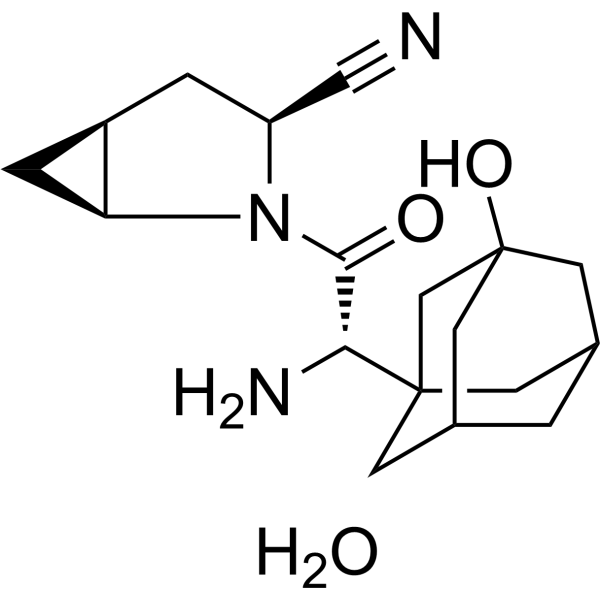
- HY-10285
-
|
BMS-477118
|
Dipeptidyl Peptidase
|
Metabolic Disease
|
|
Saxagliptin (BMS-477118) is a potent, selective, reversible, competitive and orally active dipeptidyl peptidase-4 (DPP-4) (Ki = 0.6-1.3 nM) inhibitor. Saxagliptin has the peotential for type 2 diabetes mellitus research .
|
-
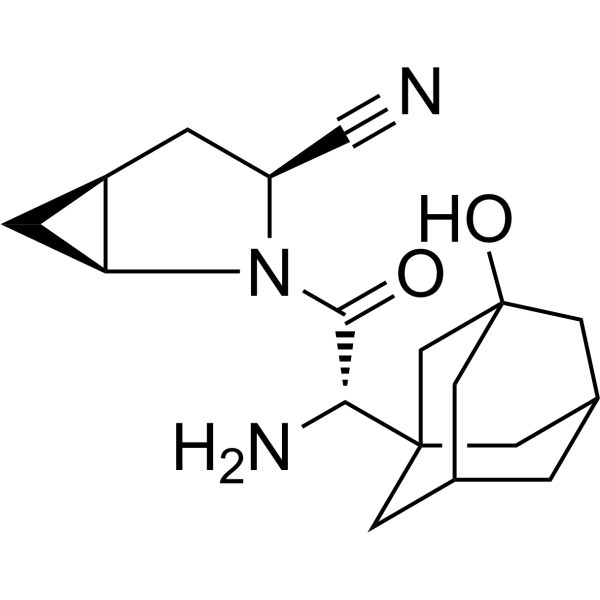
- HY-P99701
-
|
BMS-986004
|
TNF Receptor
|
Inflammation/Immunology
|
|
Letolizumab (BMS-986004) is a monoclonal antibody targeting CD40L, which is produced to express mutant IgG1 lacking effector function, including Fc binding and complement fixation. Letolizumab reduces rejection, thromboembolism and prolongs the survival time .
|
-

- HY-16448
-
|
BMS-477118 hydrochloride
|
Dipeptidyl Peptidase
|
Metabolic Disease
|
|
Saxagliptin hydrochloride (BMS-477118 hydrochloride) is a potent, selective, reversible, competitive and orally active dipeptidyl peptidase-4 (DPP-4) (Ki = 0.6-1.3 nM) inhibitor. Saxagliptin hydrochloride has the peotential for type 2 diabetes mellitus research .
|
-
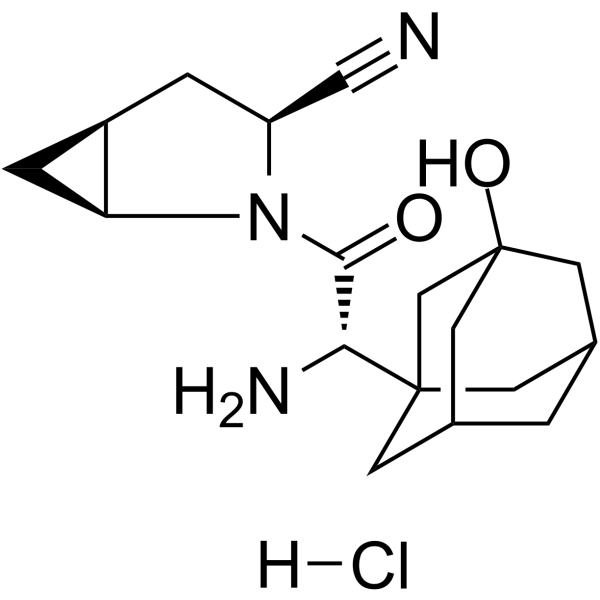
- HY-P991436
-
|
BMS-986415
|
Interleukin Related
IFNAR
|
Cancer
|
|
DF6002 (BMS-986415) is a human monoclonal antibody (mAb) targeting IL-12. DF6002 increases IFN-γ levels. DF6002 can be used in solid tumors research .
|
-

- HY-16779
-
|
BMS-379224; E-1224
|
Fungal
Parasite
|
Infection
|
|
Fosravuconazole (BMS-379224), a proagent of Ravuconazole, is an orally active broad spectrum antifungal agent. Fosravuconazole can be used for candidiasis, onychomycosis and parasitemia research .
|
-
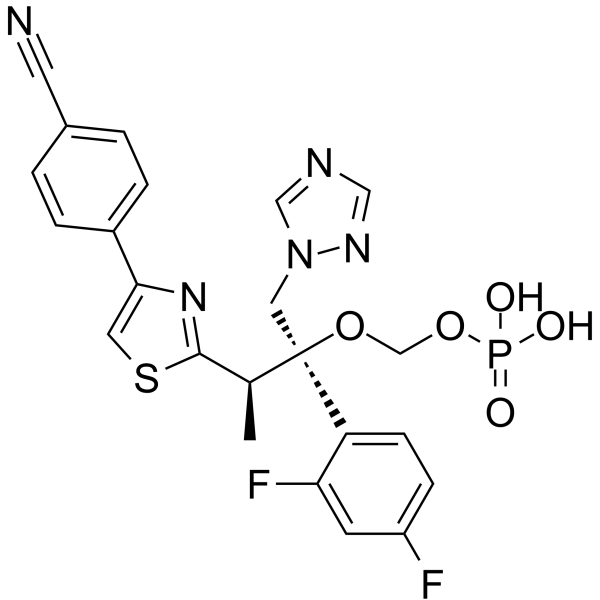
- HY-14434
-
|
BMS-650032
|
HCV
HCV Protease
SARS-CoV
|
Infection
|
|
Asunaprevir (BMS-650032) is a potent and orally bioavailable hepatitis C virus (HCV) NS3 protease inhibitor, with IC50 of 0.2 nM-3.5 nM . Asunaprevir inhibits SARS-CoV-2 3CL pro activity .
|
-
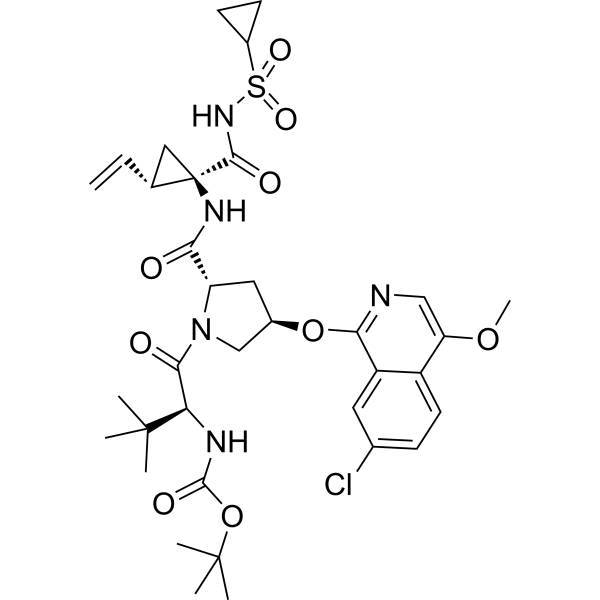
- HY-18305
-
BMS-5
5 Publications Verification
LIMKi 3
|
LIM Kinase (LIMK)
|
Cancer
|
|
BMS-5 (LIMKi 3) is a potent LIMK inhibitor with IC50s of 7 nM and 8 nM for LIMK1 and LIMK2, respectively.
|
-
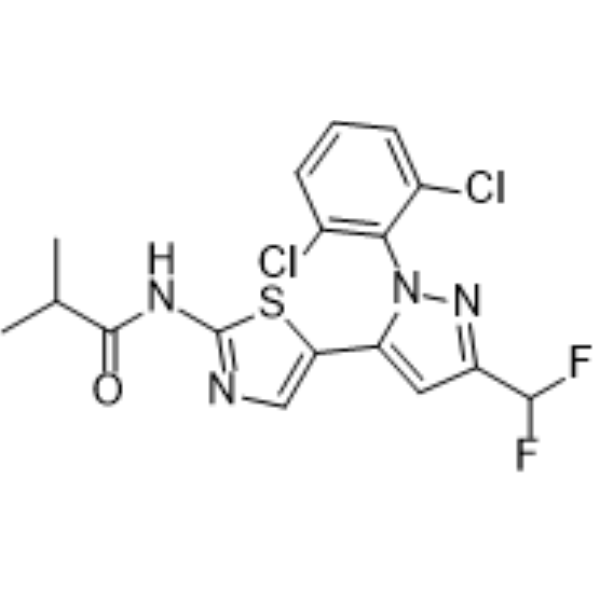
- HY-107124
-
|
|
11β-HSD
|
Metabolic Disease
|
|
BMS-770767 is an 11β-hydroxysteroid dehydrogenase 1 (11β-HSD1) inhibitor in type 2 diabetes. 11β-HSD1 is an important enzyme that is widely expressed in liver, adipose tissue and other tissues and plays an important role in metabolic diseases such as diabetes and obesity .
|
-
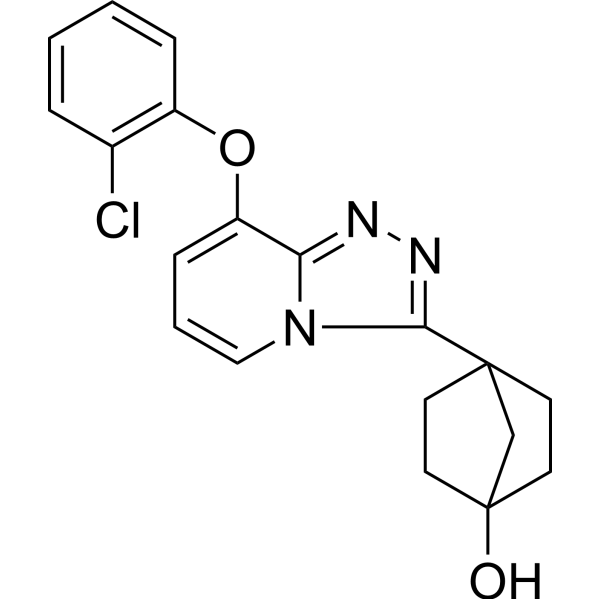
- HY-50845R
-
|
BMS-708163 (Standard)
|
γ-secretase
Notch
Reference Standards
|
Cancer
|
|
Avagacestat (Standard) is the analytical standard of Avagacestat. This product is intended for research and analytical applications. Avagacestat (BMS-708163) is a potent inhibitor of γ-secretase, with IC50s of 0.27 nM and 0.30 nM for Aβ42 and Aβ40 inhibition; Avagacestat (BMS-708163) also inhibits NICD (Notch IntraCellular Domain) with IC50 of 0.84 nM and shows weak inhibition of CYP2C19, with IC50 of 20 μM. Avagacestat can be used for Alzheimer disease research.
|
-

- HY-50667
-
|
BMS-562247-01
|
Factor Xa
|
Cardiovascular Disease
Cancer
|
|
Apixaban (BMS-562247-01) is a highly selective, reversible and orally active inhibitor of Factor Xa with Ki of 0.08 nM and 0.17 nM in human and rabbit, respectively . Apixaban is in development for the prevention and treatment of various thromboembolic diseases .
|
-
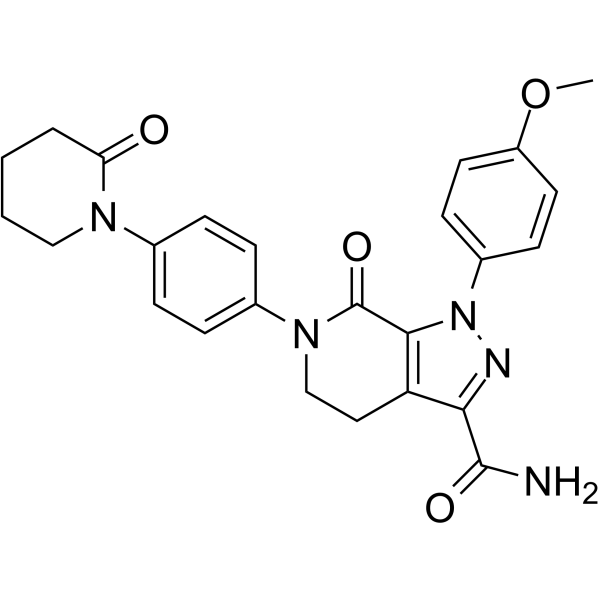
- HY-10008
-
|
BMS-387032
|
CDK
Apoptosis
|
Cancer
|
|
SNS-032 (BMS-387032) is a potent and selective inhibitor of CDK2, CDK7, and CDK9 with IC50s of 38 nM, 62 nM and 4 nM, respectively. SNS-032 has antitumor effect .
|
-
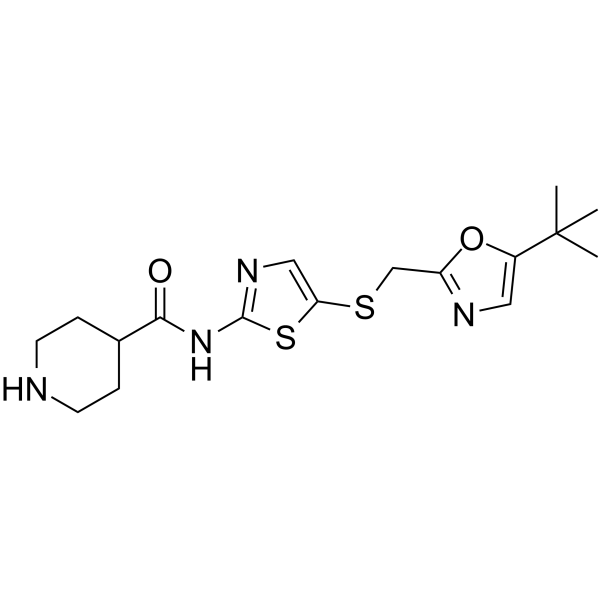
- HY-121096
-
|
BMS-304245
|
Bacterial
MMP
HIV Integrase
|
Infection
|
|
Funalenone (BMS-304245) is a MraY + MurG inhibitor with an IC50 of 25.5 μM in a MraY + MurG membrane plate assay. Funalenone inhibits Staphylococcus aureus (A15090) with an MIC of 64 μg/mL. Funalenone also inhibits MMP-1 with an IC50 of 170 μM .
|
-
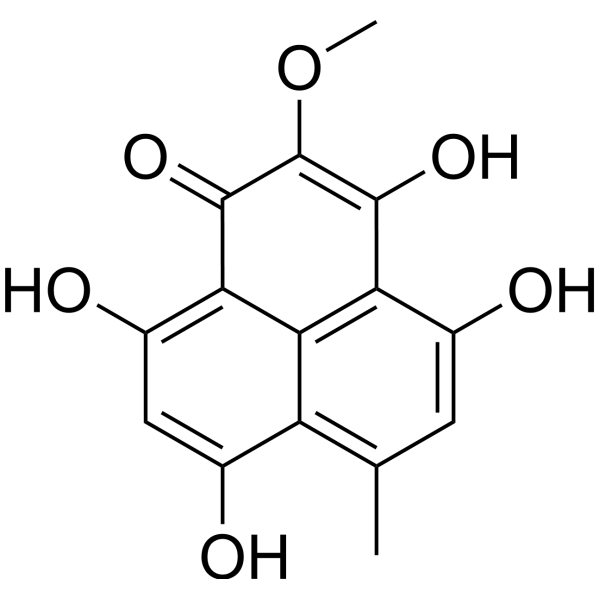
- HY-10450
-
|
BMS-512148
|
SGLT
|
Metabolic Disease
Cancer
|
|
Dapagliflozin (BMS-512148), a new type of agent used to treat diabetes mellitus (DM), is a competitive sodium/glucose cotransporter 2 (SGLT2) inhibitor, which results in excretion of glucose into the urine . Dapagliflozin induces HIF1 expression and attenuates renal IR injury .
|
-
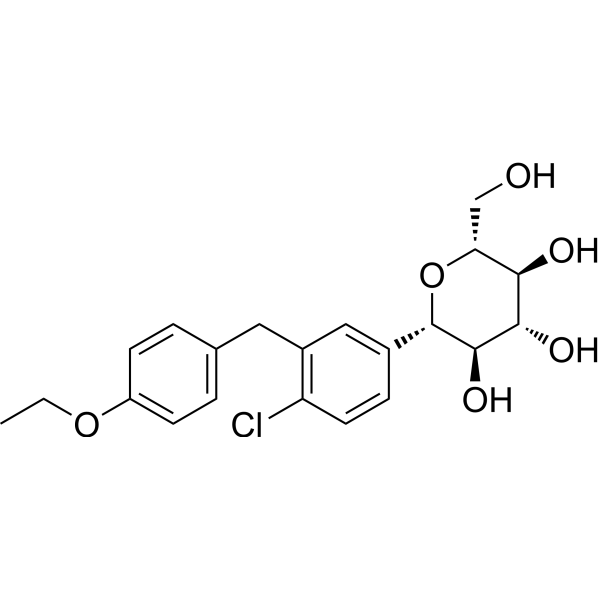
- HY-10181G
-
|
BMS-354825 (GMP)
|
Src
Bcr-Abl
Apoptosis
Autophagy
|
Cancer
|
|
Dasatinib (BMS-354825) (GMP) is a GMP-grade Dasatinib (HY-10181). GMP-grade small molecules can be used as adjuvant agents in cell therapy. Dasatinib (BMS-354825) is an orally active, ATP-competitive, dual Src/Bcr-Abl inhibitor with potent antitumor activity. The Ki values for Src and Bcr-Abl are 16 pM and 30 pM, respectively. Dasatinib inhibits Bcr-Abl and Src with IC50 values of less than 1.0 nM and 0.5 nM, respectively. Dasatinib also induces apoptosis and autophagy .
|
-

- HY-P990902
-
|
BMS-986012
|
Transmembrane Glycoprotein
|
Cancer
|
|
Atigotatug (BMS-986012) is a fully human IgG1 antibody binds specifically to FucGM1 with an EC50 of 0.15 nmol/L for FucGM1. Atigotatug is a FcγRIIIa ligand with a Kd of 21 nmol/L. Atigotatug demonstrates antitumor efficacy in multiple mouse small cell lung cancer models .
|
-

- HY-12429A
-
|
BMS-791325 hydrochloride
|
DNA/RNA Synthesis
HCV
|
Infection
|
|
Beclabuvir (BMS-791325) hydrochloride is an allosteric inhibitor that binds to thumb site 1 of the hepatitis C virus (HCV) NS5B RNA-dependent RNA polymerase, and inhibits recombinant NS5B proteins from HCV genotypes 1, 3, 4, and 5 with IC50 of < 28 nM .
|
-

- HY-P991058
-
|
BMS-986315
|
Checkpoint Kinase (Chk)
|
Cancer
|
|
Zimistobart (BMS-986315) is a fully human IgG1 antibody that targets NKG2A. Zimistobart can be used for the study of non-small cell lung cancer (NSCLC). The isotype control for Zimistobart can refer to Human IgG1 kappa, Isotype Control (HY-P99001) .
|
-

- HY-18769
-
|
IDO-IN-4
|
Indoleamine 2,3-Dioxygenase (IDO)
|
Cancer
|
|
BMS-978587 (IDO-IN-4) is an indoleamine 2,3-dioxygenase 1 (IDO-1) inhibitor, extracted from patent WO2014150677A1, Compound example 1 enantiomer 1.
|
-
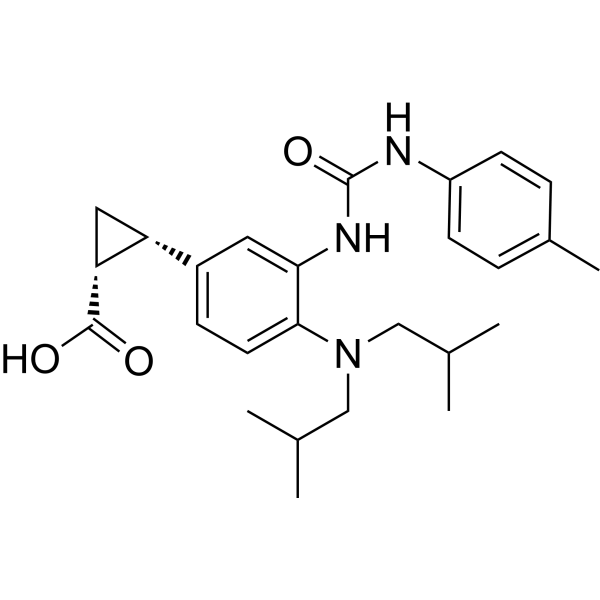
- HY-10336
-
|
BMS-582664
|
VEGFR
Autophagy
|
Cancer
|
|
Brivanib alaninate (BMS-582664) is an ATP-competitive inhibitor against VEGFR2 with an IC50 of 25 nM; has moderate potency against VEGFR-1 and FGFR-1, but more than 240-fold against PDGFRβ .
|
-
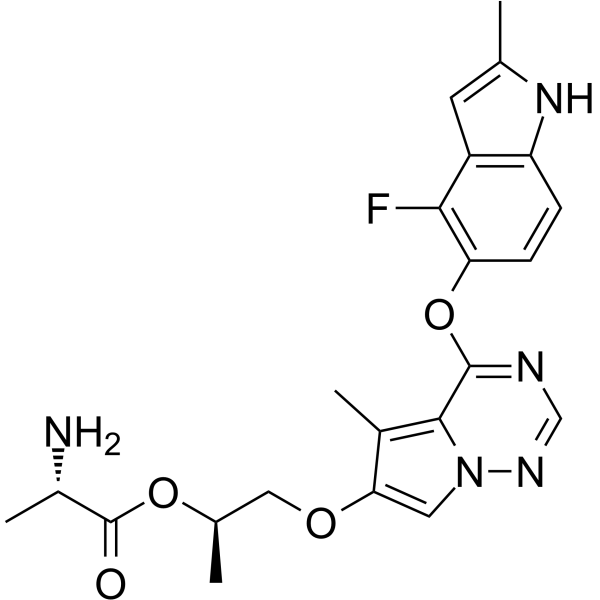
- HY-112161
-
|
BMS-986195
|
Btk
|
Cancer
|
|
Branebrutinib (BMS-986195) is a highly potent, selective covalent, irreversible inhibitor of Bruton’s tyrosine kinase (BTK), with an IC50 of 0.1 nM . Branebrutinib is a click chemistry reagent, it contains an Alkyne group and can undergo copper-catalyzed azide-alkyne cycloaddition (CuAAc) with molecules containing Azide groups.
|
-
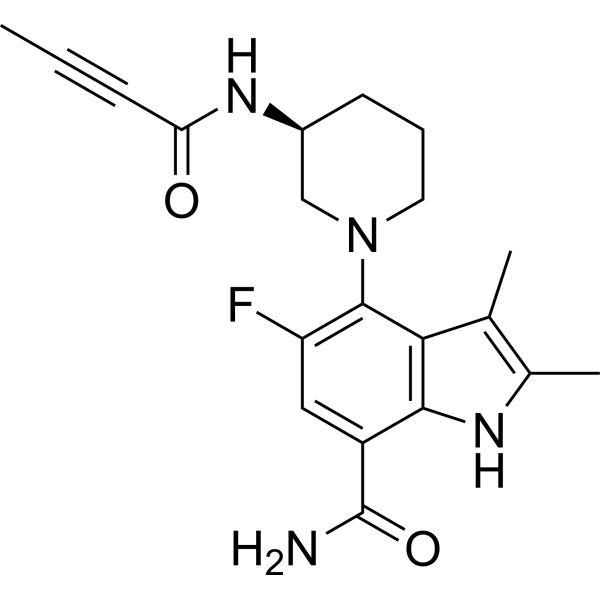
- HY-107413
-
|
BMS-649
|
RAR/RXR
|
Cancer
|
|
SR11237 (BMS-649) is a potent retinoid X receptor (RXR)-selective agonist that is devoid of any RAR activity. SR11237 can cause RXR/RXR homodimers to form and transactivate a reporter gene containing a RXR-response element .
|
-
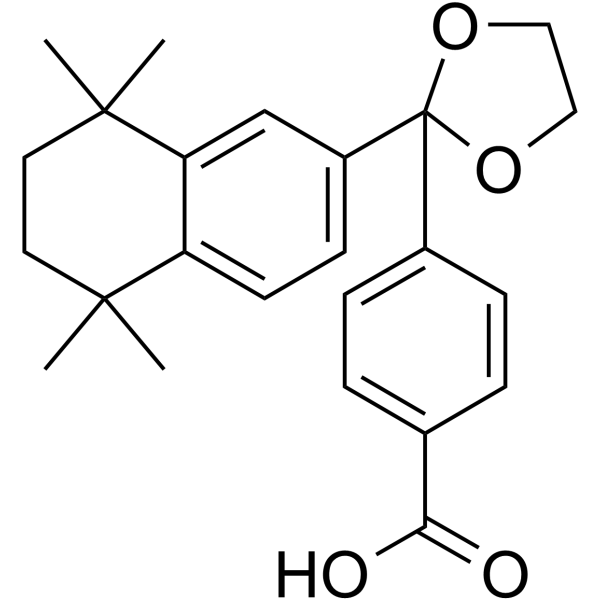
- HY-114071
-
|
|
RAR/RXR
|
Cancer
|
|
BMS270394 is a nuclear retinoic acid receptor (RAR-γ) agonist with the EC50 values of 30 nM and 400 nM for humanRAR-γ and RAR-β, respectively .
|
-

- HY-15260C
-
|
BMS-863233 hydrochloride
|
CDK
|
Cancer
|
|
XL413 (BMS-863233) hydrochloride is an orally active and selective CDC7 inhibitor (IC50=3.4 nM). XL413 hydrochloride has favorable pharmacokinetic profiles and significantly inhibits tumor growth in rodent models. XL413 hydrochloride can be used in cancer research .
|
-
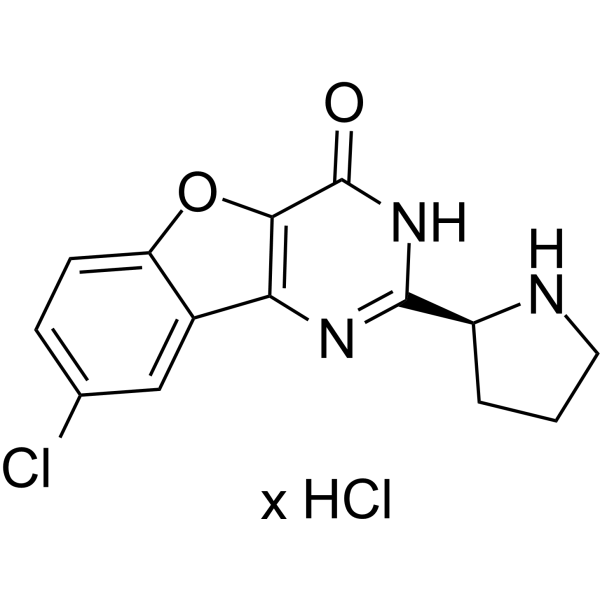
- HY-15440R
-
|
BMS-626529 (Standard)
|
HIV
Reference Standards
|
Infection
|
|
Temsavir (Standard) is the analytical standard of Temsavir. This product is intended for research and analytical applications. Temsavir (BMS-626529) is a novel attachment inhibitor that targets HIV-1 gp120 and prevents its binding to CD4+ T cells.
|
-

- HY-19343
-
|
BMS-908662
|
Raf
|
Cancer
|
|
XL-281 (BMS-908662) is an orally active inhibitor for RAF kinase, with IC50s of 2.6, 4.5 and 6 nM, for CRAF, B-RAF, and B-RAFV600E, respectively. XL-281 exhibits antitumor activity .
|
-

- HY-105218A
-
|
BMS-180291 sodium
|
Prostaglandin Receptor
|
Cardiovascular Disease
Endocrinology
Cancer
|
|
Ifetroban (BMS-180291) sodium is an orally active antagonist of thromboxane A2 (TXA2) or prostaglandin H2 (PGH2) receptor. Ifetroban sodium shows antiplatelet activity, and inhibits tumor cell migration without affecting cell proliferation. Ifetroban sodium can be used for myocardial ischemia, hypertension, stroke, thrombosis, cardiomyopathy research .
|
-
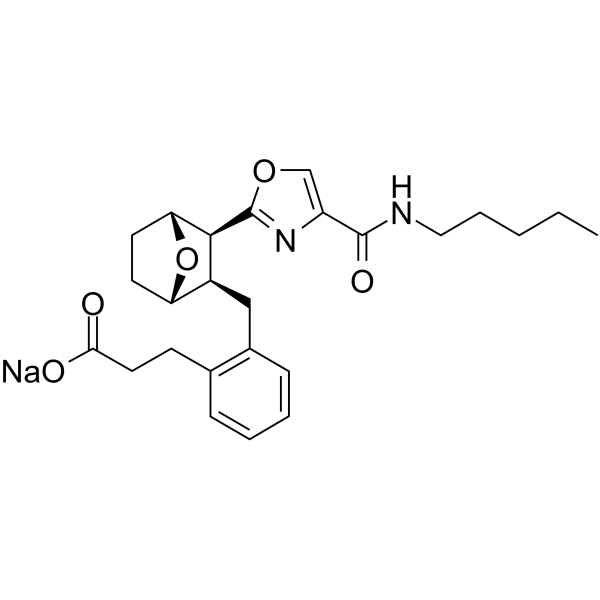
- HY-105218
-
|
BMS-180291
|
Prostaglandin Receptor
|
Cardiovascular Disease
Endocrinology
Cancer
|
|
Ifetroban (BMS-180291) is an orally active antagonist of thromboxane A2 (TXA2) or prostaglandin H2 (PGH2) receptor. Ifetroban shows antiplatelet activity, and inhibits tumor cell migration without affecting cell proliferation. Ifetroban can be used for myocardial ischemia, hypertension, stroke, thrombosis, cardiomyopathy research .
|
-
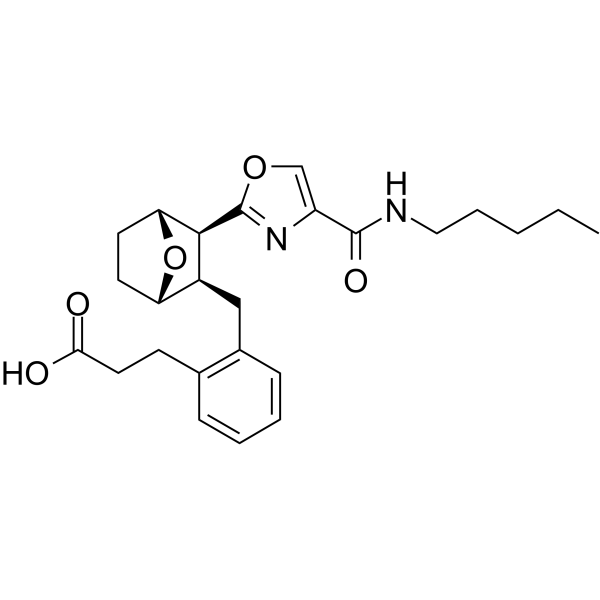
- HY-145641
-
|
BMS-986413; C-144-LS
|
SARS-CoV
|
Infection
|
|
Crexavibart (BMS-986413; C-144-LS) is an IgG1λ2 antibody that targets the SARS-CoV2 spike (S) glycoprotein receptor-binding domain .
|
-

- HY-16110
-
|
UFT; BMS-200604
|
Thymidylate Synthase
|
Cancer
|
|
Tegafur-Uracil (UFT; BMS-200604) is an effective oral chemotherapy drug based on fluoropyrimidine. Tegafur-Uracil inhibits thymidylate synthase. Tegafur-Uracil can be used in combination with leucovorin (LV) and polysaccharide K (PSK) for research on solid tumors .
|
-
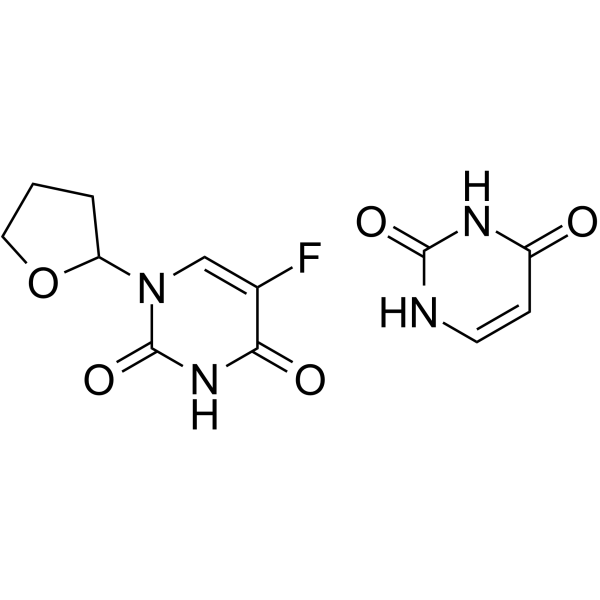
- HY-10181B
-
|
BMS-354825 monohydrate
|
Bcr-Abl
Src
Autophagy
Apoptosis
|
Cancer
|
|
Dasatinib (BMS-354825) monohydrate is a highly potent, ATP competitive, orally active dual Src/Bcr-Abl inhibitor with potent antitumor activity. The Kis are 16 pM and 30 pM for Src and Bcr-Abl, respectively. Dasatinib monohydrate inhibits Bcr-Abl and Src with IC50s of <1.0 nM and 0.5 nM, respectively . Dasatinib monohydrate also induces apoptosis and autophagy.
|
-
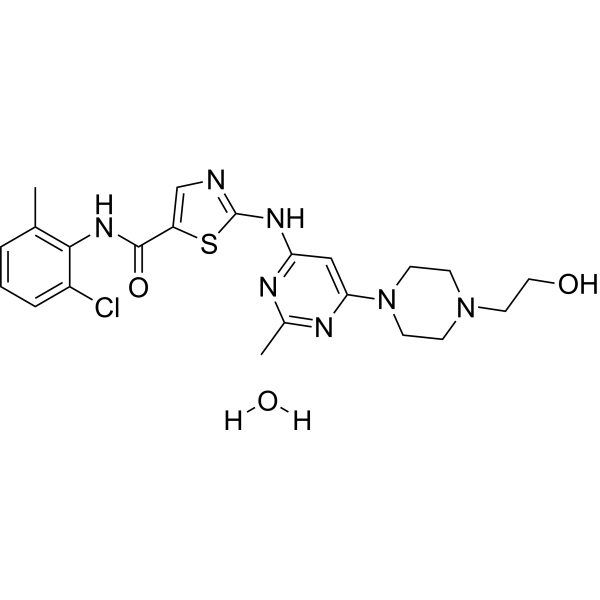
- HY-10181A
-
|
BMS-354825 hydrochloride
|
Bcr-Abl
Src
Autophagy
Apoptosis
|
Cancer
|
|
Dasatinib (BMS-354825) hydrochloride is a highly potent, ATP competitive, orally active dual Src/Bcr-Abl inhibitor with potent antitumor activity. The Kis are 16 pM and 30 pM for Src and Bcr-Abl, respectively. Dasatinib hydrochloride inhibits Bcr-Abl and Src with IC50s of <1.0 nM and 0.5 nM, respectively . Dasatinib hydrochloride also induces apoptosis and autophagy.
|
-
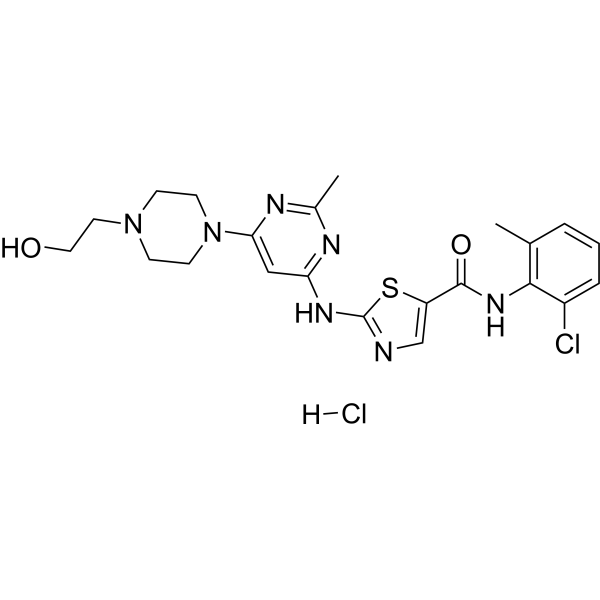
- HY-137655A
-
|
|
Protein Arginine Deiminase
|
Cancer
|
|
BMS-P5 free base is a selective and orally active peptidylarginine deiminase 4 (PAD4) inhibitor with an IC50 of 98 nM. BMS-P5 free base shows selective for PAD4 over PAD1, PAD2, and PAD3. BMS-P5 free base blocks multiple myeloma (MM)-induced neutrophil extracellular trap (NET) formation and delays progression of MM in a syngeneic mouse model .
|
-
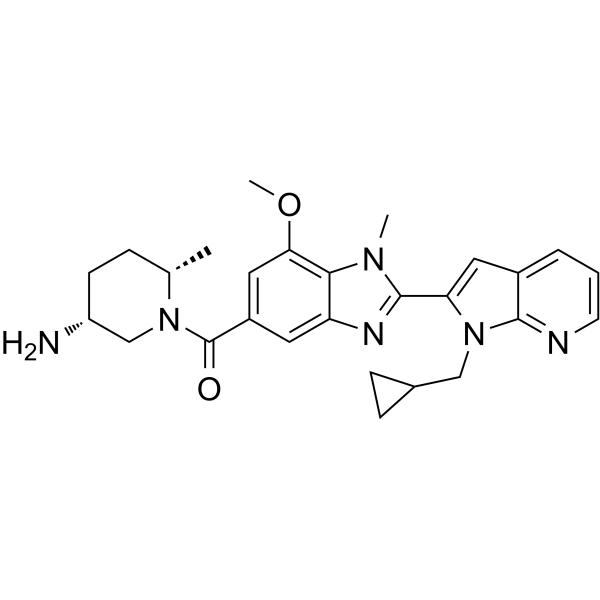
- HY-12024
-
|
17-DMAG hydrochloride; KOS-1022 hydrochloride; BMS 826476
|
HSP
Apoptosis
|
Cancer
|
|
Alvespimycin hydrochloride (17-DMAG hydrochloride; KOS-1022; BMS 826476) is a potent inhibitor of Hsp90, binding to Hsp90 with EC50 of 62±29 nM.
|
-
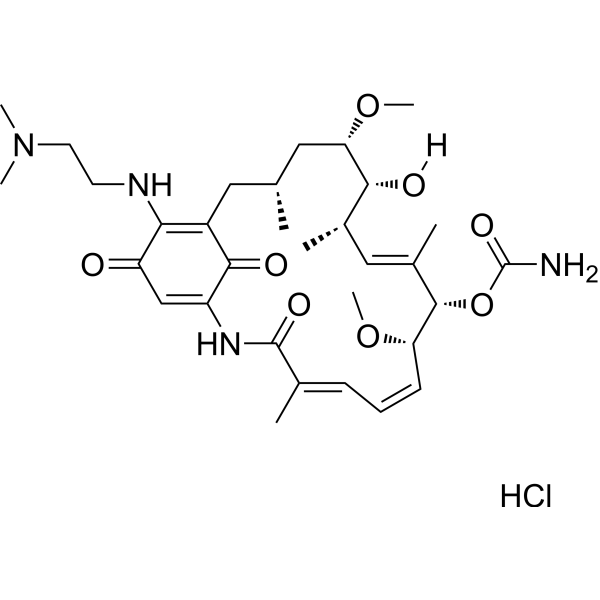
- HY-17460B
-
|
BMS 284756 mesylate
|
Bacterial
Topoisomerase
Antibiotic
|
Infection
|
|
Garenoxacin (BMS 284756) mesylate is an orally active quinolone antibiotic and Garenoxacin mesylate has a broad spectrum of activity against a wide array of gram-positive and gram-negative bacteria, anaerobes. Garenoxacin mesylate also inhibits Gyrase and TOPO IV .
|
-
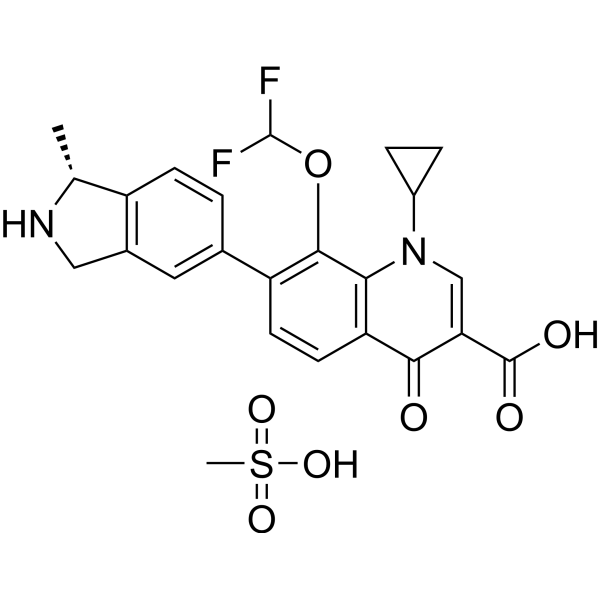
- HY-14239
-
|
BMS 275291
|
MMP
Collagen
|
Cancer
|
|
Rebimastat (BMS 275291) is an orally active, broad-spectrum MMP inhibitor and non-peptide collagen mimetic. Rebimastat has some selectivity because it does not inhibit all MMP activities. Rebimastat can be used in the research of colorectal cancer .
|
-

- HY-15402
-
|
BMS 207940
|
Endothelin Receptor
|
Cardiovascular Disease
|
|
Edonentan (BMS 207940) is an antagonist for endothelin receptor (ETA receptor), with a Ki of 10 pM. Edonentan is metabolic stable, exhibits good pharmakokinetic characters in rats. Edonentan regulates the endothelin system, blocks the big Endothelin-induced pressor response in rats model .
|
-

- HY-12860
-
|
Notch inhibitor 1
|
Notch
|
Cancer
|
|
BMS-986115 (Notch inhibitor 1) is a potent Notch inhibitor, with IC50s of 7.8 and 8.5 nM for Notch 1 and Notch 3, respectively. Used in the research of cancer .
|
-
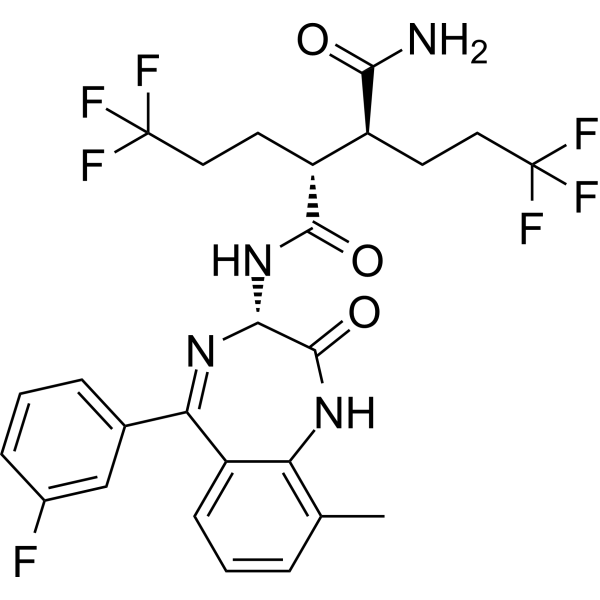
- HY-10450S2
-
|
BMS-512148-d4
|
Isotope-Labeled Compounds
SGLT
|
Metabolic Disease
Cancer
|
|
Dapagliflozin-d4 (BMS-512148-d4) is deuterium labeled Dapagliflozin. Dapagliflozin (BMS-512148), a new type of agent used to treat diabetes mellitus (DM), is a competitive sodium/glucose cotransporter 2 (SGLT2) inhibitor, which results in excretion of glucose into the urine . Dapagliflozin induces HIF1 expression and attenuates renal IR injury .
|
-

- HY-15352
-
|
DPC 083
|
Reverse Transcriptase
HIV
|
Infection
|
|
BMS 561390 (DPC 083) is an orally available non-nucleoside reverse transcriptase inhibitor (NNRTI) with broad inhibitory effects on wild-type HIV-1 and mutant strains .
|
-

- HY-120206A
-
|
BMS-204756 maleate
|
Monoamine Oxidase
|
Neurological Disease
|
|
Brasofensine maleate(BMS-204756) sulfate is an oral active dopamine transporter antagonist and can be used for parkinson’s disease research .
|
-

- HY-P991645
-
|
MDX-1203 antibody; BMS-936561 antibody
|
TNF Receptor
ADC Antibody
|
Cancer
|
|
MDX-1115 is a humanized IgG1 monoclonal antibody targeting CD70. MDX-1115 can be used for synthesis of ADC BMS-936561 .
|
-

- HY-10222
-
|
BMS-247550; Aza-epothilone B
|
Microtubule/Tubulin
Apoptosis
Bacterial
|
Cancer
|
|
Ixabepilone (BMS-247550) is an orally bioavailable microtubule inhibitor, which binds to tubulin and promotes tubulin polymerization and microtubule stabilization, thereby arrests cells in the G2-M phase of the cell cycle and induces tumor cell apoptosis.
|
-
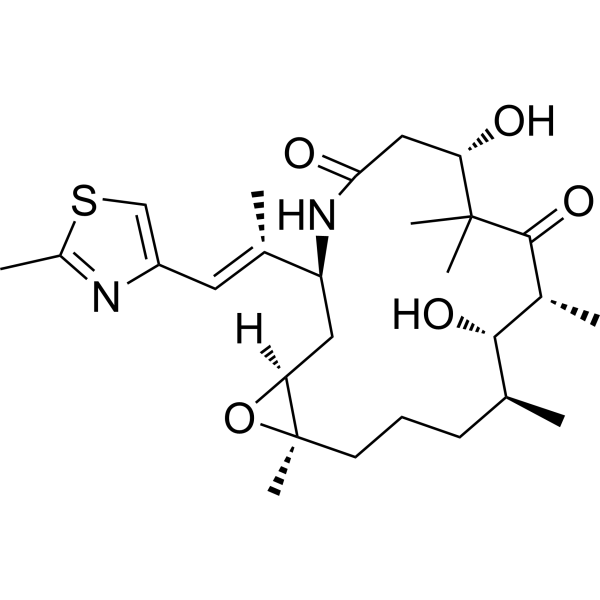
- HY-101560
-
|
BMS-986205; ONO-7701
|
Indoleamine 2,3-Dioxygenase (IDO)
|
Cancer
|
|
Linrodostat (BMS-986205) is a selective and irreversible indoleamine 2,3-dioxygenase 1 (IDO1) inhibitor with an IC50 value of 1.1 nM in IDO1-HEK293 cells. Linrodostat is well tolerated with potent pharmacodynamic activity in advanced cancers .
|
-
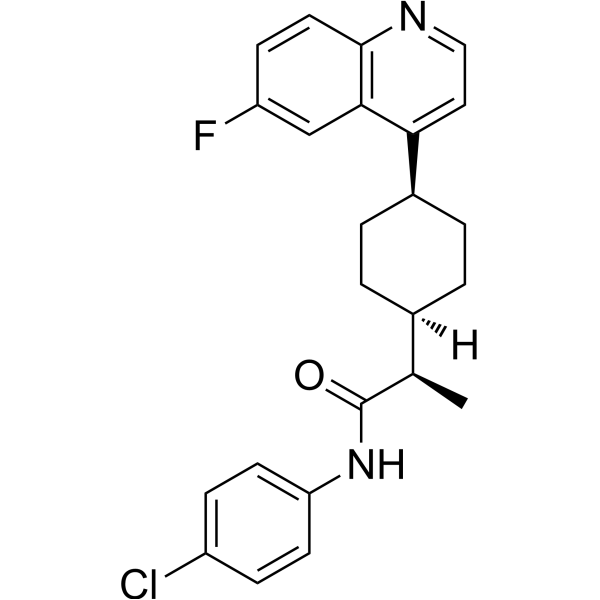
- HY-10181
-
-
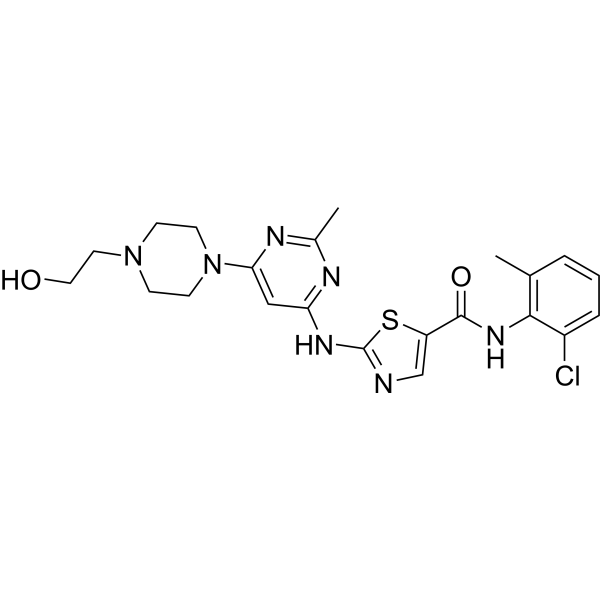
- HY-17367
-
-
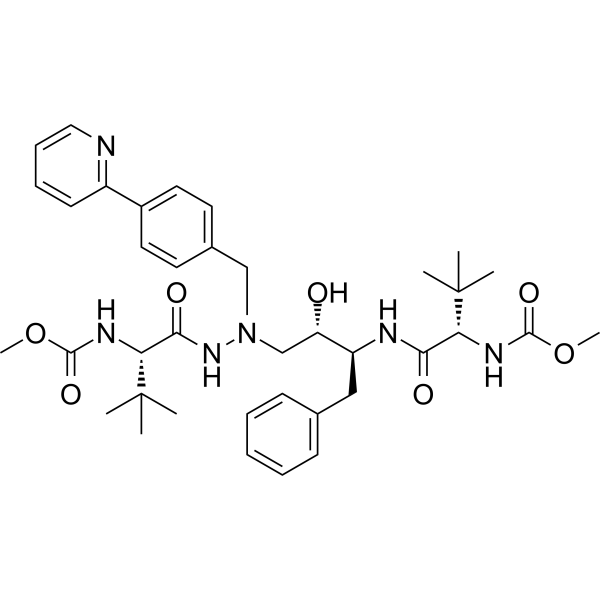
- HY-19907
-
|
BMS-820836
|
Dopamine Transporter
Monoamine Transporter
Serotonin Transporter
|
Neurological Disease
|
|
Liafensine (BMS-820836) is an orally active, blood-brain barrier-permeable monoamine reuptake inhibitor, with an IC50 of 5.67 nM against DAT, 1.08 nM against SERT, and 7.99 nM against NET. Liafensine binds to DAT to block dopamine reuptake. Liafensine binds to SERT to block serotonin reuptake. Liafensine binds to NET to block norepinephrine reuptake. Liafensine can be used in studies related to depression .
|
-

- HY-15260A
-
|
BMS-863233 monohydrochloride
|
CDK
|
Cancer
|
|
XL413 (BMS-863233) hydrochloride is a potent, selective and ATP competitive inhibitor of Cdc7, with an IC50 of 3.4 nM, and also shows potent effect with IC50s of 215, 42 nM on CK2, PIM1, respectively, and an EC50 of 118 nM on pMCM.
|
-
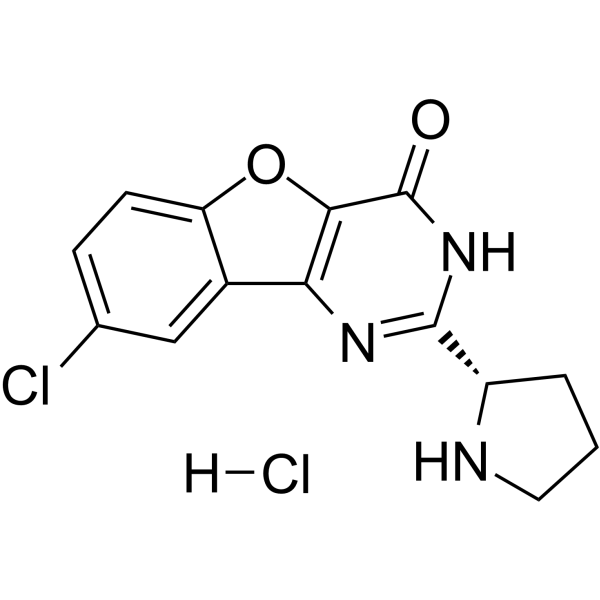
- HY-17367S4
-
-
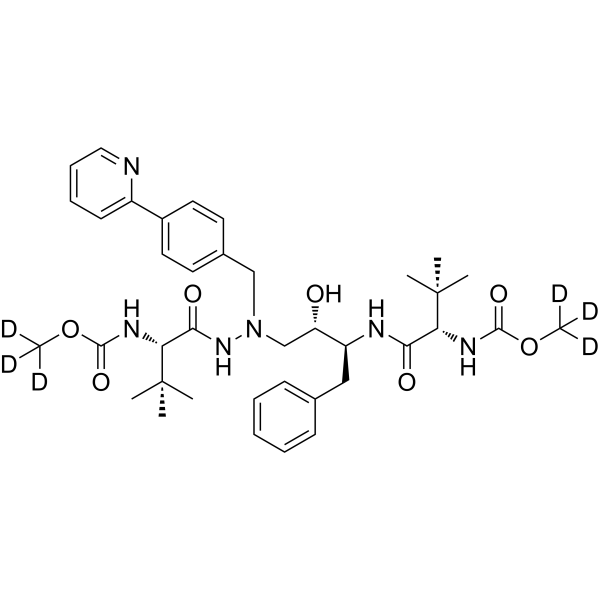
- HY-17367S2
-
-
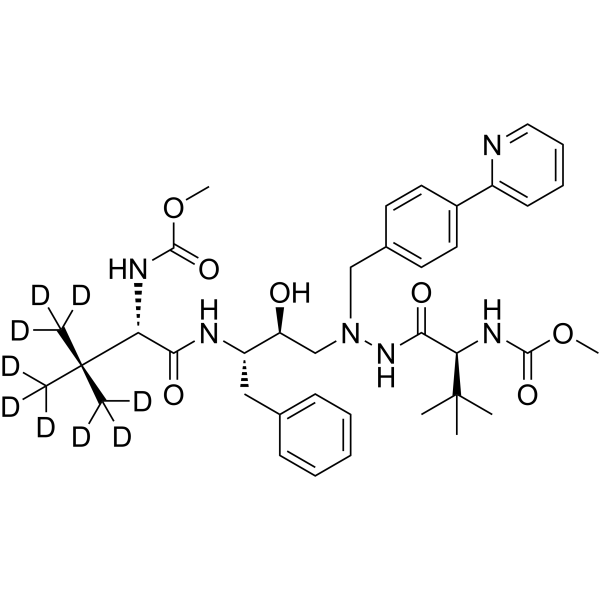
- HY-101560A
-
|
BMS-986205 mesylate; ONO-7701 mesylate
|
Indoleamine 2,3-Dioxygenase (IDO)
|
Cancer
|
|
Linrodostat (BMS-986205) mesylate is a selective irreversible inhibitor of indoleamine 2,3-dioxygenase 1 (IDO1), which effectively inhibits IDO1-HEK293 mesylate cells with an IC50 value of 1.1 nM. Linrodostat mesylate demonstrates good pharmacological activity in advanced cancer .
|
-

- HY-50667S1
-
|
BMS-562247-01-d3
|
Isotope-Labeled Compounds
Factor Xa
|
Others
|
|
Apixaban-d3 (BMS-562247-01-d3) is the deuterium labeled Apixaban (HY-50667) . Apixaban (BMS-562247-01) is a highly selective, reversible and orally active inhibitor of Factor Xa with Kis of 0.08 nM and 0.17 nM in human and rabbit, respectively . Apixaban is in development for the prevention and treatment of various thromboembolic diseases .
|
-
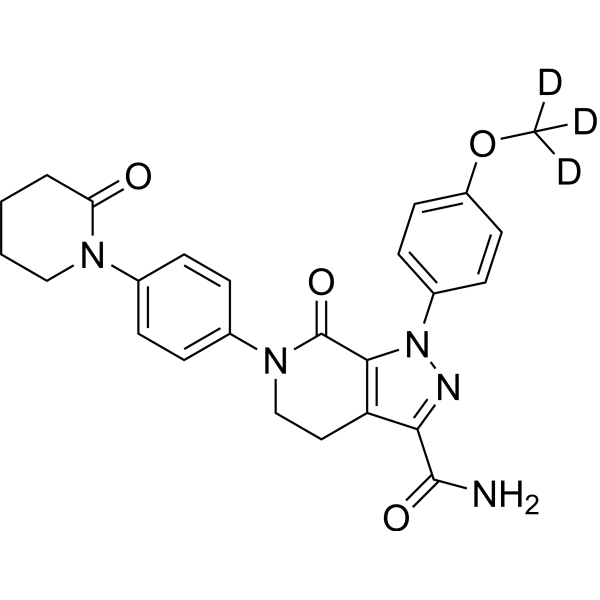
- HY-RS23670
-
|
|
Small Interfering RNA (siRNA)
|
Others
|
|
Bms1 Rat Pre-designed siRNA Set A contains three designed siRNAs for Bms1 gene (Rat), as well as a negative control, a positive control, and a FAM-labeled negative control.
|
-
Bms1 Rat Pre-designed siRNA Set A
Bms1 Rat Pre-designed siRNA Set A
- HY-RS01555
-
|
|
Small Interfering RNA (siRNA)
|
Others
|
|
BMS1 Human Pre-designed siRNA Set A contains three designed siRNAs for BMS1 gene (Human), as well as a negative control, a positive control, and a FAM-labeled negative control.
|
-
BMS1 Human Pre-designed siRNA Set A
BMS1 Human Pre-designed siRNA Set A
- HY-RS17218
-
|
|
Small Interfering RNA (siRNA)
|
Others
|
|
Bms1 Mouse Pre-designed siRNA Set A contains three designed siRNAs for Bms1 gene (Mouse), as well as a negative control, a positive control, and a FAM-labeled negative control.
|
-
Bms1 Mouse Pre-designed siRNA Set A
Bms1 Mouse Pre-designed siRNA Set A
- HY-10337R
-
|
BMS-540215 (Standard)
|
Reference Standards
VEGFR
Autophagy
|
Cancer
|
|
Brivanib (Standard) is the analytical standard of Brivanib. This product is intended for research and analytical applications. Brivanib (BMS-540215) is an ATP-competitive inhibitor against VEGFR2 with an IC50 of 25 nM, and has moderate potency against VEGFR-1 and FGFR-1, but >240-fold against PDGFR-β .
|
-

- HY-112714
-
|
BMS-955176
|
HIV
|
Infection
|
|
GSK3532795 (BMS-955176) is a potent, orally active, second-generation HIV-1 maturation inhibitor, with EC50s of 1.9, 10.2, 2.7 and 13 nM for HIV-1 WT, HIV-1 WT(human serum), HIV-1 V370A, and HIV-1 ΔV370, respectively .
|
-
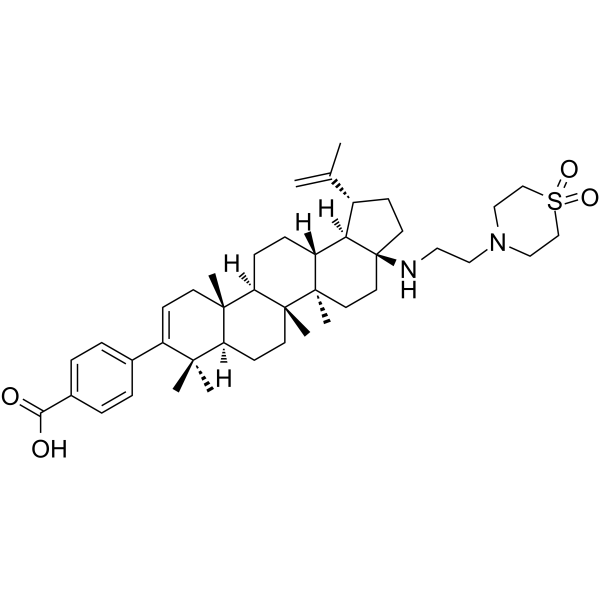
- HY-10181GL
-
|
BMS-354825 (GMP Like)
|
Bcr-Abl
Src
Autophagy
Apoptosis
|
Cancer
|
|
Dasatinib (GMP Like) (BMS-354825 (GMP Like)) is Dasatinib (HY-10181) produced by using GMP like guidelines. GMP Like small molecules works appropriately as an auxiliary reagent for cell therapy manufacture. Dasatinib (BMS-354825) is a highly potent, ATP competitive, orally active dual Src/Bcr-Abl inhibitor with potent antitumor activity. The Kis are 16 pM and 30 pM for Src and Bcr-Abl, respectively. Dasatinib inhibits Bcr-Abl and Src with IC50s of <1.0 nM and 0.5 nM, respectively . Dasatinib also induces apoptosis and autophagy.
|
-

- HY-131386A
-
|
|
Target Protein Ligand-Linker Conjugates
|
Cancer
|
|
BMS-1166-N-piperidine-CO-N-piperazine dihydrochloride incorporates a ligand for PD-1/PD-L1 immune checkpoint, and a PROTAC linker. BMS-1166-N-piperidine-CO-N-piperazine dihydrochloride can be used in the synthesis of PROTAC PD-1/PD-L1 degrader-1?(HY-131183). PROTAC PD-1/PD-L1 degrader-1 inhibits PD-1/PD-L1 interaction with an IC50 of 39.2 nM .
|
-
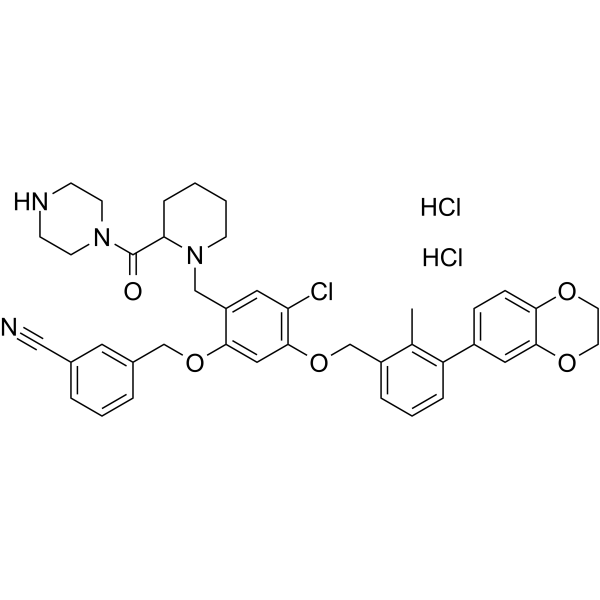
- HY-131386
-
|
|
Target Protein Ligand-Linker Conjugates
|
Cancer
|
|
BMS-1166-N-piperidine-CO-N-piperazine incorporates a ligand for PD-1/PD-L1 immune checkpoint, and a PROTAC linker. BMS-1166-N-piperidine-CO-N-piperazine can be used in the synthesis of PROTAC PD-1/PD-L1 degrader-1?(HY-131183). PROTAC PD-1/PD-L1 degrader-1 inhibits PD-1/PD-L1 interaction with an IC50 of 39.2 nM .
|
-
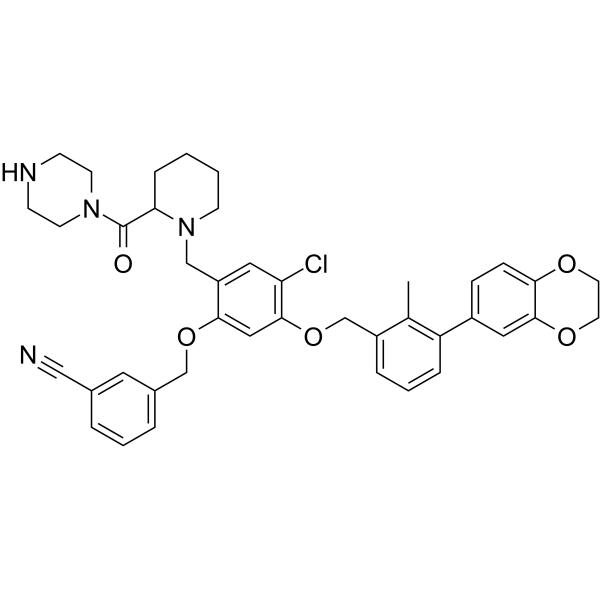
- HY-177093
-
|
BMS-986368; CC-97489; ABX-1772
|
MAGL
FAAH
|
Neurological Disease
|
|
Irafamdastat (BMS-986368) (Example 74) is a FAAH and MAGL inhibitor, with IC50s ≤ 100 nM (human FAAH) and 100 nM-1 μM (human MAGL) respectively. Irafamdastat has antiepileptic effect .
|
-

- HY-108584
-
|
BMS-204352
|
Potassium Channel
|
Neurological Disease
|
|
Flindokalner (BMS-204352) is a potassium channel modulator. Flindokalner is a positive modulator of all neuronal Kv7 channel subtypes expressed in HEK293 cells. Flindokalner is also a large conductance calcium-activated K channel (BKca) positive modulator. Flindokalner shows a negative modulatory activity at Kv7.1 channels (Ki=3.7 μM), and acts as a negative modulator of GABAA receptors. Flindokalner shows anxiolytic efficacy in vivo .
|
-
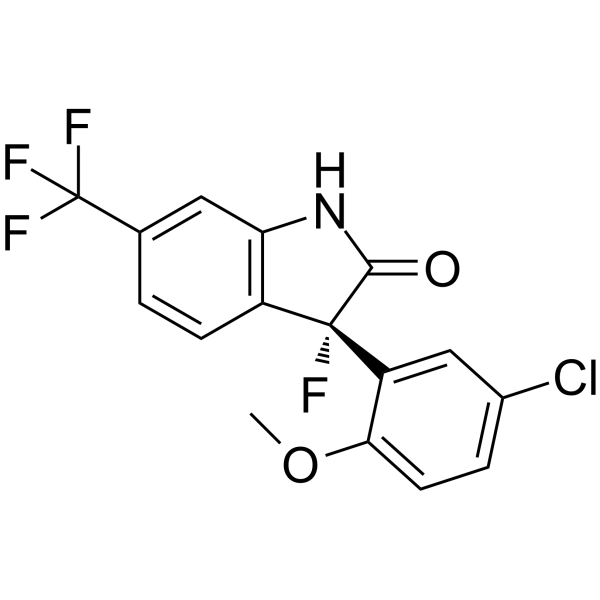
- HY-P99156
-
|
BMS-986016
|
LAG-3
|
Cancer
|
|
Relatlimab (BMS-986016) is a human monoclonal antibody anti-LAG-3 antibody generated by immunization of transgenic mice bearing human immunoglobulin miniloci with recombinant LAG-3 protein. Relatlimab blocks LAG-3/MHC II interaction with an IC50 value of 0.67 nM and LAG-3/FGL1 interaction with an IC50 value of 0.019 nM. Relatlimab can be used in research of cancer .
|
-

- HY-117287A
-
|
BMS-986165 hydrochloride
|
Interleukin Related
JAK
IFNAR
|
Inflammation/Immunology
|
|
Deucravacitinib hydrochloride (BMS-986165 hydrochloride) is a highly selective all-site inhibitor with potent inhibitory activity against TYK2. Deucravacitinib hydrochloride can effectively block IL-12, IL-23 and type I interferon signaling. Deucravacitinib hydrochloride demonstrates significant efficacy in preclinical models of inflammatory bowel disease. Deucravacitinib hydrochloride demonstrated superiority over placebo and apremilast on multiple efficacy endpoints in moderate to severe plaque psoriasis. Deucravacitinib hydrochloride was well tolerated in inhibition .
|
-

- HY-150080
-
|
BMS-986180
|
HIV
HIV Integrase
|
Infection
|
|
GSK3739936 (BMS-986180) is a potent HIV-1 allosteric integrase inhibitor with an IC50 value of 11.1 nM and an EC50 value of 1.7 nM. GSK3739936 is also a weak CYP inhibitor (IC50>24.3 μM). GSK3739936 shows favorable pharmacokinetic property in preclinical species with rapid absorption, low to moderate clearance and excellent oral bioavailability .
|
-
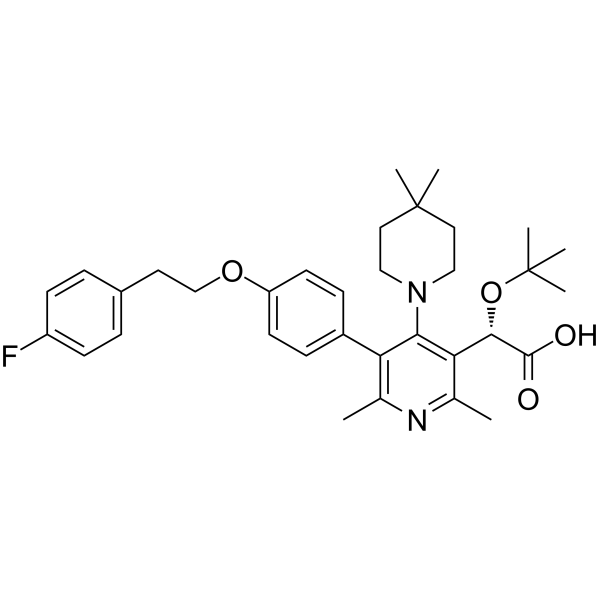
- HY-14668R
-
-

- HY-10181S1
-
|
BMS-354825-d4
|
Isotope-Labeled Compounds
Autophagy
Bcr-Abl
Apoptosis
Src
|
Cancer
|
|
Dasatinib-d4 (BMS-354825-d4) is deuterium labeled Dasatinib. Dasatinib (BMS-354825) is a highly potent, ATP competitive, orally active dual Src/Bcr-Abl inhibitor with potent antitumor activity. The Kis are 16 pM and 30 pM for Src and Bcr-Abl, respectively. Dasatinib inhibits Bcr-Abl and Src with IC50s of <1.0 nM and 0.5 nM, respectively . Dasatinib also induces apoptosis and autophagy.
|
-

- HY-10285AR
-
|
BMS-477118 hydrate (Standard)
|
Reference Standards
Dipeptidyl Peptidase
|
Metabolic Disease
|
|
Saxagliptin (hydrate) (Standard) is the analytical standard of Saxagliptin (hydrate). This product is intended for research and analytical applications. Saxagliptin hydrate (BMS-477118 hydrate) is a potent, selective, reversible, competitive and orally active dipeptidyl peptidase-4 (DPP-4) (Ki = 0.6-1.3 nM) inhibitor. Saxagliptin hydrate has the peotential for type 2 diabetes mellitus research .
|
-

- HY-16448R
-
|
BMS-477118 hydrochloride (Standard)
|
Reference Standards
Dipeptidyl Peptidase
|
Metabolic Disease
|
|
Saxagliptin (hydrochloride) (Standard) is the analytical standard of Saxagliptin (hydrochloride). This product is intended for research and analytical applications. Saxagliptin hydrochloride (BMS-477118 hydrochloride) is a potent, selective, reversible, competitive and orally active dipeptidyl peptidase-4 (DPP-4) (Ki = 0.6-1.3 nM) inhibitor. Saxagliptin hydrochloride has the peotential for type 2 diabetes mellitus research .
|
-

- HY-10285R
-
|
BMS-477118 (Standard)
|
Reference Standards
Dipeptidyl Peptidase
|
Metabolic Disease
|
|
Saxagliptin (Standard) is the analytical standard of Saxagliptin. This product is intended for research and analytical applications. Saxagliptin (BMS-477118) is a potent, selective, reversible, competitive and orally active dipeptidyl peptidase-4 (DPP-4) (Ki = 0.6-1.3 nM) inhibitor. Saxagliptin has the peotential for type 2 diabetes mellitus research .
|
-

- HY-14434R
-
|
BMS-650032 (Standard)
|
HCV
HCV Protease
SARS-CoV
Reference Standards
|
Infection
|
|
Asunaprevir (Standard) is the analytical standard of Asunaprevir. This product is intended for research and analytical applications. Asunaprevir (BMS-650032) is a potent and orally bioavailable hepatitis C virus (HCV) NS3 protease inhibitor, with IC50 of 0.2 nM-3.5 nM . Asunaprevir inhibits SARS-CoV-2 3CLpro activity .
|
-

- HY-10181S
-
|
BMS-354825-d8
|
Bcr-Abl
Src
Apoptosis
Autophagy
|
Cancer
|
|
Dasatinib-d8 (BMS-354825-d8) is a deuterium labeled Dasatinib. Dasatinib is a dual Bcr-Abl and Src family tyrosine kinase inhibitor.
|
-
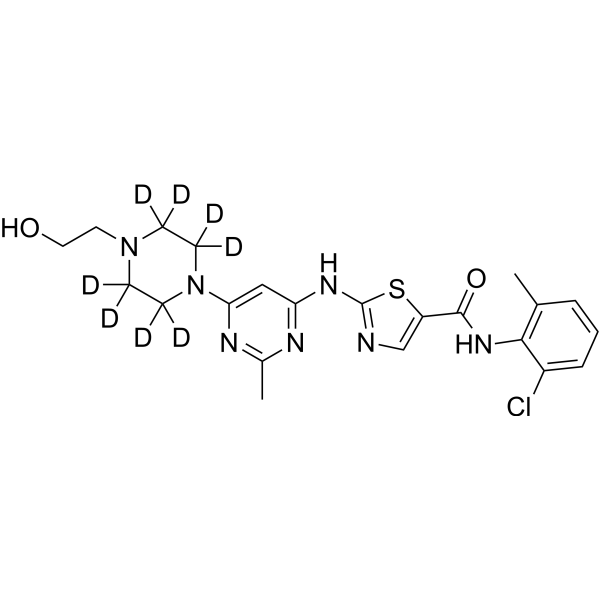
- HY-14667R
-
-

- HY-14272R
-
|
BMS-207147 (Standard); ER-30346 (Standard)
|
Reference Standards
Fungal
|
Infection
Cancer
|
|
Ravuconazole (Standard) is the analytical standard of Ravuconazole. This product is intended for research and analytical applications. Ravuconazole (BMS-207147;ER-30346) is an orally available triazole antifungle agent that potently inhibits a wide range of fungi.
|
-

- HY-13623A
-
|
BMS200475 monohydrate; SQ34676 monohydrate
|
HBV
|
Infection
Cancer
|
|
Entecavir monohydrate (BMS200475 monohydrate; SQ34676 monohydrate) is a potent and selective inhibitor of HBV, with an EC50 of 3.75 nM in HepG2 cell.
|
-
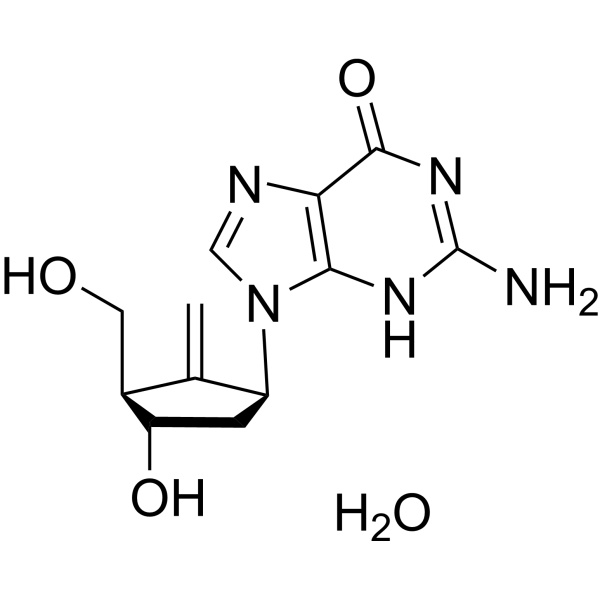
- HY-13623
-
|
BMS200475; SQ34676
|
HBV
|
Infection
Cancer
|
|
Entecavir (SQ 34676; BMS 200475) is a potent and selective inhibitor of HBV, with an EC50 of 3.75 nM in HepG2 cell.
|
-
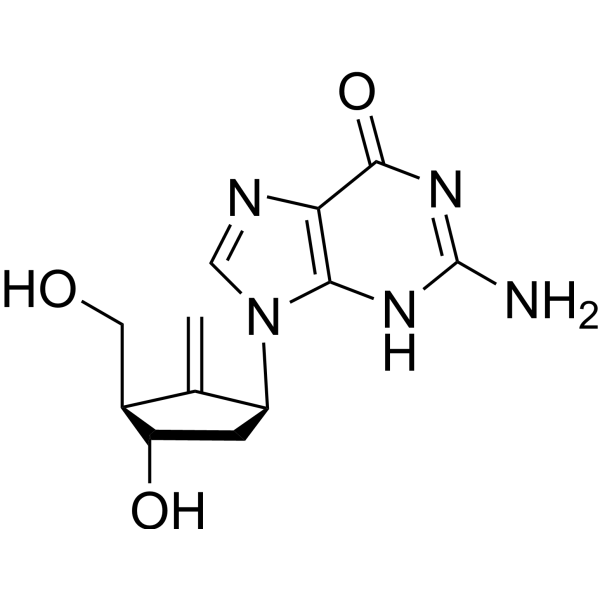
- HY-17460A
-
|
BMS284756 Mesylate hydrate
|
Bacterial
Topoisomerase
DNA/RNA Synthesis
Antibiotic
|
Infection
|
|
Garenoxacin (BMS284756) Mesylate hydrate is an orally active quinolone antibiotic and has a broad spectrum of activity against a wide array of gram-positive and gram-negative bacteria, anaerobes, and fastidious organisms .
|
-
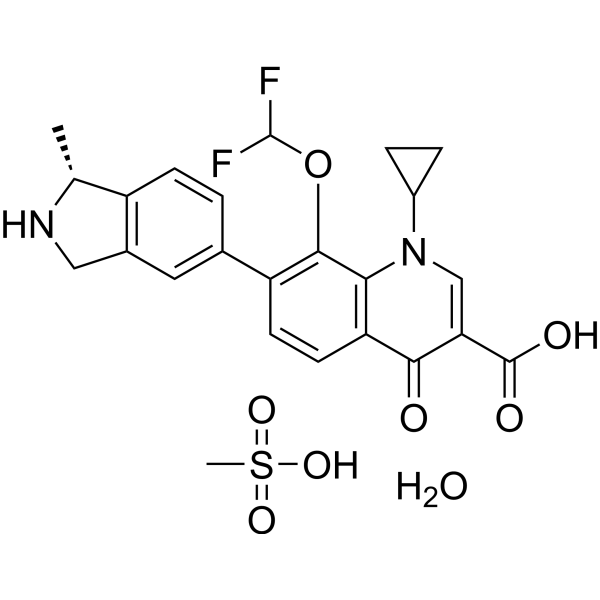
- HY-17460
-
-
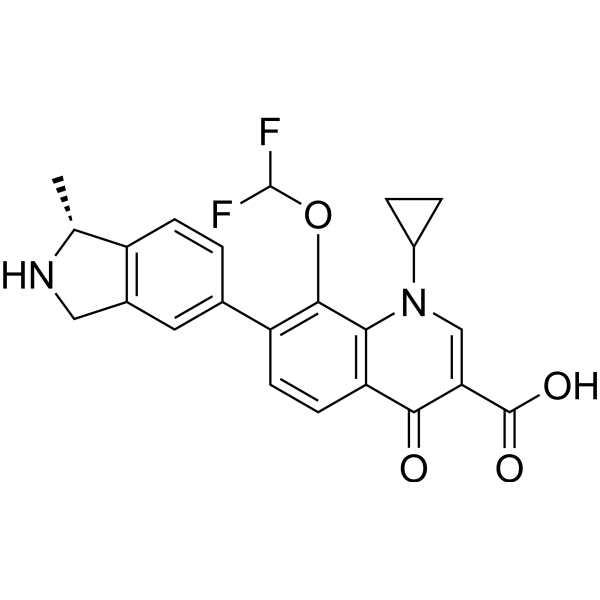
- HY-17367S5
-
-

- HY-50667R
-
|
BMS-562247-01 (Standard)
|
Reference Standards
Factor Xa
|
Cardiovascular Disease
Cancer
|
|
Apixaban (Standard) is the analytical standard of Apixaban. This product is intended for research and analytical applications. Apixaban (BMS-562247-01) is a highly selective, reversible and orally active inhibitor of Factor Xa with Ki of 0.08 nM and 0.17 nM in human and rabbit, respectively . Apixaban is in development for the prevention and treatment of various thromboembolic diseases .
|
-

- HY-14803
-
|
BMS-214778; VEC-162
|
Melatonin Receptor
|
Neurological Disease
Endocrinology
|
|
Tasimelteon (BMS-214778) is an orally active and selective dual melatonin receptor agonist (DMRA). Tasimelteon has 2.1-4.4 times greater affinity for the MT2 receptor than for the MT1 receptor. Tasimelteon is a circadian regulator and has the potential for Non-24-Hour Sleep-Wake Disorder (Non-24) .
|
-
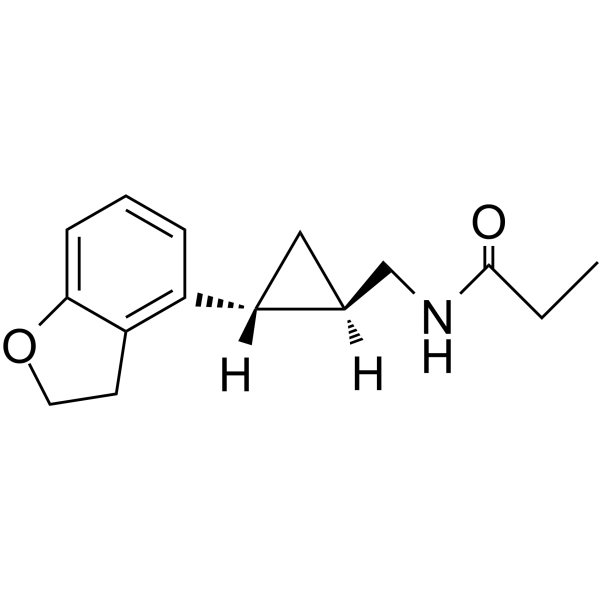
- HY-10450R
-
|
BMS-512148 (Standard)
|
Reference Standards
SGLT
|
Metabolic Disease
Cancer
|
|
Dapagliflozin (Standard) is the analytical standard of Dapagliflozin. This product is intended for research and analytical applications. Dapagliflozin (BMS-512148), a new type of agent used to treat diabetes mellitus (DM), is a competitive sodium/glucose cotransporter 2 (SGLT2) inhibitor, which results in excretion of glucose into the urine . Dapagliflozin induces HIF1 expression and attenuates renal IR injury .
|
-

- HY-117287
-
|
BMS-986165
|
JAK
Interleukin Related
IFNAR
Isotope-Labeled Compounds
|
Inflammation/Immunology
|
|
Deucravacitinib (BMS-986165) is a highly selective, orally bioavailable allosteric TYK2 inhibitor for the treatment of autoimmune diseases, which selectively binds to TYK2 pseudokinase (JH2) domain (IC50=1.0 nM) and blocks receptor-mediated Tyk2 activation by stabilizing the regulatory JH2 domain. Deucravacitinib inhibits IL-12/23 and type I IFN pathways. Deucravacitinib, the FDA's world first de novo deuterium, is available for study in moderate to severe plaque psoriasis .
|
-
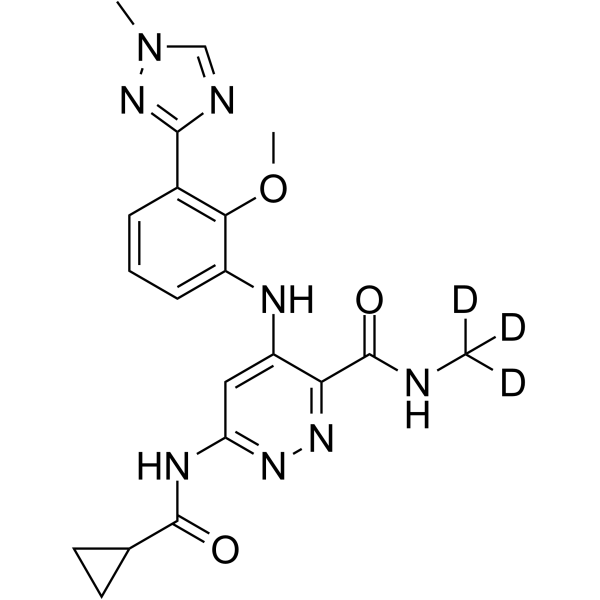
- HY-101908R
-
|
|
Reference Standards
CCR
|
Inflammation/Immunology
Endocrinology
|
|
BMS CCR2 22 (Standard) is the analytical standard of BMS CCR2 22 (HY-101908). This product is intended for research and analytical applications. BMS CCR2 22 is a potent, specific and high affinity CC-type chemokine receptor 2 (CCR2) antagonist with excellent binding affinity (binding IC50 of 5.1 nM) and potent functional antagonism (calcium flux IC50 of 18 nM and chemotaxis IC50 of 1 nM) .
|
-

- HY-105098
-
|
BMS-180194; SQ 34514
|
HBV
HIV
CMV
EBV
Nucleoside Antimetabolite/Analog
|
Infection
|
|
Lobucavir (BMS-180194; SQ 34514),a nucleoside analogue,is an antiviral agent. Lobucavir shows a broad spectrum of activity against HBV,HIV/AIDS,and α,β,and γ herpes viruses including CMV,herpes-simplex,varicella-zoster,and Epstein-Barr virus .
|
-

- HY-P99190
-
|
BMS-936557; MDX-1100
|
CXCR
|
Inflammation/Immunology
|
|
Eldelumab (BMS-936557) is a human anti-CXCL10 (IP-10) monoclonal antibody (IgG1 type). Eldelumab selectively binds to CXCL10 and blocks CXCL10-induced calcium flux and cell migration. Eldelumab can be used in studies of autoimmune and auto-inflammatory diseases such as rheumatoid arthritis, ulcerative colitis and crohn's disease .
|
-

- HY-10285S
-
|
BMS-477118-15N,d2 Hydrochloride
|
Isotope-Labeled Compounds
Dipeptidyl Peptidase
|
Metabolic Disease
|
|
Saxagliptin-15N,d2 Hydrochloride (BMS-477118-15N,d2 Hydrochloride) is the 15N and deuterium labeled isotope of Saxagliptin (HY-10285). Saxagliptin (BMS-477118) is a potent, selective, reversible, competitive and orally active dipeptidyl peptidase-4 (DPP-4) (Ki = 0.6-1.3 nM) inhibitor. Saxagliptin has the peotential for type 2 diabetes mellitus research .
|
-

- HY-19991
-
-
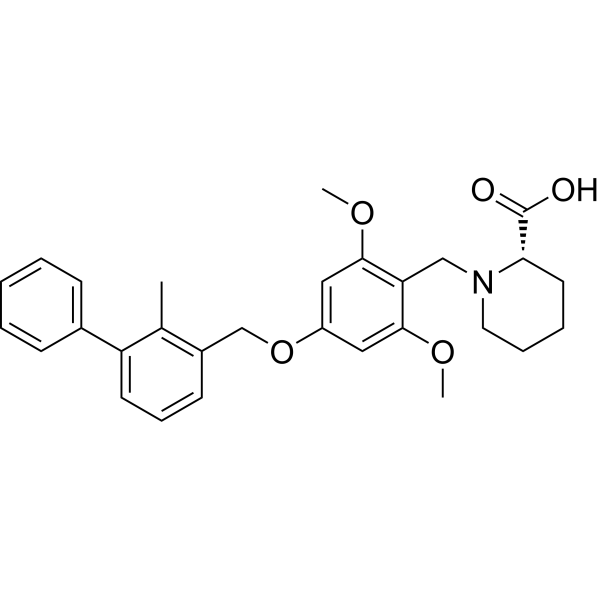
- HY-185484
-
|
BMS-936561
|
Antibody-Drug Conjugates (ADCs)
Transmembrane Glycoprotein
|
Cancer
|
|
MDX-1203 (BMS-936561) is an antibody-drug conjugate targeting CD70. MDX-1203 binds to CD70 and mediates the specific delivery of its conjugated cytotoxic payload to tumors. MDX-1203 delivers a DNA alkylating payload into cells. MDX-1203 can be used in research related to advanced clear cell renal cell carcinoma and relapsed/refractory B-cell non-Hodgkin lymphoma .
|
-

- HY-10285S2
-
|
BMS-477118-13C2
|
Isotope-Labeled Compounds
Dipeptidyl Peptidase
|
Metabolic Disease
|
|
Saxagliptin- 13C2 (BMS-477118- 13C2) is 13C labeled Saxagliptin. Saxagliptin (BMS-477118) is a potent, selective, reversible, competitive and orally active dipeptidyl peptidase-4 (DPP-4) (Ki = 0.6-1.3 nM) inhibitor. Saxagliptin has the peotential for type 2 diabetes mellitus research .
|
-

- HY-111857
-
|
BMS-354825 carbaldehyde; PROTAC ABL binding moiety 4
|
Ligands for Target Protein for PROTAC
|
Cancer
|
|
Dasatinib carbaldehyde (BMS-354825 carbaldehyde), the Dasatinib (ABL inhibitor) based moiety, binds to IAP ligand via a linker to form SNIPER .
|
-
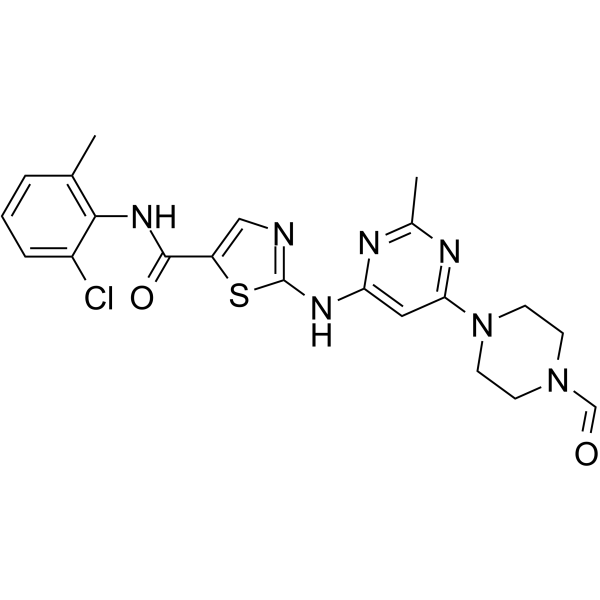
- HY-15498B
-
|
BMS-927711 hemisulfate; BHV-3000 hemisulfate
|
CGRP Receptor
|
Neurological Disease
|
|
Rimegepant (BMS-927711) hemisulfate is a potent, orally active, selective and competitive calcitonin gene-related peptide (CGRP) receptor antagonist with a Ki of 0.027 nM and an IC50 of 0.14 nM for hCGRP receptor. Rimegepant hemisulfate can be used for migraine research .
|
-

- HY-15498A
-
|
BMS-927711 sulfate hydrate; BHV-3000 sulfate hydrate
|
CGRP Receptor
|
Neurological Disease
|
|
Rimegepant (BMS-927711) sulfate hydrate is a potent, orally active, selective and competitive calcitonin gene-related peptide (CGRP) receptor antagonist with a Ki of 0.027 nM and an IC50 of 0.14 nM for hCGRP receptor. Rimegepant sulfate hydrate can be used for migraine research .
|
-

- HY-15498
-
|
BMS-927711; BHV-3000
|
CGRP Receptor
|
Neurological Disease
|
|
Rimegepant (BMS-927711) is an orally bioavailable and blood-brain barrier permeable antagonist of CGRP and AMY1 receptors, with a pIC50 of 8.01 and a Ki of 0.027 nM for human CGRP receptors. Rimegepant antagonizes cAMP production induced by αCGRP, βCGRP and amylin at CGRP and AMY1 receptors in humans, rats and mice, as well as at rat AMY3 receptors. Rimegepant can be used in research related to migraine .
|
-
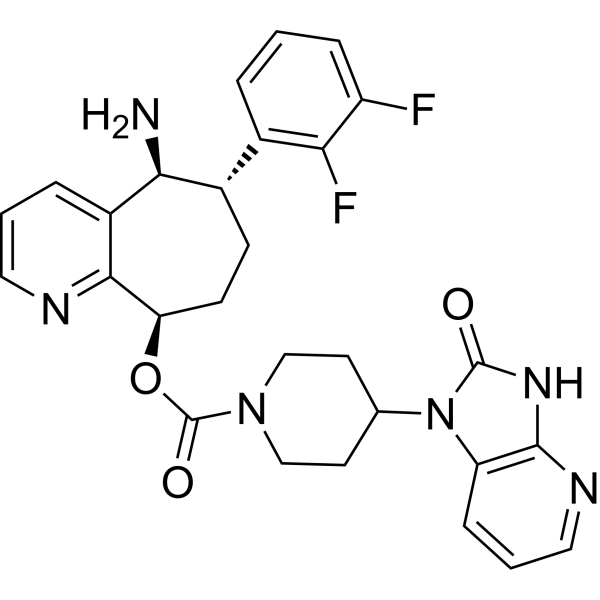
- HY-10336R
-
|
BMS-582664 (Standard)
|
Reference Standards
VEGFR
Autophagy
|
Cancer
|
|
Brivanib (alaninate) (Standard) is the analytical standard of Brivanib (alaninate). This product is intended for research and analytical applications. Brivanib alaninate (BMS-582664) is an ATP-competitive inhibitor against VEGFR2 with an IC50 of 25 nM; has moderate potency against VEGFR-1 and FGFR-1, but more than 240-fold against PDGFRβ .
|
-

- HY-P99648
-
|
BMS-986168; IPN007; BIIB092
|
Tau Protein
|
Neurological Disease
|
|
Gosuranemab (BMS-986168; IPN007; BIIB092) is a humanised IgG4 anti-tau monoclonal antibody. Gosuranemab neutralizes the extracellular tau protein, inhibiting the spread and aggregation of pathological tau protein. Gosuranemab can be used for the research of progressive supranuclear palsy and early Alzheimer’s disease .
|
-

- HY-10450S3
-
|
BMS-512148-13C6
|
Isotope-Labeled Compounds
|
Metabolic Disease
Cancer
|
|
Dapagliflozin- 13C6 (BMS-512148- 13C6) is 13C labeled Dapagliflozin. Dapagliflozin (BMS-512148), a new type of agent used to treat diabetes mellitus (DM), is a competitive sodium/glucose cotransporter 2 (SGLT2) inhibitor, which results in excretion of glucose into the urine . Dapagliflozin induces HIF1 expression and attenuates renal IR injury .
|
-

- HY-P99467
-
|
BMS 4182137; VIR 7832
|
SARS-CoV
|
Infection
|
|
Beludavimab (BMS 4182137; VIR 7832) is a monoclonal antibody targeting the spike glycoprotein of SARS-CoV-2. Beludavimab binds to recombinant spike protein receptor-binding domain (S-RBD) with an EC50 value of 14.9 ng/mL and a Kd of 0.21 nM .
|
-

- HY-107413R
-
|
BMS-649 (Standard)
|
Reference Standards
RAR/RXR
|
Cancer
|
|
SR11237 (Standard) is the analytical standard of SR11237 (HY-107413). This product is intended for research and analytical applications. SR11237 (BMS-649) is a potent retinoid X receptor (RXR)-selective agonist that is devoid of any RAR activity. SR11237 can cause RXR/RXR homodimers to form and transactivate a reporter gene containing a RXR-response element .
|
-

- HY-10008R
-
|
BMS-387032 (Standard)
|
Reference Standards
CDK
Apoptosis
|
Cancer
|
|
SNS-032 (Standard) is the analytical standard of SNS-032. This product is intended for research and analytical applications. SNS-032 (BMS-387032) is a potent and selective inhibitor of?CDK2, CDK7, and CDK9 with?IC50s?of 38 nM, 62 nM and 4 nM, respectively. SNS-032 has antitumor effect .
|
-

- HY-W754842
-
|
BMS-477118-13C,d2 hydrochloride
|
Isotope-Labeled Compounds
|
Others
|
|
Saxagliptin- 13C,d2-1 (BMS-477118- 13C,d2) hydrochloride is 13C and deuterium labeled Saxagliptin (hydrochloride) .
|
-

- HY-10181R
-
|
BMS-354825 (Standard)
|
Reference Standards
Bcr-Abl
Src
Autophagy
Apoptosis
|
Cancer
|
|
Dasatinib (Standard) is the analytical standard of Dasatinib. This product is intended for research and analytical applications. Dasatinib (BMS-354825) is a highly potent, ATP competitive, orally active dual Src/Bcr-Abl inhibitor with potent antitumor activity. The Kis are 16 pM and 30 pM for Src and Bcr-Abl, respectively. Dasatinib inhibits Bcr-Abl and Src with IC50s of <1.0 nM and 0.5 nM, respectively . Dasatinib also induces apoptosis and autophagy.
|
-

- HY-10181AR
-
|
BMS-354825 hydrochloride (Standard)
|
Reference Standards
Bcr-Abl
Src
Autophagy
Apoptosis
|
Cancer
|
|
Dasatinib (hydrochloride) (Standard) is the analytical standard of Dasatinib (hydrochloride). This product is intended for research and analytical applications. Dasatinib (BMS-354825) hydrochloride is a highly potent, ATP competitive, orally active dual Src/Bcr-Abl inhibitor with potent antitumor activity. The Kis are 16 pM and 30 pM for Src and Bcr-Abl, respectively. Dasatinib hydrochloride inhibits Bcr-Abl and Src with IC50s of <1.0 nM and 0.5 nM, respectively . Dasatinib hydrochloride also induces apoptosis and autophagy.
|
-

- HY-105218AR
-
|
BMS-180291 sodium (Standard)
|
Reference Standards
Prostaglandin Receptor
|
Cardiovascular Disease
Endocrinology
Cancer
|
|
Ifetroban sodium (Standard) is the analytical standard of Ifetroban sodium (HY-105218A). This product is intended for research and analytical applications. Ifetroban (BMS-180291) sodium is an orally active antagonist of thromboxane A2 (TXA2) or prostaglandin H2 (PGH2) receptor. Ifetroban sodium shows antiplatelet activity, and inhibits tumor cell migration without affecting cell proliferation. Ifetroban sodium can be used for myocardial ischemia, hypertension, stroke, thrombosis, cardiomyopathy research .
|
-

- HY-10181BR
-
|
BMS-354825 monohydrate (Standard)
|
Reference Standards
Bcr-Abl
Src
Autophagy
Apoptosis
|
Cancer
|
|
Dasatinib (monohydrate) (Standard) is the analytical standard of Dasatinib (monohydrate). This product is intended for research and analytical applications. Dasatinib (BMS-354825) monohydrate is a highly potent, ATP competitive, orally active dual Src/Bcr-Abl inhibitor with potent antitumor activity. The Kis are 16 pM and 30 pM for Src and Bcr-Abl, respectively. Dasatinib monohydrate inhibits Bcr-Abl and Src with IC50s of <1.0 nM and 0.5 nM, respectively . Dasatinib monohydrate also induces apoptosis and autophagy.
|
-

- HY-N12104
-
|
BMS-182123
|
TNF Receptor
|
Infection
|
|
Trichodimerol (BMS-182123) is a TNF-α promoter inhibitor that inhibits the activity of lipopolysaccharide-induced cytokine secretion. Trichodimerol inhibits lipopolysaccharide-induced TNF-α promoter activity, reduces steady-state TNF-α mRNA expression, and does not alter the stability of TNF-α mRNA. Trichodimerol inhibits lipopolysaccharide-induced TNF-α secretion in murine and human immune cells. Trichodimerol reduces lipopolysaccharide-induced IL-1β secretion by 25%-50% in vitro. Trichodimerol does not alter total protein synthesis or constitutive lysozyme secretion at effective concentrations. Trichodimerol can be used for the research of septic shock .
|
-

- HY-16776
-
|
Festinavir; BMS-986001; OBP-601
|
HIV
Reverse Transcriptase
Nucleoside Antimetabolite/Analog
|
Infection
|
|
Censavudine (OBP-601; BMS-986001), a nucleoside analog, is a nucleoside reverse transcriptase inhibitor. Censavudine is a potent HIV inhibitor with EC50 ranges from 30 nM to 81 nM and 450 nM to 890 nM for HIV-2 and HIV-1, respectively . Censavudine is a click chemistry reagent, it contains an Alkyne group and can undergo copper-catalyzed azide-alkyne cycloaddition (CuAAc) with molecules containing Azide groups.
|
-
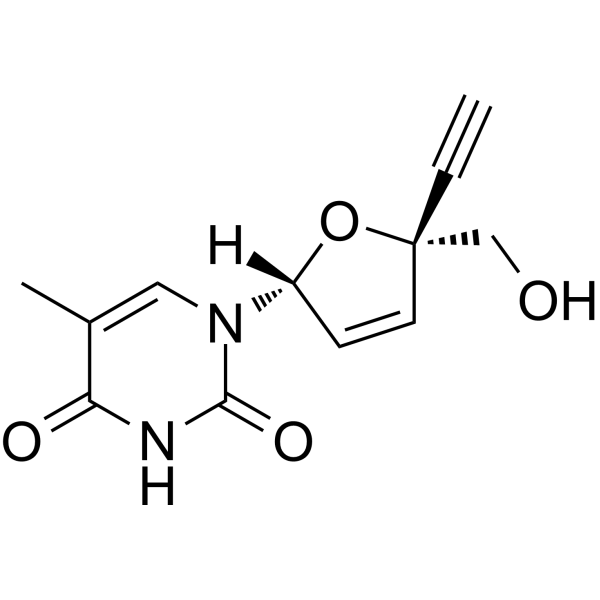
- HY-17367R
-
|
BMS-232632 (Standard)
|
Reference Standards
HIV
HIV Protease
SARS-CoV
Cytochrome P450
P-glycoprotein
Endogenous Metabolite
|
Infection
Cancer
|
|
Atazanavir (Standard) is the analytical standard of Atazanavir. This product is intended for research and analytical applications. Atazanavir (BMS-232632) is a highly selective and orally active HIV-1 protease inhibitor . Atazanavir is a substrate and inhibitor of CYP3A4, and an inhibitor of P-glycoprotein (P-gp). Atazanavir is also a SARS-CoV 3CL pro inhibitor with an IC50 of 3.49 μM. Atazanavir inhibits cardiac fibrosis, hyperlipidemia and induces malignant glioma death .
|
-

- HY-17367A
-
-
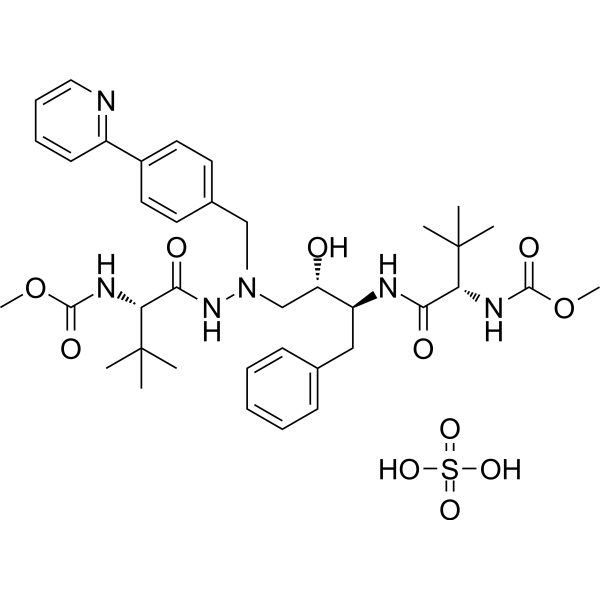
- HY-10581A
-
|
AM-1155 hydrochloride; BMS-206584 hydrochloride; PD135432 hydrochloride
|
Bacterial
Topoisomerase
Antibiotic
|
Infection
|
|
Gatifloxacin hydrochloride (AM-1155; BMS-206584; PD135432) is a potent fluoroquinolone antibiotic with broad-spectrum antibacterial activity. Gatifloxacin hydrochloride inhibits bacterial type II topoisomerases (IC50=13.8 μg/ml for S. aureus topoisomerase IV) and E. coli DNA gyrase (IC50 = 0.109 μg/ml) . Gatifloxacin hydrochloride can be used to treat bacterial conjunctivitis in vivo.
|
-
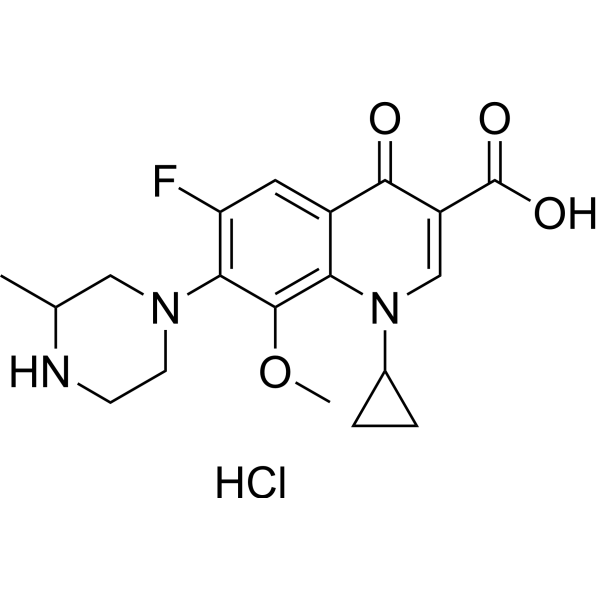
- HY-10581B
-
|
AM-1155 mesylate; BMS-206584 mesylate; PD135432 mesylate
|
Bacterial
Topoisomerase
Antibiotic
|
Infection
|
|
Gatifloxacin mesylate (AM-1155; BMS-206584; PD135432) is a potent fluoroquinolone antibiotic with broad-spectrum antibacterial activity. Gatifloxacin mesylate inhibits bacterial type II topoisomerases (IC50=13.8 μg/ml for S. aureus topoisomerase IV) and E. coli DNA gyrase (IC50 = 0.109 μg/ml) . Gatifloxacin mesylate can be used to treat bacterial conjunctivitis in vivo.
|
-
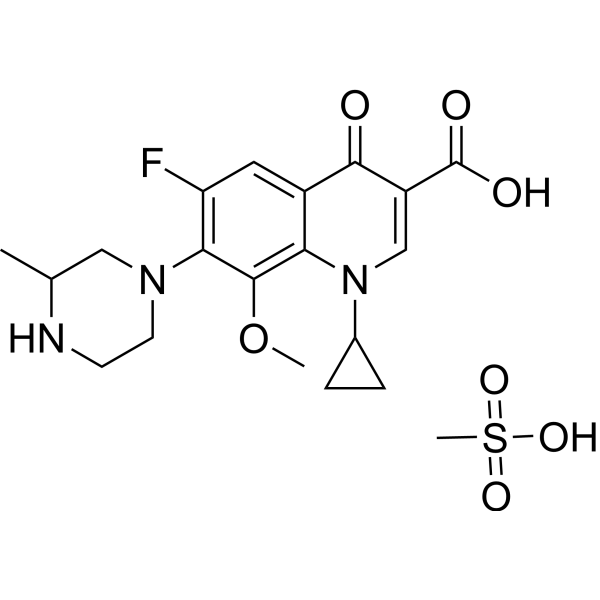
- HY-P990598
-
|
BMS-986253; HuMax-IL-8
|
CXCR
Interleukin Related
|
Inflammation/Immunology
Cancer
|
|
Adakitug (BMS-986253) is a CHO-expressed human antibody targeting CXCL8/IL-8. Adakitug contains huIgG1 heavy chain and huκ light chain, with a predicted molecular weight (MW) of 144.94 kDa. The isotype control for Adakitug can refer to Human IgG1 kappa, Isotype Control (HY-P99001). Adakitug exhibits anti-tumor activity and can be applied in tumor research .
|
-

- HY-125156
-
|
BMS-801576
|
Endogenous Metabolite
|
Metabolic Disease
|
|
Dapagliflozin-3-O-β-D-glucuronide (BMS-801576) is the metabolite of Dapagliflozin (HY-10450), and is formed in the liver and kidney by uridine diphosphate glucuronosyltransferase-1A9 (UGT1A9). Dapagliflozin is a selective inhibitor for SGLT2, that can be used to improve glycemic control and attenuate type 2 diabetes .
|
-

- HY-108584R
-
|
BMS-204352 (Standard)
|
Potassium Channel
Reference Standards
|
Neurological Disease
|
|
Flindokalner (Standard) is the analytical standard of Flindokalner. This product is intended for research and analytical applications. Flindokalner (BMS-204352) is a potassium channel modulator. Flindokalner is a positive modulator of all neuronal Kv7 channel subtypes expressed in HEK293 cells. Flindokalner is also a large conductance calcium-activated K channel (BKca) positive modulator. Flindokalner shows a negative modulatory activity at Kv7.1 channels (Ki=3.7 μM), and acts as a negative modulator of GABAA receptors. Flindokalner shows anxiolytic efficacy in vivo .
|
-

- HY-11091
-
|
BMS 561389 hydrochloride; DPC 906 hydrochloride
|
Factor Xa
Thrombin
|
Cardiovascular Disease
|
|
Razaxaban hydrochloride (BMS 561389 hydrochloride) is a highly potent, selective and orally active factor Xa inhibitor with a Ki of 0.19 nM. Razaxaban hydrochloride exhibits excellent selectivity (>5000-fold) for factor Xa over other related serine proteases. Razaxaban hydrochloride is also a potent thrombin inhibitor with a Ki of 540 nM. Razaxaban hydrochloride has strongly antithrombotic activity .
|
-
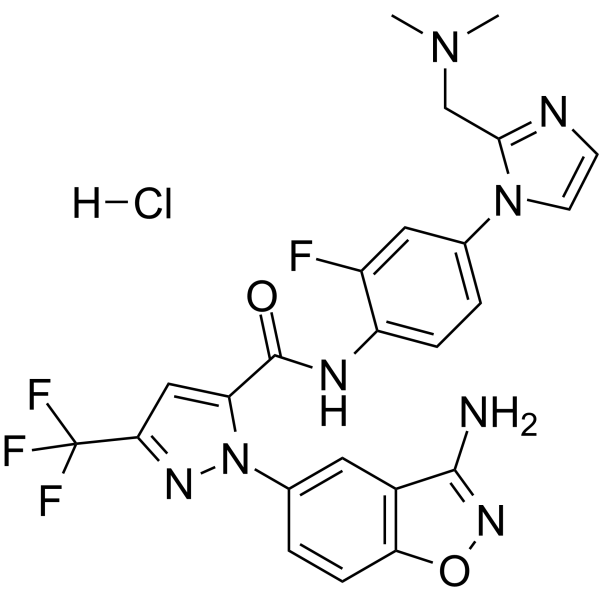
- HY-10222R
-
|
BMS-247550 (Standard); Aza-epothilone B (Standard)
|
Reference Standards
Microtubule/Tubulin
Apoptosis
Bacterial
|
Cancer
|
|
Ixabepilone (Standard) is the analytical standard of Ixabepilone. This product is intended for research and analytical applications. Ixabepilone (BMS-247550) is an orally bioavailable microtubule inhibitor, which binds to tubulin and promotes tubulin polymerization and microtubule stabilization, thereby arrests cells in the G2-M phase of the cell cycle and induces tumor cell apoptosis.
|
-

- HY-10466
-
|
BMS-790052; EBP 883
|
HCV
|
Infection
|
|
Daclatasvir (BMS-790052) is a potent and orally active HCV NS5A protein inhibitor with EC50s range of 9-146 pM for multiple HCV replicon genotypes. Daclatasvir is also a organic anion transporting polypeptide 1B (OATP1B) and OATP1B3 inhibitor with IC50s of 1.5 µM and 3.27 µM, respectively .
|
-
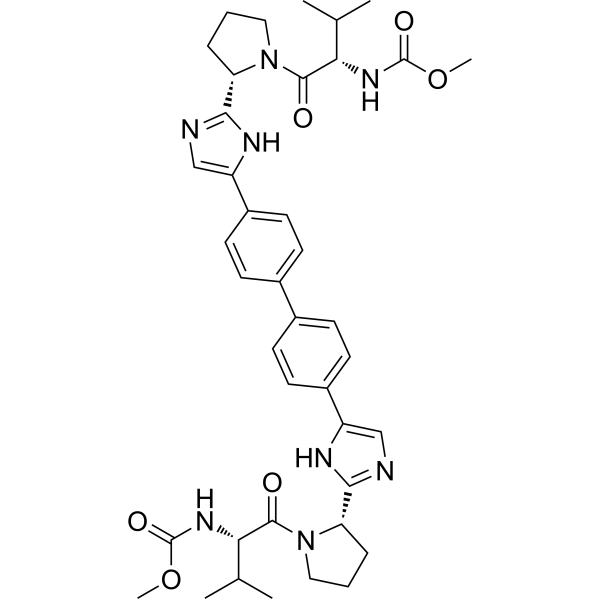
- HY-10465
-
|
BMS-790052 dihydrochloride; EBP 883 dihydrochloride
|
HCV
|
Infection
|
|
Daclatasvir dihydrochloride (BMS-790052 dihydrochloride) is a potent and orally active HCV NS5A protein inhibitor with EC50s range of 9-146 pM for multiple HCV replicon genotypes. Daclatasvir dihydrochloride is also an organic anion transporting polypeptide 1B (OATP1B) and OATP1B3 inhibitor with IC50s of 1.5 μM and 3.27 μM, respectively .
|
-
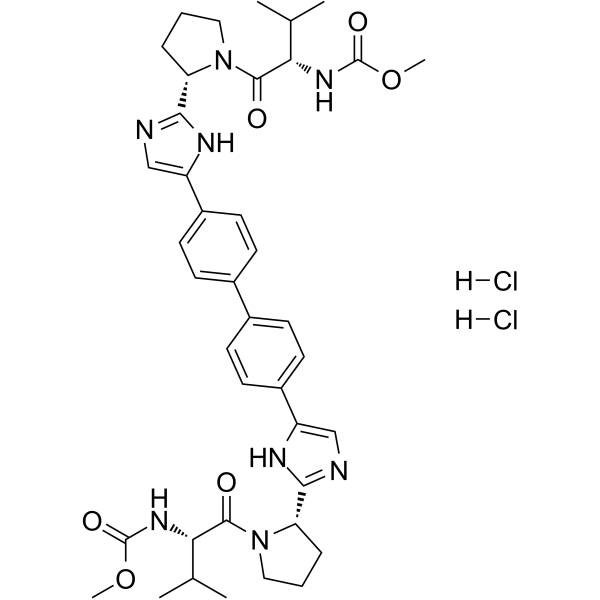
- HY-10581
-
|
AM-1155; BMS-206584; PD135432
|
Bacterial
Topoisomerase
Antibiotic
|
Infection
Neurological Disease
Cancer
|
|
Gatifloxacin (AM-1155; BMS-206584; PD135432) is a potent fluoroquinolone antibiotic that can cross the blood-brain barrier, with broad-spectrum antibacterial activity. Gatifloxacin inhibits bacterial type II topoisomerases (IC50=13.8 μg/ml for S. aureus topoisomerase IV) and E. coli DNA gyrase (IC50=0.109 μg/ml) . Gatifloxacin can be used to treat bacterial conjunctivitis in vivo.
|
-
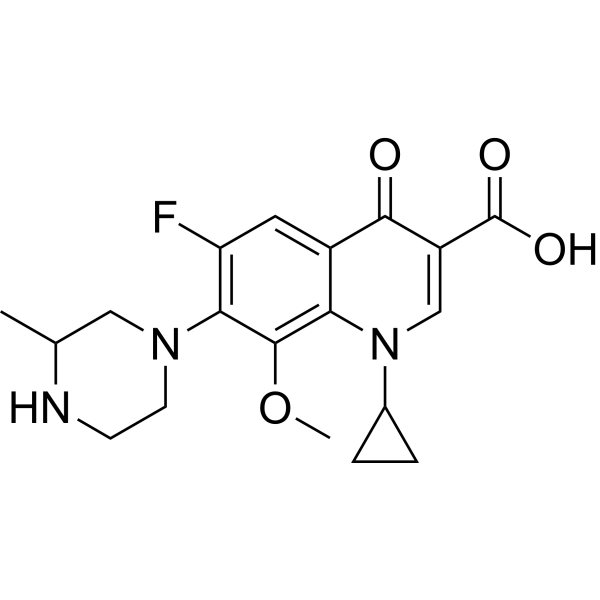
- HY-14667S
-
|
AEGR-733-d8; BMS-201038-d8
|
Isotope-Labeled Compounds
|
Cardiovascular Disease
|
|
Lomitapide-d8 is deuterium labeled Lomitapide. Lomitapide (AEGR-733; BMS-201038) is a potent inhibitor of microsomal triglyceride-transfer protein (MTP) with an IC50 of 8 nM in vitro.
|
-
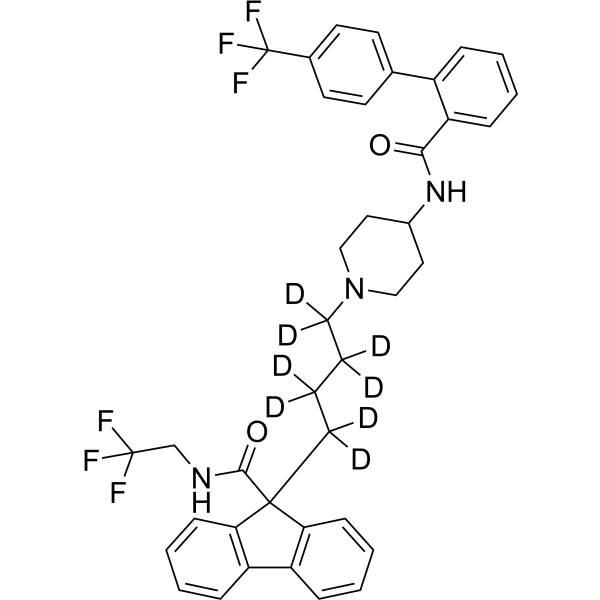
- HY-101560R
-
|
BMS-986205 (Standard); ONO-7701 (Standard)
|
Indoleamine 2,3-Dioxygenase (IDO)
Reference Standards
|
Cancer
|
|
Linrodostat (Standard) is the analytical standard of Linrodostat (HY-101560). This product is intended for research and analytical applications. Linrodostat (BMS-986205) is a selective and irreversible indoleamine 2,3-dioxygenase 1 (IDO1) inhibitor with an IC50 value of 1.1 nM in IDO1-HEK293 cells. Linrodostat is well tolerated with potent pharmacodynamic activity in advanced cancers .
|
-

- HY-17367AR
-
|
BMS-232632 sulfate (Standard)
|
Reference Standards
HIV
HIV Protease
SARS-CoV
Cytochrome P450
P-glycoprotein
Endogenous Metabolite
|
Infection
Cancer
|
|
Atazanavir (sulfate) (Standard) is the analytical standard of Atazanavir (sulfate). This product is intended for research and analytical applications. Atazanavir (BMS-232632) sulfate, a highly selective HIV-1 protease inhibitor, is the first protease inhibitor approved for once-daily administration . Atazanavir sulfate is a substrate and inhibitor of CYP3A4, and an inhibitor and inducer of P-glycoprotein (P-gp) . Atazanavir sulfate is also a SARS-CoV 3CLpro inhibitor with an IC50 of
3.49 μM .
|
-

- HY-108829A
-
|
CTLA4lg (powder); BMS-188667 (powder); Orencia
|
CTLA-4
|
Inflammation/Immunology
Cancer
|
|
Abatacept (CTLA4lg; BMS-188667) powder is a soluble fusion protein consisting of the extra-cellular domain of human CTLA4 and a fragment of the Fc portion of human IgG1 (hinge and CH2 and 3 domains). Abatacept powder is a selective T-cell co-stimulation modulator and a protein agent for the autoimmune diseases .
|
-

- HY-16779B
-
|
BMS-379224 L-lysine ethanolate; E-1224 L-lysine ethanolate
|
Fungal
Parasite
|
Infection
|
|
Fosravuconazole L-lysine ethanolate (BMS-379224 L-lysine ethanolate), a proagent of Ravuconazole, is an orally active broad spectrum antifungal agent. Fosravuconazole L-lysine ethanolate can be used for candidiasis, onychomycosis and parasitemia research .
|
-
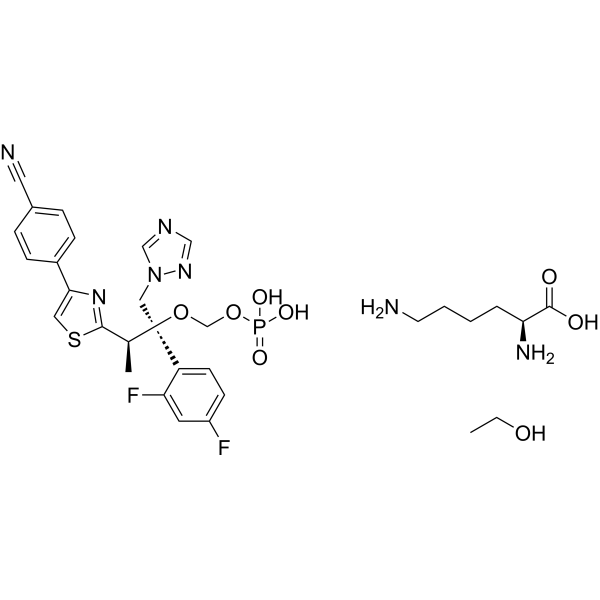
- HY-14803R
-
|
BMS-214778 (Standard); VEC-162 (Standard)
|
Reference Standards
Melatonin Receptor
|
Neurological Disease
Endocrinology
|
|
Tasimelteon (Standard) is the analytical standard of Tasimelteon. This product is intended for research and analytical applications. Tasimelteon (BMS-214778) is an orally active and selective dual melatonin receptor agonist (DMRA). Tasimelteon has 2.1-4.4 times greater affinity for the MT2 receptor than for the MT1 receptor. Tasimelteon is a circadian regulator and has the potential for Non-24-Hour Sleep-Wake Disorder (Non-24) .
|
-

- HY-P99648A
-
|
BMS-986168 (powder); IPN007 (powder); BIIB092 (powder)
|
Tau Protein
|
Neurological Disease
|
|
Gosuranemab (BMS-986168; IPN007; BIIB092) (powder) is a humanised IgG4 anti-tau monoclonal antibody. Gosuranemab (powder) neutralizes the extracellular tau protein, inhibiting the spread and aggregation of pathological tau protein. Gosuranemab (powder) can be used for the research of progressive supranuclear palsy and early Alzheimer’s disease .
|
-

- HY-17460R
-
|
BMS284756 (Standard)
|
Reference Standards
Bacterial
Topoisomerase
DNA/RNA Synthesis
Antibiotic
|
Infection
|
|
Garenoxacin (Standard) is the analytical standard of Garenoxacin. This product is intended for research and analytical applications. Garenoxacin (BMS284756) is an orally active quinolone antibiotic and has a broad spectrum of activity against a wide array of gram-positive and gram-negative bacteria, anaerobes, and fastidious organisms .
|
-

- HY-14667S1
-
-

- HY-125856A
-
|
BMS-986177 TFA; JNJ-70033093 TFA
|
Factor Xa
|
Cardiovascular Disease
|
|
Milvexian TFA (BMS-986177 TFA) is a factor XIa inhibitor with biological activity to prevent venous thromboembolism. Milvexian TFA was effective in reducing the occurrence of venous thromboembolism in patients undergoing knee replacement surgery. Milvexian TFA has good selectivity and shows significant inhibitory effects on plasma kallikrein and trypsin. Milvexian TFA has a bioavailability of 32%, which means it has a high absorption rate in the body. Milvexian TFA showed a relatively low risk of bleeding in clinical trials .
|
-

- HY-10581AS1
-
-

- HY-13623AR
-
|
BMS200475 monohydrate (Standard); SQ34676 monohydrate (Standard)
|
Reference Standards
HBV
|
Infection
Cancer
|
|
Entecavir (monohydrate) (Standard) is the analytical standard of Entecavir (monohydrate). This product is intended for research and analytical applications. Entecavir monohydrate (BMS200475 monohydrate; SQ34676 monohydrate) is a potent and selective inhibitor of HBV, with an EC50 of 3.75 nM in HepG2 cell.
|
-

- HY-10581C
-
|
AM-1155 sesquihydrate; BMS-206584 sesquihydrate; PD135432 sesquihydrate
|
Bacterial
Topoisomerase
Antibiotic
|
Infection
Inflammation/Immunology
|
|
Gatifloxacin sesquihydrate (AM-1155; BMS-206584; PD135432) is a potent fluoroquinolone antibiotic with broad-spectrum antibacterial activity. Gatifloxacin sesquihydrate inhibits bacterial type II topoisomerases (IC50=13.8 μg/ml for S. aureus topoisomerase IV) and E. coli DNA gyrase (IC50 = 0.109 μg/ml) . Gatifloxacin sesquihydrate can be used to treat bacterial conjunctivitis in vivo.
|
-
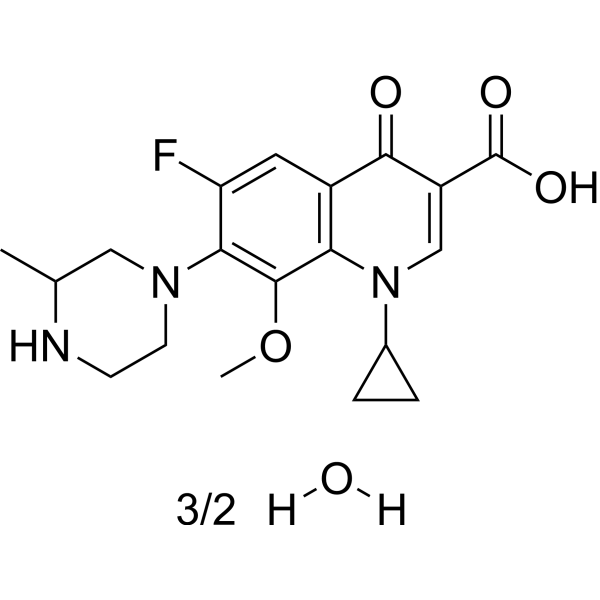
- HY-10466R
-
|
BMS-790052 (Standard); EBP 883 (Standard)
|
Reference Standards
HCV
|
Infection
|
|
Daclatasvir (Standard) is the analytical standard of Daclatasvir. This product is intended for research and analytical applications. Daclatasvir (BMS-790052) is a potent and orally active HCV NS5A protein inhibitor with EC50s range of 9-146 pM for multiple HCV replicon genotypes. Daclatasvir is also a organic anion transporting polypeptide 1B (OATP1B) and OATP1B3 inhibitor with IC50s of 1.5 µM and 3.27 µM, respectively .
|
-

- HY-10465R
-
|
BMS-790052 dihydrochloride (Standard); EBP 883 dihydrochloride (Standard)
|
Reference Standards
HCV
|
Infection
|
|
Daclatasvir (dihydrochloride) (Standard) is the analytical standard of Daclatasvir (dihydrochloride). This product is intended for research and analytical applications. Daclatasvir dihydrochloride (BMS-790052 dihydrochloride) is a potent and orally active HCV NS5A protein inhibitor with EC50s range of 9-146 pM for multiple HCV replicon genotypes. Daclatasvir dihydrochloride is also an organic anion transporting polypeptide 1B (OATP1B) and OATP1B3 inhibitor with IC50s of 1.5 µM and 3.27 µM, respectively .
|
-

- HY-10581AR
-
|
AM-1155 hydrochloride (Standard); BMS-206584 hydrochloride (Standard); PD135432 hydrochloride (Standard)
|
Reference Standards
Bacterial
Topoisomerase
Antibiotic
|
Infection
|
|
Gatifloxacin (hydrochloride) (Standard) is the analytical standard of Gatifloxacin (hydrochloride). This product is intended for research and analytical applications. Gatifloxacin hydrochloride (AM-1155; BMS-206584; PD135432) is a potent fluoroquinolone antibiotic with broad-spectrum antibacterial activity. Gatifloxacin hydrochloride inhibits bacterial type II topoisomerases (IC50=13.8 μg/ml for S. aureus topoisomerase IV) and E. coli DNA gyrase (IC50 = 0.109 μg/ml)[1]. Gatifloxacin hydrochloride can be used to treat bacterial conjunctivitis in vivo.
|
-

- HY-P99518
-
|
BMS 986089; RG 6206; RO 7239361; BHV2000
|
TGF-beta/Smad
|
Others
|
|
Taldefgrobep alfa (BMS 986089; RG 6206; RO 7239361) is a potent inhibitory antibody targeting to human myostatin. Taldefgrobep alfa is a fusion protein composed of a human IgG1-Fc domain and Adnectin domain. Taldefgrobep alfa can be used for spinal muscular atrophy (SMA) research .
|
-

- HY-14668
-
|
AEGR-733 mesylate; BMS-201038 mesylate
|
Microsomal Triglyceride Transfer Protein (MTP)
mTOR
LDLR
Autophagy
Apoptosis
|
Cardiovascular Disease
Neurological Disease
Metabolic Disease
Cancer
|
|
Lomitapide (AEGR-733; BMS-201038) mesylate is an orally active microsomal triglyceride transfer protein (MTP) inhibitor and a selective mTORC1 inhibitor with lipid-lowering activity and BBB permeability. Lomitapide mesylate significantly reduces plasma LDL levels by blocking the assembly and secretion of very-low-density lipoprotein (VLDL). Lomitapide mesylate inhibits mTORC1 in an ATP-dependent manner, thereby inducing AMPK-independent autophagic cell death and suppressing cancer cell growth and apoptosis. Lomitapide mesylate also enhances tumor infiltration of CD8 + T cells. In addition, Lomitapide mesylate inhibits HDAC, improves endothelial function, effectively alleviates vascular inflammation and oxidative stress, and exerts neuroprotective effects in a cerebral ischemia/reperfusion injury model. Lomitapide mesylate can be used in research on related diseases such as colorectal cancer, breast cancer, melanoma, ischemic stroke, and familial hypercholesterolemia .
|
-
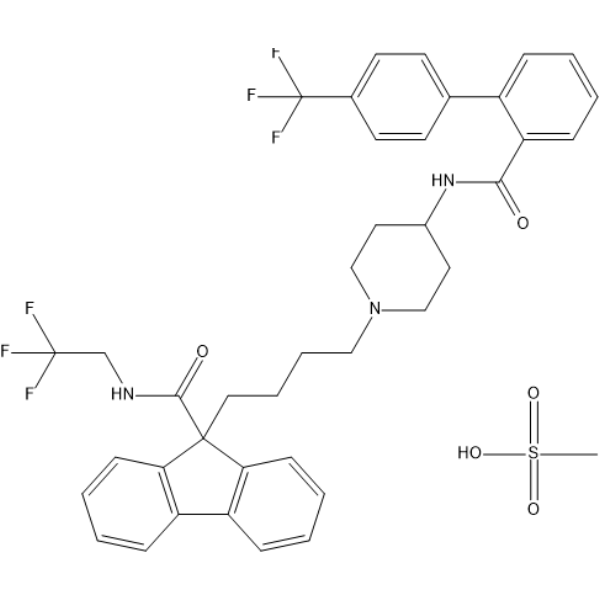
- HY-101908
-
|
|
CCR
|
Inflammation/Immunology
Endocrinology
|
|
BMS CCR2 22 is a potent, specific and high affinity CC-type chemokine receptor 2 (CCR2) antagonist with excellent binding affinity (binding IC50 of 5.1 nM) and potent functional antagonism (calcium flux IC50 of 18 nM and chemotaxis IC50 of 1 nM) .
|
-
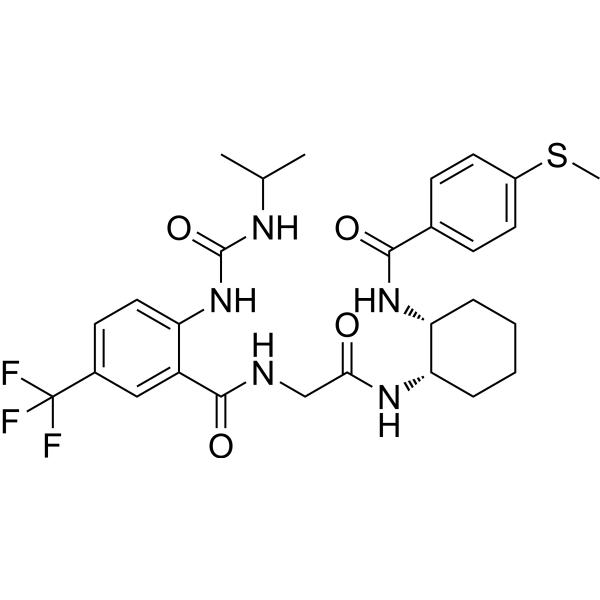
- HY-50667S
-
|
BMS-562247-01-13C,d3
|
Factor Xa
|
Cardiovascular Disease
|
|
Apixaban- 13C,d3 (BMS-562247-01- 13C,d3) is a deuterium and 13C labeled Apixaban (HY-50667). Apixaban is a highly selective, reversible inhibitor of Factor Xa with Ki of 0.08 nM and 0.17 nM in human and rabbit, respectively .
|
-
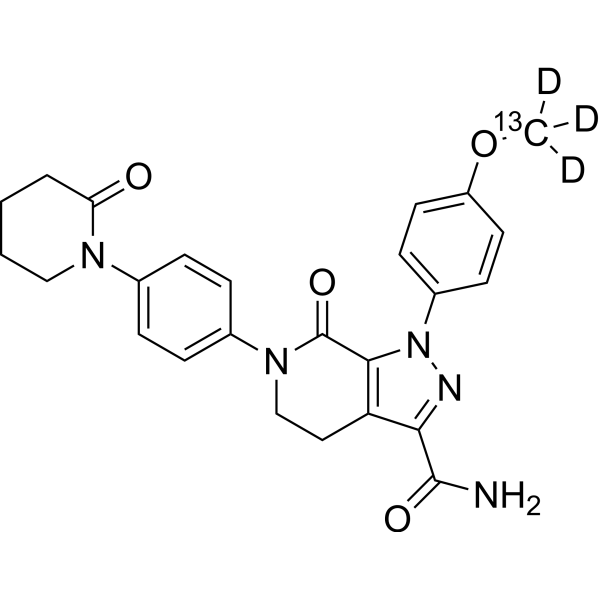
- HY-10581R
-
|
AM-1155 (Standard); BMS-206584 (Standard); PD135432 (Standard)
|
Reference Standards
Bacterial
Topoisomerase
Antibiotic
|
Infection
|
|
Gatifloxacin (Standard) is the analytical standard of Gatifloxacin. This product is intended for research and analytical applications. Gatifloxacin (AM-1155; BMS-206584; PD135432) is a potent fluoroquinolone antibiotic with broad-spectrum antibacterial activity. Gatifloxacin inhibits bacterial type II topoisomerases (IC50=13.8 μg/ml for S. aureus topoisomerase IV) and E. coli DNA gyrase (IC50=0.109 μg/ml) . Gatifloxacin can be used to treat bacterial conjunctivitis in vivo.
|
-

- HY-P9S0124
-
|
ORM-6151 Antibody; BMS-986497 Antibody
|
|
Cancer
|
|
Anti-CD33 Antibody (OR000283) (ORM-6151 Antibody; BMS-986497 Antibody) is an antibody targeting CD33. It is generated by grafting the FAb (H&L) sequence of Gemtuzumab (HY-P99971) onto an IgG1 Fc carrying the N297A mutation, which inhibits Fc-γR binding. Anti-CD33 Antibody (OR000283) can be used to construct degrader-antibody conjugates (DACs), such as ORM-6151 (HY-171792) .
|
-

- HY-14803S
-
|
BMS-214778-d5; VEC-162-d5
|
Isotope-Labeled Compounds
Melatonin Receptor
|
Neurological Disease
Endocrinology
|
|
Tasimelteon-d5 is the deuterium labeled Tasimelteon. Tasimelteon (BMS-214778) is an orally active and selective dual melatonin receptor agonist (DMRA). Tasimelteon has 2.1-4.4 times greater affinity for the MT2 receptor than for the MT1 receptor. Tasimelteon is a circadian regulator and has the potential for Non-24-Hour Sleep-Wake Disorder (Non-24) .
|
-
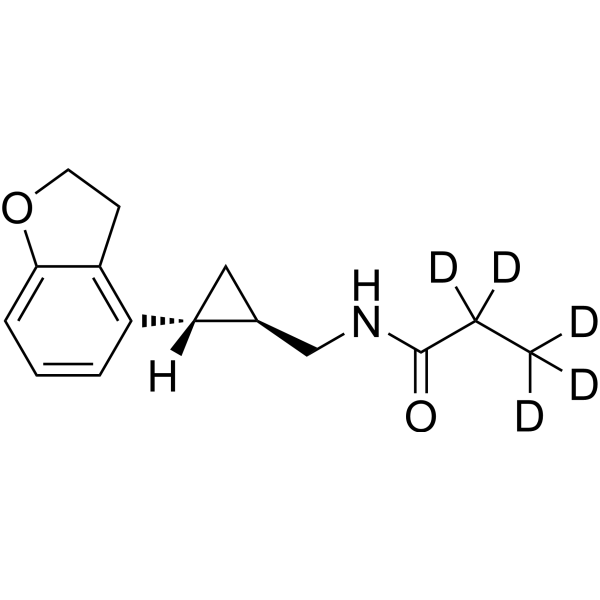
- HY-10581AS
-
|
AM-1155-d3 hydrochloride; BMS-206584-d3 hydrochloride; PD135432-d3 hydrochloride
|
Isotope-Labeled Compounds
Bacterial
Topoisomerase
Antibiotic
|
Infection
|
|
Gatifloxacin-d3 (hydrochloride) is the deuterium labeled Gatifloxacin (hydrochloride). Gatifloxacin hydrochloride (AM-1155; BMS-206584; PD135432) is a potent fluoroquinolone antibiotic with broad-spectrum antibacterial activity. Gatifloxacin hydrochloride inhibits bacterial type II topoisomerases (IC50=13.8 μg/ml for S. aureus topoisomerase IV) and E. coli DNA gyrase (IC50 = 0.109 μg/ml). Gatifloxacin hydrochloride can be used to treat bacterial conjunctivitis in vivo.
|
-
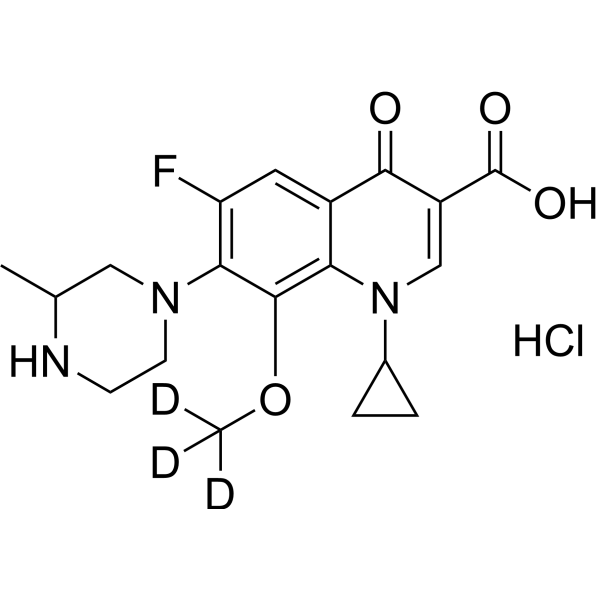
- HY-P99272
-
|
BMS 936564; MDX 1338; Anti-Human CXCR4 Recombinant Antibody
|
CXCR
|
Cancer
|
|
Ulocuplumab (Anti-Human CXCR4 Recombinant Antibody/BMS-936564/MDX1338) is a fully human IgG4 anti-CXCR4 antibody. Ulocuplumab induces apoptosis and inhibits CXCL12 mediated CXCR4 activation-migration of chronic lymphocytic leukemia (CLL). Ulocuplumab exhibits antitumor activity in established tumors including acute myeloid leukemia (AML), non-Hodgkin lymphoma (NHL), and multiple myeloma xenograft models .
|
-

- HY-10466S
-
|
BMS-790052-d6; EBP 883-d6
|
Isotope-Labeled Compounds
HCV
|
Infection
|
|
Daclatasvir-d6 is deuterium labeled Daclatasvir. Daclatasvir (BMS-790052) is a potent and orally active HCV NS5A protein inhibitor with EC50s range of 9-146 pM for multiple HCV replicon genotypes. Daclatasvir is also a organic anion transporting polypeptide 1B (OATP1B) and OATP1B3 inhibitor with IC50s of 1.5 μM and 3.27 μM, respectively .
|
-
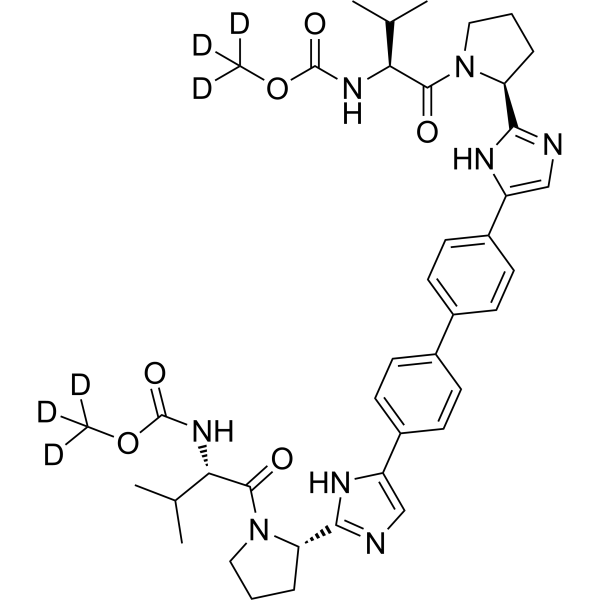
- HY-10466S2
-
|
BMS-790052-d16; EBP 883-d16
|
Isotope-Labeled Compounds
HCV
|
Infection
|
|
Daclatasvir-d16 is deuterium labeled Daclatasvir. Daclatasvir (BMS-790052) is a potent and orally active HCV NS5A protein inhibitor with EC50s range of 9-146 pM for multiple HCV replicon genotypes. Daclatasvir is also a organic anion transporting polypeptide 1B (OATP1B) and OATP1B3 inhibitor with IC50s of 1.5 μM and 3.27 μM, respectively .
|
-
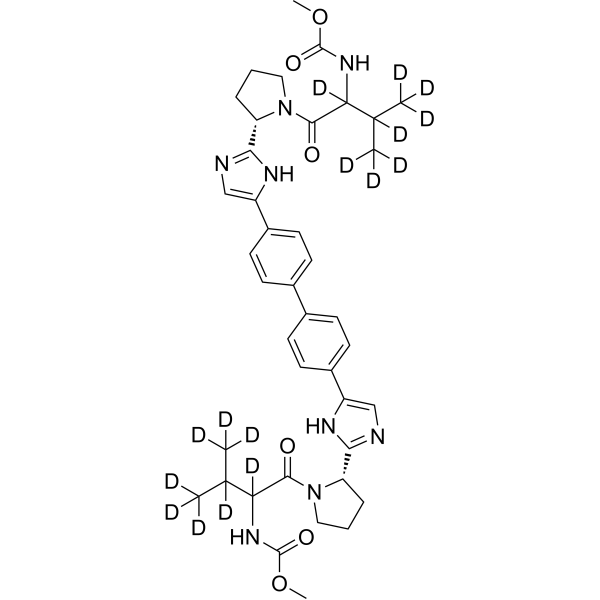
- HY-13623S
-
|
BMS200475-d2; SQ34676-d2
|
Isotope-Labeled Compounds
HBV
|
Infection
|
|
Entecavir-d2 is the deuterium labeled Entecavir. Entecavir (SQ 34676; BMS 200475) is a potent and selective inhibitor of HBV, with an EC50 of 3.75 nM in HepG2 cell.
|
-
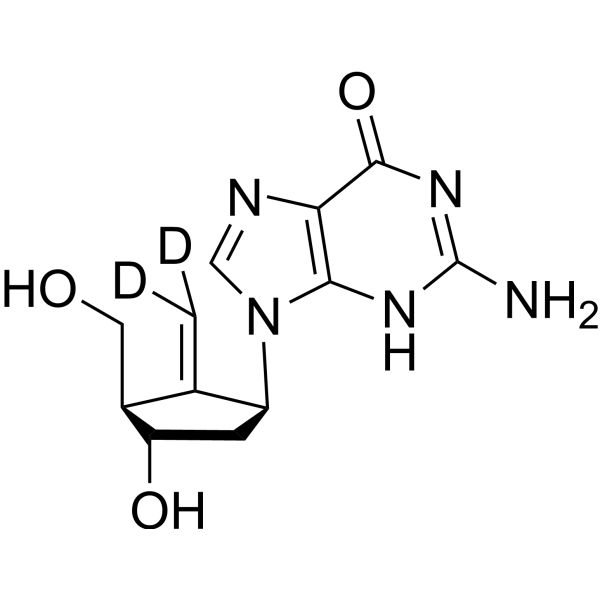
- HY-10581CR
-
|
AM-1155 sesquihydrate (Standard); BMS-206584 sesquihydrate (Standard); PD135432 sesquihydrate (Standard)
|
Reference Standards
Bacterial
Topoisomerase
Antibiotic
|
Infection
Inflammation/Immunology
|
|
Gatifloxacin (sesquihydrate) (Standard) is the analytical standard of Gatifloxacin (sesquihydrate). This product is intended for research and analytical applications. Gatifloxacin sesquihydrate (AM-1155; BMS-206584; PD135432) is a potent fluoroquinolone antibiotic with broad-spectrum antibacterial activity. Gatifloxacin sesquihydrate inhibits bacterial type II topoisomerases (IC50=13.8 μg/ml for S. aureus topoisomerase IV) and E. coli DNA gyrase (IC50 = 0.109 μg/ml) . Gatifloxacin sesquihydrate can be used to treat bacterial conjunctivitis?in vivo.
|
-

- HY-B0202S4
-
-

- HY-10466S1
-
|
BMS-790052-13C2,d6; EBP 883-13C2,d6
|
Isotope-Labeled Compounds
HCV
|
Infection
|
|
Daclatasvir- 13C2,d6 (BMS-790052- 13C2,d6) is 13C and deuterium labeled Daclatasvir. Daclatasvir (BMS-790052) is a potent and orally active HCV NS5A protein inhibitor with EC50s range of 9-146 pM for multiple HCV replicon genotypes. Daclatasvir is also a organic anion transporting polypeptide 1B (OATP1B) and OATP1B3 inhibitor with IC50s of 1.5 μM and 3.27 μM, respectively .
|
-

- HY-W706452
-
|
XL184-d4 S-malate; BMS-907351-d4 S-malate
|
Isotope-Labeled Compounds
Apoptosis
VEGFR
|
Cancer
|
|
Cabozantinib-d4 (S-malate) (XL184-d4 (S-malate); BMS-907351-d4 (S-malate)) is the deuterium labeled Cabozantinib (S-malate) (HY-12044). Cabozantinib S-malate (XL184 S-malate) is a potent multiple receptor tyrosine kinases inhibitor that inhibits VEGFR2, c-Met, Kit, Axl and Flt3 with IC50s of 0.035, 1.3, 4.6, 7 and 11.3 nM, respectively.
|
-

- HY-W700069
-
|
AM-1155-d4; BMS-206584-d4; PD135432-d4
|
Isotope-Labeled Compounds
Antibiotic
Bacterial
Topoisomerase
|
Infection
|
|
Gatifloxacin-d4 (AM-1155-d4) is the deuterium labeled Gatifloxacin (HY-10581). Gatifloxacin (AM-1155; BMS-206584; PD135432) is a potent fluoroquinolone antibiotic with broad-spectrum antibacterial activity. Gatifloxacin inhibits bacterial type II topoisomerases (IC50 = 13.8 μg/mL for S. aureus topoisomerase IV) and E.coli DNA gyrase (IC50 = 0.109 μg/mL) . Gatifloxacin can be used for the study of bacterial conjunctivitis in vivo.
|
-

- HY-13623S1
-
|
BMS200475-13C2,15N; SQ34676-13C2,15N
|
Isotope-Labeled Compounds
HBV
|
Infection
|
|
Entecavir- 13C2, 15N (BMS200475- 13C2, 15N; SQ34676- 13C2, 15N) is a 13C- and 15N-labeled Entecavir (HY-13623). Entecavir (SQ 34676; BMS 200475) is a potent and selective inhibitor of HBV, with an EC50 of 3.75 nM in HepG2 cell.
|
-
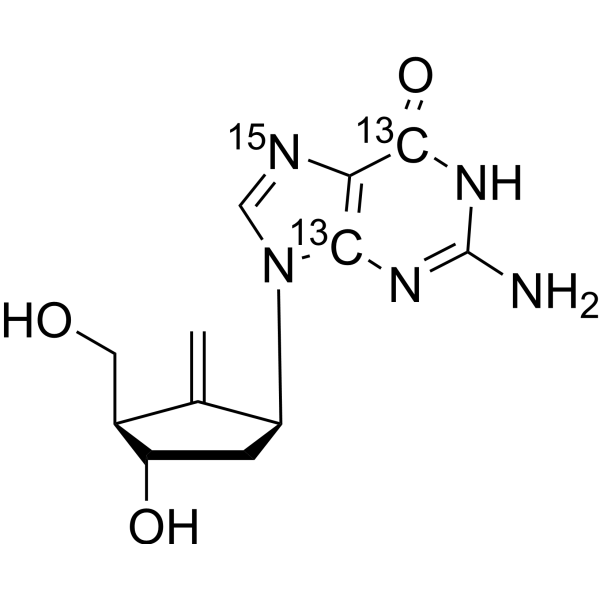
- HY-105082
-
|
BMS 180048
|
5-HT Receptor
|
Cardiovascular Disease
Neurological Disease
|
|
Avitriptan is a 5-HT1B/1D receptor agonist, with pKis of 7.44 ( 5-HT1B rat), 7.68 ( 5-HT1B human) and 8.36 ( 5-HT1D human). Avitriptan constricts the isolated coronary artery. Avitriptan can be used for migraines .
|
-

- HY-105068
-
-

- HY-120625
-
|
|
HSP
|
Cancer
|
|
PU3 is a small molecule inhibitor of Hsp90 that competes with geldanamycin for Hsp90. PU3 induces degradation of proteins, including Her2, similar to geldanamycin. PU3 inhibits the growth of breast cancer cells, causing retinoblastoma protein hypophosphorylation, G1 arrest, and differentiation. PU3 represents a novel class of synthetic compounds that bind to Hsp90 and inhibit the proliferation of cancer cells. PU3 could provide a new strategy for the treatment of cancers .
|
-

- HY-P992324
-
-

- HY-108509
-
|
BMY-14802-1; BMS 181100 hydrochloride
|
Sigma Receptor
5-HT Receptor
Adrenergic Receptor
|
Neurological Disease
|
|
BMY-14802 hydrochloride (BMY-14802-1) is a selective and orally active sigma receptor antagonist with an IC50 of 112 nM. BMY-14802 hydrochloride is also a 5-HT1A and adrenergic α1 receptors agonist. BMY-14802 hydrochloride has antipsychotic effects .
|
-
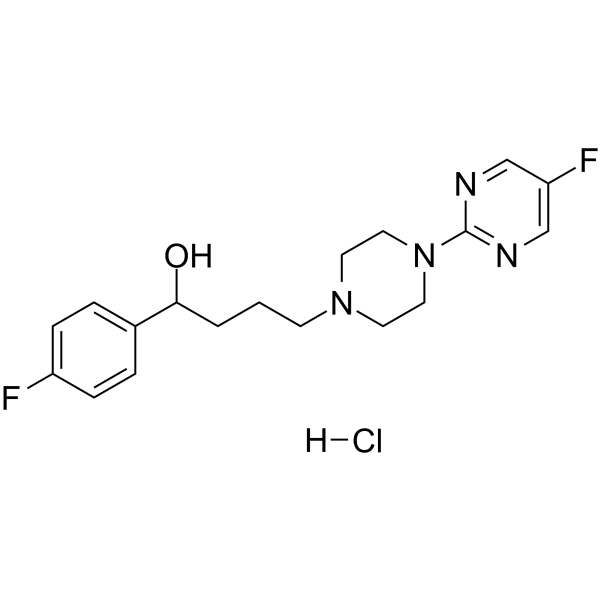
- HY-18208
-
-
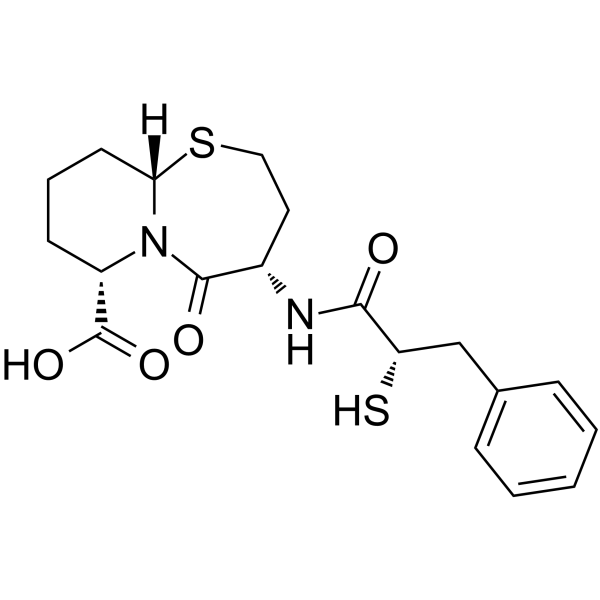
- HY-P990080
-
|
BMS-986249
|
CTLA-4
|
Cancer
|
|
Sovipostobart is an immunoglobulin G1-kappa, anti-CTLA-4 human monoclonal antibody with cleavable prodomain. Sovipostobart is an immunostimulant and antineoplastic .
|
-

- HY-12429
-
|
BMS-791325
|
DNA/RNA Synthesis
HCV
|
Infection
|
|
Beclabuvir is an allosteric inhibitor that binds to thumb site 1 of the hepatitis C virus (HCV) NS5B RNA-dependent RNA polymerase, and inhibits recombinant NS5B proteins from HCV genotypes 1, 3, 4, and 5 with IC50 of < 28 nM .
|
-
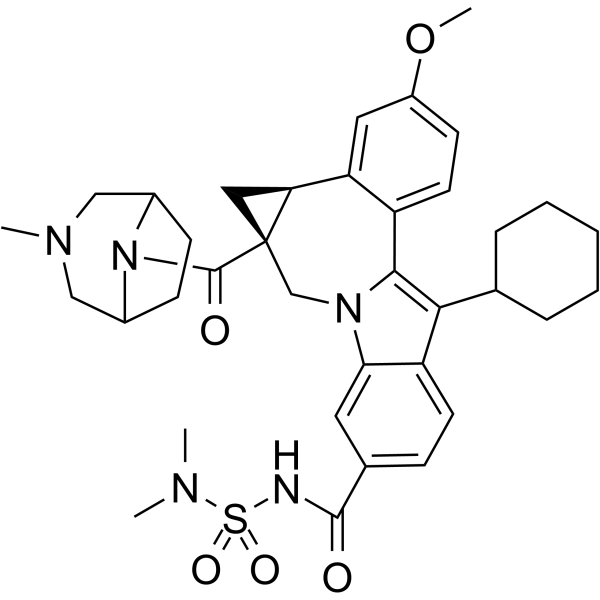
- HY-12127
-
-
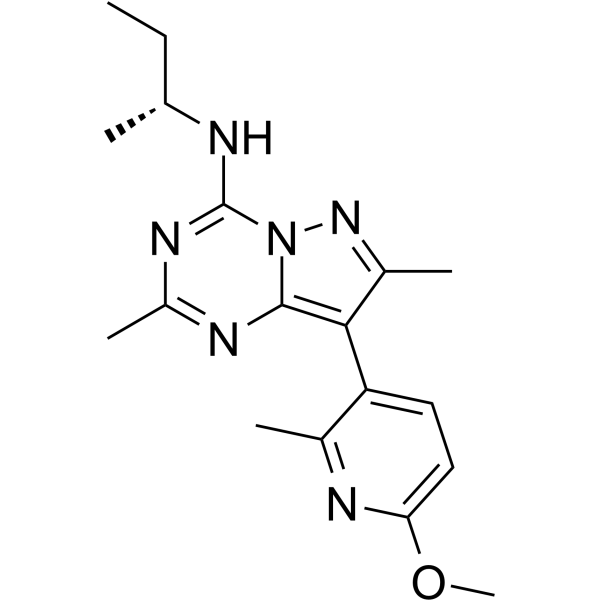
- HY-17445
-
|
BMS-298585
|
PPAR
|
Metabolic Disease
|
|
Muraglitazar is a PPAR α/γ dual agonist for the research of type 2 diabetes and associated dyslipidemia. Muraglitazar shows potent activity in vitro at human PPARα (EC50 = 320 nM) and PPARγ(EC50 = 110 nM) .
|
-
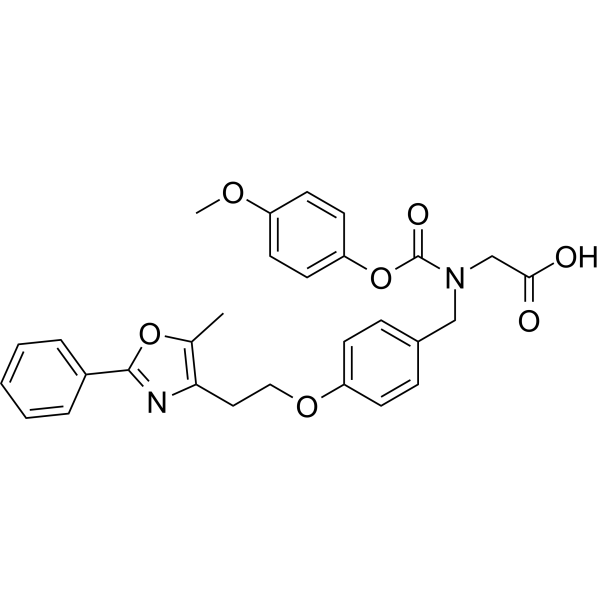
- HY-108509R
-
|
BMY-14802-1 (Standard); BMS 181100 hydrochloride (Standard)
|
Reference Standards
Sigma Receptor
5-HT Receptor
Adrenergic Receptor
|
Neurological Disease
|
|
BMY-14802 hydrochloride (Standard) is the analytical standard of BMY-14802 (hydrochloride) (HY-108509). This product is intended for research and analytical applications. BMY-14802 hydrochloride (BMY-14802-1) is a selective and orally active sigma receptor antagonist with an IC50 of 112 nM. BMY-14802 hydrochloride is also a 5-HT1A and adrenergic α1 receptors agonist. BMY-14802 hydrochloride has antipsychotic effects .
|
-

- HY-100057
-
|
6-Hydroxybuspirone; 6'-Hydroxybuspirone; BMS 528215
|
5-HT Receptor
Drug Metabolite
Dopamine Receptor
|
Neurological Disease
|
|
BMY 28674 (6-Hydroxybuspirone) is the active metabolite of the anxiolytic buspirone (HY-B1115A) and is metabolized by CYP3A4.4. BMY 28674 binds to the serotonin (5-HT) receptor subtype 5-HT1A in the rat hippocampus and dorsal raphe (EC50s are 4 and 1 μM, respectively) and is an antagonist of dopamine D2, D3, and D4 receptors (IC50s are 3.1, 4.9, and 0.85 μM, respectively). BMY 28674 also inhibits organic cation transporter 1 (OCT1), OCT2, and OCT3 expressing human transporters in S2 proximal tubule cells in a concentration-dependent manner.
|
-

- HY-112714B
-
|
BMS-955176 hydrochloride
|
HIV
|
Infection
|
|
GSK3532795 hydrochloride is a potent, orally active, second-generation HIV-1 maturation inhibitor, with EC50s of 1.9, 10.2, 2.7 and 13 nM for HIV-1 WT, HIV-1 WT(human serum), HIV-1 V370A, and HIV-1 ΔV370, respectively .
|
-

- HY-15260
-
|
BMS-863233
|
CDK
|
Cancer
|
|
XL413 is a potent, selective and ATP competitive inhibitor of Cdc7, with an IC50 of 3.4 nM, and also shows potent effect with IC50s of 215, 42 nM on CK2, PIM1, respectively, and an EC50 of 118 nM on pMCM.
|
-
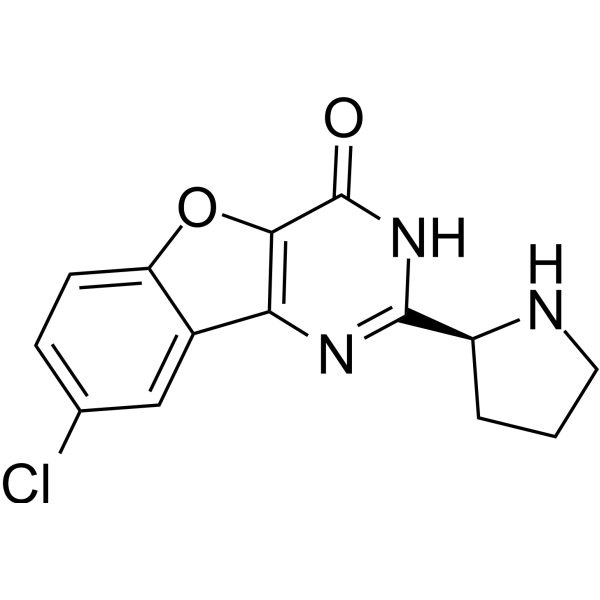
- HY-101738
-
-

- HY-P990623
-
|
BMS-936559
|
PD-1/PD-L1
|
Inflammation/Immunology
|
|
MDX-1105 is a human antibody expressed in CHO that targets B7-H1/PD-L1/CD274. MDX-1105 has a huIgG4SP type heavy chain, and its predicted molecular weight (MW) is 150 kDa. The isotype control for MDX-1105 can be referenced as Human IgG4 kappa, Isotype Control (HY-P99003).
|
-

- HY-P991235
-
|
BMS-986186
|
EGFR
Caspase
|
Cancer
|
|
FS102 is a selective Fc fragment with antigen binding (Fcab) that targets HER2 with a KD value of 0.8 nM. FS102 induces the degradation of HER2, activates Caspase 3/7 and disrupts the integrity of the cell membrane, triggering apoptosis of tumor cells. FS102 is promising for research of cancers such as breast cancer, gastric cancer, and colorectal cancer .
|
-

- HY-P99302
-
|
BMS-931699
Antibody
|
CD28
|
Inflammation/Immunology
|
|
Lulizumab (Humanized Anti-CD28 Recombinant Antibody) is an anti-CD28 domain antibody antagonist. Lulizumab inhibits T-cell activation by selectively targeting the CD28 signal. In a sensitized non-human primate kidney transplantation model, when combined with Carfilzomib (HY-10455), Lulizumab can regulate immune cells and prolong the survival time of the graft .
|
-

- HY-13758
-
TAS-103
1 Publications Verification
BMS-247615
|
Topoisomerase
|
Cancer
|
|
TAS-103 is a dual inhibitor of DNA topoisomerase I/II, used for cancer research.
|
-
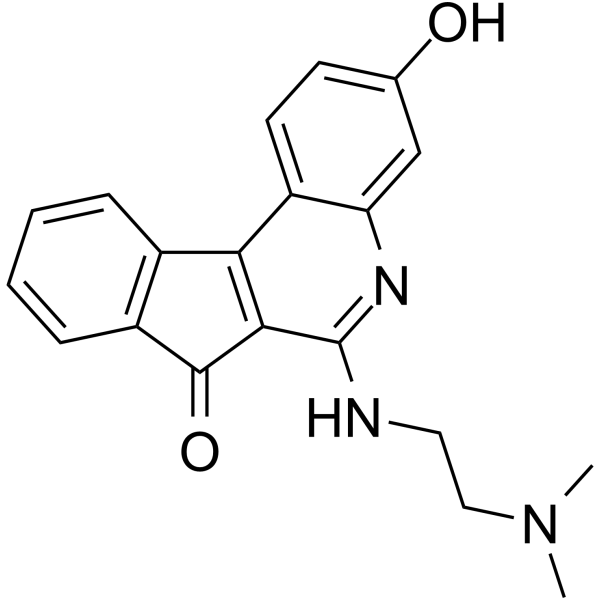
- HY-101738A
-
|
BMS 426707-01 racemate
|
PPAR
|
Metabolic Disease
|
|
Peliglitazar racemate is the racemate of Peliglitazar. Peliglitazar is a novel dual α/γ PPAR activator.
|
-
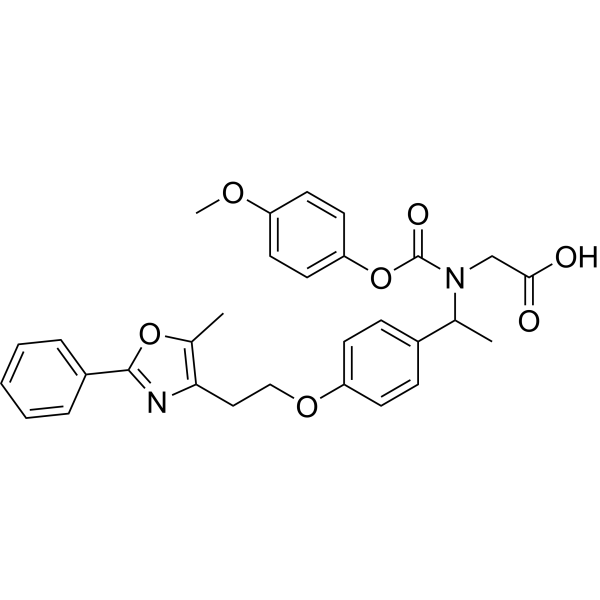
- HY-100276
-
-
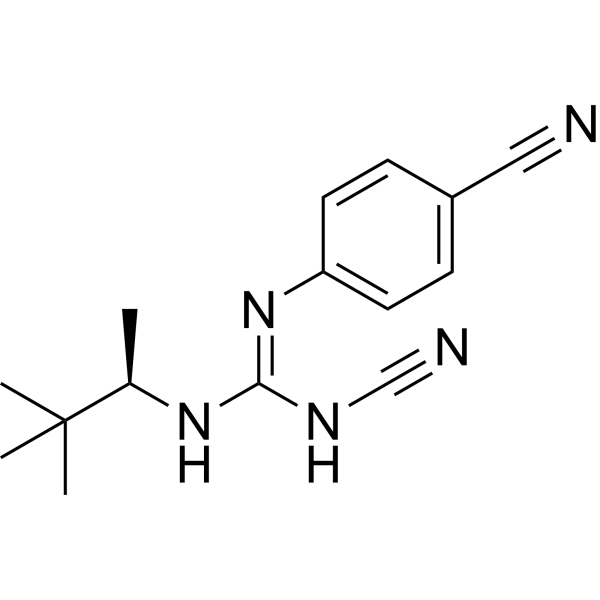
- HY-13758A
-
|
BMS-247615 dihydrochloride
|
Topoisomerase
|
Cancer
|
|
TAS-103 dihydrochloride is a dual inhibitor of DNA topoisomerase I/II, used for cancer research.
|
-
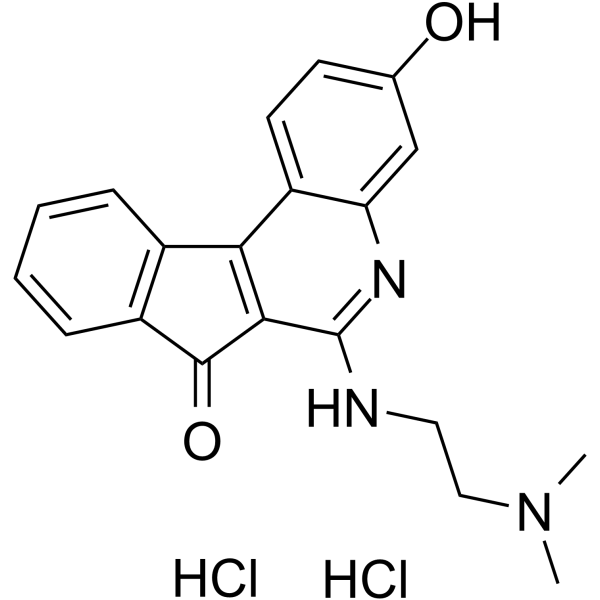
- HY-P9965
-
|
HuLuc 63; PDL 063; BMS 901608
|
Transmembrane Glycoprotein
|
Cancer
|
|
Elotuzumab (HuLuc 63) is an IgG1 monoclonal antibody targeting the SLAMF7 receptor. Elotuzumab exerts antitumor activity by activating natural killer cells and inducing antibody-dependent cell-mediated cytotoxicity. Elotuzumab can be combined with Lenalidomide (HY-A0003), Dexamethasone (HY-14648), etc., for the research of tumors such as multiple myeloma .
|
-

- HY-13565
-
|
NSC 655649; BMS 181176; BMY 27557
|
Topoisomerase
|
Cancer
|
|
Becatecarin is a rebeccamycin analog with antitumor effects. Becatecarin intercalates into DNA and inhibites the catalytic activity of topoisomerases I/II.
|
-
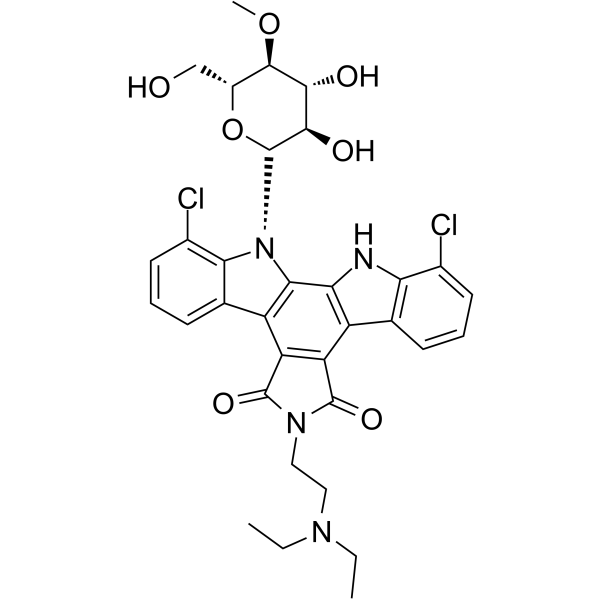
- HY-106262B
-
|
KAI-9803 hydrochloride; BMS-875944 hydrochloride
|
PKC
|
Cardiovascular Disease
Inflammation/Immunology
|
|
Delcasertib (KAI-9803) hydrochloride is a potent and selective δ-protein kinase C (δPKC) inhibitor. Delcasertib (KAI-9803) hydrochloride could ameliorate injury associated with ischemia and reperfusion in animal models of acute myocardial infarction (MI) .
|
-
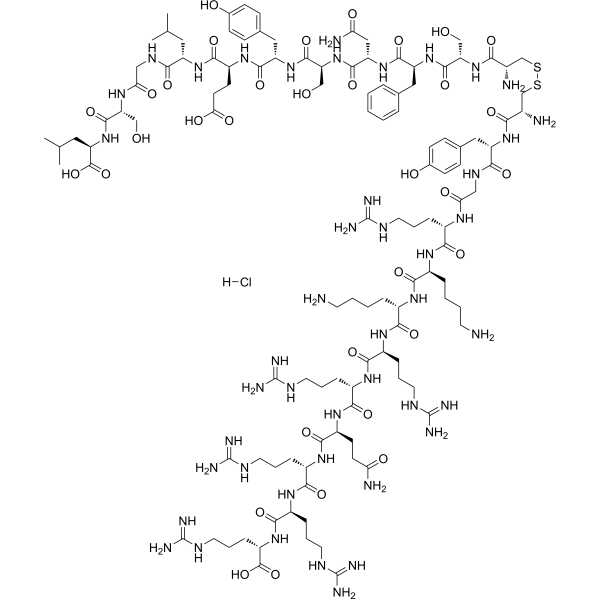
- HY-P990033
-
|
CC-95251; BMS-986351
|
CD47
|
Cancer
|
|
Anzurstobart is a CD47/SIRPα inhibitor with human SIRPα Kd of 0.0541 nM and human SIRPα IC50 of 100 nM. Anzurstobart binds SIRPα at a CD47-overlapping site, blocks CD47-SIRPα interactions, inhibits CD47-SIRPα axis signaling, and binds across 6 prevalent human SIRPα haplotypes. Anzurstobart binds SIRPγ and inhibits CD47-SIRPγ interactions. Anzurstobart can be used for the research of non-Hodgkin's lymphoma, colorectal cancer, squamous cell carcinoma of the head and neck, diffuse large B-cell lymphoma, and advanced solid and hematologic malignancies .
|
-

- HY-17460AR
-
|
BMS284756 Mesylate hydrate (Standard)
|
Reference Standards
Bacterial
Topoisomerase
DNA/RNA Synthesis
Antibiotic
|
Infection
|
|
ACHE-IN-38 (hydrochloride) (Standard) is the analytical standard of ACHE-IN-38 (hydrochloride). This product is intended for research and analytical applications. ACHE-IN-38 hydrochloride (Compound 13b) inhibits the metabolic breakdown of the neurotransmitter acetylcholine (ACh) by the enzyme acetylcholinesterase (AChE) and hence alleviates memory deficits in patients with Alzheimer’s Disease by potentiating cholinergic transmission .
|
-

- HY-139611
-
|
MRTX-1719; BMS-986504
|
Histone Methyltransferase
|
Cancer
|
|
Navlimetostat is a potent, orally active, selective PRMT5-MTA complex inhibitor, with IC50 of 3.6 and 20.5 nM for PRMT5-MTA and PRMT5. Navlimetostat binds to the PRMT5-MTA complex, with KD value of 0.14 pM. Navlimetostat shows antineoplastic activity in vitro and in vivo, and can be used for cancer study .
|
-
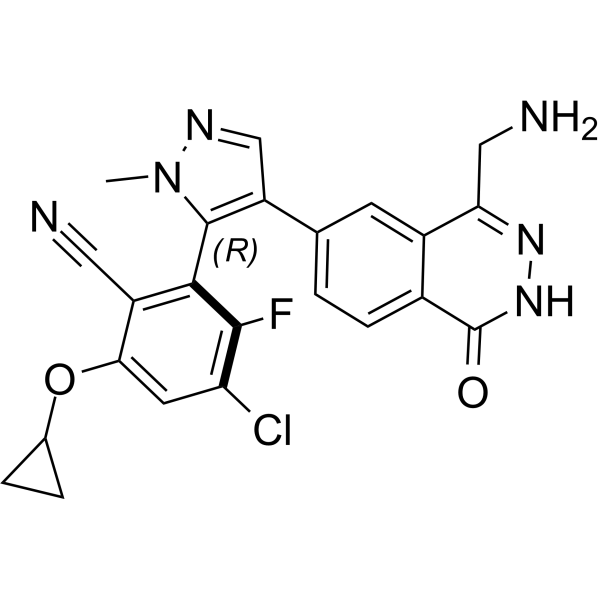
- HY-139611C
-
|
MRTX-1719 hydrochloride; BMS-986504 hydrochloride
|
Histone Methyltransferase
|
Cancer
|
|
Navlimetostat hydrochloride is a potent, orally active, selective PRMT5-MTA complex inhibitor, with IC50s of 3.6 and 20.5 nM for PRMT5-MTA and PRMT5. Navlimetostat hydrochloride binds to the PRMT5-MTA complex, with KD value of 0.14 pM. Navlimetostat shows antineoplastic activity in vitro and in vivo, and can be used for cancer study .
|
-
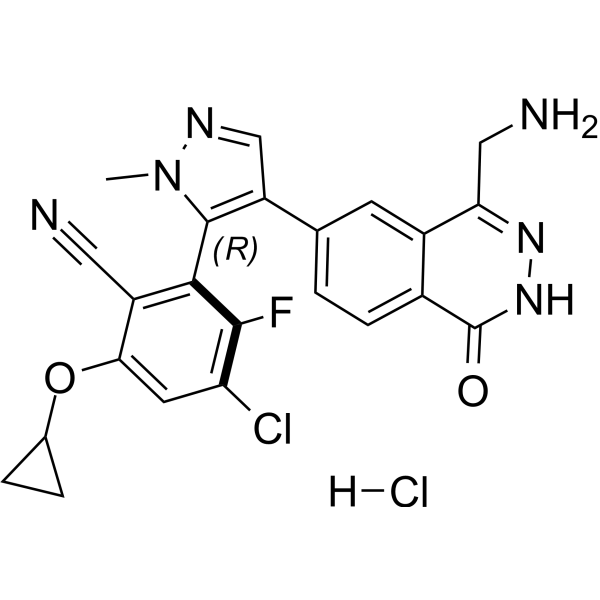
- HY-106262
-
|
KAI-9803; BMS-875944
|
PKC
|
Cardiovascular Disease
Inflammation/Immunology
|
|
Delcasertib (KAI-9803) is a potent and selective δ-protein kinase C (δPKC) inhibitor. Delcasertib (KAI-9803) could ameliorate injury associated with ischemia and reperfusion in animal models of acute myocardial infarction (MI) .
|
-
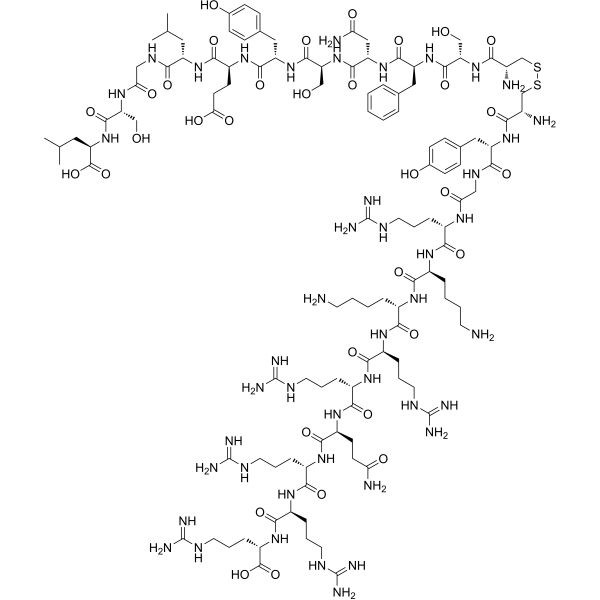
- HY-12127R
-
|
BMS-562086 (Standard)
|
CRFR
Reference Standards
|
Neurological Disease
Endocrinology
|
|
Pexacerfont (Standard) is the analytical standard of Pexacerfont. This product is intended for research and analytical applications. Pexacerfont is a selective corticotropin-releasing factor (CRF1) receptor antagonist with IC50 of 6.1±0.6 nM for human CRF1 receptor.
|
-

- HY-B0202
-
|
SR-47436; BMS-186295
|
Angiotensin Receptor
Apoptosis
|
Cardiovascular Disease
Endocrinology
|
|
Irbesartan (SR-47436) is an orally active Ang II type 1 (AT1) receptor blocker (ARB). Irbesartan can relax the blood vessels, low blood pressure and increase the supply of blood and oxygen to the heart. Irbesartan can be used for the research of high blood pressure, heart failure, and diabetic kidney disease .
|
-
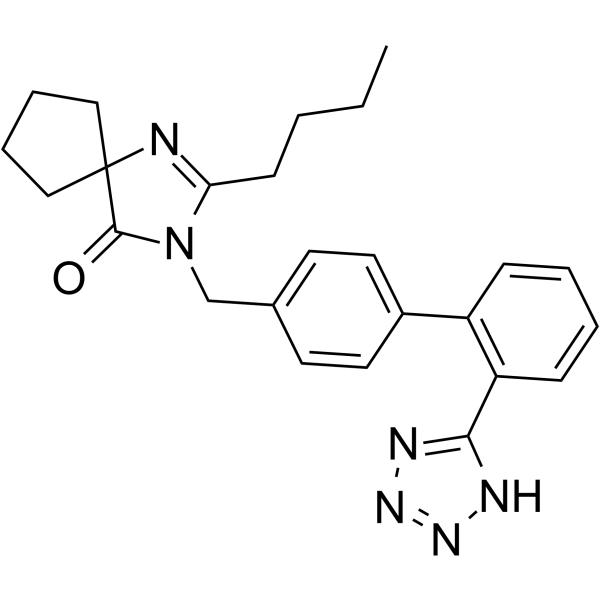
- HY-P9901
-
|
MDX-010; BMS-734016
|
CTLA-4
|
Cancer
|
|
Ipilimumab is a fully human monoclonal antibody IgG1κ that blocks the inhibitory receptor cytotoxic T lymphocyte antigen 4 (CTLA-4) on T cells. Ipilimumab can be used in unresectable or metastatic melanoma (MM) studies .
|
-

- HY-13016A
-
|
XL184 hydrochloride; BMS-907351 hydrochloride
|
VEGFR
c-Met/HGFR
c-Kit
TAM Receptor
FLT3
Apoptosis
|
Cancer
|
|
Cabozantinib hydrochloride is a potent and orally active inhibitor of VEGFR2 and MET, with IC50 values of 0.035 and 1.3 nM, respectively. Cabozantinib hydrochloride displays strong inhibition of KIT, RET, AXL, TIE2, and FLT3 (IC50=4.6, 5.2, 7, 14.3, and 11.3 nM, respectively). Cabozantinib hydrochloride shows antiangiogenic activity. Cabozantinib hydrochloride disrupts tumor vasculature and promotes tumor and endothelial cell apoptosis .
|
-
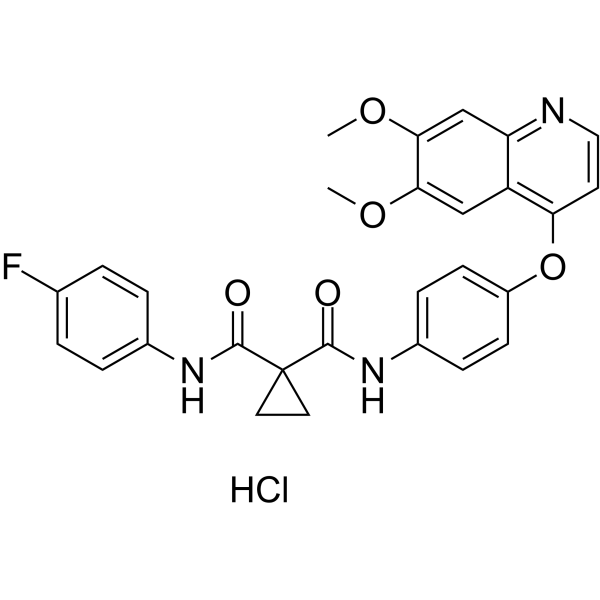
- HY-14791
-
|
SLV319; BMS-646256
|
Cannabinoid Receptor
|
Metabolic Disease
|
|
Ibipinabant (SLV319) is a potent, selective and orally active antagonist of cannabinoid CB1 receptor, with a Ki of 7.8 nM. Ibipinabant shows more than 1000-fold selectivity for CB1 over CB2 (Ki=7943 nM). Ibipinabant can be used for the research of obesity and diabetic .
|
-
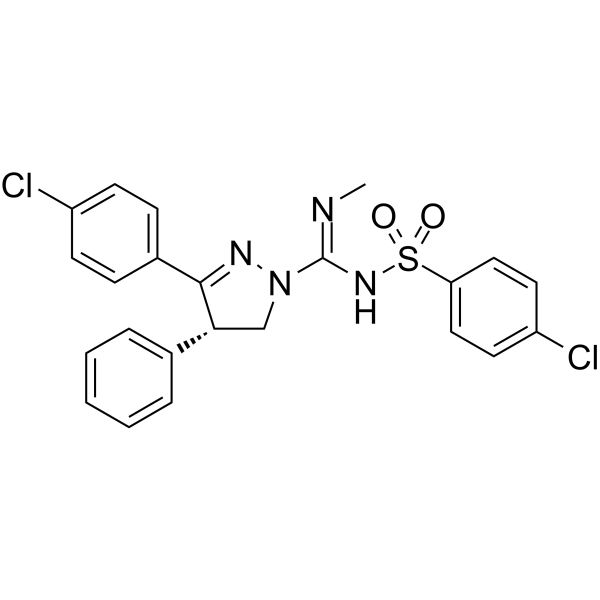
- HY-125856
-
|
BMS-986177; JNJ-70033093
|
Factor Xa
|
Cardiovascular Disease
|
|
Milvexian is an orally bioavailable, small-molecule, reversible, direct antagonists of factor Xia, with the Ki of 0.11, 0.38, 0.64, 490, 350 nM for human, rabbit, dog, rat, mouse, respectively. Milvexian shows anti-thrombosis activity in vitro and in vivo, and can be used for thrombus study .
|
-
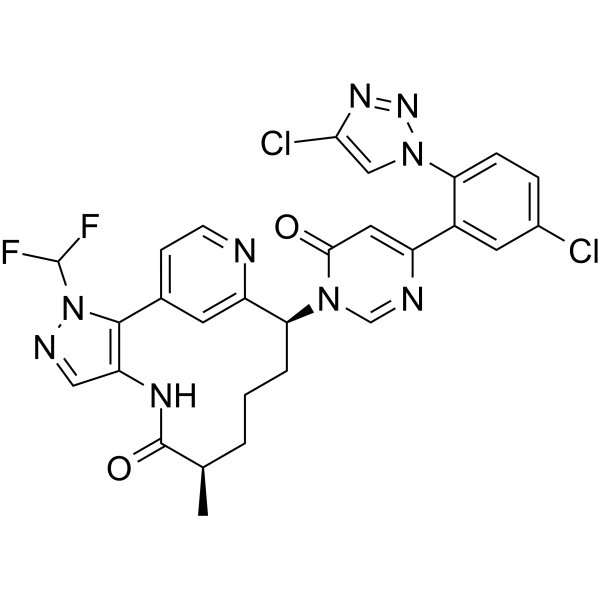
- HY-P990079
-
|
BMS-986207; ONO-4686
|
CD28
|
Inflammation/Immunology
|
|
Renvistobart is an immunoglobulin G1-κ, anti-[Homo sapiens TIGIT (T cell immunoreceptor with Ig domain and ITIM, VSIG9, VSTM3)] Homo sapiens monoclonal antibody .
|
-

- HY-13016
-
|
XL184; BMS-907351
|
VEGFR
c-Met/HGFR
c-Kit
TAM Receptor
FLT3
Apoptosis
|
Cancer
|
|
Cabozantinib is a potent and orally active inhibitor of VEGFR2 and MET, with IC50 values of 0.035, and 1.3 nM, respectively. Cabozantinib displays strong inhibition of KIT, RET, AXL, TIE2, and FLT3 (IC50=4.6, 5.2, 7, 14.3, and 11.3 nM, respectively). Cabozantinib shows antiangiogenic activity. Cabozantinib disrupts tumor vasculature and promotes tumor and endothelial cell apoptosis .
|
-
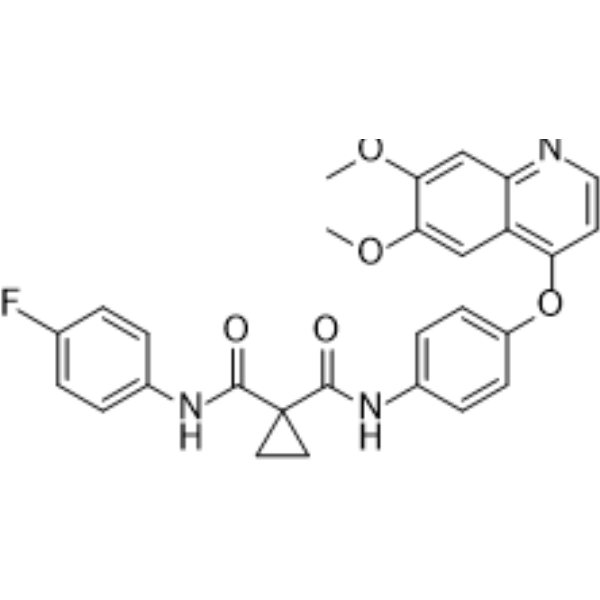
- HY-B0202A
-
|
SR-47436 hydrochloride; BMS-186295 hydrochloride
|
Angiotensin Receptor
Apoptosis
|
Cardiovascular Disease
Neurological Disease
Metabolic Disease
|
|
Irbesartan (SR-47436) hydrochloride is an orally active Ang II type 1 (AT1) receptor blocker (ARB). Irbesartan hydrochloride can relax the blood vessels, low blood pressure and increase the supply of blood and oxygen to the heart. Irbesartan hydrochloride can be used for the research of high blood pressure, heart failure, and diabetic kidney disease .
|
-
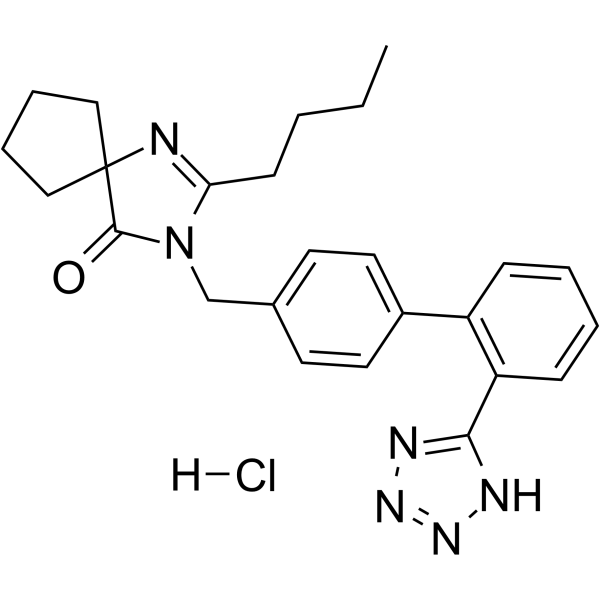
- HY-116627
-
|
BMS-442608
|
Drug Metabolite
|
Neurological Disease
|
|
(R)-6-Hydroxybuspirone is a metabolite of the anxiolytic agent Buspirone (HY-B1115A). (R)-6-Hydroxybuspirone itself also has anxiolytic activity .
|
-

- HY-112714A
-
|
BMS-955176 oxalate
|
HIV
|
Infection
|
|
GSK3532795 oxalate is a potent, orally active, second-generation HIV-1 maturation inhibitor, with EC50s of 1.9, 10.2, 2.7 and 13 nM for HIV-1 WT, HIV-1 WT(human serum), HIV-1 V370A, and HIV-1 ΔV370, respectively .
|
-

- HY-145644
-
|
C-135-LS; BMS-986414
|
SARS-CoV
|
Infection
Cancer
|
|
Ogalvibart (C-135-LS) is a human anti-SARS-CoV-2 monoclonal antibody (IgG1 type). Ogalvibart binds to the spike (S) glycoprotein receptor-binding domain (RBD) of SARS-CoV-2. Ogalvibart in combination with C144LS (1:1 ratio) shows good preventive activity and can effectively block the development of COVID19 in a rhesus monkey disease model .
|
-

- HY-100276R
-
-

- HY-13644A
-
|
Spanidin; NKT-01; BMS181173
|
Antibiotic
|
Inflammation/Immunology
Cancer
|
|
Gusperimus trihydrochloride (Spanidin) is a derivative of the antitumor antibiotic spergualin with immunosuppressant activity .
|
-
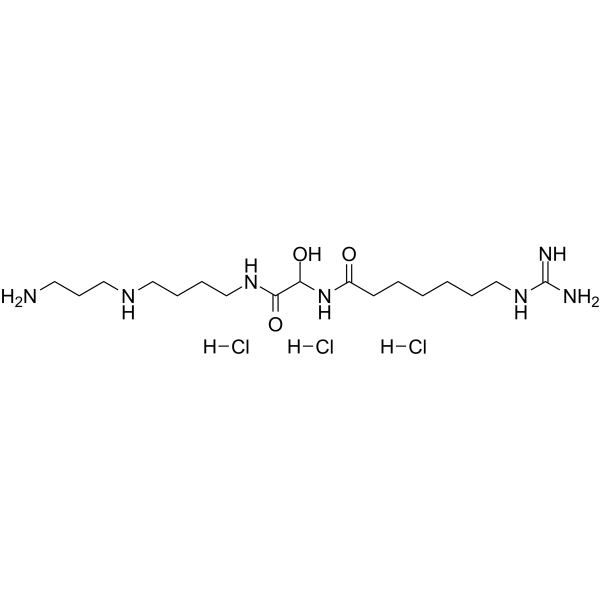
- HY-108829
-
|
CTLA4lg; BMS-188667
|
CTLA-4
|
Inflammation/Immunology
Cancer
|
|
Abatacept (CTLA4lg) is a soluble fusion protein consisting of the extra-cellular domain of human CTLA4 and a fragment of the Fc portion of human IgG1 (hinge and CH2 and 3 domains) . Abatacept is a selective T-cell co-stimulation modulator and a protein agent for the autoimmune diseases .
|
-

- HY-177074
-
|
BMS-986419; EVT-8683; EOAI-4018683
|
Eukaryotic Initiation Factor (eIF)
|
Others
|
|
Comtifator (Example 77) is a modulator of the integrated stress response pathway. Comtifator can be studied in research for diseases associated with integrated stress response .
|
-

- HY-P9903
-
Nivolumab
Maximum Cited Publications
23 Publications Verification
BMS-936558; ONO-4538; MDX-1106
|
PD-1/PD-L1
|
Infection
Cancer
|
|
Nivolumab is a programmed death receptor-1 (PD-1) blocking human IgG4 antibody to treat advanced (metastatic) non-small cell lung cancer.
|
-

- HY-17576
-
-
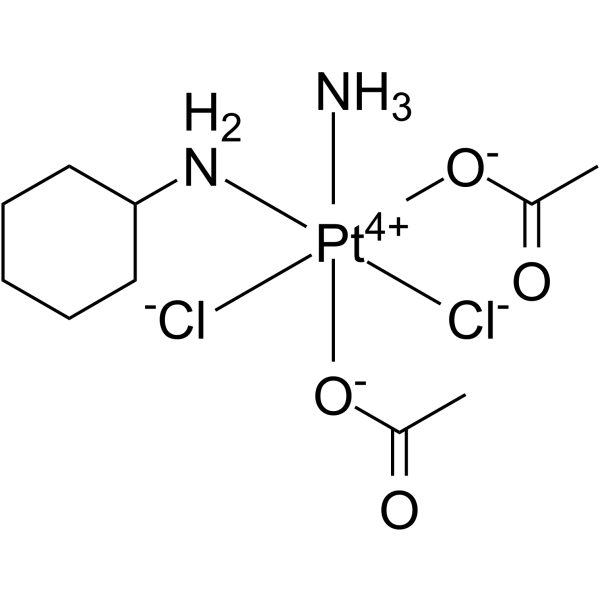
- HY-19260
-
|
CGP 61755; BMS-234475
|
HIV Protease
|
Infection
|
|
Lasinavir (CGP 61755) is a selective HIV-1 protease inhibitor with an IC50 of 1 nM. Lopinavir can be used in HIV-1 infection studies .
|
-

- HY-B0202R
-
|
SR-47436 (Standard); BMS-186295 (Standard)
|
Reference Standards
Angiotensin Receptor
Apoptosis
|
Cardiovascular Disease
Endocrinology
|
|
Irbesartan (Standard) is the analytical standard of Irbesartan. This product is intended for research and analytical applications. Irbesartan (SR-47436) is an orally active Ang II type 1 (AT1) receptor blocker (ARB). Irbesartan can relax the blood vessels, low blood pressure and increase the supply of blood and oxygen to the heart. Irbesartan can be used for the research of high blood pressure, heart failure, and diabetic kidney disease .
|
-
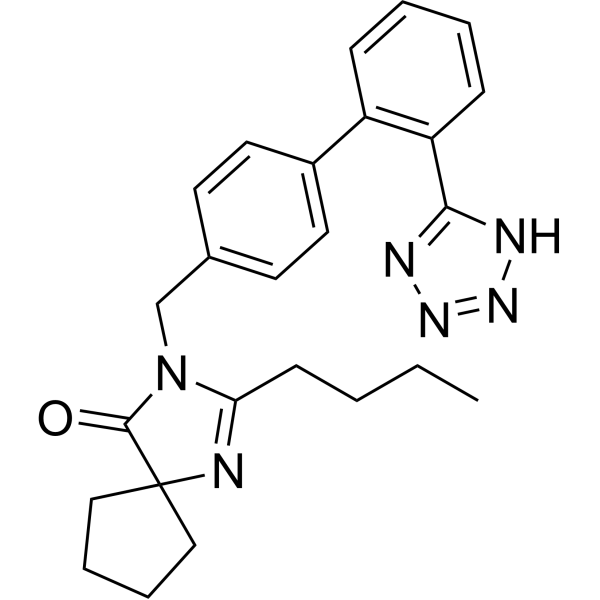
- HY-13016R
-
|
XL184 (Standard); BMS-907351 (Standard)
|
Reference Standards
VEGFR
c-Met/HGFR
c-Kit
TAM Receptor
FLT3
Apoptosis
|
Cancer
|
|
Cabozantinib (Standard) is the analytical standard of Cabozantinib. This product is intended for research and analytical applications. Cabozantinib is a potent and orally active inhibitor of VEGFR2 and MET, with IC50 values of 0.035, and 1.3 nM, respectively. Cabozantinib displays strong inhibition of KIT, RET, AXL, TIE2, and FLT3 (IC50=4.6, 5.2, 7, 14.3, and 11.3 nM, respectively). Cabozantinib shows antiangiogenic activity. Cabozantinib disrupts tumor vasculature and promotes tumor and endothelial cell apoptosis .
|
-

- HY-17367S
-
-
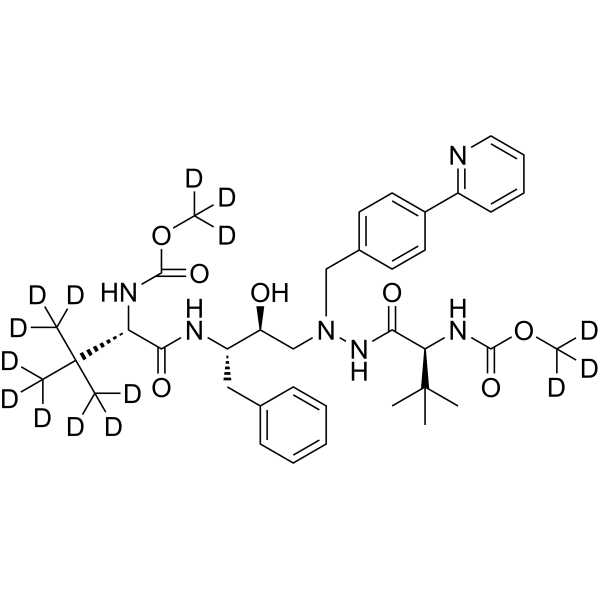
- HY-17367S1
-
-
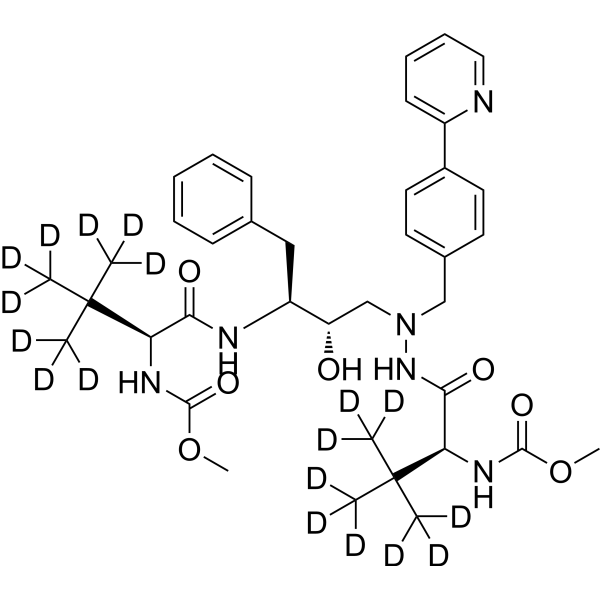
- HY-10450S
-
-
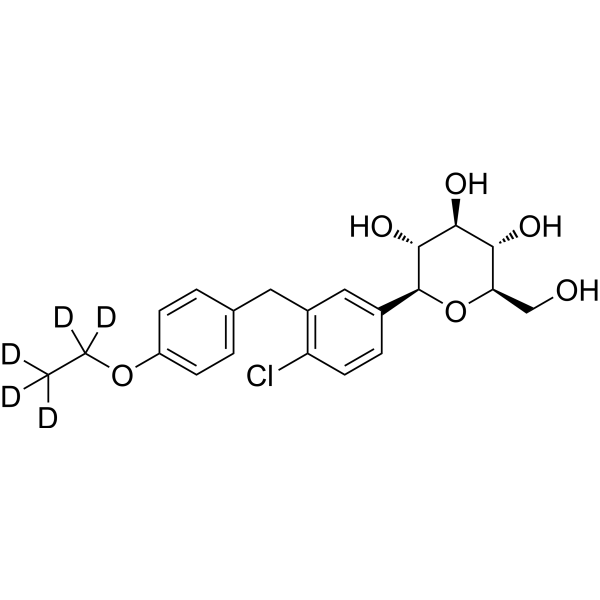
- HY-10466BS
-
-
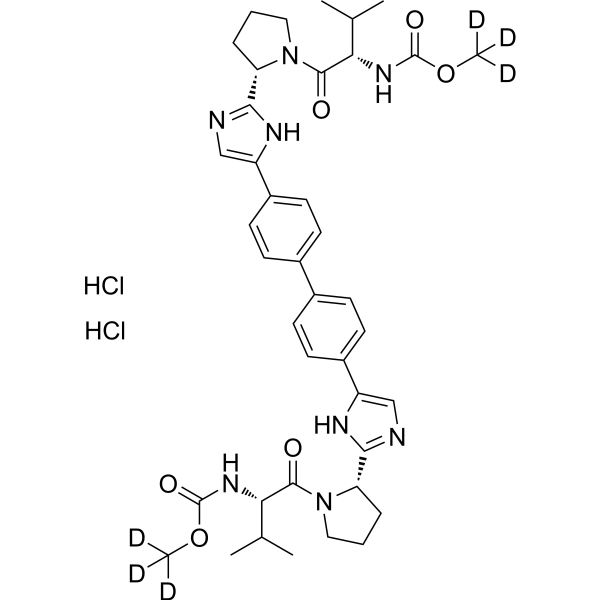
- HY-12044
-
|
XL184 S-malate; BMS-907351 S-malate
|
VEGFR
Apoptosis
|
Cancer
|
|
Cabozantinib S-malate (XL184 S-malate) is a potent multiple receptor tyrosine kinases inhibitor that inhibits VEGFR2, c-Met, Kit, Axl and Flt3 with IC50s of 0.035, 1.3, 4.6, 7 and 11.3 nM, respectively.
|
-
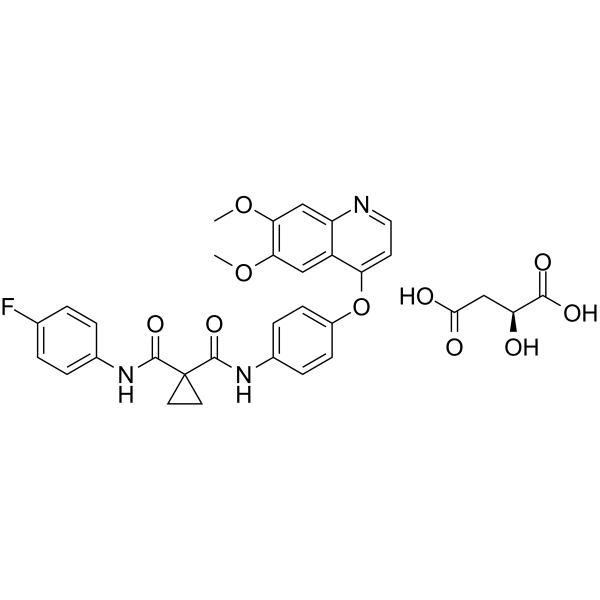
- HY-B0202AS
-
|
SR-47436-d7 hydrochloride; BMS-186295-d7 hydrochloride
|
Apoptosis
Angiotensin Receptor
Isotope-Labeled Compounds
|
Neurological Disease
Metabolic Disease
|
|
Irbesartan-d7 hydrochloride is deuterated labeled Irbesartan hydrochloride (HY-B0202A). Irbesartan (SR-47436) hydrochloride is an orally active Ang II type 1 (AT1) receptor blocker (ARB). Irbesartan hydrochloride can relax the blood vessels, low blood pressure and increase the supply of blood and oxygen to the heart. Irbesartan hydrochloride can be used for the research of high blood pressure, heart failure, and diabetic kidney disease .
|
-
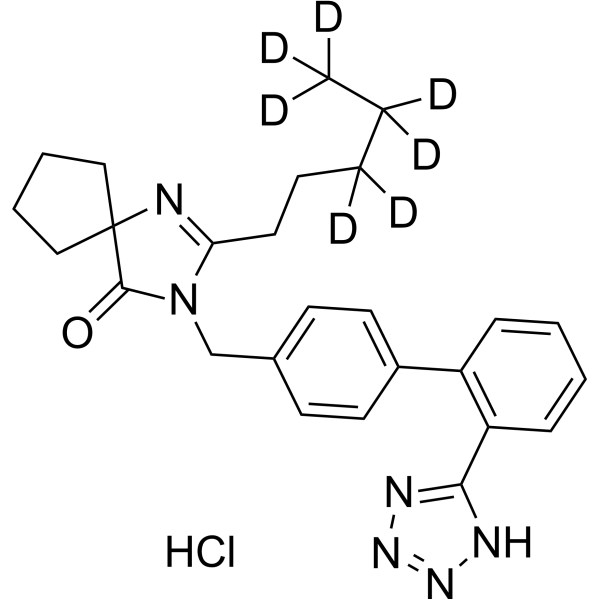
- HY-12044R
-
|
XL184 S-malate (Standard); BMS-907351 S-malate (Standard)
|
Reference Standards
VEGFR
Apoptosis
|
Cancer
|
|
Cabozantinib (S-malate) (Standard) is the analytical standard of Cabozantinib (S-malate). This product is intended for research and analytical applications. Cabozantinib S-malate (XL184 S-malate) is a potent multiple receptor tyrosine kinases inhibitor that inhibits VEGFR2, c-Met, Kit, Axl and Flt3 with IC50s of 0.035, 1.3, 4.6, 7 and 11.3 nM, respectively.
|
-

- HY-10450A
-
|
BMS-512148 (2S)-1,2-propanediol, hydrate
|
SGLT
|
Metabolic Disease
Cancer
|
|
Dapagliflozin ((2S)-1,2-propanediol, hydrate) is the S-enantiomer of Dapagliflozin 1,2-propanediol, hydrate. Dapagliflozin ((2S)-1,2-propanediol, hydrate), a new type of agent used to treat diabetes mellitus (DM), is a competitive sodium/glucose cotransporter 2 (SGLT2) inhibitor, which results in excretion of glucose into the urine . Dapagliflozin ((2S)-1,2-propanediol, hydrate) induces HIF1 expression and attenuates renal IR injury .
|
-
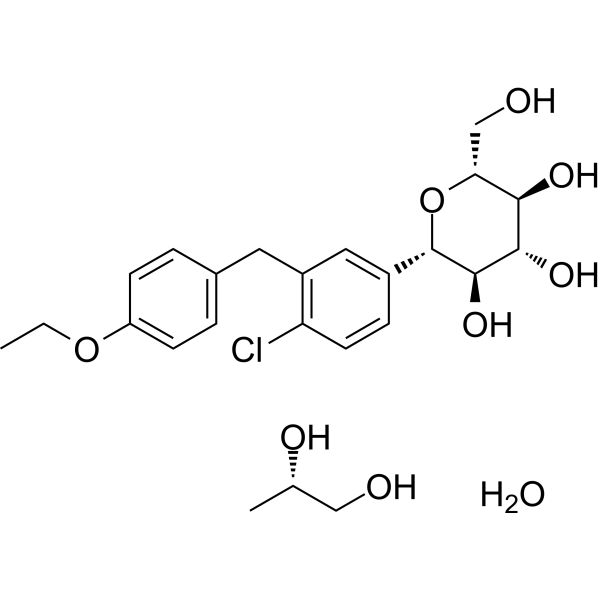
- HY-B0202S3
-
|
SR-47436-d7; BMS-186295-d7
|
Apoptosis
Angiotensin Receptor
Isotope-Labeled Compounds
|
Cardiovascular Disease
Endocrinology
|
|
Irbesartan-d7 is deuterated labeled Irbesartan (HY-B0202). Irbesartan (SR-47436) is an orally active Ang II type 1 (AT1) receptor blocker (ARB). Irbesartan can relax the blood vessels, low blood pressure and increase the supply of blood and oxygen to the heart. Irbesartan can be used for the research of high blood pressure, heart failure, and diabetic kidney disease .
|
-
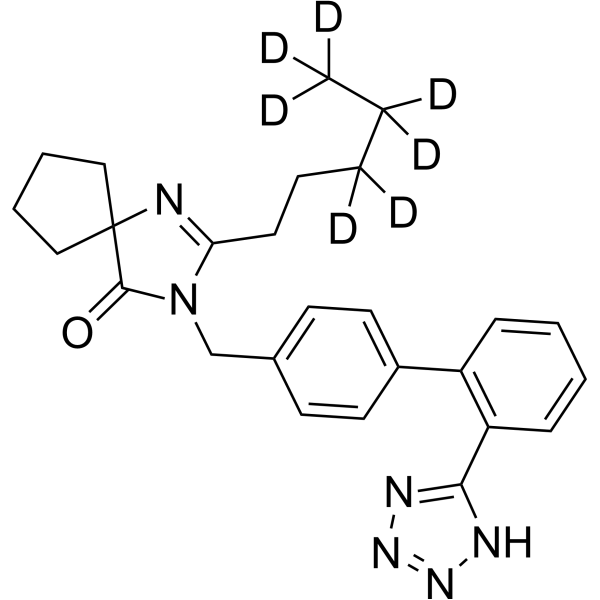
- HY-13016S
-
|
XL184-d6; BMS-907351-d6
|
VEGFR
c-Met/HGFR
c-Kit
TAM Receptor
FLT3
Apoptosis
|
Cancer
|
|
Cabozantinib-d6 is the deuterium labeled Cabozantinib. Cabozantinib is a potent multiple receptor tyrosine kinases (RTKs) inhibitor that inhibits VEGFR2, c-Met, Kit, Axl and Flt3 with IC50s of 0.035, 1.3, 4.6, 7 and 11.3 nM, respectively .
|
-
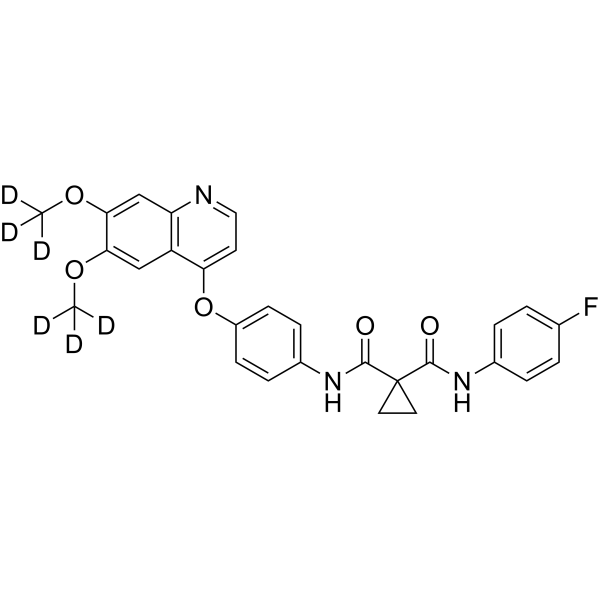
- HY-13016S1
-
|
XL184-d4; BMS-907351-d4
|
VEGFR
c-Met/HGFR
c-Kit
TAM Receptor
FLT3
Apoptosis
|
Cancer
|
|
Cabozantinib-d4 is deuterium labeled Cabozantinib. Cabozantinib is a potent multiple receptor tyrosine kinases (RTKs) inhibitor that inhibits VEGFR2, c-Met, Kit, Axl and Flt3 with IC50s of 0.035, 1.3, 4.6, 7 and 11.3 nM, respectively.
|
-
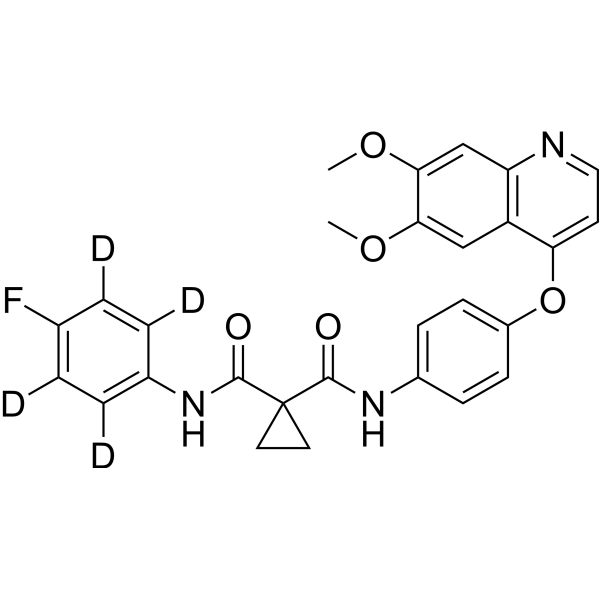
- HY-B0202S
-
|
SR-47436-d4; BMS-186295-d4
|
Angiotensin Receptor
|
Cardiovascular Disease
Endocrinology
|
|
Irbesartan-d4 (SR-47436-d4) is the deuterium labeled Irbesartan Irbesartan (HY-B0202). Irbesartan (SR-47436) is an orally active Ang II type 1 (AT1) receptor blocker (ARB). Irbesartan can relax the blood vessels, low blood pressure and increase the supply of blood and oxygen to the heart. Irbesartan can be used for the research of high blood pressure, heart failure, and diabetic kidney disease.
|
-
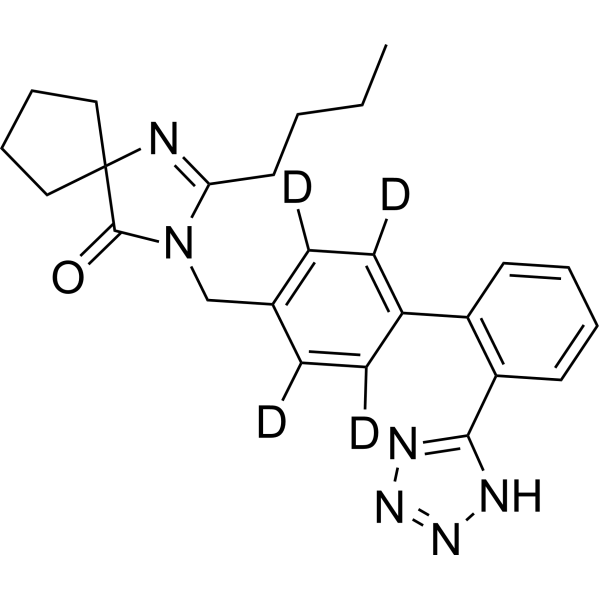
- HY-10450AR
-
|
BMS-512148 (2S)-1,2-propanediol, hydrate (Standard)
|
Reference Standards
SGLT
|
Metabolic Disease
Cancer
|
|
Dapagliflozin ((2S)-1,2-propanediol, hydrate) (Standard) is the analytical standard of Dapagliflozin ((2S)-1,2-propanediol, hydrate). This product is intended for research and analytical applications. Dapagliflozin ((2S)-1,2-propanediol, hydrate) is the S-enantiomer of Dapagliflozin 1,2-propanediol, hydrate. Dapagliflozin ((2S)-1,2-propanediol, hydrate), a new type of agent used to treat diabetes mellitus (DM), is a competitive sodium/glucose cotransporter 2 (SGLT2) inhibitor, which results in excretion of glucose into the urine . Dapagliflozin ((2S)-1,2-propanediol, hydrate) induces HIF1 expression and attenuates renal IR injury .
|
-

- HY-13607A
-
|
|
Androgen Receptor
|
Cancer
|
|
(rel)-BMS-641988 is a relative configuration of BMS-641988. BMS-641988 is a potent nonsteroidal androgen receptor antagonist. BMS-641988 has the potential for the research of prostate cancer .
|
-
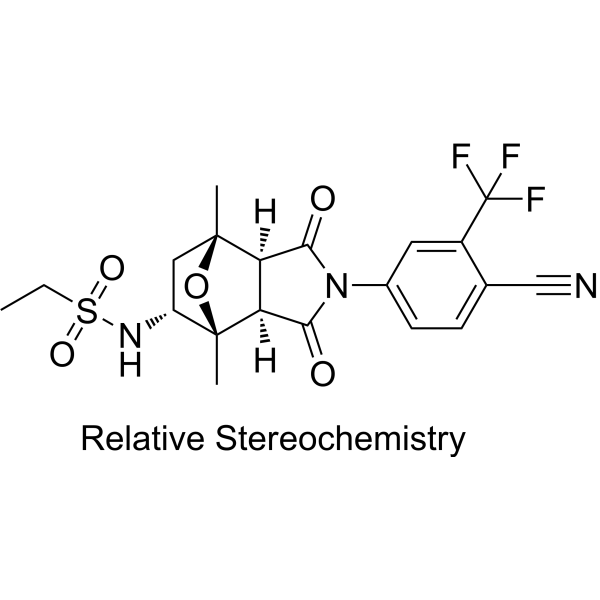
- HY-173630A
-
|
|
Molecular Glues
IKZF Family
|
Cancer
|
|
(R)-BMS-986449 is the racemic mixture of BMS-986449 (HY-173630). BMS-986449 is a CELMoD molecular glue and an IKZF2/IKZF4 degrader. BMS-986449 targets the degradation of transcription factors Helios (IKZF2) and Eos (IKZF4) in regulatory T (Treg) cells. BMS-986449 redirects the E3 ubiquitin ligase Cereblon to induce the degradation of Helios and Eos, reprogramming Treg cells and enhancing antitumor immunity. BMS-986449 is promising for research of advanced solid tumors .
|
-

- HY-19745A
-
|
|
PD-1/PD-L1
|
Cancer
|
|
N-deacetylated BMS-202 is the deacetylated of BMS-202. BMS-202 is an inhibitor of the PD-1/PD-L1 interaction, mainly used for cancer treatment.
|
-
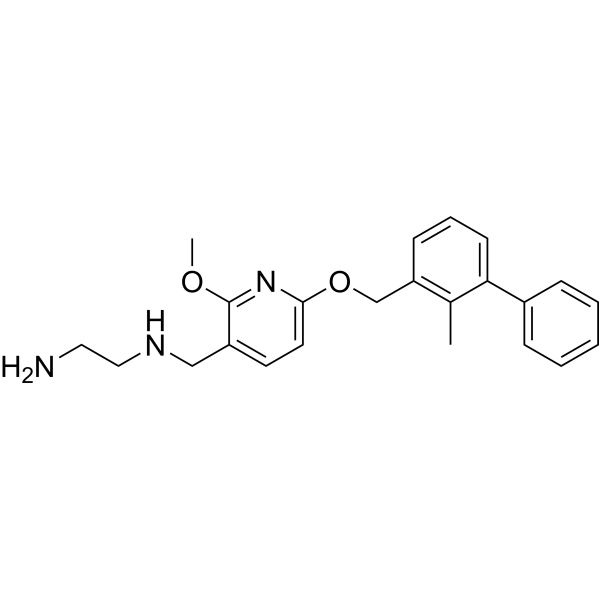
- HY-175742A
-
|
|
Drug Isomer
|
Cardiovascular Disease
|
|
(R)-BMS-986470 is the enantiomer of BMS-986470 (HY-175742). BMS-986470, a HbF-activating CRBN E3 ligase modulator (CELMoD), is an orally active dual molecular glue degrader targeting ZBTB7A and WIZ .
|
-

- HY-19991A
-
-

- HY-101930A
-
|
|
11β-HSD
|
Metabolic Disease
|
|
(Rac)-BMS-816336 (Compound 6n) is a racemate of BMS-816336. (Rac)-BMS-816336 is a potent inhibitor of human and mouse 11β-hydroxysteroid dehydrogenase type 1 (11β-HSD1) enzyme with IC50s of 10 nM and 68 nM, respectively. (Rac)-BMS-816336 has good metabolic stability .
|
-
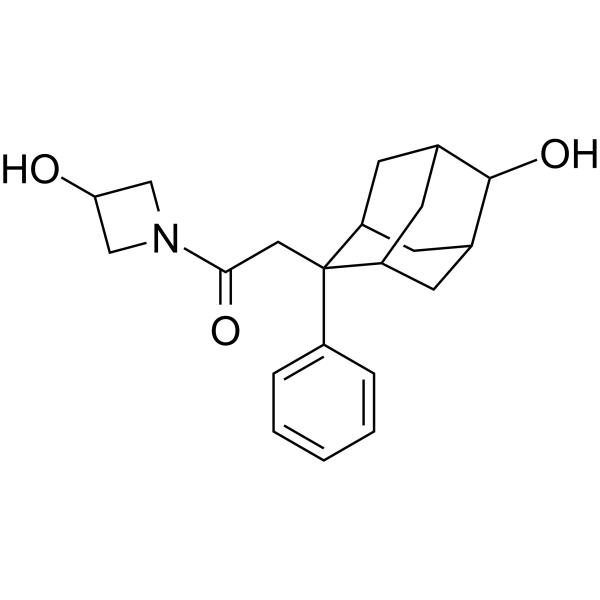
- HY-141848A
-
|
|
mGluR
|
Neurological Disease
|
|
(S,S)-BMS-984923 is a less active (S,S)-enantiomer of BMS-984923. (S,S)-BMS-984923 shows an EC50 >1μM for mGluR5 receptor . BMS-984923 is a potent mGluR5 silent allosteric modulator . (S,S)-BMS-984923 is a click chemistry reagent, it contains an Alkyne group and can undergo copper-catalyzed azide-alkyne cycloaddition (CuAAc) with molecules containing Azide groups.
|
-
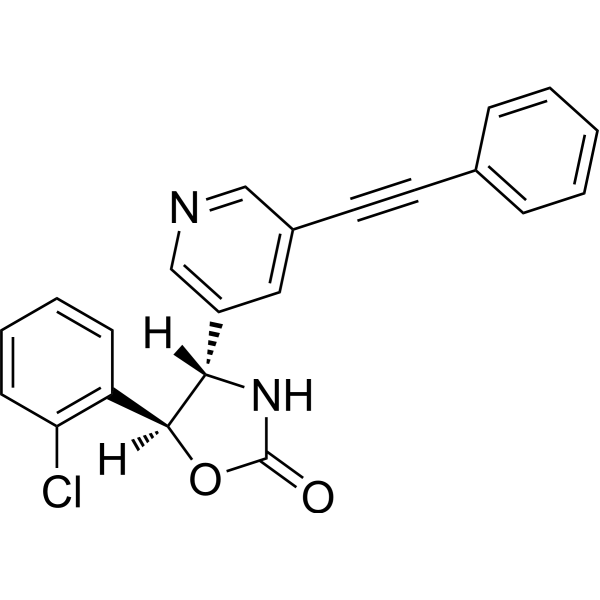
- HY-128062
-
|
|
LIM Kinase (LIMK)
|
Cancer
|
|
LIMK1 inhibitor BMS-4 is a LIM Kinase (LIMK) inhibitor targeting to LIMK1/2. LIMK1 inhibitor BMS-4 inhibits phosphorylation of cofilin, the LIMK substrate. However, LIMK1 inhibitor BMS-4 is noncytotoxic on A549 cells .
|
-
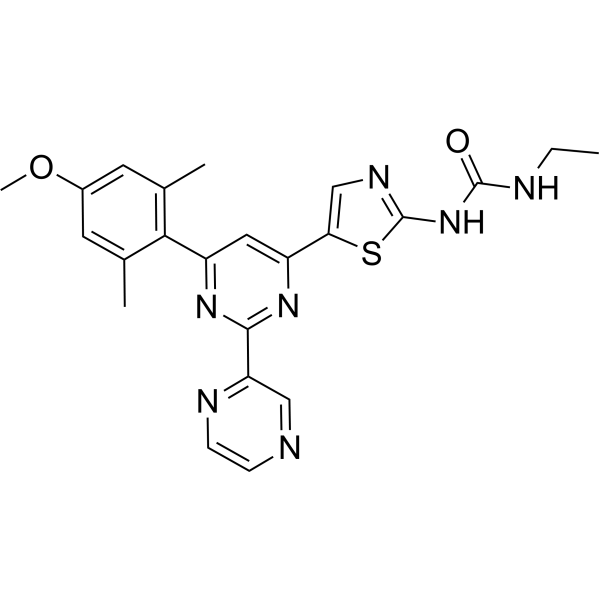
- HY-119202
-
|
(S)-BMS-806
|
HIV
|
Infection
|
|
(S)-BMS-378806 ((S)-BMS-806) is an orally bioavailable HIV-1 inhibitor with activity against gp120-CD4 interactions. (S)-BMS-378806 exhibits micromolar inhibition of HIV-1 gp120-CD4 binding. The design and synthesis of (S)-BMS-378806 was based on a comprehensive study of protein-ligand interactions, which guided the identification and design of novel symmetrical N,N'-disubstituted aminoureas and thioureas. (S)-BMS-378806, synthesized in aqueous media using microwave irradiation, was validated for its inhibitory activity in HIV-1 gp120-CD4 capture ELISA .
|
-

- HY-182980
-
|
|
Target Protein Ligand-Linker Conjugates
PD-1/PD-L1
|
Cancer
|
|
N-(8-Carboxyoctanoyl)-deacetyl BMS-202 is a target protein ligand-linker conjugate. N-(8-Carboxyoctanoyl)-deacetyl BMS-202 contains the target protein PD-1/PD-L1 ligand and a PROTAC linker. N-(8-Carboxyoctanoyl)-deacetyl BMS-202 can be used for the synthesis of PROTAC PD-L1 Degrader-3 (HY-182959) .
|
-

- HY-180955
-
|
|
CGRP Receptor
Cytochrome P450
|
Neurological Disease
|
|
Desfluoro-BMS-694153 (Compound 3) is a calcitonin gene-related peptide receptor (CGRP receptor) antagonist, with a Ki value of 0.01 nM. Desfluoro-BMS-694153 has a significantly reduced risk of CYP3A4 inhibition, and its IC50 values for CYP3A4-BFC and CYP3A4-BZR are 36 and 6 μM respectively. Desfluoro-BMS-694153 can be used for research on migraines .
|
-

- HY-159646A
-
|
|
Casein Kinase
|
Cancer
|
|
(R,R)-BMS-986397 is a CK1α degrader (DC50 between 0.1-0.5 pM). (R,R)-BMS-986397 can be used in anti-leukemia research .
|
-

- HY-160144S2
-
|
(rac)-BMS-986322
|
Drug Isomer
|
Others
|
|
(rac)-Lomedeucitinib ((rac)-BMS-986322) is the racemate of Lomedeucitinib. Lomedeucitinib (BMS-986322) is a tyrosine protein kinase (TYK2) inhibitor. Lomedeucitinib has anti-inflammatory activity and significant inhibitory effect on IFNα (IC50=0.047 μM) production downstream of IL-12/TYK2. Lomedeucitinib is indicated for the study of plaque psoriasis and pruritus .
|
-

- HY-105098B
-
|
(±)-BMS-180194; SQ 33054
|
Nucleoside Antimetabolite/Analog
|
Others
|
|
(±)-Lobucavir ((±)-BMS-180194) is a nucleoside analog with carcinogenic activity. In mice, chronic administration of (±)-Lobucavir resulted in tumor formation with a tumor spectrum similar to that observed after chronic administration of zidovudine or ganciclovir.
|
-

- HY-107447
-
|
N-Deshydroxyethyl BMS-354825
|
Drug Metabolite
Target Protein Ligand-Linker Conjugates
|
Inflammation/Immunology
Cancer
|
|
N-Deshydroxyethyl Dasatinib (N-Deshydroxyethyl BMS-354825) is a metabolite of Dasatinib, Dasatinib is a multi-kinase inhibitor that potently inhibits Bcr-Abl, Src family and platelet-derived growth factor receptor kinases. N-Deshydroxyethyl Dasatinib can be used in cancer and immune disease research .
|
-
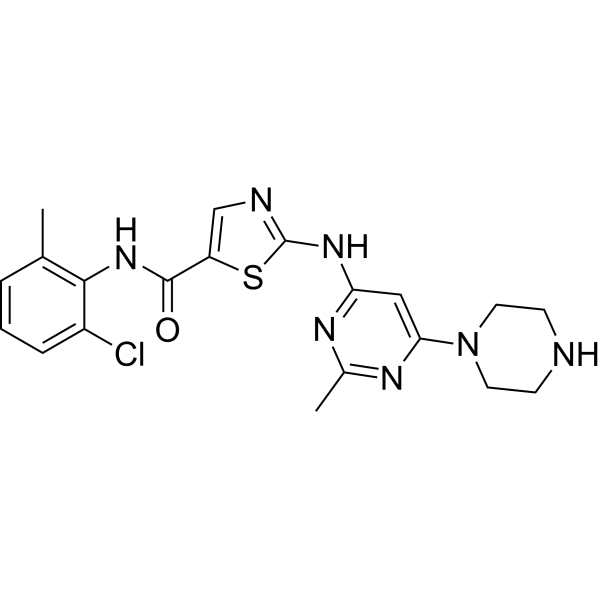
- HY-169434
-
|
Lon-TK-BMS-1
|
PD-1/PD-L1
|
Cancer
|
|
LTB is a prodrug formed by coupling glycolysis inhibitor (Lonidamine (HY-B0486)) with PD1/PDL1 blocker (BMS-1 (HY-19991)) by thioketal linkage. LTB can further encapsulate photosensitizer chlorine e6 (Ce6) (HY-13594) to construct a co-delivery photodynamic nanoplatform (LTB-6 NPs) by self-assembly .
|
-

- HY-160144S1
-
|
(S)-BMS-986322
|
JAK
|
Inflammation/Immunology
|
|
(S)-Lomedeucitinib ((S)-BMS-986322) is a S-enantiomer of Lomedeucitinib (HY-160144S). Lomedeucitinib is a tyrosine protein kinase (TYK2) inhibitor .
|
-

- HY-159649A
-
|
|
DGK
|
Cancer
|
|
(1R)-BMS-986408 is an orally active dual DGK α/ζ inhibitor that restores T cell-mediated anti-tumor immunity by enhancing T cell signaling .
|
-

- HY-101930B
-
|
|
11β-HSD
|
Metabolic Disease
|
|
(R)-BMS-816336 (Compound 6n-1) is a potent and orally active inhibitor of human, mouse and cynomolgus monkey 11β-hydroxysteroid dehydrogenase type 1 (11β-HSD1) enzyme with IC50s of 14.5 nM, 50.3 nM and 16 nM, respectively .
|
-
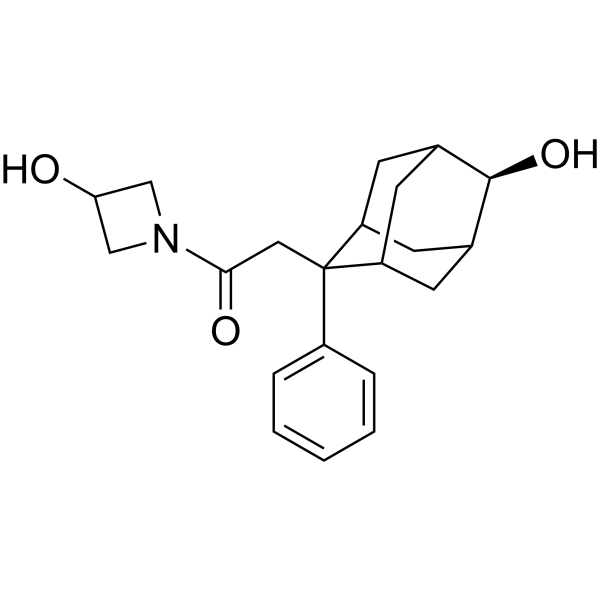
- HY-107447R
-
|
N-Deshydroxyethyl BMS-354825 (Standard)
|
Drug Metabolite
Reference Standards
|
Inflammation/Immunology
Cancer
|
|
N-Deshydroxyethyl Dasatinib (Standard) is the analytical standard of N-Deshydroxyethyl Dasatinib. This product is intended for research and analytical applications. N-Deshydroxyethyl Dasatinib (N-Deshydroxyethyl BMS-354825) is a metabolite of Dasatinib, Dasatinib is a multi-kinase inhibitor that potently inhibits Bcr-Abl, Src family and platelet-derived growth factor receptor kinases. N-Deshydroxyethyl Dasatinib can be used in cancer and immune disease research[1][2].
|
-

- HY-160713
-
|
NSSL-BMS
|
TNF Receptor
Interleukin Related
|
Infection
Inflammation/Immunology
|
|
Betamethasone succinate (NSSL-BMS) is a nano-formulation that can cross the blood-brain barrier. Betamethasone succinate is prepared by encapsulating the Betamethasone (HY-13570) semi-succinate in PEG-liposomes. Betamethasone succinate utilizes the enhanced permeation and retention effects of liposomes to target and deliver the potent glucocorticoid to the inflammatory sites. Betamethasone succinate inhibits the secretion of pro-inflammatory cytokines (such as TNF-α and IL-6) while maintaining the level of anti-inflammatory cytokine TGF-β. Betamethasone succinate can be used in the research of arthritis and cerebral malaria .
|
-

- HY-10285S1
-
-

- HY-121849
-
|
|
Src
|
Cancer
|
|
BMS-358233 (compound 3) is a Lck inhibitor (IC50: 1 nM; Ki: 540 pM) and inhibits T cell proliferation (IC50: 262 nM).
|
-

- HY-168697
-
-

- HY-17367S3
-
-
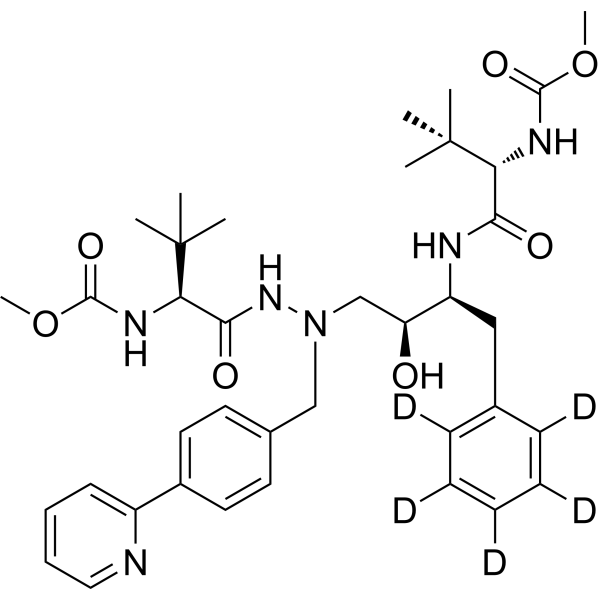
- HY-13623C
-
|
(1R,3S,4R)-ent-BMS200475; (1R,3S,4R)-ent-SQ34676
|
HBV
|
Others
|
|
(1R,3S,4R)-ent-Entecavir ((1R,3S,4R)-ent-BMS200475; (1R,3S,4R)-ent-SQ34676) can be used to synthesize PROTAC targets to degrade deoxyribonucleic acid (DNA) polymerase .
|
-
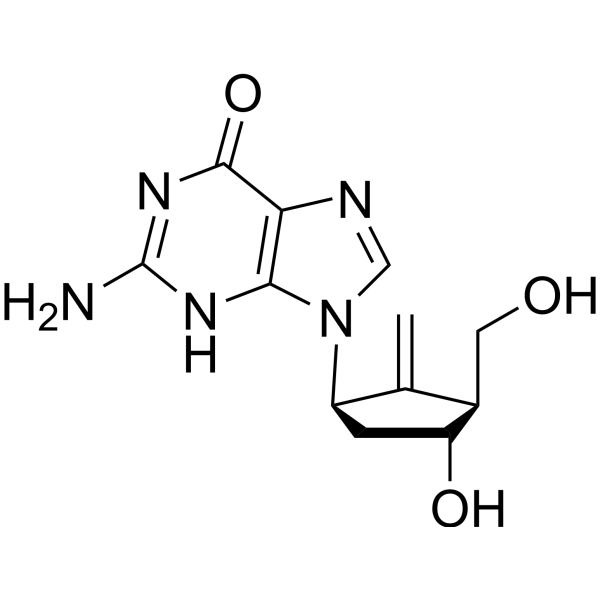
- HY-14272S
-
|
|
Isotope-Labeled Compounds
Fungal
|
Infection
|
|
Ravuconazole-d4 is the deuterium labeled Ravuconazole. Ravuconazole (BMS-207147) is an orally available triazoleantifungle agent that potently inhibits a wide range of fungi .
|
-
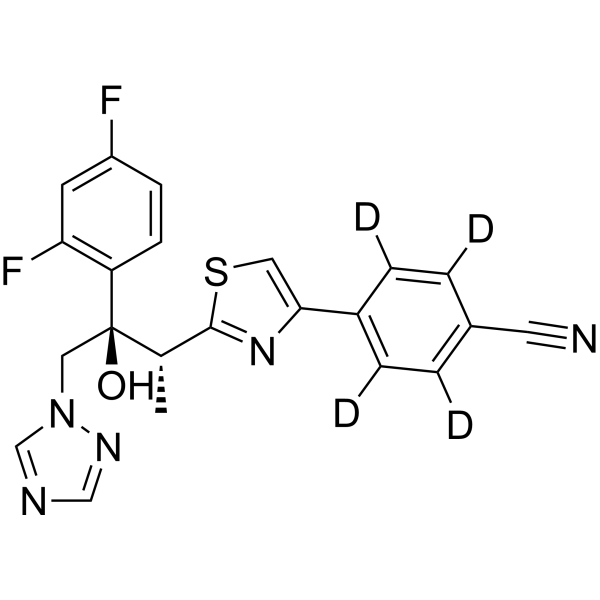
- HY-I1198
-
|
Oxo-dapagliflozin
|
Drug Metabolite
SGLT
|
Metabolic Disease
|
|
Dapagliflozin keto impurity (Oxo-dapagliflozin) is a metabolite and impurity of Dapagliflozin (HY-10450). Dapagliflozin (BMS-512148) is a competitive inhibitor of sodium-glucose cotransporter 2 (SGLT2) .
|
-

- HY-114217
-
|
|
HIV
|
Infection
|
|
DS003 is a novel gp120 binder and BMS-378806 (HY-14134) analogue. DS003 has potent and broad anti-HIV-1 activity .
|
-

- HY-100655
-
|
|
Drug Metabolite
|
Cardiovascular Disease
|
|
O-Desmethyl apixaban is a metabolite of Apixaban (BMS-562247-01) . Apixaban is a highly selective, reversible inhibitor of Factor Xa with Ki of 0.08 nM and 0.17 nM in human and rabbit, respectively .
|
-
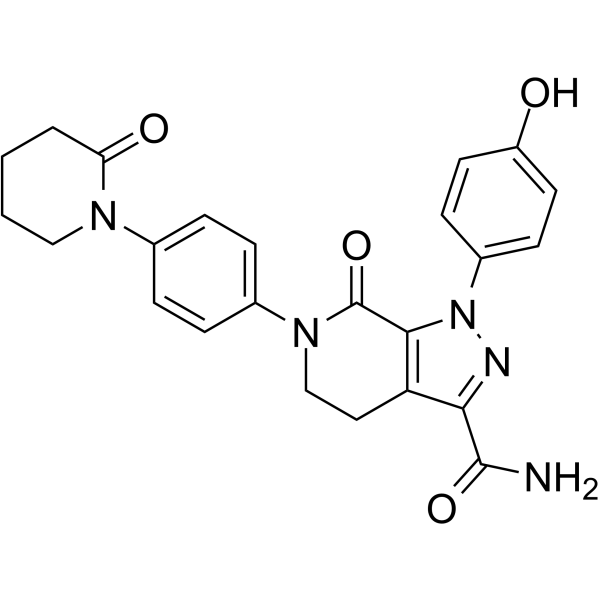
- HY-172739
-
|
|
E3 Ligase Ligand-Linker Conjugates
|
Cancer
|
|
E3 Ligase Ligand-linker Conjugate 176 is an E3 ligase ligand-linker conjugate. E3 Ligase Ligand-linker Conjugate 176 can be used to synthesize BMS-986458 (HY-172736) .
|
-

- HY-107447S
-
-
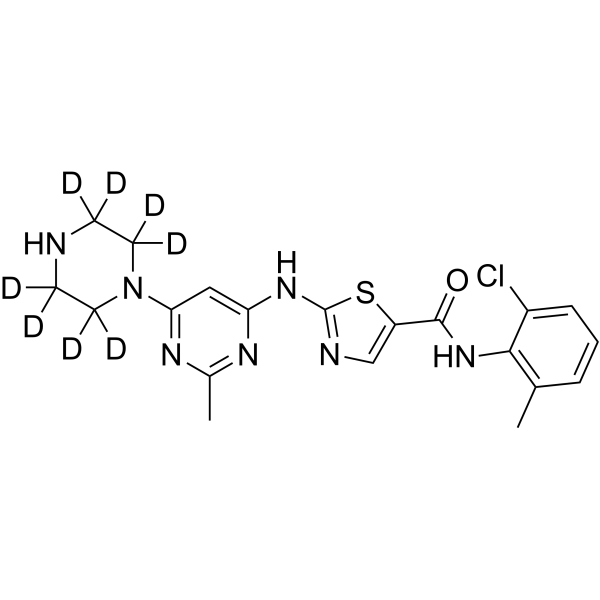
- HY-50522
-
|
|
Drug Intermediate
|
Others
|
|
2-Methyl-1H-pyrrolo[2,3-b]pyridine is a heterocyclic organic compound that can be used as a drug intermediate to construct complex molecules, such as BMS-645737, a VEGFR-2 inhibitor .
|
-
![2-Methyl-1H-pyrrolo[2,3-b]pyridine](//file.medchemexpress.com/product_pic/hy-50522.gif)
- HY-172740
-
|
|
Ligands for Target Protein for PROTAC
BCL6
|
Cancer
|
|
BCL6 ligand-3 is a PROTAC target protein ligand (Ligands for Target Protein for PROTACs). BCL6 ligand-3 can serve as an active control for the target protein ligand of BMS-986458 (HY-172736) .
|
-

- HY-100655R
-
|
|
Reference Standards
Drug Metabolite
|
Cardiovascular Disease
|
|
O-Desmethyl apixaban (Standard) is the analytical standard of O-Desmethyl apixaban. This product is intended for research and analytical applications. O-Desmethyl apixaban is a metabolite of Apixaban (BMS-562247-01) . Apixaban is a highly selective, reversible inhibitor of Factor Xa with Ki of 0.08 nM and 0.17 nM in human and rabbit, respectively .
|
-

- HY-113015R
-
|
|
Endogenous Metabolite
Reference Standards
|
Neurological Disease
|
|
Saxagliptin (hydrochloride) (Standard) is the analytical standard of Saxagliptin (hydrochloride). This product is intended for research and analytical applications. Saxagliptin hydrochloride (BMS-477118 hydrochloride) is a potent, selective, reversible, competitive and orally active dipeptidyl peptidase-4 (DPP-4) (Ki = 0.6-1.3 nM) inhibitor. Saxagliptin hydrochloride has the peotential for type 2 diabetes mellitus research .
|
-

- HY-W758126
-
|
|
Isotope-Labeled Compounds
|
Others
|
|
(R)-Brivanib alaninate-d4 is the deuterium-labeled Brivanib (alaninate) (HY-10336). Brivanib alaninate (BMS-582664) is an ATP-competitive inhibitor against VEGFR2 with an IC50 of 25 nM; has moderate potency against VEGFR-1 and FGFR-1, but more than 240-fold against PDGFRβ .
|
-
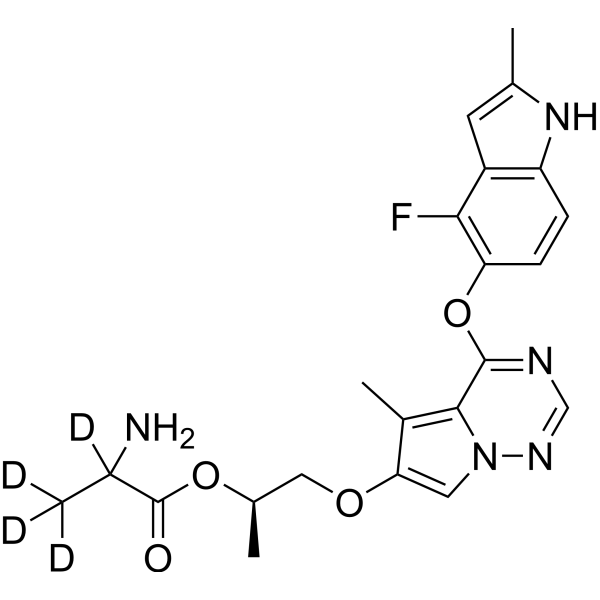
- HY-10450S5
-
|
|
Isotope-Labeled Compounds
SGLT
|
Metabolic Disease
Cancer
|
|
Dapagliflozin- 13C6-1 is 13C labeled Dapagliflozin. Dapagliflozin (BMS-512148), a new type of agent used to treat diabetes mellitus (DM), is a competitive sodium/glucose cotransporter 2 (SGLT2) inhibitor, which results in excretion of glucose into the urine . Dapagliflozin induces HIF1 expression and attenuates renal IR injury .
|
-

- HY-14791A
-
|
(±)-SLV319; (±)-BMS-646256
|
Cannabinoid Receptor
|
Metabolic Disease
|
|
(±)-Ibipinabant ((±)-SLV319) is the racemate of SLV319. (±)-Ibipinabant ((±)-SLV319) is a potent and selective cannabinoid-1 (CB-1) receptor antagonist with an IC50 of 22 nM.
|
-
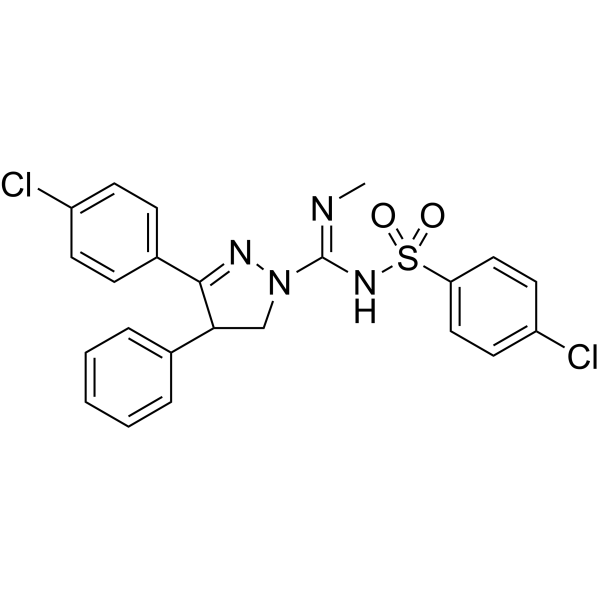
- HY-125780R
-
|
|
Drug Metabolite
Reference Standards
|
Cardiovascular Disease
Neurological Disease
|
|
Dasatinib (monohydrate) (Standard) is the analytical standard of Dasatinib (monohydrate). This product is intended for research and analytical applications. Dasatinib (BMS-354825) monohydrate is a highly potent, ATP competitive, orally active dual Src/Bcr-Abl inhibitor with potent antitumor activity. The Kis are 16 pM and 30 pM for Src and Bcr-Abl, respectively. Dasatinib monohydrate inhibits Bcr-Abl and Src with IC50s of <1.0 nM and 0.5 nM, respectively . Dasatinib monohydrate also induces apoptosis and autophagy.
|
-

- HY-150839
-
|
|
Ligands for E3 Ligase
|
Cancer
|
|
E3 ligase Ligand PG is a E3 ligase ligand that can be used in the recruitment of CRBN protein. E3 ligase Ligand PG exhibits potent binding activity with CRBN (IC50 of 2.191 μM). E3 ligase Ligand PG can be connected to the BMS-202 (HY-19745) by a linker to form PROTAC, PROTAC PD-L1 degrader-1 (HY-163757) .
|
-

- HY-172874
-
|
|
Indoleamine 2,3-Dioxygenase (IDO)
|
Cancer
|
|
TDO-IN-2 (Compound 5c) is an orally active TDO inhibitor (IC50: 1.25 μM). TDO-IN-2 has antitumor activity in the Hepa1-6 hepatocellular carcinoma allograft mouse model. TDO-IN-2 has synergistic effects with the PD-1/PD-L1 inhibitor BMS-202 (HY-19745) and can be used to study tumor immune tolerance .
|
-

- HY-169436
-
|
|
PD-1/PD-L1
|
|
|
Lon-TK is a glycolysis inhibitor + linker conjugate of LTB (HY-169434). LTB is an intelligent responsive prodrug that connects Lonidamine (Lon) (HY-B0486) and a PD-L1 inhibitor (BMS-1, HY-19991) through a thioketal linker. It significantly inhibits the glycolytic metabolism of tumor cells and blocks the PD-1/PD-L1 immune escape pathway. Lon-TK shows potential for application in photodynamic-enhanced immunotherapy research .
|
-

- HY-P1726
-
|
|
Melanocortin Receptor
|
Neurological Disease
Metabolic Disease
Inflammation/Immunology
Cancer
|
|
MSG606 is a selective melanocortin 1 receptor (MC1R) antagonist. MSG606 can abolish the neuroprotective effects of BMS-470539 (HY-15616) (MC1R agonist). MSG606 can inhibit cancer cell proliferation and transition from the G1 to the S phase. MSG606 can delay pain hypersensitivity and reduce cholesterol levels. MSG606 can be used for the researches of cancer, inflammation, neurological and metabolic disease, such as breast cancer and subarachnoid hemorrhage (SAH) .
|
-
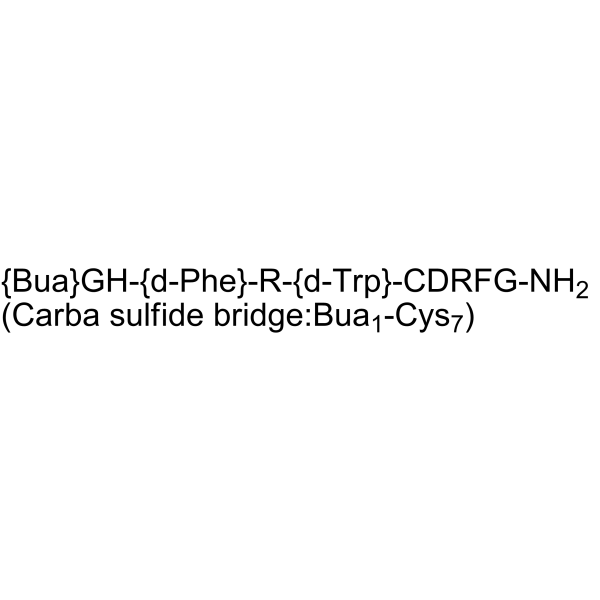
- HY-14791AR
-
|
(±)-SLV319 (Standard); (±)-BMS-646256 (Standard)
|
Cannabinoid Receptor
Reference Standards
|
Metabolic Disease
|
|
(±)-Ibipinabant (Standard) is the analytical standard of (±)-Ibipinabant. This product is intended for research and analytical applications. (±)-Ibipinabant ((±)-SLV319) is the racemate of SLV319. (±)-Ibipinabant ((±)-SLV319) is a potent and selective cannabinoid-1 (CB-1) receptor antagonist with an IC50 of 22 nM.
|
-

- HY-139611B
-
|
(S)-MRTX-1719; (S)-BMS-986504
|
Histone Methyltransferase
|
Cancer
|
|
(S)-Navlimetostat (example 16-7) is the S-enantiomer of Navlimetostat. (S)-Navlimetostat is a PRMT5/MTA complex inhibitor, with an IC50 of 7070 nM .
|
-
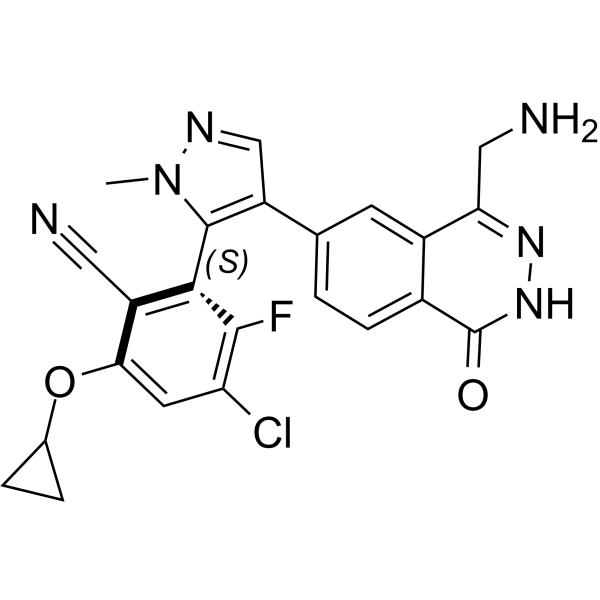
- HY-119158
-
-

- HY-P1726A
-
|
|
Melanocortin Receptor
|
Neurological Disease
Metabolic Disease
Inflammation/Immunology
Cancer
|
|
MSG606 TFA is a selective melanocortin 1 receptor (MC1R) antagonist. MSG606 TFA can abolish the neuroprotective effects of BMS-470539 (HY-15616) (MC1R agonist). MSG606 TFA can inhibit cancer cell proliferation and transition from the G1 to the S phase. MSG606 TFA can delay pain hypersensitivity and reduce cholesterol levels. MSG606 TFA can be used for the researches of cancer, inflammation, neurological and metabolic disease, such as breast cancer and subarachnoid hemorrhage (SAH) .
|
-
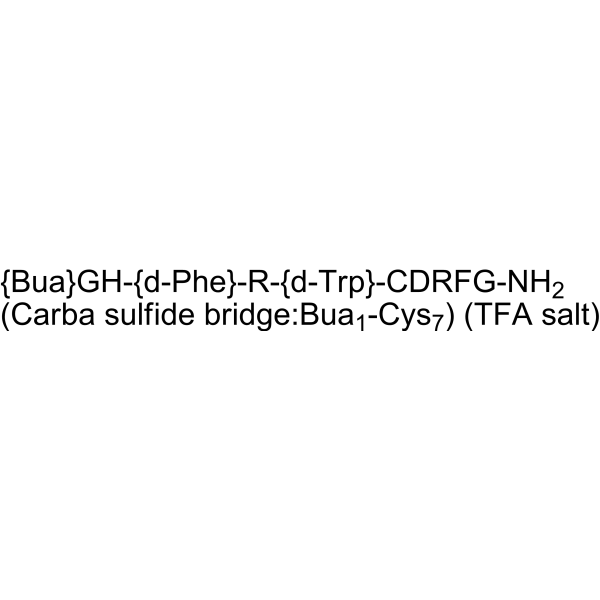
- HY-166594S
-
|
|
Isotope-Labeled Compounds
IFNAR
Interleukin Related
JAK
|
Inflammation/Immunology
|
|
Deucravacitinib- 13C,d3 is the 13C- and deuterium labeled Deucravacitinib. Deucravacitinib (BMS-986165) is a highly selective, orally bioavailable allosteric TYK2 inhibitor for the treatment of autoimmune diseases, which selectively binds to TYK2 pseudokinase (JH2) domain (IC50=1.0 nM) and blocks receptor-mediated Tyk2 activation by stabilizing the regulatory JH2 domain. Deucravacitinib inhibits IL-12/23 and type I IFN pathways. Deucravacitinib, the FDA's world first de novo deuterium, is available for study in moderate to severe plaque psoriasis .
|
-

- HY-Z2862S
-
|
|
Isotope-Labeled Compounds
HBV
|
Infection
Cancer
|
|
Entecavir- 13C2, 15N-1 is the 13C- and 15N-labeled Entecavir. Entecavir (SQ 34676; BMS 200475) is a potent and selective inhibitor of HBV, with an EC50 of 3.75 nM in HepG2 cell.
|
-

- HY-N1750R
-
|
|
Reference Standards
Tyrosinase
Endogenous Metabolite
|
Others
|
|
Garenoxacin (Standard) is the analytical standard of Garenoxacin. This product is intended for research and analytical applications. Garenoxacin (BMS284756) is an orally active quinolone antibiotic and has a broad spectrum of activity against a wide array of gram-positive and gram-negative bacteria, anaerobes, and fastidious organisms .
|
-

- HY-175193
-
|
N-Deshydroxyethyl BMS-354825-C3-NH2
|
Target Protein Ligand-Linker Conjugates
Src
|
Cancer
|
|
N-Deshydroxyethyl Dasatinib-C3-NH2 is an Target Protein Ligand-Linker Conjugate that incorporates a ligand for LCK (HY-107447) and a PROTAC linker (HY-76667), which recruits E3 ligases. N-Deshydroxyethyl Dasatinib-C3-NH2 can be used for synthesis of PROTAC SJ11646 (HY-175281) .
|
-

- HY-16776A
-
|
(2S,5S)-Festinavir; (2S,5S)-BMS-986001; (2S,5S)-OBP-601
|
HIV
|
Infection
|
|
(2S,5S)-Censavudine ((2S,5S)-OBP-601) is the (2S,5S)-enantiomer of Censavudine. Censavudine, a nucleoside reverse transcriptase inhibitor, is a potent HIV inhibitor . (2S,5S)-Censavudine is a click chemistry reagent, it contains an Alkyne group and can undergo copper-catalyzed azide-alkyne cycloaddition (CuAAc) with molecules containing Azide groups.
|
-
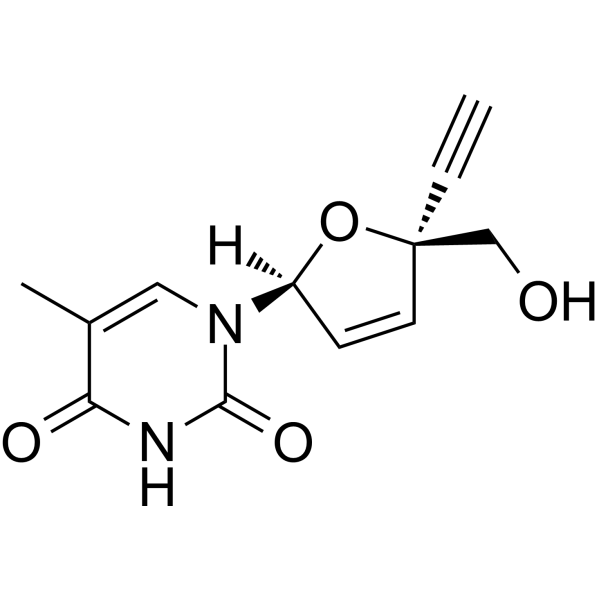
-
-
HY-L912V0
-
|
|
10,000,000 compounds
|
|
With MCE's 40,662 BBs, covering around 273 reaction types, more than 40 million molecules were generated. Compounds which comply with Ro5 criteria were selected. Inappropriate chemical structures, such as PAINS motifs and synthetically difficult accessible, were removed. Based on Morgan Fingerprint, molecular clustering analysis was carried out, and molecules close to each clustering center were extracted to form this drug-like and synthesizable diversity library. These selected molecules have 805,822 unique Bemis-Murcko Scaffolds (BMS) with diversified chemical space. This library is highly recommended for AI-based lead discovery, ultra-large virtual screening and novel lead discovery.
|
-
-
HY-L912V
-
|
|
10,000,000 compounds
|
|
With MCE's 40,662 BBs, covering around 273 reaction types, more than 40 million molecules were generated. Compounds which comply with Ro5 criteria were selected. Inappropriate chemical structures, such as PAINS motifs and synthetically difficult accessible, were removed. Based on Morgan Fingerprint, molecular clustering analysis was carried out, and molecules close to each clustering center were extracted to form this drug-like and synthesizable diversity library. These selected molecules have 805,822 unique Bemis-Murcko Scaffolds (BMS) with diversified chemical space. This library is highly recommended for AI-based lead discovery, ultra-large virtual screening and novel lead discovery.
|
-
-
HY-L910V
-
|
|
50,000 compounds
|
|
MegaUni 50K Virtual Diversity Library consists of 50,000 novel, synthetically accessible, lead-like compounds. With MCE's 40,662 Building Blocks, covering around 273 reaction types, more than 40 million molecules were generated. Based on Morgan Fingerprint and Tanimoto Coefficient, molecular clustering analysis was carried out, and molecules closest to each clustering center were extracted to form a drug-like and synthesizable diversity library. The selected 50,000 drug-like molecules have 46,744 unique Bemis-Murcko Scaffolds (BMS), each containing only 1-3 compounds. This diverse library is highly recommended for virtual screening and novel lead discovery.
|
-
-
HY-L0113V
-
|
|
1,000,000 compounds
|
|
A diversity compound library contains 1,000,000 compounds with drug fragments. Each compound has at least one drug fragment. These selected molecules have 702,902 Bemis-Murcko Scaffolds (BMS) with drug-like chemical space. This library is highly recommended for AI-based lead discovery, ultra-large virtual screening and novel lead discovery.
|
-
-
HY-L245
-
|
|
2,272 compounds
|
|
At the forefront of innovative drug discovery, every medicinal chemist faces the challenge of rapidly identifying high-quality hit compounds from vast repositories of chemical resources.
The MCE Natural Product Diversity Scaffold Library is the result of a streamlined optimization process built upon our existing natural product collection. Adhering to the rigorous selection principle of "retaining only one representative compound per BMS scaffold", we have concentrated the diversity of thousands of compounds into a high-value, low-redundancy core set containing 2,272 compounds. All compounds are derived from natural sources, inheriting their inherent advantages of structural complexity and drug-likeness. By eliminating redundancy, the library size is significantly reduced without any compromise to chemical diversity. This approach effectively lowers the cost and time required for primary screening while simplifying downstream data analysis and structure-activity relationship (SAR) studies.
|
| Cat. No. |
Product Name |
Type |
-
- HY-10181GL
-
|
BMS-354825 (GMP Like)
|
Fluorescent Dye
|
|
Dasatinib (GMP Like) (BMS-354825 (GMP Like)) is Dasatinib (HY-10181) produced by using GMP like guidelines. GMP Like small molecules works appropriately as an auxiliary reagent for cell therapy manufacture. Dasatinib (BMS-354825) is a highly potent, ATP competitive, orally active dual Src/Bcr-Abl inhibitor with potent antitumor activity. The Kis are 16 pM and 30 pM for Src and Bcr-Abl, respectively. Dasatinib inhibits Bcr-Abl and Src with IC50s of <1.0 nM and 0.5 nM, respectively . Dasatinib also induces apoptosis and autophagy.
|
| Cat. No. |
Product Name |
Type |
-
- HY-10181GL
-
|
BMS-354825 (GMP Like)
|
Biochemical Assay Reagents
|
|
Dasatinib (GMP Like) (BMS-354825 (GMP Like)) is Dasatinib (HY-10181) produced by using GMP like guidelines. GMP Like small molecules works appropriately as an auxiliary reagent for cell therapy manufacture. Dasatinib (BMS-354825) is a highly potent, ATP competitive, orally active dual Src/Bcr-Abl inhibitor with potent antitumor activity. The Kis are 16 pM and 30 pM for Src and Bcr-Abl, respectively. Dasatinib inhibits Bcr-Abl and Src with IC50s of <1.0 nM and 0.5 nM, respectively . Dasatinib also induces apoptosis and autophagy.
|
| Cat. No. |
Product Name |
Target |
Research Area |
-
- HY-P10375
-
|
|
PD-1/PD-L1
|
Inflammation/Immunology
Cancer
|
|
BMS-986189 is a macrocyclic peptide PD-1/PD-L1 interaction with an IC50 of 1.03 nM inhibitor. BMS-986189 can be used for cancer research, such as human lung carcinoma cells L2987 .
|
-
- HY-172320
-
|
|
PD-1/PD-L1
|
Cancer
|
|
BMS-986238 is an orally active macrocyclic peptide PD-L1 inhibitor. BMS-986238 can be used in the research of tumors such as solid tumors and lymphomas .
|
-
- HY-P1726
-
|
|
Melanocortin Receptor
|
Neurological Disease
Metabolic Disease
Inflammation/Immunology
Cancer
|
|
MSG606 is a selective melanocortin 1 receptor (MC1R) antagonist. MSG606 can abolish the neuroprotective effects of BMS-470539 (HY-15616) (MC1R agonist). MSG606 can inhibit cancer cell proliferation and transition from the G1 to the S phase. MSG606 can delay pain hypersensitivity and reduce cholesterol levels. MSG606 can be used for the researches of cancer, inflammation, neurological and metabolic disease, such as breast cancer and subarachnoid hemorrhage (SAH) .
|
-
- HY-106262B
-
|
KAI-9803 hydrochloride; BMS-875944 hydrochloride
|
PKC
|
Cardiovascular Disease
Inflammation/Immunology
|
|
Delcasertib (KAI-9803) hydrochloride is a potent and selective δ-protein kinase C (δPKC) inhibitor. Delcasertib (KAI-9803) hydrochloride could ameliorate injury associated with ischemia and reperfusion in animal models of acute myocardial infarction (MI) .
|
-
- HY-106262
-
|
KAI-9803; BMS-875944
|
PKC
|
Cardiovascular Disease
Inflammation/Immunology
|
|
Delcasertib (KAI-9803) is a potent and selective δ-protein kinase C (δPKC) inhibitor. Delcasertib (KAI-9803) could ameliorate injury associated with ischemia and reperfusion in animal models of acute myocardial infarction (MI) .
|
-
- HY-P1726A
-
|
|
Melanocortin Receptor
|
Neurological Disease
Metabolic Disease
Inflammation/Immunology
Cancer
|
|
MSG606 TFA is a selective melanocortin 1 receptor (MC1R) antagonist. MSG606 TFA can abolish the neuroprotective effects of BMS-470539 (HY-15616) (MC1R agonist). MSG606 TFA can inhibit cancer cell proliferation and transition from the G1 to the S phase. MSG606 TFA can delay pain hypersensitivity and reduce cholesterol levels. MSG606 TFA can be used for the researches of cancer, inflammation, neurological and metabolic disease, such as breast cancer and subarachnoid hemorrhage (SAH) .
|
-
- HY-P2021
-
| Cat. No. |
Product Name |
Target |
Research Area |
Image |
-
- HY-P9903
-
Nivolumab
Maximum Cited Publications
23 Publications Verification
BMS-936558; ONO-4538; MDX-1106
|
PD-1/PD-L1
|
Infection
Cancer
|
|
Nivolumab is a programmed death receptor-1 (PD-1) blocking human IgG4 antibody to treat advanced (metastatic) non-small cell lung cancer.
|
-

(5)
-
- HY-P9901
-
|
MDX-010; BMS-734016
|
CTLA-4
|
Cancer
|
|
Ipilimumab is a fully human monoclonal antibody IgG1κ that blocks the inhibitory receptor cytotoxic T lymphocyte antigen 4 (CTLA-4) on T cells. Ipilimumab can be used in unresectable or metastatic melanoma (MM) studies .
|
-
(5)
-
- HY-108829
-
|
CTLA4lg; BMS-188667
|
CTLA-4
|
Inflammation/Immunology
Cancer
|
|
Abatacept (CTLA4lg) is a soluble fusion protein consisting of the extra-cellular domain of human CTLA4 and a fragment of the Fc portion of human IgG1 (hinge and CH2 and 3 domains) . Abatacept is a selective T-cell co-stimulation modulator and a protein agent for the autoimmune diseases .
|
-
(5)
-
- HY-P99156
-
|
BMS-986016
|
LAG-3
|
Cancer
|
|
Relatlimab (BMS-986016) is a human monoclonal antibody anti-LAG-3 antibody generated by immunization of transgenic mice bearing human immunoglobulin miniloci with recombinant LAG-3 protein. Relatlimab blocks LAG-3/MHC II interaction with an IC50 value of 0.67 nM and LAG-3/FGL1 interaction with an IC50 value of 0.019 nM. Relatlimab can be used in research of cancer .
|
-
(5)
-
- HY-108813
-
|
BMS 224818; LEA 29Y
|
Inhibitory Antibodies
|
Inflammation/Immunology
|
|
Belatacept (BMS 224818) is a selective T-cell costimulation blocker and a costimulator of the CD28-CD80/86 pathway. Belatacept binds to the CD 80/86 ligand and inhibits CD-28-mediated T cell costimulation and IFN-γ production. Belatacept can be used in studies of immunosuppression in organ transplantation . The component ratio of this product is Active ingredient : Excipients = 1:2.4.
|
-

(5)
-
- HY-P9965
-
|
HuLuc 63; PDL 063; BMS 901608
|
Transmembrane Glycoprotein
|
Cancer
|
|
Elotuzumab (HuLuc 63) is an IgG1 monoclonal antibody targeting the SLAMF7 receptor. Elotuzumab exerts antitumor activity by activating natural killer cells and inducing antibody-dependent cell-mediated cytotoxicity. Elotuzumab can be combined with Lenalidomide (HY-A0003), Dexamethasone (HY-14648), etc., for the research of tumors such as multiple myeloma .
|
-
(5)
-
- HY-P99518
-
|
BMS 986089; RG 6206; RO 7239361; BHV2000
|
TGF-beta/Smad
|
Others
|
|
Taldefgrobep alfa (BMS 986089; RG 6206; RO 7239361) is a potent inhibitory antibody targeting to human myostatin. Taldefgrobep alfa is a fusion protein composed of a human IgG1-Fc domain and Adnectin domain. Taldefgrobep alfa can be used for spinal muscular atrophy (SMA) research .
|
-
(5)
-
- HY-108829A
-
|
CTLA4lg (powder); BMS-188667 (powder); Orencia
|
CTLA-4
|
Inflammation/Immunology
Cancer
|
|
Abatacept (CTLA4lg; BMS-188667) powder is a soluble fusion protein consisting of the extra-cellular domain of human CTLA4 and a fragment of the Fc portion of human IgG1 (hinge and CH2 and 3 domains). Abatacept powder is a selective T-cell co-stimulation modulator and a protein agent for the autoimmune diseases .
|
-
(5)
-
- HY-P990598
-
|
BMS-986253; HuMax-IL-8
|
CXCR
Interleukin Related
|
Inflammation/Immunology
Cancer
|
|
Adakitug (BMS-986253) is a CHO-expressed human antibody targeting CXCL8/IL-8. Adakitug contains huIgG1 heavy chain and huκ light chain, with a predicted molecular weight (MW) of 144.94 kDa. The isotype control for Adakitug can refer to Human IgG1 kappa, Isotype Control (HY-P99001). Adakitug exhibits anti-tumor activity and can be applied in tumor research .
|
-
(5)
-
- HY-P991280
-
|
|
Interleukin Related
|
Inflammation/Immunology
|
|
BMS-981164 is a human anti-IL31 IgG1-κ monoclonal antibody. BMS-981164 effectively inhibits the IL-31 signaling pathway. The isotype control of BMS-981164 can be referenced to Human IgG1 kappa, Isotype Control (HY-P99001). BMS-981164 is applicable to research related to atopic dermatitis .
|
-
(5)
-
- HY-P99272
-
|
BMS 936564; MDX 1338; Anti-Human CXCR4 Recombinant Antibody
|
CXCR
|
Cancer
|
|
Ulocuplumab (Anti-Human CXCR4 Recombinant Antibody/BMS-936564/MDX1338) is a fully human IgG4 anti-CXCR4 antibody. Ulocuplumab induces apoptosis and inhibits CXCL12 mediated CXCR4 activation-migration of chronic lymphocytic leukemia (CLL). Ulocuplumab exhibits antitumor activity in established tumors including acute myeloid leukemia (AML), non-Hodgkin lymphoma (NHL), and multiple myeloma xenograft models .
|
-
(5)
-
- HY-P99302
-
|
BMS-931699
Antibody
|
CD28
|
Inflammation/Immunology
|
|
Lulizumab (Humanized Anti-CD28 Recombinant Antibody) is an anti-CD28 domain antibody antagonist. Lulizumab inhibits T-cell activation by selectively targeting the CD28 signal. In a sensitized non-human primate kidney transplantation model, when combined with Carfilzomib (HY-10455), Lulizumab can regulate immune cells and prolong the survival time of the graft .
|
-
(5)
-
- HY-P990033
-
|
CC-95251; BMS-986351
|
CD47
|
Cancer
|
|
Anzurstobart is a CD47/SIRPα inhibitor with human SIRPα Kd of 0.0541 nM and human SIRPα IC50 of 100 nM. Anzurstobart binds SIRPα at a CD47-overlapping site, blocks CD47-SIRPα interactions, inhibits CD47-SIRPα axis signaling, and binds across 6 prevalent human SIRPα haplotypes. Anzurstobart binds SIRPγ and inhibits CD47-SIRPγ interactions. Anzurstobart can be used for the research of non-Hodgkin's lymphoma, colorectal cancer, squamous cell carcinoma of the head and neck, diffuse large B-cell lymphoma, and advanced solid and hematologic malignancies .
|
-
(5)
-
- HY-P99321
-
|
BMS 224819; Chi220; Anti-Human CD40 Recombinant Antibody
|
TNF Receptor
|
Inflammation/Immunology
Cancer
|
|
Teneliximab (BMS-224819) is a chimeric monoclonal antibody, blocks the CD40-CD40L interaction. Teneliximab (BMS-224819) has partial agonist activity resulting in some signaling through CD40 and peripheral B cell depletion .
|
-
(5)
-
- HY-P99190
-
|
BMS-936557; MDX-1100
|
CXCR
|
Inflammation/Immunology
|
|
Eldelumab (BMS-936557) is a human anti-CXCL10 (IP-10) monoclonal antibody (IgG1 type). Eldelumab selectively binds to CXCL10 and blocks CXCL10-induced calcium flux and cell migration. Eldelumab can be used in studies of autoimmune and auto-inflammatory diseases such as rheumatoid arthritis, ulcerative colitis and crohn's disease .
|
-
(5)
-
- HY-P99648
-
|
BMS-986168; IPN007; BIIB092
|
Tau Protein
|
Neurological Disease
|
|
Gosuranemab (BMS-986168; IPN007; BIIB092) is a humanised IgG4 anti-tau monoclonal antibody. Gosuranemab neutralizes the extracellular tau protein, inhibiting the spread and aggregation of pathological tau protein. Gosuranemab can be used for the research of progressive supranuclear palsy and early Alzheimer’s disease .
|
-
(5)
-
- HY-P99701
-
|
BMS-986004
|
TNF Receptor
|
Inflammation/Immunology
|
|
Letolizumab (BMS-986004) is a monoclonal antibody targeting CD40L, which is produced to express mutant IgG1 lacking effector function, including Fc binding and complement fixation. Letolizumab reduces rejection, thromboembolism and prolongs the survival time .
|
-
(5)
-
- HY-P991001
-
-

(5)
-
- HY-P990111
-
-
(5)
-
- HY-P990902
-
|
BMS-986012
|
Transmembrane Glycoprotein
|
Cancer
|
|
Atigotatug (BMS-986012) is a fully human IgG1 antibody binds specifically to FucGM1 with an EC50 of 0.15 nmol/L for FucGM1. Atigotatug is a FcγRIIIa ligand with a Kd of 21 nmol/L. Atigotatug demonstrates antitumor efficacy in multiple mouse small cell lung cancer models .
|
-
(5)
-
- HY-P991178
-
|
|
TNF Receptor
|
Cancer
|
|
BMS-986156 is a fully humanized IgG1 agonist monoclonal antibody agonist corticosteroid-induced tumor necrosis factor receptor-related protein (GITR). BMS-986156 binds to GITR and promotes activation of T effector cells and inactivates T regulatory cells. BMS-986156 is indicated for use in advanced solid tumor studies .
|
-
(5)
-
- HY-P990559
-
|
|
TNF Receptor
|
Inflammation/Immunology
|
|
BMS-986178 is a humanized antibody expressed in CHO, targeting TNFRSF4/OX40/CD134. BMS-986178 has a huIgG1 heavy chain and a huκ light chain, with a predicted molecular weight (MW) of 150 kDa. The isotype control for BMS-986178 can refer to Human IgG1 kappa, Isotype Control (HY-P99001).
|
-
(5)
-
- HY-P991645
-
|
MDX-1203 antibody; BMS-936561 antibody
|
TNF Receptor
ADC Antibody
|
Cancer
|
|
MDX-1115 is a humanized IgG1 monoclonal antibody targeting CD70. MDX-1115 can be used for synthesis of ADC BMS-936561 .
|
-
(5)
-
- HY-P990623
-
|
BMS-936559
|
PD-1/PD-L1
|
Inflammation/Immunology
|
|
MDX-1105 is a human antibody expressed in CHO that targets B7-H1/PD-L1/CD274. MDX-1105 has a huIgG4SP type heavy chain, and its predicted molecular weight (MW) is 150 kDa. The isotype control for MDX-1105 can be referenced as Human IgG4 kappa, Isotype Control (HY-P99003).
|
-
(5)
-
- HY-P99467
-
|
BMS 4182137; VIR 7832
|
SARS-CoV
|
Infection
|
|
Beludavimab (BMS 4182137; VIR 7832) is a monoclonal antibody targeting the spike glycoprotein of SARS-CoV-2. Beludavimab binds to recombinant spike protein receptor-binding domain (S-RBD) with an EC50 value of 14.9 ng/mL and a Kd of 0.21 nM .
|
-
(5)
-
- HY-P990079
-
|
BMS-986207; ONO-4686
|
CD28
|
Inflammation/Immunology
|
|
Renvistobart is an immunoglobulin G1-κ, anti-[Homo sapiens TIGIT (T cell immunoreceptor with Ig domain and ITIM, VSIG9, VSTM3)] Homo sapiens monoclonal antibody .
|
-
(5)
-
- HY-P991330
-
|
|
CD73
|
Cancer
|
|
BMS-986179 is a human monoclonal antibody (mAb) targeting NT5E/CD73. BMS-986179 inhibits CD73 enzymatic activity in tumor vasculature and tumor cells. BMS-986179 can be used in advanced solid tumors research .
|
-
(5)
-
- HY-P991274
-
|
|
Interleukin Related
|
Inflammation/Immunology
|
|
BMS-986010 is a monoclonal antibody inhibitor targeting the p19 subunit of interleukin-23 (IL-23). BMS-986010 reduces IL-23-induced STAT3 phosphorylation and inhibits Th17 cell differentiation and the release of proinflammatory cytokines (such as IL-17 and TNF-α). BMS-986010 is promising for research of autoimmune diseases such as psoriasis and Crohn's disease .
|
-
(5)
-
- HY-P991436
-
|
BMS-986415
|
Interleukin Related
IFNAR
|
Cancer
|
|
DF6002 (BMS-986415) is a human monoclonal antibody (mAb) targeting IL-12. DF6002 increases IFN-γ levels. DF6002 can be used in solid tumors research .
|
-
(5)
-
- HY-P991058
-
|
BMS-986315
|
Checkpoint Kinase (Chk)
|
Cancer
|
|
Zimistobart (BMS-986315) is a fully human IgG1 antibody that targets NKG2A. Zimistobart can be used for the study of non-small cell lung cancer (NSCLC). The isotype control for Zimistobart can refer to Human IgG1 kappa, Isotype Control (HY-P99001) .
|
-
(5)
-
- HY-145641
-
|
BMS-986413; C-144-LS
|
SARS-CoV
|
Infection
|
|
Crexavibart (BMS-986413; C-144-LS) is an IgG1λ2 antibody that targets the SARS-CoV2 spike (S) glycoprotein receptor-binding domain .
|
-
(5)
-
- HY-P990558
-
|
BMS-986148 antibody
|
Inhibitory Antibodies
|
Inflammation/Immunology
|
|
BMS-986021 (BMS-986148 antibody) is a human monoclonal antibody expressed in CHO, targeting Mesothelin. BMS-986021 has a huIgG1 heavy chain and a huκ light chain, with a predicted molecular weight (MW) of 144.46 kDa. For the isotype control of BMS-986021, refer to Human IgG1 kappa, Isotype Control (HY-P99001).
|
-

(5)
-
- HY-P991666
-
|
|
TNF Receptor
|
Inflammation/Immunology
|
|
BMS-986090 is a humanized monoclonal antibody antagonist targeting CD40. BMS-986090 is promising for research of autoimmune diseases such as systemic lupus erythematosus (SLE) and focal segmental glomerulosclerosis (FSGS) .
|
-
(5)
-
- HY-P990080
-
|
BMS-986249
|
CTLA-4
|
Cancer
|
|
Sovipostobart is an immunoglobulin G1-kappa, anti-CTLA-4 human monoclonal antibody with cleavable prodomain. Sovipostobart is an immunostimulant and antineoplastic .
|
-
(5)
-
- HY-P991235
-
|
BMS-986186
|
EGFR
Caspase
|
Cancer
|
|
FS102 is a selective Fc fragment with antigen binding (Fcab) that targets HER2 with a KD value of 0.8 nM. FS102 induces the degradation of HER2, activates Caspase 3/7 and disrupts the integrity of the cell membrane, triggering apoptosis of tumor cells. FS102 is promising for research of cancers such as breast cancer, gastric cancer, and colorectal cancer .
|
-
(5)
-
- HY-145644
-
|
C-135-LS; BMS-986414
|
SARS-CoV
|
Infection
Cancer
|
|
Ogalvibart (C-135-LS) is a human anti-SARS-CoV-2 monoclonal antibody (IgG1 type). Ogalvibart binds to the spike (S) glycoprotein receptor-binding domain (RBD) of SARS-CoV-2. Ogalvibart in combination with C144LS (1:1 ratio) shows good preventive activity and can effectively block the development of COVID19 in a rhesus monkey disease model .
|
-
(5)
-
- HY-P992047
-
|
|
CXCR
|
Inflammation/Immunology
|
|
BMS-986184 is a fully human monoclonal antibody targeting interferon gamma-induced protein 10 (IP-10)/CXCL10. BMS-986184 can be used for the research of lupus nephritis .
|
-
(5)
-
- HY-P99648A
-
|
BMS-986168 (powder); IPN007 (powder); BIIB092 (powder)
|
Tau Protein
|
Neurological Disease
|
|
Gosuranemab (BMS-986168; IPN007; BIIB092) (powder) is a humanised IgG4 anti-tau monoclonal antibody. Gosuranemab (powder) neutralizes the extracellular tau protein, inhibiting the spread and aggregation of pathological tau protein. Gosuranemab (powder) can be used for the research of progressive supranuclear palsy and early Alzheimer’s disease .
|
-
(5)
-
- HY-P9S0124
-
|
ORM-6151 Antibody; BMS-986497 Antibody
|
|
Cancer
|
|
Anti-CD33 Antibody (OR000283) (ORM-6151 Antibody; BMS-986497 Antibody) is an antibody targeting CD33. It is generated by grafting the FAb (H&L) sequence of Gemtuzumab (HY-P99971) onto an IgG1 Fc carrying the N297A mutation, which inhibits Fc-γR binding. Anti-CD33 Antibody (OR000283) can be used to construct degrader-antibody conjugates (DACs), such as ORM-6151 (HY-171792) .
|
-
(5)
-
- HY-P992324
-
-
(5)
-
- HY-P990902A
-
|
BMS-986012 (FUT8-KO)
|
Inhibitory Antibodies
|
Cancer
|
|
Atigotatug (FUT8-KO) is an anti-fuc-GM1 monoclonal antibody expressed by CHO cells with the fucosyltransferase 8 gene (FUT8) knocked out, and fucose deficiency enhances the ADCC effect of the antibody. Atigotatug (HY-P990902) is a Fucosyl ganglioside GM1 (fuc-GM1)-targeting IgG1κ type humanized antibody. Atigotatug can induce immune-mediated tumor cell death, such as small cell lung cancer .
|
-

(5)
| Cat. No. |
Product Name |
Category |
Target |
Chemical Structure |
| Cat. No. |
Product Name |
Chemical Structure |
-
- HY-117287
-
Maximum Cited Publications
33 Publications Verification
|
|
Deucravacitinib (BMS-986165) is a highly selective, orally bioavailable allosteric TYK2 inhibitor for the treatment of autoimmune diseases, which selectively binds to TYK2 pseudokinase (JH2) domain (IC50=1.0 nM) and blocks receptor-mediated Tyk2 activation by stabilizing the regulatory JH2 domain. Deucravacitinib inhibits IL-12/23 and type I IFN pathways. Deucravacitinib, the FDA's world first de novo deuterium, is available for study in moderate to severe plaque psoriasis .
|
-
-
- HY-131968
-
1 Publications Verification
|
|
BMS-986202 is a potent, selective and orally active Tyk2 inhibitor that binds to Tyk2 JH2 with an IC50 value of 0.19 nM and a Ki of 0.02 nM. BMS-986202 is remarkably selective over other kinases including Jak family members. BMS-986202 is also a weak inhibitor of CYP2C19 with an IC50 value of 14 μM. BMS-986202 can be used for IL-23-driven acanthosis, anti-CD40-induced colitis, and spontaneous lupus research. BMS-986202 is a de novo deuterium .
|
-
-
- HY-13016S
-
|
|
|
Cabozantinib-d6 is the deuterium labeled Cabozantinib. Cabozantinib is a potent multiple receptor tyrosine kinases (RTKs) inhibitor that inhibits VEGFR2, c-Met, Kit, Axl and Flt3 with IC50s of 0.035, 1.3, 4.6, 7 and 11.3 nM, respectively .
|
-
-
- HY-160144S
-
|
|
|
Lomedeucitinib (BMS-986322) is a tyrosine protein kinase (TYK2) inhibitor .
|
-
-
- HY-10181S
-
1 Publications Verification
|
|
Dasatinib-d8 (BMS-354825-d8) is a deuterium labeled Dasatinib. Dasatinib is a dual Bcr-Abl and Src family tyrosine kinase inhibitor.
|
-
-
- HY-50667S
-
|
|
|
Apixaban- 13C,d3 (BMS-562247-01- 13C,d3) is a deuterium and 13C labeled Apixaban (HY-50667). Apixaban is a highly selective, reversible inhibitor of Factor Xa with Ki of 0.08 nM and 0.17 nM in human and rabbit, respectively .
|
-
-
- HY-10450S
-
|
|
|
Dapagliflozin-d5 is a deuterium labeled Dapagliflozin (HY-10450). Dapagliflozin is a competitive SGLT2 inhibitor .
|
-
-
- HY-50667S1
-
|
|
|
Apixaban-d3 (BMS-562247-01-d3) is the deuterium labeled Apixaban (HY-50667) . Apixaban (BMS-562247-01) is a highly selective, reversible and orally active inhibitor of Factor Xa with Kis of 0.08 nM and 0.17 nM in human and rabbit, respectively . Apixaban is in development for the prevention and treatment of various thromboembolic diseases .
|
-
-
- HY-13016S1
-
|
|
|
Cabozantinib-d4 is deuterium labeled Cabozantinib. Cabozantinib is a potent multiple receptor tyrosine kinases (RTKs) inhibitor that inhibits VEGFR2, c-Met, Kit, Axl and Flt3 with IC50s of 0.035, 1.3, 4.6, 7 and 11.3 nM, respectively.
|
-
-
- HY-10181S1
-
|
|
|
Dasatinib-d4 (BMS-354825-d4) is deuterium labeled Dasatinib. Dasatinib (BMS-354825) is a highly potent, ATP competitive, orally active dual Src/Bcr-Abl inhibitor with potent antitumor activity. The Kis are 16 pM and 30 pM for Src and Bcr-Abl, respectively. Dasatinib inhibits Bcr-Abl and Src with IC50s of <1.0 nM and 0.5 nM, respectively . Dasatinib also induces apoptosis and autophagy.
|
-
-
- HY-B0202S
-
|
|
|
Irbesartan-d4 (SR-47436-d4) is the deuterium labeled Irbesartan Irbesartan (HY-B0202). Irbesartan (SR-47436) is an orally active Ang II type 1 (AT1) receptor blocker (ARB). Irbesartan can relax the blood vessels, low blood pressure and increase the supply of blood and oxygen to the heart. Irbesartan can be used for the research of high blood pressure, heart failure, and diabetic kidney disease.
|
-
-
- HY-17367S4
-
|
|
|
Atazanavir-d6 is deuterium labeled Atazanavir. Atazanavir (BMS-232632), a highly selective HIV-1 protease inhibitor, is the first protease inhibitor approved for once-daily administration . Atazanavir (BMS-232632) is a substrate and inhibitor of CYP3A4, and an inhibitor and inducer of P-glycoprotein (P-gp) . Atazanavir is also a SARS-CoV 3CLpro inhibitor with an IC50 of 3.49 μM .
|
-
-
- HY-131905S
-
|
|
|
BMS-986144 is a third-generation, pan-genotype (GT) NS3/4A protease inhibitor. BMS-986144 inhibits HCV replicon with EC50s of 2.3, 0.7, 1.0, 12, 8.0, and 5.8 nM for GT-1a, GT-1b, GT-2a, GT-3a, 1a R155X, and 1b D168V, respectively. BMS-986144 has the potential for the research of HCV infection .
|
-
-
- HY-160144S2
-
|
|
|
(rac)-Lomedeucitinib ((rac)-BMS-986322) is the racemate of Lomedeucitinib. Lomedeucitinib (BMS-986322) is a tyrosine protein kinase (TYK2) inhibitor. Lomedeucitinib has anti-inflammatory activity and significant inhibitory effect on IFNα (IC50=0.047 μM) production downstream of IL-12/TYK2. Lomedeucitinib is indicated for the study of plaque psoriasis and pruritus .
|
-
-
- HY-17367S2
-
|
|
|
Atazanavir-d9 is the deuterium labeled Atazanavir. Atazanavir (BMS-232632), a highly selective HIV-1 protease inhibitor, is the first protease inhibitor approved for once-daily administration . Atazanavir (BMS-232632) is a substrate and inhibitor of CYP3A4, and an inhibitor and inducer of P-glycoprotein (P-gp) . Atazanavir is also a SARS-CoV 3CLpro inhibitor with an IC50 of 3.49 μM .
|
-
-
- HY-13623S1
-
|
|
|
Entecavir- 13C2, 15N (BMS200475- 13C2, 15N; SQ34676- 13C2, 15N) is a 13C- and 15N-labeled Entecavir (HY-13623). Entecavir (SQ 34676; BMS 200475) is a potent and selective inhibitor of HBV, with an EC50 of 3.75 nM in HepG2 cell.
|
-
-
- HY-15440AS
-
|
|
|
Fostemsavir-d8 (BMS-663068-d8) is deuterium labeled Fostemsavir. Fostemsavir (BMS-663068) is the phosphonooxymethyl prodrug of BMS-626529. Fostemsavir (BMS-663068) is a novel attachment inhibitor that targets HIV-1 gp120 and prevents its binding to CD4 + T cells.
|
-
-
- HY-10450S2
-
|
|
|
Dapagliflozin-d4 (BMS-512148-d4) is deuterium labeled Dapagliflozin. Dapagliflozin (BMS-512148), a new type of agent used to treat diabetes mellitus (DM), is a competitive sodium/glucose cotransporter 2 (SGLT2) inhibitor, which results in excretion of glucose into the urine . Dapagliflozin induces HIF1 expression and attenuates renal IR injury .
|
-
-
- HY-17367S5
-
|
|
|
Atazanavir-d24 (BMS-232632-d24) is deuterium labeled Atazanavir. Atazanavir (BMS-232632) is a highly selective and orally active HIV-1 protease inhibitor . Atazanavir is a substrate and inhibitor of CYP3A4, and an inhibitor of P-glycoprotein (P-gp). Atazanavir is also a SARS-CoV 3CL pro inhibitor with an IC50 of 3.49 μM. Atazanavir inhibits cardiac fibrosis, hyperlipidemia and induces malignant glioma death .
|
-
-
- HY-10285S
-
|
|
|
Saxagliptin-15N,d2 Hydrochloride (BMS-477118-15N,d2 Hydrochloride) is the 15N and deuterium labeled isotope of Saxagliptin (HY-10285). Saxagliptin (BMS-477118) is a potent, selective, reversible, competitive and orally active dipeptidyl peptidase-4 (DPP-4) (Ki = 0.6-1.3 nM) inhibitor. Saxagliptin has the peotential for type 2 diabetes mellitus research .
|
-
-
- HY-10285S2
-
|
|
|
Saxagliptin- 13C2 (BMS-477118- 13C2) is 13C labeled Saxagliptin. Saxagliptin (BMS-477118) is a potent, selective, reversible, competitive and orally active dipeptidyl peptidase-4 (DPP-4) (Ki = 0.6-1.3 nM) inhibitor. Saxagliptin has the peotential for type 2 diabetes mellitus research .
|
-
-
- HY-10450S3
-
|
|
|
Dapagliflozin- 13C6 (BMS-512148- 13C6) is 13C labeled Dapagliflozin. Dapagliflozin (BMS-512148), a new type of agent used to treat diabetes mellitus (DM), is a competitive sodium/glucose cotransporter 2 (SGLT2) inhibitor, which results in excretion of glucose into the urine . Dapagliflozin induces HIF1 expression and attenuates renal IR injury .
|
-
-
- HY-W754842
-
|
|
|
Saxagliptin- 13C,d2-1 (BMS-477118- 13C,d2) hydrochloride is 13C and deuterium labeled Saxagliptin (hydrochloride) .
|
-
-
- HY-160144S1
-
|
|
|
(S)-Lomedeucitinib ((S)-BMS-986322) is a S-enantiomer of Lomedeucitinib (HY-160144S). Lomedeucitinib is a tyrosine protein kinase (TYK2) inhibitor .
|
-
-
- HY-14667S
-
|
|
|
Lomitapide-d8 is deuterium labeled Lomitapide. Lomitapide (AEGR-733; BMS-201038) is a potent inhibitor of microsomal triglyceride-transfer protein (MTP) with an IC50 of 8 nM in vitro.
|
-
-
- HY-14667S1
-
|
|
|
Lomitapide-d4 (AEGR-733-d4) is deuterium labeled Lomitapide. Lomitapide (AEGR-733; BMS-201038) is a potent inhibitor of microsomal triglyceride-transfer protein (MTP) with an IC50 of 8 nM in vitro.
|
-
-
- HY-10581AS1
-
|
|
|
Gatifloxacin-d4 (AM-1155-d4; BMS-206584-d4; PD135432-d4) hydrochloride is deuterium-labeled Gatifloxacin (hydrochloride) (HY-10581A) .
|
-
-
- HY-14803S
-
|
|
|
Tasimelteon-d5 is the deuterium labeled Tasimelteon. Tasimelteon (BMS-214778) is an orally active and selective dual melatonin receptor agonist (DMRA). Tasimelteon has 2.1-4.4 times greater affinity for the MT2 receptor than for the MT1 receptor. Tasimelteon is a circadian regulator and has the potential for Non-24-Hour Sleep-Wake Disorder (Non-24) .
|
-
-
- HY-10581AS
-
|
|
|
Gatifloxacin-d3 (hydrochloride) is the deuterium labeled Gatifloxacin (hydrochloride). Gatifloxacin hydrochloride (AM-1155; BMS-206584; PD135432) is a potent fluoroquinolone antibiotic with broad-spectrum antibacterial activity. Gatifloxacin hydrochloride inhibits bacterial type II topoisomerases (IC50=13.8 μg/ml for S. aureus topoisomerase IV) and E. coli DNA gyrase (IC50 = 0.109 μg/ml). Gatifloxacin hydrochloride can be used to treat bacterial conjunctivitis in vivo.
|
-
-
- HY-10466S
-
|
|
|
Daclatasvir-d6 is deuterium labeled Daclatasvir. Daclatasvir (BMS-790052) is a potent and orally active HCV NS5A protein inhibitor with EC50s range of 9-146 pM for multiple HCV replicon genotypes. Daclatasvir is also a organic anion transporting polypeptide 1B (OATP1B) and OATP1B3 inhibitor with IC50s of 1.5 μM and 3.27 μM, respectively .
|
-
-
- HY-10466S2
-
|
|
|
Daclatasvir-d16 is deuterium labeled Daclatasvir. Daclatasvir (BMS-790052) is a potent and orally active HCV NS5A protein inhibitor with EC50s range of 9-146 pM for multiple HCV replicon genotypes. Daclatasvir is also a organic anion transporting polypeptide 1B (OATP1B) and OATP1B3 inhibitor with IC50s of 1.5 μM and 3.27 μM, respectively .
|
-
-
- HY-13623S
-
|
|
|
Entecavir-d2 is the deuterium labeled Entecavir. Entecavir (SQ 34676; BMS 200475) is a potent and selective inhibitor of HBV, with an EC50 of 3.75 nM in HepG2 cell.
|
-
-
- HY-B0202S4
-
|
|
|
Irbesartan- 13C,d4 (SR-47436- 13C,d4; BMS-186295- 13C,d4) is 13C-labeled Irbesartan (HY-B0202) .
|
-
-
- HY-10285S1
-
|
|
|
(rel)-Saxagliptin- 13C,d2 ((rel)-BMS-477118- 13C,d2) TFA is 13C-labeled Saxagliptin (HY-10285) .
|
-
-
- HY-10466S1
-
|
|
|
Daclatasvir- 13C2,d6 (BMS-790052- 13C2,d6) is 13C and deuterium labeled Daclatasvir. Daclatasvir (BMS-790052) is a potent and orally active HCV NS5A protein inhibitor with EC50s range of 9-146 pM for multiple HCV replicon genotypes. Daclatasvir is also a organic anion transporting polypeptide 1B (OATP1B) and OATP1B3 inhibitor with IC50s of 1.5 μM and 3.27 μM, respectively .
|
-
-
- HY-W706452
-
|
|
|
Cabozantinib-d4 (S-malate) (XL184-d4 (S-malate); BMS-907351-d4 (S-malate)) is the deuterium labeled Cabozantinib (S-malate) (HY-12044). Cabozantinib S-malate (XL184 S-malate) is a potent multiple receptor tyrosine kinases inhibitor that inhibits VEGFR2, c-Met, Kit, Axl and Flt3 with IC50s of 0.035, 1.3, 4.6, 7 and 11.3 nM, respectively.
|
-
-
- HY-W700069
-
|
|
|
Gatifloxacin-d4 (AM-1155-d4) is the deuterium labeled Gatifloxacin (HY-10581). Gatifloxacin (AM-1155; BMS-206584; PD135432) is a potent fluoroquinolone antibiotic with broad-spectrum antibacterial activity. Gatifloxacin inhibits bacterial type II topoisomerases (IC50 = 13.8 μg/mL for S. aureus topoisomerase IV) and E.coli DNA gyrase (IC50 = 0.109 μg/mL) . Gatifloxacin can be used for the study of bacterial conjunctivitis in vivo.
|
-
-
- HY-17367S3
-
|
|
|
Atazanavir-d5 is the deuterium labeled Atazanavir. Atazanavir (BMS-232632), a highly selective HIV-1 protease inhibitor, is the first protease inhibitor approved for once-daily administration . Atazanavir (BMS-232632) is a substrate and inhibitor of CYP3A4, and an inhibitor and inducer of P-glycoprotein (P-gp) . Atazanavir is also a SARS-CoV 3CLpro inhibitor with an IC50 of 3.49 μM .
|
-
-
- HY-14272S
-
|
|
|
Ravuconazole-d4 is the deuterium labeled Ravuconazole. Ravuconazole (BMS-207147) is an orally available triazoleantifungle agent that potently inhibits a wide range of fungi .
|
-
-
- HY-107447S
-
|
|
|
N-Deshydroxyethyl Dasatinib-d8 is the deuterium labeled N-Deshydroxyethyl Dasatinib. N-Deshydroxyethyl Dasatinib (N-Deshydroxyethyl BMS-354825), the Dasatinib-based moiety, binds to IAP ligand via a linker to form SNIPER to degrade ABL .
|
-
-
- HY-W758126
-
|
|
|
(R)-Brivanib alaninate-d4 is the deuterium-labeled Brivanib (alaninate) (HY-10336). Brivanib alaninate (BMS-582664) is an ATP-competitive inhibitor against VEGFR2 with an IC50 of 25 nM; has moderate potency against VEGFR-1 and FGFR-1, but more than 240-fold against PDGFRβ .
|
-
-
- HY-10450S5
-
|
|
|
Dapagliflozin- 13C6-1 is 13C labeled Dapagliflozin. Dapagliflozin (BMS-512148), a new type of agent used to treat diabetes mellitus (DM), is a competitive sodium/glucose cotransporter 2 (SGLT2) inhibitor, which results in excretion of glucose into the urine . Dapagliflozin induces HIF1 expression and attenuates renal IR injury .
|
-
-
- HY-17367S
-
|
|
|
Atazanavir-d15 is the d15 labled Atazanavir (HY-17367). Atazanavir is a selective HIV-1 protease inhibitor .
|
-
-
- HY-17367S1
-
|
|
|
Atazanavir-d18 is the d18 labled Atazanavir (HY-17367). Atazanavir is a selective HIV-1 protease inhibitor .
|
-
-
- HY-10466BS
-
|
|
|
Daclatasvir-d6 hydrochloride is deuterated labeled Daclatasvir.
|
-
-
- HY-B0202AS
-
|
|
|
Irbesartan-d7 hydrochloride is deuterated labeled Irbesartan hydrochloride (HY-B0202A). Irbesartan (SR-47436) hydrochloride is an orally active Ang II type 1 (AT1) receptor blocker (ARB). Irbesartan hydrochloride can relax the blood vessels, low blood pressure and increase the supply of blood and oxygen to the heart. Irbesartan hydrochloride can be used for the research of high blood pressure, heart failure, and diabetic kidney disease .
|
-
-
- HY-B0202S3
-
|
|
|
Irbesartan-d7 is deuterated labeled Irbesartan (HY-B0202). Irbesartan (SR-47436) is an orally active Ang II type 1 (AT1) receptor blocker (ARB). Irbesartan can relax the blood vessels, low blood pressure and increase the supply of blood and oxygen to the heart. Irbesartan can be used for the research of high blood pressure, heart failure, and diabetic kidney disease .
|
-
-
- HY-166594S
-
|
|
|
Deucravacitinib- 13C,d3 is the 13C- and deuterium labeled Deucravacitinib. Deucravacitinib (BMS-986165) is a highly selective, orally bioavailable allosteric TYK2 inhibitor for the treatment of autoimmune diseases, which selectively binds to TYK2 pseudokinase (JH2) domain (IC50=1.0 nM) and blocks receptor-mediated Tyk2 activation by stabilizing the regulatory JH2 domain. Deucravacitinib inhibits IL-12/23 and type I IFN pathways. Deucravacitinib, the FDA's world first de novo deuterium, is available for study in moderate to severe plaque psoriasis .
|
-
-
- HY-Z2862S
-
|
|
|
Entecavir- 13C2, 15N-1 is the 13C- and 15N-labeled Entecavir. Entecavir (SQ 34676; BMS 200475) is a potent and selective inhibitor of HBV, with an EC50 of 3.75 nM in HepG2 cell.
|
-
| Cat. No. |
Product Name |
|
Classification |
-
- HY-16776
-
|
Festinavir; BMS-986001; OBP-601
|
|
Alkynes
|
|
Censavudine (OBP-601; BMS-986001), a nucleoside analog, is a nucleoside reverse transcriptase inhibitor. Censavudine is a potent HIV inhibitor with EC50 ranges from 30 nM to 81 nM and 450 nM to 890 nM for HIV-2 and HIV-1, respectively . Censavudine is a click chemistry reagent, it contains an Alkyne group and can undergo copper-catalyzed azide-alkyne cycloaddition (CuAAc) with molecules containing Azide groups.
|
-
- HY-16776A
-
|
(2S,5S)-Festinavir; (2S,5S)-BMS-986001; (2S,5S)-OBP-601
|
|
Alkynes
|
|
(2S,5S)-Censavudine ((2S,5S)-OBP-601) is the (2S,5S)-enantiomer of Censavudine. Censavudine, a nucleoside reverse transcriptase inhibitor, is a potent HIV inhibitor . (2S,5S)-Censavudine is a click chemistry reagent, it contains an Alkyne group and can undergo copper-catalyzed azide-alkyne cycloaddition (CuAAc) with molecules containing Azide groups.
|
| Cat. No. |
Product Name |
|
Classification |
-
- HY-RS01555
-
|
|
|
siRNAs
Human Pre-designed siRNA Sets
|
|
BMS1 Human Pre-designed siRNA Set A contains three designed siRNAs for BMS1 gene (Human), as well as a negative control, a positive control, and a FAM-labeled negative control.
|
-
- HY-RS17218
-
|
|
|
siRNAs
Mouse Pre-designed siRNA Sets
|
|
Bms1 Mouse Pre-designed siRNA Set A contains three designed siRNAs for Bms1 gene (Mouse), as well as a negative control, a positive control, and a FAM-labeled negative control.
|
-
- HY-RS23670
-
|
|
|
siRNAs
Rat Pre-designed siRNA Sets
|
|
Bms1 Rat Pre-designed siRNA Set A contains three designed siRNAs for Bms1 gene (Rat), as well as a negative control, a positive control, and a FAM-labeled negative control.
|
| Cat. No. |
Product Name |
Target |
Research Areas |
Chemical Structure |
-
- HY-10181G
-
|
BMS-354825 (GMP)
|
Src
Bcr-Abl
Apoptosis
Autophagy
|
Cancer
|
|
Dasatinib (BMS-354825) (GMP) is a GMP-grade Dasatinib (HY-10181). GMP-grade small molecules can be used as adjuvant agents in cell therapy. Dasatinib (BMS-354825) is an orally active, ATP-competitive, dual Src/Bcr-Abl inhibitor with potent antitumor activity. The Ki values for Src and Bcr-Abl are 16 pM and 30 pM, respectively. Dasatinib inhibits Bcr-Abl and Src with IC50 values of less than 1.0 nM and 0.5 nM, respectively. Dasatinib also induces apoptosis and autophagy .
|
-
-
- HY-10181GL
-
|
BMS-354825 (GMP Like)
|
Bcr-Abl
Src
Autophagy
Apoptosis
|
Cancer
|
|
Dasatinib (GMP Like) (BMS-354825 (GMP Like)) is Dasatinib (HY-10181) produced by using GMP like guidelines. GMP Like small molecules works appropriately as an auxiliary reagent for cell therapy manufacture. Dasatinib (BMS-354825) is a highly potent, ATP competitive, orally active dual Src/Bcr-Abl inhibitor with potent antitumor activity. The Kis are 16 pM and 30 pM for Src and Bcr-Abl, respectively. Dasatinib inhibits Bcr-Abl and Src with IC50s of <1.0 nM and 0.5 nM, respectively . Dasatinib also induces apoptosis and autophagy.
|
-
Your information is safe with us. * Required Fields.
Inquiry Information
- Product Name:
- Cat. No.:
- Quantity:
- MCE Japan Authorized Agent:





![2-Methyl-1H-pyrrolo[2,3-b]pyridine](http://file.medchemexpress.com/product_pic/hy-50522.gif)





