



BMY-14802 hydrochloride (Standard)
BMY-14802 hydrochloride (Standard) is the analytical standard of BMY-14802 (hydrochloride) (HY-108509). This product is intended for research and analytical applications. BMY-14802 hydrochloride (BMY-14802-1) is a selective and orally active sigma receptor antagonist with an IC50 of 112 nM. BMY-14802 hydrochloride is also a 5-HT1A and adrenergic α1 receptors agonist. BMY-14802 hydrochloride has antipsychotic effects.
For research use only. We do not sell to patients.
- CAS No.: 105565-55-7
- Formula: C18H23ClF2N4O
- Molecular Weight:384.85
-
Storage:
Please store the product under the recommended conditions in the Certificate of Analysis.


To place orders, for customer services and technical support, please contact: MedChemExpress USA
Tel: 609-228-6898 E-mail: [email protected] [email protected]


-
 Product Information
-
Chemical Information
- Purity & Documentation
-
 Help & FAQs


-
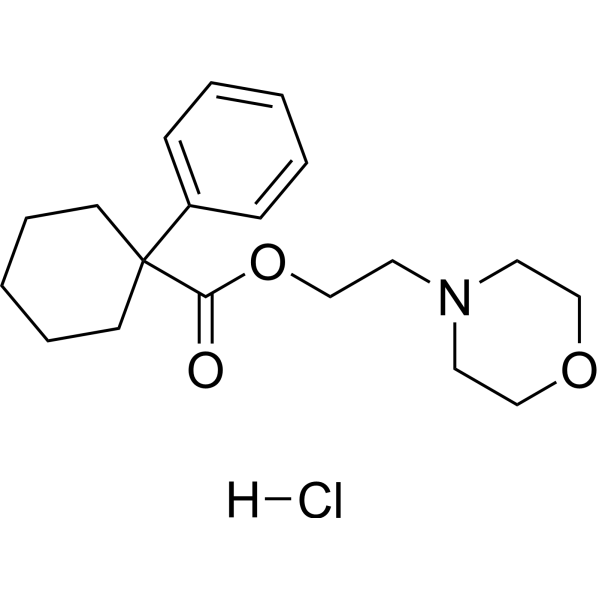
HY-18100A
PRE-084 hydrochlorideS1R Agonist -
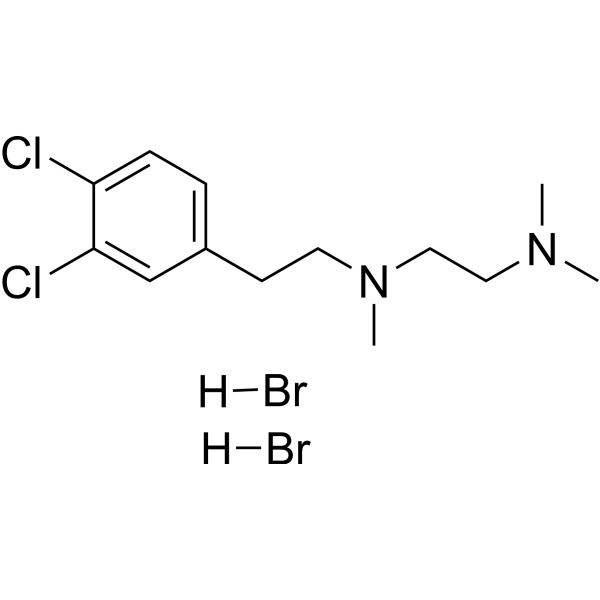
HY-16996A
BD-1047 dihydrobromideSigma-1 Receptor Antagonist -
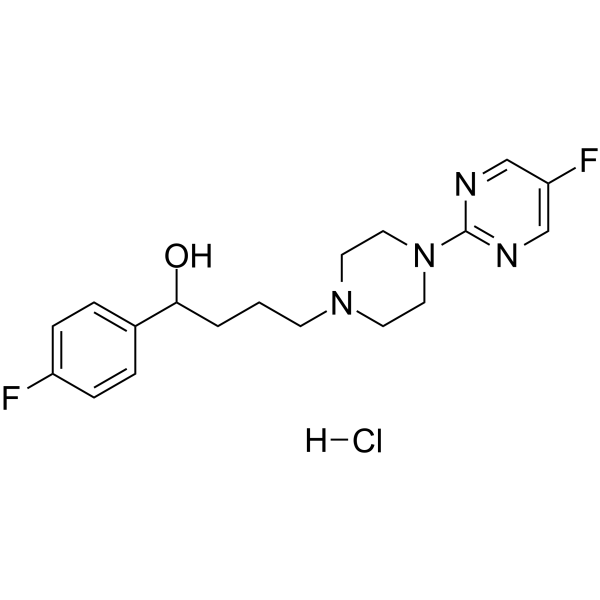
HY-108509
BMY-14802 hydrochlorideSigma Receptor Antagonist -
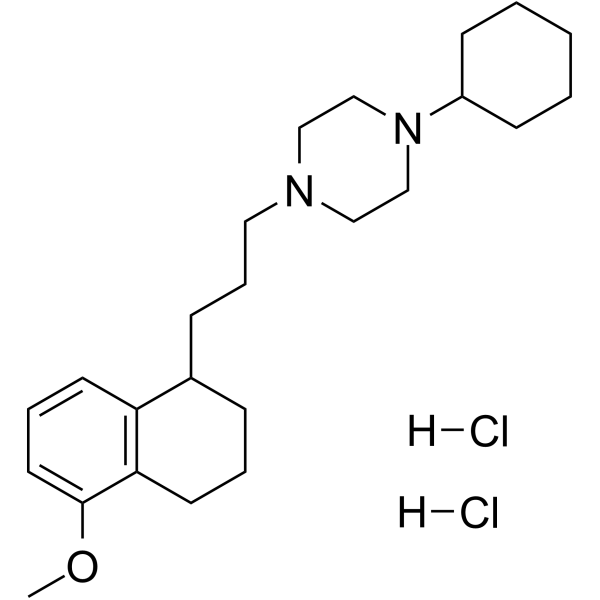
HY-108511
PB28 dihydrochlorideσ2 Receptor Agonist -
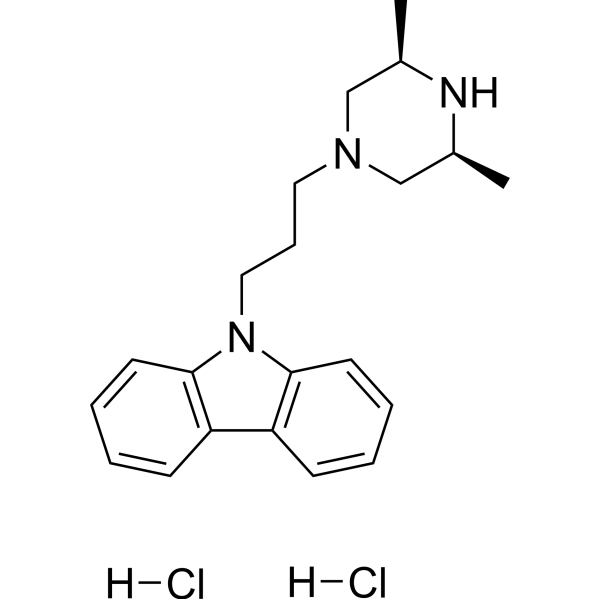
HY-108510
Rimcazole dihydrochlorideσ Receptor Antagonist -
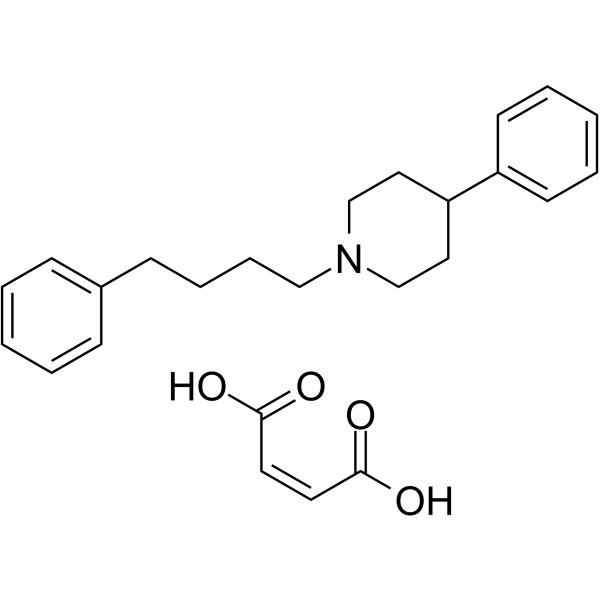
HY-101043
4-PPBP maleateσ 1 Receptor Ligand/Agonist -
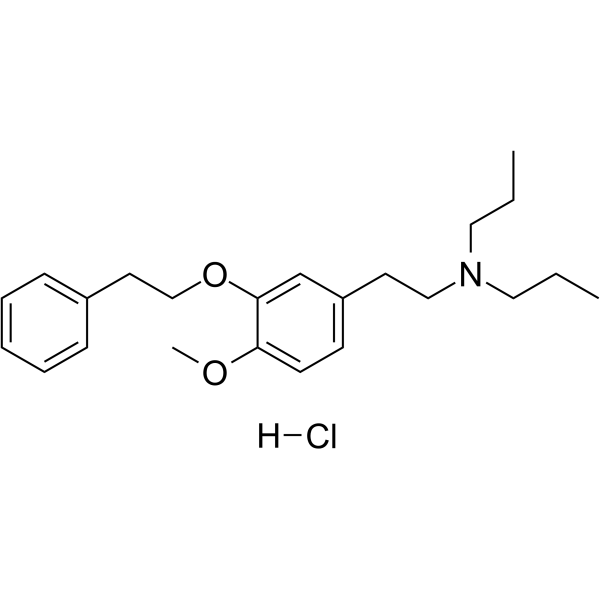
HY-101484A
NE-100 hydrochlorideSigma Receptor Antagonist -
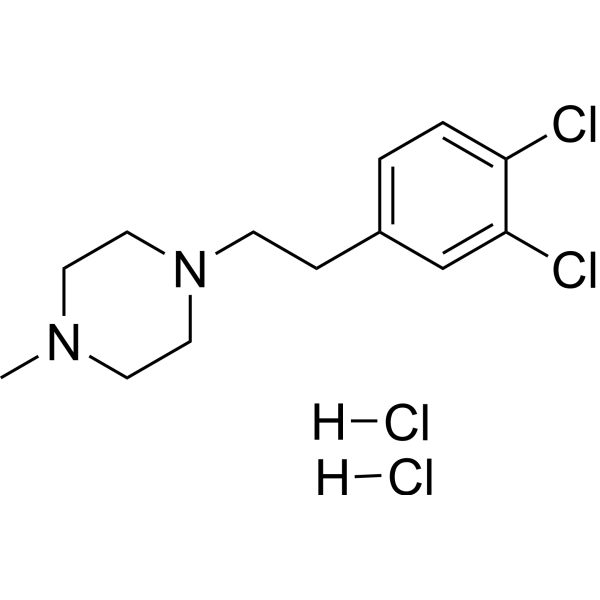
HY-18101A
BD-1063 dihydrochlorideσ-1R Antagonist -
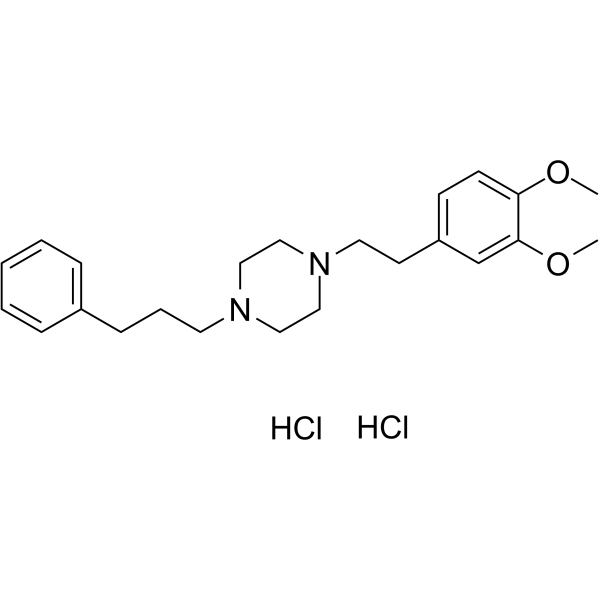
HY-13510
Cutamesine dihydrochlorideσ1R Agonist -
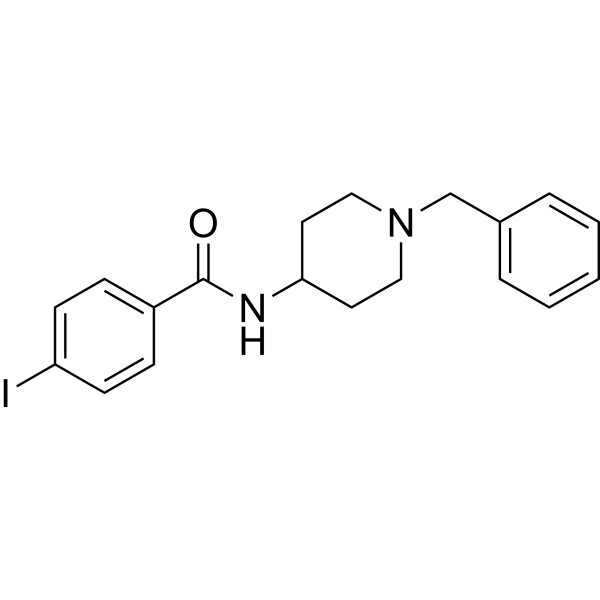
HY-100155
4-IBPσ1 Receptor Agonist -
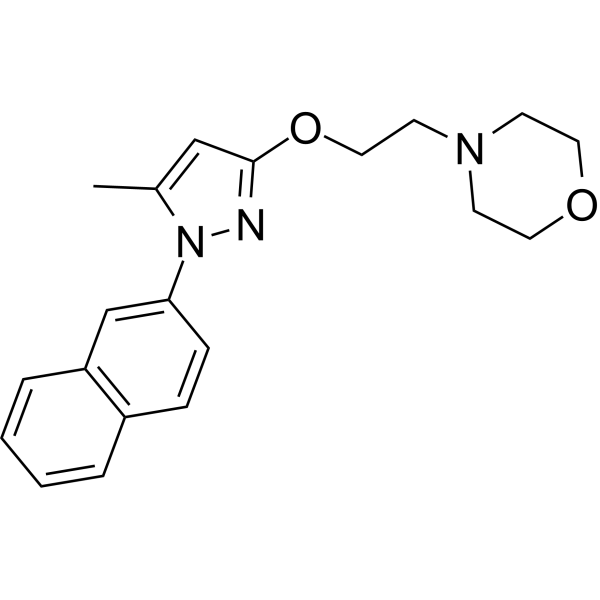
HY-18099
S1RAσ1R Antagonist -
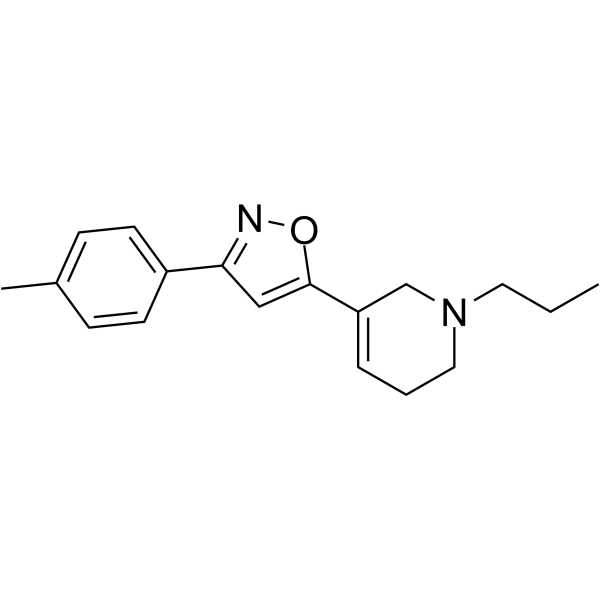
HY-108512
PD 144418σ1 Receptor Ligand


Product Information
Information
Application
The compound is the grade of analytical standard, which is the reference standard supplied assay. It is commonly used in qualitative, quantitative and methodological research experiments in HPLC, GC and MS.


Chemical Information
-
CAS No. 105565-55-7
-
Molecular Weight 384.85
-
Formula C18H23ClF2N4O
-
SMILES
[H]Cl.OC(C1=CC=C(F)C=C1)CCCN2CCN(C3=NC=C(F)C=N3)CC2
-
Synonyms
BMY-14802-1 (Standard); BMS 181100 hydrochloride (Standard)
-
Shipping
Room temperature in continental US; may vary elsewhere.
-
Storage
Please store the product under the recommended conditions in the Certificate of Analysis.


Purity & Documentation
References
[1]. J P Yevich, et al. Synthesis and biological characterization of alpha-(4-fluorophenyl)-4-(5-fluoro-2-pyrimidinyl)-1-piperazinebutanol and analogues as potential atypical antipsychotic agents. J Med Chem. 1992 Nov 27;35(24):4516-25. [Content Brief]
[2]. Nirmal Bhide, et al. The effects of BMY-14802 against L-DOPA- and dopamine agonist-induced dyskinesia in the hemiparkinsonian rat. Psychopharmacology (Berl). 2013 Jun;227(3):533-44. [Content Brief]
[3]. Melanie A Paquette, et al. The sigma-1 antagonist BMY-14802 inhibits L-DOPA-induced abnormal involuntary movements by a WAY-100635-sensitive mechanism. Psychopharmacology (Berl). 2009 Jul;204(4):743-54. [Content Brief]

Calculators
Concentration (start) × Volume (start) = Concentration (final) × Volume (final)


BMY-14802 hydrochloride (Standard) Related Classifications
HY-108509R Related Classifications
 Powered by Bioz