



XL413
Based on 8 publication(s) in Google Scholar
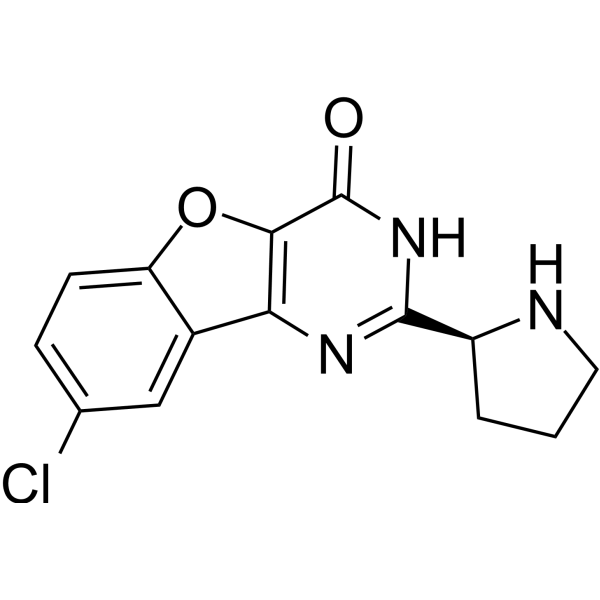
XL413 (BMS-863233) is an orally active, ATP-competitive, selective CDC7 kinase inhibitor. XL413 reduces MCM2 phosphorylation levels, decreases DNA replication origin activation, and inhibits CD69 upregulation in stimulated lymphocytes. XL-413 possesses cell-dependent antiproliferative and pro-apoptotic activities. XL413 attenuates ATR inhibitor-induced excessive origin activation, altered replication fork speed, and antiproliferative effects in sensitive cancer cells. XL413 inhibits SARS-CoV-2 infection. XL413 can be used for research related to cancer and SARS-CoV-2 infection.
Nos produits utilisent uniquement pour la recherche. Nous ne vendons pas aux patients.
- Pureté : 99.02%
- CAS No.: 1169558-38-6
- Formule: C14H12ClN3O2
- Masse moléculaire:289.72
-
Stockage:Powder -20°C, 3 years , 4°C, 2 years ; In solvent -80°C, 6 months , -20°C, 1 month

To place orders, for customer services and technical support, please contact: MedChemExpress USA
Tel: 609-228-6898 E-mail: [email protected] [email protected]


-
 Activité biologique
-
Chemical Information
- Protocole
- Pureté et documentation
- Références
-
 Help & FAQs


-
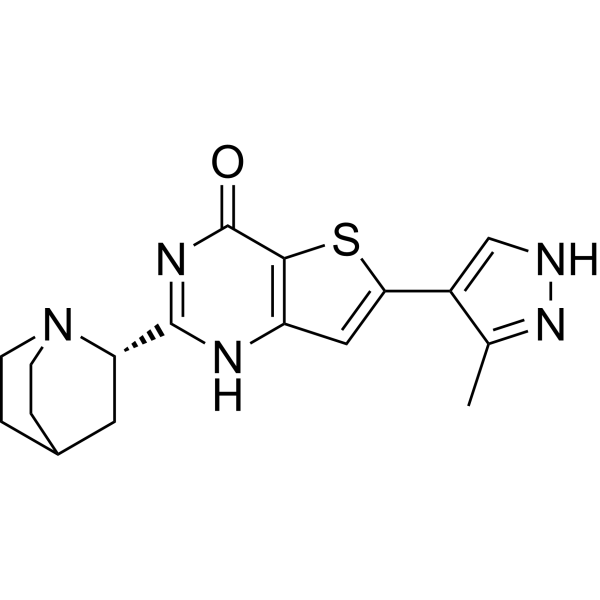
HY-100888
SimurosertibCDC7 Inhibitor -
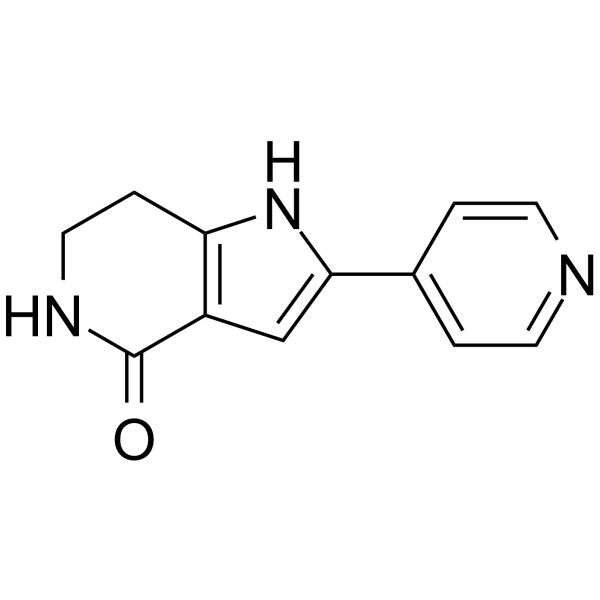
HY-13461
PHA-767491CDK Inhibitor -
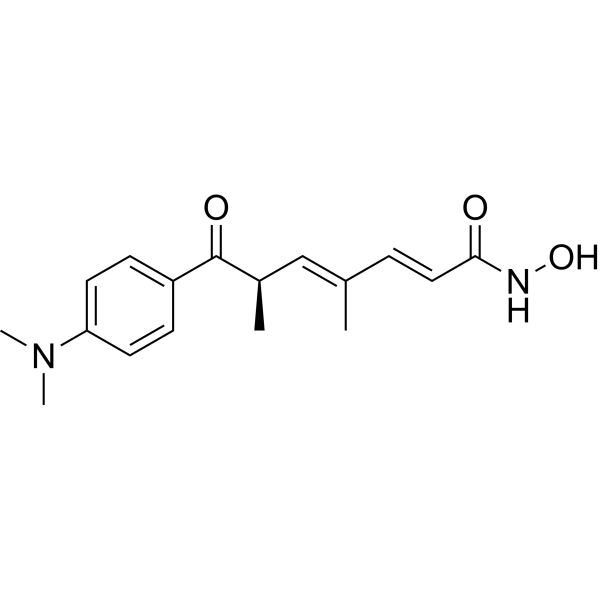
HY-15144
Trichostatin AHDAC Class I/II Inhibitor -
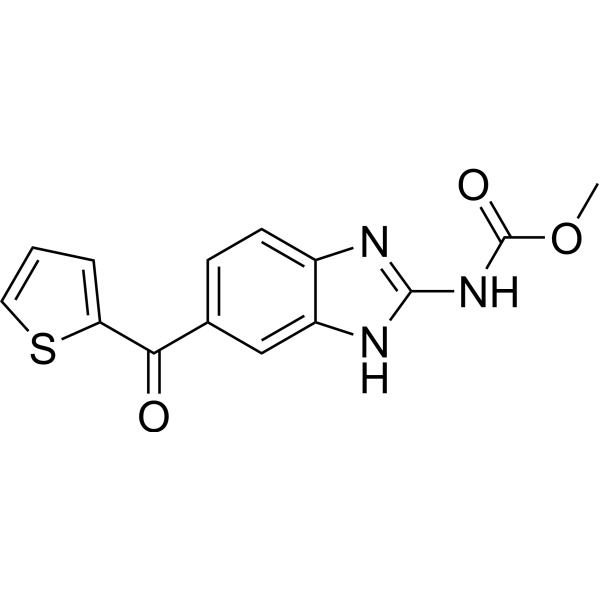
HY-13520
NocodazoleMicrotubule Inhibitor -
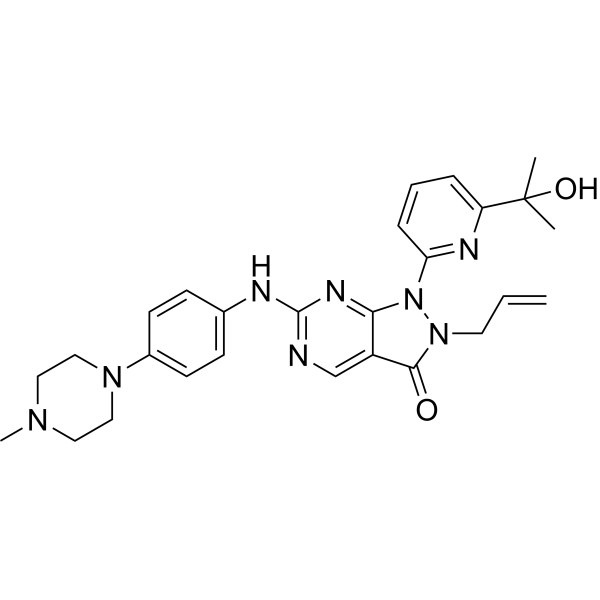
HY-10993
AdavosertibWee1 Inhibitor -
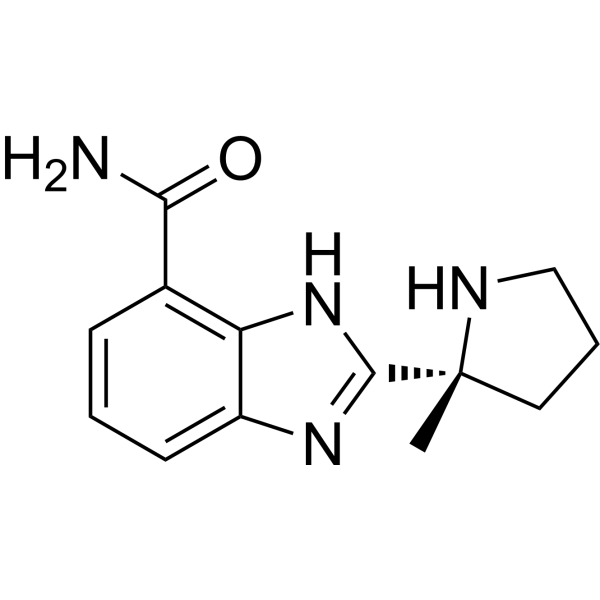
HY-10129
VeliparibPARP Inhibitor -

HY-Y0320
Dimethyl sulfoxide, meets analytical specification of Ch.P.Aprotic Solvent -
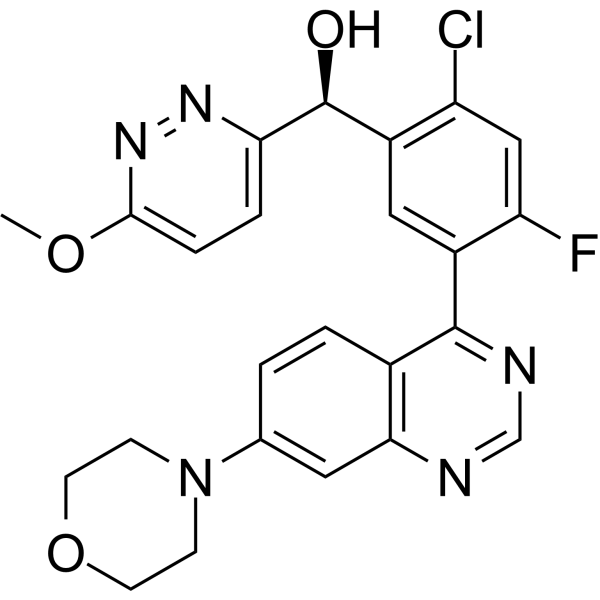
HY-101570
NedisertibDNA-PK Inhibitor -
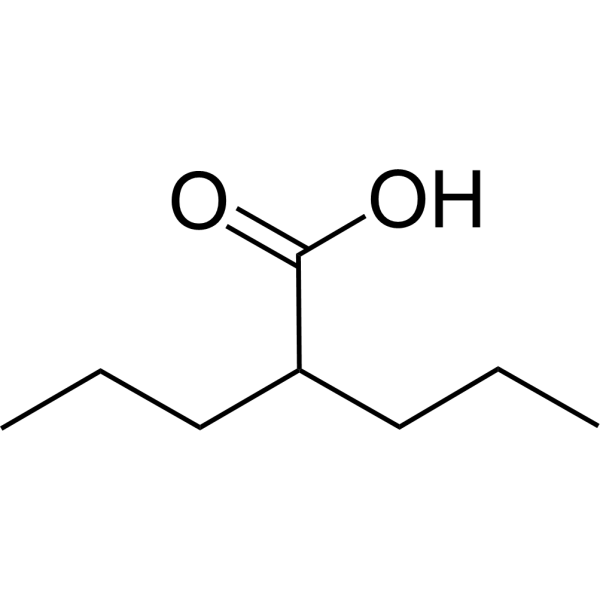
HY-10585
Valproic acidHDAC Inhibitor -
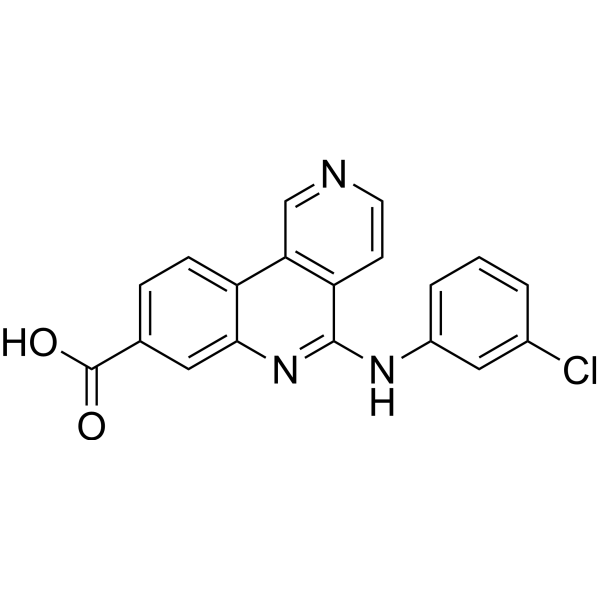
HY-50855
SilmitasertibCasein Kinase 2 Inhibitor -
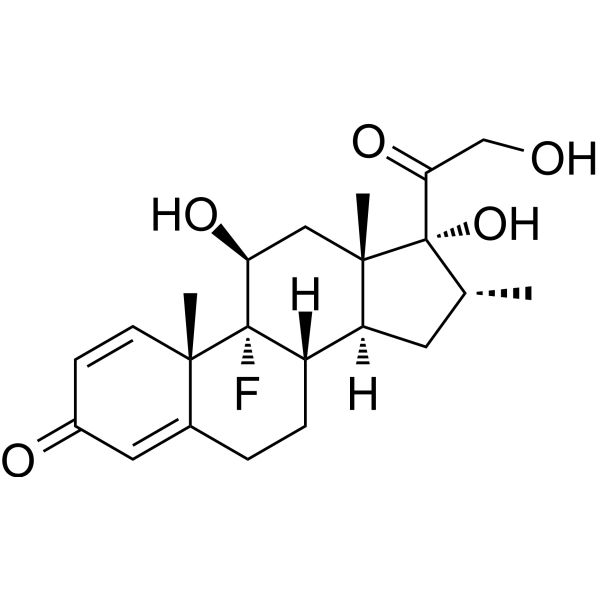
HY-14648
DexamethasoneGR Agonist -
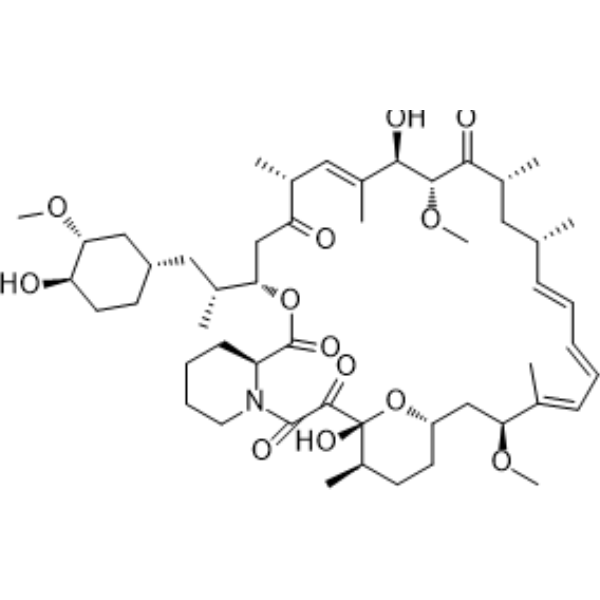
HY-10219
RapamycinmTOR Inhibitor
Publications Citing Use of MedChemExpress (MCE) XL413
More- Science. 2017 Dec 1;358(6367):eaan4368. [Abstract]
- MedComm (2020). 2025 May 15;6(6):e70150. [Abstract]
- J Transl Med. 2026 Jul 11.
- Sens Actuators B Chem. 15 May 2022, 131618.
- Oncogenesis. 2026 Apr 24;15(1):27. [Abstract]
- Am J Physiol Lung Cell Mol Physiol. 2018 Sep 1;315(3):L360-L370. [Abstract]
- bioRxiv. 2025 Dec 9.
- University of Washington. 2025.
 Customer Validation & Images

-
WB
Voir tous les produits spécifiques à Isoform Caspase
More

Activité biologique
Description
|
Cdc7 3.4 nM (IC50) |
Caspase 3 |
Caspase-7 |
Cellular Effect
|
Cell Line

|
Type | Value | Description | References |
|---|---|---|---|---|
| Caco-2 | EC50 |
2288 nM
Compound: 14, XL413
|
Induction of apoptosis in human Caco2 cells assessed as increase in caspase 3/7 activity
Induction of apoptosis in human Caco2 cells assessed as increase in caspase 3/7 activity
|
[PMID: 22560567] |
| Caco-2 | ED50 |
<3 mg/kg
Compound: 14, XL413
|
Inhibition of CDC7-mediated MCM2 phosphorylation at Ser40/41 in human Caco2 cells xenografted in po dosed athymic nude mouse by after 4 hrs Western blot analysis
Inhibition of CDC7-mediated MCM2 phosphorylation at Ser40/41 in human Caco2 cells xenografted in po dosed athymic nude mouse by after 4 hrs Western blot analysis
|
[PMID: 22560567] |
| Caco-2 | IC50 |
140 nM
Compound: 14, XL413
|
Inhibition of CDC7 in human Caco2 cells assessed as inhibition of MCM2 phosphorylation at Ser53 after 4 hrs
Inhibition of CDC7 in human Caco2 cells assessed as inhibition of MCM2 phosphorylation at Ser53 after 4 hrs
|
[PMID: 22560567] |
| Caco-2 | IC50 |
2142 nM
Compound: 14, XL413
|
Antiproliferative activity against human Caco2 cells assessed as decrease in cell viability after 3 days by Cell Titer-Glo assay
Antiproliferative activity against human Caco2 cells assessed as decrease in cell viability after 3 days by Cell Titer-Glo assay
|
[PMID: 22560567] |
| Caco-2 | IC50 |
2685 nM
Compound: 14, XL413
|
Antiproliferative activity against human Caco2 cells after 3 days by BrdU incorporation assay
Antiproliferative activity against human Caco2 cells after 3 days by BrdU incorporation assay
|
[PMID: 22560567] |
| Caco-2 | IC50 |
715 nM
Compound: 14, XL413
|
Antiproliferative activity against human Caco2 cells assessed as inhibition of anchorage-independent growth in soft agar
Antiproliferative activity against human Caco2 cells assessed as inhibition of anchorage-independent growth in soft agar
|
[PMID: 22560567] |
In Vitro
XL-413 (1 µM; 1 h) reduces baseline origin activation levels and reverses ATRi-induced alterations in origin density and replication fork speed in HCC1806 breast cancer cells; it decreases EdU incorporation and inhibits ATRi-induced replication origin hyperactivation in HCC1806 breast cancer cells[1].
XL-413 (0.25 µM; 72 h) partially rescues ATRi-mediated antiproliferative effects in the sensitive breast cancer cell lines HCC1806 and HCC1569[1].
XL-413 (BMS-863233) exhibits antiviral activity against infectious SARS-CoV-2 in Calu-1 cells and produces cytotoxic effects at higher concentrations[2].
XL-413 shows no detectable modulation of DDX39B-related protein-protein interactions at concentrations of 5 μM and 50 μM in HEK293 cells[2].
XL-413 exhibits potent inhibitory activity against purified recombinant DDK (Cdc7-Dbf4) kinase, with IC50 = 22.7 nM[4].
XL-413 (5 μM; 24-72 h) abolishes DDK-dependent MCM2 phosphorylation in Colo-205 cells, whereas only a slight decrease in MCM2 phosphorylation is observed at 72 h in HCC1954 cells[4].
XL-413 potently and selectively inhibits CDC7 kinase activity in Jurkat cells and OT-I CTLs; it inhibits CDC7 with an IC50 of 3.4 nM in biochemical assays[3].
XL-413 inhibits the expression of the early T cell activation marker CD69 in anti-CD3-stimulated mouse lymphocytes[3].
XL-413 (5 μM; 72 h) exhibits potent antiproliferative and pro-apoptotic activity against Colo-205 colorectal cancer cells (IC50 = 1.1 μM), but shows weak antiproliferative effects on HCC1954 breast cancer cells (IC50 = 22.9 μM)[4].
MedChemExpress (MCE) has not independently confirmed the accuracy of these methods. They are for reference only. Further protocols information, click here.
-
Cell Line:HCC1806 and HCC1569 breast cancer cells
-
Concentration:0.25 µM (co-administered with ATRi)
-
Incubation Time:72 h
-
Result:Reduced the anti-proliferative effect of ATRi in both HCC1806 and HCC1569 ATRi-sensitive breast cancer cell lines, indicating partial rescue of ATRi sensitivity when origin firing capacity is lowered via CDC7 inhibition.
-
Cell Line:HCC1954, HeLa, MDA‑MB‑231, HCC1187, BT‑549, MDA‑MB‑453 and MCF‑7 tumor cell lines
-
Concentration:5 μM
-
Incubation Time:72 h
-
Result:Displayed weak antiproliferative activity against HCC1954, HeLa, MDA‑MB‑231, HCC1187, BT‑549, MDA‑MB‑453 and MCF‑7 tumor cell lines, while it shows strong antiproliferative activity against Colo‑205 tumor cells.
-
Cell Line:Colo-205 cells
-
Concentration:5 μM
-
Incubation Time:0, 24, 48, 72 h
-
Result:Abolished DDK-dependent MCM2 phosphorylation in Colo-205 cells, whereas only a slight decrease in MCM2 phosphorylation is observed at 72 h in HCC1954 cells.
In Vivo
MedChemExpress (MCE) has not independently confirmed the accuracy of these methods. They are for reference only.


Chemical Information
-
CAS No. 1169558-38-6
-
Appearance Solid
-
Masse moléculaire 289.72
-
Formule C14H12ClN3O2
-
Color Off-white to light yellow
-
SMILES
ClC1=CC=C2C(C(N=C([C@@H]3CCCN3)NC4=O)=C4O2)=C1
-
Synonyms
BMS-863233
-
Livraison
Room temperature in continental US; may vary elsewhere.
-
Stockage
Powder -20°C 3 years 4°C 2 years In solvent -80°C 6 months -20°C 1 month


Publications (8)
-
Journal Impact Factor
-
Most Recent
-
Science
2017 Dec 1;358(6367):eaan4368. PMID: 29191878 -
MedComm (2020)
2025 May 15;6(6):e70150. PMID: 40384988 -
-
-
Oncogenesis
2026 Apr 24;15(1):27. PMID: 42031714 -
Am J Physiol Lung Cell Mol Physiol
Cell division cycle 7 kinase is a negative regulator of cell-mediated collagen degradation. [Abstract]2018 Sep 1;315(3):L360-L370. PMID: 29792348
XL413 purchased from MedChemExpress. Usage Cited in: Am J Physiol Lung Cell Mol Physiol. 2018 Sep 1;315(3):L360-L370. [Abstract]
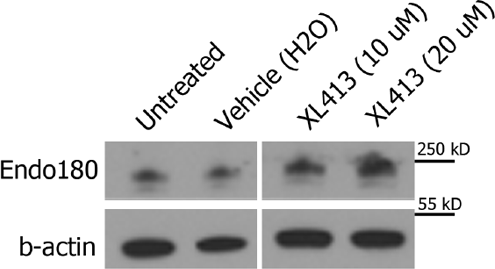
Representative Western blot for Endo180 expression in U937 cells treated overnight with XL413.
-
-

Protocole
-
Kinase activity and phosphorylation assays
Kinase activity assays measure the ability of kinases to transfer phosphate groups from ATP to specific substrates, while phosphorylation assays detect the presence and levels of phosphorylated proteins. Common methods include radiolabeled ATP incorporation (e. g. ,), ADP release detection via bioluminescence (e. g. ,[3]), enzyme-linked immunosorbent assays (ELISA) for phospho-specific epitopes (e. g. ,[6]), and microtiter-based formats for high-throughput screening (e. g. ,[8]). The ADP-Glo assay quantifies kinase activity by measuring ADP produced during phosphorylation using a luciferase-based system. Radiometric assays involve autoradiography or scintillation counting after incorporation of 32P-labeled ATP into substrate proteins. ELISA-based approaches rely on phospho-specific antibodies to detect activated kinases in cell lysates or purified samples.
-
Western Blot
Western blotting (WB) is a commonly used experimental method in molecular biology, biochemistry, and immunogenetics for identifying and quantifying target proteins. It combines gel electrophoresis with immunoassay, enabling researchers to analyze protein expression, post-translational modifications, and molecular weight.
-
Research Protocol for Infectious Diseases
Infectious-disease experiments test how pathogens interact with host barriers, innate immune receptors, inflammatory signaling, pathogen replication, and tissue injury; pattern-recognition receptors such as TLRs, RIG-I-like receptors, NOD-like receptors, and inflammasomes detect microbial molecules and activate NF-κB, interferon, and cytokine responses. The central hypothesis is that infection severity reflects the balance between pathogen burden and host response: protective inflammation restricts pathogen growth, whereas excessive or mislocalized inflammation contributes to tissue damage and disease phenotype. Unresolved questions include which host pathways are protective versus pathogenic, why some infection models fail to translate to human disease, and which combined readouts best predict clinically relevant infection outcomes.
-
Apoptosis
Apoptosis, also called programmed cell death, is generally characterized by distinct morphological characteristics.
-
PCNA Immunodetection Proliferation Assay
PCNA immunodetection measures proliferative activity by detecting proliferating cell nuclear antigen, a nuclear protein associated with DNA polymerase δ function and DNA replication. The assay readout is the proportion of PCNA-positive nuclei among total counted cells, but PCNA labeling is not identical to BrdU labeling because PCNA can mark late G1/early S-associated replication competence and may persist beyond active DNA synthesis depending on fixation and extraction conditions.
-
Apoptosis Solutions
Apoptosis is a regulated, generally non-lytic cell-death pathway that removes unwanted, damaged, infected, or abnormal cells through coordinated morphological changes, caspase activation, DNA fragmentation, and membrane remodeling. The intrinsic apoptosis pathway is controlled mainly by mitochondrial outer membrane permeabilization, BCL-2 family proteins, cytochrome c release, apoptosome formation, caspase-9 activation, and downstream executioner caspase-3/7 activation. The extrinsic apoptosis pathway is initiated by death receptors such as Fas, TNFR, and TRAIL receptors, which recruit adaptor proteins and activate caspase-8 before engaging executioner caspases or mitochondrial amplification through BID cleavage. Apoptosis is linked to many phenotypes, including cancer cell killing, tissue homeostasis, immune regulation, neurodegeneration, infection response, and treatment-induced cytotoxicity; unresolved questions include how apoptosis interacts with necroptosis, pyroptosis, ferroptos
-
Protocol for Kinase activity and phosphorylation assays
Kinase activity assays measure transfer of phosphate from ATP to a protein or peptide substrate, generating phosphorylated substrate, ADP, or incorporated radiolabeled phosphate as the readout; phosphorylation assays measure site-specific phosphorylation in cells or tissues as a proxy for kinase-pathway activation, inhibition, or substrate regulation. Phosphorylation can be detected by phospho-specific Western blot, immunoprecipitation kinase assay, phospho-immunofluorescence, phospho-flow cytometry, luminescent ADP detection, radiolabeled ATP incorporation, or reporter-based pathway assays, and these readouts can be applied to cancer cells, primary neurons, mouse tumors, organoids, inflammatory macrophages, ferroptosis studies, and mitophagy studies when the kinase target is biologically relevant.
-
Cell Viability Determination by MTT Colorimetric Assay
The following protocol uses the MTT colorimetric assay as a classic literature-established method for assessing cell viability/metabolic activity in cultured mammalian cells. MTT[3-(4,5-dimethylthiazol-2-yl)-2,5-diphenyltetrazolium bromide] is reduced by metabolically active cells to a colored formazan product; the amount of formazan is quantified spectrophotometrically and provides an indirect measure of metabolically active viable cells. Importantly, MTT reduction reflects cellular oxidoreductase/metabolic activity rather than an absolute direct count of living cells, so changes in cellular metabolism can alter the signal independently of cell number.


Pureté et documentation
-
Fiche technique (297 KB)
-
SDS (392 KB)
- English - EN (392 KB)
- Français - FR (392 KB)
- Deutsch - DE (392 KB)
- Norwegian - NO (392 KB)
- Español - ES (392 KB)
- Swedish - SV (392 KB)
- Italian - IT (392 KB)
- Korean - KR (392 KB)
- Portuguese - PT (392 KB)
-
Instruction de manipulation (2659 KB)
Références
[2]. Liu X, et al. SARS-CoV-2-host proteome interactions for antiviral drug discovery. Molecular systems biology. 2021 Nov;17(11):e10396. [Content Brief]
[3]. Chen EW, et al. A Dual Inhibitor of Cdc7/Cdk9 Potently Suppresses T Cell Activation. Frontiers in immunology. 2019;10:1718. [Content Brief]
[4]. Sasi NK, et al. The potent Cdc7-Dbf4 (DDK) kinase inhibitor XL413 has limited activity in many cancer cell lines and discovery of potential new DDK inhibitor scaffolds. PLoS One. 2014 Nov 20;9(11):e113300. [Content Brief]

Calculators
Concentration (start) × Volume (start) = Concentration (final) × Volume (final)


XL413 Related Classifications
HY-15260 Related Classifications
 Powered by Bioz