1. Search Result
Search Result
Pathways Recommended: Stem Cell/Wnt Cell Cycle/DNA Damage
Results for "

HeLa cancer cells

" in MedChemExpress (MCE) Product Catalog:

258

Inhibitors & Agonists

10

Fluorescent Dyes

11

Biochemical Assay Reagents

9

Peptides

1

Inhibitory Antibodies

66

Natural
Products

5

Isotope-Labeled Compounds

1

Click Chemistry

3

Oligonucleotides

2

GMP Molecules

Cat. No. Product Name Target Research Areas Chemical Structure
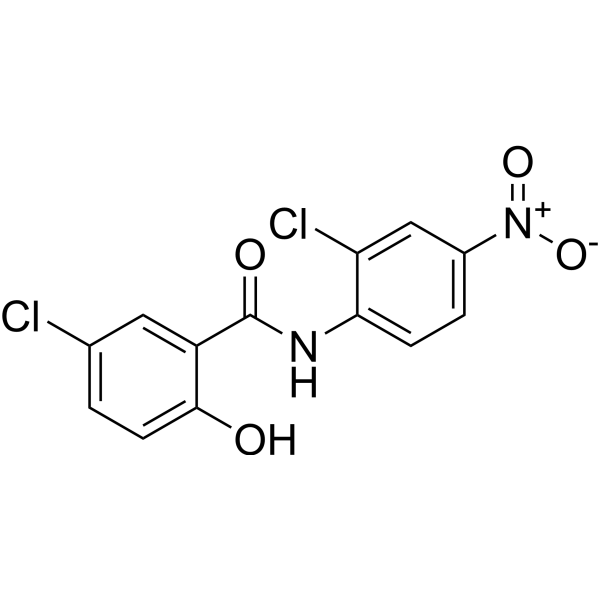
  • HY-B0497
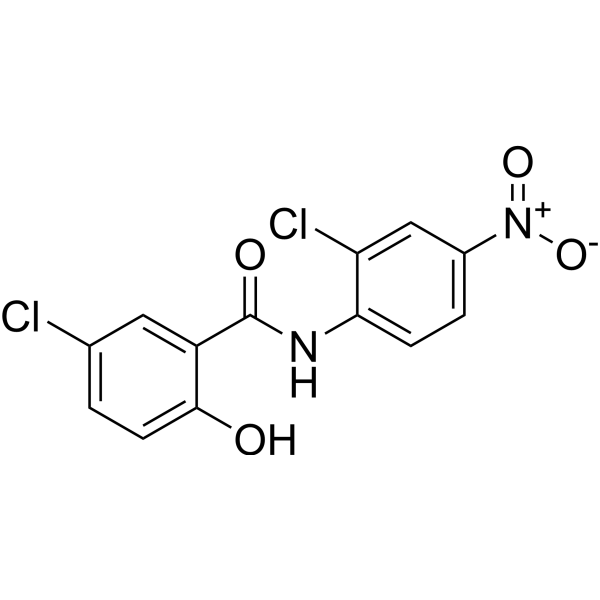
    Niclosamide
    35+ Cited Publications

    BAY2353

    Environmental Pollutants Antibiotic Parasite STAT Infection Cancer
    Niclosamide (BAY2353) is an orally active antihelminthic agent used in parasitic infection research . Niclosamide is a STAT3 inhibitor with an IC50 of 0.25 μM in HeLa cells . Niclosamide has biological activities against cancer, inhibits DNA replication in Vero E6 cells .
    Niclosamide
  • HY-N0124
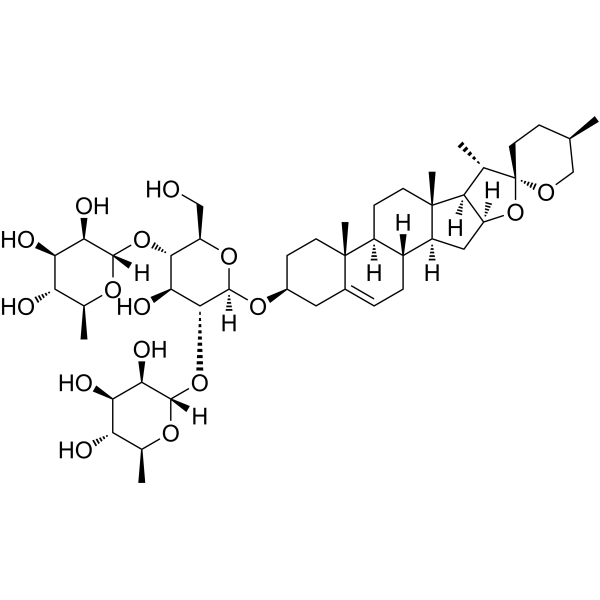
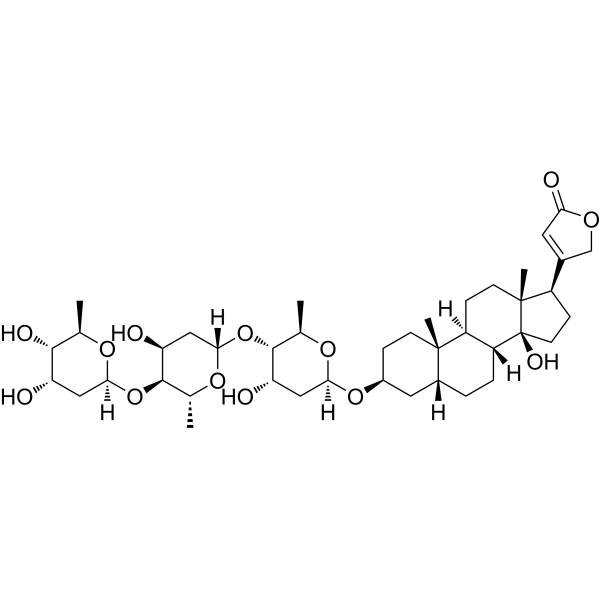
    Dioscin
    10+ Cited Publications

    Collettiside III; CCRIS 4123

    Autophagy Apoptosis Cardiovascular Disease Cancer
    Dioscin (CCRIS 4123; Collettiside III) is a natural plant-derived steroidal saponin that has good anti-cancer activity against a variety of cancer cells. Dioscin causes DNA damage and induces apoptosis in HeLa and SiHa cells. Dioscin regulates ROS-mediated DNA damage and mitochondrial signaling pathways, exerting anticancer activity .
    Dioscin
  • HY-12033
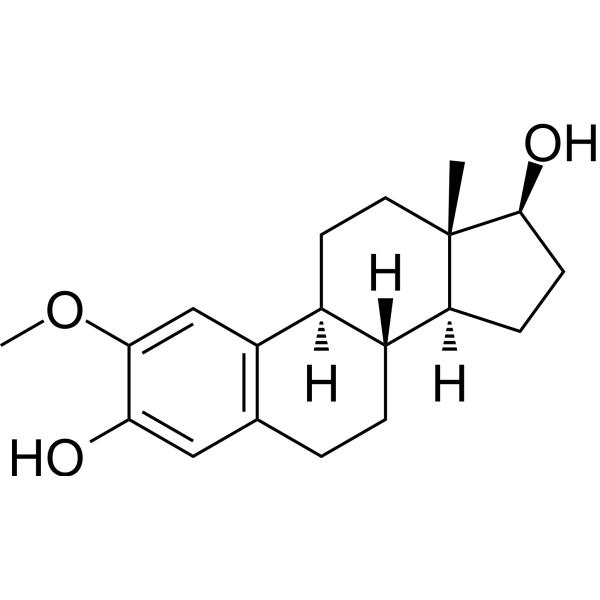
    2-Methoxyestradiol
    30+ Cited Publications

    2-ME2; NSC-659853

    Microtubule/Tubulin Reactive Oxygen Species (ROS) Apoptosis Autophagy Endogenous Metabolite Cancer
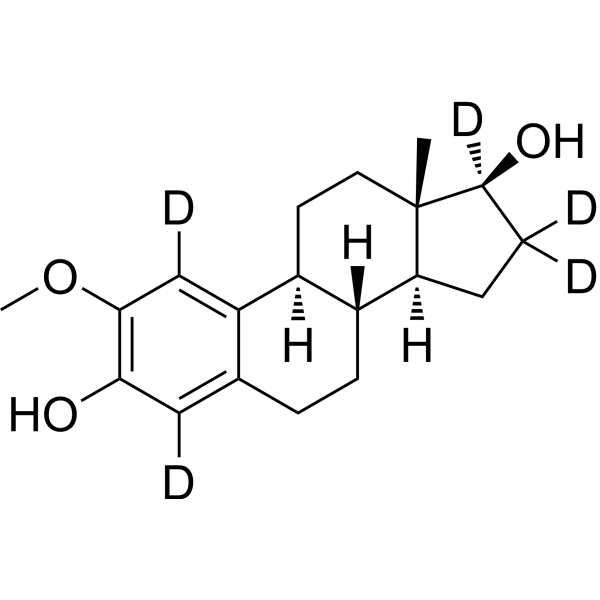
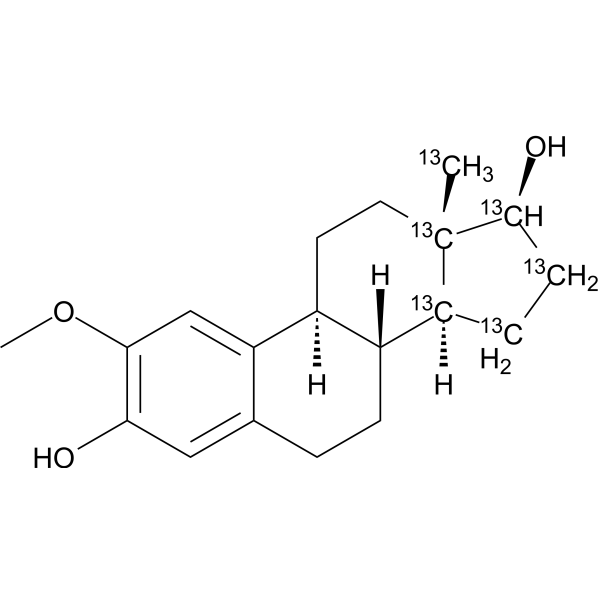
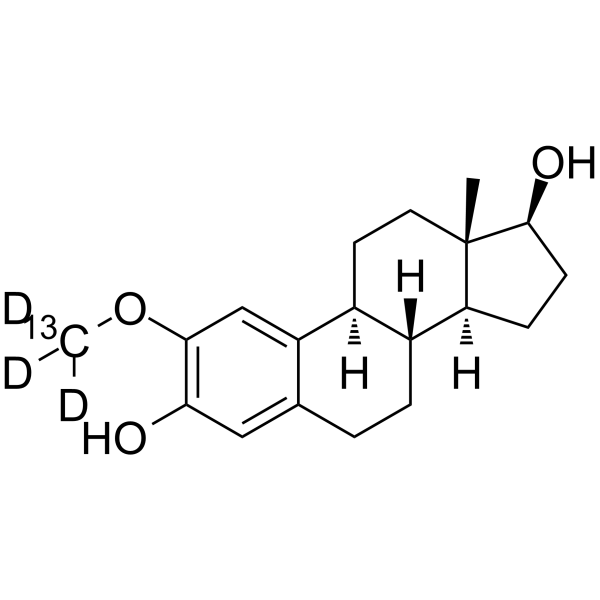
    2-Methoxyestradiol (2-ME2), an orally active endogenous metabolite of 17β-estradiol (E2), is an apoptosis inducer and an angiogenesis inhibitor with potent antineoplastic activity. 2-Methoxyestradiol also destablize microtubules. 2-Methoxyestradio, also a potent superoxide dismutase (SOD) inhibitor and a ROS-generating agent, induces autophagy in the transformed cell line HEK293 and the cancer cell lines U87 and HeLa .
    2-Methoxyestradiol
  • HY-159607

    PROTACs SWI/SNF Complex Cancer
    PRT3789 is a selective SMARCA2 PROTAC degrader (DC50 in HeLa cell: 0.72 nM for SMARCA2, 14 nM for SMARCA4). PRT3789 forms a stable ternary complex with Von Hippel-Lindau (VHL) E3 ligase, induces polyubiquitination at SMARCA2-specific lysine residues, and drives proteasome-dependent SMARCA2 degradation. PRT3789 disrupts SWI/SNF chromatin remodeling complex integrity, induces dissociation of specific subunits, suppresses oncogenic gene expression, reduces chromatin accessibility, and upregulates antigen processing/presentation-related gene expression. PRT3789 induces synthetic lethality, inhibits proliferation and colony formation, and drives tumor growth inhibition and regression in SMARCA4-deficient contexts. PRT3789 can be used for the research of SMARCA4-mutated solid tumors, non-small cell lung cancer, endometrial cancer, colorectal cancer, bladder cancer, esophageal cancer, ovarian cancer, and gastric cancer .
    PRT3789
  • HY-100591
    SirReal2
    2 Publications Verification

    Sirtuin Neurological Disease Inflammation/Immunology Cancer
    SirReal2 is a potent, isotype-selective Sirt2 inhibitor with an IC50 value of 140 nM and has very little effect on the activities of Sirt3-5. SirReal2 leads to tubulin hyperacetylation in HeLa cells and induces destabilization of the checkpoint protein BubR1. SirReal2 combined with VS-5584 (HY-16585) suppresses tumor growth and extends the survival rate of mice in tumor xenograft model. SirReal2 is is promising for research of cancer, inflammation and neurodegeneration .
    SirReal2
  • HY-125474
    Carrageenan
    1 Publications Verification

    Environmental Pollutants HIV HSV Infection Cancer
    Carrageenan is an antiviral and anticancer agent. Carrageenan inhibits herpes simplex virus (HSV), HIV, and hepatitis A virus (HAV) by directly binding to the viral capsid to block the attachment of viruses such as HPV to HSPG factors on the cell surface. Carrageenan delays and arrests cell cycle progression, exhibits cytotoxicity against HeLa cancer cells, and can be applied to studies related to cervical cancer, genital warts, hepatitis A, and other conditions. Carrageenan also induces acute non-immune inflammation, triggers a three-phase inflammatory response involving the release of multiple proinflammatory mediators, and causes persistent edema, hyperalgesia, and neutrophil recruitment in mice .
    Carrageenan
  • HY-B0497C
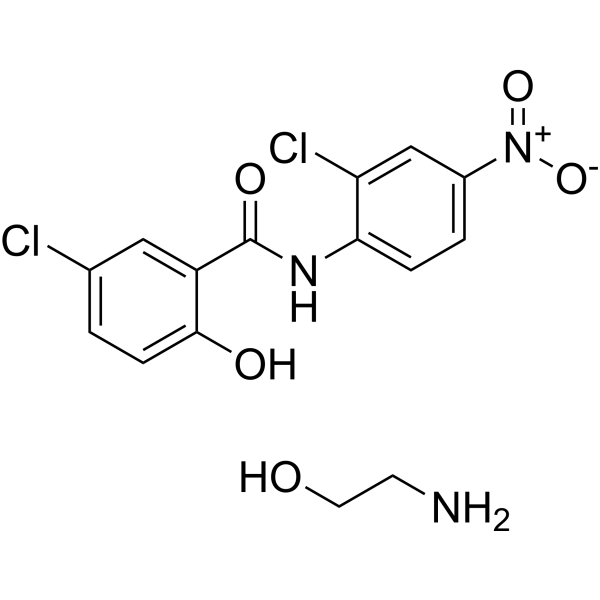
    Niclosamide olamine
    35+ Cited Publications

    BAY2353 olamine

    Environmental Pollutants Antibiotic STAT Parasite Infection Cancer
    Niclosamide (BAY2353) olamine is an orally active antihelminthic agent used in parasitic infection research . Niclosamide olamin is a STAT3 inhibitor with an IC50 of 0.25 μM in HeLa cells . Niclosamide olamin has biological activities against cancer, and inhibits DNA replication in Vero E6 cells .
    Niclosamide olamine
  • HY-N1511
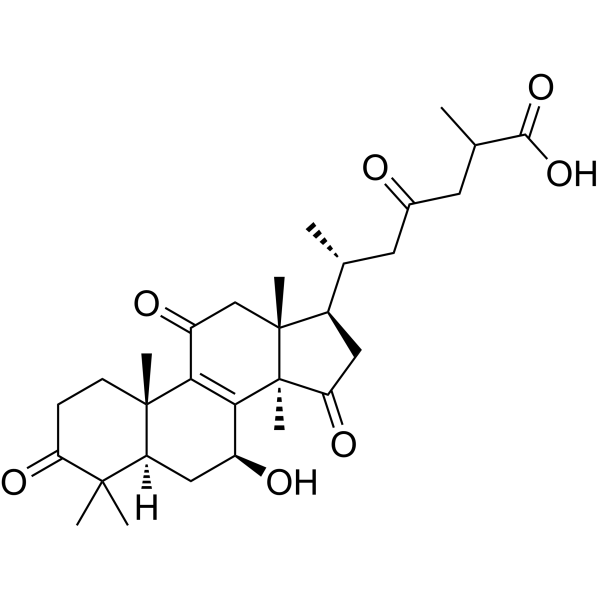
    Ganoderic acid D
    2 Publications Verification

    Sirtuin Apoptosis Cancer
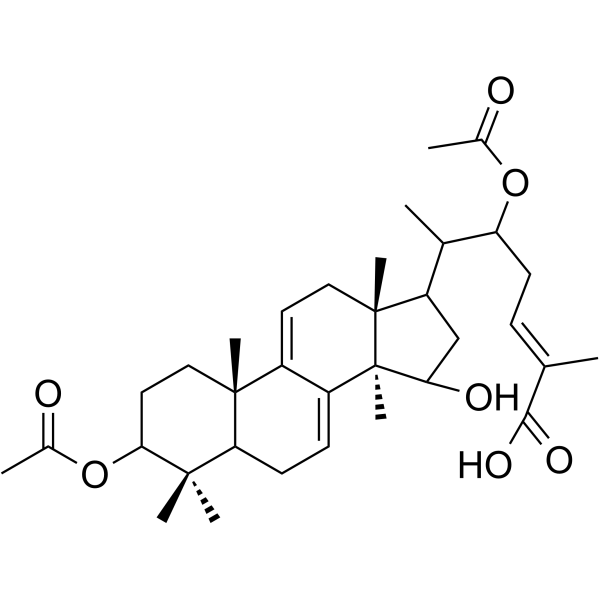
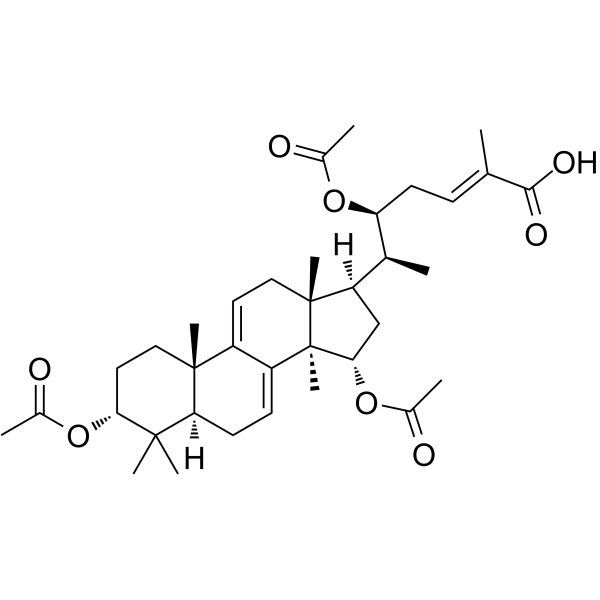
    Ganoderic acid D, a highly oxygenated tetracyclic triterpenoid, is the major active component of Ganoderma lucidum. Ganoderic acid D upregulates the protein expression of SIRT3 and induces the deacetylated cyclophilin D (CypD) by SIRT3. Ganoderic acid D inhibits the energy reprogramming of colon cancer cells including glucose uptake, lactate production, pyruvate and acetyl-coenzyme production in colon cancer cells . Ganoderic acid D induces HeLa human cervical carcinoma apoptosis .
    Ganoderic acid D
  • HY-110156
    YZ9
    1 Publications Verification

    Phosphatase Cancer
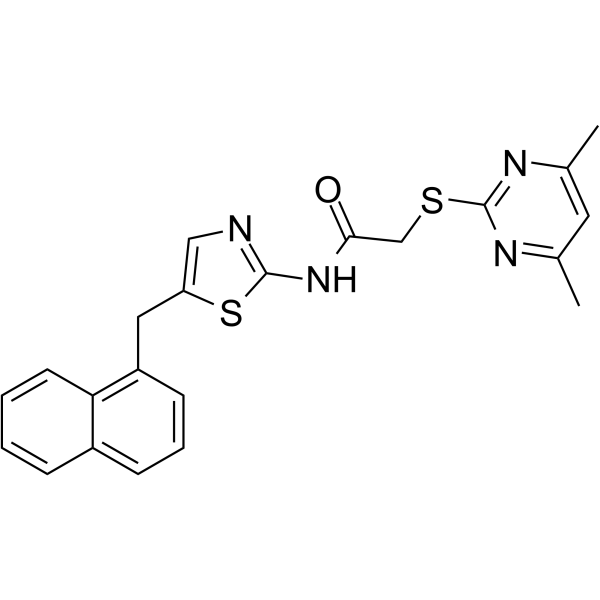
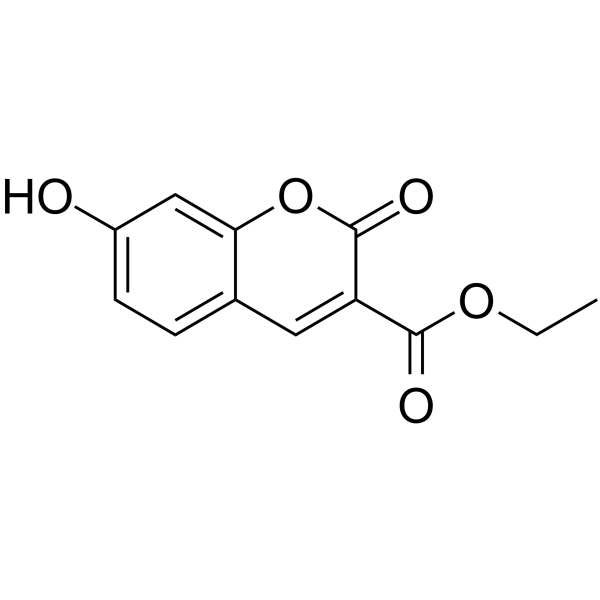
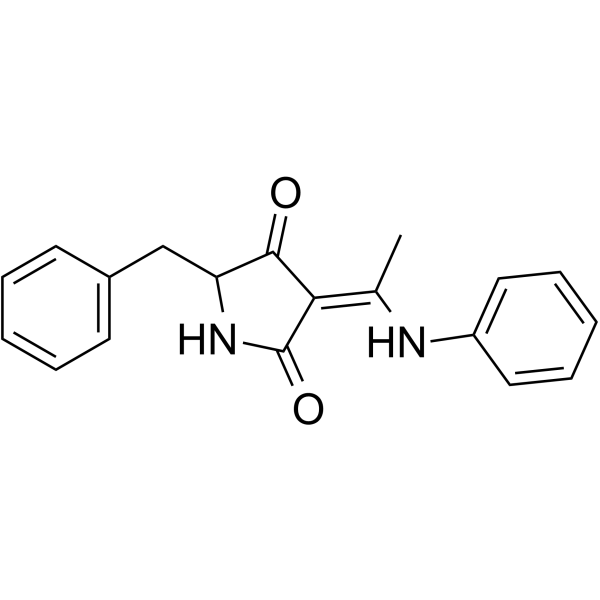
    Y29 is a potent PFKFB3 inhibitor with an IC50 of 0.183 µM, and acts as a competitive inhibitor against Fru-6-P with a Ki value of 0.094 µM. Y29 exhibits antitumor effects against cervical cancer .
    YZ9
  • HY-N1464A

    Complement System Apoptosis Cancer
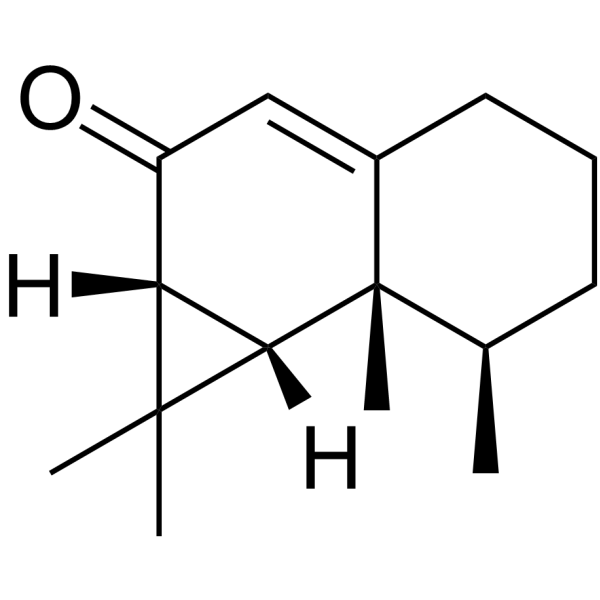
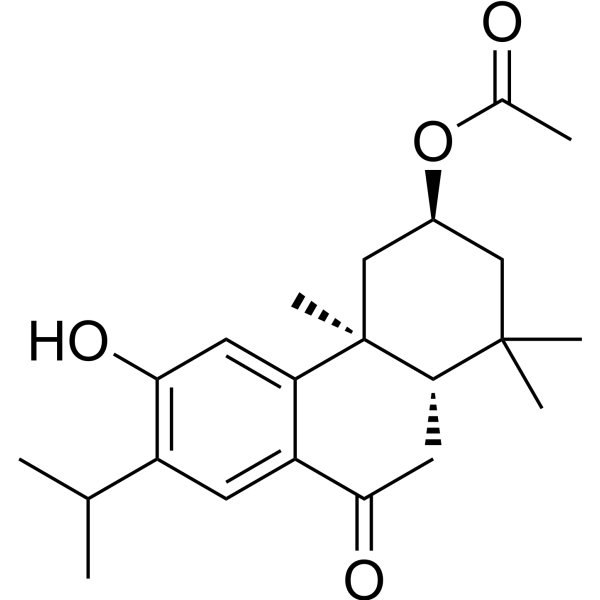
    Aristolone is a sesquiterpene that can be isolated from Aristolochia debilis, Rosmarinus officinalis and Ficus Auriculata. Aristolone in Ara Fruit can be used as a prediction of apoptosis in HeLa cells. Aristolone inhibits the C1 complement component. Aristolone produces cytotoxicity effects on cells. Aristolone has anticancer properties and can be studied in research for cervical cancer .
    Aristolone
  • HY-169056

    Reactive Oxygen Species (ROS) Cancer
    SLC7A11-IN-2 (Compound 1) is an SLC7A11/xCT inhibitor. SLC7A11-IN-2 induces cell death in HeLa cells by lowering intracellular glutathione levels and increasing oxidative stress, thereby disrupting the oxidative balance within the cells, with an IC50 value of 10.23 μM. Molecular dynamics simulation analysis indicates that SLC7A11-IN-2 has a stronger binding affinity to SLC7A11 compared to Erastin (HY-15763). SLC7A11-IN-2 can be utilized in research within the field of cervical cancer .
    SLC7A11-IN-2
  • HY-N4208
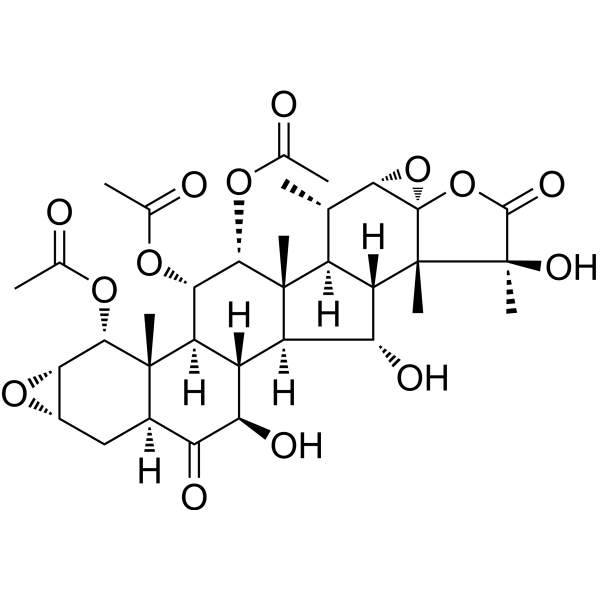
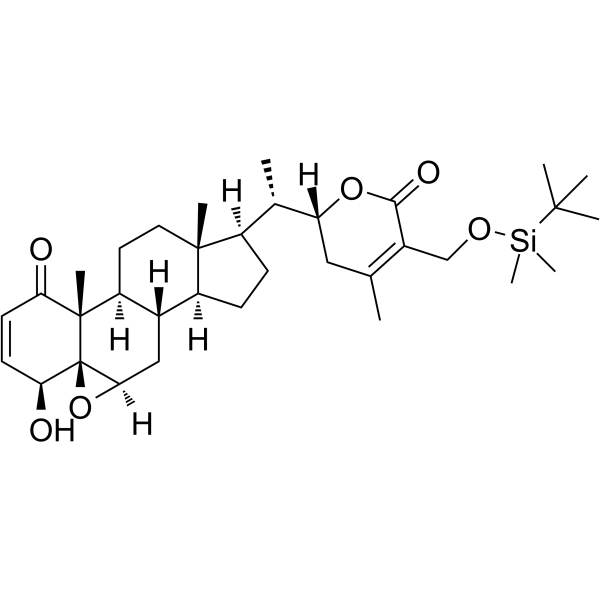
    Taccalonolide AJ
    1 Publications Verification

    Microtubule/Tubulin Cancer
    Taccalonolide AJ is a semi-synthesis compound with cellular microtubule stabilizing activity. Taccalonolide AJ exhibits high potency antiproliferative activity against cancer cells, with an IC50 of 4.2 nM for HeLa cells .
    Taccalonolide AJ
  • HY-N0124R

    Collettiside III (Standard); CCRIS 4123 (Standard)

    Reference Standards Autophagy Apoptosis Cardiovascular Disease Cancer
    Dioscin (Standard) is the analytical standard of Dioscin. This product is intended for research and analytical applications. Dioscin (CCRIS 4123; Collettiside III) is a natural plant-derived steroidal saponin that has good anti-cancer activity against a variety of cancer cells. Dioscin causes DNA damage and induces apoptosis in HeLa and SiHa cells. Dioscin regulates ROS-mediated DNA damage and mitochondrial signaling pathways, exerting anticancer activity .
    Dioscin (Standard)
  • HY-B0497R

    BAY2353 (Standard)

    Reference Standards STAT Parasite Antibiotic Infection Cancer
    Niclosamide (Standard) is the analytical standard of Niclosamide. This product is intended for research and analytical applications. Niclosamide (BAY2353) is an orally active antihelminthic agent used in parasitic infection research . Niclosamide is a STAT3 inhibitor with an IC50 of 0.25 μM in HeLa cells . Niclosamide has biological activities against cancer, inhibits DNA replication in Vero E6 cells .
    Niclosamide (Standard)
  • HY-157516

    CDK Cancer
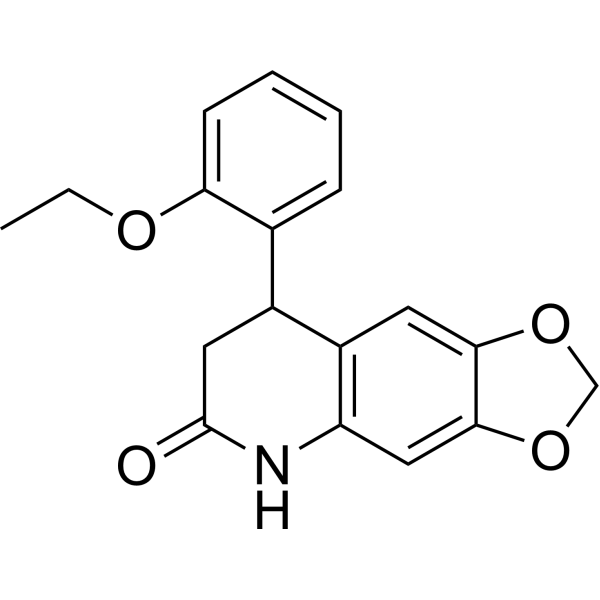
    CDK2-IN-22 (compound 7I) is a potent CDK2 inhibitor with an IC50 of 64.42 nM. CDK2-IN-22 presents a broad antiproliferative efficacy toward diverse cancer cells MV4-11, HT-29, MCF-7, and HeLa with IC50 values of 0.83 μM, 2.12 μM, 3.12 μM, and 8.61 μM, respectively .
    CDK2-IN-22
  • HY-169086

    PROTACs Cancer
    KL-465 is a MAGE-A3 PROTAC degrader that degrades MAGE-A3 in HeLa cells with a DC50 of 2 μM. KL-465 inhibits the proliferation of MAGE-A3-positive cancer cells. KL-465 can be used for the research of MAGE-A3-related cancers .
    KL-465
  • HY-161597

    PROTACs DYRK Cancer
    PROTAC DYRK2 degrader 1 is a DYRK2 PROTAC degrader with DC50 values of 1.607 μM (MDA-MB-231 cells) and 3.265 μM (HeLa cells), respectively. PROTAC DYRK2 degrader 1 induces DYRK2 degradation via the ubiquitin-proteasome system. It is applicable to the research of triple-negative breast cancer and cervical cancer .
    PROTAC DYRK2 degrader 1
  • HY-103394

    17β-HSD Cancer
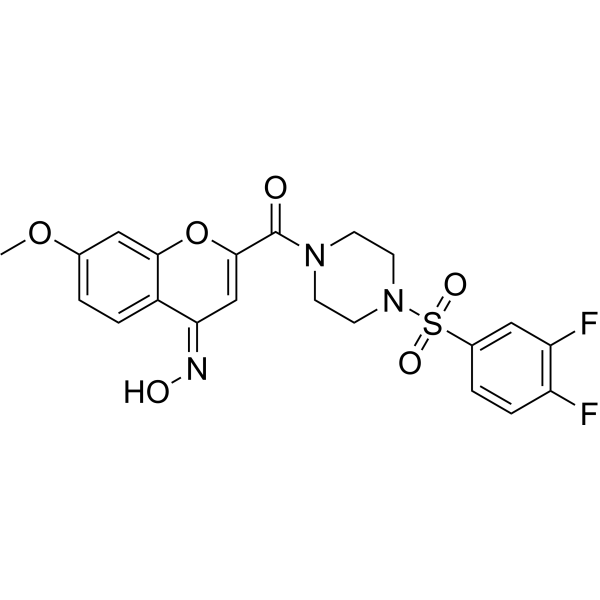
    TC HSD 21 is a selective inhibitor of 17β-hydroxysteroid dehydrogenase type 3 (17β-HSD3) against related 17β-HSD isozymes, with an IC50 of 14 nM in HeLa cells. TC HSD 21 can be used in the research of prostate cancer .
    TC HSD 21
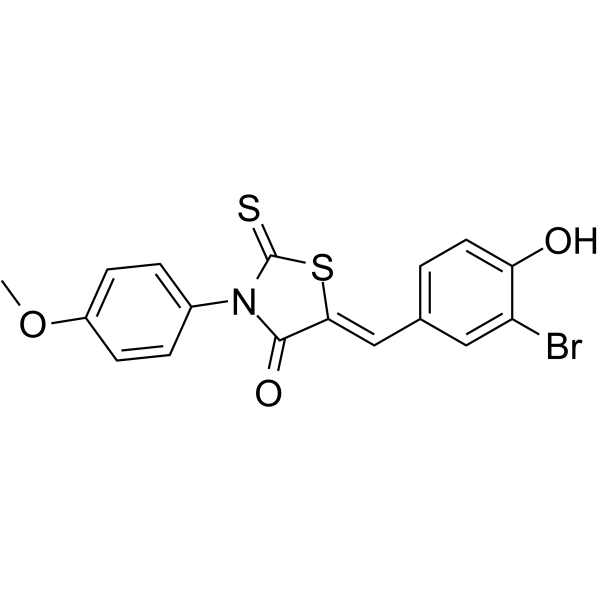
  • HY-123554

    Apoptosis Cancer
    Flavagline FL3 is a flavagline with potent and selective cytotoxicity in cancer cells.Flavagline FL3 induces apoptosis of HL60 and Hela cells by triggering the translocation of Apoptosis Inducing Factor (AIF) and caspase-12 to the nucleus .
    Flavagline FL3
  • HY-122751

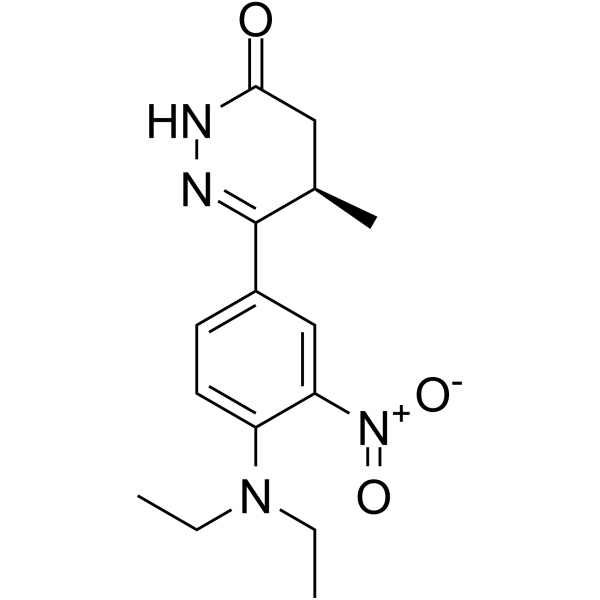
    Phosphodiesterase (PDE) Cancer
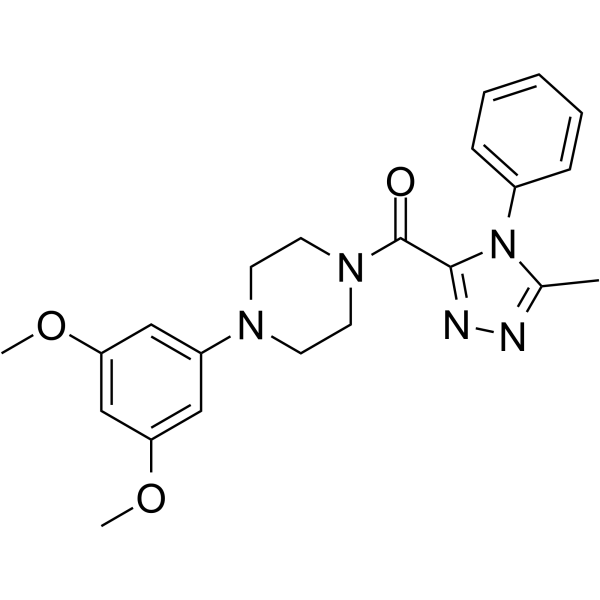
    (R)-DNMDP is a potent and selective cancer cell cytotoxic agent. (R)-DNMDP, the R-form of DNMDP, binds PDE3A directly. (R)-DNMDP has a 500-fold lower EC50 compared to the (S)-enantiomer in HeLa cell line .
    (R)-DNMDP
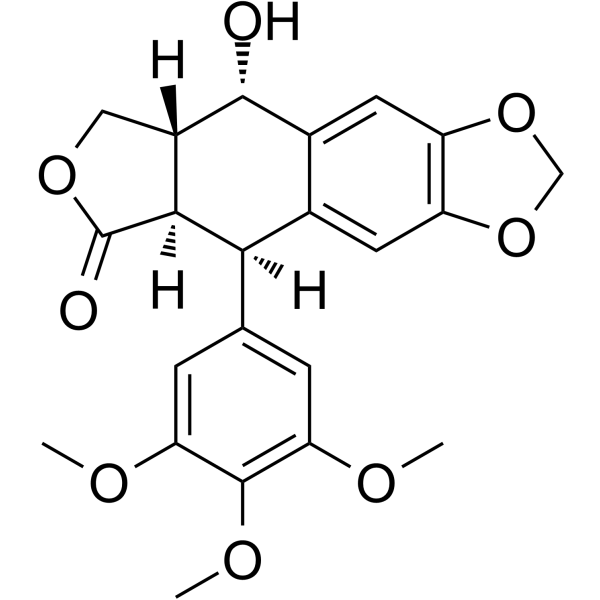
  • HY-N7654

    Apoptosis Cancer
    (-)-Epipodophyllotoxin (2) is an antiproliferative agent against cancer cells isolated from American mayapple Podophyllum peltatum, with GI50s of 0.36 and 0.24 μM in HeLa cells and MCF-7 cells, respectively. (-)-Epipodophyllotoxin can inhibit mitotic spindle assembly in vitro .
    (-)-Epipodophyllotoxin
  • HY-124429

    ERK Cancer
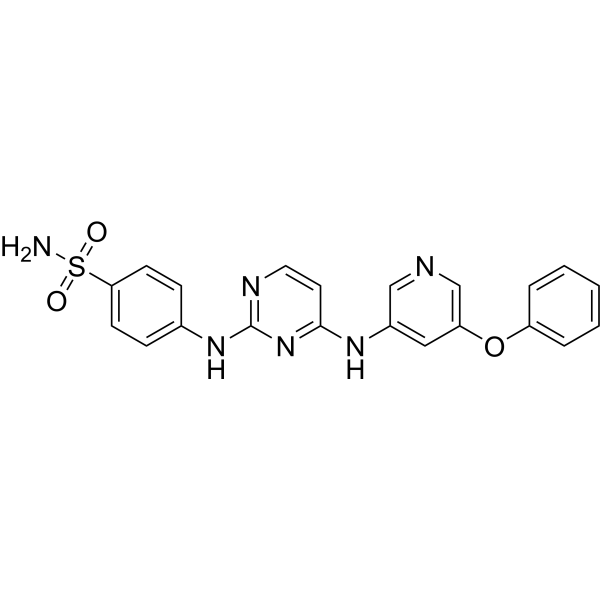
    FQI1 is a Late SV40 Factor (LSF) inhibitor. FQI1 inhibits cell proliferation, with IC50s of 3, 0.79, 6.3 μM for NIH/3T3, HeLa, A549 cells. FQI1 can be used for cancer research .
    FQI1
  • HY-20559

    Drug Intermediate Cancer
    4-Chloro-3-nitrobenzoic acid is a benzoic acid derivative and an important intermediate for the synthesis of anticancer agents. 4-Chloro-3-nitrobenzoic acid shows low cytotoxicity against HepG2, A549 and HeLa cancer cells in vitro (>10,000 μM). 4-Chloro-3-nitrobenzoic acid can block thymidine uptake and inhibit lymphocyte growth. 4-Chloro-3-nitrobenzoic acid serves as a ligand for Cu (II) complexes and is used in the preparation of 10H-pyrazino[2,3-b][1,4]benzothiazine derivatives .
    4-Chloro-3-nitrobenzoic acid
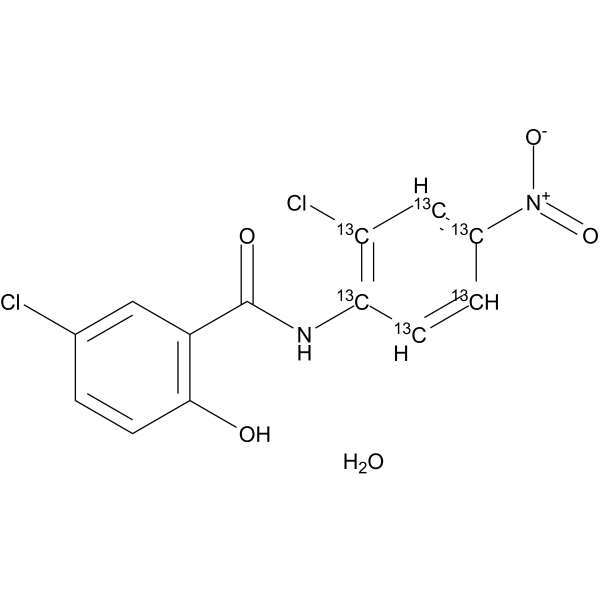
  • HY-B0497B

    BAY2353 monohydrate

    STAT Antibiotic Parasite Infection Cancer
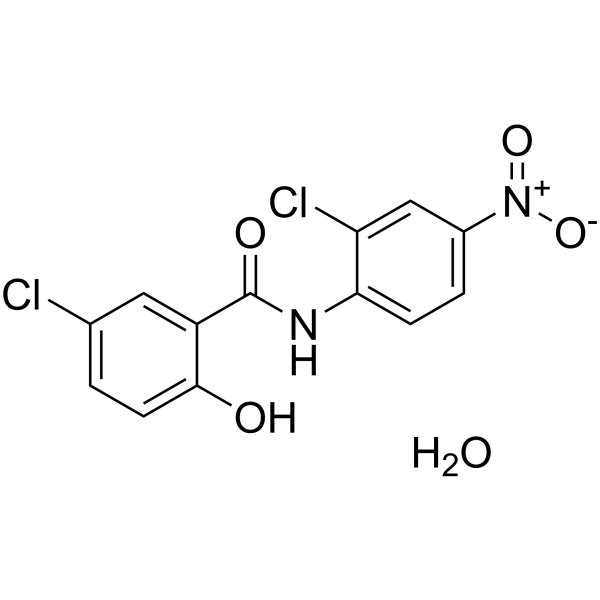
    Niclosamide (BAY2353) monohydrate is an orally active antihelminthic agent used in parasitic infection research . Niclosamide monohydrate is a STAT3 inhibitor with an IC50 of 0.25 μM in HeLa cells . Niclosamide monohydrate has biological activities against cancer, and inhibits DNA replication in Vero E6 cells .
    Niclosamide monohydrate
  • HY-114372

    Lipoxygenase Caspase Apoptosis Cancer
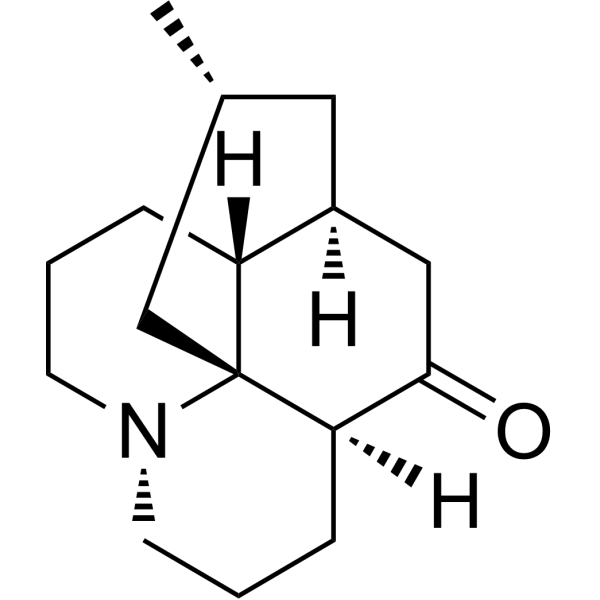
    Lycopodine, a pharmacologically important bioactive component derived from Lycopodium clavatumspores, triggers apoptosis by modulating 5-lipoxygenase, and depolarizing mitochondrial membrane potential in refractory prostate cancer cells without modulating p53 activity . Lycopodine inhibits proliferation of HeLa cells through induction of apoptosis via caspase-3 activation .
    Lycopodine
  • HY-143301

    Topoisomerase Cancer
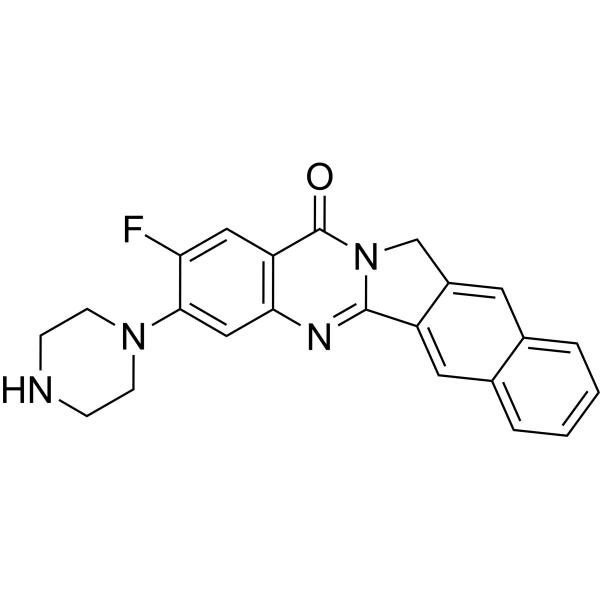
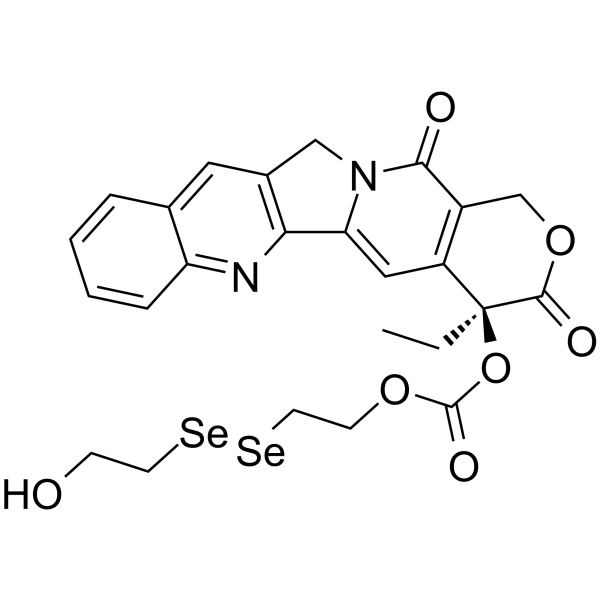
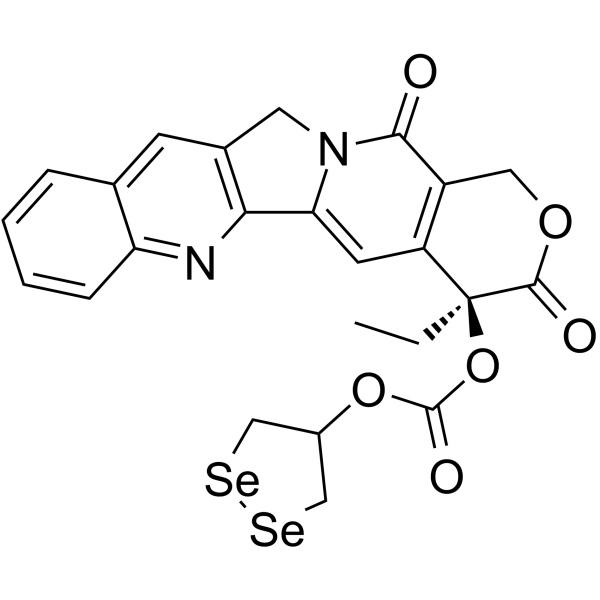
    Topoisomerase I inhibitor 4 (compound 7a) is a topoisomerase I inhibitor. Topoisomerase I inhibitor 4 inhibits HepG2, A549, MCF-7 and HeLa cancer cells proliferation with IC50s of 1.20, 2.09, 1.56 and 1.92 μM, respectively. Topoisomerase I inhibitor 4 can be used for the research of cancer .
    Topoisomerase I inhibitor 4
  • HY-175874

    Microtubule/Tubulin PI3K Akt Apoptosis Cancer
    Tubulin-IN-55 is a tubulin inhibitor. Tubulin-IN-55 disrupts the PI3K/Akt signaling pathway in cancer cells. Tubulin-IN-55 exerts broad-spectrum anti-proliferative activity against multiple tumor cells (HeLa, HCT116, 4T1, A549, H1299, MDA-MB231). Tubulin-IN-55 induces G2/M phase arrest and apoptosis, and inhibits tumor cell migration/invasion in cancer cells. Tubulin-IN-55 demonstrates potent antitumor efficacy in orthotopic autologous transplantation mice. Tubulin-IN-55 can be used for the study of cancer .
    Tubulin-IN-55
  • HY-W014785

    Drug Intermediate Cancer
    1,4-Diphenylbuta-1,3-diyne (Compound 2a) is a synthetic symmetrical 1,3-diene derivative. 1,4-Diphenylbuta-1,3-diyne exhibits significant selective anti-proliferative activity against HeLa cells. 1,4-Diphenylbuta-1,3-diyne can be utilized in cervical cancer research .
    1,4-Diphenylbuta-1,3-diyne
  • HY-175175

    p38 MAPK Bcl-2 Family Caspase Reactive Oxygen Species (ROS) PARP Apoptosis Cancer
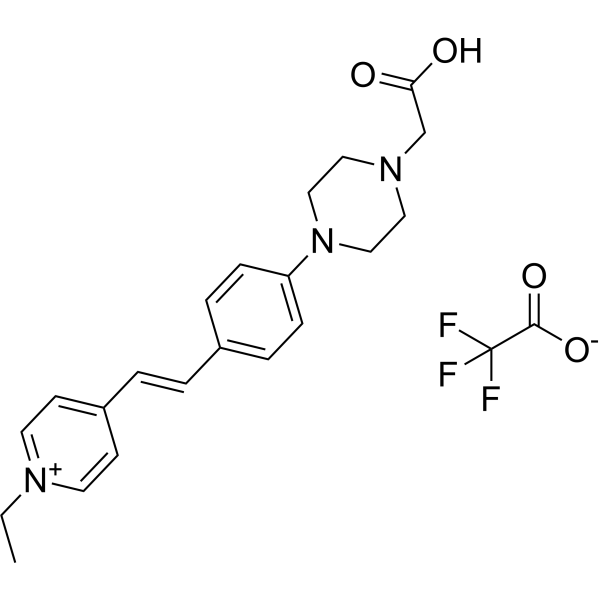
    MAPK-IN-5 is a potent MAPK inhibitor with an IC50 of 1.35 μM against HeLa cells. MAPK-IN-5 inhibits HeLa cell proliferation by inducing ROS-mediated DNA damage and mitochondrial apoptosis via the MAPK pathway. MAPK-IN-5 significantly inhibits colony formation, reduces the number of live cells, suppresses cell migration, and causes cell cycle arrest in the G2/M phase in HeLa cells. MAPK-IN-5 can be used for the study of cervical cancer .
    MAPK-IN-5
  • HY-175867

    PROTACs Epigenetic Reader Domain Cancer
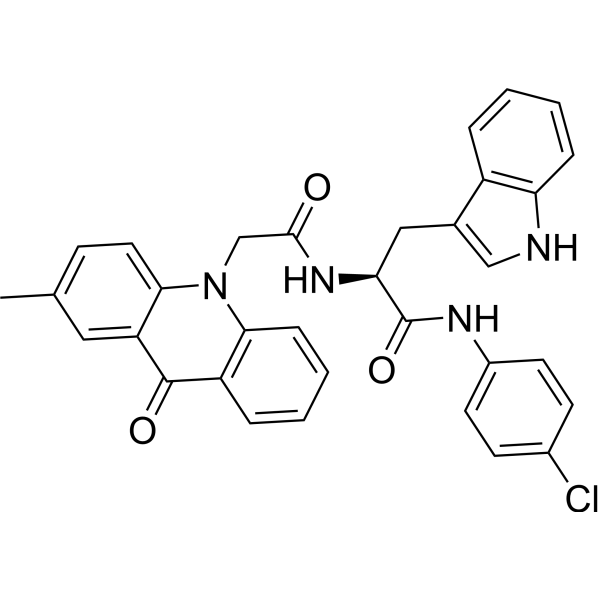
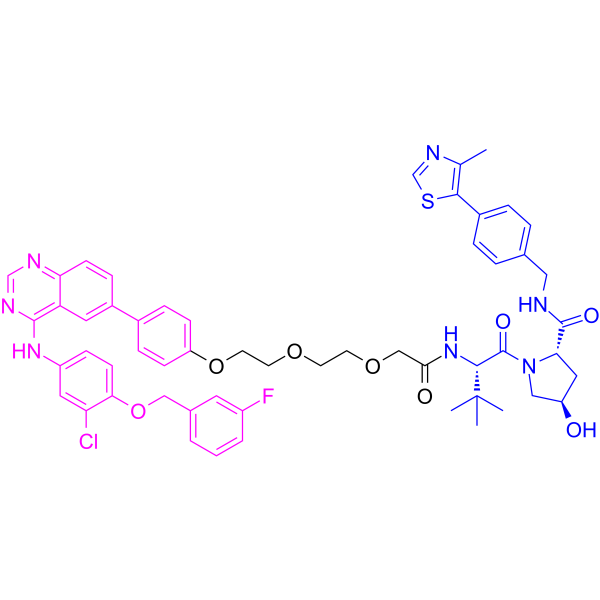
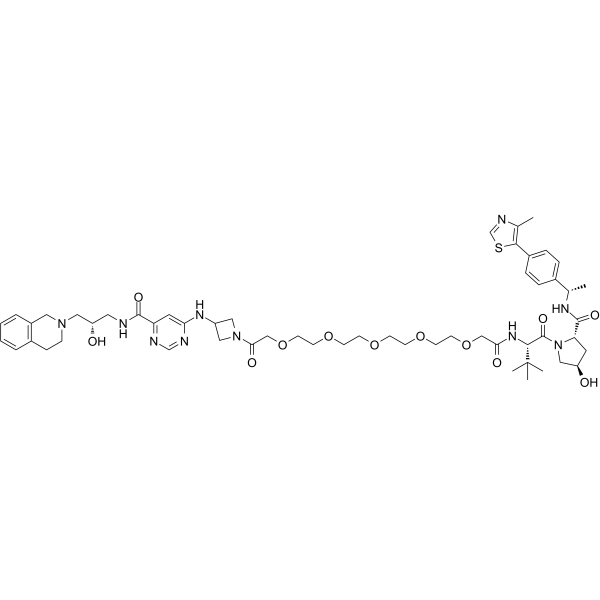
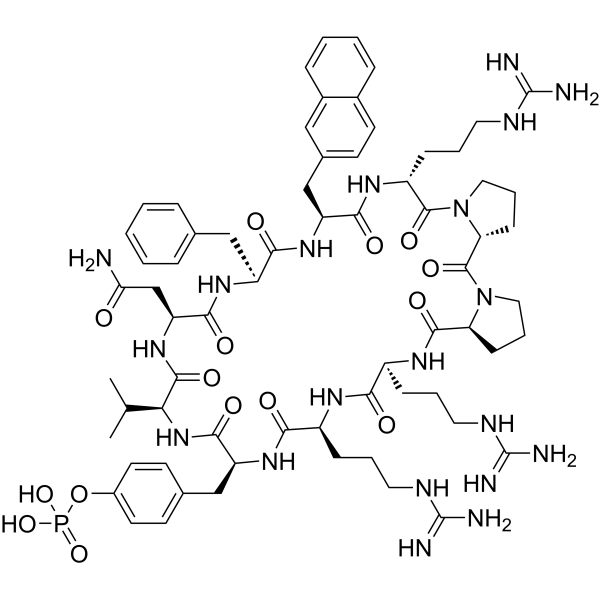
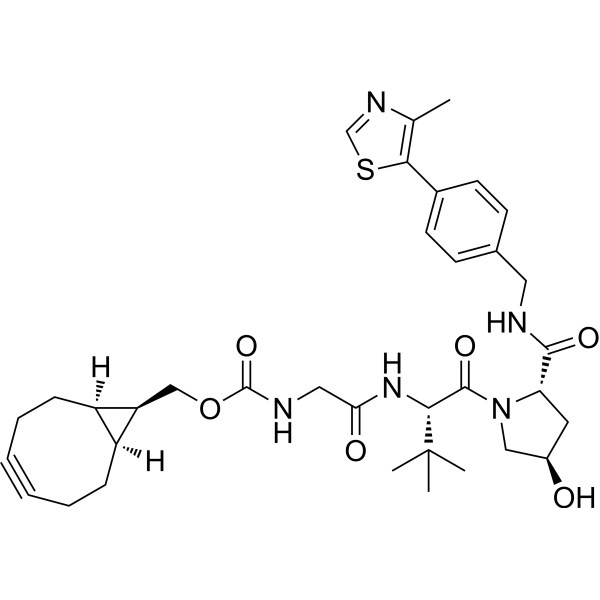
    PROTAC SMARCA2 degrader-34 (compound 52) is a selective SMARCA2 PROTAC degrader (DC50 in HeLa cell: < 0.1 μM for SMARCA2, > 1 μM for SMARCA4). PROTAC SMARCA2 degrader-34 can be used for study of cancer. (Pink: SMARCA2 ligand (HY-178414) ; Blue: E3 ligand (HY-168055) ; Black: linker) .
    PROTAC SMARCA2 degrader-34
  • HY-N9172

    Others Cancer
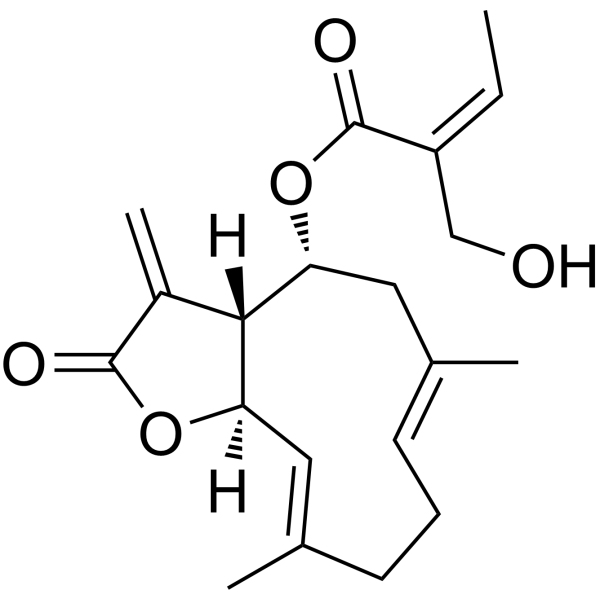
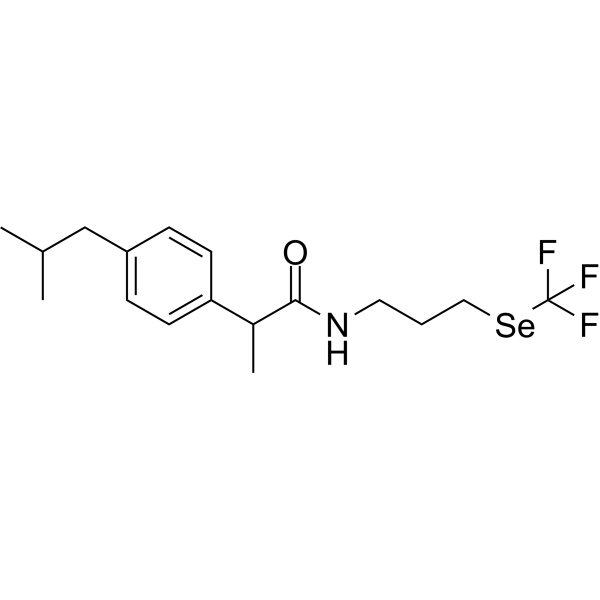
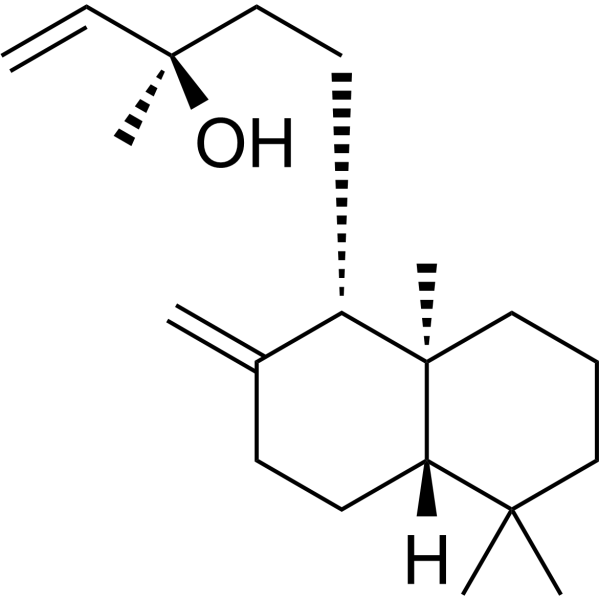
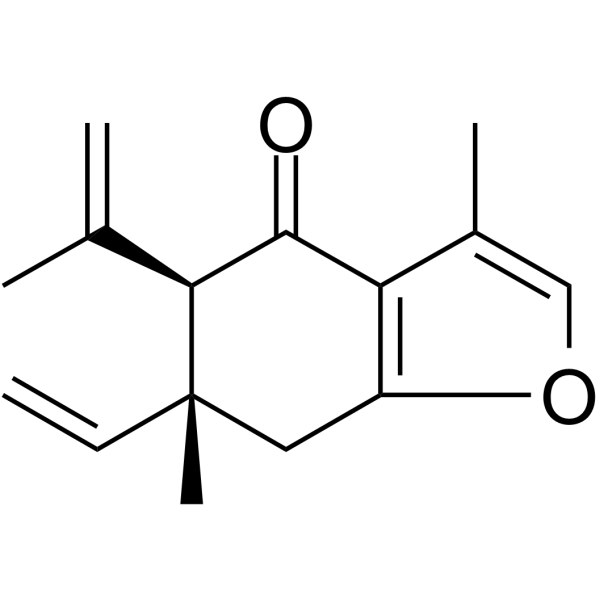
    Eupaglehnin C is a germacrane-type sesquiterpenoi. Eupaglehnin C can be isolated from the MeOH extract of Eupatorium glehni (Compositae). Eupaglehnin C has cytotoxic activity against HeLa-S3 cancer cell lines .
    Eupaglehnin C
  • HY-178960

    Microtubule/Tubulin Apoptosis Cancer
    Tubulin-IN-59 (Compound 8g) is an orally active Tubulin inhibitor. Tubulin-IN-59 exhibits potent anti-proliferative activity against HCT116 colorectal cancer, HeLa cervical cancer, and HepG2 liver cancer cell lines, with its IC₅₀ value ranging from 16 to 35 nM. Tubulin-IN-59 arrests HeLa cells in the G2/M phase and induces cell apoptosis. Tubulin-IN-59 demonstrates significant anti-tumor activity in the HT29 human colon cancer mouse xenograft model. Tubulin-IN-59 can be used for the study of colorectal cancer and cervical cancer .
    Tubulin-IN-59
  • HY-146087

    Autophagy Cancer
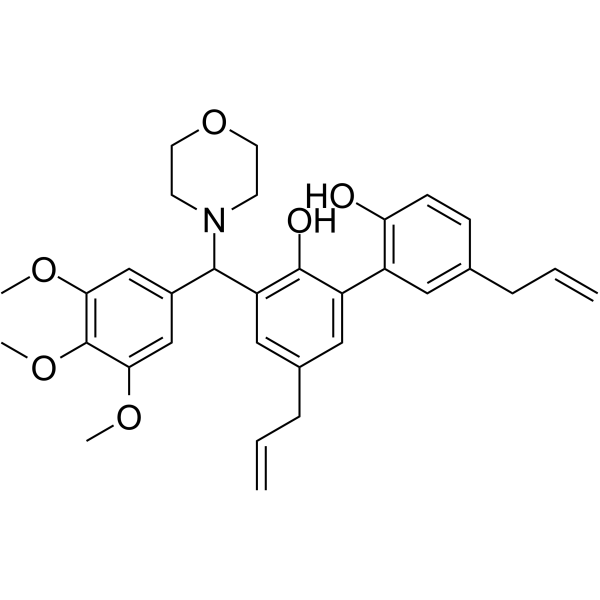
    Autophagy inducer 4 is a Magnolol-based Mannich base derivatives, which can be used as an anticancer agent. Autophagy inducer 4 suppresses cancer cells via inducing autophagy. Autophagy inducer 4 has 76-fold improvement in cytotoxicity against T47D cells compared with Magnolol. Autophagy inducer 4 also possesses suppressive effects on migration of T47D and Hela cancer cells .
    Autophagy inducer 4
  • HY-B0497A

    BAY2353 sodium

    Antibiotic STAT Parasite Infection Cancer
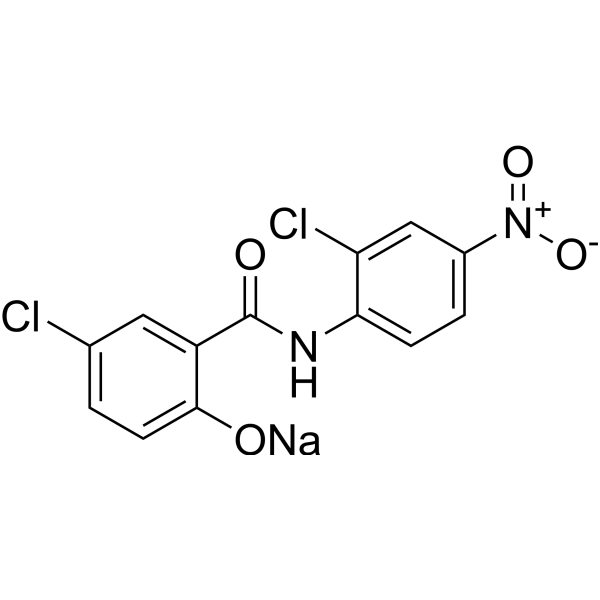
    Niclosamide (BAY2353) sodium is an orally active antihelminthic agent used in parasitic infection research . Niclosamide sodium is a STAT3 inhibitor with an IC50 of 0.25 μM in HeLa cells . Niclosamide sodium has biological activities against cancer, and inhibits DNA replication in Vero E6 cells .
    Niclosamide sodium
  • HY-175204

    AUTACs SHP2 Apoptosis Autophagy Atg8/LC3 Cancer
    SHP2 protein degrader-3 is a SHP2 AUTAC degrader. SHP2 protein degrader-3 shows dose-dependent SHP2 degradation ability (DC50 = 3.22 μM) and anti-tumor activity (IC50 = 5.59 μM) in HeLa cells. SHP2 protein degrader-3 induces degradation through the LC3-mediated autophagy pathway, which can be inhibited by lysosome inhibitors. SHP2 protein degrader-3 induces apoptosis in various cancer cells (HeLa cells, HepG2 cells, LoVo cells, Huh-7 cells) (SHP2 Ligand : (HY-100388); LC3 Ligand: (HY-10542); Linker : (HY-128834)) .
    SHP2 protein degrader-3
  • HY-B0497S2

    BAY2353-d3

    Isotope-Labeled Compounds Antibiotic STAT Parasite Infection Cancer
    Niclosamide-d3 (BAY2353-d3) is deuterium labeled Niclosamide. Niclosamide (BAY2353) is an orally active antihelminthic agent used in parasitic infection research . Niclosamide is a STAT3 inhibitor with an IC50 of 0.25 μM in HeLa cells . Niclosamide has biological activities against cancer, inhibits DNA replication in Vero E6 cells .
    Niclosamide-d3
  • HY-149354

    Aurora Kinase Cancer
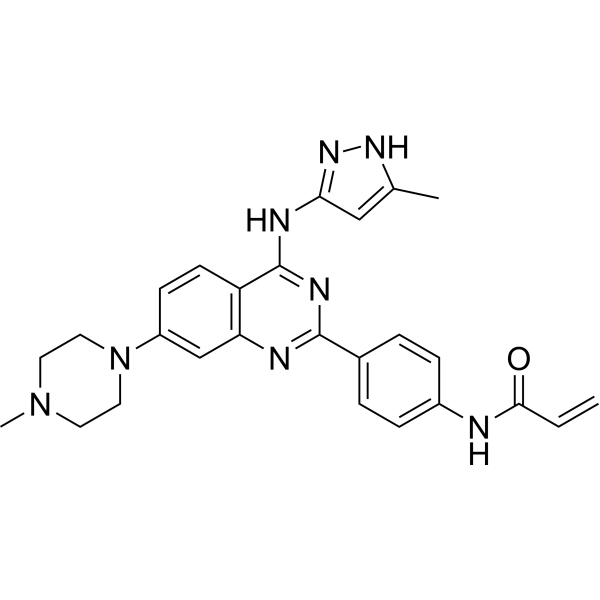
    Aurora kinase-IN-4 (Compound 11c) is a covalent and ATP competitive aurora kinase A inhibitor (IC50: 1.7 nM). Aurora kinase-IN-4 inhibits cell proliferation in SJSA-1, MDA-MB-231, A54, HeLa cells with IC50s of 4.27, 1.54, 3.08, 6.99 μM. Aurora kinase-IN-4 can be used for research of triple negative breast cancer (TNBC) .
    Aurora kinase-IN-4
  • HY-178954

    Indoleamine 2,3-Dioxygenase (IDO) Cancer
    IDO1-IN-32 (Compound 45) is a potent and orally effective IDO1 inhibitor with an IC50 of 10 pM. IDO1-IN-32 exhibits significant anti-proliferative activity against Hela cells. IDO1-IN-32 can significantly inhibit tumor growth in CT26 and LCC transplanted mouse models by activating anti-tumor immunity. IDO1-IN-32 can be used for research on colon cancer and breast cancer .
    IDO1-IN-32
  • HY-172784

    PI3K Akt Apoptosis Cancer
    Anticancer agent 273 (Compound 9q) is a potent anticancer agent found in matrine. Anticancer agent 273 inhibits the proliferation of cancer cells (e.g., HeLa cells with an IC50 value of 4.48 μM). Anticancer agent 273 exerts anticancer effects by modulating the expression of PI3K/AKT and activating transcription factor 4 (ATF4), which promotes endoplasmic reticulum stress and induces apoptosis. Anticancer agent 273 is promising for research of cancers, such as cervical cancer .
    Anticancer agent 273
  • HY-N8387

    Ras Cancer
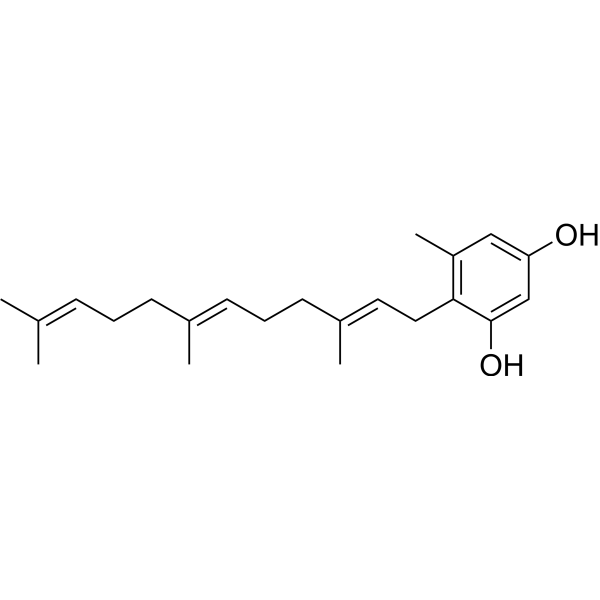
    Neogrifolin is an inhibitor of KRAS. Neogrifolin suppress KRAS expression in human colon cancer cells. Neogrifolin has anti-cell viability activity against HeLa, SW480 and HT29 cells wih IC50s of 24.3, 34.6, and 30.1 μM, respectively .
    Neogrifolin
  • HY-N11643

    GA-Mk

    Apoptosis Reactive Oxygen Species (ROS) MMP Caspase Cancer
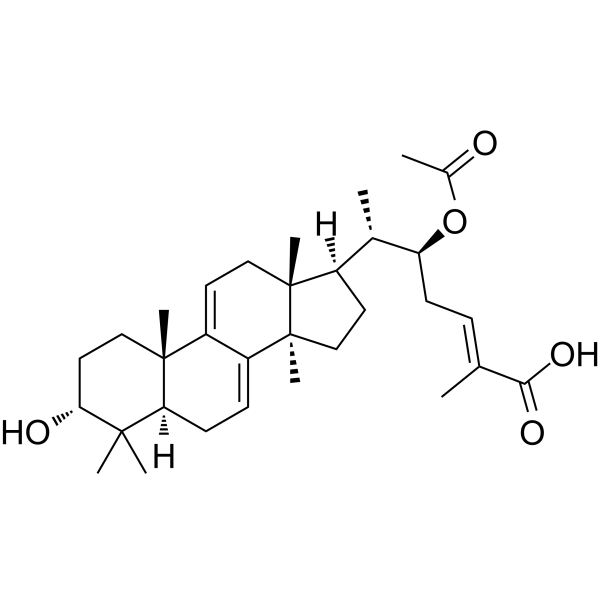
    Ganoderic acid Mk (GA-Mk) is a triterpenoid acid, that can be isolated from the mycelia of Ganoderma lucidum. Ganoderic acid Mk is efficiently anti-proliferative and can induce apoptosis of HeLa cells by mitochondria-mediated pathway. Ganoderic acid Mk can be used for cervical cancer research .
    Ganoderic acid Mk
  • HY-144786

    Microtubule/Tubulin Apoptosis Cancer
    Tubulin polymerization-IN-4 is a potent tubulin polymerization inhibitor with IC50 value of 4.6 μM. Tubulin polymerization-IN-4 can disrupt tubulin polymerization and vasculature, arrest the cell cycle at the G2/M phase, induce apoptosis, and suppress clonogenesis and migration in HeLa cells. Tubulin polymerization-IN-4 can be used for researching cervical cancer .
    Tubulin polymerization-IN-4
  • HY-163692

    Microtubule/Tubulin Apoptosis Cancer
    Tubulin polymerization-IN-64 (Compound 8a) is an inhibitor for tubulin polymerization by occupying the colchicine binding site of tubulin, with IC50 of 6.9 μM. Tubulin polymerization-IN-64 inhibits proliferations of cancer cells A549, HeLa, HCT116 and HT-29, with IC50s of 2.42, 10.33, 6.28, 5.33 μM, respectively. Tubulin polymerization-IN-64 arrests cell cycle at G2/M phase, induces apoptosis in A549 .
    Tubulin polymerization-IN-64
  • HY-147852

    Raf Cancer
    B-Raf IN 7 (compound 6a) is a potent B-Raf inhibitor, with an IC50 of 110.23 nM. B-Raf IN 7 exhibits antitumor activity against colon carcinoma (HCT-116), mammary gland (MCF-7), hepatocellular carcinoma (HEPG-2), human cervical carcinoma (Hela) and human prostate cancer (PC-3) cells, with IC50 values of 7.50, 9.87, 10.57, 11.63 and 12.83 µM .
    B-Raf IN 7
  • HY-N10542

    Others Cancer
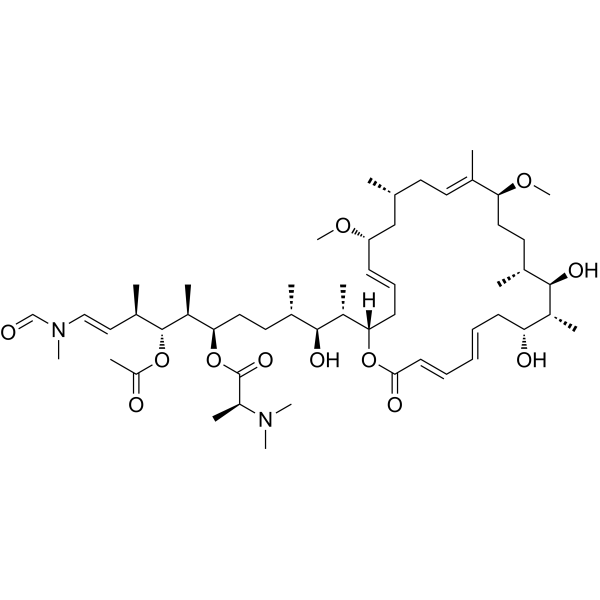
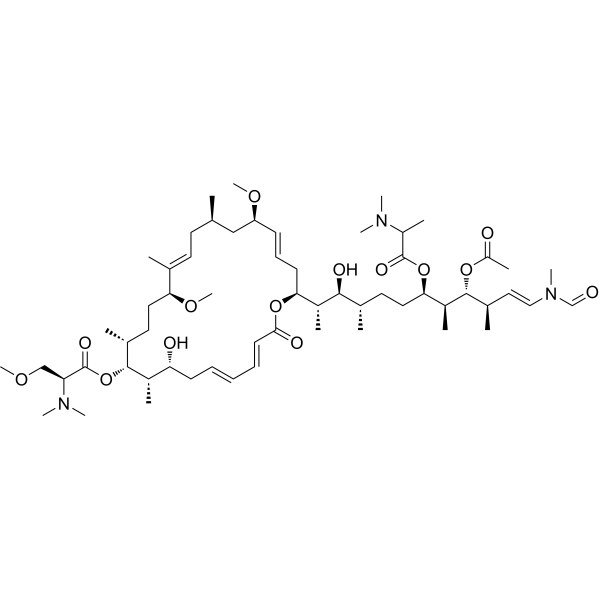
    Aplyronine C is an active compound. Aplyronine C shows potent antitumor activity and has cytotoxicity against HeLa-S3 cells with an IC50 values of 22 nM. Aplyronine C can be used for the research of cancer .
    Aplyronine C
  • HY-N10541

    Others Cancer
    Aplyronine B is an active compound. Aplyronine B shows potent antitumor activity and has cytotoxicity against HeLa-S3 cells with an IC50 values of 2.9 nM. Aplyronine B can be used for the research of cancer .
    Aplyronine B
  • HY-174324

    VEGFR P-glycoprotein Apoptosis Cancer
    VEGFR-2/P-gp-IN-1, a Licochalcone A (HY-N0372) derivative, is an orally active VEGFR-2 (IC50 = 0.885 μM) and P-gp inhibitor. VEGFR-2/P-gp-IN-1 achieves anti-tumor proliferation and overcomes chemotherapy resistance by synchronously inhibiting VEGFR-2 kinase activity and P-gp drug efflux pump function. VEGFR-2/P-gp-IN-1 inhibits phosphorylation of VEGFR-2 and downstream PI3K/AKT signaling pathway proteins, induces apoptosis, blocks cells in the S phase, and inhibits invasive migration. VEGFR-2/P-gp-IN-1 exerts potent in vivo anti-tumor effects in the HeLa/DDP cell xenograft tumor model. VEGFR-2/P-gp-IN-1 is used in cervical cancer research.
    VEGFR-2/P-gp-IN-1
  • HY-168173

    EGFR Cancer
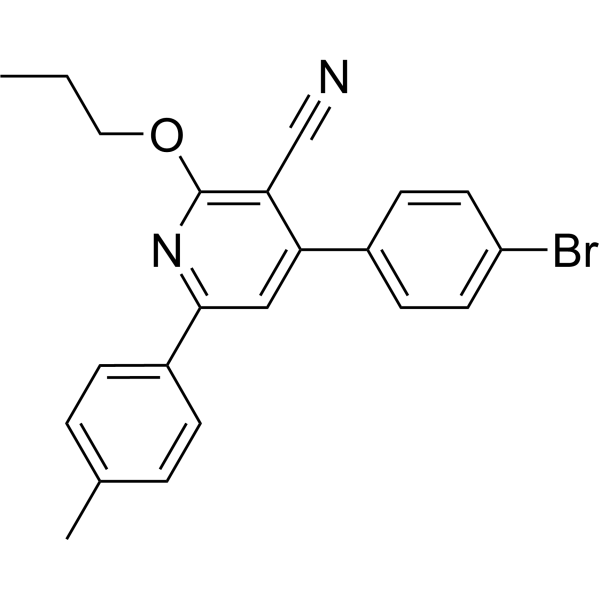
    EGFR-IN-130 (compound 14b) is an EGFR inhibitor and apoptosis inducer. EGFR-IN-130 triggers death of HeLa cancer cells via apoptosis induction. .
    EGFR-IN-130
  • HY-161076

    Caspase Apoptosis Calcium Channel Cancer
    KTt-45 is a T-type calcium channel blocker. KTt-45 has anticancer effect by inducing apoptosis on HeLa cervical cancer cell line .
    KTt-45
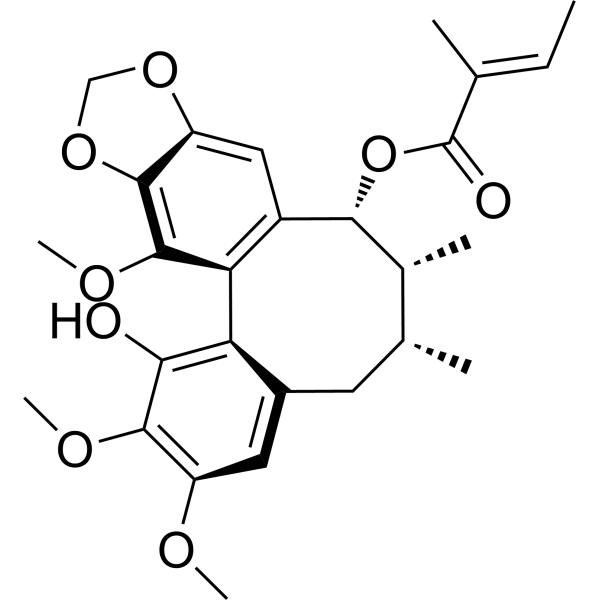
  • HY-N7485

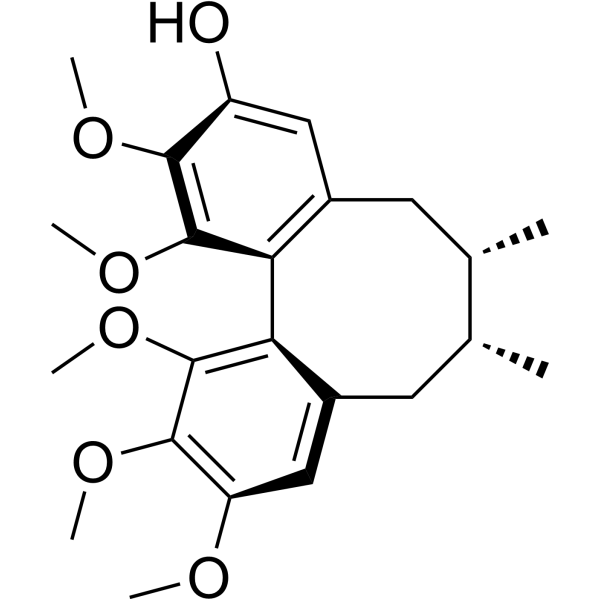
    (-)-Gomisin K1

    Others Cancer
    Gomisin K1 ((-)-Gomisin K1) is a lignan that exhibits anti-cancer activity. Gomisin K1 inhibits HeLa cell growth, with an IC50 of 5.46 μM .
    Gomisin K1

Inquiry Online

Your information is safe with us. * Required Fields.

Salutation


Country or Region *

Applicant Name *


Organization Name *

Department *


Email Address *


Product Name *

Cat. No.


Requested quantity *

Phone Number *


Remarks

Inquiry Online

Inquiry Information

Product Name:
Cat. No.:
Quantity:
MCE Japan Authorized Agent: