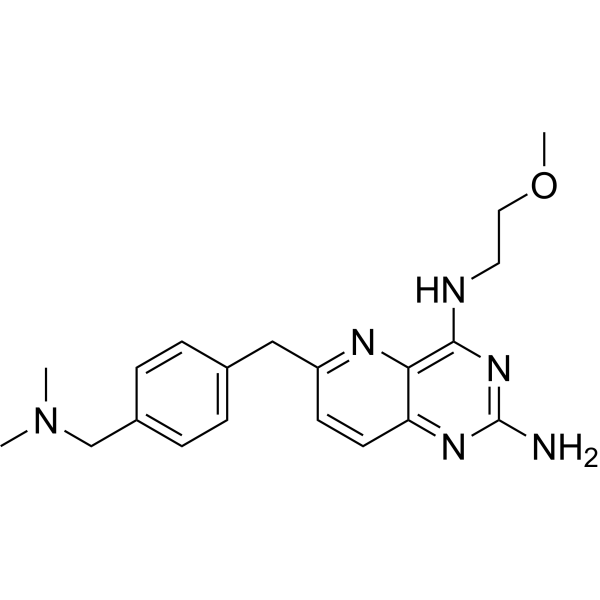
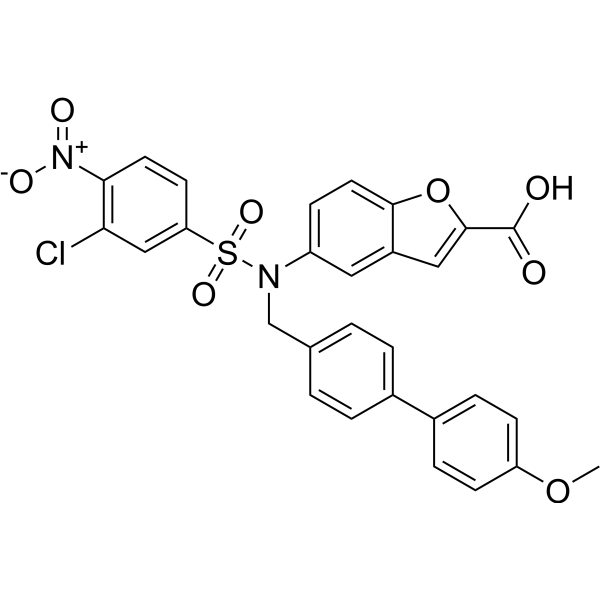
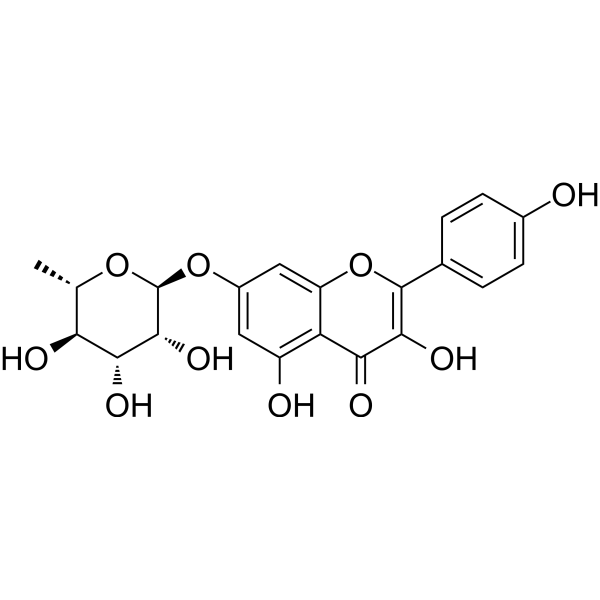
1. Search Result
Search Result
Results for "

PDL1

" in MedChemExpress (MCE) Product Catalog:

375

Inhibitors & Agonists

4

Screening Libraries

2

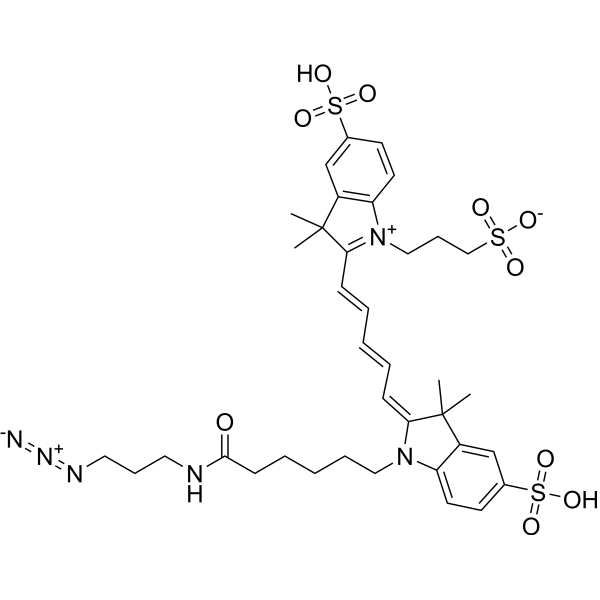
Fluorescent Dye

36

Peptides

88

Inhibitory Antibodies

13

Natural
Products

26

Recombinant Proteins

1

Isotope-Labeled Compounds

9

Antibodies

4

Click Chemistry

6

Oligonucleotides

Targets Recommended:
Cat. No. Product Name Target Research Areas Chemical Structure
  • HY-P9904
    Atezolizumab
    Maximum Cited Publications
    36 Publications Verification

    MPDL3280A; RG-7446; RO-5541267

    PD-1/PD-L1 Apoptosis Autophagy Cancer
    Atezolizumab (MPDL3280A) is a selective humanized monoclonal IgG1 antibody against programmed death ligand 1 (PD-L1), used for cancer research.
    Atezolizumab
  • HY-108730
    Avelumab
    5+ Cited Publications

    Anti-Human PD-L1, Human Antibody; MSB 0010718C; MSB0010718C

    PD-1/PD-L1 Inflammation/Immunology Cancer
    Avelumab (Anti-Human PD-L1) a fully human IgG1 anti-PD-L1 monoclonal antibody (mAb) with potential antibody-dependent cell-mediated cytotoxicity (ADCC). Avelumab enhances ADCC on several cancer cell lines expressing PD-L1. Avelumab can be used for the study of chordoma [1].
    Avelumab
  • HY-19745
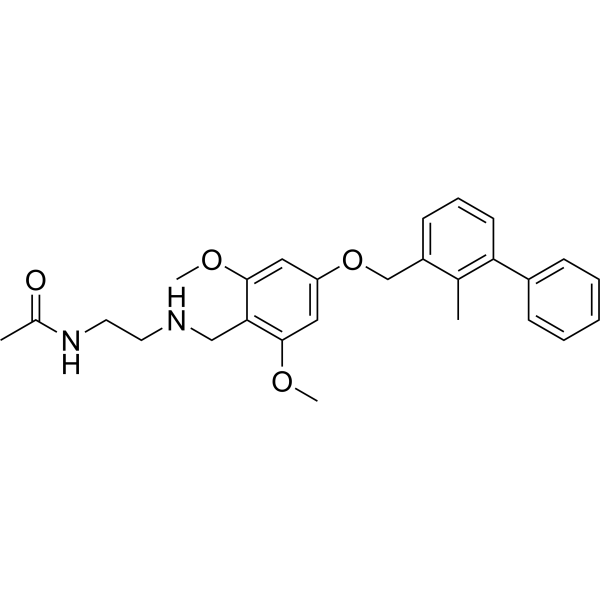
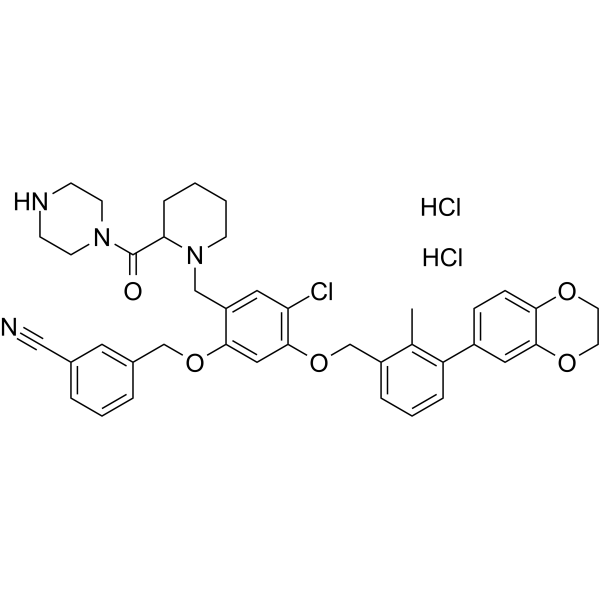
    BMS-202
    20+ Cited Publications

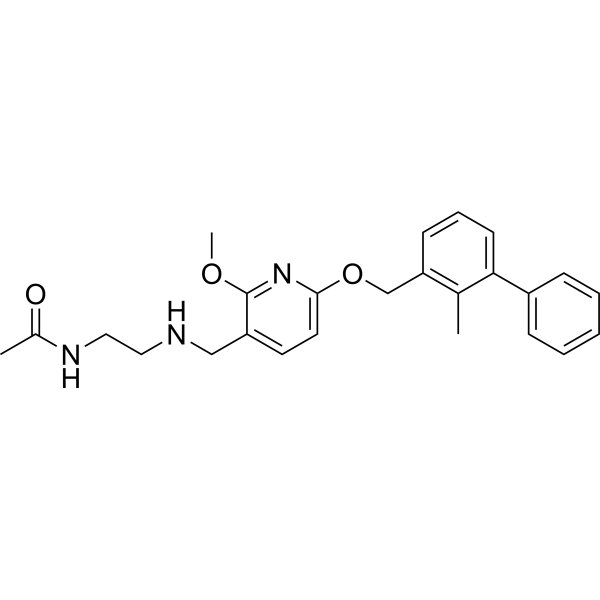
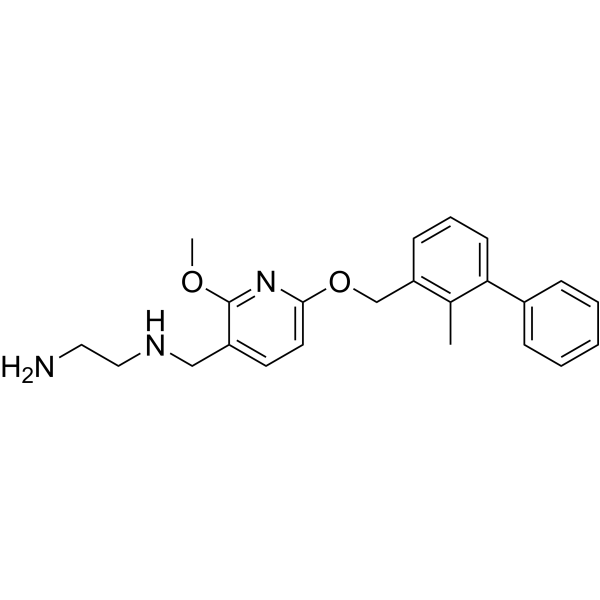
    PD-1/PD-L1 Apoptosis Cancer
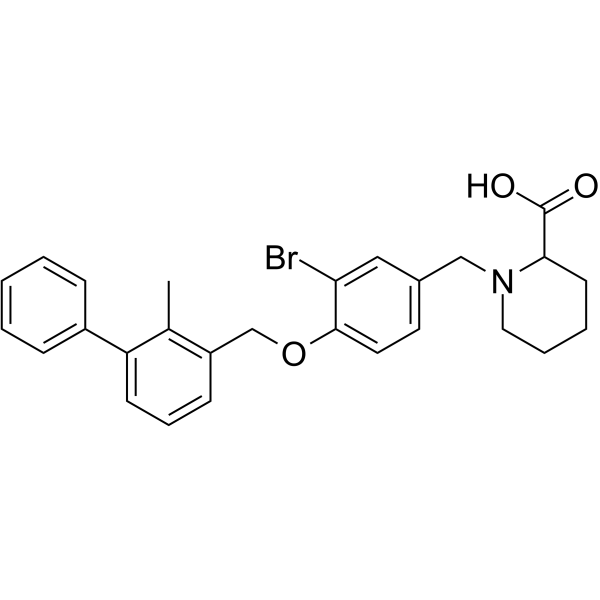
    BMS-202 is a potent and nonpeptidic PD-1/PD-L1 complex inhibitor with an IC50 of 18 nM and a KD of 8 μM. BMS-202 binds to PD-L1 and blocks human PD-1/PD-L1 interaction. BMS-202 has antitumor activity [1] .
    BMS-202
  • HY-P99115

    ASC 22; KN 035

    PD-1/PD-L1 Cancer
    Envafolimab (ASC 22; KN 035) is a recombinant protein of a humanized single-domain anti- PD-L1 antibody. Envafolimab is created by a fusion of the of anti-PD-L1 domain with Fc fragment of human IgG1 antibody. Envafolimab blocks interaction between PD-L1 and PD-1 with an IC50 value of 5.25 nM. Envafolimab has the potential for the research of solid tumors [1] .
    Envafolimab
  • HY-P991097

    PM-8002; BNT-327

    VEGFR PD-1/PD-L1 Cancer
    Pumitamig (PM-8002, BNT-327) is a bispecific antibody targeting PD-L1 and VEGF-A, with immune activation and anti-angiogenic activities. By binding to PD-L1, Pumitamig restores the function of effector T cells, while neutralizing VEGF-A in the tumor microenvironment to reverse its inhibition on the infiltration and activation of immune cells and normalize tumor blood vessels. Pumitamig can also be combined with various ADCs targeting TROP2, B7H3, HER2, HER3 for the research of advanced/metastatic solid tumors, including non-small cell lung cancer, ovarian cancer, triple-negative breast cancer, cervical cancer, etc. Pumitamig also exhibits potential efficacy in "cold" tumors with low PD-L1 expression that are insensitive to immunotherapy [1].
    Pumitamig
  • HY-P990173

    PD-1/PD-L1 Inflammation/Immunology Cancer
    Anti-Mouse/Rat/Human PD-L1 Antibody (368A.4H1) is a mouse-derived PD-L1 IgG1 κ type antibody inhibitor. Anti-Mouse/Rat/Human PD-L1 Antibody (368A.4H1) increases IFN-γ levels in organoid-primed T cells. Anti-Mouse/Rat/Human PD-L1 Antibody (368A.4H1) can be used for the researches of cancer, such as oral squamous cell carcinoma and mammary cancer [1] .
    Anti-Mouse/Rat/Human PD-L1 Antibody (368A.4H1)
  • HY-163757

    PROTACs PD-1/PD-L1 Inflammation/Immunology Cancer
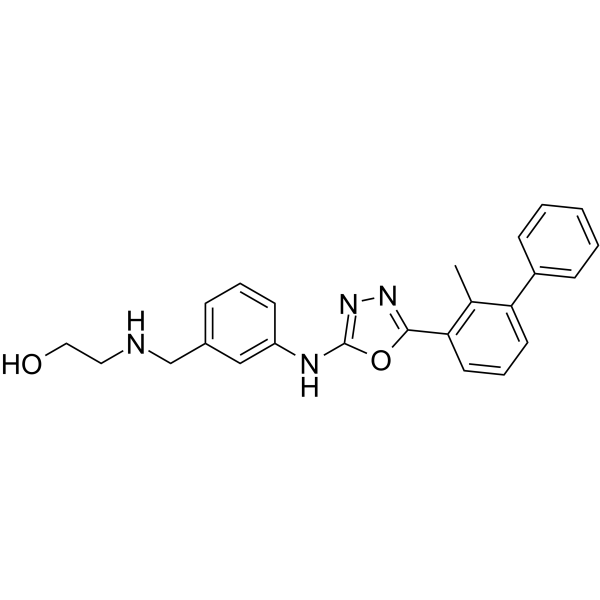
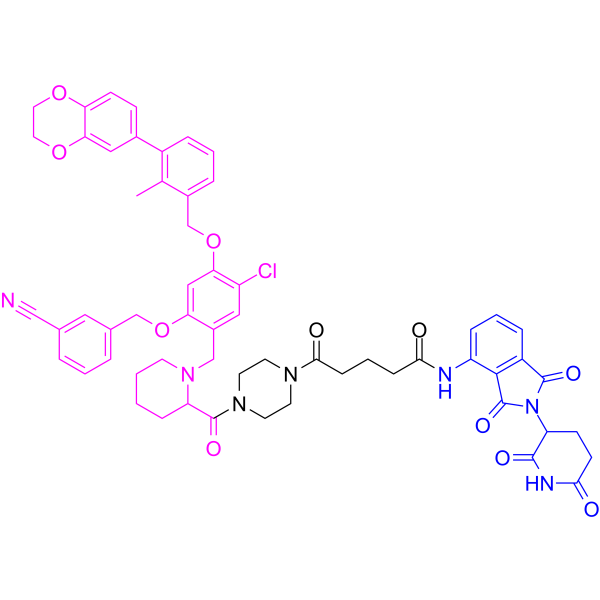
    PROTAC PD-L1 degrader-1 is a CRBN-based PD-L1-PROTAC degrader with a notable PD-L1 protein degradation capability. PROTAC PD-L1 degrader-1 shows potent PD-L1 degradation in 4T1 cells with a DC50 of 0.609 μM. PROTAC PD-L1 degrader-1 can be used for the study of breast cancer. (Blue: CRBN ligand (HY-150839), Black: linker; Pink: PD-L inhibitor (HY-19745)) [1].
    PROTAC PD-L1 degrader-1
  • HY-134884
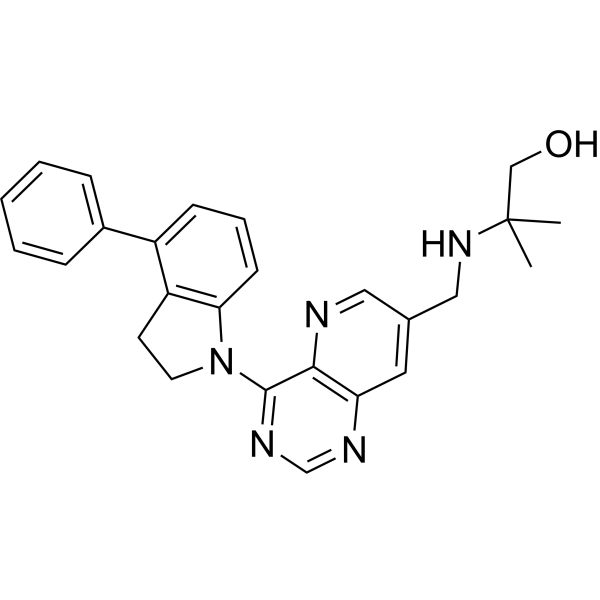
    INCB086550
    2 Publications Verification

    PD-1/PD-L1-IN-8

    PD-1/PD-L1 Cancer
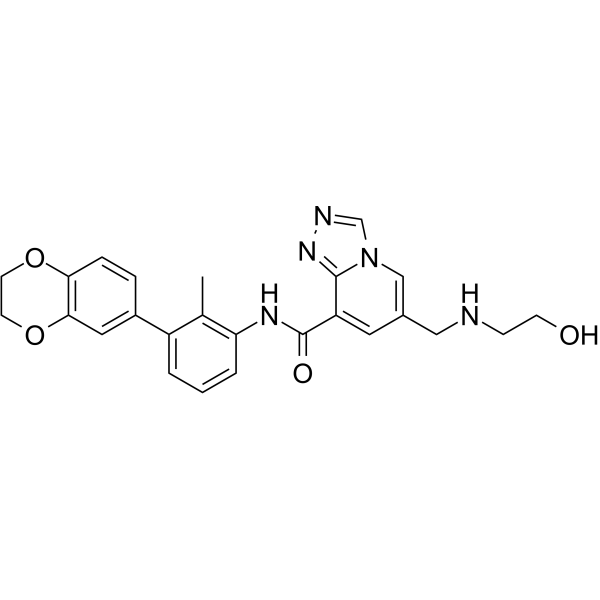
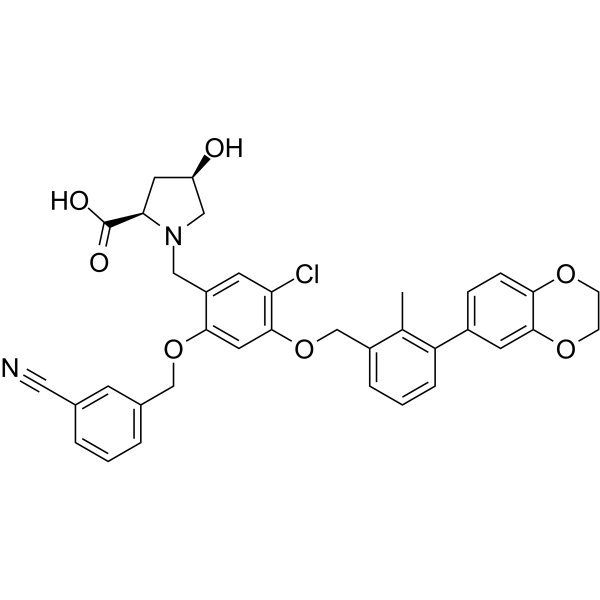
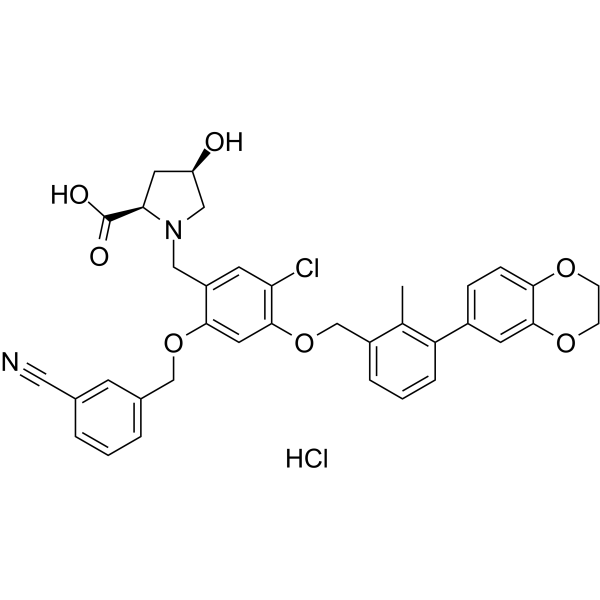
    INCB086550 is a potent, oral, small-molecule PD-L1 inhibitor with IC50s value of 3.1, 4.9 and 1.9 nM for human, cynomolgus, and rat, respectively. INCB086550 promotes the dimerization of cell-surface PD-L1 and induces PD-L1 entry into Golgi vesicles then traffick to the nucleus. INCB086550 can be used for multiple cancers research [1].
    INCB086550
  • HY-172320

    PD-1/PD-L1 Cancer
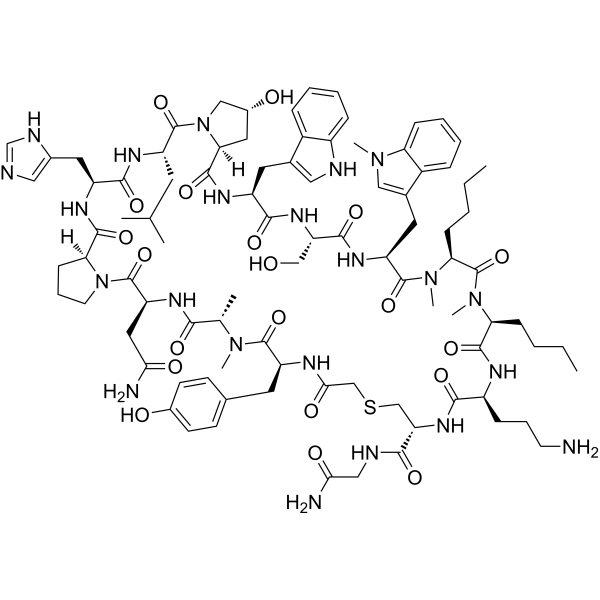
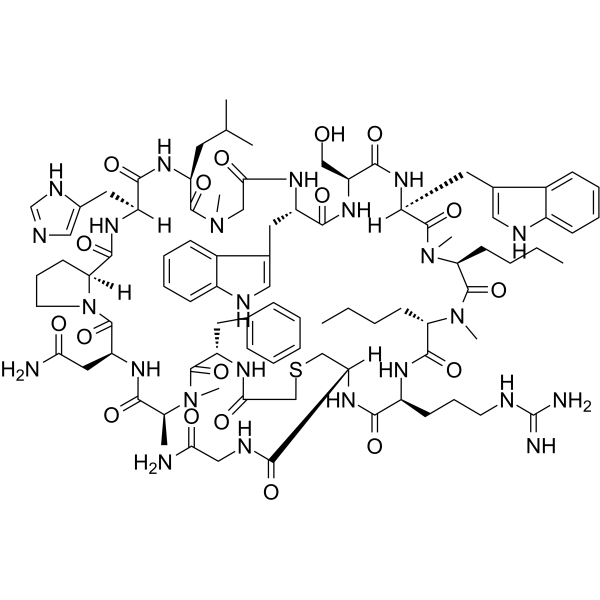
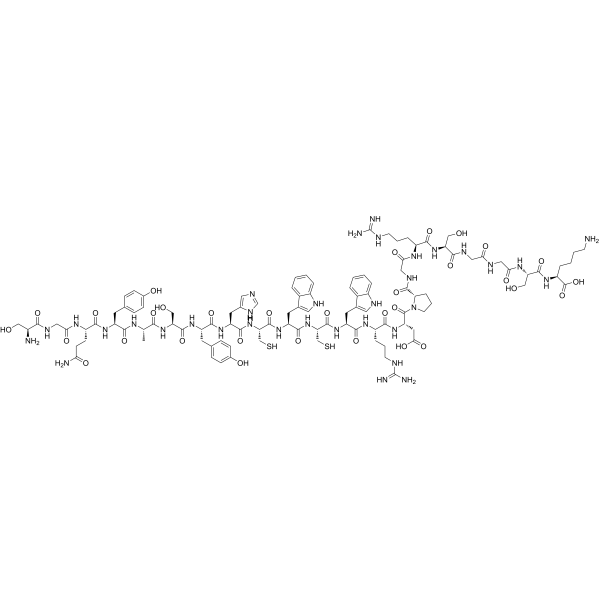
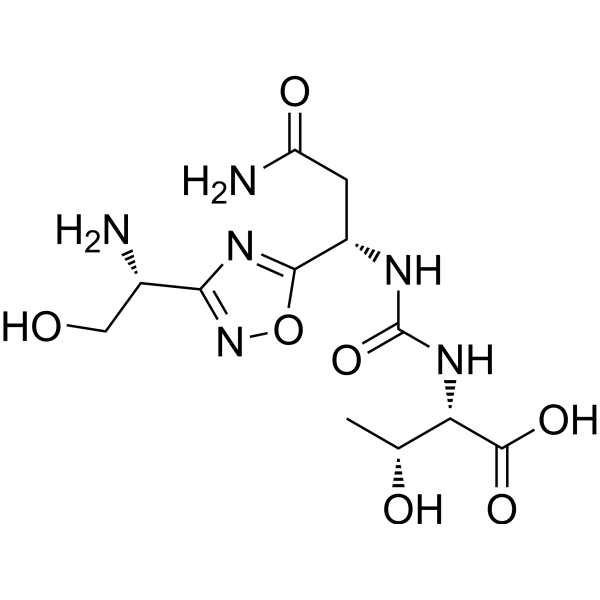
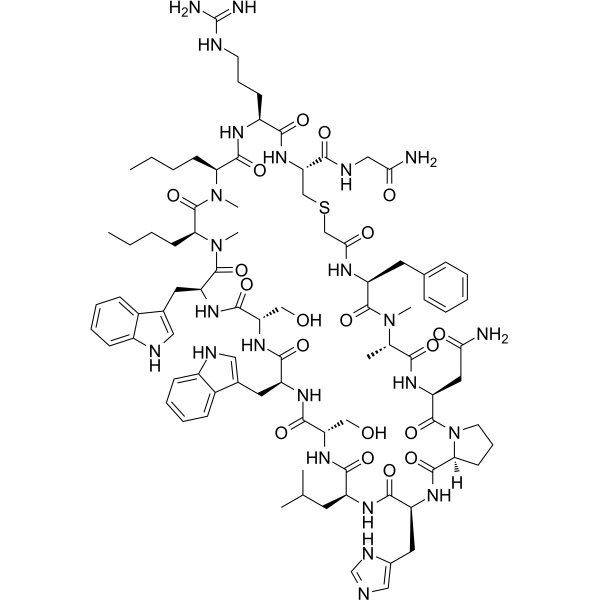
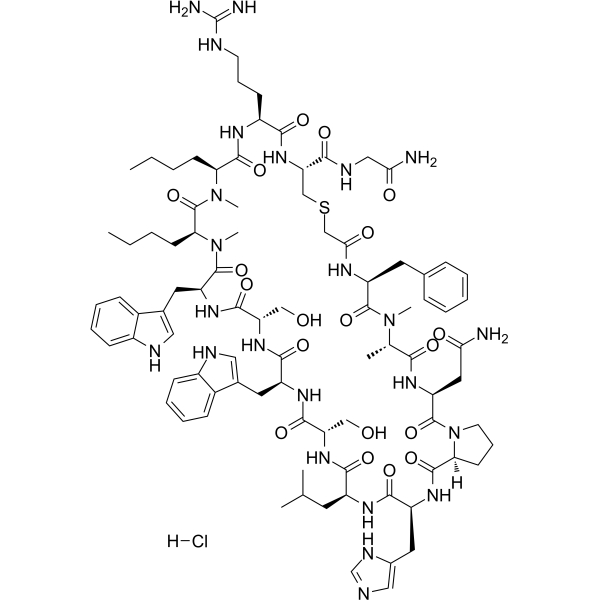
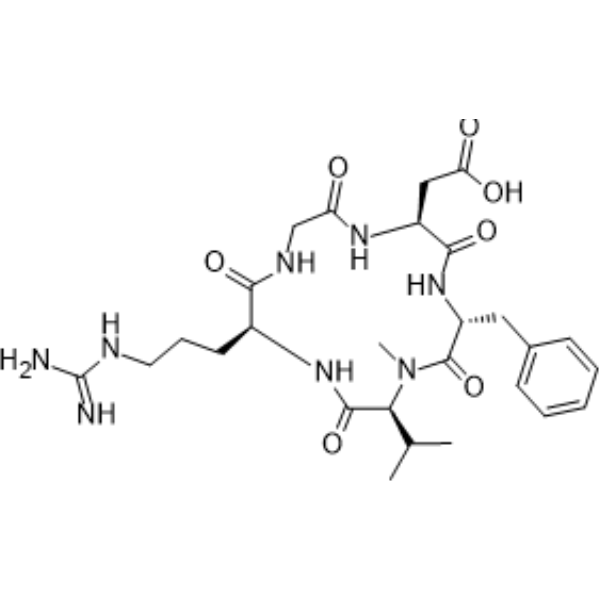
    BMS-986238 is an orally active macrocyclic peptide PD-L1 inhibitor. BMS-986238 can be used in the research of tumors such as solid tumors and lymphomas [1] .
    BMS-986238
  • HY-N0242
    Fraxinellone
    4 Publications Verification

    PD-1/PD-L1 HIF/HIF Prolyl-Hydroxylase STAT Inflammation/Immunology Cancer
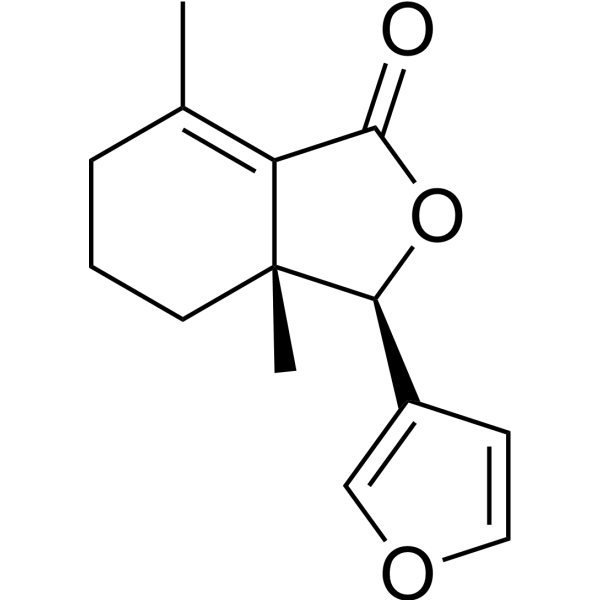
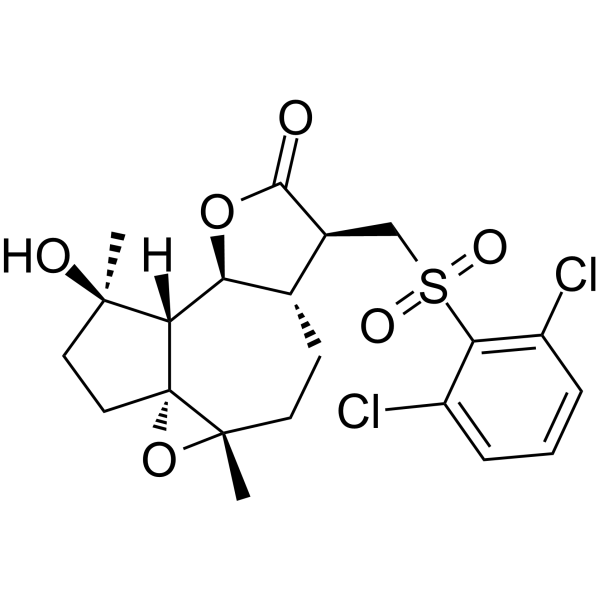
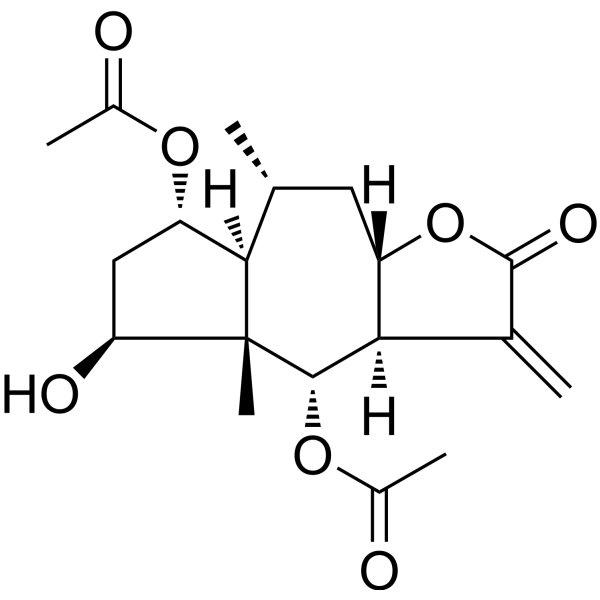
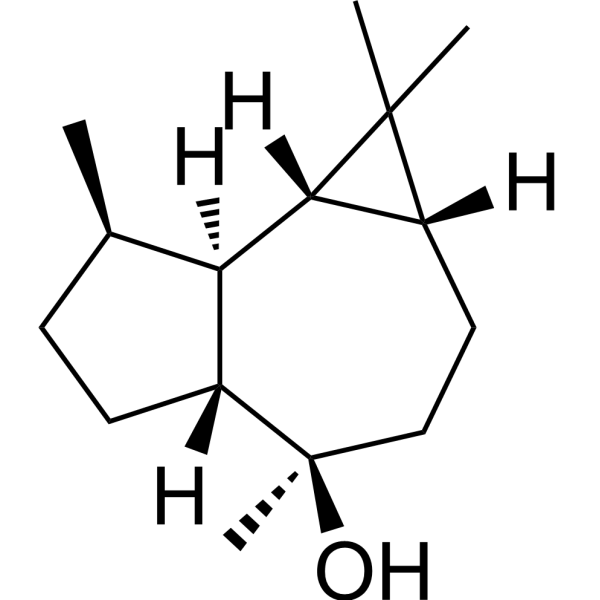
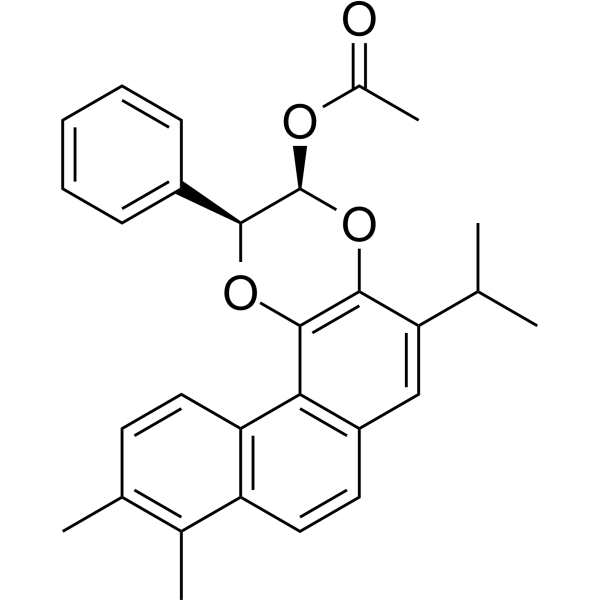
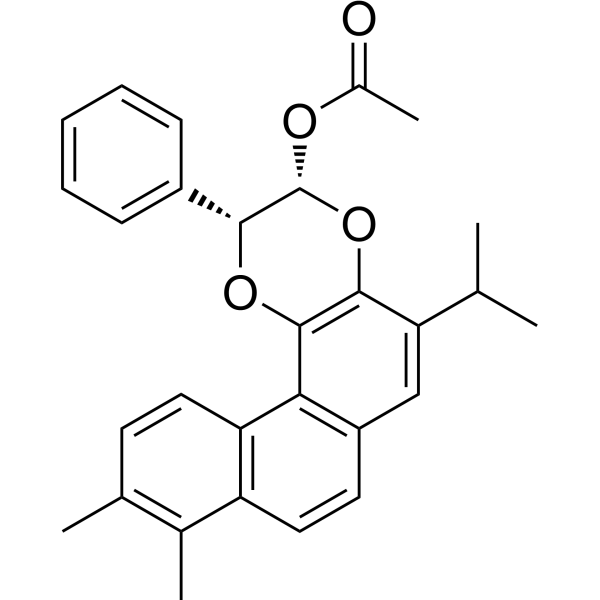
    Fraxinellone is isolated from the root bark of the Rutaceae plant, Dictamnus dasycarpus. Fraxinellone is a PD-L1 inhibitor and inhibits HIF-1α protein synthesis without affecting HIF-1α protein degradation. Fraxinellone has the potential to be a valuable candidate for cancer treatment by targeting PD-L1 [1].
    Fraxinellone
  • HY-P99944

    Retlirafusp alfa

    PD-1/PD-L1 TGF-β Receptor Cancer
    SHR-1701 (Retlirafusp alfa) is a bifunctional fusion protein targeting PD-L1 and TGF-β for cancer research [1].
    SHR-1701
  • HY-P991506

    SGN-PDL1V Antibody; PF-08046054 Antibody

    ADC Antibody Cancer
    SGN-PDL1V Antibody is a PD-L1 targeting antibody. SGN-PDL1V Antibody can be used for synthesis of ADC SGN-PDL1V (HY-171821) [1].
    Fetrastobart
  • HY-P10439

    PD-1/PD-L1 Inflammation/Immunology Cancer
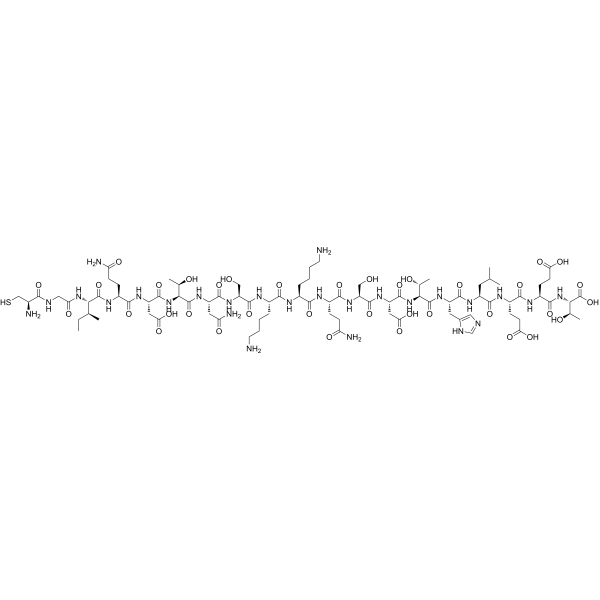
    CVRARTR is a programmed cell death ligand-1 (PD-L1) antagonist with a KD of 281 nM. CVRARTR induces the internalization of PD-L1 and downregulates PD-L1 on the cell surface. CVRARTR restores cytokine secretion and T cell proliferation in cell CT26. CVRARTR exhibits antitumor efficacy against in CT26 homograft mouse model. CVRARTR can be used in melanoma research [1] .
    CVRARTR
  • HY-116274
    BMS-8
    1 Publications Verification

    PD-1/PD-L1 Cancer
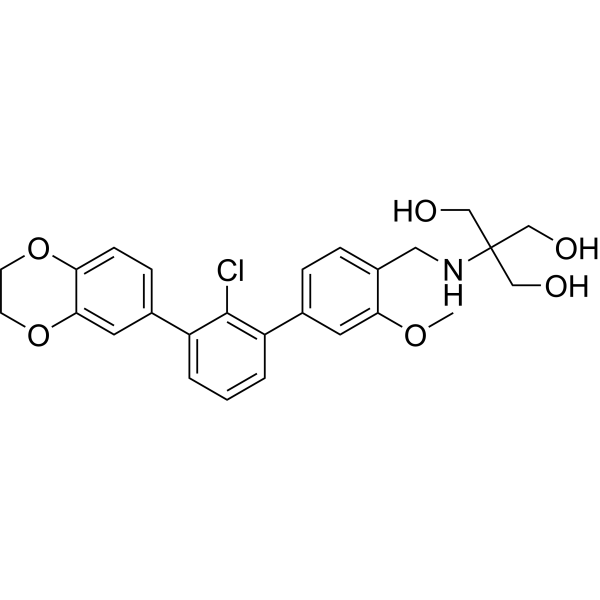
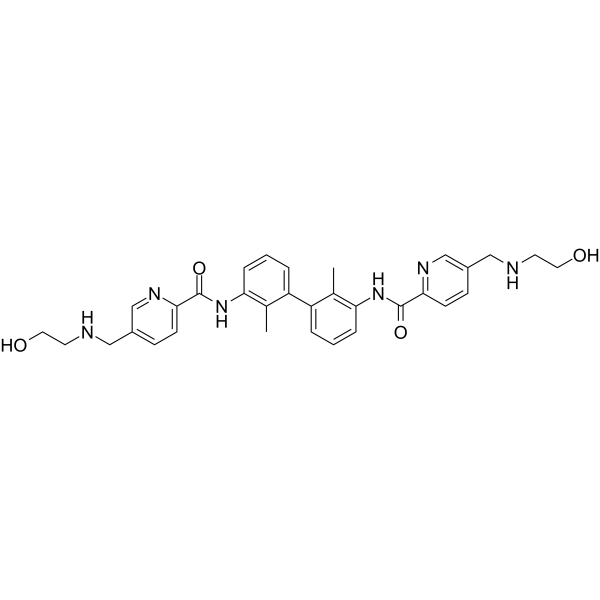
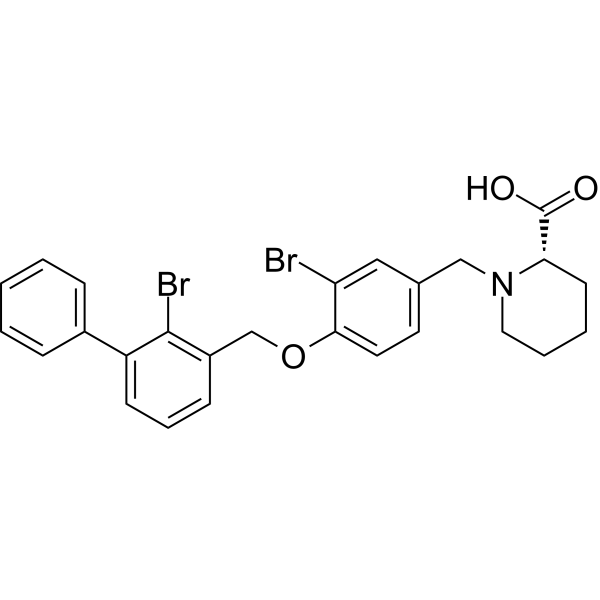
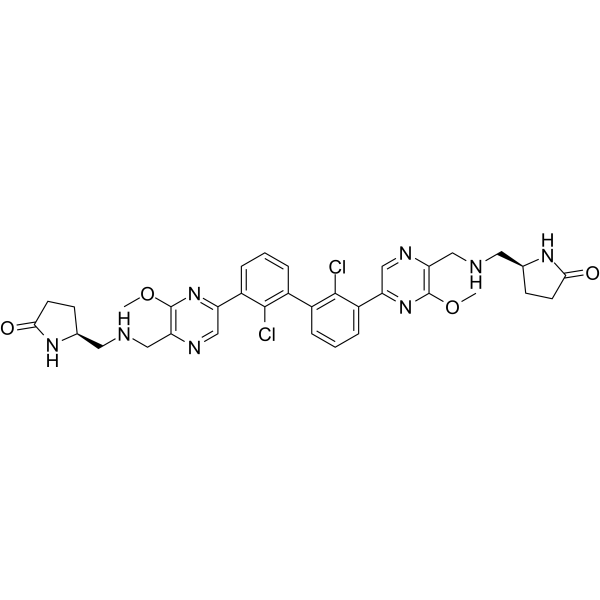
    BMS-8 inhibits the PD-1/PD-L1 interaction with IC50 of 7.2 μM. BMS-8, binds directly to PD-L1 and induces formation of PD-L1 homodimers, which in turn prevents the interaction with PD-1 [1].
    BMS-8
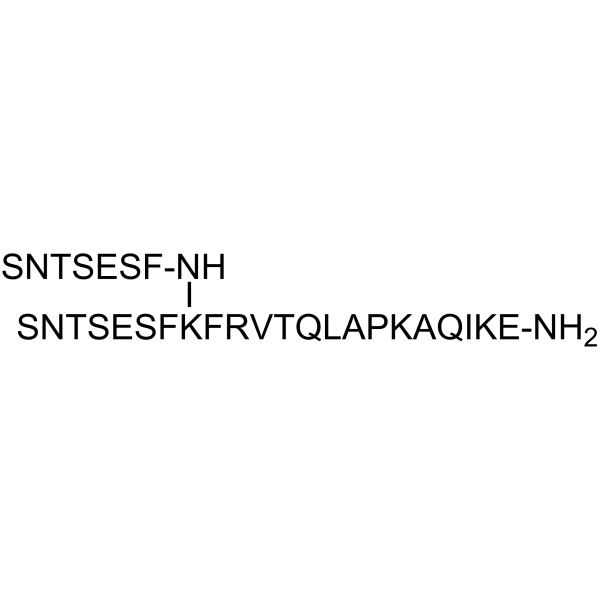
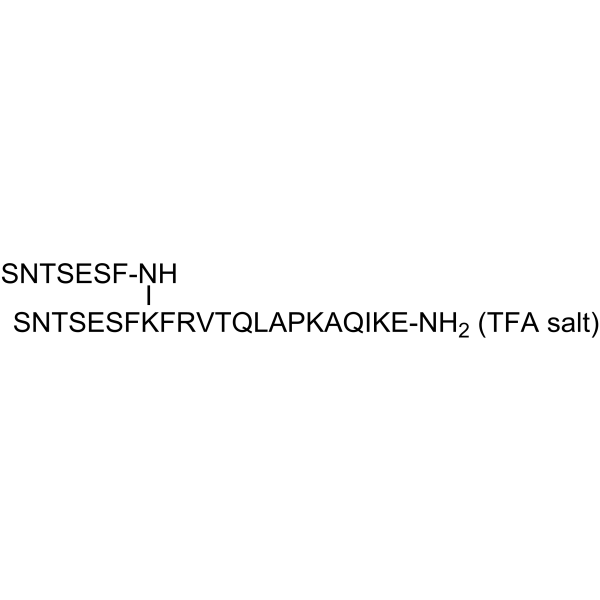
  • HY-P10950A

    PD-1/PD-L1 Inflammation/Immunology Cancer
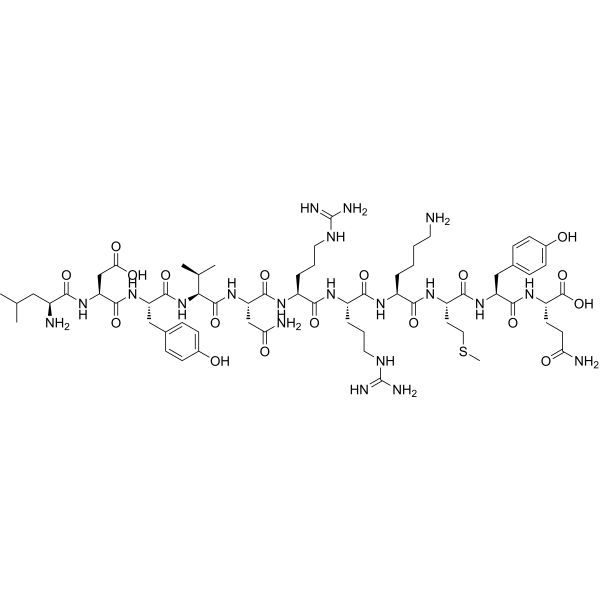
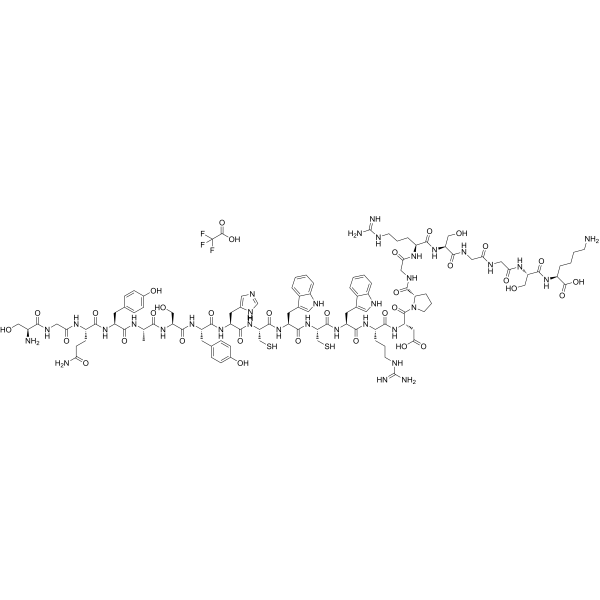
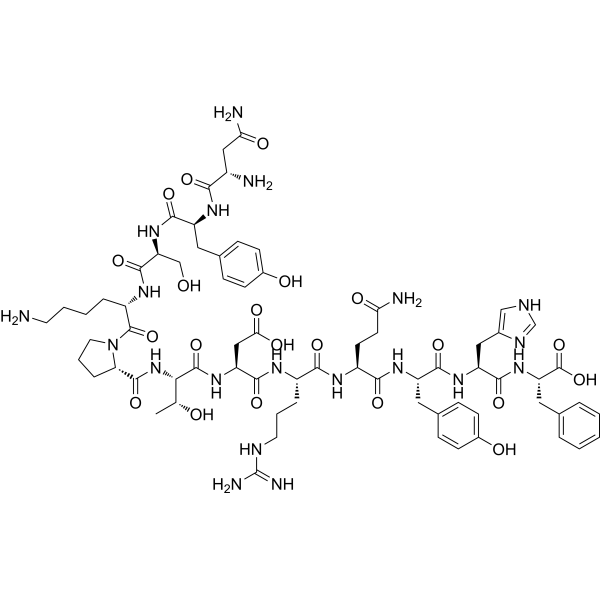
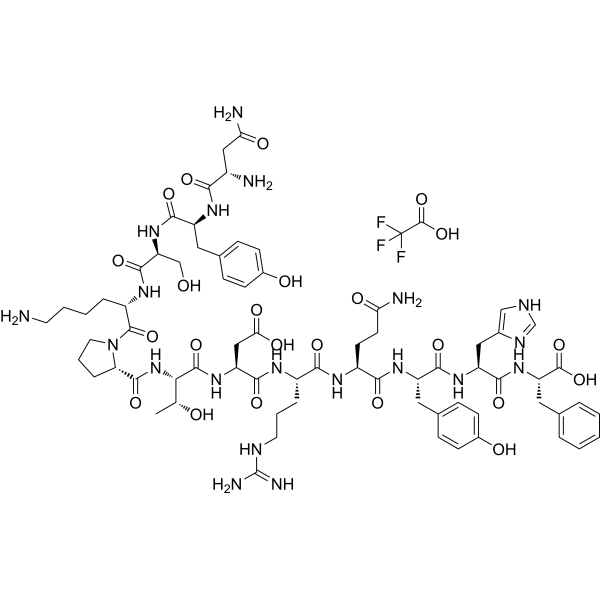
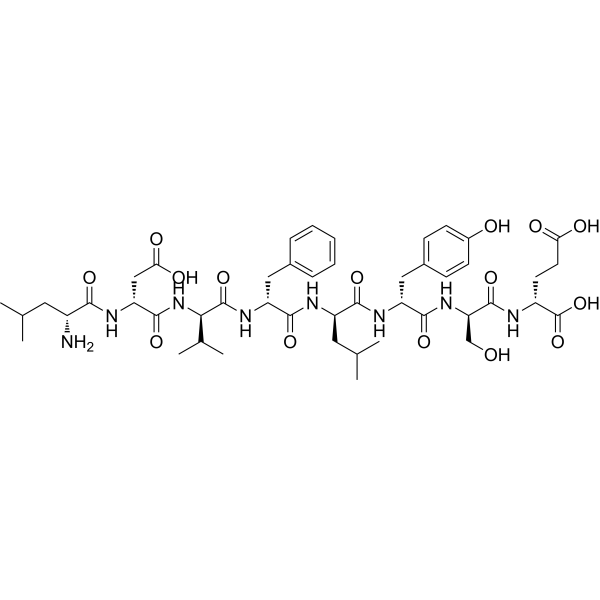
    PD-L1 inhibitory peptide TFA is an inhibitor peptide targeting programmed cell death ligand 1 (PD-L1). PD-L1 inhibitory peptide TFA binds to PD-L1, relieving immunosuppression and restoring the antitumor activity of T cells. PD-L1 inhibitory peptide TFA is promising for research of cancers [1] .
    PD-L1 inhibitory peptide TFA
  • HY-168530

    PD-1/PD-L1 Cancer
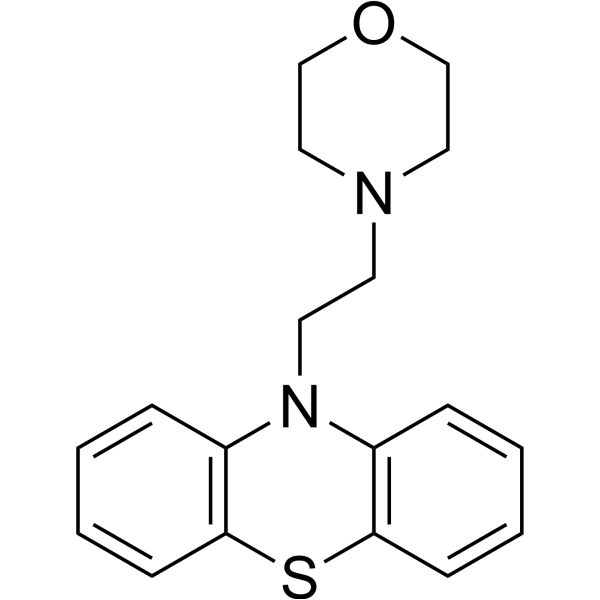
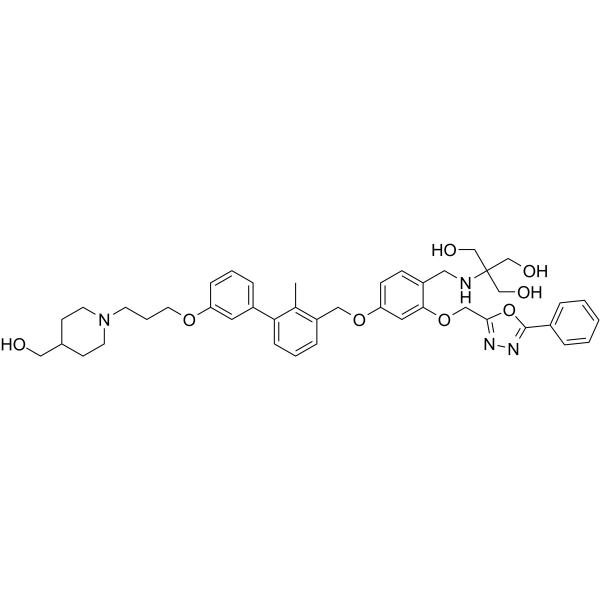
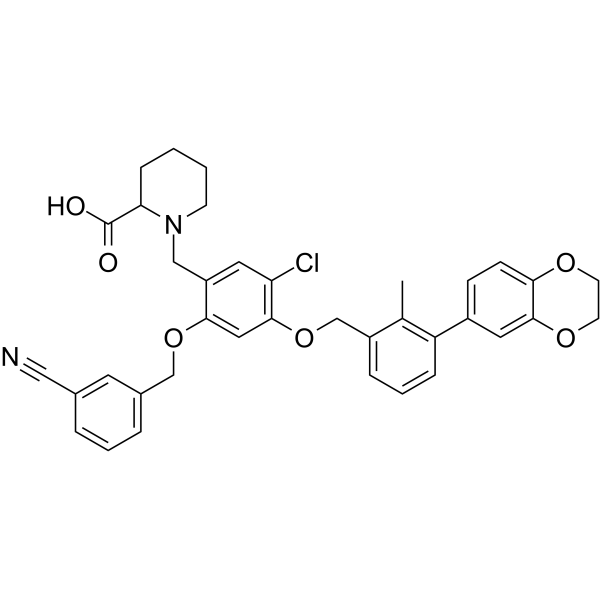
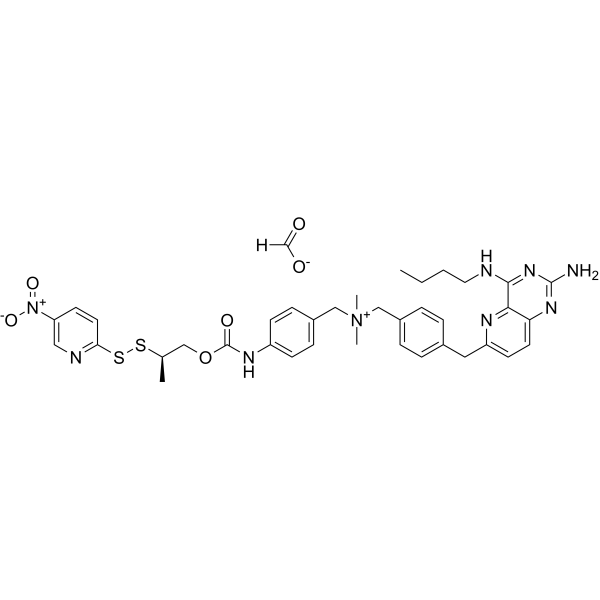
    PDL1 degrader-1 (compound PMT-O9-1A) is a potent PD-L1 degrader. PDL1 degrader-1 decreases the protein expression of PD-L1. PDL1 degrader-1 shows cytotoxicity. PDL1 degrader-1 shows anticancer activity [1].
    PDL1 degrader-1
  • HY-P3440

    Radionuclide-Drug Conjugates (RDCs) PD-1/PD-L1 Cancer
    WL12 is a specifically targeting programmed death ligand 1 (PD-L1) binding peptide. WL12 can be radiolabeled by different radionuclides, generating radiotracers, which can assess the tumor PD-L1 expression [1].
    WL12
  • HY-P99833

    CK-301; TG-1501

    PD-1/PD-L1 Cancer
    Cosibelimab (CK-301) is a high-affinity, fully human PD-L1-blocking monoclonal antibody that binds PD-L1 and blocks its interaction with PD-1. Cosibelimab exhibits antitumor efficacy [1].
    Cosibelimab
  • HY-101058A

    PD-1/PD-L1 Inflammation/Immunology Cancer
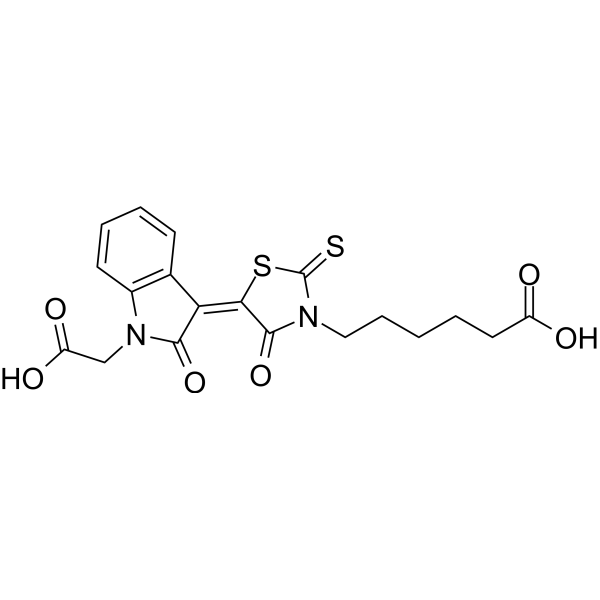
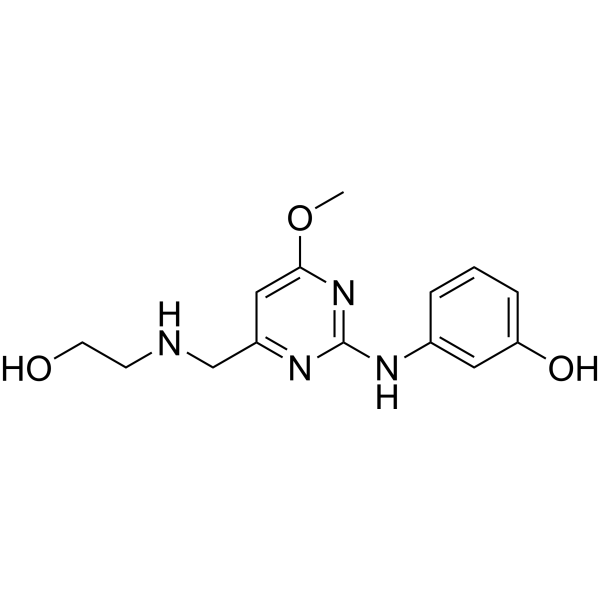
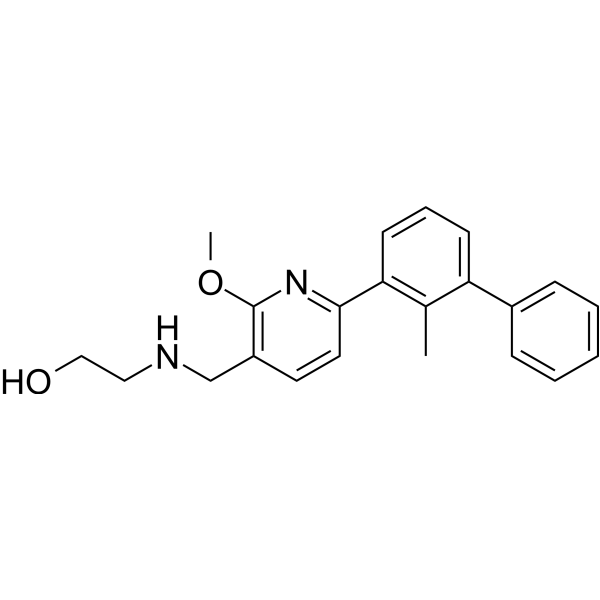
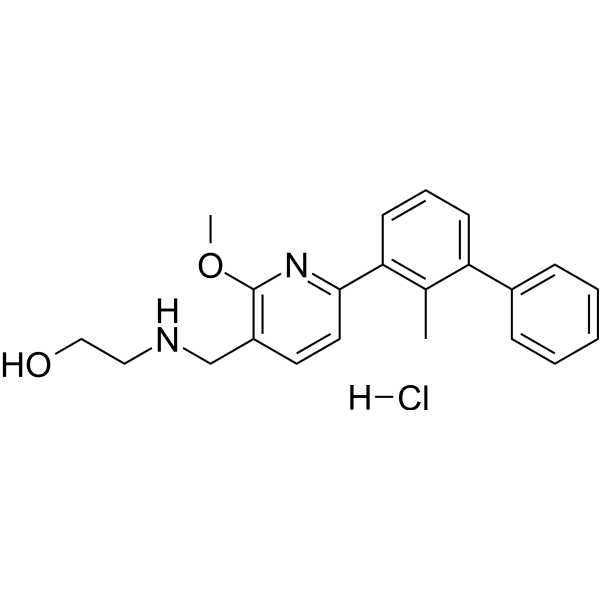
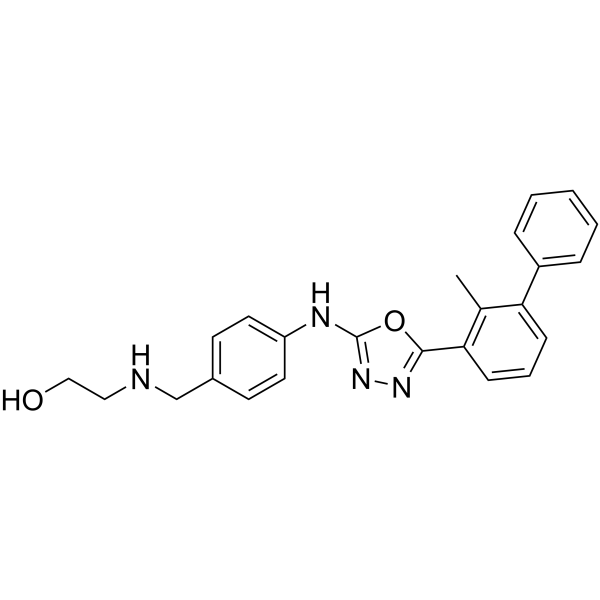
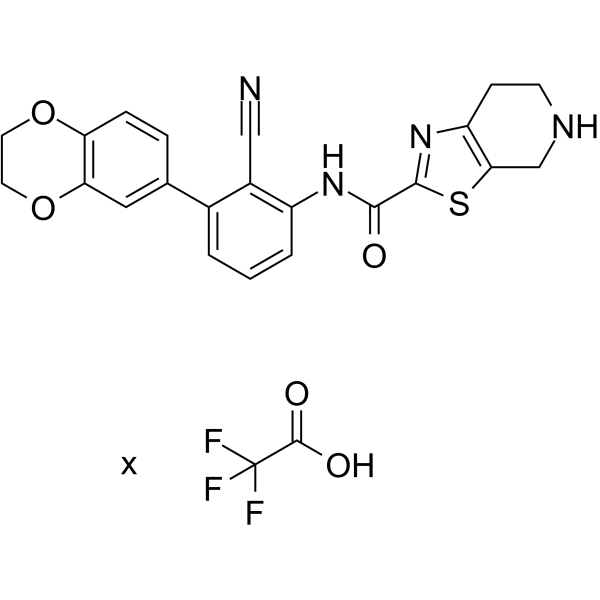
    PD1-PDL1-IN 1 TFA (compound 16) is a potent programmed cell death 1 (PD-1) inhibitor. PD1-PDL1-IN 1 TFA is useful as immune modulator [1].
    PD1-PDL1-IN 1 TFA
  • HY-139781
    PD-L1-IN-1
    1 Publications Verification

    PD-1/PD-L1 Apoptosis Cancer
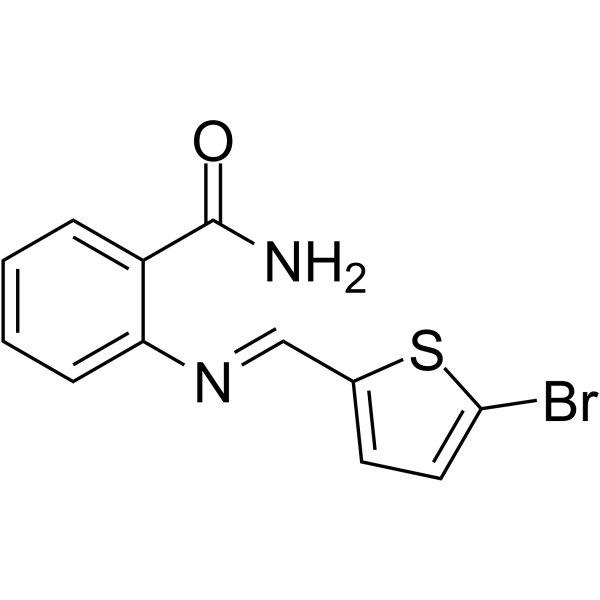
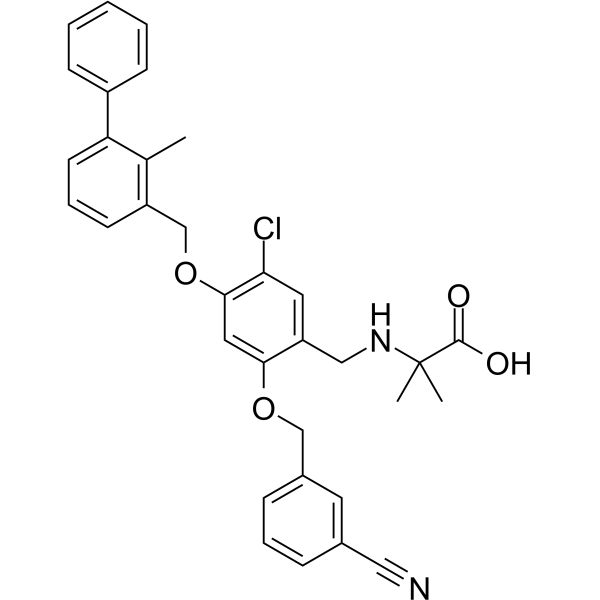
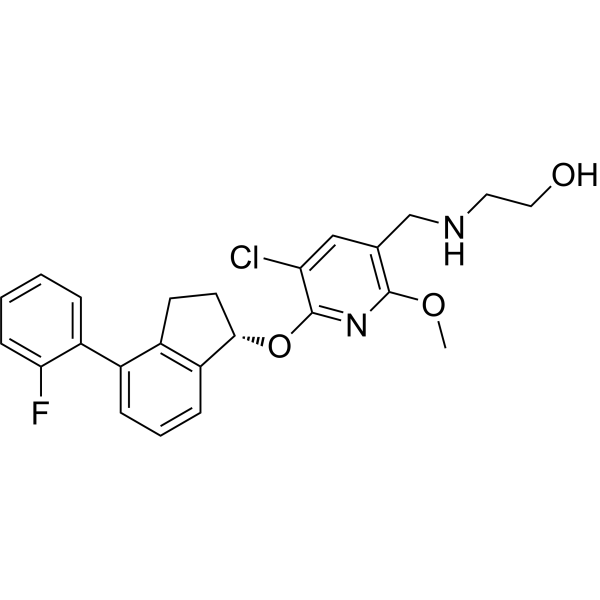
    PD-L1-IN-1 (Compound 10) is a potent PD-L1 inhibitor with an IC50 of 115 nM. PD-L1-IN-1 strongly binds with the PD-L1 protein and challenged it in a co-culture of PD-L1 expressing cancer cells and peripheral blood mononuclear cells enhanced antitumor immune activity of the latter. PD-L1-IN-1 significantly exhibits low cytotoxicity in healthy cells [1].
    PD-L1-IN-1
  • HY-P990738

    ES-101; INBRX-105

    TNF Receptor PD-1/PD-L1 Inflammation/Immunology Cancer
    Enristomig (ES-101) is a multispecific antibody. Enristomig is both a PD-L1 antagonist and a conditional agonist of 4-1BB. Enristomig can be used for research on PD-L1 expressing tumors [1].
    Enristomig
  • HY-145774

    PD-1/PD-L1 Cancer
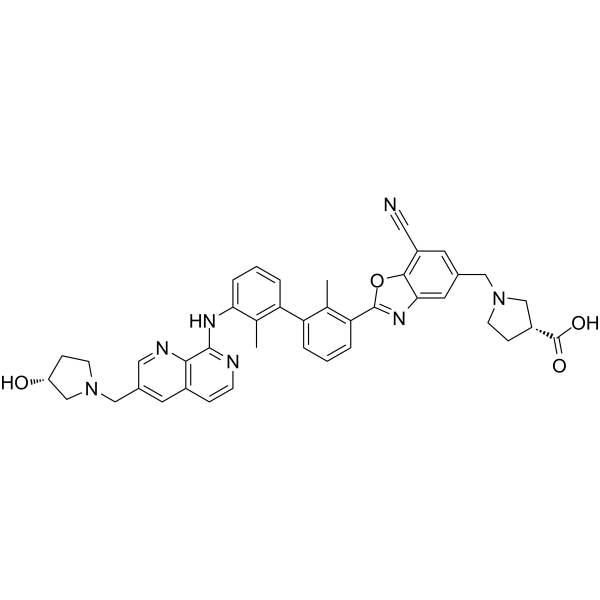
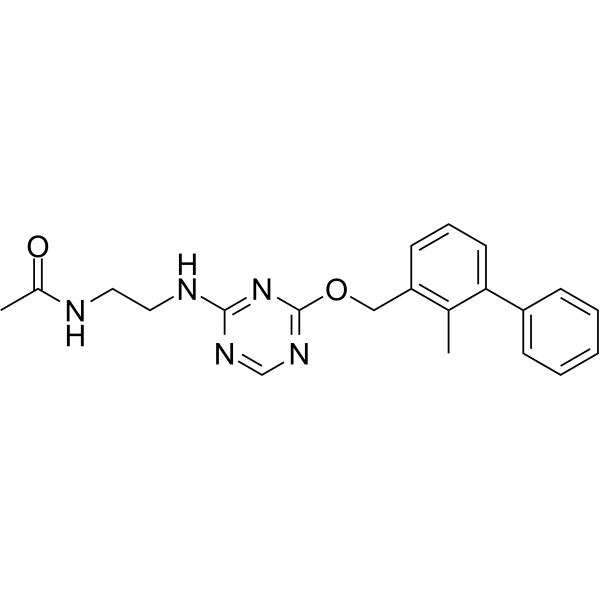
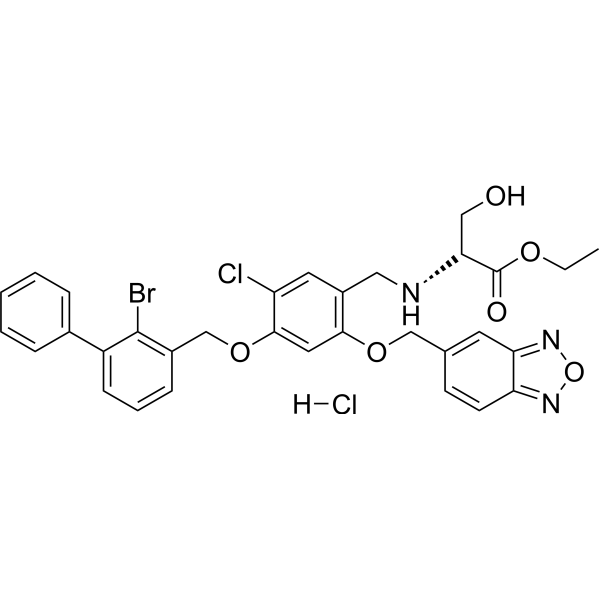
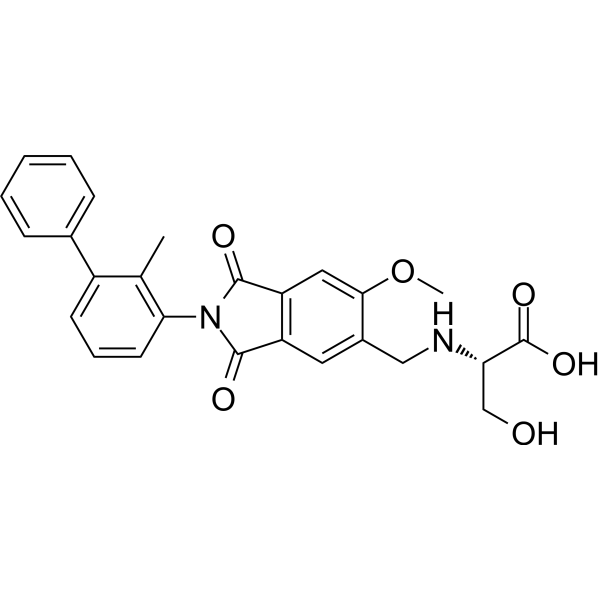
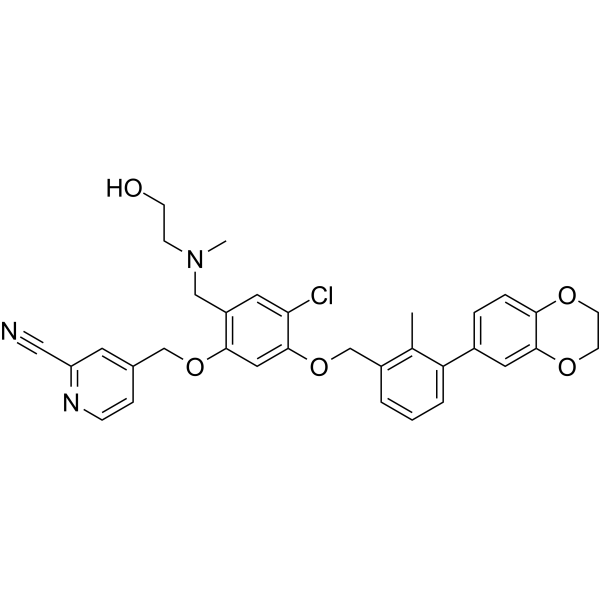
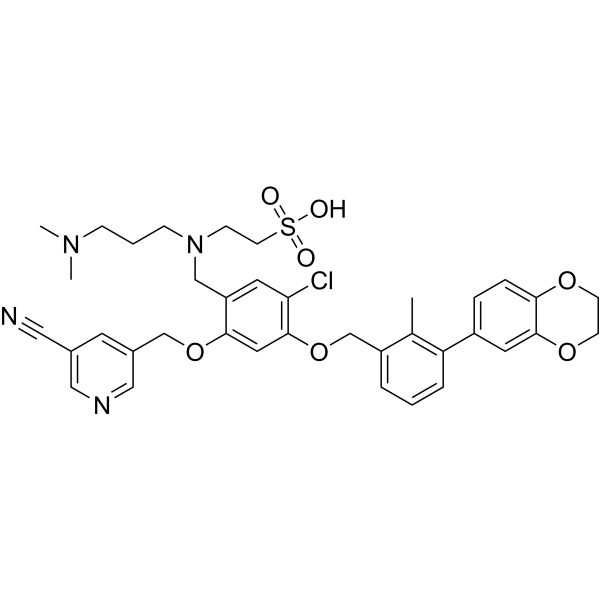
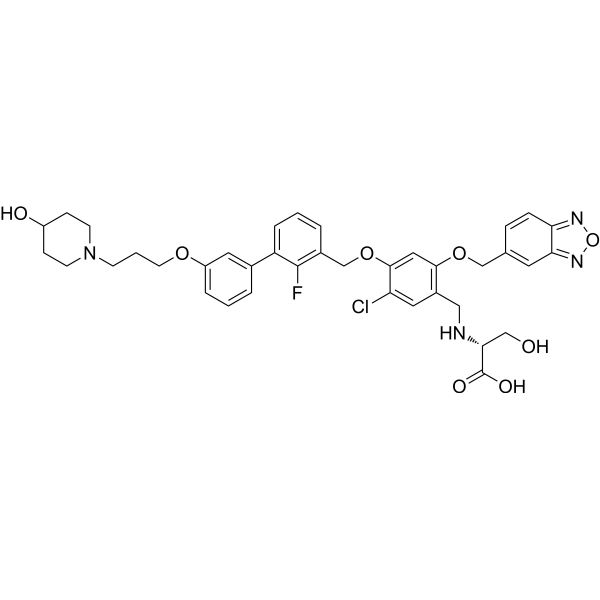
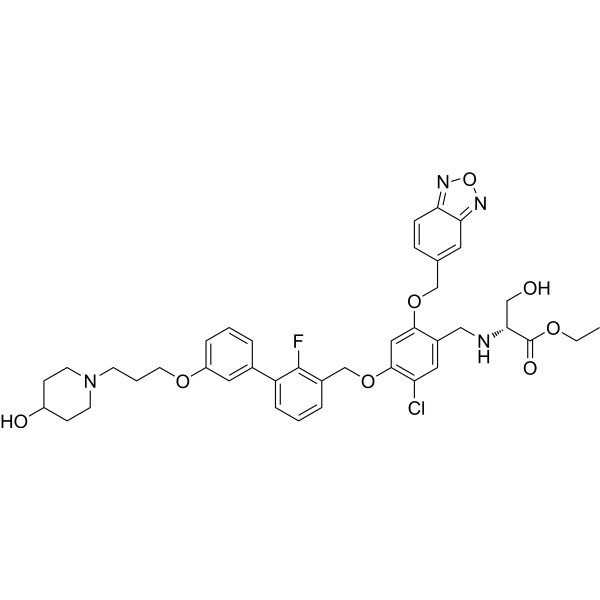
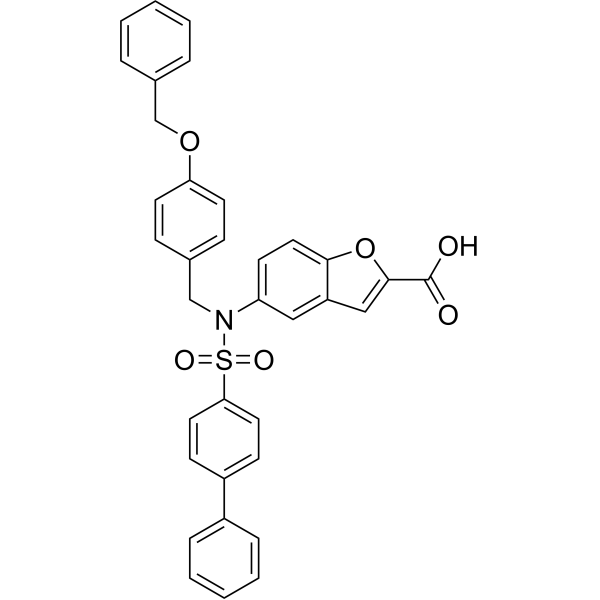
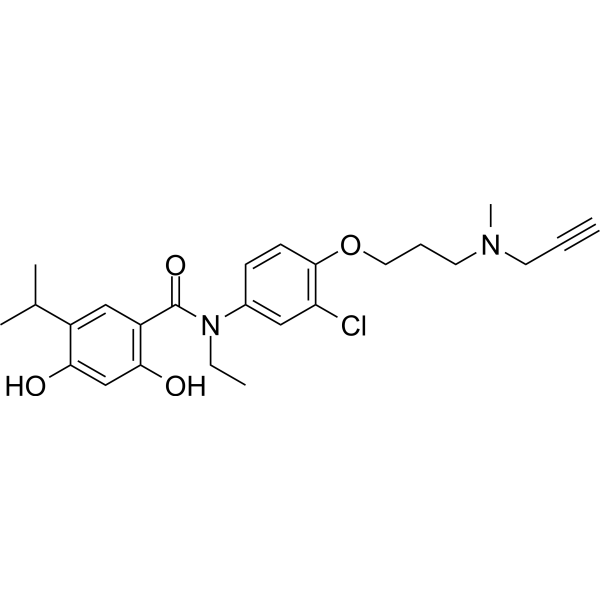
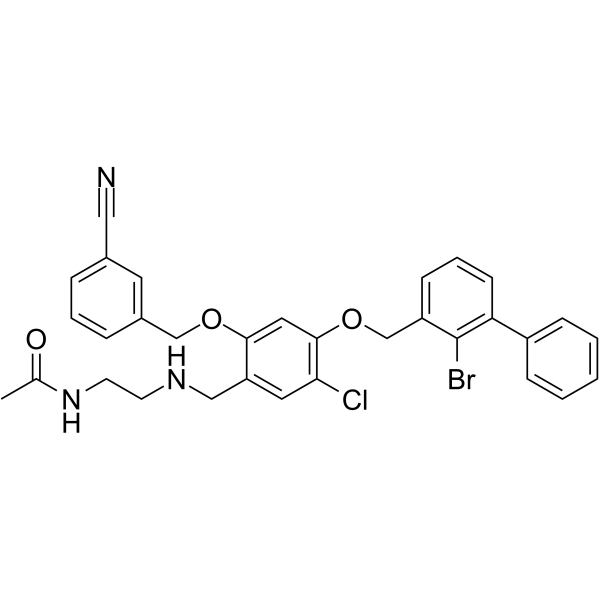
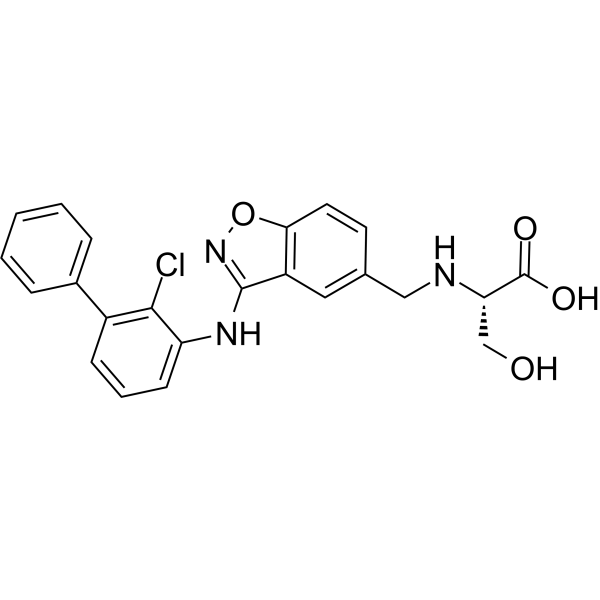
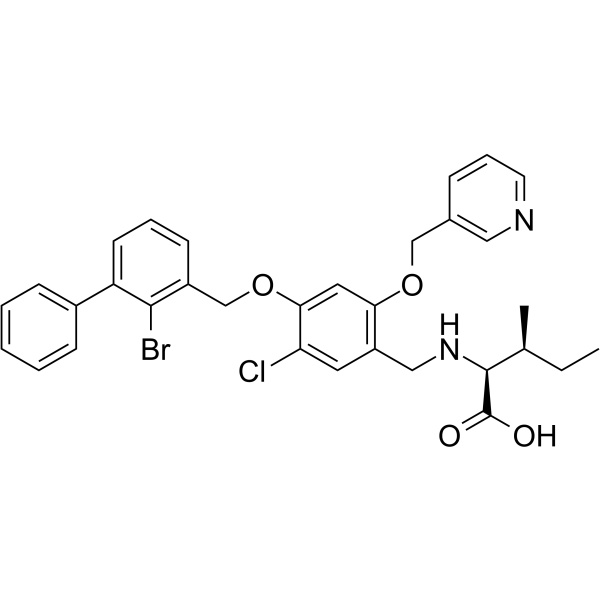
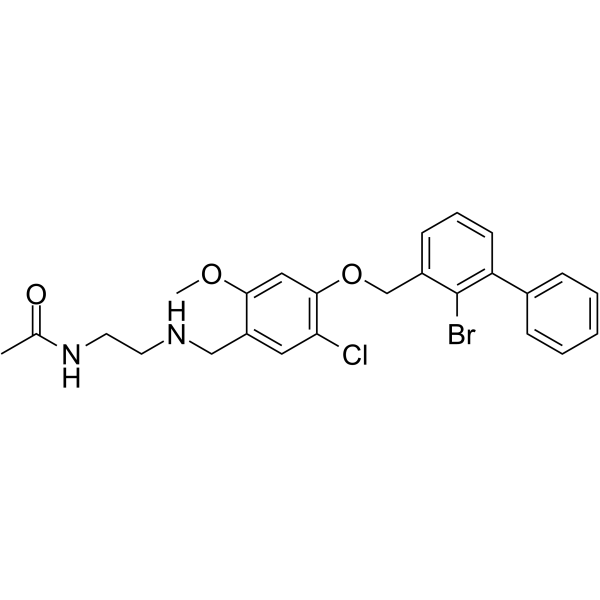
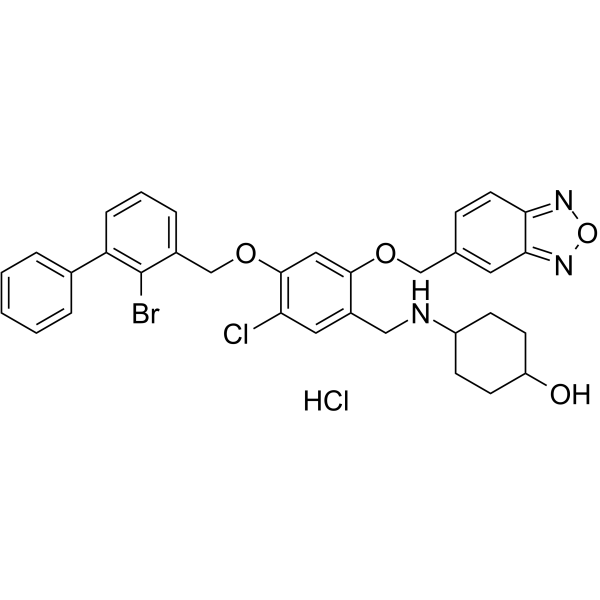
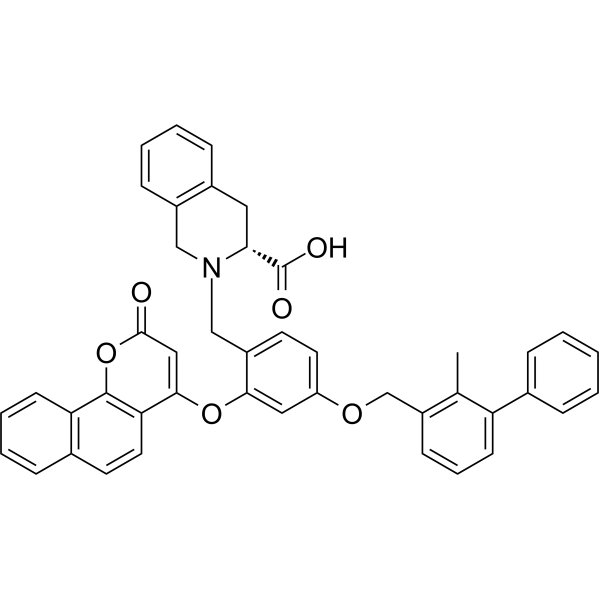
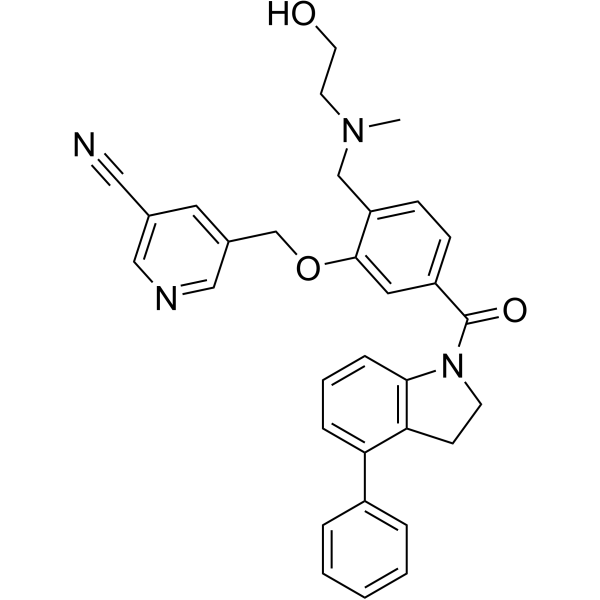
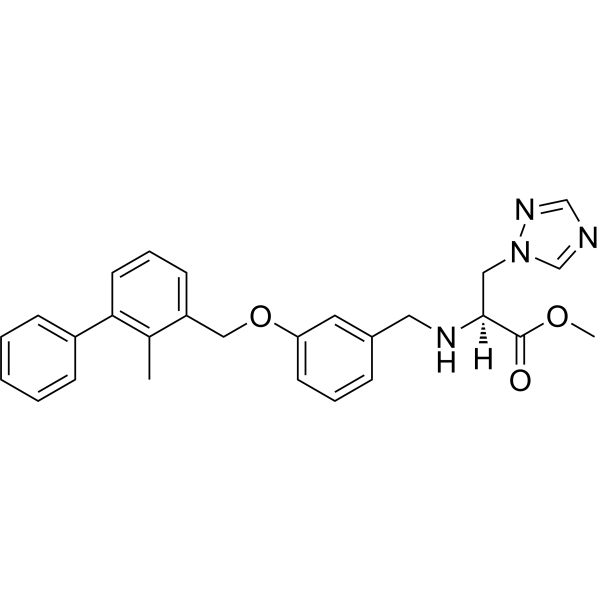
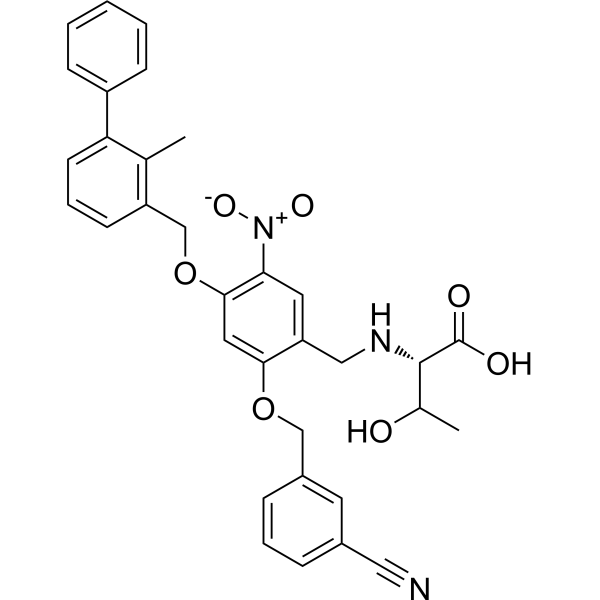
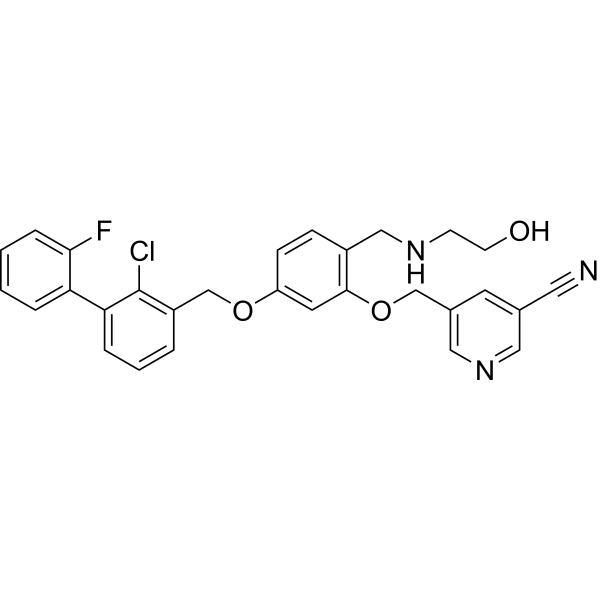
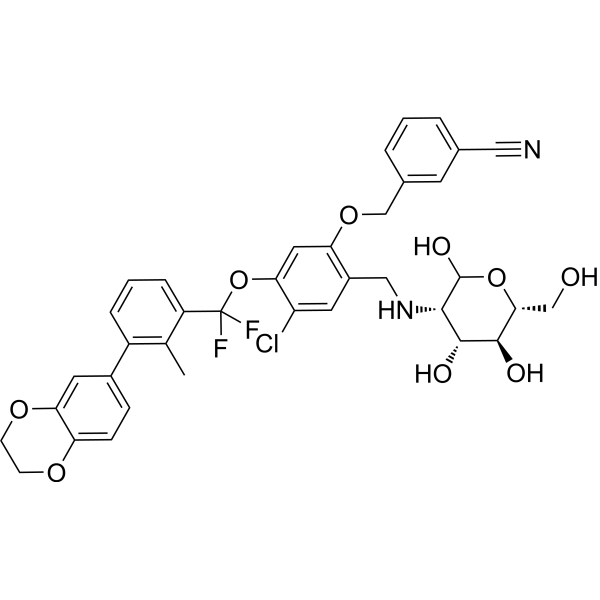
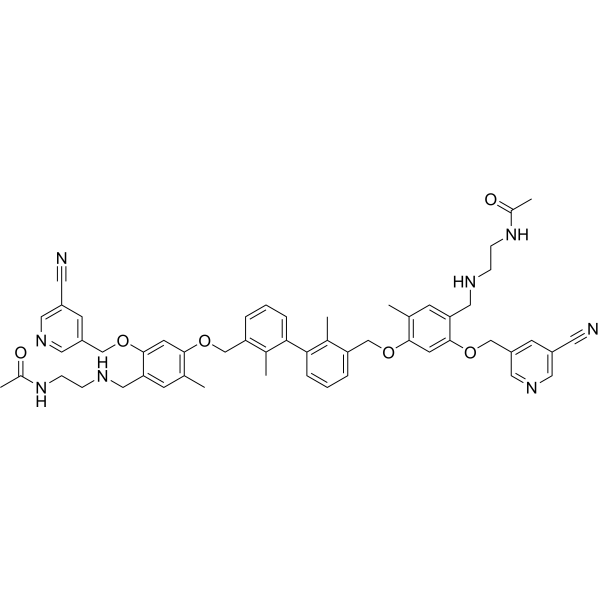
    PD-1/PD-L1-IN-23 is a potent and orally active inhibitor of PD-1/PD-L1. PD-1/PD-L1-IN-23 is an ester proagent of L7. L7 is a benzo[c][1,2,5]oxadiazole derivative and biologically evaluated as inhibitors of PD-L1. PD-1/PD-L1-IN-23 displays significant antitumor effects in tumor models of syngeneic and PD-L1 humanized mice [1].
    PD-1/PD-L1-IN-23
  • HY-120402

    PD-1/PD-L1 Inflammation/Immunology
    BMS-200 is a potent PD-1/PD-L1 interaction inhibitor with an IC50 of 80 nM. BMS-200 can induce dimerization of PD-L1 [1].
    BMS-200
  • HY-P10950

    PD-1/PD-L1 Inflammation/Immunology Cancer
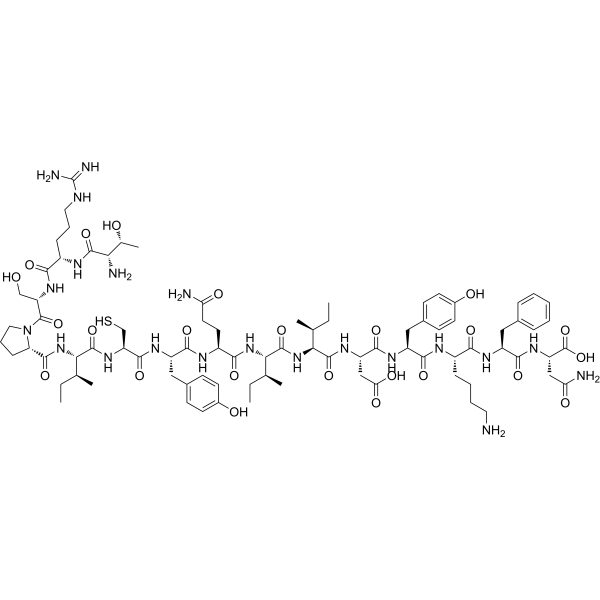
    PD-L1 inhibitory peptide is an inhibitor peptide targeting programmed cell death ligand 1 (PD-L1). PD-L1 inhibitory peptide binds to PD-L1, relieving immunosuppression and restoring the antitumor activity of T cells. PD-L1 inhibitory peptide is promising for research of cancers [1] .
    PD-L1 inhibitory peptide
  • HY-155101

    PD-1/PD-L1 Cancer
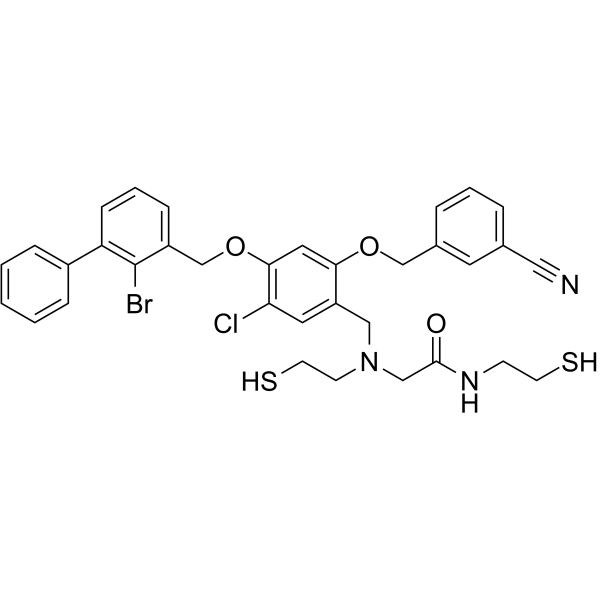
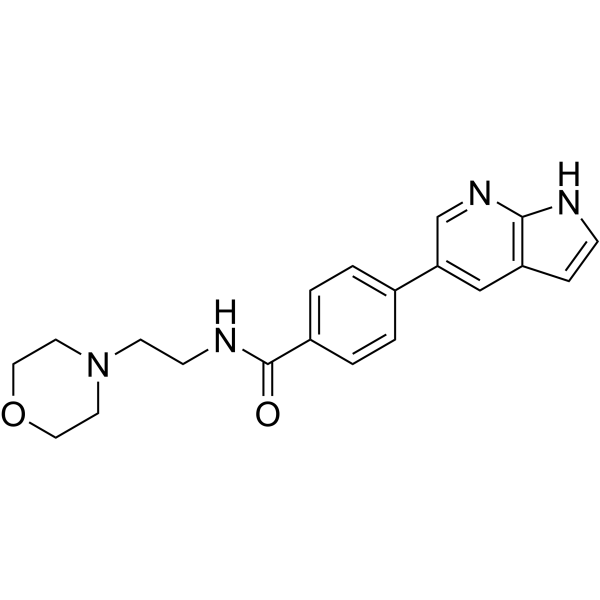
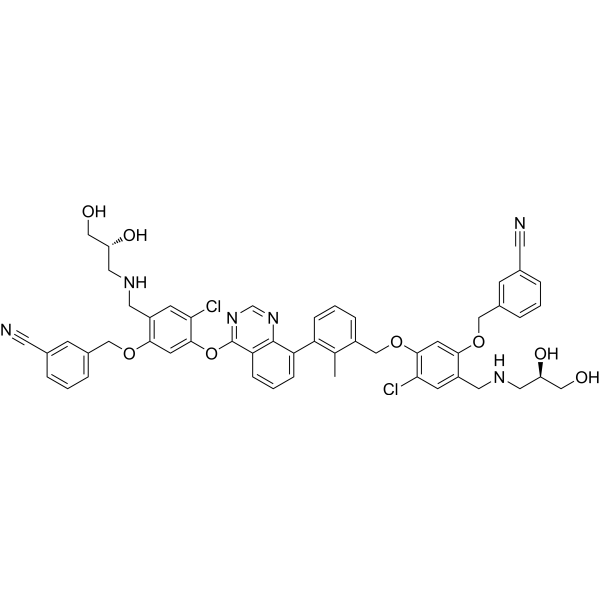
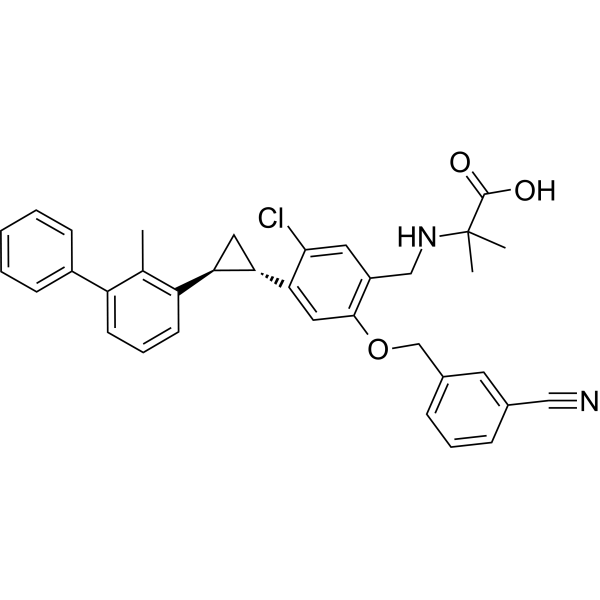
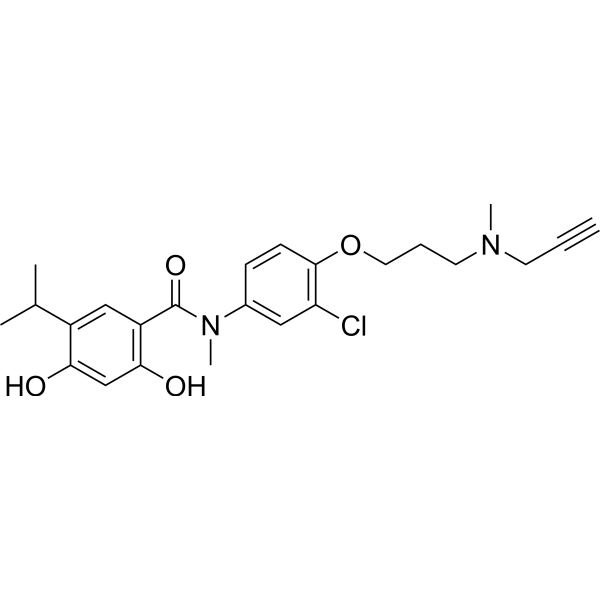
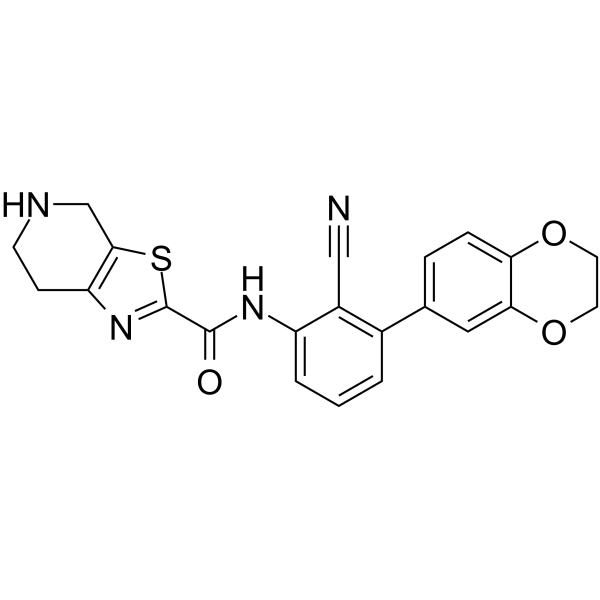
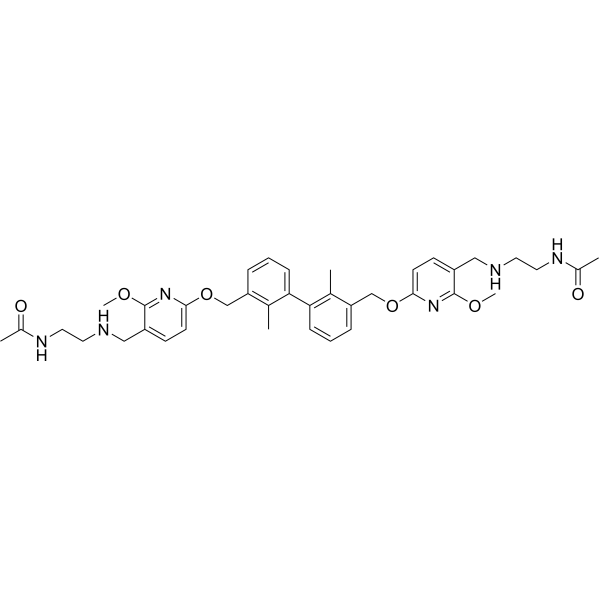
    PD-L1-IN-3 (Compound 4a) is a compound that targets PD-1/PD-L1, the IC50 value and EC50 value is 4.97nM and 2.70 μM for inhibit PD-L1 and Jurkat T cells, respectively. PD-L1-IN-3 can bind PD-L1 dimer to prevent PD-1 binding to PD-L1, therefore blocking PD-1 signaling. PD-L1-IN-3 can be used for lung cancer and melanoma diseases research [1].
    PD-L1-IN-3
  • HY-149830
    PD-L1-IN-2
    1 Publications Verification

    PD-1/PD-L1 Cancer
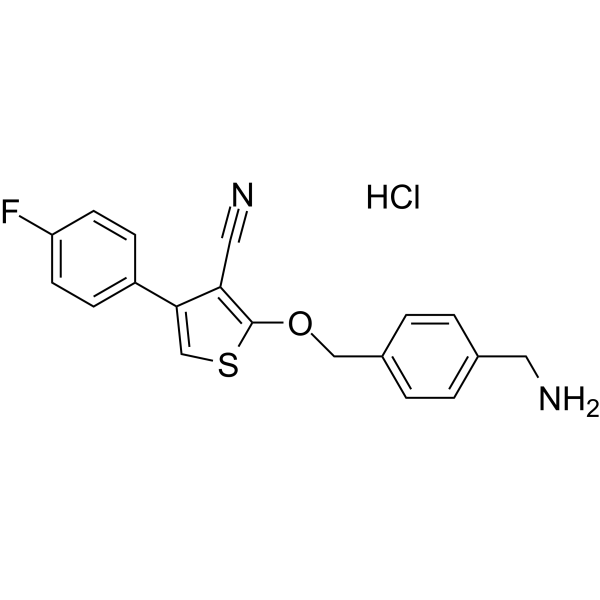
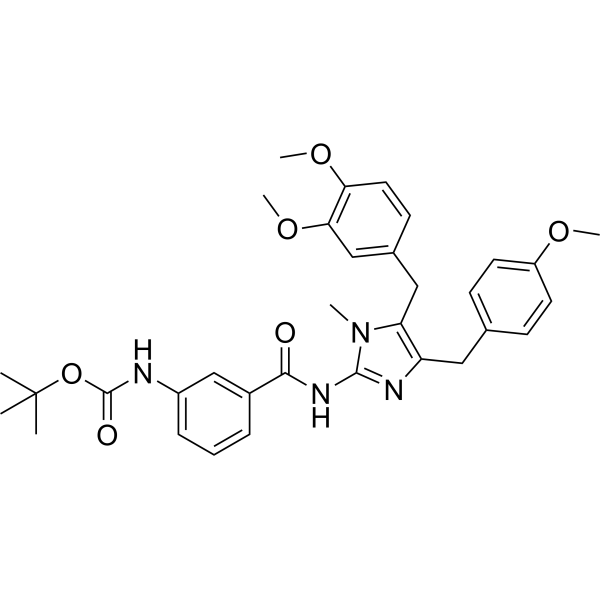
    PD-L1-IN-2 is a potential tumor immunological agent by inhibiting PD-L1. PD-L1-IN-2 is a Naamidine J derivative and exerts antitumor effects in vivo by reducing PD-L1 expression and enhancing tumor-infiltrating T-cell immunity. PD-L1-IN-2 is used for colorectal cancer research [1].
    PD-L1-IN-2
  • HY-P2478

    PD-1/PD-L1 Inflammation/Immunology
    Human PD-L1 inhibitor V, a human PD-1 protein binding peptide with a Kd value of 3.32 μM. Human PD-L1 inhibitor V inhibit the interaction of hPD-1/hPD-L1 [1].
    Human PD-L1 inhibitor V
  • HY-P99903

    IBI-322

    PD-1/PD-L1 CD47 Inflammation/Immunology Cancer
    Simridarlimab (IBI-322) is a bispecific antibody targeting PD-L1 and CD47. Simridarlimab attenuates CD47 activity in monovalent binding and blockes PD-L1 activity in bivalent binding. Simridarlimab selectively binds to CD47+PD-L1+ tumor cells, effectively inhibits CD47-SIRPα signal and triggered strong tumor cell phagocytosis in vitro [1].
    Simridarlimab
  • HY-167840

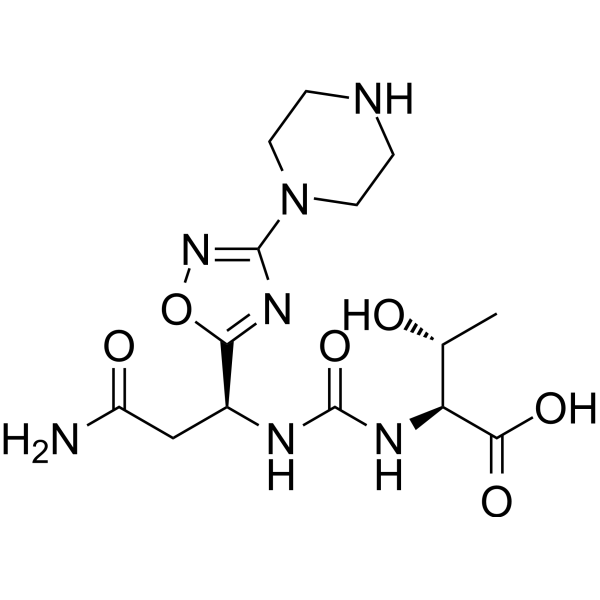
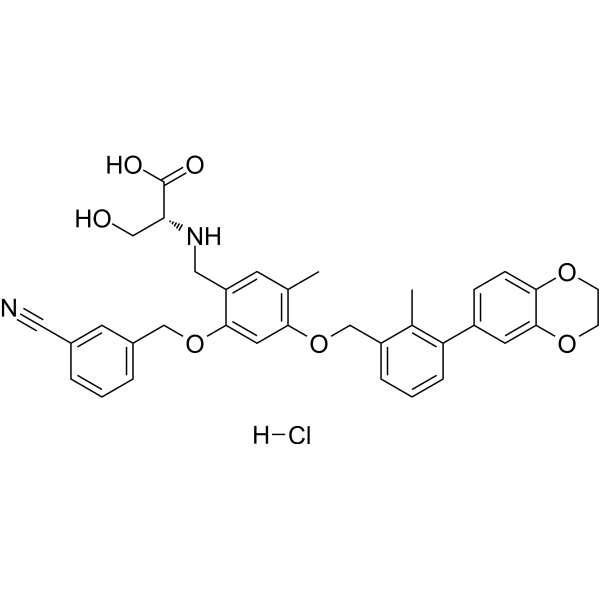
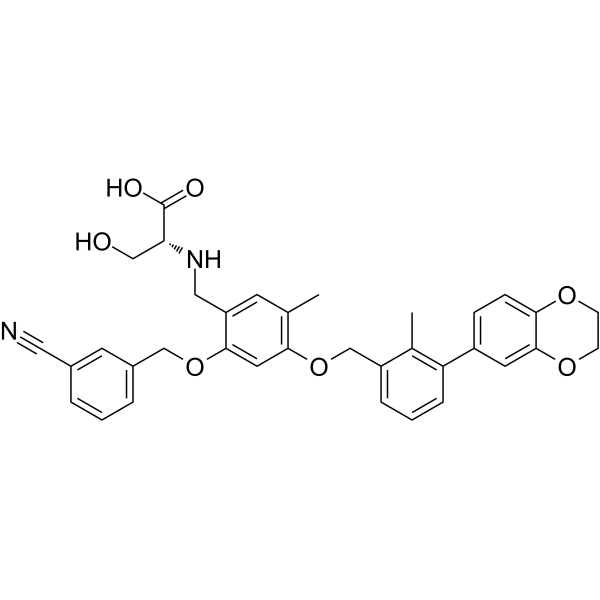
    PD-1/PD-L1 Neurological Disease Cancer
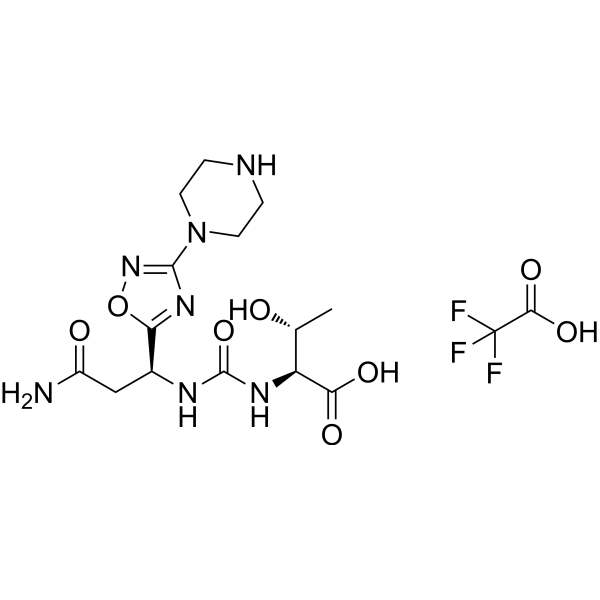
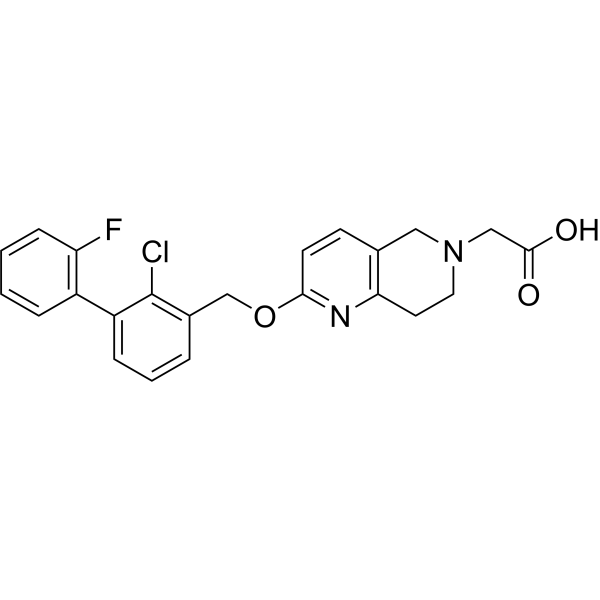
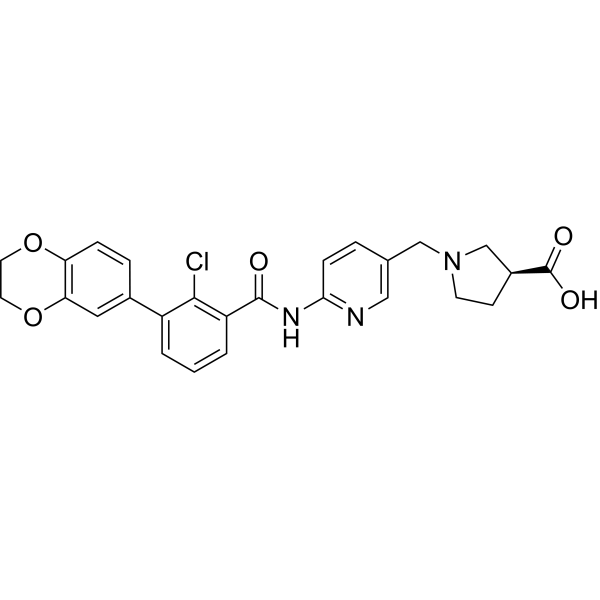
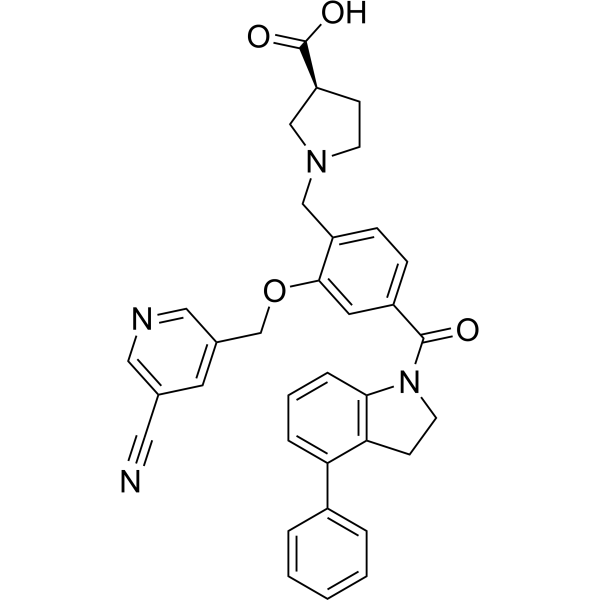
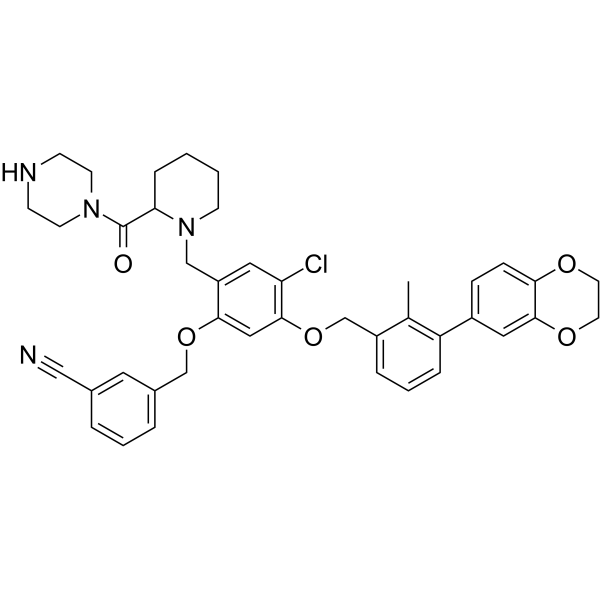
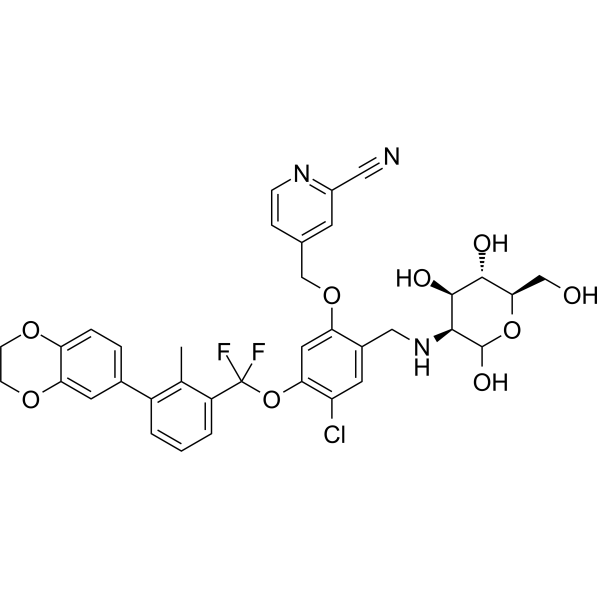
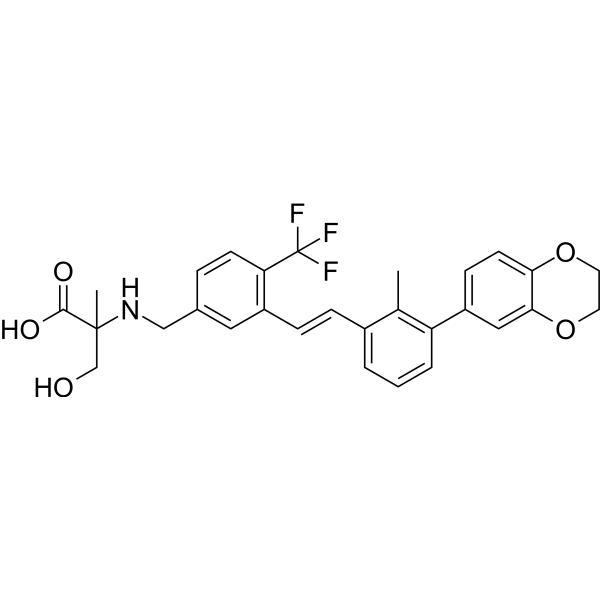
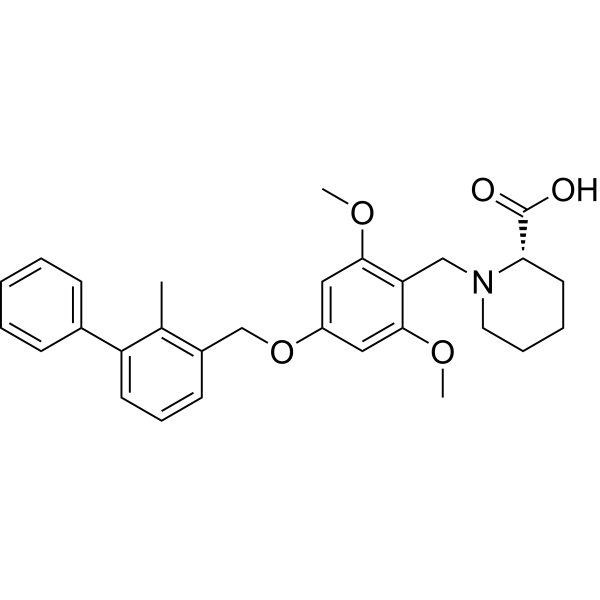
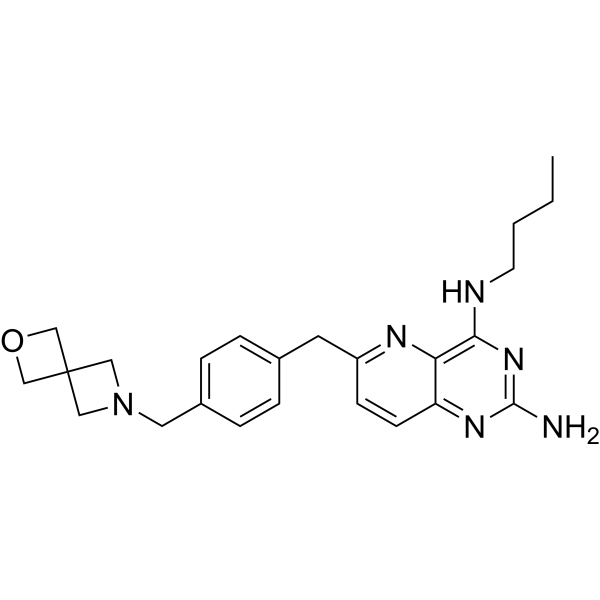
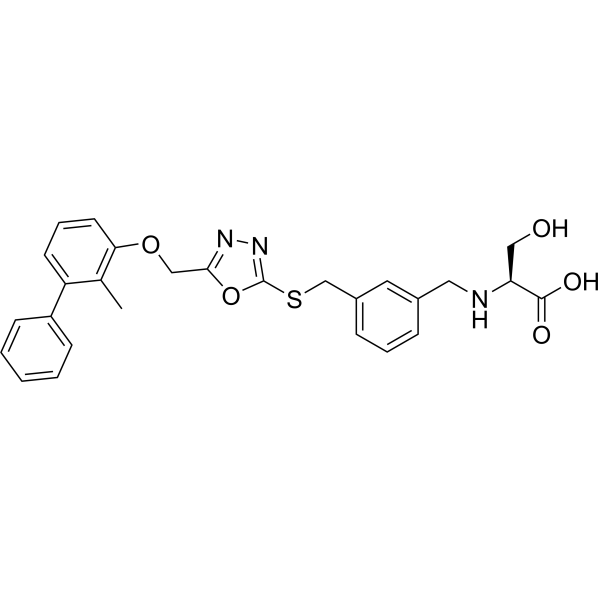
    IMMH-010 maleate is a prodrug that serves as a novel PD-L1 inhibitor, exhibiting potential antitumor activity for the treatment of neurological disorders and advanced malignant solid tumors. IMMH-010 maleate is rapidly converted to its active form, YPD-29B, following oral administration. IMMH-010 maleate is poised for advancing research in the field of PD-L1 inhibitors and related therapeutic applications.
    IMMH-010 maleate
  • HY-103048A

    PD-1/PD-L1 Cancer
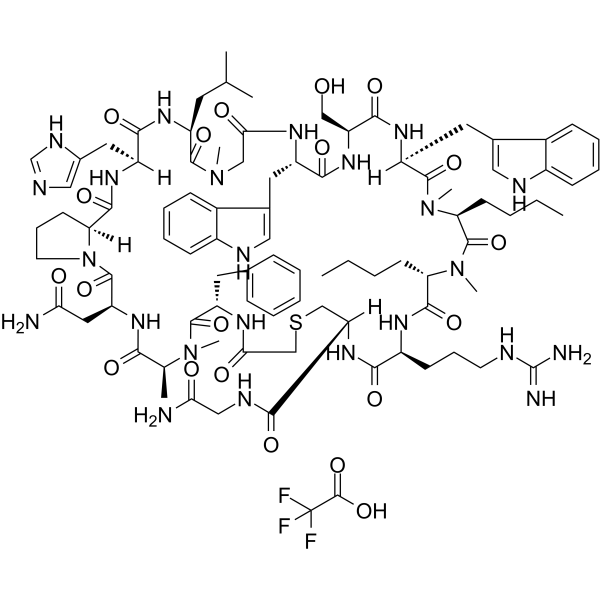
    PD-1/PD-L1-IN 3 TFA, a macrocyclic peptide, is a potent and selective inhibitor of the PD-1/PD-L1 and CD80/PD-L1 interactions extracted from patent WO2014151634A1, compound No.1. PD-1/PD-L1-IN 3 TFA interferes with PD-L1 binding to PD-1 and CD80 by binding to PD-L1, with IC50s of 5.60 nM and 7.04 nM, respectively. PD-1/PD-L1-IN 3 TFA can be used for the research of various diseases, including cancer and infectious diseases [1].
    PD-1/PD-L1-IN 3 TFA
  • HY-P99475

    MSB-2311

    PD-1/PD-L1 Cancer
    Betifisolimab (MSB-2311) is a humanized monoclonal antibody directed against the immunosuppressive ligand PD-L1. Betifisolimab has the potential for advanced solid tumors and hematological malignancies research [1].
    Betifisolimab
  • HY-152240

    PD-1/PD-L1 Cancer
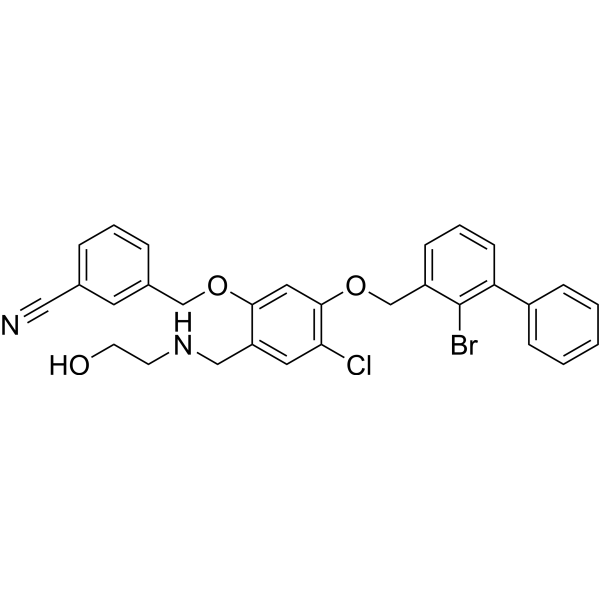
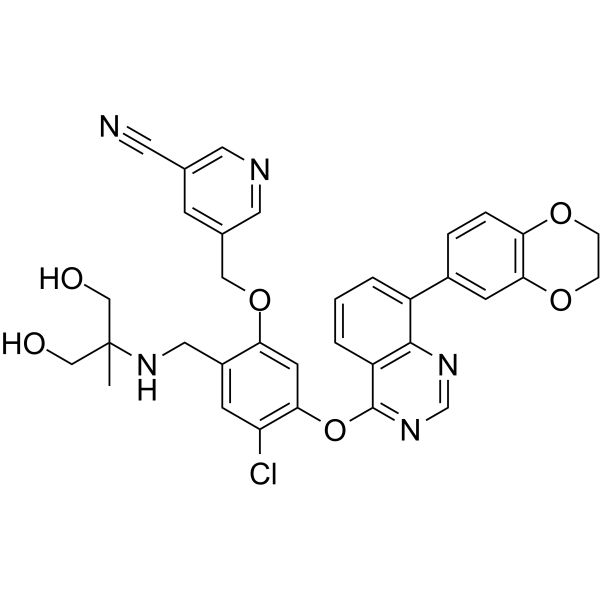
    PD-1/PD-L1-IN-29 (S4-1) is a potent PD-1/PD-L1 inhibitor with an IC50 value of 6.1 nM. PD-1/PD-L1-IN-29 binds PD-L1 and disrupts PD-1/PD-L1 interactions, induces PD-L1 dimerization and internalization, improves its localization to the endoplasmic reticulum, and promotes PD-L1 entry into the endoplasmic reticulum. PD-1/PD-L1-IN-29 has anticancer activity [1].
    PD-1/PD-L1-IN-29
  • HY-P99633

    BGB-A333

    PD-1/PD-L1 Apoptosis Cancer
    Garivulimab (BGB-A333) is a humanized IgG1-variant monoclonal antibody that specifically targets and binds to PD-L1. Garivulimab selectively blocks the interaction of PD-L1 and PD-1. Garivulimab has antitumor activity [1].
    Garivulimab
  • HY-169363

    PD-1/PD-L1 Autophagy AUTACs Cancer
    PD-L1 degrader-2 (Compound B3) is an orally active AUTAC degrader, that degrades PD-L1 through autophagy-lysosome pathway with a DC50 of 0.5 μM. PD-L1 degrader-2 exhibits inhibitory activity against PD-1/PD-L1 interaction with an IC50 of 22.8 nM. PD-L1 degrader-2 upregulates the expressions of Atg9b, Lamp1 and Mitf, and activates the autophagy lysosome system. PD-L1 degrader- exhibits antitumor efficacy in CT26 mouse model [1]. (Pink: autophagy-lysosome activator (HY-159894); Black: linker (HY-W015088); Blue: PD-L1 ligand (HY-169365))
    PDL1 degrader-2
  • HY-P99723

    BCD-135

    PD-1/PD-L1 Cancer
    Manelimab is a monoclonal antibody that inhibits programmed death-ligand 1 (PD-L1) [1].
    Manelimab
  • HY-P2477

    PD-1/PD-L1 Inflammation/Immunology
    Human PD-L1 inhibitor IV, a polypeptide, is a competitive human PD-1 protein inhibitor with a Kd value of 1.38 μM. Human PD-L1 inhibitor IV inhibits the interaction of hPD-1/hPD-L1 [1].
    Human PD-L1 inhibitor IV
  • HY-164576

    NODA-Bz-SCN

    Radionuclide-Drug Conjugates (RDCs) Cancer
    NCS-MP-NODA (NODA-Bz-SCN) is a bifunctional chelator that can be used to bind to the labeled peptide DK222 with high specificity for PD-L1. The corresponding fluorinated radioactive is synthesized by the aluminum fluoride method, and NCS-MP-NODA targets DK222 to obtain the radioactive analog [18/19F]DK222. [18F]DK222 can quantify PD-L1 in vivo via PET tracking in xenograft models of multiple cancer types.

    NCS-MP-NODA
  • HY-162972

    PROTACs PD-1/PD-L1 Cancer
    PROTAC PD-L1 degrader-2 (Compound 9i) is a PROTAC degrader for PD-L1, that inhibits PD-L1 with an IC50 of 197.4 nM and exhibits an affinity with PD-L1 with a Kd of 301 nM. PROTAC PD-L1 degrader-2 promotes the internalization of PD-L1 on the cell membrane, and induces PD-L1 degradation via the synergistic effect of the proteasome and lysosomal pathways. PROTAC PD-L1 degrader-2 can activate the immune system, and exhibits antitumor efficacy in MC38 C57BL/6 mouse model [1].
    PROTAC PD-L1 degrader-2
  • HY-P2470

    PD-1/PD-L1 Cancer
    Human PD-L1 inhibitor II is a potent PD-L1 inhibitor with anti-cancer activity [1].
    Human PD-L1 inhibitor II
  • HY-P2474

    PD-1/PD-L1 Cancer
    Human PD-L1 inhibitor I is a hPD-1 peptide ligand, with a KD of 3.39 μM. Human PD-L1 inhibitor I may disturb the binding of hPD-L1 to hPD-1 [1].
    Human PD-L1 inhibitor I
  • HY-P10978

    PD-1/PD-L1 Cancer
    NK224 is a peptide-based radiotracer targeting human PD-L1, with dual-radionuclide ( 68Ga and 18F) labeling compatibility enabled by the NOTA chelator. NK224 exhibits high binding affinity to PD-L1, with an IC50 value of 2.45 nM. NK224 visualizes intrapatient tumor heterogeneity and dynamically monitors PD-L1 target occupancy during immunotherapy. NK224 can be used for the study of non-small cell lung cancer (NSCLC) [1].
    NK224
  • HY-172200

    PD-1/PD-L1 HDAC Inflammation/Immunology Cancer
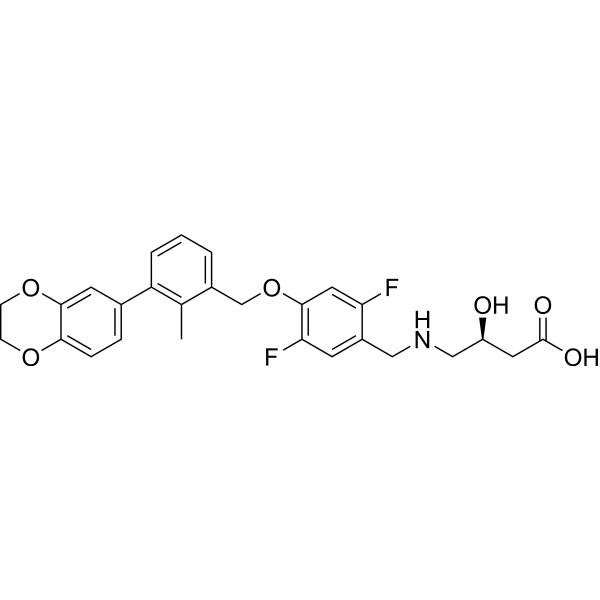
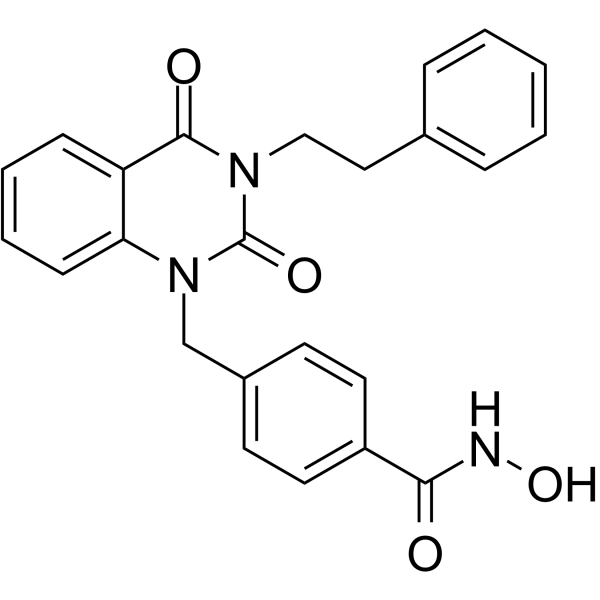
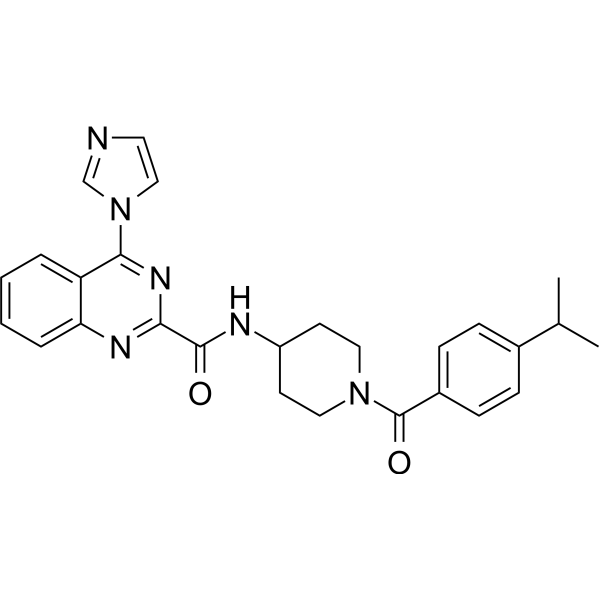
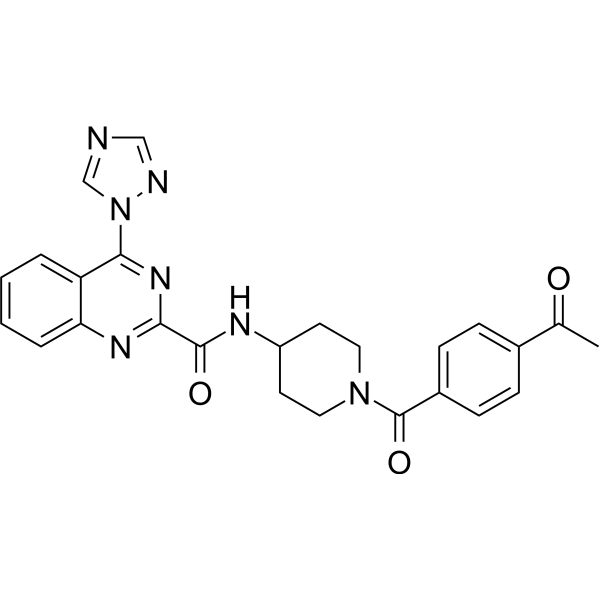
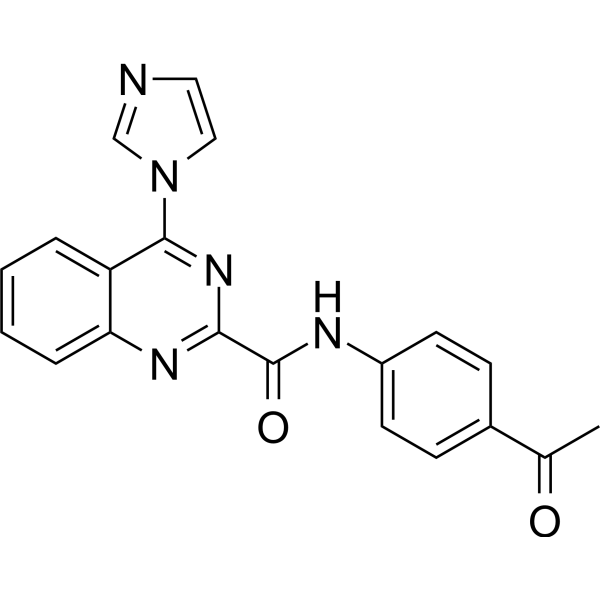
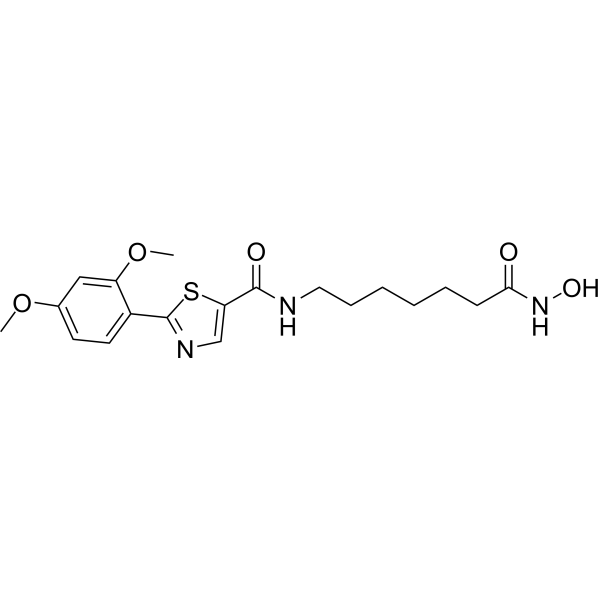
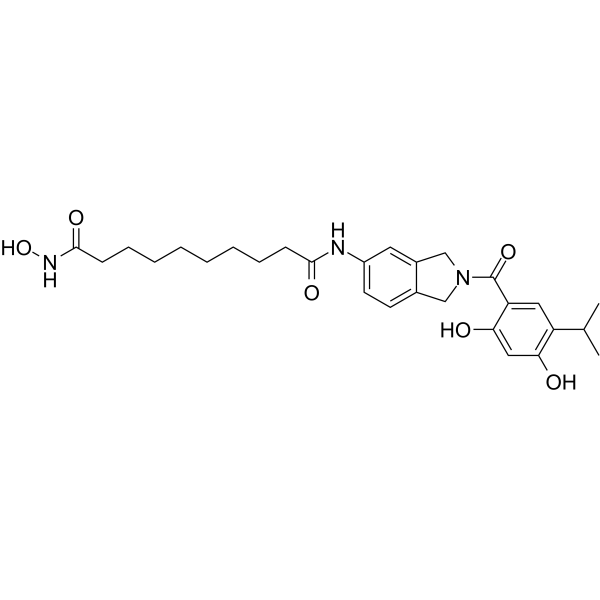
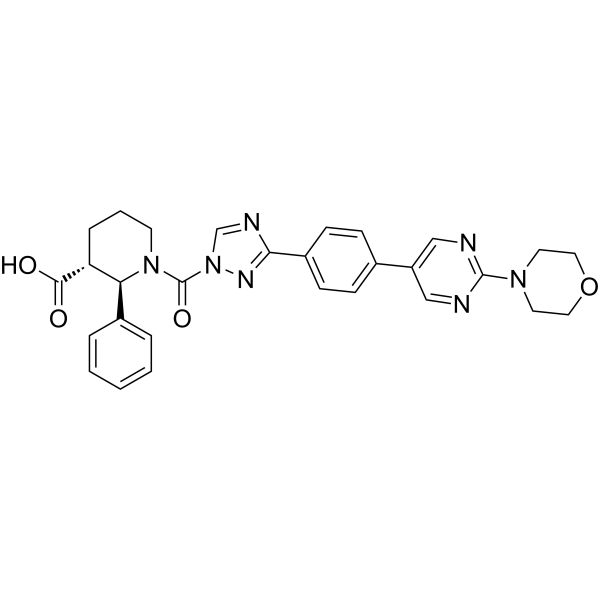
    PD-L1/HDAC6-IN-1 is an orally active dual inhibitor of PD-L1 and HDAC6, with IC50 values of 26.8 nM and 78 nM, respectively. PD-L1/HDAC6-IN-1 binds to human and murine PD-L1 proteins with high affinity, while it reduces STAT3 phosphorylation and downregulates PD-L1 expression by inhibiting HDAC6, thus blocking the PD-1/PD-L1 interaction. PD-L1/HDAC6-IN-1 exhibits potent anti-tumor activity in a mouse melanoma model. PD-L1/HDAC6-IN-1 is suitable for research on tumor immune regulation related to melanoma [1].
    PD-L1/HDAC6-IN-1
  • HY-P990778

    ATG-101

    TNF Receptor PD-1/PD-L1 Inflammation/Immunology Cancer
    Xirestomig (ATG-101) is a tetravalent "2+2″ PD-L1×4-1BB bispecific antibody. Xirestomig binds PD-L1 and 4-1BB concurrently, with a greater affinity for PD-L1, and potently activated 4-1BB+ T cells when cross-linked with PD-L1-positive cells. Xirestomig activates exhausted T cells upon PD-L1 binding. Xirestomig displays potent antitumor activity in numerous in vivo tumor models, including those resistant or refractory to immune checkpoint inhibitors (ICIs) [1].
    Xirestomig
  • HY-P2478A

    PD-1/PD-L1 Inflammation/Immunology
    Human PD-L1 inhibitor V TFA, a human PD-1 protein binding peptide with a Kd value of 3.32 μM. Human PD-L1 inhibitor V TFA inhibit the interaction of hPD-1/hPD-L1 [1].
    Human PD-L1 inhibitor V TFA
  • HY-P11110

    PD-1/PD-L1 Cancer
    RK-10 is a PD-L1 binding peptide. RK-10 conjugated with Cy5 (HY-D0821) or Biotin (HY-B0511) can used to detect PD-L1 expressing tumors with flow cytometry or immunohistochemistry. RK-10 can be used for cancers like NSCLC, breast cancer, squamous cell carcinoma and melanoma detection research [1].
    RK-10
  • HY-174468

    LYTACs PD-1/PD-L1 HSP Cancer
    dPDL1-4 is a potent and selective eHSPTAC eHSP90 PD-L1 degrader with DC50s of 7.77 μM and 6.52 μM in HeLa and B16F10 cells. dPDL1-4 bridges eHSP90 with the target protein, inducing lysosomal degradation. dPDL1-4 can degrade PD-L1 significantly and inhibits tumor growth. dPDL1-4 can be used for the study of cervical cancer and melanoma. ((Pink: eHSP90 ligand (HY-174476); Blue: PD-L1 ligand (HY-116274); Black: Linker (HY-W021787); HSP ligand + linker: HY-174799)) [1].
    dPDL1-4
  • HY-175323

    Integrin PD-1/PD-L1 Cancer
    NOTA-IMB-RGD is a dual molecular probe targeting integrin αvβ3 and programmed death ligand-1 (PD-L1). NOTA-IMB-RGD blocks the PD-1/PD-L1 signaling pathway and integrin αvβ3-overexpressing tumor vasculature. NOTA-IMB-RGD is promising for research of solid tumors co-expressing PD-L1 and αvβ3 (e.g., glioma, breast cancer) [1].
    NOTA-IMB-RGD
  • HY-103048

    PD-1/PD-L1 Cancer
    PD-1/PD-L1-IN 3, a macrocyclic peptide, is a potent and selective inhibitor of the PD-1/PD-L1 and CD80/PD-L1 interactions extracted from patent WO2014151634A1, compound No.1. PD-1/PD-L1-IN 3 interferes with PD-L1 binding to PD-1 and CD80 by binding to PD-L1, with IC50s of 5.60 nM and 7.04 nM, respectively. PD-1/PD-L1-IN 3 can be used for the research of various diseases, including cancer and infectious diseases [1].
    PD-1/PD-L1-IN 3
  • HY-101058

    PD-1/PD-L1 Inflammation/Immunology
    PD1-PDL1-IN 1 (compound 16) is a potent programmed cell death 1 (PD-1) inhibitor. PD1-PDL1-IN 1 is useful as immune modulator [1].
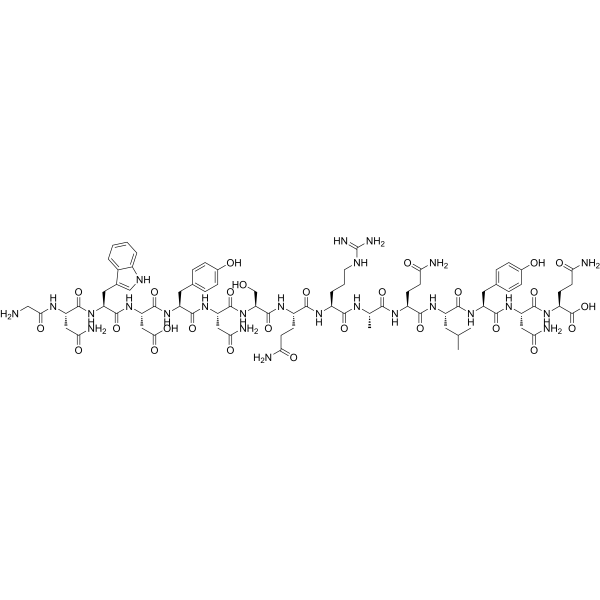
    PD1-PDL1-IN 1
  • HY-P2564

    PD-1/PD-L1 Inflammation/Immunology Cancer
    Human PD-L1 inhibitor III is a human PD-L1 inhibitor.
    Human PD-L1 inhibitor III

Inquiry Online

Your information is safe with us. * Required Fields.

Salutation


Country or Region *

Applicant Name *


Organization Name *

Department *


Email Address *


Product Name *

Cat. No.


Requested quantity *

Phone Number *


Remarks

Inquiry Online

Inquiry Information

Product Name:
Cat. No.:
Quantity:
MCE Japan Authorized Agent: