From 11:00 pm to 12:00 pm EST ( 8:00 pm to 9:00 pm PST ) on January 6th, the website will be under maintenance. We are sorry for the inconvenience. Please arrange your schedule properly.
JNJ-6640 is an inhibitor targeting mycobacterial PurF (the first enzyme in the de novo purine biosynthesis pathway) with potent anti-tuberculosis activity. JNJ-6640 exhibits bactericidal activity against Mycobacteriumtuberculosis in vitro, with an MIC90 of 8.6 nM. JNJ-6640 disrupts de novo purine biosynthesis, inhibits M. tuberculosis DNA replication in vivo. JNJ-6640 exhibits anti-tuberculosis efficacy in acutely infected mice. JNJ-6640 can be used for the study of tuberculosis .
Prothionamide is an orally active thioamide antibacterial agent. Prothionamide is a substrate of OCT1 with a Km value of 805.8 μM. Prothionamide reacts with NAD to form a covalent adduct, with the adduct being a tight-binding inhibitor of Mycobacteriumtuberculosis and Mycobacterium lepraeInhA. Prothionamide can effectively inhibit the growth of Mycobacteriumtuberculosis (MIC = ~0.5 µg/mL) and Mycobacterium leprae. Prothionamide is used in the research of tuberculosis and leprosy .
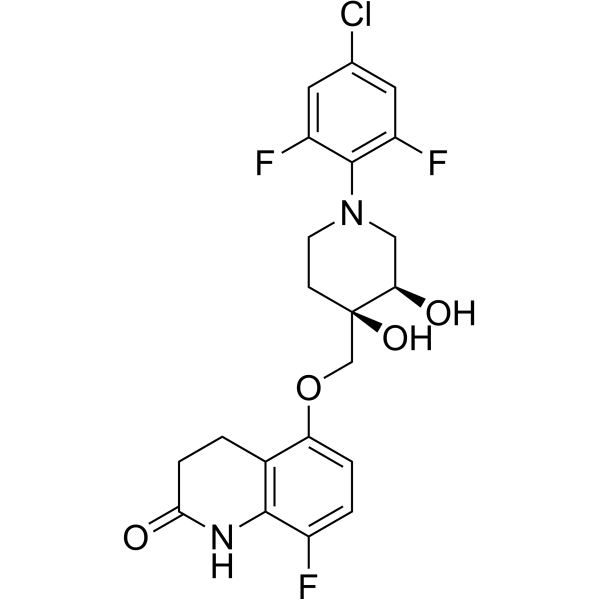
GSK2556286 (GSK286) is an orally active and cholesterol-dependent Mycobacteriumtuberculosis inhibitor. GSK2556286 inhibits Mycobacteriumtuberculosis inside infected macrophages (IC50 = 0.07 μM in THP-1 cells), in the presence of cholesterol. GSK2556286 acts via Rv1625c, a membrane-bound adenylyl cyclase in Mycobacteriumtuberculosis. GSK2556286 is an Rv1625 agonist leading to increased cAMP and reduced cholesterol metabolism. GSK2556286 can be studied in research for antitubercular purposes .
TBAJ-876 is an orally active diarylquinoline anti-Mycobacterium agent. TBAJ-876 regulates energy metabolism by targeting the c and ε subunits of Mycobacteriumtuberculosis F-ATP synthase, exerts bactericidal activity against replicating Mycobacteriumtuberculosis, and retains activity against strains carrying the Rv0678 mutation. TBAJ-876 undergoes N-demethylation in vivo to form its major active metabolite TBAJ-876-M3, which has lower lipophilicity and hERG potassium channel binding affinity. TBAJ-876 is well tolerated in BALB/c mice and significantly reduces the colony-forming units of Mycobacteriumtuberculosis in the lungs. In addition, TBAJ-876 exhibits inhibitory activity against Mycobacterium abscessus, reduces bacterial loads in the lungs and spleens of infected mice, and shows no antagonistic effect when used in combination with common antibiotics. TBAJ-876 can be used in studies related to tuberculosis and Mycobacterium abscessus pulmonary diseases .
TCA1 is a small molecule with activity against agent-susceptible and -resistant Mycobacteriumtuberculosis (Mtb). TCA1 inhibits enzymes involved in cell wall and molybdenum cofactor biosynthesis, such as DprE1 and MoeW .
TGFBR1-IN-2 (Compound AQA) is a TGFBR1 inhibitor and an antibacterial agent. TGFBR1-IN-2 is a substrate for cytochrome P450s. TGFBR1-IN-2 contains the pyridyl-6-methyl moiety necessary for Mycobacteriumtuberculosis inhibition and has potent inhibitory activity against non-replicating and persistent Mycobacteriumtuberculosis .
Bio-AMS is a potent bacterial biotin protein ligase inhibitor. Bio-AMS possesses selective activity against Mycobacteriumtuberculosis (Mtb) and arrests fatty acid and lipid biosynthesis .
PPM1A-IN-1 (Compound IV-4) is an inhibitor for PP2C Ser/Thr phosphatase protein phosphatase Mg2+/Mn2+-dependent 1A. PPM1A-IN-1 exhibits antibacterial activity against Mycobacteriumtuberculosis .
(Rac)-TBAJ-876 is a racemate of TBAJ-876. TBAJ-876 is the inhibitor of mycobacteriumtuberculosis. TBAJ-876 is the analogue of the anti-tuberculosis agent Bedaquiline (HY-14881). TBAJ-876 has the potential for the research of tuberculosis .
MycobacteriumTuberculosis-IN-2 (Compound 29) is a bacterial inhibitor that effectively inhibits MycobacteriumTuberculosis. MycobacteriumTuberculosis-IN-2 can be used in tuberculosis research (MIC = 0.07-0.16 μM) .
Mtb-cyt-bd oxidase-IN-2 is an inhibitor of Mycobacteriumtuberculosis cytochrome bd oxidase (Mtb cyt-bd oxidase) with an IC50 value of 0.67 μM. Mtb-cyt-bd oxidase-IN-2 inhibits the growth of Mycobacteriumtuberculosis with a MIC value of 256 μM. Mtb-cyt-bd oxidase-IN-2 can be used for the research of infection .
NITD-304 is an orally active anti-tuberculosis agent. NITD-304 exerts inhibitory and bactericidal activities gainst Mycobacteriumtuberculosis and multidrug-resistant Mycobacteriumtuberculosis. NITD-304 inhibits mycobacterial cell wall biosynthesis and demonstrates synergistic or additive growth inhibitory activity with select antibacterial agents.NITD-304 shows low risk of cardiotoxicity and drug-drug interactions, with no inhibition of major cytochrome P-450 enzymes or hERG channel. NITD-304 can be used for the research of tuberculosis and multidrug-resistant tuberculosis .
Bio-AMS (TFA) is a potent bacterial biotin protein ligase inhibitor. Bio-AMS (TFA) possesses selective activity against Mycobacteriumtuberculosis (Mtb) and arrests fatty acid and lipid biosynthesis .
LK-60 is a potent DprE1 inhibitor. LK-60 effectively inhibits the proliferation of Mycobacteriumtuberculosis. LK-60 has good safety profiles to gut microbiota and human cells .
BioA-IN-1 (Compound 15) is an inhibitor of BioA, a key enzyme in the biotin synthesis pathway of Mycobacteriumtuberculosis, with an IC50 value of 0.195 μM. BioA-IN-1 exhibits antibacterial activity but has no cytotoxicity .
MycobacteriumTuberculosis-IN-5 (Compound 11) is the HCl salt form of 5-Fluoroindole (HY-40156). MycobacteriumTuberculosis-IN-5 is an antibacterial agent, that inhibits Mycobacteriumtuberculosis with a MIC of 29.1 μM. MycobacteriumTuberculosis-IN-5 exhibits metabolic stability in rat liver microsomes. MycobacteriumTuberculosis-IN-5 exhibits anti-tuberculosis efficacy in mice .
Mycobacterium bovis bacterial protein is a member of the Mycobacteriumtuberculosis complex. Mycobacterium bovis bacterial protein causes tuberculosis in bovines .
I2906 is an orally active isocitrate lyase (ICL) inhibitor with a MycobacteriumtuberculosisIC50 of 134.3 μg/mL. I2906 inhibits the growth of Mycobacteriumtuberculosis. I2906 can be used for the research of tuberculosis .
MycobacteriumTuberculosis-IN-7 (Compound 4c) inhibits M. tuberculosis H37Ra with MIC of 5.34 μg/mL. MycobacteriumTuberculosis-IN-7 exhibits slight cytotoxicity in cancer cell Vero, A549, and HepG2 (IC50s >50 μM) .
JSF-4898 is an orally active inhibitor of the MenG enzyme in Mycobacteriumtuberculosis. JSF-4898 has MIC of 0.78 μM against MycobacteriumtuberculosisH37Rv. JSF-4898 can enhance the efficacy of Rifampicin (HY-B0272) in a subacute model of Mycobacteriumtuberculosis infection in mice .
Farnesyl phosphoryl-β-D-ribose is a phosphorylated sugar derivative that belongs to the class of polyprenylphosphoryl sugars. Farnesyl phosphoryl-β-D-ribose can be used for the study of Mycobacteriumtuberculosis infection .
8-Oxo-GTP is an oxidized guanine nucleotide, produced by reactive oxygen species (ROS). 8-Oxo-GTP serves as a substrate for MutT protein, GTP cyclohydrolase II, Mycobacteriumtuberculosis MutT1, and MycobacteriumtuberculosisRv1700, which hydrolyze it to corresponding nucleoside monophosphates or diphosphates. 8-Oxo-GTP causes detrimental effects including mutations and mistranslation when incorporated into nucleic acids. 8-Oxo-GTP can be used for the research of cancer and tuberculosis .
MSU-43085 is an orally active MmpL3 inhibitor of Mycobacteriumtuberculosis (Mtb). MSU-43085 effectively inhibits Mtb in an acute murine tuberculosis infection model. MSU-43085 can be used in tuberculosis research .
MenA-IN-2 (Compound 11) is an inhibitor of 1,4-dihydroxy-2-naphthoate prenyltransferase (MenA). MenA-IN-2 inhibits MenA with an IC50 value of 22 µM and inhibits Mycobacteriumtuberculosis (Mtb) with an GIC50 value of 10 µM. MenA-IN-2 can curb the continuous transmission of Mtb .
PptT-IN-3 (compound 5p) is a potent inhibitor of with phosphopantetheinyl phosphoryl transferase (PptT) an IC50 of 3.5 μM. Phosphopantetheinyl transferase, an essential enzyme that plays a critical role in the biosynthesis of cellular lipids and virulence factors in Mycobacteriumtuberculosis. PptT-IN-3 has the potential for the research of tuberculosis .
BRD-4592 is an allosteric inhibitor targeting Mycobacteriumtuberculosistryptophan synthase (TrpAB). BRD-4592 binds at the α-β-subunit interface of TrpAB, with an IC50 of 70.9 nM for the α-subunit and 22.6 nM for the β-subunit .
MycobacteriumTuberculosis-IN-6 (compound b1) is an inhibitor of Mycobacteriumtuberculosis enoyl reductase InhA, with IC50 of 7.74 μM. MycobacteriumTuberculosis-IN-6 can be used for antibacterial research .
MycobacteriumTuberculosis-IN-8 (Compound 6g) is a selective inhibitor of Mycobacteriumtuberculosis (MTB) with an MIC value of 6.25 µg/mL against MTB H37Rv. MycobacteriumTuberculosis-IN-8 shows potent antitubercular activities, inhibiting mycolic acid biosynthesis critical for bacterial cell wall integrity. MycobacteriumTuberculosis-IN-8 is promising for research of antitubercular agents .
Mtb-cyt-bd oxidase-IN-3 (compound 1u) is a Mycobacteriumtuberculosis cytochrome bd oxidase (Mtb cyt-bd oxidase) inhibitor with an IC50 value of 0.36 μM. Mtb-cyt-bd oxidase-IN-3 inhibits the growth of Mycobacteriumtuberculosis (MIC=32 μM). Mtb-cyt-bd oxidase-IN-3 can be used in tuberculosis research .
Mycobacteriumtuberculosis-IN-9 is an orally active MycobacteriumtuberculosisBioA inhibitor with a Ki value of 0.2 nM. Mycobacteriumtuberculosis-IN-9 targets the biotin biosynthesis pathway. Mycobacteriumtuberculosis-IN-9 inhibits the growth of Mycobacteriumtuberculosis in mouse models and is effective against both drug-sensitive and drug-resistant strains. Mycobacteriumtuberculosis-IN-9 can be used for the research of tuberculosis .
Mtb-cyt-bd oxidase-IN-1 (compound 1x) is a Mycobacteriumtuberculosis cytochrome bd oxidase (Mtb cyt-bd oxidase) inhibitor with an IC50 value of 0.13 μM. Mtb-cyt-bd oxidase-IN-1 can be used in tuberculosis research .
KSK-104 has potent antibacterial activity against Mycobacteriumtuberculosis (MIC=0.78 μM). The role of KSK-104 is mainly involved in the synthesis and recovery pathways of pyridoxal 5'-phosphate (PLP), PLP-dependent enzymes and oxidative stress networks. KSK-104, as a candidate molecule for novel anti-tuberculosis drugs, can be used to develop research against drug-resistant mycobacteriumtuberculosis .
Tuberculosis inhibitor 6 (compound 2c) is a 3-methoxy-2-phenylimidazo[1,2-b]pyridazine derivative that shows highly active against Mycobacteriumtuberculosis (MIC90 of ≤1.66 μM) and Mycobacterium marinum (MIC90 of 2.65 μM) .
Tuberculosis inhibitor 7 (compound 2d) is a 3-methoxy-2-phenylimidazo[1,2-b]pyridazine derivative that shows highly active against Mycobacteriumtuberculosis (MIC90 of 0.63 μM) and Mycobacterium marinum (MIC90 of 0.63 μM) .
Tuberculosis inhibitor 9 (compound 3d) is a 3-methoxy-2-phenylimidazo[1,2-b]pyridazine derivative that shows highly active against Mycobacteriumtuberculosis (MIC90 of 0.64 μM) and Mycobacterium marinum (MIC90 of 0.64 μM) .
Tuberculosis inhibitor 8 (compound 3b) is a 3-methoxy-2-phenylimidazo[1,2-b]pyridazine derivative that shows highly active against Mycobacteriumtuberculosis (MIC90 of 0.69 μM) and Mycobacterium marinum (MIC90 of 0.69 μM) .
Mtb-cyt-bd oxidase-IN-4 (compound 1g) is a Mycobacteriumtuberculosis cytochrome bd oxidase (Mtb cyt-bd oxidase) inhibitor with an IC50 value of 0.25 μM. Mtb-cyt-bd oxidase-IN-4 inhibits the growth of Mycobacteriumtuberculosis (MIC=8 μM). Mtb-cyt-bd oxidase-IN-4 can be used in tuberculosis research .
DNA Gyrase-IN-1 (compound 42) is a potent and selective DNA gyrase inhibitor with an IC50 value of 2.6 µM. DNA Gyrase-IN-1 has high inhibitory activity against Mycobacteriumtuberculosis (Mtb) with MIC of 0.49 µM. DNA Gyrase-IN-1 can be used for researching tuberculosis .
Zamanic acid is a potent inhibitor of glutathione reductase. Zamanic acid inhibits the growth of Mycobacteriumtuberculosis in culture and has also been shown to have anti-inflammatory activity .
InhA-IN-7 (Compound 11) is a Triclocan (HY-B1119) derivative with inhibitory activity towards enoyl-acyl carrier protein reductase (InhA) with an IC50 of 96 nM. InhA-IN-7 inhibits proliferations of Mycobacteriumtuberculosis wildtype and mutant strains with MICs ranging from 19 to 75 μM .
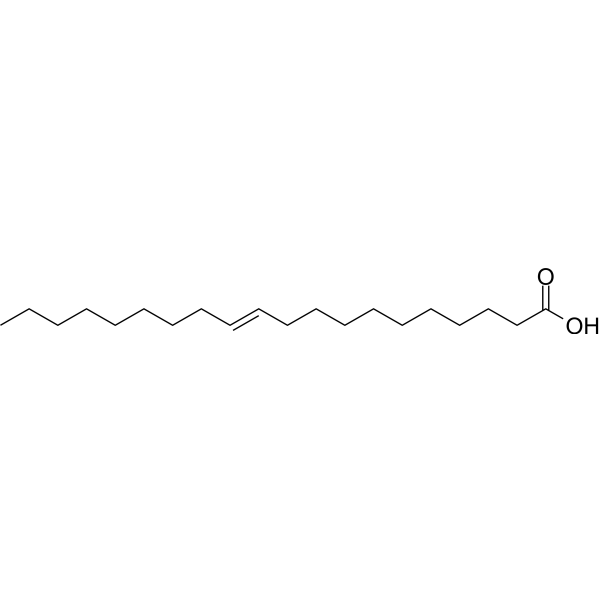
(2E)-Eicosenoic acid is an inhibitor of Mycobacteriumtuberculosisprotein tyrosine phosphatase A (PtpA). (2E)-Eicosenoic acid exhibits strong inhibitory activity against PtpA with an IC50 value in the low micromolar range. (2E)-Eicosenoic acid can be used for research on Mycobacteriumtuberculosis infection .
MenA IN-1 is an effective inhibitor of 1,4-dihydroxy-2-naphthoate isoprenyltransferase (MenA) from Mycobacteriumtuberculosis (MTB) with an IC50 value of 13 µM and an GIC50 value of 8 µM. MenA IN-1 can be used to curb the continuous spread of tuberculosis .
Mtb-IN-11 (Compound 1e) is an inhibitor of Mycobacteriumtuberculosis salicylate synthase (MbtI), with an IC50 of 11.2 μM. Mtb-IN-11 exhibits good in vitro anti-tuberculosis activity, with a MIC99 of 32 μM against M. bovis BCG. Mtb-IN-11 can be used for the research of tuberculosis .
Mtb-cyt-bd oxidase-IN-6 is a potent Mycobacteriumtuberculosis (Mtb) cytochrome bd (cyt-bd) oxidase (MtbCyt-bd Oxidase) inhibitor with an IC50 value of 0.35 μM. Mtb-cyt-bd oxidase-IN-6 can effectively inhibit the growth of Mtb (MIC= 4 μM). Mtb-cyt-bd oxidase-IN-6 can be used in the study of tuberculosis .
Amycolatopsin C is a glycosylated macrolactone with antibacterial activity. Amycolatopsin C selectively inhibits the growth of Mycobacterium bovis (BCG) and Mycobacteriumtuberculosis (H37Rv) compared to other Gram-positive and Gram-negative bacteria. Amycolatopsin C demonstrates low levels of cytotoxicity toward mammalian cells and can be utilized in antibacterial research .
HadAB-IN-1 is a potent HadAB inhibitor. HadAB-IN-1 inhibits HadAB enzyme complexes activity with an IC50 value of 0.03 μM. HadAB-IN-1 also affects mycolic acid biosynthesis in Mycobacteriumtuberculosis (Mtb). HadAB-IN-1 can be used for the research of tuberculosis (TB) .
Tetrahydroxysqualene is a triterpene, possessing antimycobacterial activity against Mycobacteriumtuberculosis with an MIC of 10.0 μg/mL. Tetrahydroxysqualene can be isolated from the methanolic extracts of Rhus taitensis Guill .
UH-NIP-16 exhibits antimicrobial activity against Mycobacteriumtuberculosis, with MIC50 of 1.86 and 3.05 μM, for pathogenic mycobacterial strains H37Rv and CDC1551. UH-NIP-16 synergizes with Streptomycin (HY-B1906), Isoniazid (HY-B0329), Ethambutol (HY-B0535) and Bedaquiline (HY-14881), potentiates their anti-tuberculosis activities .
Tuberculosis inhibitor 4 (compound 16), a mandelic acid-based spirothiazolidinone, has potent antimycobacterial activity against Mycobacteriumtuberculosis strain H37Rv with the high inhibition value 98% at lower than 6.25 µg/mL concentration .
MptpB-IN-1 (Compound 13) is a potent and orally active inhibitor of MptpB. Mycobacteriumtuberculosis protein-tyrosine-phosphatase B (MptpB) is a secreted virulence factor that subverts antimicrobial activity in the host. MptpB-IN-1 reduces multidrug-resistant mycobacteriumtuberculosis survival and infection burden .
VEGFR-2/InhA-IN-1 is a pyrazole-based dual inhibitor of InhA-VEGFR with anti-tuberculosis and anti-angiogenic activities. VEGFR-2/InhA-IN-1 has good antibacterial activity against Mycobacteriumtuberculosis H37Rv strain (MIC=6.25 μg/mL) and significantly inhibits VEGFR-2 (IC50=15.27 nM) .
PptT-IN-2 (compound 5k) is a potent inhibitor of with phosphopantetheinyl phosphoryl transferase (PptT) an IC50 of 2.5 μM. Phosphopantetheinyl transferase, an essential enzyme that plays a critical role in the biosynthesis of cellular lipids and virulence factors in Mycobacteriumtuberculosis. PptT-IN-2 has the potential for the research of tuberculosis .
PptT-IN-1 (compound 5j) is a potent inhibitor of with phosphopantetheinyl phosphoryl transferase (PptT) an IC50 of 2.8 μM. Phosphopantetheinyl transferase, an essential enzyme that plays a critical role in the biosynthesis of cellular lipids and virulence factors in Mycobacteriumtuberculosis. PptT-IN-1 has the potential for the research of tuberculosis .
DQn-1 is a potent antifolate with activity against Mycobacteriumtuberculosis (Mtb) (MIC90=0.03 µM). DQn-1 directly inhibits DHFR enzyme activity, with IC50s of 8.7 and 7.6 nM for Mtb and human DHFR enzyme, respectively .
Mtb-IN-12 (Compound 5m) is a dual-target inhibitor that can target the CYP125 (KD: 40 nM; KI: 0.1 μM) and CYP142 (KD: 160 nM; KI: 0.05 μM) enzymes of Mycobacteriumtuberculosis. Mtb-IN-12 exhibits good inhibitory activity against both drug-sensitive strains and multidrug-resistant tuberculosis strains, with low toxicity to macrophages. Mtb-IN-12 can be used in the research of anti-tuberculosis drugs .
MtInhA-IN-1 is a selective and orally active Mycobacteriumtuberculosis NADH-dependent enoyl-acyl carrier protein reductase (MtInhA) inhibitor with an IC50 of 0.23 μM. MtInhA-IN-1 potently against M. tuberculosis H37Rv strain with a MIC value of 0.4 μM .
Antimycobacterial agent-8 (Compound 49) is an inhibitor for DNA gyrase. Antimycobacterial agent-8 exhibits antibacterial activity against Mycobacteriumtuberculosis and M. abscessus with MIC90 of 2.5 μM and 0.63 μM. Antimycobacterial agent-8 exhibits good plasma protein binding ability in mice .
CYP121A1-IN-1 is a potent CYP121A1 inhibitor with favorable activity against Mycobacteriumtuberculosis (H37Rv MIC90~6.25 μM, ~2.2 μg/mL). CYP121A1-IN-1 can markedly reduce the production of mycocyclosin via inhibiting the CYP121A1 mediated turnover of cyclo(l-tyrosyl-l-tyrosyl) to mycocyclosin .
Phosphopantetheine adenylyltransferase, Mycobacteriumtuberculosis (EC 2.7.7.3) catalyzes the fourth stage of coenzyme A biosynthesis. Coenzyme A is involved in a great number of metabolic pathways, in particular it participates in the synthesis of the cell wall components of mycobacteria.
Antitubercular agent-58 is an antitubercular agent with an IC50 of 51 nM against Mycobacteriumtuberculosis H37Rv. Antitubercular agent-58 can be used for the research of tuberculosis .
PknB-IN-3 is a MycobacteriumtuberculosisProtein kinase B (PknB) inhibitor with an IC50 of 0.06 μM. PknB-IN-3 inhibits growth of Mycobacteriumtuberculosisand can be used for the research of tuberculosis .
Antibacterial agent 328 is a enoyl-ACP reductase (InhA) inhibitor and antimycobacterial agent. Antibacterial agent 328 blocks mycolic acid biosynthesis in Mycobacteriumtuberculosis. Antibacterial agent 328 acts on both drug-resistant and drug-susceptible Mycobacteriumtuberculosis strains. Antibacterial agent 328 exhibits favorable pharmacokinetic properties, drug-likeness, and a safety-related selectivity index. Antibacterial agent 328 can be used for research on tuberculosis .
Gangamicin (Compound 3) is an Antibacterial agent. Gangamicin potently inhibits the growth of Mycobacteriumtuberculosis with a MIC of 3.5 μM. Gangamicin can be used in the research of tuberculosis .
F1414-1444 is a DBPI skeleton derivative and a potent inhibitor of IspQ (Rv0338c)-targeting Mycobacteriumtuberculosis. F1414-1444 binds to the membrane-bound iron-sulfur oxidoreductase IspQ, induces oxidative stress and thiol stress in bacterial cells, upregulates the expression of stress-related genes such as the SigK regulon, thereby inhibiting bacterial proliferation and exerting bactericidal activity. F1414-1444 only inhibits the Mycobacteriumtuberculosis complex and Mycobacterium marinum. F1414-1444 can be used in studies related to Mycobacteriumtuberculosis .
MptpB-IN-3 is a selective inhibitor of Mycobacteriumtuberculosis protein tyrosine phosphatase B (MptpB) with an IC50 of 0.19 μM. MptpB-IN-3 blocks MptpB-mediated inhibition of the macrophage MAPK pathway and restores the phosphorylation levels of Erk1/2 and p38. MptpB-IN-3 exhibits direct anti-tuberculosis activity against Mycobacteriumtuberculosis and reduces the Mycobacteriumtuberculosis load in mouse macrophages. MptpB-IN-3 can be used for tuberculosis research .
Maniladiol is a triterpenoid that can be isolated from the flowers of Chrysanthemum morifolium. Maniladiol exhibits antitubercular activity against Mycobacteriumtuberculosis strain H37Rv with a MIC of 4 mg/mL. Maniladiol can be used for Mycobacteriumtuberculosis infection research .
Antimycobacterial agent-14 (compound 20s) is an antimycobacterial agent with potent activity against Mycobacteriumtuberculosis (M.tb) H37Ra strain with a MIC of 11.37 μM. Antimycobacterial agent-14 can be used for tuberculosis (TB) research .
GSK 124576A (compound 8) is a Mycobacteriumtuberculosis cytochrome bc1 complex inhibitor and member of the 2-(quinolin-4-yloxy)acetamide class. GSK 124576A can be used for the research of tuberculosis .
InhA-IN-11 is a MycobacteriumtuberculosisInhA inhibitor with an IC50 of 0.36 μM. InhA-IN-11 exhibits activity against Mycobacteriumtuberculosis, disrupts pre-formed Mycobacteriumtuberculosis biofilms, and reduces bacterial viability within biofilms. InhA-IN-11 is applicable for the research of tuberculosis .
ETX1975-3 is an orally active inhibitor and bactericide targeting the bdcytochrome oxidase of Mycobacteriumtuberculosis. ETX1975-3 disrupts electron transfer between the b-heme centers of the target enzyme, and in combination with Q203 (HY-101040), exerts bactericidal activity against both replicating and non-replicating Mycobacteriumtuberculosis, and reduces bacterial loads in acute mouse models. ETX1975-3 retains activity against clinical isolates of multidrug-resistant/extensively drug-resistant Mycobacteriumtuberculosis and non-tuberculous mycobacteria, while possessing favorable preclinical ADMET properties. ETX1975-3 can be used in studies related to tuberculosis and non-tuberculous mycobacterial infections .
Mtb-IN-14 is a Mycobacteriumtuberculosis (Mtb) malate synthase (GlcB) inhibitor with an IC50 of 0.24 μM. Mtb-IN-14 inhibits growth of Mycobacteriumtuberculosis. Mtb-IN-14 can be used for the research of tuberculosis .
T504 is an oxazolidinone antibiotic. T504 exhibits significant growth inhibitory effects on Mycobacteriumtuberculosis H37Rv, Mycobacterium bovis BCG, and Mycobacterium abscessus, and the MIC value for the reference strain Mycobacteriumtuberculosis H37Rv is 0.5-1.0 μg/mL. T504 effectively inhibits the growth of Mycobacteriumtuberculosis within macrophages and does not show obvious cytotoxicity. T504 can be used in the research of mycobacterial infections .
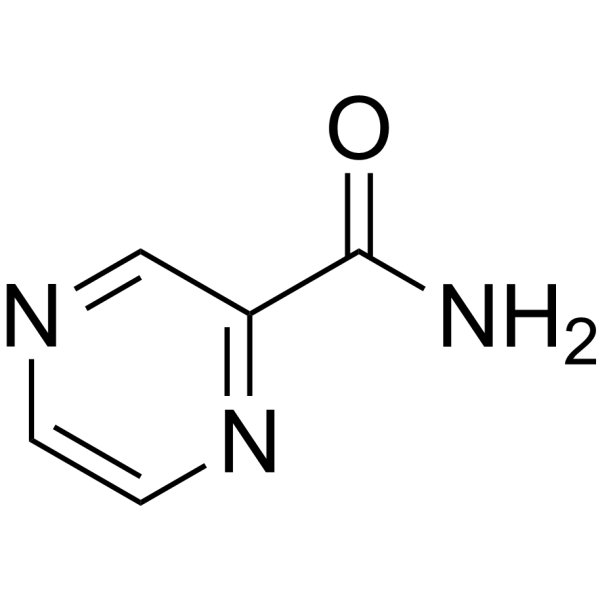
Antimycobacterial agent-16 is a pyrazinamide derivative and antimycobacterial agent with a selectivity index >25 against HepG2 cells.Antimycobacterial agent-16 does not undergo hydrolysis by mycobacterial pyrazinamidase.Antimycobacterial agent-16 exerts activity against Mycobacteriumtuberculosis H37Rv, multidrug-resistant Mycobacteriumtuberculosis strains, and Mycobacterium kansasii.Antimycobacterial agent-16 shows no inhibitory activity against mycobacterial enoyl-ACP reductase (InhA).Antimycobacterial agent-16 has low cytotoxicity against HepG2 cells.Antimycobacterial agent-16 can be used for the research of tuberculosis .
MmpL3-IN-6 is a mycobacterial membrane protein large 3 (MmpL3) transporter inhibitor and is an antitubercular agent. MmpL3-IN-6 exerts bactericidal activity against replicating Mycobacteriumtuberculosis.MmpL3-IN-6 retains activity against drug-resistant Mycobacteriumtuberculosis.MmpL3-IN-6 can be used for the research of tuberculosis .
Ditophal is an orally active thiol ester anti-tuberculosis and anti-leprosy agent. Ditophal combats Mycobacteriumtuberculosis infections in subcutaneous and intracerebral sites in guinea pigs, including isoniazid (HY-B0329)-resistant strains. Ditophal alters the staining characteristics of Mycobacterium leprae and reduces the bacterial index of leprosy. Ditophal causes ulcers at the injection site when administered subcutaneously to guinea pigs at high doses. Ditophal can be used in the research of tuberculosis and leprosy .
BVL3572S, a hydroxamic acid derivative, exhibits potent bactericidal activity against Mycobacteriumtuberculosis (Mtb) with a MIC90 of 1.7 µM. BVL3572S inhibits pyridoxal phosphate (PLP)-dependent aminotransferases HisC and AlaA to kill Mtb. BVL3572S can be used for tuberculosis (TB) research .
GyrB-IN-1 is a DNA gyrase (GyrB) inhibitor. GyrB-IN-1 shows an IC50 of 19.1 μM against Mycobacterium smegmatis GyrB ATPase activity and 21.9 μM against Mycobacteriumtuberculosis GyrB DNA supercoiling activity. GyrB-IN-1 exerts antimycobacterial activity and has cytotoxicity. GyrB-IN-1 can be used for the research of tuberculosis .
Antituberculosis agent-17 (compound 21) is a potent and selective antituberculosis agent. Antituberculosis agent-17 displays excellent anti-Tuberculosis (TB) activity against H37Rv, MDR and XDR strains of TB (MIC = 0.2-0.78 μM). Antituberculosis agent-17 exhibits selectivity for Mycobacteriumtuberculosis over selected non-TB forming mycobacteria and bacteria. Antituberculosis agent-17 can be used for TB research .
DprE1-IN-15 is a covalent Mycobacteriumtuberculosisessential cell wall enzyme DprE1 inhibitor with an IC50 of 0.073 μM. DprE1-IN-15 forms an irreversible covalent adduct with its target enzyme. DprE1-IN-15 shows inhibitory effects against multiple Mycobacteriumtuberculosis .
CB6513745 is a MelF flavin-dependent oxidoreductase inhibitor with a Ki of 18 μM against Mycobacterium marinumMelF. CB6513745 inhibits the activity of MelF flavin-dependent oxidoreductase via hydrophobic interactions with the binding pocket of the protein. CB6513745 is applicable to research related to tuberculosis .
Pks13-IN-1 (Compound 44) is an orally active inhibitor for MycobacteriumtuberculosisPolyketide synthase 13 (Pks13). Pks13-IN-1 inhibits M. tuberculosis strain H37Rv with a MIC of 0.07 μM. Pks13-IN-1 exhibits antibacterial efficacy in mouse model .
2-Chloroisonicotinohydrazide (2-Chloro-isonicotinic acid hydrazide) (Compound 13a) is an Antibacterial agent. 2-Chloroisonicotinohydrazide exhibits antibacterial activity against Mycobacteriumtuberculosis strain H37Rv, with a MIC50 of 392.0 μM. 2-Chloroisonicotinohydrazide can be used in the research of tuberculosis .
Antibacterial agent 228 (Compound 8) inhibits the mycobacterial ribosome (IC50 for Mycobacterium smegmatis is 2.31 μM) and exhibits antibacterial activity against M. tuberculosis H37Rv (MIC=2 and 0.25 μg/mL for wildtype and Δ1258c mutant), M. abscessus ATCC 19977 (MIC=8 and 8 μg/mL for wildtype and Δ2780c mutant) and M. smegmatis (MIC=8 μg/mL) .
TBI-223 is an orally active oxazolidinone antibiotic and an antimicrobial. TBI-223 shows activity against Mycobacteriumtuberculosis (Mtb). TBI-223 exhibits an IC50 of 68 μg/mL for inhibiting mitochondrial protein synthesis (MPS) in HepG2 cells. TBI-223 is effective in three mouse models (bloodstream infection, skin infection, and bone infection) of methicillin-resistant staphylococcus aureus infection. TBI-223 can be used for the study of tuberculosis .
Antimycobacterial agent-15 (Compound 55) is a highly selective anti-mycobacterial agent that has an MIC99 of 8 μM against Mycobacteriumtuberculosis H37Rv. Antimycobacterial agent-15 exhibits significant efficacy against multidrug-resistant and extensively drug-resistant isolates. This agent can be used in the research of tuberculosis .
(24S)-Cycloartane-3β,24,25-triol, a cycloartane, has antitubercular activity against Mycobacteriumtuberculosis H37Rv (MIC: 32 μg/mL). (24S)-Cycloartane-3β,24,25-triol can be isolated from the flowers of Chrysanthemum morifolium .
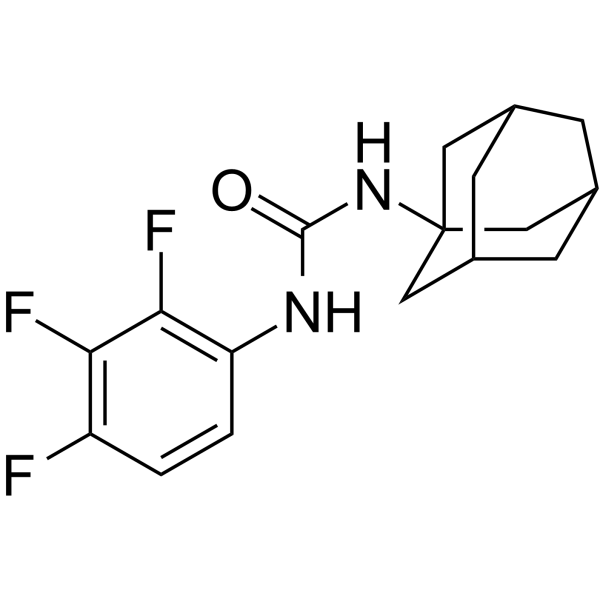
AU1235, an adamantyl urea, is a potent MmpL3 inhibitor. The Mycobacteriumtuberculosis protein MmpL3 performs an essential role in cell wall synthesis, since it effects the transport of trehalose monomycolates across the inner membrane .
SMIP-031 is a potent and orally active PPM1A inhibitor with an IC50 value of 180 nM. SMIP-031 induces autophagy. SMIP-031 inhibits Mycobacteriumtuberculosis infect in mice .
Calpinactam (FKI-4905), a fungal metabolite, is a new anti-mycobacterial agent.Calpinactam is active only against Mycobacteria among various microorganisms, including Gram-positive and Gram-negative bacteria, fungi and yeasts. Calpinactam inhibits the growth of Mycobacterium smegmatis and Mycobacteriumtuberculosis with MIC values of 0.78 and 12.5 μg/ml, respectively .
MTC420 (compound 42a) is a heterocyclic quinolone compound that targets the respiratory chain of Mycobacteriumtuberculosis and exhibits antituberculosis activity (Rep Mtb: IC50=525 nM, Wayne Mtb: IC50=76 nM, MDR Mtb: IC50=140 nM) .
Chinenol A is an antibacterial agent that can be found in the aerial part of Helwingia chinensis. Chinenol A can be used for the research of bacterial infections (staphylococcus aureus infection, mycobacteriumtuberculosis infection, streptococcus pneumonia infection) .
RVG TFA is a peptide derived from Rabies Virus Glycoprotein that binds to the α-7 subunit of nicotinic acetylcholine receptors (AchR) of neuronal cells. RVG enhances delivery of Mycobacteriumtuberculosis antigens to antigen-presenting cells .
MtTMPK-IN-4 (compound 2), a para-piperidine, is a potent mycobacteriumtuberculosis thymidylate kinase (MtTMPK) inhibitor with an IC50 of 6.1 μM. MtTMPK-IN-4 is a potent tyrosinase inhibitor. MtTMPK-IN-4 is a potent antibacterial agent .
Mtb ATP synthase-IN-1 (compound 6ab) is a potent Mycobacteriumtuberculosis (Mtb) ATP synthase inhibitor, with MIC of 0.452-0.499 μg/mL against Mtb. Mtb ATP synthase-IN-1 has good metabolic stability, low cytotoxicity (Vero IC50 > 64 μg/mL), and acceptable oral bioavailability. Mtb ATP synthase-IN-1 can be used for researching anti-mycobacterium .
Capreomycin IA is a bactericidal agent targeting bacterial ribosomes, with activity limited primarily to mycobacteria. Capreomycin IA blocks translocation of peptidyl-transfer RNA from the A to the P site to inhibit protein synthesis. Capreomycin IA exerts activity against Mycobacteriumtuberculosis. Capreomycin IA can be used for the research of tuberculosis .
4-Hydroxyoxyphenbutazone kills both replicating and nonreplicating (NR) Mycobacteriumtuberculosis (Mtb), including Mtb resistant to standard agents. 4-Hydroxyoxyphenbutazone is a potent inhibitor of cytokine production. 4-Hydroxyoxyphenbutazone is an immunosuppressive agent and has the potential for rheumatoid arthritis research .
IDD-AN-A1 is a potent Mycobacteriumtuberculosis (Mtb) isocitrate lyase (ICL) inhibitor with an IC50 of 7 μg/mL. IDD-AN-A1 shows additive and synergistic activity with anti-tuberculosis agents. , respectively.IDD-AN-A1 exhibits potent anti-tuberculosis activity. IDD-AN-A1 can be used for the research of tuberculosis .
Griselimycin is a cyclic lipopeptide produced by Streptomyces. Griselimycin specifically binds to the sliding clamp of bacterial DNA polymerase and does not interact with human PCNA. Griselimycin exhibits potent antibacterial activity against Mycobacteriumtuberculosis (including drug-resistant strains) and a variety of Gram-negative bacteria .
Antitubercular agent-59 is an orally active antitubercular agent with an IC50 of 51 nM against Mycobacteriumtuberculosis H37Rv. Antitubercular agent-59 inhibits growth of Bedaquiline (HY-14881)-resistant Rv0678G12C mutant strains. Antitubercular agent-59 exerts bactericidal activity in chronic tuberculosis mouse models with 1-Aminobenzotriazole (HY-103389) coadministration .
AU1235 (Standard) is the analytical standard of AU1235 (HY-101867). This product is intended for research and analytical applications. AU1235, an adamantyl urea, is a potent MmpL3 inhibitor. The Mycobacteriumtuberculosis protein MmpL3 performs an essential role in cell wall synthesis, since it effects the transport of trehalose monomycolates across the inner membrane .
5-Fluoroindole is an orally active fluorinated indole derivative and antibacterial agent. 5-Fluoroindole induces ROS accumulation and triggers Apoptosis. 5-Fluoroindole inhibits the growth of pan-susceptible Mycobacteriumtuberculosis (Mtb) H37Rv strains. 5-Fluoroindole has significant bactericidal activity against Pseudomonas syringae pv. actinidiae (Psa) with an EC50 of 15.34 μg/mL. 5-Fluoroindole introduces fluorine labeling for protein research. 5-Fluoroindole can be used in the study of tuberculosis and kiwifruit bacterial canker .
Selenosemicarbazide (Hydrazinecarboselenoamide) exhibits antimicrobial activity, that inhibits B. subtilis, S. aureus, Klebsiella pneumoniae, Sarcina lutea and Mycobacteriumtuberculosis. Selenosemicarbazide forms complex with metal ions, and exhibits antitumor efficacy against cancer cells
Mt KARI-IN-2 (compound 5b) is a potent Mycobacteriumtuberculosis ketol-acid reductoisomerase (Mtb KARI) inhibitor with a Ki value of 2.02 μM. Mt KARI-IN-2 has inhibitory activity against Mtb H37Rv (MIC = 0.78 μM) and low cytotoxicity (HEK IC50 > 86 μg/mL) .
Mt KARI-IN-4 (compound 5c) is a potent Mycobacteriumtuberculosis ketol-acid reductoisomerase (Mtb KARI) inhibitor with a Ki value of 5.48 μM. Mt KARI-IN-4 has inhibitory activity against Mtb H37Rv (MIC = 0.78 μM) and low cytotoxicity (HEK IC50 > 72 μg/mL) .
Mt KARI-IN-5 (compound 6c) is a potent Mycobacteriumtuberculosis ketol-acid reductoisomerase (Mtb KARI) inhibitor with a Ki value of 4.72 μM. Mt KARI-IN-5 has inhibitory activity against Mtb H37Rv (MIC = 1.56 μM) and low cytotoxicity (HEK IC50 > 64 μg/mL)
Decarine (Rutaceline) is a benzophenanthridine alkaloid found in Zanthoxylum species. Decarinewith shows anti-inflammatory, antimycobacterial, and anti-HIV activity. Decarine inhibits NO, TNF-α, IL-1β, IL-6, and IL-8 production in inflammatory cell models. Decarine inhibits growth of Mycobacteriumtuberculosis strains, reduces intracellular Mycobacteriumtuberculosis survival, and shows low cytotoxicity toward human macrophages. Decarine inhibits HIV replication in acutely infected lymphocytes. Decarine can be used for the researches of inflammation, tuberculosis, and HIV infection .
Antitubercular agent-29 (compound 6xa) is a potent agent resistant (DR) Mycobacteriumtuberculosis (Mtb) inhibitor with MIC of 0.03 μg/mL against agent-susceptible (DS)-Mtb strains, MIC of 0.03-0.06 μg/mL against DR-Mtb strains, and favourable selectivity (SI>40) against Vero cells .
Carbazomycin D exhibits antituberculosis and antimalarial activities, that inhibits Plasmodium falciparum with an IC50 > 10 μg/mL, inhibits Mycobacteriumtuberculosis with MIC of 25 μg/mL. Carbazomycin D exhibits cytotoxicity in cell MCF-7, KB, NCI-H187 and Vero, with IC50s of 21.3, 33.2, 12.9, and 34.3 μg/mL, respectively .
Antitubercular agent-56, a Questiomycin A (HY-N8439) derivative, is a potent and orally active antitubercular agent. Antitubercular agent-56 disrupts mycobacterial envelope integrity by inhibiting FabD (Kd = 9.39 μM; IC50 = 49.60 μM). Antitubercular agent-56 exhibits good intracellular antimycobacterial activity against Mycobacteriumtuberculosis (MTB) and drug-resistant MTB both in vitro and in vivo. Antitubercular agent-56 can be used for research on tuberculosis (TB) .
RMR-Tre is a fluorescent probe targeting the mycobacterial acyltransferase Ag85. Under the catalysis of Ag85, RMR-Tre undergoes 6-position mycoloylation and anchors to the mycobacterial membrane, while achieving fluorescence activation by inhibiting the intramolecular twisted charge transfer state transition. RMR-Tre can distinguish live mycobacteria from dead ones through metabolism-driven labeling, enabling rapid, wash-free, low-background detection of viable bacteria. RMR-Tre reports the drug resistance of Mycobacteriumtuberculosis via the trehalose catalytic shift activity readout associated with TreS. In addition, RMR-Tre can be combined with flow cytometry or high-content imaging techniques to visualize and quantitatively analyze the metabolic heterogeneity of Mycobacteriumtuberculosis related to persistence and drug resistance. RMR-Tre is widely used in tuberculosis-related research .
Antitubercular agent-57 is a selective antimycobacterial agent with low in vitro toxicity against mammalian cell lines including hepatocyte cell lines. Antitubercular agent-57 exhibits activity against drug-sensitive, multidrug-resistant and extensively drug-resistant Mycobacteriumtuberculosis strains, and shows no cross-resistance with first-line or second-line antitubercular agents. Antitubercular agent-57 has no activity against Gram-positive bacteria, Gram-negative bacteria and fungal strains. Antitubercular agent-57 can be used in the research of tuberculosis and multidrug-resistant tuberculosis .
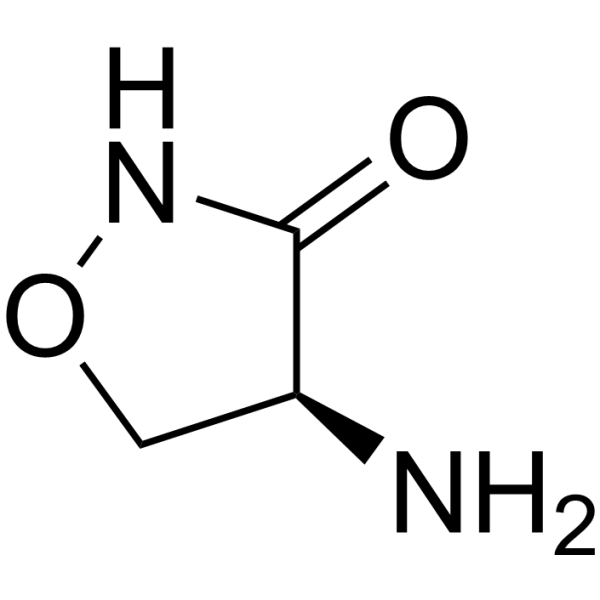
L-Cycloserine ((S)-4-Amino-3-isoxazolidone) is an oral inhibitor of the enzyme gamma-aminobutyric acid (GABA) transaminase (GABA-t) and branched-chain transaminases in Mycobacteriumtuberculosis. L-Cycloserine has anticonvulsant properties and inhibits the synthesis of neurotensin in mouse brains .
2-Acetyl-5-methylfuran is a growth inhibitor of Mycobacteriumtuberculosis, exhibiting an in vitro anti-tubercular activity with an MIC of 322.58 μM. 2-Acetyl-5-methylfuran demonstrates high safety and can be used for research related to tuberculosis .
Antimicrobial agent-47 is an anti-mycobacterial agent. Antimicrobial agent-47 exhibits inhibitory activity against Mycobacteriumtuberculosis H37Rv, with a MIC50 of 0.78 μg/mL. Antimicrobial agent-47 can be used in the research of tuberculosis .
Antitubercular agent-27 (compound 1) is a potent antitubercular agent with an IC50 value of 3.2 µM, an MIC value of 7.8 µM, an IC90 value of 7.0 µM. Antitubercular agent-27 shows antimycobacterial activity for resistant isolates of Mycobacteriumtuberculosis H37Rv. Antitubercular agent-27 shows effective intracellular antimycobacterial activity and low cytotoxicity .
Antitubercular agent-28 (compound 2) is a potent antitubercular agent with an IC50 value of 1.5 µM, an MIC value of 4.5 µM, an IC90 value of 2.5 µM. Antitubercular agent-28 shows antimycobacterial activity for resistant isolates of Mycobacteriumtuberculosis H37Rv. Antitubercular agent-28 shows effective intracellular antimycobacterial activity and low cytotoxicity .
PXYC1 is a ribosomal protein S1 (RpsA) antagonist with Kds of 0.81 and 0.31 μM for RpsA-CTD and RpsA-CTD Δ438A, respectively. RpsA plays an important role in the trans-translation process of MycobacteriumTuberculosis (Mtb) .
PXYC12 is a ribosomal protein S1 (RpsA) antagonist with Kds of 2.67 and 4.67 μM for RpsA-CTD and RpsA-CTD Δ438A, respectively. RpsA plays an important role in the trans-translation process of MycobacteriumTuberculosis (Mtb) .
PXYC2 is a ribosomal protein S1 (RpsA) antagonist with Kds of 6.35 and 5.11 μM for RpsA-CTD and RpsA-CTD Δ438A, respectively. RpsA plays an important role in the trans-translation process of MycobacteriumTuberculosis (Mtb) .
PXYC13 is a ribosomal protein S1 (RpsA) antagonist with Kds of 7.61 and 8.50 μM for RpsA-CTD and RpsA-CTD Δ438A, respectively. RpsA plays an important role in the trans-translation process of MycobacteriumTuberculosis (Mtb) .
PXYD4 is a ribosomal protein S1 (RpsA) antagonist with Kds of 3.24 and 1.64 μM for RpsA-CTD and RpsA-CTD Δ438A, respectively. RpsA plays an important role in the trans-translation process of MycobacteriumTuberculosis (Mtb) .
Antimycobacterial agent-2 (compound 58) is a potent antimycobacterial agent. Antimycobacterial agent-2 shows anti-mycobacterial activities with an MIC99 of 0.8 µM for Mycobacteriumtuberculosis (M.tb) H37Rv. Antimycobacterial agent-2 shows cytotoxic activities with an IC50 of48.1 µM for CHO cells .
3-Hydroxypicolinic acid is a heterocyclic carboxylic acid ligand and cytotoxin, with a MIC90 of >25 μg/mL against Mycobacteriumtuberculosis H37Rv. 3-Hydroxypicolinic acid inhibits the growth of cancer cells and normal fibroblasts. 3-Hydroxypicolinic acid is applicable to research related to chronic myeloid leukemia, human lung adenocarcinoma, and tuberculosis .
Plumericin is an anti-inflammatory, antioxidant, and antibacterial agent. Plumericin reduces Apoptosis, promotes Nrf-2 and inhibits NF-κB and AhR activation, blocks STAT3 signaling. Plumericin inhibits Mycobacteriumtuberculosis growth. Plumericin can be used for the research of chronic kidney disease, vascular diseases, inflammatory bowel diseases, peritonitis, and tuberculosis .
DNA Gyrase-IN-18 (Compound 6B) is a DNA Gyrase inhibitor and Antibacterial agent. DNA Gyrase-IN-18 significantly inhibits the supercoiling activity of DNA Gyrase. DNA Gyrase-IN-18 inhibits biofilm formation by *Staphylococcus aureus*. DNA Gyrase-IN-18 exhibits excellent antibacterial activity, with a MIC of 0.125 μg/mL against Staphylococcus aureus and a MIC of 0.5 μg/mL against Mycobacteriumtuberculosis .
MptpB-IN-2 (compound 20) is a selective mycobacteriumtuberculosis protein tyrosine phosphatase B (MptpB) inhibitor with IC50s of 0.64 μM, 4.06 μM and 4.14 μM for MptpB, MptpA and PTP1B, respectively. MptpB-IN-2 shows weak antituberculosis activity with a MIC of 64.9 μM for Mtb H37Rv .
L-Cycloserine (Standard) is the analytical standard of L-Cycloserine. This product is intended for research and analytical applications. L-Cycloserine ((S)-4-Amino-3-isoxazolidone) is an oral inhibitor of the enzyme gamma-aminobutyric acid (GABA) transaminase (GABA-t) and branched-chain transaminases in Mycobacteriumtuberculosis. L-Cycloserine has anticonvulsant properties and inhibits the synthesis of neurotensin in mouse brains[1][2][3][4].
DMN-Tre is a conjugate of a solvatochromic fluorescent dye and trehalose. DMN-Tre takes advantage of the substrate promiscuity of the endogenous antigen 85 protein complex in mycobacteria to be metabolically integrated into the hydrophobic mycobacterial membrane. Once entering this hydrophobic environment, the linked DMN dye fluorescence is "turned on", enabling specific labeling . DMN-Tre can be used to reflect bacterial metabolic activity and support physiological studies of Mycobacteriumtuberculosis .
Phomoxanthone A is a xanthone dimer, which can be isolated from Phomopsis. Phomoxanthone A exhibits antimalarial and antitubercular activities against Plasmodium falciparum (K1, multidrug-resistant strain, IC50 is 0.11 µg/mL) and Mycobacteriumtuberculosis (H37Ra strain, MIC is 0.50 µg/mL). Phomoxanthone A exhibits cytotoxicity in cells KB, BC-1 and Vero, IC50 is 0.99, 0.51 and 1.4 µg/mL, respectively .
Cefsulodin (SCE-129) sodium is a third generation β lactam antibiotic and member of the cephems subgroup of antibiotics. Cefsulodin sodium inhibits cell wall synthesis by competitively inhibiting penicillin binding protein (PBP) cross-linking and transpeptidation of peptidogly. Cefsulodin sodium is a potent tyrosine phosphatase inhibitor against mPTPB, a virulent phosphatase from Mycobacteriumtuberculosis, with an IC50 value of 16 μM .
HC103A is an Antibacterial agent and a DosS/DosT histidine sensor kinase inhibitor, with an IC50 of 0.5 μM against DosS and ~5 μM against DosT of *Mycobacteriumtuberculosis*. HC103A inhibits the autophosphorylation of DosS/DosT. HC103A suppresses hypoxia-induced triacylglycerol synthesis and the viability of Mtb. HC103A can be used in the research of tuberculosis .
CMX410 is an orally active and selective MycobacteriumtuberculosisPks13 acyltransferase domain inhibitor and anti-bacterial agent. CMX410 reacts with the catalytic serine of the Pks13-AT domain to form a stable β-lactam ring, disables the enzyme’s active site, reduces trehalose monomycolate and trehalose dimycolate levels, triggers cell lysis, and reduces intracellular bacterial burden. CMX410 can be used for the research of tuberculosis .
DL-Syringaresinol ((±)-Syringaresinol), a lignin, inhibits UVA-induced upregulation of MMP-1 by suppressing MAPK/AP-1 signaling in human HaCaT keratinocytes and dermal fibroblasts (HDFs). DL-Syringaresinol has antiphotoaging properties against UVA-induced skin aging. DL-Syringaresinol exhibits weak antimycobacterial activity against Mycobacteriumtuberculosis H37Rv .
Amycolatopsin A is a 20-membered macrolide, that can be isolated from a strain of the rare actinomycete Amycolatopsis sp. MST‐108494. Amycolatopsin A shows antimycobacterial activity against Mycobacterium bovis (BCG) and M. tuberculosis (H37Rv) with IC50 values of 0.4 µM and 4.4 µM, respectively .
3,3'-Bi[1H-indole] is a MtbFtsZ inhibitor. 3,3'-Bi[1H-indole] inhibits the GTPase activity of MtbFtsZ. 3,3'-Bi[1H-indole] increases the cell length of Mycobacterium smegmatis and Bacillus subtilis. 3,3'-Bi[1H-indole] can be used in the research of tuberculosis .
CdnP-IN-1 (compound c82) is a potent and selective non-nucleotide MTB CDN PDE (CdnP; Mycobacteriumtuberculosis cyclic dinucleotide phosphodiesterase) inhibitor with an IC50 of 18 μM. CdnP-IN-1 does not inhibit the enzymatic activities of three other bacterial CDN PDEs (Yybt, RocR, and GBS-CdnP), a viral CDN PDE (poxin) or mammalian ENPP1 .
Cefsulodin (sodium) (Standard) is the analytical standard of Cefsulodin (sodium). This product is intended for research and analytical applications. Cefsulodin (SCE-129) sodium is a third generation β lactam antibiotic and member of the cephems subgroup of antibiotics. Cefsulodin sodium inhibits cell wall synthesis by competitively inhibiting penicillin binding protein (PBP) cross-linking and transpeptidation of peptidogly. Cefsulodin sodium is a potent tyrosine phosphatase inhibitor against mPTPB, a virulent phosphatase from Mycobacteriumtuberculosis, with an IC50 value of 16 μM .
Brassicasterol is a metabolite of Ergosterol and has cardiovascular protective effects. Brassicasterol exerts anticancer effects in prostate cancer through dual targeting of AKT and androgen receptor signaling pathways. Brassicasterol inhibits HSV-1 (IC50=1.2 μM) and Mycobacteriumtuberculosis. Brassicasterol also inhibits sterol δ 24-reductase, slowing the progression of atherosclerosis. Brassicasterol is also a cerebrospinal fluid biomarker for Alzheimer's disease .
Saringosterol is an orally active steroid found in Sargassum muticum. Saringosterol is a LXR agonist. Saringosterol can lower cholesterol levels and inhibit the mRNA and protein expression of peroxisome proliferator-activated receptor γ (PPARγ) and CCAAT enhancer-binding protein α (C/EBPα). Saringosterol has anti-obesity, anti-atherosclerosis, anti-Mycobacteriumtuberculosis and anti-depressant activities .
RCB18350 is an antituberculosis agent that belongs to the class of isoxazole derivatives. RCB18350 has bacteriostatic activity and inhibits the growth of Mycobacteriumtuberculosis with an MIC of 1.25 μg/mL. RCB18350 is effective against multidrug-resistant Mycobacteriumtuberculosis (MDR-TB) clinical isolates, slow-growing mycobacteria such as Mycobacterium bovis BCG and Mycobacterium avium .
The minimum inhibitory concentration (MIC) of a new 2- (quinoline-4-methoxy) acetamide antituberculotic agent against the reference strain of Mycobacteriumtuberculosis H37Rv was as low as 0.3 μ M. It also inhibited the growth of Mycobacteriumtuberculosis in the macrophage model of tuberculosis infection.
Jolkinolide B is a bioactive diterpene isolated from the roots of Euphorbia fischeriana Steud with oral activity. Jolkinolide B downregulates XIAP, cIAP1, cIAP2, and phosphorylated Akt, upregulates Smac, activates caspase-3 and caspase-9, and inhibits NF-κB, TGFβ/smad3 and JAK/STAT3 pathways. Jolkinolide B exerts comprehensive biological effects including inducing cancer cell apoptosis, suppressing inflammatory responses, improving lung function, alleviating hepatic steatosis and eliminating intracellular Mycobacteriumtuberculosis. Jolkinolide B can be used for the research of leukemia, histiocytic lymphoma, asthma, metabolic dysfunction-associated steatotic liver disease and tuberculosis .
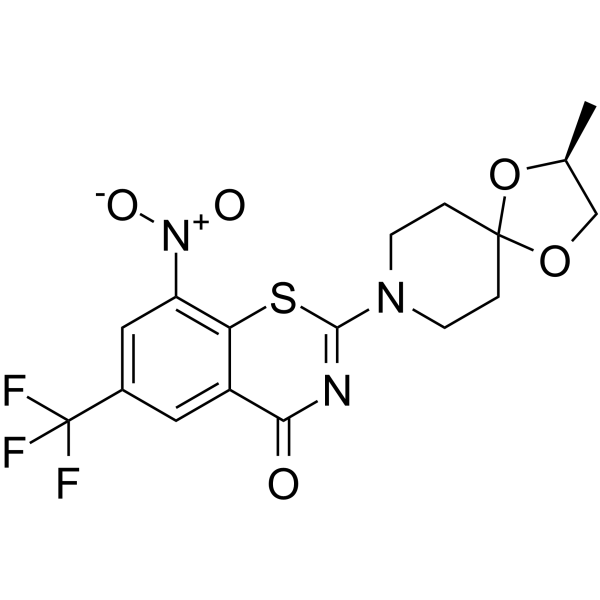
HKI12134085 (compound 3) is an orally available antibacterial nitrobenzothiazinone (BTZ) derivative with activity against Mycobacteriumtuberculosis. HKI12134085 has in vivo inhibitory potency in a BALB/c mouse model of Mycobacteriumtuberculosis infection .
GSK729 is a THPP inhibitor with the activity of inhibiting EchA6 and inhibiting Mycobacteriumtuberculosis. GSK729 can selectively pull down EchA6 in a stereospecific manner, inhibit its activity, inhibit fatty acid synthesis of Mycobacteriumtuberculosis, and has a bactericidal effect in a mouse chronic tuberculosis infection model.
CGI-17341 is a 5-nitroimidazole antibacterial agent that has the activity of inhibiting sensitive and multidrug-resistant strains of Mycobacteriumtuberculosis in vitro and prolonging the survival time of mice infected with Mycobacteriumtuberculosis in vivo in a dose-dependent manner.
Trehalose 6,6'-dimycolate (Cord Factor) is trehalose 6,6'-dimycolate, a cell wall glycolipid of Mycobacteriumtuberculosis, which can be used to simulate inflammation and granuloma induced by Mycobacteriumtuberculosis (MTB) form. Trehalose 6,6′-dimycolate also protects Mycobacteriumtuberculosis from macrophage-mediated killing, inhibits efficient antigen presentation, and reduces the development of protective T cell responses .
DG70 (GSK1733953A), a biphenyl amide, is a respiration inhibitor in Mycobacteriumtuberculosis, inhibits MenG activity with an IC50 value of 2.6 ± 0.6 μM. DG70 inhibits the catalytic methylation of Mycobacteriumtuberculosis demethylmenaquinone methyltransferase enzymes. DG70 can be used for Tuberculosis (TB) research .
Prothionamide-d5 is deuterium labeled Prothionamide (HY-B0306). Prothionamide is an orally active thioamide antibacterial agent. Prothionamide is a substrate of OCT1 with a Km value of 805.8 μM. Prothionamide reacts with NAD to form a covalent adduct, with the adduct being a tight-binding inhibitor of Mycobacteriumtuberculosis and Mycobacterium lepraeInhA. Prothionamide can effectively inhibit the growth of Mycobacteriumtuberculosis (MIC = ~0.5 µg/mL) and Mycobacterium leprae. Prothionamide is used in the research of tuberculosis and leprosy .
Thiocarlide is a potent antibacterial agent. Thiocarlide inhibits Mycobacteriumtuberculosis H37Rv, Mycobacterium bovisBCG, Mycobacterium avium, and Mycobacterium aurum A+ with MICs of 2.5, 0.5, 2.0 and 2.0 μg/mL, respectively .
2-Quinoxalinecarboxylic acid is an antibacterial agent targeting Mycobacteriumtuberculosis (MIC: >128 µg/mL). 2-Quinoxalinecarboxylic acid is promising for research of tuberculosis .
CDG-DNB3 is a selective fluorescent probe for Mycobacteriumtuberculosis. CDG-DNB3 provides rapid and specific labeling of live Mycobacteriumtuberculosis. CDG-DNB3 can image Bacillus Calmette-Guérin phagocytosis in real time .
Acid phosphatase, M. tuberculosis (EC 3.1.3.2) is one of the main enzymes of Mycobacteriumtuberculosis metabolism. Acid phosphatase, M. tuberculosis (EC 3.1.3.2) is a probable target for antituberculosis compounds.
Prothionamide (Standard) is the analytical standard of Prothionamide (HY-B0306). This product is intended for research and analytical applications. Prothionamide is an orally active thioamide antibacterial agent. Prothionamide is a substrate of OCT1 with a Km value of 805.8 μM. Prothionamide reacts with NAD to form a covalent adduct, with the adduct being a tight-binding inhibitor of Mycobacteriumtuberculosis and Mycobacterium lepraeInhA. Prothionamide can effectively inhibit the growth of Mycobacteriumtuberculosis (MIC = ~0.5 µg/mL) and Mycobacterium leprae. Prothionamide is used in the research of tuberculosis and leprosy .
3,5,4'-Tribromosalicylanilide is a compound with antituberculosis and anti-Mycobacterium abscessus activities, which was found to inhibit the growth of Mycobacteriumtuberculosis and Mycobacterium abscessus and affect gene expression by computational compound repositioning approach.
NLCQ-1 (NSC 709257) is an orally active antibacterial agent targeting dormant Mycobacteriumtuberculosis. NLCQ-1 is promising for research of tuberculosis .
Methyl caffeate is a phenylpropanoid, antibacterial agent, and Apoptosis-inducing agent. Methyl caffeate can be isolated from the flowers of peach Prunus persica (L.). Methyl caffeate upregulates the expression of pro-apoptotic proteins Bid, Bax and p53, and downregulates the expression of anti-apoptotic protein BCL-2. Methyl caffeate downregulates SASP factors. Methyl caffeate enhances glucose-stimulated insulin secretion. Methyl caffeate inhibits the growth of Gram-positive bacteria, Gram-negative bacteria, fungi, and Mycobacteriumtuberculosis strains. Methyl caffeate can be used in studies related to breast cancer, type 2 diabetes, and tuberculosis .
LysRS-IN-4 (Compound 49) is an orally active Mycobacteriumtuberculosis LysRS (lysyl-tRNA synthetase) inhibitor. LysRS-IN-4 is promising for research of tuberculosis .
α-Mycolic acid, keto cis is a structural lipid component of mycobacterial cell wall. α-Mycolic acid, keto cis can be isolated from Mycobacteriumtuberculosis Canetti. α-Mycolic acid, keto cis significantly modulates membrane permeability and stability, promising for mycobacteriumtuberculosis infection research .
α-Mycolic acid (C80) is a structural lipid component of mycobacterial cell wall. α-Mycolic acid (C80) can be isolated from Mycobacteriumtuberculosis Canetti. α-Mycolic acid (C80) significantly modulates membrane permeability and stability, promising for mycobacteriumtuberculosis infection research .
HT1171 is a potent and selective inhibitor of mycobacteriumtuberculosis proteasome. HT1171 shows strong anti-tuberculosis activity against Mycobacteriumtuberculosis H37Rv with an MIC90 of 2 μg/mL and an MIC of 4 μg/mL. When HT1171 concentration is 100 μM, the inhibition rate of human normal hepatocytes L02 is 53.8%. HT1171 can be used in the research of antitubercular agent .
(rel)-Bedaquinoline impurity 12 is a substituted quinoline derivative and anti-mycobacterial inhibitor. (rel)-Bedaquinoline impurity 12 can be used for the research of tuberculosis .
UGM-IN-1 (compound 107) is a selective competitive inhibitor of MycobacteriumtuberculosisUDP-Galp mutase (UGM), encoded by Rv3809c. UGM-IN-1 inhibits the conversion of UDP-galactopyranose (UDP-Galp) to UDP-galactofuranose (UDP-Galf), thereby blocking the synthesis of key components of the mycobacterial cell wall, including mycolic acid-arabinogalactan (mAG) and liparabinomannan (LAM), leading to anti-mycobacterial activity against Mycobacteriumtuberculosis. UGM-IN-1 is useful for research on tuberculosis, including drug-resistant tuberculosis .
Sophoradiol is a triterpenoid compound that can be extracted from Abrus Precatorius. Sophoradiol is an orally effective anti-tuberculosis agent. Sophoradiol has inhibitory activity against various strains of Mycobacteriumtuberculosis. Sophoradiol has good biocompatibility. Sophoradiol can be used in the research of tuberculosis .
Cholesterol oxidase, Rhodococcus sp. is a key enzyme in the cholesterol degradation process. It catalyzes the isomerization and oxidation of cholesterol mediated by the coenzyme FAD. Research indicates that cholesterol oxidase plays a crucial role in the pathogenicity of Mycobacteriumtuberculosis by modulating the host macrophage immune response through inhibition of the Toll-like receptor 2 (TLR2) signaling pathway, thereby enhancing the survival of Mycobacteriumtuberculosis. Cholesterol oxidase, from Rhodococcus sp., shows potential for research in the field of tuberculosis .
2-Isopropyl-5-methylanisole is an inhibitor of Mycobacteriumtuberculosis chorismate mutase (CM) with an IC50 of 21.58 μM. The MIC of 2-Isopropyl-5-methylanisole for Mycobacteriumtuberculosis is 152.22 µM. 2-Isopropyl-5-methylanisole holds potential for research in the field of anti-infective studies .
Quabodepistat (OPC-167832) is a potent and orally active dprE1 inhibitor with an IC50 of 0.258 μM. Quabodepistat has antituberculosis activity and can be used for the research of tuberculosis caused by Mycobacteriumtuberculosis .
Antimycobacterial agent-13 (Compound 3) is an anti tuberculosis agent. Antimycobacterial agent-13 has good antibacterial activity against Mycobacteriumtuberculosis (MIC = 3.125 µg/mL) in vitro. Antimycobacterial agent-13 can be used in the research of tuberculosis .
Soulattrolide is a non-nucleoside HIV-1 reverse transcriptase (RT)inhibitor with IC50 values of 0.34 µM for HIV-1 RT, 69.5 µM for E. coliRNase H, and >495 µM for human DNA polymerase β, and can be found in Calophyllum teysmannii latex. Soulattrolide can be used for the research of HIV-1 infection, pain, inflammation, and Mycobacteriumtuberculosis infection .
Antimycobacterial agent - 11 (Compound QM7) is a bacteriostatic agent with anti-tuberculosis activity. Its minimum inhibitory concentration (MIC) against Mycobacteriumtuberculosis (Mtb) is 5.58 μg/mL. Antimycobacterial agent - 11 can be used in the research of the anti - infection field, especially in the field of tuberculosis .
Antitubercular agent-55 (Compound 2e) is an anti-tuberculous agent. Antitubercular agent-55 exhibits significant inhibitory activity against the standard strain of Mycobacteriumtuberculosis H37Rv and also has moderate inhibitory activity against multidrug-resistant TB (MDR-TB). Antitubercular agent-55 has a strong affinity for the key enzyme InhA involved in the biosynthesis of mycotic acids. Antitubercular agent-55 can be used for research on tuberculosis infection caused by Mycobacteriumtuberculosis.
Mycolic acid IIa is a structural lipid component of mycobacterial cell wall. Mycolic acid IIa can be isolated from Mycobacterium bovis BCG. Mycolic acid IIa significantly modulates membrane permeability and stability, promising for mycobacteriumtuberculosis infection research .
BDM31343 is an Ethionamide (HY-B0276) synergist. BDM31343 inhibits the transcriptional repressor EthR in Mycobacteriumtuberculosis, thereby relieving the inhibition of the EthA activator by Ethionamide, and enhancing the efficacy of Ethionamide. BDM31343 effectively inhibits the binding of EthR to DNA, with its IC₅₀ being 3.3 μM. BDM31343 can be used in the research of anti-Mycobacteriumtuberculosis .
MMV688845 is a nontuberculous mycobacteria (NTM) RNA polymerase inhibitor with bactericidal activity against Mycobacterium abscessus and anti-tuberculosis efficacy .
Pyridomycin (Erizomycin) is a selective and low cytotoxic inhibitor of Mycobacteriumtuberculosis that effectively targets InhA. Pyrdomycin is also an antibiotic that can be obtained from metabolites of Dactylosporangium fulvum. Pyrdomycin can be used in the study of bacterial infections such as tuberculosis .
Tuberculosis inhibitor 12 (compound 12) is an oxadiazole derivative and an inhibitor of Mycobacteriumtuberculosis. The inhibition rates of Tuberculosis inhibitor 12 (20 μM) on 7H9-Tw-OADC and 7H9-Tw-OADC reached 82% and 78% respectively .
LQFM326 is an antimycobacterial agent. LQFM326 shows MIC of 15.6 μg/mL against Mycobacteriumtuberculosis H37Ra and 12.5 μg/mL against clinical strains. LQFM326 can cause depressions and pores to appear on the surface of the mycobacterium causing abscesses, shortening the bacterial length, increasing its thickness, and damaging the integrity of the cell wall. LQFM326 can be used for the research of tuberculosis .
ZTB23(R) is a potent and selective Mycobacteriumtuberculosis zinc metalloproteinase-1 (Zmp1) inhibitor with Ki value of 0.054 μM. ZTB23(R) can be used for tuberculosis (TB) research .
SRG-II-19F (dCym-JQ1) is a bromodomain1 of BRDT (BRDTBD1) PROTAC degrader. SRG-II-19F can be used for testing the regulatory effect of ClpC2 on the ClpC1P1P2 protease .
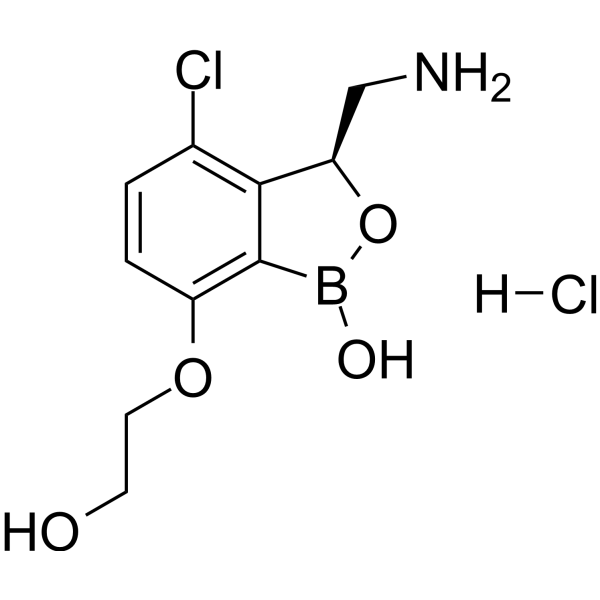
Ganfeborole hydrochloride (GSK656) is a potent antitubercular agent, acting as an inhibitor of Mycobacteriumtuberculosis (Mtb) leucyl-tRNA synthetase (LeuRS), with an IC50 of 0.2 μM.
Mtb-IN-3 (compound 10c) is an inhibitor of Mycobacteriumtuberculosis (Mtb). Mtb-IN-3 shows selective, potent in vitro antimycobacterial activity without cytotoxicity. Mtb-IN-3 inhibits colony-forming in spleen in the murine tuberculosis model .
sCNH240 (Compound P1) is an oral active and selective Rv1625c/Cya activator. sCNH240 has significant anti-tuberculosis activity with a MIC90 of 1.24 μM for Mycobacteriumtuberculosis (Mtb) H37Rv strain on cholesterol. sCNH240 can be used for tuberculosis research .
ABT-255 hydrochloride is an orally active anti-bacterial agent. ABT-255 hydrochloride exhibits potent in vitro potency (MIC = 0.016-0.031 μg/mL) against drug-susceptible and Rifampin (HY-B0272)- or Ethambutol (HY-B0535)-resistant Mycobacteriumtuberculosis. ABT-255 hydrochloride shows efficacy against S. aureus, S. pneumoniae and E. coli and reduces viable counts of drug-resistant Mycobacteriumtuberculosis in CF-1 mice. ABT-255 hydrochloride can be used for the study of pulmonary tuberculosis .
(R,R)-Ethambutol is an antituberculosis compound with tuberculosis inhibitory activity. (R,R)-Ethambutol is often used in combination with other antituberculosis compounds to enhance the efficacy. (R,R)-Ethambutol can also be used to inhibit Mycobacterium avium complex infection and Mycobacterium kansasii infection .
DHFR-IN-2 (compound 4e) is a potent and uncompetitive inhibitor for MtDHFR (dihydrofolate reductase from M. tuberculosis), with an IC50 of 7 μM. DHFR-IN-2 can be used for tuberculosis (TB) research .
Antitubercular agent-37 is an antibacterial agent. Antitubercular agent-37 has antimycobacterial activity with an MIC values of 0.16 μg/mL. Antitubercular agent-37 can be used for the research of tuberculosis .
IMB-YH-8 is a serine/threonine protein kinase (PknB) inhibitor. IMB-YH-8 has strong antibacterial activity against Mycobacteriumtuberculosis (MIC = 0.25 µg/mL). IMB-YH-8 can be used in the research of tuberculosis .
ML338 is a selective small molecule inhibitor probe of non-replicating Mycobacteriumtuberculosis bacilli and is against the non-replicating M. tuberculosis with IC90 and IC99 values of 1 μM and 4 μM, respectively by CFU. ML338 is a invaluable tool for identifying both essential functions and vulnerabilities of the M. tuberculosis bacilli in the nutrient deprivation states. ML338 can be used for the study of M. tuberculosis chemotherapy .
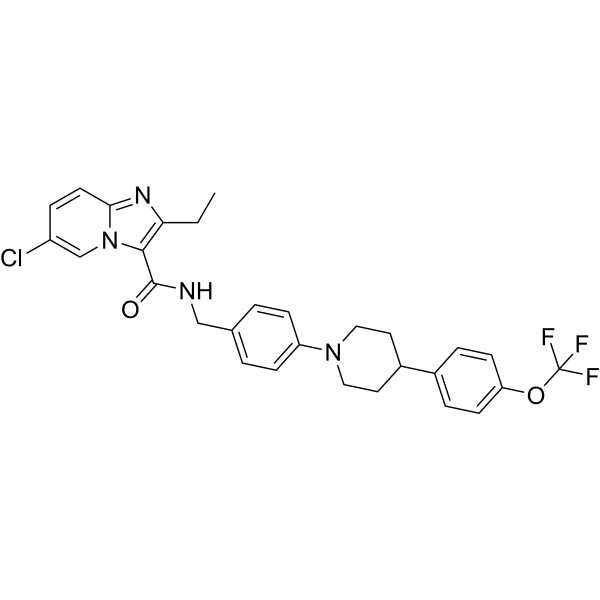
Telacebec ditosylate is a midazopyridine amide compound. Telacebec ditosylate is active against Mycobacteriumtuberculosis H37Rv with an MIC50 of 2.7 nM in culture broth medium.
Faropenem sodium (Standard) is the analytical standard of Faropenem sodium. This product is intended for research and analytical applications. Faropenem sodium is an orally bioavailable penem antibiotic which can efficiently kill Mycobacteriumtuberculosis.
BTZ043 is an inhibitor of decaprenyl-phosphoribose-epimerase (DprE1), with MICs of of 2.3 nM and 9.2 nM for M. tuberculosis H37Rv and Mycobacterium smegmatis, respectively.
Telacebec (Q203) is a midazopyridine amide compound. Telacebec is active against Mycobacteriumtuberculosis H37Rv with an MIC50 of 2.7 nM in culture broth medium.
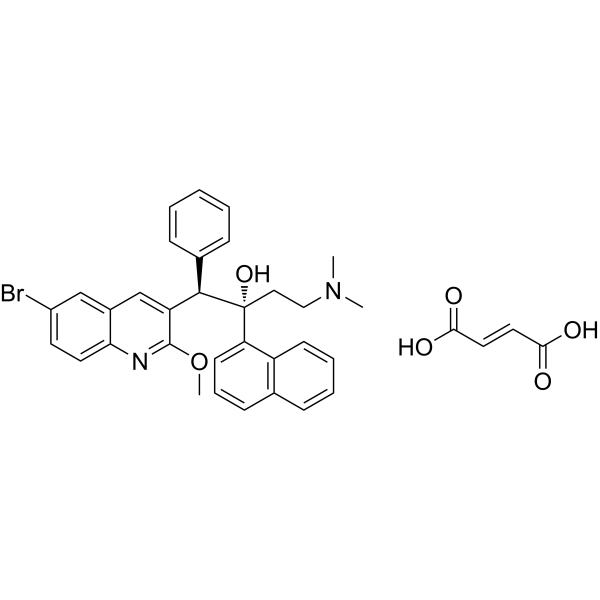
Bedaquiline (fumarate) (Standard) is the analytical standard of Bedaquiline (fumarate). This product is intended for research and analytical applications. Bedaquiline fumarate, a diarylquinoline antibiotic that targets ATP synthase, is effective for the treatment of Mycobacteriumtuberculosis infections.
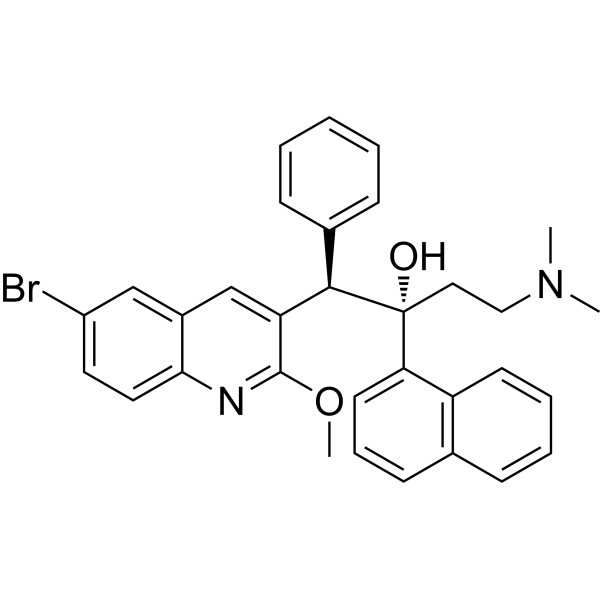
Bedaquiline (TMC207) is a diarylquinoline agent and inhibits Mycobacteriumtuberculosis (Mtb) F1FO-ATP synthase through targeting of both the c- and the ε-subunit . Bedaquiline has uncoupler activity. Bedaquiline is used for the multi-agent resistant tuberculosis .
Propioxatin B is a tricyclic sesquiterpenoid compound isolated from the root of vetiver grass. It has anti-tuberculosis activity and inhibitory effects on a variety of drug-resistant mutants of Mycobacteriumtuberculosis. In computer simulation docking studies, it showed binding affinity with bacterial DNA gyrase and has a certain safety in vivo.
NITD-349 is an MmpL3 inhibitor that shows highly potent anti-mycobacterial activity with MIC50 of 23 nM against virulent Mycobacteriumtuberculosis H37Rv.
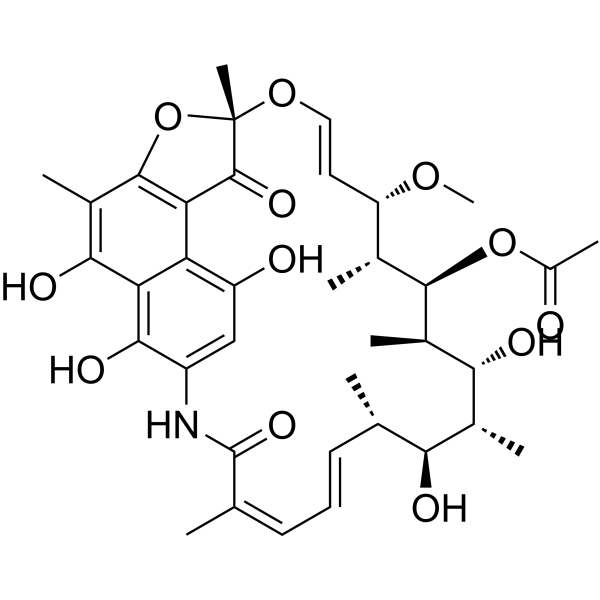
Rifamycin (Rifamycin SV) is an orally active ansamycin antibiotic. Rifamycin inhibits DNA-dependent RNA synthesis. Rifamycin has antibacterial activity against Mycobacteriumtuberculosis. Rifamycin interferes with hepatic bile acid metabolism. Rifamycin has anti-inflammatory effects. Rifamycin can be used in the study of Mycobacteriumtuberculosis, Bacteroides fragilis infection, and Lipopolysaccharide (HY-D1056B3)-induced inflammation .
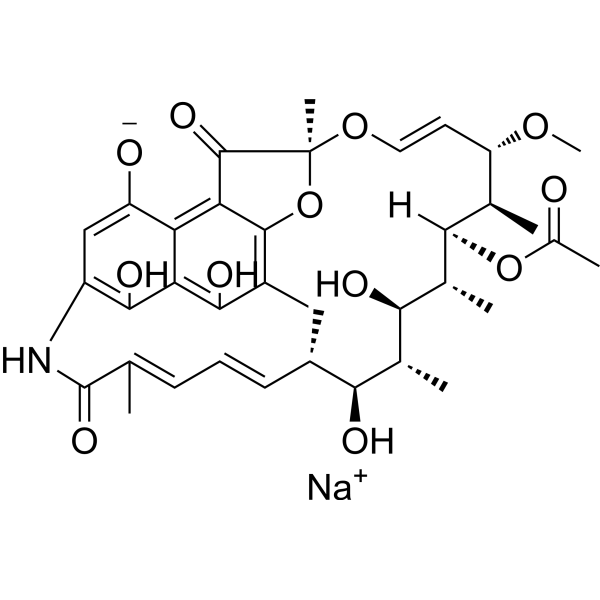
Rifamycin sodium (Rifamycin SV monosodium) is an orally active ansamycin antibiotic. Rifamycin sodium inhibits DNA-dependent RNA synthesis. Rifamycin sodium has antibacterial activity against Mycobacteriumtuberculosis. Rifamycin sodium interferes with hepatic bile acid metabolism. Rifamycin sodium has anti-inflammatory effects. Rifamycin sodium can be used in the study of Mycobacteriumtuberculosis, Bacteroides fragilis infection, and Lipopolysaccharide (HY-D1056B3)-induced inflammation .
ABT-255 free base is an orally active anti-bacterial agent. ABT-255 free base exhibits potent in vitro potency (MIC = 0.016-0.031 μg/mL) against drug-susceptible and Rifampin (HY-B0272)- or Ethambutol (HY-B0535)-resistant Mycobacteriumtuberculosis. ABT-255 free base shows efficacy against S. aureus, S. pneumoniae and E. coli and reduces viable counts of drug-resistant Mycobacteriumtuberculosis in CF-1 mice. ABT-255 free base can be used for the study of pulmonary tuberculosis .
EGFR/InhA-IN-1 (Compound 15) is an inhibitor of the anti-cancer target EGFR tyrosine kinase (1M17) (Ki = 0.05 μM) and the anti-tuberculosis target InhA enzyme (1OUZ) (Ki = 0.02 μM). EGFR/InhA-IN-1 exhibits anti-proliferative activity against A549 cells, with an IC50 of 10.38 μM. EGFR/InhA-IN-1 has inhibitory activity against Mycobacteriumtuberculosis H37Rv, with a MIC of 6.25 μM. EGFR/InhA-IN-1 can be used for research on non-small cell lung cancer and Mycobacteriumtuberculosis infection .
2-Mercaptopyridine N-oxide sodium has bactericidal effect and is against a standard strain of Mycobacteriumtuberculosis H37Rv (ATCC 27294) with MIC90 of 7.20 μM. 2-Mercaptopyridine N-oxide sodium and its complex with iron, gallium, and bismuth have good anti-M. tuberculosis activity. 2-Mercaptopyridine N-oxide sodium has potential for the treatment of tuberculosis .
3-Aminoisonicotinohydrazide is an anti-bacterial agent. 3-Aminoisonicotinohydrazide exhibits inhibitory activity against Mycobacteriumtuberculosis. 3-Aminoisonicotinohydrazide can be used in antibacterial research .
Bamipine is a potent histamine H1-receptor antagonist. Bamipine exhibits moderate activity against Mycobacteriumtuberculosis. Bamipine has a mild sedative effect .
S.pombe lumazine synthase-IN-1 is an inhibitor of lumazine synthases with Ki values of 243 μM and 9.6 μM for Schizosaccharomyces pombe and Mycobacteriumtuberculosis lumazine synthases, respectively .
Steviolbioside is a sweetener and also an important pharmaceutical intermediate. Steviolbioside can inhibit the proliferation of various tumor cells. Steviolbioside has an MIC of 3.8 µg/mL for Mycobacteriumtuberculosis. Steviolbioside also has antidiabetic activity. Steviolbioside can be used in the research of tuberculosis, diabetes and tumors such as breast cancer .
(Rac)-Bedaquiline is the racemate of Bedaquiline. Bedaquiline (TMC207) is a diarylquinoline agent and inhibits Mycobacteriumtuberculosis (Mtb) F1FO-ATP synthase through targeting both the c- and the ε-subunit. Bedaquiline has uncoupler activity. Bedaquiline is used for the multi-agent resistant tuberculosis .
VA06 is a derivative of QS-21 (HY-101092A) that retains potent adjuvant activity while significantly reducing toxicity. VA06 self-assembles into flexible worm-like micelles with continuously elongated nanostructures and enhanced drug-loading encapsulation capacity. VA06 induces antigen-specific antibody production, enhances the secretion of TNF-α, IFN-γ and IL-2 in CD4 + and CD8 + T cells, and promotes the expression of immune-related and antiviral-related genes in mature dendritic cells. VA06 does not require liposome formulation, which simplifies production and storage processes. VA06 can be used in the research of varicella-zoster virus infection and Mycobacteriumtuberculosis infection .
HC2210 has an antibacterial effect against Mycobacterium abscessus (Mab) (EC50: 0.72 µM). HC2210 modulates the expression of Mab genes related to oxidative stress and lipid metabolism. HC2210 can be used in the study of Mab infection .
7-Oxo-ganoderic acid Z, a terpenoid, is a nature product that could be isolated from Resina Commiphora. 7-Oxo-ganoderic acid Z has Anti-Mycobacteriumtuberculosis activity .
Evybactin is a DNA gyrase inhibitor. Evybactin is a selective inhibitor of Mycobacteriumtuberculosis with a MIC value of 0.25 µg/mL. Evybactin is the first antimicrobial compound found to employ this unusual mechanism of selectivity .
Antimycobacterial agent-1 (compound 33) has selectively antimycobacterial activity against Mycobacteriumtuberculosis(M. tuberculosis) H37Ra with a MIC value of 1 μg/ml. Antimycobacterial agent-1 has relatively low cytotoxicity in normal cells (Vero cells IC50 = 143.2 μg/ml) .
MmpL3-IN-5 (Compound 3G) is a MmpL3 inhibitor. MmpL3-IN-5 has an antitubercular activity with a pMIC of 7.0 μM for Mycobacteriumtuberculosis H37Rv strain. MmpL3-IN-5 can be used for tuberculosis research .
Capreomycin is a macrocyclic peptide antibiotic. Capreomycin can be used for anti-multidrug-resistant-tuberculosis research. Capreomycin can inhibit phenylalanine synthesis in in mycobacterial ribosomes translation
Antitubercular agent-54 is an antitubercular agent with potent intramacrophage activity (EC50 = 0.68 μM). Antitubercular agent-54 shows a MIC of 0.31 μM against Mycobacteriumtuberculosis (Mtb) H37Rv in cholesterol-containing medium. Antitubercular agent-54 can be used for the research of tuberculosis .
Thiophene-2 (TP2) is a specific polyketide synthase 13 (Pks13) inhibitor. Thiophene-2 inhibits mycolic acid biosynthesis and rapidly leads to mycobacterial cell death. Thiophene-2 is active against Mycobacteriumtuberculosis with a MIC value of 1 μM, and has potent anti-tuberculosis activity .
InhA-IN-8 (compound 6c) is an orally active inhibitor of MycobacteriumtuberculosisInhA (enoyl ACP reductase). InhA-IN-8 has good inhibitory activity against Mtb UalRv (MIC = 0.5-1 μg/mL). InhA-IN-8 can be used in research on acute tuberculosis model mice .
Mtb-IN-13 (Compound 5f) is an inhibitor of Mycobacteriumtuberculosis (Mtb), with a MIC of 0.25 μg/mL. The Ki values of MTTB-in-13 for MtCA1, MtCA2, MtC, and 3 are 0.6023, 0.0780, and 0.1994 μM, respectively. Mtb-IN-13 can be used in the research of tuberculosis .
UGM-IN-3 (compound 10a) is a UDP-galactopyranose mutase (UGM) inhibitor with a Kd of 66 μM. UGM-IN-3 inhibits the growth of Mycobacteriumtuberculosis with a MIC value of 6.2 μg/mL .
Enzyme-IN-3 disodium (compound 7) is a selective inhibitor of Mycobacteriumtuberculosisshikimate kinase with an IC50 of 1.6 μM. Enzyme-IN-3 disodium has antibacterial activity .
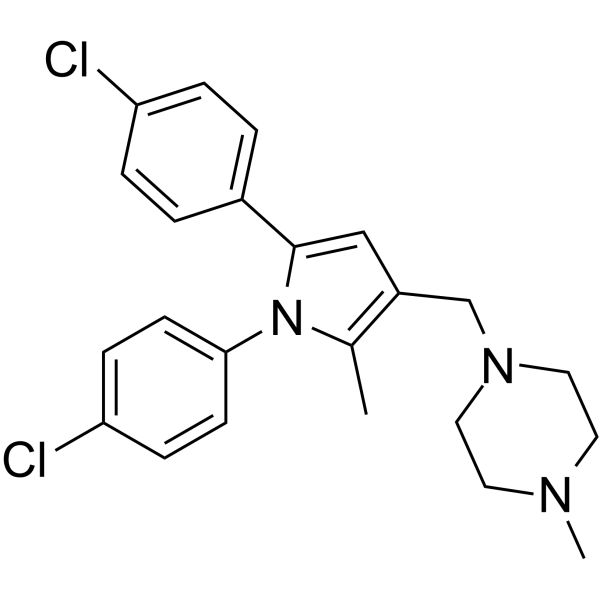
BM212 (Standard) is the analytical standard of BM212. This product is intended for research and analytical applications. BM212 is a potent Mycobacterial membrane protein Large 3 (MmpL3) inhibitor. BM212 has strong bactericidal activity against both M. tuberculosis and some nontuberculosis mycobacteria. BM212 exhibits antimycobacterial activity against M. tuberculosis H37Rv with an MIC of 5 µM .
BM212 is a potent Mycobacterial membrane protein Large 3 (MmpL3) inhibitor. BM212 has strong bactericidal activity against both M. tuberculosis and some nontuberculosis mycobacteria. BM212 exhibits antimycobacterial activity against M. tuberculosis H37Rv with an MIC of 5 µM .
PptT-IN-4 (Compound 3a) is a PptT inhibitor (IC50: 0.71 μM). PptT-IN-4 inhibits Mtb H37Rv with a MIC value of 42 μM. PptT-IN-4 also inhibits hERG, hCav1.2, and hNav1.5 channels with IC50s of 11 μM, 8.1 μM, 6.9 μM respectively .
Quabodepistat-d7 (OPC-167832-d7) is deuterium labeled Quabodepistat. Quabodepistat (OPC-167832) is a potent and orally active dprE1 inhibitor with?an IC50 of 0.258 μM. Quabodepistat has antituberculosis activity and can be used for the research of tuberculosis?caused by?Mycobacteriumtuberculosis .
Thiacetazone (Thioacetazone) is a thiourea-containing antitubercular agent and is an orally active antibiotic. Thiacetazone has antibacterial action, which inhibits growth of Mycobacteriumtuberculosis H37Rv with a MIC value of 0.1 μg/mL .
Mtb against-1 (compound 17af) is an inhibitor of Mycobacteriumtuberculosis, with IC90 values of 1.2 μM and 0.9 μM for the wild-type and LepB low-deformation strains, respectively .
MtTMPK-IN-1 (compound 3) is a potent Mycobacteriumtuberculosis thymidylate kinase (MtTMPK) inhibitor with an IC50 value of 2.5 μM. MtTMPK-IN-1 has moderate to weak activity against Mtb H37Rv and low cytotoxicity in human fibroblast cells MRC-5. MtTMPK-IN-1 can be used for researching tuberculosis .
Bedaquiline (Standard) is the analytical standard of Bedaquiline. This product is intended for research and analytical applications. Bedaquiline (TMC207) is a diarylquinoline agent and inhibits Mycobacteriumtuberculosis (Mtb) F1FO-ATP synthase through targeting of both the c- and the ε-subunit . Bedaquiline has uncoupler activity. Bedaquiline is used for the multi-agent resistant tuberculosis .
Bedaquiline impurity 2-d6 is deuterium labeled Bedaquiline. Bedaquiline (TMC207) is a diarylquinoline agent and inhibits Mycobacteriumtuberculosis (Mtb) F1FO-ATP synthase through targeting of both the c- and the ε-subunit . Bedaquiline has uncoupler activity. Bedaquiline is used for the multi-agent resistant tuberculosis .
Caprazene is an antimycobacterial compound and precursor molecule for semi-synthetic antibacterial antibiotics, used for studies on tuberculosis and Mycobacterium avium complex infections, which can be isolated from the acid-treated caprazamycin (CPZ) A-G mixture .
(Rac)-Sativan is an isoflavanoid with a broad spectrum of antimicrobial activity against bacteria and phytopathogenic fungi. (Rac)-Sativan exhibits antituberculosis activity against Mycobacteriumtuberculosis H37Rv, with MIC values of 50 µg/mL .
Rifamycin (sodium) (Standard) is the analytical standard of Rifamycin (sodium). This product is intended for research and analytical applications. Rifamycin sodium (Rifamycin SV sodium) is an orally active ansamycin antibiotic. Rifamycin sodium inhibits DNA-dependent RNA synthesis. Rifamycin sodium has antibacterial activity against Mycobacteriumtuberculosis. Rifamycin sodium interferes with hepatic bile acid metabolism. Rifamycin sodium has anti-inflammatory effects. Rifamycin sodium can be used in the study of Mycobacteriumtuberculosis, Bacteroides fragilis infection, and Lipopolysaccharide (HY-D1056B3)-induced inflammation .
(Rac)-Bedaquiline-d6 is the deuterium labeled Bedaquiline (HY-14881) . Bedaquiline (TMC207) is a diarylquinoline agent and inhibits Mycobacteriumtuberculosis (Mtb) F1FO-ATP synthase through targeting of both the c- and the ε-subunit . Bedaquiline has uncoupler activity. Bedaquiline is used for the multi-agent resistant tuberculosis .
Mtb-IN-2 (compound 10c) is an antimicrobial agent against Mycobacteriumtuberculosis (Mtb), without cytotoxicity. Mtb-IN-2 significantly decreases colony-forming units (CFU) in spleen of murine tuberculosis models, and distinguishes both drug-sensitive and drug-resistant Mtb H37Rv strains. Mtb-IN-2 affects methionine metabolism but not folate pathway directly.
Antitubercular agent-18 (Compound 9a) is an antitubercular agent with MIC values of 2, 2, 2 and 128 µg/ml against M. tuberculosis H37Rv, Spec. 192, Spec 210 and Spec. 800, respectively. Antitubercular agent-18 shows highly selective antimycobacterial effects .
Antitubercular agent-17 (Compound 8a) is an antitubercular agent with MIC values of 2, 2, 2 and 128 µg/ml against M. tuberculosis H37Rv, Spec. 192, Spec 210 and Spec. 800, respectively. Antitubercular agent-17 shows highly selective antimycobacterial effects .
Mtb-IN-8 (compound 5jb) is an orally active inhibitor of Mycobacteriumtuberculosis (Mtb) with MIC values of 0.03 μg/mL for H37Rv and 0.125-0.06 μg/mL for MDR-Mtb, respectively .
InhA-IN-9 (compound 7h) is a MycobacteriumtuberculosisInhA (an enoyl ACP-reductase) inhibitor. InhA-IN-9 could bind to InhA. InhA-IN-9 shows a antituberculosis activity at MIC value of 2 μg/mL .
4-Nitrobenzoic acid is a nitroaromatic compound that can be used in the synthesis of other active compounds. 4-Nitrobenzoic acid is also an inhibitor agent, which can be used for the recognition of the Mycobacteriumtuberculosis complex and differentiation from non-tuberculous mycobacteria .
FolB-IN-1 (Compound 3e) is an inhibitor of FolB that can suppress the activity of FolB enzyme from Mycobacteriumtuberculosis (MtFolB). FolB-IN-1 exhibits antimycobacterial activity with an MIC value of 40 µg/mL (108 µM) .
Ganorbiformin B is a lanostane triterpenoid. Ganorbiformin B shares the same lanostane skeleton with known ganoderic acids. The C-3 epimer of ganoderic acid T exhibits potent antimycobacterial activity against Mycobacteriumtuberculosis H37Ra .
Antitubercular agent-30 is an antibacterial agent against Mycobacteriumtuberculosis (MIC=50 μg/mL). Antitubercular agent-30 has little cytotoxic effect on murine macrophage cells (LD85=~100 μg/mL) .
GWP-042 is a potent inhibitor of mycobacterial alanine dehydrogenase (Ald) Rv2780, with the IC50 of 0.21 μM. GWP-042 has antimicrobial activity against M. tuberculosis infection in vivo .
BRD-9327 is an inhibitor of EfpA. BRD-9327 binds in the outer vestibule without complete blockade of the substrate path to the outside, suggesting its possible inhibition of the movement necessary for alternate access of the transporter. BRD-9327 can be used for anti-tuberculosis study .
Antibacterial agent 122 (compound 15) is a thiourea derivative with anti-mycobacterial activity and low cytotoxicity. Antibacterial agent 122 can be used for tuberculosis-related studies .
Steviolbioside (Standard) is the analytical standard of Steviolbioside (HY-N2547). This product is intended for research and analytical applications. Steviolbioside is a sweetener and also an important pharmaceutical intermediate. Steviolbioside can inhibit the proliferation of various tumor cells. Steviolbioside has an MIC of 3.8 µg/mL for Mycobacteriumtuberculosis. Steviolbioside also has antidiabetic activity. Steviolbioside can be used in the research of tuberculosis, diabetes and tumors such as breast cancer .
Pasiniazid is a chemical complex formed by Isoniazid (HY-B0329) and Para-aminosalicylic acid in a 1:1 molar ratio. Pasiniazid is an antibacterial agent. Pasiniazid is rapidly decomposed into isoniazid and para-aminosalicylic acid in the gastrointestinal tract. Isoniazid exerts a bactericidal effect, while para-aminosalicylic acid delays the acetylation process of isoniazid. Pasiniazid has antibacterial activity against Mycobacteriumtuberculosis. Pasiniazid can be used in tuberculosis research .
Mtb-cyt-bd oxidase-IN-5 (compound 1k) is a Mycobacteriumtuberculosis (Mtb) cytochrome bd (cyt-bd) oxidase (MtbCyt-bd Oxidase) inhibitor with an IC50 value of 0.37 μM. Mtb-cyt-bd oxidase-IN-5 can effectively inhibit the growth of Mtb (MIC= 256 μM). Mtb-cyt-bd oxidase-IN-5 can be used in the study of tuberculosis .
TBA-7371 is an orally active and non-covalent inhibitor of Decaprenylphosphoryl-β-D-ribose oxidase (DprE1) of Mycobacteriumtuberculosis (MIC=0.64 μg/mL). TBA-7371 can block the synthesis of arabinose in the bacterial cell wall, resulting in cell wall structural defects, thereby exerting an anti-tuberculosis effect. TBA-7371 can be used in the research of anti-tuberculosis drugs and has a synergistic bactericidal effect with Bedaquiline (HY-14881) and other drugs .
Mtb-IN-5 (compound (-)17j) is an isoxazole, with anti-Mycobacteriumtuberculosis (Mtb) activity. Mtb-IN-4 inhibits Mtb respiration and biofilm formation in macrophage, and enhances antibiotic isoniazid (INH) inhibition against INH-resistant Mtb mutant .
Ganfeborole hydrochloride (Standard) is the analytical standard of Ganfeborole (hydrochloride) (HY-107775). This product is intended for research and analytical applications. Ganfeborole hydrochloride (GSK656) is a potent antitubercular agent, acting as an inhibitor of Mycobacteriumtuberculosis (Mtb) leucyl-tRNA synthetase (LeuRS), with an IC50 of 0.2 μM.
Mab Aspartate Decarboxylase-IN-1 is a potent aspartate decarboxylase (PanD) inhibitor with an IC50 value of 56.3 μM. Mab Aspartate Decarboxylase-IN-1 shows antibacterial activity .
PXYD3 is a ribosomal protein S1 (RpsA) antagonist with Kds of 5.66 and 6.91 μM for RpsA-CTD and RpsA-CTD Δ438A, respectively. RpsA plays an important role in the trans-translation process of MycobacteriumTuberculosis (Mtb) .
BTZ043 (Standard) is the analytical standard of BTZ043. This product is intended for research and analytical applications. BTZ043 is an inhibitor of decaprenyl-phosphoribose-epimerase (DprE1), with MICs of of 2.3 nM and 9.2 nM for M. tuberculosis H37Rv and Mycobacterium smegmatis, respectively.
4-Allylcatechol (4-Allylpyrocatechol) is a xylan which has oral activity and can be isolated from the root of Piper taiwanense. 4-Allylcatechol has a strong inhibitory activity against collagen-induced platelet aggregation (IC50 = 5.3 μM). In addition, 4-Allylcatechol has anti-tuberculosis activity against Mycobacteriumtuberculosis H37Rv (MIC = 27.6 μg/mL) .
Mtb-IN-6 (Compound C10) is a Mycobacteriumtuberculosis(Mtb) respiration inhibitor. Mtb-IN-6 can enhance the bactericidal activity of isoniazid (INH, HY-B0329). Mtb-IN-6 inhibits WT Mtb with an IC50 of 25 µM .
Pks13-IN-2 (Compound 43) is an orally active inhibitor of Pks13. Pks13-IN-2 exhibits inhibitory activity against Mycobacteriumtuberculosis H37Rv, with a MIC of 0.8-1.8 μM. Pks13-IN-2 shows good metabolic stability in mouse liver microsomes and hepatocytes. Pks13-IN-2 can be used for tuberculosis research .
16S rRNA (cytidine1409-2'-O)-Methyltransferase (EC 2.1.1.227) from Mycobacteriumtuberculosis 2'-O-methylates cytidine1409 in helix 44 of 16S rRNA and cytidine1920 in helix 69 of 23S rRNA.
Antituberculosis agent-13 (Compound 11) inhibits Mycobacteriumtuberculosis, that inhibits Mtb wildtype and mutated strains with IC50 of 4-62.5 nM. Antituberculosis agent-13 exhibits anti-leukemia activity that inhibits MOLM-13 with IC50 of 3.8 μM .
3-(1-Carboxyvinyloxy)benzoic acid is an inhibitor of MbtI(Mycobacteriumtuberculosis salicylate synthase) and AS (Serratia marcescens arginine synthase), with Ki values of 500 and 3.2 µM, respectively. 3-(1-Carboxyvinyloxy)benzoic acid has antibacterial activity and can be used in anti-infection research .
PNU-101603 is a sulfoxide metabolite of Sutezolid (HY-10392). PNU-101603 alone or combined with SQ109 (HY-14989) shows excellent activity against Mycobacteriumtuberculosis (MTB), as well as against agent-susceptible and multidrug-resistant TB .
MtTMPK-IN-2 (compound 15) is a potent Mycobacteriumtuberculosis thymidylate kinase (MtTMPK) inhibitor with an IC50 value of 1.1 μM. MtTMPK-IN-2 has inhibitory activity against Mtb H37Rv (MIC = 12.5 μM). MtTMPK-IN-2 exhibits certain cytotoxicity in human fibroblast cells MRC-5 (EC50 = 6.1 μM). MtTMPK-IN-2 can be used for researching tuberculosis .
Antitubercular agent-52 (Compound 7k) is an antitubercular agent targeting Mycobacteriumtuberculosis (Mtb). Antitubercular agent-52 selectively inhibits the cytochrome bcc (cyt-bcc) electron transport chain of Mtb and also acts on cytochrome bd (cyt-bd). Antitubercular agent-52 blocks electron transfer and ATP production by interfering with the key energy metabolism pathway of Mtb. Antitubercular agent-52 is promising for research of tuberculosis .
MtTMPK-IN-3 (compound 25) is a potent Mycobacteriumtuberculosis thymidylate kinase (MtTMPK) inhibitor with an IC50 value of 0.12 μM. MtTMPK-IN-3 has inhibitory activity against Mtb H37Rv (MIC = 12.5 μM). MtTMPK-IN-3 exhibits certain cytotoxicity in human fibroblast cells MRC-5 (EC50 = 12.5 μM). MtTMPK-IN-3 can be used for researching tuberculosis .
TAM-16 is a potent and orally active polyketide synthase 13 (Pks13) inhibitor with an IC50 value of 0.32 μM. TAM-16 has promising activity against Mycobacteriumtuberculosis. TAM-16 inhibits hERG cardiac ion channel .
Anti-infective agent 8 (compound 9d) is an antibacterial agent with an MIC of 0.5 μg/mL against Staphylococcus aureus and Mycobacteriumtuberculosis H37Rv. Anti-infective agent 8 has anti-biofilm activity and significantly reduces Staphylococcus aureus biofilm formation .
Lansoprazole sulfide-d4 is a deuterium labeled Lansoprazole Sulfide. Lansoprazole Sulfide is an active metabolite of the proton pump inhibitor Lansoprazole. Lansoprazole Sulfide is an orally active anti-TB (Mycobacteriumtuberculosis) agent with IC50 values of 0.59 μM intracellularly and 0.46 μM in broth .
DprE1-IN-13 (Compound 42) is the inhibitor for decaprenyl-phosphoryl-β-d-ribose oxidase (DprE1) with IC50 of 12.72 μM. DprE1-IN-13 inhibits Mycobacteriumtuberculosis H37Ra with MIC50 of 1.071 μM .
Antibacterial agent 322 is an antibacterial agent that inhibits the growth of various bacteria. Antibacterial agent 322 can be used in research on bacterial infections .
Tuberculosis inhibitor 5 (Compound 11i) is a potent antimycobacterial biphenyl analogue without noticeable cytotoxicity. Tuberculosis inhibitor 5 is an anti-tuberculosis agent .
Thiacetazone (Standard) is the analytical standard of Thiacetazone. This product is intended for research and analytical applications. Thiacetazone (Thioacetazone) is a thiourea-containing antitubercular agent and is an orally active antibiotic. Thiacetazone has antibacterial action, which inhibits growth of Mycobacteriumtuberculosis H37Rv with a MIC value of 0.1 μg/mL[1].
Mtb-IN-4 (compound 17h) is a nontoxic isoxazole, with anti-Mycobacteriumtuberculosis (Mtb) activity (IC50=0.70 μM). Mtb-IN-4 inhibits Mtb respiration and biofilm formation in macrophage, and enhances antibiotic isoniazid (INH) inhibition against INH-resistant Mtb mutant .
Cordycepin (3'-Deoxyadenosine) is a nucleoside derivative and inhibits IL-1β-induced MMP-1 and MMP-3 expression in rheumatoid arthritis synovial fibroblasts (RASFs) in a dose-dependent manner . Cordycepin kills Mycobacteriumtuberculosis through hijacking the bacterial adenosine kinase .
Miaosporone A, an angucyclic quinone, exhibits antimalarial activity against Plasmodium falciparum K1 and antibacterial activity against Mycobacteriumtuberculosis with respective IC50 values of 2.5 and 2.4 μM and displays cytotoxic activities against both cancerous (MCF-7 and NCI-H187) and nonmalignant (Vero) cells .
Biotin protein ligase-IN-1 (Compound Bio-9) is an inhibitor of biotin protein ligase (BPL) with a Kd value of 7 nM. Biotin protein ligase-IN-1 exhibits antibacterial activity, with MIC values of 0.2 and 20 μM against Staphylococcus aureus (including MRSA and MSSA) and Mycobacteriumtuberculosis, respectively .
Tuberactinomycin-O is a peptide antibiotic belonging to the tuberactinomycin family. Tuberactinomycin-O inhibits the growth of various bacteria, including Staphylococcus aureus, Escherichia coli, Pseudomonas aeruginosa and MycobacteriumATCC 607. Tuberactinomycin-O exhibits acute toxicity in male mice when administered intravenously. Tuberactinomycin-O can be used in the research of tuberculosis .
SEQ-9 is an orally active Mycobacteriumtuberculosis (Mtb) 23S bacterial ribosome inhibitor with an IC50 of approximately 170 nM for unmethylated Mtb ribosomes. SEQ-9 also potently inhibits A2296 methylated ribosomes. SEQ-9 can be used to study bacterial infection and drug resistance .
sALT629 is an orally active antitubercular agent with potent intramacrophage activity (EC50 = 1.5 μM). sALT629 shows broad-spectrum anti-Mycobacteriumtuberculosis (Mtb) activities across four carbon sources, equipotent efficacy against drug-resistant Mtb, and activity against both slow-replicating and nonreplicating Mtb. sALT629 exhibits synergistic activity when combined with oxazolidinone drugs, such as Linezolid (HY-10394) and Sutezolid (HY-10392). sALT629 can be used for the research of tuberculosis .
Celiprolol (hydrochloride) (Standard) is the analytical standard of Celiprolol (hydrochloride). This product is intended for research and analytical applications. Celiprolol (REV 5320) is a potent, cardioselective and orally active β1-andrenoceptor r antagonist with partial β2 agonist activity, with Ki values of 0.14-8.3 μM. Celiprolol has antihypertensive and antianginal activity, and can be used for the research of cardiovascular disease such as high blood pressure .
Pyrazinamide (Pyrazinecarboxamide; Pyrazinoic acid amide) is a potent and orally active antitubercular antibiotic. Pyrazinamide is a proagent that is converted to the active form pyrazinoic acid (POA) by PZase/nicotinamidase encoded by the pncA gene in M. tuberculosis.
Pyrazinamide- 13C, 15N is 15N and 13C labeled Pyrazinamide (HY-B0271). Pyrazinamide (Pyrazinecarboxamide; Pyrazinoic acid amide) is a potent and orally active antitubercular antibiotic. Pyrazinamide is a proagent that is converted to the active form pyrazinoic acid (POA) by PZase/nicotinamidase encoded by the pncA gene in M. tuberculosis.
Pyrazinamide (Standard) is the analytical standard of Pyrazinamide. This product is intended for research and analytical applications. Pyrazinamide (Pyrazinecarboxamide; Pyrazinoic acid amide) is a potent and orally active antitubercular antibiotic. Pyrazinamide is a proagent that is converted to the active form pyrazinoic acid (POA) by PZase/nicotinamidase encoded by the pncA gene in M. tuberculosis.
DuP-721 is a broad spectrum and orally active antibacterial agent against a variety of clinically susceptible and resistant bacteria, especially M. tuberculosis .
Antituberculosis agent-10 (Compound 9) has excellent antibacterial activity against Mycobacteriumtuberculosis (MIC = 0.3 μM). Antituberculosis agent-10 inhibits protein synthesis by targeting the 50S ribosomal subunit of the bacterium, thus exerting its antibacterial effect. Antituberculosis agent-10 is orally active .
Cy3-NO2-Tre is a nitroreductase-responsive cyanine-based fluorescent probe that specifically labels Mycobacteriumtuberculosis (Mtb). Cy3-NO2-tre generated fluorescence after activation by a specific nitroreductase, Rv3368c, which is conserved in the Mycobacteriaceae. Cy3-NO2-tre effectively imaged mycobacteria within infected host cells, tracked the infection process, and visualized Mycobacterium smegmatis being endocytosed by macrophages (Ex/Em= 540-550/575-625 nm) .
Antimycobacterial agent-7 (compound 4) is a 1,2,4-triazole anti-tuberculosis agent (MIC: 2 μg/mL). Antimycobacterial agent-7 inhibits Mtb KatG and causes the accumulation of ROS in Mtb cells. ROS produces oxidative damage, leading to the death of Mtb .
CC214-2 is an oral active and selective mTOR kinase inhibitor. CC214-2 targets to both of mTORC1 (pS6) and mTORC2 (pAktS473). CC214-2 induces autophagy, which is a potential target for host-directed therapy (HDT) in tuberculosis. CC214-2 exhibits synergistic bactericidal and sterilizing activity agasinst tuberculosis (TB), and shortens the treatment duration. CC214-2 also inhibits Rapamycin (HY-10219)-resistant signaling and the growth of glioblastomas in vitro and in vivo .
ML406 (Standard) is the analytical standard of ML406. This product is intended for research and analytical applications. ML406 is a small molecule probe that shows anti-tubercular activity via M.tuberculosis BioA (DAPA synthase) enzyme inhibition with an IC50 of 30 nM. M.tuberculosis BioA is an enzyme involved in biotin biosynthesis in M.tuberculosis[1].
ML406 is a small molecule probe that shows anti-tubercular activity via M.tuberculosis BioA (DAPA synthase) enzyme inhibition with an IC50 of 30 nM. M.tuberculosis BioA is an enzyme involved in biotin biosynthesis in M.tuberculosis .
Mtb-cyt-bd oxidase-IN-7 is a cytochrome bd terminal oxidase (Cyt-bd) inhibitor with a Kd value of 4.17 μM. Mtb-cyt-bd oxidase-IN-7 shows anti-tuberculosis activities .
MK-7762 is an orally active xazolidinone compound with antitubercular activity. MK-7762 inhibits MAO-B and mammalian mitochondrial protein synthesis. MK-7762 reduces lung bacterial burden in BALB/c mouse models of acute and chronic tuberculosis infection, penetrates caseous necrotic lung lesions in C3HeB/FeJ mice, and maintains concentrations above unbound MIC in lesion compartments. MK-7762 can be used for the research of tuberculosis .
ATP synthase inhibitor 3 (compound PT6) is an orally active inhibitor of mycobacterial F-ATP synthase (IC50=0.788 μM). ATP synthase inhibitor 3 inhibits the growth of Mycobacteriumtuberculosis H37Rv strain (ATCC-27294) in vitro and depletes intracellular ATP levels at an IC50 value of 30μM .
GaMF1.39 is an antimycobacterial compound, targeting the F-ATP synthase subunit γ. GaMF1.39 displays enhanced anti-tuberculosis activity in combination with ETC inhibitors .
Cordycepin (Standard) is the analytical standard of Cordycepin. This product is intended for research and analytical applications. Cordycepin (3'-Deoxyadenosine) is a nucleoside derivative and inhibits IL-1β-induced MMP-1 and MMP-3 expression in rheumatoid arthritis synovial fibroblasts (RASFs) in a dose-dependent manner . Cordycepin kills Mycobacteriumtuberculosis through hijacking the bacterial adenosine kinase .
Cefsulodin (SCE-129) sodium is a third generation β lactam antibiotic and member of the cephems subgroup of antibiotics. Cefsulodin sodium inhibits cell wall synthesis by competitively inhibiting penicillin binding protein (PBP) cross-linking and transpeptidation of peptidogly. Cefsulodin sodium is a potent tyrosine phosphatase inhibitor against mPTPB, a virulent phosphatase from Mycobacteriumtuberculosis, with an IC50 value of 16 μM .
Mtb-IN-10 (Compound P15) is a Rv1625c/Cya activator that regulates cAMP metabolism to influence the growth of Mycobacteriumtuberculosis (Mtb). Mtb-IN-10 exhibits an EC50 of 1.96 µM in an Mtb-infected macrophage model and demonstrates 58.0% oral bioavailability in mice at a 20 mg/kg dose. It may regulate intracellular signaling and disrupt cholesterol metabolism in Mtb, thereby inhibiting bacterial proliferation. Mtb-IN-10 holds potential for tuberculosis (TB) research, particularly for combating multidrug-resistant (MDR-TB) and extensively drug-resistant (XDR-TB) Mtb strains .
Antibacterial agent 96 (compound 4k) is a potent antibacterial agent. Antibacterial agent 96 shows antitubercular activity against agent-susceptible and multidrug-resistantMycobacterium tuberculosis (M. tuberculosis) strains. Antibacterial agent 96 shows toxicity to HepG2 and Vero cells .
SMARt751 targets the transcriptional regulatory factor VirS, inhibits its DNA binding ability, upregulates the mymA operon expression, thereby activating Ethionamide (HY-B0276), enhancing the antimicrobial activity of Ethionamide. SMARt751 enhances the antibacterial activity of Ethionamide against M. tuberculosis, reverses the Ethionamide resistance. SMARt751 improves the antibacterial effect of Ethionamide and reduces its effective dose in mouse models .
(-)-Pinocembrin exhibits anti-mycobacterium activity against mycobacteriuum tuberculosis H37Ra with an IC50 value of 1.11 mg/mL in dormant phase and 1.21 mg/mL in active phase, respectively. (-)-Pinocembrin has potent antiproliferative activity with IC50 values of 1.88-11.00 mg/mL against THP-1, A549, Panc-1, HeLa and MCF7 cell lines .
Dehydrocostus Lactone ((-)-Dehydrocostus lactone) is a natural sesquiterpene that can be isolated from Saussurea lappa. Dehydrocostus Lactone has multiple activities such as anti-inflammatory, antibacterial, anti-tumor, and immunomodulatory effects. Dehydrocostus Lactone has an MIC of 2 µg/mL against Mycobacteriumtuberculosis. Dehydrocostus Lactone can also inhibit the killing activity of cytotoxic T lymphocytes and induce apoptosis in tumor cells .
Celastramycin A isomer is an isomer of Celastramycin A (HY-122292), an antibiotic against Gram-negative bacteria and Mycobacteriumtuberculosis with an MIC of 0.05-3.1 μg/mL. Celastramycin A exerts immunosuppressive effects in Drosophila ex vivo via the immunodeficiency pathway (IC50 of 8 ng/mL), inhibits human innate immune responses via the TNF-α pathway, and inhibits IL-8 production in HUEVC with an IC50 of 60 ng/mL .
SPR719 (VXc-486) is an orally active gyrase B inhibitor, with bactericidal activity. SPR719 potently inhibits multiple agent-sensitive isolates and drug-resistant isolates of Mycobacteriumtuberculosis, with MICs of 0.03 to 0.30 μg/ml and 0.08 to 5.48 μg/ml, respectively. SPR719 is promising for research of lung disease caused by non-tuberculous mycobacteria (NTM) .
Antituberculosis agent-16 is an orally active antituberculosis agent. Antituberculosis agent-16 exhibits stable antituberculosis activity with a MIC of 0.48 μg/mL against Mycobacteriumtuberculosis H37Rv sensitive strain and 0.49 μg/mL against multidrug-resistant strain 14862. Antituberculosis agent-16 shows high Caco-2 permeability. Antituberculosis agent-16 can be used for the research of infection .
VCC234718 is a molecule with mycobacterial growth inhibitory activity, specifically targeting Mycobacteriumtuberculosis (Mtb). The primary molecular target of VCC234718 is inosine monophosphate dehydrogenase (GuaB2), and it inhibits the growth of Mtb by affecting the function of this enzyme. VCC234718 inhibits GuaB2 with a K value of 100 nM and exhibits non-competitive inhibition with IMP and NAD+. VCC234718 exerts its inhibitory effect by directly interacting with IMP and binding at the NAD+ site .
ND-011992 is a reversible, selective quinazoline-type inhibitor targeting quinone reductases and quinol oxidases. ND-011992 inhibits respiratory complex I and bo3 oxidase in addition to bd-I and bd-II oxidases in E. coli strain BL21*Δcyo with the IC50 of 0.12, 2.47, 0.63 and 1.3 μM, respectively. ND-011992 can be used for tuberculosis study .
Pyridomycin-4-F, Pyridomycin (HY-111402) derivative, is an antimycobacterial agent targeting fatty acid synthesis enzyme InhA (enoyl ACP reductase). Pyridomycin-4-F binds to the pyridomycin binding pocket of InhA, forms hydrogen bond interactions with Lys-165. Pyridomycin-4-F can be used for the research of tuberculosis .
UCP1172 is an antibacterial (Antibacterial) agent and Dihydrofolate reductase inhibitor, with an IC50 of 0.0089 μM against Staphylococcus aureusDfrB, 0.22 μM against DfrG, 0.41 μM against DfrA, and 0.030 μM against DfrK. UCP1172 potently inhibits the growth of MRSA/MSSA isolates carrying dfrG and dfrK (MIC values of 0.3125-0.625 μg/mL), shows weak activity against MRSA carrying dfrA (MIC of 5 μg/mL), and exerts extremely potent inhibitory effects on wild-type S. aureus ATCC 43300 (MIC of 0.0098 μg/mL). UCP1172 can be used in studies related to tuberculosis and Staphylococcus aureus infections .
SufS-IN-1, a (2R,3R)-3-ethoxycarbonylaziridine-2-carboxylic acid (EAC), is a selective Cysteine desulfurase type II (SufS) inhibitor. SufS-IN-1 significantly inhibits the SufS activity by covalently binding to the cofactor PLP to form a stable PLP-ligand conjugates. SufS-IN-1 can be used for pathogenic microorganisms research, such as Plasmodium falciparum, Staphylococcus aureus and Mycobacteriumtuberculosis .
Moxifloxacin hydrochloride (BAY 12-8039) monohydrate (Standard) is the analytical standard of Moxifloxacin hydrochloride monohydrate. This product is intended for research and analytical applications. Moxifloxacin hydrochloride monohydrate is a blood-brain barrier-permeable, orally active topoisomerase II/IV inhibitor and a fluoroquinolone antibiotic. Moxifloxacin hydrochloride monohydrate disrupts bacterial DNA replication, transcription, repair and chromosome segregation processes. Moxifloxacin hydrochloride monohydrate exhibits activity against Gram-positive bacteria, Gram-negative bacteria, anaerobes, atypical pathogens, drug-resistant respiratory pathogens, Mycobacteriumtuberculosis, mycoplasmas and Ureaplasma urealyticum.
beta-Mangostin (β-Mangostin) is a xanthone compound present in Cratoxylum arborescens, with antibacterial and antimalarial activities. beta-Mangostin exhibits antimycobacterial activity against Mycobacteriumtuberculosis with an MIC of 6.25 μg/mL. beta-Mangostin possesses in vitro antimalarial activity against Plasmodium falciparum, with an IC50 of 3.00 μg/mL. beta-Mangostin has potent anticancer activity against various cancers (such as hepatocellular carcinoma, leukaemic) .
MSU-44147 is an inhibitor and antimicrobial agent targeting MmpL3 in Mycobacterium abscessus, with low eukaryotic cytotoxicity, a narrow antimicrobial spectrum that is specific only to mycobacteria, and low drug resistance frequency. MSU-44147 reduces trehalose dimycolate levels by inhibiting MmpL3 function, disrupts biofilm formation and reduces the viability of related bacteria, while exerting bactericidal effects on intracellular Mycobacterium abscessus. MSU-44147 exhibits additive or synergistic effects with antibiotics and can be used in research on multidrug-resistant isolates and infections of Mycobacterium abscessus .
Dehydrocostus Lactone (Standard) ((-)-Dehydrocostus lactone (Standard)) is the analytical standard of Dehydrocostus Lactone (HY-N0591). This product is intended for research and analytical applications. Dehydrocostus Lactone is a natural sesquiterpene that can be isolated from Saussurea lappa. Dehydrocostus Lactone has multiple activities such as anti-inflammatory, antibacterial, anti-tumor, and immunomodulatory effects. Dehydrocostus Lactone has an MIC of 2 µg/mL against Mycobacteriumtuberculosis. Dehydrocostus Lactone can also inhibit the killing activity of cytotoxic T lymphocytes and induce apoptosis in tumor cells.
DXR-IN-4 (Compound 12a) is the inhibitor for 1-deoxy-D-xylulose 5-phosphate reductoisomerase (DXR). DXR-IN-4 inhibits DXR in Plasmodium falciparum Pf DXR, Escherichia coli Ec DXR, and Mycobacteriumtuberculosis Mt DXR with IC50s of 18, 4.9 and 89 nM, respectively. DXR-IN-4 exhibits antimalarial activity that inhibits P. falciparum strains 3D7 and Dd2 with IC50 of 11 μM and 12 μM .
Z-GGF-CMK is an Antibacterial agent, an inhibitor of the ClpP1P2 serine protease complex (with an IC50 of 50 μM against intracellular ClpP1P2 protease activity in Mycobacterium bovis BCG), and a selective inhibitor of the mycobacterial Proteasome (with an IC50 of 50 μM against the proteasome in M. bovis BCG). Z-GGF-CMK inhibits the growth of mycobacteria. Z-GGF-CMK exhibits cytotoxic activity against liver cancer cells. Z-GGF-CMK can be used in the research of tuberculosis .
Thiolactomycin is an orally active bacterial type II fatty acid synthase (FAS-II) inhibitor with antibacterial and antimalarial activities. Thiolactomycin specifically targets KasA/KasB in mycobacteria and FabB/FabF in bacteria, thereby inhibiting the biosynthesis of fatty acids and mycolic acids. Thiolactomycin can be used in studies related to tuberculosis, systemic bacterial infections, and experimental pyelonephritis .
Fudapirine, an anti-tuberculosis agent, displays excellent anti-mycobacterial activity against M. tuberculosis H37Rv and low cytotoxicity. Fudapirine exhibits potent activity with MIC50s of 0.083 and 0.11 μg/mL for agent susceptible tuberculosis (DS-TB) and multidrug resistant tuberculosis (MDR-TB) strains. Fudapirine also inhibits hERG channel with the IC50 of 1.89 μM.
Poly (I:C):Kanamycin (1:1) sodium is an isometric complex of Poly (I:C) (HY-135748) and Kanamycin (HY-16566). Poly(I:C) sodium, a synthetic analog of double-stranded RNA, is a TLR3 and retinoic acid-inducible gene I receptor (RIG-I and b>MDA5) agonist. Poly(I:C) sodium can be used as a vaccine adjuvant to enhance innate and adaptive immune responses and induce apoptosis in cancer cells . Kanamycin is an orally active antibacterial agent (Gram-negative/positive bacteria) that inhibits translocation and causes miscoding by binding to the 70S ribosomal subunit. Kanamycin shows good inhibitory activity against Mycobacteriumtuberculosis (susceptible and drug-resistant) and Klebsiella pneumoniae, and can be used in the research of tuberculosis and pneumonia .
BB2-50F is an antimicrobial agent and succinate dehydrogenase and F1Fo-ATP synthase inhibitor. BB2-50F induces ROS. BB2-50F inhibits succinate oxidation and reduces tricarboxylic acid (TCA) cycle activity. BB2-50F inhibits the growth of Mycobacteriumtuberculosis H37Rv and its auxotrophic, attenuated derivative mc2 6230 (ΔRD1, ΔpanCD) with an MIC of 8 μM .
NADH-IN-3 (Compound C4-1) is a NADH inhibitor with a MIC of 4 μg/mL (13.042 μM) for type II NADH dehydrogenase of Mycobacteriumtuberculosis (Mtb). NADH-IN-3 significantly interrupts ATP synthesis, shows potent inhibitory effects against mono (Rifampicin (HY-B0272) and Isoniazid (HY-B0329)) and multi drug-resistant (Mtb) strains and an anti-bactericidal activity against HepG2 cells with low cytotoxicity (SI: 16.52) .
Antimycobacterial agent-6 (compound 25) is a potent inhibitor of Mycobacteriumtuberculosis (Mtb),targeting to both wild-type and fluoroquinolone-resistant Mtb strains. Antimycobacterial agent-6 inhibits Mtb DprE1-C387S mutant with MIC90s of 0.9 μM (H37Rv),0.9 μM (MoxR),0.5 μM (DprE1-P116S),respectively .
Tin(IV) mesoporphyrin IX dichloride (Stannsoporfin) is an orally active heme oxygenase (HO) inhibitor. Tin(IV) mesoporphyrin IX dichloride increases DENV RNA replication. Tin(IV) mesoporphyrin IX dichloride enhances the bactericidal activity of the SPaO regimen against chronic Mycobacteriumtuberculosis (Mtb)-infected mice. Tin(IV) mesoporphyrin IX dichloride exhibits antitumor effects. Tin(IV) mesoporphyrin IX dichloride is being developed to prevent the development of jaundice in infants with hyperbilirubinemia .
Antimycobacterial agent-12 (Compound Ec42), a derivative of Platensimycin (HY-127146), is a dual-functional inhibitor KasA and KasB. Antimycobacterial agent-12 has antibacterial activity with a MICs of 2, 2 and 4 μg/mL against Staphylococcus aureus ATCC 29213, Mycobacterium smegmatis and its Isoniazid (HY-B0329)-resistant strain, respectively. Antimycobacterial agent-12 has a superior antimycobacterial activity in M. smegmatis-infected mouse models. Antimycobacterial agent-12 can be used for tuberculosis research .
6-Isopentenyloxyisobergapten is a furanocoumarin found in the aerial parts of Semenovia transiliensis and the roots of Heracleum maximum. 6-Isopentenyloxyisobergapten has both selective phytotoxicity and antimycobacterial activity. 6-Isopentenyloxyisobergapten shows a minimum inhibitory concentration (MIC) of 166.5 μM and an IC50 of 27.4 μM against Mycobacteriumtuberculosis H37Ra. 6-Isopentenyloxyisobergapten has an IC50 of 29 μM for the growth inhibition of Lemna paucicostata. 6-Isopentenyloxyisobergapten exhibits higher activity against Agrostis stolonifera than Lactuca sativa at a concentration of 1000 μM .
Jolkinolide B (Standard) is the analytical standard of Jolkinolide B (HY-N0732). This product is intended for research and analytical applications. Jolkinolide B is a bioactive diterpene isolated from the roots of Euphorbia fischeriana Steud with oral activity. Jolkinolide B downregulates XIAP, cIAP1, cIAP2, and phosphorylated Akt, upregulates Smac, activates caspase-3 and caspase-9, and inhibits NF-κB, TGFβ/smad3 and JAK/STAT3 pathways. Jolkinolide B exerts comprehensive biological effects including inducing cancer cell apoptosis, suppressing inflammatory responses, improving lung function, alleviating hepatic steatosis and eliminating intracellular Mycobacteriumtuberculosis. Jolkinolide B can be used for the research of leukemia, histiocytic lymphoma, asthma, metabolic dysfunction-associated steatotic liver disease and tuberculosis .
RADA is a fluorescent D-amino acid (FDAA) with high photostability and thermostability, which emits yellow-to-orange fluorescence. RADA shows low outer membrane permeability in wild-type Gram-negative Escherichia coli, but it targets penicillin-binding proteins and L,D-transpeptidases, mimics the interaction between acyl acceptors and enzyme intermediates, and integrates into peptidoglycan during biosynthesis. As a peptidoglycan labeling reagent, RADA metabolically integrates into the nascent peptidoglycan of live bacterial cells, labels the peptidoglycan at the poles and lateral walls of mycobacteria, and enables visualization of peptidoglycan synthesis and remodeling processes. RADA serves as a non-specific stain for fixed cells, is non-toxic to bacterial cells, and its red-shifted excitation/emission spectra reduce phototoxicity. RADA also supports virtual pulse-chase labeling experiments and stochastic optical reconstruction microscopy for sub-diffraction-limited imaging of bacterial cell walls .
(22S,24E)-3β,22-Diacetoxylanosta-7,9(11),24-trien-26-oic acid (compound 15) is an antitubercular agent with MIC value of 12.5 μg/mL for Mycobacteriumtuberculosis H37Ra. (22S,24E)-3β,22-Diacetoxylanosta-7,9(11),24-trien-26-oic acid shows cytotoxicity with IC50 value of 32 μM for Vero cells .
beta-Mangostin (Standard) is the analytical standard of beta-Mangostin. This product is intended for research and analytical applications. beta-Mangostin (β-Mangostin) is a xanthone compound present in Cratoxylum arborescens, with antibacterial and antimalarial activities. beta-Mangostin exhibits antimycobacterial activity against Mycobacteriumtuberculosis with an MIC of 6.25 μg/mL. beta-Mangostin possesses in vitro antimalarial activity against Plasmodium falciparum, with an IC50 of 3.00 μg/mL. beta-Mangostin has potent anticancer activity against various cancers (such as hepatocellular carcinoma, leukaemic) .
PRP020 is a potent and specific inhibitor of mycobacterial ATP synthase. PRP020 does not inhibit acidification driven by succinate. PRP020 exihibits MIC95 against M. tuberculosis of 2 μM, and it remains active against most drug-resistant mutant strains. PRP020 is highly safe and can be used in anti-tuberculosis research .
Cyclomarin monomer-2 (Compound 10), a cyclomarin monomer, is a pre-dimerization precursor that can form Homo-BacPROTACs targeting the degradation of ClpC1. Cyclomarin monomer-2 binds to the MtbClpC1 protein with a KD of 4.0 nM. The MIC of Cyclomarin monomer-2 against the Mtb H37Rv standard strain is 3.1 μM. Cyclomarin monomer-2 can be used as a key intermediate in the development of Homo-BacPROTACs .
Cyclomarin monomer-1 (Compound 5), a cyclomarin monomer, is a pre-dimerization precursor that can form Homo-BacPROTACs targeting the degradation of ClpC1. Cyclomarin monomer-1 binds to the MtbClpC1 protein with a KD of 3.5 nM. The MIC of Cyclomarin monomer-1 against the Mtb H37Rv standard strain is 1.6 μM. Cyclomarin monomer-1 can be used as a key intermediate in the development of Homo-BacPROTACs .
Pks13-IN-3 is a furo[2,3-b]isoquinoline derivative and Pks13 inhibitor with an IC50 of 1.12 μM. Pks13-IN-3 reduces inhibition of the hERG ion channel. Pks13-IN-3 can be used for the research of tuberculosis .
25-Hydroperoxycycloart-23-en-3β-ol is an anticancer, antibacterial, and antimalarial agent. 25-Hydroperoxycycloart-23-en-3β-ol can be isolated from Blepharodon nitidum. 25-Hydroperoxycycloart-23-en-3β-ol exhibits anti-Mycobacteriumtuberculosis and antileishmanial activities. 25-Hydroperoxycycloart-23-en-3β-ol shows significant cytotoxic activity against a panel of tumor cell lines (large cell lung cancer, melanoma, colon adenocarcinoma, chronic myelogenous leukemia) .
LMP-420 is a selective tumor necrosis factor-α (TNF-α) inhibitor. LMP-420 reduces the release of pro-inflammatory cytokines (e.g., IL-1β, IL-2), inducing the expression of anti-inflammatory cytokine IL-10 and anti-apoptotic molecules SOCS-1 and Mn-SOD. LMP-420 also downregulates chemokines (e.g., IP-10, MCP-1) to reduce immune cell infiltration. LMP-420 is promising for research of type 1 diabetes mellitus, inflammatory diseases (e.g., colitis), and HIV-Mycobacteriumtuberculosis coinfection .
TL8-506 is a specific TLR8 agonist with an EC50 of 30?nM. TL8-506 has immunomodulatory effects and can be used in the study of tuberculosis and cancer immunotherapy .
TL8-506 (GMP) is TL8-506 (HY-20457) produced by using GMP guidelines. GMP small molecules work appropriately as an auxiliary reagent for cell therapy manufacture. TL8-506 is a specific TLR8 agonist with an EC50 of 30?nM. TL8-506 has immunomodulatory effects and can be used in the study of tuberculosis and cancer immunotherapy .
UCI-14 is a gltA1/lprQ modulator with in vitro anti-tuberculosis activity against drug-sensitive and multidrug-resistant mycobacteria. UCI-14 upregulates the expression of genes encoding citrate synthase I, downregulates the expression of genes encoding conserved mycobacterial lipoprotein, and alters the carbon metabolism of mycobacteria. UCI-14 reactivates the expression of wild-type p53 target genes in p53-mutated cells. UCI-14 can be used in the research of tuberculosis and cancer .
sCy5DL-amide is an amidated fluorescent D-amino acid conjugated to Sulfo-Cyanine 5, and a peptidoglycan labeling agent. sCy5DL-amide incorporates into bacterial peptidoglycan cell wall via transpeptidase-mediated reactions, replacing the fourth or fifth D-amino acid of the peptidoglycan stem peptide for visualization of nascent peptidoglycan biosynthesis. sCy5DL-amide produces clear cell outline, septum labeling, and high localization density in Bacillus subtilis, including a 'V-shape' pattern at cell-cell contact areas. sCy5DL-amide exhibits robust incorporation into Gram-positive bacteria and mycobacteria, with reduced incorporation into Gram-negative bacteria (Ex/Em = 646/666 nm) .
Eperezolid (PNU-100592) is an orally active protein synthesis inhibitor that targets the bacterial 50S ribosomal subunit. Eperezolid competitively binds to a specific site on the ribosomal 50S subunit (overlapping with the binding sites of chloramphenicol (HY-B0239) and lincomycin (HY-117660)) to inhibit the translation initiation stage and exert antibacterial activity. Eperezolid can induce host cell autophagy to enhance the clearance of intracellular mycobacteria, and its MIC90 for Staphylococcus aureus and Enterococcus is 1-4 μg/mL. Eperezolid is mainly used for antibacterial research on infections with Gram-positive bacteria such as methicillin-resistant (HY-121544) Staphylococci and vancomycin-resistant (HY-B0671) Enterococci, as well as infections with intracellular bacteria such as Mycobacteriumtuberculosis .
Kanamycins sulfate is a blood-brain barrier-permeable JNK1 and Bcl-2 modulator as well as an antibiotic, with broad-spectrum antibacterial, and biofilm-inhibiting activities, and it induces autophagy. Kanamycins sulfate promotes Bcl-2 phosphorylation to upregulate autophagy levels, triggering changes such as mitochondrial swelling and endoplasmic reticulum expansion. Consequently, it causes reversible neuronal damage in the dorsal cochlear nucleus without inducing significant neuronal apoptosis. In the presence of exogenous alanine or glucose, Kanamycins sulfate effectively kills drug-resistant bacteria, restores drug sensitivity of multidrug-resistant bacteria, and alleviates urinary tract and kidney infections in mice. Kanamycins sulfate can be applied to scientific research related to Mycobacteriumtuberculosis, salmonellosis, brucellosis, shigellosis, urinary tract infections, and reversible neurotoxicity .
(+)-(3R,8S)-Falcarindiol ((3R,8S)-Falcarindiol; 3 (R),8 (S),9 (Z)-Falcarindiol) is an orally active polyacetylene anti-mycobacterial agent. (+)-(3R,8S)-Falcarindiol exhibits antibacterial activity against Gram-positive bacteria, Gram-negative bacteria and mycobacteria. Co-administration of (+)-(3R,8S)-Falcarindiol with (3R)-falcarinol alters the composition of gut microbiota, reduces colonic tumor lesions and slows down polyp growth. (+)-(3R,8S)-Falcarindiol can be used in research related to tuberculosis and colorectal cancer .
5-Nitro-1,10-phenanthroline (5-NP), is a o-Phenanthroline (HY-W004544) derivative, as a mediator of glucose oxidase (GOX) with antituberculous activity. 5-Nitro-1,10-phenanthroline can be applied as redox mediators for oxidases and is suitable for the development of reagent-less biosensors and biofuel cells .
Anti-inflammatory agent 15 (compound 29) is a potent antimycobacterial and anti-inflammatory agent. Anti-inflammatory agent 15 inhibits Mtb H37Rv and M299 growth, with MIC50 (minimum inhibitory concentration 50%) of 2.3 and 7.8 μM, respectively. Anti-inflammatory agent 15 inhibits NO through the suppression of iNOS expression, and also inhibited the production of TNF-α and IL-1β. Anti-inflammatory agent 15 can be used for tuberculosis (TB) research .
5-Nitro-1,10-phenanthroline (Standard) (5-NP (Standard)) is the analytical standard of 5-Nitro-1,10-phenanthroline (HY-W004570). This product is intended for research and analytical applications. 5-Nitro-1,10-phenanthroline (5-NP), is a o-Phenanthroline (HY-W004544) derivative, as a mediator of glucose oxidase (GOX) with antituberculous activity. 5-Nitro-1,10-phenanthroline can be applied as redox mediators for oxidases and is suitable for the development of reagent-less biosensors and biofuel cells .
Anti-inflammatory agent 11 (compound 16) is a potent antimycobacterial and anti-inflammatory agent. Anti-inflammatory agent 11 inhibits Mtb H37Rv and M299 growth, with MIC50 (minimum inhibitory concentration 50%) of 1.3 and 6.9 μM, respectively. Anti-inflammatory agent 11 inhibits NO through the suppression of iNOS expression, and also inhibited the production of TNF-α and IL-1β. Anti-inflammatory agent 11 can be used for tuberculosis (TB) research .
L-Ornithine (hydrochloride) (Standard) is the analytical standard of L-Ornithine (hydrochloride). This product is intended for research and analytical applications. L-Ornithine hydrochloride is a non-proteinogenic amino acid, is mainly used in urea cycle removing excess nitrogen in vivo. L-Ornithine hydrochloride shows nephroprotective .
Maltopentaose (Standard) is the analytical standard of Maltopentaose. This product is intended for research and analytical applications. Maltopentaose is the shortest chain oligosaccharide that can be classified as maltodextrin and is also used in a study to investigate glycation and phosphorylation of α-lactalbumin.
Eriochrome black T, Indicator is a complexing agent for metal ions (e.g., Ca 2+, Mg 2+) and is used as an indicator in complexometric titrations. Eriochrome black T, Indicator forms colored complexes with metal ions through covalent coordination bonds, and indicates the endpoint of the titration by color change. Eriochrome black T, Indicator can be used as an anionic azo dye in photocatalytic degradation studies to evaluate the performance of photocatalysts. The reaction solution of Eriochrome black T, Indicator combined with Mg 2+ is initially purple. During loop-mediated isothermal amplification (LAMP), the color changes from purple to sky blue due to the consumption of Mg 2+ by the formation of magnesium pyrophosphate, indicating a positive reaction. The optimal concentration of Eriochrome black T, Indicator in LAMP is 60 μM, and the detection limit for Mycobacteriumtuberculosis is 1 pg DNA/reaction .
Clausenidin is a selective inhibitor targeting apoptosis-related pathways, including the mitochondrial pathway and death receptor pathway, and vascular endothelial growth factor (VEGF). Clausenidin induces mitochondrial membrane depolarization by activating caspase-3, caspase-8 and caspase-9, upregulating the pro-apoptotic protein Bax and downregulating the anti-apoptotic protein Bcl-2. Clausenidin also inhibits VEGF expression and blocks angiogenesis, exerting anti-tumor activity. Clausenidin has inhibitory effects against Mycobacteriumtuberculosis (MIC=200 μg/mL). Clausenidin can induce apoptosis in liver cancer cells, arrest the cell cycle in the G2/M phase, and inhibit tumor angiogenesis. Clausenidin can be used in the research of malignant tumors such as liver cancer .
ESAT6 Epitope is a ESAT6 CD4 + T cell epitope. ESAT6 Epitope binds to MHC class I molecules with an IC50 value of approximately 180 nM. ESAT6 Epitope has weak immunogenicity. ESAT6 Epitope can be used in studies related to pulmonary tuberculosis .
Mebeverine alcohol (Standard) is an analytical standard for Mebeverine alcohol. This product is intended for research and analytical applications. Eperezolid (PNU-100592) is an orally active protein synthesis inhibitor that targets the bacterial 50S ribosomal subunit. Eperezolid competitively binds to a specific site on the ribosomal 50S subunit (overlapping with the binding sites of Chloramphenicol (HY-B0239) and Lincomycin (HY-117660)) to inhibit the translation initiation stage and exert antibacterial activity. Eperezolid can induce host cell autophagy to enhance the clearance of intracellular mycobacteria, and its MIC90 for Staphylococcus aureus and Enterococcus is 1-4 μg/mL. Eperezolid is mainly used for antibacterial research on infections with Gram-positive bacteria such as methicillin-resistant (HY-121544) Staphylococci and vancomycin-resistant (HY-B0671) Enterococci, as well as infections with intracellular bacteria such as Mycobacteriumtuberculosis .
3-Phenylindole (3-phenyl-1H-indole) is an indole compound. 3-Phenylindole exhibits weak anti-tuberculosis activity with an MIC of 129.4 μM. 3-Phenylindole can be utilized in anti-tuberculosis research .
Santamarine (Santamarin; Balchanin) is a sesquiterpene lactone found in Artemisia scoparia. Santamarine shows anti-inflammatory, antioxidant, anticancer and anti-photoaging activities. Santamarine suppresses UVA-induced phosphorylation of JNK and p38 MAPK, nuclear translocation of phosphorylated c-Fos and c-Jun, and AP-1-mediated MMP-1 transcription and secretion. Santamarine suppresses NF-κB signaling, iNOS, COX-2, TNF-α, and IL-1β production. Santamarine inhibits thioredoxin reductase activity, induces ROS production, mitochondrial apoptosis, G2/M cell cycle arrest, and DNA damage, and reduces cancer cell growth. Santamarine can be used for the photoaging, inflammatory diseases and cancer .
ZHO-197 is a dual bacterial peptide deformylase and methionine aminopeptidase inhibitor with antibacterial activity. ZHO-197 exhibits an Escherichia coli peptide deformylase IC50 of 0.021 μM and a human peptide deformylase IC50 of 3.289 μM. ZHO-197 displays broad-spectrum antibacterial activity against gram-positive and gram-negative bacterial strains. ZHO-197 can be used for the research of bacterial infection .
SCR0911 is an inhibitor of mycobacterial cytochrome bcc oxidase and Plasmodium falciparum cytochrome bc1. SCR0911 disrupts oxidative phosphorylation by binding to mycobacterial cytochrome bcc, binds to the Qi site of Plasmodium falciparum cytochrome bc1, inhibits mycobacterial cell growth and ATP synthesis, and exhibits broad-spectrum anti-mycobacterial and anti-malarial activities. SCR0911 can be used in research related to tuberculosis, malaria, and isolated persistent hypermethioninemia (iph) .
I-A09 and its derivatives, specifically 1,2,3-triazole-adamantylacetamide hybrids (5a–u), exhibit significant antitubercular activity. These hybrids were synthesized using copper-catalyzed click chemistry, combining bioactive fragments from antitubercular I-A09 and substituted adamantyl urea. The compound N-(1-adamantyl)-2-azido acetamide was reacted with various alkyl/aryl acetylenes to produce new analogues. Among them, N-(1-adamantan-1-yl)-2-(4-(phenanthren-2-yl)-1H-1,2,3-triazol-1-yl)acetamide (5t) showed the most promise with a minimum inhibitory concentration (MIC) of 3.12 μg/mL against Mycobacteriumtuberculosis H37Rv, and a selectivity index greater than 15 .
α-Pyridone (2-Pyridone) is an antibacterial agent that plays an important role in the field of biochemical research. α-Pyridone can serve as a scaffold compound to synthesize a variety of active compounds .
Panduratin A is an orally active natural compound with multiple pharmacological activities. By specifically inhibiting the NF-κB signaling pathway, Panduratin A exerts potent anti-inflammatory and antioxidant effects in intestinal and vascular inflammation models. Panduratin A exerts a definite protective effect against Colistin (HY-113678)-induced nephrotoxicity by alleviating oxidative stress, improving mitochondrial dysfunction and inhibiting cell apoptosis. Panduratin A activates autophagy via an AMPK-dependent pathway and exhibits anti-tuberculosis activity. Panduratin A exerts antiviral effects by inhibiting the methyltransferase (DNA Methyltransferase) of SARS-CoV-2 .
Pam2Cys (Dipalmitoyl-S-glyceryl-cysteine; S-[2,3-Bis(palmitoyloxy)propyl]cysteine) is a TLR2 agonist and immunostimulant. Pam2Cys binds to TLR2 to activate dendritic cells and trigger the TLR2-dependent NF-κB signaling pathway. Pam2Cys also induces dendritic cell maturation by upregulating the expression of cell surface MHC II molecules. Pam2Cys activates innate immune signaling pathways, drives pro-inflammatory and antimicrobial responses, enhances the expression of macrophage activation markers, increases phagocytic activity, induces the release of IL-12 and pro-inflammatory cytokines, and polarizes macrophages into a pro-inflammatory, antimicrobial phenotype without interfering with IL-10-induced macrophage polarization. Pam2Cys also serves as the lipid moiety in synthetic lipopeptide vaccines and possesses self-adjuvant properties. Pam2Cys enhances the immunogenicity of conjugated peptide segments and induces cellular and humoral immune responses. However, it does not activate CD4 T cells in mouse splenocyte cultures when used alone. Pam2Cys activates pulmonary TLR2 signaling pathways, triggers innate immune responses, recruits neutrophils and macrophages, induces the secretion of various cytokines, alleviates symptoms and damages associated with influenza A virus infection in mice without impairing adaptive immunity. Pam2Cys can be used in studies related to tuberculosis and influenza A virus infection .
Aquastatin C is a glycoaromatic derivative that can be found in Sporothrix sp. FN611. Aquastatin C is a substance that neither regulates bacterial enzymes nor inhibits bacterial growth .
β-Benzamide adenine dinucleotide is a biologically active metabolite of benzamide riboside. β-Benzamide adenine dinucleotide is a competitive inhibitor of human NAD kinase with a Ki value of 90 μM, and inhibits human IMPDH with IC50 values of 0.787 μM and 0.884 μM for type I and type II, respectively. β-Benzamide adenine dinucleotide exhibits inhibitory activities against lactate dehydrogenase, glutamate dehydrogenase, and malate dehydrogenase. β-Benzamide adenine dinucleotide can be used for the study of chronic myelogenous leukemia .
Tuberculosis (TB), usually caused by bacteria (Mycobacteriumtuberculosis), is an infectious disease that mainly affects the lungs. According to the statistics of the World Health Organization (WHO), 10 million people suffer from tuberculosis every year, and 1.5 million people die of tuberculosis every year, which makes tuberculosis the number one killer of infectious diseases.
Tuberculosis can be cured through the standard 6-month course of treatment of four kinds of antibiotics. Common drugs include rifampicin and isoniazid. In some cases, TB bacteria do not respond to standard drugs, that is, patients with drug-resistant tuberculosis. The treatment of drug-resistant tuberculosis takes longer and is more complex. In the face of the resurgence of tuberculosis in the world and the rapid emergence of multi drug resistant tuberculosis, it is very important to develop new anti-tuberculosis drugs or new clinical treatment schemes for existing anti mycobacterium drugs.
MCE supplies a unique collection of 151 compounds with clear anti-tuberculosis activity. MCE Anti-tuberculosis Compound Library is a useful tool for anti-tuberculosis related research and anti-tuberculosis drug development p>
DMN-Tre is a conjugate of a solvatochromic fluorescent dye and trehalose. DMN-Tre takes advantage of the substrate promiscuity of the endogenous antigen 85 protein complex in mycobacteria to be metabolically integrated into the hydrophobic mycobacterial membrane. Once entering this hydrophobic environment, the linked DMN dye fluorescence is "turned on", enabling specific labeling . DMN-Tre can be used to reflect bacterial metabolic activity and support physiological studies of Mycobacteriumtuberculosis .
TL8-506 (GMP) is TL8-506 (HY-20457) produced by using GMP guidelines. GMP small molecules work appropriately as an auxiliary reagent for cell therapy manufacture. TL8-506 is a specific TLR8 agonist with an EC50 of 30?nM. TL8-506 has immunomodulatory effects and can be used in the study of tuberculosis and cancer immunotherapy .
Cy3-NO2-Tre is a nitroreductase-responsive cyanine-based fluorescent probe that specifically labels Mycobacteriumtuberculosis (Mtb). Cy3-NO2-tre generated fluorescence after activation by a specific nitroreductase, Rv3368c, which is conserved in the Mycobacteriaceae. Cy3-NO2-tre effectively imaged mycobacteria within infected host cells, tracked the infection process, and visualized Mycobacterium smegmatis being endocytosed by macrophages (Ex/Em= 540-550/575-625 nm) .
RMR-Tre is a fluorescent probe targeting the mycobacterial acyltransferase Ag85. Under the catalysis of Ag85, RMR-Tre undergoes 6-position mycoloylation and anchors to the mycobacterial membrane, while achieving fluorescence activation by inhibiting the intramolecular twisted charge transfer state transition. RMR-Tre can distinguish live mycobacteria from dead ones through metabolism-driven labeling, enabling rapid, wash-free, low-background detection of viable bacteria. RMR-Tre reports the drug resistance of Mycobacteriumtuberculosis via the trehalose catalytic shift activity readout associated with TreS. In addition, RMR-Tre can be combined with flow cytometry or high-content imaging techniques to visualize and quantitatively analyze the metabolic heterogeneity of Mycobacteriumtuberculosis related to persistence and drug resistance. RMR-Tre is widely used in tuberculosis-related research .
CDG-DNB3 is a selective fluorescent probe for Mycobacteriumtuberculosis. CDG-DNB3 provides rapid and specific labeling of live Mycobacteriumtuberculosis. CDG-DNB3 can image Bacillus Calmette-Guérin phagocytosis in real time .
RADA is a fluorescent D-amino acid (FDAA) with high photostability and thermostability, which emits yellow-to-orange fluorescence. RADA shows low outer membrane permeability in wild-type Gram-negative Escherichia coli, but it targets penicillin-binding proteins and L,D-transpeptidases, mimics the interaction between acyl acceptors and enzyme intermediates, and integrates into peptidoglycan during biosynthesis. As a peptidoglycan labeling reagent, RADA metabolically integrates into the nascent peptidoglycan of live bacterial cells, labels the peptidoglycan at the poles and lateral walls of mycobacteria, and enables visualization of peptidoglycan synthesis and remodeling processes. RADA serves as a non-specific stain for fixed cells, is non-toxic to bacterial cells, and its red-shifted excitation/emission spectra reduce phototoxicity. RADA also supports virtual pulse-chase labeling experiments and stochastic optical reconstruction microscopy for sub-diffraction-limited imaging of bacterial cell walls .
sCy5DL-amide is an amidated fluorescent D-amino acid conjugated to Sulfo-Cyanine 5, and a peptidoglycan labeling agent. sCy5DL-amide incorporates into bacterial peptidoglycan cell wall via transpeptidase-mediated reactions, replacing the fourth or fifth D-amino acid of the peptidoglycan stem peptide for visualization of nascent peptidoglycan biosynthesis. sCy5DL-amide produces clear cell outline, septum labeling, and high localization density in Bacillus subtilis, including a 'V-shape' pattern at cell-cell contact areas. sCy5DL-amide exhibits robust incorporation into Gram-positive bacteria and mycobacteria, with reduced incorporation into Gram-negative bacteria (Ex/Em = 646/666 nm) .
4-Nitrobenzoic acid is a nitroaromatic compound that can be used in the synthesis of other active compounds. 4-Nitrobenzoic acid is also an inhibitor agent, which can be used for the recognition of the Mycobacteriumtuberculosis complex and differentiation from non-tuberculous mycobacteria .
Trehalose 6,6'-dimycolate (Cord Factor) is trehalose 6,6'-dimycolate, a cell wall glycolipid of Mycobacteriumtuberculosis, which can be used to simulate inflammation and granuloma induced by Mycobacteriumtuberculosis (MTB) form. Trehalose 6,6′-dimycolate also protects Mycobacteriumtuberculosis from macrophage-mediated killing, inhibits efficient antigen presentation, and reduces the development of protective T cell responses .
Eriochrome black T, Indicator is a complexing agent for metal ions (e.g., Ca 2+, Mg 2+) and is used as an indicator in complexometric titrations. Eriochrome black T, Indicator forms colored complexes with metal ions through covalent coordination bonds, and indicates the endpoint of the titration by color change. Eriochrome black T, Indicator can be used as an anionic azo dye in photocatalytic degradation studies to evaluate the performance of photocatalysts. The reaction solution of Eriochrome black T, Indicator combined with Mg 2+ is initially purple. During loop-mediated isothermal amplification (LAMP), the color changes from purple to sky blue due to the consumption of Mg 2+ by the formation of magnesium pyrophosphate, indicating a positive reaction. The optimal concentration of Eriochrome black T, Indicator in LAMP is 60 μM, and the detection limit for Mycobacteriumtuberculosis is 1 pg DNA/reaction .
5-Fluoroindole is an orally active fluorinated indole derivative and antibacterial agent. 5-Fluoroindole induces ROS accumulation and triggers Apoptosis. 5-Fluoroindole inhibits the growth of pan-susceptible Mycobacteriumtuberculosis (Mtb) H37Rv strains. 5-Fluoroindole has significant bactericidal activity against Pseudomonas syringae pv. actinidiae (Psa) with an EC50 of 15.34 μg/mL. 5-Fluoroindole introduces fluorine labeling for protein research. 5-Fluoroindole can be used in the study of tuberculosis and kiwifruit bacterial canker .
Mycobacterium bovis bacterial protein is a member of the Mycobacteriumtuberculosis complex. Mycobacterium bovis bacterial protein causes tuberculosis in bovines .
TL8-506 (GMP) is TL8-506 (HY-20457) produced by using GMP guidelines. GMP small molecules work appropriately as an auxiliary reagent for cell therapy manufacture. TL8-506 is a specific TLR8 agonist with an EC50 of 30?nM. TL8-506 has immunomodulatory effects and can be used in the study of tuberculosis and cancer immunotherapy .
Moxifloxacin hydrochloride (BAY 12-8039) monohydrate (Standard) is the analytical standard of Moxifloxacin hydrochloride monohydrate. This product is intended for research and analytical applications. Moxifloxacin hydrochloride monohydrate is a blood-brain barrier-permeable, orally active topoisomerase II/IV inhibitor and a fluoroquinolone antibiotic. Moxifloxacin hydrochloride monohydrate disrupts bacterial DNA replication, transcription, repair and chromosome segregation processes. Moxifloxacin hydrochloride monohydrate exhibits activity against Gram-positive bacteria, Gram-negative bacteria, anaerobes, atypical pathogens, drug-resistant respiratory pathogens, Mycobacteriumtuberculosis, mycoplasmas and Ureaplasma urealyticum.
ESAT6 Epitope is a ESAT6 CD4 + T cell epitope. ESAT6 Epitope binds to MHC class I molecules with an IC50 value of approximately 180 nM. ESAT6 Epitope has weak immunogenicity. ESAT6 Epitope can be used in studies related to pulmonary tuberculosis .
Griselimycin is a cyclic lipopeptide produced by Streptomyces. Griselimycin specifically binds to the sliding clamp of bacterial DNA polymerase and does not interact with human PCNA. Griselimycin exhibits potent antibacterial activity against Mycobacteriumtuberculosis (including drug-resistant strains) and a variety of Gram-negative bacteria .
Z-GGF-CMK is an Antibacterial agent, an inhibitor of the ClpP1P2 serine protease complex (with an IC50 of 50 μM against intracellular ClpP1P2 protease activity in Mycobacterium bovis BCG), and a selective inhibitor of the mycobacterial Proteasome (with an IC50 of 50 μM against the proteasome in M. bovis BCG). Z-GGF-CMK inhibits the growth of mycobacteria. Z-GGF-CMK exhibits cytotoxic activity against liver cancer cells. Z-GGF-CMK can be used in the research of tuberculosis .
RVG TFA is a peptide derived from Rabies Virus Glycoprotein that binds to the α-7 subunit of nicotinic acetylcholine receptors (AchR) of neuronal cells. RVG enhances delivery of Mycobacteriumtuberculosis antigens to antigen-presenting cells .
Capreomycin is a macrocyclic peptide antibiotic. Capreomycin can be used for anti-multidrug-resistant-tuberculosis research. Capreomycin can inhibit phenylalanine synthesis in in mycobacterial ribosomes translation
Cyclomarin monomer-2 (Compound 10), a cyclomarin monomer, is a pre-dimerization precursor that can form Homo-BacPROTACs targeting the degradation of ClpC1. Cyclomarin monomer-2 binds to the MtbClpC1 protein with a KD of 4.0 nM. The MIC of Cyclomarin monomer-2 against the Mtb H37Rv standard strain is 3.1 μM. Cyclomarin monomer-2 can be used as a key intermediate in the development of Homo-BacPROTACs .
Cyclomarin monomer-1 (Compound 5), a cyclomarin monomer, is a pre-dimerization precursor that can form Homo-BacPROTACs targeting the degradation of ClpC1. Cyclomarin monomer-1 binds to the MtbClpC1 protein with a KD of 3.5 nM. The MIC of Cyclomarin monomer-1 against the Mtb H37Rv standard strain is 1.6 μM. Cyclomarin monomer-1 can be used as a key intermediate in the development of Homo-BacPROTACs .
Evybactin is a DNA gyrase inhibitor. Evybactin is a selective inhibitor of Mycobacteriumtuberculosis with a MIC value of 0.25 µg/mL. Evybactin is the first antimicrobial compound found to employ this unusual mechanism of selectivity .
Cordycepin (3'-Deoxyadenosine) is a nucleoside derivative and inhibits IL-1β-induced MMP-1 and MMP-3 expression in rheumatoid arthritis synovial fibroblasts (RASFs) in a dose-dependent manner . Cordycepin kills Mycobacteriumtuberculosis through hijacking the bacterial adenosine kinase .
Rifamycin sodium (Rifamycin SV monosodium) is an orally active ansamycin antibiotic. Rifamycin sodium inhibits DNA-dependent RNA synthesis. Rifamycin sodium has antibacterial activity against Mycobacteriumtuberculosis. Rifamycin sodium interferes with hepatic bile acid metabolism. Rifamycin sodium has anti-inflammatory effects. Rifamycin sodium can be used in the study of Mycobacteriumtuberculosis, Bacteroides fragilis infection, and Lipopolysaccharide (HY-D1056B3)-induced inflammation .
Brassicasterol is a metabolite of Ergosterol and has cardiovascular protective effects. Brassicasterol exerts anticancer effects in prostate cancer through dual targeting of AKT and androgen receptor signaling pathways. Brassicasterol inhibits HSV-1 (IC50=1.2 μM) and Mycobacteriumtuberculosis. Brassicasterol also inhibits sterol δ 24-reductase, slowing the progression of atherosclerosis. Brassicasterol is also a cerebrospinal fluid biomarker for Alzheimer's disease .
Pyrazinamide (Pyrazinecarboxamide; Pyrazinoic acid amide) is a potent and orally active antitubercular antibiotic. Pyrazinamide is a proagent that is converted to the active form pyrazinoic acid (POA) by PZase/nicotinamidase encoded by the pncA gene in M. tuberculosis.
Jolkinolide B is a bioactive diterpene isolated from the roots of Euphorbia fischeriana Steud with oral activity. Jolkinolide B downregulates XIAP, cIAP1, cIAP2, and phosphorylated Akt, upregulates Smac, activates caspase-3 and caspase-9, and inhibits NF-κB, TGFβ/smad3 and JAK/STAT3 pathways. Jolkinolide B exerts comprehensive biological effects including inducing cancer cell apoptosis, suppressing inflammatory responses, improving lung function, alleviating hepatic steatosis and eliminating intracellular Mycobacteriumtuberculosis. Jolkinolide B can be used for the research of leukemia, histiocytic lymphoma, asthma, metabolic dysfunction-associated steatotic liver disease and tuberculosis .
Dehydrocostus Lactone ((-)-Dehydrocostus lactone) is a natural sesquiterpene that can be isolated from Saussurea lappa. Dehydrocostus Lactone has multiple activities such as anti-inflammatory, antibacterial, anti-tumor, and immunomodulatory effects. Dehydrocostus Lactone has an MIC of 2 µg/mL against Mycobacteriumtuberculosis. Dehydrocostus Lactone can also inhibit the killing activity of cytotoxic T lymphocytes and induce apoptosis in tumor cells .
beta-Mangostin (β-Mangostin) is a xanthone compound present in Cratoxylum arborescens, with antibacterial and antimalarial activities. beta-Mangostin exhibits antimycobacterial activity against Mycobacteriumtuberculosis with an MIC of 6.25 μg/mL. beta-Mangostin possesses in vitro antimalarial activity against Plasmodium falciparum, with an IC50 of 3.00 μg/mL. beta-Mangostin has potent anticancer activity against various cancers (such as hepatocellular carcinoma, leukaemic) .
L-Cycloserine ((S)-4-Amino-3-isoxazolidone) is an oral inhibitor of the enzyme gamma-aminobutyric acid (GABA) transaminase (GABA-t) and branched-chain transaminases in Mycobacteriumtuberculosis. L-Cycloserine has anticonvulsant properties and inhibits the synthesis of neurotensin in mouse brains .
Steviolbioside is a sweetener and also an important pharmaceutical intermediate. Steviolbioside can inhibit the proliferation of various tumor cells. Steviolbioside has an MIC of 3.8 µg/mL for Mycobacteriumtuberculosis. Steviolbioside also has antidiabetic activity. Steviolbioside can be used in the research of tuberculosis, diabetes and tumors such as breast cancer .
4-Allylcatechol (4-Allylpyrocatechol) is a xylan which has oral activity and can be isolated from the root of Piper taiwanense. 4-Allylcatechol has a strong inhibitory activity against collagen-induced platelet aggregation (IC50 = 5.3 μM). In addition, 4-Allylcatechol has anti-tuberculosis activity against Mycobacteriumtuberculosis H37Rv (MIC = 27.6 μg/mL) .
3-Hydroxypicolinic acid is a heterocyclic carboxylic acid ligand and cytotoxin, with a MIC90 of >25 μg/mL against Mycobacteriumtuberculosis H37Rv. 3-Hydroxypicolinic acid inhibits the growth of cancer cells and normal fibroblasts. 3-Hydroxypicolinic acid is applicable to research related to chronic myeloid leukemia, human lung adenocarcinoma, and tuberculosis .
Saringosterol is an orally active steroid found in Sargassum muticum. Saringosterol is a LXR agonist. Saringosterol can lower cholesterol levels and inhibit the mRNA and protein expression of peroxisome proliferator-activated receptor γ (PPARγ) and CCAAT enhancer-binding protein α (C/EBPα). Saringosterol has anti-obesity, anti-atherosclerosis, anti-Mycobacteriumtuberculosis and anti-depressant activities .
(+)-(3R,8S)-Falcarindiol ((3R,8S)-Falcarindiol; 3 (R),8 (S),9 (Z)-Falcarindiol) is an orally active polyacetylene anti-mycobacterial agent. (+)-(3R,8S)-Falcarindiol exhibits antibacterial activity against Gram-positive bacteria, Gram-negative bacteria and mycobacteria. Co-administration of (+)-(3R,8S)-Falcarindiol with (3R)-falcarinol alters the composition of gut microbiota, reduces colonic tumor lesions and slows down polyp growth. (+)-(3R,8S)-Falcarindiol can be used in research related to tuberculosis and colorectal cancer .
α-Pyridone (2-Pyridone) is an antibacterial agent that plays an important role in the field of biochemical research. α-Pyridone can serve as a scaffold compound to synthesize a variety of active compounds .
Methyl caffeate is a phenylpropanoid, antibacterial agent, and Apoptosis-inducing agent. Methyl caffeate can be isolated from the flowers of peach Prunus persica (L.). Methyl caffeate upregulates the expression of pro-apoptotic proteins Bid, Bax and p53, and downregulates the expression of anti-apoptotic protein BCL-2. Methyl caffeate downregulates SASP factors. Methyl caffeate enhances glucose-stimulated insulin secretion. Methyl caffeate inhibits the growth of Gram-positive bacteria, Gram-negative bacteria, fungi, and Mycobacteriumtuberculosis strains. Methyl caffeate can be used in studies related to breast cancer, type 2 diabetes, and tuberculosis .
α-Mycolic acid (C80) is a structural lipid component of mycobacterial cell wall. α-Mycolic acid (C80) can be isolated from Mycobacteriumtuberculosis Canetti. α-Mycolic acid (C80) significantly modulates membrane permeability and stability, promising for mycobacteriumtuberculosis infection research .
5-Nitro-1,10-phenanthroline (5-NP), is a o-Phenanthroline (HY-W004544) derivative, as a mediator of glucose oxidase (GOX) with antituberculous activity. 5-Nitro-1,10-phenanthroline can be applied as redox mediators for oxidases and is suitable for the development of reagent-less biosensors and biofuel cells .
Panduratin A is an orally active natural compound with multiple pharmacological activities. By specifically inhibiting the NF-κB signaling pathway, Panduratin A exerts potent anti-inflammatory and antioxidant effects in intestinal and vascular inflammation models. Panduratin A exerts a definite protective effect against Colistin (HY-113678)-induced nephrotoxicity by alleviating oxidative stress, improving mitochondrial dysfunction and inhibiting cell apoptosis. Panduratin A activates autophagy via an AMPK-dependent pathway and exhibits anti-tuberculosis activity. Panduratin A exerts antiviral effects by inhibiting the methyltransferase (DNA Methyltransferase) of SARS-CoV-2 .
Pyrazinamide (Standard) is the analytical standard of Pyrazinamide. This product is intended for research and analytical applications. Pyrazinamide (Pyrazinecarboxamide; Pyrazinoic acid amide) is a potent and orally active antitubercular antibiotic. Pyrazinamide is a proagent that is converted to the active form pyrazinoic acid (POA) by PZase/nicotinamidase encoded by the pncA gene in M. tuberculosis.
Cordycepin (Standard) is the analytical standard of Cordycepin. This product is intended for research and analytical applications. Cordycepin (3'-Deoxyadenosine) is a nucleoside derivative and inhibits IL-1β-induced MMP-1 and MMP-3 expression in rheumatoid arthritis synovial fibroblasts (RASFs) in a dose-dependent manner . Cordycepin kills Mycobacteriumtuberculosis through hijacking the bacterial adenosine kinase .
α-Mycolic acid, keto cis is a structural lipid component of mycobacterial cell wall. α-Mycolic acid, keto cis can be isolated from Mycobacteriumtuberculosis Canetti. α-Mycolic acid, keto cis significantly modulates membrane permeability and stability, promising for mycobacteriumtuberculosis infection research .
Santamarine (Santamarin; Balchanin) is a sesquiterpene lactone found in Artemisia scoparia. Santamarine shows anti-inflammatory, antioxidant, anticancer and anti-photoaging activities. Santamarine suppresses UVA-induced phosphorylation of JNK and p38 MAPK, nuclear translocation of phosphorylated c-Fos and c-Jun, and AP-1-mediated MMP-1 transcription and secretion. Santamarine suppresses NF-κB signaling, iNOS, COX-2, TNF-α, and IL-1β production. Santamarine inhibits thioredoxin reductase activity, induces ROS production, mitochondrial apoptosis, G2/M cell cycle arrest, and DNA damage, and reduces cancer cell growth. Santamarine can be used for the photoaging, inflammatory diseases and cancer .
8-Oxo-GTP is an oxidized guanine nucleotide, produced by reactive oxygen species (ROS). 8-Oxo-GTP serves as a substrate for MutT protein, GTP cyclohydrolase II, Mycobacteriumtuberculosis MutT1, and MycobacteriumtuberculosisRv1700, which hydrolyze it to corresponding nucleoside monophosphates or diphosphates. 8-Oxo-GTP causes detrimental effects including mutations and mistranslation when incorporated into nucleic acids. 8-Oxo-GTP can be used for the research of cancer and tuberculosis .
Decarine (Rutaceline) is a benzophenanthridine alkaloid found in Zanthoxylum species. Decarinewith shows anti-inflammatory, antimycobacterial, and anti-HIV activity. Decarine inhibits NO, TNF-α, IL-1β, IL-6, and IL-8 production in inflammatory cell models. Decarine inhibits growth of Mycobacteriumtuberculosis strains, reduces intracellular Mycobacteriumtuberculosis survival, and shows low cytotoxicity toward human macrophages. Decarine inhibits HIV replication in acutely infected lymphocytes. Decarine can be used for the researches of inflammation, tuberculosis, and HIV infection .
2-Acetyl-5-methylfuran is a growth inhibitor of Mycobacteriumtuberculosis, exhibiting an in vitro anti-tubercular activity with an MIC of 322.58 μM. 2-Acetyl-5-methylfuran demonstrates high safety and can be used for research related to tuberculosis .
Phomoxanthone A is a xanthone dimer, which can be isolated from Phomopsis. Phomoxanthone A exhibits antimalarial and antitubercular activities against Plasmodium falciparum (K1, multidrug-resistant strain, IC50 is 0.11 µg/mL) and Mycobacteriumtuberculosis (H37Ra strain, MIC is 0.50 µg/mL). Phomoxanthone A exhibits cytotoxicity in cells KB, BC-1 and Vero, IC50 is 0.99, 0.51 and 1.4 µg/mL, respectively .
DL-Syringaresinol ((±)-Syringaresinol), a lignin, inhibits UVA-induced upregulation of MMP-1 by suppressing MAPK/AP-1 signaling in human HaCaT keratinocytes and dermal fibroblasts (HDFs). DL-Syringaresinol has antiphotoaging properties against UVA-induced skin aging. DL-Syringaresinol exhibits weak antimycobacterial activity against Mycobacteriumtuberculosis H37Rv .
Amycolatopsin A is a 20-membered macrolide, that can be isolated from a strain of the rare actinomycete Amycolatopsis sp. MST‐108494. Amycolatopsin A shows antimycobacterial activity against Mycobacterium bovis (BCG) and M. tuberculosis (H37Rv) with IC50 values of 0.4 µM and 4.4 µM, respectively .
Sophoradiol is a triterpenoid compound that can be extracted from Abrus Precatorius. Sophoradiol is an orally effective anti-tuberculosis agent. Sophoradiol has inhibitory activity against various strains of Mycobacteriumtuberculosis. Sophoradiol has good biocompatibility. Sophoradiol can be used in the research of tuberculosis .
Mycolic acid IIa is a structural lipid component of mycobacterial cell wall. Mycolic acid IIa can be isolated from Mycobacterium bovis BCG. Mycolic acid IIa significantly modulates membrane permeability and stability, promising for mycobacteriumtuberculosis infection research .
Pyridomycin (Erizomycin) is a selective and low cytotoxic inhibitor of Mycobacteriumtuberculosis that effectively targets InhA. Pyrdomycin is also an antibiotic that can be obtained from metabolites of Dactylosporangium fulvum. Pyrdomycin can be used in the study of bacterial infections such as tuberculosis .
Steviolbioside (Standard) is the analytical standard of Steviolbioside (HY-N2547). This product is intended for research and analytical applications. Steviolbioside is a sweetener and also an important pharmaceutical intermediate. Steviolbioside can inhibit the proliferation of various tumor cells. Steviolbioside has an MIC of 3.8 µg/mL for Mycobacteriumtuberculosis. Steviolbioside also has antidiabetic activity. Steviolbioside can be used in the research of tuberculosis, diabetes and tumors such as breast cancer .
L-Ornithine (hydrochloride) (Standard) is the analytical standard of L-Ornithine (hydrochloride). This product is intended for research and analytical applications. L-Ornithine hydrochloride is a non-proteinogenic amino acid, is mainly used in urea cycle removing excess nitrogen in vivo. L-Ornithine hydrochloride shows nephroprotective .
Zamanic acid is a potent inhibitor of glutathione reductase. Zamanic acid inhibits the growth of Mycobacteriumtuberculosis in culture and has also been shown to have anti-inflammatory activity .
Amycolatopsin C is a glycosylated macrolactone with antibacterial activity. Amycolatopsin C selectively inhibits the growth of Mycobacterium bovis (BCG) and Mycobacteriumtuberculosis (H37Rv) compared to other Gram-positive and Gram-negative bacteria. Amycolatopsin C demonstrates low levels of cytotoxicity toward mammalian cells and can be utilized in antibacterial research .
Tetrahydroxysqualene is a triterpene, possessing antimycobacterial activity against Mycobacteriumtuberculosis with an MIC of 10.0 μg/mL. Tetrahydroxysqualene can be isolated from the methanolic extracts of Rhus taitensis Guill .
(24S)-Cycloartane-3β,24,25-triol, a cycloartane, has antitubercular activity against Mycobacteriumtuberculosis H37Rv (MIC: 32 μg/mL). (24S)-Cycloartane-3β,24,25-triol can be isolated from the flowers of Chrysanthemum morifolium .
Calpinactam (FKI-4905), a fungal metabolite, is a new anti-mycobacterial agent.Calpinactam is active only against Mycobacteria among various microorganisms, including Gram-positive and Gram-negative bacteria, fungi and yeasts. Calpinactam inhibits the growth of Mycobacterium smegmatis and Mycobacteriumtuberculosis with MIC values of 0.78 and 12.5 μg/ml, respectively .
Carbazomycin D exhibits antituberculosis and antimalarial activities, that inhibits Plasmodium falciparum with an IC50 > 10 μg/mL, inhibits Mycobacteriumtuberculosis with MIC of 25 μg/mL. Carbazomycin D exhibits cytotoxicity in cell MCF-7, KB, NCI-H187 and Vero, with IC50s of 21.3, 33.2, 12.9, and 34.3 μg/mL, respectively .
L-Cycloserine (Standard) is the analytical standard of L-Cycloserine. This product is intended for research and analytical applications. L-Cycloserine ((S)-4-Amino-3-isoxazolidone) is an oral inhibitor of the enzyme gamma-aminobutyric acid (GABA) transaminase (GABA-t) and branched-chain transaminases in Mycobacteriumtuberculosis. L-Cycloserine has anticonvulsant properties and inhibits the synthesis of neurotensin in mouse brains[1][2][3][4].
Propioxatin B is a tricyclic sesquiterpenoid compound isolated from the root of vetiver grass. It has anti-tuberculosis activity and inhibitory effects on a variety of drug-resistant mutants of Mycobacteriumtuberculosis. In computer simulation docking studies, it showed binding affinity with bacterial DNA gyrase and has a certain safety in vivo.
7-Oxo-ganoderic acid Z, a terpenoid, is a nature product that could be isolated from Resina Commiphora. 7-Oxo-ganoderic acid Z has Anti-Mycobacteriumtuberculosis activity .
Caprazene is an antimycobacterial compound and precursor molecule for semi-synthetic antibacterial antibiotics, used for studies on tuberculosis and Mycobacterium avium complex infections, which can be isolated from the acid-treated caprazamycin (CPZ) A-G mixture .
(Rac)-Sativan is an isoflavanoid with a broad spectrum of antimicrobial activity against bacteria and phytopathogenic fungi. (Rac)-Sativan exhibits antituberculosis activity against Mycobacteriumtuberculosis H37Rv, with MIC values of 50 µg/mL .
Rifamycin (sodium) (Standard) is the analytical standard of Rifamycin (sodium). This product is intended for research and analytical applications. Rifamycin sodium (Rifamycin SV sodium) is an orally active ansamycin antibiotic. Rifamycin sodium inhibits DNA-dependent RNA synthesis. Rifamycin sodium has antibacterial activity against Mycobacteriumtuberculosis. Rifamycin sodium interferes with hepatic bile acid metabolism. Rifamycin sodium has anti-inflammatory effects. Rifamycin sodium can be used in the study of Mycobacteriumtuberculosis, Bacteroides fragilis infection, and Lipopolysaccharide (HY-D1056B3)-induced inflammation .
Ganorbiformin B is a lanostane triterpenoid. Ganorbiformin B shares the same lanostane skeleton with known ganoderic acids. The C-3 epimer of ganoderic acid T exhibits potent antimycobacterial activity against Mycobacteriumtuberculosis H37Ra .
Miaosporone A, an angucyclic quinone, exhibits antimalarial activity against Plasmodium falciparum K1 and antibacterial activity against Mycobacteriumtuberculosis with respective IC50 values of 2.5 and 2.4 μM and displays cytotoxic activities against both cancerous (MCF-7 and NCI-H187) and nonmalignant (Vero) cells .
(-)-Pinocembrin exhibits anti-mycobacterium activity against mycobacteriuum tuberculosis H37Ra with an IC50 value of 1.11 mg/mL in dormant phase and 1.21 mg/mL in active phase, respectively. (-)-Pinocembrin has potent antiproliferative activity with IC50 values of 1.88-11.00 mg/mL against THP-1, A549, Panc-1, HeLa and MCF7 cell lines .
Celastramycin A isomer is an isomer of Celastramycin A (HY-122292), an antibiotic against Gram-negative bacteria and Mycobacteriumtuberculosis with an MIC of 0.05-3.1 μg/mL. Celastramycin A exerts immunosuppressive effects in Drosophila ex vivo via the immunodeficiency pathway (IC50 of 8 ng/mL), inhibits human innate immune responses via the TNF-α pathway, and inhibits IL-8 production in HUEVC with an IC50 of 60 ng/mL .
Dehydrocostus Lactone (Standard) ((-)-Dehydrocostus lactone (Standard)) is the analytical standard of Dehydrocostus Lactone (HY-N0591). This product is intended for research and analytical applications. Dehydrocostus Lactone is a natural sesquiterpene that can be isolated from Saussurea lappa. Dehydrocostus Lactone has multiple activities such as anti-inflammatory, antibacterial, anti-tumor, and immunomodulatory effects. Dehydrocostus Lactone has an MIC of 2 µg/mL against Mycobacteriumtuberculosis. Dehydrocostus Lactone can also inhibit the killing activity of cytotoxic T lymphocytes and induce apoptosis in tumor cells.
Jolkinolide B (Standard) is the analytical standard of Jolkinolide B (HY-N0732). This product is intended for research and analytical applications. Jolkinolide B is a bioactive diterpene isolated from the roots of Euphorbia fischeriana Steud with oral activity. Jolkinolide B downregulates XIAP, cIAP1, cIAP2, and phosphorylated Akt, upregulates Smac, activates caspase-3 and caspase-9, and inhibits NF-κB, TGFβ/smad3 and JAK/STAT3 pathways. Jolkinolide B exerts comprehensive biological effects including inducing cancer cell apoptosis, suppressing inflammatory responses, improving lung function, alleviating hepatic steatosis and eliminating intracellular Mycobacteriumtuberculosis. Jolkinolide B can be used for the research of leukemia, histiocytic lymphoma, asthma, metabolic dysfunction-associated steatotic liver disease and tuberculosis .
Maniladiol is a triterpenoid that can be isolated from the flowers of Chrysanthemum morifolium. Maniladiol exhibits antitubercular activity against Mycobacteriumtuberculosis strain H37Rv with a MIC of 4 mg/mL. Maniladiol can be used for Mycobacteriumtuberculosis infection research .
(22S,24E)-3β,22-Diacetoxylanosta-7,9(11),24-trien-26-oic acid (compound 15) is an antitubercular agent with MIC value of 12.5 μg/mL for Mycobacteriumtuberculosis H37Ra. (22S,24E)-3β,22-Diacetoxylanosta-7,9(11),24-trien-26-oic acid shows cytotoxicity with IC50 value of 32 μM for Vero cells .
beta-Mangostin (Standard) is the analytical standard of beta-Mangostin. This product is intended for research and analytical applications. beta-Mangostin (β-Mangostin) is a xanthone compound present in Cratoxylum arborescens, with antibacterial and antimalarial activities. beta-Mangostin exhibits antimycobacterial activity against Mycobacteriumtuberculosis with an MIC of 6.25 μg/mL. beta-Mangostin possesses in vitro antimalarial activity against Plasmodium falciparum, with an IC50 of 3.00 μg/mL. beta-Mangostin has potent anticancer activity against various cancers (such as hepatocellular carcinoma, leukaemic) .
Chinenol A is an antibacterial agent that can be found in the aerial part of Helwingia chinensis. Chinenol A can be used for the research of bacterial infections (staphylococcus aureus infection, mycobacteriumtuberculosis infection, streptococcus pneumonia infection) .
Plumericin is an anti-inflammatory, antioxidant, and antibacterial agent. Plumericin reduces Apoptosis, promotes Nrf-2 and inhibits NF-κB and AhR activation, blocks STAT3 signaling. Plumericin inhibits Mycobacteriumtuberculosis growth. Plumericin can be used for the research of chronic kidney disease, vascular diseases, inflammatory bowel diseases, peritonitis, and tuberculosis .
Soulattrolide is a non-nucleoside HIV-1 reverse transcriptase (RT)inhibitor with IC50 values of 0.34 µM for HIV-1 RT, 69.5 µM for E. coliRNase H, and >495 µM for human DNA polymerase β, and can be found in Calophyllum teysmannii latex. Soulattrolide can be used for the research of HIV-1 infection, pain, inflammation, and Mycobacteriumtuberculosis infection .
6-Isopentenyloxyisobergapten is a furanocoumarin found in the aerial parts of Semenovia transiliensis and the roots of Heracleum maximum. 6-Isopentenyloxyisobergapten has both selective phytotoxicity and antimycobacterial activity. 6-Isopentenyloxyisobergapten shows a minimum inhibitory concentration (MIC) of 166.5 μM and an IC50 of 27.4 μM against Mycobacteriumtuberculosis H37Ra. 6-Isopentenyloxyisobergapten has an IC50 of 29 μM for the growth inhibition of Lemna paucicostata. 6-Isopentenyloxyisobergapten exhibits higher activity against Agrostis stolonifera than Lactuca sativa at a concentration of 1000 μM .
25-Hydroperoxycycloart-23-en-3β-ol is an anticancer, antibacterial, and antimalarial agent. 25-Hydroperoxycycloart-23-en-3β-ol can be isolated from Blepharodon nitidum. 25-Hydroperoxycycloart-23-en-3β-ol exhibits anti-Mycobacteriumtuberculosis and antileishmanial activities. 25-Hydroperoxycycloart-23-en-3β-ol shows significant cytotoxic activity against a panel of tumor cell lines (large cell lung cancer, melanoma, colon adenocarcinoma, chronic myelogenous leukemia) .
5-Nitro-1,10-phenanthroline (Standard) (5-NP (Standard)) is the analytical standard of 5-Nitro-1,10-phenanthroline (HY-W004570). This product is intended for research and analytical applications. 5-Nitro-1,10-phenanthroline (5-NP), is a o-Phenanthroline (HY-W004544) derivative, as a mediator of glucose oxidase (GOX) with antituberculous activity. 5-Nitro-1,10-phenanthroline can be applied as redox mediators for oxidases and is suitable for the development of reagent-less biosensors and biofuel cells .
Clausenidin is a selective inhibitor targeting apoptosis-related pathways, including the mitochondrial pathway and death receptor pathway, and vascular endothelial growth factor (VEGF). Clausenidin induces mitochondrial membrane depolarization by activating caspase-3, caspase-8 and caspase-9, upregulating the pro-apoptotic protein Bax and downregulating the anti-apoptotic protein Bcl-2. Clausenidin also inhibits VEGF expression and blocks angiogenesis, exerting anti-tumor activity. Clausenidin has inhibitory effects against Mycobacteriumtuberculosis (MIC=200 μg/mL). Clausenidin can induce apoptosis in liver cancer cells, arrest the cell cycle in the G2/M phase, and inhibit tumor angiogenesis. Clausenidin can be used in the research of malignant tumors such as liver cancer .
Aquastatin C is a glycoaromatic derivative that can be found in Sporothrix sp. FN611. Aquastatin C is a substance that neither regulates bacterial enzymes nor inhibits bacterial growth .
ClpC1 NTD Protein, the ATP-dependent specificity component of the Clp protease, directs the protease to specific substrates and exhibits chaperone functions independently of ClpP. It plays a crucial role in the targeted degradation of substrates, such as the anti-sigma-E factor RseA, in the presence of ClpP2. ClpC1 NTD Protein, Mycobacterium tuberculosis is the recombinant ClpC1 NTD protein, expressed by E. coli , with tag free.
ClpC1 NTD Protein, the ATP-dependent specificity component of the Clp protease, directs the protease to specific substrates and exhibits chaperone functions independently of ClpP. It plays a crucial role in the targeted degradation of substrates, such as the anti-sigma-E factor RseA, in the presence of ClpP2. ClpC1 NTD Protein, Mycobacterium tuberculosis (His) is the recombinant ClpC1 NTD protein, expressed by E. coli , with N-6*His labeled tag.
PBP1A (penicillin-binding protein 1A) is involved in cell wall formation and plays a crucial role in the synthesis of cross-linked peptidoglycan from lipid intermediates. The enzyme has a bifunctional structure. The penicillin-insensitive transglycosylase N-terminal domain is responsible for the formation of linear glycan chains, and the penicillin-sensitive transpeptidase C-terminal domain promotes the cross-linking of peptide subunits. PBP1A Protein, Mycobacterium tuberculosis is the recombinant PBP1A protein, expressed by E. coli , with tag free.
PBP1A (penicillin-binding protein 1A) is involved in cell wall formation and plays a crucial role in the synthesis of cross-linked peptidoglycan from lipid intermediates. The enzyme has a bifunctional structure. The penicillin-insensitive transglycosylase N-terminal domain is responsible for the formation of linear glycan chains, and the penicillin-sensitive transpeptidase C-terminal domain promotes the cross-linking of peptide subunits. PBP1A Protein, Mycobacterium tuberculosis (His) is the recombinant PBP1A protein, expressed by E. coli , with N-6*His labeled tag.
The kshB protein significantly degrades cholesterol by catalyzing the introduction of the 9a-hydroxyl moiety into 1,4-androstadiene-3,17-dione (ADD), resulting in the 9OHADD intermediate. It is spontaneously converted to HSA through the cleavage of the B ring and aromatization of the A ring. kshB Protein, Mycobacterium tuberculosis is the recombinant kshB protein, expressed by E. coli , with tag free.
The kshB protein significantly degrades cholesterol by catalyzing the introduction of the 9a-hydroxyl moiety into 1,4-androstadiene-3,17-dione (ADD), resulting in the 9OHADD intermediate. It is spontaneously converted to HSA through the cleavage of the B ring and aromatization of the A ring. kshB Protein, Mycobacterium tuberculosis (His) is the recombinant kshB protein, expressed by E. coli , with N-6*His labeled tag.
CYP51 Proteinas is a sterol 14α-demethylase that acts with an unknown physiological substrate and accepts electrons from the iron-sulfur ferredoxin Fdx. In vitro, it catalyzes the C14-demethylation of lanosterol, 24,25-dihydrolanosterol, and obtanyol, showing stereoselectivity in producing 8,14-diene. CYP51 Protein, Mycobacterium tuberculosis (sf9, His) is the recombinant CYP51 protein, expressed by Sf9 insect cells , with N-10*His labeled tag.
(Rac)-Bedaquiline-d6 is the deuterium labeled Bedaquiline (HY-14881) . Bedaquiline (TMC207) is a diarylquinoline agent and inhibits Mycobacteriumtuberculosis (Mtb) F1FO-ATP synthase through targeting of both the c- and the ε-subunit . Bedaquiline has uncoupler activity. Bedaquiline is used for the multi-agent resistant tuberculosis .
Pyrazinamide- 13C, 15N is 15N and 13C labeled Pyrazinamide (HY-B0271). Pyrazinamide (Pyrazinecarboxamide; Pyrazinoic acid amide) is a potent and orally active antitubercular antibiotic. Pyrazinamide is a proagent that is converted to the active form pyrazinoic acid (POA) by PZase/nicotinamidase encoded by the pncA gene in M. tuberculosis.
Prothionamide-d5 is deuterium labeled Prothionamide (HY-B0306). Prothionamide is an orally active thioamide antibacterial agent. Prothionamide is a substrate of OCT1 with a Km value of 805.8 μM. Prothionamide reacts with NAD to form a covalent adduct, with the adduct being a tight-binding inhibitor of Mycobacteriumtuberculosis and Mycobacterium lepraeInhA. Prothionamide can effectively inhibit the growth of Mycobacteriumtuberculosis (MIC = ~0.5 µg/mL) and Mycobacterium leprae. Prothionamide is used in the research of tuberculosis and leprosy .
Quabodepistat-d7 (OPC-167832-d7) is deuterium labeled Quabodepistat. Quabodepistat (OPC-167832) is a potent and orally active dprE1 inhibitor with?an IC50 of 0.258 μM. Quabodepistat has antituberculosis activity and can be used for the research of tuberculosis?caused by?Mycobacteriumtuberculosis .
Bedaquiline impurity 2-d6 is deuterium labeled Bedaquiline. Bedaquiline (TMC207) is a diarylquinoline agent and inhibits Mycobacteriumtuberculosis (Mtb) F1FO-ATP synthase through targeting of both the c- and the ε-subunit . Bedaquiline has uncoupler activity. Bedaquiline is used for the multi-agent resistant tuberculosis .
Lansoprazole sulfide-d4 is a deuterium labeled Lansoprazole Sulfide. Lansoprazole Sulfide is an active metabolite of the proton pump inhibitor Lansoprazole. Lansoprazole Sulfide is an orally active anti-TB (Mycobacteriumtuberculosis) agent with IC50 values of 0.59 μM intracellularly and 0.46 μM in broth .
Brassicasterol is a metabolite of Ergosterol and has cardiovascular protective effects. Brassicasterol exerts anticancer effects in prostate cancer through dual targeting of AKT and androgen receptor signaling pathways. Brassicasterol inhibits HSV-1 (IC50=1.2 μM) and Mycobacteriumtuberculosis. Brassicasterol also inhibits sterol δ 24-reductase, slowing the progression of atherosclerosis. Brassicasterol is also a cerebrospinal fluid biomarker for Alzheimer's disease .
TL8-506 (GMP) is TL8-506 (HY-20457) produced by using GMP guidelines. GMP small molecules work appropriately as an auxiliary reagent for cell therapy manufacture. TL8-506 is a specific TLR8 agonist with an EC50 of 30?nM. TL8-506 has immunomodulatory effects and can be used in the study of tuberculosis and cancer immunotherapy .
Inquiry Online
Your information is safe with us. * Required Fields.
Western blot analysis of extracts from THP-1(lane 2(20μg), Jurkat (lane 3(20μg) and NIH3T3(lane 4(20μg) using FOXO1A (HY-P80132) Rabbit mAb. Proteins were transferred
to a PVDF membrane and blocked with 5% non-fat milk in TBST for 2 hour at room temperature. The primary antibody (1/1000) and Loading control antibody (Beta Actin, HY-P80438, 1/10000) was
used in 5% non-fat milk in TBST at 4°C overnight. Goat Anti-Mouse/Rabbit IgG-HRP Secondary Antibody (1/10000) was used for 1 hour at room temperature.
Western blot analysis of extracts from THP-1(lane 2(20μg), Jurkat (lane 3(20μg) and NIH3T3(lane 4(20μg) using FOXO1A (HY-P80132) Rabbit mAb. Proteins were transferred
to a PVDF membrane and blocked with 5% non-fat milk in TBST for 2 hour at room temperature. The primary antibody (1/1000) and Loading control antibody (Beta Actin, HY-P80438, 1/10000) was
used in 5% non-fat milk in TBST at 4°C overnight. Goat Anti-Mouse/Rabbit IgG-HRP Secondary Antibody (1/10000) was used for 1 hour at room temperature.
Western blot analysis of extracts from THP-1(lane 2(20μg), Jurkat (lane 3(20μg) and NIH3T3(lane 4(20μg) using FOXO1A (HY-P80132) Rabbit mAb. Proteins were transferred
to a PVDF membrane and blocked with 5% non-fat milk in TBST for 2 hour at room temperature. The primary antibody (1/1000) and Loading control antibody (Beta Actin, HY-P80438, 1/10000) was
used in 5% non-fat milk in TBST at 4°C overnight. Goat Anti-Mouse/Rabbit IgG-HRP Secondary Antibody (1/10000) was used for 1 hour at room temperature.
Western blot analysis of extracts from THP-1(lane 2(20μg), Jurkat (lane 3(20μg) and NIH3T3(lane 4(20μg) using FOXO1A (HY-P80132) Rabbit mAb. Proteins were transferred
to a PVDF membrane and blocked with 5% non-fat milk in TBST for 2 hour at room temperature. The primary antibody (1/1000) and Loading control antibody (Beta Actin, HY-P80438, 1/10000) was
MedchemExpress Validation 03
Western blot analysis of extracts from THP-1(lane 2(20μg), Jurkat (lane 3(20μg) and NIH3T3(lane 4(20μg) using FOXO1A (HY-P80132) Rabbit mAb. Proteins were transferred
MedchemExpress Validation 04
Western blot analysis of extracts from THP-1(lane 2(20μg), Jurkat (lane 3(20μg) and NIH3T3(lane 4(20μg) using FOXO1A (HY-P80132) Rabbit mAb. Proteins were transferred
to a PVDF membrane and blocked with 5% non-fat milk in TBST for 2 hour at room temperature. The primary antibody (1/1000) and Loading control antibody (Beta Actin, HY-P80438, 1/10000) was
used in 5% non-fat milk in TBST at 4°C overnight. Goat Anti-Mouse/Rabbit IgG-HRP Secondary Antibody (1/10000) was used for 1 hour at room temperature.
MedchemExpress Validation
Western blot analysis of extracts from THP-1(lane 2(20μg), Jurkat (lane 3(20μg) and NIH3T3(lane 4(20μg) using FOXO1A (HY-P80132) Rabbit mAb. Proteins were transferred
to a PVDF membrane and blocked with 5% non-fat milk in TBST for 2 hour at room temperature. The primary antibody (1/1000) and Loading control antibody (Beta Actin, HY-P80438, 1/10000) was
used in 5% non-fat milk in TBST at 4°C overnight. Goat Anti-Mouse/Rabbit IgG-HRP Secondary Antibody (1/10000) was used for 1 hour at room temperature.
Western blot analysis of extracts from THP-1(lane 2(20μg), Jurkat (lane 3(20μg) and NIH3T3(lane 4(20μg) using FOXO1A (HY-P80132) Rabbit mAb. Proteins were transferred
to a PVDF membrane and blocked with 5% non-fat milk in TBST for 2 hour at room temperature. The primary antibody (1/1000) and Loading control antibody (Beta Actin, HY-P80438, 1/10000) was
used in 5% non-fat milk in TBST at 4°C overnight. Goat Anti-Mouse/Rabbit IgG-HRP Secondary Antibody (1/10000) was used for 1 hour at room temperature.
MedchemExpress Validation
Western blot analysis of extracts from THP-1(lane 2(20μg), Jurkat (lane 3(20μg) and NIH3T3(lane 4(20μg) using FOXO1A (HY-P80132) Rabbit mAb. Proteins were transferred
to a PVDF membrane and blocked with 5% non-fat milk in TBST for 2 hour at room temperature. The primary antibody (1/1000) and Loading control antibody (Beta Actin, HY-P80438, 1/10000) was
used in 5% non-fat milk in TBST at 4°C overnight. Goat Anti-Mouse/Rabbit IgG-HRP Secondary Antibody (1/10000) was used for 1 hour at room temperature.
MedchemExpress Validation
Western blot analysis of extracts from THP-1(lane 2(20μg), Jurkat (lane 3(20μg) and NIH3T3(lane 4(20μg) using FOXO1A (HY-P80132) Rabbit mAb. Proteins were transferred
to a PVDF membrane and blocked with 5% non-fat milk in TBST for 2 hour at room temperature. The primary antibody (1/1000) and Loading control antibody (Beta Actin, HY-P80438, 1/10000) was
used in 5% non-fat milk in TBST at 4°C overnight. Goat Anti-Mouse/Rabbit IgG-HRP Secondary Antibody (1/10000) was used for 1 hour at room temperature.
MedchemExpress Validation
Western blot analysis of extracts from THP-1(lane 2(20μg), Jurkat (lane 3(20μg) and NIH3T3(lane 4(20μg) using FOXO1A (HY-P80132) Rabbit mAb. Proteins were transferred
to a PVDF membrane and blocked with 5% non-fat milk in TBST for 2 hour at room temperature. The primary antibody (1/1000) and Loading control antibody (Beta Actin, HY-P80438, 1/10000) was
used in 5% non-fat milk in TBST at 4°C overnight. Goat Anti-Mouse/Rabbit IgG-HRP Secondary Antibody (1/10000) was used for 1 hour at room temperature.
MedchemExpress Validation
Western blot analysis of extracts from THP-1(lane 2(20μg), Jurkat (lane 3(20μg) and NIH3T3(lane 4(20μg) using FOXO1A (HY-P80132) Rabbit mAb. Proteins were transferred
to a PVDF membrane and blocked with 5% non-fat milk in TBST for 2 hour at room temperature. The primary antibody (1/1000) and Loading control antibody (Beta Actin, HY-P80438, 1/10000) was
used in 5% non-fat milk in TBST at 4°C overnight. Goat Anti-Mouse/Rabbit IgG-HRP Secondary Antibody (1/10000) was used for 1 hour at room temperature.
MedchemExpress Validation
Western blot analysis of extracts from THP-1(lane 2(20μg), Jurkat (lane 3(20μg) and NIH3T3(lane 4(20μg) using FOXO1A (HY-P80132) Rabbit mAb. Proteins were transferred
to a PVDF membrane and blocked with 5% non-fat milk in TBST for 2 hour at room temperature. The primary antibody (1/1000) and Loading control antibody (Beta Actin, HY-P80438, 1/10000) was
used in 5% non-fat milk in TBST at 4°C overnight. Goat Anti-Mouse/Rabbit IgG-HRP Secondary Antibody (1/10000) was used for 1 hour at room temperature.
MedchemExpress Validation
Western blot analysis of extracts from THP-1(lane 2(20μg), Jurkat (lane 3(20μg) and NIH3T3(lane 4(20μg) using FOXO1A (HY-P80132) Rabbit mAb. Proteins were transferred
to a PVDF membrane and blocked with 5% non-fat milk in TBST for 2 hour at room temperature. The primary antibody (1/1000) and Loading control antibody (Beta Actin, HY-P80438, 1/10000) was
used in 5% non-fat milk in TBST at 4°C overnight. Goat Anti-Mouse/Rabbit IgG-HRP Secondary Antibody (1/10000) was used for 1 hour at room temperature.
MedChemExpress values your privacy and your trust is important to us. We use cookies to enhance your website experience. Some cookies are necessary to run the website.
Privacy and Cookie Policy

