Search Result
Results for "
selective inhibitory activity
" in MedChemExpress (MCE) Product Catalog:
10
Isotope-Labeled Compounds
| Cat. No. |
Product Name |
Target |
Research Areas |
Chemical Structure |
-
- HY-112693
-
H-151
Maximum Cited Publications
138 Publications Verification
|
STING
|
Inflammation/Immunology
|
|
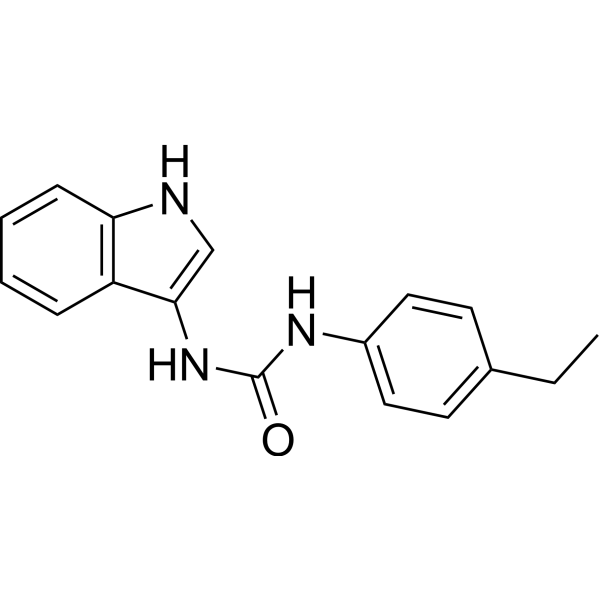
H-151 is a potent, selective and covalent antagonist of STING that has noteworthy inhibitory activity both in cells and in vivo. H-151 reduces TBK1 phosphorylation and suppresses STING palmitoylation. H-151 can be used for the research of autoinflammatory disease .
|
-
-
- HY-15392
-
|
|
ROCK
|
Cardiovascular Disease
|
|
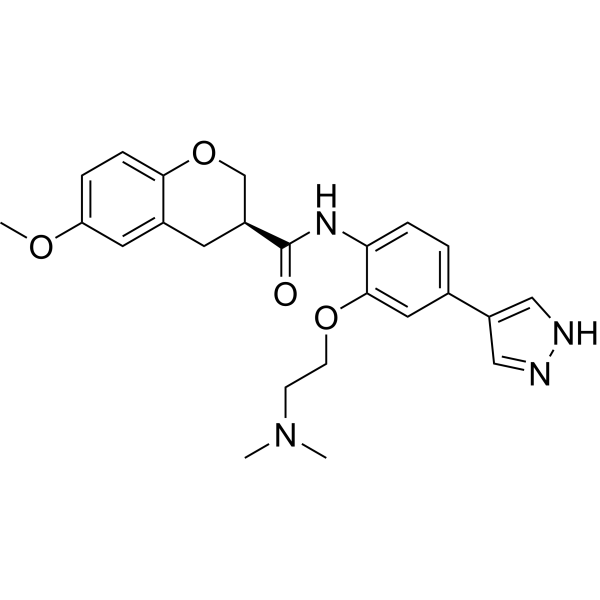
Chroman 1 is a highly potent and selective ROCK inhibitor. Chroman 1 is more potent against ROCK2 (IC50=1 pM) than ROCK1 (IC50=52 pM). Chroman 1 also has inhibitory activity against MRCK, with an IC50 of 150 nM .
|
-
-
- HY-108457
-
|
9-Hydroxyphenanthrene; NSC 50554
|
TRP Channel
|
Cardiovascular Disease
|
|
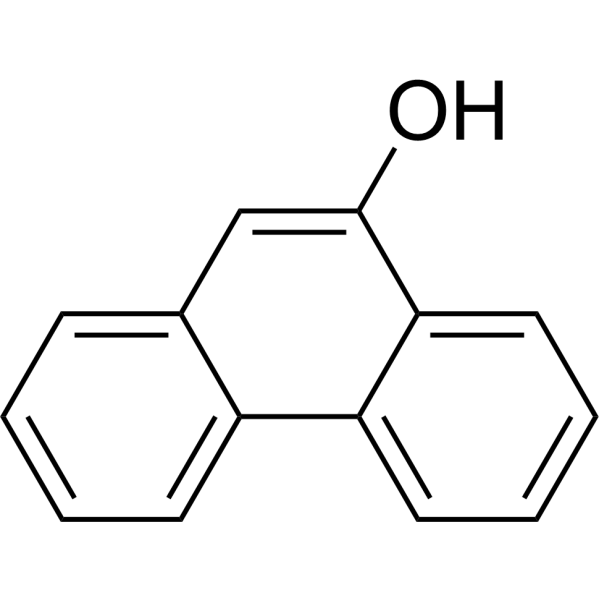
9-Phenanthrol (9-Hydroxyphenanthrene) is a selective TRPM4 inhibitor with an IC50 of 17 μM. 9-Phenanthrol has no inhibitory activity on TRPM5, TRPC6, and CFTR. 9-Phenanthrol can be used for the research of ischemia-reperfusion injury .
|
-
-
- HY-16012A
-
|
4SC-202 free base
|
HDAC
Apoptosis
|
Cancer
|
|
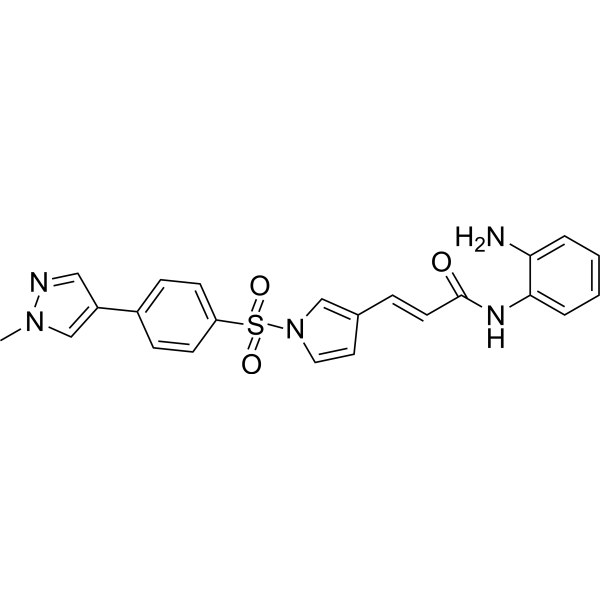
Domatinostat (4SC-202 free base) is a selective class I HDAC inhibitor with IC50 of 1.20 μM, 1.12 μM, and 0.57 μM for HDAC1, HDAC2, and HDAC3, respectively. It also displays inhibitory activity against Lysine specific demethylase 1 (LSD1).
|
-
-
- HY-10520
-
|
|
MNK
Apoptosis
|
Cancer
|
|
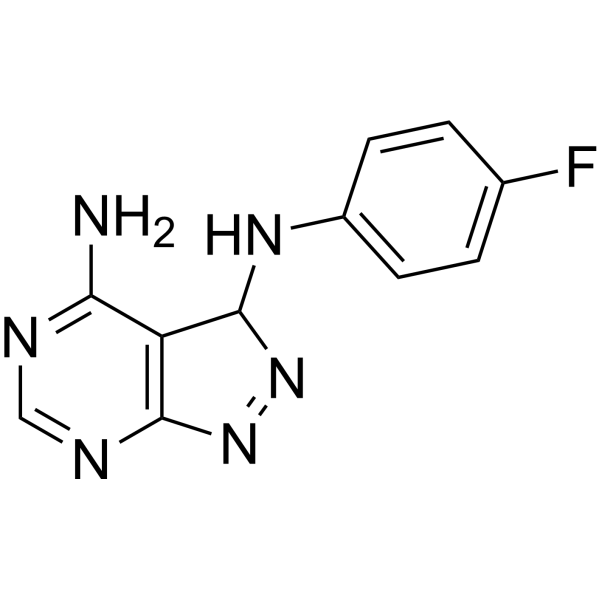
CGP 57380 is a cell-permeable pyrazolo-pyrimidine compound that acts as a selective inhibitor of Mnk1 with IC50 of 2.2 μM, but has no inhibitory activity against p38, JNK1, ERK1/2, PKC, or Src-like kinases.
|
-
-
- HY-100359
-
|
|
MMP
|
Inflammation/Immunology
Cancer
|
|
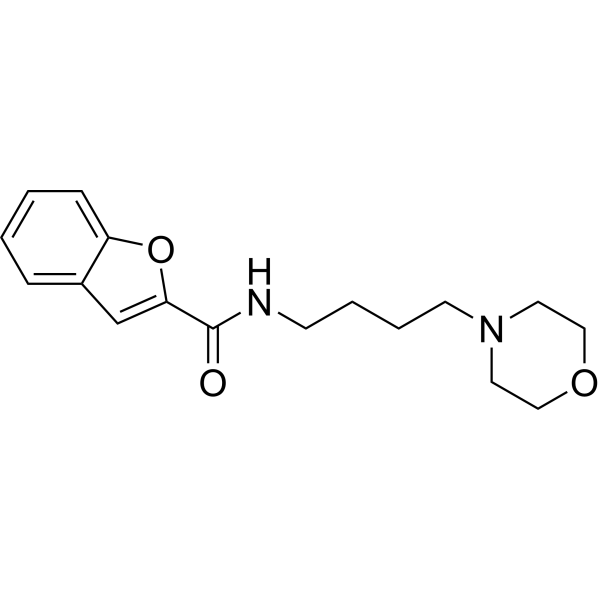
CL-82198 is a selective inhibitor of MMP-13. CL-82198 binds to the entire S1’ pocket of MMP-13, which is the basis for its selectivity towards MMP-13 and the lack of inhibitory activities against other MMPs . CL-82198 is a pharmacologic treatment for preventing osteoarthritis (OA) progression .
|
-
-
- HY-16012
-
|
4SC-202
|
HDAC
Apoptosis
|
Cancer
|
|
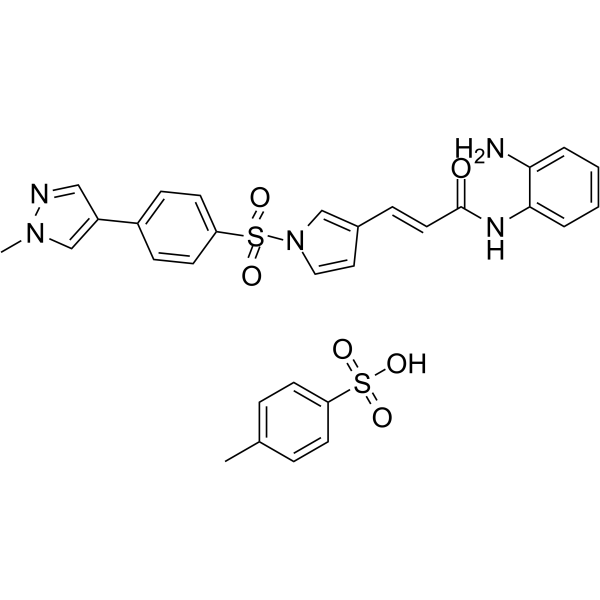
Domatinostat tosylate (4SC-202) is a selective class I HDAC inhibitor with IC50 of 1.20 μM, 1.12 μM, and 0.57 μM for HDAC1, HDAC2, and HDAC3, respectively. It also displays inhibitory activity against Lysine specific demethylase 1 (LSD1).
|
-
-
- HY-163285
-
-
-
- HY-W011100
-
-
-
- HY-147216
-
|
|
Lactate Dehydrogenase
|
Cancer
|
|
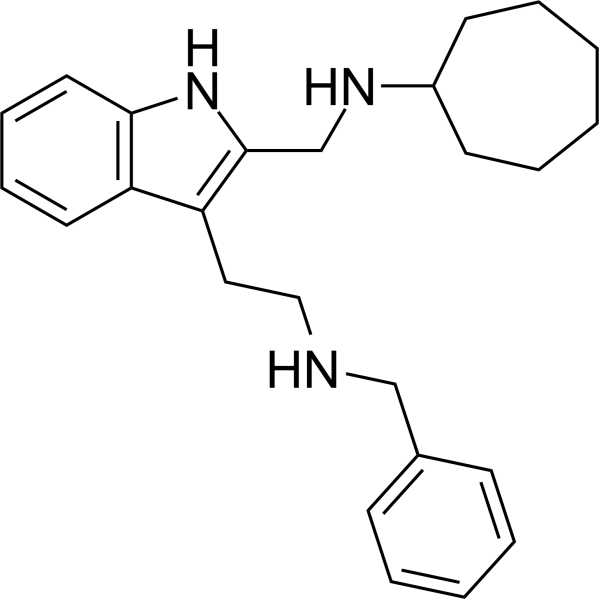
AXKO-0046, indole derivative, is an uncompetitive Lactate dehydrogenase B (LDHB) selective inhibitor.AXKO-0046 has LDHB inhibitory activity with an EC50 value of 42 nM.AXKO-0046 can be used for the research of cancer metabolism .
|
-
-
- HY-107523
-
|
|
EAAT
|
Neurological Disease
|
|
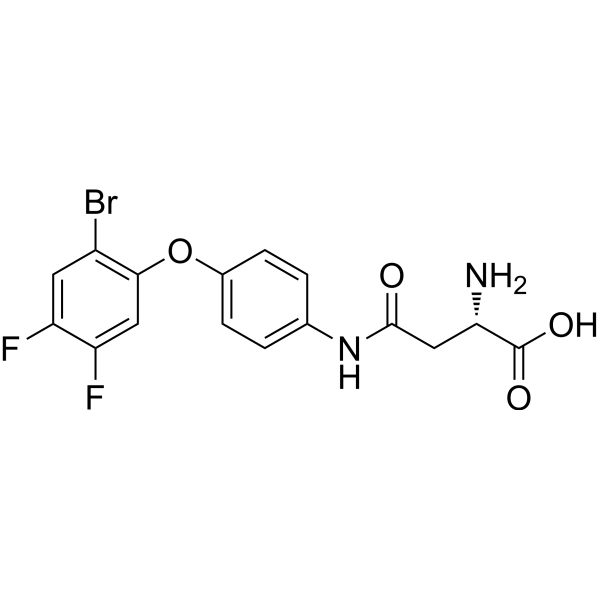
WAY-213613 is a potent and selective human EAAT2 inhibitor. WAY-213613 has potent EAAT2 inhibitory activity with an IC50 value of 85 nM. WAY-213613 can be used for the research of central nervous system
|
-
-
- HY-103353
-
|
|
Cathepsin
Parasite
|
Infection
Cancer
|
|
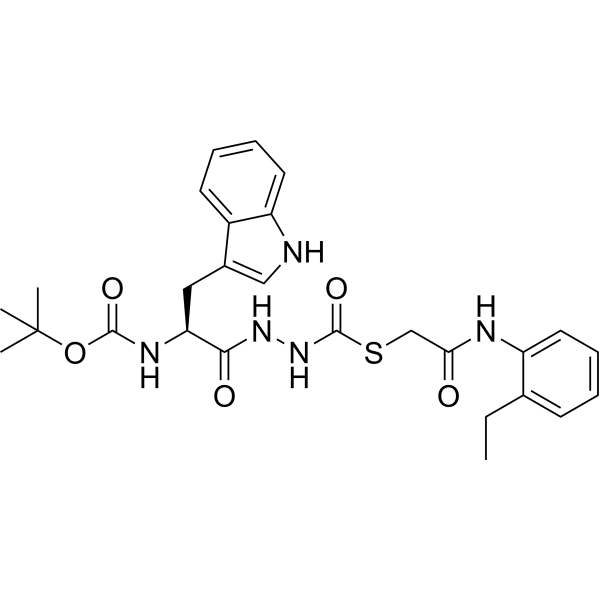
SID 26681509 is a potent, reversible, competitive, and selective inhibitor of human cathepsin L with an IC50 of 56 nM. SID 26681509 inhibits in vitro propagation of malaria parasite Plasmodium falciparum and inhibits Leishmania major with IC50s of 15.4 μM and 12.5 μM, respectively. SID 26681509 shows no inhibitory activity against cathepsin G .
|
-
-
- HY-107981
-
|
|
Antifolate
|
Cancer
|
|
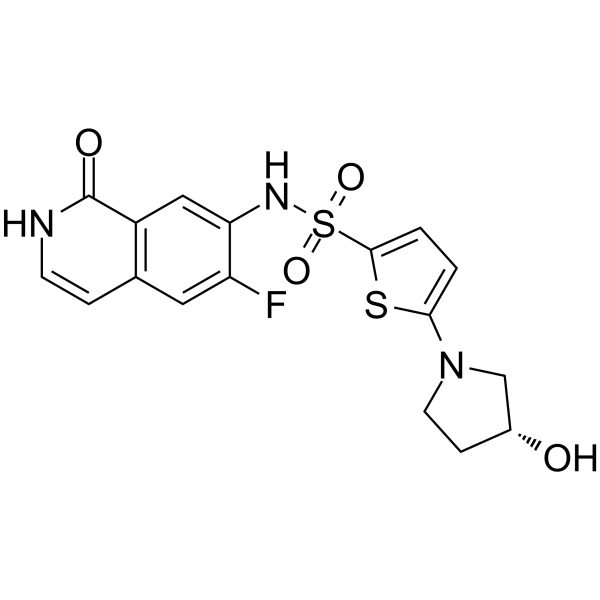
LSN 3213128 is a selective, nonclassical, orally bioavailable antifolate with potent and specific inhibitory activity for aminoimidazole-4-carboxamide ribonucleotide formyltransferase (AICARFT) with IC50 of 16 nM. LSN 3213128 exhibits anti-tumor activity .
|
-
-
- HY-108351
-
|
|
Necroptosis
|
Cardiovascular Disease
|
|
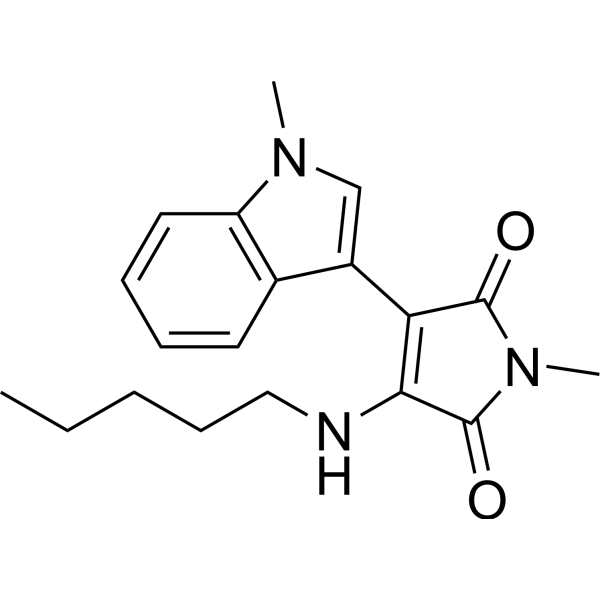
IM-54 is a selective inhibitor of oxidative stress-induced necrosis. IM-54 shows potent inhibitory activity against H2O2-induced necrosis. IM-54 acts as a potential cardioprotective agent and biological tool for investigating the molecular mechanisms of cell death .
|
-
-
- HY-133146
-
|
|
Phosphatase
Apoptosis
|
Inflammation/Immunology
|
|
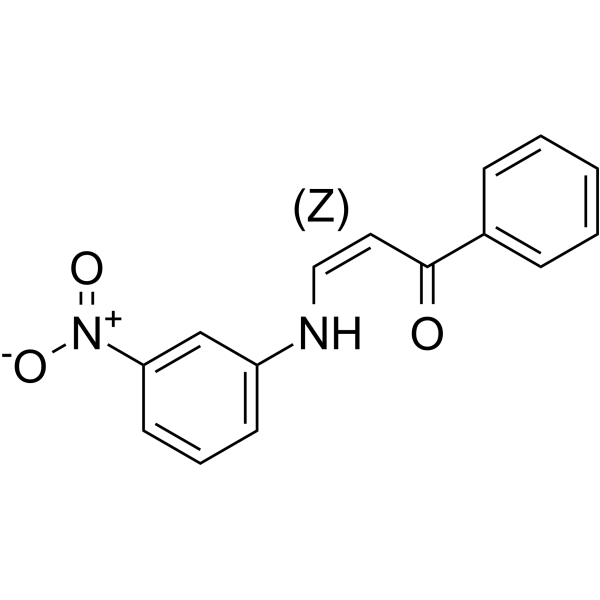
DJ001 is a highly specific, selective and non-competitive protein tyrosine phosphatase-σ (PTPσ) inhibitor with an IC50 of 1.43 μM. DJ001 displays no inhibitory activity against other phosphatases, with only modest inhibitory activity against Protein Phosphatase 5. DJ001 promotes promote hematopoietic stem cell regeneration .
|
-
-
- HY-120824
-
|
|
COX
|
Inflammation/Immunology
|
|
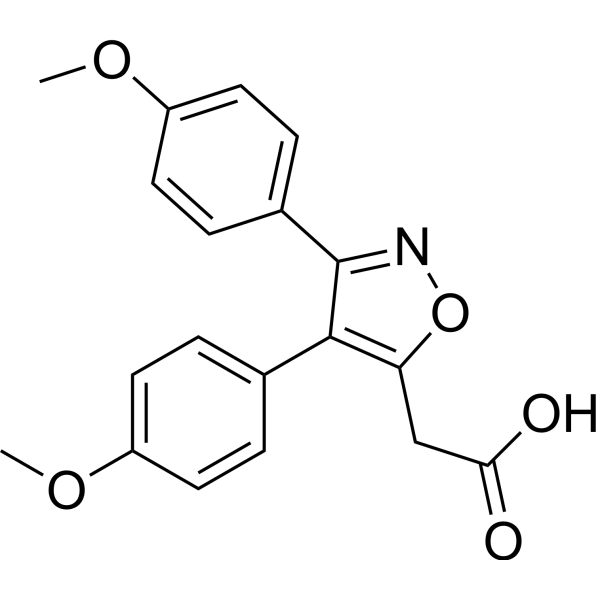
Mofezolac, a non-steroidal anti-inflammatory drug (NSAID), is a selective, reversible and orally active COX-1 inhibitor with an IC50 of 1.44 nM. Mofezolac shows weak inhibitory activity on COX-2 (IC50 of 447 nM). Mofezolac can relieve pain and has anti-inflammatory activities .
|
-
-
- HY-139170
-
|
|
ROCK
|
Metabolic Disease
|
|
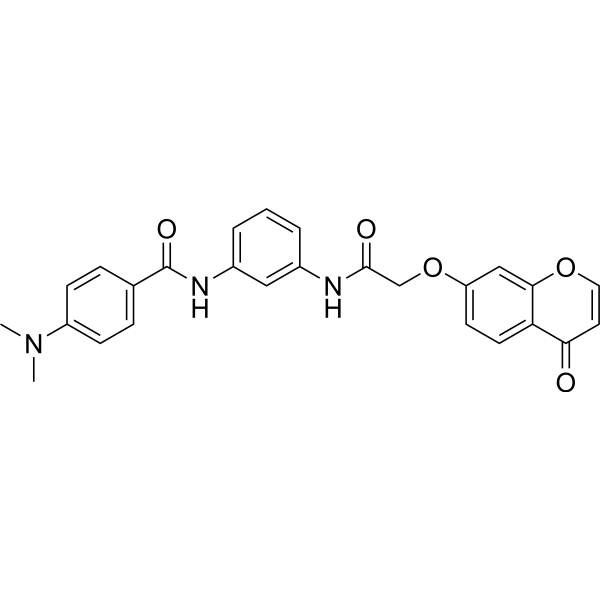
CAY10746 is a selective Rho kinase (ROCK) inhibitor. CAY10746 has inhibitory activity for ROCK I, ROCK II with IC50 values of 0.014 μM and 0.003 μM, respectively. CAY10746 can be used for the research of diabetic retinopathy (DR) .
|
-
-
- HY-136063
-
|
|
Environmental Pollutants
Fungal
Cytochrome P450
|
Infection
|
|
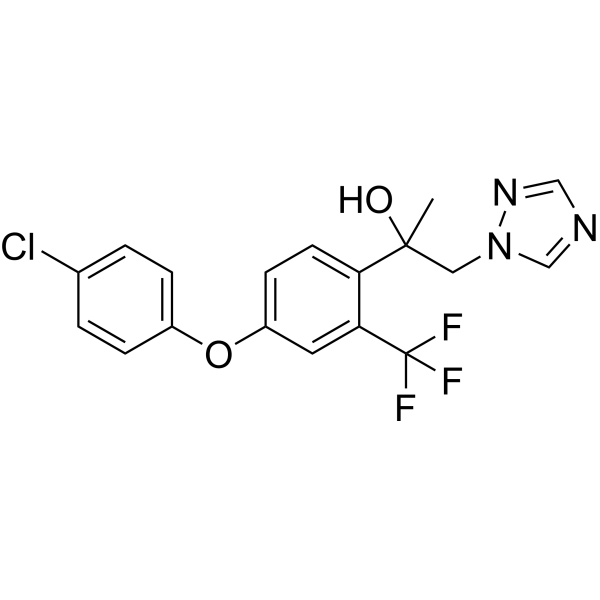
Mefentrifluconazole is a novel azole derivative and used as an agrochemical broad-spectrum antifungal agent. Mefentrifluconazole is a potent, selective and orally active fungal CYP51 (Kd= 0.5 nM) inhibitor, but shows less inhibitory activity on human aromatase (IC50=0.92 μM) .
|
-
-
- HY-13044
-
-
-
- HY-103258
-
|
|
MAP3K
Apoptosis
|
Cancer
|
|
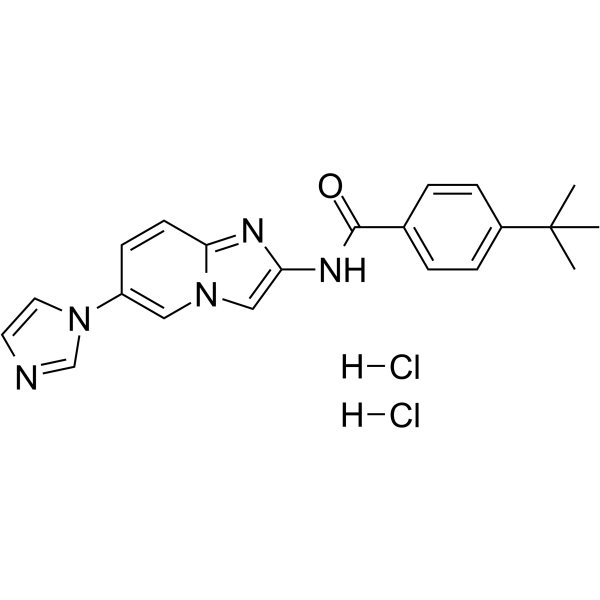
TC ASK 10 (Compound 10) is a potent, selective and orally active apoptosis signal-regulating kinase 1 (ASK1) inhibitor with an IC50 of 14 nM. The inhibitory activities of TC ASK 10 towards other representative panel of kinases are less than 50%, except for ASK2 (IC50 of 0.51 μM) .
|
-
-
- HY-P5542
-
|
SB-01; Peniel 2000
|
Factor Xa
TGF-beta/Smad
|
Inflammation/Immunology
|
|
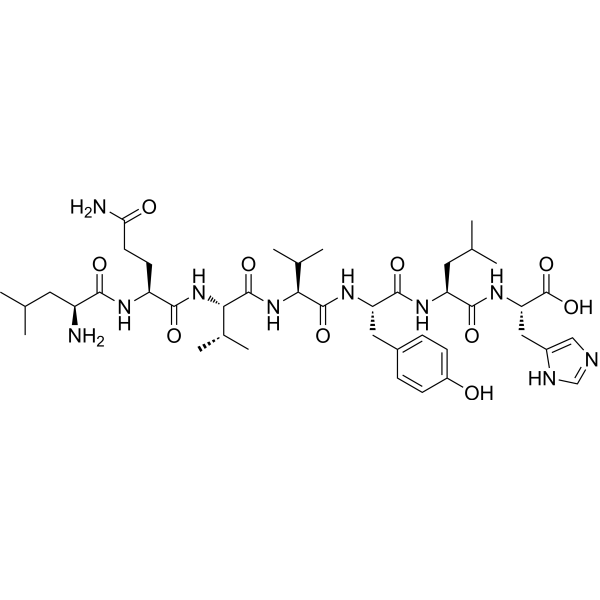
Vicatertide (SB-01, Peniel 2000) is a polypeptide with both competitive inhibitory activity against TGF-β1 and selective inhibitory activity against human factor XIa (hFXIa, with a Ka of 80 nM for hFXIa). Vicatertide binds allosterically to the two binding sites of dimeric hFXI/hFXIa, while directly binding to activated TGF-β1, selectively blocking the Smad1/5/8 pathway and maintaining low-level activation of the Smad2 pathway to enhance the synthesis of type Ⅱ collagen and aggrecan. Vicatertide inhibits thrombus formation in arteriovenous thrombosis models, and also reduces thrombus weight and thrombus incidence in mouse lung cancer models. Vicatertide can be used for research on degenerative disc disease and thrombosis-related diseases .
|
-
-
- HY-19936A
-
|
|
Bacterial
|
Infection
|
|
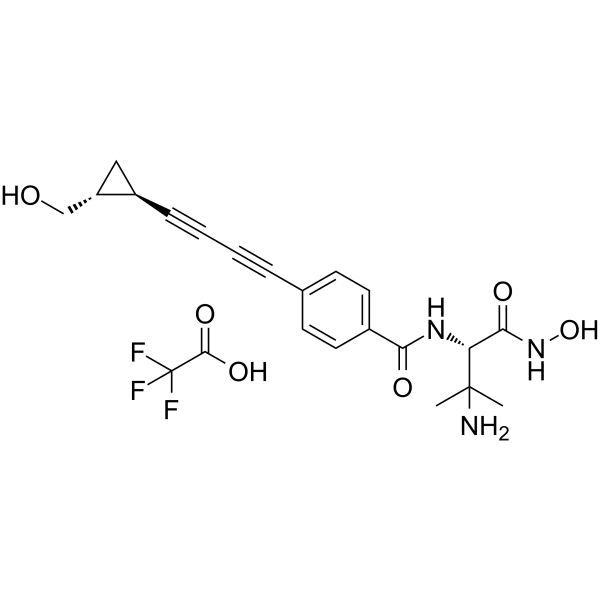
ACHN-975 TFA is a selective LpxC inhibitor and exhibits a subnanomolar LpxC inhibitory activity. ACHN-975 TFA is against a wide range of gram-negative bacterias with low MIC values (≤1 μg/mL) .
|
-
-
- HY-147216A
-
|
|
Lactate Dehydrogenase
|
Metabolic Disease
Inflammation/Immunology
Cancer
|
|
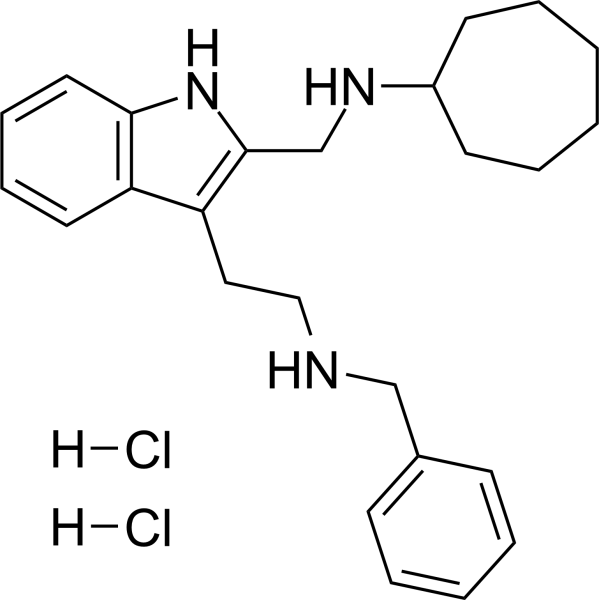
AXKO-0046 dihydrochloride, indole derivative, is an uncompetitive Lactate dehydrogenase B (LDHB) selective inhibitor. AXKO-0046 dihydrochloride has LDHB inhibitory activity with an EC50 value of 42 nM. AXKO-0046 dihydrochloride can be used for the research of cancer metabolism .
|
-
-
- HY-107523A
-
|
|
EAAT
|
Neurological Disease
|
|
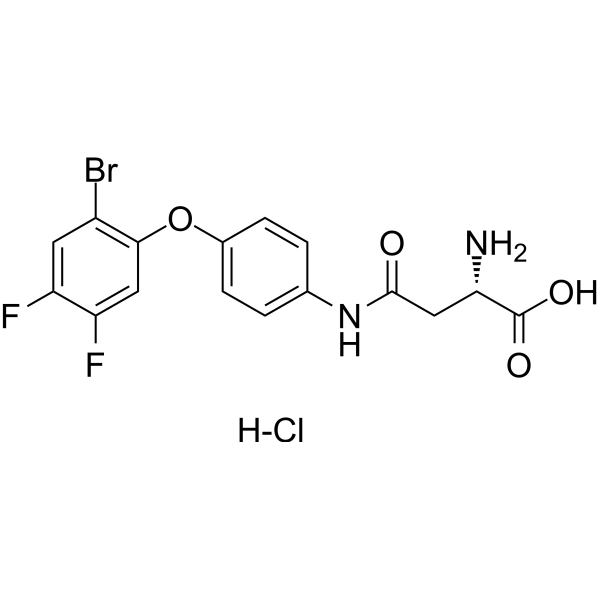
WAY-213613 (hydrochloride) is a potent and selective human EAAT2 inhibitor. WAY-213613 has potent EAAT2 inhibitory activity with an IC50 value of 85 nM. WAY-213613 can be used for the research of central nervous system .
|
-
-
- HY-124366
-
|
|
Phosphatase
|
Infection
Cancer
|
|
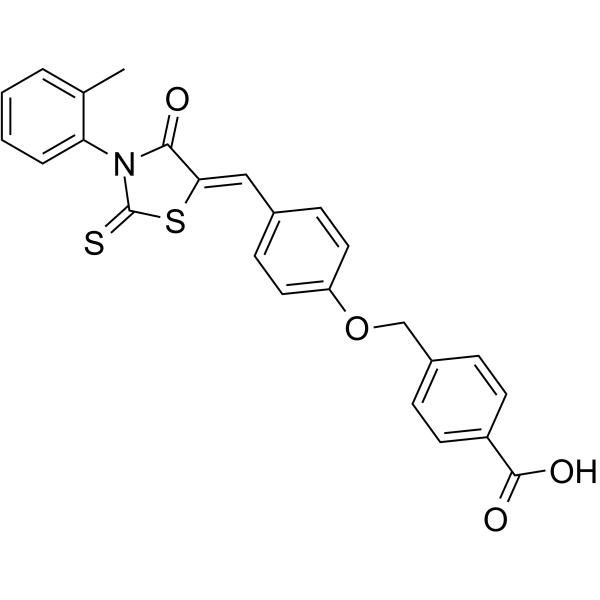
Slingshot inhibitor D3 is a potent, selective, reversible and competitive inhibitor of Slingshot. The IC50 value for Slingshot 1 is 3 μM and the Ki value for Slingshot 2 is 3.9 μM. Slingshot inhibitor D3 has similar inhibitory activities toward both Slingshot 1 and Slingshot 2 .
|
-
-
- HY-15392A
-
|
|
ROCK
|
Cardiovascular Disease
|
|
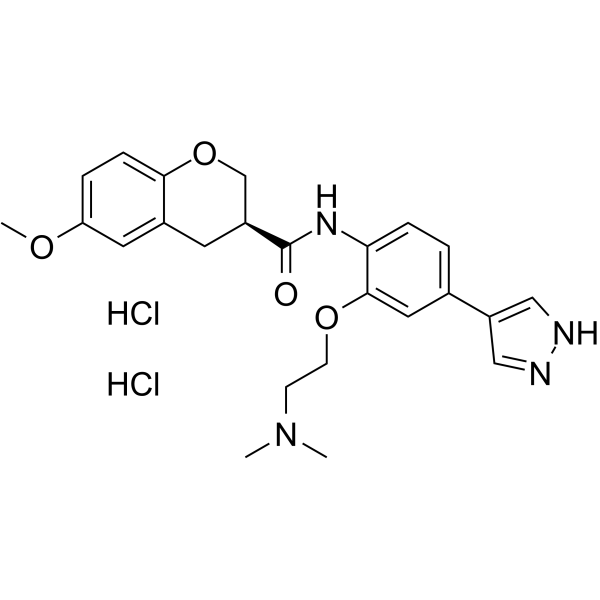
Chroman 1 dihydrochloride is a highly potent and selective ROCK inhibitor. Chroman 1 dihydrochloride is more potent against ROCK2 (IC50=1 pM) than ROCK1 (IC50=52 pM).
Chroman 1 dihydrochloride also has inhibitory activity against MRCK, with an IC50 of 150 nM .
|
-
-
- HY-114672
-
|
|
Phosphodiesterase (PDE)
|
Cardiovascular Disease
|
|
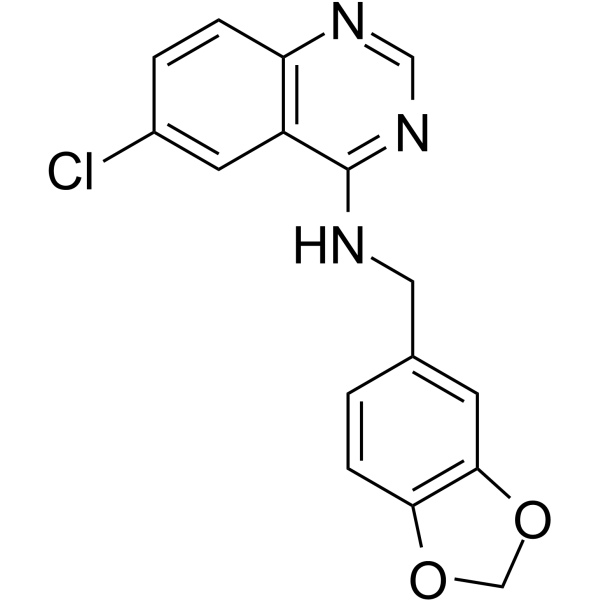
MBCQ is a potent and selective cGMP-specific phosphodiesterase (PDE V; PDE5) inhibitor with an IC50 of 19 nM. MBCQ lacks inhibitory activity toward other PDE isozymes (all IC50s>100 μM). MBCQ dilates coronary arteries via specific inhibition of cGMP-PDE .
|
-
-
- HY-19936
-
|
|
Bacterial
|
Infection
|
|
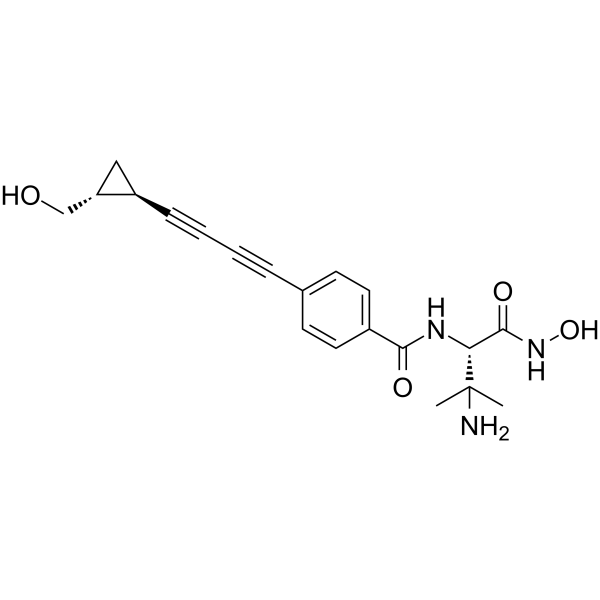
ACHN-975 is a selective LpxC inhibitor and exhibits a subnanomolar LpxC inhibitory activity. ACHN-975 is against a wide range of gram-negative bacterias with low MIC values (≤1 μg/mL) .
|
-
-
- HY-116999
-
|
|
HBV
|
Infection
|
|
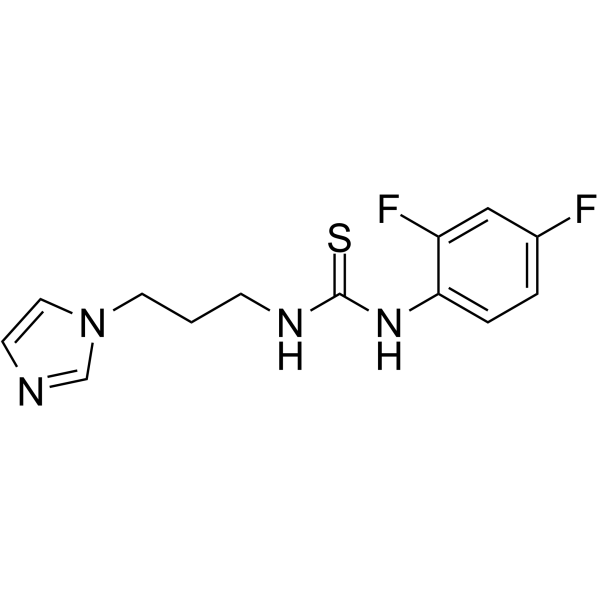
IR415 is a potent anti-HBV agent and inhibits HBV replication by blocking the HBx activity. IR415 selectively interacts with HBx (Kd=2 nM) and blocks HBV-mediated RNAi suppression, reverses the inhibitory effect of HBx protein on the activity of the dicer endoribonuclease . HBx: hepatitis B virus X protein.
|
-
-
- HY-117971
-
|
|
CXCR
Formyl Peptide Receptor (FPR)
|
Others
|
|
BVT173187 is a selective inhibitor of the neutrophil formyl peptide receptor FPR1, with activity that inhibits FPR1 activation. BVT173187 inhibits FPR1 agonist-induced activation in neutrophils, reduces adhesion molecule mobilization and superoxide anion production, and has inhibitory activity on FPR1 similar to that of earlier described peptide antagonists, but also has effects on C5aR and CXCR signaling.
|
-

-
- HY-122369
-
|
|
Carboxypeptidase
|
Metabolic Disease
|
|
Histargin is a selective carboxypeptidase B inhibitor with an IC50 of 17 μg/mL and a Ki of 30 μM. Histargin exerts competitive inhibition with substrate, with inhibitory activity abolished by metal cations. Histargin shows no significant inhibitory activity against carboxypeptidase A, aminopeptidase A, or aminopeptidase B .
|
-

-
- HY-168950
-
|
|
Annexin A
|
Cancer
|
|
ANXA3 degrader 1 (Compound 18a5) is a highly selective ANXA3 degrader with cancer cell inhibition activity. ANXA3 degrader 1 displays excellent inhibitory effect in a triple-negative breast cancer (TNBC) tumor xenograft model (TGI=96%) .
|
-

-
- HY-113734
-
|
|
Aldehyde Dehydrogenase (ALDH)
|
Others
|
|
CM026 is a selective aldehyde dehydrogenase 1A1 inhibitor with submicromolar inhibitory activity against aldehyde dehydrogenase 1A1. Its inhibitory mechanism is related to binding to the aldehyde binding pocket and utilizing a unique glycine residue. It can be used as a chemical tool to study the role of this enzyme in disease.
|
-

-
- HY-W013852
-
|
|
Ser/Thr Kinase
Tyrosinase
PKA
PKC
EGFR
|
Cancer
|
|
PKC-IN-6 (Compound 21) is a selective inhibitor of tyrosine and serine kinases. PKC-IN-6 shows inhibitory activity against PKC-α, PKC-δ, PKA, EGF-R with IC50 values of 240, >500, >500, >100 μM, respectively. PKC-IN-6 is promising for research of cancers .
|
-

-
- HY-117108
-
|
|
Antibiotic
Bacterial
|
Infection
|
|
Nocardicin A is a beta-lactam antibiotic with selective antibacterial activity. Nocardicin A has moderate antibacterial activity against a broad spectrum of Gram-negative bacteria including Proteus and Pseudomonas; it has no inhibitory effect on Staphylococcus, Mycobacterium, fungi, and yeast .
|
-

-
- HY-108338
-
|
|
mTOR
|
Cancer
|
|
PF-05139962 is a cyclic sulfone mTOR kinase inhibitor. PF-05139962 exhibits potent mTOR (Ki = 5 nM, pS473 IC50 = 48 nM, pS6 IC50 = 6 nM) inhibitory activity and high selectivity .
|
-

-
- HY-133850
-
|
|
Pim
|
Cancer
|
|
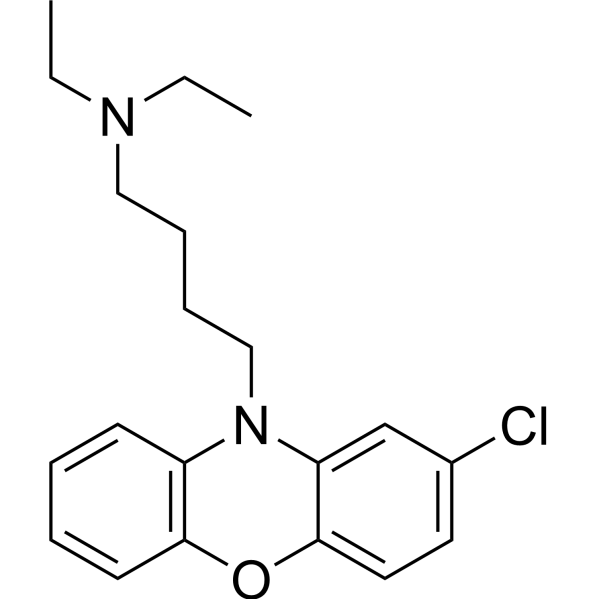
10-DEBC is a selective Akt inhibitor. 10-DEBC shows strong inhibitory activity against Moloney murine leukemia virus (Pim) kinase-1 (IC50=1.28 μM) .
|
-
-
- HY-123924
-
|
|
RIP kinase
|
Inflammation/Immunology
|
|
CSLP37 is a selective RIPK2 inhibitor with an IC50 of 16.3 nM. CSLP37 shows no inhibitory activity against RIPK1 and RIPK3. CSLP37 displays potent suppression of cellular NOD1 and NOD2 responses .
|
-

-
- HY-162388
-
|
|
AAK1
|
Neurological Disease
|
|
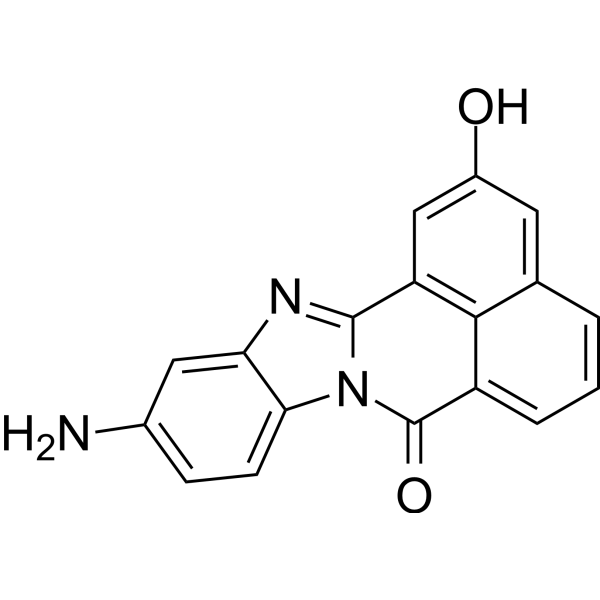
TIM-098a is a selective AAK1 inhibitor with an IC50 of 0.24 µM. TIM-098a has no inhibitory activity against CaMKK isoforms. TIM-098a inhibits AAK1-regulated endocytosis by suppressing AAK1 kinase activity .
|
-
-
- HY-107055
-
|
|
Dopamine Transporter
|
Neurological Disease
|
|
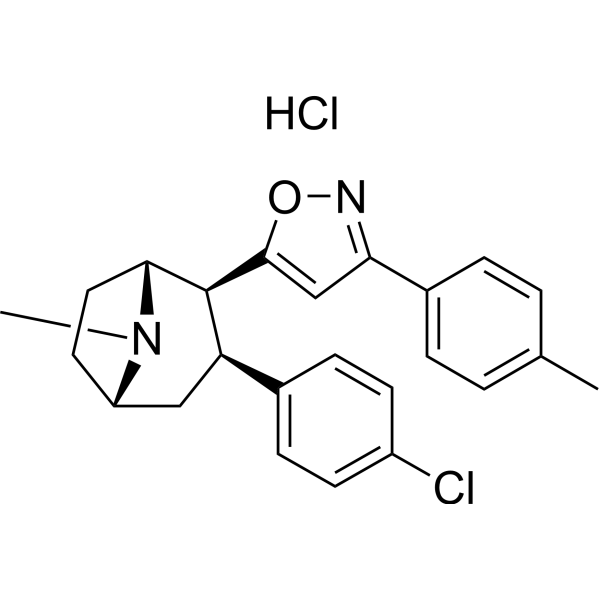
RTI 336 is a phenyltropane analog, as well as a potent and selective dopamine transporter (DAT) inhibitor. RTI 336 inhibits addictive agent induced locomotor activity and self-administration in Lewis rats. RTI 336 exhibits inhibitory effects depending on inherent NAc DAT levels .
|
-
-
- HY-161568
-
|
|
YAP
|
Cancer
|
|
TEAD-IN-10 (compound 15) has good selective activity and inhibitory effect on TEAD1 (IC50=14 nM), TEAD2 (IC50=179 nM) and TEAD3 (IC50=4 nnM) as a covalent inhibitor. TEAD-IN-10 can be used for cancer research .
|
-

-
- HY-118931
-
|
|
GABA Receptor
|
Neurological Disease
|
|
EF-1502 is a potent and selective GABA transporter inhibitor with GAT1 and BGT1 inhibitory activity. EF-1502 produces a synergistic anti-epileptic effect when used in combination with Tiagabine (HY-B0696), a compound used to suppress epileptic seizures. The dosing combination of EF-1502 exhibited reduced anti-epileptic efficacy and dyskinesia when used with THIP (HY-10232). The mechanism of EF-1502 differs significantly from Tiagabine, suggesting a unique role in the inhibitory strategy .
|
-

-
- HY-143900
-
|
|
Btk
Apoptosis
|
Inflammation/Immunology
Cancer
|
|
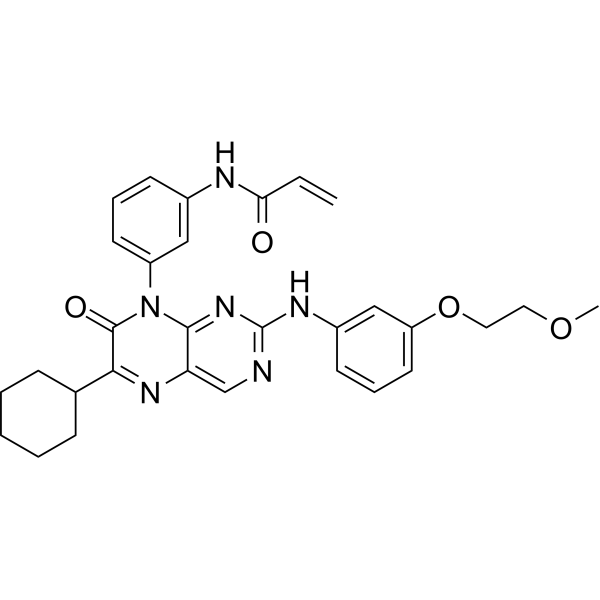
BTK-IN-7 is a potent and selective inhibitor of BTK (IC50=4.0 nM). BTK-IN-7 has high selectivity in both enzymatic (ITK >250-fold, EGFR >2500-fold) and cellular levels (ITK >227-fold, EGFR 27-fold). BTK-IN-7 also has potent antitumor activity .
|
-
-
- HY-147730
-
|
|
HDAC
|
Cancer
|
|
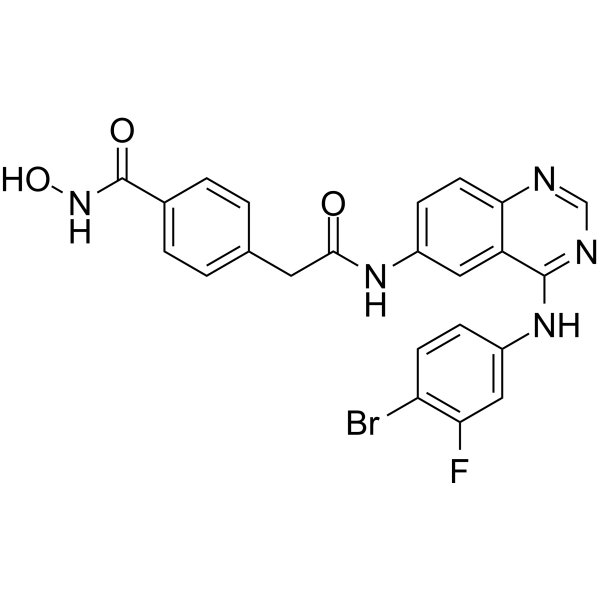
A variety of compounds were designed and synthesized by modifying cap groups. The enzyme inhibition test showed that compound 12C had broad-spectrum enzyme inhibitory activity, and compounds 9m and 9q were more inclined to inhibit HDAC6, showing a certain selective inhibitory activity among the representative subtypes.
|
-
-
- HY-163182
-
|
|
Casein Kinase
|
Infection
|
|
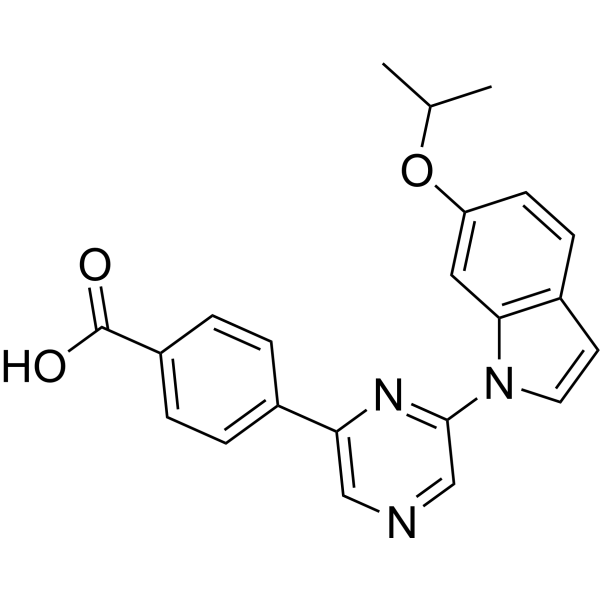
CSNK2A-IN-2 (compound 6c) is a selective CSNK2A inhibitor with antiviral activity. CSNK2A-IN-2 exhibits an inhibitory effect on viral replication and is selective for PIM3 .
|
-
-
- HY-115312
-
|
|
Na+/K+ ATPase
|
Others
|
|
Ro 18-5364 is an inhibitor of gastric H+/K+ ATPase, which has the effect of inhibiting the activity of the enzyme. Ro 18-5364 has a very strong inhibitory effect on gastric mucosal H+/K+ ATPase, and the inhibitory effect is more significant at low pH. At the same time, there is no selectivity difference between the two enantiomers of H+/K+ ATPase, and its inhibitory effect can be studied and verified by a variety of experimental methods, including inhibition of enzyme activity, proton transport, and studies on its binding.
|
-

-
- HY-157443
-
|
|
Wee1
|
Cancer
|
|
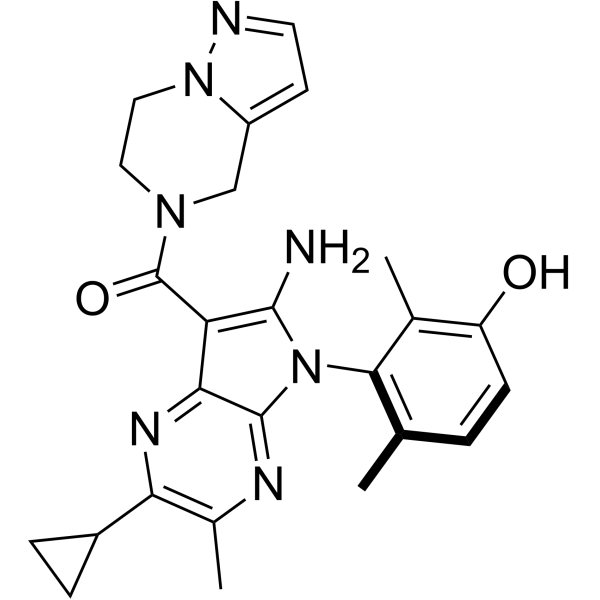
Myt1-IN-4 (21) is an orally active and selective membrane-associated tyrosine and threonine-specific cdc2-inhibitory kinase (Myt1) (Gene name PKMYT1) inhibitor, with an IC50 of 2.6 nM. Myt1-IN-4 (21) possesses antitumor activity .
|
-
-
- HY-105177
-
|
|
Progesterone Receptor
|
Endocrinology
Cancer
|
|
ORG 33628 is a potent and selective progesterone receptor modulator. ORG 33628 shows anti-progestational and anti-glucocorticoid activity. ORG 33628 shows ovulation-inhibitory activity. ORG 33628 has the potential for the research of breast and endometrium .
|
-

-
- HY-10427
-
|
NRI-022
|
Histone Methyltransferase
|
Neurological Disease
|
|
WAY-260022 is a selective norepinephrine reuptake inhibitor with potent inhibitory activity on norepinephrine reuptake. WAY-260022 exhibits excellent selectivity in inhibiting serotonin and dopamine transporters. WAY-260022 also showed oral efficacy in a rat model of thermoregulatory dysfunction .
|
-

-
- HY-125473
-
|
|
Endogenous Metabolite
|
Infection
|
|
IDX375 is a novel non-nucleoside inhibitor with selective inhibitory activity against HCV NS5B. IDX375 has good selectivity for genotypes 1a and 1b. The structure and binding site of IDX375 were confirmed by X-ray cocrystal studies .
|
-

- HY-N12637
-
|
|
Parasite
|
Infection
|
|
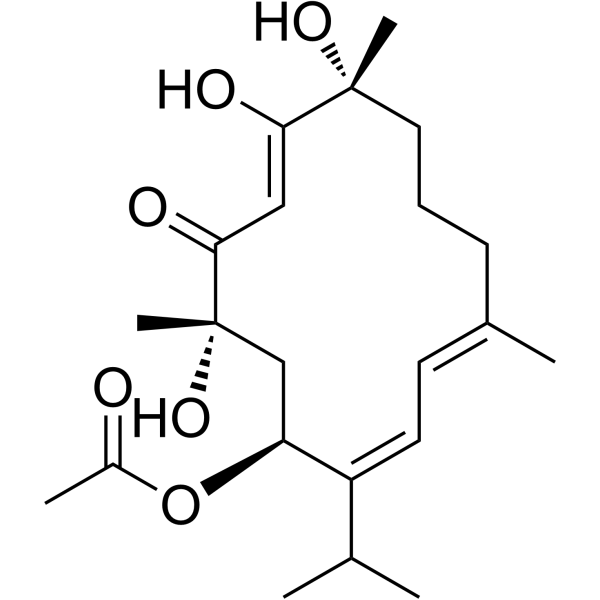
Kagimminol B, a cembrene-type diterpenoid, can be isolated from an Okeania sp. marine cyanobacterium. Kagimminol B shows selective growth-inhibitory activity against the causative agent of human African trypanosomiasis .
|
-
- HY-144281
-
|
|
Bacterial
|
Infection
|
|
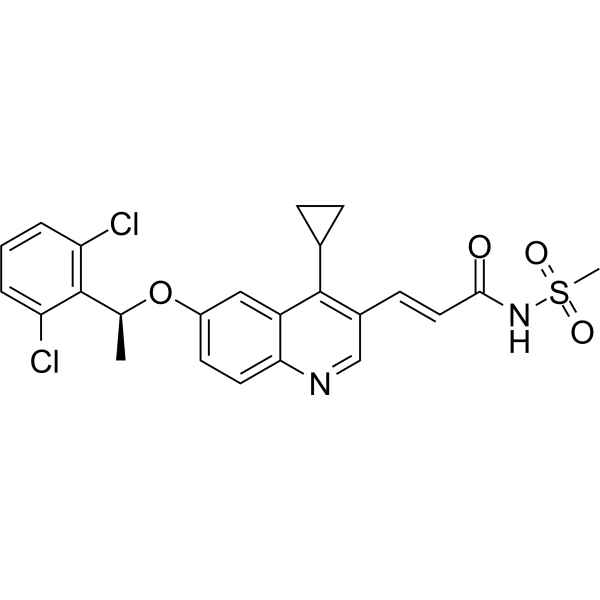
MsbA-IN-3 (compound 31) is a potent and highly selective MsbA inhibitor with an IC50 value of 2 nM. MsbA-IN-3 has inhibitory activity against Escherichia coli with a MIC of 35 μM .
|
-
- HY-144282
-
|
|
Bacterial
|
Infection
|
|
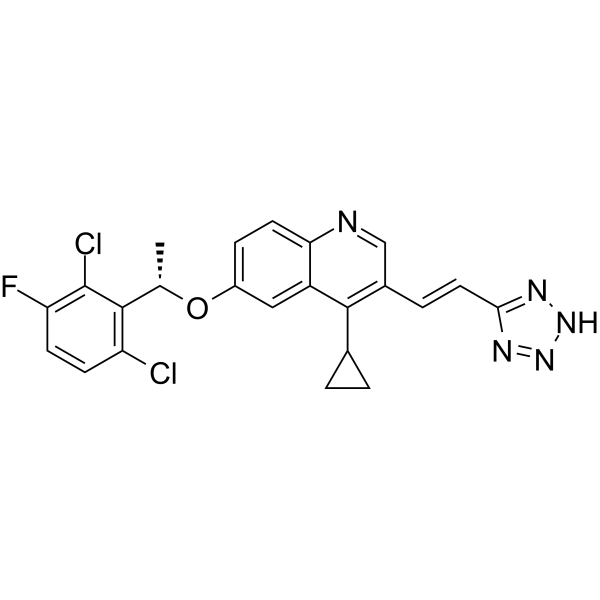
MsbA-IN-4 (compound 32) is a potent and highly selective MsbA inhibitor with an IC50 value of 3 nM. MsbA-IN-4 has inhibitory activity against Escherichia coli with a MIC of 12 μM .
|
-
- HY-155410
-
|
|
Endogenous Metabolite
|
Metabolic Disease
|
|
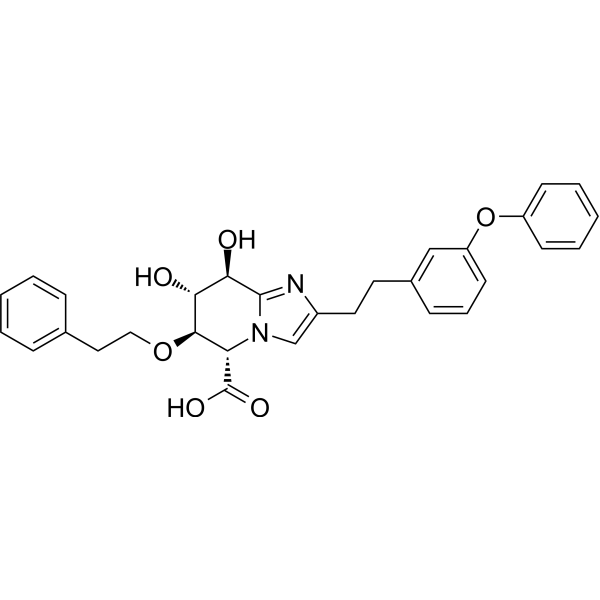
HPSE1-IN-1 (compound 16) is a selective inhibitor of Heparanase-1 (HPSE1) with moderate inhibitory activity against exo-β-d-glucuronidase (GUSβ) and glucocerebrosidase (GBA) .
|
-
- HY-120927
-
|
|
Opioid Receptor
|
Neurological Disease
|
|
Alvimopan metabolite is a μ opioid receptor antagonist with activity that selectively interacts with μ peripheral receptors. Alvimopan metabolite can be used as a potential inhibitory drug to alleviate the side effects caused by opioids. Alvimopan metabolite was identified as a highly selective μ opioid receptor antagonist during research and development .
|
-

- HY-W040286
-
|
|
Herbicide
Endogenous Metabolite
|
|
|
Cinosulfuron is a selective herbicide with excellent inhibitory activity against a variety of broadleaf weeds and is widely used in crop fields to protect the growth of crops. Cinosulfuron can effectively manage weed problems by inhibiting specific enzyme activity. Cinosulfuron is used in agriculture to increase crop yield and quality and ensure efficient use of farmland.
|
-

- HY-158332
-
|
SKF-95587; BM-13177
|
Prostaglandin Receptor
|
Cardiovascular Disease
|
|
Sulotroban (SKF-95587; BM-13177) is a selective antagonist for thromboxane A2 receptor (TXA2 Receptor). Sulotroban exhibits inhibitory activity against carbocyclic thromboxane A2- and endoperoxide-induced vasoconstrictor. Sulotroban inhibits platelets aggregation .
|
-

- HY-160111
-
|
|
Phosphodiesterase (PDE)
|
Neurological Disease
|
|
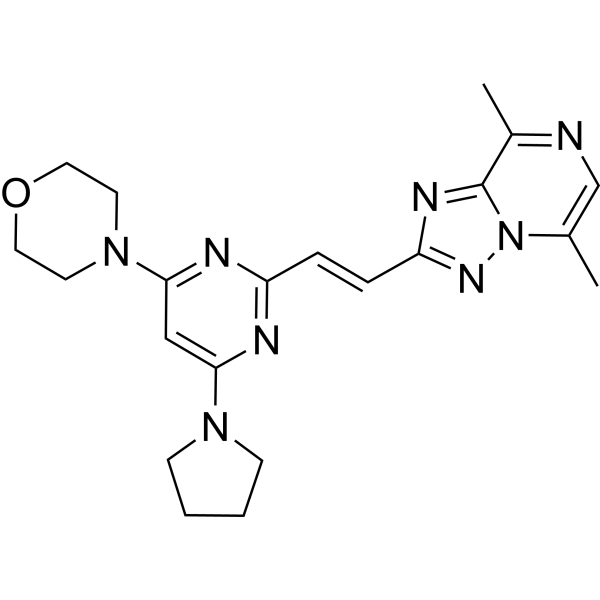
PDM-042 is a potent, selective, and orally active phosphodiesterase 10A (PDE10A) inhibitor. PDM-042 shows potent inhibitory activities for human and rat PDE10A with IC50 values of less than 1 nM and more than 1000-fold selectivity against other phosphodiesterases. PDM-042 can be used for the research of schizophrenia .
|
-
- HY-10275A
-
|
AR-H067637 TFA
|
Thrombin
|
Cardiovascular Disease
|
|
Atecegatran TFA (AR-H067637 TFA) is an anticoagulant with selective direct thrombin inhibitory activity. Atecegatran TFA is commonly used to inhibit cardiovascular diseases. The biotransformation product of Atecegatran TFA, AR-H067637, is its active form and participates in the anticoagulation process .
|
-

- HY-115782
-
|
|
mGluR
|
Neurological Disease
|
|
VU6001192 is a potent and selective mGlu2 (metabotropic glutamate receptor 2) negative allosteric modulator. VU6001192 has potent inhibitory activity against the mGlu2 receptor (IC50 = 207 nM), but no activity against the mGlu3 receptor and the other 6 mGlu subtypes. VU6001192 can be used for the research of neurological disease, such as depression .
|
-

- HY-P10860
-
|
|
Factor Xa
|
Cardiovascular Disease
|
|
cMCoFx1 is a potent and selective FXIIa cyclic peptide inhibitor. cMCoFx1 has high binding affinity (KD: 900 pM) and inhibitory activity (Ki: 370 pM) for FXIIa. cMCoFx1 can effectively inhibit endogenous clotting pathways, and cMCoFx1 is stable in serum and non-cytotoxic .
|
-

- HY-103164A
-
|
CSC
|
Endogenous Metabolite
|
Neurological Disease
|
|
8-(3-Chlorostyryl)caffeine (CSC) is an adenosine antagonist with selective activity at the A2a adenosine receptor. 8-(3-Chlorostyryl)caffeine showed 520-fold selectivity in radioligand binding experiments in rat brain. Antagonism of adenylylase by 8-(3-Chlorostyryl)caffeine shows 22-fold selectivity in rat chromaffin cells When 8-(3-Chlorostyryl)caffeine is co-administered with the A1-selective antagonist CPX, It can also further increase exercise activity. 8-(3-Chlorostyryl)caffeine exhibits good MAO-B inhibitory activity in primate mitochondria. 8-(3-Chlorostyryl)caffeine also has excellent A2A receptor affinity .
|
-

- HY-128794
-
|
|
Sodium Channel
|
Neurological Disease
|
|
PF-05150122 is a novel potent and selective human Nav1.7 channel blocker with the activity of inhibiting human pain signaling. PF-05150122 exhibited favorable biopharmacokinetic parameters in microdose studies, providing a basis for exploring its application in acute or chronic pain inhibition. The pharmacokinetic model of PF-05150122 predicted that at the corresponding oral dose, it could effectively reduce the 50% inhibitory concentration (IC50) of Nav1.7, demonstrating its inhibitory potential .
|
-

- HY-150045
-
|
|
Topoisomerase
Bacterial
|
Infection
|
|
TP0480066 is a selective topoisomerase II inhibitor with IC50s of 1.10 and 62.89 nM for DNA gyrase and topo IV, respectively. TP0480066 shows good activity of againsting various bacterial species including drug-resistant strains. TP0480066 also exhibits potent inhibitory activity to N. gonorrhoeae, can be used in study of gonorrhea .
|
-
- HY-14356
-
-

- HY-152235
-
|
|
HDAC
|
Neurological Disease
Cancer
|
|
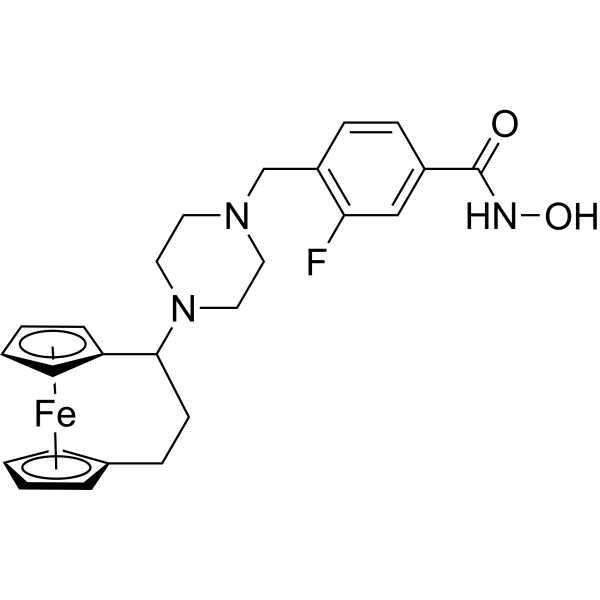
HDAC6-IN-15 is a selective histone deacetylase 6 (HDAC6) inhibitor. HDAC6-IN-15 has potent inhibitory activity for HDAC6 with IC50 value of 38.2 nM. HDAC6-IN-15 can be used for the research of cancer and neurodegenerative diseases .
|
-
- HY-157159
-
|
|
Btk
|
Cancer
|
|
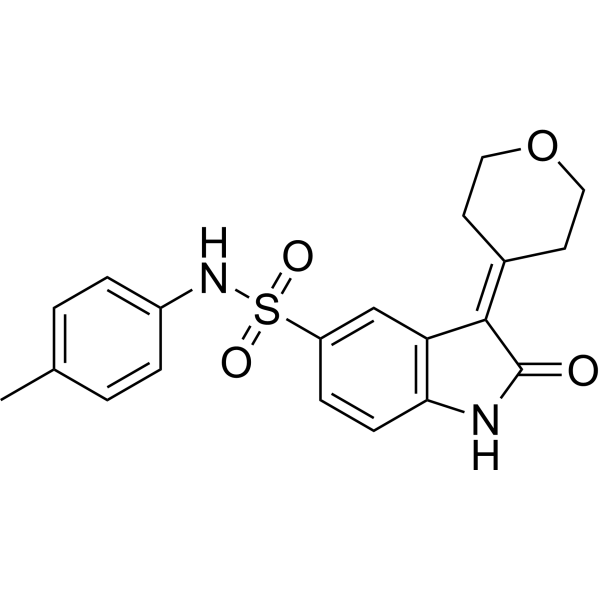
BTK-IN-28 (compound PID-4) is a potent BTK inhibitor with anticancer activity. BTK-IN-28 has inhibitory effects on BTK and downstream signaling cascades and selectively inhibits Burkitt lymphoma RAMOS proliferation. BTK-IN-28 has no significant cytotoxicity towards non-tumor cells .
|
-
- HY-149610
-
|
|
Bacterial
|
Infection
|
|
Antibacterial agent 156 (Compound 57) is a selective and potent bactericidal against C. difficile and targets cell-wall synthesis. Antibacterial agent 156 exhibits bactericidal activity with the minimal inhibitory concentration of 0.5 μg/mL and 1 μg/mL against MIMIC50 (101 strains) and MIC90 (101 strains) .
|
-
- HY-W011100R
-
|
|
Dengue Virus
Reference Standards
Estrogen Receptor/ERR
Flavivirus
|
Infection
Endocrinology
|
|
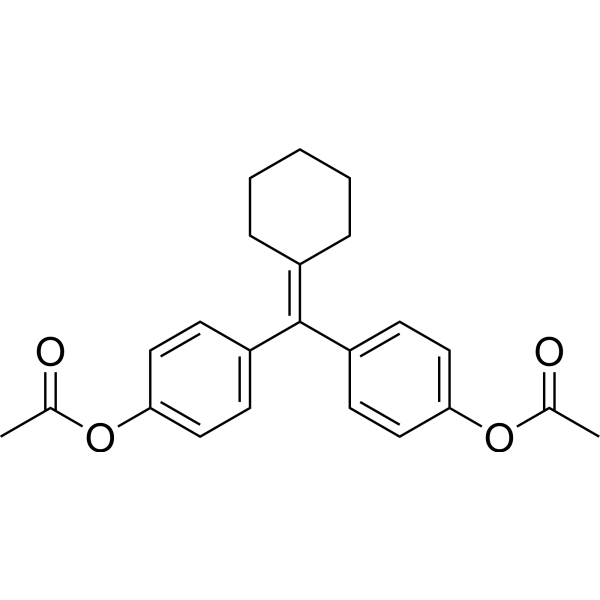
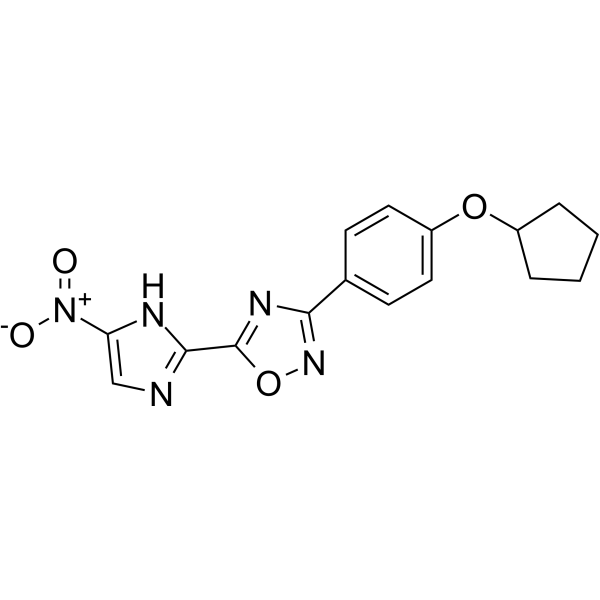
Cyclofenil (Standard) is the analytical standard of Cyclofenil. This product is intended for research and analytical applications. Cyclofenil is a selective estrogen receptor modulator and an ovulation-inducing agent. Cyclofenil shows an inhibitory effect on dengue virus replication in Vero cells with an EC50 of 1.62 μM. Cyclofenil has anti-dengue-virus activity .
|
-

- HY-147000
-
|
|
Bacterial
DNA/RNA Synthesis
|
Infection
|
|
DNA Gyrase-IN-1 (compound 42) is a potent and selective DNA gyrase inhibitor with an IC50 value of 2.6 µM. DNA Gyrase-IN-1 has high inhibitory activity against Mycobacterium tuberculosis (Mtb) with MIC of 0.49 µM. DNA Gyrase-IN-1 can be used for researching tuberculosis .
|
-
- HY-161357
-
|
|
PI4K
|
Infection
|
|
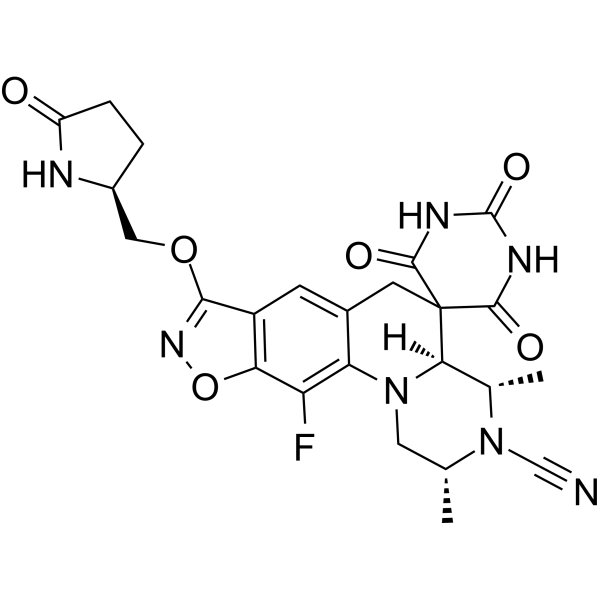
KR-27370 (compound 7f) is an antiviral agent and selective PI4KIIIβ/PI4KIIIα inhibitor (IC50: 3.1 nM/15.8 nM), against hRV, Ke Saatchivirus and other enteroviruses have inhibitory activity .
|
-
- HY-N12390
-
|
|
Isocitrate Dehydrogenase (IDH)
|
Cancer
|
|
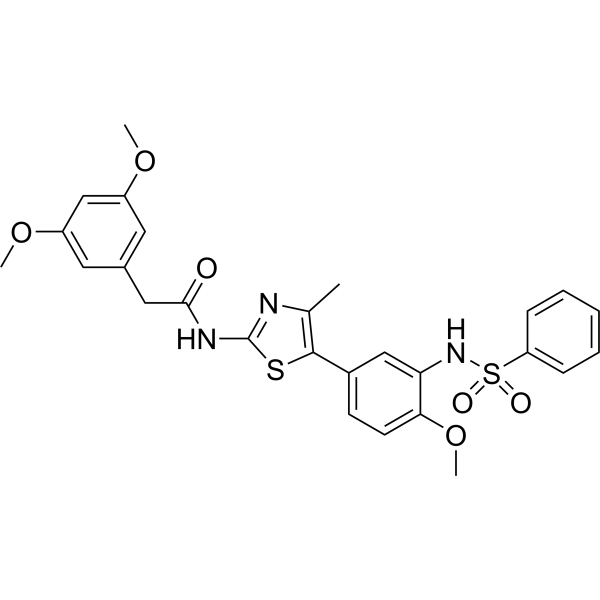
Alternaphenol B2 is a selective IDH1 inhibitor from the coral-derived fungus Parengyodontium album SCSIO SX7W11. Alternaphenol B2 shows inhibitory activity against isocitrate dehydrogenase mutant R132H (IDH1m), with IC50 values of 41.9 μM .
|
-
- HY-11084
-
|
|
Endogenous Metabolite
|
Neurological Disease
|
|
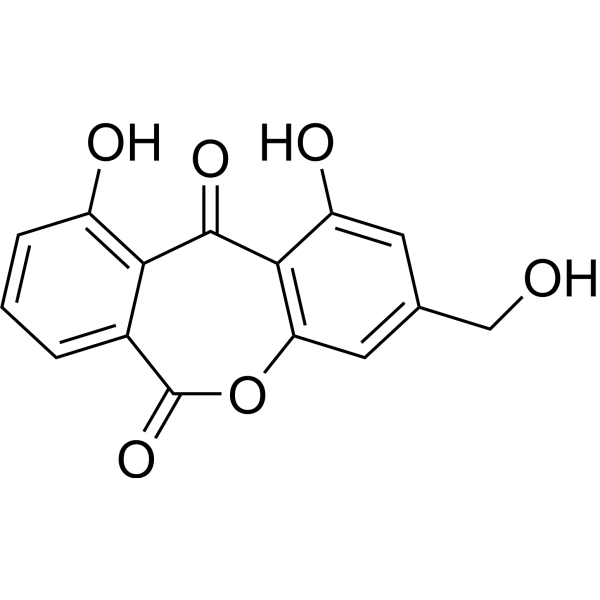
SNAP-7941 is a selective antagonist with anxiolytic, antidepressant and appetite suppressant activities. SNAP-7941 showed promising biological activity in initial animal studies. SNAP-7941 targets the melanin concentrating hormone receptor MCH1 and has significant inhibitory potential. SNAP-7941 was shown to inhibit the centrally induced MCH-induced drinking effect in in vivo studies .
|
-

- HY-121656
-
|
|
Endogenous Metabolite
|
Cancer
|
|
AKR1C2/3-IN-2 is a potential AKR1C3 inhibitor with selective AKR1C3 activity. AKR1C2/3-IN-2 is able to block AKR1C3-mediated testosterone (T) production and PSA induction, affecting the endocrine activity of prostate cancer cells. AKR1C2/3-IN-2 shows selectivity over other AKR1C enzymes, indicating its potential application in inhibiting drug-resistant prostate cancer. AKR1C2/3-IN-2 has no inhibitory activity against COX isomerases, further emphasizing its specificity as a prostate cancer inhibitory compound .
|
-

- HY-114076
-
|
|
GABA Receptor
|
Neurological Disease
|
|
CGP55845 is a potent and selective GABAB receptor antagonist with activity that blocks agonist binding. The IC50 value of CGP55845 is 5 nM, indicating that it exhibits significant activity in inhibiting GABA and glutamate release. The apparent Kd of CGP55845 when forming a complex with the GABAB receptor is 30 nM, indicating its high affinity for this receptor. CGP55845 is as potent as 100 μM CGP 35348 in relieving the inhibitory effect of (R)-(-)-baclofen .
|
-

- HY-155671
-
|
|
HDAC
|
Cancer
|
|
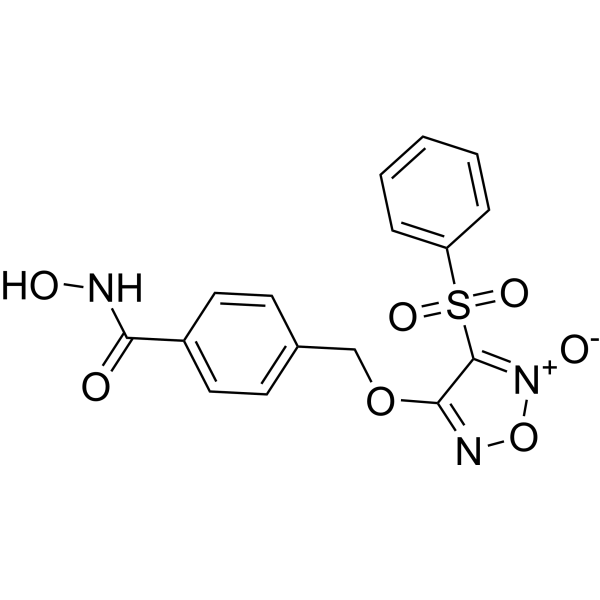
HDAC6-IN-18 (Compound 4) is a first irreversible HDAC6 isoform selective inhibitor with potent anti-multiple myeloma activity. HDAC6-IN-18 has HDAC6 inhibitory activity in RPMI8266, U266 and MM.1S cells with IC50 values of 0.17, 0.7 and 0.42 μM, respectively .
|
-
- HY-162237
-
|
|
RIP kinase
|
Inflammation/Immunology
|
|
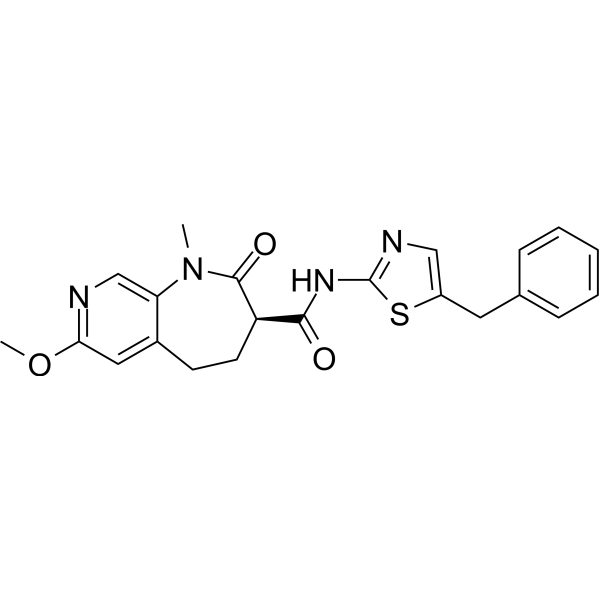
RIPK1-IN-13 (compound 28) is a selective inhibitor for receptor-interacting serine/threonine-protein kinase 1 (RIPK1), the inhibitory activity is measured by ADP-Glo Kinase Assay with a pKi of 7.66. RIPK1-IN-13 inhibits human leukaemia cells U937 with a pIC50 of 7.2 .
|
-
- HY-178168
-
|
|
AMPK
CDK
|
Neurological Disease
|
|
ARUK2010694 (Compound 20) is a potent and selective NUAK1 inhibitor with a pIC50 of 8.7. ARUK2010694 also inhibits CDK2, CDK4 and CDK6 activity, with inhibitory rate of 13%, 63% and 32% at 1 μM. ARUK2010694 can be used for the research of neurological disease, such as Alzheimer’s disease (AD) .
|
-

- HY-151277
-
|
|
Anaplastic lymphoma kinase (ALK)
|
Cancer
|
|
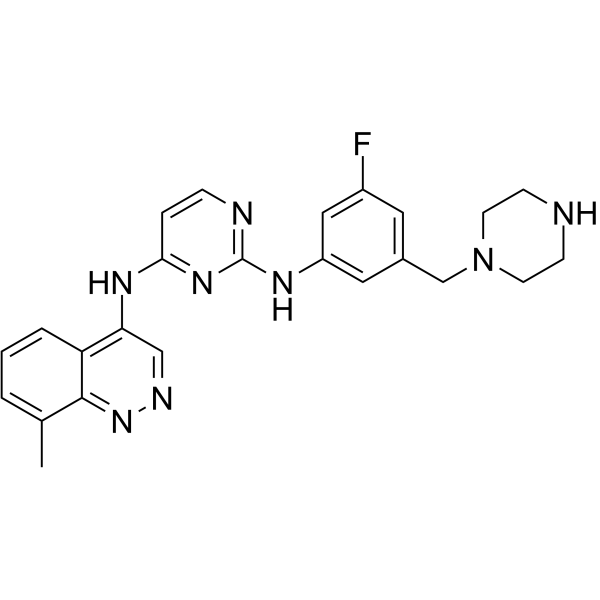
ALK5-IN-29 is an selective activin receptor-like kinase (ALK) inhibitor. ALK5-IN-29 can inhibit the activity of ALK5 with an IC50 value of ≤10 nM. ALK5-IN-29 also has inhibitory of tumor growth and can be used for the research of proliferative diseases, such as cancer .
|
-
- HY-185347
-
-

- HY-124221
-
|
|
Endogenous Metabolite
|
Cancer
|
|
Radamide is an inhibitor of Grp94 with anti-migratory activity. Radamide is used to inhibit Grp94-related diseases such as glaucoma, cancer metastasis, and multiple myeloma. Radamide exhibits selective inhibitory activity by acting on the specific structure of Grp94. Radamide derivatives show better potency and selectivity in improved structure-activity relationship studies .
|
-

- HY-112334
-
|
|
EGFR
|
Cancer
|
|
EGFR-IN-198 is a selective EGFR inhibitor with subnanomolar irreversible inhibitory activity against EGFR. EGFR-IN-198 covalently binds to the kinase domain of EGFR and inhibits its autophosphorylation .
|
-

- HY-W482133
-
|
|
Herbicide
Acetolactate Synthase (ALS)
|
Others
|
|
Primisulfuron-methyl is a herbicide. Primisulfuron-methyl shows inhibitory activity against acetolactate synthase (ALS) enzyme. Primisulfuron-methyl can be used to selectively control annual bluegrass of Kentucky bluegrass turf .
|
-

- HY-N16715
-
|
|
Cholinesterase (ChE)
|
Neurological Disease
|
|
Monardic acid A is a selective inhibitor of AChE, with an IC50 of 53.1 μM against AChE from electric eel. Monardic acid A shows weak inhibitory activity against human erythrocyte AChE (IC50 >100 μM) and has no significant inhibitory effect on BChE. Monardic acid A reduces acetylcholine breakdown by inhibiting AChE activity, and also exhibits inhibitory activity against histamine release and hyaluronidase, thus exerting anti-inflammatory and neurotransmitter regulatory effects. Monardic acid A can be isolated from lungwort (Pulmonaria officinalis) and thyme (Thymus gobicus), and is mainly used in the development of anti-inflammatory drugs and drugs related to neurodegenerative diseases .
|
-

- HY-129302
-
|
|
Kinesin
|
Infection
|
|
NSC-80141 is a Kinesin-5 inhibitor. NSC-80141 exerts selective inhibitory activity against human kinesin-5 (HsEg5) (IC50: 9.4 μM), while shows weak inhibitory activity against Plasmodium kinesin-5 (PvEg5) (IC50: 27.3 μM). NSC-80141 serves as a tool compound for distinguishing human and Plasmodium homologous proteins .
|
-

- HY-180325
-
|
|
EGFR
|
Others
|
|
DDC4002 is a selective EGFR inhibitor. DDC4002 has inhibitory activity against the L858R/T790M mutant EGFR subtype (IC50 = 39 nM) .
|
-

- HY-167952
-
|
|
PI3K
|
Cancer
|
|
mTOR inhibitor-25 is an enzyme inhibitor that is more selective than PI3K and has good anticancer activity. mTOR inhibitor-25 shows strong inhibitory effects on mTOR and may be used to study leukemia, skin cancer, breast cancer, lung cancer and colon cancer. mTOR inhibitor-25 showed excellent activity in cell proliferation experiments, but its inhibitory ability on PI3K was relatively weak .
|
-

- HY-119396
-
|
|
Endogenous Metabolite
|
Cancer
|
|
DY3002 is a selective and highly potent EGFR inhibitor with activity in overcoming T790M-mediated drug resistance in non-small cell lung cancer. DY3002 exhibited superior inhibitory effects against EGFR T790M mutants in kinase assays (IC50 = 0.71 nM), compared to weaker inhibitory effects against wild-type EGFR (IC50 = 448.7 nM). DY3002 was significantly superior to rociletinib and osimertinib in selectivity, showing an extremely high selectivity index (SI = 632.0). In cell experiments, DY3002 had an IC50 value of 0.037 μM against H1975 cells, showing enhanced inhibitory potency. In addition, DY3002 was superior to other alternative compounds in terms of biological properties and did not cause hyperglycemia .
|
-

- HY-W783223
-
|
|
HSV
|
Infection
|
|
C-AFG is a novel compound against herpes virus (HSV). C-AFG exhibits excellent inhibitory activity and high selectivity towards HSV-1 and HSV-2. C-AFG can be used for research on viral infections .
|
-

- HY-163561A
-
|
|
Histone Methyltransferase
|
Cancer
|
|
CARM1-IN-6 (Compound iCARM1) dihydrochloride is an effective and selective inhibitor of CARM1 with an IC50 value of 12.3 μM. CARM1-IN-6 dihydrochloride exhibits cell growth inhibitory activity and can be used in cancer research .
|
-

- HY-16620
-
|
|
Endogenous Metabolite
|
Metabolic Disease
|
|
DF 461 is a sterol synthase inhibitor with significant inhibitory activity. DF 461 shows high selectivity for the liver and can effectively inhibit cholesterol synthesis in rat liver. DF 461 has shown the effect of lowering plasma lipids in repeated dosing studies in non-rodents .
|
-

- HY-107981R
-
|
|
Reference Standards
Antifolate
|
Cancer
|
|
LSN 3213128 (Standard) is the analytical standard of LSN 3213128 (HY-107981). This product is intended for research and analytical applications. LSN 3213128 is a selective, nonclassical, orally bioavailable antifolate with potent and specific inhibitory activity for aminoimidazole-4-carboxamide ribonucleotide formyltransferase (AICARFT) with IC50 of 16 nM. LSN 3213128 exhibits anti-tumor activity .
|
-

- HY-116765
-
|
|
Endogenous Metabolite
|
Neurological Disease
|
|
MAO-B-IN-35 is a potent, selective, reversible monoamine oxidase B (MAO-B) inhibitor with high inhibitory activity. MAO-B-IN-35 can exhibit high selectivity and potency at a small molecule scale. MAO-B-IN-35 is designed and synthesized so that it can be efficiently obtained during standard synthesis procedures and has superior physical and chemical properties .
|
-

- HY-179621
-
|
|
Cholinesterase (ChE)
Amyloid-β
|
Neurological Disease
|
|
EQ-04 is a highly selective positive allosteric modulator (PAM) of α7 nAChR. EQ-04 has no direct inhibitory activity on AChE and BChE. EQ-04 inhibits Aβ aggregation. EQ-04 has safe cytotoxicity and potent neuroprotective activity. EQ-04 can be used for the study of Alzheimer's disease.
|
-

- HY-19107
-
|
|
HMG-CoA Reductase (HMGCR)
|
Metabolic Disease
Endocrinology
|
|
SQ-33600 is an HMG-CoA reductase inhibitor. SQ-33600 has cholesterol-lowering activity. SQ-33600 possesses cell-type selectivity, with much higher inhibitory activity on rat hepatocytes (IC50: 93 nM) than on human skin fibroblasts (IC50: 14200 nM). SQ-33600 can be used in the research of diseases such as hypercholesterolemia .
|
-

- HY-W095774
-
|
|
MMP
|
Cancer
|
|
(E)-N-(3-Methoxyphenyl) cinnamamide (Compound 5h) is a weakly selective inhibitor of MMP-2 and MMP-9, with weak inhibitory activity against hMMP-2 and hMMP-9, showing IC50 values of 1674.81 nM and 1658.63 nM, respectively, and low selectivity for MMP-1. (E)-N-(3-Methoxyphenyl) cinnamamide is applicable for cancer research .
|
-

- HY-W040286R
-
|
|
Endogenous Metabolite
Reference Standards
|
|
|
Cinosulfuron (Standard) is the analytical standard of Cinosulfuron. This product is intended for research and analytical applications. Cinosulfuron is a selective herbicide with excellent inhibitory activity against a variety of broadleaf weeds and is widely used in crop fields to protect the growth of crops. Cinosulfuron can effectively manage weed problems by inhibiting specific enzyme activity. Cinosulfuron is used in agriculture to increase crop yield and quality and ensure efficient use of farmland.
|
-

- HY-181813
-
|
|
PROTACs
Ligands for E3 Ligase
Dihydrofolate reductase (DHFR)
Parasite
|
Infection
|
|
PROTAC DHFR Degrader-1 is a selective PROTAC degrader targeting Plasmodium falciparum DHFR-TS with a Ki of 2.01 nM. PROTAC DHFR Degrader-1 exhibits no inhibitory activity against human DHFR and suppresses the growth of Plasmodium falciparum. PROTAC DHFR Degrader-1 can be used for the research of Plasmodium falciparum and malaria .
|
-

- HY-182347
-
|
|
Parasite
|
Infection
|
|
LSPN954 (compound 4i) is an indole-based peptidomimetic antiplasmodial agent that exhibits submicromolar activity against both sensitive and multidrug-resistant *Plasmodium falciparum* strains, with low cytotoxicity to human cells and a high selectivity index. LSPN954 shows slow-acting inhibitory activity, allowing the initial development of *Plasmodium* followed by morphological changes, and its activity is independent of the inhibition of plastid-dependent isoprenoid biosynthesis. LSPN954 can be used in malaria research .
|
-

- HY-179611
-
|
|
Bacterial
|
Infection
|
|
LP-03 is an antibacterial agent with selective activity against Methicillin-resistant Staphylococcus aureus (MRSA). Its minimum inhibitory concentration (MIC) is 6.2 μM. LP-03 has an inhibitory effect on biofilm formation, but it is unable to effectively remove the formed biofilms. LP-03 can enhance membrane permeability, disrupt the membrane structure of MRSA cells, and does not cause significant membrane depolarization. LP-03 has no hemolytic toxicity and shows low mammalian cell toxicity. It can be used for research on MRSA infections .
|
-

- HY-153989
-
|
|
Ras
Cytochrome P450
SOS1
|
Cancer
|
|
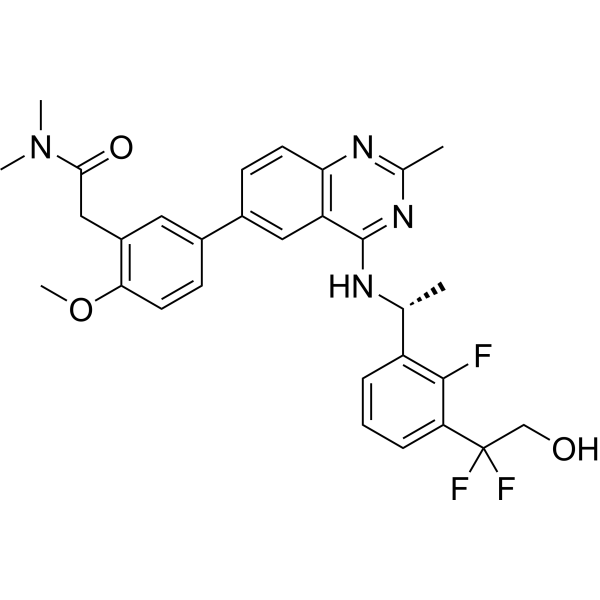
SOS1-IN-16 (Comp 54) is a selective inhibitor of SOS1 with an IC50 of 7.2 nM. SOS1-IN-16 has inhibitory activity of CYP3A4 when using testosterone as a substrate, with an IC50 of 8.9μM. SOS1-IN-16 can be used for cancer research .
|
-
- HY-144284
-
|
|
Bacterial
|
Infection
|
|
MsbA-IN-5 (compound 40) is a potent and highly selective MsbA inhibitor with an IC50 value of 2 nM. MsbA-IN-5 has inhibitory activity against Escherichia coli, Klebsiella pneumoniae, and Enterobacter cloacae with MICs of 12 μM, 12 μM and 25 μM, respectively. MsbA-IN-5 can be used for researching anti-Gram-negative bacteria .
|
-
- HY-183576
-
|
|
HBV
|
Infection
Neurological Disease
|
|
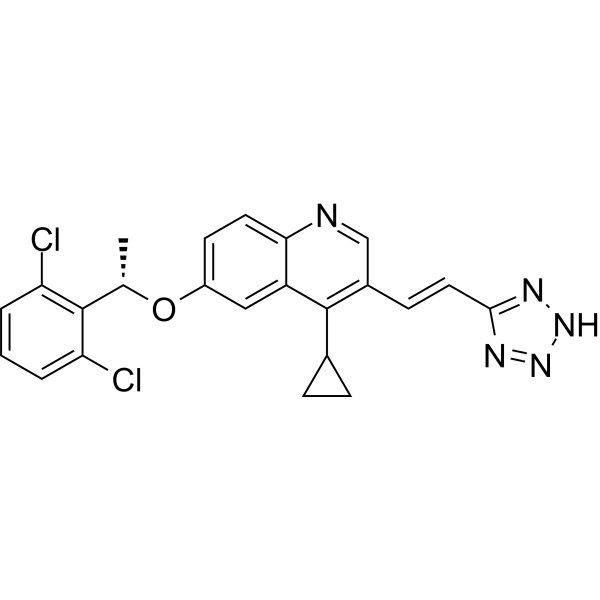
HBsAg-IN-1 (Compound (6S,10S)-57) is an orally active, highly liver-selective inhibitor of HBsAg production, with an EC50 of 0.63 nM. HBsAg-IN-1 shows no neurite growth inhibitory activity. HBsAg-IN-1 can be used in studies related to hepatitis B virus (HBV) infection .
|
-

- HY-114804
-
|
|
Hippo (MST)
|
Cancer
|
|
BRD2577 is a selective mercaptopyruvate sulfurtransferase (3-MST) inhibitor with an IC50 of 9.9 μM. BRD2577 inhibits H2S production in colon carcinoma cells. BRD2577 exhibits weak to no significant inhibitory effect on colon cancer cell proliferation and mitochondrial activity. BRD2577 can be used for the research of colon cancer .
|
-

- HY-178171
-
|
|
AMPK
CDK
|
Neurological Disease
|
|
ARUK2010489 (Compound 23) is a potent, selective and brain-penetrant NUAK1 inhibitor with a pIC50 of 8.7. ARUK2010489 also inhibits CDK2, CDK4 and CDK6 activity, with inhibitory rate of 7%, 39% and 26% at 1 μM. ARUK2010489 can be used for the research of neurological disease, such as Alzheimer’s disease (AD) .
|
-

- HY-170905S
-
-

- HY-136063R
-
|
|
Reference Standards
Fungal
Cytochrome P450
|
Infection
|
|
Mefentrifluconazole (Standard) is the analytical standard of Mefentrifluconazole. This product is intended for research and analytical applications. Mefentrifluconazole is a novel azole derivative and used as an agrochemical broad-spectrum antifungal agent. Mefentrifluconazole is a potent, selective and orally active fungal CYP51 (Kd= 0.5 nM) inhibitor, but shows less inhibitory activity on human aromatase (IC50=0.92 μM)[1].
|
-

- HY-180846
-
|
|
Histone Methyltransferase
|
Cancer
|
|
NT32 is a selective METTL13 stabilizer with a Kd value of 14 μM. NT32 could occupy both the SAM/SAH-binding pocket and the peptide substrate-binding site of METTL13 simultaneously. NT32 specifically targets and stabilizes METTL13. NT32 shows no inhibitory activity against non-small cell lung cancer .
|
-

- HY-103353A
-
|
|
Cathepsin
Parasite
|
Infection
Cancer
|
|
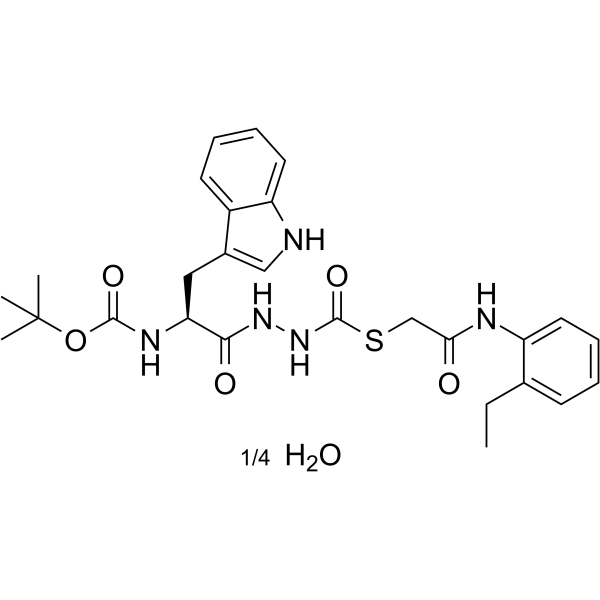
SID 26681509 quarterhydrate is a potent, reversible, competitive, and selective inhibitor of human cathepsin L with an IC50 of 56 nM. SID 26681509 quarterhydrate inhibits in vitro propagation of malaria parasite Plasmodium falciparum and inhibits Leishmania major with IC50s of 15.4 μM and 12.5 μM, respectively. SID 26681509 quarterhydrate shows no inhibitory activity against cathepsin G .
|
-
- HY-N9731
-
|
|
NF-κB
|
Others
|
|
6-O-p-Hydroxybenzoylglutinoside acts as a selective NF-κB inhibitor that suppresses the transcriptional activity of TNF-α-activated NF-κB (IC50=52.78 μM). 6-O-p-Hydroxybenzoylglutinoside shows no significant inhibitory activity against sEH, AChE, or BChE. 6-O-p-Hydroxybenzoylglutinoside is a caged chlorinated iridoid glycoside identified from the seeds of Catalpa bungei (Manchurian catalpa) .
|
-

- HY-167689
-
|
|
Adrenergic Receptor
|
Neurological Disease
|
|
Parethoxycaine hydrochloride is an anesthetic with nerve conduction blocking activity. Parethoxycaine hydrochloride exhibits non-selective inhibitory effects on responses to various stimulants in rat vas deferens and guinea pig ileum muscles. Parethoxycaine hydrochloride has an enhanced effect on the action of norepinephrine, and its methyl bromide derivative also exhibits the same properties on the action of norepinephrine and potassium ions. Derivatives of parethoxycaine hydrochloride have significant effects on calcium dose-response curves, displaying different tissue and stimulant selectivities. The mechanism of action of Parethoxycaine hydrochloride involves the regulation of calcium transport processes .
|
-

- HY-135711
-
|
|
Phosphodiesterase (PDE)
|
Metabolic Disease
|
|
PDE8B-IN-1 is a selective inhibitor of phosphodiesterase 8B (PDE8B) with the activity of enhancing insulin secretion. PDE8B-IN-1 showed good efficacy in high-throughput screening and optimized its ligand efficiency through rapid deconstruction. PDE8B-IN-1 showed high target selectivity and good bioavailability in preclinical development, providing a basis for exploring its potential inhibitory use .
|
-

- HY-175703
-
|
|
RANKL/RANK
Reactive Oxygen Species (ROS)
NF-κB
p38 MAPK
ERK
JNK
MMP
|
Metabolic Disease
|
|
RANKL-IN-1 is a selective and orally active Receptor Activator of Nuclear Factor-κ B Ligand (RANKL) inhibitor with a KD value of 7.6 μM. RANKL-IN-1 exhibits inhibitory activity and selectivity against osteoclastogenesis with an IC50 value of 0.07 μM and SI of 82.57. RANKL-IN-1binds directly to RANKL and blocks the RANKL-induced activation of the NF-κB and MAPK pathways. RANKL-IN-1 can be used for the research of metabolic disease, such as osteoporosis .
|
-

- HY-N3017
-
|
|
Antibiotic
|
Neurological Disease
Inflammation/Immunology
|
|
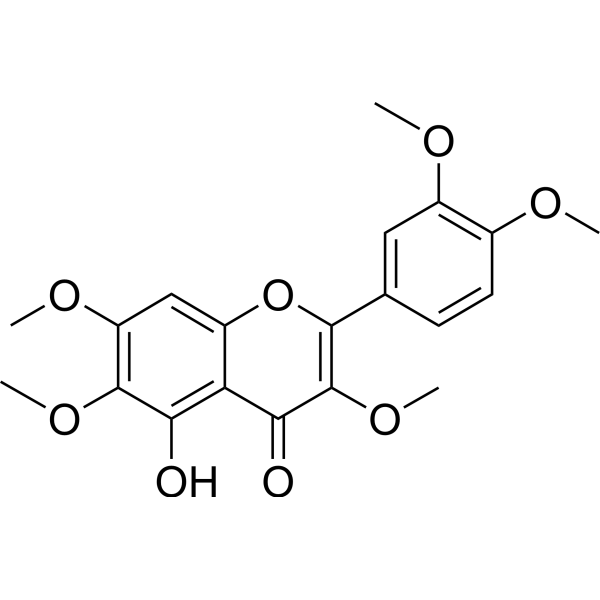
Artemitin is a flavonoid neuroanesthetic agent with moderate cytotoxicity. Artemitint has selective inhibitory activity against Meth-A sarcoma cells with an ED50 of 5-10 μg/mL, and has no significant effect on LLC lung cancer cells. Artemitin exerts anticancer activity by affecting cell proliferation signaling pathways, and also has potential anti-inflammatory and neuroprotective effects. Artemitin exhibits a dose-dependent antinociceptive effect in the mouse hot plate test, with an ED50 of 1.6 μg/kg, and has analgesic activity .
|
-
- HY-110167
-
|
|
PGE synthase
Ligands for Target Protein for PROTAC
|
Cancer
|
|
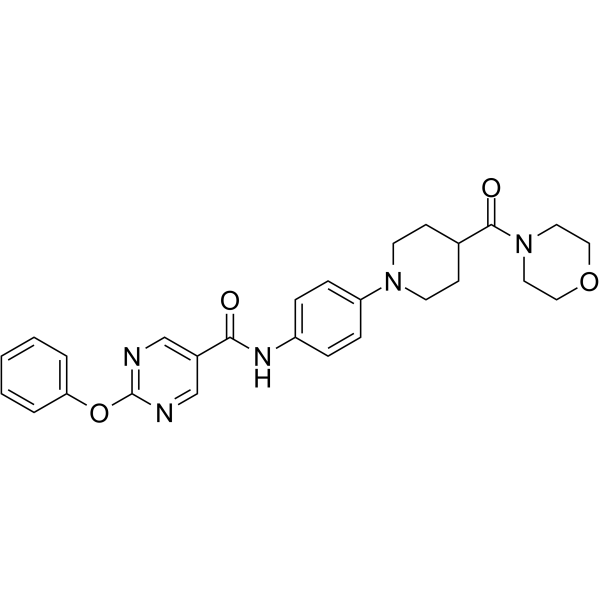
TFC-007, a selective hematopoietic prostaglandin D synthase (H-PGDS) inhibitor, show high inhibitory activity against H-PGDS enzyme (IC50 value of 83 nM). TFC-007 can be used for composing H-PGDS degradation inducer PROTAC(H-PGDS)-1 (TFC-007 binds to H-PGDS, and Pomalidomide binds to cereblon) .
|
-
- HY-103295
-
|
|
Bradykinin Receptor
|
Metabolic Disease
Inflammation/Immunology
|
|
Lys-[Des-Arg9]Bradykinin, a naturally occurring kinin, is a potent and highly selective bradykinin B1 receptor agonist with a Ki of 0.12 nM, 1.7 nM and 0.23 nM for human, mouse and rabbit B1 receptors, respectively. Lys-[Des-Arg9]Bradykinin has low inhibitory activity on B2 receptors .
|
-
![Lys-[Des-Arg9]Bradykinin](//file.medchemexpress.com/product_pic/hy-103295.gif)
- HY-182804
-
|
|
Salt-inducible Kinase (SIK)
|
Inflammation/Immunology
|
|
SIK2/3-IN-3 (Example 15) is a potent, selective SIK2/3 inhibitor that exhibits preferential inhibitory activity against SIK2 (IC50 = 10.3 nM) and SIK3 (IC50 = 0.8 nM) over SIK1 (IC50 = 801 nM). SIK2/3-IN-3 can be used for the study of inflammatory diseases .
|
-

- HY-13402
-
|
LY315920
|
Phospholipase
|
Inflammation/Immunology
|
|
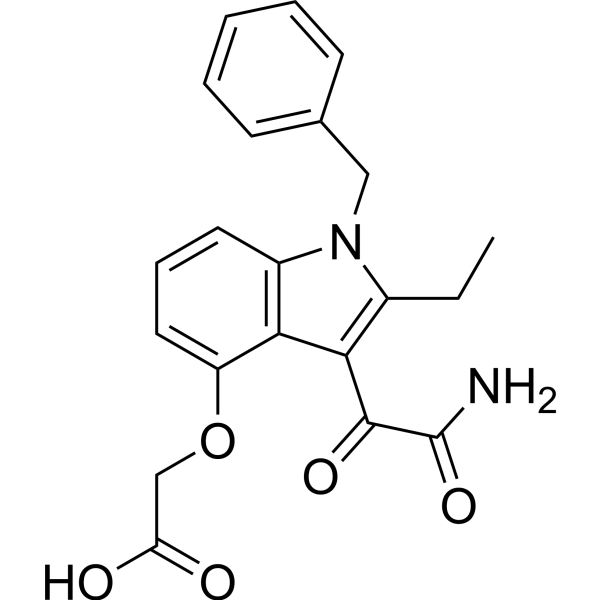
Varespladib (LY315920) is a potent and selective group IIA, secretory phospholipase A2 (sPLA2) inhibitor with an IC50 of 9 nM. Varespladib exhibits the significant inhibitory effect on sPLA2 activity in serum from various species including rat, rabbit, guinea pig and human with IC50s of 8.1 nM, 5.0 nM, 3.2 nM and 6.2 nM, respectively .
|
-
- HY-177747
-
|
|
Nucleoside Transporters
|
Cancer
|
|
dMeThPmR, a ribonucleoside derivative, is a potent and selective human nucleoside transporter 1 (hCNT1) inhibitor (Ki = 0.3-0.98 μM). dMeThPmR exhibit weak inhibitory activity on hCNT2 (IC50 = 133 μM) and hCNT3 (Ki = 32.7 μM). dMeThPmR can protect cells from the toxicity of nucleoside drugs. dMeThPmR can be used for the research of cancer .
|
-

- HY-N1636
-
|
|
Monoamine Oxidase
|
Neurological Disease
|
|
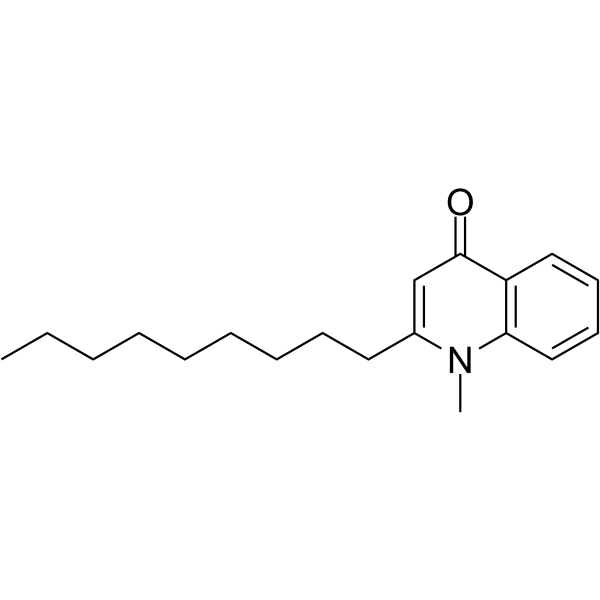
1-Methyl-2-nonyl-4(1H)-quinolone, a quinolone alkaloid, is a potent and selective MAO-B (monoamine oxidase) inhibitor. 1-Methyl-2-nonyl-4(1H)-quinolone exhibites inhibitory activity on leukotriene biosynthesis, with an IC50 of 12.1 μM .
|
-
- HY-151289
-
|
|
TGF-β Receptor
TGF-beta/Smad
|
Cancer
|
|
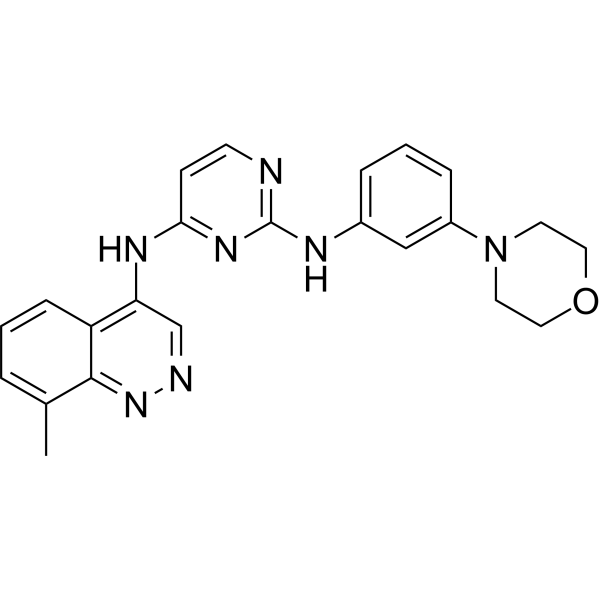
ALK5-IN-34 is an selective orally active activin receptor-like kinase (ALK) inhibitor. ALK5-IN-34 can inhibit the activity of ALK5-IN-34 with an IC50 value of ≤10 nM. ALK5-IN-34 also has inhibitory of tumor growth and can be used for the research of proliferative diseases, such as cancer .
|
-
- HY-32219
-
|
|
Acyltransferase
|
Metabolic Disease
|
|
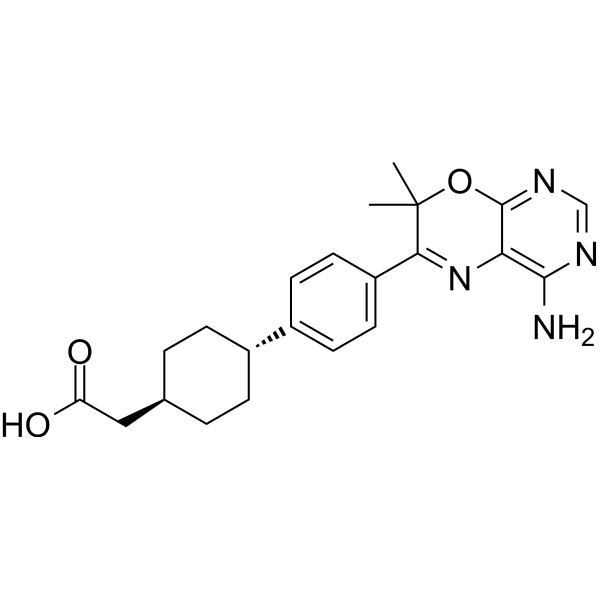
T863 is an orally active, selective and potent DGAT1 (acyl-CoA:diacylglycerol acyltransferase 1) inhibitor with an IC50 of 15 nM. T863 has no inhibitory activity against human MGAT3, human DGAT2, or human MGAT2. T863 interacts with the acyl-CoA binding site of DGAT1, and inhibits triacylglycerol synthesis in cells .
|
-
- HY-16758
-
|
AR-12286
|
ROCK
|
Neurological Disease
|
|
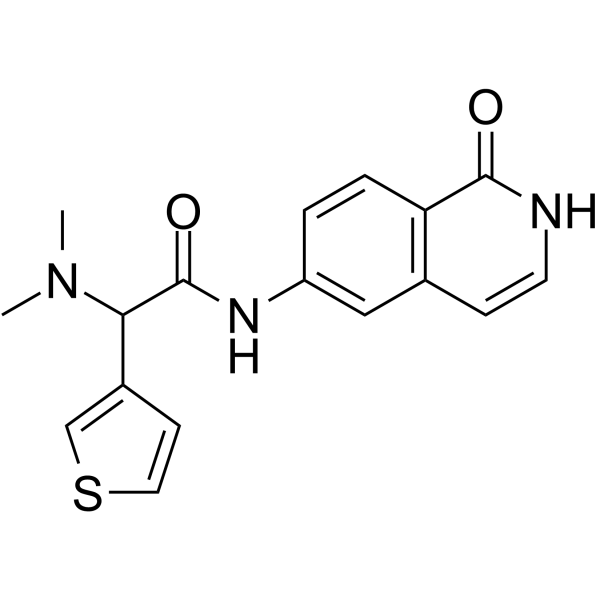
Verosudil (AR-12286) is a ROCK inhibitor. Verosudil has equal inhibitory activity against ROCK1 and ROCK2 (Ki: 2 nM). Verosudil is less selective for PKA, PKCT, MRCKA, and CAM2A (Ki: 69 nM, 9322 nM, 28 nM, 5855 nM, respectively). Verosudil increases trabecular outflow capacity to reduce intraocular pressure. Verosudil is useful in the study of glaucoma and ocular hypertension .
|
-
- HY-18307
-
|
|
c-Met/HGFR
|
Cancer
|
|
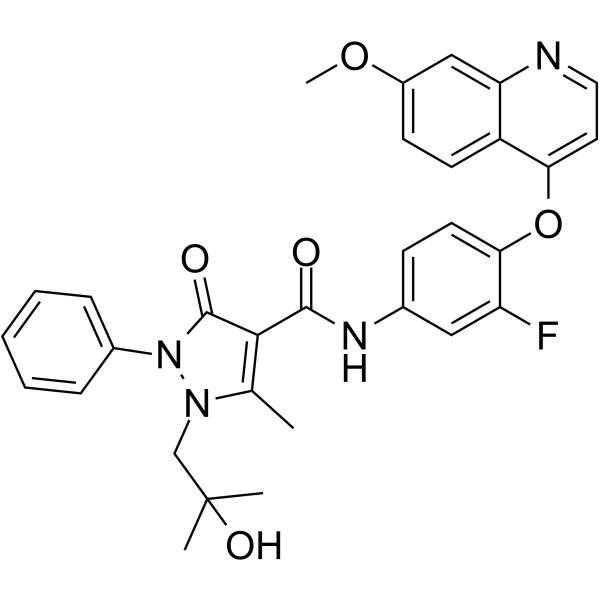
SYN1143 is a potent, selective and orally active dual inhibitor of c-Met/RON, with IC50s of 4 and 9 nM, respectively. SYN1143 has weak inhibitory activity on Lck, Tie2, Src, and BTK with IC50s ranging from 160 to 710 nM. SYN1143 can be used for the research of cancers that RON and c-Met are activated .
|
-
- HY-147745
-
|
|
MMP
|
Cancer
|
|
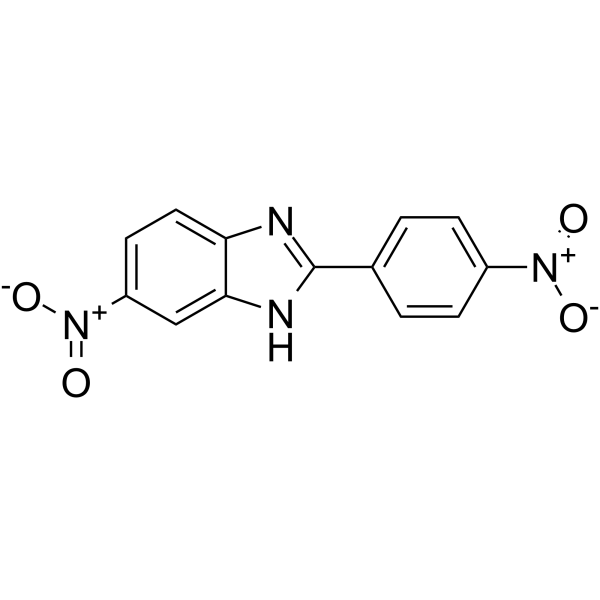
MMP2-IN-2 (compound 42) is a potent and selective MMP-2 (matrix metalloproteinases) inhibitor, with an IC50 of 4.2 μM. MMP2-IN-2 also shows inhibitory activity against MMP-13, MMP-9 and MMP-8, with IC50 values of 12, 23.3, and 25 μM, respectively .
|
-
- HY-10520R
-
|
|
Reference Standards
MNK
Apoptosis
|
Cancer
|
|
CGP 57380 (Standard) is the analytical standard of CGP 57380 (HY-10520). This product is intended for research and analytical applications. CGP 57380 is a cell-permeable pyrazolo-pyrimidine compound that acts as a selective inhibitor of Mnk1 with IC50 of 2.2 μM, but has no inhibitory activity against p38, JNK1, ERK1/2, PKC, or Src-like kinases.
|
-

- HY-151358
-
|
|
E1/E2/E3 Enzyme
|
Cancer
|
|
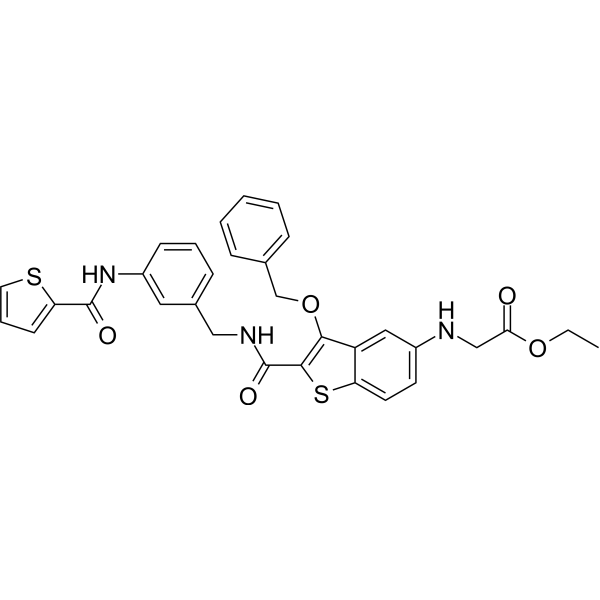
SENP2-IN-1 (compound 77) is a selective SENP2 inhibitor. SENP2-IN-1 shows inhibitory activities with IC50s of 1.3, 0.69 and 22.7 μM for SENP1, SENP2 and SENP5, respectively. SENP2-IN-1 can be used for the research of cancer .
|
-
- HY-13402A
-
|
LY315920 sodium
|
Phospholipase
|
Inflammation/Immunology
|
|
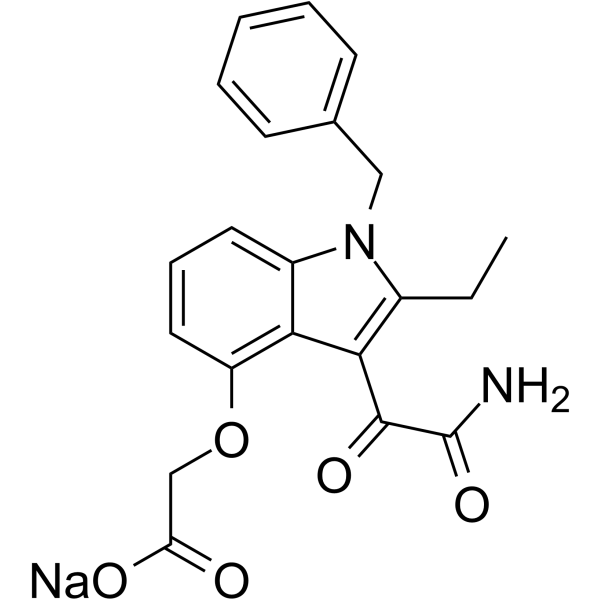
Varespladib sodium (LY315920 sodium) is a potent and selective group IIA, secretory phospholipase A2 (sPLA2) inhibitor with an IC50 of 9 nM. Varespladib sodium exhibits the significant inhibitory effect on sPLA2 activity in serum from various species including rat, rabbit, guinea pig and human with IC50s of 8.1 nM, 5.0 nM, 3.2 nM and 6.2 nM, respectively .
|
-
- HY-149273
-
|
|
Cholinesterase (ChE)
Amyloid-β
Tau Protein
|
Neurological Disease
|
|
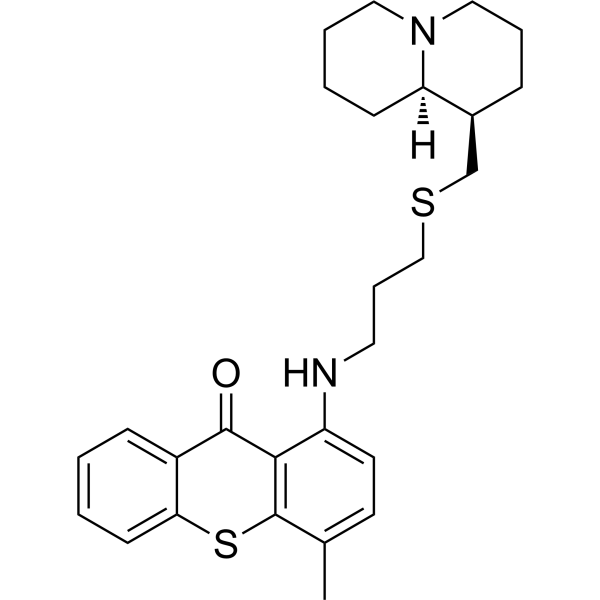
hBChE-IN-1 (compound 4), a quinolizidinyl derivative, is a potent hBChE inhibitor (IC50=7 nM) and highly selective over hAChE. hBChE-IN-1 shows inhibitory activity against tau and Aβ40 protein aggregation, with IC50 values of 20 and 4.3 μM, respectively. hBChE-IN-1 can be used for Alzheimer's disease research .
|
-
- HY-178330
-
|
|
Others
Topoisomerase
|
Infection
|
|
IKE16 is a fungi-selective eukaryotic topoisomerase II inhibitor, with an IC50 value of 13.68 μM. IKE16 suppresses both the DNA relaxation activity and the decatenation activity of yTOPOII selectively. IKE16 shows moderate activity against standard fungal strains (Candida albicans ATCC 10231, Saccharomyces cerevisiae ATCC 89763) with a minimum inhibitory concentration (MIC) of 2 μg/mL against S. cerevisiae ATCC 89763. IKE16 exhibits high cytotoxicity against human cells, with an EC50 of 0.07 μM in HepG2 and 0.045 μM in HEK-293. IKE16 can be used for the study of antifungal infection .
|
-

- HY-172210
-
|
|
Epigenetic Reader Domain
Apoptosis
|
Cancer
|
|
DDO-8958 is an orally active and selective BET BD1 inhibitor with a KD of 5.6 nM for BRD4 BD1. DDO-8958 exhibits low nanomolar inhibitory activity against all BET BD1 bromodomains except for BRDT BD1. DDO-8958 can inhibit the proliferation and migration, induce apoptosis and cell cycle arrest of tumor cells. DDO-8958 has anti-tumor activity .
|
-

- HY-157396
-
|
|
Aurora Kinase
Apoptosis
Caspase
|
Cancer
|
|
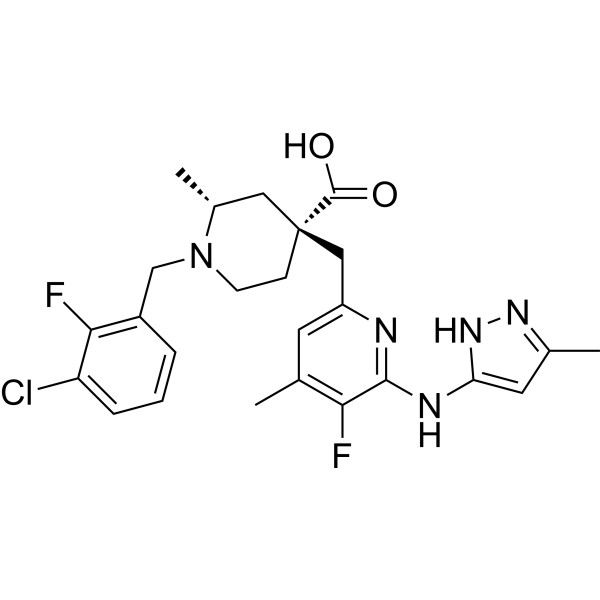
JAB-2485 is an orally active and selective Aurora kinase A (AURKA) inhibitor with an IC50 value of 0.327 nM. JAB-2485 exhibits inhibitory activity against various tumor cell lines such as neuroblastoma, triple-negative breast cancer, small cell lung cancer, and epithelial ovarian cancer. JAB-2485 can induce cell cycle arrest and apoptosis in tumor cells. JAB-2485 has antitumor activity .
|
-
- HY-175198
-
|
|
Acyltransferase
Fungal
|
Infection
|
|
Cs-2d is a selective ceramide synthases Cer1 inhibitor. Cs-2d has potent inhibitory activity toward C. neoformans Cer1, while maintaining a low off-target effect on human hCerS1. Cs-2d has potent antifungal activity with the significant growth inhibition. Cs-2d can be used for invasive fungal infections research .
|
-

- HY-143236
-
|
|
Bacterial
Fungal
|
Infection
|
|
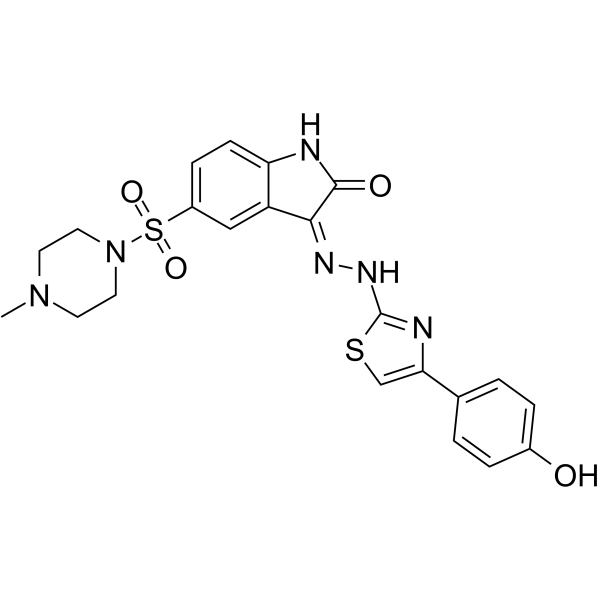
DHFR-IN-1 (compound 12) is a potent and selective DHFR (dihydrofolate reductase)inhibitor, with an IC50 of 40.71 nM. DHFR-IN-1 exhibits promising antibacterial activity against gram-positive and gram-negative bacteria. DHFR-IN-1 exhibits moderate antifungal activities. DHFR-IN-1 exhibits a high synergistic effect with Levofloxacin (HY-B0330), where the FIC (fractional inhibitory concentration index) value is 0.249 .
|
-
- HY-101513
-
|
|
Eukaryotic Initiation Factor (eIF)
|
Neurological Disease
Cancer
|
|
eIF4A3-IN-1 is a selective eIF4A3 inhibitor (IC50: 0.26 μM; Kd: 0.043 μM) with cellular nonsense-mediated RNA decay (NMD) inhibitory activity. eIF4A3-IN-1 can specifically bind to the non-ATP binding site of eIF4A3. eIF4A3-IN-1 has anti-tumor and analgesic activities .
|
-
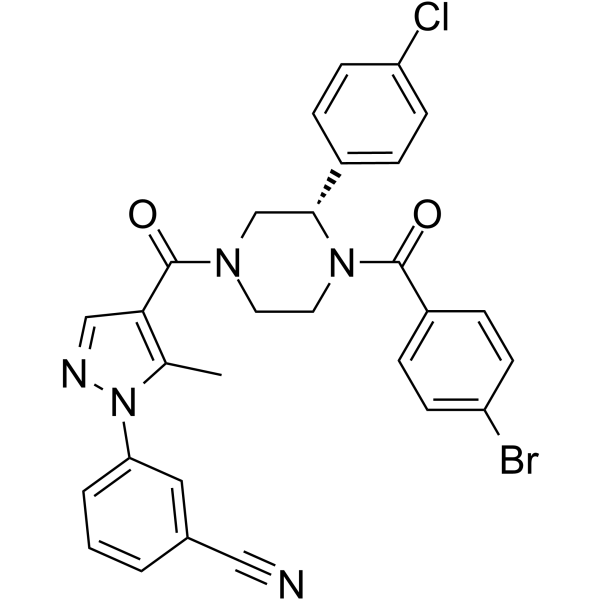
- HY-N1192
-
|
|
NO Synthase
|
Inflammation/Immunology
|
|
Sutherlandin trans-p-coumarate is a selective γ-hydroxynitrile glycoside compound with moderate inhibitory activity on nitric oxide (NO) production in lipopolysaccharide (LPS)-stimulated RAW264.7 macrophages (56.9% inhibition at a concentration of 25 μg/mL). Sutherlandin trans-p-coumarate can be naturally extracted from the dried aerial parts of Sorbaria sorbifolia (a plant of the genus Sorbaria in the Rosaceae family) .
|
-

- HY-141677B
-
|
|
Histone Demethylase
|
Cancer
|
|
INCB059872 tosylate is a potent, orally active, selective and irreversible Lysine-Specific Demethylase 1 (LSD1) inhibitor that achieves inhibitory activity through the formation of covalent FAD-adducts. INCB059872 tosylate can inhibit cell proliferation and induce cell differentiation by upregulating the expression of myeloid differentiation markers CD86 and CD11b. INCB059872 tosylate can be used for the research of myeloid leukemia .
|
-

- HY-168167
-
|
|
Endogenous Metabolite
|
Neurological Disease
|
|
BuChE-IN-14 is a novel compound that selectively inhibits acetylcholinesterase (AChE) activity. BuChE-IN-14 showed a concentration-dependent inhibitory effect on AChE in rat brain in vitro experiments. BuChE-IN-14 can increase the extracellular acetylcholine (ACh) concentration in the rat hippocampus and striatum at a certain dose. BuChE-IN-14 may help improve memory impairment caused by cholinergic dysfunction .
|
-

- HY-103295A
-
|
|
Bradykinin Receptor
|
Metabolic Disease
Inflammation/Immunology
|
|
Lys-[Des-Arg9]Bradykinin TFA, a naturally occurring kinin, is a potent and highly selective bradykinin B1 receptor agonist with a Ki of 0.12 nM, 1.7 nM and 0.23 nM for human, mouse and rabbit B1 receptors, respectively. Lys-[Des-Arg9]Bradykinin TFA has low inhibitory activity on B2 receptors .
|
-
![Lys-[Des-Arg9]Bradykinin TFA](//file.medchemexpress.com/product_pic/hy-103295a.gif)
- HY-138565
-
|
|
YAP
|
Cancer
|
|
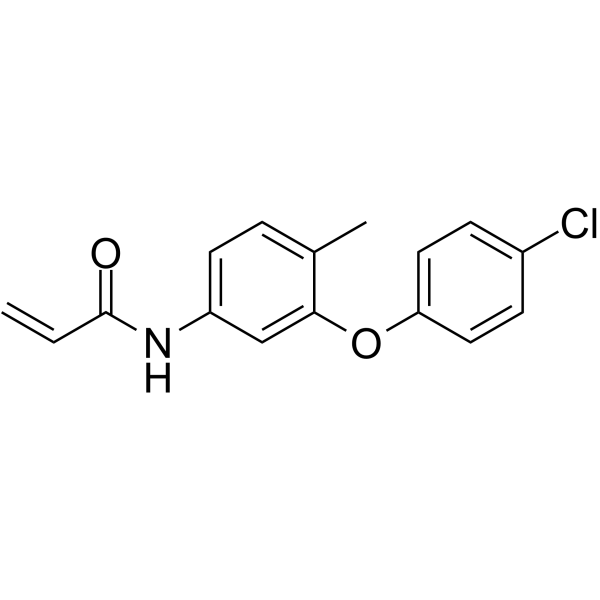
K-975 is a potent, selective and orally active TEAD inhibitor, with a strong inhibitory effect against protein-protein interactions between YAP1/TAZ and TEAD. K-975 covalently binds to Cys359 located in the palmitate-binding pocket of TEAD via an acrylamide structure. K-975 exhibits antitumor activity on malignant pleural mesothelioma .
|
-
- HY-107523AR
-
|
|
Reference Standards
EAAT
|
Neurological Disease
|
|
WAY-213613 hydrochloride (Standard) is the analytical standard of WAY-213613 (hydrochloride) (HY-107523A). This product is intended for research and analytical applications. WAY-213613 (hydrochloride) is a potent and selective human EAAT2 inhibitor. WAY-213613 has potent EAAT2 inhibitory activity with an IC50 value of 85 nM. WAY-213613 can be used for the research of central nervous system .
|
-

- HY-177746
-
|
|
Nucleoside Transporters
|
Cancer
|
|
MeThPmR, a ribonucleoside derivative, is a potent and selective human nucleoside transporter 1 (hCNT1) inhibitor (Ki/sub> = 0.16-0.69 μM). MeThPmR exhibit weak inhibitory activity on hCNT2 (IC50 = 360 μM) and hCNT3 (Ki = 4.7 μM). MeThPmR can protect cells from the toxicity of nucleoside drugs. MeThPmR can be used for the research of cancer .
|
-

- HY-14205
-
|
|
Monoamine Oxidase
|
Neurological Disease
|
|
NW-1772 (methanesulfonate) (compound 22b) is a potent and selective monoamine oxidase (MAO) B inhibitor. NW-1772 has some advantages, such as rapid blood-brain barrier penetration, short-acting and reversible inhibitory activity, slight inhibition of selected cytochrome P450s, and low in vitro toxicity. NW-1772 can be used for the research of neurodegenerative diseases .
|
-
- HY-141677
-
|
|
Histone Demethylase
|
Cancer
|
|
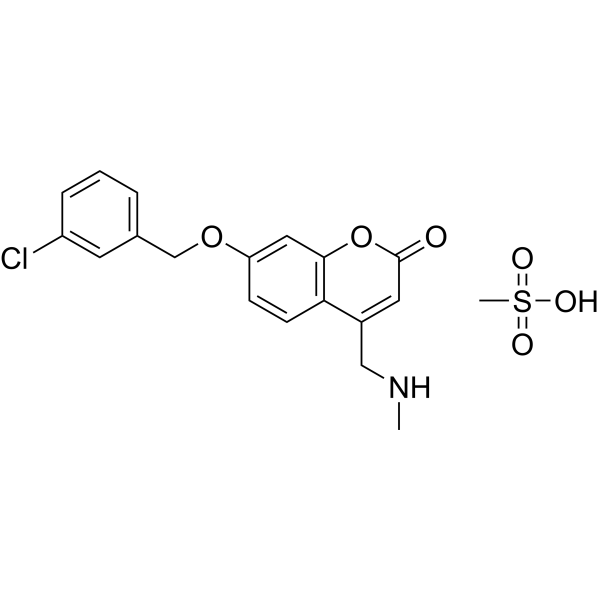
INCB059872 is a potent, orally active, selective and irreversible Lysine-Specific Demethylase 1 (LSD1) inhibitor that achieves inhibitory activity through the formation of covalent FAD-adducts. INCB059872 can inhibit cell proliferation and induce cell differentiation by upregulating the expression of myeloid differentiation markers CD86 and CD11b. INCB059872 can be used for the research of myeloid leukemia .
|
-
- HY-141677A
-
|
|
Histone Demethylase
|
Cancer
|
|
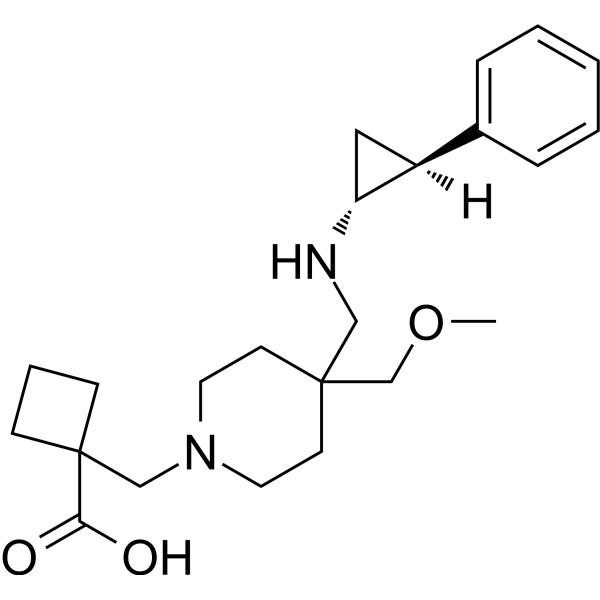
INCB059872 dihydrochloride is a potent, orally active, selective and irreversible Lysine-Specific Demethylase 1 (LSD1) inhibitor that achieves inhibitory activity through the formation of covalent FAD-adducts. INCB059872 dihydrochloride can inhibit cell proliferation and induce cell differentiation by upregulating the expression of myeloid differentiation markers CD86 and CD11b. INCB059872 dihydrochloride can be used for the research of myeloid leukemia .
|
-
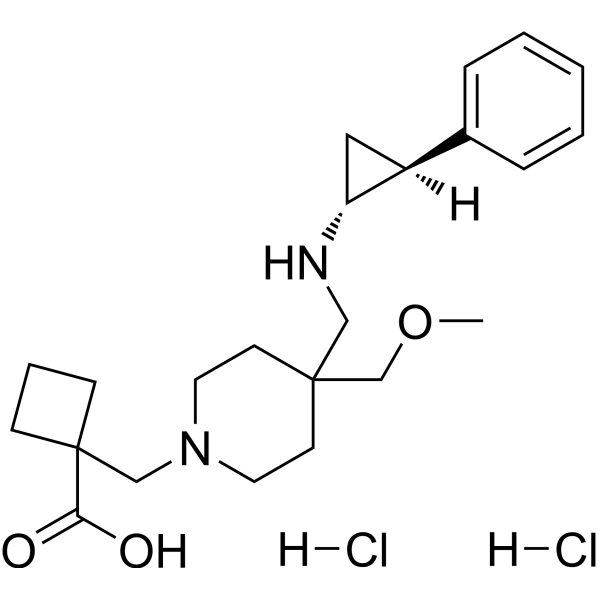
- HY-108457R
-
|
9-Hydroxyphenanthrene (Standard); NSC 50554 (Standard)
|
TRP Channel
Reference Standards
|
Cardiovascular Disease
|
|
9-Phenanthrol (Standard) is the analytical standard of 9-Phenanthrol. This product is intended for research and analytical applications. 9-Phenanthrol (9-Hydroxyphenanthrene) is a selective TRPM4 inhibitor with an IC50 of 17 μM. 9-Phenanthrol has no inhibitory activity on TRPM5, TRPC6, and CFTR. 9-Phenanthrol can be used for the research of ischemia-reperfusion injury .
|
-

- HY-118935
-
|
|
Adrenergic Receptor
|
Inflammation/Immunology
|
|
NGD9002 free base is a new generation of selective corticotropin-releasing factor-1 (CRF-1) receptor antagonist with inhibitory activity on CRF-induced colonic function stimulation. NGD9002 free base can reduce CRF-induced fecal output response and show an inhibitory IC50 value of 4.3 mg/kg. NGD9002 free base can effectively block CRF-induced colonic secretory motility stimulation at the highest dose and reduce acute water avoidance-induced defecation. NGD9002 free base can also prevent the occurrence of pain hypersensitivity reactions to repeated colonic distension .
|
-

- HY-174983
-
|
|
Histone Methyltransferase
|
Cancer
|
|
PRMT5-MTA-IN-6 (Compound 31) is a selective MTA-cooperative PRMT5 inhibitor. PRMT5-MTA-IN-6 exhibits potent inhibitory activity against PRMT5・MTA (IC50: 6.6 nM). PRMT5-MTA-IN-6 selectively inhibits the growth of MTAP-deleted HCT-116 cells (IC50: 319 nM). PRMT5-MTA-IN-6 can be used in the research of MTAP-deleted tumors .
|
-

- HY-P1681
-
|
|
Sodium Channel
|
Neurological Disease
|
|
GpTx-1 is a peptide-based NaV1.7 sodium channel antagonist isolated from the venom of the Chilean spider Grammostola porter. GpTx-1 demonstrates potent inhibitory activity against the NaV1.7 channel with an IC50 value of 10 nM, while exhibiting excellent selectivity for NaV1.4 (IC50 = 0.301 μM) and NaV1.5 (IC50 = 4.20 μM), showing >20-fold and >950-fold selectivity respectively .
|
-
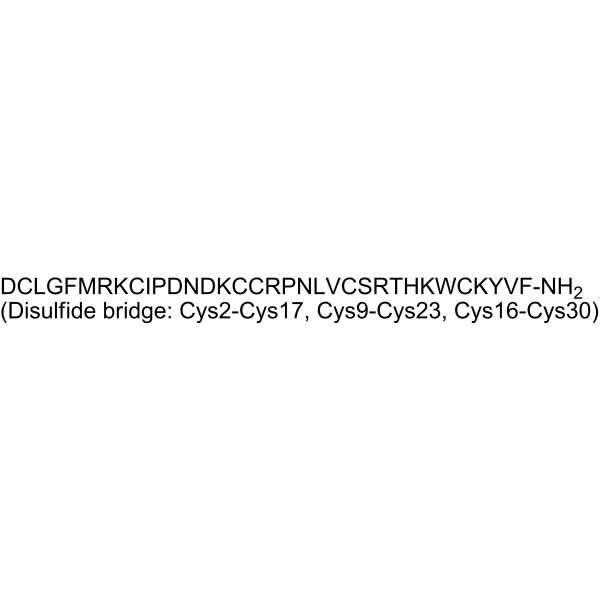
- HY-P1681A
-
|
|
Sodium Channel
|
Neurological Disease
|
|
GpTx-1 TFA is a peptide-based NaV1.7 sodium channel antagonist isolated from the venom of the Chilean spider Grammostola porter. GpTx-1 TFA demonstrates potent inhibitory activity against the NaV1.7 channel with an IC50 value of 10 nM, while exhibiting excellent selectivity for NaV1.4 (IC50 = 0.301 μM) and NaV1.5 (IC50 = 4.20 μM), showing >20-fold and >950-fold selectivity respectively .
|
-

- HY-136720
-
|
|
COX
|
Others
|
|
ZXX2-77 is a cyclooxygenase-1 (COX-1) selective inhibitor belonging to the benzenesulfonylanilide class of compounds. It is reported as a novel analgesic that does not cause gastric damage. ZXX2-77 has a weak analgesic effect but exhibits potent COX-1 inhibitory activity in vitro. The low oral absorption rate of ZXX2-77 leads to its weak analgesic effect in vivo. At a dose of 30 mg/kg, the maximum plasma concentration of ZXX2-77 (1.2 mM) did not reach its COX-1 IC50 value (3.2 mM). In contrast, its derivative ZXX2-79, although weaker in vitro COX inhibitory activity, is better absorbed, exhibits stronger analgesic effect and hardly causes gastric damage. These findings suggest that ZXX2-77 and its derivatives as COX-1 selective inhibitors may become effective analgesics that do not cause gastric damage.
|
-

- HY-173479
-
|
|
GLP Receptor
|
Cardiovascular Disease
Metabolic Disease
|
|
GLP-1R agonist 30 is a selective and orally active GLP-1R agonist with an EC50 of 0.048 nM. GLP-1R has excellent selectivity, with EC50 greater than 20 μM for GLP-2R, GIPR, and GCPR. GLP-1R agonist significantly increases cAMP-stimulating activity while markedly reducing hERG inhibitory activities. GLP-1R agonist has preferable absorption and excellent β-arrestin pathway selectivity. GLP-1R agonist effectively improves glucose tolerance and promoted insulin secretion in B-hGLP1R knock-in mice .
|
-

- HY-159915
-
|
|
Parasite
|
Infection
|
|
Se2h is a cruzain inhibitor that exhibits strong activity against the intracellular amastigotes of Trypanosoma cruzi (EC50 < 1 μM, SI > 10), with an inhibitory activity against cruzain of IC50 < 100 nM (SI > 5.55). Compared to Benznidazole (HY-B1548) and the cruzain inhibitor K777 (HY-119293), Se2h shows superior selectivity and inhibition, while its selenazole structure reduces selenium-related toxicity. Se2h exhibits antiparasitic activity and holds promise for research in Chagas disease .
|
-

- HY-139135
-
|
|
NO Synthase
|
Others
|
|
Methyl-L-NIO (compound 2d) hydrochloride is a potential selective inhibitor (IC50: 70 μM) of dimethylarginine dimethylaminohydrolase hDDAH. Methyl-L-NIO also has inhibitory activity against NO synthase. The inhibition rates of Methyl-L-NIO on different isoforms of NO synthase at a concentration of 100 μM are 77% (nNOS), 20% (eNOS), and 72% (iNOS) respectively; the inhibition rates at a concentration of 1 mM are 100% (nNOS), 85% (eNOS), 100% (iNOS) .
|
-

- HY-117467
-
|
|
iGluR
|
Neurological Disease
|
|
BMT-108908 is a negative allosteric modulator with selective activity on the NR2B subtype of the NMDA receptor. BMT-108908 has been shown to damage cognition in research, affecting cognitive functions in multiple areas. BMT-108908 failed to show a significant impact on the γ wave power of the EEG in the experiment, but it had a significant inhibitory and enhancement effect on the β wave and δ wave power .
|
-

- HY-112394
-
|
|
GSK-3
CDK
|
Cancer
|
|
2-Cyanoethylalsterpaullone (compound 7) is an Alsterpaullone (HY-108359) derivative, which exhibits potent and selective inhibitory activities against CDK1/Cyclin B and GSK-3β (GSK-3β: IC50=0.8 nM; CDK1/Cyclin B: IC50=0.23 nM) .
|
-

- HY-113691
-
|
|
Lipoxygenase
|
Others
|
|
(E)-L-652343 is a compound with potent cyclooxygenase and 5-lipoxygenase inhibitory activity. (E)-L-652343 can effectively inhibit the synthesis of products of these two pathways in vivo. (E)-L-652343 showed high sensitivity and specificity in the detection of geometric isomers in canine and human plasma. (E)-L-652343 showed selective metabolism in vivo, and the elimination rate of the E isomer was faster than that of the Z isomer .
|
-

- HY-10235
-
|
VX-950
|
HCV Protease
HCV
SARS-CoV
|
Infection
|
|
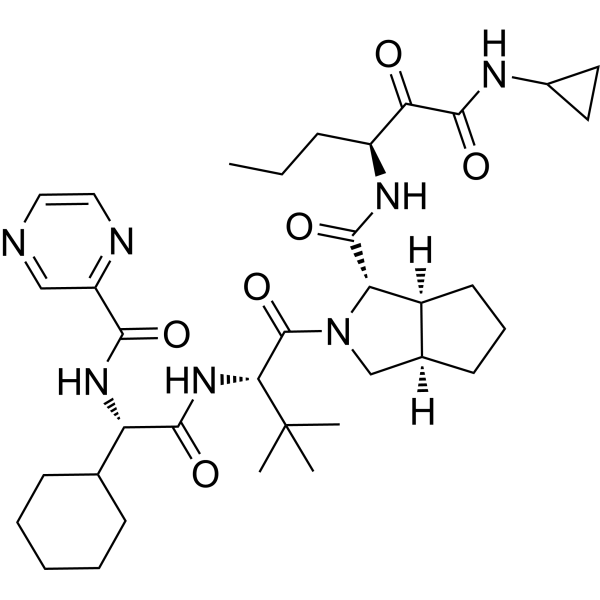
Telaprevir (VX-950) is a highly selective, reversible, and potent peptidomimetic inhibitor of the HCV NS3-4A protease, the steady-state inhibitory constant (Ki) of Telaprevir is 7 nM against a genotype 1 (H strain) NS3 protease domain plus a NS4A cofactor peptide . Telaprevir inhibits SARS-CoV-2 3CL pro activity .
|
-
- HY-W008567
-
|
|
Drug Metabolite
|
Others
|
|
N-Deschlorobenzoyl indomethacin (Compound 18), the primary metabolite of indomethacin (HY-14397), lacks the N-p-chlorobenzoyl group in its structure. Consequently, N-Deschlorobenzoyl indomethacin loses inhibitory activity against AKR1C2 and AKR1C3 (AKR1C2 IC50 =100 μM, AKR1C3 IC50 >100 μM), exhibiting no selectivity .
|
-

- HY-175731
-
|
|
Bacterial
|
Infection
|
|
FabX-IN-1 (Compound 47) is a selective FabX inhibitor with an IC50 of 0.128 μM. FabX-IN-1 has a narrow-spectrum antibacterial activity against Helicobacter pylori with a MIC of 64 μg/mL, but significantly enhances synergistic inhibitory efficacy combined with membrane permeabilizers, efflux pump inhibitors, and Clarithromycin (HY-17508). FabX-IN-1 can be used for bacterial infections research .
|
-

- HY-113787
-
|
|
Ack1
JAK
|
Cancer
|
|
(R)-9b is a potent inhibitor of ACK1 tyrosine kinase (IC50=56 nM) with anticancer activity. (R)-9b exhibits selectivity for ACK1 but has inhibitory effects on JAK family kinases JAK2 and Tyk2. (R)-9b can be used in the study of hormone-regulated cancers such as prostate and breast cancer .
|
-

- HY-P10847
-
|
|
Ras
|
Cancer
|
|
KS-58 is a KRpep-2d (HY-P3277) derivative. KS-58 is a K-Ras (G12D) inhibitory peptide that selectively binds K-Ras. KS-58 can enter cells and block intracellular Ras interaction with effector proteins. KS-58 inhibits the proliferation of tumor cells and has antitumor activity .
|
-

- HY-169336
-
|
|
PARP
PSMA
|
Cancer
|
|
CQ-16 is an orally active small molecule drug conjugate (SMDC) targeting prostate-specific membrane antigen (PSMA). CQ-16 exhibits highly selective antiproliferative activity between PSMA-positive and PSMA-negative prostate cells. In addition, CQ-16 also has PARP inhibitory activity (IC50=1 nM). (Pink: PSMA Ligand (HY-139840); Black: Linker (HY-W037980); Blue: PARP Inhibitor (HY-10162))
|
-

- HY-10338A
-
|
|
c-Met/HGFR
VEGFR
|
Cancer
|
|
Foretinib phosphate is an orally bioavailable small molecule with potential anti-tumor activity. Foretinib phosphate can selectively inhibit hepatocyte growth factor (HGF) receptor c-MET and vascular endothelial growth factor receptor 2 (VEGFR2), thereby potentially inhibiting tumor angiogenesis, tumor cell proliferation and metastasis. Foretinib phosphate shows different anti-cancer activity from cabozantinib in lung cancer cells and has stronger inhibitory effects on targets such as MEK1/2, FER and AURKB .
|
-

- HY-117803
-
|
OSI-461 free base
|
Apoptosis
|
Cancer
|
|
CP 461 free base (OSI-461 free base) is a novel pro-apoptotic compound with the activity of inhibiting cyclic guanosine monophosphate phosphodiesterase. CP 461 free base exhibits growth inhibitory activity against a variety of human tumor cell lines in vitro. CP 461 free base selectively induces apoptosis in cancer cell lines but has no effect on normal cells. CP 461 free base can be used in the study of renal cell carcinoma, prostate cancer and Crohn's disease .
|
-

- HY-N0632
-
|
|
COX
NF-κB
|
Inflammation/Immunology
|
|
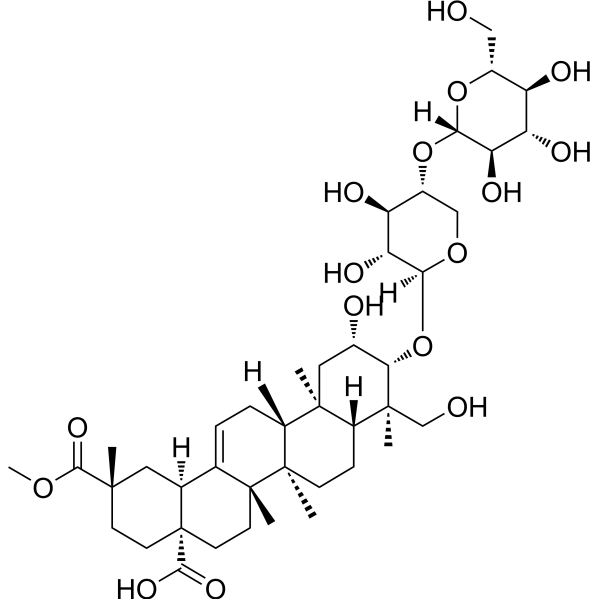
Esculentoside A (EsA), a kind of triterpene saponin isolated from roots of Phytolacca esculenta .
Esculentoside A (EsA) possesses anti-inflammatory activity in acute and chronic experimental models , has selective inhibitory activity towards cyclooxygenase-2 (COX-2) .
Esculentoside A (EsA) suppresses inflammatory responses in LPS-induced acute lung injury (ALI) through inhibition of the nuclear factor kappa B (NF-ΚB) and mitogen activated protein kinase (MAPK) signaling pathways .
|
-
- HY-186021
-
|
|
PROTACs
YAP
|
Cancer
|
|
PROTAC TEAD degrader-2 (Compound 31) is an efficient TEAD1 PROTAC degrader with a DC50 of 0.6 nM. PROTAC TEAD degrader-2 inhibits the YAP/TAZ-TEAD interaction, with a IC50 of 1.8 nM. PROTAC TEAD degrader-2 exhibits significant selective inhibitory activity against YAP-dependent cancer cells and effectively suppresses the transcriptional activity mediated by YAP. PROTAC TEAD degrader-2 can be used for research on mesothelioma and glioma .
|
-

- HY-W814315
-
|
CH5424802 analog; RO5424802 analog; RG7853 analog
|
Anaplastic lymphoma kinase (ALK)
|
Cancer
|
|
Alectinib analog (CH5424802 analog) is a selective ALK inhibitor with activity in blocking resistance gating mutations. The synthetic optimization of alectinib analog allows it to be combined with specific peptides to improve the ability to target cancer cells. Alectinib analog exhibits low micromolar IC50 values in antiproliferation and shows good cytotoxic effects. The inhibitory activity of alectinib analog is closely related to its stability and release of active ingredients. Alectinib analog demonstrated the ability to inhibit vascular septal length or width in an in vivo zebrafish model .
|
-

- HY-10575
-
|
|
Cannabinoid Receptor
Cytochrome P450
|
Metabolic Disease
|
|
MK-5596 is an efficient, selective and orally active CB1R (IC50 = 1.0 nM, EC50 = 5.8 nM) inverse agonist. MK-5596 has weak hERG inhibitory activity. MK-5596 has strong weight loss and appetite suppression effects. MK-5596 has a certain inhibitory effect on CYP enzymes (CYP3A4: IC50 = 3.3 μM, CYP2C8: IC50 = 11 μM, CYP2C9: IC50 = 18 μM, CYP2D6: IC50 = 6 μM). MK-5596 can be used for research on conditions such as obesity .
|
-

- HY-115824
-
|
|
Cytochrome P450
|
Others
|
|
7ETMC is a cytochrome P450 inhibitor with selective inhibition of human cytochrome P450s 1A1 and 1A2. 7ETMC has inhibitory effects on P450s 1A1 and 1A2 with IC?? values of 0.46μM and 0.50μM, respectively, within the first six minutes, and has no inhibitory activity against P450s 2A6 and 2B1. Except for 7-ethynyl-3-methyl-4-phenylcoumarin, the remaining inhibitors show mechanism-based inhibition of P450s 1A1 and 1A2.
|
-

- HY-P991900
-
|
|
CD19
|
Inflammation/Immunology
|
|
LY3541860 is a selective anti-CD19 antibody that both binds human CD19 with high affinity and selectively binds human B cells (Kd values: 76.8 pM and 94.5 nM for humans and cynomolgus monkeys, respectively). LY3541860 inhibits CpG-induced CD69 expression (IC50 = 0.006 nM). LY3541860 exhibits potent B cell inhibitory activities. LY3541860 can inhibit both BCR- and TLR-induced human B cell activation. LY3541860 can be used for the research of autoimmune diseases .
|
-

- HY-102043
-
|
|
Phosphodiesterase (PDE)
|
Neurological Disease
|
|
PDM-631 is a selective and orally active PDE2A inhibitor with blood-brain barrier penetration. PDM-631 exhibits potent inhibitory activity against human and rat recombinant PDE2A with IC50 values of 1.5 nM and 4.2 nM, respectively. PDM-631 increases cGMP levels in the rat cerebral cortex. PDM-631 can be used for the study of schizophrenia and neurodegenerative disorders .
|
-

- HY-141677C
-
|
|
Histone Demethylase
|
Cancer
|
|
INCB059872 TFA is a potent, orally active, selective and irreversible Lysine-Specific Demethylase 1 (LSD1) inhibitor that achieves inhibitory activity through the formation of covalent FAD-adducts. INCB059872 TFA can inhibit cell proliferation and induce cell differentiation by upregulating the expression of myeloid differentiation markers CD86 and CD11b. INCB059872 TFA can be used for the research of myeloid leukemia .
|
-

- HY-15160A
-
|
|
Polo-like Kinase (PLK)
|
Cancer
|
|
TAK-960 hydrochloride is an orally available, selective inhibitor of polo-like kinase 1 (PLK1), with an IC50 of 0.8 nM. TAK-960 hydrochloride also shows inhibitory activities against PLK2 and PLK3, with IC50s of 16.9 and 50.2 nM, respectively. TAK-960 hydrochloride inhibits proliferation of multiple cancer cell lines and exhibits significant efficacy against multiple tumor xenografts .
|
-
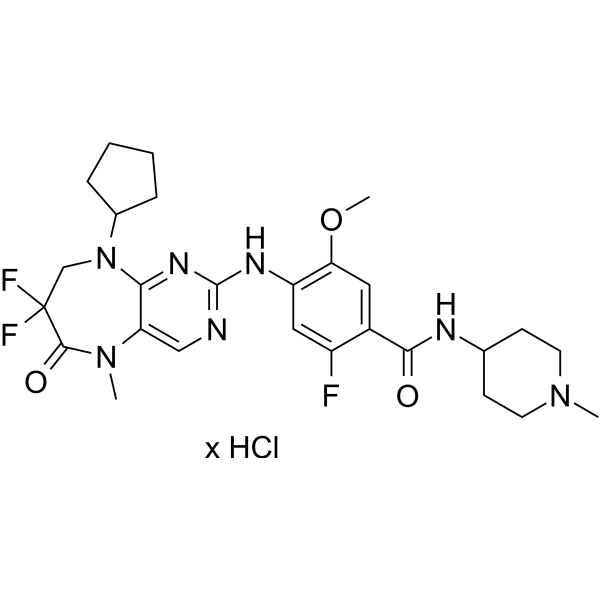
- HY-15160B
-
|
|
Polo-like Kinase (PLK)
|
Cancer
|
|
TAK-960 dihydrochloride is an orally available, selective inhibitor of polo-like kinase 1 (PLK1), with an IC50 of 0.8 nM. TAK-960 dihydrochloride also shows inhibitory activities against PLK2 and PLK3, with IC50s of 16.9 and 50.2 nM, respectively. TAK-960 dihydrochloride inhibits proliferation of multiple cancer cell lines and exhibits significant efficacy against multiple tumor xenografts .
|
-
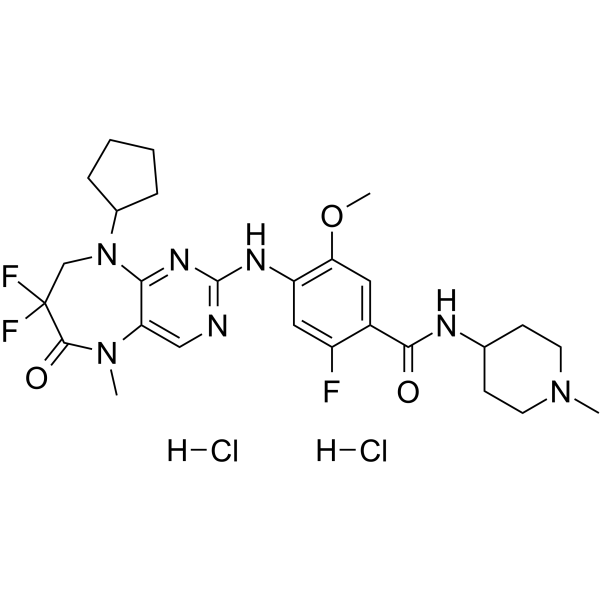
- HY-139467
-
|
|
SHP2
PKC
|
Metabolic Disease
|
|
PF-04577806 is a potent, selective and ATP competitive PKC inhibitor. PF-04577806 shows potent inhibitory activity towards PKCα, PKCβI, PKCβII, PKCγ, and PKCθ with IC50s of 2.4 nM, 8.1 nM, 6.9 nM, 45.9 nM, and 29.5 nM, respectively. PF-04577806 can reverse retinal vascular leakage in diabetic rats .
|
-
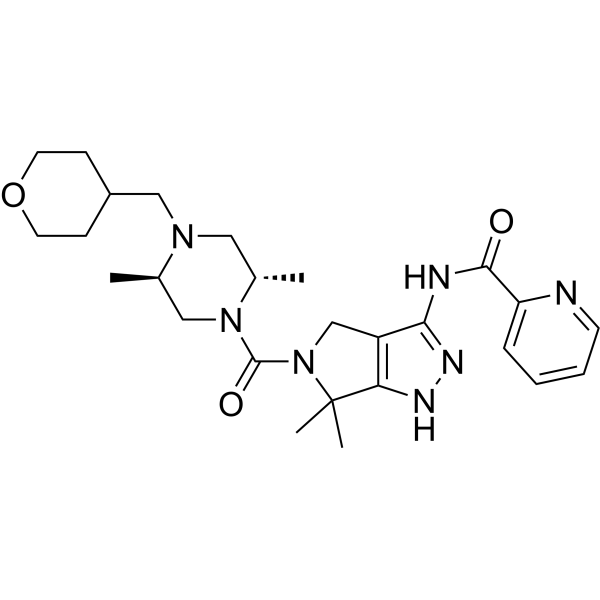
- HY-125475
-
|
GMI-1070
|
E-Selectin
|
Cardiovascular Disease
|
|
Rivipansel is a small-molecule glycomimetic pan-selectin antagonist with inhibitory activity against E-selectin and P-selectin. Rivipansel binds tightly to the lectin domain of E-selectin, and selectively blocks the recognition of CD62L by E-selectin without affecting the binding of PSGL-1 to E-selectin. Rivipansel functionally inhibits the adhesion of hematopoietic cells to endothelial cells, and is applicable to research related to sickle cell disease .
|
-
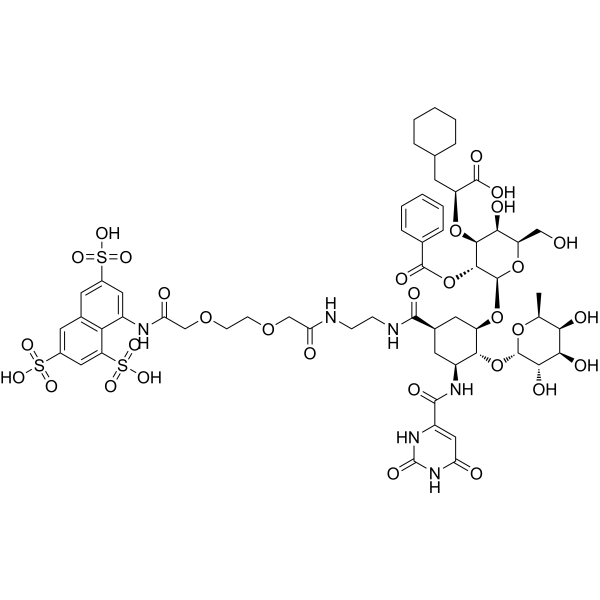
- HY-161569
-
|
|
YAP
|
Cancer
|
|
TEAD-IN-11 (compound 38) has a good inhibitory effect on TEAD1 (IC50=8.7 nM), TEAD2 (IC50=3.4 nM), TEAD3 (IC50=5.6 nnM). TEAD-IN-11 has good selective activity against TEAD1-3 as a covalent inhibitor. TEAD-IN-11 can be used for cancer research .
|
-

- HY-156181
-
|
|
Carbonic Anhydrase
|
Cancer
|
|
hCAIX/XII-IN-8 (compound 3g) is a potent human (carbonic anhydrase) CA IX and XII inhibitor, with Ki values of 8.5 and 6.7 nM, respectively. hCAIX/XII-IN-8 shows particularly strong inhibitory activity against the tumor-associated membrane-bound isoforms, hCA IX and XII, while maintaining a high selectivity ratio over cytosolic off-target isoforms hCA I and II .
|
-
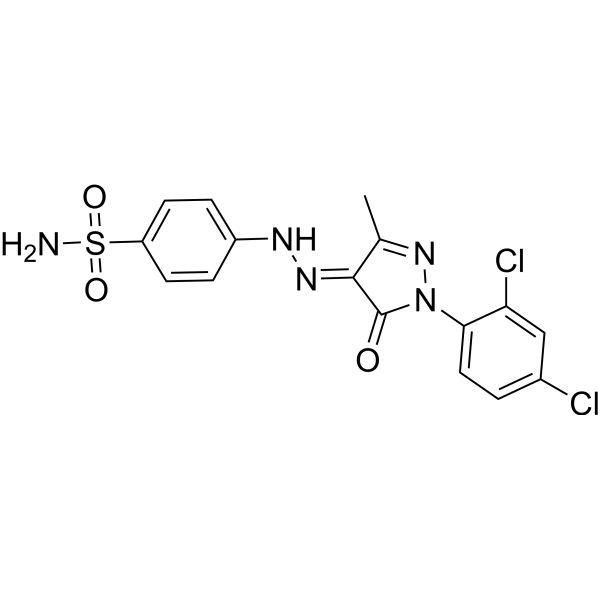
- HY-16758A
-
|
AR-12286 hydrochloride
|
ROCK
|
Neurological Disease
|
|
Verosudil (AR-12286) hydrochloride is the hydrochloride form of Verosudil (HY-16758). Verosudil hydrochloride is a ROCK inhibitor. Verosudil hydrochloride has equal inhibitory activity against ROCK1 and ROCK2 (Ki: 2 nM). Verosudil hydrochloride is less selective for PKA, PKCT, MRCKA, and CAM2A (Ki: 69 nM, 9322 nM, 28 nM, 5855 nM, respectively). Verosudil hydrochloride increases trabecular outflow capacity to reduce intraocular pressure. Verosudil hydrochloride is useful in the study of glaucoma and ocular hypertension .
|
-

- HY-146335
-
|
|
CDK
|
Cancer
|
|
CLK1/4-IN-1 (compound 31) is a potent and selective Clk1 and Clk4 inhibitor with an IC50 value of 9.7 nM and 6.6 nM, respectively. CLK1/4-IN-1 has growth inhibitory activities against T24 cancer cells with GI50 of 1.1 μM. CLK1/4-IN-1 can be used for researching anticancer .
|
-
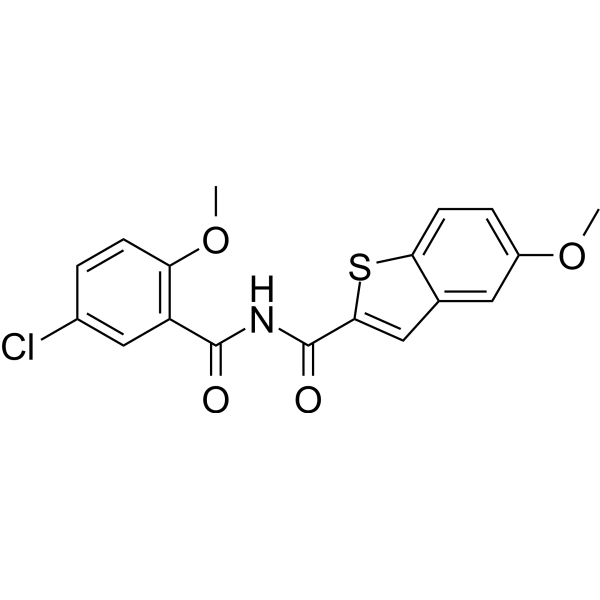
- HY-19340
-
|
(E)-2,3',4,5'-tetramethoxystilbene
|
Cytochrome P450
|
Cancer
|
|
TMS ((E)-2,3',4,5'-tetramethoxystilbene) is a selective and competitive CYP1B1 inhibitor with an IC50 of 6 nM and a Ki value of 3 nM. TMS shows a lesser extent inhibitory effect on CYP1A1 (IC50=300 nM) and CYP1A2 (IC50=3.1 μM). TMS is a methylated derivative of resveratrol and has anti-cancer activity .
|
-
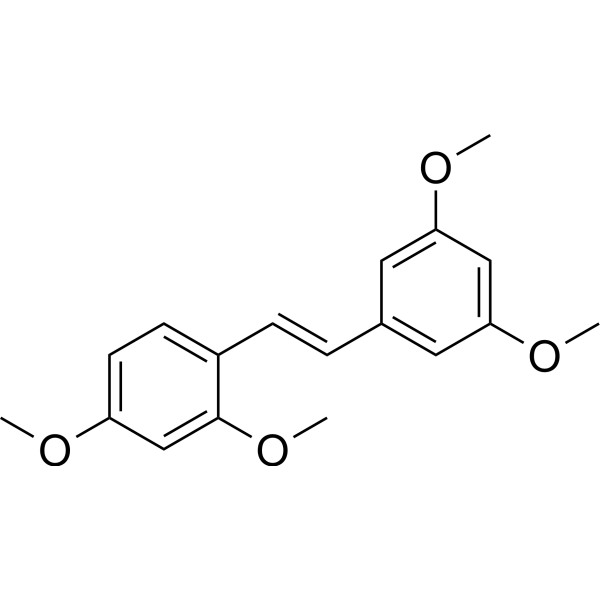
- HY-15160
-
TAK-960
2 Publications Verification
|
Polo-like Kinase (PLK)
|
Cancer
|
|
TAK-960 is an orally available, selective inhibitor of polo-like kinase 1 (PLK1), with an IC50 of 0.8 nM. TAK-960 also shows inhibitory activities against PLK2 and PLK3, with IC50s of 16.9 and 50.2 nM, respectively. TAK-960 inhibits proliferation of multiple cancer cell lines and exhibits significant efficacy against multiple tumor xenografts .
|
-
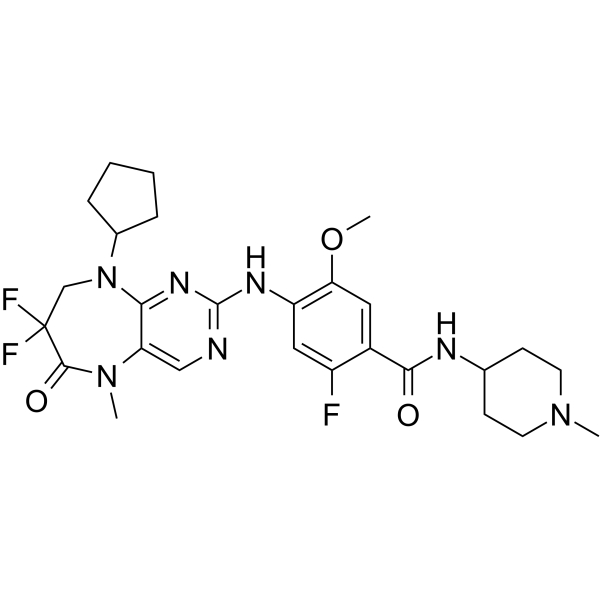
- HY-180811
-
|
|
Anaplastic lymphoma kinase (ALK)
HDAC
Apoptosis
|
Neurological Disease
|
|
ALK/HDAC-IN-2 (Compound 19b) is an ALK/HDAC inhibitor with IC₅₀ values for ALK WT and total HDACs of 8 nM and 1.18 μM, respectively. ALK/HDAC-IN-2 exhibits inhibitory activity against ALK mutants G1202R, F1174L, and L1196M, with IC₅₀ values of 2.74, 9.23, and 34.28 nM, respectively. ALK/HDAC-IN-2 shows potent and selective inhibition against HDAC1 (IC₅₀ = 0.24 μM), while its inhibitory activity against HDAC7, HDAC6, and HDAC11 is weak (IC₅₀ > 10 μM). ALK/HDAC-IN-2 has broad-spectrum anti-proliferative activity against various cancer cells, inducing cell cycle arrest and apoptosis. ALK/HDAC-IN-2 can be used for the study of neuroblastoma .
|
-

- HY-11068
-
|
|
p38 MAPK
Autophagy
|
Neurological Disease
Metabolic Disease
Inflammation/Immunology
Cancer
|
|
SB 239063 is a potent, selective and orally active p38 MAPK inhibitor, exhibits an IC50 of 44 nM for recombinant purified human p38α, with equipotent inhibitory activity against p38α and p38β. SB 239063 has no effect on p38γ or p38δ. With anti-asthma activity and also be used to enhance memory which is impaired due to aging or medical conditions, such as, AD. SB 239063 can penetrate the blood brain barrier (BBB) .
|
-
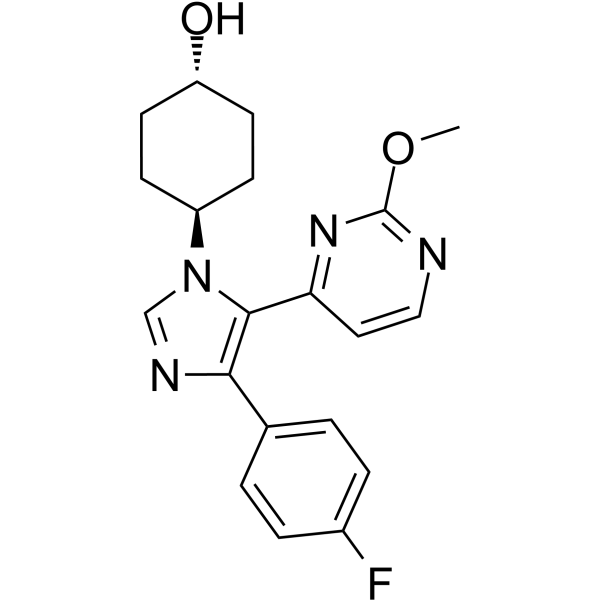
- HY-N3887
-
|
Haplophytin B; Haplophytine B
|
Bacterial
|
Infection
|
|
Evoxine (Haplophytin B) is a compound that selectively inhibits CO2-induced immunosuppression and has activity in inhibiting the expression of interleukin-6 and chemokine CCL2 in human THP-1 macrophages. Evoxine shows antimicrobial activity against a wide range of bacteria, especially performing well in minimum inhibitory concentration (MIC) tests against Escherichia coli, Bacillus subtilis, and Staphylococcus aureus. Evoxine extracts may find application in crude drug preparations in West Africa, provided that their in vivo toxicity results are negative .
|
-

- HY-18794
-
|
|
p38 MAPK
TNF Receptor
Interleukin Related
|
Inflammation/Immunology
|
|
R-03201195 is an efficient and selective p38 MAP kinase inhibitor with an IC50 for p38α of 0.7 nM. R-03201195 has inhibitory activity against TNF-α in THP-1 cells and against IL-1β in human whole blood, with IC50 values of 0.25 and 0.57 nM respectively. R-03201195 can be used for inflammatory diseases such as rheumatoid arthritis .
|
-

- HY-173020
-
|
|
Anaplastic lymphoma kinase (ALK)
Apoptosis
|
Cancer
|
|
W23-1006 is a selective and covalent ALKBH5 inhibitor. W23-1006 binds to the ALKBH5 C200 residue with an IC50 value of 3.848 μM. W23-1006 shows ~30- and 8-fold stronger inhibitory activity than that against FTO and ALKBH3, respectively. W23-1006 can be used for the study of triple-negative breast cancer (TNBC) .
|
-

- HY-157562
-
|
|
Phospholipase
Apoptosis
|
Cancer
|
|
DS68591889 is a selective and orally active phosphatidylserine synthase 1 (PTDSS1) inhibitor. DS68591889 has no inhibitory activity against PTDSS2. DS68591889 induces the phospholipid imbalance in a wide range of cancer cells. DS68591889 negatively regulates B cell receptor (BCR)-induced Ca 2+ signaling and subsequent apoptotic cell death. DS68591889 can be used for the cancer research, such as B cell lymphoma .
|
-
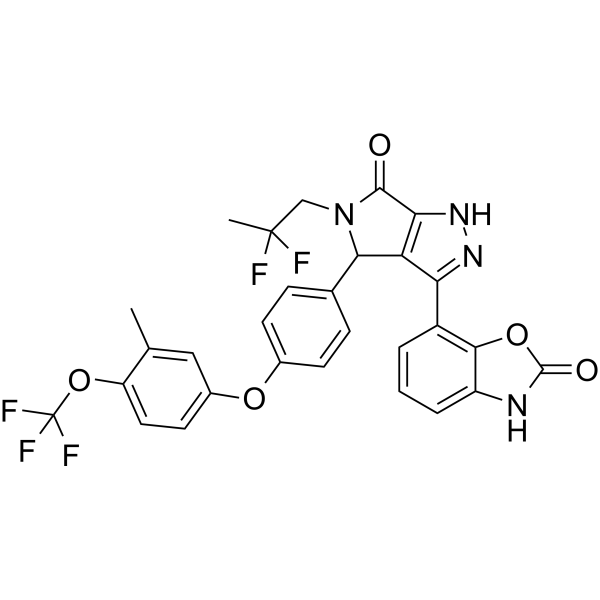
- HY-155482
-
NA-184
1 Publications Verification
|
Proteasome
|
Neurological Disease
|
|
NA-184 is a selective and brain-penetrant calpain-2 inhibitor with an IC50 of 134 nM for mouse calpain-2. NA-184 has weak inhibitory activity on calpain-1 (IC50 of 2826 nM). NA-184 does not exhibit significant inhibition on a variety of other cysteine-, serine- or metallo-proteases. NA-184 shows significant neuroprotection and can be used for the study of traumatic brain injury (TBI) .
|
-
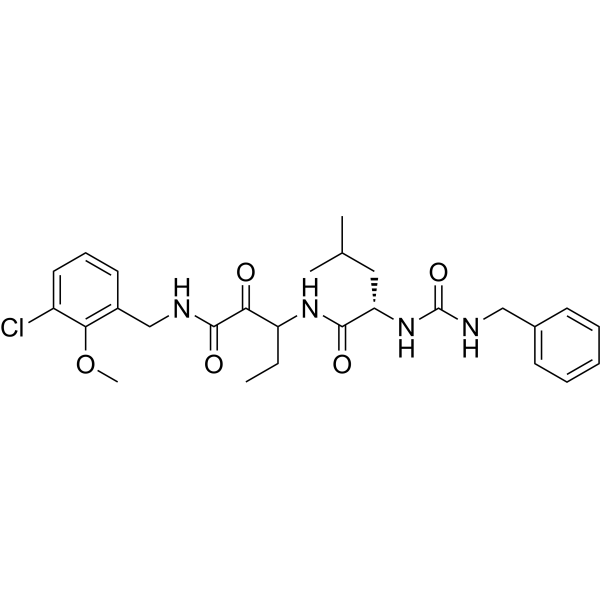
- HY-172773
-
|
|
Bacterial
|
Infection
|
|
PAA-38 is a highly potent selective inhibitor targeting bacterial prolyl-tRNA synthetase (ProRS). PAA-38 againsts Pseudomonas aeruginosa ProRS (PaProRS) with a Kd value of 0.399 nM and an IC50 value of 4.97 nM. PAA-38 againsts human cytoplasmic ProRSs (HsProRS) with an IC50 value of 35.5 nM. PAA-38 demonstrates an in vitro antibacterial activity of minimum inhibitory concentration (MIC) = 4-8 μg/mL .
|
-

- HY-125675
-
|
|
Estrogen Receptor/ERR
|
Cancer
|
|
VPC-16606 is a selective inhibitor targeting the activation function 2 (AF2) domain of estrogen receptor α (ERα). VPC-16606 blocks the interaction between ERα and coactivators, inhibits the activity of both wild-type and clinically drug-resistant mutant ERα, and exerts inhibitory effects on hormone-resistant breast cancer cells. VPC-16606 can be used in breast cancer research .
|
-

- HY-123389
-
|
(R)-UM-1071
|
Opioid Receptor
|
Endocrinology
|
|
MR2034 ((R)-UM-1071) is a κ-opioid receptor agonist with activity that stimulates the hypothalamic-pituitary-adrenal axis. MR2034 has shown the potential to promote mood and inhibit addictive behaviors in animal models and can be used to study inhibitory approaches related to mood and addictive disorders. MR2034 is selective for κ-opioid receptors and can effectively modulate biological processes related to stress and mood .
|
-

- HY-158008
-
|
|
Ras
|
Cancer
|
|
(R)-G12Di-7 is a covalent ligand for KRAS-G12D, which selectively labels K-Ras-G12D·GDP and K-Ras-G12D·GppNHp. (R)-G12Di-7 exhibits inhibitory activity against G12D mutated cancer cells .
|
-
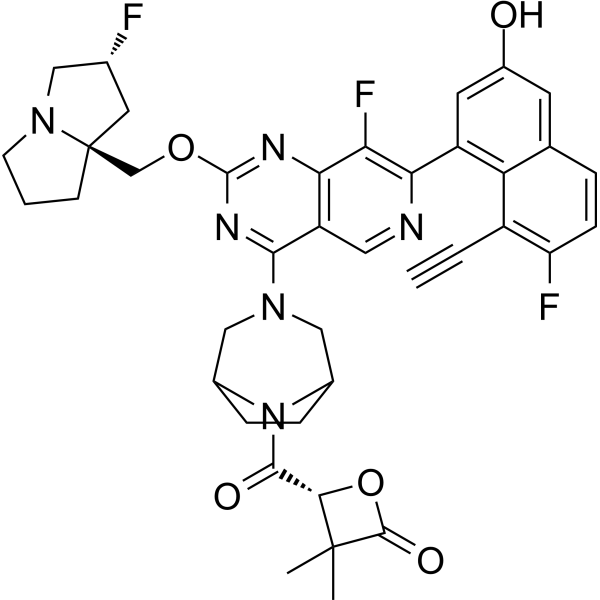
- HY-122211
-
|
|
Endogenous Metabolite
|
Cardiovascular Disease
|
|
MRS2802 is a P2Y14 receptor agonist with an EC50 value of 63 nM. MRS2802 can effectively activate the P2Y14 receptor and may play a role in regulating platelet function. The selectivity and activity of MRS2802 are conducive to in-depth research on the biological functions and pharmacological properties of P2Y receptors. The development of MRS2802 provides a potential inhibitory strategy for the search for new antiplatelet compounds .
|
-

- HY-168012
-
|
|
Ras
Phosphatase
|
Cancer
|
|
Pan-RAS-IN-6 (compound 24) is an inhibitor targeting DUSP6, which reduces MAPK activation in the brain of the NCI-H1373-Luc model (DUSP6), at the same time, it shows significant tumor growth inhibition and tumor regression effects in the NSCLC brain metastasis mouse model. Pan-RAS-IN-6 shows high selectivity and strong inhibitory effects, especially in KRAS mutation-related signaling pathways, demonstrating varying inhibitory activity against different KRAS mutants and interacting proteins. The IC50 values for KRAS G12C, G12D, and G12V are 1.3 nM, 4.7 nM, and 0.3 nM, respectively .
|
-

- HY-182573
-
|
|
Protease Activated Receptor (PAR)
|
Cardiovascular Disease
|
|
RWJ-58259 is a selective PAR-1 inhibitor with an IC50 value of 0.15 μM. RWJ-58259 binds selectively to PAR-1, blocks the binding of tethered ligands, interferes with calcium mobilization and PAR-1-related cellular functions, and exhibits no PAR-1 agonist activity or thrombin proteolytic inhibitory activity. RWJ-58259 inhibits thrombin-induced platelet aggregation, calcium signaling and vascular smooth muscle cell proliferation, reduces neointimal thickness and arterial stenosis, and alleviates vascular occlusion and platelet deposition. RWJ-58259 can be used in the research of thrombotic diseases and vascular injury associated with acute coronary intervention .
|
-

- HY-18540
-
KT109
1 Publications Verification
|
MAGL
DAGL
|
Metabolic Disease
Inflammation/Immunology
|
|
KT109 is a potent and an isoform-selective inhibitor of diacylglycerol lipase-β (DAGLβ) with an IC50 of 42 nM. KT109 has ~60-fold selectivity for DAGLβ over DAGLα. KT109 shows inhibitory activity against PLA2G7 (IC50=1 µM). KT109 shows negligible activity against FAAH, MGLL, ABHD11, and cytosolic phospholipase A2 (cPLA2 or PLA2G4A). KT109 perturbs a lipid network involved in macrophage inflammatory responses and lowers 2-Arachidonoylglycerol (HY-W011051), Arachidonic acid (HY-109590) and eicosanoids in mouse peritoneal macrophages .
|
-
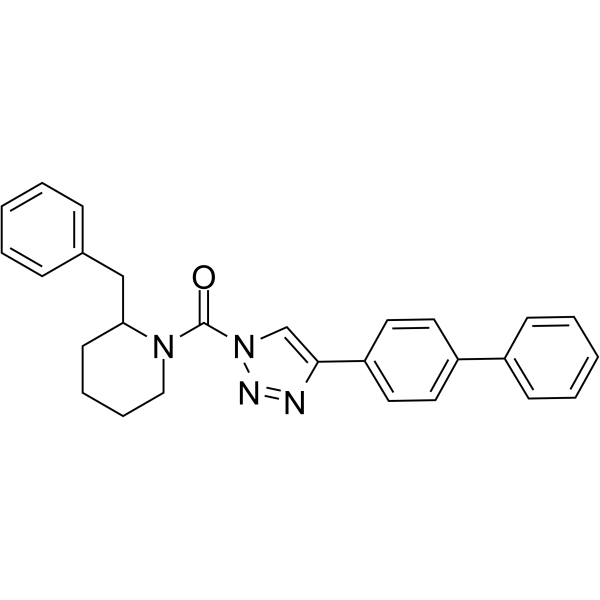
- HY-150280
-
|
|
Apoptosis
Ferroptosis
DNA/RNA Synthesis
IRE1
CDK
Caspase
Drug Derivative
|
Cancer
|
|
Ironomycin is a derivative of Salinomycin (HY-15597). Ironomycin exhibits selective inhibitory activity against mantle cell lymphoma (MCL) cells. Ironomycin blocks the cell cycle and induces apoptosis and ferroptosis. Ironomycin induces double-strand DNA breaks and activates the unfolded protein response (UPR), particularly the IRE1α signaling pathway accumulation. The combination of Ironomycin with Ibrutinib (HY-10997) shows a synergistic effect. Ironomycin can be used for the study of MCL.
|
-

- HY-W116433
-
|
|
Dopamine Receptor
|
Neurological Disease
|
|
SK609 is a selective dopamine D3 receptor agonist with activity that improves dopamine and norepinephrine levels in the cerebral cortex. SK609 has been successfully used to suppress dyskinesias in Parkinson's disease models and alleviated muscle twitches induced by L-dopa. SK609 improved performance in sustained attention tasks by significantly reducing misses and false alarms. SK609 may provide an inhibitory option for suppressing movement and cognitive impairment in patients with Parkinson's disease .
|
-

- HY-10235S
-
|
VX-950-d4
|
Isotope-Labeled Compounds
HCV Protease
HCV
SARS-CoV
|
Infection
|
|
Telaprevir-d4 is the deuterium labeled Telaprevir. Telaprevir (VX-950) is a highly selective, reversible, and potent peptidomimetic inhibitor of the HCV NS3-4A protease, the steady-state inhibitory constant (Ki) of Telaprevir is 7 nM against a genotype 1 (H strain) NS3 protease domain plus a NS4A cofactor peptide . Telaprevir inhibits SARS-CoV-2 3CLpro activity .
|
-
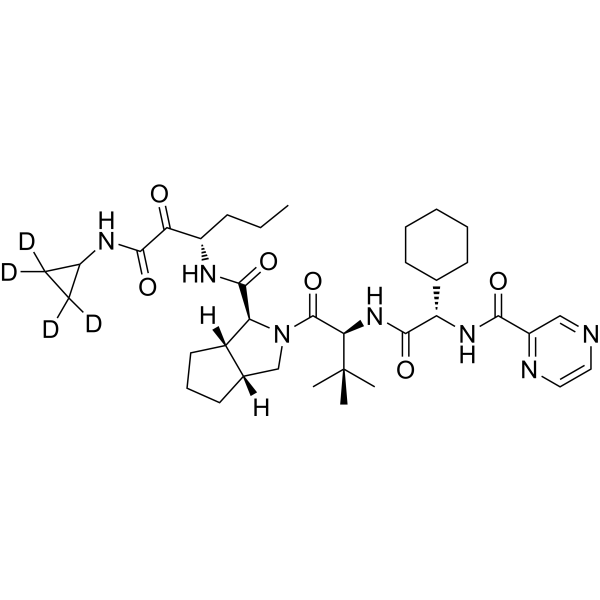
- HY-175736
-
|
|
Herbicide
|
Others
|
|
Herbicidal agent 11 (Compound 8a) is a herbicidal agent. Herbicidal agent 11 has significant postemergence herbicidal activities against the monocotyledonous weed Echinochloa crusgalli with inhibition of potent root and stem growth and has a good crop selectivity against wheat, maize, and oilseed rape. Herbicidal agent 11 also has effective inhibitory effects on Digitaria sanguinalis, Eclipta prostrate and Eleusine indica. Herbicidal agent 11 can be used for the development of herbicides .
|
-

- HY-13402R
-
|
LY315920 (Standard)
|
Phospholipase
Reference Standards
|
Inflammation/Immunology
|
|
Varespladib (Standard) is the analytical standard of Varespladib. This product is intended for research and analytical applications. Varespladib (LY315920) is a potent and selective group IIA, secretory phospholipase A2 (sPLA2) inhibitor with an IC50 of 9 nM. Varespladib exhibits the significant inhibitory effect on sPLA2 activity in serum from various species including rat, rabbit, guinea pig and human with IC50s of 8.1 nM, 5.0 nM, 3.2 nM and 6.2 nM, respectively .
|
-

- HY-117287A
-
|
BMS-986165 hydrochloride
|
Interleukin Related
JAK
IFNAR
|
Inflammation/Immunology
|
|
Deucravacitinib hydrochloride (BMS-986165 hydrochloride) is a highly selective all-site inhibitor with potent inhibitory activity against TYK2. Deucravacitinib hydrochloride can effectively block IL-12, IL-23 and type I interferon signaling. Deucravacitinib hydrochloride demonstrates significant efficacy in preclinical models of inflammatory bowel disease. Deucravacitinib hydrochloride demonstrated superiority over placebo and apremilast on multiple efficacy endpoints in moderate to severe plaque psoriasis. Deucravacitinib hydrochloride was well tolerated in inhibition .
|
-

- HY-124310
-
|
|
Phosphodiesterase (PDE)
|
Neurological Disease
|
|
PDE5-IN-6c is a potent and selective phosphodiesterase 5A1 (PDE5A1) inhibitor with the potential to inhibit Alzheimer's disease (AD). PDE5-IN-6c exhibits an excellent in vitro IC50 (0.056 nM), demonstrating its potent inhibitory activity. PDE5-IN-6c has improved water solubility, making it a more attractive drug candidate .
|
-

- HY-13402AR
-
|
LY315920 sodium (Standard)
|
Phospholipase
Reference Standards
|
Inflammation/Immunology
|
|
Varespladib (sodium) (Standard) is the analytical standard of Varespladib (sodium). This product is intended for research and analytical applications. Varespladib sodium (LY315920 sodium) is a potent and selective group IIA, secretory phospholipase A2 (sPLA2) inhibitor with an IC50 of 9 nM. Varespladib sodium exhibits the significant inhibitory effect on sPLA2 activity in serum from various species including rat, rabbit, guinea pig and human with IC50s of 8.1 nM, 5.0 nM, 3.2 nM and 6.2 nM, respectively .
|
-

- HY-151534
-
|
|
Epigenetic Reader Domain
|
Cancer
|
|
PBRM1-BD2-IN-7 is a selective and cell-active polybromo-1 (PBRM1) bromodomain inhibitor. PBRM1-BD2-IN-7 has inhibitory activity for PBRM1-BD2 with an IC50 value of 0.29 μM. PBRM1-BD2-IN-7 can be used for the research of cancer .
|
-
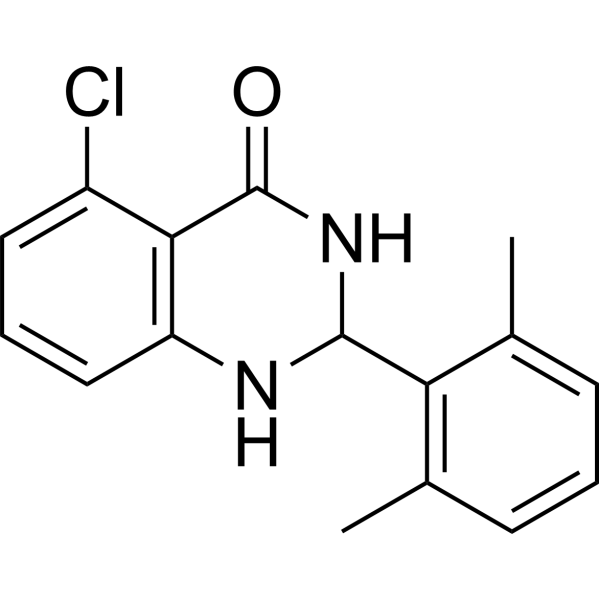
- HY-N17717
-
|
Flavosativaside
|
Glycosidase
|
Metabolic Disease
|
|
Vitexin-2''-O-glucoside (Flavosativaside) is a potent and selective alpha-glucosidase inhibitor found in hawthorn leaf flavonoids. Vitexin-2''-O-glucoside can reversibly inhibit the α-glucosidase activity on the brush border of the small intestine, and its inhibitory effect is superior to that of the Acarbose (HY-B0089). Vitexin-2''-O-glucoside can be used for the research of type 2 diabetes .
|
-

- HY-144306
-
|
|
Estrogen Receptor/ERR
Apoptosis
|
Cancer
|
|
ERα degrader 4 is an excellent and selective estrogen receptor α (ERα) degrader (IC50 of 0.31, 0.41 and 0.48 μM in MDA-MB-231, MCF-7 and MCF-7/ADR cells, respectively). ERα degrader 4 has potent inhibitory activity against MCF-7 cell lines. ERα degrader 4 is a potential SERDs candidate for the research of breast cancer .
|
-
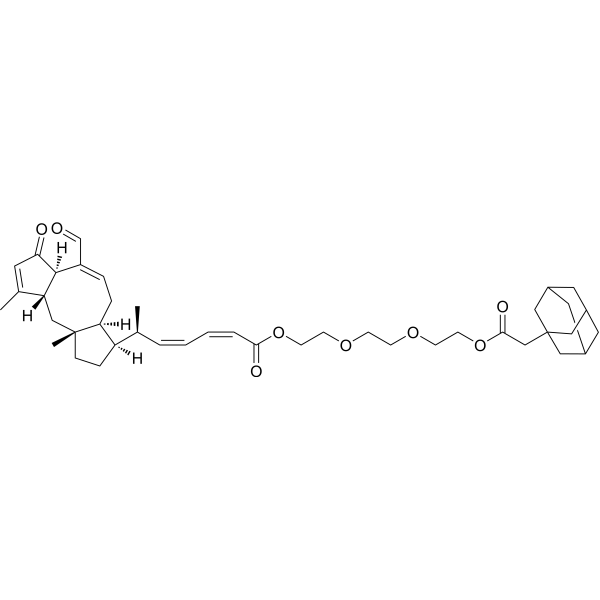
- HY-103258R
-
|
|
Reference Standards
MAP3K
Apoptosis
|
Cancer
|
|
TC ASK 10 (Standard) is the analytical standard of TC ASK 10 (HY-103258). This product is intended for research and analytical applications. TC ASK 10 (Compound 10) is a potent, selective and orally active apoptosis signal-regulating kinase 1 (ASK1) inhibitor with an IC50 of 14 nM. The inhibitory activities of TC ASK 10 towards other representative panel of kinases are less than 50%, except for ASK2 (IC50 of 0.51 μM) .
|
-

- HY-N0396
-
|
|
COX
NO Synthase
|
Inflammation/Immunology
Cancer
|
|
Harpagoside can be obtained by Harpagophytum procumbens, which has anti-inflammatory, anti-cancer, protective activity, and efficacy. Harpagoside has an inhibitory effect on COX-1 and COX-2 active, and suppresses NO production. Harpagoside inhibits HepG2 cell lipid polysaccharide, which is a protein that is expressed horizontally and selectively, and has anti-inflammatory and latent pain effects. Harpagoside has the ability to protect the body, and has a degenerative effect on the β-oxidation (Aβ).
|
-
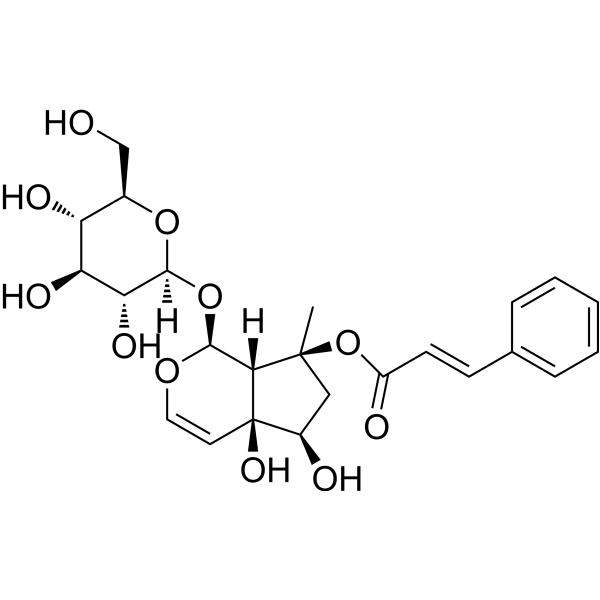
- HY-15160C
-
|
|
Polo-like Kinase (PLK)
|
Cancer
|
|
TAK-960 monohydrochloride is an orally available, selective inhibitor of polo-like kinase 1 (PLK1), with an IC50 of 0.8 nM. TAK-960 monohydrochloride also shows inhibitory activities against PLK2 and PLK3, with IC50s of 16.9 and 50.2 nM, respectively. TAK-960 monohydrochloride inhibits proliferation of multiple cancer cell lines and exhibits significant efficacy against multiple tumor xenografts .
|
-
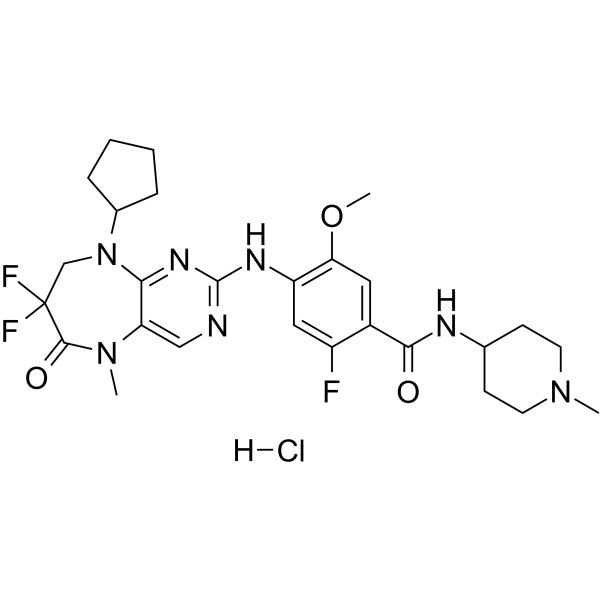
- HY-D2204
-
|
|
Phosphatase
SHP1
Fluorescent Dye
|
Cancer
|
|
SHP1-IN-1 (compound 5p) is a fluorescent probe for the protein tyrosine phosphatase SHP1 containing the Src homology 2 domain. SHP1-IN-1 has SHP1 inhibitory activity, selectivity for Fe 3+ ions and good fluorescence properties. SHP1-IN-1 exhibits aggregation post-quenching (ACQ) effect, good interference immunity and low detection limit (5.55 μM) .
|
-
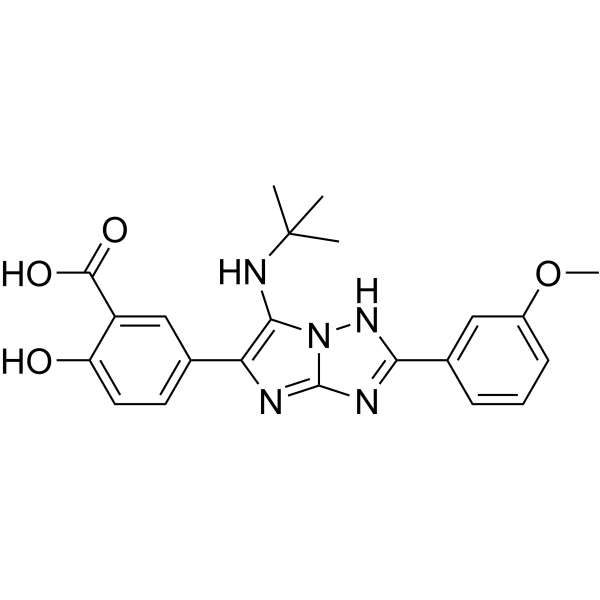
- HY-147851
-
|
|
Beta-secretase
|
Neurological Disease
|
|
BACE1-IN-12 (compound 7g) is a potent and BBB-penetrated BACE1 inhibitor, with an IC50 of 8.9 µM. BACE1-IN-12 shows selective BuChE (butyrylcholinesterase) inhibitory activity with an IC50 of 3.2 µM. BACE1-IN-12 shows effective antioxidant effect with an IC50 of 10.2 μM (DPPH). BACE1-IN-12 might be served as a potential anti-Alzheimer agent .
|
-
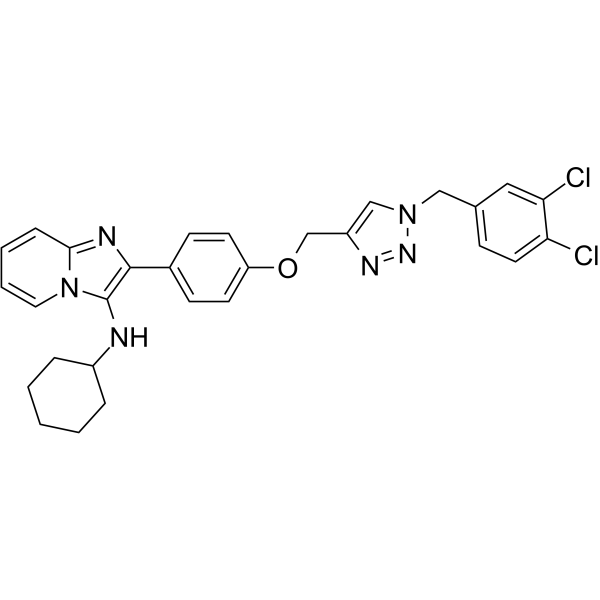
- HY-179683
-
|
|
P-glycoprotein
|
Cancer
|
|
MRP1-IN-2 (Compound 21) is a selective MRP1 inhibitor with a relatively weak inhibitory effect on P-gp. MRP1-IN-2 exhibits a strong accumulation effect of calcein, with its EC50 value being 177 nM. MRP1-IN-2 enhances the activity of Doxorubicin (HY-15142A) on drug-resistant cells. MRP1-IN-2 can be used for the study of multidrug-resistant cancers .
|
-

- HY-170925
-
|
|
Cholinesterase (ChE)
Apoptosis
|
Neurological Disease
|
|
AChE-IN-81 (compound 22) is a potent, irreversible and selective AChE inhibitor. AChE-IN-81 inhibits activity on AChE with inhibitory rates of 80.0%, with an IC50 of 3.7 μM. AChE-IN-81 binds to AChE with a binding affinity (Kd) of 5.37 μM. AChE-IN-81 effectively reduces in zebrafish brain cells. AChE-IN-81 exhibits potential neuroprotective activities on H2O2-induced SH-SY5Y cell injury model .
|
-

- HY-109968A
-
|
CEP-26401 hydrochloride
|
Histamine Receptor
|
Neurological Disease
|
|
Irdabisant (CEP-26401) hydrochloride is a selective, orally active and blood-brain barrier (BBB) penetrant histamine H3 receptor (H3R) inverse agonist/inverse agonist with Ki values of 7.2 nM and 2.0 nM for rat H3R and human H3R, respectively. Irdabisant hydrochloride has relatively low inhibitory activity against hERG current with an IC50 of 13.8 μM. Irdabisant hydrochloride has cognition-enhancing and wake-promoting activities in the rat social recognition model. Irdabisant hydrochloride can be used to research schizophrenia or cognitive impairment .
|
-
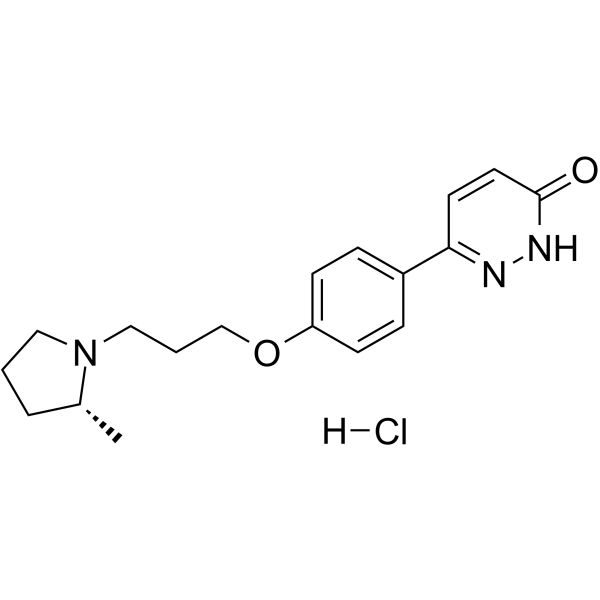
- HY-N0632R
-
|
|
Reference Standards
COX
NF-κB
|
Inflammation/Immunology
|
|
Esculentoside A (Standard) is the analytical standard of Esculentoside A. This product is intended for research and analytical applications. Esculentoside A (EsA), a kind of triterpene saponin isolated from roots of Phytolacca esculenta .
Esculentoside A (EsA) possesses anti-inflammatory activity in acute and chronic experimental models , has selective inhibitory activity towards cyclooxygenase-2 (COX-2) .
Esculentoside A (EsA) suppresses inflammatory responses in LPS-induced acute lung injury (ALI) through inhibition of the nuclear factor kappa B (NF-ΚB) and mitogen activated protein kinase (MAPK) signaling pathways .
|
-

- HY-109968
-
|
CEP-26401
|
Histamine Receptor
|
Neurological Disease
Metabolic Disease
|
|
Irdabisant (CEP-26401) is a selective, orally active and blood-brain barrier (BBB) penetrant histamine H3 receptor (H3R) inverse agonist/inverse agonist with Ki values of 7.2 nM and 2.0 nM for rat H3R and human H3R, respectively. Irdabisant has relatively low inhibitory activity against hERG current with an IC50 of 13.8 μM. Irdabisant has cognition-enhancing and wake-promoting activities in the rat social recognition model. Irdabisant can be used to research schizophrenia or cognitive impairment .
|
-
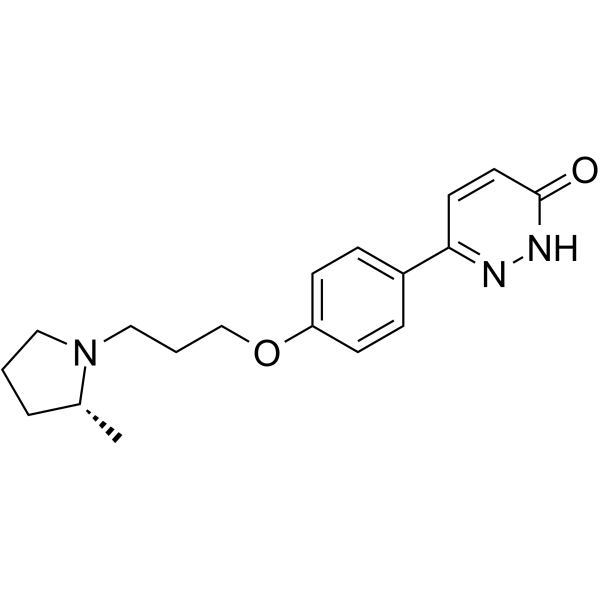
- HY-163746
-
|
|
Cholinesterase (ChE)
|
Neurological Disease
|
|
BuChE-IN-11 (Compound 3b-1) is an selective BuChE inhibitor with an IC50 of 0.44 μM for hBuChE. BuChE-IN-11 has high blood-brain barrier permeability and exhibits strong antioxidant activity due to its free radical scavenging properties. BuChE-IN-11 interacts with the choline binding site, acetyl binding site, and peripheral anionic site, exhibiting submicromolar BuChE inhibitory activity and preventing β-amyloid (Aβ) self-aggregation. BuChE-IN-11 holds promise for research in the field of Alzheimer's disease .
|
-

- HY-W748468
-
|
|
Drug Derivative
Bacterial
|
Infection
|
|
6-Isopentenyloxyisobergapten is a furanocoumarin found in the aerial parts of Semenovia transiliensis and the roots of Heracleum maximum. 6-Isopentenyloxyisobergapten has both selective phytotoxicity and antimycobacterial activity. 6-Isopentenyloxyisobergapten shows a minimum inhibitory concentration (MIC) of 166.5 μM and an IC50 of 27.4 μM against Mycobacterium tuberculosis H37Ra. 6-Isopentenyloxyisobergapten has an IC50 of 29 μM for the growth inhibition of Lemna paucicostata. 6-Isopentenyloxyisobergapten exhibits higher activity against Agrostis stolonifera than Lactuca sativa at a concentration of 1000 μM .
|
-

- HY-180972
-
|
|
PROTACs
Anaplastic lymphoma kinase (ALK)
|
Cancer
|
|
PROTAC EML4-ALK Degrader-2 is an EML4-ALK PROTAC degrader. PROTAC EML4-ALK Degrader-2 shows potent selective inhibitory activity to ALK with an IC50 of 1.6 nM. PROTAC EML4-ALK exhibits selectivity over IGF1R, INSR, FLT3, and FGFR2. PROTAC EML4-ALK Degrader-2 shows anti-cancer activities both in vitro and vivo. PROTAC EML4-ALK Degrader-2 can be used for non-small cell lung cancer (NSLC), liver lung and cervical cancer research .
|
-

- HY-114216
-
|
|
Endogenous Metabolite
|
Infection
|
|
DBPR110 is a nonstructural protein 5A (NS5A) inhibitor with inhibitory activity against hepatitis C virus (HCV). DBPR110 exhibited a 50% effective concentration (EC50) of 3.9 ± 0.9 pM and a selectivity index value of over 12,800,000 by reducing HCV1b replicon reporter expression. DBPR110 also effectively reduced the activity of HCV2a replicon with an EC50 of 228.8 pM and a selectivity index value of over 173,130. DBPR110 showed synergy with interferon alpha (IFN-α), NS3 protease inhibitors, and NS5B polymerase inhibitors. The results of DBPR110 suggest that it may be an effective small molecule inhibitor against HCV NS5A .
|
-

- HY-12759
-
|
|
Histone Methyltransferase
|
Cancer
|
|
CARM1-IN-1 (compound 7g) is a highly potent and selective inhibitor of CARM1 (IC50=8.6 μM, CARM1/PABP1), with low inhibitory activity against PRMT1 and SET7 (IC50 >667 μM). CARM1-IN-1 inhibits the methylation activity of CARM1 and the methylation levels of different substrates, such as PABP1, CA150, SmB, and H3. CARM1-IN-1 also inhibits the promoter activity of prostate-specific antigen (PSA) without significant cytotoxicity .
|
-
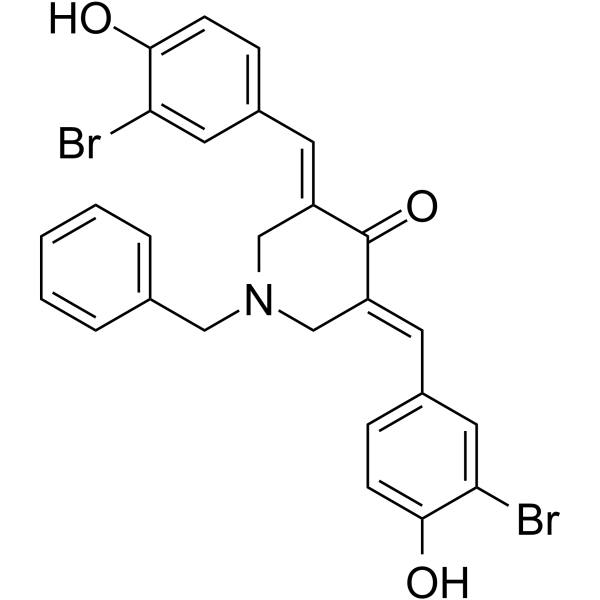
- HY-12759A
-
|
|
Histone Methyltransferase
|
Cancer
|
|
CARM1-IN-1 (compound 7g) hydrochloride is a highly potent and selective inhibitor of CARM1 (IC50=8.6 μM, CARM1/PABP1), with low inhibitory activity against PRMT1 and SET7 (IC50 >667 μM). CARM1-IN-1 hydrochloride inhibits the methylation activity of CARM1 and the methylation levels of different substrates, such as PABP1, CA150, SmB, and H3. CARM1-IN-1 hydrochloride also inhibits the promoter activity of prostate-specific antigen (PSA) without significant cytotoxicity .
|
-
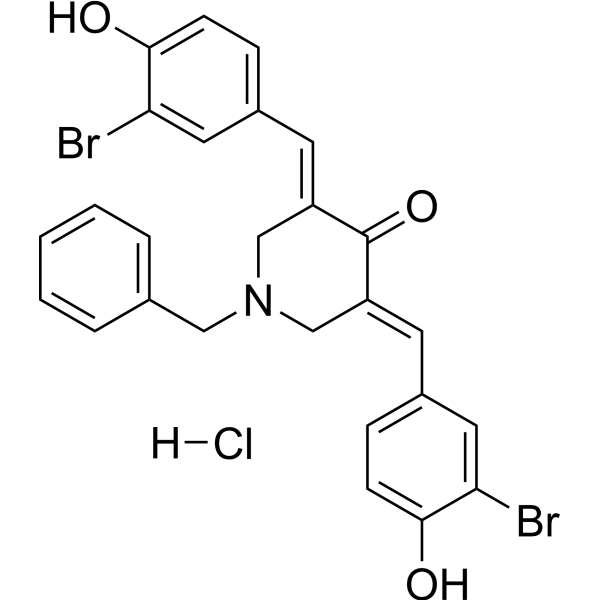
- HY-162103
-
|
|
TAM Receptor
Apoptosis
|
Cancer
|
|
Axl-IN-18 (compound 25c) is a potent and selective type II AXL inhibitor. Axl-IN-18 shows excellent AXL inhibitory activity (IC50=1.1 nM) and 343-fold selectivity over the highly homologous kinase MET in biochemical assays (IC50=377 nM). Axl-IN-18 significantly inhibits AXL-driven cell proliferation, dose-dependently suppresses 4T1 cell migration and invasion, and induces apoptosis. Axl-IN-18 shows noticeable antitumor efficacy in a BaF3/TEL-AXL xenograft model .
|
-
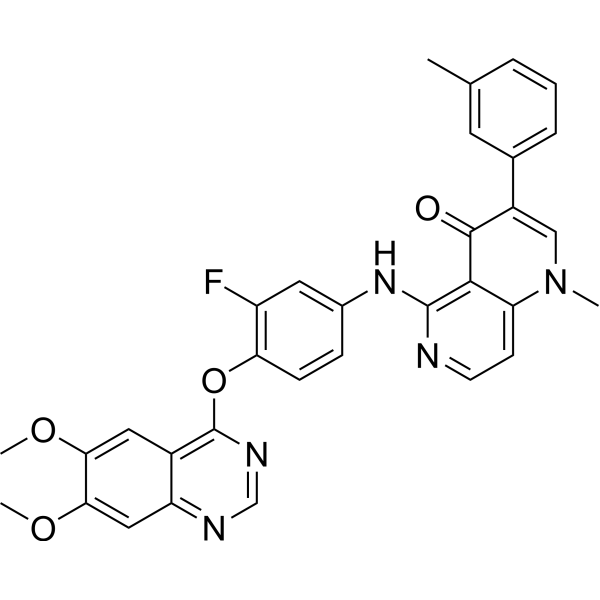
- HY-183009
-
|
|
Proteasome
Parasite
|
Infection
|
|
Pf20S-IN-1 is a selective inhibitor of the 20S proteasome β5 subunit of Plasmodium falciparum. Pf20S-IN-1 exhibits antiparasitic activity against Plasmodium falciparum, with an EC50 of 20.1 nM against the Plasmodium falciparum W2 strain. Pf20S-IN-1 shows weak inhibitory effect on human 20S proteasome, has no obvious toxicity to human foreskin fibroblasts (HFF), and has a selectivity index > 25000. Pf20S-IN-1 can be used in malaria research .
|
-

- HY-179394
-
|
|
Proteasome
|
Inflammation/Immunology
|
|
Immunoproteasome-IN-2 is selective immunoproteasome inhibitor with IC50 = 232.3 nM for LMP7, IC50 = 9384.9 nM for β5. Immunoproteasome-IN-2 exhibits ancillary inhibitory activity against LMP2 and MECL-1 subunits. Immunoproteasome-IN-2 demonstrates anti-inflammatory efficacy in a mouse model of arthritis and shows a favorable safety profile in toxicological studies with reduced hepatotoxicity and hematotoxicity. Immunoproteasome-IN-2 has LMP7/β5 selectivity directly correlated with lower systemic toxicity. Immunoproteasome-IN-2 can be employed for research in arthritis .
|
-

- HY-115806
-
|
|
Apoptosis
Reactive Oxygen Species (ROS)
Mitochondrial Metabolism
|
Neurological Disease
|
|
TC9-305 is a potent and selective apoptosis inhibitor. TC9-305 has strong inhibitory activity against both Bim and tBid-induced apoptosis with EC50 values of 0.42 and 0.23 μM. TC9-305 can maintain the mitochondrial membrane potential, reduce ROS production, prevent the release of cytochrome c and block the upstream pathways of mitochondrial-mediated apoptosis. TC9-305 can be used for the research of neurological disease, such as storke .
|
-

- HY-10235R
-
|
VX-950 (Standard)
|
Reference Standards
HCV Protease
HCV
SARS-CoV
|
Infection
|
|
Telaprevir (Standard) is the analytical standard of Telaprevir. This product is intended for research and analytical applications. Telaprevir (VX-950) is a highly selective, reversible, and potent peptidomimetic inhibitor of the HCV NS3-4A protease, the steady-state inhibitory constant (Ki) of Telaprevir is 7 nM against a genotype 1 (H strain) NS3 protease domain plus a NS4A cofactor peptide . Telaprevir inhibits SARS-CoV-2 3CLpro activity .
|
-

- HY-125085
-
|
|
Aldehyde Dehydrogenase (ALDH)
|
Cancer
|
|
ALDH3A1-IN-3 (CB29) is a selective inhibitor of ALDH3A1, with a Ki value of 4.7 μM and an IC50 value of 16 μM. ALDH3A1-IN-3 has no inhibitory potential on the in vitro activity of ALDH1A1, ALDH1A2, ALDH1A3, ALDH1B1, or ALDH2. ALDH3A1-IN-3 can be used in cellular oxidation and cancer research .
|
-

- HY-103160B
-
|
|
Adenosine Deaminase
Phosphodiesterase (PDE)
Influenza Virus
|
Infection
Cardiovascular Disease
Neurological Disease
Cancer
|
|
EHNA is a potent and selective dual inhibitor of cyclic nucleotide phosphodiesterase 2 (PDE2)(IC50=4 μM) and adenosine deaminase (ADA). EHNA exerts a concentration inhibition of the cGMP-stimulated PDE II (cGs-PDE)(IC50:0.8 μM (human), 2 μM (porcine myocardium)), but has smaller inhibitory effect on the unstimulated PDE2 activity. EHNA play roles in mediating diverse pharmacological responses, including antiviral, antitumour and antiarrhythmic effects .
|
-

- HY-13402S
-
|
LY315920-d7
|
Isotope-Labeled Compounds
Phospholipase
|
Inflammation/Immunology
|
|
Varespladib-d7 (LY315920-d7) is a deuterated labeled Varespladib (HY-13402). Varespladib is a potent and selective group IIA, secretory phospholipase A2 (sPLA2) inhibitor with an IC50 of 9 nM. Varespladib exhibits the significant inhibitory effect on sPLA2 activity in serum from various species including rat, rabbit, guinea pig and human with IC50s of 8.1 nM, 5.0 nM, 3.2 nM and 6.2 nM, respectively .
|
-

- HY-124623
-
|
|
Parasite
|
Infection
|
|
DNDI-8219 (compound 58) is a potent selective and orally active trypanocidal agent, possessing inhibitory activity against Trypanosoma cruzi (T. cruzi) with an IC50 of 0.4 μM. DNDI-8219 has low cytotoxicity (L6 cells IC50 > 100 μM). DNDI-8219 can effectively cure chronic T. cruzi infection and markedly reduce parasite burdens in mouse model. DNDI-8219 has good solubility, metabolic stability and safety.
|
-
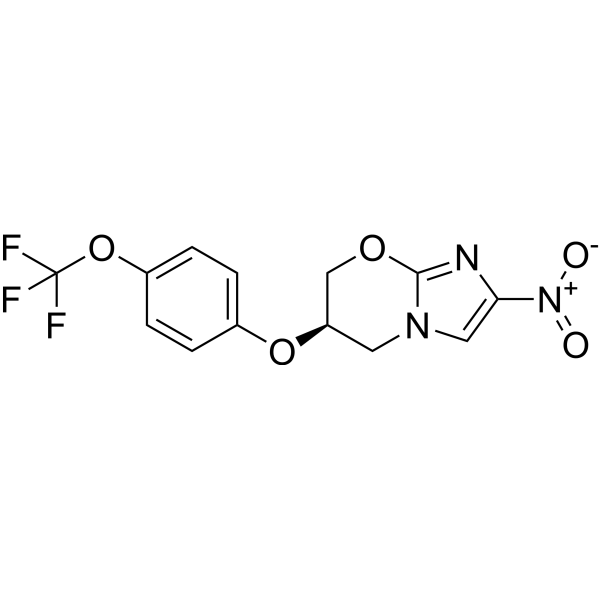
- HY-108351R
-
|
|
Necroptosis
Reference Standards
|
Cardiovascular Disease
|
|
IM-54 (Standard) is the analytical standard of IM-54 (HY-108351). This product is intended for research and analytical applications. IM-54 is a selective inhibitor of oxidative stress-induced necrosis. IM-54 shows potent inhibitory activity against H2O2-induced necrosis. IM-54 acts as a potential cardioprotective agent and biological tool for investigating the molecular mechanisms of cell death .
|
-

- HY-103160A
-
|
|
Adenosine Deaminase
Phosphodiesterase (PDE)
Influenza Virus
|
Infection
Cardiovascular Disease
Neurological Disease
Cancer
|
|
EHNA hydrochloride is a potent and selective dual inhibitor of cyclic nucleotide phosphodiesterase 2 (PDE2)(IC50=4 μM) and adenosine deaminase (ADA). EHNA hydrochloride exerts a concentration inhibition of the cGMP-stimulated PDE II (cGs-PDE)(IC50:0.8 μM (human), 2 μM (porcine myocardium)), but has smaller inhibitory effect on the unstimulated PDE2 activity. EHNA hydrochloride play roles in mediating diverse pharmacological responses, including antiviral, antitumour and antiarrhythmic effects .
|
-
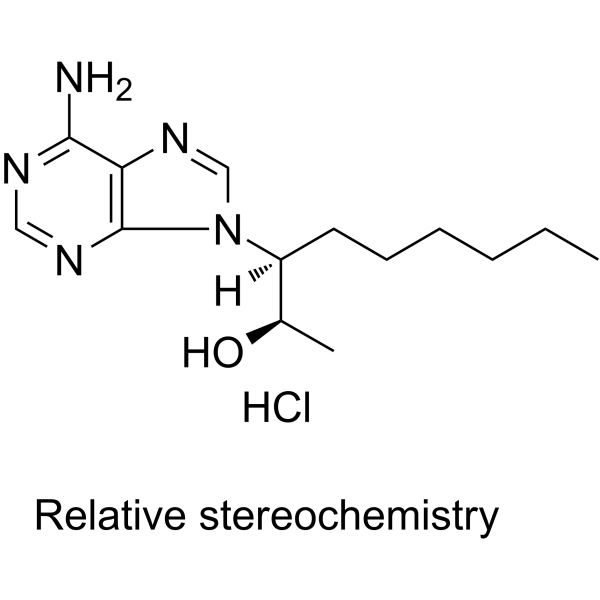
- HY-170237
-
|
|
Salt-inducible Kinase (SIK)
|
Cancer
|
|
SIK2/3-IN-1 (Compound 7S) is a selectively inhibitory agent of SIK2/3 with oral activity. SIK2/3-IN-1 can significantly inhibit tumor growth (without any body weight loss) in the MV4-11 AML mice CDX model. SIK2/3-IN-1 can be used in the research of MEF2C-dependent acute myeloid leukemia .
|
-

- HY-125856A
-
|
BMS-986177 TFA; JNJ-70033093 TFA
|
Factor Xa
|
Cardiovascular Disease
|
|
Milvexian TFA (BMS-986177 TFA) is a factor XIa inhibitor with biological activity to prevent venous thromboembolism. Milvexian TFA was effective in reducing the occurrence of venous thromboembolism in patients undergoing knee replacement surgery. Milvexian TFA has good selectivity and shows significant inhibitory effects on plasma kallikrein and trypsin. Milvexian TFA has a bioavailability of 32%, which means it has a high absorption rate in the body. Milvexian TFA showed a relatively low risk of bleeding in clinical trials .
|
-

- HY-129296
-
|
|
Endogenous Metabolite
|
Neurological Disease
|
|
YM-44781 free acid is a non-peptide neuropeptide receptor antagonist with efficient NK(2) and NK(1) receptor antagonist activity. YM-44781 exhibits significant binding affinity on the NK(2) receptor (pKi = 9.94) and also on the NK(1) receptor Higher binding affinity (pKi = 9.09). In addition, YM-44781 also showed significant inhibitory effects on bladder contraction induced by selective NK(1) receptor agonists .
|
-

- HY-146000
-
|
|
Influenza Virus
|
Inflammation/Immunology
|
|
Influenza virus-IN-3 (compound 9) is a potent and selective influenza virus inhibitor with IC50s of 0.88, 0.10, 5.5, 0.51 µM for H5N1, H5N2, H5N6, H5N8, respectively. Influenza virus-IN-3 shows antiviral and NA (neuraminidase enzyme)-inhibitory activity. Influenza virus-IN-3 shows low cytotoxicity with an CC50 of >200 µM .
|
-
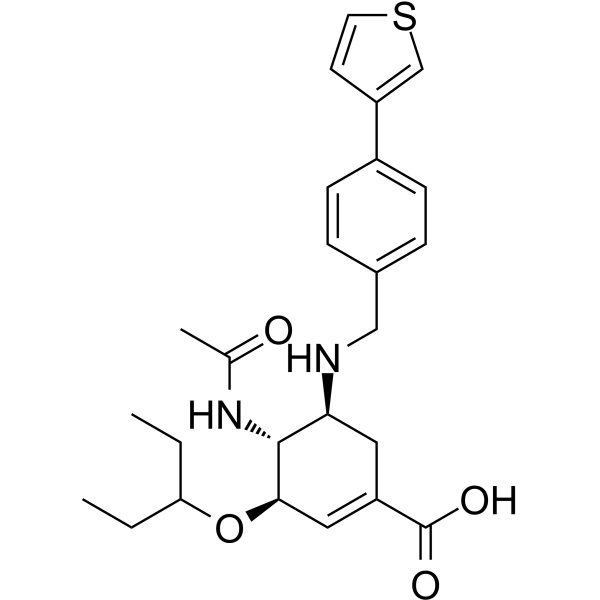
- HY-144433
-
|
|
DNA Methyltransferase
|
Infection
|
|
DNMT3A-IN-1 (compound 1) is an effective and selective DNMT3A inhibitor. DNMT3A-IN-1 exhibits inhibitory activity against DNMT3A, with KI values ranging from 9.16 to 18.85 μM (AdoMet) and 11.37 to 23.34 μM (poly dI-dC). DNMT3A-IN-1 can induce apoptosis in acute myeloid leukemia (AML) cell lines (Apoptosis) .
|
-
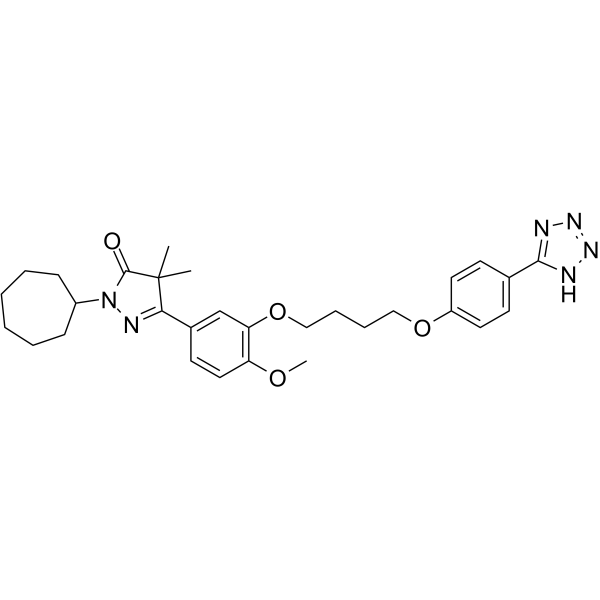
- HY-151528
-
|
|
Epigenetic Reader Domain
|
Cancer
|
|
PBRM1-BD2-IN-1 is a selective and cell-active polybromo-1 (PBRM1) bromodomain inhibitor. PBRM1-BD2-IN-1 has binding affinity and inhibitory activity for PBRM1-BD2 with Kd and IC50 values of 0.7 μM and 0.2 μM, respectively. PBRM1-BD2-IN-1 can be used for the research of cancer .
|
-
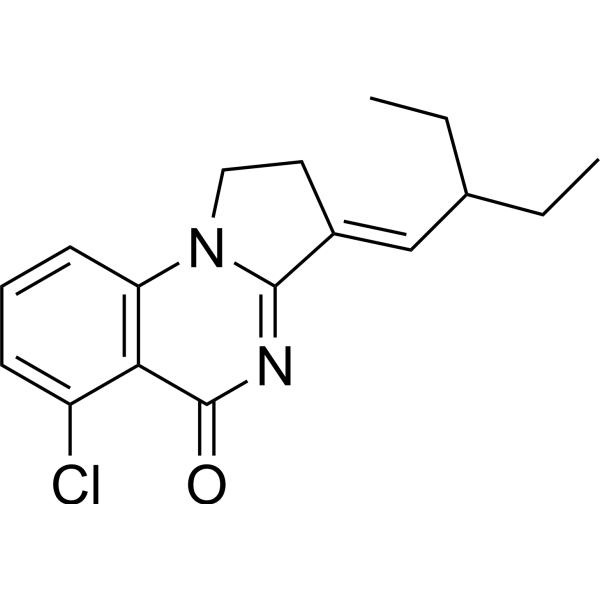
- HY-175183
-
|
|
Bacterial
|
Infection
|
|
Antituberculosis agent-15 (Compound 18c) is a selective antimycobacterial agent with MICs of 0.45 and 0.28 μM for M. tuberculosis H37Rv (ATCC 27294) and its wild-type H37Rv-LP (ATCC 25618), respectively. Antituberculosis agent-15 has potent intracellular inhibitory activities in macrophage infection models with IC50s of 0.16 μM. Antituberculosis agent-15 can be used for tuberculosis research .
|
-

- HY-151529
-
|
|
Epigenetic Reader Domain
|
Cancer
|
|
PBRM1-BD2-IN-2 is a selective and cell-active polybromo-1 (PBRM1) bromodomain inhibitor. PBRM1-BD2-IN-2 has binding affinity and inhibitory activity for PBRM1-BD2 with Kd and IC50 values of 9.3 μM and 1.0 μM, respectively. PBRM1-BD2-IN-2 can be used for the research of cancer .
|
-
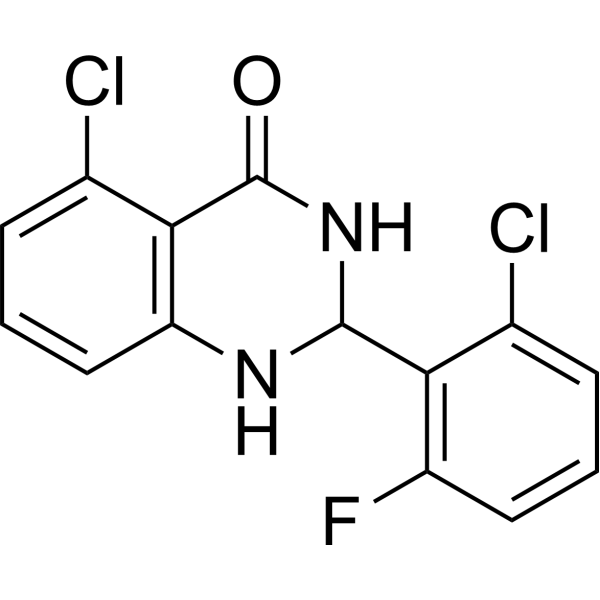
- HY-178014
-
|
|
Salt-inducible Kinase (SIK)
Src
|
Others
|
|
SIK1-IN-1 (Compound 27) is a selective Salt-inducible kinase 1 (SIK1) inhibitor with an IC50 of 0.7 nM for SIK1 over SIK2 and SIK3. SIK1-IN-1 has no cytotoxicity against HEK293 cells and PBMCs (maximum concentration of 30 μM). SIK1-IN-1 also has potent inhibitory activities for 392 kinases, in particular tyrosine kinases, such as FGR, HCK and LYN) .
|
-

- HY-117428
-
|
|
11β-HSD
|
Metabolic Disease
|
|
INU-101 is a potent, selective and orally active 11β-hydroxysteroid dehydrogenase (11β-HSD) type 1 inhibitor. INU-101 has highly potent inhibitory activity in mouse, monkey and human 11β-HSD1, derived from liver microsomes. INU-101 can enhance insulin sensitivity and lower the fasting blood glucose level. INU-101 can be used for the research of metabolic disease, such as diabetes .
|
-

- HY-164056
-
|
|
EGFR
|
Cancer
|
|
EGFR T790M/L858R-IN-8 (Compound 9) is a selective EGFR T790M/L858R mutant kinase inhibitor with a IC50 of 56.8 μM, and it shows no inhibitory activity against wild-type EGFR. EGFR T790M/L858R-IN-8 can be used for the research of non-small cell lung cancer .
|
-

- HY-181419
-
|
|
Bacterial
|
Infection
|
|
Antimycobacterial agent-16 is a pyrazinamide derivative and antimycobacterial agent with a selectivity index >25 against HepG2 cells.Antimycobacterial agent-16 does not undergo hydrolysis by mycobacterial pyrazinamidase.Antimycobacterial agent-16 exerts activity against Mycobacterium tuberculosis H37Rv, multidrug-resistant Mycobacterium tuberculosis strains, and Mycobacterium kansasii.Antimycobacterial agent-16 shows no inhibitory activity against mycobacterial enoyl-ACP reductase (InhA).Antimycobacterial agent-16 has low cytotoxicity against HepG2 cells.Antimycobacterial agent-16 can be used for the research of tuberculosis .
|
-

- HY-176501
-
|
|
FKBP
|
Cancer
|
|
FKBP12 ligand-2 (compound d) is a high affinity ligand targeting FKBP12. FKBP12 ligand-2 can be used to selectively enhance the binding of heterobifunctional molecules to BRD4, enriching the drug intracellularly through the "CellTrap" effect to form a ternary complex of FKBP12-ligand-BRD4. This ternary complex has inhibitory activity against BRD4, thereby inhibiting the expression of BRD4 target genes (such as MYC) and inducing tumor cell death. FKBP12 ligand-2 can be used for selective cancer research based on differences in intracellular presenter protein levels .
|
-

- HY-P1320A
-
|
|
Opioid Receptor
|
Inflammation/Immunology
|
|
[Nphe1]Nociceptin(1-13)NH2, a novel nociceptin/orphanin FQ (NC) endogenous ligand, is a selective and competitive ociceptin receptor antagonist without any residual agonist activity. [Nphe1]nociceptin(1-13)NH2?binds selectively to recombinant nociceptin receptors (pKi=8.4) and antagonizes the inhibitory effects of nociceptin on cyclic AMP accumulation in CHO cells (pA2=6.0). [Nphe1]Nociceptin(1-13)NH2 has the potential to act as an analgesic agent .
|
-
![[Nphe1]Nociceptin(1-13)NH2 TFA](//file.medchemexpress.com/product_pic/hy-p1320a.gif)
- HY-176502
-
|
|
FKBP
|
Cancer
|
|
FKBP12 ligand-3 (compound dj) is a high-affinity ligand targeting FKBP12. FKBP12 ligand-3 can be used to selectively enhance the binding of heterobifunctional molecules to BRD4, enriching the drug intracellularly through the "CellTrap" effect to form a ternary complex of FKBP12-ligand-BRD4. This ternary complex has inhibitory activity against BRD4, thereby inhibiting the expression of BRD4 target genes (such as MYC) and inducing tumor cell death. FKBP12 ligand-3 can be used for selective cancer research based on differences in intracellular presenter protein levels .
|
-

- HY-135435
-
|
|
VEGFR
PDGFR
FGFR
|
Neurological Disease
Metabolic Disease
Cancer
|
|
SU10944 is a selective, orally active VEGFR inhibitor, with an IC50 of 6 nM against VEGFR-1, an IC50 of 96 nM and a Ki of 21 nM against VEGFR-2. SU10944 only exhibits weak inhibitory activity against PDGFRβ (IC50 = 1 μM), SCFR (IC50 = 1.58 μM) and FGFR-1 (IC50 = 1.6 μM). SU10944 selectively inhibits VEGFR receptor downstream signaling, neovascularization, vascular permeability, VEGF-mediated tissue factor production, and induces tumor growth delay. SU10944 can be used in research related to diabetic retinopathy, exudative age-related macular degeneration or cancer .
|
-

- HY-P1320
-
|
|
Opioid Receptor
|
Inflammation/Immunology
|
|
[Nphe1]Nociceptin(1-13)NH2, a novel nociceptin/orphanin FQ (NC) endogenous ligand, is a selective and competitive ociceptin receptor antagonist without any residual agonist activity. [Nphe1]nociceptin(1-13)NH2 binds selectively to recombinant nociceptin receptors (pKi=8.4) and antagonizes the inhibitory effects of nociceptin on cyclic AMP accumulation in CHO cells (pA2=6.0). [Nphe1]Nociceptin(1-13)NH2 has the potential to act as an analgesic agent .
|
-
![[Nphe1]Nociceptin(1-13)NH2](//file.medchemexpress.com/product_pic/hy-p1320.gif)
- HY-12246
-
XEN445
1 Publications Verification
|
Lipase
|
Cardiovascular Disease
Metabolic Disease
Cancer
|
|
XEN445 is a potent, selective and orally active endothelial lipase (EL) inhibitor with an IC50 value of 0.237 μM. XEN445 selectively inhibits phospholipase enzymatic activity of LIPG. XEN445 raises plasma HDL and cholesterol levles. XEN445 induces G1 cell cycle arrest, reduces cell viability, suppresses cancer stem cell self-renewal, and inhibits tumor formation in LIPG-expressing triple-negative breast cancer cells, while showing no inhibitory effect on invasiveness or cancer stem cell stemness in these cells. XEN445 can be used for the research of cancer and metabolic disease, such as triple-negative breast cancer .
|
-
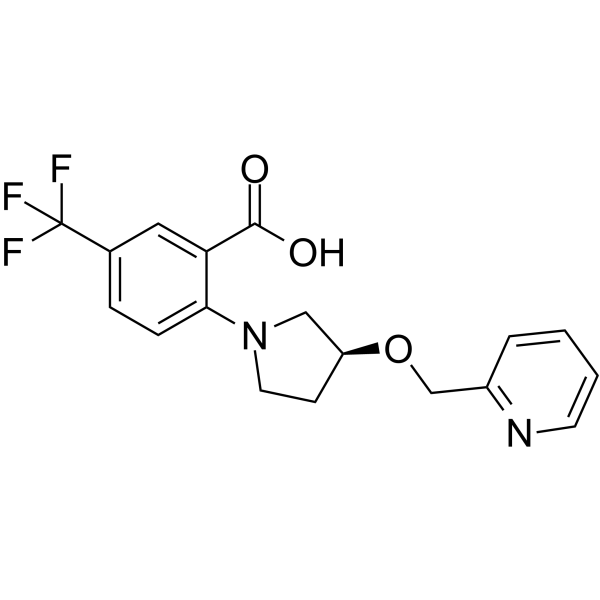
- HY-182365
-
|
|
Histone Demethylase
|
Neurological Disease
Inflammation/Immunology
|
|
EED-IN-4 is an orally active, EZH2-selective immunomodulator and EED-H3K27me3 inhibitor (EED, IC50=28.21 nM) with anti-inflammatory activity. In mouse models, EED-IN-4 preferentially and persistently accumulates in lymph nodes after oral administration. By reducing the H3K27me3 level of dendritic cells and inhibiting their migration, EED-IN-4 reduces the infiltration of immune cells into the central nervous system and effectively alleviates spinal cord inflammation. EED-IN-4 shows weak inhibitory activity against hERG channels and is non-mutagenic, with no obvious toxicity observed upon long-term oral administration. EED-IN-4 can be used for the research of multiple sclerosis .
|
-

- HY-19904A
-
|
(+/-)-LY2409021
|
Endogenous Metabolite
|
Metabolic Disease
|
|
(+/-)-Adomeglivant ((+/-)-LY2409021) is a potent and selective glucagon receptor antagonist with hypoglycemic activity. (+/-)-Adomeglivant is effective in lowering blood sugar levels in both healthy people and people with type 2 diabetes. (+/-)-Adomeglivant is well tolerated by glucagon signaling blockade in patients with type 2 diabetes and significantly reduces fasting and postprandial blood glucose with a concomitant reversible elevation of aminotransferases. Glucagon signaling inhibition by (+/-)-Adomeglivant is a promising potential inhibitory approach for patients with type 2 diabetes and warrants further evaluation of its benefits and risks in longer clinical trials .
|
-

- HY-12214A
-
|
|
CDK
Apoptosis
|
Cancer
|
|
NVP-2 is a potent and selective ATP-competitive cyclin dependent kinase 9 (CDK9) probe, inhibits CDK9/CycT activity with an IC50 of 0.514 nM. NVP-2 displays inhibitory effcts on CDK1/CycB, CDK2/CycA and CDK16/CycY kinases with IC50 values of 0.584 μM, 0.706 μM, and 0.605 μM, respectively. NVP-2 induces cell apoptosis.
|
-
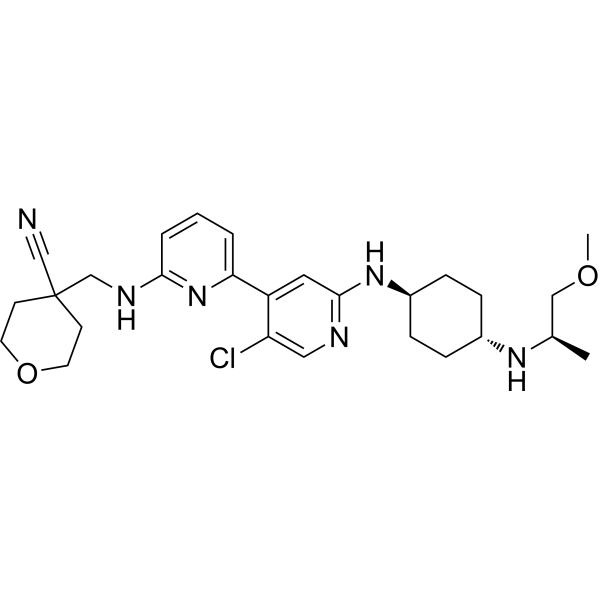
- HY-14850
-
|
Netazepide; YF 476; YM-220
|
Cholecystokinin Receptor
|
Metabolic Disease
Endocrinology
|
|
Sograzepide (Netazepide; YF 476; YM-220) is an extremely potent, highly selective and orally active Gastrin/CCK-B antagonist with an IC50 value of 0.1 nM, has inhibitory effect on Gastrin/CCK-A activity with an IC50 of 502 nM . Sograzepide (Netazepide; YF 476; YM-220) replaces the specific binding of [125I]CCK-8 to the rat brain, cloned canine and cloned human Gastrin/CCK-B receptors, with Ki values of 0.068, 0.62 and 0.19 nM, respectively .
|
-
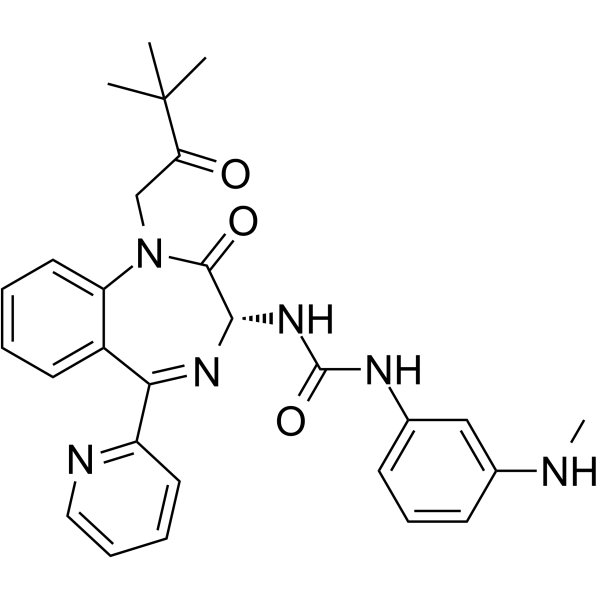
- HY-201403
-
|
|
Phosphodiesterase (PDE)
TNF Receptor
|
Inflammation/Immunology
|
|
LY2775240 is an orally active phosphodiesterase 4 (PDE4) inhibitor with potent inhibitory activity against PDE4A (IC50 = 0.09 nM), PDE4B (IC50 = 0.09 nM) and PDE4D (IC50 = 0.14 nM), and exhibits an IC50 of 2.4 nM against PDE4C. LY2775240 is a highly selective agent that reduces TNFα production upon immune activation. LY2775240 decreases TNFα production in rodent and rhesus monkey models. LY2775240 can be used in the research of psoriasis .
|
-

- HY-N16691
-
|
|
Others
|
Inflammation/Immunology
Cancer
|
|
Acrovestone (compound 4) is an Acronychia-type acetophenone dimer and a selective anticancer agent. Acrovestone has IC50 values ??of 0.38 μM and 0.93 μM against A2058 melanoma cells and DU145 prostate cancer cells, respectively. Acrovestone shows low inhibitory activity against normal human dermal fibroblasts (NHDF), with an IC50 >5 μM. Acrovestone can be used in anticancer research related to prostate cancer and melanoma. Acrovestone can be naturally extracted from the trunk bark of Acronychia pedunculata .
|
-

- HY-146755
-
|
|
Trk Receptor
|
Cancer
|
|
TIY-7 is a selective and orally active tropomyosin receptor kinase (TRK) inhibitor. TIY-7 shows enzyme inhibitory activity with IC50s of 2.9, 1.1, 0.7, 0.8, 0.8, 0.2 nM for TRKA, TRKA G595R, TRKA G667C, TRKA F589L, TRKC G623R, TRKC G696A, respectively. TIY-7 shows anti-tumor potency in mouse xenograft model .
|
-
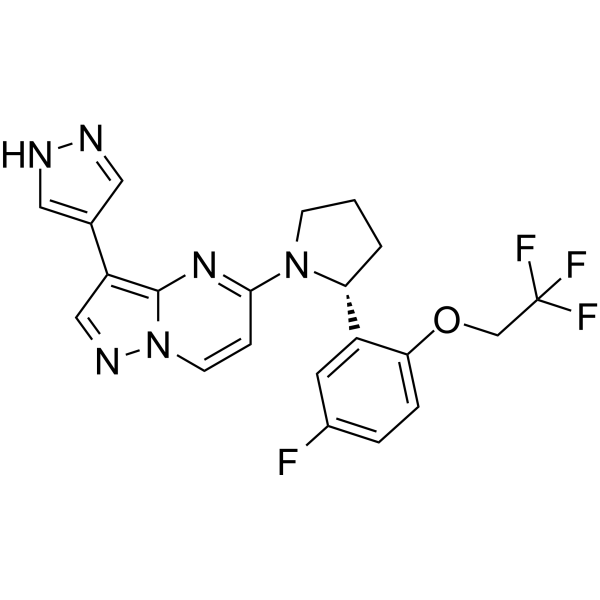
- HY-119413
-
|
|
Adenosine Receptor
|
Neurological Disease
|
|
9-Ethyladenine is a precursor of competitive antagonists of adenosine receptors (A1, A2, A3), with no significant inhibitory effect on adenine phosphoribosyltransferase (APRT). 9-Ethyladenine derivatives have high affinity and selectivity for A1 (Ki=27 nM), A2A (Ki=46 nM), and A3 (Ki=86 nM) receptors. 9-Ethyladenine does not inhibit brain APRT activity, can be used in the study of adenosine receptor-related diseases (such as nervous system diseases) models .
|
-
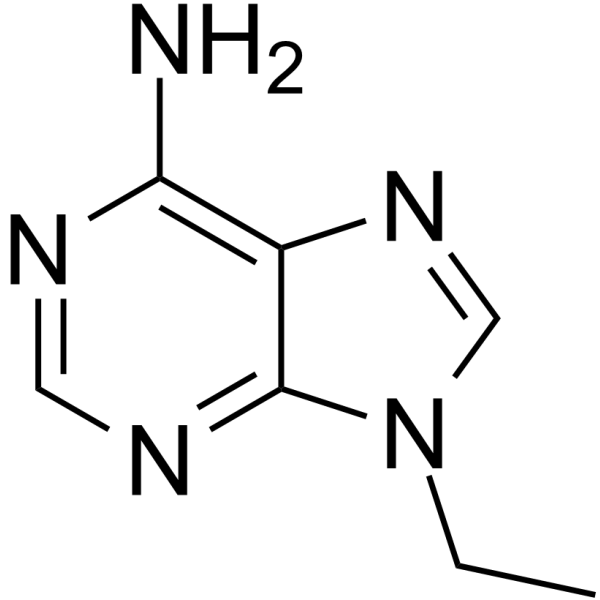
- HY-112477A
-
|
(E/Z)-Hymenialdisine analogue-1
|
Checkpoint Kinase (Chk)
Casein Kinase
MEK
PKC
|
Cancer
|
|
(E/Z)-Chk2-IN-1 ((E/Z)-Hymenialdisine analogue-1) (Compound 1) is a potent and selective cell cycle kinase Chk2 inhibitor with an IC50 of 8 nM. (E/Z)-Chk2-IN-1 exhibits low inhibitory activity against other kinases (such as CK1δ, MEK1, and PKCα/βⅡ) with IC50 values both >89 nM. (E/Z)-Chk2-IN-1 can be used for the research of cancer .
|
-

- HY-103444
-
ARP-100
1 Publications Verification
|
MMP
|
Cancer
|
|
ARP-100 is a potent and selective matrix metalloproteinase MMP-2 inhibitor (IC50=12 nM). ARP-100 interacts with S1' pocket of MMP-2 and shows anti-invasive properties in an in vitro model of invasion on matrigel. ARP-100 shows the less inhibitory activity towards MMP-1 (>50 μM), MMP-3 (4.5 μM), MMP-7 (>50 μM), and MMP-9 (0.2 μM) .
|
-
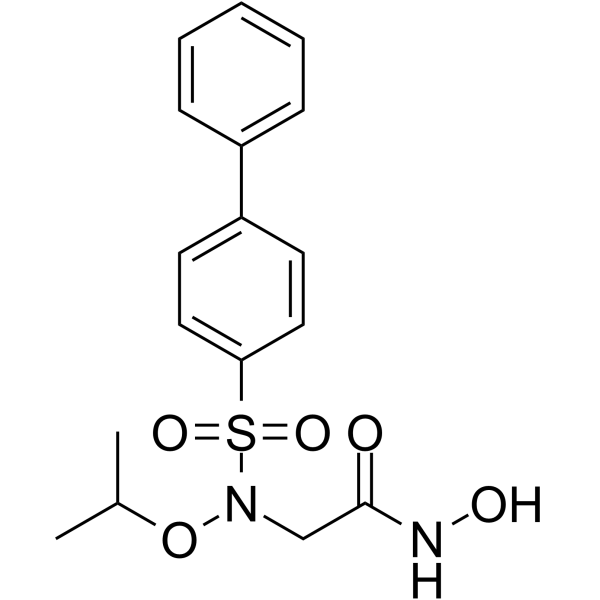
- HY-123586
-
|
|
MEK
VEGFR
FLT3
PDGFR
|
Cancer
|
|
L-783277 (Compound 4) is a MEK inhibitor (IC50 = 4 nM). L-783277 has potent inhibitory activity against a variety of kinases, including VEGFR2/3, FLT1/3/4, MEK1/2, KDR, and PDGFRα, but has low selectivity for the kinase community. L-783277 inhibits viability (IC50 = 22 mM) and cell proliferation (IC50 = 21 mM) of H295R cells. L-783277 could be used in research on cancers such as adrenocortical carcinoma .
|
-

- HY-12843
-
|
|
CDK
ERK
|
Cancer
|
|
Bohemine is a purine analogue and is a synthetic and selective CDK inhibitor with IC50s of 4.6 μM, 83 μM, and 2.7 μM for Cdk2/cyclin E, Cdk2/cyclin A, and Cdk9/cyclin T1, respectively. Bohemine also inhibits ERK2 with an IC50 of 52 μM and has less inhibitory effect on CDK1, CDK4 and CDK6. Bohemine has a broad spectrum anti-cancer activities .
|
-
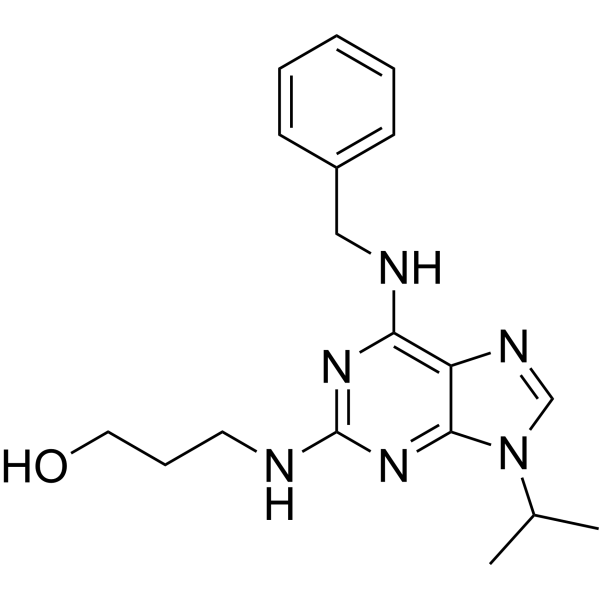
- HY-176254
-
|
|
Histone Demethylase
Amyloid-β
|
Neurological Disease
|
|
LSD1-IN-43 is a highly selective, reversible, orally active and brain-penetrant LSD1 inhibitor with an IC50 value of 0.8 μM. LSD1-IN-43 has low inhibitory activity against MAO-A and MAO-B, two homologs of LSD1. LSD1-IN-43 significantly inhibits Aβ aggregation and enhances Aβ-induced neuronal cell viability. LSD1-IN-43 can be used for the study of Alzheimer’s disease (AD).
|
-

- HY-179363
-
|
|
Cholinesterase (ChE)
COX
|
Neurological Disease
|
|
BChE-IN-46 is a selective and brain-penetrant BChE inhibitor (eqBChE IC50 = 7.44 × 10 −5 μM, SI > 270,000; hBChE, IC50 = 1.48 × 10 −3 μM). BChE-IN-46 has COX-2 inhibitory activity (IC50 = 0.11 μM). BChE-IN-46 exhibits neuroprotective effects, enhances acetylcholine levels, and alleviates cognitive deficits, anxiety, and learning/memory impairments. BChE-IN-46 can be used for the development of anti-Alzheimer's disease drugs .
|
-

- HY-121916
-
|
|
Isocitrate Dehydrogenase (IDH)
|
Cancer
|
|
ML309 is a highly selective and potent inhibitor of the R132H mutant isocitrate dehydrogenase 1 (IDH1 R132H), with an IC50 of 96 nM. ML309 is a competitive inhibitor of α-KG, with a Ki value of 156 nM, and its inhibitory activity against the wild-type IDH1 is greater than 35 μM. ML309 effectively reduces the production of the tumor metabolite 2-HG in U87MG cells. ML309 can be used as a chemical probe to study the role of the mutant IDH1 in cancer .
|
-

- HY-W706737
-
|
|
Isotope-Labeled Compounds
Drug Metabolite
|
Others
|
|
N-Deschlorobenzoyl indomethacin-d3 is the deuterium labeled N-Deschlorobenzoyl indomethacin (HY-W008567). N-Deschlorobenzoyl indomethacin (Compound 18), the primary metabolite of indomethacin (HY-14397), lacks the N-p-chlorobenzoyl group in its structure. Consequently, N-Deschlorobenzoyl indomethacin loses inhibitory activity against AKR1C2 and AKR1C3 (AKR1C2 IC50 =100 μM, AKR1C3 IC50 >100 μM), exhibiting no selectivity .
|
-

- HY-115973
-
|
|
Cholinesterase (ChE)
|
Neurological Disease
|
|
AChE-IN-11 (compound 5C) is a triple inhibitor targeting AChE/MAO-B/BACE1 (IC50=7.9 μM, 9.9 μM, 8.3 μM, respectively) and a selective metal ion chelators. AChE-IN-11 exhibits mixed AChE inhibitory effects, binding to both CAS and PAS of AChE. AChE-IN-11 also exhibits good antioxidant activity (ORAC=2.5 eq) and potential neuroprotective effects in Alzheimer's disease .
|
-
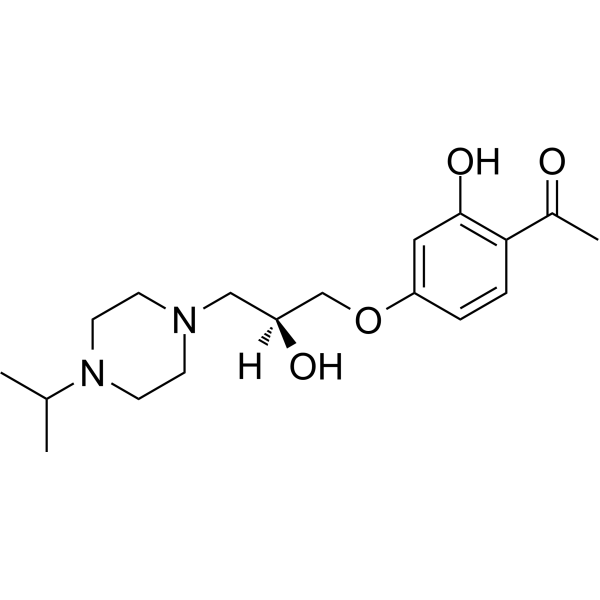
- HY-124346
-
|
|
Stearoyl-CoA Desaturase (SCD)
|
Metabolic Disease
|
|
T-3364366 is a reversible, slow-binding, thienopyrimidinone delta-5 desaturase (D5D) inhibitor with IC50s of 1.9 nM and 2.1 nM in HepG2 and RLN-10 cells, respectively. T-3364366 exhibits potent D5D (IC500=19 nM) inhibitory activity and excellent selectivity away from delta-6 desaturase (D6D, IC50=6200 nM) and delta-9 desaturase (stearoyl-CoA desaturase, SCD,50 >10000 nM) in the enzymatic activity assay .
|
-
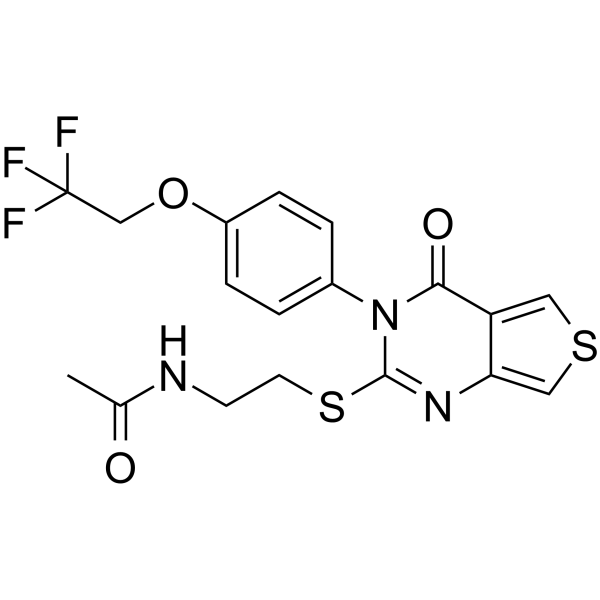
- HY-179018
-
|
|
Topoisomerase
Reactive Oxygen Species (ROS)
Apoptosis
|
Cancer
|
|
Topoisomerase II-IN-25 (Compound 6a) is a selective inhibitor of topoisomerase II and has no inhibitory activity on topoisomerase I. Topoisomerase II-IN-25 exhibits significant anti-PC-3 cell activity. Topoisomerase II-IN-25 significantly increases intracellular ROS levels, inducing oxidative stress. Topoisomerase II-IN-25 causes depolarization of mitochondrial membrane potential and promotes cell apoptosis. Topoisomerase II-IN-25 blocks PC-3 cells in the G2/M phase. Topoisomerase II-IN-25 can be used for the study of prostate cancer .
|
-

- HY-175523
-
|
|
Monoamine Oxidase
Cholinesterase (ChE)
Amyloid-β
|
Neurological Disease
|
|
MAO-B-IN-48 is a selective MAO-B inhibitor (IC50 = 0.09 μM, Ki = 0.02 μM).
MAO-B-IN-48 exhibits inhibitory activity against hBChE (IC50 = 1.10 μM, Ki = 0.43 μM) and AChE (IC50 = 0.56 μM, Ki = 0.14 μM). MAO-B-IN-48 suppresses self-induced aggregation of toxic β-amyloid peptides and exerts antioxidant activity, including DPPH radical scavenging, CUPRAC copper ion reduction, and superoxide anion scavenging. MAO-B-IN-48 can be used for the study of Alzheimer's disease (AD) .
|
-

- HY-153361
-
|
|
PROTACs
Epigenetic Reader Domain
|
Inflammation/Immunology
Cancer
|
|
YD23 is a selective SMARCA2 PROTAC degrader with DC50 values of 64 nM and 297 nM in H1792 cells and H1975 cells. YD23 induces degradation of SMARCA2, which is synthetic lethal to SMARCA4. YD23 reduces chromatin accessibility only in SMARCA4 deficient cells, including cell cycle and cell growth regulatory genes. YD23 selectively inhibits growth of SMARCA4 mutant lung cancer cells. YD23 has potent tumor growth inhibitory activity in SMARCA4-mutant xenografts. YD23 can be used for the study of non-small cell lung cancer (NSCLC) .
|
-
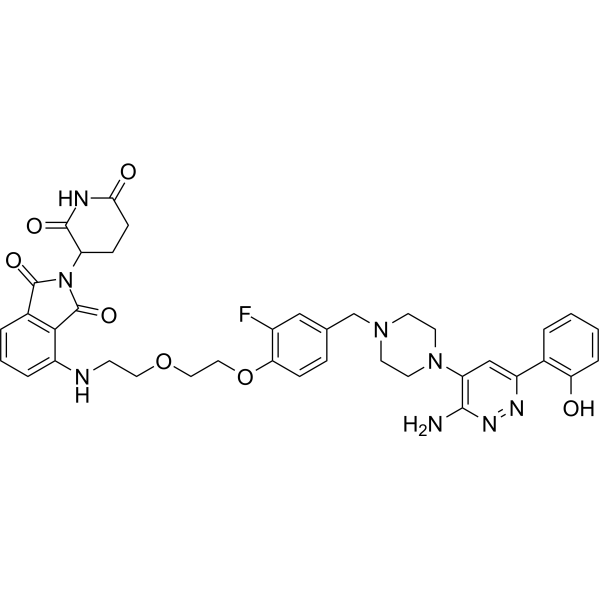
- HY-169920
-
|
|
HIV
Reverse Transcriptase
|
Infection
|
|
HIV-1 inhibitor-79 (Compound 3k) is an HIV inhibitor that exhibits significant inhibitory activity against HIV-1 and its common mutant strains (with IC50 values of 1.9, 1.9, 8.7, and 11 nM against HIV-1, K103, L100I, and E138K, respectively), and has low cytotoxicity and a high selectivity index (CC50 = 21.95 μM, SI = 11478). Additionally, HIV-1 inhibitor-79 also shows antiviral activity against HIV-2, with an EC50 value of 6.14 μM, and significantly inhibits the activity of HIV-1 reverse transcriptase (IC50 = 25 nM) .
|
-

- HY-179348
-
|
|
Dipeptidyl Peptidase
HIV
Pyroptosis
|
Cancer
|
DPP9-IN-2 is a selective, potent and orally active inhibitor of Dipeptidyl Peptidase 9 (DPP9 ) with an IC50 of 12.9 nM. DPP9-IN-2 shows a SI of 59 over DPP8, and shows no significant inhibitory activity against related peptidases including DPP2, DPP4, FAP, and PREP. DPP9-IN-2 can induce cancer cells pyroptosis and has weak synergistic anti-HIV-1 activity when combined with non-nucleoside reverse transcriptase inhibitor. DPP9-IN-2 can be used for the researches of cance rand infection .
|
-

- HY-171744
-
|
|
Casein Kinase
|
Cancer
|
|
CX-5279 is an efficient and selective CK2 inhibitor with IC50 values for nCK2 and CK2α of 2.73 and 0.91 nM, respectively. CX-5279 is sensitive to mutations at Val66, Ile174, and V66I174AA, with IC50 values of 13.8, 12.5, and 23.35 nM, respectively. CX-5279's inhibitory activity against PIM1 is very weak, with a IC50 value of 8.52 μM. CX-5279 exhibits anti-proliferative activity in various cancer cell lines. CX-5279 can be used for research on cancers such as pancreatic cancer and leukemia .
|
-

- HY-W806047
-
|
|
Epigenetic Reader Domain
|
Cancer
|
|
BRD4 Inhibitor-37 is a compound with anticancer activity that has inhibitory activity against BRD4. BRD4 Inhibitor-37 has an IC50 of approximately 0.05-0.1 μM in binding assays and shows a GI50 of 0.1-0.3 μM in cell-based assays. The effect of BRD4 Inhibitor-37 on c-Myc, a downstream protein of BRD4, has been validated, demonstrating its ability to intervene in this signaling pathway. BRD4 Inhibitor-37 exhibits selectivity among five different bromodomain proteins, enhancing its potential as a BET protein inhibitor .
|
-

- HY-123702
-
|
|
Polo-like Kinase (PLK)
|
Cancer
|
|
CAP-53194 is a selective Plk1 inhibitor with potential anticancer activity. CAP-53194 was identified by a high-throughput virtual screening approach using molecular docking, showing 100-fold selectivity for Plk1 over Plk2-4 and other cell cycle kinases. CAP-53194 is able to effectively exploit subtle differences between the binding sites of Plk1 and other Ser/Thr kinases, thereby enhancing their inhibitory effects. CAP-53194 meets the Lipinski compound analog criteria and passes other ADMET filters, indicating good compound compatibility. CAP-53194 belongs to a new class of potential Plk1 inhibitors suitable for subsequent compound development and testing .
|
-

- HY-124295
-
|
ABT-301; MPT0E028; TMU-C-0012
|
HDAC
Akt
Apoptosis
|
Inflammation/Immunology
Cancer
|
|
Imofinostat (ABT-301; MPT0E028) is an orally active and selective HDAC inhibitor with IC50s of 53.0 nM, 106.2 nM, 29.5 nM for HDAC1, HDAC2 and HDAC6, respectively. Imofinostat has a weak inhibitory effect on HDAC8 (IC50 of 2.5 μM), but no inhibitory effect on HDAC4 (IC50>10 μM). Imofinostat reduces the viability of B-cell lymphomas by inducing apoptosis and possesses potent direct Akt targeting ability and reduces Akt phosphorylation in B-cell lymphoma. Imofinostat has a broad-spectrum antitumor activity, including colorectal cancer, B-cell lymphoma, non-small cell lung carcinoma (NSCLC), and pancreatic cancer, while also showing therapeutic potential in non-tumor diseases like emphysema and pulmonary fibrosis .
|
-
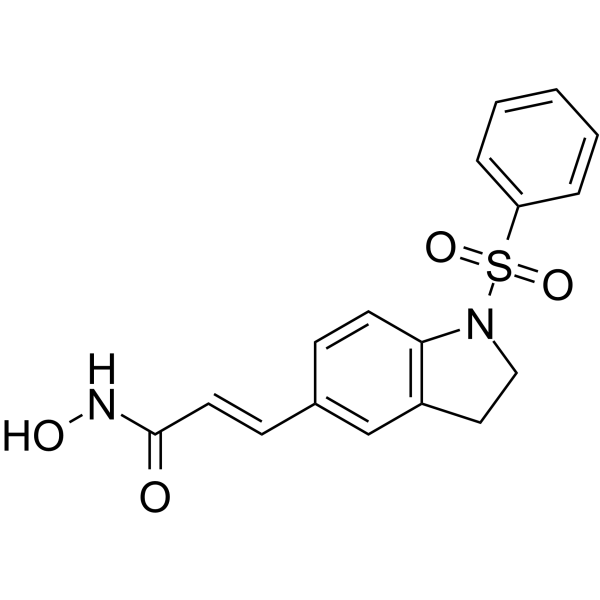
- HY-182786
-
|
|
Cholinesterase (ChE)
Monoamine Oxidase
Beta-secretase
COX
Amyloid-β
|
Neurological Disease
|
|
MAO-B-IN-56 is a multi-target-directed ligand with AChE, BChE, MAO-B, and BACE1 inhibitory activity, with IC50 values of 0.35 μM, 3.22 μM, 0.14 μM, and 3.85 μM respectively, and shows selectivity for AChE over BChE and MAO-B over MAO-A.MAO-B-IN-56 reduces amyloid-beta production, reduces paw edema, improves spatial memory, and enhances Alzheimer's disease hallmarks and associated histopathological alterations.MAO-B-IN-56 can be used for the research of alzheimer's disease .
|
-

- HY-170377
-
|
|
Estrogen Receptor/ERR
Potassium Channel
|
Cancer
|
|
ER degrader 10 (Compound 51) is a selective, orally active degrader and antagonist for estrogen receptor (ER) with a DC50 of 0.43 nM and an IC50 of 0.56 nM. ER degrader 10 inhibits the proliferation of ER-positive cells with IC50s of 0-15 nM. ER degrader 10 exhibits a weak inhibitory activity against hERG channel with an IC50 >40 μM. ER degrader 10 is blood-brain barrier penetrable with a brain/plasma ratio (Kp) of 3.05. ER degrader 10 exhibits antitumor efficacy in mice model .
|
-

- HY-178296
-
|
|
Phosphatase
|
Cancer
|
|
VHR-IN-6 is a selective vaccinia H1-related (VHR) phosphatase inhibitor with an IC50 of 74 nM. VHR-IN-6 shows very weaker inhibitory activity against MKP-1 (IC50 = 0.52 μM), CD45 (IC50 = 0.50 μM), Cdc25A (IC50 = 2.8 μM), PTP1B (IC50 = 0.42 μM), and HePTP (IC50 = 0.87 μM). VHR-IN-6 inhibits the proliferation of HeLa cells. VHR-IN-6 can be used for the research of cervical cancer .
|
-

- HY-N0396R
-
|
|
Reference Standards
COX
NO Synthase
|
Inflammation/Immunology
|
|
Harpagoside (Standard) is the analytical standard of Harpagoside. This product is intended for research and analytical applications. Harpagoside can be obtained by Harpagophytum procumbens, which has anti-inflammatory, anti-cancer, protective activity, and efficacy. Harpagoside has an inhibitory effect on COX-1 and COX-2 active, and suppresses NO production. Harpagoside inhibits HepG2 cell lipid polysaccharide, which is a protein that is expressed horizontally and selectively, and has anti-inflammatory and latent pain effects. Harpagoside has the ability to protect the body, and has a degenerative effect on the β-oxidation (Aβ) .
|
-

- HY-147793
-
|
|
FGFR
|
Cancer
|
|
FGFR4-IN-12 (Compound A34) is a potent inhibitor of FGFR4. FGFR4-IN-12 exhibits improved FGFR4 inhibitory capability and selectivity and excellent anti-proliferative activities against FGFR4-dependent HCC cell lines. FGFR4-IN-12 has the potential for the research of cancer diseases . FGFR4-IN-12 is a click chemistry reagent, it contains an Alkyne group and can undergo copper-catalyzed azide-alkyne cycloaddition (CuAAc) with molecules containing Azide groups.
|
-
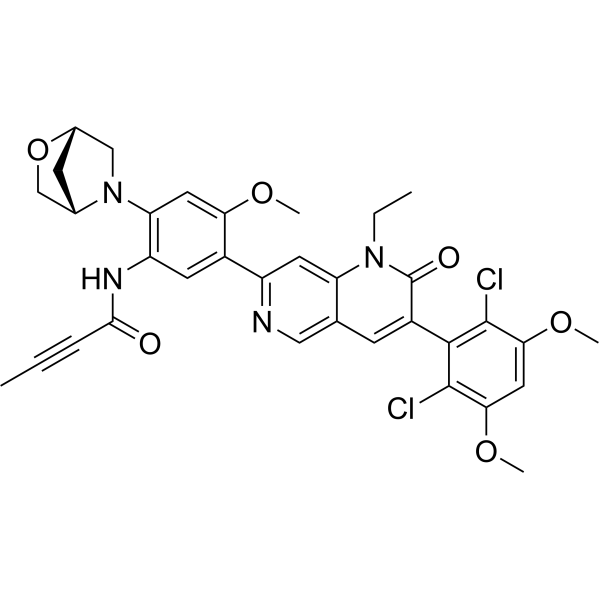
- HY-129453
-
|
|
Integrin
|
Inflammation/Immunology
|
|
BOP sodium is a potent and selective dual α9β1/α4β1 integrin inhibitor with Kd values in the picomolar range. BOP sodium shows the rapid and preferential mobilization of hematopoietic stem cell (HSC) and progenitors. BOP sodium has little inhibitory activity on α4β7, α1β1, α2β1, and α5β1, αIIBβ3 integrins .
|
-
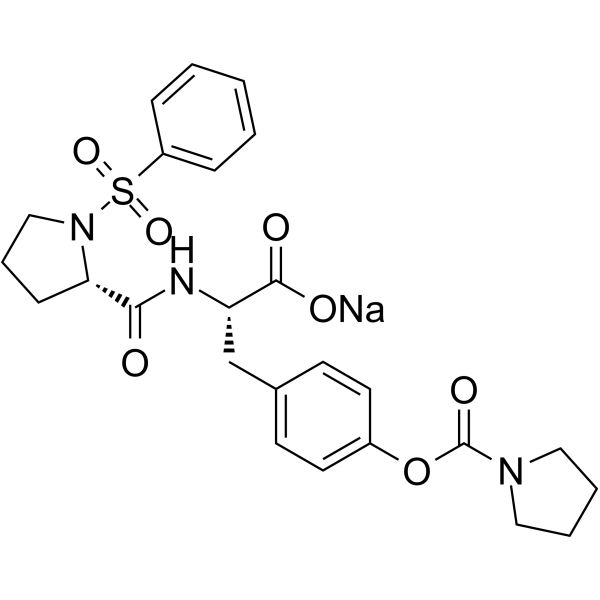
- HY-B1036
-
|
|
Parasite
|
Infection
|
|
Decoquinate is an orally active, selective inhibitor of the mitochondrial bc1 complex, targeting Eimeria spp. sporozoites and first generation schizonts, and Plasmodium spp. Decoquinate inhibits electron transfer by competitively binding to the mitochondrial cytochrome b system, blocking the parasite's energy metabolism, thereby inhibiting its development and reproduction. Decoquinate has significant anticoccidial activity, preventing intestinal damage and improving host growth performance, and also has inhibitory effects on the liver and blood stages of Plasmodium. Decoquinate is mainly used in veterinary research to prevent and treat coccidiosis in ruminants and poultry .
|
-
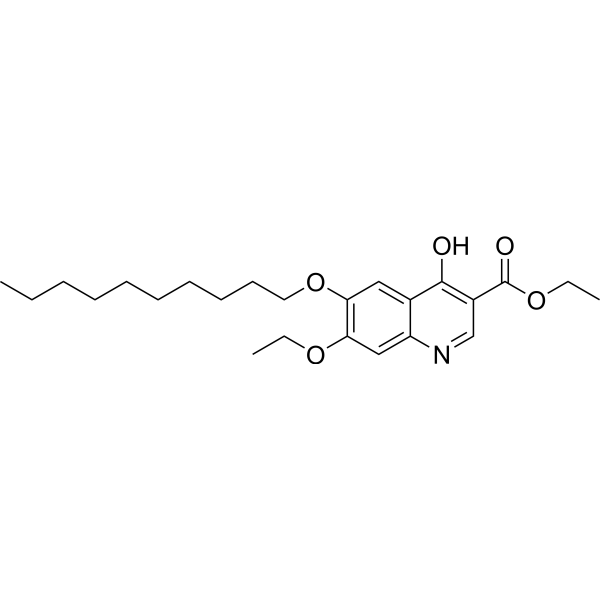
- HY-120623
-
|
|
Na+/H+ Exchanger (NHE)
|
Neurological Disease
|
|
BMS-284640 is a synthetic sodium hydrogen exchange isomer-1 (NHE-1) inhibitor. BMS-284640 has a more than 380-fold higher NHE-1 inhibitory activity (IC50: 9 nM) compared to cariporide (HY-19693) and is more selective for NHE-1 over NHE-2 (IC50: 1.8 μM) and NHE-5 (IC50: 3.36 μM). BMS-284640 and its analogs also exhibit enhanced oral bioavailability and prolonged plasma half-life in rats. .
|
-

- HY-157569
-
|
|
PD-1/PD-L1
|
Cancer
|
|
PD1-PDL1-IN 2 (ZE132) is a potent and selective PD-1/PD-L1 inhibitor, which has robust anti-tumour activity in vivo. PD1-PDL1-IN 2 promotes cytotoxic T-cell tumour infiltration and induces IL-2 expression. In addition, PD1-PDL1-IN 2 elicits strong inhibitory effects on the mRNA expression of TGF-β .
|
-
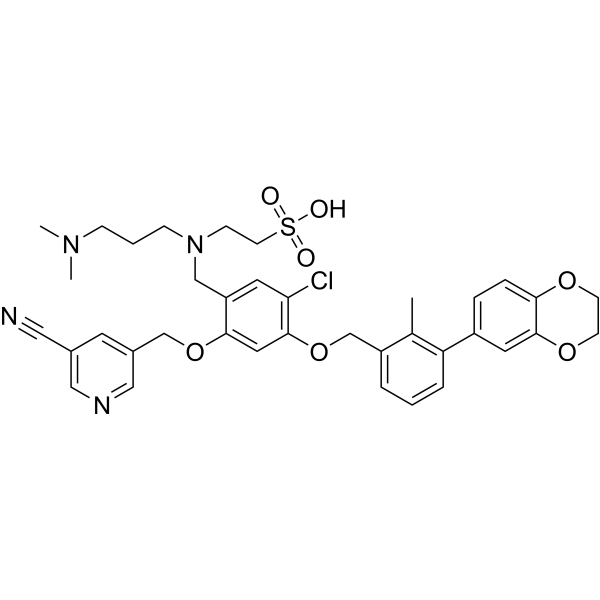
- HY-151928
-
|
|
JNK
|
Neurological Disease
|
|
JNK3 inhibitor-3 (compound 15g) is a selective, BBB permeable and orally active c-Jun N-terminal kinase 3 (JNK3) inhibitor. JNK3 inhibitor-3 has inhibitory activities to JNK1, JNK2 and JNK3 with IC50 values of 147.8, 44.0 and 4.1 nM, respectively. JNK3 inhibitor-3 significantly improves the memory in mouse dementia model. JNK3 inhibitor-3 can be used for the research of Alzheimer’s disease .
|
-
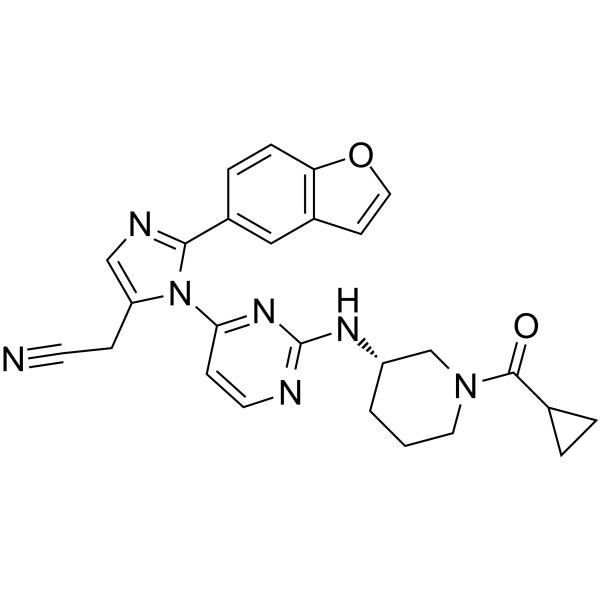
- HY-178301
-
|
|
Phosphatase
|
Cancer
|
|
VHR-IN-9 is a selective vaccinia H1-related (VHR) phosphatase inhibitor with an IC50 of 270 nM. VHR-IN-9 shows very weaker inhibitory activity against MKP-1 (IC50 = 2.8 μM), CD45 (IC50 = 1.8 μM), Cdc25A (IC50 = > 10 μM), PTP1B (IC50 = 2.2 μM), and HePTP (IC50 = 2.4 μM). VHR-IN-9 inhibits the proliferation of HeLa cells. VHR-IN-9 can be used for the research of cervical cancer .
|
-

- HY-178297
-
|
|
Phosphatase
|
Cancer
|
|
VHR-IN-7 is a selective vaccinia H1-related (VHR) phosphatase inhibitor with an IC50 of 71 nM. VHR-IN-7 shows very weaker inhibitory activity against MKP-1 (IC50 = 0.47 μM), CD45 (IC50 = 0.3 μM), Cdc25A (IC50 = 3.4 μM), PTP1B (IC50 = 0.59 μM), and HePTP (IC50 = 1.2 μM). VHR-IN-7 inhibits the proliferation of HeLa cells. VHR-IN-7 can be used for the research of cervical cancer .
|
-

- HY-178295
-
|
|
Phosphatase
|
Cancer
|
|
VHR-IN-5 is a selective vaccinia H1-related (VHR) phosphatase inhibitor with an IC50 of 78 nM. VHR-IN-5 shows very weaker inhibitory activity against MKP-1 (IC50 = 0.78 μM), CD45 (IC50 = 0.61 μM), Cdc25A (IC50 = 3.4 μM), PTP1B (IC50 = 1.8 μM), and HePTP (IC50 = 1.5 μM). VHR-IN-5 inhibits the proliferation of HeLa cells. VHR-IN-5 can be used for the research of cervical cancer .
|
-

- HY-182366
-
|
|
Histone Methyltransferase
|
Neurological Disease
Inflammation/Immunology
|
|
EED-IN-5 is an orally active, EZH2-selective trisubstituted pyridine-based EED-H3K27me3 inhibitor and immunomodulator with anti-inflammatory activity. The IC50 value of EED-IN-5 against EED is 28.21 nM. In mouse models, EED-IN-5 preferentially and persistently accumulates in lymph nodes after oral administration. By reducing the H3K27me3 level of dendritic cells and inhibiting their migration, EED-IN-5 decreases the infiltration of specific dendritic cells, macrophages and T cells into the spinal cord and brain. EED-IN-5 exhibits hERG inhibitory activity, shows negative results in the Mini-Ames test, and causes no obvious toxicity upon long-term high-dose administration. EED-IN-5 can be used for the research of multiple sclerosis .
|
-

- HY-101513R
-
|
|
Eukaryotic Initiation Factor (eIF)
Reference Standards
|
Neurological Disease
Cancer
|
|
eIF4A3-IN-1 (Standard) is the analytical standard of eIF4A3-IN-1 (HY-101513). This product is intended for research and analytical applications. eIF4A3-IN-1 is a selective eIF4A3 inhibitor (IC50: 0.26 μM; Kd: 0.043 μM) with cellular nonsense-mediated RNA decay (NMD) inhibitory activity. eIF4A3-IN-1 can specifically bind to the non-ATP binding site of eIF4A3. eIF4A3-IN-1 has anti-tumor and analgesic activities .
|
-

- HY-103160AR
-
|
|
Reference Standards
Adenosine Deaminase
Phosphodiesterase (PDE)
Influenza Virus
|
Infection
Cardiovascular Disease
Neurological Disease
Cancer
|
|
EHNA hydrochloride (Standard) is the analytical standard of EHNA hydrochloride (HY-103160A). This product is intended for research and analytical applications. EHNA hydrochloride is a potent and selective dual inhibitor of cyclic nucleotide phosphodiesterase 2 (PDE2)(IC50=4 μM) and adenosine deaminase (ADA). EHNA hydrochloride exerts a concentration inhibition of the cGMP-stimulated PDE II (cGs-PDE)(IC50:0.8 μM (human), 2 μM (porcine myocardium)), but has smaller inhibitory effect on the unstimulated PDE2 activity. EHNA hydrochloride play roles in mediating diverse pharmacological responses, including antiviral, antitumour and antiarrhythmic effects .
|
-

- HY-177768
-
|
|
HDAC
Apoptosis
|
Cancer
|
|
HDAC-IN-96 (Compound 3f) is a selective HDAC1/2 inhibitor with IC50 values of 457.1 and 433.7 nM. HDAC-IN-96 has strong inhibitory activity against multiple hematological tumor cells (RS4;11, K562, RPMI-8226, U266), with IC50 values ranging from 2.11 to 5.35 μM. HDAC-IN-96 can induce cancer cells apoptosis and S phase arrest. HDAC-IN-96 can be used for the research of cancer, such as acute lymphoblastic leukemia .
|
-

- HY-402805
-
|
|
DYRK
CDK
Tau Protein
|
Cancer
|
|
DYRK2-IN-2 (Compound C17) is a selective inhibitor of DYRK2, with its IC50 value being 40.3 nM. The inhibitory activity of DYRK2-IN-2 on DYRK1A (IC50 = 1842 nM), DYRK1B (IC50 = 1335 nM), DYRK4 (IC50 = 1931 nM), DYRK3 (IC50 = 112 nM), and CLKs (IC50 = 540-6496 NM) is relatively low. DYRK2-IN-2 inhibits the phosphorylation of Tau protein at Thr212 and shows moderate cytotoxicity in HT22 cells. DYRK2-IN-2 can be used in cancer research .
|
-

- HY-112823
-
|
HS-10296
|
EGFR
|
Cancer
|
|
Almonertinib (HS-10296) is an orally available, irreversible, third-generation EGFR tyrosine kinase inhibitor with high selectivity for EGFR-sensitizing and T790M resistance mutations. Almonertinib shows great inhibitory activity against T790M, T790M/L858R and T790M/Del19 (IC50: 0.37, 0.29 and 0.21 nM, respectively), and is less effective against wild type (3.39 nM). Almonertinib is used for the research of the non-small cell lung cancer .
|
-
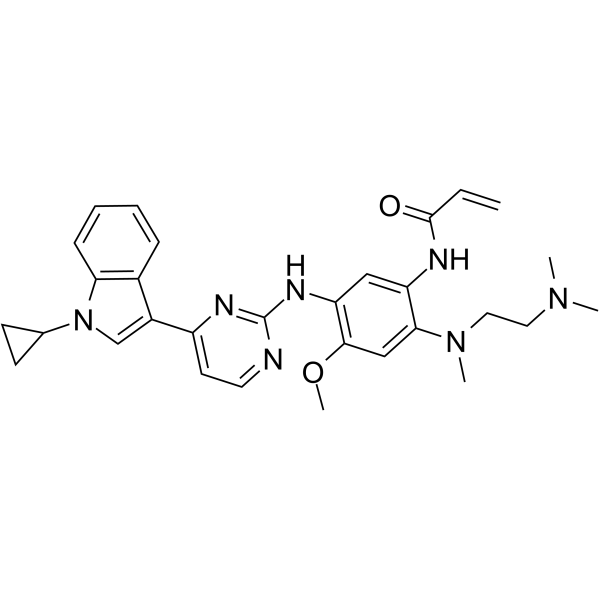
- HY-115606
-
|
|
NKCC
Endogenous Metabolite
|
Neurological Disease
|
|
ML007 is a selective antagonist targeting the neuron-specific potassium-chloride co-transporter 2 (KCC2) with an IC50 for KCC2 is 537 nM, while its inhibitory activity on KCC1 is extremely weak (IC50 > 50 μM). ML077 inhibits the chloride ion excretion function of KCC2, increasing the intracellular chloride ion concentration, thereby enhancing the depolarization mediated by chloride ion channels. ML007 can promote glucose-stimulated insulin secretion (GSIS) without relying on KATP channels. ML007 can be used to study the functions related to pain, epilepsy, and insulin secretion .
|
-

- HY-112823B
-
|
HS-10296 hydrochloride
|
EGFR
|
Cancer
|
|
Almonertinib (HS-10296) hydrochloride is an orally available, irreversible, third-generation EGFR tyrosine kinase inhibitor with high selectivity for EGFR-sensitizing and T790M resistance mutations. Almonertinib hydrochloride shows great inhibitory activity against T790M, T790M/L858R and T790M/Del19 (IC50: 0.37, 0.29 and 0.21 nM, respectively), and is less effective against wild type (3.39 nM). Almonertinib hydrochloride is used for the research of the non-small cell lung cancer .
|
-
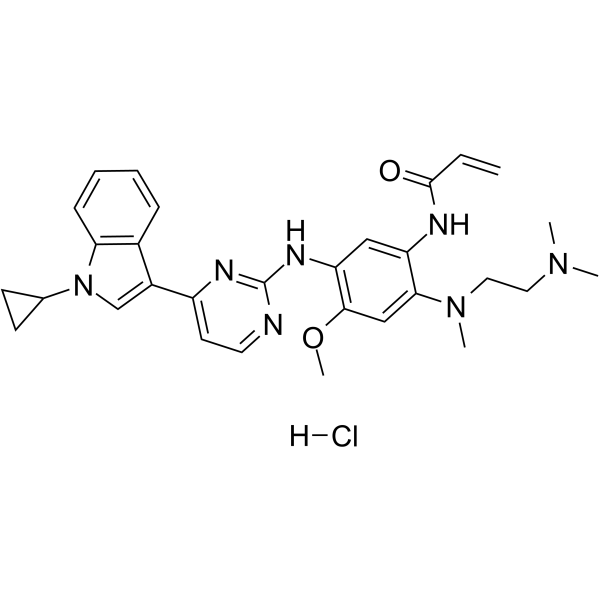
- HY-179246
-
|
|
COX
Prostaglandin Receptor
|
Cardiovascular Disease
Neurological Disease
Inflammation/Immunology
|
|
CXT29 is an orally active COX-2 inhibitor and a thromboxane A2 receptor (TP) antagonist. CXT29 exhibits COX inhibitory activity and selectivity, with IC50 values of 13 and 722 nM for COX-2 and COX-1 respectively. CXT29 inhibits platelet aggregation induced by U-46619 (HY-108566) (a TP agonist), with an IC50 of 96 nM. CXT29 effectively inhibits the production of TXB₂ and PGE₂, significantly reducing platelet aggregation and inflammatory pain in mice. CXT29 can be used for research on inflammatory pain and cardiovascular diseases .
|
-

- HY-112823A
-
|
HS-10296 mesylate
|
EGFR
|
Cancer
|
|
Almonertinib (HS-10296) mesylate is an orally available, irreversible, third-generation EGFR tyrosine kinase inhibitor with high selectivity for EGFR-sensitizing and T790M resistance mutations. Almonertinib mesylate shows great inhibitory activity against T790M, T790M/L858R and T790M/Del19 (IC50: 0.37, 0.29 and 0.21 nM, respectively), and is less effective against wild type (3.39 nM). Almonertinib mesylate is used for the research of the non-small cell lung cancer .
|
-
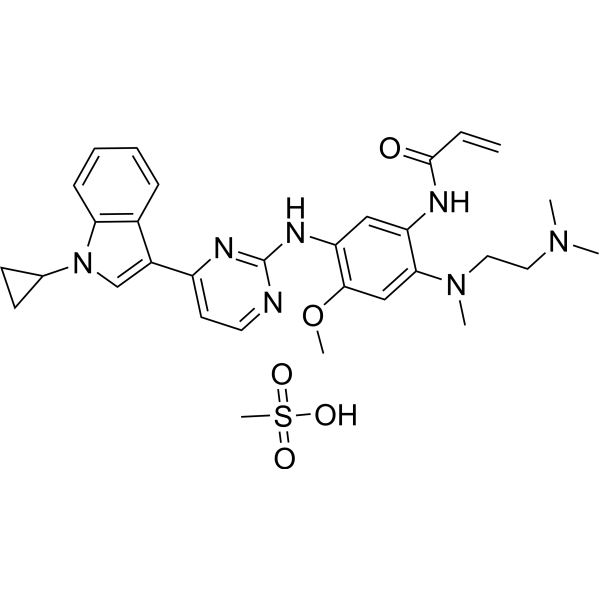
- HY-18101
-
|
|
Sigma Receptor
TRP Channel
|
Neurological Disease
|
|
BD-1063 is a selective σ-1 receptor antagonist with inhibitory activity against TRPC5 and TRPM3. BD-1063 exerts anti-hyperalgesic and anti-allodynic effects by inhibiting sustained calcium influx mediated by TRPC5 and TRPM3, and reverses the effects of Carrageenan (HY-125474). BD-1063 also significantly reduces excessive ethanol self-administration behavior. BD-1063 is widely used in studies on the mechanisms underlying neuropathic pain, inflammatory hyperalgesia, and alcohol abuse and dependence .
|
-

- HY-18101A
-
|
|
Sigma Receptor
TRP Channel
|
Neurological Disease
|
|
BD-1063 dihydrochloride is a selective σ-1 receptor antagonist with inhibitory activity against TRPC5 and TRPM3. BD-1063 dihydrochloride exerts anti-hyperalgesic and anti-allodynic effects by inhibiting sustained calcium influx mediated by TRPC5 and TRPM3, and reverses the effects of Carrageenan (HY-125474). BD-1063 dihydrochloride also significantly reduces excessive ethanol self-administration behavior. BD-1063 dihydrochloride is widely used in studies on the mechanisms underlying neuropathic pain, inflammatory hyperalgesia, and alcohol abuse and dependence .
|
-
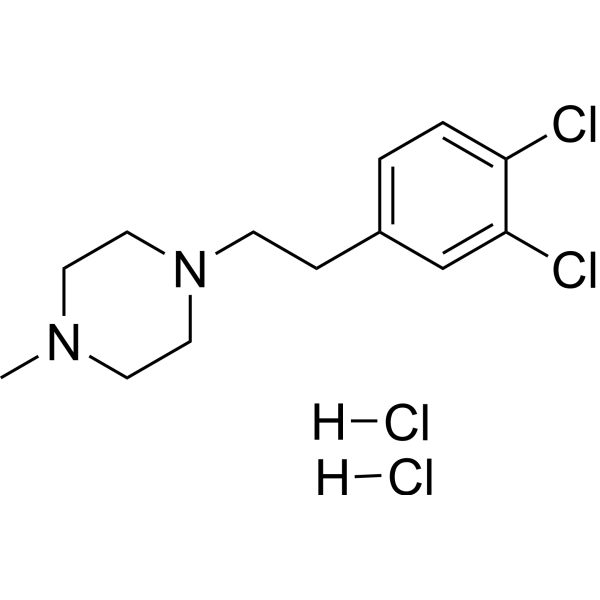
- HY-176561
-
|
|
Casein Kinase
HDAC
|
Cancer
|
|
IOR-160 is a dual inhibitor of casein kinase 2 (CK2) and HDACs. IOR-160 exhibits high selectivity for CK2 (IC50 = 1.7 nM) and broad inhibitory activity against HDAC (HDAC 1, 2, 3, and 6 with IC50s of 3.3 nM, 24.0 nM, 3.9 nM, and 13.0 nM, respectively, with low activity for HDAC8). IOR-160 modulates key cellular signaling pathways by inhibiting AKT phosphorylation and increasing acetylated α-tubulin. IOR-160 inhibits tumor growth and reduces tumor burden through dual CK2/HDAC inhibition. IOR-160 is indicated for use in triple-negative breast cancer research .
|
-

- HY-19230
-
|
|
Calmodulin
NO Synthase
CaMK
Calcineurin
Proteasome
Caspase
|
Cardiovascular Disease
|
|
DY-9760e is a calmodulin (CaM) inhibitor. DY-9760e selectively inhibits the activity of various calmodulin-dependent enzymes by antagonizing the Ca²⁺/CaM complex, exhibiting the strongest inhibitory activity against nNOS, CaM kinase II, and calcineurin (Ki: 0.9, 1.4, and 2.0 μM, respectively). DY-9760e inhibits excessive nitric oxide production and protein tyrosine nitration, as well as the activation of calpain and caspase-3. DY-9760e reduces infarct size, improves cardiac function, and inhibits oxidative stress and cell death. DY-9760e can be used in research on the treatment of myocardial infarction, cerebral ischemia, and other diseases .
|
-

- HY-114796
-
|
|
Lipoxygenase
|
Inflammation/Immunology
|
|
tHGA is a compound with anti-inflammatory activity and has the activity to inhibit soybean 15-LOX. tHGA showed significant inhibitory effects in experiments on human leukocytes, with an IC50 value of 0.42 μM, which is close to the effect of commonly used standard NDGA. tHGA concentration-dependently inhibits the synthesis of 5-LOX products, especially the cysteine leukotriene LTC(4), with an IC50 value of 1.80 μM. and showed no cytotoxicity. The anti-inflammatory effects of tHGA do not appear to be through redox or metal chelation mechanisms, as the compound was negative in these bioactivity tests. tHGA works through a dual LOX/COX inhibition mechanism and has higher selectivity for 5-LOX and COX-2, with an IC50 value of 0.40 μM .
|
-

- HY-178738
-
|
|
Antibiotic
Bacterial
Topoisomerase
DNA/RNA Synthesis
|
Infection
|
|
GC-072 is an orally active, 4-oxoquinolizine antibiotic that selectively inhibits bacterial DNA gyrase and Topo IV enzymes. GC-072 does not inhibit human topoisomerases I and II. GC-072 demonstrates strong antimicrobial activity against various bacterial strains, including Gram-positive, Gram-negative, and resistant bacteria. GC-072 also exhibits bactericidal activity against Burkholderia pseudomallei both extracellularly and intracellularly, leading to dose-dependent survival in mice exposed to lethal inhalational models of B. pseudomallei infection. GC-072 can be used for the research of melioidosis .
|
-

- HY-N12257
-
|
|
Cytochrome P450
Reactive Oxygen Species (ROS)
Apoptosis
|
Infection
Cancer
|
|
Antimycin A2 is a selective inhibitor of the cytochrome b-c1 complex in the mitochondrial electron transport chain. Antimycin A2 disrupts mitochondrial membrane potential and produces reactive oxygen species (ROS) by inhibiting electron transfer between cytochrome b and c. Antimycin A2 has bactericidal and piscicidal activity, as well as tumor cell growth inhibitory effects, and can induce S-phase cell cycle arrest and apoptosis in HeLa cells. Antimycin A2 is suitable for research of cervical cancer and fisheries management. Antimycin A2 can be naturally isolated from the fermentation products of Streptomyces sp. strains .
|
-

- HY-181051
-
|
|
Polo-like Kinase (PLK)
Apoptosis
|
Cancer
|
|
PLK1-IN-16 is a selective polo-like kinase 1 (PLK1) inhibitor with an IC50 of 0.25 nM. PLK1-IN-16 exhibits lower inhibitory potency against PLK2 and PLK3, induces G2 phase cell cycle arrest, induces apoptosis, and exhibits antiproliferative activity against tumor cells. PLK1-IN-16 can be stable under simulated gastric acid environmental conditions, and acceptable CYP 450 inhibition. PLK1-IN-16 can be used for the study of triple-negative breast cancer (TNBC), breast cancer, leukemia .
|
-

- HY-179389
-
|
|
Bacterial
Glutathione S-transferase
Elastase
|
Infection
|
|
XDS-23 is a selective biofilm inhibitor with an IC50 of 1.26 µM against Pseudomonas aeruginosa. XDS-23 exerts a dual inhibitory effect on the LasI/LasR System (las) and Pseudomonas Quinolone Signal System (pqs). XDS-23 suppress the production of key virulence factors including elastase, pyocyanin, and extracellular polysaccharides. XDS-23 exhibits synergistic antibacterial activity and can enhance the efficacy of multiple antibiotics in both in vitro and in vivo models, while maintaining a favorable safety profile. XDS-23 can be employed for research in combating biofilm-mediated drug-resistant P. aeruginosa infections .
|
-

- HY-103444R
-
|
|
Reference Standards
MMP
|
Cancer
|
|
ARP-100 (Standard) is the analytical standard of ARP-100. This product is intended for research and analytical applications. ARP-100 is a potent and selective matrix metalloproteinase MMP-2 inhibitor (IC50=12 nM). ARP-100 interacts with S1' pocket of MMP-2 and shows anti-invasive properties in an in vitro model of invasion on matrigel. ARP-100 shows the less inhibitory activity towards MMP-1 (>50 μM), MMP-3 (4.5 μM), MMP-7 (>50 μM), and MMP-9 (0.2 μM) .
|
-

- HY-125387
-
|
|
Src
|
Inflammation/Immunology
|
|
TOP1210 is a narrow-spectrum tyrosine kinase inhibitor with potent inhibitory activity against P38α, Src, and Syk kinases. TOP1210 effectively reduced proinflammatory cytokines released by peripheral blood monocytes, primary macrophages, HT29 cells, inflammatory cells in ulcerative colitis (UC) biopsies, and myofibroblasts isolated from inflamed colonic UC mucosa. TOP1210 showed significant anti-inflammatory effects in cell experiments and UC biopsies, superior to some selective kinase inhibitors. The multi-kinase inhibition of TOP1210 provides the possibility of obtaining a wider range of therapeutic effects, especially in the regulation of autoimmune responses .
|
-

- HY-175732
-
|
|
PI4K
Parasite
|
Infection
|
|
PI4Kβ-IN-1 is an orally active and selective PI4Kβ inhibitor, with an IC50 of 0.9 nM. PI4Kβ-IN-1 exhibits inhibitory activity against all stages of the P. falciparum life cycle, including blood, liver, and transmission stages. PI4Kβ-IN-1 demonstrates potent antimalarial efficacy in the mouse model infected with Plasmodium falciparum. PI4Kβ-IN-1 can be used for the study of malaria caused by Plasmodium falciparum .
|
-

- HY-183573
-
|
|
Phosphatase
Toll-like Receptor (TLR)
NF-κB
Interleukin Related
|
Inflammation/Immunology
|
|
PTPRO-IN-1 is a selective, orally active PTPRO inhibitor with an IC50 of 0.16 μM. PTPRO-IN-1 exhibits IC50 values of 2.4 μM, 2.33 μM and 2.13 μM against PTPN22, PTP1B and PTPRT, respectively, and shows almost no inhibitory activity against STEP/SSH2. PTPRO-IN-1 inhibits the TLR4/NF-κB signaling pathway in macrophages, ameliorates colonic pathological conditions and suppresses the secretion of pro-inflammatory cytokines by T cells. PTPRO-IN-1 can be used for the research of inflammatory bowel disease .
|
-

- HY-W052508R
-
|
N-Desalkylquetiapine (Standard)
|
5-HT Receptor
Reference Standards
|
Neurological Disease
|
|
Norquetiapine is an antidepressant and neuroprotective agent and is the active metabolic component of Quetiapine (HY-14544). Norquetiapine is also a partial 5-HT1A receptor agonist, and a presynaptic α2, 5-HT2C and 5-HT7 b> Receptor antagonist. Norquetiapine can also selectively inhibit norepinephrine transporter (NET), inhibit norepinephrine reuptake, and has potential inhibitory effects on bipolar depression, major depressive disorder, and generalized anxiety disorder. Norquetiapine demonstrated in vivo activity in forced swimming in mice and learned helplessness tests in rats .
|
-

- HY-181800
-
|
|
SHP2
Akt
ERK
Apoptosis
|
Cancer
|
|
SHP2-IN-47 is a selective and potent SHP2 inhibitor with an IC50 of 0.80 μM. SHP2-IN-47 exhibits potent inhibitory activity against SHP2 E76K (IC50 = 0.37 μM). SHP2-IN-47 functionally inhibits protein tyrosine phosphatase domains and downregulates SHP2-mediated phosphorylation of AKT and ERK. SHP2-IN-47 induces apoptosis and suppresses proliferation of cancer cells. SHP2-IN-47 can be used for the research of cancer, such as acute myelocytic leukemia .
|
-

- HY-173123
-
|
|
Histone Demethylase
Apoptosis
|
Cancer
|
|
LSD1-IN-40 (Compound 9e) is a potent LSD1 inhibitor, with an IC50 of 9.85 nM. LSD1-IN-40 exhibits exceptional selectivity for LSD1 over both MAOs and hERG. LSD1-IN-40 exhibits significant inhibitory activity against leukemia cells (MV-4-11, HL-60, and THP-1 cells). LSD1-IN-40 can induce apoptosis in MV-4-11 cells. LSD1-IN-40 has the potential for the research of acute myeloid leukemia .
|
-

- HY-13590
-
|
|
VEGFR
|
Cancer
|
|
CEP-7055 (compound 21) is a novel vascular endothelial growth factor R2 (VEGF-R2) tyrosine kinase inhibitor with potent inhibitory activity. Studies have found that the inhibitor activity can be significantly improved by optimizing the R9 substituent. Compound 21 has potent low nanomolar inhibition of human VEGF-R tyrosine kinase and shows good selectivity against multiple tyrosine and serine/threonine kinases. N,N-dimethylglycine ester 40 was prepared to improve its water solubility and oral bioavailability. In animal pharmacokinetic studies, a significant increase in the plasma level of 21 was observed after oral administration of 40. Compound 21 showed significant in vivo antitumor activity in multiple tumor models and has entered phase I clinical trials as a water-soluble N,N-dimethylglycine ester proagent of 40 (CEP-7055).
|
-

- HY-112823R
-
|
HS-10296 (Standard)
|
Reference Standards
EGFR
|
Cancer
|
|
Almonertinib (Standard) is the analytical standard of Almonertinib. This product is intended for research and analytical applications. Almonertinib (HS-10296) is an orally available, irreversible, third-generation EGFR tyrosine kinase inhibitor with high selectivity for EGFR-sensitizing and T790M resistance mutations. Almonertinib shows great inhibitory activity against T790M, T790M/L858R and T790M/Del19 (IC50: 0.37, 0.29 and 0.21 nM, respectively), and is less effective against wild type (3.39 nM). Almonertinib is used for the research of the non-small cell lung cancer .
|
-

- HY-122197
-
ML339
4 Publications Verification
|
CXCR
Apelin Receptor (APJ)
Arrestin
|
Cancer
|
|
ML339 is a selective CXCR6 antagonist with an IC50 of 140 nM. ML339 antagonizes β-arrestin recruitment and cAMP signaling pathway of human CXCR6 receptor induced by CXCL16, with IC50 of 0.3 μM and 1.4 μM, respectively. ML339 shows weaker activity against the recruitment of β-arrestin in mouse CXCR6 receptors, with an IC50 of 18 μM. ML339 has no inhibitory effect on CXCR5,CXCR4,CXCR6 and apelin receptor (APJ), with IC50 >79 μM. ML339 has the potential to promote the development of prostate cancer research .
|
-
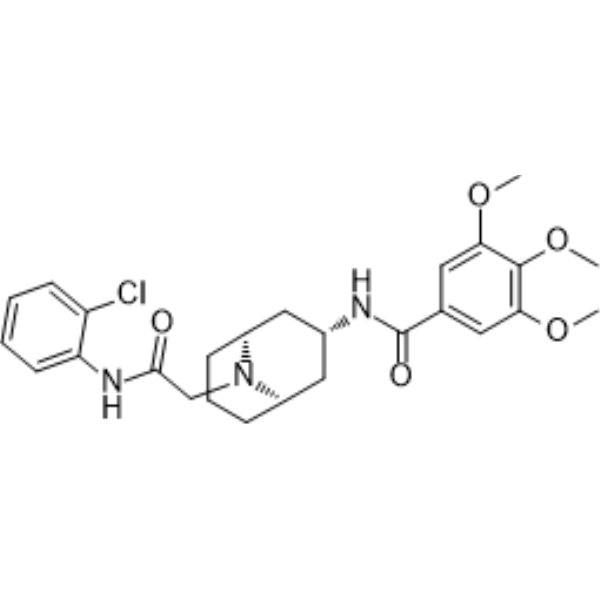
- HY-183771
-
|
|
CDK
Apoptosis
Reactive Oxygen Species (ROS)
Mitochondrial Metabolism
Bcl-2 Family
Caspase
|
Cancer
|
|
CDK4/6-IN-28 is a potent, orally active, and selective CDK4/6 inhibitor IC50 values of 14.02 and 10.03 nM, respectively. CDK4/6-IN-28 inhibits breast cancer cell colony formation, migration, and proliferation. CDK4/6-IN-28 induces G1-phase cell cycle arrest and apoptosis in breast cancer cells. CDK4/6-IN-28 exhibits tumor inhibitory activity in breast cancer xenograft mouse models. CDK4/6-IN-28 can be used for the research of breast cancer .
|
-

- HY-N2909
-
|
|
NF-κB
RIP kinase
Mixed Lineage Kinase
|
Cardiovascular Disease
Neurological Disease
Inflammation/Immunology
|
|
Aurantiamide is a non-covalent, orally active, blood-brain-permeable GRPR selective antagonist with anti-inflammatory and neuroprotective effects. Aurantiamide reduces inflammation and oxidative stress in renal tissue by inhibiting GRPR-mediated renal necrosis pathways (such as RIPK3/MLKL signaling) and NF-κB inflammatory pathways, exerting anti-acute kidney injury and endothelial function activities. Aurantiamide also inhibits the M1 polarization of microglia and inhibits NLRP3 activation, thereby improving AD mouse models. Aurantiamide has in vivo inhibitory efficacy in acute kidney injury models such as ischemia/reperfusion, sepsis, and hypertension models .
|
-
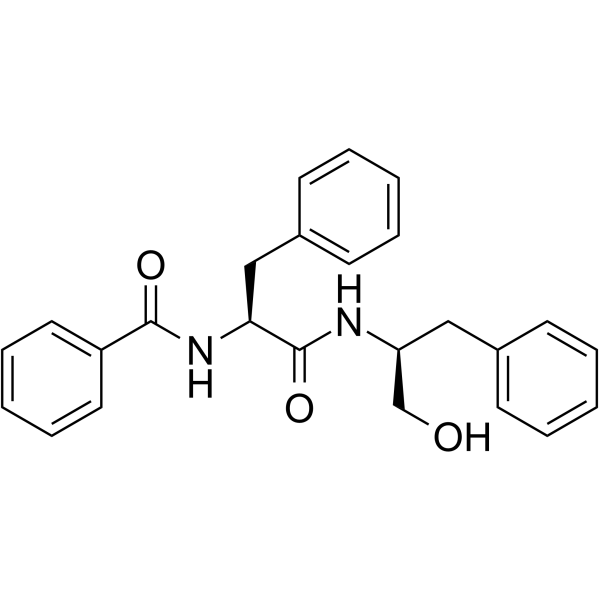
- HY-123882
-
|
|
Endogenous Metabolite
|
Others
|
|
IRAK4-IN-29 is an IRAK4 inhibitor with good selectivity and low nanomolar activity. IRAK4-IN-29 can effectively block the TLR-mediated signal transduction pathway. IRAK4-IN-29 showed significant inhibitory effects in LPS- and R848-induced cytokine experiments. IRAK4-IN-29 can inhibit LPS-induced TNFα in an in vivo model, showing a similar phenotype to IRAK4 gene-deficient mice. IRAK4-IN-29 has good medicinal chemical properties, such as microsomal stability and solubility, showing potential clinical application value .
|
-

- HY-N2424
-
|
2-Phenyl-4-chromone
|
CDK
Apoptosis
Caspase
|
Cancer
|
|
Flavone is an anti-tumor compound that targets cell cycle regulatory proteins (such as cyclin B1) and apoptosis-related factors (such as p21waf1, PIG3). Flavone selectively induces mitochondrial-mediated apoptosis pathways in tumor cells, inhibits cyclin B1 protein expression, upregulates p21waf1, and activates p63/p73 proteins. Flavone has immunomodulatory functions that enhance natural killer cell (NK cell) activity and lymphocyte proliferation. Flavone is used in cancer research, especially for its inhibitory potential in solid tumor models such as esophageal cancer and liver cancer .
|
-
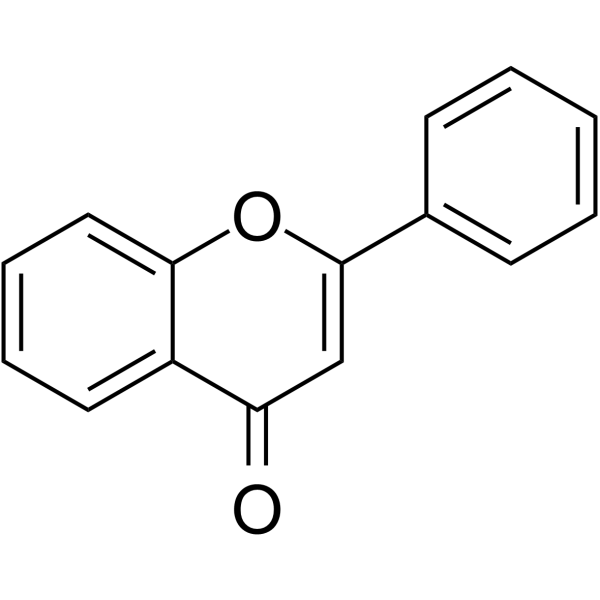
- HY-P11272
-
|
FTX-101
|
VEGFR
|
Neurological Disease
|
|
Tasronetide (FTX-101) is a highly selective inhibitor toward the NRP1/Plexin-A1 receptor system, and displays no significant activity on other targets. Tasronetide intercalates within the transmembrane domains of Plexin-A1 and NRP1 of oligodendrocytes, interferes with the heterodimerization of the co-receptor system, effectively disrupts the NRP1/Plexin-A1 receptor complex and mitigates the inhibitory influence of Sema3A on oligodendrocyte migration and differentiation, thereby facilitating increased myelin sheathing around axons. Tasronetide is designed to enhance the recruitment and maturation of oligodendrocyte precursors and can be used for Chronic Op c Neuropathy research .
|
-

- HY-129200
-
|
|
Endogenous Metabolite
|
Others
|
|
Aspergillomarasmine A is a natural aminopolycarboxylic acid with potent inhibitory activity against class B metallo-β-lactamases (MBLs). Aspergillomarasmine A inactivates MBLs by removing a catalytic Zn2+ cofactor. Aspergillomarasmine A acts as a selective Zn2+ scavenger, promoting the dissociation of the metal cofactor, thereby indirectly inactivating NDM-1. Aspergillomarasmine A causes the loss of Zn2+ ions from the low-affinity binding site of NDM-1. The action of Aspergillomarasmine A results in the rapid degradation of Zn2+-deficient NDM-1, thereby enhancing its potency as a β-lactam enhancer. The mechanism of Aspergillomarasmine A has broad applicability among different Zn2+ chelators .
|
-

- HY-100634
-
|
(±)-4-hydroxy Propranolol hydrochloride
|
Adrenergic Receptor
|
Cardiovascular Disease
|
|
4-Hydroxypropranolol hydrochloride is a non-cardiac selective β-adrenergic receptor antagonist and a metabolite produced after oral administration of Propranolol (HY-B0573B). 4-Hydroxypropranolol hydrochloride also acts as a membrane stabilizer and possesses intrinsic sympathomimetic inhibitory activity. 4-Hydroxypropranolol hydrochloride blocks β-adrenergic receptors to antagonize the effects of catecholamines, acts as a partial β-adrenergic receptor agonist, and induces membrane stabilization. 4-Hydroxypropranolol hydrochloride alters heart rate, left ventricular contractility, and atrioventricular conduction time. 4-Hydroxypropranolol hydrochloride can be used in research related to cardiovascular and cerebrovascular diseases .
|
-
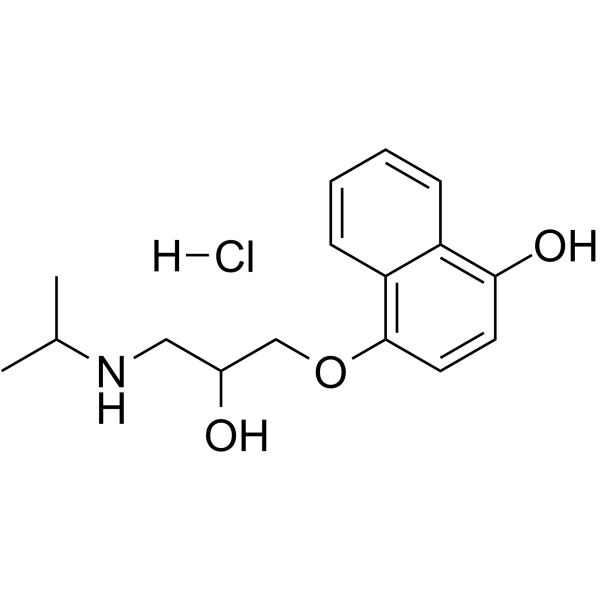
- HY-174382
-
|
|
Akt
mTOR
NF-κB
ROR
Apoptosis
|
Cancer
|
|
ROR1-IN-3 (Compound 24d) is a potent and highly selective ROR1 kinase inhibitor (IC50 = 17.6 nM). ROR1-IN-3 demonstrates robust antitumor activity and inhibitory effect against ROR1 both in vitro and in vivo. ROR1-IN-3 has robust antiproliferative efficacy in vitro and in vivo. ROR1-IN-3 induces apoptosis in cancer cell lines. ROR1-IN-3 inhibits ROR1 downstream AKT/mTOR and NF-κB signaling pathway. ROR1-IN-3 can be studied in antitumor research .
|
-

- HY-143233
-
|
|
Pim
HDAC
Apoptosis
|
Cancer
|
|
PIM-1/HDAC-IN-1 (compound 4d) is a PIM-1 inhibitor, with an IC50 of 343.87 nM. PIM-1/HDAC-IN-1 has strong inhibitory activity and selectivity against HDAC 1 and HDAC 6, with IC50 values of 63.65 and 62.39 nM, respectively. PIM-1/HDAC-IN-1 exhibits apoptosis inducing potential in MCF-7 cell lines. PIM-1/HDAC-IN-1 shows pre-G1 apoptosis and cell cycle arrest at G2/M phase .
|
-
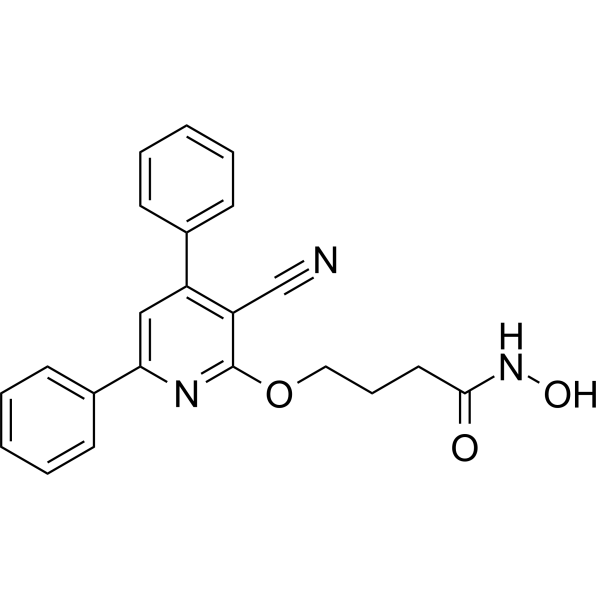
- HY-122542A
-
|
Pebac; D-Phenylalanyl-prolyl-arginyl Chloromethyl Ketone; D-Phe-Pro-Arg-CH2Cl
|
Ligands for E3 Ligase
Molecular Glues
IKZF Family
|
Cardiovascular Disease
|
|
PPACK dihydrochloride is an orally active, selective molecular glue degrader targeting IKZF2. Through a molecular glue mechanism, PPACK dihydrochloride binds to CRBN, recruits IKZF2 to form a ternary complex, and promotes its ubiquitination and proteasomal degradation. This further converts inhibitory regulatory T cells (Treg) into effector-like T cells, enhances CD8 + T cell responses, and modulates the Teff:Treg balance. PPACK dihydrochloride also increases the production of the inflammatory cytokine IL-2 and reduces the suppressive activity of Treg. PPACK dihydrochloride can be used in cancer immunotherapy research, and exhibits a synergistic effect when combined with immune checkpoint inhibitors such as anti-PD1 .
|
-

- HY-18071A
-
|
|
Na+/H+ Exchanger (NHE)
Autophagy
|
Cardiovascular Disease
|
|
BI-9627 hydrochloride is a potent sodium-hydrogen exchanger isoform 1 (NHE1) inhibitor (IC50 = 6 and 31 nM in intracellular pH recovery (pHi) and human platelet swelling assays). BI-9627 hydrochloride displays >30-fold selectivity against NHE2 and with no measurable inhibitory activity against the NHE3 isoform. BI-9627 hydrochloride decreases autophagy in HTR-8/SVneo cells. BI-9627 hydrochloride can significantly reduce the pHi of human sperm and partially reverse the effect of DMA. BI-9627 hydrochloride prolongs Ca 2+ recovery time in KO hiPSC-CMs. BI-9627 hydrochloride shows low DDI (agent-agent interaction) potential, excellent pharmacokinetics in rat and dog, and remarkably potent activity in the isolated heart model of ischemia-reperfusion injury .
|
-
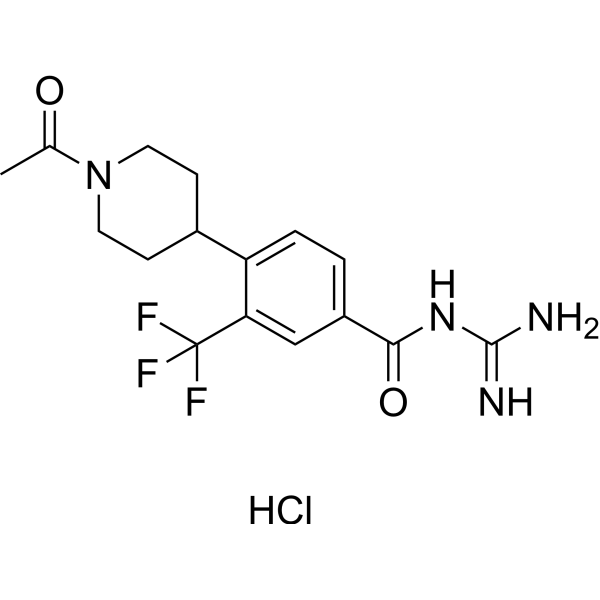
- HY-118386
-
|
|
Endogenous Metabolite
|
Metabolic Disease
|
|
H2-005 is a compound that selectively inhibits diacylglycerol acyltransferase 2 (DGAT2) and has the activity to inhibit triacylglycerol synthesis in hepatocytes and preadipocytes. H2-005 significantly reduces triacylglycerol biosynthesis in HepG2 hepatocytes and 3T3-L1 preadipocytes. H2-005 exhibits specific inhibitory activity in DGAT2-overexpressing HEK293 cells. H2-005 almost completely inhibits lipid droplet formation in 3T3-L1 cells when co-treated with a DGAT1 inhibitor. H2-005 will contribute to DGAT2-related lipid metabolism research and the development of drugs to inhibit metabolic diseases .
|
-

- HY-175814
-
|
|
NOD-like Receptor (NLR)
Pyroptosis
Interleukin Related
|
Inflammation/Immunology
|
|
NLRP3-IN-83 is a selective and orally active NLRP3 inflammasome activation inhibitor. NLRP3-IN-83 exhibits good inhibitory IL-1β activity with an IC50 of 1.4 μM by blocking NLRP3, independent of NF-κB signaling. NLRP3-IN-83 only slightly inhibits AIM2 inflammasome pathway, but has no effect on NLRC4 inflammasome. NLRP3-IN-83 prevent cell pyroptosis and exhibits significant anti-inflammatory efficacy in ulcerative colitis model. NLRP3-IN-83 can be used for the study of inflammatory bowel disease (IBD) .
|
-

- HY-B0696A
-
|
NO050328 hydrochloride; NO328 hydrochloride; TGB hydrochloride
|
GABA Receptor
|
Neurological Disease
|
|
Tiagabine hydrochloride (NO050328; NO328; TGB) is an orally active, highly selective, and reversible GAT-1 inhibitor and anticonvulsant that crosses the blood-brain barrier. By blocking the reuptake of GABA in neurons and glial cells, tiagabine increases extracellular GABA levels to enhance inhibitory signal transduction, thereby exerting multiple activities such as anticonvulsant, neuroprotective, and antioxidant effects. Tiagabine hydrochloride exhibits linear pharmacokinetic properties. Although it is metabolized by CYP3A and has a high protein binding rate, it carries a low risk of cognitive impairment. Tiagabine hydrochloride is widely used in research on related diseases including epilepsy (including refractory partial seizures), alcohol withdrawal symptoms, and Huntington's disease .
|
-
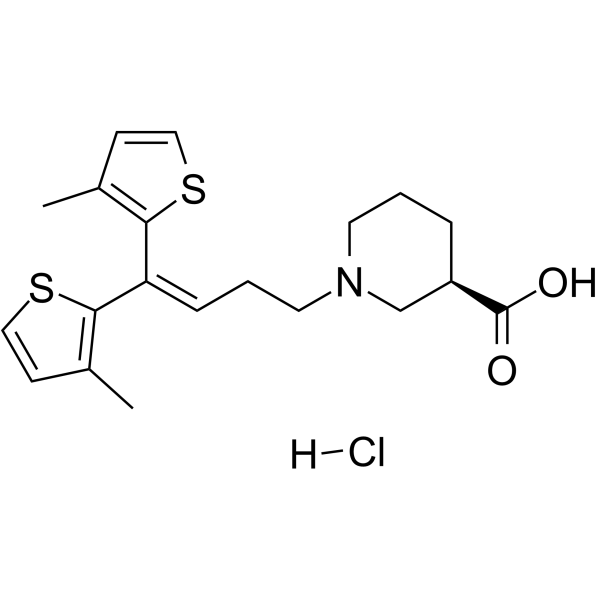
- HY-122542B
-
|
|
Ligands for E3 Ligase
Molecular Glues
IKZF Family
|
Cardiovascular Disease
|
|
PPACK TFA is an orally active, selective molecular glue degrader targeting IKZF2. Through a molecular glue mechanism, PPACK TFA binds to CRBN, recruits IKZF2 to form a ternary complex, and promotes its ubiquitination and proteasomal degradation. This further converts inhibitory regulatory T cells (Treg) into effector-like T cells, enhances CD8 + T cell responses, and modulates the Teff:Treg balance. PPACK TFA also increases the production of the inflammatory cytokine IL-2 and reduces the suppressive activity of Treg. PPACK TFA can be used in cancer immunotherapy research, and exhibits a synergistic effect when combined with immune checkpoint inhibitors such as anti-PD1 .
|
-
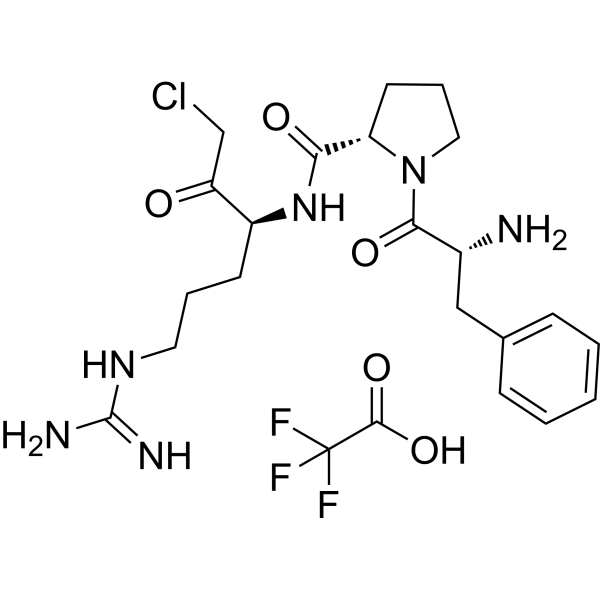
- HY-100754C
-
|
PF-06651600 tosylate
|
JAK
Interleukin Related
STAT
|
Inflammation/Immunology
|
|
Ritlecitinib (PF-06651600) tosylate is a highly selective, orally active, irreversible covalent JAK3 inhibitor (IC50=33 nM) without inhibitory activity towards JAK1, JAK2, and TYK2 (IC50 >10 μ M). Ritlecitinib tosylate rapidly inactivates the JAK3 kinase, and blocks signaling and downstream STAT phosphorylation mediated by common gamma chain cytokines such as IL-2 and IL-15. Ritlecitinib tosylate can inhibit Th1/Th17 cell differentiation and function, and effectively suppress preclinical animal models such as alopecia areata, adjuvant-induced arthritis (AIA), and experimental autoimmune encephalomyelitis (EAE) .
|
-
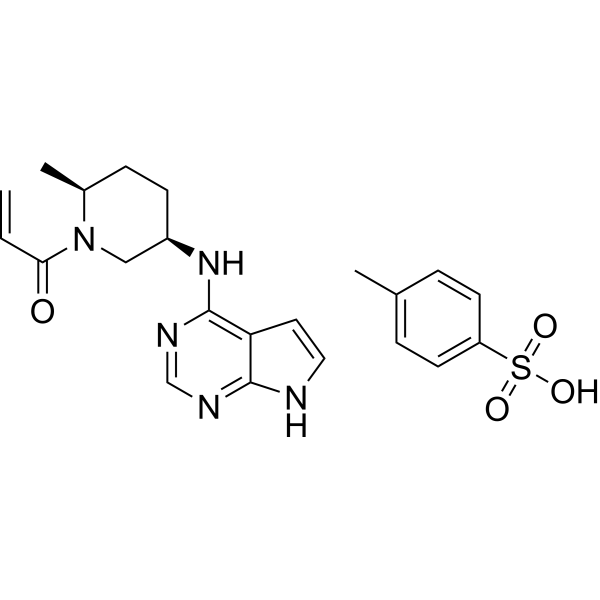
- HY-100754
-
|
PF-06651600
|
JAK
Interleukin Related
STAT
|
Inflammation/Immunology
|
|
Ritlecitinib (PF-06651600) is a highly selective, orally active, irreversible covalent JAK3 inhibitor (IC50=33 nM) without inhibitory activity towards JAK1, JAK2, and TYK2 (IC50 >10 μ M). Ritlecitinib rapidly inactivates the JAK3 kinase, and blocks signaling and downstream STAT phosphorylation mediated by common gamma chain cytokines such as IL-2 and IL-15. Ritlecitinib can inhibit Th1/Th17 cell differentiation and function, and effectively suppress preclinical animal models such as alopecia areata, adjuvant-induced arthritis (AIA), and experimental autoimmune encephalomyelitis (EAE) .
|
-
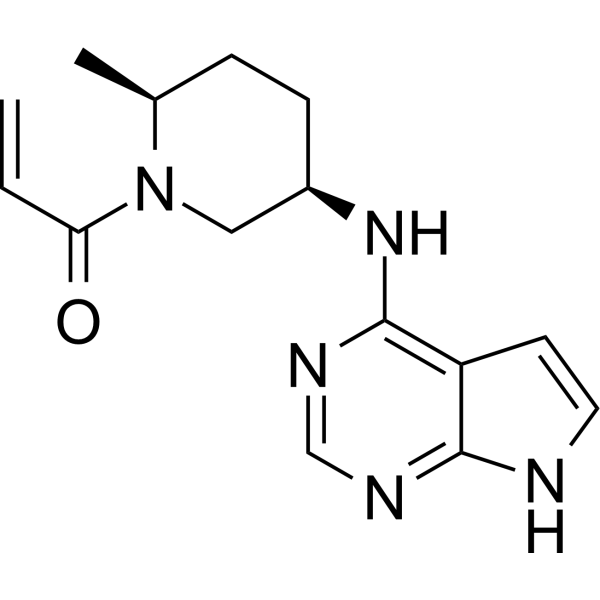
- HY-B0696B
-
|
NO050328 hydrochloride hydrate; NO328 hydrochloride hydrate; TGB hydrochloride hydrate
|
GABA Receptor
|
Neurological Disease
|
|
Tiagabine (NO050328; NO328; TGB) hydrochloride hydrate is an orally active, highly selective, and reversible GAT-1 inhibitor and anticonvulsant that crosses the blood-brain barrier. By blocking the reuptake of GABA in neurons and glial cells, tiagabine increases extracellular GABA levels to enhance inhibitory signal transduction, thereby exerting multiple activities such as anticonvulsant, neuroprotective, and antioxidant effects. Tiagabine hydrochloride hydrate exhibits linear pharmacokinetic properties. Although it is metabolized by CYP3A and has a high protein binding rate, it carries a low risk of cognitive impairment. Tiagabine hydrochloride hydrate is widely used in research on related diseases including epilepsy (including refractory partial seizures), alcohol withdrawal symptoms, and Huntington's disease .
|
-
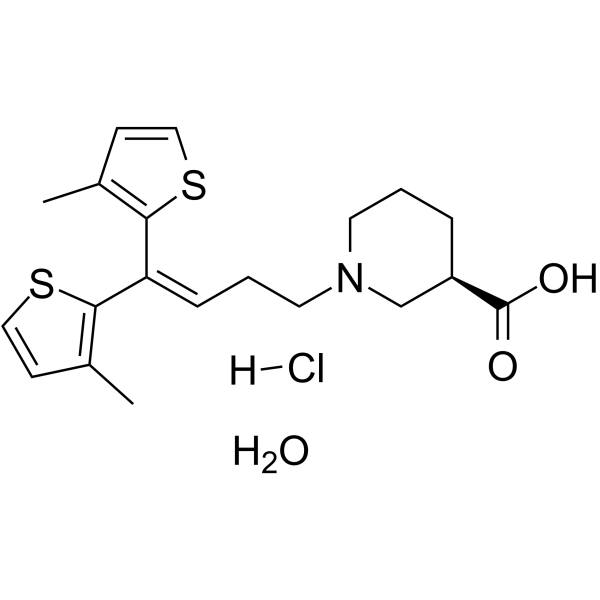
- HY-103504
-
|
|
GABA Receptor
|
Neurological Disease
|
|
(S)-SNAP5114 is a non-covalent murine GABA transporter inhibitor with blood-brain barrier penetration ability, which exhibits significant subtype-selective inhibitory activity against mGAT4 (pIC50=5.71, pKi=4.56), much higher than its effects on mGAT1, mGAT2 and mGAT3. (S)-SNAP5114 elevates extracellular GABA concentrations by blocking the GABA reuptake mechanism, thereby enhancing thalamus-specific GABAergic signaling and exerting potential neuromodulatory effects. (S)-SNAP5114 is widely used in studies related to epilepsy, neuropathic pain, anxiety and depression, and various neurodegenerative diseases .
|
-
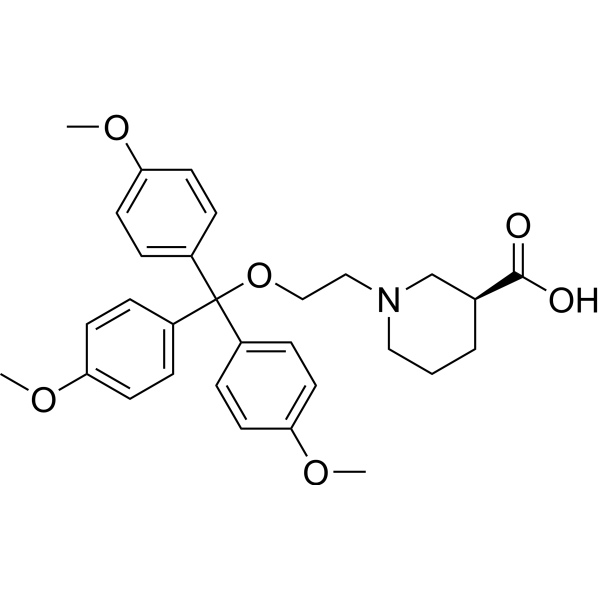
- HY-103322
-
|
|
PKA
Potassium Channel
|
Metabolic Disease
Cancer
|
|
6-Bnz-cAMP sodium, a derivative of cyclic adenosine monophosphate (cAMP), is a selective PKA activator with inhibitory activity against the bTREK-1 K + channel. 6-Bnz-cAMP sodium does not activate the Epac signaling pathway. It inhibits the bTREK-1 K + channel via a voltage-independent, ATP-dependent mechanism that is independent of the PKA/Epac/calmodulin kinase/MAP kinase pathway. 6-Bnz-cAMP sodium activates CREB phosphorylation to regulate osteoblast-specific gene expression, induces osteoblast differentiation, promotes extracellular matrix mineralization, supports osteoblast proliferation, and shows no cytotoxicity toward osteoblasts. It can be used in studies related to bone tissue repair and regeneration .
|
-
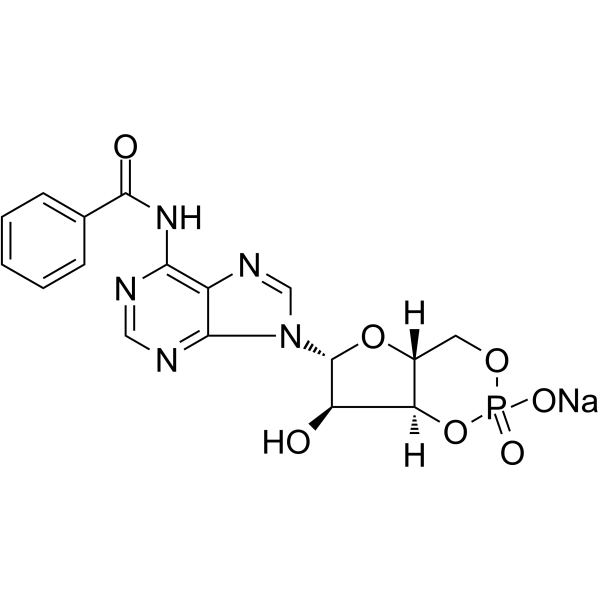
- HY-153021
-
|
|
Parasite
|
Infection
|
|
NMT-IN-1 is a Trypanosoma brucei N-myristoyltransferase (TbNMT) inhibitor, with an IC50 of 31 μM against TbNMT and an IC50 of 66 μM against hNMT. As a thiazolidinone hit compound identified via virtual screening, NMT-IN-1 exerts enzymatic inhibitory effects by binding to the active site of TbNMT. NMT-IN-1 adopts a binding mode distinct from that of pyrazole sulfonamide inhibitors and can inhibit the myristoyl transfer reaction catalyzed by TbNMT. NMT-IN-1 is mainly used in the research of anti-parasitic lead compounds for human African trypanosomiasis (African sleeping sickness). It provides a structural basis for the subsequent optimization of TbNMT inhibitors with high activity, high selectivity and blood-brain barrier permeability .
|
-
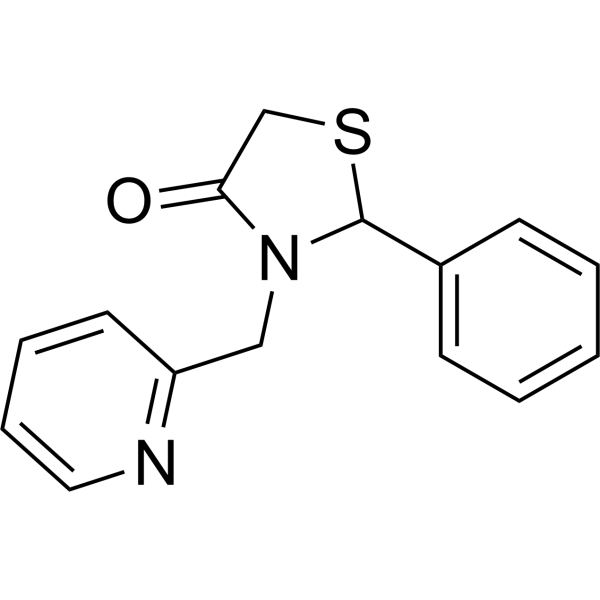
- HY-182636
-
|
|
Deubiquitinase
Aldehyde Dehydrogenase (ALDH)
|
Metabolic Disease
Inflammation/Immunology
Cancer
|
|
MT16-001 is a cell-permeable UCHL1 inhibitor with an IC50 value of 580 nM. MT16-001 also exhibits considerable inhibitory activity against USP30, and shows selectivity for other UCH family deubiquitinases (DUBs) as well as the broader proteome. MT16-001 binds covalently to the cysteine residue at the active site of UCHL1, and forms covalent interactions with ALDH2, ALDH9A1 and GATD3A in intact cells. Meanwhile, as a cytotoxic agent, it displays a steep dose-response curve in human embryonic kidney cells. MT16-001 can be used for research on various cancers, liver fibrosis and pulmonary fibrosis .
|
-

- HY-100754A
-
|
PF-06651600 malonate
|
JAK
Interleukin Related
STAT
|
Inflammation/Immunology
|
|
Ritlecitinib (PF-06651600) malonate is a highly selective, orally active, irreversible covalent JAK3 inhibitor (IC50=33 nM) without inhibitory activity towards JAK1, JAK2, and TYK2 (IC50 >10 μ M). Ritlecitinib malonate rapidly inactivates the JAK3 kinase, and blocks signaling and downstream STAT phosphorylation mediated by common gamma chain cytokines such as IL-2 and IL-15. Ritlecitinib malonate can inhibit Th1/Th17 cell differentiation and function, and effectively suppress preclinical animal models such as alopecia areata, adjuvant-induced arthritis (AIA), and experimental autoimmune encephalomyelitis (EAE) .
|
-
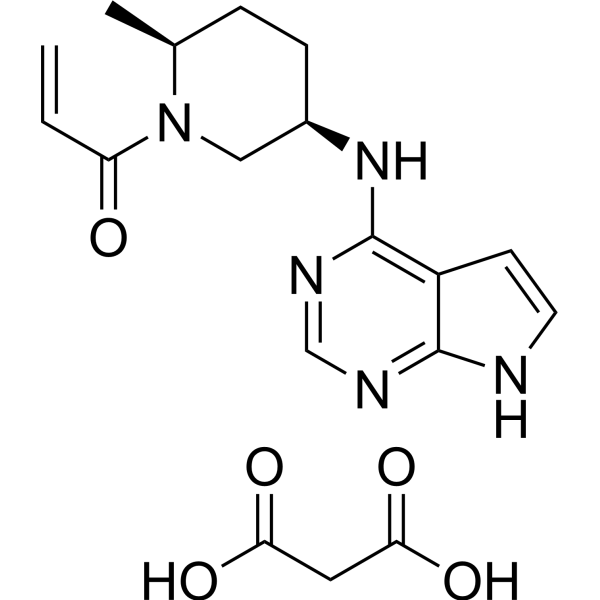
- HY-168168
-
|
|
Endogenous Metabolite
|
Metabolic Disease
|
|
(5aS,6R,6aR)-MK-8666 is a selective GPR40 agonist with activity in promoting fatty acid-induced insulin secretion in pancreatic β cells and intestinal enteroendocrine cells. (5aS,6R,6aR)-MK-8666 has been studied for the inhibition of type 2 diabetes and has shown significant blood glucose lowering effects. Although (5aS,6R,6aR)-MK-8666 is considered to have potential inhibitory advantages, its development was stopped in Phase I clinical trials due to liver safety issues .
|
-

- HY-145432
-
|
|
PI3K
|
Cancer
|
|
PI3K-IN-28 (Compound 6c) is a potent inhibitor of PI3K. PI3K-IN-28 displays the most potent activity with lower toxic effects on MCF-10a. PI3K-IN-28 displays half-maximal inhibitory concentration (IC50, μM) values of 5.8, 2.3, and 7.9. PI3K-IN-28 is the most potent one with a selectivity index (SI) of 39 and is considered as a latent lead for further optimization of anticancer agents .
|
-
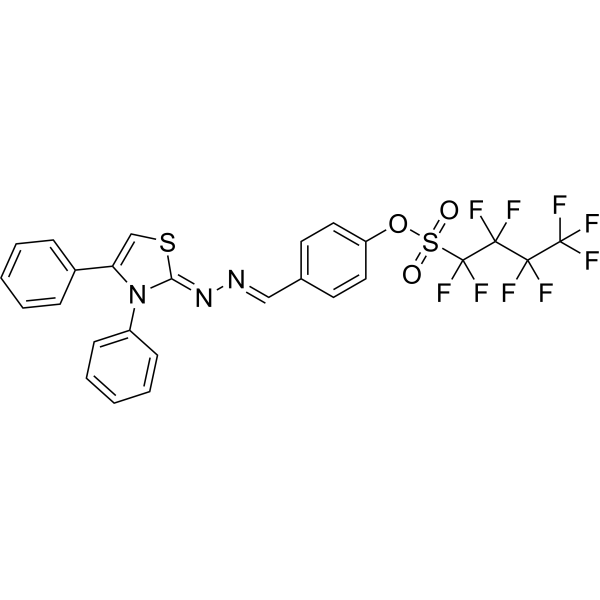
- HY-B0696
-
|
NO050328; NO328; TGB
|
GABA Receptor
|
Neurological Disease
|
|
Tiagabine (NO050328; NO328; TGB) is an orally active, highly selective, and reversible GAT-1 inhibitor and anticonvulsant that crosses the blood-brain barrier. By blocking the reuptake of GABA in neurons and glial cells, tiagabine increases extracellular GABA levels to enhance inhibitory signal transduction, thereby exerting multiple activities such as anticonvulsant, neuroprotective, and antioxidant effects. Tiagabine exhibits linear pharmacokinetic properties. Although it is metabolized by CYP3A and has a high protein binding rate, it carries a low risk of cognitive impairment. Tiagabine is widely used in research on related diseases including epilepsy (including refractory partial seizures), alcohol withdrawal symptoms, and Huntington's disease .
|
-
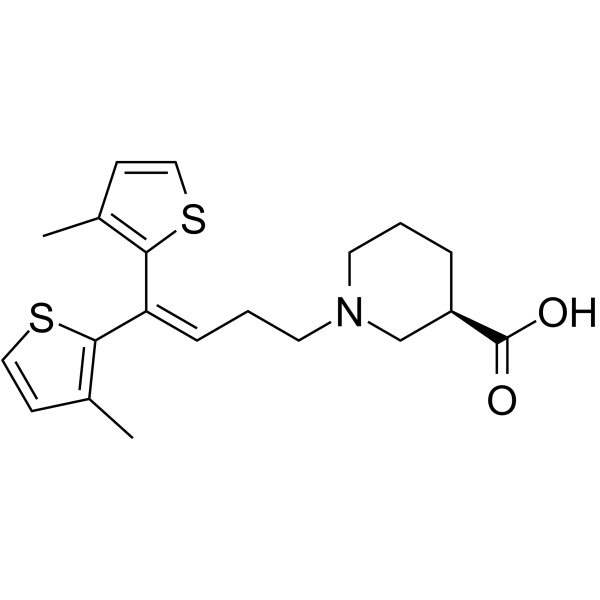
- HY-107830
-
|
|
Endogenous Metabolite
Collagen
|
Infection
Metabolic Disease
|
|
Methyl cholate is a bile acid analog and a specific inhibitor of TcdB toxin from Clostridioides difficile. Methyl cholate exerts a stronger selective inhibitory effect on TcdB than on TcdA. Methyl cholate induces conformational stabilization by binding to a unique site of TcdB, thereby blocking the binding of the toxin to host receptors and its self-processing process. Methyl cholate effectively protects human fibroblasts from TcdB-induced cytopathic effects. Methyl cholate exhibits dose-dependent anti-hepatic fibrosis activity in both cellular and zebrafish models, and significantly reduces the expression levels of α-SMA and COL-I. Methyl cholate is suitable for in-depth research in the fields of Clostridioides difficile infection and hepatic fibrosis .
|
-
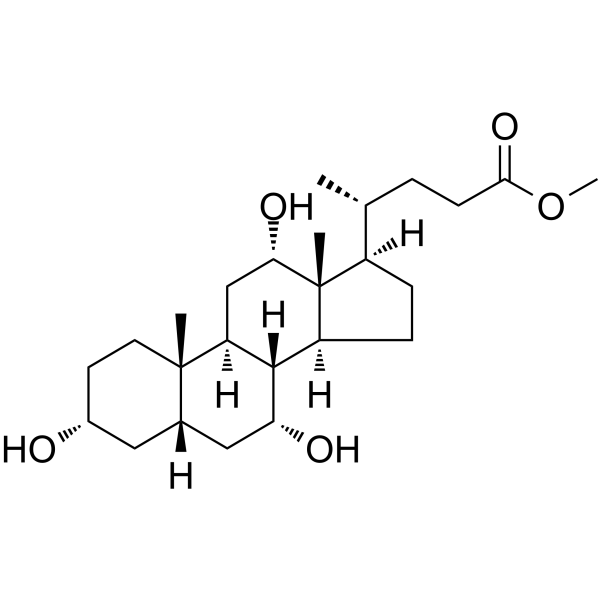
- HY-158252S
-
|
NO050328-d5 hydrochloride; NO328-d5 hydrochloride; TGB-d5 hydrochloride
|
Isotope-Labeled Compounds
GABA Receptor
|
Neurological Disease
|
|
Tiagabine-d5 (hydrochloride) is deuterium labeled Tiagabine (hydrochloride). Tiagabine hydrochloride (NO050328; NO328; TGB) is an orally active, highly selective, and reversible GAT-1 inhibitor and anticonvulsant that crosses the blood-brain barrier. By blocking the reuptake of GABA in neurons and glial cells, tiagabine increases extracellular GABA levels to enhance inhibitory signal transduction, thereby exerting multiple activities such as anticonvulsant, neuroprotective, and antioxidant effects. Tiagabine hydrochloride exhibits linear pharmacokinetic properties. Although it is metabolized by CYP3A and has a high protein binding rate, it carries a low risk of cognitive impairment. Tiagabine hydrochloride is widely used in research on related diseases including epilepsy (including refractory partial seizures), alcohol withdrawal symptoms, and Huntington's disease .
|
-

- HY-155361
-
|
|
PROTACs
Epigenetic Reader Domain
|
Cancer
|
|
PROTAC BRD9 Degrader-7 is an orally active, selective BRD9 PROTAC degrader (DC50 = 1.02 nM). PROTAC BRD9 Degrader-7 mediates BRD9 degradation via the ubiquitin-proteasome system. PROTAC BRD9 Degrader-7 exhibits proliferation inhibitory activity in the MV4-11 cells. PROTAC BRD9 Degrader-7 can be used in the research of acute myeloid leukemia and other related malignancies. (Pink: BI 7271: HY-123616, Blue: 5-Aminothalidomide: HY-W023573, Blue + Black: Thalidomide-5-piperazine: HY-W834174, Black: N,N'-Dimethylpiperazine: HY-W539783) .
|
-
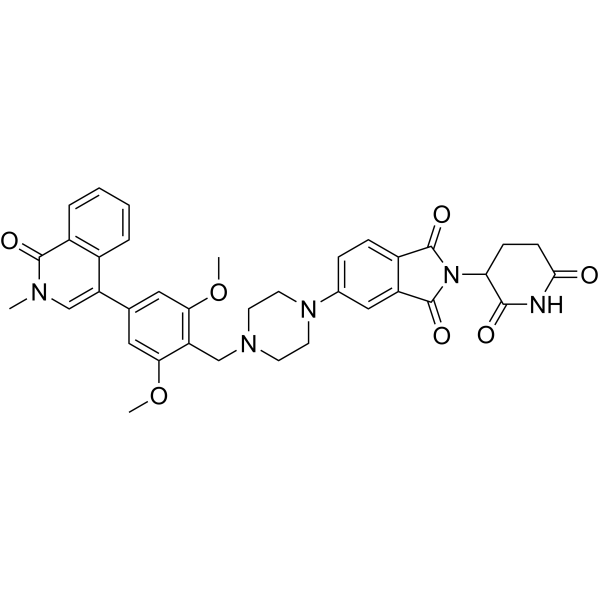
- HY-175869
-
|
|
Ferroptosis
|
Metabolic Disease
Inflammation/Immunology
|
|
Ferroptosis-IN-22 is a selective ferroptosis inhibitor by targeting NCOA4 and disrupting its interaction with ferritin with an EC50 of 520 nM and a Kd of 0.78 μM. Ferroptosis-IN-22 has a strong inhibitory activity against ferroptosis induced by multiple ferroptosis inducers (RSL3 (HY-100218A), Erastin (HY-15763), ML210 (HY-100003), FIN56 (HY-103087)), but does not inhibit necrosis induced by H2O2 or apoptosis induced by STS (HY-15141). Ferroptosis-IN-22 effectively ameliorates Concanavalin A (HY-P2149)-induced acute liver injury. Ferroptosis-IN-22 can be used for the study of ferroptosis-related diseases .
|
-

- HY-180970
-
|
|
PROTACs
Anaplastic lymphoma kinase (ALK)
|
Cancer
|
|
TD-004 is a potent ALK PROTAC degrader. TD-004 exhibits anti-ALK inhibitory activity with an IC50 of 0.11 µM and selectively inhibits the proliferation of SU-DHL-1 and H3122 cells (ALK-positive cancer cells) with IC50s of 0.058 µM and 0.28 µM, respectively. TD-004 induces degradation of ALK fusion proteins (NPM-ALK and EML4-ALK) via recruitment of the VHL E3 ligase and the proteasome pathway. TD-004 demonstrates significant tumor growth inhibition with a favorable safety profile in vivo. TD-004 can be used for the research of anaplastic large cell lymphoma and non-small cell lung cancer .
|
-

- HY-180824
-
|
|
p38 MAPK
|
Neurological Disease
|
|
P38-α MAPK-IN-11 (Compound 4C) is a selective inhibitor of P38α MAPK that can cross the blood-brain barrier with an IC50 value of 43 nM. P38-α MAPK-IN-11 has extremely low inhibitory activity against other MAPK subtypes, namely p38β, p38γ, and p38δ, with IC50 values of > 100 nM, > 100 nM, and 48.6 mM respectively. P38-α MAPK-IN-11 exhibits outstanding neuroprotective effects and anti-neuroinflammatory effects in Alzheimer's disease-like rat models. P38-α MAPK-IN-11 can be used for the study of Alzheimer's disease .
|
-

- HY-159647
-
|
|
Molecular Glues
Ligands for E3 Ligase
IKZF Family
|
Cancer
|
|
PLX-4545 is an orally active, selective molecular glue degrader targeting IKZF2. Through a molecular glue mechanism, PLX-4545 binds to CRBN, recruits IKZF2 to form a ternary complex, and promotes its ubiquitination and proteasomal degradation. This further converts inhibitory regulatory T cells (Treg) into effector-like T cells, enhances CD8 + T cell responses, and modulates the Teff:Treg balance. PLX-4545 also increases the production of the inflammatory cytokine IL-2 and reduces the suppressive activity of Treg. PLX-4545 can be used in cancer immunotherapy research, and exhibits a synergistic effect when combined with immune checkpoint inhibitors such as anti-PD1 .
|
-

- HY-18101S
-
|
|
Isotope-Labeled Compounds
Sigma Receptor
TRP Channel
|
Neurological Disease
|
|
BD-1063-d8 dihydrochloride is the deuterium labeled BD1063 dihydrochloride (HY-18101A) . BD-1063 dihydrochloride is a selective σ-1 receptor antagonist with inhibitory activity against TRPC5 and TRPM3. BD-1063 dihydrochloride exerts anti-hyperalgesic and anti-allodynic effects by inhibiting sustained calcium influx mediated by TRPC5 and TRPM3, and reverses the effects of Carrageenan (HY-125474). BD-1063 dihydrochloride also significantly reduces excessive ethanol self-administration behavior. BD-1063 dihydrochloride is widely used in studies on the mechanisms underlying neuropathic pain, inflammatory hyperalgesia, and alcohol abuse and dependence .
|
-

- HY-137381
-
|
N6-Benzoyl-cAMP
|
PKA
Potassium Channel
|
Metabolic Disease
|
|
6-Bnz-cAMP, a derivative of cyclic adenosine monophosphate (cAMP), is a selective PKA activator with inhibitory activity against the bTREK-1 K + channel. 6-Bnz-cAMP does not activate the Epac signaling pathway. 6-Bnz-cAMP inhibits the bTREK-1 K + channel via a voltage-independent, ATP-dependent mechanism that is independent of the PKA/Epac/calmodulin kinase/MAP kinase pathway. 6-Bnz-cAMP activates CREB phosphorylation to regulate osteoblast-specific gene expression, induces osteoblast differentiation, promotes extracellular matrix mineralization, supports osteoblast proliferation, and shows no cytotoxicity toward osteoblasts. 6-Bnz-cAMP can be used in studies related to bone tissue repair and regeneration .
|
-

- HY-181646
-
|
|
Phosphodiesterase (PDE)
TNF Receptor
|
Inflammation/Immunology
|
|
PDE4-IN-34 is a phosphodiesterase 4 (PDE4) inhibitor, with IC50 values of 19 pM and 14 pM against PDE4B1 and PDE4D2, respectively. PDE4-IN-34 shows weak inhibitory activity against PDE8A1, with an IC50 value of 4.092 μM, and exhibits significant selectivity over other subtypes (IC50 > 10 μM). PDE4-IN-34 improves pulmonary function, reduces inflammatory responses and alleviates lung tissue damage in a rat model induced by cigarette smoke combined with LPS (HY-D1056). PDE4-IN-34 can be used for research related to chronic obstructive pulmonary disease .
|
-

- HY-19633A
-
|
|
Endogenous Metabolite
|
Neurological Disease
|
|
CS-003 is a triple neurokinin receptor antagonist with activity in inhibiting neurokinin-related respiratory diseases. CS-003 exhibits high affinity for human neurokinin 1, 2 and 3 receptors, withKi values of 2.3 nM, 0.54 nM and 0.74 nM respectively. The Ki values of CS-003 on the guinea pig neurokinin receptor are 5.2 nM, 0.47 nM and 0.71 nM respectively, showing superior inhibitory effect. CS-003 significantly inhibits the formation of inositol phosphate involving substance P, neurokinin A and neurokinin B through competitive antagonism. CS-003 significantly inhibits citric acid-induced cough, and its effect is better than other selective neurokinin receptor antagonists .
|
-

- HY-147209
-
|
|
YAP
|
Metabolic Disease
|
|
DC-TEAD3in03 is a subtype-selective and covalent TEAD3 inhibitor with an IC50 of 0.16 μM. DC-TEAD3in03 exhibits the inhibitory activity on TEAD1/2/4 reduced by more than 100 times. DC-TEAD3in03 has the IC50 for TEAD3 of 1.15 μM in the GAL4-TEAD reporter gene experiment in cells, and it does not interfere with the β-catenin pathway. DC-TEAD3in03 reduces the growth rate of the zebrafish tail fin. DC-TEAD3in03 can be used to study the proportional growth of appendages in vertebrates .
|
-

- HY-147294
-
|
ACT-539313
|
Orexin Receptor (OX Receptor)
Cytochrome P450
|
Neurological Disease
|
|
Nivasorexant (ACT-539313) is an orally active, blood-brain barrier penetrant, selective orexin OX1R inhibitor. Nivasorexant specifically blocks central OX1Rs without affecting OX2Rs, and exhibits competitive inhibitory activity against CYP2C8, CYP2C9, CYP2C19 and CYP3A4 (IC50 values are 25 μM, 8.6 μM, 1.6 μM, 19 μM/44 μM, respectively). Nivasorexant significantly reduces binge-like eating behavior of highly palatable food in rat models and has long-acting properties. Nivasorexant shows no relevant off-target activity against over 130 selected proteins, exhibits favorable safety profiles, and can be used for studies related to binge eating disorder .
|
-
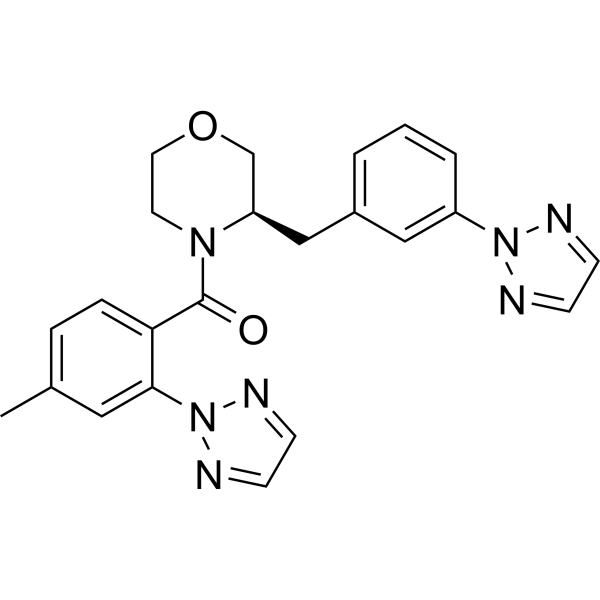
- HY-18071
-
BI-9627
3 Publications Verification
|
Na+/H+ Exchanger (NHE)
Autophagy
|
Cardiovascular Disease
|
|
BI-9627, a chemical probe, is a potent sodium-hydrogen exchanger isoform 1 (NHE1) inhibitor (IC50 = 6 and 31 nM in intracellular pH recovery (pHi) and human platelet swelling assays). BI-9627 displays >30-fold selectivity against NHE2 and with no measurable inhibitory activity against the NHE3 isoform. BI-9627 decreases autophagy in HTR-8/SVneo cells. BI-9627 can significantly reduce the pHi of human sperm and partially reverse the effect of DMA. BI-9627 prolongs Ca 2+ recovery time in KO hiPSC-CMs. BI-9627 shows low DDI (agent-agent interaction) potential, excellent pharmacokinetics in rat and dog, and remarkably potent activity in the isolated heart model of ischemia-reperfusion injury .
|
-
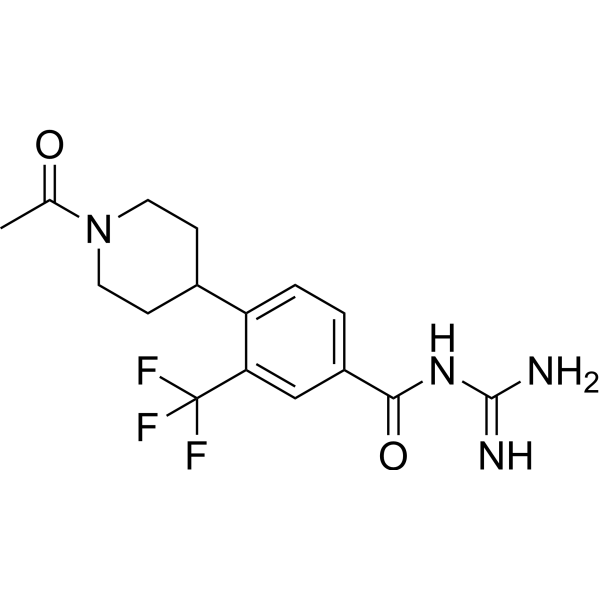
- HY-175649
-
|
|
Large Tumor Suppressor (LATS)
YAP
|
Cancer
|
|
LATS1/2-IN-1 is a potent and selective LATS1 and LATS2 inhibitor. LATS1/2-IN-1 exhibits potent inhibitory activity against LATS1 and LATS2 with IC50 values of 4.4 nM and 5.5 nM as determined via r 33P functional assay. LATS1/2-IN-1 displays cellular IC50 values of 136 nM for LATS1 and 36.0 nM for LATS2 as determined via NanoBRET assay. LATS1/2-IN-1 reduces phosphorylation of YAP1 in mouse liver. LATS1/2-IN-1 demonstrates wound healing activity in HT-1080 scratch assay and in vivo SKH1 mouse punch biopsy model. LATS1/2-IN-1 can be used for the study of regenerative medicine indications such as wound healing .
|
-

- HY-121708
-
|
|
c-Kit
|
Cancer
|
|
KI-328 is a novel inhibitor targeting KIT kinase that has selective activity against some KIT mutant kinases commonly found in acute myeloid leukemia (AML). KI-328 showed specificity for KIT kinase in in vitro kinase assays and inhibited the growth of wild-type (Wt) and mutant KIT-expressing cells, but had lower activity against D816V-KIT. Comparative analysis of the inhibitory effects of several potent KIT inhibitors on the growth of multiple mutant KIT-expressing cells showed that the multi-kinase inhibitors had comparable activity against D816V-KIT as against other mutant KITs; however, heat shock protein 90 (HSP90) inhibitors showed significant activity against D816V-KIT, inhibiting the growth of D816V-KIT-expressing cells at concentrations that did not affect the growth of other mutant KIT-expressing cells. These results suggest that potent KIT inhibitors have different activities against different types of KIT mutant kinases. Therefore, in clinical development, KIT inhibitors need to validate their activity against multiple types of KIT mutant kinases.
|
-

- HY-156807
-
|
|
Serotonin Transporter
5-HT Receptor
|
Neurological Disease
|
LY 367265 is a 5-hydroxytryptamine transporter (SERT) inhibitor (IC₅₀ = 3.1 nM) and a 5-HT₂A receptor antagonist (Kᵢ = 0.81 nM). LY 367265 has the inhibitory activity on the norepinephrine transporter (NET) of extremely weak (IC₅₀ > 1000 nM); it has low affinity for subtypes such as 5-HT₁B (Kᵢ = 490 nM) and 5-HT₁D (Kᵢ = 81 nM), showing high selectivity. LY 367265 concentration-dependently enhances of [³H]5-HT efflux (EC₅₀ = 250 nM). LY 367265 antagonizes the contraction response of Sumatriptan (HY-B0121B), indicating its functional antagonistic activity on 5-HT₁D-like receptors. LY 367265 can be used for the study of diseases such as anxiety disorders and post-traumatic stress disorder .
|
-

- HY-179413
-
|
|
DNA/RNA Synthesis
|
Cancer
|
|
Polθ-IN-9 is an orally active Polθ polymerase inhibitor (IC50 = 9.6 nM, Kd = 47.5 nM). Polθ-IN-9 shows remarkable selectivity with no inhibitory activity against other human DNA polymerases, including Pol α, Pol ε, Pol γ, Pol λ, and Pol μ. Polθ-IN-9 exhibits strong antiproliferative activity in DLD1 BRCA2 KO cells (IC50 = 2.9 μM), and high sensitivity to MDA-MB-436 cells (IC50 = 4.9 μM). Polθ-IN-9 increases DNA damage accumulation, induces γH2AX levels, and inhibits tumor growth in combination with Olaparib (HY-10162), in the MDA-MB-436 xenograft model. Polθ-IN-9 can be used for the research of homologous recombination (HR)-deficient cancers such as breast cancer .
|
-

- HY-179227
-
|
|
HDAC
|
Neurological Disease
|
|
HDAC6 ligand-7 (Compound 16a) is a positron emission tomography (PET) tracer for the deacetylase 6 (HDAC6) enzyme with a Kd value of 1.66 nM. HDAC6 ligand-7 exhibits excellent HDAC6 inhibitory activity, with IC50 values of 2.7 and 3.7 nM for hHDAC6 and mHDAC6, respectively, and has high selectivity for HDAC1/4/7/8. HDAC6 ligand-7 after being radioactively labeled with fluorine-18, [¹⁸F]HDAC6 ligand-7 shows varying degrees of radioactive uptake in PET, which can reflect the specific binding to HDAC6. HDAC6 ligand-7 can be used for the study of HDAC6 imaging .
|
-

- HY-P11091
-
|
|
Bacterial
|
Infection
|
|
PA2-GNU7 is an antimicrobial peptide (AMP). PA2-GNU7 exhibits potent antimicrobial activity with minimal inhibitory concentration (MIC) against P. aeruginosa, E. coli, S. typhimurium, S. aureus, and C. albicans are 2 μM, 1 μM, 2 μM, 2 μM, and 8 μM, respectively. PA2-GNU7 rapidly and selectively kills Pseudomonas aeruginosa without affecting other commensal bacteria. PA2-GNU7 significantly improves survival of mice infected with P. aeruginosa. PA2-GNU7 can be used for the research and development of therapeutic agents against MDR Pseudomonas aeruginosa infections .
|
-

- HY-182368
-
|
|
PI3K
Akt
Apoptosis
|
Cancer
|
|
PI3Kα-IN-30 is an orally active, selective PI3Kα inhibitor with an IC50 of 2.8 nM. PI3Kα-IN-30 inhibits cancer cell proliferation, as well as the phosphorylation of Akt (S473) and pS6 (S240/244). PI3Kα-IN-30 shows low growth inhibitory activity against normal somatic cell lines at a concentration of 30 μM. PI3Kα-IN-30 induces cancer cell apoptosis and exerts anti-tumor efficacy in xenograft models. PI3Kα-IN-30 can be used for the research of breast cancer .
|
-

- HY-B0696S
-
|
NO050328-d6; NO328-d6; TGB-d6
|
Isotope-Labeled Compounds
GABA Receptor
|
Neurological Disease
|
|
Tiagabine-d6 (NO050328-d6) is deuterium labeled Tiagabine. Tiagabine (NO050328; NO328; TGB) is an orally active, highly selective, and reversible GAT-1 inhibitor and anticonvulsant that crosses the blood-brain barrier. By blocking the reuptake of GABA in neurons and glial cells, tiagabine increases extracellular GABA levels to enhance inhibitory signal transduction, thereby exerting multiple activities such as anticonvulsant, neuroprotective, and antioxidant effects. Tiagabine exhibits linear pharmacokinetic properties. Although it is metabolized by CYP3A and has a high protein binding rate, it carries a low risk of cognitive impairment. Tiagabine is widely used in research on related diseases including epilepsy (including refractory partial seizures), alcohol withdrawal symptoms, and Huntington's disease .
|
-

- HY-W746556
-
|
|
Isotope-Labeled Compounds
Endogenous Metabolite
Collagen
|
Metabolic Disease
|
|
Methyl cholate-d5 is the deuterium labeled Methyl cholate. Methyl cholate is a bile acid analog and a specific inhibitor of TcdB toxin from Clostridioides difficile. Methyl cholate exerts a stronger selective inhibitory effect on TcdB than on TcdA. Methyl cholate induces conformational stabilization by binding to a unique site of TcdB, thereby blocking the binding of the toxin to host receptors and its self-processing process. Methyl cholate effectively protects human fibroblasts from TcdB-induced cytopathic effects. Methyl cholate exhibits dose-dependent anti-hepatic fibrosis activity in both cellular and zebrafish models, and significantly reduces the expression levels of α-SMA and COL-I. Methyl cholate is suitable for in-depth research in the fields of Clostridioides difficile infection and hepatic fibrosis .
|
-

- HY-112411
-
|
|
EGFR
ERK
PDGFR
FGFR
|
Neurological Disease
Inflammation/Immunology
|
|
PD 174265 is a highly selective, reversible EGFR/ErbB2 tyrosine kinase inhibitor (IC50=0.45 nM) and cell differentiation inducer. By blocking receptor autophosphorylation and the downstream ERK signaling pathway (with an IC50 of 0.45 μM for full-length ERK), PD 174265 effectively inhibits tumor growth and exhibits antitumor activity without obvious toxicity in in vivo models. PD 174265 drives oligodendrocyte precursor cells to switch from a proliferative state to a differentiated state, significantly upregulates the expression of myelin proteins such as CNP, PLP and MBP, and induces neurite branching. PD 174265 shows no inhibitory effect on other kinases including insulin, PDGF and basic FGF receptors, and serves as a crucial tool molecule for investigating the treatment of human epidermoid carcinoma and the mechanism of myelin repair in multiple sclerosis .
|
-
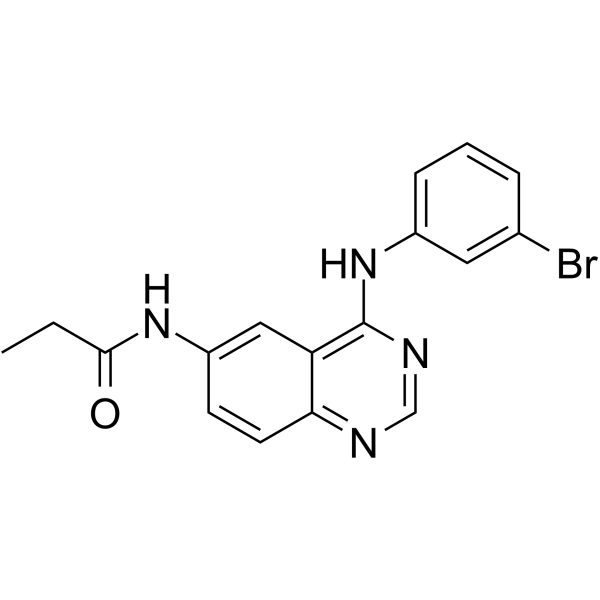
- HY-B0696S1
-
|
NO050328-d4; NO328-d4; TGB-d4
|
Isotope-Labeled Compounds
GABA Receptor
|
Neurological Disease
|
|
Tiagabine-d4 (NO050328-d4) is deuterium labeled Tiagabine. Tiagabine (NO050328; NO328; TGB) is an orally active, highly selective, and reversible GAT-1 inhibitor and anticonvulsant that crosses the blood-brain barrier. By blocking the reuptake of GABA in neurons and glial cells, tiagabine increases extracellular GABA levels to enhance inhibitory signal transduction, thereby exerting multiple activities such as anticonvulsant, neuroprotective, and antioxidant effects. Tiagabine exhibits linear pharmacokinetic properties. Although it is metabolized by CYP3A and has a high protein binding rate, it carries a low risk of cognitive impairment. Tiagabine is widely used in research on related diseases including epilepsy (including refractory partial seizures), alcohol withdrawal symptoms, and Huntington's disease .
|
-

- HY-107830R
-
|
|
Reference Standards
Endogenous Metabolite
Collagen
|
Metabolic Disease
|
|
Methyl cholate (Standard) is the analytical standard of Methyl cholate. This product is intended for research and analytical applications. Methyl cholate is a bile acid analog and a specific inhibitor of TcdB toxin from Clostridioides difficile. Methyl cholate exerts a stronger selective inhibitory effect on TcdB than on TcdA. Methyl cholate induces conformational stabilization by binding to a unique site of TcdB, thereby blocking the binding of the toxin to host receptors and its self-processing process. Methyl cholate effectively protects human fibroblasts from TcdB-induced cytopathic effects. Methyl cholate exhibits dose-dependent anti-hepatic fibrosis activity in both cellular and zebrafish models, and significantly reduces the expression levels of α-SMA and COL-I. Methyl cholate is suitable for in-depth research in the fields of Clostridioides difficile infection and hepatic fibrosis .
|
-

- HY-100754R
-
|
PF-06651600 (Standard)
|
JAK
Reference Standards
Interleukin Related
STAT
|
Inflammation/Immunology
|
|
Ritlecitinib (Standard) is the analytical standard of Ritlecitinib (HY-100754). This product is intended for research and analytical applications. Ritlecitinib (PF-06651600) is a highly selective, orally active, irreversible covalent JAK3 inhibitor (IC50=33 nM) without inhibitory activity towards JAK1, JAK2, and TYK2 (IC50 >10 μ M). Ritlecitinib rapidly inactivates the JAK3 kinase, and blocks signaling and downstream STAT phosphorylation mediated by common gamma chain cytokines such as IL-2 and IL-15. Ritlecitinib can inhibit Th1/Th17 cell differentiation and function, and effectively suppress preclinical animal models such as alopecia areata, adjuvant-induced arthritis (AIA), and experimental autoimmune encephalomyelitis (EAE) .
|
-

- HY-180585
-
|
|
Monoamine Oxidase
Guanylate Cyclase
PKG
Collagen
|
Cardiovascular Disease
|
|
LOXL2/sGC modulator-2 (Compound 9k) is a selective and orally active lysyl oxidase-like 2 (LOXL2) and soluble guanylate cyclase (sGC) dual-target regulator. LOXL2/sGC modulator-2 shows inhibitory activity for LOXL2 with an IC50 of 0.1 μM and can activate sGC. LOXL2/sGC modulator-2 can ameliorate vascular remodeling and reduce pulmonary artery pressure. LOXL2/sGC modulator-2 can downregulate PKG1, PCNA, α-SMA, collagen I and fibronectin levels. LOXL2/sGC modulator-2 can be used for the research of pulmonary arterial hypertension .
|
-

- HY-100754CR
-
|
PF-06651600 tosylate (Standard)
|
JAK
Reference Standards
Interleukin Related
STAT
|
Inflammation/Immunology
|
|
Ritlecitinib (tosylate) (Standard) is the analytical standard of Ritlecitinib (tosylate) (HY-100754C). This product is intended for research and analytical applications. Ritlecitinib (PF-06651600) tosylate is a highly selective, orally active, irreversible covalent JAK3 inhibitor (IC50=33 nM) without inhibitory activity towards JAK1, JAK2, and TYK2 (IC50 >10 μ M). Ritlecitinib tosylate rapidly inactivates the JAK3 kinase, and blocks signaling and downstream STAT phosphorylation mediated by common gamma chain cytokines such as IL-2 and IL-15. Ritlecitinib tosylate can inhibit Th1/Th17 cell differentiation and function, and effectively suppress preclinical animal models such as alopecia areata, adjuvant-induced arthritis (AIA), and experimental autoimmune encephalomyelitis (EAE) .
|
-

- HY-B0696AS
-
|
NO050328-d4 hydrochloride; NO328-d4 hydrochloride; TGB-d4 hydrochloride
|
Isotope-Labeled Compounds
GABA Receptor
|
Neurological Disease
|
|
Tiagabine-d4 hydrochloride is deuterated labeled Tiagabine hydrochloride (HY-B0696A). Tiagabine hydrochloride (NO050328; NO328; TGB) is an orally active, highly selective, and reversible GAT-1 inhibitor and anticonvulsant that crosses the blood-brain barrier. By blocking the reuptake of GABA in neurons and glial cells, tiagabine increases extracellular GABA levels to enhance inhibitory signal transduction, thereby exerting multiple activities such as anticonvulsant, neuroprotective, and antioxidant effects. Tiagabine hydrochloride exhibits linear pharmacokinetic properties. Although it is metabolized by CYP3A and has a high protein binding rate, it carries a low risk of cognitive impairment. Tiagabine hydrochloride is widely used in research on related diseases including epilepsy (including refractory partial seizures), alcohol withdrawal symptoms, and Huntington's disease .
|
-
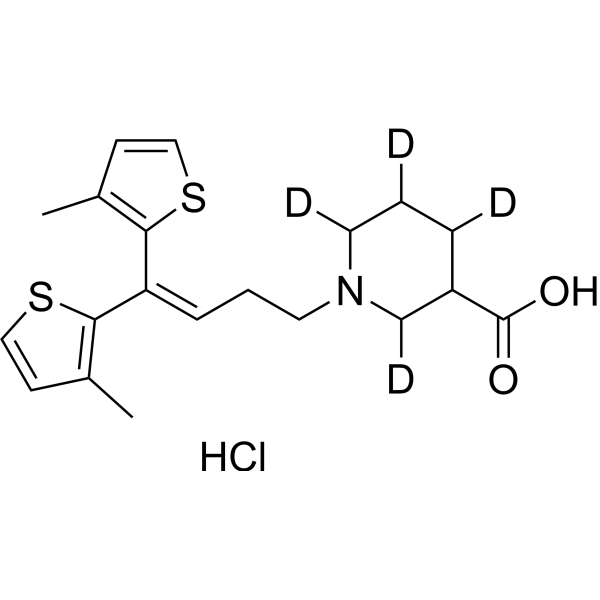
- HY-N16771
-
|
|
Caspase
Apoptosis
Bcl-2 Family
Bacterial
VEGFR
|
Cancer
|
|
Clausenidin is a selective inhibitor targeting apoptosis-related pathways, including the mitochondrial pathway and death receptor pathway, and vascular endothelial growth factor (VEGF). Clausenidin induces mitochondrial membrane depolarization by activating caspase-3, caspase-8 and caspase-9, upregulating the pro-apoptotic protein Bax and downregulating the anti-apoptotic protein Bcl-2. Clausenidin also inhibits VEGF expression and blocks angiogenesis, exerting anti-tumor activity. Clausenidin has inhibitory effects against Mycobacterium tuberculosis (MIC=200 μg/mL). Clausenidin can induce apoptosis in liver cancer cells, arrest the cell cycle in the G2/M phase, and inhibit tumor angiogenesis. Clausenidin can be used in the research of malignant tumors such as liver cancer .
|
-

- HY-B0696AR
-
|
NO050328 hydrochloride (Standard); NO328 hydrochloride (Standard); TGB hydrochloride (Standard)
|
Reference Standards
GABA Receptor
|
Neurological Disease
|
|
Tiagabine (hydrochloride) (Standard) is the analytical standard of Tiagabine (hydrochloride). This product is intended for research and analytical applications. Tiagabine hydrochloride (NO050328; NO328; TGB) is an orally active, highly selective, and reversible GAT-1 inhibitor and anticonvulsant that crosses the blood-brain barrier. By blocking the reuptake of GABA in neurons and glial cells, tiagabine increases extracellular GABA levels to enhance inhibitory signal transduction, thereby exerting multiple activities such as anticonvulsant, neuroprotective, and antioxidant effects. Tiagabine hydrochloride exhibits linear pharmacokinetic properties. Although it is metabolized by CYP3A and has a high protein binding rate, it carries a low risk of cognitive impairment. Tiagabine hydrochloride is widely used in research on related diseases including epilepsy (including refractory partial seizures), alcohol withdrawal symptoms, and Huntington's disease .
|
-

- HY-178448
-
|
|
EGFR
JAK
Ferroptosis
Apoptosis
Reactive Oxygen Species (ROS)
Cannabinoid Receptor
Glutathione Peroxidase
Caspase
|
Inflammation/Immunology
Cancer
|
|
EGFR-IN-178 is an orally active EGFR mutant inhibitor, exhibits highly selective inhibitory activity against mutants of the EGFR enzyme, including Del19 (IC50 = 3.4 nM), L858R/T790 M (IC50 = 2.9 nM), and Del19/T790 M (IC50 = 2.5 nM). EGFR-IN-178 has good activity against JAK2 (IC50 = 55.6 nM) and JAK3 (IC50 = 46.1 nM) kinases. EGFR-IN-178 can increase cellular lipid oxide MDA, meanwhile decrease GSH content, causing ferroptosis in cancer cells. EGFR-IN-178 promotes apoptosis by increasing cleaved caspase-3 expression. EGFR-IN-178 can inhibit the phosphorylation of EGFR protein and decrease the active form p-JAK2 for JAK2, induce an increase in intracellular ROS. EGFR-IN-178 can be used for the study of non-small cell lung cancer (NSCLC) .
|
-

- HY-179020
-
|
|
PARP
VEGFR
DNA/RNA Synthesis
Apoptosis
Autophagy
|
Cancer
|
|
PARP/VEGFR3-IN-1 (Compound 18) is a dual PARP-VEGFR3 target inhibitor. Its IC50 values for PARP1, PARP2, and VEGFR3 are 0.0763, 0.0366, and 4.25 nM respectively. PARP/VEGFR3-IN-1 has no inhibitory effect on VEGFR1/2 and shows subtype selectivity. PARP/VEGFR3-IN-1 exhibits significant anti-proliferative activity in various cancer cells (leukemia, lung cancer, and triple-negative breast cancer). PARP/VEGFR3-IN-1 induces DNA damage and cell cycle arrest. PARP/VEGFR3-IN-1 triggers various forms of cell death by inducing apoptosis and autophagy. PARP/VEGFR3-IN-1 can be formulated into nanodelivery systems, significantly enhancing tumor targeting and therapeutic window .
|
-

- HY-173444
-
|
|
HDAC
Transferrin Receptor
Apoptosis
Ferroptosis
|
Cancer
|
|
HDAC11-IN-3 (Compound A9) is a selective HDAC11 inhibitor (IC50: 4.1 nM). HDAC11-IN-3 has inhibitory effects on U937 and OCI-AML2 acute myeloid leukemia (AML) cell lines (IC50: 10 μM). HDAC11-IN-3 has significant anti-AML activity, inducing apoptosis, cell cycle arrest, and differentiation. HDAC11-IN-3 upregulates the iron transporters transferrin (TF) and transferrin receptor (TFRC), and activates the p62-Keap1-Nrf2-HMOX1 pathway, which together lead to increased intracellular iron levels and induce ferroptosis in AML cells. HDAC11-IN-3 can be used alone or in combination with Cytarabine (HY-13605) for AML research .
|
-

- HY-173148
-
|
|
SARS-CoV
|
Infection
|
|
TKB272 is an orally active and selective antiviral agent targeting the main protease (Mpro) of SARS-CoV-2. It effectively blocks the infection and replication of various SARS-CoV-2 strains, including Omicron variants such as XBB.1.5 and EG.5.1. The enzymatic inhibitory activity of TKB272 shows an IC50 of 0.7 µM (against SARS-CoV-2WK-521 Mpro), and its antiviral activity at the cellular level reaches an EC50 as low as 2.6 nM (against BQ.1.1 strain in HeLahACE2-TMPRSS2 cells), with a cytotoxicity CC50 of 98 µM, indicating no apparent toxicity. In addition, TKB272 significantly suppresses the replication of SARS-CoV-2XBB.1.5 in B6.Cg-Tg(K18-hACE2)2-Prlmn/J transgenic mouse models. TKB272 holds promise for research in the field of SARS-CoV-2 infection .
|
-

- HY-179484
-
|
|
Reactive Oxygen Species (ROS)
ERK
|
Cancer
|
|
KRASG12C IN-19 is a selective and orally active KRAS G12C inhibitor. KRASG12C IN-19 exerts potent antiproliferative activity against the KRAS G12C-mutant non small cell lung cancer (NSCLC) cell line H358 with an IC50 of 7.6 nM, and effectively suppresses downstream ERK phosphorylation (IC50 = 24.06 nM). KRASG12C IN 19 has no significant inhibitory activity against KRAS G12V and KRAS G12D-mutant cancer cells (PANC 1, Panc, AsPC 1, and GP2d cells) with IC50 > 10,000 nM. KRASG12C IN-19 rapidly forms a covalent bond with KRAS G12V-GDP, leading to dose-dependent inhibition of the downstream KRAS pathway. KRASG12C IN 19 can be employed for research in KRAS G12C driven cancers, including non small cell lung cancer, pancreatic cancer, and colorectal cancer .
|
-

- HY-14988
-
|
|
Bacterial
|
Infection
|
|
I-A09 and its derivatives, specifically 1,2,3-triazole-adamantylacetamide hybrids (5a–u), exhibit significant antitubercular activity. These hybrids were synthesized using copper-catalyzed click chemistry, combining bioactive fragments from antitubercular I-A09 and substituted adamantyl urea. The compound N-(1-adamantyl)-2-azido acetamide was reacted with various alkyl/aryl acetylenes to produce new analogues. Among them, N-(1-adamantan-1-yl)-2-(4-(phenanthren-2-yl)-1H-1,2,3-triazol-1-yl)acetamide (5t) showed the most promise with a minimum inhibitory concentration (MIC) of 3.12 μg/mL against Mycobacterium tuberculosis H37Rv, and a selectivity index greater than 15 .
|
-

- HY-173485
-
|
|
SARS-CoV
COX
|
Infection
Inflammation/Immunology
|
|
SARS-CoV-2 Mpro-IN-41 (Compound 7e) is an orally active inhibitor of COX-2 and SARS-CoV-2 M pro (IC50 values are 9.66 μM and 13.24 μM, respectively). SARS-CoV-2 Mpro-IN-41 also has a certain inhibitory activity against COX-1 (IC50: 46.11 μM). SARS-CoV-2 Mpro-IN-41 can significantly inhibit the expression of inflammatory-related cytokines (such as TNF-α, IL-6, IL-1β) and exert anti-inflammatory effects. SARS-CoV-2 Mpro-IN-41 exerts anti-inflammatory and antiviral effects by selectively inhibiting COX-2 and SARS-CoV-2 M pro. SARS-CoV-2 Mpro-IN-41 can be used for anti-inflammatory and anti-coronavirus research .
|
-

- HY-178057
-
|
|
EGFR
Akt
Anaplastic lymphoma kinase (ALK)
Apoptosis
|
Cancer
|
|
EGFR-IN-176 is an orally active and ATP-competitive EGFR mutant inhibitor (particularly C797S-mediated EGFR triple mutant). EGFR-IN-176 effectively inhibits subsequent AKT signaling and induces apoptosis in Ba/F3 and PC-9 cells expressing EGFR 19del/T790M/C797S and EGFR L858R/T790M/C797S. EGFR-IN-176 selectively inhibits EGFR signaling in cell lines harboring EGFR triple mutation and shows no inhibitory effect against A431 cells that express wild-type EGFR. EGFR-IN-176 can effectively inhibit the enzymatic activity of ALK (IC50 < 0.5 nM). EGFR-IN-176 can be used for the study of non-small cell lung cancer (NSCLC) .
|
-

- HY-179155
-
|
|
PI3K
mTOR
Apoptosis
Bcl-2 Family
MDM-2/p53
Telomerase
Mitochondrial Metabolism
|
Inflammation/Immunology
Cancer
|
|
PI3K/mTOR-IN-19 is an orally active, potent, selective PI3K (IC50 = 4.23 nM) and mTOR (IC50 = 2.3 nM) inhibitor. PI3K/mTOR-IN-19 significantly inhibits Eca109 cell viability and induces apoptosis. PI3K/mTOR-IN-19 causes G0/G1 cell cycle arrest, decreased mitochondrial membrane potential, and demonstrates marked telomerase inhibitory activity. PI3K/mTOR-IN-19 modulates the expression of key apoptotic regulators (Bcl-2, Bax, and p53) and downregulates the PI3K/Akt/mTOR signaling pathway. PI3K/mTOR-IN-19 can be used for the study of esophageal cancer .
|
-

- HY-117947
-
|
|
Histone Methyltransferase
|
Cancer
|
|
(R)-OR-S1 is an isomer of OR-S1. The dual ZH1/2 inhibitors OR-S1 and OR-S2 exhibit strong inhibitory activity against both EZH1 and EZH2. OR-S1 and OR-S2 are highly selective methyltransferase inhibitors against EZH1 and EZH2, and they have very similar molecular features. Therefore, we investigated the effect of OR-S1 on acute myeloid leukemia (AML). We found that OR-S1 was able to induce cell differentiation and apoptosis in AML cells. These findings encouraged us to investigate whether functional LT-HSCs could survive PRC2-targeted therapy with OR-S1 or OR-S1 combined with cytarabine. The results showed that OR-S1 did not cause significant myelosuppression, and BM cells treated with the combination therapy were able to undergo normal hematopoiesis even 4 months after treatment. Therefore, temporary inhibition of EZH1 and EZH2 is clinically tolerable, making this combination therapy suitable for AML patients. AML is generally believed to originate from myeloid progenitor cells that inherit a large number of biological properties.
|
-

| Cat. No. |
Product Name |
Type |
-
- HY-D2204
-
|
|
Fluorescent Dyes
|
|
SHP1-IN-1 (compound 5p) is a fluorescent probe for the protein tyrosine phosphatase SHP1 containing the Src homology 2 domain. SHP1-IN-1 has SHP1 inhibitory activity, selectivity for Fe 3+ ions and good fluorescence properties. SHP1-IN-1 exhibits aggregation post-quenching (ACQ) effect, good interference immunity and low detection limit (5.55 μM) .
|
| Cat. No. |
Product Name |
Target |
Research Area |
-
- HY-122542B
-
|
|
Ligands for E3 Ligase
Molecular Glues
IKZF Family
|
Cardiovascular Disease
|
|
PPACK TFA is an orally active, selective molecular glue degrader targeting IKZF2. Through a molecular glue mechanism, PPACK TFA binds to CRBN, recruits IKZF2 to form a ternary complex, and promotes its ubiquitination and proteasomal degradation. This further converts inhibitory regulatory T cells (Treg) into effector-like T cells, enhances CD8 + T cell responses, and modulates the Teff:Treg balance. PPACK TFA also increases the production of the inflammatory cytokine IL-2 and reduces the suppressive activity of Treg. PPACK TFA can be used in cancer immunotherapy research, and exhibits a synergistic effect when combined with immune checkpoint inhibitors such as anti-PD1 .
|
-
- HY-P5542
-
|
SB-01; Peniel 2000
|
Factor Xa
TGF-beta/Smad
|
Inflammation/Immunology
|
|
Vicatertide (SB-01, Peniel 2000) is a polypeptide with both competitive inhibitory activity against TGF-β1 and selective inhibitory activity against human factor XIa (hFXIa, with a Ka of 80 nM for hFXIa). Vicatertide binds allosterically to the two binding sites of dimeric hFXI/hFXIa, while directly binding to activated TGF-β1, selectively blocking the Smad1/5/8 pathway and maintaining low-level activation of the Smad2 pathway to enhance the synthesis of type Ⅱ collagen and aggrecan. Vicatertide inhibits thrombus formation in arteriovenous thrombosis models, and also reduces thrombus weight and thrombus incidence in mouse lung cancer models. Vicatertide can be used for research on degenerative disc disease and thrombosis-related diseases .
|
-
- HY-103295A
-
|
|
Bradykinin Receptor
|
Metabolic Disease
Inflammation/Immunology
|
|
Lys-[Des-Arg9]Bradykinin TFA, a naturally occurring kinin, is a potent and highly selective bradykinin B1 receptor agonist with a Ki of 0.12 nM, 1.7 nM and 0.23 nM for human, mouse and rabbit B1 receptors, respectively. Lys-[Des-Arg9]Bradykinin TFA has low inhibitory activity on B2 receptors .
|
-
- HY-P10847
-
|
|
Ras
|
Cancer
|
|
KS-58 is a KRpep-2d (HY-P3277) derivative. KS-58 is a K-Ras (G12D) inhibitory peptide that selectively binds K-Ras. KS-58 can enter cells and block intracellular Ras interaction with effector proteins. KS-58 inhibits the proliferation of tumor cells and has antitumor activity .
|
-
- HY-P1320
-
|
|
Opioid Receptor
|
Inflammation/Immunology
|
|
[Nphe1]Nociceptin(1-13)NH2, a novel nociceptin/orphanin FQ (NC) endogenous ligand, is a selective and competitive ociceptin receptor antagonist without any residual agonist activity. [Nphe1]nociceptin(1-13)NH2 binds selectively to recombinant nociceptin receptors (pKi=8.4) and antagonizes the inhibitory effects of nociceptin on cyclic AMP accumulation in CHO cells (pA2=6.0). [Nphe1]Nociceptin(1-13)NH2 has the potential to act as an analgesic agent .
|
-
- HY-P11272
-
|
FTX-101
|
VEGFR
|
Neurological Disease
|
|
Tasronetide (FTX-101) is a highly selective inhibitor toward the NRP1/Plexin-A1 receptor system, and displays no significant activity on other targets. Tasronetide intercalates within the transmembrane domains of Plexin-A1 and NRP1 of oligodendrocytes, interferes with the heterodimerization of the co-receptor system, effectively disrupts the NRP1/Plexin-A1 receptor complex and mitigates the inhibitory influence of Sema3A on oligodendrocyte migration and differentiation, thereby facilitating increased myelin sheathing around axons. Tasronetide is designed to enhance the recruitment and maturation of oligodendrocyte precursors and can be used for Chronic Op c Neuropathy research .
|
-
- HY-103295
-
|
|
Bradykinin Receptor
|
Metabolic Disease
Inflammation/Immunology
|
|
Lys-[Des-Arg9]Bradykinin, a naturally occurring kinin, is a potent and highly selective bradykinin B1 receptor agonist with a Ki of 0.12 nM, 1.7 nM and 0.23 nM for human, mouse and rabbit B1 receptors, respectively. Lys-[Des-Arg9]Bradykinin has low inhibitory activity on B2 receptors .
|
-
- HY-P1681A
-
|
|
Sodium Channel
|
Neurological Disease
|
|
GpTx-1 TFA is a peptide-based NaV1.7 sodium channel antagonist isolated from the venom of the Chilean spider Grammostola porter. GpTx-1 TFA demonstrates potent inhibitory activity against the NaV1.7 channel with an IC50 value of 10 nM, while exhibiting excellent selectivity for NaV1.4 (IC50 = 0.301 μM) and NaV1.5 (IC50 = 4.20 μM), showing >20-fold and >950-fold selectivity respectively .
|
-
- HY-P1681
-
|
|
Sodium Channel
|
Neurological Disease
|
|
GpTx-1 is a peptide-based NaV1.7 sodium channel antagonist isolated from the venom of the Chilean spider Grammostola porter. GpTx-1 demonstrates potent inhibitory activity against the NaV1.7 channel with an IC50 value of 10 nM, while exhibiting excellent selectivity for NaV1.4 (IC50 = 0.301 μM) and NaV1.5 (IC50 = 4.20 μM), showing >20-fold and >950-fold selectivity respectively .
|
-
- HY-P11091
-
|
|
Bacterial
|
Infection
|
|
PA2-GNU7 is an antimicrobial peptide (AMP). PA2-GNU7 exhibits potent antimicrobial activity with minimal inhibitory concentration (MIC) against P. aeruginosa, E. coli, S. typhimurium, S. aureus, and C. albicans are 2 μM, 1 μM, 2 μM, 2 μM, and 8 μM, respectively. PA2-GNU7 rapidly and selectively kills Pseudomonas aeruginosa without affecting other commensal bacteria. PA2-GNU7 significantly improves survival of mice infected with P. aeruginosa. PA2-GNU7 can be used for the research and development of therapeutic agents against MDR Pseudomonas aeruginosa infections .
|
-
- HY-P10860
-
|
|
Factor Xa
|
Cardiovascular Disease
|
|
cMCoFx1 is a potent and selective FXIIa cyclic peptide inhibitor. cMCoFx1 has high binding affinity (KD: 900 pM) and inhibitory activity (Ki: 370 pM) for FXIIa. cMCoFx1 can effectively inhibit endogenous clotting pathways, and cMCoFx1 is stable in serum and non-cytotoxic .
|
-
- HY-P1320A
-
|
|
Opioid Receptor
|
Inflammation/Immunology
|
|
[Nphe1]Nociceptin(1-13)NH2, a novel nociceptin/orphanin FQ (NC) endogenous ligand, is a selective and competitive ociceptin receptor antagonist without any residual agonist activity. [Nphe1]nociceptin(1-13)NH2?binds selectively to recombinant nociceptin receptors (pKi=8.4) and antagonizes the inhibitory effects of nociceptin on cyclic AMP accumulation in CHO cells (pA2=6.0). [Nphe1]Nociceptin(1-13)NH2 has the potential to act as an analgesic agent .
|
| Cat. No. |
Product Name |
Target |
Research Area |
Image |
-
- HY-P991900
-
|
|
CD19
|
Inflammation/Immunology
|
|
LY3541860 is a selective anti-CD19 antibody that both binds human CD19 with high affinity and selectively binds human B cells (Kd values: 76.8 pM and 94.5 nM for humans and cynomolgus monkeys, respectively). LY3541860 inhibits CpG-induced CD69 expression (IC50 = 0.006 nM). LY3541860 exhibits potent B cell inhibitory activities. LY3541860 can inhibit both BCR- and TLR-induced human B cell activation. LY3541860 can be used for the research of autoimmune diseases .
|
-

(5)
| Cat. No. |
Product Name |
Category |
Target |
Chemical Structure |
-
- HY-N0632
-
-
-
- HY-N3017
-
-
-
- HY-N2909
-
-
-
- HY-N12257
-
|
|
Structural Classification
Monophenols
Microorganisms
Phenols
Source Classification
|
Cytochrome P450
Reactive Oxygen Species (ROS)
Apoptosis
|
|
Antimycin A2 is a selective inhibitor of the cytochrome b-c1 complex in the mitochondrial electron transport chain. Antimycin A2 disrupts mitochondrial membrane potential and produces reactive oxygen species (ROS) by inhibiting electron transfer between cytochrome b and c. Antimycin A2 has bactericidal and piscicidal activity, as well as tumor cell growth inhibitory effects, and can induce S-phase cell cycle arrest and apoptosis in HeLa cells. Antimycin A2 is suitable for research of cervical cancer and fisheries management. Antimycin A2 can be naturally isolated from the fermentation products of Streptomyces sp. strains .
|
-
-
- HY-N2424
-
|
2-Phenyl-4-chromone
|
Flavonoids
Classification of Application Fields
Flavones
Metabolic Disease
Endogenous metabolite
Disease Research Fields
Source Classification
|
CDK
Apoptosis
Caspase
|
|
Flavone is an anti-tumor compound that targets cell cycle regulatory proteins (such as cyclin B1) and apoptosis-related factors (such as p21waf1, PIG3). Flavone selectively induces mitochondrial-mediated apoptosis pathways in tumor cells, inhibits cyclin B1 protein expression, upregulates p21waf1, and activates p63/p73 proteins. Flavone has immunomodulatory functions that enhance natural killer cell (NK cell) activity and lymphocyte proliferation. Flavone is used in cancer research, especially for its inhibitory potential in solid tumor models such as esophageal cancer and liver cancer .
|
-
-
- HY-N0396
-
-
-
- HY-107830
-
|
|
Structural Classification
Microorganisms
Classification of Application Fields
Metabolic Disease
Disease Research Fields
Steroids
Source Classification
|
Endogenous Metabolite
Collagen
|
|
Methyl cholate is a bile acid analog and a specific inhibitor of TcdB toxin from Clostridioides difficile. Methyl cholate exerts a stronger selective inhibitory effect on TcdB than on TcdA. Methyl cholate induces conformational stabilization by binding to a unique site of TcdB, thereby blocking the binding of the toxin to host receptors and its self-processing process. Methyl cholate effectively protects human fibroblasts from TcdB-induced cytopathic effects. Methyl cholate exhibits dose-dependent anti-hepatic fibrosis activity in both cellular and zebrafish models, and significantly reduces the expression levels of α-SMA and COL-I. Methyl cholate is suitable for in-depth research in the fields of Clostridioides difficile infection and hepatic fibrosis .
|
-
-
- HY-119413
-
-
-
- HY-122369
-
-
-
- HY-117108
-
-
-
- HY-N3887
-
|
Haplophytin B; Haplophytine B
|
Alkaloids
Other Alkaloids
Rutaceae
Plants
Haplophyllum acutifolium (DC.) G. Don
Source Classification
|
Bacterial
|
|
Evoxine (Haplophytin B) is a compound that selectively inhibits CO2-induced immunosuppression and has activity in inhibiting the expression of interleukin-6 and chemokine CCL2 in human THP-1 macrophages. Evoxine shows antimicrobial activity against a wide range of bacteria, especially performing well in minimum inhibitory concentration (MIC) tests against Escherichia coli, Bacillus subtilis, and Staphylococcus aureus. Evoxine extracts may find application in crude drug preparations in West Africa, provided that their in vivo toxicity results are negative .
|
-
-
- HY-N0632R
-
|
|
Triterpenes
Structural Classification
Terpenoids
Phytolacca acinosa Roxb.
Plants
Phytolaccaceae
Source Classification
|
Reference Standards
COX
NF-κB
|
|
Esculentoside A (Standard) is the analytical standard of Esculentoside A. This product is intended for research and analytical applications. Esculentoside A (EsA), a kind of triterpene saponin isolated from roots of Phytolacca esculenta .
Esculentoside A (EsA) possesses anti-inflammatory activity in acute and chronic experimental models , has selective inhibitory activity towards cyclooxygenase-2 (COX-2) .
Esculentoside A (EsA) suppresses inflammatory responses in LPS-induced acute lung injury (ALI) through inhibition of the nuclear factor kappa B (NF-ΚB) and mitogen activated protein kinase (MAPK) signaling pathways .
|
-
-
- HY-N12637
-
-
-
- HY-155410
-
-
-
- HY-N12390
-
-
-
- HY-N0396R
-
|
|
Structural Classification
Iridoids
Terpenoids
Pedaliaceae
Plants
Harpagophytum procumbens
|
Reference Standards
COX
NO Synthase
|
|
Harpagoside (Standard) is the analytical standard of Harpagoside. This product is intended for research and analytical applications. Harpagoside can be obtained by Harpagophytum procumbens, which has anti-inflammatory, anti-cancer, protective activity, and efficacy. Harpagoside has an inhibitory effect on COX-1 and COX-2 active, and suppresses NO production. Harpagoside inhibits HepG2 cell lipid polysaccharide, which is a protein that is expressed horizontally and selectively, and has anti-inflammatory and latent pain effects. Harpagoside has the ability to protect the body, and has a degenerative effect on the β-oxidation (Aβ) .
|
-
-
- HY-129200
-
|
|
Human Gut Microbiota Metabolites
Microorganisms
Endogenous metabolite
Source Classification
|
Endogenous Metabolite
|
|
Aspergillomarasmine A is a natural aminopolycarboxylic acid with potent inhibitory activity against class B metallo-β-lactamases (MBLs). Aspergillomarasmine A inactivates MBLs by removing a catalytic Zn2+ cofactor. Aspergillomarasmine A acts as a selective Zn2+ scavenger, promoting the dissociation of the metal cofactor, thereby indirectly inactivating NDM-1. Aspergillomarasmine A causes the loss of Zn2+ ions from the low-affinity binding site of NDM-1. The action of Aspergillomarasmine A results in the rapid degradation of Zn2+-deficient NDM-1, thereby enhancing its potency as a β-lactam enhancer. The mechanism of Aspergillomarasmine A has broad applicability among different Zn2+ chelators .
|
-
-
- HY-107830R
-
|
|
Structural Classification
Microorganisms
Steroids
Source Classification
|
Reference Standards
Endogenous Metabolite
Collagen
|
|
Methyl cholate (Standard) is the analytical standard of Methyl cholate. This product is intended for research and analytical applications. Methyl cholate is a bile acid analog and a specific inhibitor of TcdB toxin from Clostridioides difficile. Methyl cholate exerts a stronger selective inhibitory effect on TcdB than on TcdA. Methyl cholate induces conformational stabilization by binding to a unique site of TcdB, thereby blocking the binding of the toxin to host receptors and its self-processing process. Methyl cholate effectively protects human fibroblasts from TcdB-induced cytopathic effects. Methyl cholate exhibits dose-dependent anti-hepatic fibrosis activity in both cellular and zebrafish models, and significantly reduces the expression levels of α-SMA and COL-I. Methyl cholate is suitable for in-depth research in the fields of Clostridioides difficile infection and hepatic fibrosis .
|
-
-
- HY-N16715
-
|
|
Structural Classification
Lignans
Phenylpropanoids
Plants
Pulmonaria officinalis L.
Boraginaceae
Source Classification
|
Cholinesterase (ChE)
|
|
Monardic acid A is a selective inhibitor of AChE, with an IC50 of 53.1 μM against AChE from electric eel. Monardic acid A shows weak inhibitory activity against human erythrocyte AChE (IC50 >100 μM) and has no significant inhibitory effect on BChE. Monardic acid A reduces acetylcholine breakdown by inhibiting AChE activity, and also exhibits inhibitory activity against histamine release and hyaluronidase, thus exerting anti-inflammatory and neurotransmitter regulatory effects. Monardic acid A can be isolated from lungwort (Pulmonaria officinalis) and thyme (Thymus gobicus), and is mainly used in the development of anti-inflammatory drugs and drugs related to neurodegenerative diseases .
|
-
-
- HY-N9731
-
-
-
- HY-N1636
-
-
-
- HY-N1192
-
-
-
- HY-N17717
-
-
-
- HY-W748468
-
|
|
Structural Classification
Semenovia transiliensis Regel & Herder
Apiaceae
Coumarins
Phenylpropanoids
Plants
Source Classification
|
Drug Derivative
Bacterial
|
|
6-Isopentenyloxyisobergapten is a furanocoumarin found in the aerial parts of Semenovia transiliensis and the roots of Heracleum maximum. 6-Isopentenyloxyisobergapten has both selective phytotoxicity and antimycobacterial activity. 6-Isopentenyloxyisobergapten shows a minimum inhibitory concentration (MIC) of 166.5 μM and an IC50 of 27.4 μM against Mycobacterium tuberculosis H37Ra. 6-Isopentenyloxyisobergapten has an IC50 of 29 μM for the growth inhibition of Lemna paucicostata. 6-Isopentenyloxyisobergapten exhibits higher activity against Agrostis stolonifera than Lactuca sativa at a concentration of 1000 μM .
|
-
-
- HY-N16691
-
|
|
Structural Classification
Ketones, Aldehydes, Acids
Rutaceae
Phenols
Plants
Acronychia pedunculata (L.) Miq.
Source Classification
|
Others
|
|
Acrovestone (compound 4) is an Acronychia-type acetophenone dimer and a selective anticancer agent. Acrovestone has IC50 values ??of 0.38 μM and 0.93 μM against A2058 melanoma cells and DU145 prostate cancer cells, respectively. Acrovestone shows low inhibitory activity against normal human dermal fibroblasts (NHDF), with an IC50 >5 μM. Acrovestone can be used in anticancer research related to prostate cancer and melanoma. Acrovestone can be naturally extracted from the trunk bark of Acronychia pedunculata .
|
-
-
- HY-N16771
-
|
|
Structural Classification
Rutaceae
Coumarins
Phenylpropanoids
Plants
Clausena excavata N. L. Burman
Source Classification
|
Caspase
Apoptosis
Bcl-2 Family
Bacterial
VEGFR
|
|
Clausenidin is a selective inhibitor targeting apoptosis-related pathways, including the mitochondrial pathway and death receptor pathway, and vascular endothelial growth factor (VEGF). Clausenidin induces mitochondrial membrane depolarization by activating caspase-3, caspase-8 and caspase-9, upregulating the pro-apoptotic protein Bax and downregulating the anti-apoptotic protein Bcl-2. Clausenidin also inhibits VEGF expression and blocks angiogenesis, exerting anti-tumor activity. Clausenidin has inhibitory effects against Mycobacterium tuberculosis (MIC=200 μg/mL). Clausenidin can induce apoptosis in liver cancer cells, arrest the cell cycle in the G2/M phase, and inhibit tumor angiogenesis. Clausenidin can be used in the research of malignant tumors such as liver cancer .
|
-
| Cat. No. |
Product Name |
Chemical Structure |
-
- HY-10235S
-
|
|
|
Telaprevir-d4 is the deuterium labeled Telaprevir. Telaprevir (VX-950) is a highly selective, reversible, and potent peptidomimetic inhibitor of the HCV NS3-4A protease, the steady-state inhibitory constant (Ki) of Telaprevir is 7 nM against a genotype 1 (H strain) NS3 protease domain plus a NS4A cofactor peptide . Telaprevir inhibits SARS-CoV-2 3CLpro activity .
|
-
-
- HY-13402S
-
|
|
|
Varespladib-d7 (LY315920-d7) is a deuterated labeled Varespladib (HY-13402). Varespladib is a potent and selective group IIA, secretory phospholipase A2 (sPLA2) inhibitor with an IC50 of 9 nM. Varespladib exhibits the significant inhibitory effect on sPLA2 activity in serum from various species including rat, rabbit, guinea pig and human with IC50s of 8.1 nM, 5.0 nM, 3.2 nM and 6.2 nM, respectively .
|
-
-
- HY-170905S
-
|
|
|
MAT2A-IN-22 (Compound 29-1) is a BBB-penetrable and orally active MAT2A inhibitor with an IC50 of 4 nM. MAT2A-IN-22 shows selectivity and inhibitory activity against MTAP-deficient cancer cell lines. MAT2A-IN-22 has anti-tumor effects .
|
-
-
- HY-W706737
-
|
|
|
N-Deschlorobenzoyl indomethacin-d3 is the deuterium labeled N-Deschlorobenzoyl indomethacin (HY-W008567). N-Deschlorobenzoyl indomethacin (Compound 18), the primary metabolite of indomethacin (HY-14397), lacks the N-p-chlorobenzoyl group in its structure. Consequently, N-Deschlorobenzoyl indomethacin loses inhibitory activity against AKR1C2 and AKR1C3 (AKR1C2 IC50 =100 μM, AKR1C3 IC50 >100 μM), exhibiting no selectivity .
|
-
-
- HY-B0696S
-
|
|
|
Tiagabine-d6 (NO050328-d6) is deuterium labeled Tiagabine. Tiagabine (NO050328; NO328; TGB) is an orally active, highly selective, and reversible GAT-1 inhibitor and anticonvulsant that crosses the blood-brain barrier. By blocking the reuptake of GABA in neurons and glial cells, tiagabine increases extracellular GABA levels to enhance inhibitory signal transduction, thereby exerting multiple activities such as anticonvulsant, neuroprotective, and antioxidant effects. Tiagabine exhibits linear pharmacokinetic properties. Although it is metabolized by CYP3A and has a high protein binding rate, it carries a low risk of cognitive impairment. Tiagabine is widely used in research on related diseases including epilepsy (including refractory partial seizures), alcohol withdrawal symptoms, and Huntington's disease .
|
-
-
- HY-W746556
-
|
|
|
Methyl cholate-d5 is the deuterium labeled Methyl cholate. Methyl cholate is a bile acid analog and a specific inhibitor of TcdB toxin from Clostridioides difficile. Methyl cholate exerts a stronger selective inhibitory effect on TcdB than on TcdA. Methyl cholate induces conformational stabilization by binding to a unique site of TcdB, thereby blocking the binding of the toxin to host receptors and its self-processing process. Methyl cholate effectively protects human fibroblasts from TcdB-induced cytopathic effects. Methyl cholate exhibits dose-dependent anti-hepatic fibrosis activity in both cellular and zebrafish models, and significantly reduces the expression levels of α-SMA and COL-I. Methyl cholate is suitable for in-depth research in the fields of Clostridioides difficile infection and hepatic fibrosis .
|
-
-
- HY-B0696AS
-
|
|
|
Tiagabine-d4 hydrochloride is deuterated labeled Tiagabine hydrochloride (HY-B0696A). Tiagabine hydrochloride (NO050328; NO328; TGB) is an orally active, highly selective, and reversible GAT-1 inhibitor and anticonvulsant that crosses the blood-brain barrier. By blocking the reuptake of GABA in neurons and glial cells, tiagabine increases extracellular GABA levels to enhance inhibitory signal transduction, thereby exerting multiple activities such as anticonvulsant, neuroprotective, and antioxidant effects. Tiagabine hydrochloride exhibits linear pharmacokinetic properties. Although it is metabolized by CYP3A and has a high protein binding rate, it carries a low risk of cognitive impairment. Tiagabine hydrochloride is widely used in research on related diseases including epilepsy (including refractory partial seizures), alcohol withdrawal symptoms, and Huntington's disease .
|
-
-
- HY-158252S
-
|
|
|
Tiagabine-d5 (hydrochloride) is deuterium labeled Tiagabine (hydrochloride). Tiagabine hydrochloride (NO050328; NO328; TGB) is an orally active, highly selective, and reversible GAT-1 inhibitor and anticonvulsant that crosses the blood-brain barrier. By blocking the reuptake of GABA in neurons and glial cells, tiagabine increases extracellular GABA levels to enhance inhibitory signal transduction, thereby exerting multiple activities such as anticonvulsant, neuroprotective, and antioxidant effects. Tiagabine hydrochloride exhibits linear pharmacokinetic properties. Although it is metabolized by CYP3A and has a high protein binding rate, it carries a low risk of cognitive impairment. Tiagabine hydrochloride is widely used in research on related diseases including epilepsy (including refractory partial seizures), alcohol withdrawal symptoms, and Huntington's disease .
|
-
-
- HY-18101S
-
|
|
|
BD-1063-d8 dihydrochloride is the deuterium labeled BD1063 dihydrochloride (HY-18101A) . BD-1063 dihydrochloride is a selective σ-1 receptor antagonist with inhibitory activity against TRPC5 and TRPM3. BD-1063 dihydrochloride exerts anti-hyperalgesic and anti-allodynic effects by inhibiting sustained calcium influx mediated by TRPC5 and TRPM3, and reverses the effects of Carrageenan (HY-125474). BD-1063 dihydrochloride also significantly reduces excessive ethanol self-administration behavior. BD-1063 dihydrochloride is widely used in studies on the mechanisms underlying neuropathic pain, inflammatory hyperalgesia, and alcohol abuse and dependence .
|
-
-
- HY-B0696S1
-
|
|
|
Tiagabine-d4 (NO050328-d4) is deuterium labeled Tiagabine. Tiagabine (NO050328; NO328; TGB) is an orally active, highly selective, and reversible GAT-1 inhibitor and anticonvulsant that crosses the blood-brain barrier. By blocking the reuptake of GABA in neurons and glial cells, tiagabine increases extracellular GABA levels to enhance inhibitory signal transduction, thereby exerting multiple activities such as anticonvulsant, neuroprotective, and antioxidant effects. Tiagabine exhibits linear pharmacokinetic properties. Although it is metabolized by CYP3A and has a high protein binding rate, it carries a low risk of cognitive impairment. Tiagabine is widely used in research on related diseases including epilepsy (including refractory partial seizures), alcohol withdrawal symptoms, and Huntington's disease .
|
-
| Cat. No. |
Product Name |
|
Classification |
-
- HY-176502
-
|
|
|
Alkynes
|
|
FKBP12 ligand-3 (compound dj) is a high-affinity ligand targeting FKBP12. FKBP12 ligand-3 can be used to selectively enhance the binding of heterobifunctional molecules to BRD4, enriching the drug intracellularly through the "CellTrap" effect to form a ternary complex of FKBP12-ligand-BRD4. This ternary complex has inhibitory activity against BRD4, thereby inhibiting the expression of BRD4 target genes (such as MYC) and inducing tumor cell death. FKBP12 ligand-3 can be used for selective cancer research based on differences in intracellular presenter protein levels .
|
-
- HY-176501
-
|
|
|
Alkynes
|
|
FKBP12 ligand-2 (compound d) is a high affinity ligand targeting FKBP12. FKBP12 ligand-2 can be used to selectively enhance the binding of heterobifunctional molecules to BRD4, enriching the drug intracellularly through the "CellTrap" effect to form a ternary complex of FKBP12-ligand-BRD4. This ternary complex has inhibitory activity against BRD4, thereby inhibiting the expression of BRD4 target genes (such as MYC) and inducing tumor cell death. FKBP12 ligand-2 can be used for selective cancer research based on differences in intracellular presenter protein levels .
|
-
- HY-125387
-
|
|
|
Alkynes
|
|
TOP1210 is a narrow-spectrum tyrosine kinase inhibitor with potent inhibitory activity against P38α, Src, and Syk kinases. TOP1210 effectively reduced proinflammatory cytokines released by peripheral blood monocytes, primary macrophages, HT29 cells, inflammatory cells in ulcerative colitis (UC) biopsies, and myofibroblasts isolated from inflamed colonic UC mucosa. TOP1210 showed significant anti-inflammatory effects in cell experiments and UC biopsies, superior to some selective kinase inhibitors. The multi-kinase inhibition of TOP1210 provides the possibility of obtaining a wider range of therapeutic effects, especially in the regulation of autoimmune responses .
|
-
- HY-115824
-
|
|
|
Alkynes
|
|
7ETMC is a cytochrome P450 inhibitor with selective inhibition of human cytochrome P450s 1A1 and 1A2. 7ETMC has inhibitory effects on P450s 1A1 and 1A2 with IC?? values of 0.46μM and 0.50μM, respectively, within the first six minutes, and has no inhibitory activity against P450s 2A6 and 2B1. Except for 7-ethynyl-3-methyl-4-phenylcoumarin, the remaining inhibitors show mechanism-based inhibition of P450s 1A1 and 1A2.
|
Your information is safe with us. * Required Fields.
Inquiry Information
- Product Name:
- Cat. No.:
- Quantity:
- MCE Japan Authorized Agent:





![Lys-[Des-Arg9]Bradykinin](http://file.medchemexpress.com/product_pic/hy-103295.gif)


![Lys-[Des-Arg9]Bradykinin TFA](http://file.medchemexpress.com/product_pic/hy-103295a.gif)


![[Nphe1]Nociceptin(1-13)NH2 TFA](http://file.medchemexpress.com/product_pic/hy-p1320a.gif)


![[Nphe1]Nociceptin(1-13)NH2](http://file.medchemexpress.com/product_pic/hy-p1320.gif)





