1003 Results for "

carboxylic

" in MedChemExpress (MCE) Product Catalog:
Products (1003)

1003 Results for "carboxylic" in MCE Product Catalog:

46
46 Publications Verification
Cat. No.: HY-D1374
CAS No.: 1144107-82-3
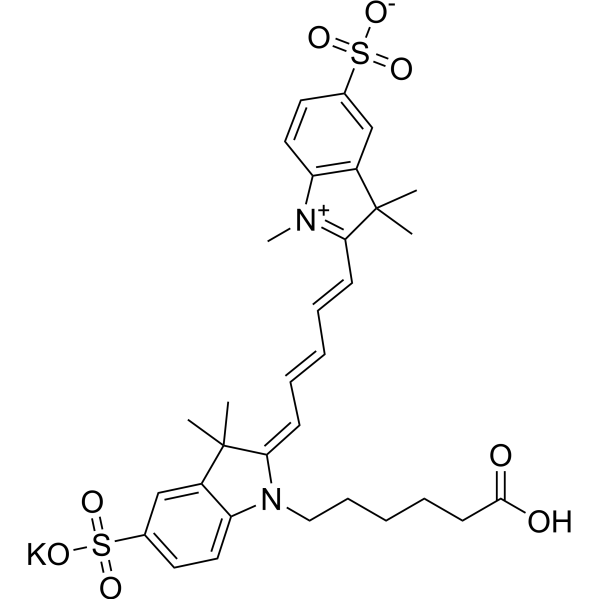
Sulfo-Cy5 carboxylic acid potassium is a Cy5 derivative that can be used for chemical synthesis. Cy5 is a red fluorescent label dye for imaging (Ex/Em=642/670 nm) .
loading...
    loading...
20
20 Cited Publications
Cat. No.: HY-N0140
CAS No.: 77-52-1
Synonyms: Prunol; Urson; Malol
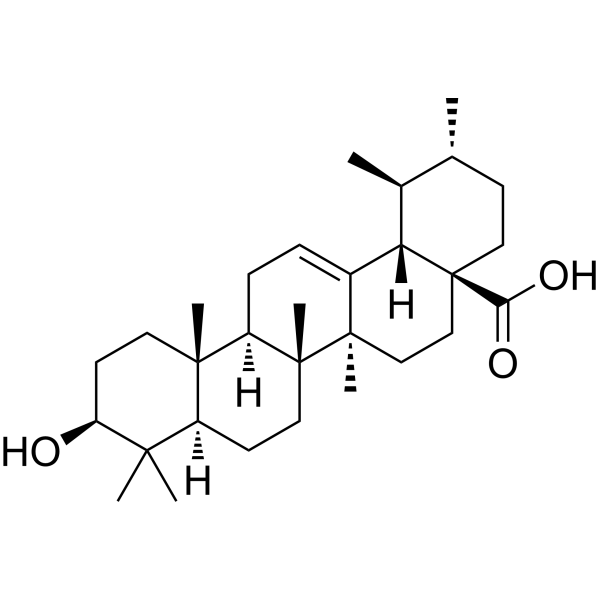
Ursolic acid (Prunol) is a natural pentacyclic triterpenoid carboxylic acid, exerts anti-tumor effects and is an effective compound for cancer prevention and therapy.
loading...
    loading...
9
9 Cited Publications
Cat. No.: HY-78695
CAS No.: 202592-23-2
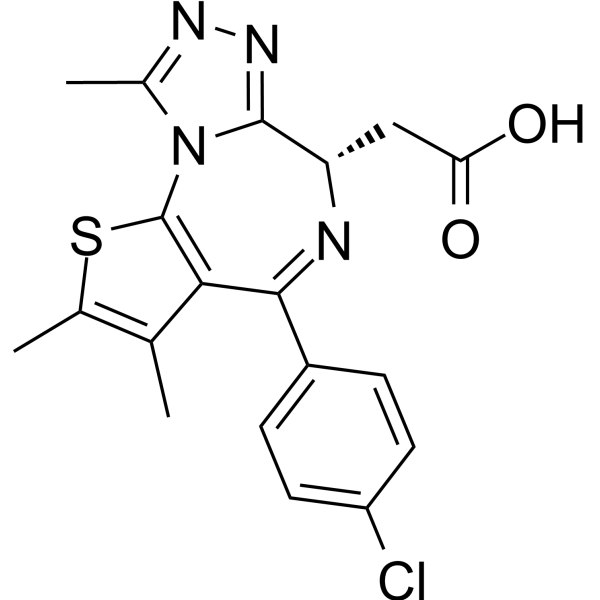
JQ-1 carboxylic acid, a (+)-JQ-1 (HY-13030) derivative, is a potent BET bromodomain inhibitor. JQ-1 carboxylic acid can be used to synthesize PROTAC, which can target the degradation of BRD4.
loading...
    loading...
7
7 Cited Publications
Cat. No.: HY-W127715
CAS No.: 71206-95-6
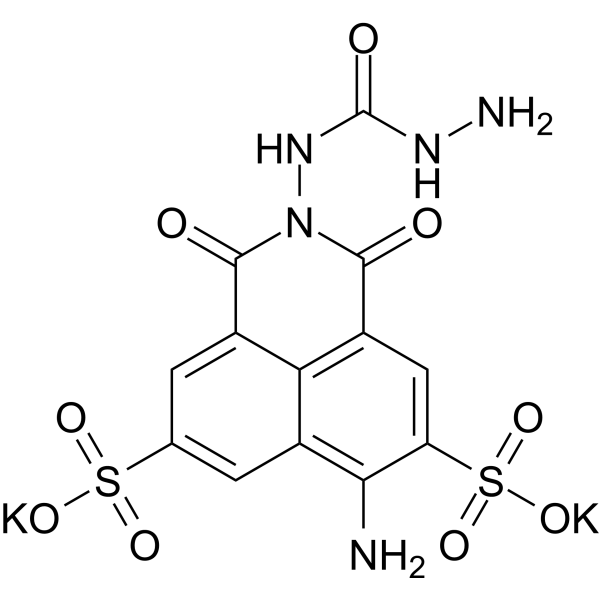
Lucifer Yellow CH dipotassium is a high-intensity fluorescent probe containing free hydrazyl groups. Lucifer Yellow CH can react with fatty aldehydes at room temperature. Lucifer Yellow CH serves as a biological tracer to monitor neuronal branching, regeneration, gap junction detection and characterization, and selective ablation of cells after aldehyde fixation. Lucifer yellow CH displays the maximum excitation/emission of 430 nm/540 nm, respectively .
loading...
    loading...
6
6 Cited Publications
Cat. No.: HY-N0823
CAS No.: 28831-65-4
Synonyms: (+)-Lithospermic acid
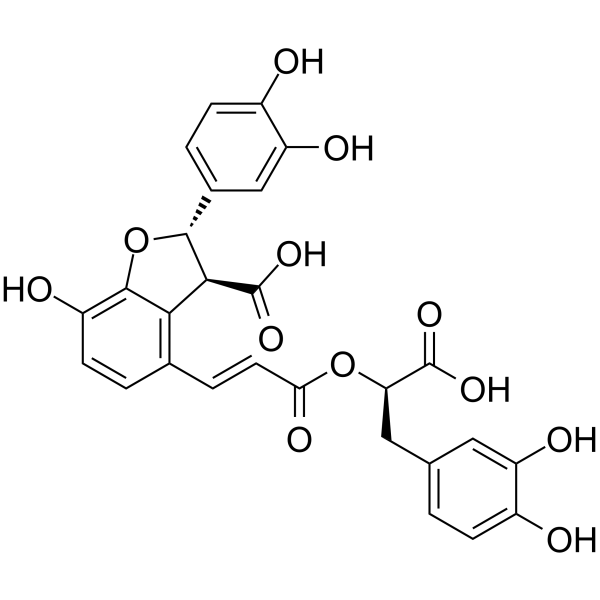
Lithospermic acid ((+)-Lithospermic acid) is a plant-derived polycyclic phenolic carboxylic acid isolated from Salvia miltiorrhiza, and has the anti-oxidative and hepatoprotective activity on carbon tetrachloride (CCl4)-induced acute liver damage in vitro and in vivo .
loading...
    loading...
4
4 Cited Publications
Cat. No.: HY-128851
CAS No.: 85-61-0
Purity:  94.29%
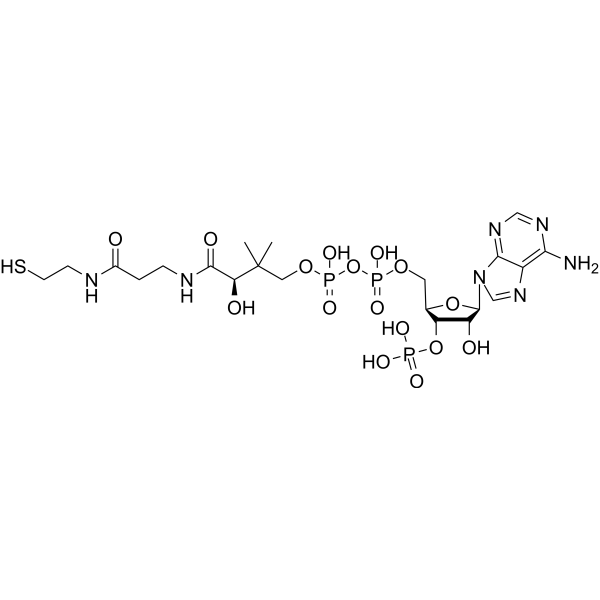
Coenzyme A (CoASH) is a ubiquitous and essential cofactor, which is an acyl group carrier and carbonyl-activating group for the citric acid cycle and fatty acid metabolism. Coenzyme A plays a central role in the oxidation of pyruvate in the citric acid cycle and the metabolism of carboxylic acids, including short- and long-chain fatty acids .
loading...
    loading...
4
4 Cited Publications
Cat. No.: HY-128851A
CAS No.: 18439-24-2
Purity:  95.40%
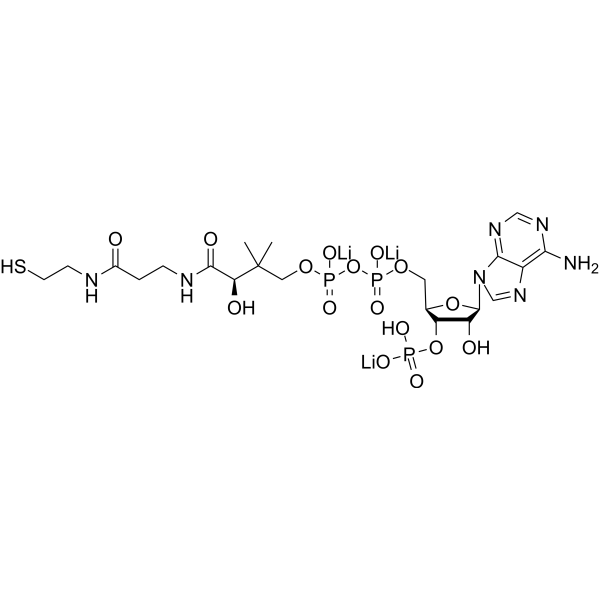
Coenzyme A (CoASH) is a ubiquitous and essential cofactor, which is an acyl group carrier and carbonyl-activating group for the citric acid cycle and fatty acid metabolism. Coenzyme A plays a central role in the oxidation of pyruvate in the citric acid cycle and the metabolism of carboxylic acids, including short- and long-chain fatty acids .
loading...
    loading...
4
4 Cited Publications
Cat. No.: HY-128851B
CAS No.: 55672-92-9
Purity:  99.46%
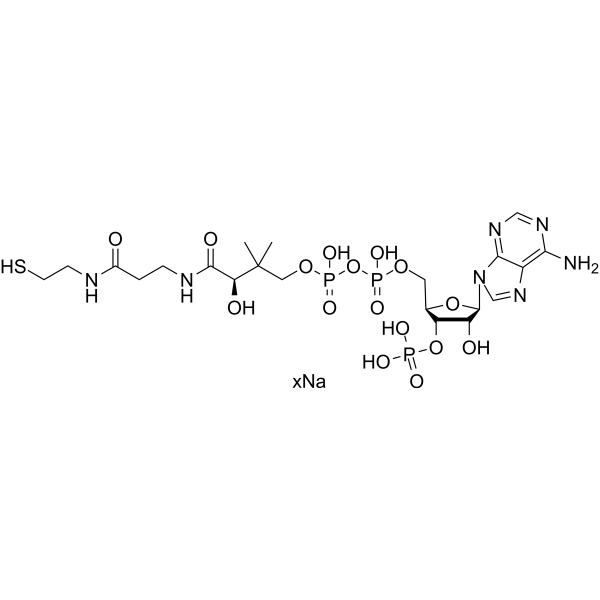
Coenzyme A (CoASH) sodium is a ubiquitous and essential cofactor, which is an acyl group carrier and carbonyl-activating group for the citric acid cycle and fatty acid metabolism. Coenzyme A plays a central role in the oxidation of pyruvate in the citric acid cycle and the metabolism of carboxylic acids, including short- and long-chain fatty acids .
loading...
    loading...
4
4 Cited Publications
Cat. No.: HY-B0236
CAS No.: 60-32-2
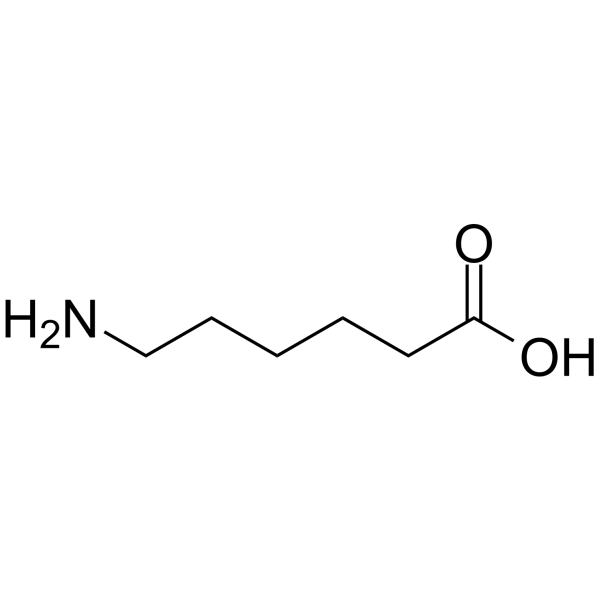
Synonyms: EACA; Epsilon-Amino-n-caproic Acid; 6-Aminohexanoic acid
6-Aminocaproic acid (EACA), a monoamino carboxylic acid, is a potent and orally active inhibitor of plasmin and plasminogen. 6-Aminocaproic acid is a potent antifibrinolytic agent. 6-Aminocaproic acid prevents clot lysis through the competitive binding of lysine residues on plasminogen, inhibiting plasmin formation and reducing fibrinolysis. 6-Aminocaproic acid can be used for the research of bleeding disorders .
loading...
    loading...
4
4 Cited Publications
Cat. No.: HY-Y1325H
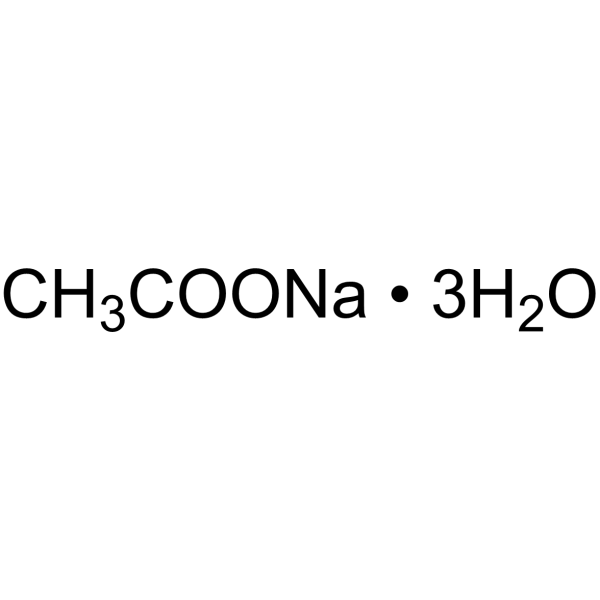
CAS No.: 6131-90-4
Sodium acetate trihydrate, meets analytical specification of Ph. Eur. BP USP FCC E262, ≤0.00002% Al is a carboxylic acid and short-chain fatty acid (SCFAs). Sodium acetate trihydrate activates AMPK, increases ROS, cleaved caspase 9, PPARα, downregulates SREBP-1c, ChREBP expression. Sodium acetate trihydrate exhibits antifungal activity against Saccharomyces cerevisiae W303-1A. Sodium acetate trihydrate regulates energy metabolism. Sodium acetate trihydrate has anticancer activity against gastric cancer. Sodium acetate trihydrate induces writhing reaction and ulcerative colitis. Sodium acetate trihydrate can be used in the researches for gastric cancer, ulcerative colitis, hepatic steatosis, and pain .
loading...
    loading...
3
3 Cited Publications
Cat. No.: HY-79494
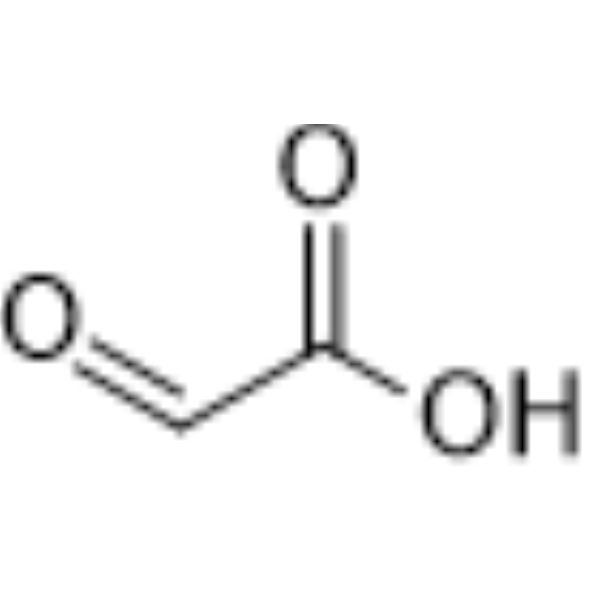
CAS No.: 298-12-4
Synonyms: NSC 27785; Formylformic acid; Oxalaldehydic acid
Glyoxalic acid (NSC 27785) (50%w/w in water) is an organic compound that is both an aldehyde and a carboxylic acid. Glyoxalic acid (50%w/w in water) induces fluorescence. Glyoxalic acid (50%w/w in water) is used to study neurons .
The product has a content (w/w) of 50%, meaning that the mass of Glyoxalic acid in a 250 g Size is 125 g.
loading...
    loading...
3
3 Cited Publications
Cat. No.: HY-119222
CAS No.: 862892-90-8
Purity:  99.11%
Target:  

GPR109A

Research Areas:  

Metabolic Disease

GSK256073 is a potent, selective and orally active GPR109A agonist and a long-lasting and non-flushing HCA2 full agonist with a pEC50 of 7.5 (human HCA2). GSK256073 acutely improves glucose homeostasis via inhibition of lipolysis and has the potential for the study of type 2 diabetes mellitus (T2DM)and dyslipidemia . GPR109A: G-protein coupled receptor 109A; HCA2: hydroxy-carboxylic acid receptor 2
loading...
    loading...
2
2 Cited Publications
Cat. No.: HY-40161
CAS No.: 771-50-6
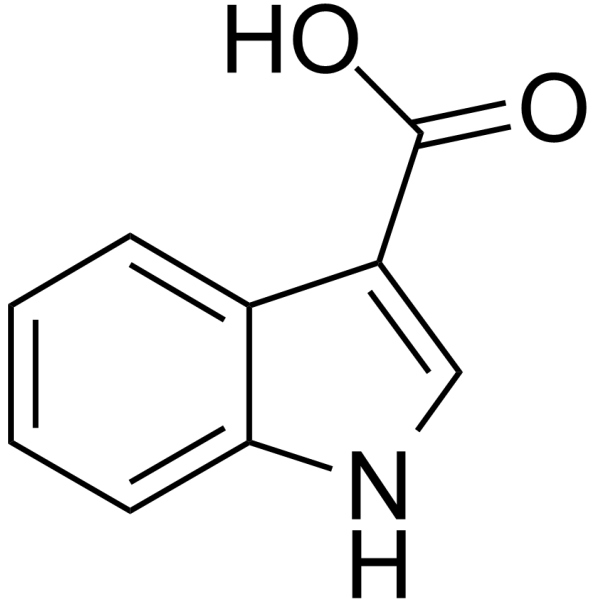
Indole-3-carboxylic acid is an orally active urinary indolic tryptophan metabolite. Indole-3-carboxylic acid is a mediator of priming against Plectosphaerella cucumerina. Indole-3-carboxylic acid enhances the anti-colorectal cancer potency of Doxorubicin (HY-15142A) by inducing cell senescence. Indole-3-carboxylic acid can be used in liver disease research .
loading...
    loading...
2
2 Cited Publications
Cat. No.: HY-70002B
CAS No.: 1242137-15-0
Synonyms: MDV3100 carboxylic acid
Target:  

Drug Metabolite

Research Areas:  

Cancer

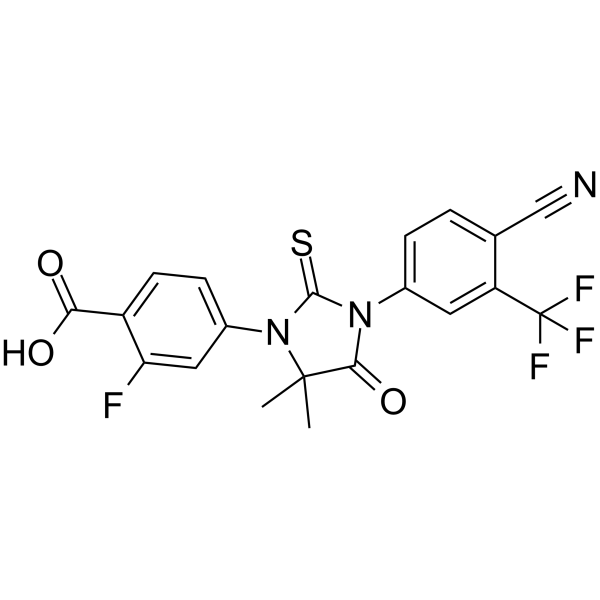
Enzalutamide carboxylic acid (MDV3100 carboxylic acid) is an inactive metabolite of Enzalutamide (MDV3100). Enzalutamide is an androgen receptor (AR) antagonist .
loading...
    loading...
2
2 Cited Publications
Cat. No.: HY-W027968
CAS No.: 531-81-7
Synonyms: 2-Oxochromene-3-carboxylic acid
Target:  

Fluorescent Dye

Research Areas:  

Cancer

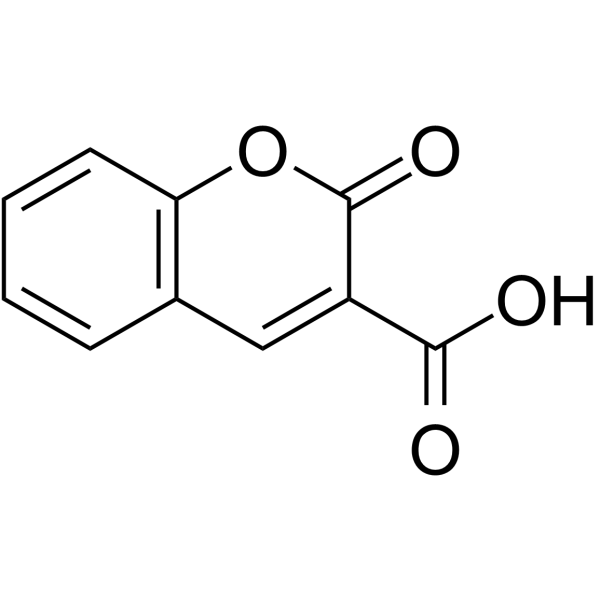
Coumarin-3-carboxylic acid (2- Oxochromene-3-carboxylic acid) is an important initial compound for the synthesis of coumarins which are well known natural products for their diverse biological activities. Lanthanide complexes of Coumarin-3-carboxylic acid exhibit antiproliferative activity towards K-562 cell line .
loading...
    loading...
2
2 Cited Publications
Cat. No.: HY-B1169
CAS No.: 444-27-9
Synonyms: 1,3-Thiazolidine-4-carboxylic acid
Research Areas:  

Cardiovascular Disease Cancer

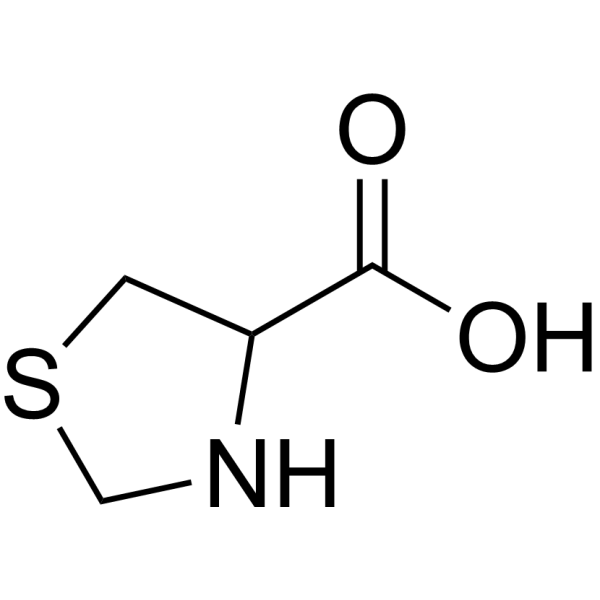
Timonacic (1,3-Thiazolidine-4-carboxylic acid) is an orally active thiol antioxidant. Timonacic has anti-aging and anti-hepatotoxic effects. Timonacic has a LD50 of 400 mg/kg for mice. Timonacic can be used in the research of liver diseases, gastrointestinal diseases, and cancer .
loading...
    loading...
2
2 Cited Publications
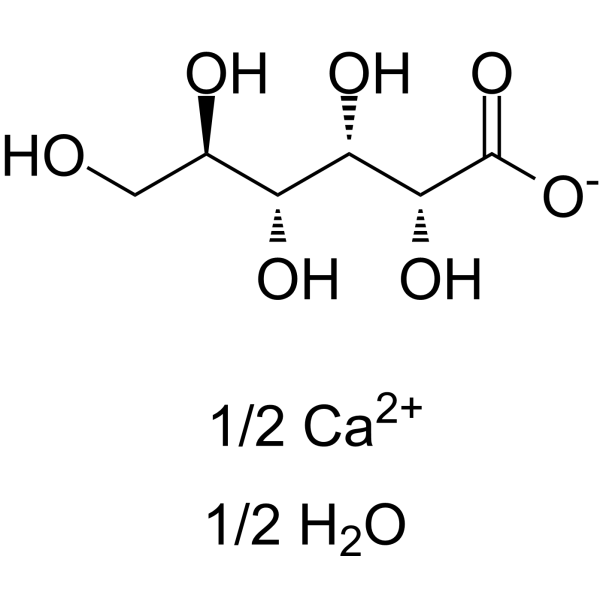
Cat. No.: HY-Y0569B
CAS No.: 66905-23-5
D-Gluconic acid calcium hydrate is the carboxylic acid by the oxidation with antiseptic and chelating properties.
loading...
    loading...
2
2 Cited Publications
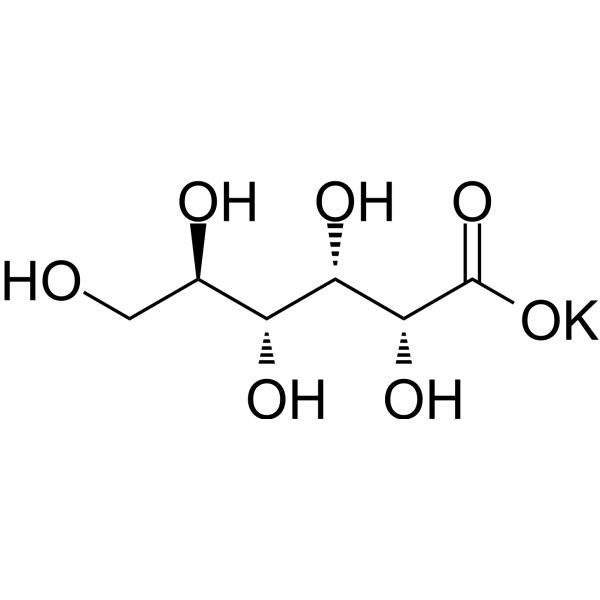
Cat. No.: HY-Y0569C
CAS No.: 299-27-4
D-Gluconic acid potassium is an orally active carboxylic acid by the oxidation with antiseptic and chelating properties .
loading...
    loading...
2
2 Cited Publications
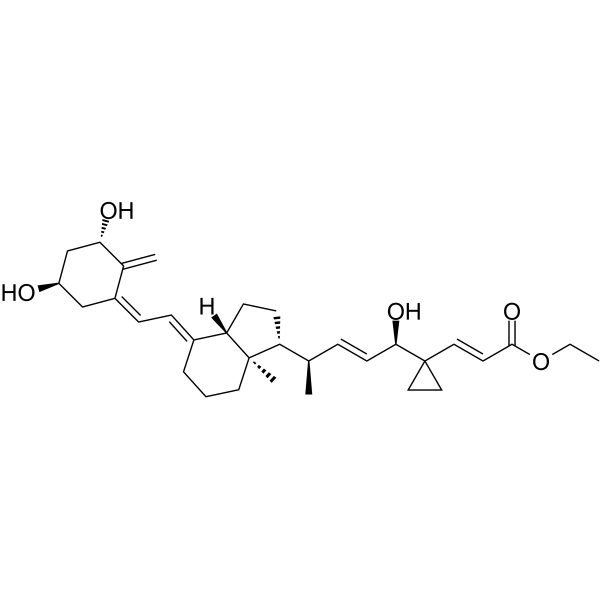
Cat. No.: HY-12407
CAS No.: 186371-96-0
Purity:  ≥98.0%
Target:  

VD/VDR

Research Areas:  

Metabolic Disease

ZK168281 is a 25-carboxylic ester 1α,25(OH)2D3 analog and a pure VDR antagonist with a Kd value of 0.1 nM. ZK168281 is an effective inhibitor of the coactivator (CoA) interaction of its receptor .
loading...
    loading...
2
2 Cited Publications
Cat. No.: HY-P2831
CAS No.: 9016-18-6
Synonyms: CESs
Target:  

Endogenous Metabolite

Research Areas:  

Metabolic Disease

Esterase, pig liver (CESs), namely carboxylate hydrolases, are widely distributed in nature, commonly found in mammalian liver, and often used in biochemical research. Esterase catalyzes the hydrolysis of a variety of endogenous and exogenous substrates, including esters, thioesters, carbamates, and amides, hydrolyzing carboxylic acid esters to the corresponding alcohols and carboxylic acids .
loading...
    loading...

