
Search Result
Results for "
delay
" in MedChemExpress (MCE) Product Catalog:
10
Biochemical Assay Reagents
17
Isotope-Labeled Compounds
| Cat. No. |
Product Name |
Target |
Research Areas |
Chemical Structure |
-
- HY-13513
-
|
SLC-0111
|
Carbonic Anhydrase
|
Cancer
|
|
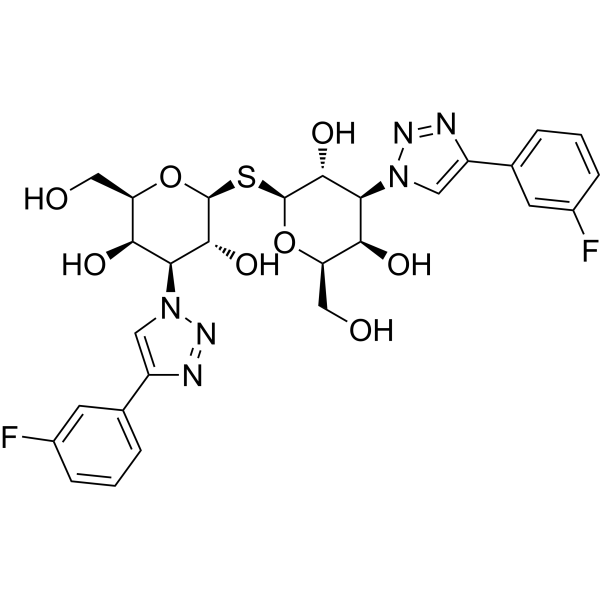
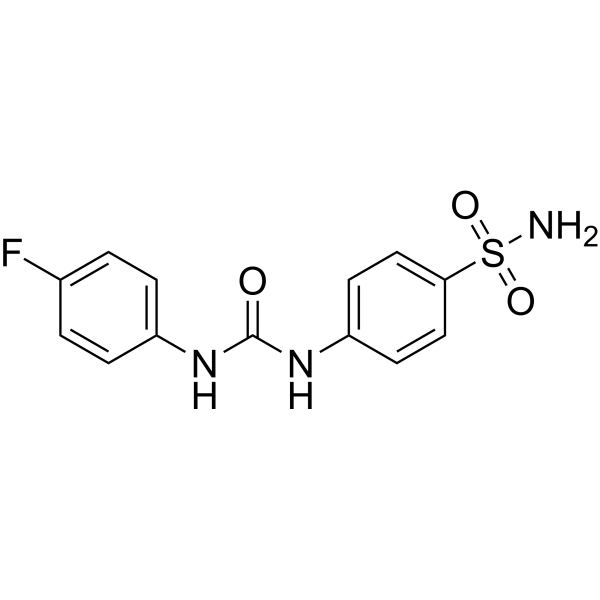
U-104 (SLC-0111) is a potent carbonic anhydrase (CA) inhibitor for CA IX and CA XII with Ki values of 45.1 nM and 4.5 nM, respectively. U-104 shows a significant delay in tumor growth in mice model .
|
-
-
- HY-W009861
-
|
ABG-3168
|
Environmental Pollutants
Glutathione S-transferase
|
Others
|
|
Aviglycine hydrochloride (ABG-3168) is an inhibitor of ethylene biosynthesis. The use of Aviglycine hydrochloride (ABG-3168) delays the natural flowering of pineapples, reduces fruit drop, and maintains fruit firmness .
|
-
-
- HY-B0171
-
-
-
- HY-N2072
-
|
Transcrocetin; trans-Crocetin
|
iGluR
Apoptosis
COX
p38 MAPK
|
Neurological Disease
Inflammation/Immunology
Cancer
|
|
Crocetin (Transcrocetin) is an aglycone of crocin. Crocetin is an orally active and brain-penetrant. Crocetin shows strong NMDA receptor affinity and channel opening activity. Crocetin can downregulate the proinflammatory cytokines and COX-2 exoression. Crocetin can inhibit apoptosis and activation of MAPK. Crocetin can delay delays brain and body aging. Crocetin can be used for the researches of cancer, neurological disease and inflammation, such as cervical cancer and ischemia .
|
-
-
- HY-N1389
-
|
Carmine red
|
Fluorescent Dye
|
Inflammation/Immunology
Cancer
|
|
Carmine (Carmine red), a natural red dye extracted from the dried females of the insect Dactylopius coccus var. Costa (cochineal). Carmine is a widely used food additive. Carmine provokes both an immediate hypersensitivity and a delayed systemic response with cutaneous expression .
|
-
-
- HY-A0148A
-
|
SKF-102886; WR-171669 hydrochloride
|
Parasite
Fungal
Reactive Oxygen Species (ROS)
Potassium Channel
|
Infection
|
|
Halofantrine hydrochloride (SKF-102886 hydrochloride; WR-171669 hydrochloride) is a blocker that delays the delayed rectifier potassium current by inhibiting human ERG channels, and it is a potent antimalarial agent with oral activity. Halofantrine hydrochloride inhibits the Cap1-dependent oxidative stress response of Candida albicans, suppresses ROS responses, and enhances the antifungal (Fungal) activity of oxidative damage agents. Halofantrine hydrochloride exhibits antifungal activity in the Galleria mellonella model, and shows antimalarial activity against Plasmodium strains both in vitro and in animal models. Halofantrine hydrochloride can be used in studies related to invasive candidiasis, falciparum malaria, and vivax malaria .
|
-
-
- HY-101484A
-
|
|
Sigma Receptor
ATF6
|
Neurological Disease
|
|
NE-100 hydrochloride is an orally active and selective sigma-1 receptor antagonist with an IC50 of 4.16 nM. NE-100 hydrochloride can improve cognitive impairment and has neuroprotective and antipsychotic activities. NE-100 hydrochloride can be used for research on nervous system diseases .
|
-
-
- HY-N0663
-
|
|
Mitochondrial Metabolism
Cyclophilin
Potassium Channel
|
Cardiovascular Disease
Neurological Disease
Inflammation/Immunology
|
Talatisamine is an orally active cyclophilin D activator isolated from the roots of Aconitum carmichaeli Debx. Talatisamine exerts biological functions by activating cyclophilin D, inhibiting Ca 2+-dependent opening of the mitochondrial permeability transition pore (mPTP) (IC50=78 μM), and blocking delayed rectifier K + channels (IC50=146 μM). Talatisamine possesses both antioxidant and membrane-stabilizing properties, effectively inhibits lipid peroxidation and protects mitochondrial membrane function. Talatisamine exhibits multiple activities including antiarrhythmic, hypotensive, anti-inflammatory, anticancer and neuroprotective effects. Talatisamine finds applications in the research of ischemic diseases, rheumatoid arthritis, inflammation-related diseases and Alzheimer's disease .
|
-
-
- HY-50688
-
|
|
CXCR
|
Inflammation/Immunology
|
|
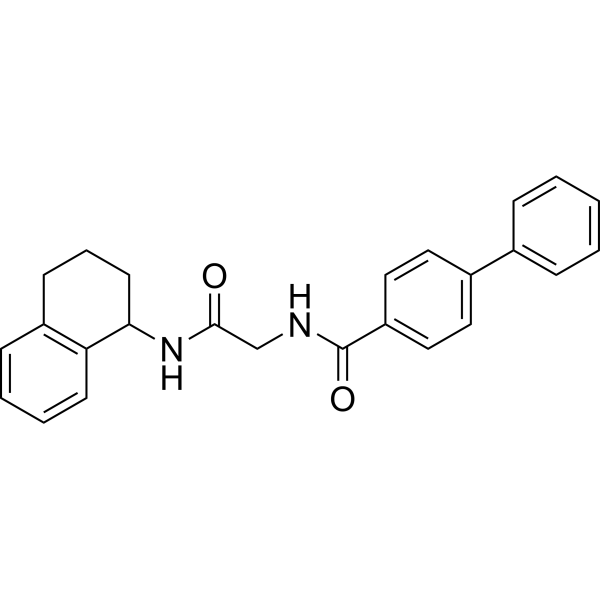
SB-265610 is a selective, competitive, nonpeptide and allosteric CXCR2 antagonist. SB-265610 blocks rat cytokine-induced neutrophil chemoattractant-1 (CINC-1)-induced calcium mobilization and neutrophil chemotaxis with IC50s of 3.7 nM and 70 nM, respectively .
|
-
-
- HY-P1070A
-
|
DAP amide, human TFA
|
Amylin Receptor
|
Metabolic Disease
|
|
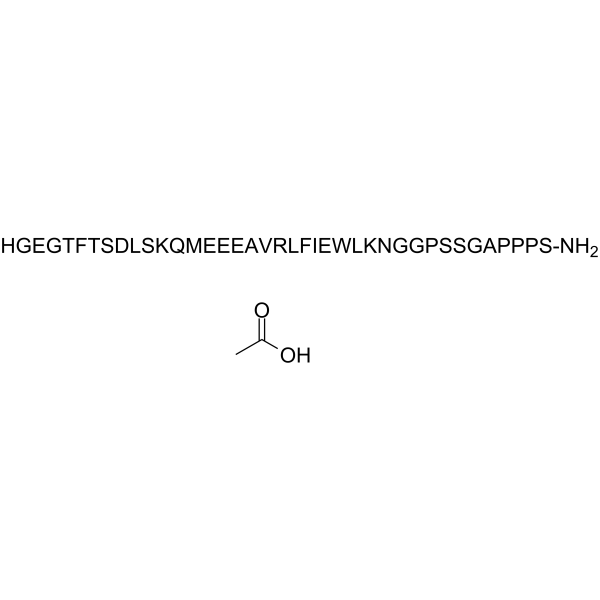
Amylin, amide, human TFA, a 37-amino acid polypeptide, is a pancreatic hormone cosecreted with insulin that exerts unique roles in metabolism and glucose homeostasis. Amylin, amide, human TFA inhibits glucagon secretion, delays gastric emptying, and acts as a satiety agent .
|
-
-
- HY-B0387
-
|
U70226E
|
Potassium Channel
|
Cardiovascular Disease
|
|
Ibutilide (U70226E) fumarate, an action potential-prolonging antiarrhythmic, is a potent blocker of the rapidly activating delayed rectifier K + current (IKr) in AT-1 cells .
|
-
-
- HY-B0387A
-
|
U70226E free base
|
Potassium Channel
|
Cardiovascular Disease
|
|
Ibutilide (U70226E free base), an action potential-prolonging antiarrhythmic, is a potent blocker of the rapidly activating delayed rectifier K + current (IKr) in AT-1 cells .
|
-
-
- HY-18937
-
|
|
RIP kinase
|
Cancer
|
|
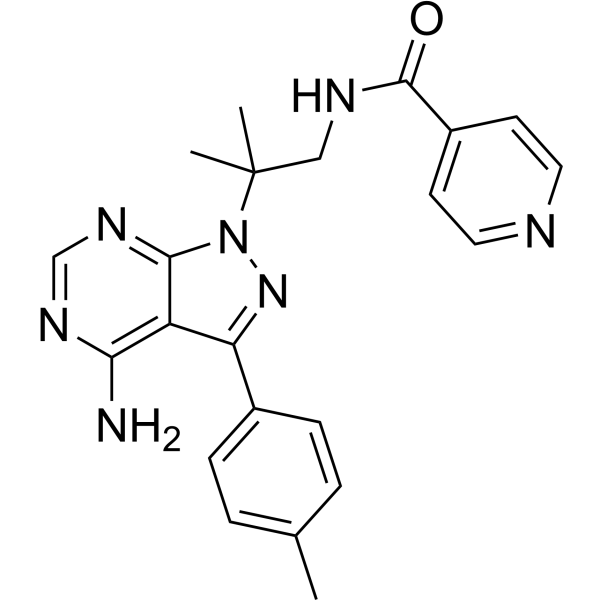
WEHI-345 is a potent and selective RIPK2 kinase inhibitor with an IC50 of 0.13 μM, which delays RIPK2 ubiquitylation and NF-κB activation on oligomerization domain (NOD) stimulation .
|
-
-
- HY-15877
-
|
|
ATP Synthase
|
Cancer
|
|
BTB06584 is a selective and IF1-dependent mitochondrial F1Fo-ATPase inhibitor without compromising ATP synthesis. BTB06584 can delays ischaemic cell death .
|
-
-
- HY-108575
-
|
|
Potassium Channel
CFTR
|
Cardiovascular Disease
|
|
Chromanol 293B is a selective blocker of the slow delayed rectifier K + current (IKs) with IC50 of 1-10 μM and a weak inhibitor of KATP channel. Chromanol 293B also blocks the CFTR chloride current with an IC50 of 19 μM .
|
-
-
- HY-P1070
-
|
DAP amide, human
|
Amylin Receptor
|
Metabolic Disease
|
|
Amylin, amide, human, a 37-amino acid polypeptide, is a pancreatic hormone cosecreted with insulin that exerts unique roles in metabolism and glucose homeostasis. Amylin, amide, human inhibits glucagon secretion, delays gastric emptying, and acts as a satiety agent .
|
-
-
- HY-B1978
-
-
-
- HY-138561C
-
|
|
HIV
Reverse Transcriptase
|
Infection
|
|
EFdA-TP tetralithium is a potent nucleoside reverse transcriptase (RT) inhibitor. EFdA-TP tetralithium inhibits RT-catalyzed DNA synthesis as an effective immediate or delayed chain terminator (ICT or DCT). EFdA-TP tetralithium inhibits HIV-1 RT with multiple mechanisms .
|
-
-
- HY-17480
-
|
|
Others
|
Inflammation/Immunology
|
|
Bendazac is an oxyacetic acid with anti-inflammatory, antinecrotic, choleretic and antilipidaemic properties. Bendazac acts by preventing protein denaturation and delays the cataractogenic process .
|
-
-
- HY-N5139
-
|
Lecithins, egg yolk; Belovo PL 85
|
Cholinesterase (ChE)
Angiotensin-converting Enzyme (ACE)
Bacterial
|
Infection
Neurological Disease
Metabolic Disease
Inflammation/Immunology
|
|
Lecithins, egg (Lecithins, egg yolk; Belovo PL 85) is an orally active natural phospholipid mixture extracted from egg yolks . Lecithins, egg inhibits the activities of acetylcholinesterase (AChE) and angiotensin-converting enzyme (ACE). Lecithins, egg exhibits antibacterial, antioxidant and anti-inflammatory activities, and helps delay cellular senescence. Lecithins, egg enhances nerve conduction, improves memory and cognitive function, and exerts positive effects on delaying neurodegenerative diseases. Lecithins, egg promotes lipid absorption and alleviates diarrhea. Lecithins, egg acts as a high-efficiency drug carrier for the preparation of targeted drug delivery systems such as liposomes .
|
-
-
- HY-118388
-
|
|
Prostaglandin Receptor
|
Endocrinology
|
|
AS604872 is an orally active, potent and selective prostaglandin F2α receptor (FP) antagonist with a Ki of 35 nM in humans, 158 nM in rats and 323 nM in mice. AS604872 inhibits contractions and delays labour .
|
-
-
- HY-119646
-
|
ABG-3168 free base
|
Glutathione S-transferase
|
Others
|
|
Aviglycine (ABG-3168 free base) is an inhibitor of ethylene biosynthesis with antibacterial activity. Aviglycine (ABG-3168 (free base)) application delays natural flowering in pineapple .
|
-
-
- HY-16953
-
-
-
- HY-138561
-
|
|
Reverse Transcriptase
DNA/RNA Synthesis
HIV
|
Infection
|
|
EFdA-TP is a potent nucleoside reverse transcriptase (RT) inhibitor. EFdA-TP inhibits RT-catalyzed DNA synthesis as an effective immediate or delayed chain terminator (ICT or DCT). EFdA-TP inhibits HIV-1 RT with multiple mechanisms .
|
-
-
- HY-108591
-
|
R-L3
|
Potassium Channel
|
Cardiovascular Disease
|
|
L-364,373 (R-L3) is a voltage-gated Kv7.1 (KCNQ1)/mink channels activator. L-364,373 activates Iks (slow delayed rectifier potassium current) and shortens action potential duration in guinea pig cardiac myocytes, and suppresses early afterdepolarizations in rabbit ventricular myocytes .
|
-
-
- HY-137864
-
|
WR-1065
|
MDM-2/p53
|
Cancer
|
|
Amifostine thiol (WR-1065) is an active metabolite of the cytoprotector Amifostine (HY-B0639). Amifostine thiol is a cytoprotective agent with radioprotective abilities. Amifostine thiol activates p53 through a JNK-dependent signaling pathway .
|
-
-
- HY-W015879
-
|
|
Environmental Pollutants
Bacterial
|
Inflammation/Immunology
|
|
2-Heptanol is one of the chemical compounds identified in turmeric and turmeric rhizome essential oil. 2-Heptanol can speed up amino acid metabolism and slow down membrane transport, exhibiting antibacterial activity. The rhizome essential oil has good antibacterial and antioxidant properties .
|
-
-
- HY-N2821
-
|
|
Glycosidase
|
Metabolic Disease
|
|
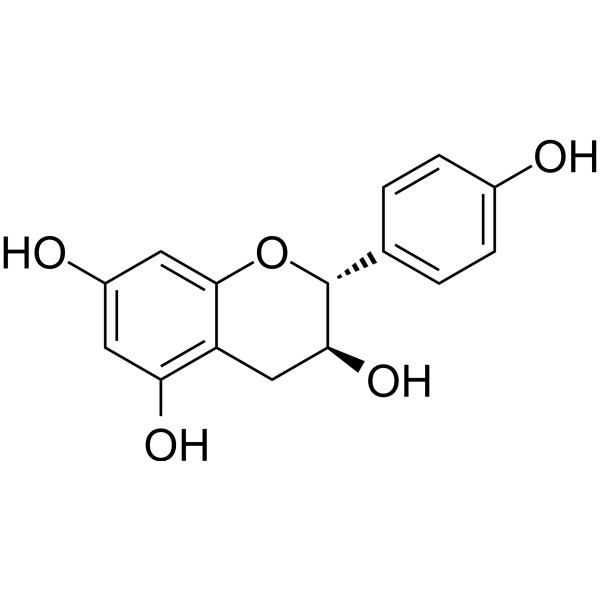
(+)-Afzelechin, isolated from rhizomes of Bergenia ligulata, is an alpha-glucosidase activity inhibitor with an ID50 (50% inhibition dose) value of 0.13 mM. (+)-Afzelechin can delay the absorption of carbohydrates in food to suppress postprandial hyperglycemia and hyperinsulinemia .
|
-
-
- HY-N7120
-
|
PGP hydrate
|
Bacterial
Antibiotic
|
Infection
|
|
Penicillin G Procaine hydrate (PGP hydrate) is a β-lactam antibiotic and sustained-release formulation. Penicillin G procaine (hydrate) hydrolyzes in vivo to release penicillin G and Procaine (HY-B0546), thereby delaying the absorption of penicillin G .
|
-
-
- HY-101529
-
|
HOE-402free base
|
LDLR
|
Cardiovascular Disease
|
|
Imanixil (HOE-402 free base) is an orally active LDL receptor (LDLR) inducer. Imanixil can reduce cholesterol levels by inhibiting VLDL-lipid production. Imanixil can delay atherosclerosis profession. Imanixil can be used for the research of cardiovascular disease, such as atherosclerosis .
|
-
-
- HY-101253
-
|
|
Potassium Channel
|
Cardiovascular Disease
|
|
AM-92016 hydrochloride is a specific blocker of rectifier potassium current (IK). AM-92016 hydrochloride delays rectifier potassium channel (IK), repolarizes the membrane thereby restricting the duration of the nerve impulse thereby restricting the duration of the nerve impulse .
|
-
-
- HY-113046R
-
|
5-Methyl THF (Standard); 5-MTHF (Standard)
|
Reference Standards
Endogenous Metabolite
|
Cardiovascular Disease
Metabolic Disease
|
|
Alisol C 23-acetate (Standard) is the analytical standard of Alisol C 23-acetate. This product is intended for research and analytical applications. Alisol C 23-acetate is a natural product extracted from Alisma orientale, which can significantly reduce delayed-type hypersensitivity reactions.
|
-
-
- HY-155181
-
|
|
Carboxylesterase (CES)
|
Cancer
|
|
CES2-IN-1 (Compound 24) is a reversible and selective CES2 inhibitor (IC50: 6.72 μM for human CES2). CES2-IN-1 reduces the level of CES2 in living cells. CES2-IN-1 is effective against Irinotecan (HY-16562)-induced delayed diarrhea and DSS-induced ulcerative colitis .
|
-
-
- HY-B2165
-
|
|
Amino Acid Derivatives
|
Others
|
|
Bendazac L-Lysine is one of agents that have been introduced for the management of cataracts, protecting the level of vision in patients, thus delaying the need for surgical intervention.
|
-
-
- HY-N2072R
-
|
Transcrocetin (Standard); trans-Crocetin (Standard)
|
iGluR
Reference Standards
Apoptosis
COX
p38 MAPK
|
Neurological Disease
Inflammation/Immunology
Cancer
|
|
Crocetin (Standard) (TransCrocetin (Standard) ) is an aglycone of crocin. Crocetin (Standard) is orally active and brain-penetrant. Crocetin (Standard) shows strong NMDA receptor affinity and channel opening activity. Crocetin (Standard) can downregulate the proinflammatory cytokines and COX-2 exoression. Crocetin (Standard) can inhibit apoptosis and activation of MAPK. Crocetin (Standard) can delay delays brain and body aging. Crocetin (Standard) can be used for the researches of cancer, neurological disease and inflammation, such as cervical cancer and ischemia .
|
-
-
- HY-101436A
-
|
CK-1752 hydrochloride
|
Potassium Channel
|
Cardiovascular Disease
|
|
Sematilide hydrochloride (CK-1752 hydrochloride) is a selective IKr channel blocker. Sematilide causes a concentration-dependent inhibition of the delayed rectifier K + current (IC50=25 μM). Sematilide is a class III antiarrhythmic agent .
|
-
-
- HY-A0148
-
|
SKF-102886 free base; WR-171669
|
Parasite
Fungal
Potassium Channel
Reactive Oxygen Species (ROS)
|
Infection
Cancer
|
|
Halofantrine (SKF-102886 hydrochloride; WR-171669 hydrochloride) is a blocker that delays the delayed rectifier potassium current by inhibiting human ERG channels, and it is a potent antimalarial agent with oral activity. Halofantrine inhibits the Cap1-dependent oxidative stress response of Candida albicans, suppresses ROS responses, and enhances the antifungal (Fungal) activity of oxidative damage agents. Halofantrine exhibits antifungal activity in the Galleria mellonella model, and shows antimalarial activity against Plasmodium strains both in vitro and in animal models. Halofantrine can be used in studies related to invasive candidiasis, falciparum malaria, and vivax malaria .
|
-
-
- HY-111014
-
|
|
Calcium Channel
|
Cardiovascular Disease
|
|
VK-II-36 is a carvedilol analog that suppresses sarcoplasmic reticulum Ca 2+release but does not block the β-receptor.VK-II-36 inhibits triggered activities evoked by both early and delayed after depolarizations .
|
-
-
- HY-138561B
-
|
|
Reverse Transcriptase
DNA/RNA Synthesis
HIV
|
Infection
|
|
EFdA-TP tetrasodium is a potent nucleoside reverse transcriptase (RT) inhibitor. EFdA-TP tetrasodium inhibits RT-catalyzed DNA synthesis as an effective immediate or delayed chain terminator (ICT or DCT). EFdA-TP tetrasodium inhibits HIV-1 RT with multiple mechanisms . EFdA-TP (tetrasodium) is a click chemistry reagent, it contains an Alkyne group and can undergo copper-catalyzed azide-alkyne cycloaddition (CuAAc) with molecules containing Azide groups.
|
-
-
- HY-124939
-
|
|
MMP
|
Cancer
|
|
ND-322 hydrochloride is a potent and selective water-soluble gelatinase inhibitor. ND-322 hydrochloride reduces melanoma tumor growth and delays metastatic dissemination .
|
-
-
- HY-N4171
-
|
|
Apoptosis
|
Inflammation/Immunology
|
|
Dihydrocucurbitacin B, a triterpene isolated from Cayaponia tayuya roots, inhibits nuclear factor of activated T cells (NFAT), induces cell cycle arrested in the G0 phase, and inhibits delayed type hypersensitivity .
|
-
-
- HY-16384
-
|
Antibiotic L 156602; PD 124966
|
Complement System
|
Inflammation/Immunology
|
|
L-156602 is a C5a receptor antagonist. L-156602 inhibits inflammation, and the migration of monocytes and neutrophils to the infiltrating site in mouse inflammatory models. L-156602 suppresses the efferent phase of delayed-type hypersensitivity (DTH) .
|
-
-
- HY-100112
-
|
|
RIP kinase
|
Others
|
|
WEHI-345 analog is the analog of WEHI-345. WEHI-345 is a potent and selective RIPK2 kinase inhibitor with an IC50 of 0.13 μM, which delays RIPK2 ubiquitylation and NF-κB activation on oligomerization domain (NOD) stimulation .
|
-
-
- HY-138561A
-
|
|
Reverse Transcriptase
DNA/RNA Synthesis
HIV
|
Infection
|
|
EFdA-TP tetraammonium is a potent nucleoside reverse transcriptase (RT) inhibitor. EFdA-TP tetraammonium inhibits RT-catalyzed DNA synthesis as an effective immediate or delayed chain terminator (ICT or DCT). EFdA-TP tetraammonium inhibits HIV-1 RT with multiple mechanisms . EFdA-TP (tetraammonium) is a click chemistry reagent, it contains an Alkyne group and can undergo copper-catalyzed azide-alkyne cycloaddition (CuAAc) with molecules containing Azide groups.
|
-
-
- HY-B2195
-
|
|
Adrenergic Receptor
|
Metabolic Disease
|
|
Aidioxa has the ability to improve delayed gastric emptying in rats. It can partially improve delayed gastric emptying caused by clonidine or restraint stress. The allyltoin part of Aidioxa restores gastric emptying activity by antagonizing α-2 adrenergic receptors. Its aluminum hydroxide part is involved in restoring gastric compliance. Aidioxa can improve both delayed gastric emptying and impaired gastric compliance, both of which play an important role in functional dyspepsia (FD). Aidioxa is a candidate agent for inhibiting FD.
|
-
-
- HY-164631
-
|
|
Calcium Channel
|
Cardiovascular Disease
|
|
EL20 is a selective cardiac ryanodine receptor 2 (RyR2) inhibitor. EL20 inhibits diastolic Ca
2+ leakage from the sarcoplasmic reticulum, reducing delayed afterdepolarizations and triggered arrhythmias. EL20 is promising for research of cardiovascular diseases .
|
-
-
- HY-75424A
-
|
|
Proton Pump
|
Inflammation/Immunology
|
|
2-(Trifluoromethyl)cinnamic acid is a cinnamic acid derivative that inhibits the proton pump (H +/K +-ATPase), thereby reducing gastric acid secretion. 2-(Trifluoromethyl)cinnamic acid also improves delayed gastric emptying and can be used in research on gastric diseases such as acute gastritis and gastric ulcers .
|
-
-
- HY-P1427
-
|
|
Potassium Channel
|
Neurological Disease
|
|
Guangxitoxin 1E is a potent and selective blocker of KV2.1 and KV2.2 channels. Guangxitoxin 1E inhibits KV2 with an IC50 of 1-3 nM. KV2 channels underlie delayed-rectifier potassium currents in various neurons .
|
-
-
- HY-105201
-
|
FK1052 free base
|
5-HT Receptor
|
Neurological Disease
Cancer
|
|
Fabesetron (FK1052) is an orally active 5-HT3 receptor antagonist with 5-HT4 receptor antagonistic activity. Fabesetron (FK1052) can be used in the study for both acute and delayed emesis induced by cancer chemotherapy .
|
-
-
- HY-110015
-
|
|
Potassium Channel
|
Cardiovascular Disease
|
|
(-)-Chromanol 293B is a potent and selective inhibitor of the slow component of delayed rectifier K + current (IKs). (-)-Chromanol 293B can be used for the research of antiarrhythmic .
|
-
- HY-155228
-
-
- HY-131143
-
|
|
Apoptosis
|
Cancer
|
|
Cadein1, an isoquinolinium derivative, leads to a G2/M delay and caspase-dependent apoptosis in cancer cells with non- functional p53 .
|
-
- HY-158659
-
|
|
Prostaglandin Receptor
|
Neurological Disease
Inflammation/Immunology
|
|
TG11-77 hydrochloride is a potent, selective, orally active and brain permeant EP2 antagonist, with a KB of 9.7 nM. TG11-77 hydrochloride inhibits PGE2-induced human EP2 receptor activation. TG11-77 hydrochloride exhibits anti-inflammatory activity. TG11-77 hydrochloride reduces delayed mortality and memory deficit .
|
-
- HY-150695
-
|
|
Carbonic Anhydrase
Apoptosis
|
Cancer
|
|
hCAIX/XII-IN-5 (Coumarin 9a) a carbonic anhydrase (CA) inhibitor, and exhibits excellent hCA IX/XII selectivity (Ki=93.9 and 85.7 nM, respectively) over hCA I and hCA II. hCAIX/XII-IN-5 shows anti-proliferative activities to cancer cells. hCAIX/XII-IN-5 can delay cell cycle and induce apoptosis .
|
-
- HY-D1419
-
|
|
Fluorescent Dye
|
Others
|
|
mCP-BP-SFAC is a luminogenic molecule. mCP-BP-SFAC exhibits strong sky-blue delayed fluorescence in neat films, with photoluminescence (PL) peaks at ~483 nm and delayed fluorescence lifetimes of 5.4 to 5.7 μs .
|
-
- HY-D1420
-
|
|
Fluorescent Dye
|
Others
|
|
TCP-BP-SFAC is a luminogenic molecule. TCP-BP-SFAC exhibits strong sky-blue delayed fluorescence in neat films, with photoluminescence (PL) peaks at ~483 nm and delayed fluorescence lifetimes of 5.4 to 5.7 μs .
|
-
- HY-121948
-
|
|
Insecticide
|
Others
|
|
Sesamex is a pyrethrin synergist. Sesamex can be able to delay the conversion of aldrin to dieldrin .
|
-
- HY-146129
-
|
|
Aldose Reductase
|
Metabolic Disease
|
|
As an aldose reductase (ALR2) inhibitor, the compound is used to enhance the combination of inhibitory excitability and antioxidant capacity to delay the progress of diabetes complications.
|
-
- HY-D1418
-
|
|
Fluorescent Dye
|
Others
|
|
CP-BP-SFAC is a luminogenic molecule. CP-BP-SFAC exhibits strong sky-blue delayed fluorescence in neat films .
|
-
- HY-117528
-
-
- HY-106855
-
|
H 234/09
|
Potassium Channel
|
Cardiovascular Disease
|
|
Almokalant is a class III antiarrhythmic agent, acts as a potassium channel blocker, and inhibits a specific component (Ikr) of the time-dependent delayed rectifier K + current.
|
-
- HY-129423
-
|
|
Neurokinin Receptor
|
Others
|
|
Telmapitant is an orally active NK1R antagonist. Telmapitant has antiemetic effect and can be used for the research of delayed onset emesis .
|
-
- HY-128386
-
-
- HY-136622
-
|
|
Src
|
|
|
A-420983 is a potent, orally active inhibitor of Lck and can be used in studies involving animal models of delayed-type hypersensitivity and organ transplant rejection .
|
-
- HY-123754
-
|
|
Proton Pump
|
Inflammation/Immunology
|
|
AGN-201904 is a proton pump inhibitor. AGN-201904 is an omeprazole prodrug that can delay aging and can be used to prevent and inhibit peptic ulcers .
|
-
- HY-133219
-
|
|
Topoisomerase
|
Cancer
|
|
Guajadial C is a Top1 catalytic inhibitor that delays Top1 poison-mediated DNA damage. Guajadial C shows cytotoxicity against cancer cells .
|
-
- HY-120257
-
|
|
Caspase
Apoptosis
|
Cardiovascular Disease
|
|
IDN-1965 is an irreversible, broad-spectrum caspase inhibitor. IDN-1965 prevents downstream apoptotic events (such as DNase activation) and significantly delays cytochrome c release by inhibiting caspase activity. IDN-1965 significantly delayed death in mice with cardiomyocyte apoptosis. IDN-1965 completely prevents left ventricular dilation, systolic dysfunction, and fibrosis in mice with dilated cardiomyopathy. IDN-1965 can be used to study apoptosis-related diseases such as heart failure and the mechanisms of apoptosis initiation .
|
-
- HY-U00002A
-
|
|
VEGFR
|
Cancer
|
|
ZD-4190 hydrochloride is a potent VEGFR inhibitor with anti-tumor activity. ZD-4190 hydrochloride can delay the growth of MDA-MB-435 tumors by inhibiting tumor cell proliferation and angiogenesis .
|
-
- HY-101436
-
|
CK-1752
|
Potassium Channel
|
Cardiovascular Disease
|
|
Sematilide (CK-1752) is a selective IKr channel blocker. Sematilide causes a concentration-dependent inhibition of the delayed rectifier K + current (IC50=25 μM). Sematilide is a class III antiarrhythmic agent .
|
-
- HY-106193
-
|
|
NO Synthase
|
Cardiovascular Disease
|
|
RC-552 is a novel synthetic glycolipid related in chemical structure to MLA. RC-552 induces delayed cardioprotective effects via an iNOS-dependent pathway. RC-552 attenuates myocardial stunning .
|
-
- HY-131587
-
|
|
Others
|
Others
|
|
Integerrimine N-oxide, the main pyrrolizidine alkaloid found in the butanolic residue (BR) of Senecio brasiliensis. Prenatal exposure to integerrimine N-oxide induces maternal toxicity, impairment of maternal care and delays in physical and behavioral development of the offspring .
|
-
- HY-W015879R
-
|
|
Reference Standards
Bacterial
|
Inflammation/Immunology
|
|
2-Heptanol (Standard) is the analytical standard of 2-Heptanol. This product is intended for research and analytical applications. 2-Heptanol is one of the chemical compounds identified in turmeric and turmeric rhizome essential oil. 2-Heptanol can speed up amino acid metabolism and slow down membrane transport, exhibiting antibacterial activity. The rhizome essential oil has good antibacterial and antioxidant properties[1][2].
|
-
- HY-A0148AR
-
|
SKF-102886 (Standard); WR-171669 hydrochloride (Standard)
|
Reference Standards
Parasite
Fungal
Potassium Channel
Reactive Oxygen Species (ROS)
|
Infection
|
|
Halofantrine hydrochloride (Standard) is the analytical standard of Halofantrine hydrochloride. This product is intended for research and analytical applications. Halofantrine hydrochloride (SKF-102886 hydrochloride; WR-171669 hydrochloride) is a blocker that delays the delayed rectifier potassium current by inhibiting human ERG channels, and it is a potent antimalarial agent. Halofantrine hydrochloride inhibits the Cap1-dependent oxidative stress response of Candida albicans, suppresses ROS responses, and enhances the antifungal (Fungal) activity of oxidative damage agents. Halofantrine hydrochloride exhibits antifungal activity in the Galleria mellonella model, and shows antimalarial activity against Plasmodium strains both in vitro and in animal models. Halofantrine hydrochloride can be used in studies related to invasive candidiasis, falciparum malaria, and vivax malaria.
|
-
- HY-108163A
-
|
|
Calcium Channel
Potassium Channel
|
Neurological Disease
|
|
SB-237376 is a blocker of potassium and calcium channels. SB-237376 inhibits the rapidly activating delayed rectifier potassium current I(Kr) (IC50: 0.42 μM) and blocks the L-type calcium current I(Ca,L) at high concentrations .
|
-
- HY-147013
-
|
|
Influenza Virus
Orthopoxvirus
|
Infection
|
|
Caprochlorone has antiviral activity against orthopoxvirus. Caprochlorone can inhibit cell penetration by virus, also delays release of newly formed virus from the cell. Caprochlorone decreases the titers of influenza virus in infected-mice lungs .
|
-
- HY-121431
-
|
|
Fungal
|
Inflammation/Immunology
|
|
FR-901235 is a new type of immunoactive substance produced by an imperfect fungus, Paecilomyces carneus F-4882. FR-901235 partially restored the impaired delayed-type hypersensitivity to sheep red blood cells in tumor-bearing mice .
|
-
- HY-B0387R
-
|
U70226E (Standard)
|
Reference Standards
Potassium Channel
|
Cardiovascular Disease
|
|
Ibutilide (fumarate) (Standard) is the analytical standard of Ibutilide (fumarate). This product is intended for research and analytical applications. Ibutilide (U70226E) fumarate, an action potential-prolonging antiarrhythmic, is a potent blocker of the rapidly activating delayed rectifier K + current (IKr) in AT-1 cells .
|
-
- HY-15344A
-
|
|
Drug Isomer
|
Neurological Disease
|
|
(S,S)-Ketone monoester is a (S,S)-enantiomer of Ketone monoester (HY-15344). Ketone monoester elevates the AcAc and acetone levels, thereby produces sustained ketosis and significantly delays central nervous system oxygen toxicity (CNS-OT) seizures .
|
-
- HY-101339A
-
|
|
5-HT Receptor
|
Others
|
|
(R)-RS 56812 hydrochloride is a 5-HT3 receptor antagonist that enhances performance in monkeys on a delayed matching task. The (R) isomer produces more systematic improvements than the (S) isomer and has potential inhibitory effects in diseases involving cognitive decline.
|
-
- HY-105201A
-
|
FK1052
|
5-HT Receptor
|
Neurological Disease
Cancer
|
|
Fabesetron (FK1052) hydrochloride is an orally active 5-HT3 receptor antagonist with 5-HT4 receptor antagonistic activity. Fabesetron hydrochloride can be used in the study for both acute and delayed emesis induced by cancer chemotherapy .
|
-
- HY-101339
-
|
|
Others
|
Others
|
|
(R)-RS 56812 is a 5-HT3 receptor antagonist that enhances performance in monkeys on a delayed matching task. The (R) isomer produces more systematic improvements than the (S) isomer and has potential inhibitory effects in diseases involving cognitive decline.
|
-
- HY-N0856R
-
|
23-O-Acetylalisol C (Standard); Alisol C monoacetate (Standard)
|
Reference Standards
Others
|
Cardiovascular Disease
|
|
Alisol C 23-acetate (Standard) is the analytical standard of Alisol C 23-acetate. This product is intended for research and analytical applications. Alisol C 23-acetate is a natural product extracted from Alisma orientale, which can significantly reduce delayed-type hypersensitivity reactions.
|
-
- HY-W009861R
-
|
ABG-3168 (Standard)
|
Reference Standards
Glutathione S-transferase
|
Others
|
|
Aviglycine (hydrochloride) (Standard) is the analytical standard of Aviglycine (hydrochloride). This product is intended for research and analytical applications. Aviglycine hydrochloride (ABG-3168) is an inhibitor of ethylene biosynthesis. The use of Aviglycine hydrochloride (ABG-3168) delays the natural flowering of pineapples, reduces fruit drop, and maintains fruit firmness .
|
-
- HY-120131
-
|
|
Insecticide
Cholinesterase (ChE)
|
Neurological Disease
|
|
Cyanofenphos is an orally active organophosphate insecticide and brain AChE inhibitor with neurotoxicity. Cyanofenphos induces delayed neurotoxicity such as ataxia and paralysis. Cyanofenphos also causes symptoms including somnolence, reduced feed intake and weight loss in hens. Cyanofenphos has a unique self-antagonistic effect: repeated low-dose pre-treatment not only reduces subsequent acute toxicity, but also exacerbates delayed neurotoxicity and attenuates enzyme inhibition, with the protective effect peaking at 24 h after the last pre-treatment. Cyanofenphos is commonly used in studies related to delayed neurotoxicity .
|
-
- HY-108591R
-
|
R-L3 (Standard)
|
Reference Standards
Potassium Channel
|
Cardiovascular Disease
|
|
L-364,373 (Standard) is the analytical standard of L-364,373 (HY-108591). This product is intended for research and analytical applications. L-364,373 (R-L3) is a voltage-gated Kv7.1 (KCNQ1)/mink channels activator. L-364,373 activates Iks (slow delayed rectifier potassium current) and shortens action potential duration in guinea pig cardiac myocytes, and suppresses early afterdepolarizations in rabbit ventricular myocytes .
|
-
- HY-165564
-
|
|
Drug Derivative
|
Inflammation/Immunology
|
|
SM-8849 is a thiazole derivative with anti-arthritis activity. SM-8849 specifically targets and inactivates T cells involved in delayed-type hypersensitivity (DTH) reactions, thereby inhibiting the core immunopathological process of arthritis, but has little effect on the humoral immune process such as antibody production. In a mouse arthritis model induced by Type II Collagen (HY-NP003), SM-8849 significantly alleviated clinical symptoms, reduced bone destruction and joint damage. SM-8849 can be used for the study of autoimmune diseases such as rheumatoid arthritis .
|
-
- HY-119167
-
|
F 1686
|
COX
|
Inflammation/Immunology
|
|
Lotifazole (F 1686) is a non-steroidal anti-inflammatory agent. Lotifazole exhibits specific inhibition of delayed-type hypersensitivity and does not rely on the prostaglandin synthesis inhibition pathway at low doses. Lotifazole shows significant efficacy in treating paw edema induced by carrageenan in rats, erythema induced by ultraviolet radiation in guinea pigs, and pleurisy at high doses. Lotifazole can be used for the study of T-cell-mediated diseases .
|
-
- HY-122833
-
|
|
FGFR
|
Neurological Disease
Inflammation/Immunology
Cancer
|
|
FGFR3-IN-10 is a FGFR3 inhibitor with superior selectivity for FGFR3 over FGFR1.FGFR3-IN-10 can be used for the research of cancer, systemic sclerosis, fibrosis, pulmonary fibrosis, achondroplasia, thanatophoric dysplasia, severe achondroplasia with developmental delay and acanthosis nigricans (SADDAN), Muenke syndrome .
|
-
- HY-182646
-
|
|
Potassium Channel
|
Cardiovascular Disease
|
|
NE-10133 is a ISK and IKS potassium channel (Potassium Channel) inhibitor. NE-10133 inhibits voltage-dependent and slowly activated delayed rectifier potassium currents. NE-10133 exhibits class III antiarrhythmic activity. NE-10133 is applicable for research related to arrhythmias .
|
-
- HY-124940
-
|
|
Calcium Channel
Potassium Channel
|
Cardiovascular Disease
|
|
CPU-228 is a complex class III antiarrhythmic agent. CPU-228 concentration-dependently blocks the activities of the rapid component 50 of the delayed rectifier potassium channel (IKr) and the L-type calcium channel (ICa,L), with an IC50 value of 0.909 μM for ICa,L current. CPU-228 produces negative inotropic effects and induces mild, non-frequency-dependent prolongation of the effective refractory period (ERP) in isolated left atria. CPU-228 reduces the incidence of torsades de pointes (TDP) in anesthetized rabbits and inhibits ischemia/reperfusion-induced arrhythmias in rats. CPU-228 can be used in studies related to torsades de pointes .
|
-
- HY-W714853
-
|
|
Akt
Src
STAT
EGFR
Drug Isomer
|
Neurological Disease
Inflammation/Immunology
|
|
(+)-Theta-cypermethrin is a stereoisomer of Cypermethrin (HY-B0829) that possesses blood-brain barrier penetration ability and binds to AKT1, SRC, STAT3 and EGFR with high affinity. (+)-Theta-cypermethrin reduces the amplitude of delayed rectifier potassium channel currents, shifts the steady-state activation curve to negative potentials, and shifts the steady-state inactivation curve to negative potentials at higher concentrations. (+)-Theta-cypermethrin induces abnormal electrical activity in rat hippocampal neurons. (+)-Theta-cypermethrin causes chronic respiratory system damage and exhibits neurotoxicity .
|
-
- HY-W040536
-
|
Dimethyloldimethyl hydantoin
|
Environmental Pollutants
Bacterial
Fungal
|
Infection
|
|
DMDM hydantoin (Glydant) is an allergen and formaldehyde-releasing preservative. DMDM hydantoin releases formaldehyde under regulation by multiple factors and with enhanced release in alkaline environments. DMDM hydantoin induces allergic contact dermatitis via type-IV delayed hypersensitivity, either directly or through released formaldehyde. DMDM hydantoin is a broad-spectrum preservative that is effective against fungi, yeast, and gram-positive and gram-negative bacteria. DMDM hydantoin can be used in cosmetics industry production research (e.g., shampoos, hairsprays, and skincare products) and can be used for research on allergic contact dermatitis .
|
-
- HY-106942
-
|
|
HIV
Virus Protease
|
Infection
|
|
CGP 53437 is an orally active HIV-1 protease inhibitor, with a Ki of 0.2 nM. CGP 53437 delays the onset of HIV replication .
|
-
- HY-N12990
-
|
MyA
|
Herbicide
Fungal
|
Others
|
|
Myrigalone A (MyA) is a plant ethylene biosynthesis inhibitor and natural herbicide . Myrigalone A possesses antioxidant, antifungal, and antimicrobial activities. Myrigalone A interferes with auxin homeostasis during seed germination. Myrigalone A delays seed germination, inhibits the formation of roots, hypocotyls, and root hairs, and causes developmental delay in specific organisms. Myrigalone A triggers the induction of detoxification programs, alters the metabolism of gibberellins, cis-(+)-12-oxophytodienoic acid, and jasmonic acid, disrupts the antioxidant system and oxidative signaling, and impairs the function of aquaporins and water uptake in imbibed seeds. Myrigalone A can be used in studies related to herbicides and plant growth regulators .
|
-
- HY-N18106
-
|
|
EBV
|
Cancer
|
|
Amygdalinic acid (Compound 3) is a glycoside. Amygdalinic acid can be isolated from Persicae Semen. Amygdalinic acid inhibits Epstein-Barr virus early antigen activation. Amygdalinic acid delays two-stage chemical carcinogenesis in mouse skin, reduces papilloma incidence .
|
-
- HY-182300
-
|
|
Dipeptidyl Peptidase
GLP Receptor
|
Metabolic Disease
|
|
FE 999011 is an orally active dipeptidyl peptidase IV (DPP-IV) inhibitor with IC50 values of 7 nM and 3 nM against human and rat sources, respectively. FE 999011 acts as a glucose tolerance-improving agent and a GLP-1 receptor activator, which reduces blood glucose fluctuation, promotes GLP-1 release and decreases the insulin-glucose ratio. FE 999011 regulates lipid metabolism, delays the onset of diabetes, stabilizes food and water intake, reduces hypertriglyceridemia, prevents the elevation of free fatty acids, and delays the progression of impaired glucose tolerance to disease. FE 999011 can be used in relevant studies of type 2 diabetes .
|
-
- HY-B2165R
-
|
|
Amino Acid Derivatives
Reference Standards
|
Others
|
|
Bendazac L-Lysine (Standard) is the analytical standard of Bendazac L-Lysine. This product is intended for research and analytical applications. Bendazac L-Lysine is one of agents that have been introduced for the management of cataracts, protecting the level of vision in patients, thus delaying the need for surgical intervention.
|
-
- HY-183663
-
|
|
HIV
|
Infection
|
|
PD-159206 is an anti-HIV agent. PD-159206 inhibits early pre-integration steps of the HIV life cycle, and delays sequential progression of reverse transcription products. PD-159206 can be used for the research of HIV infection .
|
-
- HY-W033687
-
|
|
Herbicide
|
Others
|
|
Triclopyr triethylamine is a herbicide. Triclopyr triethylamine causes lethargy in metamorphic northern red-legged frogs during exposure, and delays the completion time of metamorphosis in northern red-legged frogs. Triclopyr triethylamine is used to control broadleaf emergent aquatic weeds, such as the invasive species Lythrum salicaria .
|
-
- HY-117638
-
|
|
Drug Derivative
|
Inflammation/Immunology
|
|
CB 966 a Vitamin D3 (HY-15398) analogue, is an immunosuppressant. CB 966 delays rejection of allogeneic skin grafts in mice. CB 966 moderately increases serum calcium levels. CB 966 can be used for the research of allogeneic skin graft rejection .
|
-
- HY-112136
-
|
CP 43
|
MAP3K
Mitosis
|
Cancer
|
|
TAO Kinase inhibitor 1 (compound 43) is a selective, ATP-competitive thousand-and-one amino acid kinases (TAOK) inhibitor with IC50s of 11 to 15 nM for TAOK1 and 2, respectively. TAO Kinase inhibitor 1 delays mitosis and induces mitotic cell death .
|
-
- HY-133859
-
|
|
Mitochondrial Metabolism
|
Metabolic Disease
|
|
M084 is a benzimidazole derivative. M084 inhibits the mitochondrial respiration, activate mitochondrial unfolded protein response and AMPK, recruites SIR-2.1 and SKN-1, and finally through the transcription factor DAF-16, delays the aging process of C. elegans .
|
-
- HY-N12622
-
|
|
Cholinesterase (ChE)
|
Neurological Disease
|
|
AChE-IN-58 (Compound 3) is an acetylcholinesterase (AChE) inhibitor. AChE-IN-58 can extend the mean lifespan, delay the Aβ1-42-induced paralysis, enhanc the locomotion, and alleviate glutamic acid (Glu)-induced neurotoxicity of CL4176 worms .
|
-
- HY-121467A
-
|
Z-338; YM443
|
Cholinesterase (ChE)
|
Others
Metabolic Disease
Inflammation/Immunology
|
|
Acotiamide hydrochloride is an orally active, selective and reversible acetylcholinesterase (AChE) inhibitor, with an IC50 of 1.79 μM. Acotiamide hydrochloride can enhance gastric contractility and accelerate delayed gastric emptying. Acotiamide hydrochloride has the potential for the research of functional dyspepsia involving gastric motility dysfunction and intestinal inflammatory .
|
-
- HY-P10578
-
|
|
Amyloid-β
|
Neurological Disease
|
|
SEN 304 is an Aβ aggregation inhibitor. SEN 304 can bind directly to Aβ(1-42), delay β-sheet formation and promote aggregation of toxic oligomers into a nontoxic form. SEN 304 can be used for research of Alzheimer’s disease .
|
-
- HY-121467
-
|
Z-338 free base; YM443 free base
|
Cholinesterase (ChE)
|
Metabolic Disease
Inflammation/Immunology
|
|
Acotiamide is an orally active, selective and reversible acetylcholinesterase (AChE) inhibitor, with an IC50 of 1.79 μM. Acotiamide can enhance gastric contractility and accelerate delayed gastric emptying. Acotiamide has the potential for the research of functional dyspepsia involving gastric motility dysfunction and intestinal inflammatory .
|
-
- HY-P5890
-
-
- HY-163172
-
|
|
Mitophagy
|
Neurological Disease
|
|
Miro1 Reducer is a small molecule that can repair this defect of Miro1 in Parkinson's disease (PD) fibroblasts. Miro1 Reducer reduces the delayed mitophagy phenotype in PD fibroblasts. Miro1 Reducer reduces Miro1 protein levels in dose-dependent manner (IC50 = 7.8 mM) .
|
-
- HY-17480R
-
|
|
Reactive Oxygen Species (ROS)
Reference Standards
|
Inflammation/Immunology
|
|
Bendazac (Standard) is the analytical standard of Bendazac. This product is intended for research and analytical applications. Bendazac is an oxyacetic acid with anti-inflammatory, antinecrotic, choleretic and antilipidaemic properties. Bendazac acts by preventing protein denaturation and delays the cataractogenic process. Bendazac exerts funciton in anti-radical effect and inhibits oxidative brust .
|
-
- HY-N9821
-
|
|
Glycosidase
|
Metabolic Disease
|
|
Giffonin P is a selective inhibitor targeting α-glucosidase with an IC50 of 55.3 μM. Giffonin P delays carbohydrate hydrolysis and glucose absorption, exerting anti-hyperglycemic activity. Giffonin P reduces postprandial blood glucose levels and is primarily used in research on type 2 diabetes .
|
-
- HY-101436AR
-
|
CK-1752 hydrochloride (Standard)
|
Reference Standards
Potassium Channel
|
Cardiovascular Disease
|
|
Sematilide (hydrochloride) (Standard) is the analytical standard of Sematilide (hydrochloride). This product is intended for research and analytical applications. Sematilide hydrochloride (CK-1752 hydrochloride) is a selective IKr channel blocker. Sematilide causes a concentration-dependent inhibition of the delayed rectifier K+ current (IC50=25 μM). Sematilide is a class III antiarrhythmic agent .
|
-
- HY-18402
-
|
|
Drug Derivative
|
Cardiovascular Disease
|
|
2-(Methylthio)benzothiazole is a derivative of 2-Mercaptobenzothiazole (HY-W017113). 2-(Methylthio)benzothiazole reduces heart rate, causes pericardial edema and deformity, delays cardiac maturation, decreases stroke volume and cardiac output, and leads to vascular structural defects in zebrafish larvae .
|
-
- HY-W587805
-
|
FHxSA
|
Carbonic Anhydrase
|
Others
|
|
Perfluorohexane sulfonamide (FHxSA) is the inhibitor for carbonic anhydrase, that inhibits bovine CA and human CA II with IC50 of 0.122 and 1.38 μM. Perfluorohexane sulfonamide is a delayed-action insecticide, that can be used to control red fire ants (Solenopsis invicta). Perfluorohexane sulfonamide could be a environmental pollutant .
|
-
- HY-A0018
-
|
|
5-HT Receptor
Flavivirus
|
Infection
Cardiovascular Disease
Neurological Disease
|
|
Palonosetron is a 5-HT3 antagonist primarily used to prevent acute, delayed, and overall chemotherapy-induced nausea and vomiting. Palonosetron exhibits moderate anti-flavivirus activity and potent anti-Zika virus activity in mammalian cells. Palonosetron also possesses antidepressant activity .
|
-
- HY-P3130
-
|
|
CRFR
|
Neurological Disease
Inflammation/Immunology
|
|
Stresscopin-related peptide (human) is a specific ligand for the type 2 CRH receptor. Stresscopin-related peptide (human) suppresses food intake, delayed gastric emptying and decreases heat-induced edema. Stresscopin-related peptide (human) maintains homeostasis after stress, and can be used in the research of stress-related diseases .
|
-
- HY-16752A
-
|
MK-7655 sodium
|
Beta-lactamase
Bacterial
|
Infection
|
|
Relebactam sodium (MK-7655 sodium) is a potent and selective β-lactamase inhibitor with the activity of delaying the development of bacterial resistance to antibiotics. Relebactam sodium can bind to a variety of β-lactamases, thereby improving the efficacy of β-lactam antibiotics. Relebactam sodium shows good application potential in inhibiting complicated bacterial infections .
|
-
- HY-119577
-
|
Distigmine dibromide
|
Cholinesterase (ChE)
|
Neurological Disease
|
|
Ubretid is a potent inhibitor of plasma cholinesterase. Ubretid therefore delays the hydrolysis of suxamethonium and prolongs its action, similar to the effects shown by other anticholinesterase agents, such as pyridostigmine and donepezil. Ubretid has the potential for the research of urinary retention prolongs the effect of suxamethonium. Ubretid is commonly prescribed for the research of myasthenia gravis and for difficulty in emptying the bladder .
|
-
- HY-P5890A
-
-
- HY-A0021
-
|
|
5-HT Receptor
Flavivirus
|
Infection
Cardiovascular Disease
Neurological Disease
|
|
Palonosetron hydrochloride is a 5-HT3 antagonist primarily used to prevent acute, delayed, and overall chemotherapy-induced nausea and vomiting. In addition, Palonosetron hydrochloride exhibits moderate anti-flavivirus activity and potent anti-Zika virus activity in mammalian cells. Palonosetron hydrochloride also possesses antidepressant activity .
|
-
- HY-N9599
-
|
|
Fungal
Endogenous Metabolite
Parasite
Insecticide
|
Infection
|
|
Roridin A acts as an inhibitor of pollen development in Arabidopsis thaliana and nematicide. Roridin A is isolated from the fungus Cylindrocarpon sp. Roridin A delays the flowering time of Arabidopsis thaliana, inhibits pollen development and stem elongation, and blocks plant growth. Roridin A induces larval death of the southern root-knot nematode (Meloidogyne incognita) .
|
-
- HY-111614
-
|
|
Progesterone Receptor
|
Metabolic Disease
Cancer
|
|
Melengestrol acetate is a progesterone derivative, acts as an orally active corticosteroid hormone to promote endometrial proliferation, pregnancy maintenance, and delay of menstrual activity . Melengestrol Acetate is used as a contraceptive agent for growth promoting effects and suppression of estrus in animals. Melengestrol acetate inhibits both the androgen-dependent and -independent prostatic tumors in vivo and can be used for cancer research .
|
-
- HY-163737
-
|
|
Microtubule/Tubulin
|
Cancer
|
|
ST-401, a microtubule-targeting agent (MTA), is a brain-penetrant microtubule (MT) assembly inhibitor. ST-401 disrupts microtubule (MT) function through gentle and reverisible reduction in MT assembly that triggers mitotic delay and cell death in interphase. ST-401 shows a potent antitumor activity .
|
-
- HY-B2155
-
|
|
Cholinesterase (ChE)
|
Metabolic Disease
Inflammation/Immunology
|
|
Acotiamide monohydrochloride trihydrate is an orally active, selective and reversible acetylcholinesterase (AChE) inhibitor, with IC50 of 1.79 μM. Acotiamide monohydrochloride trihydrate can enhance gastric contractility and accelerate delayed gastric emptying. Acotiamide monohydrochloride trihydrate has the potential for the research of functional dyspepsia involving gastric motility dysfunction and intestinal inflammatory .
|
-
- HY-111156
-
|
|
Monoamine Oxidase
|
Neurological Disease
|
|
NW-1172 (free base) (compound 22b) is a 5-HT3 receptor antagonist with performance-enhancing activity in a delayed matching task in monkeys, with the (R) isomer producing more systematic improvements than the (S) isomer, a difference paralleled by the higher affinity of the (R) enantiomer for the 5-HT3 receptor.
|
-
- HY-114348
-
|
DiNAC; (Ac-Cys-OH)2
|
Amino Acid Derivatives
|
Cardiovascular Disease
|
|
N,N'-diacetyl-L-cystine (DiNAC) is the disulphide dimer of N-acetylcysteine with immunomodulating properties. N,N'-diacetyl-L-cystine is a potent, orally active modulator of contact sensitivity/delayed type hypersensitivity reactions in rodents. N,N'-diacetyl-L-cystine also has antiatherosclerotic effects in Watanabe-heritable hyperlipidemic rabbit (WHHL) rabbits .
|
-
- HY-P990282
-
|
|
Transmembrane Glycoprotein
|
Cancer
|
|
Anti-Mouse CD24 Antibody (M1/69) is a rat-derived anti-mouse CD24 IgG2b κ type antibody inhibitor. Anti-Mouse CD24 Antibody reduces heat stable antigen (HSA) expression level and delays wound healing in Wild-type HSA +/+ mice .
|
-
- HY-107408
-
|
|
Hedgehog
Gli
|
Metabolic Disease
Cancer
|
|
SANT 2 is a potent Hh-signaling pathway antagonist. SANT 2 interferes with the expression of Gli1. SANT 2 causes developmental delay in medaka embryos. SANT 2 has the potential for the research of several malignancies including Gorlin syndrome (a disorder predisposing to basal cell carcinoma, medulloblastoma and rhabdomyosarcoma), prostate, pancreatic and breast cancers .
|
-
- HY-110216
-
|
|
CRAC Channel
|
Inflammation/Immunology
|
|
5J-4 is a potent CRAC inhibitor. 5J-4 decreases the numbers of infiltrated mononuclear cell into the CNS, and significantly decreases the population of infiltrated CD4+ population. 5J-4 reduces the symptoms and delayed the onset of EAE (experimental autoimmune encephalomyelitis) in mouse model of inflammation .
|
-
- HY-171230
-
|
|
DNA/RNA Synthesis
|
Cancer
|
|
MTH1 activator-1 is an MTH1 activator that enhances endogenous MTH1 activity and significantly reduces 8-oxo-dG levels in cellular DNA. MTH1 activator-1 can be used to probe the cellular and biological effects of upregulated oxidative damage repair in nucleotide pools and to delay or abrogate tumorigenesis .
|
-
- HY-113326
-
|
trans-Phytoene
|
Reactive Oxygen Species (ROS)
|
Cancer
|
|
Phytoene (trans-Phytoene) is a carotene pigment. Phytoene is the precursor of all carotenoids. Phytoene is the predominant PT isomer in most carotenogenic organisms. Phytoene can delay the skin tumors appearance and reduce their number in mice that are induced the tumors with UV-B light. Phytoene leads to protection against oxidative stress and malignant transformation. Phytoene inhibits the proliferation of breast cancer cells .
|
-
- HY-P5771
-
|
|
Sodium Channel
|
Neurological Disease
|
|
Jingzhaotoxin-IX, a C-terminally amidated peptide composed of 35 amino acid residues, is a neurotoxin. Jingzhaotoxin-IX inhibits voltage-gated sodium channels (both tetrodotoxin-resistant and tetrodotoxin-sensitive isoforms) and Kv2.1 channel. Jingzhaotoxin-IX has no effect on delayed rectifier potassium channel Kv1.1, 1.2 and 1.3 .
|
-
- HY-144327
-
|
|
Amyloid-β
|
Neurological Disease
|
|
Aβ-IN-2 is a Aβ1-42 aggregation inhibitor. Aβ-IN-2 inhibits Aβ1-42 self-aggregation in vitro by delaying the exponential growth phase or reduces the quantity of fibrils in the steady state. Aβ-IN-2 can be used for the research of conformational disorders .
|
-
- HY-108492
-
|
|
LPL Receptor
|
Inflammation/Immunology
|
|
TC-SP 14 (compound 14) is an orally active and potent S1P1 agonist (EC50 = 0.042 μM) with minimal activity at S1P3 (EC50 = 3.47 μM). TC-SP 14 significantly reduces blood lymphocyte counts and attenuates a delayed type hypersensitivity (DTH) response to antigen challenge .
|
-
- HY-120174
-
|
|
Endogenous Metabolite
|
Others
|
|
SU200 is a TRPV1 agonist with the activity of regulating intracellular calcium ion concentration. SU200 can induce different calcium ion response modes, showing significant reaction potential and maximum reaction effect. There is obvious response delay and variability in the effects of SU200 in different cells. The use of SU200 may provide pharmacological development opportunities .
|
-
- HY-183944
-
-
- HY-105095
-
|
PR 350; RP 343
|
Biochemical Assay Reagents
|
Cancer
|
|
Doranidazole (PR 350) is a radiosensitizer. Doranidazole increases the radiosensitivity of hypoxic SCCVII cells. Doranidazole significantly enhances radiation-induced growth delay in SCCVII tumors when administered intravenously before tumor irradiation. Doranidazole radiosensitizes tumors to an extent that depends on the tumor's oxygenation status. Doranidazole can be used for the study of lymphoma and hypoxic pancreatic tumors .
|
-
- HY-B1978R
-
|
|
Reference Standards
Fungal
Reactive Oxygen Species (ROS)
Androgen Receptor
|
Infection
|
|
Iprodione (Standard) is the analytical standard of Iprodione. This product is intended for research and analytical applications. Iprodione is an orally active diformimide fungicide. Iprodione can specifically cause oxidative damage by producing free radicals (ROS). Iprodione is also an antiandrogen agent that delays adolescent development in rats and reduces sexual behavior and reproductive ability in rats .
|
-
- HY-134601
-
|
|
HuR
|
Cancer
|
|
KH-3 is a potent RNA-binding protein Hu antigen R (HuR) inhibitor with an IC50 value of 0.35 μM. KH-3 has anti-proliferative activity. KH-3 suppresses breast cancer cell invasion as well as delays the initiation of lung colonies by disrupting HuR-FOXQ1 mRNA interaction .
|
-
- HY-144326
-
|
|
Amyloid-β
|
Neurological Disease
|
|
Aβ-IN-1 is a Aβ1-42 aggregation inhibitor. Aβ-IN-1 inhibits Aβ1-42 self-aggregation in vitro by delaying the exponential growth phase or reduces the quantity of fibrils in the steady state. Aβ-IN-1 can be used for the research of conformational disorders .
|
-
- HY-162522
-
|
|
Parasite
|
Others
|
|
SL-IN-1 (Compound C6) is an inhibitor for plant hormone steroid lactones receptor (SL receptor). SL-IN-1 promotes rice tillering, inhibits the germination of the root parasite P. aegyptiaca seeds (IC50 is 82.8 µM), delays dark-induced senescence of rice leaves, and protects the leaf membrane from lipid peroxidation .
|
-
- HY-117712
-
|
|
Drug Derivative
|
Cardiovascular Disease
|
|
LG 6-101 is an orally active antiarrhythmic agent. LG 6-101 shows strong antiarrhythmic effects in a coronary-artery-ligation model of rats, better than Propafenone (HY-B0432). LG 6-101 also delays the occurence of ventricular premature beat (VPB)'s and has protective effects against cardiac arrest caused by aconitine .
|
-
- HY-17507A
-
|
BY1023 sodium; SKF96022 sodium
|
Proton Pump
Autophagy
Apoptosis
Bacterial
|
Inflammation/Immunology
Cancer
|
|
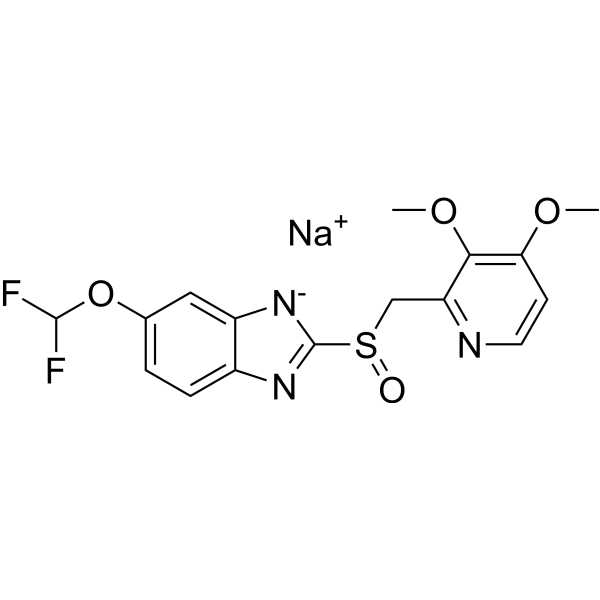
Pantoprazole sodium (BY10232 sodium) is an orally active and potent proton pump inhibitor (PPI) . Pantoprazole sodium, a substituted benzimidazole, is a potent H +/K +-ATPase inhibitor with an IC50 of 6.8 μM. Pantoprazole sodium improves pH stability and has anti-secretory, anti-ulcer activities. Pantoprazole sodium significantly increased tumor growth delay combined with Doxorubicin (HY-15142) .
|
-
- HY-17507B
-
|
BY1023 sodium hydrate; SKF96022 sodium hydrate
|
Proton Pump
Autophagy
Apoptosis
Bacterial
|
Inflammation/Immunology
Cancer
|
|
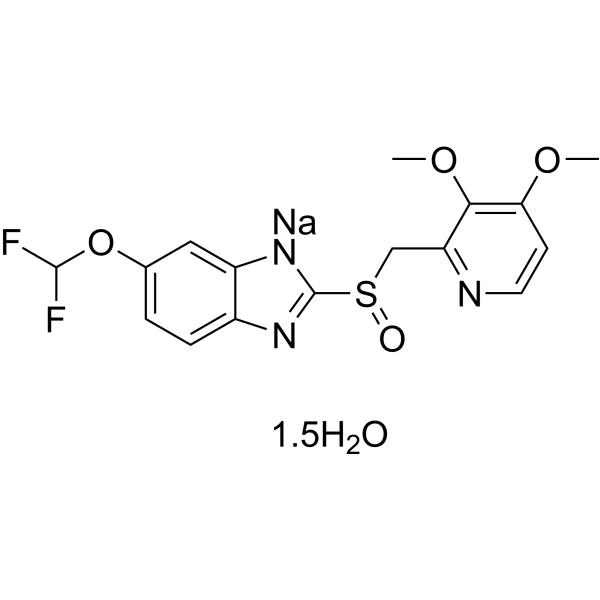
Pantoprazole sodium hydrate (BY10232 sodium hydrate) is an orally active and potent proton pump inhibitor (PPI) . Pantoprazole sodium hydrate, a substituted benzimidazole, is a potent H +/K +-ATPase inhibitor with an IC50 of 6.8 μM. Pantoprazole sodium hydrate improves pH stability and has anti-secretory, anti-ulcer activities. Pantoprazole sodium hydrate significantly increased tumor growth delay combined with Doxorubicin (HY-15142) .
|
-
- HY-B1820
-
-
- HY-101529R
-
|
HOE-402free base (Standard)
|
LDLR
Reference Standards
|
Cardiovascular Disease
|
|
Imanixil (Standard) is the analytical standard of Imanixil (HY-101529). This product is intended for research and analytical applications. Imanixil (HOE-402 free base) is an orally active LDL receptor (LDLR) inducer. Imanixil can reduce cholesterol levels by inhibiting VLDL-lipid production. Imanixil can delay atherosclerosis profession. Imanixil can be used for the research of cardiovascular disease, such as atherosclerosis .
|
-
- HY-W714852
-
|
|
Insecticide
Sodium Channel
|
Infection
|
|
Zeta-Cypermethrin is a type II pyrethroid insecticide. Zeta-Cypermethrin primarily acts on voltage-gated sodium channels in nerve cells, causing delayed channel closure, persistent nerve excitation and convulsions. In Drosophila, Zeta-Cypermethrin rapidly induces extremely high metabolic resistance that can be screened, and exhibits in vitro genotoxicity to human peripheral blood lymphocytes .
|
-
- HY-119059
-
|
|
RPE65
|
Metabolic Disease
|
|
CU239 is a potent and competitive non-retinoic acid inhibitor of RPE65 with an IC50 for RPE65 isomerase (11-cis retinal) of 6 μM. CCU239 exhibits delayed chromophore regeneration after light bleach, and conferrs a partial protection of the retina against injury from high intensity light. CU239 can be used for the study of retinal degeneration .
|
-
- HY-17507
-
|
BY1023; SKF96022
|
Proton Pump
Autophagy
Apoptosis
Bacterial
|
Inflammation/Immunology
Cancer
|
|
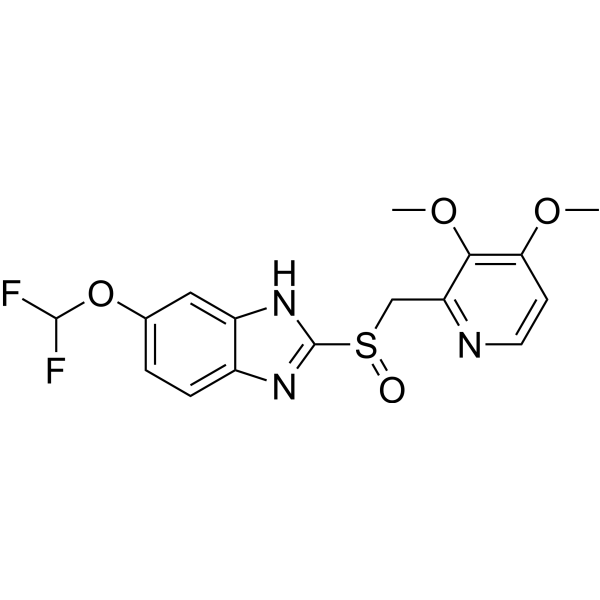
Pantoprazole (BY10232) is an orally active and potent proton pump inhibitor (PPI) . Pantoprazole, a substituted benzimidazole, is a potent H +/K +-ATPase inhibitor with an IC50 of 6.8 μM. Pantoprazole improves pH stability and has anti-secretory, anti-ulcer activities. Pantoprazole significantly increased tumor growth delay combined with Doxorubicin (HY-15142) .
|
-
- HY-125168
-
EGA
2 Publications Verification
|
EGFR
|
Infection
Inflammation/Immunology
|
|
EGA is an inhibitor that selectively targets the endosomal trafficking pathways. EGA targets the proteins involved in the endosomal trafficking pathways through which multiple toxins and viruses enter cells. EGA exerts its activity by inhibiting the trafficking from early endosomes to late endosomes, blocking the entry of multiple acid-dependent bacterial toxins and viruses into mammalian cells and delaying the lysosomal targeting and degradation of EGFR .
|
-
- HY-118148
-
|
|
Potassium Channel
|
Cardiovascular Disease
|
|
UK-66914, is a class III antiarrhythmic agent that specifically acts on the delayed rectifier potassium current (I_K). UK-66914 is designed to prolong action potential duration (APD) and increase cardiac refractory period, thereby potentially terminating the reentry mechanism in arrhythmias without affecting the serious side effects of antiarrhythmic drugs associated with other ion channels such as Na+ and Ca2+ currents .
|
-
- HY-P992336
-
|
|
ADAMTS
|
Inflammation/Immunology
|
|
CRB0017 is a recombinant monoclonal antibody targeting ADAMTS5, with high affinity for the spacer domain of ADAMTS5 and strong antigen specificity. CRB0017 binds to the spacer domain of ADAMTS5 and reduces the proteolytic activity of this enzyme. CRB0017 delays articular cartilage degradation, alleviates the pathological severity of osteoarthritis, and decreases the osteoarthritis histopathological score. CRB0017 is applicable to the research of osteoarthritis .
|
-
- HY-176731
-
|
|
P2X Receptor
|
Neurological Disease
|
|
MSK-9 is a positive allosteric modulator of the P2X4 receptor with dual activities of enhancing ion conductance and delaying receptor inactivation. MSK-9 stabilizes the open state of the P2X4 receptor through rigid 3-piperidinyl and hydrophobic menthyl substituents. MSK-9 can be used in the study of multiple sclerosis (MS) .
|
-
- HY-117901
-
|
|
Insecticide
|
Others
|
|
Sandoricin is a limonoid compound that can be extracted from the seeds of Sandoricum koetjape. Sandoricin exhibits strong antifeedant properties in larvae of Fall Armyworm (Spodoptera frugiperda) and European Corn Borer (Ostrinia nubilalis) fed on artificial diets. Sandoricin induces reduced growth rate and delayed pupation at lower doses, while higher doses cause massive mortality of larvae. Sandoricin is a potential field insecticide .
|
-
- HY-141831
-
|
|
Phosphodiesterase (PDE)
|
Cancer
|
|
STF-1084 is a specific, cell-impermeable, competitive inhibitor of ENPP1 (Ki = 33 nM). STF-1084 increases extracellular cGAMP concentrations by preventing its degradation by ENPP1, thereby enhancing immune infiltration. STF-1084 acts synergistically with ionizing radiation (IR) and cGAMP to delay tumor progression. STF-1084 can be used to study cancers with low immunogenicity .
|
-
- HY-W753416
-
|
|
Phytohormone
|
Inflammation/Immunology
|
|
14-Hydroxylated brassinosteroid is a plant growth regulator. 14-Hydroxylated brassinosteroid enhances winter wheat resistance to heat stress, delays heat-induced leaf senescence, maintains leaf water content, promotes grain filling, and mitigates yield loss. 14-Hydroxylated brassinosteroid shows antioxidant activity. 14-Hydroxylated brassinosteroid can be used for the research of plant growth .
|
-
- HY-A0118
-
|
NKTR-118; AZ-13337019
|
Opioid Receptor
|
Neurological Disease
Cancer
|
|
Naloxegol (NKTR-118; AZ-13337019) is an orally active peripherally acting μ-opioid receptor antagonist with a target Ki of 7.42 nM. Naloxegol inhibits the binding of opioids to μ-opioid receptors in the gastrointestinal tract, and alleviates opioid-induced gastrointestinal hypomotility, delayed transit, hypertonicity, and increased fluid reabsorption. Naloxegol is applicable to research related to opioid-induced constipation .
|
-
- HY-145949
-
|
|
Drug Metabolite
|
Infection
|
|
Remdesivir de(ethylbutyl 2-aminopropanoate) is an impurity of Remdesivir. Remdesivir, a nucleoside analogue with effective antiviral activity, has EC50s of 74 nM for SARS-CoV and MERS-CoV in HAE cells, and 30 nM for murine hepatitis virus in delayed brain tumor cells. Remdesivir is highly effective in the control of SARS-CoV-2 (COVID-19) infection in vitro .
|
-
- HY-177739
-
|
|
Drug Derivative
Collagen
|
Inflammation/Immunology
|
|
Antifibrotic agent 2 (Compound 636) is a polycyclic pyridinone derivative with antifibrotic activity. Antifibrotic agent 2 reduces the pathological accumulation of fibrosis-related proteins such as fibronectin and collagen, prevents excessive fibrous connective tissue from depositing in organs or tissues, and reverses or delays the remodeling of tissue fibrosisby regulating the abnormal proliferation and activation of fibroblasts. Antifibrotic agent 2 can be used for research on pulmonary fibrosis .
|
-
- HY-119698
-
|
SD 8339; N-Benzyl-9-(tetrahydro-2h-pyran-2-yl)adenine
|
Environmental Pollutants
Drug Derivative
|
Others
|
|
BAP9THP is a synthetic cytokinin derivative and a growth regulator. BAP9THP promotes chlorophyll retention (and senescence delay) in plant tissues exceptionally strongly, and growth of tobacco callus almost as strongly as 6-Benzylaminopurine (BAP). BAP9THP induces adventitious shoot formation ignificantly more strongly than N6-isopentenyladenine or Kinetin .
|
-
- HY-111614S
-
|
|
Isotope-Labeled Compounds
Progesterone Receptor
|
Metabolic Disease
Cancer
|
|
Melengestrol acetate-d6 is the deuterium labeled Melengestrol acetate. Melengestrol acetate is a progesterone derivative, acts as an orally active corticosteroid hormone to promote endometrial proliferation, pregnancy maintenance, and delay of menstrual activity . Melengestrol Acetate is used as a contraceptive agent for growth promoting effects and suppression of estrus in animals. Melengestrol acetate inhibits both the androgen-dependent and -independent prostatic tumors in vivo and can be used for cancer research .
|
-
- HY-111614S2
-
|
|
Isotope-Labeled Compounds
Progesterone Receptor
|
Metabolic Disease
Cancer
|
|
Melengestrol acetate-d3 is the deuterium labeled Melengestrol acetate. Melengestrol acetate is a progesterone derivative, acts as an orally active corticosteroid hormone to promote endometrial proliferation, pregnancy maintenance, and delay of menstrual activity . Melengestrol Acetate is used as a contraceptive agent for growth promoting effects and suppression of estrus in animals. Melengestrol acetate inhibits both the androgen-dependent and -independent prostatic tumors in vivo and can be used for cancer research .
|
-
- HY-125999
-
|
|
Reactive Oxygen Species (ROS)
|
Neurological Disease
|
|
EPI-589, a quinone derivative, is a safe and well tolerated oxidoreductase enzyme inhibitor and a free radical scavenger, with blood-brain barrier permeable and orally available. EPI-589 is a redox-active neuroprotectant that effectively delays the symptoms of motor neuron disease in wobbler mice. EPI-589 can be used in amyotrophic lateral sclerosis (ALS) research .
|
-
- HY-111614S1
-
|
|
Isotope-Labeled Compounds
Progesterone Receptor
|
Metabolic Disease
Cancer
|
|
Melengestrol acetate-d2 is the deuterium labeled Melengestrol acetate. Melengestrol acetate is a progesterone derivative, acts as an orally active corticosteroid hormone to promote endometrial proliferation, pregnancy maintenance, and delay of menstrual activity . Melengestrol Acetate is used as a contraceptive agent for growth promoting effects and suppression of estrus in animals. Melengestrol acetate inhibits both the androgen-dependent and -independent prostatic tumors in vivo and can be used for cancer research .
|
-
- HY-76938
-
|
4-Acetylaminophenylacetic acid; MS-932
|
Carbonic Anhydrase
TNF Receptor
IFNAR
|
Inflammation/Immunology
|
|
Actarit (4-Acetylaminophenylacetic acid) is an orally active Carbonic Anhydrase II (CAII) inhibitor with an IC50 of 422 nM. Actarit shows suppressive effects experimental autoimmune encephalomyelitis in rats. Actarit inhibits the development of type ll collagen (CII)-induced arthritis in mice by suppressing delayed-type hypersensitivity to CII. Actarit can be used for the study of Multiple Sclerosis (MS) and rheumatoid arthritis .
|
-
- HY-B0942
-
|
|
Environmental Pollutants
nAChR
Bacterial
Apoptosis
Caspase
|
Infection
Neurological Disease
Cancer
|
|
Benzethonium chloride inhibits nicotinic acetylcholine receptors in human recombinant α7 and α4β2 neurons in Xenopus laevis oocytes, which has antibacterial, anticancer, antisepsis and disinfection activity. Benzethonium chloride induced Apoptosis and activated caspases in cancer cell lines. Benzethonium chloride ablates the tumor-forming ability of FaDu cells, delays the growth of xenograft tumors in vivo .
|
-
- HY-167931
-
|
|
Drug Derivative
|
Metabolic Disease
|
|
Cinnamohydrazide, an unsaturated carboxylic acid derivative, serves as a precursor to aspartame through enzyme-mediated amination to phenylalanine. This compound may offer potential benefits in the prevention and treatment of diabetes by facilitating insulin secretion, enhancing pancreatic β-cell function, inhibiting hepatic gluconeogenesis, promoting glucose uptake, amplifying insulin signaling pathways, delaying carbohydrate digestion and glucose absorption, and reducing protein glycation and insulin fibrillation.
|
-
- HY-147410
-
|
ION-363
|
DNA/RNA Synthesis
|
Neurological Disease
|
|
Ulefnersen (ION363) is an Antisense Oligonucleotide (ASO) directed against the 6th intron of the fused-in sarcoma (FUS) transcript to silence FUS in a non-allele-specific manner. Ulefnersen can reduce postnatal levels of FUS protein in the brain and spinal cord in disease-relevant mouse model of ALS-FUS , delaying motor neuron degeneration. Ulefnersen can be used in the research of Amyotrophic Lateral Sclerosis (ALS) .
|
-
- HY-165475
-
|
|
iGluR
|
Neurological Disease
|
|
TDPAM02 is a positive allosteric modulator of AMPA receptor GluA2. TDPAM02 can specifically bind to the ligand-binding domain (LBD) of GluA2 and shows an IC50 of 1.4 nM for the GluA2 flop subtype. TDPAM02 can stabilize the activated conformation of GluA2 receptors, delay the receptor deactivation or desensitization process, maintaining the rapid excitatory synaptic transmission in the central nervous system .
|
-
- HY-A0021S
-
|
|
Isotope-Labeled Compounds
5-HT Receptor
Flavivirus
|
Infection
Cardiovascular Disease
Neurological Disease
|
|
Palonosetron-d3 hydrochloride is the deuterium labeled Palonosetron hydrochloride (HY-A0021). Palonosetron hydrochloride is a 5-HT3 antagonist primarily used to prevent acute, delayed, and overall chemotherapy-induced nausea and vomiting. In addition, Palonosetron hydrochloride exhibits moderate anti-flavivirus activity and potent anti-Zika virus activity in mammalian cells. Palonosetron hydrochloride also possesses antidepressant activity .
|
-
- HY-119577R
-
|
Distigmine dibromide (Standard)
|
Cholinesterase (ChE)
Reference Standards
|
Neurological Disease
|
|
Ubretid (Standard) is the analytical standard of Ubretid. This product is intended for research and analytical applications. Ubretid is a potent inhibitor of plasma cholinesterase. Ubretid therefore delays the hydrolysis of suxamethonium and prolongs its action, similar to the effects shown by other anticholinesterase agents, such as pyridostigmine and donepezil. Ubretid has the potential for the research of urinary retention prolongs the effect of suxamethonium. Ubretid is commonly prescribed for the research of myasthenia gravis and for difficulty in emptying the bladder .
|
-
- HY-15018A
-
|
|
Oxytocin Receptor
|
Endocrinology
|
|
SSR126768A free base is an orally active antagonist for oxytocin receptor, with Ki of 0.44 nM. SSR126768A free base is a tocolytic agent, that antagonizes the Oxytocin (HY-17571)-induced intracellular Ca 2+ increase and prostaglandin release in human uterine smooth muscle cells, inhibits thus the Oxytocin (HY-17571)-induced uterine contraction and delays parturition in pregnant rats in labor .
|
-
- HY-165474
-
|
|
iGluR
|
Neurological Disease
|
|
TDPAM01 is a positive allosteric modulator of AMPA receptor GluA2. TDPAM01 can specifically bind to the ligand-binding domain (LBD) of GluA2 and shows an IC50 of 13.4 nM for the GluA2 flop subtype. TDPAM01 can stabilize the activated conformation of GluA2 receptors, delay the receptor deactivation or desensitization process, maintaining the rapid excitatory synaptic transmission in the central nervous system .
|
-
- HY-B1048
-
|
Paraniazide; Pasiniazide; Isonicotinic acid hydrazide p-aminosalicylate
|
Bacterial
|
Infection
|
|
Pasiniazid is a chemical complex formed by Isoniazid (HY-B0329) and Para-aminosalicylic acid in a 1:1 molar ratio. Pasiniazid is an antibacterial agent. Pasiniazid is rapidly decomposed into isoniazid and para-aminosalicylic acid in the gastrointestinal tract. Isoniazid exerts a bactericidal effect, while para-aminosalicylic acid delays the acetylation process of isoniazid. Pasiniazid has antibacterial activity against Mycobacterium tuberculosis. Pasiniazid can be used in tuberculosis research .
|
-
- HY-147410A
-
|
ION-363 sodium
|
DNA/RNA Synthesis
|
Neurological Disease
|
|
Ulefnersen sodium (ION363) is an Antisense Oligonucleotide (ASO) directed against the 6th intron of the fused-in sarcoma (FUS) transcript to silence FUS in a non-allele-specific manner. Ulefnersen sodium can reduce postnatal levels of FUS protein in the brain and spinal cord in disease-relevant mouse model of ALS-FUS , delaying motor neuron degeneration. Ulefnersen sodium can be used in the research of Amyotrophic Lateral Sclerosis (ALS) .
|
-
- HY-111614R
-
|
|
Reference Standards
Progesterone Receptor
|
Metabolic Disease
Cancer
|
|
Melengestrol acetate (Standard) is the analytical standard of Melengestrol acetate. This product is intended for research and analytical applications. Melengestrol acetate is a progesterone derivative, acts as an orally active corticosteroid hormone to promote endometrial proliferation, pregnancy maintenance, and delay of menstrual activity . Melengestrol Acetate is used as a contraceptive agent for growth promoting effects and suppression of estrus in animals. Melengestrol acetate inhibits both the androgen-dependent and -independent prostatic tumors in vivo and can be used for cancer research .
|
-
- HY-121467S1
-
|
Z-338 free base-d4; YM443 free base-d4
|
Isotope-Labeled Compounds
Cholinesterase (ChE)
|
Metabolic Disease
Inflammation/Immunology
|
|
Acotiamide-d4 (Z-338 (free base)-d4) is deuterium labeled Acotiamide. Acotiamide is an orally active, selective and reversible acetylcholinesterase (AChE) inhibitor, with an IC50 of 1.79 μM. Acotiamide can enhance gastric contractility and accelerate delayed gastric emptying. Acotiamide has the potential for the research of functional dyspepsia involving gastric motility dysfunction and intestinal inflammatory .
|
-
- HY-17504AS
-
-
- HY-137655
-
|
|
Protein Arginine Deiminase
|
Cancer
|
|
BMS-P5 is a selective and orally active peptidylarginine deiminase 4 (PAD4) inhibitor with an IC50 of 98 nM. BMS-P5 shows selective for PAD4 over PAD1, PAD2, and PAD3. BMS-P5 blocks multiple myeloma (MM)-induced neutrophil extracellular trap (NET) formation and delays progression of MM in a syngeneic mouse model .
|
-
- HY-17507S
-
|
BY1023-d6; SKF96022-d6
|
Isotope-Labeled Compounds
Proton Pump
Autophagy
Apoptosis
|
Inflammation/Immunology
Cancer
|
|
Pantoprazole-d6 is deuterium labeled Pantoprazole. Pantoprazole (BY10232) is an orally active and potent proton pump inhibitor (PPI) . Pantoprazole, a substituted benzimidazole, is a potent H+/K+-ATPase inhibitor with an IC50 of 6.8 μM. Pantoprazole improves pH stability and has anti-secretory, anti-ulcer activities. Pantoprazole significantly increased tumor growth delay combined with Doxorubicin (HY-15142) .
|
-
- HY-47888
-
|
|
Integrin
|
Inflammation/Immunology
|
|
PLN-1474 (compound 1) is an orally active and selective ανβ1 integrin inhibitor with an IC50 value of <50 nM. PLN-1474 reduces levels of pSMAD3/SMAD3 in liver, hepatic collagen gene expression and hepatic OHP concentration in liver fibrosis mouse model. PLN-1474 can be used for the research of preventing, delaying or researching a fibrotic or cirrhotic disease or disorder.
|
-
- HY-B0006C
-
|
(R)-BM 14190
|
Adrenergic Receptor
Calcium Channel
|
Cardiovascular Disease
Cancer
|
|
(R)-Carvedilol ((R)-BM 14190) is the orally active R-isomer of Carvedilol (HY-B0006). (R)-Carvedilol has α-receptor blocking activity but no β-receptor blocking activity. (R)-Carvedilol inhibits spontaneous Ca 2+ waves. (R)-Carvedilol inhibits stress-induced ventricular tachycardia and delays the development of UV-induced skin tumors and reduces their malignancy .
|
-
- HY-106982
-
|
CJ-11,974
|
Neurokinin Receptor
|
Neurological Disease
Metabolic Disease
|
|
Ezlopitant (CJ-11,974) is a selective, non-peptidic neurokinin-1 (NK-1)-receptor antagonist. Ezlopitant inhibits both acute and delayed emetic reactions induced by Cisplatin (HY-17394) in ferrets via acting on NK1 receptors in the central nervous system. Ezlopitant has the potential for pain, chemotherapy-induced emesis and irritable bowel syndrome research .
|
-
- HY-175185
-
|
|
Histone Demethylase
|
Infection
|
|
MC3935 is a LSD1 inhibitor with an IC50 of 0.52 μM for LSD1-CoREST enzymatic complex. MC3935 has significant antischistosomal activity against transformed schistosomula (NTS) and Schistosoma mansoni adult worms while showing a delayed onset of action towards juvenile forms. MC3935 has no significant toxicity to human cells. MC3935 can be used for schistosomiasis research .
|
-
- HY-119035
-
|
|
Platelet-activating Factor Receptor (PAFR)
|
Inflammation/Immunology
|
|
R-75317 is a specific platelet-activating factor (PAF) antagonist. R-75317 can prevent the decline in creatinine clearance (Ccr) in a rat model of glomerulonephritis induced by the injection of antibodies extracted from rabbits against rat glomerular basement membrane (GBM) antigens, delay the onset of proteinuria, and improve glomerular hypertrophy, mesangial matrix proliferation, and interstitial fibrosis. R-75317 may be useful in the study of glomerulonephritis .
|
-
- HY-116500A
-
|
|
Calcium Channel
|
Cardiovascular Disease
|
|
AH-1058 is a newly synthesized antiarrhythmic agent that exhibits significant antiarrhythmic activity by delaying premature ventricular complexes and ventricular fibrillation in experimental arrhythmia models. AH-1058 effectively inhibits both ventricular tachycardia and ventricular fibrillation in the reperfusion-induced arrhythmia model in rats. AH-1058 demonstrates potent calcium channel-blocking effects, suppressing L-type Ca2+ currents in isolated cardiomyocytes.
|
-
- HY-19382
-
|
|
SOD
ERK
Reactive Oxygen Species (ROS)
|
Neurological Disease
|
|
EUK-189 is a synthetic superoxide dismutase (SOD) and catalase mimetic. EUK-189 can block oxygen/glucose deprivation (OGD)-induced ERK1/2 dephosphorylation, ATP depletion and eliminate ROS production. EUK-189 exhibits neuroprotective effect and can inhibit delayed radiation injury. EUK-189 can be used for the research of neurological disease, such as ischemic stroke .
|
-
- HY-122704
-
|
Aminoquinuride
|
FGFR
HSV
Tau Protein
|
Infection
Neurological Disease
Inflammation/Immunology
|
|
Surfen is a potent heparan sulfate antagonist. Surfen inhibits FGF2 binding and signal transduction. Surfen binds to glycosaminoglycans and reduces tau hyperphosphorylation. Surfen inhibits the activity of recombinant uronyl 2-O-sulfotransferase with an IC50 of approximately 2 μM. Surfen inhibits HSV-1 viral infection. Surfen inhibits neural differentiation, delays remyelination, and alleviates EAE .
|
-
- HY-17507S1
-
|
BY1023-d3; SKF96022-d3
|
Isotope-Labeled Compounds
Proton Pump
Autophagy
Apoptosis
|
Inflammation/Immunology
Cancer
|
|
Pantoprazole-d3 is deuterium labeled Pantoprazole. Pantoprazole (BY10232) is an orally active and potent proton pump inhibitor (PPI) . Pantoprazole, a substituted benzimidazole, is a potent H+/K+-ATPase inhibitor with an IC50 of 6.8 μM. Pantoprazole improves pH stability and has anti-secretory, anti-ulcer activities. Pantoprazole significantly increased tumor growth delay combined with Doxorubicin (HY-15142) .
|
-
- HY-122704A
-
|
Aminoquinuride dihydrochloride
|
FGFR
HSV
Tau Protein
|
Infection
Neurological Disease
Inflammation/Immunology
|
|
Surfen dihydrochloride is a potent heparan sulfate antagonist. Surfen inhibits FGF2 binding and signal transduction. Surfen binds to glycosaminoglycans and reduces tau hyperphosphorylation. Surfen dihydrochloride inhibits the activity of recombinant uronyl 2-O-sulfotransferase with an IC50 of approximately 2 μM. Surfen dihydrochloride inhibits HSV-1 viral infection. Surfen dihydrochloride inhibits neural differentiation, delays remyelination, and alleviates EAE .
|
-
- HY-162269
-
|
|
NAMPT
|
Inflammation/Immunology
|
|
Nampt activator-5 is a NAMPT activator with a KD value of 6.19 μM. Nampt activator-5 activates the rate-limiting enzyme in NAD + biosynthesis and promotes NAD + production. Nampt activator-5 delays the senescence process of senescent hepatocytes, extends the lifespan of *Caenorhabditis elegans*, and alleviates age-related dysfunction and abnormal biomarkers in naturally aged mice. Nampt activator-5 can be used in aging research .
|
-
- HY-124852
-
|
PF 5212372
|
Phospholipase
Prostaglandin Receptor
Leukotriene Receptor
|
Inflammation/Immunology
|
|
ZPL-5212372 (PF 5212372) is a cPLA2α inhibitor (IC50 = 7 nM). ZPL-5212372 inhibits the release of prostaglandin D2 (PGD2), cysteyl leukotrienes, leukotriene B4, thromboxane A2, and PGD2 from human lung cells. ZPL-5212372 inhibits delayed bronchoconstriction and airway hyperresponsiveness in a sheep allergic inflammation model. ZPL-5212372 may be used in asthma research .
|
-
- HY-112705
-
|
|
Potassium Channel
|
Neurological Disease
Metabolic Disease
|
|
VU0529331 is a homomeric GIRK channel activator, with an EC50 value of 5.1 μM for human GIRK2 and an EC50 value of 22.3 μM for GIRK4. VU0529331 serves as a starting point for the development of non-GIRK1/X channel probes and also acts as a tool for studying homomeric GIRK channels. VU0529331 is applicable to research related to addiction, primary aldosteronism and delayed-onset obesity .
|
-
- HY-174351
-
|
|
PROTACs
Telomerase
|
Cancer
|
|
NU-PRO-1 is a covalent Telomerase reverse transcriptase (TERT) PROTAC degrader. NU-PRO-1 induces transient, VHL- and proteasome-dependent proteasomal degradation of TERT in cancer cells. NU-PRO-1 delays DNA repair in irradiated cancer cells without inducing DNA damage on its own. NU-PRO-1 can be used for the research of cancer .
|
-
- HY-168374
-
|
|
Biochemical Assay Reagents
Liposome
Small Interfering RNA (siRNA)
|
Cancer
|
|
DSPE-PEG 2000-Mannose is a mannose-containing lipid. DSPE-PEG 2000-Mannose is used to prepare mannose-conjugated Liposome (Man-lipo) for siRNA delivery. Mannose-modified liposomes encapsulating IDO siRNA (Man-lipo-siIDO) preferentially knock down IDO expression in the draining lymph nodes and spleens of melanoma-bearing mice. Man-lipo-siIDO delays the onset time of melanoma and reduces tumor volume .
|
-
- HY-W250119
-
|
EDTA disodium calcium salt hydrate; Ethylenediaminetetraacetic acid disodium calcium salt hydrate
|
Biochemical Assay Reagents
Fungal
Mitochondrial Metabolism
|
Infection
|
|
Calcium disodium edetate hydrate (EDTA disodium calcium salt hydrate) is a metal chelator and antifungal agent. Calcium disodium edetate hydrate chelates Mn 2+, damages mitochondria, and interferes with carbohydrate metabolic pathways, particularly the synthesis of pyruvate in glycolysis. Calcium disodium edetate hydrate inhibits Penicillium digitatum and delays conidial germination. Calcium disodium edetate (hydrate) enhances the host defense system of citrus fruits. Calcium disodium edetate hydrate is applicable to research related to citrus green mold .
|
-
- HY-101780A
-
|
EDO-S101 hydrochloride; NL-101 hydrochloride
|
HDAC
|
Cancer
|
|
Tinostamustine hydrochloride (EDO-S101 hydrochloride) is a compound with anti-multiple myeloma activity and the ability to promote CD38 expression. Tinostamustine hydrochloride enhances the sensitivity of tumor cells to the anti-CD38 monoclonal antibody daratumumab by increasing the acetylation level of histone H3. Tinostamustine hydrochloride can increase the expression of MICA and MICB, thereby activating NK cells. Tinostamustine hydrochloride can significantly delay tumor growth and improve the survival rate of mice .
|
-
- HY-A0118A
-
|
NKTR-118 oxalate; AZ-13337019 oxalate
|
Opioid Receptor
|
Metabolic Disease
|
|
Naloxegol oxalate (NKTR-118 oxalate; AZ-13337019 oxalate) is an orally active peripherally acting μ-opioid receptor antagonist with a target Ki of 7.42 nM. Naloxegol oxalate inhibits the binding of opioids to μ-opioid receptors in the gastrointestinal tract, and alleviates opioid-induced gastrointestinal hypomotility, delayed transit, hypertonicity, and increased fluid reabsorption. Naloxegol oxalate is applicable to research related to opioid-induced constipation .
|
-
- HY-145239
-
|
|
PD-1/PD-L1
|
Cancer
|
|
PD-1/PD-L1-IN-13 (Compound 43) is a potent immune checkpoint PD-1/PD-L1 inhibitor with an IC50 value of 10.2 nM. PD-1/PD-L1-IN-13 promots CD8 + T cell activation and delays the tumor growth in the Hepa1-6 syngeneic mouse model .
|
-
- HY-114341
-
|
Kaempferol 5-O-β-D-glucopyranoside
|
Others
|
Inflammation/Immunology
|
|
Kaempferol 5-glucoside (Kaempferol 5-O-β-D-glucopyranoside) is an orally active flavonol glycoside and immunomodulator. Kaempferol 5-glucoside is isolated from the aerial parts of Indigofera aspalathoides Vahl ex DC. Kaempferol 5-glucoside enhances delayed-type hypersensitivity in rats. Kaempferol 5-glucoside increases humoral antibody titers. Kaempferol 5-glucoside is used for the research of autoimmune diseases .
|
-
- HY-A0021R
-
|
|
Reference Standards
5-HT Receptor
Flavivirus
|
Infection
Cardiovascular Disease
Neurological Disease
|
|
Palonosetron hydrochloride (Standard) is the analytical standard of Palonosetron hydrochloride (HY-A0021). This product is intended for research and analytical applications. Palonosetron hydrochloride is a 5-HT3 antagonist primarily used to prevent acute, delayed, and overall chemotherapy-induced nausea and vomiting. In addition, Palonosetron hydrochloride exhibits moderate anti-flavivirus activity and potent anti-Zika virus activity in mammalian cells. Palonosetron hydrochloride also possesses antidepressant activity .
|
-
- HY-P5157
-
|
|
Potassium Channel
|
Neurological Disease
|
|
BmP02 is a selective Kv1.3 channel blocker and a highly-selective Kv4.2 modulator, which can be isolated from Chinese scorpion (Buthus martensi Karsch) venom. BmP02 also delays the inactivation of Kv4.2 in HEK293T cells, with an EC50 value of ~850 nM. BmP02 inhibits the transient outward potassium currents (Ito) in ventricular muscle cells .
|
-
- HY-W203683
-
|
PFNA; Heptadecafluorononanoic acid
|
PPAR
PERK
|
Metabolic Disease
|
|
Perfluorononanoic acid (PFNA) is an orally active PPARα activator. Perfluorononanoic acid activates PPARα-mediated gene expression, including upregulating target genes associated with lipid metabolism and triglyceride storage. Perfluorononanoic acid exhibits certain developmental and reproductive toxicity. Perfluorononanoic acid causes hepatomegaly in pregnant mice, induces high postnatal mortality in neonatal mice, and leads to dose-dependent delays in eye-opening time and puberty onset in mouse offspring .
|
-
- HY-126249
-
|
|
Aurora Kinase
Polo-like Kinase (PLK)
Apoptosis
|
Cancer
|
|
AAPK-25 is a potent and selective Aurora/PLK dual inhibitor with anti-tumor activity, which can cause mitotic delay and arrest cells in a prometaphase, reflecting by the biomarker histone H3 Ser10 phosphorylation and followed by a surge in apoptosis. AAPK-25 targets Aurora-A, -B, and -C with Kd values ranging from 23-289 nM, as well as PLK-1, -2, and -3 with Kd values ranging from 55-456 nM .
|
-
- HY-B0317F
-
|
|
Calcium Channel
|
Infection
|
|
Amlodipine hydrochloride is a biologically active drug used to lower blood pressure and prevent chest pain. Amlodipine hydrochloride has shown synergistic effects with antimicrobial drugs in in vitro studies, especially against carbene peptide-resistant Acinetobacter baumannii. Amlodipine hydrochloride can be used in combination with other antibiotics to enhance the inhibitory effect against resistant bacteria. The use of amlodipine hydrochloride helps reduce the dosage requirements of the drug, reduce toxic effects, and delay the emergence of drug resistance .
|
-
- HY-B2155R
-
|
|
Reference Standards
Cholinesterase (ChE)
|
Metabolic Disease
Inflammation/Immunology
|
|
Acotiamide (monohydrochloride trihydrate) (Standard) is the analytical standard of Acotiamide (monohydrochloride trihydrate). This product is intended for research and analytical applications. Acotiamide monohydrochloride trihydrate is an orally active, selective and reversible acetylcholinesterase (AChE) inhibitor, with IC50 of 1.79 μM. Acotiamide monohydrochloride trihydrate can enhance gastric contractility and accelerate delayed gastric emptying. Acotiamide monohydrochloride trihydrate has the potential for the research of functional dyspepsia involving gastric motility dysfunction and intestinal inflammatory .
|
-
- HY-122168
-
|
|
Prostaglandin Receptor
|
Inflammation/Immunology
Cancer
|
|
AAT-008 is a potent, selective, and orally active prostaglandin EP4 receptor antagonist with Kis of 0.97 and 6.1 nM for recombinant human EP4 and recombinant rat EP4, respectively. AAT-008 exerts tumor growth delay in mice bearing CT26WT colon tumors when combined with radiotherapy. AAT-008 can be used for the study of acute and chronic inflammatory pain and cancer
.
|
-
- HY-W250118
-
|
|
Liposome
Autophagy
|
Neurological Disease
Metabolic Disease
|
|
Cephalin form bovine brain is an orally active phospholipid widely present in organisms.Cephalin form bovine brain participates in the formation of autophagosome membrane as a lipid anchor of autophagy-related protein Atg8/LC3. Cephalin form bovine brain enhances Autophagic flux, promotes cell differentiation, regulates lipid droplet fusion, delays aging, and also affects lipid metabolism and membrane integrity .
|
-
- HY-17507AR
-
|
BY1023 sodium (Standard); SKF96022 sodium (Standard)
|
Reference Standards
Proton Pump
Autophagy
Apoptosis
Bacterial
|
Inflammation/Immunology
Cancer
|
|
Pantoprazole (sodium) (Standard) is the analytical standard of Pantoprazole (sodium). This product is intended for research and analytical applications. Pantoprazole sodium (BY10232 sodium) is an orally active and potent proton pump inhibitor (PPI) . Pantoprazole sodium, a substituted benzimidazole, is a potent H +/K +-ATPase inhibitor with an IC50 of 6.8 μM. Pantoprazole sodium improves pH stability and has anti-secretory, anti-ulcer activities. Pantoprazole sodium significantly increased tumor growth delay combined with Doxorubicin (HY-15142) .
|
-
- HY-157055
-
|
|
PD-1/PD-L1
|
Cancer
|
|
PD-1-IN-25 (compound 43) is a potent PD-1/PD-L1 interaction inhibitor with an IC50 value of 10.2 nM in the HTRF assay. PD-1-IN-25 can promote CD8+ T cell activation through inhibiting PD-1/PD-L1 cellular signaling. PD-1-IN-25 delays the tumor growth .
|
-
- HY-B0432
-
|
SA-79
|
Sodium Channel
Adrenergic Receptor
Potassium Channel
|
Cardiovascular Disease
Cancer
|
|
Propafenone (SA-79), a sodium-channel blocker, acts an antiarrhythmic agent. Propafenone also has high affinity for the β receptor (IC50=32 nM) . Propafenone blocks the transient outward current (Ito) and the sustained delayed rectifier K current (Isus) with IC50 values of 4.9 μm and 8.6 μm, respectively . Propafenone suppresses esophageal cancer proliferation through inducing mitochondrial dysfunction and induce apoptosis .
|
-
- HY-17507R
-
|
BY1023 (Standard); SKF96022 (Standard)
|
Reference Standards
Proton Pump
Autophagy
Apoptosis
Bacterial
|
Inflammation/Immunology
Cancer
|
|
Pantoprazole (Standard) is the analytical standard of Pantoprazole. This product is intended for research and analytical applications. Pantoprazole (BY10232) is an orally active and potent proton pump inhibitor (PPI) . Pantoprazole, a substituted benzimidazole, is a potent H +/K +-ATPase inhibitor with an IC50 of 6.8 μM. Pantoprazole improves pH stability and has anti-secretory, anti-ulcer activities. Pantoprazole significantly increased tumor growth delay combined with Doxorubicin (HY-15142) .
|
-
- HY-10180A
-
|
|
Aurora Kinase
|
Cancer
|
|
MLN8054 sodium is an Aurora A inhibitor with radiosensitivity-enhancing activity. MLN8054 sodium can activate the DNA double-strand break reaction of prostate cancer cells in in vitro experiments. The application of MLN8054 sodium is closely related to accumulation in the G2/M phase of the cell cycle and polyploid formation. In vivo experiments show that MLN8054 sodium can significantly delay the growth of prostate cancer tumors and promote tumor cell apoptosis when used in combination with radiotherapy .
|
-
- HY-111251
-
|
|
Microtubule/Tubulin
Apoptosis
|
Cancer
|
|
4SC-207 is a potent, orally active microtubule inhibitor. 4SC-207 inhibits microtubule growth to inhibit tumor cell proliferation in vitro and in vivo, and promotes a mitotic delay/arrest, followed by apoptosis or aberrant divisions. 4SC-207 inhibits tumor growth in taxane resistant xenograft mouse models. 4SC-207 can be used for cancer research, such as colon adenocarcinoma and other malignancies .
|
-
- HY-17507BR
-
|
BY1023 sodium hydrate (Standard); SKF96022 sodium hydrate (Standard)
|
Reference Standards
Proton Pump
Autophagy
Apoptosis
Bacterial
|
Inflammation/Immunology
Cancer
|
|
Pantoprazole (sodium hydrate) (Standard) is the analytical standard of Pantoprazole (sodium hydrate). This product is intended for research and analytical applications. Pantoprazole sodium hydrate (BY10232 sodium hydrate) is an orally active and potent proton pump inhibitor (PPI) . Pantoprazole sodium hydrate, a substituted benzimidazole, is a potent H+/K+-ATPase inhibitor with an IC50 of 6.8 μM. Pantoprazole sodium hydrate improves pH stability and has anti-secretory, anti-ulcer activities. Pantoprazole sodium hydrate significantly increased tumor growth delay combined with Doxorubicin (HY-15142) .
|
-
- HY-137655A
-
|
|
Protein Arginine Deiminase
|
Cancer
|
|
BMS-P5 free base is a selective and orally active peptidylarginine deiminase 4 (PAD4) inhibitor with an IC50 of 98 nM. BMS-P5 free base shows selective for PAD4 over PAD1, PAD2, and PAD3. BMS-P5 free base blocks multiple myeloma (MM)-induced neutrophil extracellular trap (NET) formation and delays progression of MM in a syngeneic mouse model .
|
-
- HY-114348R
-
|
DiNAC (Standard); (Ac-Cys-OH)2 (Standard)
|
Amino Acid Derivatives
Reference Standards
|
Cardiovascular Disease
|
|
N,N'-Diacetyl-L-cystine (Standard) is the analytical standard of N,N'-Diacetyl-L-cystine. This product is intended for research and analytical applications. N,N'-diacetyl-L-cystine (DiNAC) is the disulphide dimer of N-acetylcysteine with immunomodulating properties. N,N'-diacetyl-L-cystine is a potent, orally active modulator of contact sensitivity/delayed type hypersensitivity reactions in rodents. N,N'-diacetyl-L-cystine also has antiatherosclerotic effects in Watanabe-heritable hyperlipidemic rabbit (WHHL) rabbits .
|
-
- HY-162866
-
|
|
Autophagy
|
Metabolic Disease
|
CXM102 is an autophagy activator. CXM102 can induce autophagy in aged BMSCs, leading to the rejuvenation of BMSCs and preferential differentiation into osteoblasts. CXM102 promotes the nuclear translocation of transcription factor EB (TFEB) and the formation of osteoblasts. CXM102 can stimulate bone synthesis metabolism in middle-aged male mice, reduce bone marrow adipocytes, delay bone loss, lower serum inflammation levels, decrease organ fibrosis, and extend the lifespan of the mice .
|
-
- HY-119681
-
|
|
Others
|
Inflammation/Immunology
|
|
YM 11124 is an orally active selective immunosuppressive agent. YM 11124 can inhibit cell-mediated immune responses (type IV allergic reactions, such as delayed-type hypersensitivity and allogenic skin graft rejection) and type III allergic reactions (such as passive Arthus reaction). YM 11124 has no effect on type I, type II allergic reactions or acute inflammation. YM 11124 can be used in research related to organ transplantation and immune hypersensitivity .
|
-
- HY-76938R
-
|
4-Acetylaminophenylacetic acid (Standard); MS-932 (Standard)
|
Carbonic Anhydrase
Reference Standards
|
Inflammation/Immunology
|
|
Actarit (Standard) is the analytical standard of Actarit. This product is intended for research and analytical applications. Actarit (4-Acetylaminophenylacetic acid) is an orally active Carbonic Anhydrase II (CAII) inhibitor with an IC50 of 422 nM. Actarit shows suppressive effects experimental autoimmune encephalomyelitis in rats. Actarit inhibits the development of type ll collagen (CII)-induced arthritis in mice by suppressing delayed-type hypersensitivity to CII. Actarit can be used for the study of Multiple Sclerosis (MS) and rheumatoid arthritis .
|
-
- HY-159750
-
|
|
Toll-like Receptor (TLR)
|
Inflammation/Immunology
|
|
M903 is a new type of mineral oil-based adjuvant, which belongs to water-in-oil-in-water (w/o/w) emulsion. It can enhance both cellular and humoral immunity against non-specific antigens, stimulate specific immunity against the antigens, delay the release of the antigens in the body, and improve the immunity of animals. It is applicable to various veterinary vaccines, including inactivated vaccines and genetically engineered subunit vaccines, such as pig vaccines for foot-and-mouth disease and blue ear disease.
|
-
- HY-50876A
-
|
FK866 hydrochloride; APO866 hydrochloride
|
NAMPT
Autophagy
Apoptosis
mTOR
p38 MAPK
ERK
|
Inflammation/Immunology
Cancer
|
|
Daporinad (FK866) hydrochloride is a non-competitive inhibitor of nicotinamide phosphoribosyltransferase (Nampt), with a Ki value of 0.3 nM. Daporinad hydrochloride depletes NAD+ and ATP levels, inhibits mTORC1 and MAPK/ERK pathways, and activates TFEB to induce autophagy. Daporinad hydrochloride causes the depletion of the endoplasmic reticulum Ca²⁺ pool, ultimately weakening the mitogen-induced Ca²⁺ signal and the activation and function of T cells. Daporinad hydrochloride induces cell cycle arrest and apoptosis, and inhibits cell proliferation. Daporinad hydrochloride can be used for the study of myeloma, liver cancer, and immunosuppression .
|
-
- HY-121075
-
|
|
Fluorescent Dye
Reverse Transcriptase
HIV
RSV
|
Infection
Endocrinology
Cancer
|
|
Alizarin complexone is a calcium-binding fluorescent dye. Alizarin complexone stains mineralized areas of bone by binding to calcium crystals. Alizarin complexone inhibits the reverse transcriptase activity of RAV-2, HIV-1, and RSV with IC50 values of 3.8 μg/mL, 45 μg/mL, and 100 μg/mL, respectively. Alizarin complexone exhibits antiviral activity against HIV-1 and RSV. Alizarin complexone delays RSV-induced tumor induction in chickens .
|
-
- HY-W739793
-
|
BY1023-d8 sodium; SKF96022-d8 sodium
|
Isotope-Labeled Compounds
Proton Pump
Autophagy
Apoptosis
Bacterial
|
Inflammation/Immunology
Cancer
|
|
Pantoprazole-d8 (BY1023-d8) sodium is a deuterium labeled Pantoprazole (HY-17507). Pantoprazole (BY10232) is an orally active and potent proton pump inhibitor (PPI) . Pantoprazole, a substituted benzimidazole, is a potent H +/K +-ATPase inhibitor with an IC50 of 6.8 μM. Pantoprazole improves pH stability and has anti-secretory, anti-ulcer activities. Pantoprazole significantly increased tumor growth delay combined with Doxorubicin (HY-15142) .
|
-
- HY-119698R
-
|
SD 8339 (Standard); N-Benzyl-9-(tetrahydro-2h-pyran-2-yl)adenine (Standard)
|
Drug Derivative
Reference Standards
|
Others
|
|
BAP9THP (Standard) is the analytical standard of BAP9THP. This product is intended for research and analytical applications. BAP9THP is a synthetic cytokinin derivative and a growth regulator. BAP9THP promotes chlorophyll retention (and senescence delay) in plant tissues exceptionally strongly, and growth of tobacco callus almost as strongly as 6-Benzylaminopurine (BAP). BAP9THP induces adventitious shoot formation ignificantly more strongly than N6-isopentenyladenine or Kinetin .
|
-
- HY-P5247
-
|
PTP20
|
Melanocortin Receptor
Sirtuin
|
Metabolic Disease
Inflammation/Immunology
|
|
Palmitoyl tetrapeptide-20 (PTP20) is a biomimetic peptide agonist of α-MSH. Palmitoyl tetrapeptide-20 promotes hair pigmentation and delays hair graying by activating the MC1-R pathway (AC50: 0.16 nM), enhancing catalase activity to reduce H2O2 accumulation, and upregulating SIRT1 activity. Palmitoyl tetrapeptide-20 can be used in research on preventing hair loss and improving hair graying .
|
-
- HY-17504A
-
|
ZD 4522
|
HMG-CoA Reductase (HMGCR)
Autophagy
Potassium Channel
Bacterial
|
Cardiovascular Disease
Metabolic Disease
Cancer
|
|
Rosuvastatin (ZD 4522) is a competitive HMG-CoA reductase inhibitor with an IC50 of 11 nM. Rosuvastatin potently blocks hERG current with an IC50 of 195 nM, delayed cardiac repolarization, and thereby prolonged action potential durations (APDs) and corrected QT interval (QTc) intervals. Rosuvastatin reduces the expression of the mature hERG and the interaction of heat shock protein 70 (Hsp70) with the hERG protein. Rosuvastatin effectively lowers low-density lipoprotein (LDL) cholesterol, triglycerides, and C-reactive protein levels .
|
-
- HY-19242
-
|
|
Antifolate
|
Inflammation/Immunology
|
|
MX-68 is an orally active antifolate agent. MX-68 can prolong the lifespan of MRL/lpr mice, delay the onset of proteinuria, and inhibit the elevation of serum blood urea nitrogen and cholesterol levels. MX-68 is also an anti-rheumatic agent, which exerts potent antiproliferative effects on rheumatoid arthritis-related cells and can inhibit arthritis in rats. MX-68 can be used in the research of autoimmune diseases such as autoimmune kidney disease and rheumatoid arthritis .
|
-
- HY-14402
-
|
|
LPL Receptor
|
Infection
Inflammation/Immunology
|
|
AMG 369 is an orally active and potent dual S1P1/S1P5 agonist with limited activity at S1P3 and no activity at S1P2/S1P4. AMG 369 reduces blood lymphocyte counts. AMG 369 delays onset and reduces severity of experimental autoimmune encephalomyelitis in rat .
|
-
- HY-B0481
-
|
BAY1099; BAY-m1099
|
Glycosidase
AMPK
Reactive Oxygen Species (ROS)
|
Metabolic Disease
|
|
Miglitol (BAY-m1099) is an orally active antidiabetic compound that inhibits the breakdown of glycoconjugates into glucose. Miglitol inhibits glycoside hydrolase enzymes called α-glucosidases. Miglitol inhibits oxidative stress-induced apoptosis and mitochondrial ROS over-production in endothelial cells by enhancement of AMP-activated protein kinase. Dietary supplementation with Miglitol from pre-onset stage in OLETF rats delays the onset and development of diabetes and preserves the insulin secretory function of pancreatic islets .
|
-
- HY-17507S4
-
|
BY1023-d4; SKF96022-d4
|
Isotope-Labeled Compounds
|
Inflammation/Immunology
Cancer
|
|
Pantoprazole-d4 (BY1023-d4) is deuterium labeled Pantoprazole. Pantoprazole (BY10232) is an orally active and potent proton pump inhibitor (PPI) . Pantoprazole, a substituted benzimidazole, is a potent H +/K +-ATPase inhibitor with an IC50 of 6.8 μM. Pantoprazole improves pH stability and has anti-secretory, anti-ulcer activities. Pantoprazole significantly increased tumor growth delay combined with Doxorubicin (HY-15142) .
|
-
- HY-P5247A
-
|
PTP20 TFA
|
Melanocortin Receptor
Sirtuin
|
Metabolic Disease
Inflammation/Immunology
|
|
Palmitoyl tetrapeptide-20 (PTP20) TFA is a biomimetic peptide agonist of α-MSH. Palmitoyl tetrapeptide-20 TFA promotes hair pigmentation and delays hair graying by activating the MC1-R pathway (AC50: 0.16 nM), enhancing catalase activity to reduce H2O2 accumulation, and upregulating SIRT1 activity. Palmitoyl tetrapeptide-20 TFA can be used in research on preventing hair loss and improving hair graying .
|
-
- HY-182471
-
|
|
Fungal
|
Infection
|
|
Aminopyrifen is a GWT-1 inhibitor. Aminopyrifen inhibits the inositol acylation of phosphatidylinositol, disrupting the maturation process of GPI-anchored proteins and the integrity of fungal cell walls. Aminopyrifen strongly inhibits germ tube elongation of Botrytis cinerea, delays spore germination, prevents appressorium formation, and blocks the infection of plant tissues by pathogenic fungi. Aminopyrifen is effective against field populations of eggplant gray mold and cucumber powdery mildew, and can be used for research on various plant fungal diseases such as gray mold and powdery mildew .
|
-
- HY-B0897
-
|
|
Biochemical Assay Reagents
|
Others
|
|
Bisoctrizole is a broad-spectrum UVA/UVB absorber that belongs to the benzotriazole class of compounds. Bisoctrizole absorbs UV light through hydroxyphenyl groups, causing reversible electronic transitions, thereby converting light energy into heat energy, inhibiting UV-induced material or skin damage. Bisoctrizole is highly efficient in capturing UVA (320-400 nm) and some UVB (280-320 nm) radiation. Bisoctrizole delays the photodegradation of materials such as silicones, improving their UV aging resistance or enhancing the photoprotective ability of sunscreen products .
|
-
- HY-17507S2
-
|
BY1023-d8; SKF96022-d8
|
Isotope-Labeled Compounds
Bacterial
Autophagy
Apoptosis
Proton Pump
|
Inflammation/Immunology
Cancer
|
|
Pantoprazole-d8 (BY1023-d8) is deuterium labeled Pantoprazole. Pantoprazole (BY10232) is an orally active and potent proton pump inhibitor (PPI) . Pantoprazole, a substituted benzimidazole, is a potent H +/K +-ATPase inhibitor with an IC50 of 6.8 μM. Pantoprazole improves pH stability and has anti-secretory, anti-ulcer activities. Pantoprazole significantly increased tumor growth delay combined with Doxorubicin (HY-15142) .
|
-
- HY-178926
-
|
|
CCR
TNF Receptor
Interleukin Related
|
Metabolic Disease
Inflammation/Immunology
Endocrinology
|
|
RAGE406R is an orally active RAGE-DIAPH1 interaction antagonist. RAGE406R can bind to ctRAGE and prevent the formation of the RAGE-DIAPH1 complex and inhibit its interaction. RAGE406R can reduce the expression of CCL2, TNF, and IL-6 in THP1 cells. RAGE406R suppresses delayed-type hypersensitivity in T2D mice. RAGE406R can be used for the study of diabetes .
|
-
- HY-174569
-
|
|
mRNA
|
Inflammation/Immunology
|
|
Human NFKB1 mRNA encodes the human nuclear factor kappa B subunit 1 (NFKB1) protein, a transcription regulator that is activated by various intra- and extra-cellular stimuli such as cytokines, oxidant-free radicals, ultraviolet irradiation, and bacterial or viral products. Inappropriate activation of NFKB has been associated with a number of inflammatory diseases while persistent inhibition of NFKB leads to inappropriate immune cell development or delayed cell growth. NFKB is a critical regulator of the immediate-early response to viral infection.
|
-
- HY-116488
-
|
|
nAChR
|
Neurological Disease
|
|
IND8 is a α7 nAChR activator and cognitive enhancer. IND8 mediates cognitive enhancement by activating α7 nAChR . IND8 improves spatial working memory, episodic short-term memory and spatial long-term memory in amnesic mice induced by Scopolamine (HY-N0296). IND8 improves memory function in mice with delayed natural memory decline. IND8 can be used in research related to Alzheimer's disease .
|
-
- HY-N4327
-
|
|
NF-κB
Apoptosis
Akt
Bcl-2 Family
|
Infection
Inflammation/Immunology
|
|
Eurycomalactone is an active quassinoid could be isolated from Eurycoma longifolia Jack. Eurycomalactone is a potent NF-κB inhibitor with an IC50 value of 0.5 μM. Eurycomalactone inhibits protein synthesis and depletes cyclin D1. Eurycomalactone enhances radiosensitivity through arrest cell cycle at G2/M phase and delayed DNA double-strand break repair. Eurycomalactone inhibits the activation of AKT/NF-κB signaling, induces apoptosis and enhances chemosensitivity to Cisplatin (HY-17394) .
|
-
- HY-106969A
-
|
|
Glycine Receptor (GlyR)
iGluR
|
Cardiovascular Disease
Neurological Disease
|
|
ZD 9379 sodium is a competitive glycine/NMDA receptor antagonist, with an IC50 value of 75 nM (glutamate site). ZD 9379 sodium selectively antagonizes the glycine binding site (GlyB site) on the NMDA receptor, inhibiting the binding of glycine to the NMDA receptor and alleviating excitotoxicity. ZD 9379 sodium reduces the frequency of cortical spreading depression (SDs), alleviates energy depletion in the ischemic penumbra, and delays the expansion of infarction. ZD 9379 sodium reduces the infarct volume and improves neurological function in mouse models. ZD 9379 sodium can be used in studies of acute ischemic stroke, etc .
|
-
- HY-161833
-
|
|
Interleukin Related
TNF Receptor
|
Inflammation/Immunology
|
|
HSP90-IN-31 (compound Be01) causes reduction of CD80 and CD86 expression on dendritic cells (DCs). HSP90-IN-31 decreases the production of pro-inflammatory cytokines (IL-6, TNF-α, and IL-1β) in BMDC and peritoneal macrophages stimulated by LPS (HY-D1056). Under the delayed-type hypersensitivity (DTH) mice model, HSP90-IN-31 reduces ear swelling and pro-inflammatory cytokines in the spleen .
|
-
- HY-178712
-
|
|
Apoptosis
|
Cancer
|
|
CT 32228 is an inhibitor of lysophosphatidic acid acyltransferase-β (LPAAT-β). CT 32228 inhibits tumor cell growth. CT 32228 exhibits IC50 values of around 0.1-0.8 μM in various leukemia cell lines. CT 32228 induces caspase activation in DHL-4 and Ramos cells. CT 32228 induces apoptosis when combined with Rituximab (HY-P9913). CT 32228 results in a 50% xenograft growth delay in vivo. CT 32228 can be studied in research on acute leukemia .
|
-
- HY-175184
-
|
|
Histone Demethylase
|
Infection
|
|
LSD1-IN-44 (Compound 19) is a LSD1 inhibitor with an IC50 of 0.02 μM for LSD1-CoREST enzymatic complex. LSD1-IN-44 has significant antischistosomal activity against transformed schistosomula (NTS) and Schistosoma mansoni adult worms while showing a delayed onset of action towards juvenile forms. LSD1-IN-44 has no significant toxicity to human cells. LSD1-IN-44 can be used for schistosomiasis research .
|
-
- HY-186095
-
|
|
ACSL Family
|
Metabolic Disease
|
|
LP-911888 is an orally active ACSL5/ACSL1 inhibitor, with IC50 values of 1 nM and 3 nM against mouse and human ACSL5, and IC50 values of 2 nM and 9 nM against mouse and human ACSL1, respectively. LP-911888 inhibits intestinal triglyceride uptake; it also reduces body weight and food consumption in diet-induced obese mice, and delays gastric emptying by activating the ileal brake pathway. LP-911888 can be used in studies of diet-induced obesity .
|
-
- HY-P1726
-
|
|
Melanocortin Receptor
|
Neurological Disease
Metabolic Disease
Inflammation/Immunology
Cancer
|
|
MSG606 is a selective melanocortin 1 receptor (MC1R) antagonist. MSG606 can abolish the neuroprotective effects of BMS-470539 (HY-15616) (MC1R agonist). MSG606 can inhibit cancer cell proliferation and transition from the G1 to the S phase. MSG606 can delay pain hypersensitivity and reduce cholesterol levels. MSG606 can be used for the researches of cancer, inflammation, neurological and metabolic disease, such as breast cancer and subarachnoid hemorrhage (SAH) .
|
-
- HY-111011
-
|
JNJ 38488502 acetate; FE 200665 acetate
|
Opioid Receptor
|
Neurological Disease
|
|
CR 665 (JNJ 38488502) acetate is a kappa-opioid agonist that may effectively treat visceral pain by activating receptors on afferent nerves within the gut. CR 665 acetate exhibits peripheral selectivity, differentiating its pharmacokinetic profile from that of non-selective opioids like oxycodone. CR 665 acetate has demonstrated a beneficial effect on visceral pain tolerance thresholds without the delayed analgesic response characteristic of opioids that penetrate the brain. CR 665 acetate is proposed for use in managing postoperative pain due to its pain-relieving properties.
|
-
- HY-B0432R
-
|
SA-79 (Standard)
|
Reference Standards
Sodium Channel
Adrenergic Receptor
Potassium Channel
|
Cardiovascular Disease
Cancer
|
|
Propafenone (Standard) is the analytical standard of Propafenone. This product is intended for research and analytical applications. Propafenone (SA-79), a sodium-channel blocker, acts an antiarrhythmic agent. Propafenone also has high affinity for the β receptor (IC50=32 nM) . Propafenone blocks the transient outward current (Ito) and the sustained delayed rectifier K current (Isus) with IC50 values of 4.9 μm and 8.6 μm, respectively . Propafenone suppresses esophageal cancer proliferation through inducing mitochondrial dysfunction and induce apoptosis .
|
-
- HY-P5183
-
|
|
Sodium Channel
|
Neurological Disease
|
|
Hm1a is a venom peptide and a selective hNaV1.1 activator with an EC50 of 7.5 nM. Hm1a enhances hNaV1.1 and hNaV1.3 channel currents via delayed inactivation. Hm1a restores action potential firing in Dravet syndrome GABAergic inhibitory interneurons, reduces interictal epileptiform discharges and whole-brain hyperexcitability, lowers seizure frequency, and rescues premature death in Dravet syndrome mice. Hm1a can be used for the research of neurological disease, such as Dravet syndrome .
|
-
- HY-B1080A
-
|
|
Influenza Virus
Akt
|
Infection
Neurological Disease
Metabolic Disease
Inflammation/Immunology
Cancer
|
|
Tilorone is an orally active antiviral agent and interferon inducer that also has potential antineoplastic, immunomodulatory, and metabolic modulating effects. Tilorone induces an abnormally delayed interferon response and primarily stimulates interferon production in lymphoid tissue. Thus, Tilorone exerts antiviral effects and can be used as a chemotherapeutic agent. Tilorone has the potential to inhibit type 2 diabetes by increasing glucose uptake in vivo and in skeletal muscle cells by enhancing Akt2/AS160 signaling and glucose transporter levels .
|
-
- HY-182464
-
|
|
Potassium Channel
|
Infection
Others
|
|
DABMA is a TMEM175 channel activator with a human EC50 of 17.9 μM. DABMA directly increases TMEM175 channel current via interaction with intracellular, transmembrane, or endosomal lumen-associated domains, and does not alter TMEM175 mRNA or protein levels. DABMA delays endolysosomal substrate degradation, modulates endolysosomal trafficking, increases acidic organelle accumulation, induces cholesterol accumulation and altered late endosome morphology. DABMA can be used for the research of coronavirus disease, Clostridium difficile infection, Pseudomonas aeruginosa infection, rabies, and influenza virus infection .
|
-
- HY-P1654
-
|
|
Integrin
|
Cancer
|
|
A20FMDV2 is a highly selective αvβ6 integrin inhibitor with human IC50 values of 3 nM and binds with at least 1000-fold selectivity over other RGD-binding integrins. A20FMDV2 binds to the integrin’s RGD-binding site, induces rapid integrin internalization, and delays post-internalization integrin recycling to the cell surface. A20FMDV2 can be used for the research of pancreatic cancer, breast cancer, colorectal cancer, ovarian cancer, oral squamous cell carcinoma .
|
-
- HY-P991551
-
|
|
Dipeptidyl Peptidase
p38 MAPK
ERK
|
Infection
Cancer
|
|
YS110 is a humanized anti-CD26 (DPP4) IgG1 monoclonal antibody. YS110 induces CD26 nuclear translocation through the caveolin pathway. YS110 inhibits the proliferation of tumor cell by delaying G2/M cell cycle transition. YS110 inhibits the infection of Middle East respiratory syndrome coronavirus (MERS CoV) by blocking the binding of MERS CoV S1 to CD26. YS110 can be used for researches on cancer or infection such as Malignant Mesothelioma and MERS .
|
-
- HY-P99008
-
|
IC14
|
Toll-like Receptor (TLR)
|
Infection
Neurological Disease
Inflammation/Immunology
|
|
Atibuclimab (IC14), is a chimeric monoclonal antibody directed against CD14 and is composed of murine variable and human IgG4 Fc regions. Atibuclimab attenuates Lipopolysaccharides (HY-D1056) (LPS)-induced symptoms and strongly inhibits LPS-induced proinflammatory cytokine release, while only delaying the release of the anti-inflammatory cytokines soluble TNF receptor type I and IL-1 receptor antagonist. Atibuclimab can be used for the research of amyotrophic lateral sclerosis, sepsis, community-acquired pneumonia, or acute lung injury .
|
-
- HY-108036B
-
|
Hydroxypropyl tetrahydropyrantriol
|
Biochemical Assay Reagents
|
Metabolic Disease
|
|
Pro-xylane (Hydroxypropyl tetrahydropyrantriol) is a bioactive C-glycoside that targets the biosynthesis pathway of glycosaminoglycans/mucopolysaccharides (GAGs) in the skin matrix and can be absorbed transdermally. Pro-xylane stimulates the biosynthesis of GAGs in fibroblasts, enhances the structural stability of the skin extracellular matrix, improves skin elasticity and moisturizing ability, and delays wrinkle formation. Pro-xylane can effectively promote the synthesis of collagen fibers and hyaluronic acid in the dermis. Pro-xylane is used in the field of anti-aging cosmetics to improve skin hydration and elasticity. Pro-xylane is eco-friendly and biodegradable .
|
-
- HY-171850
-
|
|
GLP Receptor
|
Metabolic Disease
Inflammation/Immunology
|
|
GLP-1R modulator-1 (Compound 384) is an orally active, potent selective glucagon-like peptide-1 receptor (GLP-1R) agonist. GLP-1R modulator-1 activates G-protein coupled signaling, elevates intracellular cAMP levels, promotes insulin secretion, delays gastric emptying and suppresses appetite. GLP-1R modulator-1 is promising for research of type 2 diabetes, obesity, and non-alcoholic steatohepatitis (NASH) .
|
-
- HY-B0006CS
-
|
(R)-BM 14190-d4
|
Isotope-Labeled Compounds
Adrenergic Receptor
Calcium Channel
|
Cardiovascular Disease
Cancer
|
|
(R)-Carvedilol-d4 is deuterium labeled (R)-Carvedilol (HY-B0006C). (R)-Carvedilol ((R)-BM 14190) is the orally active R-isomer of Carvedilol (HY-B0006). (R)-Carvedilol has α-receptor blocking activity but no β-receptor blocking activity. (R)-Carvedilol inhibits spontaneous Ca 2+ waves. (R)-Carvedilol inhibits stress-induced ventricular tachycardia and delays the development of UV-induced skin tumors and reduces their malignancy .
|
-
- HY-128700
-
|
|
Endogenous Metabolite
Sirtuin
|
Neurological Disease
Inflammation/Immunology
Cancer
|
|
Nicotinic acid mononucleotide acts as a SARM1 inhibitor and a NAD + biosynthesis intermediate, with an IC50 value of 93.3 μM against SARM1. Nicotinic acid mononucleotide exerts axon-protective effects, delays axonal degeneration, elevates NAD + levels, enhances Sirt1 activity, improves myocardial capillary density and alleviates myocardial fibrosis. Nicotinic acid mononucleotide reverses diabetic cardiomyopathy in diabetic mice by increasing myocardial NAD + levels. Nicotinic acid mononucleotide is applicable to research related to cancer, multiple sclerosis, diabetic cardiomyopathy, neurodegenerative diseases and Huntington's disease .
|
-
- HY-183711
-
|
|
Bacterial
Heme Oxygenase (HO)
|
Infection
|
|
Antibacterial agent 344 is an antibacterial agent with potent biofilm inhibition (IC50 = 0.27 μM). Antibacterial agent 344 inhibits heme oxygenase (HemO), impairs iron homeostasis, virulence factor production, and motility. Antibacterial agent 344 synergizes with Ciprofloxacin (HY-B0356) and Tobramycin (HY-B0441), enhancing their efficacy and delaying the development of resistance. Antibacterial agent 344 improves bacterial-infected Galleria mellonella survival, and reduces bacterial load in mice wounds. Antibacterial agent 344 can be used for the research of Pseudomonas aeruginosa infections .
|
-
- HY-113285
-
|
3-Ureidopropionic acid
|
Oxidative Phosphorylation
|
Metabolic Disease
|
|
Ureidopropionic acid is a mitochondrial respiratory chain complex V inhibitor that selectively inhibits the activity of mitochondrial respiratory chain complex V, with no effect on respiratory chain complexes I-IV or mitochondrial fatty acid β-oxidation. Ureidopropionic acid induces the production of reactive oxygen species, delayed elevation of intracellular calcium concentration, secondary energy-dependent excitotoxicity and neurodegeneration in neurons. Ureidopropionic acid promotes neuropathological changes by impairing mitochondrial energy metabolism, oxidative stress and excitotoxicity pathways. Ureidopropionic acid can be used in studies related to 3-ureidopropionase deficiency and severe propionic aciduria .
|
-
- HY-178944
-
|
|
Phosphatase
Apoptosis
Caspase
|
Cancer
|
|
CDC25-IN-1 (Compound D11b) is a potent inhibitor of cell division cycle 25 (CDC25) phosphatase. CDC25-IN-1 exerts strong inhibitory effects on leukemia and colorectal cancer cells. CDC25-IN-1 blocks CDC25 mediated CDK1 Tyr15 dephosphorylation, delays G2/M progression, and induces caspase-dependent apoptosis with DNA damage. CDC25-IN-1 can be used for researches of leukemia and colorectal cancer .
|
-
- HY-176770
-
|
|
GLP Receptor
|
Metabolic Disease
|
|
GLP-1R agonist 34 (Compound 1) is an orally active small molecule glucagon-like peptide-1 receptor (GLP-1R) agonist. GLP-1R agonist 34 promotes insulin secretion, inhibits glucagon release, and delays gastric emptying, thereby effectively lowering blood glucose levels. GLP-1R agonist 34 is promising for research of metabolic diseases, including type 2 diabetes, obesity, and non-alcoholic steatohepatitis (NASH) .
|
-
- HY-W320523
-
|
|
Fluorescent Dye
Reverse Transcriptase
HIV
RSV
|
Infection
Metabolic Disease
Cancer
|
|
ALizarin complexone dihydrate is the dehydrate of Alizarin complexone (HY-121075). Alizarin complexone is a calcium-binding fluorescent dye. Alizarin complexone stains mineralized areas of bone by binding to calcium crystals. Alizarin complexone inhibits the reverse transcriptase activity of RAV-2, HIV-1, and RSV with IC50 values of 3.8 μg/mL, 45 μg/mL, and 100 μg/mL, respectively. Alizarin complexone exhibits antiviral activity against HIV-1 and RSV. Alizarin complexone delays RSV-induced tumor induction in chickens .
|
-
- HY-171851
-
|
|
GCGR
|
Metabolic Disease
|
|
GLP-1R agonist 32 (Compound 111) is an orally active and highly potent GLP-1R agonist with an EC50 value of 0.017 nM. GLP-1R agonist 32 exerts glucose-regulating activity by activating GLP-1R to stimulate cAMP production, promoting insulin secretion, inhibiting glucagon release, and delaying gastric emptying. GLP-1R agonist 32 is promising for research of type 2 diabetes, obesity, and related metabolic disorders .
|
-
- HY-118563
-
|
|
ICMT
Apoptosis
Ras
|
Cancer
|
|
Farnesylthioacetic acid is a competitive, non-substrate inhibitor of Prenylcysteine α-carboxyl methyltransferase. It acts as a non-substrate competitive inhibitor of Arabidopsis thaliana Prenylcysteine α-carboxyl methyltransferase and blocks methyltransferase activity. Farnesylthioacetic acid does not inhibit protein farnesyltransferase activity in Arabidopsis. It induces Apoptosis. Farnesylthioacetic acid regulates the subcellular localization of Ras protein, reducing the proportion of cytoplasmic Ras protein without disrupting membrane binding. It enhances ABA-induced seed dormancy, delays seed germination, and promotes maximum stomatal closure at lower exogenous ABA concentrations. Farnesylthioacetic acid can be used in studies related to promyelocytic leukemia .
|
-
- HY-128700A
-
|
|
Endogenous Metabolite
Sirtuin
|
Metabolic Disease
|
|
Nicotinic acid mononucleotide triethylamine acts as a SARM1 inhibitor and a NAD + biosynthesis intermediate, with an IC50 value of 93.3 μM against SARM1. Nicotinic acid mononucleotide triethylamine exerts axon-protective effects, delays axonal degeneration, elevates NAD + levels, enhances Sirt1 activity, improves myocardial capillary density and alleviates myocardial fibrosis. Nicotinic acid mononucleotide triethylamine reverses diabetic cardiomyopathy in diabetic mice by increasing myocardial NAD + levels. Nicotinic acid mononucleotide triethylamine is applicable to research related to cancer, multiple sclerosis, diabetic cardiomyopathy, neurodegenerative diseases and Huntington's disease .
|
-
- HY-B0897R
-
|
|
Reference Standards
Biochemical Assay Reagents
|
Others
|
|
Bisoctrizole (Standard) is the analytical standard of Bisoctrizole (HY-B0897). This product is intended for research and analytical applications. Bisoctrizole is a broad-spectrum UVA/UVB absorber that belongs to the benzotriazole class of compounds. Bisoctrizole absorbs UV light through hydroxyphenyl groups, causing reversible electronic transitions, thereby converting light energy into heat energy, inhibiting UV-induced material or skin damage. Bisoctrizole is highly efficient in capturing UVA (320-400 nm) and some UVB (280-320 nm) radiation. Bisoctrizole delays the photodegradation of materials such as silicones, improving their UV aging resistance or enhancing the photoprotective ability of sunscreen products .
|
-
- HY-121075R
-
|
|
Reference Standards
Reverse Transcriptase
Fluorescent Dye
HIV
RSV
|
Infection
Endocrinology
Cancer
|
|
Alizarin complexone (Standard) is the analytical standard of Alizarin complexone (HY-121075). This product is intended for research and analytical applications. Alizarin complexone is a calcium-binding fluorescent dye. Alizarin complexone stains mineralized areas of bone by binding to calcium crystals. Alizarin complexone inhibits the reverse transcriptase activity of RAV-2, HIV-1, and RSV with IC50 values of 3.8 μg/mL, 45 μg/mL, and 100 μg/mL, respectively. Alizarin complexone exhibits antiviral activity against HIV-1 and RSV. Alizarin complexone delays RSV-induced tumor induction in chickens .
|
-
- HY-175263
-
|
|
GABA Receptor
5-HT Receptor
Reactive Oxygen Species (ROS)
|
Neurological Disease
Metabolic Disease
|
|
Aminochalcone 4AAF is a neuroprotective agent that exerts anxiolytic effects through GABAA and 5-HT receptors. Aminochalcone 4AAF has high selectivity for 5-HT3A and 5-HT2C receptors, and stimulates allosteric behavior toward the 5-HT2A receptor. Aminochalcone 4AAF shows hypoglycemic effects and reduces the level of ROS in the liver. Aminochalcone 4AAF delays the clonic stage of the epileptic seizures . Aminochalcone 4AAF can be used in the study of anxiety, hyperglycemia, and seizures .
|
-
- HY-108036A
-
|
(S)-Hydroxypropyl tetrahydropyrantriol
|
Biochemical Assay Reagents
|
Metabolic Disease
|
|
(S)-Pro-xylane ((S)-Hydroxypropyl tetrahydropyrantriol) is a bioactive C-glycoside that targets the biosynthesis pathway of glycosaminoglycans/mucopolysaccharides (GAGs) in the skin matrix and can be absorbed transdermally. (S)-Pro-xylane stimulates the biosynthesis of GAGs in fibroblasts, enhances the structural stability of the skin extracellular matrix, improves skin elasticity and moisturizing ability, and delays wrinkle formation. (S)-Pro-xylane can effectively promote the synthesis of collagen fibers and hyaluronic acid in the dermis. (S)-Pro-xylane is used in the field of anti-aging cosmetics to improve skin hydration and elasticity. (S)-Pro-xylane is eco-friendly and biodegradable .
|
-
- HY-124702
-
|
|
Potassium Channel
|
Cardiovascular Disease
|
|
ICA-105574 is a potent and efficacious hERG channel activator. The primary mechanism by which ICA-105574 potentiates hERG channel activity is by removing hERG channel inactivation. ICA-105574 steeply potentiates current amplitudes more than 10-fold with an EC50 value of 0.5 +/- 0.1 μM and a Hill slope (n(H)) of 3.3 +/- 0.2. ICA-105574 can prevent arrhythmias induced by cardiac delayed repolarization. ICA-105574 shortens action potential duration in ventricular myocytes concentration-dependently .
|
-
- HY-A0236
-
|
|
Sodium Channel
Potassium Channel
Calcium Channel
Calmodulin
|
Cardiovascular Disease
|
|
Aprindine is an Ib-class anti-arrhythmic agent. Aprindine mainly exerts its effect by blocking sodium channels (INa), thereby reducing the excitability and conduction velocity of cardiac muscle cells. Aprindine significantly inhibits delayed potassium currents, which helps to prolong the atrial effective refractory period (AERP) and inhibit the occurrence of atrial fibrillation. Aprindine can also regulate intracellular calcium ion concentration by inhibiting Na +/Ca 2+ exchange current (INCX), thereby further stabilizing cardiac electrical activity. Aprindine can be used for the study of atrial fibrillation (AF) and ventricular arrhythmias .
|
-
- HY-P991999
-
|
|
FGFR
IFNAR
Interleukin Related
|
Cancer
|
|
OM-RCA-01 is an anti-FGFR1 monoclonal antibody with a Kd of 1.59 nM for human FGFR1. OM-RCA-01 inhibits the phosphorylation of FGFR1, blocks FGF-mediated signaling pathways, and suppresses the proliferation of downstream tumor cells. OM-RCA-01 delays tumor growth in lung cancer and renal cancer xenograft models expressing FGFR1. When combined with Nivolumab, OM-RCA-01 enhances the release of IFN-γ and IL-2. OM-RCA-01 is applicable for the research of lung cancer and renal cell carcinoma .
|
-
- HY-182242
-
|
|
c-Myc
|
Cancer
|
|
AGB-374 is an orally active NDUFS7 inhibitor. AGB-374 destabilizes NDUFS7 protein and inhibits oxidative phosphorylation by targeting mitochondrial complex I. AGB-374 reduces MYC protein levels in colon cancer cells in vivo and delays tumor growth in syngeneic mouse models of colon cancer. AGB-374 synergistically enhances the cytotoxicity of copper chelators against cancer cells. AGB-374 cooperates with copper chelators to downregulate MYC and NDUFS7 protein levels in cancer cells. AGB-374 can be used for the research of colon cancer .
|
-
- HY-A0236A
-
|
|
Sodium Channel
Potassium Channel
Calcium Channel
Calmodulin
|
Cardiovascular Disease
|
|
Aprindine hydrochloride is an Ib-class anti-arrhythmic agent. Aprindine hydrochloride mainly exerts its effect by blocking sodium channels (INa), thereby reducing the excitability and conduction velocity of cardiac muscle cells. Aprindine hydrochloride significantly inhibits delayed potassium currents, which helps to prolong the atrial effective refractory period (AERP) and inhibit the occurrence of atrial fibrillation. Aprindine hydrochloride can also regulate intracellular calcium ion concentration by inhibiting Na +/Ca 2+ exchange current (INCX), thereby further stabilizing cardiac electrical activity. Aprindine hydrochloride can be used for the study of atrial fibrillation (AF) and ventricular arrhythmias .
|
-
- HY-17504AS1
-
|
ZD 4522-d6
|
Isotope-Labeled Compounds
Autophagy
Bacterial
HMG-CoA Reductase (HMGCR)
Potassium Channel
|
Cardiovascular Disease
Metabolic Disease
Cancer
|
|
Rosuvastatin-d6 (ZD 4522-d6) is deuterium labeled Rosuvastatin. Rosuvastatin (ZD 4522) is a competitive HMG-CoA reductase inhibitor with an IC50 of 11 nM. Rosuvastatin potently blocks hERG current with an IC50 of 195 nM, delayed cardiac repolarization, and thereby prolonged action potential durations (APDs) and corrected QT interval (QTc) intervals. Rosuvastatin reduces the expression of the mature hERG and the interaction of heat shock protein 70 (Hsp70) with the hERG protein. Rosuvastatin effectively lowers low-density lipoprotein (LDL) cholesterol, triglycerides, and C-reactive protein levels .
|
-
- HY-139201E
-
|
PDLHB (MW 150000-300000)
|
CaSR
5-HT Receptor
|
Metabolic Disease
|
|
Poly-D-lysine hydrobromide (MW 150000-300000) is a synthetic polymer composed of D-lysine residues and is one of the most widely used matrices in neural cell culture applications. Poly-D-lysine hydrobromide (MW 150000-300000) can be used as a non-specific cell adhesion enhancer. Poly-D-lysine hydrobromide (MW 30000-70000) is an orally active CaSR agonist peptide that indirectly activates the 5-HT₃ receptor signaling pathway, delaying gastric emptying and thereby slowing the rate at which glucose enters the small intestine and is absorbed .
|
-
- HY-P991621
-
|
EOS-215
|
TREM receptor
|
Cancer
|
|
EOS006215 (EOS-215) is a humanized monoclonal antibody targeting TREM-2. EOS006215 competes with TREM2 ligands, prevents TREM2 multimerization, and blocks downstream signaling. EOS006215 inhibits efferocytosis, reprograms transcriptomic profiles of monocyte-derived macrophages, alters metabolism and immune response genes, and increases pro-inflammatory marker secretion. EOS006215 reduces metastasis burden, delays tumor growth, and reprograms the tumor microenvironment to overcome anti-PD-1 resistance. EOS006215 can be used for the research of triple negative breast cancer and colorectal cancer .
|
-
- HY-P1726A
-
|
|
Melanocortin Receptor
|
Neurological Disease
Metabolic Disease
Inflammation/Immunology
Cancer
|
|
MSG606 TFA is a selective melanocortin 1 receptor (MC1R) antagonist. MSG606 TFA can abolish the neuroprotective effects of BMS-470539 (HY-15616) (MC1R agonist). MSG606 TFA can inhibit cancer cell proliferation and transition from the G1 to the S phase. MSG606 TFA can delay pain hypersensitivity and reduce cholesterol levels. MSG606 TFA can be used for the researches of cancer, inflammation, neurological and metabolic disease, such as breast cancer and subarachnoid hemorrhage (SAH) .
|
-
- HY-P10019
-
|
NLY01
|
GCGR
|
Neurological Disease
Inflammation/Immunology
|
|
Pegsebrenatide (NLY01) is a blood-brain barrier-penetrant GLP-1R agonist. Pegsebrenatide alleviates retinal inflammation and neuronal death secondary to ocular hypertension . Pegsebrenatide significantly delays onset and reduces disease severity in experimental autoimmune encephalomyelitis . Pegsebrenatide inhibits the formation of A1 reactive astrocytes in nerve cells and reduces the loss of retinal ganglion cells and dopaminergic neurons. Pegsebrenatide exerts neuroprotective effects in a mouse model of Parkinson's disease by directly preventing microglia-mediated conversion of astrocytes to the A1 neurotoxic phenotype. Pegsebrenatide can be used for research on glaucoma, Parkinson's disease, and multiple sclerosis .
|
-
- HY-P11320
-
|
|
Amylin Receptor
CGRP Receptor
|
Metabolic Disease
|
|
Davalintide is an Amylin (HY-P1464)-mimetic peptide with greater potency and longer-lasting effects. Davalintide is a potent agonist of amylin receptor (IC50 = 0.04 nM), calcitonin receptor (IC50 = 0.06 nM) and calcitonin related peptide receptor (CGRP receptor) (IC50 = 3.1 nM). Davalintide shows stronger potency to Amylin to activate cyclic AMP production through the calcitonin receptor (EC50 = 1.4 nM). Davalintide regulates blood sugar and weight through various mechanisms such as delaying gastric emptying, inhibiting glucagon secretion, and reducing food intake. Davalintide can be used for the studies of anti-obesity and anti-diabetes .
|
-
- HY-164388
-
|
|
Caspase
Apoptosis
Autophagy
Necroptosis
|
Cardiovascular Disease
Cancer
|
|
Z-VAD is an irreversible, broad-spectrum pan-caspase inhibitor that can inhibit a variety of caspases including caspase-3, -6, -7, -8, -9, etc. (with a weaker inhibitory effect on caspase-2). Z-VAD can block apoptosis signaling pathways, induce autophagy and necrosis in tumor cells, and has anti-angiogenic activity. Z-VAD can enhance the sensitivity of breast cancer and lung cancer cells to radiotherapy in vitro and in vivo, and prolong the growth delay of tumor xenograft models. Z-VAD is well tolerated and is mainly used in research related to cancer radiosensitization and cell death pathway regulation .
|
-
- HY-125474
-
|
|
Environmental Pollutants
HIV
HSV
|
Infection
Cancer
|
|
Carrageenan is an antiviral and anticancer agent. Carrageenan inhibits herpes simplex virus (HSV), HIV, and hepatitis A virus (HAV) by directly binding to the viral capsid to block the attachment of viruses such as HPV to HSPG factors on the cell surface. Carrageenan delays and arrests cell cycle progression, exhibits cytotoxicity against HeLa cancer cells, and can be applied to studies related to cervical cancer, genital warts, hepatitis A, and other conditions. Carrageenan also induces acute non-immune inflammation, triggers a three-phase inflammatory response involving the release of multiple proinflammatory mediators, and causes persistent edema, hyperalgesia, and neutrophil recruitment in mice .
|
-
- HY-108036
-
|
Hydroxypropyl tetrahydropyrantriol (30% in water)
|
Biochemical Assay Reagents
|
Metabolic Disease
|
|
Pro-xylane (30% in water) (Hydroxypropyl tetrahydropyrantriol) is a bioactive C-glycoside that targets the biosynthesis pathway of glycosaminoglycans/mucopolysaccharides (GAGs) in the skin matrix and can be absorbed transdermally. Pro-xylane (30% in water) stimulates the biosynthesis of GAGs in fibroblasts, enhances the structural stability of the skin extracellular matrix, improves skin elasticity and moisturizing ability, and delays wrinkle formation. Pro-xylane (30% in water) can effectively promote the synthesis of collagen fibers and hyaluronic acid in the dermis. Pro-xylane (30% in water) is used in the field of anti-aging cosmetics to improve skin hydration and elasticity. Pro-xylane (30% in water) is eco-friendly and biodegradable .
|
-
- HY-108163
-
|
|
Calcium Channel
Potassium Channel
|
Cardiovascular Disease
|
|
SB-237376 (free base) is a potassium and calcium channel blocker. SB-237376 (free base) can inhibit the rapidly activating delayed rectifier potassium current I(Kr) (IC50 is 0.42 μM), and at high concentrations, it blocks the L-type calcium current I(Ca,L). In the rabbit ventricular model, SB-237376 (free base) can induce early afterdepolarizations (EADs) at a concentration of 3 µM. Compared to other IKr inhibitors such as dl-sotalol, SB-237376 has a lower proarrhythmic risk. SB-237376 (free base) holds potential for research in the field of arrhythmia-related diseases .
|
-
- HY-186096
-
|
|
ACSL Family
GLP Receptor
|
Metabolic Disease
|
|
LP-856866 is an orally active ACSL5 inhibitor, with IC50 values of 8 nM and 4 nM against mouse and human ACSL5, respectively, and IC50 values of 6 nM and 17 nM against mouse and human ACSL1, respectively. LP-856866 induces delayed gastric emptying, promotes GLP-1 release, reduces food intake, decreases body weight and body fat mass, preserves lean body mass, improves glucose homeostasis, enhances insulin sensitivity, reduces hepatic lipid accumulation, and lowers serum triglyceride and total cholesterol levels. LP-856866 is applicable to research on diet-induced obesity .
|
-
- HY-178276
-
|
|
α-synuclein
|
Neurological Disease
|
|
α-Synuclein-IN-18 (Compound Mol D) is an inhibitor of the autocatalytic proliferation of α-Synuclein aggregate. α-Synuclein-IN-18 can specifically bind to the conserved binding pocket on the surface of α-synuclein fibrils. α-Synuclein-IN-18 can delay the aggregation process of α-synuclein, extend the aggregation T1/2 by three times. α-Synuclein-IN-18 can reduce the generation flux of α-synuclein toxic oligomers, thereby alleviating the neurotoxicity. α-Synuclein-IN-18 can be used for research of Parkinson’sdisease .
|
-
- HY-116073
-
|
|
Acyltransferase
|
Infection
Cancer
|
|
L-Penicillamine is an orally active serine palmitoyltransferase (SPT) inhibitor. L-Penicillamine inactivates the PLP cofactor by forming adducts, thereby inhibiting SPT activity and reducing sphingolipid biosynthesis. L-Penicillamine not only blocks tumor access to vitamin B6, but also stabilizes the human papillomavirus 16 E6 oncoprotein monomer and inhibits its polymerization, exhibiting a unique anticancer mechanism. L-Penicillamine effectively delays the growth of Sarcoma-180, induces tumor necrosis and prolongs survival (though long-term use may lead to Pyridoxine (HY-B1328) deficiency and weight loss) .
|
-
- HY-176221
-
|
|
Glycosidase
|
Metabolic Disease
|
|
α-Glucosidase-IN-92 (compound 14b) is a non-competitive inhibitor targeting α-glucosidase (IC50=64.0 μM), with better inhibitory potency than Acarbose (HY-B0089) (IC50=750 μM). α-Glucosidase-IN-92 has good oral bioavailability and can cross the blood-brain barrier. α-Glucosidase-IN-92 can delay carbohydrate hydrolysis and reduce postprandial blood glucose. α-Glucosidase-IN-92 can be used in anti-glycemic research for type 2 diabetes .
|
-
- HY-103181
-
|
CPA; UK-80882
|
Adenosine Receptor
Apoptosis
|
Cardiovascular Disease
Neurological Disease
Cancer
|
|
N6-Cyclopentyladenosine (CPA) is a selective Adenosine A1 receptor agonist, with Ki values of 2.3 nM, 790 nM and 43 nM for human A1, A2A and A3 receptors, respectively. N6-cyclopentyladenosine increases Apoptosis. N6-Cyclopentyladenosine has antitumor activity against leukemia. N6-cyclopentyladenosine improves 5-fluorouracil (HY-90006)-induced hematopoietic damage, regulates sleep, and delays Aminophylline-induced clonic epileptic seizures .
|
-
- HY-179505
-
|
|
YAP
|
Cancer
|
|
OPN-9652 is a potent, orally active, and covalent TEAD inhibitor (MSTO-211H TEAD IC50 = 0.005 µM) targeting the central palmitate binding pocket of TEADs. OPN-9652 reduces TEAD-dependent reporter activity and expression of TEAD targets (CTGF and CYR61). OPN-9652 resensitizes drug-tolerant SOX10 KO cells to BRAFi + MAPKi. OPN-9652 delays the onset of tumor resistance to BRAFi + MEKi from minimal residual disease (MRD) in a BRAF mutant A375 xenograft mouse model. OPN-9652 can be used for melanoma research .
|
-
- HY-P991358
-
|
LFA-102; X213
|
Estrogen Receptor/ERR
STAT
Akt
|
Cancer
|
|
XOMA-213 (LFA-102; X213) is a human monoclonal antibody (mAb) targeting the prolactin receptor (PRLR), with a Kd value of 2 nM against the human target. XOMA-213 blocks PRL-induced cell proliferation and inhibits the activation of multiple PRLR ligands, including PRL and human growth hormone (hGH). XOMA-213 suppresses PRL-induced phosphorylation of Stat5, Akt and ERK1/2 in cells. XOMA-213 induces tumor regression, delays disease progression, and inhibits PRLR signaling as well as tumor growth. XOMA-213 can be used in research related to breast cancer .
|
-
- HY-181627
-
|
|
MNK
DNA/RNA Synthesis
Interleukin Related
Eukaryotic Initiation Factor (eIF)
|
Cancer
|
|
ETC-501 is a blood-brain barrier-permeable, orally active, and selective MNK1/MNK2 inhibitor, with an IC50 of 0.033 μM against MNK1 and 0.111 μM against MNK2. ETC-501 inhibits glioblastoma cell proliferation, impairs DNA damage repair function, delays cell cycle progression, and suppresses ribosome biogenesis. ETC-501 enhances Temozolomide (HY-17364)-induced cellular senescence, attenuates the senescence-associated secretory phenotype, and increases cellular sensitivity to Navitoclax (HY-10087). ETC-501 is applicable to research related to glioblastoma .
|
-
- HY-118447
-
|
|
CDK
Survivin
|
Cancer
|
|
RO0505124 is a selective CDK4 inhibitor with an IC50 of 20 nM. RO0505124 reversibly binds the ATP pocket of the kinase. RO0505124 induces G1 phase arrest in cancer cells via reduced retinoblastoma protein (Rb) phosphorylation, blocking S phase progression. RO0505124 exhibits anti-proliferative activity against various cancer cells. RO0505124 delays mitotic entry, induces aberrant mitosis with lagging chromosomes, driving mitotic slippage and formation of multinucleated or micronucleated cells. RO0505124 inhibits G2/M phase accumulation of survivin and borealin. RO0505124 can be used for the research of cancer .
|
-
- HY-120825
-
|
|
Apoptosis
DNA/RNA Synthesis
Reactive Oxygen Species (ROS)
Keap1-Nrf2
|
Cancer
|
|
QD 232 is a quinazolinedione-based ROS inducer and an apoptosis inducer with cytotoxicity and redox regulatory activity. QD 232 promotes ROS accumulation, activates the NRF2-mediated oxidative stress response and unfolded protein response pathways, and upregulates downstream antioxidant and stress response genes. QD 232 inhibits mtDNA transcription driven by HSP2 and LSP promoters, and impairs mitochondrial oxidative phosphorylation function. QD 232 induces apoptosis of pancreatic ductal adenocarcinoma cells and exerts cytotoxicity against gemcitabine (HY-17026)-resistant pancreatic ductal adenocarcinoma cells. QD 232 delays tumor growth in a mouse pancreatic cancer xenograft model .
|
-
- HY-A0236AR
-
|
|
Reference Standards
Sodium Channel
Potassium Channel
Calcium Channel
Calmodulin
|
Cardiovascular Disease
|
|
Aprindine hydrochloride (Standard) is the analytical reference standard of Aprindine hydrochloride (HY-A0236A). This product is used for research and analytical applications. Aprindine hydrochloride is an Ib-class anti-arrhythmic agent. Aprindine hydrochloride mainly exerts its effect by blocking sodium channels (INa), thereby reducing the excitability and conduction velocity of cardiac muscle cells. Aprindine hydrochloride significantly inhibits delayed potassium currents, which helps to prolong the atrial effective refractory period (AERP) and inhibit the occurrence of atrial fibrillation. Aprindine hydrochloride can also regulate intracellular calcium ion concentration by inhibiting Na +/Ca 2+ exchange current (INCX), thereby further stabilizing cardiac electrical activity. Aprindine hydrochloride can be used for the study of atrial fibrillation (AF) and ventricular arrhythmias.
|
-
- HY-W018781
-
|
|
Ser/Thr Protease
|
Cancer
|
Benzamidine hydrochloride is a competitive protease inhibitor that blocks the hydrolytic cleavage of glucagon by plasmin, trypsin and thrombin. Benzamidine hydrochloride effectively inhibits the degradation of glucagon by relevant proteases during the collection, storage and analysis of human plasma and blood samples. During in vivo metabolism, Benzamidine hydrochloride undergoes N-hydroxylation and produces multiple metabolites, exhibiting characteristics of delayed excretion or biphasic elimination. Benzamidine hydrochloride only induces slight single-strand DNA breaks at high concentrations and shows no significant genotoxic potential overall. Benzamidine hydrochloride may interfere with the detection of some glucagon antisera, but does not affect key antigen-antibody affinity at specific concentrations. Benzamidine hydrochloride can be used as a stabilizer in glucagon radioimmunoassays to ensure the accuracy and recovery rate of detection results .
|
-
- HY-P2310
-
|
|
Bacterial
Parasite
Apoptosis
HIV
HSV
CMV
TNF Receptor
NOD-like Receptor (NLR)
DNA/RNA Synthesis
Influenza Virus
|
Cardiovascular Disease
Infection
|
|
Defensin HNP-1 human is a type of human neutrophil peptide (HNPs). Defensin HNP-1 human possesses immunomodulatory functions and can delay the apoptosis of neutrophils. Defensin HNP-1 human inhibits DNA/RNA/protein synthesis and interferes with metabolic pathways, thus exhibiting broad antibacterial activity. Defensin HNP-1 human has direct inactivation effects on HIV, HSV-1, HSV-2, CMV, influenza virus, etc. Defensin HNP-1 human has antileishmanial activity. Defensin HNP-1 human is involved in endothelial cell dysfunction during the early development of atherosclerosis .
|
-
- HY-Y0425
-
|
|
Drug Intermediate
Biochemical Assay Reagents
|
Others
|
|
Terephthalaldehyde is a crosslinking agent. Terephthalaldehyde forms a crosslinked structure inside the gelatin matrix by forming Schiff base imines with the amino groups of gelatin, thereby constructing a three-dimensional network. Terephthalaldehyde improves the hydrophobicity of the gelatin matrix, delays water vapor penetration and enhances the liquid water resistance of gelatin films. Terephthalaldehyde can be used as a crosslinking agent to prepare crosslinked chitosan hydrogel (CAAT) via ultrasound-induced synthesis. Terephthalaldehyde helps CAAT hydrogels selectively adsorb anionic dyes from aqueous media, including multi-component systems containing cationic dyes. Terephthalaldehyde serves as a starting material for the synthesis of bis-heterocyclic compounds (including bis-thiazole and bis-triazolopyrimidine compounds) .
|
-
- HY-125913
-
|
|
Ser/Thr Protease
|
Inflammation/Immunology
|
Benzamidine is a competitive protease inhibitor that blocks the hydrolytic cleavage of glucagon by plasmin, trypsin and thrombin. Benzamidine effectively inhibits the degradation of glucagon by relevant proteases during the collection, storage and analysis of human plasma and blood samples. During in vivo metabolism, Benzamidine undergoes N-hydroxylation and produces multiple metabolites, exhibiting characteristics of delayed excretion or biphasic elimination. Benzamidine only induces slight single-strand DNA breaks at high concentrations and shows no significant genotoxic potential overall. Benzamidine may interfere with the detection of some glucagon antisera, but does not affect key antigen-antibody affinity at specific concentrations. Benzamidine can be used as a stabilizer in glucagon radioimmunoassays to ensure the accuracy and recovery rate of detection results .
|
-
- HY-A0169
-
|
|
Reactive Oxygen Species (ROS)
Photosensitizer
|
Cancer
|
|
Methyl aminolevulinate is a sensitizer used in photodynamic therapy (PDT). Methyl aminolevulinate penetrates the skin and induces the production of photoactive porphyrins including protoporphyrin IX in cells; upon exposure to appropriate light, it generates ROS, which triggers cellular oxidation and cell death. Methyl aminolevulinate acts as a photo-damage reversing agent through epidermal reconstruction, cytokine-mediated activation of dermal fibroblasts, elastin breakdown, new collagen formation, and compression of dilated capillaries. Methyl aminolevulinate reduces the expression of the proliferation marker Ki-67 and the early skin carcinogenesis marker TP53. Methyl aminolevulinate delays the onset of ultraviolet-induced skin tumors and reduces tumor burden in hairless mice. Methyl aminolevulinate is applicable to research related to actinic keratosis and basal cell carcinoma .
|
-
- HY-A0169A
-
|
|
Reactive Oxygen Species (ROS)
Photosensitizer
|
Cancer
|
|
Methyl aminolevulinate hydrochloride is a sensitizer used in photodynamic therapy (PDT). Methyl aminolevulinate hydrochloride penetrates the skin and induces the production of photoactive porphyrins including protoporphyrin IX in cells; upon exposure to appropriate light, it generates ROS, which triggers cellular oxidation and cell death. Methyl aminolevulinate hydrochloride acts as a photo-damage reversing agent through epidermal reconstruction, cytokine-mediated activation of dermal fibroblasts, elastin breakdown, new collagen formation, and compression of dilated capillaries. Methyl aminolevulinate hydrochloride reduces the expression of the proliferation marker Ki-67 and the early skin carcinogenesis marker TP53. Methyl aminolevulinate hydrochloride delays the onset of ultraviolet-induced skin tumors and reduces tumor burden in hairless mice. Methyl aminolevulinate hydrochloride is applicable to research related to actinic keratosis and basal cell carcinoma .
|
-
- HY-17357
-
|
AHR 9434; AL 6515
|
COX
Prostaglandin Receptor
|
Neurological Disease
Inflammation/Immunology
Endocrinology
Cancer
|
|
Nepafenac (AHR 9434; AL 6515), a nonsteroidal anti-inflammatory agent, is a topically administered COX-2 inhibitor with an IC50 of 0.12 μM. Nepafenac exhibits only weak COX-1 inhibitory activity (IC50 = 64.3 μM). Nepafenac possesses unique prodrug properties, which enable it to rapidly convert into the active metabolite Amfenac (HY-17479) in the ocular tissues, thereby achieving high concentrations in the retina and choroid. Nepafenac reduces inflammation and pain by inhibiting the activity of cyclooxygenase (COX) enzymes and thereby decreasing the production of prostaglandin PGE₂. Nepafenac can delay the metastasis of uveal melanoma (UM) in rabbit eyes. Nepafenac is mainly used for pain management and inflammation control after ophthalmic surgeries .
|
-
- HY-132187
-
|
|
TGF-beta/Smad
TRP Channel
Apoptosis
PAI-1
|
Cardiovascular Disease
Neurological Disease
Metabolic Disease
Inflammation/Immunology
Cancer
|
|
Sphingosylphosphorylcholine is a bioactive lipid and a major component of plasma high-density lipoprotein that binds to OGR1 with a Kd of 33.3 nM. Sphingosylphosphorylcholine triggers delayed phosphorylation of Smad2, upregulates α-SMA expression, and activates TRPM3. Sphingosylphosphorylcholine reduces Apoptosis and upregulates the expression of uPA and its receptor uPA-R. Sphingosylphosphorylcholine exerts anti-apoptotic, anti-cardiac hypertrophy and pro-wound healing effects. Sphingosylphosphorylcholine induces scratching behavior in mice. Sphingosylphosphorylcholine is used in studies related to atopic dermatitis, promyelocytic leukemia, heart failure, myocardial ischemia/reperfusion injury, ovarian cancer, breast cancer, pancreatic cancer, and skin wound healing disorders in genetically impaired healing diabetes .
|
-
- HY-P990215
-
|
|
Interleukin Related
|
Infection
Inflammation/Immunology
|
|
Anti-Mouse IL-27 p28 Antibody (MM27.7B1) is a mouse-derived anti-mouse IL-27 p28 IgG2a, κ type antibody inhibitor. Anti-Mouse IL-27 p28 Antibody (MM27.7B1) can neutralize IL-27. Anti-Mouse IL-27 p28 Antibody (MM27.7B1) delays CD8+ T cell reconstitution mediated by IL-27 after murine anti-thymocyte globulin (mATG) treatment in BALB/c heart allografts mice models .
|
-
- HY-16638
-
|
PDDF
|
Thymidylate Synthase
|
Metabolic Disease
|
|
CB 3717 is a potent inhibitor of human thymidylate synthetase, competitively binding with 5,10-methylenetetrahydrofolate (Ki = 4.9 X 10(-9) M). It also competitively inhibits human dihydrofolate reductase with dihydrofolate (Ki = 2.3 X 10(-8) M). In WI-L2 human lymphoblastoid cells, CB 3717 treatment led to a significant decrease in cellular dTTP levels and a notable increase in dUMP levels, indicating a disruption in nucleotide metabolism. The growth-inhibitory effect of CB 3717 was reversed by thymidine supplementation, demonstrating that thymidylate synthetase became rate-limiting in the presence of this compound. Delayed thymidine supplementation beyond 8 hours resulted in severe cytotoxicity, underscoring the critical timing of nucleotide rescue strategies in CB 3717-treated cells .
|
-
- HY-107582
-
|
|
Ser/Thr Protease
Calcium Channel
PKC
|
Cancer
|
|
JW480 is a selective KIAA1363/AADACL1 inhibitor with oral activity, featuring IC50 values of 12 nM against human KIAA1363, 20 nM against mouse KIAA1363. JW480 blocks lipid deacetylase activity to restrain HAG metabolism and lowers retinyl ester hydrolase function in hepatic stellate cells. JW480 reduces MAGE lipid levels and inhibits migration, invasion, survival and tumor growth of prostate cancer cells. JW480 lowers PKCδ phosphorylation, facilitates HAGP accumulation, diminishes platelet aggregation, dense granule secretion and Ca 2+ flux, delays arterial thrombosis and prolongs tail bleeding time in rats. JW480 can be used for the study of prostate cancer and thrombosis .
|
-
- HY-B0199A
-
|
RS 61443 hydrochloride; TM-MMF hydrochloride
|
Interleukin Related
|
Inflammation/Immunology
|
|
Mycophenolate mofetil (RS 61443; TM-MMF) hydrochloride is an orally active antimetabolic immunosuppressant with antiproliferative and anti-inflammatory properties. Mycophenolate mofetil hydrochloride significantly inhibits the production of B, T lymphocytes and the proliferation of smooth muscle cells by selectively blocking the de novo purine synthesis pathway. Mycophenolate mofetil hydrochloride effectively reduces adventitial inflammation, medial necrosis and intimal thickening in rat aortic allografts, and decreases the number of lymphocytes expressing the IL-2 receptor, thereby delaying xenograft rejection. Mycophenolate mofetil hydrochloride shows certain toxicity in a hamster-to-rat limb xenotransplantation model when used in combination with FK506 (HY-13756). Mycophenolate mofetil hydrochloride is widely used in studies related to allograft arteriosclerosis (chronic rejection) .
|
-
- HY-135446
-
|
|
Endothelin Receptor
|
Cardiovascular Disease
Endocrinology
|
|
BQ-610 is a selective antagonist of the endothelin A receptor (ETA receptor). BQ-610 specifically blocks the ETA receptor, competitively inhibiting the binding of endothelin-1 (ET-1) (a vasoconstrictive peptide) to the receptor, thereby blocking the effects of ET-1 such as vascular smooth muscle contraction, cell mitosis, and inhibition of hormone secretion. BQ-610 significantly alleviates cerebral vasospasm in rabbits. BQ-610 blocks the bronchial epithelial and pulmonary vascular cell proliferation caused by cigarette smoke in rat models. BQ-610 can delay the natural luteal regression in the cow's uterus. BQ-610 can be used for research on vasospasm, abnormal cell proliferation, and reproductive endocrine disorders .
|
-
- HY-183324
-
|
|
iGluR
Dopamine Transporter
|
Neurological Disease
|
|
AMPA receptor modulator-12 is an orally acrive AMPA receptor positive allosteric modulator. AMPA receptor modulator-12 also exhibits moderate binding affinity for the human dopamine transporter with a Kd of 1.57 μM. AMPA receptor modulator-12 enhances AMPA receptor-mediated ion currents, delays channel deactivation. AMPA receptor modulator-12 prolongs sleep latency, reduces sleep duration, extends forced swimming time, improves rotarod endurance, and alleviates acute sleep deprivation-related behavioral deficits. AMPA receptor modulator-12 does not increase spontaneous locomotion. AMPA receptor modulator-12 can be used for the research of narcolepsy and fatigue-related conditions .
|
-
- HY-101122
-
|
|
SGLT
GLP Receptor
|
Metabolic Disease
|
|
LX2761 is an orally active, dual SGLT1/SGLT2 inhibitor with IC50 values of 2.2 nM and 2.7 nM against human SGLT1 and SGLT2, respectively. LX2761 locks human SGLT1 in an outward-open conformation and blocks its putative water permeation pathway. After oral administration, LX2761 is confined exclusively to the intestinal lumen, delays intestinal glucose absorption, regulates intestinal glucose metabolism, increases cecal glucose levels, reduces cecal pH, improves glycemic control and elevates plasma total GLP-1 levels. However, LX2761 induces diarrhea in a dose-dependent manner. LX2761 can be used in diabetes-related research .
|
-
- HY-P10302A
-
|
|
GLP Receptor
|
Metabolic Disease
Inflammation/Immunology
|
|
GLP-1R/GIPR agonist-1 sodium is a dual GLP-1/GIP receptor agonist, with an EC50 of 0.57 nM for GLP-1R and an EC50 of 0.75 nM for GIPR. GLP-1R/GIPR agonist-1 sodium reduces food intake, inhibits weight gain, repairs islet damage, improves glucose tolerance, regulates serum lipid and liver enzyme levels, ameliorates hepatic vacuolization, reduces hepatic fat accumulation, delays the progression of hepatic fibrosis, and exhibits long-lasting hypoglycemic activity. GLP-1R/GIPR agonist-1 sodium can be used in research related to type 2 diabetes, obesity, and non-alcoholic steatohepatitis .
|
-
- HY-124211
-
|
|
Environmental Pollutants
MDM-2/p53
Aryl Hydrocarbon Receptor
|
Cancer
|
|
Dibenzo (a,i) pyrene is a polycyclic aromatic hydrocarbon and also a carcinogenic ligand of the TCDD (Ah) receptor. Dibenzo (a,i) pyrene binds to the TCDD (Ah) receptor in rat liver. Dibenzo (a,i) pyrene induces DNA adduct formation and upregulates the protein levels of p53 and p21 WAF1 in diploid lung fibroblasts. Dibenzo (a,i) pyrene alters the cell cycle distribution of diploid lung fibroblasts, increasing the proportion of cells in the S phase, decreasing the proportions of cells in the G0/G1 and G2/M phases, and causing S phase delay/arrest. Dibenzo (a,i) pyrene is applicable for cancer research .
|
-
- HY-121303
-
|
|
Interleukin Related
DNA/RNA Synthesis
|
Neurological Disease
Inflammation/Immunology
|
|
CK-102 is an interleukin-1 (IL-1) inhibitor. CK-102 reduces mRNA synthesis. CK-102 does not inhibit DNA synthesis. CK-102 only slightly inhibits protein synthesis, or has no effect on it. CK-102 delays wound healing after ophthalmic surgery and prolongs the failure time of trabeculectomy fistulas. CK-102 inhibits lens protein-induced ocular inflammation at both early and late stages. CK-102 inhibits endotoxin-induced uveitis. CK-102 does not inhibit interleukin-1-induced uveitis. CK-102 can be used in research related to glaucoma filtration failure and uveitis .
|
-
- HY-P2310A
-
|
|
Bacterial
Parasite
Apoptosis
HIV
HSV
CMV
TNF Receptor
Interleukin Related
NOD-like Receptor (NLR)
DNA/RNA Synthesis
Influenza Virus
|
Cardiovascular Disease
Infection
|
|
Defensin HNP-1 human TFA is a type of human neutrophil peptide (HNPs). Defensin HNP-1 human TFA possesses immunomodulatory functions and can delay the apoptosis of neutrophils. Defensin HNP-1 human TFA inhibits DNA/RNA/protein synthesis and interferes with metabolic pathways, thus exhibiting broad antibacterial activity. Defensin HNP-1 human TFA has direct inactivation effects on HIV, HSV-1, HSV-2, CMV, influenza virus, etc. Defensin HNP-1 human TFA has antileishmanial activity. Defensin HNP-1 human TFA is involved in endothelial cell dysfunction during the early development of atherosclerosis .
|
-
- HY-108036AR
-
|
(S)-Hydroxypropyl tetrahydropyrantriol (Standard)
|
Reference Standards
Biochemical Assay Reagents
|
Metabolic Disease
|
|
(S)-Pro-xylane (Standard) is the analytical standard of (S)-Pro-xylane (HY-108036A). This product is intended for research and analytical applications. (S)-Pro-xylane ((S)-Hydroxypropyl tetrahydropyrantriol) is a bioactive C-glycoside that targets the biosynthesis pathway of glycosaminoglycans/mucopolysaccharides (GAGs) in the sKin matrix and can be absorbed transdermally. (S)-Pro-xylane stimulates the biosynthesis of GAGs in fibroblasts, enhances the structural stability of the sKin extracellular matrix, improves sKin elasticity and moisturizing ability, and delays wrinkle formation. (S)-Pro-xylane can effectively promote the synthesis of collagen fibers and hyaluronic acid in the dermis. (S)-Pro-xylane is used in the field of anti-aging cosmetics to improve sKin hydration and elasticity. (S)-Pro-xylane is eco-friendly and biodegradable .
|
-
- HY-121365
-
|
|
Bacterial
|
Infection
|
|
Forphenicinol is an immunomodulator and a derivative of the bacterial metabolite forphenicine. It increases the phagocytosis of yeast by peritoneal macrophages isolated from thioglycolate-stimulated mice. Forphenicinol (100 μg/animal) prevents cyclophosphamide-induced suppression of delayed-type hypersensitivity (DTH), as well as enhances DTH in response to the hapten oxazolone or sheep red blood cells in mice. It enhances the bactericidal activity of macrophages against P. aeruginosa in mice when administered at a dose of 0.5 mg/kg.2 Forphenicinol (15.6-1,000 μg/animal) increases survival in a mouse model of P. aeruginosa infection. It also inhibits tumor growth in S180 sarcoma and IMC carcinoma mouse xenograft models when administered at doses ranging from 0.05 to 5 mg/kg per day.
|
-
- HY-138822
-
|
2,3-DPG pentasodium salt
|
Endogenous Metabolite
|
Cardiovascular Disease
|
2,3-Diphospho-D-glyceric acid (2,3-DPG) pentasodium salt is a hemoglobin binder and vascular calcification inhibitor that reduces the oxygen affinity of hemoglobin. 2,3-Diphospho-D-glyceric acid pentasodium salt also specifically delays the transformation of colloidal calciprotein particles into crystalline forms, thereby effectively inhibiting vascular smooth muscle cell calcification without affecting the normal formation of osteoid nodules in osteoblast-like cells. 2,3-Diphospho-D-glyceric acid pentasodium salt shows no cytotoxicity to tested cell lines and only weakly interferes with β-hematin formation mediated by glyceryl monopalmitate. 2,3-Diphospho-D-glyceric acid pentasodium salt can be used to study the pathological mechanisms of vascular calcification and malaria-related conditions .
|
-
- HY-W087937
-
|
Benzenecarboximidamide hydrochloride hydrate
|
Ser/Thr Protease
|
Cancer
|
Benzamidine (Benzenecarboximidamide) hydrochloride hydrate is a competitive protease inhibitor that blocks the hydrolytic cleavage of glucagon by plasmin, trypsin and thrombin. Benzamidine hydrochloride hydrate effectively inhibits the degradation of glucagon by relevant proteases during the collection, storage and analysis of human plasma and blood samples. During in vivo metabolism, Benzamidine hydrochloride hydrate undergoes N-hydroxylation and produces multiple metabolites, exhibiting characteristics of delayed excretion or biphasic elimination. Benzamidine hydrochloride hydrate only induces slight single-strand DNA breaks at high concentrations and shows no significant genotoxic potential overall. Benzamidine hydrochloride hydrate may interfere with the detection of some glucagon antisera, but does not affect key antigen-antibody affinity at specific concentrations. Benzamidine hydrochloride hydrate can be used as a stabilizer in glucagon radioimmunoassays to ensure the accuracy and recovery rate of detection results .
|
-
- HY-17357R
-
|
AHR 9434 (Standard); AL 6515 (Standard)
|
Reference Standards
COX
Prostaglandin Receptor
|
Neurological Disease
Inflammation/Immunology
Endocrinology
Cancer
|
|
Nepafenac (AHR 9434; AL 6515) (Standard) is the analytical standard of Nepafenac (HY-17357). This product is intended for research and analytical applications. Nepafenac, a nonsteroidal anti-inflammatory agent, is a topically administered COX-2 inhibitor with an IC50 of 0.12 μM. Nepafenac exhibits only weak COX-1 inhibitory activity (IC50 = 64.3 μM). Nepafenac possesses unique prodrug properties, which enable it to rapidly convert into the active metabolite Amfenac (HY-17479) in the ocular tissues, thereby achieving high concentrations in the retina and choroid. Nepafenac reduces inflammation and pain by inhibiting the activity of cyclooxygenase (COX) enzymes and thereby decreasing the production of prostaglandin PGE₂. Nepafenac can delay the metastasis of uveal melanoma (UM) in rabbit eyes. Nepafenac is mainly used for pain management and inflammation control after ophthalmic surgeries.
|
-
- HY-175251
-
|
|
GABA Receptor
|
Neurological Disease
|
|
GABAA receptor modulator-9 is and positive allosteric modulator of a1β2y2 subtype GABAA that can cross the blood-brain barrier. GABAA receptor modulator-9 exhibits comparable activity on α1β2γ2 (EC50: 0.9 μM in oocytes, 0.2 μM in CHO cells) and on α1β2, α3β2γ2 and α1β3γ2 (EC50s of 1.3, 3.4 and 1.1 μM). GABAA receptor modulator-9 significantly suppresses seizure progression and reduces delayed mortality. GABAA receptor modulator-9 can be used for the study of status epilepticus (SE) .
|
-
- HY-W130288
-
|
|
5-HT Receptor
Adenylate Cyclase
Apoptosis
Reactive Oxygen Species (ROS)
|
Cancer
|
|
1-(1-Naphthyl)piperazine is a 5-HT receptor modulator that acts as both a 5-HT2A receptor antagonist and 5-HT1A receptor agonist, and binds to human 5-HT6 receptor with a Ki of 120 nM. 1-(1-Naphthyl)piperazine partially inhibits forskolin-stimulated adenylate cyclase activity in calf substantia nigra. 1-(1-Naphthyl)piperazine inhibits UV-induced immunosuppression. 1-(1-Naphthyl)piperazine induces S-phase cell cycle delay, apoptosis and increases ROS levels, leading to inhibit MNT-1 cell proliferation. 1-(1-Naphthyl)piperazine can be used for melanoma research .
|
-
- HY-B0199R
-
|
RS 61443 (Standard); TM-MMF (Standard)
|
Reference Standards
Interleukin Related
|
Cancer
|
|
Mycophenolate Mofetil (Standard) is the analytical standard of Mycophenolate Mofetil. This product is intended for research and analytical applications. Mycophenolate mofetil (RS 61443; TM-MMF) hydrochloride is an orally active antimetabolic immunosuppressant with antiproliferative and anti-inflammatory properties. Mycophenolate mofetil hydrochloride significantly inhibits the production of B, T lymphocytes and the proliferation of smooth muscle cells by selectively blocking the de novo purine synthesis pathway. Mycophenolate mofetil hydrochloride effectively reduces adventitial inflammation, medial necrosis and intimal thickening in rat aortic allografts, and decreases the number of lymphocytes expressing the IL-2 receptor, thereby delaying xenograft rejection. Mycophenolate mofetil hydrochloride shows certain toxicity in a hamster-to-rat limb xenotransplantation model when used in combination with FK506 (HY-13756). Mycophenolate mofetil hydrochloride is widely used in studies related to allograft arteriosclerosis (chronic rejection) .
|
-
- HY-B0199AS
-
|
RS 61443-d4 hydrochloride; TM-MMF-d4 hydrochloride
|
Isotope-Labeled Compounds
Interleukin Related
|
Cancer
|
|
Mycophenolate Mofetil-d4 hydrochloride is deuterated labeled Mycophenolate mofetil hydrochloride (HY-B0199A). Mycophenolate mofetil (RS 61443; TM-MMF) hydrochloride is an orally active antimetabolic immunosuppressant with antiproliferative and anti-inflammatory properties. Mycophenolate mofetil hydrochloride significantly inhibits the production of B, T lymphocytes and the proliferation of smooth muscle cells by selectively blocking the de novo purine synthesis pathway. Mycophenolate mofetil hydrochloride effectively reduces adventitial inflammation, medial necrosis and intimal thickening in rat aortic allografts, and decreases the number of lymphocytes expressing the IL-2 receptor, thereby delaying xenograft rejection. Mycophenolate mofetil hydrochloride shows certain toxicity in a hamster-to-rat limb xenotransplantation model when used in combination with FK506 (HY-13756). Mycophenolate mofetil hydrochloride is widely used in studies related to allograft arteriosclerosis (chronic rejection) .
|
-
- HY-103181R
-
|
CPA (Standard); UK-80882 (Standard)
|
Reference Standards
Adenosine Receptor
Apoptosis
|
Cardiovascular Disease
Neurological Disease
Cancer
|
|
N6-Cyclopentyladenosine (Standard) is the analytical standard of N6-Cyclopentyladenosine (HY-103181). This product is intended for research and analytical applications. N6-Cyclopentyladenosine (CPA) is a selective Adenosine A1 receptor agonist, with Ki values of 2.3 nM, 790 nM and 43 nM for human A1, A2A and A3 receptors, respectively. N6-cyclopentyladenosine increases Apoptosis. N6-Cyclopentyladenosine has antitumor activity against leukemia. N6-cyclopentyladenosine improves 5-fluorouracil (HY-90006)-induced hematopoietic damage, regulates sleep, and delays Aminophylline-induced clonic epileptic seizures .
|
-
- HY-B0199S
-
|
|
Isotope-Labeled Compounds
Interleukin Related
|
Cancer
|
|
Mycophenolate Mofetil-d4 is the deuterium labeled Mycophenolate Mofetil. Mycophenolate mofetil (RS 61443; TM-MMF) hydrochloride is an orally active antimetabolic immunosuppressant with antiproliferative and anti-inflammatory properties. Mycophenolate mofetil hydrochloride significantly inhibits the production of B, T lymphocytes and the proliferation of smooth muscle cells by selectively blocking the de novo purine synthesis pathway. Mycophenolate mofetil hydrochloride effectively reduces adventitial inflammation, medial necrosis and intimal thickening in rat aortic allografts, and decreases the number of lymphocytes expressing the IL-2 receptor, thereby delaying xenograft rejection. Mycophenolate mofetil hydrochloride shows certain toxicity in a hamster-to-rat limb xenotransplantation model when used in combination with FK506 (HY-13756). Mycophenolate mofetil hydrochloride is widely used in studies related to allograft arteriosclerosis (chronic rejection) .
|
-
- HY-400902
-
|
|
YAP
VEGFR
Hippo (MST)
|
Cancer
|
VT3989 is an orally active pan-TEAD autopalmitoylation inhibitor that modulates the Hippo signaling pathway. VT3989 directly binds to TEAD transcription factors to block their palmitoylation modification, thereby disrupting the formation of YAP/TAZ-TEAD complexes and inhibiting downstream oncogenic transcriptional activity. VT3989 effectively inhibits the growth of NF2-deficient schwannoma and meningioma cells and reverses the Schwann cell phenotype. In addition, VT3989 exerts a synergistic effect when combined with Osimtinib (HY-15772) in EGFR-mutant non-small cell lung cancer models, significantly delaying tumor recurrence and prolonging survival. VT3989 can be used for the research of epithelioid hemangioendothelioma, malignant pleural mesothelioma, type 2 neurofibromatosis and related advanced solid tumors .
|
-
- HY-B1451
-
|
TA-6366
|
Angiotensin-converting Enzyme (ACE)
MMP
JNK
|
Cardiovascular Disease
Neurological Disease
Metabolic Disease
Inflammation/Immunology
|
|
Imidapril hydrochloride (TA-6366) is an orally active dual inhibitor of angiotensin-converting enzyme (ACE) and MMP-9. Imidapril hydrochloride inhibits lipopolysaccharide-induced phosphorylation of c-Jun, MKK4 and JNK in monocytes, and downregulates the production of specific inflammatory factors such as TNF-α and IP-10, thereby exerting anti-inflammatory activity. Imidapril hydrochloride also effectively ameliorates mesangial expansion and reduces urinary albumin excretion by inhibiting angiotensin AngII production, lowering glomerular pressure and oxidative stress, thus delaying disease progression. Imidapril hydrochloride can also directly bind to the active site of MMP-9 to inhibit gelatinase activity, and suppress the enlargement of cerebral aneurysms without altering systemic blood pressure. Imidapril hydrochloride is widely applicable to related studies on autoimmune glomerulonephritis, diabetic nephropathy, cerebral aneurysms and other conditions .
|
-
- HY-W018781R
-
|
|
Reference Standards
Ser/Thr Protease
|
Cancer
|
|
Benzamidine hydrochloride (Standard) is the analytical standard of Benzamidine (hydrochloride). This product is intended for research and analytical applications. Benzamidine hydrochloride is a competitive protease inhibitor that blocks the hydrolytic cleavage of glucagon by plasmin, trypsin and thrombin. Benzamidine hydrochloride effectively inhibits the degradation of glucagon by relevant proteases during the collection, storage and analysis of human plasma and blood samples. During in vivo metabolism, Benzamidine hydrochloride undergoes N-hydroxylation and produces multiple metabolites, exhibiting characteristics of delayed excretion or biphasic elimination. Benzamidine hydrochloride only induces slight single-strand DNA breaks at high concentrations and shows no significant genotoxic potential overall. Benzamidine hydrochloride may interfere with the detection of some glucagon antisera, but does not affect key antigen-antibody affinity at specific concentrations. Benzamidine hydrochloride can be used as a stabilizer in glucagon radioimmunoassays to ensure the accuracy and recovery rate of detection results .
|
-
- HY-A0169AR
-
|
|
Reactive Oxygen Species (ROS)
Reference Standards
Photosensitizer
|
Inflammation/Immunology
Cancer
|
|
Methyl aminolevulinate hydrochloride (Standard) is the analytical standard of Methyl aminolevulinate hydrochloride. This product is intended for research and analytical applications. Methyl aminolevulinate hydrochloride is a sensitizer used in photodynamic therapy (PDT). Methyl aminolevulinate hydrochloride penetrates the skin and induces the production of photoactive porphyrins including protoporphyrin IX in cells; upon exposure to appropriate light, it generates ROS, which triggers cellular oxidation and cell death. Methyl aminolevulinate hydrochloride acts as a photo-damage reversing agent through epidermal reconstruction, cytokine-mediated activation of dermal fibroblasts, elastin breakdown, new collagen formation, and compression of dilated capillaries. Methyl aminolevulinate hydrochloride reduces the expression of the proliferation marker Ki-67 and the early skin carcinogenesis marker TP53. Methyl aminolevulinate hydrochloride delays the onset of ultraviolet-induced skin tumors and reduces tumor burden in hairless mice. Methyl aminolevulinate hydrochloride is applicable to research related to actinic keratosis and basal cell carcinoma .
|
-
- HY-17357S
-
|
AHR-9434-d5; AL-6515-d5
|
Isotope-Labeled Compounds
COX
Prostaglandin Receptor
|
Neurological Disease
Inflammation/Immunology
Endocrinology
Cancer
|
|
Nepafenac-d5 (AHR-9434-d5; AL-6515-d5) is the deuterium labeled Nepafenac (HY-17357). Nepafenac, a nonsteroidal anti-inflammatory agent, is a topically administered COX-2 inhibitor with an IC50 of 0.12 μM. Nepafenac exhibits only weak COX-1 inhibitory activity (IC50 = 64.3 μM). Nepafenac possesses unique prodrug properties, which enable it to rapidly convert into the active metabolite Amfenac (HY-17479) in the ocular tissues, thereby achieving high concentrations in the retina and choroid. Nepafenac reduces inflammation and pain by inhibiting the activity of cyclooxygenase (COX) enzymes and thereby decreasing the production of prostaglandin PGE₂. Nepafenac can delay the metastasis of uveal melanoma (UM) in rabbit eyes. Nepafenac is mainly used for pain management and inflammation control after ophthalmic surgeries.
|
-
- HY-B1451A
-
|
TA-6366 free base
|
Angiotensin-converting Enzyme (ACE)
MMP
JNK
|
Cardiovascular Disease
Metabolic Disease
|
|
Imidapril (TA-6366 free base) is an orally active dual inhibitor of angiotensin-converting enzyme (ACE) and MMP-9. Imidapril inhibits lipopolysaccharide-induced phosphorylation of c-Jun, MKK4 and JNK in monocytes, and downregulates the production of specific inflammatory factors such as TNF-α and IP-10, thereby exerting anti-inflammatory activity. Imidapril also effectively ameliorates mesangial expansion and reduces urinary albumin excretion by inhibiting angiotensin AngII production, lowering glomerular pressure and oxidative stress, thus delaying disease progression. Imidapril can also directly bind to the active site of MMP-9 to inhibit gelatinase activity, and suppress the enlargement of cerebral aneurysms without altering systemic blood pressure. Imidapril is widely applicable to related studies on autoimmune glomerulonephritis, diabetic nephropathy, cerebral aneurysms and other conditions .
|
-
- HY-182970
-
|
|
PROTACs
HIV
Interleukin Related
|
Inflammation/Immunology
|
|
PROTAC SAMHD1 Degrader-1 is an orally active targeted SAMHD1 PROTAC degrader, with an IC50 of 6.3 μM against the dNTP hydrolase activity of SAMHD1. PROTAC SAMHD1 Degrader-1 binds to SAMHD1 inside cells and mediates its degradation, with low off-target effects. PROTAC SAMHD1 Degrader-1 inhibits the production of pro-inflammatory cytokines and interferes with the cascade amplification process of inflammatory responses. PROTAC SAMHD1 Degrader-1 delays the progression of pulmonary fibrosis and exerts protective effects on lung tissues. PROTAC SAMHD1 Degrader-1 can be used in pulmonary fibrosis-related research. (Pink: SAMHD1 Target protein ligand (HY-182973); Blue: DCAF1 ligand (HY-182974); Black: linker (HY-W067705)) .
|
-
- HY-P992060
-
|
|
CD20
NF-κB
|
Inflammation/Immunology
Cancer
|
|
Anti-Mouse CD20 Antibody (18B12) is a B cell depleting agent that targets mouse CD20. Anti-Mouse CD20 Antibody (18B12) not only inhibits the growth of mesothelioma, lung cancer and thymoma, but also significantly enhances the efficacy of adenoviral tumor antigen vaccines and induces tumor regression by increasing the number of tumor-specific CD8 + T cells. Anti-Mouse CD20 Antibody (18B12) reduces B cell infiltration into the central nervous system of mice with experimental autoimmune encephalomyelitis, and delays motor dysfunction and neuronal death after spinal cord injury by alleviating inflammatory responses and tissue damage. Anti-Mouse CD20 Antibody (18B12) is widely applicable to research in fields related to mesothelioma, lung cancer, thymoma, experimental autoimmune encephalomyelitis and spinal cord injury .
|
-
- HY-B1752
-
|
LY 171555; (-)-LY 141865
|
Dopamine Receptor
Calcium Channel
Bcl-2 Family
iGluR
Apoptosis
|
Neurological Disease
|
|
Quinpirole (LY 171555; (-)-LY 141865) is a D2/D3 dopamine receptor agonist and a CaV1.3 calcium channel modulator. Quinpirole normalizes dendritic spine density in dopamine-depleted striatum, upregulates the protein expression of BCL2 and GluR2, downregulates the protein expression of BAX, and delays the onset of seizures. Quinpirole enhances learning and memory, inhibits neuronal apoptosis (apoptosis), and induces anxiety-like, stereotyped, and compulsive behaviors. Quinpirole disrupts prepulse inhibition in rhesus monkeys, enhances the activity of paraventricular thalamic neurons to promote recovery from Isoflurane anesthesia, and alters the composition of the gut microbiota in rats. Quinpirole can be used in research related to dyskinesia, pain, epilepsy, and neurological disorders including anxiety disorder, obsessive-compulsive disorder, and schizophrenia .
|
-
- HY-N1401
-
|
|
MMP
Apoptosis
HSV
DNA/RNA Synthesis
NO Synthase
Prostaglandin Receptor
Reactive Oxygen Species (ROS)
Akt
|
Infection
Inflammation/Immunology
Cancer
|
|
20(R)-Ginsenoside Rh2 is an orally active protopanaxadiol-type saponin with multiple biological activities. 20(R)-Ginsenoside Rh2 exerts a significant inhibitory effect on non-small cell lung cancer and liver cancer by inducing cell cycle arrest and promoting apoptosis. 20(R)-Ginsenoside Rh2 exerts anti-γ-herpesvirus effects by inhibiting viral DNA replication. 20(R)-Ginsenoside Rh2 inhibits inflammatory mediators by reducing the levels of NO, PGE2, and ROS; it can delay skin photoaging by reducing ROS and inhibiting MMP-9/2 activity. 20(R)-Ginsenoside Rh2 accelerates the recovery after muscle injury by activating the Akt1/PKB signaling pathway. 20(R)-Ginsenoside Rh2 can inhibit osteoclast formation and exert an anti-osteoporosis effect .
|
-
- HY-15616
-
|
|
Melanocortin Receptor
|
Cancer
|
|
BMS-470539 is a synthetic MC-1R agonist with potent anti-inflammatory properties. BMS-470539 selectively activates human and murine MC-1R with EC50 values ??of 16.8 nM and 11.6 nM, respectively. In vitro studies have shown that BMS-470539 is able to dose-dependently inhibit TNF-alpha-induced NF-kB activation in human melanoma cells expressing MC-1R. In vivo, subcutaneous injection of BMS-470539 into BALB/c mice effectively inhibited LPS-induced TNF-alpha production with an ED50 of approximately 10 μmol/kg and a pharmacodynamic half-life of approximately 8 hours. It also significantly reduced leukocyte infiltration in a lung inflammation model and attenuated paw swelling in a delayed-type hypersensitivity model, highlighting its efficacy as an anti-inflammatory agent through MC-1R modulation .
|
-
- HY-B1451S
-
|
|
Isotope-Labeled Compounds
Angiotensin-converting Enzyme (ACE)
MMP
JNK
|
Cardiovascular Disease
|
|
Imidapril-d3 hydrochloride (TA-6366-d3) is the deuterium labeled Imidapril hydrochloride. Imidapril hydrochloride (TA-6366) is an orally active dual inhibitor of angiotensin-converting enzyme (ACE) and MMP-9. Imidapril hydrochloride inhibits lipopolysaccharide-induced phosphorylation of c-Jun, MKK4 and JNK in monocytes, and downregulates the production of specific inflammatory factors such as TNF-α and IP-10, thereby exerting anti-inflammatory activity. Imidapril hydrochloride also effectively ameliorates mesangial expansion and reduces urinary albumin excretion by inhibiting angiotensin AngII production, lowering glomerular pressure and oxidative stress, thus delaying disease progression. Imidapril hydrochloride can also directly bind to the active site of MMP-9 to inhibit gelatinase activity, and suppress the enlargement of cerebral aneurysms without altering systemic blood pressure. Imidapril hydrochloride is widely applicable to related studies on autoimmune glomerulonephritis, diabetic nephropathy, cerebral aneurysms and other conditions .
|
-
- HY-B1451R
-
|
TA-6366 (Standard)
|
Reference Standards
Angiotensin-converting Enzyme (ACE)
MMP
JNK
|
Cardiovascular Disease
Metabolic Disease
|
|
Imidapril (hydrochloride) (Standard) is the analytical standard of Imidapril (hydrochloride). This product is intended for research and analytical applications. Imidapril hydrochloride (TA-6366) is an orally active dual inhibitor of angiotensin-converting enzyme (ACE) and MMP-9. Imidapril hydrochloride inhibits lipopolysaccharide-induced phosphorylation of c-Jun, MKK4 and JNK in monocytes, and downregulates the production of specific inflammatory factors such as TNF-α and IP-10, thereby exerting anti-inflammatory activity. Imidapril hydrochloride also effectively ameliorates mesangial expansion and reduces urinary albumin excretion by inhibiting angiotensin AngII production, lowering glomerular pressure and oxidative stress, thus delaying disease progression. Imidapril hydrochloride can also directly bind to the active site of MMP-9 to inhibit gelatinase activity, and suppress the enlargement of cerebral aneurysms without altering systemic blood pressure. Imidapril hydrochloride is widely applicable to related studies on autoimmune glomerulonephritis, diabetic nephropathy, cerebral aneurysms and other conditions .
|
-
- HY-W017113
-
|
|
Environmental Pollutants
Endogenous Metabolite
|
Metabolic Disease
|
|
2-Mercaptobenzothiazole is an activator of the aryl hydrocarbon receptor (AhR) , inhibiting thyroid hormone synthesis and dopamine beta-hydroxylase activity . 2-Mercaptobenzothiazole promotes bladder cancer cell invasion by altering the conformation of the AhR ligand binding domain (LBD), activating AhR transcription, and upregulating the mRNA and protein expression of target genes CYP1A1 and CYP1B1 . 2-Mercaptobenzothiazole inhibits thyroid peroxidase (TPO) with an IC50 value of 11.5 μM, induces histological changes such as follicular cell hypertrophy in Xenopus laevis tadpoles, delaying metamorphosis . 2-Mercaptobenzothiazole increases chromosomal aberrations and sister chromatid exchanges (SCEs) in Chinese hamster ovary (CHO) cells, and enhances carcinogenicity in F344/N rats . 2-Mercaptobenzothiazole inhibits norepinephrine synthesis in mice and completely blocks the conversion of exogenous dopamine to norepinephrine in rat cardiomyocytes .
|
-
- HY-158231
-
|
F127DA
|
Integrin
FAK
|
Inflammation/Immunology
|
|
Polyether F127 Diacrylate (F127DA) is an acrylated polyethylene glycol-polypropylene glycol-polyethylene glycol triblock copolymer. Polyether F127 Diacrylate rapidly crosslinks and cures into a gel under ultraviolet or visible light with the action of a photoinitiator. Polyether F127 Diacrylate exhibits excellent thermogelation properties and favorable biosafety. Polyether F127 Diacrylate can upregulate the Integrin-FAK pathway, enhance collagen production, increase the protein and gene expression levels of COL-1/SCX, and promote fibroblastic differentiation of periodontal ligament stem cells. Polyether F127 Diacrylate promotes periodontal ligament regeneration and reduces abnormal healing in a rat model of delayed replanted teeth . Polyether F127 Diacrylate promotes functional osteochondral regeneration in a rat model of osteoarthritis. Polyether F127 Diacrylate supports adipose tissue survival, rendering it suitable for breast reconstruction applications. Polyether F127 Diacrylate can be used in studies related to periodontal ligament injury, breast defect and osteoarthritis .
|
-
- HY-114811
-
|
|
Insecticide
GABA Receptor
Chloride Channel
|
Infection
Neurological Disease
|
|
Leptophos oxon, a metabolite of leptophos, is a GABAA receptor chloride channel inhibitor with an IC50 values of 89.6 μM. Leptophos oxon inhibits GABA-induced chloride influx, binds to GABAA receptor-associated TBPS sites, and inhibits TBPS binding to voltage-dependent chloride channels. Leptophos oxon is a insecticide. Leptophos oxon can be used for the research of neurological disease .
|
-
- HY-N1401R
-
|
|
Reference Standards
MMP
Apoptosis
HSV
|
Infection
Inflammation/Immunology
Cancer
|
|
20(R)-Ginsenoside Rh2 (Standard) is the analytical standard of 20(R)-Ginsenoside Rh2. This product is intended for research and analytical applications. 20(R)-Ginsenoside Rh2 is an orally active protopanaxadiol-type saponin with multiple biological activities. 20(R)-Ginsenoside Rh2 exerts a significant inhibitory effect on non-small cell lung cancer and liver cancer by inducing cell cycle arrest and promoting apoptosis. 20(R)-Ginsenoside Rh2 exerts anti-γ-herpesvirus effects by inhibiting viral DNA replication. 20(R)-Ginsenoside Rh2 inhibits inflammatory mediators by reducing the levels of NO, PGE2, and ROS; it can delay skin photoaging by reducing ROS and inhibiting MMP-9/2 activity. 20(R)-Ginsenoside Rh2 accelerates the recovery after muscle injury by activating the Akt1/PKB signaling pathway. 20(R)-Ginsenoside Rh2 can inhibit osteoclast formation and exert an anti-osteoporosis effect.
|
-
- HY-171722
-
|
Asc-C9
|
Insecticide
PGC-1α
|
Infection
Cancer
|
|
Ascr#10 (Asc-C9) is an orally active thermogenesis inducer and insecticide that can be obtained from Monochamus alternatus. Ascr#10 binds to the insect adipokinetic hormone (AKH) receptor (Ka=272 µM) and stimulates mitochondrial biogenesis via the PGC1α-UCP4 axis. Consequently, Ascr#10 induces UCP4-mediated uncoupled respiration, reduces the ATP/ADP ratio and accelerates lipid mobilization, thereby driving the thermogenesis process. Ascr#10 delays pupation and exerts specific chemotaxis toward dispersive fourth-stage pinewood nematode LIV larvae. Ascr#10 promotes cold acclimation of Monochamus alternatus larvae through metabolic inhibition and cryoprotectant accumulation, enhancing their survival rate under cold stress. Ascr#10 also induces browning of white adipose tissue and activates brown adipose tissue in mice, thereby helping the body resist cold and tumor growth. Ascr#10 can be widely applied to research related to pine wilt disease, lung tumors and cold stress .
|
-
- HY-W002199
-
|
6:2 FTOH; 1H,1H,2H,2H-Perfluoro-1-octanol; 2-(Perfluorohexyl)ethanol
|
Bacterial
Apoptosis
ERK
TNF Receptor
|
Infection
Neurological Disease
|
|
6:2 Fluorotelomer alcohol (6:2 FTOH) is an orally active, blood-brain barrier-permeable modulator of cyclin D1 and ETS1. 6:2 Fluorotelomer alcohol downregulates cyclin D1 expression, upregulates ETS1 via the TNF-α/ERK 1/2 pathway, impairs mitochondrial membrane potential and respiratory function, increases reactive oxygen species levels, disrupts calcium homeostasis and activates endoplasmic reticulum stress markers, and induces cell proliferation inhibition and endothelial-mesenchymal transition. Furthermore, 6:2 Fluorotelomer alcohol induces morphological abnormalities in zebrafish embryos and liver developmental damage, while disrupting the brain immune microenvironment in mice, causing systemic toxicity and delayed pup maturation in CD-1 mice. 6:2 Fluorotelomer alcohol also induces cortical neuron apoptosis, glial cell activation, synaptic abnormalities, colonic barrier damage, intestinal dysbiosis and autism spectrum disorder-like symptoms in mice. 6:2 Fluorotelomer alcohol shows no mutagenic, clastogenic, primary skin/eye irritation or skin sensitizing effects, exhibits no selective reproductive toxicity in CD-1 mice, and is classified as GHS Category 4 for acute oral toxicity. 6:2 Fluorotelomer alcohol can be used in studies of neurodevelopmental disorders and autism spectrum disorders .
|
-
- HY-N15135
-
|
|
Interleukin Related
Toll-like Receptor (TLR)
Fungal
|
Metabolic Disease
|
|
Arabinoxylan Medium viscosity is an orally active Dectin-1 splice variant modulator, glucose absorption inhibitor, and chyme viscosity enhancer. Arabinoxylan Medium viscosity inhibits particulate β-glucan-induced Dectin-1A activation and mildly suppresses Dectin-1B activation. In human dendritic cells stimulated with particulate β-glucan, Arabinoxylan Medium viscosity reduces the production of IL-10 and TNF-α, and increases the production of IL-4 and IL-23. Arabinoxylan Medium viscosity also supports antifungal immune responses without activating TLR2, TLR4 or TLR5, and does not induce cytokine production when used to stimulate human dendritic cells alone. Arabinoxylan Medium viscosity increases small intestinal chyme viscosity, gets degraded in the large intestine to produce short-chain fatty acids, reduces glucose absorption and insulin response, and improves glucose homeostasis. Arabinoxylan Medium viscosity supports microbial fermentation and the growth of beneficial microbiota in the gastrointestinal tract, prevents bile acid reabsorption, and delays starch digestion. Arabinoxylan Medium viscosity can be used in research related to type 2 diabetes, impaired glucose tolerance, and metabolic syndrome .
|
-
- HY-112624K
-
|
Dextran 5; Dextran D5; Dextran T5(MW 4500-5500)
|
Apoptosis
Autophagy
|
Others
|
|
Dextran T5 (MW 5,000) is a sulfated polysaccharide anti-apoptotic and autophagic agent. Dextran T5 (MW 5,000) has sulfated groups and interacts with cell membranes by mimicking endogenous glycosaminoglycans, inhibiting the mitochondrial apoptotic pathway and delaying DNA fragmentation to exert anti-apoptotic activity. Dextran T5 (MW 5,000) also promotes the conversion of LC3-I to LC3-II and the formation of autophagosomes to activate the autophagic pathway. Dextran T5 (MW 5,000) can prolong the survival cycle of CHO cells and increase the production of recombinant erythropoietin (EPO). The Dextran series of compounds are also natural polysaccharide drug carriers that can be connected to drugs through covalent bonding methods such as ester bonds, amide bonds or click chemistry, or self-assembled to form carriers such as nanoparticles and hydrogels. Dextran is biodegradable and biocompatible, and can achieve targeted delivery and controlled release of drugs. Dextran derivatives can prolong drug half-life, increase local concentration and reduce immune clearance activity. The Dextran series of compounds are also natural polysaccharide drug carriers that can be connected to drugs through covalent bonding methods such as ester bonds, amide bonds or click chemistry, or self-assembled to form carriers such as nanoparticles and hydrogels. Dextran is biodegradable and biocompatible, and can achieve targeted delivery and controlled release of drugs. Dextran derivatives can prolong the half-life of drugs, increase local concentrations, and reduce the activity of immune clearance .
|
-
-
-
HY-L134
-
|
|
193 compounds
|
|
Aging is an unavoidable process, leading to cell senescence due to physiochemical changes in an organism. Aging cells cease to divide and drive the progression of illness through various pathways, resulting in the death of an organism ultimately. Anti-aging activities are primarily involved in the therapies of age-related disorders such as Parkinson's Disease (PD), Alzheimer's Disease (AD), cardiovascular diseases, cancer, and chronic obstructive pulmonary diseases.
Natural products are known as effective molecules in anti-aging treatments, which delay the aging process through influencing several pathways and thus ensure an extended lifespan. MCE offers a unique collection of 193 natural products with validated anti-aging activity. MCE anti-aging natural product library is a useful tool for the study of aging-related diseases drugs and pharmacology.
|
-
-
HY-L004
-
|
|
3,313 compounds
|
|
DNA is prone to numerous forms of damage that can injure cells and impair fitness. Cells have developed an array of mechanisms to repair these injuries. Proliferating cells are especially vulnerable to DNA damage due to the added demands of cellular growth and division. Cell cycle checkpoints represent integral components of DNA repair that coordinate cooperation between the machinery of the cell cycle and several biochemical pathways that respond to damage and restore DNA structure. By delaying progression through the cell cycle, checkpoints provide more time for repair before the critical phases of DNA replication, when the genome is replicated, and of mitosis, when the genome is segregated. Loss or attenuation of checkpoint function may increase spontaneous and induced gene mutations and chromosomal aberrations by reducing the efficiency of DNA repair.
MCE owns a unique collection of 3,313 cell cycle/DNA damage-related compounds which can be used in the research of the same.
|
-
-
HY-L083
-
|
|
3,552 compounds
|
|
Mutations in oncogenes and tumor suppressor genes can modify multiple signaling pathways and in turn cell metabolism, which facilitates tumorigenesis. The paramount hallmark of tumor metabolism is “aerobic glycolysis” or the Warburg effect, coined by Otto Warburg in 1926, in which cancer cells produce most of energy from glycolysis pathway regardless of whether in aerobic or anaerobic condition. Usually, cancer cells are highly glycolytic (glucose addiction) and take up more glucose than do normal cells from outside. The increased uptake of glucose is facilitated by the overexpression of several isoforms of membrane glucose transporters (GLUTs). Likewise, the metabolic pathways of glutamine, amino acid and fat metabolism are also altered. Recent trends in anti-cancer drug discovery suggests that targeting the altered metabolic pathways of cancer cells result in energy crisis inside the cancer cells and can selectively inhibit cancer cell proliferation by delaying or suppressing tumor growth.
MCE provides a unique collection of 3,552 compounds which cover various tumor metabolism-related signaling pathways. These compounds can be used for anti-cancer metabolism targets identification, validation as well anti-cancer drug discovery.
|
| Cat. No. |
Product Name |
Type |
-
- HY-D1418
-
|
|
Fluorescent Dye
|
|
CP-BP-SFAC is a luminogenic molecule. CP-BP-SFAC exhibits strong sky-blue delayed fluorescence in neat films .
|
| Cat. No. |
Product Name |
Type |
-
- HY-W250118
-
|
|
Biochemical Assay Reagents
|
|
Cephalin form bovine brain is an orally active phospholipid widely present in organisms.Cephalin form bovine brain participates in the formation of autophagosome membrane as a lipid anchor of autophagy-related protein Atg8/LC3. Cephalin form bovine brain enhances Autophagic flux, promotes cell differentiation, regulates lipid droplet fusion, delays aging, and also affects lipid metabolism and membrane integrity .
|
-
- HY-125474
-
|
|
Biochemical Assay Reagents
|
|
Carrageenan is an antiviral and anticancer agent. Carrageenan inhibits herpes simplex virus (HSV), HIV, and hepatitis A virus (HAV) by directly binding to the viral capsid to block the attachment of viruses such as HPV to HSPG factors on the cell surface. Carrageenan delays and arrests cell cycle progression, exhibits cytotoxicity against HeLa cancer cells, and can be applied to studies related to cervical cancer, genital warts, hepatitis A, and other conditions. Carrageenan also induces acute non-immune inflammation, triggers a three-phase inflammatory response involving the release of multiple proinflammatory mediators, and causes persistent edema, hyperalgesia, and neutrophil recruitment in mice .
|
-
- HY-158231
-
|
F127DA
|
Biochemical Assay Reagents
|
|
Polyether F127 Diacrylate (F127DA) is an acrylated polyethylene glycol-polypropylene glycol-polyethylene glycol triblock copolymer. Polyether F127 Diacrylate rapidly crosslinks and cures into a gel under ultraviolet or visible light with the action of a photoinitiator. Polyether F127 Diacrylate exhibits excellent thermogelation properties and favorable biosafety. Polyether F127 Diacrylate can upregulate the Integrin-FAK pathway, enhance collagen production, increase the protein and gene expression levels of COL-1/SCX, and promote fibroblastic differentiation of periodontal ligament stem cells. Polyether F127 Diacrylate promotes periodontal ligament regeneration and reduces abnormal healing in a rat model of delayed replanted teeth . Polyether F127 Diacrylate promotes functional osteochondral regeneration in a rat model of osteoarthritis. Polyether F127 Diacrylate supports adipose tissue survival, rendering it suitable for breast reconstruction applications. Polyether F127 Diacrylate can be used in studies related to periodontal ligament injury, breast defect and osteoarthritis .
|
-
- HY-118563
-
|
|
Biochemical Assay Reagents
|
|
Farnesylthioacetic acid is a competitive, non-substrate inhibitor of Prenylcysteine α-carboxyl methyltransferase. It acts as a non-substrate competitive inhibitor of Arabidopsis thaliana Prenylcysteine α-carboxyl methyltransferase and blocks methyltransferase activity. Farnesylthioacetic acid does not inhibit protein farnesyltransferase activity in Arabidopsis. It induces Apoptosis. Farnesylthioacetic acid regulates the subcellular localization of Ras protein, reducing the proportion of cytoplasmic Ras protein without disrupting membrane binding. It enhances ABA-induced seed dormancy, delays seed germination, and promotes maximum stomatal closure at lower exogenous ABA concentrations. Farnesylthioacetic acid can be used in studies related to promyelocytic leukemia .
|
-
- HY-112624K
-
|
Dextran 5; Dextran D5; Dextran T5(MW 4500-5500)
|
Biochemical Assay Reagents
|
|
Dextran T5 (MW 5,000) is a sulfated polysaccharide anti-apoptotic and autophagic agent. Dextran T5 (MW 5,000) has sulfated groups and interacts with cell membranes by mimicking endogenous glycosaminoglycans, inhibiting the mitochondrial apoptotic pathway and delaying DNA fragmentation to exert anti-apoptotic activity. Dextran T5 (MW 5,000) also promotes the conversion of LC3-I to LC3-II and the formation of autophagosomes to activate the autophagic pathway. Dextran T5 (MW 5,000) can prolong the survival cycle of CHO cells and increase the production of recombinant erythropoietin (EPO). The Dextran series of compounds are also natural polysaccharide drug carriers that can be connected to drugs through covalent bonding methods such as ester bonds, amide bonds or click chemistry, or self-assembled to form carriers such as nanoparticles and hydrogels. Dextran is biodegradable and biocompatible, and can achieve targeted delivery and controlled release of drugs. Dextran derivatives can prolong drug half-life, increase local concentration and reduce immune clearance activity. The Dextran series of compounds are also natural polysaccharide drug carriers that can be connected to drugs through covalent bonding methods such as ester bonds, amide bonds or click chemistry, or self-assembled to form carriers such as nanoparticles and hydrogels. Dextran is biodegradable and biocompatible, and can achieve targeted delivery and controlled release of drugs. Dextran derivatives can prolong the half-life of drugs, increase local concentrations, and reduce the activity of immune clearance .
|
-
- HY-W250119
-
|
EDTA disodium calcium salt hydrate; Ethylenediaminetetraacetic acid disodium calcium salt hydrate
|
Biochemical Assay Reagents
|
|
Calcium disodium edetate hydrate (EDTA disodium calcium salt hydrate) is a metal chelator and antifungal agent. Calcium disodium edetate hydrate chelates Mn 2+, damages mitochondria, and interferes with carbohydrate metabolic pathways, particularly the synthesis of pyruvate in glycolysis. Calcium disodium edetate hydrate inhibits Penicillium digitatum and delays conidial germination. Calcium disodium edetate (hydrate) enhances the host defense system of citrus fruits. Calcium disodium edetate hydrate is applicable to research related to citrus green mold .
|
-
- HY-139201E
-
|
PDLHB (MW 150000-300000)
|
Biochemical Assay Reagents
|
|
Poly-D-lysine hydrobromide (MW 150000-300000) is a synthetic polymer composed of D-lysine residues and is one of the most widely used matrices in neural cell culture applications. Poly-D-lysine hydrobromide (MW 150000-300000) can be used as a non-specific cell adhesion enhancer. Poly-D-lysine hydrobromide (MW 30000-70000) is an orally active CaSR agonist peptide that indirectly activates the 5-HT₃ receptor signaling pathway, delaying gastric emptying and thereby slowing the rate at which glucose enters the small intestine and is absorbed .
|
-
- HY-W087937
-
|
Benzenecarboximidamide hydrochloride hydrate
|
Biochemical Assay Reagents
|
Benzamidine (Benzenecarboximidamide) hydrochloride hydrate is a competitive protease inhibitor that blocks the hydrolytic cleavage of glucagon by plasmin, trypsin and thrombin. Benzamidine hydrochloride hydrate effectively inhibits the degradation of glucagon by relevant proteases during the collection, storage and analysis of human plasma and blood samples. During in vivo metabolism, Benzamidine hydrochloride hydrate undergoes N-hydroxylation and produces multiple metabolites, exhibiting characteristics of delayed excretion or biphasic elimination. Benzamidine hydrochloride hydrate only induces slight single-strand DNA breaks at high concentrations and shows no significant genotoxic potential overall. Benzamidine hydrochloride hydrate may interfere with the detection of some glucagon antisera, but does not affect key antigen-antibody affinity at specific concentrations. Benzamidine hydrochloride hydrate can be used as a stabilizer in glucagon radioimmunoassays to ensure the accuracy and recovery rate of detection results .
|
-
- HY-Y0425
-
|
|
Biochemical Assay Reagents
|
|
Terephthalaldehyde is a crosslinking agent. Terephthalaldehyde forms a crosslinked structure inside the gelatin matrix by forming Schiff base imines with the amino groups of gelatin, thereby constructing a three-dimensional network. Terephthalaldehyde improves the hydrophobicity of the gelatin matrix, delays water vapor penetration and enhances the liquid water resistance of gelatin films. Terephthalaldehyde can be used as a crosslinking agent to prepare crosslinked chitosan hydrogel (CAAT) via ultrasound-induced synthesis. Terephthalaldehyde helps CAAT hydrogels selectively adsorb anionic dyes from aqueous media, including multi-component systems containing cationic dyes. Terephthalaldehyde serves as a starting material for the synthesis of bis-heterocyclic compounds (including bis-thiazole and bis-triazolopyrimidine compounds) .
|
-
- HY-W320523
-
|
|
Biochemical Assay Reagents
|
|
ALizarin complexone dihydrate is the dehydrate of Alizarin complexone (HY-121075). Alizarin complexone is a calcium-binding fluorescent dye. Alizarin complexone stains mineralized areas of bone by binding to calcium crystals. Alizarin complexone inhibits the reverse transcriptase activity of RAV-2, HIV-1, and RSV with IC50 values of 3.8 μg/mL, 45 μg/mL, and 100 μg/mL, respectively. Alizarin complexone exhibits antiviral activity against HIV-1 and RSV. Alizarin complexone delays RSV-induced tumor induction in chickens .
|
| Cat. No. |
Product Name |
Target |
Research Area |
-
- HY-164388
-
|
|
Caspase
Apoptosis
Autophagy
Necroptosis
|
Cardiovascular Disease
Cancer
|
|
Z-VAD is an irreversible, broad-spectrum pan-caspase inhibitor that can inhibit a variety of caspases including caspase-3, -6, -7, -8, -9, etc. (with a weaker inhibitory effect on caspase-2). Z-VAD can block apoptosis signaling pathways, induce autophagy and necrosis in tumor cells, and has anti-angiogenic activity. Z-VAD can enhance the sensitivity of breast cancer and lung cancer cells to radiotherapy in vitro and in vivo, and prolong the growth delay of tumor xenograft models. Z-VAD is well tolerated and is mainly used in research related to cancer radiosensitization and cell death pathway regulation .
|
-
- HY-P2310
-
|
|
Bacterial
Parasite
Apoptosis
HIV
HSV
CMV
TNF Receptor
NOD-like Receptor (NLR)
DNA/RNA Synthesis
Influenza Virus
|
Cardiovascular Disease
Infection
|
|
Defensin HNP-1 human is a type of human neutrophil peptide (HNPs). Defensin HNP-1 human possesses immunomodulatory functions and can delay the apoptosis of neutrophils. Defensin HNP-1 human inhibits DNA/RNA/protein synthesis and interferes with metabolic pathways, thus exhibiting broad antibacterial activity. Defensin HNP-1 human has direct inactivation effects on HIV, HSV-1, HSV-2, CMV, influenza virus, etc. Defensin HNP-1 human has antileishmanial activity. Defensin HNP-1 human is involved in endothelial cell dysfunction during the early development of atherosclerosis .
|
-
- HY-P1070A
-
|
DAP amide, human TFA
|
Amylin Receptor
|
Metabolic Disease
|
|
Amylin, amide, human TFA, a 37-amino acid polypeptide, is a pancreatic hormone cosecreted with insulin that exerts unique roles in metabolism and glucose homeostasis. Amylin, amide, human TFA inhibits glucagon secretion, delays gastric emptying, and acts as a satiety agent .
|
-
- HY-P1070
-
|
DAP amide, human
|
Amylin Receptor
|
Metabolic Disease
|
|
Amylin, amide, human, a 37-amino acid polypeptide, is a pancreatic hormone cosecreted with insulin that exerts unique roles in metabolism and glucose homeostasis. Amylin, amide, human inhibits glucagon secretion, delays gastric emptying, and acts as a satiety agent .
|
-
- HY-116073
-
|
|
Acyltransferase
|
Infection
Cancer
|
|
L-Penicillamine is an orally active serine palmitoyltransferase (SPT) inhibitor. L-Penicillamine inactivates the PLP cofactor by forming adducts, thereby inhibiting SPT activity and reducing sphingolipid biosynthesis. L-Penicillamine not only blocks tumor access to vitamin B6, but also stabilizes the human papillomavirus 16 E6 oncoprotein monomer and inhibits its polymerization, exhibiting a unique anticancer mechanism. L-Penicillamine effectively delays the growth of Sarcoma-180, induces tumor necrosis and prolongs survival (though long-term use may lead to Pyridoxine (HY-B1328) deficiency and weight loss) .
|
-
- HY-P10302A
-
|
|
GLP Receptor
|
Metabolic Disease
Inflammation/Immunology
|
|
GLP-1R/GIPR agonist-1 sodium is a dual GLP-1/GIP receptor agonist, with an EC50 of 0.57 nM for GLP-1R and an EC50 of 0.75 nM for GIPR. GLP-1R/GIPR agonist-1 sodium reduces food intake, inhibits weight gain, repairs islet damage, improves glucose tolerance, regulates serum lipid and liver enzyme levels, ameliorates hepatic vacuolization, reduces hepatic fat accumulation, delays the progression of hepatic fibrosis, and exhibits long-lasting hypoglycemic activity. GLP-1R/GIPR agonist-1 sodium can be used in research related to type 2 diabetes, obesity, and non-alcoholic steatohepatitis .
|
-
- HY-P2310A
-
|
|
Bacterial
Parasite
Apoptosis
HIV
HSV
CMV
TNF Receptor
Interleukin Related
NOD-like Receptor (NLR)
DNA/RNA Synthesis
Influenza Virus
|
Cardiovascular Disease
Infection
|
|
Defensin HNP-1 human TFA is a type of human neutrophil peptide (HNPs). Defensin HNP-1 human TFA possesses immunomodulatory functions and can delay the apoptosis of neutrophils. Defensin HNP-1 human TFA inhibits DNA/RNA/protein synthesis and interferes with metabolic pathways, thus exhibiting broad antibacterial activity. Defensin HNP-1 human TFA has direct inactivation effects on HIV, HSV-1, HSV-2, CMV, influenza virus, etc. Defensin HNP-1 human TFA has antileishmanial activity. Defensin HNP-1 human TFA is involved in endothelial cell dysfunction during the early development of atherosclerosis .
|
-
- HY-P5247
-
|
PTP20
|
Melanocortin Receptor
Sirtuin
|
Metabolic Disease
Inflammation/Immunology
|
|
Palmitoyl tetrapeptide-20 (PTP20) is a biomimetic peptide agonist of α-MSH. Palmitoyl tetrapeptide-20 promotes hair pigmentation and delays hair graying by activating the MC1-R pathway (AC50: 0.16 nM), enhancing catalase activity to reduce H2O2 accumulation, and upregulating SIRT1 activity. Palmitoyl tetrapeptide-20 can be used in research on preventing hair loss and improving hair graying .
|
-
- HY-P1726
-
|
|
Melanocortin Receptor
|
Neurological Disease
Metabolic Disease
Inflammation/Immunology
Cancer
|
|
MSG606 is a selective melanocortin 1 receptor (MC1R) antagonist. MSG606 can abolish the neuroprotective effects of BMS-470539 (HY-15616) (MC1R agonist). MSG606 can inhibit cancer cell proliferation and transition from the G1 to the S phase. MSG606 can delay pain hypersensitivity and reduce cholesterol levels. MSG606 can be used for the researches of cancer, inflammation, neurological and metabolic disease, such as breast cancer and subarachnoid hemorrhage (SAH) .
|
-
- HY-P1654
-
|
|
Integrin
|
Cancer
|
|
A20FMDV2 is a highly selective αvβ6 integrin inhibitor with human IC50 values of 3 nM and binds with at least 1000-fold selectivity over other RGD-binding integrins. A20FMDV2 binds to the integrin’s RGD-binding site, induces rapid integrin internalization, and delays post-internalization integrin recycling to the cell surface. A20FMDV2 can be used for the research of pancreatic cancer, breast cancer, colorectal cancer, ovarian cancer, oral squamous cell carcinoma .
|
-
- HY-P10019
-
|
NLY01
|
GCGR
|
Neurological Disease
Inflammation/Immunology
|
|
Pegsebrenatide (NLY01) is a blood-brain barrier-penetrant GLP-1R agonist. Pegsebrenatide alleviates retinal inflammation and neuronal death secondary to ocular hypertension . Pegsebrenatide significantly delays onset and reduces disease severity in experimental autoimmune encephalomyelitis . Pegsebrenatide inhibits the formation of A1 reactive astrocytes in nerve cells and reduces the loss of retinal ganglion cells and dopaminergic neurons. Pegsebrenatide exerts neuroprotective effects in a mouse model of Parkinson's disease by directly preventing microglia-mediated conversion of astrocytes to the A1 neurotoxic phenotype. Pegsebrenatide can be used for research on glaucoma, Parkinson's disease, and multiple sclerosis .
|
-
- HY-P11320
-
|
|
Amylin Receptor
CGRP Receptor
|
Metabolic Disease
|
|
Davalintide is an Amylin (HY-P1464)-mimetic peptide with greater potency and longer-lasting effects. Davalintide is a potent agonist of amylin receptor (IC50 = 0.04 nM), calcitonin receptor (IC50 = 0.06 nM) and calcitonin related peptide receptor (CGRP receptor) (IC50 = 3.1 nM). Davalintide shows stronger potency to Amylin to activate cyclic AMP production through the calcitonin receptor (EC50 = 1.4 nM). Davalintide regulates blood sugar and weight through various mechanisms such as delaying gastric emptying, inhibiting glucagon secretion, and reducing food intake. Davalintide can be used for the studies of anti-obesity and anti-diabetes .
|
-
- HY-P5247A
-
|
PTP20 TFA
|
Melanocortin Receptor
Sirtuin
|
Metabolic Disease
Inflammation/Immunology
|
|
Palmitoyl tetrapeptide-20 (PTP20) TFA is a biomimetic peptide agonist of α-MSH. Palmitoyl tetrapeptide-20 TFA promotes hair pigmentation and delays hair graying by activating the MC1-R pathway (AC50: 0.16 nM), enhancing catalase activity to reduce H2O2 accumulation, and upregulating SIRT1 activity. Palmitoyl tetrapeptide-20 TFA can be used in research on preventing hair loss and improving hair graying .
|
-
- HY-P5183
-
|
|
Sodium Channel
|
Neurological Disease
|
|
Hm1a is a venom peptide and a selective hNaV1.1 activator with an EC50 of 7.5 nM. Hm1a enhances hNaV1.1 and hNaV1.3 channel currents via delayed inactivation. Hm1a restores action potential firing in Dravet syndrome GABAergic inhibitory interneurons, reduces interictal epileptiform discharges and whole-brain hyperexcitability, lowers seizure frequency, and rescues premature death in Dravet syndrome mice. Hm1a can be used for the research of neurological disease, such as Dravet syndrome .
|
-
- HY-P10578
-
|
|
Amyloid-β
|
Neurological Disease
|
|
SEN 304 is an Aβ aggregation inhibitor. SEN 304 can bind directly to Aβ(1-42), delay β-sheet formation and promote aggregation of toxic oligomers into a nontoxic form. SEN 304 can be used for research of Alzheimer’s disease .
|
-
- HY-P3130
-
|
|
CRFR
|
Neurological Disease
Inflammation/Immunology
|
|
Stresscopin-related peptide (human) is a specific ligand for the type 2 CRH receptor. Stresscopin-related peptide (human) suppresses food intake, delayed gastric emptying and decreases heat-induced edema. Stresscopin-related peptide (human) maintains homeostasis after stress, and can be used in the research of stress-related diseases .
|
-
- HY-P1427
-
|
|
Potassium Channel
|
Neurological Disease
|
|
Guangxitoxin 1E is a potent and selective blocker of KV2.1 and KV2.2 channels. Guangxitoxin 1E inhibits KV2 with an IC50 of 1-3 nM. KV2 channels underlie delayed-rectifier potassium currents in various neurons .
|
-
- HY-P5890
-
-
- HY-P5890A
-
-
- HY-P1726A
-
|
|
Melanocortin Receptor
|
Neurological Disease
Metabolic Disease
Inflammation/Immunology
Cancer
|
|
MSG606 TFA is a selective melanocortin 1 receptor (MC1R) antagonist. MSG606 TFA can abolish the neuroprotective effects of BMS-470539 (HY-15616) (MC1R agonist). MSG606 TFA can inhibit cancer cell proliferation and transition from the G1 to the S phase. MSG606 TFA can delay pain hypersensitivity and reduce cholesterol levels. MSG606 TFA can be used for the researches of cancer, inflammation, neurological and metabolic disease, such as breast cancer and subarachnoid hemorrhage (SAH) .
|
-
- HY-P5771
-
|
|
Sodium Channel
|
Neurological Disease
|
|
Jingzhaotoxin-IX, a C-terminally amidated peptide composed of 35 amino acid residues, is a neurotoxin. Jingzhaotoxin-IX inhibits voltage-gated sodium channels (both tetrodotoxin-resistant and tetrodotoxin-sensitive isoforms) and Kv2.1 channel. Jingzhaotoxin-IX has no effect on delayed rectifier potassium channel Kv1.1, 1.2 and 1.3 .
|
-
- HY-P10492
-
|
|
Peptides
|
Others
Metabolic Disease
|
|
Tregitope 289 is a peptide derived from the Fc region of immunoglobulin G (IgG) and is a highly conserved T cell epitope that stimulates the expansion of natural regulatory T cells. Co-delivery of Tregitope 289 with type 1 diabetes (T1D) antigens delays the development of hyperglycemia and reduces the incidence of diabetes in the NOD mouse model. Tregitope 289 can be used to study T1D and other autoimmune diseases .
|
-
- HY-P5157
-
|
|
Potassium Channel
|
Neurological Disease
|
|
BmP02 is a selective Kv1.3 channel blocker and a highly-selective Kv4.2 modulator, which can be isolated from Chinese scorpion (Buthus martensi Karsch) venom. BmP02 also delays the inactivation of Kv4.2 in HEK293T cells, with an EC50 value of ~850 nM. BmP02 inhibits the transient outward potassium currents (Ito) in ventricular muscle cells .
|
| Cat. No. |
Product Name |
Target |
Research Area |
Image |
-
- HY-P991621
-
|
EOS-215
|
TREM receptor
|
Cancer
|
|
EOS006215 (EOS-215) is a humanized monoclonal antibody targeting TREM-2. EOS006215 competes with TREM2 ligands, prevents TREM2 multimerization, and blocks downstream signaling. EOS006215 inhibits efferocytosis, reprograms transcriptomic profiles of monocyte-derived macrophages, alters metabolism and immune response genes, and increases pro-inflammatory marker secretion. EOS006215 reduces metastasis burden, delays tumor growth, and reprograms the tumor microenvironment to overcome anti-PD-1 resistance. EOS006215 can be used for the research of triple negative breast cancer and colorectal cancer .
|
-
(5)
-
- HY-P99008
-
|
IC14
|
Toll-like Receptor (TLR)
|
Infection
Neurological Disease
Inflammation/Immunology
|
|
Atibuclimab (IC14), is a chimeric monoclonal antibody directed against CD14 and is composed of murine variable and human IgG4 Fc regions. Atibuclimab attenuates Lipopolysaccharides (HY-D1056) (LPS)-induced symptoms and strongly inhibits LPS-induced proinflammatory cytokine release, while only delaying the release of the anti-inflammatory cytokines soluble TNF receptor type I and IL-1 receptor antagonist. Atibuclimab can be used for the research of amyotrophic lateral sclerosis, sepsis, community-acquired pneumonia, or acute lung injury .
|
-
(5)
-
- HY-P991551
-
|
|
Dipeptidyl Peptidase
p38 MAPK
ERK
|
Infection
Cancer
|
|
YS110 is a humanized anti-CD26 (DPP4) IgG1 monoclonal antibody. YS110 induces CD26 nuclear translocation through the caveolin pathway. YS110 inhibits the proliferation of tumor cell by delaying G2/M cell cycle transition. YS110 inhibits the infection of Middle East respiratory syndrome coronavirus (MERS CoV) by blocking the binding of MERS CoV S1 to CD26. YS110 can be used for researches on cancer or infection such as Malignant Mesothelioma and MERS .
|
-
(5)
-
- HY-P991358
-
|
LFA-102; X213
|
Estrogen Receptor/ERR
STAT
Akt
|
Cancer
|
|
XOMA-213 (LFA-102; X213) is a human monoclonal antibody (mAb) targeting the prolactin receptor (PRLR), with a Kd value of 2 nM against the human target. XOMA-213 blocks PRL-induced cell proliferation and inhibits the activation of multiple PRLR ligands, including PRL and human growth hormone (hGH). XOMA-213 suppresses PRL-induced phosphorylation of Stat5, Akt and ERK1/2 in cells. XOMA-213 induces tumor regression, delays disease progression, and inhibits PRLR signaling as well as tumor growth. XOMA-213 can be used in research related to breast cancer .
|
-
(5)
-
- HY-P990282
-
|
|
Transmembrane Glycoprotein
|
Cancer
|
|
Anti-Mouse CD24 Antibody (M1/69) is a rat-derived anti-mouse CD24 IgG2b κ type antibody inhibitor. Anti-Mouse CD24 Antibody reduces heat stable antigen (HSA) expression level and delays wound healing in Wild-type HSA +/+ mice .
|
-
(5)
-
- HY-P990215
-
|
|
Interleukin Related
|
Infection
Inflammation/Immunology
|
|
Anti-Mouse IL-27 p28 Antibody (MM27.7B1) is a mouse-derived anti-mouse IL-27 p28 IgG2a, κ type antibody inhibitor. Anti-Mouse IL-27 p28 Antibody (MM27.7B1) can neutralize IL-27. Anti-Mouse IL-27 p28 Antibody (MM27.7B1) delays CD8+ T cell reconstitution mediated by IL-27 after murine anti-thymocyte globulin (mATG) treatment in BALB/c heart allografts mice models .
|
-
(5)
-
- HY-P992336
-
|
|
ADAMTS
|
Inflammation/Immunology
|
|
CRB0017 is a recombinant monoclonal antibody targeting ADAMTS5, with high affinity for the spacer domain of ADAMTS5 and strong antigen specificity. CRB0017 binds to the spacer domain of ADAMTS5 and reduces the proteolytic activity of this enzyme. CRB0017 delays articular cartilage degradation, alleviates the pathological severity of osteoarthritis, and decreases the osteoarthritis histopathological score. CRB0017 is applicable to the research of osteoarthritis .
|
-
(5)
-
- HY-P991999
-
|
|
FGFR
IFNAR
Interleukin Related
|
Cancer
|
|
OM-RCA-01 is an anti-FGFR1 monoclonal antibody with a Kd of 1.59 nM for human FGFR1. OM-RCA-01 inhibits the phosphorylation of FGFR1, blocks FGF-mediated signaling pathways, and suppresses the proliferation of downstream tumor cells. OM-RCA-01 delays tumor growth in lung cancer and renal cancer xenograft models expressing FGFR1. When combined with Nivolumab, OM-RCA-01 enhances the release of IFN-γ and IL-2. OM-RCA-01 is applicable for the research of lung cancer and renal cell carcinoma .
|
-
(5)
-
- HY-P992060
-
|
|
CD20
NF-κB
|
Inflammation/Immunology
Cancer
|
|
Anti-Mouse CD20 Antibody (18B12) is a B cell depleting agent that targets mouse CD20. Anti-Mouse CD20 Antibody (18B12) not only inhibits the growth of mesothelioma, lung cancer and thymoma, but also significantly enhances the efficacy of adenoviral tumor antigen vaccines and induces tumor regression by increasing the number of tumor-specific CD8 + T cells. Anti-Mouse CD20 Antibody (18B12) reduces B cell infiltration into the central nervous system of mice with experimental autoimmune encephalomyelitis, and delays motor dysfunction and neuronal death after spinal cord injury by alleviating inflammatory responses and tissue damage. Anti-Mouse CD20 Antibody (18B12) is widely applicable to research in fields related to mesothelioma, lung cancer, thymoma, experimental autoimmune encephalomyelitis and spinal cord injury .
|
-
(5)
| Cat. No. |
Product Name |
Category |
Target |
Chemical Structure |
-
- HY-N2072
-
-
-
- HY-N1389
-
-
-
- HY-128700
-
|
|
Structural Classification
Human Gut Microbiota Metabolites
Classification of Application Fields
Ketones, Aldehydes, Acids
Metabolic Disease
Endogenous metabolite
Disease Research Fields
Source Classification
|
Endogenous Metabolite
Sirtuin
|
|
Nicotinic acid mononucleotide acts as a SARM1 inhibitor and a NAD + biosynthesis intermediate, with an IC50 value of 93.3 μM against SARM1. Nicotinic acid mononucleotide exerts axon-protective effects, delays axonal degeneration, elevates NAD + levels, enhances Sirt1 activity, improves myocardial capillary density and alleviates myocardial fibrosis. Nicotinic acid mononucleotide reverses diabetic cardiomyopathy in diabetic mice by increasing myocardial NAD + levels. Nicotinic acid mononucleotide is applicable to research related to cancer, multiple sclerosis, diabetic cardiomyopathy, neurodegenerative diseases and Huntington's disease .
|
-
-
- HY-W017113
-
|
|
Structural Classification
Natural Products
Classification of Application Fields
Metabolic Disease
Endogenous metabolite
Disease Research Fields
Source Classification
|
Environmental Pollutants
Endogenous Metabolite
|
|
2-Mercaptobenzothiazole is an activator of the aryl hydrocarbon receptor (AhR) , inhibiting thyroid hormone synthesis and dopamine beta-hydroxylase activity . 2-Mercaptobenzothiazole promotes bladder cancer cell invasion by altering the conformation of the AhR ligand binding domain (LBD), activating AhR transcription, and upregulating the mRNA and protein expression of target genes CYP1A1 and CYP1B1 . 2-Mercaptobenzothiazole inhibits thyroid peroxidase (TPO) with an IC50 value of 11.5 μM, induces histological changes such as follicular cell hypertrophy in Xenopus laevis tadpoles, delaying metamorphosis . 2-Mercaptobenzothiazole increases chromosomal aberrations and sister chromatid exchanges (SCEs) in Chinese hamster ovary (CHO) cells, and enhances carcinogenicity in F344/N rats . 2-Mercaptobenzothiazole inhibits norepinephrine synthesis in mice and completely blocks the conversion of exogenous dopamine to norepinephrine in rat cardiomyocytes .
|
-
-
- HY-N0663
-
|
|
Alkaloids
Structural Classification
Pyrrole Alkaloids
Ranunculaceae
Aconitum carmichaeli Debx.
Plants
Source Classification
|
Mitochondrial Metabolism
Cyclophilin
Potassium Channel
|
Talatisamine is an orally active cyclophilin D activator isolated from the roots of Aconitum carmichaeli Debx. Talatisamine exerts biological functions by activating cyclophilin D, inhibiting Ca 2+-dependent opening of the mitochondrial permeability transition pore (mPTP) (IC50=78 μM), and blocking delayed rectifier K + channels (IC50=146 μM). Talatisamine possesses both antioxidant and membrane-stabilizing properties, effectively inhibits lipid peroxidation and protects mitochondrial membrane function. Talatisamine exhibits multiple activities including antiarrhythmic, hypotensive, anti-inflammatory, anticancer and neuroprotective effects. Talatisamine finds applications in the research of ischemic diseases, rheumatoid arthritis, inflammation-related diseases and Alzheimer's disease .
|
-
-
- HY-B0199A
-
|
RS 61443 hydrochloride; TM-MMF hydrochloride
|
Structural Classification
Monophenols
Classification of Application Fields
Phenols
Endogenous metabolite
Disease Research Fields
Source Classification
Cancer
|
Interleukin Related
|
|
Mycophenolate mofetil (RS 61443; TM-MMF) hydrochloride is an orally active antimetabolic immunosuppressant with antiproliferative and anti-inflammatory properties. Mycophenolate mofetil hydrochloride significantly inhibits the production of B, T lymphocytes and the proliferation of smooth muscle cells by selectively blocking the de novo purine synthesis pathway. Mycophenolate mofetil hydrochloride effectively reduces adventitial inflammation, medial necrosis and intimal thickening in rat aortic allografts, and decreases the number of lymphocytes expressing the IL-2 receptor, thereby delaying xenograft rejection. Mycophenolate mofetil hydrochloride shows certain toxicity in a hamster-to-rat limb xenotransplantation model when used in combination with FK506 (HY-13756). Mycophenolate mofetil hydrochloride is widely used in studies related to allograft arteriosclerosis (chronic rejection) .
|
-
-
- HY-N9599
-
-
-
- HY-N4327
-
-
-
- HY-113285
-
|
3-Ureidopropionic acid
|
Structural Classification
Classification of Application Fields
Ketones, Aldehydes, Acids
Other Diseases
Endogenous metabolite
Disease Research Fields
|
Oxidative Phosphorylation
|
|
Ureidopropionic acid is a mitochondrial respiratory chain complex V inhibitor that selectively inhibits the activity of mitochondrial respiratory chain complex V, with no effect on respiratory chain complexes I-IV or mitochondrial fatty acid β-oxidation. Ureidopropionic acid induces the production of reactive oxygen species, delayed elevation of intracellular calcium concentration, secondary energy-dependent excitotoxicity and neurodegeneration in neurons. Ureidopropionic acid promotes neuropathological changes by impairing mitochondrial energy metabolism, oxidative stress and excitotoxicity pathways. Ureidopropionic acid can be used in studies related to 3-ureidopropionase deficiency and severe propionic aciduria .
|
-
-
- HY-N1401
-
-
-
- HY-N15135
-
|
|
Structural Classification
Polysaccharides
Antibiotics
Leguminosae
Pisum sativum Linn
Plants
Saccharides
Other Antibiotics
Source Classification
|
Interleukin Related
Toll-like Receptor (TLR)
Fungal
|
|
Arabinoxylan Medium viscosity is an orally active Dectin-1 splice variant modulator, glucose absorption inhibitor, and chyme viscosity enhancer. Arabinoxylan Medium viscosity inhibits particulate β-glucan-induced Dectin-1A activation and mildly suppresses Dectin-1B activation. In human dendritic cells stimulated with particulate β-glucan, Arabinoxylan Medium viscosity reduces the production of IL-10 and TNF-α, and increases the production of IL-4 and IL-23. Arabinoxylan Medium viscosity also supports antifungal immune responses without activating TLR2, TLR4 or TLR5, and does not induce cytokine production when used to stimulate human dendritic cells alone. Arabinoxylan Medium viscosity increases small intestinal chyme viscosity, gets degraded in the large intestine to produce short-chain fatty acids, reduces glucose absorption and insulin response, and improves glucose homeostasis. Arabinoxylan Medium viscosity supports microbial fermentation and the growth of beneficial microbiota in the gastrointestinal tract, prevents bile acid reabsorption, and delays starch digestion. Arabinoxylan Medium viscosity can be used in research related to type 2 diabetes, impaired glucose tolerance, and metabolic syndrome .
|
-
-
- HY-W015879
-
-
-
- HY-N2821
-
-
-
- HY-113046R
-
-
-
- HY-113326
-
|
trans-Phytoene
|
Natural Products
Solanum lycopersicum L.
Solanaceae
Plants
Source Classification
|
Reactive Oxygen Species (ROS)
|
|
Phytoene (trans-Phytoene) is a carotene pigment. Phytoene is the precursor of all carotenoids. Phytoene is the predominant PT isomer in most carotenogenic organisms. Phytoene can delay the skin tumors appearance and reduce their number in mice that are induced the tumors with UV-B light. Phytoene leads to protection against oxidative stress and malignant transformation. Phytoene inhibits the proliferation of breast cancer cells .
|
-
-
- HY-132187
-
|
|
Structural Classification
Natural Products
Endogenous metabolite
Source Classification
|
TGF-beta/Smad
TRP Channel
Apoptosis
PAI-1
|
|
Sphingosylphosphorylcholine is a bioactive lipid and a major component of plasma high-density lipoprotein that binds to OGR1 with a Kd of 33.3 nM. Sphingosylphosphorylcholine triggers delayed phosphorylation of Smad2, upregulates α-SMA expression, and activates TRPM3. Sphingosylphosphorylcholine reduces Apoptosis and upregulates the expression of uPA and its receptor uPA-R. Sphingosylphosphorylcholine exerts anti-apoptotic, anti-cardiac hypertrophy and pro-wound healing effects. Sphingosylphosphorylcholine induces scratching behavior in mice. Sphingosylphosphorylcholine is used in studies related to atopic dermatitis, promyelocytic leukemia, heart failure, myocardial ischemia/reperfusion injury, ovarian cancer, breast cancer, pancreatic cancer, and skin wound healing disorders in genetically impaired healing diabetes .
|
-
-
- HY-N2072R
-
-
-
- HY-B0199R
-
|
RS 61443 (Standard); TM-MMF (Standard)
|
Structural Classification
Monophenols
Phenols
Endogenous metabolite
Source Classification
|
Reference Standards
Interleukin Related
|
|
Mycophenolate Mofetil (Standard) is the analytical standard of Mycophenolate Mofetil. This product is intended for research and analytical applications. Mycophenolate mofetil (RS 61443; TM-MMF) hydrochloride is an orally active antimetabolic immunosuppressant with antiproliferative and anti-inflammatory properties. Mycophenolate mofetil hydrochloride significantly inhibits the production of B, T lymphocytes and the proliferation of smooth muscle cells by selectively blocking the de novo purine synthesis pathway. Mycophenolate mofetil hydrochloride effectively reduces adventitial inflammation, medial necrosis and intimal thickening in rat aortic allografts, and decreases the number of lymphocytes expressing the IL-2 receptor, thereby delaying xenograft rejection. Mycophenolate mofetil hydrochloride shows certain toxicity in a hamster-to-rat limb xenotransplantation model when used in combination with FK506 (HY-13756). Mycophenolate mofetil hydrochloride is widely used in studies related to allograft arteriosclerosis (chronic rejection) .
|
-
-
- HY-N4171
-
-
-
- HY-133219
-
-
-
- HY-131587
-
-
-
- HY-W015879R
-
-
-
- HY-121431
-
|
|
Microorganisms
Phenols
Polyphenols
Source Classification
|
Fungal
|
|
FR-901235 is a new type of immunoactive substance produced by an imperfect fungus, Paecilomyces carneus F-4882. FR-901235 partially restored the impaired delayed-type hypersensitivity to sheep red blood cells in tumor-bearing mice .
|
-
-
- HY-N0856R
-
-
-
- HY-N12622
-
-
-
- HY-117901
-
|
|
Natural Products
Sandoricum koetjape (Burm. f.) Merr.
Plants
Meliaceae
Source Classification
|
Insecticide
|
|
Sandoricin is a limonoid compound that can be extracted from the seeds of Sandoricum koetjape. Sandoricin exhibits strong antifeedant properties in larvae of Fall Armyworm (Spodoptera frugiperda) and European Corn Borer (Ostrinia nubilalis) fed on artificial diets. Sandoricin induces reduced growth rate and delayed pupation at lower doses, while higher doses cause massive mortality of larvae. Sandoricin is a potential field insecticide .
|
-
-
- HY-N1401R
-
|
|
Panax ginseng C. A. Meyer
Triterpenes
Structural Classification
Human Gut Microbiota Metabolites
Terpenoids
Plants
Endogenous metabolite
Araliaceae
Source Classification
|
Reference Standards
MMP
Apoptosis
HSV
|
|
20(R)-Ginsenoside Rh2 (Standard) is the analytical standard of 20(R)-Ginsenoside Rh2. This product is intended for research and analytical applications. 20(R)-Ginsenoside Rh2 is an orally active protopanaxadiol-type saponin with multiple biological activities. 20(R)-Ginsenoside Rh2 exerts a significant inhibitory effect on non-small cell lung cancer and liver cancer by inducing cell cycle arrest and promoting apoptosis. 20(R)-Ginsenoside Rh2 exerts anti-γ-herpesvirus effects by inhibiting viral DNA replication. 20(R)-Ginsenoside Rh2 inhibits inflammatory mediators by reducing the levels of NO, PGE2, and ROS; it can delay skin photoaging by reducing ROS and inhibiting MMP-9/2 activity. 20(R)-Ginsenoside Rh2 accelerates the recovery after muscle injury by activating the Akt1/PKB signaling pathway. 20(R)-Ginsenoside Rh2 can inhibit osteoclast formation and exert an anti-osteoporosis effect.
|
-
-
- HY-N12990
-
|
MyA
|
Structural Classification
Flavonoids
Ketones, Aldehydes, Acids
Plants
Dihydrochalcones
Myrica gale L.
Source Classification
Myricaceae
|
Herbicide
Fungal
|
|
Myrigalone A (MyA) is a plant ethylene biosynthesis inhibitor and natural herbicide . Myrigalone A possesses antioxidant, antifungal, and antimicrobial activities. Myrigalone A interferes with auxin homeostasis during seed germination. Myrigalone A delays seed germination, inhibits the formation of roots, hypocotyls, and root hairs, and causes developmental delay in specific organisms. Myrigalone A triggers the induction of detoxification programs, alters the metabolism of gibberellins, cis-(+)-12-oxophytodienoic acid, and jasmonic acid, disrupts the antioxidant system and oxidative signaling, and impairs the function of aquaporins and water uptake in imbibed seeds. Myrigalone A can be used in studies related to herbicides and plant growth regulators .
|
-
-
- HY-N18106
-
-
-
- HY-N9821
-
-
-
- HY-114341
-
-
| Cat. No. |
Product Name |
Chemical Structure |
-
- HY-111614S2
-
|
|
|
Melengestrol acetate-d3 is the deuterium labeled Melengestrol acetate. Melengestrol acetate is a progesterone derivative, acts as an orally active corticosteroid hormone to promote endometrial proliferation, pregnancy maintenance, and delay of menstrual activity . Melengestrol Acetate is used as a contraceptive agent for growth promoting effects and suppression of estrus in animals. Melengestrol acetate inhibits both the androgen-dependent and -independent prostatic tumors in vivo and can be used for cancer research .
|
-
-
- HY-B0199S
-
|
|
|
Mycophenolate Mofetil-d4 is the deuterium labeled Mycophenolate Mofetil. Mycophenolate mofetil (RS 61443; TM-MMF) hydrochloride is an orally active antimetabolic immunosuppressant with antiproliferative and anti-inflammatory properties. Mycophenolate mofetil hydrochloride significantly inhibits the production of B, T lymphocytes and the proliferation of smooth muscle cells by selectively blocking the de novo purine synthesis pathway. Mycophenolate mofetil hydrochloride effectively reduces adventitial inflammation, medial necrosis and intimal thickening in rat aortic allografts, and decreases the number of lymphocytes expressing the IL-2 receptor, thereby delaying xenograft rejection. Mycophenolate mofetil hydrochloride shows certain toxicity in a hamster-to-rat limb xenotransplantation model when used in combination with FK506 (HY-13756). Mycophenolate mofetil hydrochloride is widely used in studies related to allograft arteriosclerosis (chronic rejection) .
|
-
-
- HY-17357S
-
|
|
|
Nepafenac-d5 (AHR-9434-d5; AL-6515-d5) is the deuterium labeled Nepafenac (HY-17357). Nepafenac, a nonsteroidal anti-inflammatory agent, is a topically administered COX-2 inhibitor with an IC50 of 0.12 μM. Nepafenac exhibits only weak COX-1 inhibitory activity (IC50 = 64.3 μM). Nepafenac possesses unique prodrug properties, which enable it to rapidly convert into the active metabolite Amfenac (HY-17479) in the ocular tissues, thereby achieving high concentrations in the retina and choroid. Nepafenac reduces inflammation and pain by inhibiting the activity of cyclooxygenase (COX) enzymes and thereby decreasing the production of prostaglandin PGE₂. Nepafenac can delay the metastasis of uveal melanoma (UM) in rabbit eyes. Nepafenac is mainly used for pain management and inflammation control after ophthalmic surgeries.
|
-
-
- HY-17504AS1
-
|
|
|
Rosuvastatin-d6 (ZD 4522-d6) is deuterium labeled Rosuvastatin. Rosuvastatin (ZD 4522) is a competitive HMG-CoA reductase inhibitor with an IC50 of 11 nM. Rosuvastatin potently blocks hERG current with an IC50 of 195 nM, delayed cardiac repolarization, and thereby prolonged action potential durations (APDs) and corrected QT interval (QTc) intervals. Rosuvastatin reduces the expression of the mature hERG and the interaction of heat shock protein 70 (Hsp70) with the hERG protein. Rosuvastatin effectively lowers low-density lipoprotein (LDL) cholesterol, triglycerides, and C-reactive protein levels .
|
-
-
- HY-A0021S
-
|
|
|
Palonosetron-d3 hydrochloride is the deuterium labeled Palonosetron hydrochloride (HY-A0021). Palonosetron hydrochloride is a 5-HT3 antagonist primarily used to prevent acute, delayed, and overall chemotherapy-induced nausea and vomiting. In addition, Palonosetron hydrochloride exhibits moderate anti-flavivirus activity and potent anti-Zika virus activity in mammalian cells. Palonosetron hydrochloride also possesses antidepressant activity .
|
-
-
- HY-17504AS
-
|
|
|
Rosuvastatin-d3 (ZD 4522-d3) is a deuterium labeled Rosuvastatin. Rosuvastatin (ZD 4522) is a competitive HMG-CoA reductase inhibitor with an IC50 of 11 nM . Rosuvastatin potently blocks human ether-a-go-go related gene (hERG) current with an IC50 of 195 nM, delayed cardiac repolarization, and thereby prolonged action potential durations (APDs) and corrected QT interval (QTc) intervals .
|
-
-
- HY-17507S
-
|
|
|
Pantoprazole-d6 is deuterium labeled Pantoprazole. Pantoprazole (BY10232) is an orally active and potent proton pump inhibitor (PPI) . Pantoprazole, a substituted benzimidazole, is a potent H+/K+-ATPase inhibitor with an IC50 of 6.8 μM. Pantoprazole improves pH stability and has anti-secretory, anti-ulcer activities. Pantoprazole significantly increased tumor growth delay combined with Doxorubicin (HY-15142) .
|
-
-
- HY-B0199AS
-
|
|
|
Mycophenolate Mofetil-d4 hydrochloride is deuterated labeled Mycophenolate mofetil hydrochloride (HY-B0199A). Mycophenolate mofetil (RS 61443; TM-MMF) hydrochloride is an orally active antimetabolic immunosuppressant with antiproliferative and anti-inflammatory properties. Mycophenolate mofetil hydrochloride significantly inhibits the production of B, T lymphocytes and the proliferation of smooth muscle cells by selectively blocking the de novo purine synthesis pathway. Mycophenolate mofetil hydrochloride effectively reduces adventitial inflammation, medial necrosis and intimal thickening in rat aortic allografts, and decreases the number of lymphocytes expressing the IL-2 receptor, thereby delaying xenograft rejection. Mycophenolate mofetil hydrochloride shows certain toxicity in a hamster-to-rat limb xenotransplantation model when used in combination with FK506 (HY-13756). Mycophenolate mofetil hydrochloride is widely used in studies related to allograft arteriosclerosis (chronic rejection) .
|
-
-
- HY-111614S
-
|
|
|
Melengestrol acetate-d6 is the deuterium labeled Melengestrol acetate. Melengestrol acetate is a progesterone derivative, acts as an orally active corticosteroid hormone to promote endometrial proliferation, pregnancy maintenance, and delay of menstrual activity . Melengestrol Acetate is used as a contraceptive agent for growth promoting effects and suppression of estrus in animals. Melengestrol acetate inhibits both the androgen-dependent and -independent prostatic tumors in vivo and can be used for cancer research .
|
-
-
- HY-111614S1
-
|
|
|
Melengestrol acetate-d2 is the deuterium labeled Melengestrol acetate. Melengestrol acetate is a progesterone derivative, acts as an orally active corticosteroid hormone to promote endometrial proliferation, pregnancy maintenance, and delay of menstrual activity . Melengestrol Acetate is used as a contraceptive agent for growth promoting effects and suppression of estrus in animals. Melengestrol acetate inhibits both the androgen-dependent and -independent prostatic tumors in vivo and can be used for cancer research .
|
-
-
- HY-121467S1
-
|
|
|
Acotiamide-d4 (Z-338 (free base)-d4) is deuterium labeled Acotiamide. Acotiamide is an orally active, selective and reversible acetylcholinesterase (AChE) inhibitor, with an IC50 of 1.79 μM. Acotiamide can enhance gastric contractility and accelerate delayed gastric emptying. Acotiamide has the potential for the research of functional dyspepsia involving gastric motility dysfunction and intestinal inflammatory .
|
-
-
- HY-17507S1
-
|
|
|
Pantoprazole-d3 is deuterium labeled Pantoprazole. Pantoprazole (BY10232) is an orally active and potent proton pump inhibitor (PPI) . Pantoprazole, a substituted benzimidazole, is a potent H+/K+-ATPase inhibitor with an IC50 of 6.8 μM. Pantoprazole improves pH stability and has anti-secretory, anti-ulcer activities. Pantoprazole significantly increased tumor growth delay combined with Doxorubicin (HY-15142) .
|
-
-
- HY-W739793
-
|
|
|
Pantoprazole-d8 (BY1023-d8) sodium is a deuterium labeled Pantoprazole (HY-17507). Pantoprazole (BY10232) is an orally active and potent proton pump inhibitor (PPI) . Pantoprazole, a substituted benzimidazole, is a potent H +/K +-ATPase inhibitor with an IC50 of 6.8 μM. Pantoprazole improves pH stability and has anti-secretory, anti-ulcer activities. Pantoprazole significantly increased tumor growth delay combined with Doxorubicin (HY-15142) .
|
-
-
- HY-17507S4
-
|
|
|
Pantoprazole-d4 (BY1023-d4) is deuterium labeled Pantoprazole. Pantoprazole (BY10232) is an orally active and potent proton pump inhibitor (PPI) . Pantoprazole, a substituted benzimidazole, is a potent H +/K +-ATPase inhibitor with an IC50 of 6.8 μM. Pantoprazole improves pH stability and has anti-secretory, anti-ulcer activities. Pantoprazole significantly increased tumor growth delay combined with Doxorubicin (HY-15142) .
|
-
-
- HY-17507S2
-
|
|
|
Pantoprazole-d8 (BY1023-d8) is deuterium labeled Pantoprazole. Pantoprazole (BY10232) is an orally active and potent proton pump inhibitor (PPI) . Pantoprazole, a substituted benzimidazole, is a potent H +/K +-ATPase inhibitor with an IC50 of 6.8 μM. Pantoprazole improves pH stability and has anti-secretory, anti-ulcer activities. Pantoprazole significantly increased tumor growth delay combined with Doxorubicin (HY-15142) .
|
-
-
- HY-B0006CS
-
|
|
|
(R)-Carvedilol-d4 is deuterium labeled (R)-Carvedilol (HY-B0006C). (R)-Carvedilol ((R)-BM 14190) is the orally active R-isomer of Carvedilol (HY-B0006). (R)-Carvedilol has α-receptor blocking activity but no β-receptor blocking activity. (R)-Carvedilol inhibits spontaneous Ca 2+ waves. (R)-Carvedilol inhibits stress-induced ventricular tachycardia and delays the development of UV-induced skin tumors and reduces their malignancy .
|
-
-
- HY-B1451S
-
|
|
|
Imidapril-d3 hydrochloride (TA-6366-d3) is the deuterium labeled Imidapril hydrochloride. Imidapril hydrochloride (TA-6366) is an orally active dual inhibitor of angiotensin-converting enzyme (ACE) and MMP-9. Imidapril hydrochloride inhibits lipopolysaccharide-induced phosphorylation of c-Jun, MKK4 and JNK in monocytes, and downregulates the production of specific inflammatory factors such as TNF-α and IP-10, thereby exerting anti-inflammatory activity. Imidapril hydrochloride also effectively ameliorates mesangial expansion and reduces urinary albumin excretion by inhibiting angiotensin AngII production, lowering glomerular pressure and oxidative stress, thus delaying disease progression. Imidapril hydrochloride can also directly bind to the active site of MMP-9 to inhibit gelatinase activity, and suppress the enlargement of cerebral aneurysms without altering systemic blood pressure. Imidapril hydrochloride is widely applicable to related studies on autoimmune glomerulonephritis, diabetic nephropathy, cerebral aneurysms and other conditions .
|
-
| Cat. No. |
Product Name |
|
Classification |
-
- HY-138561
-
|
|
|
Alkynes
|
|
EFdA-TP is a potent nucleoside reverse transcriptase (RT) inhibitor. EFdA-TP inhibits RT-catalyzed DNA synthesis as an effective immediate or delayed chain terminator (ICT or DCT). EFdA-TP inhibits HIV-1 RT with multiple mechanisms .
|
-
- HY-138561B
-
|
|
|
Alkynes
|
|
EFdA-TP tetrasodium is a potent nucleoside reverse transcriptase (RT) inhibitor. EFdA-TP tetrasodium inhibits RT-catalyzed DNA synthesis as an effective immediate or delayed chain terminator (ICT or DCT). EFdA-TP tetrasodium inhibits HIV-1 RT with multiple mechanisms . EFdA-TP (tetrasodium) is a click chemistry reagent, it contains an Alkyne group and can undergo copper-catalyzed azide-alkyne cycloaddition (CuAAc) with molecules containing Azide groups.
|
-
- HY-138561A
-
|
|
|
Alkynes
|
|
EFdA-TP tetraammonium is a potent nucleoside reverse transcriptase (RT) inhibitor. EFdA-TP tetraammonium inhibits RT-catalyzed DNA synthesis as an effective immediate or delayed chain terminator (ICT or DCT). EFdA-TP tetraammonium inhibits HIV-1 RT with multiple mechanisms . EFdA-TP (tetraammonium) is a click chemistry reagent, it contains an Alkyne group and can undergo copper-catalyzed azide-alkyne cycloaddition (CuAAc) with molecules containing Azide groups.
|
-
- HY-175185
-
|
|
|
Alkynes
|
|
MC3935 is a LSD1 inhibitor with an IC50 of 0.52 μM for LSD1-CoREST enzymatic complex. MC3935 has significant antischistosomal activity against transformed schistosomula (NTS) and Schistosoma mansoni adult worms while showing a delayed onset of action towards juvenile forms. MC3935 has no significant toxicity to human cells. MC3935 can be used for schistosomiasis research .
|
| Cat. No. |
Product Name |
|
Classification |
-
- HY-168374
-
|
|
|
Pegylated Lipids
|
|
DSPE-PEG 2000-Mannose is a mannose-containing lipid. DSPE-PEG 2000-Mannose is used to prepare mannose-conjugated Liposome (Man-lipo) for siRNA delivery. Mannose-modified liposomes encapsulating IDO siRNA (Man-lipo-siIDO) preferentially knock down IDO expression in the draining lymph nodes and spleens of melanoma-bearing mice. Man-lipo-siIDO delays the onset time of melanoma and reduces tumor volume .
|
-
- HY-W250118
-
|
|
|
Phospholipids
|
|
Cephalin form bovine brain is an orally active phospholipid widely present in organisms.Cephalin form bovine brain participates in the formation of autophagosome membrane as a lipid anchor of autophagy-related protein Atg8/LC3. Cephalin form bovine brain enhances Autophagic flux, promotes cell differentiation, regulates lipid droplet fusion, delays aging, and also affects lipid metabolism and membrane integrity .
|
-
- HY-147410
-
|
ION-363
|
|
Antisense Oligonucleotides
|
|
Ulefnersen (ION363) is an Antisense Oligonucleotide (ASO) directed against the 6th intron of the fused-in sarcoma (FUS) transcript to silence FUS in a non-allele-specific manner. Ulefnersen can reduce postnatal levels of FUS protein in the brain and spinal cord in disease-relevant mouse model of ALS-FUS , delaying motor neuron degeneration. Ulefnersen can be used in the research of Amyotrophic Lateral Sclerosis (ALS) .
|
-
- HY-N5139
-
|
Lecithins, egg yolk; Belovo PL 85
|
|
Emulsifiers
Liposomal Film-forming Agents
Solubilizing Agents
|
|
Lecithins, egg (Lecithins, egg yolk; Belovo PL 85) is an orally active natural phospholipid mixture extracted from egg yolks . Lecithins, egg inhibits the activities of acetylcholinesterase (AChE) and angiotensin-converting enzyme (ACE). Lecithins, egg exhibits antibacterial, antioxidant and anti-inflammatory activities, and helps delay cellular senescence. Lecithins, egg enhances nerve conduction, improves memory and cognitive function, and exerts positive effects on delaying neurodegenerative diseases. Lecithins, egg promotes lipid absorption and alleviates diarrhea. Lecithins, egg acts as a high-efficiency drug carrier for the preparation of targeted drug delivery systems such as liposomes .
|
-
- HY-147410A
-
|
ION-363 sodium
|
|
Antisense Oligonucleotides
|
|
Ulefnersen sodium (ION363) is an Antisense Oligonucleotide (ASO) directed against the 6th intron of the fused-in sarcoma (FUS) transcript to silence FUS in a non-allele-specific manner. Ulefnersen sodium can reduce postnatal levels of FUS protein in the brain and spinal cord in disease-relevant mouse model of ALS-FUS , delaying motor neuron degeneration. Ulefnersen sodium can be used in the research of Amyotrophic Lateral Sclerosis (ALS) .
|
-
- HY-174569
-
|
|
|
mRNA
|
|
Human NFKB1 mRNA encodes the human nuclear factor kappa B subunit 1 (NFKB1) protein, a transcription regulator that is activated by various intra- and extra-cellular stimuli such as cytokines, oxidant-free radicals, ultraviolet irradiation, and bacterial or viral products. Inappropriate activation of NFKB has been associated with a number of inflammatory diseases while persistent inhibition of NFKB leads to inappropriate immune cell development or delayed cell growth. NFKB is a critical regulator of the immediate-early response to viral infection.
|
-
- HY-159750
-
|
|
|
Adjuvant
|
|
M903 is a new type of mineral oil-based adjuvant, which belongs to water-in-oil-in-water (w/o/w) emulsion. It can enhance both cellular and humoral immunity against non-specific antigens, stimulate specific immunity against the antigens, delay the release of the antigens in the body, and improve the immunity of animals. It is applicable to various veterinary vaccines, including inactivated vaccines and genetically engineered subunit vaccines, such as pig vaccines for foot-and-mouth disease and blue ear disease.
|
Your information is safe with us. * Required Fields.
Inquiry Information
- Product Name:
- Cat. No.:
- Quantity:
- MCE Japan Authorized Agent:

