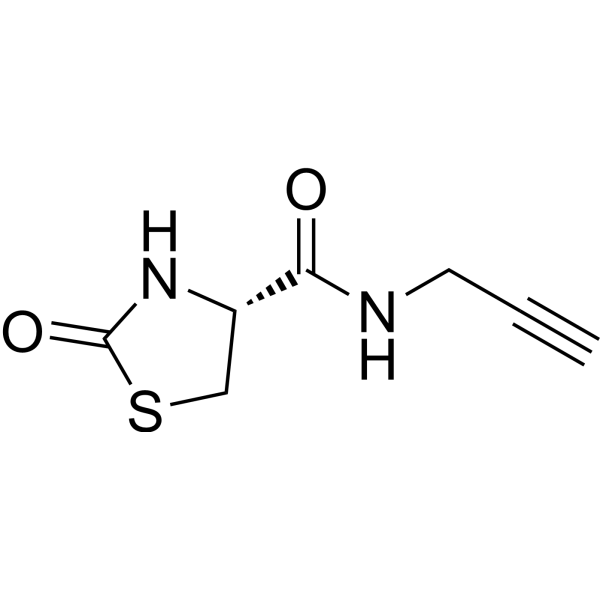
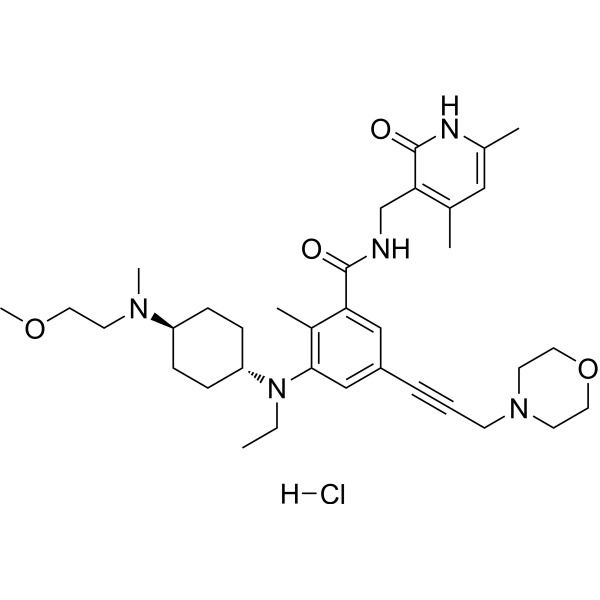
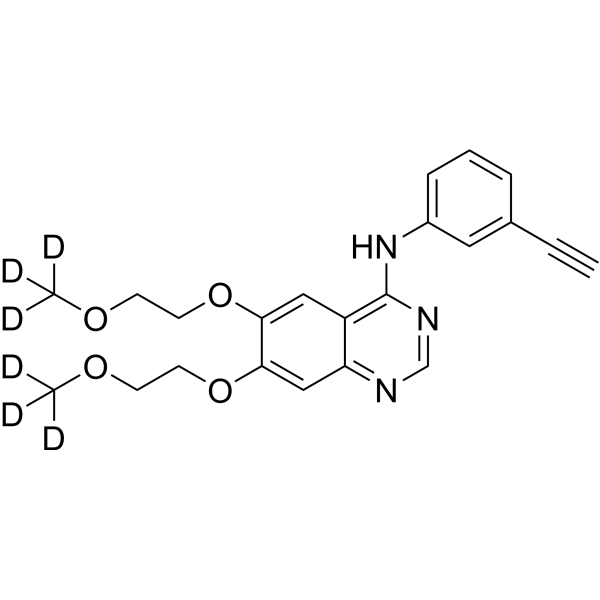
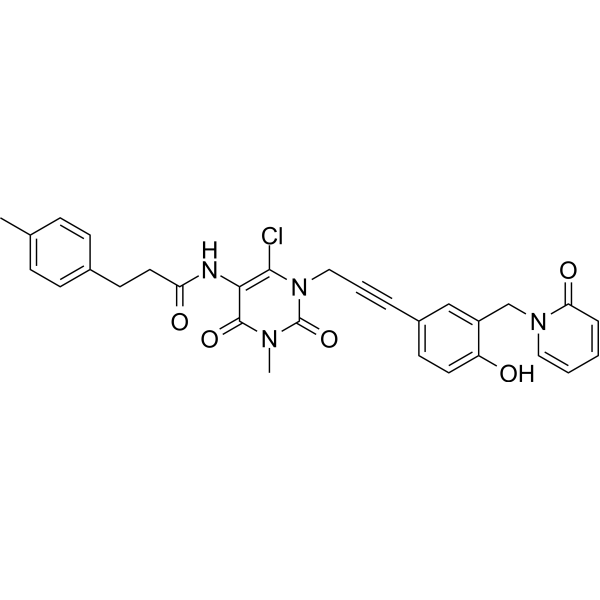
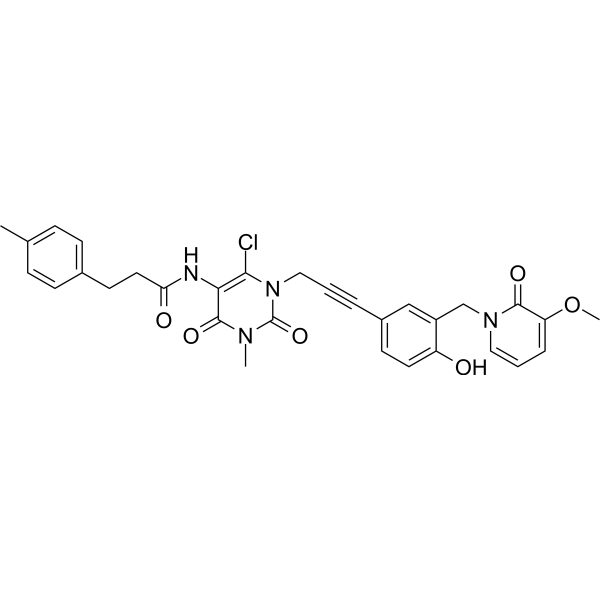
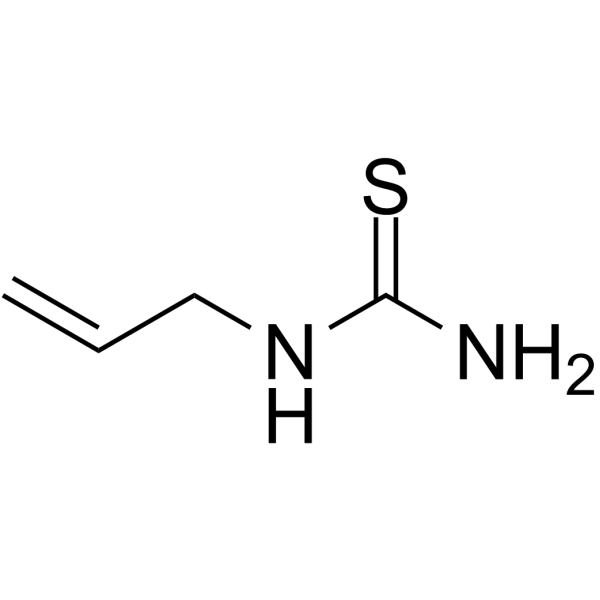
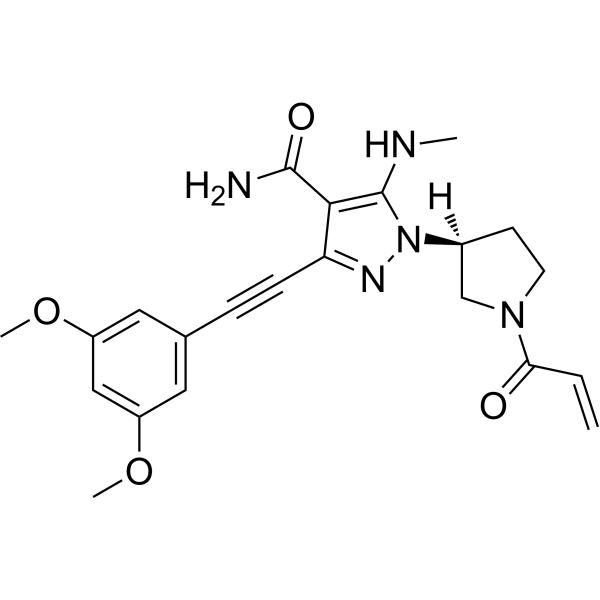
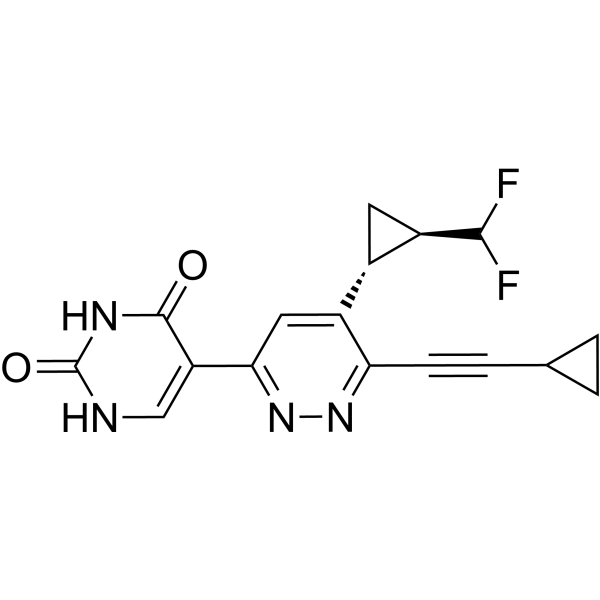
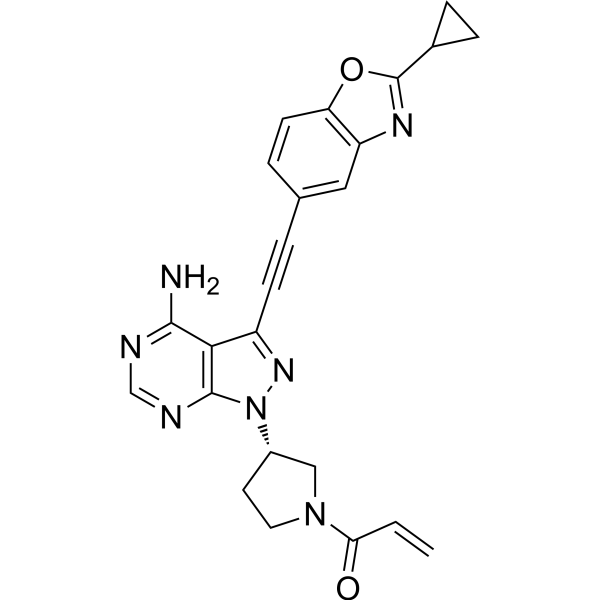
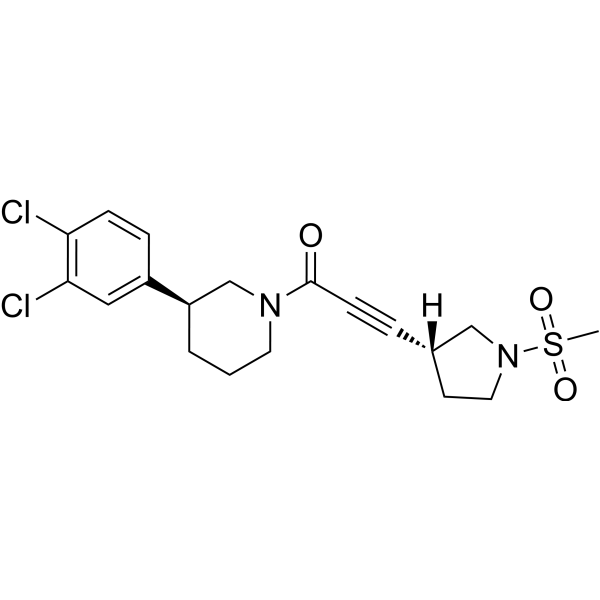
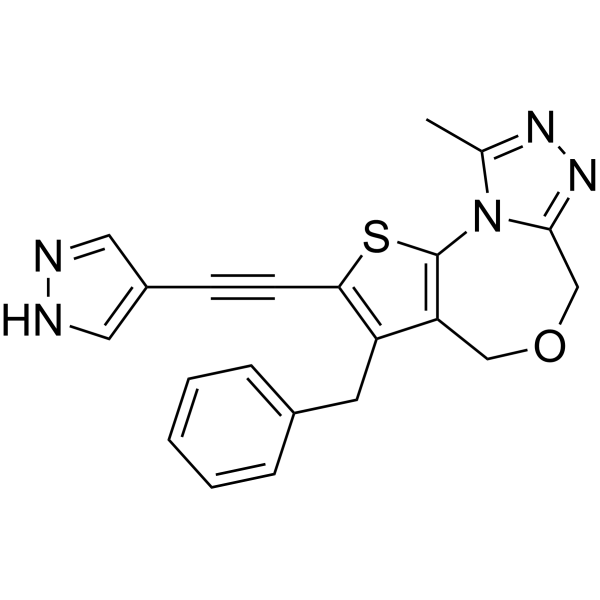
1. Search Result
Search Result
Results for "

Copper Inhibitors

" in MedChemExpress (MCE) Product Catalog:

423

Inhibitors & Agonists

1

Screening Libraries

4

Fluorescent Dyes

14

Biochemical Assay Reagents

7

Peptides

12

Natural
Products

18

Isotope-Labeled Compounds

182

Click Chemistry

20

Oligonucleotides

Targets Recommended:
Cat. No. Product Name Target Research Areas Chemical Structure
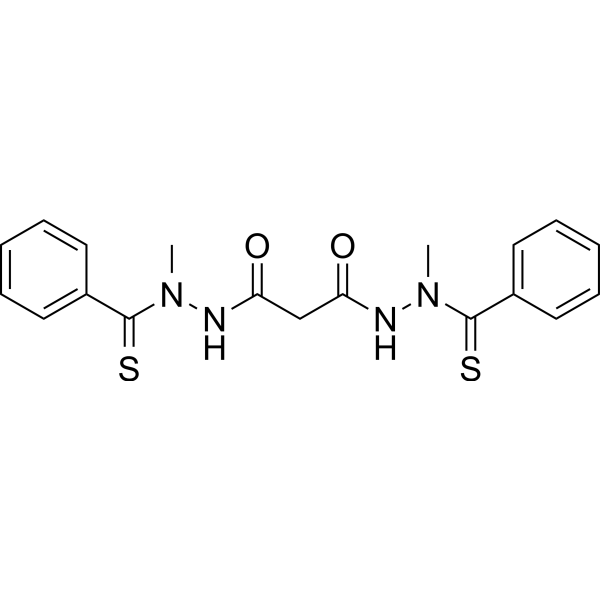
  • HY-12040
    Elesclomol
    110+ Cited Publications

    STA-4783

    Reactive Oxygen Species (ROS) Apoptosis Cuproptosis Cancer
    Elesclomol (STA-4783) is a potent copper ionophore and promotes copper-dependent cell death (cuproptosis). Elesclomol specifically binds ferredoxin 1 (FDX1) α2/α3 helices and β5 strand. Elesclomol inhibits FDX1-mediated Fe-S cluster biosynthesis. Elesclomol is an oxidative stress inducer that induces cancer cell apoptosis. Elesclomol is a reactive oxygen species (ROS) inducer. Elesclomol can be used for Menkes and associated disorders of hereditary copper deficiency research .
    Elesclomol
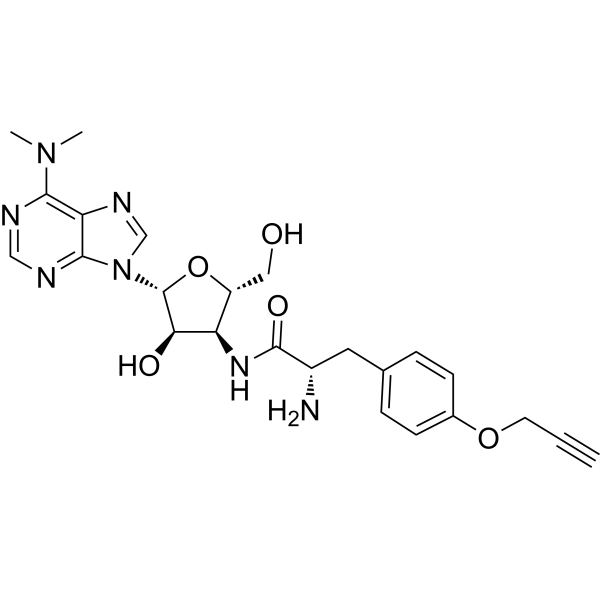
  • HY-15680
    O-Propargyl-Puromycin
    25+ Cited Publications

    Biochemical Assay Reagents Others
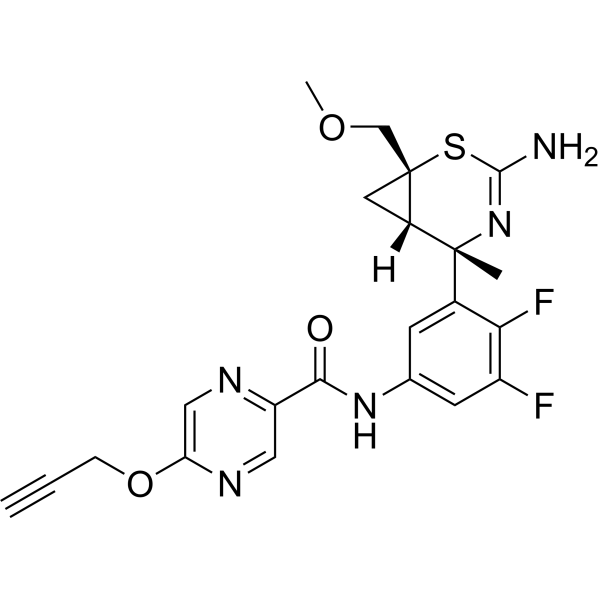
    O-Propargyl-Puromycin, an alkyne analog of puromycin, is a potent protein synthesis inhibitor. O-Propargyl-Puromycin is a click chemistry reagent, it contains an Alkyne group and can undergo copper-catalyzed azide-alkyne cycloaddition (CuAAc) with molecules containing Azide groups.
    O-Propargyl-Puromycin
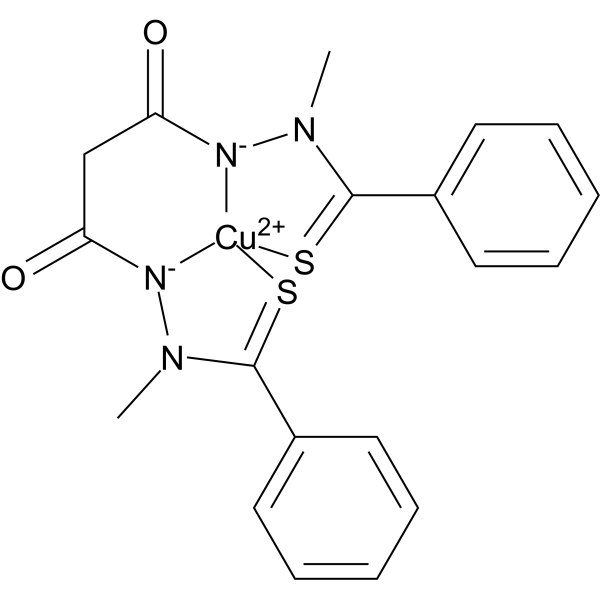
  • HY-156376
    Cu(II)-Elesclomol
    5 Publications Verification

    Cuproptosis Apoptosis Topoisomerase Reactive Oxygen Species (ROS) Inflammation/Immunology Cancer
    Cu(II)-Elesclomol is a complex formed by Elesclomol (HY-12040) and Cu 2+ (copper ions). Cu(II)-Elesclomol is also a weak inhibitor of DNA topoisomerase I. Cu(II)-Elesclomol exerts anticancer effects by inducing oxidative stress and DNA damage through copper chelation. Cu(II)-Elesclomol can inhibit tumor cell proliferation and induce cell cycle arrest and apoptosis. Cu(II)-Elesclomol can be used in the study of cancer .
    Cu(II)-Elesclomol
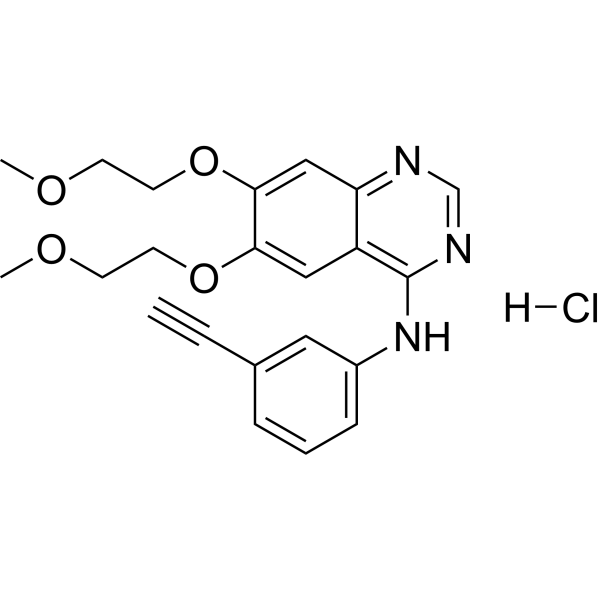
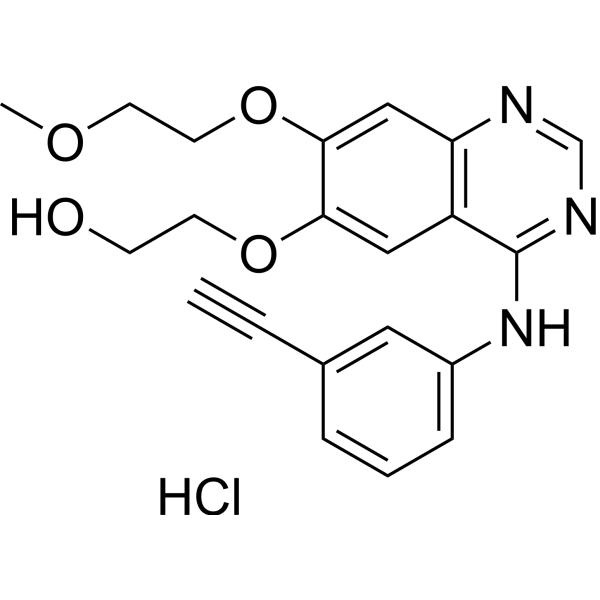
  • HY-12008
    Erlotinib Hydrochloride
    Maximum Cited Publications
    134 Publications Verification

    CP-358774 hydrochloride; NSC 718781 hydrochloride; OSI-774 hydrochloride

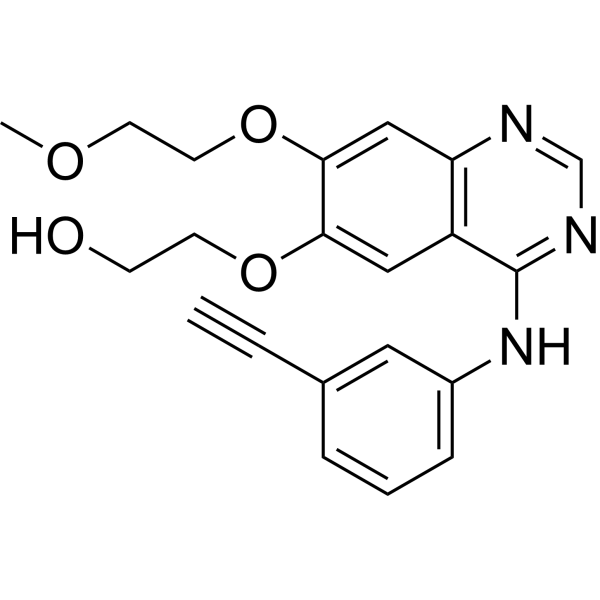
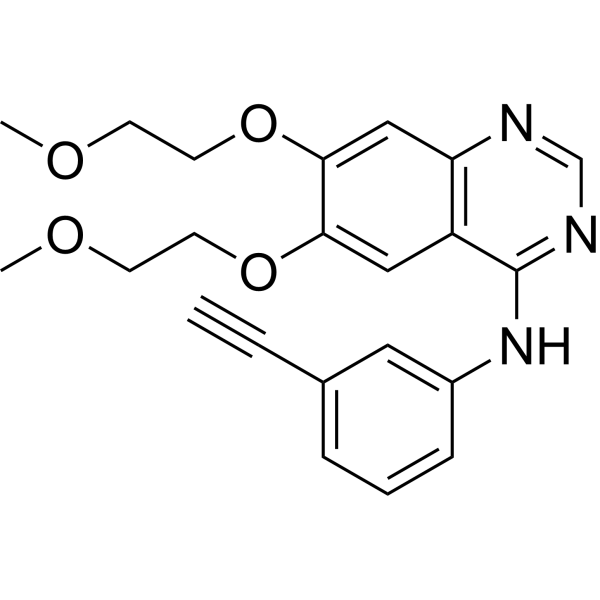
    EGFR Autophagy Cancer
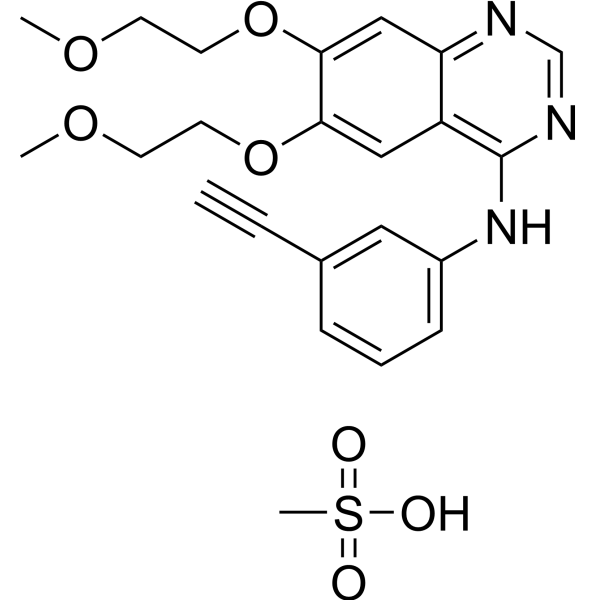
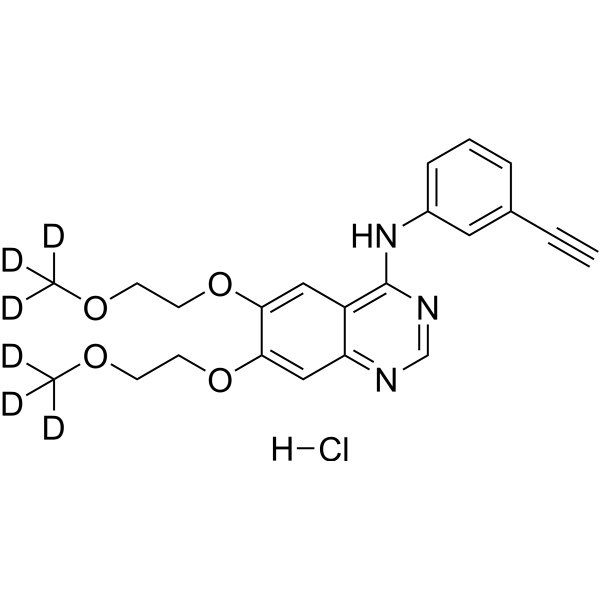
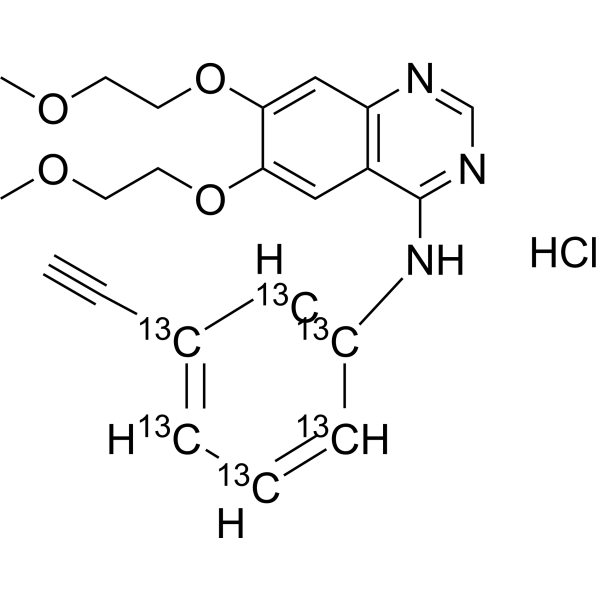
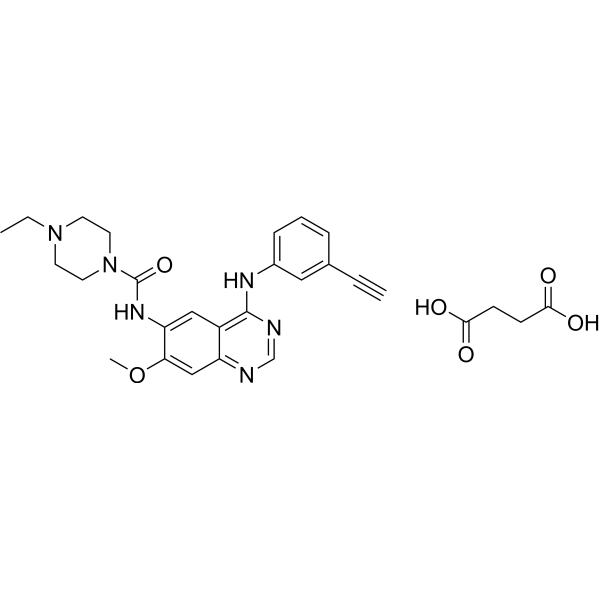
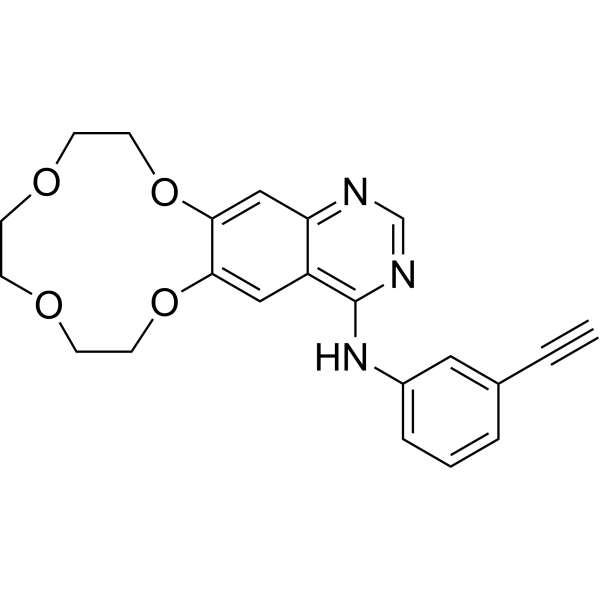
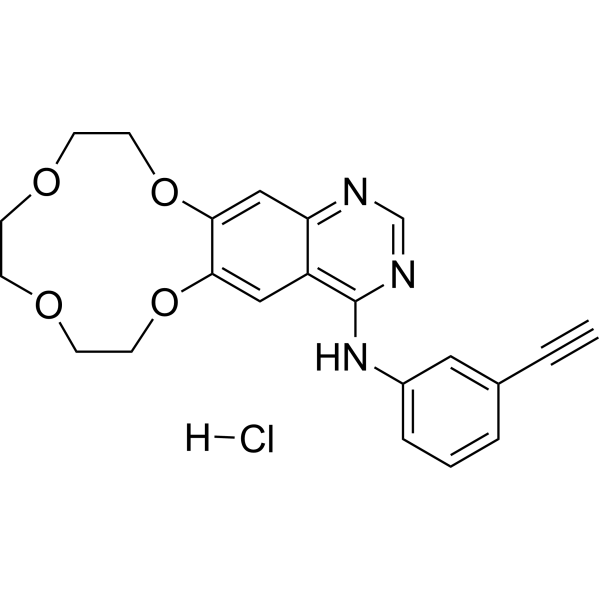
    Erlotinib Hydrochloride (CP-358774 Hydrochloride) inhibits purified EGFR kinase with an IC50 of 2 nM. Erlotinib (Hydrochloride) is a click chemistry reagent, it contains an Alkyne group and can undergo copper-catalyzed azide-alkyne cycloaddition (CuAAc) with molecules containing Azide groups.
    Erlotinib Hydrochloride
  • HY-112433
    NIK SMI1
    15+ Cited Publications

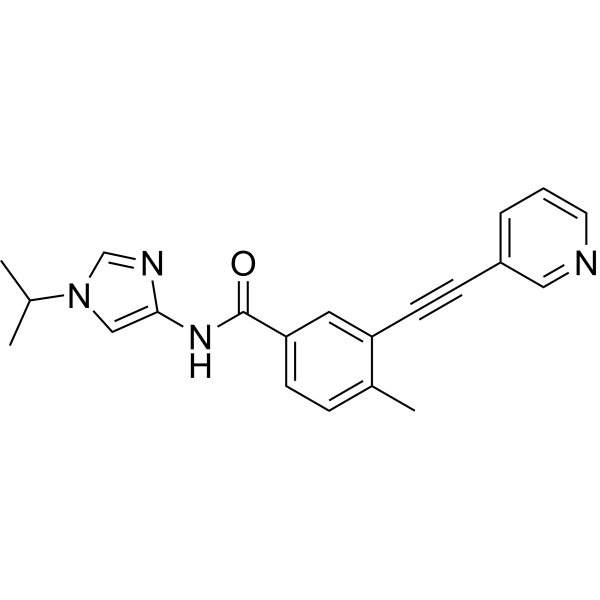
    NF-κB Inflammation/Immunology
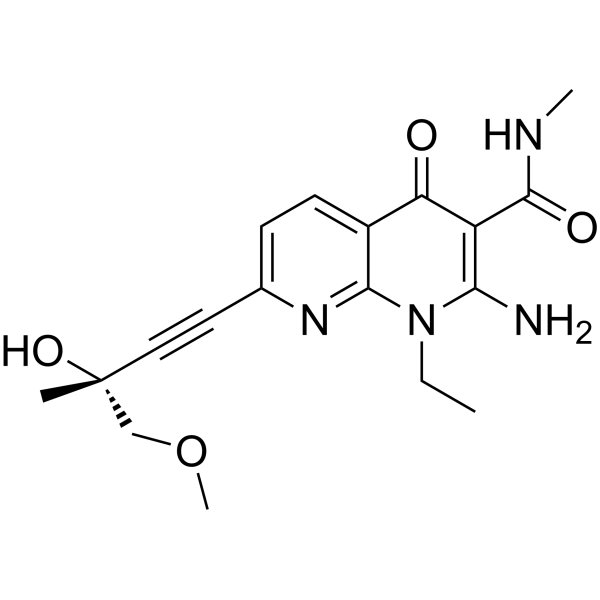
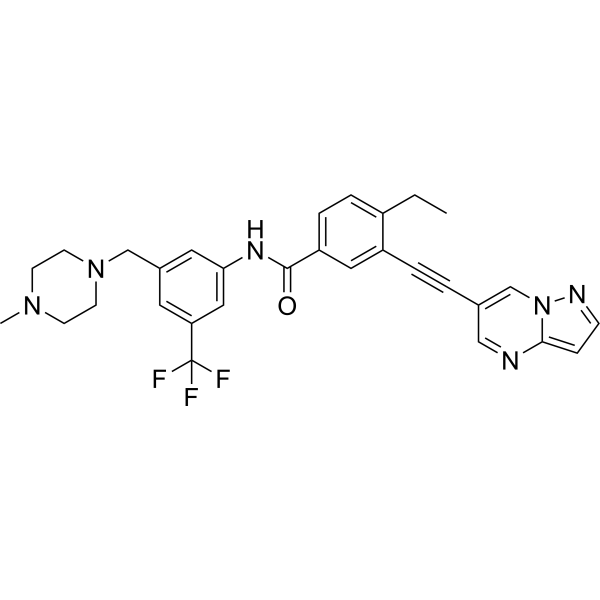
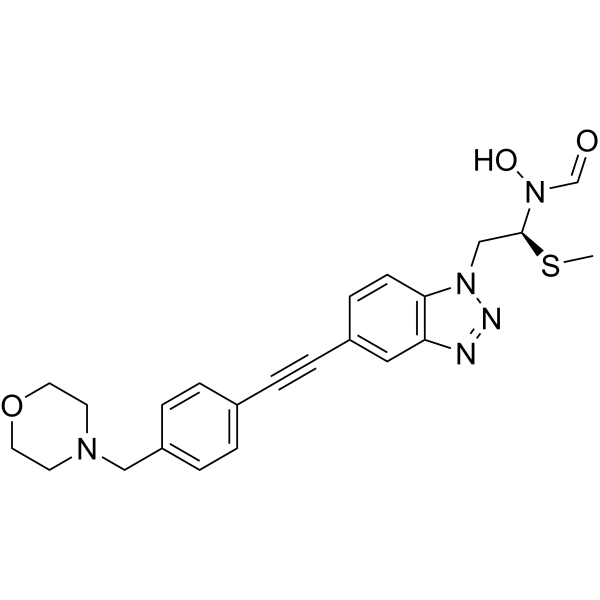
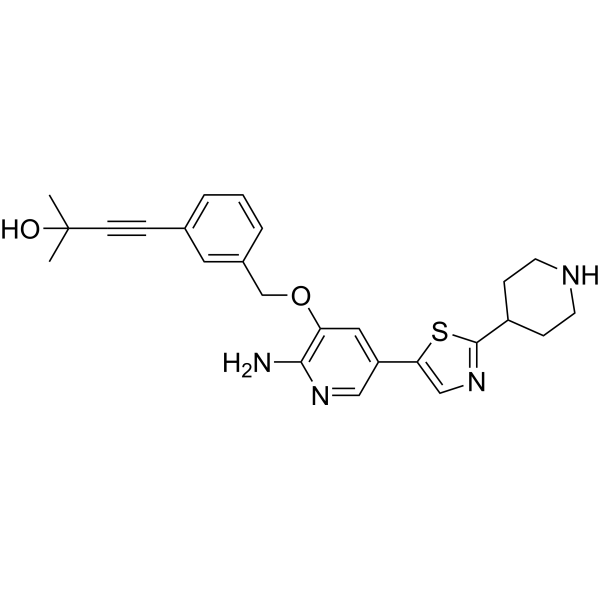
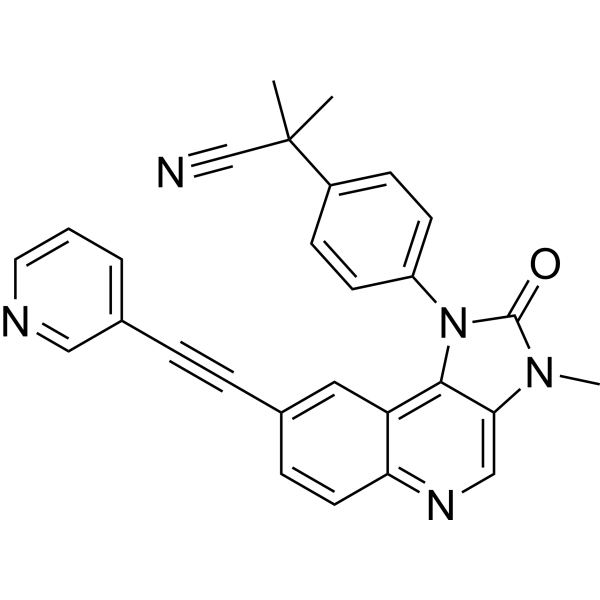
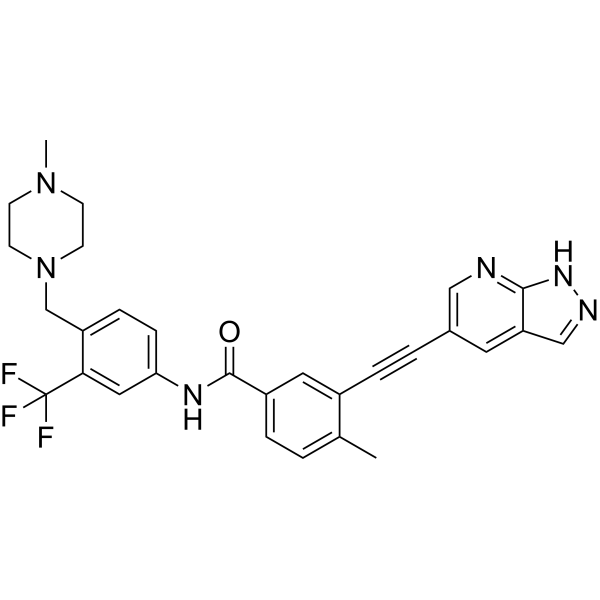
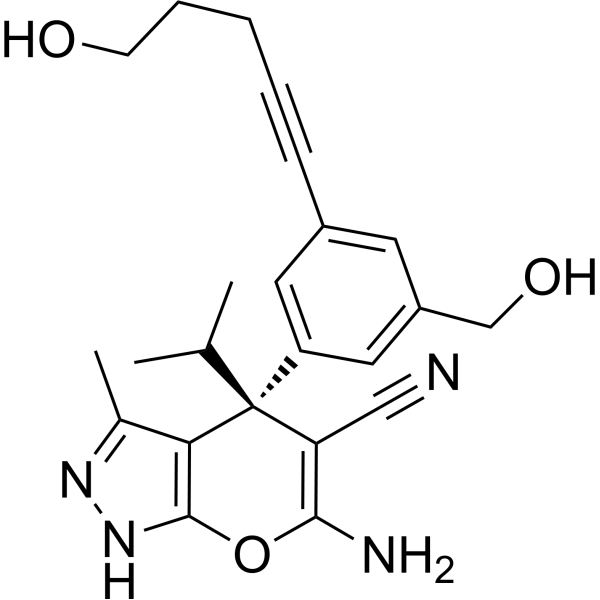
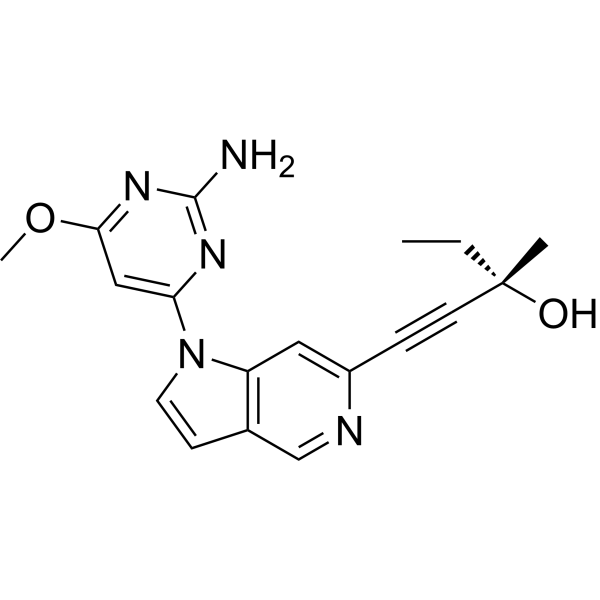
    NIK SMI1 is a potent, selective NF-κB inducing kinase (NIK) inhibitor, which inhibits NIK-catalyzed hydrolysis of ATP to ADP with IC50 of 0.23±0.17 nM. NIK SMI1 is a click chemistry reagent, it contains an Alkyne group and can undergo copper-catalyzed azide-alkyne cycloaddition (CuAAc) with molecules containing Azide groups.
    NIK SMI1
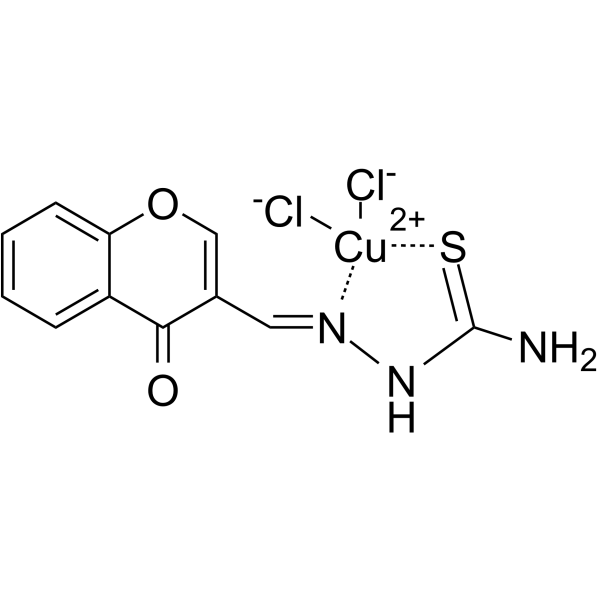
  • HY-116767
    BLT-1
    10+ Cited Publications

    Block lipid transport-1

    HCV Metabolic Disease Inflammation/Immunology
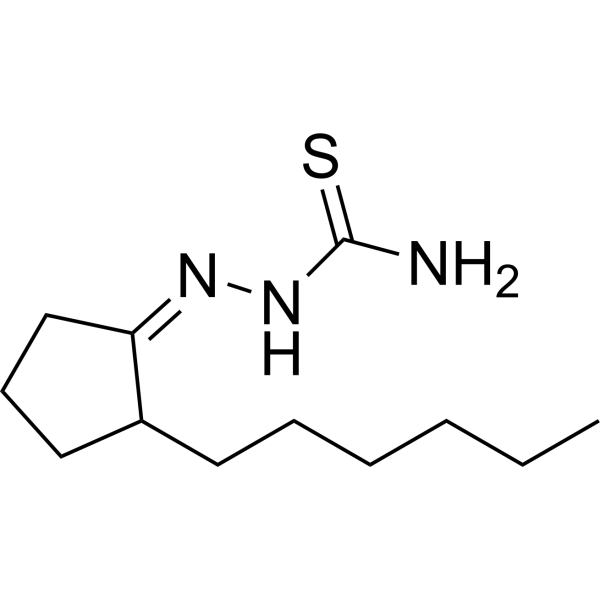
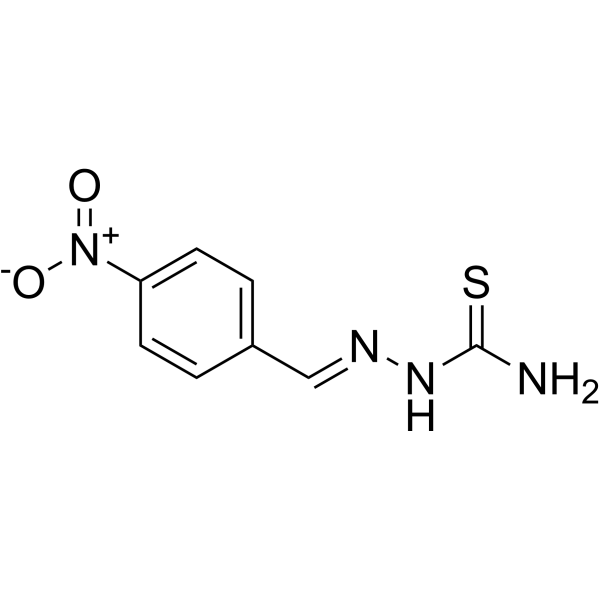
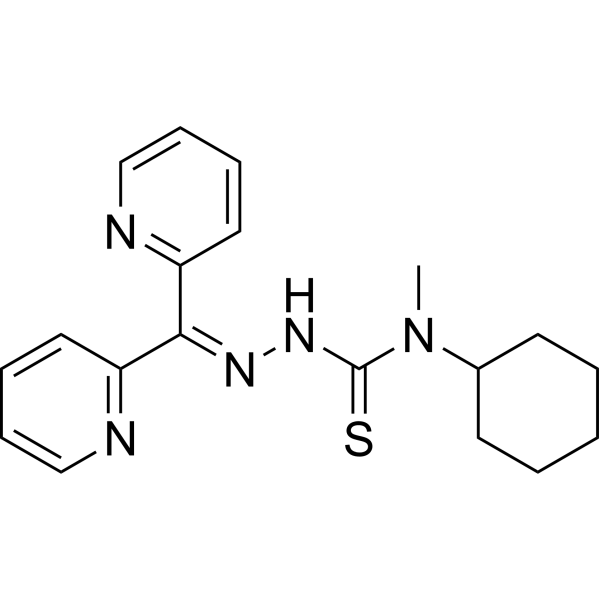
    BLT-1, a thiosemicarbazone copper chelator, is a selective scavenger receptor B, type 1 (SR-BI) inhibitor. BLT-1 inhibits the transfer of lipids between high-density lipoproteins (HDL) and cells mediated by SR-BI. BLT-1 is a potent HCV entry inhibitor .
    BLT-1
  • HY-15458
    SAR131675
    5+ Cited Publications

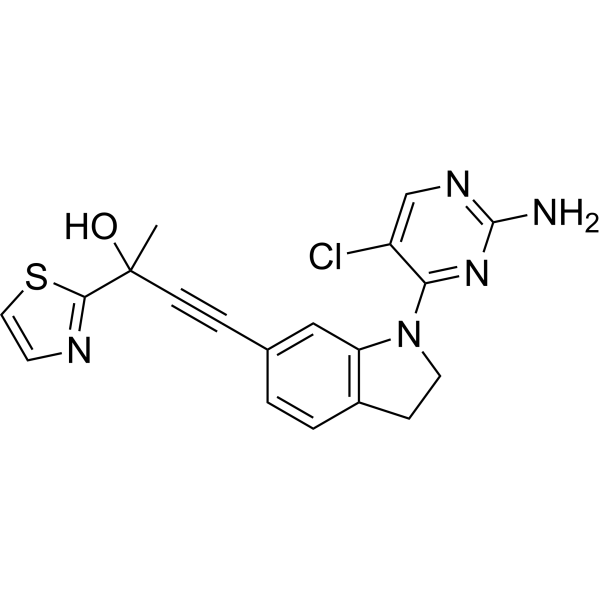
    VEGFR Cancer
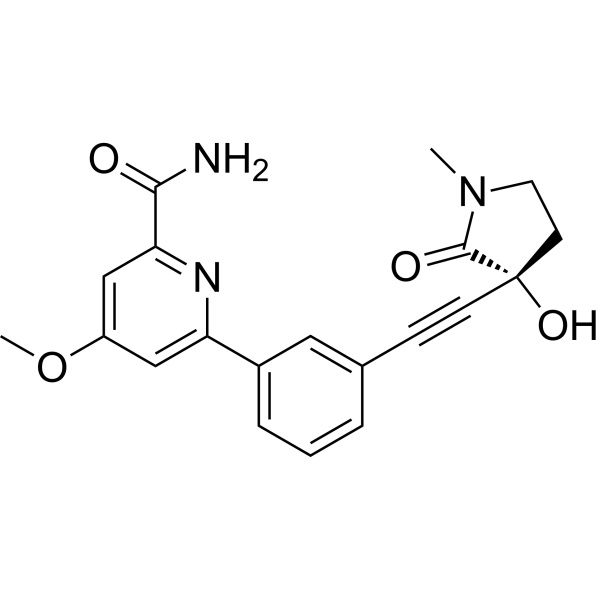
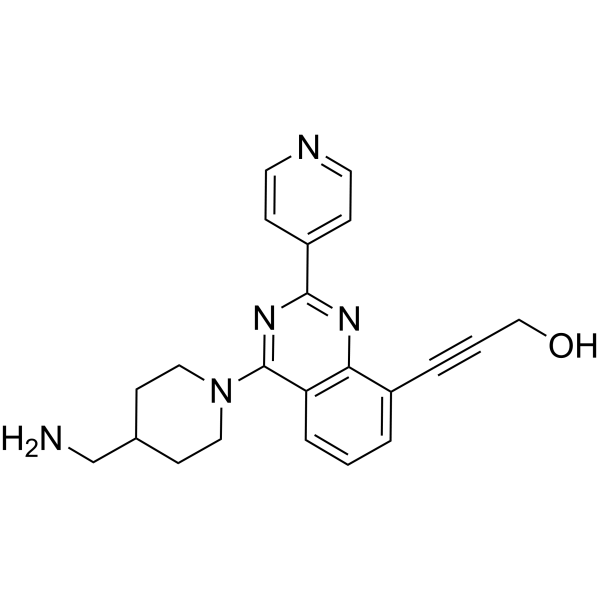
    SAR131675 is a potent and selective VEGFR3 inhibitor with an IC50 of 23 nM. SAR131675 is a click chemistry reagent, it contains an Alkyne group and can undergo copper-catalyzed azide-alkyne cycloaddition (CuAAc) with molecules containing Azide groups.
    SAR131675
  • HY-12957
    NITD008
    10+ Cited Publications

    7-Deaza-2'-C-acetylene-adenosine

    Flavivirus Dengue Virus DNA/RNA Synthesis Infection
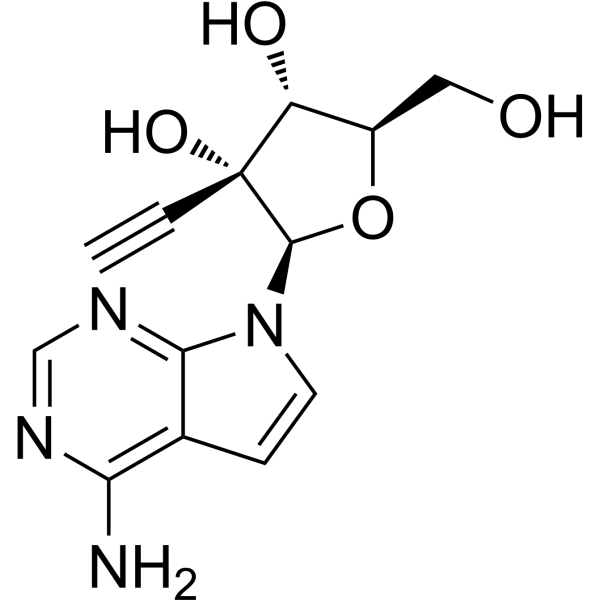
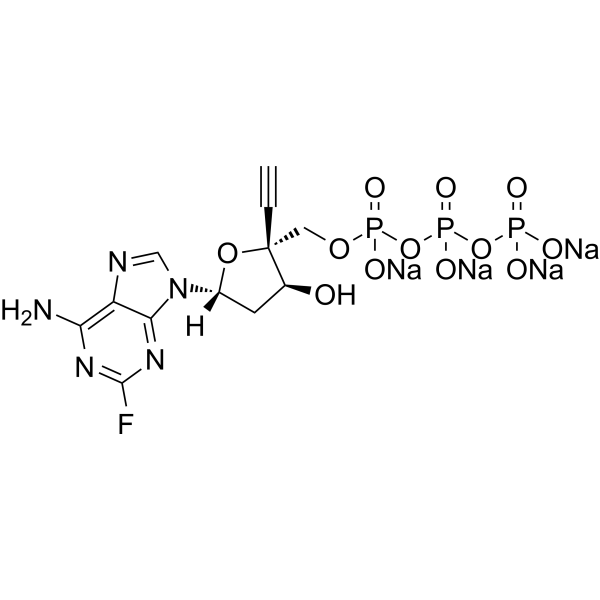
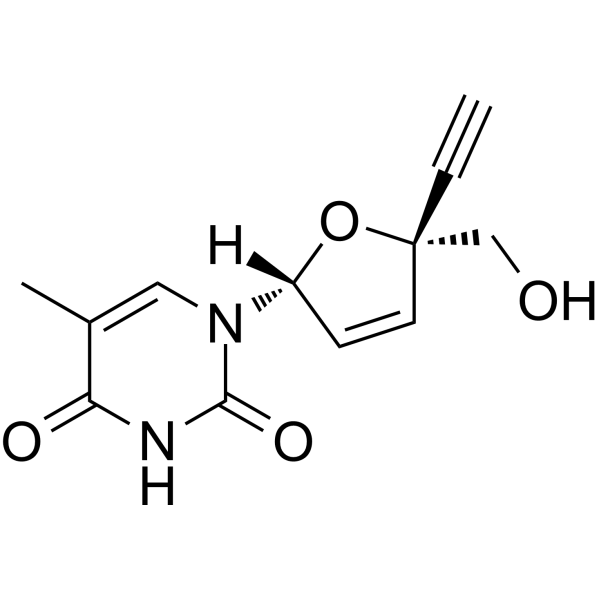
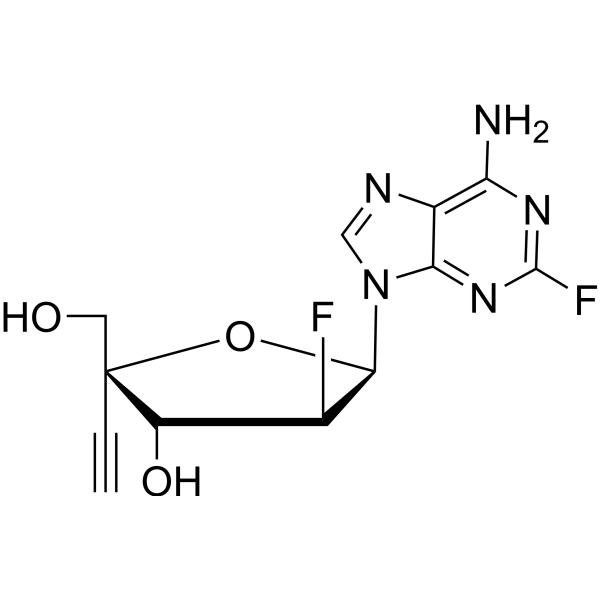
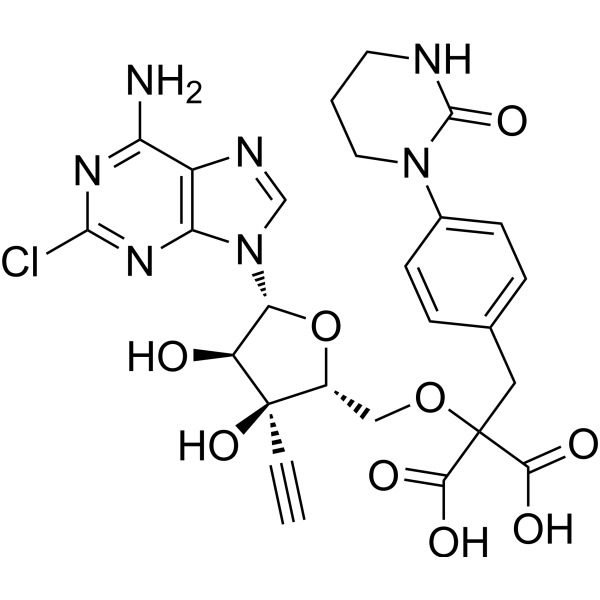
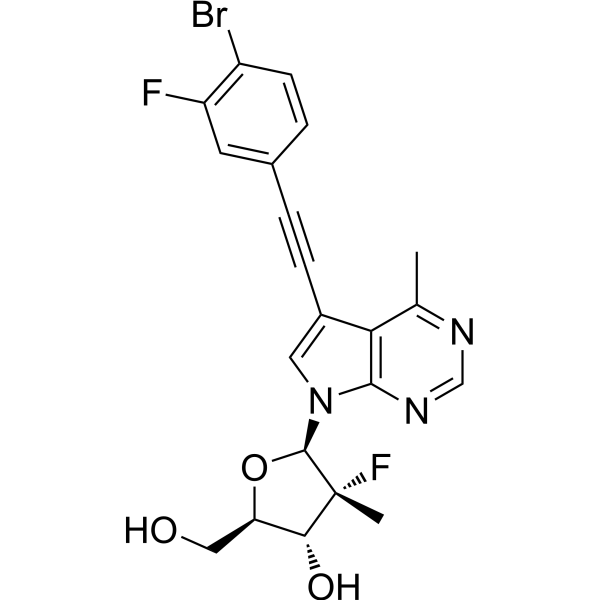
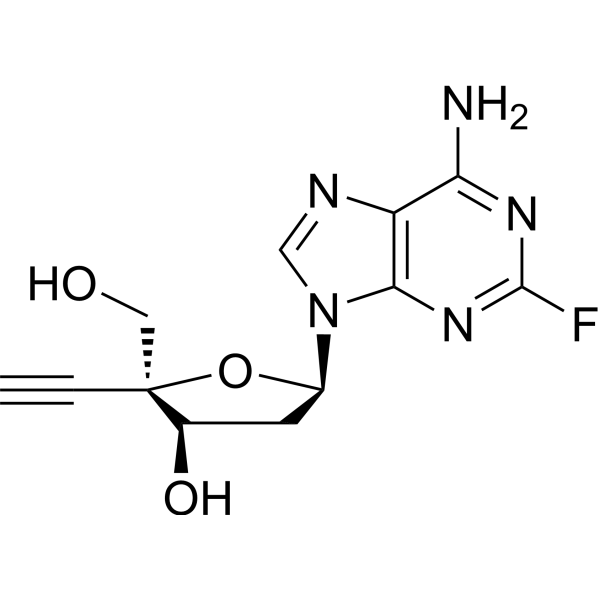
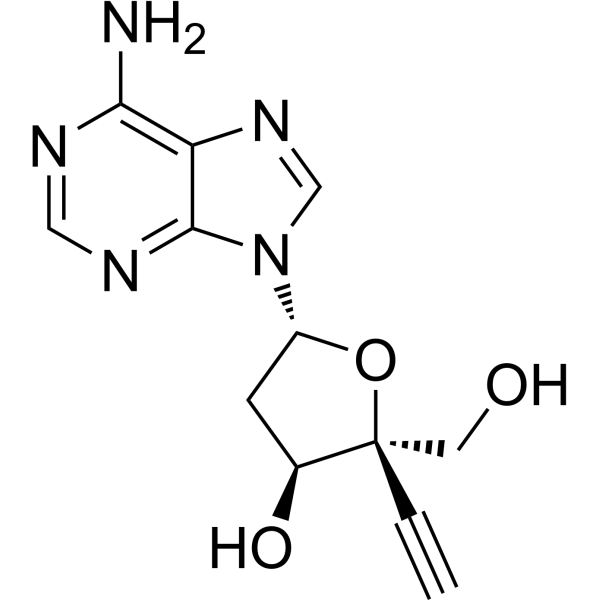
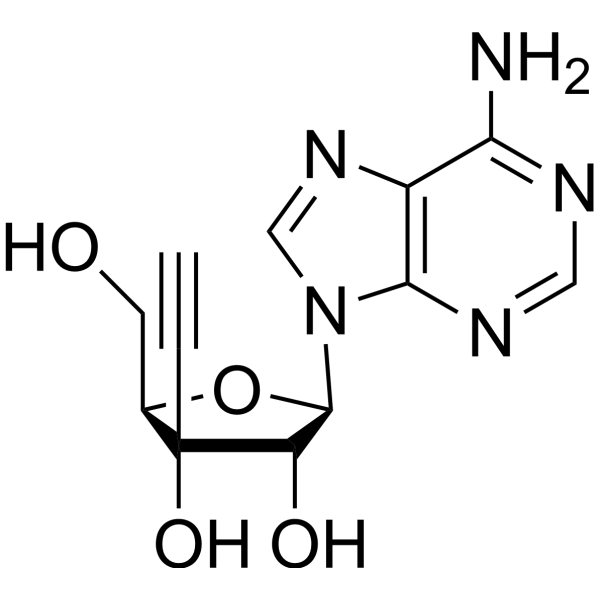
    NITD008 is a potent and selective flaviviruse inhibitor which can inhibit Dengue Virus Type 2 (DENV-2) with an EC50 of 0.64 μM. NITD008 is a click chemistry reagent, it contains an Alkyne group and can undergo copper-catalyzed azide-alkyne cycloaddition (CuAAc) with molecules containing Azide groups.
    NITD008
  • HY-U00444
    7rh
    5+ Cited Publications

    DDR1-IN-2

    Discoidin Domain Receptor Inflammation/Immunology
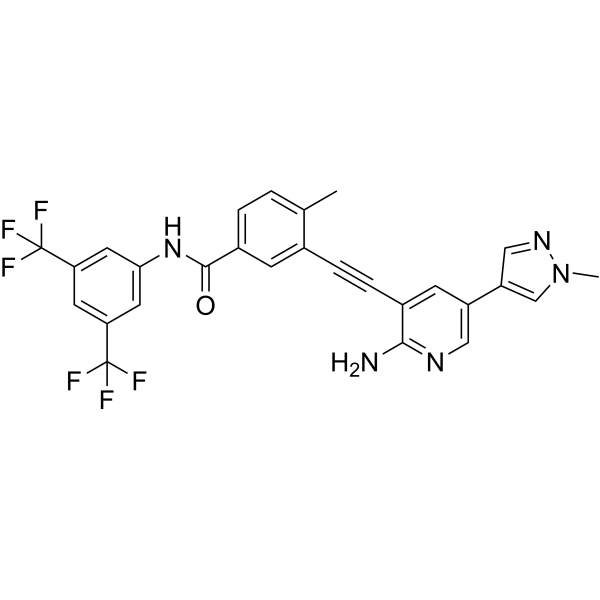
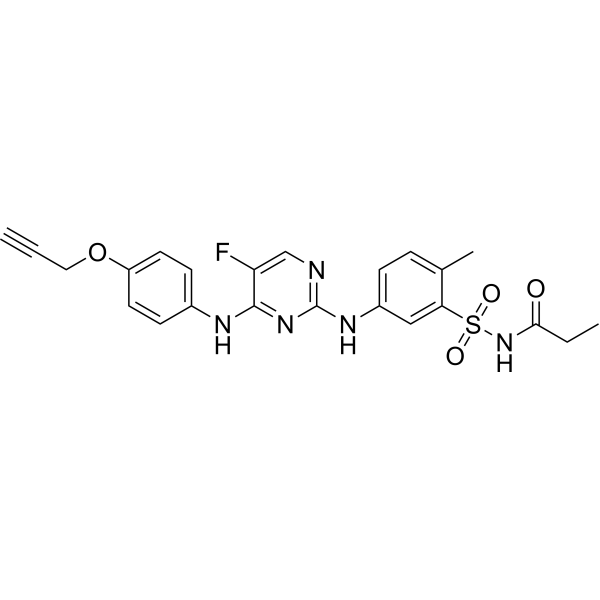
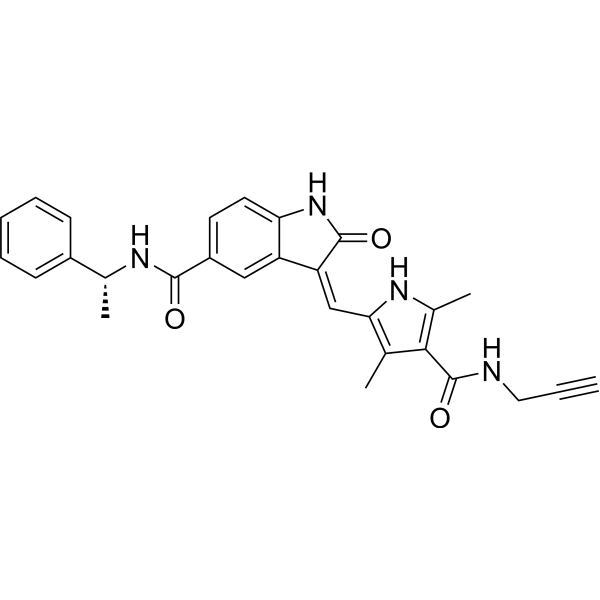
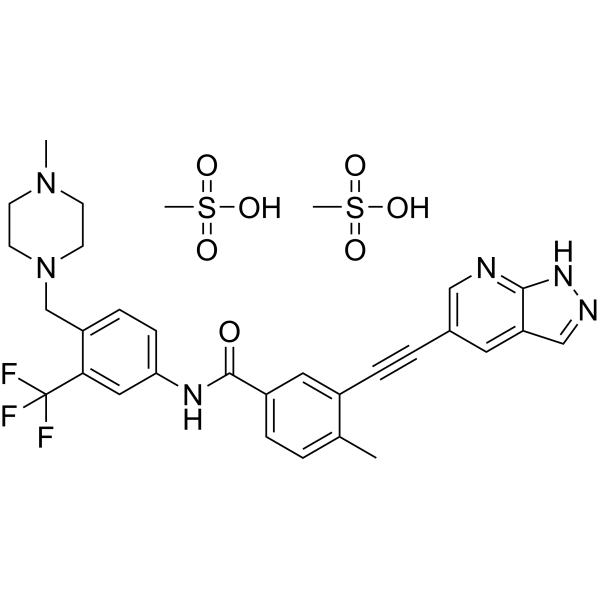
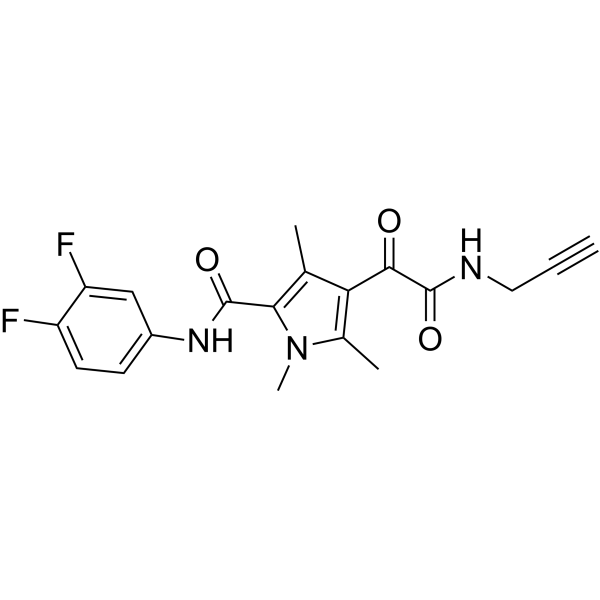
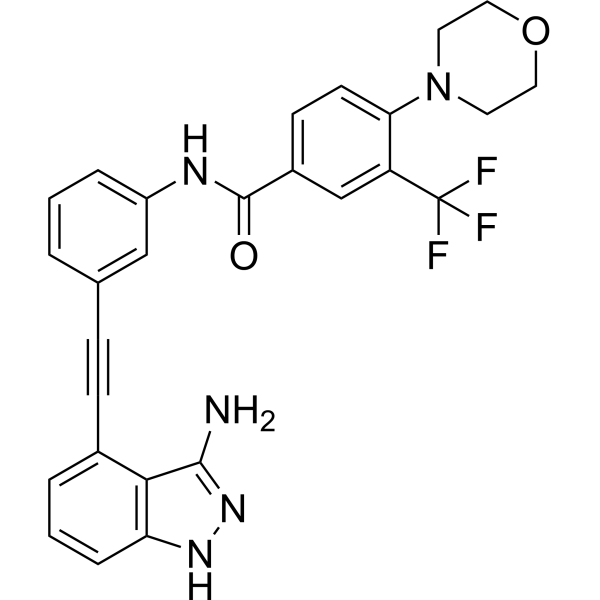
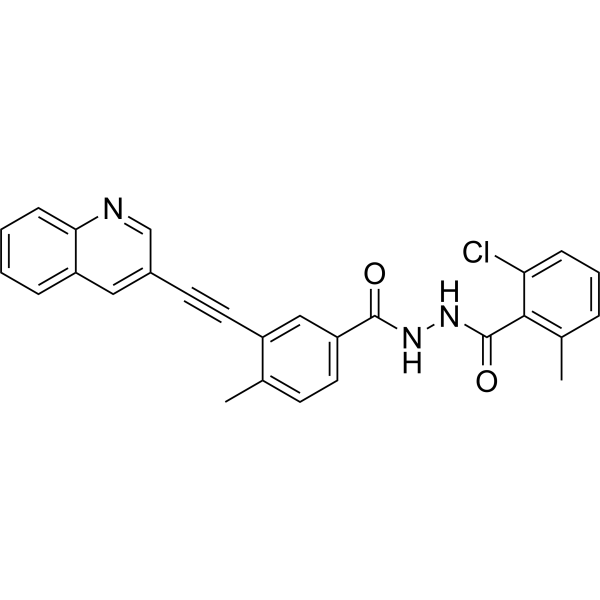
    7rh (DDR1-IN-2) is a potent inhibitor of discoidin domain receptor 1 (DDR1), with an IC50 of 13.1 nM, and also less potently inhibits DDR2, with an IC50 of 203 nM. 7rh is a click chemistry reagent, it contains an Alkyne group and can undergo copper-catalyzed azide-alkyne cycloaddition (CuAAc) with molecules containing Azide groups.
    7rh
  • HY-19725
    A-1155463
    20+ Cited Publications

    Bcl-2 Family Cancer
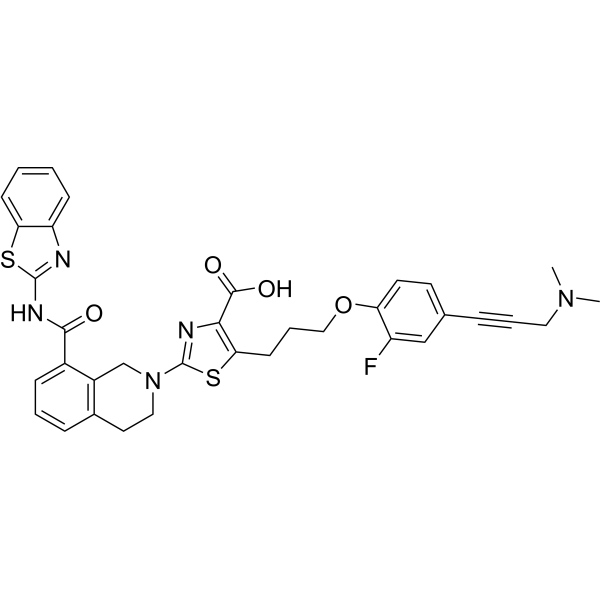
    A-1155463, a chemical probe, is a highly potent and selective BCL-XL inhibitor with an EC50 of 70 nM in Molt-4 cell. A-1155463 is a click chemistry reagent, it contains an Alkyne group and can undergo copper-catalyzed azide-alkyne cycloaddition (CuAAc) with molecules containing Azide groups.
    A-1155463
  • HY-112789
    (+)-JQ1 PA
    1 Publications Verification

    Epigenetic Reader Domain Cancer
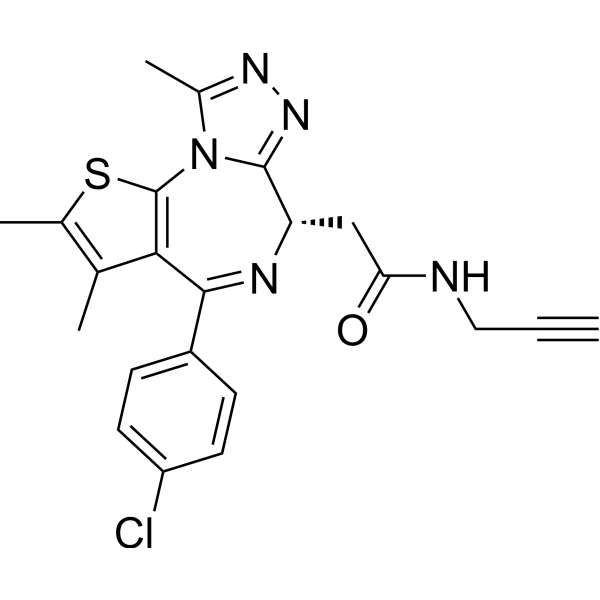
    (+)-JQ1 PA is a derivative of the Bromodomain and extra-terminal (BET) inhibitor JQ1, with an IC50 of 10.4 nM. (+)-JQ1 PA is a click chemistry reagent, it contains an Alkyne group and can undergo copper-catalyzed azide-alkyne cycloaddition (CuAAc) with molecules containing Azide groups.
    (+)-JQ1 PA
  • HY-B0267

    mAChR Potassium Channel Neurological Disease Cancer
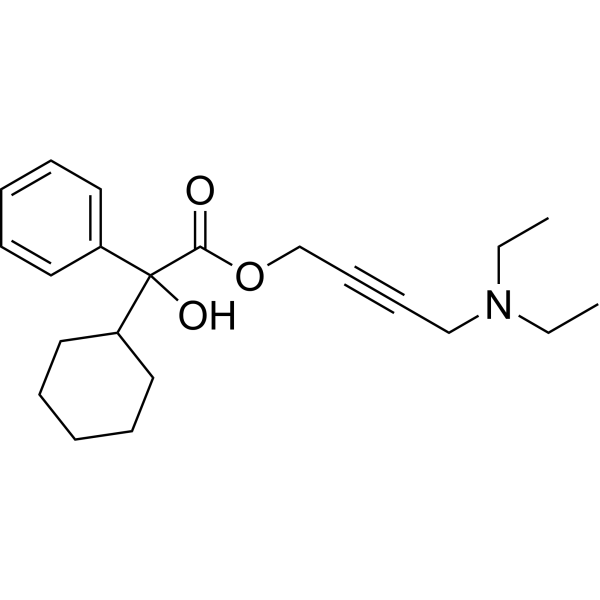
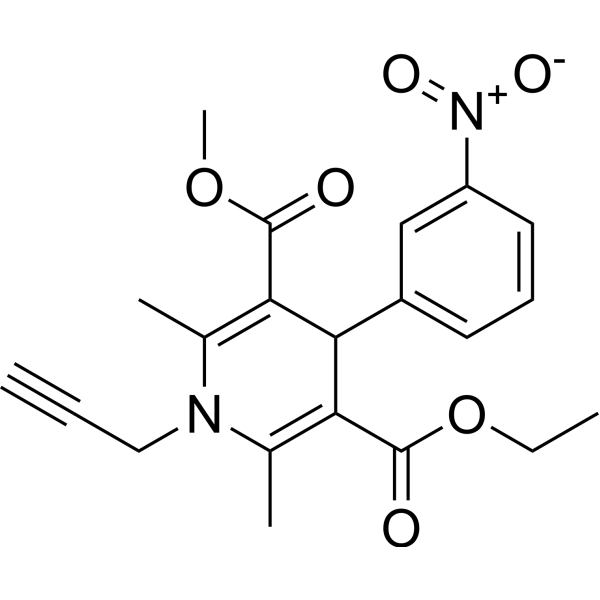
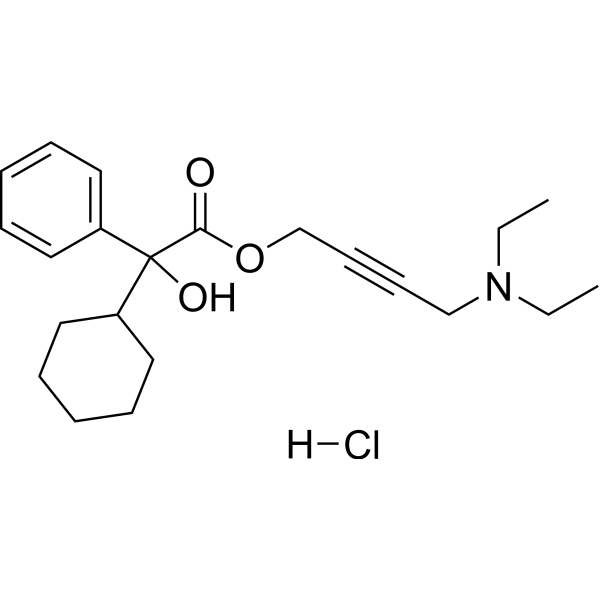
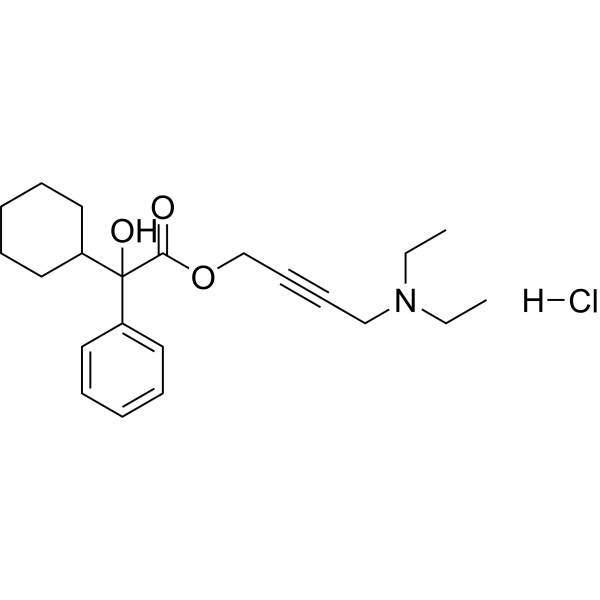
    Oxybutynin is an anticholinergic agent, which inhibits vascular Kv channels in a concentration-dependent manner, with an IC50 of 11.51 μM . Oxybutynin is a click chemistry reagent, it contains an Alkyne group and can undergo copper-catalyzed azide-alkyne cycloaddition (CuAAc) with molecules containing Azide groups.
    Oxybutynin
  • HY-100949
    EC330
    5+ Cited Publications

    Interleukin Related Biochemical Assay Reagents Cancer
    EC330 is a leukemia inhibitory factor (LIF) inhibitor. EC330 is a click chemistry reagent, it contains an Alkyne group and can undergo copper-catalyzed azide-alkyne cycloaddition (CuAAc) with molecules containing Azide groups.
    EC330
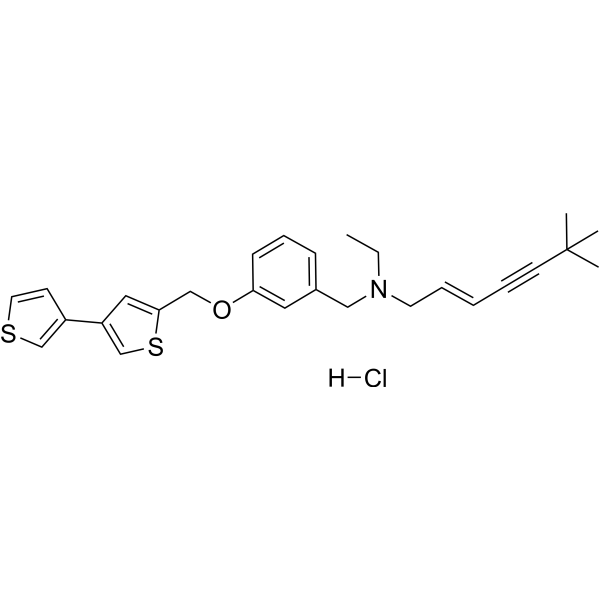
  • HY-16343
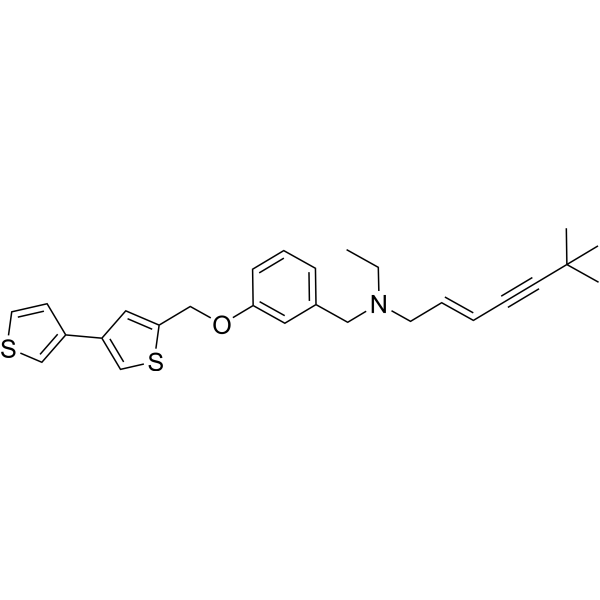
    NB-598
    10+ Cited Publications

    COX Metabolic Disease
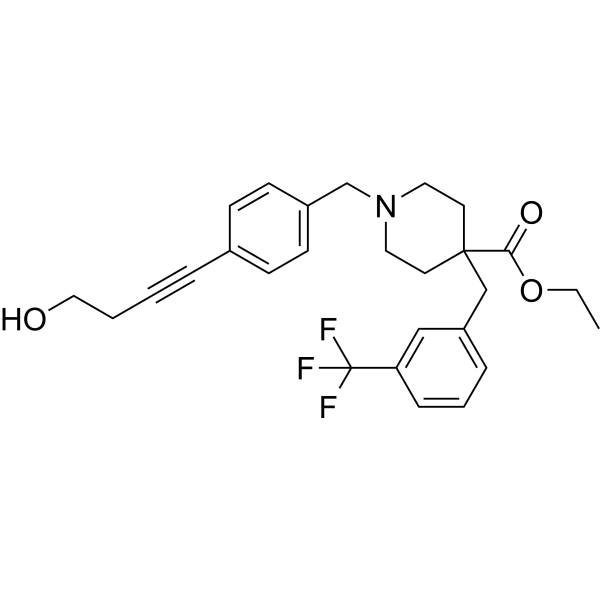
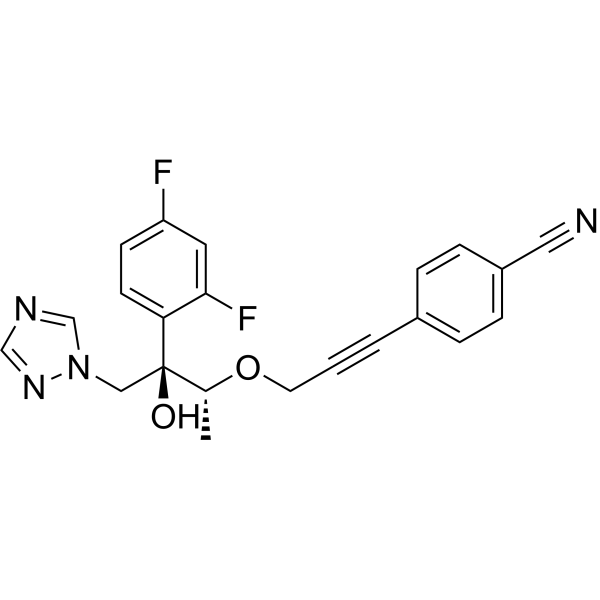
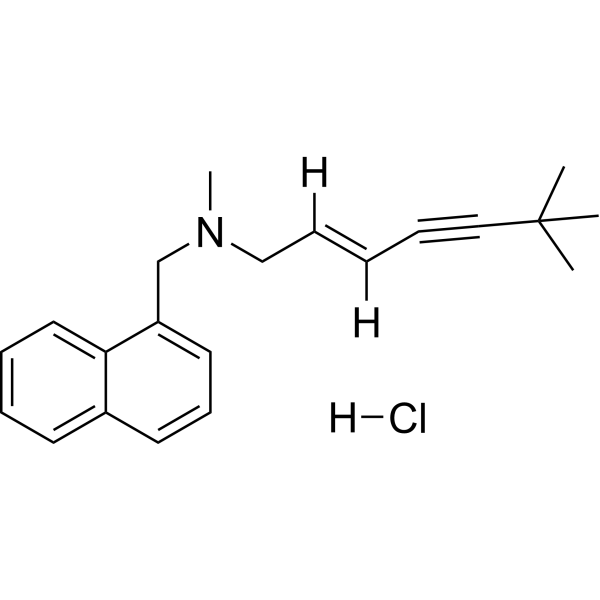
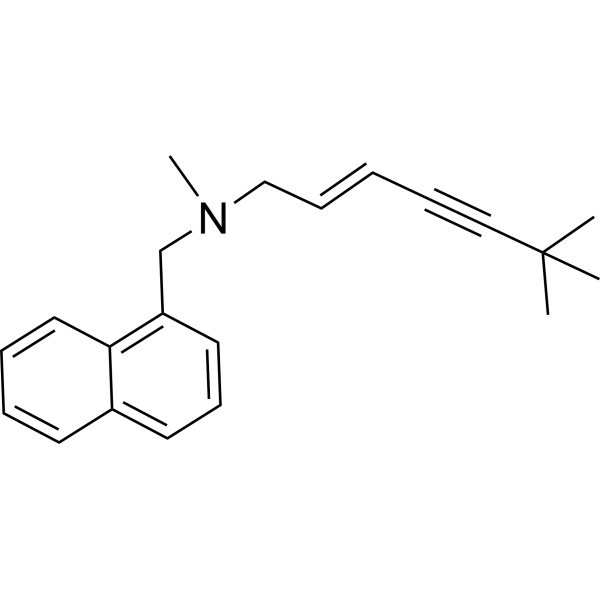
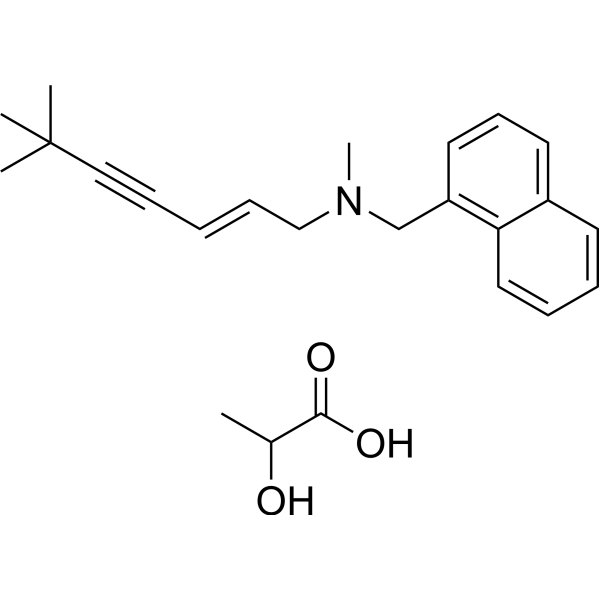
    NB-598 is a potent and competitive inhibitor of squalene epoxidase (SE), and suppresses triglyceride biosynthesis through the farnesol pathway. NB-598 is a click chemistry reagent, it contains an Alkyne group and can undergo copper-catalyzed azide-alkyne cycloaddition (CuAAc) with molecules containing Azide groups.
    NB-598
  • HY-15460
    CHIR-090
    3 Publications Verification

    Bacterial Antibiotic Infection
    CHIR-090 is a potent, slow, tight-binding inhibitor of the LpxC deacetylase. It binds to E. coli LpxC with a Ki of 4.0 nM. CHIR-090 is a click chemistry reagent, it contains an Alkyne group and can undergo copper-catalyzed azide-alkyne cycloaddition (CuAAc) with molecules containing Azide groups.
    CHIR-090
  • HY-115673
    LAS17
    1 Publications Verification

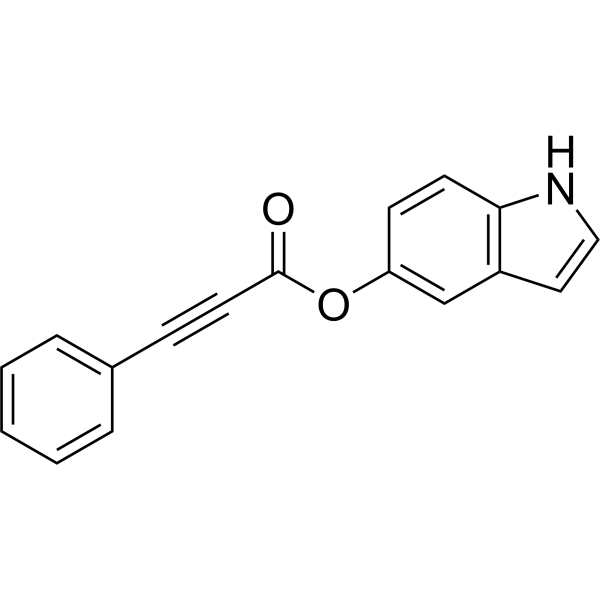
    Glutathione S-transferase Cancer
    LAS17 is a potent and selective tyrosine-directed irreversible inhibitor for glutathione S-Transferase Pi (GSTP1) . LAS17 inhibits GSTP1 activity with an IC50 of 0.5 μM . LAS17 is a click chemistry reagent, it contains an Alkyne group and can undergo copper-catalyzed azide-alkyne cycloaddition (CuAAc) with molecules containing Azide groups.
    LAS17
  • HY-107636
    DC_AC50
    5+ Cited Publications

    Apoptosis Cancer
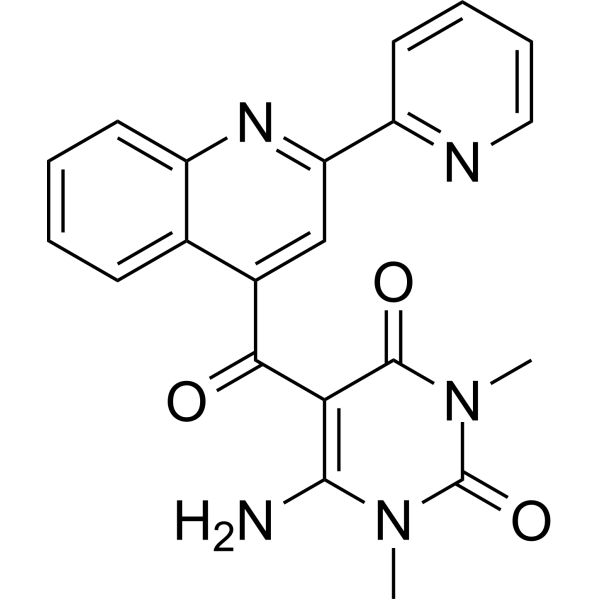
    DC_AC50 is a dual inhibitor of Atox1 and CCS (copper chaperones). Inhibiting intracellular copper chaperones as a means of reducing/preventing acquired chemotherapy resistance .
    DC_AC50
  • HY-139827
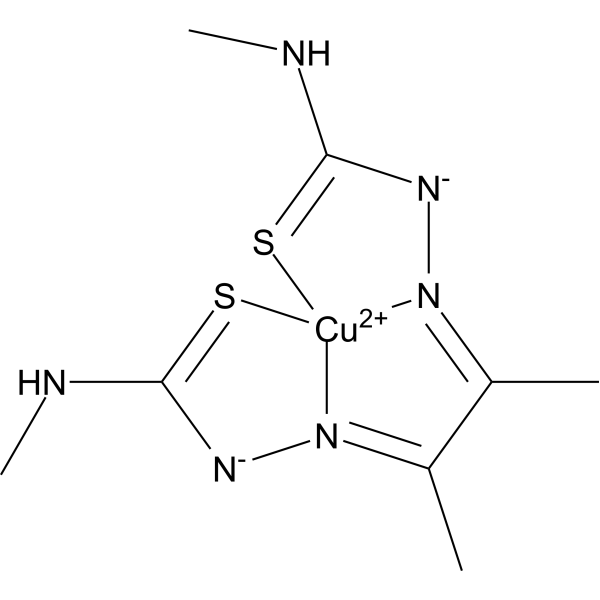
    CuATSM
    1 Publications Verification

    Ferroptosis Neurological Disease Inflammation/Immunology Cancer
    CuATSM is a copper complex that scavenges free radicals, inhibits lipid peroxidation and ferroptosis. CuATSM exhibits antioxidant, anti-inflammatory and neuroprotective activities .
    CuATSM
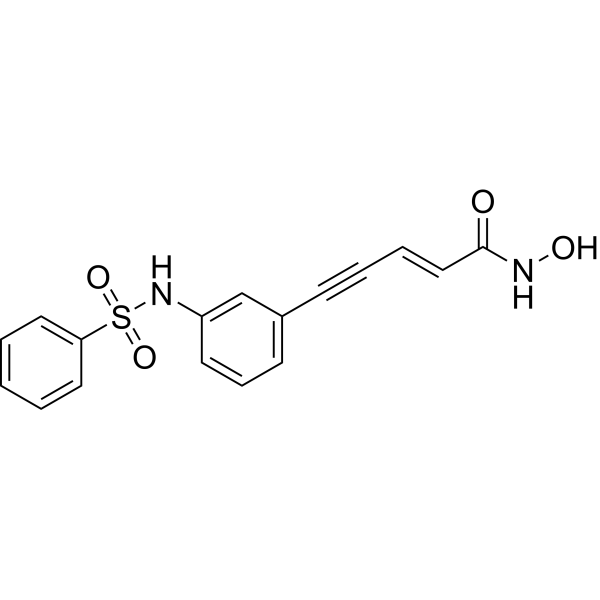
  • HY-102033
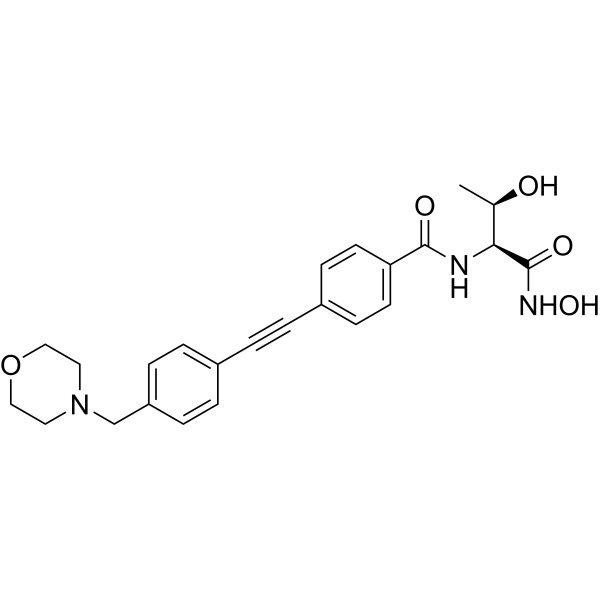
    Oxamflatin
    1 Publications Verification

    Metacept-3

    HDAC Cancer
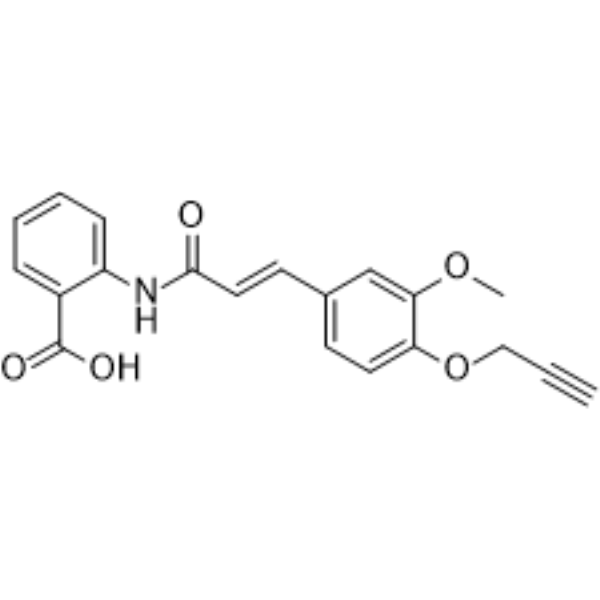
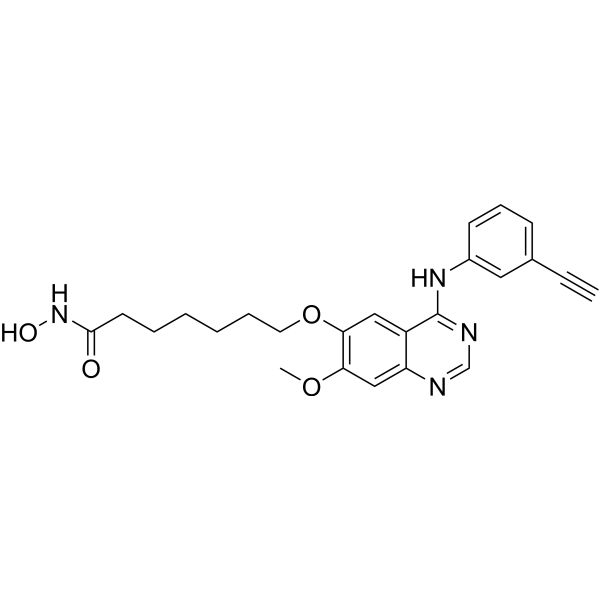
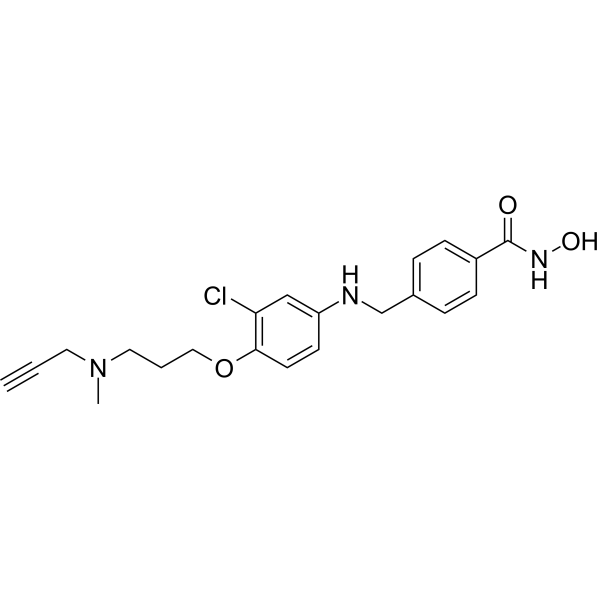
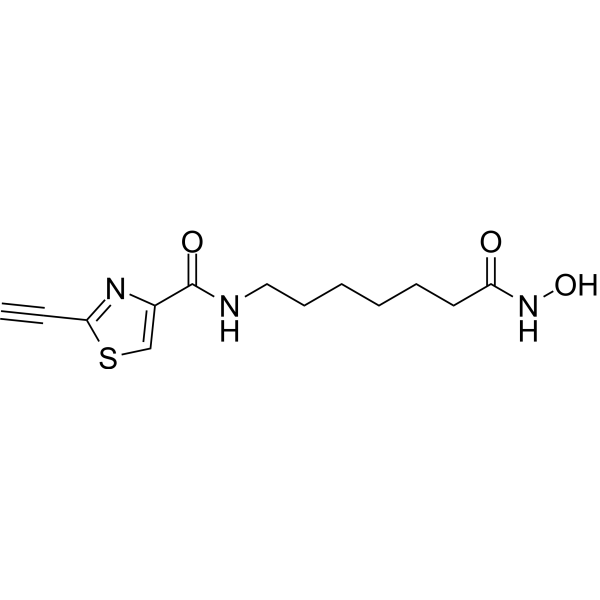
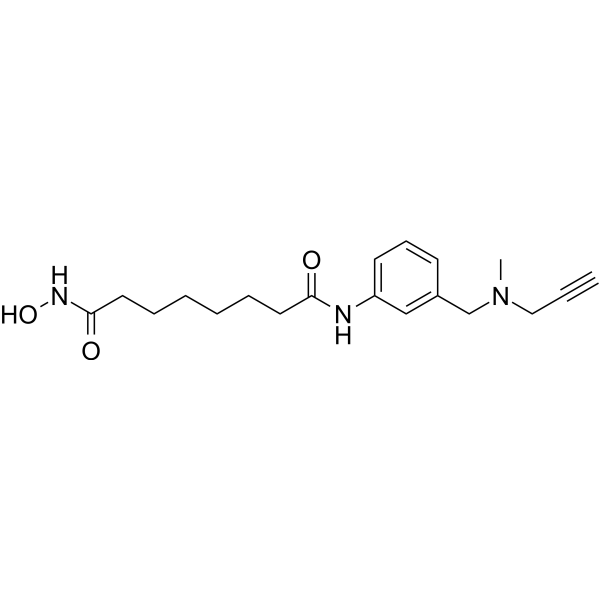
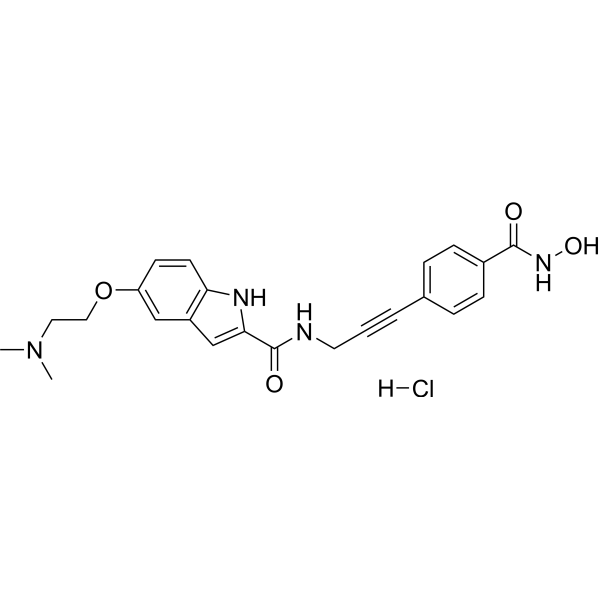
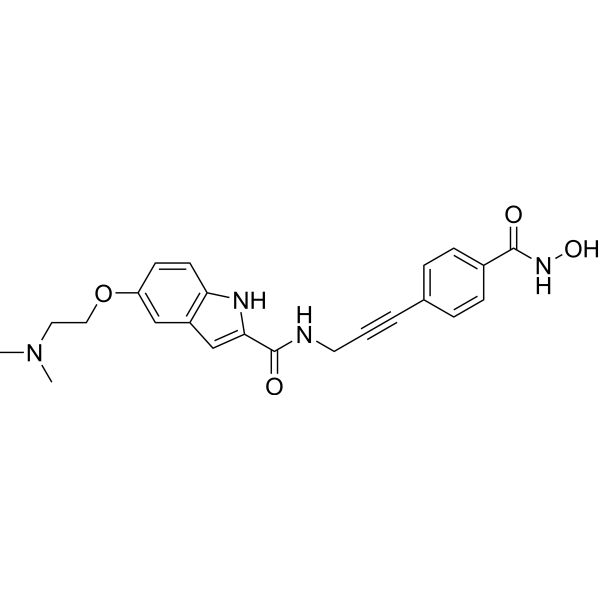
    Oxamflatin (Metacept-3) is a potent HDAC inhibitor with an IC50 of 15.7 nM. Oxamflatin is a click chemistry reagent, it contains an Alkyne group and can undergo copper-catalyzed azide-alkyne cycloaddition (CuAAc) with molecules containing Azide groups.
    Oxamflatin
  • HY-106992

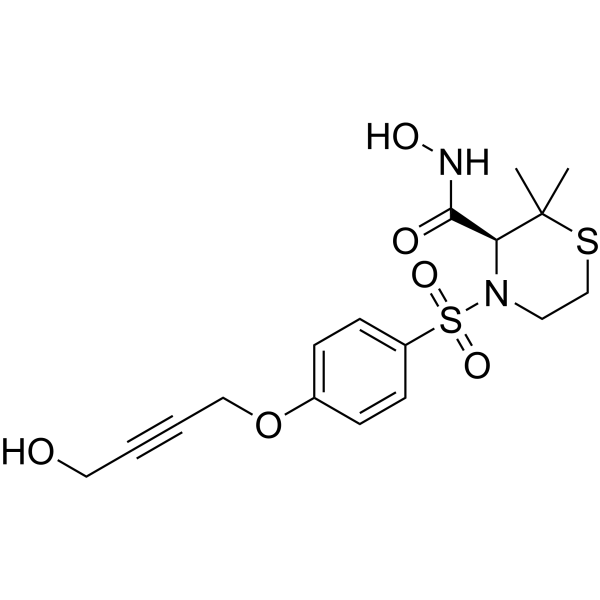
    MMP Cancer
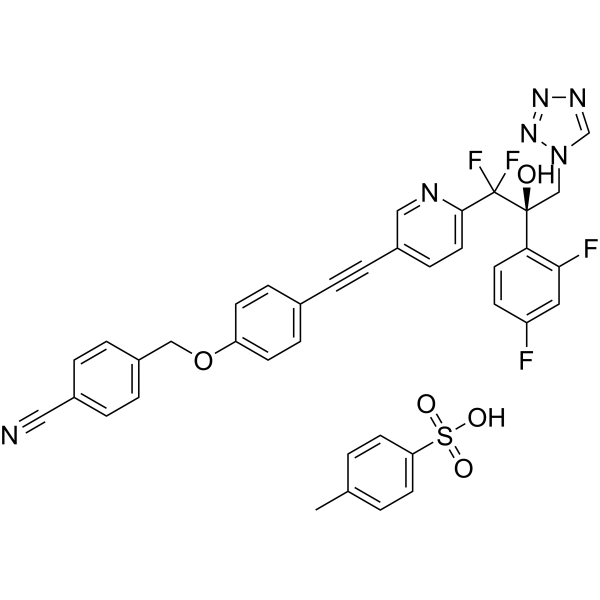
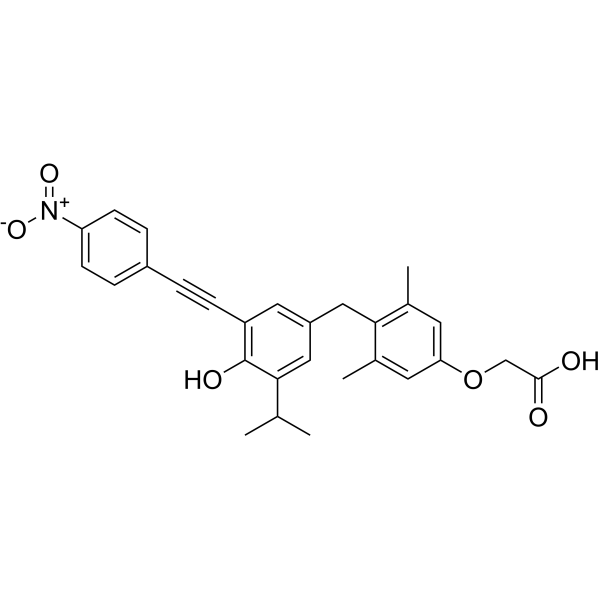
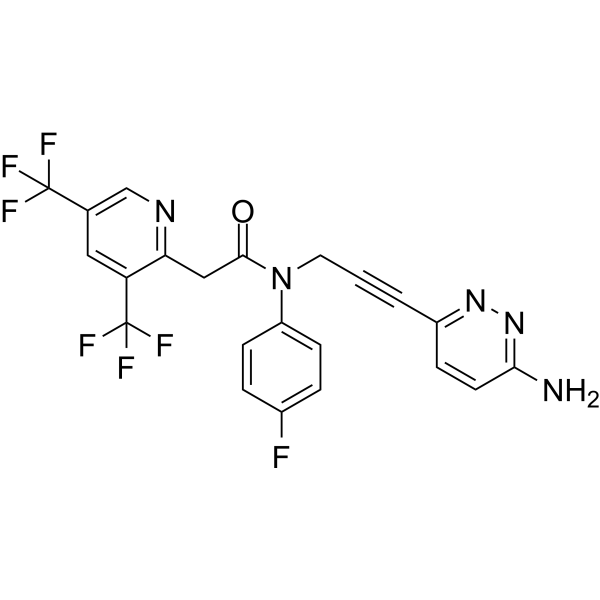
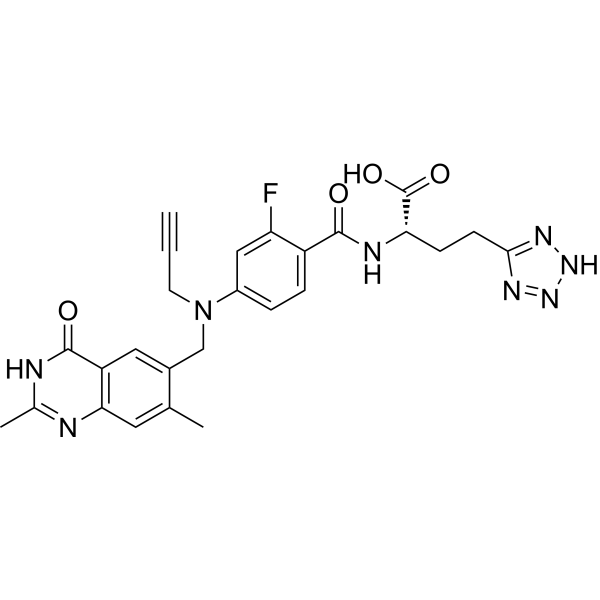
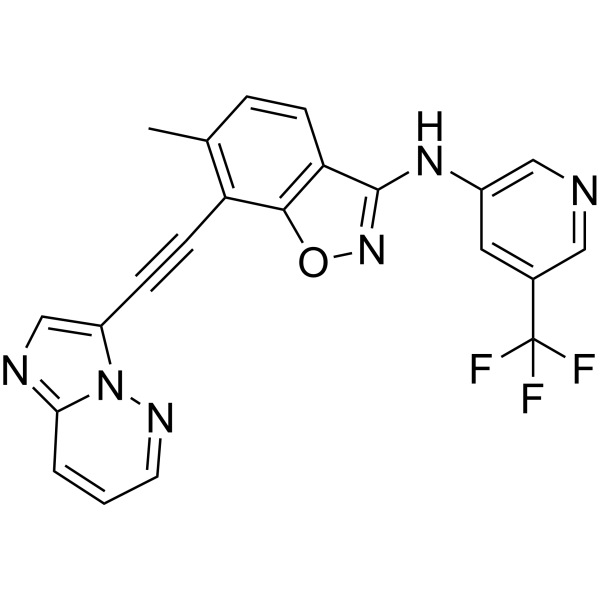
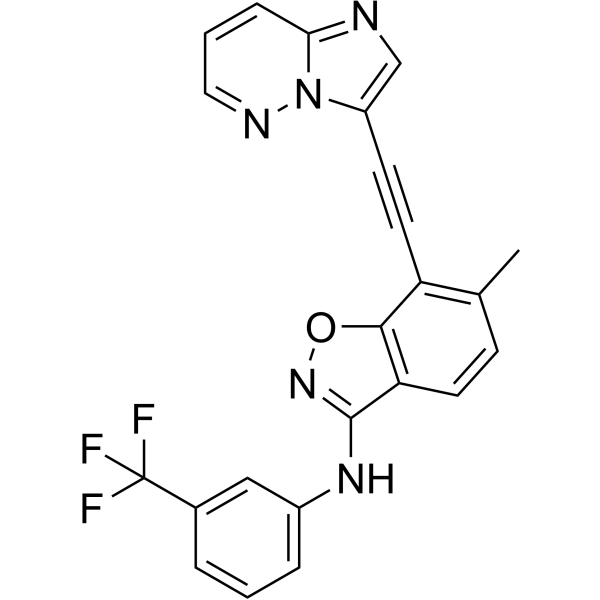
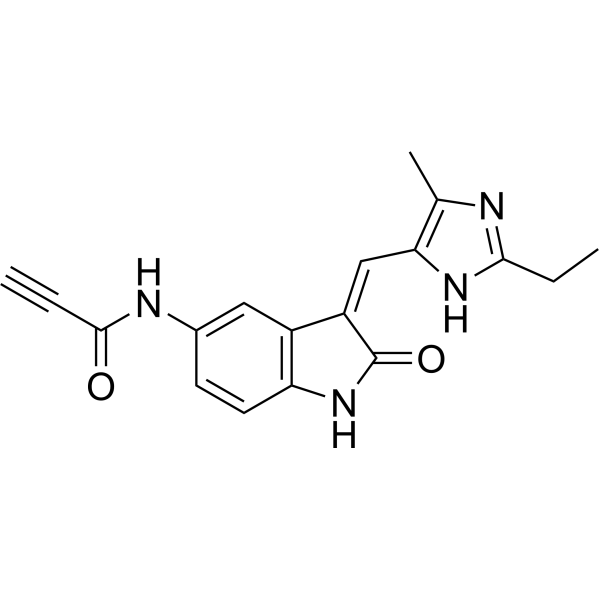
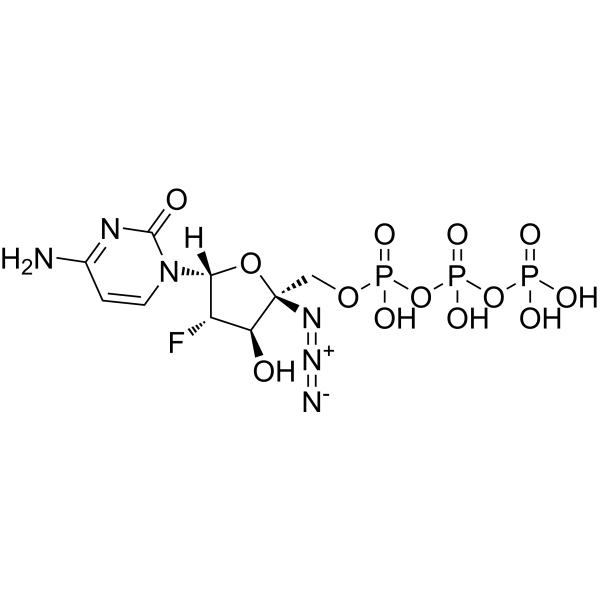
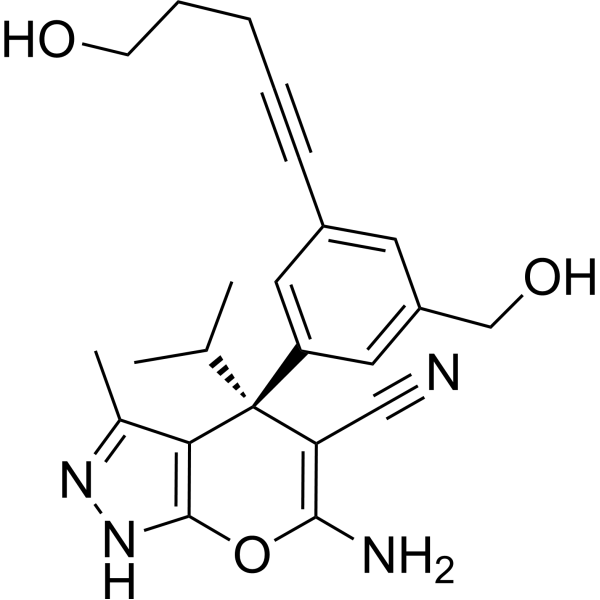
    S 3304 is a novel matrix metalloproteinases (MMP) inhibitor specific for MMP-2 and MMP-9. S 3304 is a click chemistry reagent, it contains an Alkyne group and can undergo copper-catalyzed azide-alkyne cycloaddition (CuAAc) with molecules containing Azide groups.
    S 3304
  • HY-100495
    FT011
    2 Publications Verification

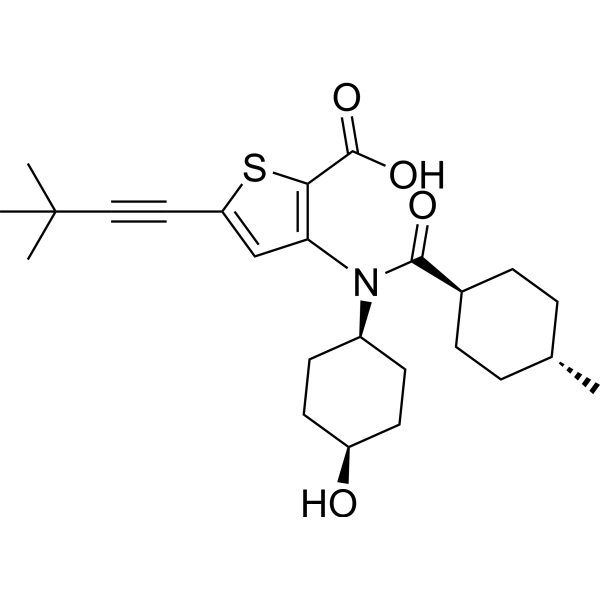
    Asengeprast

    MMP Inflammation/Immunology
    FT011 is an anti-fibrotic agent, reduces mRNA expression of collagens I and III and inhibits collagen synthesis . FT011 is a click chemistry reagent, it contains an Alkyne group and can undergo copper-catalyzed azide-alkyne cycloaddition (CuAAc) with molecules containing Azide groups.
    FT011
  • HY-16062

    Kinesin Cancer
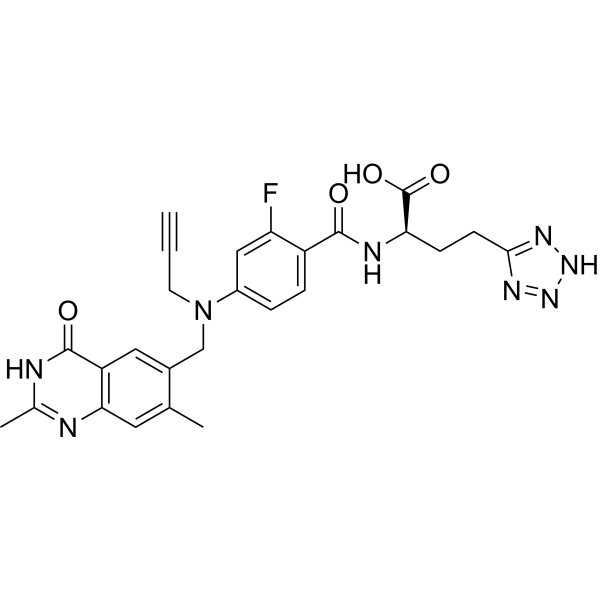
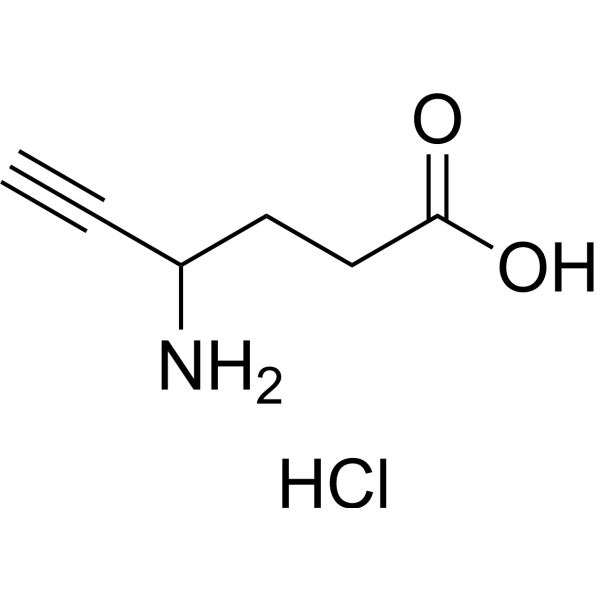
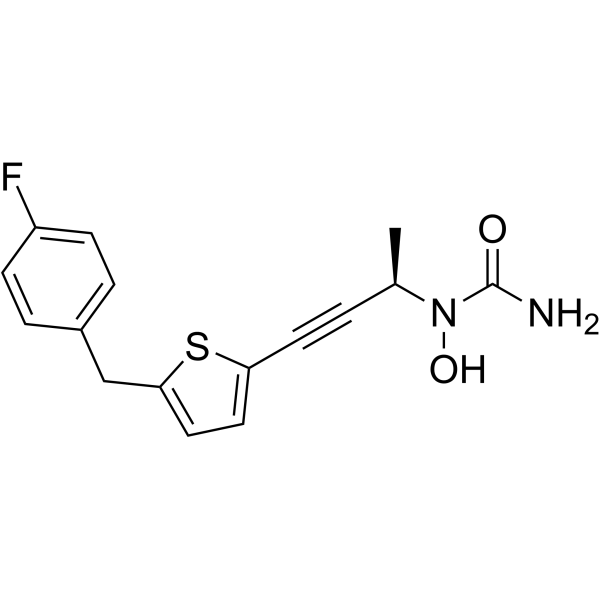
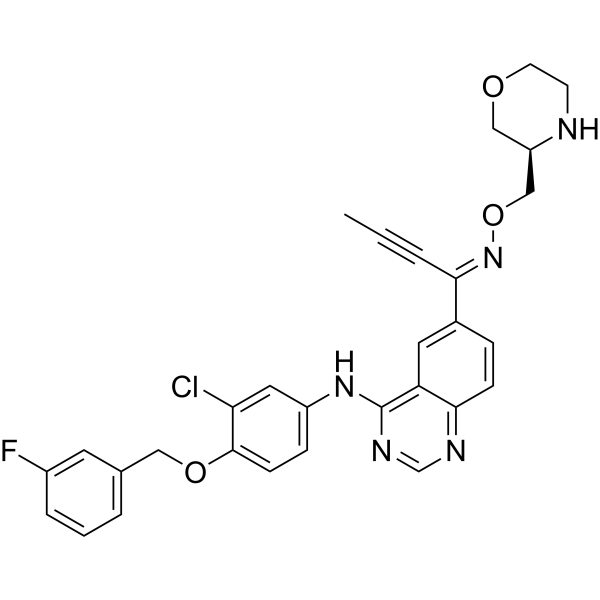
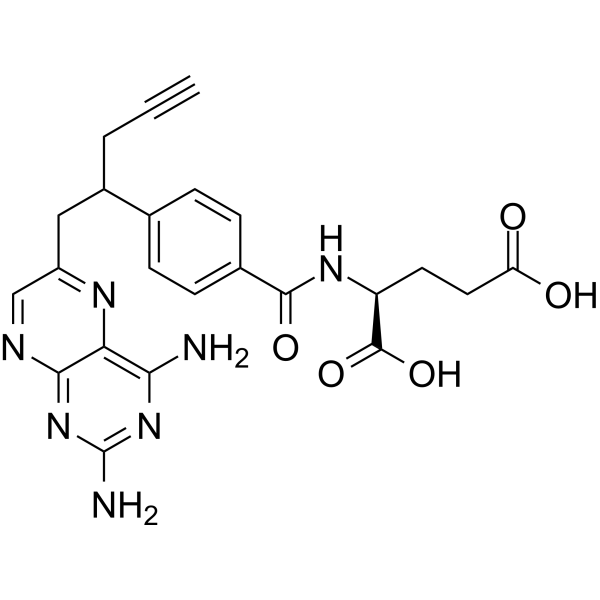
    ARQ 621 is an allosteric, potent and selective inhibitor of Eg5, a microtubule-based ATPase motor protein involved in cell division. Anti-tumor activity . ARQ 621 is a kinesin inhibitor . ARQ 621 is a click chemistry reagent, it contains an Alkyne group and can undergo copper-catalyzed azide-alkyne cycloaddition (CuAAc) with molecules containing Azide groups.
    ARQ 621
  • HY-W004784

    Endogenous Metabolite Others
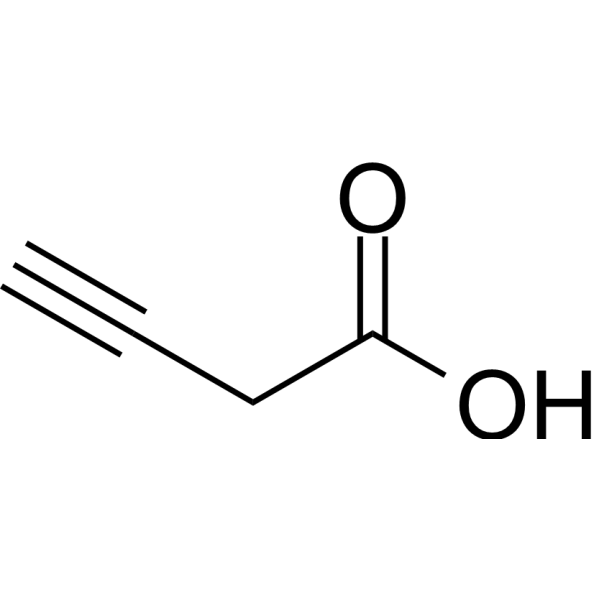
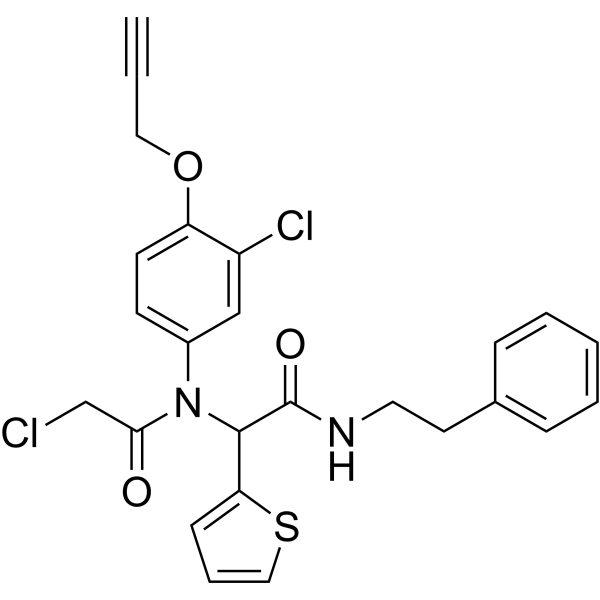
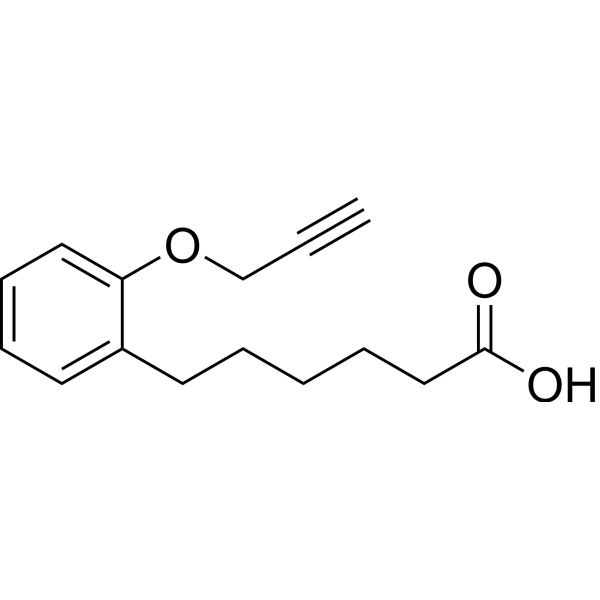
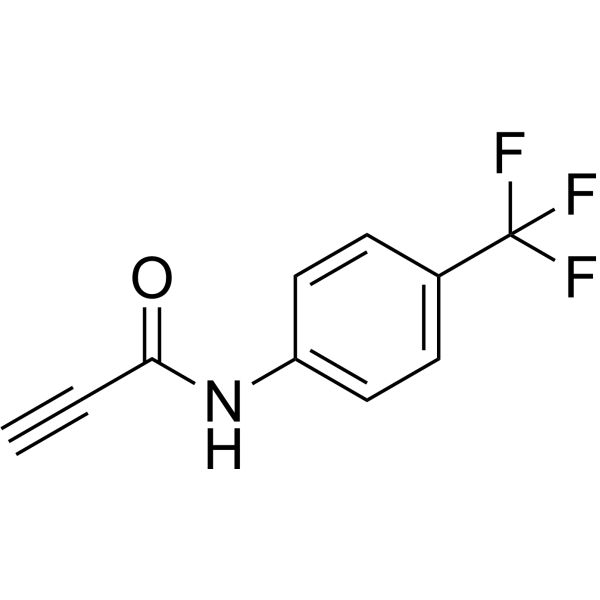
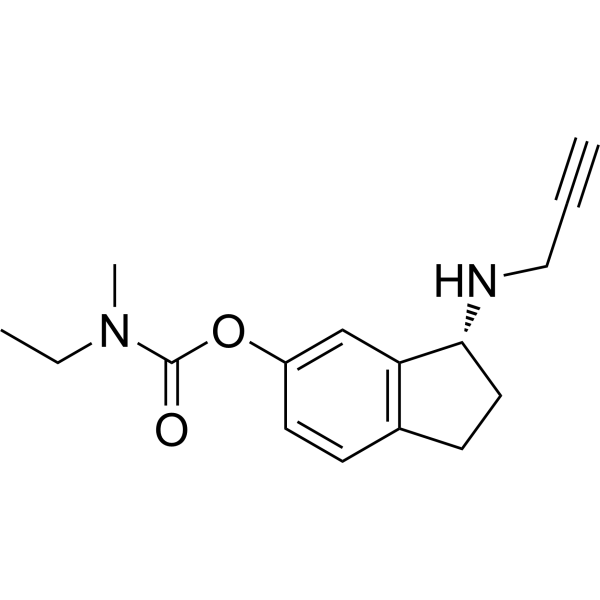
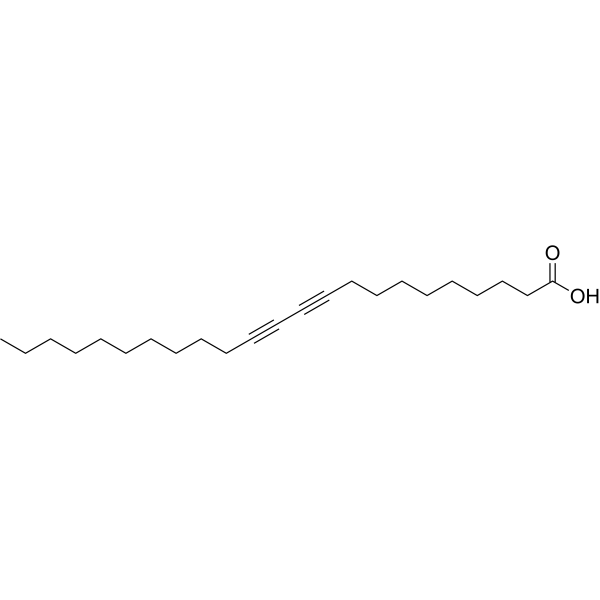
    3-Butynoic acid is an inhibitor of acyl CoA dehydrogenase. 3-Butynoic acid is a click chemistry reagent, it contains an Alkyne group and can undergo copper-catalyzed azide-alkyne cycloaddition (CuAAc) with molecules containing Azide groups. 3-Butynoic acid can reduce the formation of propionate and acrylic acid concentration-dependently .
    3-Butynoic acid
  • HY-B1038

    Endogenous Metabolite Inflammation/Immunology
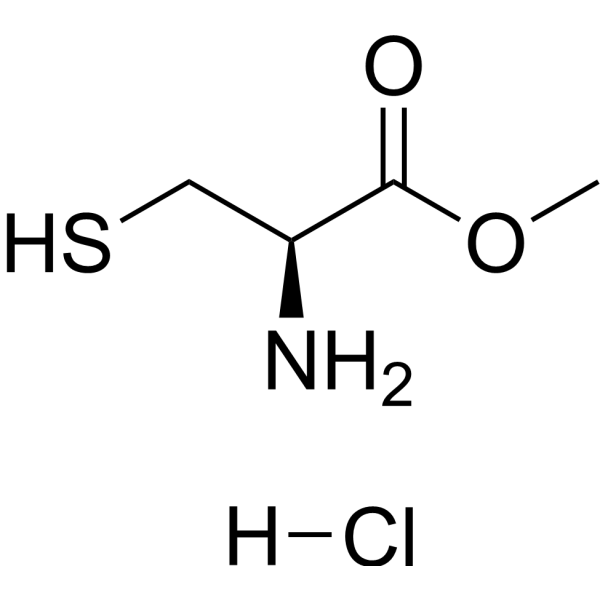
    L-Cysteine methyl ester hydrochloride is an antitussive, phlegmolytic agent used to relieve breathing difficulties caused by large amounts of phlegm. L-Cysteine methyl ester hydrochloride is a copper corrosion inhibitor used in various industrial studies .
    L-Cysteine methyl ester hydrochloride
  • HY-103310
    MRS1845
    1 Publications Verification

    Calcium Channel CRAC Channel Cardiovascular Disease
    MRS1845 is a selective store-operated calcium (SOC) channel inhibitor with an IC50 of 1.7 μM . MRS1845 is an ORAI1 inhibitor . MRS1845 is a click chemistry reagent, it contains an Alkyne group and can undergo copper-catalyzed azide-alkyne cycloaddition (CuAAc) with molecules containing Azide groups.
    MRS1845
  • HY-101405
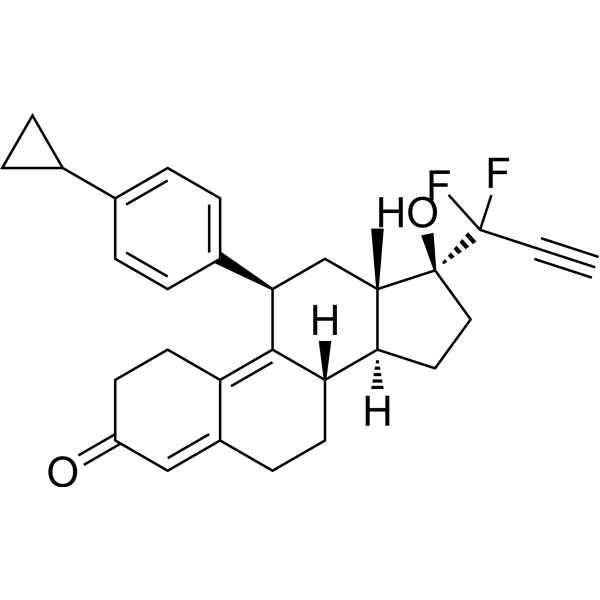
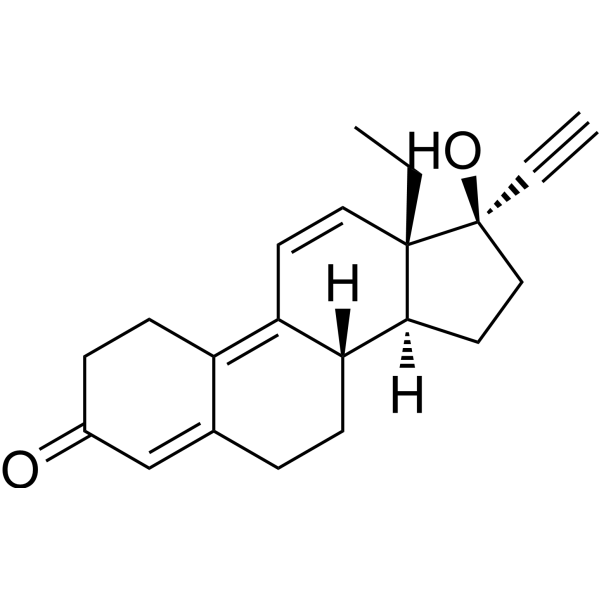
    Gestrinone
    1 Publications Verification

    R 2323

    Estrogen Receptor/ERR Inflammation/Immunology
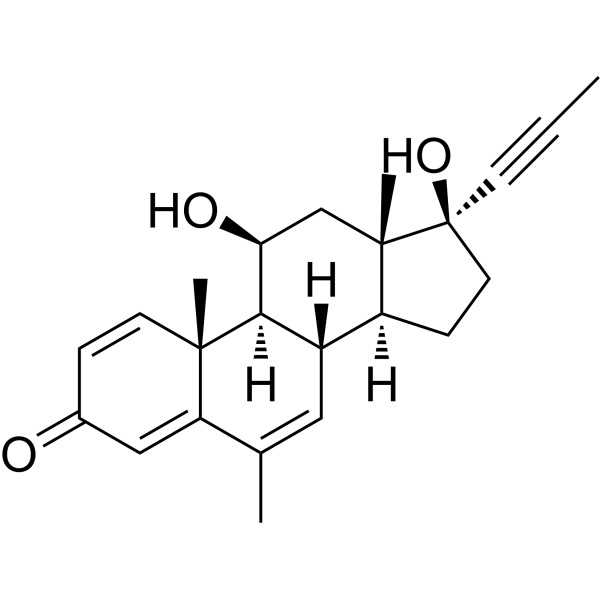
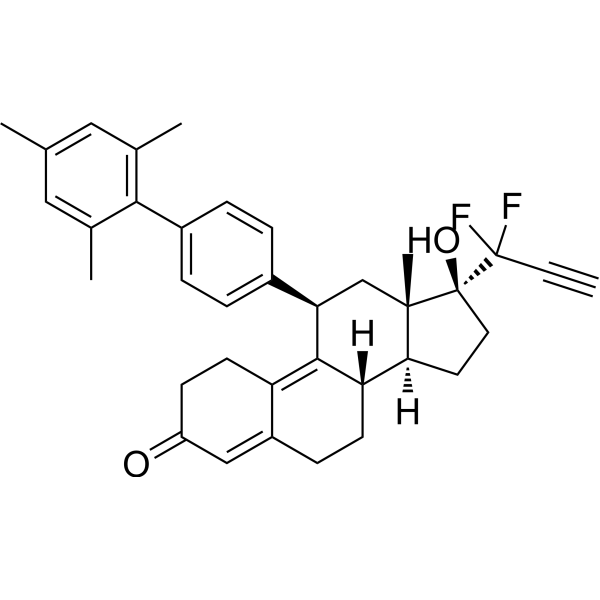
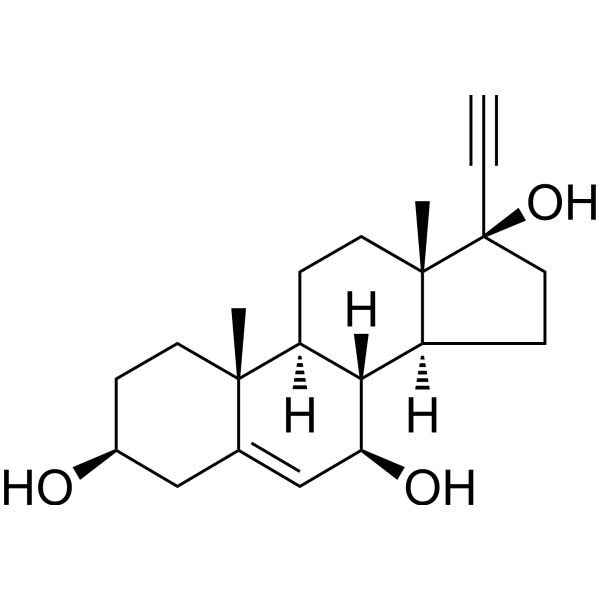
    Gestrinone (R2323) is a synthetic steroid hormone used to treat endometriosis. It inhibits leiomyoma cells with an IC50 of 43.67 μM. Gestrinone is a click chemistry reagent, it contains an Alkyne group and can undergo copper-catalyzed azide-alkyne cycloaddition (CuAAc) with molecules containing Azide groups.
    Gestrinone
  • HY-16200
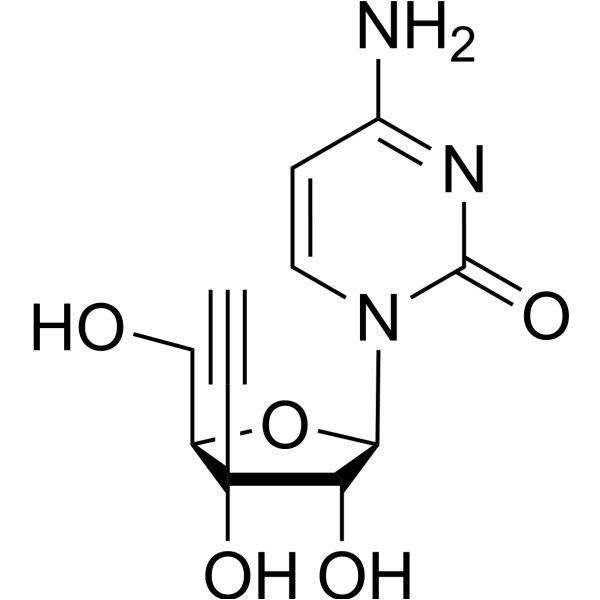
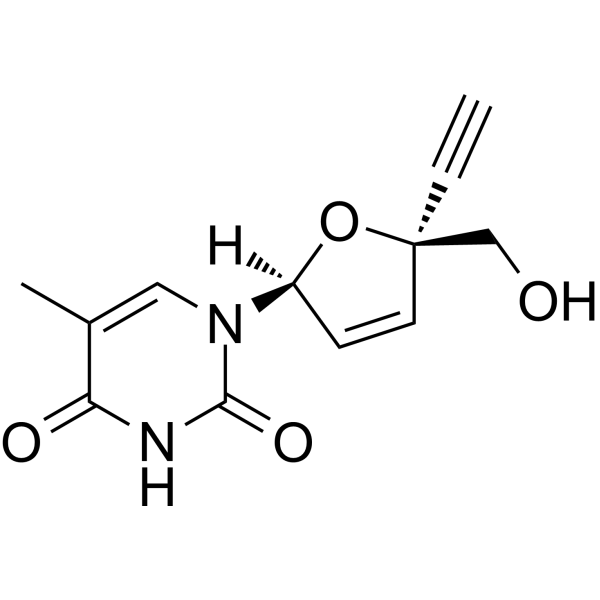
    Ethynylcytidine
    2 Publications Verification

    ECyD; TAS-106; 3'-C-Ethynylcytidine

    DNA/RNA Synthesis Nucleoside Antimetabolite/Analog Cancer
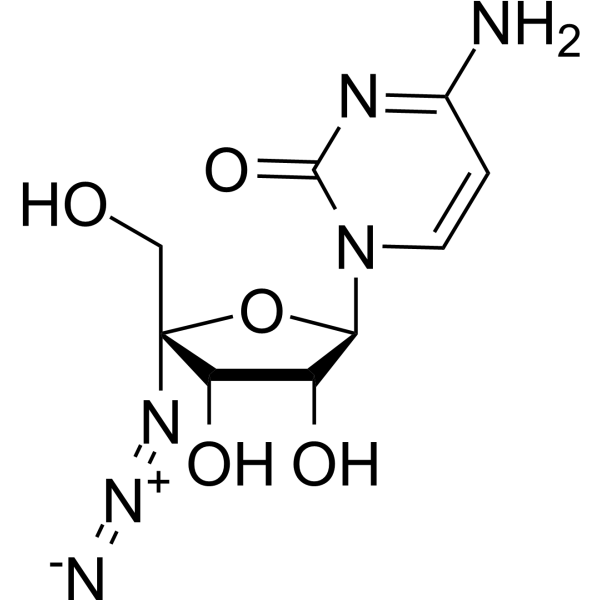
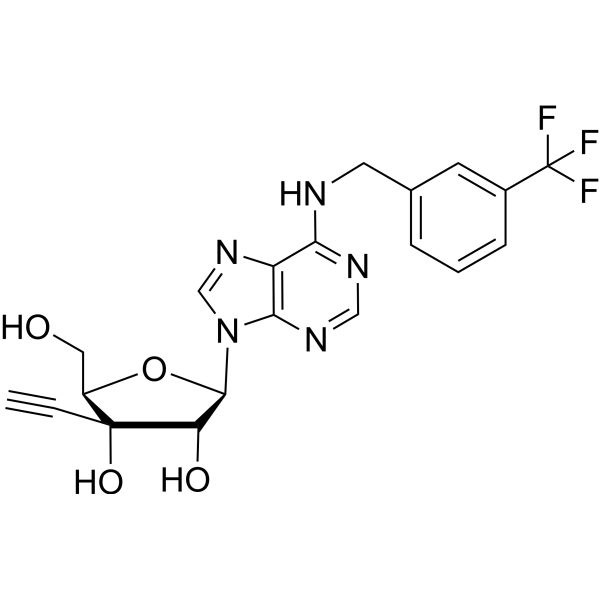
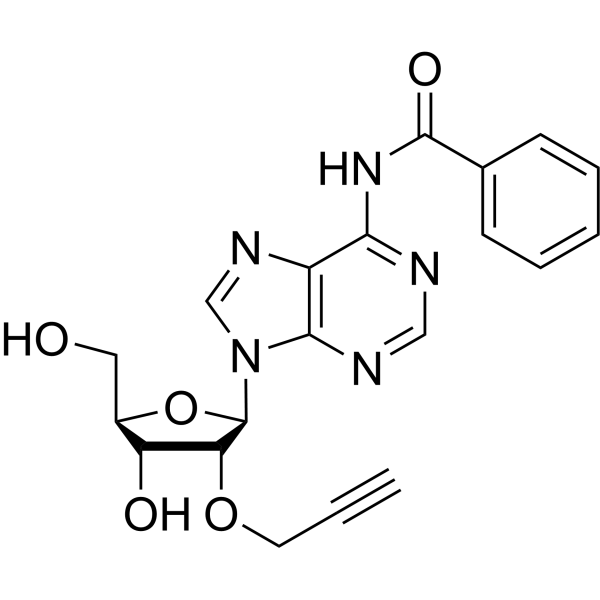
    Ethynylcytidine (ECyD), a nucleoside analog and a potent inhibitor of RNA synthesis, inhibits RNA polymerases I, II and II. Ethynylcytidine has robust antitumor activity in a wide range of models of cancer . Ethynylcytidine is a click chemistry reagent, it contains an Alkyne group and can undergo copper-catalyzed azide-alkyne cycloaddition (CuAAc) with molecules containing Azide groups.
    Ethynylcytidine
  • HY-119307
    Apratastat
    4 Publications Verification

    TMI-005

    MMP TNF Receptor Cancer
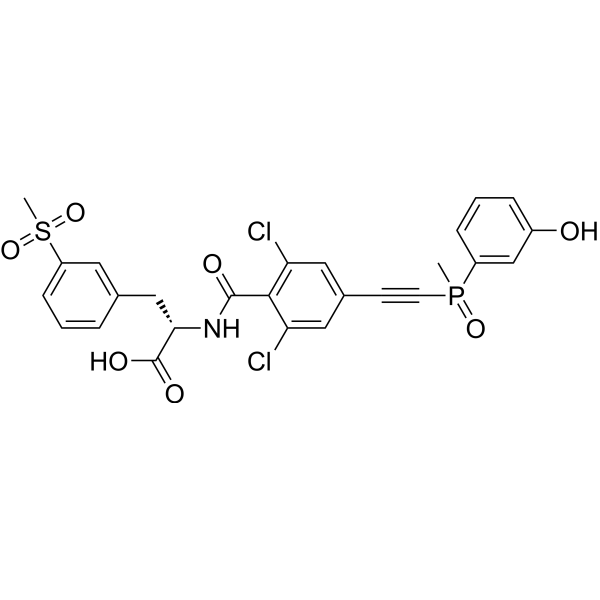
    Apratastat (TMI-005) is an orally active, non-selective and reversible TACE/MMPs inhibitor, can inhibit inhibit the release of TNF-α. Apratastat has the potential to overcome radiotherapy-resistance in non-small cell lung cancer (NSCLC) . Apratastat is a click chemistry reagent, it contains an Alkyne group and can undergo copper-catalyzed azide-alkyne cycloaddition (CuAAc) with molecules containing Azide groups.
    Apratastat
  • HY-Y0470
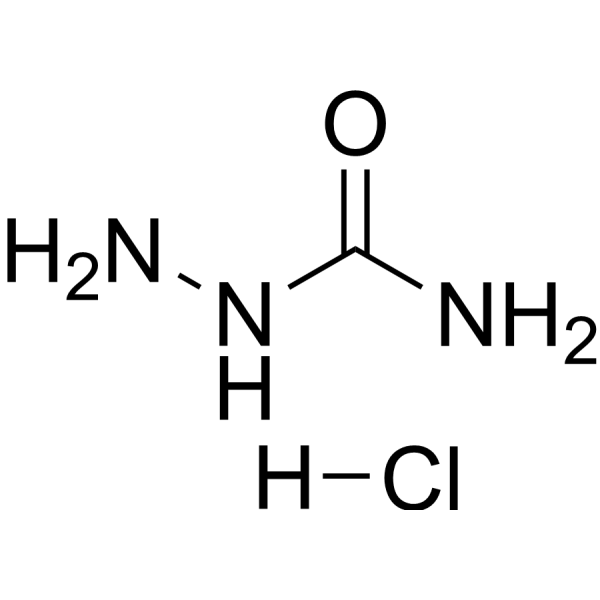
    Semicarbazide hydrochloride
    1 Publications Verification

    Aminourea hydrochloride; Hydrazinecarboxamide hydrochloride

    Monoamine Oxidase Cardiovascular Disease Inflammation/Immunology Endocrinology
    Semicarbazide hydrochloride is an orally active urea derivative. Semicarbazide hydrochloride binds to copper or iron in cells. Semicarbazide hydrochloride inhibits the activity of soluble semicarbazide sensitive amine oxidase (SSAO). Semicarbazide hydrochloride damages cartilage, blood vessels, ovaries, testicles, and thyroid follicles .
    Semicarbazide hydrochloride
  • HY-23460
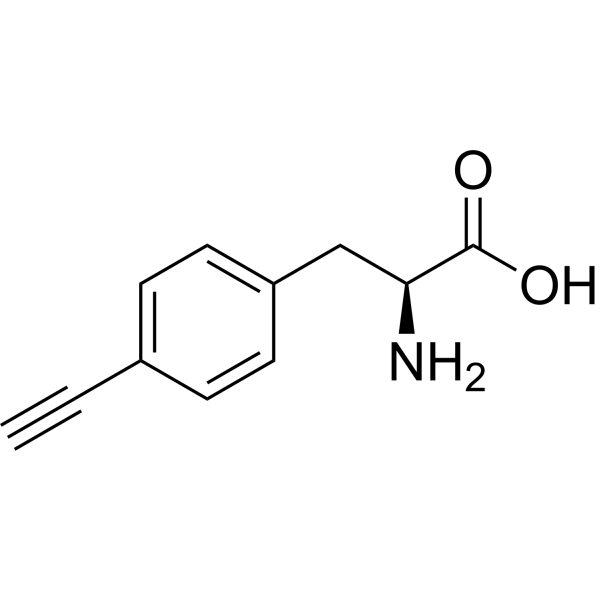
    p-Ethynylphenylalanine
    1 Publications Verification

    4-Ethynyl-L-phenylalanine

    Tryptophan Hydroxylase Neurological Disease
    p-Ethynylphenylalanine (4-Ethynyl-L-phenylalanine) is a potent, selective, reversible and competitive inhibitor of tryptophan hydroxylase (TPH), with a Ki of 32.6 μM . p-Ethynylphenylalanine is a click chemistry reagent, it contains an Alkyne group and can undergo copper-catalyzed azide-alkyne cycloaddition (CuAAc) with molecules containing Azide groups.
    p-Ethynylphenylalanine
  • HY-112161
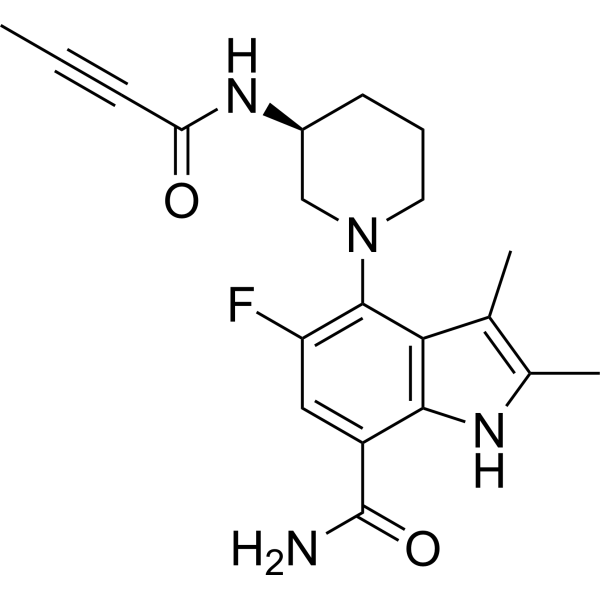
    Branebrutinib
    3 Publications Verification

    BMS-986195

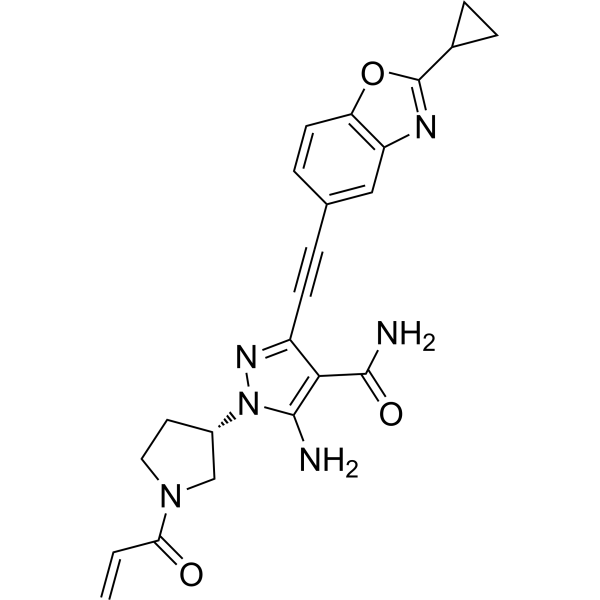
    Btk Cancer
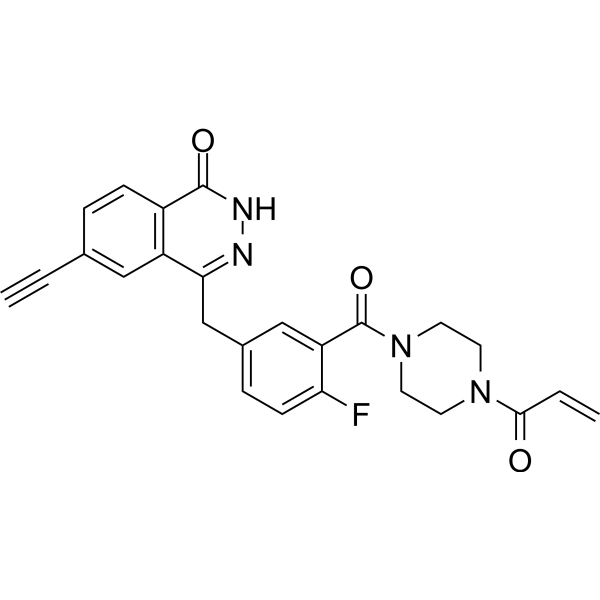
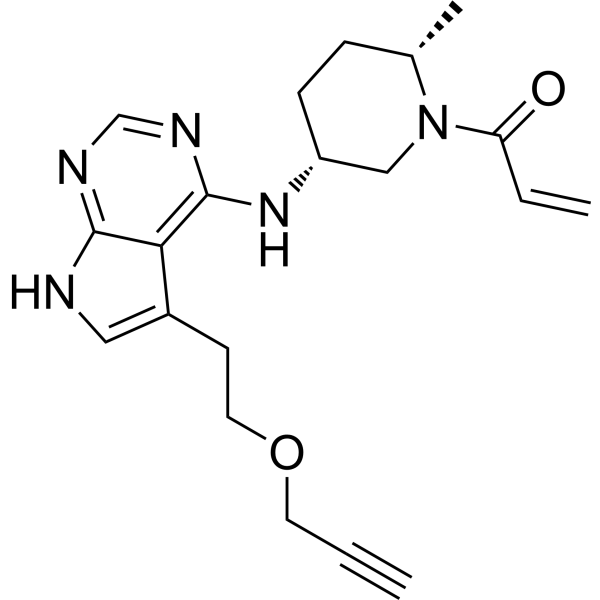
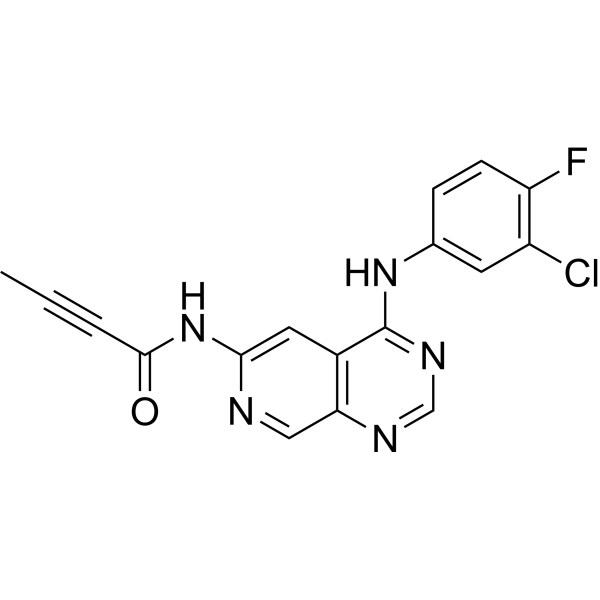
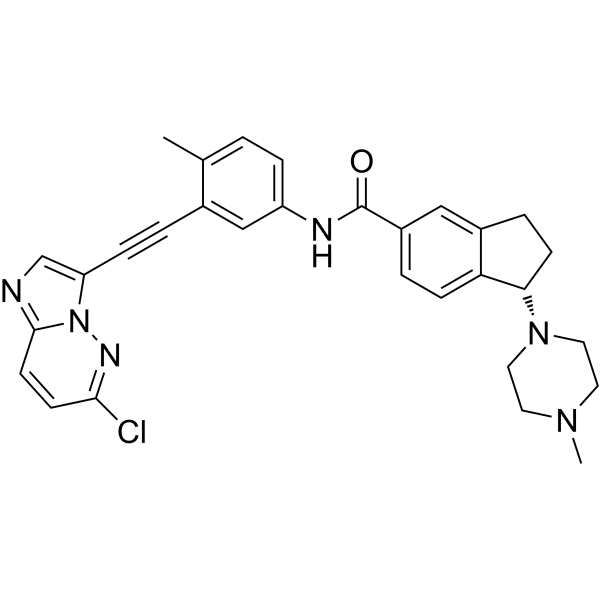
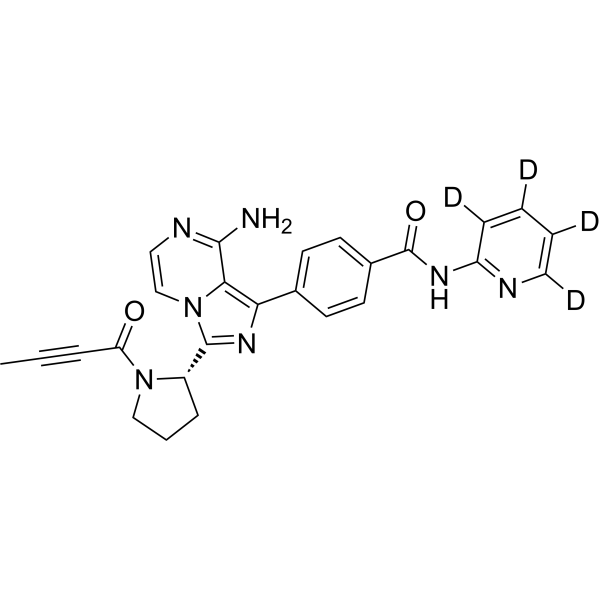
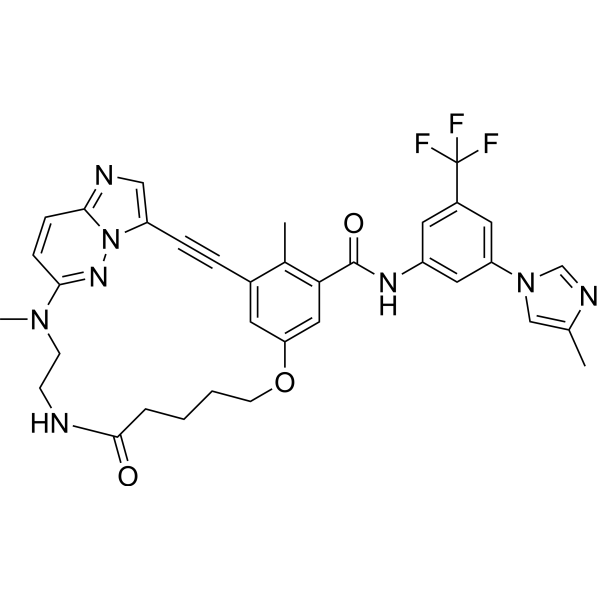
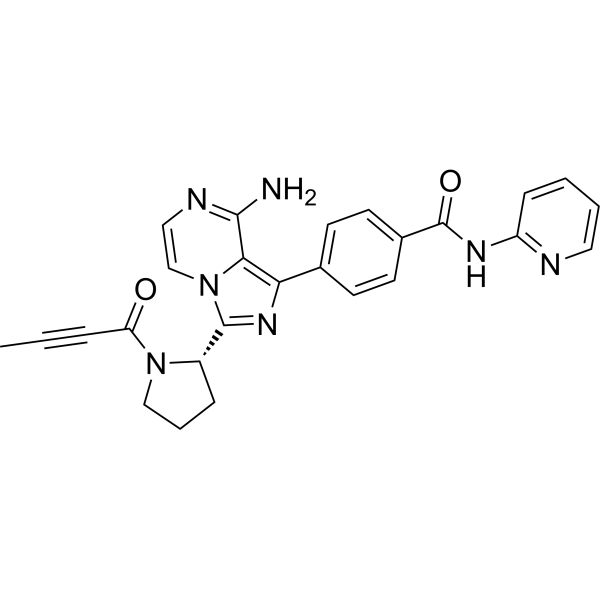
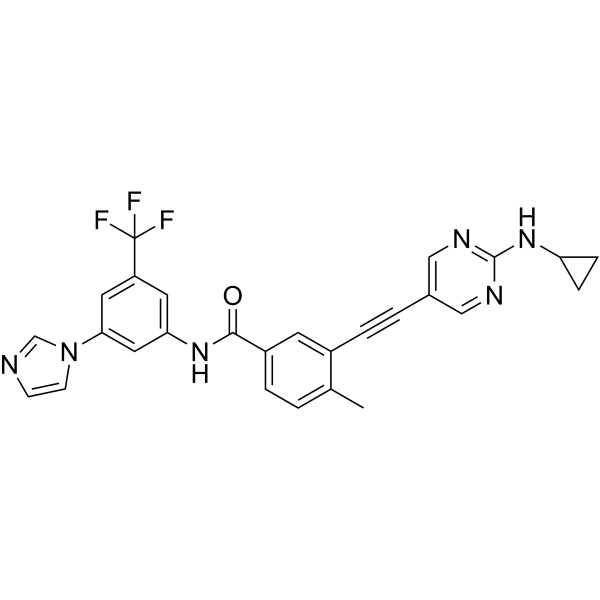
    Branebrutinib (BMS-986195) is a highly potent, selective covalent, irreversible inhibitor of Bruton’s tyrosine kinase (BTK), with an IC50 of 0.1 nM . Branebrutinib is a click chemistry reagent, it contains an Alkyne group and can undergo copper-catalyzed azide-alkyne cycloaddition (CuAAc) with molecules containing Azide groups.
    Branebrutinib
  • HY-W111581
    Copper(II) diethyldithiocarbamate
    1 Publications Verification

    Diethyldithiocarbamic acid Copper salt

    Apoptosis Caspase Cancer
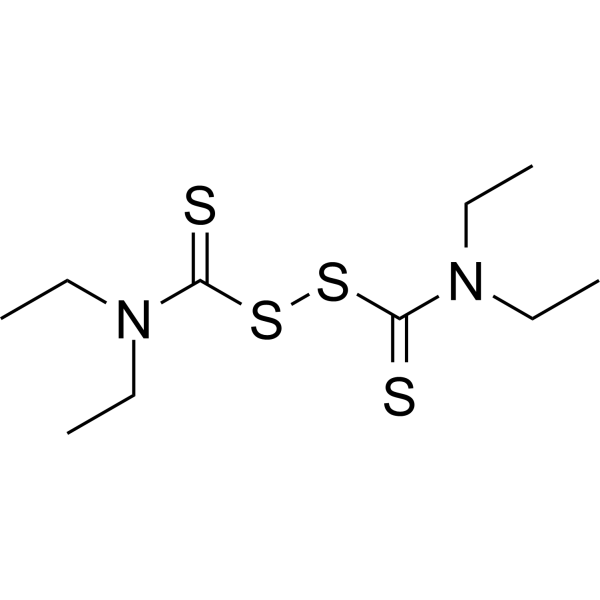
    Copper(II) diethyldithiocarbamate (Diethyldithiocarbamic acid copper salt) is a Copper(II) and diethyldithiocarbamate coordination polymer. Copper(II) diethyldithiocarbamate binds tightly to NPL4 and induces its aggregation, disrupting the p97-NPL4-UFD1 pathway. Copper(II) diethyldithiocarbamate causes ubiquitinated proteins accumulation and impairs waste proteins degradation, thus resulting in cell apoptosis. Copper(II) diethyldithiocarbamate inhibits tumor growth in MDA-MB-231 xenograft mice models. Copper(II) diethyldithiocarbamate can be used for the research of cancer, such as breast cancer .
    Copper(II) diethyldithiocarbamate
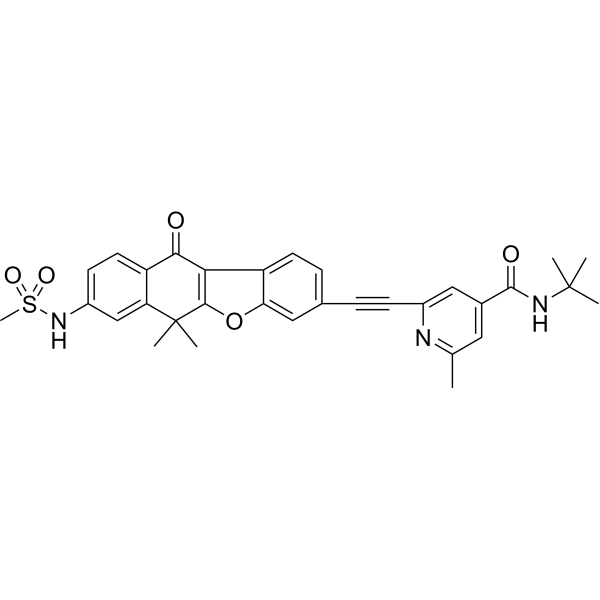
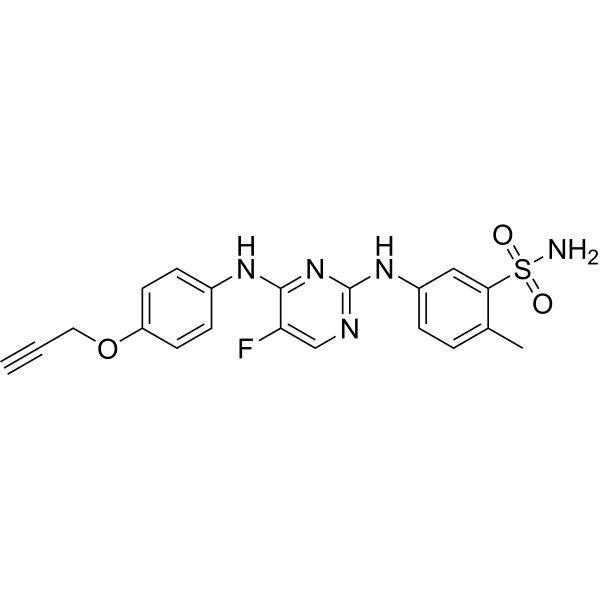
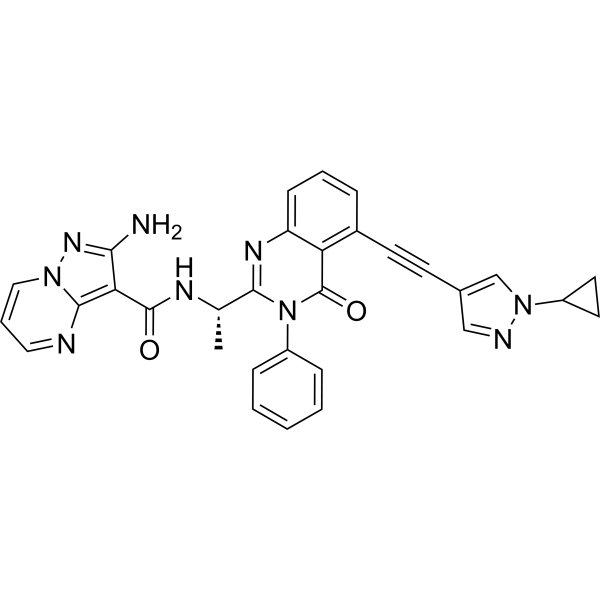
  • HY-107362

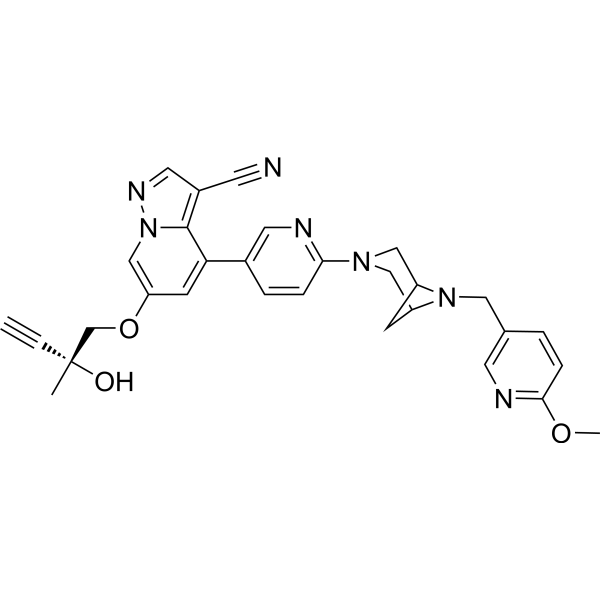
    Trk Receptor Cancer
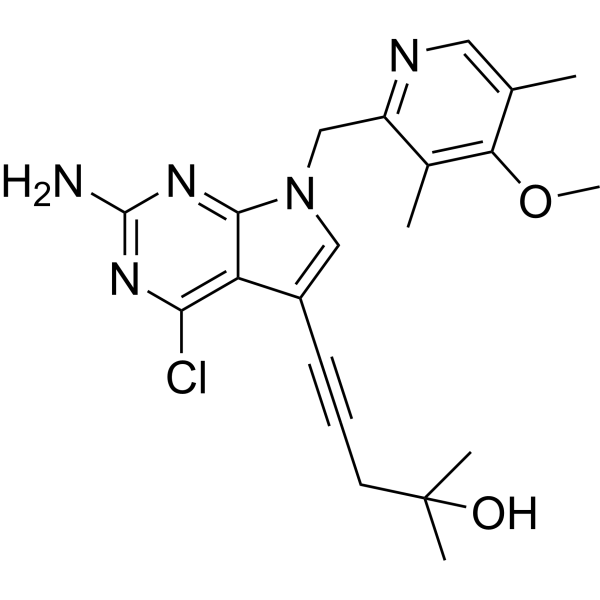
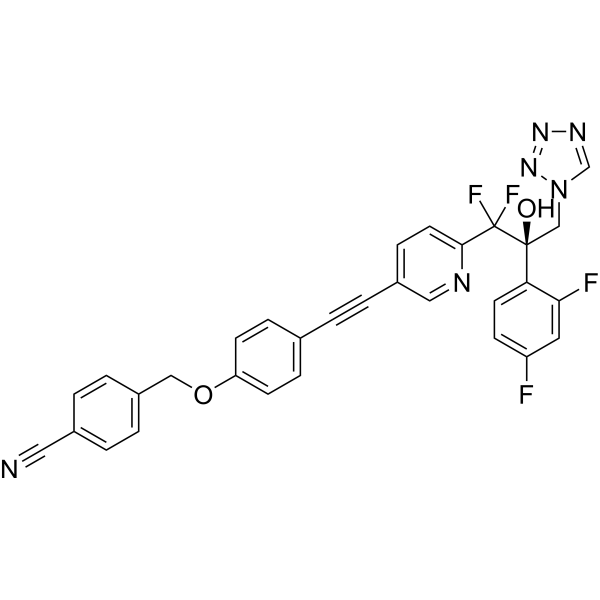
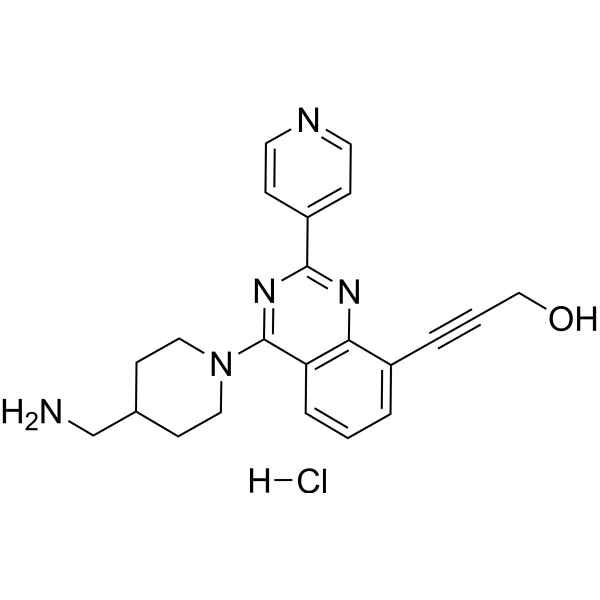
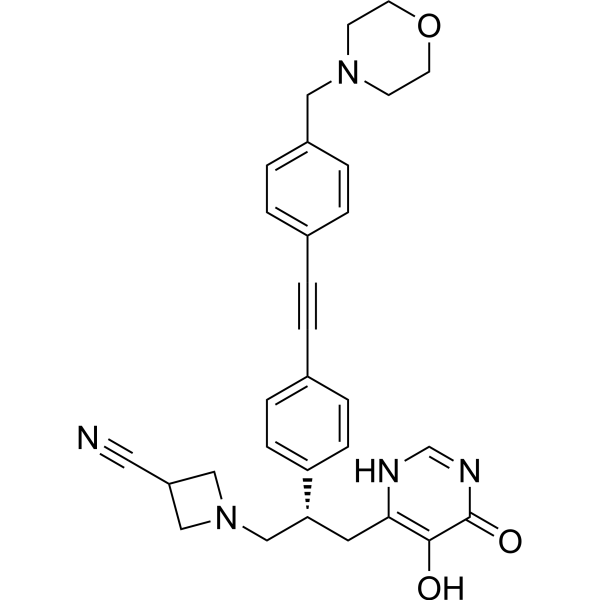
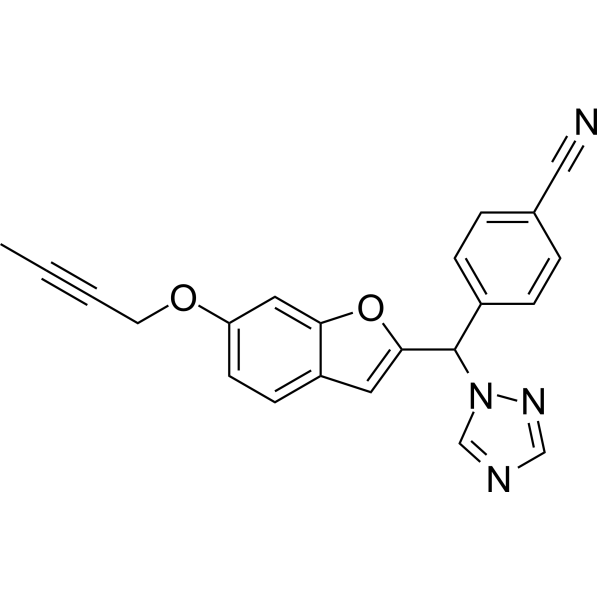
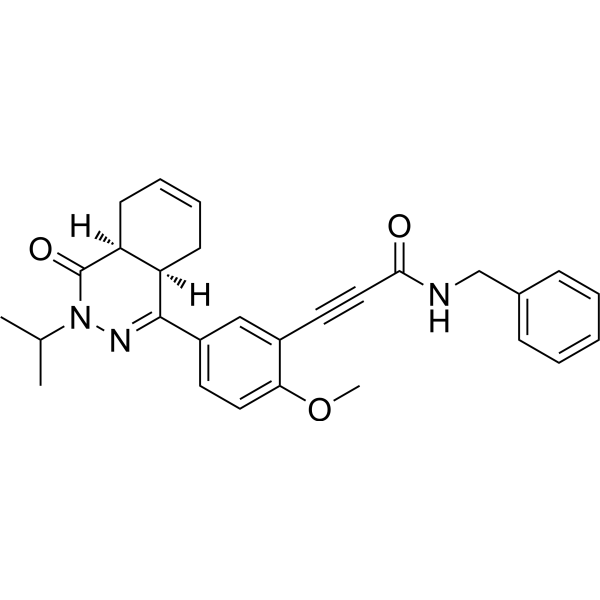
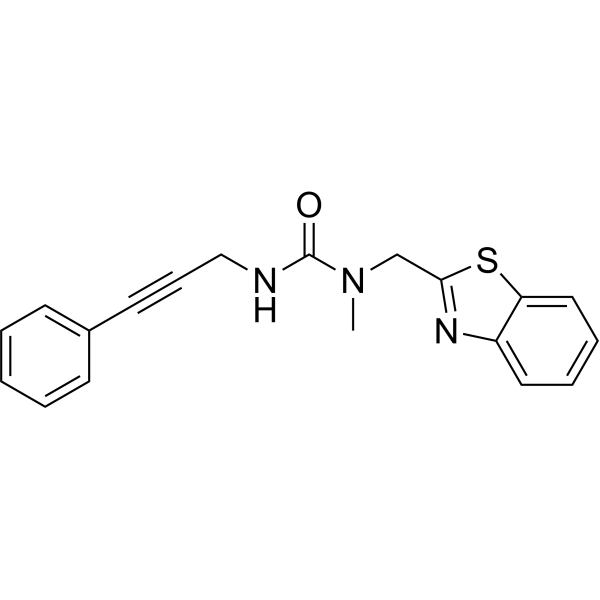
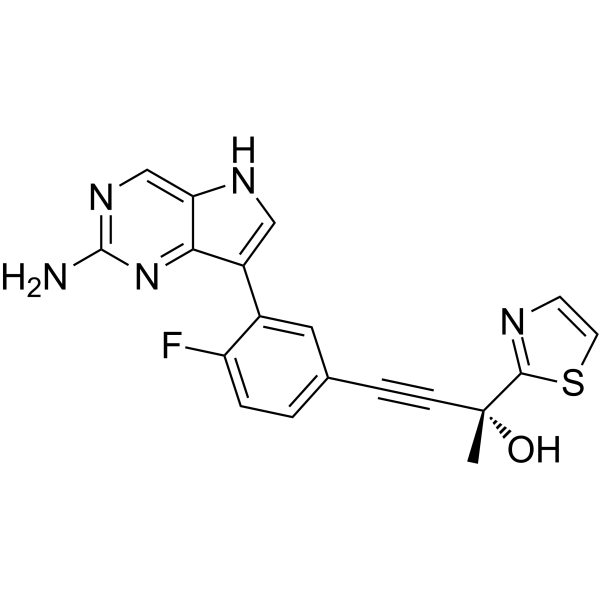
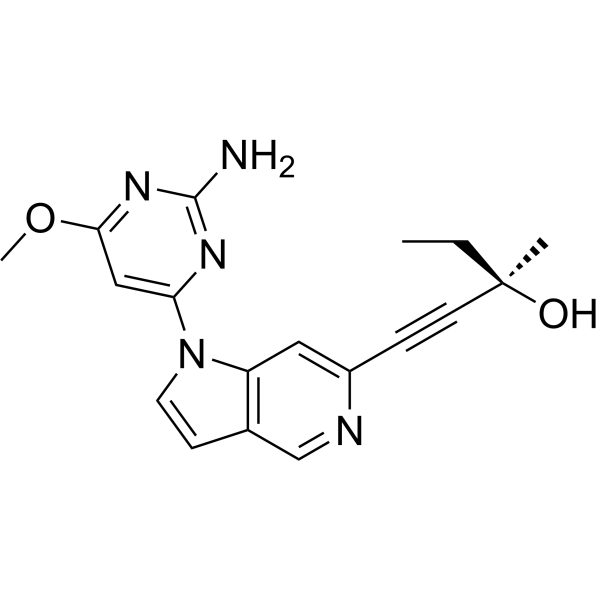
    CH7057288 is a potent and selective TRK inhibitor. CH7057288 is a click chemistry reagent, it contains an Alkyne group and can undergo copper-catalyzed azide-alkyne cycloaddition (CuAAc) with molecules containing Azide groups.
    CH7057288
  • HY-B0507A
    Sulfathiazole sodium
    5 Publications Verification

    Antibiotic Bacterial Endocrinology Cancer
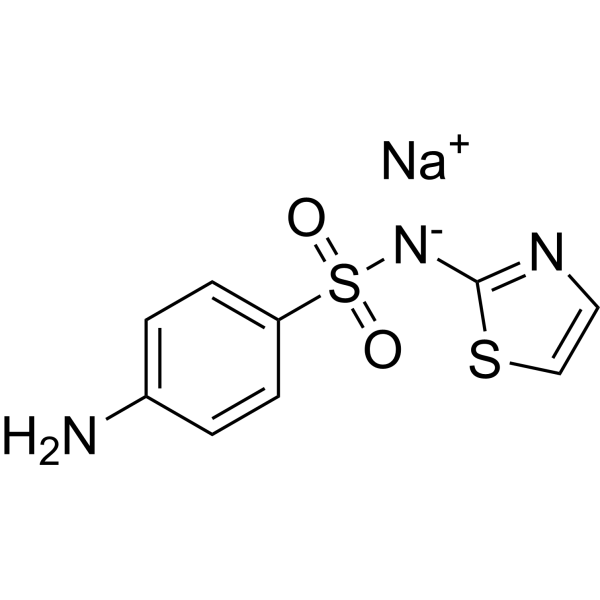
    Sulfathiazole sodium is an orally active, endocrine disruptor targeting the steroidogenic pathway, specifically enhancing the activity of CYP19 in human adrenal cancer cells (H295R) and upregulating the mRN expression of CYP17, CYP19, and 3β-HSD. Sulfathiazole sodium increases the production of 17-estradiol (E2) and has endocrine disrupting effects on aquatic organisms such as the Japanese medaka fish. Sulfathiazole sodium is also a cathodic corrosion inhibitor. It inhibits the corrosion of copper by chloride ions through chemical and physical adsorption on the copper surface, reduces the corrosion current density and shifts the corrosion potential negatively .
    Sulfathiazole sodium
  • HY-W086988

    5-Methylbenzotriazole

    Biochemical Assay Reagents Others
    5-Methyl-1H-benzotriazole (5-Methylbenzotriazole) is a benzotriazole derivative, and serves as a key building block for ultraviolet absorbers and light stabilizers. 5-Methyl-1H-benzotriazole reduces the photosensitizing ability of nitrate and dissolved organic matter (DOM), enhances the persistence of microorganic pollutants, inhibits the photodegradation of DOM and drug residues, and quenches the triplet excited states of DOM and methotrexate substructures. 5-Methyl-1H-benzotriazole acts as a corrosion inhibitor for copper and copper alloys, and is present in formulations of anti-icing fluids, dishwasher detergents, aircraft deicing fluids and automotive antifreezes .
    5-Methyl-1H-benzotriazole
  • HY-16343C
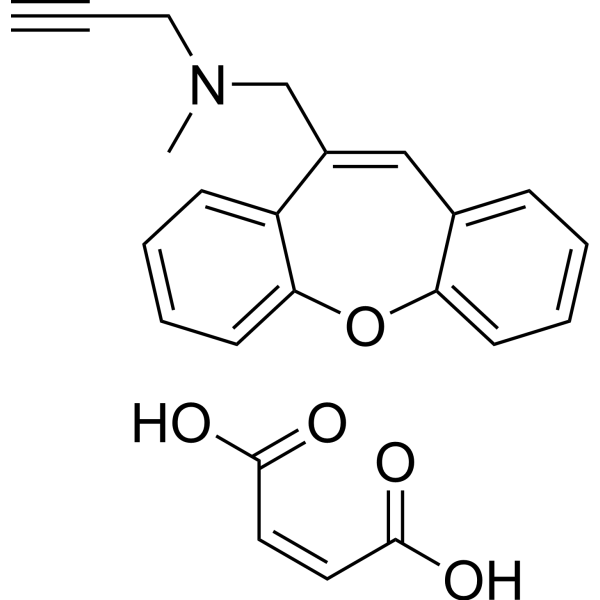
    NB-598 Maleate
    10+ Cited Publications

    COX Metabolic Disease
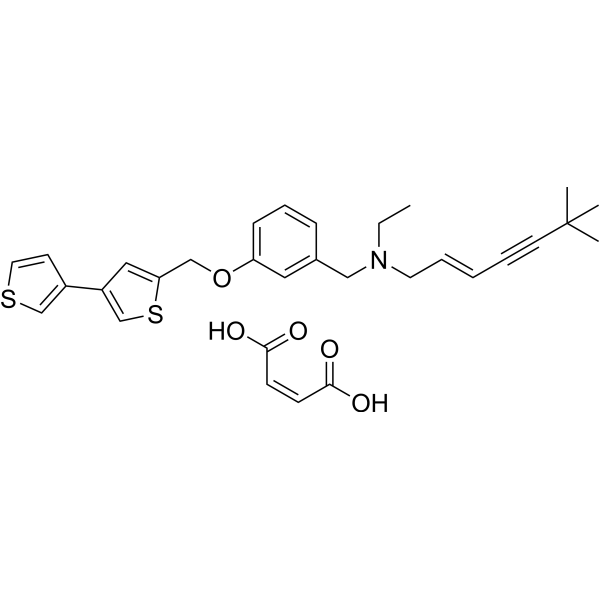
    NB-598 Maleate is a potent and competitive inhibitor of squalene epoxidase (SE), and suppresses triglyceride biosynthesis through the farnesol pathway. NB-598 (Maleate) is a click chemistry reagent, it contains an Alkyne group and can undergo copper-catalyzed azide-alkyne cycloaddition (CuAAc) with molecules containing Azide groups.
    NB-598 Maleate
  • HY-W012572

    Mitochondrial Metabolism Bacterial Infection Metabolic Disease
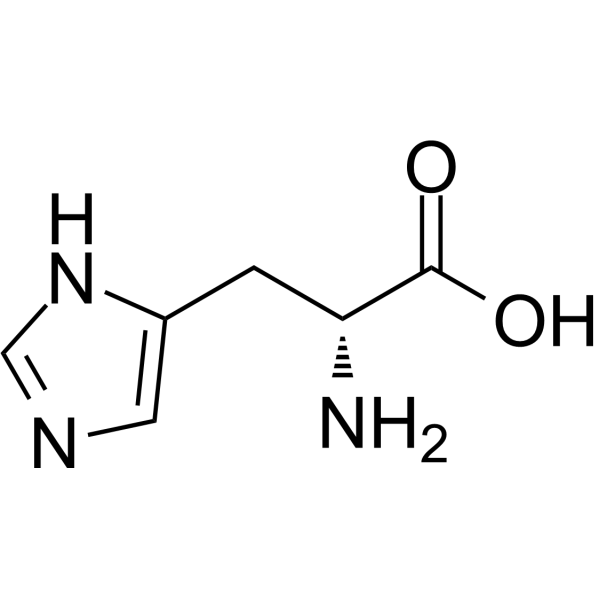
    D-Histidine is an anti-biofilm agent that targets bacterial quorum sensing systems (such as RhlI/RhlR pathway) and has antibacterial activity. D-Histidine works by non-covalently binding to bacterial regulatory factors or copper ion complexes, selectively inhibiting bacterial biofilm formation and motility. D-Histidine downregulates quorum sensing-related gene expression, reduces the synthesis of virulence factors (such as alginate and proteases), and interferes with bacterial membrane stability, inhibiting biofilm formation, promoting the disintegration of mature biofilms, and enhancing antibiotic sensitivity. D-Histidine is also an efficient catalyst for the salt-induced peptide formation (SIPF) reaction, which promotes the condensation of amino acids to form dipeptides (such as dialanine and dilysine) by forming a complex with copper ions (Cu 2+) .
    D-Histidine
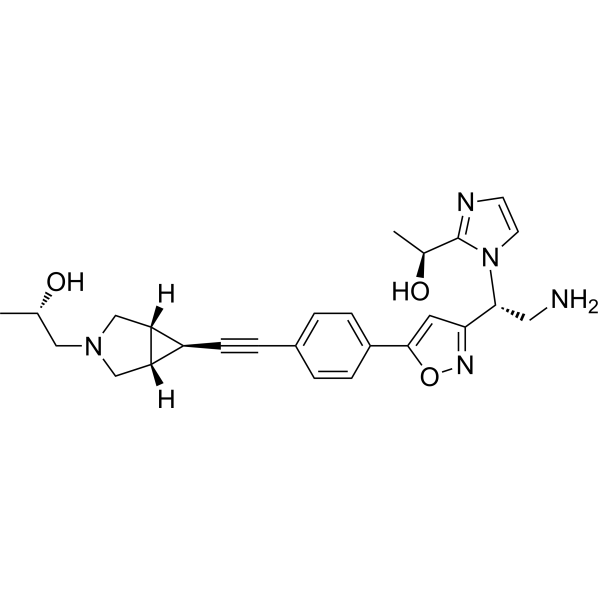
  • HY-153627

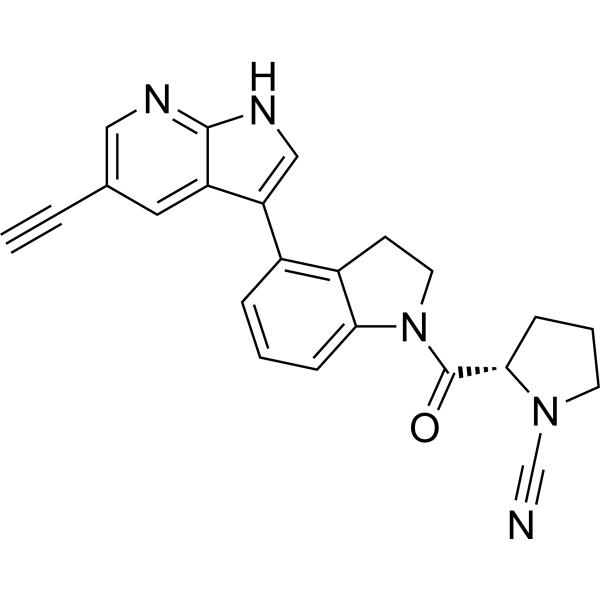
    Deubiquitinase Cancer
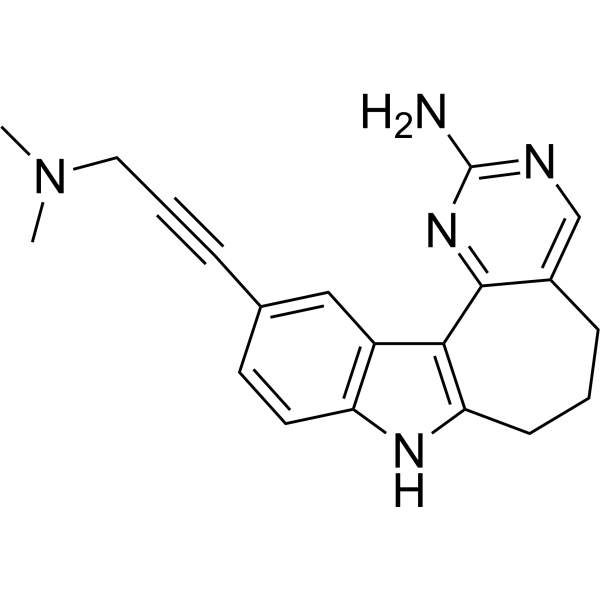
    GK13S is a deubiquitinase UCHL1 ligand and inhibitor. GK13S inhibits recombinant and cellular UCHL1. GK13S reduces levels of monoubiquitin in human glioblastoma cells . GK13S is a click chemistry reagent, it contains an Alkyne group and can undergo copper-catalyzed azide-alkyne cycloaddition (CuAAc) with molecules containing Azide groups.
    GK13S
  • HY-23460A
    p-Ethynylphenylalanine hydrochloride
    1 Publications Verification

    4-Ethynyl-L-phenylalanine hydrochloride

    Tryptophan Hydroxylase Neurological Disease
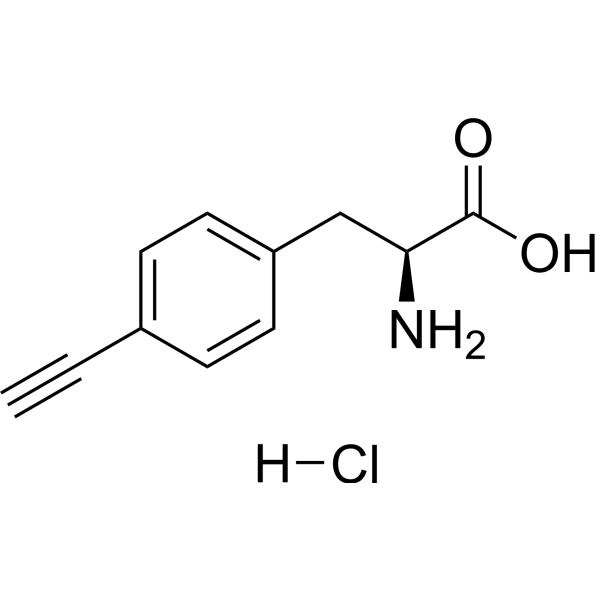
    p-Ethynylphenylalanine hydrochloride (4-Ethynyl-L-phenylalanine hydrochloride) is a potent, selective, reversible and competitive inhibitor of tryptophan hydroxylase (TPH), with a Ki of 32.6 μM . p-Ethynylphenylalanine (hydrochloride) is a click chemistry reagent, it contains an Alkyne group and can undergo copper-catalyzed azide-alkyne cycloaddition (CuAAc) with molecules containing Azide groups.
    p-Ethynylphenylalanine hydrochloride
  • HY-10284S

    BI 1356-d4

    Dipeptidyl Peptidase Autophagy Ferroptosis Metabolic Disease
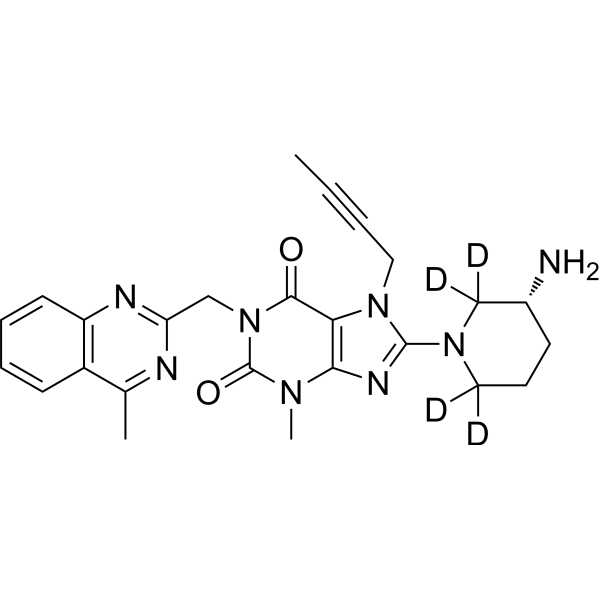
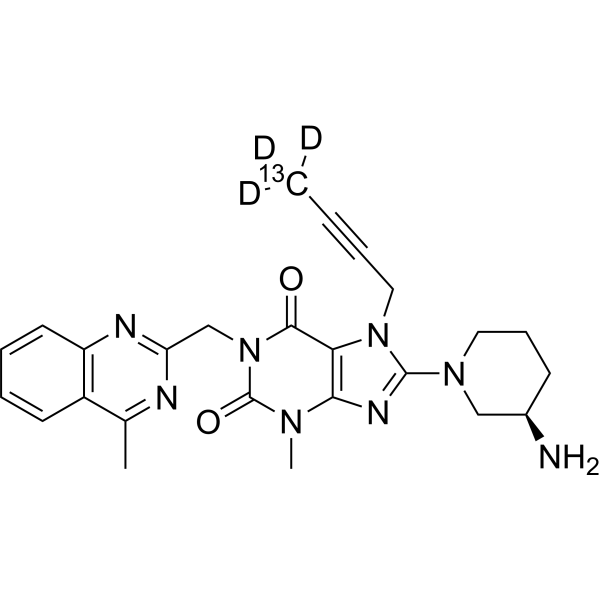
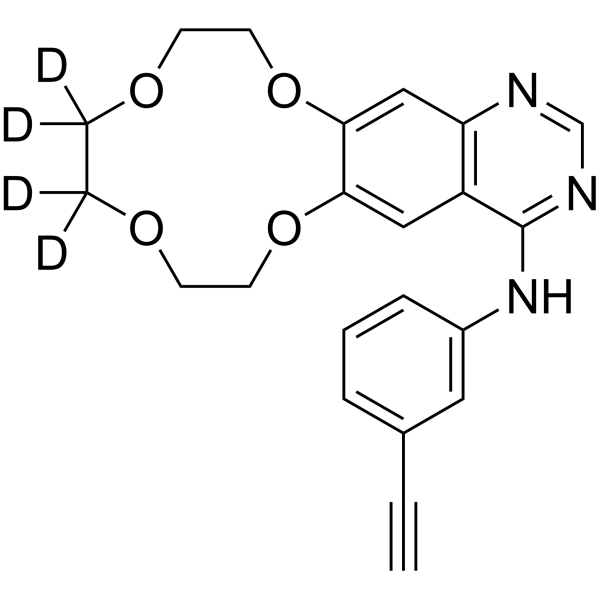
    Linagliptin-d4 is deuterium labeled Linagliptin. Linagliptin is a highly potent, selective DPP-4 inhibitor with IC50 of 1 nM. Linagliptin-d4 is a click chemistry reagent, it contains an Alkyne group and can undergo copper-catalyzed azide-alkyne cycloaddition (CuAAc) with molecules containing Azide groups.
    Linagliptin-d4
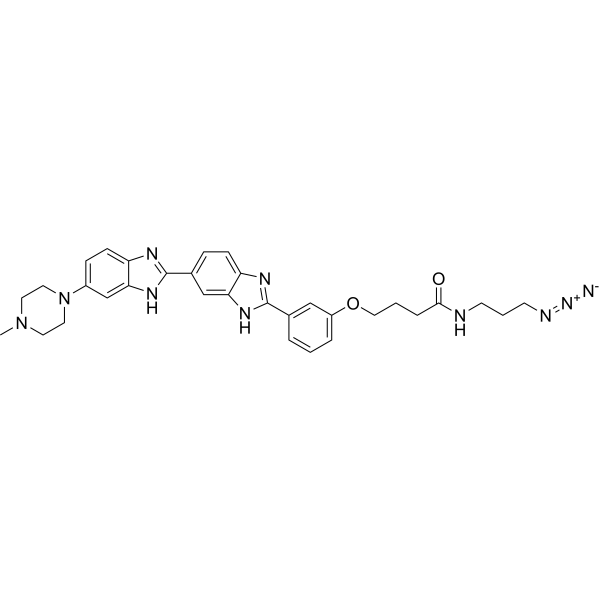
  • HY-160893

    PSMA Cancer
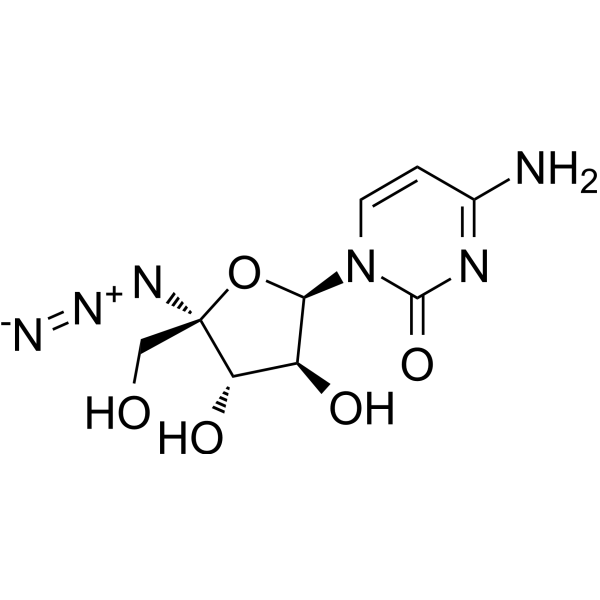
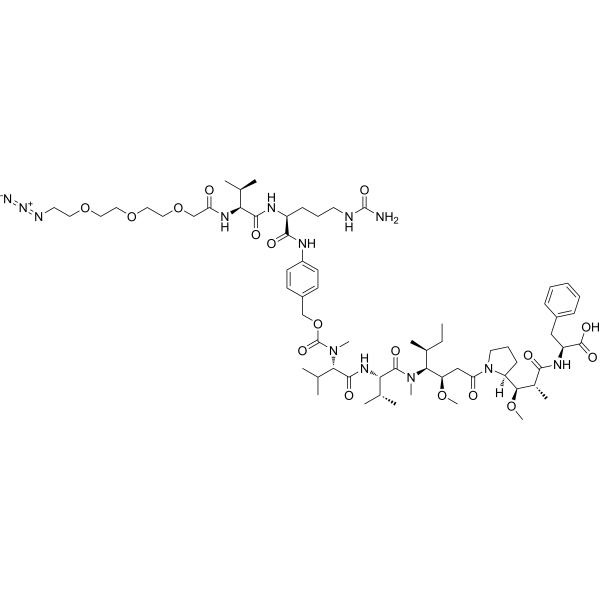
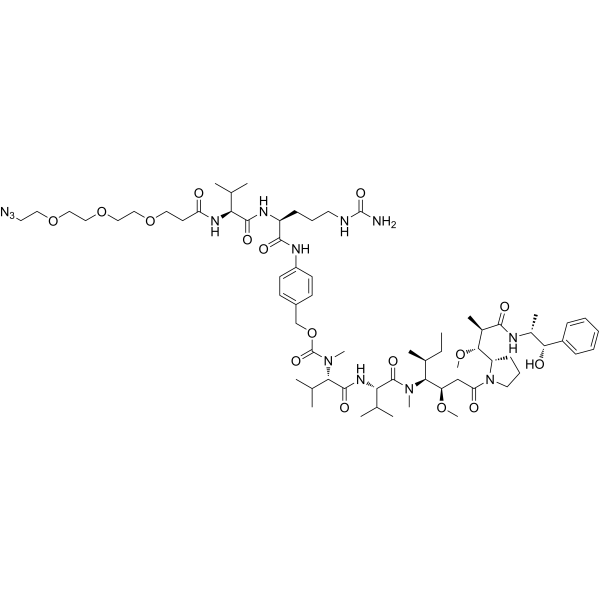
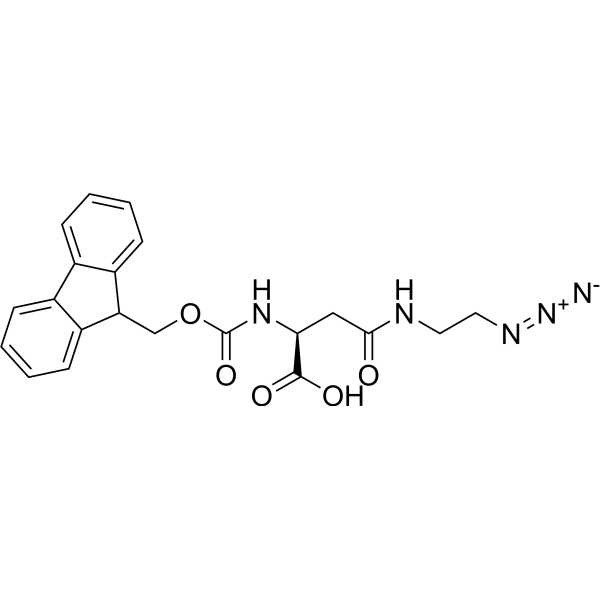
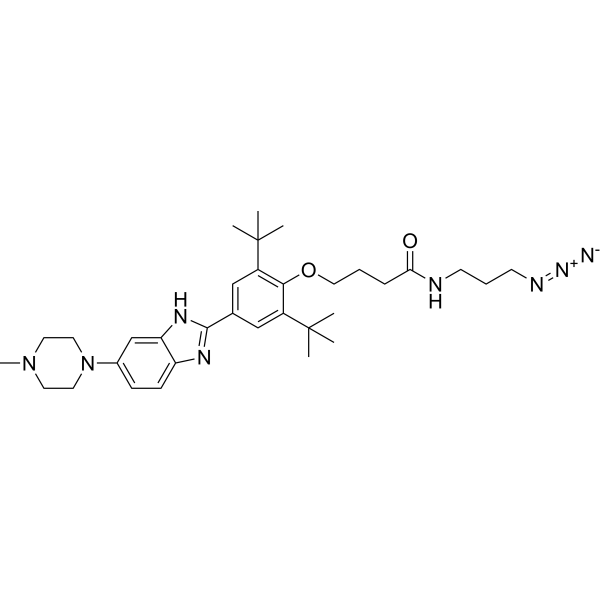
    PSMA-azide is a prostate-specific membrane antigen (PSMA) ligand. PSMA-azide inhibits PSMA-dependent NAAG (N-acetylaspartylglutamic acid) hydrolysis, with an IC50 of 9 nM and a Ki of 1 nM. PSMA-azide contains an Azide group and can undergo copper-catalyzed azide-alkyne cycloaddition reaction (CuAAc) with molecules containing Alkyne groups .
    PSMA-azide
  • HY-B0658A

    Zinc(II) acetate dihydrate, ACS, 98%

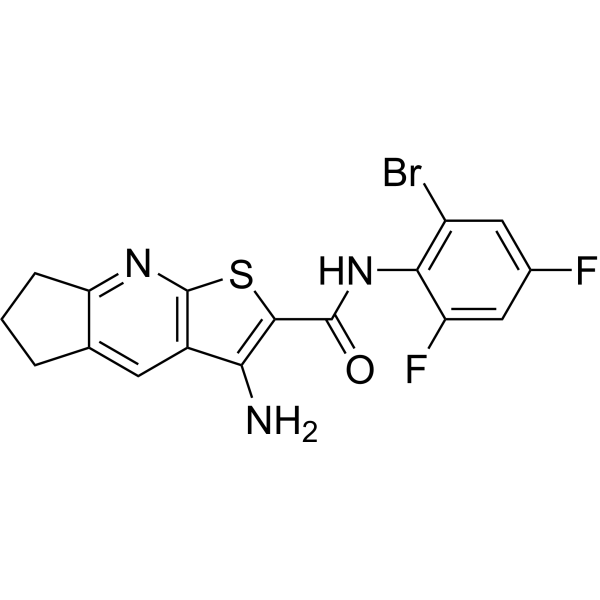
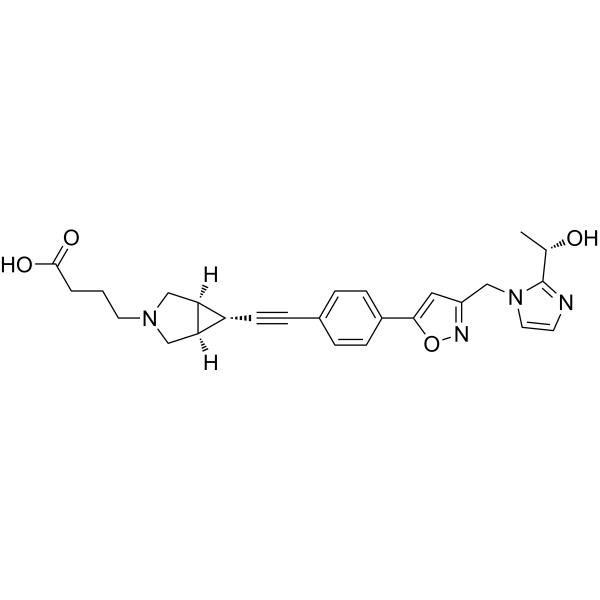
    Biochemical Assay Reagents Others
    Zinc acetate dihydrate, ACS, 98% (Zinc (II) acetate dihydrate, ACS, 98%) acts as a metal chelator and an intestinal metallothionein inducer. Zinc acetate dihydrate, ACS, 98% induces intestinal metallothionein synthesis and shortens the course of the common cold. Zinc acetate dihydrate, ACS, 98% is applicable to the research of copper metabolism disorder-related diseases, the common cold and Wilson's disease, as well as protein experiments .
    Zinc acetate dihydrate, ACS, 98%
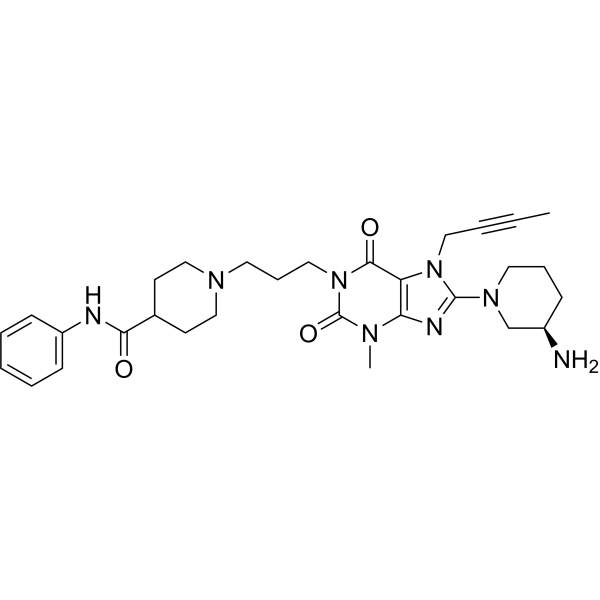
  • HY-10249D

    Akt Cancer
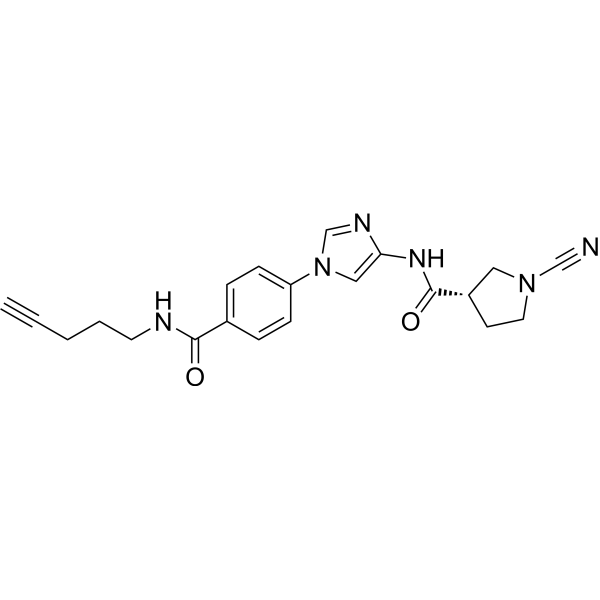
    AKT Kinase Inhibitor hydrochloride is an Akt kinase inhibitor with anti-tumor activity . AKT Kinase Inhibitor (hydrochloride) is a click chemistry reagent, it contains an Alkyne group and can undergo copper-catalyzed azide-alkyne cycloaddition (CuAAc) with molecules containing Azide groups.
    AKT Kinase Inhibitor hydrochloride
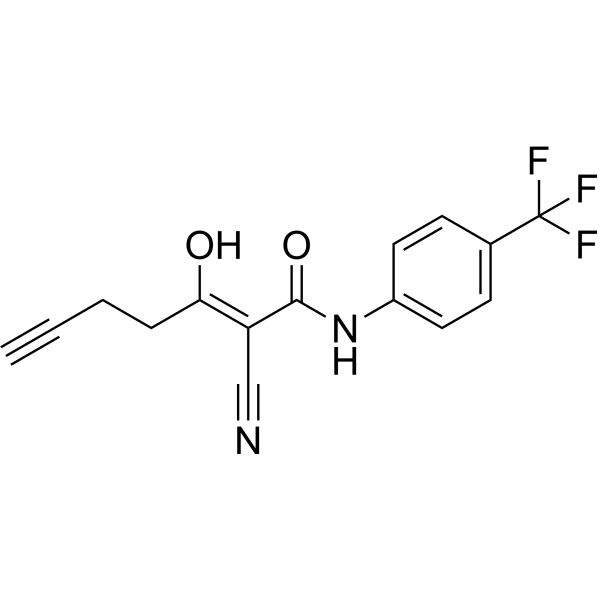
  • HY-101603

    FK778

    Biochemical Assay Reagents Inflammation/Immunology
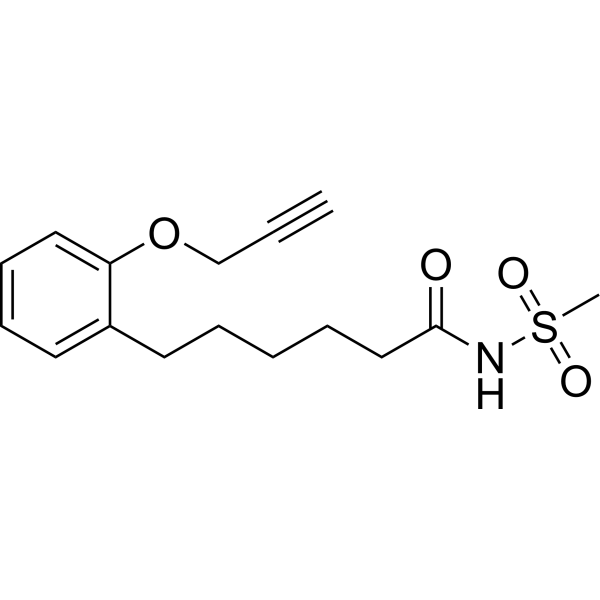
    Manitimus is an inhibitor of dehydroorotate dehydrogenase, and a potent immunosuppressive agent. Manitimus is a click chemistry reagent, it contains an Alkyne group and can undergo copper-catalyzed azide-alkyne cycloaddition (CuAAc) with molecules containing Azide groups.
    Manitimus
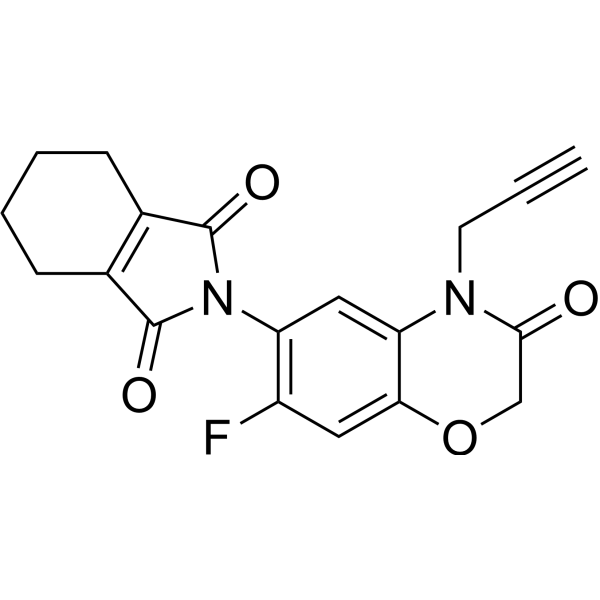
  • HY-114507

    Sumisoya; V-53482

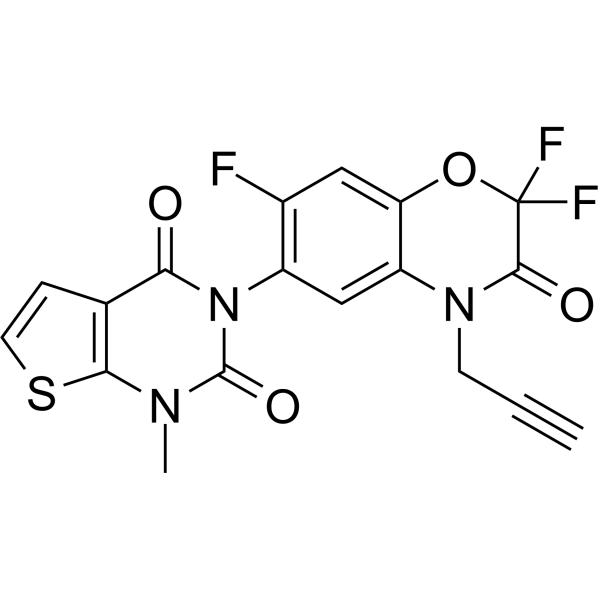
    Environmental Pollutants Herbicide Others
    Flumioxazin (Sumisoya) is an herbicide for use in soybean and peanut. Flumioxazin inhibits the enzyme protoporphyrinogen oxidase . Flumioxazin is a click chemistry reagent, it contains an Alkyne group and can undergo copper-catalyzed azide-alkyne cycloaddition (CuAAc) with molecules containing Azide groups.
    Flumioxazin
  • HY-15369

    Akt Apoptosis Cancer
    FPA-124, a cell-permeable copper complex, is a selective Akt inhibitor with an IC50 of 0.1 μM. FPA-124 interacts with both the pleckstrin homology (PH) and the kinase domains of Akt. FPA-124 induces apoptosis .
    FPA-124
  • HY-13256
    Desmethyl Erlotinib hydrochloride
    3 Publications Verification

    OSI-420; CP-373420 hydrochloride

    Drug Metabolite Cancer
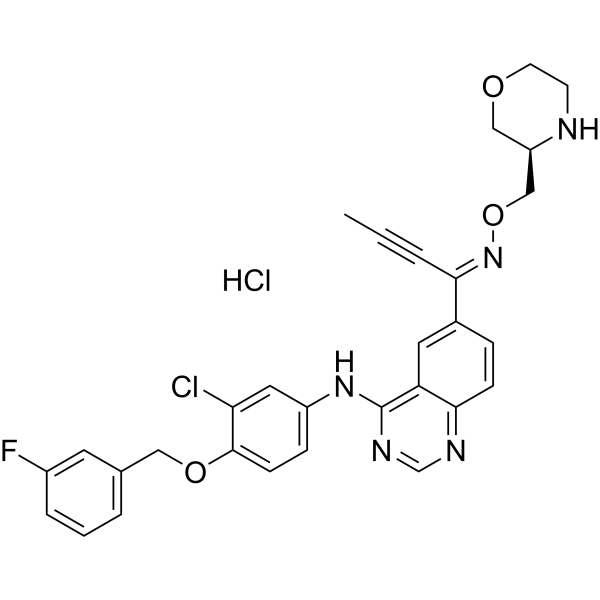
    Desmethyl Erlotinib hydrochloride (OSI-420) is an active metabolite of Erlotinib. Erlotinib is a potent EGFR tyrosin kinase inhibitor . Desmethyl Erlotinib (hydrochloride) is a click chemistry reagent, it contains an Alkyne group and can undergo copper-catalyzed azide-alkyne cycloaddition (CuAAc) with molecules containing Azide groups.
    Desmethyl Erlotinib hydrochloride
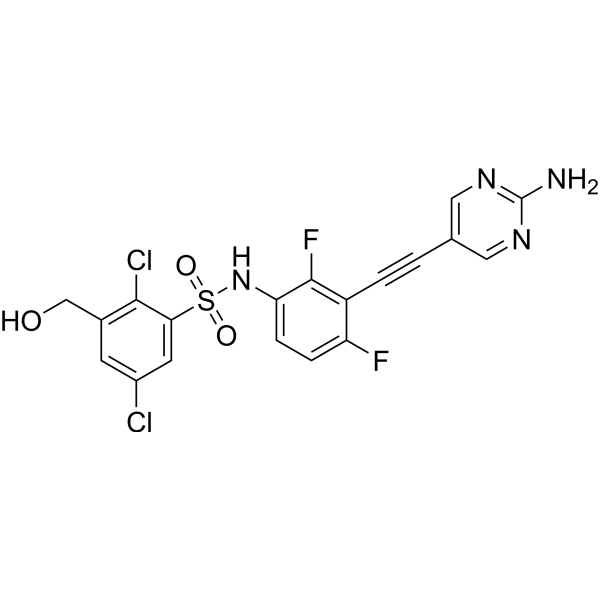
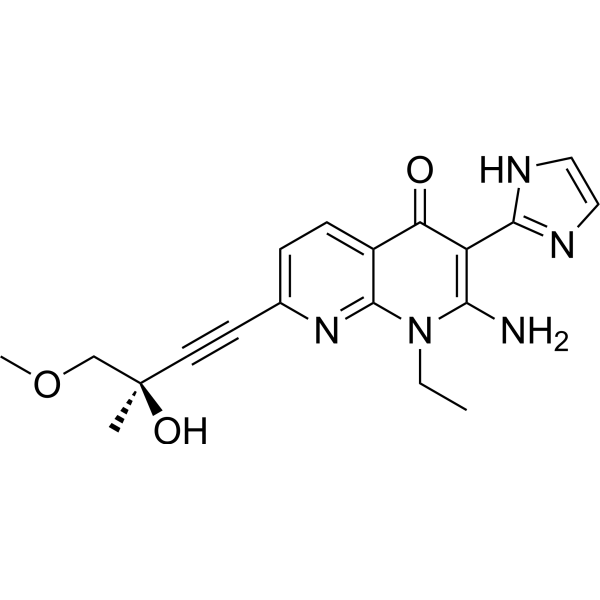
  • HY-12679

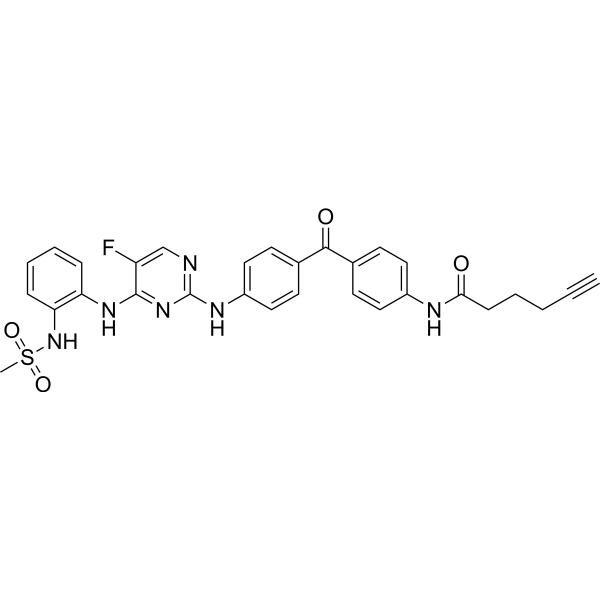
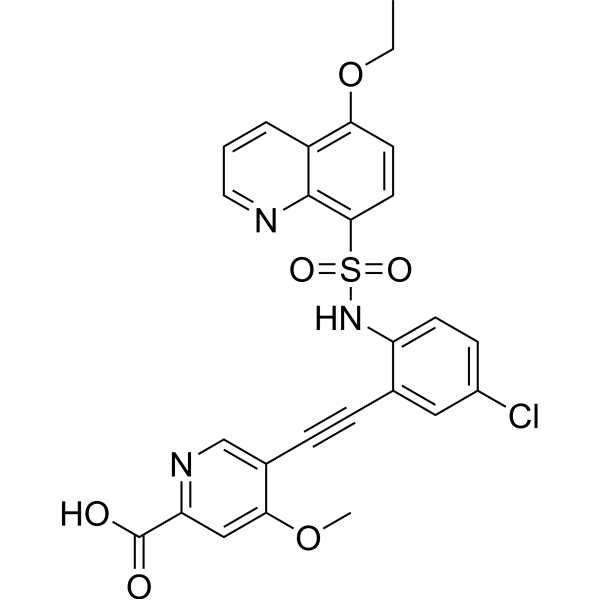
    Btk Cancer
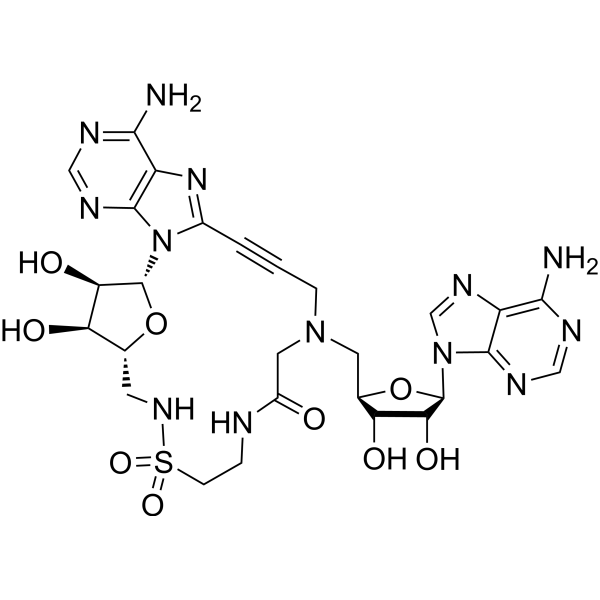
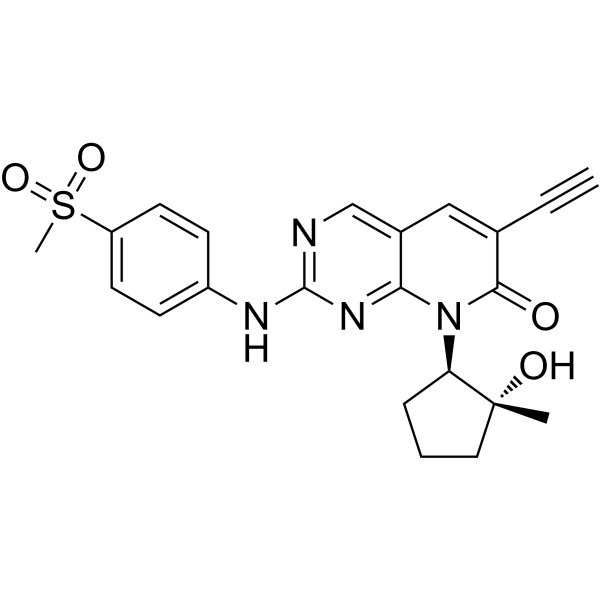
    PF-06658607 is an alkynylated irreversible Brutons tyrosine kinase (BTK) inhibitor that covalently reacts with active site cysteines in the ATP-binding pocket. PF-06658607 can be used to detect "off "-targets for covalent kinase inhibitors in cancer cells. The alkyne moiety allows for azide-based detection probe via copper-catalyzed click chemistry .
    PF-06658607
  • HY-D0876

    Biochemical Assay Reagents Others
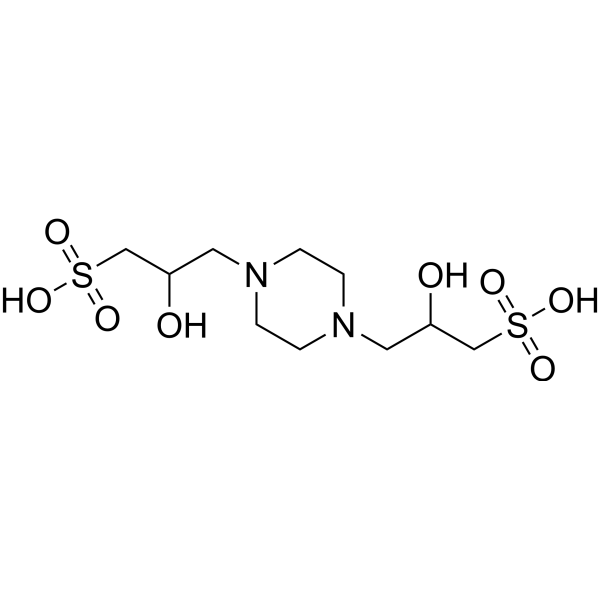
    POPSO is a zwitterionic buffer, increases osmolality and shows marked inhibition of anion uniport. POPSO inhibits chloride uniport with an IC50 value of 24 mM. POPSO enhances copper uptake and toxicity in alga, impairs mitochondrial inner membrane. The working pH range of POPSO sesquisodium salt is 7.2-8.5 .
    POPSO
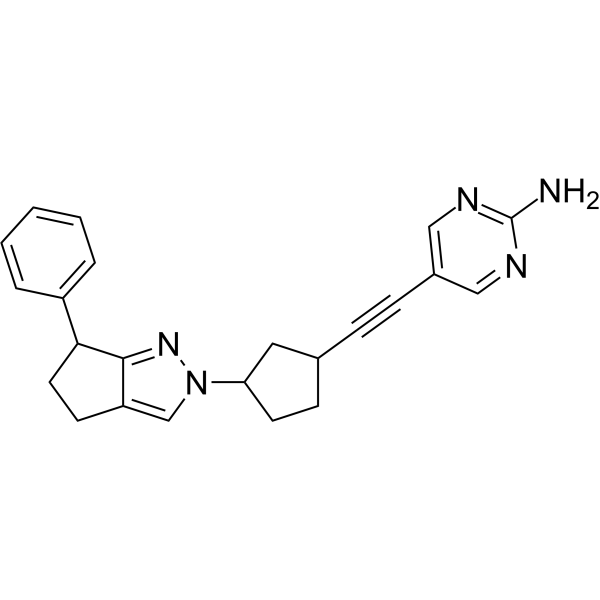
  • HY-124594
    CA inhibitor 1
    1 Publications Verification

    GS-6207 analog

    HIV Infection
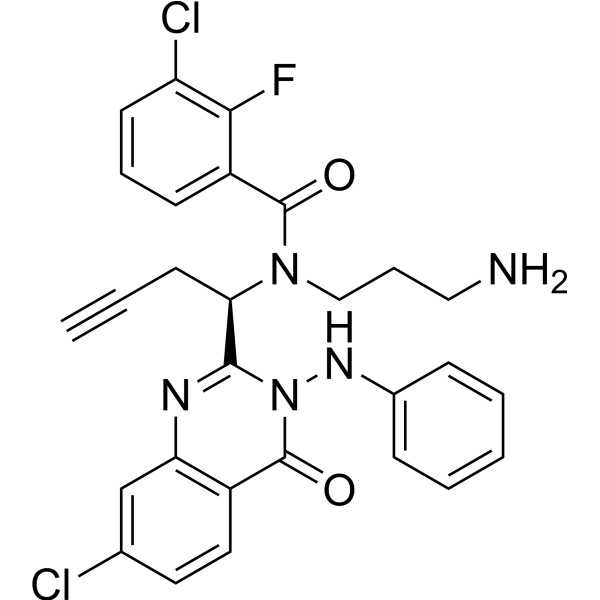
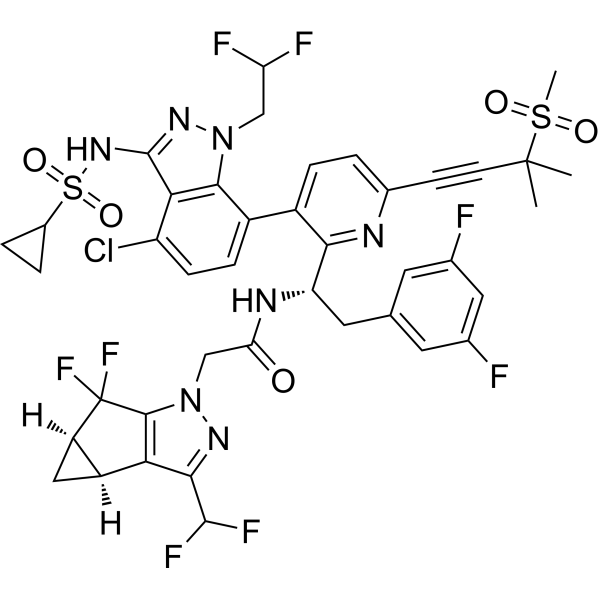
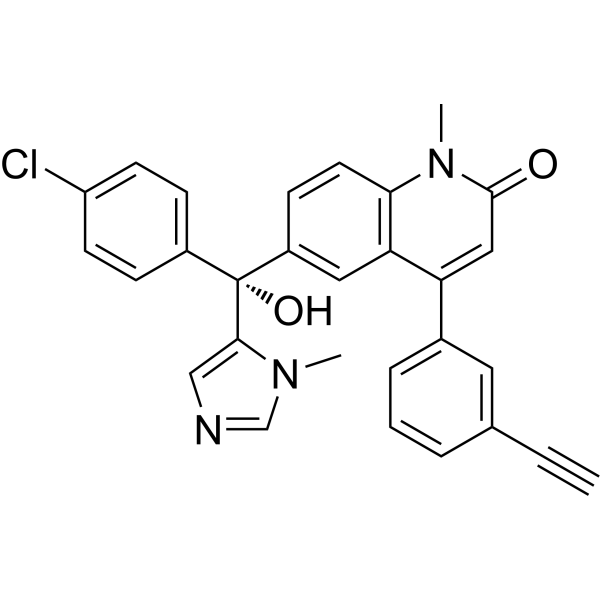
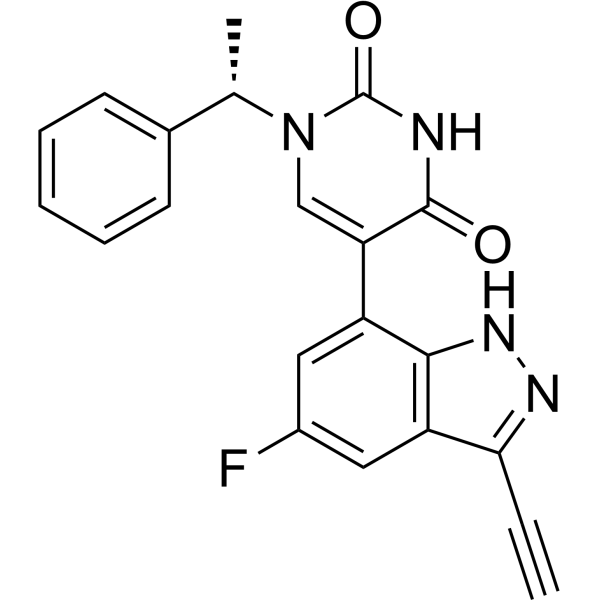
    CA inhibitor 1 (GS-6207 analog) is a potent HIV capsid inhibitor for HIV inhibition . CA inhibitor 1 is a click chemistry reagent, it contains an Alkyne group and can undergo copper-catalyzed azide-alkyne cycloaddition (CuAAc) with molecules containing Azide groups.
    CA inhibitor 1

Inquiry Online

Your information is safe with us. * Required Fields.

Salutation


Country or Region *

Applicant Name *


Organization Name *

Department *


Email Address *


Product Name *

Cat. No.


Requested quantity *

Phone Number *


Remarks

Inquiry Online

Inquiry Information

Product Name:
Cat. No.:
Quantity:
MCE Japan Authorized Agent: