



SirReal1-O-propargyl
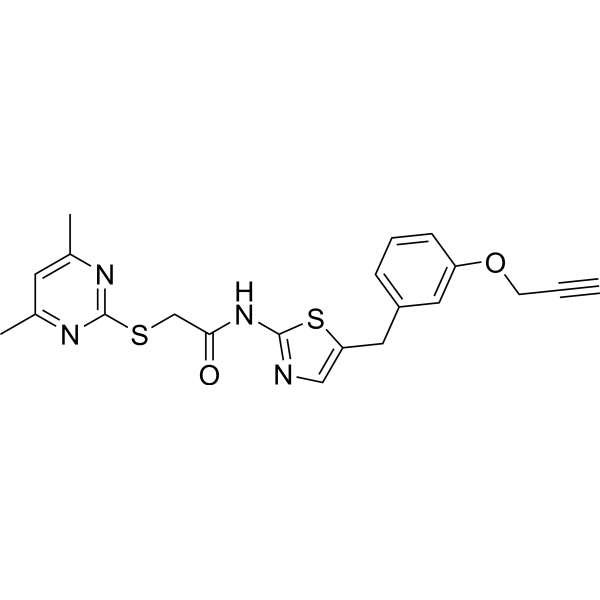
SirReal1-O-propargyl is a selective and highly potent Sirtuin 2 (Sirt2) inhibitor, with an IC50 of 2.4 μM. SirReal1-O-propargyl, the SirReal1-based moiety, binds to the cereblon ligand via a linker to form PROTAC to degrade Sirt2. SirReal1-O-propargyl is a click chemistry reagent, it contains an Alkyne group and can undergo copper-catalyzed azide-alkyne cycloaddition (CuAAc) with molecules containing Azide groups.
Nos produits utilisent uniquement pour la recherche. Nous ne vendons pas aux patients.
- CAS No.: 1862237-99-7
- Formule: C21H20N4O2S2
- Masse moléculaire:424.54
-
Stockage:
4°C, stored under nitrogen
* In solvent : -80°C, 6 months; -20°C, 1 month (stored under nitrogen)

To place orders, for customer services and technical support, please contact: MedChemExpress USA
Tel: 609-228-6898 E-mail: [email protected] [email protected]


-
 Activité biologique
-
Chemical Information
- Protocole
- Pureté et documentation
- Références
-
 Help & FAQs


-
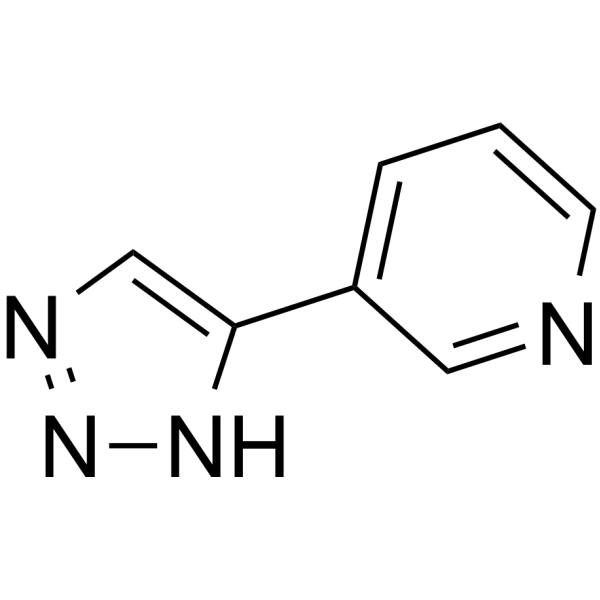
HY-108331
3-TYPSIRT3 Inhibitor -
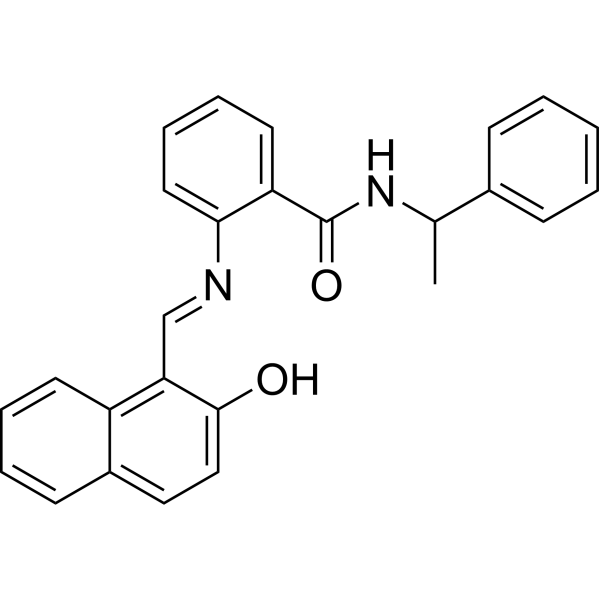
HY-13515
SirtinolSirtuin Inhibitor -
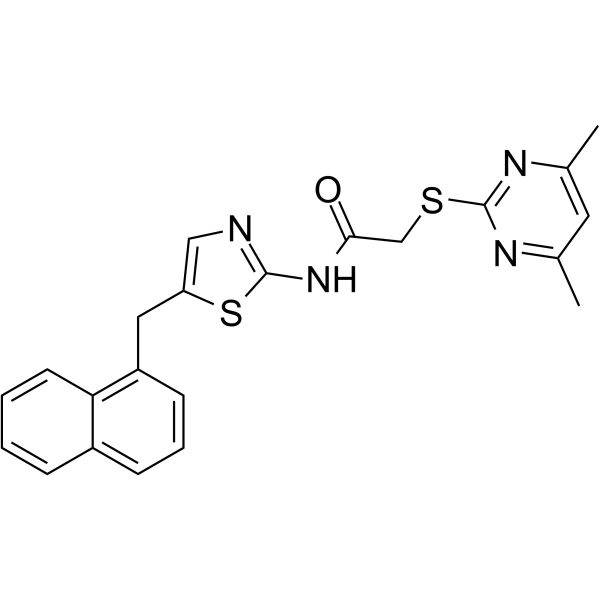
HY-100591
SirReal2Sirt2 Inhibitor -
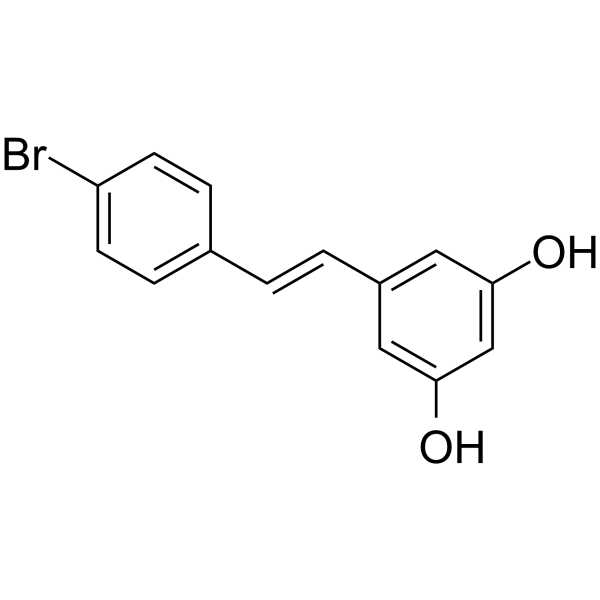
HY-124113
4'-Bromo-resveratrolSIRT1/SIRT3 Inhibitor -
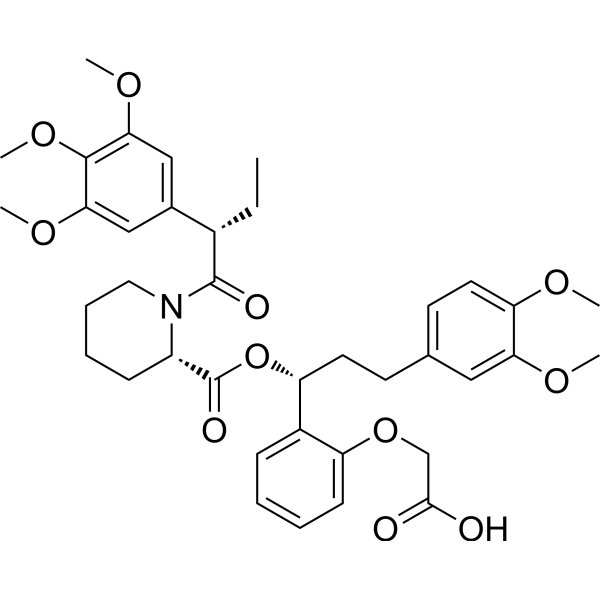
HY-114420
AP1867-2-(carboxymethoxy)Ligands for Target Protein for PROTAC -
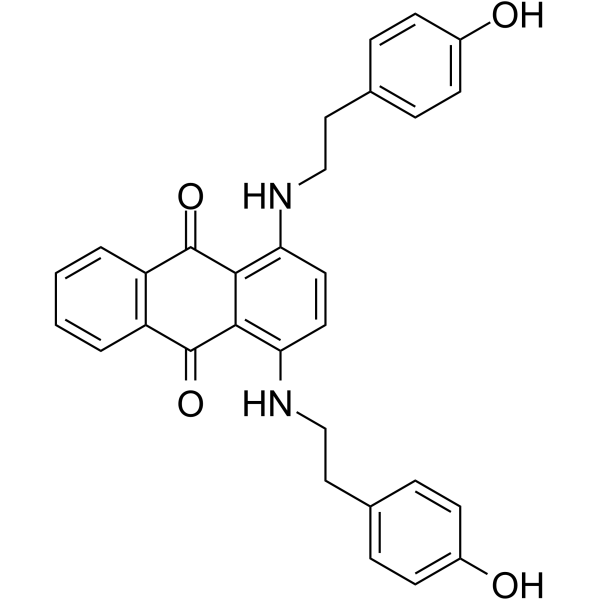
HY-108986
JFD00244SIRT2 Inhibitor -
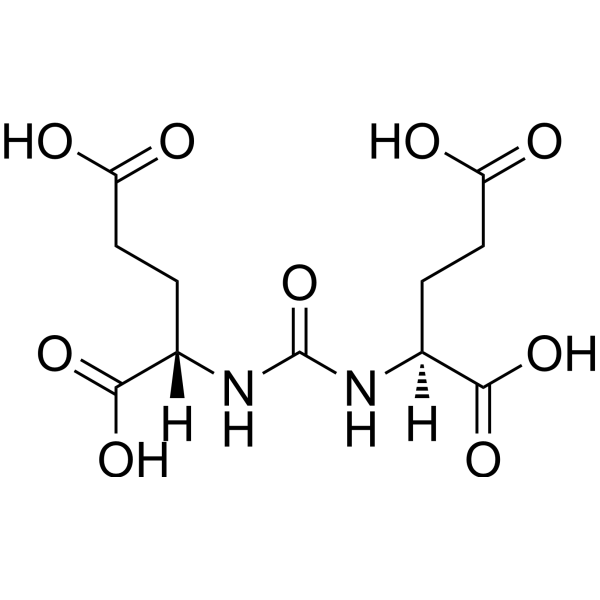
HY-111606
DUPALigands for Target Protein for PROTAC -
HY-124625
BI-4464PTK2/FAK Inhibitor -

HY-100591R
SirReal2 (Standard)Sirt2 Inhibitor -
HY-111317
SIRT1 activator 3Sirtuin Activator -
HY-107451
PROTAC BET-binding moiety 1Intermediate -
HY-123033A
Nicotinamide riboside chlorideEndogenous Metabolite


Activité biologique
Description
IC50 & Target
|
SIRT2 |


Chemical Information
-
CAS No. 1862237-99-7
-
Appearance Solid
-
Masse moléculaire 424.54
-
Formule C21H20N4O2S2
-
Color White to yellow
-
SMILES
O=C(NC1=NC=C(CC2=CC=CC(OCC#C)=C2)S1)CSC3=NC(C)=CC(C)=N3
-
Synonyms
PROTAC Sirt2-binding moiety 1
-
Livraison
Room temperature in continental US; may vary elsewhere.
-
Stockage
4°C, stored under nitrogen
* In solvent : -80°C, 6 months; -20°C, 1 month (stored under nitrogen)


Pureté et documentation
-
Fiche technique (265 KB)
-
SDS (252 KB)
- Français - FR (252 KB)
- Deutsch - DE (252 KB)
- Norwegian - NO (252 KB)
- Español - ES (252 KB)
- Swedish - SV (252 KB)
- Italian - IT (252 KB)
- Korean - KR (252 KB)
- Portuguese - PT (252 KB)
-
Instruction de manipulation (2659 KB)
Références

Calculators
Concentration (start) × Volume (start) = Concentration (final) × Volume (final)


SirReal1-O-propargyl Related Classifications
HY-107453 Related Classifications
 Powered by Bioz