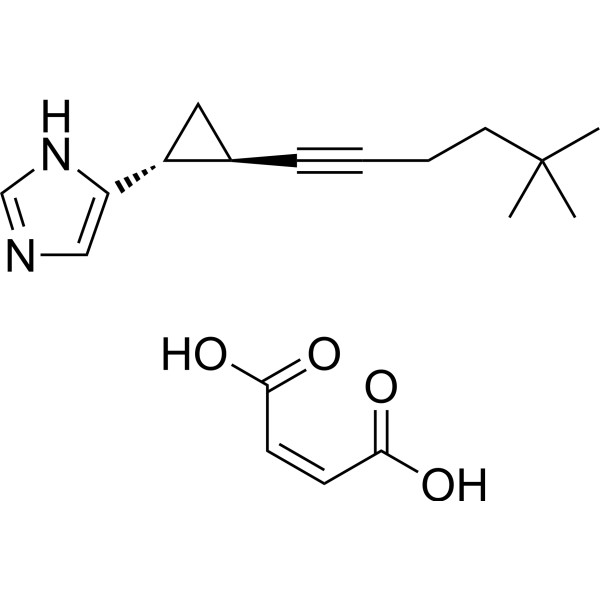
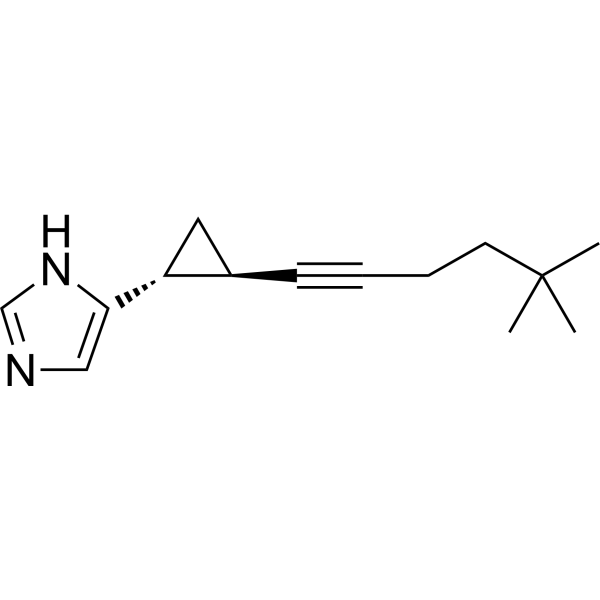
1. Search Result
Search Result
Results for "

Histamine receptor

" in MedChemExpress (MCE) Product Catalog:

616

Inhibitors & Agonists

2

Screening Libraries

1

Fluorescent Dyes

3

Biochemical Assay Reagents

7

Peptides

37

Natural
Products

3

Recombinant Proteins

86

Isotope-Labeled Compounds

1

Antibodies

1

Click Chemistry

Targets Recommended:
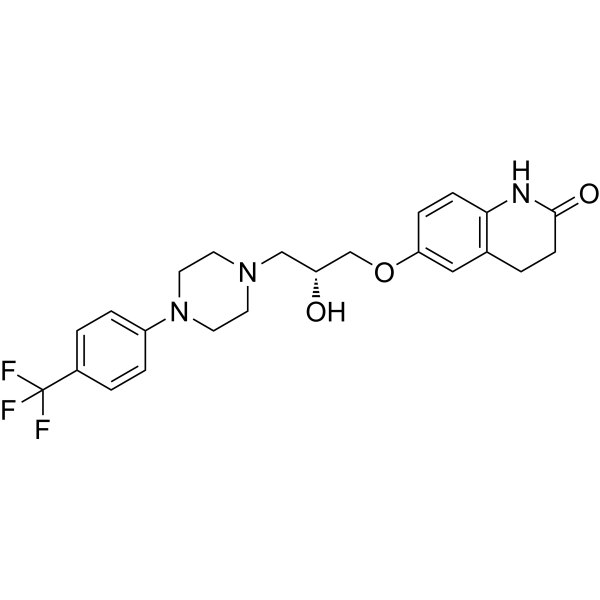
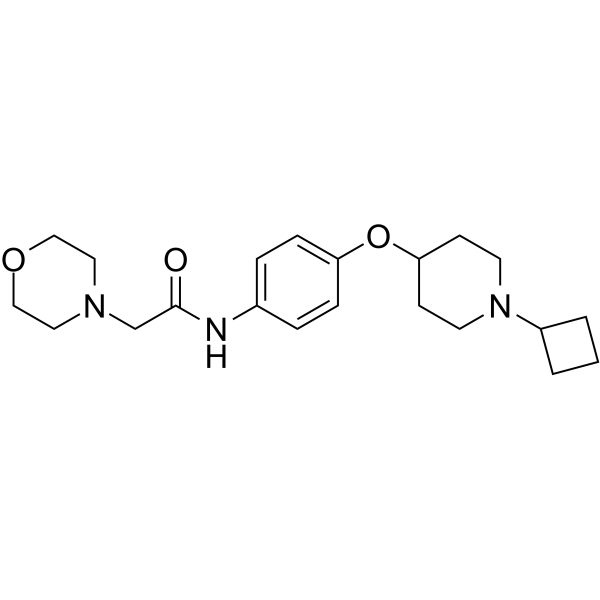
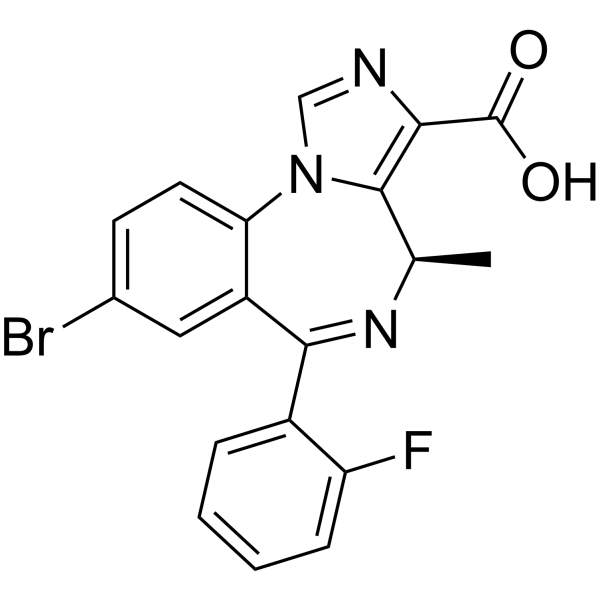
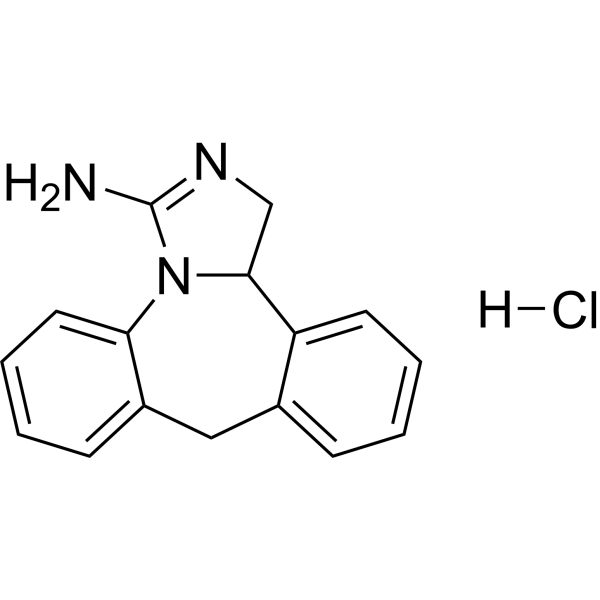
Cat. No. Product Name Target Research Areas Chemical Structure
  • HY-10121
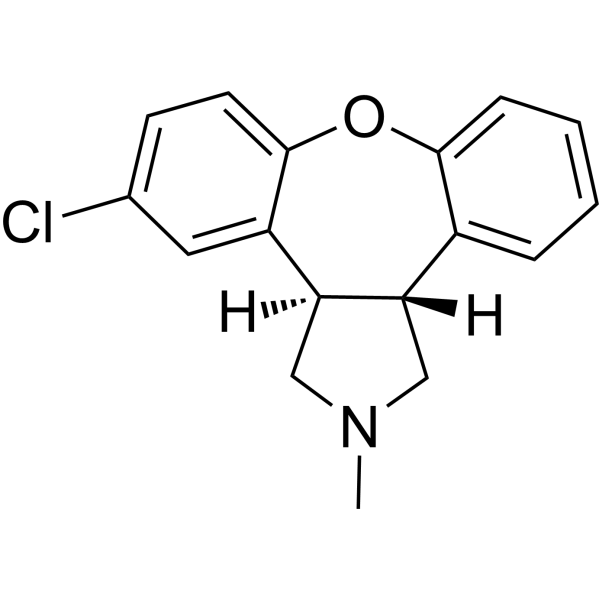
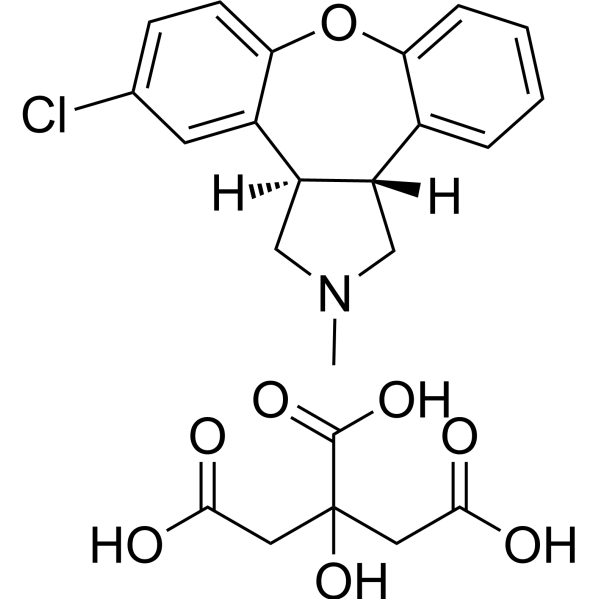
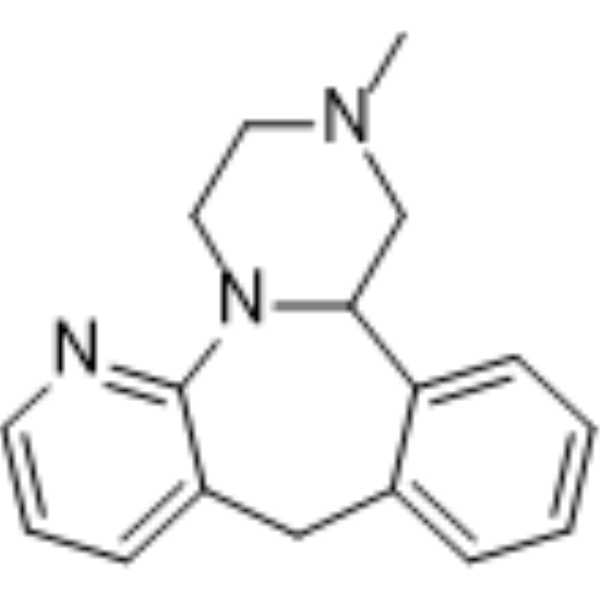
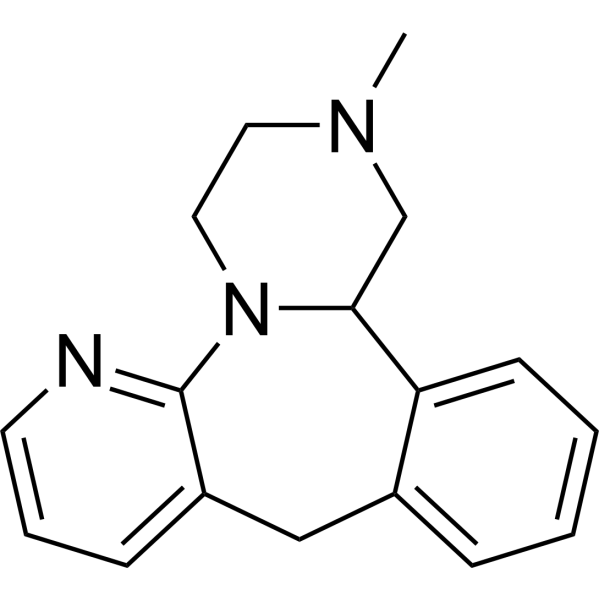
    Asenapine
    3 Publications Verification

    Org 5222

    5-HT Receptor Adrenergic Receptor Dopamine Receptor Histamine Receptor Neurological Disease
    Asenapine (Org 5222), an atypical antipsychotic, is an antagonist of serotonin receptors (pKi: 8.4-10.5), adrenoceptors (pKi: 8.9-9.5), dopamine receptors (pKi: 8.9-9.4) and histamine receptors (pKi: 8.2-9.0). Asenapine can be used in the research of schizophrenia and bipolar disorder .
    Asenapine
  • HY-12206
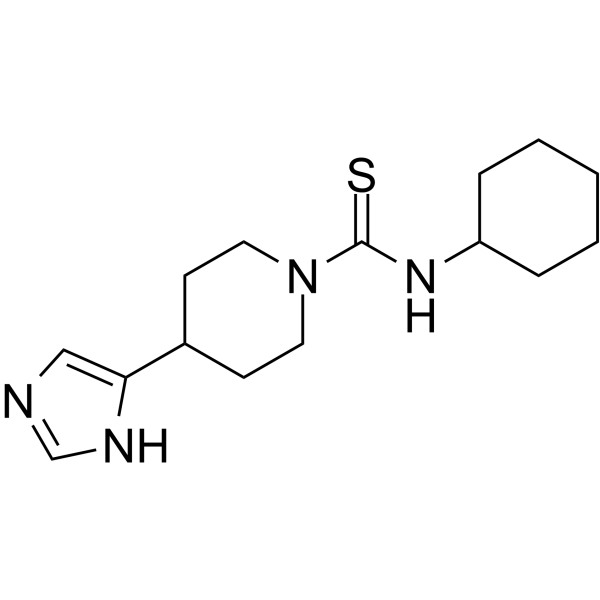
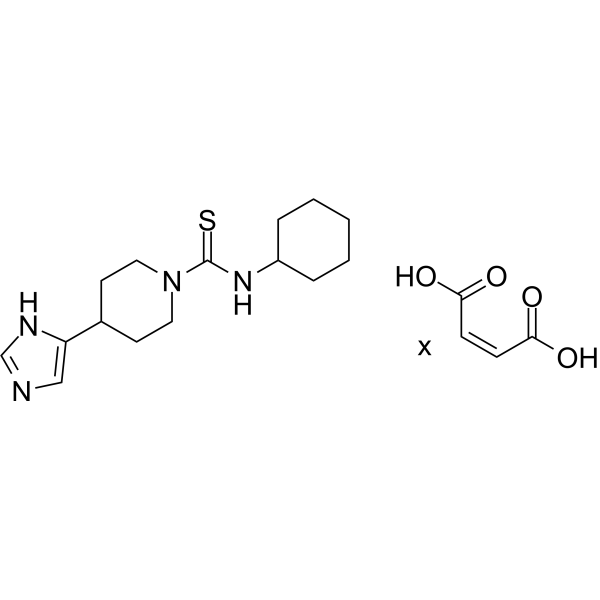
    Thioperamide
    3 Publications Verification

    MR-12842

    Histamine Receptor Neurological Disease
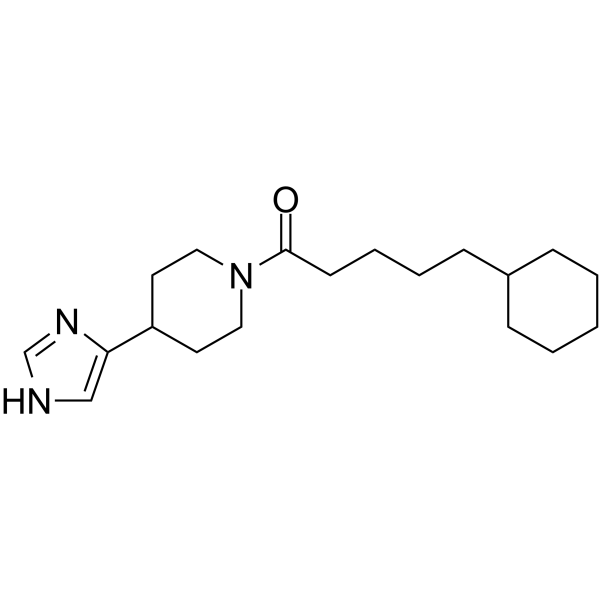
    Thioperamide (MR-12842) is a potent, orally available, brain penetrant and selective H3 receptor antagonist with a Ki of 4.3 nM for inhibition of [ 3H]histamine release. Thioperamide inhibits [ 3H]histamine synthesis with a Ki of 31 nM .
    Thioperamide
  • HY-B1296
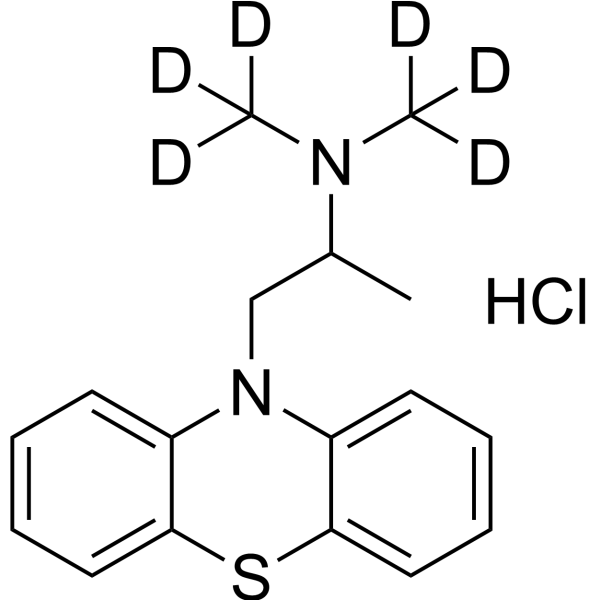
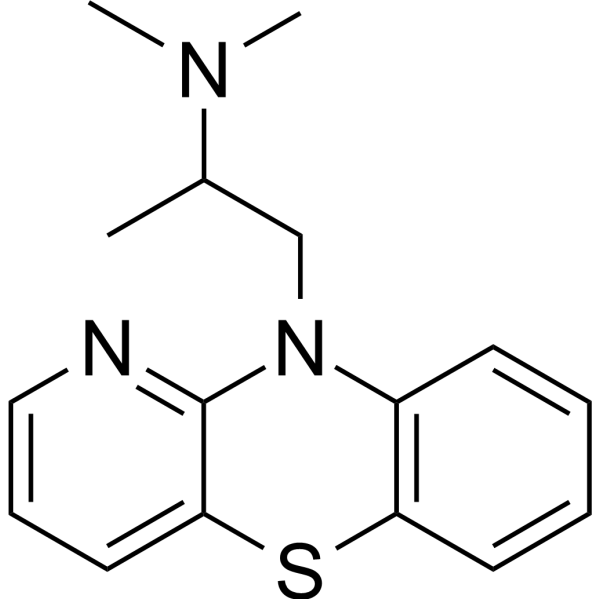
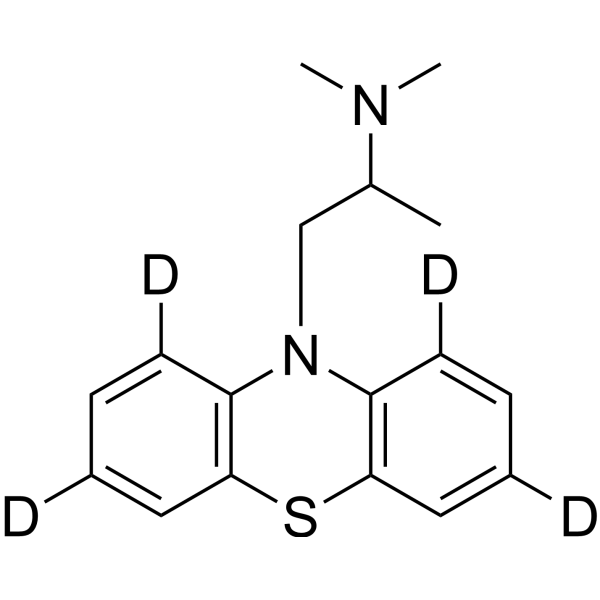
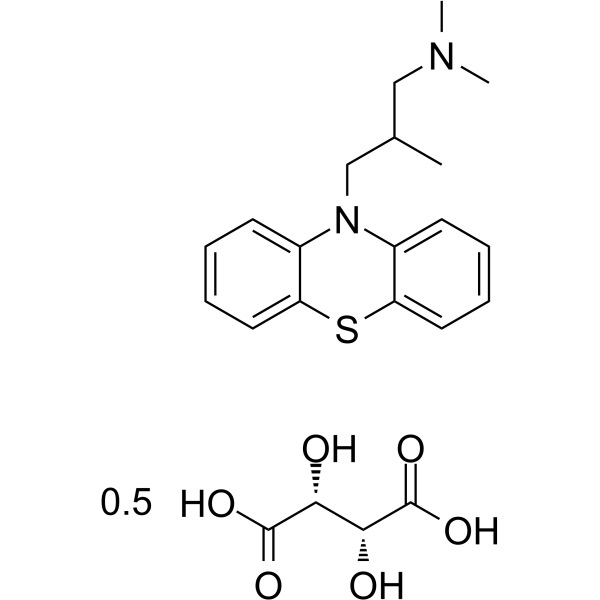
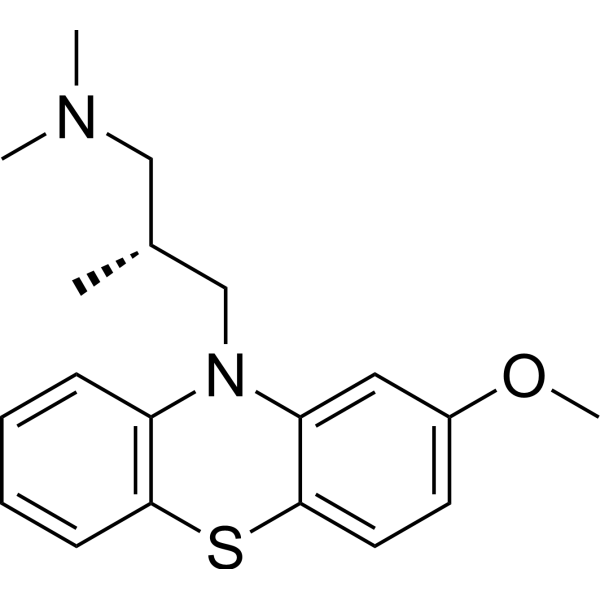
    Promethazine
    1 Publications Verification

    (±)-Promethazine

    Histamine Receptor Neurological Disease Endocrinology
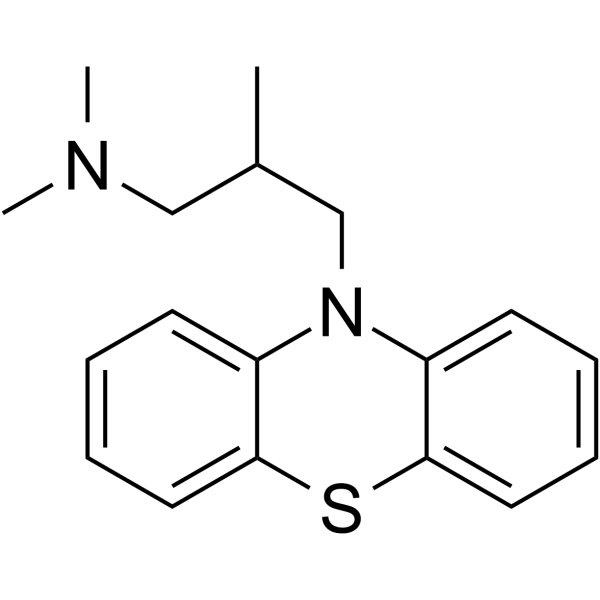
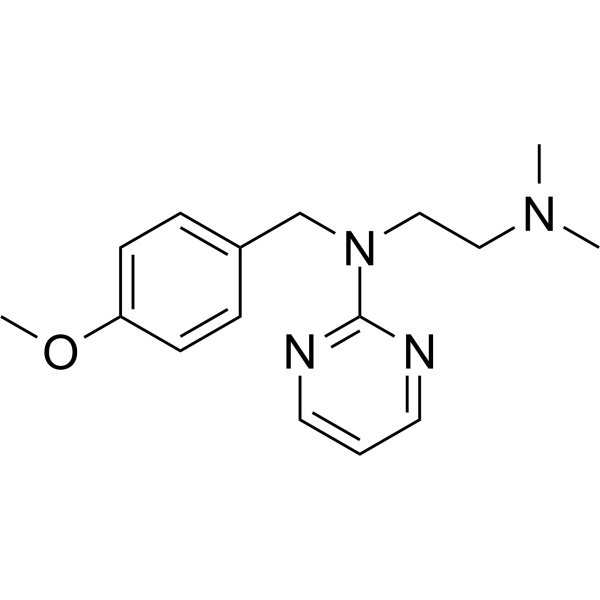
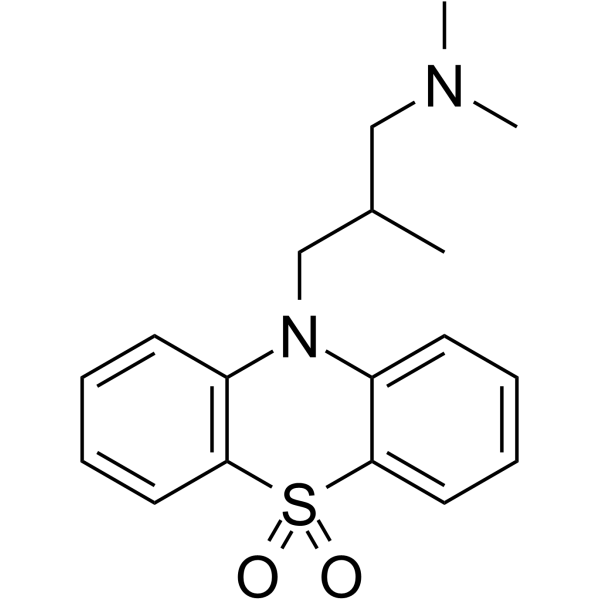
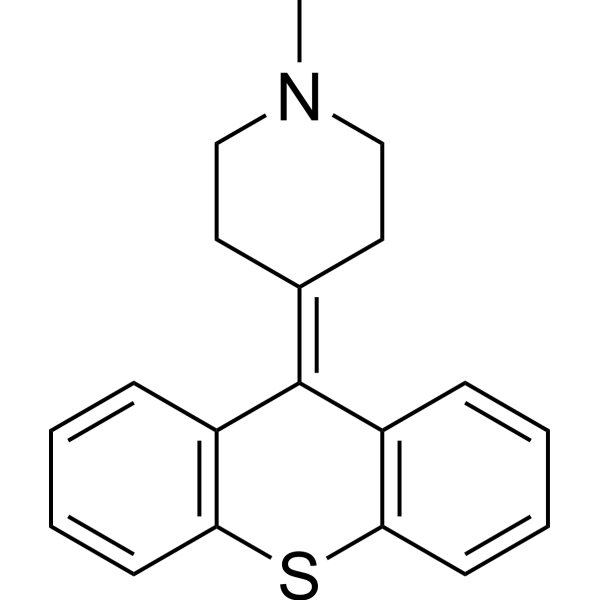
    Promethazine is an orally active histamine receptor antagonist . Promethazine is first-generation antihistamine of the phenothiazine family, shows strong sedative and weak antipsychotic effects .
    Promethazine
  • HY-11100
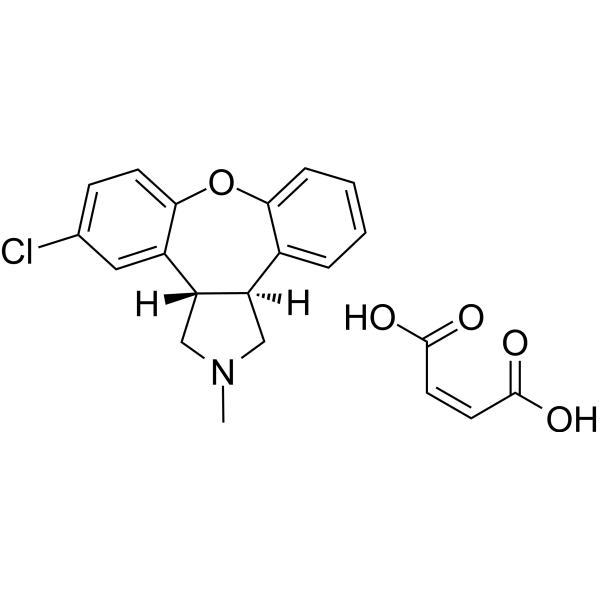
    Asenapine maleate
    3 Publications Verification

    Org 5222 maleate

    5-HT Receptor Neurological Disease
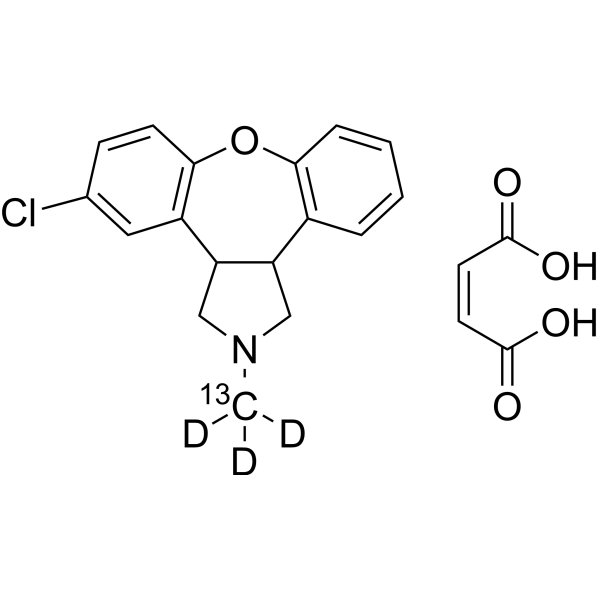
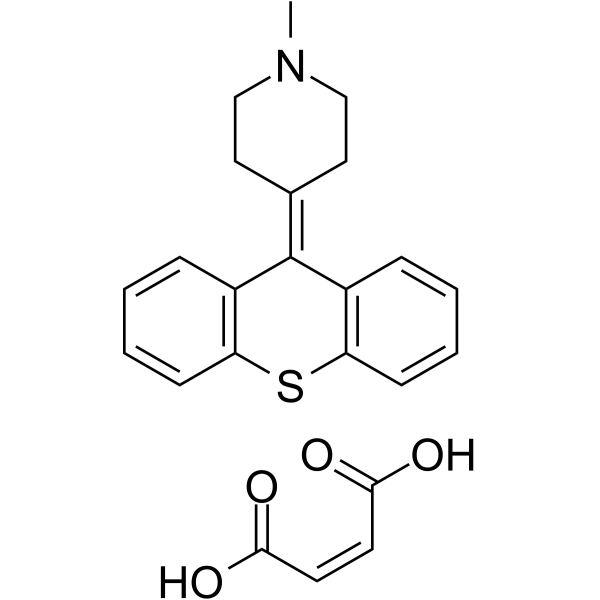
    Asenapine (Org 5222) maleate, a brain-penetrant atypical antipsychotic, is an antagonist of serotonin receptors (pKi: 8.4-10.5), adrenoceptors (pKi: 8.9-9.5), dopamine receptors (pKi: 8.9-9.4) and histamine receptors (pKi: 8.2-9.0). Asenapine maleate can be used in the research of schizophrenia and bipolar disorder .
    Asenapine maleate
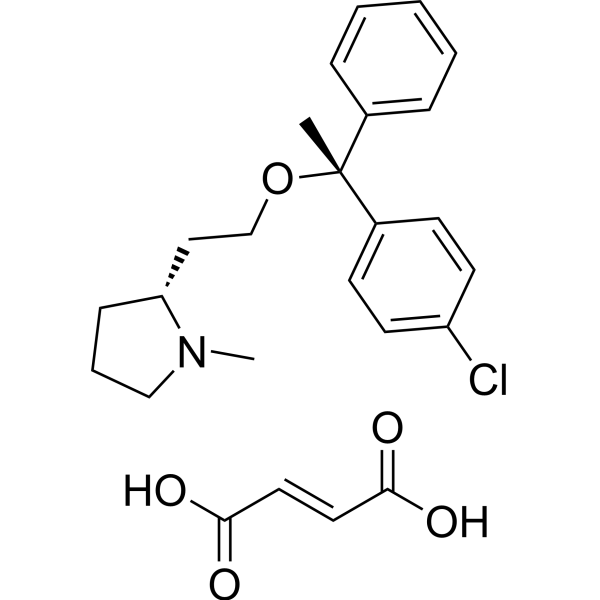
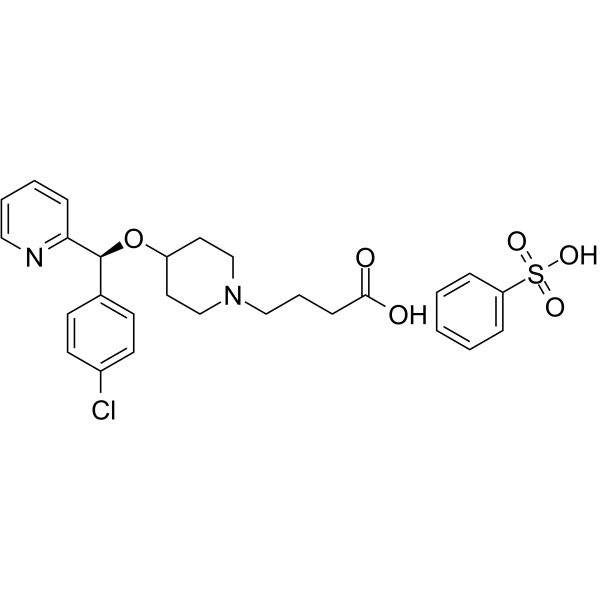
  • HY-B0298
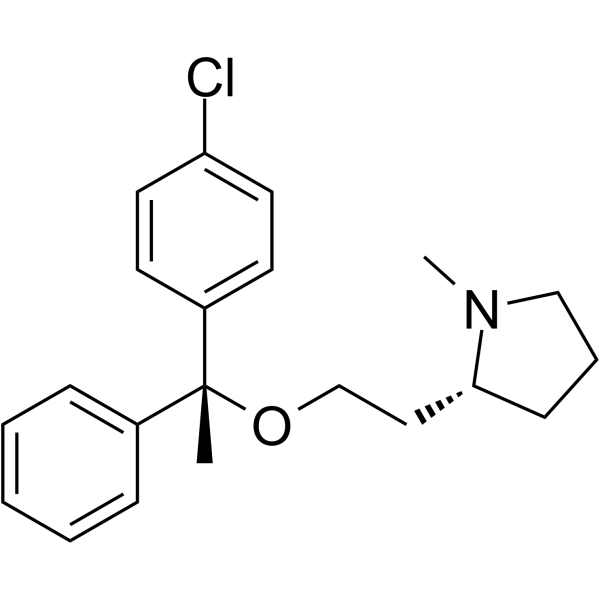
    Clemastine
    10+ Cited Publications

    HS-592; Meclastine

    Histamine Receptor mAChR Autophagy Apoptosis Keap1-Nrf2 p62 mTOR Pyroptosis IKK Cardiovascular Disease Neurological Disease Inflammation/Immunology
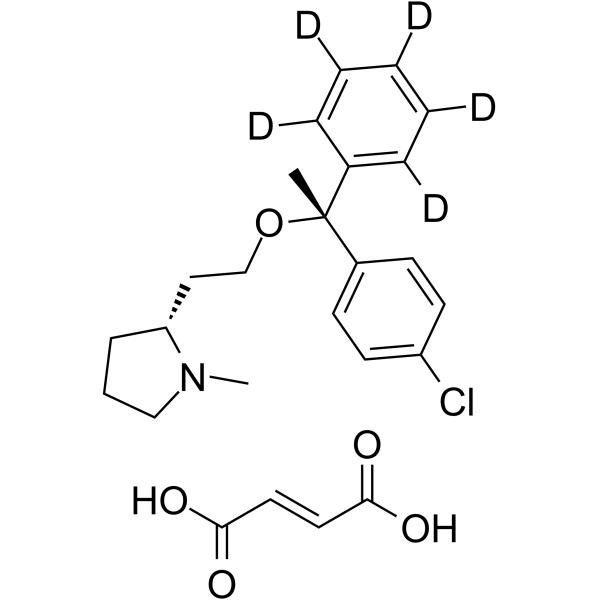
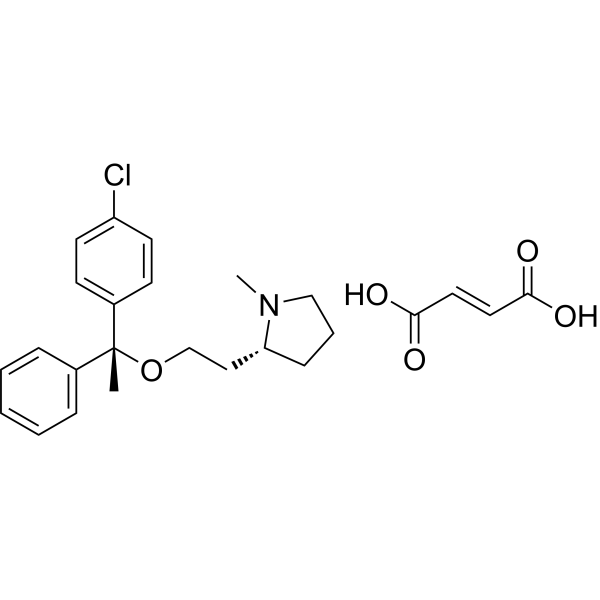
    Clemastine (HS-592; Meclastine) is an orally active, blood-brain barrier-permeable H1 histamine receptor (H1 histamine receptor) antagonist with potent antiallergic effects. Clemastine also antagonizes muscarinic acetylcholine receptors (mAChR), particularly the M1 and M4 subtypes. In addition to antihistamine effects, Clemastine exhibits multiple pharmacological activities, especially in promoting central nervous system remyelination, activating autophagy and pyroptosis, exerting anti-apoptotic and neuroprotective effects, and suppressing inflammation .
    Clemastine
  • HY-B1303A

    Histamine Receptor Inflammation/Immunology Endocrinology
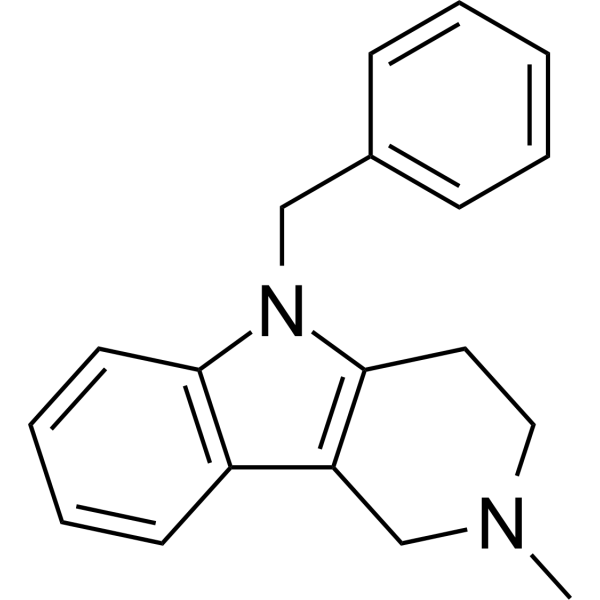
    Mebhydrolin is a specific histamine H1 receptor antagonist.
    Mebhydrolin
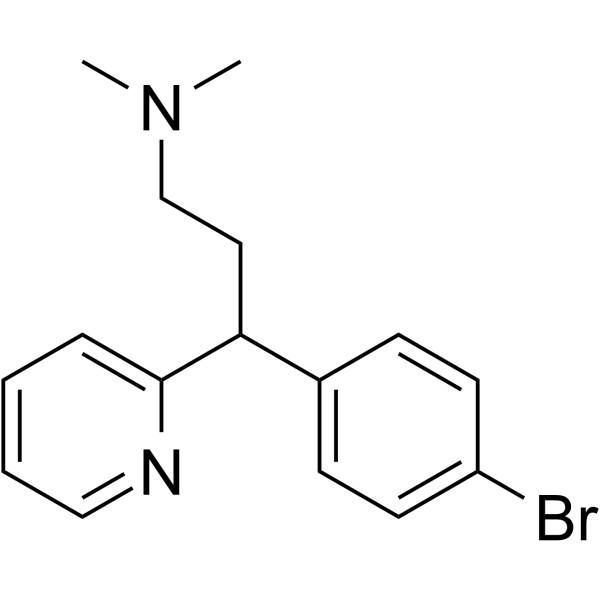
  • HY-A0191

    (+)-Brompheniramine; (S)-Brompheniramine

    Endogenous Metabolite Histamine Receptor TRP Channel Neurological Disease Metabolic Disease Inflammation/Immunology
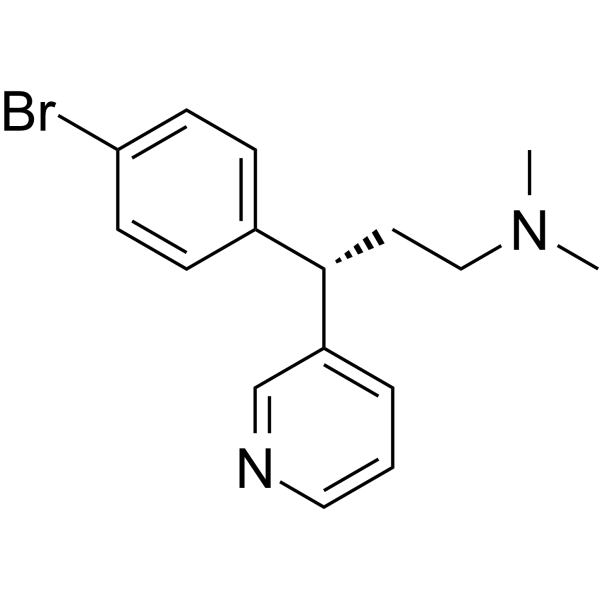
    Dexbrompheniramine ((+)-Brompheniramine; (S)-Brompheniramine) is a dual inhibitor of histamine H1 receptor and TRPV1 receptor that can cross the blood-brain barrier. Dexbrompheniramine exerts its effects by functionally blocking H1 receptor activity and dose-dependently inhibiting TRPV1-mediated calcium responses, including Capsaicin (HY-10448)-induced responses. The combination of Dexbrompheniramine with Cimetidine (HY-14289) eliminates histamine-induced and sham-feeding-induced drinking behavior, whereas Dexbrompheniramine alone does not induce thirst or alter sham-feeding behavior in rats. Dexbrompheniramine can be used in the research of chronic cough and related pathological mechanisms .
    Dexbrompheniramine
  • HY-B1589A
    Carbinoxamine maleate salt
    1 Publications Verification

    Histamine Receptor Influenza Virus Infection Inflammation/Immunology
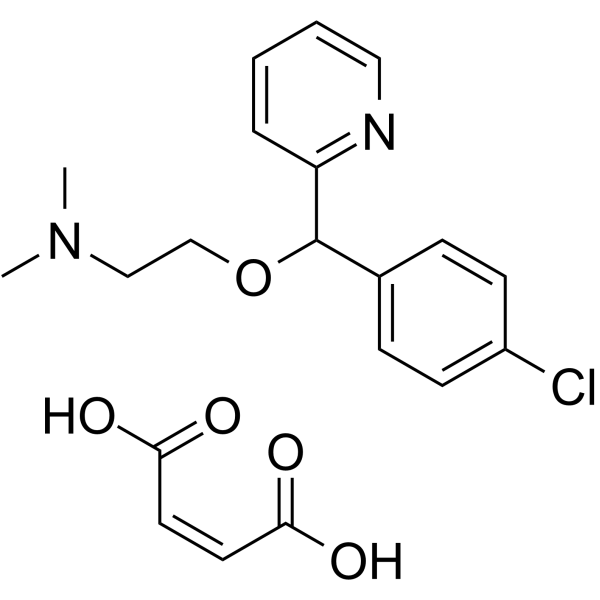
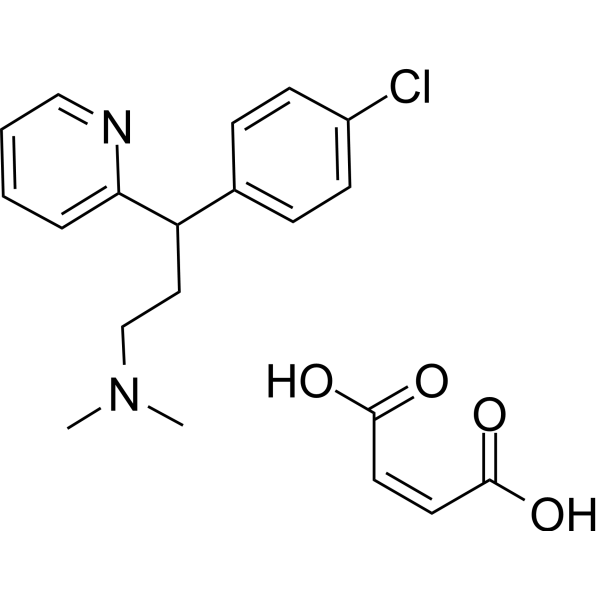
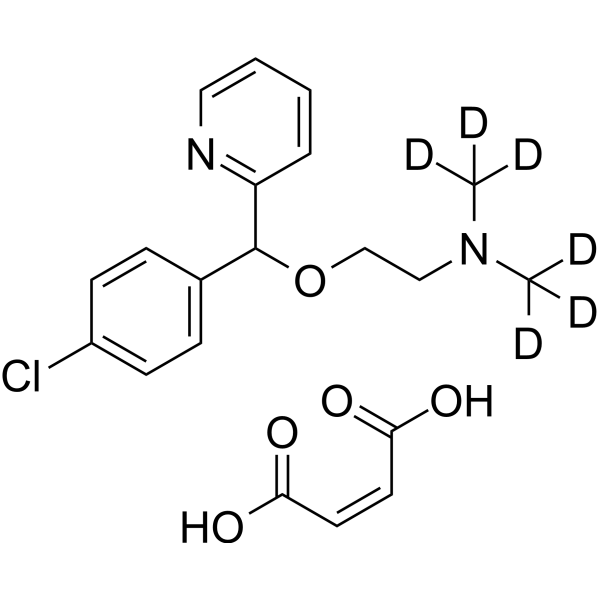
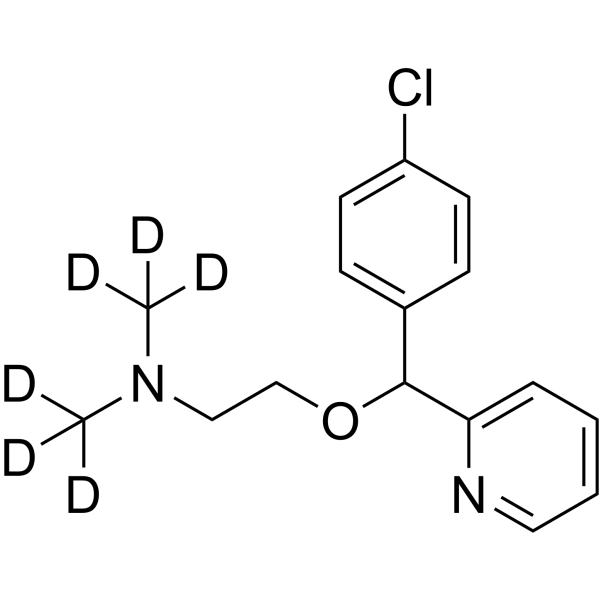
    Carbinoxamine maleate salt is a blood-brain barrier-permeable histamine H1 receptor antagonist. Carbinoxamine maleate salt blocks the action of histamine on H1 receptors, reducing symptoms such as sneezing, rhinitis, rhinorrhea, erythema, pruritus and urticaria. Carbinoxamine maleate salt inhibits influenza virus entry into cells via endocytosis, targets the early stage of the viral life cycle, and simultaneously reduces viral replication levels in the lungs, alleviating pathological damage and inflammatory responses in lung tissues. Carbinoxamine maleate salt can be used in research on allergic rhinitis, influenza, etc.
    Carbinoxamine maleate salt
  • HY-B1303

    Mebhydroline 1,5-naphthalenedisulfonate salt

    Histamine Receptor Inflammation/Immunology Endocrinology
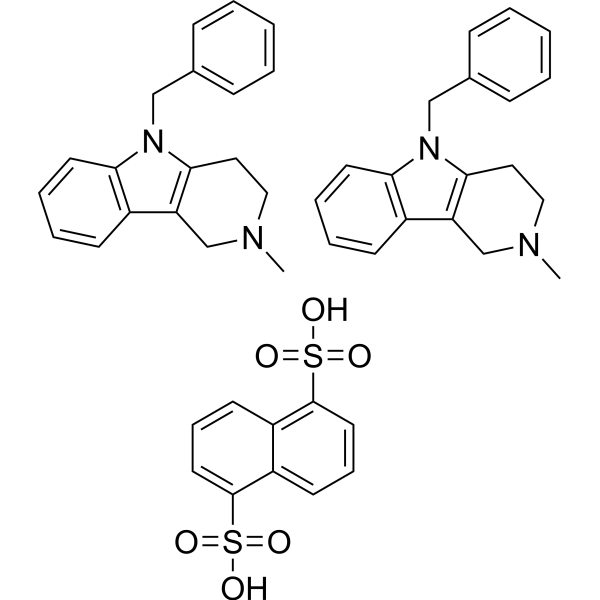
    Mebhydrolin napadisylate is a specific histamine H1 receptor antagonist.
    Mebhydrolin napadisylate
  • HY-107560

    Histamine Receptor Inflammation/Immunology Cancer
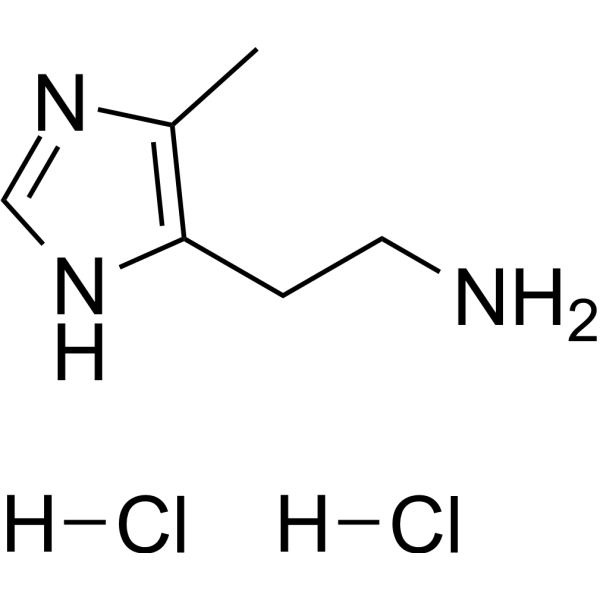
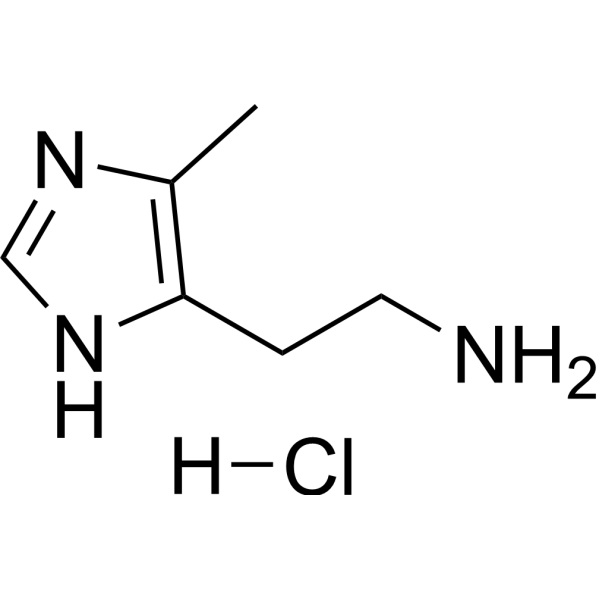
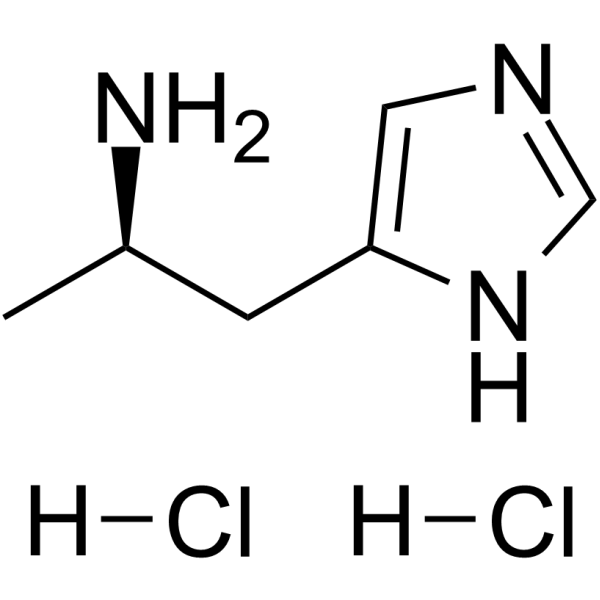
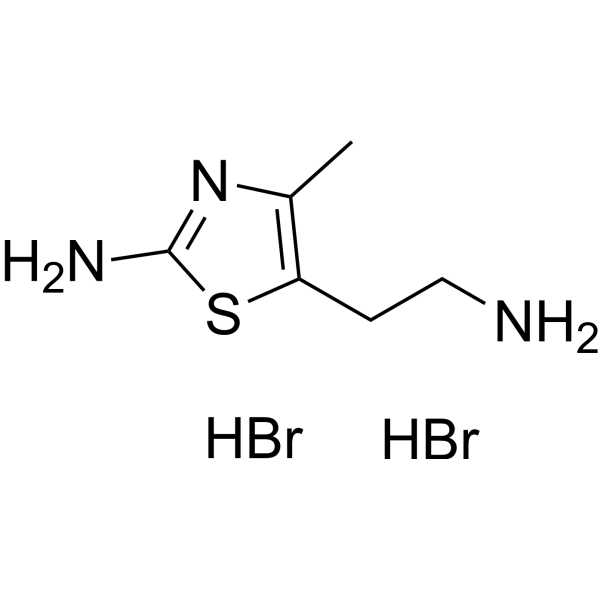
    4-Methylhistamine hydrochloride is the dihydrochloride salt of 4-Methylhistamine (HY-W580721). 4-Methylhistamine hydrochloride is a potent and selective agonist of histamine 4 receptor (H4R) with a Ki of 50 nM. 4-Methylhistamine hydrochloride has a >100-fold selectivity for the hH4R over the other histamine receptor subtypes. 4-Methylhistamine hydrochloride can potently activate the hH4R (pEC50 = 7.4). 4-Methylhistamine hydrochloride can be used for the researches of cancer, inflammation and immunology, such as lung cancer and skin inflammation .
    4-Methylhistamine dihydrochloride
  • HY-B0160

    FRG-8813

    Histamine Receptor Metabolic Disease Endocrinology
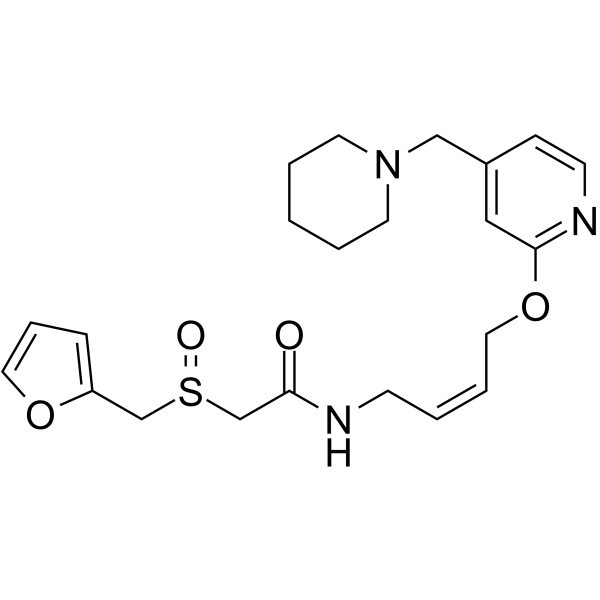
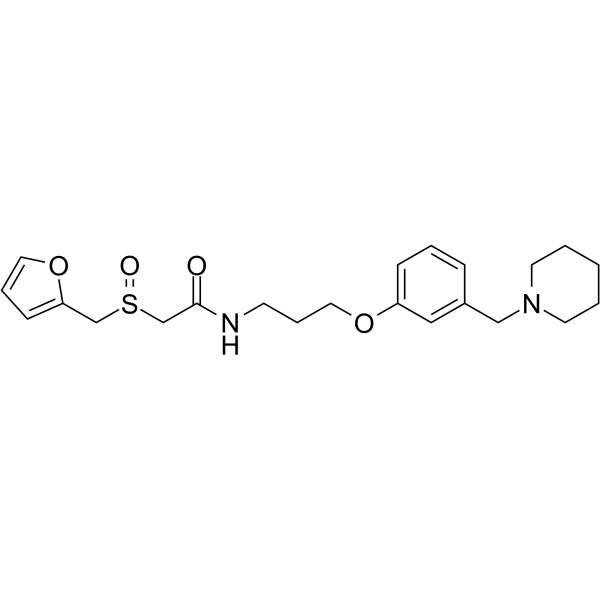
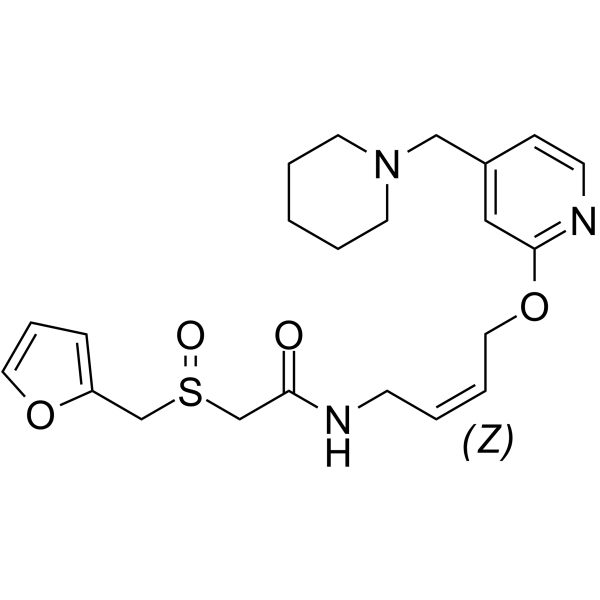
    Lafutidine (FRG-8813) is a histamine H2-receptor antagonist (H2RA), with proven gastric mucosal protective effects. Lafutidine can be used for the research of gastroesophageal reflux disease .
    Lafutidine
  • HY-107566

    Histamine Receptor Parasite MDM-2/p53 NF-κB FOXO Bacterial Infection Neurological Disease
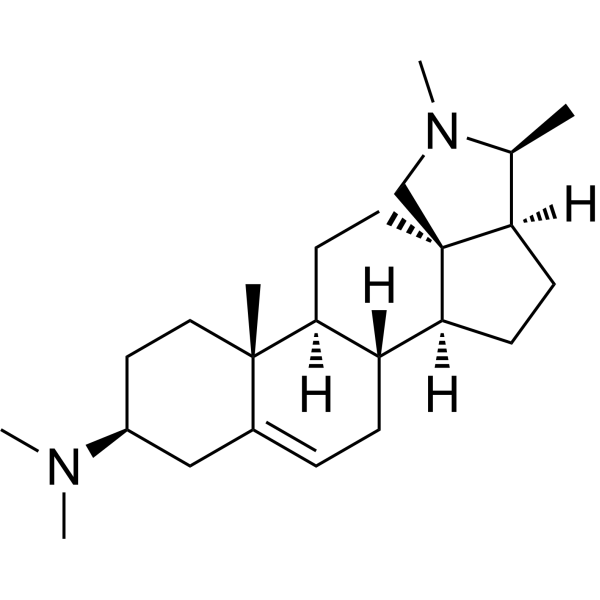
    Conessine is an orally active and BBB-penetrable selective histamine H3 receptor antagonist. The pKi values of Conessine for rat and human H3 receptors are 7.61 and 8.27, respectively. Conessine is an inhibitor of the multidrug efflux pump system in Pseudomonas aeruginosa and can enhance the activity of antibiotics. Conessine has antimalarial activity. Conessine can also be used in the research of muscle atrophy .
    Conessine
  • HY-B0426A

    ALO4943A; KW4679

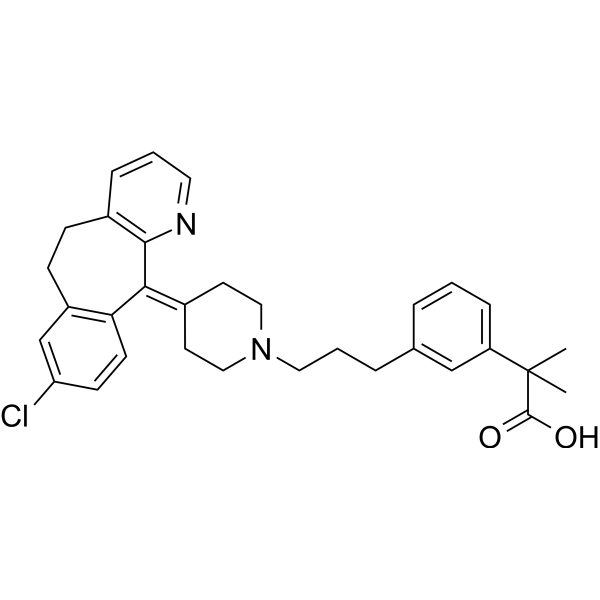
    Histamine Receptor CXCR Infection Neurological Disease Metabolic Disease Inflammation/Immunology
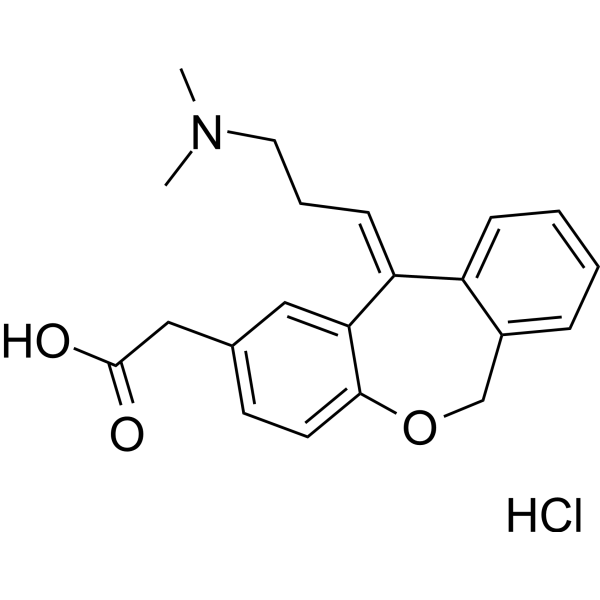
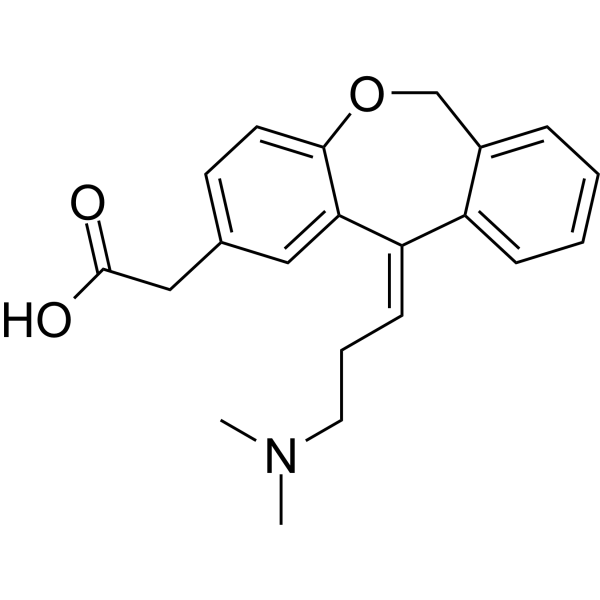
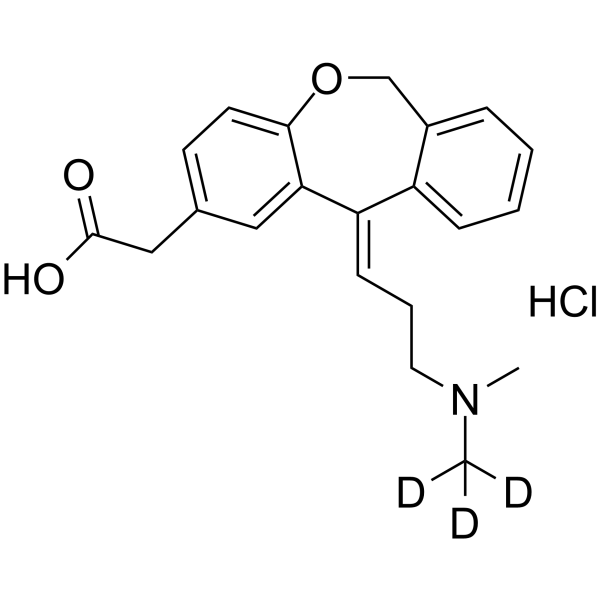
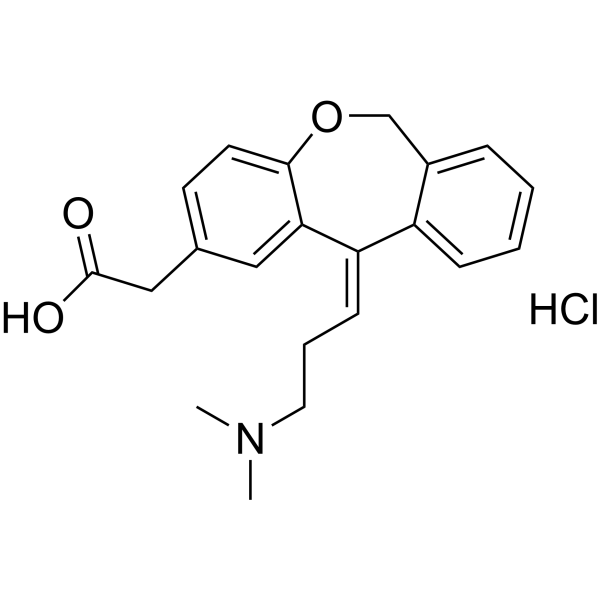
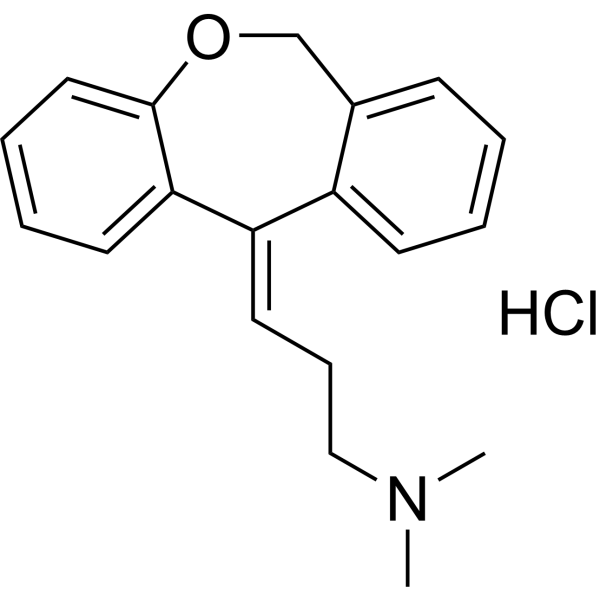
    Olopatadine hydrochloride (ALO4943A; KW4679) is an orally active histamine H1 receptor antagonist and mast cell stabilizer. Olopatadine hydrochloride exerts antiallergic effects by blocking histamine H1 receptor-mediated activities. Olopatadine hydrochloride inhibits exocytosis, chemokine release, F-actin polymerization, CXCL10-induced calcium influx, and T cell chemotactic activity. Olopatadine hydrochloride also reduces the expression levels of CXCR3 on the surface of CD4 + and CD8 + T cells. Olopatadine hydrochloride inhibits scratching behavior, improves dermatitis scores, and suppresses intraepidermal neurite outgrowth. Olopatadine hydrochloride simultaneously decreases the levels of inflammatory markers, growth factors, histamine, and specific IgE, while increasing the expression of ErbB3A/HER3A. Olopatadine hydrochloride can be used in research related to seasonal pollinosis, chronic rhinitis, urticaria, allergic conjunctivitis, alopecia areata, and atopic dermatitis .
    Olopatadine hydrochloride
  • HY-B1478

    Histamine Receptor NO Synthase Endocrinology
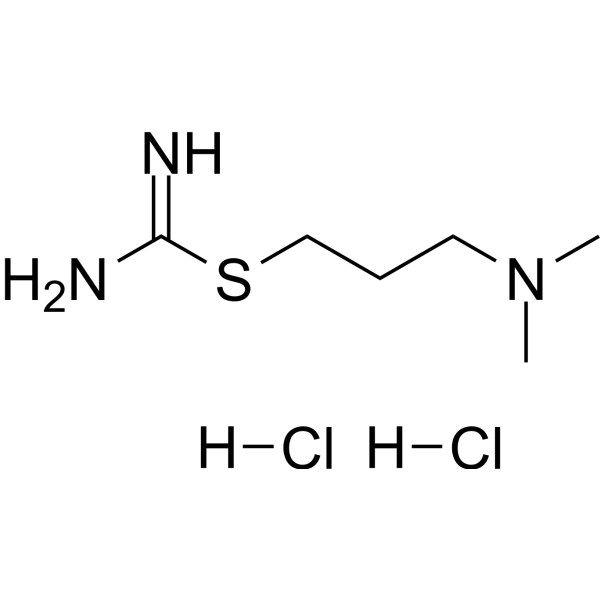
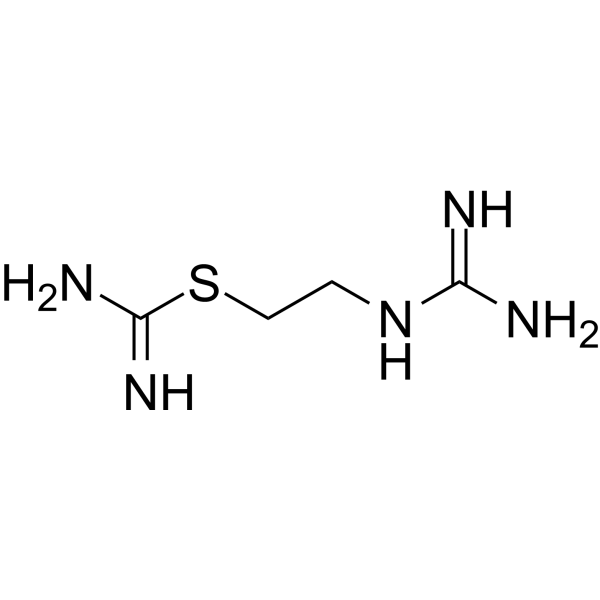
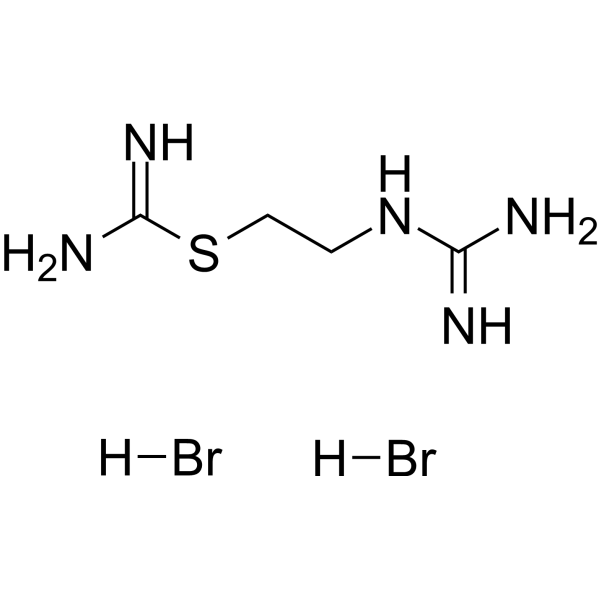
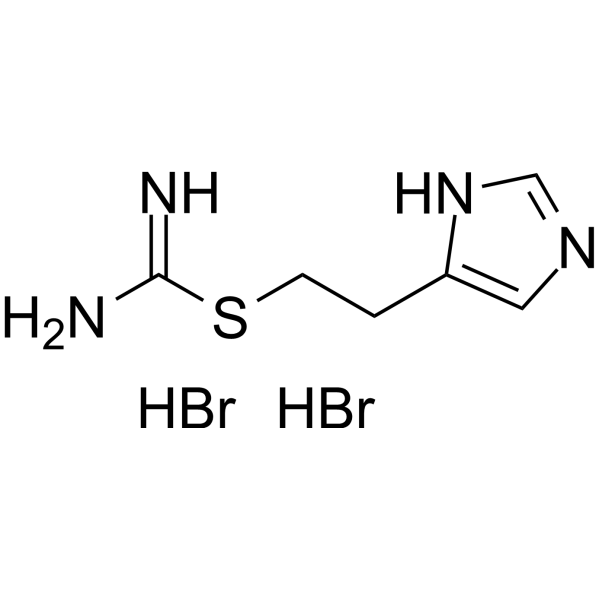
    Dimaprit dihydrochloride is a selective histamine H2 receptor agonist, it also inhibits nNOS with an IC50 of 49 μM. Dimaprit dihydrochloride can stimulate gastric acid secretion .
    Dimaprit dihydrochloride
  • HY-14111
    GSK189254A
    2 Publications Verification

    GSK189254 free base

    Histamine Receptor Neurological Disease Endocrinology
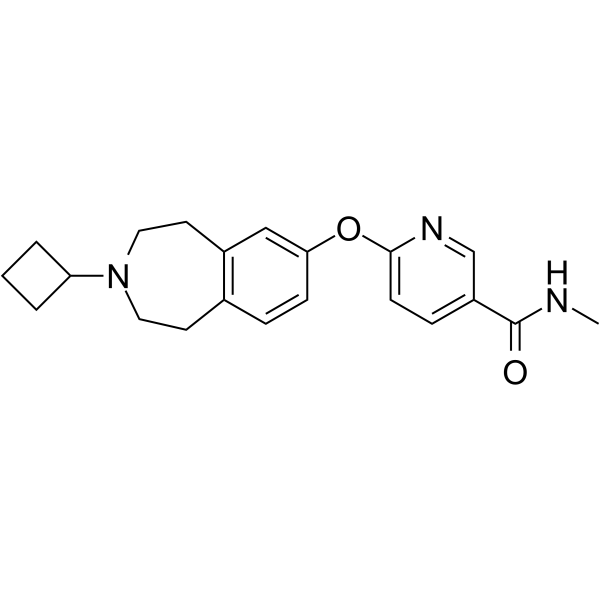
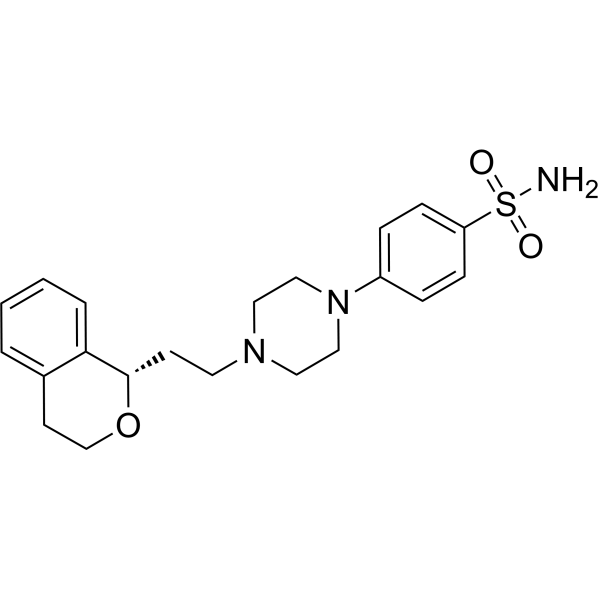
    GSK189254A (GSK189254 free base) is a novel, potent and selective histamine H3 receptor antagonist with pKi values of 9.59-9.90 and 8.51-9.17 for human and rat H3, respectively.
    GSK189254A
  • HY-17428

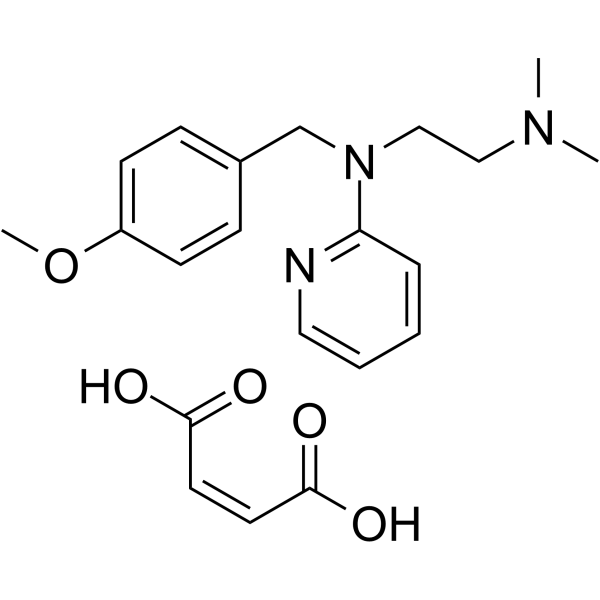
    Histamine Receptor Neurological Disease Inflammation/Immunology
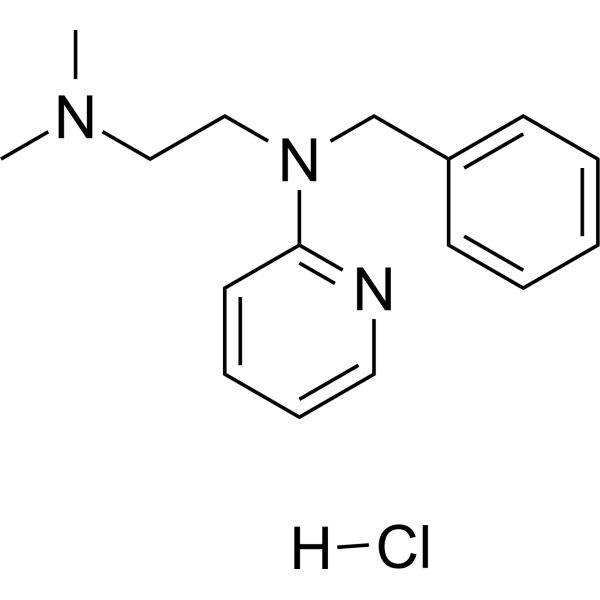
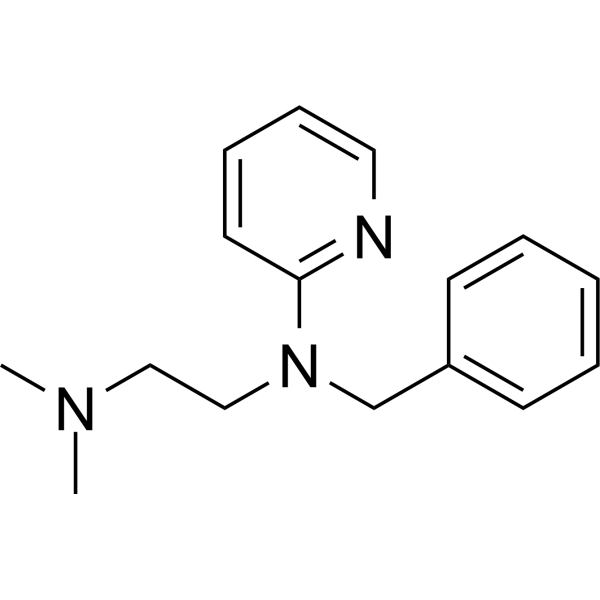
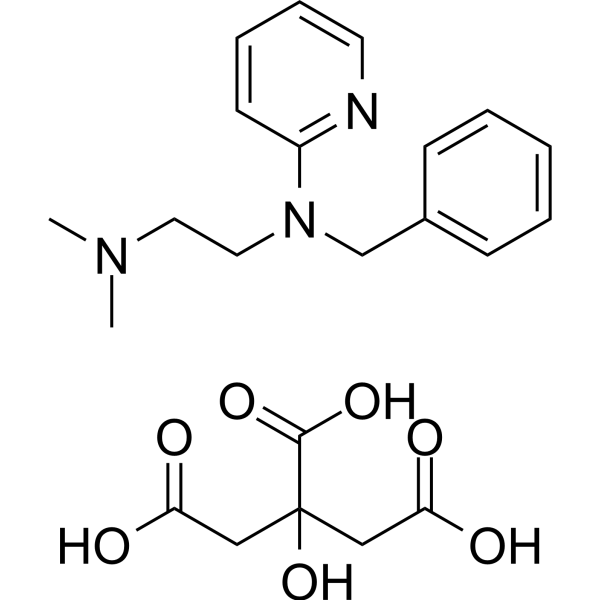
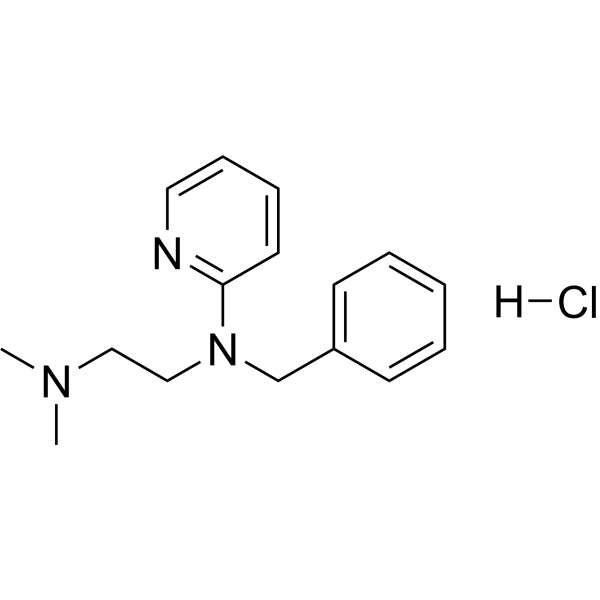
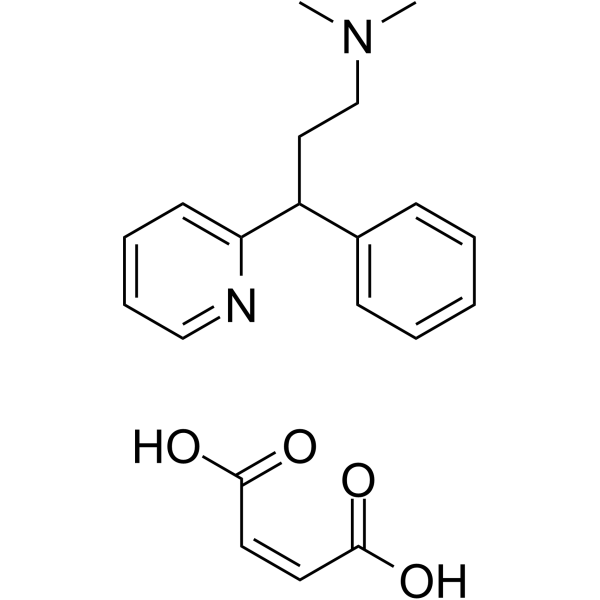
    Tripelennamine hydrochloride is a histamine H1-receptor antagonist. Tripelennamine hydrochloride effectively reverses histamine-induced bronchoconstriction, increased transpulmonary pressure, elevated pulmonary vascular resistance and reduced dynamic compliance. Tripelennamine hydrochloride does not significantly affect arterial hypoxemia, hemoglobin desaturation and hypercapnia in horses undergoing short-term high-intensity exercise. Tripelennamine hydrochloride exhibits local and central analgesic activity. Tripelennamine hydrochloride can be used in studies related to emphysema, urticaria and acute laminitis .
    Tripelennamine hydrochloride
  • HY-15539

    Histamine Receptor Metabolic Disease Endocrinology
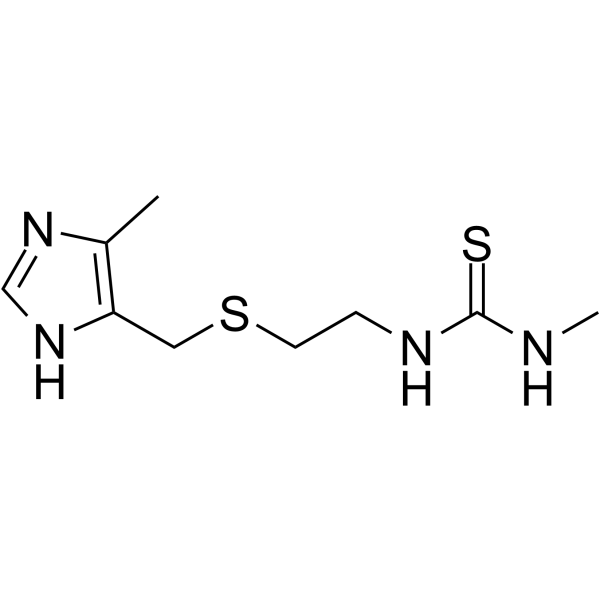
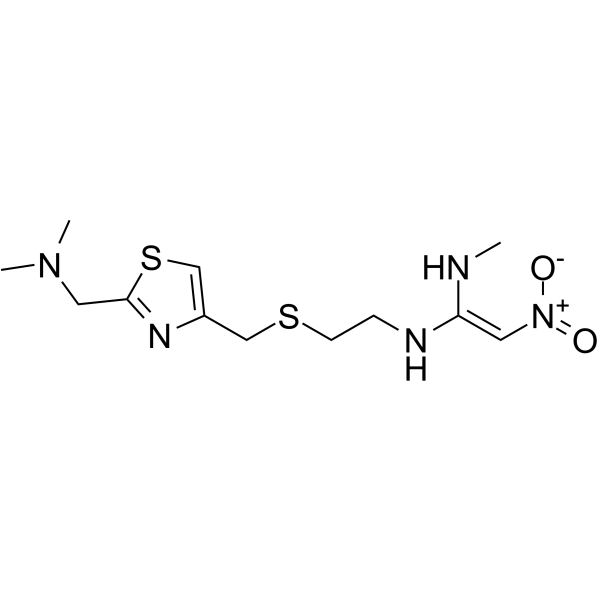
    Niperotidine is a histamine H2-receptor antagonist.
    Niperotidine
  • HY-16567
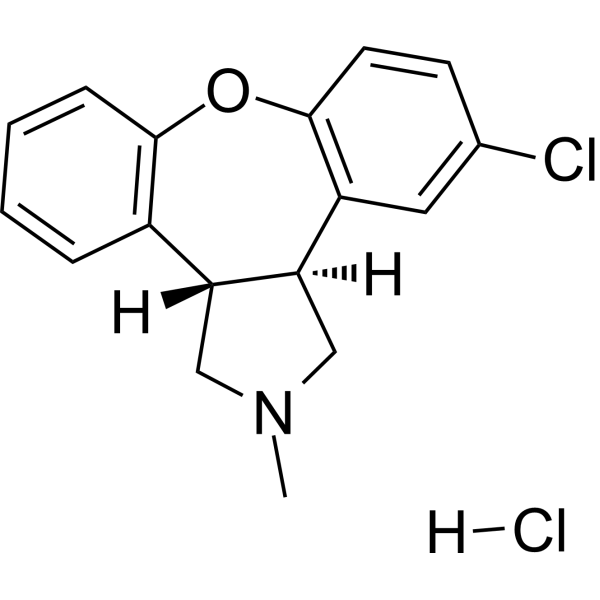
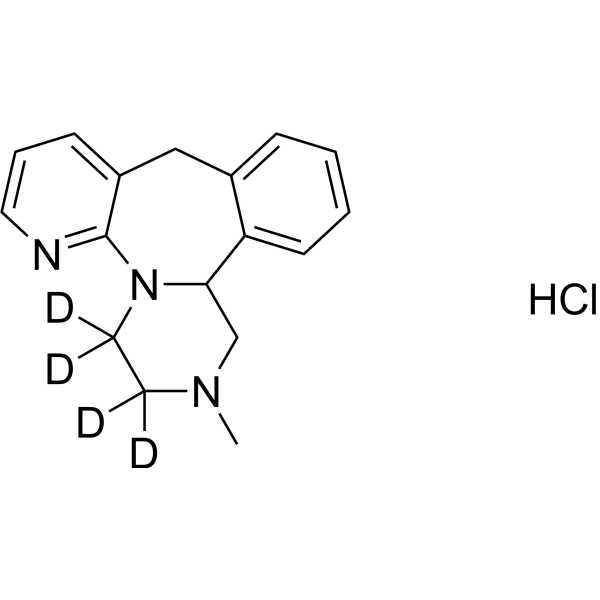
    Asenapine hydrochloride
    3 Publications Verification

    Org 5222 hydrochloride

    5-HT Receptor Dopamine Receptor Adrenergic Receptor Histamine Receptor Neurological Disease
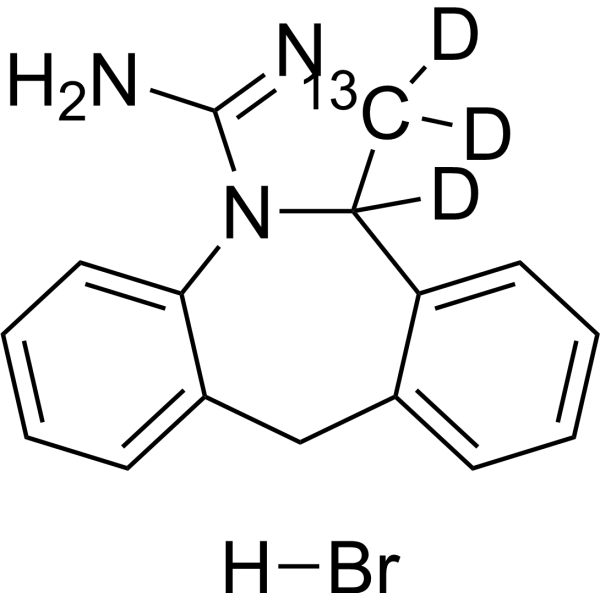
    Asenapine (Org 5222) hydrochloride, an atypical antipsychotic, is an antagonist of serotonin receptors (pKi: 8.4-10.5), adrenoceptors (pKi: 8.9-9.5), dopamine receptors (pKi: 8.9-9.4) and histamine receptors (pKi: 8.2-9.0). Asenapine hydrochloride can be used in the research of schizophrenia and bipolar disorder r .
    Asenapine hydrochloride
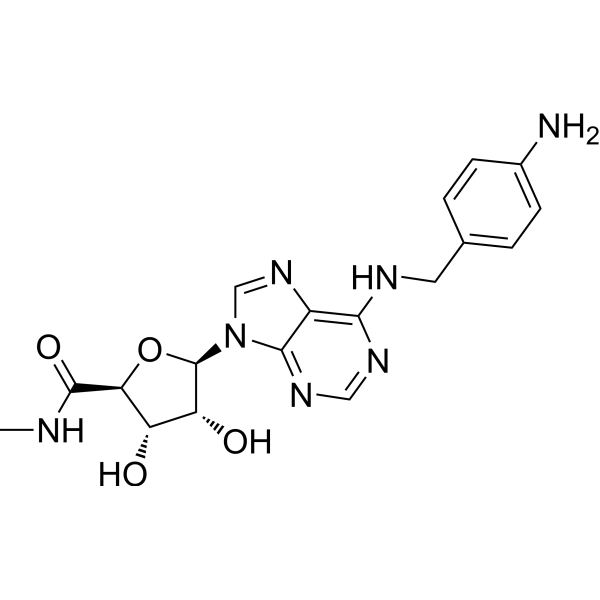
  • HY-19365
    AB-MECA
    1 Publications Verification

    Adenosine Receptor Neurological Disease
    AB-MECA is a high affinity A3 adenosine receptor agonist with a binding Ki of 430.5 nM for human A3 receptors in CHO cells. AB-MECA can enhance plasma histamine level .
    AB-MECA
  • HY-19443

    Histamine Receptor Lipoxygenase Inflammation/Immunology
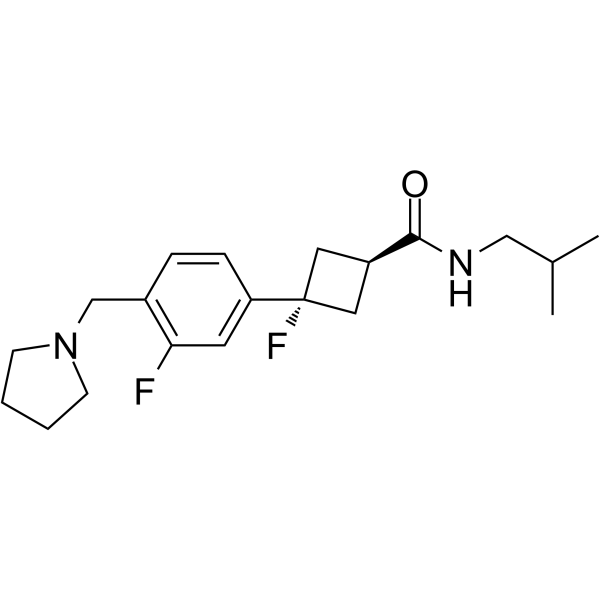
    UCB-35440 is an orally active histamine H1 receptor antagonist and 5-lipoxygenase inhibitor. UCB-35440 can be used for the research of dermatologic inflammatory conditions .
    UCB-35440
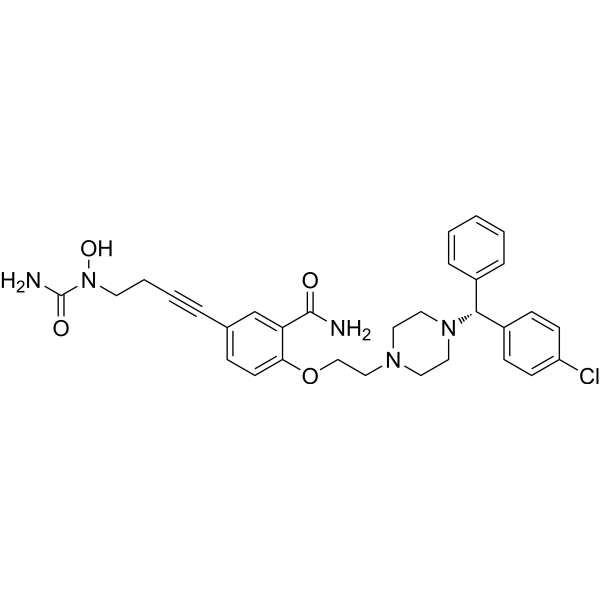
  • HY-W516880

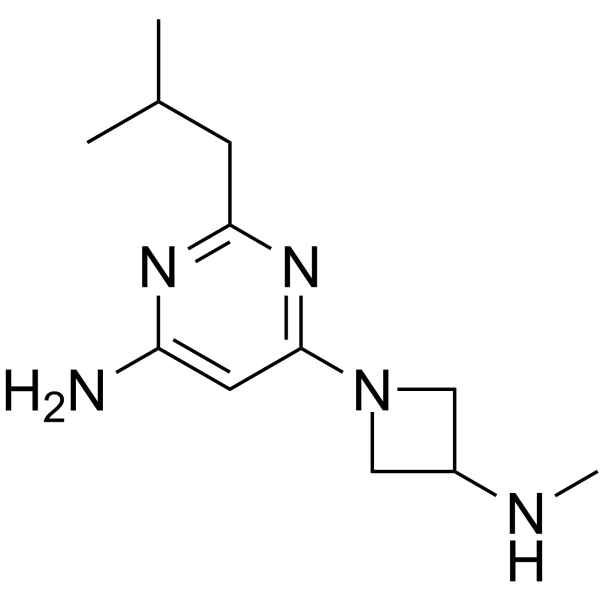
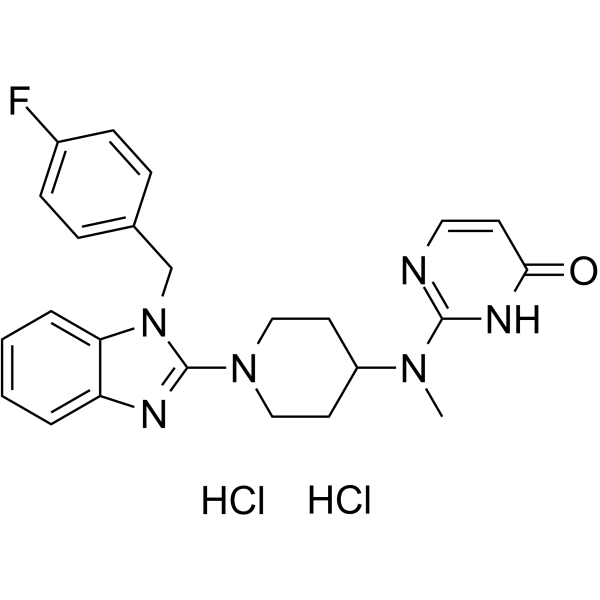
    O-Demethylastemizole

    Drug Metabolite Parasite Histamine Receptor Potassium Channel Infection Cardiovascular Disease
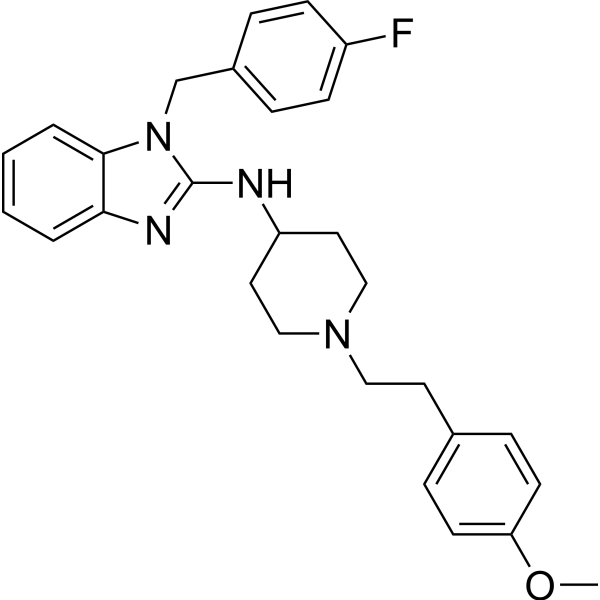
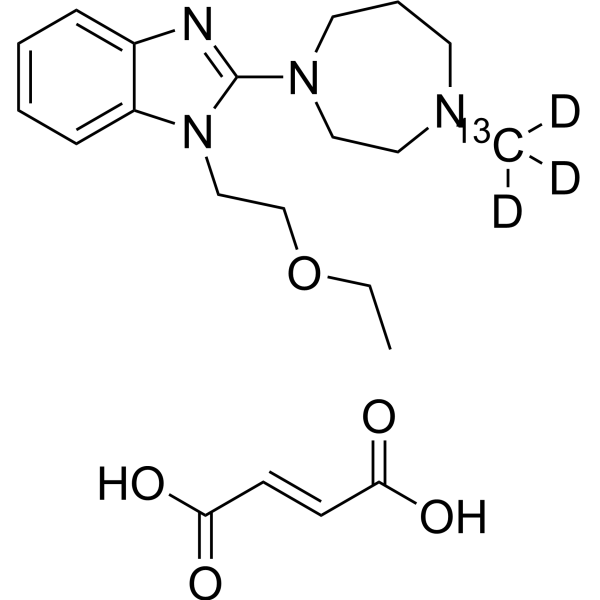
    Desmethylastemizole (O-Demethylastemizole) , a metabolite of Astemizole (HY-12532), is a β-hematin (βH) inhibitor. Desmethylastemizole has an antiplasmodium activity against P. falciparum with IC50 of 0.12, 0.11 and 0.06  μM for Pf3D7, PfDd2, and PfItG strains, respectively. Desmethylastemizole is also a Histamine H1 receptor antagonist. Desmethylastemizole significantly blocks hERG K + channels and also inhibits histone-lysine N-methyltransferase EZH2 activity. Desmethylastemizole can be used for long QT syndrome and malaria research .
    Desmethylastemizole
  • HY-W492795

    Histamine Receptor Cardiovascular Disease
    Quifenadine hydrochloride is an H1-histamine receptor blocker and can be used in the research of anti-arrhythmia .
    Quifenadine hydrochloride
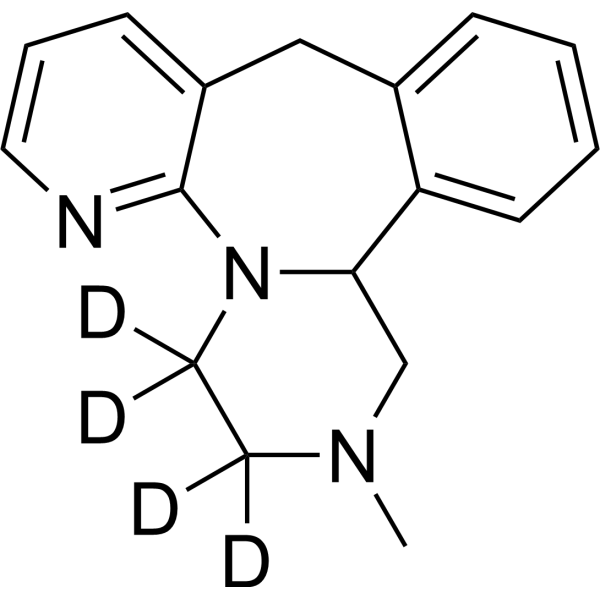
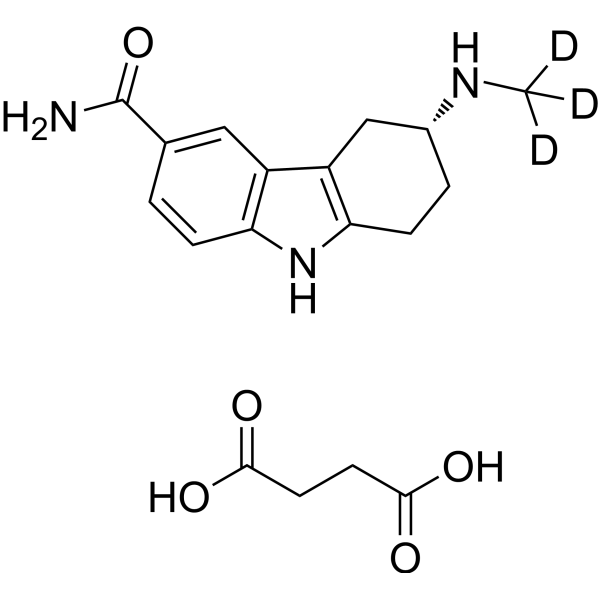
  • HY-B1204S1

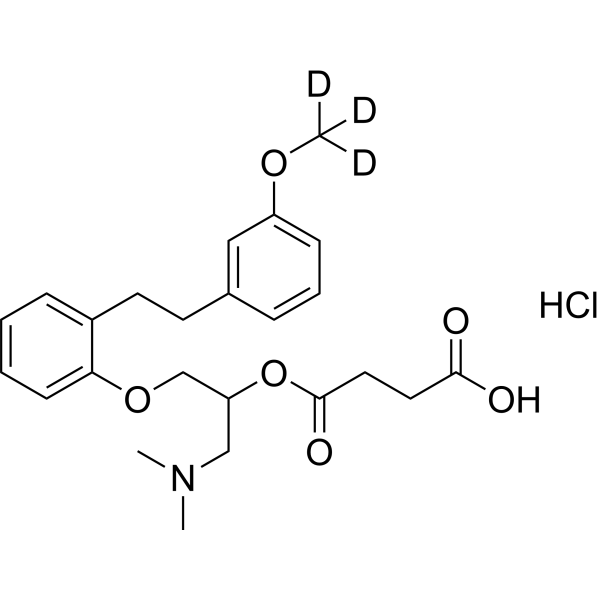
    Ergamine-d4

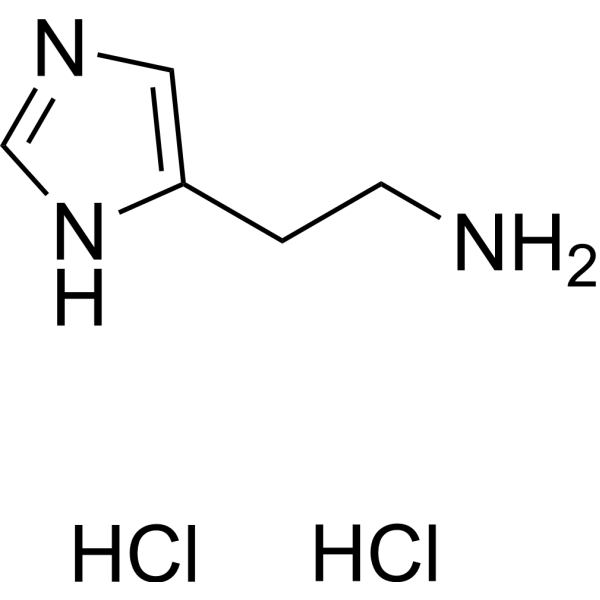
    Isotope-Labeled Compounds Histamine Receptor p38 MAPK Akt Reactive Oxygen Species (ROS) Apoptosis Endogenous Metabolite Neurological Disease Inflammation/Immunology Endocrinology Cancer
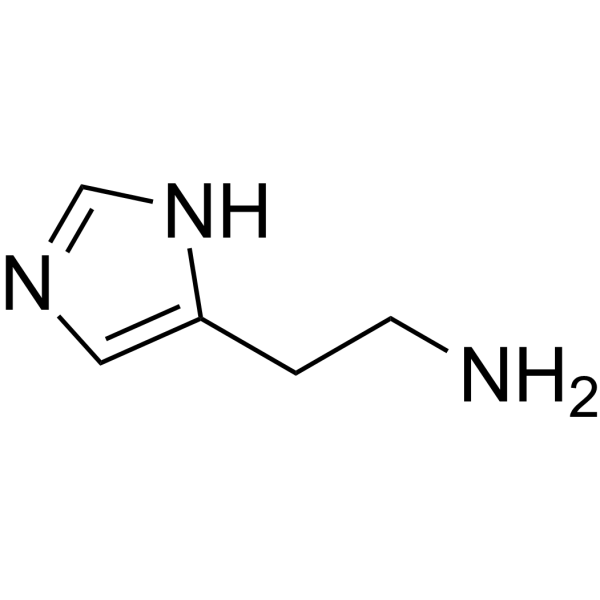
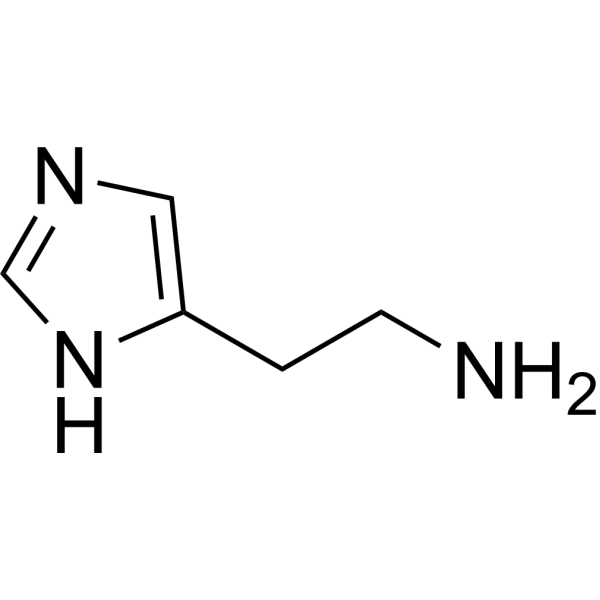
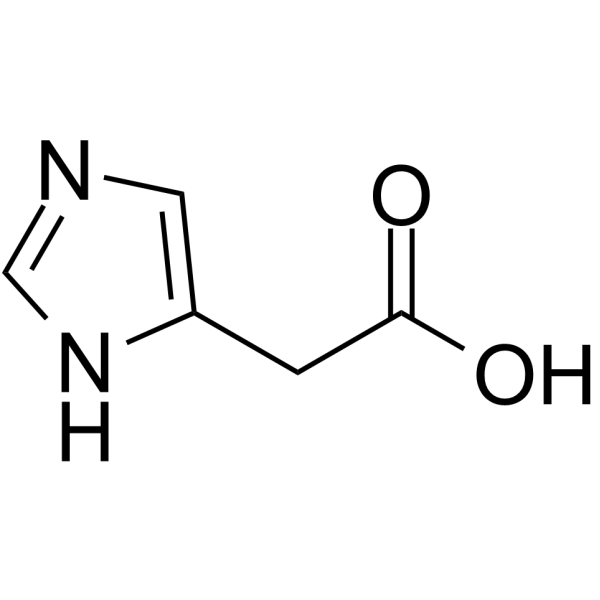
    Histamine-d4 (Ergamine-d4) is deuterium labeled Histamine (HY-B1204). Histamine is the agonist for histamine receptor and a vasodilator. Histamine is an organic nitrogen compound that participates in local immune responses, regulates intestinal physiological functions, and acts as a neurotransmitter. Histamine affects p38 MAPK/Akt signaling pathway, exhibits antitumor, antioxidant and anti-inflammatory activities. Histamine can be used in the research of acute myeloid leukemia, malignant melanoma, and renal cell carcinoma .
    Histamine-d4
  • HY-107561

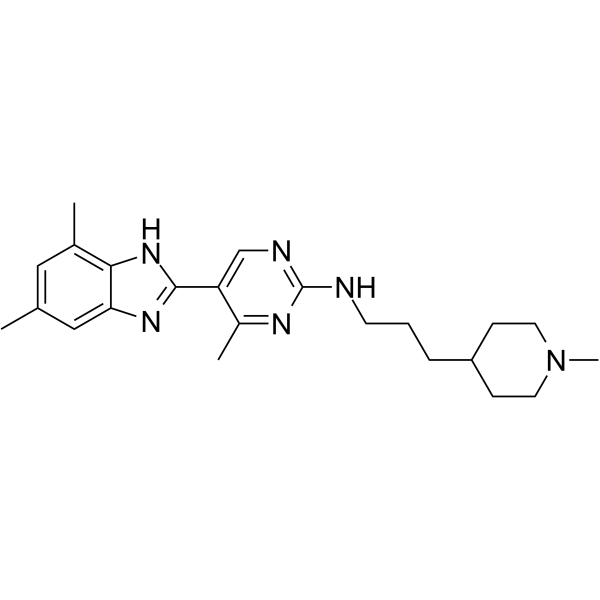
    Histamine Receptor Inflammation/Immunology
    A-943931 (Compound 10) is a histamine H4 receptor antagonists. A-943931 has improved pharmacotropic and in vivo efficacy in models of pain and inflammation. A-943931 can be used in vivo anti-inflammatory and anti-nociception research .
    A-943931 hydrochloride
  • HY-115447

    Histamine Receptor Neurological Disease
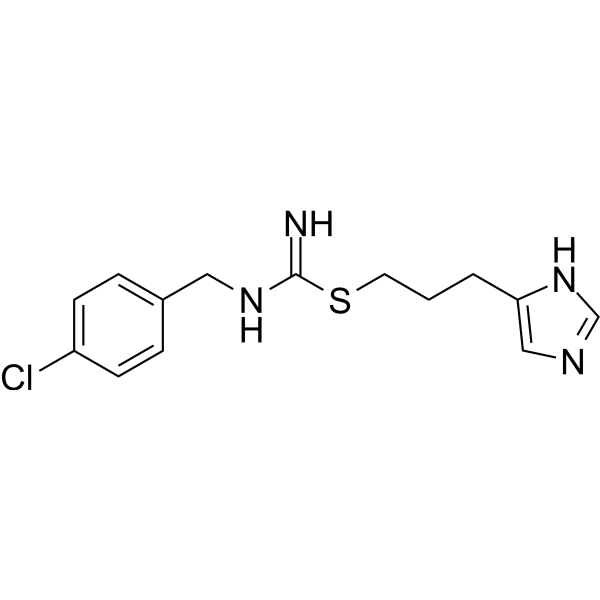
    Clobenpropit is a potent histamine H3-receptor antagonist. Clobenpropit decreases dopamine release and increases histamine levels in the hypothalamus. Clobenpropit shows antipsychotic-like activities. Clobenpropit causes a resuscitating effect in rats subjected to the hemorrhagic shock .
    Clobenpropit
  • HY-107557

    Histamine Receptor Neurological Disease
    Proxyfan is a potent histamine H3 receptor antagonist with Ki values of 2.9 nM and 2.7 nM for rat and human H3 receptor, respectively. Proxyfan is over 1000-fold more potent at H3 receptors than other histamine receptors .
    Proxyfan
  • HY-107557A

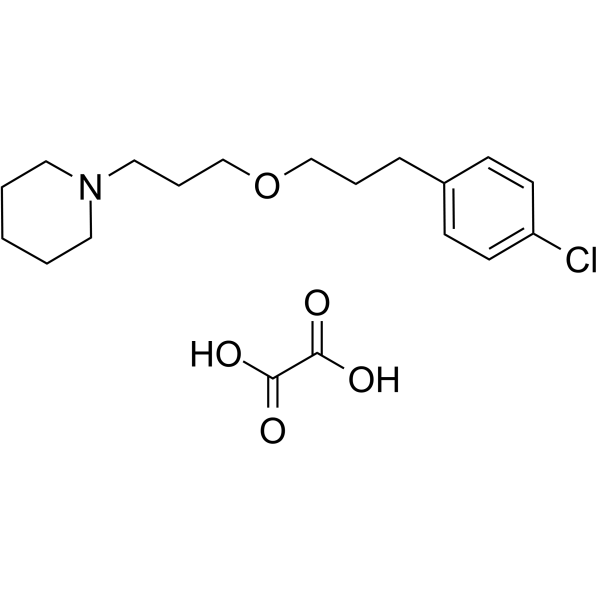
    Histamine Receptor Neurological Disease
    Proxyfan Oxalate is a potent histamine H3 receptor antagonist with Ki values of 2.9 nM and 2.7 nM for rat and human H3 receptor, respectively. Proxyfan Oxalate is over 1000-fold more potent at H3 receptors than other histamine receptors .
    Proxyfan Oxalate
  • HY-A0191A

    (+)-Brompheniramine maleate; (S)-Brompheniramine maleate

    TRP Channel Histamine Receptor Inflammation/Immunology
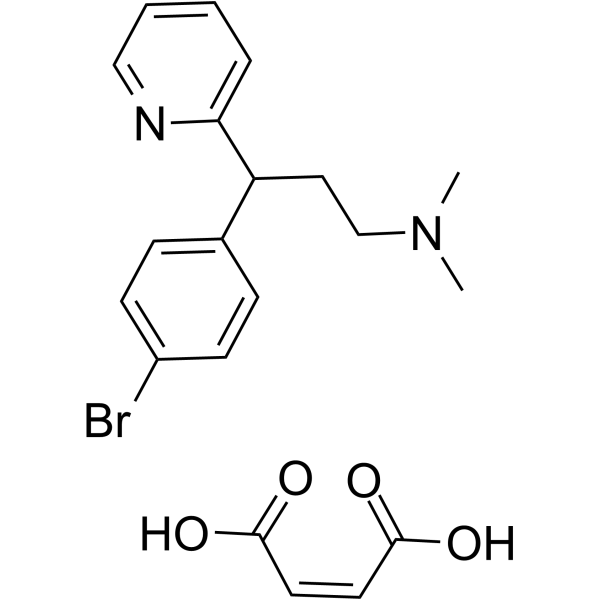
    Dexbrompheniramine ((+)-Brompheniramine; (S)-Brompheniramine) maleate is a dual inhibitor of histamine H1 receptor and TRPV1 receptor that can cross the blood-brain barrier. Dexbrompheniramine maleate exerts its effects by functionally blocking H1 receptor activity and dose-dependently inhibiting TRPV1-mediated calcium responses, including Capsaicin (HY-10448)-induced responses. The combination of Dexbrompheniramine maleate with Cimetidine (HY-14289) eliminates histamine-induced and sham-feeding-induced drinking behavior, whereas Dexbrompheniramine maleate alone does not induce thirst or alter sham-feeding behavior in rats. Dexbrompheniramine maleate can be used in the research of chronic cough and related pathological mechanisms .
    Dexbrompheniramine maleate
  • HY-W580721

    Histamine Receptor Inflammation/Immunology Cancer
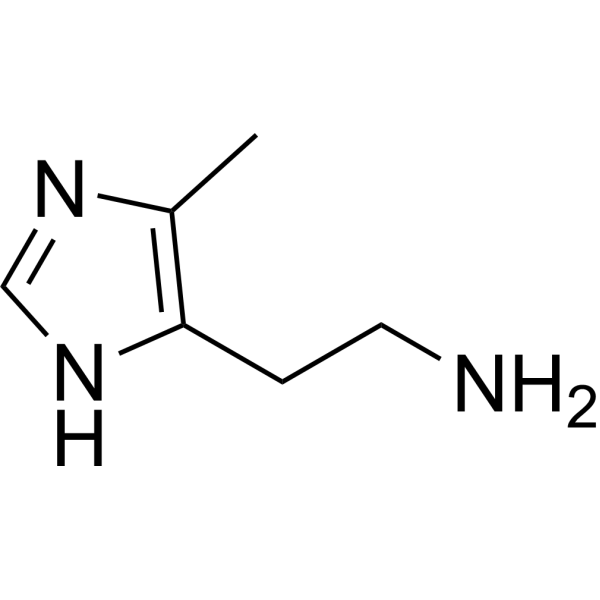
    4-Methylhistamine is a potent and selective agonist of histamine 4 receptor (H4R) with a Ki of 50 nM. 4-Methylhistamine has a >100-fold selectivity for the hH4R over the other histamine receptor subtypes. 4-Methylhistamine can potently activate the hH4R (pEC50 = 7.4). 4-Methylhistamine can be used for the researches of cancer, inflammation and immunology, such as lung cancer and skin inflammation .
    4-Methylhistamine
  • HY-137090

    BP 2.94

    Histamine Receptor Neurological Disease
    BP 2-94 (BP 2.94) is an orally active and highly selective prodrug targeting the histamine H3 receptor. BP 2-94 exerts anti-inflammatory, analgesic and antinociceptive effects by inhibiting histamine release and modulating neurogenic inflammation. BP 2-94 is promising for research of asthma, migraines, and inflammatory pain-related disorders .
    BP 2-94
  • HY-107566A

    Histamine Receptor Parasite MDM-2/p53 NF-κB FOXO Bacterial Infection Neurological Disease
    Conessine dihydrobromide is an orally active and BBB-penetrable selective histamine H3 receptor antagonist. The pKi values of Conessine dihydrobromide for rat and human H3 receptors are 7.61 and 8.27, respectively. Conessine dihydrobromide is an inhibitor of the multidrug efflux pump system in Pseudomonas aeruginosa and can enhance the activity of antibiotics. Conessine dihydrobromide has antimalarial activity. Conessine dihydrobromide can also be used in the research of muscle atrophy .
    Conessine dihydrobromide
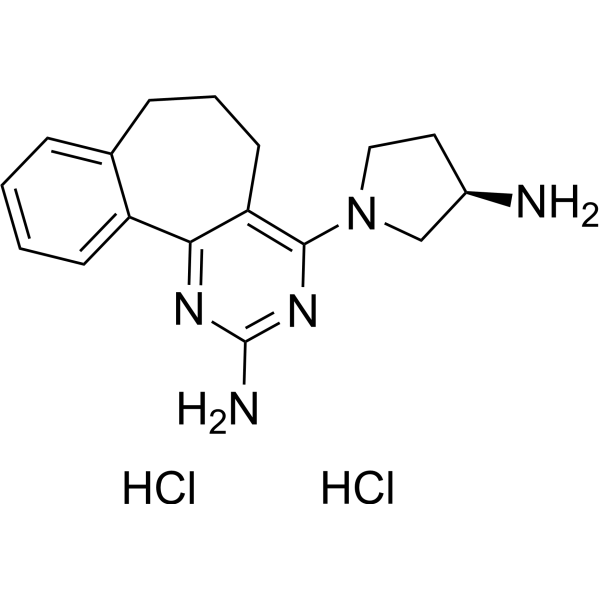
  • HY-145106

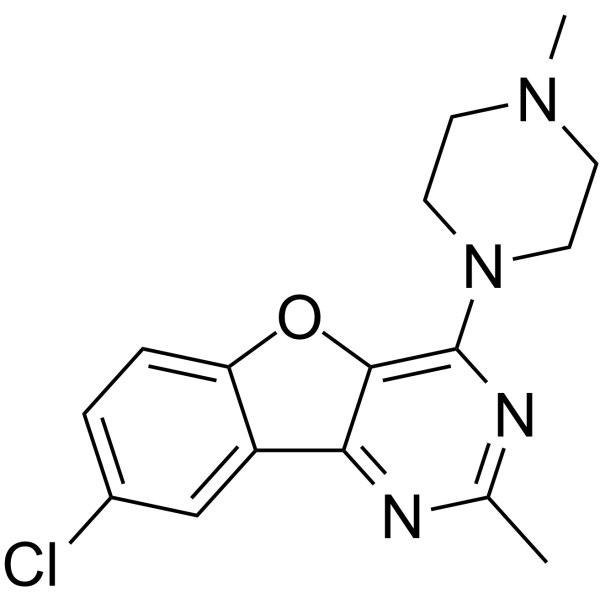
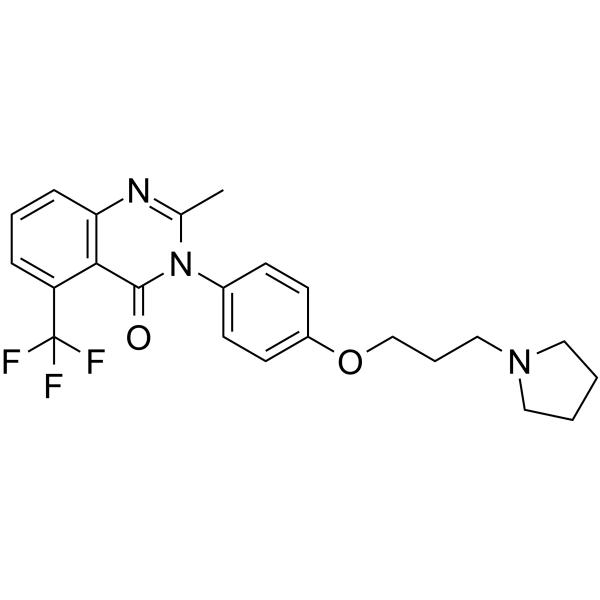
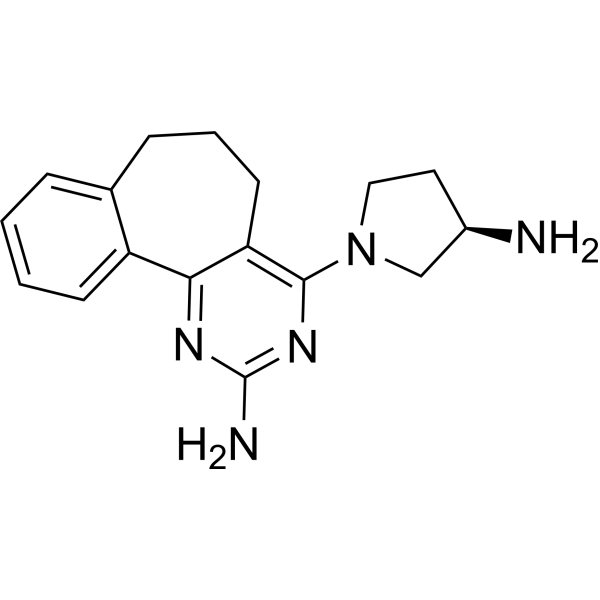
    Histamine Receptor Inflammation/Immunology
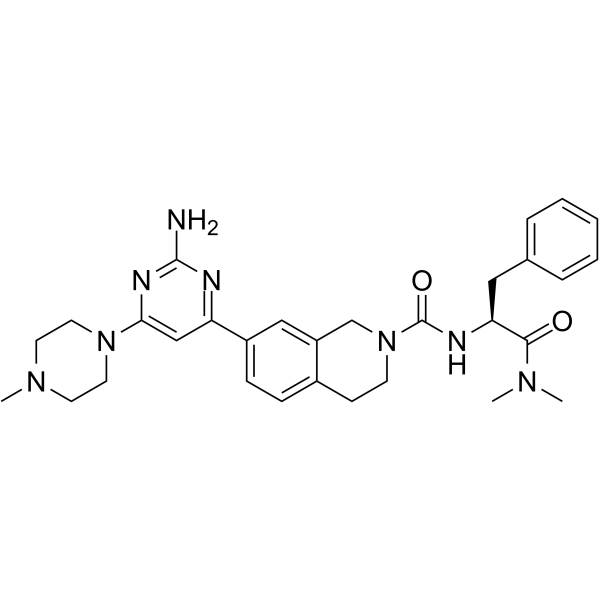
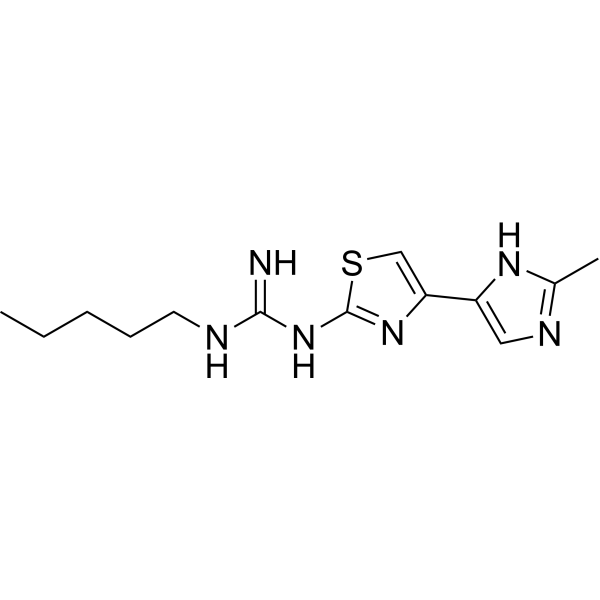
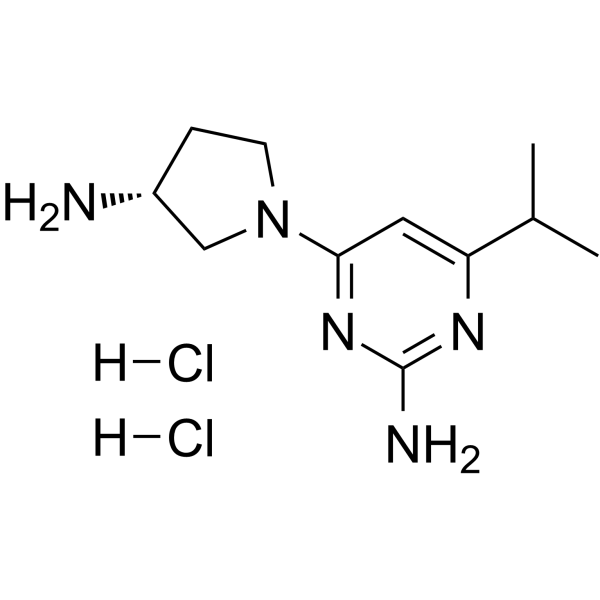
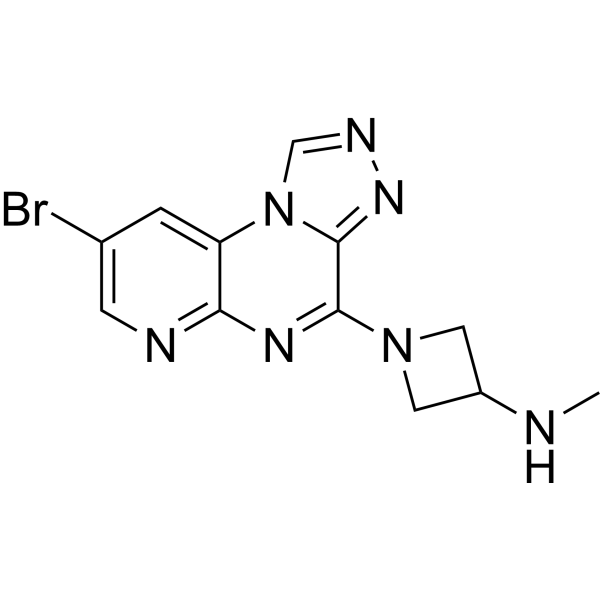
    Histamine H4 receptor antagonist-1 is an antagonist of histamine H4 receptor extracted from patent WO2010108059A1 compound 60 .
    Histamine H4 receptor antagonist-1
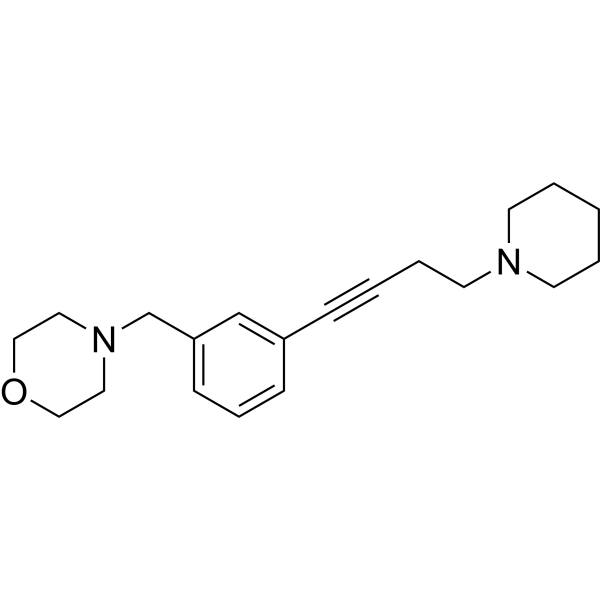
  • HY-115833

    Histamine Receptor Cancer
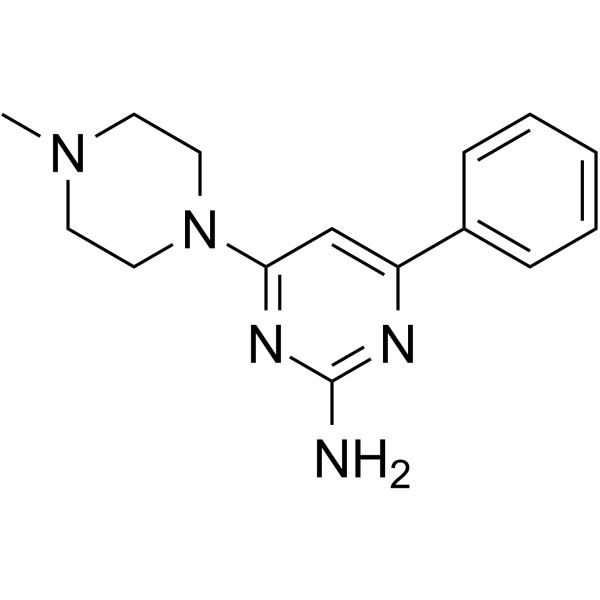
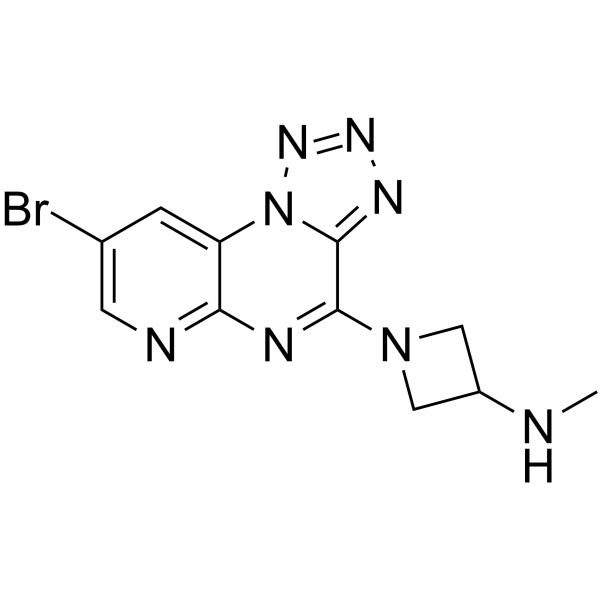
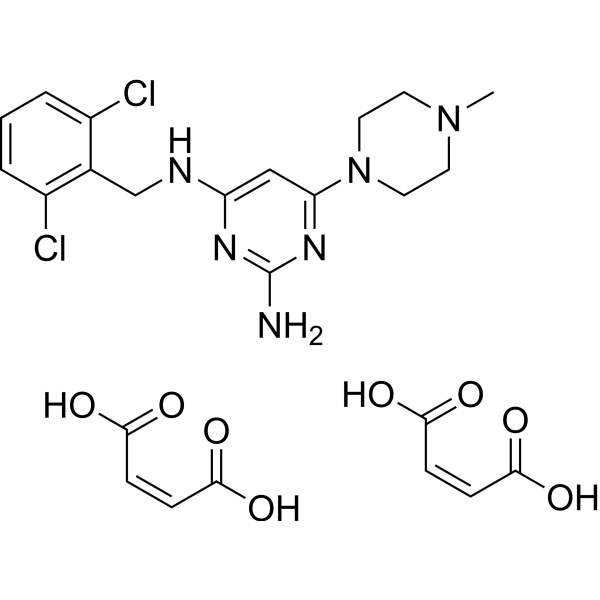
    Histamine H4 receptor antagonist-2 serves as a potent activator of p53, demonstrating significant antitumor efficacy.
    Histamine H4 receptor antagonist-2
  • HY-B1510S

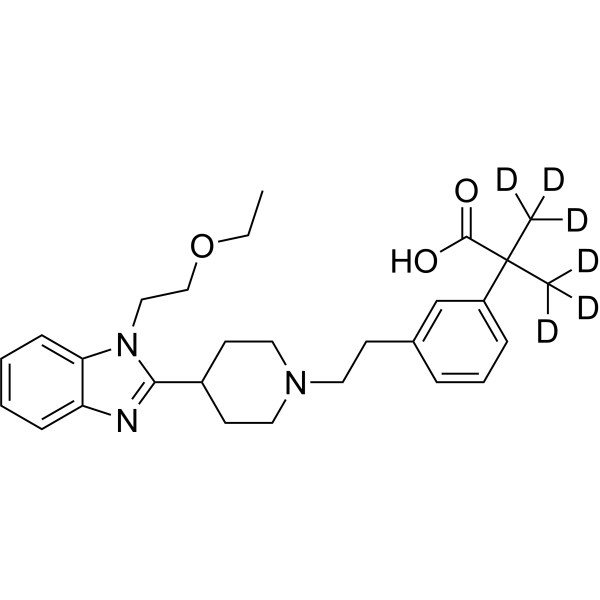
    BW825C d7

    Histamine Receptor Inflammation/Immunology Endocrinology
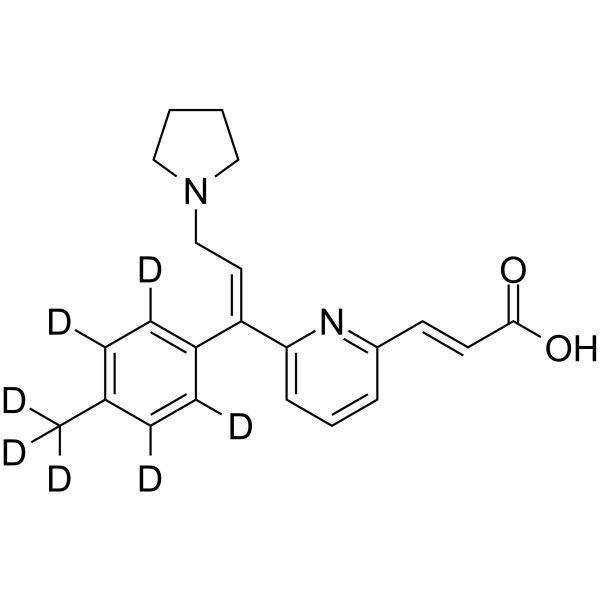
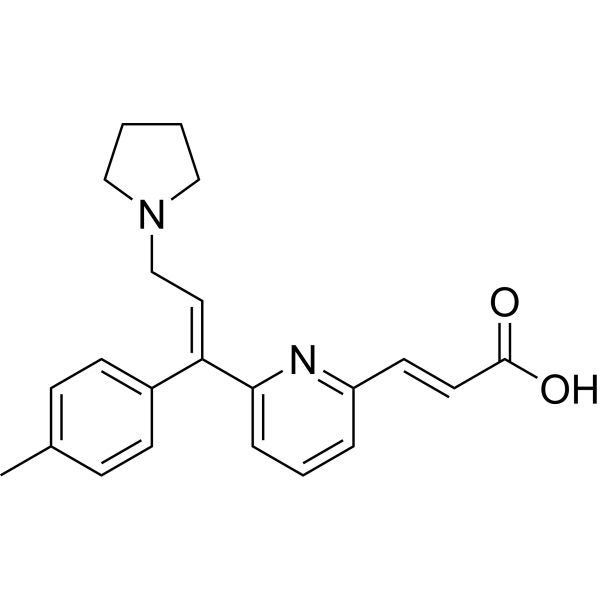
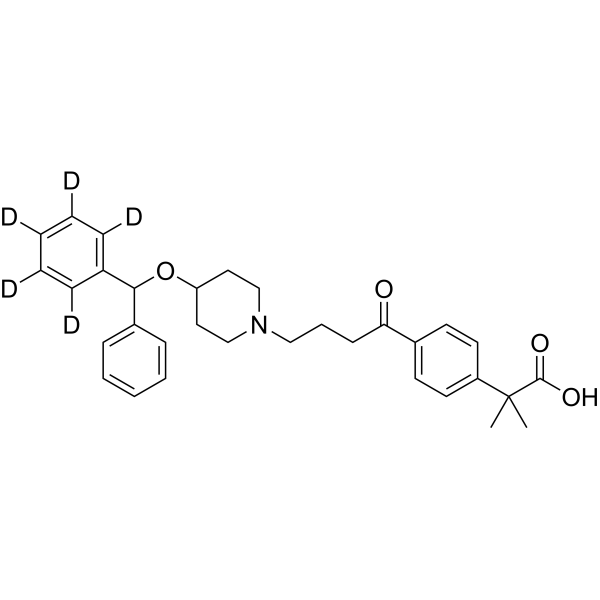
    Acrivastine-d7 is a deuterium labeled Acrivastine. Acrivastine is a short acting histamine 1 receptor antagonist.
    Acrivastine D7
  • HY-107559

    Histamine Receptor Neurological Disease
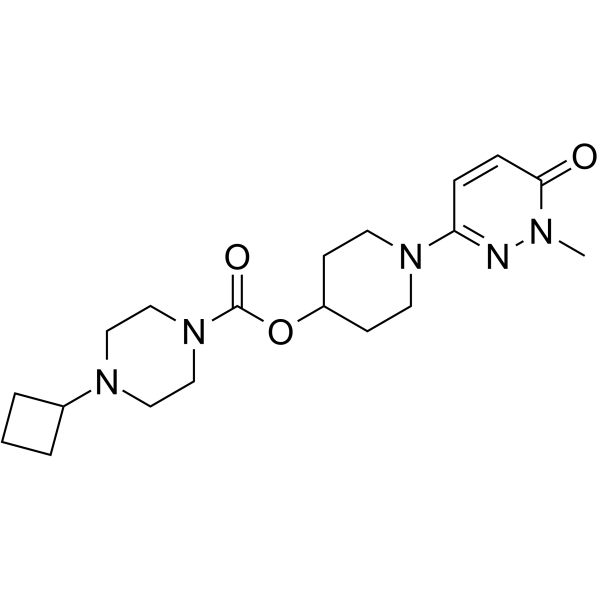
    GT-2016 is a potent, selective, and brain penetrant histamine H3 receptor antagonist with a Ki of 43.8 nM. GT-2016 displays selectivity against H1 and H2 receptors, and has non-active against histamine methyltransferase .
    GT-2016
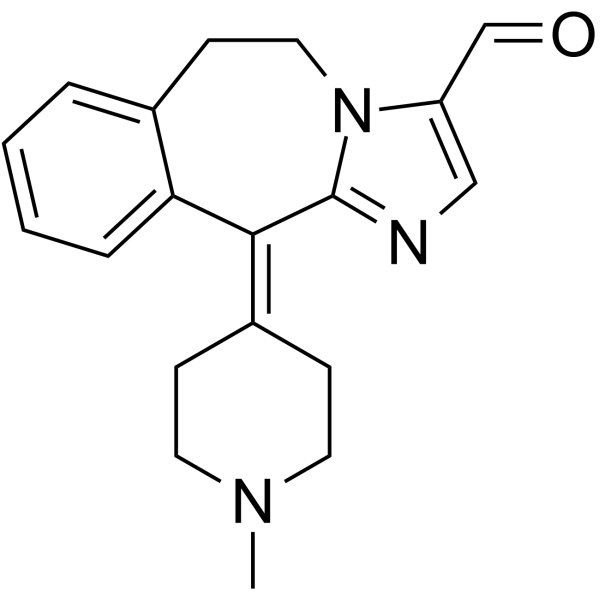
  • HY-107562A

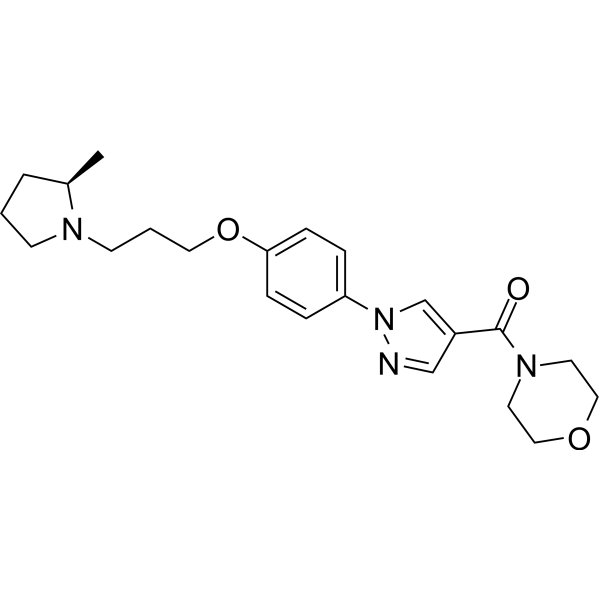
    Histamine Receptor Neurological Disease
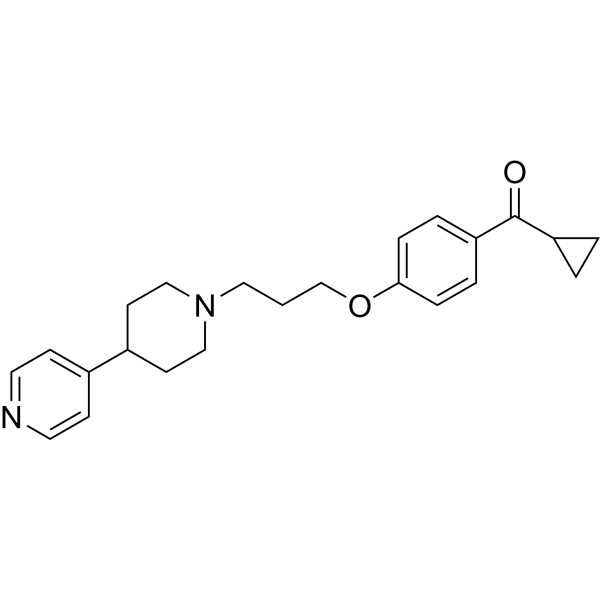
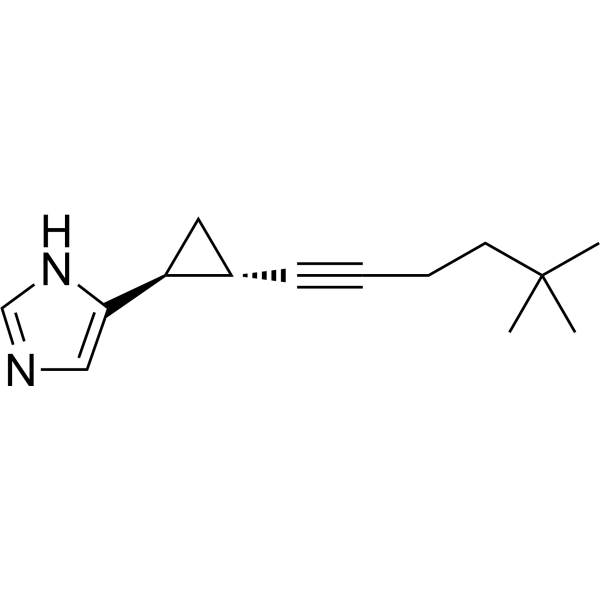
    JNJ-10181457 is a selective non-imidazole histamine H3 receptor antagonist that normalizes acetylcholine neurotransmission . JNJ-10181457 is a click chemistry reagent, it contains an Alkyne group and can undergo copper-catalyzed azide-alkyne cycloaddition (CuAAc) with molecules containing Azide groups.
    JNJ-10181457
  • HY-17042B

    (S)-P071

    Histamine Receptor Inflammation/Immunology
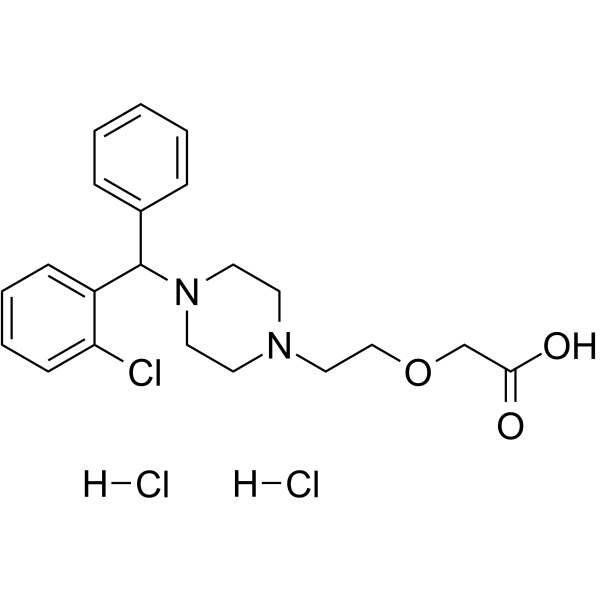
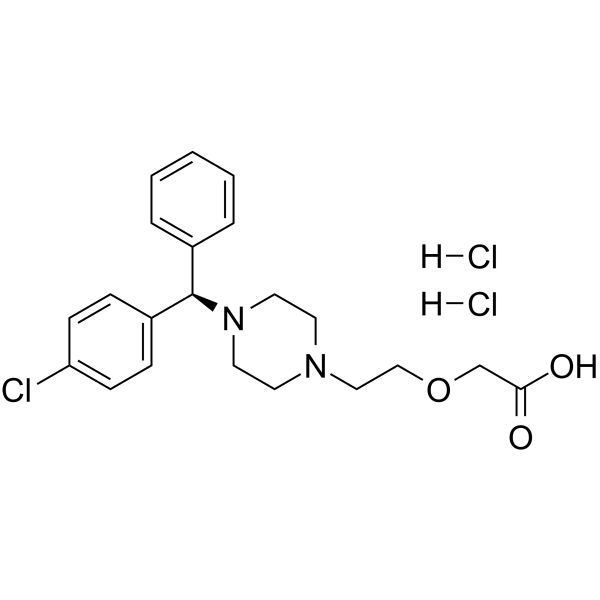
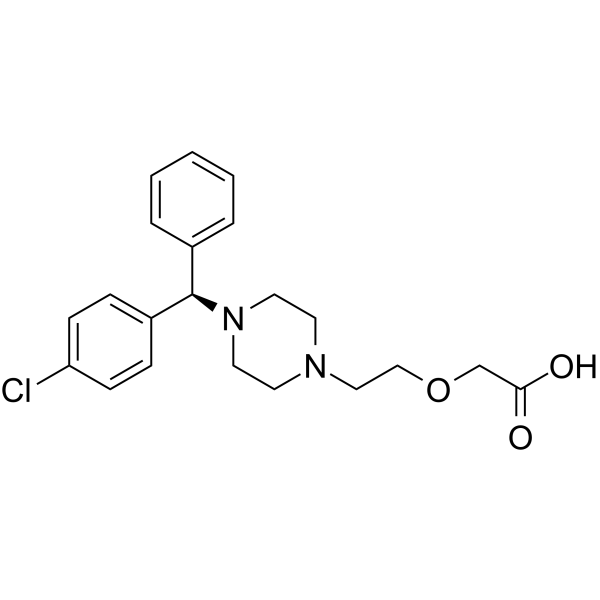
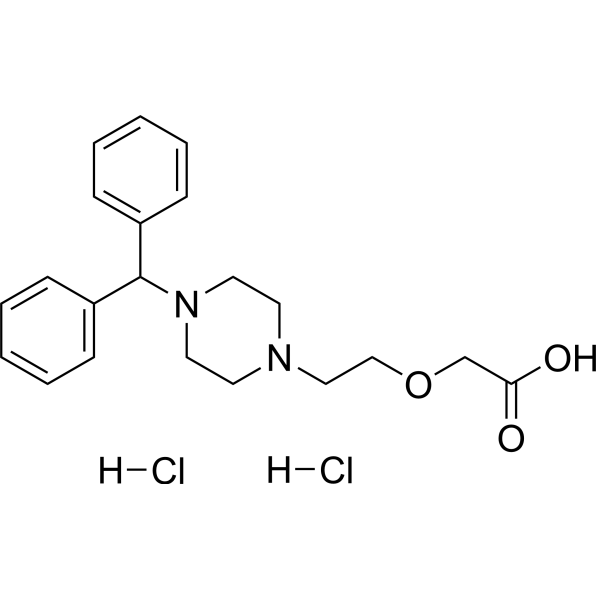
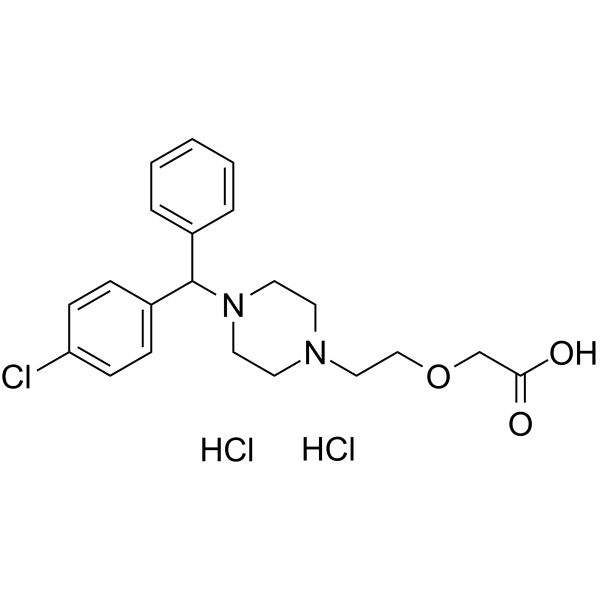
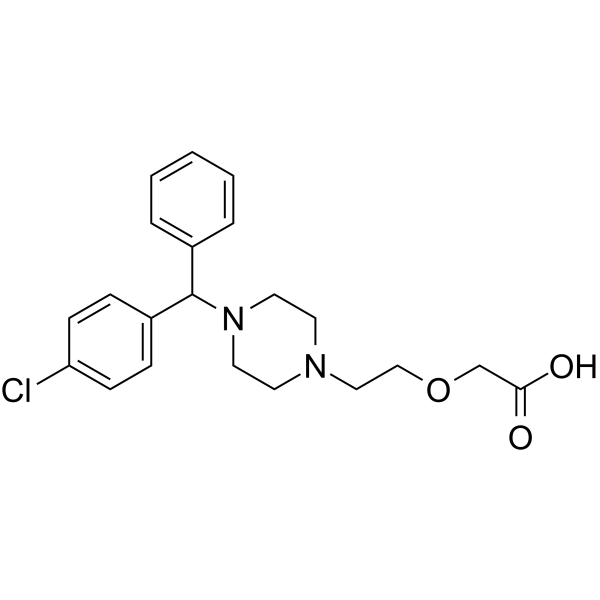
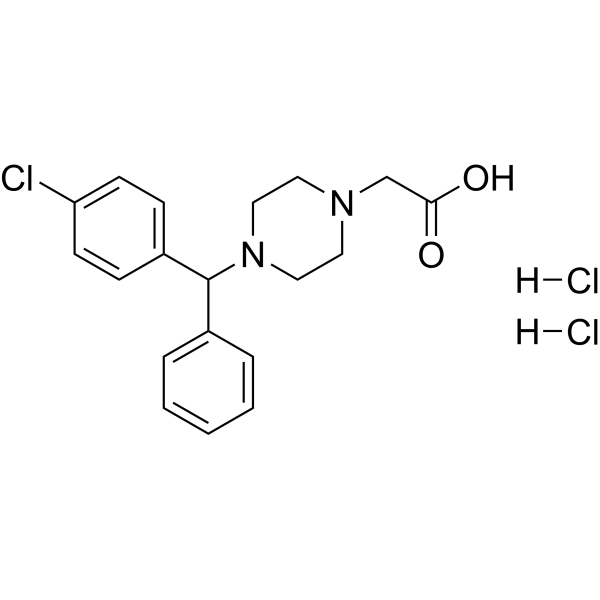
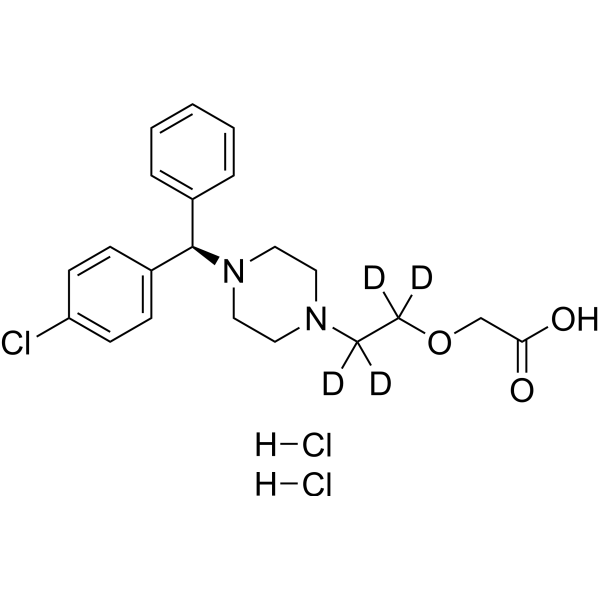
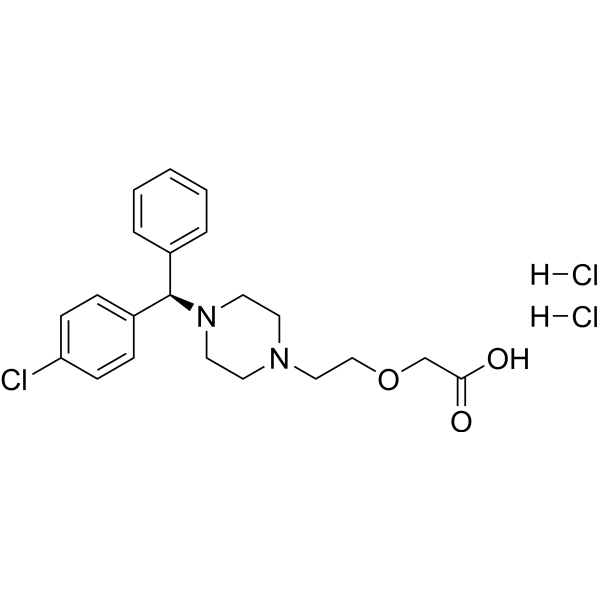
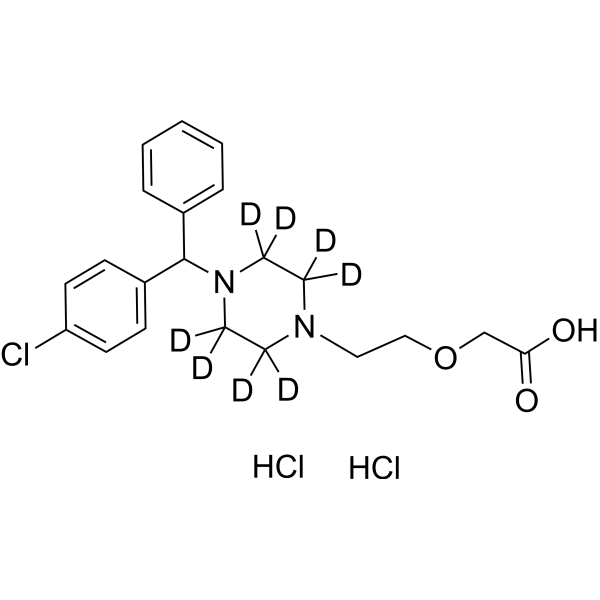
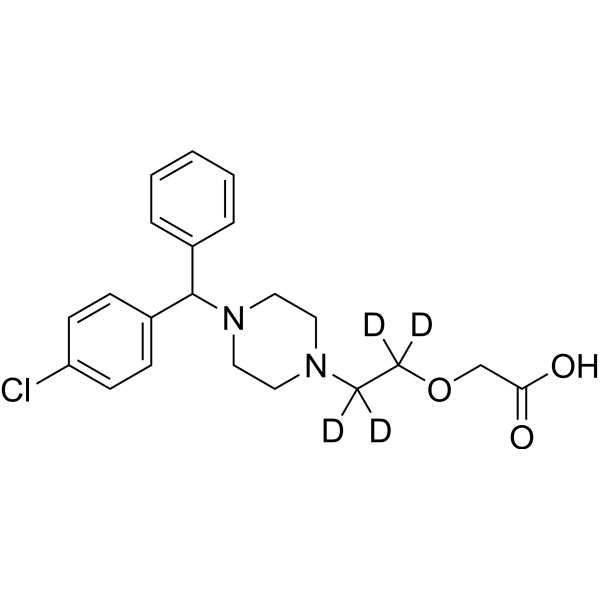
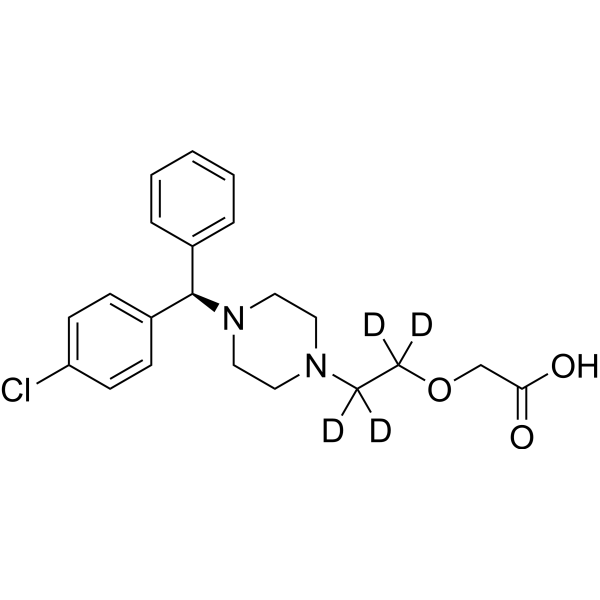
    (S)-Cetirizine dihydrochloride ((S)-P071) is an orally active antagonist of the histamine H1 receptor with a Ki value of 39.1 nM. (S)-Cetirizine dihydrochloride exerts anti-allergic activity by binding to the histamine H1 receptor and blocking the action of histamine. (S)-Cetirizine dihydrochloride is promising for research of allergic diseases such as allergic rhinitis .
    (S)-Cetirizine dihydrochloride
  • HY-107554

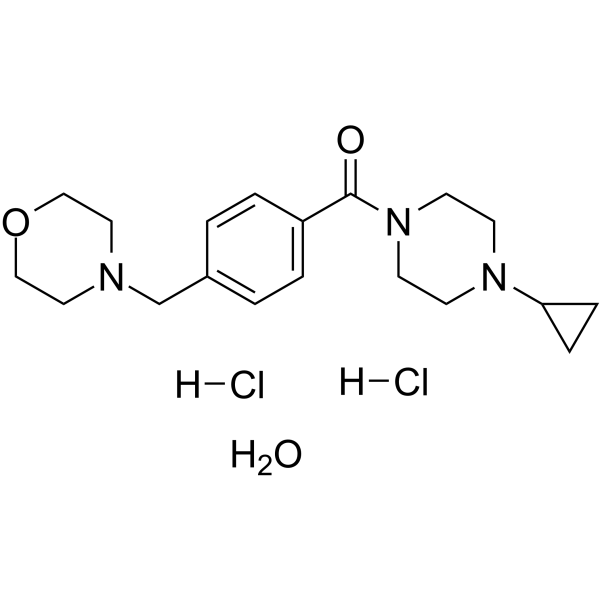
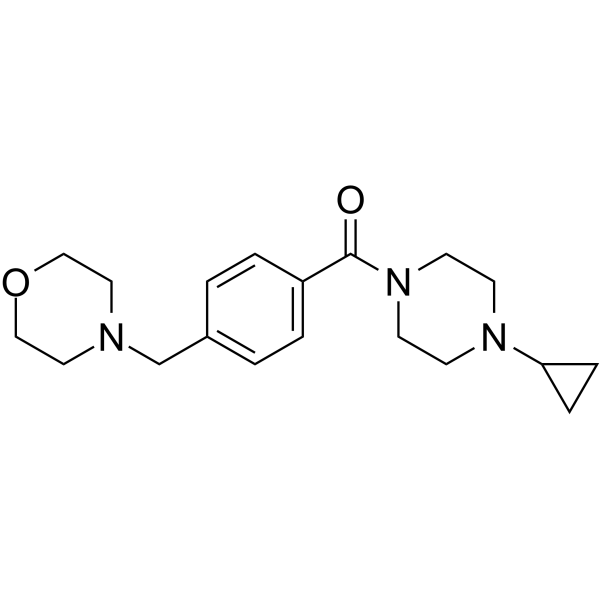
    Histamine Receptor Neurological Disease
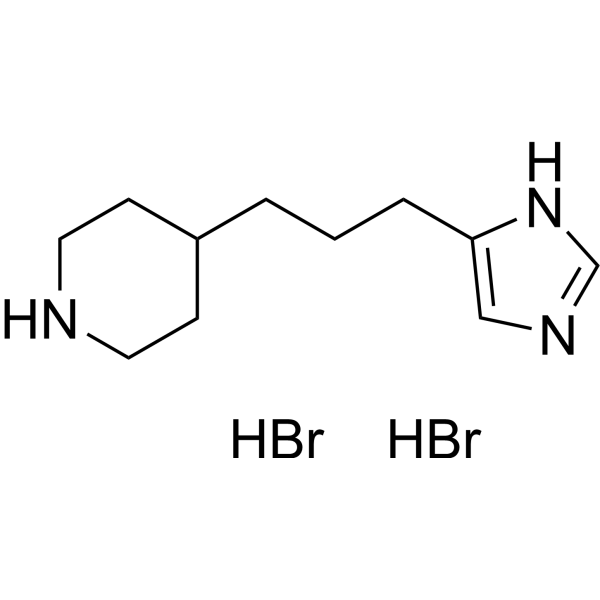
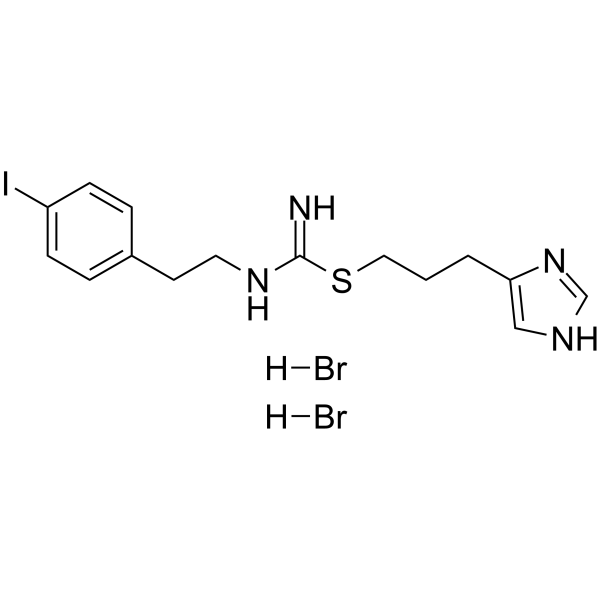
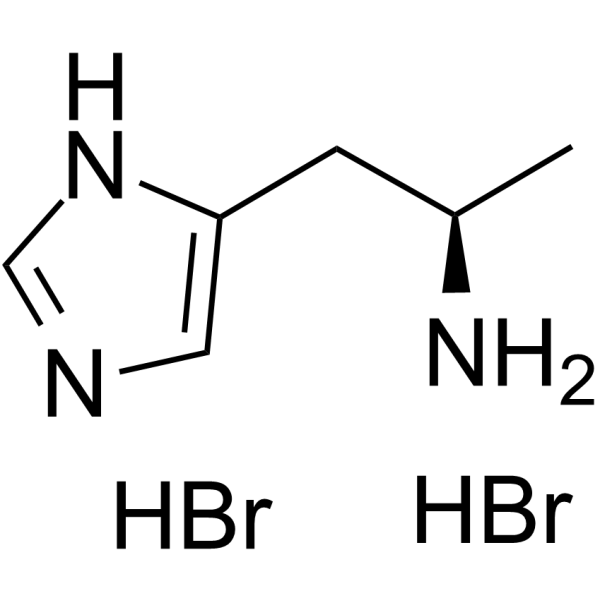
    Methimepip dihydrobromide is a potent and selective histamine H3 receptor agonist with an EC50 of 0.316nM .
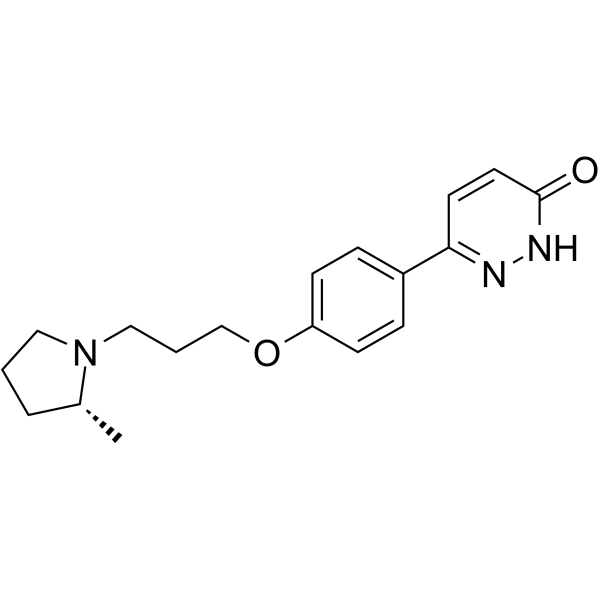
    Methimepip dihydrobromide
  • HY-19580

    CM 57755A

    Histamine Receptor Endocrinology
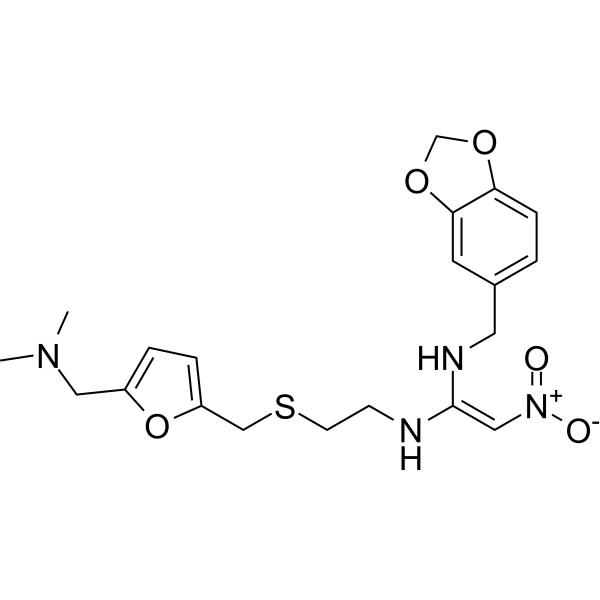
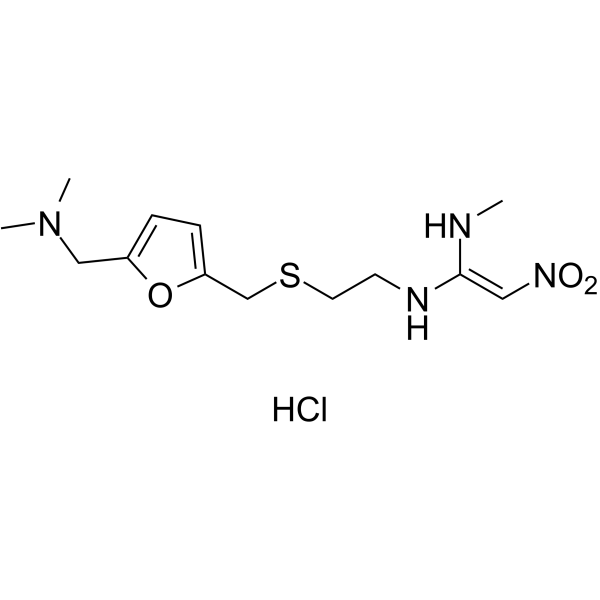
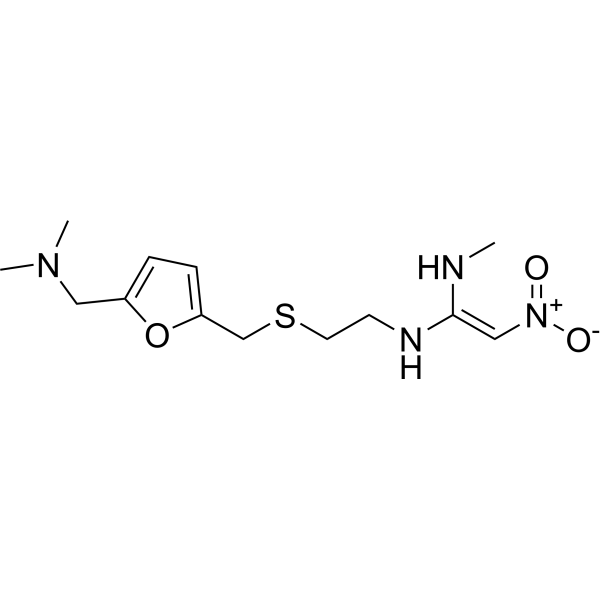
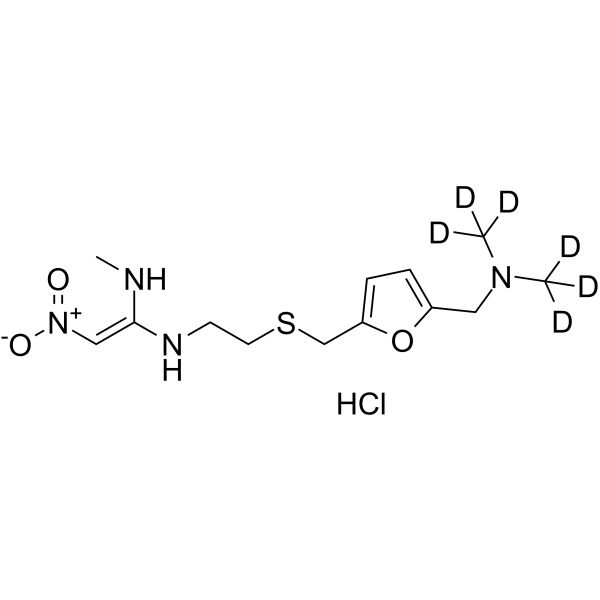
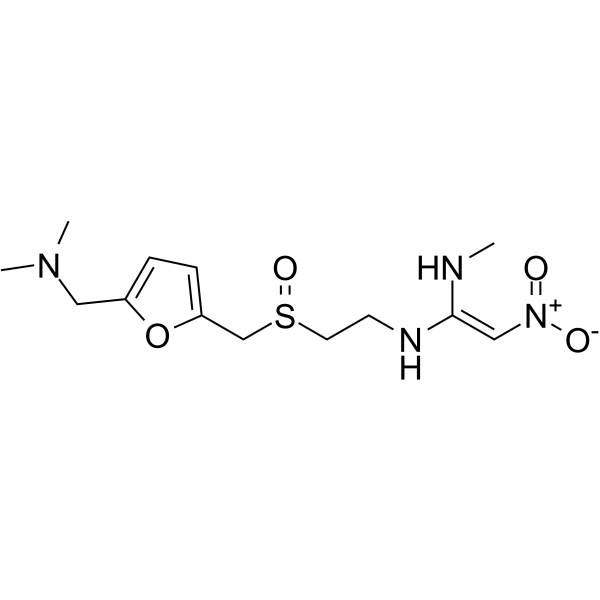
    Ramisotidine is a histamine H2 receptor antagonist that can inhibit gastric acid secretion stimulated by pentagastrin .
    Ramixotidine
  • HY-124626

    Histamine Receptor Inflammation/Immunology
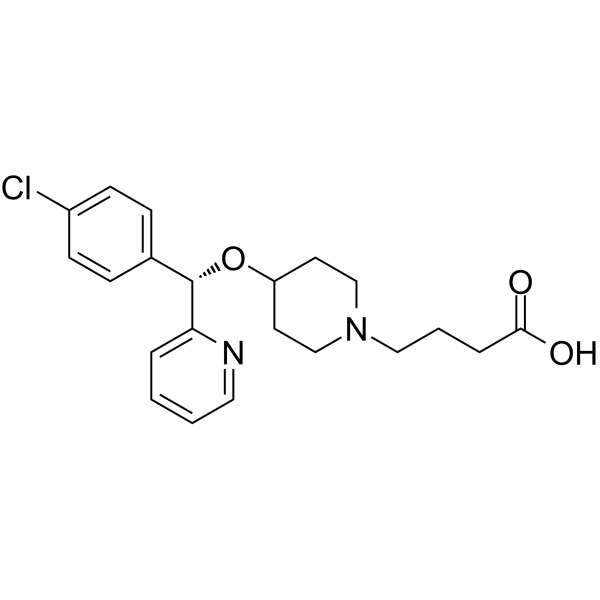
    (R)-(+)-Mequitazine is a histamine H1 receptor antagonist that mainly undergoes bio-transformation via human liver microsomes, resulting in hydroxylated and S-oxidized metabolites. (R)-(+)-Mequitazine competitively binds to the H1 receptors in gastrointestinal, vascular, and respiratory effect cells, thus blocking the endogenous activity of histamine. (R)-(+)-Mequitazine has an inhibitory effect on CYP3A-catalyzed midazolam 1’-hydroxylase. (R)-(+)-Mequitazine can be used in the study of various allergic diseases .
    (R)-(+)-Mequitazine
  • HY-108977

    Histamine Receptor Neurological Disease
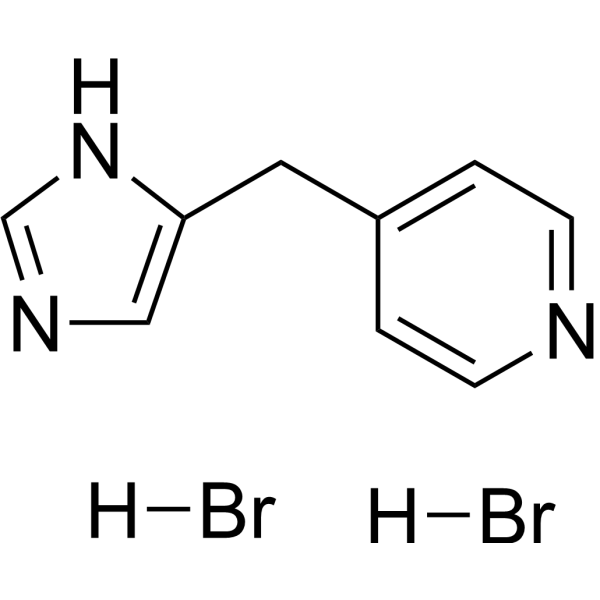
    VUF 8430 is a potent and selective histamine H4 receptor agonist with a Ki of 31.6 nM and an EC50 of 50 nM .
    VUF 8430
  • HY-121455

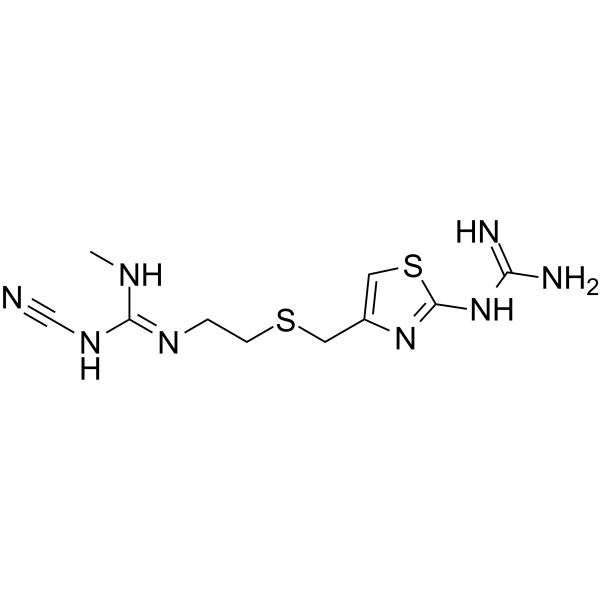
    Histamine Receptor Metabolic Disease
    Lamtidine is a histamine H2 receptor antagonist. Lamtidine has analogues and derivatives that exhibit stronger activity .
    Lamtidine
  • HY-30234S

    Histamine Receptor HCV TRP Channel Cancer
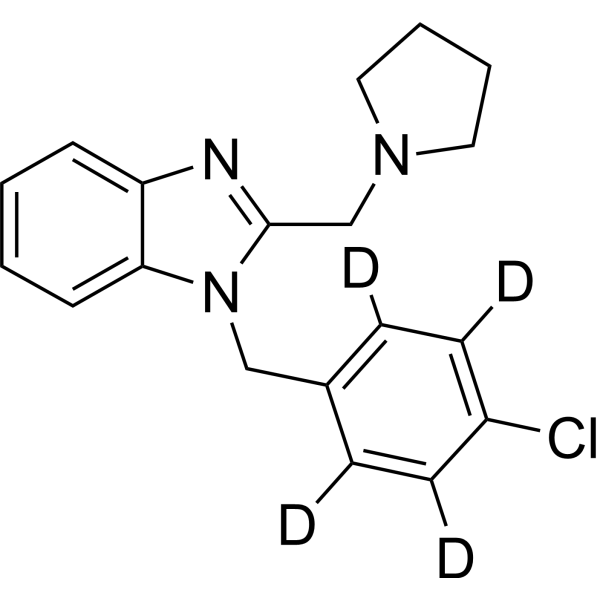
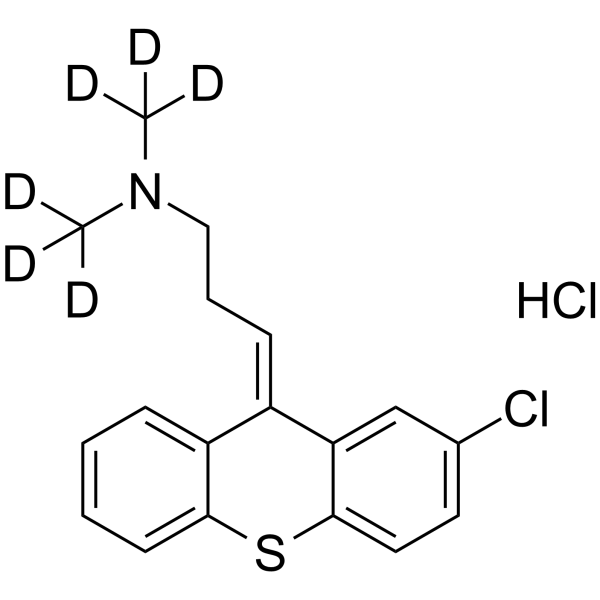
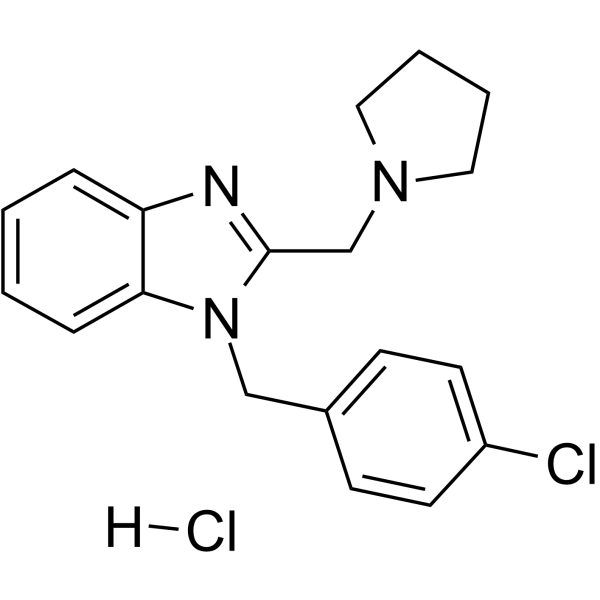
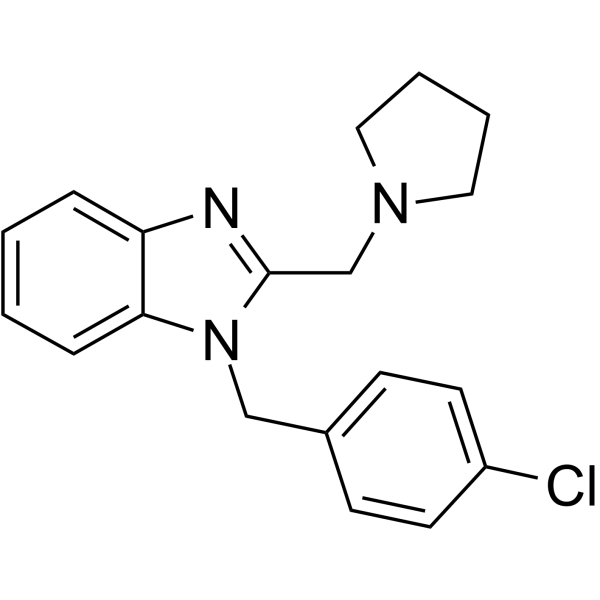
    Clemizole-d4 is a deuterium labeled Clemizole. Clemizole is an H1 histamine receptor antagonist, is found to substantially inhibit HCV replication .
    Clemizole-d4
  • HY-19010

    SKF 94482

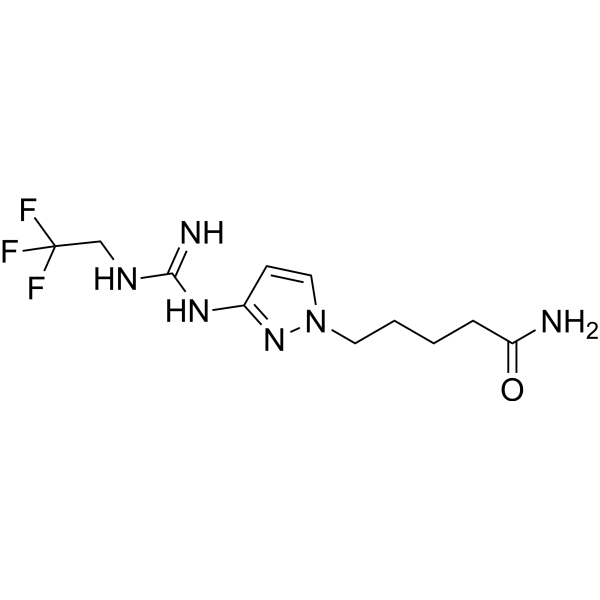
    Histamine Receptor Neurological Disease
    BMY-25368 (SKF 94482) is a histamine H2 receptor antagonist that acts as a gastric acid secretion inhibitor. BMY-25368 competitively antagonizes gastric secretion stimulated by histamine and also antagonizes gastric secretion stimulated by Pentagastrin (HY-A0261), Bethanechol (HY-B0406), and food .
    BMY-25368
  • HY-15541

    CP-57361

    Histamine Receptor Endocrinology
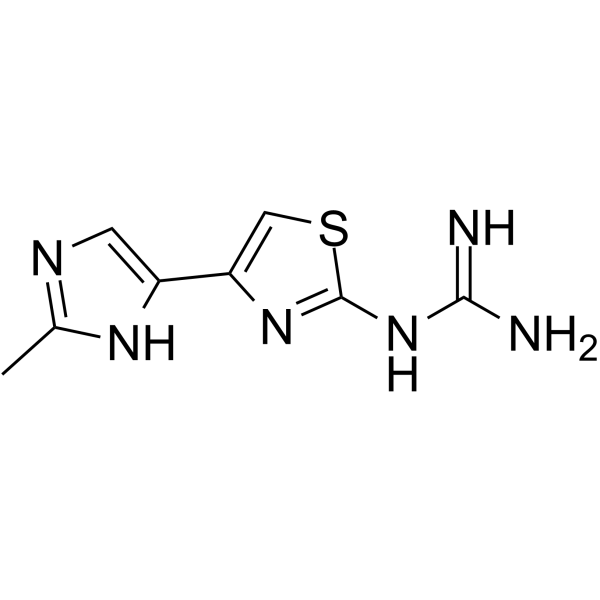
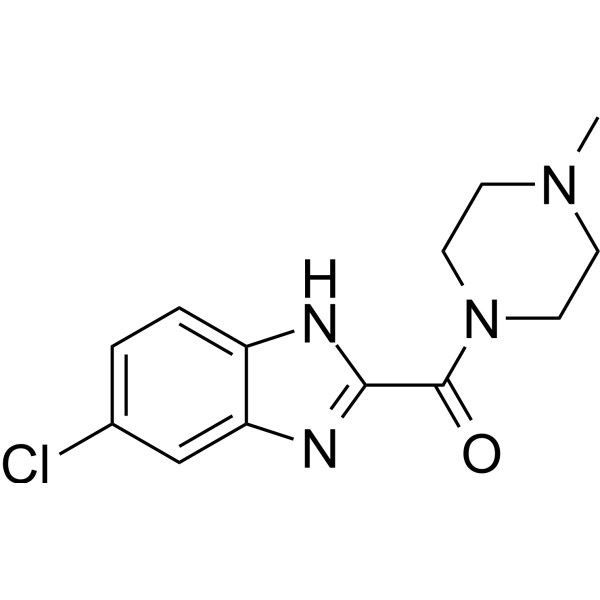
    Zaltidine dihydrochloride (CP-5736 dihydrochloride) is a highly specific H2 receptor antagonist with antisecretion activity. Zaltidine dihydrochloride reduces the stimulant effect of histamine on gastric acid secretion by binding to histamine H2 receptors on gastric parietal cells, thus reducing gastric acid production. Zaltidine dihydrochloride can be used in the study of gastric acid-related diseases such as duodenal ulcers .
    Zaltidine
  • HY-15541A

    CP-5736 dihydrochloride

    Histamine Receptor Endocrinology
    Zaltidine (CP-5736) dihydrochloride is a highly specific H2 receptor antagonist with antisecretion activity. Zaltidine dihydrochloride reduces the stimulant effect of histamine on gastric acid secretion by binding to histamine H2 receptors on gastric parietal cells, thus reducing gastric acid production. Zaltidine dihydrochloride can be used in the study of gastric acid-related diseases such as duodenal ulcers .
    Zaltidine dihydrochloride
  • HY-119203

    Histamine Receptor Metabolic Disease
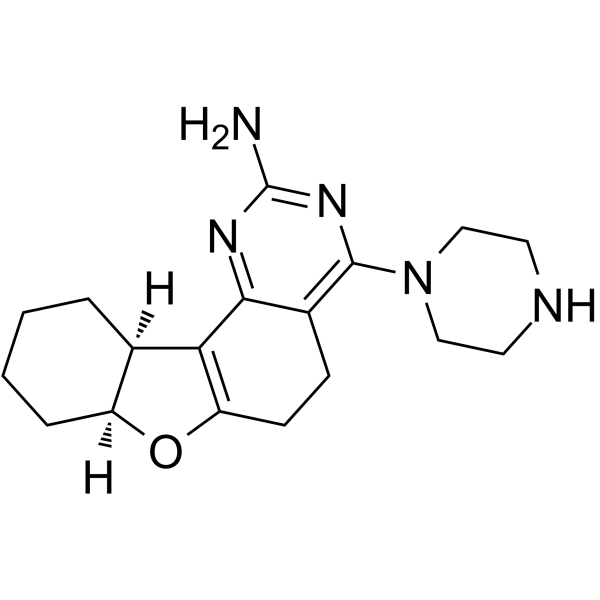
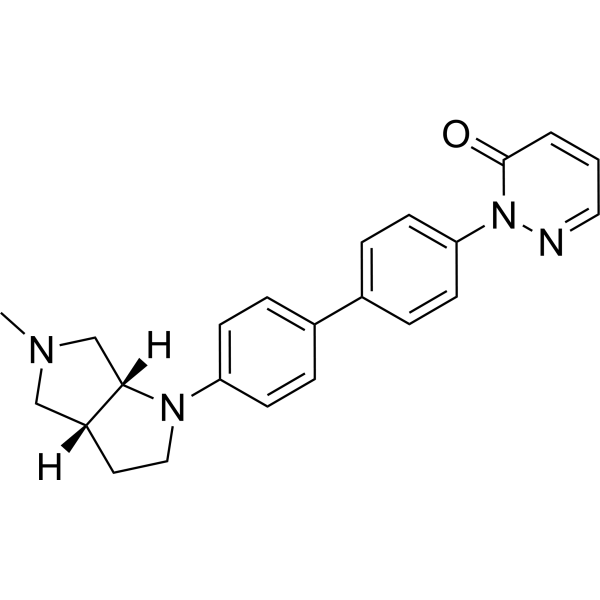
    NNC 38-1049 is an orally active, potent and competitive histamine H3 receptor antagonist. NNC 38-1049 produced an increase in extracellular levels of histamine in the paraventricular nucleus. NNC 38-1049 decreases food intake and body weight, which is promising for research of obesity .
    NNC 38-1049
  • HY-12200

    GSK189254

    Histamine Receptor Neurological Disease
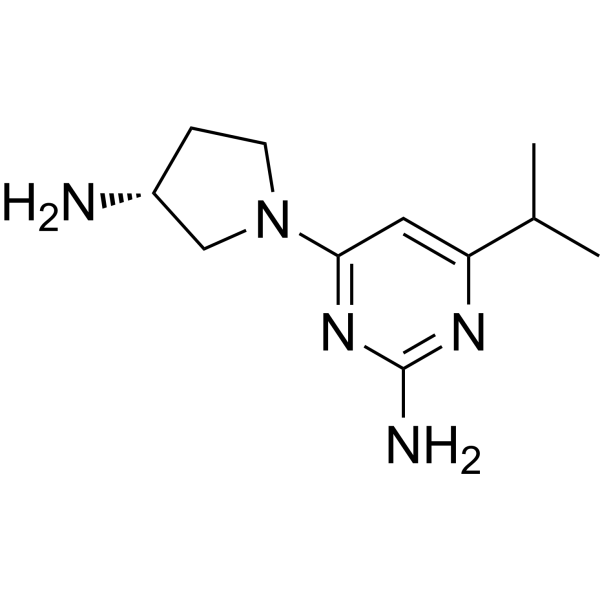
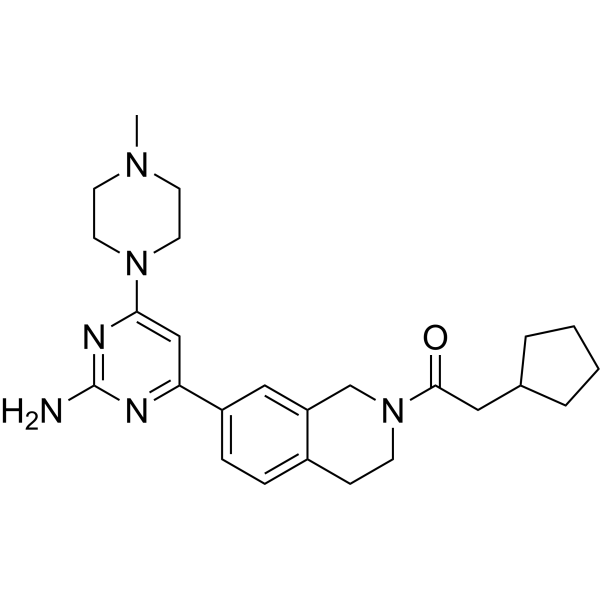
    GSK189254A hydrochloride is a novel, potent and selective histamine H3 receptor antagonist with pKi values of 9.59-9.90 and 8.51-9.17 for human and rat H3, respectively .
    GSK189254A hydrochloride
  • HY-120531

    Histamine Receptor Neurological Disease
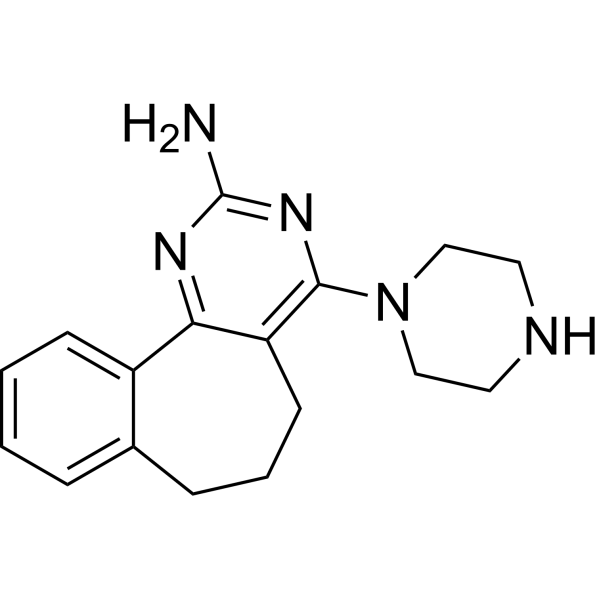
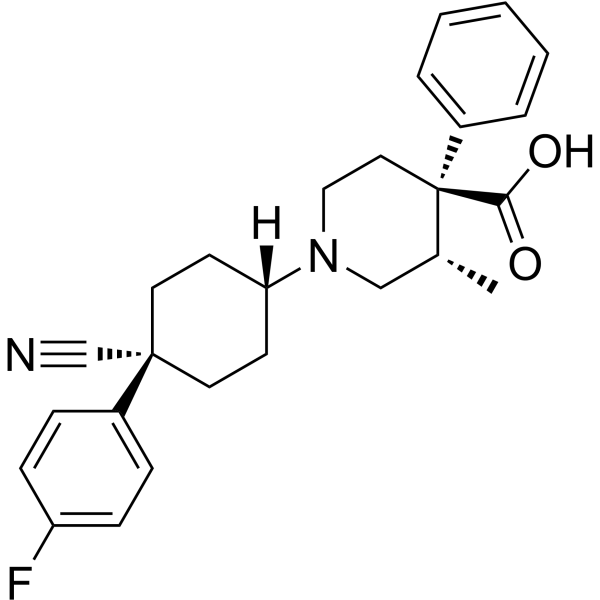
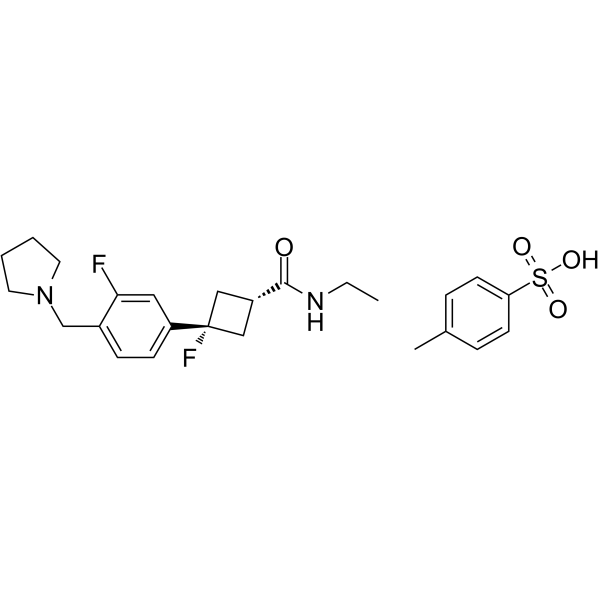
    UR-PI376 is a potent and selective histamine H4 receptor (H4R) agonist with a pEC50 value of 7.47. UR-PI376 shows negligible hH1R and hH2R activities and moderate inverse agonistic activity at the hH3R .
    UR-PI376
  • HY-116560

    Histamine Receptor Inflammation/Immunology
    ONO-8809 is a Thromboxane A2 receptor antagonist. ONO-8809 inhibits the LTC4-induced airway hyperresponsiveness to histamine in a dose-dependent manner .
    ONO-8809

Inquiry Online

Your information is safe with us. * Required Fields.

Salutation


Country or Region *

Applicant Name *


Organization Name *

Department *


Email Address *


Product Name *

Cat. No.


Requested quantity *

Phone Number *


Remarks

Inquiry Online

Inquiry Information

Product Name:
Cat. No.:
Quantity:
MCE Japan Authorized Agent: