Search Result
Results for "
cell+migration
" in MedChemExpress (MCE) Product Catalog:
3
Biochemical Assay Reagents
16
Isotope-Labeled Compounds
| Cat. No. |
Product Name |
Target |
Research Areas |
Chemical Structure |
-
- HY-16928
-
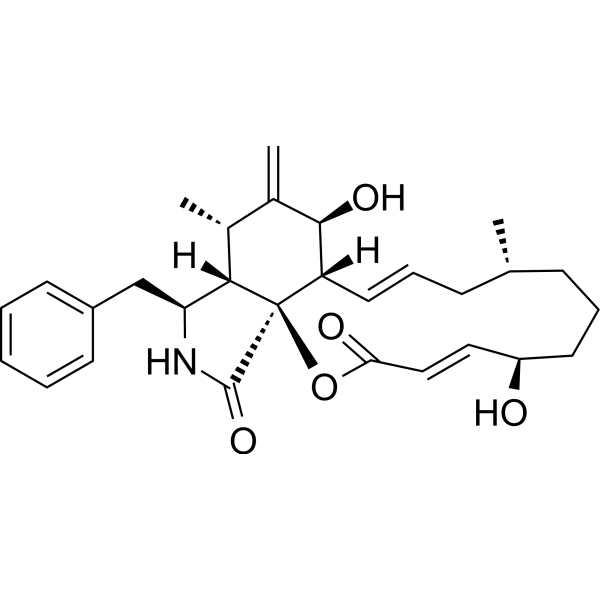
Cytochalasin B
Maximum Cited Publications
45 Publications Verification
Phomin
|
Arp2/3 Complex
|
Cancer
|
|
Cytochalasin B is a cell-permeable mycotoxin binding to the barbed end of actin filaments, disrupting the formation of actin polymers, with Kd value of 1.4-2.2 nM for F-actin. Cytochalasin B blocks cell migration.
|
-
-
- HY-15304
-
-
-
- HY-13813
-
|
|
Myosin
|
Others
|
|
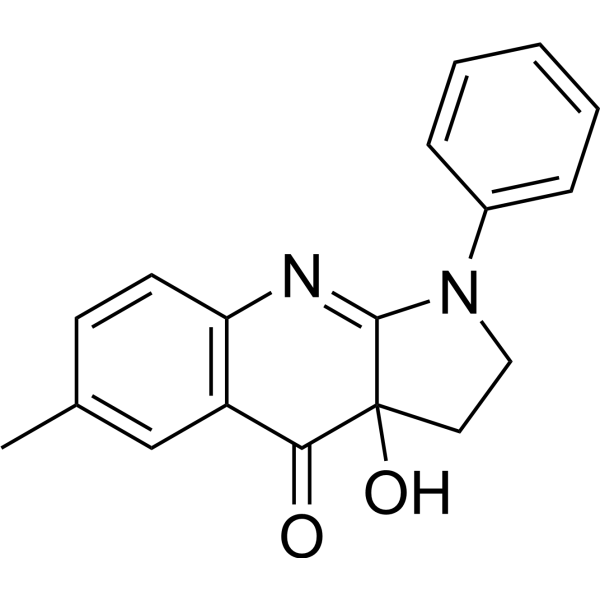
Blebbistatin is a selective non-muscle myosin II (NMII) inhibitor, promotes directional migration of corneal endothelial cells (CECs) and accelerates wound healing, and better preserves cell junctional integrity and barrier function. Blebbistatin blocks cell migration .
|
-
-
- HY-13442A
-
|
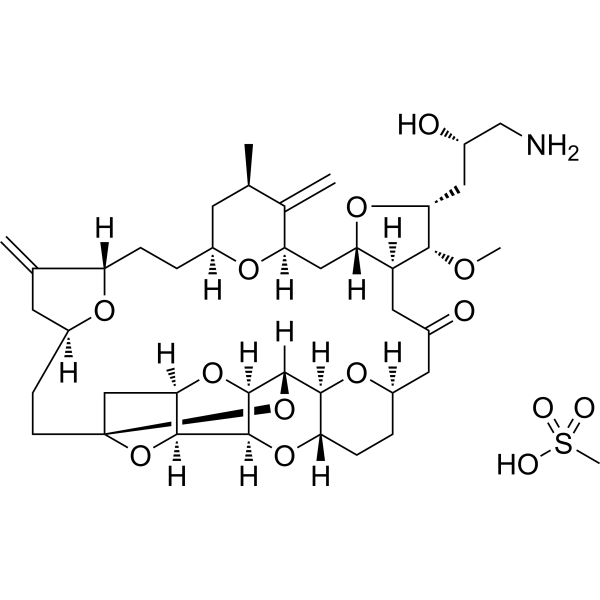
B1939 mesylate; E7389 mesylate; ER-086526 mesylate
|
Microtubule/Tubulin
Apoptosis
|
Cancer
|
|
Eribulin mesylate is an inhibitor for microtubule. Eribulin mesylate inhibits the proliferation of cancer cell LM8 and Dunn, inhibits the cell migration of LM8, arrests the cell cycle at G2/M phase, and induces apoptosis in LM8. Eribulin mesylate exhibits antitumor efficacy in mouse model .
|
-
-
- HY-N0410
-
|
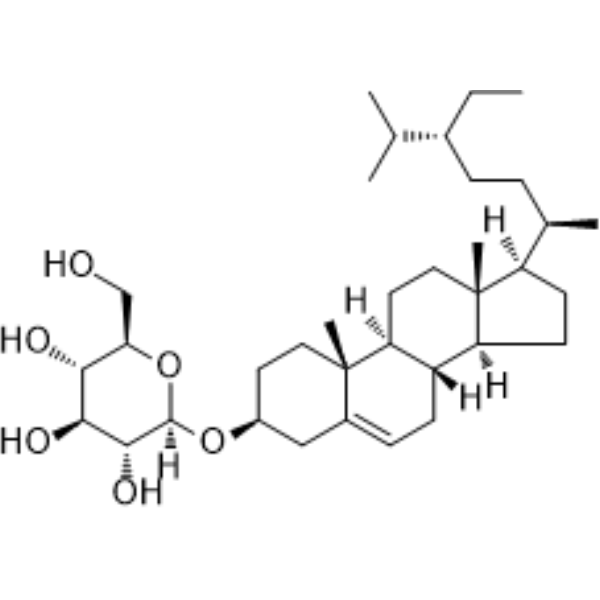
Eleutheroside A; β-Sitosterol β-D-glucoside
|
Apoptosis
Reactive Oxygen Species (ROS)
Autophagy
|
Inflammation/Immunology
Cancer
|
|
Daucosterol is an orally active natural sterol compound, which has anti-inflammatory, anticancer and immunomodulatory activities. Daucosterol inhibits cancer cell proliferation by inducing autophagy through ROS-dependent manner. Daucosterol also inhibits colon cancer growth by inducing apoptosis, inhibiting cell migration and invasion and targeting caspase signalling pathway .
|
-
-
- HY-150231
-
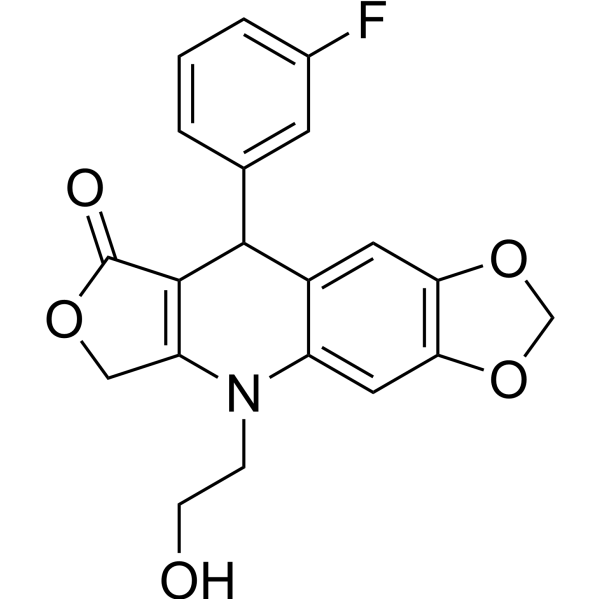
SU056
2 Publications Verification
|
YB-1
|
Cancer
|
|
SU056 is a YB-1 inhibitor. SU056 induces cell-cycle arrest, apoptosis, and inhibits cell migration in ovarian cancer cells. SU056 interacts with YB-1 and inhibits and its associated downstream proteins and pathways. SU056 can enhance the cytotoxic effects of Paclitaxel (HY-B0015) .
|
-
-
- HY-100808
-
|
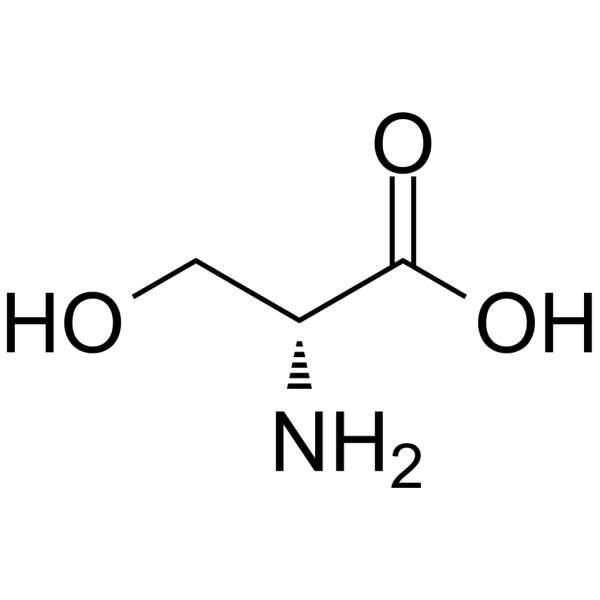
(R)-Serine
|
iGluR
Endogenous Metabolite
|
Neurological Disease
|
|
D-Serine ((R)-Serine), an endogenous amino acid involved in glia-synapse interactions that has unique neurotransmitter characteristics, is a potent co-agonist at the NMDA glutamate receptor. D-Serinee has a cardinal modulatory role in major NMDAR-dependent processes including NMDAR-mediated neurotransmission, neurotoxicity, synaptic plasticity, and cell migration .
|
-
-
- HY-B1260
-
|
CTAB; Cetyltrimethylammonium bromide; Hexadecyltrimethylammonium bromide
|
Environmental Pollutants
Biochemical Assay Reagents
Apoptosis
TGF-β Receptor
MMP
|
Cancer
|
|
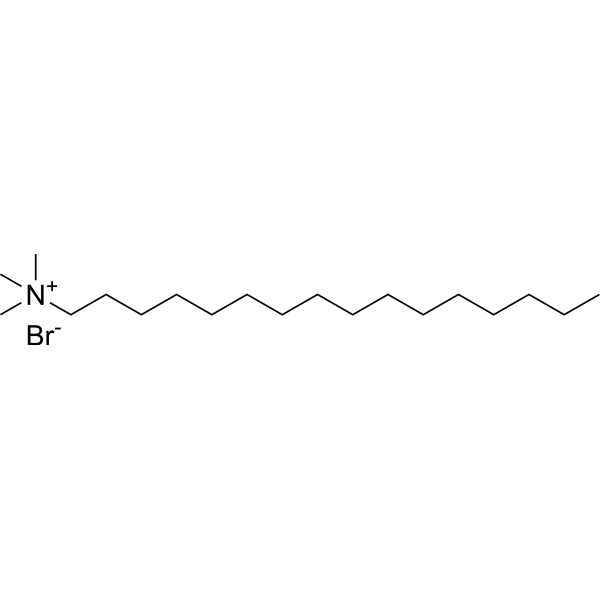
Cetrimonium bromide (CTAB), a quaternary ammonium, is an orally active cationic surfaetant. Cetrimonium bromide has toxicity and anticancer effect. Cetrimonium bromide inhibits cell migration and invasion through modulating the canonical and non-canonical TGF-β signaling pathways. Cetrimonium bromide can be used for DNA extraction .
|
-
-
- HY-123071
-
Box5
Maximum Cited Publications
11 Publications Verification
|
Wnt
|
Cancer
|
|
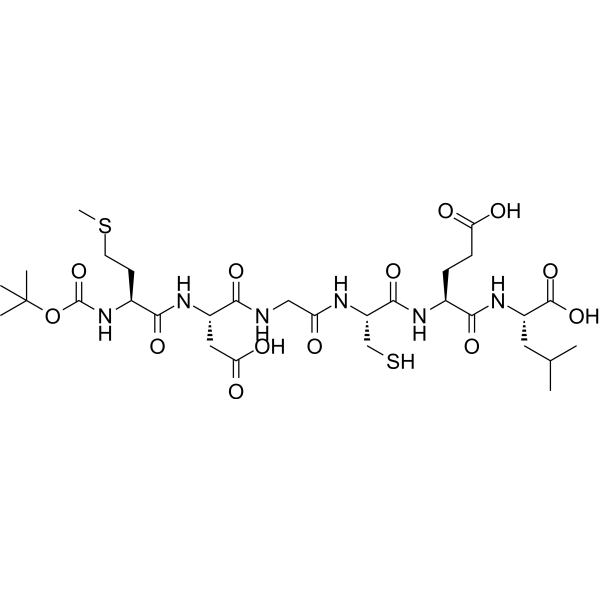
Box5 is a potent Wnt5a antagonist. Box5 inhibits Wnt5a signaling and inhibits Wnt5a-mediated Ca 2+ release. Box5 inhibits cell migration. Box5 has the potential for the research of melanoma .
|
-
-
- HY-153910
-
|
|
Others
|
Cancer
|
|
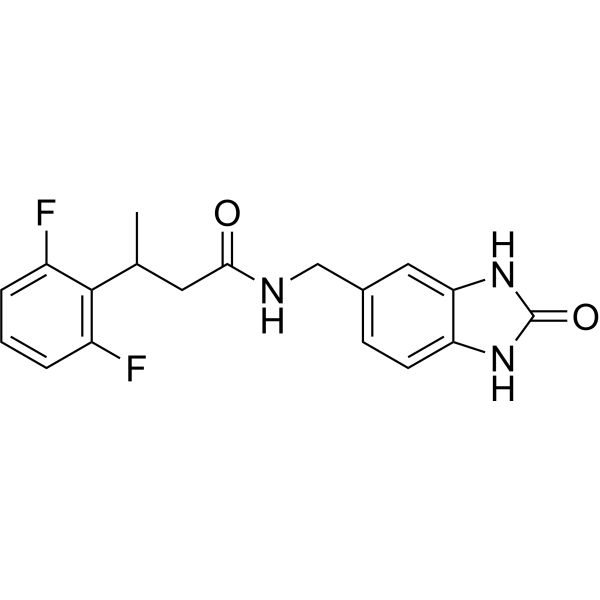
AGPS-IN-1 (Compound 2i) is an effective AGPS binder. AGPS-IN-1 reduces ether lipids levels and cell migration rate. AGPS-IN-1 inhibits epithelial-mesenchymal transition (EMT) in prostate PC-3 and breast MDA-MB-231 cancer cells .
|
-
-
- HY-144873
-
|
|
Insulin Receptor
Apoptosis
|
Cancer
|
|
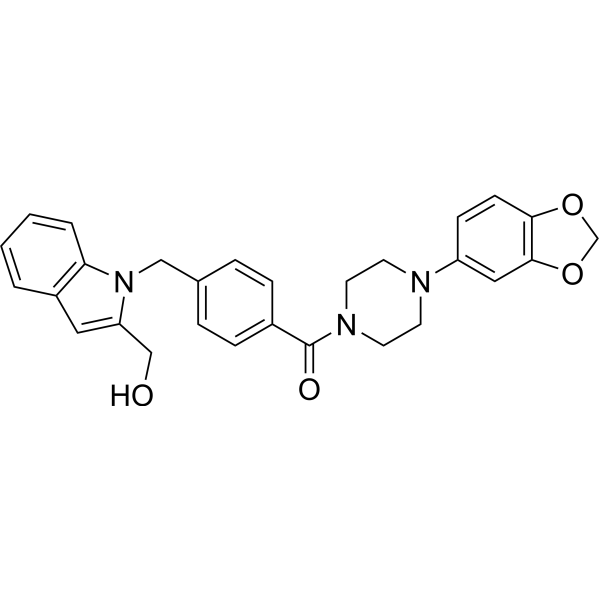
AVJ16 is a cancer cell migration inhibitor that targets the insulin-like growth factor 2 mRNA binding protein IGF2BP1 with a good affinity of Kd of 1.4μM. AVJ16 interferes with IGF2BP1 binding target mRNA to regulate gene expression and translation .
|
-
-
- HY-132222
-
SET2
1 Publications Verification
|
TRP Channel
|
Cancer
|
|
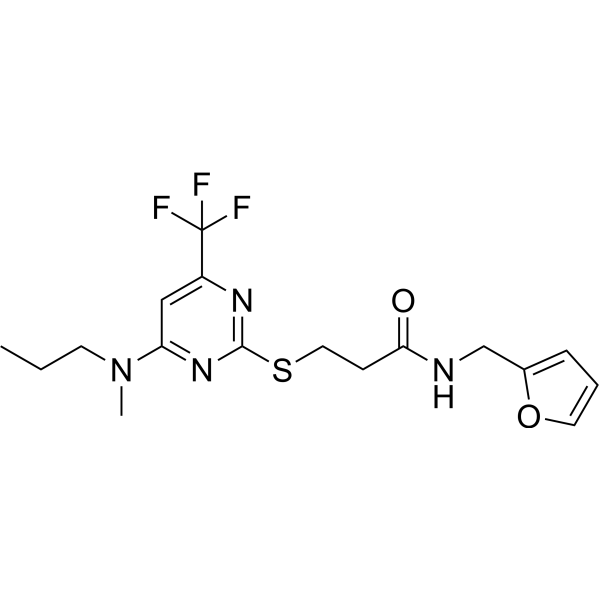
SET2 is a selective TRPV2 antagonist (IC50=0.46 μM). SET2 blocks the TRP channel and suppresses prostate cancer cells migration. SET2 reduces the lysophosphatidic acid (LPA, a TRPV2 activator)-induced cytoplasmic calcium increases .
|
-
-
- HY-114657A
-
|
|
Arp2/3 Complex
|
Inflammation/Immunology
Cancer
|
|
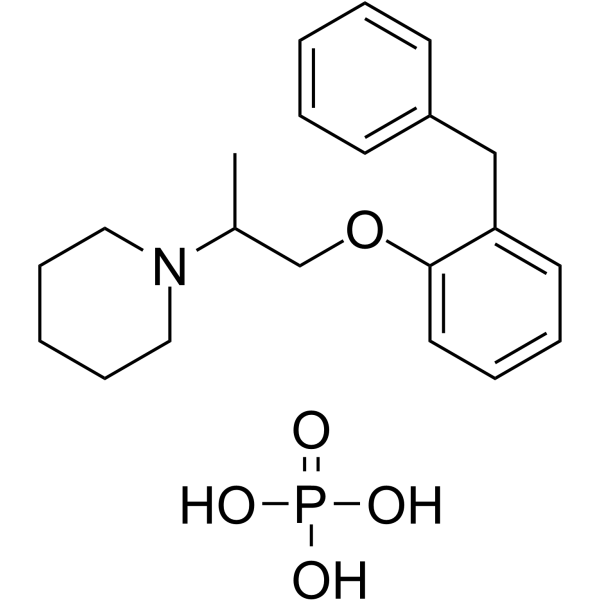
Benproperine phosphate is an orally active, potent actin-related protein 2/3 complex subunit 2 (ARPC2) inhibitor. Benproperine phosphate attenuates the actin polymerization rate of action polymerization nucleation by impairing Arp2/3 function. Benproperine phosphate has the potential for a cough suppressant and suppresses cancer cell migration and tumor metastasis .
|
-
-
- HY-15892
-
CK-636
4 Publications Verification
CK-0944636
|
Arp2/3 Complex
|
Inflammation/Immunology
Cancer
|
|
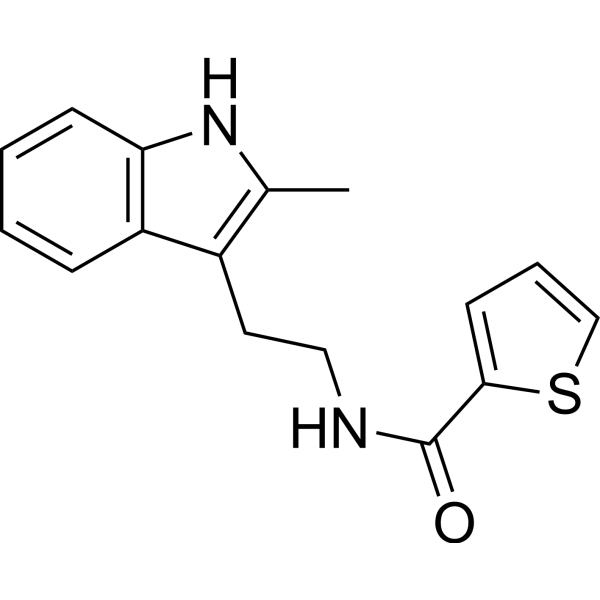
CK-636 is a cell permeable inhibitor of Arp2/3 complex, that could inhibit actin polymerization, with IC50 values of 4 μM, 24 μM and 32 μM for human, fission yeast and bovine, respectively. CK636 blocks cell migration.
|
-
-
- HY-101302
-
|
|
Opioid Receptor
TRP Channel
|
Inflammation/Immunology
|
|
Naltriben mesylate is a potent δ2-opioid receptor antagonist and a TRPM7 activator. Naltriben mesylate shows Ki values of 0.013 nM, 19 nM and 152 nM for δ, μ and κ receptors, respectively. Naltriben mesylate enhances glioblastoma cell migration and invasion. Naltriben mesylate can be used in research into neurological diseases and cancer .
|
-

-
- HY-113116
-
|
D-erythro-Dihydrosphingosine 1-phosphate
|
Endogenous Metabolite
|
Inflammation/Immunology
Cancer
|
|
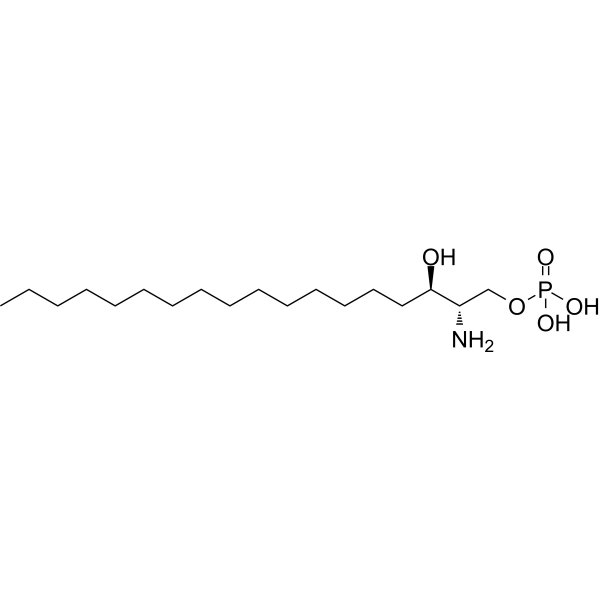
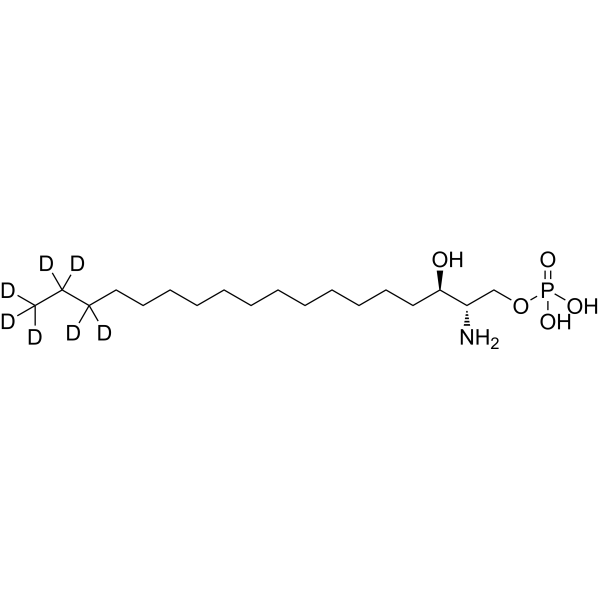
Sphinganine 1-phosphate (D-erythro-Dihydrosphingosine 1-phosphate) is a polar sphingolipid metabolite that regulates cell migration, differentiation, survival and complex physiological processes .
|
-
-
- HY-111149A
-
|
|
CXCR
|
Inflammation/Immunology
|
|
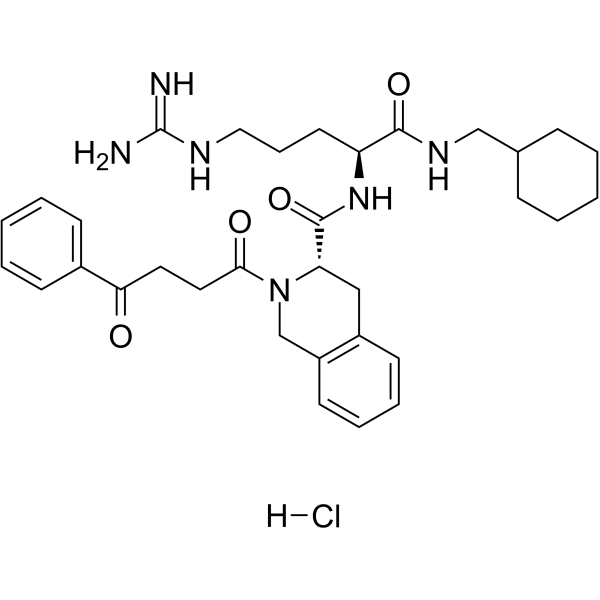
PS372424 hydrochloride, a three amino-acid fragment of CXCL10, is a specific human CXCR3 agonist with anti-inflammatory activity. PS372424 hydrochloride prevents human T-cell migration in a humanized model of arthritic inflammation .
|
-
-
- HY-126253
-
-
-
- HY-P2284
-
AD 01
2 Publications Verification
|
Transmembrane Glycoprotein
|
Cancer
|
|
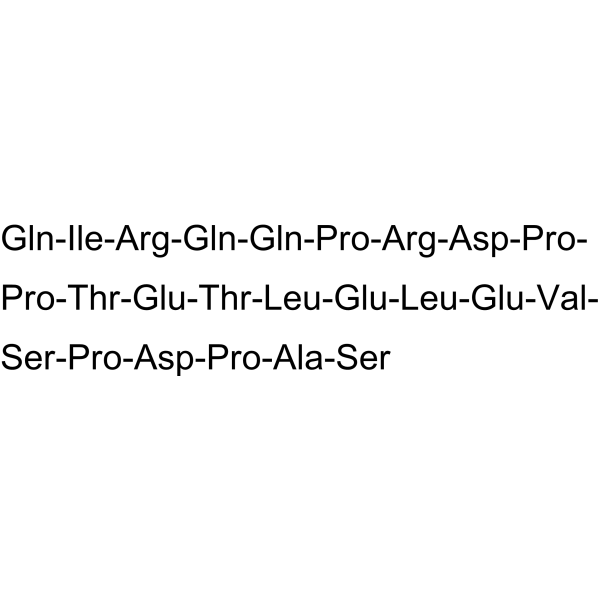
AD 01, a 24 amino acid peptide of FKBPL (FK506-binding protein like), possesses potent anti-angiogenic activity. AD 01 bind to the CD44 receptor and inhibit tumour cell migration in a CD44 dependant manner .
|
-
-
- HY-16916
-
NS1643
1 Publications Verification
|
Potassium Channel
Autophagy
|
Cancer
|
|
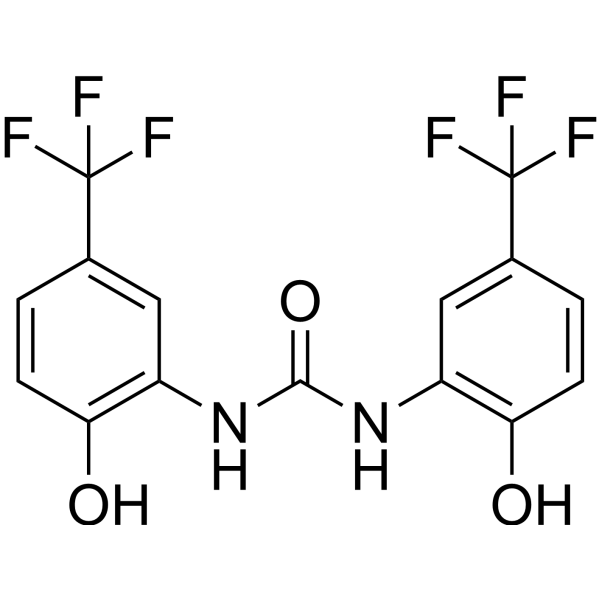
NS1643 is a partial agonist of human ether-a-go-go-related gene (hERG) K + channels with an EC50 of 10.5 μM. NS1643 inhibits the growth of breast cancer tumors in TNBC mouse models. NS1643 inhibits cell migration and invasion of breast cancer cells .
|
-
-
- HY-146985
-
|
|
Cathepsin
|
Neurological Disease
Cancer
|
|
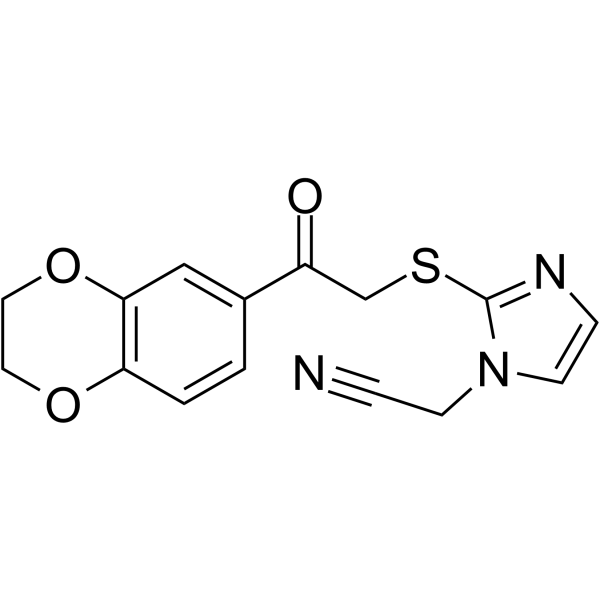
Cathepsin X-IN-1 (compound 25) is a potent Cathepsin X inhibitor with an IC50 of 7.13 µM. Cathepsin X-IN-1 decreases PC-3 cell migration with low cytotoxic .
|
-
-
- HY-126410
-
|
|
FAK
|
Metabolic Disease
|
|
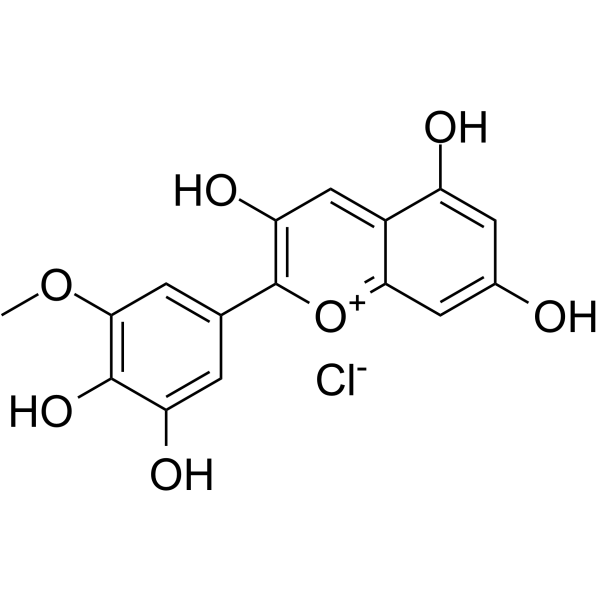
Petunidin chloride is an O-methylated anthocyanidin derived from delphinidin. Petunidin chloride binds with and suppresses the activity of focal adhesion kinase and to inhibit platelet-derived growth factor-induced aortic smooth muscle cell migration, which may confer a protective effect against atherosclerosis.
|
-
-
- HY-18965
-
|
|
PKC
|
Cardiovascular Disease
|
|
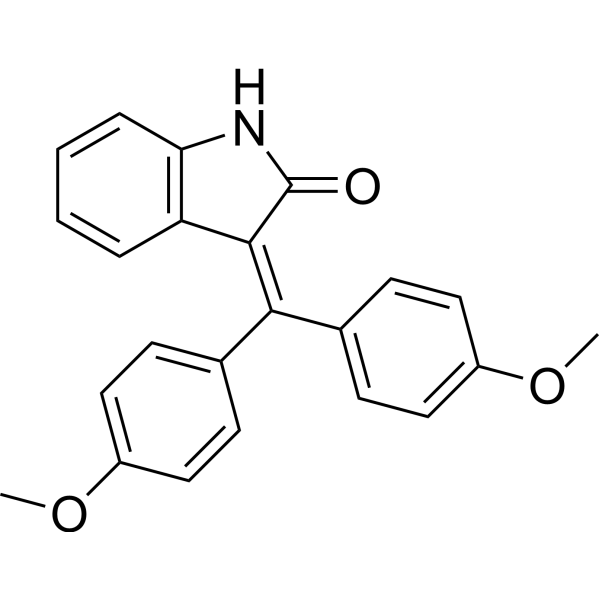
TAS-301 is an inhibitor of smooth muscle cell migration and proliferation, and inhibits PKC activation induced by PDGF.
|
-
-
- HY-P2463
-
|
|
Arp2/3 Complex
|
Inflammation/Immunology
|
|
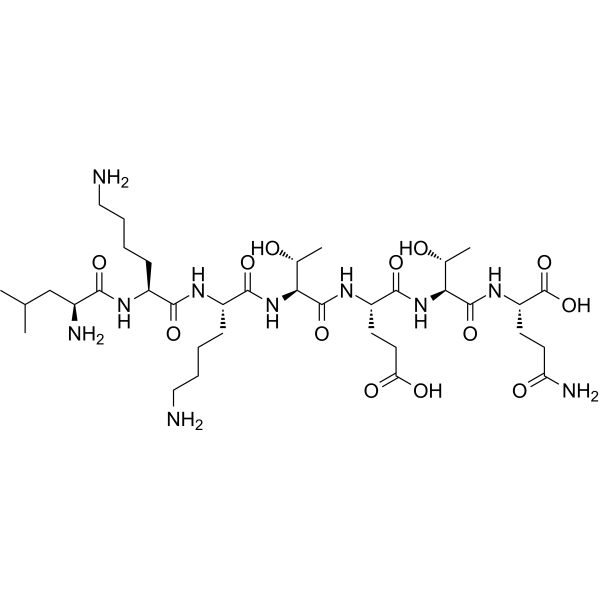
Fequesetide, a peptide segment, is the active site within the protein thymosin β4 responsible for actin binding, cell migration and wound healing .
|
-
-
- HY-123901
-
|
|
Apoptosis
|
Cancer
|
|
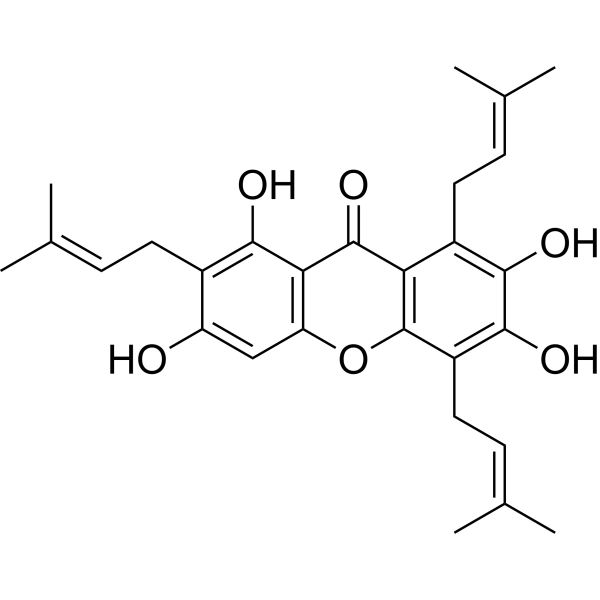
Garcinone E is a natural xanthone found in the rind of the mangosteen fruit. Garcinone E induces apoptosis and inhibits cancer cell migration. Garcinone E has anticancer effects on different human cancer cell lines, including colorectal, breast, and hepatocellular carcinomas .
|
-
-
- HY-156293
-
|
|
Formyl Peptide Receptor (FPR)
Apoptosis
|
Cancer
|
|
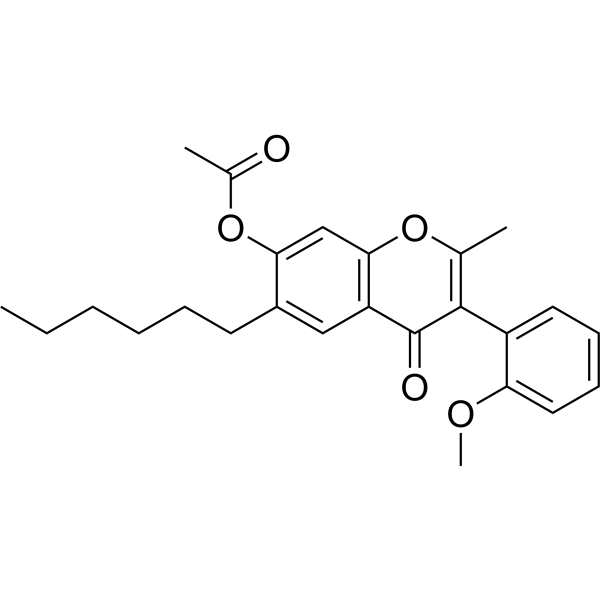
FPR1 antagonist 1 (compound 24a) is a formyl peptide receptor 1 (FPR1) antagonist with an IC50 of 25 nM. FPR1 antagonist 1 inhibits cell growth through a combined effect on cell proliferation and apoptosis and reduces cell migration, while inducing an increase in angiogenesis .
|
-
-
- HY-123071A
-
Box5 TFA
Maximum Cited Publications
11 Publications Verification
|
Wnt
|
Cancer
|
|
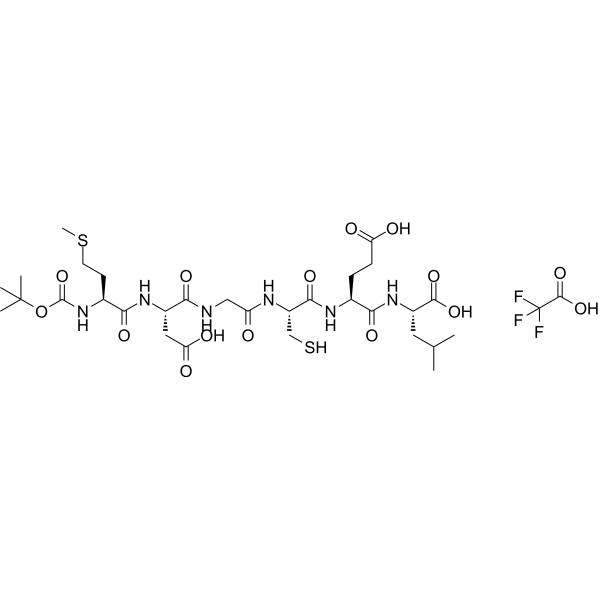
Box5 TFA is a potent Wnt5a antagonist. Box5 TFA inhibits Wnt5a signaling and inhibits Wnt5a-mediated Ca 2+ release. Box5 TFA inhibits cell migration. Box5 TFA has the potential for the research of melanoma .
|
-
-
- HY-170964
-
|
|
DNA/RNA Synthesis
TGF-β Receptor
|
Cancer
|
|
HPH-15 is an anti-migration compound that inhibits cell migration by binding to hnRNP U or suppressing TGF-β signaling. In addition, HPH-15 can also inhibit epithelial-mesenchymal transition (EMT). HPH-15 holds promise for research in the fields of anti-tumor metastasis and anti-fibrosis .
|
-

-
- HY-111414
-
|
|
HSP
|
Cancer
|
|
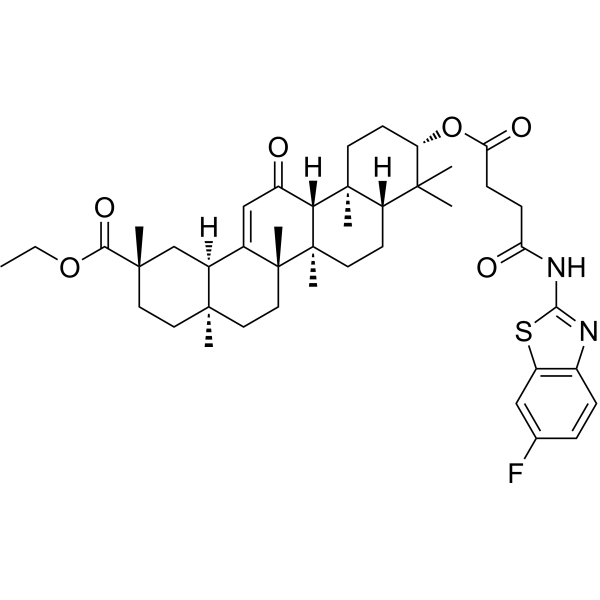
Hsp90-Cdc37-IN-1 is an Hsp90-Cdc37 interaction disruptor that inhibit cell migration and reverse agent resistance, with an IC50 of 140 nM.
|
-
-
- HY-133511
-
|
|
Phosphatase
|
Cancer
|
|
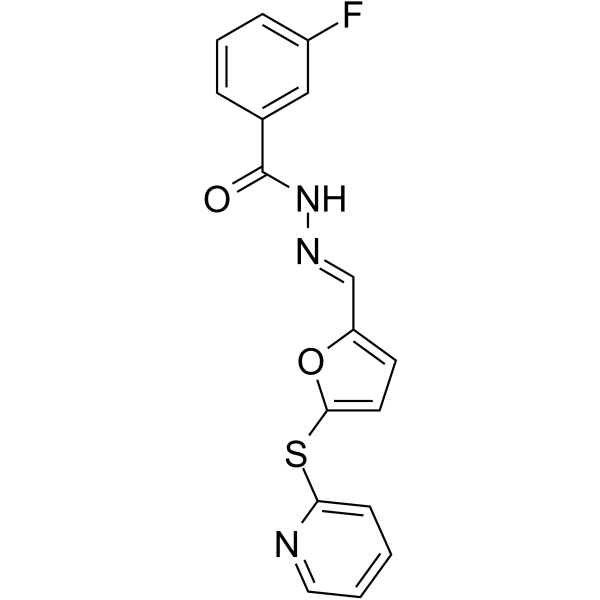
MLS000544460 is a highly selective and reversible Eya2 phosphatase inhibitor with a Kd of 2.0 μM and an IC50 of 4 μM. MLS000544460 inhibit Eya2 phosphatase mediated cell migration and has anti-cancer activity .
|
-
-
- HY-N2666
-
|
|
VEGFR
|
Cancer
|
|
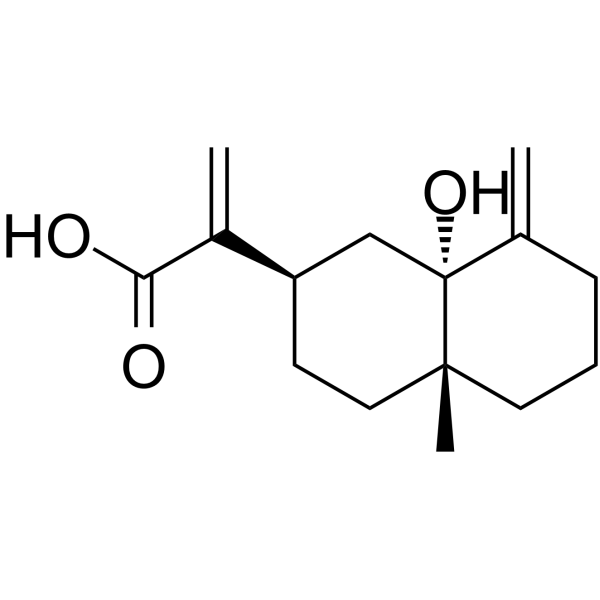
5α-Hydroxycostic acid, a eudesmane-type sesquiterpene, is isolated from the herb Laggera alata. 5α-Hydroxycostic acid inhibits angiogenesis and suppresses breast cancer cell migration through regulating VEGF/VEGFR2 and Ang2/Tie2 pathways .
|
-
-
- HY-164410
-
|
|
Notch
|
Cancer
|
|
MO-I-1100 is an inhibitor of ASPH (Aspartyl-(Asparaginyl)-β-hydroxylase) enzymatic activity. MO-I-1100 suppresses HCC cell migration, invasion and anchorage independent growth. MO-I-1100 shows antitumor effects through inhibiting Notch signaling cascade in HCC .
|
-

-
- HY-172917
-
|
|
Ras
|
Cancer
|
|
Rho GTPase inhibitor 1 (compound 7) is a potent Rho GTPase inhibitor. Rho GTPase inhibitor 1 exhibits high affinity on Cdc42, Rac1 and RhoA with KDs of 151, 352, and 232 μM, respectively. Rho GTPase inhibitor 1 reduces cell migration on glioma cell line .
|
-

-
- HY-175202
-
|
|
Discoidin Domain Receptor
Apoptosis
Caspase
Interleukin Related
PERK
|
Cancer
|
|
CIDD-8633 is a potent DDR2 inhibitor with an IC50 of 6.105 μM. CIDD-8633 inhibits cell migration and halts the cell cycle and induces apoptosis, significantly suppressing pancreatic ductal adenocarcinoma (PDAC) tumor growth. CIDD-8633 can be used for the study of pancreatic cancer such as PDAC .
|
-

-
- HY-111149
-
|
|
CXCR
|
Inflammation/Immunology
|
|
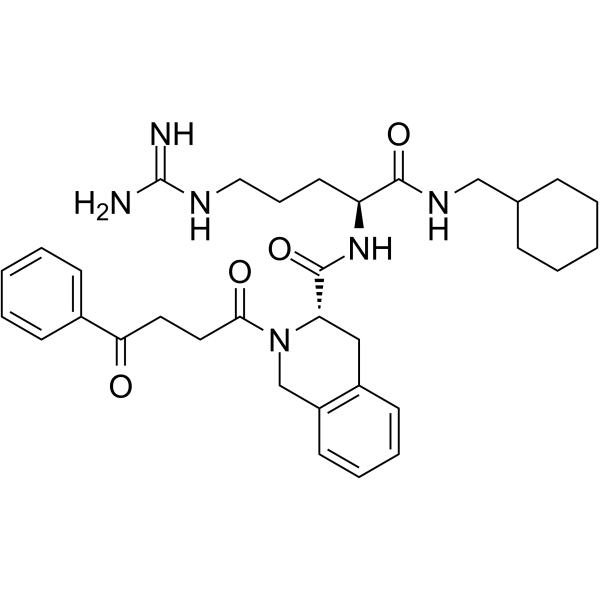
PS372424, a three amino-acid fragment of CXCL10, is a specific human CXCR3 agonist with anti-inflammatory activity. PS372424 prevents human T-cell migration in a humanized model of arthritic inflammation .
|
-
-
- HY-125900
-
|
NCA
|
Others
|
Cancer
|
|
Neocarzilin A (NCA) reduces BST-2 levels via lysosomal degradation. Neocarzilin A has antimigratory and antiproliferative effects on cancer cells. Neocarzilin A inhibits cancer cell migration via irreversible binding to the synaptic vesicle membrane protein VAT-1 .
|
-

-
- HY-151904
-
|
|
TAM Receptor
FLT3
PDGFR
|
Cancer
|
|
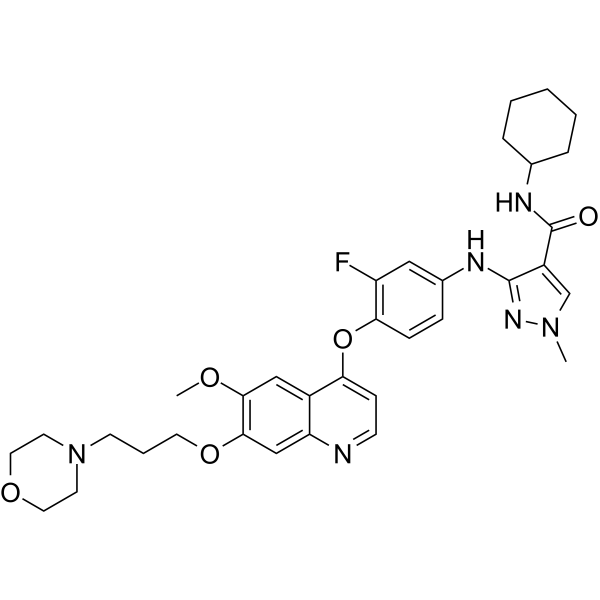
AXL-IN-13 is a potent and orally active AXL inhibitor (IC50: 1.6 nM, Kd: 0.26 nM). AXL-IN-13 reverses TGF-β1-induced epithelial-mesenchymal transition (EMT), and inhibits cancer cell migration and invasion .
|
-
-
- HY-161268
-
-
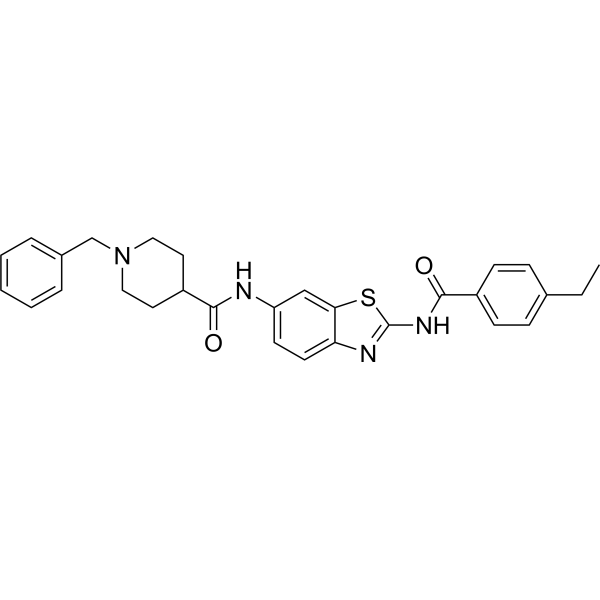
-
- HY-P4002
-
|
|
ADAMTS
|
Cancer
|
|
Adamtsostatin 18 is an anti-angiogenic peptide derived from proteins containing type I thrombospondin motifs. Adamtsostatin 18 inhibits cell migration and proliferation .
|
-

-
- HY-150614
-
|
|
Phosphodiesterase (PDE)
LPL Receptor
|
Cancer
|
|
Autotaxin-IN-6 (compound 23) is a potent autotaxin (ATX) inhibitor with an IC50 value of 30 nM. Autotaxin-IN-6 can reduce cell migration. Autotaxin-IN-6 can be used for researching anticancer .
|
-
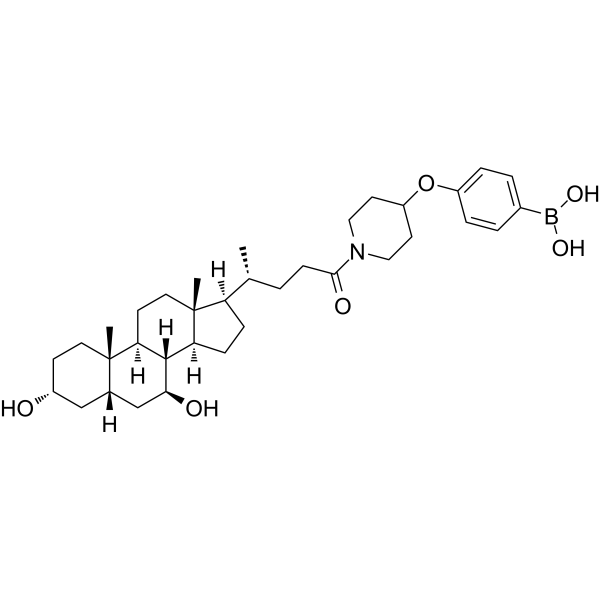
-
- HY-149249
-
|
|
Microtubule/Tubulin
Apoptosis
Histone Demethylase
|
Cancer
|
|
MY-943 is a potent tubulin polymerization and LSD1 inhibitor with anticancer activity. MY-943 induces G2/M phase arrest and apoptosis, and inhibits cell migration. MY-943 can be used for gastric cancer research .
|
-
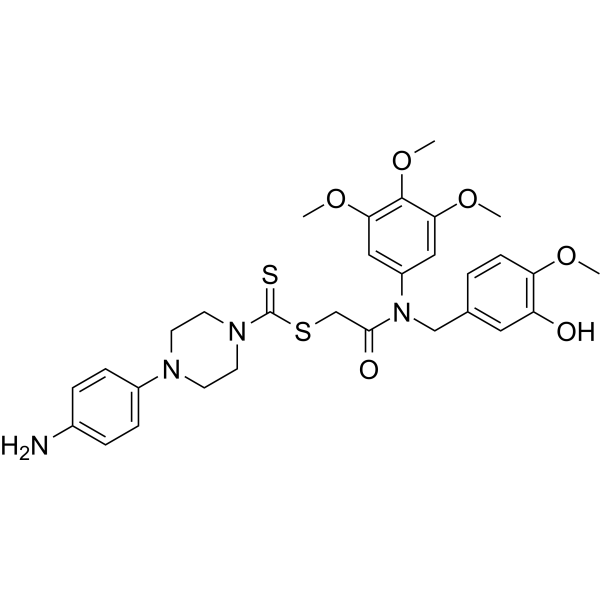
-
- HY-151096
-
|
|
CXCR
|
Inflammation/Immunology
|
|
ACT-660602 is an orally active antagonist of chemokine receptor (CXCR3) with an IC50 value of 204 nM. ACT-660602 inhibits T-cell migration and shows efficacy in acute lung ingury model. ACT-660602 can be used for autoimmune diseases research .
|
-
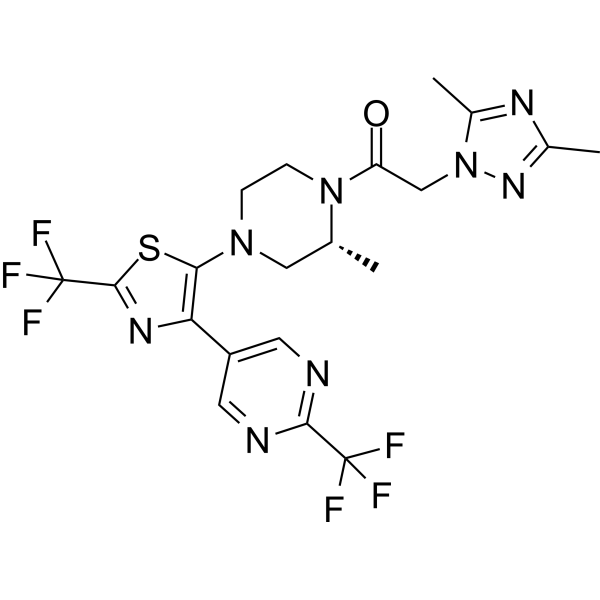
-
- HY-P991168
-
|
|
Amyloid-β
CCR
|
Neurological Disease
Inflammation/Immunology
|
|
Velaprumig is a monoclonal antibody targeting human CD99, CCL25, and anti-human Aβ (Aβ-47F). Velaprumig regulates immune cell migration and reduces β-amyloid-related pathological processes, exerting immunomodulatory and potential anti - Alzheimer's disease activities .
|
-

-
- HY-143458
-
|
|
FAK
PROTACs
|
Cancer
|
|
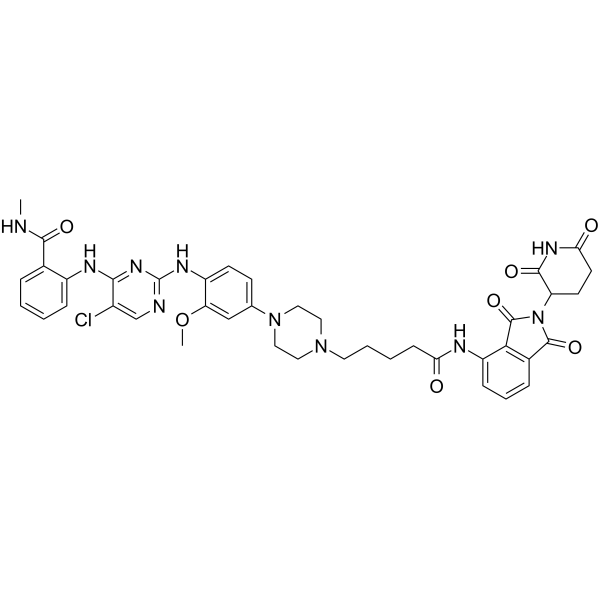
FAK PROTAC B5 (Compound B5) is a FAK PROTAC degrader with an IC50 value of 14.9 nM. FAK PROTAC B5 presents strong FAK degradation activity, antiproliferative activity, outstanding plasma stability and moderate membrane permeability. FAK PROTAC B5 inhibits cell migration and invasion .
|
-
-
- HY-15304R
-
|
|
Dynamin
HSV
Autophagy
Virus Protease
|
Metabolic Disease
|
|
Dynasore (Standard) is the analytical standard of Dynasore. This product is intended for research and analytical applications. Dynasore is a cell-permeable dynamin inhibitor with an IC50 of 15 μM. Dynasore blocks cell migration.
|
-

-
- HY-121452
-
|
|
nAChR
Calcium Channel
|
Cancer
|
|
Migrastatin is a typical Fascin1 inhibitor. Migrastatin is isolated from a cultured broth of Streptomyces sp. MK929-43F1. Migrastatin inhibits tumor cell migration .
|
-

-
- HY-133717
-
|
|
Opioid Receptor
TRP Channel
|
Cancer
|
|
Naltriben is a selective δ2-opioid receptor antagonist and TRPM7 activator. Naltriben enhances glioblastoma cell migration and invasion. Naltriben can be used in research into neurological diseases and cancer .
|
-

-
- HY-163108
-
-
-
- HY-P10321
-
|
|
CXCR
|
Inflammation/Immunology
|
|
HBP08 is a selective inhibitor of CXCL12/HMGB1 interaction. HBP08 has a high affinity for HMGB1 (Kd=0.8 μM). HBP08 inhibits CXCL12-mediated cell migration .
|
-

-
- HY-156294
-
|
|
Formyl Peptide Receptor (FPR)
Apoptosis
|
Cancer
|
|
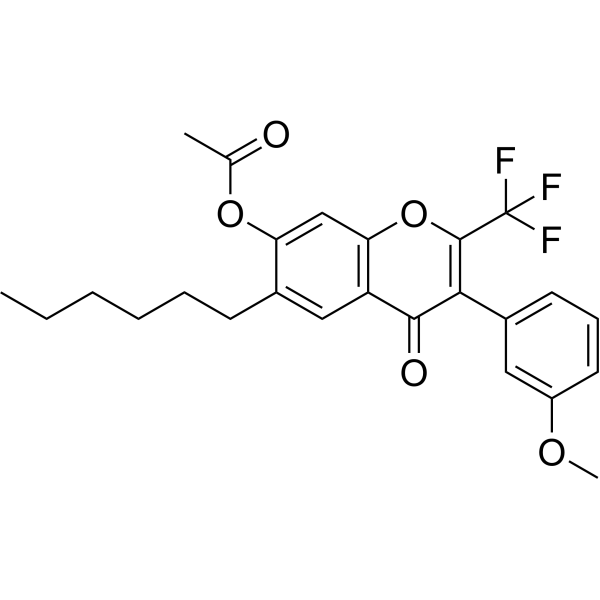
FPR1 antagonist 2 (compound 25b) is a formyl peptide receptor 1 (FPR1) antagonist with an IC50 of 70 nM. FPR1 antagonist 2 inhibits cell growth through a combined effect on cell proliferation and apoptosis and reduces cell migration, while inducing an increase in angiogenesis .
|
-
- HY-146433
-
|
|
Apoptosis
|
Cancer
|
|
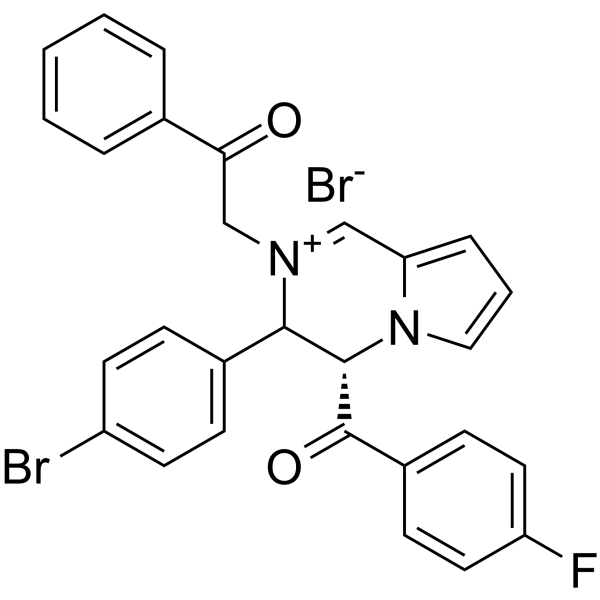
Anticancer agent 55 is a potent anticancer agent. Anticancer agent 55 shows anticancer activity via reducing the cell viability and cell migration in a dose-dependent manner. Anticancer agent 55 induces apoptosis. Anticancer agent 55 has the potential for the research of prostate cancer and breast cancer .
|
-
- HY-13813R
-
|
|
Myosin
|
Others
|
|
Blebbistatin (Standard) is the analytical standard of Blebbistatin. This product is intended for research and analytical applications. Blebbistatin is a selective non-muscle myosin II (NMII) inhibitor, promotes directional migration of corneal endothelial cells (CECs) and accelerates wound healing, and better preserves cell junctional integrity and barrier function. Blebbistatin blocks cell migration .
|
-

- HY-153565
-
|
|
Others
|
Inflammation/Immunology
|
|
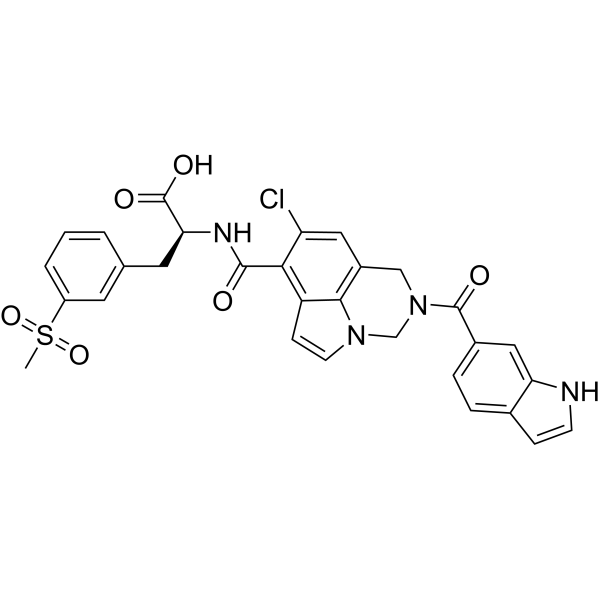
Immune cell migration-IN-1 (compound 2) is a potent agent to inhibit immune cell migration. Immune cell migration-IN-1 can be used for research in alleviating dry eye diseases, eczema dermatitis and psoriasis .
|
-
- HY-153567
-
|
|
Biochemical Assay Reagents
|
Inflammation/Immunology
|
|
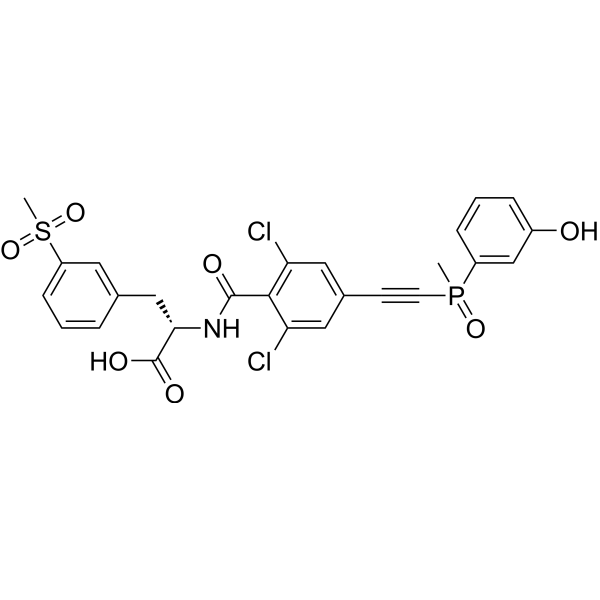
Immune cell migration-IN-2 is a potent immune cell migration inhibitor with an EC50 of 13.5 nM in a T-cell adhesion assay. Immune cell migration-IN-2 is extracted from patent WO2019001171, example 11, can be used for dry-eye and other retinal diseases research . Immune cell migration-IN-2 is a click chemistry reagent, it contains an Alkyne group and can undergo copper-catalyzed azide-alkyne cycloaddition (CuAAc) with molecules containing Azide groups.
|
-
- HY-110335A
-
|
|
ROCK
|
Cancer
|
|
OXA-06 is a pharmacologic inhibitor of ROCK, possessing antitumor activity by impairing cell migration and MYPT1 phosphorylation in PANC-1 cells.
|
-

- HY-161417
-
|
|
LIM Kinase (LIMK)
|
Cancer
|
|
LIMK-IN-2 (Compound 52) is an LIMK inhibitor. LIMK-IN-2 can suppress the cell migration of osteosarcoma and cervical cancer cells, demonstrating potential anti-angiogenic activity .
|
-
- HY-100460
-
|
|
ROCK
|
Cancer
|
|
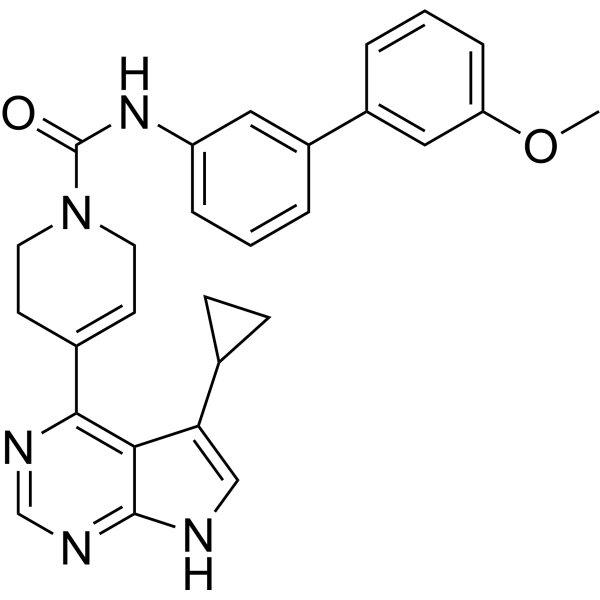
BIPM is a potent ROCK2 inhibitor. BIPM leads to significant changes in neurite length, cell migration and actin stress fibers. BIPM plays an important role in anti-cancer metastasis .
|
-

- HY-161997
-
|
|
Microtubule/Tubulin
|
Cancer
|
|
hTopo-II/tubulin-IN-1 (compound 5L) is a hTopo-II/tubulin inhibitor. hTopo-II/tubulin-IN-1 inhibits cell migration and can be used in anti-cancer research .
|
-

- HY-N11501
-
|
|
STAT
Apoptosis
|
Cancer
|
|
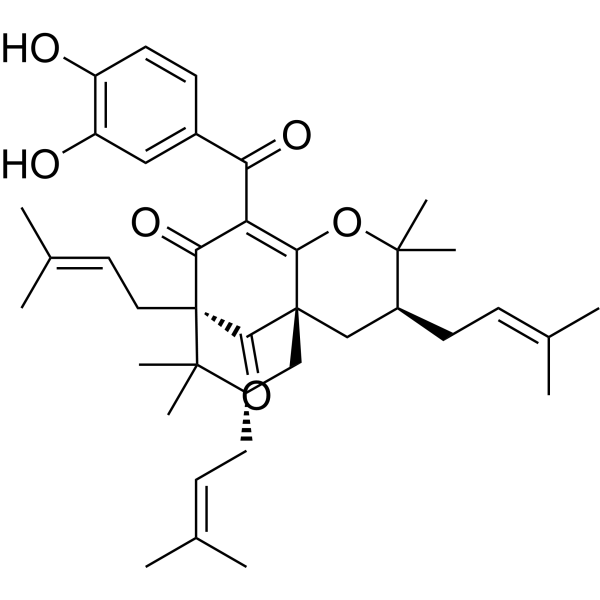
7-epi-Isogarcinol is a polycyclic polyprenylated acylphloroglucinol (PPAP), with moderate antiproliferative activity. 7-epi-Isogarcinol blocks STAT3 signaling pathway, to induce apoptosis and inhibit cell migration .
|
-
- HY-107131
-
|
|
Microtubule/Tubulin
|
Cancer
|
|
ALM-201 is a peptide inhibitor of angiogenesis targeting microtubule. ALM-201 can inhibit cells migration, tubule formation and microvessel formation. ALM-201 can be used for the research of cancer .
|
-

- HY-N12603
-
|
|
Apoptosis
|
Cancer
|
|
Typhatifolin B (Compd 2), an anti-cancer agent, could remarkably induce cell apoptosis and G0/G1 cycle arrest, as well as block cell migration and invasion .
|
-
- HY-155023
-
|
|
Apoptosis
Reactive Oxygen Species (ROS)
|
Cancer
|
|
Apoptosis inducer 13 (Compound Ru4) can induce cancer cell apoptosis, and inhibits cancer cell migration and invasion. Apoptosis inducer 13 converts coenzyme NADH to NAD +, and increases intracellular ROS levels .
|
-

- HY-113116S
-
-
- HY-N7486
-
|
|
Others
|
Cancer
|
|
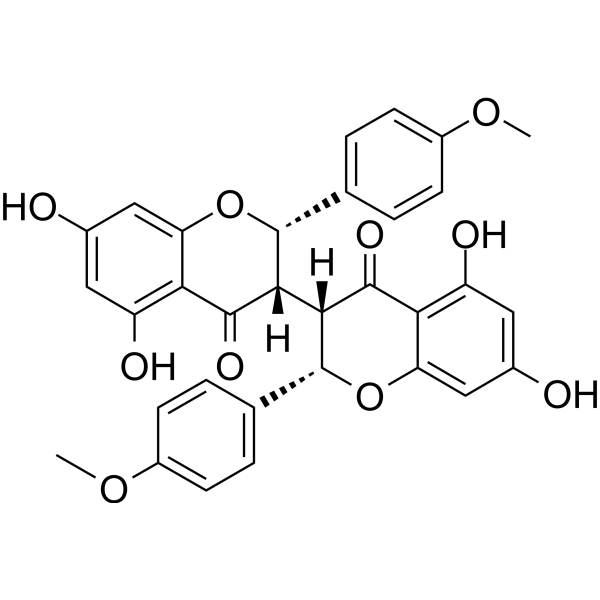
Chamaejasmenin B can be extracted from Stellera chamaejasme L. Chamaejasmenin B suppresses cancer cells migration and invasion. Chamaejasmenin B inhibits tumor metastasis. Chamaejasmenin B can be used in the research of cancers, such as breast cancers .
|
-
- HY-174553
-
|
|
mRNA
|
Cancer
|
|
Human PDGFA mRNA encodes the human platelet derived growth factor A (PDGFA) protein, a member of the platelet-derived growth factor family. PDGFA plays an essential role in the regulation of embryonic development, cell proliferation, cell migration, survival and chemotaxis.
|
-

- HY-174552
-
|
|
mRNA
|
Cancer
|
|
Human PDGFB mRNA encodes the human platelet derived growth factor B (PDGFB) protein, a member of the platelet-derived growth factor family. PDGFB plays an essential role in the regulation of embryonic development, cell proliferation, cell migration, survival and chemotaxis.
|
-

- HY-174652
-
|
|
mRNA
|
Metabolic Disease
|
|
Human IGFBP1 mRNA encodes the human insulin like growth factor binding protein 1 (IGFBP1) protein, a member of the insulin-like growth factor binding protein (IGFBP) family. IGFBP1 is important in cell migration and metabolism.
|
-

- HY-174551
-
|
|
mRNA
|
Cancer
|
|
Human PDGFC mRNA encodes the human platelet derived growth factor C (PDGFC) protein, a member of the platelet-derived growth factor family. PDGFC plays an essential role in the regulation of embryonic development, cell proliferation, cell migration, survival and chemotaxis.
|
-

- HY-174550
-
|
|
mRNA
|
Cancer
|
|
Human PDGFD mRNA encodes the human platelet derived growth factor D (PDGFD) protein, a member of the platelet-derived growth factor family. PDGFD plays an essential role in the regulation of embryonic development, cell proliferation, cell migration, survival and chemotaxis.
|
-

- HY-116088
-
|
|
LPL Receptor
|
Inflammation/Immunology
|
|
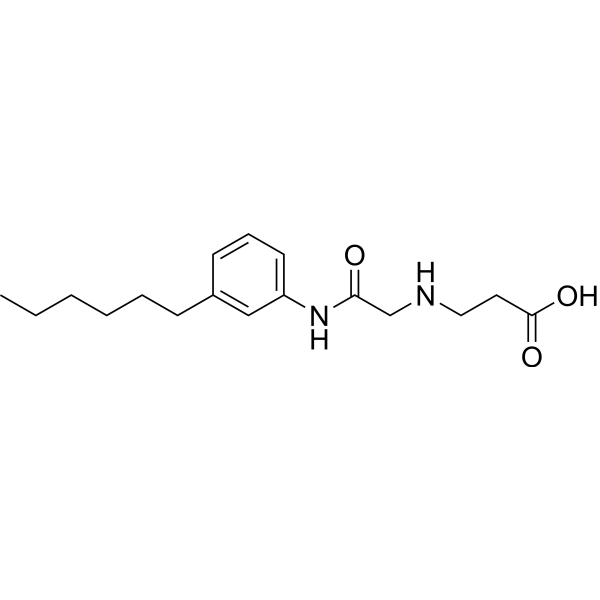
W123, a FTY720 analog, is a competitive sphingosine 1-phosphate type 1 (S1P1) receptor antagonist. W123 is measured by GTPγS activation, MAPK recruitment, cell migration, and ligand-induced receptor internalization .
|
-
- HY-116730
-
|
|
Reactive Oxygen Species (ROS)
|
Others
|
|
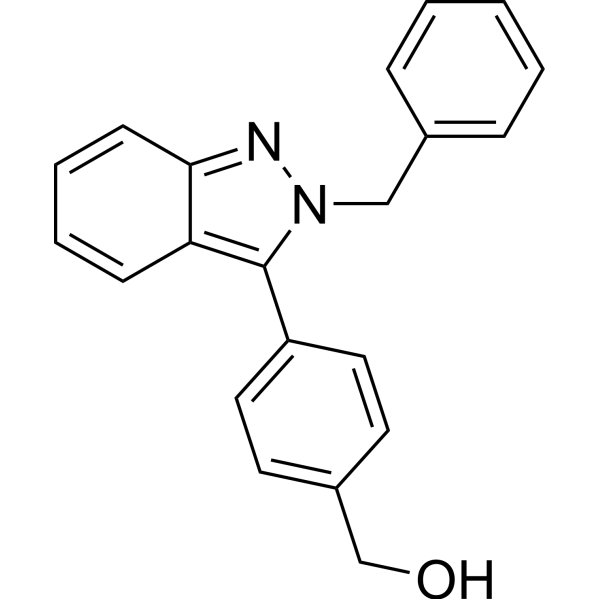
CHS-111 is a benzyl indazole inhibitor of superoxide anion O 2- generation. CHS-111 inhibits the cell migration, and reduces the formyl-Met-Leu-Phe- but not phorbol ester-stimulated phospholipase D activity, with the IC50 of 3.9 μM .
|
-
- HY-P1094
-
|
|
Apoptosis
Caspase
|
Inflammation/Immunology
Cancer
|
|
AZ-10417808 is a selective caspase-3 inhibitor. AZ-10417808 blocks apoptosis signaling pathway by inhibiting caspase-3 activity. AZ-10417808 can be used to study the effect of nicotine on plasmacytoid dendritic cell migration .
|
-

- HY-172116
-
-

- HY-124651
-
|
|
NF-κB
MMP
|
Inflammation/Immunology
Cancer
|
|
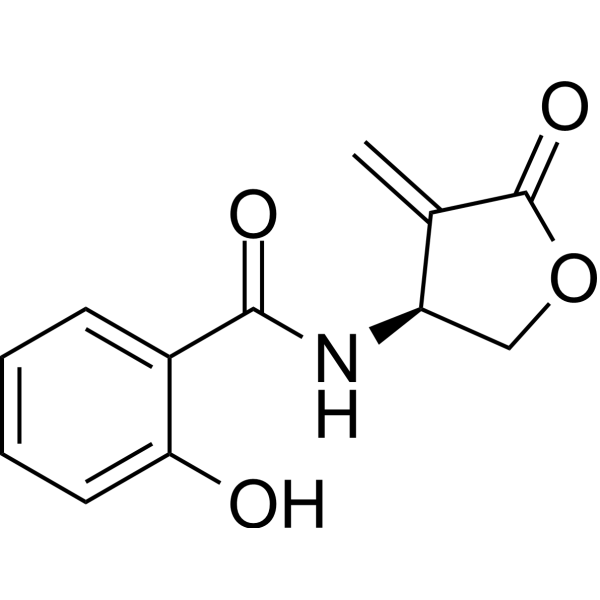
SEMBL is a potent NF-κB inhibitor. SEMBL can inhibit NF-κB-DNA binding, and also inhibits NF-κB-dependent inflammatory cytokine secretions. SEMBL inhibits cancer cell migration and invasion via decreasing MMP expression. SEMBL can be used for researching anticancer .
|
-
- HY-155362
-
|
|
Microtubule/Tubulin
Apoptosis
|
Cancer
|
|
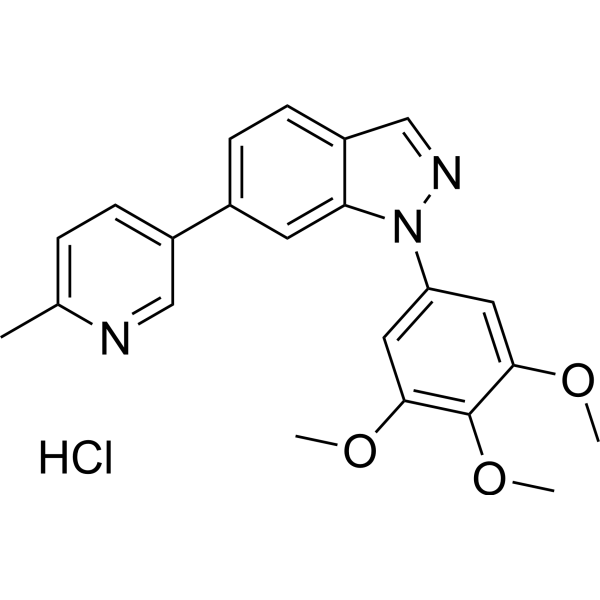
Tubulin polymerization-IN-56 (compound 8l), an indazole derivative, is a potent tubulin polymerization inhibitor through interacting with the colchicine site, resulting in cell cycle arrest and cellular apoptosis. polymerization-IN-56 reduces cell migration and leads to more potent inhibition of tumor growth in vivo .
|
-
- HY-N1338
-
|
NSC 122417
|
mTOR
Akt
|
Cancer
|
|
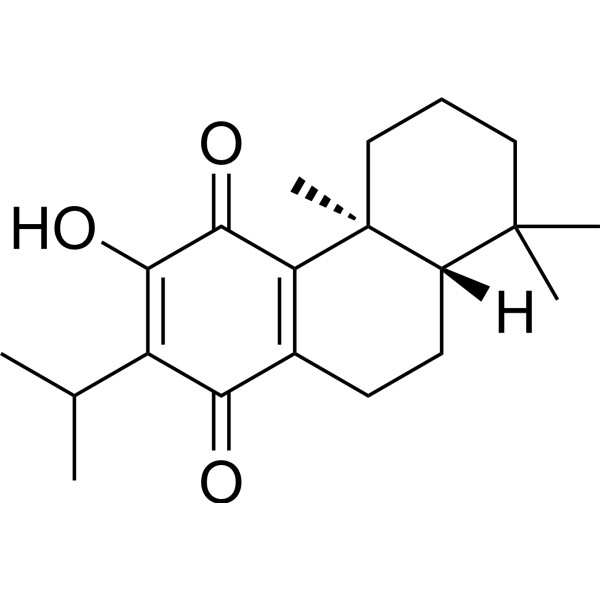
Royleanone, a diterpenoid isolated from plants, inhibits the proliferation of cancer cells by inducing cell cycle arrest and mitochondria-mediated apoptosis, also inhibits cell migration potential, inhibits mTOR/PI3/AKT signaling pathway in LNCaP prostate cancer cells .
|
-
- HY-161102
-
|
|
Autophagy
|
Cancer
|
|
[Ru(phen)2(xant)] hexafluorophosphate is an inducer of Autophagy. [Ru(phen)2(xant)] hexafluorophosphate eliminates CRC stem cells by targeting the chaperone Hsp90. [Ru(phen)2(xant)] hexafluorophosphate reduces cell migration and invasion .
|
-
![[Ru(phen)2(xant)] hexafluorophosphate](//file.medchemexpress.com/product_pic/hy-161102.gif)
- HY-174724
-
|
|
mRNA
|
Inflammation/Immunology
|
|
Human CXCR5 mRNA encodes the human C-X-C motif chemokine receptor 5 (CXCR5) protein, a multi-pass membrane protein that belongs to the CXC chemokine receptor family. CXCR5 is involved in B-cell migration into B-cell follicles of spleen and Peyer patches.
|
-

- HY-161400
-
|
|
TGF-β Receptor
|
Cancer
|
|
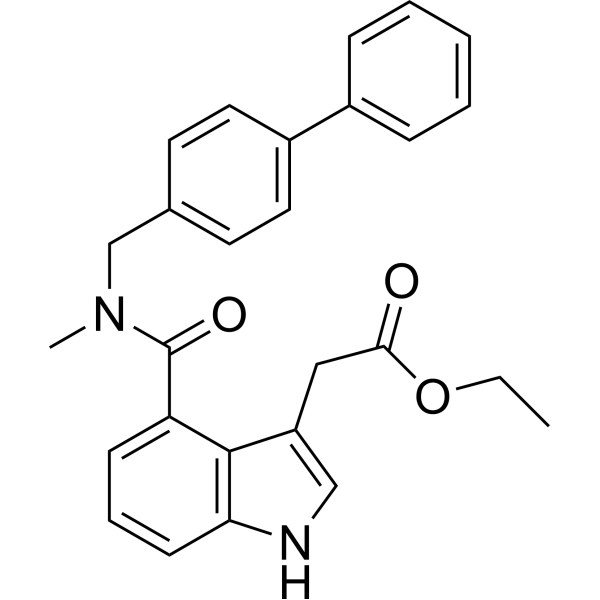
TGFβRII-IN-2 (Compound 3n) is an inhibitor for transforming growth factor-β type II receptor (TGFβRII) with IC50 of 2.4 μM, which blocks endothelial-to-mesenchymal transition and cell migration in different cancer cell lines without perturbing the microtubule network .
|
-
- HY-146778
-
|
|
Microtubule/Tubulin
|
Cancer
|
|
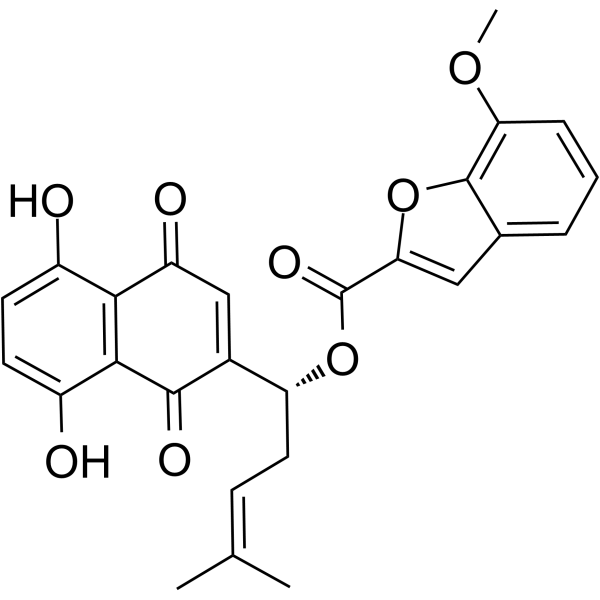
Tubulin inhibitor 25 is a potent tubulin inhibitor with an IC50 value of 0.98 μM. Tubulin inhibitor 25 exhibits remarkable activity against cancer cell line HT29. Tubulin inhibitor 25 displays the potent inhibition on cell migration and tube formation that contributes to the anti-angiogenesis .
|
-
- HY-174704
-
|
|
mRNA
|
Cancer
|
|
Human FGF18 mRNA encodes the human fibroblast growth factor 18 (FGF18) protein, a member of the fibroblast growth factor (FGF) family. FGF18 probably plays an important role in the regulation of cell proliferation, cell differentiation and cell migration. It is also required for normal ossification and bone development.
|
-

- HY-172097
-
|
|
Drug Derivative
|
Cancer
|
|
HL22 is a harmaline derivative. HL22 significantly inhibits HCT116, MGC803 and MCF7 cancer cell lines, and inhibits MGC803 cell migration and monoclonal formation. The anti-cancer mechanism of HL22 is related to a variety of metabolic pathways and can be used in the study of cancer .
|
-

- HY-146738
-
|
|
Akt
|
Cancer
|
|
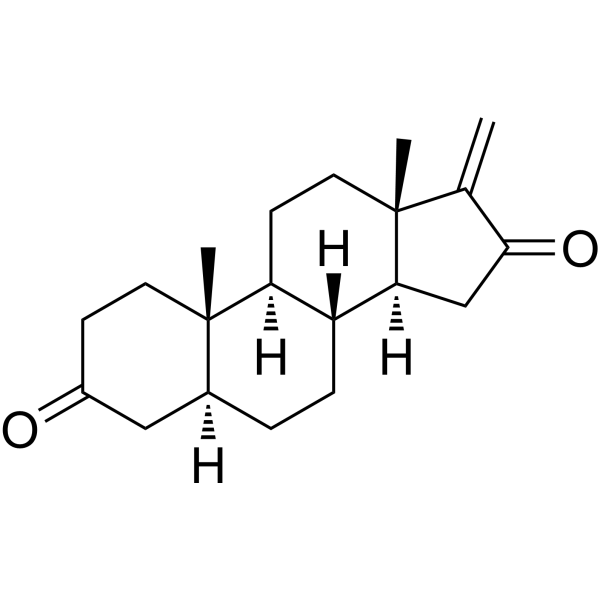
GSD-11 is a potent and selective anti-austerity agent. GSD-11 inhibits the cell migration and colony formation of PANC-1 cells. GSD-11 inhibits the Akt/mTOR signaling pathway. GSD-11 has the potential for the research of pancreatic cancer[1].
|
-
- HY-162089
-
|
|
Microtubule/Tubulin
Apoptosis
|
Cancer
|
|
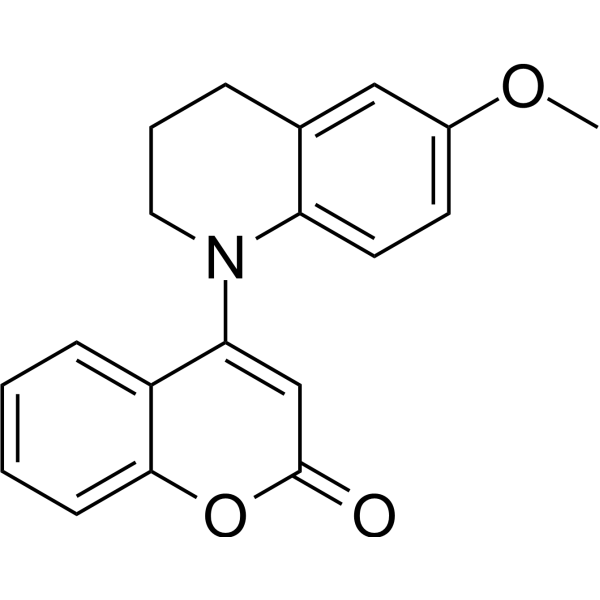
MY-1442 (I-3) is a microtubulin polymerization inhibitor. MY-875 inhibits tubulin polymerization by targeting colchicine binding sites. MY-1442 has anticancer activity. MY-1442 can induce apoptosis of MGC-803 cells and inhibit cell migration .
|
-
- HY-P2749
-
|
|
Biochemical Assay Reagents
|
Cardiovascular Disease
Cancer
|
|
Glutamine synthetase is an enzyme that converts glutamate and ammonia into glutamine. Glutamine synthetase can inhibit angiogenesis in ocular and inflammatory skin diseases. Glutamine synthetase can also palmitoylate RHOJ, thereby inhibiting endothelial cell migration. Glutamine synthetase can be used in research on various diseases, including cardiovascular and cerebrovascular diseases and cancer .
|
-
- HY-147978
-
|
|
CXCR
|
Infection
Cancer
|
|
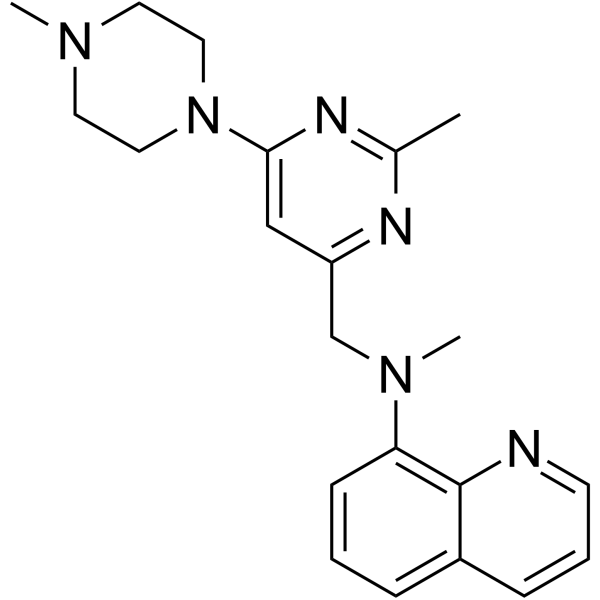
CXCR4 antagonist 8 (Compound 3) is a CXCR4 antagonist with an IC50 of 57 nM. CXCR4 antagonist 8 inhibits CXCL12 induced cytosolic calcium increase with an IC50 of 0.24 nM. CXCR4 antagonist 8 inhibits CXLC12/CXCR4 mediated cell migration .
|
-
- HY-173483
-
|
|
Phosphodiesterase (PDE)
ERK
JNK
p38 MAPK
|
Inflammation/Immunology
|
|
ATX inhibitor 26 is an Autotaxin (ATX) inhibitor with an IC50 of 57 nM in human plasma. ATX inhibitor 26 inhibits cell migration and collagen gel contraction. ATX inhibitor 26 has significant anti-fibrotic effects, reducing collagen deposition in a Bleomycin (BLM) (HY-108345)-induced pulmonary fibrosis model .
|
-

- HY-122757
-
|
Curcumin pyrazole
|
Others
|
Cancer
|
|
Hydrazinocurcumin (Curcumin pyrazole) is a potent endothelial cell proliferation inhibitor (IC50=520 nM). Hydrazinocurcumin disrupts angiogenic signaling pathways and inhibits endothelial cell migration and tube formation, exerting anti-angiogenic activity. Hydrazinocurcumin is promising for research of tumor angiogenesis inhibition, metastatic cancer, and vascular-dependent diseases such as retinopathies .
|
-

- HY-174764
-
|
|
mRNA
|
Inflammation/Immunology
|
|
Human CCL19 mRNA encodes the human C-C motif chemokine ligand 19 (CCL19) protein, a cytokine that may play a role in normal lymphocyte recirculation and homing. CCL19 also plays an important role in trafficking of T cells in thymus, and in T cell and B cell migration to secondary lymphoid organs.
|
-

- HY-155249
-
|
|
Microtubule/Tubulin
|
Cancer
|
|
KGP591 is a tubulin polymerization inhibitor (IC50 0.57 µM). KGP591 induces significant G2/M stagnation, inhibits cell migration, disrupts microtubule structure and cell morphology in MDA-MB-231 cells. KGP591 shows antitumor activity in orthotopic model of kidney cancer (RENCA) .
|
-
- HY-175828
-
|
|
DNA/RNA Synthesis
|
Cancer
|
|
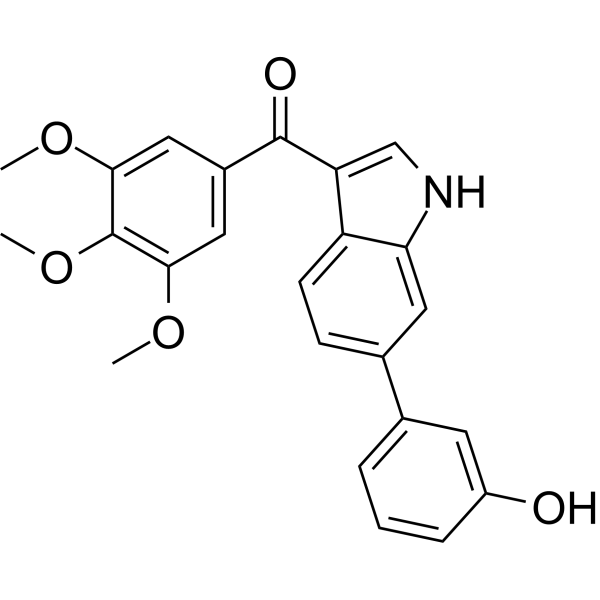
DHPS-IN-2 is an allosteric deoxyhypusine synthase (DHPS) inhibitor with an IC50 of 70 nM and a Kd of 26.4 μM. DHPS-IN-2 significantly suppresses melanoma cell migration and invasiveness in vitro and exhibits potent anti-tumor efficacy in an A375 cell zebrafish xenograft model. DHPS-IN-2 can be used for the study of melanoma .
|
-

- HY-126410R
-
|
|
Reference Standards
FAK
|
Metabolic Disease
|
|
Petunidin (chloride) (Standard) is the analytical standard of Petunidin (chloride). This product is intended for research and analytical applications. Petunidin chloride is an O-methylated anthocyanidin derived from delphinidin. Petunidin chloride binds with and suppresses the activity of focal adhesion kinase and to inhibit platelet-derived growth factor-induced aortic smooth muscle cell migration, which may confer a protective effect against atherosclerosis.
|
-

- HY-18965R
-
|
|
PKC
|
Cardiovascular Disease
|
|
TAS-301 (Standard) is the analytical standard of TAS-301. This product is intended for research and analytical applications. TAS-301 is an inhibitor of smooth muscle cell migration and proliferation, and inhibits PKC activation induced by PDGF.
|
-

- HY-P11780
-
|
|
Integrin
MMP
|
Neurological Disease
Cancer
|
|
KAFDITYVRLKF is a selective, competitive integrin αvβ3 binder. KAFDITYVRLKF induces the production of MMP-9. KAFDITYVRLKF blocks monocyte migration, promotes melanoma cell migration, protects neurons, and improves motor and cognitive functions. KAFDITYVRLKF can be used in research related to melanoma and Parkinson's disease .
|
-

- HY-P992436
-
|
|
Integrin
|
Neurological Disease
|
|
PAS-003 is a humanized monoclonal antibody targerting α5β1 integrin. PAS-003 modulates immune cell migration, immune cell adhesion, improves behavior, and improves survival in ALS mouse models. PAS-003 can be used for the research of amyotrophic lateral sclerosis .
|
-

- HY-181583
-
|
|
ROCK
|
Cancer
|
|
LASSBio-2389 is a selective ROCK2 inhibitor with an IC50 of 0.051 μM and an IC50 of 1.143 μM against ROCK1. LASSBio-2389 reduces the viability of MDA-MB-231 cells and inhibits cell migration. LASSBio-2389 is applicable to the research of triple-negative breast cancer .
|
-

- HY-181274
-
|
|
Apoptosis
Reactive Oxygen Species (ROS)
Mitochondrial Metabolism
|
Cancer
|
|
Apoptosis inducer 59, a camphorsulfonamide-based thiazolylhydrazone derivative, is a apoptosis inducer with antitumor activity. Apoptosis inducer 59 can inhibit cell migration and invasiveness, cause S phase arrest, induce ROS production and depolarise mitochondrial membrane potential. Apoptosis inducer 59 can be used for the research of cancer, such as breast cancer .
|
-

- HY-171977
-
|
|
Drug Derivative
|
Cancer
|
|
UTKO1 (Compound 2) is a derivate of Moverastin.UTKO1 has optical activity and significant inhibitory activity against tumor cell migration by abrogating the binding of 14-3-3ζ/Tiam1. UTKO1 can be used for cancers like esophageal cancer and epidermoid carcinoma research .
|
-

- HY-N9722
-
|
|
HSP
|
Cancer
|
|
Dehydroherbarin is a selective inhibitor targeting HSP90α with blood-brain barrier penetration. Dehydroherbarin interferes with key pathways of tumor cell survival by binding to HSP90α, while exerting moderate antibacterial and anti-hepatitis A virus activities and inhibiting tumor cell migration. Dehydroherbarin can be used in research on tumors such as breast cancer .
|
-

- HY-174712
-
|
|
mRNA
|
Cancer
|
|
Human FGF1 mRNA encodes the human Fibroblast growth factor 1 (FGF1) protein, a member of fibroblast growth factor (FGF) family. FGF1 functions as a modifier of endothelial cell migration and proliferation, as well as an angiogenic factor. It also acts as a mitogen for a variety of mesoderm- and neuroectoderm-derived cells in vitro, thus is thought to be involved in organogenesis.
|
-

- HY-152075
-
|
|
TAM Receptor
|
Cancer
|
|
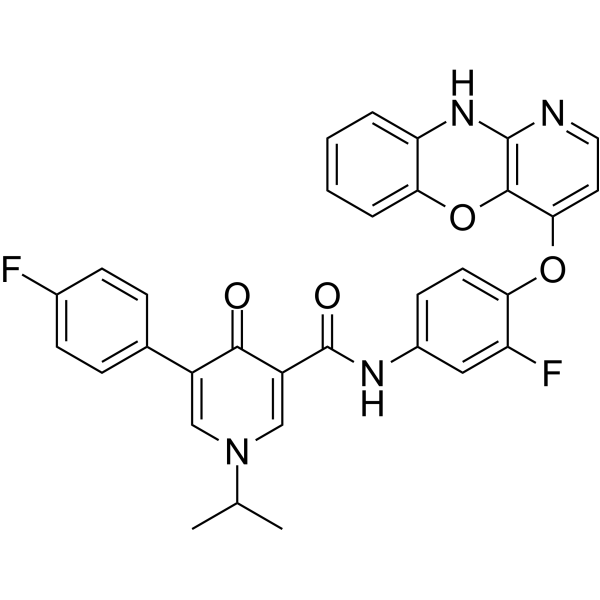
AXL-IN-14 is a potent and orally active AXL inhibitor with an IC50 value of 0.8 nM. AXL-IN-14 inhibits Gas6/AXL-mediated cell migration and invasion. AXL-IN-14 decreases the expression of p-AXL and p-AKT proteins. AXL-IN-14 shows anti-tumor activity .
|
-
- HY-105218
-
|
BMS-180291
|
Prostaglandin Receptor
|
Cardiovascular Disease
Endocrinology
Cancer
|
|
Ifetroban (BMS-180291) is an orally active antagonist of thromboxane A2 (TXA2) or prostaglandin H2 (PGH2) receptor. Ifetroban shows antiplatelet activity, and inhibits tumor cell migration without affecting cell proliferation. Ifetroban can be used for myocardial ischemia, hypertension, stroke, thrombosis, cardiomyopathy research .
|
-
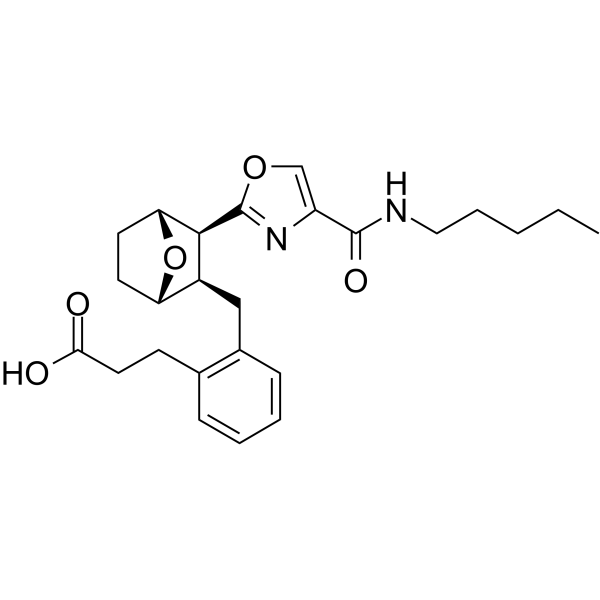
- HY-108361
-
|
|
Ras
|
Inflammation/Immunology
Cancer
|
|
CCG-203971 is a second-generation Rho/MRTF/SRF pathway inhibitor. CCG-203971 potently targets RhoA/C-activated SRE-luciferase (IC50 =6.4 μM). CCG-203971 inhibits PC-3 cell migration with an IC50 of 4.2 μM. Potential anti-metastasis Agent .
|
-
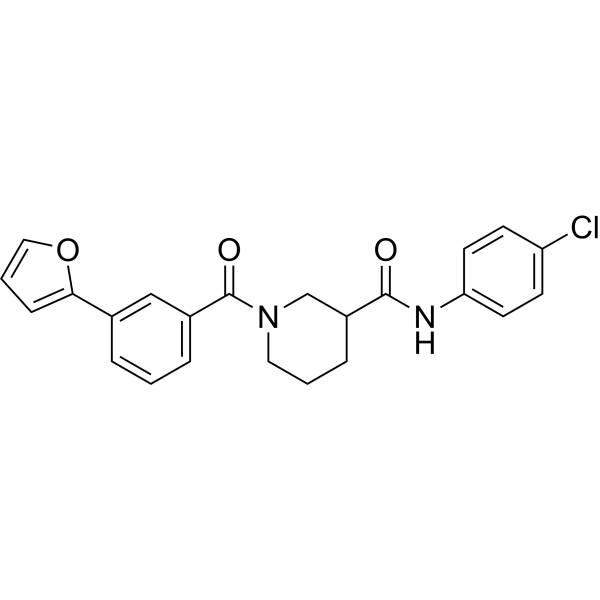
- HY-174411
-
|
|
Microtubule/Tubulin
MMP
Bcl-2 Family
Reactive Oxygen Species (ROS)
Caspase
|
Cancer
|
|
Tubulin polymerization-IN-82 is a tubulin inhibitor. Tubulin polymerization-IN-82 inhibits cell migration and invasion, and triggers cell apoptosis through the mitochondria and ER stress mediated pathway. Tubulin polymerization-IN-82 exhibits antitumor activity against drug resistance cancer cells, and inhibits tumor growth, can be used for liver cancer research .
|
-

- HY-P10831
-
|
|
VEGFR
|
Cardiovascular Disease
Cancer
|
|
GNQWFI, an anti-Flt1 peptide, is a VEGFR1-specific antagonist. GNQWFI blocks the interaction of VEGFR1 with various VEGFR1 ligands, such as VEGFA, VEGFB, and placental growth factor (PIGF) and inhibits VEGF-induced endothelial cell migration and tube formation. GNQWFI is promising for research of cancer, asthma, and other ocular diseases .
|
-

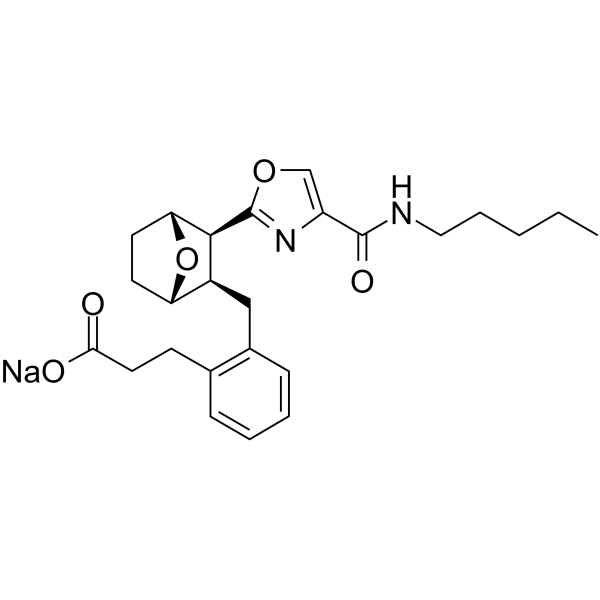
- HY-105218A
-
|
BMS-180291 sodium
|
Prostaglandin Receptor
|
Cardiovascular Disease
Endocrinology
Cancer
|
|
Ifetroban (BMS-180291) sodium is an orally active antagonist of thromboxane A2 (TXA2) or prostaglandin H2 (PGH2) receptor. Ifetroban sodium shows antiplatelet activity, and inhibits tumor cell migration without affecting cell proliferation. Ifetroban sodium can be used for myocardial ischemia, hypertension, stroke, thrombosis, cardiomyopathy research .
|
-
- HY-146505
-
|
|
Microtubule/Tubulin
Apoptosis
Reactive Oxygen Species (ROS)
|
Cancer
|
|
Tubulin polymerization-IN-6 (compound 5f) is a potent tubulin polymerization inhibitor, with an IC50 of 1.09 μM. Tubulin polymerization-IN-6 inhibits cell migration and tube formation and contributes to the anti-angiogenesis. Tubulin polymerization-IN-6 can greatly inhibit tumor growth on HT29 xenograft Balb/c nude mice .
|
-
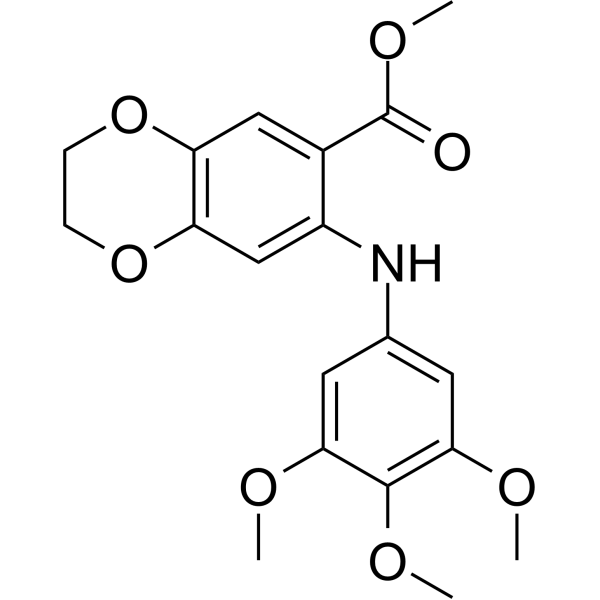
- HY-169282
-
|
|
RGS Protein
|
Cancer
|
|
RGS2–Galpha-q interaction-IN-1 (Compound AJ-3) is an inhibitor of the RGS2-Galpha-q interaction. RGS2–Galpha-q interaction-IN-1 can inhibit the growth of cancer cell lines expressing RGS2 and exhibits anti-cell migration properties .
|
-

- HY-174687
-
|
|
mRNA
|
Cancer
|
|
Human FGFR4 mRNA encodes the human fibroblast growth factor receptor 4 (FGFR4) protein, a tyrosine kinase and cell surface receptor for fibroblast growth factors. FGFR4 is involved in the regulation of several pathways, including cell proliferation, cell differentiation, cell migration, lipid metabolism, bile acid biosynthesis, vitamin D metabolism, glucose uptake, and phosphate homeostasis.
|
-

- HY-N4107
-
|
|
TGF-beta/Smad
|
Infection
Inflammation/Immunology
Cancer
|
|
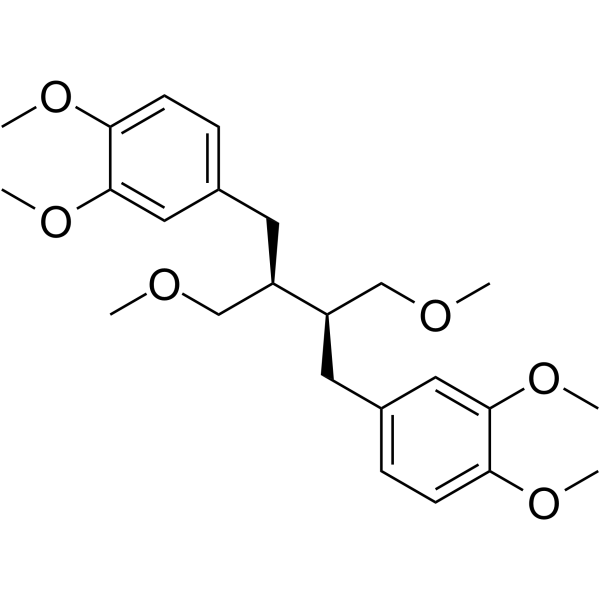
Phyllanthin is an effective oral anticancer agent. Phyllanthin inhibits MOLT-4 cell viability, increases apoptosis, inhibits cell migration and invasion. Phyllanthin exerts anti-fibrotic effects by down-regulating TGF signaling pathway via ALK5 and Smad2/3. Phyllanthin also has anti-inflammatory and antibacterial properties .
|
-
- HY-146413
-
|
|
CXCR
HIV
|
Infection
Cancer
|
|
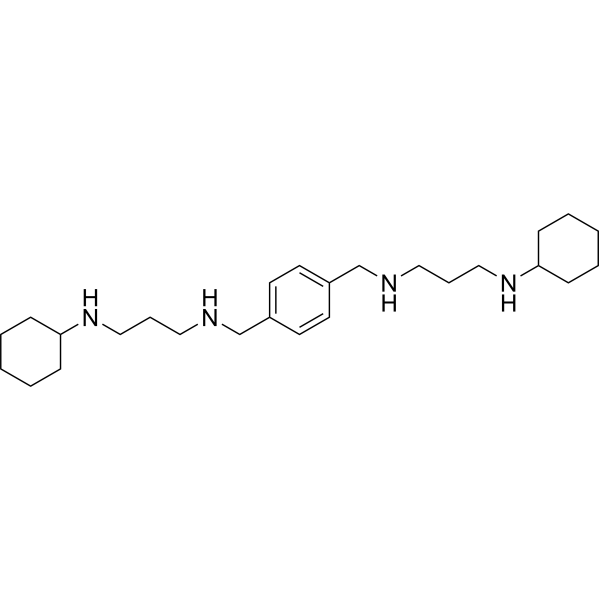
HF50731 (compound 21) is a potent CXCR4 antagonist. HF50731 shows strong CXCR4 binding affinity, with IC50 of 19.8 nM. HF50731 effectively inhibits calcium mobilization, cell migration, and HIV-1 infection via CXCR4 coreceptor, with IC50 values of 119.2 nM, 621.4 nM and 1.5 μM .
|
-
- HY-182896
-
|
|
TRP Channel
Calcium Channel
|
Neurological Disease
Cancer
|
|
HKC54 is a selective TRPV2 antagonist with an IC50 of 0.4 μM. HKC54 binds directly to TRPV2 and inhibits TRPV2-mediated calcium influx. HKC54 inhibits glioblastoma cell migration in vitro and breast cancer metastasis in vivo. HKC54 can be used for the research of breast cancer lung metastasis .
|
-

- HY-120409
-
|
|
LPL Receptor
Apoptosis
|
Cancer
|
|
AB1 is a highly selective S1P2 receptor antagonist (IC50=3.5 nM). AB1 inhibits sphingosine-1-phosphate (S1P) signaling, suppressing tumor cell migration, angiogenesis, and profibrotic mediator CTGF expression while inducing apoptosis. AB1 is promising for research of solid tumors .
|
-

- HY-164548
-
|
|
HSP
Apoptosis
PI3K
Akt
NF-κB
|
Inflammation/Immunology
Cancer
|
|
WK88-1 is an apoptosis inducer and Hsp90 client protein inhibitor with antiproliferative and immunomodulatory activities. WK88-1 inhibits signaling pathways such as PI3K/Akt and NF-κB, and induces mitochondrial dysfunction and cell cycle arrest. WK88-1 effectively suppresses cancer cell migration and invasion, and reverses various EGFR mutations and resistance to Gefitinib (HY-50895). WK88-1 also regulates the differentiation of monocytes and dendritic cells, blocks the expression of multiple chemokines, inhibits immune cell migration and M1 marker transcription, and restores impaired endocytic activity. WK88-1 has been used in studies of breast cancer, non-small cell lung cancer with various EGFR mutations or Met amplification, and atherosclerosis and other related diseases .
|
-

- HY-12810
-
|
|
Ras
|
Cancer
|
|
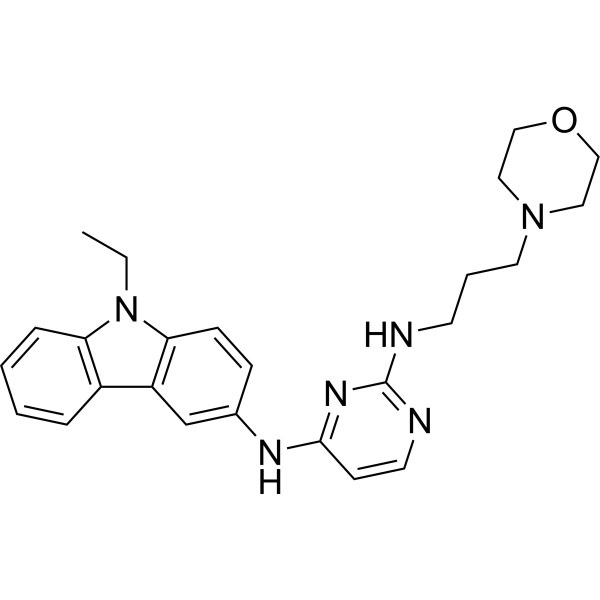
EHop-016 is a potent and selective Rac GTPase Rac1 and Rac3 inhibitor. EHop-016 inhibits Rac1 activity with an IC50 of 1.1 μM in MDA-MB-435 cells. EHop-016 inhibits Vav2 interaction with Rac, Rac-activated PAK1, lamellipodia formation, and cell migration .
|
-
- HY-103332
-
|
NA-Gly
|
GlyT
Endogenous Metabolite
|
Inflammation/Immunology
|
|
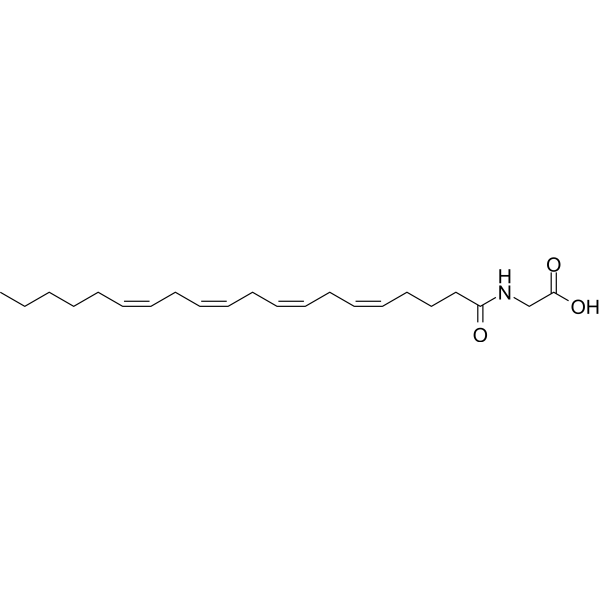
N-Arachidonylglycine (NA-Gly), a carboxylic analog of the endocannabinoid anandamide (AEA), is a GPR18 agonist (EC50 = 44.5 nM). Unlike AEA, N-Arachidonylglycine has no activity at either CB1 or CB2 receptors. N-Arachidonylglycine inhibits GLYT2 (IC50 = 5.1 μM). N-Arachidonylglycine also is an effective activator of endometrial cell migration .
|
-
- HY-170843
-
|
|
Apoptosis
|
Cancer
|
|
Antitumor agent-198 (Compound A3) exhibits cytotoxicity in head and neck squamous cell carcinoma (HNSCC) cells, that inhibits the proliferation of CAL27, HN6, HN30, SCC9 and SCC25 with IC50 of 4 nM-77 nM. Antitumor agent-198 inhibits the HNSCC cell migration, arrests the cell cycle, and induces apoptosis .
|
-

- HY-161403
-
|
|
Cytochrome P450
|
Cancer
|
|
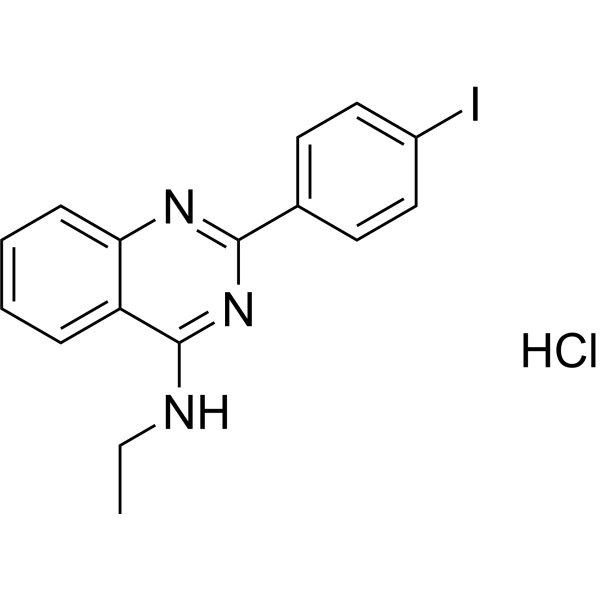
CYP1B1-IN-8 (Compound 14b) is a CYP1B1 inhibitor (IC50: 4.14 × 10 –5 nM). CYP1B1-IN-8 reduces the resistance in A549 cells to Paclitaxel (HY-B0015), and inhibits cell migration and invasion .
|
-
- HY-155102
-
|
|
PROTACs
Glutaminase
|
Cancer
|
|
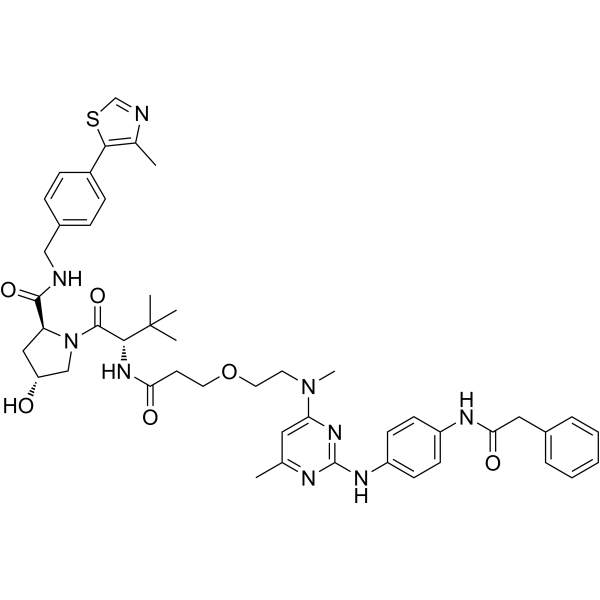
PROTAC TG2 degrader-2 (compound 7) is a selective, competitive degrader targeting Transglutaminase 2 (TG2), with Kd > 100 μM. PROTAC TG2 degrader-2 inhibits the cell migration and decreases the level of TG2 in ovarian cancer cells. PROTAC TG2 degrader-2 can be used for ovarian cancer study .
|
-
- HY-144132
-
|
|
Apoptosis
Microtubule/Tubulin
|
Cancer
|
|
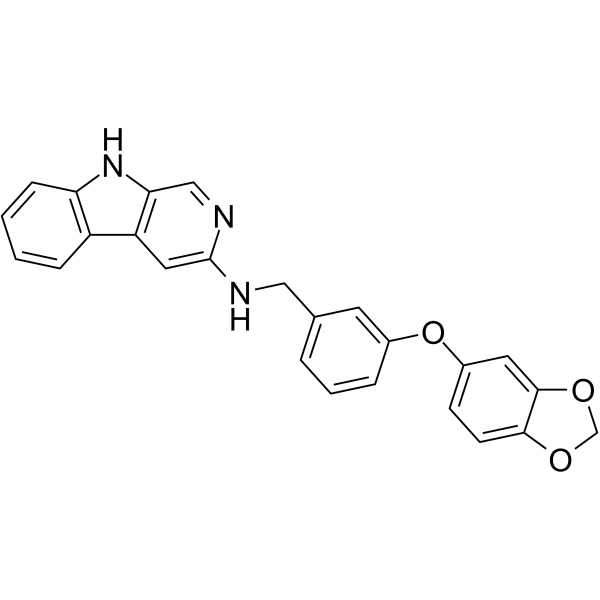
αβ-Tubulin-IN-1 is a potent and orally active αβ-Tubulin inhibitor. αβ-Tubulin-IN-1 induces cell cycle arrest at G2/M and efficient apoptosis. αβ-Tubulin-IN-1 inhibits tumor cell migration and Metastasis. αβ-Tubulin-IN-1 shows significant antitumor efficacy in a dose dependent manner .
|
-
- HY-147219A
-
|
|
PROTACs
Anaplastic lymphoma kinase (ALK)
EGFR
Apoptosis
|
Cancer
|
|
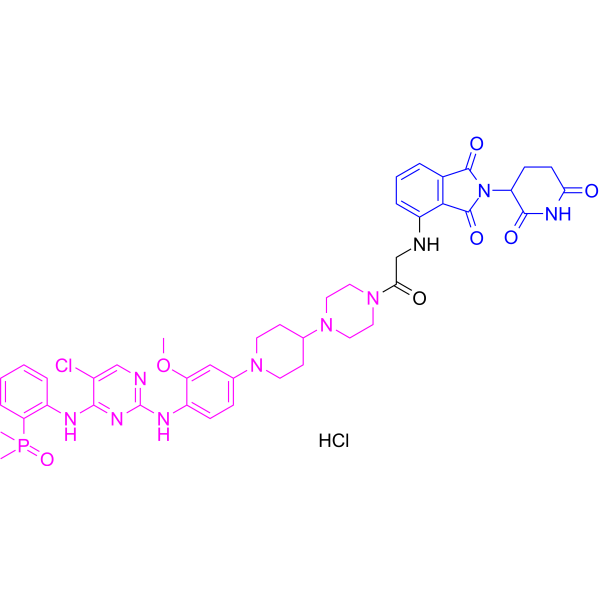
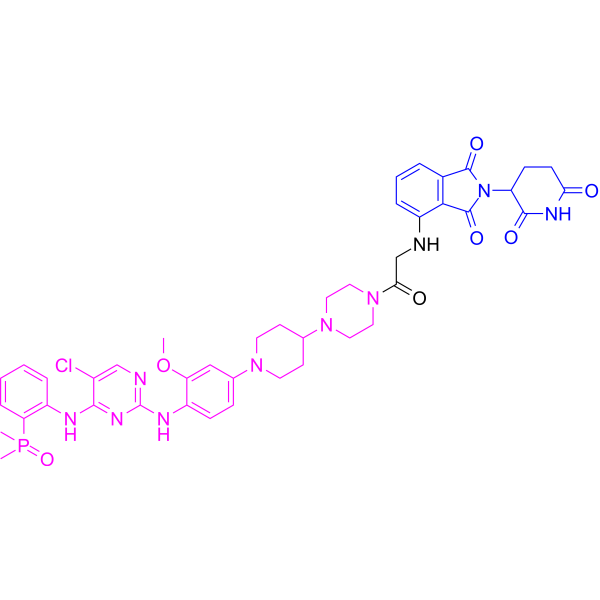
SIAIS164018 hydrochloride is a PROTAC-based ALK and EGFR degrader, with IC50 value of 2.5 nM and 6.6 nM for ALK and ALK G1202R, respectively. SIAIS164018 hydrochloride strongly inhibits cancer cells migration and invasion, causes G1 cell cycle arrest and induces apoptosis. SIAIS164018 hydrochloride exhibits better property than Brigatinib (HY-12857) .
|
-
- HY-147219
-
|
|
PROTACs
Anaplastic lymphoma kinase (ALK)
EGFR
Apoptosis
|
Cancer
|
|
SIAIS164018 is a PROTAC-based ALK and EGFR degrader, with IC50 value of 2.5 nM and 6.6 nM for ALK and ALK G1202R, respectively. SIAIS164018 strongly inhibits cancer cells migration and invasion, causes G1 cell cycle arrest and induces apoptosis. SIAIS164018 exhibits better property than Brigatinib (HY-12857) .
|
-
- HY-178443
-
|
|
Pim
Apoptosis
|
Cancer
|
|
Pim-1 kinase-IN-15 (Compound 15) is a highly potent and selective Pim-1 kinase inhibitor (IC50=0.212 μM). Pim-1 kinase-IN-15 induces tumor cell apoptosis and suppresses cell migration. Pim-1 kinase-IN-15 is promising for research of oncology, such as breast cancer .
|
-

- HY-147867
-
|
|
MMP
|
Cancer
|
|
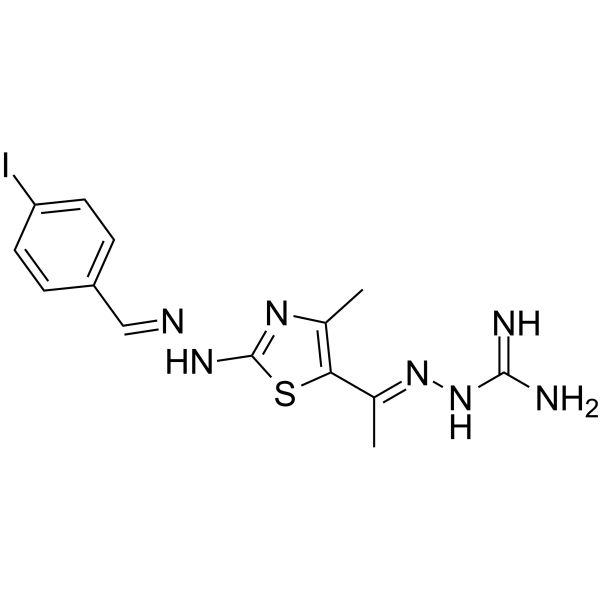
MMP-2/9-IN-1 (Compound 4a) is a potent dual MMP-2 and MMP-9 inhibitor with IC50 values of 56 nM and 38 nM, respectively. MMP-2/9-IN-1 inhibits tumor growth, strongly induces cancer cell apoptosis, inhibits cell migration, and suppresses cell cycle progression leading to DNA fragmentation .
|
-
- HY-111056A
-
|
|
Ser/Thr Protease
|
Cancer
|
|
UK122 hydrochloride is a potent and selective urokinase-type plasminogen activator (uPA) inhibitor with an IC50 of 0.2 μM. UK122 hydrochloride shows no or little inhibition of tissue-type PA (tPA), plasmin, thrombin, and trypsin (all IC50s > 100 μM). UK122 hydrochloride, a 4-oxazolidinone analogue, is an anticancer agent and inhibits cancer cell migration and invasion .
|
-

- HY-101931
-
|
|
VEGFR
|
Cancer
|
|
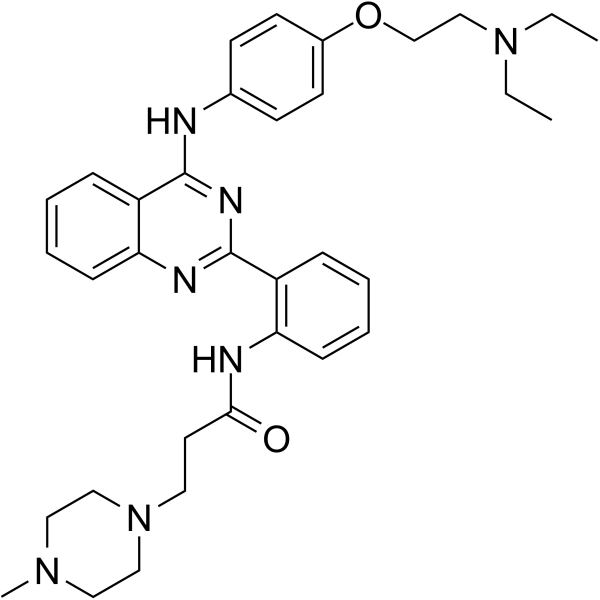
hVEGF-IN-1, a quinazoline derivative, could specifically bind to the G-rich sequence in the internal ribosome entry site A (IRES-A) and destabilize the G-quadruplex structure. hVEGF-IN-1 binds to the IRES-A (WT) with a Kd of 0.928 μM in SPR experiments. hVEGF-IN-1 could hinder tumor cells migration and repress tumor growth by decreasing VEGF-A protein expression .
|
-
- HY-170318
-
|
|
Myosin
|
Cancer
|
|
Adhibin is an allosteric inhibitor for RhoGAP class IX myosin, that inhibits Myo9 ATPase in mammalian and invertebrate with IC50 of 2.5 µM and 2.6 µM. Adhibin binds to the ATPase of myosin, interfers with its motor function, blocks the RhoGTPase related signaling pathway, and affects the cell migration, adhesion and cell division. Adhibin can be used in research about cancer metastasis .
|
-

- HY-162798
-
|
|
ROCK
|
Cancer
|
|
ROCK2-IN-9 (compound 7u) is a selective ROCK2 inhibitor (IC50=36.8 nM) with anticancer activity. ROCK2-IN-9 inhibits cancer cell migration and invasion by regulating multiple cellular activities of the actin cytoskeleton. ROCK2-IN-9 can be used in breast cancer research .
|
-

- HY-111056
-
|
|
Ser/Thr Protease
|
Cancer
|
|
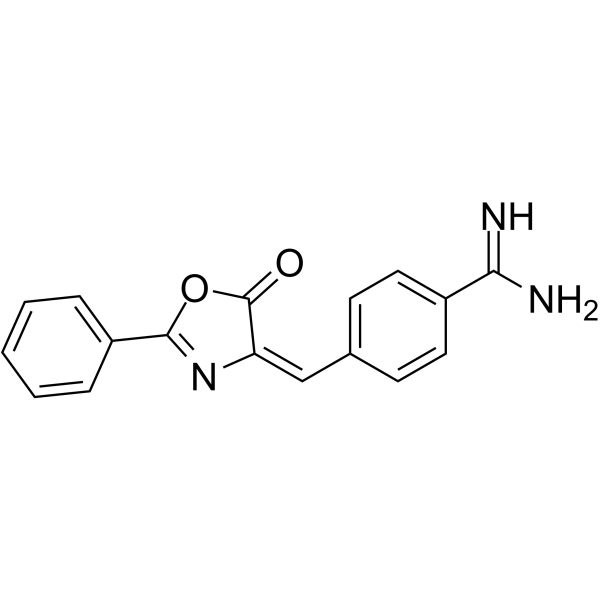
UK122 is a potent and selective urokinase-type plasminogen activator (uPA) inhibitor with an IC50 of 0.2 μM. UK122 shows no or little inhibition of tissue-type PA (tPA), plasmin, thrombin, and trypsin (all IC50>100 μM). UK122, 4-oxazolidinone analogue, is an anticancer agent and inhibits cancer cell migration and invasion .
|
-
- HY-108691
-
|
|
Itk
Btk
CXCR
PD-1/PD-L1
LAG-3
|
Cancer
|
|
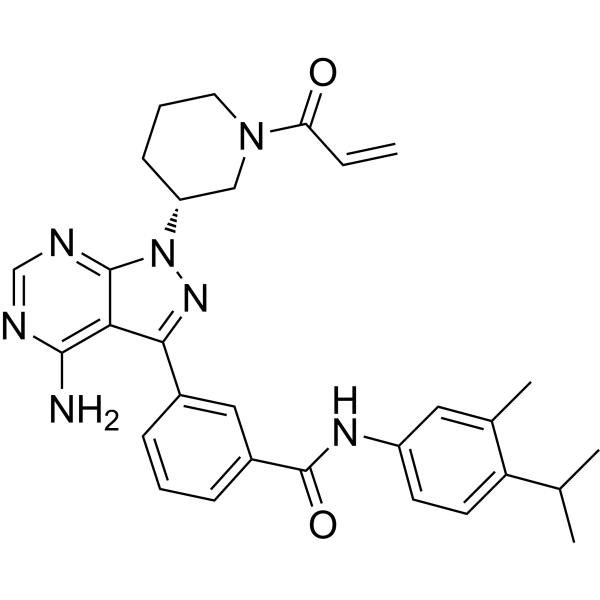
PF-06465469 is a covalent inhibitor of ITK with an IC50 of 2 nM. PF-06465469 also inhibits BTK. PF-06465469 inhibits cell migration in response to CXCL12. PF-06465469 decreases PD-1 and LAG-3 expression. PF-06465469 can be used to study leukemia and T-cell lymphoma .
|
-
- HY-162227
-
|
|
Microtubule/Tubulin
Apoptosis
|
Cancer
|
|
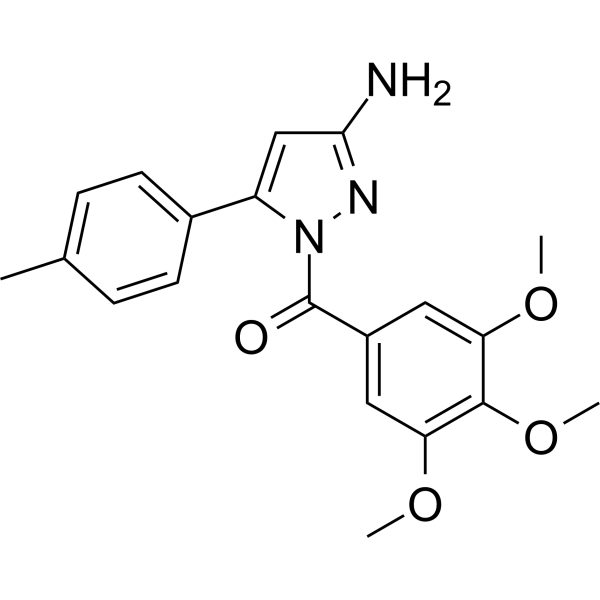
Antitumor agent-138 (compound 5b) is an inhibitor against tubulin polymerization at tubulin colchicine-binding sites, with IC50 of 1.87 μM. Antitumor agent-138 arrests the cell cycle at G2/M phase and induces an apoptosis in MCF-7 cells. Antitumor agent-138 inhibits cells migration and angiogenesis .
|
-
- HY-113763
-
|
|
TNF Receptor
|
Others
|
|
L524-0366 is a specific, dose-dependent TWEAK-Fn14 inhibitor. L524-0366 specifically binds to the Fn14 surface with a KD of 7.12 μM, competitively inhibiting the binding of Fn14 to TWEAK (inhibition rate reaching 16%). L524-0366 inhibits TWEAK-induced glioma cell migration without potential cytotoxic effects .
|
-

- HY-161338
-
|
|
Microtubule/Tubulin
Apoptosis
|
Cancer
|
|
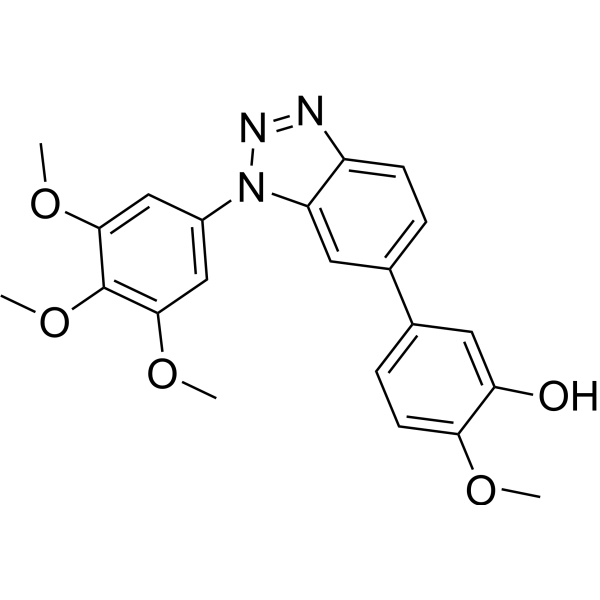
Tubulin polymerization-IN-61 (Compound 9a) is a tubulin polymerization inhibitor. Tubulin polymerization-IN-61 destroys the microtubule skeleton, blocks the cell cycle in G2/M phase, induces Apoptosis, and inhibits cancer cell migration and colony formation. Tubulin polymerization-IN-61 shows antitumor activity in vivo against 4T1 xenograft model .
|
-
- HY-B1221
-
|
|
COX
AMPK
Potassium Channel
Chloride Channel
Calcium Channel
Parasite
|
Inflammation/Immunology
|
|
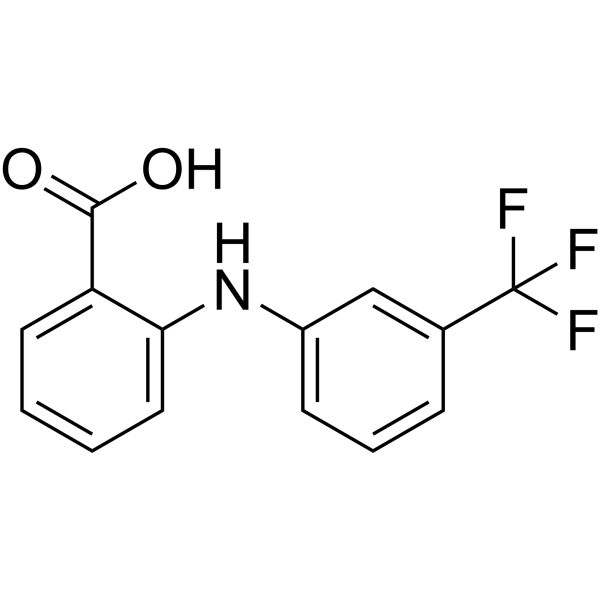
Flufenamic acid is a non-steroidal anti-inflammatory agent, inhibits cyclooxygenase (COX), activates AMPK, and also modulates ion channels, blocking chloride channels and L-type Ca 2+ channels, modulating non-selective cation channels (NSC), activating K + channels. Flufenamic acid binds to the central pocket of TEAD2 YBD and inhibits both TEAD function and TEAD-YAP-dependent processes, such as cell migration and proliferation.
|
-
- HY-P99190
-
|
BMS-936557; MDX-1100
|
CXCR
|
Inflammation/Immunology
|
|
Eldelumab (BMS-936557) is a human anti-CXCL10 (IP-10) monoclonal antibody (IgG1 type). Eldelumab selectively binds to CXCL10 and blocks CXCL10-induced calcium flux and cell migration. Eldelumab can be used in studies of autoimmune and auto-inflammatory diseases such as rheumatoid arthritis, ulcerative colitis and crohn's disease .
|
-

- HY-170590
-
|
|
VEGFR
Apoptosis
Reactive Oxygen Species (ROS)
|
Cancer
|
|
VEGFR-2-IN-61 (Compound 7b) is an inhibitor for VEGFR-2 with an IC50 of 2.83 µM. VEGFR-2-IN-61 inhibits the proliferation of multi cancer cells (IC50 for MCF-7 is 2.12 μM). VEGFR-2-IN-61 inhibits the cell migration, induces oxidative stress and apoptosis in MCF-7 .
|
-

- HY-147556
-
|
|
Potassium Channel
|
Cancer
|
|
SK3 Channel-IN-1 (compound 7a) is a potent and specific SK3 channel modulator. SK3 Channel-IN-1 has efficient effect on breast cancer MDA-MB-435 cell migration while exhibiting low cytotoxicity in other cell lines. SK3 Channel-IN-1 can modulate ion channels’activity in cancer .
|
-
- HY-P10886
-
|
|
Gap Junction Protein
Claudin
|
Inflammation/Immunology
|
|
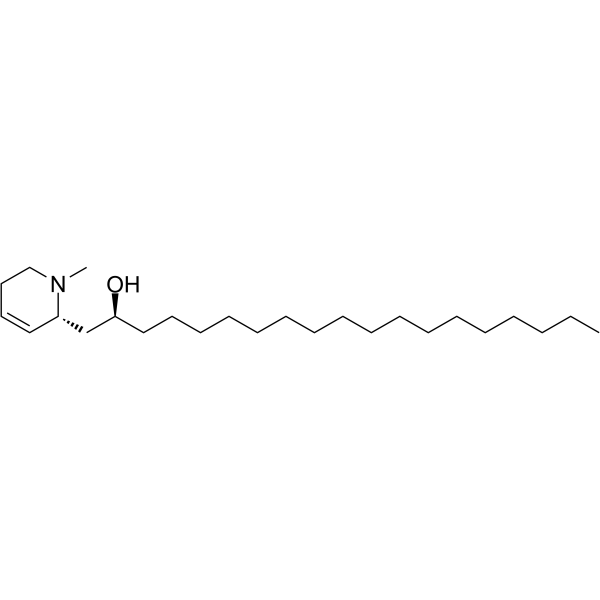
Zifogaptide is a gap junction protein channel regulator. Zifogaptide mimics the PDZ-binding motif at the C-terminal of Claudin C and competitively interferes with the interaction between Claudin–TJP1 (ZO-1) scaffold. Zifogaptide can promote epithelial cell migration, reduce scar formation, and accelerate wound healing. Zifogaptide can be used for radiation dermatitis, skin injuries, etc .
|
-

- HY-172170
-
|
|
Histone Demethylase
|
Cancer
|
|
LSD1-IN-39 (Compound 14) is a reversible inhibitor for LSD1 with an IC50 of 0.18 μM. LSD1-IN-39 exhibits broad-spectrum anti-proliferative activity against cancer cells, inhibits the cell migration of HepG2 and inhibits the epithelial-mesenchymal transition. LSD1-IN-39 exhibits antitumor activity in mouse models .
|
-

- HY-135562
-
|
|
Parasite
Antibiotic
|
Infection
Cancer
|
|
Ascofuranone is an orally active inhibitor of Trypanosoma brucei brucei (TAO) with a Ki value of 2.38 nM. Ascofuranone inhibits IGF-1-induced cancer cell migration, invasion, motility and actin cytoskeleton formation, and exerts anti-tumor effects. Ascofuranone can be used in research related to tumor metastasis, African trypanosomiasis, bacterial infections, lung cancer and hepatocellular carcinoma .
|
-

- HY-172259
-
|
|
PI3K
Akt
mTOR
|
Cancer
|
|
Toyaburgine is a unique isoquinoline compound that exhibits anti-tumor activity. It packs a punch by disrupting the PI3K/AKT/mTOR signaling pathway, causing significant morphological changes and cell death in MIA PaCa-2 cells. On top of that, it puts the brakes on cell migration and colony formation. This compound is showing a lot of promise in the realm of pancreatic cancer research .
|
-

- HY-144347
-
|
|
CXCR
|
Infection
Cancer
|
|
HF51116 is a potent antagonist of CXCR4. HF51116 strongly antagonizes SDF-1α-induced cell migration, calcium mobilization, and CXCR4 internalization. HF51116 inhibits HIV-1 infection via CXCR4. HF51116 has the potential for the research of HIV-1 infection, hematopoietic stem cell mobilization, and cancer metastasis .
|
-
- HY-170778
-
|
|
Microtubule/Tubulin
|
Cancer
|
|
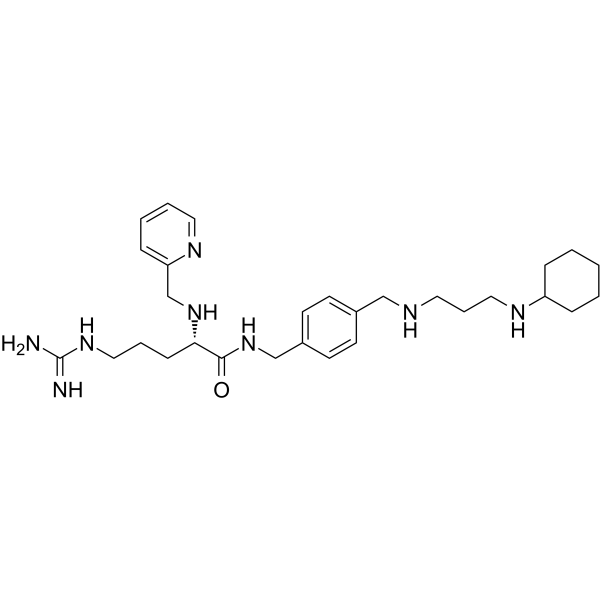
Tubulin polymerization-IN-77 (Compound 15c) is a tubulin polymerization inhibitor that exerts anti-glioblastoma activity by inhibiting tubulin polymerization. Tubulin polymerization-IN-77 demonstrates significant blood-brain barrier permeability, effectively inducing G2/M phase arrest and triggering apoptosis in GBM cells, while also significantly inhibiting tumor cell migration .
|
-

- HY-162575
-
|
|
ERK
|
Cancer
|
|
Anticancer agent 231 (Compound P5) is a tyrosine protein kinase inhibitor with a IC50 value of 3.95 μM. Anticancer agent 231 inhibits the cell viability, cell proliferation, cell migration and cancer dryness of triple negative breast cancer (TNBC) cells by targeting EGFR-ERK 1/2 signaling pathway, and is expected to play an important role in the field of TNBC disease therapy .
|
-

- HY-162616
-
|
|
HDAC
Apoptosis
|
Cancer
|
|
SelSA is a selective, orally active inhibitor for histone deacetylase 6 (HDAC6) with IC50 of 56.9 nM. SelSA inhibits the phosphorylation of ERK1/2. SelSA inhibits the proliferation of breast cancer cells and hepatocellular carcinoma cells with IC50 of 0.58-2.6 μM, inhibits cell migration and invasion of Huh7, and induces apoptosis. SelSA exhibits antitumor activity in mouse model .
|
-

- HY-183358
-
|
|
Anaplastic lymphoma kinase (ALK)
Apoptosis
|
Cancer
|
|
ALK-IN-37 is an orally active type I1/2 allosteric inhibitor of anaplastic lymphoma kinase (ALK) with an IC50 of 9.58 nM. ALK-IN-37 induces cell apoptosis, inhibits colony formation, suppresses cell migration, and exerts antiproliferative effects in cancer cells overexpressing ALK. ALK-IN-37 can be used in research related to non-small cell lung cancer .
|
-

- HY-135774
-
|
|
Drug Metabolite
Phosphatase
|
Cardiovascular Disease
|
|
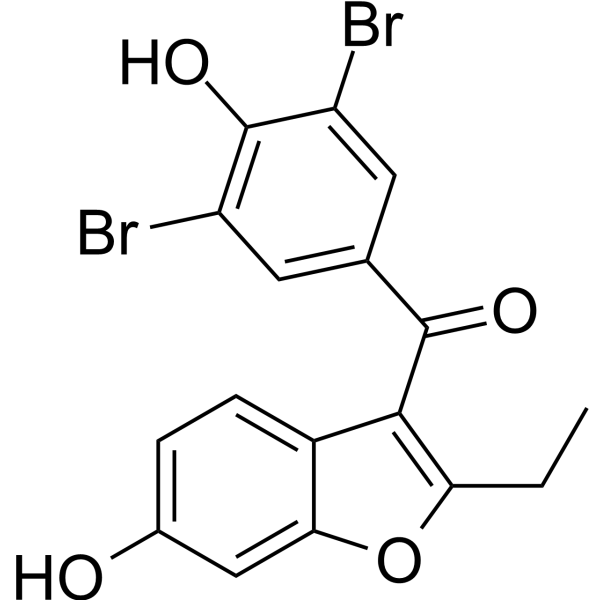
6-Hydroxybenzbromarone is the major metabolite of Benzbromarone with a longer half-life and greater pharmacological potency than the parent compound. 6-Hydroxybenzbromarone is a protein Eyes Absent 3 (EYA3) inhibitor with an IC50 value of 21.5 μM. 6-Hydroxybenzbromarone is an anti-angiogenic agent, has strong inhibitory effects on cell migration, tubulogenesis, and angiogenic sprouting .
|
-
- HY-137004
-
|
Ind-Cl
|
Estrogen Receptor/ERR
COX
|
Inflammation/Immunology
|
|
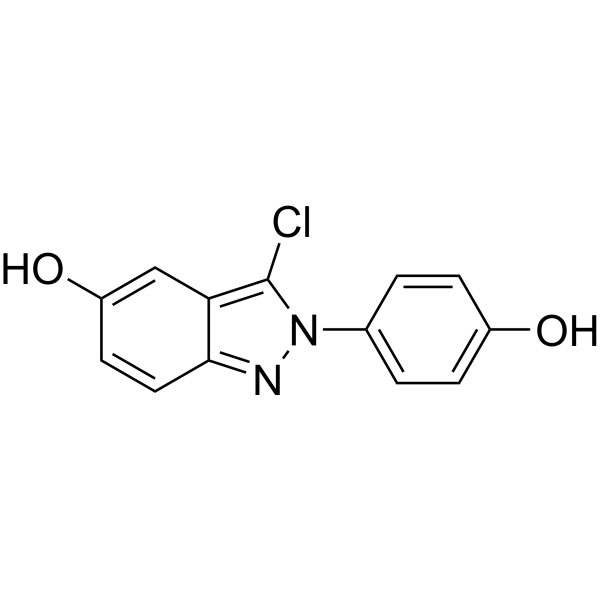
Indazole-Cl (Ind-Cl) is an Estrogen receptor (ER)-β-specific agonist with inflammatory effect. Indazole-Cl inhibits cyclooxygenase-2 exression reduction induced by hypoxia. And Indazole-Cl inhibits ROS production. Indazole-Cl also inhibits cell migration and invasion by hypoxia increased by hypoxia. Indazole-Cl is potent inhibitor of hypoxia-induced inflammation in vascular smooth muscle cells (VSMCs) .
|
-
- HY-176780
-
|
|
Others
|
Cancer
|
|
Gαi2-IN-1 (Compound 14) is a Gαi2 inhibitor. Gαi2-IN-1 significantly inhibits cancer cells migration induced by the chemotherapeutic drug, such as Vorinostat (HY-10221) and Docetaxel (HY-B0011). Gαi2-IN-1 can be used for cancers like prostate, breast and ovarian cancer research .
|
-

- HY-128393
-
|
|
PI3K
Akt
E-Selectin
Apoptosis
MMP
MEK
ERK
|
Cancer
|
|
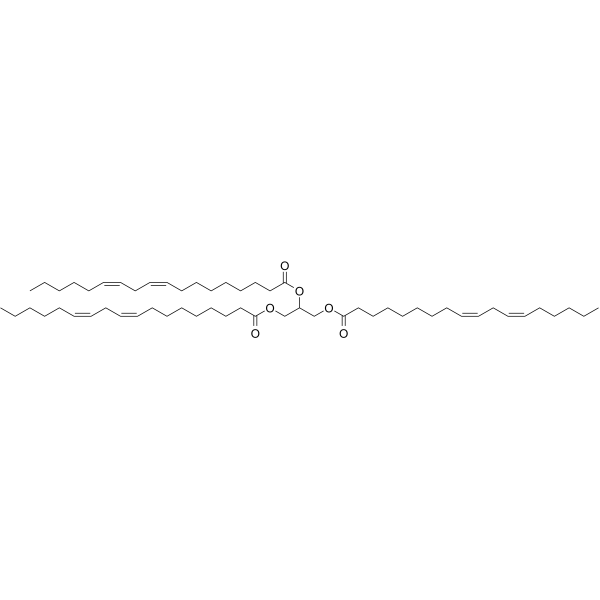
Trilinolein is an orally active triglyceride that inhibits the PI3K/Akt, Ras/MEK/ERK signaling pathways, and MMP-2. Trilinolein can reduce oxidative stress, induce apoptosis, and inhibit cell migration. Trilinolein can be used in the research fields of cardiovascular disease, cerebrovascular disease (such as cerebral ischemia), and non-small cell lung cancer .
|
-
- HY-170540
-
-

- HY-183756
-
|
|
Cytochrome P450
Apoptosis
|
Cancer
|
|
CYP4Z1-IN-3 is a selective CYP4Z1 inhibitor with a human IC50 of 55.3 nM. CYP4Z1-IN-3 inhibits breast cancer cell migration and induces apoptosis. CYP4Z1-IN-3 can be used for the research of breast cancer .
|
-

- HY-161153
-
|
|
Apoptosis
|
Cancer
|
|
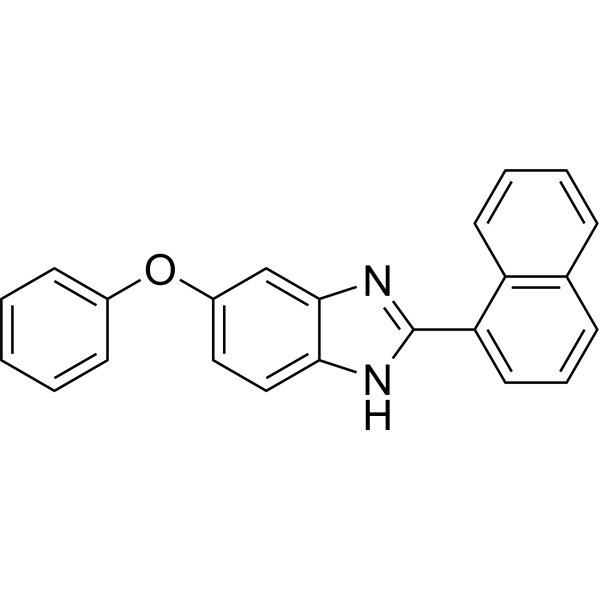
Microtubule inhibitor 9 (Compound O-7) is a 2-Aryl-1H-benzo [d] imidazole derivative with in vitro anticancer activity. Microtubule inhibitor 9 can induce cell cycle arrest at the G2/M phase and early apoptosis. Microtubule inhibitor 9 inhibits cancer cell migration by inhibiting wound healing and colony formation .
|
-
- HY-15150
-
|
R428; BGB324
|
TAM Receptor
|
Cancer
|
|
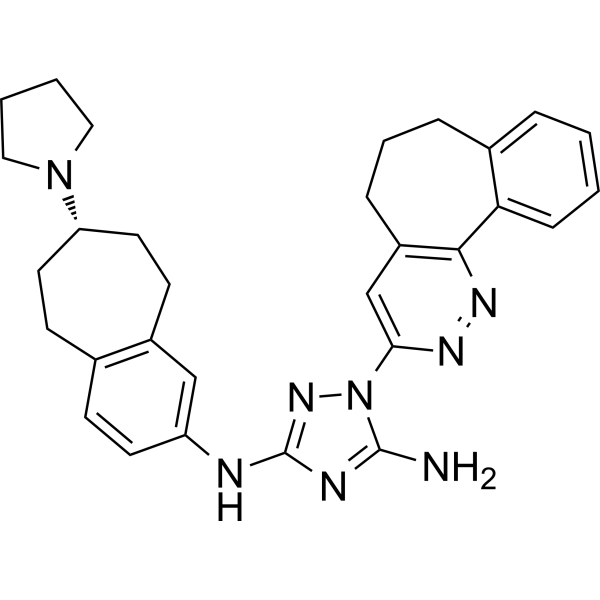
Bemcentinib (R428) is a selective and orally active Axl inhibitor with an IC50 of 14 nM. Bemcentinib retards cancer cell migration and invasion. Bemcentinib exhibits >100-fold selectivity for Axl versus Abl and 50- and >100-fold selectivity over TAM family kinases Mer and Tyro3, respectively, in cells. Bemcentinib blocks tumor spread and prolongs survival in models of metastatic breast cancer .
|
-
- HY-N0841
-
|
Dihydrobrusatol; NSC310616
|
Parasite
NF-κB
p38 MAPK
Phosphatase
Apoptosis
|
Infection
Cancer
|
|
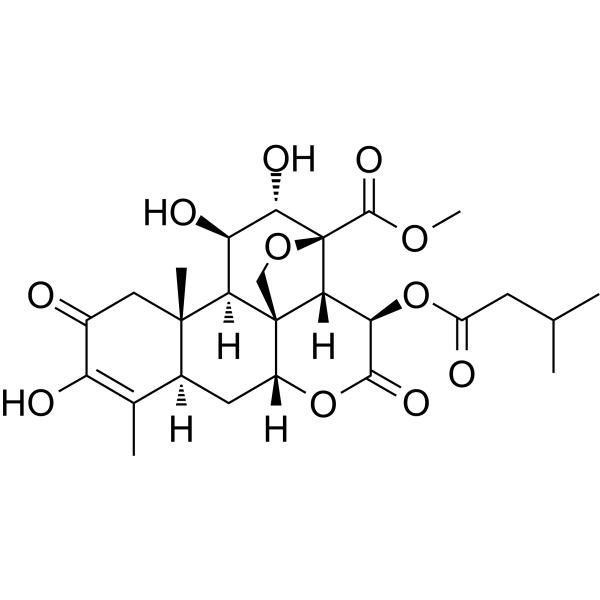
Bruceine A (Dihydrobrusatol) is a natural quassinoid. Bruceine A is an inhibitor of parasites, NF-κB, and PFKFB4 (Kd: 44 nM). Bruceine A is an activator of P38α MAPK. Bruceine A has antiparasitic activity. Bruceine A has antitumor activity and inhibits cancer cell migration. Bruceine A blocks the cell cycle and induces apoptosis. Bruceine A can be used in parasites, pancreatic cancer, and breast cancer research .
|
-
- HY-146038
-
|
|
Apoptosis
ROS Kinase
MDM-2/p53
Bcl-2 Family
|
Cancer
|
|
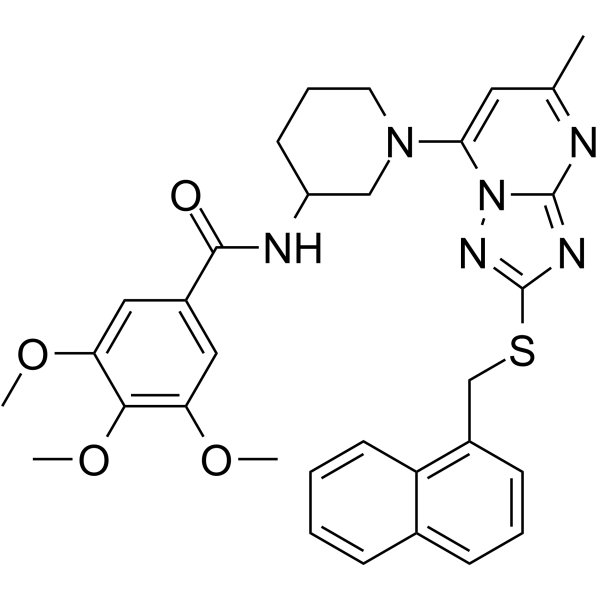
Antitumor agent-55 (compound 5q) is a potent antitumor agent. Antitumor agent-55 effectively inhibits PC3, with an IC50 of 0.91 μM. Antitumor agent-55 effectively inhibits the colony formation, suppresses the cell migration in PC3. Antitumor agent-55 induces G1/S phase arrest and apoptosis in PC3 .
|
-
- HY-114357A
-
|
|
TAM Receptor
c-Met/HGFR
Trk Receptor
|
Cancer
|
|
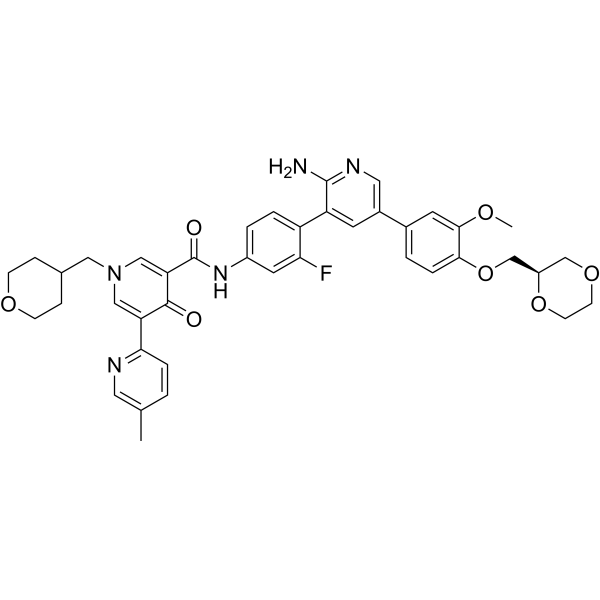
DS-1205b free base is a potent and selective inhibitor of AXL kinase, with an IC50 of 1.3 nM. DS-1205b free base also inhibits MER, MET, and TRKA, with IC50s of 63, 104, and 407 nM, respectively. DS-1205b free base can inhibit cell migration in vitro and tumor growth in vivo .
|
-
- HY-147722
-
|
|
Carbonic Anhydrase
|
Cancer
|
|
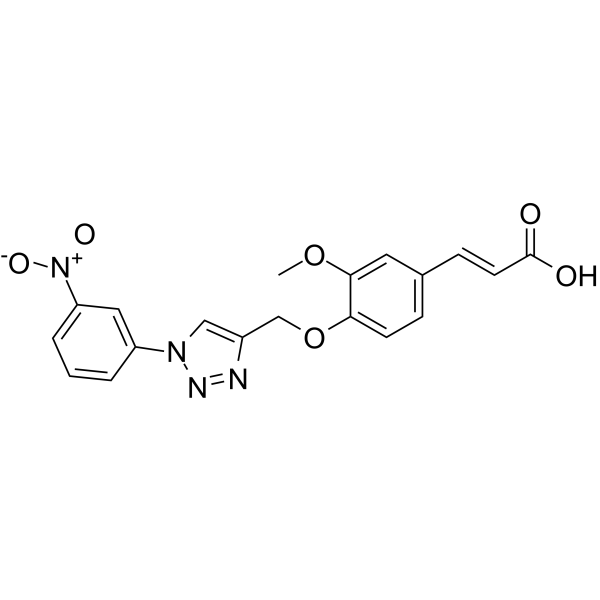
hCAIX-IN-8 (compound 7i) is a potent and selective hCAIX inhibitor with IC50s of 1.99, 0.024, 1.10 μM for CAII, CAIX, CAVA respectively. hCAIX-IN-8 shows anti-proliferation activity with low toxicity. hCAIX-IN-8 decreases the epithelial to mesenchymal transitions and induces apoptosis. hCAIX-IN-8 inhibits cell migration and colonization potential .
|
-
- HY-N0410R
-
|
Eleutheroside A (Standard); β-Sitosterol β-D-glucoside (Standard)
|
Reference Standards
Apoptosis
Reactive Oxygen Species (ROS)
Autophagy
|
Inflammation/Immunology
Cancer
|
|
Daucosterol (Standard) is the analytical standard of Daucosterol. This product is intended for research and analytical applications. Daucosterol is an orally active natural sterol compound, which has anti-inflammatory, anticancer and immunomodulatory activities. Daucosterol inhibits cancer cell proliferation by inducing autophagy through ROS-dependent manner. Daucosterol also inhibits colon cancer growth by inducing apoptosis, inhibiting cell migration and invasion and targeting caspase signalling pathway .
|
-

- HY-148713
-
|
|
Apoptosis
|
Cancer
|
|
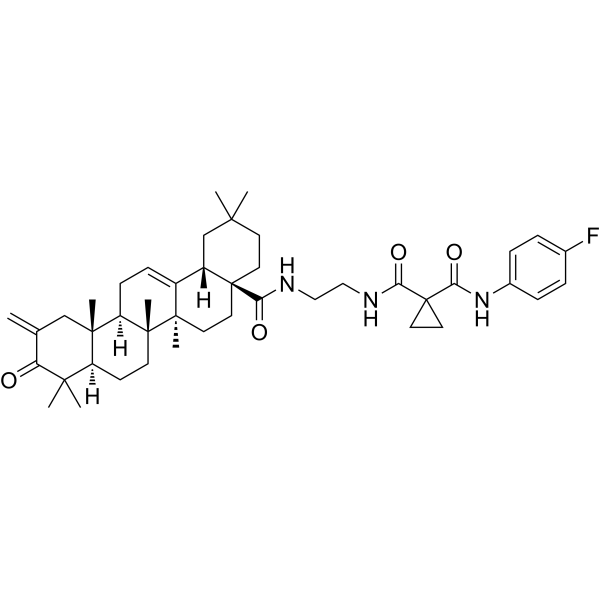
Anti-CSCs agent-1 is a potent anti-CSCs agent. Anti-CSCs agent-1 inhibits cell growth and cell migration. Anti-CSCs agent-1 induces Apoptosis. Anti-CSCs agent-1 inhibits the viability of CSCs. Anti-CSCs agent-1 enhances the production of ROS in CSCs. Anti-CSCs agent-1 shows antitumor activity .
|
-
- HY-147949
-
|
|
Microtubule/Tubulin
Apoptosis
|
Cancer
|
|
SKLB0565 is a potent tubulin inhibitor. SKLB0565 shows significant anti-proliferative activity against CRC (colorectal carcinoma) cell lines, with IC50 values ranging from 0.012 μM to 0.081 μM. SKLB0565 causes G2/M phase arrest and mitochondria-mediated intrinsic apoptosis. SKLB0565 inhibits cell migration and disrupted the tube formation of HUVECs .
|
-
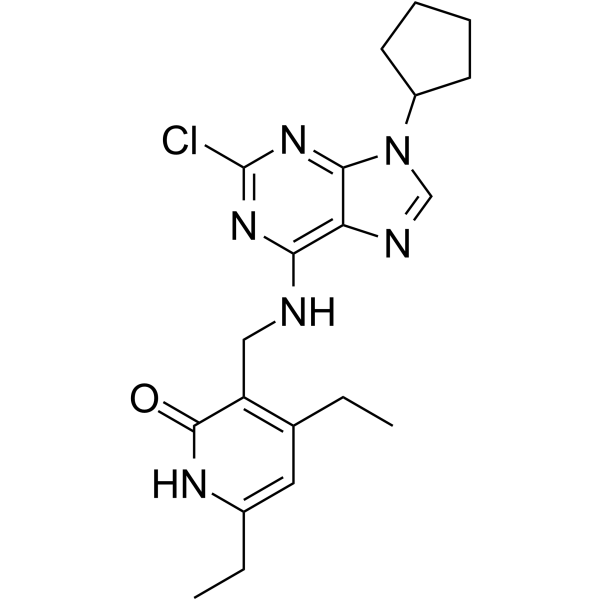
- HY-116269
-
|
|
Ras
Apoptosis
PAK
ERK
|
Cancer
|
|
AZA197 is a selective small molecule inhibitor of Cdc42.AZA197 suppresses colon cancer cell proliferation, cell migration, invasion and increases apoptosis by down-regulating the PAK1 and ERK signaling pathways in vitro. AZA197 reduces tumor growth and significantly increases mouse survival in SW620 tumor xenografts. AZA197 can be used for the study of colon cancer .
|
-
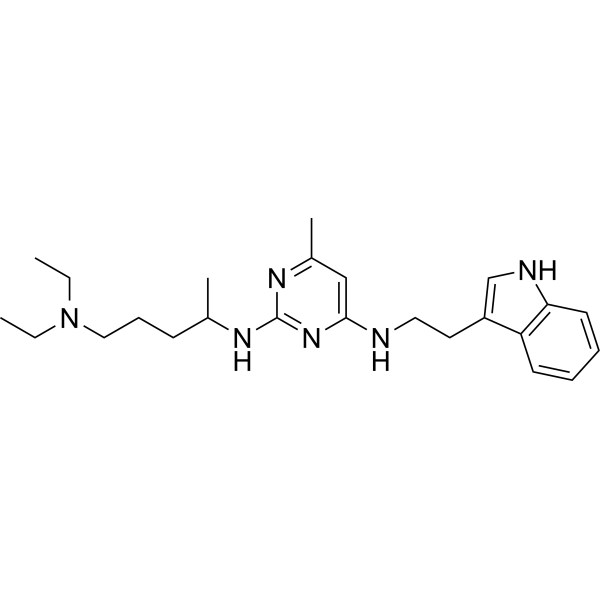
- HY-34544R
-
|
|
Reference Standards
Others
|
Others
|
|
Daucosterol (Standard) is the analytical standard of Daucosterol. This product is intended for research and analytical applications. Daucosterol is an orally active natural sterol compound, which has anti-inflammatory, anticancer and immunomodulatory activities. Daucosterol inhibits cancer cell proliferation by inducing autophagy through ROS-dependent manner. Daucosterol also inhibits colon cancer growth by inducing apoptosis, inhibiting cell migration and invasion and targeting caspase signalling pathway .
|
-

- HY-NP162
-
|
|
Biochemical Assay Reagents
|
Others
|
|
Recombinant Humanized Type XVII Collagen is a transmembrane protein that forms hemidesmosomes. Recombinant Humanized Type XVII Collagen facilitates interactions between stem cells,surrounding cells,and the extracellular matrix,thereby regulating skin homeostasis,aging,and wound healing. Recombinant Humanized Type XVII Collagen also possesses unique cell adhesion sites and signal transduction functions,which can regulate cell migration,proliferation,and differentiation .
|
-

- HY-175173
-
|
|
EGFR
|
Cancer
|
|
EGFR-IN-166 (Compound 2) is a EGFR inhibitor. EGFR-IN-166 has potent anticancer activity against breast cancer cells with IC50s of 69.63 and 22.84 μM for MCF-7 and MDA-MB-231 cells, respectively. EGFR-IN-166 significantly inhibits cell migration and EGFR expression. EGFR-IN-166 can be used for breast cancer research .
|
-

- HY-N2205
-
|
|
NF-κB
JNK
|
Cancer
|
|
Esculentoside H (EsH) is a saponin isolated from the root extract of perennial plant Phytolacca esculenta .
Esculentoside H (EH) has anti-tumor activity, the mechanism is related to the capacity for TNFrelease .
Esculentoside H (EsH) suppresses colon cancer cell migration through blockage of the JNK1/2 and NF-κB signaling-mediated matrix metalloproteinases-9 (MMP-9) expression .
|
-
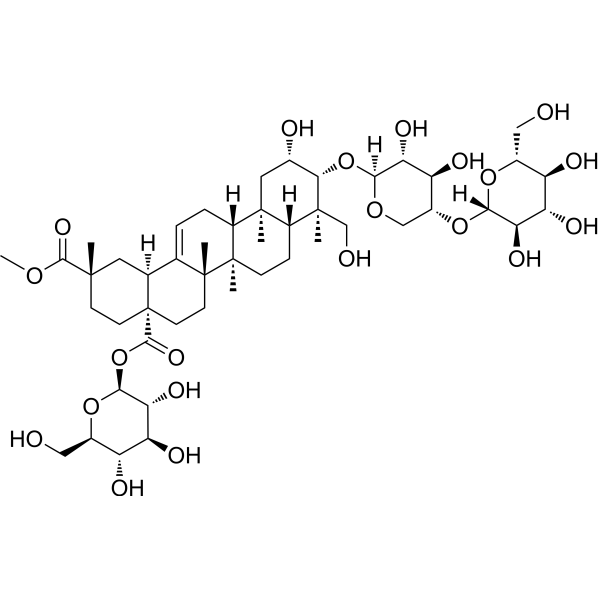
- HY-179521
-
|
|
CDK
Apoptosis
|
Cancer
|
|
CDK1-IN-8 is a CDK1 inhibitor. CDK1-IN-8 inhibits cell migration, induces apoptosis, and arrests the cell cycle at the G2/M phase. CDK1-IN-8 leads to a significant downregulation of CDK1 protein levels in HepG2 cells. CDK1-IN-8 can be used for the study of hepatocellular carcinoma .
|
-

- HY-176234
-
-

- HY-P10973
-
|
|
CXCR
ERK
|
Cancer
|
|
Peptide R analogue 10 (compound 10) is an analog of the CXCR4 antagonist peptide Peptide R (HY-P4111) with stronger antagonistic potency, specificity and plasma stability. Peptide R analogue 10 can inhibit CXCL12-mediated cell migration, ERK phosphorylation and CXCR4 internalization. Peptide R analogue 10 can be used in the study of CXCR4 overexpressing leukemia and colon cancer .
|
-

- HY-N4107R
-
|
|
Reference Standards
TGF-beta/Smad
|
Infection
Inflammation/Immunology
Cancer
|
|
Phyllanthin (Standard) is the analytical standard of Phyllanthin. This product is intended for research and analytical applications. Phyllanthin is an effective oral anticancer agent. Phyllanthin inhibits MOLT-4 cell viability, increases apoptosis, inhibits cell migration and invasion. Phyllanthin exerts anti-fibrotic effects by down-regulating TGF signaling pathway via ALK5 and Smad2/3. Phyllanthin also has anti-inflammatory and antibacterial properties .
|
-

- HY-161398
-
|
|
TGF-β Receptor
TGF-beta/Smad
|
Cancer
|
|
TGFβRII-IN-3 (Compound 2r) is a selective inhibitor of the TGFβ type II receptor (TGFβ RII) (IC50 = 4.1 μM). TGFβRII-IN-3 inhibits TGFβ signaling by promoting the proteolytic degradation of TGFβ RII. TGFβRII-IN-3 can block endothelial-to-mesenchymal transition and cell migration. TGFβRII-IN-3 can be used in cancer research .
|
-

- HY-100808R
-
|
(R)-Serine (Standard)
|
Reference Standards
iGluR
Endogenous Metabolite
|
Neurological Disease
|
|
D-Serine (Standard) is the analytical standard of D-Serine. This product is intended for research and analytical applications. D-Serine ((R)-Serine), an endogenous amino acid involved in glia-synapse interactions that has unique neurotransmitter characteristics, is a potent co-agonist at the NMDA glutamate receptor. D-Serinee has a cardinal modulatory role in major NMDAR-dependent processes including NMDAR-mediated neurotransmission, neurotoxicity, synaptic plasticity, and cell migration[1][2].
|
-

- HY-178158
-
|
|
Farnesyl Transferase
Apoptosis
DNA/RNA Synthesis
|
Cancer
|
|
SQS-IN-1 is a squalene synthase (SQS) inhibitor. SQS-IN-1 exhibits potent and broad-spectrum anti-proliferative effects on both mouse and human lung cancer cell lines. SQS-IN-1 inhibits DNA replication and the cell cycle, causing mitochondrial hyperpolarization and inducing cell apoptosis. SQS-IN-1 inhibits cell migration and invasion. SQS-IN-1 can be used to the study of lung cancer .
|
-

- HY-181271
-
|
|
IKK
Autophagy
|
Cancer
|
|
IKKε-IN-1 is a IKKε inhibitor. IKKε-IN-1 reduces cell viability, inhibits colony formation and cell migration. IKKε-IN-1 induces autophagy (Autophagy) in cancer cells. IKKε-IN-1 can be used in the research of cancers including colorectal cancer, hepatocellular carcinoma, bladder cancer, breast cancer, lung cancer, and cervical cancer .
|
-

- HY-170813
-
|
|
CDK
TGF-beta/Smad
|
Infection
|
|
P162-0948 is a selective CDK8 inhibitor with an IC50 value of 50.4 nM. P162-0948 reduces cell migration and protein expression of EMT-related proteins in A549 human alveolar epithelial cell lines. P162-0948 reduces phosphorylation of Smad, which suggests disruption of the TGF-β/Smad signaling pathway. P162-0948 is promising for research of pulmonary fibrosis .
|
-

- HY-155179
-
|
|
PAK
HDAC
|
Cancer
|
|
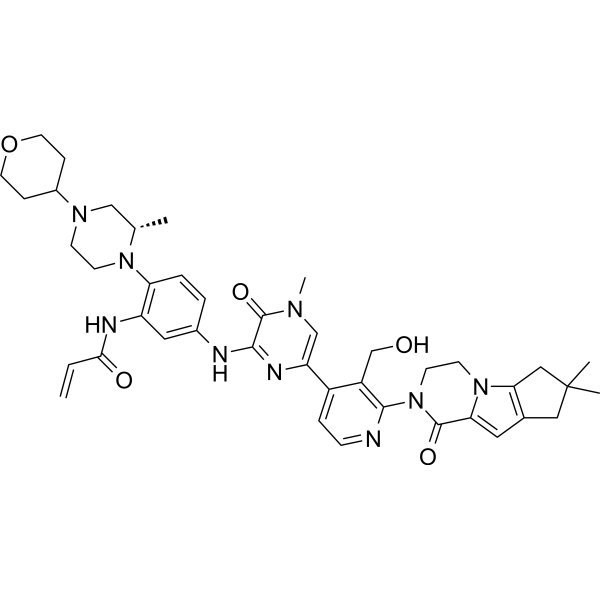
ZMF-23 is a PAK1/HDAC6 dual inhibitor. ZMF-23 inhibits PAK1 and HDAC6 regulated aerobic glycolysis and migration. ZMF-23 induces TNF-α-regulated necroptosis, and further enhances apoptosis. ZMF-23 inhibits the Warburg effect and cell migration. ZMF-23 can be used for research of triple-negative breast cancer (TNBC) .
|
-
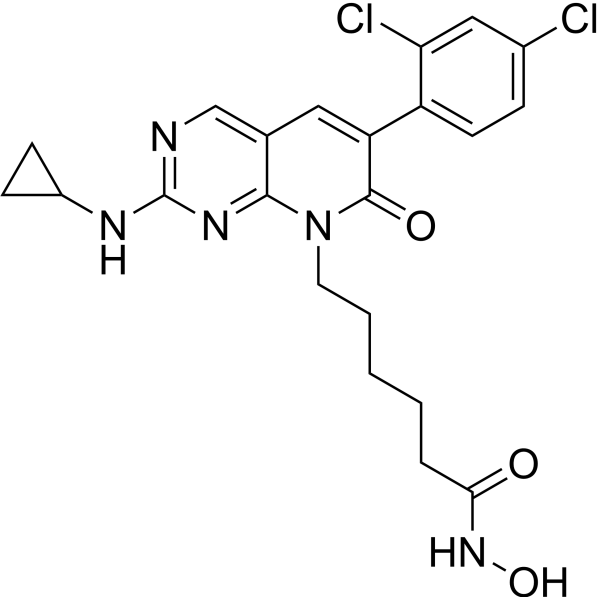
- HY-156640
-
|
LP-168
|
EGFR
|
Cancer
|
|
Rocbrutinib is an orally available, highly selective Bruton's tyrosine kinase (BTK) inhibitor, with an IC50 of 0.11 nM against wild-type BTK and an IC50 of 1.0 nM against C481S-mutated BTK. Rocbrutinib reduces the viability of leukemia cells, induces cytotoxicity and inhibits cell migration. Rocbrutinib can be used in research related to chronic lymphocytic leukemia, non-Hodgkin's lymphoma and mantle cell lymphoma .
|
-
- HY-146401
-
|
|
CXCR
|
Cancer
|
|
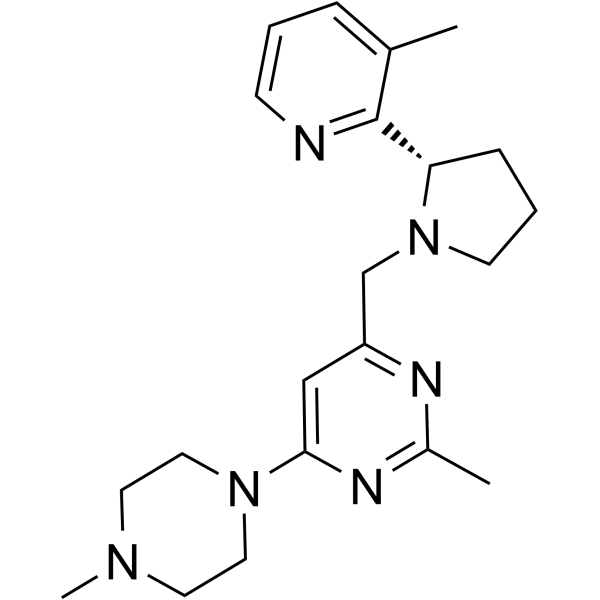
CXCR4 antagonist 6 (compound 46) is a potent CXCR4 antagonist with an IC50 value of 79 nM. CXCR4 antagonist 6 inhibits CXCL12 induced cytosolic calcium flux (IC50 = 0.25 nM). CXCR4 antagonist 6 significantly mitigates CXCL12/CXCR4 mediated cell migration. CXCR4 antagonist 6 exhibits marked efficacy in a cancer metastasis model in mice .
|
-
- HY-100035
-
|
|
ROCK
ERK
CDK
Apoptosis
|
Cancer
|
|
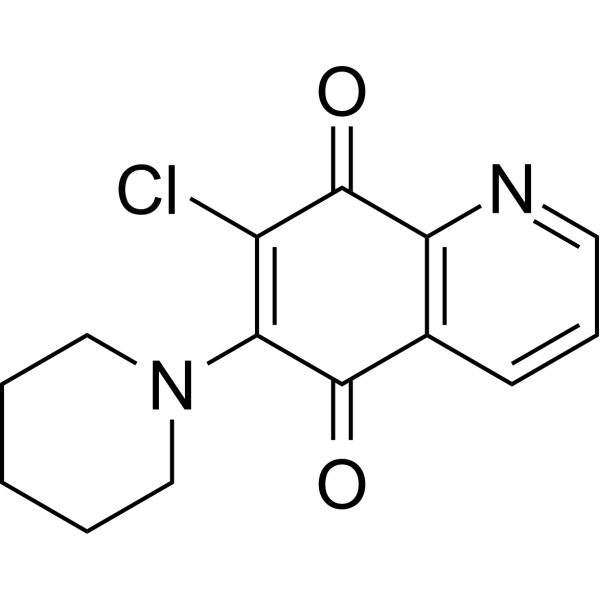
PT-262 is a potent ROCK inhibitor with an IC50 value of around 5 μM. PT-262 induces the loss of mitochondrial membrane potential and elevates the caspase-3 activation and apoptosis. PT-262 inhibits the ERK and CDC2 phosphorylation via a p53-independent pathway. PT-262 blocks cytoskeleton function and cell migration. PT-262 has anti-cancer activity .
|
-
- HY-122352
-
|
|
Apoptosis
Cadherin
β-catenin
Wnt
c-Myc
mTOR
|
Cancer
|
|
OSU-03013 is a Celecoxib (HY-14398) analog. OSU-03013 can promote apoptosis, up-regulate E-cadherin, and down-regulate β-catenin, c-myc, Wnt1, and N-cadherin. OSU-03013 reduces cell migration and invasion. OSU-03013 regulates both Wnt and mTOR expression to inhibit colon cancer (CC) cell proliferation. OSU-03013 can be used for CC cancer research .
|
-

- HY-B1221S1
-
|
|
Isotope-Labeled Compounds
COX
AMPK
Potassium Channel
Chloride Channel
Calcium Channel
Parasite
|
Inflammation/Immunology
|
|
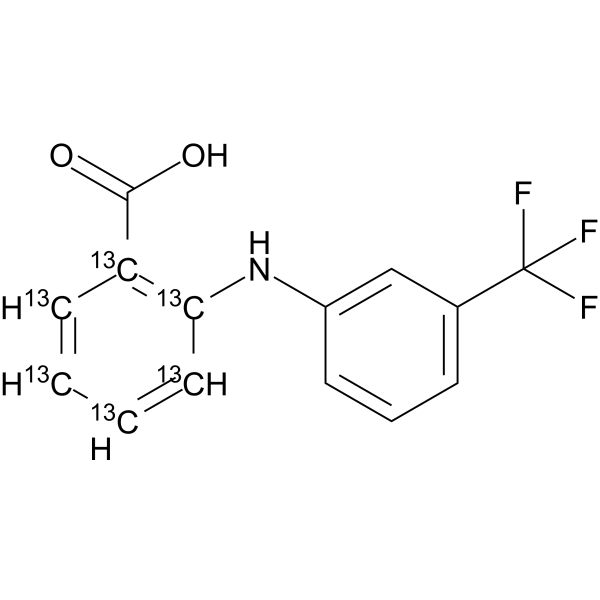
Flufenamic acid- 13C6 is the 13C6 labeled Flufenamic acid. Flufenamic acid is a non-steroidal anti-inflammatory agent, inhibits cyclooxygenase (COX), activates AMPK, and also modulates ion channels, blocking chloride channels and L-type Ca 2+ channels, modulating non-selective cation channels (NSC), activating K+ channels. Flufenamic acid binds to the central pocket of TEAD2 YBD and inhibits both TEAD function and TEAD-YAP-dependent processes, such as cell migration and proliferation.
|
-
- HY-173515
-
|
|
FAK
|
Cancer
|
|
FAK-IN-26 is a BBB-penetrable Focal Adhesion Kinase (FAK) inhibitor (IC50: 0.87 nM). FAK-IN-26 significantly suppresses tumor cell viability, cancer stem cell activity, and cell migration in A549 and SKOV-3 cell lines. FAK-IN-26 has potent anti-cancer activity in A549 and SKOV-3 tumor mice models with tumor inhibition rates of 59.15 % and 57.9 % .
|
-

- HY-B1221S
-
|
|
Isotope-Labeled Compounds
COX
AMPK
Potassium Channel
Chloride Channel
Calcium Channel
Parasite
|
Inflammation/Immunology
|
|
Flufenamic acid-d4 is deuterium labeled Flufenamic acid. Flufenamic acid is a non-steroidal anti-inflammatory agent, inhibits cyclooxygenase (COX), activates AMPK, and also modulates ion channels, blocking chloride channels and L-type Ca 2+ channels, modulating non-selective cation channels (NSC), activating K+ channels. Flufenamic acid binds to the central pocket of TEAD2 YBD and inhibits both TEAD function and TEAD-YAP-dependent processes, such as cell migration and proliferation.
|
-
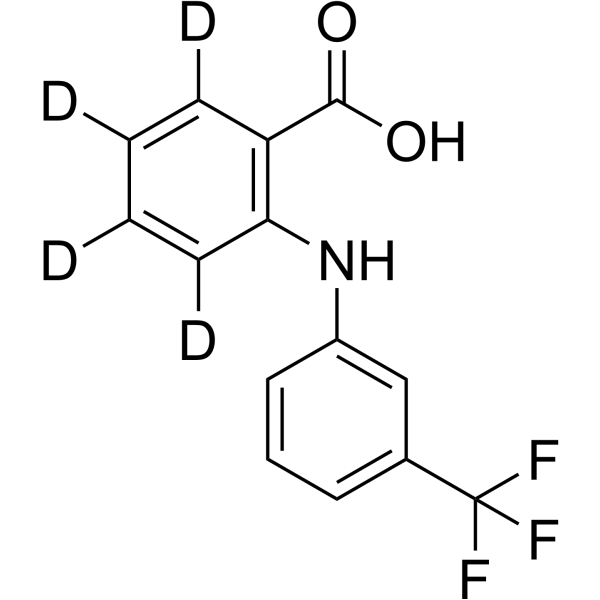
- HY-115663
-
|
|
Epigenetic Reader Domain
c-Myc
|
Cancer
|
|
C620-0696 is an inhibitor targeting the brom domain of BPTF, with a KD value of 35.5 μM. C620-0696 can exert cytotoxic effects on A549 and H358 cells, inhibiting the expression of c-Myc. C620-0696 inhibits cell migration and colony formation, and induces apoptosis and cell cycle arrest. C620-0696 can be used in the research of non-small cell lung cancer .
|
-

- HY-100808S
-
|
(R)-Serine-d3
|
Isotope-Labeled Compounds
Endogenous Metabolite
iGluR
|
Neurological Disease
|
|
D-Serine-d3 ((R)-Serine-d3) is a deuterium labeled D-Serine (HY-100808). D-Serine ((R)-Serine), an endogenous amino acid involved in glia-synapse interactions that has unique neurotransmitter characteristics, is a potent co-agonist at the NMDA glutamate receptor. D-Serinee has a cardinal modulatory role in major NMDAR-dependent processes including NMDAR-mediated neurotransmission, neurotoxicity, synaptic plasticity, and cell migration .
|
-
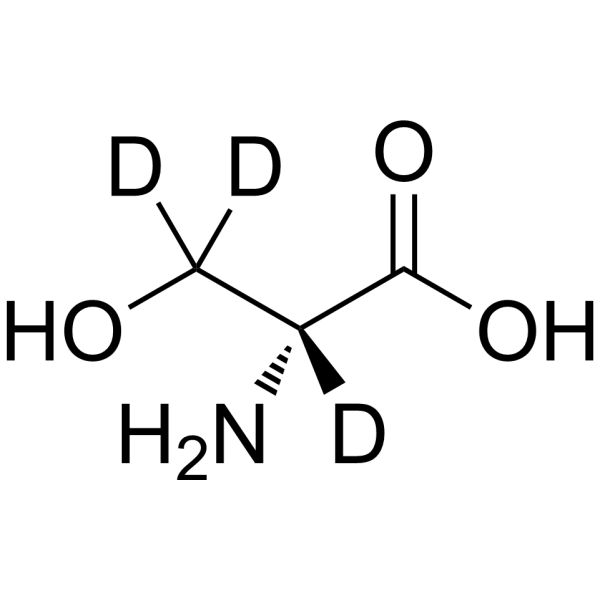
- HY-161155
-
|
|
HDAC
|
Inflammation/Immunology
|
|
HDAC6-IN-31 (compound 8m) is a selective HDAC6 inhibitor, with the IC50 value of 0.026 μM, that significantly inhibits the production and release of pro-inflammatory cytokines. While HDAC6 is critically involved in the activation of inflammasomes, HDAC6-IN-31 has the potential to inhibit NLRP3 inflammasome-driven inflammatory diseases. HDAC6-IN-31 also inhibits glioblastoma cell migration .
|
-
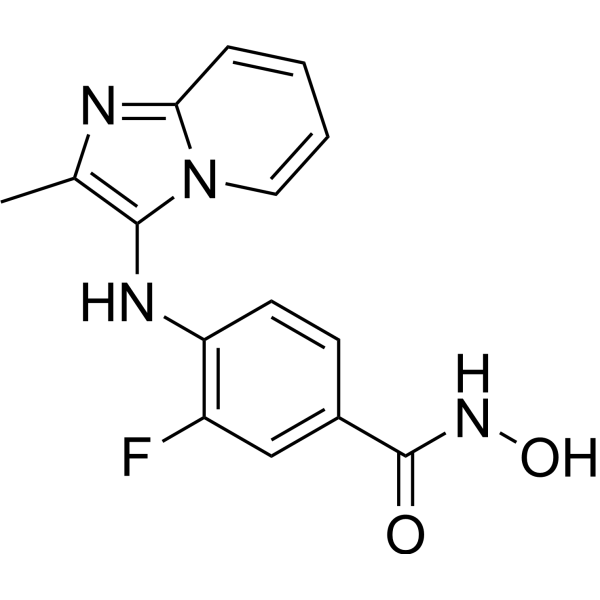
- HY-105218AR
-
|
BMS-180291 sodium (Standard)
|
Reference Standards
Prostaglandin Receptor
|
Cardiovascular Disease
Endocrinology
Cancer
|
|
Ifetroban sodium (Standard) is the analytical standard of Ifetroban sodium (HY-105218A). This product is intended for research and analytical applications. Ifetroban (BMS-180291) sodium is an orally active antagonist of thromboxane A2 (TXA2) or prostaglandin H2 (PGH2) receptor. Ifetroban sodium shows antiplatelet activity, and inhibits tumor cell migration without affecting cell proliferation. Ifetroban sodium can be used for myocardial ischemia, hypertension, stroke, thrombosis, cardiomyopathy research .
|
-

- HY-164584
-
|
|
LPL Receptor
|
Neurological Disease
|
|
S1P5 receptor antagonist 1 is a selective, blood-brain barrier-permeable S1P5 receptor antagonist with an EC50 of 0.1 nM and a Ki of 4.4 nM. S1P5 receptor antagonist 1 inhibits the migration of natural killer cells towards sphingosine 1-phosphate in vitro, with no effect on T cell migration. S1P5 receptor antagonist 1 can be used in the research of central nervous system diseases .
|
-

- HY-149393
-
|
|
Mixed Lineage Kinase
RIP kinase
|
Cancer
|
|
RIPK3-IN-3 (compound 20) is a selective inhibitor of RIP kinase RIPK3 (IC50=10 nM). RIPK3 mediates the phosphorylation of Mixed Lineage Kinase (MLKL) and causes necroptosis, while RIPK3-IN-3 inhibits p-MLKL oligomerization and thereby inhibits necroptosis. RIPK3-IN-3 also downregulates CXCL5 secretion and inhibits AsPC-1 cell migration and invasion .
|
-
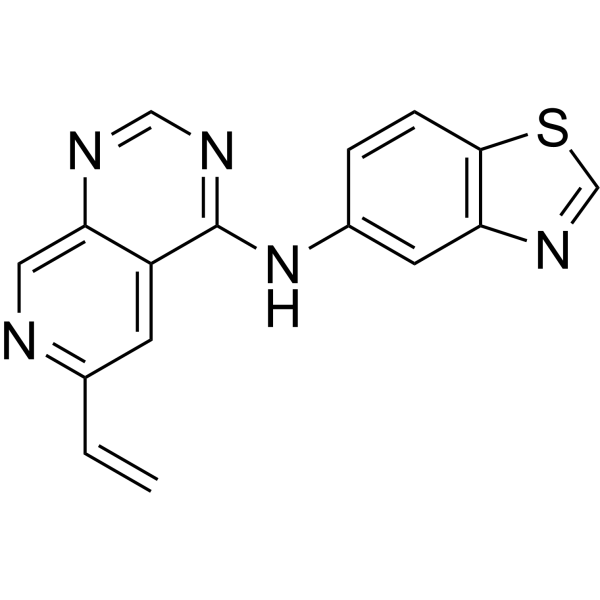
- HY-16929
-
|
LAT-A
|
Arp2/3 Complex
|
Cancer
|
|
Latrunculin A (LAT-A), found in the red sea sponge Latrunculia magnifica, is a G-actin polymerization inhibitor. Latrunculin A binds to actin monomers and inhibits polymerization of actin with Kds of 0.1, 0.4, 4.7 μM and 0.19 μM for ATP-actin, ADP-Pi-actin, ADP-actin and G-actin, respectively. Latrunculin A has effective anti-metastatic properties for cancer research. Latrunculin A blocks cell migration .
|
-
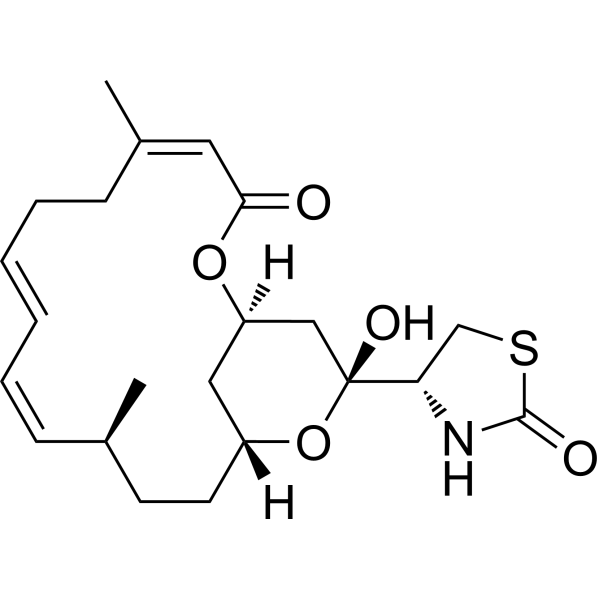
- HY-175818
-
|
|
Apelin Receptor (APJ)
|
Cancer
|
|
APJ antagonist-1 is an apelin receptor (APJ) antagonist. APJ antagonist-1 shows strong β-arrestin inhibition with an IC50 of 3.1 μM. APJ antagonist-1 selectively inhibits APJ-overexpressing cancer cells and suppresses apelin-induced endothelial cell migration. APJ antagonist-1exhibits high metabolic stability. APJ antagonist-1 can used for the studies of ovarian cancer and tumor angiogenesis .
|
-

- HY-B1221R
-
|
|
Reference Standards
COX
AMPK
Potassium Channel
Chloride Channel
Calcium Channel
Parasite
|
Inflammation/Immunology
|
|
Flufenamic acid (Standard) is the analytical standard of Flufenamic acid. This product is intended for research and analytical applications. Flufenamic acid is a non-steroidal anti-inflammatory agent, inhibits cyclooxygenase (COX), activates AMPK, and also modulates ion channels, blocking chloride channels and L-type Ca 2+ channels, modulating non-selective cation channels (NSC), activating K + channels. Flufenamic acid binds to the central pocket of TEAD2 YBD and inhibits both TEAD function and TEAD-YAP-dependent processes, such as cell migration and proliferation.
|
-

- HY-103332S
-
|
NA-Gly-d8
|
Isotope-Labeled Compounds
Endogenous Metabolite
GlyT
|
Inflammation/Immunology
|
|
N-Arachidonylglycine-d8 is a deuterated labeled N-Arachidonylglycine . N-Arachidonylglycine (NA-Gly), a carboxylic analog of the endocannabinoid anandamide (AEA), is a GPR18 agonist (EC50 = 44.5 nM). Unlike AEA, N-Arachidonylglycine has no activity at either CB1 or CB2 receptors. N-Arachidonylglycine inhibits GLYT2 (IC50 = 5.1 μM). N-Arachidonylglycine also is an effective activator of endometrial cell migration .
|
-

- HY-W002463
-
|
|
Biochemical Assay Reagents
|
Others
|
|
3-Chlorophenylboronic acid is employed as a reactant involved in 1,4-conjugate addition reactions with ethenesulfonamides to form arylethanesulfonamides, Suzuki-Miyaura reactions with dibromotrifluoromethylbenzene, cross-coupling reactions with diazoesters3 or potassium cyanate. 3-Chlorophenylboronic acid is involved in the synthesis of biarylketones and phthalides and synthesis of inhibitors including PDE4 inhibitors among others. 3-Chlorophenyl boronic acid can affect cell migration. 3-Chlorophenyl boronic acid can be used to study wound healing .
|
-
- HY-128393S2
-
|
|
Isotope-Labeled Compounds
PI3K
Apoptosis
ERK
MMP
Akt
MEK
E-Selectin
|
Cancer
|
|
Trilinolein-d5 is the deuterium labeled Trilinolein (HY-128393). Trilinolein is an orally active triglyceride that inhibits the PI3K/Akt, Ras/MEK/ERK signaling pathways, and MMP-2. Trilinolein can reduce oxidative stress, induce apoptosis, and inhibit cell migration. Trilinolein can be used in the research fields of cardiovascular disease, cerebrovascular disease (such as cerebral ischemia), and non-small cell lung cancer .
|
-

- HY-108361R
-
|
|
Reference Standards
Ras
|
Inflammation/Immunology
Cancer
|
|
CCG-203971 (Standard) is the analytical standard of CCG-203971 (HY-108361). This product is intended for research and analytical applications. CCG-203971 is a second-generation Rho/MRTF/SRF pathway inhibitor. CCG-203971 potently targets RhoA/C-activated SRE-luciferase (IC50 =6.4 μM). CCG-203971 inhibits PC-3 cell migration with an IC50 of 4.2 μM. Potential anti-metastasis Agent .
|
-

- HY-149029
-
|
|
HDAC
Apoptosis
Reactive Oxygen Species (ROS)
|
Cancer
|
|
TH-6 is a potent HDAC inhibitor with IC50s of 0.115, 0.135, 0.242, 0.138, 2.120 µM for HDAC1, HDAC2, HDAC3, HDAC6, HDAC8, respectively. TH-6 inhibits cell migration and invasion. TH-6 induces apoptosis and cell cycle arrest at G2/M phase. TH-6 shows anti-tumor activity .
|
-
- HY-155192
-
|
|
Galectin
|
Inflammation/Immunology
Cancer
|
|
Galectin-3/galectin-8-IN-2 (Compound 57) is a dual Galectin-3 and galectin-8 C-terminal domain inhibitor, with Kd values of 12.8 μM and 2.06 μM respectively. Galectin-3/galectin-8-IN-2 inhibits the MRC-5 lung fibroblast cells migration. Galectin-3/galectin-8-IN-2 can be used for research of cancer and tissue fibrosis .
|
-
- HY-151155
-
|
|
Anaplastic lymphoma kinase (ALK)
|
Cancer
|
|
ALK-IN-23 is a potent ALK inhibitor with IC50 values of 1.6 nM, 0.71 nM and 1.3 nM for ALK WT, ALK L1196M and ALK G1202R. ALK-IN-23 can block cell cycle in G2 phase and induce apoptosis. ALK-IN-23 inhibits cancer cell migration and colony formation in vitro. ALK-IN-23 exhibits antitumor activity in H2228 xenograft nude mice model with hypotoxicity .
|
-
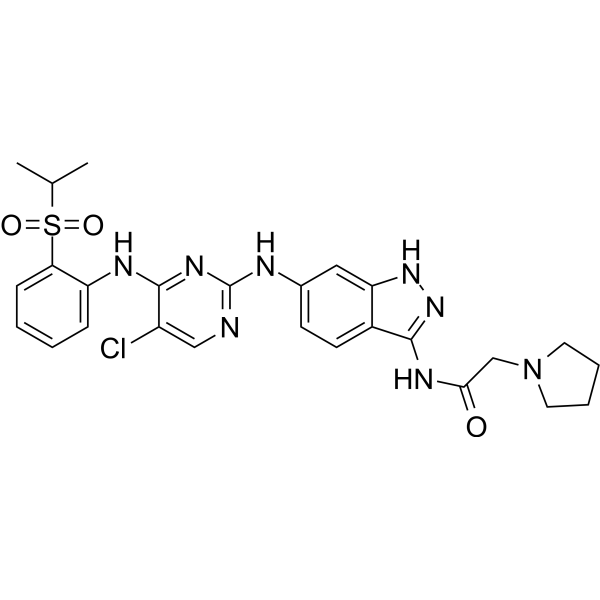
- HY-W013935
-
|
|
Endogenous Metabolite
Estrogen Receptor/ERR
Reactive Oxygen Species (ROS)
|
Endocrinology
|
|
Bisphenol B is a close structural analog of Bisphenol A (BPA) (HY-18260). Bisphenol B is a potent, orally active endocrine disruptor (ED). Bisphenol B binds to G protein-coupled estrogen receptor (GPER) (IC50 = 3.3 μM) with higher affinity and agonistic activity than BPA. Bisphenol B promotes GPER mediated cell migration. Bisphenol B exerts estrogenic effects via GPER pathway at nanomolar concentration. Bisphenol B is used in the manufacture of polycarbonate resin with ED properties .
|
-
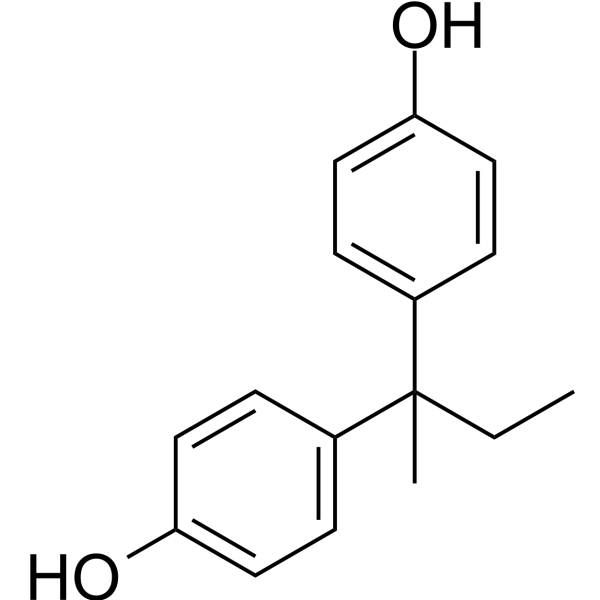
- HY-15668
-
|
|
MMP
Bcl-2 Family
Caspase
Apoptosis
Drug Derivative
|
Cancer
|
|
ST09 is an efficient and low toxicity Curcumin (HY-N0005) derivative. ST09 significantly inhibits cell migration and downregulates the expression of MMP1, MMP2, and Vimentin. ST09 has strong cytotoxicity to breast cancer cells, such as MDA-MB-231, MCF7 and T47D cells. ST09 induces cell apoptosis by upregulating Bax and cleaved caspase-3/9. ST09 can be used in the research of cancer such as breast cancer .
|
-

- HY-P990016
-
|
ARGX-112; LEO-138559; LP-0145
|
Interleukin Related
|
Inflammation/Immunology
|
|
Temtokibart (ARGX-112) is a monoclonal antibody and also an IL-22RA1 inhibitor. Temtokibart inhibits the signal transduction of IL-22, IL-20 and IL-24. Temtokibart reduces the expression levels of inflammatory proteins, chemokines, immune cell migration and markers of activated immune pathways. Temtokibart improves the expression of genes related to immunity and epidermal barrier function. Temtokibart is applicable to research on moderate-to-severe atopic dermatitis .
|
-

- HY-128393S1
-
|
|
Isotope-Labeled Compounds
PI3K
Akt
E-Selectin
Apoptosis
MMP
MEK
ERK
|
Cancer
|
|
Trilinolein- 13C54 is the 13C-labeled Trilinolein (HY-128393). Trilinolein is an orally active triglyceride that inhibits the PI3K/Akt, Ras/MEK/ERK signaling pathways, and MMP-2. Trilinolein can reduce oxidative stress, induce apoptosis, and inhibit cell migration. Trilinolein can be used in the research fields of cardiovascular disease, cerebrovascular disease (such as cerebral ischemia), and non-small cell lung cancer .
|
-

- HY-P992439
-
|
|
CXCR
|
Cancer
|
|
PF-06747143 is recombinant anti-human antibody targeting CXCR4. PF-06747143 blocks CXCL12-induced calcium flux, F-actin polymerization, chemotaxis, cell migration, and leukemic cell bone marrow homing. PF-06747143 reduces tumor burden and improves survival in mouse models of hematologic malignancies. PF-06747143 can be used for the research of chronic lymphocytic leukemia, acute myeloid leukemia, and hematologic malignancies .
|
-

- HY-173117
-
|
|
CaMK
|
Cardiovascular Disease
Cancer
|
|
RA306 is an orally active CaMKIIδ/γ inhibitor with IC50 values of 15, 25, 61, and 420 nM against CaMKIIδ, γ, α, and β isoforms, respectively. RA306 reduces the serine/threonine phosphorylation level of PEAK1, inhibits PEAK1-mediated cancer cell migration and invasion, and attenuates the growth and metastasis of cancer xenografts. RA306 can be used in research related to triple-negative breast cancer and dilated cardiomyopathy .
|
-

- HY-160843
-
|
|
Apoptosis
|
Cancer
|
|
N-ω-chloroacetyl-L-ornithine (NCAO) is a potent reversible competitive ornithine decarboxylase (ODC) inhibitor that exerts cytotoxic and antiproliferative effects on tumor cell lines with EC50 values ranging from 1 to 50.6 µM. NCAO induces tumor cell Apoptosis and inhibits tumor cell migration in vitro. NCAO also exhibits a potent antitumor activity against both solid and ascitic tumors in a mouse model using the myeloma (Ag8) cell line. NCAO is promising for research of antitumor agents .
|
-

- HY-P11019
-
|
|
CXCR
Calcium Channel
|
Cancer
|
|
IS4 is a selective CXCR4 competitive antagonist, with an IC50 of 0.65 nM in THP-1 cells and 38.75 nM in Jurkat cells. IS4 is stable in serum and non-cytotoxic. IS4 competitively binds to CXCR4 with CXCL12, thereby inhibiting CXCL12-induced intracellular Ca 2+ release and cancer cell migration. IS4 can be used in the research on the prevention of metastasis of breast cancer, prostate cancer, leukemia, and other diseases .
|
-

- HY-169413
-
|
|
Akt
|
Cancer
|
|
AKT-IN-25 (Compound 14a) is an inhibitor for Akt, that inhibits the phosphorylation of Akt, and thereby inhibits the PI3K/Akt/mTOR signaling pathway. AKT-IN-25 arrests the cell cycle at G1 phase, inhibits the cell migration of PANC-1, and inhibits the proliferation of cancer cells PANC-1, PATU-T, and SUIT-2 with IC50s of 3.05, 1.32, and 3.85 μM, respectively .
|
-

- HY-122308
-
|
|
NF-κB
Apoptosis
Interleukin Related
COX
Reactive Oxygen Species (ROS)
|
Inflammation/Immunology
|
|
Militarine is a plant growth inhibitor and anti-inflammatory agent. Militarine inhibits the elongation of radicles and hypocotyls in seedlings of lettuce, Italian ryegrass and timothy grass. Militarine alleviates PM2.5-induced inflammatory injury and inhibits cell migration in human alveolar epithelial A549 cells by inhibiting the NF-κB signaling pathway, reducing oxidative stress and the release of inflammatory factors. Militarine can be used in studies related to PM2.5-induced pulmonary diseases .
|
-
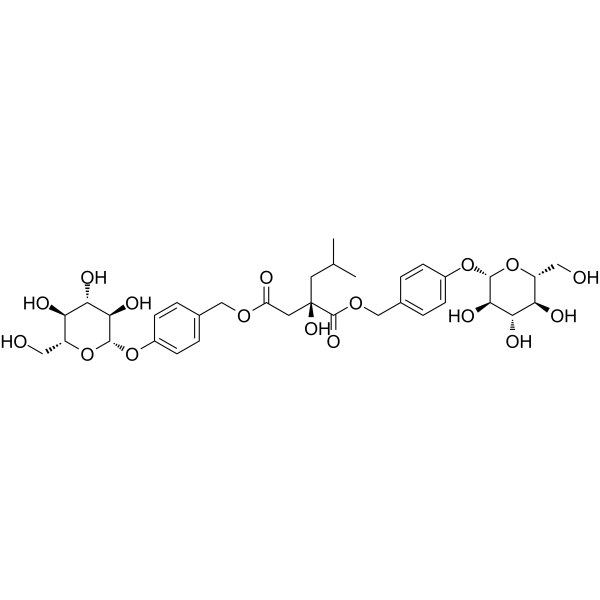
- HY-183754
-
|
|
EGFR
PI3K
Akt
Apoptosis
|
Cancer
|
|
EGFR-IN-213 is a selective inhibitor of EGFR L858R/T790M/C797S with a human IC50 of 0.48 nM. EGFR-IN-213 acts as an antiproliferative agent, inducing apoptosis and cell cycle arrest, and inhibiting colony formation, cell migration, and tube formation. EGFR-IN-213 can be used for the research of non-small cell lung cancer, chronic myeloid leukemia, gastric cancer, prostate cancer .
|
-

- HY-P1435
-
|
|
NADPH Oxidase
|
Cardiovascular Disease
Cancer
|
|
NoxA1ds is a potent and highly selective NADPH oxidase 1 (NOX1) inhibitor (IC50=20 nM). NoxA1ds inhibits NOX1-derived O 2- production in HT-29 human colon cancer cells. NoxA1ds attenuates VEGF-induced human pulmonary artery endothelial cell migration under hypoxic conditions in vitro. NoxA1ds can be used in the study of hypertension, atherosclerosis and tumors .
|
-
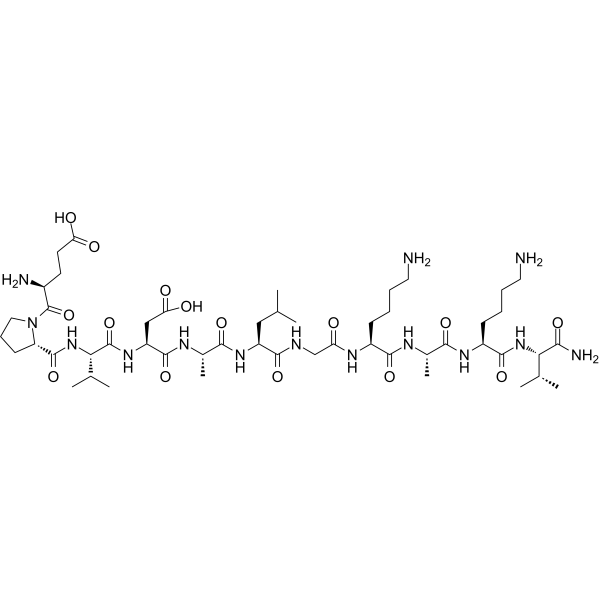
- HY-162887
-
|
|
VEGFR
Apoptosis
|
Cancer
|
|
VEGFR-2-IN-53 (Compound 15w) is a VEGFR-2 inhibitor with an IC50 of 4.34 μM. VEGFR-2-IN-53 induces apoptosis by inhibiting VEGFR-2 activity and preventing cell migration, thereby exhibiting anti-angiogenic effects. The IC50 value of VEGFR-2-IN-53 for inhibiting MCF-7 cell growth is 3.87 μM. VEGFR-2-IN-53 can be used in cancer research .
|
-

- HY-146261
-
|
|
Microtubule/Tubulin
Indoleamine 2,3-Dioxygenase (IDO)
Apoptosis
|
Cancer
|
|
HI5 is a potent tublin and IDO inhibitor, with an IC50 value of 70 nM in HeLa cells. HI5 inhibit IDO expression and decrease kynurenine production, leading to stimulating T cells activation and proliferation. HI5 can inhibit tubulin polymerization and cell migration, cause G2/M phase arrest, and induce apoptosis via the mitochondrial dependent apoptosis pathway and cause reactive oxidative stress generation in HeLa cells. HI5 can be used for researching anticancer .
|
-
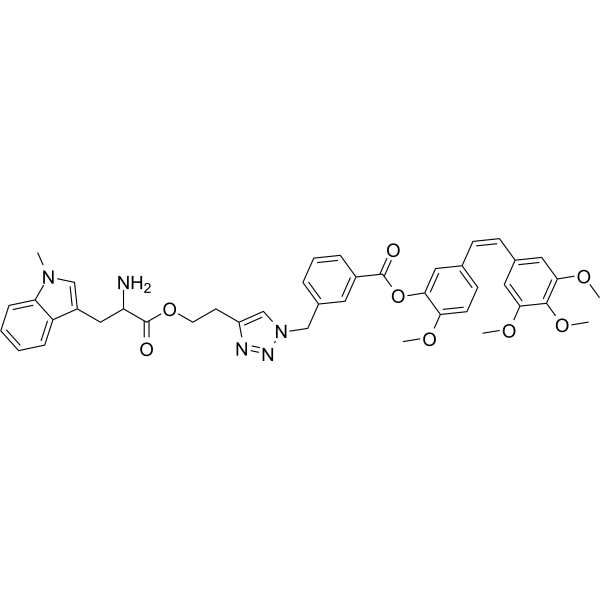
- HY-108691R
-
|
|
Reference Standards
Itk
Btk
CXCR
PD-1/PD-L1
LAG-3
|
Cancer
|
|
PF-06465469 (Standard) is the analytical standard of PF-06465469 (HY-108691). This product is intended for research and analytical applications. PF-06465469 is a covalent inhibitor of ITK with an IC50 of 2 nM. PF-06465469 also inhibits BTK. PF-06465469 inhibits cell migration in response to CXCL12. PF-06465469 decreases PD-1 and LAG-3 expression. PF-06465469 can be used to study leukemia and T-cell lymphoma .
|
-

- HY-119948
-
|
|
Cyclin G-associated Kinase (GAK)
MDM-2/p53
|
Cancer
|
AKCI is a type of AURKC-IκBα interaction inhibitor, with an IC50 value of 24.9 μM. In MDA-MB-231 cells, AKCI can induce G2/M cell cycle arrest by regulating the p53/p21/CDC2/cyclin B1 pathway, inhibit cell migration and invasion, and reduce colony formation and tumor growth. AKCI can be used for research on breast cancer .
|
-

- HY-128393R
-
|
|
Reference Standards
PI3K
Akt
E-Selectin
Apoptosis
MMP
MEK
ERK
|
Cancer
|
|
Trilinolein (Standard) is the analytical standard of Trilinolein (HY-128393). This product is intended for research and analytical applications. Trilinolein is an orally active triglyceride that inhibits the PI3K/Akt, Ras/MEK/ERK signaling pathways, and MMP-2. Trilinolein can reduce oxidative stress, induce apoptosis, and inhibit cell migration. Trilinolein can be used in the research fields of cardiovascular disease, cerebrovascular disease (such as cerebral ischemia), and non-small cell lung cancer .
|
-

- HY-15150R
-
|
R428 (Standard); BGB324 (Standard)
|
TAM Receptor
Reference Standards
|
Cancer
|
|
Bemcentinib (Standard) is the analytical standard of Bemcentinib. This product is intended for research and analytical applications. Bemcentinib (R428) is a selective and orally active Axl inhibitor with an IC50 of 14 nM. Bemcentinib retards cancer cell migration and invasion. Bemcentinib exhibits >100-fold selectivity for Axl versus Abl and 50- and >100-fold selectivity over TAM family kinases Mer and Tyro3, respectively, in cells. Bemcentinib blocks tumor spread and prolongs survival in models of metastatic breast cancer .
|
-

- HY-155191
-
|
|
Galectin
|
Inflammation/Immunology
Cancer
|
|
Galectin-3/galectin-8-IN-1 (Compound 53) is a dual Galectin-3 and galectin-8 C-terminal domain inhibitor, with Kd values of 4.12 μM and 6.04 μM respectively. Galectin-3/galectin-8-IN-1 inhibits the MRC-5 lung fibroblast cells migration. Galectin-3/galectin-8-IN-1 can be used for research of cancer and tissue fibrosis .
|
-
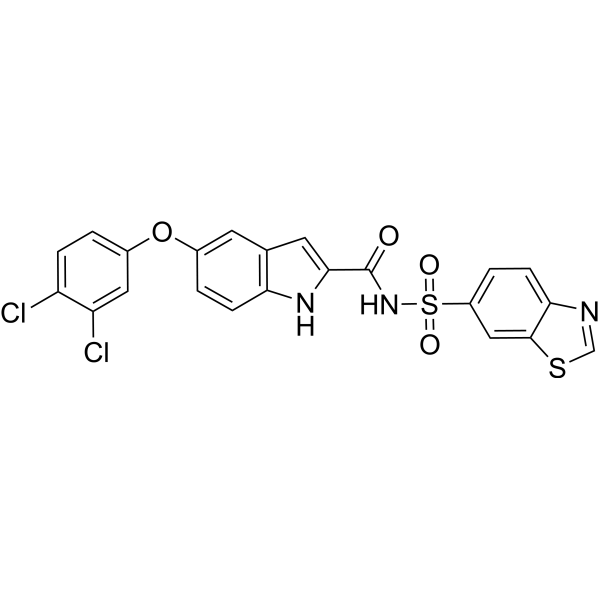
- HY-N6744
-
|
|
Apoptosis
Endogenous Metabolite
Fungal
Parasite
Arp2/3 Complex
|
Infection
Cancer
|
|
Chaetoglobosin A is a secondary metabolite and nematicide. Chaetoglobosin A is produced by Penicillium aquamarinium. Chaetoglobosin A targets Filamentous actin in cells, thereby inducing cell cycle arrest, and inhibiting membrane ruffle formation and cell migration. Chaetoglobosin A preferentially induces Apoptosis in chronic lymphocytic leukemia cells. Chaetoglobosin A induces dose- and time-dependent death in J2 larvae of the southern root-knot nematode (Meloidogyne incognita). Chaetoglobosin A can be used in studies related to root-knot nematode disease and chronic lymphocytic leukemia .
|
-
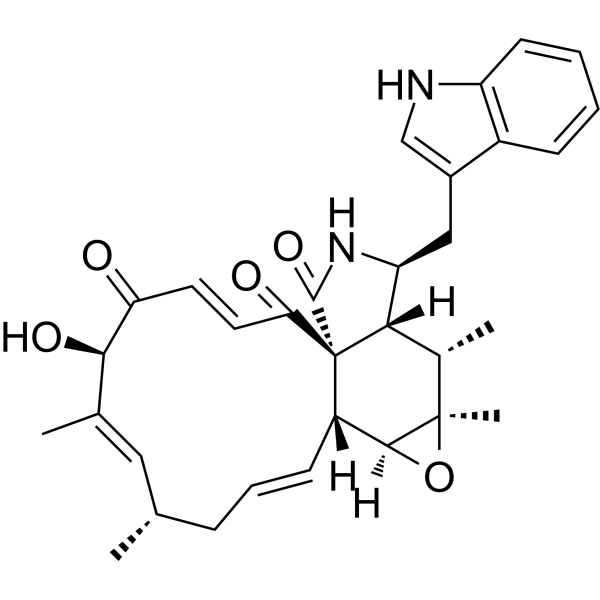
- HY-P1411
-
|
PcTx1; Psalmopoeus cambridgei toxin-1
|
Sodium Channel
Apoptosis
|
Neurological Disease
Cancer
|
|
Psalmotoxin 1 (PcTx1) is a protein toxin that can bind at subunit-subunit interfaces of acid-sensing ion channel 1a (ASIC1a). Psalmotoxin 1 is a potent and slective ASIC1a inhibitor (IC50: 0.9 nM) by increasing the apparent affinity for H + of ASIC1a. Psalmotoxin 1 can induce cell apoptosis, also inhibits cell migration, proferliration and invasion of cancer cells. Psalmotoxin 1 can be used in the research of cancers, or neurological disease .
|
-
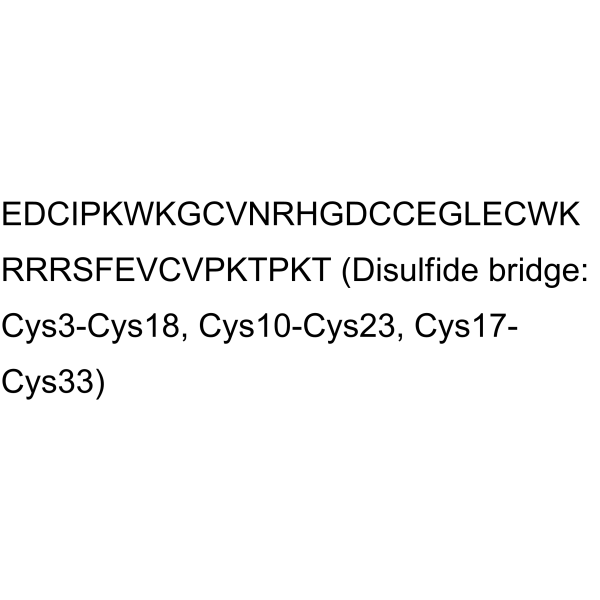
- HY-173166
-
|
|
PPAR
|
Cancer
|
|
PPARγ agonist 17 (Compound C1) is a PPARγ agonist. PPARγ agonist 17 enhances PPARγ activity and blocks the cell cycle in G2/M phase, inhibits cell migration and induces apoptosis in HT-29 cells. PPARγ agonist 17 has a broad spectrum anti-proliferative activity in cancer cells with relatively low toxicity in normal cells which cannot cross the blood-brain barrier .
|
-

- HY-145899
-
|
|
PKC
|
Cancer
|
|
PKN1/2-IN-1 is a potent cell permeabilizer and selective PKN1/2 inhibitor with IC50 values of 16 nM and 210 nM for PKN1 and PKN2, respectively, and Ki values of 8 nM and 108 nM, respectively. PKN1/2-IN-1 exhibits strong intracellular PKN2 binding capacity in NanoBRET assays (IC50 = 2.1 μM). PKN1/2-IN-1 can be used to study physiological processes such as tumor cell migration .
|
-
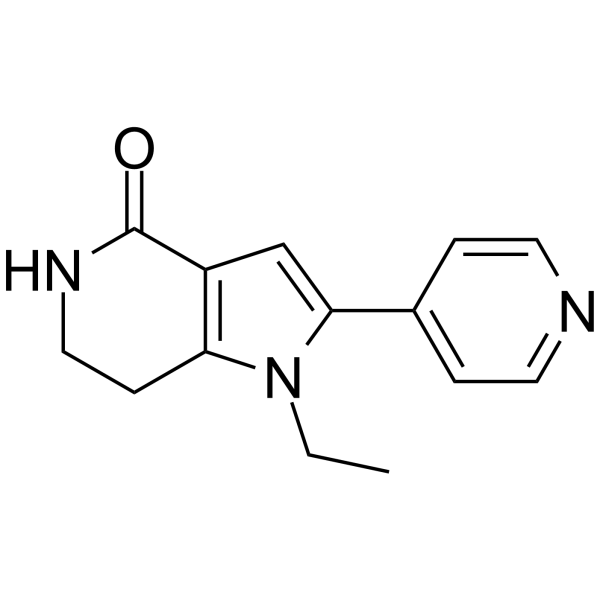
- HY-175634
-
|
|
Lipoxygenase
β-catenin
STAT
Apoptosis
|
Cancer
|
|
ALOX5 stabilizer-1 is an arachidonate 5-lipoxygenase (ALOX5) stabilizer with a Kd of 7.26 μM. ALOX5 stabilizer-1 inhibits β-catenin protein levels and then suppresses STAT3 signal pathway. ALOX5 stabilizer-1 induces lung cancer cells apoptosis, inhibited cell migration and proliferation. ALOX5 stabilizer-1 can used for the study of non-small cell lung cancer (NSCLC) .
|
-

- HY-181579
-
|
|
HDAC
Apoptosis
PERK
Microtubule/Tubulin
|
Cancer
|
|
HDAC6-IN-74 is an orally active, selective histone deacetylase 6 (HDAC6) inhibitor with an IC50 of 0.036 μM. HDAC6-IN-74 induces tumor cell apoptosis, arrests cells at the S phase of the cell cycle, and impairs cell migration, invasion and colony-forming abilities. HDAC6-IN-74 exerts anticancer effects with no obvious toxicity. HDAC6-IN-74 can be used in the research of cancers such as liver cancer .
|
-

- HY-P1435A
-
|
|
NADPH Oxidase
|
Cardiovascular Disease
Cancer
|
|
NoxA1ds TFA is a potent and highly selective NADPH oxidase 1 (NOX1) inhibitor (IC50=20 nM). NoxA1ds TFA inhibits NOX1-derived O 2- production in HT-29 human colon cancer cells. NoxA1ds TFA attenuates VEGF-induced human pulmonary artery endothelial cell migration under hypoxic conditions in vitro. NoxA1ds TFA can be used in the study of hypertension, atherosclerosis and tumors .
|
-

- HY-179406
-
|
|
PARP
DNA/RNA Synthesis
Reactive Oxygen Species (ROS)
Apoptosis
|
Cancer
|
|
PARP1-IN-49 is a selective PARP1 inhibitor with an IC50 of 23.56 nM and a Kd of 17.78 nM. PARP1-IN-49 shows a selectivity for PARP1 over PARP2. PARP1-IN-49 leads to the induction of DNA damage, cell cycle arrest, and apoptosis. PARP1-IN-49 also increases intracellular ROS levels and inhibits cell migration. PARP1-IN-49 can be used for the research of breast cancer and ovarian cancer .
|
-

- HY-156153
-
|
|
Histone Methyltransferase
|
Cancer
|
|
PROTAC CARM1 degrader-2 (compound 3e) is a degrader (DC50=8.8 nM) of co-activator associated argininemethyltransferase (CARM1). PROTAC CARM1 degrader-2 degrades CARM1 in a VHL- and proteasome-dependent manner. Thus, PROTAC CARM1 degrader-2 inhibits methylation of CARM1 substrates such as poly(A)-binding protein PABP1 and BGR1-associated factor BAF155 and inhibits breast cancer cell migration .
|
-
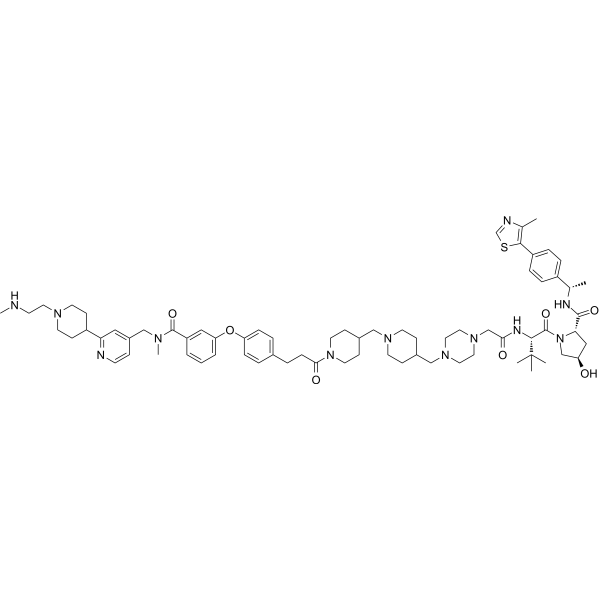
- HY-101259
-
-
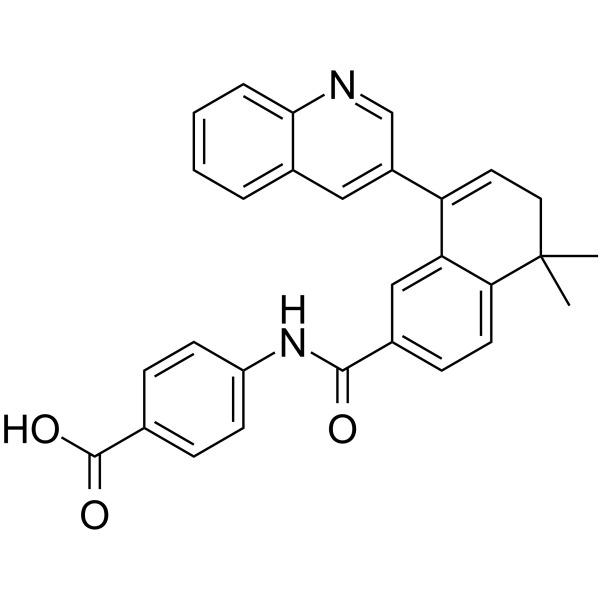
- HY-175175
-
|
|
p38 MAPK
Bcl-2 Family
Caspase
Reactive Oxygen Species (ROS)
PARP
Apoptosis
|
Cancer
|
|
MAPK-IN-5 is a potent MAPK inhibitor with an IC50 of 1.35 μM against HeLa cells. MAPK-IN-5 inhibits HeLa cell proliferation by inducing ROS-mediated DNA damage and mitochondrial apoptosis via the MAPK pathway. MAPK-IN-5 significantly inhibits colony formation, reduces the number of live cells, suppresses cell migration, and causes cell cycle arrest in the G2/M phase in HeLa cells. MAPK-IN-5 can be used for the study of cervical cancer .
|
-

- HY-13442C
-
|
B1939 mesylate (purity>99%, single impurity ≤ 0.15%); E7389 mesylate (purity>99%, single impurity ≤ 0.15%); ER-086526 mesylate (purity>99%, single impurity ≤ 0.15%)
|
Microtubule/Tubulin
Apoptosis
|
Cancer
|
|
Eribulin (B1939; E7389; ER-086526) mesylate (purity>99%, single impurity ≤ 0.15%) is an inhibitor for microtubule. Eribulin mesylate (purity>99%, single impurity ≤ 0.15%) inhibits the proliferation of cancer cell LM8 and Dunn, inhibits the cell migration of LM8, arrests the cell cycle at G2/M phase, and induces apoptosis in LM8. Eribulin mesylate (purity>99%, single impurity ≤ 0.15%) exhibits antitumor efficacy in mouse model .
|
-

- HY-183625
-
|
|
Ras
|
Cancer
|
|
PCA-IN-1 is a polyisoprenylated cysteinyl amide (PCA) inhibitor that acts on multiple KRAS mutant subtypes. PCA-IN-1 dissociates KRAS4B from its transport chaperones, prevents its localization to the plasma membrane, and blocks downstream oncogenic signaling pathways. PCA-IN-1 inhibits colony formation of KRAS-mutant lung cancer cells, induces sustained long-term growth inhibition, and suppresses cell migration. PCA-IN-1 is applicable to the research of KRAS-mutant lung cancer .
|
-

- HY-101931R
-
|
|
Reference Standards
VEGFR
|
Cancer
|
|
hVEGF-IN-1 (Standard) is the analytical standard of hVEGF-IN-1 (HY-101931). This product is intended for research and analytical applications. hVEGF-IN-1, a quinazoline derivative, could specifically bind to the G-rich sequence in the internal ribosome entry site A (IRES-A) and destabilize the G-quadruplex structure. hVEGF-IN-1 binds to the IRES-A (WT) with a Kd of 0.928 μM in SPR experiments. hVEGF-IN-1 could hinder tumor cells migration and repress tumor growth by decreasing VEGF-A protein expression .
|
-

- HY-176734
-
|
|
Polo-like Kinase (PLK)
|
Cancer
|
CZL-S092 is a PLK4 inhibitor with an IC50 value of 0.9 nM and excellent selectivity over other PLK4 family members (PLK1, PLK2, and PLK3). CZL-S092 exhibits anti-neuroblastoma activity in vitro (IMR-32 cells, IC50 = 1.143 μM). CZL-S092 inhibits cell migration and halts the cell cycle and induces apoptosis. CZL-S092 can be used in studies of various cancers including neuroblastoma cancer .
|
-

- HY-P1411A
-
|
PcTx1 TFA; Psalmopoeus cambridgei toxin-1 TFA
|
Sodium Channel
Apoptosis
|
Neurological Disease
Cancer
|
|
Psalmotoxin 1 (PcTx1) TFA is a protein toxin that can bind at subunit-subunit interfaces of acid-sensing ion channel 1a (ASIC1a). Psalmotoxin 1 TFA is a potent and slective ASIC1a inhibitor (IC50: 0.9 nM) by increasing the apparent affinity for H + of ASIC1a. Psalmotoxin 1 TFA can induce cell apoptosis, also inhibits cell migration, proferliration and invasion of cancer cells. Psalmotoxin 1 TFA can be used in the research of cancers, or neurological disease .
|
-

- HY-163034
-
|
|
Apoptosis
Reactive Oxygen Species (ROS)
|
Cancer
|
|
Antitumor photosensitizer-5 (Ru2) is a photosensitizer which effectively target tumor mitochondria with an IC50 of 0.3 μM for phototoxicity to A549 cells. Under 460 nm light irradiation, antitumor photosensitizer-5 induces the generation of reactive oxygen species and NADH depletion, causes mitochondrial damage and activation of caspase-3, inducing apoptosis and suppressing cell migration. Antitumor photosensitizer-5 has the potential to prevent the growth of malignant tumors, therefore, shows the potential to be applied to photodynamic therapy .
|
-
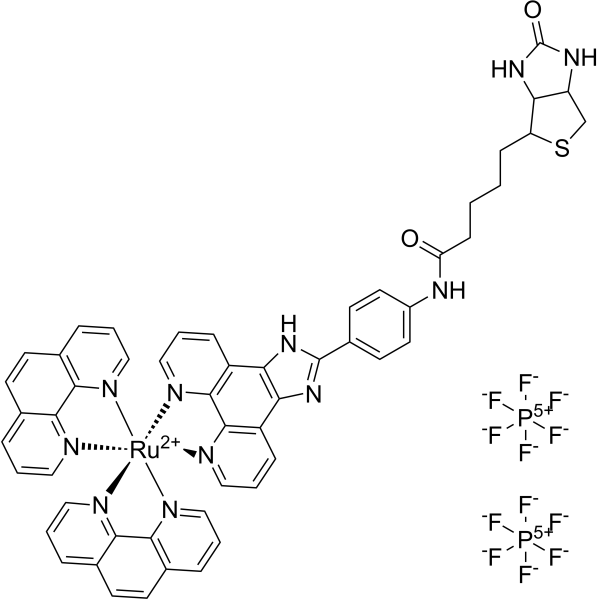
- HY-152079
-
|
|
Cytochrome P450
|
Cancer
|
|
CYP1B1-IN-3 is a potent and selective CYP1B1 inhibitor with IC50 values of 6.6, 347.3, >10000 nM for CYP1B1, CYP1A1, CYP1A2, respectively. CYP1B1-IN-3 inhibits cell migration and invasion. CYP1B1-IN-3 inhibits P-gp, AKT/ERK, FAK/SRC, and EMT pathways .
|
-
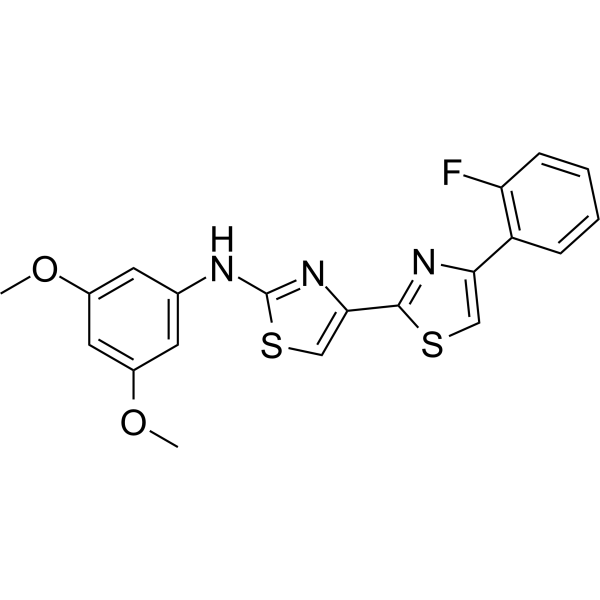
- HY-148385
-
|
|
Endogenous Metabolite
Integrin
FAK
Src
ERK
p38 MAPK
|
Neurological Disease
Cancer
|
|
Ganglioside GM2 is a human tumor antigen predominantly found in human tumor cells and fetal brain tissue. As a sialylated glycosphingolipid, Ganglioside GM2 is involved in processes such as cell signaling, adhesion, and motility. Ganglioside GM2 abnormal expression and accumulation are associated with tumors and neurodegenerative disorders. Ganglioside GM2 promotes tumor cell migration and invasion by directly binding to the integrin β1 receptor, activating the FAK/Src/Erk-MAPK signaling pathway, and inducing actin cytoskeleton remodeling .
|
-
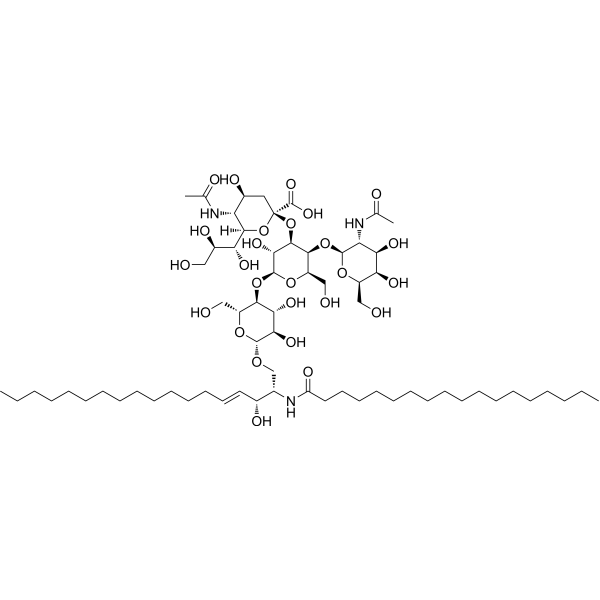
- HY-175009
-
|
|
EGFR
JAK
STAT
Apoptosis
|
Cancer
|
|
MRC-G-001 is a Genipin (HY-17389) derivative with an IC50 of 117 μM against A549 cancer cells. MRC-G-001 inhibits the phosphorylation of EGFR, JAK1, and STAT3, and modulates epithelial-mesenchymal transition (EMT)-related protein expression, thereby attenuating cell migration and invasion. MRC-G-001 induces cell cycle arrest and cell apoptosis. MRC-G-001 can be used for the study of cancers such as non-small-cell lung cancer .
|
-

- HY-182324
-
|
|
TrxR
Reactive Oxygen Species (ROS)
Apoptosis
Caspase
|
Cancer
|
|
TrxR2-IN-1 is a thioredoxin reductase 2 (TrxR2) inhibitor with an IC50 value of 0.83 μM. TrxR2-IN-1 accumulates in mitochondria, impairs mitochondrial function and membrane potential, increases reactive oxygen species (ROS) levels, activates ASK1-mediated caspase-dependent apoptosis (apoptosis), induces G2/M cell cycle arrest, and inhibits cancer cell migration. TrxR2-IN-1 can be used in the research of hepatocellular carcinoma .
|
-

- HY-180322
-
|
|
Glutaminase
|
Cardiovascular Disease
Metabolic Disease
|
|
TG2-IN-3h (Compound 3h) is a transglutaminase (TG2) inhibitor (hTG2: IC50 = 6nM). TG2-IN-3h inhibits endothelial cell migration and angiogenesis. TG2-IN-3h alleviates renal fibrosis in a mouse model of hypertensive nephropathy. TG2-IN-3h can be used in research on metabolic diseases such as hypertensive nephropathy and cardiovascular and cerebrovascular diseases such as pathological angiogenesis .
|
-

- HY-182789
-
|
|
VEGFR
CDK
|
Cancer
|
|
VEGFR2-IN-86 is a dual VEGFR2/CDK2 inhibitor, with an IC50 of 0.06 μM against VEGFR2 and an IC50 of 0.78 μM against CDK2. VEGFR2-IN-86 induces G-phase cell cycle arrest, reduces colony-forming ability and tumor cell migration capacity, and exerts antiproliferative activity in cancer cells. VEGFR2-IN-86 can be used for the research of breast cancer and prostate cancer .
|
-

- HY-179031
-
|
|
EGFR
VEGFR
Apoptosis
|
Cancer
|
|
EGFR/VEGFR2-IN-7 (Compound 3e) is a dual-target EGFR/VEGFR2 inhibitor, with IC50 values of 142 (EGFR) and 71 nM (VEGFR2). EGFR/VEGFR2-IN-7 exhibits broad-spectrum and potent anti-proliferative activity, especially being sensitive to breast cancer. EGFR/VEGFR2-IN-7 induces cell cycle arrest and apoptosis, inhibits cell migration and invasion. EGFR/VEGFR2-IN-7 can be used for research on breast cancer .
|
-

- HY-N0597
-
|
|
Others
Insulin Receptor
|
Cardiovascular Disease
Others
Metabolic Disease
Cancer
|
|
Panaxatriol is an orally active insulin sensitizer. Panaxatriol enhances the phosphorylation levels of Akt, insulin receptor and p70S6K in skeletal muscle. Panaxatriol reduces the mRNA expression level of Atrogin1 in skeletal muscle. Panaxatriol induces apoptosis, pre-G1 cell cycle arrest and increased intracellular ROS levels in prostate cancer cells, decreases mitochondrial membrane potential, inhibits cell migration and reduces colony formation. Panaxatriol can be used in research related to insulin resistance, myocardial ischemia/reperfusion injury and prostate cancer .
|
-
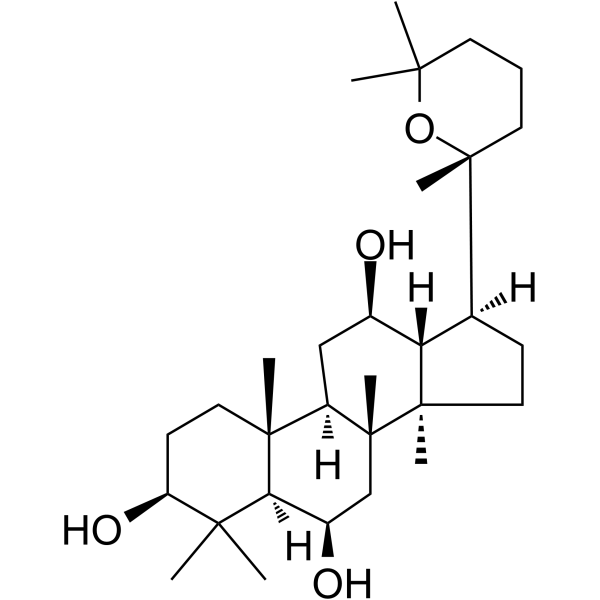
- HY-N10503
-
|
|
Tyrosinase
Ras
Raf
MAPKAPK2 (MK2)
Apoptosis
|
Cancer
|
|
Norartocarpetin is a tyrosinase inhibitor. Norartocarpetin has strong tyrosinase inhibitory activity with an IC50 value of 0.47 μM. Norartocarpetin as an antibrowning agent can be used for the research of food systems. Norartocarpetin also has a significant anticancer activity in lung carcinoma cells (NCI-H460) with an IC50 value of 22 μM. Norartocarpetin has antiproliferative effects are mediated via targeting Ras/Raf/MAPK signalling pathway, mitochondrial mediated apoptosis, S-phase cell cycle arrest and suppression of cell migration and invasion in human lung carcinoma cells .
|
-
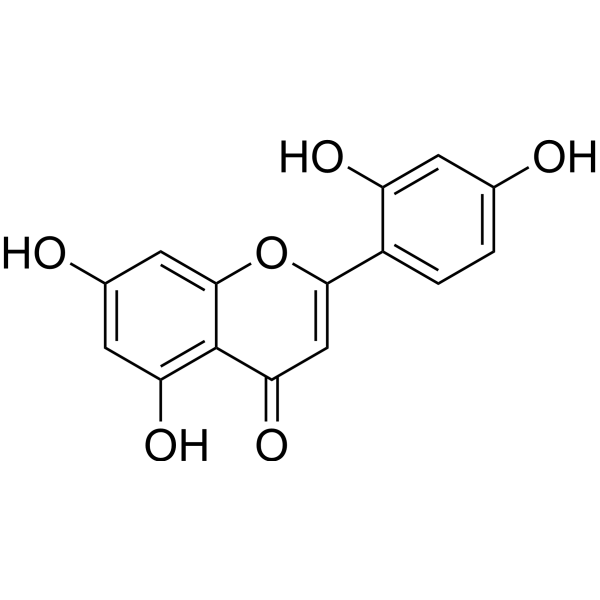
- HY-179468
-
|
|
STAT
|
Cancer
|
|
STAT3-IN-49 (compound B16) is a potent and selective STAT3 inhibitor. STAT3-IN-49 binds to the SH2 domain of STAT3, thereby suppressing its phosphorylation and nuclear translocation. STAT3-IN-49 inhibits triple-negative breast cancer (TNBC) cell migration, invasion, and colony formation. STAT3-IN-49 inhibits tumor growth in an MDA-MB-231 xenograft mouse model. STAT3-IN-49 can be used for TNBC research .
|
-

- HY-175558
-
|
|
MMP
Apoptosis
Reactive Oxygen Species (ROS)
|
Cancer
|
|
MMP-9-IN-12 is a matrix metalloproteinase-9 (MMP-9) inhibitor with an IC50 of 6.57 μM. MMP-9-IN-12 shows an IC50 value of 1.54 μM for HCT-116 cells. MMP-9-IN-12 induces cell apoptosis, ROS production and mitochondrial depolarization. MMP-9-IN-12 inhibits cells migration and disrupts cell cycle progression. MMP-9-IN-12 can be used for the research of colorectal cancer (CRC) .
|
-

- HY-161644
-
|
|
STAT
Apoptosis
|
Cancer
|
|
STAT3-IN-27 (Compound 41) is an orally active inhibitor for phosphorylation of STAT3 (KD is 4.4 μM) and STAT3 transcription (IC50 is 22.57 nM). STAT3-IN-27 inhibits proliferation of various cancer cells with IC50 of 10-500 nM. STAT3-IN-27 arrests the cell cycle at G2/M phase, induces mitochondrial dysfunction and apoptosis in HCT116, inhibits cell migration of HCT116. STAT3-IN-27 exhibits antitumor efficacy in mouse model .
|
-

- HY-15150G
-
|
R428 (GMP); BGB324 (GMP)
|
TAM Receptor
|
Cancer
|
|
Bemcentinib (R428) GMP is Bemcentinib (HY-15150) in GMP grade. GMP-grade small molecules can be used as auxiliary reagents in cell therapy.Bemcentinib (R428) is a selective and orally active Axl inhibitor with an IC50 of 14 nM. Bemcentinib retards cancer cell migration and invasion. Bemcentinib exhibits >100-fold selectivity for Axl versus Abl and 50- and >100-fold selectivity over TAM family kinases Mer and Tyro3, respectively, in cells. Bemcentinib blocks tumor spread and prolongs survival in models of metastatic breast cancer .
|
-
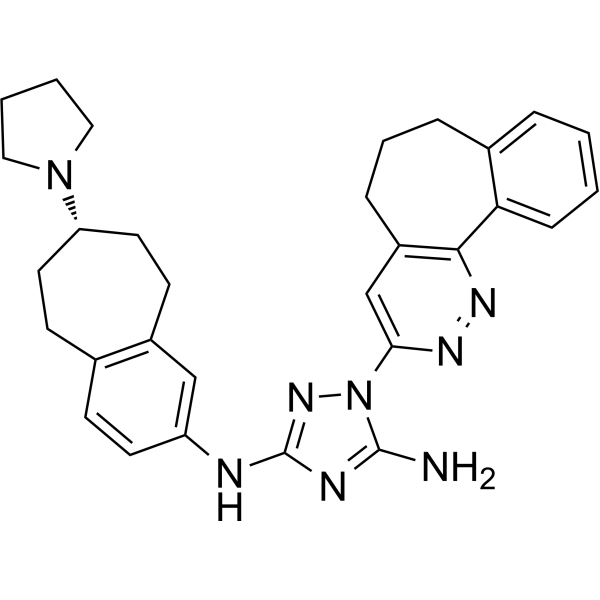
- HY-146323
-
|
|
Apoptosis
|
Cancer
|
|
Antitumor agent-58 (Compound C18) is an anti-tumor agent. Antitumor agent-58 effectively inhibits colony formation and cell migration of MGC-803 cells. Antitumor agent-58 induces apoptosis of MGC-803 cells through activation of the p38 and JNK signaling pathways. Antitumor agent-58 induces mitochondrial dysfunction of MGC-803 cells. Antitumor agent-58 effectively inhibits tumor growth of xenograft model bearing MGC-803 cells .
|
-
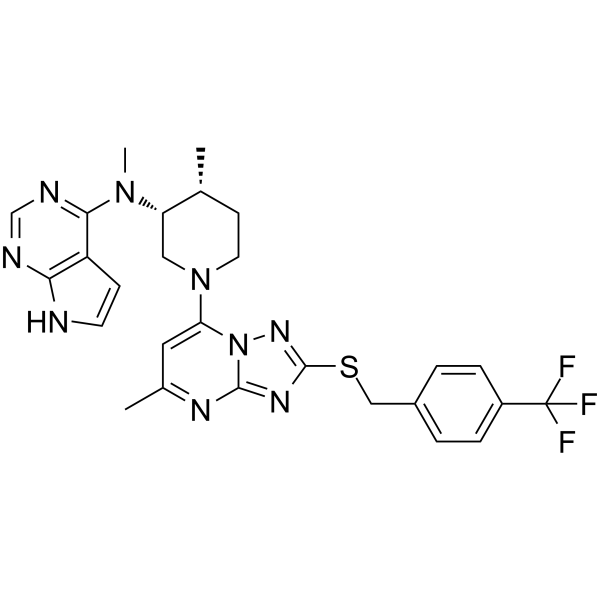
- HY-156152
-
|
|
PROTACs
Histone Methyltransferase
|
Cancer
|
|
CARM1 degrader-1 is a CARM1 PROTAC degrader (DC50 = 8.1 nM) with high selectivity over other protein arginine methyltransferases. CARM1 degrader-1 degrades CARM1 in a VHL- and proteasome-dependent manner. CARM1 degrader-1 downregulates the methylation level of CARM1 substrates in cell-based assays. CARM1 degrader-1 inhibits cancer cell migration in cell-based assays. CARM1 degrader-1 can be used for the research of breast cancer .
|
-
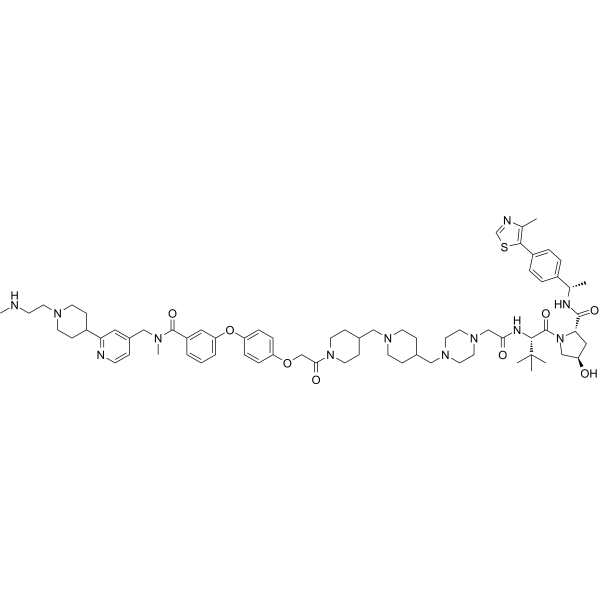
- HY-159580
-
|
|
STAT
|
Cancer
|
|
STAT3-IN-31 (compound K2071) is a STATtic-derived STAT3 and mitotic inhibitor. STAT3-IN-31 blocks mitotic progression and affects the formation of mitotic spindles. STAT3-IN-31 also affects glioblastoma cell migration and inhibits cell proliferation in tumor spheroids. STAT3-IN-31 is also able to induce glioblastoma senescence, inhibit the growth of Temozolomide (HY-17364)-resistant cells and the secretion of the pro-inflammatory cytokine monocyte chemoattractant protein MCP-1 .
|
-

- HY-15150S
-
|
R428-d8; BGB324-d8
|
Isotope-Labeled Compounds
TAM Receptor
|
Cancer
|
|
Bemcentinib-d8 (R428-d8) is the deuterium labeled Bemcentinib (HY-15150). Bemcentinib (R428) is a selective and orally active Axl inhibitor with an IC50 of 14 nM. Bemcentinib retards cancer cell migration and invasion. Bemcentinib exhibits >100-fold selectivity for Axl versus Abl and 50- and >100-fold selectivity over TAM family kinases Mer and Tyro3, respectively, in cells. Bemcentinib blocks tumor spread and prolongs survival in models of metastatic breast cancer .
|
-

- HY-156152A
-
|
|
PROTACs
Histone Methyltransferase
|
Cancer
|
|
CARM1 degrader-1 hydrochloride is a CARM1 PROTAC degrader (DC50 = 8.1 nM) with high selectivity over other protein arginine methyltransferases. CARM1 degrader-1 hydrochloride degrades CARM1 in a VHL- and proteasome-dependent manner. CARM1 degrader-1 hydrochloride downregulates the methylation level of CARM1 substrates in cell-based assays. CARM1 degrader-1 hydrochloride inhibits cancer cell migration in cell-based assays. CARM1 degrader-1 hydrochloride can be used in breast cancer research .
|
-

- HY-165428
-
|
|
CXCR
Arrestin
|
Inflammation/Immunology
|
|
SCH-900875 is an orally active, brain-penetrant and selective CXCR3 receptor inhibitor, which also shows high selectivity over CXCR1 and CXCR2 receptors. SCH-900875 binds to CXCR3, blocking the binding of ligands CXCL9, CXCL10, and CXCL11, inhibiting downstream G protein and β-arrestin signaling pathways to suppress inflammatory cell migration. SCH-900875 is promising for research of autoimmune diseases (rheumatoid arthritis, multiple sclerosis) and inflammatory disorders (psoriasis, inflammatory bowel disease) .
|
-

- HY-N2464
-
|
Amylotetraose; Fujioligo 450; α-1,4-Tetraglucose
|
TNF Receptor
Endogenous Metabolite
Bacterial
Integrin
NF-κB
|
Cardiovascular Disease
Inflammation/Immunology
|
|
Maltotetraose can serve as a substrate for enzyme-linked assays to measure amylase activity in biological fluids. Maltotetraose has oral active, and reduces TNF-α-induced inflammatory responses by inhibiting NF-κB activity and decreasing ICAM-1 expression. Maltotetraose also inhibits PDGF-induced vascular smooth muscle cell migration and neovascularization. Additionally, Maltotetraose derivatives can function as probes for detecting bacterial infections by targeting the maltodextrin transporter. With good long-term safety, Maltotetraose holds promise for research in atherosclerosis-related diseases .
|
-
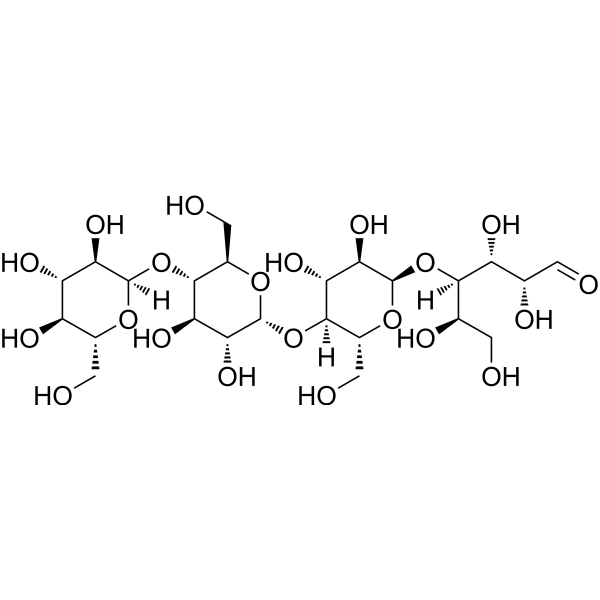
- HY-B1153
-
|
Glafenin
|
COX
CFTR
Apoptosis
Endoplasmic Reticulum Oxidoreductase 1 (ERO1)
|
Metabolic Disease
Inflammation/Immunology
|
|
Glafenine (Glafenin) is a non-selective, non-steroidal anti-inflammatory drug-based COX-1/COX-2 inhibitor. Glafenine exerts anti-inflammatory, anti-proliferative and anti-cell migration effects by inhibiting the arachidonic acid metabolic pathway and reducing prostaglandin synthesis. Glafenine can induce cell cycle arrest in vascular smooth muscle cells and endothelial cells and reduce the synthesis of the extracellular matrix protein Tenascin. Glafenine can be used in the research of inflammatory-related diseases, vascular restenosis and cystic fibrosis (CF) .
|
-
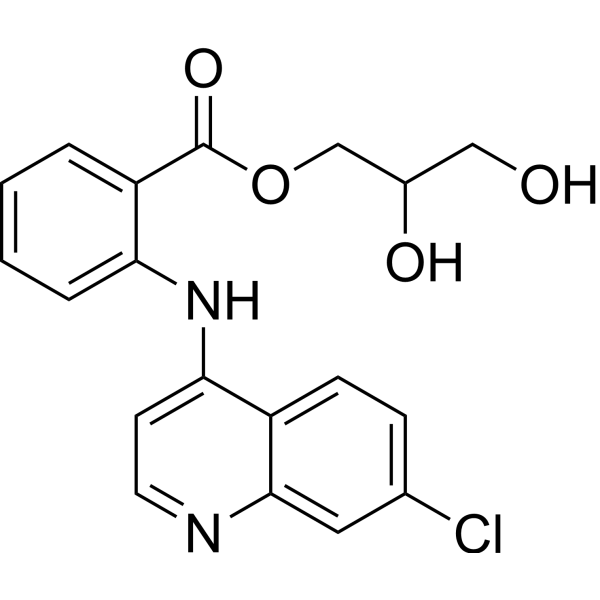
- HY-148877
-
|
|
HSP
HSV
HIF/HIF Prolyl-Hydroxylase
VEGFR
NF-κB
ERK
Akt
FAK
|
Infection
Inflammation/Immunology
Cancer
|
|
AT-533 is a potent Hsp90 and HSV inhibitor. AT-533 suppresses tumor growth and angiogenesis by blocking the HIF-1α/VEGF/VEGFR-2 signaling pathway. AT-533 also inhibits the activation of the downstream pathways, including Akt/mTOR/p70S6K, Erk1/2 and FAK. AT-533 inhibits the tube formation, cell migration, and invasion of human umbilical vein endothelial cells (HUVECs) .
|
-
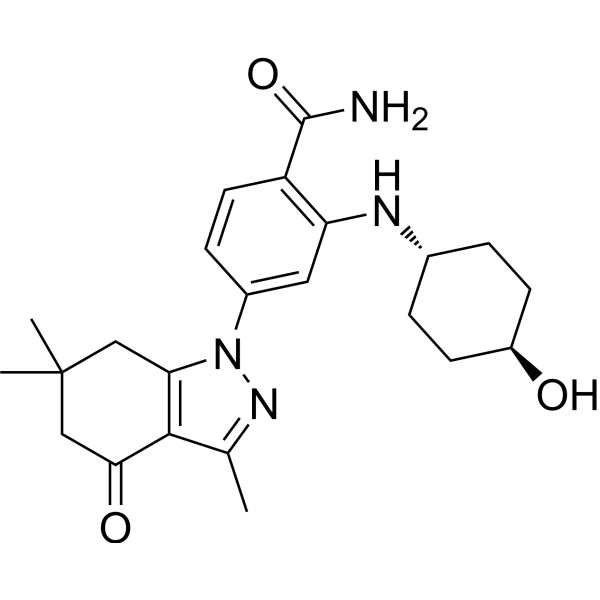
- HY-160053
-
|
|
PDGFR
|
Cancer
|
|
Gint4.T aptamer sodium is a nuclease-resistant RNA aptamer-based antagonist targeting platelet-derived growth factor receptor beta (PDGFRβ) (Kd: 9.6 nM). Gint4.T aptamer sodium inhibits PDGFRβ heterodimerization and EGFR transactivation. It can significantly inhibit cell migration and proliferation, induce differentiation and prevent tumor growth in vivo. Gint4.T aptamer sodium specifically inhibits PDGFRβ-mediated tropism of mesenchymal stem cells (MSCs) toward the tumor microenvironment .
|
-
- HY-179032
-
|
|
VEGFR
PI3K
Akt
mTOR
Apoptosis
|
Cancer
|
|
VEGFR-2-IN-77 (Compound 10) is a VEGFR-2 inhibitor with an IC50 value of 139 nM. VEGFR-2-IN-77 inhibits the PI3K/AKT/mTOR pathway. VEGFR-2-IN-77 exhibits selective cytotoxicity, being particularly sensitive to leukemia and prostate cancer cells. VEGFR-2-IN-77 causes cell cycle arrest and apoptosis, inhibiting cell migration and invasion. VEGFR-2-IN-77 can be used for the study of leukemia and prostate cancer.
|
-

- HY-172092
-
|
|
Apoptosis
Ferroptosis
|
Cancer
|
|
BG11 induces the accumulation of Fe 2+ and intracellular lipid peroxides, induces ferroptosis. BG11 regulates the expression of Bax and Bcl-2 proteins, and induces apoptosis in MDA-MB-231 cell. BG11 arrests the cell cycle at G0/G1 and S phase, inhibits the proliferation of TNBC cancer cell (IC50 for MDA-MB-231 and BT549 is 0.49 μM and 0.52 μM), and inhibits the cell migration and invasion. BG11 exhibits antitumor efficacy in mouse models .
|
-

- HY-B1153A
-
|
Glafenin hydrochloride
|
COX
CFTR
Apoptosis
Endoplasmic Reticulum Oxidoreductase 1 (ERO1)
|
Metabolic Disease
Inflammation/Immunology
|
|
Glafenine (Glafenin) hydrochloride is a non-selective, non-steroidal anti-inflammatory drug-based COX-1/COX-2 inhibitor. Glafenine hydrochloride exerts anti-inflammatory, anti-proliferative and anti-cell migration effects by inhibiting the arachidonic acid metabolic pathway and reducing prostaglandin synthesis. Glafenine hydrochloride can induce cell cycle arrest in vascular smooth muscle cells and endothelial cells and reduce the synthesis of the extracellular matrix protein Tenascin. Glafenine hydrochloride can be used in the research of inflammatory-related diseases, vascular restenosis and cystic fibrosis (CF) .
|
-
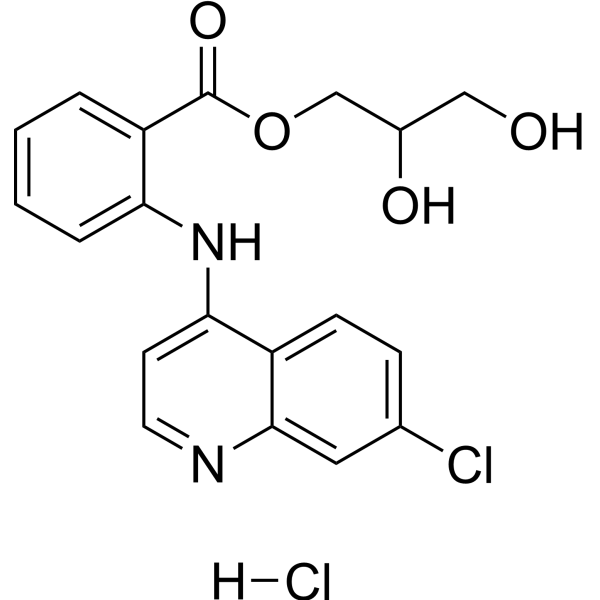
- HY-179045
-
|
|
Estrogen Receptor/ERR
Apoptosis
|
Cancer
|
ERα degrader 14 (Compound B7) is a potent ERα degrader. ERα degrader 14 exhibits significantly potent and selective anti-proliferative activity on two ERα-positive breast cancer cell lines (MCF-7 and T47D). ERα degrader 14 induces cell cycle arrest, inhibits cell migration, and induces cell apoptosis. ERα degrader 14 effectively inhibits tumor growth in mouse models. ERα degrader 14 can be used for the study of breast cancer .
|
-

- HY-181979
-
|
|
HDAC
Apoptosis
|
Neurological Disease
Cancer
|
|
HDAC8-IN-15 is a selective HDAC8 inhibitor with an IC50 of 0.40 μM. HDAC8-IN-15 increases the acetylation level of the HDAC8 substrate SMC3 without altering the total protein level of SMC3. HDAC8-IN-15 reduces cancer cell viability, inhibits colony formation, slows cell migration, induces apoptosis, and causes cell cycle arrest at the SubG1 phase. HDAC8-IN-15 can be used in studies related to neuroblastoma .
|
-

- HY-175805
-
|
|
EGFR
HDAC
Apoptosis
|
Cancer
|
|
EGFR/HDAC-IN-2 (Compound 38) is dual-functional inhibitor of EGFR and HDAC3 with IC50s of 20.34 and 1.09 nM for CDK9 and HDAC3, respectively. EGFR/HDAC-IN-2 has superior anti-proliferative activity against cancer cells, inhibits cell migration and induces late-stage cell apoptosis. EGFR/HDAC-IN-2 significantly inhibits triple-negative breast cancer (TNBC) tumor growth in xenograft mouse models. EGFR/HDAC-IN-2 can be used for cancers like TNBC research .
|
-

- HY-P991310
-
|
LT3015; LT-3000
|
LPL Receptor
|
Neurological Disease
Cancer
|
|
Lpathomab (LT3015; LT-3000) is a human IgG1 monoclonal antibody (mAb) targeting LPA. Lpathomab reduces the release of IL-8 and IL-6 cytokines in SKOV3 cells and blocks LPA-triggered tumor cell migration. Lpathomab reduces neovascularization in Matrigel plug and CNV models. Lpathomab inhibits brain injury in the CCI mouse model. Lpathomab can be used in the study of brain injury, ovarian cancer, diabetic neuropathy, and spinal cord injury. Recommended isotype control: Human IgG1 kappa, Isotype Control (HY-P99001) .
|
-

- HY-175512
-
|
|
Microtubule/Tubulin
Apoptosis
Reactive Oxygen Species (ROS)
|
Cancer
|
|
Tubulin-IN-53 is a potent Tubulin inhibitor with an IC50 of 6.06 μM. Tubulin-IN-53 inhibits the polymerization of tubulin by targeting the colchicine binding site of tubulin and destroys the microtubule network. Tubulin-IN-53 induces MCF-7 cell cycle arrest in the G2/M phase and apoptosis, and inhibits cell migration accompanied by the decrease of mitochondrial membrane potential and increase the accumulation of ROS. Tubulin-IN-53 destroys the angiogenesis of human umbilical vein endothelial cells.Tubulin-IN-53 can used for the study of cancers such as breast cancer and lung cancer .
|
-

- HY-N2360
-
|
|
E1/E2/E3 Enzyme
Apoptosis
MMP
ClpP
|
Infection
Inflammation/Immunology
Cancer
|
|
Hinokiflavone is a novel modulator of pre-mRNA splicing activity extracted from plants with anti-inflammatory, anti-tumor and antiviral activities. Hinokiflavone is also a potent inhibitor for matrix metalloproteinases (MMPs). Hinokiflavone attenuates the virulence of Methicillin (HY-121544)-resistant staphylococcus aureus by inhibiting caseinolytic protease P (ClpP) with an IC50 value of 34.36 mg/mL. Hinokiflavone induces apoptosis via the reactive oxygen species-mitochondria-mediated apoptotic pathway and inhibits tumor cell migration and invasion. Hinokiflavone is a SUMO protease inhibitor against sentrin-specific protease 1 (SENP1) activity .
|
-
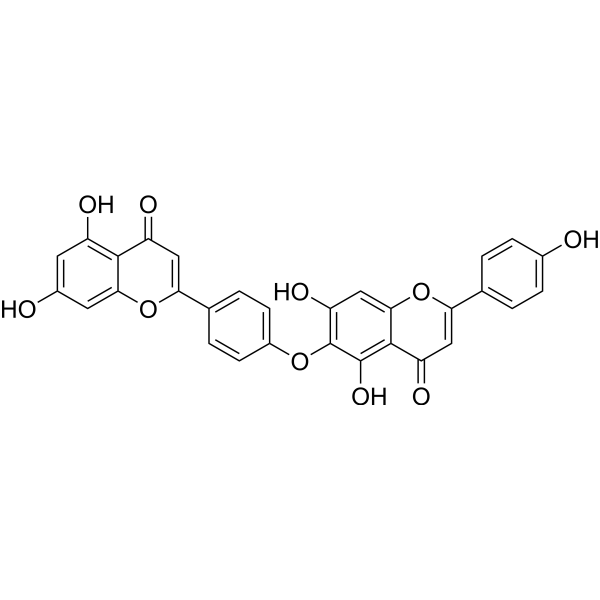
- HY-W013935R
-
|
|
Reference Standards
Endogenous Metabolite
Estrogen Receptor/ERR
Reactive Oxygen Species (ROS)
|
Endocrinology
|
|
Bisphenol B (Standard) is the analytical standard of Bisphenol B. This product is intended for research and analytical applications. Bisphenol B is a close structural analog of Bisphenol A (BPA) (HY-18260). Bisphenol B is a potent, orally active endocrine disruptor (ED). Bisphenol B binds to G protein-coupled estrogen receptor (GPER) (IC50 = 3.3 μM) with higher affinity and agonistic activity than BPA. Bisphenol B promotes GPER mediated cell migration. Bisphenol B exerts estrogenic effects via GPER pathway at nanomolar concentration. Bisphenol B is used in the manufacture of polycarbonate resin with ED properties .
|
-

- HY-175299
-
|
|
Hedgehog
Apoptosis
DNA Methyltransferase
|
Cancer
|
|
Hedgehog IN-11 is an orally active Hedgehog inhibitor. Hedgehog IN-11 downregulates the expression of O6-methylguanine-DNA methyltransferase (MGMT) to impair the Temozolomide (TMZ) (HY-17364) resistance by inhibiting the Hedgehog pathway. Hedgehog IN-11 shows improved inhibition of cell migration and invasion, and induced cell apoptosis in TMZ-resistant GBM cell lines. Hedgehog IN-11 is predicted by computer simulation to have good blood-brain barrier penetration. Hedgehog IN-11 can be used for the study of glioblastoma (GBM) .
|
-

- HY-N2360R
-
|
|
Reference Standards
E1/E2/E3 Enzyme
Apoptosis
MMP
ClpP
|
Infection
Inflammation/Immunology
Cancer
|
|
Hinokiflavone is a novel modulator of pre-mRNA splicing activity extracted from plants with anti-inflammatory, anti-tumor and antiviral activities. Hinokiflavone is also a potent inhibitor for matrix metalloproteinases (MMPs). Hinokiflavone attenuates the virulence of Methicillin (HY-121544)-resistant staphylococcus aureus by inhibiting caseinolytic protease P (ClpP) with an IC50 value of 34.36 mg/mL. Hinokiflavone induces apoptosis via the reactive oxygen species-mitochondria-mediated apoptotic pathway and inhibits tumor cell migration and invasion. Hinokiflavone is a SUMO protease inhibitor against sentrin-specific protease 1 (SENP1) activity .
|
-

- HY-174457
-
|
|
STAT
Carbonic Anhydrase
Ferroptosis
Apoptosis
Reactive Oxygen Species (ROS)
Caspase
Bcl-2 Family
|
Cancer
|
|
STAT3/CAIX-IN-1 is a dual-target inhibitor of STAT3 (Kd: 60.03 μM) and CAIX (IC50: 80.45 nM). STAT3/CAIX-IN-1 induces ferroptosis by increases the levels of reactive oxygen species (ROS) and lipid peroxides. STAT3/CAIX-IN-1 inhibits cell migration, induces apoptosis, and causes cell cycle arrest in MDA-MB-231 cells. STAT3/CAIX-IN-1 can be used for the study of triple-negative breast cancer (TNBC) .
|
-

- HY-161858
-
|
|
PI3K
Akt
Apoptosis
|
Cancer
|
|
EpskA21 is an inhibitor for PI3K/AKT signaling pathway, and inhibits the proliferation of cancer cells MCF-7, A549, MIA-PaCa-2, Panc-1 and HepG2, with IC50 of 1.3-7.24 μM. EpskA21 inhibits the cell migration, arrests the cell cycle at G2/M (MCF-7) and S (MIA-PaCa-2) phase, and induces apoptosis in MCF-7 and MIA-PaCa-2. EpskA21 causes the mitochondrial dysfunction .
|
-

- HY-181011
-
|
|
PROTACs
Phosphatase
Apoptosis
Reactive Oxygen Species (ROS)
|
Cancer
|
|
PROTAC Cdc25 degrader-1 (Compound D3) is an efficient Cdc25 PROTAC degrader. Its DC50 values for Cdc25A, Cdc25B, and Cdc25C are 0.97, 2.02, and 4.67 μM respectively. PROTAC Cdc25 degrader-1 induces cell cycle arrest and apoptosis in cancer cells and inhibits cell migration ability. PROTAC Cdc25 degrader-1 significantly increases the ROS level. PROTAC Cdc25 degrader-1 can be used for the study of colorectal adenocarcinoma .
|
-

- HY-180193
-
|
|
Microtubule/Tubulin
Apoptosis
|
Cancer
|
|
Tubulin polymerization-IN-86 (Compound B6) is an effective inhibitor of tubulin polymerization. Tubulin polymerization-IN-86 effectively inhibits microtubulin polymerization by binding to the colchicine binding sites on microtubulin, thereby disrupting the microtubule cytoskeleton within the cell. Tubulin polymerization-IN-86 exhibits potent anti-proliferative activity against a variety of cancer cell lines. Tubulin polymerization-IN-86 induces cell cycle arrest, apoptosis, inhibits cell migration, invasion, and long-term survival ability. Tubulin polymerization-IN-86 inhibits tumor growth in mice and can be used for the study of melanoma .
|
-

- HY-114041
-
|
RvE1
|
Endogenous Metabolite
|
Inflammation/Immunology
|
|
Resolvin E1 (RvE1), a potent endogenous pro-resolving mediator of inflammation, is derived from omega-3 fatty acid eicosapentaenoic acid (EPA). Resolvin E1 is endogenously biosynthesized from EPA in the presence of Aspirin during the spontaneous resolution phase of acute inflammation, where specific cell-cell interactions occur. Resolvin E1 possesses unique counterregulatory actions that inhibit polymorphonuclear leukocyte (PMN) transendothelial migration. Resolvin E1 also acts as a potent inhibitor of leukocyte infiltration, dendritic cell migration, and IL-12 production .
|
-
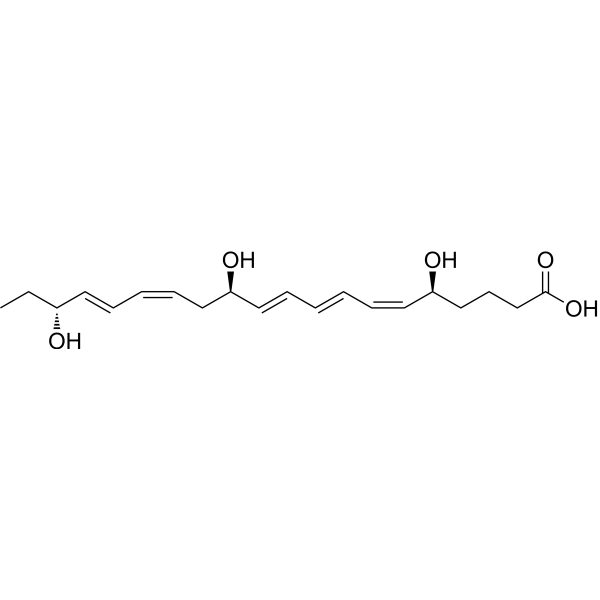
- HY-178496
-
|
|
Hsp-targeting Chimeras
PARP
HSP
|
Cancer
|
|
DDO3602 is a PARP1 HEMTAC degradation agent mediated by HSP90. DDO3602 has good anti-tumor activity and tumor selectivity. DDO3602 induces G2/M phase arrest, DNA damage, and inhibits cell migration by degrading PARP1 in MCF-7 cells (IC50 = 187 nM). DDO3602 can be used for research on cancer such as breast cancer. (Pink: PARP1 Ligand (HY-75706); Blue: HSP90 Ligand (HY-179203); Black: Linker (HY-W015300))
|
-

- HY-P990197
-
|
|
L-Selectin
|
Metabolic Disease
Inflammation/Immunology
|
|
Anti-Mouse MAdCAM-1 Antibody (MECA-367) is an anti-mouse MAdCAM-1 IgG2a monoclonal antibody. Anti-Mouse MAdCAM-1 Antibody (MECA-367) significantly inhibits the migration of pig peripheral blood lymphocytes (PBL) by blocking the function of MAdCAM-1. Anti-Mouse MAdCAM-1 Antibody (MECA-367) selectively inhibits B cell migration to exacerbate inflammation. Anti-Mouse MAdCAM-1 Antibody (MECA-367) can be used for researches on inflammation, metabolic conditions and xenotransplantation such as colitis and diabetes .
|
-

- HY-168858
-
|
|
Trk Receptor
|
Cancer
|
|
TRK-IN-30 (Compound C11) is the inhibitor for tropomyosin receptor kinase (TRK) that inhibits TRKA, TRKB and TRKC and drug resistant mutant TRKA G595R with an IC50 of 1.8, 0.98, 3.8, and 54 nM, respectively. TRK-IN-30 inhibits the activation of the downstream PI3K/AKT and MEK/ERK signaling pathways. TRK-IN-30 inhibits the colony formation and cell migration of Km-12, arrests the cell cycle at G0/G1 phase, and induces apoptosis in Km-12 .
|
-

- HY-B1153R
-
|
Glafenin (Standard)
|
COX
CFTR
Apoptosis
Endoplasmic Reticulum Oxidoreductase 1 (ERO1)
Reference Standards
|
Metabolic Disease
Inflammation/Immunology
|
|
Glafenine (Standard) is the analytical standard of Glafenine. This product is intended for research and analytical applications. Glafenine (Glafenin) is a non-selective, non-steroidal anti-inflammatory drug-based COX-1/COX-2 inhibitor. Glafenine exerts anti-inflammatory, anti-proliferative and anti-cell migration effects by inhibiting the arachidonic acid metabolic pathway and reducing prostaglandin synthesis. Glafenine can induce cell cycle arrest in vascular smooth muscle cells and endothelial cells and reduce the synthesis of the extracellular matrix protein Tenascin. Glafenine can be used in the research of inflammatory-related diseases, vascular restenosis and cystic fibrosis (CF) .
|
-

- HY-155051
-
|
|
Apoptosis
Histone Methyltransferase
|
Cancer
|
|
Antiproliferative agent-25 (Compound 3s4) is a selective PRMT5 inhibitor (IC50: 0.11 μM). Antiproliferative agent-25 up-regulates hnRNP E1 protein level. Antiproliferative agent-25 forms H-bond interactions with SAM and E444 residue of PRMT5. Antiproliferative agent-25 has antiproliferative effects against A549 cells by inducing apoptosis and inhibiting cell migration. Antiproliferative agent-25 has high clearances with T1/2 of only 21.8 and 4.7 min in human and rat liver microsomes .
|
-
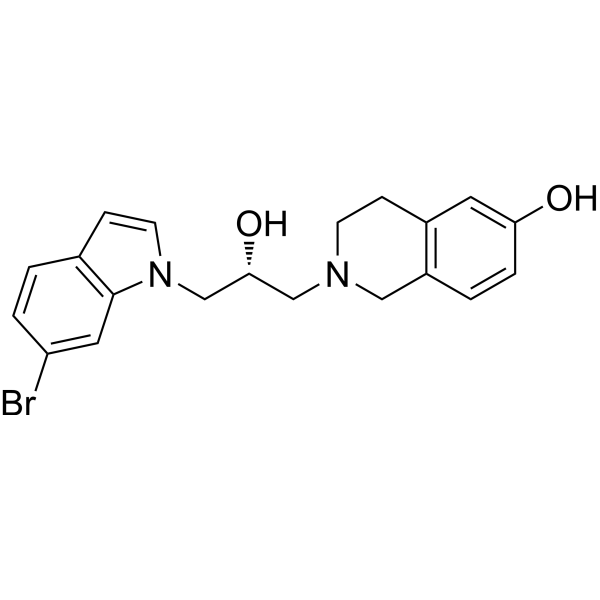
- HY-P991656
-
|
|
CXCR
Apoptosis
p38 MAPK
Akt
|
Cancer
|
|
LY-2624587 is a humanized IgG4 monoclonal antibody antagonist targeting CXCR4. LY-2624587 blocks SDF-1/CXCR4 interaction and SDF-1-induced GTP binding. LY-2624587 significantly inhibits cell migration and induces apoptosis in human lymphoma and leukemia cells. LY-2624587 also inhibits CXCR4 and SDF-1 mediated cell signaling including activation of MAPK and AKT. LY-2624587 can be used for human hematological malignancies like acute myeloid leukemia (AML) research .
|
-

- HY-162103
-
|
|
TAM Receptor
Apoptosis
|
Cancer
|
|
Axl-IN-18 (compound 25c) is a potent and selective type II AXL inhibitor. Axl-IN-18 shows excellent AXL inhibitory activity (IC50=1.1 nM) and 343-fold selectivity over the highly homologous kinase MET in biochemical assays (IC50=377 nM). Axl-IN-18 significantly inhibits AXL-driven cell proliferation, dose-dependently suppresses 4T1 cell migration and invasion, and induces apoptosis. Axl-IN-18 shows noticeable antitumor efficacy in a BaF3/TEL-AXL xenograft model .
|
-
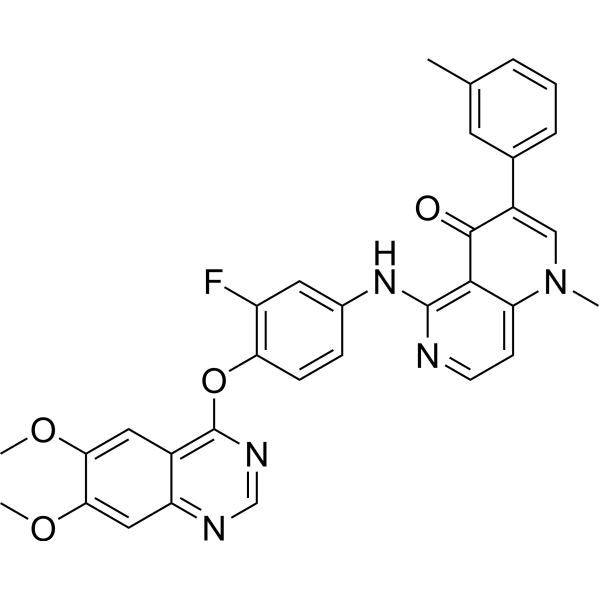
- HY-157398
-
|
|
EGFR
|
Cancer
|
|
EGFR T790M/L858R-IN-3 (compound B1) is a EGFR L858R/T790M inhibitor with IC50 value of 13?nM. EGFR T790M/L858R-IN-3 shows anti-tumour activity in H1975 cells with an IC50 value of 0.087 μΜ. EGFR T790M/L858R-IN-3 inhibits cell migration in A549 cells and induces apoptosis in H1975 cells .
|
-
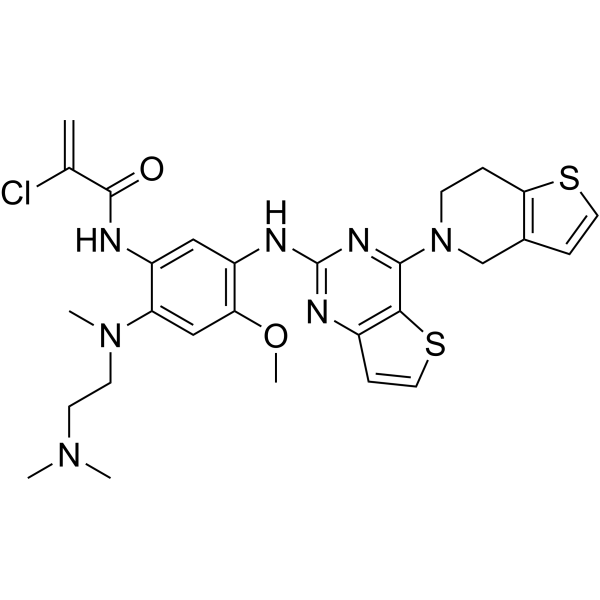
- HY-144707
-
|
|
Apoptosis
VEGFR
MMP
PTEN
|
Cancer
|
|
AK-778-XXMU is a potent DNA binding inhibitor 2 (ID2) antagonist with a KD of 129 nM. AK-778-XXMU can inhibit cell migration and invasion of glioma cell lines, induce apoptosis, and exhibits significant cancer-suppressing potency. AK-778-XXMU inhibits the ID2-KDR signaling axis, thereby down-regulating the downstream angiogenic factors (VEGFA) and invasion-related proteins (MMP2/9), and up-regulating the tumor suppressor factor (PTEN). AK-778-XXMU can be used for the study of glioma .
|
-
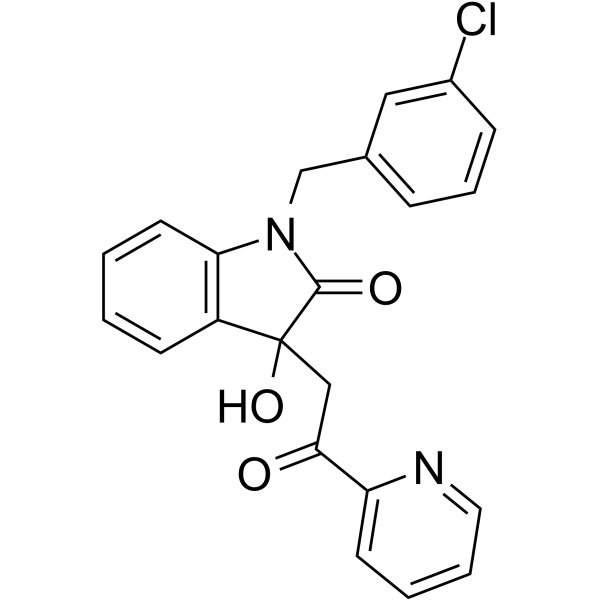
- HY-181459
-
|
|
PARP
DNA/RNA Synthesis
Reactive Oxygen Species (ROS)
Apoptosis
|
Cancer
|
|
PARP1-IN-55 is a potent and selective PARP1 inhibitor with an IC50 value of 0.019 μM. PARP1-IN-55 exhibits anti-proliferative selective activity against MCF-7 breast cancer cells (IC50 = 3.6 μM). PARP1-IN-55 inhibits the PARP1-mediated DNA damage repair pathway, induces ROS accumulation, disrupts mitochondrial membrane potential, induced apoptosis and suppresses cancer cell migration, invasion, and colony formation. PARP1-IN-55 can be used for the study of breast cancer .
|
-

- HY-B1153AR
-
|
Glafenin hydrochloride (Standard)
|
COX
CFTR
Apoptosis
Endoplasmic Reticulum Oxidoreductase 1 (ERO1)
Reference Standards
|
Metabolic Disease
Inflammation/Immunology
|
|
Glafenine (hydrochloride) (Standard) is the analytical standard of Glafenine (hydrochloride). This product is intended for research and analytical applications. Glafenine (Glafenin) hydrochloride is a non-selective, non-steroidal anti-inflammatory drug-based COX-1/COX-2 inhibitor. Glafenine hydrochloride exerts anti-inflammatory, anti-proliferative and anti-cell migration effects by inhibiting the arachidonic acid metabolic pathway and reducing prostaglandin synthesis. Glafenine hydrochloride can induce cell cycle arrest in vascular smooth muscle cells and endothelial cells and reduce the synthesis of the extracellular matrix protein Tenascin. Glafenine hydrochloride can be used in the research of inflammatory-related diseases, vascular restenosis and cystic fibrosis (CF) .
|
-

- HY-176533
-
|
|
LPL Receptor
|
Neurological Disease
|
|
S1PR5-IN-1 (Compound 7a) is a highly selective S1PR5 antagonist and orally bioavailable inhibitor with a human S1PR5 IC50 of 85.4 nM and human S1PR5 Ka of 2.173 nM.S1PR5-IN-1 binds to S1PR5 and inhibits natural killer cell migration toward sphingosine-1-phosphate.S1PR5-IN-1 can be used for the research of multiple sclerosis .
|
-

- HY-182003
-
|
|
Akt
|
Cancer
|
|
Anticancer agent 308 (compound 3s) is an AKT inhibitor with antitumor activity. Anticancer agent 308 reduces total AKT protein levels, thereby inhibiting the pro-survival PI3K/AKT signaling pathway. Anticancer agent 308 induces apoptosis, disrupts mitochondrial membrane potential, promotes reactive oxygen species (ROS) accumulation in mitochondria, and induces cell cycle arrest. Anticancer agent 308 inhibits cancer cell migration. Anticancer agent 308 is applicable to research related to breast cancer, lung adenocarcinoma, cervical cancer, prostate cancer, and hepatocellular carcinoma .
|
-

- HY-149250
-
|
|
MDM-2/p53
Apoptosis
|
Cancer
|
|
MDMX/MDM2-IN-2 is a potent p53-MDM2/MDMX dual inhibitors with Kis of 0.23 μM and 2.45 μM for MDM2 and MDMX, respectively. MDMX/MDM2-IN-2 inhibits the binding of p53 and MDM2 proteins. MDMX/MDM2-IN-2 restores the function of p53 and enables cell cycle arrest and apoptosis. MDMX/MDM2-IN-2 inhibits cell migration and invasion. MDMX/MDM2-IN-2 has antitumor activity .
|
-
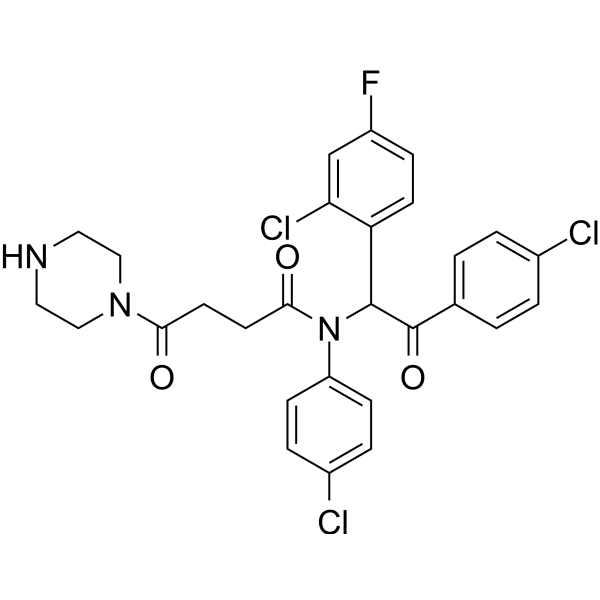
- HY-181074
-
|
|
Microtubule/Tubulin
Apoptosis
Bcl-2 Family
|
Neurological Disease
Cancer
|
|
Tubulin polymerization-IN-88 is a tubulin inhibitor that blocks tubulin polymerization, leading to microtubule destabilization and disruption of the mitotic spindle. Tubulin polymerization-IN-88 induces G2/M phase arrest and apoptosis in cancer cells, and inhibits cancer cell migration and self-renewal of cancer stem cells. It exhibits in vitro anti-proliferative activity against cancer cells with selectivity over normal cells. Tubulin polymerization-IN-88 also demonstrates in vivo anti-cancer activity without significant toxicity. Tubulin polymerization-IN-88 is applicable for research on glioblastoma, lung cancer, endometrial cancer, ovarian cancer, and leukemia .
|
-

- HY-169864
-
|
|
LPL Receptor
|
Inflammation/Immunology
|
|
KRO-105714 is the antagonist for sphingosine phosphocholine receptor (SPC Receptor) and sphingosine-1-phosphate receptor 1 (S1P1 Receptor) (IC50=79.2 nM). KRO-105714 inhibits SPC-induced proliferation of NIH3T3 (IC50=5.6 nM), inhibits SPC-induced cell migration (IC50=0.59 μM) and tube formation in HUVECs. KRO-105714 inhibits SPC-induced generation of IL-4 and IL-5, exhibits anti-inflammtory efficacy in mouse atopic dermatitis models .
|
-

- HY-N0946
-
|
(-)-Pinoresinol 4-O-β-D-glucopyranoside
|
Glycosidase
|
Metabolic Disease
|
|
(-)-Pinoresinol 4-O-glucoside ((-)-Pinoresinol 4-O-β-D-glucopyranoside) is a potent and orally active α-glucosidase inhibitor with an IC50 value of 48.13 µM. (-)-Pinoresinol 4-O-glucoside increases cell migration and early differentiation of pre-osteoblasts. (-)-Pinoresinol 4-O-glucoside increases protein level of BMP2, p-Smad1/5/8, RUNX2. (-)-Pinoresinol 4-O-glucoside attenuates oxidative stress, hyperglycemia and hepatic toxicity. (-)-Pinoresinol 4-O-glucoside has the potential for the research of osteoporosis and periodontal disease .
|
-
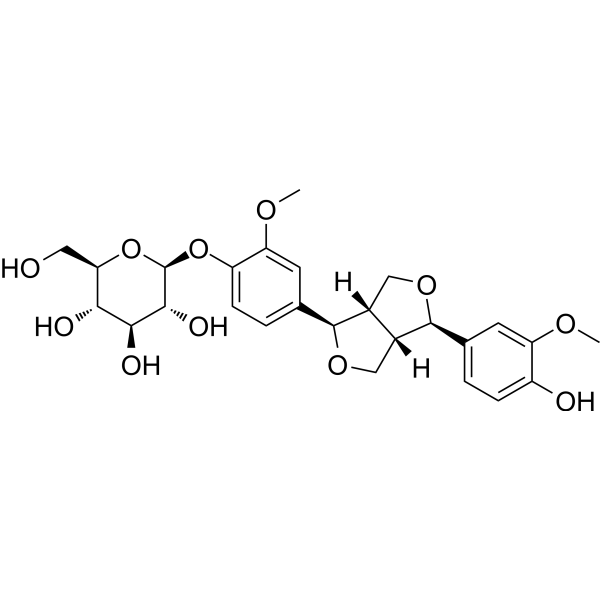
- HY-N8380
-
|
|
Apoptosis
Autophagy
PI3K
Necroptosis
|
Cardiovascular Disease
Inflammation/Immunology
Cancer
|
|
(-)-Latifolin, a flavonoid, induces apoptotic cell death by targeting PI3K/AKT/mTOR/p70S6K signaling. (-)-Latifolin significantly inhibits the cell proliferation of oral squamous cell carcinoma (OSCC), and causes the anti-metastatic activities by effectively blocking cell migration, invasion, and adhesion via the inactivation of FAK/Src. (-)-Latifolin suppresses autophagic-related proteins and autophagosome formation. (-)-Latifolin inhibits necroptosis by dephosphorylating necroptosis-regulatory proteins (RIP1, RIP3, and MLKL). (-)-Latifolin has beneficial effects on anti-aging, anti-carcinogenic, anti-inflammatory, and cardio-protective activities .
|
-
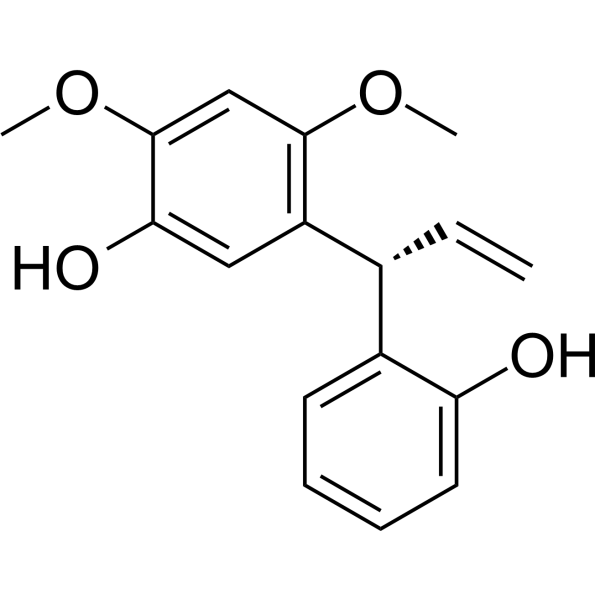
- HY-178367
-
|
|
Phosphatase
Apoptosis
Caspase
PARP
|
Cancer
|
|
PFKFB4-IN-1 is a potent and selective ATP-competitive PFKFB4 inhibitor (IC50 = 4.50 μM) that reduces intracellular PFKFB4 protein levels. PFKFB4-IN-1 exhibits >12-fold selectivity over PFKFB1/4 and PFKFB3/4. PFKFB4-IN-1 inhibits cancer cell proliferation, induces apoptosis, and inhibits cell migration. PFKFB4-IN-1 inhibits tumor growth in the MDA-MB-231 xenograft mouse model. PFKFB4-IN-1 can be used for breast, lung and liver cancer research .
|
-

- HY-173060
-
|
|
ERK
Apoptosis
Autophagy
|
Cancer
|
|
ERK1/2 inhibitor 13 (Compound 21y) is the orally active inhibitor for ERK that inhibits ERK1 and ERK2 with IC50 of 91.71 nM and 97.87 nM. ERK1/2 inhibitor 13 inhibits the proliferation of MCF-7, 4T1, MDA-MB-468, and HCC1970 (IC50 of 0.67, 2.76, 2.15 and 1.68 μM), inhibits the cancer cell migration, induces apoptosis and autophagy in MCF-7. ERK1/2 inhibitor 13 exhibits antitumor and anti-metastatic effect in 4T1 xenograft mouse model .
|
-

- HY-135564A
-
|
|
Phosphatase
Phospholipase
HIV Protease
ERK
Autophagy
|
Infection
Cancer
|
|
RK-682 is the inhibitor for protein tyrosine phosphatase (PTPase), heparanase, phospholipase A2 and HIV-1 protease. RK-682 inhibits the dephosphorylation of CD45 (IC50 is 54 μM) and VHR (IC50 is 2.0 μM), and thereby inhibits the ERK signaling pathway. RK-682 inhibits the cell viability of cancer cell MGH-U3, T24 and UROtsa with IC50s of 78.2, 43.2 and 145 nM, respectively, arrests the cell cycle at G1/S phase, inhibits the cell migration and autophagy in MGH-U3 and T24 .
|
-

- HY-155050
-
|
|
Apoptosis
Histone Methyltransferase
|
Cancer
|
|
PRMT5-IN-31 (Compound 3m) is a selective PRMT5 inhibitor (IC50: 0.31 μM). PRMT5-IN-31 up-regulates hnRNP E1 protein level. PRMT5-IN-31 occupies the substrate site of PRMT5 and forms essential interactions with amino acid residues. PRMT5-IN-31 has antiproliferative effects against A549 cells by inducing apoptosis and inhibiting cell migration. PRMT5-IN-31 has high metabolic stability on human liver microsomes (T1/2: 132.4 min) .
|
-
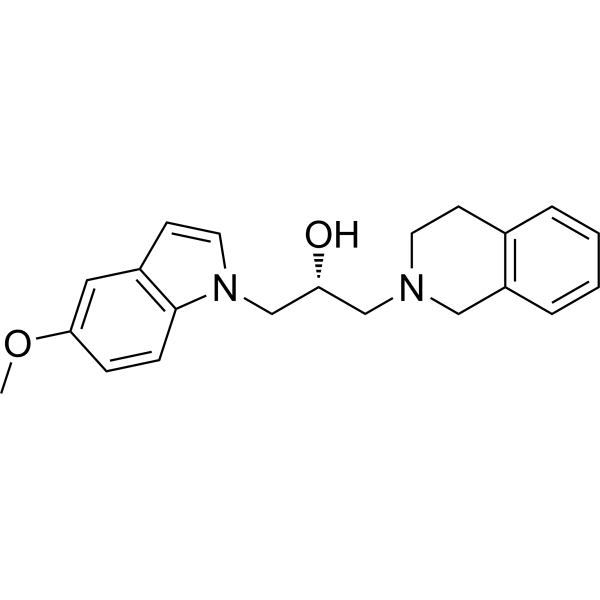
- HY-179003
-
|
|
mTOR
Glutaminase
Reactive Oxygen Species (ROS)
Autophagy
Apoptosis
Ferroptosis
Glutathione Peroxidase
|
Cancer
|
|
mTOR/GLS1-IN-1 (Compoud 9d) is a potent dual targeted mTOR/GLS1 inhibitor. Has anti proliferative activity against various tumor cells. mTOR/GLS1-IN-1 dose dependently induces ROS accumulation, induces autophagosome formation, and induces apoptosis. mTOR/GLS1-IN-1 can increase Fe 2+, decrease GPX4, and induce ferroptosis. mTOR/GLS1-IN-1 can inhibit cell migration, invasion, and angiogenesis. mTOR/GLS1-IN-1 can be used in the research of cancer, such as breast cancer .
|
-

- HY-152003S
-
|
|
Isotope-Labeled Compounds
|
Others
|
|
Ganglioside GM2-d3 (ammonium) is the deuterium labeled Ganglioside GM2 (HY-148385). Ganglioside GM2 is a human tumor antigen predominantly found in human tumor cells and fetal brain tissue. As a sialylated glycosphingolipid, Ganglioside GM2 is involved in processes such as cell signaling, adhesion, and motility. Ganglioside GM2 abnormal expression and accumulation are associated with tumors and neurodegenerative disorders. Ganglioside GM2 promotes tumor cell migration and invasion by directly binding to the integrin β1 receptor, activating the FAK/Src/Erk-MAPK signaling pathway, and inducing actin cytoskeleton remodeling .
|
-

- HY-114041S1
-
|
RvE1-d4-1
|
Isotope-Labeled Compounds
Endogenous Metabolite
|
Inflammation/Immunology
|
|
Resolvin E1-d4-1 is the deuterium labeled Resolvin E1. Resolvin E1 (RvE1), a potent endogenous pro-resolving mediator of inflammation, is derived from omega-3 fatty acid eicosapentaenoic acid (EPA). Resolvin E1 is endogenously biosynthesized from EPA in the presence of Aspirin during the spontaneous resolution phase of acute inflammation, where specific cell-cell interactions occur. Resolvin E1 possesses unique counterregulatory actions that inhibit polymorphonuclear leukocyte (PMN) transendothelial migration. Resolvin E1 also acts as a potent inhibitor of leukocyte infiltration, dendritic cell migration, and IL-12 production .
|
-
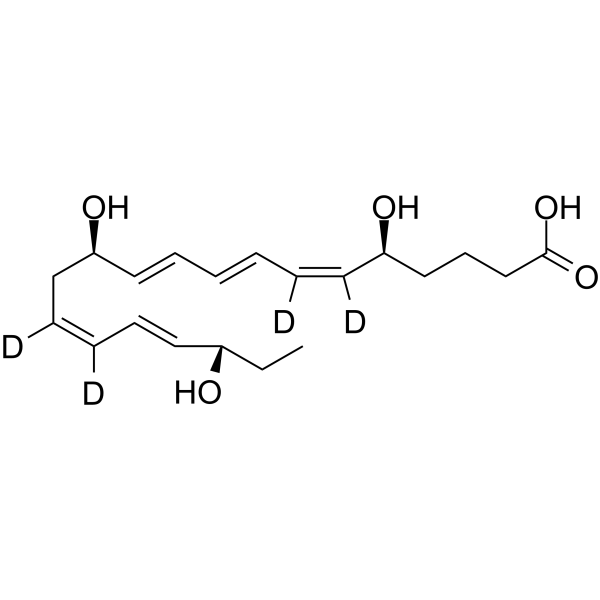
- HY-P11011
-
|
Pep R54; CXCR4 antagonist peptide 19
|
CXCR
|
Cancer
|
|
Peptide R54 (Pep R54; CXCR4 antagonist peptide 19) is an antagonistic peptide targeting CXCR4 with significant anticancer activity. Peptide R54 inhibits CXCR4-dependent cell migration, epithelial-mesenchymal transition, and lung metastasis development, with better serum stability and higher CXCR4 affinity than the lead compound (IC50=20 nM). Peptide R54 synergizes with anti-PD-1 therapy to exert anti-tumor activity in vivo, enhances granzyme activity, and reduces infiltration of Foxp3 cells. Peptide R54 can be used in the study of colon cancer, ovarian cancer, and melanoma .
|
-

- HY-172551
-
|
|
Apoptosis
Cadherin
MMP
Bcl-2 Family
|
Cancer
|
|
anti-TNBC agent-9 (Compound 3as) is an anti-cancer agent for triple-negative breast cancer (TNBC). anti-TNBC agent-9 exhibits significant inhibitory activity against MDA-MB-453 cells with an IC50 value of 8.5 μM. anti-TNBC agent-9 inhibits tumor cell migration by upregulating E-cadherin and downregulating N-cadherin, matrix metalloproteinase 2 (MMP2), and MMP9. anti-TNBC agent-9 induces apoptosis by increasing the expression of the pro-apoptotic protein BAX and decreasing the expression of the anti-apoptotic protein BCL-2, thereby inhibiting tumor cell proliferation .
|
-

- HY-B0916
-
|
|
Environmental Pollutants
MMP
Insecticide
Cholinesterase (ChE)
ERK
Keap1-Nrf2
Reactive Oxygen Species (ROS)
|
Infection
Neurological Disease
Cancer
|
|
Propoxur is a reversible, competitive, orally active AChE inhibitor that can cross the blood-brain barrier. Propoxur inhibits AChE activity to induce neurotoxicity, while promoting MMP-2 expression and enhancing tumor cell migration and invasion by inducing intracellular ROS generation and activating the ERK/Nrf2 signaling pathway. On the one hand, Propoxur inhibits AChE, leading to acetylcholine accumulation and causing neurological dysfunction; on the other hand, it promotes Nrf2 nuclear translocation through ROS-dependent ERK1/2 phosphorylation, and upregulates MMP-2 and other invasion-related proteins. Propoxur is also a carbamate insecticide used to combat turf, forestry, and household pests .
|
-
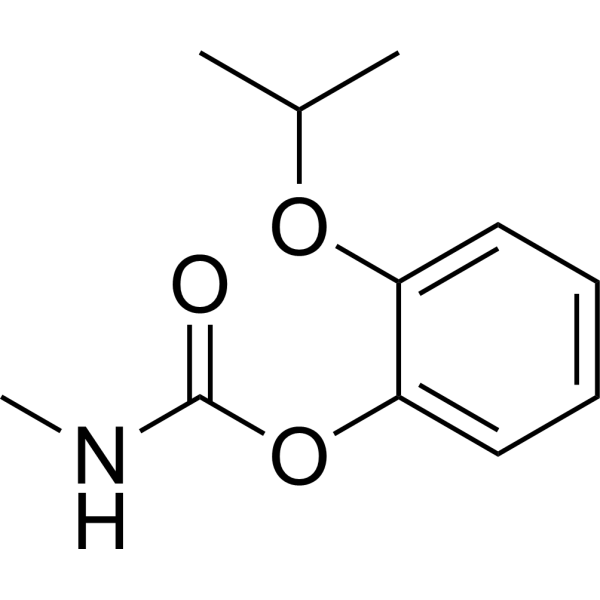
- HY-178446
-
|
|
METTL3
c-Myc
Bcl-2 Family
|
Cancer
|
|
METTL3-IN-11 is an excellent, selective METTL3 inhibitor (IC50 = 45.31 nM). METTL3-IN-11 exhibits high selectivity towards METTL3 compared to DNMT1, EZH1, MLL1, and PRMT1. METTL3-IN-11 reduces the m6A level of total RNA in MOLM-13 and SKOV3 cells, induces cell apoptosis, and inhibits cell migration. METTL3-IN-11 can reduce the expression of m6A downstream target genes (c-MYC and BCL2). METTL3-IN-11 can be used for the study of ovarian cancer and acute myeloid leukemia .
|
-

- HY-173023
-
|
|
Apoptosis
Indoleamine 2,3-Dioxygenase (IDO)
Reactive Oxygen Species (ROS)
|
Cancer
|
|
IDOi-Pt(IV) prodrug-1 (Compound 10) is an IDOi-Pt(IV) prodrug. IDOi-Pt(IV) prodrug-1 inhibits IDO expression. IDOi-Pt(IV) prodrug-1 induces apoptosis, decreases the mitochondrial membrane potential, inhibits tumor cell migration and invasion. IDOi-Pt(IV) prodrug-1 induces reactive oxygen species-mediated endoplasmic reticulum stress and secretion of damage-associated molecular patterns (DAMPs), thereby presenting immunogenic cell death (ICD) effects. IDOi-Pt(IV) prodrug-1 has high-efficiency and low-toxicity antitumor effects compared to Cisplatin (HY-17394) .
|
-

- HY-N10116A
-
|
|
Interleukin Related
IFNAR
Calcium Channel
Bacterial
CCR
|
Infection
Cancer
|
|
Calamenene is a sesquiterpene compound . Calamenene promotes dendritic cell maturation, upregulates CD1a, CD80, CD83, CD86, HLA-DR and CCR7 on the cell surface, reduces endocytic activity, enhances T cell-stimulating capacity, drives Th1 polarization through the secretion of IL-12, induces IFN-γ production, decreases IL-4 generation, and triggers intracellular Ca 2+ mobilization as well as dendritic cell migration towards MIP-3β. Calamenene exerts bacteriostatic and bactericidal growth-inhibitory effects against pathogenic *Vibrio harveyi*. Calamenene can be used in studies related to cancer and bacterial infections .
|
-

- HY-114457
-
|
L-alpha-Phosphatidylinositol-4,5-bisphosphate; (PtdIns)-(4,5)-P2
|
Phospholipase
|
Inflammation/Immunology
|
|
Phosphatidylinositol 4,5-bisphosphate (L-alpha-Phosphatidylinositol-4,5-bisphosphate) is a plasma membrane lipid that is enriched in the cytoplasmic leaflet of the plasma membrane. Phosphatidylinositol 4,5-bisphosphate serves as a substrate for phospholipase C and class I PI3K, generating diacylglycerol, inositol (1,4,5)-trisphosphate, and phosphatidylinositol (3,4,5)-trisphosphate. Phosphatidylinositol 4,5-bisphosphate contributes to lamellipodial protrusion, directional cell migration, focal adhesion lipid generation, and trafficking of the GABAA receptor. Phosphatidylinositol 4,5-bisphosphate can be used in research related to acute lung injury and pulmonary edema .
|
-
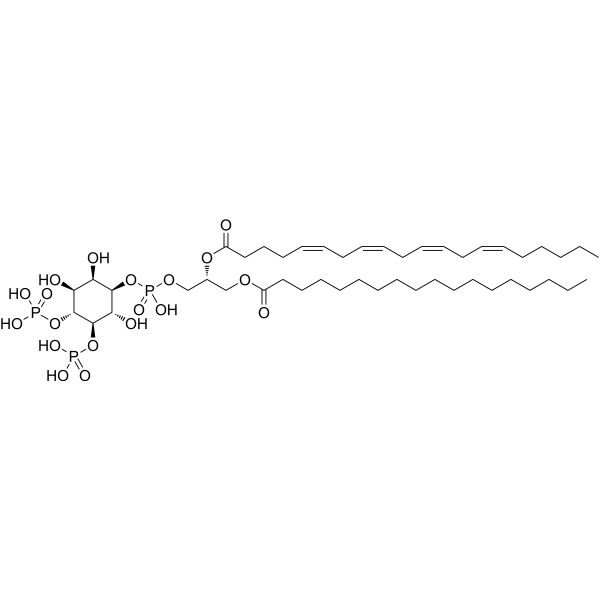
- HY-149521
-
|
|
PI3K
|
Cancer
|
|
PI3K-IN-47 (Compound 27) is a bivalent PI3K inhibitor (IC50: 0.44 nM for PI3Kα, 7.18 nM, 13.92 nM, 22.83 nM for PI3Kβ, PI3Kγ, PI3Kδ). PI3K-IN-47 induces cell cycle arrest in G1 phase, inhibits colony formation and cell migration. PI3K-IN-47 inhibits tumor growth in HGC-27 xenograft mice .
|
-
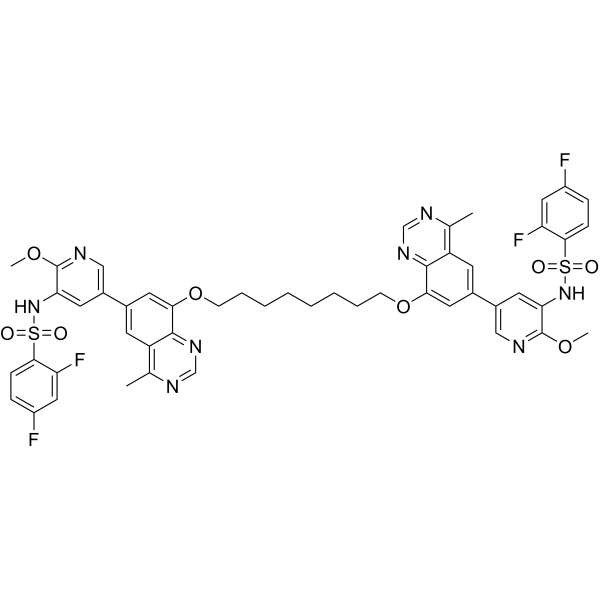
- HY-175874
-
|
|
Microtubule/Tubulin
PI3K
Akt
Apoptosis
|
Cancer
|
|
Tubulin-IN-55 is a tubulin inhibitor. Tubulin-IN-55 disrupts the PI3K/Akt signaling pathway in cancer cells. Tubulin-IN-55 exerts broad-spectrum anti-proliferative activity against multiple tumor cells (HeLa, HCT116, 4T1, A549, H1299, MDA-MB231). Tubulin-IN-55 induces G2/M phase arrest and apoptosis, and inhibits tumor cell migration/invasion in cancer cells. Tubulin-IN-55 demonstrates potent antitumor efficacy in orthotopic autologous transplantation mice. Tubulin-IN-55 can be used for the study of cancer .
|
-

- HY-168714
-
|
|
Microtubule/Tubulin
Apoptosis
|
Cancer
|
|
Microtubule inhibitor 12 (Compound 2k) is an inhibitor for microtubule polymerization with an IC50 of 22.23 μM. Microtubule inhibitor 12 arrests the cell cycle of B16-F10 at G2/M phase, induces apoptosis in B16-F10, and inhibits cell migration. Microtubule inhibitor 12 inhibits the proliferation of cancer cells B16-f10, A549, HepG2 and MCF-7, with IC50s of 0.098, 0.135, 0.109, and 0.259 μM, respectively. Microtubule inhibitor 12 exhibits antitumor efficacy in mouse model .
|
-

- HY-176288
-
|
|
Eukaryotic Initiation Factor (eIF)
Bcl-2 Family
Apoptosis
Ras
PERK
|
Cancer
|
|
eIF4E/eIF4G PPI-IN-1 is an eIF4E/eIF4G interaction inhibitor with a KD of 20.2 μM for eIF4E protein. eIF4E/eIF4G PPI-IN-1 plays an antitumor role in multiple modes of action including regulating the activity of eIF4E by inhibiting the Ras/MAPK/eIF4E signaling pathway, apoptosis and cell migration. eIF4E/eIF4G PPI-IN-1 suppresses the growth of HepG2 xenografts in nude mice and was relatively nontoxic to mice .
|
-

- HY-P991202
-
|
|
TSH Receptor
PKA
|
Metabolic Disease
Inflammation/Immunology
|
|
Anti-TSHR Antibody (M22) is a selective agonist targeting TSHR (thyroid-stimulating hormone receptor), acting through competitive binding to the extracellular domain of TSHR. Anti-TSHR Antibody (M22) can mimic the biological effects of thyroid-stimulating hormone (TSH), activating downstream cAMP-PKA and other signaling pathways. Anti-TSHR Antibody (M22) can stimulate the proliferation of thyroid follicular epithelial cells and human umbilical vein endothelial cells (HUVECs), promote angiogenesis and tube formation, cell migration, and also upregulate the expression of angiogenesis-related proteins such as PROX1. Anti-TSHR Antibody (M22) can be used in research areas such as the mechanisms of goiter formation in Graves' disease (GD), angiogenesis regulation, and TSHR antagonist screening .
|
-

- HY-180117
-
|
|
MMP
STAT
Apoptosis
|
Cancer
|
|
MMP-2/9-IN-2 (Compound 6k) is a MMP-2 and MMP-9 inhibitor, with IC50 values of 29.27 and 24.87 μM respectively. MMP-2/9-IN-2 exhibits good selective toxicity against multiple human hepatoma cell lines. MMP-2/9-IN-2 induces cell cycle arrest and apoptosis, significantly inhibits cell migration and invasion. MMP-2/9-IN-2 inhibits the phosphorylation of the STAT3 signaling pathway. MMP-2/9-IN-2 shows strong anti-tumor activity in a nude mouse xenograft model of HepG2 liver cancer cells .
|
-

- HY-W355700
-
|
|
Drug Metabolite
|
Infection
|
|
1-oleoyl-sn-glycero-3-phosphoethanolamine (LysoPE 18:1) is a lysophosphatidylethanolamine molecule involved in phospholipid metabolism, targeting cell membrane receptors (such as G protein-coupled receptors) to regulate cell signaling pathways. 1-oleoyl-sn-glycero-3-phosphoethanolamine may activate mitogen-activated protein kinase (MAPK) signaling, promote cell migration, regulate inflammatory responses and lipid metabolism, and has both pro-inflammatory and anti-inflammatory activities. 1-oleoyl-sn-glycero-3-phosphoethanolamine is mainly used in the screening of biomarkers for metabolic diseases (such as non-alcoholic fatty liver disease and obesity), as well as the study of the mechanism of lysophospholipids in cell membrane homeostasis and signal transduction .
|
-
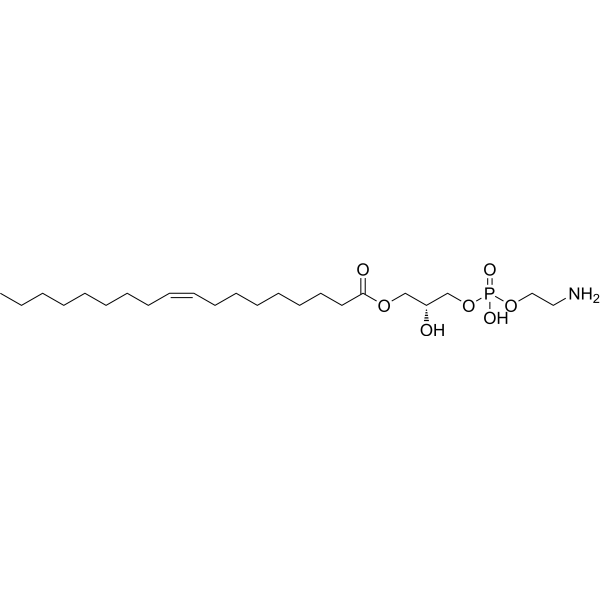
- HY-114041S
-
|
RvE1-d4
|
Isotope-Labeled Compounds
Endogenous Metabolite
|
Inflammation/Immunology
|
|
Resolvin E1-d4 (RvE1-d4) is deuterium labeled Resolvin E1. Resolvin E1 (RvE1), a potent endogenous pro-resolving mediator of inflammation, is derived from omega-3 fatty acid eicosapentaenoic acid (EPA). Resolvin E1 is endogenously biosynthesized from EPA in the presence of Aspirin during the spontaneous resolution phase of acute inflammation, where specific cell-cell interactions occur. Resolvin E1 possesses unique counterregulatory actions that inhibit polymorphonuclear leukocyte (PMN) transendothelial migration. Resolvin E1 also acts as a potent inhibitor of leukocyte infiltration, dendritic cell migration, and IL-12 production .
|
-

- HY-160187A
-
|
|
Cadherin
MMP
Akt
FAK
ERK
NF-κB
|
Cancer
|
|
(Rac)-AAA is a regulator and inhibitor targeting GPR75. By blocking the 20-HETE-induced downregulation of GPR75 expression, (Rac)-AAA effectively inhibits the activation of key downstream signaling pathways including EGFR, AKT, NF-κB and FAK. (Rac)-AAA reverses 20-HETE-mediated epithelial-mesenchymal transition, which is specifically characterized by downregulating vimentin (vimentin), upregulating E-Cadherin, as well as reducing MMP-2 activity and cancer cell migration ability. (Rac)-AAA also abolishes the 20-HETE-induced upregulation of HIC-5 expression and anchorage-independent growth, and modulates the subcellular localization of PKC-α and phosphorylated AKT. (Rac)-AAA is investigated in androgen-independent prostate cancer (castration-resistant prostate cancer) .
|
-

- HY-175320
-
|
|
PROTACs
c-Met/HGFR
Apoptosis
STAT
|
Cancer
|
|
PROTAC c-Met degrader-5 (Compound D19) is an orally active c-Met PROTAC degrader with DC50s of 0.42 and 0.32 nM in EBC-1 and Hs746T cells, respectively. PROTAC c-Met degrader-5 significantly induces cell apoptosis, G1 cell cycle arrest, and inhibits cell migration and invasion. PROTAC c-Met degrader-5 has potent antiproliferative and degradation efficacy against c-Met-addicted cancer cells and Tepotinib (HY-14721)-resistant cancer cells . Pink: c-Met ligand (HY-W425461); Blue: CRBN ligase ligand (HY-14658); Black: linker
|
-

- HY-178373
-
|
|
Topoisomerase
DNA/RNA Synthesis
Reactive Oxygen Species (ROS)
MDM-2/p53
Caspase
|
Cancer
|
|
Topoisomerase I-IN-18, a derivative of Thiosemicarbazide (HY-Y0032), is a Topoisomerase I inhibitor. Topoisomerase I-IN-18 can disrupt DNA synthesis and transcription. Topoisomerase I-IN-18 inhibits tumor cell proliferation by inducing S-phase cell cycle arrest. Topoisomerase I-IN-18 can enhance mitochondria-mediated apoptosis, suppress cell migration, and increase intracellular Reactive Oxygen Species (ROS) levels. Topoisomerase I-IN-18 can increase p53 protein expression, γH2AX phosphorylation, upregulate Bax expression, downregulate Bcl-2 expression, and activate the caspase cascade. Topoisomerase I-IN-18 can be used for the study of lung cancer .
|
-

- HY-W750153
-
|
|
Isotope-Labeled Compounds
Insecticide
MMP
Cholinesterase (ChE)
Reactive Oxygen Species (ROS)
ERK
Keap1-Nrf2
|
Infection
Neurological Disease
Cancer
|
|
Propoxur-d7 is the deuterium labeled Propoxur. Propoxur is a reversible, competitive, orally active AChE inhibitor that can cross the blood-brain barrier. Propoxur inhibits AChE activity to induce neurotoxicity, while promoting MMP-2 expression and enhancing tumor cell migration and invasion by inducing intracellular ROS generation and activating the ERK/Nrf2 signaling pathway. On the one hand, Propoxur inhibits AChE, leading to acetylcholine accumulation and causing neurological dysfunction; on the other hand, it promotes Nrf2 nuclear translocation through ROS-dependent ERK1/2 phosphorylation, and upregulates MMP-2 and other invasion-related proteins. Propoxur is also a carbamate insecticide used to combat turf, forestry, and household pests .
|
-

- HY-161863
-
|
|
Microtubule/Tubulin
Reactive Oxygen Species (ROS)
Apoptosis
|
Cancer
|
|
Tubulin polymerization-IN-67 (Compound 5h) is an inhibitor for tubulin polymerization on colchicine binding site with an IC50 of 2.92 μM. Tubulin polymerization-IN-67 inhibits the proliferation of cancer cells HT29, A549, U2OS, MG-63 and HeLa with IC50s of 0.12-4.13 μM. Tubulin polymerization-IN-67 arrests the cell cycle at G2/M phase, induces apoptosis in cell U2OS, inhibits the cell migration of A549. Tubulin polymerization-IN-67 reduces the mitochondrial membrane potential (MMP) and increase intracellular ROS, inhibits the angiogenesis in HUVECs. Tubulin polymerization-IN-67 exhibits antitumor efficacy in mice
|
-

- HY-B0916S
-
|
|
Isotope-Labeled Compounds
Insecticide
Cholinesterase (ChE)
MMP
Reactive Oxygen Species (ROS)
ERK
Keap1-Nrf2
|
Infection
Neurological Disease
Cancer
|
|
Propoxur-d3 is the deuterated form of Propoxur (HY-B0916). Propoxur is a reversible, competitive, orally active AChE inhibitor that can cross the blood-brain barrier. Propoxur inhibits AChE activity to induce neurotoxicity, while promoting MMP-2 expression and enhancing tumor cell migration and invasion by inducing intracellular ROS generation and activating the ERK/Nrf2 signaling pathway. On the one hand, Propoxur inhibits AChE, leading to acetylcholine accumulation and causing neurological dysfunction; on the other hand, it promotes Nrf2 nuclear translocation through ROS-dependent ERK1/2 phosphorylation, and upregulates MMP-2 and other invasion-related proteins. Propoxur is also a carbamate insecticide used to combat turf, forestry, and household pests .
|
-
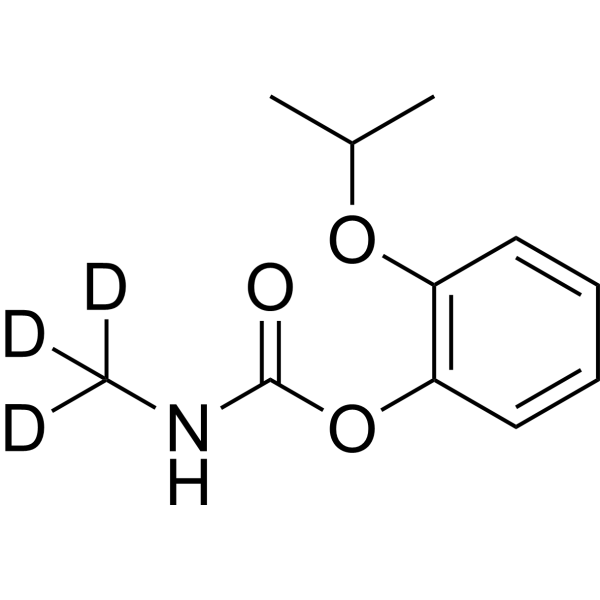
- HY-135564
-
|
|
Phosphatase
Phospholipase
HIV Protease
ERK
Autophagy
|
Infection
Cancer
|
|
RK-682 hemicalcium is the hemicalcium salt form of RK-682 (HY-135564A). RK-682 hemicalcium is the inhibitor for protein tyrosine phosphatase (PTPase), heparanase, phospholipase A2 and HIV-1 protease. RK-682 hemicalcium inhibits the dephosphorylation of CD45 (IC50 is 54 μM) and VHR (IC50 is 2.0 μM), and thereby inhibits the ERK signaling pathway. RK-682 hemicalcium inhibits the cell viability of cancer cell MGH-U3, T24 and UROtsa with IC50s of 78.2, 43.2 and 145 nM, respectively, arrests the cell cycle at G1/S phase, inhibits the cell migration and autophagy in MGH-U3 and T24 [2] .
|
-
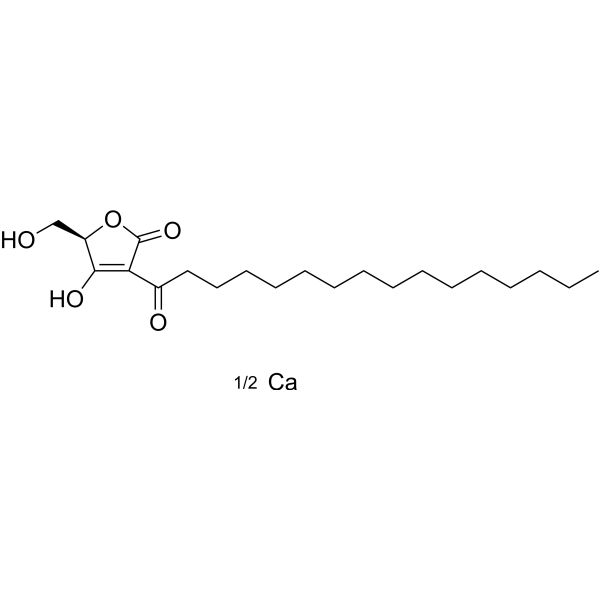
- HY-181076
-
|
|
PI3K
CDK
Apoptosis
|
Cancer
|
|
FOXM1-IN-3 is a potent FOXM1 inhibitor. FOXM1-IN-3 downregulates FOXM1 expression at protein and mRNA levels, suppressing downstream effectors CCNB1 and CDC25. FOXM1-IN-3 induces G2/M cell cycle arrest and apoptosis in colorectal cancer cells. FOXM1-IN-3 inhibits colony formation and cell migration in colorectal cancer cells. FOXM1-IN-3 targets the cancer stem cell phenotype in colorectal cancer cells, reducing cancer stem cell marker expression. FOXM1-IN-3 reduces tumor growth in a zebrafish xenograft model. FOXM1-IN-3 can be used for the research of colorectal cancer .
|
-

- HY-P99291
-
|
LM609; MEDI-522
|
Integrin
Apoptosis
Akt
|
Cancer
|
|
Etaracizumab (LM 609) is an αvβ3 integrin IgG mAb. Etaracizumab is developed to target αvβ3+ cancer cells via NK cell-mediated cytotoxicity. Etaracizumab sterically hinders access of large ligands to the RGD-binding pocket, without obstructing it. Etaracizumab decreases p-Akt in vitro. Etaracizumab can decrease cancer proliferation and invasion. Etaracizumab induces tumor cell apoptosis, and inhibition ofαvβ3-mediated cell adhesion, endothelial cell migration and osteoclast-mediated bone resorption. Etaracizumab can be studied in anti-tumor research against cancers such as ovarian cancer, metastatic melanoma as well as advanced solid tumors. Recommend Isotype Control: Human IgG1 kappa, Isotype Control (HY-P99001) .
|
-

- HY-169938
-
|
|
HDAC
Histone Demethylase
Apoptosis
|
Cancer
|
|
LSD1/HDAC-IN-2 (Compound 20c) is the inhibitor for LSD and HDAC, that inhibits LSD1, HDAC1, HDAC2, HDAC3, HDAC6, and HDAC8, with IC50s of 39.0, 1.4, 1.0, 1.3, 2.9 and 16.0 nM, respectively. LSD1/HDAC-IN-2 inhibits the proliferation of cancer cells, especially the colorectal cancer cells. LSD1/HDAC-IN-2 arrests the cell cycle at G2/M phase, inhibits cell migration, and induces apoptosis in HCT-116 and HT-29 cells. LSD1/HDAC-IN-2 exhibits antitumor efficacy in mouse model without significant toxicity .
|
-

- HY-180292
-
|
|
VEGFR
Microtubule/Tubulin
Reactive Oxygen Species (ROS)
Apoptosis
|
Cancer
|
|
Tubulin/VEGFR-2-IN-2 is an orally active tubulin and VEGFR-2 inhibitor with IC50s of 3.27 and 0.09 μM, respectively. Tubulin/VEGFR-2-IN-2 exerts the antitumor effects through multifaceted pathways, including enhancing reactive oxygen species (ROS) generation, disrupting mitochondrial membrane potential, inducing apoptosis, and arresting the cell cycle. Tubulin/VEGFR-2-IN-2 demonstrates anti-angiogenic properties by significantly impairing endothelial cell migration, invasion, and tube formation in vitro. Tubulin/VEGFR-2-IN-2 suppresses angiogenesis, tumor growth, and metastasis in vivo. Tubulin/VEGFR-2-IN-2 can be used for non-small lung cancer, breast cancer, gastric cancer and lymphoma .
|
-

- HY-175275
-
|
BEM
|
MMP
Lipoxygenase
Reactive Oxygen Species (ROS)
|
Neurological Disease
Inflammation/Immunology
Cancer
|
|
10-Butyl Ether Minocycline (BEM), a Minocycline (HY-17412A) derivative, is an MMP-8 and MMP-9 inhibitor with IC50s of 69.4 µM and 47.0 µM, respectively. 10-Butyl Ether Minocycline suppresses LPS (HY-D1056)-induced microglial activation. 10-Butyl Ether Minocycline inhibits VEGF-induced endothelial cell migration and L-Glutamine (HY-N0390)-induced ROS levels. 10-Butyl Ether Minocycline significantly reduces alcohol consumption in the Chronic Intermittent Ethanol (CIE) mouse model of alcohol dependence. 10-Butyl Ether Minocycline can be used for the study of neuroimmune-inflammatory diseases and Alcohol use disorder (AUD) .
|
-

- HY-G0007
-
|
Omeprazole sulphone
|
Drug Metabolite
Cytochrome P450
Aryl Hydrocarbon Receptor
|
Inflammation/Immunology
|
|
Omeprazole sulfone (Omeprazole sulphone) is one of the major circulating metabolites of Omeprazole (HY-B0113) in vivo, and belongs to class 4 non-mutagenic impurities. Omeprazole sulfone does not bind to the aryl hydrocarbon receptor (AhR), nor does it induce the expression of CYP1A1 or CYP1A2. However, Omeprazole sulfone promotes the migration of gastric epithelial cells under basal conditions and reverses the inhibitory effect of Indomethacin (HY-14397) on cell migration. Omeprazole sulfone does not promote cell proliferation, nor does it upregulate COX-2 expression or activate signaling pathways such as ERK, P38 MAPK and PI3K. Omeprazole sulfone maintains basal ulcer healing under non-acid-dependent conditions and can be used in studies related to gastric ulcer repair .
|
-
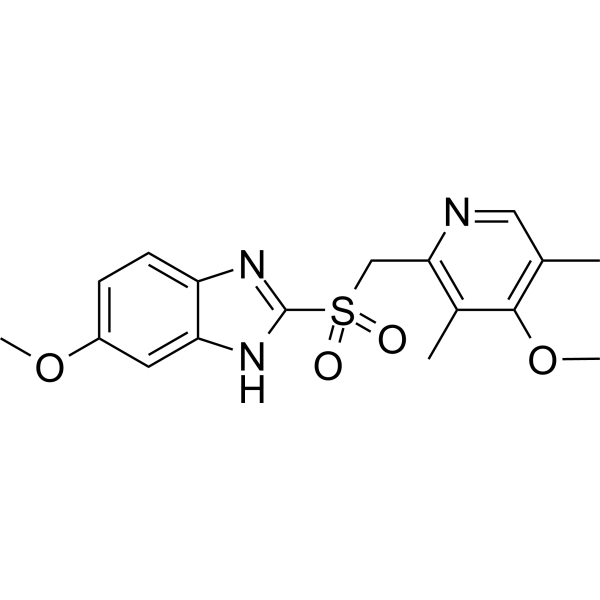
- HY-178989
-
|
|
Phosphoglycerate Kinase (PGK)
Cuproptosis
|
Cancer
|
|
PGK1-IN-2 (Compound 60) is a PGK1 inhibitor with an IC50 of 8.24 μM. PGK1-IN-2 demonstrates a significant ability to inhibit the proliferation of osteosarcoma cells. PGK1-IN-2 interferes with the glycolytic pathway of tumor cells by inhibiting PGK1. PGK1-IN-2 inhibits cell migration and invasion, and induces cell S phase and G2-M phase cycle arrest. PGK1-IN-2 may kill cells by inducing cuproptosis. PGK1-IN-2 shows a significant anti-tumor effect in the MNNG-HOS osteosarcoma xenograft mouse model. PGK1-IN-2 can be used for the study of osteosarcoma .
|
-

- HY-182902
-
|
|
BMX Kinase
Apoptosis
|
Cancer
|
|
IHMT-15137 is a BMX inhibitor with an IC50 of 26.97 nM. IHMT-15137 covalently binds to BMX Cys496 within the ATP-binding pocket, inhibits BMX phosphorylation at Tyr566, and disrupts the BMX-ERK1/2-Cyclin D1/CDK4/6-E2F1 signaling axis. IHMT-15137 reduces E2F1 protein stability via decreased Ser332/337 phosphorylation, increased ubiquitination, and ubiquitin-proteasome pathway degradation. IHMT-15137 induces cell cycle arrest, apoptosis, DNA damage, and suppresses cell migration and invasion. IHMT-15137 can be used for the research of small cell lung cancer .
|
-

- HY-B0916R
-
|
|
Reference Standards
MMP
Insecticide
Cholinesterase (ChE)
Reactive Oxygen Species (ROS)
ERK
Keap1-Nrf2
|
Infection
Neurological Disease
Cancer
|
|
Propoxue (Standard) is the analytical standard of Propoxue (HY-B0916). This product is intended for research and analytical applications. Propoxur is a reversible, competitive, orally active AChE inhibitor that can cross the blood-brain barrier. Propoxur inhibits AChE activity to induce neurotoxicity, while promoting MMP-2 expression and enhancing tumor cell migration and invasion by inducing intracellular ROS generation and activating the ERK/Nrf2 signaling pathway. On the one hand, Propoxur inhibits AChE, leading to acetylcholine accumulation and causing neurological dysfunction; on the other hand, it promotes Nrf2 nuclear translocation through ROS-dependent ERK1/2 phosphorylation, and upregulates MMP-2 and other invasion-related proteins. Propoxur is also a carbamate insecticide used to combat turf, forestry, and household pests .
|
-
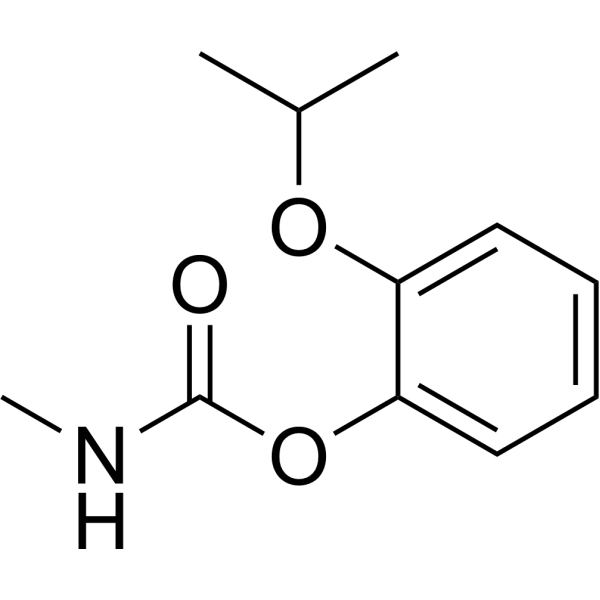
- HY-P990858
-
|
|
CD47
|
Cancer
|
|
Anti-CD47 Antibody (B6.H12) is a kind of mouse IgG1 κ chimeric antibody, targeting to human CD47. Anti-CD47 Antibody (B6.H12) blocks CD47 interactions with SIRPα. Anti-CD47 Antibody (B6.H12) inhibits cell proliferation, cell migration and invasion. Anti-CD47 Antibody (B6.H12) increases macrophage phagocytosis. Anti-CD47 Antibody (B6.H12) shows potent anti-tumor effect in various tumor models, such as osteosarcoma .
|
-

- HY-170924
-
|
|
Microtubule/Tubulin
Apoptosis
Mitosis
|
Cancer
|
|
Tubulin polymerization-IN-76 (compound 20b) is a potent and orally active Tubulin polymerization inhibitor. Tubulin polymerization-IN-76 inhibits Tubulin polymerization with an IC50 of 2.505 μM by acting on the colchicine binding site, thereby disrupting intracellular Microtubule networks and interfering with cell mitosis. Tubulin polymerization-IN-76 demonstrates exceptional efficacy against MGC-803 and HGC-27 cells with IC50s of 1.61 and 1.82 nM, respectively. Tubulin polymerization-IN-76 effectively inhibits the colony formation and cell migration activities, and induces G2/M phase cycle arrest and Apoptosis in MGC-803 and HGC-27 cells.Tubulin polymerization-IN-76 shows a broad-spectrum antiproliferative activity .
|
-

- HY-159122
-
|
|
Carbonic Anhydrase
Reactive Oxygen Species (ROS)
Apoptosis
|
Cancer
|
|
CA IX-IN-2 (Compound 9o) is an inhibitor for carbonic anhydrase (CA), that inhibits CA IX, CA XII and CA II with an IC50 of 5.6, 7.4 and 430 nM, respectively. CA IX-IN-2 inhibits the proliferation of cancer cell HCT-116, SW480, MDA-MB 231 and MCF-7, with IC50s of 14.63-29.33 μM. CA IX-IN-2 intercalates DNA, arrests cell cycle at G1/S phase, and induces apoptosis in MDA-MB-231. CA IX-IN-2 affects the mitochondrial membrane potential (MMP), increases the intracellular ROS levels, causes mitochondrial damage, and inhibits the cell migration of MDA-MB-231. CA IX-IN-2 exhibits antitumor efficacy in mouse models .
|
-

- HY-Y0106
-
|
|
mTOR
Xanthine Oxidase
Apoptosis
|
Cardiovascular Disease
Metabolic Disease
Inflammation/Immunology
|
|
2,6-Dihydroxyacetophenone, a polyphenolic derivative of Acetophenone (HY-Y0989), is an orally active mTOR inhibitor. 2,6-Dihydroxyacetophenone shows antioxidant activity. 2,6-Dihydroxyacetophenone inhibits cell growth and proliferation in CRC cells. 2,6-Dihydroxyacetophenone arrests at G0/G1 phase of cell cycle, induces apoptosis and suppresses cell migration in CRC cells. 2,6-Dihydroxyacetophenone inhibits xanthine oxidase (XOD) with an IC50 of 1.24 mM. 2,6-dihydroxyacetophenone improves uric acid metabolism in hyperuricemia mice, reduces plasma cholesterol in hypercholesterolemic rats, and inhibits lipid accumulation in HFD-induced obese mice. 2,6-Dihydroxyacetophenone can be used for the study of colorectal cancer (CRC), hyperuricemia and hypercholesterolemia .
|
-
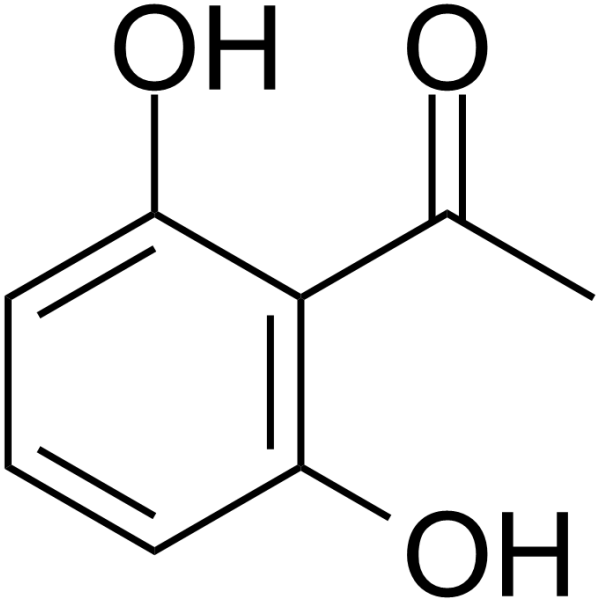
- HY-G0007S
-
|
Omeprazole sulfone-d3; Omeprazole sulphone-d3
|
Isotope-Labeled Compounds
Drug Metabolite
Cytochrome P450
Aryl Hydrocarbon Receptor
|
Infection
Cancer
|
|
Omeprazole sulfone-d3 is the deuterium labeled Omeprazole sulfone. Omeprazole sulfone (Omeprazole sulphone) is one of the major circulating metabolites of Omeprazole (HY-B0113) in vivo, and belongs to class 4 non-mutagenic impurities. Omeprazole sulfone does not bind to the aryl hydrocarbon receptor (AhR), nor does it induce the expression of CYP1A1 or CYP1A2. However, Omeprazole sulfone promotes the migration of gastric epithelial cells under basal conditions and reverses the inhibitory effect of Indomethacin (HY-14397) on cell migration. Omeprazole sulfone does not promote cell proliferation, nor does it upregulate COX-2 expression or activate signaling pathways such as ERK, P38 MAPK and PI3K. Omeprazole sulfone maintains basal ulcer healing under non-acid-dependent conditions and can be used in studies related to gastric ulcer repair .
|
-
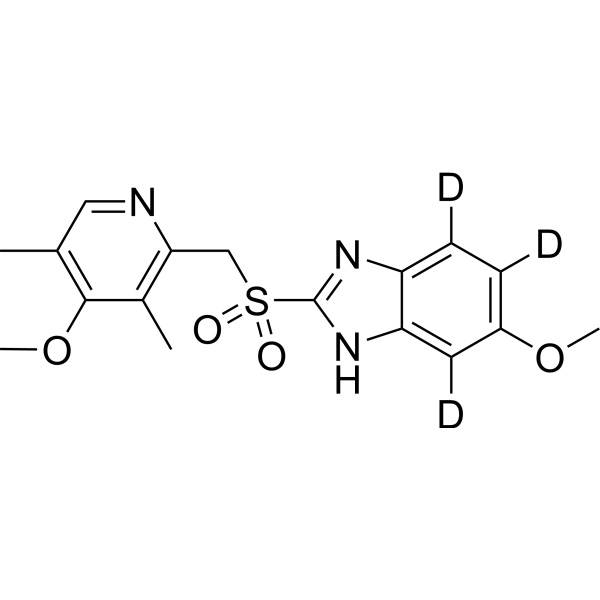
- HY-183246
-
|
|
PAK
Cdc42-binding kinase
|
Cancer
|
|
Rac/Cdc42-IN-1, the major phase I metabolite of the oral Rac/Cdc42 inhibitor MBQ-167 (HY-112842) in vivo, is a selective Rac inhibitor. Rac/Cdc42-IN-1 functions by blocking the GTP-binding activation of Rac1, targeting the autophosphorylation of Thr 423/Thr 402/Thr 436 and Ser 141/Ser 144/Ser 154 in downstream PAK1/2/3, with an inhibitory effect superior to that of MBQ-167. Rac/Cdc42-IN-1 significantly inhibits cell migration, and suppresses tumor growth and distant metastasis to the lung, liver and kidney in HER2+ breast cancer mouse models. Rac/Cdc42-IN-1 can be used for targeted research on metastatic breast cancer .
|
-

- HY-168739
-
|
|
Topoisomerase
Reactive Oxygen Species (ROS)
Apoptosis
Survivin
Bcl-2 Family
IAP
DNA/RNA Synthesis
|
Cancer
|
|
Topoisomerase I inhibitor 17 (Compound 7h) is a Topoisomerase I (Top1) inhibitor. Topoisomerase I inhibitor 17 reduces DDX5 and reverses the locking of Top1 activity by DDX5. Topoisomerase I inhibitor 17 induces Top1-mediated DNA damage and promotes reactive oxygen species (ROS) production. Topoisomerase I inhibitor 17 induces Apoptosis (reduces antiapoptotic proteins XIAP, Bcl-2, Survivin and up-regulates pro-apoptotic proteins Bax, γH2AX). Topoisomerase I inhibitor 17 also blocks the progression of the G2/M checkpoint and induces cell cycle arrest. Topoisomerase I inhibitor 17 significantly inhibits colony formation and cell migration in colorectal cancer cells. Topoisomerase I inhibitor 17 effectively reduces tumors in human PDX tumor mice .
|
-

- HY-182760
-
|
|
DNA Alkylator/Crosslinker
Bcl-2 Family
Caspase
Apoptosis
Topoisomerase
|
Cancer
|
|
MN33-63 is a Bcl-2 inhibitor, caspase-3 activator and DNA crosslinker with broad-spectrum anticancer activity. MN33-63 improves the water solubility of SN-38 (HY-13704), inhibits tumor growth and proliferation in a dose-dependent manner, and causes no obvious toxicity. MN33-63 relieves the inhibition of the mitochondrial apoptotic pathway, initiates the apoptosis program, inhibits Topo I activity, and promotes its degradation via the ubiquitin-proteasome and autophagy-lysosome pathways. MN33-63 induces DNA crosslinking, G2/M cell cycle arrest, inhibition of cancer cell migration, and cancer cell apoptosis through the mitochondrial pathway. MN33-63 can be used in the research of colorectal cancer, cervical cancer, hepatocellular carcinoma, lung adenocarcinoma and gastric cancer .
|
-

- HY-175834
-
|
|
Topoisomerase
Reactive Oxygen Species (ROS)
Apoptosis
Microtubule/Tubulin
|
Cancer
|
|
DNA/TOP2A-IN-1 is an inhibitor of DNA and TOP2A. DNA/TOP2A-IN-1 selectively binds to TOP2A, not TOP2B, and interacts with DNA and TOP2A to form a stable DM1-TOP2A-DNA ternary complex. DNA/TOP2A-IN-1 induces DNA damage, increases reactive oxygen species (ROS) and triggers apoptosis in triple-negative breast cancer (TNBC) cells. DNA/TOP2A-IN-1 disrupts microtubule distribution and induces cell cycle arrest. DNA/TOP2A-IN-1 shows strong antiproliferative activity and inhibits cell migration. DNA/TOP2A-IN-1 inhibits tumor growth and can be used for TNBC research .
|
-

- HY-119684
-
|
|
NOD-like Receptor (NLR)
Interleukin Related
|
Neurological Disease
Inflammation/Immunology
|
|
Maresin 2 is an anti-inflammatory and pro-resolving mediator. Maresin 2 drives intestinal epithelial cell migration by activating the focal cell-matrix adhesion signaling pathway in primary human intestinal epithelial cells, thereby promoting mucosal wound repair. Maresin 2 alleviates nociceptive and anxiety-like behaviors in rats with type 1 diabetes by inhibiting IL-1β in the spinal cord and prefrontal cortex. Maresin 2 attenuates allergic airway inflammation in mice by inhibiting the activation of the NLRP3 inflammasome, Th2-type immune responses, and oxidative stress. Maresin 2 inhibits inflammatory and neuropathic trigeminal neuralgia and reduces neuronal activation in the trigeminal ganglion. Maresin 2 promotes inflammation resolution and mucosal repair after DSS-induced colitis or biopsy-induced colonic mucosal injury .
|
-
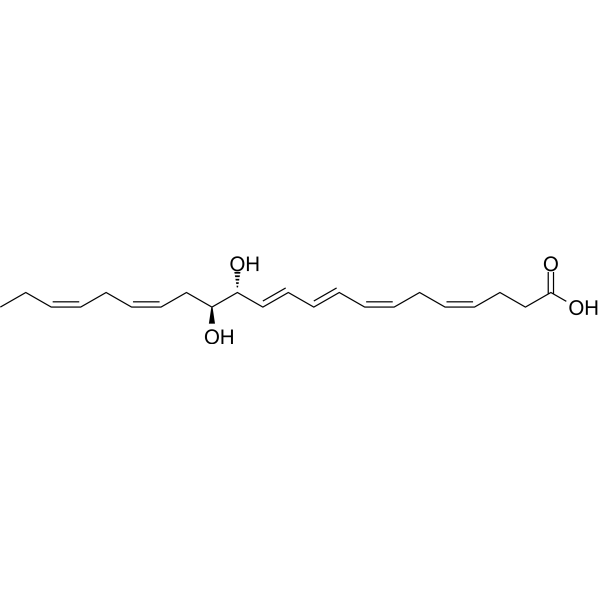
- HY-178452
-
|
|
PROTACs
CDK
Apoptosis
|
Cancer
|
|
PROTAC CDK4/6/9 degrader 1 is a CDK4/6/9 PROTAC degrader. PROTAC CDK4/6/9 degrader 1 degrades CDK4, CDK6, and CDK9 in TNBC cells and inhibits TNBC cell proliferation. PROTAC CDK4/6/9 degrader 1 induces G1 phase arrest, promotes apoptosis, and suppresses cell migration and invasion in TNBC cells. PROTAC CDK4/6/9 degrader 1 can be used for the study of triple-negative breast cancer (TNBC). (Pink: CDK4/6/9 ligand (HY-168440), Blue: CRBN Ligand (HY-14658), Black: Linker (HY-178512), E3 ligase ligand-linker conjugate (HY-178515)) .
|
-

- HY-168996
-
|
|
CDK
Apoptosis
|
Cancer
|
|
LA-CB1 is an Abemaciclib (HY-16297A) derivative that targets CDK4/6 and promotes its degradation via the ubiquitin-proteasome pathway, thereby disrupting the CDK4/6-Cyclin D1-Rb-E2F axis and inducing G0/G1 cell cycle arrest and apoptosis. LA-CB1 exhibits antiproliferative activity against MDA-MB-231 cells, with an IC50 of 0.27 µM, and effectively inhibits epithelial-mesenchymal transition (EMT), cell migration, invasion, and angiogenesis. In highly aggressive models such as triple-negative breast cancer (TNBC), LA-CB1 significantly suppresses tumor growth in a dose-dependent manner. LA-CB1 holds potential for research in the field of breast cancer .
|
-

- HY-N8389
-
|
|
Bacterial
Fungal
PAK
Akt
STAT
PD-1/PD-L1
Apoptosis
CCR
|
Infection
Cancer
|
|
Globulol is a terpenoid metabolite and Antimicrobial agent. Globulol can be isolated from Alpinia oxyphylla Miq. Globulol binds to PAK4, reduces the expression level of PAK4 in cancer cells, decreases the phosphorylation of AKT, and downregulates the expressions of STAT3, phosphorylated STAT3, and PD-L1. Globulol promotes the secretion of CCL4 by cancer cells. Globulol reduces the viability and proliferation ability of cancer cells, induces G0/G1 cell cycle arrest and Apoptosis in cancer cells, and inhibits cancer cell migration and the integrity of 3D tumor spheres. Globulol enhances the relevant effects of anti-PD-1 agents in the cancer cell microenvironment. Globulol exhibits anticancer activity against liver cancer. Globulol inhibits the mycelial growth of phytopathogenic fungi and the growth of phytopathogenic bacteria. Globulol can be used in studies related to hepatocellular carcinoma .
|
-
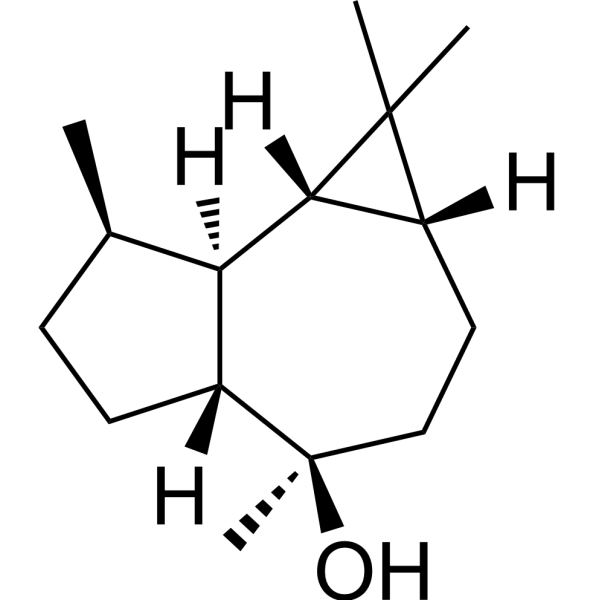
- HY-12875
-
|
|
Ras
|
Cancer
|
|
BQU57 is a selective inhibitor of RalA/RalB small GTPases, with a binding potency (Kb) of 7.7 μM for RalB-GDP. BQU57 can block its interaction with effector proteins (such as SEC5 and EXO84), inhibiting tumor cell migration, invasion and non-adherent growth. BQU57 downregulates the NF-κB signaling pathway, reduces the expression of IL-6, IL-8 and MMP-13, and inhibits apoptosis by regulating the Bcl-2/Bax balance. BQU57 also protects the extracellular matrix by inhibiting the Ral/NF-κB pathway and can be used for the study of degenerative diseases. BQU57 exhibits significant antitumor activity in triple-negative breast cancer (TNBC) models, inhibiting orthotopic tumor growth and lung metastasis and enhancing paclitaxel chemotherapy sensitivity .
|
-
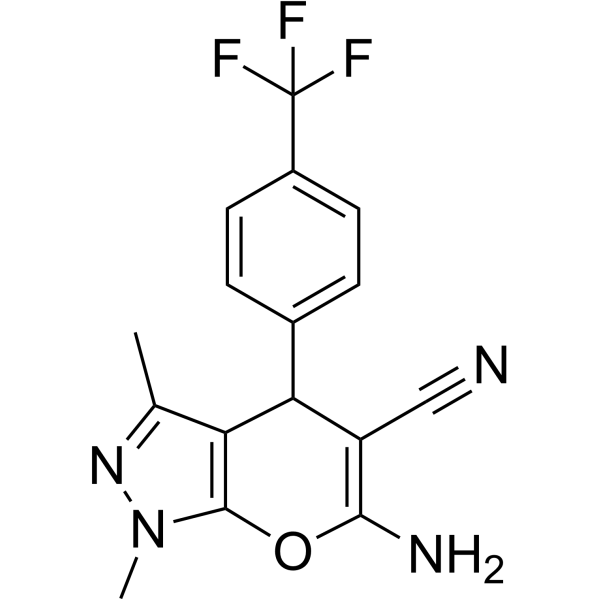
- HY-119234
-
|
|
CXCR
|
Inflammation/Immunology
|
|
CX4338 is a CXCL8-mediated chemokine inhibitor with the activity of inhibiting CXCR2-mediated cell migration. CX4338 selectively inhibits CXCR2-mediated β-arrestin-2 recruitment and receptor internalization while enhancing CXCR2-mediated MAPK activation. CX4338 also inhibited CXCL8-induced chemotaxis, showing efficacy in CXCR2-overexpressing cells and human neutrophils. In vivo, CX4338 significantly reduced LPS-induced neutrophil numbers in mouse bronchoalveolar lavage fluid. The mechanism of action of CX4338 is to selectively inhibit CXCR2-mediated β-arrestin-2 activation, which is sufficient to inhibit CXCL8-mediated chemotaxis .
|
-

- HY-N0103A
-
|
|
Autophagy
Apoptosis
NF-κB
PI3K
Akt
MEK
ERK
|
Cardiovascular Disease
Inflammation/Immunology
Cancer
|
|
Sophocarpine monohydrate is a PTEN activator and an inhibitor of PI3K/Akt, MEK/ERK, and NF-κB signaling pathways. Sophocarpine monohydrate upregulates PTEN expression and inhibits PI3K/Akt phosphorylation, arrests tumor cell cycle and induces apoptosis. Sophocarpine monohydrate inhibits MEK/ERK phosphorylation and VEGF secretion, reducing tumor cell migration. Sophocarpine monohydrate can also inhibit NF-κB activation and p38 and JNK phosphorylation, reduce the expression of inflammatory factors such as iNOS and COX-2, and activate the Nrf2/HO-1 pathway to reduce oxidative stress. Sophocarpine monohydrate has anti-tumor, anti-inflammatory, antioxidant and anti-apoptotic effects, and can be used in the research of cancers such as glioblastoma and colorectal cancer, inflammation-related diseases, and Doxorubicin (HY-15142A)-induced cardiac damage .
|
-
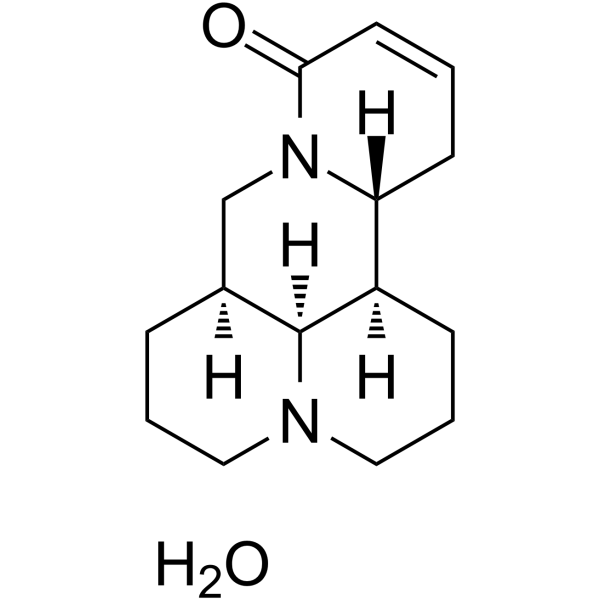
- HY-N0103
-
|
|
Autophagy
Apoptosis
NF-κB
PI3K
Akt
MEK
ERK
PTEN
|
Cardiovascular Disease
Inflammation/Immunology
Cancer
|
|
Sophocarpine is a PTEN activator and an inhibitor of PI3K/Akt, MEK/ERK, and NF-κB signaling pathways. Sophocarpine upregulates PTEN expression and inhibits PI3K/Akt phosphorylation, arrests tumor cell cycle and induces apoptosis. Sophocarpine inhibits MEK/ERK phosphorylation and VEGF secretion, reducing tumor cell migration. Sophocarpine can also inhibit NF-κB activation and p38 and JNK phosphorylation, reduce the expression of inflammatory factors such as iNOS and COX-2, and activate the Nrf2/HO-1 pathway to reduce oxidative stress. Sophocarpine has anti-tumor, anti-inflammatory, antioxidant and anti-apoptotic effects, and can be used in the research of cancers such as glioblastoma and colorectal cancer, inflammation-related diseases, and Doxorubicin (HY-15142A)-induced cardiac damage .
|
-
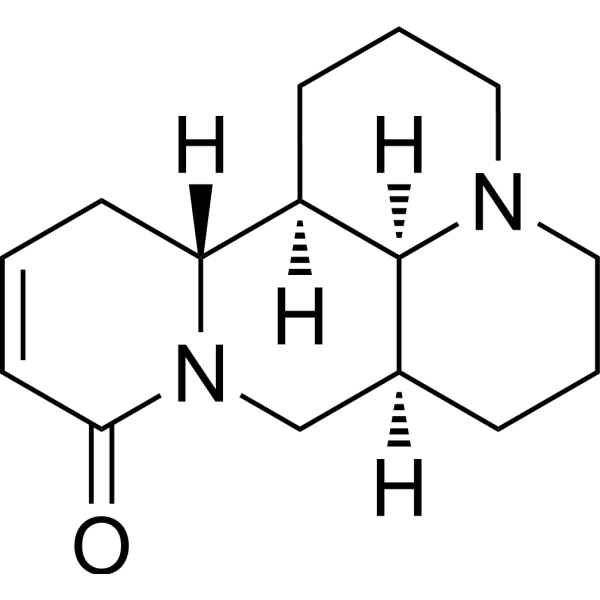
- HY-176149
-
|
|
CaMK
MMP
AMPK
Apoptosis
Autophagy
|
Cancer
|
|
Fluoxetine-Conjugated Platinum(IV) prodrug-1 (Compound 8) is an eEF2K inhibitor. Fluoxetine-Conjugated Platinum(IV) prodrug-1 inhibits cancer cell proliferation, induces DNA damage, cell cycle arrest at S phase and apoptosis. Fluoxetine-Conjugated Platinum(IV) prodrug-1 induces ROS accumulation and mitochondrial dysfunction. Fluoxetine-Conjugated Platinum(IV) prodrug-1 inhibits TNBC cell migration and invasion by inhibiting MMP-2 activity. Fluoxetine-Conjugated Platinum(IV) prodrug-1 induces autophagy in TNBC cells by activating AMPK. Fluoxetine-Conjugated Platinum(IV) prodrug-1 has antitumor activity and activates immunosuppression in the 4T1-Luc mouse model. Fluoxetine-Conjugated Platinum(IV) prodrug-1 can be used in triple-negative breast cancer (TNBC) research .
|
-

- HY-G0007S1
-
|
Omeprazole sulfone-13C,d3; Omeprazole sulphone-13C,d3
|
Isotope-Labeled Compounds
Drug Metabolite
Cytochrome P450
Aryl Hydrocarbon Receptor
|
Others
|
|
Omeprazole sulfone- 13C,d3 is the deuterium and 13C labeled Omeprazole sulfone. Omeprazole sulfone (Omeprazole sulphone) is one of the major circulating metabolites of Omeprazole (HY-B0113) in vivo, and belongs to class 4 non-mutagenic impurities. Omeprazole sulfone does not bind to the aryl hydrocarbon receptor (AhR), nor does it induce the expression of CYP1A1 or CYP1A2. However, Omeprazole sulfone promotes the migration of gastric epithelial cells under basal conditions and reverses the inhibitory effect of Indomethacin (HY-14397) on cell migration. Omeprazole sulfone does not promote cell proliferation, nor does it upregulate COX-2 expression or activate signaling pathways such as ERK, P38 MAPK and PI3K. Omeprazole sulfone maintains basal ulcer healing under non-acid-dependent conditions and can be used in studies related to gastric ulcer repair .
|
-
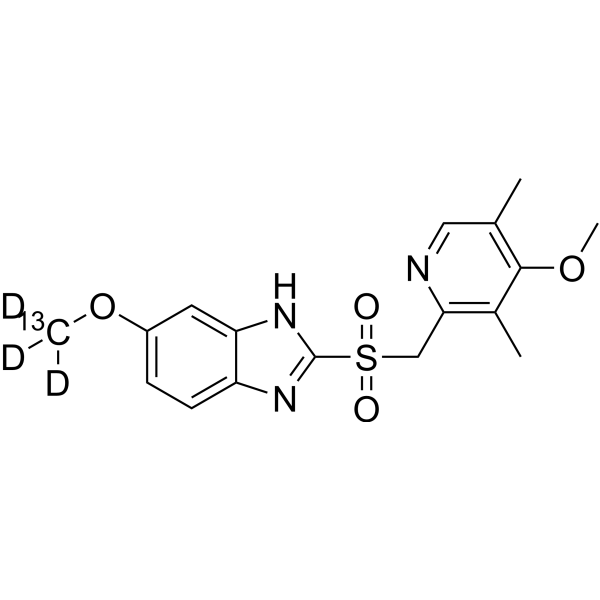
- HY-136893
-
|
|
Microtubule/Tubulin
Apoptosis
Caspase
Bcl-2 Family
|
Cancer
|
|
SP-6-27 is a tubulin depolymerizing agent that binds to the colchicine site of β-tubulin. SP-6-27 induces G2/M cell cycle arrest in ovarian cancer cells. SP-6-27 enhances intrinsic apoptosis in ovarian cancer cells through upregulation of Bax, Apaf-1, caspase-6, caspase-9, and caspase-3. SP-6-27 reduces ovarian cancer cell migration. SP-6-27 inhibits capillary tube formation by human umbilical vein endothelial cells. SP-6-27 shows minimum cytotoxicity to normal ovarian epithelia. SP-6-27 shows enhanced cytotoxicity in chemo-sensitive/resistant ovarian cancer cells when combined with Cisplatin (HY-17394). SP-6-27 can be used for the research of ovarian cancer .
|
-

- HY-181673
-
|
|
Microtubule/Tubulin
Apoptosis
Bcl-2 Family
Caspase
PARP
|
Cancer
|
|
ICD inducer-2 is a immunogenic cell death inducer. ICD inducer-2 binds to the colchicine binding site on tubulin to inhibit tubulin polymerization. ICD inducer-2 exhibits broad-spectrum antiproliferative activity across multiple cancer cell lines. ICD inducer-2 inhibits cells migration, causes G2/M phase and induces apoptosis. ICD inducer-2 promotes infiltration of CD4+ and CD8+ T cells into the tumor microenvironment. ICD inducer-2 downregulates antiapoptotic protein Bcl-2, upregulates proapoptotic proteins Bax and Bim-1, and increases cleaved caspase 3, cleaved caspase 9, and cleaved PARP levels. ICD inducer-2 overcomes paclitaxel resistance in xenograft models and achieves tumor growth inhibition. ICD inducer-2 can be used for the research of cancer, such as lung carcinoma .
|
-

- HY-179042
-
|
|
TGF-beta/Smad
p38 MAPK
Phosphodiesterase (PDE)
|
Inflammation/Immunology
|
|
TGF-β/Smad-IN-3 (Compound 4w) is an effective TGF-β/Smad inhibitor. TGF-β/Smad-IN-3 exerts anti-pulmonary fibrosis activity by simultaneously inhibiting the TGF-β/Smad and MAPK signaling pathways. TGF-β/Smad-IN-3 significantly inhibits collagen deposition induced by TGF-β1, with its IC50 value being 3.21 μM. TGF-β/Smad-IN-3 has an IC₅₀ of 46.77 nM for the autocrine motility factor (ATX). TGF-β/Smad-IN-3 significantly reduces the expression levels of α-SMA, COL1A1 and FN in TGF-β1-induced CCC-HPF-1 cells, and effectively inhibited TGF-β1-induced cell migration. TGF-β/Smad-IN-3 can be used for the study of pulmonary fibrosis .
|
-

- HY-175864
-
|
|
EGFR
Apoptosis
p38 MAPK
ERK
Akt
STAT
|
Inflammation/Immunology
Cancer
|
|
EGFR-IN-173 is an orally active, pan-mutant EGFR tyrosine kinase inhibitor that targets EGFR 19del, L858R/T790M and C797S triple-mutations, potently inhibiting EGFR 19del/T790M/C797S with an IC50 of 1.19 nM while showing over 100-fold selectivity for mutant over wild-type EGFR (IC50 = 19.362 μM against WT). EGFR-IN-173 significantly inhibits cell migration, induces apoptosis in non-small cell lung cancer (NSCLC) cells. EGFR-IN-173 inhibits EGFR phosphorylation and suppresses the downstream pathways (MAPK/ERK, AKT, STAT3). EGFR-IN-173 exhibits antitumor efficacy in NSCLC and Ba/F3 xenograft models. EGFR-IN-173 can be used for NSCLC research .
|
-

- HY-G0007R
-
|
Omeprazole sulphone (Standard)
|
Reference Standards
Drug Metabolite
Cytochrome P450
Aryl Hydrocarbon Receptor
|
Infection
Cancer
|
|
Omeprazole sulfone (Standard) is the analytical standard of Omeprazole sulfone. This product is intended for research and analytical applications. Omeprazole sulfone (Omeprazole sulphone) is one of the major circulating metabolites of Omeprazole (HY-B0113) in vivo, and belongs to class 4 non-mutagenic impurities. Omeprazole sulfone does not bind to the aryl hydrocarbon receptor (AhR), nor does it induce the expression of CYP1A1 or CYP1A2. However, Omeprazole sulfone promotes the migration of gastric epithelial cells under basal conditions and reverses the inhibitory effect of Indomethacin (HY-14397) on cell migration. Omeprazole sulfone does not promote cell proliferation, nor does it upregulate COX-2 expression or activate signaling pathways such as ERK, P38 MAPK and PI3K. Omeprazole sulfone maintains basal ulcer healing under non-acid-dependent conditions and can be used in studies related to gastric ulcer repair .
|
-

- HY-175836
-
|
|
Cytochrome P450
Apoptosis
|
Cancer
|
|
CYP1B1-IN-12 is a selective cytochrome P450 1B1 (CYP1B1) inhibitor with an IC50 of 6.05 nM. CYP1B1-IN-12 demonstrates remarkable selectivity, exceeding 1600-fold and 16,000-fold over CYP1A1 and CYP1A2, respectively. CYP1B1-IN-12 can enhance Paclitaxel (HY-B0015)-mediated apoptosis and restore Paclitaxel sensitivity in A549/Taxol-resistant cells. CYP1B1-IN-12 can inhibit the epithelial-mesenchymal transition process and reduce cells migration and invasion. CYP1B1-IN-12 can be used for the research of cancer, such as non-small cell lung cancer (NSCLC) .
|
-

- HY-182671
-
|
|
PI3K
Btk
Apoptosis
|
Cancer
|
|
SRX3305 is an BTK/PI3K/BRD4 inhibitor with IC50s of 6.5 nM, 15 nM, and 4 nM toward BTK, PI3Kɑ and PI3Kδ, respectively. SRX3305 attenuates chronic lymphocytic leukemia (CLL) and mantle cell lymphoma (MCL) cell proliferation and promotes apoptosis in a dose-dependent fashion. SRX3305 yields potent anti-tumor effects but spares healthy bystander cells. SRX3305 inhibits the activation-induced proliferation of primary CLL cells in vitro and effectively blocks microenvironment-mediated survival signals. SRX3305 blocks CLL cell migration toward CXCL-12 and CXCL-13. SRX3305 maintains its anti-tumor effects in Ibrutinib (HY-10997)-resistant CLL cells. SRX3305 can be used for research in CLL, diffuse large B-cell lymphoma (DLBCL) and MCL .
|
-

- HY-N0103R
-
|
|
Reference Standards
Autophagy
Apoptosis
NF-κB
PI3K
Akt
MEK
ERK
|
Cardiovascular Disease
Inflammation/Immunology
Cancer
|
|
Sophocarpine (Standard) is the analytical standard of Sophocarpine (HY-N0103). This product is intended for research and analytical applications. Sophocarpine is a PTEN activator and an inhibitor of PI3K/Akt, MEK/ERK, and NF-κB signaling pathways. Sophocarpine upregulates PTEN expression and inhibits PI3K/Akt phosphorylation, arrests tumor cell cycle and induces apoptosis. Sophocarpine inhibits MEK/ERK phosphorylation and VEGF secretion, reducing tumor cell migration. Sophocarpine can also inhibit NF-κB activation and p38 and JNK phosphorylation, reduce the expression of inflammatory factors such as iNOS and COX-2, and activate the Nrf2/HO-1 pathway to reduce oxidative stress. Sophocarpine has anti-tumor, anti-inflammatory, antioxidant and anti-apoptotic effects, and can be used in the research of cancers such as glioblastoma and colorectal cancer, inflammation-related diseases, and Doxorubicin (HY-15142A)-induced cardiac damage .
|
-

- HY-182745
-
|
|
VEGFR
Apoptosis
|
Cancer
|
|
VEGFR-2-IN-85 is a strong VEGFR-2 inhibitor, with an IC50 value of 0.23 μM. VEGFR-2-IN-85 exhibits potent cytotoxic activity against multiple cancer cell lines with minimal toxicity toward normal cells. VEGFR-2-IN-85 also impairs cancer cell migration, likely through modulation of the VEGFR-2/p-Akt pathway. VEGFR-2-IN-85 can induce apoptosis through modulation of Caspase-3, Bax and Bcl-2. VEGFR-2-IN-85 arrests cell cycle at the G2/M phase and has anti-angiogenic activity. VEGFR-2-IN-85 is a targeted radiosensitizer enhancing radiation-induced cytotoxicity. VEGFR-2-IN-85 can be used for research on cancers such as non-small cell lung cancer, breast cancer, and liver cancer .
|
-

- HY-Y0106R
-
|
|
Reference Standards
mTOR
Xanthine Oxidase
Apoptosis
|
Cardiovascular Disease
Metabolic Disease
Inflammation/Immunology
|
|
2,6-Dihydroxyacetophenone (Standard) is the analytical standard of 2,6-Dihydroxyacetophenone (HY-Y0106). This product is intended for research and analytical applications. 2,6-Dihydroxyacetophenone, a polyphenolic derivative of Acetophenone (HY-Y0989), is an orally active mTOR inhibitor. 2,6-Dihydroxyacetophenone shows antioxidant activity. 2,6-Dihydroxyacetophenone inhibits cell growth and proliferation in CRC cells. 2,6-Dihydroxyacetophenone arrests at G0/G1 phase of cell cycle, induces apoptosis and suppresses cell migration in CRC cells. 2,6-Dihydroxyacetophenone inhibits xanthine oxidase (XOD) with an IC50 of 1.24 mM. 2,6-dihydroxyacetophenone improves uric acid metabolism in hyperuricemia mice, reduces plasma cholesterol in hypercholesterolemic rats, and inhibits lipid accumulation in HFD-induced obese mice. 2,6-Dihydroxyacetophenone can be used for the study of colorectal cancer (CRC), hyperuricemia and hypercholesterolemia .
|
-

- HY-182380
-
|
|
STAT
NOD-like Receptor (NLR)
Apoptosis
|
Others
Neurological Disease
Inflammation/Immunology
Cancer
|
|
ODZ10117 is a STAT3 and NLRP3 inhibitor with a human STAT3 SH2 domain IC50 of 7.5 μM. ODZ10117 binds to the STAT3 SH2 domain, suppressing tyrosine phosphorylation, dimerization, nuclear translocation, and transcriptional activity. ODZ10117 binds to NLRP3, impairs NEK7 interaction, prevents inflammasome formation, and inhibits caspase-1 and IL-1β cleavage.ODZ10117 reduces MSU (HY-B2130A)-induced IL-1β release, lowers LPS (HY-D1056)-induced sepsis mortality, and exhibits anti-inflammatory effects. ODZ10117 induces apoptosis, suppresses breast cancer cell migration and invasion, reduces tumor growth and lung metastasis, and extends survival in breast cancer models. ODZ10117 can be used for the research of Monosodium urate (HY-B2130A)-induced peritonitis, LPS-induced sepsis, breast cancer, glioblastoma, and Alzheimer's disease .
|
-

- HY-W355700S
-
|
|
Isotope-Labeled Compounds
|
Infection
|
|
1-Oleoyl-2-hydroxy-sn-glycero-3-phosphoethanolamine-d31 is the deuterium labeled 1-Oleoyl-2-hydroxy-sn-glycero-3-phosphoethanolamine (HY-W355700). 1-oleoyl-sn-glycero-3-phosphoethanolamine (LysoPE 18:1) is a lysophosphatidylethanolamine molecule involved in phospholipid metabolism, targeting cell membrane receptors (such as G protein-coupled receptors) to regulate cell signaling pathways. 1-oleoyl-sn-glycero-3-phosphoethanolamine may activate mitogen-activated protein kinase (MAPK) signaling, promote cell migration, regulate inflammatory responses and lipid metabolism, and has both pro-inflammatory and anti-inflammatory activities. 1-oleoyl-sn-glycero-3-phosphoethanolamine is mainly used in the screening of biomarkers for metabolic diseases (such as non-alcoholic fatty liver disease and obesity), as well as the study of the mechanism of lysophospholipids in cell membrane homeostasis and signal transduction .
|
-

- HY-N6871
-
|
|
Bacterial
IKK
Ferroptosis
|
Infection
Metabolic Disease
Inflammation/Immunology
Cancer
|
Abietic acid, an orally active diterpene isolated from Colophony, displays significant anti-proliferative, anti-inflammatory, anti-obesity effect, bacteriostatic, cell cycle arresting and pro-apoptotic activities. Abietic acid inhibits lipoxygenase activity for allergy. Abietic acid enhances cell migration and tube formation in HUVECs. Abietic acid induces significant angiogenic potential, which is associated with upregulation of extracellular signal-regulated kinase (ERK) and p38 expression. Abietic acid attenuates sepsis-induced lung injury by inhibiting nuclear factor kappa-light-chain-enhancer of activated B cells (NF-κB) pathway to inhibit M1 macrophage polarization. Abietic acid exhibits a positive effect against liver injury by attenuating inflammation and ferroptosis. Abietic acid shows accelerated wound closure in a mouse model of cutaneous wounds. Abietic acid significantly reduces the proliferation and growth of NSCLC cells by IKKβ inhibition.Additionally, Abietic acid ameliorates psoriasis-like inflammation and modulates gut microbiota in mice. Abietic acid is promising for research in non-small-cell lung cancer (NSCLC), liver injury-related deseases and psoriasis .
|
-
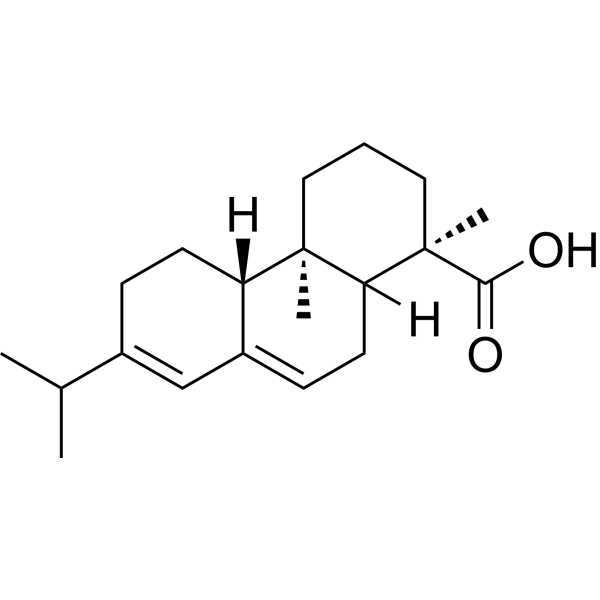
- HY-130133
-
|
|
PI3K
mTOR
Akt
Apoptosis
Paraptosis
p38 MAPK
Mitochondrial Metabolism
P-glycoprotein
CDK
MMP
HIF/HIF Prolyl-Hydroxylase
VEGFR
|
Cancer
|
|
DHW-221 is a potent orally active dual PI3K/mTOR inhibitor, exhibiting low nanomolar potency against all four Class I PI3K isoforms and mTOR (PI3Kα, IC50 = 0.50 nM; PI3Kβ, IC50 = 1.9 nM; PI3Kγ, IC50 = 1.8 nM; PI3Kδ, IC50 = 0.74 nM; mTOR, IC50 = 3.9 nM). DHW-221 exerts antitumor effects by blocking the PI3K/Akt/mTOR pathway and inducing mitochondrial apoptosis and paraptosis (via Endoplasmic Reticulum (ER) stress and MAPK signaling) and arrests cell cycle, thereby inhibiting cell migration, invasion and angiogenesis. DHW-221 inhibits tumor growth in both the A549/Taxol (HY-B0015) and the HCC827 xenograft mouse models. DHW-221 can be used for non-small cell lung cancer (NSCLC), colon and breast cancer research .
|
-

- HY-135319
-
|
|
Bacterial
Antibiotic
ERK
JNK
NF-κB
ROR
Apoptosis
Caspase
GSK-3
Akt
PI3K
|
Infection
Metabolic Disease
Inflammation/Immunology
Cancer
|
|
Strictinin is an orally active phenolic compound. Strictinin reduces xanthine oxidase activity, uric acid production, and the activation of ERK1/2, JNK, NF-κB, and NLRP3 inflammasome components in hepatocytes treated with Xanthine (HY-W017389). Strictinin decreases elevated serum uric acid levels and enhanced xanthine oxidase activity in mice treated with potassium oxonate. Strictinin acts as a ROR1 inhibitor and exhibits anticancer activity against highly aggressive non-androgen-dependent prostate cancer. Strictinin induces cancer cell apoptosis (apoptosis), arrests cell cycle, and inhibits cancer cell migration, invasion, and epithelial-mesenchymal transition. Strictinin modulates gut microbiota, inhibits bacterial growth and biofilm formation, accelerates small intestinal transit, and blocks viral entry and replication. Strictinin can be used in research related to hyperuricemia, androgen receptor-negative non-androgen-dependent prostate cancer, triple-negative breast cancer, bacterial infections, constipation, coronavirus infections, dental caries, and infections caused by influenza A, influenza B, and human parainfluenza virus type 1 .
|
-
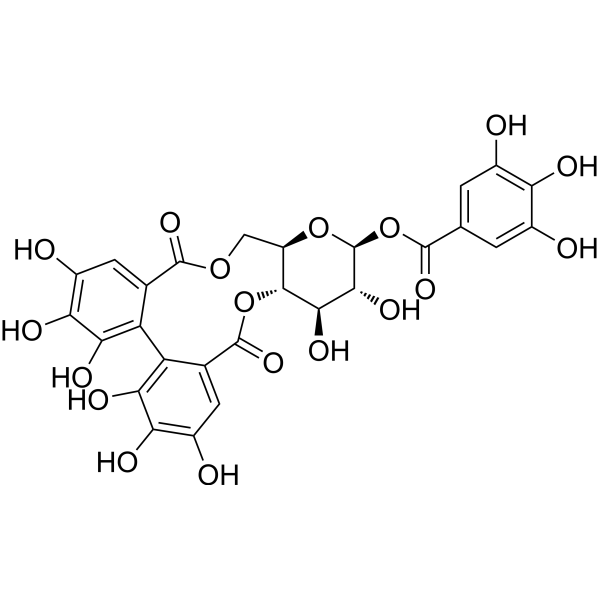
- HY-182759
-
|
|
DNA Alkylator/Crosslinker
Topoisomerase
Caspase
Bcl-2 Family
Apoptosis
|
Cancer
|
|
MN33-47 is a multi-target anti-tumor compound with broad-spectrum anti-proliferative activity. MN33-47 relieves the inhibition of the mitochondrial apoptosis pathway by downregulating the anti-apoptotic protein Bcl-2, while activating caspase-3 and inhibiting Topoisomerase I activity, thereby promoting its degradation through the ubiquitin-proteasome and autophagy-lysosome pathways. MN33-47 can also induce DNA cross-linking and G2/M cell cycle arrest, inhibit cancer cell migration and activate the mitochondrial apoptosis pathway, thus exerting potent anti-tumor effects. MN33-47 can improve the water solubility of SN-38 (HY-13704), and exhibits dose-dependent tumor growth inhibition effects in CT26 tumor-bearing mouse models without obvious toxic and side effects. MN33-47 can be used in related studies on colorectal adenocarcinoma, cervical adenocarcinoma, hepatocellular carcinoma, alveolar basal epithelial adenocarcinoma, gastric cancer and colon cancer .
|
-

- HY-108659
-
|
|
P2Y Receptor
|
Inflammation/Immunology
|
|
NF340 is a P2Y11 receptor inhibitor with a pIC50 of 7.3-7.7 against human P2Y11 receptor, and it exhibits high selectivity over other P2Y family receptors. NF340 binds to the ATP-binding amino acid residues of the P2Y11 receptor to inhibit its activity, block nociceptive activity, and reduce spinal dorsal horn P2Y11 receptor upregulation induced by spinal cord injury. NF340 attenuates the NFκB signaling pathway activated by IL-1β by decreasing IκBα phosphorylation, nuclear p65 accumulation and NFκB promoter activity. NF340 inhibits IL-1β-induced pro-inflammatory cytokine expression, reduces intracellular ROS and 4-HNE levels, and suppresses IL-1β-induced matrix metalloproteinase expression in primary fibroblast-like synoviocytes. NF340 inhibits ATP-induced elevation of intracellular calcium 2+ concentration and cell migration in human hepatocellular carcinoma cells. NF340 is applicable to the research of neuropathic pain, myocardial ischemia/reperfusion injury, inflammatory pain, rheumatoid arthritis and hepatocellular carcinoma .
|
-
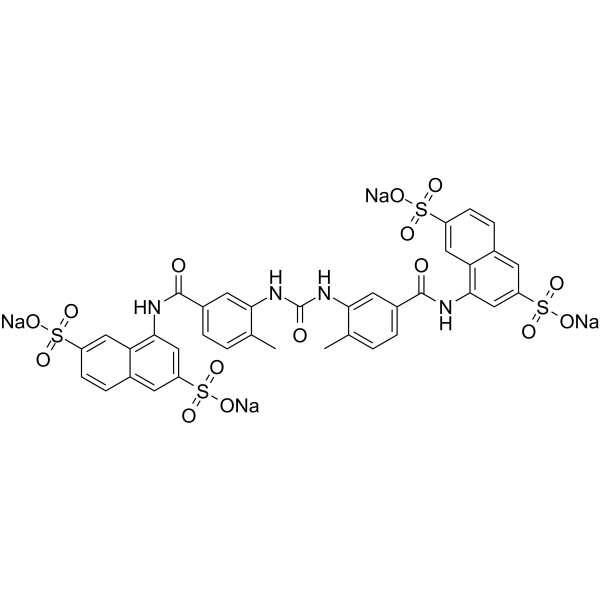
- HY-179427
-
|
|
Histone Methyltransferase
Apoptosis
Reactive Oxygen Species (ROS)
|
Cancer
|
|
NSD2/H3K36me2 modulator-1 is an orally active NSD2/H3K36me2 modulator. NSD2/H3K36me2 modulator-1 competitively binds to the SAM pocket of NSD2, potently inhibits NSD2 expression and suppresses H3K36me2 methylation. NSD2/H3K36me2 modulator-1 reverses epithelial-mesenchymal transition (EMT), inhibits cell migration, and induces G0/G1 phase arrest and apoptosis. NSD2/H3K36me2 modulator-1 induces decreased Mitochondrial membrane potential (MMP) and subsequent Reactive oxygen species (ROS) generation. NSD2/H3K36me2 modulator-1 can be used to research the NSD2-targeting epigenetic anticancer strategies for hepatocellular carcinoma (HCC) .
|
-

| Cat. No. |
Product Name |
Type |
-
- HY-15150G
-
|
R428 (GMP); BGB324 (GMP)
|
Fluorescent Dye
|
|
Bemcentinib (R428) GMP is Bemcentinib (HY-15150) in GMP grade. GMP-grade small molecules can be used as auxiliary reagents in cell therapy.Bemcentinib (R428) is a selective and orally active Axl inhibitor with an IC50 of 14 nM. Bemcentinib retards cancer cell migration and invasion. Bemcentinib exhibits >100-fold selectivity for Axl versus Abl and 50- and >100-fold selectivity over TAM family kinases Mer and Tyro3, respectively, in cells. Bemcentinib blocks tumor spread and prolongs survival in models of metastatic breast cancer .
|
| Cat. No. |
Product Name |
Type |
-
- HY-NP162
-
|
|
Biochemical Assay Reagents
|
|
Recombinant Humanized Type XVII Collagen is a transmembrane protein that forms hemidesmosomes. Recombinant Humanized Type XVII Collagen facilitates interactions between stem cells,surrounding cells,and the extracellular matrix,thereby regulating skin homeostasis,aging,and wound healing. Recombinant Humanized Type XVII Collagen also possesses unique cell adhesion sites and signal transduction functions,which can regulate cell migration,proliferation,and differentiation .
|
-
- HY-W002463
-
|
|
Biochemical Assay Reagents
|
|
3-Chlorophenylboronic acid is employed as a reactant involved in 1,4-conjugate addition reactions with ethenesulfonamides to form arylethanesulfonamides, Suzuki-Miyaura reactions with dibromotrifluoromethylbenzene, cross-coupling reactions with diazoesters3 or potassium cyanate. 3-Chlorophenylboronic acid is involved in the synthesis of biarylketones and phthalides and synthesis of inhibitors including PDE4 inhibitors among others. 3-Chlorophenyl boronic acid can affect cell migration. 3-Chlorophenyl boronic acid can be used to study wound healing .
|
-
- HY-15150G
-
|
R428 (GMP); BGB324 (GMP)
|
Biochemical Assay Reagents
|
|
Bemcentinib (R428) GMP is Bemcentinib (HY-15150) in GMP grade. GMP-grade small molecules can be used as auxiliary reagents in cell therapy.Bemcentinib (R428) is a selective and orally active Axl inhibitor with an IC50 of 14 nM. Bemcentinib retards cancer cell migration and invasion. Bemcentinib exhibits >100-fold selectivity for Axl versus Abl and 50- and >100-fold selectivity over TAM family kinases Mer and Tyro3, respectively, in cells. Bemcentinib blocks tumor spread and prolongs survival in models of metastatic breast cancer .
|
| Cat. No. |
Product Name |
Target |
Research Area |
-
- HY-123071
-
Box5
Maximum Cited Publications
11 Publications Verification
|
Wnt
|
Cancer
|
|
Box5 is a potent Wnt5a antagonist. Box5 inhibits Wnt5a signaling and inhibits Wnt5a-mediated Ca 2+ release. Box5 inhibits cell migration. Box5 has the potential for the research of melanoma .
|
-
- HY-P0131A
-
|
Laminin (925-933) TFA
|
Peptides
|
Cancer
|
|
Laminin peptide CDPGYIGSR (Laminin (925-933)) TFA is a 67 kDa laminin receptor ligand and selective cell adhesion inducer. Laminin peptide CDPGYIGSR TFA not only promotes cell adhesion and mediates directed neurite outgrowth via matrix coating or covalent immobilization, but also inhibits neural crest cell migration under specific conditions. Laminin peptide CDPGYIGSR TFA inhibits lung colonization of melanoma cells, and suppresses the growth of Sarcoma 180 solid tumors and Lewis lung carcinoma (3LL) in mice. Laminin peptide CDPGYIGSR TFA also exerts significant anti-angiogenic effects by inhibiting embryonic angiogenesis in the chick chorioallantoic membrane and vascular endothelial cell migration induced by tumor-conditioned medium. Laminin peptide CDPGYIGSR TFA can be widely used in studies related to melanoma, Sarcoma 180, Lewis lung carcinoma (3LL), and other relevant areas .
|
-
- HY-P2284
-
AD 01
2 Publications Verification
|
Transmembrane Glycoprotein
|
Cancer
|
|
AD 01, a 24 amino acid peptide of FKBPL (FK506-binding protein like), possesses potent anti-angiogenic activity. AD 01 bind to the CD44 receptor and inhibit tumour cell migration in a CD44 dependant manner .
|
-
- HY-P1411
-
|
PcTx1; Psalmopoeus cambridgei toxin-1
|
Sodium Channel
Apoptosis
|
Neurological Disease
Cancer
|
|
Psalmotoxin 1 (PcTx1) is a protein toxin that can bind at subunit-subunit interfaces of acid-sensing ion channel 1a (ASIC1a). Psalmotoxin 1 is a potent and slective ASIC1a inhibitor (IC50: 0.9 nM) by increasing the apparent affinity for H + of ASIC1a. Psalmotoxin 1 can induce cell apoptosis, also inhibits cell migration, proferliration and invasion of cancer cells. Psalmotoxin 1 can be used in the research of cancers, or neurological disease .
|
-
- HY-P2463
-
|
|
Arp2/3 Complex
|
Inflammation/Immunology
|
|
Fequesetide, a peptide segment, is the active site within the protein thymosin β4 responsible for actin binding, cell migration and wound healing .
|
-
- HY-123071A
-
Box5 TFA
Maximum Cited Publications
11 Publications Verification
|
Wnt
|
Cancer
|
|
Box5 TFA is a potent Wnt5a antagonist. Box5 TFA inhibits Wnt5a signaling and inhibits Wnt5a-mediated Ca 2+ release. Box5 TFA inhibits cell migration. Box5 TFA has the potential for the research of melanoma .
|
-
- HY-P1435
-
|
|
NADPH Oxidase
|
Cardiovascular Disease
Cancer
|
|
NoxA1ds is a potent and highly selective NADPH oxidase 1 (NOX1) inhibitor (IC50=20 nM). NoxA1ds inhibits NOX1-derived O 2- production in HT-29 human colon cancer cells. NoxA1ds attenuates VEGF-induced human pulmonary artery endothelial cell migration under hypoxic conditions in vitro. NoxA1ds can be used in the study of hypertension, atherosclerosis and tumors .
|
-
- HY-P10831
-
|
|
VEGFR
|
Cardiovascular Disease
Cancer
|
|
GNQWFI, an anti-Flt1 peptide, is a VEGFR1-specific antagonist. GNQWFI blocks the interaction of VEGFR1 with various VEGFR1 ligands, such as VEGFA, VEGFB, and placental growth factor (PIGF) and inhibits VEGF-induced endothelial cell migration and tube formation. GNQWFI is promising for research of cancer, asthma, and other ocular diseases .
|
-
- HY-P10886
-
|
|
Gap Junction Protein
Claudin
|
Inflammation/Immunology
|
|
Zifogaptide is a gap junction protein channel regulator. Zifogaptide mimics the PDZ-binding motif at the C-terminal of Claudin C and competitively interferes with the interaction between Claudin–TJP1 (ZO-1) scaffold. Zifogaptide can promote epithelial cell migration, reduce scar formation, and accelerate wound healing. Zifogaptide can be used for radiation dermatitis, skin injuries, etc .
|
-
- HY-P1411A
-
|
PcTx1 TFA; Psalmopoeus cambridgei toxin-1 TFA
|
Sodium Channel
Apoptosis
|
Neurological Disease
Cancer
|
|
Psalmotoxin 1 (PcTx1) TFA is a protein toxin that can bind at subunit-subunit interfaces of acid-sensing ion channel 1a (ASIC1a). Psalmotoxin 1 TFA is a potent and slective ASIC1a inhibitor (IC50: 0.9 nM) by increasing the apparent affinity for H + of ASIC1a. Psalmotoxin 1 TFA can induce cell apoptosis, also inhibits cell migration, proferliration and invasion of cancer cells. Psalmotoxin 1 TFA can be used in the research of cancers, or neurological disease .
|
-
- HY-P4002
-
|
|
ADAMTS
|
Cancer
|
|
Adamtsostatin 18 is an anti-angiogenic peptide derived from proteins containing type I thrombospondin motifs. Adamtsostatin 18 inhibits cell migration and proliferation .
|
-
- HY-P10321
-
|
|
CXCR
|
Inflammation/Immunology
|
|
HBP08 is a selective inhibitor of CXCL12/HMGB1 interaction. HBP08 has a high affinity for HMGB1 (Kd=0.8 μM). HBP08 inhibits CXCL12-mediated cell migration .
|
-
- HY-P10973
-
|
|
CXCR
ERK
|
Cancer
|
|
Peptide R analogue 10 (compound 10) is an analog of the CXCR4 antagonist peptide Peptide R (HY-P4111) with stronger antagonistic potency, specificity and plasma stability. Peptide R analogue 10 can inhibit CXCL12-mediated cell migration, ERK phosphorylation and CXCR4 internalization. Peptide R analogue 10 can be used in the study of CXCR4 overexpressing leukemia and colon cancer .
|
-
- HY-P11011
-
|
Pep R54; CXCR4 antagonist peptide 19
|
CXCR
|
Cancer
|
|
Peptide R54 (Pep R54; CXCR4 antagonist peptide 19) is an antagonistic peptide targeting CXCR4 with significant anticancer activity. Peptide R54 inhibits CXCR4-dependent cell migration, epithelial-mesenchymal transition, and lung metastasis development, with better serum stability and higher CXCR4 affinity than the lead compound (IC50=20 nM). Peptide R54 synergizes with anti-PD-1 therapy to exert anti-tumor activity in vivo, enhances granzyme activity, and reduces infiltration of Foxp3 cells. Peptide R54 can be used in the study of colon cancer, ovarian cancer, and melanoma .
|
-
- HY-107131
-
|
|
Microtubule/Tubulin
|
Cancer
|
|
ALM-201 is a peptide inhibitor of angiogenesis targeting microtubule. ALM-201 can inhibit cells migration, tubule formation and microvessel formation. ALM-201 can be used for the research of cancer .
|
-
- HY-P10542
-
|
|
Peptides
|
Cancer
|
|
Dodecapeptide AR71 is an inhibitor of melanoma inhibitory activity (MIA). Dodecapeptide AR71 can reduce cell migration, reduce metastasis formation, and increase immune response. Dodecapeptide AR71 can be used in research on the treatment of malignant melanoma .
|
-
- HY-P11019
-
|
|
CXCR
Calcium Channel
|
Cancer
|
|
IS4 is a selective CXCR4 competitive antagonist, with an IC50 of 0.65 nM in THP-1 cells and 38.75 nM in Jurkat cells. IS4 is stable in serum and non-cytotoxic. IS4 competitively binds to CXCR4 with CXCL12, thereby inhibiting CXCL12-induced intracellular Ca 2+ release and cancer cell migration. IS4 can be used in the research on the prevention of metastasis of breast cancer, prostate cancer, leukemia, and other diseases .
|
-
- HY-P1435A
-
|
|
NADPH Oxidase
|
Cardiovascular Disease
Cancer
|
|
NoxA1ds TFA is a potent and highly selective NADPH oxidase 1 (NOX1) inhibitor (IC50=20 nM). NoxA1ds TFA inhibits NOX1-derived O 2- production in HT-29 human colon cancer cells. NoxA1ds TFA attenuates VEGF-induced human pulmonary artery endothelial cell migration under hypoxic conditions in vitro. NoxA1ds TFA can be used in the study of hypertension, atherosclerosis and tumors .
|
-
- HY-P11780
-
|
|
Integrin
MMP
|
Neurological Disease
Cancer
|
|
KAFDITYVRLKF is a selective, competitive integrin αvβ3 binder. KAFDITYVRLKF induces the production of MMP-9. KAFDITYVRLKF blocks monocyte migration, promotes melanoma cell migration, protects neurons, and improves motor and cognitive functions. KAFDITYVRLKF can be used in research related to melanoma and Parkinson's disease .
|
| Cat. No. |
Product Name |
Target |
Research Area |
Image |
-
- HY-P991202
-
|
|
TSH Receptor
PKA
|
Metabolic Disease
Inflammation/Immunology
|
|
Anti-TSHR Antibody (M22) is a selective agonist targeting TSHR (thyroid-stimulating hormone receptor), acting through competitive binding to the extracellular domain of TSHR. Anti-TSHR Antibody (M22) can mimic the biological effects of thyroid-stimulating hormone (TSH), activating downstream cAMP-PKA and other signaling pathways. Anti-TSHR Antibody (M22) can stimulate the proliferation of thyroid follicular epithelial cells and human umbilical vein endothelial cells (HUVECs), promote angiogenesis and tube formation, cell migration, and also upregulate the expression of angiogenesis-related proteins such as PROX1. Anti-TSHR Antibody (M22) can be used in research areas such as the mechanisms of goiter formation in Graves' disease (GD), angiogenesis regulation, and TSHR antagonist screening .
|
-

(5)
-
- HY-P99291
-
|
LM609; MEDI-522
|
Integrin
Apoptosis
Akt
|
Cancer
|
|
Etaracizumab (LM 609) is an αvβ3 integrin IgG mAb. Etaracizumab is developed to target αvβ3+ cancer cells via NK cell-mediated cytotoxicity. Etaracizumab sterically hinders access of large ligands to the RGD-binding pocket, without obstructing it. Etaracizumab decreases p-Akt in vitro. Etaracizumab can decrease cancer proliferation and invasion. Etaracizumab induces tumor cell apoptosis, and inhibition ofαvβ3-mediated cell adhesion, endothelial cell migration and osteoclast-mediated bone resorption. Etaracizumab can be studied in anti-tumor research against cancers such as ovarian cancer, metastatic melanoma as well as advanced solid tumors. Recommend Isotype Control: Human IgG1 kappa, Isotype Control (HY-P99001) .
|
-
(5)
-
- HY-P990858
-
|
|
CD47
|
Cancer
|
|
Anti-CD47 Antibody (B6.H12) is a kind of mouse IgG1 κ chimeric antibody, targeting to human CD47. Anti-CD47 Antibody (B6.H12) blocks CD47 interactions with SIRPα. Anti-CD47 Antibody (B6.H12) inhibits cell proliferation, cell migration and invasion. Anti-CD47 Antibody (B6.H12) increases macrophage phagocytosis. Anti-CD47 Antibody (B6.H12) shows potent anti-tumor effect in various tumor models, such as osteosarcoma .
|
-
(5)
-
- HY-P99190
-
|
BMS-936557; MDX-1100
|
CXCR
|
Inflammation/Immunology
|
|
Eldelumab (BMS-936557) is a human anti-CXCL10 (IP-10) monoclonal antibody (IgG1 type). Eldelumab selectively binds to CXCL10 and blocks CXCL10-induced calcium flux and cell migration. Eldelumab can be used in studies of autoimmune and auto-inflammatory diseases such as rheumatoid arthritis, ulcerative colitis and crohn's disease .
|
-
(5)
-
- HY-P990016
-
|
ARGX-112; LEO-138559; LP-0145
|
Interleukin Related
|
Inflammation/Immunology
|
|
Temtokibart (ARGX-112) is a monoclonal antibody and also an IL-22RA1 inhibitor. Temtokibart inhibits the signal transduction of IL-22, IL-20 and IL-24. Temtokibart reduces the expression levels of inflammatory proteins, chemokines, immune cell migration and markers of activated immune pathways. Temtokibart improves the expression of genes related to immunity and epidermal barrier function. Temtokibart is applicable to research on moderate-to-severe atopic dermatitis .
|
-
(5)
-
- HY-P991168
-
|
|
Amyloid-β
CCR
|
Neurological Disease
Inflammation/Immunology
|
|
Velaprumig is a monoclonal antibody targeting human CD99, CCL25, and anti-human Aβ (Aβ-47F). Velaprumig regulates immune cell migration and reduces β-amyloid-related pathological processes, exerting immunomodulatory and potential anti - Alzheimer's disease activities .
|
-
(5)
-
- HY-P990197
-
|
|
L-Selectin
|
Metabolic Disease
Inflammation/Immunology
|
|
Anti-Mouse MAdCAM-1 Antibody (MECA-367) is an anti-mouse MAdCAM-1 IgG2a monoclonal antibody. Anti-Mouse MAdCAM-1 Antibody (MECA-367) significantly inhibits the migration of pig peripheral blood lymphocytes (PBL) by blocking the function of MAdCAM-1. Anti-Mouse MAdCAM-1 Antibody (MECA-367) selectively inhibits B cell migration to exacerbate inflammation. Anti-Mouse MAdCAM-1 Antibody (MECA-367) can be used for researches on inflammation, metabolic conditions and xenotransplantation such as colitis and diabetes .
|
-
(5)
-
- HY-P991656
-
|
|
CXCR
Apoptosis
p38 MAPK
Akt
|
Cancer
|
|
LY-2624587 is a humanized IgG4 monoclonal antibody antagonist targeting CXCR4. LY-2624587 blocks SDF-1/CXCR4 interaction and SDF-1-induced GTP binding. LY-2624587 significantly inhibits cell migration and induces apoptosis in human lymphoma and leukemia cells. LY-2624587 also inhibits CXCR4 and SDF-1 mediated cell signaling including activation of MAPK and AKT. LY-2624587 can be used for human hematological malignancies like acute myeloid leukemia (AML) research .
|
-
(5)
-
- HY-P991310
-
|
LT3015; LT-3000
|
LPL Receptor
|
Neurological Disease
Cancer
|
|
Lpathomab (LT3015; LT-3000) is a human IgG1 monoclonal antibody (mAb) targeting LPA. Lpathomab reduces the release of IL-8 and IL-6 cytokines in SKOV3 cells and blocks LPA-triggered tumor cell migration. Lpathomab reduces neovascularization in Matrigel plug and CNV models. Lpathomab inhibits brain injury in the CCI mouse model. Lpathomab can be used in the study of brain injury, ovarian cancer, diabetic neuropathy, and spinal cord injury. Recommended isotype control: Human IgG1 kappa, Isotype Control (HY-P99001) .
|
-
(5)
-
- HY-P992436
-
|
|
Integrin
|
Neurological Disease
|
|
PAS-003 is a humanized monoclonal antibody targerting α5β1 integrin. PAS-003 modulates immune cell migration, immune cell adhesion, improves behavior, and improves survival in ALS mouse models. PAS-003 can be used for the research of amyotrophic lateral sclerosis .
|
-
(5)
-
- HY-P992439
-
|
|
CXCR
|
Cancer
|
|
PF-06747143 is recombinant anti-human antibody targeting CXCR4. PF-06747143 blocks CXCL12-induced calcium flux, F-actin polymerization, chemotaxis, cell migration, and leukemic cell bone marrow homing. PF-06747143 reduces tumor burden and improves survival in mouse models of hematologic malignancies. PF-06747143 can be used for the research of chronic lymphocytic leukemia, acute myeloid leukemia, and hematologic malignancies .
|
-
(5)
| Cat. No. |
Product Name |
Category |
Target |
Chemical Structure |
-
- HY-16928
-
-
-
- HY-N0410
-
-
-
- HY-16929
-
-
-
- HY-N2360
-
-
-
- HY-N6871
-
|
|
Infection
Colophony
Classification of Application Fields
Pinaceae
Ketones, Aldehydes, Acids
Metabolic Disease
Plants
Inflammation/Immunology
Disease Research Fields
|
Bacterial
IKK
Ferroptosis
|
Abietic acid, an orally active diterpene isolated from Colophony, displays significant anti-proliferative, anti-inflammatory, anti-obesity effect, bacteriostatic, cell cycle arresting and pro-apoptotic activities. Abietic acid inhibits lipoxygenase activity for allergy. Abietic acid enhances cell migration and tube formation in HUVECs. Abietic acid induces significant angiogenic potential, which is associated with upregulation of extracellular signal-regulated kinase (ERK) and p38 expression. Abietic acid attenuates sepsis-induced lung injury by inhibiting nuclear factor kappa-light-chain-enhancer of activated B cells (NF-κB) pathway to inhibit M1 macrophage polarization. Abietic acid exhibits a positive effect against liver injury by attenuating inflammation and ferroptosis. Abietic acid shows accelerated wound closure in a mouse model of cutaneous wounds. Abietic acid significantly reduces the proliferation and growth of NSCLC cells by IKKβ inhibition.Additionally, Abietic acid ameliorates psoriasis-like inflammation and modulates gut microbiota in mice. Abietic acid is promising for research in non-small-cell lung cancer (NSCLC), liver injury-related deseases and psoriasis .
|
-
-
- HY-100808
-
-
-
- HY-114041
-
-
-
- HY-N2464
-
-
-
- HY-N0103
-
|
|
Infection
Alkaloids
Piperidine Alkaloids
Classification of Application Fields
Leguminosae
Sophora flavescens Aiton
Plants
Inflammation/Immunology
Disease Research Fields
Source Classification
|
Autophagy
Apoptosis
NF-κB
PI3K
Akt
MEK
ERK
PTEN
|
|
Sophocarpine is a PTEN activator and an inhibitor of PI3K/Akt, MEK/ERK, and NF-κB signaling pathways. Sophocarpine upregulates PTEN expression and inhibits PI3K/Akt phosphorylation, arrests tumor cell cycle and induces apoptosis. Sophocarpine inhibits MEK/ERK phosphorylation and VEGF secretion, reducing tumor cell migration. Sophocarpine can also inhibit NF-κB activation and p38 and JNK phosphorylation, reduce the expression of inflammatory factors such as iNOS and COX-2, and activate the Nrf2/HO-1 pathway to reduce oxidative stress. Sophocarpine has anti-tumor, anti-inflammatory, antioxidant and anti-apoptotic effects, and can be used in the research of cancers such as glioblastoma and colorectal cancer, inflammation-related diseases, and Doxorubicin (HY-15142A)-induced cardiac damage .
|
-
-
- HY-N0841
-
-
-
- HY-W013935
-
-
-
- HY-N10503
-
|
|
Flavonoids
Flavones
Plants
Moraceae
|
Tyrosinase
Ras
Raf
MAPKAPK2 (MK2)
Apoptosis
|
|
Norartocarpetin is a tyrosinase inhibitor. Norartocarpetin has strong tyrosinase inhibitory activity with an IC50 value of 0.47 μM. Norartocarpetin as an antibrowning agent can be used for the research of food systems. Norartocarpetin also has a significant anticancer activity in lung carcinoma cells (NCI-H460) with an IC50 value of 22 μM. Norartocarpetin has antiproliferative effects are mediated via targeting Ras/Raf/MAPK signalling pathway, mitochondrial mediated apoptosis, S-phase cell cycle arrest and suppression of cell migration and invasion in human lung carcinoma cells .
|
-
-
- HY-103332
-
-
-
- HY-113116
-
-
-
- HY-128393
-
-
-
- HY-122308
-
-
-
- HY-126410
-
-
-
- HY-N4107
-
-
-
- HY-N6744
-
-
-
- HY-123901
-
-
-
- HY-N0597
-
-
-
- HY-114457
-
|
L-alpha-Phosphatidylinositol-4,5-bisphosphate; (PtdIns)-(4,5)-P2
|
Structural Classification
Human Gut Microbiota Metabolites
Classification of Application Fields
Other Diseases
Endogenous metabolite
Disease Research Fields
Lipid
Source Classification
|
Phospholipase
|
|
Phosphatidylinositol 4,5-bisphosphate (L-alpha-Phosphatidylinositol-4,5-bisphosphate) is a plasma membrane lipid that is enriched in the cytoplasmic leaflet of the plasma membrane. Phosphatidylinositol 4,5-bisphosphate serves as a substrate for phospholipase C and class I PI3K, generating diacylglycerol, inositol (1,4,5)-trisphosphate, and phosphatidylinositol (3,4,5)-trisphosphate. Phosphatidylinositol 4,5-bisphosphate contributes to lamellipodial protrusion, directional cell migration, focal adhesion lipid generation, and trafficking of the GABAA receptor. Phosphatidylinositol 4,5-bisphosphate can be used in research related to acute lung injury and pulmonary edema .
|
-
-
- HY-N2666
-
-
-
- HY-N0946
-
|
(-)-Pinoresinol 4-O-β-D-glucopyranoside
|
Cicer arietinum L.
Plants
Compositae
Saccharides
Monosaccharides
Source Classification
|
Glycosidase
|
|
(-)-Pinoresinol 4-O-glucoside ((-)-Pinoresinol 4-O-β-D-glucopyranoside) is a potent and orally active α-glucosidase inhibitor with an IC50 value of 48.13 µM. (-)-Pinoresinol 4-O-glucoside increases cell migration and early differentiation of pre-osteoblasts. (-)-Pinoresinol 4-O-glucoside increases protein level of BMP2, p-Smad1/5/8, RUNX2. (-)-Pinoresinol 4-O-glucoside attenuates oxidative stress, hyperglycemia and hepatic toxicity. (-)-Pinoresinol 4-O-glucoside has the potential for the research of osteoporosis and periodontal disease .
|
-
-
- HY-N10116A
-
|
|
Cupressaceae
Cupressus L.
Plants
Source Classification
|
Interleukin Related
IFNAR
Calcium Channel
Bacterial
CCR
|
|
Calamenene is a sesquiterpene compound . Calamenene promotes dendritic cell maturation, upregulates CD1a, CD80, CD83, CD86, HLA-DR and CCR7 on the cell surface, reduces endocytic activity, enhances T cell-stimulating capacity, drives Th1 polarization through the secretion of IL-12, induces IFN-γ production, decreases IL-4 generation, and triggers intracellular Ca 2+ mobilization as well as dendritic cell migration towards MIP-3β. Calamenene exerts bacteriostatic and bactericidal growth-inhibitory effects against pathogenic *Vibrio harveyi*. Calamenene can be used in studies related to cancer and bacterial infections .
|
-
-
- HY-N8389
-
|
|
Structural Classification
Terpenoids
Sesquiterpenes
Myrtaceae
Plants
Eucalyptus globulus Labill.
Source Classification
|
Bacterial
Fungal
PAK
Akt
STAT
PD-1/PD-L1
Apoptosis
CCR
|
|
Globulol is a terpenoid metabolite and Antimicrobial agent. Globulol can be isolated from Alpinia oxyphylla Miq. Globulol binds to PAK4, reduces the expression level of PAK4 in cancer cells, decreases the phosphorylation of AKT, and downregulates the expressions of STAT3, phosphorylated STAT3, and PD-L1. Globulol promotes the secretion of CCL4 by cancer cells. Globulol reduces the viability and proliferation ability of cancer cells, induces G0/G1 cell cycle arrest and Apoptosis in cancer cells, and inhibits cancer cell migration and the integrity of 3D tumor spheres. Globulol enhances the relevant effects of anti-PD-1 agents in the cancer cell microenvironment. Globulol exhibits anticancer activity against liver cancer. Globulol inhibits the mycelial growth of phytopathogenic fungi and the growth of phytopathogenic bacteria. Globulol can be used in studies related to hepatocellular carcinoma .
|
-
-
- HY-135319
-
|
|
Structural Classification
Phenols
Polyphenols
Camellia sinensis (L.) O. Ktze.
Plants
Source Classification
Theaceae
|
Bacterial
Antibiotic
ERK
JNK
NF-κB
ROR
Apoptosis
Caspase
GSK-3
Akt
PI3K
|
|
Strictinin is an orally active phenolic compound. Strictinin reduces xanthine oxidase activity, uric acid production, and the activation of ERK1/2, JNK, NF-κB, and NLRP3 inflammasome components in hepatocytes treated with Xanthine (HY-W017389). Strictinin decreases elevated serum uric acid levels and enhanced xanthine oxidase activity in mice treated with potassium oxonate. Strictinin acts as a ROR1 inhibitor and exhibits anticancer activity against highly aggressive non-androgen-dependent prostate cancer. Strictinin induces cancer cell apoptosis (apoptosis), arrests cell cycle, and inhibits cancer cell migration, invasion, and epithelial-mesenchymal transition. Strictinin modulates gut microbiota, inhibits bacterial growth and biofilm formation, accelerates small intestinal transit, and blocks viral entry and replication. Strictinin can be used in research related to hyperuricemia, androgen receptor-negative non-androgen-dependent prostate cancer, triple-negative breast cancer, bacterial infections, constipation, coronavirus infections, dental caries, and infections caused by influenza A, influenza B, and human parainfluenza virus type 1 .
|
-
-
- HY-125900
-
|
NCA
|
Natural Products
Microorganisms
Source Classification
|
Others
|
|
Neocarzilin A (NCA) reduces BST-2 levels via lysosomal degradation. Neocarzilin A has antimigratory and antiproliferative effects on cancer cells. Neocarzilin A inhibits cancer cell migration via irreversible binding to the synaptic vesicle membrane protein VAT-1 .
|
-
-
- HY-N2205
-
-
-
- HY-Y0106
-
|
|
Classification of Application Fields
Ketones, Aldehydes, Acids
Phenols
Polyphenols
Metabolic Disease
Endogenous metabolite
Disease Research Fields
Source Classification
|
mTOR
Xanthine Oxidase
Apoptosis
|
|
2,6-Dihydroxyacetophenone, a polyphenolic derivative of Acetophenone (HY-Y0989), is an orally active mTOR inhibitor. 2,6-Dihydroxyacetophenone shows antioxidant activity. 2,6-Dihydroxyacetophenone inhibits cell growth and proliferation in CRC cells. 2,6-Dihydroxyacetophenone arrests at G0/G1 phase of cell cycle, induces apoptosis and suppresses cell migration in CRC cells. 2,6-Dihydroxyacetophenone inhibits xanthine oxidase (XOD) with an IC50 of 1.24 mM. 2,6-dihydroxyacetophenone improves uric acid metabolism in hyperuricemia mice, reduces plasma cholesterol in hypercholesterolemic rats, and inhibits lipid accumulation in HFD-induced obese mice. 2,6-Dihydroxyacetophenone can be used for the study of colorectal cancer (CRC), hyperuricemia and hypercholesterolemia .
|
-
-
- HY-N0103A
-
|
|
Infection
Alkaloids
Piperidine Alkaloids
Classification of Application Fields
Leguminosae
Sophora japonica L.
Plants
Inflammation/Immunology
Disease Research Fields
Source Classification
|
Autophagy
Apoptosis
NF-κB
PI3K
Akt
MEK
ERK
|
|
Sophocarpine monohydrate is a PTEN activator and an inhibitor of PI3K/Akt, MEK/ERK, and NF-κB signaling pathways. Sophocarpine monohydrate upregulates PTEN expression and inhibits PI3K/Akt phosphorylation, arrests tumor cell cycle and induces apoptosis. Sophocarpine monohydrate inhibits MEK/ERK phosphorylation and VEGF secretion, reducing tumor cell migration. Sophocarpine monohydrate can also inhibit NF-κB activation and p38 and JNK phosphorylation, reduce the expression of inflammatory factors such as iNOS and COX-2, and activate the Nrf2/HO-1 pathway to reduce oxidative stress. Sophocarpine monohydrate has anti-tumor, anti-inflammatory, antioxidant and anti-apoptotic effects, and can be used in the research of cancers such as glioblastoma and colorectal cancer, inflammation-related diseases, and Doxorubicin (HY-15142A)-induced cardiac damage .
|
-
-
- HY-121452
-
-
-
- HY-N2360R
-
-
-
- HY-N11501
-
-
-
- HY-N12603
-
-
-
- HY-N7486
-
-
-
- HY-N1338
-
-
-
- HY-126410R
-
-
-
- HY-N0410R
-
-
-
- HY-N4107R
-
-
-
- HY-100808R
-
-
-
- HY-128393R
-
-
-
- HY-W013935R
-
|
|
Phenols
Polyphenols
Endogenous metabolite
Source Classification
|
Reference Standards
Endogenous Metabolite
Estrogen Receptor/ERR
Reactive Oxygen Species (ROS)
|
|
Bisphenol B (Standard) is the analytical standard of Bisphenol B. This product is intended for research and analytical applications. Bisphenol B is a close structural analog of Bisphenol A (BPA) (HY-18260). Bisphenol B is a potent, orally active endocrine disruptor (ED). Bisphenol B binds to G protein-coupled estrogen receptor (GPER) (IC50 = 3.3 μM) with higher affinity and agonistic activity than BPA. Bisphenol B promotes GPER mediated cell migration. Bisphenol B exerts estrogenic effects via GPER pathway at nanomolar concentration. Bisphenol B is used in the manufacture of polycarbonate resin with ED properties .
|
-
-
- HY-N8380
-
|
|
Dalbergia hupeana Hance
Phenols
Polyphenols
Plants
Source Classification
Fabaceae
|
Apoptosis
Autophagy
PI3K
Necroptosis
|
|
(-)-Latifolin, a flavonoid, induces apoptotic cell death by targeting PI3K/AKT/mTOR/p70S6K signaling. (-)-Latifolin significantly inhibits the cell proliferation of oral squamous cell carcinoma (OSCC), and causes the anti-metastatic activities by effectively blocking cell migration, invasion, and adhesion via the inactivation of FAK/Src. (-)-Latifolin suppresses autophagic-related proteins and autophagosome formation. (-)-Latifolin inhibits necroptosis by dephosphorylating necroptosis-regulatory proteins (RIP1, RIP3, and MLKL). (-)-Latifolin has beneficial effects on anti-aging, anti-carcinogenic, anti-inflammatory, and cardio-protective activities .
|
-
-
- HY-N0103R
-
|
|
Alkaloids
Piperidine Alkaloids
Structural Classification
Leguminosae
Sophora flavescens Aiton
Plants
Source Classification
|
Reference Standards
Autophagy
Apoptosis
NF-κB
PI3K
Akt
MEK
ERK
|
|
Sophocarpine (Standard) is the analytical standard of Sophocarpine (HY-N0103). This product is intended for research and analytical applications. Sophocarpine is a PTEN activator and an inhibitor of PI3K/Akt, MEK/ERK, and NF-κB signaling pathways. Sophocarpine upregulates PTEN expression and inhibits PI3K/Akt phosphorylation, arrests tumor cell cycle and induces apoptosis. Sophocarpine inhibits MEK/ERK phosphorylation and VEGF secretion, reducing tumor cell migration. Sophocarpine can also inhibit NF-κB activation and p38 and JNK phosphorylation, reduce the expression of inflammatory factors such as iNOS and COX-2, and activate the Nrf2/HO-1 pathway to reduce oxidative stress. Sophocarpine has anti-tumor, anti-inflammatory, antioxidant and anti-apoptotic effects, and can be used in the research of cancers such as glioblastoma and colorectal cancer, inflammation-related diseases, and Doxorubicin (HY-15142A)-induced cardiac damage .
|
-
-
- HY-Y0106R
-
|
|
Structural Classification
Ketones, Aldehydes, Acids
Phenols
Polyphenols
Endogenous metabolite
Source Classification
|
Reference Standards
mTOR
Xanthine Oxidase
Apoptosis
|
|
2,6-Dihydroxyacetophenone (Standard) is the analytical standard of 2,6-Dihydroxyacetophenone (HY-Y0106). This product is intended for research and analytical applications. 2,6-Dihydroxyacetophenone, a polyphenolic derivative of Acetophenone (HY-Y0989), is an orally active mTOR inhibitor. 2,6-Dihydroxyacetophenone shows antioxidant activity. 2,6-Dihydroxyacetophenone inhibits cell growth and proliferation in CRC cells. 2,6-Dihydroxyacetophenone arrests at G0/G1 phase of cell cycle, induces apoptosis and suppresses cell migration in CRC cells. 2,6-Dihydroxyacetophenone inhibits xanthine oxidase (XOD) with an IC50 of 1.24 mM. 2,6-dihydroxyacetophenone improves uric acid metabolism in hyperuricemia mice, reduces plasma cholesterol in hypercholesterolemic rats, and inhibits lipid accumulation in HFD-induced obese mice. 2,6-Dihydroxyacetophenone can be used for the study of colorectal cancer (CRC), hyperuricemia and hypercholesterolemia .
|
-
-
- HY-N9722
-
|
|
Quinones
Structural Classification
Microorganisms
Naphthalene Quinones
Source Classification
|
HSP
|
|
Dehydroherbarin is a selective inhibitor targeting HSP90α with blood-brain barrier penetration. Dehydroherbarin interferes with key pathways of tumor cell survival by binding to HSP90α, while exerting moderate antibacterial and anti-hepatitis A virus activities and inhibiting tumor cell migration. Dehydroherbarin can be used in research on tumors such as breast cancer .
|
-
-
- HY-34544R
-
|
|
Structural Classification
Natural Products
Endogenous metabolite
Source Classification
|
Reference Standards
Others
|
|
Daucosterol (Standard) is the analytical standard of Daucosterol. This product is intended for research and analytical applications. Daucosterol is an orally active natural sterol compound, which has anti-inflammatory, anticancer and immunomodulatory activities. Daucosterol inhibits cancer cell proliferation by inducing autophagy through ROS-dependent manner. Daucosterol also inhibits colon cancer growth by inducing apoptosis, inhibiting cell migration and invasion and targeting caspase signalling pathway .
|
-
| Cat. No. |
Compare |
Product Name |
Species |
Source |
Image |
Compare Products
|
| Products |
|
| Cat. No. |
|
| Species |
|
| Source |
|
| Tag |
|
| Accession |
|
| Gene ID |
|
| Molecular Weight |
|
| Purity |
|
| Endotoxin Level |
|
| Biological Activity |
|
| Appearance |
|
| Formulation |
|
| Storage & Stability |
|
| Shipping |
|
| Free Sample |
Yes
No
|
| Size |
* This product has been "discontinued".
Optimized version of product available:
|
| Cat. No. |
Product Name |
Chemical Structure |
-
- HY-100808S
-
|
|
|
D-Serine-d3 ((R)-Serine-d3) is a deuterium labeled D-Serine (HY-100808). D-Serine ((R)-Serine), an endogenous amino acid involved in glia-synapse interactions that has unique neurotransmitter characteristics, is a potent co-agonist at the NMDA glutamate receptor. D-Serinee has a cardinal modulatory role in major NMDAR-dependent processes including NMDAR-mediated neurotransmission, neurotoxicity, synaptic plasticity, and cell migration .
|
-
-
- HY-114041S
-
|
|
|
Resolvin E1-d4 (RvE1-d4) is deuterium labeled Resolvin E1. Resolvin E1 (RvE1), a potent endogenous pro-resolving mediator of inflammation, is derived from omega-3 fatty acid eicosapentaenoic acid (EPA). Resolvin E1 is endogenously biosynthesized from EPA in the presence of Aspirin during the spontaneous resolution phase of acute inflammation, where specific cell-cell interactions occur. Resolvin E1 possesses unique counterregulatory actions that inhibit polymorphonuclear leukocyte (PMN) transendothelial migration. Resolvin E1 also acts as a potent inhibitor of leukocyte infiltration, dendritic cell migration, and IL-12 production .
|
-
-
- HY-114041S1
-
|
|
|
Resolvin E1-d4-1 is the deuterium labeled Resolvin E1. Resolvin E1 (RvE1), a potent endogenous pro-resolving mediator of inflammation, is derived from omega-3 fatty acid eicosapentaenoic acid (EPA). Resolvin E1 is endogenously biosynthesized from EPA in the presence of Aspirin during the spontaneous resolution phase of acute inflammation, where specific cell-cell interactions occur. Resolvin E1 possesses unique counterregulatory actions that inhibit polymorphonuclear leukocyte (PMN) transendothelial migration. Resolvin E1 also acts as a potent inhibitor of leukocyte infiltration, dendritic cell migration, and IL-12 production .
|
-
-
- HY-B0916S
-
|
|
|
Propoxur-d3 is the deuterated form of Propoxur (HY-B0916). Propoxur is a reversible, competitive, orally active AChE inhibitor that can cross the blood-brain barrier. Propoxur inhibits AChE activity to induce neurotoxicity, while promoting MMP-2 expression and enhancing tumor cell migration and invasion by inducing intracellular ROS generation and activating the ERK/Nrf2 signaling pathway. On the one hand, Propoxur inhibits AChE, leading to acetylcholine accumulation and causing neurological dysfunction; on the other hand, it promotes Nrf2 nuclear translocation through ROS-dependent ERK1/2 phosphorylation, and upregulates MMP-2 and other invasion-related proteins. Propoxur is also a carbamate insecticide used to combat turf, forestry, and household pests .
|
-
-
- HY-113116S
-
|
|
|
Sphinganine 1-phosphate-d7 is deuterium labeled Sphinganine 1-phosphate. Sphinganine 1-phosphate (D-erythro-Dihydrosphingosine 1-phosphate) is a polar sphingolipid metabolite that regulates cell migration, differentiation, survival and complex physiologic
|
-
-
- HY-B1221S1
-
|
|
|
Flufenamic acid- 13C6 is the 13C6 labeled Flufenamic acid. Flufenamic acid is a non-steroidal anti-inflammatory agent, inhibits cyclooxygenase (COX), activates AMPK, and also modulates ion channels, blocking chloride channels and L-type Ca 2+ channels, modulating non-selective cation channels (NSC), activating K+ channels. Flufenamic acid binds to the central pocket of TEAD2 YBD and inhibits both TEAD function and TEAD-YAP-dependent processes, such as cell migration and proliferation.
|
-
-
- HY-103332S
-
|
|
|
N-Arachidonylglycine-d8 is a deuterated labeled N-Arachidonylglycine . N-Arachidonylglycine (NA-Gly), a carboxylic analog of the endocannabinoid anandamide (AEA), is a GPR18 agonist (EC50 = 44.5 nM). Unlike AEA, N-Arachidonylglycine has no activity at either CB1 or CB2 receptors. N-Arachidonylglycine inhibits GLYT2 (IC50 = 5.1 μM). N-Arachidonylglycine also is an effective activator of endometrial cell migration .
|
-
-
- HY-B1221S
-
|
|
|
Flufenamic acid-d4 is deuterium labeled Flufenamic acid. Flufenamic acid is a non-steroidal anti-inflammatory agent, inhibits cyclooxygenase (COX), activates AMPK, and also modulates ion channels, blocking chloride channels and L-type Ca 2+ channels, modulating non-selective cation channels (NSC), activating K+ channels. Flufenamic acid binds to the central pocket of TEAD2 YBD and inhibits both TEAD function and TEAD-YAP-dependent processes, such as cell migration and proliferation.
|
-
-
- HY-128393S1
-
|
|
|
Trilinolein- 13C54 is the 13C-labeled Trilinolein (HY-128393). Trilinolein is an orally active triglyceride that inhibits the PI3K/Akt, Ras/MEK/ERK signaling pathways, and MMP-2. Trilinolein can reduce oxidative stress, induce apoptosis, and inhibit cell migration. Trilinolein can be used in the research fields of cardiovascular disease, cerebrovascular disease (such as cerebral ischemia), and non-small cell lung cancer .
|
-
-
- HY-152003S
-
|
|
|
Ganglioside GM2-d3 (ammonium) is the deuterium labeled Ganglioside GM2 (HY-148385). Ganglioside GM2 is a human tumor antigen predominantly found in human tumor cells and fetal brain tissue. As a sialylated glycosphingolipid, Ganglioside GM2 is involved in processes such as cell signaling, adhesion, and motility. Ganglioside GM2 abnormal expression and accumulation are associated with tumors and neurodegenerative disorders. Ganglioside GM2 promotes tumor cell migration and invasion by directly binding to the integrin β1 receptor, activating the FAK/Src/Erk-MAPK signaling pathway, and inducing actin cytoskeleton remodeling .
|
-
-
- HY-G0007S
-
|
|
|
Omeprazole sulfone-d3 is the deuterium labeled Omeprazole sulfone. Omeprazole sulfone (Omeprazole sulphone) is one of the major circulating metabolites of Omeprazole (HY-B0113) in vivo, and belongs to class 4 non-mutagenic impurities. Omeprazole sulfone does not bind to the aryl hydrocarbon receptor (AhR), nor does it induce the expression of CYP1A1 or CYP1A2. However, Omeprazole sulfone promotes the migration of gastric epithelial cells under basal conditions and reverses the inhibitory effect of Indomethacin (HY-14397) on cell migration. Omeprazole sulfone does not promote cell proliferation, nor does it upregulate COX-2 expression or activate signaling pathways such as ERK, P38 MAPK and PI3K. Omeprazole sulfone maintains basal ulcer healing under non-acid-dependent conditions and can be used in studies related to gastric ulcer repair .
|
-
-
- HY-G0007S1
-
|
|
|
Omeprazole sulfone- 13C,d3 is the deuterium and 13C labeled Omeprazole sulfone. Omeprazole sulfone (Omeprazole sulphone) is one of the major circulating metabolites of Omeprazole (HY-B0113) in vivo, and belongs to class 4 non-mutagenic impurities. Omeprazole sulfone does not bind to the aryl hydrocarbon receptor (AhR), nor does it induce the expression of CYP1A1 or CYP1A2. However, Omeprazole sulfone promotes the migration of gastric epithelial cells under basal conditions and reverses the inhibitory effect of Indomethacin (HY-14397) on cell migration. Omeprazole sulfone does not promote cell proliferation, nor does it upregulate COX-2 expression or activate signaling pathways such as ERK, P38 MAPK and PI3K. Omeprazole sulfone maintains basal ulcer healing under non-acid-dependent conditions and can be used in studies related to gastric ulcer repair .
|
-
-
- HY-128393S2
-
|
|
|
Trilinolein-d5 is the deuterium labeled Trilinolein (HY-128393). Trilinolein is an orally active triglyceride that inhibits the PI3K/Akt, Ras/MEK/ERK signaling pathways, and MMP-2. Trilinolein can reduce oxidative stress, induce apoptosis, and inhibit cell migration. Trilinolein can be used in the research fields of cardiovascular disease, cerebrovascular disease (such as cerebral ischemia), and non-small cell lung cancer .
|
-
-
- HY-15150S
-
|
|
|
Bemcentinib-d8 (R428-d8) is the deuterium labeled Bemcentinib (HY-15150). Bemcentinib (R428) is a selective and orally active Axl inhibitor with an IC50 of 14 nM. Bemcentinib retards cancer cell migration and invasion. Bemcentinib exhibits >100-fold selectivity for Axl versus Abl and 50- and >100-fold selectivity over TAM family kinases Mer and Tyro3, respectively, in cells. Bemcentinib blocks tumor spread and prolongs survival in models of metastatic breast cancer .
|
-
-
- HY-W750153
-
|
|
|
Propoxur-d7 is the deuterium labeled Propoxur. Propoxur is a reversible, competitive, orally active AChE inhibitor that can cross the blood-brain barrier. Propoxur inhibits AChE activity to induce neurotoxicity, while promoting MMP-2 expression and enhancing tumor cell migration and invasion by inducing intracellular ROS generation and activating the ERK/Nrf2 signaling pathway. On the one hand, Propoxur inhibits AChE, leading to acetylcholine accumulation and causing neurological dysfunction; on the other hand, it promotes Nrf2 nuclear translocation through ROS-dependent ERK1/2 phosphorylation, and upregulates MMP-2 and other invasion-related proteins. Propoxur is also a carbamate insecticide used to combat turf, forestry, and household pests .
|
-
-
- HY-W355700S
-
|
|
|
1-Oleoyl-2-hydroxy-sn-glycero-3-phosphoethanolamine-d31 is the deuterium labeled 1-Oleoyl-2-hydroxy-sn-glycero-3-phosphoethanolamine (HY-W355700). 1-oleoyl-sn-glycero-3-phosphoethanolamine (LysoPE 18:1) is a lysophosphatidylethanolamine molecule involved in phospholipid metabolism, targeting cell membrane receptors (such as G protein-coupled receptors) to regulate cell signaling pathways. 1-oleoyl-sn-glycero-3-phosphoethanolamine may activate mitogen-activated protein kinase (MAPK) signaling, promote cell migration, regulate inflammatory responses and lipid metabolism, and has both pro-inflammatory and anti-inflammatory activities. 1-oleoyl-sn-glycero-3-phosphoethanolamine is mainly used in the screening of biomarkers for metabolic diseases (such as non-alcoholic fatty liver disease and obesity), as well as the study of the mechanism of lysophospholipids in cell membrane homeostasis and signal transduction .
|
-
| Cat. No. |
Product Name |
|
Classification |
-
- HY-W355700
-
|
|
|
Phospholipids
|
|
1-oleoyl-sn-glycero-3-phosphoethanolamine (LysoPE 18:1) is a lysophosphatidylethanolamine molecule involved in phospholipid metabolism, targeting cell membrane receptors (such as G protein-coupled receptors) to regulate cell signaling pathways. 1-oleoyl-sn-glycero-3-phosphoethanolamine may activate mitogen-activated protein kinase (MAPK) signaling, promote cell migration, regulate inflammatory responses and lipid metabolism, and has both pro-inflammatory and anti-inflammatory activities. 1-oleoyl-sn-glycero-3-phosphoethanolamine is mainly used in the screening of biomarkers for metabolic diseases (such as non-alcoholic fatty liver disease and obesity), as well as the study of the mechanism of lysophospholipids in cell membrane homeostasis and signal transduction .
|
-
- HY-160053
-
|
|
|
Aptamers
|
|
Gint4.T aptamer sodium is a nuclease-resistant RNA aptamer-based antagonist targeting platelet-derived growth factor receptor beta (PDGFRβ) (Kd: 9.6 nM). Gint4.T aptamer sodium inhibits PDGFRβ heterodimerization and EGFR transactivation. It can significantly inhibit cell migration and proliferation, induce differentiation and prevent tumor growth in vivo. Gint4.T aptamer sodium specifically inhibits PDGFRβ-mediated tropism of mesenchymal stem cells (MSCs) toward the tumor microenvironment .
|
-
- HY-174553
-
|
|
|
mRNA
|
|
Human PDGFA mRNA encodes the human platelet derived growth factor A (PDGFA) protein, a member of the platelet-derived growth factor family. PDGFA plays an essential role in the regulation of embryonic development, cell proliferation, cell migration, survival and chemotaxis.
|
-
- HY-174552
-
|
|
|
mRNA
|
|
Human PDGFB mRNA encodes the human platelet derived growth factor B (PDGFB) protein, a member of the platelet-derived growth factor family. PDGFB plays an essential role in the regulation of embryonic development, cell proliferation, cell migration, survival and chemotaxis.
|
-
- HY-174652
-
|
|
|
mRNA
|
|
Human IGFBP1 mRNA encodes the human insulin like growth factor binding protein 1 (IGFBP1) protein, a member of the insulin-like growth factor binding protein (IGFBP) family. IGFBP1 is important in cell migration and metabolism.
|
-
- HY-174551
-
|
|
|
mRNA
|
|
Human PDGFC mRNA encodes the human platelet derived growth factor C (PDGFC) protein, a member of the platelet-derived growth factor family. PDGFC plays an essential role in the regulation of embryonic development, cell proliferation, cell migration, survival and chemotaxis.
|
-
- HY-174550
-
|
|
|
mRNA
|
|
Human PDGFD mRNA encodes the human platelet derived growth factor D (PDGFD) protein, a member of the platelet-derived growth factor family. PDGFD plays an essential role in the regulation of embryonic development, cell proliferation, cell migration, survival and chemotaxis.
|
-
- HY-174724
-
|
|
|
mRNA
Chemokine & Receptors
|
|
Human CXCR5 mRNA encodes the human C-X-C motif chemokine receptor 5 (CXCR5) protein, a multi-pass membrane protein that belongs to the CXC chemokine receptor family. CXCR5 is involved in B-cell migration into B-cell follicles of spleen and Peyer patches.
|
-
- HY-174704
-
|
|
|
mRNA
|
|
Human FGF18 mRNA encodes the human fibroblast growth factor 18 (FGF18) protein, a member of the fibroblast growth factor (FGF) family. FGF18 probably plays an important role in the regulation of cell proliferation, cell differentiation and cell migration. It is also required for normal ossification and bone development.
|
-
- HY-164185
-
|
|
|
Aptamers
|
|
P12FR2 sodium is an aptamer targeting human pancreatic adenocarcinoma up-regulated factor (PAUF). P12FR2 specifically binds to human PAUF with an estimated apparent KD of 77 nM. P12FR2 inhibits PAUF-induced PANC-1 cell migration and pancreatic cancer xenograft growth.
|
-
- HY-174764
-
|
|
|
mRNA
Chemokine & Receptors
|
|
Human CCL19 mRNA encodes the human C-C motif chemokine ligand 19 (CCL19) protein, a cytokine that may play a role in normal lymphocyte recirculation and homing. CCL19 also plays an important role in trafficking of T cells in thymus, and in T cell and B cell migration to secondary lymphoid organs.
|
-
- HY-174687
-
|
|
|
mRNA
|
|
Human FGFR4 mRNA encodes the human fibroblast growth factor receptor 4 (FGFR4) protein, a tyrosine kinase and cell surface receptor for fibroblast growth factors. FGFR4 is involved in the regulation of several pathways, including cell proliferation, cell differentiation, cell migration, lipid metabolism, bile acid biosynthesis, vitamin D metabolism, glucose uptake, and phosphate homeostasis.
|
-
- HY-174712
-
|
|
|
mRNA
|
|
Human FGF1 mRNA encodes the human Fibroblast growth factor 1 (FGF1) protein, a member of fibroblast growth factor (FGF) family. FGF1 functions as a modifier of endothelial cell migration and proliferation, as well as an angiogenic factor. It also acts as a mitogen for a variety of mesoderm- and neuroectoderm-derived cells in vitro, thus is thought to be involved in organogenesis.
|
Your information is safe with us. * Required Fields.
Inquiry Information
- Product Name:
- Cat. No.:
- Quantity:
- MCE Japan Authorized Agent:





![[Ru(phen)2(xant)] hexafluorophosphate](http://file.medchemexpress.com/product_pic/hy-161102.gif)