1. Search Result
Search Result
Results for "

2-Alkenal reductase (NADP )

" in MedChemExpress (MCE) Product Catalog:

354

Inhibitors & Agonists

9

Fluorescent Dyes

4

Biochemical Assay Reagents

2

Peptides

1

MCE Kits

53

Natural
Products

9

Recombinant Proteins

5

Isotope-Labeled Compounds

10

Antibodies

3

Click Chemistry

3

Oligonucleotides

1

GMP Molecules

Cat. No. Product Name Target Research Areas Chemical Structure
  • HY-W013046

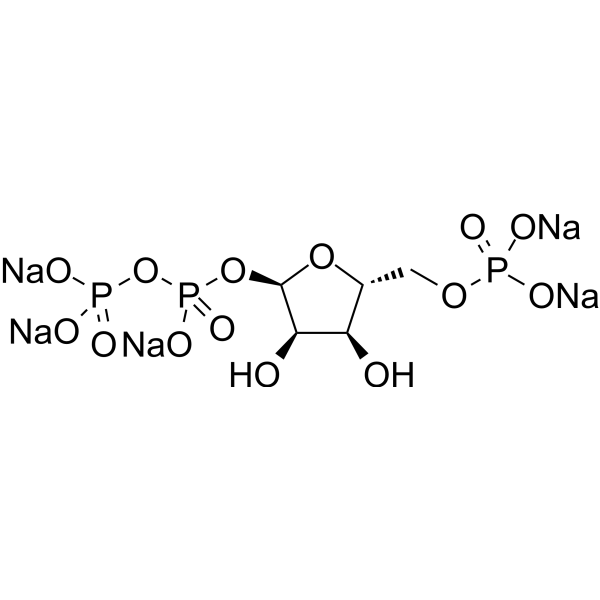
    PRPP pentasodium

    Endogenous Metabolite Others
    Phosphoribosyl pyrophosphate (PRPP) pentasodium is an important metabolite required in the biosynthesis of purine and pyrimidine nucleotides, the amino acids histidine and tryptophan, and the cofactors NAD and NADP .
    Phosphoribosyl pyrophosphate pentasodium
  • HY-F0002
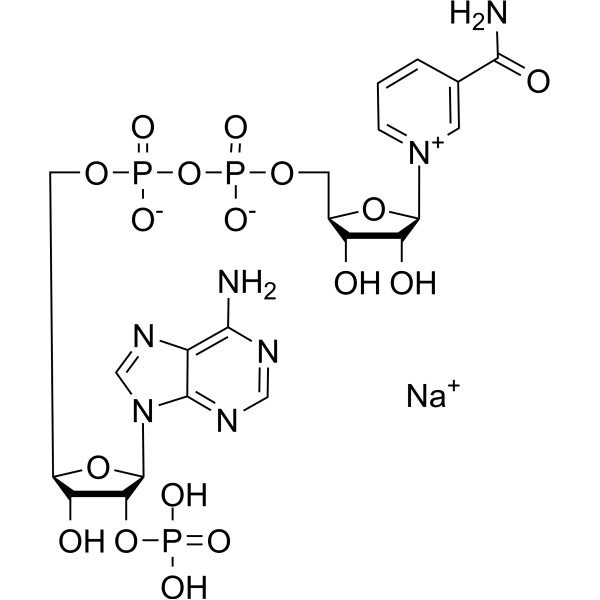
    NADP sodium salt
    Maximum Cited Publications
    6 Publications Verification

    Sodium NADP

    Endogenous Metabolite Metabolic Disease Inflammation/Immunology Cancer
    NADP sodium salt is the sodium salt form of NADP (HY-113325). NADP is a coenzyme involved in cellular electron transfer reactions in biological metabolism, which is alternately oxidized (NADP+) and reduced (NADPH), and can maintain cellular redox homeostasis and regulate many biological events, including cellular metabolism. NADPH is a universal electron donor that provides reducing ability for synthetic metabolic reactions and redox balance. NADPH plays a multifunctional role in regulating inflammation, redox homeostasis, and synthetic metabolism processes .
    NADP sodium salt
  • HY-W010342
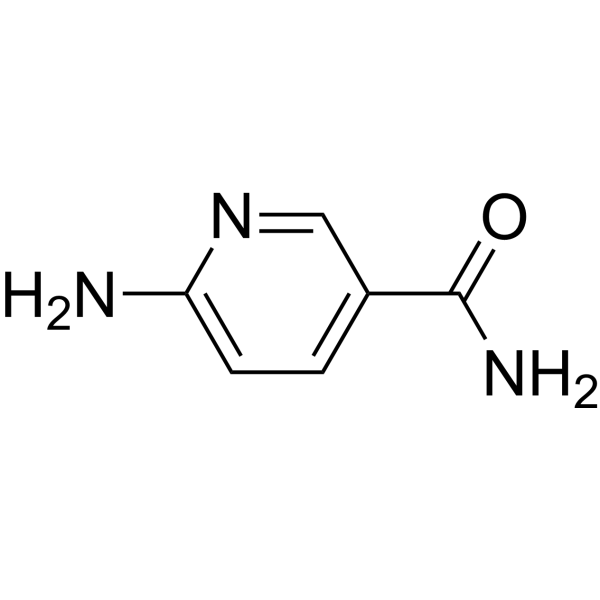
    6-Aminonicotinamide
    15+ Cited Publications

    NADPH Oxidase Cancer
    6-Aminonicotinamide, a potent antimetabolite of nicotinamide, is competitive NADP +-dependent enzyme glucose-6-phosphate dehydrogenase (G6PD) inhibitor (Ki=0.46 μM). 6-Aminonicotinamide resultis ATP depletion and synergizes with DNA-crosslinking chemotherapy agents, such as Cisplatin (HY-17394), in killing cancer cells [2] .
    6-Aminonicotinamide
  • HY-F0002A
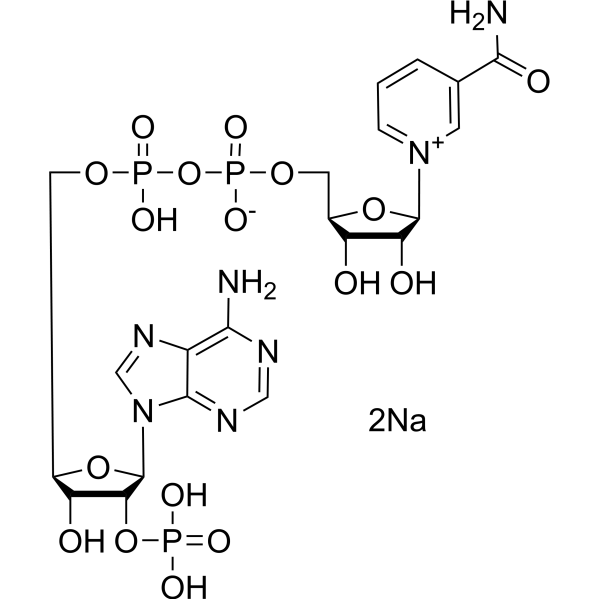
    NADP disodium salt
    Maximum Cited Publications
    6 Publications Verification

    Disodium NADP

    Endogenous Metabolite Metabolic Disease Inflammation/Immunology Cancer
    NADP disodium salt is the disodium salt form of NADP (HY-113325). NADP is a coenzyme involved in cellular electron transfer reactions in biological metabolism, which is alternately oxidized (NADP+) and reduced (NADPH), and can maintain cellular redox homeostasis and regulate many biological events, including cellular metabolism. NADPH is a universal electron donor that provides reducing ability for synthetic metabolic reactions and redox balance. NADPH plays a multifunctional role in regulating inflammation, redox homeostasis, and synthetic metabolism processes .
    NADP disodium salt
  • HY-113325
    NADP
    Maximum Cited Publications
    6 Publications Verification

    Endogenous Metabolite Metabolic Disease Inflammation/Immunology Cancer
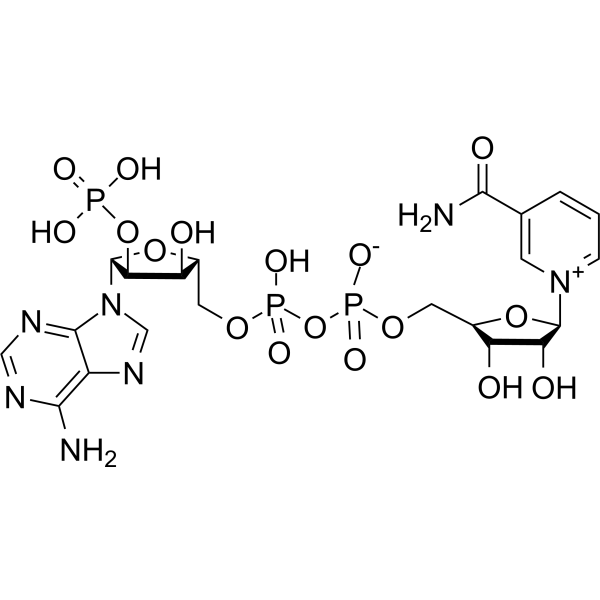
    NADP is a coenzyme involved in cellular electron transfer reactions in biological metabolism, which is alternately oxidized (NADP+) and reduced (NADPH), and can maintain cellular redox homeostasis and regulate many biological events, including cellular metabolism. NADPH is a universal electron donor that provides reducing ability for synthetic metabolic reactions and redox balance. NADPH plays a multifunctional role in regulating inflammation, redox homeostasis, and synthetic metabolism processes .
    NADP
  • HY-123962
    G6PD activator AG1
    5+ Cited Publications

    NADPH Oxidase Metabolic Disease
    G6PD activator AG1 is a potent and selective glucose-6-phosphate dehydrogenase (G6PD) agonist with an EC50 of 3 μM. G6PD is an oxidoreductase that catalyzes the oxidation of glucose-6-phosphate to 6-phosphogluconolactone and the simultaneous reduction of NAD phosphate (NADP) to reduced NADP (NADPH). G6PD activator AG1 can reduce hemolysis of human erythrocytes [2].
    G6PD activator AG1
  • HY-113325A
    NADP sodium hydrate
    5+ Cited Publications

    Endogenous Metabolite Metabolic Disease Inflammation/Immunology Cancer
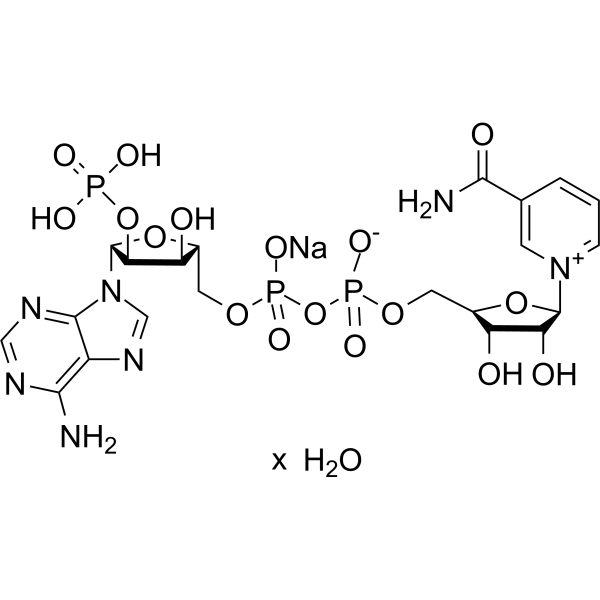
    NADP sodium hydrate is the sodium salt hydrate form of NADP (HY-113325). NADP is a coenzyme involved in cellular electron transfer reactions in biological metabolism, which is alternately oxidized (NADP+) and reduced (NADPH), and can maintain cellular redox homeostasis and regulate many biological events, including cellular metabolism. NADPH is a universal electron donor that provides reducing ability for synthetic metabolic reactions and redox balance. NADPH plays a multifunctional role in regulating inflammation, redox homeostasis, and synthetic metabolism processes .
    NADP sodium hydrate
  • HY-P2947

    Aldehyde dehydrogenase (NAD(P))
    Aldehyde Dehydrogenase (ALDH) Others Cancer
    ALDH (Aldehyde dehydrogenase (NAD(P))) catalyzes the oxidation of aldehydes into their corresponding carboxylic acids with the concomitant reduction of the cofactor NAD(P) into NAD(P)H, is often used in biochemical studies. The ALDHs are one of many enzyme systems the body utilizes to alleviate aldehyde stress .
    ALDH
  • HY-150621

    β-catenin Wnt Cancer
    AS1134900 is a highly selective uncompetitive allosteric inhibitor of NADP +-dependent malic enzyme 1 (ME1) with an IC50 of 0.73 μM. AS1134900 can be used in the study of cancer .
    AS1134900
  • HY-108251
    Methotrexate metabolite
    1 Publications Verification

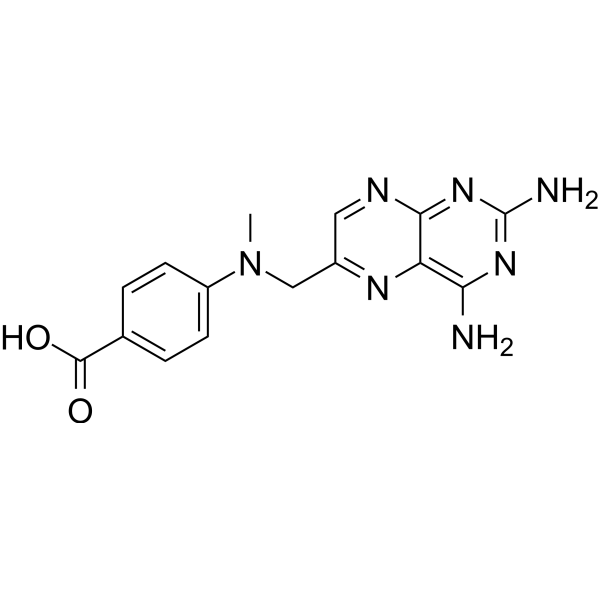
    DAMPA

    Antifolate Drug Metabolite Dihydrofolate reductase (DHFR) Parasite Infection Inflammation/Immunology
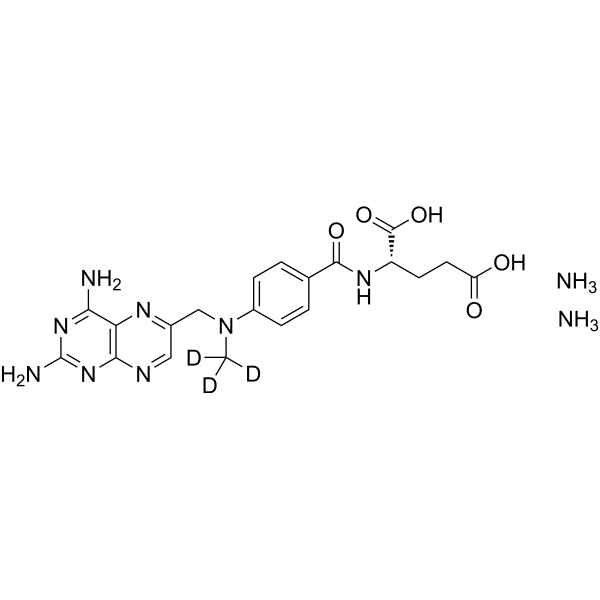
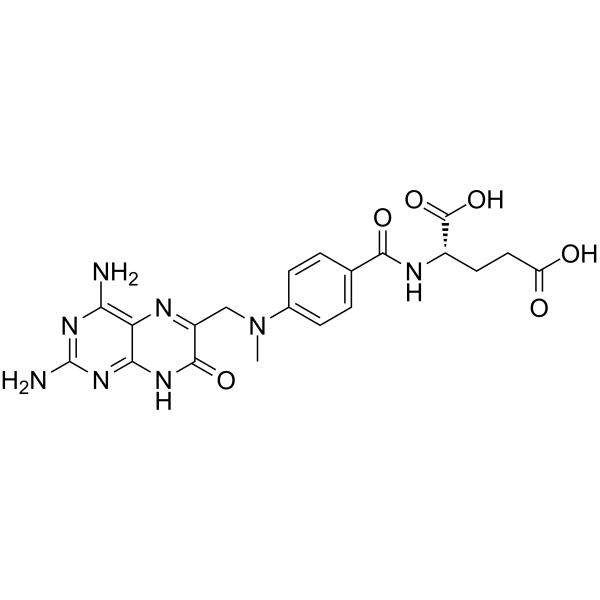
    Methotrexate metabolite (DAMPA) is an active metabolite of Methotrexate. Methotrexate is a Folic acid (HY-16637) antagonist, widely used as an immunosuppressant. Methotrexate metabolite is an antimalarial agent that inhibits parasite growth under physiological folic acid conditions, with IC50 values of 446 nM and 812 nM against folic acid-sensitive strains and highly resistant strains, respectively. Methotrexate metabolite exhibits pharmacokinetic characteristics of rapid clearance and extensive metabolism, with a mean clearance rate of 1.9 l/kg/h and a mean terminal half-life of 51 minutes. Methotrexate metabolite is promising for research in the field of inflammation [2] .
    Methotrexate metabolite
  • HY-N0352
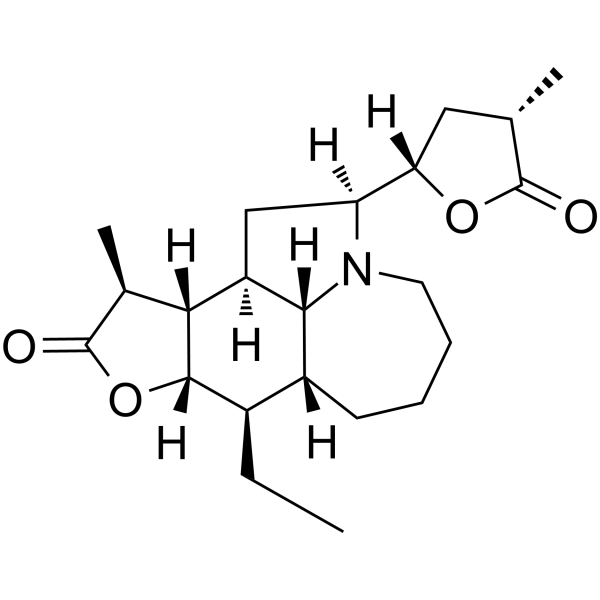
    Tuberostemonine
    1 Publications Verification

    Parasite Infection
    Tuberostemonine is a stenine alkaloid that can be isolated from Stemona tuberosa and Stemona sessifolia. Tuberostemonine is an antimalarial agent that has inhibitory activity against Ferredoxin-NADP + reductases (FNRs) from Plasmodium falciparum (PfFNR). Tuberostemonine can reduce the number of citric acid-induced coughs in guinea pigs. Tuberostemonine decreases bronchoalveolar lavage fluid (BALF), neutrophil and macrophage infiltration and reduces peribronchial and perivascular inflammatory cell infiltration in mouse model of acute lung inflammation. Tuberostemonine has a level of activity as a feeding deterrent [2] .
    Tuberostemonine
  • HY-P2897
    D-Lactate dehydrogenase, Microorganism
    1 Publications Verification

    D-LDH

    Lactate Dehydrogenase Others
    D-Lactate dehydrogenase, Microorganism (D-LDH) is an oxidoreductase that uses NAD + or NADP + as an acceptor and acts on the donor CH-OH group, and can catalyze the oxidation of D-lactate to pyruvate. D-Lactate dehydrogenase widely exists in bacteria and fungi, and is often used in biochemical research .
    D-Lactate dehydrogenase, Microorganism
  • HY-117570

    PDI Neurological Disease
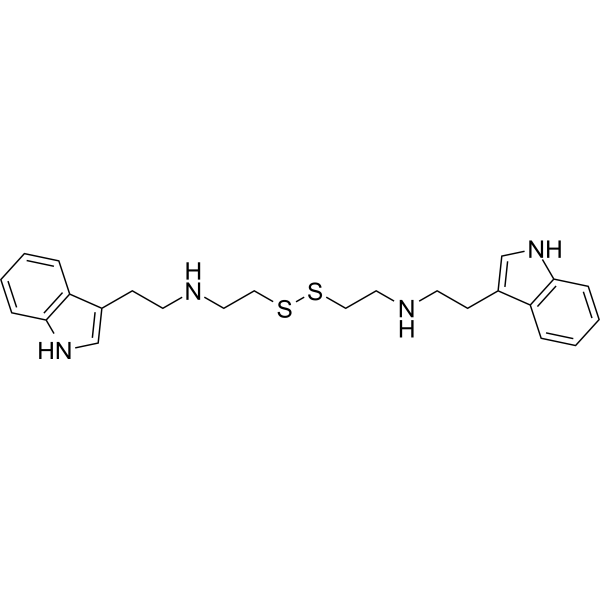
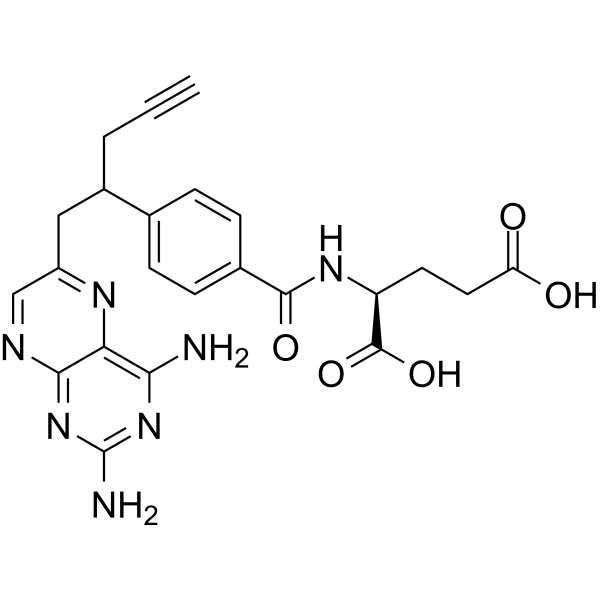
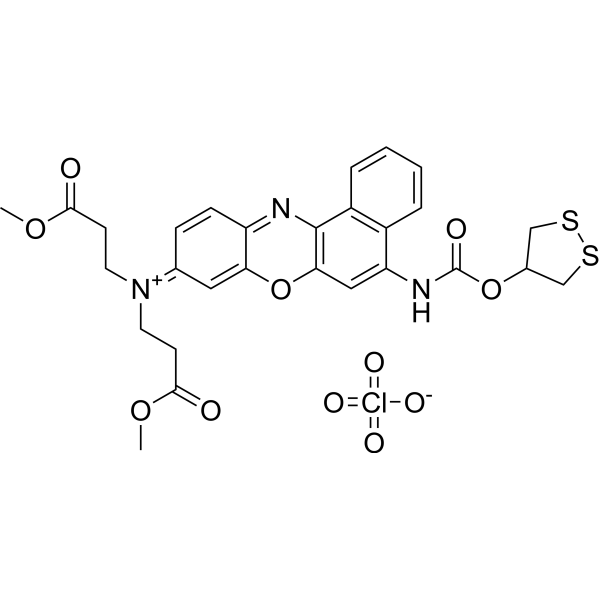
    KSC-34, a covalent modifier of protein disulfide isomerase A1 (PDIA1), is also a selective and potent a-site inhibitor of PDIA1 with an IC50 of 3.5 μM. KSC-34 displays a 30-fold selectivity for a domain over a′ domain and displays high selectivity for PDIA1 in complex proteomes with minimal engagement of other members of the PDI family . KSC-34 is a click chemistry reagent, it contains an Alkyne group and can undergo copper-catalyzed azide-alkyne cycloaddition (CuAAc) with molecules containing Azide groups.
    KSC-34
  • HY-P2911

    GLDH

    Mitochondrial Metabolism Others
    Glutamate dehydrogenase NAD(P) (GLDH) can be found in hepatocytes, renal tissue, brain, muscle, and intestinal cells. Glutamate dehydrogenase NAD(P) is often used in biochemical studies. Glutamate dehydrogenase is a mitochondrial enzyme, it catalyzes the reversible oxidative deamination of glutamate to α-ketoglutarate (α-KG) as part of the urea cycle .
    Glutamate dehydrogenase (NAD(P))
  • HY-P3186

    Endogenous Metabolite Metabolic Disease
    Glucose dehydrogenase, recombinant Microorganisms is a FDA-dependent oxidoreductase. Glucose dehydrogenase (GDH) catalyzes the oxidation of β-D-glucose to β-D-glucono-1,5-lactone with simultaneous reduction of the cofactor NADP + to NADPH or, to a lesser extent, NAD + to NADH. Glucose dehydrogenase (GDH) accepts both NAD + and NADP + as cofactors and can be used for the regeneration of NADH and NADPH [2].
    Glucose dehydrogenase, recombinant Microorganisms
  • HY-131521

    Oxalomalate trisodium

    Isocitrate Dehydrogenase (IDH) Cancer
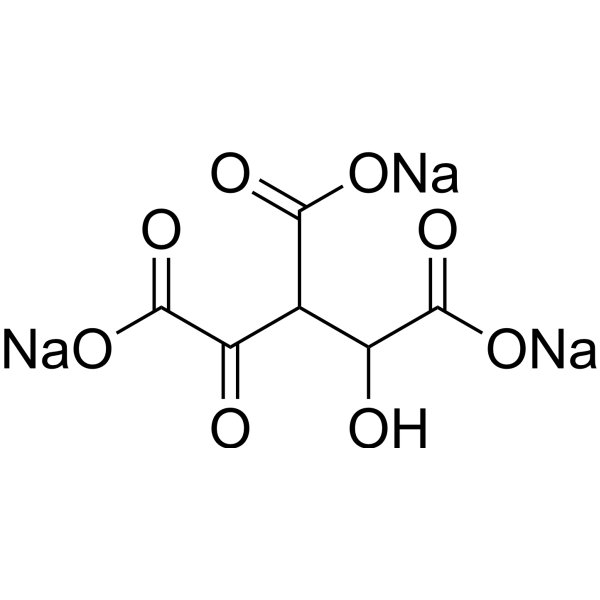
    Oxalomalic acid (Oxalomalate) trisodium is a aconitase and NADP-dependent isocitrate dehydrogenase inhibitor. Oxalomalic acid trisodium inhibits nitrite production and iNOS protein expression in lipopolysaccharide (HY-D1056)-activated J774 macrophages .
    Oxalomalic acid trisodium
  • HY-154924

    S-NADP

    Calcium Channel Cardiovascular Disease
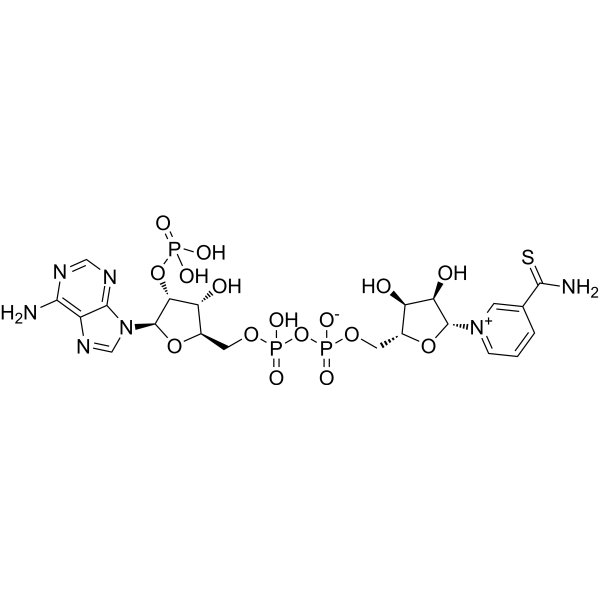
    Thio-NADP (S-NADP) is a nicotinic acid adenine dinucleotide phosphate (NAADP) inhibitor. Thio-NADP activates partial Ca 2+ release .
    Thio-NADP
  • HY-113325AR

    Endogenous Metabolite Reference Standards Metabolic Disease Inflammation/Immunology Cancer
    NADP sodium hydrate (Standard) is the analytical standard of NADP sodium hydrate (HY-113325A). This product is intended for research and analytical applications. NADP sodium hydrate is the sodium salt hydrate form of NADP (HY-113325). NADP is a coenzyme involved in cellular electron transfer reactions in biological metabolism, which is alternately oxidized (NADP+) and reduced (NADPH), and can maintain cellular redox homeostasis and regulate many biological events, including cellular metabolism. NADPH is a universal electron donor that provides reducing ability for synthetic metabolic reactions and redox balance. NADPH plays a multifunctional role in regulating inflammation, redox homeostasis, and synthetic metabolism processes.
    NADP sodium hydrate (Standard)
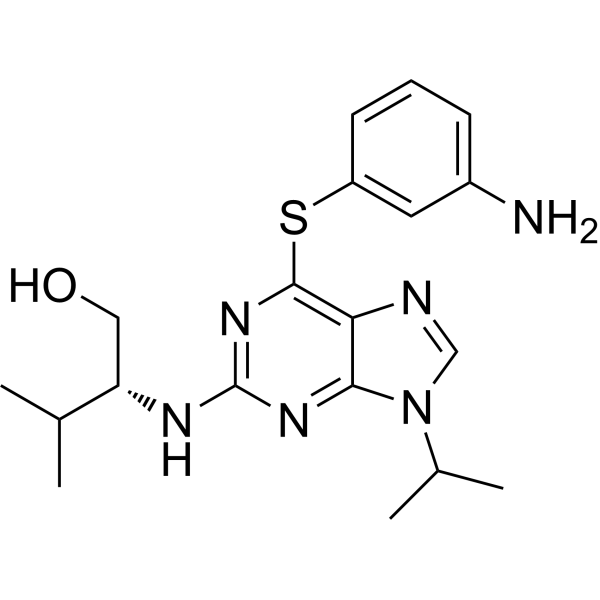
  • HY-W003561

    Antifolate Parasite Infection
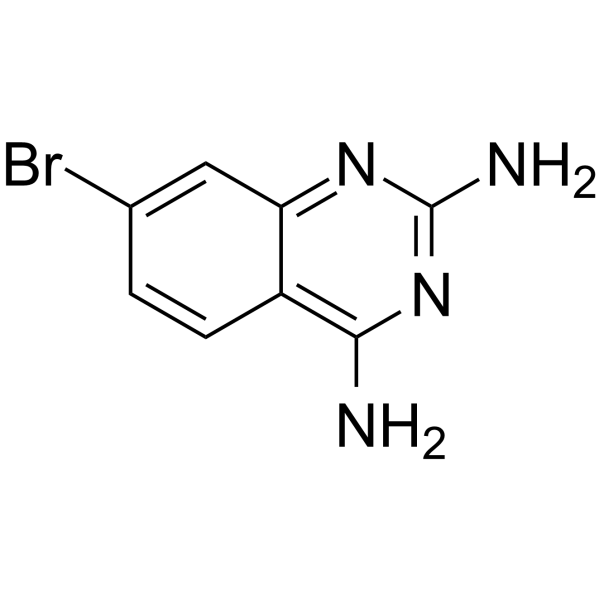
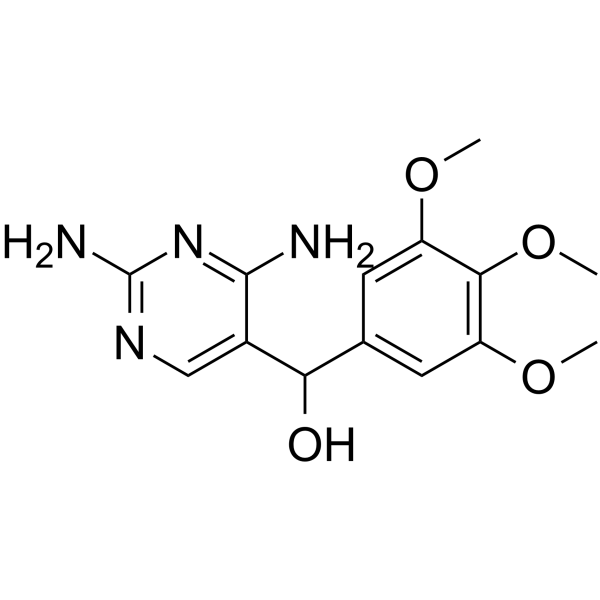
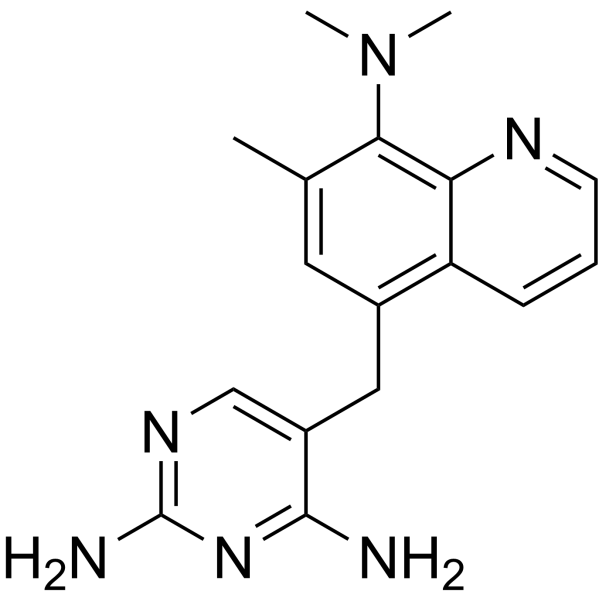
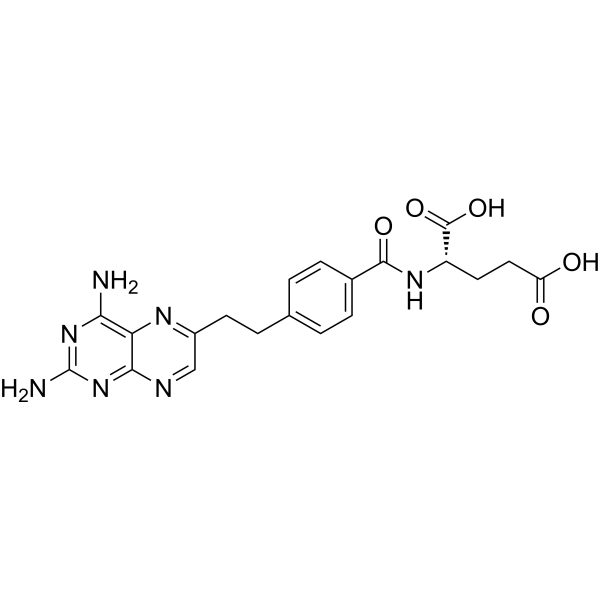
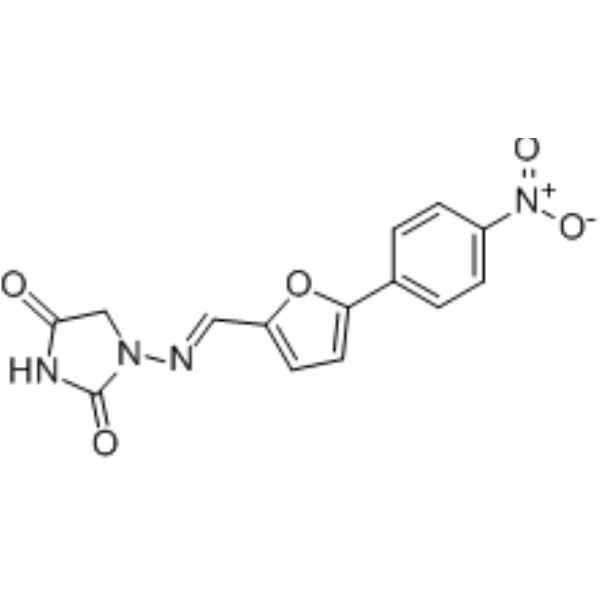
    DHFR-IN-3 is a dihydrofolate reductase (DHFR) inhibitor with the IC50 values of 19 μM and 12 μM in rat liver and P. carinii DHFR, respectively .
    DHFR-IN-3
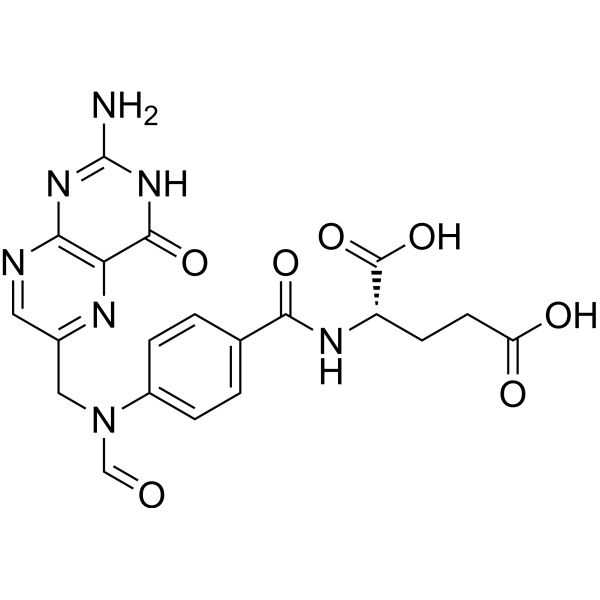
  • HY-124350

    Antifolate Dihydrofolate reductase (DHFR) Cancer
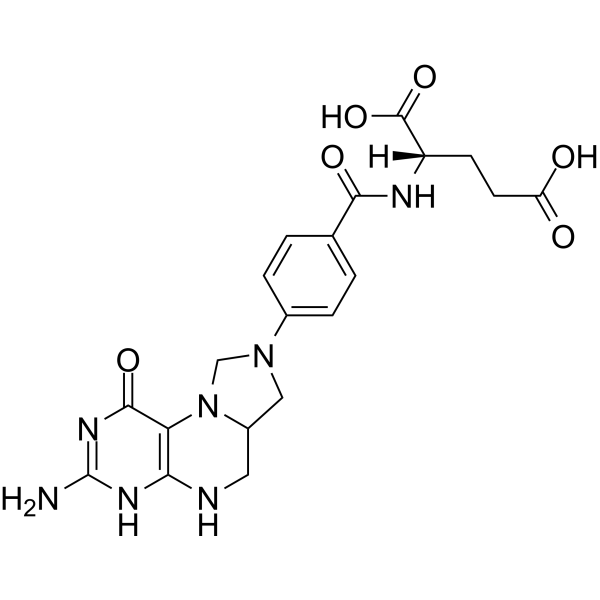
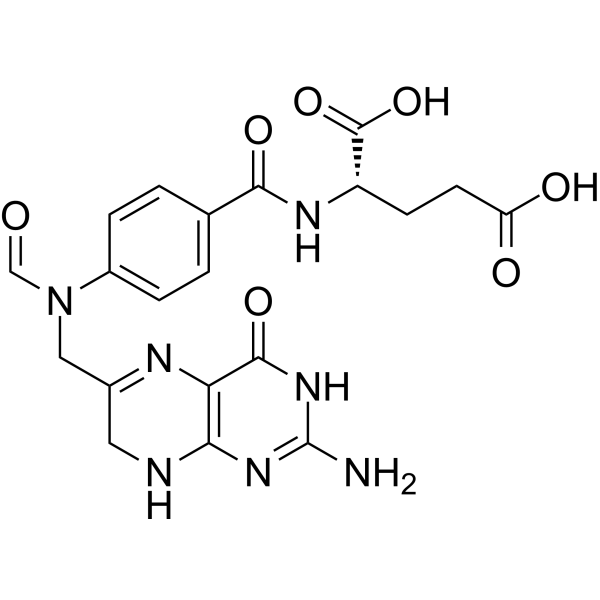
    10-Formylfolic acid is a potent inhibitor of dihydrofolate reductase. 10-Formylfolic acid be used as an early indicator of leukemia [2].
    10-Formylfolic acid
  • HY-F0002R

    Sodium NADP (Standard)

    Endogenous Metabolite Reference Standards Metabolic Disease Inflammation/Immunology Cancer
    NADP (sodium salt) (Standard) is the analytical standard of NADP (sodium salt). This product is intended for research and analytical applications. NADP sodium salt is the sodium salt form of NADP (HY-113325). NADP is a coenzyme involved in cellular electron transfer reactions in biological metabolism, which is alternately oxidized (NADP+) and reduced (NADPH), and can maintain cellular redox homeostasis and regulate many biological events, including cellular metabolism. NADPH is a universal electron donor that provides reducing ability for synthetic metabolic reactions and redox balance. NADPH plays a multifunctional role in regulating inflammation, redox homeostasis, and synthetic metabolism processes[1][4].
    NADP sodium salt (Standard)
  • HY-137672A

    2',3'-cNADP+; β-Nicotinamide adenine dinucleotide-2',3'-cyclic phosphate

    Phosphodiesterase (PDE) Calcium Channel Neurological Disease
    2',3'-Cyclic NADP disodium (2',3'-cNADP+; β-Nicotinamide adenine dinucleotide-2',3'-cyclic phosphate) is a substrate for 2',3'-cyclic nucleotide 3'-phosphodiesterase (CNP), an enzyme abundant in myelin. It has been used in a coupled enzyme assay to quantify CNP activity. 2',3'-Cyclic NADP disodium (5 μM) increases calcium overload-induced calcium release and prevents calcium-induced swelling in rat brain mitochondria.
    2',3'-Cyclic NADP disodium
  • HY-118588

    Quinone Reductase Microtubule/Tubulin Others
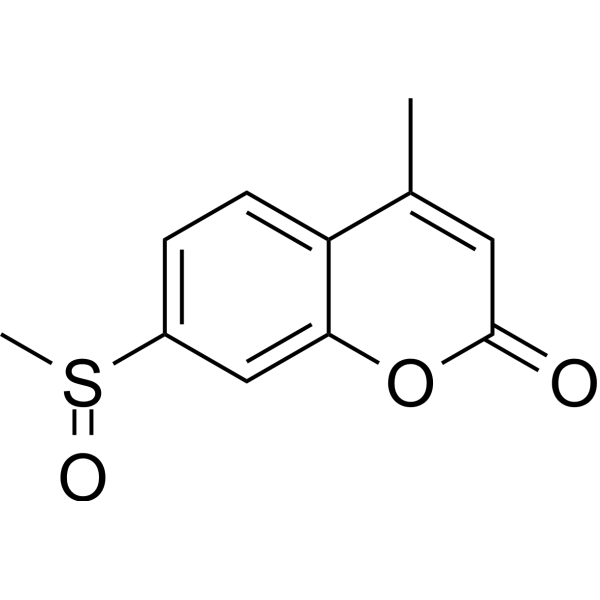
    Diminutol is an inhibitor for NADP-dependent quinone oxidoreductase (NQO1), that is involved in microtubule morphogenesis and cell devision .
    Diminutol
  • HY-W052512

    Parasite Infection
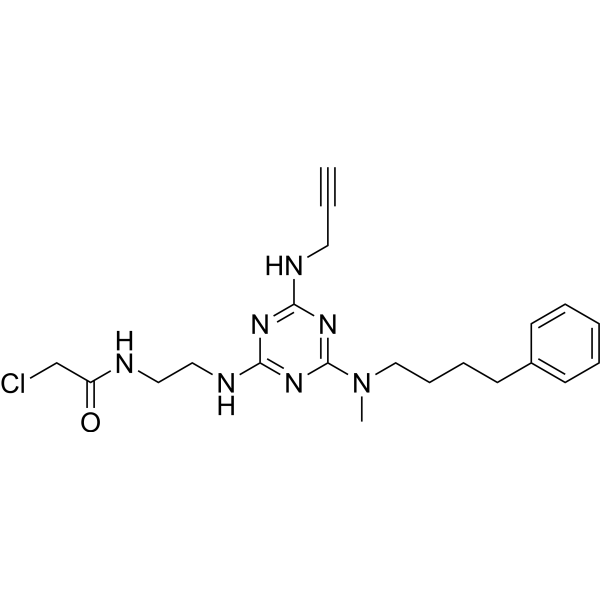
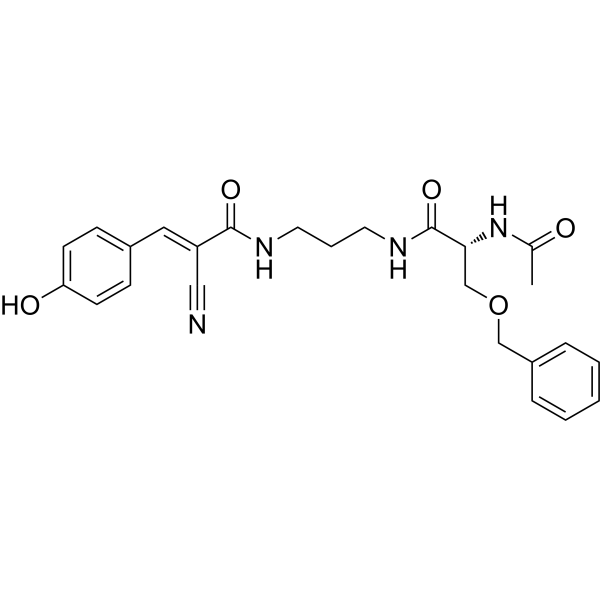
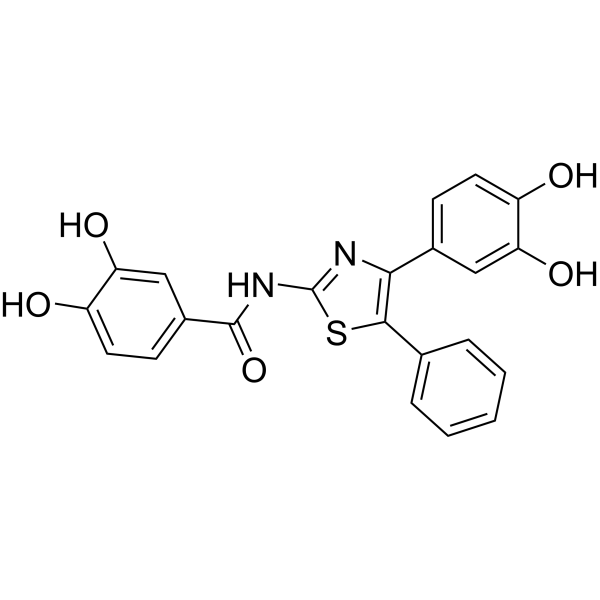
    Antitrypanosomal agent 1 is a potent and selective trypanothione reductase (TR) inhibitor with an IC50 of 3.3 μM. Antitrypanosomal agent 1 inhibits glutathione reductase (GR) (IC50=64.8 μM) and T. brucei (EC50=1 μM). Antitrypanosomal agent 1 has anti-trypanosomal activity .
    Antitrypanosomal agent 1
  • HY-W157689
    IDE-IN-2
    1 Publications Verification

    Proteolytic Enzyme IDE Infection Metabolic Disease Cancer
    IDE-IN-2 (Compound 4) is an inhibitor for insulin-degrading enzyme. IDE-IN-2 is predicted to have CYP3A4, CYP2C19, hERG, NADP+, HIF1α and histidine kinase inhibitory activities, and has potential biological activity in anti-diabetic, anti-tumor, anti-bacterial aspects, according to the in silico prediction .
    IDE-IN-2
  • HY-P2944

    Biochemical Assay Reagents Metabolic Disease
    Ferredoxin-NADP reductase in plants receives electrons from ferredoxin (Fd) at the end of the photosynthetic electron transfer chain and converts NADP + to NADPH .
    Ferredoxin-NADP reductase
  • HY-P2912

    Glutamate Dehydrogenase (GLDH) Biochemical Assay Reagents Neurological Disease
    Glutamate dehydrogenase (NADP) is the catalytic enzyme for glutamate production. Dysfunction of Glutamate dehydrogenase (NADP) may induce various neurodegenerative diseases, such as Parkinson's disease, epilepsy, Alzheimer's disease, schizophrenia, and frontotemporal dementia. Glutamate dehydrogenase (NADP) can be used in research on neurological diseases such as Parkinson's disease, epilepsy, and Alzheimer's disease .
    Glutamate dehydrogenase (NADP)
  • HY-P2740B

    Endogenous Metabolite Metabolic Disease
    Alcohol dehydrogenase, yeast is an alcohol dehydrogenase expressed in yeast. It can catalyze the conversion between ethanol and acetaldehyde, while also reducing NAD or NADP, and it plays a role in glycolysis and aerobic respiration .
    Alcohol dehydrogenase, yeast
  • HY-P2993

    ICDH; IDH

    Isocitrate Dehydrogenase (IDH) Metabolic Disease Cancer
    Isocitrate dehydrogenase, Porcine heart (ICDH) is a citric acid or tricarboxylic acid cycle enzyme, is often used in biochemical studies. Isocitrate dehydrogenase catalyzes the oxidative decarboxylation of isocitrate to α-ketoglutarate and reduces NAD(P) + to NAD(P)H, it plays important roles in cellular metabolism .
    Isocitrate dehydrogenase, Porcine heart
  • HY-E70406

    CHDH-5

    Endogenous Metabolite Others
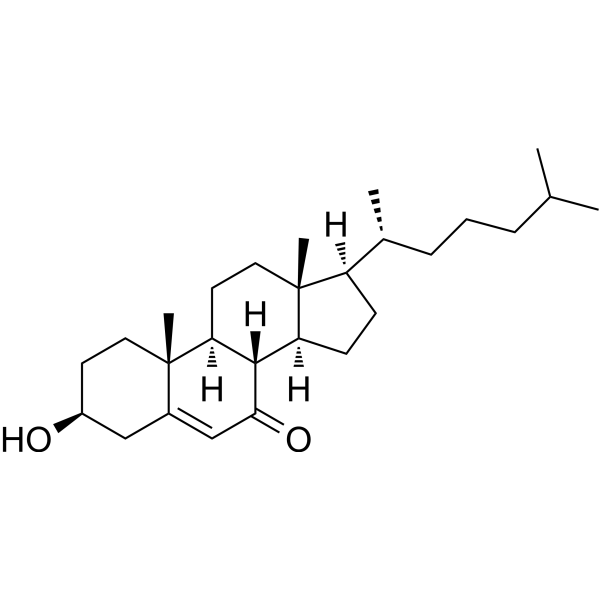
    Cholesterol Dehydrogenase, Nocardia sp. is an enzyme that uses nicotinamide adenine dinucleotide/nicotinamide adenine dinucleotide phosphate (NAD(P)) as its cofactor in oxidizing cholesterol to form cholest-4-en-3-one. This enzyme oxidizes the hydroxyl group at the 3 position of the sterol ring to form a ketone.
    Cholesterol Dehydrogenase, Nocardia sp.
  • HY-108534

    AW 464

    TrxR Inflammation/Immunology Cancer
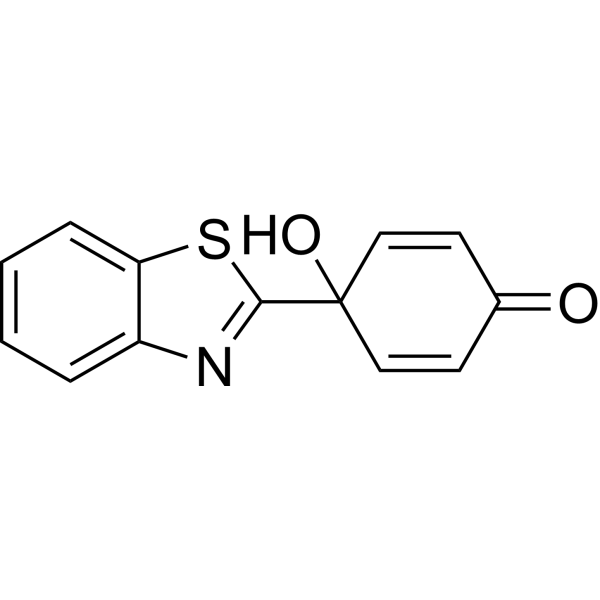
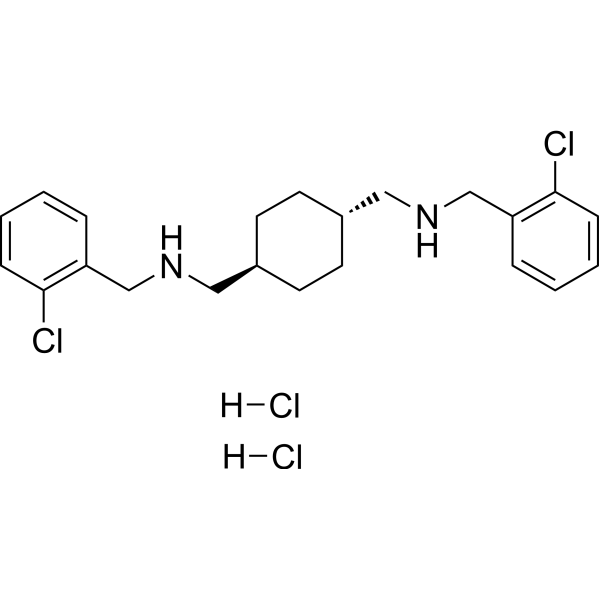
    PMX464 (AW 464), a thiol-reactive quinol, is the inhibitor of thioredoxin-thioredoxin reductase (Trx/TrxR) system. PMX464 can inhibit NF-κB-mediated proinflammatory activation of human type II alveolar epithelial cells .
    PMX464
  • HY-P3001

    Endogenous Metabolite Metabolic Disease
    Malate dehydrogenase (oxaloacetate-decarboxylating, NADP+) is a redox agent targeting metabolic pathways. Malate dehydrogenase (oxaloacetate-decarboxylating, NADP+) catalyzes the reduction of oxaloacetate to malate in leaves of higher plants. Malate dehydrogenase (oxaloacetate-decarboxylating, NADP+) is promising for research of metabolic diseases, such as diabetes, obesity .
    Malate dehydrogenase oxaloacetate-decarboxylating, NADP+
  • HY-125863A

    G6PD (Leuconostoc sp., recombinant)

    Endogenous Metabolite Metabolic Disease
    Glucose-6-phosphate dehydrogenase (Leuconostoc sp., recombinant) is an NADP-dependent enzyme in the pentose phosphate pathway, which is one of the ways glucose is metabolized. Glucose-6-phosphate dehydrogenase (Leuconostoc sp., recombinant) can be used to quantify ATP, glucose, and creatine kinase .
    Glucose-6-phosphate dehydrogenase (Leuconostoc sp., recombinant)
  • HY-135402

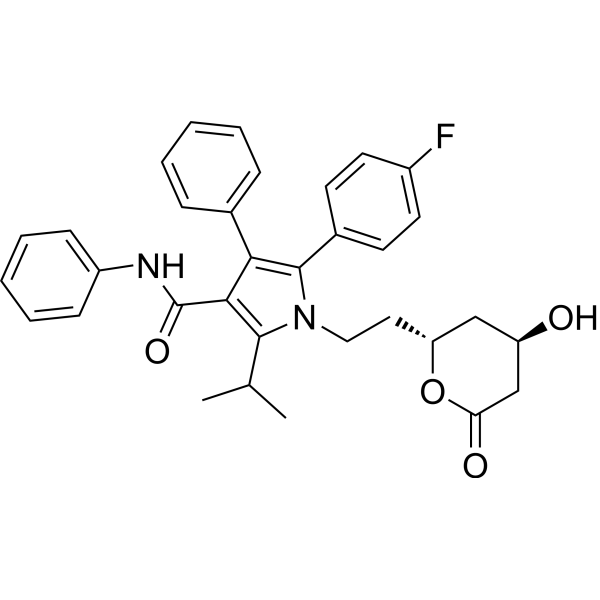
    HMG-CoA Reductase (HMGCR) Cardiovascular Disease Cancer
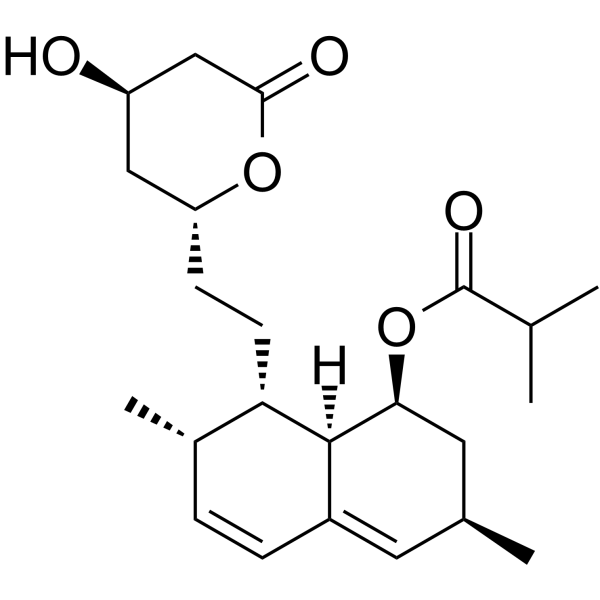
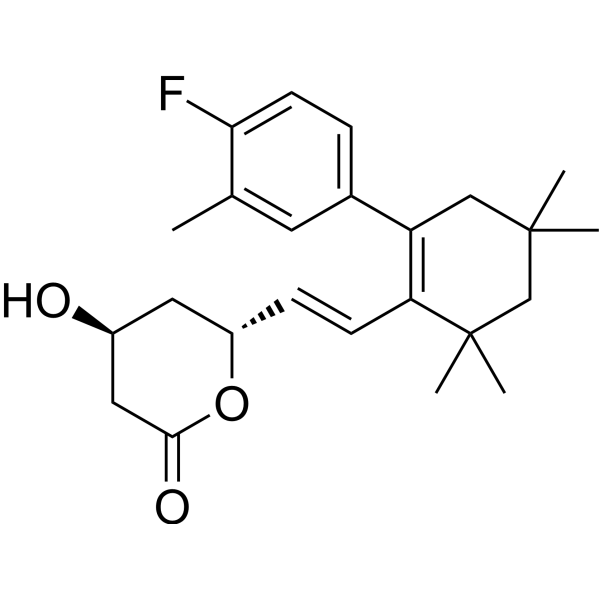
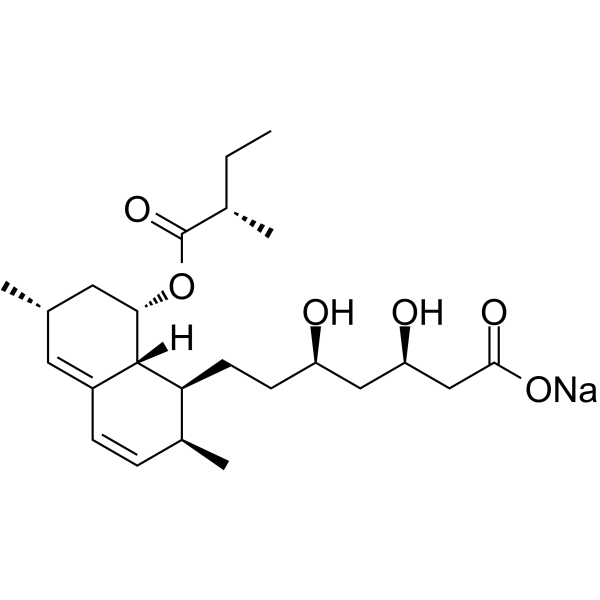
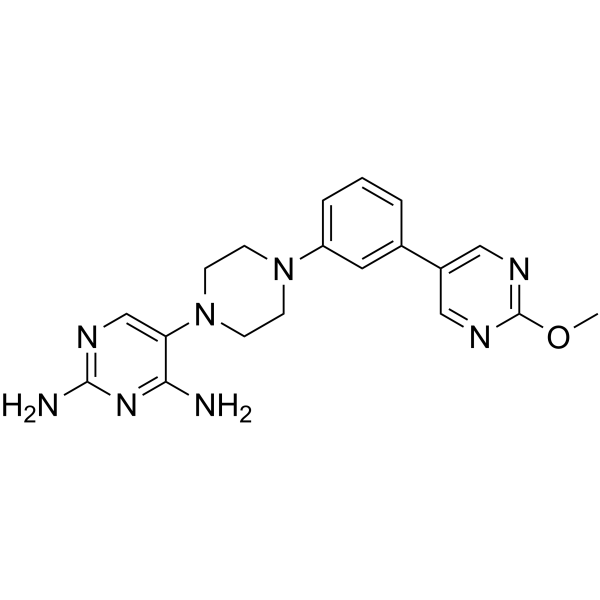
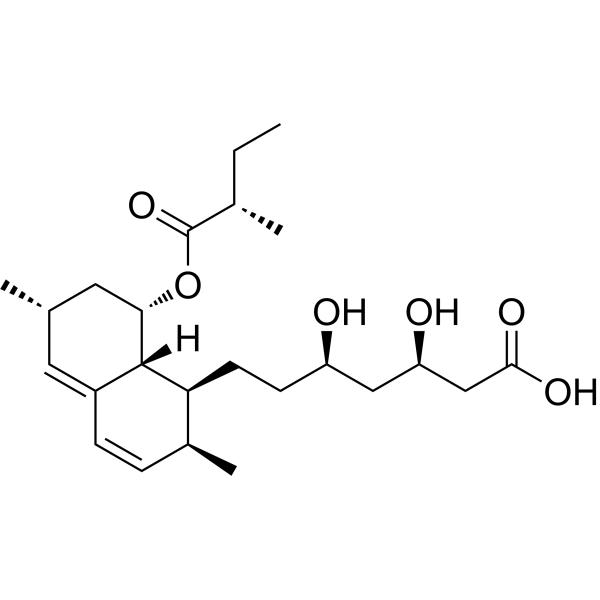
    2'-Ethyl Simvastatin (compound 6) is a Mevinolin analog, with HMG-CoA reductase inhibition .
    2'-Ethyl Simvastatin
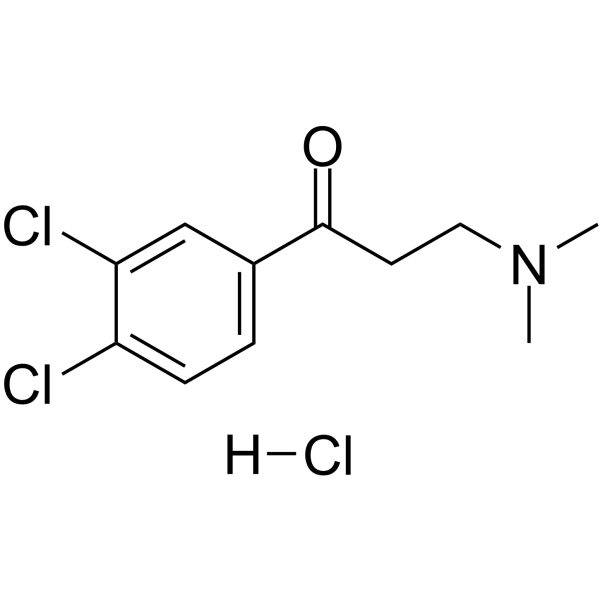
  • HY-111008A

    VF-233 hydrochloride

    DNA/RNA Synthesis Cancer
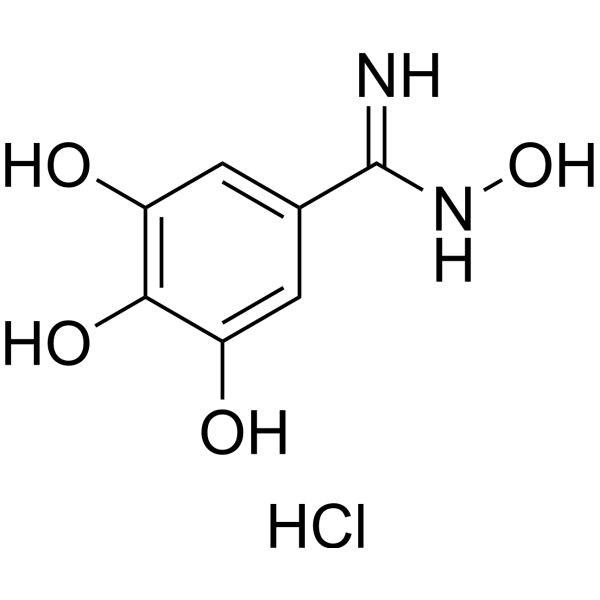
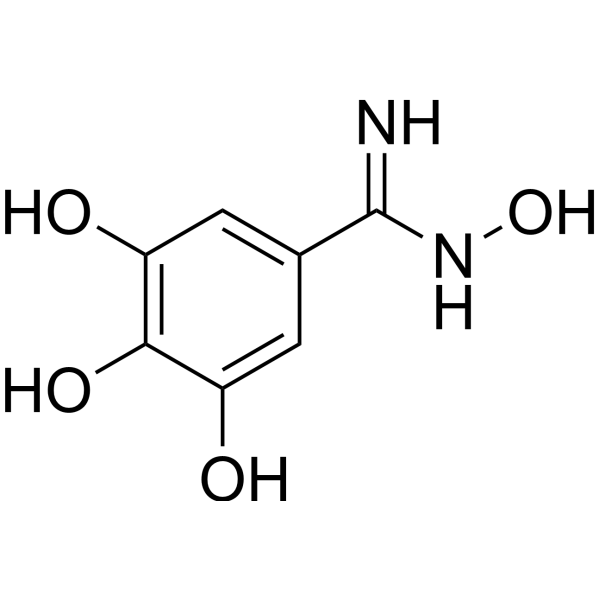
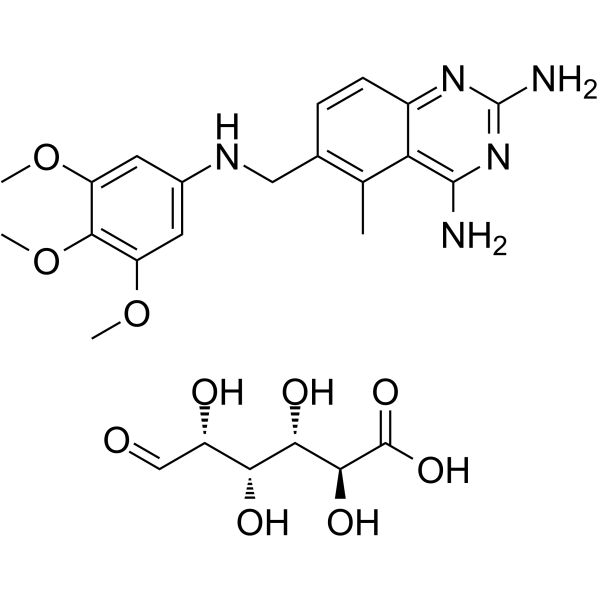
    Trimidox hydrochloride (VF-233) is a ribonucleotide reductase inhibitor with antileukemic activities. Trimidox hydrochloride inhibits the growth of human promyelocytic leukemia HL-60 cells with an IC50 of 35 μM .
    Trimidox hydrochloride
  • HY-E71466

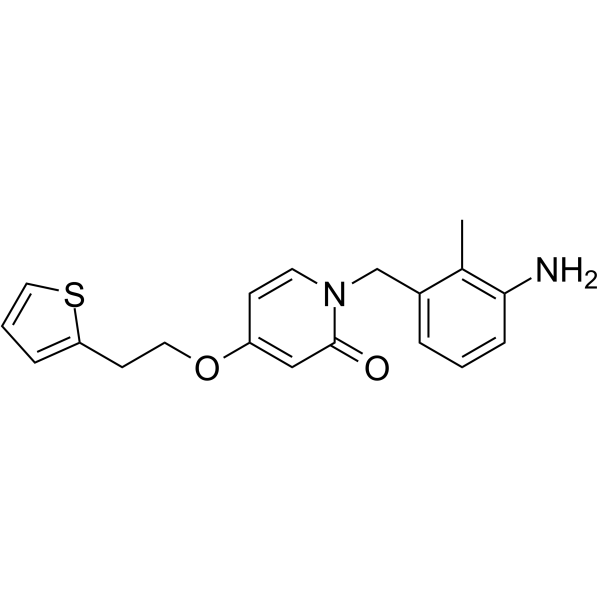
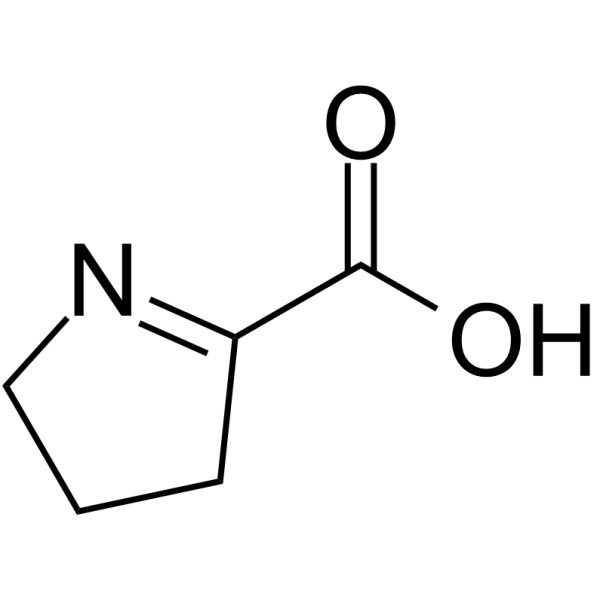
    2-Alkenal reductase (NADP+)
  • HY-E71466A

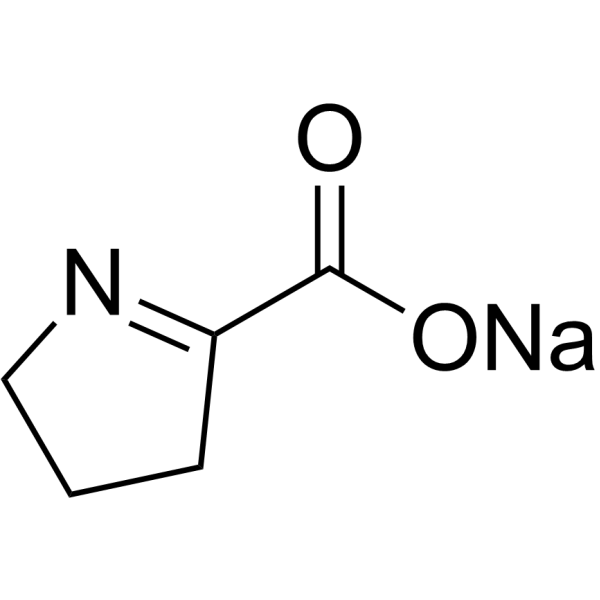
    2-Alkenal reductase [NAD(P)+]
  • HY-P3175

    6-Phosphogluconate dehydrogenase

    Biochemical Assay Reagents Metabolic Disease
    Phosphogluconate dehydrogenase (NADP, decarboxylating) (6-Phosphogluconate dehydrogenase) is an oxidative carboxylase that catalyses the oxidative decarboxylation of 6-phosphogluconate to ribulose 5-phosphate in the context of the oxidative part of the pentose phosphate pathway .
    Phosphogluconate dehydrogenase (NADP, decarboxylating)
  • HY-N0352R

    Reference Standards Parasite Infection
    Tuberostemonine (Standard) is the analytical standard of Tuberostemonine. This product is intended for research and analytical applications. Tuberostemonine is a stenine alkaloid that can be isolated from Stemona tuberosa and Stemona sessifolia. Tuberostemonine is an antimalarial agent that has inhibitory activity Ferredoxin-NADP + reductases (FNRs) from Plasmodium falciparum (PfFNR). Tuberostemonine has a level of activity as a feeding deterrent [2].
    Tuberostemonine (Standard)
  • HY-W010342R

    NADPH Oxidase Reference Standards Cancer
    6-Aminonicotinamide, a potent antimetabolite of nicotinamide, is competitive NADP+-dependent enzyme glucose-6-phosphate dehydrogenase (G6PD) inhibitor (Ki=0.46 μM). 6-Aminonicotinamide resultis ATP depletion and synergizes with DNA-crosslinking chemotherapy agents, such as Cisplatin (HY-17394), in killing cancer cells [2] .
    6-Aminonicotinamide (Standard)
  • HY-W319094

    Aldose Reductase
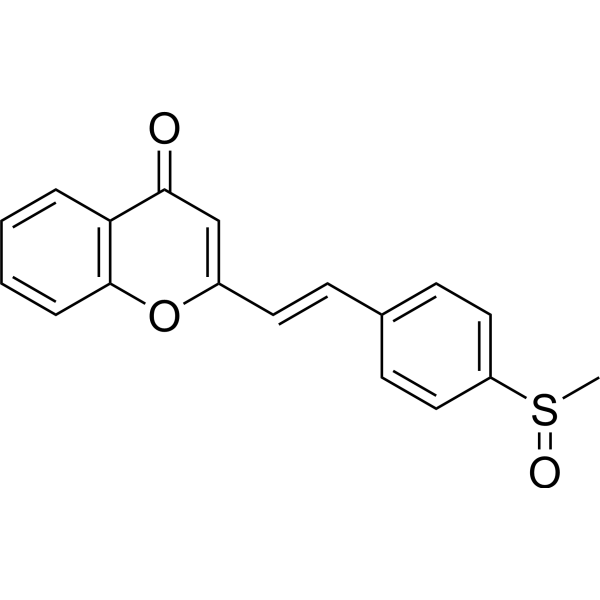
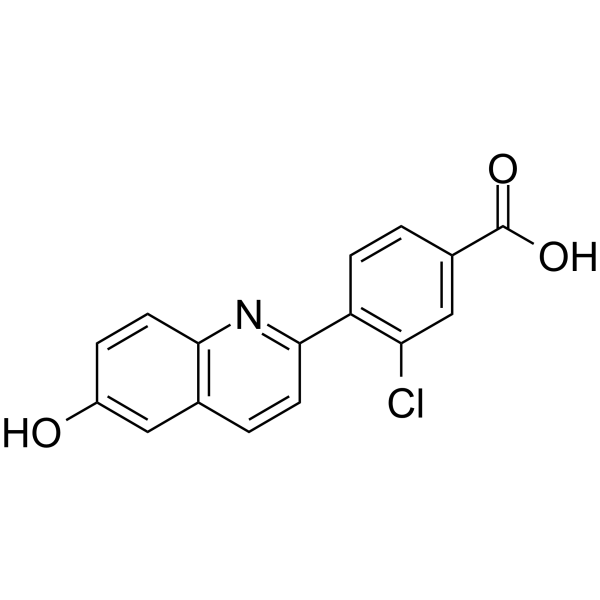
    4′-Hydroxyflavone (compound 50) can inhibit aldose reductase, with IC50 12 μM .
    4′-Hydroxyflavone
  • HY-F0002AR

    Disodium NADP (Standard)

    Endogenous Metabolite Reference Standards Metabolic Disease Inflammation/Immunology Cancer
    NADP (disodium salt) (Standard) is the analytical standard of NADP (disodium salt). This product is intended for research and analytical applications. NADP disodium salt is the disodium salt form of NADP (HY-113325). NADP is a coenzyme involved in cellular electron transfer reactions in biological metabolism, which is alternately oxidized (NADP+) and reduced (NADPH), and can maintain cellular redox homeostasis and regulate many biological events, including cellular metabolism. NADPH is a universal electron donor that provides reducing ability for synthetic metabolic reactions and redox balance. NADPH plays a multifunctional role in regulating inflammation, redox homeostasis, and synthetic metabolism processes .
    NADP disodium salt (Standard)
  • HY-137593A

    ε-NADP+ trisodium

    Drug Derivative Metabolic Disease
    N6-Etheno-nicotinamide dinucleotide phosphate (ε-NADP+) trisodium, a structural analogue of the NADP(+), is a maize malic enzyme inhibitor with a Ki of 1.01 μM .
    N6-Etheno-nicotinamide dinucleotide phosphate trisodium
  • HY-138118

    Nicotinic acid propyl ester

    Endogenous Metabolite Others
    Propyl nicotinate (Nicotinic acid propyl ester), the propyl ester of niacin, occurs in various animal and plant tissues, where it contributes to the formation of the coenzymes NAD and NADP.
    Propyl nicotinate
  • HY-P2993A

    ICDH, Microorganism; IDH, Microorganism

    Isocitrate Dehydrogenase (IDH) Metabolic Disease
    Isocitrate dehydrogenase, Microorganism (IDH) (EC 1.1.1.42) is a citric acid or tricarboxylic acid cycle enzyme, is often used in biochemical studies. Isocitrate dehydrogenase catalyzes the oxidative decarboxylation of isocitrate to α-ketoglutarate and reduces NAD(P) + to NAD(P)H, it plays important roles in cellular metabolism .
    Isocitrate dehydrogenase, Microorganism
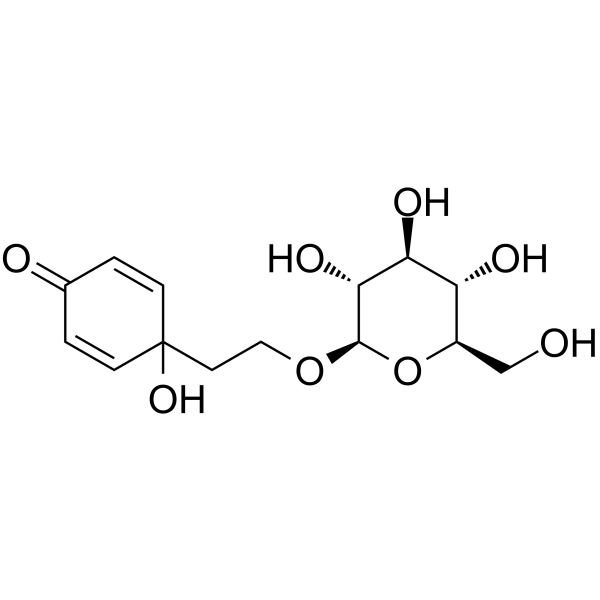
  • HY-N12472

    Aldose Reductase Others
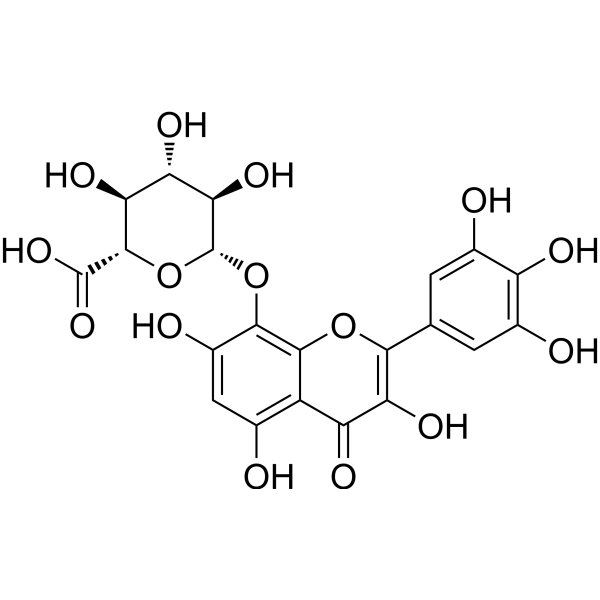
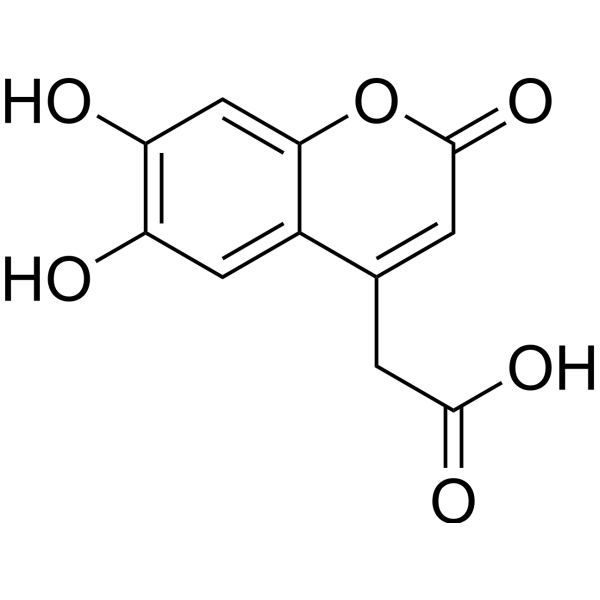
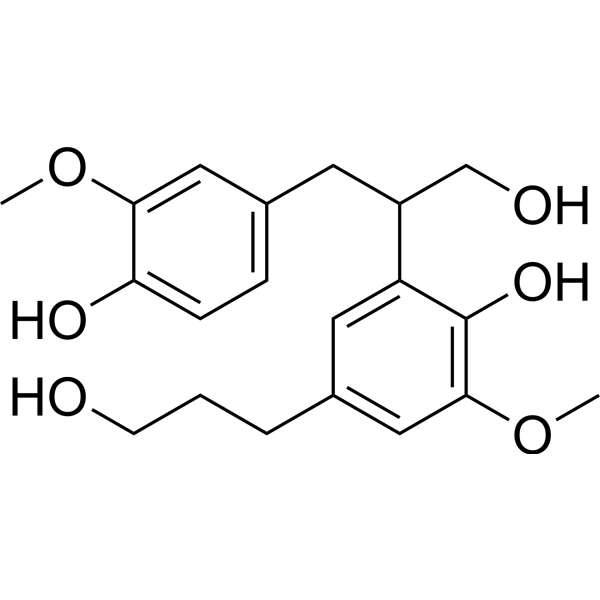
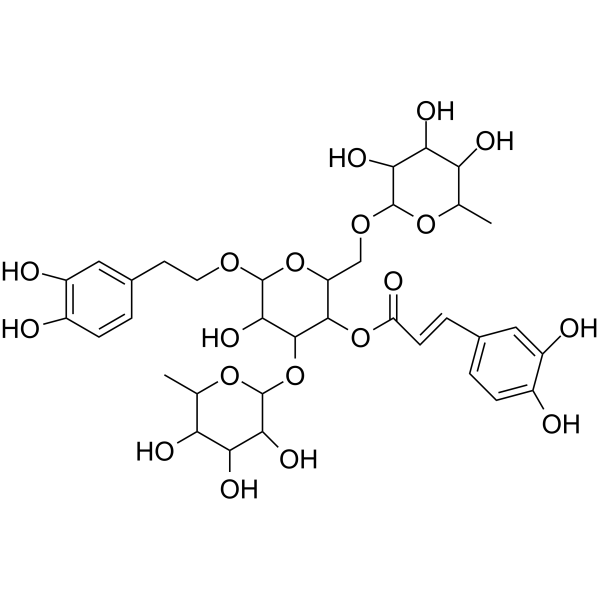
    Floramanoside C shows 2,2-diphenyl-1-picrylhydrazyl scavenging and aldose reductase inhibitory activities .
    Floramanoside C
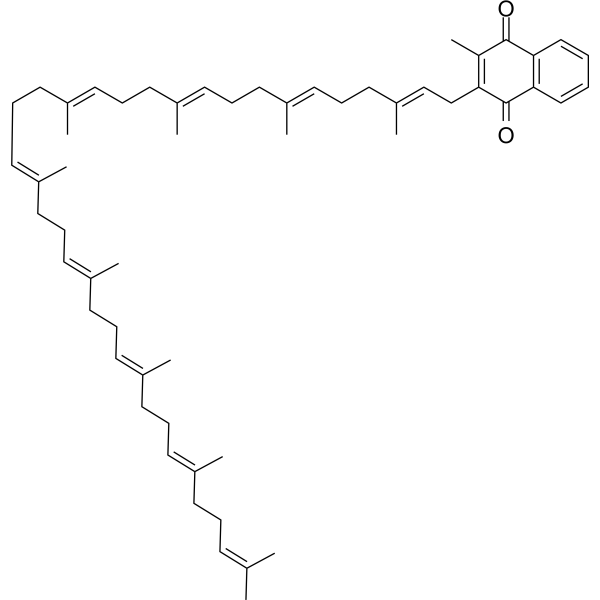
  • HY-16152

    PMD 387

    HMG-CoA Reductase (HMGCR) Metabolic Disease
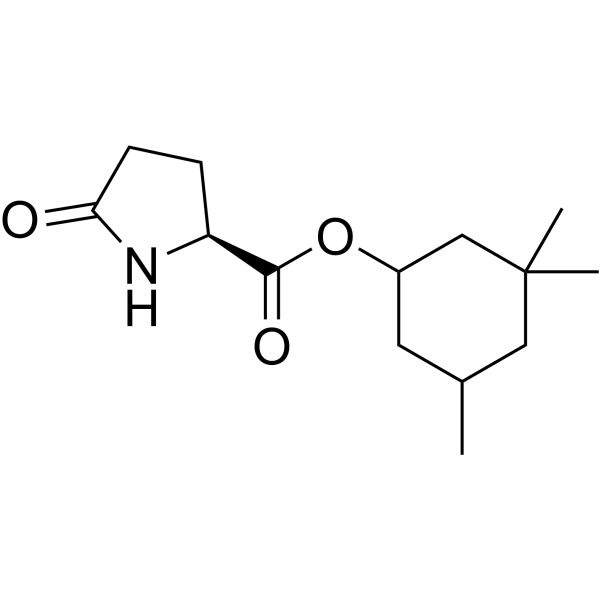
    Crilvastatin (PMD 387) is a potent inhibitor of HMG-CoA reductase .
    Crilvastatin
  • HY-E70412

    Endogenous Metabolite Metabolic Disease
    Galactose 1-dehydrogenase, E.coli is a dehydrogenase expressed in E. coli. Galactose 1-dehydrogenase, E.coli catalyzes the oxidation of L-arabinose and D-galactose using NADP +/NAD + as cofactors. Galactose 1-dehydrogenase, E.coli can be used in diagnostic tests to determine total galactose content and can also serve as a biocatalyst for producing galacturonate .
    Galactose 1-dehydrogenase, E.coli
  • HY-D1253

    TrxR Neurological Disease
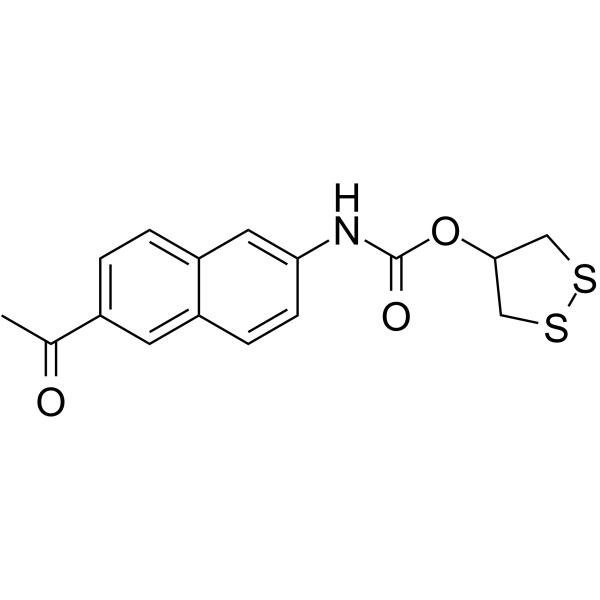
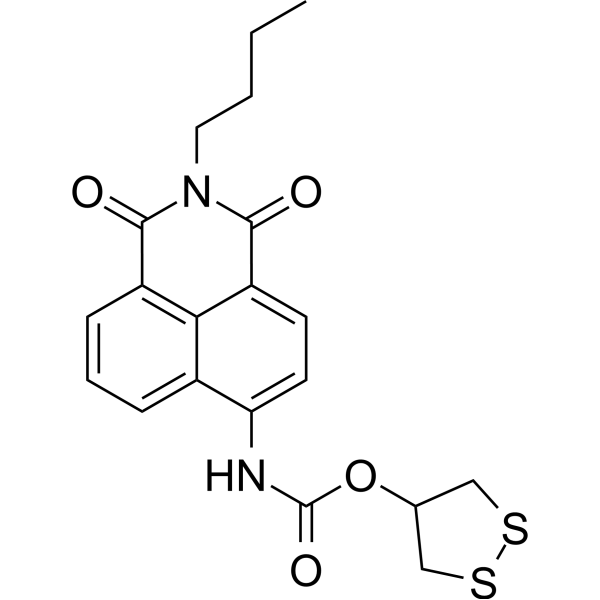
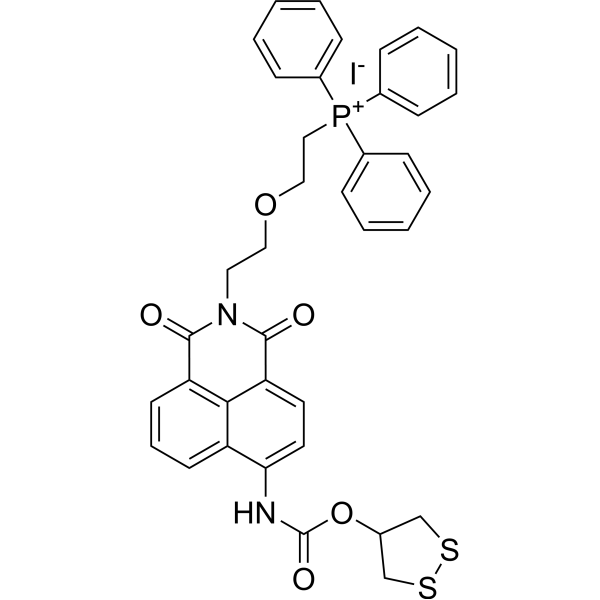
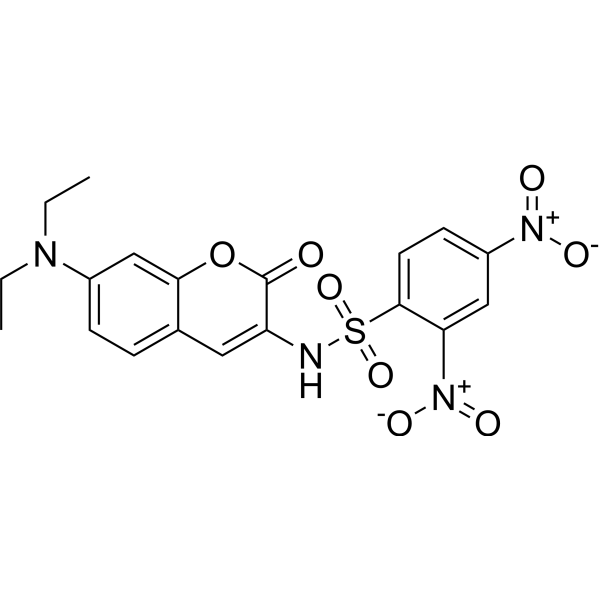
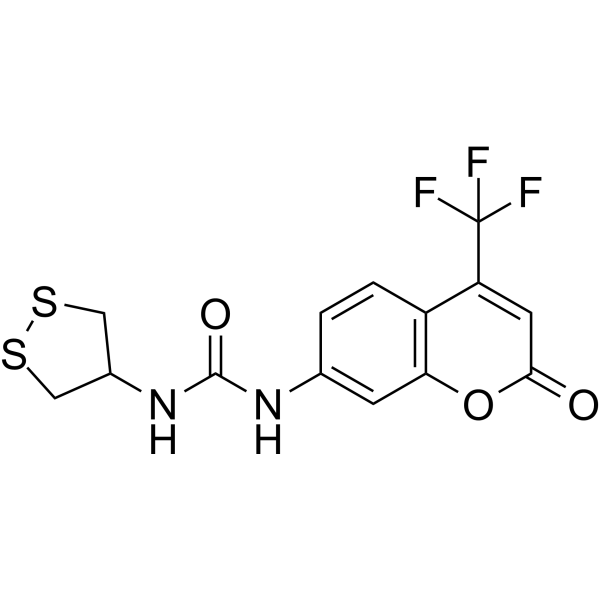
    TP-TRFS is a highly selective and the first two-photon fluorescent probe of thioredoxin reductase (TrxR) .
    TP-TRFS
  • HY-16166

    RG-12561

    HMG-CoA Reductase (HMGCR) Inflammation/Immunology
    Dalvastatin (RG-12561) inhibitor of HMG-CoA reductase and cholesterol-lowering synthesis .
    Dalvastatin

Inquiry Online

Your information is safe with us. * Required Fields.

Salutation


Country or Region *

Applicant Name *


Organization Name *

Department *


Email Address *


Product Name *

Cat. No.


Requested quantity *

Phone Number *


Remarks

Inquiry Online

Inquiry Information

Product Name:
Cat. No.:
Quantity:
MCE Japan Authorized Agent: