1. Search Result
Search Result
Results for "

cancer cell membranes

" in MedChemExpress (MCE) Product Catalog:

350

Inhibitors & Agonists

8

Screening Libraries

10

Fluorescent Dyes

9

Biochemical Assay Reagents

46

Peptides

9

Inhibitory Antibodies

55

Natural
Products

5

Isotope-Labeled Compounds

1

Click Chemistry

9

Oligonucleotides

1

GMP Molecules

Cat. No. Product Name Target Research Areas Chemical Structure
  • HY-Y0966
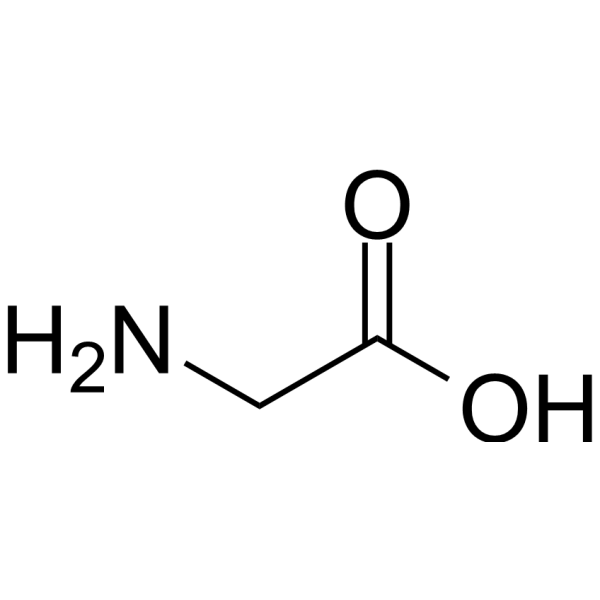
    Glycine
    10+ Cited Publications

    Environmental Pollutants Endogenous Metabolite iGluR VEGFR Ninjurin Infection Neurological Disease Inflammation/Immunology Cancer
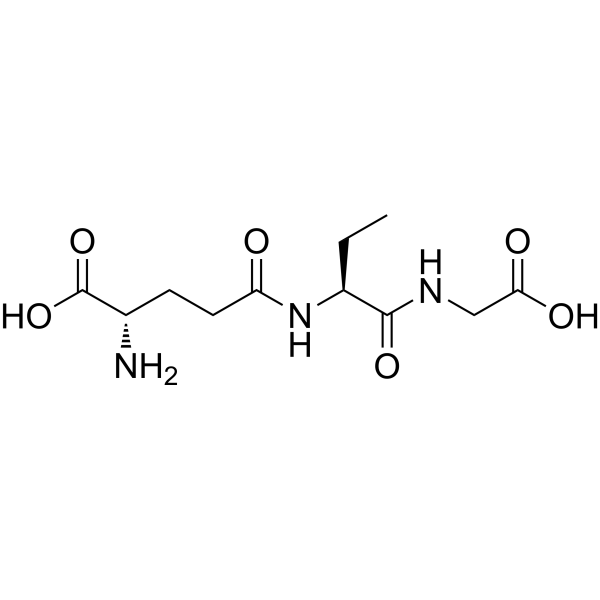
    Glycine is an inhibitory neurotransmitter in the CNS and also acts as a co-agonist along with glutamate, facilitating an excitatory potential at the glutaminergic N-methyl-D-aspartic acid (NMDA) receptors. Glycine is orally active. Glycine inhibits the membrane aggregation of NINJ1 and prevents plasma membrane rupture during cell death. Glycine can be used to study cell protection, cancer, neurological diseases, and angiogenesis .
    Glycine
  • HY-B0633A
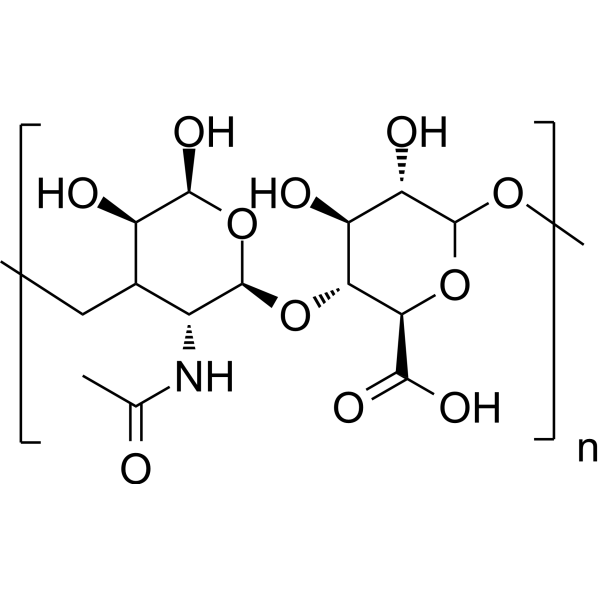
    Hyaluronic acid
    Maximum Cited Publications
    18 Publications Verification

    Hyaluronan; Hyaluronate

    Endogenous Metabolite Bacterial Akt PI3K Infection Neurological Disease Inflammation/Immunology Cancer
    Hyaluronic acid is a biopolymer composed of repeating units of disaccharides with various applications. Hyaluronic acid is a major component of the extracellular matrix (ECM). Hyaluronic acid is synthesized at the plasma membrane. Increased hyaluronic acid levels are associated with tumor cell growth, adhesion, migration, invasion and angiogenesis in digestive cancers. Hyaluronic acid participates in tissue remodeling and rapid cell proliferation in some physiological processes including embryonic morphogenesis and wound-healing. Hyaluronic acid activates the PI3K-Akt signaling. Hyaluronic acid acts as a regulator of cancer-associated lymphangiogenesis. Hyaluronic acid also enhances cell invasion and angiogenesis by promoting proteolytic MMP-9 binding to cell surface or stimulating MMP-9 binding to cell surface. Hyaluronic acid can be used as drug delivery for sodium butyrate to improve the anti-proliferative activity on breast cancer cell line. Hyaluronic acid can be studied in joint diseases, wound healing and cancer .
    Hyaluronic acid
  • HY-B0633
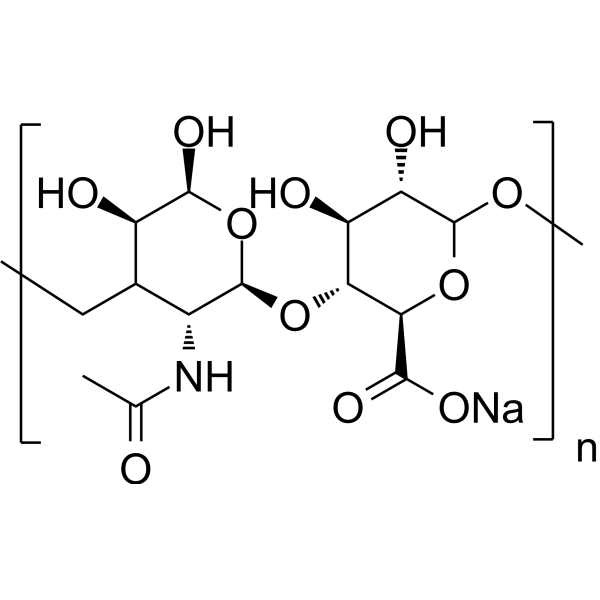
    Hyaluronic acid sodium
    Maximum Cited Publications
    18 Publications Verification

    Sodium hyaluronate

    Endogenous Metabolite Bacterial PI3K Akt Inflammation/Immunology Cancer
    Hyaluronic acid sodium (Sodium hyaluronate) is a biopolymer composed of repeating units of disaccharides with various applications. Hyaluronic acid sodium is a major component of the extracellular matrix (ECM). Hyaluronic acid sodium is synthesized at the plasma membrane. Increased hyaluronic acid sodium levels are associated with tumor cell growth, adhesion, migration, invasion and angiogenesis in digestive cancers. Hyaluronic acid sodium participates in tissue remodeling and rapid cell proliferation in some physiological processes including embryonic morphogenesis and wound-healing. Hyaluronic acid sodium activates the PI3K-Akt signaling. Hyaluronic acid sodium acts as a regulator of cancer-associated lymphangiogenesis. Hyaluronic acid sodium also enhances cell invasion and angiogenesis by promoting proteolytic MMP-9 binding to cell surface or stimulating MMP-9 binding to cell surface. Hyaluronic acid sodium can be used as drug delivery for sodium butyrate to improve the anti-proliferative activity on breast cancer cell line. Hyaluronic acid sodium can be studied in joint diseases, wound healing and cancer .
    Hyaluronic acid sodium
  • HY-D1063
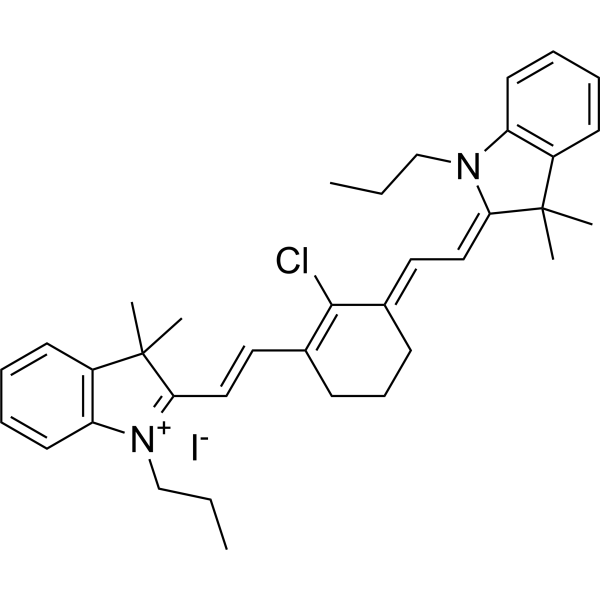
    IR-780
    5+ Cited Publications

    Fluorescent Dye Apoptosis Reactive Oxygen Species (ROS) Cancer
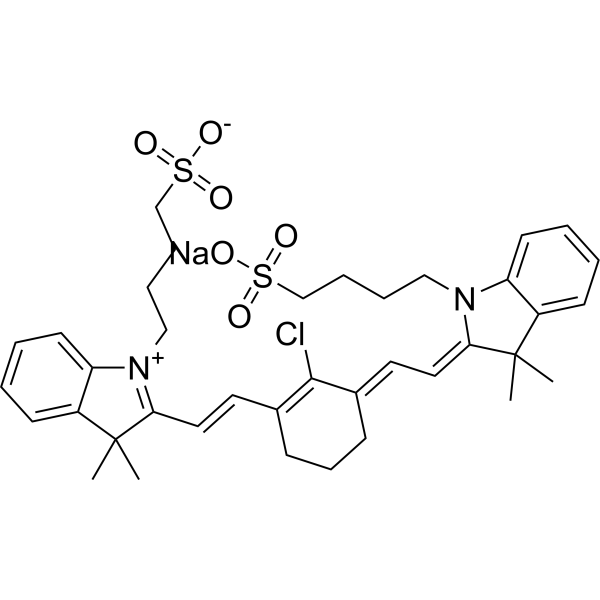
    IR-780 is a near-infrared fluorescent probe for in vivo imaging of tumor cells. IR-780 is transported into tumor cells via OATPs and ABCB10, with uptake dependent on glycolytic activity and plasma membrane potential. IR-780 preferentially accumulates in tumor cell mitochondria, including those of drug-resistant cancer cells, without chemical conjugation. IR-780 generates reactive oxygen species (ROS), induces hyperthermia and apoptosis, inhibits tumor growth and recurrence, and modulates HSP70 expression upon ultrasound or 808 nm laser exposure. IR-780 acts as a sonosensitizer, photodynamic and photothermal agent, and drug delivery carrier, with low acute imaging-dose toxicity and rapid vital organ clearance. IR-780 can be used for the research of cancer, such as breast cancer, lung cancer, and non-small cell lung cancer (NSCLC) .
    IR-780
  • HY-156617A

    SHR169265

    ADC Payload Topoisomerase Cancer
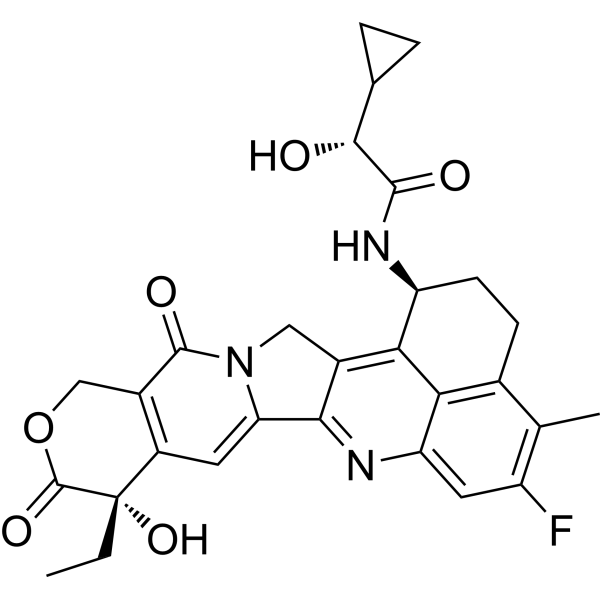
    (αR)-Cyclopropaneacetamide-Exatecan (SHR169265) is a DNA Topoisomerase I inhibitor with enhanced membrane permeability (with an IC50 of 1.34 μM against the human DNA Topoisomerase I). (αR)-Cyclopropaneacetamide-Exatecan exerts cytotoxic effects by inhibiting the enzymatic activity of Topoisomerase I, and this anticancer effect is independent of the expression level of HER2. (αR)-Cyclopropaneacetamide-Exatecan is an ADC Cytotoxin derived from Exatecan (HY-13631), which can be used in research related to advanced cancers such as breast cancer, gastric cancer, colorectal cancer and non-small cell lung cancer .
    (αR)-Cyclopropaneacetamide-Exatecan
  • HY-N5074

    Apoptosis VEGFR Inflammation/Immunology Cancer
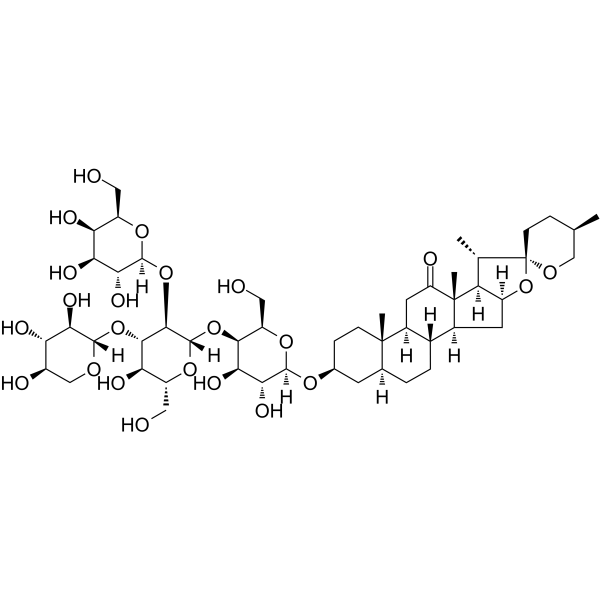
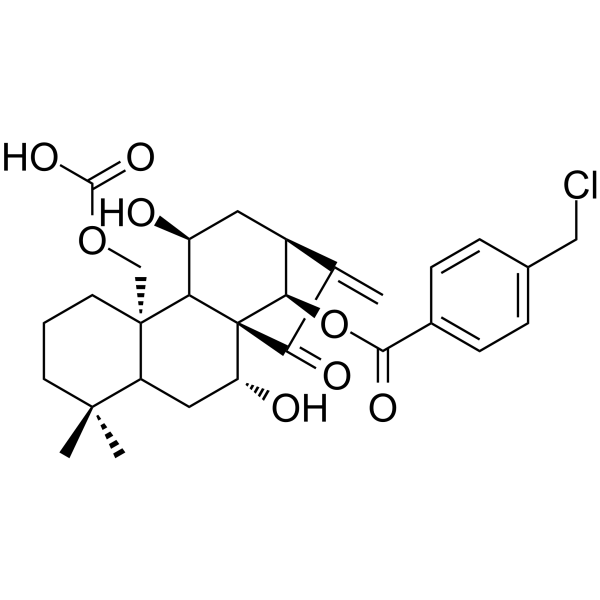
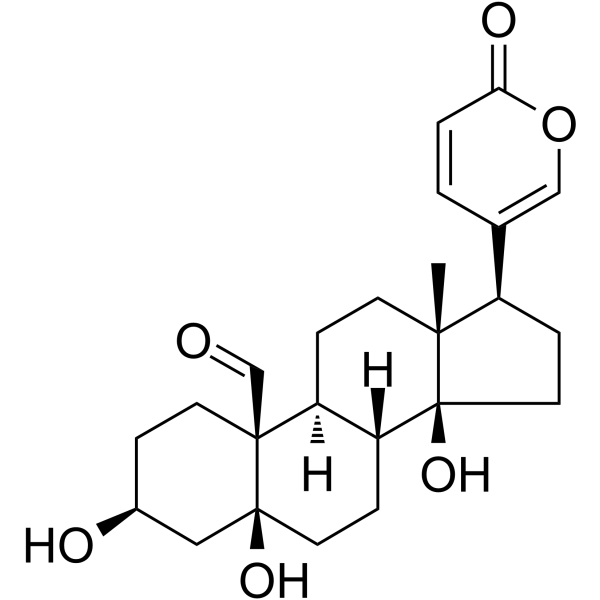
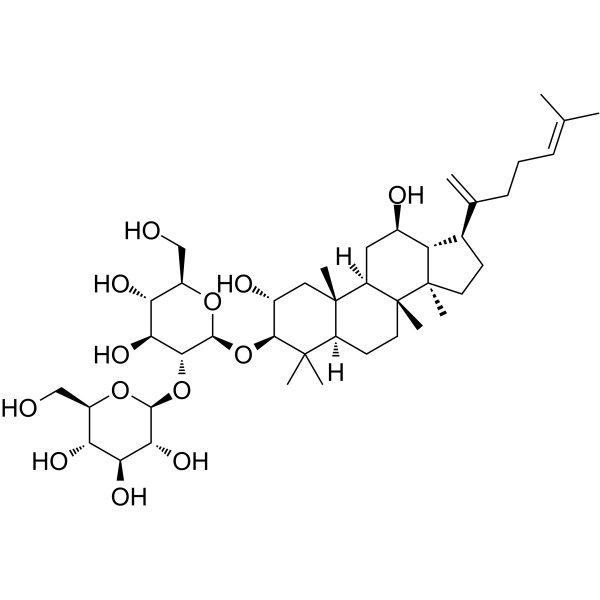
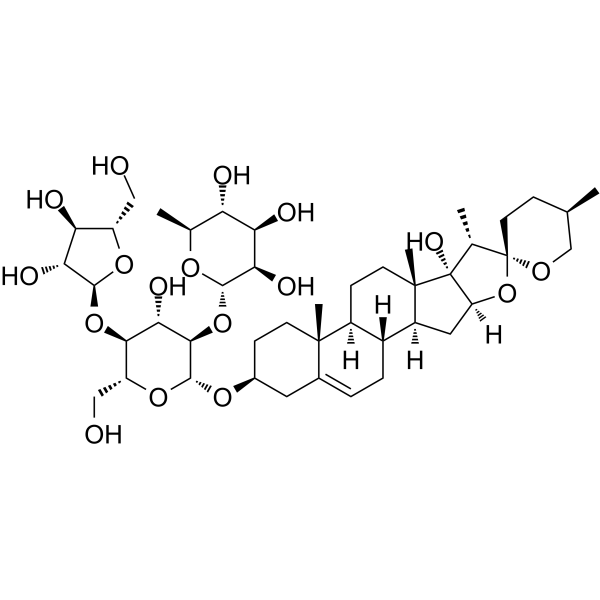
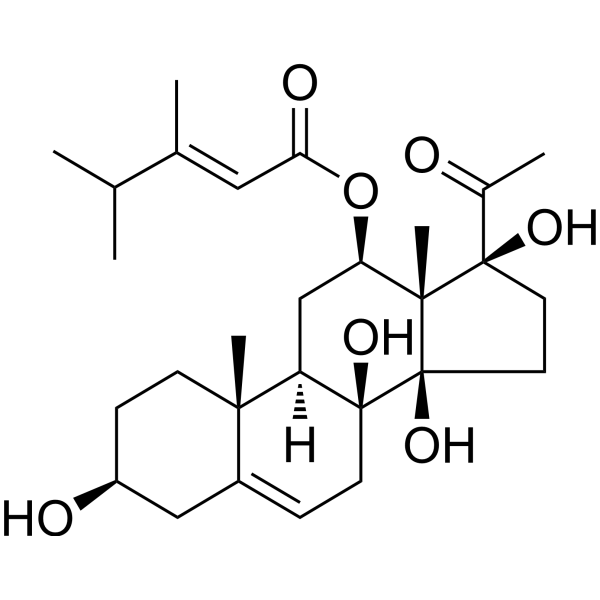
    Terrestrosin D is an orally active apoptosis inducer. Terrestrosin D induces cell cycle arrest at the G1 and S phases, reduces mitochondrial membrane potential, and inhibits the growth of cancer cells and endothelial cells. Terrestrosin D is studied in castration-resistant prostate cancer and pulmonary fibrosis .
    Terrestrosin D
  • HY-10114
    TGX-221
    15+ Cited Publications

    PI3K Cancer
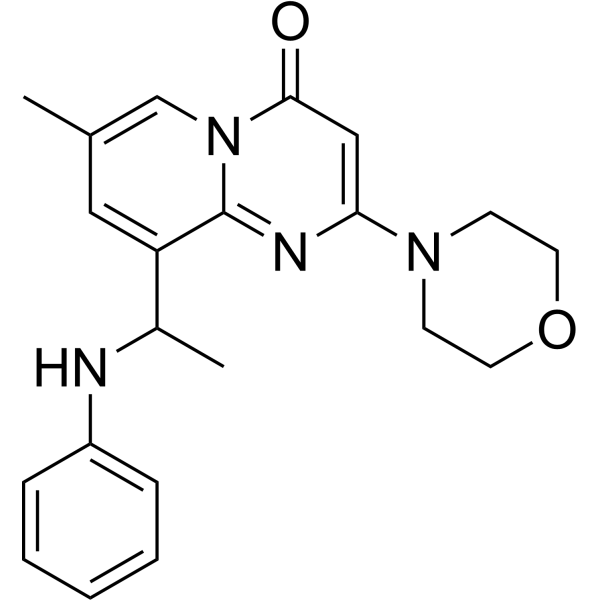
    TGX-221 is a potent, selective, and cell membrane permeable inhibitor of the PI3K p110β catalytic subunit, used for cancer treatment.
    TGX-221
  • HY-137371

    Bacterial Apoptosis Antibiotic Infection Cancer
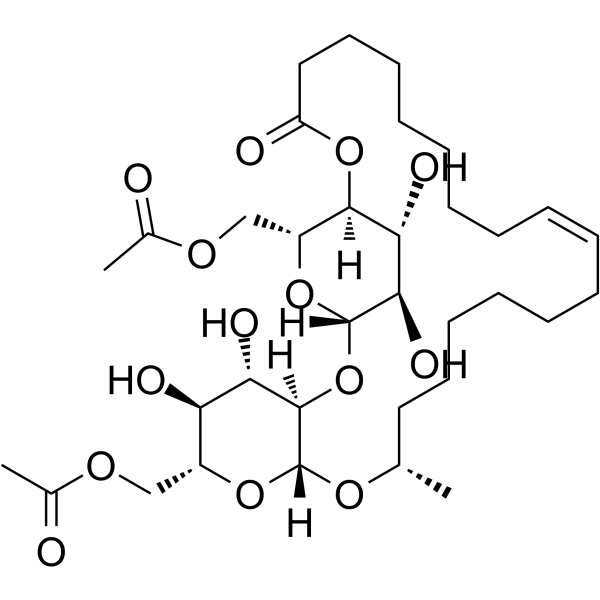
    Lactonic sophorolipid is an apoptosis inducer and antimicrobial surfactant with antitumor activity. Lactonic sophorolipid regulates Bax/Bcl-gene expression through caspase-3/9 and induces apoptosis in tumor cells. Lactonic sophorolipid can disrupt cell membrane permeability and exert antibacterial effects (MIC for oral pathogens is 100-400 μg/mL). Lactonic sophorolipid promotes mitochondrial membrane potential depolarization, activates the intrinsic apoptotic pathway, and can synergize with antibiotics to enhance the antibacterial effect. Lactonic sophorolipid can be used in liver cancer research and the development of oral hygiene antibacterial agents[1][2][3].
    Lactonic sophorolipid
  • HY-N1944
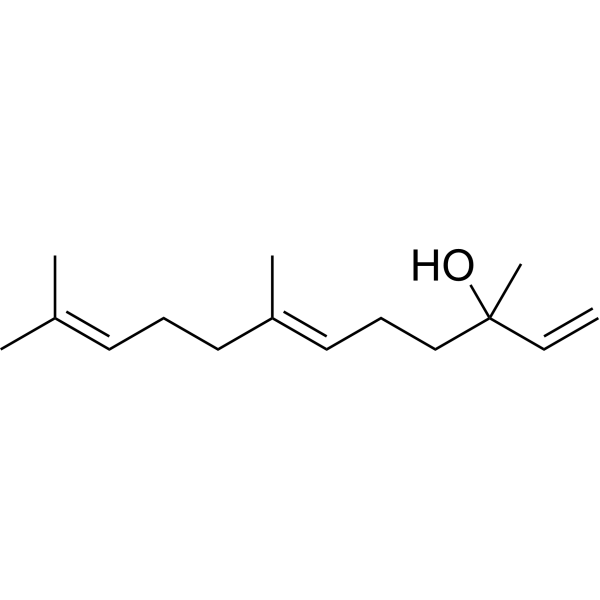
    Nerolidol,98%(isomers mixture)
    2 Publications Verification

    Environmental Pollutants Bacterial Endogenous Metabolite Fungal Parasite Infection Cancer
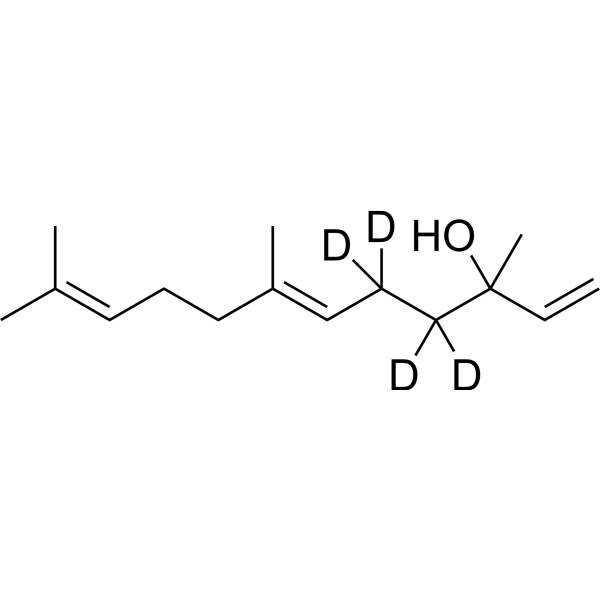
    Nerolidol has multiple natural membrane activities, possesses anti-cancer, anti-inflammatory, antibacterial and anti-insect activity. Nerolidol Suppresses parasitic activity, suppresses bloodsucking diseases, bloodworm diseases, and other diseases. Nerolidol can protect the cells from lipid and protein properties, damage to DNA, and protect the cells from damage .
    Nerolidol,98%(isomers mixture)
  • HY-156881

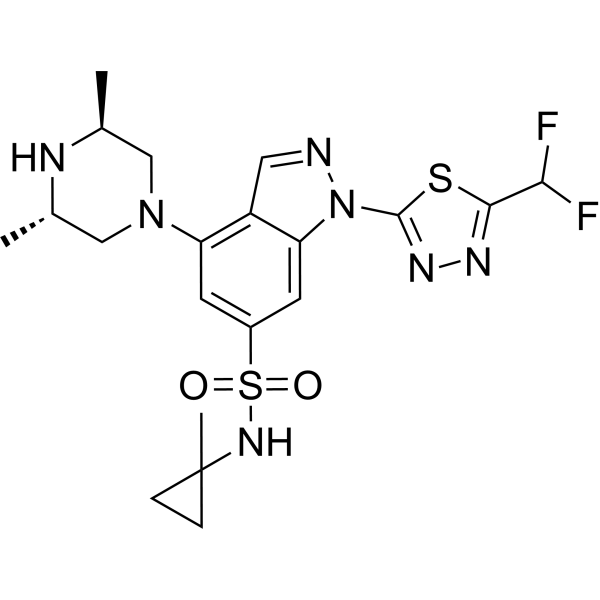
    Poly(ADP-ribose) Glycohydrolase (PARG) Apoptosis Cancer
    PARG-IN-4 (Formula (A)) is an orally available PARG inhibitor (EC50=1.9 nM) with cell membrane permeability. PARG-IN-4 can effectively inhibit tumor growth in mouse models. PARG-IN-4 can be used in cancer research .
    PARG-IN-4
  • HY-W590549

    DODAC

    Liposome Cancer
    Dioleyldimethylammonium chloride (DODAC) is a positively charged lipid promoter with membrane-disrupting activity, which is often formulated into cationic liposomes with dioleoylphosphatidylethanolamine. Dioleyldimethylammonium chloride is used in gene transfection research; through electrostatic interactions, it effectively promotes the binding of programmable fusion vesicles to cells and induces membrane disruption. Dioleyldimethylammonium chloride is also applied in studies on L1210 leukemia and LS180 human colon cancer .
    Dioleyldimethylammonium chloride
  • HY-P991669

    AML-01

    Caspase Apoptosis Cancer
    IGN523 is an anti-CD98 antibody (hCD98, KD = 0.55 nM). IGN523 induces antibody-dependent cell-mediated cytotoxicity (ADCC) activity, lysosomal membrane permeabilization, and inhibition of essential amino acid transport, ultimately leading to caspase-3 and caspase-7-mediated apoptosis of tumor cells. IGN523 inhibits tumor growth in multiple tumor xenograft models. IGN523 is useful in the research of non-small cell lung cancer (NSCLC), acute myeloid leukemia (AML), and other cancers. .
    IGN523
  • HY-115625

    Progesterone Receptor Apoptosis Glycosyltransferase Cancer
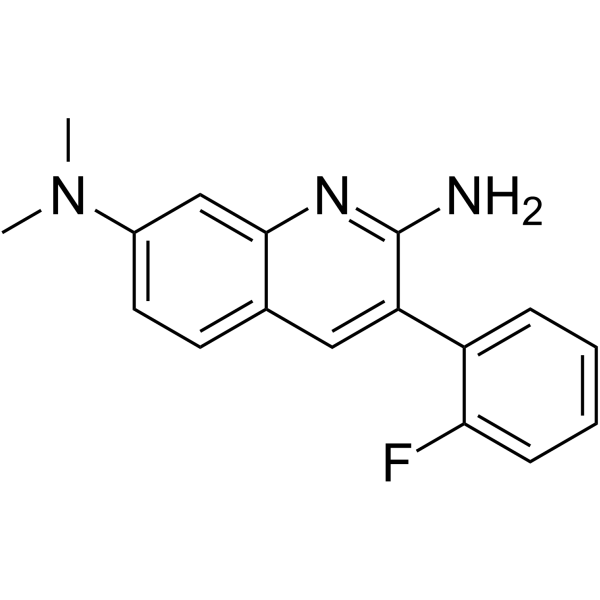
    AG-205 is a progesterone receptor membrane component 1 (PGRMC1) antagonist and CGT inhibitor, with an IC50 of 50 μM against rat CGT. AG-205 exhibits antimitotic, antimigratory and anti-invasive activities. AG-205 increases the expression of genes encoding cholesterol biosynthesis pathway or steroidogenic enzymes. AG-205 promotes the regulation of cell cycle by apoptosis and reduces the migratory and invasive capacities of ovarian and breast cancer cells. AG-205 can be used in research related to renal cancer and breast cancer .
    AG-205
  • HY-126222A

    Apoptosis Mitochondrial Metabolism Cancer
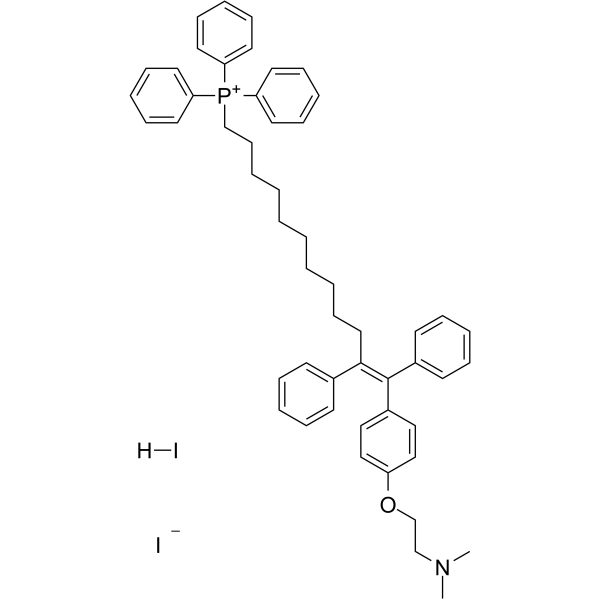
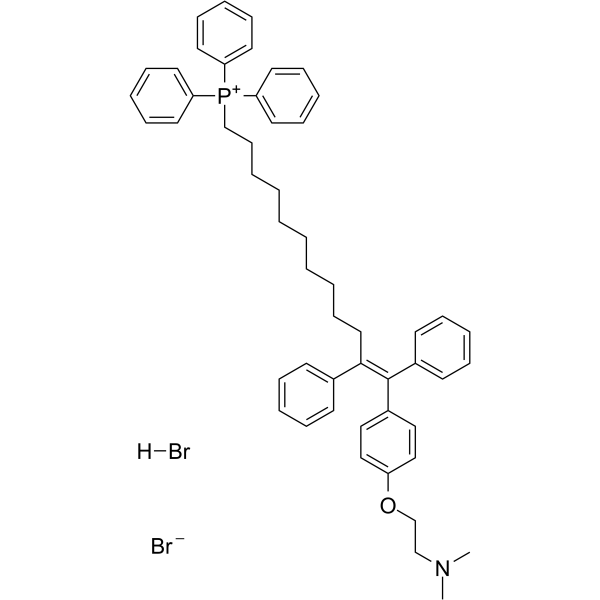
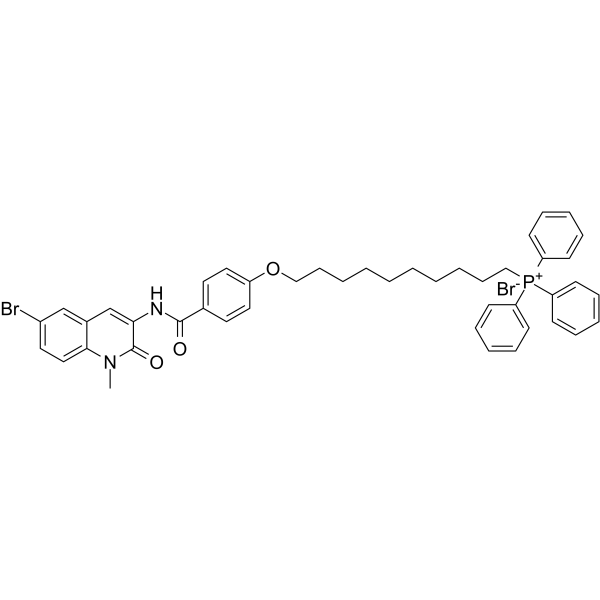
    MitoTam iodide, hydriodide is a Tamoxifen derivative , an electron transport chain (ETC) inhibitor, spreduces mitochondrial membrane potential in senescent cells and affects mitochondrial morphology . MitoTam iodide, hydriodide is an effective anticancer agent, suppresses respiratory complexes (CI-respiration) and disrupts respiratory supercomplexes (SCs) formation in breast cancer cells . MitoTam iodide, hydriodide causes apoptosis .
    MitoTam iodide, hydriodide
  • HY-NP163A

    WGA-AF488

    Fluorescent Dye Cancer
    Wheat germ agglutinin-AF488 (WGA-AF488) is a cell membrane-specific staining agent prepared by conjugating wheat germ agglutinin with the Alexa Fluor 488 (HY-D1304) fluorescent dye, and it binds to cell surface glycoproteins with high affinity. Wheat germ agglutinin-AF488 is applied in fluorescence microscopy and confocal imaging techniques, and it can clearly label the membrane structures of various cells including breast cancer cells, enabling high-resolution visual observation. Wheat germ agglutinin-AF488 is used in studies of breast cancer and triple-negative breast cancer to observe cell morphology and membrane dynamic changes .
    Wheat germ agglutinin-AF488
  • HY-W014118

    Environmental Pollutants Inflammation/Immunology Cancer
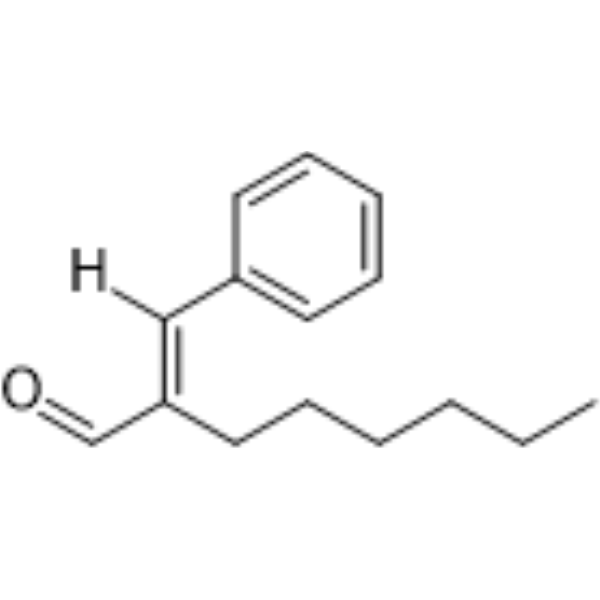
    α-Hexylcinnamaldehyde is an O-acetyltransferase (OAT) inhibitor. α-Hexylcinnamaldehyde inhibits OAT-mediated bioactivation of nitroarene mutagens, exerts antimutagenic activity through demutagenic and bioantimutagenic mechanisms, and interferes with ATP-binding cassette (ABC) transporter function to reduce substrate efflux. α-Hexylcinnamaldehyde alters membrane permeability, fluidizes phospholipid membranes, exerts antioxidant effects, and enhances the antiproliferative effect of Doxorubicin on human cancer cells. α-Hexylcinnamaldehyde can be used in the research of colorectal adenocarcinoma, T-cell leukemia, and multidrug-resistant cancers .
    α-Hexylcinnamaldehyde
  • HY-P99413

    ASP1650

    HCV Cancer
    IMAB027 (ASP1650) is a specific anti-CLDN6 mAb, while CLDN6 (Claudin 6) is a tight junction membrane protein, aberrantly expressed in various human cancer types, ovarian cancers particularly. IMAB 027 shows anti-tumor activity, and induces apoptosis in CLDN6 + ovarian and testicular cancer cell lines .
    IMAB027
  • HY-P4809

    Bacterial Fungal Infection Cancer
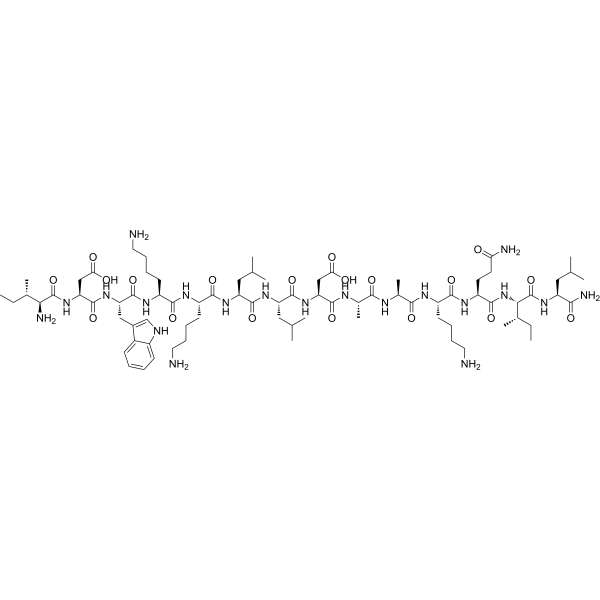
    Polybia-MP1 is an antimicrobial peptide with antibacterial, antifungal and anticancer activities. Polybia-MP1 selectively targets cancer cells by interacting with PS and PE in the outer leaflet of cell membranes, and induces necrosis via pore formation. Polybia-MP1 exhibits antibacterial activity against Pseudomonas aeruginosa. Polybia-MP1 can be used in research related to bacterial infections, fungal infections and cancers .
    Polybia-MP1
  • HY-P1755

    MDM-2/p53 Cancer
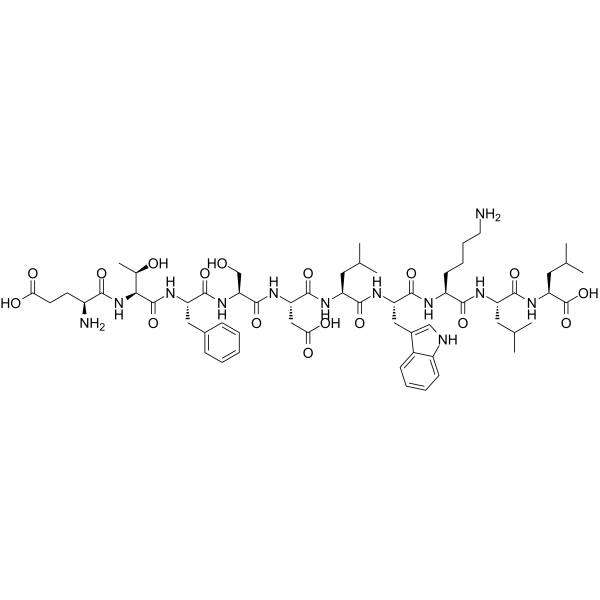
    p53 (17-26) is a peptide derived from the P53 MDM2 binding domain, with a Kd of 50 nM for MDM2. p53 (17-26) causes cell lysis by damaging cancer cells and nuclear membranes, and induces cancer cell necrosis. p53 (17-26) exhibits antitumor activity and is applicable to research related to pancreatic cancer .
    p53 (17-26)
  • HY-P5290

    Radionuclide-Drug Conjugates (RDCs) PSMA Cancer
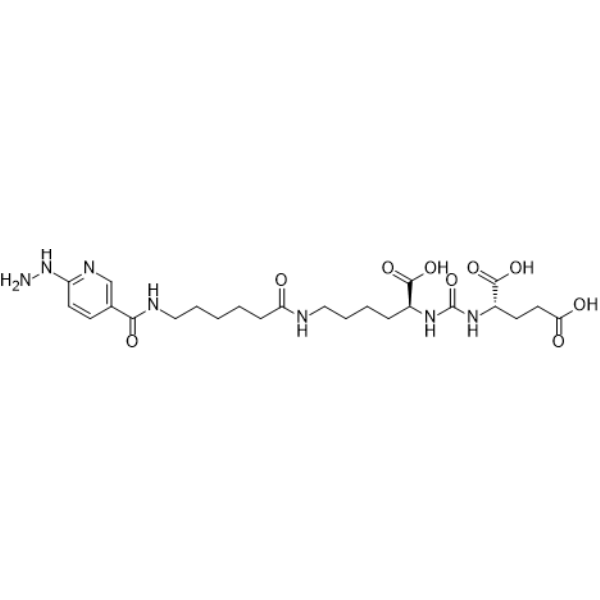
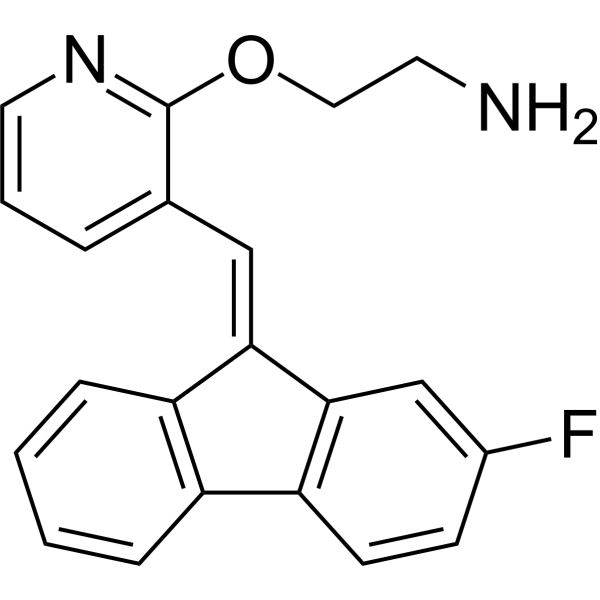
    HYNIC-PSMA is a ligand for molecular imaging of tumors. Hynic-psma consists of two components: HYNIC (6-hydrazinonicotinamide) and PSMA (Prostate-Specific Membrane Antigen). HYNIC is a compound used to attach radioactive isotopes to targeted molecules, such as 188Re-HYNIC-PSMA. PSMA is a membrane antigen that is specifically expressed on the surface of prostate cancer cells. HYNIC-PSMA can be used in prostate cancer research . HYNIC-PSMA can be used for the synthesis/research of Radionuclide-Drug Conjugates (RDCs).
    HYNIC-PSMA
  • HY-110082
    Quinine (hydrochloride)
    5+ Cited Publications

    Flavivirus Dengue Virus Parasite Potassium Channel Cardiovascular Disease Infection Cancer
    Quinine hydrochloride is an alkaloid extracted from cinchona bark and exhibits oral activity, acting as a potassium channel inhibitor. Quinine hydrochloride modulates the tolerance of red blood cells and presents dose-dependent toxicity and embryonic effects. Quinine hydrochloride is a typical hemolysin that directly lyses red blood cells, with cellular components of red blood cell membranes as its action targets. Quinine hydrochloride disrupts red blood cell membranes and induces hemolysis at high concentrations, while merely weakening the anti-hemolytic capacity of red blood cells at low concentrations. Quinine hydrochloride continuously reduces red blood cell tolerance after in vivo administration, and high doses can also alter blood cell counts. Quinine hydrochloride can be applied to researches related to red blood cell hemolysis, cancer and malaria .
    Quinine (hydrochloride)
  • HY-108636

    MDM-2/p53 RIP kinase Mixed Lineage Kinase Reactive Oxygen Species (ROS) Necroptosis Cancer
    RETRA is a RIPK1/RIPK3/MLKL and p73 activator. RETRA mediates plasma membrane disruption, induces ROS accumulation, triggers early mitochondrial hyperpolarization, and synergistically drives necroptosis. RETRA inhibits cancer cells carrying mutant p53 via a p73-dependent salvage pathway. RETRA can be used in research related to cervical cancer and cancers with mutant p53 .
    RETRA
  • HY-129746

    Apoptosis Cancer
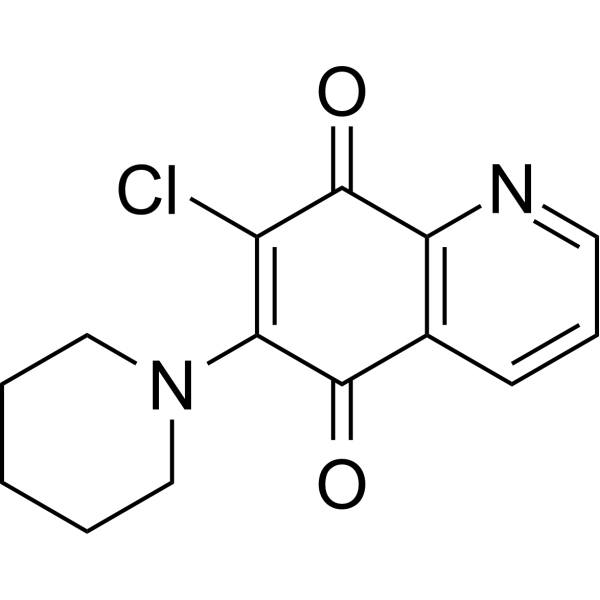
    Arylquin 1, a prostate-apoptosis-response-4 (Par-4) secretagogue, targets vimentin to induce Par-4 secretion. Arylquin 1 induces non-apoptotic cell death in cancer cells through the induction of lysosomal membrane permeabilization (LMP) .
    Arylquin 1
  • HY-D1005I

    Biochemical Assay Reagents Others
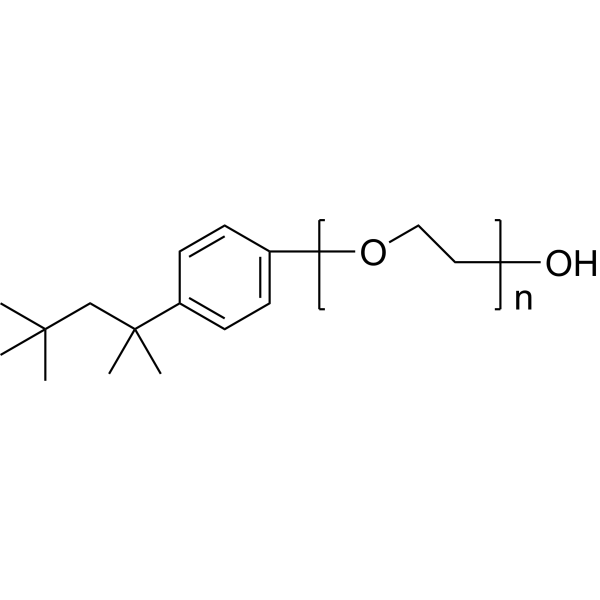
    Poloxamer L61 is a non-ionic triblock copolymer surfactant. Poloxamer L61 effectively achieves intracellular molecular delivery to cancer cells during photoacoustic molecular delivery, and maintains cell viability by promoting cell membrane resealing, thus avoiding irreversible damage caused by laser-induced membrane permeabilization. Poloxamer L61 is a key component of SP1017, a compound related to gene therapy, which regulates the interaction between DNA and extracellular matrix as well as cellular uptake, and significantly enhances the distribution and bioavailability of plasmid DNA in skeletal muscle. Poloxamer L61 can be used in studies on local or systemic therapeutic protein production .
    Poloxamer L61
  • HY-171158

    Liposome Cancer
    Glycerophosphoglycerol is a precursor for phospholipid biosynthesis. Glycerophosphoglycerol supports tumor cell membrane reconstruction and proliferation by promoting phospholipid synthesis. Glycerophosphoglycerol is promising for research of breast cancers .
    Glycerophosphoglycerol
  • HY-154927

    Liposome Cancer
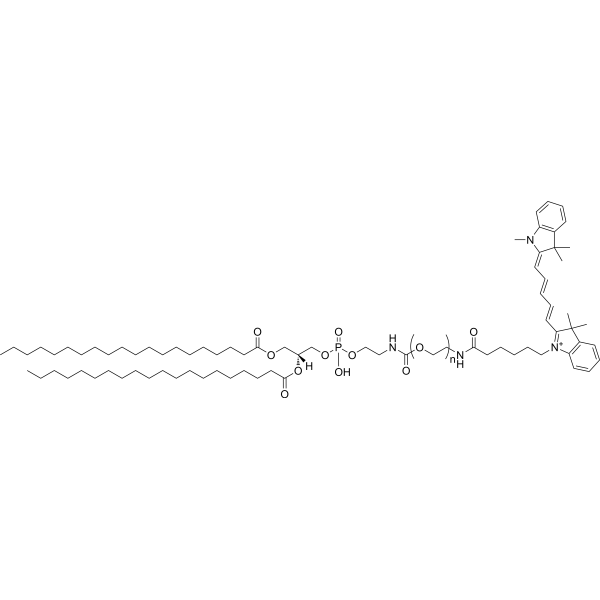
    DSPE-PEG-Cy5 is a fluorescent lipophilic PEG lipid. DSPE-PEG-Cy5 can insert into cell membranes and localize uniformly on them. DSPE-PEG-Cy5 can serve as a fluorescent model molecule to optimize and validate membrane insertion conditions for cell surface functionalization. DSPE-PEG-Cy5 can be used in research on drug delivery, cancer, and other fields .
    DSPE-PEG-Cy5
  • HY-132173

    Bcl-2 Family Cancer
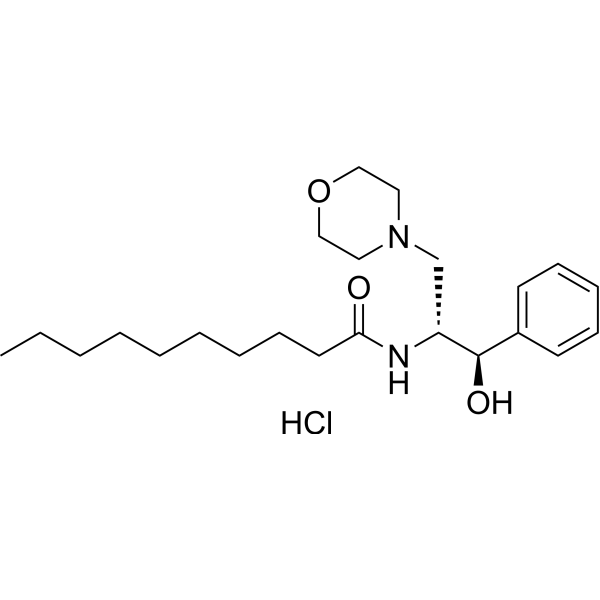
    GL0388 is a Bax activator that results in Bax insertion into mitochondrial membrane. GL0388 shows antiproliferative activities against various cancer cells, with IC50s of 0.299-1.57 μM. GL0388 activates Bax and induce Bax-mediated apoptosis. GL0388 suppresses breast cancer xenograft tumor growth in vivo .
    GL0388
  • HY-126222

    Apoptosis Mitochondrial Metabolism Cancer
    MitoTam bromide, hydrobromide, a Tamoxifen derivative , is an electron transport chain (ETC) inhibitor. MitoTam bromide, hydrobromide reduces mitochondrial membrane potential in senescent cells and affects mitochondrial morphology . MitoTam bromide, hydrobromide is an effective anticancer agent, suppresses respiratory complexes (CI-respiration) and disrupts respiratory supercomplexes (SCs) formation in breast cancer cells .
    MitoTam bromide, hydrobromide
  • HY-148365

    Mixed Lineage Kinase RIP kinase CDK Cancer
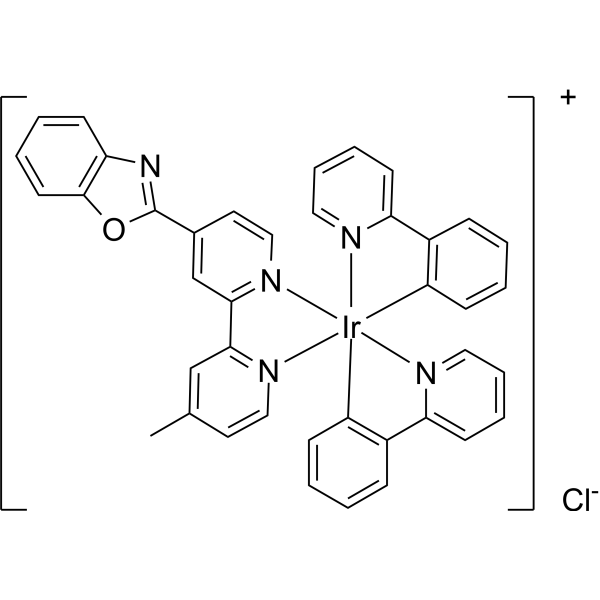
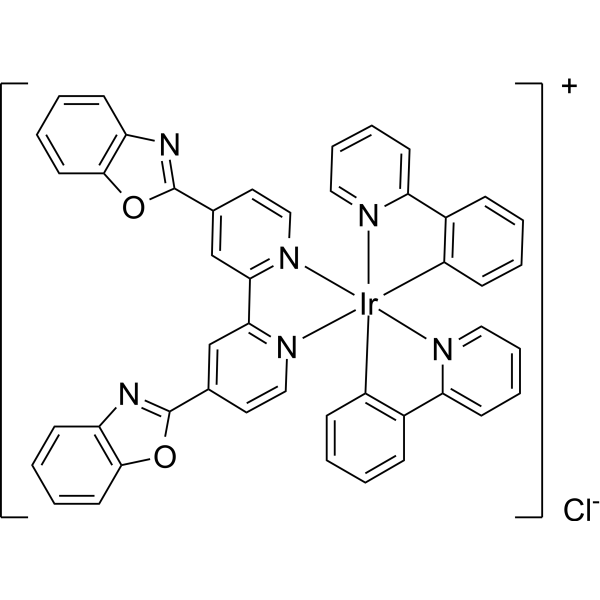
    NecroIr1 is an iridium(III) complex, serves as necroptosis inducers in Cisplatin (HY-17394)-resistant lung cancer cells (A549R). NecroIr1 selectively accumulates in mitochondria, leading to oxidative stress and loss of mitochondrial membrane potential (MMP). NecroIr1 activates receptor-interacting serine-threonine kinase 3 (RIPK3) and Mixed Lineage Kinase (MLKL), and regulates CDK4 expression .
    NecroIr1
  • HY-148366

    Mixed Lineage Kinase RIP kinase CDK Cancer
    NecroIr2 is an iridium(III) complex, serves as necroptosis inducers in Cisplatin (HY-17394)-resistant lung cancer cells (A549R). NecroIr2 selectively accumulates in mitochondria, leading to oxidative stress and loss of mitochondrial membrane potential (MMP). NecroIr2 activates receptor-interacting serine-threonine kinase 3 (RIPK3) and mixed lineage kinase domain-like pseudokinase (MLKL), and regulates CDK4 expression .
    NecroIr2
  • HY-W748509

    Caspase Apoptosis Cancer
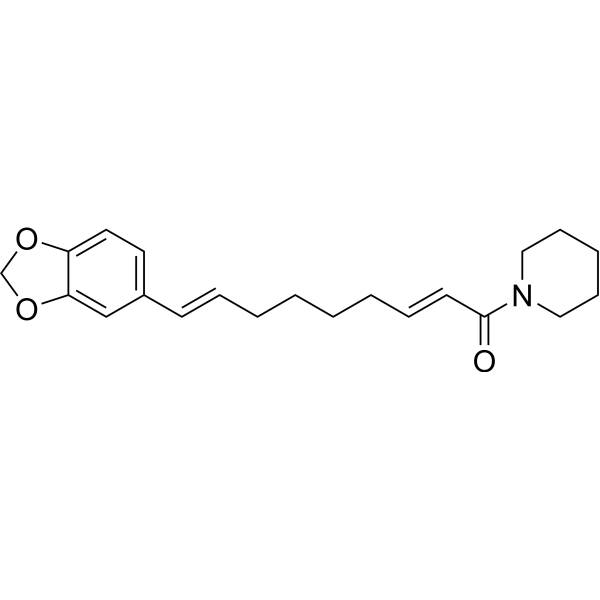
    Pipernonaline is a piperine derivative with antiprostate cancer activity. Pipernonaline inhibits the proliferation of androgen-dependent/independent LNCaP/PC-3 prostate cells. Pipernonaline activates caspase-3 and promotes procaspase-3/PARP cleavage. Pipernonaline also mediates reactive oxygen species (ROS) production, increased intracellular Ca(2+), and mitochondrial membrane depolarization .
    Pipernonaline
  • HY-125900

    NCA

    Others Cancer
    Neocarzilin A (NCA) reduces BST-2 levels via lysosomal degradation. Neocarzilin A has antimigratory and antiproliferative effects on cancer cells. Neocarzilin A inhibits cancer cell migration via irreversible binding to the synaptic vesicle membrane protein VAT-1 .
    Neocarzilin A
  • HY-P10841

    Amino Acid Derivatives Cancer
    CyPep-1 is a novel cationic lytic peptide with antitumor activity. CyPep-1 is highly cytotoxic by interacting with the negatively charged cell membrane of cancer cells. CyPep-1 has strong cytolytic activity on cancer cells both in vivo and in vitro, and can be used in the study of solid tumors .
    CyPep-1
  • HY-P1755F

    MDM-2/p53 Cancer
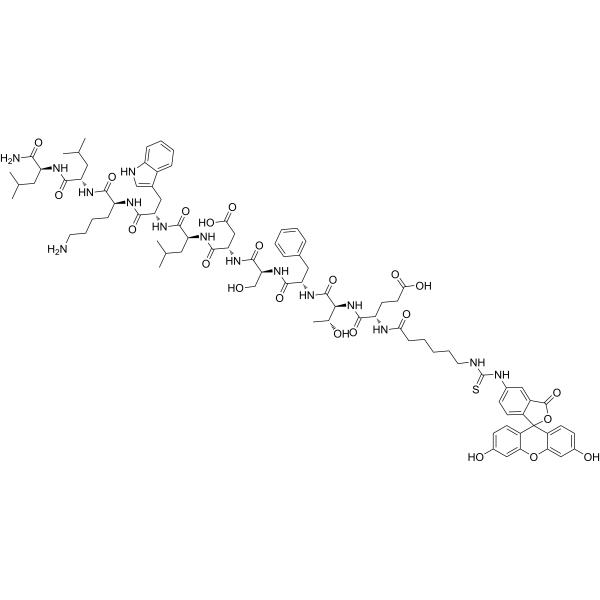
    p53 (17-26), FITC labeled is a biological active peptide. p53 (17-26) is a peptide derived from the P53 MDM2 binding domain, with a Kd of 50 nM for MDM2. p53 (17-26) causes cell lysis by damaging cancer cells and nuclear membranes, and induces cancer cell necrosis. p53 (17-26) exhibits antitumor activity and is applicable to research related to pancreatic cancer.
    p53 (17-26), FITC labeled
  • HY-P1755A

    MDM-2/p53 Cancer
    p53 (17-26) acetate is a peptide derived from the P53 MDM2 binding domain, with a Kd of 50 nM for MDM2. p53 (17-26) acetate causes cell lysis by damaging cancer cells and nuclear membranes, and induces cancer cell necrosis. p53 (17-26) acetate exhibits antitumor activity and is applicable to research related to pancreatic cancer .
    p53 (17-26) acetate
  • HY-114372

    Lipoxygenase Caspase Apoptosis Cancer
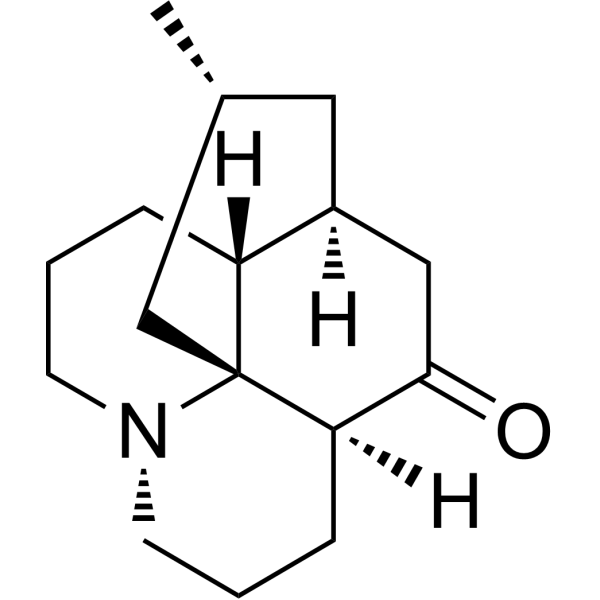
    Lycopodine, a pharmacologically important bioactive component derived from Lycopodium clavatumspores, triggers apoptosis by modulating 5-lipoxygenase, and depolarizing mitochondrial membrane potential in refractory prostate cancer cells without modulating p53 activity . Lycopodine inhibits proliferation of HeLa cells through induction of apoptosis via caspase-3 activation .
    Lycopodine
  • HY-P10997

    DNA/RNA Synthesis Cancer
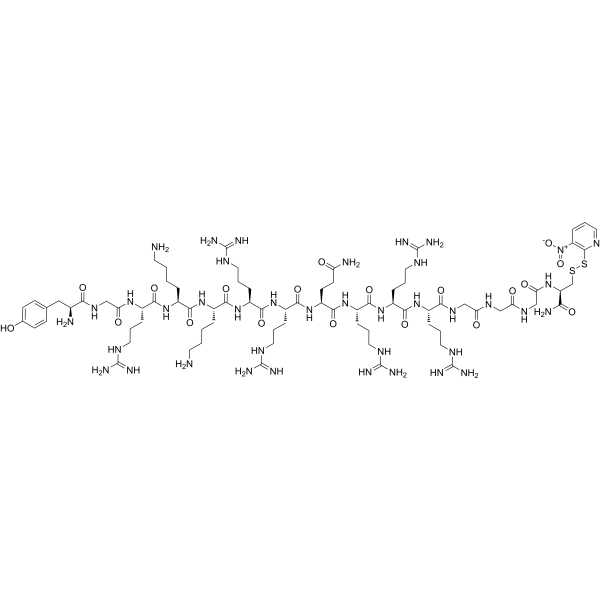
    F3 peptide is a fragment of the human high mobility group protein 2 (HMGB2), and can specifically bind to nucleolin expressed on the membrane of cancer cells, neovasculature, and endothelium. F3 peptide can be used as an effective ligand to improve their druggability of macromolecular drugs or nanoparticles, and so on .
    F3 peptide
  • HY-P5286

    Bacterial Infection Cancer
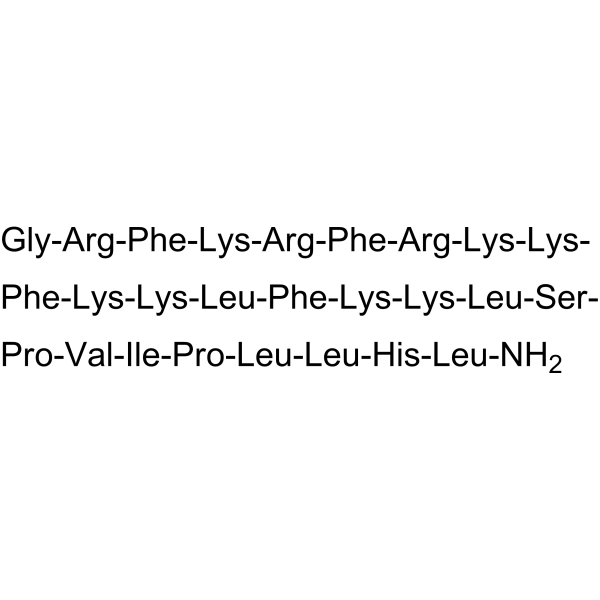
    BMAP-27 is an antimicrobial peptide capable of disrupting the membrane integrity of microorganisms. Due to its membrane permeability, MAP-27 has inhibitory activity against both bacteria and cancer cells .
    BMAP-27
  • HY-155474

    Apoptosis Cancer
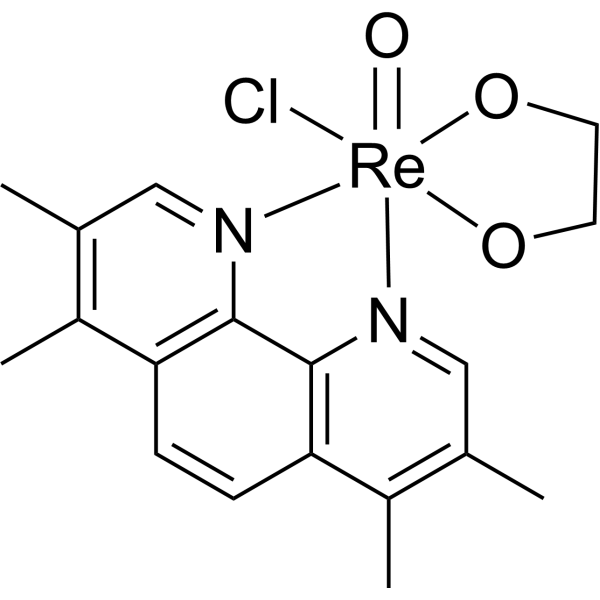
    Me4Phen (compound 3) is an oxygen rhenium (V) complex that depletes mitochondrial membrane potential and upregulates intracellular reactive oxygen species (ROS), leading to endoplasmic reticulum stress-mediated necrosis of cancer cells. Me4Phen is highly lipophilic and effectively overcomes Cisplatin (HY-17394) resistance in a variety of cancer cells .
    Me4Phen
  • HY-173476

    TcO-5

    PSMA Cancer
    TcO-ABX474 (TcO-5) is a potent prostate-specific membrane antigen (PSMA) inhibitor with a Kd value of 6.1 nM. TcO-ABX474 inhibits prostate cancer cell growth and metastasis. TcO-ABX474 is promising for research of prostate cancer .
    TcO-ABX474
  • HY-177345A

    Sigma Receptor Apoptosis Cancer
    SV119 hydrochloride is a sigma-2 ligand with a Ki value of 5.2 nM. SV119 hydrochloride enhances the efficient transport of drugs across the plasma membrane of cancer cells. The conjugation of dm-Erastin with SV119 hydrochloride successfully overcomes the internalization barrier observed in pancreatic cancer, while preserving the inherent anti-tumor activity of Erastin (HY-15763). Additionally, SV119 hydrochloride demonstrates cytotoxic effects on triple-negative breast cancer (TNBC) cells and induces apoptosis .
    SV119 hydrochloride
  • HY-N1306

    Bacterial Reactive Oxygen Species (ROS) Apoptosis Infection Cancer
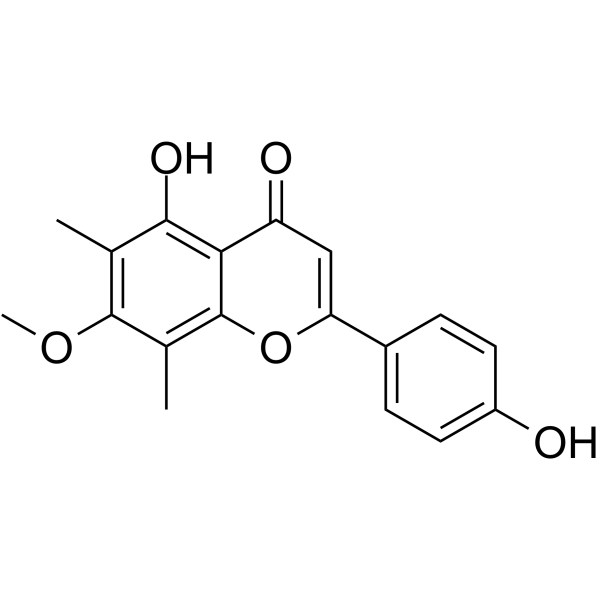
    Sideroxylin is a C-methylated flavone isolated from Callistemon lanceolatus and exerts antimicrobial activity against Staphylococcus aureus. Sideroxylin inhibits ovarian cancer cell proliferation and induces apoptosis, causing DNA fragmentation, depolarization of the mitochondrial membrane, the generation of reactive oxygen species (ROS) .
    Sideroxylin
  • HY-172749

    Autophagy Bacterial Biochemical Assay Reagents Infection Cancer
    IMCTA-C14 TFA, a trehalose analog, is a detergent. IMCTA-C14 TFA shows autophagy-inducing activity in OVK18 cells and can be effectively used in membrane protein research. IMCTA-C14 TFA is active against various bacteria (MICs = 8-128 µg/mL) and is cytotoxic against cancer cell lines (IC50s = 2.9-29.2 µg/mL) .
    IMCTA-C14 TFA
  • HY-149709

    ICMT Cancer
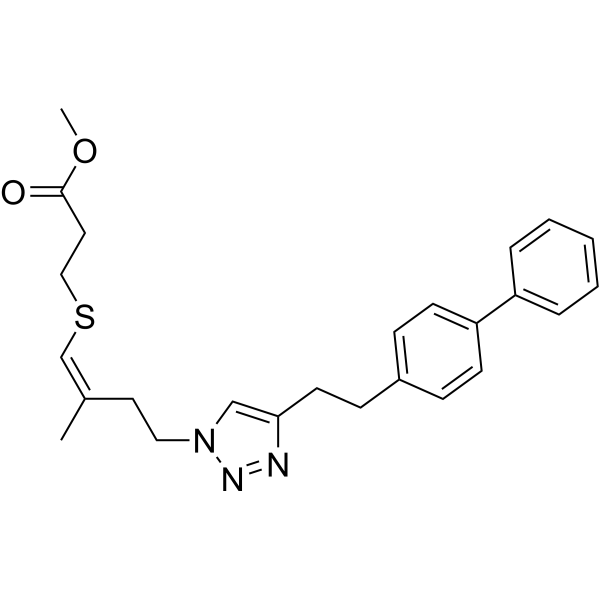
    ICMT-IN-35 (compound 10n) is a FTPA-triazole compound and ICMT inhibitor (IC50=0.8 μM). ICMT-IN-35 is taken up by mammalian cells and can prevent K-Ras membrane localization and induce K-Ras mislocalization. Furthermore, ICMT-IN-35 is selectively cytotoxic against ICMT +/+ MEF cells and has low micromolar activity (IC50=0.8 μM) against metastatic pancreatic cancer cell lines .
    ICMT-IN-35
  • HY-W299574A

    Others Cancer
    (Rac)-HfLeu hydrochloride is an anticancer agent with good cell membrane permeability. (Rac)-HfLeu hydrochloride has excellent proliferation inhibition ability for cancer cells. (Rac)-HfLeu hydrochloride can be used for research on various types of cancer .
    (Rac)-HfLeu hydrochloride
  • HY-P10669

    Caspase Apoptosis Cancer
    NDI-Lyso is a lysosome-targeted anticancer agent that induces the formation of rigid long fibers in cancer cell lysosomes through an enzyme-instructed self-assembly (EISA) mechanism catalyzed by cathepsin B. This process triggers lysosomal swelling, membrane permeabilization (LMP), and membrane disruption, ultimately leading to cancer cell apoptosis via a non-classical caspase-independent pathway. NDI-Lyso exhibits significant selective anticancer activity in various cancer cell lines and drug-resistant cancer cells (IC50 ~10 μM) while showing low toxicity to normal cells (IC50 > 60 μM) .
    NDI-Lyso
  • HY-123209

    WS-9659 A

    Antibiotic Bacterial Infection Cancer
    Lavanducyanin (WS-9659 A) is an antibiotic targeting microbial cell membranes. Lavanducyanin is promising for research of infections and cancer adjuvants .
    Lavanducyanin
  • HY-139828

    Apoptosis Cancer
    Anticancer agent 14 is a lead compound (IC50: 0.20 to 0.65 μM) that induces apoptosis, cell cycle arrest, and loss of mitochondrial membrane potential in breast cancer cells.
    Anticancer agent 14
  • HY-114206

    Histone Methyltransferase Cancer
    SKI-73 is a chemical probe for CARM1 with prodrug properties. SKI-73 can rapidly penetrate cell membranes and be processed into active inhibitors. SKI-73 inhibits the invasion of breast cancer cells and can be used in the study of cancer .
    SKI-73
  • HY-P991235

    BMS-986186

    EGFR Caspase Cancer
    FS102 is a selective Fc fragment with antigen binding (Fcab) that targets HER2 with a KD value of 0.8 nM. FS102 induces the degradation of HER2, activates Caspase 3/7 and disrupts the integrity of the cell membrane, triggering apoptosis of tumor cells. FS102 is promising for research of cancers such as breast cancer, gastric cancer, and colorectal cancer .
    FS102

Inquiry Online

Your information is safe with us. * Required Fields.

Salutation


Country or Region *

Applicant Name *


Organization Name *

Department *


Email Address *


Product Name *

Cat. No.


Requested quantity *

Phone Number *


Remarks

Inquiry Online

Inquiry Information

Product Name:
Cat. No.:
Quantity:
MCE Japan Authorized Agent: