
Search Result
Results for "
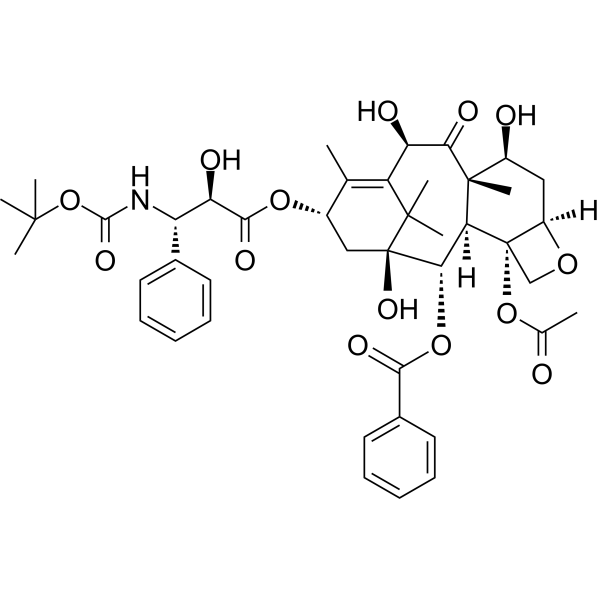
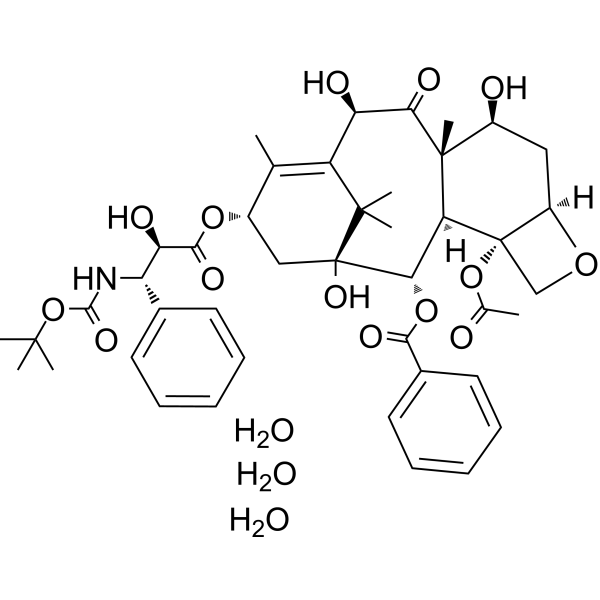
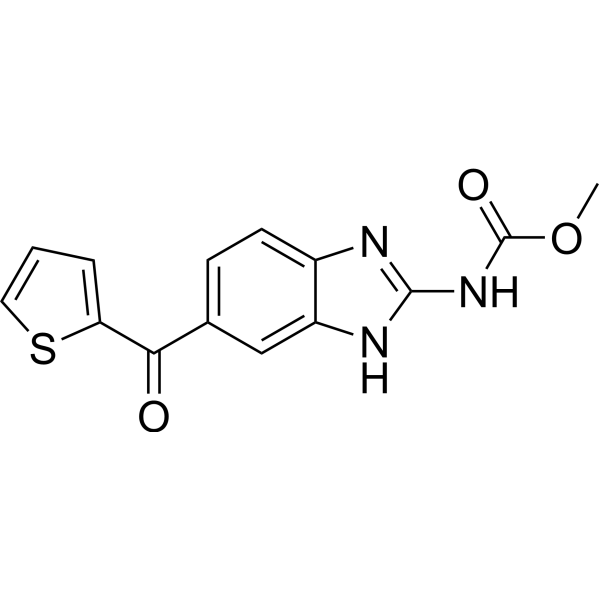
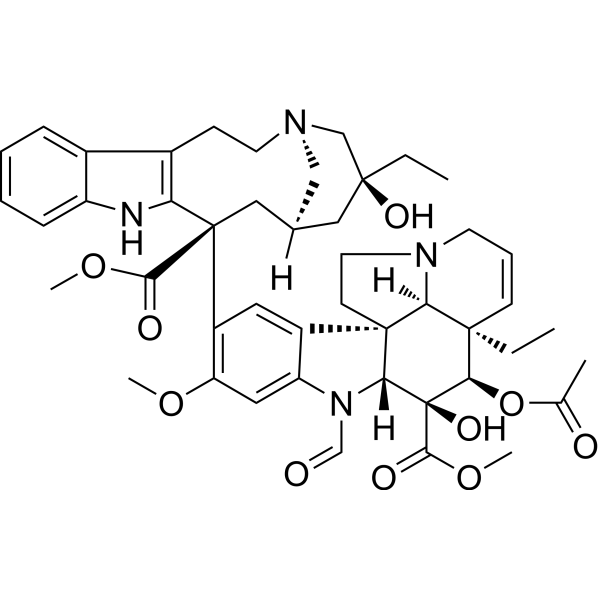
microtubule inhibitor
" in MedChemExpress (MCE) Product Catalog:
3
Biochemical Assay Reagents
18
Isotope-Labeled Compounds
| Cat. No. |
Product Name |
Target |
Research Areas |
Chemical Structure |
-
- HY-13520
-
|
Oncodazole; R17934
|
Bcr-Abl
Autophagy
Microtubule/Tubulin
Apoptosis
Mitosis
|
Cancer
|
|
Nocodazole (Oncodazole) is a rapidly-reversible inhibitor of microtubule. Nocodazole binds to β-tubulin and disrupts microtubule assembly/disassembly dynamics, which prevents mitosis and induces apoptosis in tumor cells. Nocodazole inhibits Bcr-Abl.
|
-
-
- HY-16569
-
|
|
Environmental Pollutants
Apoptosis
Autophagy
Microtubule/Tubulin
NOD-like Receptor (NLR)
|
Cancer
|
|
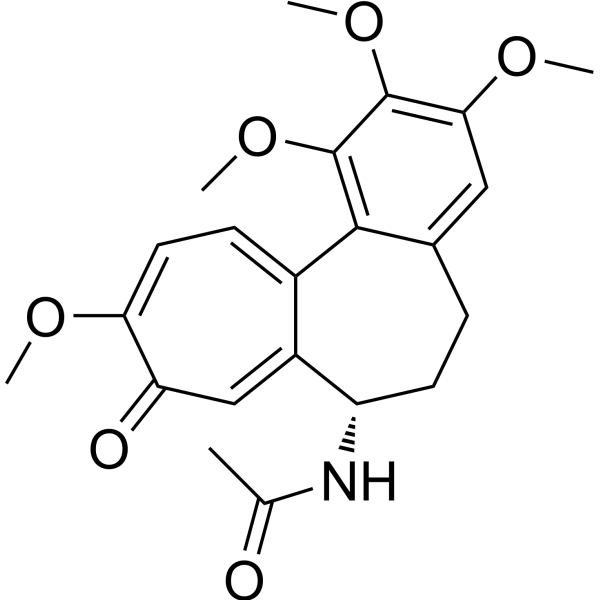
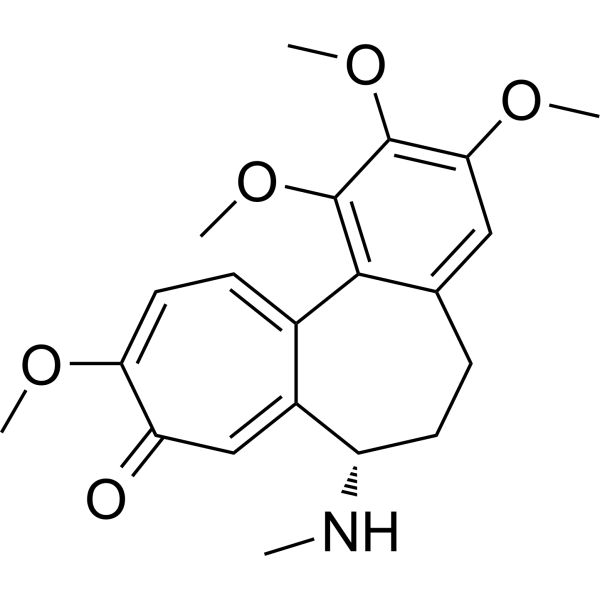
Colchicine, an orally active alkaloid, is a potent tubulin inhibitor and a microtubule disrupting agent. Colchicine inhibits microtubule polymerization with an IC50 of 3 nM. Colchicine is also a competitive antagonist of the α3 glycine receptors (GlyRs). Colchicine prevents non-steroidal anti-inflammatory drug (NSAID)-induced small intestinal injury by inhibiting activation of the NLRP3 inflammasome. Colchicine has extensive anti-inflammatory, immunosuppressive and strong anti-fibrosis effects and has the potential for gouty arthritis research .
|
-
-
- HY-13442
-
|
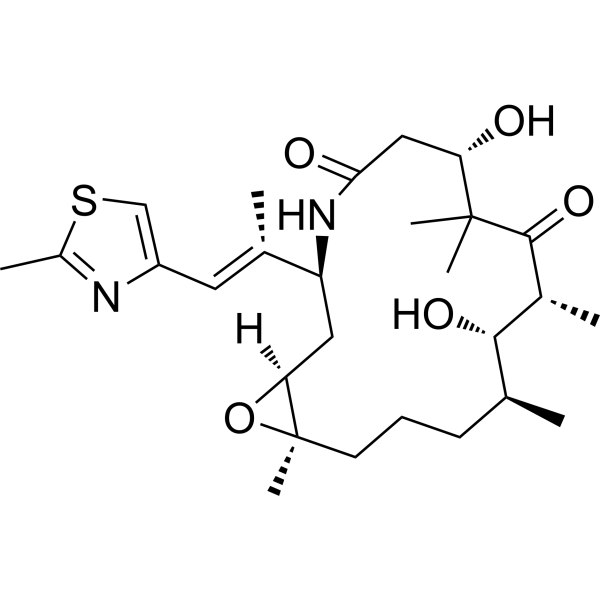
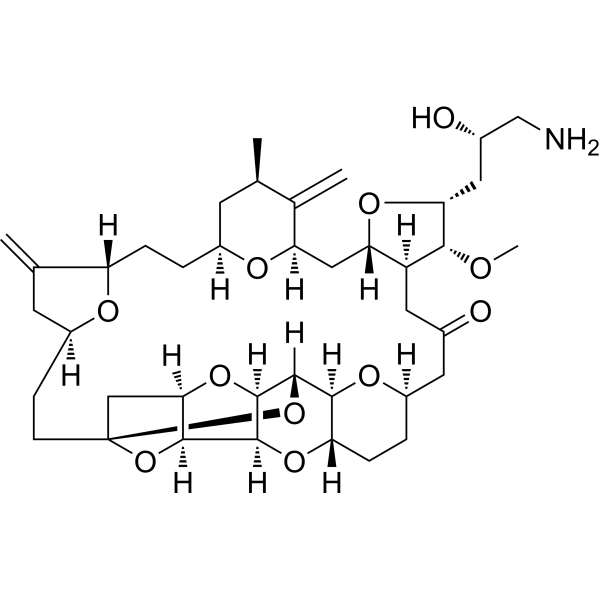
B1939; E7389; ER-086526
|
Microtubule/Tubulin
Apoptosis
ADC Payload
|
Cancer
|
|
Eribulin (E7389) is a microtubule targeting agent that is used for the research of metastatic breast cancer. Eribulin inhibits the proliferation of cancer cells by binding microtubule proteins and microtubules.
|
-
-
- HY-13780
-
|
Vincaleukoblastine sulfate salt
|
Microtubule/Tubulin
nAChR
Autophagy
|
Cancer
|
|
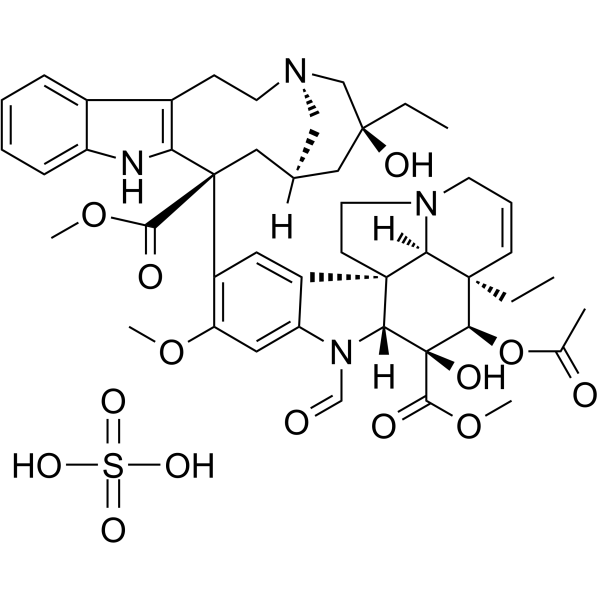
Vinblastine sulfate is a cytotoxic alkaloid used against various cancer types. Vinblastine sulfate inhibits the formation of microtubule and suppresses nAChR with an IC50 of 8.9 μM.
|
-
-
- HY-15583
-
|
|
ADC Payload
Microtubule/Tubulin
|
Cancer
|
|
Auristatin F is a potent cytotoxin in antibo-conjugated agents and an analogue of MMAF. Auristatin F is a potent microtubule inhibitor and vascular damaging agent (VDA). Auristatin F inhibits cell division by preventing tubulin aggregation.Auristatin F can be used in antibody-drug conjugates (ADC) .
|
-
-
- HY-15552
-
|
Podophyllotoxin
|
Microtubule/Tubulin
|
Cancer
|
|
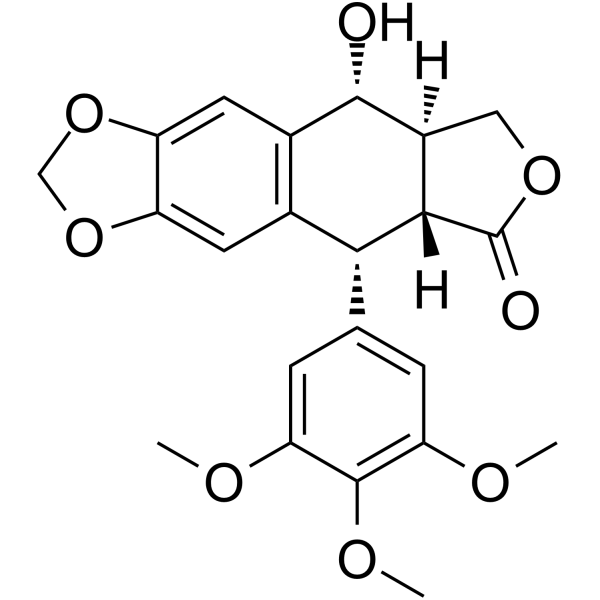
Podofilox (Podophyllotoxin) is a potent inhibitor of microtubule assembly and DNA topoisomerase II.
|
-
-
- HY-10222
-
|
BMS-247550; Aza-epothilone B
|
Microtubule/Tubulin
Apoptosis
Bacterial
|
Cancer
|
|
Ixabepilone (BMS-247550) is an orally bioavailable microtubule inhibitor, which binds to tubulin and promotes tubulin polymerization and microtubule stabilization, thereby arrests cells in the G2-M phase of the cell cycle and induces tumor cell apoptosis.
|
-
-
- HY-15739
-
-
-
- HY-128870
-
|
|
Drug-Linker Conjugates for ADC
|
Cancer
|
|
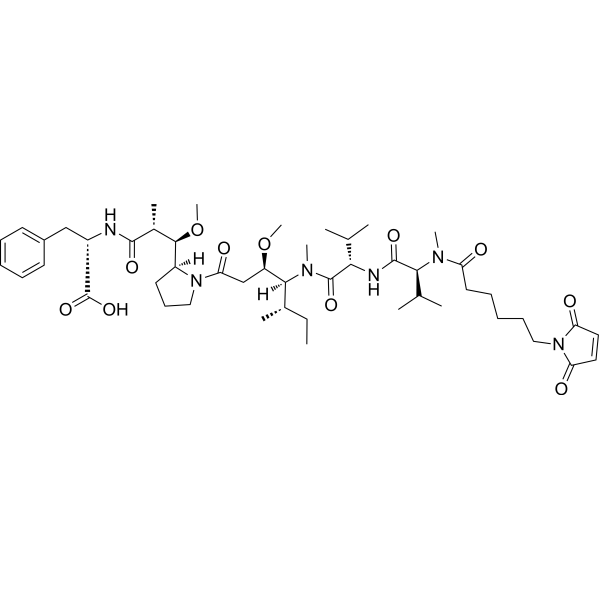
Mal-PEG2-VCP-Eribulin consists the ADCs linker (Mal-PEG2-VCP) and Eribulin (HY-13442). Eribulin is a mechanistically unique microtubule inhibitor and Eribulin inhibits the proliferation of cancer cells by binding microtubule proteins and microtubules. Mal-PEG2-VCP-Eribulin is an Eribulin-based agent for antibody conjugates .
|
-
-
- HY-155956
-
|
|
Microtubule/Tubulin
Apoptosis
Bcl-2 Family
JNK
PARP
|
Cancer
|
|
GM-90257 is a microtubule acetylation inhibitor. GM-90257 binds directly to α-tubulin. GM-90257 prevents the recruitment of α-tubulin acetyltransferase 1 (αTAT1) to the K40 residue in α-tubulin. GM-90257 causes Apoptosis, downregulates BCl-2, and activates JNK and PARP. GM-90257 has anticancer activity against breast cancer .
|
-
-
- HY-101934
-
-
-
- HY-115364
-
|
SKF 29044
|
Microtubule/Tubulin
Parasite
|
Infection
|
|
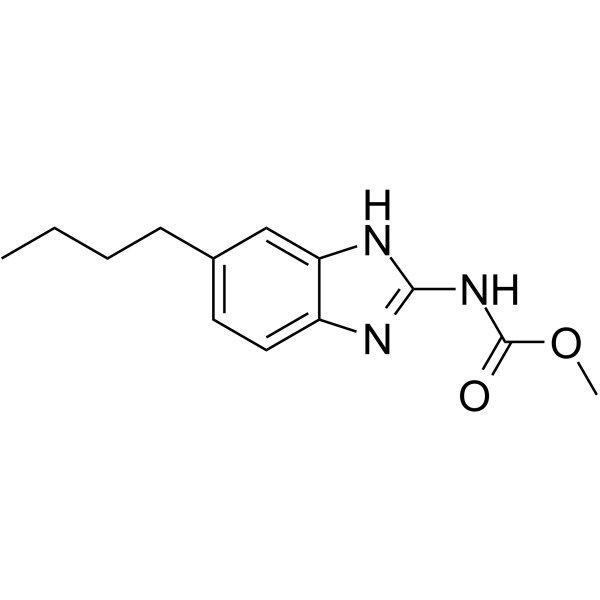
Parbendazole is a potent inhibitor of microtubule assembly, destabilizes tubulin, with an EC50 of 530 nM, and exhibits a broad-spectrum anthelmintic activity.
|
-
-
- HY-131873
-
|
|
Dynamin
|
Infection
|
|
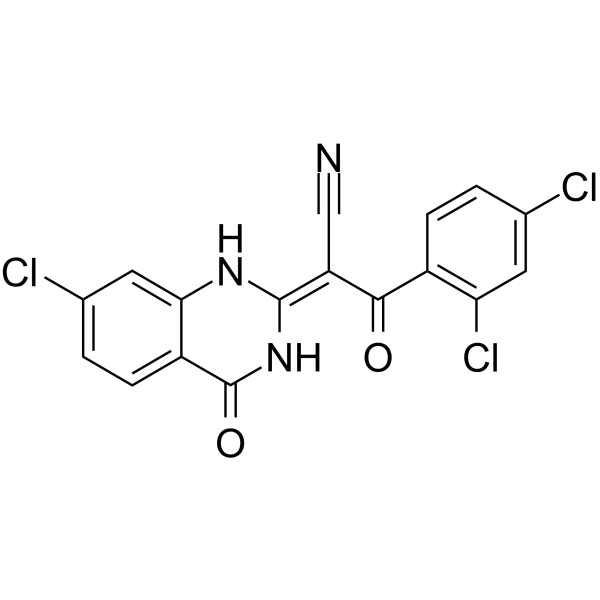
Dynapyrazole A is a specific inhibitor of microtubule dynamin that specifically inhibits the ATPase activity of microtubule-stimulated dynamin without blocking microtubule-independent basal activity .
|
-
-
- HY-17435
-
|
4'-O-demethylepipodophyllotoxin; 4'-DMEP
|
Microtubule/Tubulin
|
Cancer
|
|
4'-Demethylepipodophyllotoxin (4'-DMEP) is an intermediate compound that inhibits microtubule assembly.
|
-
-
- HY-15857
-
CW-069
1 Publications Verification
|
Kinesin
|
Cancer
|
|
CW-069 is an allosteric inhibitor of microtubule motor protein HSET with an IC50 of 75 μM.
|
-
-
- HY-101933
-
|
|
AMPK
|
Neurological Disease
|
|
MARK-IN-1 is a potent microtubule affinity regulating kinase (MARK) inhibitor with an IC50 of <0.25 nM.
|
-
-
- HY-N7053
-
|
|
ADC Payload
Microtubule/Tubulin
|
Cancer
|
|
Tubulysin M is a highly cytotoxic anti-microtubule toxin (anti-microtubule toxins) that is synthesized as an ADC cytotoxin (ADC Cytotoxin). Tubulysin M can be isolated from the myxobacteria Archangium geophyra and Angiococcus disciformis. Tubulysin M displays extremely potent cytotoxic activity in mammalian cells, including multidrug-resistant cell lines, with IC50 values in the low nanomolar range. Tubulysin M inhibits microtubule/tubulin polymerization and leads to cell cycle arrest and apoptosis .
|
-
-
- HY-122236
-
|
|
Mitosis
Kinesin
Microtubule/Tubulin
Aurora Kinase
|
Cancer
|
|
UMK57 is a MCAK activator and kinetochore-microtubule destabilizer. UMK57 enhances MCAK-dependent microtubule depolymerization, increases kinetochore-microtubule turnover, reduces chromosome mis-segregation and lagging chromosomes, and inhibits cancer cell proliferation. UMK57 triggers adaptive resistance in Aurora B cancer cells via reversible Aurora B signaling pathway alterations. UMK57 can be used for the research of solid tumors .
|
-
-
- HY-128224
-
|
|
Drug Intermediate
|
Cancer
|
|
Antiproliferative agent-13 (compound 16c) shows an antiproliferative activity against human A375 cells with an IC50 value of 32.7 nM. Antiproliferative agent-13 can be used for the research of cancer .
|
-
-
- HY-118588
-
-
-
- HY-W014240
-
|
|
Environmental Pollutants
Herbicide
|
Others
|
|
Chlorpropham is a carbamate herbicide and plant growth regulator. Chlorpropham inhibits mitosis and cell division by interfering with the organisation of the spindle microtubules .
|
-
-
- HY-16191
-
|
|
Microtubule/Tubulin
Apoptosis
HIF/HIF Prolyl-Hydroxylase
Mitosis
|
Cancer
|
|
ELR510444 is an orally active tubulin inhibitor with an IC50 of 10 μM. ELR510444 binds to the colchicine-binding site on β-tubulin, inhibits tubulin assembly, depolymerizes microtubules and blocks HIF activity. ELR510444 induces cellular microtubule loss, abnormal mitotic spindle, mitotic arrest, apoptosis, morphological changes in tumor endothelial cells, and inhibits cancer cell proliferation, angiogenesis and tumor growth. ELR510444 can be used in research related to various cancers such as renal cell carcinoma .
|
-
-
- HY-16569B
-
|
|
Biochemical Assay Reagents
Microtubule/Tubulin
|
Inflammation/Immunology
Cancer
|
|
Colchicine,suitable for plant cell culture, an orally active alkaloid, is a potent tubulin inhibitor and a microtubule disrupting agent. Colchicine inhibits microtubule polymerization with an IC50 of 3 nM. Colchicine is also a competitive antagonist of the α3 glycine receptors (GlyRs). Colchicine prevents non-steroidal anti-inflammatory drug (NSAID)-induced small intestinal injury by inhibiting activation of the NLRP3 inflammasome. Colchicine,suitable for plant cell culture can be used for plant cell culture .
|
-
-
- HY-118143
-
|
|
Endogenous Metabolite
|
Others
|
AG-1801, a nitrobenzopyridine derivative, is a tyrosine phosphorylation inhibitor. AG-1801 can induce the disintegration of the microtubule network in living cells, and does not inhibit microtubule polymerization in vitro. AG-1801 can be used for the study of microtubule-related signaling pathways .
|
-
-
- HY-164837
-
|
SMP13432
|
Drug-Linker Conjugates for ADC
Microtubule/Tubulin
|
Cancer
|
|
VcMMAE-Eribulin is a Drug-Linker Conjugates for ADC, which is composed of a linker and a toxic molecule MMAE (HY-15162) (Microtubule inhibitor) and Eribulin (HY-13442) (Microtubule inhibitor). VcMMAE-Eribulin can be used for ADC synthesis.
|
-
-
- HY-N2348
-
|
|
ADC Payload
Microtubule/Tubulin
|
Cancer
|
|
Tubulysin D is a highly cytotoxic anti-microtubule toxin (anti-microtubule toxins) that is synthesized as an ADC cytotoxin (ADC Cytotoxin). Tubulysin D can be isolated from the myxobacteria Archangium geophyra and Angiococcus disciformis. Tubulysin D displays extremely potent cytotoxic activity in mammalian cells, including multidrug-resistant cell lines, with IC50 values in the low nanomolar range. Tubulysin D inhibits microtubule/Tubulin polymerization and leads to cell cycle arrest and apoptosis .
|
-
-
- HY-78883
-
|
|
Microtubule/Tubulin
|
Cancer
|
|
ON 01500 is a tubulin inhibitor with a Kd of 21 nM. ON 01500 exerts microtubule-destabilizing effects in cells. ON 01500 can be used the study of cancers .
|
-
-
- HY-161248
-
|
|
Microtubule/Tubulin
|
Cancer
|
|
E7130 is a microtubule inhibitor, which ameliorates the tumor microenvironment through suppression of cancer-associated fibroblasts (CAF) and promotion of tumor vasculature remodeling .
|
-
-
- HY-N7052
-
|
|
ADC Payload
Microtubule/Tubulin
|
Cancer
|
|
Tubulysin I is a highly cytotoxic anti-microtubule toxin (anti-microtubule toxins) that is synthesized as an ADC cytotoxin (ADC Cytotoxin). Tubulysin I can be isolated from the myxobacteria Archangium geophyra and Angiococcus disciformis. Tubulysin I displays extremely potent cytotoxic activity in mammalian cells, including multidrug-resistant cell lines, with IC50 values in the low nanomolar range. Tubulysin I inhibits microtubule/tubulin polymerization and leads to cell cycle arrest and apoptosis .
|
-
-
- HY-N7050
-
|
|
ADC Payload
Microtubule/Tubulin
|
Cancer
|
|
Tubulysin G is a highly cytotoxic anti-microtubule toxin (anti-microtubule toxins) that is synthesized as an ADC cytotoxin (ADC Cytotoxin). Tubulysin G can be isolated from the myxobacteria Archangium geophyra and Angiococcus disciformis. Tubulysin G displays extremely potent cytotoxic activity in mammalian cells, including multidrug-resistant cell lines, with IC50 values in the low nanomolar range. Tubulysin G inhibits microtubule/tubulin polymerization and leads to cell cycle arrest and apoptosis .
|
-
-
- HY-N2347
-
|
|
ADC Payload
Microtubule/Tubulin
|
Cancer
|
|
Tubulysin C is a highly cytotoxic anti-microtubule toxin (anti-microtubule toxins) that is synthesized as an ADC cytotoxin (ADC Cytotoxin). Tubulysin C can be isolated from the myxobacteria Archangium geophyra and Angiococcus disciformis. Tubulysin C displays extremely potent cytotoxic activity in mammalian cells, including multidrug-resistant cell lines, with IC50 values in the low nanomolar range. Tubulysin C inhibits microtubule/Tubulin polymerization and leads to cell cycle arrest and apoptosis .
|
-
-
- HY-N1450
-
|
|
Phospholipase
|
Cancer
|
|
Aristolochic acid C is a derivative of Aristolochic acid. Aristolochic acid is a phospholipase A2 (PLA2) inhibitor, which disrupts cortical microtubule arrays and root growth in Arabidopsis .
|
-
-
- HY-16181
-
|
|
Folate Receptor (FR)
Microtubule/Tubulin
DNA Alkylator/Crosslinker
|
Cancer
|
|
EC-0225, a folate conjugate of two agents- one a potent microtubule inhibiting agent, and the second a DNA alkylating agent. EC-0225 inhibits the growth of folate receptor (FR)-positive KB cells with an IC50 of ~1 nM. EC-0225 can be selectively delivered to advanced FR-positive tumors without causing overt toxicity, such as lung carcinoma .
|
-
-
- HY-14934
-
|
STA 5312
|
Microtubule/Tubulin
|
Cancer
|
|
Rosabulin (STA 5312) is a potent and orally active microtubule inhibitor that inhibits microtubule assembly. Rosabulin has broad-spectrum anti-tumor activity .
|
-
-
- HY-177549
-
|
|
Drug Derivative
ADC Payload
Microtubule/Tubulin
Apoptosis
|
Cancer
|
|
Fmoc-PEG6-VCP-Eribulin is the derivative of Eribulin (HY-13442). Eribulin (E7389) is a microtubule targeting agent that is used for the research of metastatic breast cancer. Eribulin inhibits the proliferation of cancer cells by binding microtubule proteins and microtubules .
|
-
-
- HY-163737
-
|
|
Microtubule/Tubulin
|
Cancer
|
|
ST-401, a microtubule-targeting agent (MTA), is a brain-penetrant microtubule (MT) assembly inhibitor. ST-401 disrupts microtubule (MT) function through gentle and reverisible reduction in MT assembly that triggers mitotic delay and cell death in interphase. ST-401 shows a potent antitumor activity .
|
-
-
- HY-16569S
-
-
-
- HY-16569S1
-
-
-
- HY-13520R
-
|
Oncodazole (Standard); R17934 (Standard)
|
Bcr-Abl
Autophagy
Microtubule/Tubulin
Apoptosis
Mitosis
Reference Standards
|
Cancer
|
|
Nocodazole (Standard) is the analytical standard of Nocodazole. This product is intended for research and analytical applications. Nocodazole (Oncodazole) is a rapidly-reversible inhibitor of microtubule. Nocodazole binds to β-tubulin and disrupts microtubule assembly/disassembly dynamics, which prevents mitosis and induces apoptosis in tumor cells. Nocodazole inhibits Bcr-Abl.
|
-
-
- HY-120921
-
|
RH-7281
|
Fungal
Microtubule/Tubulin
|
Infection
|
|
Zoxamide (RH-7281) is an oomycete Fungicide and covalent β-tubulin inhibitor. RH-7281 inhibits the assembly of tubulin into microtubules in vitro. Zoxamide binds covalently to β-tubulin, disrupting microtubule assembly and the cytoskeleton. Zoxamide blocks nuclear division in germinated hyphae of Phytophthora capsici and inhibits hyphal growth of Phytophthora capsici .
|
-
-
- HY-N2346
-
|
|
ADC Payload
Microtubule/Tubulin
|
Cancer
|
|
Tubulysin E is a highly cytotoxic anti-microtubule toxin (anti-microtubule toxins) that is synthesized as an ADC cytotoxin (ADC Cytotoxin). Tubulysin E can be isolated from the myxobacteria Archangium geophyra and Angiococcus disciformis. Tubulysin E displays extremely potent cytotoxic activity in mammalian cells, including multidrug-resistant cell lines, with IC50 values in the low nanomolar range. Tubulysin E inhibits microtubule/Tubulin polymerization and leads to cell cycle arrest and apoptosis .
|
-
-
- HY-N7049
-
|
|
ADC Payload
Microtubule/Tubulin
|
Cancer
|
|
Tubulysin F is a highly cytotoxic anti-microtubule toxin (anti-microtubule toxins) that is synthesized as an ADC cytotoxin (ADC Cytotoxin). Tubulysin F can be isolated from the myxobacteria Archangium geophyra and Angiococcus disciformis. Tubulysin F displays extremely potent cytotoxic activity in mammalian cells, including multidrug-resistant cell lines, with IC50 values in the low nanomolar range. Tubulysin F inhibits microtubule/Tubulin polymerization and leads to cell cycle arrest and apoptosis .
|
-
-
- HY-N7051
-
|
|
ADC Payload
Microtubule/Tubulin
|
Cancer
|
|
Tubulysin H is a highly cytotoxic anti-microtubule toxin (anti-microtubule toxins) that is synthesized as an ADC cytotoxin (ADC Cytotoxin). Tubulysin H can be isolated from the myxobacteria Archangium geophyra and Angiococcus disciformis. Tubulysin H displays extremely potent cytotoxic activity in mammalian cells, including multidrug-resistant cell lines, with IC50 values in the low nanomolar range. Tubulysin H inhibits microtubule/tubulin polymerization and leads to cell cycle arrest and apoptosis .
|
-
-
- HY-159653
-
|
|
Microtubule/Tubulin
|
Cancer
|
|
MASTL-IN-5 (compound 11) is a MASTL (microtubule-associated serine/threonine kinase-like) inhibitor, with a Ki of 0.018 nM .
|
-
-
- HY-145828
-
|
|
Microtubule/Tubulin
Ferroptosis
|
Cancer
|
|
Microtubule inhibitor 2 is a potent and selective, orally active microtubule inhibitor. Microtubule inhibitor 2 triggers cell death through ferroptosis . Microtubule inhibitor 2 shows antitumor activity .
|
-
-
- HY-161075
-
|
|
Microtubule/Tubulin
Ferroptosis
|
Cancer
|
|
Microtubule inhibitor 8 (MP-HJ-1b) is a potent inhibitor of microtubule. Microtubule inhibitor 8 triggers cell death through ferroptosis. Microtubule inhibitor 8 has anti-tumor effect .
|
-
-
- HY-147727
-
|
|
Microtubule/Tubulin
|
Cancer
|
|
Microtubule inhibitor 6 (compound 17o) is a potent microtubule inhibitor. Microtubule inhibitor 6 shows cytotoxicity with IC50s of 14.0, 6.6, 7.0 nM for NCI-H460, BxPC-3, HT-29 cells, respectively. Microtubule inhibitor 6 efficiently inhibits microtubule polymerization .
|
-
-
- HY-147726
-
|
|
Microtubule/Tubulin
|
Cancer
|
|
Microtubule inhibitor 5 (compound 17f) is a potent microtubule inhibitor. Microtubule inhibitor 5 shows cytotoxicity with an IC50 value of 154.5 nM for NCI-H460 cells. Microtubule inhibitor 5 shows good cell permeability .
|
-
-
- HY-161734
-
|
|
Microtubule/Tubulin
|
Cancer
|
|
Microtubule inhibitor 11 (compound 33) is a microtubule inhibitor with a mechanism of action similar to colchicine (HY-N0282). Microtubule inhibitor 11 can be used in cancer-related research .
|
-
-
- HY-147725
-
|
|
Microtubule/Tubulin
|
Cancer
|
|
Microtubule inhibitor 4 (compound 2) is a potent microtubule inhibitor. Microtubule inhibitor 4 shows cytotoxicity with IC50s of 4.0, 3.2, 2.1 nM for NCI-H460, BxPC-3, HT-29 cells, respectively. Microtubule inhibitor 4 shows the inhibition of tubulin polymerization .
|
-
- HY-114313
-
|
|
Microtubule/Tubulin
|
Cancer
|
|
Microtubule inhibitor 1 is an antitumor agent with microtubule polymerization inhibitory activity, with an IC50 value of 9-16 nM in cancer cells .
|
-
- HY-168714
-
|
|
Microtubule/Tubulin
Apoptosis
|
Cancer
|
|
Microtubule inhibitor 12 (Compound 2k) is an inhibitor for microtubule polymerization with an IC50 of 22.23 μM. Microtubule inhibitor 12 arrests the cell cycle of B16-F10 at G2/M phase, induces apoptosis in B16-F10, and inhibits cell migration. Microtubule inhibitor 12 inhibits the proliferation of cancer cells B16-f10, A549, HepG2 and MCF-7, with IC50s of 0.098, 0.135, 0.109, and 0.259 μM, respectively. Microtubule inhibitor 12 exhibits antitumor efficacy in mouse model .
|
-
- HY-161153
-
|
|
Apoptosis
|
Cancer
|
|
Microtubule inhibitor 9 (Compound O-7) is a 2-Aryl-1H-benzo [d] imidazole derivative with in vitro anticancer activity. Microtubule inhibitor 9 can induce cell cycle arrest at the G2/M phase and early apoptosis. Microtubule inhibitor 9 inhibits cancer cell migration by inhibiting wound healing and colony formation .
|
-
- HY-W699620
-
|
(Z,Z)-Dienestrol
|
Microtubule/Tubulin
|
Cancer
|
|
Isodienestrol, a Diethylstilbestrol (HY-14598) derivative, is a Microtubule inhibitor. Isodienestrol can be used for cancers research
|
-
- HY-138819
-
|
|
Apoptosis
|
Cancer
|
|
IMB5046 is a microtubule inhibitor that induces apoptosis by blocking the G2/M phase of the cell cycle. IMB5046 has anti-tumor activity .
|
-
- HY-171165
-
|
|
Microtubule/Tubulin
|
Cancer
|
|
JC168 is a phenyl analog of peloruside and serves as a microtubule inhibitor, demonstrating antiproliferative and anticancer activities. JC168 promotes tubulin polymerization, thereby interfering with microtubule dynamics, and can be utilized in research related to microtubule-associated disorders .
|
-
- HY-147317
-
|
|
Microtubule/Tubulin
|
Cancer
|
|
Epothilone E is a related compound of epothilone, which inhibits microtubule protein function and blocks cell division, and has anti-tumor activity .
|
-
- HY-122151
-
|
|
Microtubule/Tubulin
Apoptosis
|
Cancer
|
|
MPT0B002 is a potent microtubule inhibitor with anticancer activities. MPT0B002 disrupts tubulin polymerization, induces apoptosis, and arrests cell cycle at the G2/M phase .
|
-
- HY-15583S
-
|
|
Isotope-Labeled Compounds
ADC Payload
Microtubule/Tubulin
|
Cancer
|
|
Auristatin F-d8 is deuterium labeled Auristatin F (HY-15583). Auristatin F is a potent cytotoxin in antibo-conjugated agents and an analogue of MMAF. Auristatin F is a potent microtubule inhibitor and vascular damaging agent (VDA). Auristatin F inhibits cell division by preventing tubulin aggregation.Auristatin F can be used in antibody-drug conjugates (ADC) .
|
-
- HY-147724
-
|
|
Microtubule/Tubulin
|
Cancer
|
|
Compounds 17O (ic50= 14.0 nm, NCI-H460) and 17p (ic50= 2.9 nm, NCI-H460) and furan groups showed effective cytotoxic activity against various human cancer cell lines at the nanomolar level.
|
-
- HY-147728
-
|
|
Microtubule/Tubulin
|
Cancer
|
|
Compounds 17O (ic50= 14.0 nm, NCI-H460) and 17p (ic50= 2.9 nm, NCI-H460) and furan groups showed effective cytotoxic activity against various human cancer cell lines at the nanomolar level.
|
-
- HY-159891
-
|
|
Microtubule/Tubulin
Apoptosis
Caspase
|
Cancer
|
|
Microtubule destabilizing agent-2 (Compound 21) is an orally active and selective antitumor compound targeting microtubule protein. Microtubule destabilizing agent-2 destabilizes microtubule proteins and inhibits microtubule polymers. Microtubule destabilizing agent-2 arrests the G0/G1 phase in human tumor cells. Microtubule destabilizing agent-2 induces Apoptosis by activating the cascade pathway of caspases. Microtubule destabilizing agent-2 has anti-inflammatory activity, as inhibiting TNF-α and IL-6 in vitro. Microtubule destabilizing agent-2 reduces tumors growth in xenograft mice .
|
-
- HY-178973
-
|
|
Microtubule/Tubulin
|
Cancer
|
|
Microtubule-IN-13 (Compound FB2) is a microtubule inhibitor. Microtubule-IN-13 interferes with microtubule dynamics, leading to defects in the mitotic spindle and persistent mitotic arrest. Microtubule-IN-13 exhibits potent cytotoxicity against multiple cancer cell lines (IC50 = 0.3-2.7 μM). Microtubule-IN-13 can be used for cancer research .
|
-
- HY-13760
-
|
ILX651
|
Microtubule/Tubulin
|
Cancer
|
|
Tasidotin hydrochloride is a peptide analog of the antimitotic depsipeptide dolastatin 15, as an inhibitor of microtubule assembly and microtubule dynamics.
|
-
- HY-130959
-
|
|
ADC Payload
Microtubule/Tubulin
|
Cancer
|
|
Tubulysin IM-2 is a microtubule/Tubulin inhibitor that can act as an ADC cytotoxin (ADC Cytotoxin) and an anti-microtubule toxin (anti-microtubule toxins). Used for ADC synthesis.
|
-
- HY-130960
-
|
|
ADC Payload
Microtubule/Tubulin
|
Cancer
|
|
Tubulysin IM-3 is a microtubule/Tubulin inhibitor that can act as an ADC cytotoxin (ADC Cytotoxin) and an anti-microtubule toxin (anti-microtubule toxins). Used for ADC synthesis.
|
-
- HY-130958
-
|
|
ADC Payload
Microtubule/Tubulin
|
Cancer
|
|
Tubulysin IM-1 is a microtubule/Tubulin inhibitor that can act as an ADC cytotoxin (ADC Cytotoxin) and an anti-microtubule toxin (anti-microtubule toxins). Used for ADC synthesis .
|
-
- HY-121908
-
|
|
ATP Synthase
|
Cancer
|
|
FCPT, an ATP competitive inhibitor, induces a tight-binding of kinesin-5 onto microtubules and induced loss of microtubules selectively at the poles of Xenopus extract spindles without altering microtubule dynamics .
|
-
- HY-121434
-
|
|
Drug Derivative
Microtubule/Tubulin
Arf Family GTPase
|
Cancer
|
|
N-Deacetylcolchicine is a microtubule polymerization inhibitor with an IC50 of 3 μM against bovine brain microtubules. N-Deacetylcolchicine is a derivative of Colchicine (HY-16569). N-Deacetylcolchicine can activate the GTPase activity of microtubules and can be used for the research of cancer .
|
-
- HY-119587
-
|
|
Microtubule/Tubulin
|
Cancer
|
|
Alestramustine is an antineoplastic cytostatic agent that disrupts microtubule function by binding to microtubule-associated proteins and β-tubulin through its active metabolites, effectively inhibiting cell division.
|
-
- HY-119692
-
-
- HY-146692
-
|
|
Microtubule/Tubulin
|
Cancer
|
|
IQTub4P is a potent microtubule (MT) inhibitor. IQTub4P has the cytotoxicity in in HeLa cells, with EC50 of 170 nM. IQTub4P inhibits microtubule structure and function. IQTub4P is well-tolerated in vivo .
|
-
- HY-105273
-
-
- HY-145616
-
-
- HY-117473
-
|
|
Microtubule/Tubulin
Apoptosis
|
Cancer
|
|
DAT-230 is a microtubule inhibitor. DAT-230 induces cell apoptosis and results in microtubule de-polymerization and G2/M phase arrest. DAT-230 inhibits cell growth in vitro and in vivo .
|
-
- HY-161145
-
|
|
EGFR
Apoptosis
Microtubule/Tubulin
|
Cancer
|
|
EGFR/microtubule-IN-1 (Compound 10c) is a dual inhibitor targeting EGFR and tubulin. The IC50 for inhibiting EGFR is 10.66 nM. EGFR/microtubule-IN-1 can reduce the phosphorylation levels of EGFR, AKT and ERK, hinder tubulin polymerization, and induce apoptosis .
|
-
- HY-W854934
-
|
|
Microtubule/Tubulin
|
Cancer
|
|
IKP-104 is a microtubule/tubulin inhibitor (IC50 = 1.31 μM). IKP-104 arrests cells in mitosis and the M phase by inhibiting microtubule polymerization and inducing cytoskeletal microtubule depolymerization. IKP-104 inhibits the growth of mouse and human tumor cell lines. IKP-104 exhibits anti-tumor effects in mouse ascites tumors and lung cancer models. IKP-104 is useful in the research of cancers such as leukemia, lung cancer and melanoma .
|
-
- HY-138056
-
|
|
Microtubule/Tubulin
|
Others
|
|
7-Acetyl paclitaxel is a microtubule depolymerization inhibitor which inhibits calcium-induced microtubule depolymerization. 7-Acetyl paclitaxel reduces the growth of J774.2 macrophages (IC50 ~ 60 nM) and increases the levels of nitric oxide (NO) and TNF in isolated mouse peritoneal macrophages .
|
-
- HY-106399
-
|
|
Microtubule/Tubulin
|
Cancer
|
|
Acodazole is an anticancer agent that exerts its anticancer activity by inhibiting microtubule polymerization .
|
-
- HY-119169
-
|
|
Microtubule/Tubulin
|
Cancer
|
|
Tubulozole is an orally active synthetic microtubule inhibitor. Tubulozole can be used for the research of tumor .
|
-
- HY-400684
-
|
|
Bacterial
|
Cancer
|
|
Tubulysin A intermediate-1 is an intermediate in the synthesis of the cytotoxic peptide Tubulysin A (HY-15995). Tubulysin A (TubA) is an antibiotic, anti-microtubule toxins, and apoptosis inducer isolated from myxobacteria. Tubulysin A has anti-angiogenic, anti-microtubule, anti-mitotic, and anti-proliferative activities. Tubulysin A arrests cells in the G2/M phase, effectively inhibits tubulin polymerization, and induces depolymerization of detached microtubules. Tubulysin A acts as an ADC cytotoxin (ADC Cytotoxin) to synthesize ADC .
|
-
- HY-10222R
-
|
BMS-247550 (Standard); Aza-epothilone B (Standard)
|
Reference Standards
Microtubule/Tubulin
Apoptosis
Bacterial
|
Cancer
|
|
Ixabepilone (Standard) is the analytical standard of Ixabepilone. This product is intended for research and analytical applications. Ixabepilone (BMS-247550) is an orally bioavailable microtubule inhibitor, which binds to tubulin and promotes tubulin polymerization and microtubule stabilization, thereby arrests cells in the G2-M phase of the cell cycle and induces tumor cell apoptosis.
|
-
- HY-137866
-
|
|
Microtubule/Tubulin
|
Cancer
|
|
Tubulin inhibitor 9 (compound 7) is a tubulin (Microtubule/Tubulin)Inhibitors with anticancer activity (MDA-MB 231, IC50=0.9 nM) .
|
-
- HY-118295
-
|
|
Endogenous Metabolite
|
Cancer
|
|
Pyrimidine-indole hybrid is a compound that inhibits ciliogenesis and has the activity of antagonizing the Hedgehog signaling pathway by destabilizing microtubules. Pyrimidine-indole hybrid exerts its biological effects by inhibiting ciliogenesis and deconstructing the stable form of α-tubulin. Pyrimidine-indole hybrid has shown its unique mechanism of action in in vitro cell experiments and zebrafish embryo models, interfering with microtubule dynamics .
|
-
- HY-111251
-
|
|
Microtubule/Tubulin
Apoptosis
|
Cancer
|
|
4SC-207 is a potent, orally active microtubule inhibitor. 4SC-207 inhibits microtubule growth to inhibit tumor cell proliferation in vitro and in vivo, and promotes a mitotic delay/arrest, followed by apoptosis or aberrant divisions. 4SC-207 inhibits tumor growth in taxane resistant xenograft mouse models. 4SC-207 can be used for cancer research, such as colon adenocarcinoma and other malignancies .
|
-
- HY-15552S
-
|
|
Microtubule/Tubulin
|
Cancer
|
|
Podofilox-d6 is the deuterium labeled Podofilox. Podofilox (Podophyllotoxin) is a potent inhibitor of microtubule assembly and DNA topoisomerase II .
|
-
- HY-148193
-
|
|
ADC Payload
Microtubule/Tubulin
|
Cancer
|
|
Tubulin polymerization-IN-38 is an analogue of Tubulysin (HY-128914), a potent anticancer agent. Tubulin polymerization-IN-38 inhibits tubulin polymerization (tubulin polymerisation), thereby inducing apoptosis (apoptosis). Tubulysin series products are potent anti-microtubule toxins (anti-microtubule toxins) and can be used as ADC cytotoxins (ADC Cytotoxin) to synthesize ADCs .
|
-
- HY-15552R
-
|
Podophyllotoxin (Standard)
|
Reference Standards
Microtubule/Tubulin
|
Cancer
|
|
Podofilox (Standard) is the analytical standard of Podofilox. This product is intended for research and analytical applications. Podofilox (Podophyllotoxin) is a potent inhibitor of microtubule assembly and DNA topoisomerase II.
|
-
- HY-105409
-
|
NVP-XAA-296; XAA 296
|
Microtubule/Tubulin
Apoptosis
|
Cancer
|
|
Discodermolide (NVP-XAA-296) is a potent microtubule-stabilizing agent with a Ki of 0.4 μM. Discodermolide stabilizes microtubules, induces G2 or M phase cell cycle arrest and apoptosis, leading to inhibition of cancer cell proliferation. Discodermolide competitively inhibits the binding of Paclitaxel (HY-B0015) to tubulin polymers, and inhibits the growth of Paclitaxel-resistant cells. Discodermolide can be used for breast and colon cancer research .
|
-
- HY-115364S
-
-
- HY-180147
-
|
|
Microtubule/Tubulin
Reactive Oxygen Species (ROS)
Apoptosis
|
Cancer
|
|
Microtubule-IN-14 (Compound 10u) is a microtubule inhibitor. Microtubule-IN-14 inhibits the polymerization of tubulin, thereby preventing the formation of the spindle apparatus in cell mitosis and blocking the cell cycle at the G2/M phase. Microtubule-IN-14 induces a decrease in mitochondrial membrane potential and a burst of reactive oxygen species (ROS), promoting tumor cell apoptosis. Microtubule-IN-14 can be used for the study of non-small cell lung cancer and liver cancer .
|
-
- HY-180148
-
|
|
Microtubule/Tubulin
Reactive Oxygen Species (ROS)
Apoptosis
|
Cancer
|
|
Microtubule-IN-15 (Compound 10v) is a microtubule inhibitor. Microtubule-IN-15 inhibits the polymerization of tubulin, thereby preventing the formation of the spindle apparatus in cell mitosis and blocking the cell cycle at the G2/M phase. Microtubule-IN-15 induces a decrease in mitochondrial membrane potential and a burst of reactive oxygen species (ROS), promoting tumor cell apoptosis. Microtubule-IN-15 can be used for the study of non-small cell lung cancer and liver cancer .
|
-
- HY-182478
-
|
|
Microtubule/Tubulin
|
Cancer
|
|
MDL-27048, a tubulin inhibitor, binds competitively, reversibly to the Colchicine (HY-16569)-binding site on tubulin heterodimers. MDL-27048 inhibits microtubule assembly, induces slow depolymerization of preassembled microtubules, disrupts microtubule polymerization-depolymerization dynamics, and disrupts cytoplasmic microtubule networks. MDL-27048 exerts growth inhibitory effects on human cancer cells, induces mitotic arrest, and does not disrupt actin filaments at microtubule-depolymerizing concentrations. MDL-27048 can be used for the research of malignant tumors .
|
-
- HY-177898
-
|
|
Kinesin
|
Cancer
|
|
DHTP is a kinesin-13 family of microtubule depolymerases selective allosteric inhibitor that inhibits kinesin-13 ATPase activity and microtubule depolymerization activity. DHTP inhibits Kif2a and MCAK with IC50 values of 1.2 μM and 4.6 μM, respectively, and does not inhibit other kinesin families. DHTP modulates microtubule dynamics in cells, leading to less dynamic microtubules. DHTP links kinesin-13 overexpression to cancer and Paclitaxel (HY-B0015) resistance. DHTP can be used for the research of cancer .
|
-
- HY-121434A
-
|
|
Drug Derivative
Microtubule/Tubulin
Arf Family GTPase
|
Cancer
|
|
N-Deacetylcolchicine tartrate is a microtubule polymerization inhibitor with an IC50 of 3 μM against bovine brain microtubules. N-Deacetylcolchicine tartrate is a derivative of Colchicine (HY-16569). N-Deacetylcolchicine tartrate can activate the GTPase activity of microtubules and can be used for the research of cancer .
|
-
- HY-P11770
-
|
|
Microtubule/Tubulin
|
Others
|
|
α-Tubulin (residues 440-451) (α-Tubulin Tail) is a Microtubule growth inhibitor. α-Tubulin (residues 440-451) transiently interacts with the longitudinal polymerization interface of α-tubulin, regulating the apparent association and dissociation rates of tubulin at the microtubule growing end. α-Tubulin (residues 440-451) inhibits microtubule growth .
|
-
- HY-106399A
-
|
|
Microtubule/Tubulin
|
Cancer
|
|
Acodazole hydrochloride is an anticancer agent that exerts its anticancer activity by inhibiting microtubule polymerization .
|
-
- HY-170864
-
-
- HY-119126
-
|
|
Microtubule/Tubulin
|
Cancer
|
|
PK-3 is a cancer cell growth inhibitor with microtubule-binding activity. PK-3 binds to tubulin, disrupts the intracellular microtubule network required for mitosis, and induces cell death. PK-3 can be used in research related to chronic myeloid leukemia .
|
-
- HY-N16760
-
|
|
Microtubule/Tubulin
HIV
|
Infection
|
|
Wikstrol B (compound 5) is a biflavonoid microtubule/tubulin inhibitor and HIV-1 inhibitor. Wikstrol B has an IC50 value of 184 μM for microtubule polymerization and an EC50 of 3.02 μM against HIV-1, acting on early events of HIV-1 replication. Wikstrol B exerts antifungal activity by inducing morphological deformation of Pyricularia oryzae hyphae and exerts anti-mitotic activity by inhibiting microtubule polymerization. Wikstrol B can be used in research related to antifungal, antitumor, and anti-AIDS applications. Wikstrol B can be naturally extracted from the roots of Wikstroemia indica .
|
-
- HY-112500
-
|
SPL-B
|
Microtubule/Tubulin
|
Neurological Disease
|
|
Spindlactone B (SPL-B) is a TACC3 inhibitor. Spindlactone B reduces the level of acetylated Microtubules. Spindlactone B can be used in the research of neurological diseases .
|
-
- HY-156716
-
|
|
MASTL
|
Cancer
|
|
MASTL-IN-2 is an MASTL (microtubule-associated serine/threonine kinase-like) inhibitor. MASTL-IN-2 inhibits human epithelial MIA PaCa cancer cell proliferation with IC50 of 2.8 nM .
|
-
- HY-133207
-
|
|
Microtubule/Tubulin
|
Cancer
|
|
Myoseverin B is a microtubule assembly inhibitor capable of inhibiting the polymerization of tubulin (IC50 = 2 μM) and exhibiting low cytotoxicity in most cell types. Myoseverin B can be used in research as an antitumor agent .
|
-
- HY-114317
-
|
|
MARK
AMPK
Apoptosis
|
Cancer
|
|
MARK4 inhibitor 1 is a potent and selective microtubule affinity-regulating kinase 4 (MARK4) inhibitor, with an IC50 of 1.54 μM. MARK4 inhibitor 1 inhibits cancer cell proliferation, metastasis and induces apoptosis .
|
-
- HY-100128
-
-
- HY-123266
-
|
|
Microtubule/Tubulin
Filovirus
|
Infection
|
|
D011-2120 functions as an antiviral agent by inhibiting microtubule polymerization, disrupting the Golgi complex, and preventing viral trafficking to the plasma membrane during the virus egress process.
|
-
- HY-181019
-
|
|
Microtubule/Tubulin
Apoptosis
Bcl-2 Family
Caspase
|
Neurological Disease
Cancer
|
|
iMPZ-8 is a β-tubulin polymerization inhibitor that inhibits β-tubulin protein expression, disrupts microtubule structure, impairs microtubule organization. iMPZ-8 inhibits proliferation and reduces cellular migration and colonization in cancer cells. iMPZ-8 induces G2/M phase arrestand induces apoptosis via the BAX-Caspase-3 intrinsic apoptotic signaling pathway. iMPZ-8 can be used for the research of cancer, suah as breast cancer, neuroblastoma and colon cancer .
|
-
- HY-107131
-
|
|
Microtubule/Tubulin
|
Cancer
|
|
ALM-201 is a peptide inhibitor of angiogenesis targeting microtubule. ALM-201 can inhibit cells migration, tubule formation and microvessel formation. ALM-201 can be used for the research of cancer .
|
-
- HY-139105
-
|
|
Microtubule/Tubulin
|
Infection
Cancer
|
|
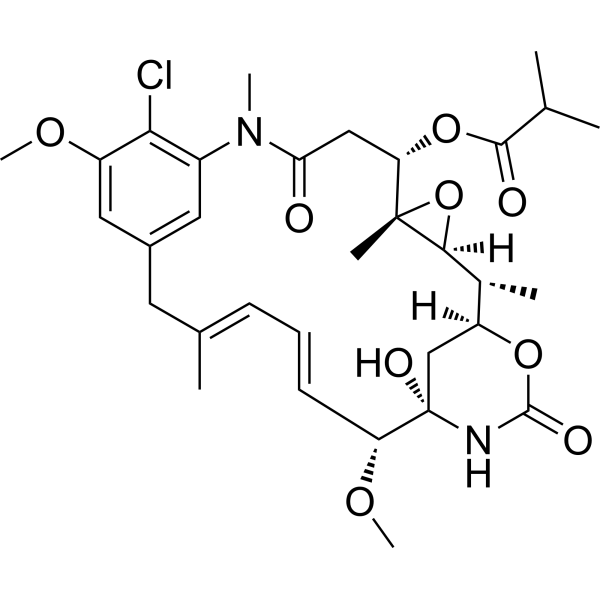
20-O-Demethyl-AP3 is a minor metabolite of Ansamitocin P-3. Ansamitocin P-3, a microtubule inhibitor, is a macrocyclic antitumor antibiotic .
|
-
- HY-111548
-
|
|
Microtubule/Tubulin
|
Others
|
|
Spastazoline is a selective spastin (a microtubule-severing AAA protein) inhibitor, with an IC50 of 99 nM for Human spastin. Spastazoline can be used for cell division- and intracellular vesicle transport-related research .
|
-
- HY-110090
-
|
|
Microtubule/Tubulin
Kinesin
Apoptosis
|
Cancer
|
|
UA62784 is a microtubule polymerization inhibitor that interacts with tubulin dimers. UA62784 is a novel specific inhibitor of centromere protein E (CENP-E) kinesin. UA62784 can be used for the study of pancreatic cancer .
|
-
- HY-119407
-
|
|
Kinesin
|
Cancer
|
|
Terpendole E is a mitotic kinesin Eg5 inhibitor. Terpendole E inhibits both motor and microtubule-stimulated ATPase activities of human Eg5. Terpendole E induces formation of a monoastral spindle in M phase .
|
-
- HY-115364R
-
|
SKF 29044 (Standard)
|
Reference Standards
Microtubule/Tubulin
Parasite
|
Infection
|
|
Parbendazole (Standard) is the analytical standard of Parbendazole. This product is intended for research and analytical applications. Parbendazole is a potent inhibitor of microtubule assembly, destabilizes tubulin, with an EC50 of 530 nM, and exhibits a broad-spectrum anthelmintic activity.
|
-
- HY-W741136
-
|
|
Drug Isomer
Microtubule/Tubulin
NOD-like Receptor (NLR)
Autophagy
Apoptosis
|
Inflammation/Immunology
|
|
(R)-Colchicine is the R-isomer of Colchicine (HY-16569). Colchicine, an orally active alkaloid, is a potent tubulin inhibitor and a microtubule disrupting agent. Colchicine inhibits microtubule polymerization with an IC50 of 3 nM. Colchicine is also a competitive antagonist of the α3 glycine receptors (GlyRs). Colchicine prevents non-steroidal anti-inflammatory drug (NSAID)-induced small intestinal injury by inhibiting activation of the NLRP3 inflammasome. Colchicine has extensive anti-inflammatory, immunosuppressive and strong anti-fibrosis effects and has the potential for gouty arthritis research .
|
-
- HY-14815
-
|
Combretastatin A4 phosphate
|
Apoptosis
Microtubule/Tubulin
|
Cancer
|
|
Fosbretabulin (Combretastatin A4 phosphate) is a vascular disruptor with antitumor activity against atypical thyroid carcinoma (ATC) cell lines and xenografts. Fosbretabulin inhibits tumor growth by inhibiting microtubule polymerization, inducing apoptosis, and suppressing angiogenesis in tumors .
|
-
- HY-110208
-
BRD9876
1 Publications Verification
|
Kinesin
Microtubule/Tubulin
|
Cancer
|
|
BRD9876 is the “rigor” inhibitor that locks kinesin-5 (Eg5) in a state with enhanced microtubules (MTs) binding, leading to bundling and stabilization of MTs. BRD9876 interacts with the tyrosine 104 residue that is part of the α4-α6 allosteric binding pocket. BRD9876 specifically targets microtubule-bound Eg5 and selectively inhibits myeloma over CD34 cells. BRD9876 has the potential for multiple myeloma (MM) research .
|
-
- HY-154986
-
|
|
MARK
AMPK
|
Cancer
|
|
MARK4 inhibitor 2 is an inhibitor of microtubule affinity-regulating kinase 4 (MARK4) with an Km of 6.3×10 7 and an IC50 of 0.82 μM. MARK4 inhibitor 2 inhibits the growth of human cells and can be used for cancer research .
|
-
- HY-17435R
-
|
4'-O-demethylepipodophyllotoxin (Standard); 4'-DMEP (Standard)
|
Reference Standards
Microtubule/Tubulin
|
Cancer
|
|
4'-Demethylepipodophyllotoxin (Standard) is the analytical standard of 4'-Demethylepipodophyllotoxin. This product is intended for research and analytical applications. 4'-Demethylepipodophyllotoxin (4'-DMEP) is an intermediate compound that inhibits microtubule assembly.
|
-
- HY-14949
-
|
TTI-237
|
Microtubule/Tubulin
|
Cancer
|
|
Cevipabulin (TTI-237) is an oral, microtubule-active antitumor compound and inhibits the binding of [ 3H] vinblastine to tubulin, with an IC50 of 18-40 nM for cytotoxicity in human tumor cell line .
|
-
- HY-128902
-
|
|
Drug-Linker Conjugates for ADC
|
Cancer
|
|
MC-Val-Cit-PAB-vinblastine is a agent-linker conjugate for ADC with potent antitumor activity by using vinblastine (an microtubule protein inhibitor), linked via the ADC linker MC-Val-Cit-PAB.
|
-
- HY-W014240S1
-
|
|
Isotope-Labeled Compounds
Mitosis
|
Others
|
|
Chlorpropham-d7 is the deuterium labeled Chlorpropham . Chlorpropham is a carbamate herbicide and plant growth regulator. Chlorpropham inhibits mitosis and cell division by interfering with the organisation of the spindle microtubules .
|
-
- HY-79638
-
|
4-Cyanophenacyl bromide
|
Biochemical Assay Reagents
|
Others
|
|
4-(2-Bromoacetyl)benzonitrile (4-Cyanophenacyl bromide) can be used to the synthesis of STA-5312. STA-5312 is a potent and orally active microtubule inhibitor .
|
-
- HY-153065
-
|
|
Kinesin
Microtubule/Tubulin
|
Cancer
|
|
KIF18A-IN-6 (Compound 134) is an orally active KIF18A inhibitor with an IC50 of 0.016 μM against KIF18A microtubule-dependent ATPase activity .
|
-
- HY-111752
-
|
|
Anaplastic lymphoma kinase (ALK)
|
Cancer
|
|
EML4-ALK kinase inhibitor 1 is a potent orally active inhibitor of echinoderm microtubule-associated protein-like 4-anaplastic lymphoma kinase (EML4-ALK), with an IC50 of 1 nM .
|
-
- HY-165369
-
|
|
Aurora Kinase
|
Cancer
|
|
IBPR002 is an inhibitor of Aurora kinase A and Aurora kinase B, with IC50 values of 41 nM and 17 nM, respectively. IBPR002 disrupts the nucleation and bundling of kinetochore microtubules, impairs the bipolarity of mitotic spindles, and promotes the binding of non-phosphorylated hepatoma up-regulated protein (HURP) to microtubules derived from the mother centrosome. IBPR002 reduces tumorigenesis levels in a colorectal cancer xenograft model using athymic nude mice. IBPR002 is applicable for research related to colorectal cancer .
|
-
- HY-D2341
-
|
|
Fluorescent Dye
|
Cancer
|
|
6FC-GABA-Taxol is a fluorescent probe with cell permeability, which is formed by connecting 6FC to the anticancer drug Taxol (HY-B0015) via γ-aminobutyric acid (GABA). 6FC-GABA-Taxol can bind to microtubules in living cells and image them through confocal microscopy. Additionally, 6FC-GABA-Taxol enables the quantification of microtubule binding using flow cytometry without the addition of efflux inhibitors .
|
-
- HY-122632
-
|
|
Hedgehog
|
Cancer
|
|
Ciliobrevin D is a cell-permeable, reversible and specific inhibitor of AAA+ ATPase motor cytoplasmic dynein. Ciliobrevin D inhibits Hedgehog (Hh) signaling and primary cilia formation. Ciliobrevin D inhibits dynein-dependent microtubule gliding and ATPase activity in vitro .
|
-
- HY-121801
-
|
|
Fungal
Microtubule/Tubulin
Mitosis
|
Infection
|
|
Zarilamid is a fungicide which is active against a broad spectrum of Oomycete fungi. Zarilamid inhibits nuclear division in germinating zoospore cysts of Phytophthora capsici. Zarilamide inhibits growth of tobacco roots and causes swelling of the root tips, destructs microtubule cytoskeleton and inhibits mitosis .
|
-
- HY-B0018
-
|
PNU-101383
|
ADC Payload
|
Cancer
|
|
10-Acetyl docetaxel (PNU-101383) is an analog of Docetaxel (HY-B0011), with anticancer activity. 10-Acetyl docetaxel is a microtubule disassembly inhibitor, with antimitotic activity .
|
-
- HY-128955
-
|
|
Drug-Linker Conjugates for ADC
|
Cancer
|
|
MC-VC-PABC-Aur0101 is a agent-linker conjugate for ADC with potent antitumor activity by using Aur0101 (an auristatin microtubule inhibitor), linked via the ADC linker MC-VC-PABC.
|
-
- HY-137552
-
MKI-1
1 Publications Verification
MASTL Kinase inhibitor-1
|
MASTL
|
Cancer
|
|
MKI-1, an inhibitor of MASTL (microtubule-associated serine/threonine kinase-like) with an IC50 of 9.9 μM, exerts antitumor and radiosensitizer activities through PP2A activation in breast cancer .
|
-
- HY-16569R
-
|
|
Reference Standards
Microtubule/Tubulin
NOD-like Receptor (NLR)
Autophagy
Apoptosis
|
Cancer
|
|
Colchicine (Standard) is the analytical standard of Colchicine. This product is intended for research and analytical applications. Colchicine, an orally active alkaloid, is a potent tubulin inhibitor and a microtubule disrupting agent. Colchicine inhibits microtubule polymerization with an IC50 of 3 nM. Colchicine is also a competitive antagonist of the α3 glycine receptors (GlyRs). Colchicine prevents non-steroidal anti-inflammatory drug (NSAID)-induced small intestinal injury by inhibiting activation of the NLRP3 inflammasome. Colchicine has extensive anti-inflammatory, immunosuppressive and strong anti-fibrosis effects and has the potential for gouty arthritis research .
|
-
- HY-W008956
-
-
- HY-164836
-
-
- HY-121085
-
|
|
Microtubule/Tubulin
|
Cancer
|
|
CID-663143 targets microtubule-associated proteins, not tubulin itself, to inhibit the polymerization process within cells. CID-663143 inhibits cancer cell growth (IC50: <100 nM for HT-1080, BJeLR, MCF10A cells) .
|
-
- HY-149414
-
|
|
Microtubule/Tubulin
Apoptosis
ERK
TGF-beta/Smad
|
Cancer
|
|
MY-673 is a colchicine binding site inhibitor (CBSI), that inhibits tubulin polymerization. MY-673 inhibits the ERK signaling pathway, which in turn affects SMAD4 protein expression levels in the TGF-β/SMAD pathway. MY-673 inhibited cell proliferation, migration and induced apoptosis in vivo and in vitro .
|
-
- HY-W008581
-
|
3-O-Methyl estradiol; 17β-Estradiol 3-methyl ether; 3-Methoxyestradiol
|
Biochemical Assay Reagents
TRP Channel
Microtubule/Tubulin
Autophagy
|
Metabolic Disease
Cancer
|
|
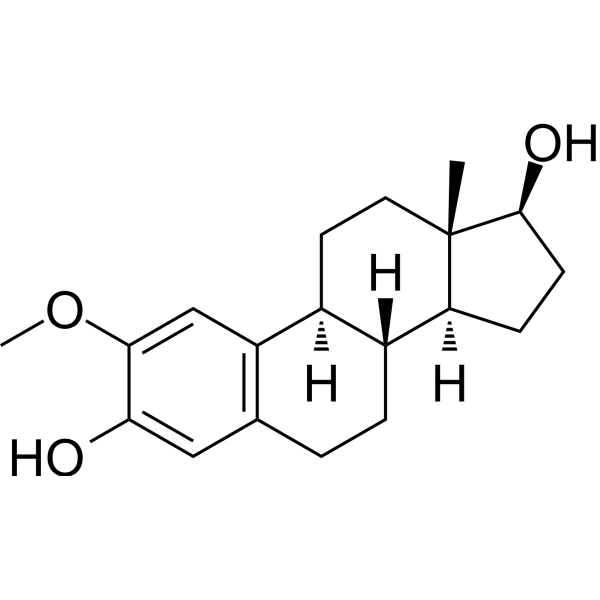
Estradiol 3-methyl ether (EDME) is a highly selective TRPML1 ion channel antagonist and microtubule (microtubule) depolymerizing agent, with IC50 values of 0.22 μM and 3.8 μM against TRPML1 and TRPML2, respectively; it shows no activity against TRPML3. Estradiol 3-methyl ether induces the disruption of cytoplasmic microtubule networks in mammalian cells, with an EC50 of 9 μM. Independent of estrogen receptors, Estradiol 3-methyl ether blocks autophagy (autophagy), TFEB nuclear translocation, and inhibits the migration and invasion of triple-negative breast cancer cells by suppressing TRPML1. Estradiol 3-methyl ether is applicable for relevant research on triple-negative breast cancer .
|
-
- HY-153066
-
|
KIF18A-IN-7
|
Kinesin
Microtubule/Tubulin
Apoptosis
|
Cancer
|
|
VLS-1272 (Compound 22) is an orally active KIF18A inhibitor that binds to the KIF18A-microtubule complex in an ATP-noncompetitive manner (IC50 = 41 nM), blocking its ATPase activity and inhibiting microtubule translocation. This leads to abnormal accumulation of KIF18A at spindle poles, disrupting chromosome alignment and inducing mitotic arrest and apoptosis in CIN High tumor cells (e.g., ovarian cancer OVCAR-3, breast cancer JIMT-1). VLS-1272 is a promising candidate for anti-tumor research .
|
-
- HY-106825
-
|
|
Microtubule/Tubulin
|
Cancer
|
|
Clanfenur is a substituted benzoylphenylurea, an analogue of the pesticide fenfluramide, with potential antineoplastic activity. Clanfenur can bind to the colchicine-binding site on β-tubulin, inhibit microtubule polymerization, and thus prevent tumor cell replication .
|
-
- HY-116446
-
|
|
Microtubule/Tubulin
|
Cancer
|
|
Pironetin is an α/β unsaturated lactone isolated from Streptomyces species. Pironetin binds to α-tubulin and is a potent inhibitor of microtubule polymerization, and has cell cycle arrest and antitumor activity .
|
-
- HY-136610
-
|
|
Cholinesterase (ChE)
|
Neurological Disease
|
|
Chlorpyrifos-oxon, an active metabolite of Chlorpyrifos, is a potent phosphorylating agent that potently inhibits AChE. Chlorpyrifos-oxon can induce cross-linking between subunits of tubulin and disrupt microtubule function .
|
-
- HY-W014240R
-
|
|
Herbicide
Mitosis
Reference Standards
|
Others
|
|
Chlorpropham (Standard) is the analytical standard of Chlorpropham. This product is intended for research and analytical applications. Chlorpropham is a carbamate herbicide and plant growth regulator. Chlorpropham inhibits mitosis and cell division by interfering with the organisation of the spindle microtubules .
|
-
- HY-14949C
-
|
TTI-237 fumarate
|
Microtubule/Tubulin
|
Cancer
|
|
Cevipabulin fumarate (TTI-237 fumarate) is an oral, microtubule-active, antitumor compound and inhibits the binding of [ 3H]NSC 49842 to tubulin, with an IC50 of 18-40 nM for cytotoxicity in human tumor cell line .
|
-
- HY-129126
-
NC9
1 Publications Verification
Cbz-Lys(Acr)-PEG2-dansyl
|
Glutaminase
Microtubule/Tubulin
|
Others
|
|
NC9 (Cbz-Lys(Acr)-PEG2-dansyl) is an irreversible transglutaminase (TG) inhibitor. NC9 inhibits osteoblast differentiation and mineralization. NC9 destabilizes microtubules. NC9 can be used for the research of osteoblast differentiation .
|
-
- HY-N7659A
-
|
|
Phytohormone
Microtubule/Tubulin
Apoptosis
|
Others
|
|
Glucobrassicin potassium is an indole-based anticancer agent and plant growth-regulating hormone. Glucobrassicin potassium exerts its biological activity by disrupting the integrity of microtubule networks in both plant and mammalian cells. At high concentrations, Glucobrassicin potassium inhibits seed germination and root growth; it can also specifically induce apoptosis in mammalian cancer cells and interfere with the intercellular transmission of viruses that rely on microtubules. In plants, Glucobrassicin potassium can be catalyzed by myrosinase to release growth-regulating substances, exhibiting a concentration-dependent growth-regulating effect .
|
-
- HY-N7659
-
|
|
Phytohormone
Apoptosis
Microtubule/Tubulin
|
Cancer
|
|
Glucobrassicin is an indole-based anticancer agent and plant growth-regulating hormone. Glucobrassicin exerts its biological activity by disrupting the integrity of microtubule networks in both plant and mammalian cells. At high concentrations, Glucobrassicin inhibits seed germination and root growth; it can also specifically induce apoptosis in mammalian cancer cells and interfere with the intercellular transmission of viruses that rely on microtubules. In plants, Glucobrassicin can be catalyzed by myrosinase to release growth-regulating substances, exhibiting a concentration-dependent growth-regulating effect .
|
-
- HY-149252
-
|
|
Apoptosis
Microtubule/Tubulin
|
Cancer
|
|
Tubulin inhibitor 32 is a potent and orally active tubulin inhibitor. Tubulin inhibitor 32 shows anti-proliferative activity and inhibits microtubule polymerization. Tubulin inhibitor 32 induces Apoptosis and cell cycle arrest at G2/M phase. Tubulin inhibitor 32 shows anti-tumor activity .
|
-
- HY-13442A
-
|
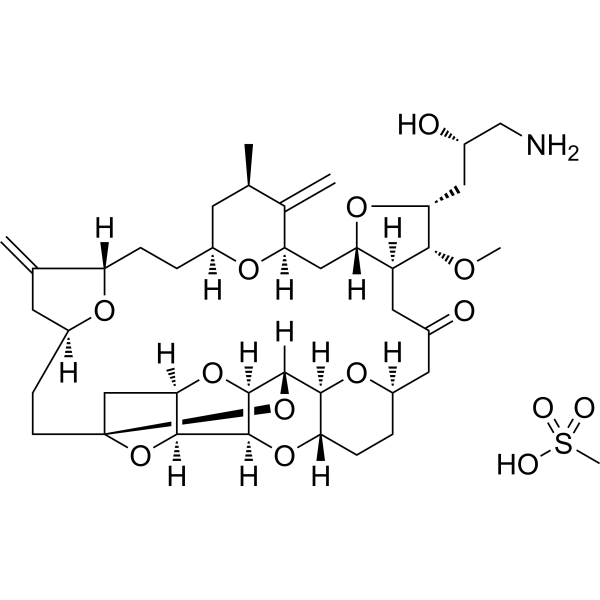
B1939 mesylate; E7389 mesylate; ER-086526 mesylate
|
Microtubule/Tubulin
Apoptosis
|
Cancer
|
|
Eribulin mesylate is an inhibitor for microtubule. Eribulin mesylate inhibits the proliferation of cancer cell LM8 and Dunn, inhibits the cell migration of LM8, arrests the cell cycle at G2/M phase, and induces apoptosis in LM8. Eribulin mesylate exhibits antitumor efficacy in mouse model .
|
-
- HY-101909
-
|
|
Drug-Linker Conjugates for ADC
|
Cancer
|
|
Val-Cit-PAB-MMAF is a drug-Linker conjugate for ADC. Val-Cit-PAB-MMAF is composed of an ADC linker (peptide Val-Cit-PAB) and a potent microtubule polymerization inhibitor MMAF (HY-15579) .
|
-
- HY-14949D
-
|
TTI-237 fumarate dihydrate
|
Microtubule/Tubulin
|
Cancer
|
|
Cevipabulin (TTI-237) fumarate dihydrate) is an oral, microtubule-active, antitumor compound and inhibits the binding of [ 3H]NSC 49842 to tubulin, with an IC50 of 18-40 nM for cytotoxicity in human tumor cell line .
|
-
- HY-127166
-
|
O10-Demethylcolchicine
|
Microtubule/Tubulin
|
Inflammation/Immunology
|
|
Colchiceine is one of several metabolites of the anti-gout medication Colchicine (HY-16569). Colchicine is a tubulin inhibitor and a microtubule disrupting agent, and may protect rats from developing liver injury and fibrosis .
|
-
- HY-136313
-
-
- HY-14919
-
|
MN-029 free base
|
Microtubule/Tubulin
|
Cancer
|
|
Denibulin, a novel vascular-disrupting agent, inhibits microtubule assembly reversibly, disrupting tumor vascular endothelial cell cytoskeletons. Denibulin demonstrated tolerability and potential anti-vascular effects, warranting further investigation in cancer therapy .
|
-
- HY-145820
-
|
|
Apoptosis
Microtubule/Tubulin
|
Cancer
|
|
Tubulin inhibitor 14 is a potent NQO2 (quinone oxidoreductase 2) inhibitor with an IC50 of 1.0 μM. Tubulin inhibitor 14 also inhibits tubulin polymerization and the formation of endothelial cell capillary-like tubes. Tubulin inhibitor 14 is a microtubule-destabilizing agent with potential tumor-selectivity and antiangiogenic and vascular disrupting features .
|
-
- HY-164835
-
|
SMP-54418
|
Drug-Linker Conjugates for ADC
Microtubule/Tubulin
Topoisomerase
|
Cancer
|
|
VcMMAE-Deruxtecan (SMP-54418) is a Drug-Linker Conjugates for ADC, which is composed of a linker and a toxic molecule MMAE (HY-15162) (Microtubule inhibitor) and Exatecan (HY-13631) (DNA topoisomerase I inhibitor). VcMMAE-Deruxtecan can be used for ADC synthesis.
|
-
- HY-N6773
-
|
|
HIV Protease
Fungal
|
Infection
|
|
Cytochalasin A is a cell-permeable fungal toxin that is an oxidized derivative of cytochalasin B. Cytochalasin A is an inhibitor of HIV-1 protease (IC50=3 μM) and inhibits actin polymerization and interferes with microtubule assembly by reacting with sulfhydryl groups. Antibiotic and fungicidal activitives .
|
-
- HY-101934R
-
|
|
MARK
Reference Standards
AMPK
|
Neurological Disease
|
|
MARK-IN-2 (Standard) is the analytical standard of MARK-IN-2 (HY-101934). This product is intended for research and analytical applications. MARK-IN-2 is a potent microtubule affinity regulating kinase (MARK) inhibitor with an IC50 of 5 nM.
|
-
- HY-W781148
-
|
|
Topoisomerase
|
Cancer
|
|
Sutopin-2 is a topoisomerase II inhibitor. Suptopin-2 affects cell cycle progression and stability of microtubules. Sutopin-2 induces cell cycle arrest by regulating the nucleocytoplasmic transport of cyclin B1 .
|
-
- HY-N1171
-
|
Taxinin B
|
Microtubule/Tubulin
|
Cancer
|
|
Taxinine B is a taxoid that can be isolated from Japanese Yew Taxus Cuspid. Taxinine B inhibits CaCl2-induced depolymerization of microtubule. Taxinine B is useful for overcoming multidrug resistance in tumor cells .
|
-
- HY-147092
-
|
|
Environmental Pollutants
Microtubule/Tubulin
Herbicide
|
Infection
|
|
Oryzalin is a dinitroaniline herbicide with antimitotic and antileishmanial activities. Oryzalin can bind to plant tubulin, inhibit the polymerization of microtubules in plant cells, and affect chromosome migration. Oryzalin can also be used to induce chromosome doubling .
|
-
- HY-107753
-
|
|
Ras
|
Inflammation/Immunology
Cancer
|
|
XRP44X inhibits Ras-induced transcription activation with the IC50 of 10 nM. XRP44X inhibits activation of the Ras-Erk-1/2 pathway by FGF-2 . XRP44X is an inhibitor of Ras/Erk activation of Elk3 that also affects microtubules .
|
-
- HY-162086
-
|
|
HDAC
|
Cancer
|
|
HDAC-IN-68 (Compound 29) is a potent HDAC inhibitor that disrupts microtubule structure and inhibits tumor growth. HDAC-IN-68 significantly inhibits class I HDACs (HDAC1, HDAC2, HDAC3) with IC50 values of 5.1, 11.5 and 8.8 nM, respectively .
|
-
- HY-N0282
-
|
|
Microtubule/Tubulin
Apoptosis
|
Inflammation/Immunology
Cancer
|
|
Demecolcine is a potent mitotic inhibitor with an IC50 value of 2.4 μM for inhibition of tubulin polymerization. Colcemid (Demecolcine) can interact with tubulin dimers to induce anti-mitotic action and inhibit microtubule growth. Colcemid (Demecolcine) can be used for inflammatory disorders and cancer research .
|
-
- HY-148128
-
|
|
Microtubule/Tubulin
ADC Payload
|
Cancer
|
|
TAM470 is a novel cytolysin, inhibiting tubulin polymerization and microtubule depolymerization. TAM470 can be used in the synthesis of OMTX705 as payload molecule, OMTX705 is a novel FAP-targeting antibody-drug conjugates (ADCs) with antitumor activity .
|
-
- HY-W021291
-
|
|
Biochemical Assay Reagents
|
Cancer
|
|
Butyl isothiocyanate inhibits the proliferation of breast cancer cells. Butyl isothiocyanate can inhibit carcinogen activating phase I enzymes and inhibits cancer cell proliferation through altering the telomerase activity, dynamics of microtubules as well as expression of histone deacetylases. Butyl isothiocyanate can be studied in anti-cancer research .
|
-
- HY-119361
-
|
(Rac)-Deoxysappanone B 7,4' dimethyl ether
|
Microtubule/Tubulin
|
Cancer
|
|
(Rac)-Deox B 7,4, a homoisoflavanoid compound, inhibits microtubule polymerization via binding near the colchicine site and promote reversible G2 arrest. (Rac)-Deox B 7,4 possesses nanomolar anti-leukemic activity .
|
-
- HY-112140
-
|
|
Anaplastic lymphoma kinase (ALK)
|
Cancer
|
|
JH-VIII-157-02 is a structural analogue of alectinib, acts as an ALK inhibitor, and shows an IC50 of 2 nM for echinoderm microtubule-associated protein-like 4-ALK (EML4-ALK) G1202R in cells.
|
-
- HY-W011102
-
|
NSC 83265; S-Tritylcysteine; 3-Tritylthio-L-alanine
|
Kinesin
Apoptosis
|
Cancer
|
|
S-Trityl-L-cysteine (NSC 83265) is a selective and allosteric kinesin Eg5 inhibitor with an IC50 of 1 μM for the inhibition of basal ATPase activity and 140 nM for the microtubule-activated ATPase activity. S-Trityl-L-cysteine has antitumor activities .
|
-
- HY-118748
-
|
SRF
|
Microtubule/Tubulin
|
Cancer
|
|
Suprafenacine is a cell permeable, tubulin-destabilizing molecule which bind microtubules at the colchicine-binding site and inhibit polymerization. Suprafenacine can induce G2/M cell cycle arrest and apoptosis, and can be used for cancer research .
|
-
- HY-111425
-
|
|
Apoptosis
Microtubule/Tubulin
Mitosis
|
Cancer
|
|
SSE15206 is a microtubule polymerization inhibitor (GI50 = 197 nM in HCT116 cells) that overcomes multidrug resistance. Causes aberrant mitosis resulting in G2/M arrest due to incomplete spindle formation in cancer cells .
|
-
- HY-156423
-
|
|
Microtubule/Tubulin
JAK
|
Cancer
|
|
Tubulin/JAK2-IN-1 (compound 7g) is a dual inhibitor of Janus kinase 2 (JAK2) and microtubule. Tubulin/JAK2-IN-1 has potent antiproliferative activity against the cancer cells .
|
-
- HY-169882
-
|
|
Microtubule/Tubulin
|
Cancer
|
|
Tubulin inhibitor 49 (Compound 18) is an inhibitor for tubulin polymerization with an IC50 of 48 μM. Tubulin inhibitor 49 disrupts the cell microtubule network, arrests the cell cycle at G2 phase, and exhibits cytotoxicity (IC50=8.8 μM in HeLa cell). Tubulin inhibitor 49 can be used in the research of cervical cancer .
|
-
- HY-W714212
-
|
|
Herbicide
Microtubule/Tubulin
DNA/RNA Synthesis
Apoptosis
|
Others
|
|
Fluchloralin is a dinitroaniline herbicide that effectively controls annual gramineous and broadleaf weeds primarily by inhibiting tubulin synthesis and cell division . Fluchloralin exhibits cytotoxicity and genotoxicity, and promotes cell apoptosis by activating apoptotic signaling proteins, forming DNA ladder bands, inducing cell shrinkage and nuclear fragmentation .
|
-
- HY-N1450R
-
|
|
Reference Standards
Phospholipase
|
Cancer
|
|
Aristolochic acid C (Standard) is the analytical standard of Aristolochic acid C. This product is intended for research and analytical applications. Aristolochic acid C is a derivative of Aristolochic acid. Aristolochic acid is a phospholipase A2 (PLA2) inhibitor, which disrupts cortical microtubule arrays and root growth in Arabidopsis .
|
-
- HY-111554
-
-
- HY-176201
-
|
|
Microtubule/Tubulin
Apoptosis
|
Cancer
|
|
Tubulin polymerization-IN-80 (Compound 32) is a potent tubulin polymerization inhibitor with antiproliferative activity. Tubulin polymerization-IN-80 disrupts microtubule formation and leads to cell cycle arrest and apoptosis. Tubulin polymerization-IN-80 is promising for research of cancers .
|
-
- HY-13780R
-
|
Vincaleukoblastine sulfate salt (Standard)
|
Reference Standards
Microtubule/Tubulin
Autophagy
nAChR
|
Cancer
|
|
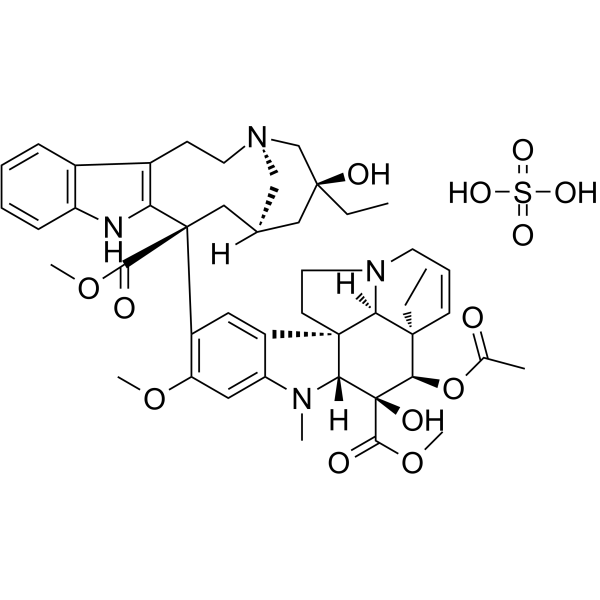
Vinblastine (sulfate) (Standard) is the analytical standard of Vinblastine (sulfate). This product is intended for research and analytical applications. Vinblastine sulfate is a cytotoxic alkaloid used against various cancer types. Vinblastine sulfate inhibits the formation of microtubule and suppresses nAChR with an IC50 of 8.9 μM.
|
-
- HY-170850
-
|
|
Kinesin
|
Cancer
|
|
MKLP2-IN-1 (compound 12a) is an inhibitor of MKLP2 with good oral bioavailability. MKLP2-IN-1 inhibits the microtubule-stimulated ATPase activity of recombinant MKLP2 in vitro and suppresses tumor growth in a mouse Calu-6 lung cancer model .
|
-
- HY-122249
-
|
|
Microtubule/Tubulin
|
Cancer
|
|
MT-7 is a potent mitotic inhibitor. MT-7 shows antiproliferative activity. MT-7 induces cell cycle arrest at G2/M phase. MT-7 induces specific, reversible mitotic arrest and inhibits the polymerization of cellular microtubules .
|
-
- HY-162143
-
|
|
SphK
Akt
mTOR
|
Cancer
|
|
SKI-349 is a dual-targeted inhibitor of sphingosine kinase 1/2 (SPHK1/2) and microtubule assembly (MDA). SKI-349 has anticancer activity. SKI-349 can inhibit the vitality, invasion, and AKT/mTOR signaling pathway of liver cells .
|
-
- HY-13224A
-
|
|
Endogenous Metabolite
|
Cancer
|
|
AZD4877 hydrochloride is a synthetic dynein inhibitor with potential anti-tumor activity. AZD4877 selectively inhibits the microtubule dynein KSP (also known as kinesin-5 or Eg5), which may lead to inhibition of mitotic spindle assembly. The action of AZD4877 may activate the spindle assembly checkpoint, leading to cell cycle arrest at the mitotic stage. AZD4877 may induce cell death in actively dividing tumor cells. AZD4877 may be less likely to cause peripheral neuropathy associated with microtubule-targeted compounds as it is not involved in post-mitotic processes. AZD4877 is essential for the formation of bipolar spindles and the proper segregation of sister chromosomes .
|
-
- HY-15584A
-
|
HTI-286 trifluoroacetate; SPA-110 trifluoroacetate
|
Microtubule/Tubulin
ADC Payload
Apoptosis
|
Cancer
|
|
Taltobulin trifluoroacetate (HTI-286 trifluoroacetate), a synthetic analogue of the tripeptide hemiasterlin, is a potent antimicrotubule agent that circumvents P-glycoprotein-mediated resistance in vitro and in vivo. Taltobulin trifluoroacetate inhibits the polymerization of purified tubulin, disrupts microtubule organization in cells, and induces mitotic arrest, as well as apoptosis .
|
-
- HY-12522S
-
|
Aur0101-d8; Auristatin-0101-d8
|
Microtubule/Tubulin
ADC Payload
|
Cancer
|
|
PF-06380101-d8 (Aur0101-d8) is a deuterium labeled PF-06380101 (HY-12522). PF-06380101, an Auristatin microtubule inhibitor, is a cytotoxic Dolastatin 10 analogue .
|
-
- HY-177599
-
|
|
Drug-Linker Conjugates for ADC
|
Cancer
|
|
Boc-Val-Cit-PAB-MMAE is a drug-linker conjugate for ADC, which is composed of a linker Boc-Val-Cit-PAB (HY141141) and a Microtubule inhibitor MMAE (HY-15162). Boc-Val-Cit-PAB-MMAE can be used for ADC synthesis.
|
-
- HY-15584B
-
|
HTI-286 hydrochloride; SPA-110 hydrochloride
|
Microtubule/Tubulin
ADC Payload
Apoptosis
|
Cancer
|
|
Taltobulin hydrochloride (HTI-286 hydrochloride), a synthetic analogue of the tripeptide hemiasterlin, is a potent antimicrotubule agent that circumvents P-glycoprotein-mediated resistance in vitro and in vivo. Taltobulin hydrochloride inhibits the polymerization of purified tubulin, disrupts microtubule organization in cells, and induces mitotic arrest, as well as apoptosis .
|
-
- HY-15584
-
|
HTI-286; SPA-110
|
Microtubule/Tubulin
ADC Payload
Apoptosis
|
Cancer
|
|
Taltobulin (HTI-286), a synthetic analogue of the tripeptide hemiasterlin, is a potent antimicrotubule agent that circumvents P-glycoprotein-mediated resistance in vitro and in vivo. Taltobulin inhibits the polymerization of purified tubulin, disrupts microtubule organization in cells, and induces mitotic arrest, as well as apoptosis .
|
-
- HY-120027
-
|
|
Microtubule/Tubulin
Apoptosis
|
Cancer
|
|
Kribb3 is an inhibitor for microtubule. KRIBB3 inhibits the proliferation of cancer cells with GI50 of 0.2-2.5 μM, arrests cell cycle at G2/M phase, and induces apoptosis in HCT-116. Kribb3 exhibits antitumor activity in mouse models .
|
-
- HY-182602
-
|
|
Microtubule/Tubulin
Cytochrome P450
|
Cancer
|
|
KOSN 1724 is an anticancer agent. KOSN 1724 disrupts tubulin activity, stabilizes microtubules, and inhibits cancer cells proliferation. KOSN 1724 inhibits cytochrome P450 3A4, CYP2C9, and CYP2C19 activity. KOSN 1724 can be used for the research of cancer .
|
-
- HY-181675
-
|
|
Microtubule/Tubulin
Apoptosis
Bcl-2 Family
Caspase
|
Cancer
|
|
CHNQD-01522 is a microtubule inhibitor targeting the colchicine binding site on β-tubulin. CHNQD-01522 binds to the colchicine binding site on β-tubulin, inhibits microtubule polymerization, and evades P-glycoprotein transport in cancer cells. CHNQD-01522 inhibits proliferation, suppresses tumor cell colony formation, arrests cell cycle in G2/M phases, and induces apoptosis in cancer cells. CHNQD-01522 upregulates of Bax and activation of caspase-9 and caspase-3. CHNQD-01522 shows anti-tumor efficacy in subcutaneous and orthotopic hepatocellular carcinoma xenograft tumor models. CHNQD-01522 can be used for the research of hepatocellular carcinoma .
|
-
- HY-41047
-
|
|
Apoptosis
|
Cancer
|
|
Taltobulin intermediate-1 is an intermediate in the synthesis of Taltobulin (HY-15584). Taltobulin is a common toxin component in ADC preparation (ADC Cytotoxin), and it is also a powerful tubulin (Microtubule/Tubulin) inhibitor. Taltobulin disrupts tubulin polymerization, induces mitotic arrest, and induces apoptosis .
|
-
- HY-15739R
-
|
Antibiotic C 15003P3 (Standard); Maytansinol isobutyrate (Standard)
|
Reference Standards
Microtubule/Tubulin
ADC Payload
Bacterial
Antibiotic
|
Infection
Cancer
|
|
Ansamitocin P-3 (Standard) is the analytical standard of Ansamitocin P-3. This product is intended for research and analytical applications. Ansamitocin P-3 (Antibiotic C 15003P3) is a microtubule inhibitor. Ansamitocin P-3 is a macrocyclic antitumor antibiotic.
|
-
- HY-41061
-
|
|
Apoptosis
|
Cancer
|
|
D-Boc Valine methyl ester is an intermediate in the synthesis of Taltobulin (HY-15584). Taltobulin is a common toxin component in ADC preparation (ADC Cytotoxin), and it is also a powerful tubulin (Microtubule/Tubulin) inhibitor. Taltobulin disrupts tubulin polymerization, induces mitotic arrest, and induces apoptosis .
|
-
- HY-41069
-
|
|
Apoptosis
|
Cancer
|
|
Taltobulin intermediate-7 is an intermediate in the synthesis of Taltobulin (HY-15584). Taltobulin is a common toxin component in ADC preparation (ADC Cytotoxin), and it is also a powerful tubulin (Microtubule/Tubulin) inhibitor. Taltobulin disrupts tubulin polymerization, induces mitotic arrest, and induces apoptosis .
|
-
- HY-181428
-
|
|
Drug-Linker Conjugates for ADC
|
Cancer
|
|
Fmoc-Gly-Gly-Phe-Gly-Docetaxel (compound 16h-3) is a drug-linker conjugate for ADC, which comprises a microtubule depolymerization inhibitor and a linker. Puxitatug samrotecan drug-linker can be used to synthesize antibody-drug conjugate (ADC) .
|
-
- HY-41066
-
|
|
Apoptosis
|
Cancer
|
|
Taltobulin intermediate-5 is an intermediate in the synthesis of Taltobulin (HY-15584). Taltobulin is a common toxin component in ADC preparation (ADC Cytotoxin), and it is also a powerful tubulin (Microtubule/Tubulin) inhibitor. Taltobulin disrupts tubulin polymerization, induces mitotic arrest, and induces apoptosis .
|
-
- HY-46004
-
|
|
Apoptosis
|
Cancer
|
|
Taltobulin intermediate-10 is an intermediate in the synthesis of Taltobulin (HY-15584). Taltobulin is a common toxin component in ADC preparation (ADC Cytotoxin), and it is also a powerful tubulin (Microtubule/Tubulin) inhibitor. Taltobulin disrupts tubulin polymerization, induces mitotic arrest, and induces apoptosis .
|
-
- HY-41055
-
|
|
ADC Payload
|
Cancer
|
|
Taltobulin intermediate-4 is an intermediate in the synthesis of Taltobulin (HY-15584). Taltobulin is a common toxin component in ADC preparation (ADC Cytotoxin), and it is also a powerful tubulin (Microtubule/Tubulin) inhibitor. Taltobulin disrupts tubulin polymerization, induces mitotic arrest, and induces apoptosis .
|
-
- HY-41070
-
|
|
Microtubule/Tubulin
ADC Payload
|
Cancer
|
|
Taltobulin intermediate-8 is an intermediate in the synthesis of Taltobulin (HY-15584). Taltobulin is a common toxin component in ADC preparation (ADC Cytotoxin), and it is also a powerful tubulin (Microtubule/Tubulin) inhibitor. Taltobulin disrupts tubulin polymerization, induces mitotic arrest, and induces apoptosis .
|
-
- HY-46005
-
|
|
Apoptosis
|
Cancer
|
|
Taltobulin intermediate-11 is an intermediate in the synthesis of Taltobulin (HY-15584). Taltobulin is a common toxin component in ADC preparation (ADC Cytotoxin), and it is also a powerful tubulin (Microtubule/Tubulin) inhibitor. Taltobulin disrupts tubulin polymerization, induces mitotic arrest, and induces apoptosis .
|
-
- HY-46006
-
|
|
Apoptosis
|
Cancer
|
|
Taltobulin intermediate-12 is an intermediate in the synthesis of Taltobulin (HY-15584). Taltobulin is a common toxin component in ADC preparation (ADC Cytotoxin), and it is also a powerful tubulin (Microtubule/Tubulin) inhibitor. Taltobulin disrupts tubulin polymerization, induces mitotic arrest, and induces apoptosis .
|
-
- HY-41043
-
|
|
Apoptosis
|
Cancer
|
|
Taltobulin intermediate-2 is an intermediate in the synthesis of Taltobulin (HY-15584). Taltobulin is a common toxin component in ADC preparation (ADC Cytotoxin), and it is also a powerful tubulin (Microtubule/Tubulin) inhibitor. Taltobulin disrupts tubulin polymerization, induces mitotic arrest, and induces apoptosis .
|
-
- HY-41054
-
|
|
Apoptosis
|
Cancer
|
|
Taltobulin intermediate-3 is an intermediate in the synthesis of Taltobulin (HY-15584). Taltobulin is a common toxin component in ADC preparation (ADC Cytotoxin), and it is also a powerful tubulin (Microtubule/Tubulin) inhibitor. Taltobulin disrupts tubulin polymerization, induces mitotic arrest, and induces apoptosis .
|
-
- HY-41067
-
|
|
Apoptosis
|
Cancer
|
|
Taltobulin intermediate-6 is an intermediate in the synthesis of Taltobulin (HY-15584). Taltobulin is a common toxin component in ADC preparation (ADC Cytotoxin), and it is also a powerful tubulin (Microtubule/Tubulin) inhibitor. Taltobulin disrupts tubulin polymerization, induces mitotic arrest, and induces apoptosis .
|
-
- HY-N12331
-
|
|
Microtubule/Tubulin
|
Cancer
|
|
Ohchinolide B is a tubulin inhibitor. Ohchinolide B inhibits microtubule polymerization (IC50=2.3 μM) and induces G2/M phase cell cycle arrest via mitochondrial apoptotic pathways. Ohchinolide B is promising for research of solid tumors (e.g., breast, lung cancer) .
|
-
- HY-121993
-
|
|
Wnt
Microtubule/Tubulin
|
Cancer
|
|
Combretastatin A-1 is a microtubule polymerization inhibitor that binds to the colchicine-binding site of tubulin. Combretastatin A-1 inhibits the Wnt/β-catenin pathway through tubulin depolymerization mediated AKT deactivation. Combretastatin A-1 exhibits anti-tumor and anti-vascular effects .
|
-
- HY-155963
-
|
|
Microtubule/Tubulin
|
Cancer
|
|
Tubulin polymerization-IN-48 (Compound 4k) is a tubulin polymerization inhibitor. Tubulin polymerization-IN-48 has a moderate effect on disruption of the microtubule network. Tubulin polymerization-IN-48 inhibits neuroblastoma cancer cell proliferation, with IC50s of 79 and 165 nM for Chp-134 and Kelly cell line .
|
-
- HY-169882A
-
|
|
Microtubule/Tubulin
|
Cancer
|
|
Tubulin inhibitor 49 (Compound 18) hydrobromide is an inhibitor for tubulin polymerization with an IC50 of 48 μM. Tubulin inhibitor 49 hydrobromide disrupts the cell microtubule network, arrests the cell cycle at G2 phase, and exhibits cytotoxicity (IC50=8.8 μM in HeLa cell). Tubulin inhibitor 49 hydrobromide can be used in the research of cervical cancer .
|
-
- HY-170971
-
|
|
Apoptosis
Src
|
Cancer
|
|
Src Inhibitor 4 (Compound 18) is a derivative of KX-01 and an Src inhibitor. Src Inhibitor 4 can inhibit tumor cells, disrupt microtubules, and induce cell cycle arrest, apoptosis, and immunogenic cell death. After the introduction of phenolic or aniline functionality, Src Inhibitor 4 can serve as a payload attachment site for antibody-drug conjugates and has anti-tumor activity .
|
-
- HY-N0488A
-
|
Leurocristine; NSC-67574; 22-Oxovincaleukoblastine
|
Apoptosis
Microtubule/Tubulin
Mitosis
|
Infection
Cancer
|
|
Vincristine (Leurocristine; NSC-67574; 22-Oxovincaleukoblastine) is a microtubule inhibitor that disrupts microtubule polymerization by binding to β-tubulin (with a Ki of 85 nM in bovine), arrests the cell cycle and induces apoptosis. Vincristine inhibits cell replication, tumor blood flow and the proliferation of various cancer cells, while triggering effects such as oxidative stress, inflammation, calcium overload, epithelial-mesenchymal transition and peripheral neuropathic pain. Vincristine upregulates the expression of various transporters and nuclear receptors, and enriches gastric cancer stem-like cells. Vincristine is used in research related to various tumors including acute lymphoblastic leukemia, lymphoma, melanoma, gastric cancer, solid tumors and sarcomas .
|
-
- HY-41045
-
|
|
Apoptosis
|
Cancer
|
|
(Rac)-Taltobulin intermediate-1 is an intermediate in the synthesis of Taltobulin (HY-15584). Taltobulin is a common toxin component in ADC preparation (ADC Cytotoxin), and it is also a powerful tubulin (Microtubule/Tubulin) inhibitor. Taltobulin disrupts tubulin polymerization, induces mitotic arrest, and induces apoptosis .
|
-
- HY-149363
-
|
|
Microtubule/Tubulin
Apoptosis
|
Cancer
|
|
Tubulin polymerization-IN-43 (compound 15h) is a tubulin polymerization inhibitor. Tubulin polymerization-IN-43 disrupts cellular microtubule networks by targeting the Colchicine (HY-16569) site, and promots cell cycle arrest of leukemia cells at G2/M phase and cell apoptosis, as well as inhibiting angiogenesis .
|
-
- HY-155249
-
|
|
Microtubule/Tubulin
|
Cancer
|
|
KGP591 is a tubulin polymerization inhibitor (IC50 0.57 µM). KGP591 induces significant G2/M stagnation, inhibits cell migration, disrupts microtubule structure and cell morphology in MDA-MB-231 cells. KGP591 shows antitumor activity in orthotopic model of kidney cancer (RENCA) .
|
-
- HY-144894
-
|
|
Kinesin
Microtubule/Tubulin
|
Cancer
|
|
AM-5308 is the inhibitor for KIF18A (IC50=47 nM) that inhibits KIF18A-mediated microtubule ATPase activity. AM-5308 activates mitotic checkpoints, regulates cell division processes, including chromosome segregation and spindle assembly. AM-5308 exhibits antitumor activity .
|
-
- HY-136170
-
MC-SN38
2 Publications Verification
|
Drug-Linker Conjugates for ADC
|
Cancer
|
|
MC-SN38 is a agent-linker conjugate composed of a potent microtubule-disrupting agent SN38 and a non-cleavable MC linker to make antibody agent conjugate (ADC). SN-38, an active metabolite of the Topoisomerase I inhibitor Irinotecan, inhibits DNA synthesis and causes frequent DNA single-strand breaks .
|
-
- HY-78908
-
|
|
Microtubule/Tubulin
|
Cancer
|
|
Monomethyl auristatin E intermediate-11 is an intermediate reactant in the synthesis of Monomethyl auristatin E (HY-15162). Monomethyl auristatin E (MMAE) is a microtubule/tubulin inhibitor with anticancer activity. MMAE is widely used as the cytotoxic component (ADC Cytotoxin) of antibody-drug conjugates (ADCs) .
|
-
- HY-161287
-
|
|
HDAC
|
Cancer
|
|
HDAC6-IN-32 (compound 25202) is a selective and potent inhibitor of HDAC6. HDAC6-IN-32 blocks HDAC6 activity and interferes with microtubule dynamics, leading to SAC activation and prolonged mitotic arrest, ultimately leading to apoptosis in CRPC cells .
|
-
- HY-33048
-
|
|
Microtubule/Tubulin
|
Cancer
|
|
Monomethyl auristatin E intermediate-1 is an intermediate reagent in the synthesis of Monomethyl auristatin E (HY-15162). Monomethyl auristatin E (MMAE) is a microtubule/tubulin inhibitor with anticancer activity. MMAE is widely used as the cytotoxic component (ADC Cytotoxin) of antibody-drug conjugates (ADCs) .
|
-
- HY-78903
-
|
|
Microtubule/Tubulin
Drug Intermediate
|
Cancer
|
|
Monomethyl auristatin E intermediate-9 is an intermediate reagent in the synthesis of Monomethyl auristatin E (HY-15162). Monomethyl auristatin E (MMAE) is a microtubule/tubulin inhibitor with anticancer activity. MMAE is widely used as the cytotoxic component (ADC Cytotoxin) of antibody-drug conjugates (ADCs) .
|
-
- HY-78901A
-
|
|
Microtubule/Tubulin
|
Cancer
|
|
Monomethyl auristatin E intermediate-8 is an intermediate reagent in the synthesis of Monomethyl auristatin E (HY-15162). Monomethyl auristatin E (MMAE) is a microtubule/tubulin inhibitor with anticancer activity. MMAE is widely used as the cytotoxic component (ADC Cytotoxin) of antibody-drug conjugates (ADCs) .
|
-
- HY-78911
-
|
|
Microtubule/Tubulin
|
Cancer
|
|
Monomethyl auristatin E intermediate-13 is an intermediate reagent in the synthesis of Monomethyl auristatin E (HY-15162). Monomethyl auristatin E (MMAE) is a microtubule/tubulin inhibitor with anticancer activity. MMAE is widely used as the cytotoxic component (ADC Cytotoxin) of antibody-drug conjugates (ADCs) .
|
-
- HY-79196
-
|
|
Microtubule/Tubulin
|
Cancer
|
|
Monomethyl auristatin E intermediate-15 is an intermediate reagent in the synthesis of Monomethyl auristatin E (HY-15162). Monomethyl auristatin E (MMAE) is a microtubule/tubulin inhibitor with anticancer activity. MMAE is widely used as the cytotoxic component (ADC Cytotoxin) of antibody-drug conjugates (ADCs) .
|
-
- HY-128871
-
|
|
Drug-Linker Conjugates for ADC
|
Cancer
|
|
VCP-Eribulin is a bioactive molecule-linker conjugate designed for ADCs (Drug-Linker Conjugates for ADC), formed by conjugating an ADC linker (VCP) with Eribulin (HY-13442). Eribulin is a unique microtubule inhibitor exhibiting antitumor activity. VCP-Eribulin can be utilized for antibody conjugation .
|
-
- HY-79198
-
|
|
Microtubule/Tubulin
Drug Intermediate
ADC Payload
|
Cancer
|
|
Monomethyl auristatin E intermediate-16 is an intermediate reagent in the synthesis of Monomethyl auristatin E (HY-15162). Monomethyl auristatin E (MMAE) is a microtubule/tubulin inhibitor with anticancer activity. MMAE is widely used as the cytotoxic component (ADC Cytotoxin) of antibody-drug conjugates (ADCs) .
|
-
- HY-153384
-
|
|
Apoptosis
Microtubule/Tubulin
Mitosis
|
Cancer
|
|
EAPB 02303 is a microtubule-disrupting agent and inhibitor. EAPB 02303 induces mitosis arrest and impairment of spindle assembly. Thus, EAPB 02303 induces apoptosis and exhibits antitumor activity. EAPB 02303 also exhibits a potent synergy with Paclitaxel (HY-B0015) at lower concentrations .
|
-
- HY-78910
-
|
|
Microtubule/Tubulin
|
Cancer
|
|
Monomethyl auristatin E intermediate-12 is an intermediate reagent in the synthesis of Monomethyl auristatin E (HY-15162). Monomethyl auristatin E (MMAE) is a microtubule/tubulin inhibitor with anticancer activity. MMAE is widely used as the cytotoxic component (ADC Cytotoxin) of antibody-drug conjugates (ADCs) .
|
-
- HY-78903A
-
|
|
Microtubule/Tubulin
|
Cancer
|
|
Monomethyl auristatin E intermediate-10 is an intermediate reagent in the synthesis of Monomethyl auristatin E (HY-15162). Monomethyl auristatin E (MMAE) is a microtubule/tubulin inhibitor with anticancer activity. MMAE is widely used as the cytotoxic component (ADC Cytotoxin) of antibody-drug conjugates (ADCs) .
|
-
- HY-43147
-
|
|
Microtubule/Tubulin
|
Cancer
|
|
Monomethyl auristatin E intermediate-4 is an intermediate reagent in the synthesis of Monomethyl auristatin E (HY-15162). Monomethyl auristatin E (MMAE) is a microtubule/tubulin inhibitor with anticancer activity. MMAE is widely used as the cytotoxic component (ADC Cytotoxin) of antibody-drug conjugates (ADCs) .
|
-
- HY-136610S
-
|
|
Isotope-Labeled Compounds
Cholinesterase (ChE)
|
Neurological Disease
|
|
Chlorpyrifos-oxon-d10 is the deuterium labeled Chlorpyrifos-oxon. Chlorpyrifos-oxon, an active metabolite of Chlorpyrifos, is a potent phosphorylating agent that potently inhibits AChE. Chlorpyrifos-oxon can induce cross-linking between subunits of tubulin and disrupt microtubule function .
|
-
- HY-12522
-
|
Aur0101; Auristatin-0101
|
Microtubule/Tubulin
ADC Payload
|
Cancer
|
|
PF-06380101 (Aur0101), an auristatin microtubule inhibitor, is a cytotoxic Dolastatin 10 analogue. PF-06380101 (Aur0101) shows excellent potencies in tumor cell proliferation assays and differential ADME properties when compared to other synthetic auristatin analogues that are used in the preparation of ADCs.
|
-
- HY-78899
-
|
|
Microtubule/Tubulin
Drug Intermediate
|
Cancer
|
|
Monomethyl auristatin E intermediate-6 is an intermediate reagent in the synthesis of Monomethyl auristatin E (HY-15162). Monomethyl auristatin E (MMAE) is a microtubule/tubulin inhibitor with anticancer activity. MMAE is widely used as the cytotoxic component (ADC Cytotoxin) of antibody-drug conjugates (ADCs) .
|
-
- HY-78901
-
|
|
Microtubule/Tubulin
|
Cancer
|
|
Monomethyl auristatin E intermediate-7 is an intermediate reagent in the synthesis of Monomethyl auristatin E (HY-15162). Monomethyl auristatin E (MMAE) is a microtubule/tubulin inhibitor with anticancer activity. MMAE is widely used as the cytotoxic component (ADC Cytotoxin) of antibody-drug conjugates (ADCs) .
|
-
- HY-79205
-
|
|
Microtubule/Tubulin
|
Cancer
|
|
Monomethyl auristatin E intermediate-17 is an intermediate reagent in the synthesis of Monomethyl auristatin E (HY-15162). Monomethyl auristatin E (MMAE) is a microtubule/tubulin inhibitor with anticancer activity. MMAE is widely used as the cytotoxic component (ADC Cytotoxin) of antibody-drug conjugates (ADCs) .
|
-
- HY-49413
-
|
|
Microtubule/Tubulin
|
Cancer
|
|
Monomethyl auristatin E intermediate-2 is an intermediate reagent in the synthesis of Monomethyl auristatin E (HY-15162). Monomethyl auristatin E (MMAE) is a microtubule/tubulin inhibitor with anticancer activity. MMAE is widely used as the cytotoxic component (ADC Cytotoxin) of antibody-drug conjugates (ADCs) .
|
-
- HY-43149
-
|
|
Microtubule/Tubulin
|
Cancer
|
|
Monomethyl auristatin E intermediate-5 is an intermediate reagent in the synthesis of Monomethyl auristatin E (HY-15162). Monomethyl auristatin E (MMAE) is a microtubule/tubulin inhibitor with anticancer activity. MMAE is widely used as the cytotoxic component (ADC Cytotoxin) of antibody-drug conjugates (ADCs) .
|
-
- HY-78913
-
|
|
ADC Payload
|
Cancer
|
|
Monomethyl auristatin E intermediate-14 is an intermediate reagent in the synthesis of Monomethyl auristatin E (HY-15162). Monomethyl auristatin E (MMAE) is a microtubule/tubulin inhibitor with anticancer activity. MMAE is widely used as the cytotoxic component (ADC Cytotoxin) of antibody-drug conjugates (ADCs) .
|
-
- HY-43146
-
|
|
Microtubule/Tubulin
|
Cancer
|
|
Monomethyl auristatin E intermediate-3 is an intermediate reagent in the synthesis of Monomethyl auristatin E (HY-15162). Monomethyl auristatin E (MMAE) is a microtubule/tubulin inhibitor with anticancer activity. MMAE is widely used as the cytotoxic component (ADC Cytotoxin) of antibody-drug conjugates (ADCs) .
|
-
- HY-101989
-
|
|
Microtubule/Tubulin
Apoptosis
|
Cancer
|
|
Tubulin polymerization-IN-24 (compound HMBA) is a potent tubulin polymerization inhibitor. Tubulin polymerization-IN-24 inhibits MCF-7 cells proliferation. Tubulin polymerization-IN-24 induces apoptosis and cell cycle arrest at G2/M phase. Tubulin polymerization-IN-24 increase the GTP hydrolysis rate and inhibits microtubule assembly .
|
-
- HY-173522
-
|
|
Kinesin
Microtubule/Tubulin
|
Cancer
|
|
KIF2C-IN-1 is a cell-penetrating, selective KIF2C inhibitor with fluorescent properties (Ex/Em = 410/510 nm). KIF2C-IN-1 exhibits notable cytotoxicity and weak inhibitory effects on KIF2A/B. KIF2C-IN-1 prohibits the dissociation of KIF2C from microtubules. KIF2C-IN-1 inhibiting KIF2C reverses cross-resistance to microtubule-targeting agents. KIF2C-IN-1 reduces tumorigenesis in chemoresistant triple-negative breast cancer (TNBC) model in mice with the combination of Paclitaxel (HY-B0015) .
|
-
- HY-N0488
-
|
Leurocristine sulfate; NSC-67574 sulfate; 22-Oxovincaleukoblastine sulfate
|
Apoptosis
Microtubule/Tubulin
Mitosis
|
Cancer
|
|
Vincristine (Leurocristine; NSC-67574; 22-Oxovincaleukoblastine) sulfate is a microtubule inhibitor that disrupts microtubule polymerization by binding to β-tubulin (with a Ki of 85 nM in bovine), arrests the cell cycle and induces apoptosis. Vincristine sulfate inhibits cell replication, tumor blood flow and the proliferation of various cancer cells, while triggering effects such as oxidative stress, inflammation, calcium overload, epithelial-mesenchymal transition and peripheral neuropathic pain. Vincristine sulfate upregulates the expression of various transporters and nuclear receptors, and enriches gastric cancer stem-like cells. Vincristine sulfate is used in research related to various tumors including acute lymphoblastic leukemia, lymphoma, melanoma, gastric cancer, solid tumors and sarcomas .
|
-
- HY-169323
-
|
Mal-Exo-EEVC-MMAE
|
Drug-Linker Conjugates for ADC
|
Cancer
|
|
APL-1091 (Mal-Exo-EEVC-MMAE) is part of a Drug-linker conjugate for ADC. APL-1091 contains a Mal-Exo-EEVC (HY-169353) linker and MMAE (HY-15162) (Microtubule inhibitor). APL-1091 can be used for ADC synthesis .
|
-
- HY-161400
-
|
|
TGF-β Receptor
|
Cancer
|
|
TGFβRII-IN-2 (Compound 3n) is an inhibitor for transforming growth factor-β type II receptor (TGFβRII) with IC50 of 2.4 μM, which blocks endothelial-to-mesenchymal transition and cell migration in different cancer cell lines without perturbing the microtubule network .
|
-
- HY-106176
-
|
|
Microtubule/Tubulin
|
Cancer
|
|
BMS-184476 is a selective microtubule inhibitor with potent antitumor activity. BMS-184476 induces G2/M phase arrest and promotes tumor cell apoptosis. BMS-184476 is promising for research of solid tumors, such as non-small cell lung cancer .
|
-
- HY-162695
-
|
|
Microtubule/Tubulin
|
Cancer
|
|
Antitumor agent-168 (compound 21b) disrupts the microtubule network in tumor cells leading to G2/M cell cycle arrest and apoptosis induction. Antitumor agent-168 inhibits MCF-7 growth with an IC50 value of 1.4 nM .
|
-
- HY-160853
-
|
|
Apoptosis
Microtubule/Tubulin
|
Cancer
|
|
Tubulin inhibitor 42 (Compound 14b) dose-dependently inhibited the activity of β-microtubulin (IC50 = 3.5 µM).Tubulin inhibitor 42 interferes with microtubule dynamic homeostasis, resulting in the arrest of the cancer cell cycle in the G2/M phase and inducing apoptosis. Tubulin inhibitor 42 significantly inhibits the angiogenic process in vitro and in vivo, preventing vascularization and tumor growth .
|
-
- HY-16062
-
|
|
Kinesin
|
Cancer
|
|
ARQ 621 is an allosteric, potent and selective inhibitor of Eg5, a microtubule-based ATPase motor protein involved in cell division. Anti-tumor activity . ARQ 621 is a kinesin inhibitor . ARQ 621 is a click chemistry reagent, it contains an Alkyne group and can undergo copper-catalyzed azide-alkyne cycloaddition (CuAAc) with molecules containing Azide groups.
|
-
- HY-121802
-
|
|
Hedgehog
|
Cancer
|
|
Dynarrestin is a aminothiazole inhibitor of cytoplasmic dyneins 1 and 2. Dynarrestin rapidly and reversibly inhibits dynein 1-driven microtubule gliding in vitro plus a range of dynein 1- and 2-dependent processes in cells without affecting ATP hydrolysis and interfering with ciliogenesis. Dynarrestin suppresses hedgehog (Hh)-dependent proliferation of neuronal precursors and tumor cells .
|
-
- HY-N1098R
-
|
|
Reference Standards
HIF/HIF Prolyl-Hydroxylase
|
Inflammation/Immunology
|
|
Colchiceine (Standard) is the analytical standard of Colchiceine. This product is intended for research and analytical applications. Colchiceine is one of several metabolites of the anti-gout medication Colchicine (HY-16569). Colchicine is a tubulin inhibitor and a microtubule disrupting agent, and may protect rats from developing liver injury and fibrosis .
|
-
- HY-127166R
-
|
O10-Demethylcolchicine (Standard)
|
Microtubule/Tubulin
Reference Standards
|
Inflammation/Immunology
|
|
Colchiceine (Standard) is the analytical standard of Colchiceine. This product is intended for research and analytical applications. Colchiceine is one of several metabolites of the anti-gout medication Colchicine (HY-16569). Colchicine is a tubulin inhibitor and a microtubule disrupting agent, and may protect rats from developing liver injury and fibrosis .
|
-
- HY-P99205
-
|
|
ADC Antibody
|
Cancer
|
|
Glembatumumab is a fully human IgG2 monoclonal antibody directed against the extracellular structural domain of GPNMB expressed in human breast cancer and melanoma. Glembatumumab can be coupled to the microtubule inhibitor monomethyl auristatin E to form glembatumumab vedotin. Glembatumumab vedotin is an antibody-agent coupling (ADC) with antitumor activity .
|
-
- HY-16196
-
|
IRC-110160
|
Microtubule/Tubulin
HIF/HIF Prolyl-Hydroxylase
STAT
|
Cancer
|
|
ENMD-1198 (IRC-110160), an orally active microtubule destabilizing agent, is a 2-methoxyestradiol analogue with antiproliferative and antiangiogenic activity. ENMD-1198 is suitable for inhibiting HIF-1alpha and STAT3 in human HCC cells and leads to reduced tumor growth and vascularization.
|
-
- HY-120599A
-
|
VERU-111 hydrochloride; ABI-231 hydrochloride
|
Microtubule/Tubulin
Apoptosis
HPV
Endogenous Metabolite
|
Cancer
|
|
Sabizabulin hydrochloride is a potent orally bioavailable microtubule inhibitor with activity that interacts with the colchicine binding site. Sabizabulin hydrochloride demonstrated significant inhibition of melanoma tumor growth with an average IC50 of 5.2 nM in melanoma and prostate cancer cell lines. Pharmacological screening of Sabizabulin hydrochloride shows it has a low risk of potential side effects .
|
-
- HY-139604
-
|
|
MARK
Apoptosis
|
Cancer
|
|
PCC0208017 is a microtubule affinity regulating kinases (MARK3/MARK4) inhibitor with IC50s of 1.8 and 2.01 nM, respectively. PCC0208017 has much lower inhibitory activity against MARK1 and MARK2, with IC50s of 31.4 and 33.7 nM, respectively. PCC0208017 suppresses glioma progression in vitro and in vivo. PCC0208017 disrupts microtubule dynamics and induces G2/M phase cell cycle arrest and cell apoptosis. PCC0208017 demonstrates robust antitumor activity in vivo and displays good BBB permeability .
|
-
- HY-148870
-
|
|
ADC Payload
|
Cancer
|
|
Maytansinoid B is a kind of ADC Cytotoxin. Maytansinoid B can be used to conjugates with antibodies to form antibody-drug conjugates (ADCs). Maytansinoids are known as antimitotic agents, binding to tubulin and inhibiting microtubule assembly. Maytansinoids induces G2/M arrest in the cell cycle to induce apoptosis .
|
-
- HY-111555
-
-
- HY-136610R
-
|
|
Cholinesterase (ChE)
|
Neurological Disease
|
|
Chlorpyrifos-oxon (Standard) is the analytical standard of Chlorpyrifos-oxon. This product is intended for research and analytical applications. Chlorpyrifos-oxon, an active metabolite of Chlorpyrifos, is a potent phosphorylating agent that potently inhibits AChE. Chlorpyrifos-oxon can induce cross-linking between subunits of tubulin and disrupt microtubule function .
|
-
- HY-176743
-
|
|
Microtubule/Tubulin
Apoptosis
|
Cancer
|
|
Tubulin polymerization-IN-81 is a selective Tubulin inhibitor with an IC50 of 5.41 μM. Tubulin polymerization-IN-81 possesses a significant anti-proliferative activity, unique ROS-mediated apoptotic mechanism and potent anti-microtubule activity. Tubulin polymerization-IN-81 can be used in anti-tumor research .
|
-
- HY-168128
-
|
|
Microtubule/Tubulin
|
Cancer
|
|
Tubulin polymerization-IN-69 (compund 6c) significantly inhibits microtubule/tubulin polymerization in vitro (78.3% inhibition) with an IC50 value of 6.53 μM, and rapidly induces apoptotic cell death and G2/M cell cycle arrest in MCF-7 cells .
|
-
- HY-78738G
-
|
|
ADC Linker
|
Cancer
|
|
MC-Val-Cit-PAB GMP is a GMP grade MC-Val-Cit-PAB (HY-78738). MC-Val-Cit-PAB is an intermediate in the synthesis of VcMMAE (HY-15575), which is a Drug-Linker Conjugates for ADC. Monomethyl auristatin E can be used to inhibit Microtubule/Tubulin as ADC Cytotoxin.
|
-
- HY-N3028
-
|
|
Microtubule/Tubulin
|
Cancer
|
|
Taccalonolide B is microtubule stabilizer isolated from Tacca plantaginea, with antitumor activity. Taccalonolide B is effective in vitro against cell lines that overexpress P-glycoprotein (Pgp) and multidrug-resistance protein (MRP7). Taccalonolide B inhibits growth of SK-OV-3 cells with an IC50 of 208 nM .
|
-
- HY-119118
-
|
|
Microtubule/Tubulin
|
Cancer
|
|
J-30 is an orally active and potent tubulin inhibitor (IC50=15-20 nM). J-30 disrupts microtubule polymerization and induces G2/M phase arrest. J-30 is promising for research of solid tumors (e.g., gastric, oral) .
|
-
- HY-120490
-
|
|
Apoptosis
Microtubule/Tubulin
Mitosis
|
Cancer
|
|
NMK-TD-100 is a modulator for microtubule. NMK-TD-100 binds to tubulin, inhibits the tubulin polymerization with an IC50 of 17.5 µM, inhibits mitosis, and decreases mitochondrial membrane potential (MMP). NMK-TD-100 inhibits the proliferation of HeLa with an IC50 of 1.42 µM, arrests cell cycle at G2/M phase, induces apoptosis in HeLa .
|
-
- HY-155841
-
|
|
Microtubule/Tubulin
Mitosis
|
Cancer
|
|
Tubulin polymerization-IN-46 (compound 9q) is a microtubule/Tubulin inhibitor that inhibits tubulin polymerization and induces apoptosis. Tubulin polymerization-IN-46 inhibits mitosis and arrests MCF-7 cells in the G2/M phase. Tubulin polymerization-IN-46 has anti-proliferative activity against MCF-7 breast cancer cells with an IC50 of 10 nM .
|
-
- HY-B0736
-
-
- HY-B0736A
-
|
FI7056
|
Fungal
Autophagy
Apoptosis
p38 MAPK
Microtubule/Tubulin
|
Infection
Cancer
|
|
Sertaconazole nitrate (FI7056) is a broad-spectrum topical antifungal agent, exhibits anti-inflammatory activity via activation of a p38-COX-2-PGE2 pathway. Sertaconazole nitrate is also a microtubule inhibitor, shows antiproliferative effect, induces apoptosis and autophagy, and can also inhibit the migration of cells .
|
-
- HY-N0282R
-
|
|
Reference Standards
Microtubule/Tubulin
Apoptosis
|
Inflammation/Immunology
Cancer
|
|
Colcemid (Standard) is the analytical standard of Colcemid. This product is intended for research and analytical applications. Colcemid (Demecolcine) is a potent mitotic inhibitor with an IC50 value of 2.4 μM for inhibition of tubulin polymerization. Colcemid (Demecolcine) can interact with tubulin dimers to induce anti-mitotic action and inhibit microtubule growth. Colcemid (Demecolcine) can be used for inflammatory disorders and cancer research .
|
-
- HY-117759
-
|
KAR-2
|
Microtubule/Tubulin
|
Cancer
|
|
Deacetoxyvinzolidine (KAR-2) is a bis-indol derivative with high anti-microtubular and anti-tumour activities. Deacetoxyvinzolidine exhibits high affinity for bovine purified brain tubulin (Kd of 3 μM) and inhibits microtubule assembly at a concentration of 10 nM. Deacetoxyvinzolidine does not possess anti-calmodulin activity. Deacetoxyvinzolidine can be used for the study of leukaemia .
|
-
- HY-144793
-
|
|
Microtubule/Tubulin
|
Cancer
|
|
Deac-SS-Biotin is a potent antitumor agent with improved tumor targeting effects and reduced off-target toxicities. Deac-SS-Biotin uptakes into the cells through biotin-mediated internalization. Deac-SS-Biotin combined with DTT (Glutathione mimetic) can effectively inhibit microtubule assembly and displays greater antitumor activity .
|
-
- HY-B0011
-
Docetaxel
Maximum Cited Publications
158 Publications Verification
RP-56976
|
Microtubule/Tubulin
Apoptosis
Endogenous Metabolite
|
Cancer
|
|
Docetaxel (RP-56976) is a microtubule depolymerization inhibitor, with an IC50 of 0.2 μM. Docetaxel attenuates the effects of bcl-2 and bcl-xL gene expression. Docetaxel arrests the cell cycle at G2/M and leads to cell apoptosis. Docetaxel has anti-cancer activity .
|
-
- HY-W072781
-
|
|
Microtubule/Tubulin
|
Cancer
|
|
N-Deacetylthiocolchicine is a tubulin inhibitor with an IC50 value of 2.2 nM in MDR-negative MDA-MB 231 breast cancer cells. N-Deacetylthiocolchicine exerts antiproliferative activity by binding to tubulin to interfere with microtubule assembly, arresting cells in mitosis during the cell cycle. N-Deacetylthiocolchicine is promising for research of malignancies such as breast cancer .
|
-
- HY-147092R
-
|
|
Reference Standards
Microtubule/Tubulin
Herbicide
|
Infection
|
|
Oryzalin (Standard) is the analytical standard of Oryzalin (HY-147092). This product is intended for research and analytical applications. Oryzalin is a dinitroaniline herbicide with antimitotic and antileishmanial activities. Oryzalin can bind to plant tubulin, inhibit the polymerization of microtubules in plant cells, and affect chromosome migration. Oryzalin can also be used to induce chromosome doubling .
|
-
- HY-P990995
-
|
E2814
|
Tau Protein
|
Neurological Disease
|
|
Etalanetug (E2814) is a humanized high-affinity IgG1 antibody that targets tau protein and can cross the blood-brain barrier. Etalanetug inhibits the spread of pathological tau protein through high-affinity binding to the microtubule-binding region (MTBR). Etalanetug can be used in research related to Alzheimer's disease .
|
-
- HY-N0488S
-
|
Leurocristine-d3 sulfate; NSC-67574-d3 sulfate; 22-Oxovincaleukoblastine-d3 sulfate
|
Isotope-Labeled Compounds
Apoptosis
Microtubule/Tubulin
Mitosis
|
Cancer
|
|
Vincristine-d3 sulfate is the deuterium labeled Vincristine sulfate. Vincristine sulfate (Leurocristine; NSC-67574; 22-Oxovincaleukoblastine) is a microtubule inhibitor that disrupts microtubule polymerization by binding to β-tubulin (with a Ki of 85 nM in bovine), arrests the cell cycle and induces apoptosis. Vincristine sulfate inhibits cell replication, tumor blood flow and the proliferation of various cancer cells, while triggering effects such as oxidative stress, inflammation, calcium overload, epithelial-mesenchymal transition and peripheral neuropathic pain. Vincristine sulfate upregulates the expression of various transporters and nuclear receptors, and enriches gastric cancer stem-like cells. Vincristine sulfate is used in research related to various tumors including acute lymphoblastic leukemia, lymphoma, melanoma, gastric cancer, solid tumors and sarcomas .
|
-
- HY-N0488S2
-
|
Leurocristine-d6 sulfate; NSC-67574-d6 sulfate; 22-Oxovincaleukoblastine-d6 sulfate
|
Isotope-Labeled Compounds
Apoptosis
Mitosis
Microtubule/Tubulin
|
Cancer
|
|
Vincristine-d6 (sulfate) is the deuterium labeled Vincristine sulfate. Vincristine sulfate (Leurocristine; NSC-67574; 22-Oxovincaleukoblastine) is a microtubule inhibitor that disrupts microtubule polymerization by binding to β-tubulin (with a Ki of 85 nM in bovine), arrests the cell cycle and induces apoptosis. Vincristine sulfate inhibits cell replication, tumor blood flow and the proliferation of various cancer cells, while triggering effects such as oxidative stress, inflammation, calcium overload, epithelial-mesenchymal transition and peripheral neuropathic pain. Vincristine sulfate upregulates the expression of various transporters and nuclear receptors, and enriches gastric cancer stem-like cells. Vincristine sulfate is used in research related to various tumors including acute lymphoblastic leukemia, lymphoma, melanoma, gastric cancer, solid tumors and sarcomas .
|
-
- HY-186208
-
|
|
Aurora Kinase
|
Cancer
|
|
TACC3-IN-3 is a TACC3 inhibitor. TACC3 is a scaffold protein that is highly expressed in various tumors and regulates microtubule/centrosome stability via phosphorylation by Aurora A. TACC3-IN-3 inhibits the proliferation of triple-negative breast cancer cells. TACC3-IN-3 is applicable to triple-negative breast cancer research .\n
|
-
- HY-161338
-
|
|
Microtubule/Tubulin
Apoptosis
|
Cancer
|
|
Tubulin polymerization-IN-61 (Compound 9a) is a tubulin polymerization inhibitor. Tubulin polymerization-IN-61 destroys the microtubule skeleton, blocks the cell cycle in G2/M phase, induces Apoptosis, and inhibits cancer cell migration and colony formation. Tubulin polymerization-IN-61 shows antitumor activity in vivo against 4T1 xenograft model .
|
-
- HY-186210
-
|
|
Aurora Kinase
|
Cancer
|
TACC3-IN-5 (Compound 35) is a TACC3 inhibitor. TACC3 is a scaffold protein that is highly expressed in various tumors and regulates microtubule/centrosome stability via phosphorylation by Aurora A. TACC3-IN-5 inhibits the proliferation of triple-negative breast cancer cells. TACC3-IN-5 is applicable for triple-negative breast cancer research .
|
-
- HY-15578
-
|
Maleimidocaproyl monomethylauristatin F
|
Drug-Linker Conjugates for ADC
Apoptosis
|
Cancer
|
|
McMMAF (Maleimidocaproyl monomethylauristatin F) is an active molecule linker for ADC, made by coupling the powerful microtubule inhibitor Monomethyl auristatin F (MMAF) (HY-15579) with the protecting group maleimidocaproyl. McMMAF can be conjugated with anti-BCMA antibodies to form J6M0-mcMMAF, promoting apoptosis and inhibiting tumor growth .
|
-
- HY-186209
-
|
|
Aurora Kinase
|
Cancer
|
|
TACC3-IN-4 is a TACC3 inhibitor. TACC3 is a scaffold protein that is highly expressed in various tumors and regulates microtubule/centrosome stability via phosphorylation by Aurora A. TACC3-IN-4 inhibits the proliferation of triple-negative breast cancer cells. TACC3-IN-4 can be used for triple-negative breast cancer research .
|
-
- HY-15582
-
|
|
Microtubule/Tubulin
ADC Payload
|
Cancer
|
|
Auristatin E is a cytotoxic microtubule polymerization inhibitor with potent and selective antitumor activity. Auristatin E is a cytotoxin in antibody-drug conjugates (ADC). Auristatin E inhibits cell division by blocking the polymerisation of tubulin, promising for research in B-cell malignancies. Auristatin E, a synthetic analogue of the Dolastatin 10 (HY-15580), is linear peptides comprised of four amino acids .
|
-
- HY-78899A
-
|
|
Microtubule/Tubulin
|
Cancer
|
|
(4R,5S)-Monomethyl auristatin E intermediate-6 is an intermediate reagent in the synthesis of Monomethyl auristatin E (HY-15162). Monomethyl auristatin E (MMAE) is a microtubule/tubulin inhibitor with anticancer activity. MMAE is widely used as the cytotoxic component (ADC Cytotoxin) of antibody-drug conjugates (ADCs) .
|
-
- HY-100128R
-
|
|
Microtubule/Tubulin
Reference Standards
ADC Payload
|
Cancer
|
|
DM1-SMe (Standard) is the analytical standard of DM1-SMe (HY-100128). This product is intended for research and analytical applications. DM1-SMe is an unconjugated form of the Maytansinoid in IMGN901. DM1-SMe is the microtubule inhibitor and can be used as the ADC cytotoxin .
|
-
- HY-N16507
-
|
|
Microtubule/Tubulin
|
Cancer
|
|
Bruceoside D is a cytotoxic quassinoid glucoside found in Brucea javanica. Bruceoside D is a microtubule polymerization inhibitor. Bruceoside D demonstrates inhibitory activity against leukemia (CCRF-CEM), non-small cell lung cancer (A549), and ovarian cancer (OVCAR-3) cell lines. Bruceoside D is promising for research of cancers .
|
-
- HY-158436
-
|
|
Microtubule/Tubulin
Autophagy
Apoptosis
|
Cancer
|
|
Antitumor agent-155 (Compound 13) inhibits microtubule polymerization, induces autophagy and apoptosis. Antitumor agent-155 shows cytotoxicity against HCT116, A549, AGS, SK-MES-1 cells with IC50s of 0.227, 0.253, 0.574, 0.423 μM respectively .
|
-
- HY-107753R
-
|
|
Reference Standards
Ras
|
Inflammation/Immunology
Cancer
|
|
XRP44X (Standard) is the analytical standard of XRP44X (HY-107753). This product is intended for research and analytical applications. XRP44X inhibits Ras-induced transcription activation with the IC50 of 10 nM. XRP44X inhibits activation of the Ras-Erk-1/2 pathway by FGF-2 . XRP44X is an inhibitor of Ras/Erk activation of Elk3 that also affects microtubules .
|
-
- HY-W714214
-
|
|
Herbicide
Microtubule/Tubulin
PI3K
Akt
Apoptosis
Autophagy
Reactive Oxygen Species (ROS)
NF-κB
p38 MAPK
|
Infection
|
|
Ethalfluralin is a dinitroaniline herbicide and microtubule inhibitor. Ethalfluralin blocks nuclear division and cytokinesis of parasites by inhibiting intranuclear spindle formation. Ethalfluralin activates the phosphorylation levels of NF-κB and P38 MAPK, inhibits the PI3K/AKT signaling pathway, impairs mitochondrial function, and induces apoptosis, endoplasmic reticulum stress, autophagy, and ROS production. Ethalfluralin is applicable to research related to toxoplasmosis .
|
-
- HY-16146
-
|
OXi-4503 tetrasodium
|
Wnt
Microtubule/Tubulin
|
Cancer
|
|
Combretastatin A-1 phosphate (OXi-4503) tetrasodium, a proagent of Combretastatin A-1, is a microtubule polymerization inhibitor that binds to the colchicine-binding site of tubulin. Combretastatin A-1 phosphate tetrasodium inhibits the Wnt/β-catenin pathway through tubulin depolymerization mediated AKT deactivation. Combretastatin A-1 phosphate tetrasodium exhibits anti-tumor and anti-vascular effects .
|
-
- HY-121490
-
|
|
Apoptosis
|
Cancer
|
|
IMM-02 is a DID-DAD binding inhibitor with activity promoting actin assembly and microtubule stabilization. IMM-02 is able to trigger serum response factor-mediated gene expression and lead to cell cycle arrest and apoptosis. IMM-02 has shown the ability to slow tumor growth in a mouse colon cancer xenograft model .
|
-
- HY-144425
-
|
|
NEKs
|
Inflammation/Immunology
|
|
BSc5367 is a potent Nek1 inhibitor with an IC50 of 11.5 nM. NIMA-related protein kinase Nek1 is crucially involved in cell cycle regulation, DNA repair and microtubule regulation and dysfunctions of Nek1 play key roles in amyotrophic lateral sclerosis (ALS), polycystic kidney disease (PKD) and several types of radiotherapy resistant cancer .
|
-
- HY-134274A
-
|
8-Bromoguanosine-5'-triphosphate tetrasodium
|
Bacterial
|
Metabolic Disease
|
|
8-Br-GTP (tetrasodium) (8-Bromoguanosine-5'-triphosphate (tetrasodium)) is a derivative of the energy substrate – GTP, for protein synthesis and gluconeogenesis. 8-Br-GTP (tetrasodium) inhibits the E. coli GTPase FtsZ with a Ki of 31.8 μM. 8-Br-GTP (tetrasodium) promotes the assembly of porcine brain microtubules .
|
-
- HY-P991930
-
|
|
ADC Antibody
TNF Receptor
|
Cancer
|
|
ARX305 Antibody is an anti-human CD70 antibody. ARX305 Antibody can generate antibody drug conjugate (ADC) (ARX305) with a potent microtubule inhibitor PEG4-aminooxy-MMAF (AS269) (HY-128968). ARX305 Antibody can be used for the study of multiple solid and hematological cancers .
|
-
- HY-149021
-
|
|
Microtubule/Tubulin
Apoptosis
|
Cancer
|
|
Tubulin polymerization-IN-28 (compound-4) is a microtubule protein polymerization inhibitor with highly selective anticancer activity. Tubulin polymerization-IN-28 can be activated by NQO1 and effectively release combretastatin A-4 to kill tumor cells. Tubulin polymerization-IN-28 can induce cell apoptosis and be used in anti-cancer research .
|
-
- HY-124083
-
|
|
Microtubule/Tubulin
Apoptosis
Caspase
Mitochondrial Metabolism
|
Cancer
|
MPT0B214 is a microtubule inhibitor that strongly binds to the colchicine binding site of tubulin, preventing tubulin polymerization. MPT0B214 induces apoptosis through a mitochondrial/caspase 9 dependent pathway and shows cytotoxicity across various human tumor cell lines. MPT0B214 can be used for cancer research .
|
-
- HY-W070306
-
|
|
PDK-1
FGFR
Wee1
MARK
|
Neurological Disease
Cancer
|
|
PDK1-IN-1 (Compound 2-11) is a PDK1 inhibitor. PDK1-IN-1 is also useful as inhibitor of other kinases such as FGFR3, NTRK3, RP-S6K and WEE1. PDK1-IN-1 selectively inhibits microtubule affinity regulating kinase (MARK). PDK1-IN-1 can be used for researches of myeloproliferative disorders, cancer and Alzheimer's disease .
|
-
- HY-181046
-
|
|
α-synuclein
Bcr-Abl
GSK-3
DYRK
LRRK2
Microtubule/Tubulin
|
Neurological Disease
|
|
Multi-kinase-IN-14 is an orally active and blood-brain barrier-permeable multi-kinase inhibitor. Multi-kinase-IN-14 reduces the excessive phosphorylation of α-synuclein by inhibiting four kinases (ABL1, DYRK1A, GSK3β, and LRRK2) and stabilizing microtubules. Multi-kinase-IN-14 is applicable for research on neurodegenerative diseases such as Parkinson’s disease and Alzheimer’s disease .
|
-
- HY-145734A
-
|
|
Microtubule/Tubulin
|
Cancer
|
|
AMXI-5001 hydrochloride is a potent, orally active, and dual parp1/2 and microtubule polymerization inhibitor. MXI-5001 hydrochloride exhibits selective antitumor cytotoxicity across a wide variety of human cancer cells with much lower IC50s than existing clinical PARP1/2 inhibitors. AMXI-5001 hydrochloride induces complete regression of established tumors, including exceedingly large tumors .
|
-
- HY-145734
-
|
|
Microtubule/Tubulin
|
Cancer
|
|
AMXI-5001 is a potent, orally active, and dual parp1/2 and microtubule polymerization inhibitor. MXI-5001 exhibits selective antitumor cytotoxicity across a wide variety of human cancer cells with much lower IC50s than existing clinical PARP1/2 inhibitors. AMXI-5001 induces complete regression of established tumors, including exceedingly large tumors .
|
-
- HY-163983
-
|
|
Microtubule/Tubulin
Apoptosis
PARP
Caspase
|
Cancer
|
|
Tubulin polymerization-IN-68 (compound 32) is a tubulin inhibitor that can inhibit tubulin polymerization and destroy the cellular microtubule network. Tubulin polymerization-IN-68 can upregulate the expression of PARP-1 and caspase-3 and induce cell apoptosis, and has anticancer activity. Tubulin polymerization-IN-68 can effectively inhibit HepG2 (IC50=93 nM) and significantly inhibit the growth of HepG2 xenograft tumors in nude mice by oral administration .
|
-
- HY-N0488R
-
|
Leurocristine sulfate (Standard); NSC-67574 sulfate (Standard); 22-Oxovincaleukoblastine sulfate (Standard)
|
Reference Standards
Apoptosis
Microtubule/Tubulin
Mitosis
|
Cancer
|
|
Vincristine (sulfate) (Standard) is the analytical standard of Vincristine (sulfate). This product is intended for research and analytical applications. Vincristine sulfate (Leurocristine; NSC-67574; 22-Oxovincaleukoblastine) is a microtubule inhibitor that disrupts microtubule polymerization by binding to β-tubulin (with a Ki of 85 nM in bovine), arrests the cell cycle and induces apoptosis. Vincristine sulfate inhibits cell replication, tumor blood flow and the proliferation of various cancer cells, while triggering effects such as oxidative stress, inflammation, calcium overload, epithelial-mesenchymal transition and peripheral neuropathic pain. Vincristine sulfate upregulates the expression of various transporters and nuclear receptors, and enriches gastric cancer stem-like cells. Vincristine sulfate is used in research related to various tumors including acute lymphoblastic leukemia, lymphoma, melanoma, gastric cancer, solid tumors and sarcomas .
|
-
- HY-N0488S1
-
|
Leurocristine-d3-1 sulfate; NSC-67574-d3-1 sulfate; 22-Oxovincaleukoblastine-d3-1 sulfate
|
Isotope-Labeled Compounds
Apoptosis
Mitosis
Microtubule/Tubulin
|
Cancer
|
|
Vincristine-d3 sulfate is the deuterium labeled Vincristine sulfate. Vincristine-1 sulfate (Leurocristine; NSC-67574; 22-Oxovincaleukoblastine) is a microtubule inhibitor that disrupts microtubule polymerization by binding to β-tubulin (with a Ki of 85 nM in bovine), arrests the cell cycle and induces apoptosis. Vincristine-1 sulfate inhibits cell replication, tumor blood flow and the proliferation of various cancer cells, while triggering effects such as oxidative stress, inflammation, calcium overload, epithelial-mesenchymal transition and peripheral neuropathic pain. Vincristine-1 sulfate upregulates the expression of various transporters and nuclear receptors, and enriches gastric cancer stem-like cells. Vincristine-1 sulfate is used in research related to various tumors including acute lymphoblastic leukemia, lymphoma, melanoma, gastric cancer, solid tumors and sarcomas .
|
-
- HY-149920
-
|
|
Microtubule/Tubulin
|
Cancer
|
|
Anticancer agent 98 (compound 12k) is a microtubule/tubulin-polymerization inhibitor (Kd=16.9 μM). Anticancer agent 98 exerts antiproliferative potency against tumor cells, exhibits anti-angiogenesis effect in vitro. Anticancer agent 98 exhibits good human and mouse liver microsomes stability with both t1/2>300 min .
|
-
- HY-N1391
-
|
10-Deacetylpaclitaxel
|
Microtubule/Tubulin
|
Cancer
|
|
10-Deacetyltaxol (10-Deacetylpaclitaxel) is a taxane derivative isolated from Taxus wallichiana Zucc . 10-Deacetyltaxol (10-Deacetylpaclitaxel) promotes the polymerization of tubulin and to inhibit the depolymerization of microtubules induced by cold or by calcium ions in vitro . 10-Deacetyltaxol (10-Deacetylpaclitaxel) exhibits cytotoxicity in human glial and neuroblastoma cell-lines .
|
-
- HY-W721611
-
|
|
Herbicide
|
Others
|
|
Terbucarb is a phenylcarbamate herbicide. Terbucarb disrupts the mitotic microtubule organizing centers in plant cells, leading to the formation of multipolar spindles and branched phragmoplasts, thereby inhibiting plant growth. An "anaphase star" pattern induced by Terbucarb is observed in onion root tips. Terbucarb is cytotoxic to isolated rat hepatocytes, inducing cell death accompanied by depletion of intracellular ATP, protein thiols and glutathione .
|
-
- HY-N2500
-
|
|
Microtubule/Tubulin
Apoptosis
Autophagy
|
Infection
Cardiovascular Disease
Cancer
|
|
Deoxypodophyllotoxin (DPT), a derivative of podophyllotoxin, is a lignan with potent antimitotic, anti-inflammatory and antiviral properties isolated from Anthriscus sylvestris. Deoxypodophyllotoxin, targets the microtubule, has a major impact in oncology not only as anti-mitotics but also as potent inhibitors of angiogenesis . Deoxypodophyllotoxin induces cell autophagy and apoptosis . Deoxypodophyllotoxin evokes increase of intracellular Ca 2+ concentrations in DRG neurons .
|
-
- HY-W395613
-
|
|
Aurora Kinase
|
Cancer
|
|
TY-011 is an Aurora A/B kinase inhibitor. TY-011 induces abnormal microtubule-kinetochore attachment, leading to DNA damage and apoptosis (Apoptosis) in human gastric cancer cells, and ultimately inhibits cancer cell proliferation, with an IC50 value ranging from 0.11 to 4.49 μM in human gastric cancer cell lines. TY-011 has potential applications in gastric cancer research .
|
-
- HY-157165
-
|
|
Microtubule/Tubulin
PARP
|
Cancer
|
|
Tubulin/PARP-IN-1 (compound 14) is a dual PARP-tubulin inhibitor with activity against endometrial cancer. Tubulin/PARP-IN-1 inhibits PARP and tubulin with IC50s of 74 nM (PARP1), 109 nM (PARP2), and 1.4 μM (Microtubule/Tubulin), respectively. Tubulin/PARP-IN-1 can induce apoptosis and autophagy and cause cell cycle arrest in the G2/M phase .
|
-
- HY-174427
-
|
|
LRRK2
|
Neurological Disease
|
|
RN341 is a specific type II kinase inhibitor of LRRK2 (IC50: 296 nM). RN341 inhibits LRRK2 phosphorylation and avoids S935 dephosphorylation by stabilizing the open conformation. RN341 rescues LRRK2-mediated kinesin motility block by preventing microtubule binding. RN341 effectively inhibits LRRK2 wild-type and G2019S mutant at the cellular level. RN341 provides a new direction for Parkinson's disease research.
|
-
- HY-179466
-
|
|
Microtubule/Tubulin
Apoptosis
Caspase
|
Cancer
|
|
BKT300 is a potent and selective protein regulator of cytokinesis 1 (PRC1) inhibitor. BKT300 inhibits PRC1 dephosphorylation at T481, disrupts actin and microtubule formation, induces G2/M cell cycle arrest, triggers mitotic catastrophe, and promotes apoptosis, thereby inhibiting proliferation and migration of acute myeloid leukemia (AML) cells while sparing normal cells. BKT300 inhibits tumor growth in mouse xenograft AML models. BKT300 can be used for the research of AML .
|
-
- HY-P990995A
-
|
7G6 Antibody; 7G6-IgG2a
|
Tau Protein
|
Neurological Disease
|
|
Etalanetug (Mouse IgG2a) (7G6 Antibody) is a mouse monoclonal antibody targeting the HVPGG motif in the microtubule-binding domain of tau protein. Etalanetug (Mouse IgG2a) reduces the levels of insoluble tau protein in multiple brain regions and inhibits the seeding and spread of pathological tau protein. Etalanetug (Mouse IgG2a) is applicable to research related to Alzheimer's disease .
|
-
- HY-177541
-
|
|
Drug-Linker Conjugates for ADC
Microtubule/Tubulin
|
Cancer
|
|
Ledadotin is a drug-linker conjugate for ADC. Ledadotin consists of a Microtubule inhibitor (Auristatin F-hydroxypropylamide) (HY-P5191) and a linker (BCN-PEG2-Gly-NH-tri(βAla-GGGG-Ser(mPEG8)-βAla-γGlu-Ala)) (HY-177562). Ledadotin can be used for synthesis of ADC Emiltatug ledadotin (HY-177542) .
|
-
- HY-173361
-
|
|
Microtubule/Tubulin
|
Cancer
|
|
Anticancer agent 270 (Compound 8e) is an inhibitor that acts on tubulin. Its IC50 value against MCF-7 breast cancer cells is 1.02 μM. Through a dual mechanism of action, namely inducing Apoptosis and destabilizing microtubules, it exerts significant anti-proliferative activity against breast cancer cells. Anticancer agent 270 can be applied to research in the field of cancer .
|
-
- HY-P991928
-
|
|
ADC Antibody
Transmembrane Glycoprotein
|
Cancer
|
|
SGN-CD48A Antibody an anti-human CD48 antibody. SGN-CD48A Antibody can generate antibody drug conjugate (ADC) (SGN-CD48A) with a microtubule inhibitor Monomethyl auristatin E (MMAE) (HY-15162). SGN-CD48A Antibody can be used for the study of multiple myeloma .
|
-
- HY-13716
-
|
(S,R)-Noscapine
|
Opioid Receptor
Apoptosis
|
Neurological Disease
Inflammation/Immunology
Cancer
|
|
Noscapine ((S,R)-Noscapine) is an orally active phthalideisoquinoline alkaloid with potent antitussive. Noscapine exerts its antitussive effects by activating sigma opioid receptors and is a non-competitive Bradykinin inhibitor. Noscapine disrupts microtubule dynamics, induces mitotic arrest and apoptosis. Noscapine possesses anticancer, neuroprotective, anti-inflammatory activities, and can cross the blood-brain barrier .
|
-
- HY-103257
-
|
NSC656158
|
Microtubule/Tubulin
|
Cancer
|
|
CHM-1, a microtubule-destabilizing agent, inhibits tubulin polymerization. CHM-1 is a potent and selective antimitotic antitumor activity against human hepatocellular carcinoma. CHM-1 induces growth inhibition and apoptosis via G2-M phase arrest in human hepatocellular carcinoma cells by activation of Cdc2 kinase activity .
|
-
- HY-B0011A
-
|
RP-56976 Trihydrate
|
Microtubule/Tubulin
Apoptosis
|
Cancer
|
|
Docetaxel Trihydrate (RP-56976 Trihydrate) is an antineoplastic agent and inhibits microtubule depolymerization with an IC50 value of 0.2 μM . Docetaxel Trihydrate is a semisynthetic analog of taxol and attenuates the effects of bcl-2 and bcl-xL gene expression. Docetaxel Trihydrate arrests the cell cycle at G2/M and leads to cell apoptosis .
|
-
- HY-13716A
-
|
(S,R)-Noscapine hydrochloride
|
Opioid Receptor
Apoptosis
|
Neurological Disease
Inflammation/Immunology
Cancer
|
|
Noscapine ((S,R)-Noscapine) hydrochloride is an orally active phthalideisoquinoline alkaloid with potent antitussive. Noscapine hydrochloride exerts its antitussive effects by activating sigma opioid receptors and is a non-competitive Bradykinin inhibitor. Noscapine hydrochloride disrupts microtubule dynamics, induces mitotic arrest and apoptosis. Noscapine hydrochloride possesses anticancer, neuroprotective, anti-inflammatory activities, and can crosse the blood-brain barrier .
|
-
- HY-B0011S
-
|
RP-56976-d9
|
Microtubule/Tubulin
Apoptosis
Endogenous Metabolite
|
Cancer
|
|
Docetaxel-d9 is the deuterium labeled Docetaxel. Docetaxel (RP-56976) is a microtubule?depolymerization inhibitor, with an IC50 of 0.2 μM. Docetaxel attenuates the effects of?bcl-2 and bcl-xL gene expression. Docetaxel arrests the cell cycle at G2/M and leads to cell apoptosis. Docetaxel has anti-cancer activity .
|
-
- HY-182391
-
|
|
MASTL
Apoptosis
Aurora Kinase
PARP
Caspase
|
Cancer
|
|
MKI-3 is a selective microtubule-associated serine/threonine kinase-like (MASTL) inhibitor with an IC50 of 5.72 nM and a Kd of 1.89 nM. MKI-3 disrupts the MASTL-ENSA-Aurora A signaling axis. MKI-3 induces chromosomal instability, mitotic catastrophe and apoptosis (apoptosis) in cancer cells. MKI-3 is applicable to research related to triple-negative breast cancer .
|
-
- HY-N15657
-
|
|
Apoptosis
COX
Caspase
Microtubule/Tubulin
Monoamine Oxidase
|
Cancer
|
|
Geiparvarin is an anticancer agent and an inhibitor of MAO-B (pIC50 = 6.84 μM). Geiparvarin exerts anti-tumor effects by downregulating COX2 expression and inhibiting angiogenesis. Geiparvarin blocks the cell cycle at the G1 phase and induces apoptosis of cancer cells. Geiparvarin has anti-microtubule activity and destroys the cytoskeleton to exert anti-proliferative effects. Geiparvarin has research significance for lung cancer, leukemia, and breast cancer .
|
-
- HY-121993R
-
|
|
Wnt
Microtubule/Tubulin
Reference Standards
|
Cancer
|
|
Combretastatin A-1 (Standard) is the analytical standard of Combretastatin A-1. This product is intended for research and analytical applications. Combretastatin A-1 is a microtubule polymerization inhibitor that binds to the colchicine-binding site of tubulin. Combretastatin A-1 inhibits the Wnt/β-catenin pathway through tubulin depolymerization mediated AKT deactivation. Combretastatin A-1 exhibits anti-tumor and anti-vascular effects .
|
-
- HY-B0736AR
-
|
FI7056 (Standard)
|
Reference Standards
Fungal
Autophagy
Apoptosis
p38 MAPK
Microtubule/Tubulin
|
Infection
|
|
Sertaconazole (nitrate) (Standard) is the analytical standard of Sertaconazole (nitrate). This product is intended for research and analytical applications. Sertaconazole nitrate (FI7056) is a broad-spectrum topical antifungal agent, exhibits anti-inflammatory activity via activation of a p38-COX-2-PGE2 pathway. Sertaconazole nitrate is also a microtubule inhibitor, shows antiproliferative effect, induces apoptosis and autophagy, and can also inhibit the migration of cells .
|
-
- HY-168717
-
|
|
Hexokinase
Microtubule/Tubulin
Reactive Oxygen Species (ROS)
|
Cancer
|
|
HK2-IN-2 (Compound 26) is a Hexokinase 2 inhibitor that demonstrates significant anti-tumor activity by targeting microtubules and Hexokinase 2, with an IC50 value of 0.764 μM against MD-MBA-231 cells. HK2-IN-2 effectively inhibits the activity of Hexokinase 2, leading to the accumulation of Reactive Oxygen Species and dysfunction of the mitochondrial membrane potential (MMP), thereby promoting apoptosis and blocking the cell cycle .
|
-
- HY-148542
-
|
SD-142
|
Endogenous Metabolite
|
Cardiovascular Disease
Cancer
|
|
EpoY (SD-142) acts as an irreversible inhibitor of the brain's primary tubulin tyrosine carboxypeptidase (TCP), a complex formed by vasohibin-1 (VASH1) and the small vasohibin binding protein (SVBP). By inhibiting TCP with an IC50 value of approximately 500 nM, EpoY effectively decreases levels of detyrosinated alpha-tubulin, which is crucial for microtubule dynamics and neuronal differentiation. This inhibition leads to significant differentiation defects and has been linked to underlying issues associated with cancer and cardiomyopathies.
|
-
- HY-P992002
-
|
|
ADC Antibody
|
Cancer
|
|
AMT-151 Antibody is a monoclonal antibody inhibitor targeting folate receptor α. AMT-151 Antibody can be used to synthesize the antibody-drug conjugate (ADC) AMT-151. AMT-151 Antibody can be used to research related to cancer .
|
-
- HY-182039
-
|
|
Microtubule/Tubulin
Caspase
Apoptosis
|
Cancer
|
|
Tubulin polymerization-IN-89 is a tubulin polymerization inhibitor. Tubulin polymerization-IN-89 binds to the colchicine-binding site on tubulin heterodimers, disrupting tubulin polymerization and microtubule formation. Tubulin polymerization-IN-89 induces apoptosis in melanoma cells and arrests the cell cycle at the G2/M phase. Tubulin polymerization-IN-89 can be used in studies related to metastatic melanoma .
|
-
- HY-N1243
-
|
|
Microtubule/Tubulin
Apoptosis
|
Cancer
|
|
Tubulysin B is a highly cytotoxic peptide and potent microtubule destabilizing agents isolated from the myxobacteria Archangium geophyra and Angiococcus disciformis. Tubulysin B has IC50 values in the picomolar range against many cancer cell lines, including those with multidrug resistant properties .Tubulysin B is a cytotoxic activity tubulysin which inhibits tubulin polymerization and leads to cell cycle arrest and apoptosis .
|
-
- HY-130558
-
|
|
Apoptosis
Microtubule/Tubulin
|
Cancer
|
|
SL-1-73 is a tubulin ligand. SL-1-73 exhibits antitumor activity against esophageal squamous cell carcinoma (ESCC) both in vitro and in vivo by inhibiting microtubule assembly, inducing G2/M phase cell cycle arrest and apoptosis, and disrupting tumor blood vessels. SL-1-73 can be used for the research of ESCC and other tumors .
|
-
- HY-111935
-
|
|
Microtubule/Tubulin
|
Neurological Disease
|
|
3,3'-Diethyl-9-methylthiacarbocyanine iodide is a cyanine dye, also a tau aggregation inhibitor, with an IC50 value of 0.28 μM for tau. 3,3'-Diethyl-9-methylthiacarbocyanine iodide can cause misfunction of the microtubule cytoskeleton. 3,3'-Diethyl-9-methylthiacarbocyanine iodide can be used for researching Alzheimer’s disease .
|
-
- HY-B0011R
-
|
RP-56976 (Standard)
|
Reference Standards
Microtubule/Tubulin
Apoptosis
Endogenous Metabolite
|
Cancer
|
|
Docetaxel (Standard) is the analytical standard of Docetaxel. This product is intended for research and analytical applications. Docetaxel (RP-56976) is a microtubule depolymerization inhibitor, with an IC50 of 0.2 μM. Docetaxel attenuates the effects of bcl-2 and bcl-xL gene expression. Docetaxel arrests the cell cycle at G2/M and leads to cell apoptosis. Docetaxel has anti-cancer activity .
|
-
- HY-13442C
-
|
B1939 mesylate (purity>99%, single impurity ≤ 0.15%); E7389 mesylate (purity>99%, single impurity ≤ 0.15%); ER-086526 mesylate (purity>99%, single impurity ≤ 0.15%)
|
Microtubule/Tubulin
Apoptosis
|
Cancer
|
|
Eribulin (B1939; E7389; ER-086526) mesylate (purity>99%, single impurity ≤ 0.15%) is an inhibitor for microtubule. Eribulin mesylate (purity>99%, single impurity ≤ 0.15%) inhibits the proliferation of cancer cell LM8 and Dunn, inhibits the cell migration of LM8, arrests the cell cycle at G2/M phase, and induces apoptosis in LM8. Eribulin mesylate (purity>99%, single impurity ≤ 0.15%) exhibits antitumor efficacy in mouse model .
|
-
- HY-106122
-
|
VP 19
|
Topoisomerase
DNA/RNA Synthesis
|
Cancer
|
|
NK-611 (VP 19) is an epipodophyllotoxin derivative. NK-611 induces DNA double-strand breaks by inhibiting topoisomerase II (IC50 = 56 μM). NK-611 does not inhibit microtubule polymerization, thus avoiding the side effects of the parent compound, Podofilox (HY-15552). NK-611 exhibits broad-spectrum antitumor activity and demonstrates potent efficacy in in vivo models of leukemia. NK-611 can be used in cancer research .
|
-
- HY-146392
-
|
|
HDAC
Microtubule/Tubulin
Apoptosis
|
Cancer
|
|
HDAC-IN-39 (compound 16c) is a potent HDAC inhibitor, with IC50 values of 1.07 μM (HDAC1), 1.47 μM (HDAC2), and 2.27 μM (HDAC3), respectively. HDAC-IN-39 also significantly inhibits microtubule polymerization. HDAC-IN-39 induces cell cycle arrest at the G2/M phase. HDAC-IN-39 displays promising anticancer activity against resistant cancer cells .
|
-
- HY-12033
-
|
2-ME2; NSC-659853
|
Microtubule/Tubulin
Reactive Oxygen Species (ROS)
Apoptosis
Autophagy
Endogenous Metabolite
|
Cancer
|
|
2-Methoxyestradiol (2-ME2), an orally active endogenous metabolite of 17β-estradiol (E2), is an apoptosis inducer and an angiogenesis inhibitor with potent antineoplastic activity. 2-Methoxyestradiol also destablize microtubules. 2-Methoxyestradio, also a potent superoxide dismutase (SOD) inhibitor and a ROS-generating agent, induces autophagy in the transformed cell line HEK293 and the cancer cell lines U87 and HeLa .
|
-
- HY-170568
-
|
|
Microtubule/Tubulin
Apoptosis
|
Cancer
|
|
Tubulin polymerization-IN-73 (Compound 37) is an inhibitor for microtubule polymerization with an IC50 of 1.8 μM. Tubulin polymerization-IN-73 arrests the cell cycle at G2/M phase, induces apoptosis in A549 cell, inhibits the proliferation of A549 WT and A549/T resistant cell with IC50 of 0.023 μM and 0.057 μM. Tubulin polymerization-IN-73 exhibits antitumor efficacy in mouse model .
|
-
- HY-156088
-
|
|
Apoptosis
Microtubule/Tubulin
Mitosis
|
Cancer
|
|
SSE1806 is a derivative of podophyllotoxin (a natural antimitotic agent) and a microtubule/tubulin inhibitor with significant anticancer and antiproliferative activities. The GI50 of SSE1806 on cancer cell growth ranges from 1.29-21.15 μM. SSE1806 causes mitotic abnormalities and G2/M phase arrest, increases p53 expression, and inhibits colon cancer organoid growth. SSE1806 is able to overcome multidrug resistance in cell lines overexpressing MDR-1 .
|
-
- HY-15582S
-
|
|
Isotope-Labeled Compounds
Microtubule/Tubulin
ADC Payload
|
Cancer
|
|
Auristatin E-d8 is the deuterium labeled Auristatin E (HY-15582). Auristatin E is a cytotoxic microtubule polymerization inhibitor with potent and selective antitumor activity. Auristatin E is a cytotoxin in antibody-drug conjugates (ADC). Auristatin E inhibits cell division by blocking the polymerisation of tubulin, promising for research in B-cell malignancies. Auristatin E, a synthetic analogue of the Dolastatin 10 (HY-15580), is linear peptides comprised of four amino acids .
|
-
- HY-119357
-
|
|
Microtubule/Tubulin
Apoptosis
Autophagy
|
Neurological Disease
Cancer
|
|
TN-16 is a Microtubule polymerization inhibitor. TN-16 induces G2/M cell cycle arrest, metaphase mitotic arrest and Apoptotic cell death in cells, and blocks late Autophagic flux by inhibiting autophagosome-lysosome fusion. TN-16 suppresses tumor growth in syngeneic mouse breast cancer models. TN-16 can be used in research related to neuroblastoma, cervical cancer, breast cancer and other tumors .
|
-
- HY-145827
-
|
|
Kinesin
Microtubule/Tubulin
|
Cancer
|
|
KIF18A-IN-4 is a moderately potent ATP and microtubule (MT) noncompetitive KIF18A inhibitor (IC50=6.16 μM). KIF18A-IN-4 has selectivity against a large panel of mitotic kinesins and kinases, and does not show any direct effects on tubulin assembly. KIF18A-IN-4 exhibits anti-tumor activity .
|
-
- HY-127079
-
|
|
Microtubule/Tubulin
|
Cancer
|
|
Epothilone F is a 16-membered macrolide microtubule-targeting agent. Epothilone F exhibits significant anticancer activity, and it particularly exerts effective inhibitory effects on paclitaxel-resistant cancer cells. Epothilone F inhibits the proliferation of breast cancer cells, non-small cell lung cancer cells and drug-resistant ovarian cancer cells, and it has been widely used in cancer-related research .
|
-
- HY-146311
-
|
|
Microtubule/Tubulin
|
Cancer
|
|
Tubulin polymerization-IN-16 (compound 5g) is a potent inhibitor of tubulin polymerization. Tubulin polymerization-IN-16 shows most potent against cancer cells, with IC50 values of 0.084-0.221 μM. Tubulin polymerization-IN-16 potently disrupts microtubule/tubulin dynamics, induces cell cycle arrest at G2/M phase in SGC-7901 cells .
|
-
- HY-P99789
-
|
CX-2009; CD166
|
Antibody-Drug Conjugates (ADCs)
|
Cancer
|
|
Praluzatamab ravtansine (CX-2009) is an anti-CD166 antibody drug conjugate (ADC) with an Kd value of 25.15 nM. Praluzatamab ravtansine contains an anti-CD166 monoclonal antibody Praluzatamab (HY-P99788) conjugated to the microtubule inhibitor DM4 (HY-12454). Praluzatamab ravtansine shows tumor targeting and can be used for the study of lung cancer and breast cancer .
|
-
- HY-128914
-
|
|
ADC Payload
Microtubule/Tubulin
Apoptosis
|
Cancer
|
|
Tubulysin is a microtubule destabilizer that binds to the β-tubulin peptide site adjacent to the vinca alkaloid binding site and inhibits tubulin polymerization. Tubulysin induces apoptosis and exhibits antiproliferative activity against a variety of human cancer cells, including multidrug-resistant strains. Tubulysin can be conjugated to antibodies via a disulfide-containing quaternary ammonium linker for ADC synthesis . Tubulysin is applicable to tumor-related research .
|
-
- HY-N13795
-
|
|
Polo-like Kinase (PLK)
Microtubule/Tubulin
|
Cancer
|
|
3,4,3'-Tri-O-methylflavellagic acid is a flavonoid inhibitor that targets αβ-tubulin (colchicine binding site) and polo-like kinase-1 (PLK-1), and can be isolated from the roots of Anogeissus leiocarpus. 3,4,3'-Tri-O-methylflavellagic acid interferes with microtubule assembly dynamics and kinase activity, exhibiting anti-cancer cell proliferation and potent anti-nociceptive effects .
|
-
- HY-105066
-
|
|
Microtubule/Tubulin
Amyloid-β
|
Neurological Disease
|
|
Davunetide is an eight amino acid snippet derived from activity-dependent neuroprotective protein (ADNP), a neurotrophic factor that exists in the mammalian CNS. Davunetide possesses neuroprotective, neurotrophic and cognitive protective roperties. Davunetide, a microtubule-stabilizing peptide, interacts with and stabilises neuron-specific βIII-tubulin in vitro. Davunetide penetrates the blood-brain barrier and is non-toxic. Davunetide inhibits Aβ aggregation and Aβ-induced neurotoxicity .
|
-
- HY-180193
-
|
|
Microtubule/Tubulin
Apoptosis
|
Cancer
|
|
Tubulin polymerization-IN-86 (Compound B6) is an effective inhibitor of tubulin polymerization. Tubulin polymerization-IN-86 effectively inhibits microtubulin polymerization by binding to the colchicine binding sites on microtubulin, thereby disrupting the microtubule cytoskeleton within the cell. Tubulin polymerization-IN-86 exhibits potent anti-proliferative activity against a variety of cancer cell lines. Tubulin polymerization-IN-86 induces cell cycle arrest, apoptosis, inhibits cell migration, invasion, and long-term survival ability. Tubulin polymerization-IN-86 inhibits tumor growth in mice and can be used for the study of melanoma .
|
-
- HY-132253
-
|
|
Antibody-Drug Conjugates (ADCs)
Transmembrane Glycoprotein
|
Cancer
|
|
Polatuzumab vedotin is an antibody-drug conjugate targeting CD79b. It contains a humanized anti-CD79b IgG1 monoclonal antibody linked to monomethyl auristatin E (MMAE), a potent microtubule inhibitor. The antibody portion is Polatuzumab (HY-P99042), and the drug-linker conjugate for ADC is VcMMAE (HY-15575). Polatuzumab vedotin has the potential for the research of Large B-cell lymphomas (LBCL) .
|
-
- HY-175555
-
|
|
Microtubule/Tubulin
Apoptosis
|
Cancer
|
|
Tubulin-IN-54 is a tubulin inhibitor. Tubulin-IN-54 exhibits anti-proliferative activity against various cancer cells. Tubulin-IN-54 inhibits tubulin polymerization, disrupts microtubule networks, induces G2/M cell cycle arrest, and promotes cancer cell apoptosis. Tubulin-IN-54 demonstrates significant anti-tumor efficacy in mice bearing PC-3/TxR xenografts. Tubulin-IN-54 can be used for the study of taxane-resistant cancers (prostate cancer, melanoma) .
|
-
- HY-Z8644
-
|
N-Formyl-N-deacetylcolchicine
|
Microtubule/Tubulin
Apoptosis
|
Cancer
|
|
N-Deacetyl-N-formylcolchicine (N-Formyl-N-deacetylcolchicine, Compound 11) is a selective inhibitor targeting the colchicine-binding site of tubulin. N-Deacetyl-N-formylcolchicine shows antiproliferative activity against various cancer cell lines with IC50 values of 32.61-100.28 nM. N-Deacetyl-N-formylcolchicine inhibits microtubule polymerization to block cell division, induces cancer cell apoptosis and suppresses migration. N-Deacetyl-N-formylcolchicine is promising for research of cancers such as lung cancer and various solid tumors .
|
-
- HY-147947
-
|
|
Microtubule/Tubulin
|
Cancer
|
|
Tubulin polymerization-IN-30 (compound 6e) is a potent Tubulin polymerization inhibitor. Tubulin polymerization-IN-30 is a colchicine binding site inhibitor. Tubulin polymerization-IN-30 can disrupt intracellular microtubule organization, arrest cell cycle at the G2/M phase. Tubulin polymerization-IN-30 exhibits the high potency against the cancer cell lines including SGC-7901, A549 and HeLa, with IC50 values of 2.16, 2.21, and 0.403 μM .
|
-
- HY-N14734
-
|
|
Apoptosis
Fungal
Microtubule/Tubulin
Mitosis
|
Cancer
|
|
Disorazol A1 is an tubulin inhibitor with antifungal activity. Disorazol A1 functions by inhibiting tubulin polymerization, interfering with microtubule formation, blocking mitosis, thus arresting the cell cycle at the G2/M phase and inducing apoptosis. Disorazol A1 also exhibits an inhibitory effect against L929 mouse fibroblasts with an IC50 value of 3 pM. Disorazol A1 causes the accumulation of p53 protein in the cell nucleus. Disorazol A1 is promising for research of cancers .
|
-
- HY-155068
-
|
|
Microtubule/Tubulin
Reactive Oxygen Species (ROS)
Apoptosis
PERK
Eukaryotic Initiation Factor (eIF)
IRE1
|
Cancer
|
|
FC-11 is a tubulin inhibitor. FC-116 inhibits the proliferation of colorectal cancer (CRC) cells, with IC50 values of 4.52 nM for HCT116 cells and 18.69 nM for CT26 cells. FC-11 can induce ER stress to generate excess ROS, leading to mitochondrial damage, thereby promoting apoptosis in colorectal cancer (CRC) cells by targeting microtubules. FC-116 exerts potent anti-tumor effects in vivo. FC-11 can be used for the study of colorectal cancer .
|
-
- HY-P991372
-
|
RN927C antibody
|
TROP2
|
Cancer
|
|
Anti-TROP2 Antibody (RN927C antibody) is a human monoclonal antibody targeting Trop-2. Anti-TROP2 Antibody exerts in vitro inhibitory effects on a variety of tumor cell lines. Anti-TROP2 Antibody exhibits anti-tumor activity in mouse pancreatic PDX, ovarian PDX, lung PDX and triple-negative breast cancer (TNB) PDX models. Anti-TROP2 Antibody can be used for research on pancreatic cancer, ovarian cancer, lung cancer and triple-negative breast cancer .
|
-
- HY-170505
-
|
|
Microtubule/Tubulin
Herbicide
|
Others
|
|
Icafolin-methyl is a herbicide and plant β-tubulin (Microtubule/Tubulin) inhibitor. Icafolin-methyl binds to the β-tubulin region of the Colchicine (HY-16569) binding site, thereby blocking the polymerization of plant tubulin. As a non-selective herbicide, Icafolin-methyl exhibits post-emergence activity against weeds in both cool-season and warm-season cropping systems, including resistant ryegrass and darnel biotypes. Icafolin-methyl can be used for herbicide research .
|
-
- HY-148595
-
|
|
Cytochrome P450
|
Cancer
|
|
CYP1A1-IN-2 (Compound 14) is a competitive inhibitor of CYP1A1 (Ki: 1.4 μM). CYP1A1-IN-2 exhibits potent antimitotic activity and arrests cell in the G2/M phase. CYP1A1-IN-2 disrupts the microtubule and the cytoskeleton in CYP1A1-expressing breast cancer cells .
|
-
- HY-13716R
-
|
(S,R)-Noscapine (Standard)
|
Reference Standards
Opioid Receptor
Apoptosis
|
Neurological Disease
Inflammation/Immunology
Cancer
|
|
Noscapine (Standard) is the analytical standard of Noscapine. This product is intended for research and analytical applications. Noscapine ((S,R)-Noscapine) is an orally active phthalideisoquinoline alkaloid with potent antitussive. Noscapine exerts its antitussive effects by activating sigma opioid receptors and is a non-competitive Bradykinin inhibitor. Noscapine disrupts microtubule dynamics, induces mitotic arrest and apoptosis. Noscapine possesses anticancer, neuroprotective, anti-inflammatory activities, and can cross the blood-brain barrier [4] .
|
-
- HY-132253A
-
|
|
Antibody-Drug Conjugates (ADCs)
Transmembrane Glycoprotein
|
Cancer
|
|
Polatuzumab vedotin solution is an antibody-drug conjugate targeting CD79b. It contains a humanized anti-CD79b IgG1 monoclonal antibody linked to monomethyl auristatin E (MMAE), a potent microtubule inhibitor. The antibody portion is Polatuzumab (HY-P99042), and the drug-linker conjugate for ADC is VcMMAE (HY-15575). Polatuzumab vedotin solution has the potential for the research of Large B-cell lymphomas (LBCL) .
|
-
- HY-181763
-
|
|
Microtubule/Tubulin
Apoptosis
CDK
|
Cancer
|
|
Tubulin-IN-65 (Compound Imp-18) is a Tubulin inhibitor. Tubulin-IN-65 exhibits tubulin-disrupting activity. Tubulin-IN-65 disrupts microtubule integrity. Tubulin-IN-65 induces Apoptosis and increases the expression of CDK1 and Cyclin B1. Tubulin-IN-65 possesses anticancer activity against breast cancer and colorectal cancer. Tubulin-IN-65 can be used in research related to triple-negative breast cancer and colorectal adenocarcinoma .
|
-
- HY-B0011AS
-
|
RP-56976-d5 trihydrate
|
Isotope-Labeled Compounds
Microtubule/Tubulin
Apoptosis
|
Cancer
|
|
Docetaxel-d5 (trihydrate) is the deuterium labeled Docetaxel (Trihydrate). Docetaxel Trihydrate (RP-56976 Trihydrate) is an antineoplastic agent and inhibits microtubule?depolymerization with an IC50 value of 0.2 μM . Docetaxel Trihydrate is a semisynthetic analog of taxol and attenuates the effects of?bcl-2?and?bcl-xL?gene expression. Docetaxel Trihydrate arrests the cell cycle at G2/M and leads to cell apoptosis .
|
-
- HY-175512
-
|
|
Microtubule/Tubulin
Apoptosis
Reactive Oxygen Species (ROS)
|
Cancer
|
|
Tubulin-IN-53 is a potent Tubulin inhibitor with an IC50 of 6.06 μM. Tubulin-IN-53 inhibits the polymerization of tubulin by targeting the colchicine binding site of tubulin and destroys the microtubule network. Tubulin-IN-53 induces MCF-7 cell cycle arrest in the G2/M phase and apoptosis, and inhibits cell migration accompanied by the decrease of mitochondrial membrane potential and increase the accumulation of ROS. Tubulin-IN-53 destroys the angiogenesis of human umbilical vein endothelial cells.Tubulin-IN-53 can used for the study of cancers such as breast cancer and lung cancer .
|
-
- HY-176537
-
|
|
Microtubule/Tubulin
|
Cancer
|
|
RGN6024 is a brain-penetrant, orally active and reversible small molecule tubulin destabilizer. RGN6024 inhibits microtubule polymerization both in biochemical and cellular assays, binds to the colchicine binding pocket of β-tubulin (SPR: Kd = 6.7 μM; tryptophan assay: Kd = 7.4 μM), and triggers G2/M arrest in glioblastoma (GB) cells. RGN6024 retains activity in βIII-tubulin overexpressing cells. RGN6024 inhibits tumor growth in a GB xenograft mouse model. RGN6024 can be used for the study of glioblastoma (GB) .
|
-
- HY-12814A
-
|
|
DNA/RNA Synthesis
Microtubule/Tubulin
|
Cancer
|
|
TH588 hydrochloride is a highly selective human MTH1 inhibitor (IC50=5 nM) with additional microtubule-targeting properties. TH588 hydrochloride interferes with mitotic progression, induces genomic 8-oxodG formation, DNA damage and cell cycle arrest, and exhibits significant cytotoxicity. Combined with phenethyl isothiocyanate, TH588 hydrochloride enhances ROS-mediated effects and effectively inhibits the growth of visceral metastases of malignant melanoma in mice. TH588 hydrochloride is widely applicable to research related to cancers, pancreatic cancer, leukemia, lymphoma, malignant melanoma and lung cancer .
|
-
- HY-163105
-
|
|
Microtubule/Tubulin
|
Cancer
|
|
Tubulin/NEDDylation-IN-1 (compound C11) is a dual inhibitor of tubulin (Microtubule/Tubulin)-NEDDylation (IC50 for tubulin=2.40 μM), which has strong anti-proliferative activity. Neddylation is a protein post-translational modification that covalently tags the ubiquitin-like protein NEDD8 to target proteins. Tubulin/NEDDylation-IN-1 forms hydrogen bonds with residues of tubulin and E1 NEDD8 activating enzyme (NAE) through methoxy and dithiocarbamate groups and inhibits NEDDylation and microtubulin in an ATP-dependent manner. tube polymerization .
|
-
- HY-179385
-
|
|
Microtubule/Tubulin
Phosphatase
Apoptosis
|
Cancer
|
|
Tubulin-IN-62 is a tubulin inhibitor targeting the colchicine-binding site. Tubulin-IN-62 exhibits IC50 values of 17.2 nM and 19.3 nM against SKOV3 and HCC827 cells, respectively. Tubulin-IN-62 inhibits microtubule polymerization, arrests the cell cycle at the G2/M phase, and induces apoptosis. Tubulin-IN-62 demonstrates significant antitumor efficacy in vivo with good tolerability. Tubulin-IN-62 can be used in ovarian cancer and non-small cell lung cancer (NSCLC) research .
|
-
- HY-182753
-
|
|
Microtubule/Tubulin
P-glycoprotein
Apoptosis
CDK
Bcl-2 Family
|
Cancer
|
|
Tubulin-IN-66 is a tubulin (tubulin) and P-gp inhibitor with antiproliferative activity against cancer cells. Tubulin-IN-66 covalently binds to the Colchicine (HY-16569)-binding site at Cys239 of the β-tubulin subunit, inhibits tubulin polymerization and disrupts the microtubule network. Tubulin-IN-66 inhibits P-gp function to overcome multidrug resistance. Tubulin-IN-66 arrests the cell cycle at the G2/M phase and induces apoptosis (apoptosis). Tubulin-IN-66 inhibits colony formation and migration of cancer cells. Tubulin-IN-66 can be used in the research of tumors such as breast cancer .
|
-
- HY-161641
-
|
|
Microtubule/Tubulin
|
Cancer
|
|
Tubulin polymerization-IN-62 (Compound 14b) is an inhibitor for microtubule polymerization (IC50 is 7.5 μM) and a degrader for α- and β-tubulin. Tubulin polymerization-IN-62 inhibits proliferation of cancer cells MCF-7, A549 and HCT-116, with IC50 of 32, 60 and 29 nM, respectively. Tubulin polymerization-IN-62 arrests the cell cycle at G2/M phase, inhibits the migration of MCF-7. Tubulin polymerization-IN-62 exhibits antitumor efficacy with a tumor growth inhibition rate (TGI) of 74.27% in 4T1 homograft mouse model .
|
-
- HY-N1391R
-
|
10-Deacetylpaclitaxel (Standard)
|
Reference Standards
Microtubule/Tubulin
|
Cancer
|
|
10-Deacetyltaxol (Standard) is the analytical standard of 10-Deacetyltaxol. This product is intended for research and analytical applications. 10-Deacetyltaxol (10-Deacetylpaclitaxel) is a taxane derivative isolated from Taxus wallichiana Zucc . 10-Deacetyltaxol (10-Deacetylpaclitaxel) promotes the polymerization of tubulin and to inhibit the depolymerization of microtubules induced by cold or by calcium ions in vitro . 10-Deacetyltaxol (10-Deacetylpaclitaxel) exhibits cytotoxicity in human glial and neuroblastoma cell-lines .
|
-
- HY-183584
-
|
|
GSK-3
Src
DYRK
Tau Protein
Microtubule/Tubulin
|
Neurological Disease
|
|
ARN25699 is a kinase inhibitor with an IC50 of 5.5 nM against GSK-3β, 2.2 nM against FYN-α, and 242.3 nM against DYRK1A, and it exhibits oral bioavailability. ARN25699 reduces hyperphosphorylation of tau protein and promotes microtubule bundle formation. ARN25699 has a broader kinome inhibitory profile and targets kinases associated with the pathogenic mechanisms linked to Alzheimer's disease. ARN25699 can be used in the research of Alzheimer's disease and related tauopathies .
|
-
- HY-B0011AR
-
|
RP-56976 Trihydrate (Standard)
|
Reference Standards
Microtubule/Tubulin
Apoptosis
|
Cancer
|
|
Docetaxel (Trihydrate) (Standard) is the analytical standard of Docetaxel (Trihydrate). This product is intended for research and analytical applications. Docetaxel Trihydrate (RP-56976 Trihydrate) is an antineoplastic agent and inhibits microtubule?depolymerization with an IC50 value of 0.2 μM . Docetaxel Trihydrate is a semisynthetic analog of taxol and attenuates the effects of?bcl-2?and?bcl-xL?gene expression. Docetaxel Trihydrate arrests the cell cycle at G2/M and leads to cell apoptosis .
|
-
- HY-101287
-
|
|
Microtubule/Tubulin
JNK
Apoptosis
Caspase
|
Cancer
|
|
MPT0B392, an orally active quinoline derivative, induces c-Jun N-terminal kinase (JNK) activation, leading to apoptosis. MPT0B392 inhibits tubulin polymerization and triggers induction of the mitotic arrest, followed by mitochondrial membrane potential loss and caspases cleavage by activation of JNK and ultimately leads to apoptosis. MPT0B392 is demonstrated to be a novel microtubule-depolymerizing agent and enhances the cytotoxicity of sirolimus in sirolimus-resistant acute leukemic cells and the multidrug resistant cell line .
|
-
- HY-N0060AR
-
|
Coniferic acid sodium (Standard)
|
Reference Standards
FGFR
Endogenous Metabolite
Reactive Oxygen Species (ROS)
|
Cardiovascular Disease
Cancer
|
|
10-Deacetyltaxol (Standard) is the analytical standard of 10-Deacetyltaxol. This product is intended for research and analytical applications. 10-Deacetyltaxol (10-Deacetylpaclitaxel) is a taxane derivative isolated from Taxus wallichiana Zucc . 10-Deacetyltaxol (10-Deacetylpaclitaxel) promotes the polymerization of tubulin and to inhibit the depolymerization of microtubules induced by cold or by calcium ions in vitro . 10-Deacetyltaxol (10-Deacetylpaclitaxel) exhibits cytotoxicity in human glial and neuroblastoma cell-lines .
|
-
- HY-13716S
-
|
|
Isotope-Labeled Compounds
Apoptosis
Opioid Receptor
|
Cancer
|
|
Noscapine- 13C,d3 is a 13C- labeled and deuterated labeled Noscapine . Noscapine ((S,R)-Noscapine) is an orally active phthalideisoquinoline alkaloid with potent antitussive. Noscapine exerts its antitussive effects by activating sigma opioid receptors and is a non-competitive Bradykinin inhibitor. Noscapine disrupts microtubule dynamics, induces mitotic arrest and apoptosis. Noscapine possesses anticancer, neuroprotective, anti-inflammatory activities, and can cross the blood-brain barrier .
|
-
- HY-12033S2
-
|
2-ME2-d5; NSC-659853-d5
|
Isotope-Labeled Compounds
Microtubule/Tubulin
Reactive Oxygen Species (ROS)
Apoptosis
Autophagy
Endogenous Metabolite
|
Cancer
|
|
2-Methoxyestradiol-d5 is the deuterium labeled 2-Methoxyestradiol. 2-Methoxyestradiol (2-ME2), an orally active endogenous metabolite of 17β-estradiol (E2), is an apoptosis inducer and an angiogenesis inhibitor with potent antineoplastic activity. 2-Methoxyestradiol also destablize microtubules. 2-Methoxyestradio, also a potent superoxide dismutase (SOD) inhibitor and a ROS-generating agent, induces autophagy in the transformed cell line HEK293 and the cancer cell lines U87 and HeLa .
|
-
- HY-12033S1
-
|
2-ME2-13C6; NSC-659853-13C6
|
Isotope-Labeled Compounds
Microtubule/Tubulin
Reactive Oxygen Species (ROS)
Apoptosis
Autophagy
Endogenous Metabolite
|
Cancer
|
|
2-Methoxyestradiol- 13C6 is the 13C-labeled 2-Methoxyestradiol. 2-Methoxyestradiol (2-ME2), an orally active endogenous metabolite of 17β-estradiol (E2), is an apoptosis inducer and an angiogenesis inhibitor with potent antineoplastic activity. 2-Methoxyestradiol also destablize microtubules. 2-Methoxyestradio, also a potent superoxide dismutase (SOD) inhibitor and a ROS-generating agent, induces autophagy in the transformed cell line HEK293 and the cancer cell lines U87 and HeLa .
|
-
- HY-106021
-
|
ILX651 free base
|
Microtubule/Tubulin
Prolyl Endopeptidase (PREP)
|
Cancer
|
|
Tasidotin (ILX651 free base) is a tubulin inhibitor and competitive Prolyl Endopeptidase (PREP) inhibitor, with an IC50 of 10 μM against bovine tubulin. Tasidotin exhibits high cerebrospinal fluid penetration in non-human primates. Tasidotin antagonizes microtubule assembly and induces an extended assembly lag phase, thereby inhibiting mitosis and cell proliferation, and exerts cytotoxic and oncolytic effects on cancer cells. Tasidotin is metabolized into polypeptides and proline inside cells, and its in vivo metabolism is mediated by prolyl endopeptidase. Tasidotin can be applied in research related to Burkitt's lymphoma, breast cancer, leukemia, melanoma, central nervous system malignancies and various solid tumors .
|
-
- HY-130559
-
|
|
Microtubule/Tubulin
Apoptosis
|
Cancer
|
|
SL-3-19 is a tubulin ligand. SL-3-19 exhibits antitumor activity against esophageal squamous cell carcinoma (ESCC) both in vitro and in vivo by inhibiting microtubule assembly, inducing G2/M phase cell cycle arrest and apoptosis, and disrupting tumor blood vessels. SL-3-19 has a higher activity than SL-1-73 (HY-130558). SL-3-19 can be used for the research of ESCC and other tumors .
|
-
- HY-105066R
-
|
|
Reference Standards
Microtubule/Tubulin
Amyloid-β
|
Neurological Disease
|
|
Davunetide (Standard) is the analytical standard of Davunetide (HY-105066). This product is intended for research and analytical applications. Davunetide is an eight amino acid snippet derived from activity-dependent neuroprotective protein (ADNP), a neurotrophic factor that exists in the mammalian CNS. Davunetide possesses neuroprotective, neurotrophic and cognitive protective roperties. Davunetide, a microtubule-stabilizing peptide, interacts with and stabilises neuron-specific βIII-tubulin in vitro. Davunetide penetrates the blood-brain barrier and is non-toxic. Davunetide inhibits Aβ aggregation and Aβ-induced neurotoxicity .
|
-
- HY-103257R
-
|
NSC656158 (Standard)
|
Reference Standards
Microtubule/Tubulin
|
Cancer
|
|
CHM-1 (Standard) is the analytical standard of CHM-1 (HY-103257). This product is intended for research and analytical applications. CHM-1, a microtubule-destabilizing agent, inhibits tubulin polymerization. CHM-1 is a potent and selective antimitotic antitumor activity against human hepatocellular carcinoma. CHM-1 induces growth inhibition and apoptosis via G2-M phase arrest in human hepatocellular carcinoma cells by activation of Cdc2 kinase activity .
|
-
- HY-12033R
-
|
2-ME2 (Standard); NSC-659853 (Standard)
|
Microtubule/Tubulin
Reactive Oxygen Species (ROS)
Apoptosis
Autophagy
Endogenous Metabolite
Reference Standards
|
Cancer
|
|
2-Methoxyestradiol (Standard) is the analytical standard of 2-Methoxyestradiol. This product is intended for research and analytical applications. 2-Methoxyestradiol (2-ME2), an orally active endogenous metabolite of 17β-estradiol (E2), is an apoptosis inducer and an angiogenesis inhibitor with potent antineoplastic activity. 2-Methoxyestradiol also destablize microtubules. 2-Methoxyestradio, also a potent superoxide dismutase (SOD) inhibitor and a ROS-generating agent, induces autophagy in the transformed cell line HEK293 and the cancer cell lines U87 and HeLa .
|
-
- HY-181074
-
|
|
Microtubule/Tubulin
Apoptosis
Bcl-2 Family
|
Neurological Disease
Cancer
|
|
Tubulin polymerization-IN-88 is a tubulin inhibitor that blocks tubulin polymerization, leading to microtubule destabilization and disruption of the mitotic spindle. Tubulin polymerization-IN-88 induces G2/M phase arrest and apoptosis in cancer cells, and inhibits cancer cell migration and self-renewal of cancer stem cells. It exhibits in vitro anti-proliferative activity against cancer cells with selectivity over normal cells. Tubulin polymerization-IN-88 also demonstrates in vivo anti-cancer activity without significant toxicity. Tubulin polymerization-IN-88 is applicable for research on glioblastoma, lung cancer, endometrial cancer, ovarian cancer, and leukemia .
|
-
- HY-12033S
-
|
|
Isotope-Labeled Compounds
Microtubule/Tubulin
Reactive Oxygen Species (ROS)
Apoptosis
Autophagy
Endogenous Metabolite
|
Cancer
|
|
2-Methoxyestradiol- 13C,d3 is the 13C- and deuterium labeled 2-Methoxyestradiol. 2-Methoxyestradiol (2-ME2), an orally active endogenous metabolite of 17β-estradiol (E2), is an apoptosis inducer and an angiogenesis inhibitor with potent antineoplastic activity. 2-Methoxyestradiol also destablize microtubules. 2-Methoxyestradio, also a potent superoxide dismutase (SOD) inhibitor and a ROS-generating agent, induces autophagy in the transformed cell line HEK293 and the cancer cell lines U87 and HeLa .
|
-
- HY-P99829
-
|
PF-06647020; ABBV-647; h6M24-vc0101
|
Antibody-Drug Conjugates (ADCs)
Microtubule/Tubulin
|
Cancer
|
|
Cofetuzumab pelidotin (PF-06647020) is a PTK7-targeting ADC comprising a humanized anti-PTK7 mAb (hu6M024, IgG1) joined to an auristatin microtubule inhibitor payload, auristatin-0101 (Aur0101; HY-12522), by a cleavable valine-citrulline (vc)-based linker. Cofetuzumab pelidotin has a DAR of 4. Cofetuzumab pelidotin binds to cell-surface PTK7 with an EC50 of 1153 pM by flow cytometry. Cofetuzumab pelidotin has the potential for solid tumors research .
|
-
- HY-185483
-
|
|
Antibody-Drug Conjugates (ADCs)
Transmembrane Glycoprotein
Microtubule/Tubulin
|
Cancer
|
|
AMG-172 is an antibody-drug conjugate (ADC) composed of a fully human IgG1 monoclonal anti-CD27L antibody conjugated to DM1 (HY-19792) via the non-cleavable linker MCC. AMG-172 releases the intracellular active component Lysine-MCC-DM through catabolism. Lysine-MCC-DM inhibits the assembly and disassembly dynamics of Microtubule and induces cell arrest at metaphase. AMG-172 can be used for research on relapsed/refractory clear cell renal cell carcinoma .
|
-
- HY-171680
-
|
|
Antibody-Drug Conjugates (ADCs)
CCR
Microtubule/Tubulin
|
Cancer
|
|
Anti-CCL2 (Carlumab)-SMCC-DM1 is an antibody-drug conjugate (ADC) consisting of the humanized anti-CCL2 (chemokine ligand 2) antibody Carlumab (HY-P99188) conjugated to the linker SMCC (HY-42360) and the cytotoxic microtubule inhibitor DM1 (HY-19792). The ADC toxic molecule and linker part are SMCC-DM1 (HY-101070). Anti-CCL2 (Carlumab)-SMCC-DM1 can be used in the research of cancer, especially prostate cancer .
|
-
- HY-180159
-
|
|
Microtubule/Tubulin
Apoptosis
|
Cancer
|
|
Tubulin-IN-63 is a potent tubulin polymerization inhibitor targeting the colchicine-binding site, with an IC50 of 6.03 µM. Tubulin-IN-63 disrupts microtubule dynamics, induces G2/M arrest and apoptosis, thereby suppressing cancer cell proliferation. Tubulin-IN-63 disrupts capillary network formation in human umbilical vein endothelial cells (HUVECs) and exhibits in vivo antitumor efficacy in a B16-F10 mouse model. Tubulin-IN-63 can be used for the research of cancers, such as melanoma, lung cancer, and liver cancer .
|
-
- HY-138008
-
|
|
Microtubule/Tubulin
Apoptosis
|
Cancer
|
|
WX-132-18B is a tubulin inhibitor with an IC50 of 0.45-0.99 nM. WX-132-18B selectively binds to the colchicine-binding site on tubulin, reduces microtubule content via depolymerization, and inhibits tubulin polymerization. WX-132-18B induces tumor cell cycle arrest, apoptosis and changes in nuclear membrane permeability, and decreases mitochondrial membrane potential. WX-132-18B exhibits antiproliferative activity against endothelial cells and human tumor cells, and inhibits the proliferation and growth of xenograft tumors in mice. WX-132-18B can be used in research related to sarcoma, non-small cell lung cancer, gastric cancer and breast cancer .
|
-
- HY-170924
-
|
|
Microtubule/Tubulin
Apoptosis
Mitosis
|
Cancer
|
|
Tubulin polymerization-IN-76 (compound 20b) is a potent and orally active Tubulin polymerization inhibitor. Tubulin polymerization-IN-76 inhibits Tubulin polymerization with an IC50 of 2.505 μM by acting on the colchicine binding site, thereby disrupting intracellular Microtubule networks and interfering with cell mitosis. Tubulin polymerization-IN-76 demonstrates exceptional efficacy against MGC-803 and HGC-27 cells with IC50s of 1.61 and 1.82 nM, respectively. Tubulin polymerization-IN-76 effectively inhibits the colony formation and cell migration activities, and induces G2/M phase cycle arrest and Apoptosis in MGC-803 and HGC-27 cells.Tubulin polymerization-IN-76 shows a broad-spectrum antiproliferative activity .
|
-
- HY-116568
-
|
JAU-6476
|
Fungal
Cytochrome P450
Microtubule/Tubulin
Mitochondrial Metabolism
DNA/RNA Synthesis
Apoptosis
Fatty Acid Synthase (FASN)
|
Infection
Metabolic Disease
Endocrinology
|
|
Prothioconazole is an orally active broad-spectrum fungicide. Prothioconazole weakly inhibits CaCYP51 activity in Candida albicans, with an apparent IC50 of approximately 120 μM. Prothioconazole disrupts Microtubule stability by reducing the acetylation level of α-tubulin. Prothioconazole induces Mitochondrial dysfunction, oxidative stress, DNA damage, and Apoptosis. Prothioconazole accumulates 14-methylated sterols and depletes ergosterol in cells, culture media, plants, and animals. Prothioconazole interferes with pyruvate metabolism and glycolysis/gluconeogenesis processes in mouse liver, downregulates Fasn mRNA expression, and induces hepatotoxicity and renal metabolic disorders. Prothioconazole reduces the fertility of female mice. Prothioconazole inhibits body weight gain and increases liver/kidney indices in mice. Prothioconazole can be used in studies related to candidiasis .
|
-
- HY-177414
-
|
|
Antibody-Drug Conjugates (ADCs)
EGFR
|
Inflammation/Immunology
Cancer
|
|
BB-1701 is an anti-HER2 antibody-drug conjugate (ADC). BB-1701 is composed of a humanized anti-HER2 antibody (Trastuzumab) (HY-P9907), a linker (Mal-PEG2-VCP), a microtubule inhibitor (Eribulin) (HY-13442), and the drug-linker conjugate for ADC is Mal-PEG2-VCP-Eribulin (HY-128870). BB-1701 has a potent cytotoxicity and bystander effects on tumors with heterogeneous target expression. BB-1701 significantly induces immunogenic cell death and the activation of the immune .
|
-
- HY-118385
-
|
|
Microtubule/Tubulin
|
Cancer
|
ER-67880 is a potent microtubule inhibitor with an IC50 of 9.5 μM. ER-67880 exhibits anti-proliferative activity against KB, Colon 38 and P338 cells with IC50s of 0.55, 0.2 and 0.76 μg/mL. ER-67880 causes G2/M phase arrest and is accompanied by abnormal DNA replication. ER-67880 exhibits a down-regulation pattern of G1 phase-related genes. ER-67880 can be used in various cancer studies, including those of nasopharyngeal carcinoma and murine adenocarcinoma .
|
-
- HY-171735
-
|
|
Antibody-Drug Conjugates (ADCs)
Sodium Channel
Microtubule/Tubulin
|
Cancer
|
|
Anti-SLC34A2 (Lifastuzumab)-SMCC-DM1 is an antibody-drug conjugate (ADC) consisting of the humanized anti-SLC34A2 (sodium-dependent phosphate transporter 2) antibody Lifastuzumab (HY-P99970) conjugated to the linker SMCC (HY-42360) and the the cytotoxic microtubule inhibitor DM1 (HY-19792). The ADC toxic molecule and linker part are SMCC-DM1 (HY-101070). Anti-SLC34A2 (Lifastuzumab)-SMCC-DM1 can be used in the research of cancer .
|
-
- HY-W275793
-
|
Glycerol tripropionate
|
Carboxylesterase (CES)
|
Others
|
|
Tripropionin (Glycerol tripropionate) is a triglyceride that can be hydrolyzed by carboxylic esterase from carrots. Tripropionin can serve as the oil phase for constructing high-performance lipid nanoemulsion droplets, enabling efficient encapsulation of Combretastatin A4 (HY-N2146) to achieve its stable storage and controlled release .
|
-
- HY-101287R
-
|
|
Microtubule/Tubulin
Reference Standards
JNK
Apoptosis
Caspase
|
Cancer
|
|
MPT0B392 (Standard) is the analytical standard of MPT0B392 (HY-101287). This product is intended for research and analytical applications. MPT0B392, an orally active quinoline derivative, induces c-Jun N-terminal kinase (JNK) activation, leading to apoptosis. MPT0B392 inhibits tubulin polymerization and triggers induction of the mitotic arrest, followed by mitochondrial membrane potential loss and caspases cleavage by activation of JNK and ultimately leads to apoptosis. MPT0B392 is demonstrated to be a novel microtubule-depolymerizing agent and enhances the cytotoxicity of sirolimus in sirolimus-resistant acute leukemic cells and the multidrug resistant cell line .
|
-
- HY-176171
-
|
|
Microtubule/Tubulin
Hippo (MST)
YAP
Apoptosis
|
Cancer
|
|
Tubulin polymerization-IN-79 (Compound C20) is a tubulin polymerization inhibitor. Tubulin polymerization-IN-79 shows potent antiproliferative activity against esophageal cancer cells (e.g., KYSE450, IC50=0.36 μM; EC-109, IC50=0.63 μM). Tubulin polymerization-IN-79 occupies the colchicine binding site to disrupt microtubule network integrity, activating the Hippo signaling pathway, downregulating the oncogenic protein YAP expression, and inducing G2/M phase arrest and apoptosis in esophageal cancer cells. Tubulin polymerization-IN-79 is promising for research of esophageal cancers .
|
-
- HY-P99682
-
|
hLIV22
|
ADC Antibody
|
Cancer
|
|
Ladiratuzumab (hLIV22) is a humanized monoclonal antibody against zinc transporter LIV-1/ZIP6. Ladiratuzumab is conjugated to MMAE (HY-15162) via a cleavable dipeptide linker to synthesize an antibody-drug conjugate (ADC) Ladiratuzumab vedotin (HY-P99683). Ladiratuzumab vedotin selectively targets LIV-1 protein overexpressed on the surface of tumor cells, enters cells through antibody-mediated receptor endocytosis, releases MMAE to inhibit microtubule polymerization, and kills adjacent tumor cells with a bystander effect. Ladiratuzumab can be used in the study of solid tumors such as metastatic triple-negative breast cancer (mTNBC) .
|
-
- HY-175834
-
|
|
Topoisomerase
Reactive Oxygen Species (ROS)
Apoptosis
Microtubule/Tubulin
|
Cancer
|
|
DNA/TOP2A-IN-1 is an inhibitor of DNA and TOP2A. DNA/TOP2A-IN-1 selectively binds to TOP2A, not TOP2B, and interacts with DNA and TOP2A to form a stable DM1-TOP2A-DNA ternary complex. DNA/TOP2A-IN-1 induces DNA damage, increases reactive oxygen species (ROS) and triggers apoptosis in triple-negative breast cancer (TNBC) cells. DNA/TOP2A-IN-1 disrupts microtubule distribution and induces cell cycle arrest. DNA/TOP2A-IN-1 shows strong antiproliferative activity and inhibits cell migration. DNA/TOP2A-IN-1 inhibits tumor growth and can be used for TNBC research .
|
-
- HY-183831
-
|
|
MDM-2/p53
PARP
Caspase
Apoptosis
|
Cancer
|
|
GPS167 is a CLK kinase inhibitor that potently and selectively inhibits recombinant human CLK1, CLK2 and CLK4. By inhibiting CLK-mediated phosphorylation of SRSF10, GPS167 upregulates the protein-binding ability of CLK1 and CLK4 with SRSF10, downregulates oncogenic BCLAF1-L and upregulates tumor-suppressive BCLAF1-S, regulates alternative splicing of genes such as MDM2 and MDM4, stabilizes p53 protein and induces DNA damage, ultimately triggering tumor cell apoptosis. GPS167 can block the epithelial-mesenchymal transition process of tumors, activate intracellular double-stranded RNA-mediated antiviral immune responses, and produce synergistic cytotoxicity when combined with microtubule-targeting drugs. GPS167 can be used in research related to various cancers including colorectal cancer .
|
-
- HY-N1255A
-
|
(-)-Scoulerine hydrochloride; Discretamine hydrochloride
|
Apoptosis
PI3K
Akt
mTOR
Adrenergic Receptor
GABA Receptor
Beta-secretase
Bcl-2 Family
|
Cancer
|
|
Scoulerine ((-)-Scoulerine; Discretamine) hydrochloride is a multi-target inhibitor with anti-tumor and antioxidant activities. Scoulerine hydrochloride mainly targets the PI3K/Akt/mTOR signaling axis and α1D-adrenergic receptor, disrupts microtubule structure, and induces cell cycle arrest and apoptosis. Scoulerine hydrochloride effectively inhibits mitochondrial dehydrogenase activity, targets GABA receptors and BACE1, and suppresses the proliferation, migration, invasion, epithelial-mesenchymal transition and stem cell properties of cancer cells. Scoulerine hydrochloride also exhibits multiple pharmacological activities including anti-Plasmodium falciparum, antibacterial, antiemetic and antitussive effects, and regulates endoplasmic reticulum stress and mitochondrial function (modulates Bax, Bcl-2 and cytochrome c). Scoulerine hydrochloride is applicable to research related to leukemia, ovarian cancer, and colorectal cancer .
|
-
- HY-N1255
-
|
(-)-Scoulerine; Discretamine
|
Bcl-2 Family
Apoptosis
mTOR
GABA Receptor
PI3K
Adrenergic Receptor
Beta-secretase
Akt
|
Cancer
|
|
Scoulerine ((-)-Scoulerine; Discretamine) hydrochloride is a multi-target inhibitor with anti-tumor and antioxidant activities. Scoulerine mainly targets the PI3K/Akt/mTOR signaling axis and α1D-adrenergic receptor, disrupts microtubule structure, and induces cell cycle arrest and apoptosis. Scoulerine effectively inhibits mitochondrial dehydrogenase activity, targets GABA receptors and BACE1, and suppresses the proliferation, migration, invasion, epithelial-mesenchymal transition and stem cell properties of cancer cells. Scoulerine also exhibits multiple pharmacological activities including anti-Plasmodium falciparum, antibacterial, antiemetic and antitussive effects, and regulates endoplasmic reticulum stress and mitochondrial function (modulates Bax, Bcl-2 and cytochrome c). Scoulerine is applicable to research related to leukemia, ovarian cancer, and colorectal cancer .
|
-
- HY-183147A
-
|
|
Amino acid Transporter
|
Cancer
|
|
LAT1-IN-2 hydrochloride is an orally active anticancer agent, as well as a LAT1 substrate and tubulin-binding agent. LAT1-IN-2 hydrochloride relies on LAT1 for cellular uptake, disrupts microtubule formation by binding to the colchicine site of tubulin, and induces actin depolymerization to transform cells into a spherical shape. LAT1-IN-2 hydrochloride effectively inhibits tumor growth in xenograft mice. Compared with Etoposide (HY-13629), LAT1-IN-2 hydrochloride shows higher distribution in tumor tissues, lower distribution in major organs, and better tolerability. LAT1-IN-2 hydrochloride has been applied in studies related to esophageal cancer .
|
-
- HY-178441
-
|
|
Pyruvate Kinase
Reactive Oxygen Species (ROS)
Apoptosis
Microtubule/Tubulin
|
Metabolic Disease
Cancer
|
|
PKM2-IN-11 is a PKM2 inhibitor (IC50 = 0.363 μM). PKM2-IN-11 has dual mechanisms involving pyruvate kinase M2 (PKM2) inhibition and microtubule stabilization. PKM2-IN-11 can decrease PKM2 protein levels in MCF-7 cells. PKM2-IN-11 can slightly reduce reactive oxygen species (ROS) levels and significantly increase early apoptotic cells. PKM2-IN-11 induces G2/M phase arrest. PKM2-IN-11 can be used for the study of breast cancer .
|
-
- HY-176283
-
|
|
Microtubule/Tubulin
Histone Demethylase
Apoptosis
Wee1
Bcl-2 Family
Caspase
|
Cancer
|
|
Tubulin/LSD1-IN-1 is an effective dual inhibitor of Tubulin polymerization and LSD1 (IC50 = 1.72 μM). Tubulin/LSD1-IN-1 has broad-spectrum antiproliferative activity against cancer cell lines. Tubulin/LSD1-IN-1 inhibits tubulin polymerization by targeting colchicine binding sites, thereby disrupting the microtubule network in gastric cancer cells. Tubulin/LSD1-IN-1 increases the methylation levels of H3K4me1/2 and H3K9me2/3, thereby achieving epigenetic regulation. Tubulin/LSD1-IN-1 induces G2/M arrest, promotes apoptosis, and effectively inhibits colony formation of gastric cancer cells .
|
-
- HY-173182
-
|
|
Microtubule/Tubulin
P-glycoprotein
|
Cancer
|
|
Antitumor agent-200 (Compound 2g) is a microtubule synthesis inhibitor. By binding to the colchicine site of tubulin, it causes G2/M cell cycle arrest and generates reactive oxygen species (ROS). Antitumor agent-200 exhibits significant inhibitory activity against MCF7/ADR and KBV200 cell lines with overexpression of P-glycoprotein (P-gp), with drug resistance indices (DRI) of 0.83 and 0.58 respectively. In the MCF-7 xenograft model, Antitumor agent-200 (25 mg/kg, intraperitoneal injection) can achieve a tumor growth inhibition rate of 57.2%. Antitumor agent-200 can be used in the research of the anti-cancer field .
|
-
- HY-141860
-
|
|
PSMA
Microtubule/Tubulin
Reactive Oxygen Species (ROS)
Cytochrome P450
|
Cancer
|
|
PSMA-Val-Cit-PAB-MMAE is a small-molecule conjugate targeting PSMA, with Monomethyl auristatin E (MMAE) (HY-15162) as its cytotoxic payload. PSMA-Val-Cit-PAB-MMAE binds to PSMA, thereby being delivered into PSMA-expressing prostate cancer cells. Subsequently, the Val-Cit linker is cleaved under the mediation of cathepsin B, releasing active MMAE. PSMA-Val-Cit-PAB-MMAE inhibits CYP3A4 activity (IC50 = 11.2 μM), induces intracellular ROS production and oxidative stress, disrupts the cytoskeleton through microtubule destabilization, and induces prostate cancer cell death. PSMA-Val-Cit-PAB-MMAE can be used in research related to prostate cancer .
|
-
- HY-N3225
-
|
|
NAMPT
Sirtuin
Microtubule/Tubulin
Apoptosis
Autophagy
PDGFR
NF-κB
AMPK
|
Cardiovascular Disease
Neurological Disease
Metabolic Disease
Inflammation/Immunology
Cancer
|
|
Myricanol is a diarylheptanoid and a Nampt activator. Myricanol exerts anti-inflammatory effects and alleviates glucocorticoid-induced muscle atrophy by increasing Sirtuin 1 (SIRT1) and PRDX5 activities while regulating inflammatory factors. Myricanol exhibits growth inhibition and induces apoptosis in human lung adenocarcinoma A549 cells. Myricanol promotes autophagy-mediated clearance of microtubule-associated protein tau to exert neuroprotective effects. Myricanol protects cardiovascular function by inhibiting PDGFRβ and NF-κB signaling pathways. Myricanol activates mitochondrial transcription factor A (TFAM) expression to exert anti-renal fibrosis effects. Myricanol improves insulin resistance through AMPK activation .
|
-
- HY-D3153
-
|
|
Apoptosis
Caspase
Microtubule/Tubulin
|
Inflammation/Immunology
|
|
PbQ is a tubulin inhibitor (with an IC50 of 5 μM against goat tubulin) and a fluorescent probe for cuprous ions Cu (I). PbQ can penetrate the membrane of peripheral blood mononuclear cells, form a stable 1:1 complex with Cu + ions, and exhibits low toxicity and good biocompatibility toward macrophage cell lines. In addition, PbQ promotes tubulin degradation and disrupts the microtubule network in lung epithelial cells without affecting actin. PbQ also possesses genotoxicity by forming DNA base adducts, and it can activate caspase-3 and apoptosis-related genes, induce loss of mitochondrial membrane potential, and trigger cell apoptosis. PbQ can be used in studies related to chronic obstructive pulmonary disease .
|
-
- HY-163121
-
|
|
Glycosyltransferase
TGF-β Receptor
FAK
Galectin
Collagen
|
Endocrinology
Cancer
|
|
PST3.1a is an orally active and brain-penetrant N-acetylglucosamine glycosyltransferase (MGAT5) inhibitor with a human IC50 of 2 µM. PST3.1a inhibits TGFβR and FAK signaling pathway activity. PST3.1a alters β1,6-GlcNAc N-glycans and microtubule/microfilament integrity, increases OLIG2 expression, and inhibits proliferation, migration, invasiveness, and clonogenic capacities of glioblastoma initiating cells. PST3.1a reduces invasive and proliferative capacity of glioblastoma initiating cells in orthotopic graft models, increases overall survival of orthotopic graft model mice. PST3.1a blunts MGAT5 overexpression, decreases renal fibrosis via collagen 1, collagen 4, and galectin 3 downregulation in a rat chronic kidney disease model. PST3.1a can be used for the research of glioblastoma multiforme and chronic kidney disease .
|
-
- HY-179049
-
|
|
EGFR
Microtubule/Tubulin
Akt
ERK
Autophagy
Atg8/LC3
p62
Ferroptosis
Reactive Oxygen Species (ROS)
|
Cancer
|
|
EGFR/tubulin-IN-1 (Compound 26) is a dual-target inhibitor of EGFR and tubulin. EGFR/tubulin-IN-1 significantly reduces the levels of p-EGFR, p-AKT, and p-ERK in cells, disrupting the microtubule structure of the cells. EGFR/tubulin-IN-1 significantly inhibits the proliferation of H1975 cells and significantly blocks the cells in the G2/M phase. EGFR/tubulin-IN-1 induces the expression of autophagy markers LC3B-II and Beclin-1, while down-regulating the expression of p62. EGFR/tubulin-IN-1 induces ferroptosis, with increased ROS content and depletion of glutathione (GSH). EGFR/tubulin-IN-1 inhibits epithelial-mesenchymal transition (EMT) and tumor metastasis. EGFR/tubulin-IN-1 has a significant tumor-suppressing effect in the H1975 transplanted tumor nude mouse model. EGFR/tubulin-IN-1 can be used for the study of non-small cell lung cancer .
|
-
- HY-181491
-
|
|
Microtubule/Tubulin
EGFR
Akt
mTOR
Ras
Apoptosis
Autophagy
|
Cancer
|
|
Tubulin-IN-64 is a sulfonated styrylquinazoline derivative with high selectivity antitumor activity. Tubulin-IN-64 targets tubulin, inhibits the EGFR/Akt/mTOR and EGFR/Ras signaling pathways, induces cell cycle arrest, apoptosis and autophagy. Tubulin-IN-64 exhibits significant antitumor efficacy in the zebrafish GBM xenograft model. Tubulin-IN-64 can be used for the research on glioblastoma and leukemia .
|
-
| Cat. No. |
Product Name |
Type |
-
- HY-132253
-
|
|
Fluorescent Dyes
|
|
Polatuzumab vedotin is an antibody-drug conjugate targeting CD79b. It contains a humanized anti-CD79b IgG1 monoclonal antibody linked to monomethyl auristatin E (MMAE), a potent microtubule inhibitor. The antibody portion is Polatuzumab (HY-P99042), and the drug-linker conjugate for ADC is VcMMAE (HY-15575). Polatuzumab vedotin has the potential for the research of Large B-cell lymphomas (LBCL) .
|
-
- HY-132253A
-
|
|
Fluorescent Dyes
|
|
Polatuzumab vedotin solution is an antibody-drug conjugate targeting CD79b. It contains a humanized anti-CD79b IgG1 monoclonal antibody linked to monomethyl auristatin E (MMAE), a potent microtubule inhibitor. The antibody portion is Polatuzumab (HY-P99042), and the drug-linker conjugate for ADC is VcMMAE (HY-15575). Polatuzumab vedotin solution has the potential for the research of Large B-cell lymphomas (LBCL) .
|
-
- HY-78738G
-
|
|
Fluorescent Dyes
|
|
MC-Val-Cit-PAB GMP is a GMP grade MC-Val-Cit-PAB (HY-78738). MC-Val-Cit-PAB is an intermediate in the synthesis of VcMMAE (HY-15575), which is a Drug-Linker Conjugates for ADC. Monomethyl auristatin E can be used to inhibit Microtubule/Tubulin as ADC Cytotoxin.
|
-
- HY-D2341
-
|
|
Fluorescent Dyes
|
|
6FC-GABA-Taxol is a fluorescent probe with cell permeability, which is formed by connecting 6FC to the anticancer drug Taxol (HY-B0015) via γ-aminobutyric acid (GABA). 6FC-GABA-Taxol can bind to microtubules in living cells and image them through confocal microscopy. Additionally, 6FC-GABA-Taxol enables the quantification of microtubule binding using flow cytometry without the addition of efflux inhibitors .
|
-
- HY-177414
-
|
|
Fluorescent Dyes
|
|
BB-1701 is an anti-HER2 antibody-drug conjugate (ADC). BB-1701 is composed of a humanized anti-HER2 antibody (Trastuzumab) (HY-P9907), a linker (Mal-PEG2-VCP), a microtubule inhibitor (Eribulin) (HY-13442), and the drug-linker conjugate for ADC is Mal-PEG2-VCP-Eribulin (HY-128870). BB-1701 has a potent cytotoxicity and bystander effects on tumors with heterogeneous target expression. BB-1701 significantly induces immunogenic cell death and the activation of the immune .
|
-
- HY-D3153
-
|
|
Fluorescent Dyes
|
|
PbQ is a tubulin inhibitor (with an IC50 of 5 μM against goat tubulin) and a fluorescent probe for cuprous ions Cu (I). PbQ can penetrate the membrane of peripheral blood mononuclear cells, form a stable 1:1 complex with Cu + ions, and exhibits low toxicity and good biocompatibility toward macrophage cell lines. In addition, PbQ promotes tubulin degradation and disrupts the microtubule network in lung epithelial cells without affecting actin. PbQ also possesses genotoxicity by forming DNA base adducts, and it can activate caspase-3 and apoptosis-related genes, induce loss of mitochondrial membrane potential, and trigger cell apoptosis. PbQ can be used in studies related to chronic obstructive pulmonary disease .
|
| Cat. No. |
Product Name |
Type |
-
- HY-16569B
-
|
|
Biochemical Assay Reagents
|
|
Colchicine,suitable for plant cell culture, an orally active alkaloid, is a potent tubulin inhibitor and a microtubule disrupting agent. Colchicine inhibits microtubule polymerization with an IC50 of 3 nM. Colchicine is also a competitive antagonist of the α3 glycine receptors (GlyRs). Colchicine prevents non-steroidal anti-inflammatory drug (NSAID)-induced small intestinal injury by inhibiting activation of the NLRP3 inflammasome. Colchicine,suitable for plant cell culture can be used for plant cell culture .
|
-
- HY-78738G
-
|
|
Biochemical Assay Reagents
|
|
MC-Val-Cit-PAB GMP is a GMP grade MC-Val-Cit-PAB (HY-78738). MC-Val-Cit-PAB is an intermediate in the synthesis of VcMMAE (HY-15575), which is a Drug-Linker Conjugates for ADC. Monomethyl auristatin E can be used to inhibit Microtubule/Tubulin as ADC Cytotoxin.
|
-
- HY-W070306
-
|
|
Biochemical Assay Reagents
|
|
PDK1-IN-1 (Compound 2-11) is a PDK1 inhibitor. PDK1-IN-1 is also useful as inhibitor of other kinases such as FGFR3, NTRK3, RP-S6K and WEE1. PDK1-IN-1 selectively inhibits microtubule affinity regulating kinase (MARK). PDK1-IN-1 can be used for researches of myeloproliferative disorders, cancer and Alzheimer's disease .
|
| Cat. No. |
Product Name |
Target |
Research Area |
-
- HY-105066
-
|
|
Microtubule/Tubulin
Amyloid-β
|
Neurological Disease
|
|
Davunetide is an eight amino acid snippet derived from activity-dependent neuroprotective protein (ADNP), a neurotrophic factor that exists in the mammalian CNS. Davunetide possesses neuroprotective, neurotrophic and cognitive protective roperties. Davunetide, a microtubule-stabilizing peptide, interacts with and stabilises neuron-specific βIII-tubulin in vitro. Davunetide penetrates the blood-brain barrier and is non-toxic. Davunetide inhibits Aβ aggregation and Aβ-induced neurotoxicity .
|
-
- HY-107131
-
|
|
Microtubule/Tubulin
|
Cancer
|
|
ALM-201 is a peptide inhibitor of angiogenesis targeting microtubule. ALM-201 can inhibit cells migration, tubule formation and microvessel formation. ALM-201 can be used for the research of cancer .
|
-
- HY-P11770
-
|
|
Microtubule/Tubulin
|
Others
|
|
α-Tubulin (residues 440-451) (α-Tubulin Tail) is a Microtubule growth inhibitor. α-Tubulin (residues 440-451) transiently interacts with the longitudinal polymerization interface of α-tubulin, regulating the apparent association and dissociation rates of tubulin at the microtubule growing end. α-Tubulin (residues 440-451) inhibits microtubule growth .
|
-
- HY-105066R
-
|
|
Reference Standards
Microtubule/Tubulin
Amyloid-β
|
Neurological Disease
|
|
Davunetide (Standard) is the analytical standard of Davunetide (HY-105066). This product is intended for research and analytical applications. Davunetide is an eight amino acid snippet derived from activity-dependent neuroprotective protein (ADNP), a neurotrophic factor that exists in the mammalian CNS. Davunetide possesses neuroprotective, neurotrophic and cognitive protective roperties. Davunetide, a microtubule-stabilizing peptide, interacts with and stabilises neuron-specific βIII-tubulin in vitro. Davunetide penetrates the blood-brain barrier and is non-toxic. Davunetide inhibits Aβ aggregation and Aβ-induced neurotoxicity .
|
| Cat. No. |
Product Name |
Target |
Research Area |
Image |
-
- HY-P99205
-
|
|
ADC Antibody
|
Cancer
|
|
Glembatumumab is a fully human IgG2 monoclonal antibody directed against the extracellular structural domain of GPNMB expressed in human breast cancer and melanoma. Glembatumumab can be coupled to the microtubule inhibitor monomethyl auristatin E to form glembatumumab vedotin. Glembatumumab vedotin is an antibody-agent coupling (ADC) with antitumor activity .
|
-
(5)
-
- HY-132253
-
|
|
Antibody-Drug Conjugates (ADCs)
Transmembrane Glycoprotein
|
Cancer
|
|
Polatuzumab vedotin is an antibody-drug conjugate targeting CD79b. It contains a humanized anti-CD79b IgG1 monoclonal antibody linked to monomethyl auristatin E (MMAE), a potent microtubule inhibitor. The antibody portion is Polatuzumab (HY-P99042), and the drug-linker conjugate for ADC is VcMMAE (HY-15575). Polatuzumab vedotin has the potential for the research of Large B-cell lymphomas (LBCL) .
|
-
(5)
-
- HY-P99829
-
|
PF-06647020; ABBV-647; h6M24-vc0101
|
Antibody-Drug Conjugates (ADCs)
Microtubule/Tubulin
|
Cancer
|
|
Cofetuzumab pelidotin (PF-06647020) is a PTK7-targeting ADC comprising a humanized anti-PTK7 mAb (hu6M024, IgG1) joined to an auristatin microtubule inhibitor payload, auristatin-0101 (Aur0101; HY-12522), by a cleavable valine-citrulline (vc)-based linker. Cofetuzumab pelidotin has a DAR of 4. Cofetuzumab pelidotin binds to cell-surface PTK7 with an EC50 of 1153 pM by flow cytometry. Cofetuzumab pelidotin has the potential for solid tumors research .
|
-
(5)
-
- HY-P99682
-
|
hLIV22
|
ADC Antibody
|
Cancer
|
|
Ladiratuzumab (hLIV22) is a humanized monoclonal antibody against zinc transporter LIV-1/ZIP6. Ladiratuzumab is conjugated to MMAE (HY-15162) via a cleavable dipeptide linker to synthesize an antibody-drug conjugate (ADC) Ladiratuzumab vedotin (HY-P99683). Ladiratuzumab vedotin selectively targets LIV-1 protein overexpressed on the surface of tumor cells, enters cells through antibody-mediated receptor endocytosis, releases MMAE to inhibit microtubule polymerization, and kills adjacent tumor cells with a bystander effect. Ladiratuzumab can be used in the study of solid tumors such as metastatic triple-negative breast cancer (mTNBC) .
|
-
(5)
-
- HY-P990995
-
|
E2814
|
Tau Protein
|
Neurological Disease
|
|
Etalanetug (E2814) is a humanized high-affinity IgG1 antibody that targets tau protein and can cross the blood-brain barrier. Etalanetug inhibits the spread of pathological tau protein through high-affinity binding to the microtubule-binding region (MTBR). Etalanetug can be used in research related to Alzheimer's disease .
|
-
(5)
-
- HY-P991372
-
|
RN927C antibody
|
TROP2
|
Cancer
|
|
Anti-TROP2 Antibody (RN927C antibody) is a human monoclonal antibody targeting Trop-2. Anti-TROP2 Antibody exerts in vitro inhibitory effects on a variety of tumor cell lines. Anti-TROP2 Antibody exhibits anti-tumor activity in mouse pancreatic PDX, ovarian PDX, lung PDX and triple-negative breast cancer (TNB) PDX models. Anti-TROP2 Antibody can be used for research on pancreatic cancer, ovarian cancer, lung cancer and triple-negative breast cancer .
|
-
(5)
-
- HY-P991930
-
|
|
ADC Antibody
TNF Receptor
|
Cancer
|
|
ARX305 Antibody is an anti-human CD70 antibody. ARX305 Antibody can generate antibody drug conjugate (ADC) (ARX305) with a potent microtubule inhibitor PEG4-aminooxy-MMAF (AS269) (HY-128968). ARX305 Antibody can be used for the study of multiple solid and hematological cancers .
|
-
(5)
-
- HY-P990995A
-
|
7G6 Antibody; 7G6-IgG2a
|
Tau Protein
|
Neurological Disease
|
|
Etalanetug (Mouse IgG2a) (7G6 Antibody) is a mouse monoclonal antibody targeting the HVPGG motif in the microtubule-binding domain of tau protein. Etalanetug (Mouse IgG2a) reduces the levels of insoluble tau protein in multiple brain regions and inhibits the seeding and spread of pathological tau protein. Etalanetug (Mouse IgG2a) is applicable to research related to Alzheimer's disease .
|
-
(5)
-
- HY-P991928
-
|
|
ADC Antibody
Transmembrane Glycoprotein
|
Cancer
|
|
SGN-CD48A Antibody an anti-human CD48 antibody. SGN-CD48A Antibody can generate antibody drug conjugate (ADC) (SGN-CD48A) with a microtubule inhibitor Monomethyl auristatin E (MMAE) (HY-15162). SGN-CD48A Antibody can be used for the study of multiple myeloma .
|
-
(5)
-
- HY-P992002
-
|
|
ADC Antibody
|
Cancer
|
|
AMT-151 Antibody is a monoclonal antibody inhibitor targeting folate receptor α. AMT-151 Antibody can be used to synthesize the antibody-drug conjugate (ADC) AMT-151. AMT-151 Antibody can be used to research related to cancer .
|
-
(5)
| Cat. No. |
Product Name |
Category |
Target |
Chemical Structure |
-
- HY-B0011
-
-
-
- HY-16569
-
-
-
- HY-N0488
-
|
Leurocristine sulfate; NSC-67574 sulfate; 22-Oxovincaleukoblastine sulfate
|
Apocynaceae
Alkaloids
Structural Classification
Classification of Application Fields
Anti-aging
Plants
Disease Research Fields
Alkaloid Dimers
Catharanthus roseus (L.) G. Don
Source Classification
Cancer
|
Apoptosis
Microtubule/Tubulin
Mitosis
|
|
Vincristine (Leurocristine; NSC-67574; 22-Oxovincaleukoblastine) sulfate is a microtubule inhibitor that disrupts microtubule polymerization by binding to β-tubulin (with a Ki of 85 nM in bovine), arrests the cell cycle and induces apoptosis. Vincristine sulfate inhibits cell replication, tumor blood flow and the proliferation of various cancer cells, while triggering effects such as oxidative stress, inflammation, calcium overload, epithelial-mesenchymal transition and peripheral neuropathic pain. Vincristine sulfate upregulates the expression of various transporters and nuclear receptors, and enriches gastric cancer stem-like cells. Vincristine sulfate is used in research related to various tumors including acute lymphoblastic leukemia, lymphoma, melanoma, gastric cancer, solid tumors and sarcomas .
|
-
-
- HY-13780
-
-
-
- HY-N0282
-
-
-
- HY-N0488A
-
|
Leurocristine; NSC-67574; 22-Oxovincaleukoblastine
|
Apocynaceae
Alkaloids
Structural Classification
Classification of Application Fields
Plants
Disease Research Fields
Alkaloid Dimers
Catharanthus roseus (L.) G. Don
Source Classification
Cancer
|
Apoptosis
Microtubule/Tubulin
Mitosis
|
|
Vincristine (Leurocristine; NSC-67574; 22-Oxovincaleukoblastine) is a microtubule inhibitor that disrupts microtubule polymerization by binding to β-tubulin (with a Ki of 85 nM in bovine), arrests the cell cycle and induces apoptosis. Vincristine inhibits cell replication, tumor blood flow and the proliferation of various cancer cells, while triggering effects such as oxidative stress, inflammation, calcium overload, epithelial-mesenchymal transition and peripheral neuropathic pain. Vincristine upregulates the expression of various transporters and nuclear receptors, and enriches gastric cancer stem-like cells. Vincristine is used in research related to various tumors including acute lymphoblastic leukemia, lymphoma, melanoma, gastric cancer, solid tumors and sarcomas .
|
-
-
- HY-12033
-
-
-
- HY-15552
-
-
-
- HY-15739
-
-
-
- HY-13716
-
-
-
- HY-N2500
-
-
-
- HY-N1255
-
|
(-)-Scoulerine; Discretamine
|
Alkaloids
Structural Classification
other families
Classification of Application Fields
Phenols
Polyphenols
Plants
Isoquinoline Alkaloids
Disease Research Fields
Source Classification
Cancer
|
Bcl-2 Family
Apoptosis
mTOR
GABA Receptor
PI3K
Adrenergic Receptor
Beta-secretase
Akt
|
|
Scoulerine ((-)-Scoulerine; Discretamine) hydrochloride is a multi-target inhibitor with anti-tumor and antioxidant activities. Scoulerine mainly targets the PI3K/Akt/mTOR signaling axis and α1D-adrenergic receptor, disrupts microtubule structure, and induces cell cycle arrest and apoptosis. Scoulerine effectively inhibits mitochondrial dehydrogenase activity, targets GABA receptors and BACE1, and suppresses the proliferation, migration, invasion, epithelial-mesenchymal transition and stem cell properties of cancer cells. Scoulerine also exhibits multiple pharmacological activities including anti-Plasmodium falciparum, antibacterial, antiemetic and antitussive effects, and regulates endoplasmic reticulum stress and mitochondrial function (modulates Bax, Bcl-2 and cytochrome c). Scoulerine is applicable to research related to leukemia, ovarian cancer, and colorectal cancer .
|
-
-
- HY-17435
-
-
-
- HY-N7053
-
-
-
- HY-N1243
-
-
-
- HY-N3225
-
|
|
Myrica ceriferaL.
Phenols
Polyphenols
Plants
Source Classification
Myricaceae
|
NAMPT
Sirtuin
Microtubule/Tubulin
Apoptosis
Autophagy
PDGFR
NF-κB
AMPK
|
|
Myricanol is a diarylheptanoid and a Nampt activator. Myricanol exerts anti-inflammatory effects and alleviates glucocorticoid-induced muscle atrophy by increasing Sirtuin 1 (SIRT1) and PRDX5 activities while regulating inflammatory factors. Myricanol exhibits growth inhibition and induces apoptosis in human lung adenocarcinoma A549 cells. Myricanol promotes autophagy-mediated clearance of microtubule-associated protein tau to exert neuroprotective effects. Myricanol protects cardiovascular function by inhibiting PDGFRβ and NF-κB signaling pathways. Myricanol activates mitochondrial transcription factor A (TFAM) expression to exert anti-renal fibrosis effects. Myricanol improves insulin resistance through AMPK activation .
|
-
-
- HY-N6773
-
-
-
- HY-13780R
-
-
-
- HY-N3028
-
-
-
- HY-N1391
-
-
-
- HY-B0011R
-
-
-
- HY-16569R
-
|
|
Structural Classification
Natural Products
other families
Plants
Source Classification
|
Reference Standards
Microtubule/Tubulin
NOD-like Receptor (NLR)
Autophagy
Apoptosis
|
|
Colchicine (Standard) is the analytical standard of Colchicine. This product is intended for research and analytical applications. Colchicine, an orally active alkaloid, is a potent tubulin inhibitor and a microtubule disrupting agent. Colchicine inhibits microtubule polymerization with an IC50 of 3 nM. Colchicine is also a competitive antagonist of the α3 glycine receptors (GlyRs). Colchicine prevents non-steroidal anti-inflammatory drug (NSAID)-induced small intestinal injury by inhibiting activation of the NLRP3 inflammasome. Colchicine has extensive anti-inflammatory, immunosuppressive and strong anti-fibrosis effects and has the potential for gouty arthritis research .
|
-
-
- HY-N7659
-
|
|
Structural Classification
Isatis tinctoria L.
Glucosinolates
Plants
Brassicaceae
Source Classification
|
Phytohormone
Apoptosis
Microtubule/Tubulin
|
|
Glucobrassicin is an indole-based anticancer agent and plant growth-regulating hormone. Glucobrassicin exerts its biological activity by disrupting the integrity of microtubule networks in both plant and mammalian cells. At high concentrations, Glucobrassicin inhibits seed germination and root growth; it can also specifically induce apoptosis in mammalian cancer cells and interfere with the intercellular transmission of viruses that rely on microtubules. In plants, Glucobrassicin can be catalyzed by myrosinase to release growth-regulating substances, exhibiting a concentration-dependent growth-regulating effect .
|
-
-
- HY-N0282R
-
-
-
- HY-N2348
-
-
-
- HY-N7052
-
-
-
- HY-N7050
-
-
-
- HY-N2347
-
-
-
- HY-N1450
-
-
-
- HY-N2346
-
-
-
- HY-N7049
-
-
-
- HY-N7051
-
-
-
- HY-119407
-
-
-
- HY-127166
-
-
-
- HY-N1171
-
-
-
- HY-W021291
-
-
-
- HY-N0488R
-
|
Leurocristine sulfate (Standard); NSC-67574 sulfate (Standard); 22-Oxovincaleukoblastine sulfate (Standard)
|
Apocynaceae
Alkaloids
Structural Classification
Plants
Alkaloid Dimers
Catharanthus roseus (L.) G. Don
Source Classification
|
Reference Standards
Apoptosis
Microtubule/Tubulin
Mitosis
|
|
Vincristine (sulfate) (Standard) is the analytical standard of Vincristine (sulfate). This product is intended for research and analytical applications. Vincristine sulfate (Leurocristine; NSC-67574; 22-Oxovincaleukoblastine) is a microtubule inhibitor that disrupts microtubule polymerization by binding to β-tubulin (with a Ki of 85 nM in bovine), arrests the cell cycle and induces apoptosis. Vincristine sulfate inhibits cell replication, tumor blood flow and the proliferation of various cancer cells, while triggering effects such as oxidative stress, inflammation, calcium overload, epithelial-mesenchymal transition and peripheral neuropathic pain. Vincristine sulfate upregulates the expression of various transporters and nuclear receptors, and enriches gastric cancer stem-like cells. Vincristine sulfate is used in research related to various tumors including acute lymphoblastic leukemia, lymphoma, melanoma, gastric cancer, solid tumors and sarcomas .
|
-
-
- HY-N15657
-
-
-
- HY-15552R
-
-
-
- HY-17435R
-
-
-
- HY-N1450R
-
-
-
- HY-15739R
-
-
-
- HY-N1098R
-
-
-
- HY-127166R
-
-
-
- HY-N14734
-
|
|
Natural Products
Microorganisms
Source Classification
|
Apoptosis
Fungal
Microtubule/Tubulin
Mitosis
|
|
Disorazol A1 is an tubulin inhibitor with antifungal activity. Disorazol A1 functions by inhibiting tubulin polymerization, interfering with microtubule formation, blocking mitosis, thus arresting the cell cycle at the G2/M phase and inducing apoptosis. Disorazol A1 also exhibits an inhibitory effect against L929 mouse fibroblasts with an IC50 value of 3 pM. Disorazol A1 causes the accumulation of p53 protein in the cell nucleus. Disorazol A1 is promising for research of cancers .
|
-
-
- HY-13716R
-
-
-
- HY-N1391R
-
|
10-Deacetylpaclitaxel (Standard)
|
Structural Classification
Terpenoids
Taxaceae
Diterpenoids
Plants
Taxus wallichiana Zucc.
Source Classification
|
Reference Standards
Microtubule/Tubulin
|
|
10-Deacetyltaxol (Standard) is the analytical standard of 10-Deacetyltaxol. This product is intended for research and analytical applications. 10-Deacetyltaxol (10-Deacetylpaclitaxel) is a taxane derivative isolated from Taxus wallichiana Zucc . 10-Deacetyltaxol (10-Deacetylpaclitaxel) promotes the polymerization of tubulin and to inhibit the depolymerization of microtubules induced by cold or by calcium ions in vitro . 10-Deacetyltaxol (10-Deacetylpaclitaxel) exhibits cytotoxicity in human glial and neuroblastoma cell-lines .
|
-
-
- HY-N0060AR
-
-
-
- HY-12033R
-
-
-
- HY-N16760
-
|
|
Structural Classification
Flavonoids
Flavones
Thymelaeaceae
Phenols
Plants
Source Classification
Wikstroemia indica
|
Microtubule/Tubulin
HIV
|
|
Wikstrol B (compound 5) is a biflavonoid microtubule/tubulin inhibitor and HIV-1 inhibitor. Wikstrol B has an IC50 value of 184 μM for microtubule polymerization and an EC50 of 3.02 μM against HIV-1, acting on early events of HIV-1 replication. Wikstrol B exerts antifungal activity by inducing morphological deformation of Pyricularia oryzae hyphae and exerts anti-mitotic activity by inhibiting microtubule polymerization. Wikstrol B can be used in research related to antifungal, antitumor, and anti-AIDS applications. Wikstrol B can be naturally extracted from the roots of Wikstroemia indica .
|
-
- HY-N12331
-
-
- HY-N16507
-
-
- HY-N13795
-
-
- HY-N1255A
-
|
(-)-Scoulerine hydrochloride; Discretamine hydrochloride
|
Structural Classification
Alkaloids
Phenols
Polyphenols
Umbelliferae
Plants
Isoquinoline Alkaloids
Carphephorus corymbosus (Nutt.) Torr. & A.Gray
Source Classification
|
Apoptosis
PI3K
Akt
mTOR
Adrenergic Receptor
GABA Receptor
Beta-secretase
Bcl-2 Family
|
|
Scoulerine ((-)-Scoulerine; Discretamine) hydrochloride is a multi-target inhibitor with anti-tumor and antioxidant activities. Scoulerine hydrochloride mainly targets the PI3K/Akt/mTOR signaling axis and α1D-adrenergic receptor, disrupts microtubule structure, and induces cell cycle arrest and apoptosis. Scoulerine hydrochloride effectively inhibits mitochondrial dehydrogenase activity, targets GABA receptors and BACE1, and suppresses the proliferation, migration, invasion, epithelial-mesenchymal transition and stem cell properties of cancer cells. Scoulerine hydrochloride also exhibits multiple pharmacological activities including anti-Plasmodium falciparum, antibacterial, antiemetic and antitussive effects, and regulates endoplasmic reticulum stress and mitochondrial function (modulates Bax, Bcl-2 and cytochrome c). Scoulerine hydrochloride is applicable to research related to leukemia, ovarian cancer, and colorectal cancer .
|
-
| Cat. No. |
Product Name |
Chemical Structure |
-
- HY-B0011S
-
|
|
|
Docetaxel-d9 is the deuterium labeled Docetaxel. Docetaxel (RP-56976) is a microtubule?depolymerization inhibitor, with an IC50 of 0.2 μM. Docetaxel attenuates the effects of?bcl-2 and bcl-xL gene expression. Docetaxel arrests the cell cycle at G2/M and leads to cell apoptosis. Docetaxel has anti-cancer activity .
|
-
-
- HY-12522S
-
2 Publications Verification
|
|
PF-06380101-d8 (Aur0101-d8) is a deuterium labeled PF-06380101 (HY-12522). PF-06380101, an Auristatin microtubule inhibitor, is a cytotoxic Dolastatin 10 analogue .
|
-
-
- HY-12033S2
-
|
|
|
2-Methoxyestradiol-d5 is the deuterium labeled 2-Methoxyestradiol. 2-Methoxyestradiol (2-ME2), an orally active endogenous metabolite of 17β-estradiol (E2), is an apoptosis inducer and an angiogenesis inhibitor with potent antineoplastic activity. 2-Methoxyestradiol also destablize microtubules. 2-Methoxyestradio, also a potent superoxide dismutase (SOD) inhibitor and a ROS-generating agent, induces autophagy in the transformed cell line HEK293 and the cancer cell lines U87 and HeLa .
|
-
-
- HY-15582S
-
|
|
|
Auristatin E-d8 is the deuterium labeled Auristatin E (HY-15582). Auristatin E is a cytotoxic microtubule polymerization inhibitor with potent and selective antitumor activity. Auristatin E is a cytotoxin in antibody-drug conjugates (ADC). Auristatin E inhibits cell division by blocking the polymerisation of tubulin, promising for research in B-cell malignancies. Auristatin E, a synthetic analogue of the Dolastatin 10 (HY-15580), is linear peptides comprised of four amino acids .
|
-
-
- HY-N0488S
-
|
|
|
Vincristine-d3 sulfate is the deuterium labeled Vincristine sulfate. Vincristine sulfate (Leurocristine; NSC-67574; 22-Oxovincaleukoblastine) is a microtubule inhibitor that disrupts microtubule polymerization by binding to β-tubulin (with a Ki of 85 nM in bovine), arrests the cell cycle and induces apoptosis. Vincristine sulfate inhibits cell replication, tumor blood flow and the proliferation of various cancer cells, while triggering effects such as oxidative stress, inflammation, calcium overload, epithelial-mesenchymal transition and peripheral neuropathic pain. Vincristine sulfate upregulates the expression of various transporters and nuclear receptors, and enriches gastric cancer stem-like cells. Vincristine sulfate is used in research related to various tumors including acute lymphoblastic leukemia, lymphoma, melanoma, gastric cancer, solid tumors and sarcomas .
|
-
-
- HY-W014240S1
-
|
|
|
Chlorpropham-d7 is the deuterium labeled Chlorpropham . Chlorpropham is a carbamate herbicide and plant growth regulator. Chlorpropham inhibits mitosis and cell division by interfering with the organisation of the spindle microtubules .
|
-
-
- HY-16569S
-
|
|
|
Colchicine-d6 is the deuterium labeled Colchicine. Colchicine is a tubulin inhibitor and a microtubule disrupting agent. Colchicine inhibits microtubule polymerization with an IC50 of 3 nM . Colchicine is also a competitive antagonist of the α3 glycine receptors (GlyRs) .
|
-
-
- HY-16569S1
-
|
|
|
Colchicine-d3 is the deuterium labeled Colchicine. Colchicine is a tubulin inhibitor and a microtubule disrupting agent. Colchicine inhibits microtubule polymerization with an IC50 of 3 nM . Colchicine is also a competitive antagonist of the α3 glycine receptors (GlyRs) .
|
-
-
- HY-N0488S2
-
|
|
|
Vincristine-d6 (sulfate) is the deuterium labeled Vincristine sulfate. Vincristine sulfate (Leurocristine; NSC-67574; 22-Oxovincaleukoblastine) is a microtubule inhibitor that disrupts microtubule polymerization by binding to β-tubulin (with a Ki of 85 nM in bovine), arrests the cell cycle and induces apoptosis. Vincristine sulfate inhibits cell replication, tumor blood flow and the proliferation of various cancer cells, while triggering effects such as oxidative stress, inflammation, calcium overload, epithelial-mesenchymal transition and peripheral neuropathic pain. Vincristine sulfate upregulates the expression of various transporters and nuclear receptors, and enriches gastric cancer stem-like cells. Vincristine sulfate is used in research related to various tumors including acute lymphoblastic leukemia, lymphoma, melanoma, gastric cancer, solid tumors and sarcomas .
|
-
-
- HY-N0488S1
-
|
|
|
Vincristine-d3 sulfate is the deuterium labeled Vincristine sulfate. Vincristine-1 sulfate (Leurocristine; NSC-67574; 22-Oxovincaleukoblastine) is a microtubule inhibitor that disrupts microtubule polymerization by binding to β-tubulin (with a Ki of 85 nM in bovine), arrests the cell cycle and induces apoptosis. Vincristine-1 sulfate inhibits cell replication, tumor blood flow and the proliferation of various cancer cells, while triggering effects such as oxidative stress, inflammation, calcium overload, epithelial-mesenchymal transition and peripheral neuropathic pain. Vincristine-1 sulfate upregulates the expression of various transporters and nuclear receptors, and enriches gastric cancer stem-like cells. Vincristine-1 sulfate is used in research related to various tumors including acute lymphoblastic leukemia, lymphoma, melanoma, gastric cancer, solid tumors and sarcomas .
|
-
-
- HY-B0011AS
-
|
|
|
Docetaxel-d5 (trihydrate) is the deuterium labeled Docetaxel (Trihydrate). Docetaxel Trihydrate (RP-56976 Trihydrate) is an antineoplastic agent and inhibits microtubule?depolymerization with an IC50 value of 0.2 μM . Docetaxel Trihydrate is a semisynthetic analog of taxol and attenuates the effects of?bcl-2?and?bcl-xL?gene expression. Docetaxel Trihydrate arrests the cell cycle at G2/M and leads to cell apoptosis .
|
-
-
- HY-12033S1
-
|
|
|
2-Methoxyestradiol- 13C6 is the 13C-labeled 2-Methoxyestradiol. 2-Methoxyestradiol (2-ME2), an orally active endogenous metabolite of 17β-estradiol (E2), is an apoptosis inducer and an angiogenesis inhibitor with potent antineoplastic activity. 2-Methoxyestradiol also destablize microtubules. 2-Methoxyestradio, also a potent superoxide dismutase (SOD) inhibitor and a ROS-generating agent, induces autophagy in the transformed cell line HEK293 and the cancer cell lines U87 and HeLa .
|
-
-
- HY-12033S
-
|
|
|
2-Methoxyestradiol- 13C,d3 is the 13C- and deuterium labeled 2-Methoxyestradiol. 2-Methoxyestradiol (2-ME2), an orally active endogenous metabolite of 17β-estradiol (E2), is an apoptosis inducer and an angiogenesis inhibitor with potent antineoplastic activity. 2-Methoxyestradiol also destablize microtubules. 2-Methoxyestradio, also a potent superoxide dismutase (SOD) inhibitor and a ROS-generating agent, induces autophagy in the transformed cell line HEK293 and the cancer cell lines U87 and HeLa .
|
-
-
- HY-15583S
-
|
|
|
Auristatin F-d8 is deuterium labeled Auristatin F (HY-15583). Auristatin F is a potent cytotoxin in antibo-conjugated agents and an analogue of MMAF. Auristatin F is a potent microtubule inhibitor and vascular damaging agent (VDA). Auristatin F inhibits cell division by preventing tubulin aggregation.Auristatin F can be used in antibody-drug conjugates (ADC) .
|
-
-
- HY-15552S
-
|
|
|
Podofilox-d6 is the deuterium labeled Podofilox. Podofilox (Podophyllotoxin) is a potent inhibitor of microtubule assembly and DNA topoisomerase II .
|
-
-
- HY-115364S
-
|
|
|
Parbendazole-d3 is the deuterium labeled Parbendazole. Parbendazole is a potent inhibitor of microtubule assembly, destabilizes tubulin, with an EC50 of 530 nM, and exhibits a broad-spectrum anthelmintic activity.
|
-
-
- HY-136610S
-
|
|
|
Chlorpyrifos-oxon-d10 is the deuterium labeled Chlorpyrifos-oxon. Chlorpyrifos-oxon, an active metabolite of Chlorpyrifos, is a potent phosphorylating agent that potently inhibits AChE. Chlorpyrifos-oxon can induce cross-linking between subunits of tubulin and disrupt microtubule function .
|
-
-
- HY-13716S
-
|
|
|
Noscapine- 13C,d3 is a 13C- labeled and deuterated labeled Noscapine . Noscapine ((S,R)-Noscapine) is an orally active phthalideisoquinoline alkaloid with potent antitussive. Noscapine exerts its antitussive effects by activating sigma opioid receptors and is a non-competitive Bradykinin inhibitor. Noscapine disrupts microtubule dynamics, induces mitotic arrest and apoptosis. Noscapine possesses anticancer, neuroprotective, anti-inflammatory activities, and can cross the blood-brain barrier .
|
-
| Cat. No. |
Product Name |
|
Classification |
-
- HY-16062
-
|
|
|
Alkynes
|
|
ARQ 621 is an allosteric, potent and selective inhibitor of Eg5, a microtubule-based ATPase motor protein involved in cell division. Anti-tumor activity . ARQ 621 is a kinesin inhibitor . ARQ 621 is a click chemistry reagent, it contains an Alkyne group and can undergo copper-catalyzed azide-alkyne cycloaddition (CuAAc) with molecules containing Azide groups.
|
-
- HY-159653
-
|
|
|
Azide
|
|
MASTL-IN-5 (compound 11) is a MASTL (microtubule-associated serine/threonine kinase-like) inhibitor, with a Ki of 0.018 nM .
|
-
- HY-161734
-
|
|
|
Alkynes
|
|
Microtubule inhibitor 11 (compound 33) is a microtubule inhibitor with a mechanism of action similar to colchicine (HY-N0282). Microtubule inhibitor 11 can be used in cancer-related research .
|
| Cat. No. |
Product Name |
Target |
Research Areas |
Chemical Structure |
-
- HY-78738G
-
|
|
ADC Linker
|
Cancer
|
|
MC-Val-Cit-PAB GMP is a GMP grade MC-Val-Cit-PAB (HY-78738). MC-Val-Cit-PAB is an intermediate in the synthesis of VcMMAE (HY-15575), which is a Drug-Linker Conjugates for ADC. Monomethyl auristatin E can be used to inhibit Microtubule/Tubulin as ADC Cytotoxin.
|
-
Your information is safe with us. * Required Fields.
Inquiry Information
- Product Name:
- Cat. No.:
- Quantity:
- MCE Japan Authorized Agent:

