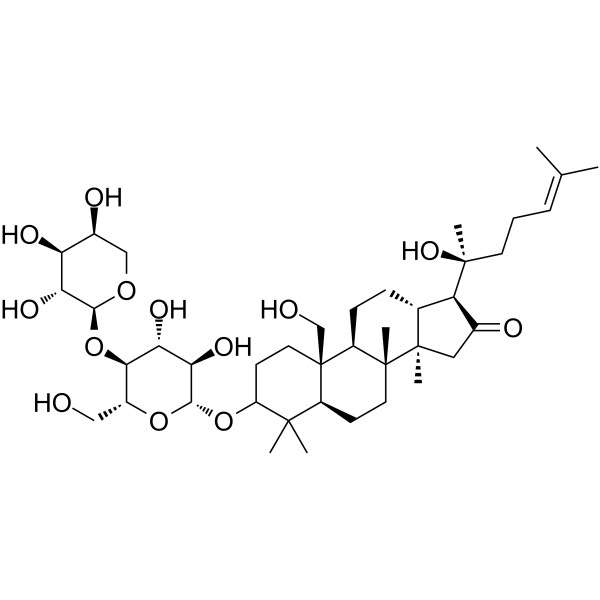
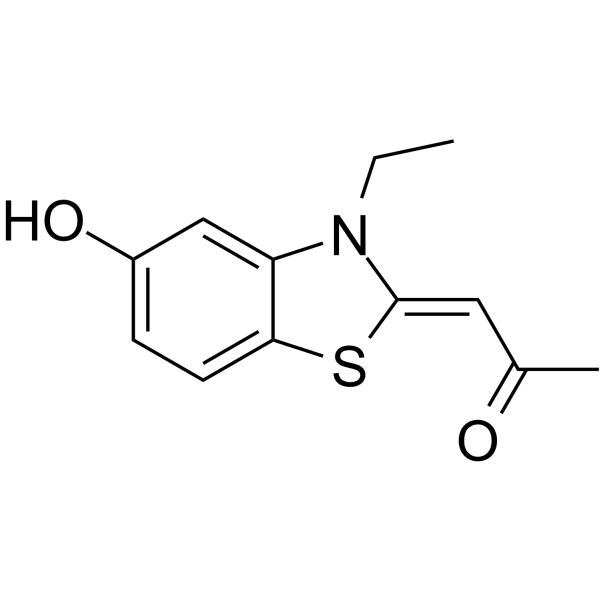
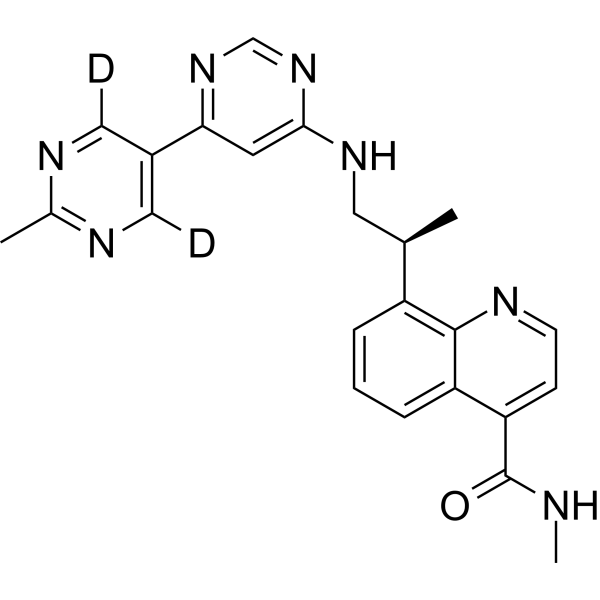
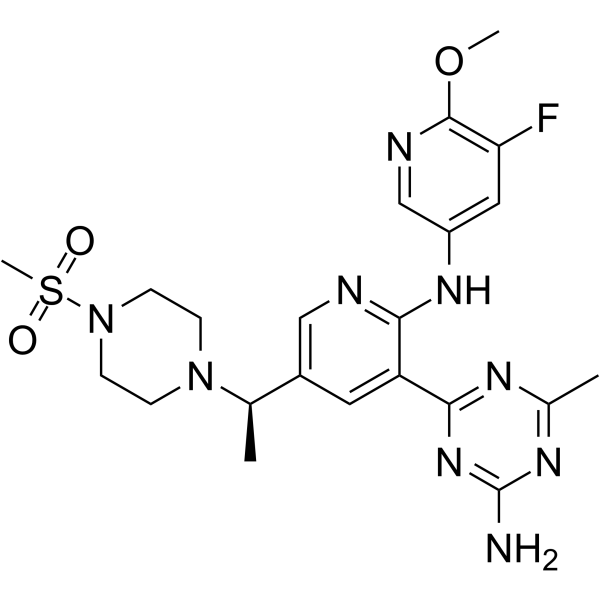
1. Search Result
Search Result
Results for "

and glioblastoma

" in MedChemExpress (MCE) Product Catalog:

364

Inhibitors & Agonists

3

Fluorescent Dyes

6

Biochemical Assay Reagents

23

Peptides

13

Inhibitory Antibodies

31

Natural
Products

20

Isotope-Labeled Compounds

2

Click Chemistry

9

Oligonucleotides

1

GMP Molecules

Cat. No. Product Name Target Research Areas Chemical Structure
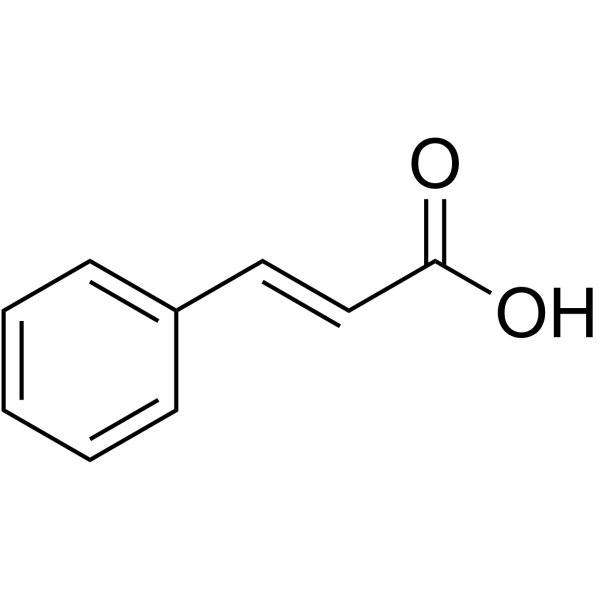
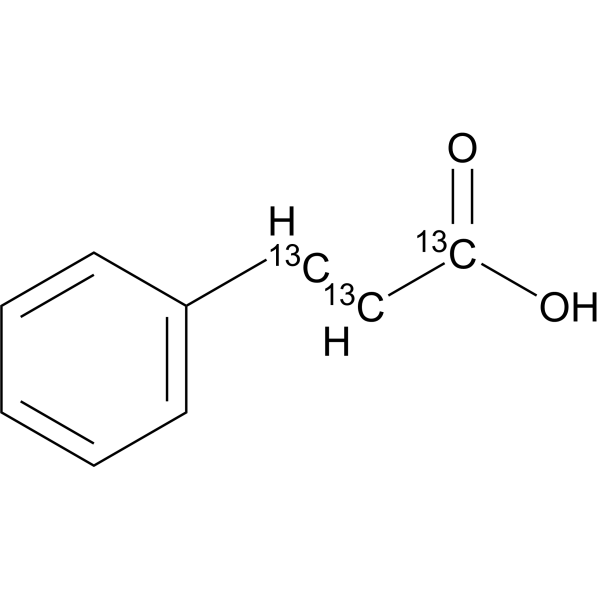
  • HY-N0610A
    Cinnamic acid
    3 Publications Verification

    3-Phenylacrylic acid; β-Phenylacrylic acid

    Environmental Pollutants Endogenous Metabolite Cancer
    Cinnamic acid has potential use in cancer intervention, with IC50s of 1-4.5 mM in glioblastoma, melanoma, prostate and lung carcinoma cells.
    Cinnamic acid
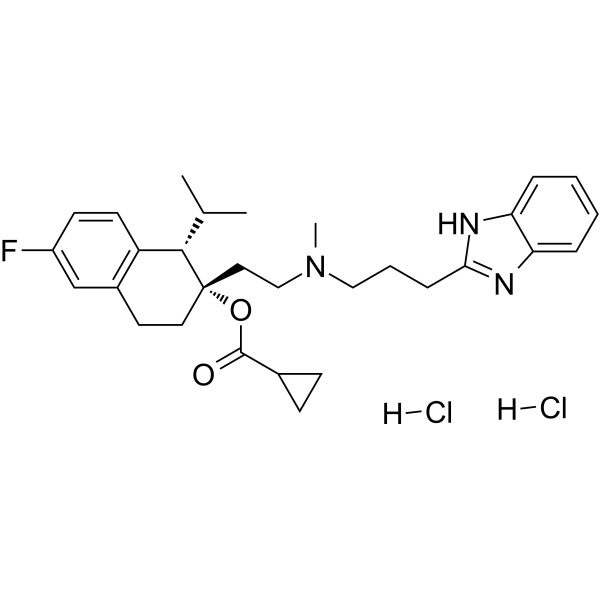
  • HY-50722
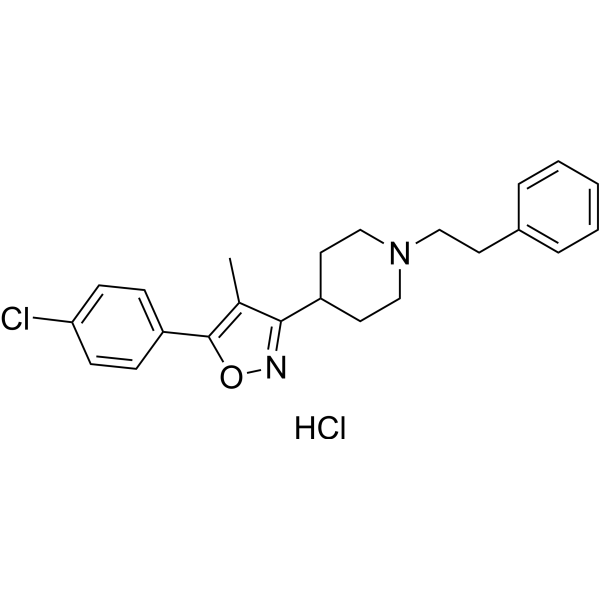
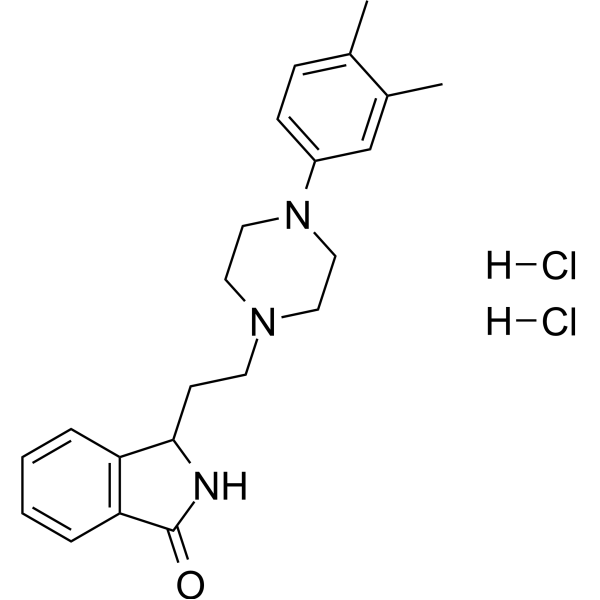
    NNC 55-0396
    5 Publications Verification

    NNC 55-0396 dihydrochloride

    Calcium Channel Cytochrome P450 Cardiovascular Disease Neurological Disease Cancer
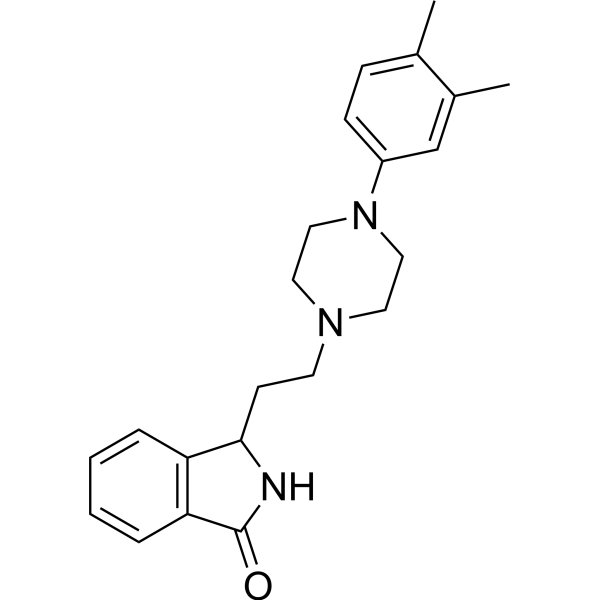
    NNC 55-0396 (NNC 55-0396 dihydrochloride) is a blood-brain-barrier-permeable T-type Ca 2+ channel inhibitor and pan-P450 inhibitor. NNC 55-0396 selectively inhibits T-type Ca 2+ channels, suppresses HIF-1α expression and stability and inhibits Kv currents. NNC 55-0396 reduces brain infarct and attenuates neurological dysfunction. NNC 55-0396 inhibits the activity of multiple P450 enzymes. NNC 55-0396 (free base) can be used for the research of brain injury, hypertension, and glioblastoma .
    NNC 55-0396
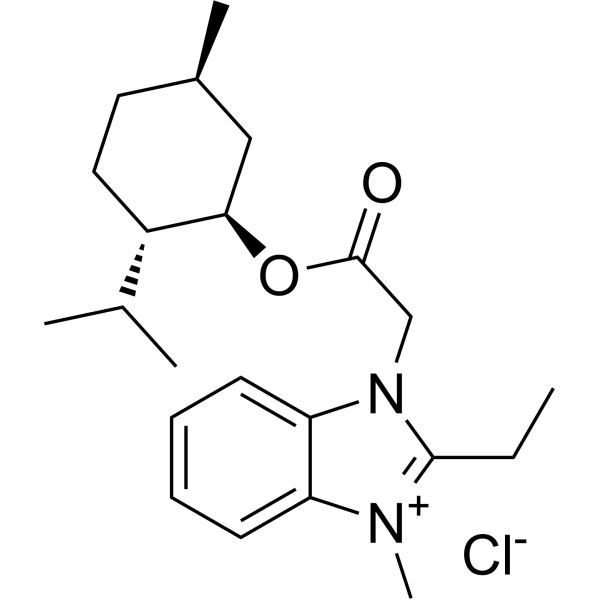
  • HY-111651
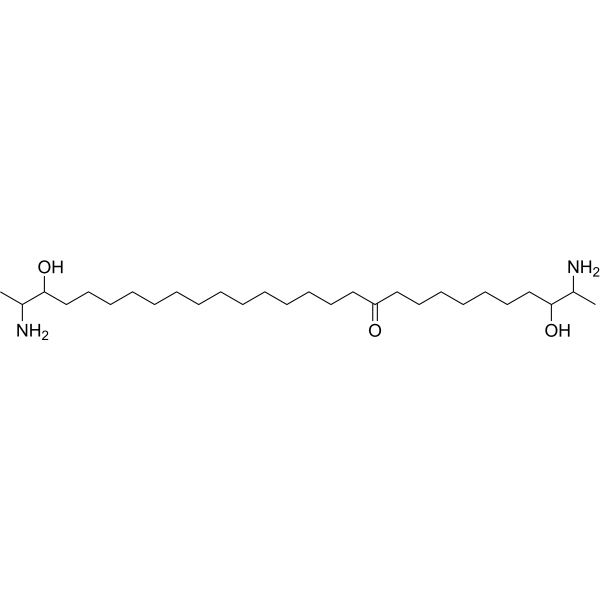
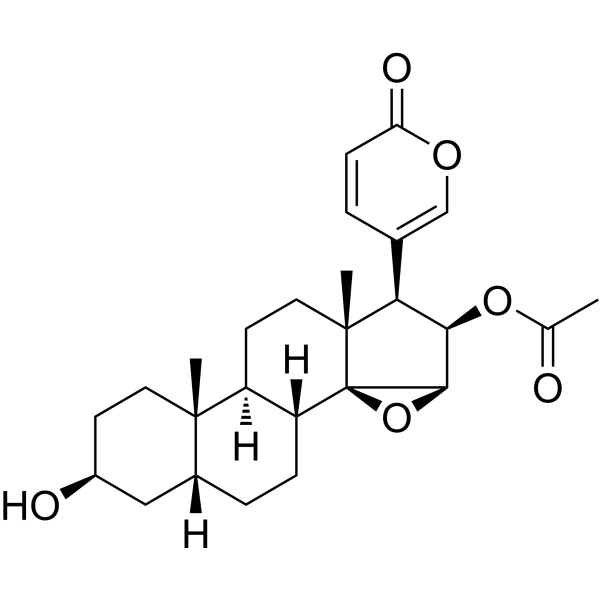
    Gboxin
    4 Publications Verification

    Oxidative Phosphorylation ATP Synthase Mitochondrial Metabolism Cancer
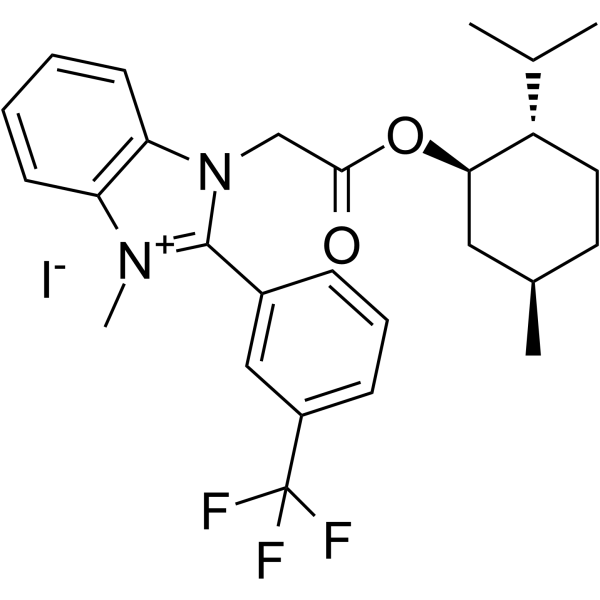
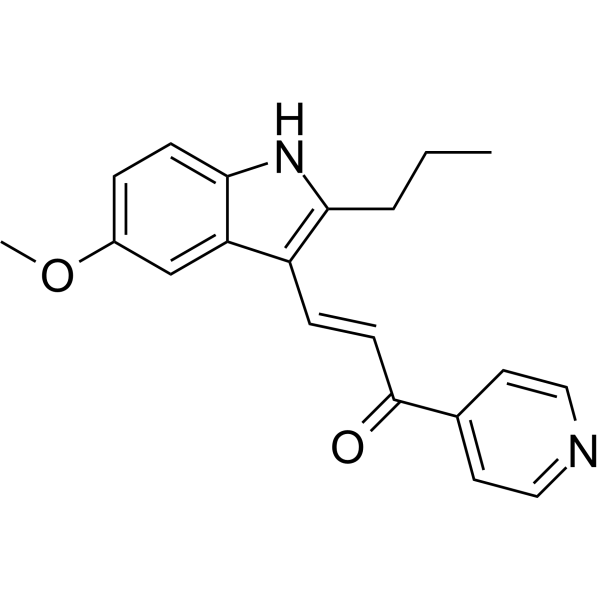
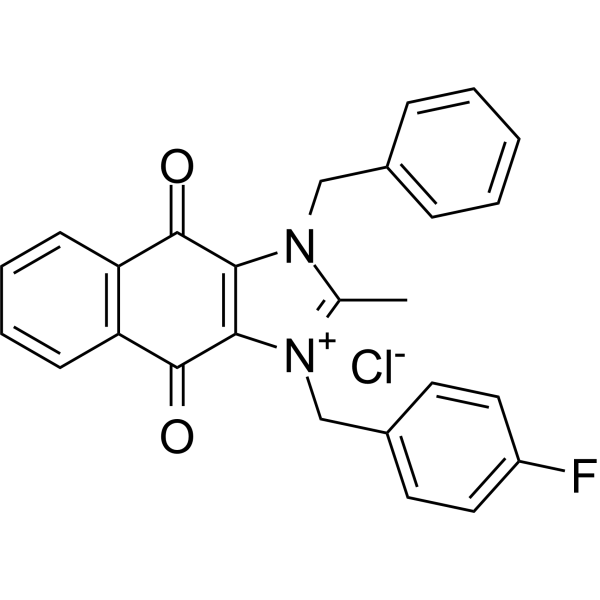
    Gboxin is an oxidative phosphorylation (OXPHOS) inhibitor that targets glioblastoma. Gboxin inhibits the activity of F0F1 ATP synthase. Antitumour activity .
    Gboxin
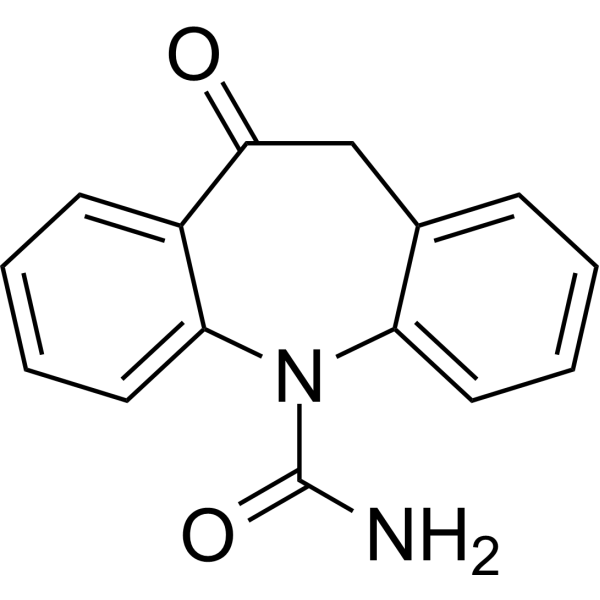
  • HY-B0114
    Oxcarbazepine
    2 Publications Verification

    GP 47680

    Sodium Channel Apoptosis Neurological Disease Cancer
    Oxcarbazepine is a sodium channel blocker . Oxcarbazepine significantly inhibits glioblastoma cell growth and induces apoptosis or G2/M arrest in glioblastoma cell lines . Anti-cancer and anticonvulsant effects .
    Oxcarbazepine
  • HY-P99948

    AMG-596

    EGFR CD3 Neurological Disease Cancer
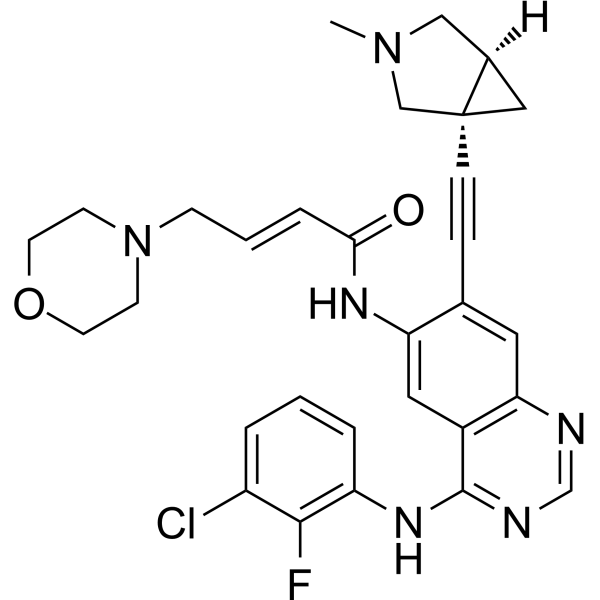
    Etevritamab (AMG-596) is a bispecific T-cell engager that targets EGFRvIII and CD3. Etevritamab simultaneously binds CD3 on T cells and EGFRvIII on glioblastoma multiforme cells, thereby forming a bridge structure. Etevritamab triggers T-cell activation, proliferation, secretion of cytotoxic substances, and tumor cell lysis. Etevritamab extends overall survival and induces tumor regression in mouse models of glioblastoma multiforme. Etevritamab can be used for research related to glioblastoma .
    Etevritamab
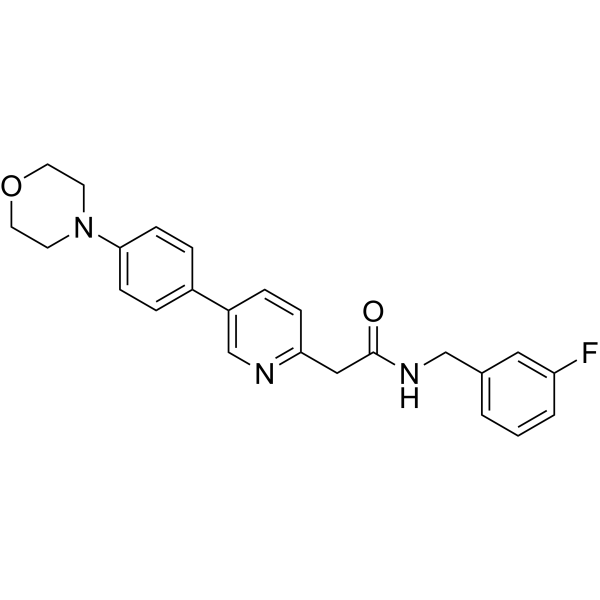
  • HY-174406

    Myosin PDGFR Reactive Oxygen Species (ROS) Ferroptosis Akt mTOR ERK Cancer
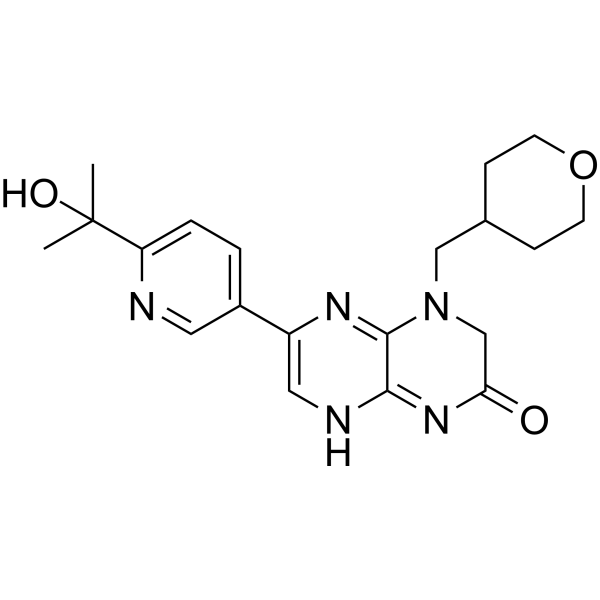
    MT-125 is a specific and well-tolerated inhibitor of non-muscle myosin IIA (Ki,NMIIA = 2.7 μM) and IIB (EC50 = 1.7 μM). MT-125 can pass through the blood-brain barrier. MT-125 induces ferroptosis and DNA damage by increasing the levels of reactive oxygen species (ROS) within tumor cells. MT-125 can enhance the PDGFR signaling pathway. MT-125 can be used for research on glioblastoma.
    MT-125
  • HY-100475
    KYP-2047
    1 Publications Verification

    Apoptosis MDM-2/p53 Prolyl Endopeptidase (PREP) Neurological Disease Inflammation/Immunology Cancer
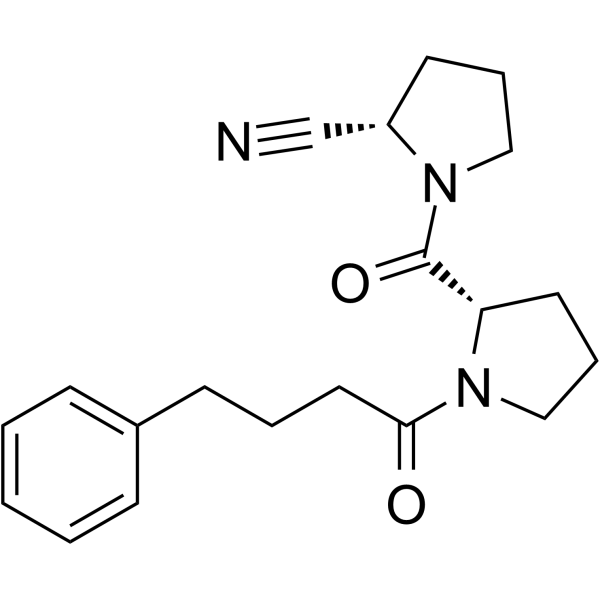
    KYP-2047 is a potent and BBB-penetrating prolyl-oligopeptidase (POP) inhibitor, with an Ki value of 0.023 nM. KYP-2047 reduces glioblastoma proliferation through angiogenesis and apoptosis modulation .
    KYP-2047
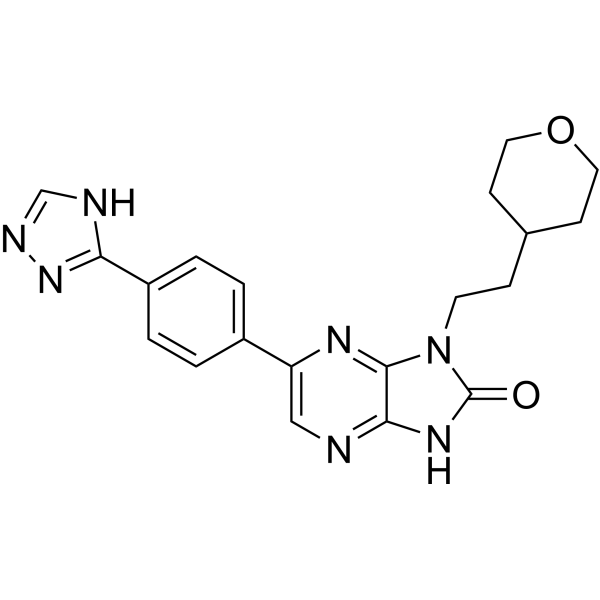
  • HY-175476

    IPK Superfamily Cancer
    UNC7437 is a inositol phosphate multikinase (IPMK) inhibitor, with an IC50 value of 26.2 nM. UNC7437 exhibits anti-proliferative activity against glioblastoma cells. UNC7437 decreases the accumulation of InsP4, InsP5, and InsP6 in cells. UNC7437 can be used for the study of TEN-negative glioblastoma models .
    UNC7437
  • HY-W587427

    Endogenous Metabolite Monocarboxylate Transporter Neurological Disease Cancer
    D-2-Phosphoglyceric acid trisodium is a glycolysis and gluconeogenesis intermediate with altered levels linked to MCT4-modulated glycolytic pathways. D-2-Phosphoglyceric acid trisodium shows reduced intracellular levels in hypoxic glioblastoma stem cells after MCT4 knockdown. D-2-Phosphoglyceric acid trisodium can be used for the research of glioblastoma .
    D-2-Phosphoglyceric acid trisodium
  • HY-13661
    7-Hydroxystaurosporine
    1 Publications Verification

    UCN-01; KRX-0601

    PKC CDK Apoptosis Cadherin Neurological Disease Cancer
    7-Hydroxystaurosporine (UCN-01), a derivative of Staurosporine (HY-15141), is a selective protein kinase C (PKC) inhibitor with antitumor activity. 7-hydroxystaurosporine induces apoptosis and inhibits cell proliferation in colon carcinoma and leukemia cells, suppresses invasion and migration in glioblastoma cells. 7-Hydroxystaurosporine exhibits efficacy in breast cancer xenograft mouse models. 7-Hydroxystaurosporine can be used for colon carcinoma, breast cancer, glioblastoma and leukemia research .
    7-Hydroxystaurosporine
  • HY-111652
    S-Gboxin
    2 Publications Verification

    Drug Derivative Cancer
    S-Gboxin is a functional analog of the oxidative phosphorylation (OXPHOS) inhibitor Gboxin and has antitumor activity. S-Gboxin inhibits the growth of mouse and human glioblastoma with an IC50 of 470 nM. S-Gboxin has antitumor activity .
    S-Gboxin
  • HY-154954
    Ogremorphin
    2 Publications Verification

    OGM; GPR68-IN-1; OGM-8345

    GPR68 Ferroptosis Inflammation/Immunology Cancer
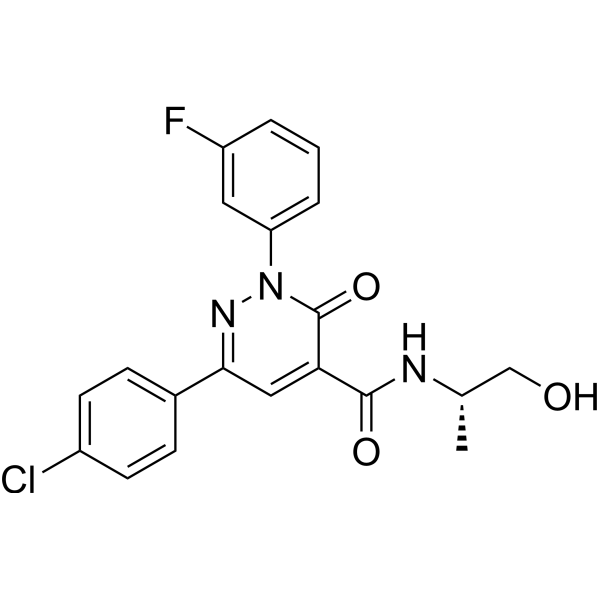
    Ogremorphin (OGM) is a G protein coupled sensor GPR68 inhibitor with anti-inflammatory and anti-tumor activities. Ogremorphin can inhibit the migration of human melanoma cells and induce ferroptosis in glioblastoma cells .
    Ogremorphin
  • HY-160972

    LXR Neurological Disease Cancer
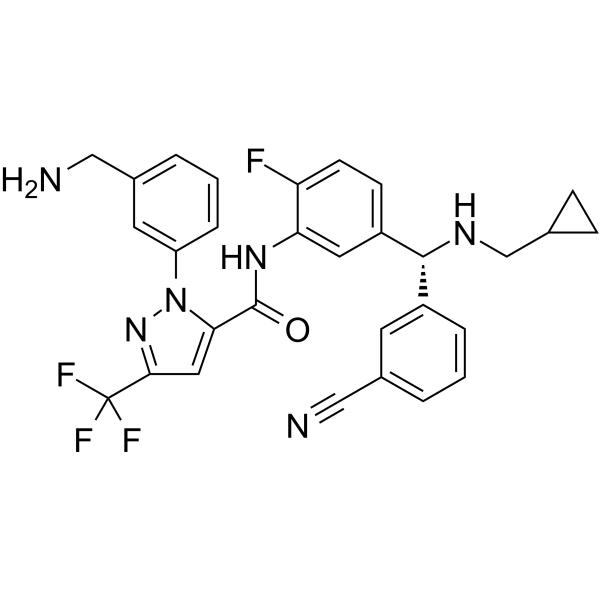
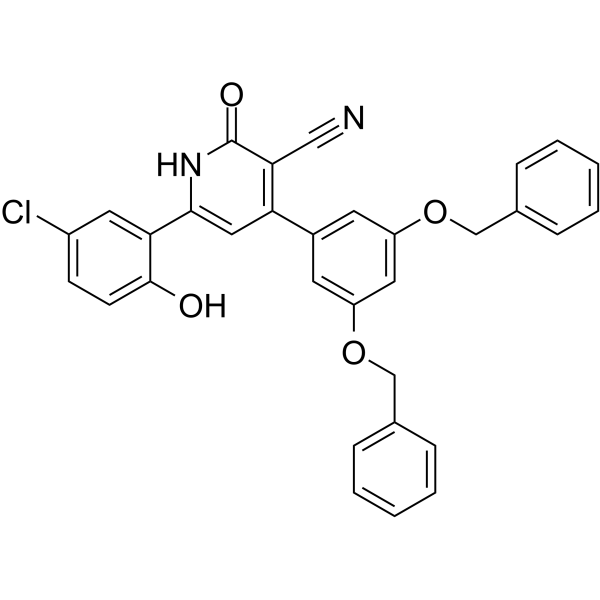
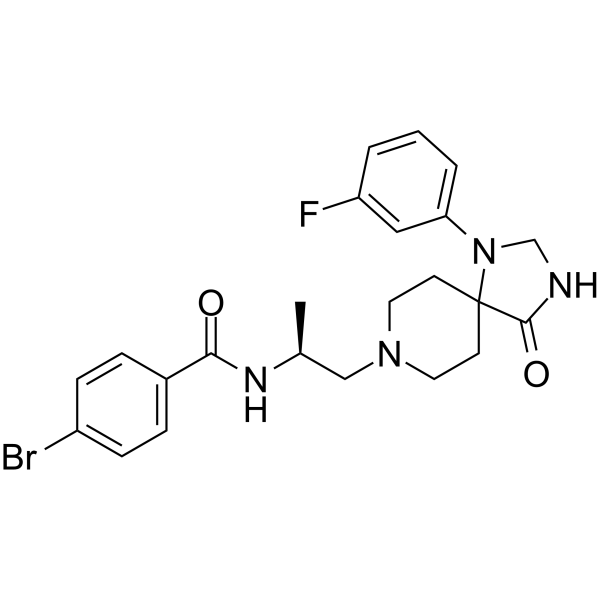
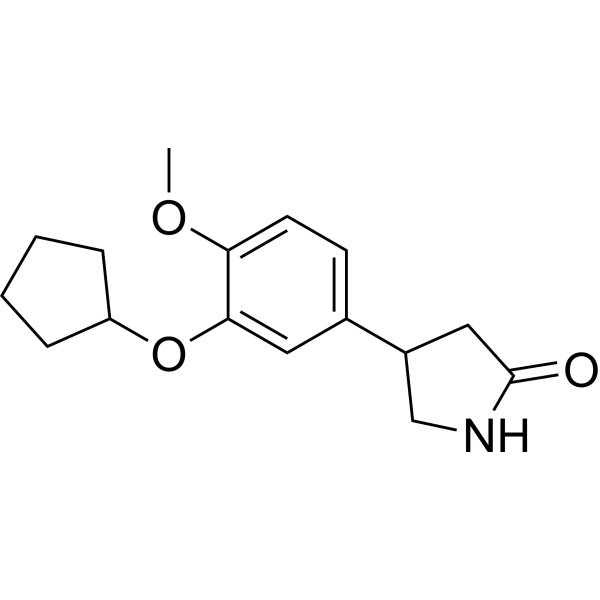
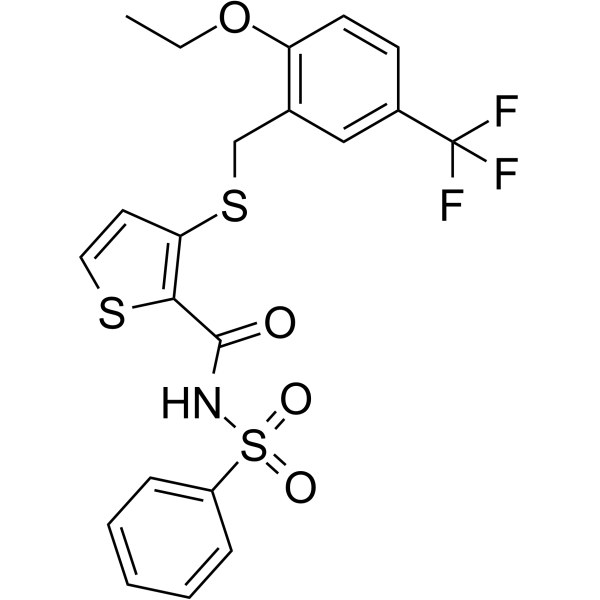
    MM0299 is a selective lanosterol synthase (LSS) inhibitor with an IC50 value of 2.22 μM. MM0299 depletes intracellular cholesterol and acts as a growth inhibitor for glioma stem-like cells. MM0299 exhibits anti-glioblastoma activity. MM0299 is applicable to research related to glioblastoma .
    MM0299
  • HY-109127
    Berotralstat
    1 Publications Verification

    BCX7353

    Kallikrein Cardiovascular Disease Cancer
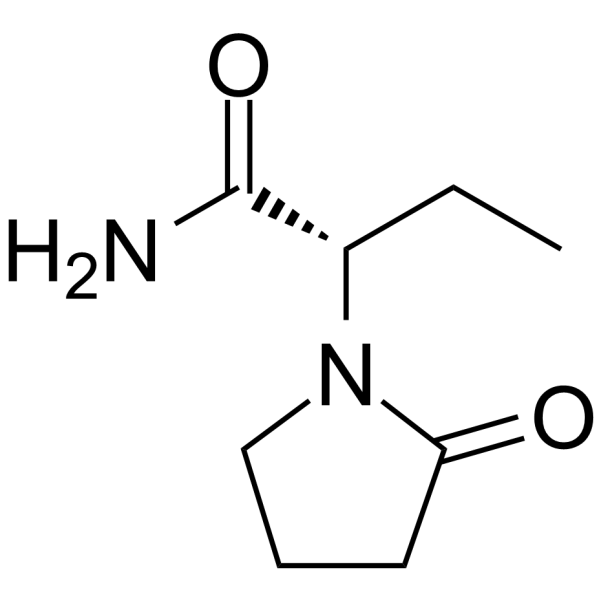
    Berotralstat (BCX7353) is an orally active plasma kallikrein inhibitor. Berotralstat can reduce brain edema and is being studied for glioblastoma and hereditary angioedema .
    Berotralstat
  • HY-174406A

    Myosin PDGFR Reactive Oxygen Species (ROS) Ferroptosis Akt mTOR ERK Inflammation/Immunology Cancer
    MT-125 free base is a specific and well-tolerated inhibitor of non-muscle myosin IIA (Ki,NMIIA = 2.7 μM) and IIB (EC50 = 1.7 μM). MT-125 free base can pass through the blood-brain barrier. MT-125 free base induces ferroptosis and DNA damage by increasing the levels of reactive oxygen species (ROS) within tumor cells. MT-125 free base can enhance the PDGFR signaling pathway. MT-125 free base can be used for research on glioblastoma.
    MT-125 free base
  • HY-149127

    ASC-JM17; ALZ-003

    Keap1-Nrf2 Androgen Receptor HSP Mitophagy Ferroptosis Apoptosis Reactive Oxygen Species (ROS) Autophagy Metabolic Disease
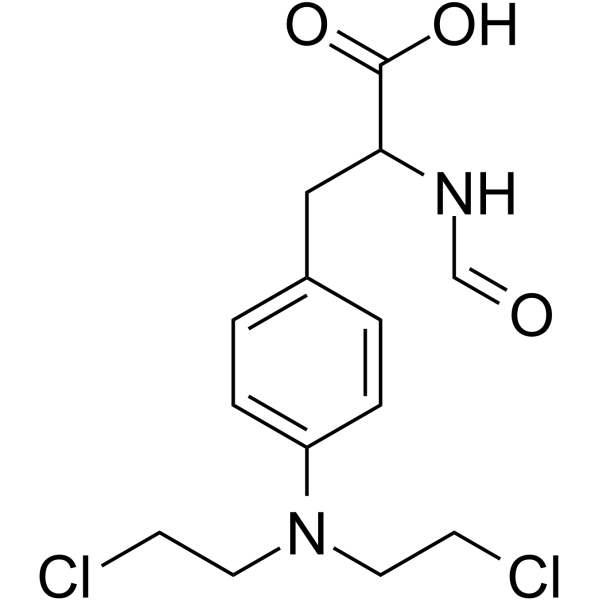
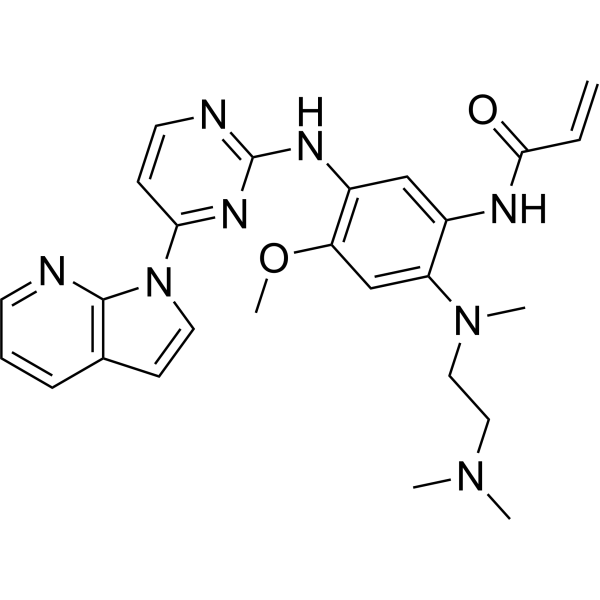
    Rosolutamide (ASC-JM17) is an orally active Nrf1/Nrf2 activator. Rosolutamide activates Hsf1 pathways, upregulates proteasome subunits and antioxidant enzymes, induces proteasome complex structural rearrangement, and enhances ubiquitin-proteasome system-mediated degradation. Rosolutamide reduces mutant androgen receptor and ataxin-3 aggregates, restores mitochondrial function, attenuates reactive oxygen species (ROS) levels, induces apoptosis and ferroptosis, and inhibits cancer cell growth. Rosolutamide can be used for the research of spinal and bulbar muscular atrophy, Huntington’s disease, and temozolomide-resistant glioblastoma .
    Rosolutamide
  • HY-118545

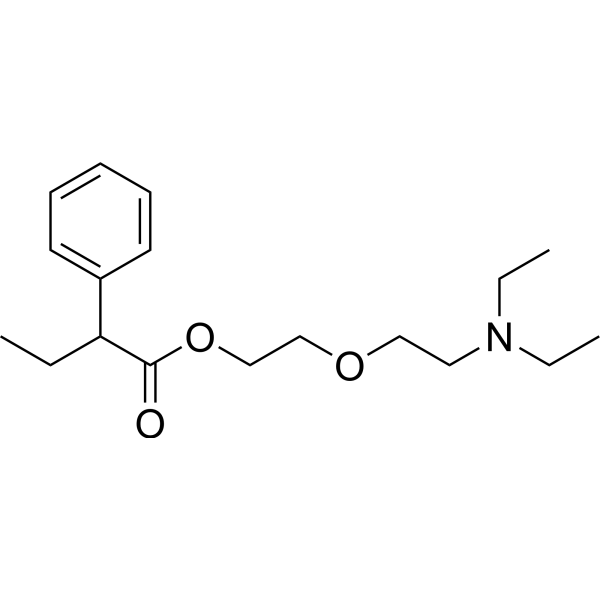
    STAT Inflammation/Immunology Cancer
    Butamirate is an orally active antitussive agent that acts centrally through the receptors in the brainstem. Butamirate also reduces the resistance in the airways by inhibiting bronchospasm and anti-inflammatory effect. Butamirate inhibits glioblastoma (GBM) growth and STAT3 activity. Butamirate can be used for the study of glioblastoma .
    Butamirate
  • HY-125427

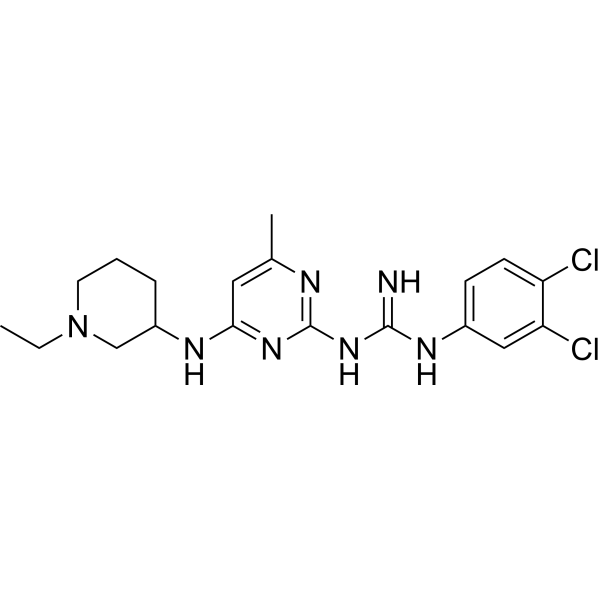
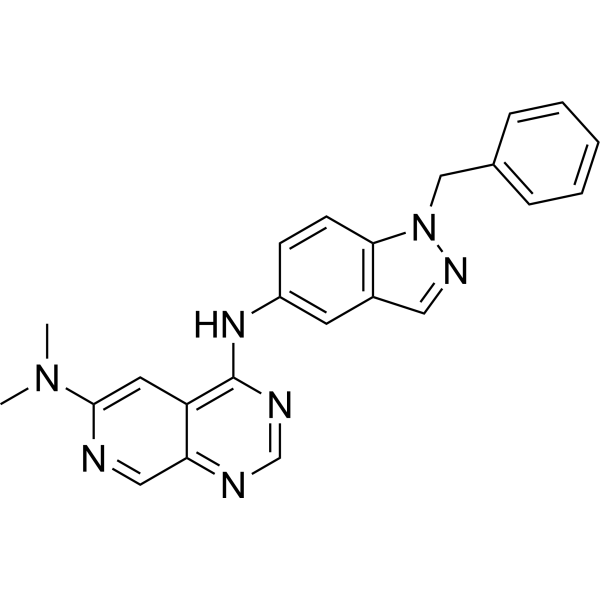
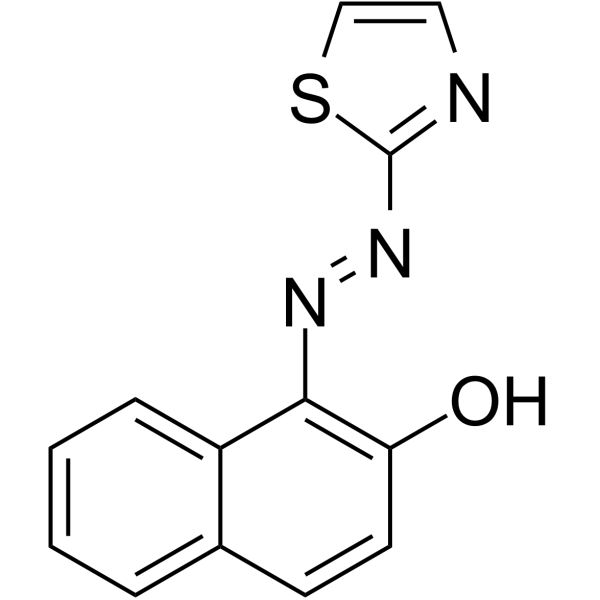
    OLIG2 Cancer
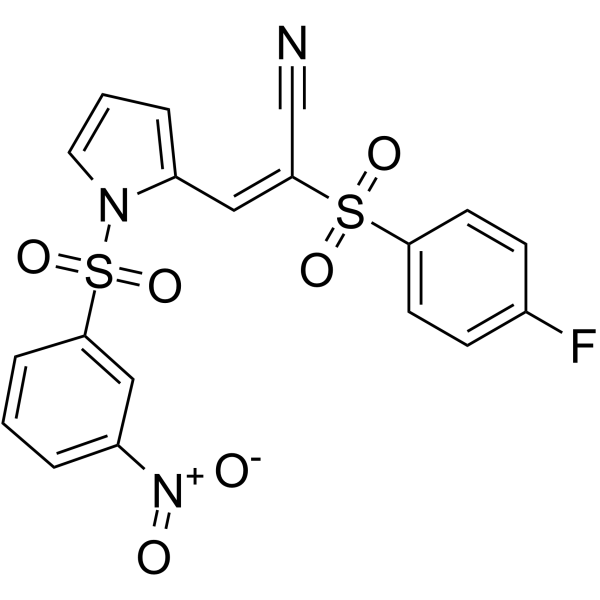
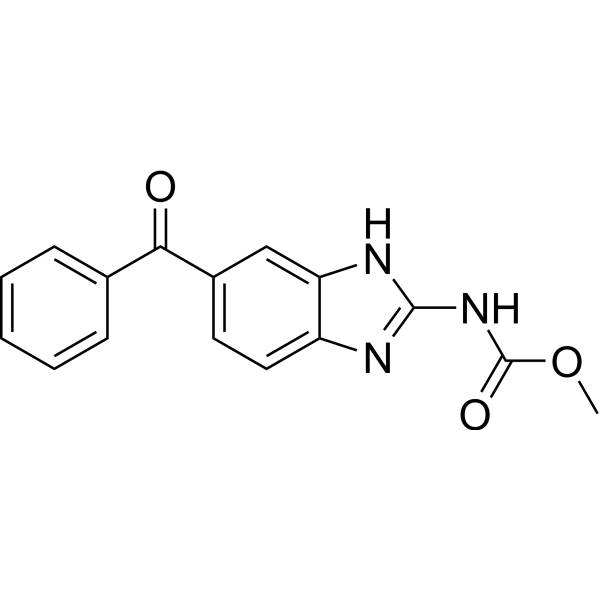
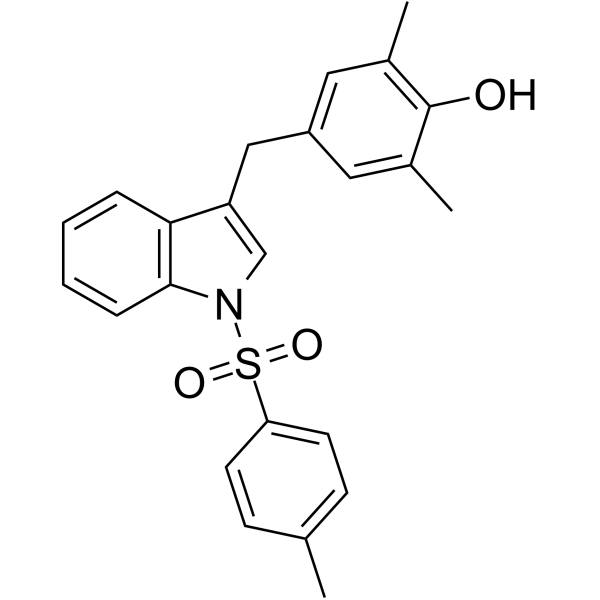
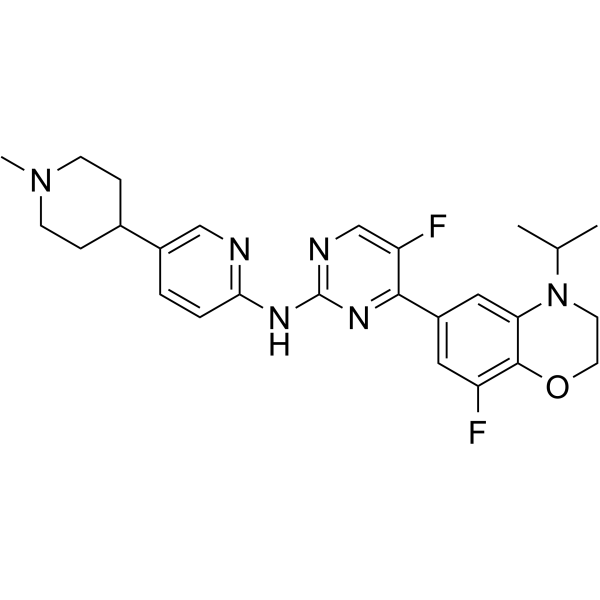
    SKOG102 is a potent OLIG2 inhibitor that is directly engaging OLIG2 and interferes with the ability of OLIG2 to bind DNA. SKOG102 can be used for the research of glioblastoma (GBM) .
    SKOG102
  • HY-P99223

    MEDI-575

    PDGFR Cancer
    Tovetumab (MEDI-575) is an anti-PDGFRα monoclonal antibody that selectively blocks the PDGFRα signal transduction. Tovetumab can be used in the research of glioblastoma and non-small cell lung cancer (NSCLC) .
    Tovetumab
  • HY-118545A

    STAT Inflammation/Immunology Cancer
    Butamirate citrate is an orally active antitussive agent that acts centrally through the receptors in the brainstem. Butamirate citrate also reduces the resistance in the airways by inhibiting bronchospasm and anti-inflammatory effect. Butamirate citrate inhibits glioblastoma (GBM) growth and STAT3 activity. Butamirate citrate can be used for the study of glioblastoma .
    Butamirate citrate
  • HY-169884
    MCI-INI-3
    1 Publications Verification

    Aldehyde Dehydrogenase (ALDH) Cancer
    MCI-INI-3 is a selective competitive inhibitor of human ALDH1A3 (with a Ki value of 0.55 μM for ALDH1A3 and a Ki value of 78.2 μM for ALDH1A1). MCIINI-3 inhibits the biosynthesis of retinoic acid and reduces the viability of GSC-83 and GSC-326 glioblastoma cells .
    MCI-INI-3
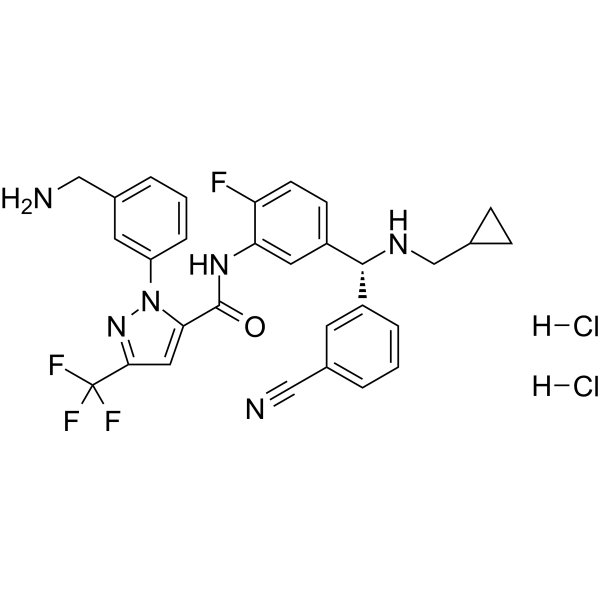
  • HY-172917

    Ras Cancer
    Rho GTPase inhibitor 1 (compound 7) is a potent Rho GTPase inhibitor. Rho GTPase inhibitor 1 exhibits high affinity on Cdc42, Rac1 and RhoA with KDs of 151, 352, and 232 μM, respectively. Rho GTPase inhibitor 1 reduces cell migration on glioma cell line .
    Rho GTPase inhibitor 1
  • HY-122910

    Apoptosis Cancer
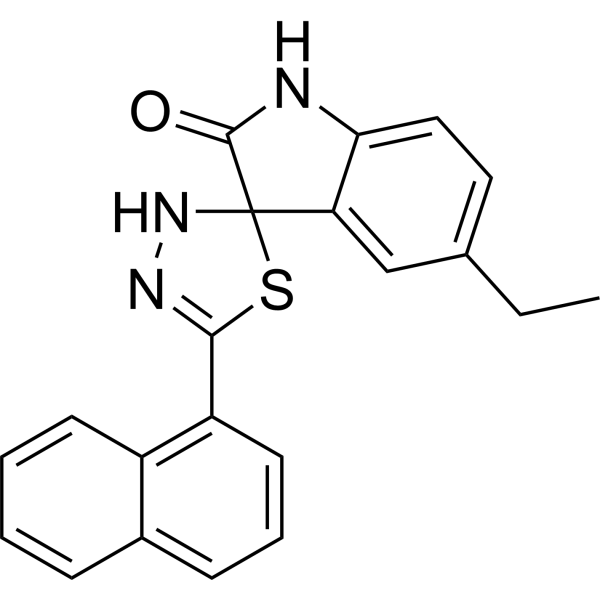
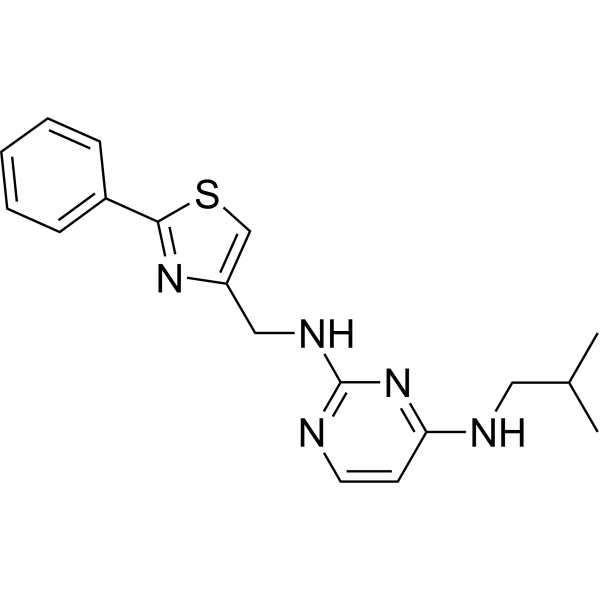
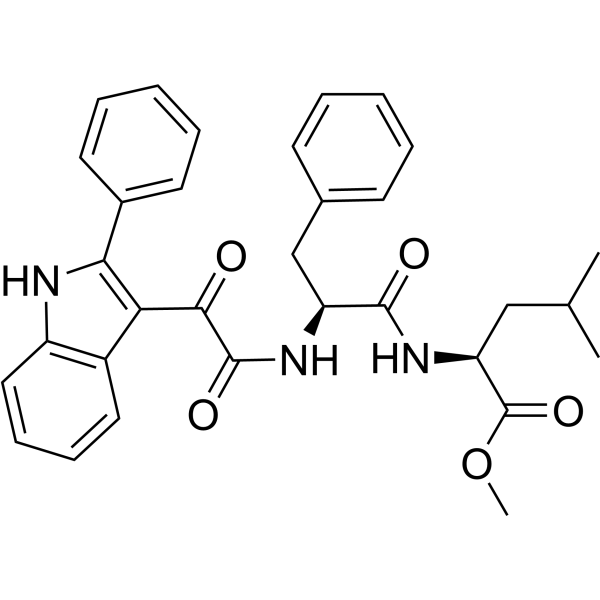
    RIPGBM is a selective inducer of apoptosis in glioblastoma multiforme (GBM) cancer stem cells (CSCs) with an EC50 of ≤500 nM .
    RIPGBM
  • HY-109127A
    Berotralstat dihydrochloride
    1 Publications Verification

    BCX7353 dihydrochloride

    Kallikrein Cardiovascular Disease Cancer
    Berotralstat dihydrochloride (BCX7353 dihydrochloride) is an orally active plasma kallikrein inhibitor. Berotralstat can reduce brain edema and is being studied for glioblastoma and hereditary angioedema .
    Berotralstat dihydrochloride
  • HY-176537

    Microtubule/Tubulin Cancer
    RGN6024 is a brain-penetrant, orally active and reversible small molecule tubulin destabilizer. RGN6024 inhibits microtubule polymerization both in biochemical and cellular assays, binds to the colchicine binding pocket of β-tubulin (SPR: Kd = 6.7 μM; tryptophan assay: Kd = 7.4 μM), and triggers G2/M arrest in glioblastoma (GB) cells. RGN6024 retains activity in βIII-tubulin overexpressing cells. RGN6024 inhibits tumor growth in a GB xenograft mouse model. RGN6024 can be used for the study of glioblastoma (GB) .
    RGN6024
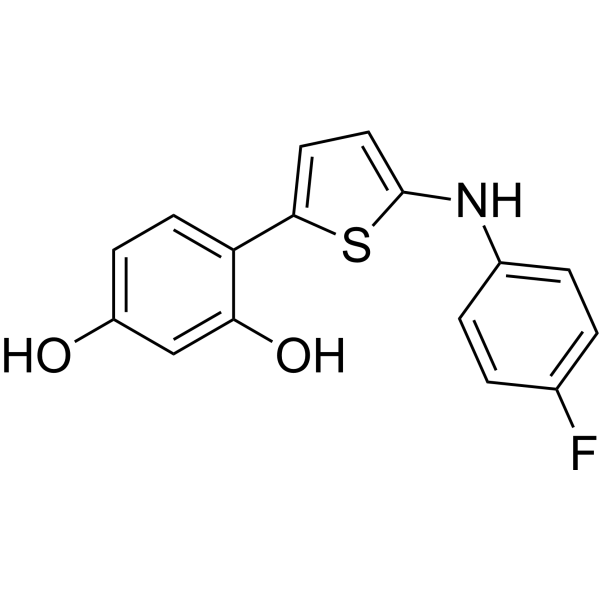
  • HY-125964

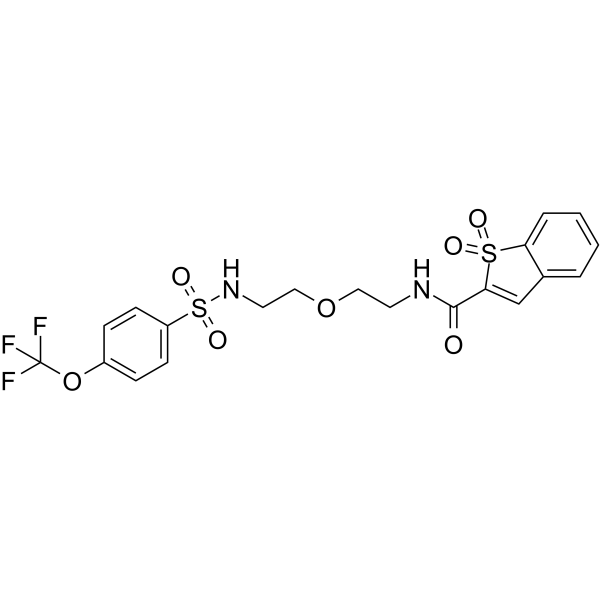
    Survivin Cancer
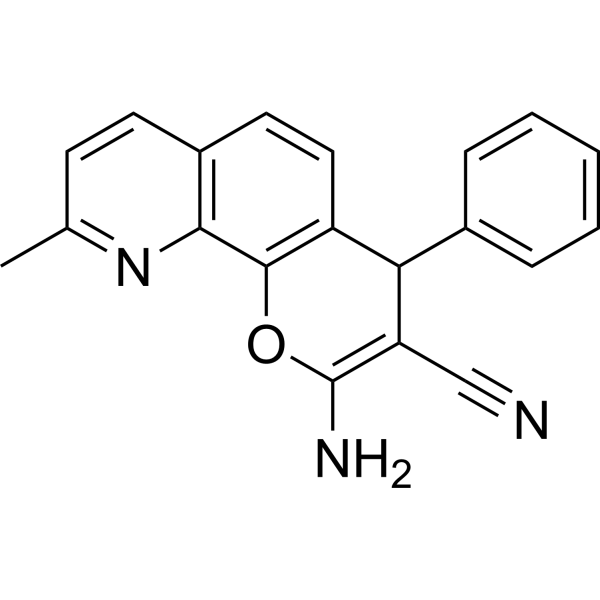
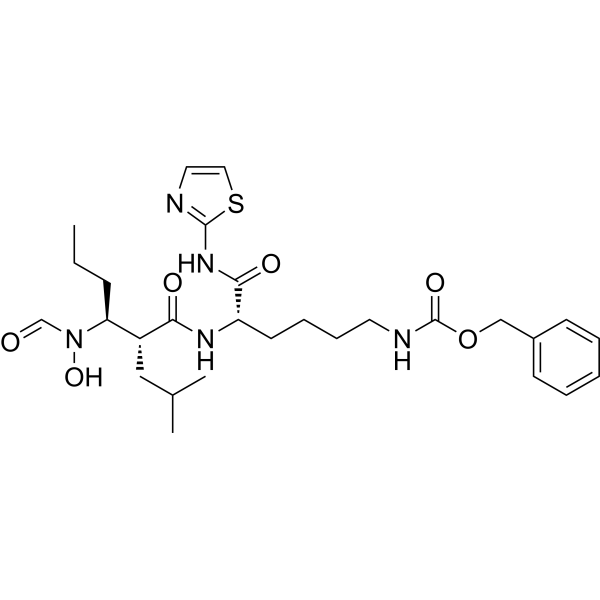
    LLP-3 is a potent Survivin inhibitor that disrupts the Survivin-Ran interaction in cancer cells. LLP-3 can be used in the research of Glioblastoma multiforme (GBM) .
    LLP-3
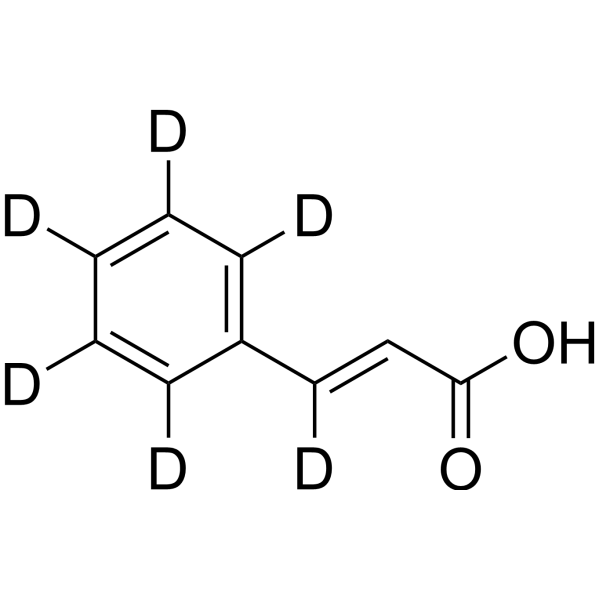
  • HY-N0610AS

    3-Phenylacrylic acid-d6; β-Phenylacrylic acid-d6

    Endogenous Metabolite Cancer
    Cinnamic acid-d6 is the deuterium labeled Cinnamic acid. Cinnamic acid has potential use in cancer intervention, with IC50s of 1-4.5 mM in glioblastoma, melanoma, prostate and lung carcinoma cells.
    Cinnamic acid-d6
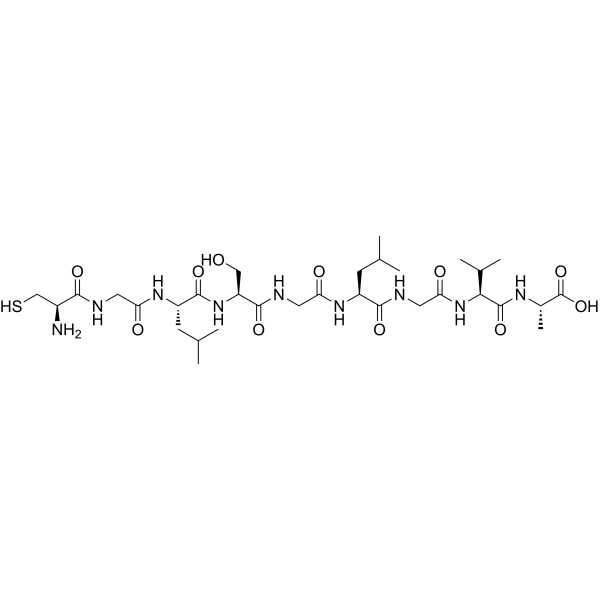
  • HY-P4115

    FABP Cancer
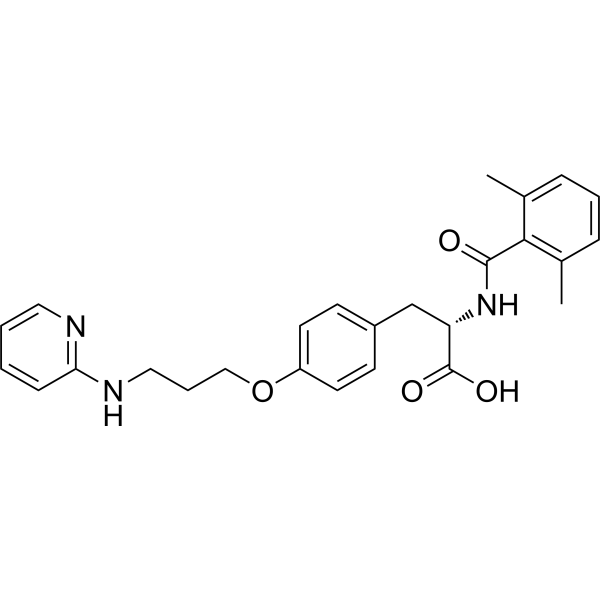
    CooP is a linear glioblastoma-targeting nonapeptide. CooP binds to the mammary-derived growth inhibitor/fatty acid binding protein 3 (FABP3) in the glioblastoma cells and its associated vasculature. CooP is used for the targeted delivery of chemotherapy and different nanoparticles .
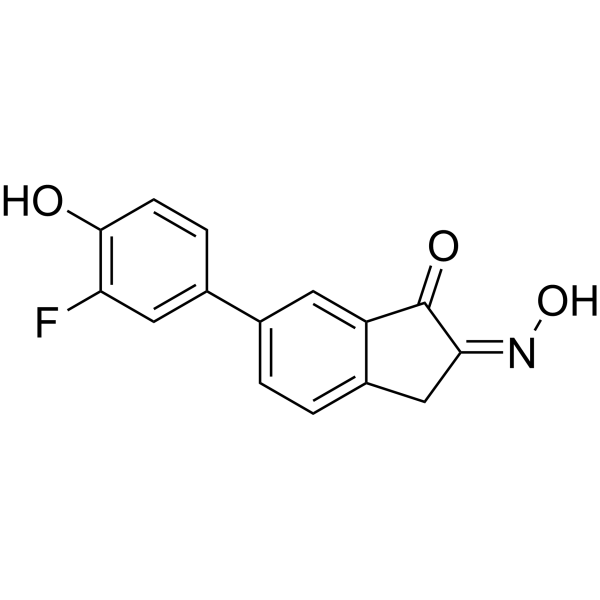
    CooP
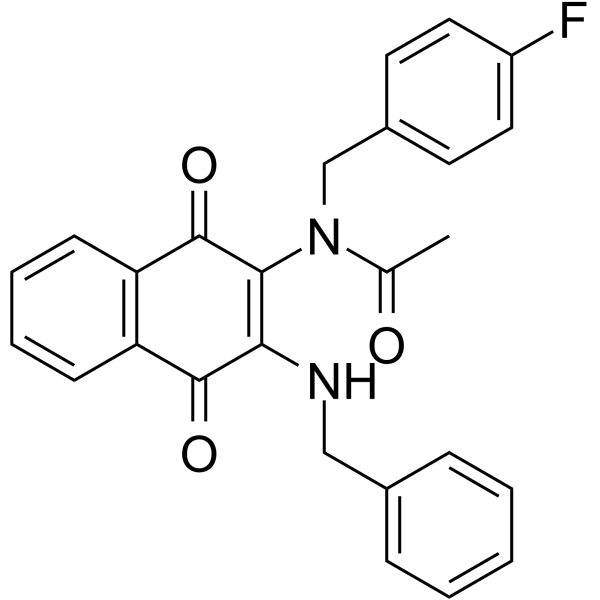
  • HY-132865

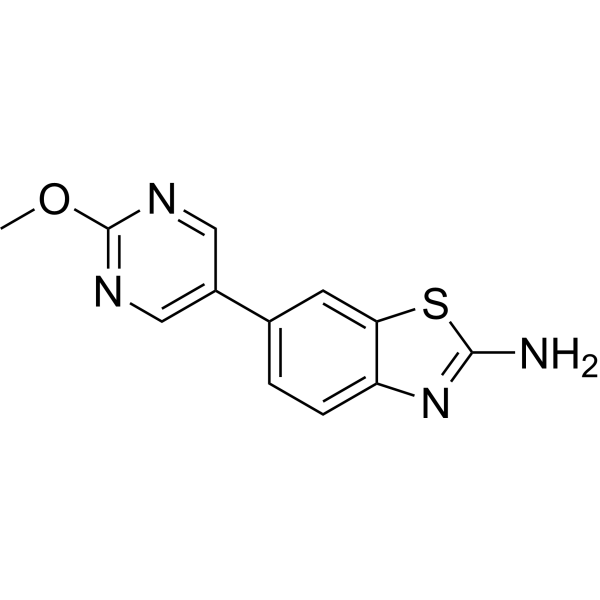
    Fat Mass and Obesity-associated Protein (FTO) Cancer
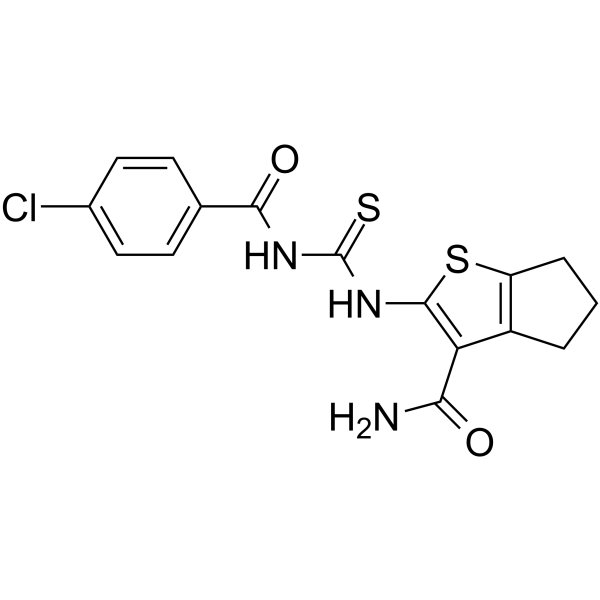
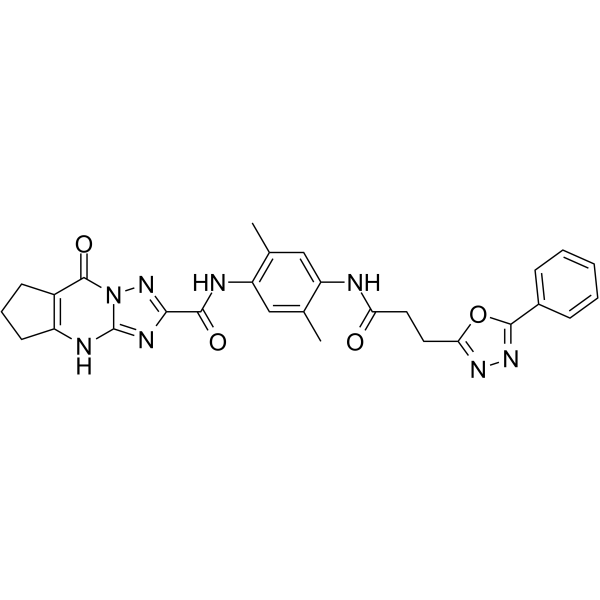
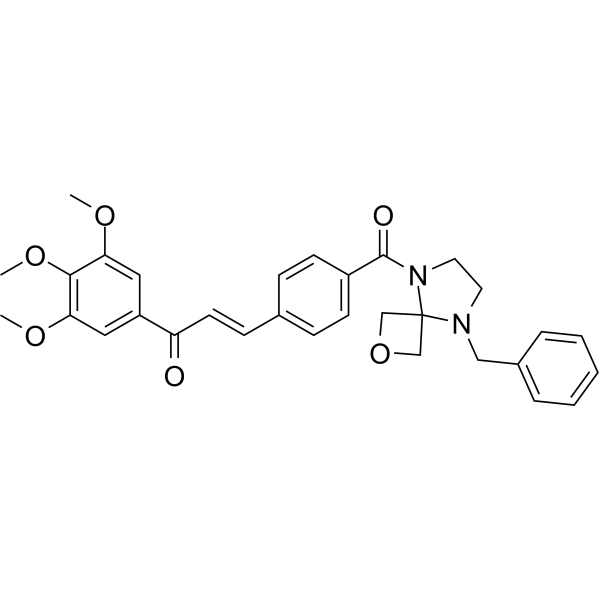
    FTO-IN-3 is a FTO inhibitor that impair self-renewal in glioblastoma stem cells.
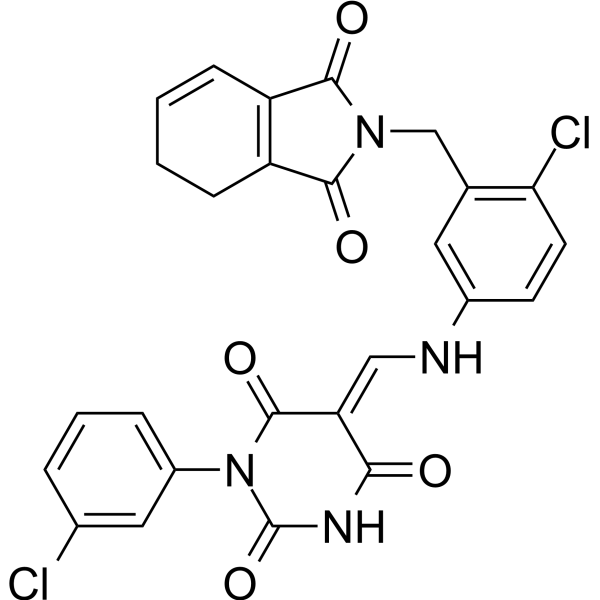
    FTO-IN-3
  • HY-B0114R

    GP 47680 (Standard)

    Reference Standards Sodium Channel Apoptosis Neurological Disease Cancer
    Oxcarbazepine (Standard) is the analytical standard of Oxcarbazepine. This product is intended for research and analytical applications. Oxcarbazepine is a sodium channel blocker . Oxcarbazepine significantly inhibits glioblastoma cell growth and induces apoptosis or G2/M arrest in glioblastoma cell lines . Anti-cancer and anticonvulsant effects .
    Oxcarbazepine (Standard)
  • HY-P11326

    Cathepsin Fluorescent Dye Neurological Disease Cancer
    Ac-FR-AFC TFA is a fluorometric substrate for cathepsin L. Ac-FR-AFC TFA can be used for the research of glioblastoma .
    Ac-FR-AFC TFA
  • HY-149584

    Estrogen Receptor/ERR Cancer
    CIDD-0149897 is a potent, selective and brain-penetrant ERβ agonist. CIDD-0149897 exert antitumor functions in glioblastoma .
    CIDD-0149897
  • HY-142683

    Phosphatase Neurological Disease Cancer
    SCP1-IN-2 (Compound SH T-65) is a potent and selective covalent inhibitor against SCP1. SCP1-IN-2 promotes REST degradation and reduces transcriptional activity. A high level of REST protein drives the tumor growth in some glioblastoma cells. SCP1-IN-2 has the potential for the research of glioblastoma whose growth is driven by REST transcription activity .
    SCP1-IN-2
  • HY-118545AR

    Reference Standards STAT Inflammation/Immunology Cancer
    Butamirate citrate (Standard) is the analytical standard of Butamirate citrate (HY-118545A). This product is intended for research and analytical applications. Butamirate citrate is an orally active antitussive agent that acts centrally through the receptors in the brainstem. Butamirate citrate also reduces the resistance in the airways by inhibiting bronchospasm and anti-inflammatory effect. Butamirate citrate inhibits glioblastoma (GBM) growth and STAT3 activity. Butamirate citrate can be used for the study of glioblastoma .
    Butamirate citrate (Standard)
  • HY-116165

    Phospholipase Cancer
    ML298 is a potent and selective inhibitor of Phospholipase D2 (PLD2) with an IC50 of 355 nM. ML298 decreases invasive migration in U87-MG glioblastoma cells .
    ML-298
  • HY-124582
    NEO214
    1 Publications Verification

    Autophagy mTOR Cancer
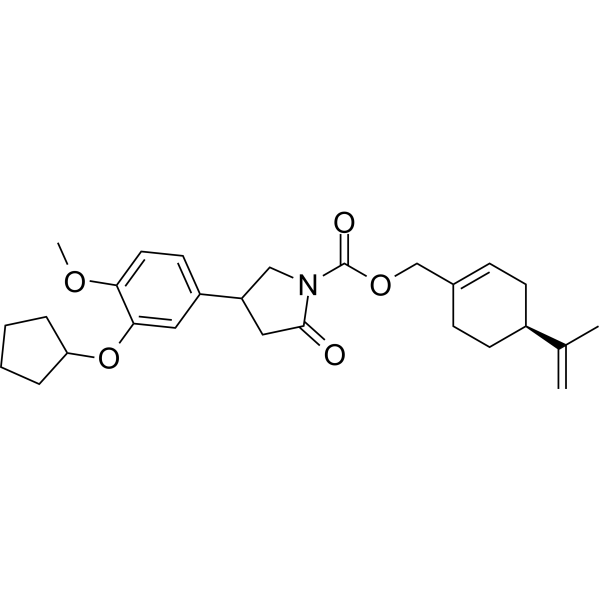
    NEO214 is an autophagy inhibitor and a covalent conjugate of the PDE4 inhibitor Rolipram (HY-16900) and perillyl alcohol (HY-N7000). It has anti-cancer activity and blood-brain barrier (BBB) permeability. Over sex. NEO214 prevents autophagy-lysosome fusion, thereby blocking autophagic flux and triggering glioma cell death. The process involves mTOR activation, andTFEB(Transcription Factor EB) aggregation. NEO214 inhibitionMacroautophagy/autophagy in glioblastoma cells has the potential to overcome chemotherapy resistance in glioblastoma .
    NEO214
  • HY-152203

    Drug Derivative Cancer
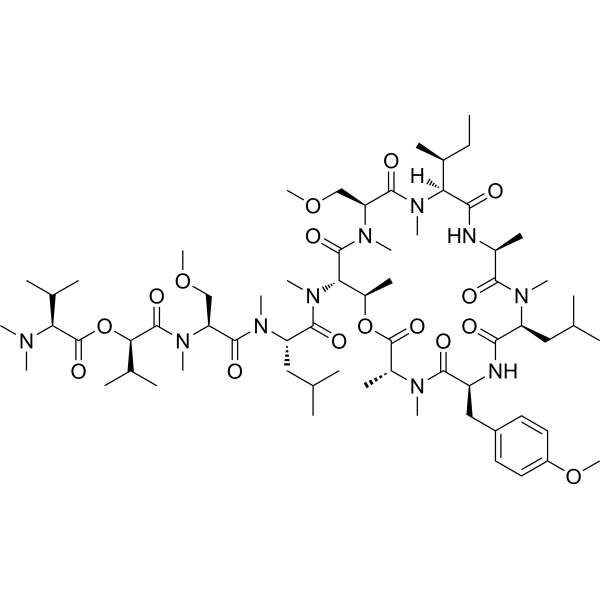
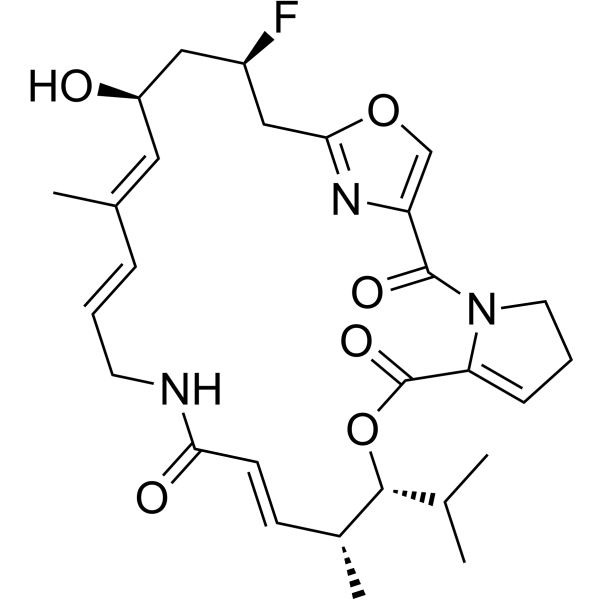
    Mitochondrial respiration-IN-2 is the fluorine derivative of Virginiamycin M1 (HY-N6686). Mitochondrial respiration-IN-2 can inhibit mitochondrial translation of glioblastoma stem cells .
    Mitochondrial respiration-IN-2
  • HY-P1828

    EGFR Cancer
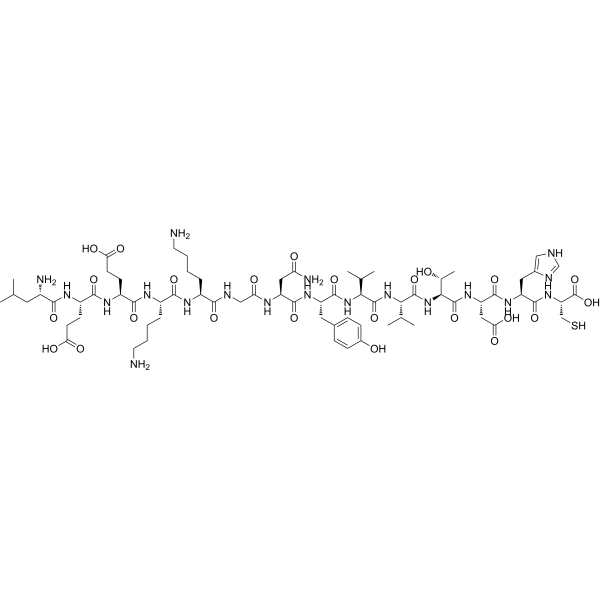
    EGFRvIII peptide (PEPvIII) is a tumor-specific mutation that is widely expressed in glioblastoma multiforme (GBM) and other neoplasms and its expression enhances tumorigenicity. EGFRvIII peptide represents a truly tumor-specific target for antitumor immunotherapy .
    EGFRvIII peptide (PEPvIII)
  • HY-175298

    STAT Src Apoptosis Cancer
    STAT-3/c-Src-IN-1 (Compound 12d) is a dual STAT-3 (IC50=0.844 μM) and c-Src (IC50=0.268 μM) inhibitor. STAT-3/c-Src-IN-1 blocks tumor cell proliferation, migration, and angiogenesis signaling pathways. STAT-3/c-Src-IN-1 exhibits potent anti-proliferative activity against melanoma (SK-MEL-2) and CNS cancer (SNB-75) cell lines (GI50=-5.75 μM and -5.63 μM), inducing tumor cell apoptosis via G0/G1 and G2/M phase cell cycle arrest. STAT-3/c-Src-IN-1 is promising for research of melanoma and glioblastoma .
    STAT-3/c-Src-IN-1
  • HY-N8835

    p38 MAPK Neurological Disease
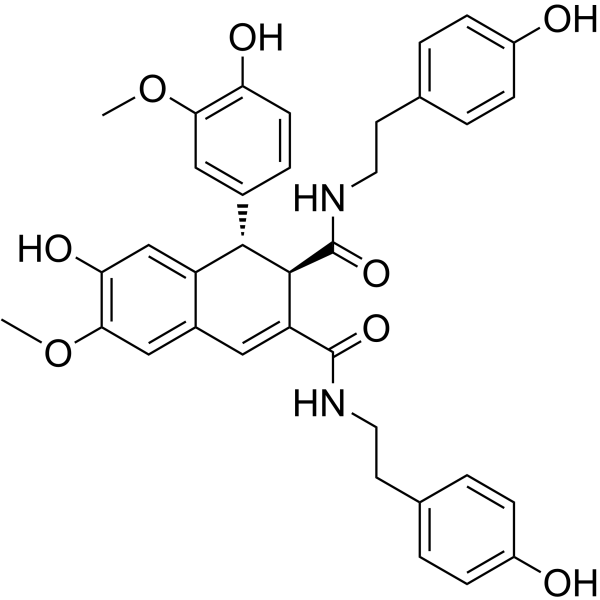
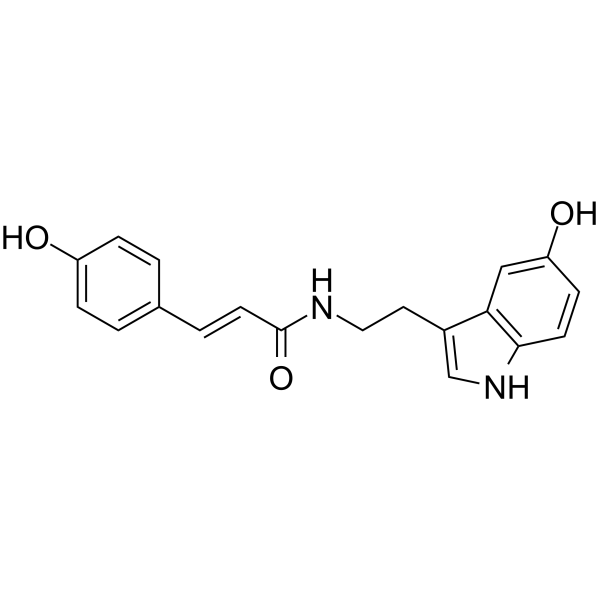
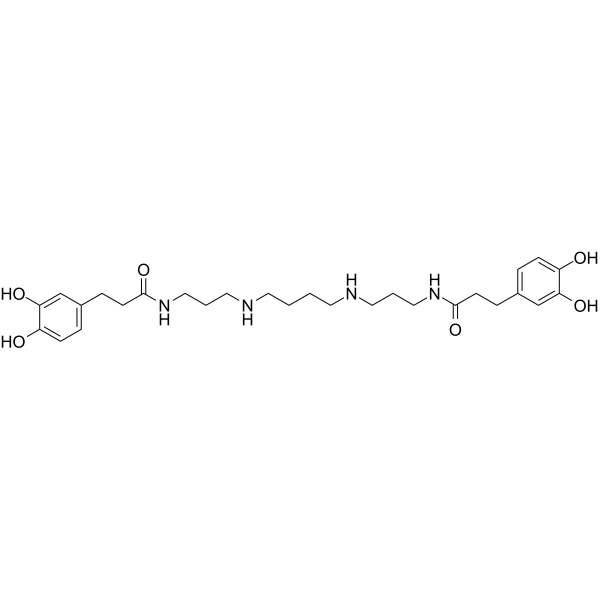
    Cannabisin D inhibits proliferation and migration of glioblastoma cells through MAPKs signaling .
    Cannabisin D
  • HY-B0114S

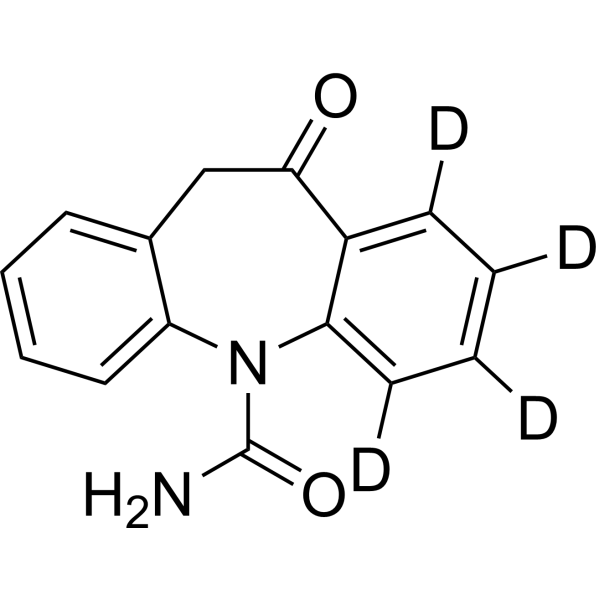
    GP 47680-d4

    Isotope-Labeled Compounds Sodium Channel Apoptosis Neurological Disease Cancer
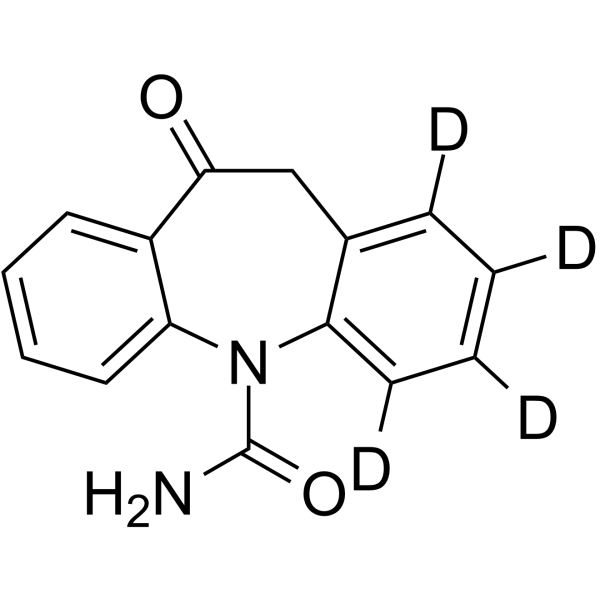
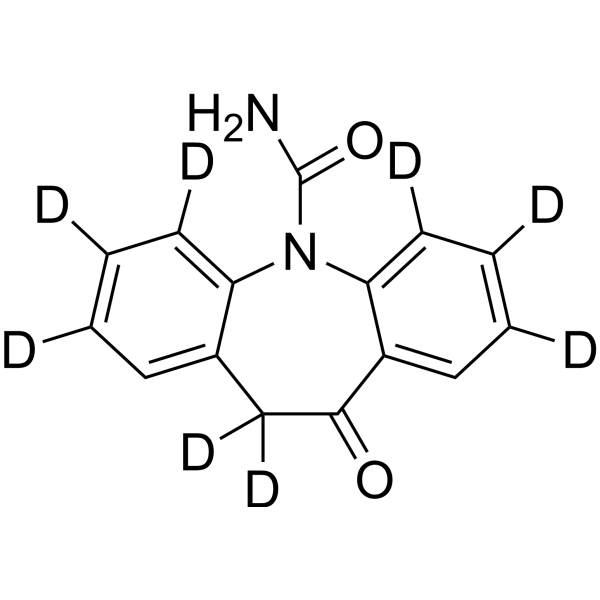
    Oxcarbazepine-d4 (GP 47680-D4) is the deuterium labeled Oxcarbazepine. Oxcarbazepine is a sodium channel blocker . Oxcarbazepine significantly inhibits glioblastoma cell growth and induces apoptosis or G2/M arrest in glioblastoma cell lines . Anti-cancer and anticonvulsant effects .
    Oxcarbazepine-d4
  • HY-163193

    Atg4 Autophagy Cancer
    MJO445 (Compound 7) is a ATG4B inhibitor, which inhibits the autophagy of glioblastoma .
    MJO445
  • HY-123903

    Quinone Reductase Cancer
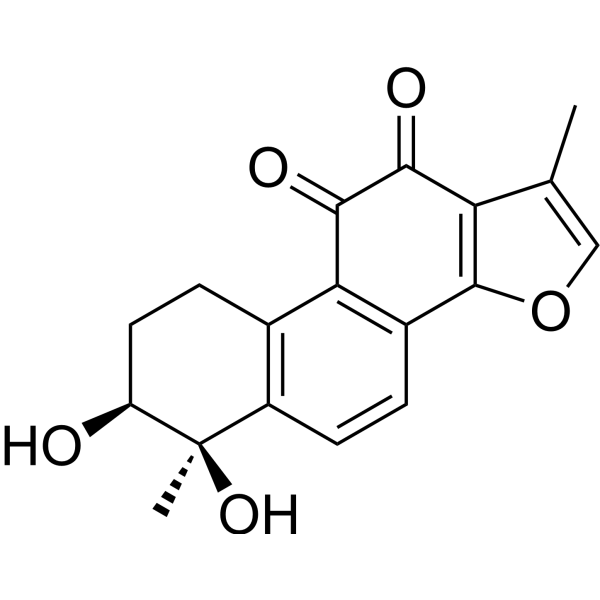
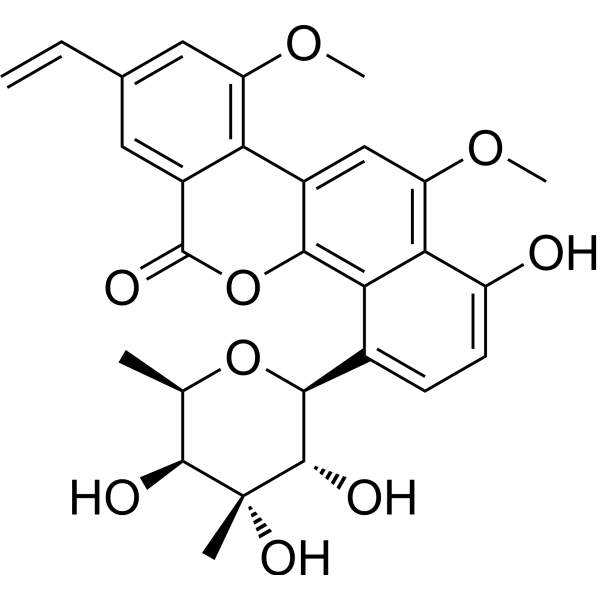
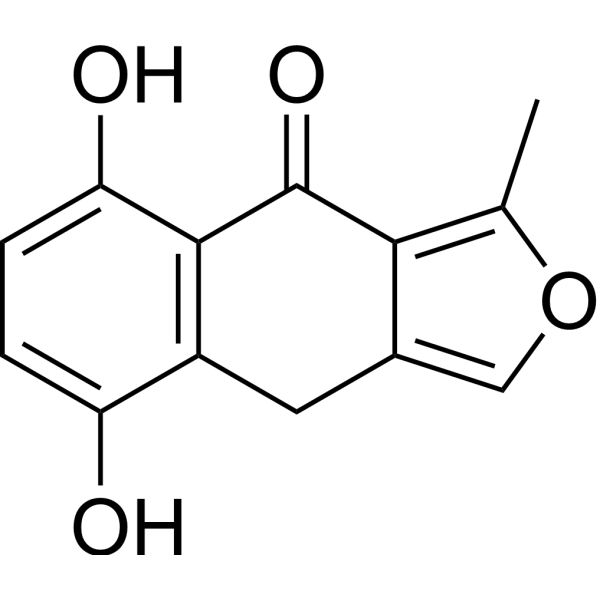
    Tanshindiol B, a naphthaquinone diterpene, inhibits glioblastoma (GBM) growth by induction of noptosis (NQO1-dependent necrosis) .
    Tanshindiol B
  • HY-157975

    Glutaminase Cancer
    LM11 is an inhibitor of transglutaminase 2 (TG2) with an activity of killing glioblastoma cells by maintaining TG2 in a cytotoxic conformational state .
    LM11
  • HY-133570

    HSP ADC Payload Cancer
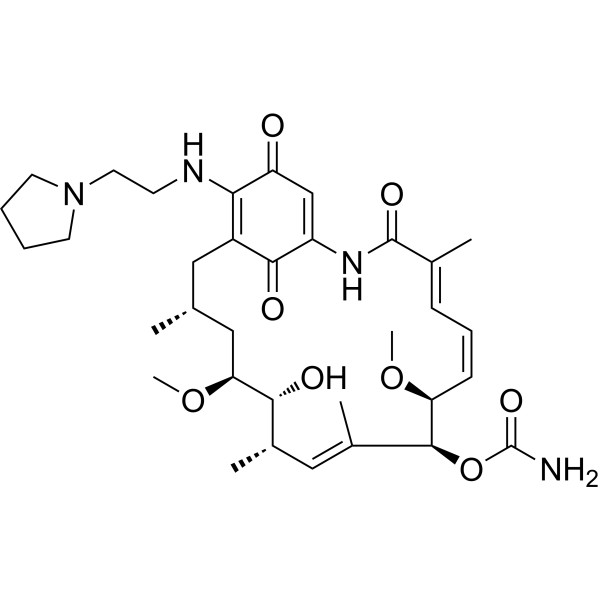
    17-AEP-GA, an HSP90 antagonist, is a potent inhibitor of glioblastoma cell proliferation, survival, migration and invasion. ADCs Toxin .
    17-AEP-GA
  • HY-128685

    Ac12Az9

    P-glycoprotein BCRP Cancer
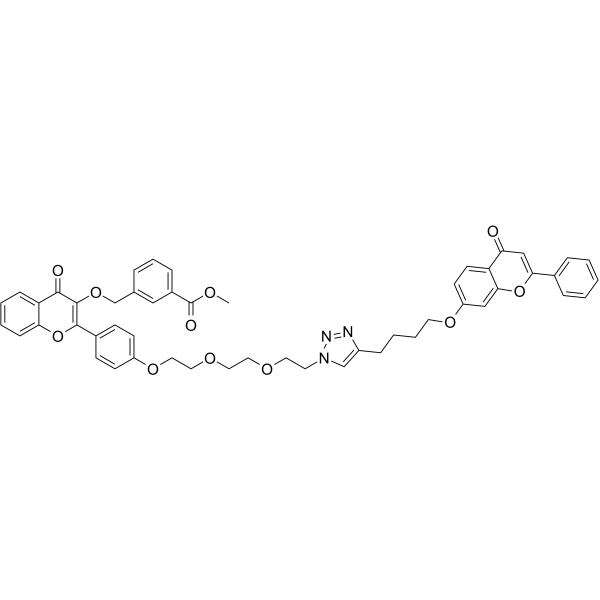
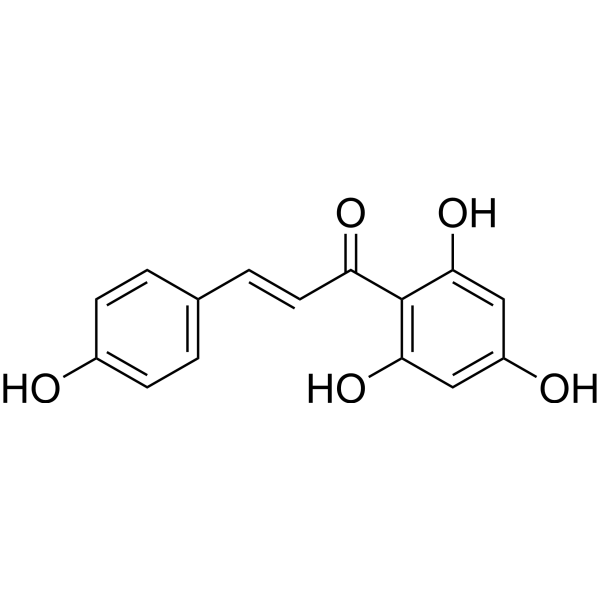
    FD 12-9 is a flavonoid dimer, acts as a dual inhibitor of P-gp and BCRP, with EC50s of 285 nM and 0.9 nM, respectively. Anti-glioblastoma activity .
    FD 12-9
  • HY-164527

    Src FAK EGFR Cancer
    Si306 is a Src inhibitor with antitumor activity. Si306 reduces the phosphorylation of focal adhesion kinase (FAK) and the expression of epidermal growth factor receptor (EGFR), and inhibits the invasion of human glioblastoma (GBM) .
    Si306
  • HY-163835

    Ephrin Receptor Cancer
    UniPR1454 targets EphA2 receptor, inhibits the EphA2-ephrin A1 interaction with an IC50 of 2.6 μM. UniPR1454 inhibits the proliferation of glioblastoma cell U251 .
    UniPR1454
  • HY-12401A
    Mps1-IN-3 hydrochloride
    1 Publications Verification

    Mps1 Cancer
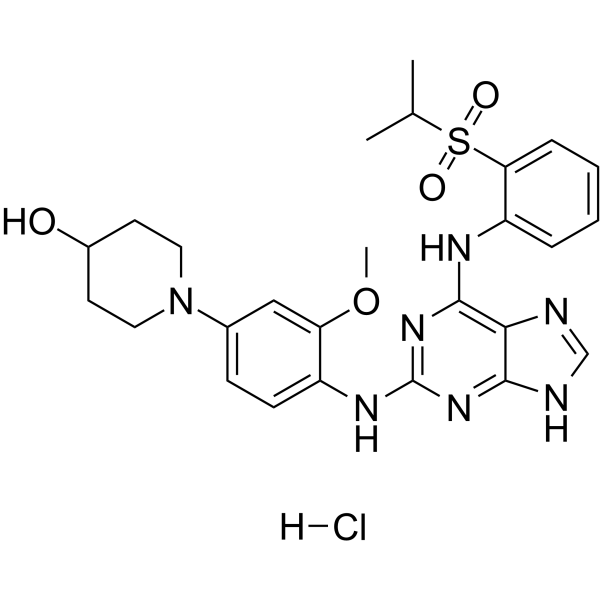
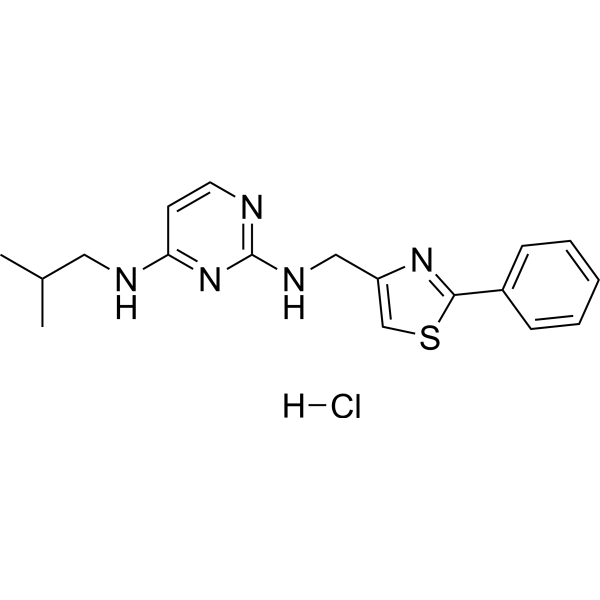
    Mps1-IN-3 hydrochloride is a potent and selective Mps1 inhibitor with an IC50 value of 50 nM. Mps1-IN-3 hydrochloride can inhibit the proliferation of glioblastoma cells, and effectively sensitizes glioblastomas to Vincristine in orthotopic glioblastoma xenograft model .
    Mps1-IN-3 hydrochloride
  • HY-147789

    Akt Neurological Disease Cancer
    FPDT is an anti-glioblastoma agent. FPDT displays the IC50 value of 45–68 μM for GBM cells and >100 μM for astrocytes. Anti-glioblastoma activity of FPDT is linked to downregulation of the AKT pathway .
    FPDT

Inquiry Online

Your information is safe with us. * Required Fields.

Salutation


Country or Region *

Applicant Name *


Organization Name *

Department *


Email Address *


Product Name *

Cat. No.


Requested quantity *

Phone Number *


Remarks

Inquiry Online

Inquiry Information

Product Name:
Cat. No.:
Quantity:
MCE Japan Authorized Agent: