

1. Search Result
Search Result
Results for "

lung inflammatory

" in MedChemExpress (MCE) Product Catalog:

331

Inhibitors & Agonists

8

Biochemical Assay Reagents

18

Peptides

10

Inhibitory Antibodies

129

Natural
Products

16

Isotope-Labeled Compounds

1

Click Chemistry

4

Oligonucleotides

Cat. No. Product Name Target Research Areas Chemical Structure
  • HY-N0162
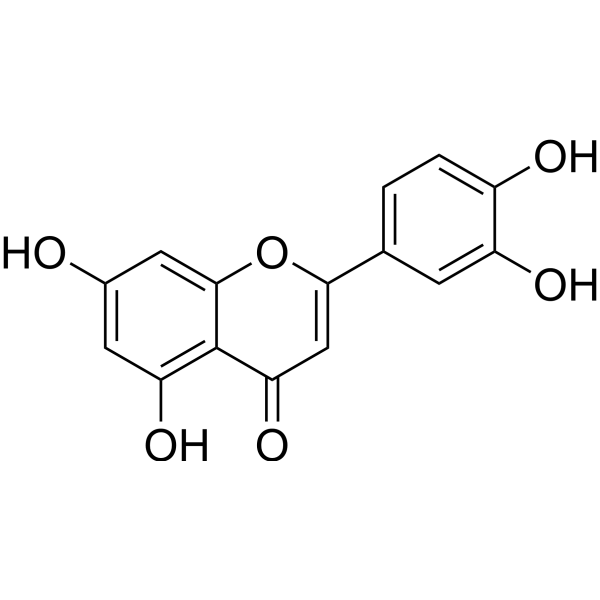
    Luteolin
    Maximum Cited Publications
    89 Publications Verification

    Luteoline; Luteolol; Digitoflavone

    Keap1-Nrf2 Apoptosis Autophagy Endogenous Metabolite Inflammation/Immunology Cancer
    Luteolin (Luteoline), a flavanoid compound, is a potent Nrf2 inhibitor. Luteolin has anti-inflammatory, anti-cancer properties, including the induction of apoptosis and cell cycle arrest, and the inhibition of metastasis and angiogenesis, in several cancer cell lines, including human non-small lung cancer cells .
    Luteolin
  • HY-13580
    Budesonide
    5+ Cited Publications

    Glucocorticoid Receptor ADC Payload Inflammation/Immunology Cancer
    Budesonide, an inhaled glucocortical steroid, is an orally active glucocorticoid receptor agonist. Budesonide decreases the size of lung tumors, reverses DNA hypomethylation and modulates mRNA expression of genes. Budesonide is an anti-inflammatory agent used for asthma .
    Budesonide
  • HY-13570
    Betamethasone
    3 Publications Verification

    Glucocorticoid Receptor Apoptosis Inflammation/Immunology Endocrinology Cancer
    Betamethasone is a synthetic glucocorticoid with anti-inflammatory and immunosuppressive activities. Betamethasone accelerates fetal lung maturation and induces gene expression and apoptosis .
    Betamethasone
  • HY-B0008

    MK-231

    NF-κB PD-1/PD-L1 Inflammation/Immunology Cancer
    Sulindac (MK-231) is an orally active nonsteroidal anti-inflammatory agent. Sulindac also is an immunomodulatory agent. Sulindac can be used for the research of arthritis of the spine, gouty arthritis and kinds of cancer including colorectal cancer (CRC) and lung cancer .
    Sulindac
  • HY-101283
    HCH6-1
    5 Publications Verification

    Formyl Peptide Receptor (FPR) Inflammation/Immunology
    HCH6-1 is a potent and competitive dipeptide antagonist of Formyl peptide receptor 1 (FPR1). HCH6-1 inhibits chemotaxis, superoxide anion generation, and elastase release in human neutrophils specifically activated by fMLF (an FPR1 agonist). HCH6-1 has protective effects against acute lung injury (ALI) in vivo and can be used for the research of FPR1-involved inflammatory lung diseases .
    HCH6-1
  • HY-P3211
    Nangibotide
    5+ Cited Publications

    LR12

    TREM receptor NF-κB NOD-like Receptor (NLR) Interleukin Related Apoptosis Cardiovascular Disease Inflammation/Immunology
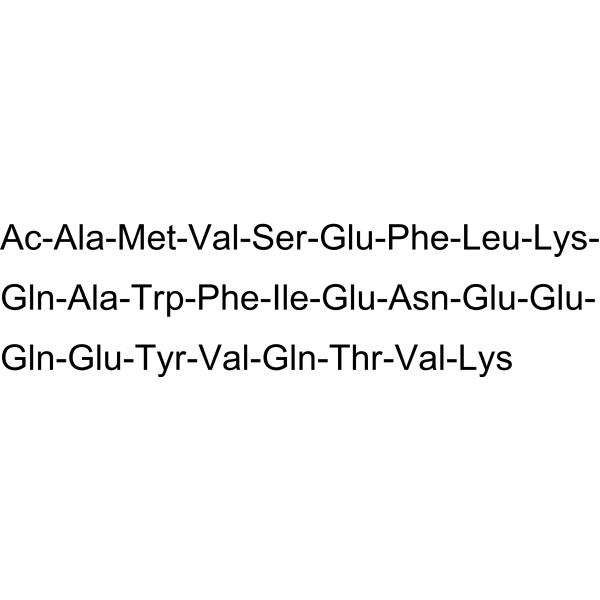
    Nangibotide (LR12) is a synthetic peptide and TREM-1 receptor inhibitor. Nangibotide inhibits NF-κB and NLRP3 inflammasome activation and reduces the release of pro-inflammatory factors (such as IL-1β, IL-8). Nangibotide inhibits Apoptosis. Nangibotide reduces excessive inflammatory responses and protects tissues (liver, lung) from damage. Nangibotide can be used in the researches for myocardial ischemia-reperfusion injury, septic shock, acute lung injury, osteoarthritis, and acute liver failure .
    Nangibotide
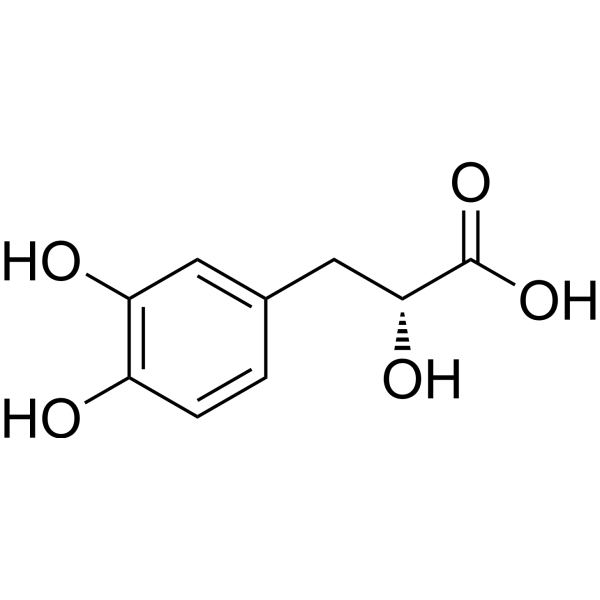
  • HY-N1913
    Danshensu
    5+ Cited Publications

    Dan shen suan A; Salvianic acid A

    Keap1-Nrf2 NF-κB Reactive Oxygen Species (ROS) SARS-CoV Apoptosis Infection Cardiovascular Disease Inflammation/Immunology Cancer
    Danshensu (Dan shen suan A), an orally active phenolic compound, can induce Nrf2/HO-1 activation and inhibition of NF-κB pathway. Danshensu reduces reactive oxygen species (ROS) production, upregulates antioxidant defense mechanism and inhibits intrinsic apoptotic pathway. Danshensu displays a potent antiviral activity against SARS-CoV-2 with EC50 of 0.97 μM. Danshensu has anti-oxidation, anti-apoptosis, anti-lung inflammatory and has the potential for COVID-19, cardiovascular and cerebrovascular diseases research .
    Danshensu
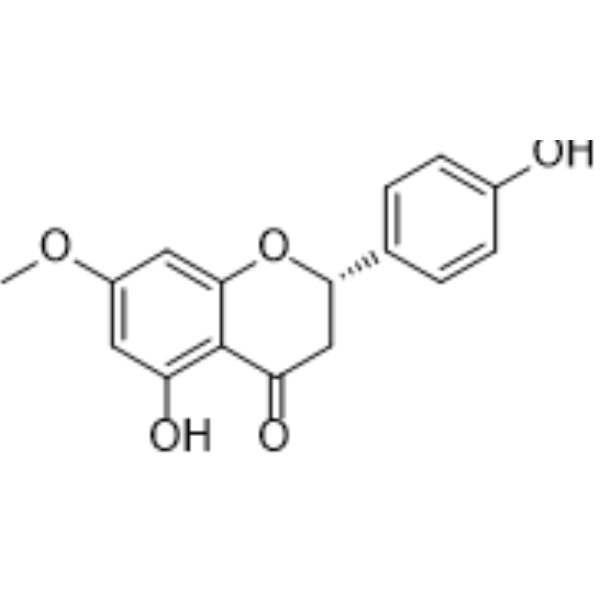
  • HY-N3006
    Sakuranetin
    5+ Cited Publications

    Fungal Infection Inflammation/Immunology
    Sakuranetin is a cherry flavonoid phytoalexin, shows strong antifungal activity . Sakuranetin has anti-inflammatory and antioxidative activities. Sakuranetin ameliorates LPS-induced acute lung injury .
    Sakuranetin
  • HY-P3211A
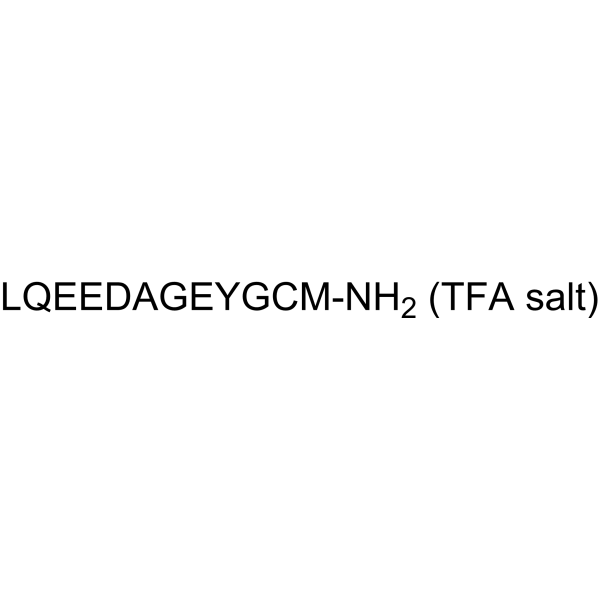
    Nangibotide TFA
    5+ Cited Publications

    LR12 TFA

    TREM receptor NF-κB NOD-like Receptor (NLR) Interleukin Related Apoptosis Cardiovascular Disease Inflammation/Immunology
    Nangibotide TFA (LR12 TFA) is a synthetic peptide and TREM-1 receptor inhibitor. Nangibotide TFA inhibits NF-κB and NLRP3 inflammasome activation and reduces the release of pro-inflammatory factors (such as IL-1β, IL-8). Nangibotide TFA inhibits Apoptosis. Nangibotide TFA reduces excessive inflammatory responses and protects tissues (liver, lung) from damage. Nangibotide TFA can be used in the researches for myocardial ischemia-reperfusion injury, septic shock, acute lung injury, osteoarthritis, and acute liver failure .
    Nangibotide TFA
  • HY-N0168A

    TGF-beta/Smad NF-κB Infection Inflammation/Immunology Cancer
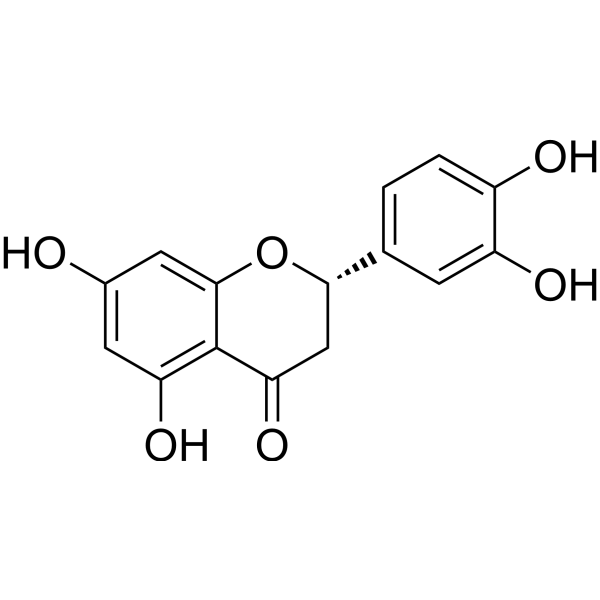
    (Rac)-Hesperetin is the racemate of Hesperetin (HY-N0168), an orally active multi-target inhibitor. (Rac)-Hesperetin exhibits significant anti-tumor and anti-inflammatory activities by blocking the TGF-β1-mediated Fyn/RhoA signaling axis and the TLR4-MyD88-NF-κB inflammatory pathway. (Rac)-Hesperetin inhibits the formation of actin stress fibers and the migration and invasion of cancer cells, and is suitable for triple-negative breast cancer research. In inflammation models, (Rac)-Hesperetin effectively alleviates lung injury by reducing the release of pro-inflammatory mediators and regulating the activity of oxidative stress enzymes, and is suitable for acute lung injury research. (Rac)-Hesperetin also interferes with the entry and early replication processes of channel catfish virus, inhibits viral gene expression and progeny virus production, thereby protecting cells from virus-induced cytopathic effects .
    (Rac)-Hesperetin
  • HY-15382
    FTY720 (S)-Phosphate
    3 Publications Verification

    (S)-FTY720P; (S)-FTY720 phosphate

    LPL Receptor Inflammation/Immunology
    FTY720 (S)-Phosphate is an agonist of S1P receptor 1 (S1PR1), used in the research of acute inflammatory diseases such as acute lung injury.
    FTY720 (S)-Phosphate
  • HY-N5042

    Interleukin Related NOD-like Receptor (NLR) Arrestin Caspase Apoptosis SOD Inflammation/Immunology
    Forsythoside I is an orally active caffeoyl phenylethanoid glycoside (CPG) that can be isolated from Forsythia suspense (Thunb.) Vahl. Forsythoside I has anti-inflammatory activity and can exert a protective effect in a mouse model of acute lung injury .
    Forsythoside I
  • HY-B1589A
    Carbinoxamine maleate salt
    1 Publications Verification

    Histamine Receptor Influenza Virus Infection Inflammation/Immunology
    Carbinoxamine maleate salt is a blood-brain barrier-permeable histamine H1 receptor antagonist. Carbinoxamine maleate salt blocks the action of histamine on H1 receptors, reducing symptoms such as sneezing, rhinitis, rhinorrhea, erythema, pruritus and urticaria. Carbinoxamine maleate salt inhibits influenza virus entry into cells via endocytosis, targets the early stage of the viral life cycle, and simultaneously reduces viral replication levels in the lungs, alleviating pathological damage and inflammatory responses in lung tissues. Carbinoxamine maleate salt can be used in research on allergic rhinitis, influenza, etc.
    Carbinoxamine maleate salt
  • HY-101087

    Carbonic Anhydrase Amyloid-β Reactive Oxygen Species (ROS) Neurological Disease Inflammation/Immunology Cancer
    Benzenesulphonamide (Compound 1) is a carbonic anhydrase inhibitor. Benzenesulphonamide exhibits CA II inhibitory activity. Benzenesulphonamide reduces ROS and improves the gene expression of amyloid-β40 and 42. Benzenesulphonamide is beneficial for Alzheimer's disease. Benzenesulphonamide derivatives have anticancer, anti-inflammatory, and anticonvulsant activities. Benzenesulphonamide can be used in the research of Alzheimer's disease, epilepsy, inflammatory diseases, leukemia, melanoma, lung cancer, and colon cancer .
    Benzenesulphonamide
  • HY-113152

    Endogenous Metabolite Neurological Disease Inflammation/Immunology
    Hypogeic acid is a fatty acid and endogenous metabolite, with a concentration of 50 mg/mL in ethanol. The plasma level of Hypogeic acid is negatively correlated with the prevalence of interstitial lung disease in idiopathic inflammatory myopathy. Hypogeic acid can be used in studies related to idiopathic inflammatory myopathy .
    Hypogeic acid (50mg/ml in ethanol)
  • HY-128423A
    Tylvalosin
    2 Publications Verification

    Acetylisovaleryltylo​sin

    Antibiotic Bacterial NF-κB Apoptosis Infection Inflammation/Immunology Cancer
    Tylvalosin (Acetylisovaleryltylo?sin) is an orally active, broad-spectrum macrolide antibiotic with antimicrobial activity. Tylvalosin is an antiviral agent used to study PRRSV infection. Tylvalosin induces apoptosis. Tylvalosin also has anti-inflammatory activity, alleviates oxidative stress, and alleviates acute lung injury by inhibiting NF-κB activation .
    Tylvalosin
  • HY-N2807

    Others Neurological Disease Inflammation/Immunology
    Acanthoside B is a potential bioactive lignan with anti-inflammatory and anti-amnesic activities. Acanthoside B can be used for alzheimer's disease and lung inflammation research
    Acanthoside B
  • HY-P99244

    ILV 094

    Interleukin Related JAK STAT Caspase Bcl-2 Family Inflammation/Immunology
    Fezakinumab (ILV 094) is an anti-IL-22 monoclonal antibody. Fezakinumab inhibits IL-22 signal transduction, and regulates the JAK1/STAT3 pathway as well as apoptotic proteins. Fezakinumab alleviates airway remodeling, alveolar enlargement and inflammatory cell infiltration in lung tissues. Fezakinumab reduces the levels of neutrophils, lymphocytes, eosinophils and macrophages in lung tissues. Fezakinumab can be used in the research of chronic obstructive pulmonary disease and skin diseases .
    Fezakinumab
  • HY-147263

    CC-11050

    Phosphodiesterase (PDE) Infection Inflammation/Immunology
    Dovramilast (CC-11050) is an orally active phosphodiesterase 4 (PDE4) inhibitor and can reduce the inflammatory response and improves Isoniazid (HY-B0329)-mediated bacillary clearance from the lungs. Dovramilast, as an adjunct, is used for the research of tuberculosis (TB) .
    Dovramilast
  • HY-13580S

    Glucocorticoid Receptor Inflammation/Immunology Cancer
    Budesonide-d8 is the deuterium labeled Budesonide. Budesonide, an inhaled glucocortical steroid, is an orally active glucocorticoid receptor agonist. Budesonide decreases the size of lung tumors, reverses DNA hypomethylation and modulates mRNA expression of genes. Budesonide is an anti-inflammatory agent used for asthma .
    Budesonide-d8
  • HY-114869
    DPQ
    3 Publications Verification

    PARP Neurological Disease Cancer
    DPQ is a selective PARP-1 inhibitor that blocks PARP-1-mediated DNA damage repair and NAD +/ATP consumption, thereby inhibiting excessive inflammatory responses. DPQ inhibits NF-κB pathway activation, reduces the expression of pro-inflammatory factors (such as TNF-α, IL-6) and oxidative stress. DPQ can be used in inflammation-related studies of acute lung injury, myocardial infarction, and neurodegenerative diseases .
    DPQ
  • HY-N2443
    Tribuloside
    1 Publications Verification

    Phosphodiesterase (PDE) Bacterial PKA Tyrosinase TRP Channel Microphthalmia Associated Transcription Factor (MITF) Interleukin Related Infection Metabolic Disease Inflammation/Immunology
    Tribuloside is a flavonoid and PDE4 inhibitor (IC50: 6 μM). Tribuloside exhibits antibacterial and antioxidant activities, capable of scavenging DPPH free radicals. Tribuloside also promotes melanogenesis. Tribuloside can be used in the research of hypopigmentary diseases, sun protection, and inflammatory diseases such as acute lung injury .
    Tribuloside
  • HY-111237

    Olomoucin

    CDK NF-κB PERK Bcl-2 Family Reactive Oxygen Species (ROS) Apoptosis Metabolic Disease Inflammation/Immunology Cancer
    Butyrolactone I is an orally active and ATP-competitive inhibitor of CDK1. Butyrolactone I inhibits NF-κB, cdc2 kinase, Bax, ROS production, modulates the PERK/CHOP. Butyrolactone I mitigates heat-stress-induced Apoptosis. Butyrolactone I shows anti-inflammatory and intestinal protective activity. Butyrolactone I has antitumor effects against non-small cell lung, small cell lung, prostate cancer and leukemia. Butyrolactone I can be used in NASH research .
    Butyrolactone I
  • HY-W145486

    Environmental Pollutants Biochemical Assay Reagents Neurological Disease Metabolic Disease Inflammation/Immunology
    Calcium gluconate is an orally effective calcium salt supplement . Calcium gluconate reduces elevated serum potassium, decreased serum calcium, and postoperative myalgia associated with succinylcholine administration. Calcium gluconate restores calcium homeostasis, skeletal integrity, bone mineralization and bone density, and maintains levels of parathyroid hormone, bone resorption markers and osteoclasts. Calcium gluconate reverses LPS (HY-D1056)-induced ERK phosphorylation, inflammatory cytokine release and acute lung injury, alleviates airway inflammatory damage and suppresses immune responses. Calcium gluconate can be used in research related to postoperative myalgia, osteoporosis/osteomalacia and acute lung injury .
    Calcium gluconate
  • HY-122822

    PROTACs Histone Acetyltransferase Interleukin Related CXCR TNF Receptor CD28 Inflammation/Immunology Cancer
    GSK699 is a KAT2A/B/PCAF/GCN5 PROTAC degrader . GSK699 induces proteasome-dependent degradation of KAT2A, KAT2B, PCAF and GCN5, regulates the histone acetyltransferase activity of the SAGA complex, and reduces the level of histone H3K9ac. GSK699 inhibits the growth of neuroblastoma, acute myeloid leukemia and small cell lung cancer cells. GSK699 reduces the production of inflammatory cytokines and chemokines, and impairs LPS-stimulated immune cell responses. GSK699 is applicable to research related to acute myeloid leukemia, small cell lung cancer, neuroblastoma and inflammatory diseases .
    GSK699
  • HY-14180
    PHA 408
    1 Publications Verification

    IKK Inflammation/Immunology
    PHA 408 (PHA-408) is a potent, selective and orally active IκB kinase-2 (IKK-2) inhibitor. PHA 408 is a powerful anti-inflammatory agent against lipopolysaccharide (LPS)- and cigarette smoke (CS)-mediated lung inflammation .
    PHA 408
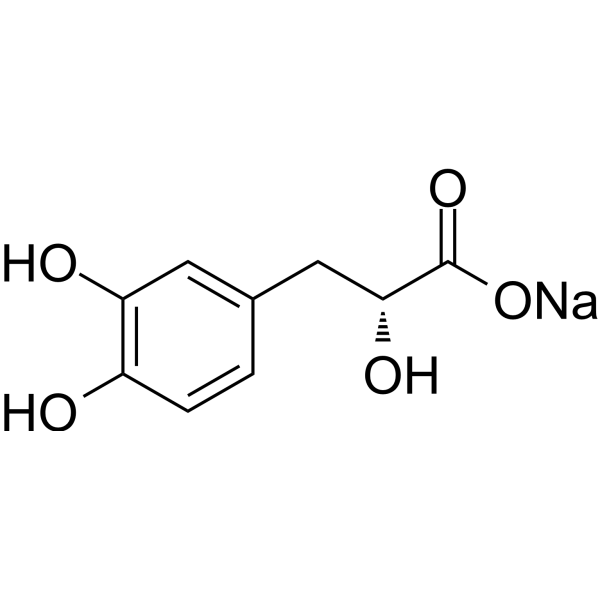
  • HY-N1913A
    Danshensu sodium
    5+ Cited Publications

    Dan shen suan A sodium; Salvianic acid A sodium

    Keap1-Nrf2 NF-κB Reactive Oxygen Species (ROS) SARS-CoV Apoptosis Infection Cardiovascular Disease Inflammation/Immunology Cancer
    Danshensu (Dan shen suan A) sodium, an orally active phenolic compound, can induce Nrf2/HO-1 activation and inhibition of NF-κB pathway. Danshensu sodium reduces reactive oxygen species (ROS) production, upregulates antioxidant defense mechanism and inhibits intrinsic apoptotic pathway. Danshensu sodium displays a potent antiviral activity against SARS-CoV-2 with EC50 of 0.97 μM. Danshensu sodium has anti-oxidation, anti-apoptosis, anti-lung inflammatory and has the potential for COVID-19, cardiovascular and cerebrovascular diseases research .
    Danshensu sodium
  • HY-117762
    U-83836E
    1 Publications Verification

    PNU-83836E

    Reactive Oxygen Species (ROS) Inflammation/Immunology
    U-83836E (PNU-83836E) is a compound with anti-inflammatory and antioxidant activities that reduces lung inflammation inhibiting oxidative stress and ROS production. U-83836E has shown potential for studying asthma and lung inflammation in animal models .
    U-83836E
  • HY-N0742

    Others Others
    Absinthin is a structurally unique triterpene, and is responsible for the high bitter value of wormwood. Absinthin is an agonist of the bitter taste receptor hTAS2R46, which reduces cytosolic Ca 2+-rises induced by histamine by a receptor-specific mechanism mediated by hTAS2R46 .
    Absinthin
  • HY-137976
    Penehyclidine hydrochloride
    1 Publications Verification

    Penequinine hydrochloride

    mAChR NF-κB Apoptosis Autophagy Akt GSK-3 ERK Cardiovascular Disease Neurological Disease Inflammation/Immunology
    Penehyclidine (Penequinine) hydrochloride, a anticholinergic agent, is a selective antagonist of M1 and M3 receptors. Penehyclidine hydrochloride activates NF-kβ in lung tissue and inhibits the release of inflammatory factors. Penehyclidine hydrochloride can alleviate the pulmonary inflammatory response in rats with chronic obstructive pulmonary disease (COPD) undergoing mechanical ventilation .
    Penehyclidine hydrochloride
  • HY-P990782

    Aminoacyl-tRNA Synthetase Inflammation/Immunology
    Efzofitimod is a splice variant of the aminoacyl-tRNA synthetase HARS1, which is fused with the Fc segment of a human antibody. Efzofitimod targets the neuronal phospholipid NRP2 (neuropilin-2) and has anti-inflammatory and immunomodulatory activities. Efzofitimod can downregulate the innate and adaptive immune responses in inflammatory disease states, suppressing indirect lung disease (ILD) .
    Efzofitimod
  • HY-13570R
    Betamethasone (Standard)
    3 Publications Verification

    Reference Standards Glucocorticoid Receptor Apoptosis Inflammation/Immunology Endocrinology Cancer
    Betamethasone (Standard) is the analytical standard of Betamethasone. This product is intended for research and analytical applications. Betamethasone is a synthetic glucocorticoid with anti-inflammatory and immunosuppressive activities. Betamethasone accelerates fetal lung maturation and induces gene expression and apoptosis .
    Betamethasone (Standard)
  • HY-103165

    Adenosine Receptor Infection Cancer
    PSB-0788 is a new selective high-affinity A2B antagonist with IC50 value of 3.64 nM and Ki value of 0.393 nM, respeactively. PSB-0788 can be used for the research for chronic inflammatory lung diseases .
    PSB-0788
  • HY-W303895
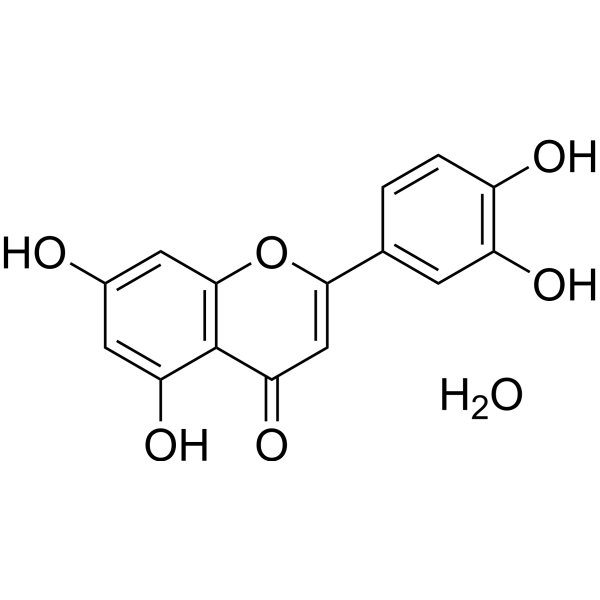
    Luteolin monohydrate
    Maximum Cited Publications
    89 Publications Verification

    Keap1-Nrf2 Apoptosis Autophagy Endogenous Metabolite Others Cancer
    Luteolin (monohydrate) is the monohydrate of Luteolin. Luteolin (Luteoline), a flavonoid, is also a potent Nrf2 inhibitor. Luteolin has anti-inflammatory and anticancer properties, induces apoptosis and cell cycle arrest in multiple human cancer cell lines, including non-small lung cancer cells, and inhibits cell metastasis and angiogenesis .
    Luteolin monohydrate
  • HY-127072

    Antibiotic Bacterial Infection Inflammation/Immunology Cancer
    Amicoumacin A is an orally active antibiotic. Amicoumacin A targets bacterial ribosomes and inhibits bacterial translation by stabilizing the interaction between mRNA and ribosomes. Amicoumacin A induces cancer cell death by targeting eukaryotic ribosomes. Amicoumacin A exhibits anti-inflammatory and anti-ulcer activities, inhibits carrageenan-induced paw edema, and prevents stress-induced gastric ulcers. Amicoumacin A inhibits the growth of Gram-positive bacteria, Salmonella spp., Shigella spp., Helicobacter pylori, and methicillin-resistant Staphylococcus aureus. Amicoumacin A can be used in the research of lung cancer, breast cancer, bacterial infections, inflammatory edema and gastric ulcers [2] .
    Amicoumacin A
  • HY-155765

    NF-κB Inflammation/Immunology
    Anti-inflammatory agent 51 (compound 11d) is an amide/sulfonamide derivative with anti-inflammatory activities. Anti-inflammatory agent 51 inhibits NF-κB activation, has the potential for acute lung injury and ulcerative colitis research .
    Anti-inflammatory agent 51
  • HY-W097753

    4-Methoxydiphenylmethane

    Aminopeptidase Others
    4-MDM (4-Methoxydiphenylmethane) is an orally active anti-inflammatory compound that selectively enhances the Leukotriene A4 Hydrolase (LTA4H) aminopeptidase enzyme activity. 4-MDM reduces the neutrophil recruitment in the lung by enhancing the degradation of proline-glycine-proline by LTA4H, thereby reducing inflammation, and does not affect the epoxy-hydrolase activity of LTA4H. 4-MDM can be used for research on lung diseases .
    4-MDM
  • HY-125516

    Endogenous Metabolite Others Inflammation/Immunology
    MCTR3 is a potent cytokine of pro-resolving mediating maresin conjugates in tissue regeneration (MCTR), which reduces the inflammatory response and promotes the tissue regeneration. MCTR3 exhibits potency in ameliorating LPS-induced acute lung injury and arthritis .
    MCTR3
  • HY-125019

    JAK STAT Inflammation/Immunology
    iJak-381 is a JAK1/2 inhibitor with anti-inflammatory activity. iJak-381 blocks IL-13 signaling and also inhibits IL-4 and IL-6 signaling pathways. iJak-381 also reduced p-STAT6 levels and inhibited the influx of inflammatory cells into the lungs of mice. iJak-381 inhibits airway hyperresponsiveness (AHR) .
    iJak-381
  • HY-108342

    JAK Inflammation/Immunology
    PF-00956980 is a reversible pan-JAK inhibitor with IC50 values of 2.2, 23.1 and 59.9 μM for JAK1, JAK2 and JAK3, respectively. PF-00956980 can be used in the research of lung and skin inflammatory diseases .
    PF-00956980
  • HY-P4040

    HCV Protease Infection Neurological Disease Metabolic Disease Inflammation/Immunology Cancer
    Ac-D-DGla-LI-Cha-C is a potent HCV protease inhibitor peptide. Ac-D-DGla-LI-Cha-C can be used for the research of cancer, autoimmune diseases, fibrotic diseases, inflammatory diseases, neurodegenerative diseases, infectious diseases, lung diseases, heart and vascular diseases and metabolic diseases .
    Ac-D-DGla-LI-Cha-C
  • HY-137992

    TGF-beta/Smad Inflammation/Immunology
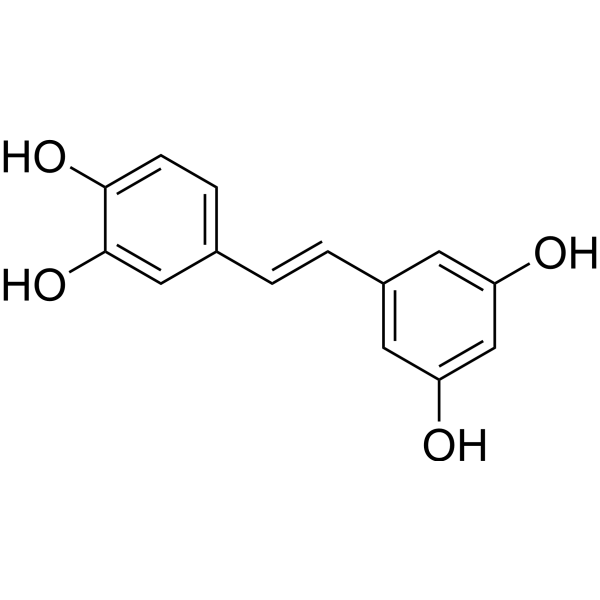
    Aucuparin, a natural product found in Sorbus aucuparia, inhibits pulmonary fibrosis in a bleomycin (HY-108345)-induced lung fibrosis mouse model. Aucuparin has anti-inflammatory activity and can inhibit the activation of inflammatory factors by TGF-β .
    Aucuparin
  • HY-171804

    FP-020

    MMP Inflammation/Immunology
    Linvemastat (Compound FC-4) is an orally active MMP-12 inhibitor (IC50: < 10  nM) with high selectivity of MMP-1, -2, -3, -7, -9, -10 and -14. Linvemastat significantly attenuates lung fibrosis in Bleomycin (HY-108345) induced unilateral lung fibrosis mice model and potently reduces kidney damage, interstitial inflammation or fibrosis in kidney fibrosis model of unilateral ureteral occlusion. Linvemastat can be used for inflammatory diseases research, such as idiopathie pulmonary fibrosis (IPF), inflammatory bowel disease (IBD) and asthma .
    Linvemastat
  • HY-106293

    Elastase Inflammation/Immunology
    ICI-200880 is a potent, selective and reversible human neutrophil elastase (HNE) inhibitor. ICI-200880 is promising for research of inflammatory lung diseases related to neutrophil elastase, such as chronic obstructive pulmonary disease (COPD) and cystic fibrosis (CF) .
    ICI-200880
  • HY-150055

    NO Synthase Inflammation/Immunology
    iNOs-IN-3 (Compound 2d) is an orally active nitric oxide synthase (iNOS) inhibitor (IC50=3.342 µM). iNOs-IN-3 shows anti-inflammatory activity and can be used in LPS-induced acute lung injury (ALI) research .
    iNOs-IN-3
  • HY-179429

    NOD-like Receptor (NLR) TNF Receptor Interleukin Related Inflammation/Immunology
    NLRP3-IN-85 (compound 5d) is a potent NLRP3 inhibitor that targets mitochondria in a ΔΨm-independent manner. NLRP3-IN-85 protects mitochondria from oxidative stress and inflammation damage and suppresses key inflammatory factors (NO, TNF-α, IL-6). NLRP3-IN-85 relives acute lung injury in mice and inhibits paw edema in rats. NLRP3-IN-85 can be used for acute lung injury (ALI) research .
    NLRP3-IN-85
  • HY-173526

    Bacterial Calcium Channel Infection
    H052 is a selective Staphylococcus aureus α-hemolysin (Hla) inhibitor. H052 binds to Hla monomers, disrupts the interaction with host cell membranes to block pore formation, inhibiting calcium ion influx, cytotoxicity, and inflammatory responses. H052 exhibits potency (EC50=30 nM in U937 cells) against Hla-induced calcium influx. H052 is promising for research of lung infections caused by S. aureus .
    H052
  • HY-174405

    PROTACs Phosphodiesterase (PDE) TNF Receptor Interleukin Related Inflammation/Immunology
    PROTAC PDE4 degrader-1 (Compound 9m) is a selective and orally active PDE4 PROTAC degrader with a DC50 of 41.98 μM. PROTAC PDE4 degrader-1 potently inhibits the secretion of pro-inflammatory cytokines such as TNF-α and IL-6. PROTAC PDE4 degrader-1 significantly alleviates pulmonary inflammation in LPS (HY-D1056)-induced acute lung injury (ALI) mice Model . Pink: PDE4 ligand (HY-174410); Blue: CRBN ligase ligand (HY-10984); Black: linker
    PROTAC PDE4 degrader-1
  • HY-169057

    IRAK Toll-like Receptor (TLR) Inflammation/Immunology
    BI1543673 is an interleukin-1 receptor-associated kinase 4 (IRAK4) inhibitor. BI1543673 can reduce the inflammatory response stimulated by TLR4 and TLR7/8 in human lung tissue. BI1543673 can decrease inflammatory signaling in a mouse model of lung inflammation induced by LPS .
    BI1543673
  • HY-177304

    TNF Receptor Inflammation/Immunology
    Anti-inflammatory agent 104 (Compound 26) is an anti-inflammatory compound. The IC50 of Anti-inflammatory agent 104 for the inhibition of TNF-α synthesis and release in the human macrophage cell line U937 is 0.024 nM. Anti-inflammatory agent 104 can reduce eosinophils in rat lungs by 63% .
    Anti-inflammatory agent 104

Inquiry Online

Your information is safe with us. * Required Fields.

Salutation


Country or Region *

Applicant Name *


Organization Name *

Department *


Email Address *


Product Name *

Cat. No.


Requested quantity *

Phone Number *


Remarks

Inquiry Online

Inquiry Information

Product Name:
Cat. No.:
Quantity:
MCE Japan Authorized Agent:

