1. Search Result
Search Result
Results for "

X receptor

" in MedChemExpress (MCE) Product Catalog:

390

Inhibitors & Agonists

6

Fluorescent Dyes

4

Biochemical Assay Reagents

7

Peptides

2

Inhibitory Antibodies

49

Natural
Products

24

Recombinant Proteins

23

Isotope-Labeled Compounds

20

Antibodies

1

Click Chemistry

12

Oligonucleotides

2

GMP Molecules

Cat. No. Product Name Target Research Areas Chemical Structure
  • HY-15371
    Forskolin
    Maximum Cited Publications
    210 Publications Verification

    Coleonol; Colforsin; HL 362

    Organoid Adenylate Cyclase FXR Autophagy PKC Metabolic Disease Inflammation/Immunology Endocrinology Cancer
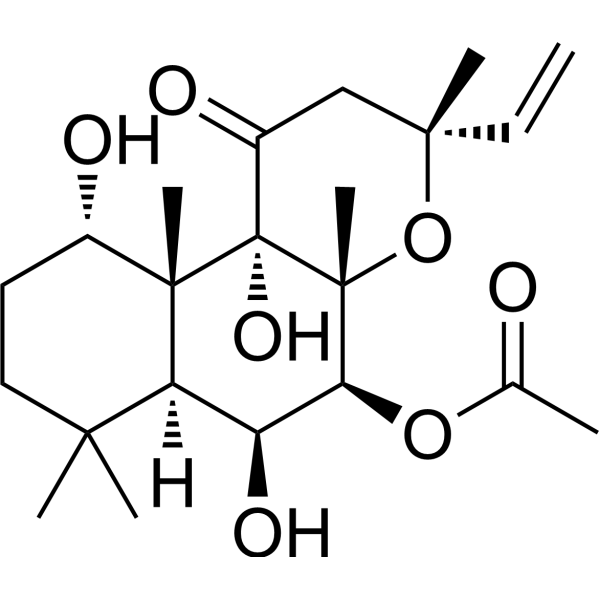
    Forskolin (Coleonol) is a potent adenylate cyclase activator with an IC50 of 41 nM and an EC50 of 0.5 μM for type I adenylyl cyclase . Forskolin is also an inducer of intracellular cAMP formation . Forskolin induces differentiation of various cell types and activates pregnane X receptor (PXR) and FXR . Forskolin exerts a inotropic effect on the heart, and has platelet antiaggregatory and antihypertensive actions. Forskolin also induces autophagy .
    Forskolin
  • HY-12222
    Obeticholic acid
    80+ Cited Publications

    INT-747; 6-ECDCA; 6-Ethylchenodeoxycholic acid

    FXR Autophagy Others
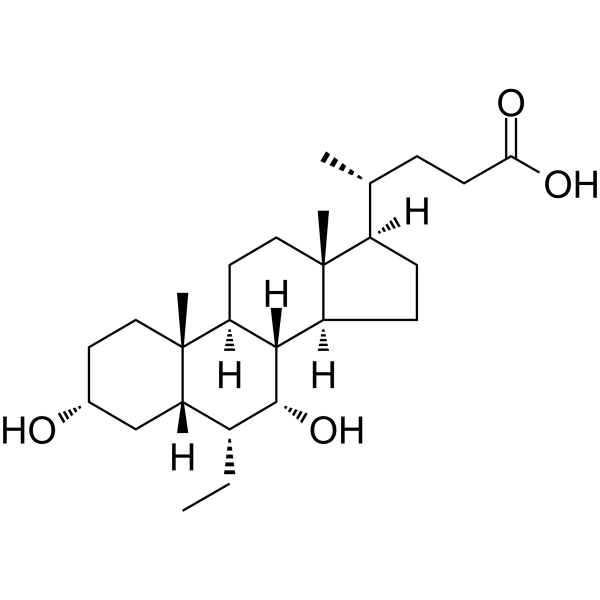
    Obeticholic acid (INT-747) is a potent, selective and orally active FXR agonist with an EC50 of 99 nM. Obeticholic acid has anticholeretic and anti-inflammation effect. Obeticholic acid also induces autophagy .
    Obeticholic acid
  • HY-N2371
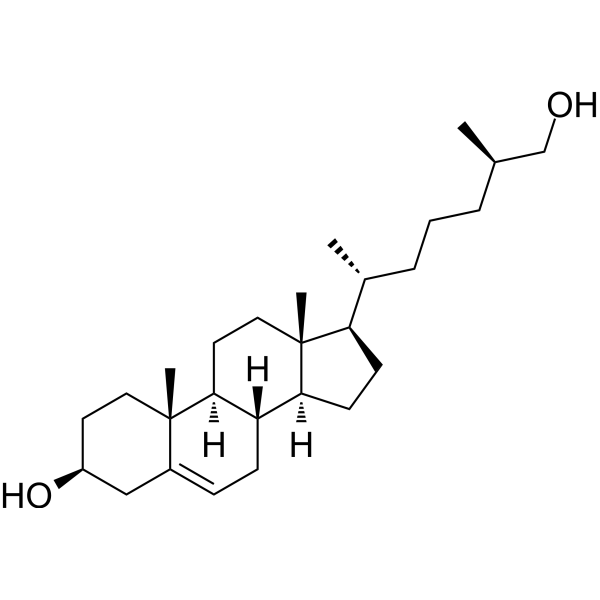
    27-Hydroxycholesterol
    5+ Cited Publications

    27-OHC

    Estrogen Receptor/ERR LXR Endogenous Metabolite Cancer
    27-Hydroxycholesterol (27-OHC) is a selective estrogen receptor modulator and an agonist of the liver X receptor.
    27-Hydroxycholesterol
  • HY-136254
    BzATP triethylammonium salt
    10+ Cited Publications

    P2X Receptor Inflammation/Immunology Cancer
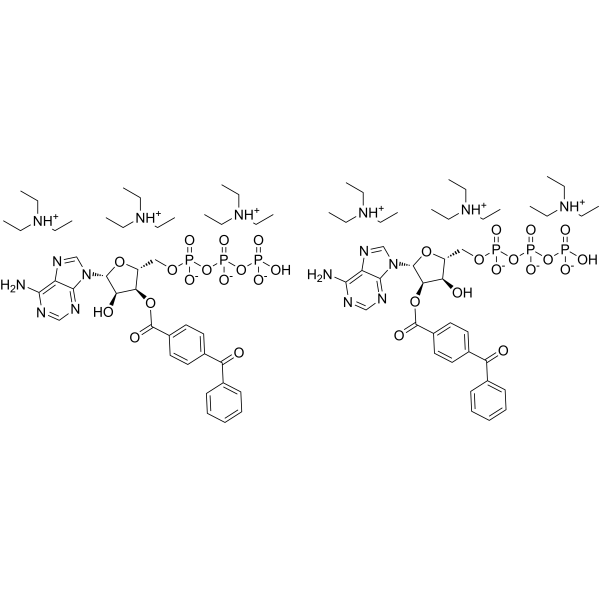
    BzATP triethylammonium salt acts as a P2X receptor agonist with pEC50s of 8.74, 5.26, 7.10, 7.50, 6.19, 6.31, 5.33 for P2X1, P2X2, P2X3, P2X2/3, P2X4 and P2X7, respectively . BzATP triethylammonium salt is potent at P2X7 receptors with EC50s of 3.6 μM and 285 μM for rat P2X7 and mouse P2X7, respectively .
    BzATP triethylammonium salt
  • HY-112461A
    NF449 octasodium
    4 Publications Verification

    P2X Receptor Cardiovascular Disease
    NF449 octasodium is a highly potent P2X1 receptor antagonist, with IC50s of 0.28, 0.69, and 120 nM for rP2X1, rP2X1+5, P2X2+3, respectively. NF449 octasodium is a G-selective G Protein antagonist. NF449 octasodium suppresses the rate of GTP[γS] binding to Gsα-s, inhibits the stimulation of adenylyl cyclase activity, and blocks the coupling of β-adrenergic receptors to Gs .
    NF449 octasodium
  • HY-101588
    Gefapixant
    2 Publications Verification

    MK-7264; AF-219

    P2X Receptor Inflammation/Immunology
    Gefapixant is an orally active and potent purinergic P2X3 receptor (P2X3R) antagonist, with IC50 values of ~30 nM versus recombinant hP2X3 homotrimers and 100-250 nM at hP2X2/3 heterotrimeric receptors. Gefapixant can be used for the research of chronic cough and knee osteoarthritis .
    Gefapixant
  • HY-50697
    A-740003
    15+ Cited Publications

    P2X Receptor Neurological Disease
    A-740003 is a potent, selective and competitive P2X7 receptor antagonist with IC50 values are 18 and 40 nM for rat and human P2X7 receptors, respectively.
    A-740003
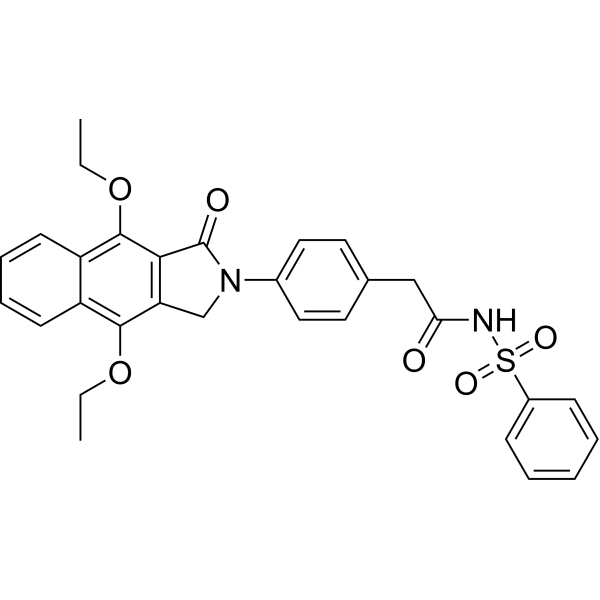
  • HY-145967
    FT709
    1 Publications Verification

    Deubiquitinase Mitosis Cancer
    FT709 is a potent and selective USP9X inhibitor, an IC50 of 82 nM. USP9X has been linked with centrosome function, chromosome alignment during mitosis, EGF receptor degradation, chemo-sensitization, and circadian rhythms .
    FT709
  • HY-111828
    TTA-A2
    1 Publications Verification

    Calcium Channel Neurological Disease
    TTA-A2 is a potent, selective and orally active t-type voltage gated calcium channel antagonist with reduced pregnane X receptor (PXR) activation. TTA-A2 is equally potent against the Cav3.1 (a1G) and Cav3.2 (a1H) channels with IC50 values of 89 nM and 92 nM, respectively, at -80 and -100 mV holding potentials. TTA-A2 can be used for the research of a variety of human neurological diseases, including sleep disorders and epilepsy .
    TTA-A2
  • HY-101911
    5-BDBD
    4 Publications Verification

    P2X Receptor Neurological Disease
    5-BDBD, a potent and selective P2X4 receptor antagonist, inhibits rP2X4R-mediated currents, with an IC50 of 0.75 μM. 5-BDBD completely blocks the basal and acute hyperalgesia induced by nitroglycerin (NTG) .
    5-BDBD
  • HY-15488
    A 438079
    25+ Cited Publications

    P2X Receptor Neurological Disease
    A 438079 is a potent, and selective P2X7 receptor antagonist with pIC50 of 6.9.
    A 438079
  • HY-15488A
    A 438079 hydrochloride
    25+ Cited Publications

    P2X Receptor Neurological Disease
    A 438079 (hydrochloride) is a potent, and selective P2X7 receptor antagonist with pIC50 of 6.9.
    A 438079 hydrochloride
  • HY-14908
    Vidofludimus
    4 Publications Verification

    4sc-101; SC12267

    Dihydroorotate Dehydrogenase Interleukin Related FXR Infection Inflammation/Immunology
    Vidofludimus is an orally active inhibitor for dihydroorotate dehydrogenase (DHODH) and also is a novel modulator for farnesoid X receptor (FXR). Vidofludimus, as an immunomodulatory agent, can be used for the research of autoimmune disorders such as inflammatory bowel disease (IBD). Vidofludimus also can be used for the research of fatty liver by targeting FXR .
    Vidofludimus
  • HY-101588A
    Gefapixant citrate
    2 Publications Verification

    MK-7264 citrate; AF-219 citrate

    P2X Receptor Inflammation/Immunology
    Gefapixant citrate is an orally active and potent purinergic P2X3 receptor (P2X3R) antagonist, with IC50 values of ~30 nM versus recombinant hP2X3 homotrimers and 100-250 nM at hP2X2/3 heterotrimeric receptors. Gefapixant citrate can be used for the research of chronic cough and knee osteoarthritis .
    Gefapixant citrate
  • HY-107399
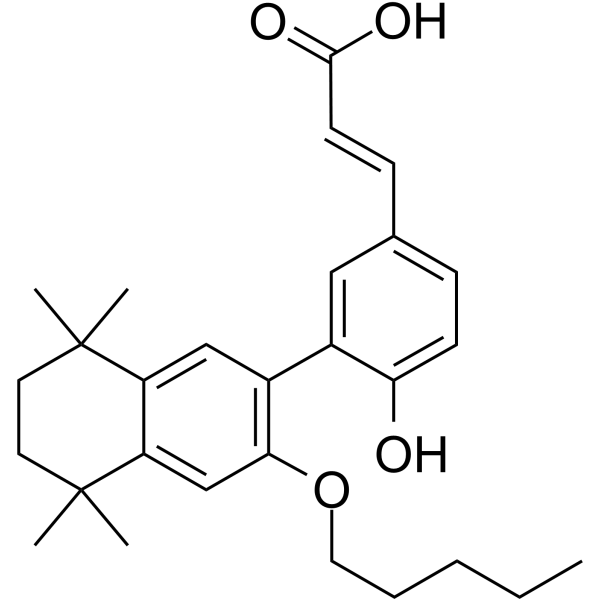
    CD3254
    3 Publications Verification

    RAR/RXR Metabolic Disease Cancer
    CD3254 a potent and selective retinoid-X-receptor (RXR) agonist .
    CD3254
  • HY-16972
    SR9243
    5+ Cited Publications

    LXR Cancer
    SR9243 is a liver-X-receptor (LXR) inverse agonist that induces LXR-corepressor interaction.
    SR9243
  • HY-15568
    A-317491
    5 Publications Verification

    P2X Receptor Neurological Disease Inflammation/Immunology
    A-317491 is a potent, selective and non-nucleotide antagonist of P2X3 and P2X2/3 receptors, with Kis of 22, 22, 9, and 92 nM for hP2X3, rP2X3, hP2X2/3, and rP2X2/3, respectively. A-317491 is highly selective (IC50>10 μM) over other P2 receptors and other neurotransmitter receptors, ion channels, and enzymes. A-317491 reduces inflammatory and neuropathic pain by blocking P2X3 and P2X2/3 receptor-mediated calcium flux .
    A-317491
  • HY-117508

    P2X Receptor Neurological Disease
    JNJ-54175446 is a potent and selective brain penetrant P2X7 receptor antagonist, with pIC50s of 8.46 and 8.81 for hP2X7 receptor and rP2X7 receptor, respectively.
    JNJ-54175446
  • HY-14483
    AF-353
    1 Publications Verification

    Ro-4

    P2X Receptor Cancer
    AF-353 (Ro-4) is a potent, selective and orally bioavailable P2X3/P2X2/3 receptor antagonist, with a pIC50 of 8.0 for both human and rat P2X3, and with a pIC50 of 7.3 for human P2X2/3 .
    AF-353
  • HY-100483
    A-804598
    3 Publications Verification

    P2X Receptor Neurological Disease Cancer
    A-804598 is a BBB penetrant, competitive and selective P2X7 receptor antagonist with IC50s of 9 nM, 10 nM and 11 nM for mouse, rat and human P2X7 receptors, respectively .
    A-804598
  • HY-103017
    JH-X-119-01 hydrochloride
    5+ Cited Publications

    IRAK Infection
    JH-X-119-01 hydrochloride is a potent and selective interleukin-1 receptor-associated kinases 1 (IRAK1) inhibitor. JH-X-119-01 hydrochloride ameliorates LPS-induced sepsis in mice .
    JH-X-119-01 hydrochloride
  • HY-124830
    SPA70
    1 Publications Verification

    Others Cancer
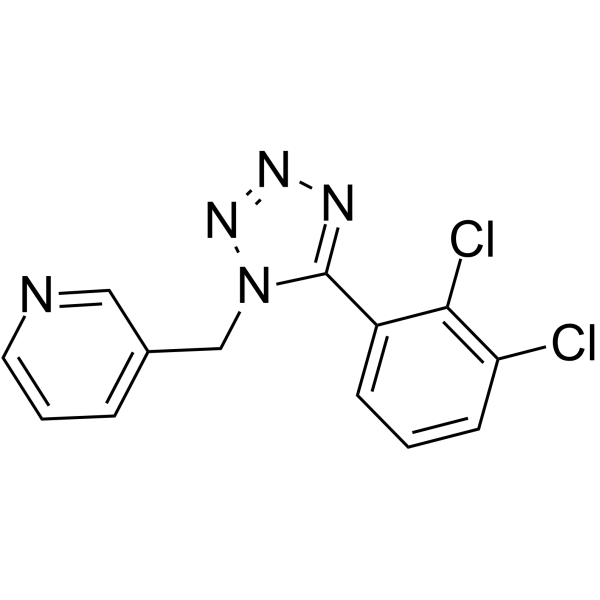
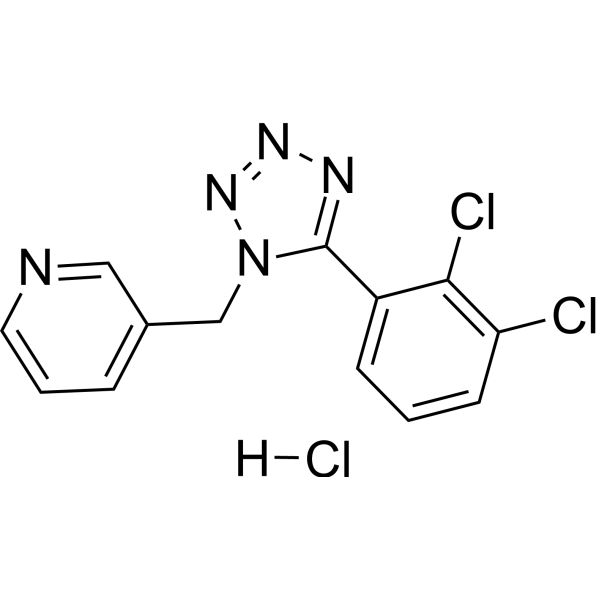
    SPA70 is a potent and selective antagonist of human pregnane X receptor (hPXR), with an IC50 of 540 nM (Ki=390 nM). SPA70 can enhance the chemosensitivity of cancer cells .
    SPA70
  • HY-15371R

    Coleonol (Standard); Colforsin (Standard); HL 362 (Standard)

    Organoid Reference Standards Adenylate Cyclase FXR Autophagy PKC Metabolic Disease Inflammation/Immunology Endocrinology Cancer
    Forskolin (Standard) is the analytical standard of Forskolin. This product is intended for research and analytical applications. Forskolin (Coleonol) is a potent adenylate cyclase activator with an IC50 of 41 nM and an EC50 of 0.5 μM for type I adenylyl cyclase . Forskolin is also an inducer of intracellular cAMP formation . Forskolin induces differentiation of various cell types and activates pregnane X receptor (PXR) and FXR . Forskolin exerts a inotropic effect on the heart, and has platelet antiaggregatory and antihypertensive actions. Forskolin also induces autophagy .
    Forskolin (Standard)
  • HY-N6987

    FXR Factor Xa Cardiovascular Disease Inflammation/Immunology
    Licraside, found in Glycyrrhiza glabra, is a Farnesoid X receptor (FXR) activator. Licraside activates FXR to induce upregulation of SHP and BSEP, regulates bile acid homeostasis, reduces elevated biliary and serum TBA, serum ALT, AST, GGT, ALP, and TBIL levels, and attenuates liver histopathological damage. Licraside inhibits factor Xa with an IC50 of 48.54 mM. Licraside can be used for the research of cholestasis and thromboembolic diseases .
    Licraside
  • HY-112461

    P2X Receptor Cardiovascular Disease
    NF449 is a highly potent P2X1 receptor antagonist, with IC50s of 0.28, 0.69, and 120 nM for rP2X1, rP2X1+5, P2X2+3, respectively. NF449 is a G-selective G Protein antagonist. NF449 suppresses the rate of GTP[γS] binding to Gsα-s, inhibits the stimulation of adenylyl cyclase activity, and blocks the coupling of β-adrenergic receptors to Gs .
    NF449
  • HY-W587839

    Pregnane X Receptor (PXR) Endocrinology
    4,8-Dioxa-3H-perfluorononanoic acid is an ether-substituted polyfluoroalkyl compound and also a ligand of human pregnane X receptor (hPXR), which binds to the ligand-binding domain of hPXR. 4,8-Dioxa-3H-perfluorononanoic acid targets Arg-410, Lys-210, Lys-226, Met-323 and His-327 residues. Its binding process relies on long-range electrostatic interactions, and no significant hydrogen bonds form with hPXR residues. 4,8-Dioxa-3H-perfluorononanoic acid is used as a substitute for PFOA in Germany. 4,8-Dioxa-3H-perfluorononanoic acid is detectable in environmental matrices such as river water near fluoride production plants, accumulates in organisms including grass, deer liver and locusts, and is present in plasma samples of populations in southern Germany .
    4,8-Dioxa-3H-perfluorononanoic acid
  • HY-137451
    Sivopixant
    1 Publications Verification

    S-600918

    P2X Receptor Neurological Disease
    Sivopixant (S-600918) is a potent and selective P2X3 receptor antagonist (P2X3 IC50=4.2 nM; P2X2/3 IC50=1100 nM). Sivopixant shows strong analgesic effect .
    Sivopixant
  • HY-13954
    A 839977
    1 Publications Verification

    P2X Receptor Neurological Disease Inflammation/Immunology
    A 839977 is a P2X7 selective antagonist; it blocks BzATP-evoked calcium influx at recombinant human, rat and mouse P2X7 receptors (IC50 values are 20 nM, 42 nM and 150 nM respectively) and reduces inflammatory and neuropathic pain in animal models; the antihyperalgesic effects of P2X7 receptor blockade are mediated by blocking the release of IL-1beta .
    A 839977
  • HY-135976

    P2X Receptor Neurological Disease Inflammation/Immunology
    P2X3 antagonist 34 is a potent, selective and orally active P2X3 homotrimeric receptor antagonist with IC50s of 25 nM, 92 nM and 126 nM for human P2X3, rat P2X3 and guinea pig P2X3 receptors, respectively. P2X3 antagonist 34 is less active against human, rat and guinea pig P2X2/3 heterotrimeric receptors. P2X3 antagonist 34 has strong anti-tussive effect .
    P2X3 antagonist 34
  • HY-108676
    NF023 hexasodium
    1 Publications Verification

    P2X Receptor Neurological Disease
    NF023 hexasodium is a selective and competitive P2X1 receptor antagonist, with IC50 values of 0.21 μM, 28.9 μM, > 50 μM and > 100 μM for human P2X1, P2X3, P2X2, and P2X4-mediated responses respectively .
    NF023 hexasodium
  • HY-131502

    P2X Receptor Inflammation/Immunology
    Taspine is a natural product with anti-inflammatory activity. Taspine suppresses P2X4 receptor activity via PI3K inhibition. Taspine inhibits pro-inflammatory signalling via inhibition of P2X4 receptors in macrophage .
    Taspine
  • HY-15487

    PF-04905428

    P2X Receptor Neurological Disease
    CE-224535 is a selective P2X7 receptor antagonist.
    CE-224535
  • HY-101308A
    MRS2179 tetrasodium hydrate
    2 Publications Verification

    P2Y Receptor Cardiovascular Disease
    MRS2179 tetrasodium hydrate is a competitive P2Y1 receptor antagonist, with a Kb of 102 nM and a pA2 of 6.99 for turkey P2Y1 receptor. MRS2179 tetrasodium hydrate is selective for P2Y1 over P2X1 (IC50=1.15 µM), P2X3 (12.9 µM), P2X2, P2X4, P2Y2, P2Y4, and P2Y6 receptors . MRS2179 tetrasodium hydrate inhibits platelet aggregation .
    MRS2179 tetrasodium hydrate
  • HY-109073

    ALX-101

    LXR Inflammation/Immunology
    Rovazolac is a liver x receptor (LXR) modulator extracted from patent WO2013130892A1.
    Rovazolac
  • HY-150059

    P2X Receptor Neurological Disease Inflammation/Immunology
    P2X7 receptor antagonist-2 is a potent P2X7 receptor antagonist with a pIC50 value of 6.5-7.5. P2X7 receptor antagonist-2 has efficacy of combating neuroinflammation .
    P2X7 receptor antagonist-2
  • HY-W414823

    LXR HMG-CoA Reductase (HMGCR) Metabolic Disease
    24,25-Epoxycholesterol is an oxysterol agonist of the liver X receptor that can inhibit the activity of 3-hydroxy-3-methylglutaryl-CoA reductase (HMG-CoA reductase) in liver cells. 24,25-Epoxycholesterol regulates cholesterol metabolism in the liver .
    24,25-Epoxycholesterol
  • HY-15568A
    A-317491 sodium salt hydrate
    5 Publications Verification

    P2X Receptor Neurological Disease Inflammation/Immunology
    A-317491 sodium salt hydrate is a potent, selective and non-nucleotide antagonist of P2X3 and P2X2/3 receptors, with Kis of 22, 22, 9, and 92 nM for hP2X3, rP2X3, hP2X2/3, and rP2X2/3, respectively. A-317491 sodium salt hydrate is highly selective (IC50>10 μM) over other P2 receptors and other neurotransmitter receptors, ion channels, and enzymes. A-317491 sodium salt hydrate reduces inflammatory and neuropathic pain by blocking P2X3 and P2X2/3 receptor-mediated calcium flux .
    A-317491 sodium salt hydrate
  • HY-175785

    Estrogen Receptor/ERR Aryl Hydrocarbon Receptor Apoptosis MDM-2/p53 Cancer
    X15695 is selective and orally active estrogen receptor (ERα) degrader. X15695 is an aryl hydrocarbon receptor (AHR) ligand. X15695 enables AHR to form a complex with the ERα, promoting its proteasomal degradation. X15695 inhibits the breast cancer cells proliferation, promotes cell cycle block and induces apoptosis. X15695 can be used for the study of breast cancer .
    X15695
  • HY-108960

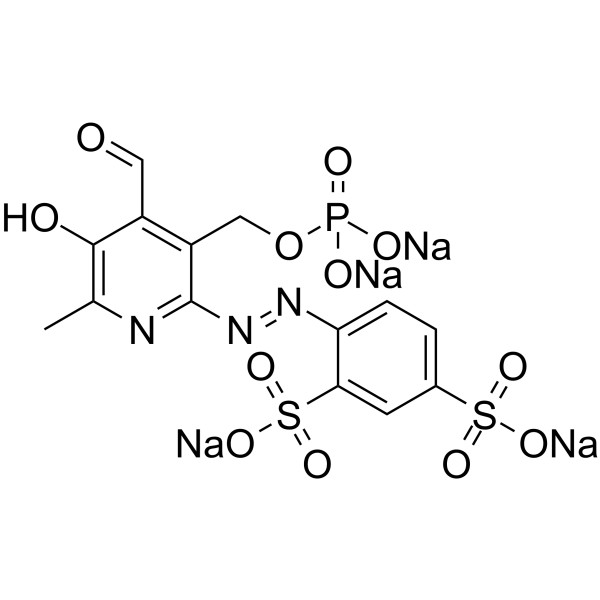
    P2X Receptor Interleukin Related Neurological Disease
    PPADS is a P2X receptor (P2X Receptor) antagonist and a reversible competitive antagonist of NAADP receptors, with IC50 values of 68 nM (P2X1) and 214 nM (P2X3), respectively. PPADS alleviates pain-related behaviors in the central and peripheral nervous systems of mice after peripheral neuropathy, inhibits the overproduction of IL-1β, IL-6, iNOS and nNOS, and suppresses the hydrolytic activity of extracellular ATPase. PPADS blocks ATP-mediated inward currents on recombinant rat P2X1 and P2X3 receptors, and inhibits purinergic nerve stimulation-induced contraction of rabbit bladder detrusor muscle. PPADS is applicable to research related to neuropathic pain .
    PPADS
  • HY-N5140

    Bacopaside VII

    Dopamine Receptor Others
    Bacopaside X is found in Bacopa monnieri, and shows a binding affinity toward the D1 receptor .
    Bacopaside X
  • HY-108520

    RAR/RXR Apoptosis Cancer
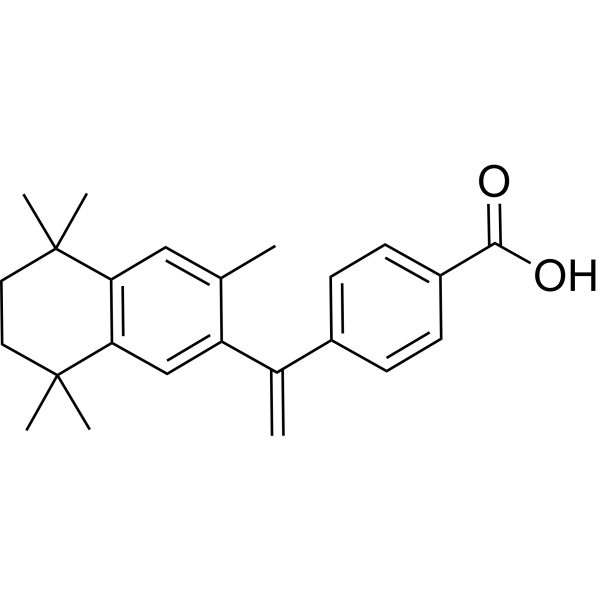
    HX630 is a potent retinoic acid X receptor (RXR) agonist, can induce apoptosis, has anti-tumor effect, and can be used in Cushing's disease research .
    HX630
  • HY-18745

    Benzoylbenzoyl-ATP triethylammonium

    P2X Receptor Inflammation/Immunology Cancer
    BzATP triethylammonium acts as a P2X receptor agonist with pEC50s of 8.74, 5.26, 7.10, 7.50, 6.19, 6.31, 5.33 for P2X1, P2X2, P2X3, P2X2/3, P2X4 and P2X7, respectively . BzATP triethylammonium is potent at P2X7 receptors with EC50s of 3.6 μM and 285 μM for rat P2X7 and mouse P2X7, respectively .
    BzATP triethylammonium
  • HY-N2371R

    27-OHC (Standard)

    Reference Standards Estrogen Receptor/ERR LXR Endogenous Metabolite Cancer
    27-Hydroxycholesterol (27-OHC) is a selective estrogen receptor modulator and an agonist of the liver X receptor.
    27-Hydroxycholesterol (Standard)
  • HY-160645

    P2X Receptor Neurological Disease Endocrinology Cancer
    P2X4 antagonist-1 is a P2X4 receptor antagonist with an IC50 of 15 nM. P2X4 antagonist-1 inhibits ATP (HY-B2176)-induced calcium influx. P2X4 antagonist-1 can be used for the research of pain syndromes, endometriosis, cancer .
    P2X4 antagonist-1
  • HY-135399

    FXR Inflammation/Immunology
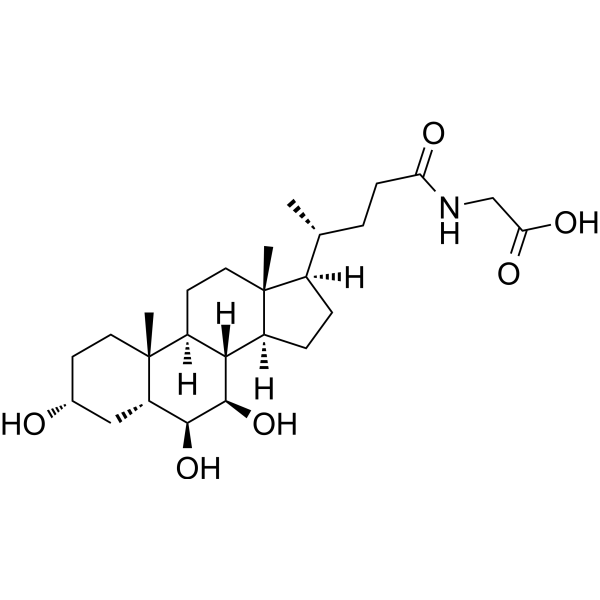
    Tauro-obeticholic acid is an active metabolite of Obeticholic acid. Obeticholic acid is an orally bioavailable farnesoid-X receptor (FXR) agonist .
    Tauro-obeticholic acid
  • HY-143259

    LXR Cancer
    BE1218 is a liver X receptor (LXR) inverse agonist with IC50 values of 9 nM and 7 nM against LXRα and LXRβ, respectively .
    BE1218
  • HY-19978

    P2X Receptor Neurological Disease
    RO-3 is a potent, and orally active P2X3 and P2X2/3 antagonist with pIC50s of 5.9 and 7.0 for human homomultimeric P2X3 and heteromultimeric P2X2/3 receptors, respectively. RO-3 shows selectivity for P2X3 and P2X2/3 over all other functional homomultimeric P2X receptors (IC50 >10 μM at P2X1,2,4,5,7) .
    RO-3
  • HY-145466

    P2X Receptor Neurological Disease
    EVT-401 (P2X7 receptor antagonist-1) is a purinergic P2X7 receptor antagonist. EVT-401 has efficacy of combating neuroinflammation .
    EVT-401
  • HY-N3209

    FXR Inflammation/Immunology
    Nelumol A is a farnesoid X receptor (FXR) agonist .
    Nelumol A
  • HY-12222R

    INT-747 (Standard); 6-ECDCA (Standard); 6-Ethylchenodeoxycholic acid (Standard)

    Reference Standards FXR Autophagy Others
    Obeticholic acid (Standard) is the analytical standard of Obeticholic acid. This product is intended for research and analytical applications. Obeticholic acid (INT-747) is a potent, selective and orally active FXR agonist with an EC50 of 99 nM. Obeticholic acid has anticholeretic and anti-inflammation effect. Obeticholic acid also induces autophagy .
    Obeticholic acid (Standard)

Inquiry Online

Your information is safe with us. * Required Fields.

Salutation


Country or Region *

Applicant Name *


Organization Name *

Department *


Email Address *


Product Name *

Cat. No.


Requested quantity *

Phone Number *


Remarks

Inquiry Online

Inquiry Information

Product Name:
Cat. No.:
Quantity:
MCE Japan Authorized Agent:

