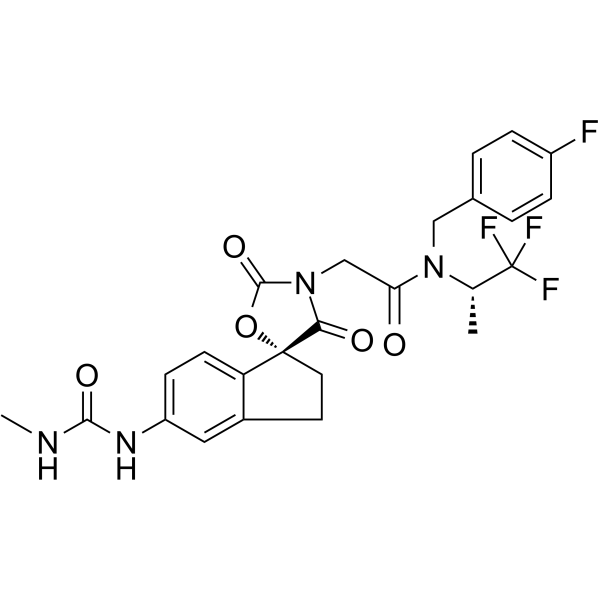
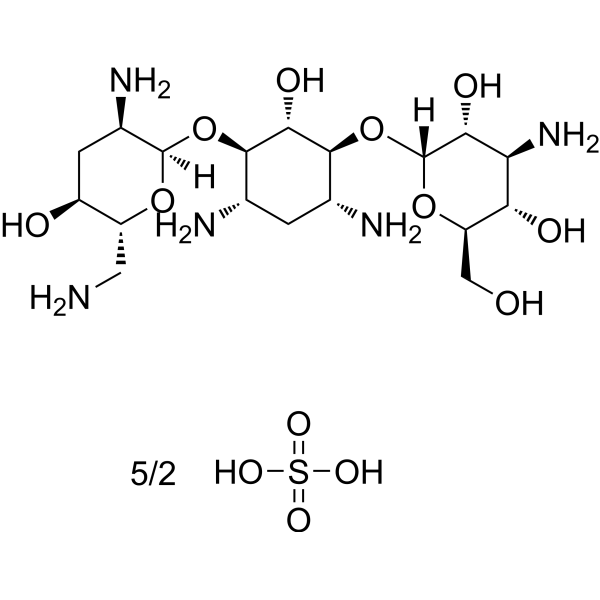
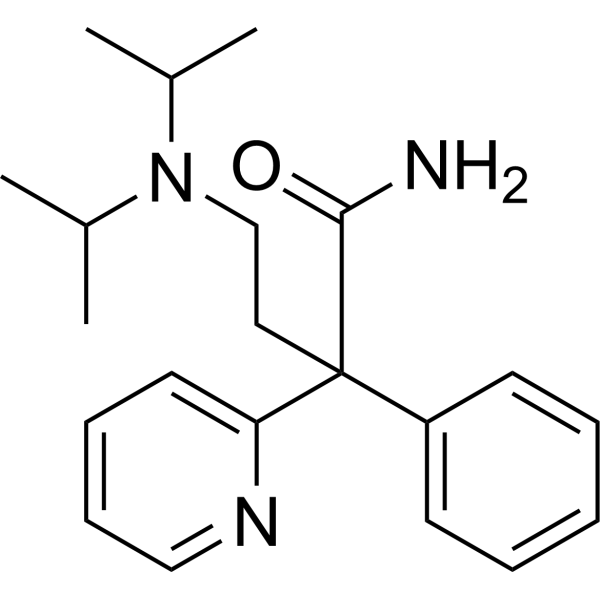
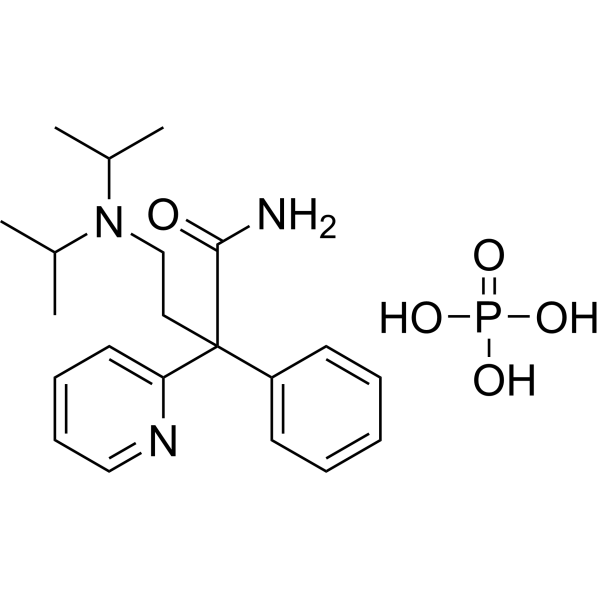
1. Search Result
Search Result
Results for "

aminoglycoside acetyltransferase AAC(2')-Ia

" in MedChemExpress (MCE) Product Catalog:

388

Inhibitors & Agonists

4

Screening Libraries

3

Fluorescent Dyes

7

Biochemical Assay Reagents

31

Peptides

2

MCE Kits

3

Inhibitory Antibodies

128

Natural
Products

42

Recombinant Proteins

20

Isotope-Labeled Compounds

45

Antibodies

2

Click Chemistry

3

Oligonucleotides

Targets Recommended:
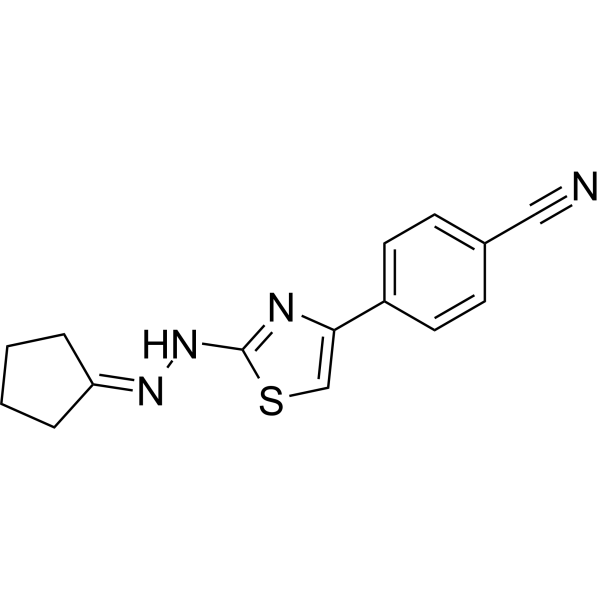
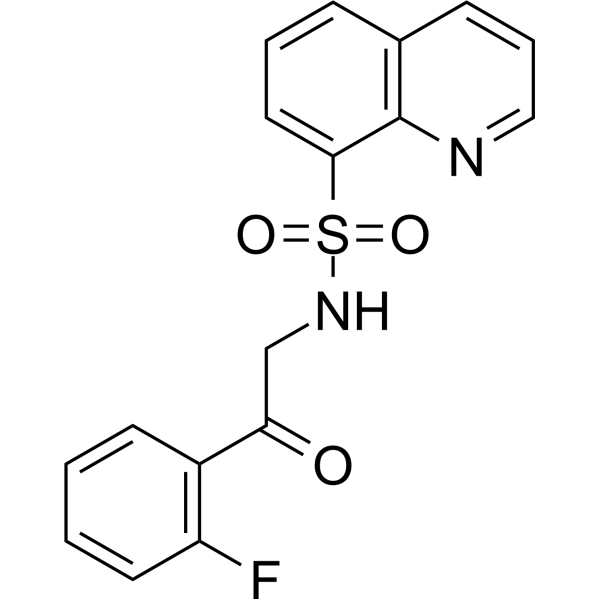
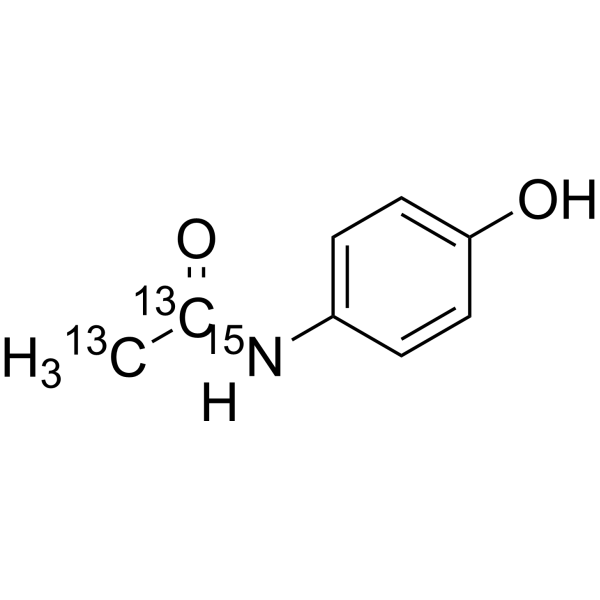
Cat. No. Product Name Target Research Areas Chemical Structure
  • HY-13823
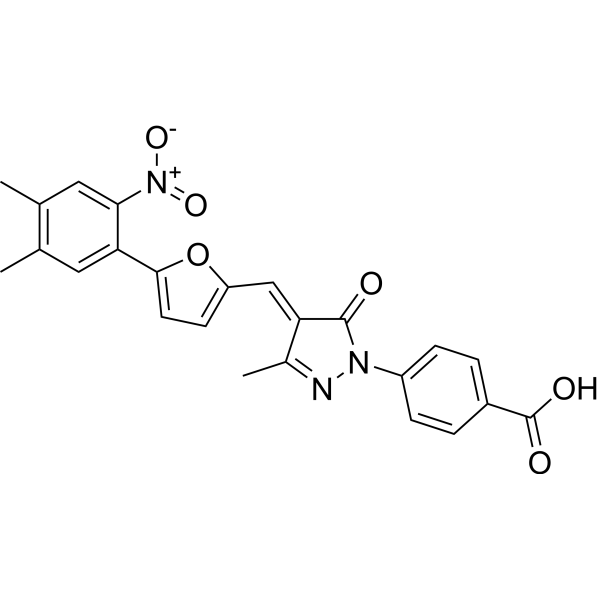
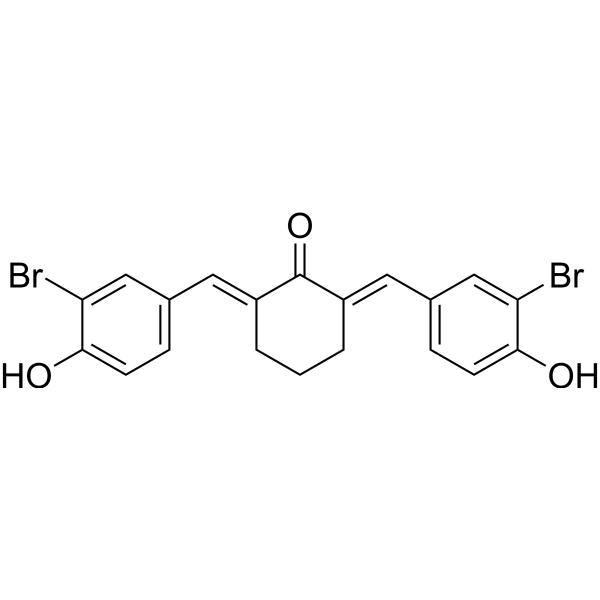
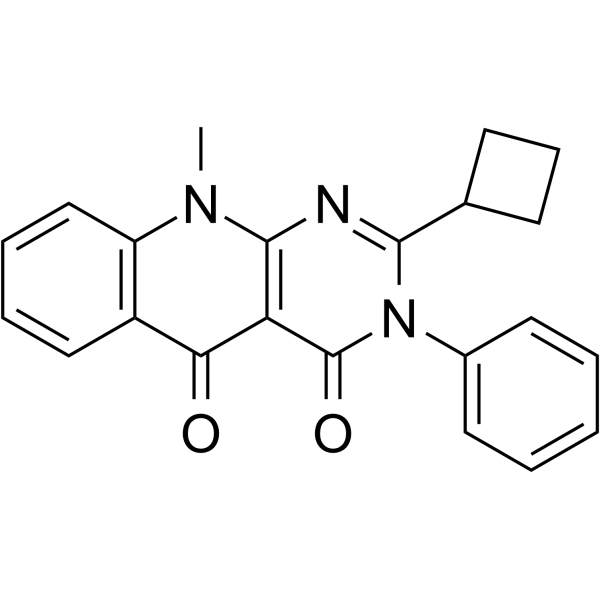
    C646
    90+ Cited Publications

    Histone Acetyltransferase Autophagy Epigenetic Reader Domain Apoptosis Cancer
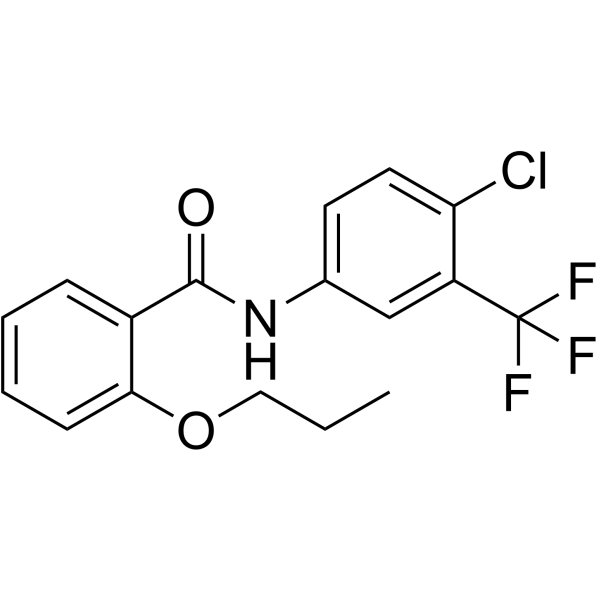
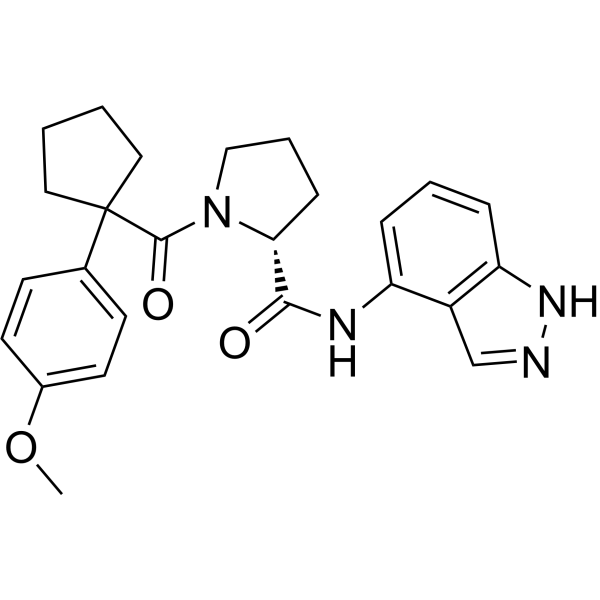
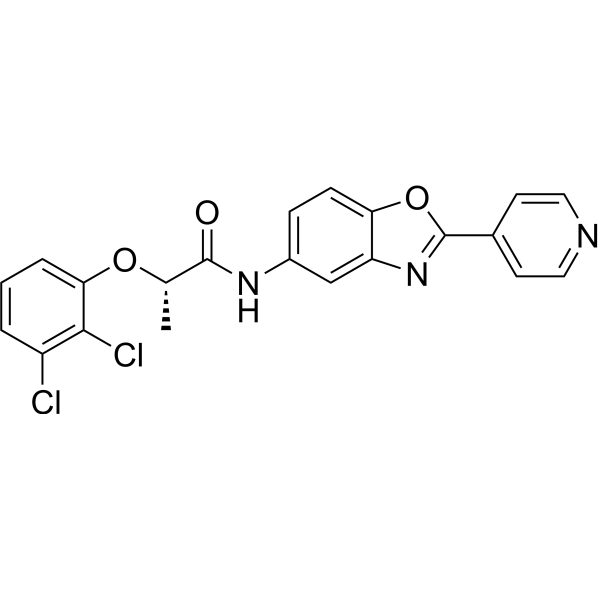
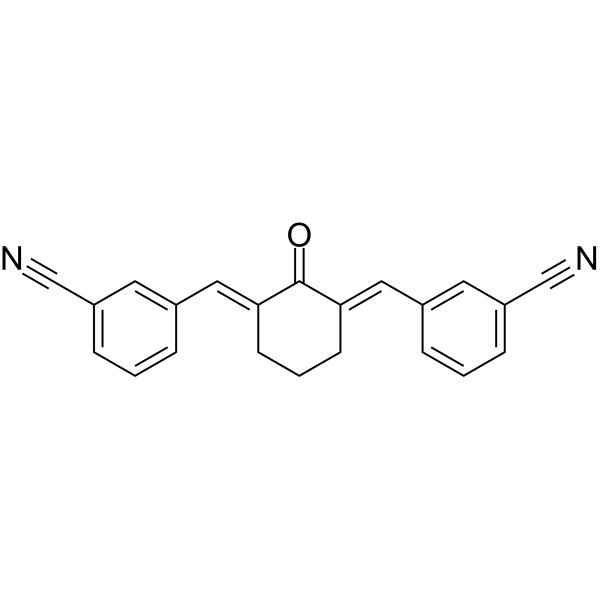
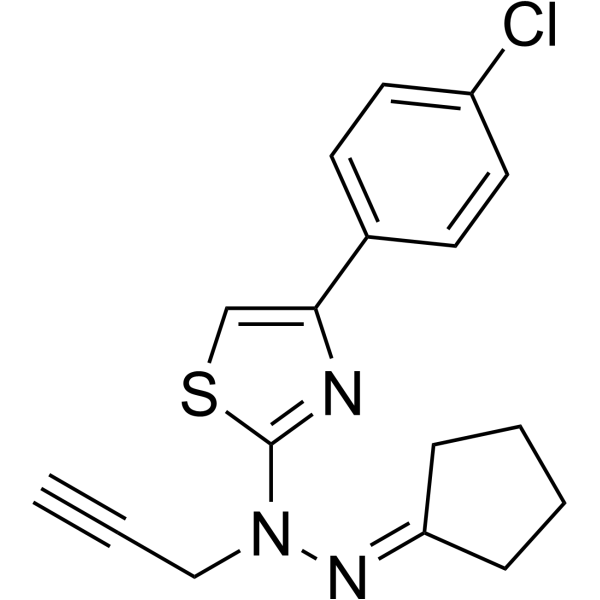
    C646 is a selective and competitive histone acetyltransferase p300 inhibitor with Ki of 400 nM, and is less potent for other acetyltransferases .
    C646
  • HY-B1743
    Puromycin
    Maximum Cited Publications
    387 Publications Verification

    CL13900

    Bacterial Antibiotic Parasite Infection
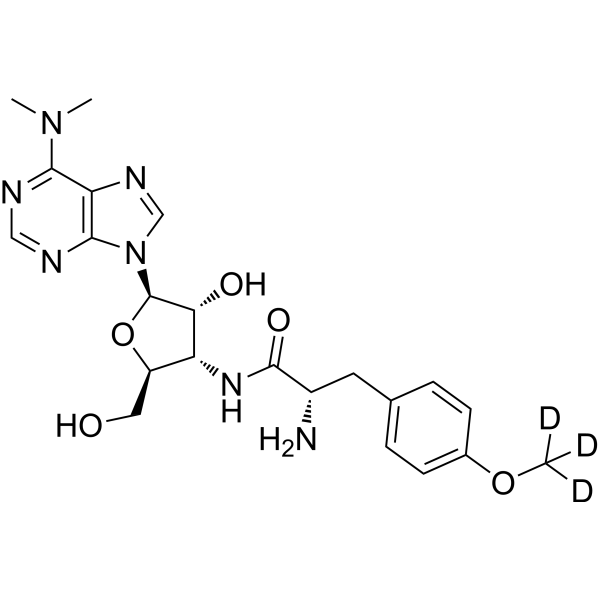
    Puromycin dihydrochloride is the dihydrochloride salt of puromycin. Puromycin is an aminoglycoside antibiotic that inhibits protein synthesis.
    Puromycin
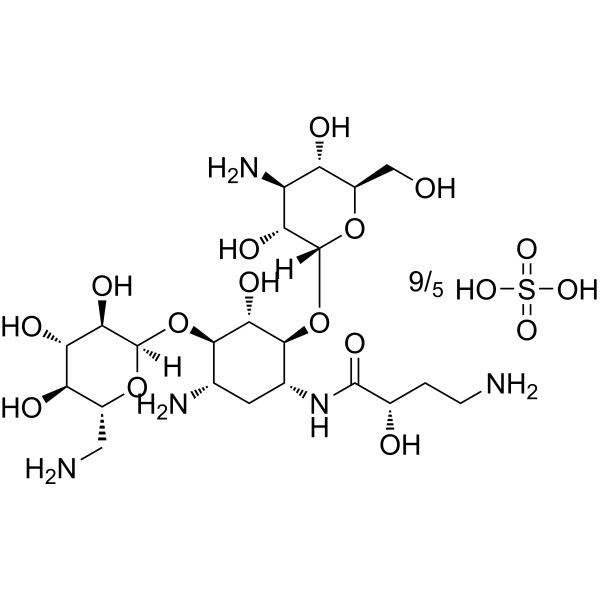
  • HY-B1329
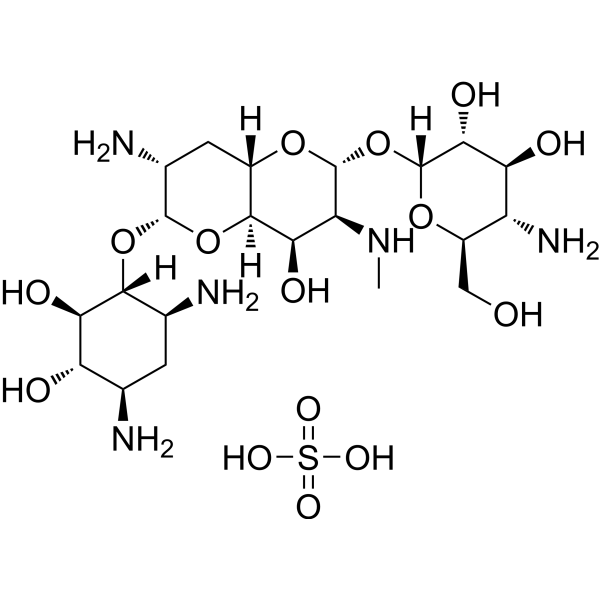
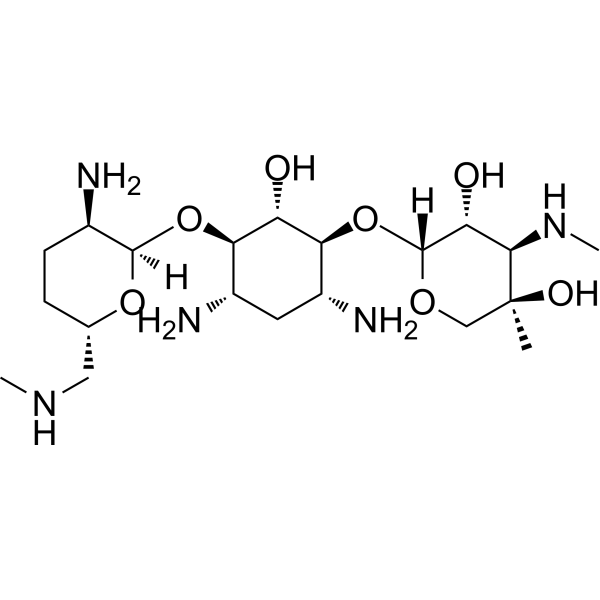
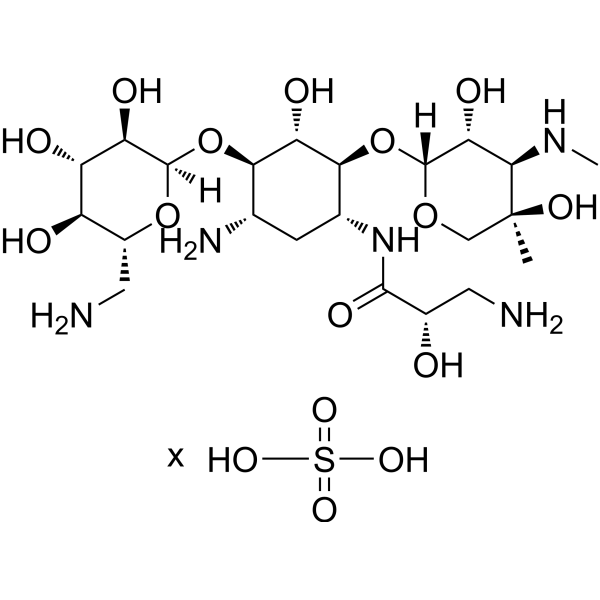
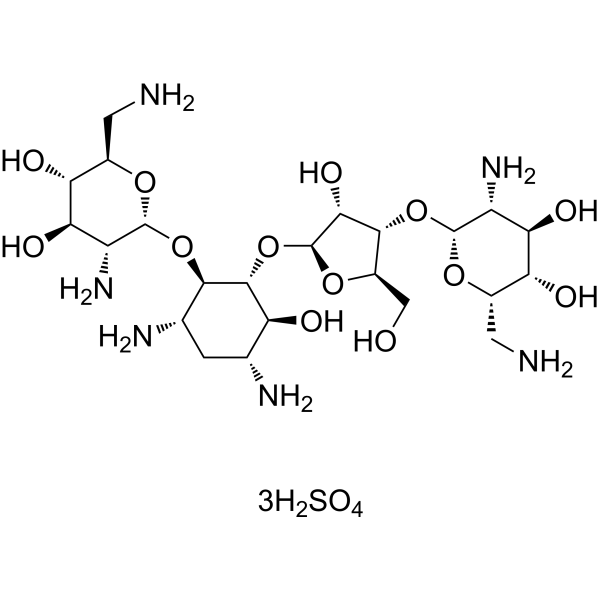
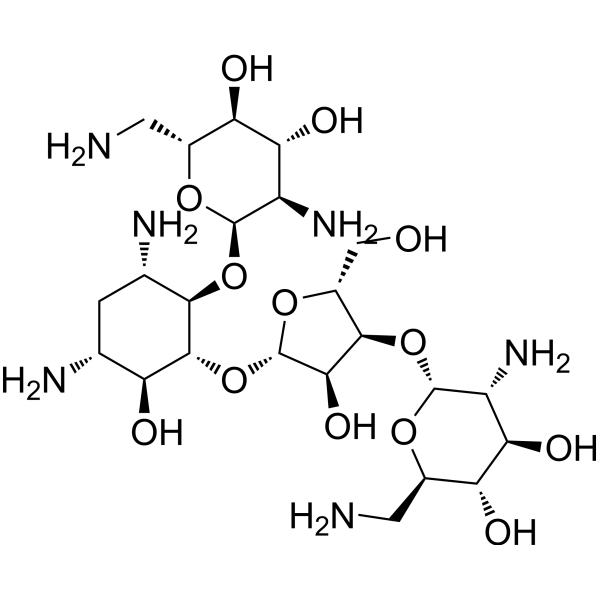
    Apramycin sulfate
    4 Publications Verification

    Nebramycin II sulfate

    Bacterial Antibiotic Infection
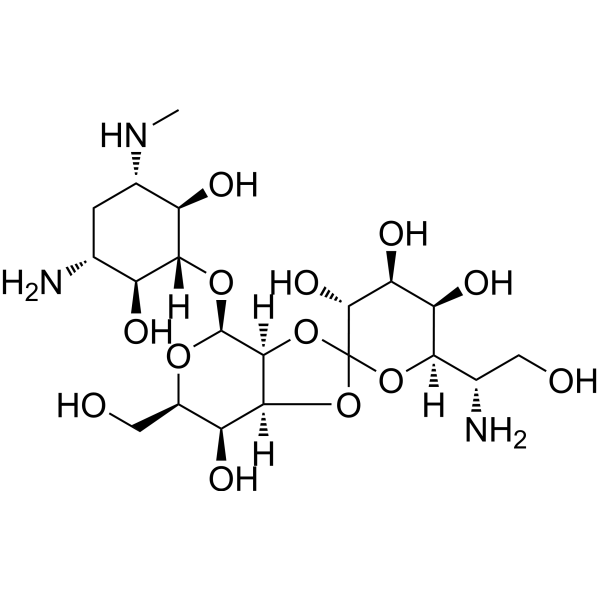
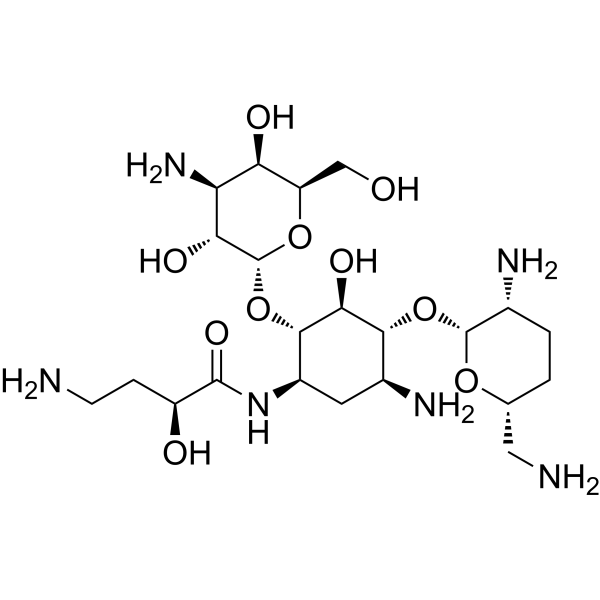
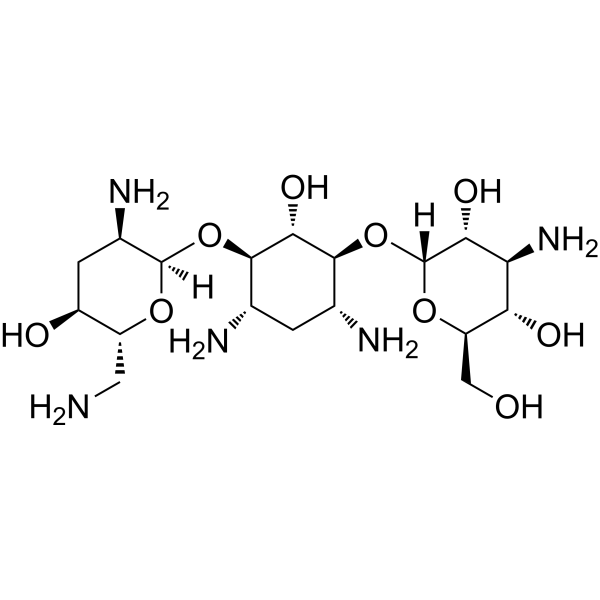
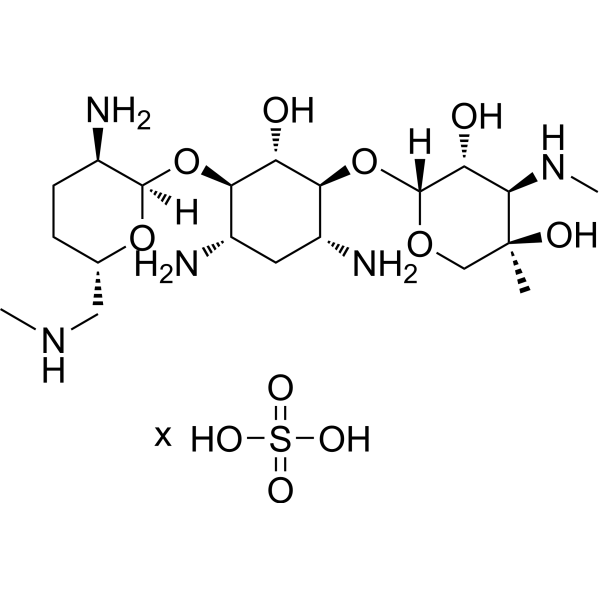
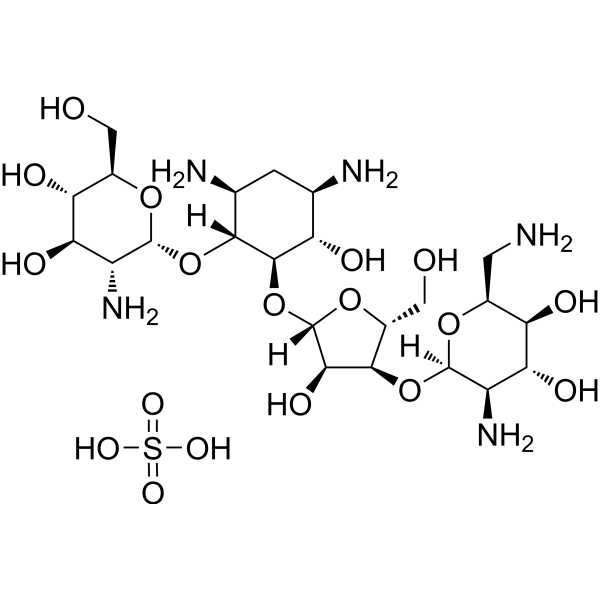
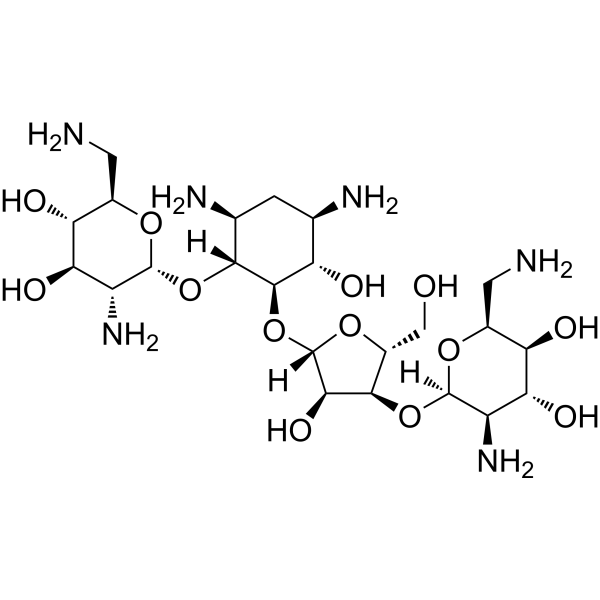
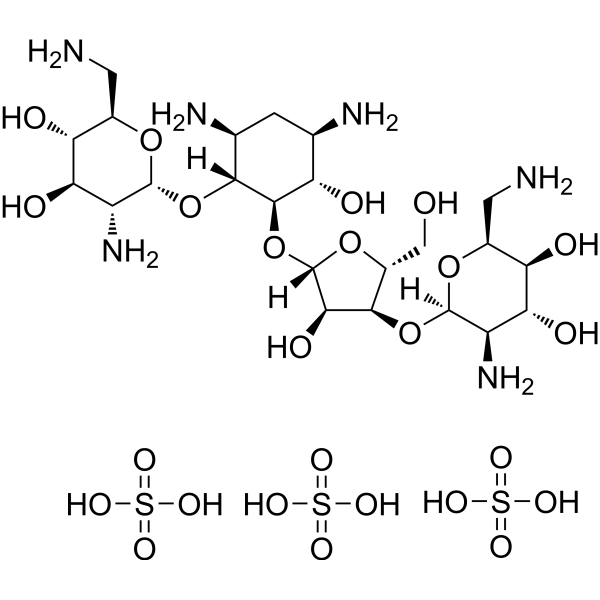
    Apramycin (EBL 1003) sulfate is an orally active, acidic pH tolerant and aminoglycoside-modifying-enzymes-tolerant aminoglycoside antibiotic which inhibits protein biosynthesis by targeting the bacterial ribosome. Apramycin sulfate is a potential anti-drug-resistance antibiotic [2] .
    Apramycin sulfate
  • HY-108718
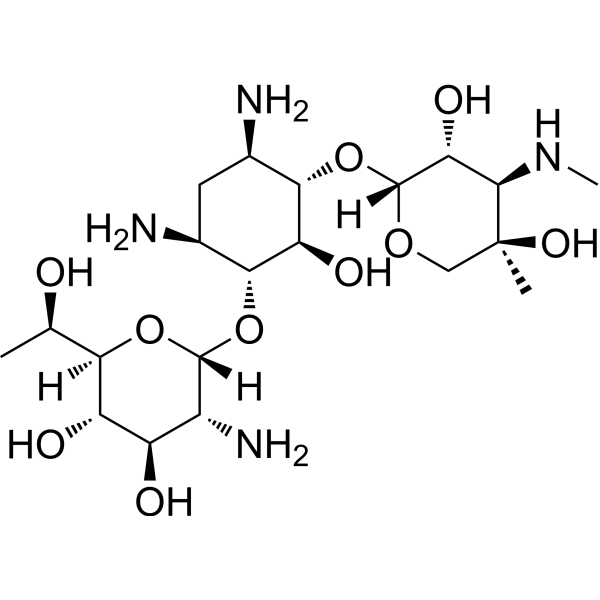
    G-418
    60+ Cited Publications

    Geneticin; Antibiotic G-418

    Bacterial Parasite Antibiotic Infection
    G-418 (Geneticin) is an aminoglycoside antibiotic with a structure similar to gentamicin. It is toxic to both eukaryotic and prokaryotic cells and works by interfering with protein synthesis .
    G-418
  • HY-129039
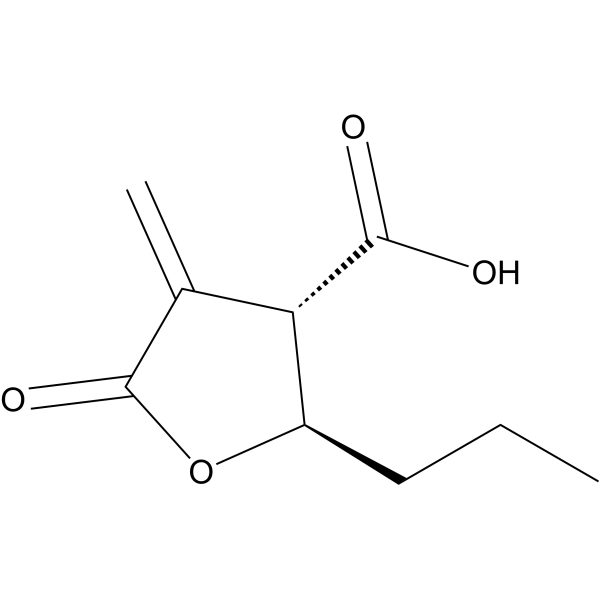
    Butyrolactone 3
    10+ Cited Publications

    MB-3

    Histone Acetyltransferase Neurological Disease Metabolic Disease Inflammation/Immunology Cancer
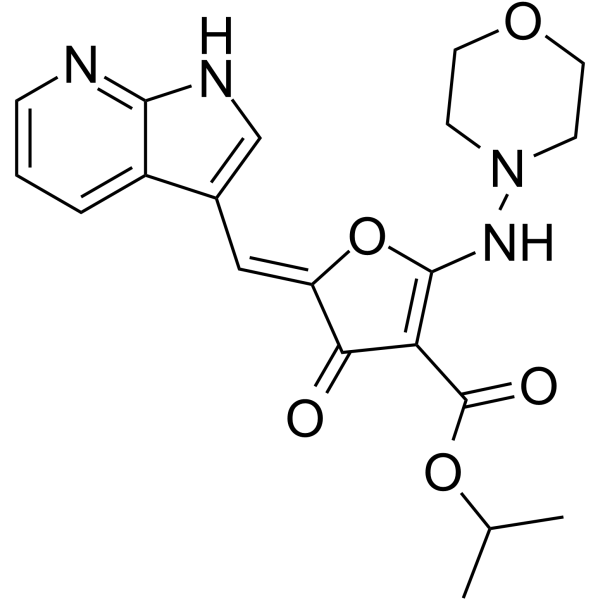
    Butyrolactone 3 (MB-3) is a specifical small-molecule inhibitor of the histone acetyltransferase Gcn5 (IC50=100 μM), which has a high affinity to the Gcn5 enzyme comparable to that of its natural substrate, histone H3. Butyrolactone 3 shows weak inhibitory on CBP (IC50=0.5 mM). Butyrolactone 3 can be used in studies of cancer, metabolic, autoimmune and neurological diseases [2] .
    Butyrolactone 3
  • HY-B0472
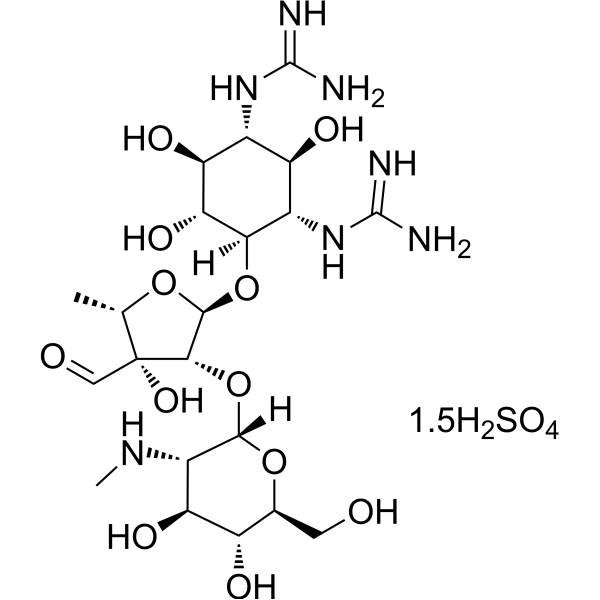
    Streptomycin sulfate
    45+ Cited Publications

    Environmental Pollutants Antibiotic Bacterial Infection
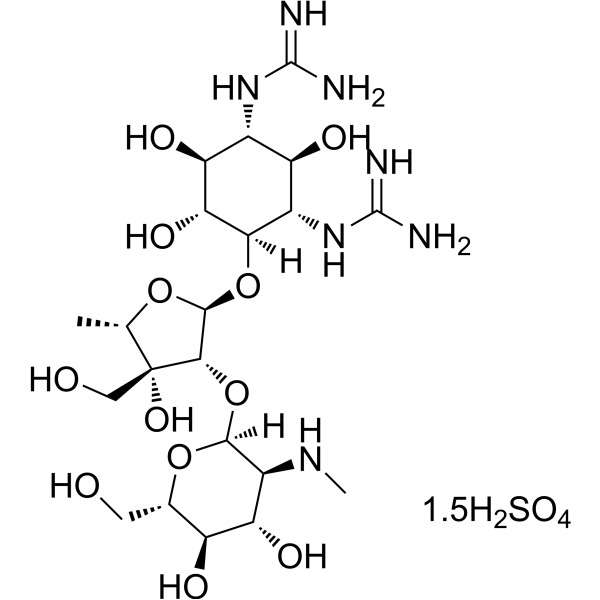
    Streptomycin sulfate is an aminoglycoside antibiotic, that inhibits protein synthesis.
    Streptomycin sulfate
  • HY-125685
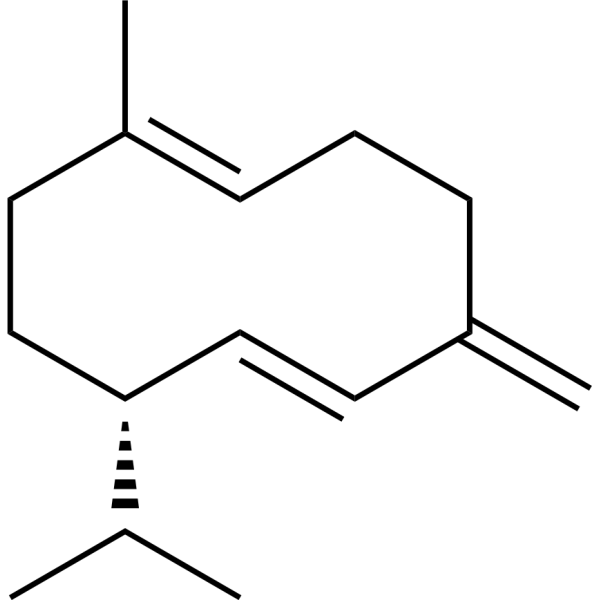
    Germacrene D
    1 Publications Verification

    Bacterial Fungal Cancer
    Germacrene D is isolated from Solidago canadensis. Germacrene D has antibacterial and antifungal activities and can be used as an adjuvant agent in the application of aminoglycosides and azoles .
    Germacrene D
  • HY-P10136
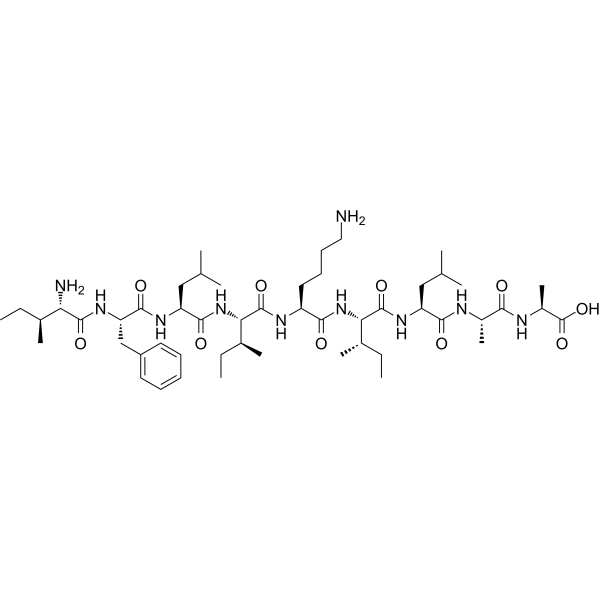
    IA9
    2 Publications Verification

    human TREM-2 182-190

    TREM receptor Inflammation/Immunology
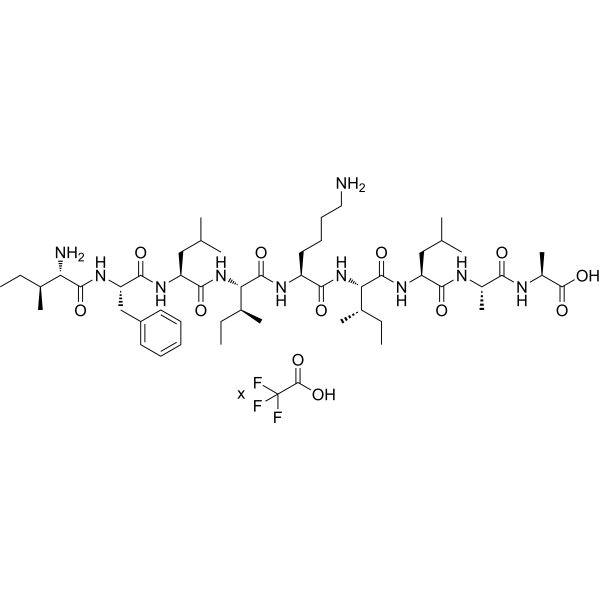
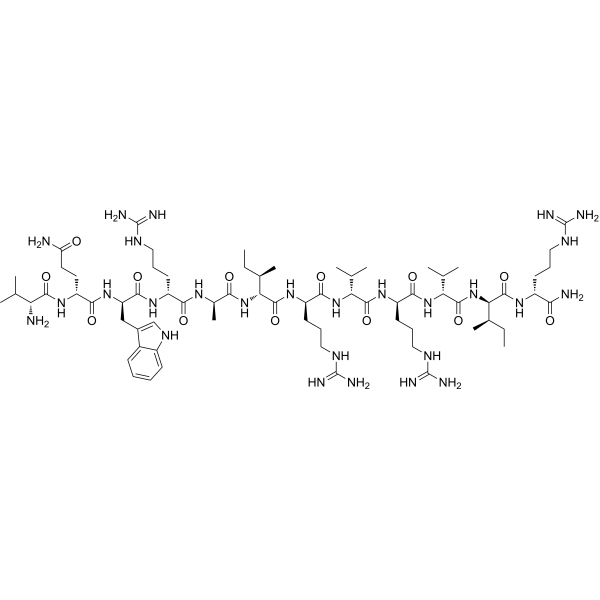
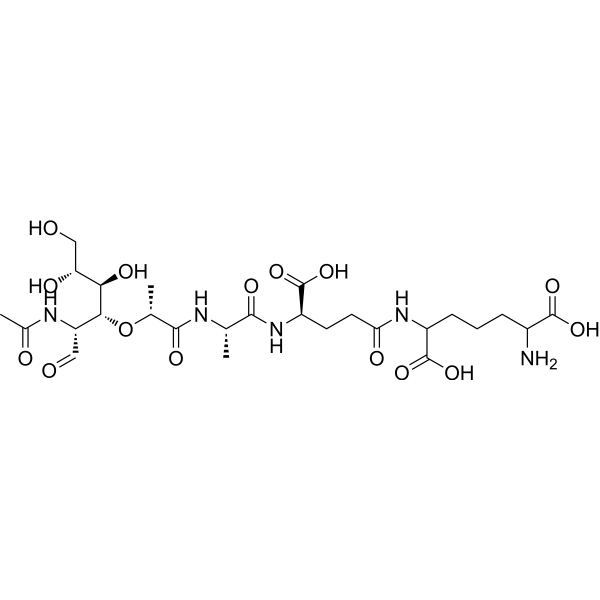
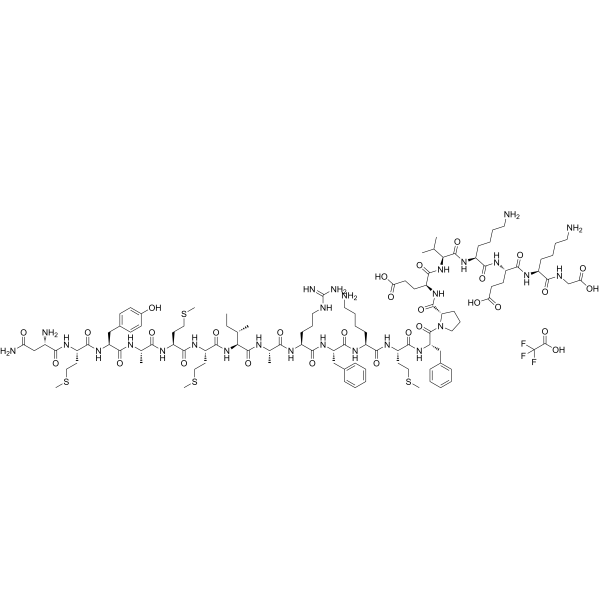
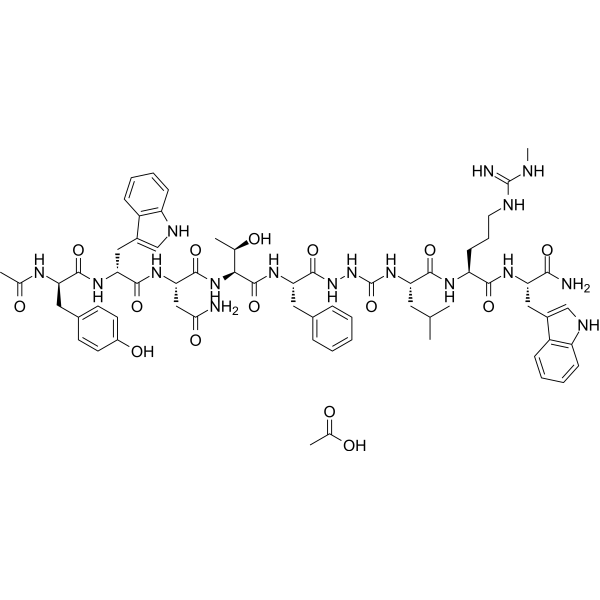
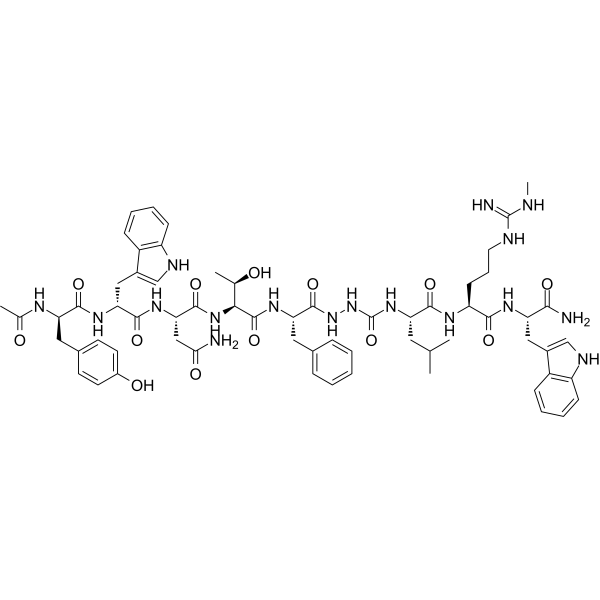
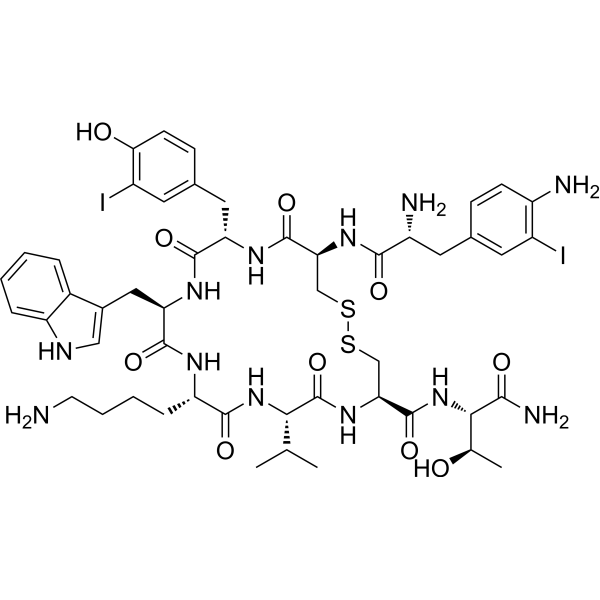
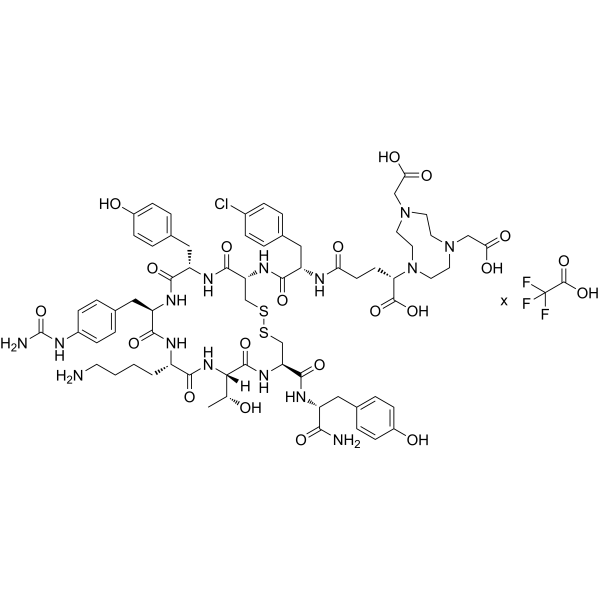
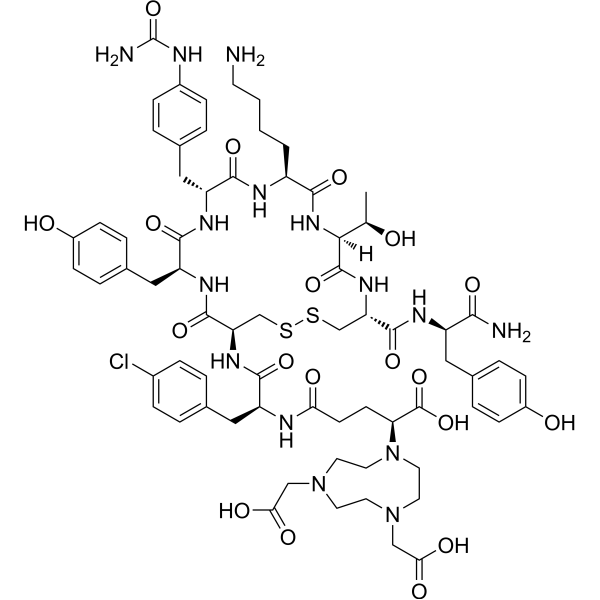
    IA9 (human TREM-2 182-190) is a potent, CNS-penetrant TREM-2 inhibitor. IA9 can diminish the release of proinflammatory cytokines and suppress joint inflammation and damage in a Collagen (HY-P5003)-induced arthritis (CIA) mouse model. IA9 can be used for neuroinflammation PET imaging. IA9 can be used for Rheumatoid arthritis (RA) and neuroinflammation research [2].
    IA9
  • HY-B0509B
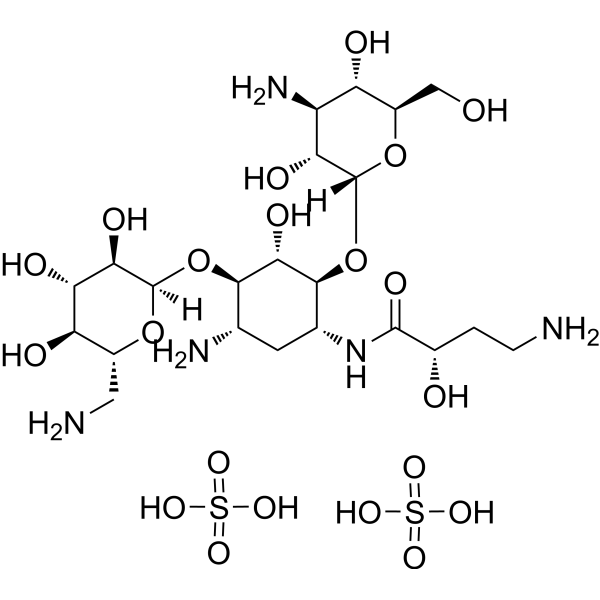
    Amikacin disulfate
    25+ Cited Publications

    BAY 41-6551 disulfate

    Bacterial Antibiotic Infection Cancer
    Amikacin disulfate (BAY 41-6551 dissulfate) is an aminoglycoside antibiotic and a semisynthetic analog of kanamycin. Amikacin disulfate is bactericidal, acting directly on the 30S and 50S bacerial ribosomal subunits to inhibit protein synthesis. Amikacin disulfate is very active against most Gram-negative bacteria including gentamicin- and tobramycin-resistant strains. Amikacin disulfate also inhibits the infections caused by susceptible Nocardia and nontuberculous mycobacteria [2].
    Amikacin disulfate
  • HY-138097
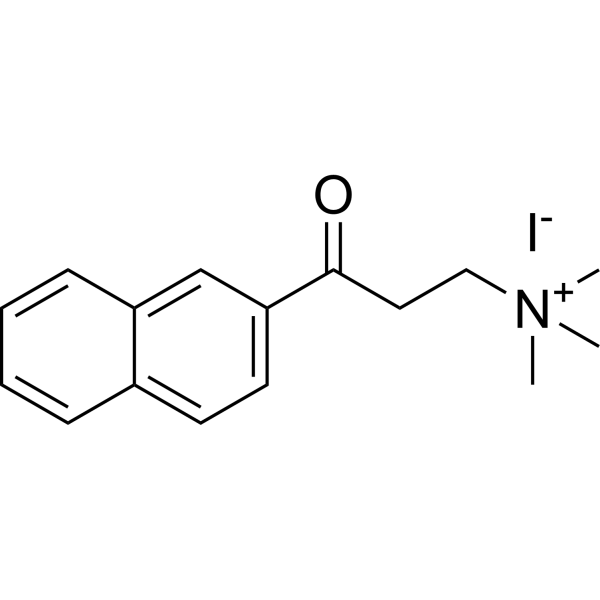
    α-NETA
    10+ Cited Publications

    Chemerin Receptor Aldehyde Dehydrogenase (ALDH) Cholinesterase (ChE) Apoptosis Cancer
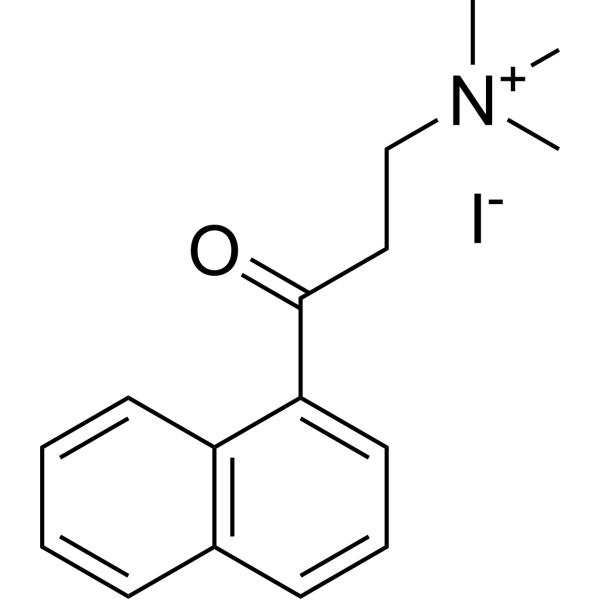
    α-NETA is a potent and noncompetitive choline acetyltransferase (ChA) inhibitor with an IC50 of 9 μM. α-NETA is a potent ALDH1A1 (IC50=0.04 µM) and chemokine-like receptor-1 (CMKLR1) antagonist. α-NETA weakly inhibits cholinesterase (ChE; IC50=84 µM) and acetylcholinesterase (AChE; IC50=300 µM). α-NETA has anti-cancer activity [2].
    α-NETA
  • HY-136205
    IA-Alkyne
    4 Publications Verification

    Iodoacetamide-alkyne; N-Hex-5-ynyl-2-iodo-acetamide

    TRP Channel Infection Inflammation/Immunology
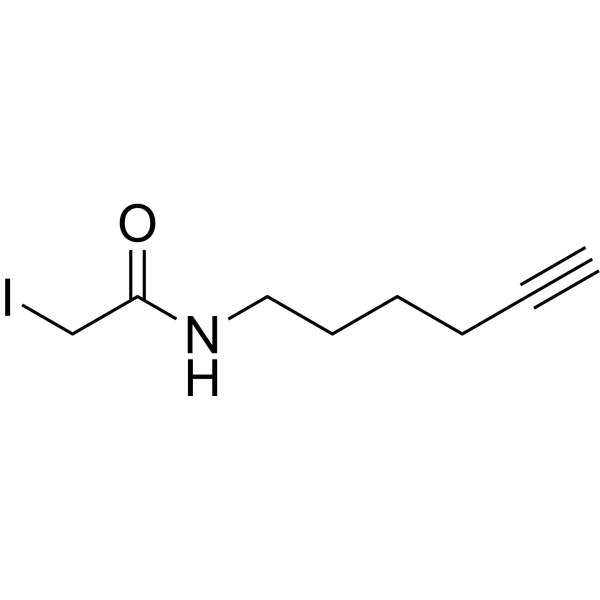
    IA-Alkyne (Iodoacetamide-alkyne; N-Hex-5-ynyl-2-iodo-acetamide) is a TRP channel (TRPC) agonist and has the potential for the study of respiratory infection . IA-Alkyne can be used to develop an isotopically tagged probe for quantitative cysteine-reactivity profiling [2]. IA-Alkyne is a click chemistry reagent, it contains an Alkyne group and can undergo copper-catalyzed azide-alkyne cycloaddition (CuAAc) with molecules containing Azide groups.
    IA-Alkyne
  • HY-W013274
    CPTH2
    1 Publications Verification

    Histone Acetyltransferase Apoptosis Cancer
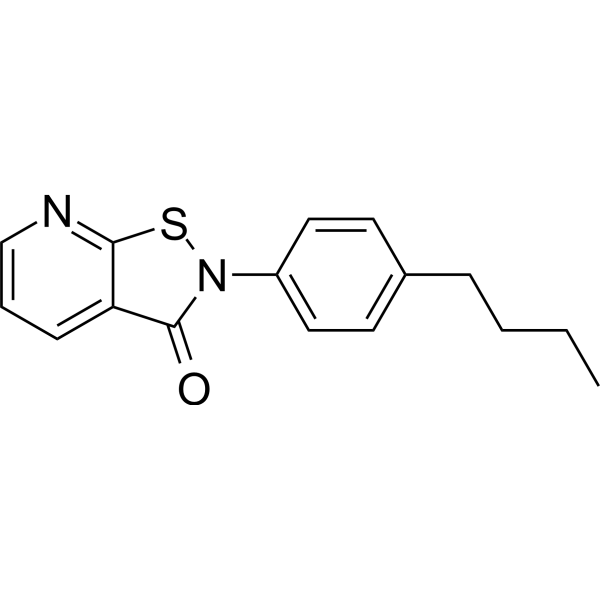
    CPTH2 is a potent histone acetyltransferase (HAT) inhibitor. CPTH2 selectively inhibits the acetylation of histone H3 by Gcn5. CPTH2 induces apoptosis and decreases the invasiveness of a clear cell renal carcinoma (ccRCC) cell line through the inhibition of acetyltransferase p300 (KAT3B) [2].
    CPTH2
  • HY-N0554
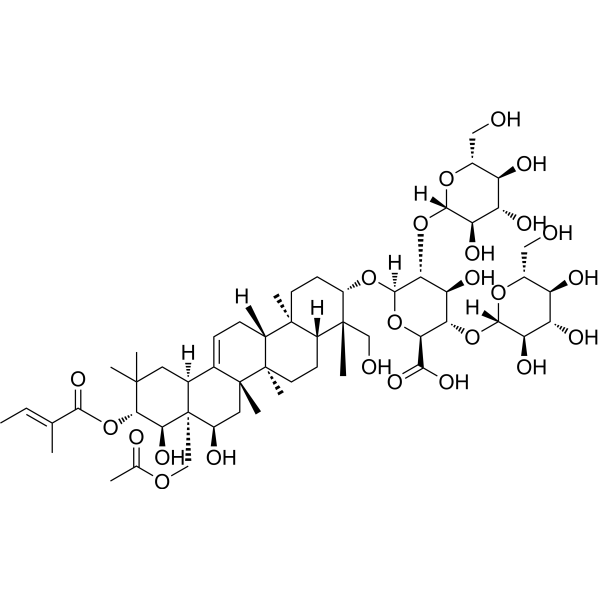
    Escin IA
    1 Publications Verification

    HIV Protease Monoamine Oxidase Infection Inflammation/Immunology Cancer
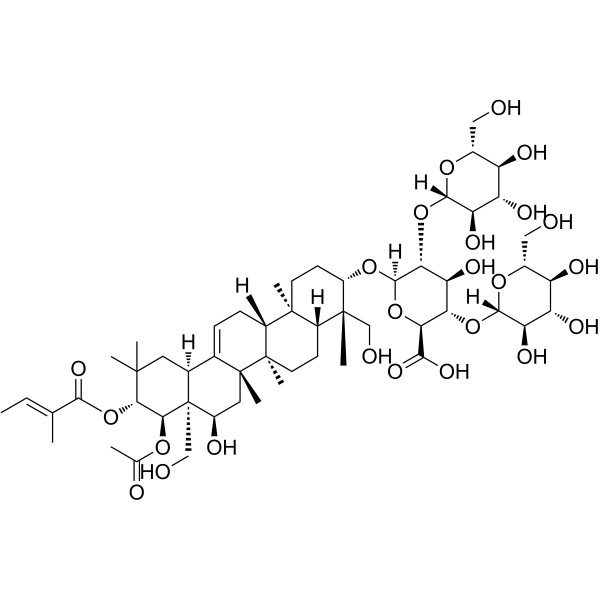
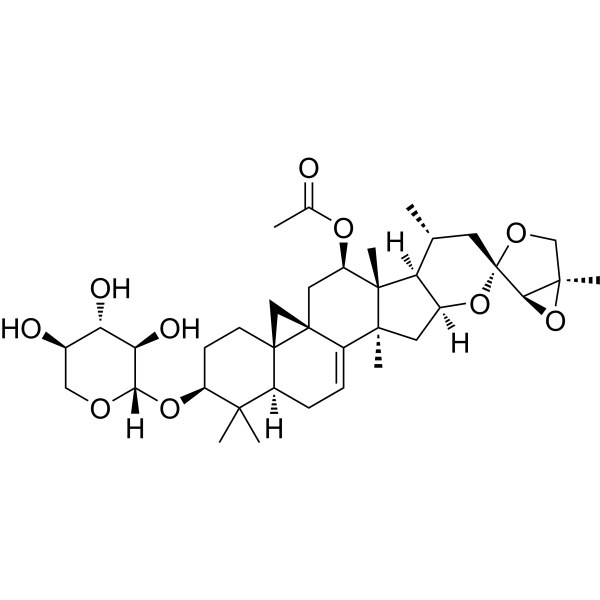
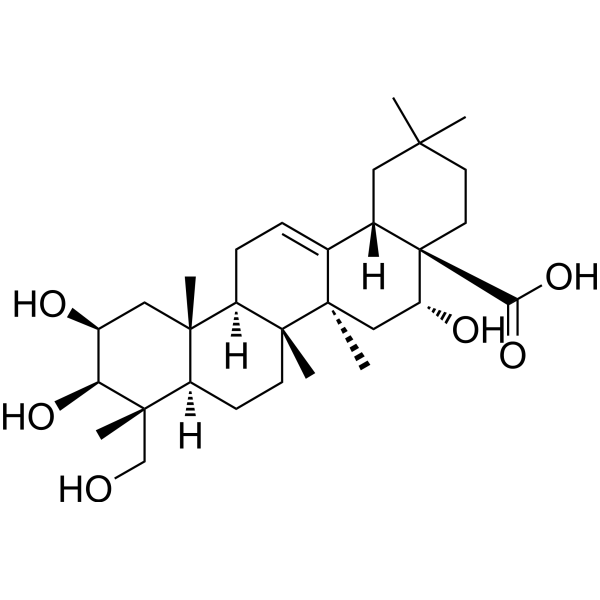
    Escin IA is an oral LOXL2 inhibitor and EMT inhibitor, with selectivity for LOXL2-expressing cells. Escin IA suppresses invasion, migration, and metastasis of breast cancer cells, and acts as the primary anti-TNBC metastasis constituent of Aesculus chinensis Bunge fruit saponin fraction. Escin IA can be used for the research of triple-negative breast cancer, acute inflammation, and ethanol-induced gastric mucosal lesions [2] .
    Escin IA
  • HY-107813
    Amikacin sulfate
    25+ Cited Publications

    BAY 41-6551 sulfate

    Bacterial Antibiotic Infection Cancer
    Amikacin sulfate (BAY 41-6551 sulfate) is an aminoglycoside antibiotic and a semisynthetic analog of kanamycin. Amikacin sulfate is bactericidal, acting directly on the 30S and 50S bacerial ribosomal subunits to inhibit protein synthesis. Amikacin sulfate is very active against most Gram-negative bacteria including gentamicin- and tobramycin-resistant strains. Amikacin sulfate also inhibits the infections caused by susceptible Nocardia and nontuberculous mycobacteria [2].
    Amikacin sulfate
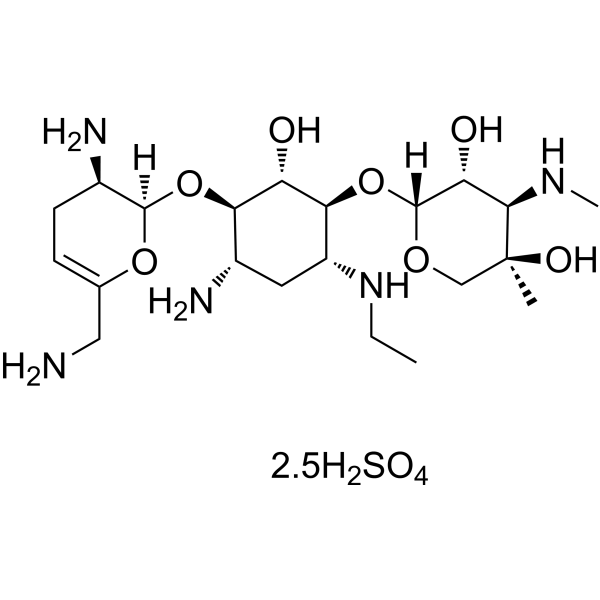
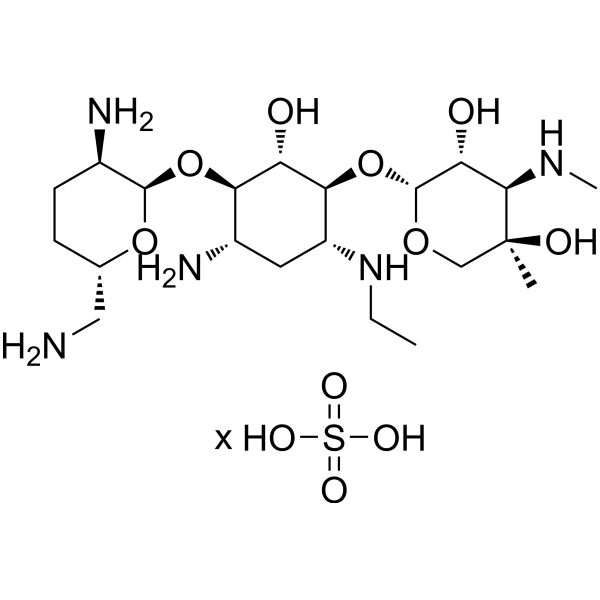
  • HY-A0086

    SCH-20569 sulfate

    Bacterial Antibiotic Infection
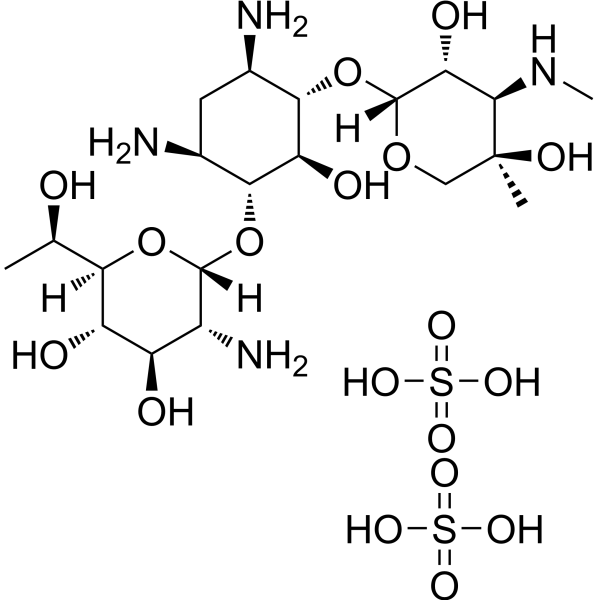
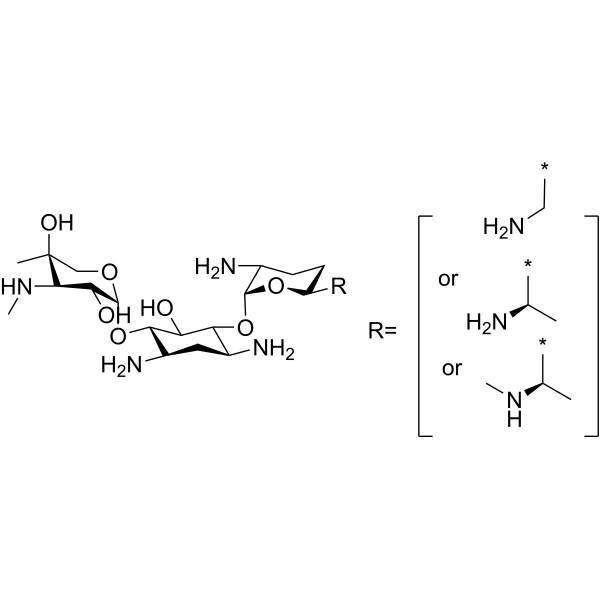
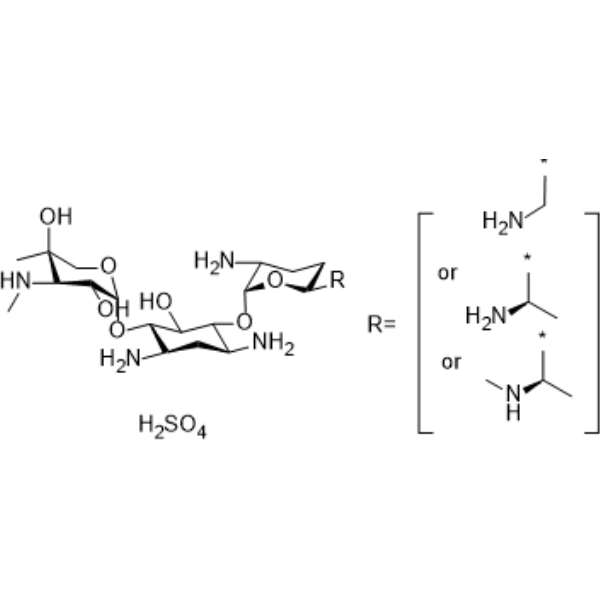
    Netilmicin (Sch 20569) sulfate is a broad-spectrum semisynthetic aminoglycoside antibiotic. Netilmicin sulfate exhibits antibacterial activity against aminoglycoside-susceptible gram-negative strains and aminoglycoside-resistant strain, such as Escherichia coli, Pseudomonas aeruginosa, Proteus, Staphylococcus aureus, Streptococcus, Serratia, and Enterobacter, with MIC of 0.125-8 μg/mL .
    Netilmicin sulfate
  • HY-163102

    TNF Receptor NF-κB Inflammation/Immunology
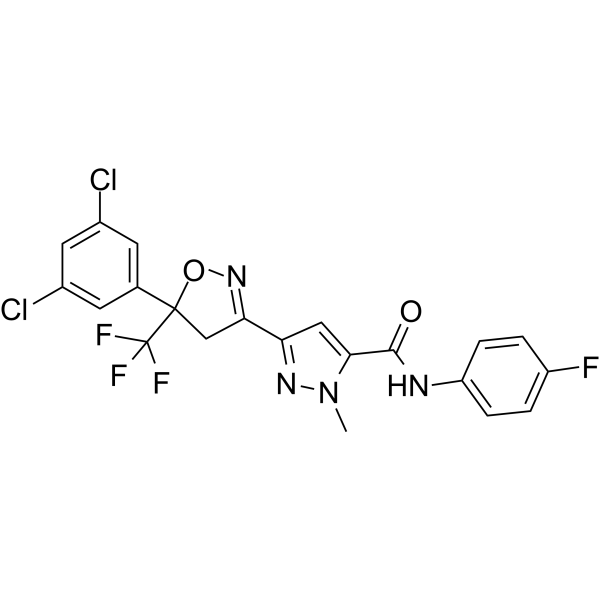
    IA-14069 is an orally active tumor necrosis factor-α (TNF-α) inhibitor. IA-14069 binds directly to TNF-α and TNF-α-triggered signaling (p-IκBα and NF-κB p65) activities. Additionally, IA-14069 exerts a suppressive effect on Dextran sodium sulfate (HY-116282C) (DSS)-induced colitis. IA-14069 can be used for the research of Rheumatoid arthritis (RA) and inflammatory bowel disease (IBD) [2].
    IA-14069
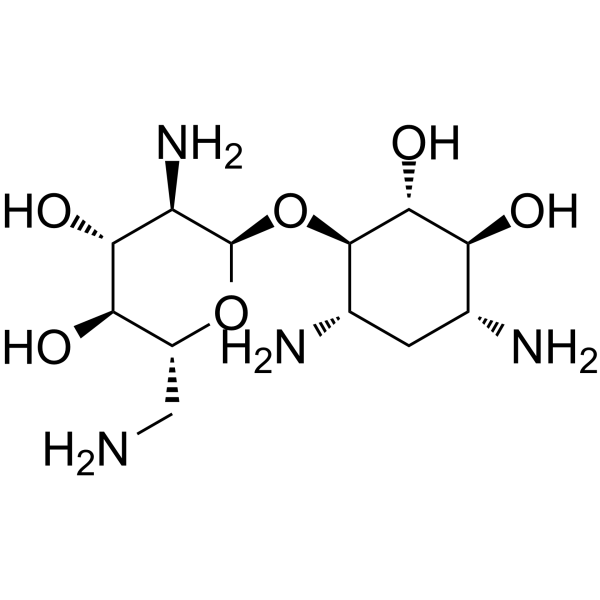
  • HY-N7449

    Antibiotic Bacterial Infection Cardiovascular Disease Neurological Disease Cancer
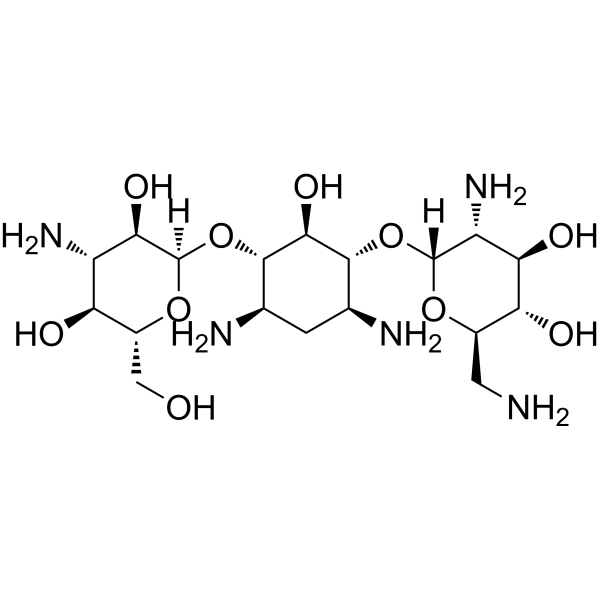
    Neamine, a degradation product of Neomycin, is a broad-spectrum aminoglycoside antibiotic. Neamine is an anti-angiogenesis agent targeting angiogenin. Neamine has potent antibacterial, antitumor and neuroprotective activities [2].
    Neamine
  • HY-P2914

    Biochemical Assay Reagents Metabolic Disease Inflammation/Immunology
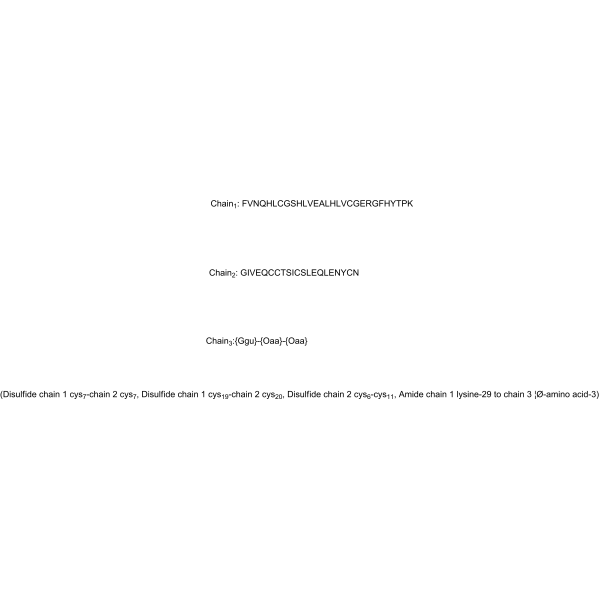
    Carnitine acetyltransferase is a mitochondrial matrix enzyme that catalyzes the interconversion of Acetyl-CoA and Acetylcarnitine (HY-126358). Carnitine acetyltransferase functions as a positive regulator of total body glucose tolerance and muscle activity of pyruvate dehydrogenase. Carnitine acetyltransferase is responsible for mitochondrial acetyl-CoA balance and regulation of fatty acid oxidation by utilizing short- and medium- chain fatty acids and their corresponding acylcarnitines as substrates. Carnitine acetyltransferase plays a crucial role in regulating glucose homeostasis. Carnitine acetyltransferase can be utilized in the research of aging, obesity, and diabetes [2].
    Carnitine acetyltransferase
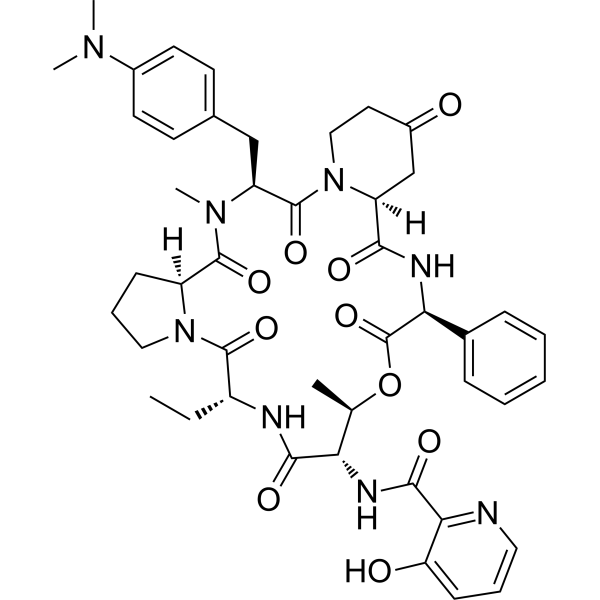
  • HY-A0279A
    Pristinamycin IA
    1 Publications Verification

    Mikamycin B; Mikamycin Ia

    Bacterial Antibiotic Infection
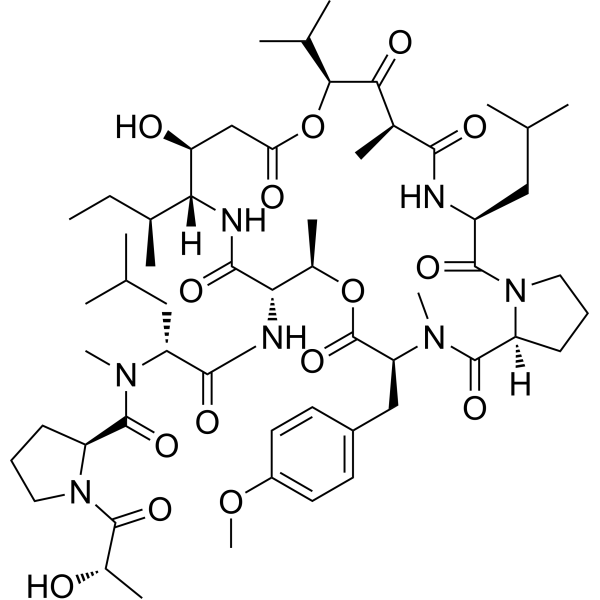
    Pristinamycin IA (Mikamycin B) is a cycle-peptidic macrolactone antibiotic. Pristinamycin IA is a substrate of P-glycoprotein and inhibits its function. Pristinamycin IA is active against StaphyloEoccus and Srreptococcus .
    Pristinamycin IA
  • HY-100734
    Histone Acetyltransferase Inhibitor II
    1 Publications Verification

    Histone Acetyltransferase Cancer
    Histone Acetyltransferase Inhibitor II (compound 2c) is a potent, selective and cell permeable p300 histone acetyltransferase inhibitor, with an IC50 of 5 µM. Histone Acetyltransferase Inhibitor II shows anti-acetylase activity in mammalian cells .
    Histone Acetyltransferase Inhibitor II
  • HY-B1915
    Micronomicin
    1 Publications Verification

    Gentamicin C2b; Antibiotic XK-62-2; Sagamicin

    Antibiotic Bacterial Infection
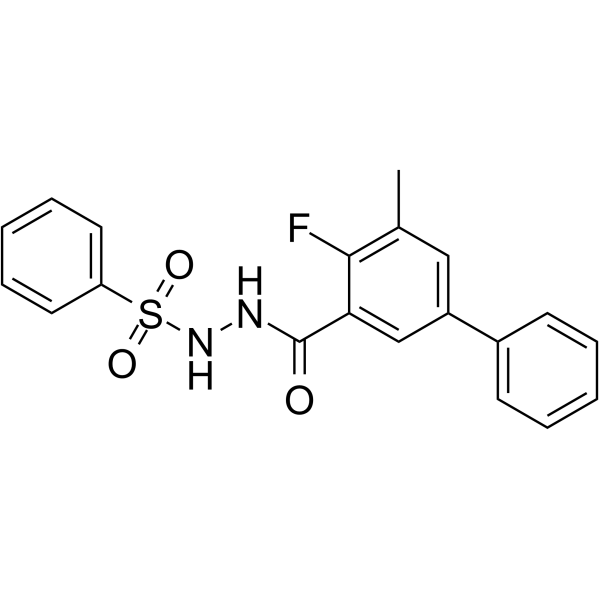
    Micronomicin (Gentamicin C2b) is an aminoglycoside antibiotic, with antibacterial and bactericidal activities .
    Micronomicin
  • HY-B0509
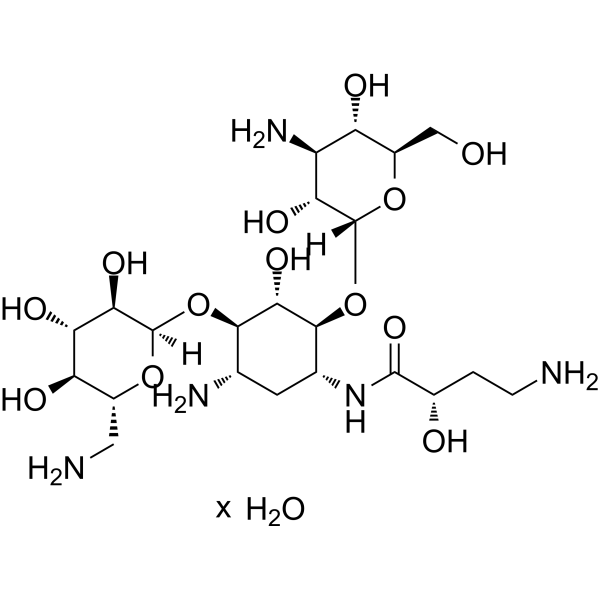
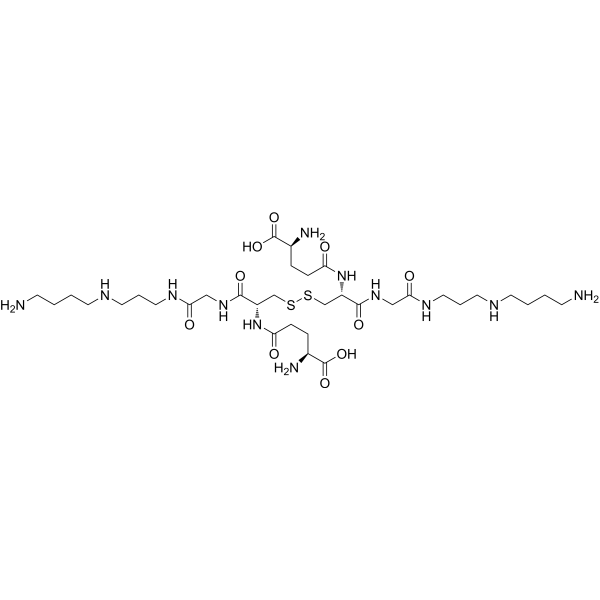
    Amikacin hydrate
    25+ Cited Publications

    BAY 41-6551 hydrate

    Bacterial Antibiotic Infection Cancer
    Amikacin hydrate (BAY 41-6551 hydrate) is an aminoglycoside antibiotic and a semisynthetic analog of kanamycin. Amikacin hydrate is bactericidal, acting directly on the 30S and 50S bacerial ribosomal subunits to inhibit protein synthesis. Amikacin hydrate is very active against most Gram-negative bacteria including gentamicin- and tobramycin-resistant strains. Amikacin hydrate also inhibits the infections caused by susceptible Nocardia and nontuberculous mycobacteria [2].
    Amikacin hydrate
  • HY-B0343A
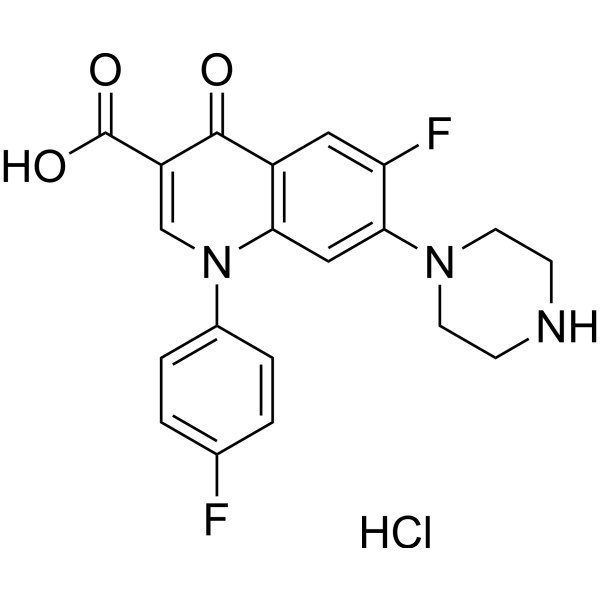
    Sarafloxacin hydrochloride
    2 Publications Verification

    A-56620 hydrochloride

    Bacterial Infection Inflammation/Immunology
    Sarafloxacin hydrochloride (A-56620 hydrochloride) is a fluoroquinolone Antibacterial agent. Sarafloxacin inhibits the growth of Staphylococcus aureus, Enterobacteriaceae, and both aminoglycoside-sensitive and aminoglycoside-resistant strains of Pseudomonas aeruginosa [2].
    Sarafloxacin hydrochloride
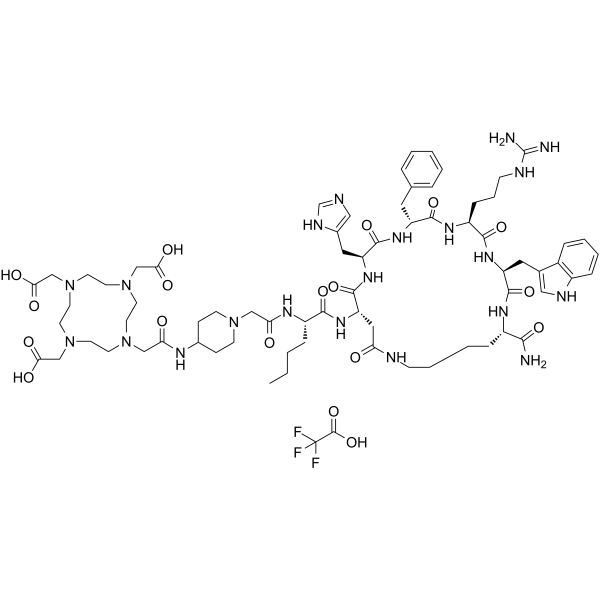
  • HY-P10136A
    IA9 TFA
    2 Publications Verification

    human TREM-2 182-190 TFA

    TREM receptor Inflammation/Immunology
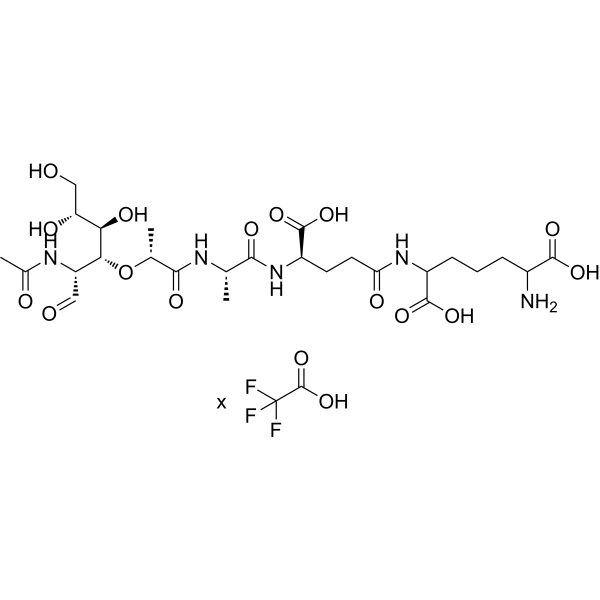
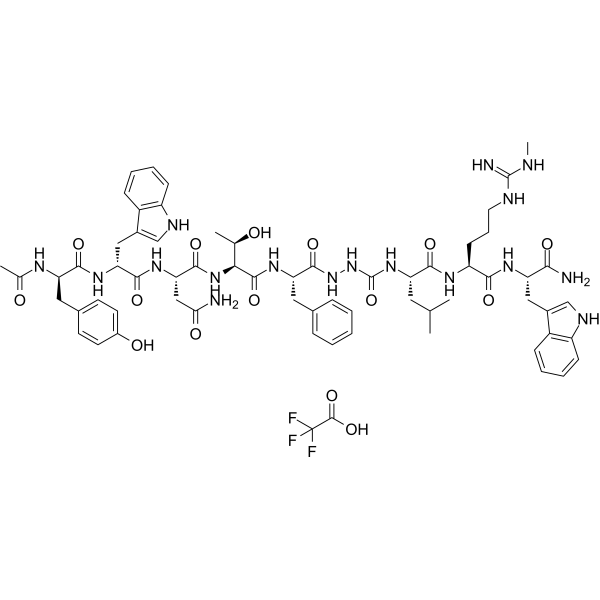
    IA9 TFA (human TREM-2 182-190 TFA) is a potent, CNS-penetrant TREM-2 inhibitor. IA9 TFA can diminish the release of proinflammatory cytokines and suppress joint inflammation and damage in a Collagen (HY-P5003)-induced arthritis (CIA) mouse model. IA9 TFA can be used for neuroinflammation PET imaging. IA9 TFA can be used for Rheumatoid arthritis (RA) and neuroinflammation research [2].
    IA9 TFA
  • HY-116622

    L-822179

    GABA Receptor Neurological Disease
    α5IA (L-822179) is a selective α5 GABAA receptor inverse agonist with neuroprotective potential .
    α5IA
  • HY-115349

    Antibiotic Bacterial Infection Neurological Disease Cancer
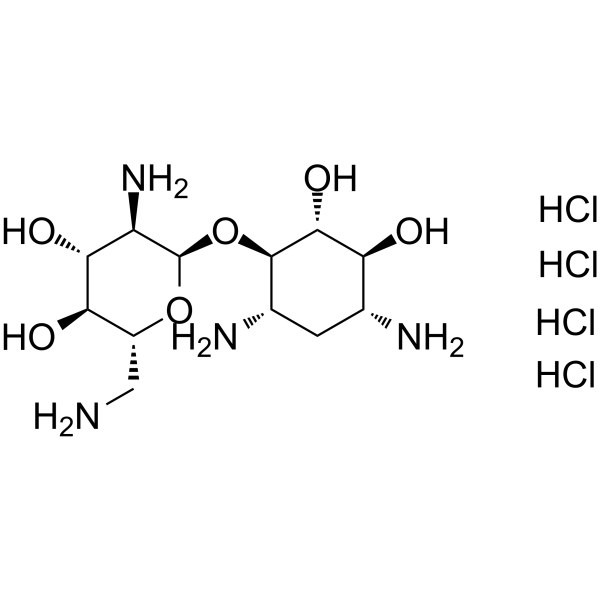
    Neamine tetrahydrochloride, a degradation product of Neomycin, is a broad-spectrum aminoglycoside antibiotic. Neamine tetrahydrochloride is an anti-angiogenesis agent targeting angiogenin. Neamine tetrahydrochloride has potent antibacterial, antitumor and neuroprotective activities [2].
    Neamine tetrahydrochloride
  • HY-N125722

    Aabomycin A1

    ATP Synthase Antibiotic Infection
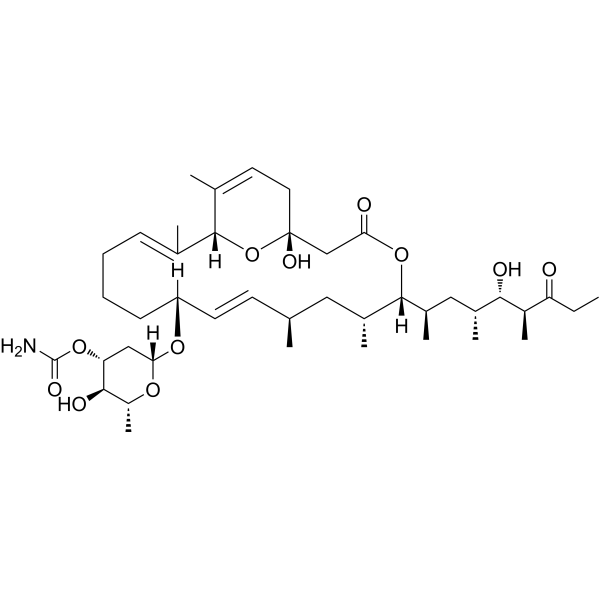
    Venturicidin A (Aabomycin A1), from actinomycetes, is a membrane-active natural product inhibitor of ATP synthase. Venturicidin A potentiates the aminoglycoside antibiotic gentamicin against multidrug-resistant clinical isolates of Staphylococcus, Enterococcus, and Pseudomonas aeruginosa. Venturicidin A shows noticeable toxicity toward human embryonic-kidney (HEK)cells with an IC50 of 31 μg/mL.
    Venturicidin A
  • HY-B1197

    CL-34699

    Glucocorticoid Receptor NO Synthase Interleukin Related TNF Receptor Inflammation/Immunology Endocrinology
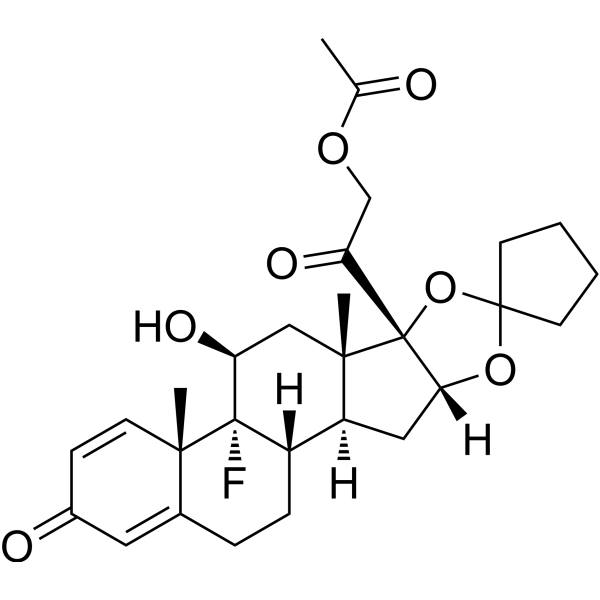
    Amcinonide is an inhibitor of NO release (IC50 = 3.38 nM). Amcinonide inhibits NNC-induced expression of the proinflammatory genes iNOS, TNF-α, and IL-1β in glial cells. Amcinonide reduces the numbers of T6+/Ia+ cells with a concomitant increase in T6+/Ia- cells. Amcinonide induces a selective reduction in expression of Ia antigens. Amcinonide can also be studied in research for eczematous dermatitis [2] .
    Amcinonide
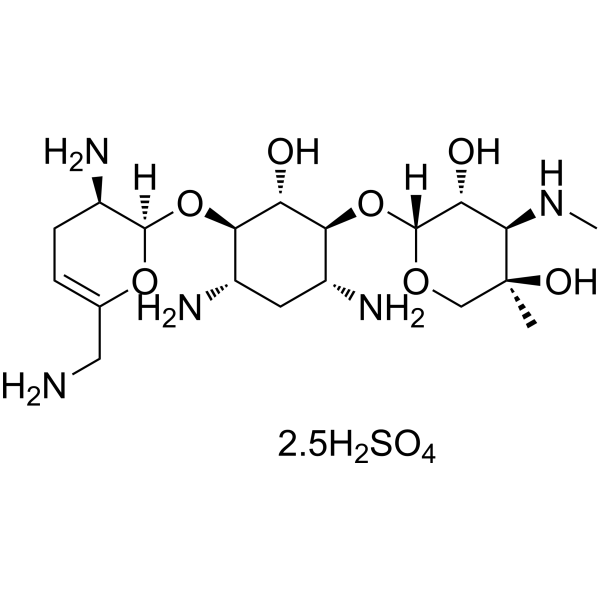
  • HY-16955A
    Plazomicin sulfate
    1 Publications Verification

    ACHN 490 sulfate

    Antibiotic Bacterial Infection
    Plazomicin (ACHN 490) sulfate is a semi-synthetic aminoglycoside Antibiotic. Plazomicin sulfate acts as a substrate for Aminoglycoside acetyltransferase and Aminoglycoside phosphotransferase. Plazomicin sulfaten is not modified by various common aminoglycoside-modifying enzymes. Plazomicin sulfate selectively inhibits MATE2-K. Plazomicin sulfate exhibits activity against multidrug-resistant bacteria, including carbapenem-resistant Enterobacterales [2].
    Plazomicin sulfate
  • HY-N1474

    Cholinesterase (ChE) Infection Inflammation/Immunology Cancer
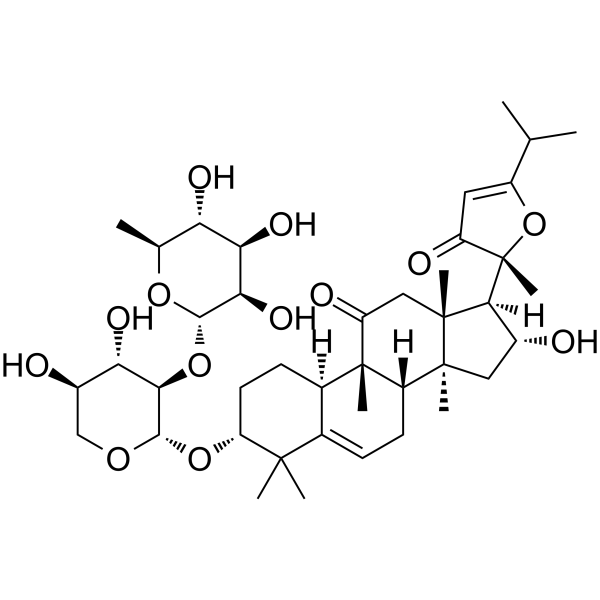
    Picfeltarraenin IA, a triterpenoid obtained from Picriafel-terrae Lour (P.fel-terrae), is an acetylcholinesterase (AChE) inhibitor. Picfeltarraenin IA can be used for the treatment of herpes infections, cancer and inflammation .
    Picfeltarraenin IA
  • HY-131035

    Lys-coenzyme A

    Histone Acetyltransferase Cancer
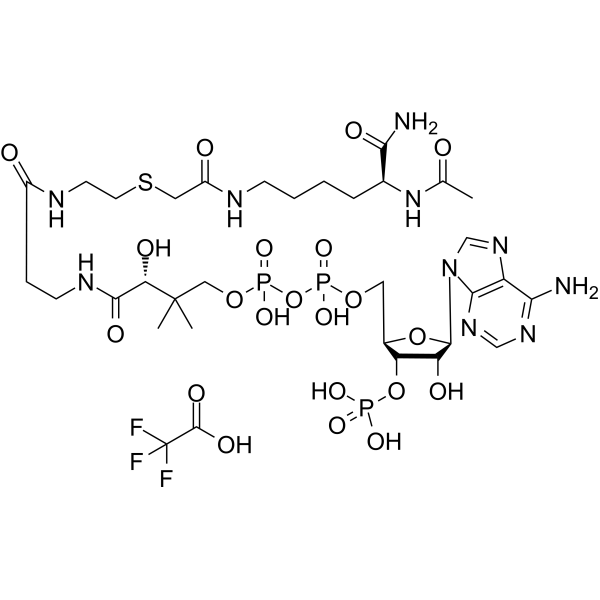
    Lys-CoA TFA is a selective p300 histone acetyltransferase (HAT) inhibitor (IC50=50-500 nM). Lys-CoA TFA displays >100-fold selectivity for p300 over PCAF (IC50=200 μM). Lys-CoA TFA inhibits p300 HAT activity-dependent transcriptional activation [2].
    Lys-CoA TFA
  • HY-P1047

    [Pro18, Asp21] β-Amyloid (17-21)

    Amyloid-β Neurological Disease
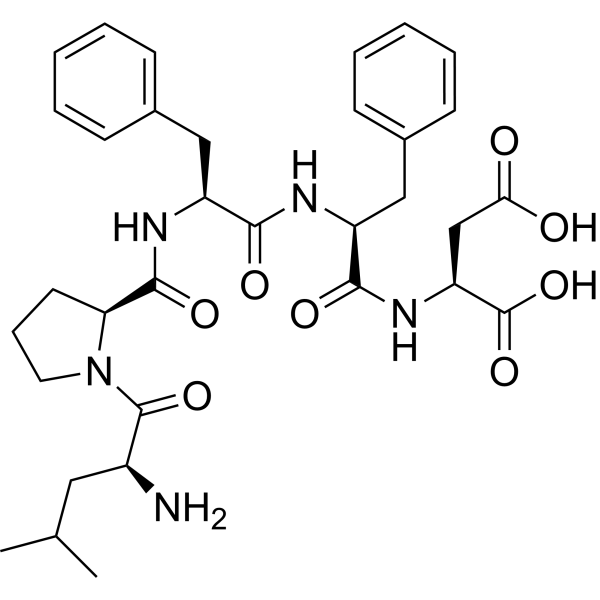
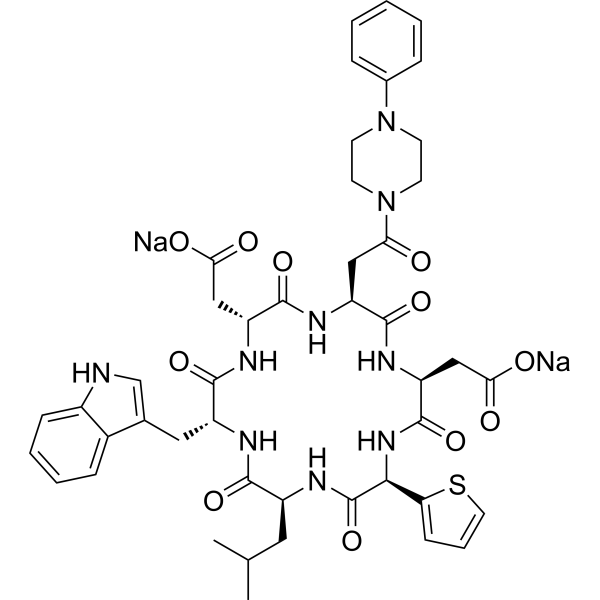
    β-Sheet Breaker Peptide iAβ5 is an effective brain amyloid-β (Abeta) degrader. Abeta deposits are associated with Alzheimer's disease (AD), and the related toxicity arises from its β-sheet conformation and aggregation. β-Sheet Breaker Peptide iAβ5 can repeatedly induce the degradation of fibrillary amyloid deposits in vivo. Therefore, β-Sheet Breaker Peptide iAβ5 can prevent and/or reverse neuronal contraction caused by Abeta and reduce the range of interleukin IL-1beta positive microglial-like cells around Abeta deposits. β-Sheet Breaker Peptide iAβ5 can reduce the size and/or number of brain amyloid plaques in AD. β-Sheet Breaker Peptide iAβ5 is labeled with a hydrophobic benzyl alcohol (HBA) tag and shows a bright blue color under acidic conditions, which can be used for quantitative determination.
    β-Sheet Breaker Peptide iAβ5
  • HY-N0556

    HIV Protease Infection
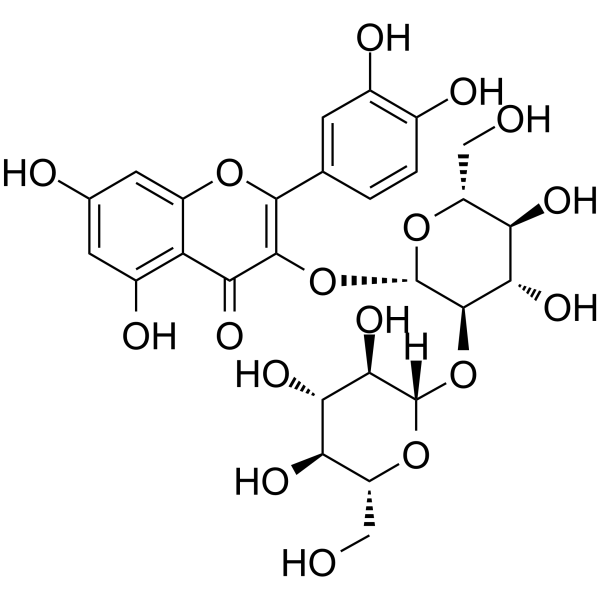
    Isoescin IA is a triterpenoid saponin isolated from the seeds of Aesculus chinensis. Isoescin IA has anti-HIV-1 protease activity .
    Isoescin IA
  • HY-P990188

    MHC Inflammation/Immunology
    Anti-Mouse MHC class II (I-A) Antibody (Y-3P) is a mouse-derived IgG2a κ type antibody inhibitor, targeting to mouse MHC class II. Anti-Mouse MHC class II (I-A) Antibody (Y-3P) reacts with mouse MHC Class II haplotypes I-Ab, I-Af, I-Ap, I-Aq, I-Ar, I-As, I-Au, I-Av, and weakly with I-Ak. Anti-Mouse MHC class II (I-A) Antibody (Y-3P) blocks MHC class II and inhibits expansion of regulate T cells. Anti-Mouse MHC class II (I-A) Antibody (Y-3P) can be used for the immunology research .
    Anti-Mouse MHC class II (I-A) Antibody (Y-3P)
  • HY-129677

    TRP Channel Others
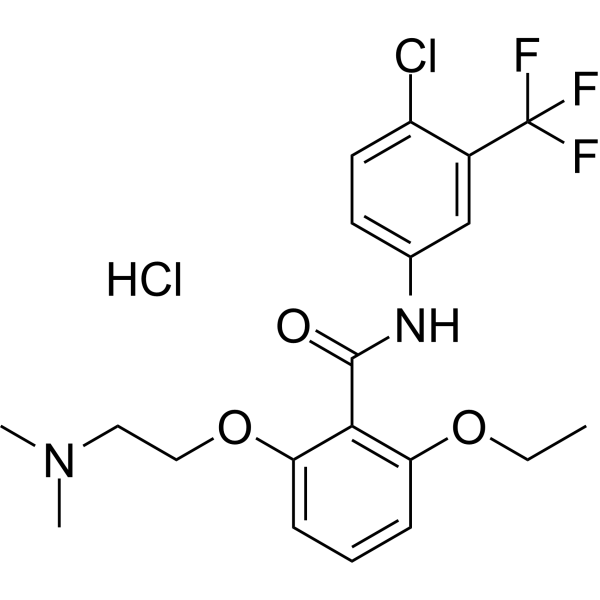
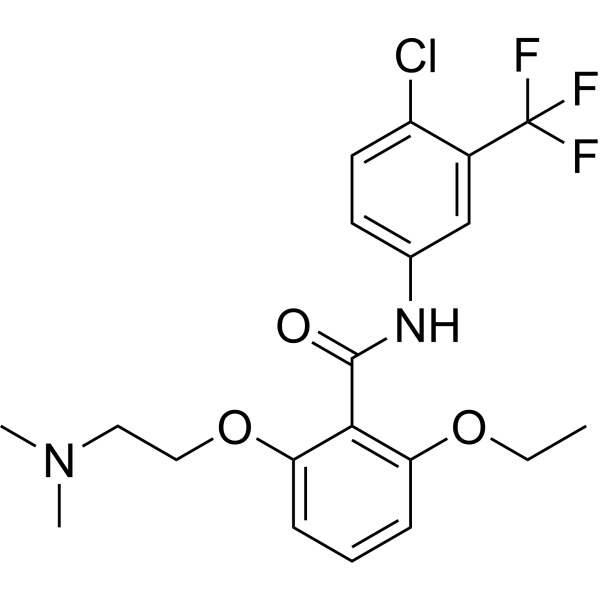
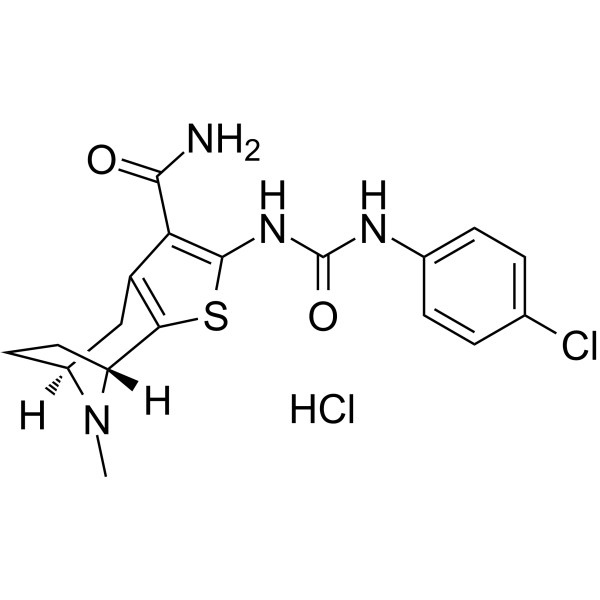
    ORC-13661 hydrochloride is a hair cell protector. ORC-13661 hydrochloride protects sensory hair cells from aminoglycoside and Cisplatin (HY-17394) ototoxicity. ORC-13661 hydrochloride is a reversibly mechanoelectrical transducer (MET) channel permeant blocker .
    ORC-13661 hydrochloride
  • HY-W100403

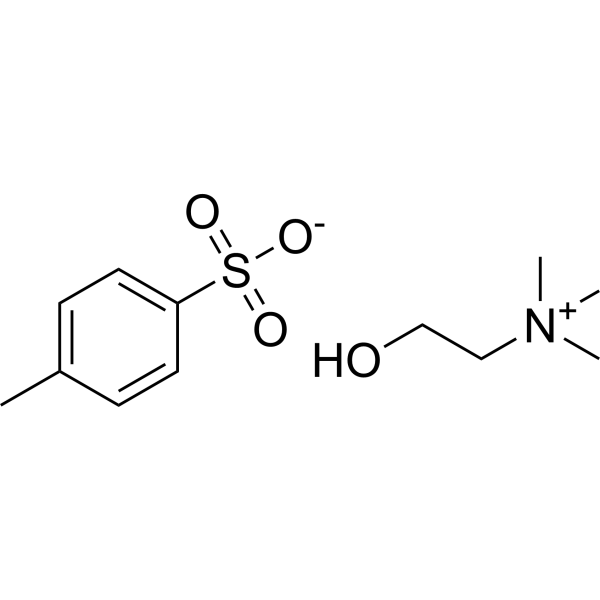
    Choline p-toluenesulfonate

    Phospholipase Others
    Choline tosylate (Choline p-toluenesulfonate) is an intermediate and also a substrate of choline acetyltransferase (CHAT). Choline tosylate inhibits phospholipase A2 and phospholipase C .
    Choline tosylate
  • HY-B0470R

    Reference Standards Bacterial Antibiotic Phospholipase Infection Cancer
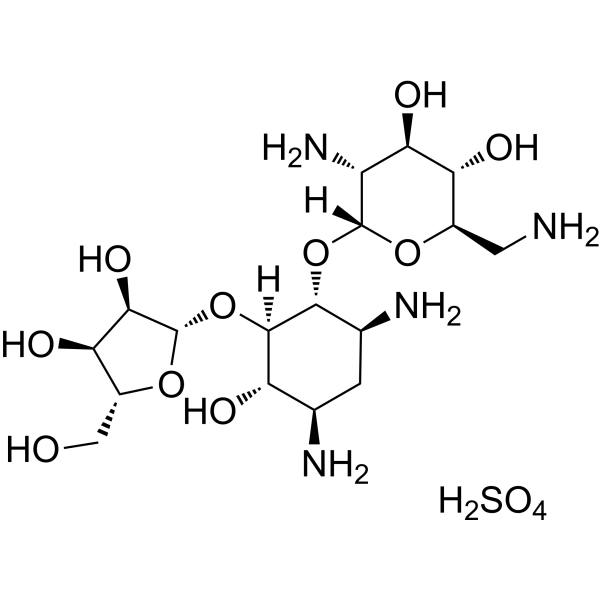
    Neomycin (sulfate) (Standard) is the analytical standard of Neomycin (sulfate). This product is intended for research and analytical applications. Neomycin sulfate, an aminoglycoside antibiotic, exerts antibacterial activity through irreversible binding of the nuclear 30S ribosomal subunit, thereby blocking bacterial protein synthesis. Neomycin sulfate is a known phospholipase C (PLC) inhibitor. Neomycin sulfate potently inhibits both nuclear translocation of angiogenin and angiogenin-induced cell proliferation and angiogenesis [2].
    Neomycin sulfate (Standard)
  • HY-174868

    Ligands for Target Protein for PROTAC Histone Acetyltransferase Cancer
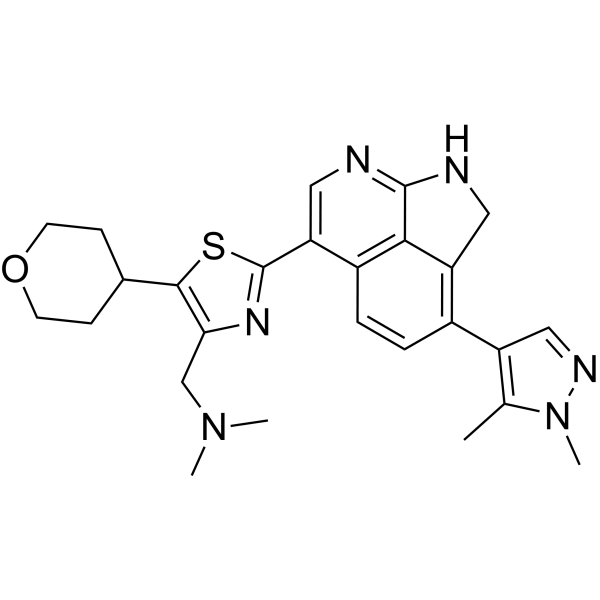
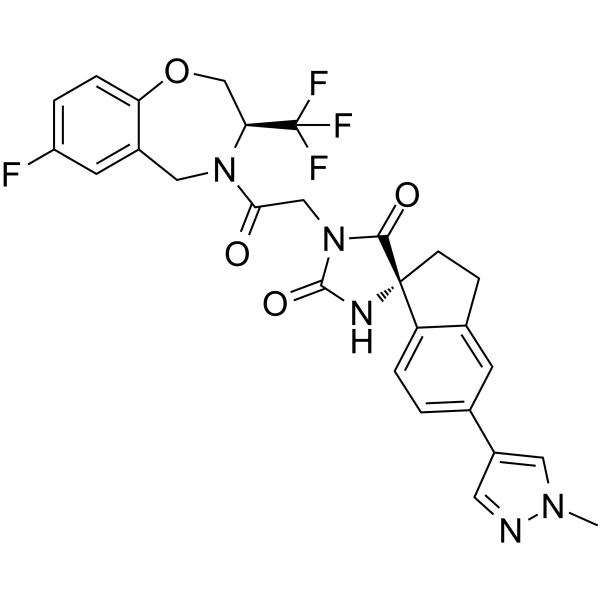
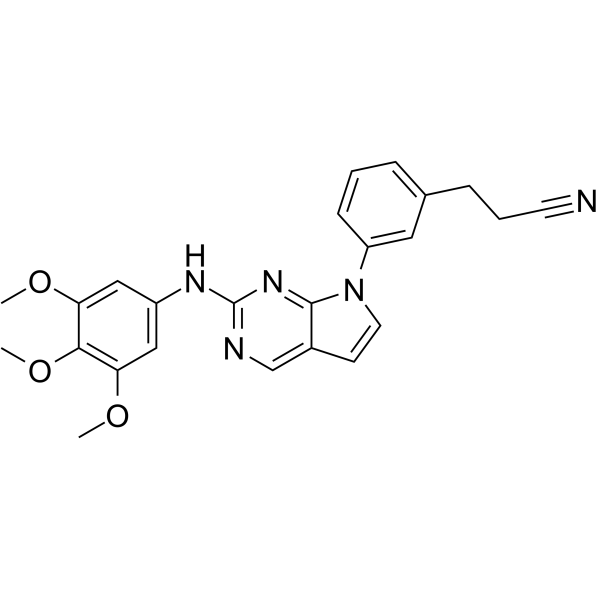
    iP300w (Compound 9) is a Histone acetyltransferase p300 (KAT3B) inhibitor. iP300w can be used for synthesis of PROTAC BT-O2C (HY-174866) .
    iP300w
  • HY-178946

    IRE1 Cancer
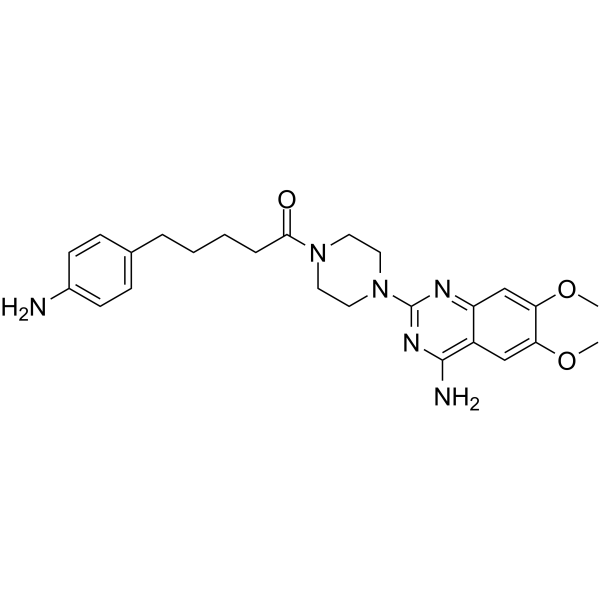
    IA107 is a potent, selective, and allosteric IRE1α RNase (IC50 = 16 nM (non phosphorylated), IC50 = 9 nM (phosphorylated)) inhibitor. IA107 can inhibit endoplasmic reticulum stress-induced XBP1 mRNA splicing and protein expression, and has no cytotoxicity .
    IA107
  • HY-B1329R

    Nebramycin II sulfate (Standard)

    Reference Standards Bacterial Antibiotic Infection
    Apramycin (sulfate) (Standard) is the analytical standard of Apramycin (sulfate). This product is intended for research and analytical applications. Apramycin (EBL 1003) is an orally active, acidic pH tolerant and aminoglycoside-modifying-enzymes-tolerant aminoglycoside antibiotic which inhibits protein biosynthesis by targeting the bacterial ribosome. Apramycin is a potential anti-drug-resistance antibiotic [2] .
    Apramycin sulfate (Standard)
  • HY-124957

    Cholinesterase (ChE) Apoptosis Cancer
    β-NETA is a potent and noncompetitive choline acetyltransferase (ChA; IC50=76 μM) and cholinesterase (ChE; IC50=40 μM) inhibitor. β-NETA weakly inhibits acetylcholinesterase (AChE; IC50=1 mM) [2].
    β-NETA
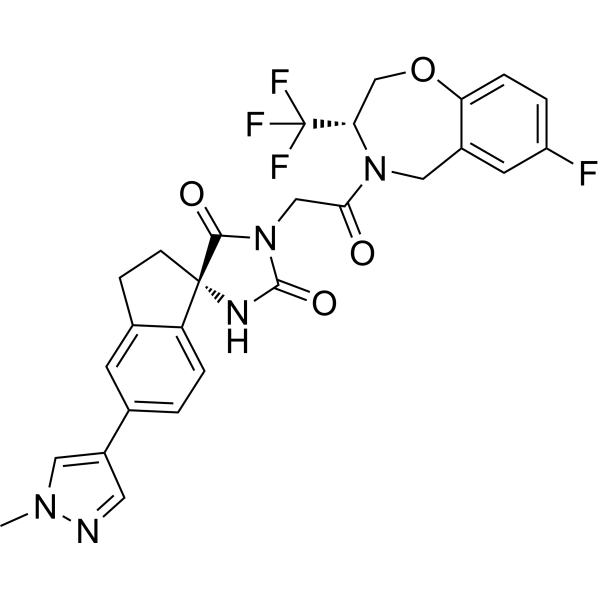
  • HY-147261

    Histone Acetyltransferase Cancer
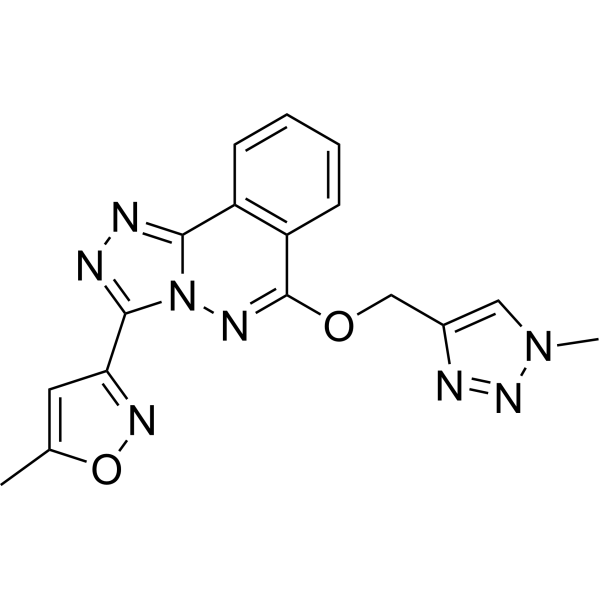
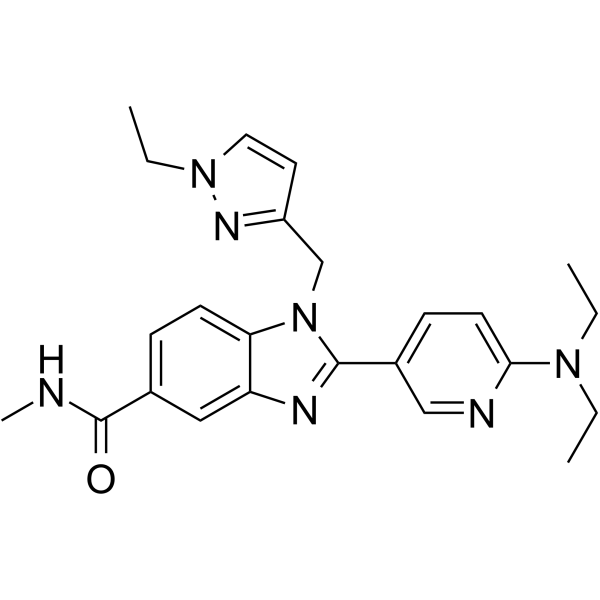
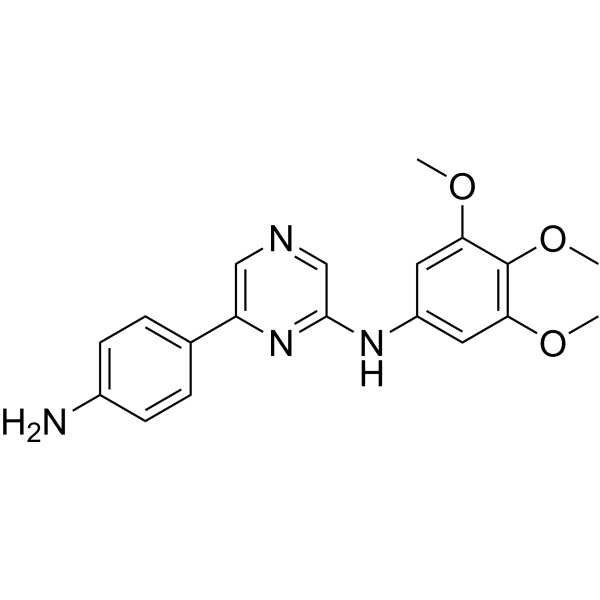
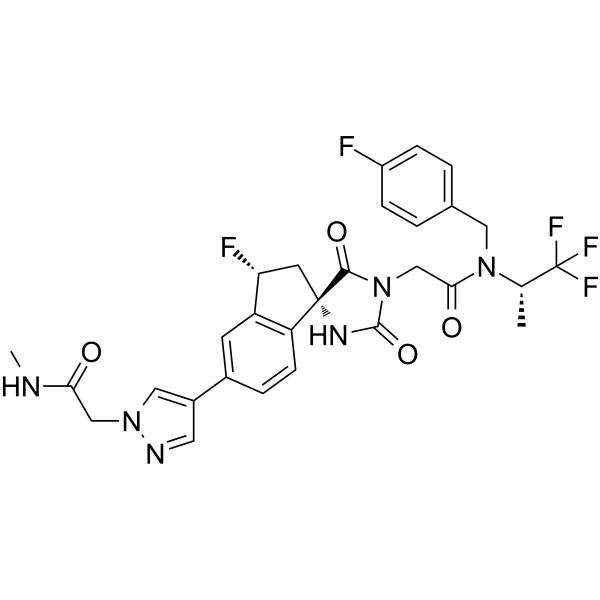
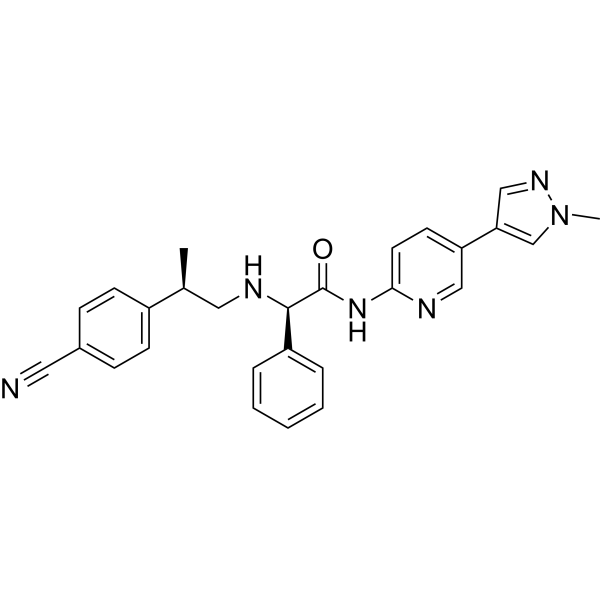
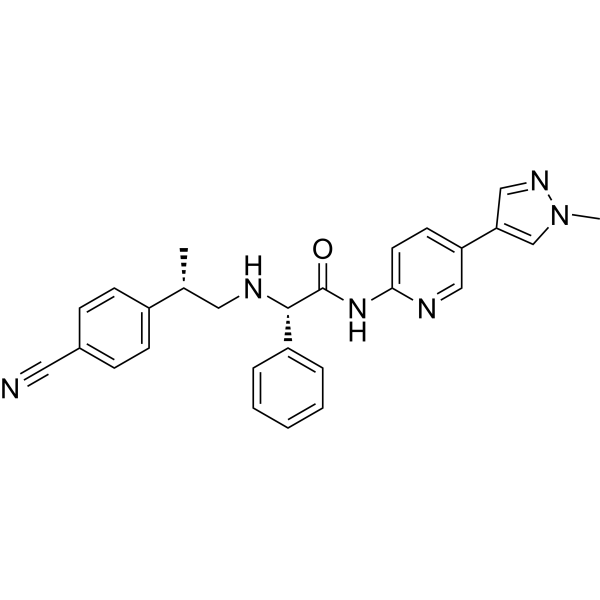
    B026 is a selective, potent, orally active p300/CBP histone acetyltransferase (HAT) inhibitor with IC50 values of 1.8 nM and 9.5 nM for p300 and CBP enzyme, respectively. B026 has anticancer activity for androgen receptor-positive (AR+) prostate cancer cell lines .
    B026
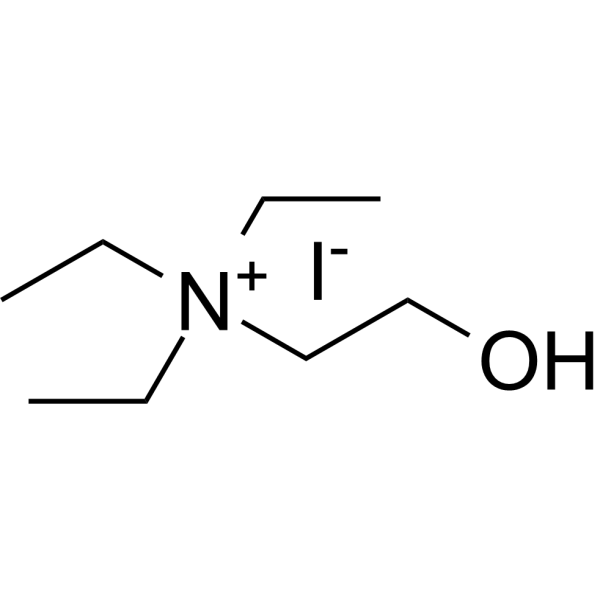
  • HY-W127668

    Acyltransferase Neurological Disease
    Triethylcholine iodide is a choline acetyltransferase inhibitor and a regulator of the acetylcholine synthesis pathway. Triethylcholine iodide inhibits acetylcholine synthesis in brain tissues and blocks neuromuscular and autonomic ganglionic transmission. Triethylcholine iodide exerts weak curare-like effects at extremely high concentrations. Triethylcholine iodide elevates the pentylenetetrazol seizure threshold, alters electroencephalogram patterns in Felis catus, but does not affect the maximal electroshock seizure threshold in Oryctolagus cuniculus. Triethylcholine iodide can be used in seizure-related research [2].
    Triethylcholine iodide
  • HY-E70394

    Acetonyl-coenzyme A

    Biochemical Assay Reagents N-myristoyltransferase Metabolic Disease
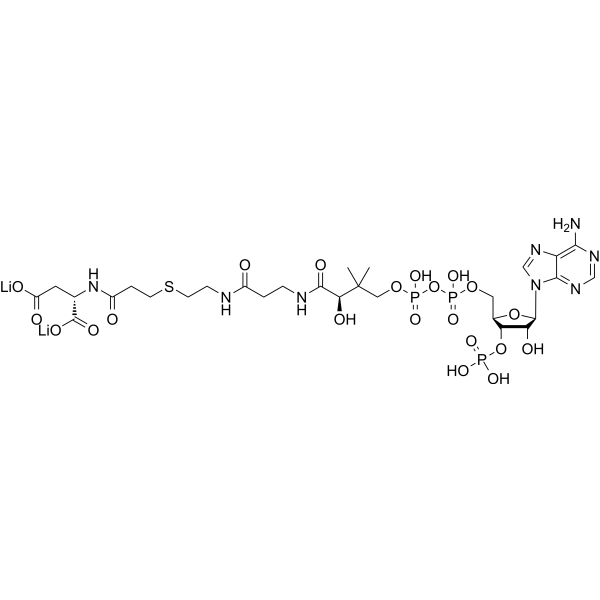
    S-Acetonyl-CoA (Acetonyl-coenzyme A) is a non-reactive structural analog of acetyl-CoA that acts as a competitive inhibitor against multiple target enzymes. S-Acetonyl-CoA lacks the characteristic thioester group of acetyl-CoA, retaining only a thioether structure. S-Acetonyl-CoA competes with acetyl-CoA for binding to citrate synthase, phosphate transacetylase, carnitine acetyltransferase, and N-myristoyltransferase 1. S-Acetonyl-CoA serves as a reagent for investigating acetyl-CoA-dependent physiological processes .
    S-Acetonyl-CoA
  • HY-127054

    Sch 20569

    Antibiotic Bacterial Infection
    Netilmicin (Sch 20569) is a broad-spectrum semisynthetic aminoglycoside antibiotic. Netilmicin exhibits antibacterial activity against aminoglycoside-susceptible gram-negative strains and aminoglycoside-resistant strain, such as Escherichia coli, Pseudomonas aeruginosa, Proteus, Staphylococcus aureus, Streptococcus, Serratia, and Enterobacter, with MIC of 0.125-8 μg/mL .
    Netilmicin
  • HY-16955

    ACHN 490

    Antibiotic Bacterial Infection Inflammation/Immunology
    Plazomicin (ACHN 490) is a semi-synthetic aminoglycoside Antibiotic. Plazomicin acts as a substrate for Aminoglycoside acetyltransferase and Aminoglycoside phosphotransferase. Plazomicin is not modified by various common aminoglycoside-modifying enzymes. Plazomicin selectively inhibits MATE2-K. Plazomicin exhibits activity against multidrug-resistant bacteria, including carbapenem-resistant Enterobacterales [2].
    Plazomicin
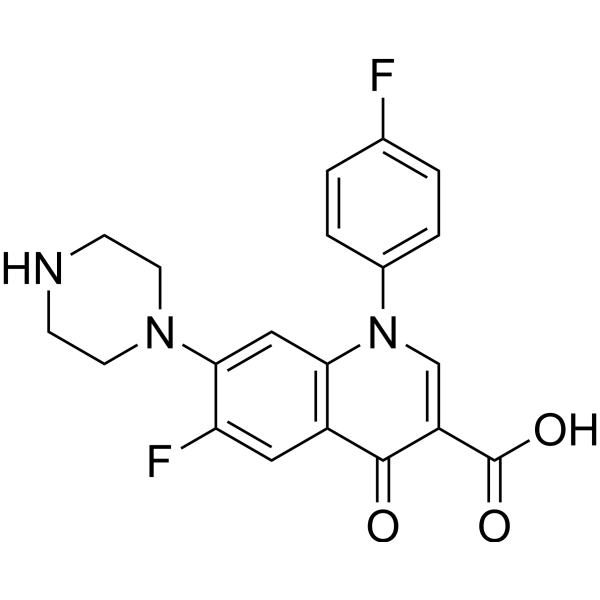
  • HY-B0343

    A-56620

    Bacterial Infection Inflammation/Immunology
    Sarafloxacin (A-56620) is a fluoroquinolone Antibacterial agent. Sarafloxacin inhibits the growth of Staphylococcus aureus, Enterobacteriaceae, and both aminoglycoside-sensitive and aminoglycoside-resistant strains of Pseudomonas aeruginosa [2].
    Sarafloxacin
  • HY-17558
    Apramycin
    4 Publications Verification

    Nebramycin II

    Bacterial Antibiotic Infection
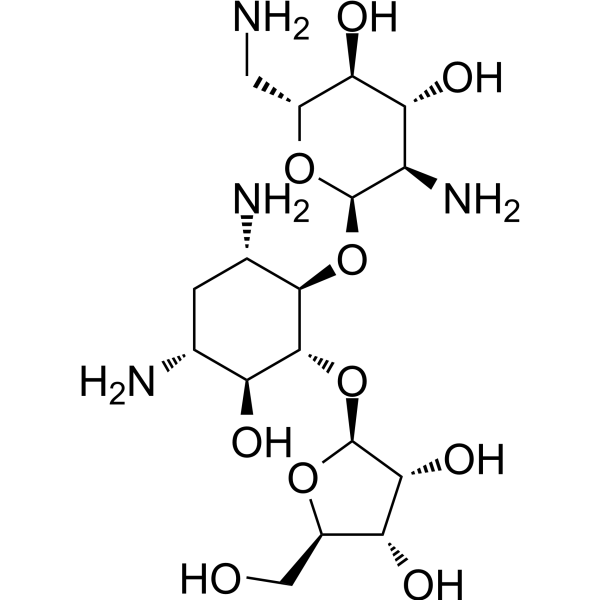
    Apramycin (Nebramycin II) is an orally active, acidic pH tolerant and aminoglycoside-modifying-enzymes-tolerant aminoglycoside antibiotic which inhibits protein biosynthesis by targeting the bacterial ribosome. Apramycin is a potential anti-drug-resistance antibiotic [2] .
    Apramycin
  • HY-N0556R

    Reference Standards HIV Protease Infection
    Isoescin IA (Standard) is the analytical standard of Isoescin IA. This product is intended for research and analytical applications. Isoescin IA is a triterpenoid saponin isolated from the seeds of Aesculus chinensis. Isoescin IA has anti-HIV-1 protease activity .
    Isoescin IA (Standard)
  • HY-124790

    Kinesin Mitosis Cancer
    KSP-IA (compound 17) is a potent kinesin spindle protein (KSP) inhibitor with an IC50 value of 3.6 nM. KSP-IA inhibits cell mitosis .
    KSP-IA

Inquiry Online

Your information is safe with us. * Required Fields.

Salutation


Country or Region *

Applicant Name *


Organization Name *

Department *


Email Address *


Product Name *

Cat. No.


Requested quantity *

Phone Number *


Remarks

Inquiry Online

Inquiry Information

Product Name:
Cat. No.:
Quantity:
MCE Japan Authorized Agent: