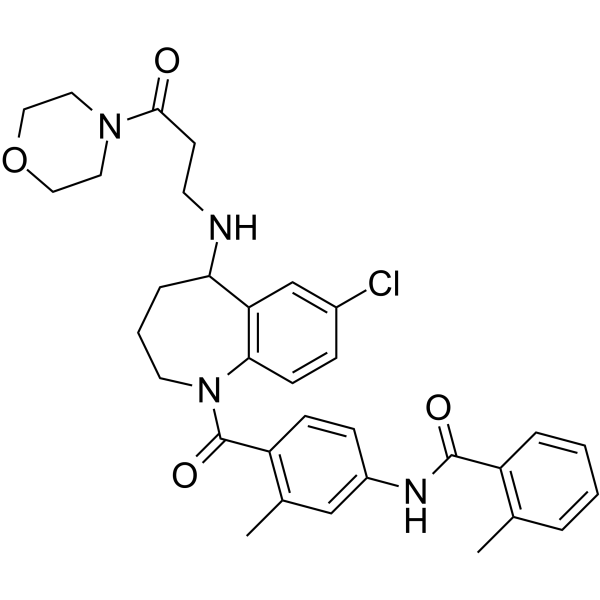
1. Search Result
Search Result
Pathways Recommended: Stem Cell/Wnt Cell Cycle/DNA Damage
Results for "

renal cells

" in MedChemExpress (MCE) Product Catalog:

348

Inhibitors & Agonists

1

Screening Libraries

2

Fluorescent Dyes

18

Biochemical Assay Reagents

25

Peptides

26

Inhibitory Antibodies

70

Natural
Products

10

Isotope-Labeled Compounds

2

Click Chemistry

4

Oligonucleotides

1

GMP Molecules

Cat. No. Product Name Target Research Areas Chemical Structure
  • HY-P99023
    Girentuximab
    1 Publications Verification

    G250; cG250

    Carbonic Anhydrase Cancer
    Girentuximab (G250) is a chimeric monoclonal antibody that binds carbonic anhydrase IX (CAIX), a cell surface glycoprotein ubiquitously expressed in clear cell renal cell carcinoma (ccRCC) .
    Girentuximab
  • HY-164734

    R-DXd; DS-6000

    Antibody-Drug Conjugates (ADCs) Cancer
    Raludotatug Deruxtecan is an antibody-drug conjugate targeting CDH6, with an EC50 of 64.7 ng/mL in humans, 70.4 ng/mL in cynomolgus monkeys, and 228 ng/mL in mice. Raludotatug Deruxtecan specifically binds to CDH6 on the surface of cancer cells, triggers lysosomal internalization, and releases the DXd payload that inhibits TOP1. Raludotatug Deruxtecan induces DNA damage, Chk1 phosphorylation, caspase-3 cleavage, apoptosis, and bystander cell death. Raludotatug Deruxtecan is applicable to research related to serous ovarian cancer and renal cell carcinoma .
    Raludotatug Deruxtecan
  • HY-18728
    STF-31
    15+ Cited Publications

    GLUT Autophagy Cancer
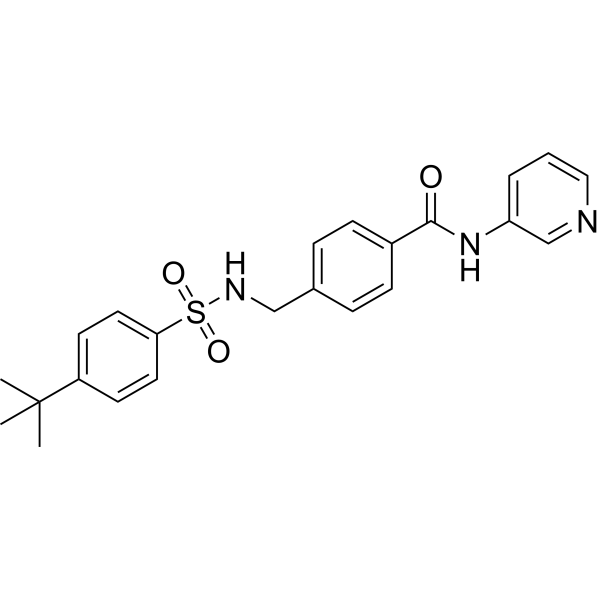
    STF-31 is a selective inhibitor of glucose transporter 1 (GLUT1), with an IC50 of 1 μM. STF-31 is also a NAMPT inhibitor. STF-31 inhibits glucose uptake in renal cell carcinoma (RCC) 4 cells .
    STF-31
  • HY-P10899

    PROTACs TGF-beta/Smad Endocrinology
    ETTAC-2 is a LRG1 PROTAC degrader, degrading LRG1 via the ubiquitin-proteasome pathway with a DC50 value of 8.38 μM. ETTAC-2 penetrates damaged renal cells to reduce the extracellular secretion of LRG1. ETTAC-2 effectively inhibits the TGF-β-Smad3 signaling pathway and diminishes the secretion of fibrosis-associated extracellular matrix proteins. ETTAC-2 degrades LRG1 within fibrotic kidneys and the efficacy in inhibiting the TGF-β-Smad3 pathway both in vitro and vivo. ETTAC-2 can be used for renal fibrosis research .
    ETTAC-2
  • HY-W195984
    Z57346765
    1 Publications Verification

    Phosphoglycerate Kinase (PGK) Cancer
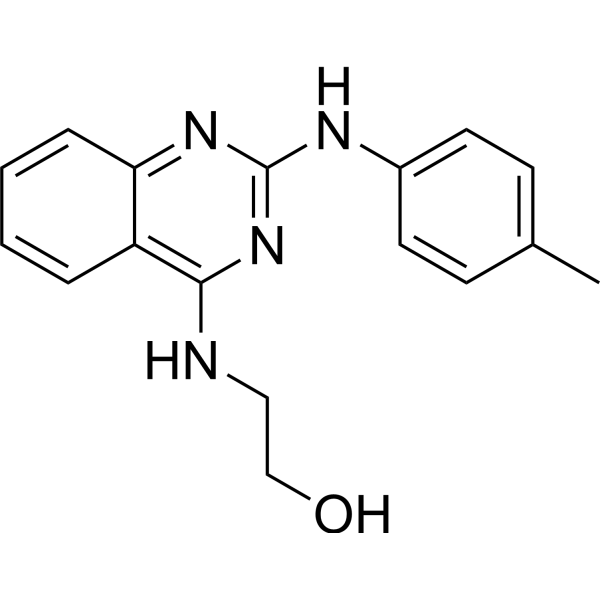
    Z57346765 is an inhibitor that targets the ADP-binding pocket of PGK1, with a Kd of 20.9 μM for human PGK1, and exhibits anticancer activity. Z57346765 reduces the activity of the metabolic enzyme PGK1 during glycolysis, regulates lipid peroxidation and cancer cell proliferation, and promotes lipid peroxidation in cervical cancer cells. Z57346765 inhibits the proliferation of cervical cancer and clear cell renal cell carcinoma cells in xenograft mouse models, and induces the expression of genes associated with cell metabolism, DNA replication and cell cycle. Z57346765 is used in research related to cervical cancer, clear cell renal cell carcinoma and breast cancer .
    Z57346765
  • HY-D0067
    7ACC1
    5+ Cited Publications

    DEAC; Coumarin D 1421; D 1421

    Monocarboxylate Transporter Cancer
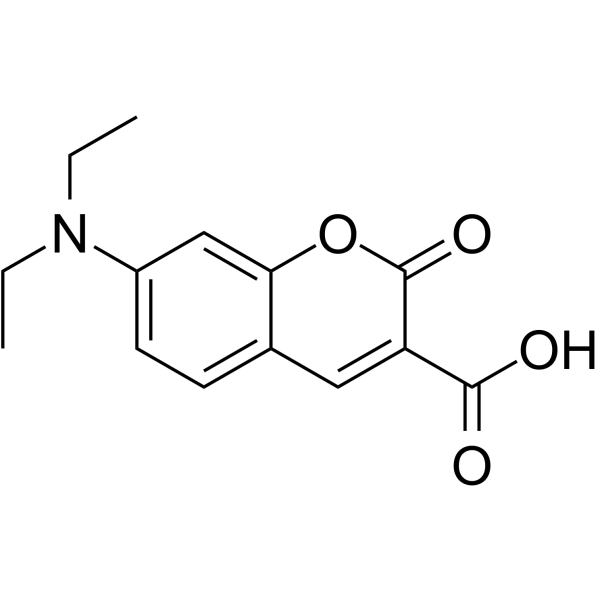
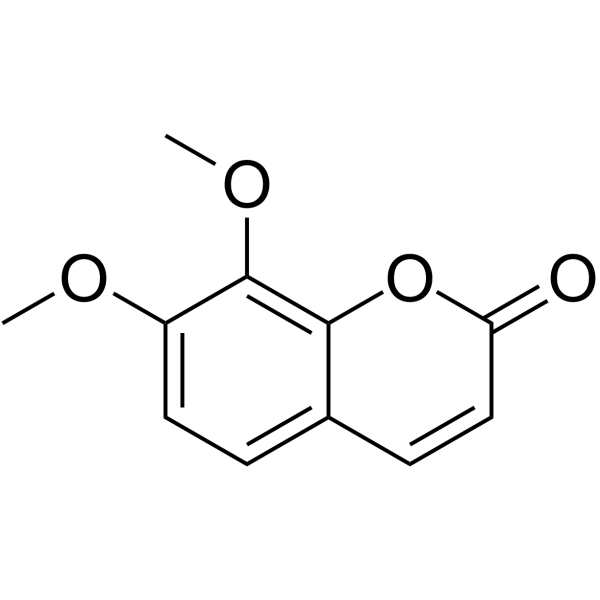
    7ACC1 (DEAC; Coumarin D 1421; D 1421) is a monocarboxylate transporter 1 (MCT-1)/MCT-4 specifc blocker. 7ACC1 attenuates renal cancer cell proliferation, migration, invasion and down-regulates the levels of MCT1/MCT4 expression and extracellular lactate. 7ACC1 is promising for research of cancers .
    7ACC1
  • HY-152830

    Q702

    c-Fms TAM Receptor MHC Cancer
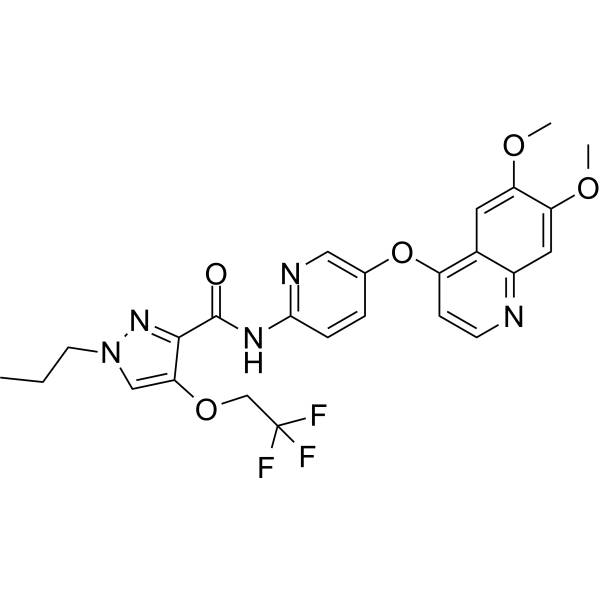
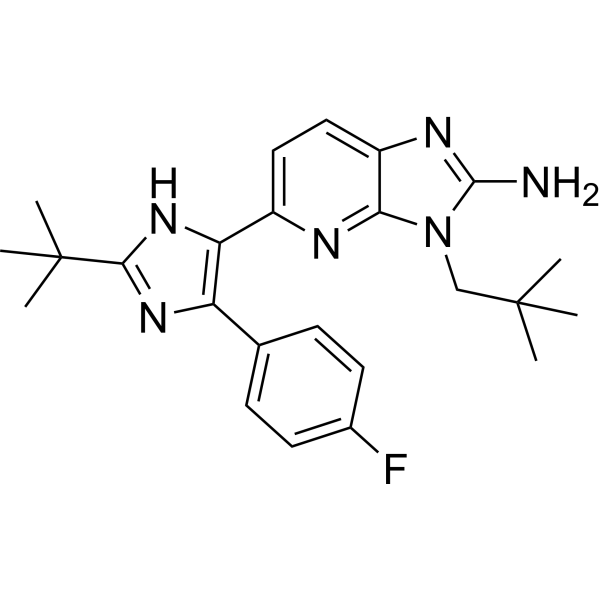
    Adrixetinib (Q702) is an orally active triple inhibitor against CSF1R, Mer, and Axl, with Kd values of 8.7 nM, 0.8 nM, and 0.3 nM, respectively. Adrixetinib acts as a potent immune modulator that remodels the tumor microenvironment. Adrixetinib increases the abundance of M1 macrophages and CD8⁺ T cells, while decreasing the levels of M2 macrophages and myeloid-derived suppressor cells (MDSCs). Adrixetinib upregulates the expression of MHC class I and E-cadherin in tumor cells. Adrixetinib shows remarkable antitumor efficacy in syngeneic mouse tumor models. Adrixetinib is suitable for the research of breast cancer, renal adenocarcinoma, colon carcinoma, and melanoma .
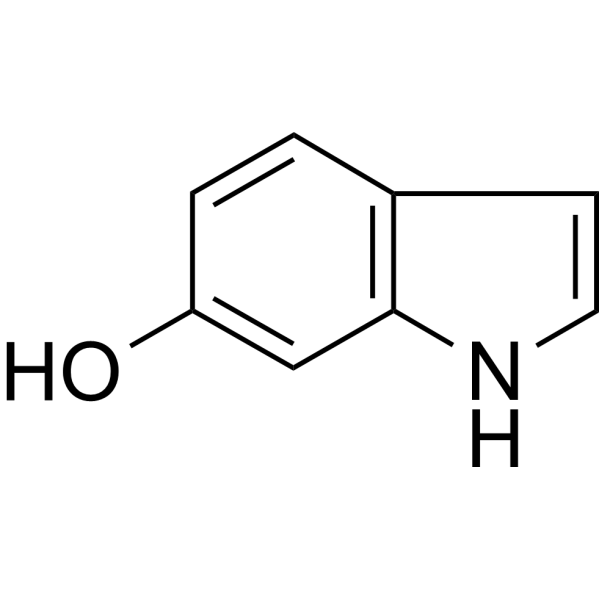
    Adrixetinib
  • HY-P990083

    AT-1501

    TNF Receptor Inflammation/Immunology
    Tegoprubart (AT-1501) is a CD40 ligand inhibitor (EC50=100 ng/mL) and immunosuppressant that selectively inhibits the CD40 ligand, a co-stimulatory molecule involved in T cell activation. Tegoprubart suppresses immune rejection, prevents rejection in animal transplantation models, and reduces cell-mediated and antibody-mediated immune responses to create a more immunotolerant environment. Tegoprubart preserves renal function when combined with Mycophenolate (HY-B0421) and Corticosteroids, and maintains graft function in preclinical studies. Tegoprubart is applicable to research related to kidney transplantation and kidney transplant rejection .
    Tegoprubart
  • HY-124529

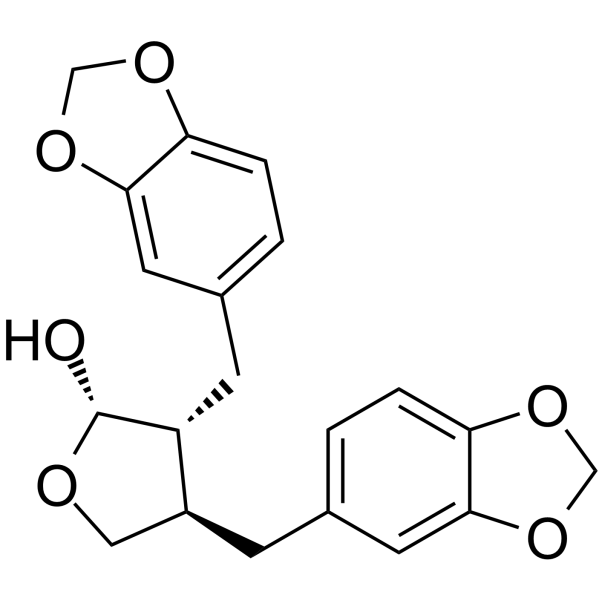
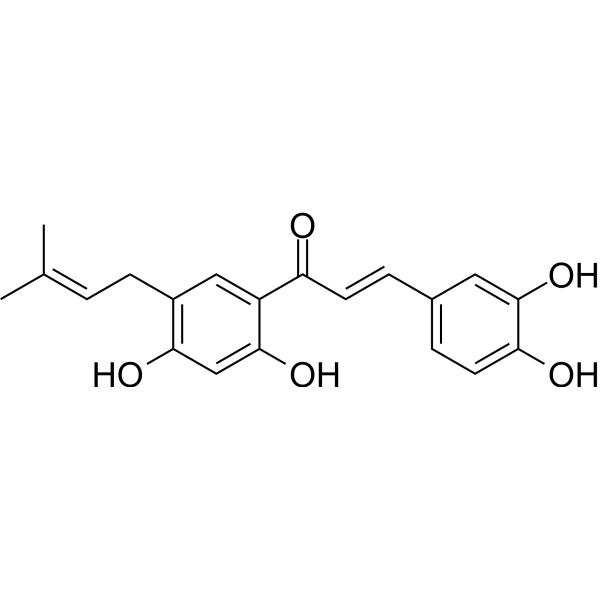
    11β-HSD Endogenous Metabolite Metabolic Disease Inflammation/Immunology Cancer
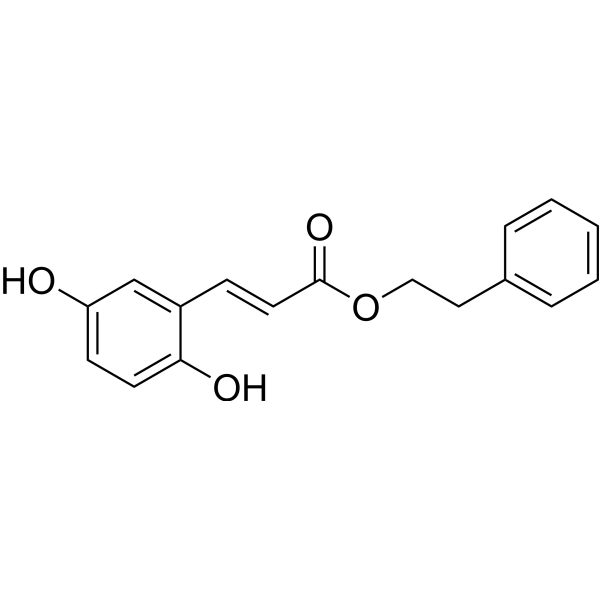
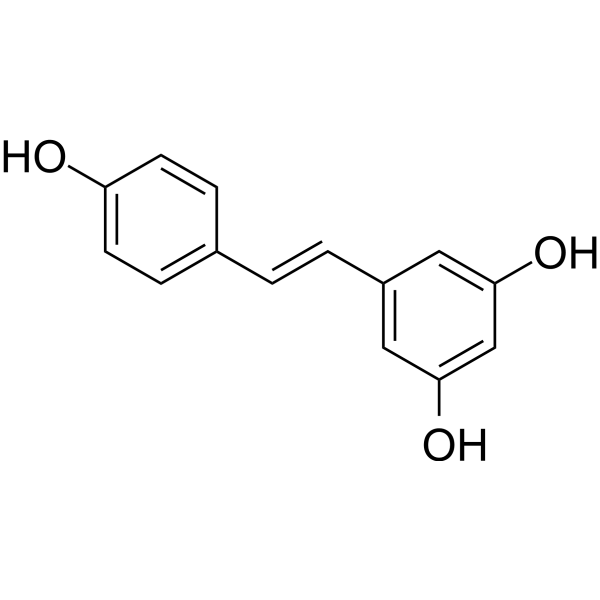
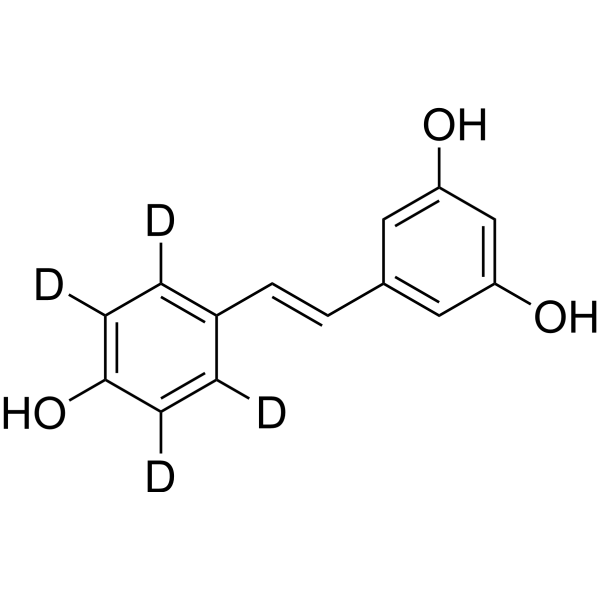
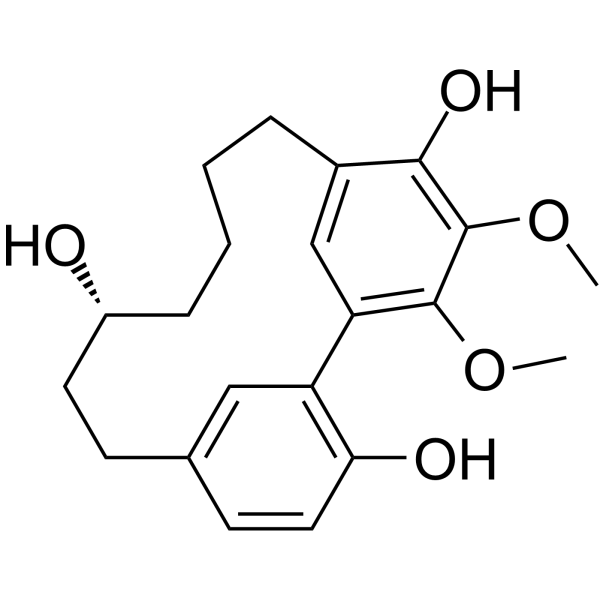
    Lunularin is an inhibitor of 11β-hydroxysteroid dehydrogenase 1, with an IC50 of 45.44 μM and a Ki of 35.8 μM against human 11β-HSD1, and an IC50 of 17.39 μM and a Ki of 10.31 μM against rat 11β-HSD1. Lunularin upregulates the transcription levels of Sirt1 and Hmox1 genes in the liver. Lunularin reduces food intake and body weight gain, and decreases blood glucose levels in mice fed a high-fat diet. Lunularin inhibits LPS-induced TLR4-mediated NF-κB pathway activation and nitric oxide production. Lunularin inhibits the proliferation and colony formation of renal cancer and colon cancer cells, and exhibits cancer cell-specific cytotoxicity. Lunularin binds to the steroid-binding site of human 11β-HSD1 and the steroid/NADPH-binding region of rat 11β-HSD1, but does not inhibit 11β-HSD2 or mouse 11β-HSD1. Lunularin can be used in research related to diet-induced obesity, renal cancer, colorectal cancer, inflammatory diseases and metabolic syndrome .
    Lunularin
  • HY-133114

    EZM-K

    Keap1-Nrf2 Autophagy Cardiovascular Disease Metabolic Disease Inflammation/Immunology Cancer
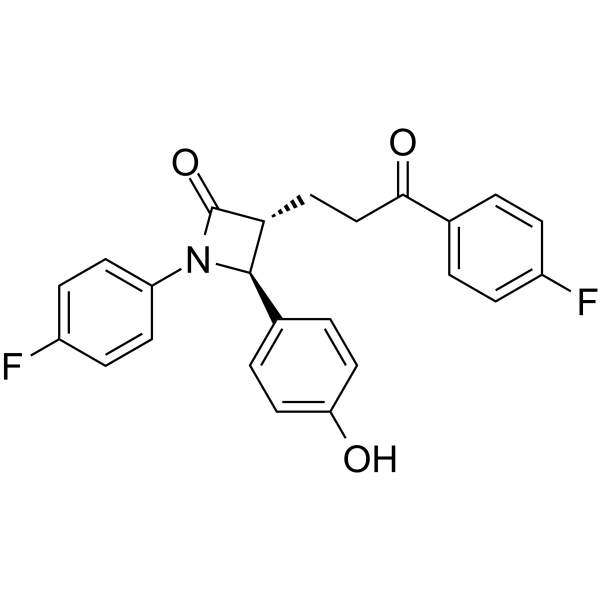
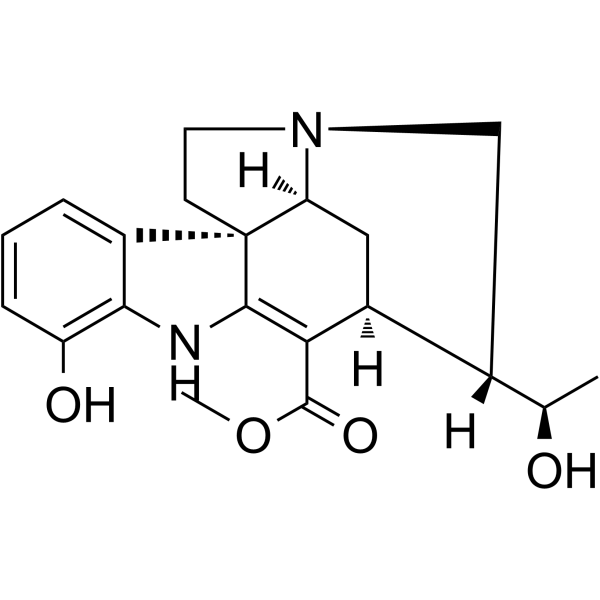
    Ezetimibe ketone is an orall active Nrf2 activator and ROS inhibitor. Ezetimibe ketone attenuates H2O2-induced reactive oxygen species production and reduces H2O2-induced apoptosis in renal tubular epithelial cells. Ezetimibe ketone suppresses renal tubular injury and inflammation .
    Ezetimibe ketone
  • HY-100746
    STF-62247
    2 Publications Verification

    Autophagy Cancer
    STF-62247 is an autophagy inducer that selectively cytotoxic to VHL-deficient renal cell carcinoma (IC50 of 0.625 μM and 16 μM in RCC4 and RCC4/VHL cells, respectively) .
    STF-62247
  • HY-P99273

    TNF Receptor Cancer
    Vorsetuzumab (Anti-Human CD70 Recombinant Antibody) is a human anti-CD70 antibody. Vorsetuzumab enhances macrophage-related phagocytosis of renal carcinoma cells, shows inhibitory efficacy against Burkitt’s lymphoma .
    Vorsetuzumab
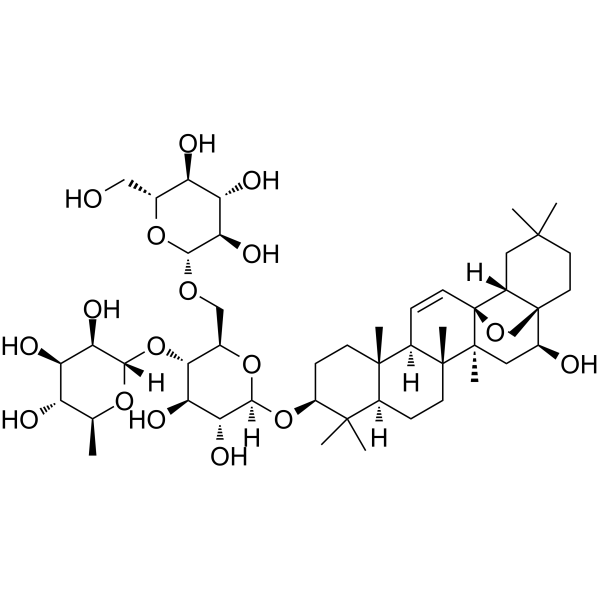
  • HY-N2115
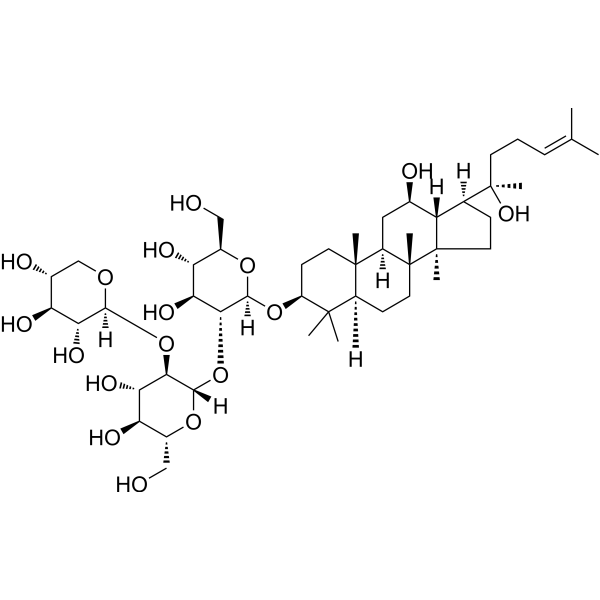
    Araloside A
    2 Publications Verification

    Chikusetsusaponin IV

    Renin Apoptosis Bcl-2 Family Interleukin Related Cardiovascular Disease Inflammation/Immunology Cancer
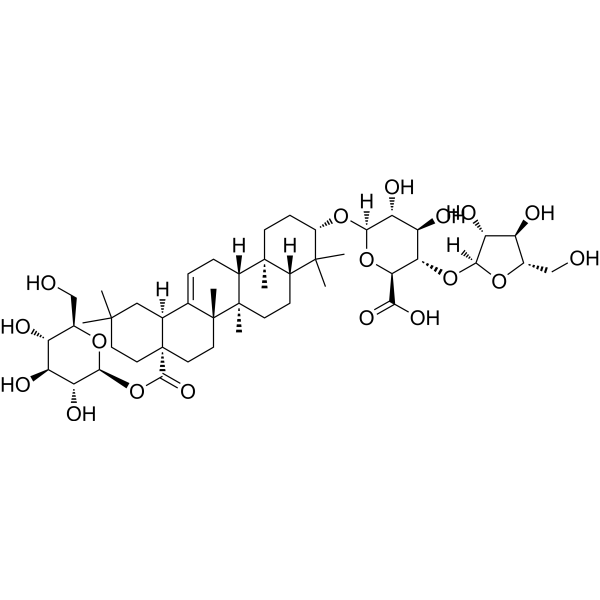
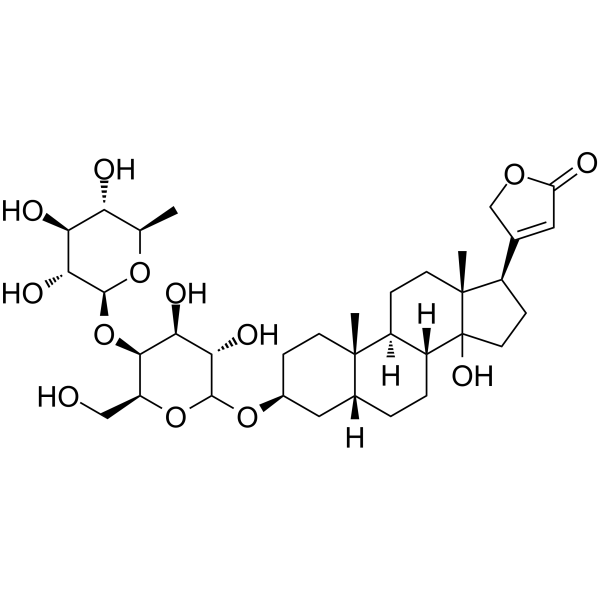
    Araloside A (Chikusetsusaponin IV), triterpenoid saponins, is an orally active component of Aralia elata. Araloside A shows low-renin-inhibitory activity with an IC50 of 77.4 μM. Araloside A can inhibit cell proliferation and induce apoptosis. Araloside A suppresses inflammatory cytokines IL-1β and IL-6 production. Araloside A can be used for the researches of cancer, inflammation and cardiovascular disease, such as renal cell carcinoma and rheumatoid arthritis .
    Araloside A
  • HY-115625

    Progesterone Receptor Apoptosis Glycosyltransferase Cancer
    AG-205 is a progesterone receptor membrane component 1 (PGRMC1) antagonist and CGT inhibitor, with an IC50 of 50 μM against rat CGT. AG-205 exhibits antimitotic, antimigratory and anti-invasive activities. AG-205 increases the expression of genes encoding cholesterol biosynthesis pathway or steroidogenic enzymes. AG-205 promotes the regulation of cell cycle by apoptosis and reduces the migratory and invasive capacities of ovarian and breast cancer cells. AG-205 can be used in research related to renal cancer and breast cancer .
    AG-205
  • HY-B1331

    Cyromazin; CGA-72662

    Environmental Pollutants Endogenous Metabolite Parasite Neurological Disease Metabolic Disease
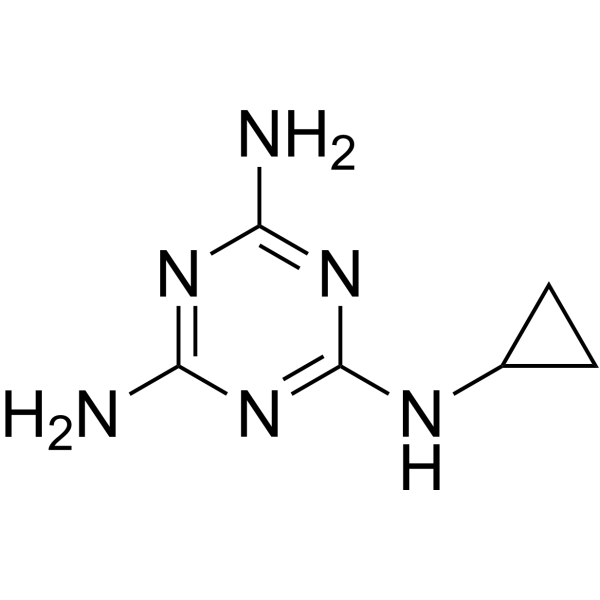
    Cyromazine (CGA-72662) is a triazine insect growth regulator used as an insecticide and an acaricide. It is a cyclopropyl derivative of melamine. Cyromazine works by affecting the nervous system of the immature larval stages of certain insects. Cyromazine reduced the number of germ cells by interfering with the Ecdysone (HY-N0179) signaling pathway. Cyromazine induces renal toxicity attenuated and restored by green tea extract in rats .
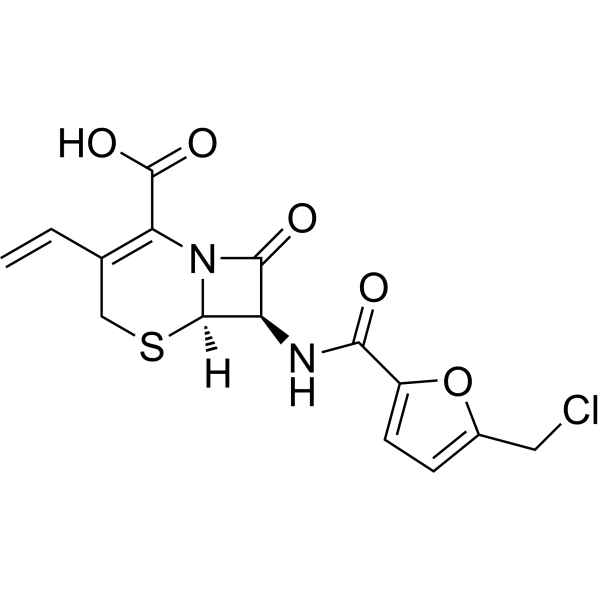
    Cyromazine
  • HY-W042301

    Anion Exchangers Carbonic Anhydrase Endothelin Receptor Cardiovascular Disease
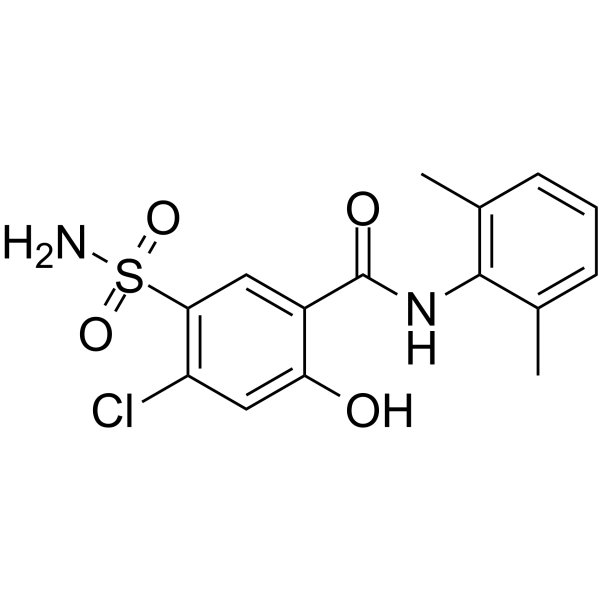
    Xipamide is an orally active carbonic anhydrase (CA) inhibitor and Na +/Cl --potassium transporter inhibitor with diuretic and antihypertensive effects. Xipamide reduces NaCl reabsorption by inhibiting the Cl -/NaCO3 - anion exchanger, and increases calcium reabsorption while promoting potassium and magnesium excretion. Xipamide is mainly cleared via the renal pathway and causes a temporary decrease in glomerular filtration rate under specific conditions. Xipamide does not affect Ca 2+ signaling induced by endothelin-1 and other factors, nor does it inhibit various ion cotransport or pump activities in red blood cells. Xipamide can be used in researches related to cardiovascular diseases, hypertension (especially with left ventricular hypertrophy), advanced renal failure, and liver cirrhosis with ascites .
    Xipamide
  • HY-112056
    DIM-C-pPhCO2Me
    1 Publications Verification

    Nuclear Hormone Receptor 4A/NR4A Apoptosis DAPK Isocitrate Dehydrogenase (IDH) PERK Cancer
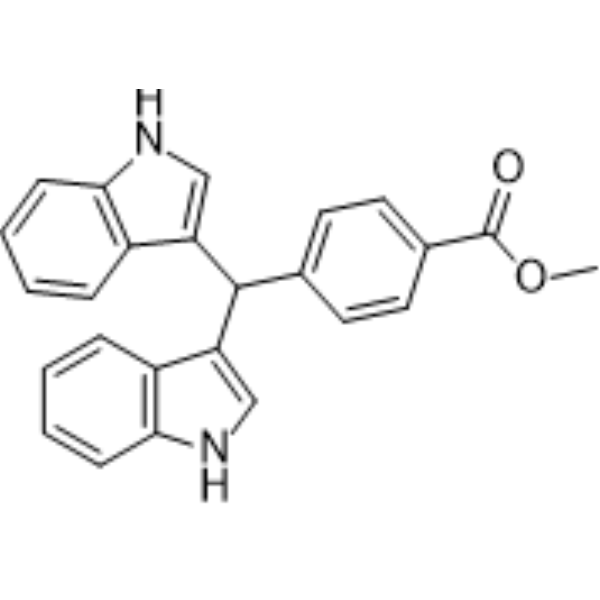
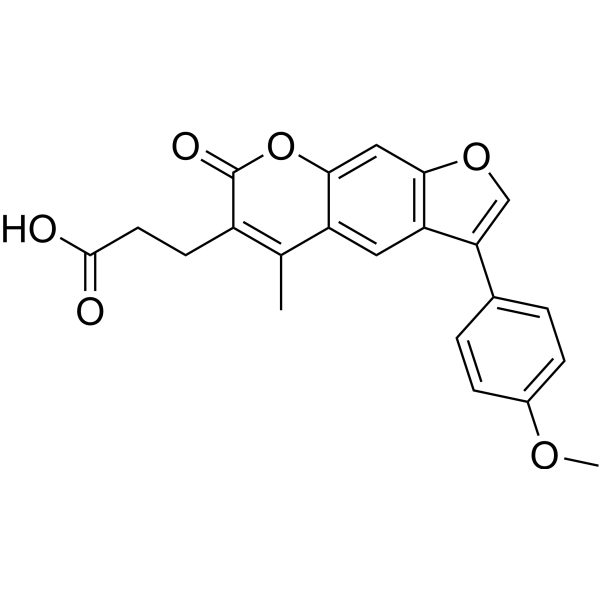
    DIM-C-pPhCO2Me is a nuclear receptor 4A1 (NR4A1) antagonist. DIM-C-pPhCO2Me induces Apoptosis. DIM-C-pPhCO2Me decreases PAX3-FOXO1A, N-Myc, Rassf4, MyoD1, Grem1, and DAPK1 proteins. DIM-C-pPhCO2Me decreases expression of TXNDC5 and IDH1, induces markers of ER stress (CHOP, ATF4 and p-PERK). DIM-C-pPhCO2Me inhibits renal cell carcinoma, breast cancer. DIM-C-pPhCO2Me can also be used in rhabdomyosarcoma research .
    DIM-C-pPhCO2Me
  • HY-156418

    DNA/RNA Synthesis Ferroptosis Apoptosis Reactive Oxygen Species (ROS) Cancer
    KY386 is a DHX33 helicase inhibitor with an IC50 of 0.019 μM. KY386 inhibits the cell viability of various cancer cells. KY386 induces ferroptosis in cancer cells, and induces apoptosis in some cancer cell lines. KY386 increases the intracellular levels of ROS, LPO and Fe 2+, and decreases the level of GSH in cancer cells . KY386 inhibits the growth of gastric cancer and colon cancer xenografts in nude mice. KY386 is applicable to the related research on liver cancer, lung cancer, pancreatic cancer, colorectal cancer, gastric cancer, breast cancer, leukemia, renal cancer, prostate cancer, esophageal cancer, cervical cancer, brain cancer (glioblastoma) and melanoma .
    KY386
  • HY-157231A

    PERK Cancer
    HC-5404-Fu is an orally active PERK inhibitor with an IC50 of 0.001 μM against human PERK. HC-5404-Fu blocks PERK activation induced by VEGFR-TKI and disrupts the adaptive stress response triggered by VEGFR-TKI. HC-5404-Fu enhances anti-angiogenic effects by inhibiting newly formed and mature tumor blood vessels in renal cell carcinoma models. HC-5404-Fu can be used in research related to renal cell carcinoma .
    HC-5404-Fu
  • HY-W002942

    1,2,3,4-Tetrahydroquinolin-8-ol; 8-hydroxy-1,2,3,4-tetrahydroquinoline

    Ferroptosis Reactive Oxygen Species (ROS) Inflammation/Immunology
    Ferroptosis-IN-21 is a ferroptosis inhibitor that protects against renal I/R injury by suppressing ferroptosis and directly scavenging peroxyl radicals. Ferroptosis-IN-21 displays broad-spectrum anti-ferroptotic efficacy across multiple inducers in renal tubular epithelial cells, with nanomolar potency and robust suppression of lipid Reactive Oxygen Species (ROS). Ferroptosis-IN-21 significantly ameliorates renal I/R injury in mice, reducing histological damage, functional impairment, and inflammatory cytokine expression, while decreasing lipid peroxidation biomarkers such as 4-hydroxynonenal. Ferroptosis-IN-12 can be used for research in the field of ferroptosis-targeted drug development .
    Ferroptosis-IN-21
  • HY-N2512
    1-Monomyristin
    1 Publications Verification

    Environmental Pollutants Endogenous Metabolite FAAH Autophagy Bacterial Fungal Infection Cancer
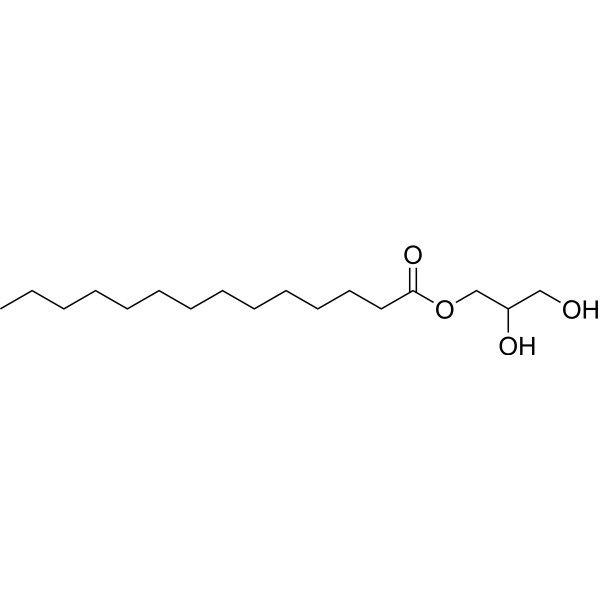
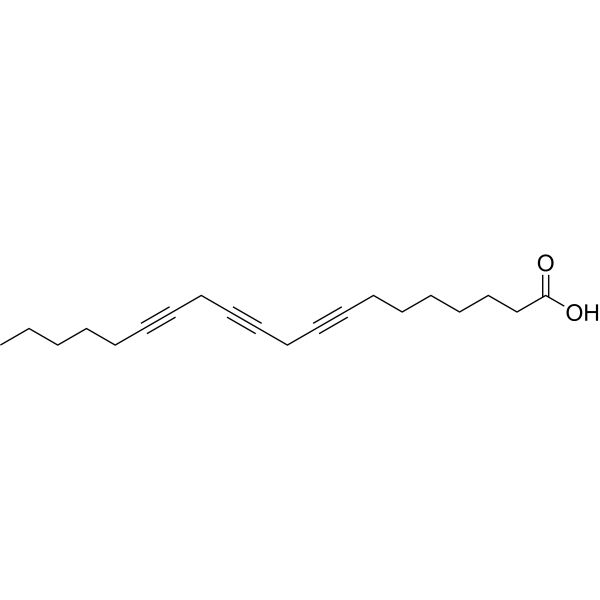
    1-Monomyristin acts as an insecticide, enzyme inhibitor, antibacterial and antifungal agent, with an IC50 of 18 μM against rat FAAH and an IC50 of 32 μM against rat MAGL. 1-Monomyristin inhibits 2-oleoylglycerol hydrolysis via MAGL. 1-Monomyristin suppresses the growth of Staphylococcus aureus, Aggregatibacter actinomycetemcomitans and Candida albicans. 1-Monomyristin is lethal to brine shrimp . 1-Monomyristin exhibits marginal cytotoxicity against prostate cancer cells. 1-Monomyristin is applicable to research related to bacterial infections, fungal infections, renal cancer, prostate adenocarcinoma and pancreatic cancer .
    1-Monomyristin
  • HY-108607

    Palmityltrifluoromet​hylketone

    Phospholipase Inflammation/Immunology
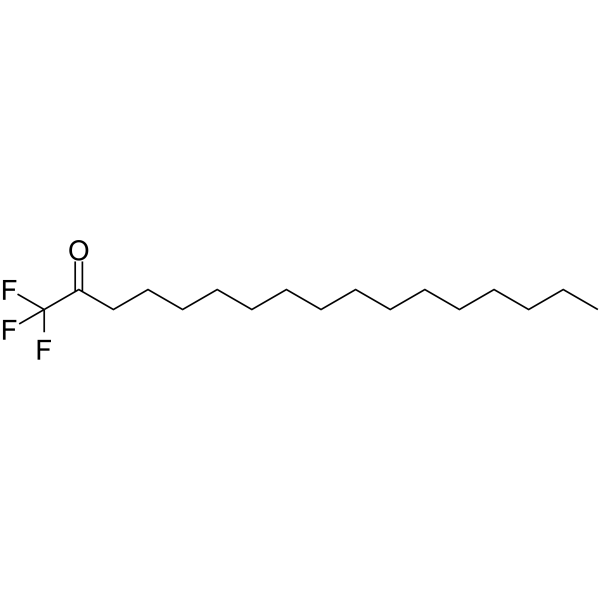
    PACOCF3 (Palmityltrifluoromet​hylketone) is a selective phospholipase A2 inhibitor with an IC50 of 3.8 μM. PACOCF3 alters Ca 2+ signaling in renal tubular cells .
    PACOCF3
  • HY-175247

    Large Tumor Suppressor (LATS) E1/E2/E3 Enzyme YAP Cancer
    DDO-4033 is a SPOP inhibitor (IC50 = 16.9 μM, Kd = 15.1 μM). DDO-4033 impairs the malignant migration, invasion, and proliferation of clear cell renal cell carcinoma (ccRCC) cell lines. DDO-4033 disrupts SPOP recruitment to its substrate LATS1, inhibits its polyubiquitination and subsequent degradation, and upregulates LATS1 expression. DDO-4033 has promising antitumor activity and is promising for renal cell carcinoma research .
    DDO-4033
  • HY-P99161

    BGB149

    TAM Receptor Cancer
    Tilvestamab (BGB149) is a humanized anti-AXL antibody that blocks AXL-mediated cell signaling. Tilvestamab significantly inhibits Gas6-induced AXL activation in 786-0-Luc RCC cells and inhibits downstream AKT phosphorylation. Tilvestamab can be used in cancer research, particularly in AXL overexpressing renal cell carcinomas .
    Tilvestamab
  • HY-P99287

    B-E8; Anti-IL-6 MAB B-E8

    Interleukin Related Inflammation/Immunology Cancer
    Elsilimomab (B-E8) is a IgG1 monoclonal antibody against interleukin-6 (IL-6), with a KD of 22 pM and an IC50 of 1.4 nM. Elsilimomab can be used for the research of multiple myeloma, renal cell carcinoma, and rheumatoid arthritis (RA) .
    Elsilimomab
  • HY-155374

    Phosphatase Apoptosis Caspase Cancer
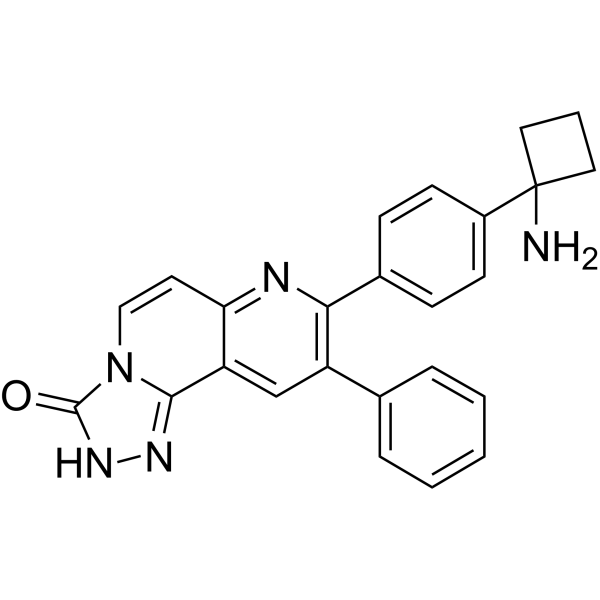
    PP5-IN-1 is a competitive and selective serine/threonine protein phosphatase 5 (PP5) inhibitor with a Ki value of 244 nM. PP5-IN-1 induces extrinsic apoptosis (Apoptosis), disrupts the integrity of complex II, and activates Caspase 8. PP5-IN-1 can be used in research related to clear cell renal cell carcinoma .
    PP5-IN-1
  • HY-147426

    ADS-007; ARO HIF2

    Small Interfering RNA (siRNA) HIF/HIF Prolyl-Hydroxylase Cancer
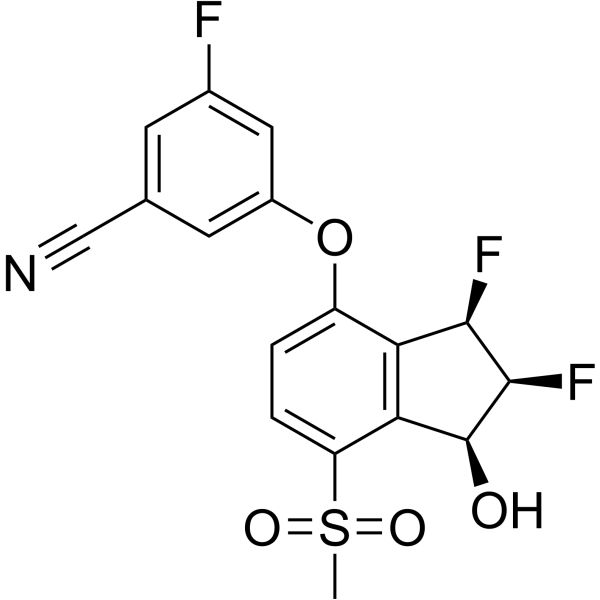
    Zifcasiran (ADS-007; ARO HIF2) is an siRNA synthetic double-stranded RNAi trigger. Zifcasiran sodium selectively target hypoxia-inducible factor-2α (HIF2α) interrupting downstream pro-oncogenic signaling in clear cell renal cell carcinoma (ccRCC). Zifcasiran sodium engages the cell's RNAi machinery to target HIF2α (EPAS1) mRNA for degradation, thereby reducing the amount of free HIF2α mRNA available for translation .
    Zifcasiran
  • HY-P99318

    LT 1009; Anti-Human S1P Recombinant Antibody

    LPL Receptor Cancer
    Sonepcizumab (LT 1009) is a fully human anti-S1P monoclonal antibody. Sonepcizumab has the potential for the research of metastatic renal cell carcinoma (mRCC) .
    Sonepcizumab
  • HY-165245

    Transmembrane Glycoprotein Cancer
    SBI-183 is an orally active inhibitor of QSOX1 (Kd: 20 μM). SBI-183 suppresses the proliferative and invasive phenotype of renal cancer cell lines, including triple negative breast cancer cell line, lung adenocarcinoma cell line and pancreatic ductal adenocarcinoma. SBI-183 inhibits tumor growth in two human xenograft mouse models of renal cell carcinoma in vivo .
    SBI-183
  • HY-172423

    KO-2806

    Farnesyl Transferase mTOR VEGFR Cancer
    Darlifarnib (KO-2806) is an orally active farnesyl transferase inhibitor. Darlifarnib inhibits the mTORC1 signaling pathway, thereby enhancing the anti-angiogenic properties of tyrosine kinase inhibitors. When used in combination with anti-VEGFR tyrosine kinase inhibitors, Darlifarnib promotes renal cell carcinoma tumor regression and inhibits tumor neovascularization. Darlifarnib sensitizes renal cell carcinoma tumors that progress after anti-VEGFR TKI treatment .
    Darlifarnib
  • HY-119425

    ICRF 159

    Topoisomerase Cancer
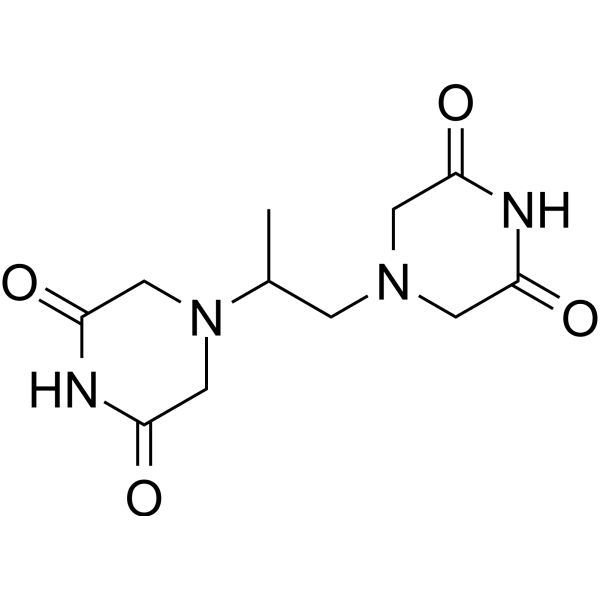
    Razoxane (ICRF 159), a EDTA (HY-Y0682) derivative, is an orally active antiangiogenic topoisomerase II inhibitor. Razoxane has antineoplastic, antiangiogenic, and antimetastatic activities. Razoxanecan be used for the research of renal cell carcinoma (RCC), lung cancer and melanoma cancer .
    Razoxane
  • HY-149453

    Guanylate Cyclase Cardiovascular Disease
    MCUF-651 is an orally active guanylyl cyclase A receptor (GC-A) positive allosteric modulator (PAM) (KD: 397 nM ). MCUF-651 binds to GC-A and selectively enhances the binding of atrial natriuretic peptide (ANP) to GC-A. MCUF-651 enhances ANP-mediated cGMP generation in human cardiac, renal, and fat cells. MCUF-651 inhibits cardiomyocyte hypertrophy .
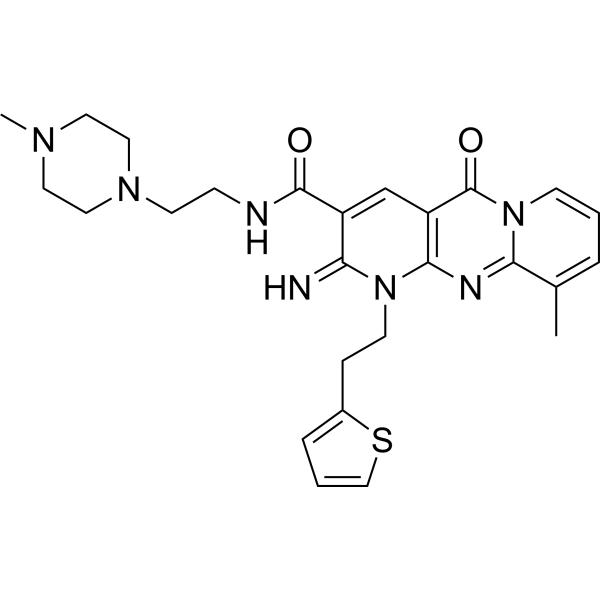
    MCUF-651
  • HY-P10939

    Caspase Pyroptosis Inflammation/Immunology Cancer
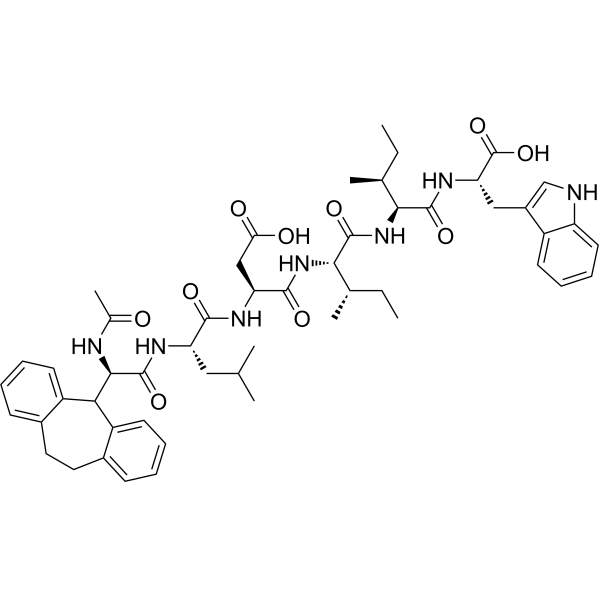
    Ac-DmLD-CMK is a caspase 3 inhibitor and a GSDME inhibitor. Ac-DmLD-CMK binds directly to the catalytic domain of caspase-3, blocks caspase-3-mediated cleavage of GSDME, inhibits the activation of caspase 3 and Gsdme in the caspase 3-Gsdme signaling pathway, and reduces the levels of pyroptosis and apoptosis as well as the expression of LDH, IL-6, IL-1β and IL-18. Ac-DmLD-CMK alleviates renal function deterioration, renal tubular epithelial cell injury, inflammatory cytokine secretion, pulmonary structural damage, and chemotherapy-induced nephrotoxicity .
    Ac-DMLD-CMK
  • HY-W002438

    Biochemical Assay Reagents Endogenous Metabolite OAT Ferroptosis Neurological Disease Metabolic Disease
    6-Hydroxyindole is an orally active, endogenous long-acting OATP1B1 inhibitor. 6-Hydroxyindole does not alter the cell surface expression or subcellular localization of OATP1B1. 6-Hydroxyindole protects cells against Ferroptosis. 6-Hydroxyindole possesses intrinsic radical-trapping antioxidant activity. 6-Hydroxyindole serves as a component of oxidative hair dyes. 6-Hydroxyindole can be used in research related to renal failure and neurodegenerative diseases .
    6-Hydroxyindole
  • HY-161251

    E1/E2/E3 Enzyme Cancer
    SPOP-IN-2 (compound E1) is a Speckle-type POZ protein (SPOP) inhibitor with IC50 of 0.58 μM, which disrupt the SPOP-subtrate interaction and selectively inhibits proliferation of ccRCC .
    SPOP-IN-2
  • HY-156382

    Akt ERK E1/E2/E3 Enzyme Cancer
    SPOP-IN-1 is a selective SPOP E3 ubiquitin ligase inhibitor. SPOP-IN-1 leads to the accumulation of tumor suppressors PTEN and DUSP7 and decreased levels of phosphorylated AKT and ERK in clear-cell renal cell carcinoma .
    SPOP-IN-1
  • HY-W392413

    Drug Derivative Reactive Oxygen Species (ROS) Cardiovascular Disease Neurological Disease Metabolic Disease Inflammation/Immunology
    Glutathione monoethyl ester is a glutathione derivative that can be transported into cells and hydrolyzed into glutathione. Glutathione monoethyl ester downregulates the gene expression of TEN1 and CTC1 while upregulating TERT expression. Glutathione monoethyl ester enhances telomerase activity, promotes proliferation and differentiation in aged bone marrow stromal cells, while elevating glutathione levels and reducing oxidative stress, protein aggregation and cell death in motor neuronal cells. Glutathione monoethyl ester confers broad multi-organ protection against cerebral ischemia, renal injury, liver damage, and pancreatitis. Glutathione monoethyl ester can be used for the research of amyotrophic lateral sclerosis, stroke, acute renal failure, liver injury, and acute pancreatitis .
    Glutathione monoethyl ester
  • HY-P11452

    LDLR Endocrinology
    (KKEEE)3K is a kidney-targeting peptide. (KKEEE)3K enters renal tubular cells via megalin receptor-mediated endocytosis. (KKEEE)3K can be used in the research of renal drug delivery .
    (KKEEE)3K
  • HY-W661499

    Phosphatase Apoptosis Reactive Oxygen Species (ROS) Caspase Cancer
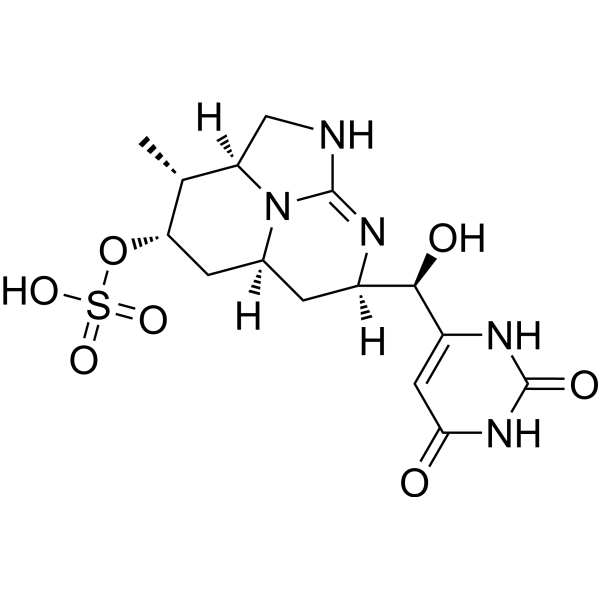
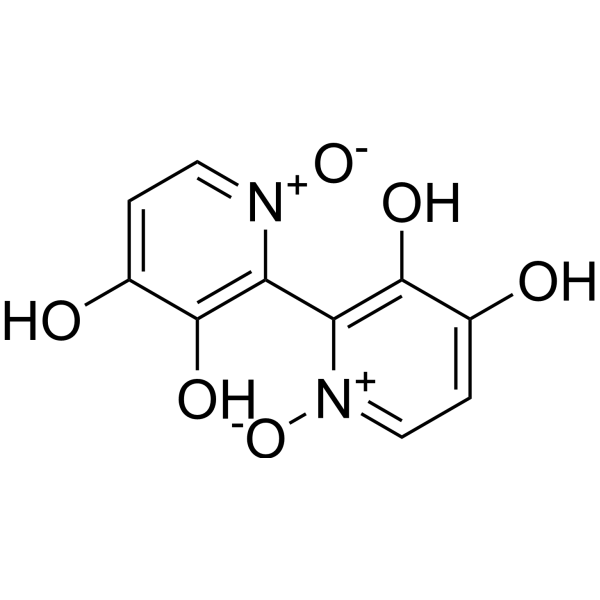
    Orellanine, a nephrotoxic alkaloid found in Cortinarius orellanus, is an orally active and selective non-competitive inhibitor of alkaline phosphatase. Orellanine chelates iron, generates reactive oxygen species (ROS), induces DNA scission, forms ortho-semiquinone radicals, downregulates antioxidant defenses, and inhibits mitochondrial function. Orellanine induces caspase 8/9-mediated apoptosis. Orellanine inhibits synthesis of proteins, RNA, DNA, and mitochondrial protein synthesis, with metabolic activation required for cell-free protein synthesis inhibition. Orellanine can be used for the research of metastatic clear cell renal cell carcinoma, acute renal failure, chronic renal insufficiency, and kidney damage .
    Orellanine
  • HY-179041

    PGE synthase Prostaglandin Receptor MDM-2/p53 Amino acid Transporter Glutathione Peroxidase Ferroptosis Metabolic Disease Endocrinology
    SZ0232 is a selective mPGES-2 inhibitor. SZ0232 binds to the active site of mPGES-2 via hydrogen bonds and π-π stacking, reduces the production of prostaglandin E2 (PGE2) and blocks the PGE2-EP3 pathway. SZ0232 regulates Ferroptosis by activating the heme-dependent p53/SLC7A11/GPX4 axis, inhibits lipid peroxidation, and protects renal tubules. SZ0232 enhances glucose-stimulated insulin secretion, inhibits β-cell senescence, and improves glucose homeostasis. SZ0232 reduces renal lipid accumulation, alleviates fibrosis, and ameliorates renal dysfunction in diabetic mice. SZ0232 inhibits renal cyst growth in polycystic kidney disease models. SZ0232 exhibits an insulinotropic effect that strengthens with the increase of animal age. SZ0232 can be used in studies related to type 2 diabetes, acute kidney injury, diabetic kidney disease, and autosomal dominant polycystic kidney disease .
    SZ0232
  • HY-164429

    Integrin Elastase Cancer
    VIP236 is a small-molecule drug conjugate targeting αvβ3 integrin. VIP236 achieves tumor homing via specific binding to αvβ3 integrin and delivers its payload to the tumor microenvironment. The linker of VIP236 is cleavable by neutrophil elastase, which is highly expressed in the tumor microenvironment, to release the payload 7-ethylcamptothecin. This payload induces DNA damage by inhibiting topoisomerase 1, thereby exerting anti-tumor effects. VIP236 exhibits excellent plasma stability and tumor targeting property, with a tumor/plasma payload ratio 10-fold higher than that of the single administration. It effectively induces tumor regression, reduces metastasis formation, and shows good tolerance in mouse models. VIP236 has been used in studies related to non-small cell lung cancer, clear cell renal cell carcinoma, colon cancer, triple-negative breast cancer, small cell lung cancer, and metastatic solid tumors .
    VIP236
  • HY-147426A

    ADS-007 sodium; ARO HIF2 sodium

    Small Interfering RNA (siRNA) HIF/HIF Prolyl-Hydroxylase Cancer
    Zifcasiran (ADS-007) sodium is an siRNA synthetic double-stranded RNAi trigger. Zifcasiran sodium selectively target hypoxia-inducible factor-2α (HIF2α) interrupting downstream pro-oncogenic signaling in clear cell renal cell carcinoma (ccRCC). Zifcasiran sodium engages the cell's RNAi machinery to target HIF2α (EPAS1) mRNA for degradation, thereby reducing the amount of free HIF2α mRNA available for translation .
    Zifcasiran sodium
  • HY-179392

    Apoptosis DNA Alkylator/Crosslinker VEGFR PDGFR Cancer
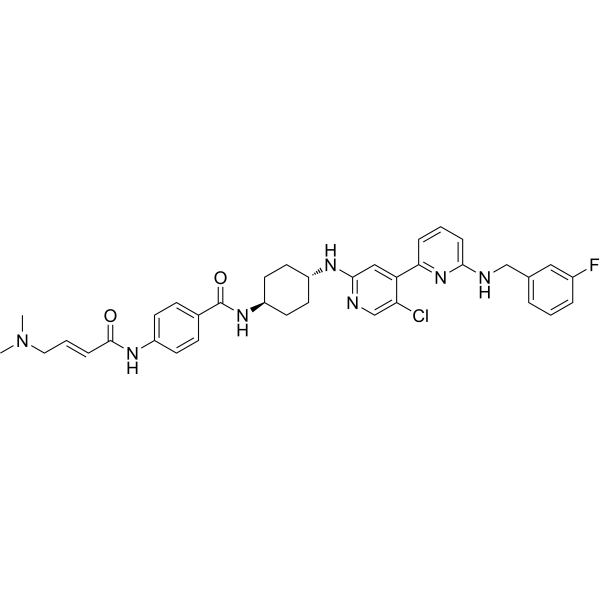
    Sunitinib-platinum(IV) prodrug-1 (Complex A) is a Pt(IV) prodrug based on Cisplatin (HY-17394), and this design aims to enable Pt(IV) to be reduced to active Pt(II) under intracellular reducing conditions, while simultaneously releasing a derivative of Sunitinib (HY-10255A) with tyrosine kinase inhibitor (TKI) activity. Sunitinib-platinum(IV) prodrug-1 exhibits excellent cytotoxicity against renal cell carcinoma (RCC), causing DNA crosslinking and apoptosis. Sunitinib-platinum(IV) prodrug-1 inhibits the VEGFR/PDGFR signaling pathway, suppressing tumor growth and angiogenesis. Sunitinib-platinum(IV) prodrug-1 can be used for research on renal cell carcinoma .
    Sunitinib-platinum(IV) prodrug-1
  • HY-174306

    5-HT Receptor PGC-1α Akt PI3K Ras MEK ERK Metabolic Disease
    MARY1 is a selective 5-HT2BR antagonist with an IC50 of 380 nM and a Ki of 764 nM (human 5-HT2BR). MARY1 induces renal mitochondrial biogenesis (MB) and enhances renal mitochondrial function by increasing mitochondrial respiratory capacity, mitochondrial protein levels, and mitochondrial number in renal proximal tubular cells (RPTCs). MARY1 induces MB through 5-HT2BR and dual PI3K/AKT and RAS/MEK/ERK cell signaling pathways in RPTCs. MARY1 can be used to study renal diseases associated with metabolic and mitochondrial dysfunction .
    MARY1
  • HY-120569

    Apoptosis Cancer
    NC-001 is a selective apoptosis inducer targeting renal proximal tubular cells and renal cancer cells. NC-001 inhibits tumor growth in clear cell renal cell carcinoma (CCRCC) xenograft models. NC-001 is promising for research of metastatic renal cell carcinoma .
    NC-001
  • HY-151342

    Drug Derivative Others
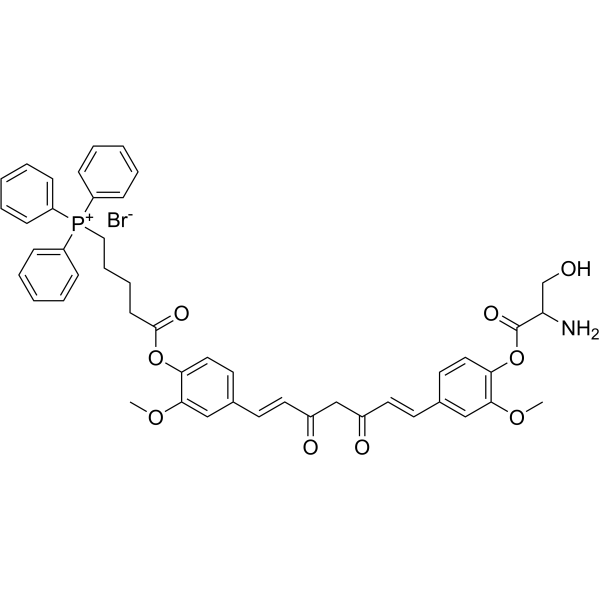
    Ser@TPP@CUR is a Curcumin (HY-N0005) derivative. Ser@TPP@CUR effectively ameliorates injured renal tubular epithelial cells and improves renal functions of acute kidney injury (AKI) mice. Ser@TPP@CUR can be used for the research of AKI .
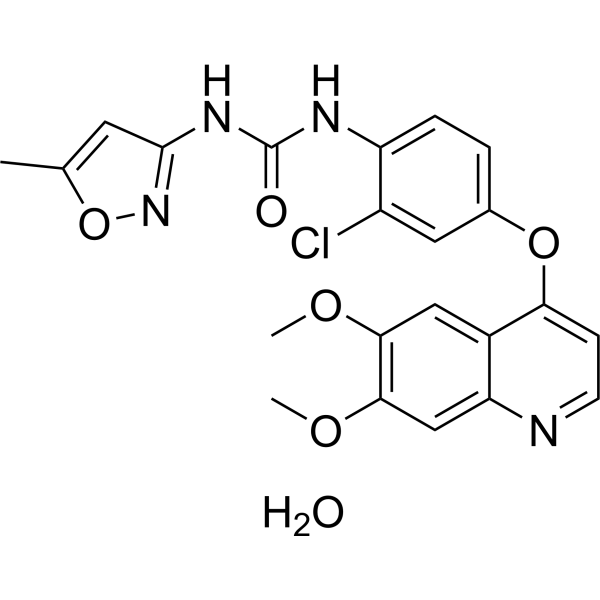
    Ser@TPP@CUR
  • HY-121352

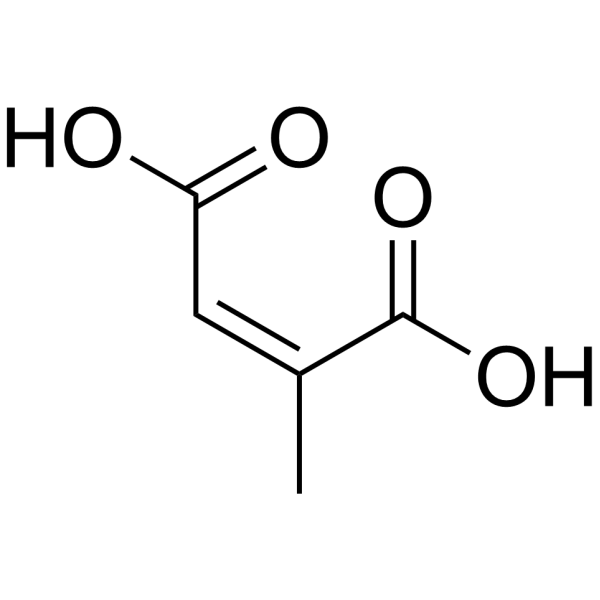
    Drug Derivative Cancer
    Kibdelone C is a hexacyclic tetrahydroxanthone natural product and anticancer agent with sub-nanomolar GI50 activity against human SR leukemia and SN12C renal carcinoma cell lines. Kibdelone C disrupts the actin cytoskeleton in human cancer cells, leading to cell contraction and actin stress fiber formation, without direct actin binding, actin polymerization effects, topoisomerase I/II inhibition, or DNA binding. Kibdelone C can be used for the research of leukemia, and renal cell carcinoma .
    Kibdelone C
  • HY-105183

    Endothelin Receptor Others
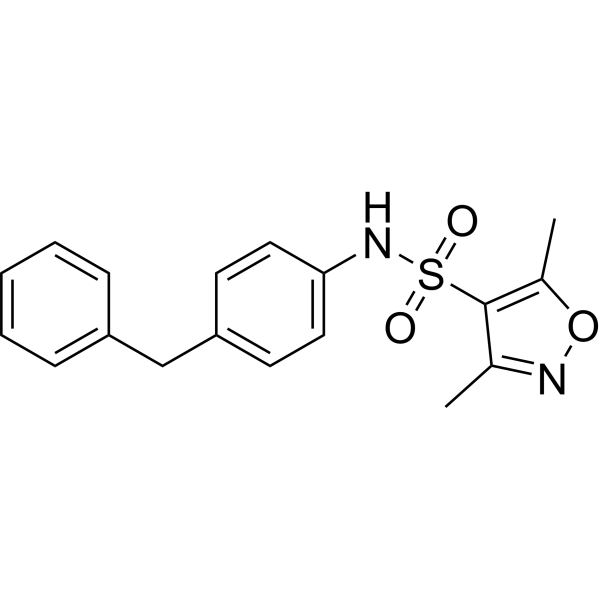
    PD 145065 is a highly potent but non-selective endothelin receptor antagonist with an IC50 value of 4 nM for the ETA receptor for rabbit renal artery vascular smooth muscle cells .
    PD 145065
  • HY-121532

    Ras Apoptosis Autophagy Cancer
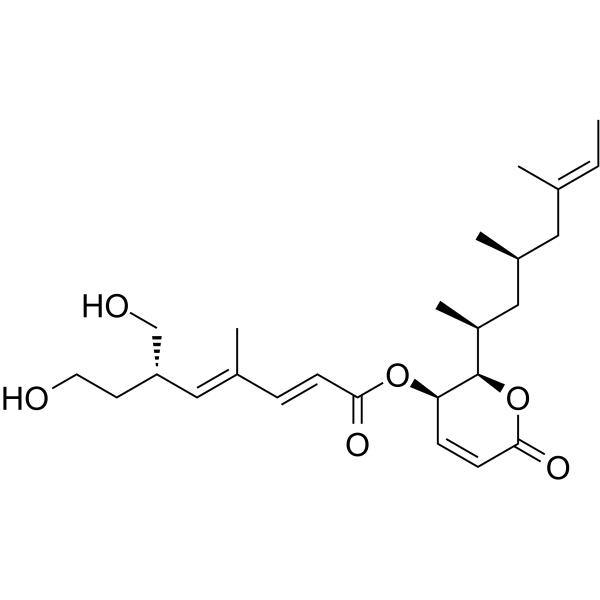
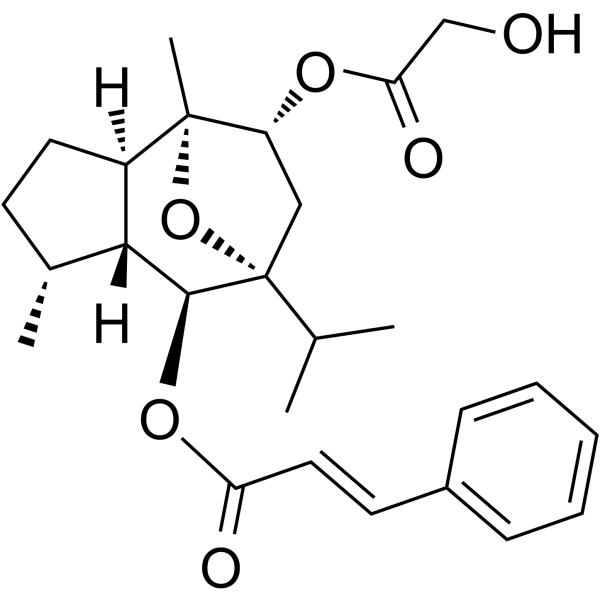
    (-)-Rasfonin is a fungal secondary metabolite and inhibits small G proteins Ras. (-)-Rasfonin induces apoptosis, necrosis and autophagy in ACHN cells (a renal carcinoma cell line) .
    (-)-Rasfonin
  • HY-19412

    NSC-281612

    DNA Alkylator/Crosslinker Cancer
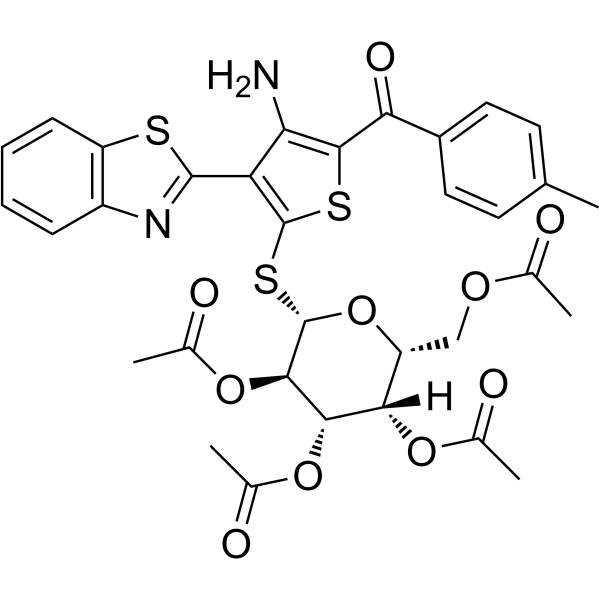
    DMS-612 (NSC-281612) is an alkylating agent with anti-renal cell carcinoma activity. DMS-612 can be used in cancer research .
    DMS-612

Inquiry Online

Your information is safe with us. * Required Fields.

Salutation


Country or Region *

Applicant Name *


Organization Name *

Department *


Email Address *


Product Name *

Cat. No.


Requested quantity *

Phone Number *


Remarks

Inquiry Online

Inquiry Information

Product Name:
Cat. No.:
Quantity:
MCE Japan Authorized Agent: