1. Search Result
Search Result
Results for "

2-Alkenal reductase [NAD(P) ]

" in MedChemExpress (MCE) Product Catalog:

386

Inhibitors & Agonists

11

Fluorescent Dyes

5

Biochemical Assay Reagents

2

Peptides

1

MCE Kits

55

Natural
Products

17

Recombinant Proteins

8

Isotope-Labeled Compounds

14

Antibodies

3

Click Chemistry

3

Oligonucleotides

1

GMP Molecules

Cat. No. Product Name Target Research Areas Chemical Structure
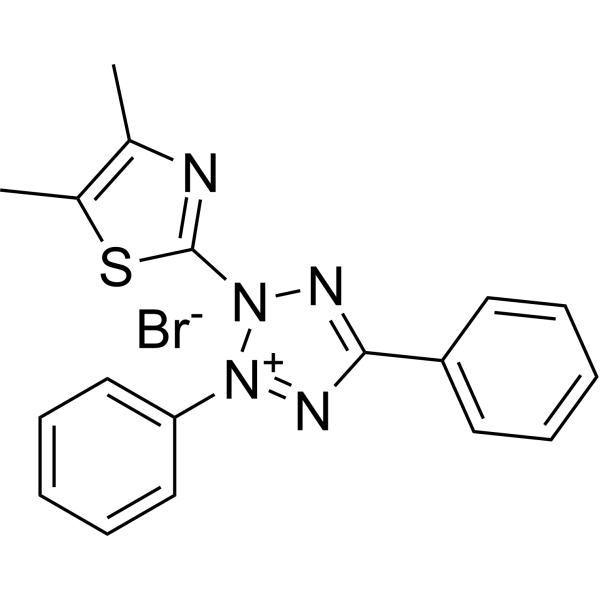
  • HY-15924
    Thiazolyl Blue
    Maximum Cited Publications
    186 Publications Verification

    MTT; Thiazolyl Blue Tetrazolium bromide; Methylthiazolyldiphenyl-tetrazolium bromide

    Fluorescent Dye Others
    Thiazolyl Blue (MTT) is a cell-permeable and positively charged tetrazolium dye that is used to detect reductive metabolism in cells. Thiazolyl Blue is taken up by cells through the plasma membrane and then reduced to formazan by intracellular NAD (P) H-oxidoreductases. Thiazolyl Blue is frequently used in colorimetric assays to measure cell proliferation, cytotoxicity, and apoptosis .
    Thiazolyl Blue
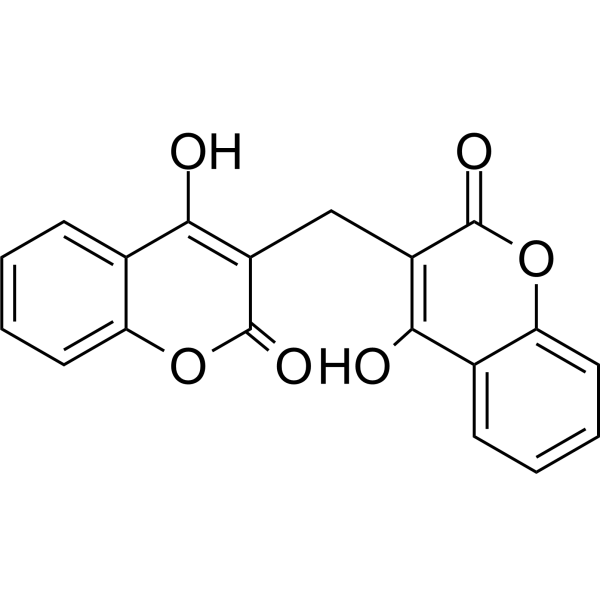
  • HY-N0645
    Dicoumarol
    Maximum Cited Publications
    11 Publications Verification

    Dicumarol

    Quinone Reductase PDHK Cancer
    Dicoumarol is an inhibitor of both NAD(P)H:quinone oxidoreductase 1 (NQO1) and PDK1 with IC50s of 0.37 and 19.42 μM, respectively.
    Dicoumarol
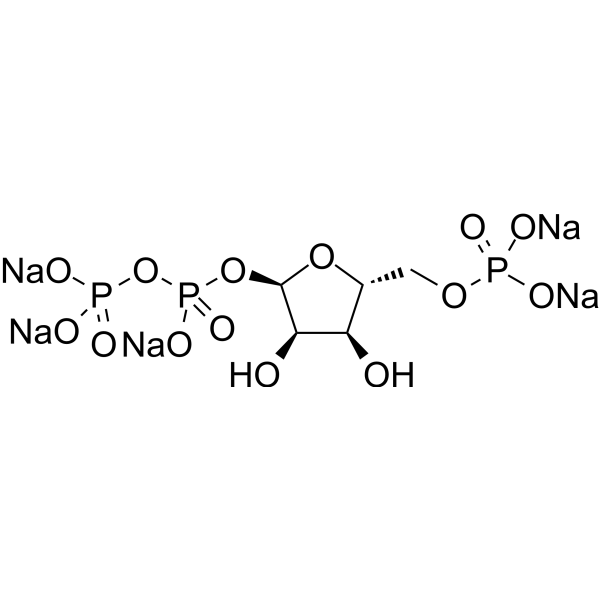
  • HY-W013046

    PRPP pentasodium

    Endogenous Metabolite Others
    Phosphoribosyl pyrophosphate (PRPP) pentasodium is an important metabolite required in the biosynthesis of purine and pyrimidine nucleotides, the amino acids histidine and tryptophan, and the cofactors NAD and NADP .
    Phosphoribosyl pyrophosphate pentasodium
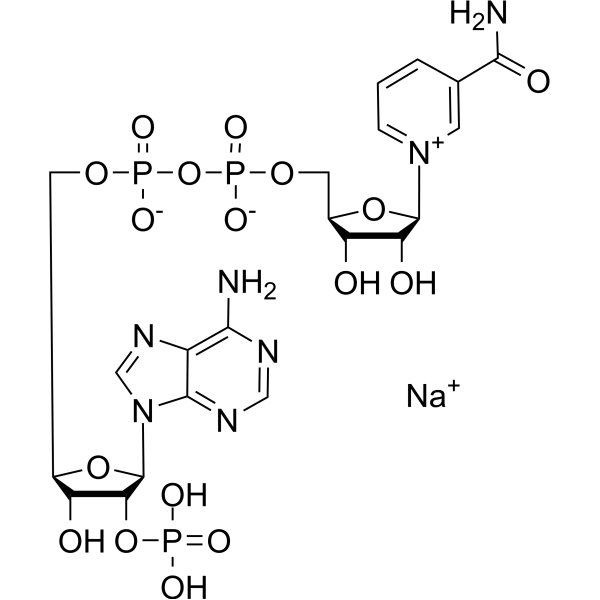
  • HY-F0002
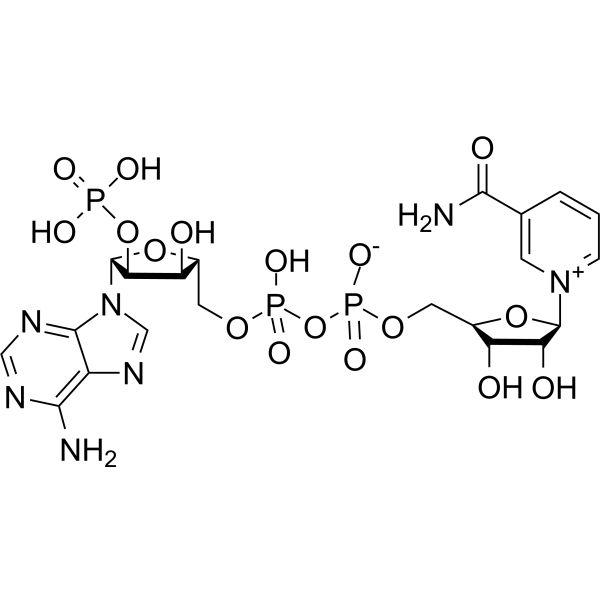
    NADP sodium salt
    Maximum Cited Publications
    6 Publications Verification

    Sodium NADP

    Endogenous Metabolite Metabolic Disease Inflammation/Immunology Cancer
    NADP sodium salt is the sodium salt form of NADP (HY-113325). NADP is a coenzyme involved in cellular electron transfer reactions in biological metabolism, which is alternately oxidized (NADP+) and reduced (NADPH), and can maintain cellular redox homeostasis and regulate many biological events, including cellular metabolism. NADPH is a universal electron donor that provides reducing ability for synthetic metabolic reactions and redox balance. NADPH plays a multifunctional role in regulating inflammation, redox homeostasis, and synthetic metabolism processes .
    NADP sodium salt
  • HY-D0937
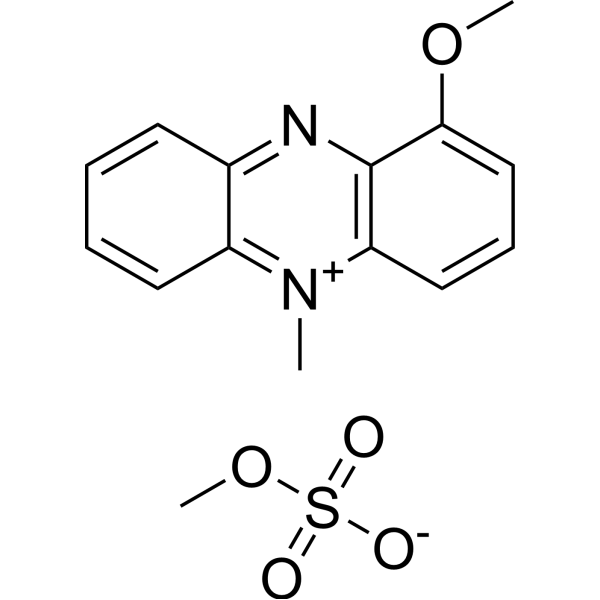
    Methoxy-PMS
    5+ Cited Publications

    1-Methoxy PMS; 1-Methoxyphenazine methosulfate

    Reactive Oxygen Species (ROS) Others
    Methoxy-PMS (1-Methoxy PMS), an active oxygen formation inducer, is stable electron-transport mediator between NAD(P)H and tetrazolium dyes [2].
    Methoxy-PMS
  • HY-F0002A
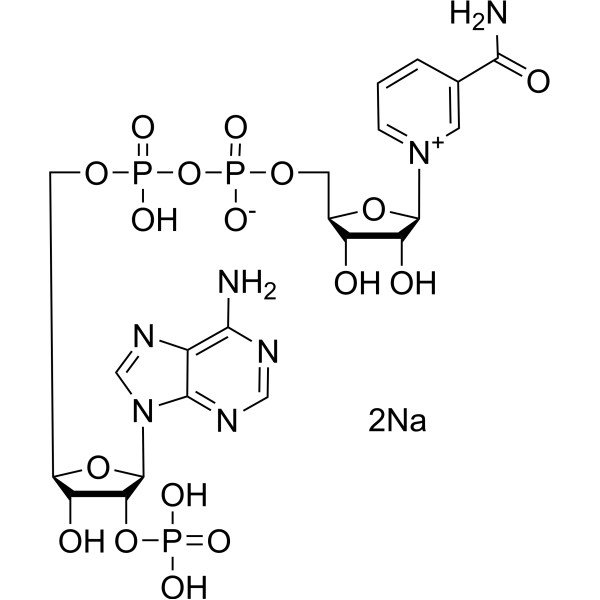
    NADP disodium salt
    Maximum Cited Publications
    6 Publications Verification

    Disodium NADP

    Endogenous Metabolite Metabolic Disease Inflammation/Immunology Cancer
    NADP disodium salt is the disodium salt form of NADP (HY-113325). NADP is a coenzyme involved in cellular electron transfer reactions in biological metabolism, which is alternately oxidized (NADP+) and reduced (NADPH), and can maintain cellular redox homeostasis and regulate many biological events, including cellular metabolism. NADPH is a universal electron donor that provides reducing ability for synthetic metabolic reactions and redox balance. NADPH plays a multifunctional role in regulating inflammation, redox homeostasis, and synthetic metabolism processes .
    NADP disodium salt
  • HY-113325
    NADP
    Maximum Cited Publications
    6 Publications Verification

    Endogenous Metabolite Metabolic Disease Inflammation/Immunology Cancer
    NADP is a coenzyme involved in cellular electron transfer reactions in biological metabolism, which is alternately oxidized (NADP+) and reduced (NADPH), and can maintain cellular redox homeostasis and regulate many biological events, including cellular metabolism. NADPH is a universal electron donor that provides reducing ability for synthetic metabolic reactions and redox balance. NADPH plays a multifunctional role in regulating inflammation, redox homeostasis, and synthetic metabolism processes .
    NADP
  • HY-P2996
    NAD(P)H-Nitrate reductase
    1 Publications Verification

    Others Others
    NAD(P)H-Nitrate reductase is isolated from Aspergillus niger that catalyses the reduction of nitrate to nitrite via a two-electron transfer. In plants, the electron donor for Nitrate reductase is NADPH is NADH:Nitrate reductase and a bispecific NAD(P)H: Nitrate reductase .
    NAD(P)H-Nitrate reductase
  • HY-123962
    G6PD activator AG1
    5+ Cited Publications

    NADPH Oxidase Metabolic Disease
    G6PD activator AG1 is a potent and selective glucose-6-phosphate dehydrogenase (G6PD) agonist with an EC50 of 3 μM. G6PD is an oxidoreductase that catalyzes the oxidation of glucose-6-phosphate to 6-phosphogluconolactone and the simultaneous reduction of NAD phosphate (NADP) to reduced NADP (NADPH). G6PD activator AG1 can reduce hemolysis of human erythrocytes [2].
    G6PD activator AG1
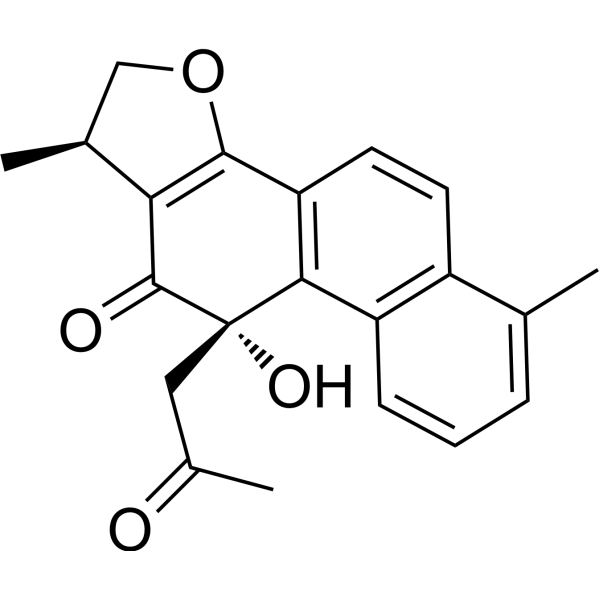
  • HY-128895
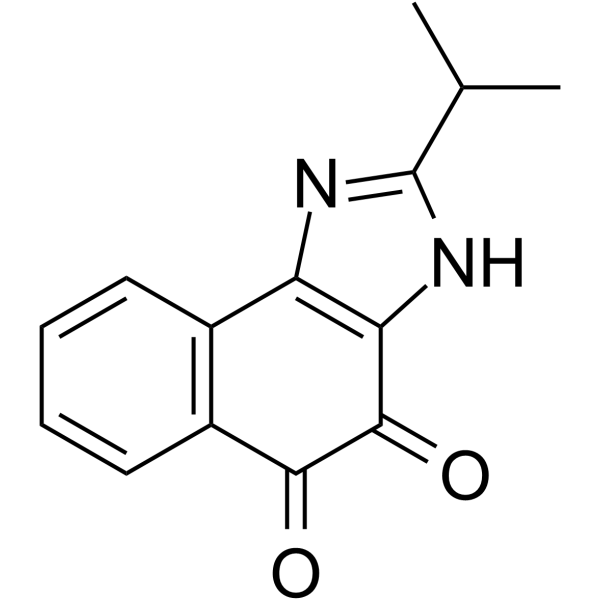
    KL1333
    1 Publications Verification

    Quinone Reductase Mitochondrial Metabolism Metabolic Disease
    KL1333, a derivative of β-lapachone, is an orally available NAD+ modulator. KL1333 reacts with NAD(P)H:quinone oxidoreductase 1 (NQO1) as a substrate, resulting in increases in intracellular NAD+ levels via NADH oxidation. KL1333 improves energy metabolism and mitochondrial dysfunction in MELAS fibroblasts. KL1333 protects against Cisplatin-induced ototoxicity in mouse cochlear cultures [2].
    KL1333
  • HY-P2947

    Aldehyde dehydrogenase (NAD(P))

    Aldehyde Dehydrogenase (ALDH) Others Cancer
    ALDH (Aldehyde dehydrogenase (NAD(P))) catalyzes the oxidation of aldehydes into their corresponding carboxylic acids with the concomitant reduction of the cofactor NAD(P) into NAD(P)H, is often used in biochemical studies. The ALDHs are one of many enzyme systems the body utilizes to alleviate aldehyde stress .
    ALDH
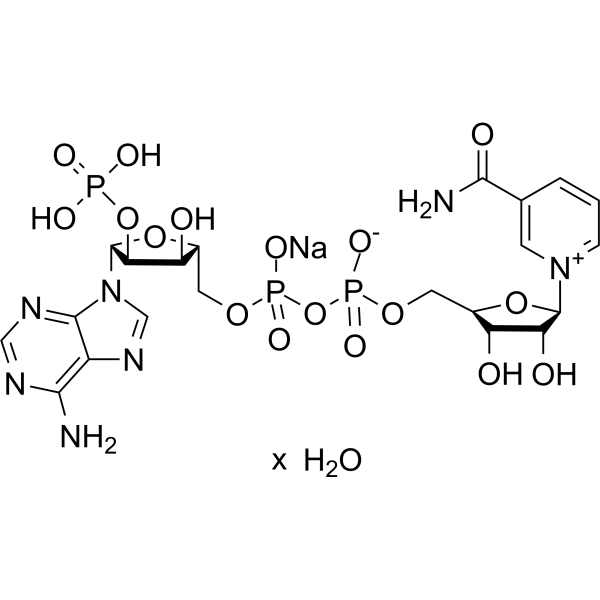
  • HY-113325A
    NADP sodium hydrate
    5+ Cited Publications

    Endogenous Metabolite Metabolic Disease Inflammation/Immunology Cancer
    NADP sodium hydrate is the sodium salt hydrate form of NADP (HY-113325). NADP is a coenzyme involved in cellular electron transfer reactions in biological metabolism, which is alternately oxidized (NADP+) and reduced (NADPH), and can maintain cellular redox homeostasis and regulate many biological events, including cellular metabolism. NADPH is a universal electron donor that provides reducing ability for synthetic metabolic reactions and redox balance. NADPH plays a multifunctional role in regulating inflammation, redox homeostasis, and synthetic metabolism processes .
    NADP sodium hydrate
  • HY-125027

    IB-DNQ

    Quinone Reductase Cancer
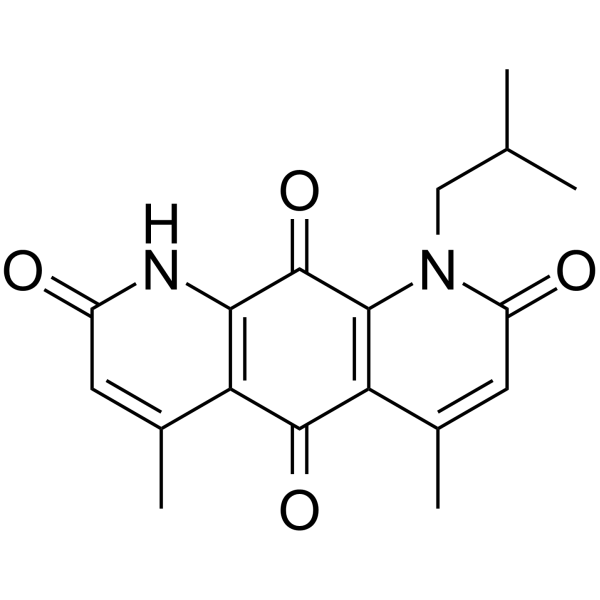
    Isobutyl-deoxynyboquinone (IB-DNQ) is a selective substrate for NAD(P)H:quinone oxidoreductase (NQO1). Isobutyl-deoxynyboquinone can be used for the research of anticancer .
    Isobutyl-deoxynyboquinone
  • HY-150621

    β-catenin Wnt Cancer
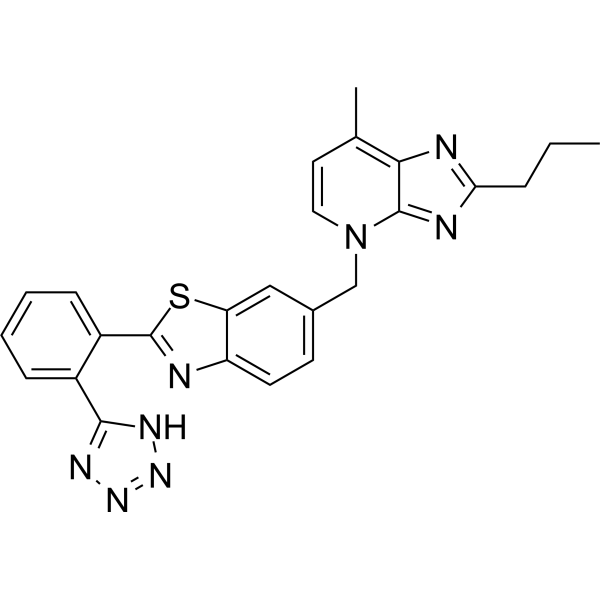
    AS1134900 is a highly selective uncompetitive allosteric inhibitor of NADP +-dependent malic enzyme 1 (ME1) with an IC50 of 0.73 μM. AS1134900 can be used in the study of cancer .
    AS1134900
  • HY-P2911

    GLDH

    Mitochondrial Metabolism Others
    Glutamate dehydrogenase NAD(P) (GLDH) can be found in hepatocytes, renal tissue, brain, muscle, and intestinal cells. Glutamate dehydrogenase NAD(P) is often used in biochemical studies. Glutamate dehydrogenase is a mitochondrial enzyme, it catalyzes the reversible oxidative deamination of glutamate to α-ketoglutarate (α-KG) as part of the urea cycle .
    Glutamate dehydrogenase (NAD(P))
  • HY-N0352
    Tuberostemonine
    1 Publications Verification

    Parasite Infection
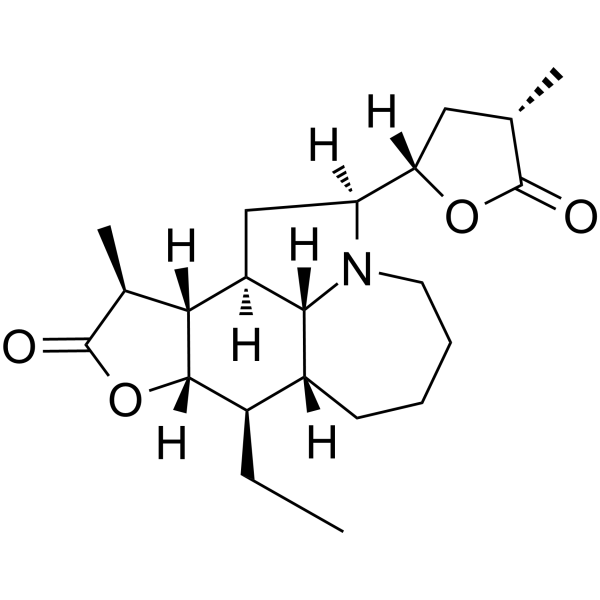
    Tuberostemonine is a stenine alkaloid that can be isolated from Stemona tuberosa and Stemona sessifolia. Tuberostemonine is an antimalarial agent that has inhibitory activity against Ferredoxin-NADP + reductases (FNRs) from Plasmodium falciparum (PfFNR). Tuberostemonine can reduce the number of citric acid-induced coughs in guinea pigs. Tuberostemonine decreases bronchoalveolar lavage fluid (BALF), neutrophil and macrophage infiltration and reduces peribronchial and perivascular inflammatory cell infiltration in mouse model of acute lung inflammation. Tuberostemonine has a level of activity as a feeding deterrent [2] .
    Tuberostemonine
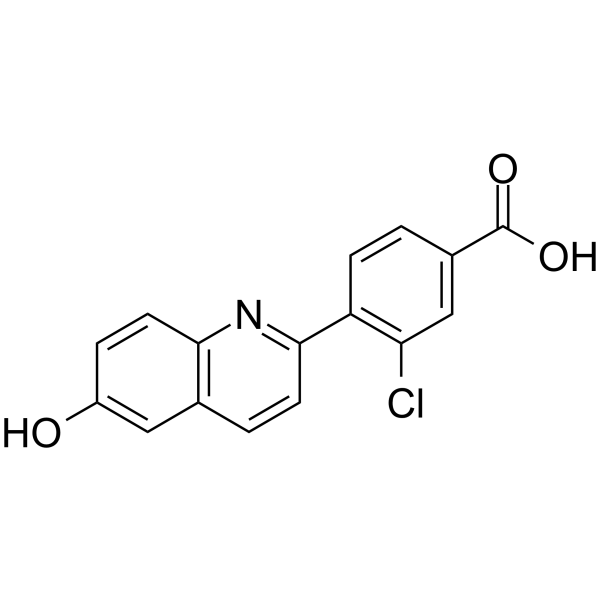
  • HY-103667
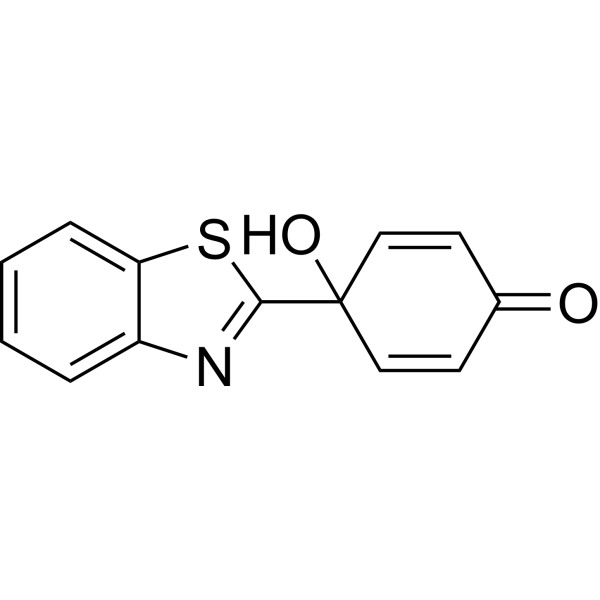
    2-HBA
    3 Publications Verification

    Quinone Reductase Caspase Cancer
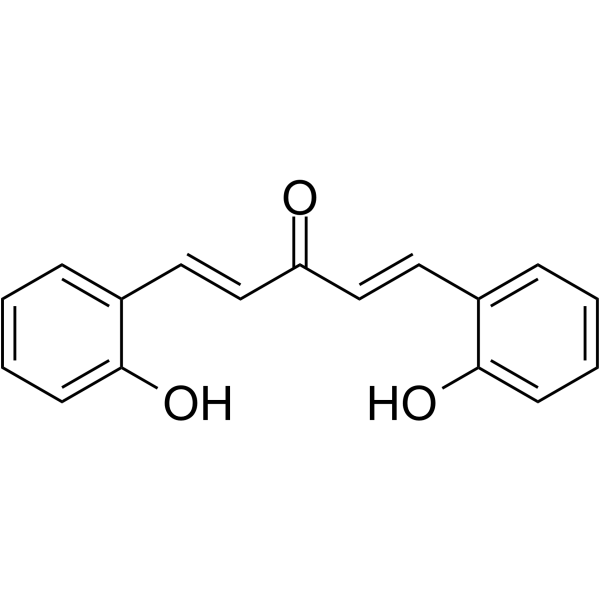
    2-HBA is a potent inducer of NAD(P)H:quinone acceptor oxidoreductase 1 (NQO1) which can also activate caspase-3 and caspase-10.
    2-HBA
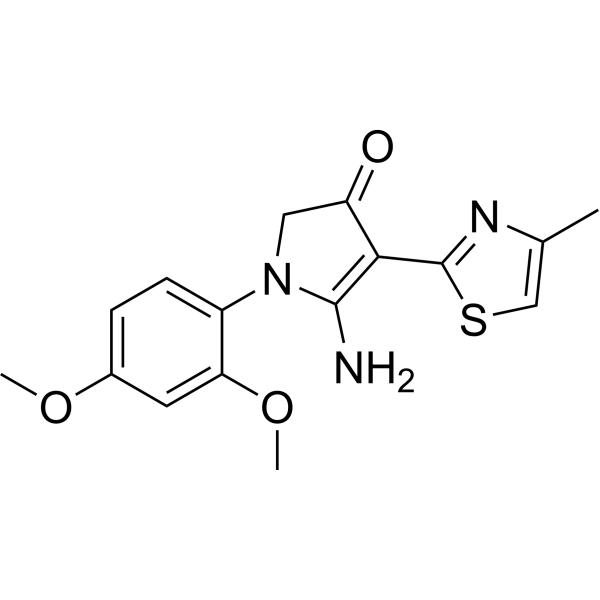
  • HY-163002
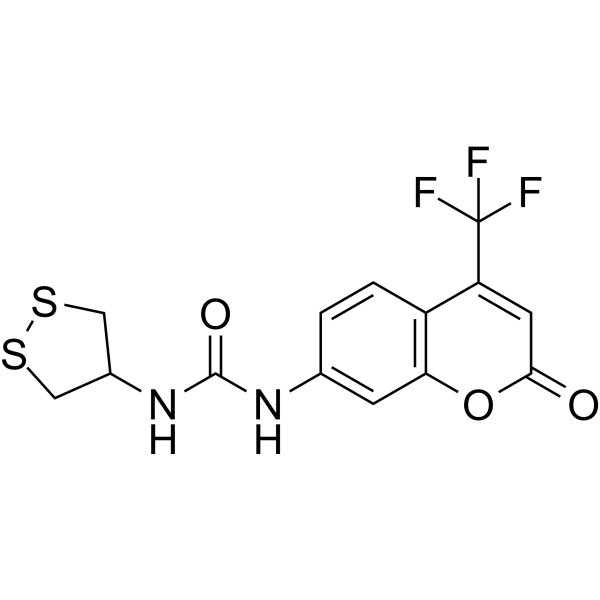
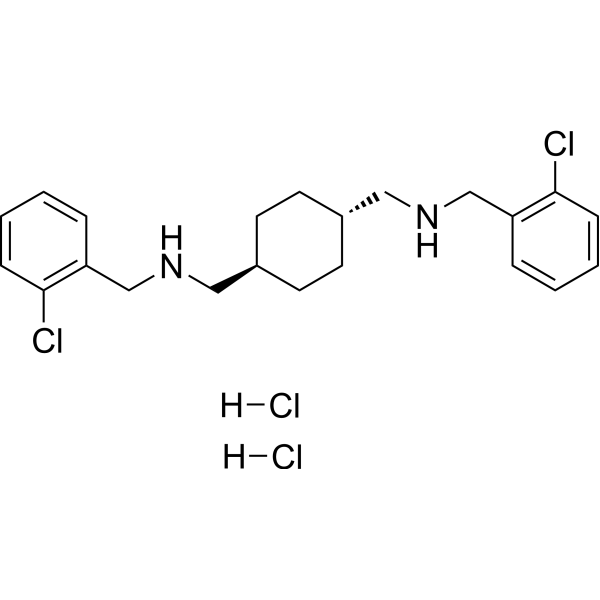
    viFSP1
    4 Publications Verification

    Ferroptosis Cancer
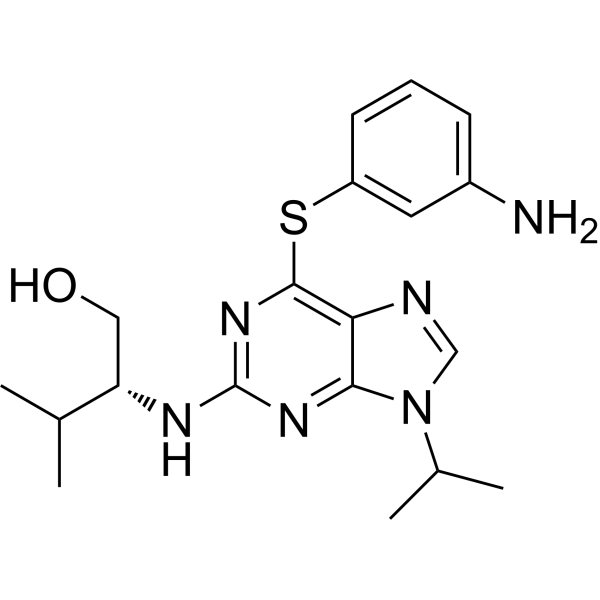
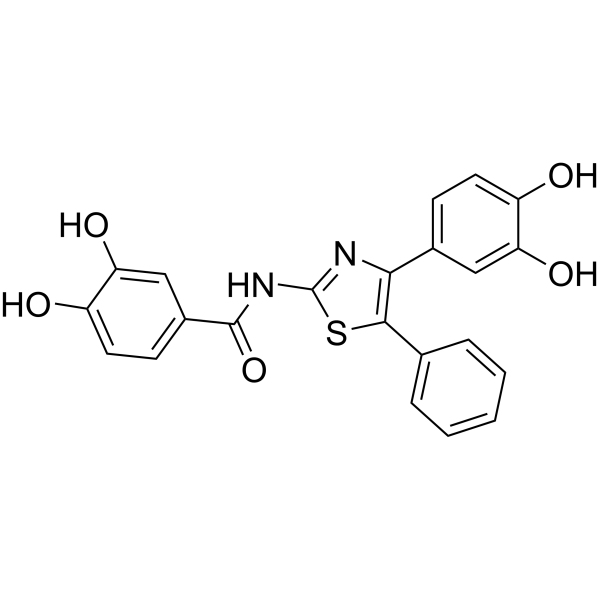
    viFSP1 is a species-independent FSP1 inhibitor. viFSP1 directly inhibits FSP1 by targeting the highly conserved NAD(P)H binding pocket of FSP1. viFSP1 can induce Ferroptosis in FSP1-dependent cells. viFSP1 can be used in renal and breast cancer research [2].
    viFSP1
  • HY-P2897
    D-Lactate dehydrogenase, Microorganism
    1 Publications Verification

    D-LDH

    Lactate Dehydrogenase Others
    D-Lactate dehydrogenase, Microorganism (D-LDH) is an oxidoreductase that uses NAD + or NADP + as an acceptor and acts on the donor CH-OH group, and can catalyze the oxidation of D-lactate to pyruvate. D-Lactate dehydrogenase widely exists in bacteria and fungi, and is often used in biochemical research .
    D-Lactate dehydrogenase, Microorganism
  • HY-P3186

    Endogenous Metabolite Metabolic Disease
    Glucose dehydrogenase, recombinant Microorganisms is a FDA-dependent oxidoreductase. Glucose dehydrogenase (GDH) catalyzes the oxidation of β-D-glucose to β-D-glucono-1,5-lactone with simultaneous reduction of the cofactor NADP + to NADPH or, to a lesser extent, NAD + to NADH. Glucose dehydrogenase (GDH) accepts both NAD + and NADP + as cofactors and can be used for the regeneration of NADH and NADPH [2].
    Glucose dehydrogenase, recombinant Microorganisms
  • HY-131521

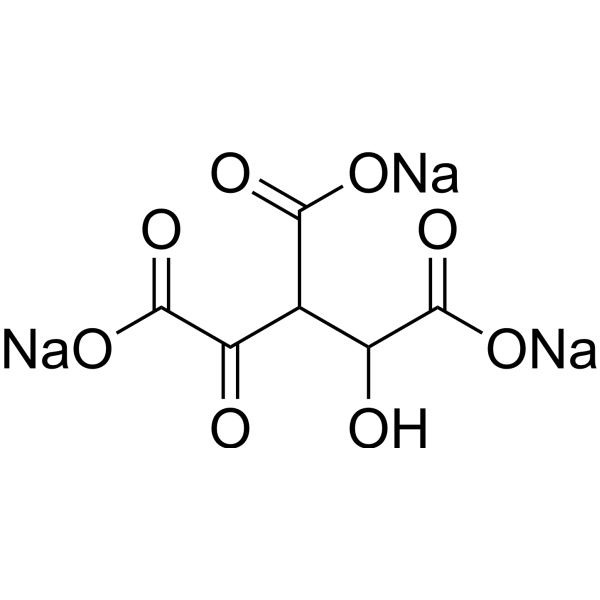
    Oxalomalate trisodium

    Isocitrate Dehydrogenase (IDH) Cancer
    Oxalomalic acid (Oxalomalate) trisodium is a aconitase and NADP-dependent isocitrate dehydrogenase inhibitor. Oxalomalic acid trisodium inhibits nitrite production and iNOS protein expression in lipopolysaccharide (HY-D1056)-activated J774 macrophages .
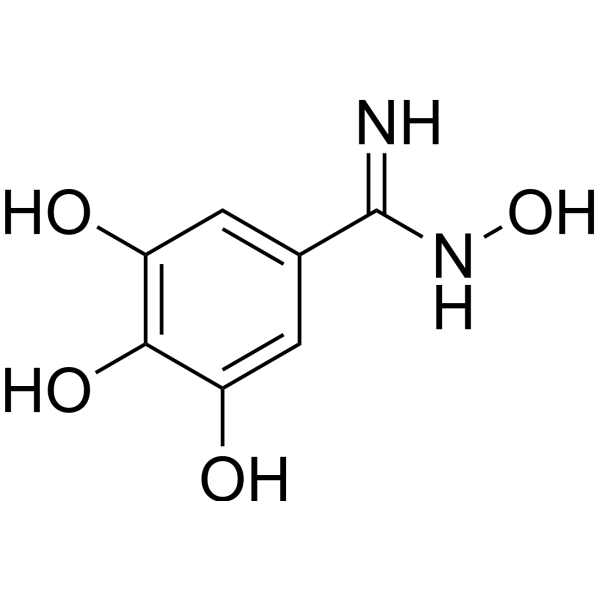
    Oxalomalic acid trisodium
  • HY-154924

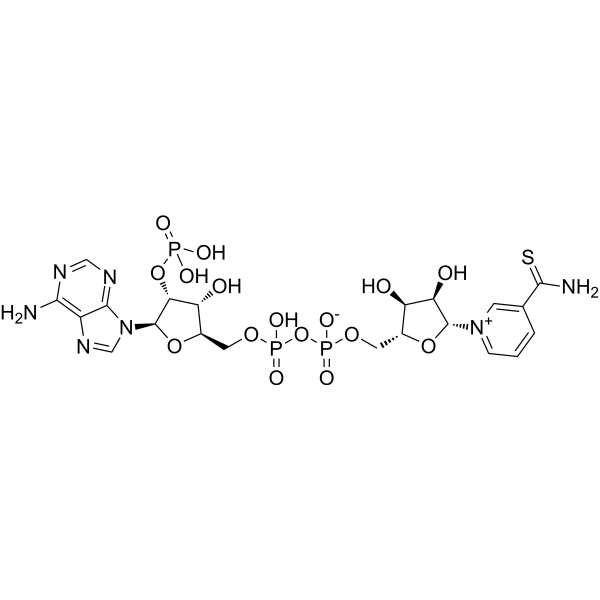
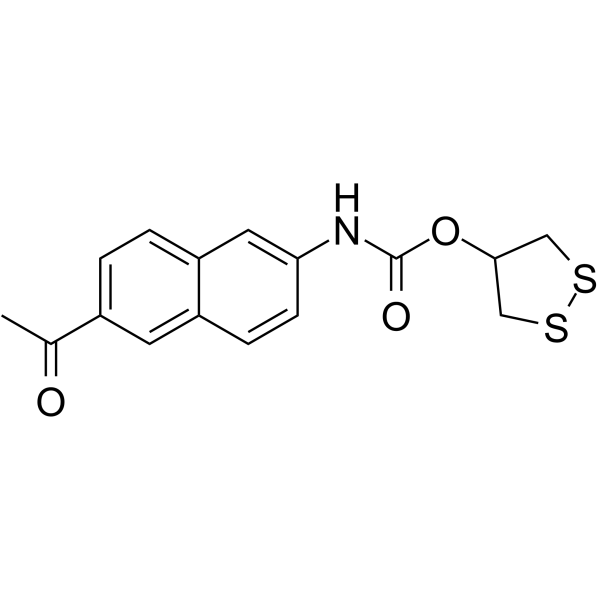
    S-NADP

    Calcium Channel Cardiovascular Disease
    Thio-NADP (S-NADP) is a nicotinic acid adenine dinucleotide phosphate (NAADP) inhibitor. Thio-NADP activates partial Ca 2+ release .
    Thio-NADP
  • HY-113325AR

    Endogenous Metabolite Reference Standards Metabolic Disease Inflammation/Immunology Cancer
    NADP sodium hydrate (Standard) is the analytical standard of NADP sodium hydrate (HY-113325A). This product is intended for research and analytical applications. NADP sodium hydrate is the sodium salt hydrate form of NADP (HY-113325). NADP is a coenzyme involved in cellular electron transfer reactions in biological metabolism, which is alternately oxidized (NADP+) and reduced (NADPH), and can maintain cellular redox homeostasis and regulate many biological events, including cellular metabolism. NADPH is a universal electron donor that provides reducing ability for synthetic metabolic reactions and redox balance. NADPH plays a multifunctional role in regulating inflammation, redox homeostasis, and synthetic metabolism processes.
    NADP sodium hydrate (Standard)
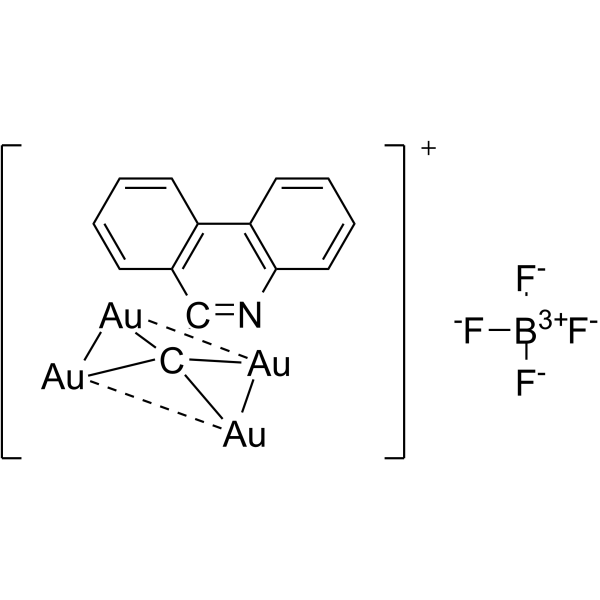
  • HY-W002555

    Drug Intermediate Others
    4-Aminonicotinic acid is a building block, that can be used for synthesis of pharmaceutical agents. 4-Aminonicotinic acid can be used as the substrate or inhibitor in the research of NAD(P)H metabolism and the activity of related enzymes .
    4-Aminonicotinic acid
  • HY-N7335

    Quinone Reductase Others Neurological Disease Inflammation/Immunology Cancer
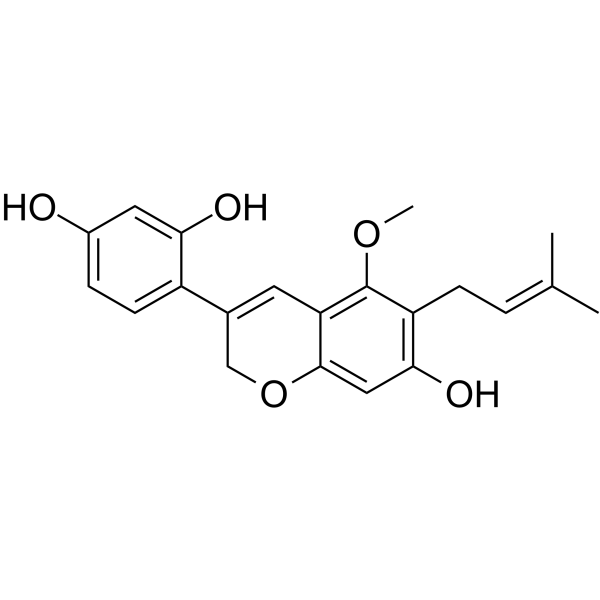
    Dehydroglyasperin C, a isoflavone, is a potent NAD(P)H:oxidoquinone reductase (NQO1) and phase 2 enzyme inducer. Dehydroglyasperin C has antioxidant, neuroprotective, cancer chemopreventive, and anti-inflammatory activities [2] .
    Dehydroglyasperin C
  • HY-F0002R

    Sodium NADP (Standard)

    Endogenous Metabolite Reference Standards Metabolic Disease Inflammation/Immunology Cancer
    NADP (sodium salt) (Standard) is the analytical standard of NADP (sodium salt). This product is intended for research and analytical applications. NADP sodium salt is the sodium salt form of NADP (HY-113325). NADP is a coenzyme involved in cellular electron transfer reactions in biological metabolism, which is alternately oxidized (NADP+) and reduced (NADPH), and can maintain cellular redox homeostasis and regulate many biological events, including cellular metabolism. NADPH is a universal electron donor that provides reducing ability for synthetic metabolic reactions and redox balance. NADPH plays a multifunctional role in regulating inflammation, redox homeostasis, and synthetic metabolism processes[1][4].
    NADP sodium salt (Standard)
  • HY-137672A

    2',3'-cNADP+; β-Nicotinamide adenine dinucleotide-2',3'-cyclic phosphate

    Phosphodiesterase (PDE) Calcium Channel Neurological Disease
    2',3'-Cyclic NADP disodium (2',3'-cNADP+; β-Nicotinamide adenine dinucleotide-2',3'-cyclic phosphate) is a substrate for 2',3'-cyclic nucleotide 3'-phosphodiesterase (CNP), an enzyme abundant in myelin. It has been used in a coupled enzyme assay to quantify CNP activity. 2',3'-Cyclic NADP disodium (5 μM) increases calcium overload-induced calcium release and prevents calcium-induced swelling in rat brain mitochondria.
    2',3'-Cyclic NADP disodium
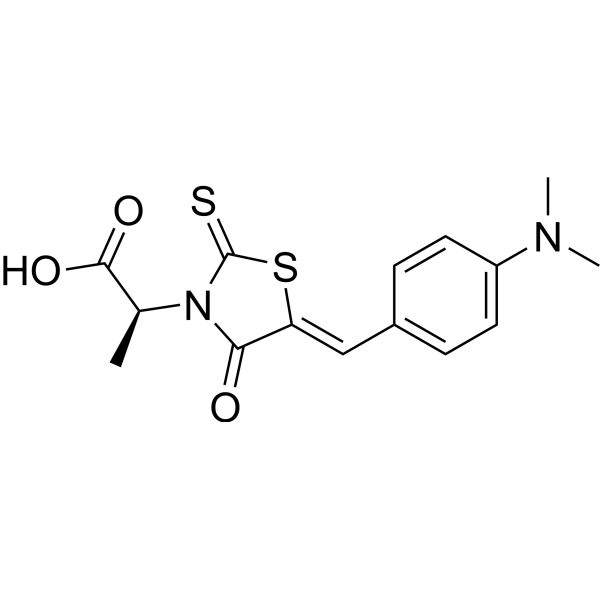
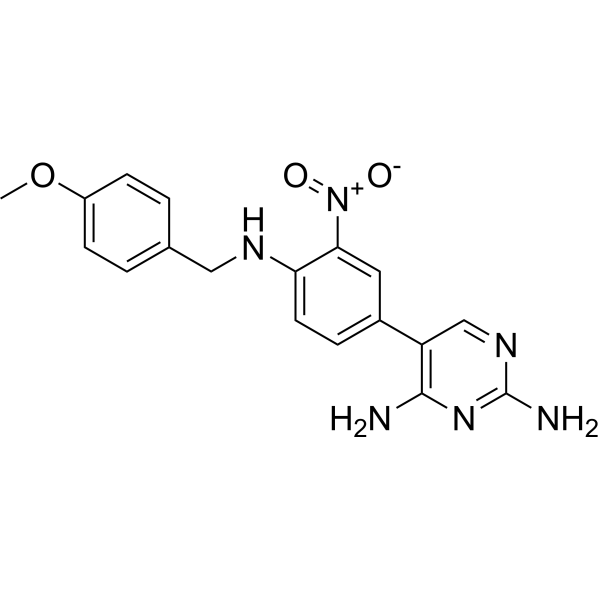
  • HY-118588

    Quinone Reductase Microtubule/Tubulin Others
    Diminutol is an inhibitor for NADP-dependent quinone oxidoreductase (NQO1), that is involved in microtubule morphogenesis and cell devision .
    Diminutol
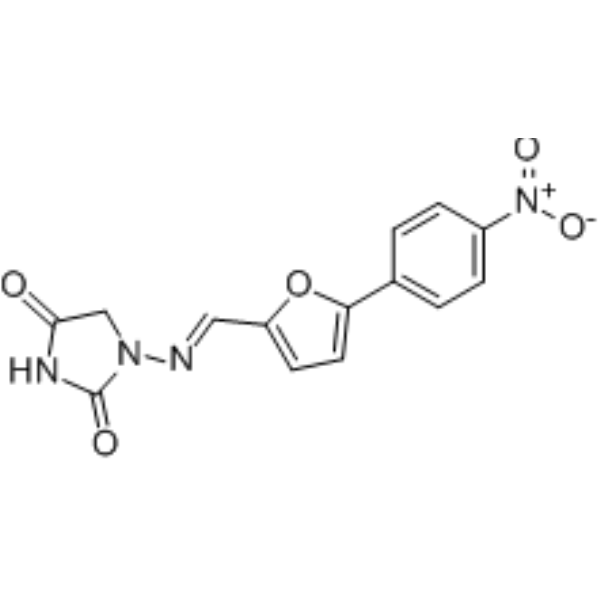
  • HY-W052512

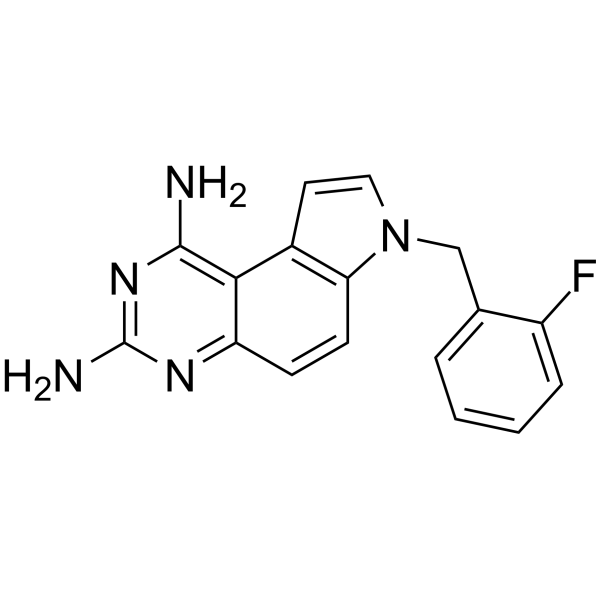
    Parasite Infection
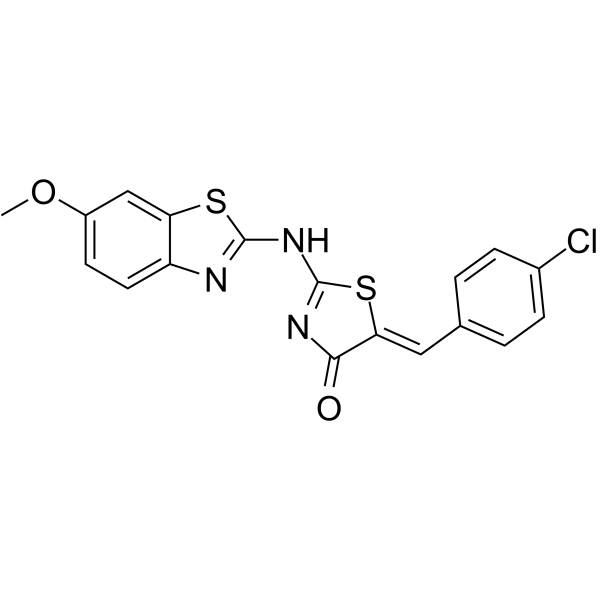
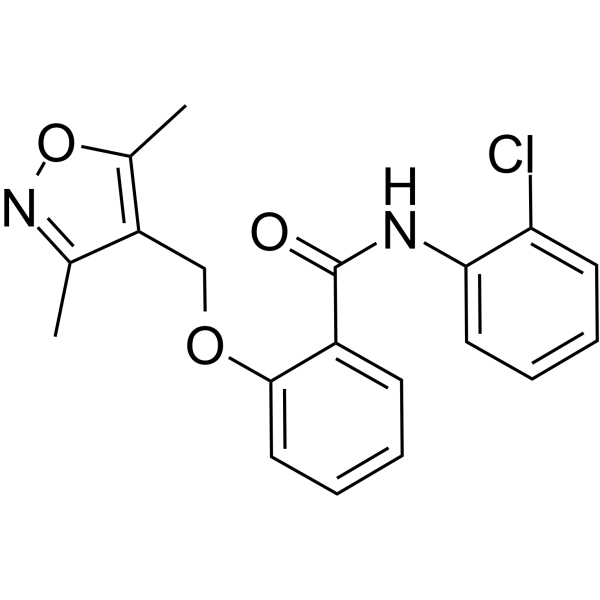
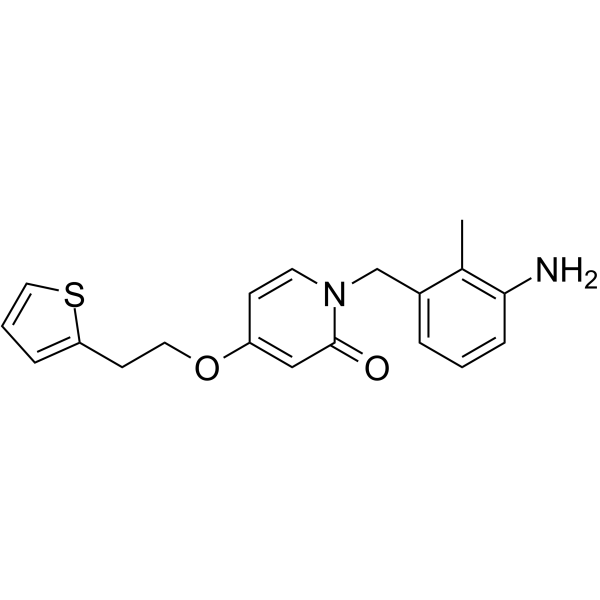
    Antitrypanosomal agent 1 is a potent and selective trypanothione reductase (TR) inhibitor with an IC50 of 3.3 μM. Antitrypanosomal agent 1 inhibits glutathione reductase (GR) (IC50=64.8 μM) and T. brucei (EC50=1 μM). Antitrypanosomal agent 1 has anti-trypanosomal activity .
    Antitrypanosomal agent 1
  • HY-P2944

    Biochemical Assay Reagents Metabolic Disease
    Ferredoxin-NADP reductase in plants receives electrons from ferredoxin (Fd) at the end of the photosynthetic electron transfer chain and converts NADP + to NADPH .
    Ferredoxin-NADP reductase
  • HY-P2912

    Glutamate Dehydrogenase (GLDH) Biochemical Assay Reagents Neurological Disease
    Glutamate dehydrogenase (NADP) is the catalytic enzyme for glutamate production. Dysfunction of Glutamate dehydrogenase (NADP) may induce various neurodegenerative diseases, such as Parkinson's disease, epilepsy, Alzheimer's disease, schizophrenia, and frontotemporal dementia. Glutamate dehydrogenase (NADP) can be used in research on neurological diseases such as Parkinson's disease, epilepsy, and Alzheimer's disease .
    Glutamate dehydrogenase (NADP)
  • HY-P2993

    ICDH; IDH

    Isocitrate Dehydrogenase (IDH) Metabolic Disease Cancer
    Isocitrate dehydrogenase, Porcine heart (ICDH) is a citric acid or tricarboxylic acid cycle enzyme, is often used in biochemical studies. Isocitrate dehydrogenase catalyzes the oxidative decarboxylation of isocitrate to α-ketoglutarate and reduces NAD(P) + to NAD(P)H, it plays important roles in cellular metabolism .
    Isocitrate dehydrogenase, Porcine heart
  • HY-E70406

    CHDH-5

    Endogenous Metabolite Others
    Cholesterol Dehydrogenase, Nocardia sp. is an enzyme that uses nicotinamide adenine dinucleotide/nicotinamide adenine dinucleotide phosphate (NAD(P)) as its cofactor in oxidizing cholesterol to form cholest-4-en-3-one. This enzyme oxidizes the hydroxyl group at the 3 position of the sterol ring to form a ketone.
    Cholesterol Dehydrogenase, Nocardia sp.
  • HY-P2740B

    Endogenous Metabolite Metabolic Disease
    Alcohol dehydrogenase, yeast is an alcohol dehydrogenase expressed in yeast. It can catalyze the conversion between ethanol and acetaldehyde, while also reducing NAD or NADP, and it plays a role in glycolysis and aerobic respiration .
    Alcohol dehydrogenase, yeast
  • HY-107855S

    (±)-Mevalonolactone-d7; Mevalolactone-d7

    Endogenous Metabolite Metabolic Disease
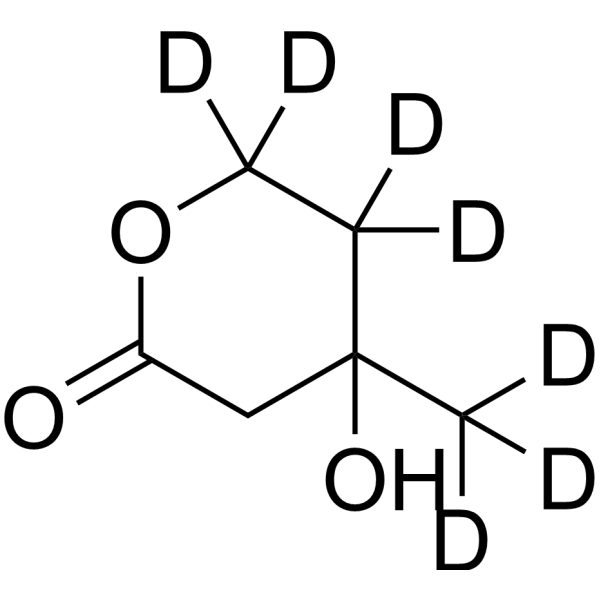
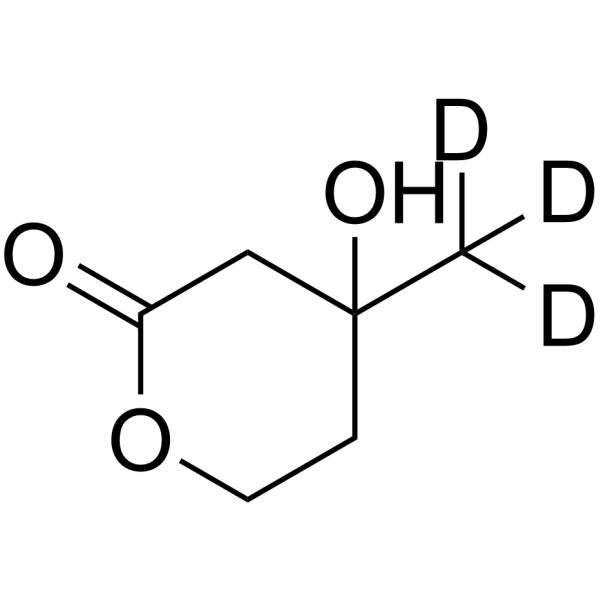
    DL-Mevalonolactone-d7 is the deuterium labeled DL-Mevalonolactone. DL-Mevalonolactone ((±)-Mevalonolactone) is the δ-lactone form of mevalonic acid, a precursor in the mevalonate pathway. DL-Mevalonolactone (Mevalonolactone) decreases mitochondrial membrane potential (?Ψm), NAD(P)H content and the capacity to retain Ca2+ in the brain, besides inducing mitochondrial swelling [2].
    DL-Mevalonolactone-d7
  • HY-P2996B

    Others Others
    Nitrate Reductase (NAD[P]H), Pichia pastoris (recombinant) is a simplified version of nitrate reductase S-NaR1 expressed and purified by Pichia pastoris. Nitrate Reductase (NAD[P]H), Pichia Pastoris (recombinant) contains sites binding molybdenum-molybdenopyridine (Mo-MPT) and nitrate reduction active sites and only contains two domains instead of the five domains of the complete NaR. This simplified form of nitrate reductase was expressed in high density in P. pastoris and purified to homogeneity in one step by fixed metal affinity chromatography (IMAC). Nitrate Reductase (NAD[P]H), Pichia Pastoris (recombinant) can be used in the development of biosensors and environmental monitoring .
    Nitrate Reductase (NAD[P]H), Pichia Pastoris (recombinant)
  • HY-P3001

    Endogenous Metabolite Metabolic Disease
    Malate dehydrogenase (oxaloacetate-decarboxylating, NADP+) is a redox agent targeting metabolic pathways. Malate dehydrogenase (oxaloacetate-decarboxylating, NADP+) catalyzes the reduction of oxaloacetate to malate in leaves of higher plants. Malate dehydrogenase (oxaloacetate-decarboxylating, NADP+) is promising for research of metabolic diseases, such as diabetes, obesity .
    Malate dehydrogenase oxaloacetate-decarboxylating, NADP+
  • HY-P2996A

    Drug Isomer Others
    Nitrate Reductase, Arabidopsis thaliana is the isomer of NAD(P)H-Nitrate reductase (HY-P2996). NAD(P)H-Nitrate reductase is isolated from Aspergillus niger that catalyses the reduction of nitrate to nitrite via a two-electron transfer. In plants,the electron donor for Nitrate reductase is NADPH is NADH:Nitrate reductase and a bispecific NAD(P)H: Nitrate reductase .
    Nitrate Reductase, Arabidopsis thaliana
  • HY-E71466A

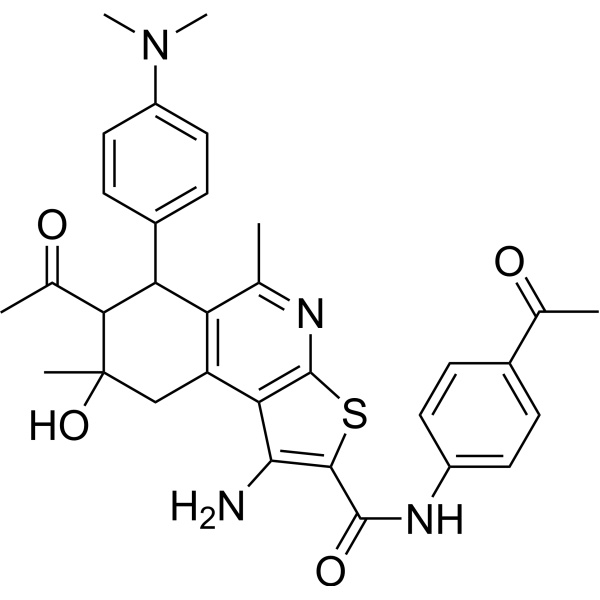
    2-Alkenal reductase [NAD(P)+]
  • HY-125863A

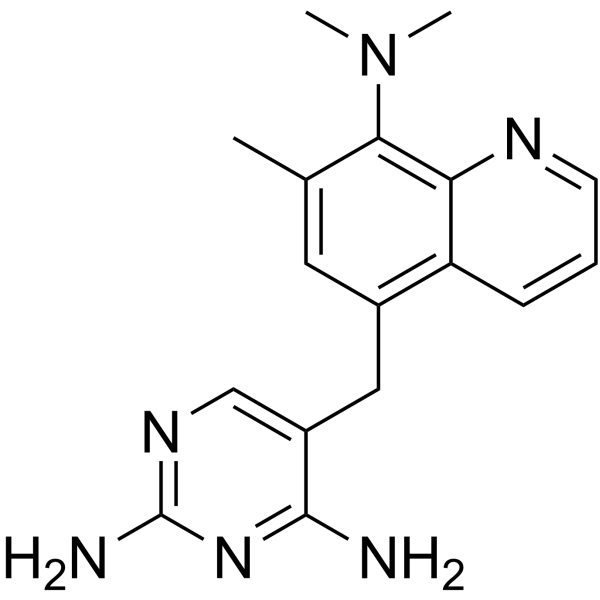
    G6PD (Leuconostoc sp., recombinant)

    Endogenous Metabolite Metabolic Disease
    Glucose-6-phosphate dehydrogenase (Leuconostoc sp., recombinant) is an NADP-dependent enzyme in the pentose phosphate pathway, which is one of the ways glucose is metabolized. Glucose-6-phosphate dehydrogenase (Leuconostoc sp., recombinant) can be used to quantify ATP, glucose, and creatine kinase .
    Glucose-6-phosphate dehydrogenase (Leuconostoc sp., recombinant)
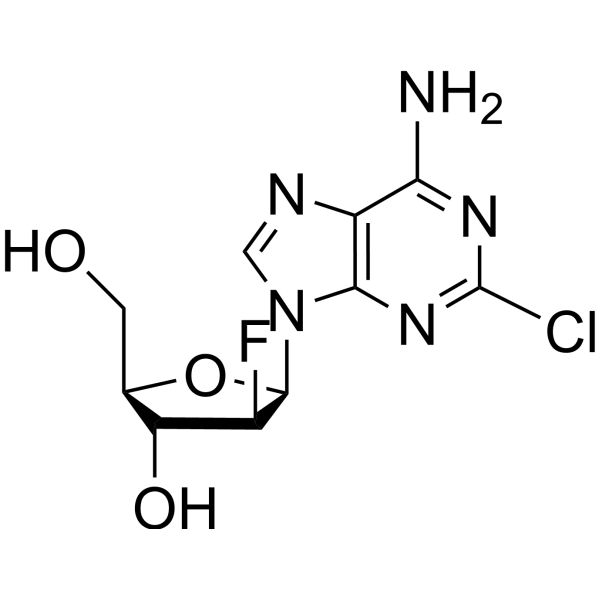
  • HY-E71466

    2-Alkenal reductase (NADP+)
  • HY-P3175

    6-Phosphogluconate dehydrogenase

    Biochemical Assay Reagents Metabolic Disease
    Phosphogluconate dehydrogenase (NADP, decarboxylating) (6-Phosphogluconate dehydrogenase) is an oxidative carboxylase that catalyses the oxidative decarboxylation of 6-phosphogluconate to ribulose 5-phosphate in the context of the oxidative part of the pentose phosphate pathway .
    Phosphogluconate dehydrogenase (NADP, decarboxylating)
  • HY-N0352R

    Reference Standards Parasite Infection
    Tuberostemonine (Standard) is the analytical standard of Tuberostemonine. This product is intended for research and analytical applications. Tuberostemonine is a stenine alkaloid that can be isolated from Stemona tuberosa and Stemona sessifolia. Tuberostemonine is an antimalarial agent that has inhibitory activity Ferredoxin-NADP + reductases (FNRs) from Plasmodium falciparum (PfFNR). Tuberostemonine has a level of activity as a feeding deterrent [2].
    Tuberostemonine (Standard)
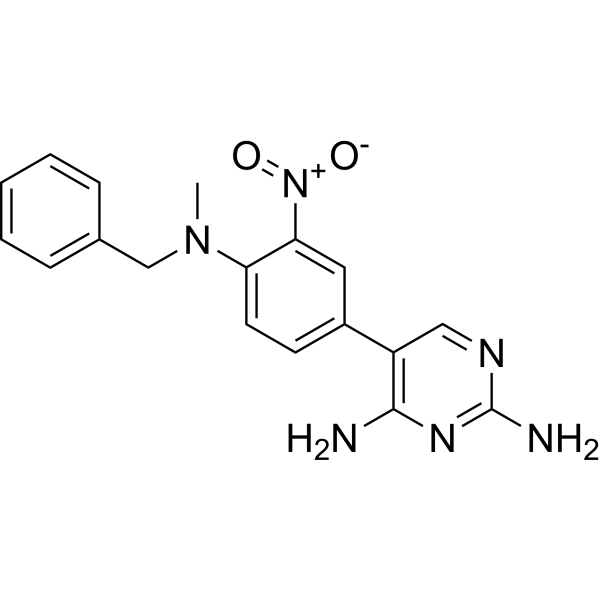
  • HY-176757

    NADPH Oxidase Cancer
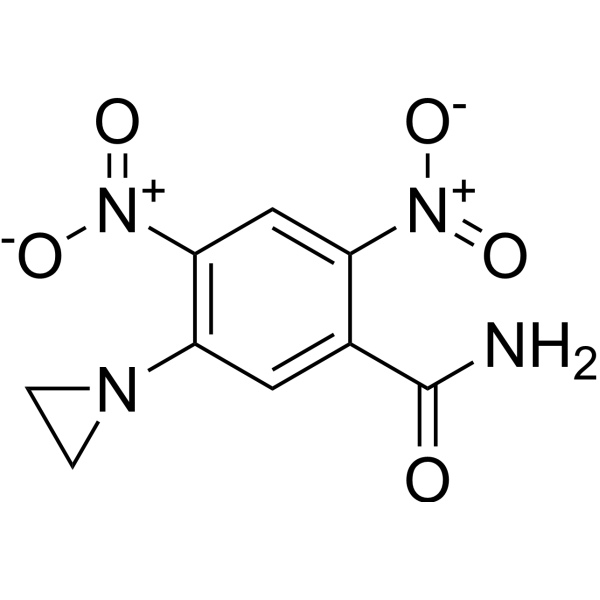
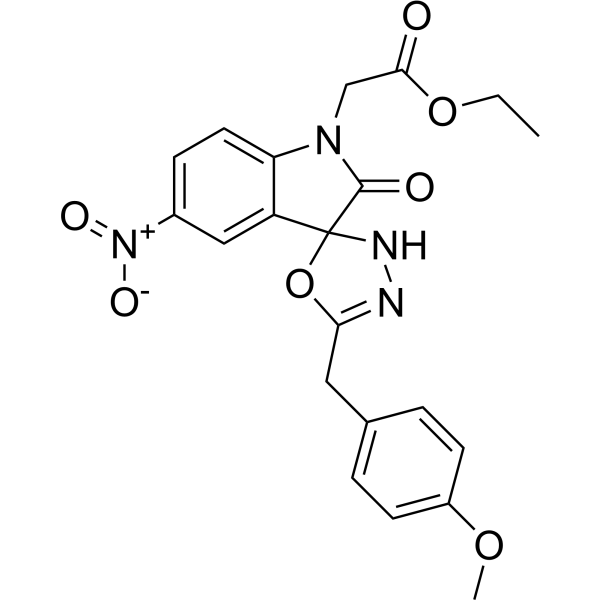
    N-Benzyl-N-demethylpronqodine A (Compound 16) is an inhibitor of NAD(P)H:quinine acceptor oxidoreductase 1 (NQO1) with an IC50 of 83.3 nM .
    N-Benzyl-N-demethylpronqodine A
  • HY-P2800A

    Endogenous Metabolite Metabolic Disease
    Diaphorase, Clostridium sp. is a diaphorase derived from Clostridium sp. As a flavin-containing NAD (P) H dehydrogenase, Diaphorase, Clostridium sp. uses NADH as an electron donor to reduce artificial dyes such as DCPIP and NBT, and participates in energy metabolism .
    Diaphorase, clostridium sp.
  • HY-W975966

    Keap1-Nrf2 Neurological Disease
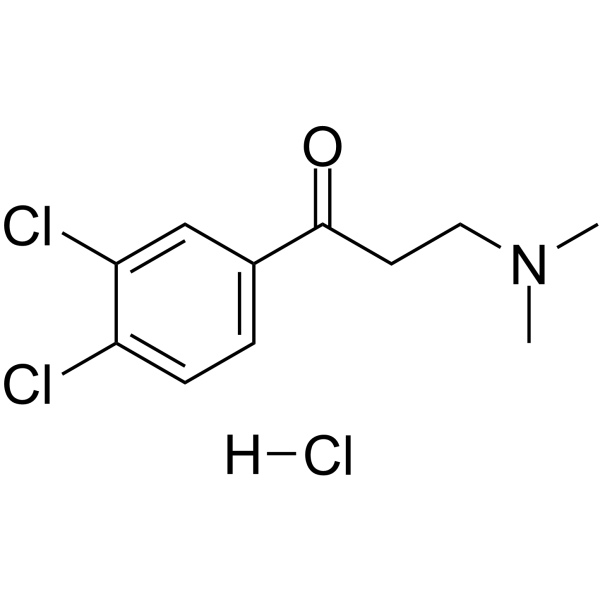
    CPDT is an orally active and highly potent inducer of phase 2 enzymes and an activator of Nrf2. The activities of key phase 2 enzymes, including glutathione S-transferase, NAD(P)H:quinone:oxidoreductase 1 and glutamate cysteine synthetase, and levels of glutathione were elevated by CPDT in rat bladder in vivo and in cultured bladder cells in vitro [1][2].
    CPDT
  • HY-W478741

    Endogenous Metabolite Keap1-Nrf2 NF-κB Metabolic Disease Cancer
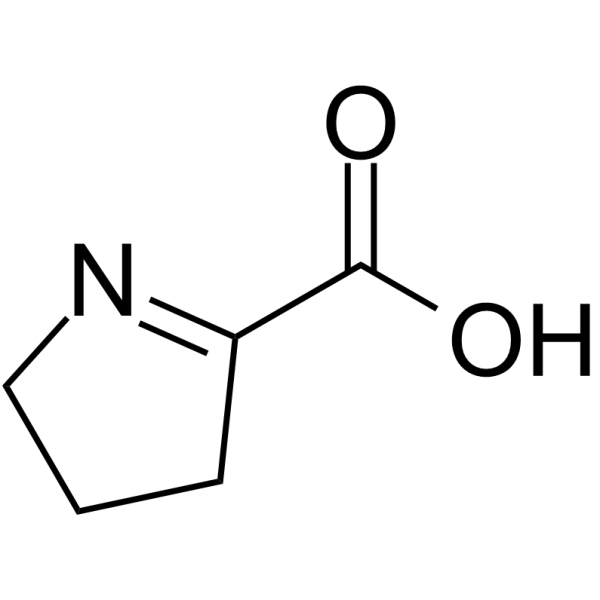
    Pyrraline is an Nrf2 pathway activator with antioxidant and anti-inflammatory effects. Pyrraline upregulates antioxidant enzymes such as NAD(P)H dehydrogenase (NQO1) and heme oxygenase-1 (HO-1) via antioxidant response element (ARE) activation, while inhibiting NFκB-mediated inflammation. Pyrraline is promising for research of metabolic disorders (such as diabetic nephropathy) and cancers [2].
    Pyrraline
  • HY-F0002AR

    Disodium NADP (Standard)

    Endogenous Metabolite Reference Standards Metabolic Disease Inflammation/Immunology Cancer
    NADP (disodium salt) (Standard) is the analytical standard of NADP (disodium salt). This product is intended for research and analytical applications. NADP disodium salt is the disodium salt form of NADP (HY-113325). NADP is a coenzyme involved in cellular electron transfer reactions in biological metabolism, which is alternately oxidized (NADP+) and reduced (NADPH), and can maintain cellular redox homeostasis and regulate many biological events, including cellular metabolism. NADPH is a universal electron donor that provides reducing ability for synthetic metabolic reactions and redox balance. NADPH plays a multifunctional role in regulating inflammation, redox homeostasis, and synthetic metabolism processes .
    NADP disodium salt (Standard)
  • HY-137593A

    ε-NADP+ trisodium

    Drug Derivative Metabolic Disease
    N6-Etheno-nicotinamide dinucleotide phosphate (ε-NADP+) trisodium, a structural analogue of the NADP(+), is a maize malic enzyme inhibitor with a Ki of 1.01 μM .
    N6-Etheno-nicotinamide dinucleotide phosphate trisodium
  • HY-P2993A

    ICDH, Microorganism; IDH, Microorganism

    Isocitrate Dehydrogenase (IDH) Metabolic Disease
    Isocitrate dehydrogenase, Microorganism (IDH) (EC 1.1.1.42) is a citric acid or tricarboxylic acid cycle enzyme, is often used in biochemical studies. Isocitrate dehydrogenase catalyzes the oxidative decarboxylation of isocitrate to α-ketoglutarate and reduces NAD(P) + to NAD(P)H, it plays important roles in cellular metabolism .
    Isocitrate dehydrogenase, Microorganism

Inquiry Online

Your information is safe with us. * Required Fields.

Salutation


Country or Region *

Applicant Name *


Organization Name *

Department *


Email Address *


Product Name *

Cat. No.


Requested quantity *

Phone Number *


Remarks

Inquiry Online

Inquiry Information

Product Name:
Cat. No.:
Quantity:
MCE Japan Authorized Agent: