1. Search Result
Search Result
Results for "

protein phosphorylation

" in MedChemExpress (MCE) Product Catalog:

409

Inhibitors & Agonists

12

Bibliotecas de Screening

2

Fluorescent Dyes

6

Biochemical Assay Reagents

35

Peptides

2

MCE Kits

76

Natural
Products

6

Recombinant Proteins

9

Isotope-Labeled Compounds

2

Click Chemistry

8

Oligonucleotides

Cat. No. Nombre del producto Target Áreas de investigación Chemical Structure
  • HY-N6785
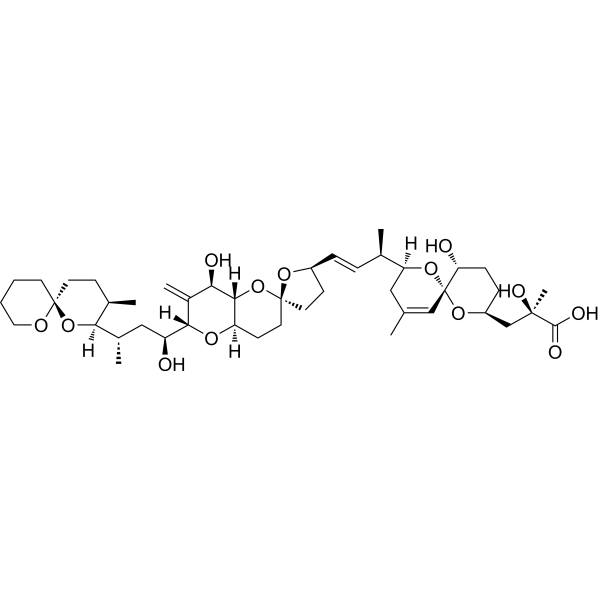
    Okadaic acid
    Maximum Cited Publications
    23 Publications Verification

    Phosphatase Apoptosis Neurological Disease Cancer
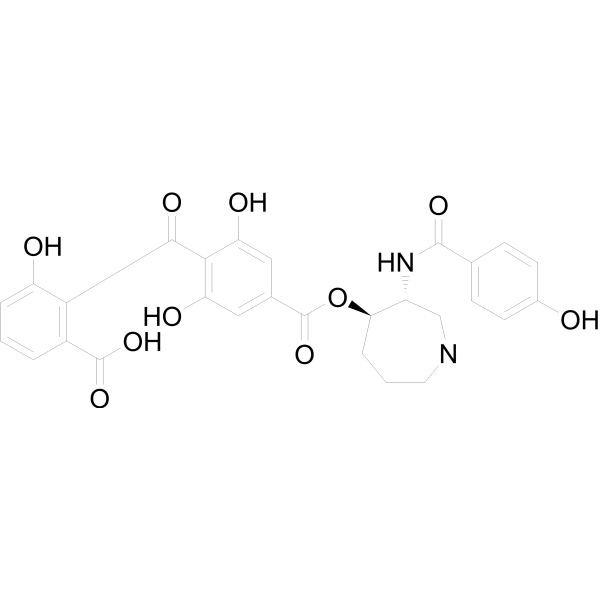
    Okadaic acid, a marine toxin, is an inhibitor of protein phosphatases (PP). Okadaic acid has a significantly higher affinity for PP2A (IC50=0.1-0.3 nM), and inhibits PP1 (IC50=15-50 nM), PP3 (IC50=3.7-4 nM), PP4 (IC50=0.1 nM), PP5 (IC50=3.5 nM), but does not inhibit PP2C. Okadaic acid increases of phosphorylation of a number of proteins by inhibiting PP, and acts a tumor promoter. Okadaic acid induces tau phosphorylation .
    Okadaic acid
  • HY-17439
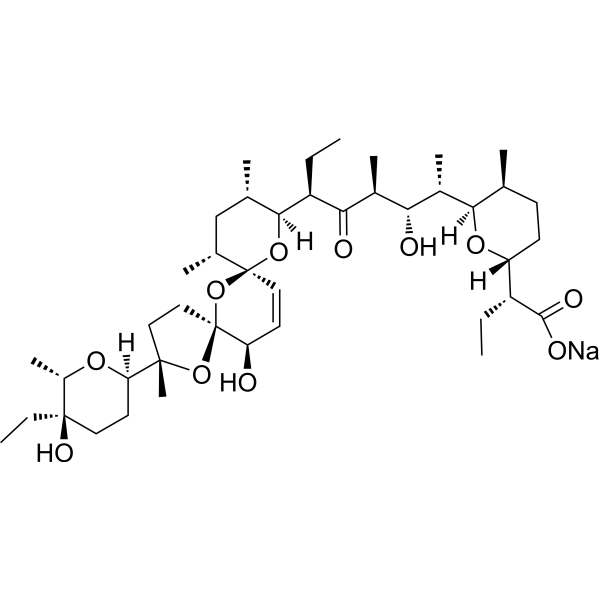
    Salinomycin sodium salt
    Maximum Cited Publications
    50 Publications Verification

    Salinomycin sodium; Sodium salinomycin

    Wnt β-catenin Bacterial Autophagy Apoptosis Antibiotic Parasite Cancer
    Salinomycin sodium salt (Salinomycin sodium), an antibiotic potassium ionophore, is a potent inhibitor of Wnt/β-catenin signaling. Salinomycin sodium salt acts on the Wnt/Fzd/LRP complex, blocks Wnt-induced LRP6 phosphorylation, and causes degradation of the LRP6 protein. Salinomycin sodium salt shows selective activity against human cancer stem cells .
    Salinomycin sodium salt
  • HY-126370A

    Endogenous Metabolite YAP Apoptosis Interleukin Related STAT ERK Ras Cancer
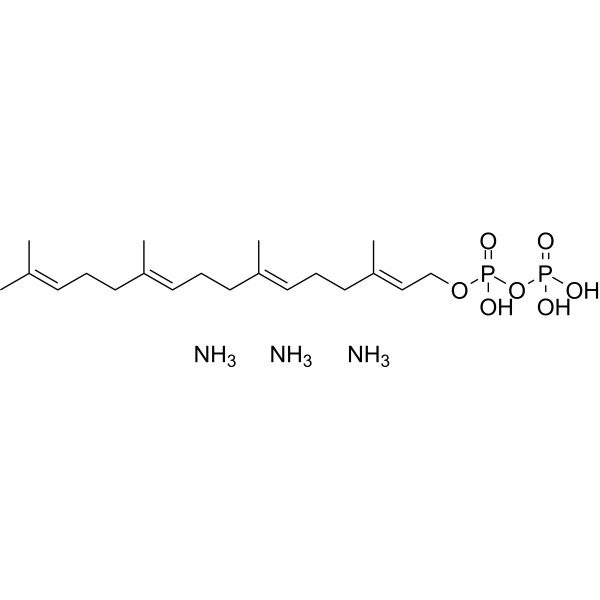
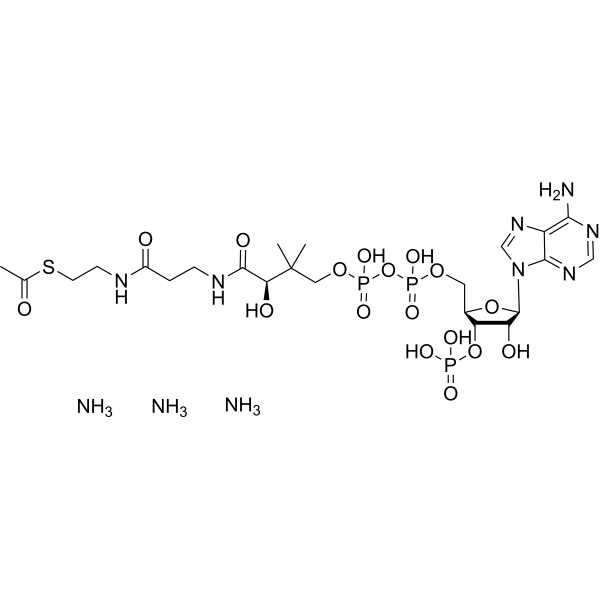
    Geranylgeranyl pyrophosphate triammonium is a type of isoprenoid metabolic intermediate, mainly synthesized through the mevalonate pathway. Geranylgeranyl pyrophosphate triammonium is a key precursor in various biological synthesis processes, especially as a necessary substrate for post-translational modification of proteins - geranylgeranyl phosphorylation. Geranylgeranyl pyrophosphate triammonium regulates various cellular processes and disease progression through protein geranylgeranyl phosphorylation, such as activating the YAP signaling pathway, promoting cell proliferation and inhibiting apoptosis; promoting IL-2 production and STAT5 phosphorylation; and influencing metabolic homeostasis and cancer, etc .
    Geranylgeranyl pyrophosphate triammonium
  • HY-112582
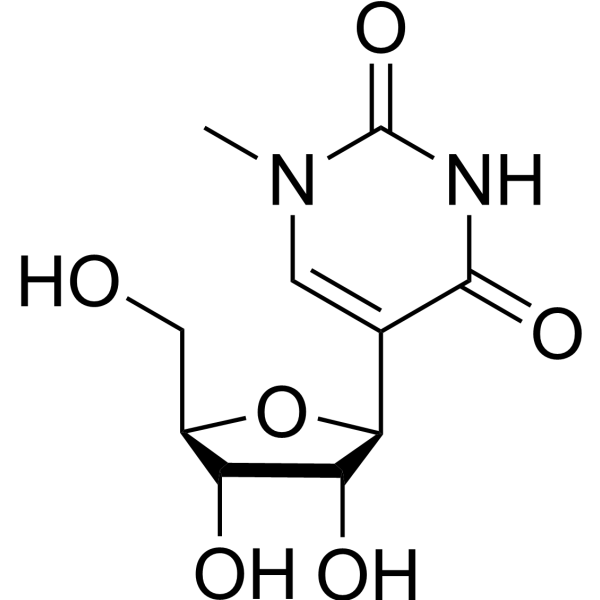
    N1-Methylpseudouridine
    1 Publications Verification

    1-Methylpseudouridine; N1-methyl-pseudouridine

    Nucleoside Antimetabolite/Analog DNA/RNA Synthesis Inflammation/Immunology
    N1-methyl-pseudouridine (1-Methylpseudouridine), a methylpseudouridine, outperforms 5 mC and 5 mC/N1-methyl-pseudouridine in translation. N1-methyl-pseudouridine in mRNA enhances translation through eIF2α-dependent and independent mechanisms by increasing ribosome density .
    N1-Methylpseudouridine
  • HY-N6785A
    Okadaic acid sodium
    20+ Cited Publications

    Phosphatase Apoptosis Neurological Disease Cancer
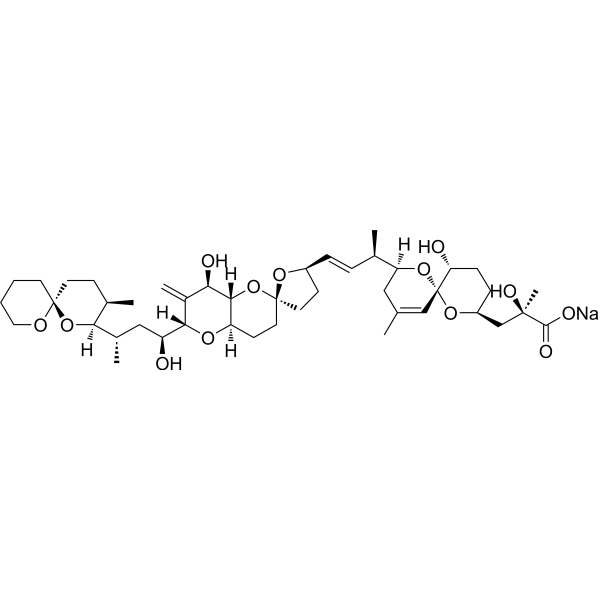
    Okadaic acid sodium, a marine toxin, is an inhibitor of protein phosphatases (PP). Okadaic acid (sodium) has a significantly higher affinity for PP2A (IC50=0.1-0.3 nM), and inhibits PP1 (IC50=15-50 nM), PP3 (IC50=3.7-4 nM), PP4 (IC50=0.1 nM), PP5 (IC50=3.5 nM), but does not inhibit PP2C. Okadaic acid sodium increases of phosphorylation of a number of proteins by inhibiting PP, and acts a tumor promoter. Okadaic acid sodium induces tau phosphorylation .
    Okadaic acid sodium
  • HY-50908
    Ridaforolimus
    10+ Cited Publications

    MK-8669; Deforolimus; AP23573

    mTOR Autophagy Bacterial Cancer
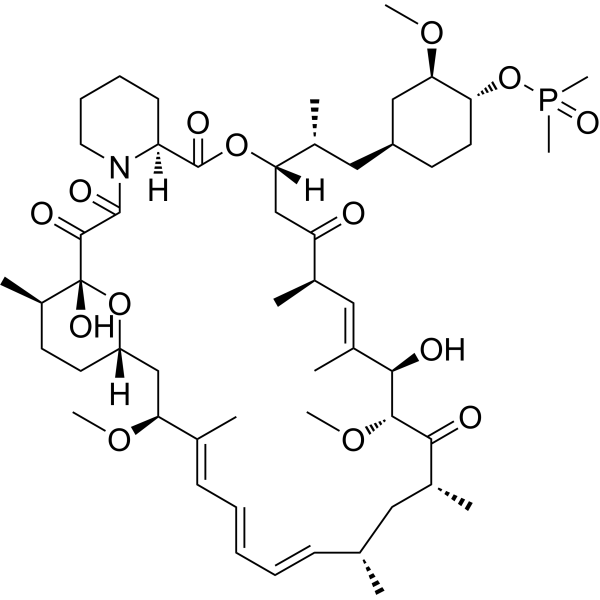
    Ridaforolimus (MK-8669) is a potent and selective mTOR inhibitor; inhibits ribosomal protein S6 phosphorylation with an IC50 of 0.2 nM in HT-1080 cells .
    Ridaforolimus
  • HY-N0774
    Isofraxidin
    4 Publications Verification

    ERK COX MMP Toll-like Receptor (TLR) Inflammation/Immunology
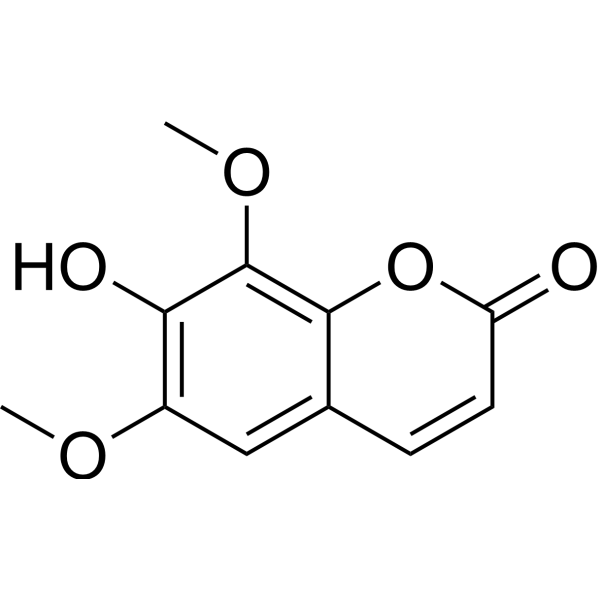
    Isofraxidin, a coumarin component from Acanthopanax senticosus, inhibits MMP-7 expression and cell invasion of human hepatoma cells. Isofraxidin inhibits the phosphorylation of ERK1/2 in hepatoma cells . Isofraxidin attenuates the expression of iNOS and COX-2, Isofraxidinalso inhibits TLR4/myeloid differentiation protein-2 (MD-2) complex formation .
    Isofraxidin
  • HY-N0743
    Senkyunolide A
    4 Publications Verification

    α-synuclein Neurological Disease Inflammation/Immunology Cancer
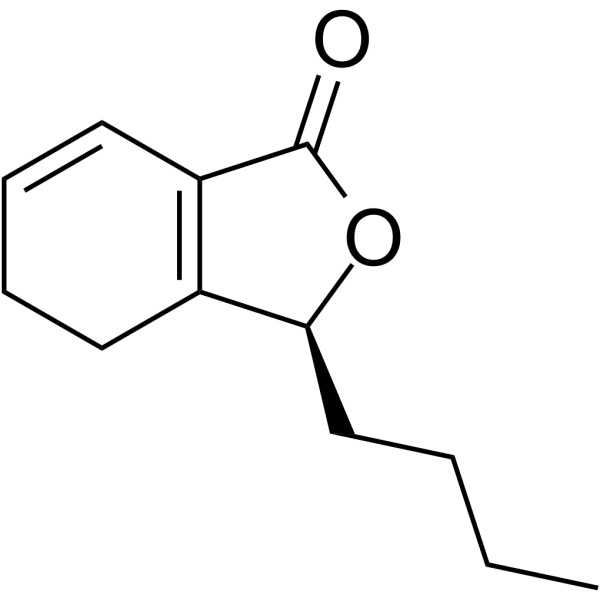
    Senkyunolide A is a phthalide, anti-tumor cell proliferation agent with anticancer activity. Senkyunolide A protects neurons from corticosterone (HY-B1618)-induced apoptosis by decreasing protein phosphatase PP2A and α-synuclein phosphorylation and protein level. Senkyunolide A also inhibits osteoarthritis through the NLRP3 signaling pathway and suppresses the expression of CD137, a diagnostic biomarker for atherosclerosis .
    Senkyunolide A
  • HY-125171
    IAXO-102
    5 Publications Verification

    Toll-like Receptor (TLR) Inflammation/Immunology
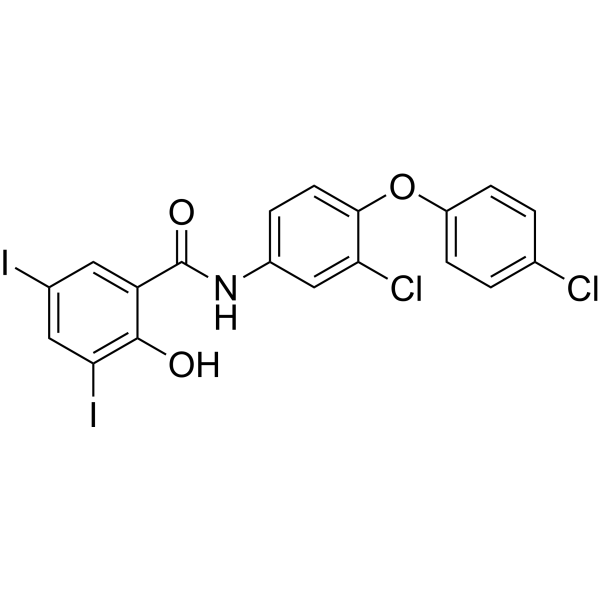
    IAXO-102 is a TLR4 antagonist which negatively regulates TLR4 signalling. IAXO-102 inhibits MAPK and p65 NF-κB phosphorylation and expression of TLR4 dependent proinflammatory protein. IAXO-102 also prevents experimental abdominal aortic aneurysm development .
    IAXO-102
  • HY-145232
    PhosTAC7
    4 Publications Verification

    OGTAC-3

    PhosTACs Phosphatase Tau Protein Neurological Disease Cancer
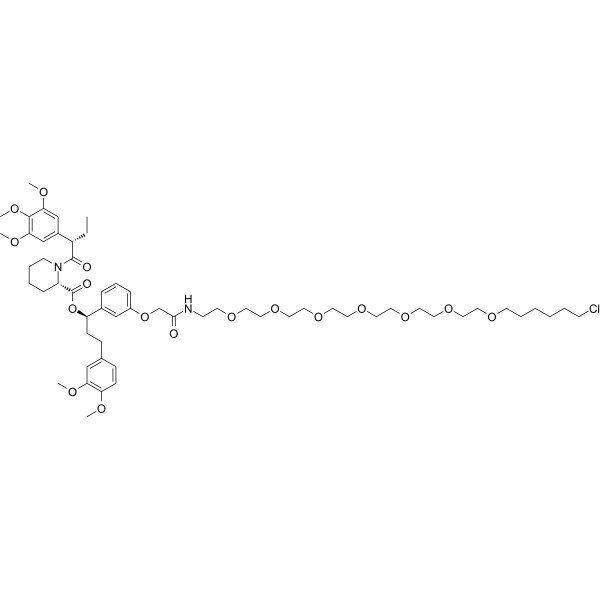
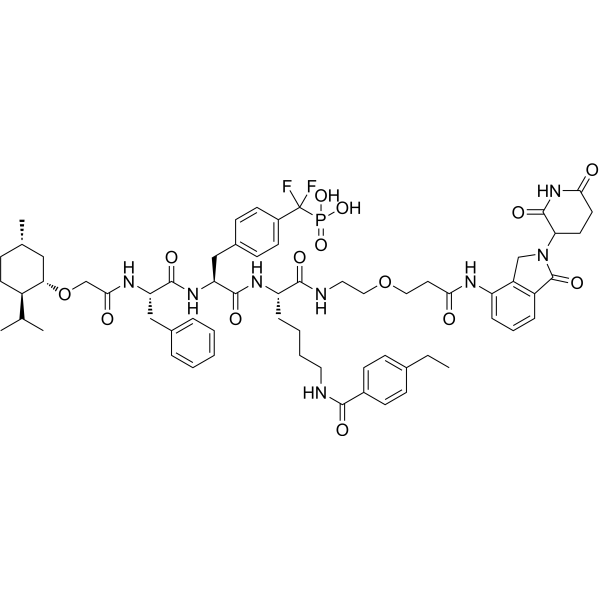
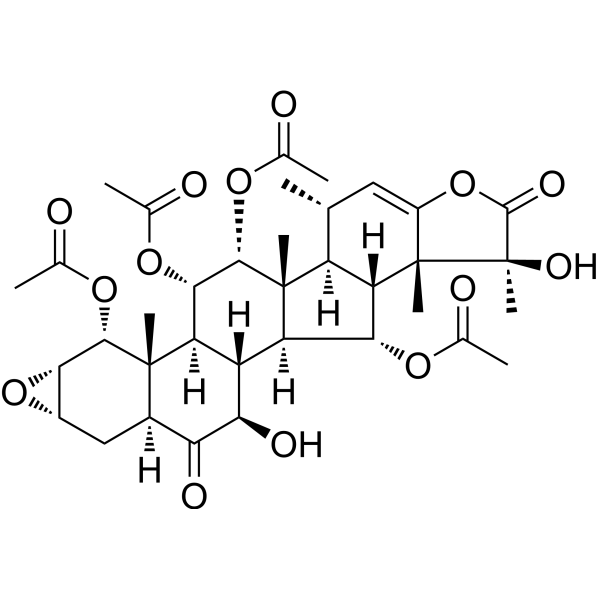
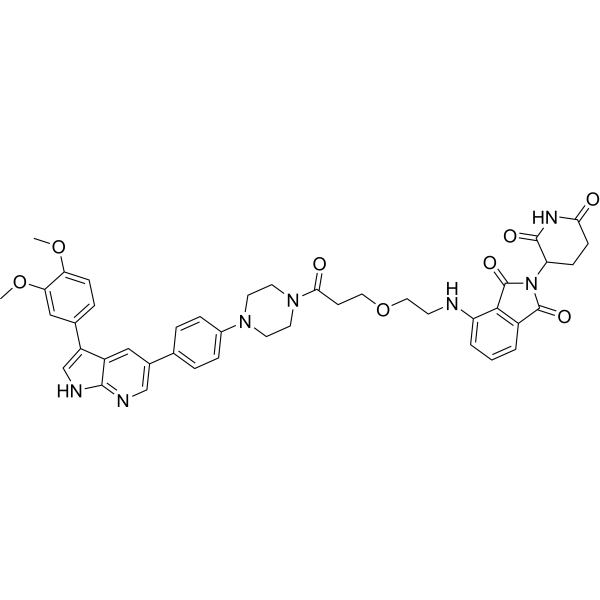
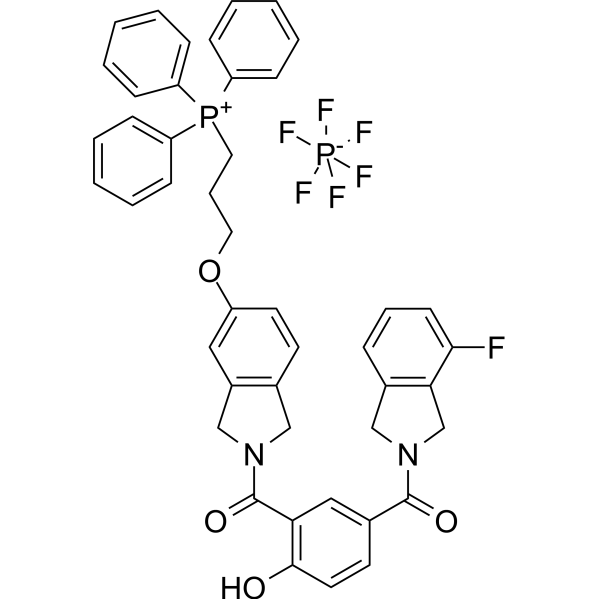
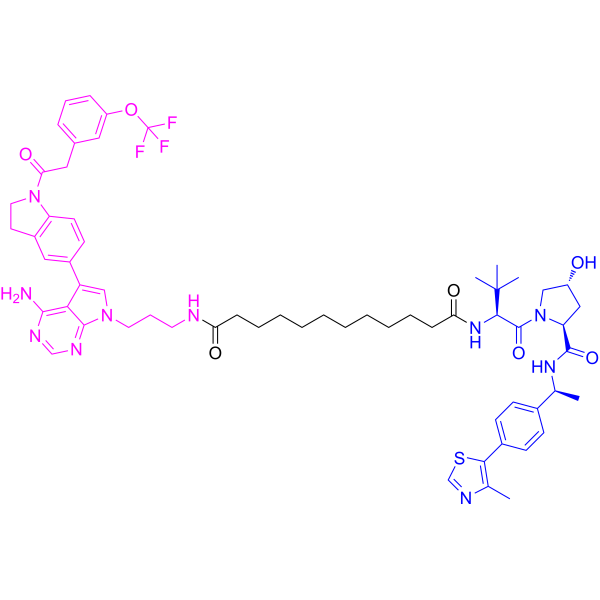
    PhosTAC7 is a heterobifunctional molecule named as a Phosphorylation Targeting Chimera (PhosTAC). PhosTAC7 can dephosphorylate the PDCD4 protein, FOXO3a protein, and tau protein by recruiting serine/threonine protein phosphatase 2A (PP2A). PhosTAC7 offers the advantage of selectively modulating the phosphorylation state of individual target proteins, making it a promising tool for research in cancer and tau protein-related neurodegenerative diseases (Alzheimer's disease) .
    PhosTAC7
  • HY-122198
    ML367
    1 Publications Verification

    Checkpoint Kinase (Chk) Cancer
    ML367 is a potent inhibitor of ATPase family AAA domain-containing protein 5 (ATAD5) stabilization, acts as a probe molecule that has low micromolar inhibitory activity. ML367 blocks DNA repair pathways, suppresses general DNA damage responses including RPA32-phosphorylation and CHK1-phosphorylation in response to UV irradiation .
    ML367
  • HY-126370

    Endogenous Metabolite YAP Apoptosis Interleukin Related STAT ERK Ras Cancer
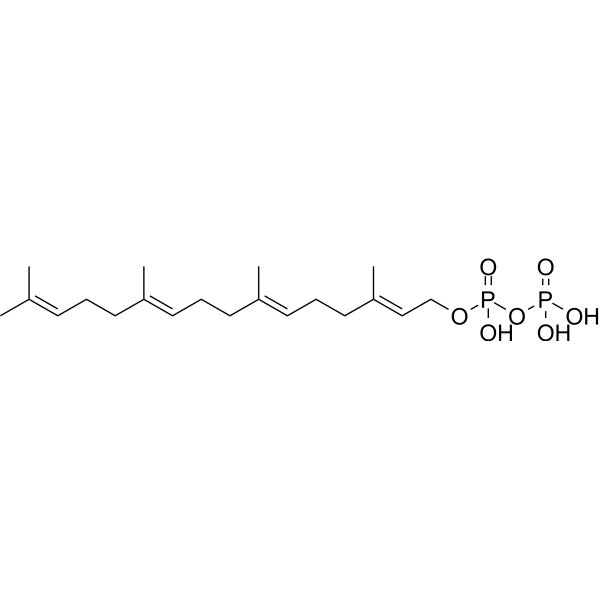
    Geranylgeranyl pyrophosphate is a type of isoprenoid metabolic intermediate, mainly synthesized through the mevalonate pathway. Geranylgeranyl pyrophosphate is a key precursor in various biological synthesis processes, especially as a necessary substrate for post-translational modification of proteins - geranylgeranyl phosphorylation. Geranylgeranyl pyrophosphate regulates various cellular processes and disease progression through protein geranylgeranyl phosphorylation, such as activating the YAP signaling pathway, promoting cell proliferation and inhibiting apoptosis; promoting IL-2 production and STAT5 phosphorylation; and influencing metabolic homeostasis and cancer, etc .
    Geranylgeranyl pyrophosphate
  • HY-124404A

    ERK DNA/RNA Synthesis p38 MAPK Cancer
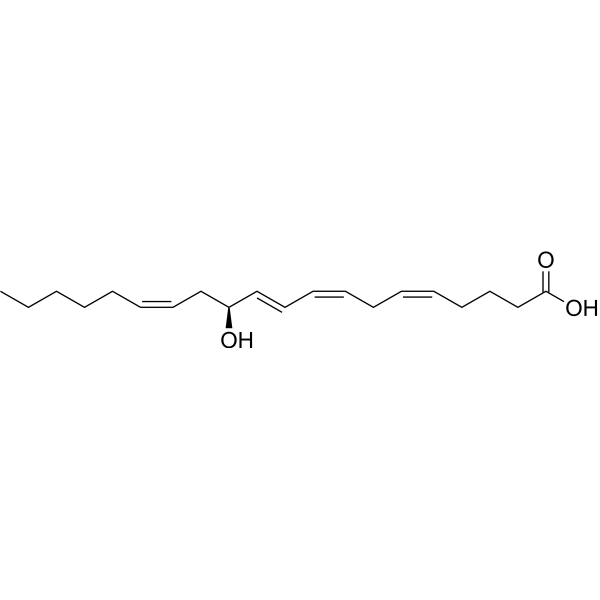
    12(S)-HETE is the 12-lipoxygenase metabolite of arachidonic acid and has a mitogenic effect on cancer cell proliferation. 12(S)-HETE induces tyrosine phosphorylation of cellular proteins, promotes ERK and P38 MAPK phosphorylation, increases DNA synthesis, and stimulates the proliferation of pancreatic cancer cells .
    12(S)-HETE
  • HY-107426
    Verrucarin A
    1 Publications Verification

    Muconomycin A

    Apoptosis Reactive Oxygen Species (ROS) Cancer
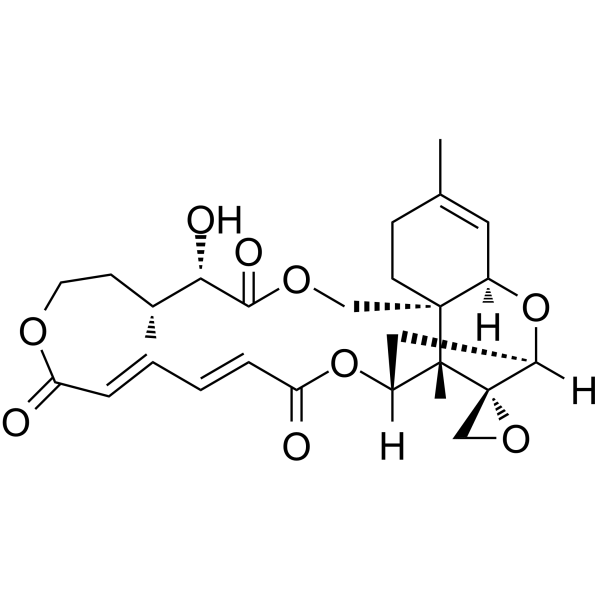
    Verrucarin A (Muconomycin A), a Type D macrocyclic mycotoxin derived from the pathogen fungus Myrothecium verrucaria, is an inhibitor of protein synthesis. Verrucarin A inhibits growth of leukemia cell lines and activates caspases and apoptosis and inflammatory signaling in macrophages. Verrucarin A effectively increased the phosphorylation of p38 MAPK and diminished the phosphorylation of ERK/Akt. Verrucarin A caused cell cycle deregulation through the induction of p21 and p53 .
    Verrucarin A
  • HY-12830

    Pim Cancer
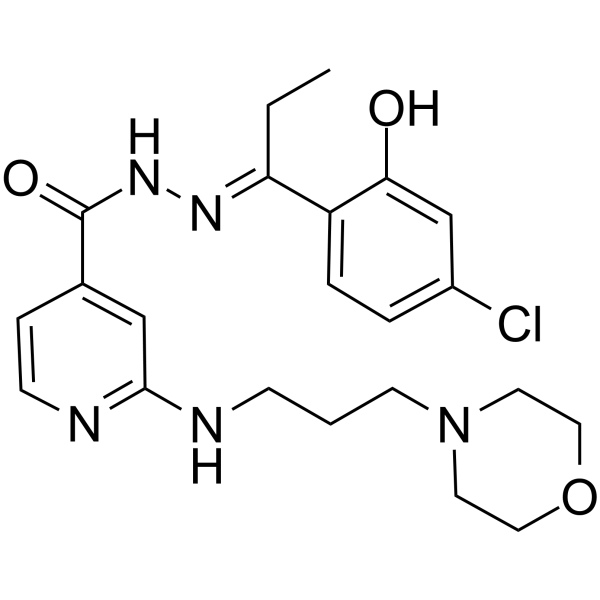
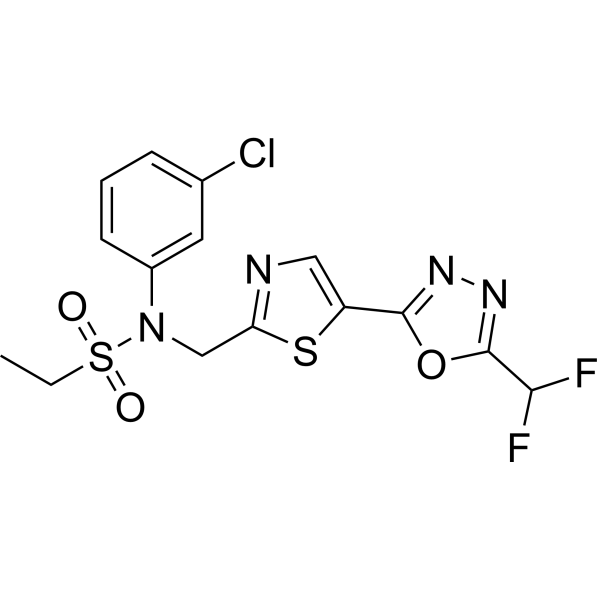
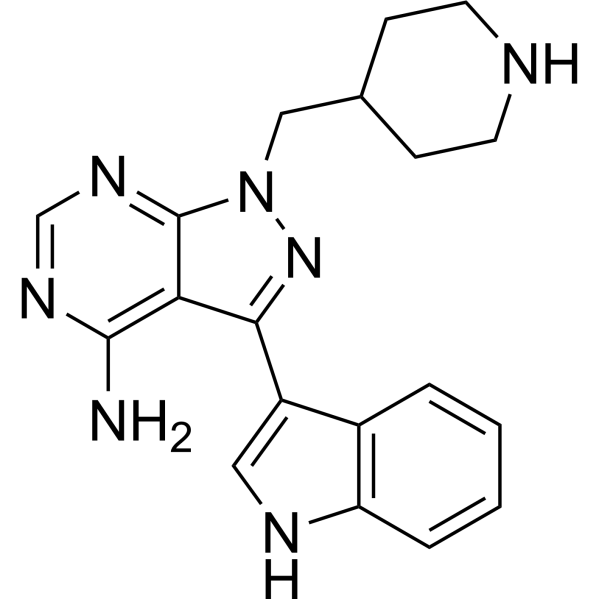
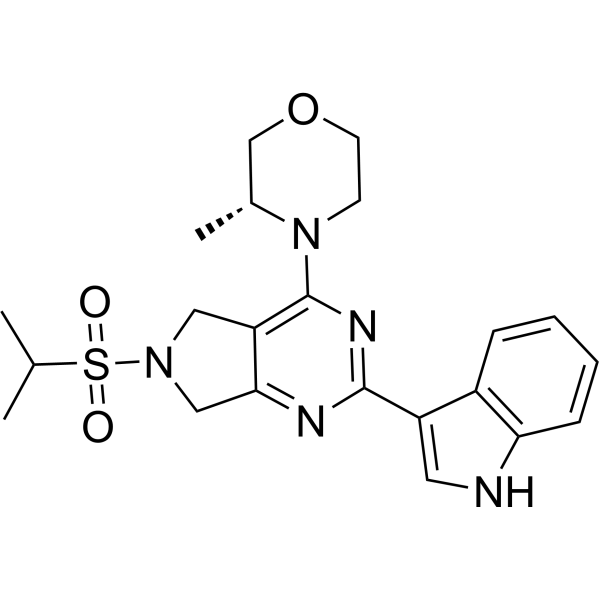
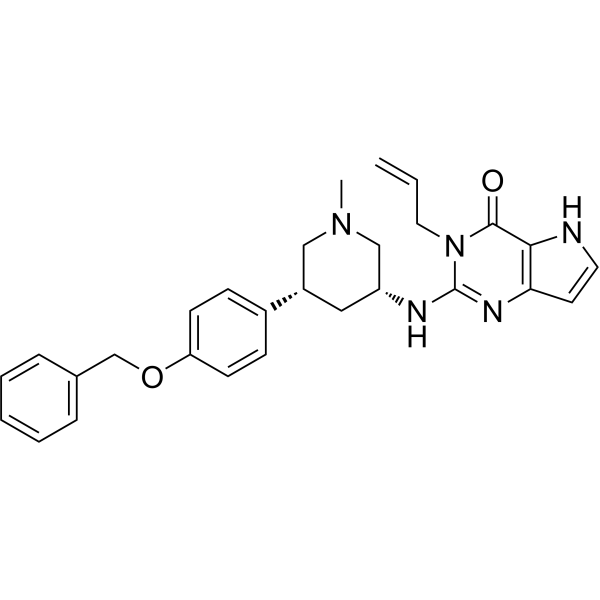
    M-110 is a highly selective, ATP-competitive inhibitor of PIM kinases with a preference for PIM-3 (IC50=47 nM). M-110 inhibits PIM-1 and PIM-2 with similar IC50s of 2.5 μM. M-110 inhibits the proliferation of prostate cancer cell lines with IC50s of 0.6 to 0.9 μM .
    M-110
  • HY-101997

    Orthopoxvirus Apoptosis Caspase Bcl-2 Family Akt Infection Cancer
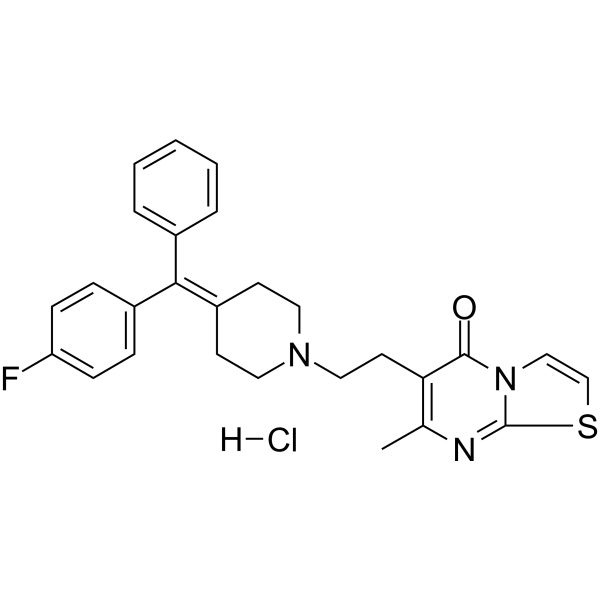
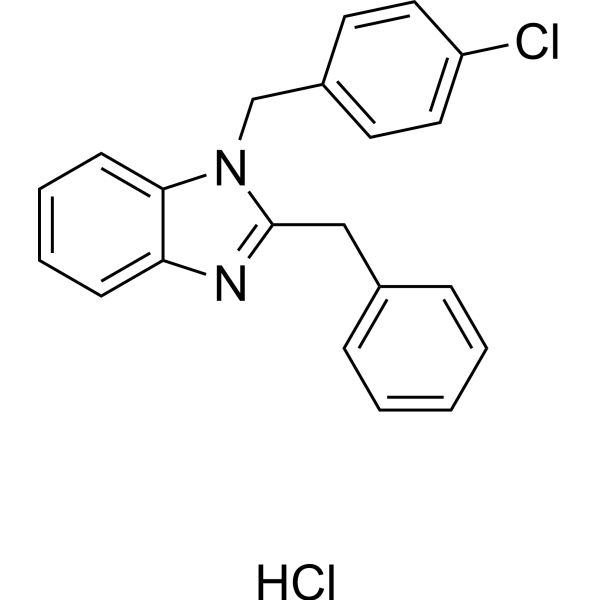
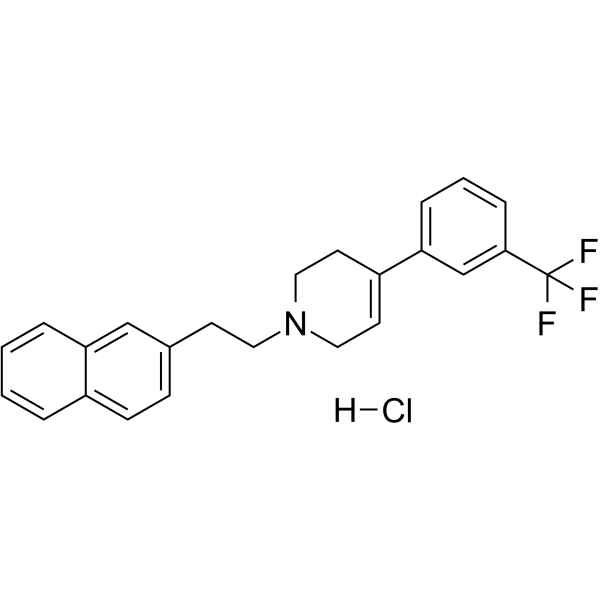
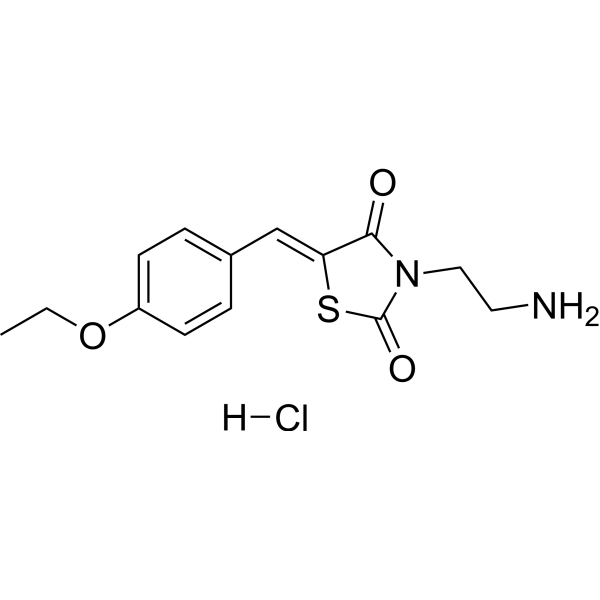
    BEPP hydrochloride is a double-stranded RNA-dependent protein kinase (PKR) modulator. BEPP hydrochloride enhances the phosphorylation levels of PKR and eIF2α, activates caspase-3, upregulates the pro-apoptotic protein BAX, and downregulates the anti-apoptotic protein Bcl-2. BEPP hydrochloride inhibits vaccinia virus replication and exhibits selective cytotoxicity in cells expressing PKR. BEPP hydrochloride can be used in research related to cancer and viral infections .
    BEPP hydrochloride
  • HY-18758
    IN-1130
    1 Publications Verification

    TGF-β Receptor Inflammation/Immunology Cancer
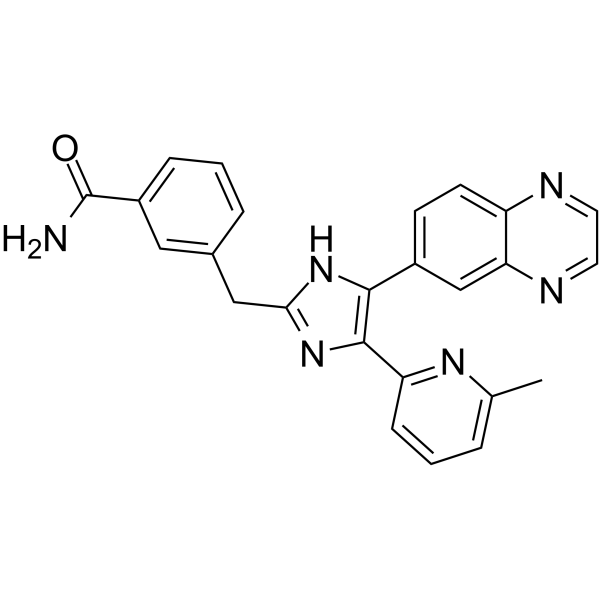
    IN-1130 is a highly selective transforming growth factor-β type I receptor kinase (ALK5) inhibitor with an IC50 of 5.3 nM for ALK5-mediated Smad3 phosphorylation. IN-1130 inhibits ALK5 phosphorylation of casein (IC50=36 nM) and p38α mitogen-activated protein kinase (IC50=4.3 μM). IN-1130 suppresses renal fibrosis in obstructive nephropathy and blocks breast cancer lung metastasis .
    IN-1130
  • HY-153392

    Oxidative Phosphorylation HDAC Cardiovascular Disease
    TYA-018 is an orally active, potent and highly selective HDAC6 inhibitor. TYA-018 can protect heart function in mice. TYA-018 also enhances energetics in mice by increasing expression of targets associated with fatty acid metabolism, protein metabolism, and oxidative phosphorylation .
    TYA-018
  • HY-115449
    Chromeceptin
    2 Publications Verification

    94G6

    IGF-1R Akt mTOR Cancer
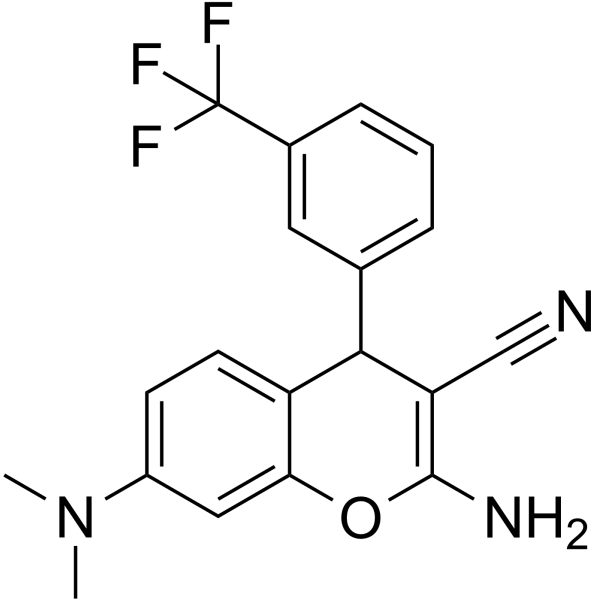
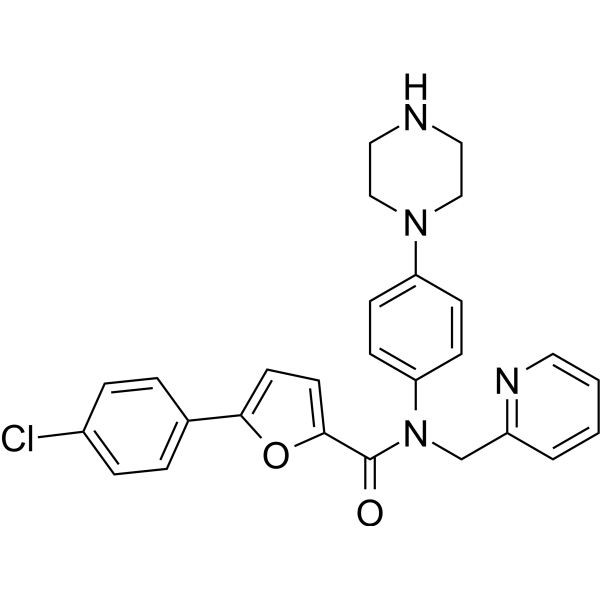
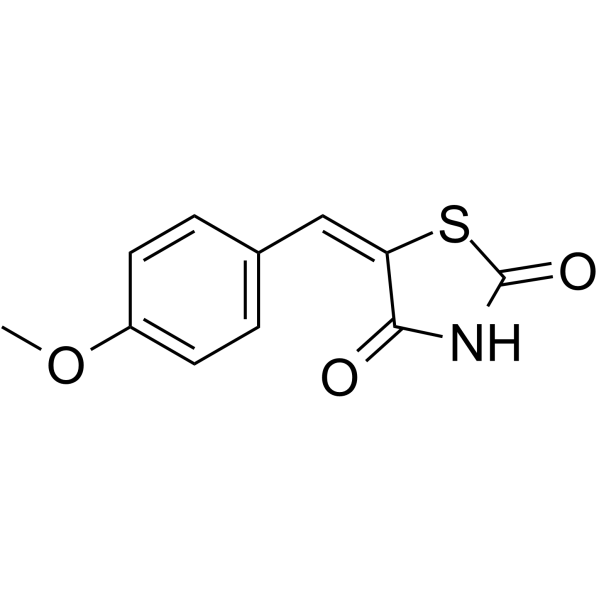
    Chromeceptin (94G6) is an IGF signaling pathway inhibitor. Chromeceptin suppresses IGF2 expression at mRNA and protein levels in hepatocyte and HCC cells. Chromeceptin inhibits the phosphorylation levels of AKT and mTOR .
    Chromeceptin
  • HY-136433

    1,4-Dinitrosopiperazine; DNP

    Others Cancer
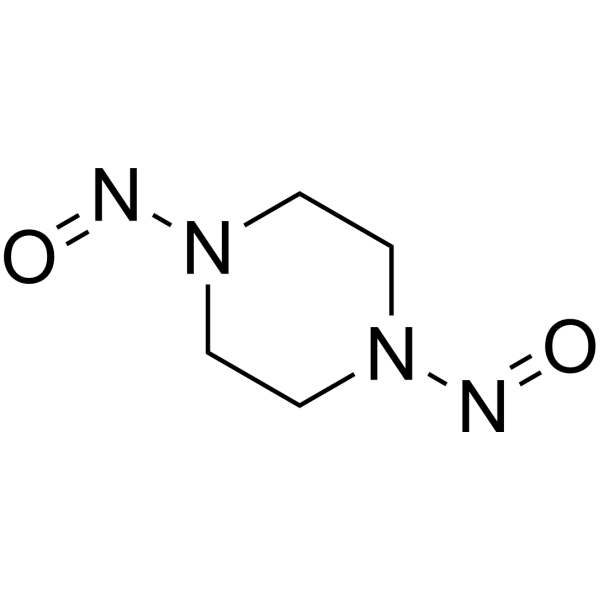
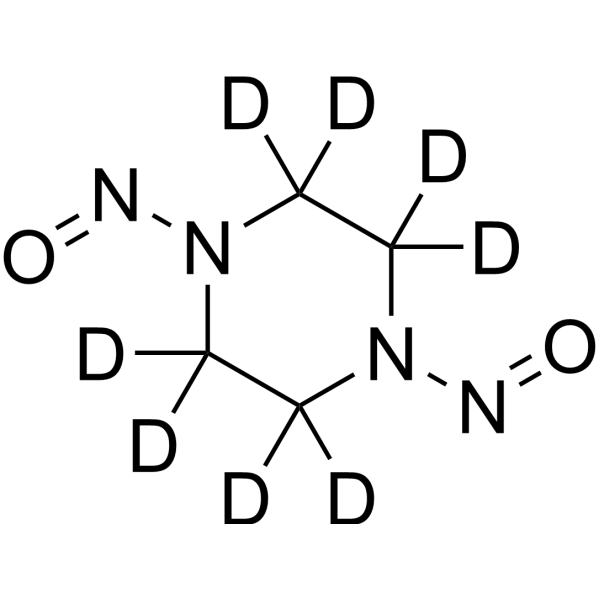
    N,N'-Dinitrosopiperazine (1,4-Dinitrosopiperazine; DNP) is a carcinogen with specificity for nasopharyngeal epithelium and facilitates NPC metastasis. N,N'-Dinitrosopiperazine regulates multiple signaling pathways through protein phosphorylation, including LYRIC at serine 568 .
    N,N'-Dinitrosopiperazine
  • HY-115760
    Okadaic acid ammonium salt
    20+ Cited Publications

    Phosphatase Neurological Disease Cancer
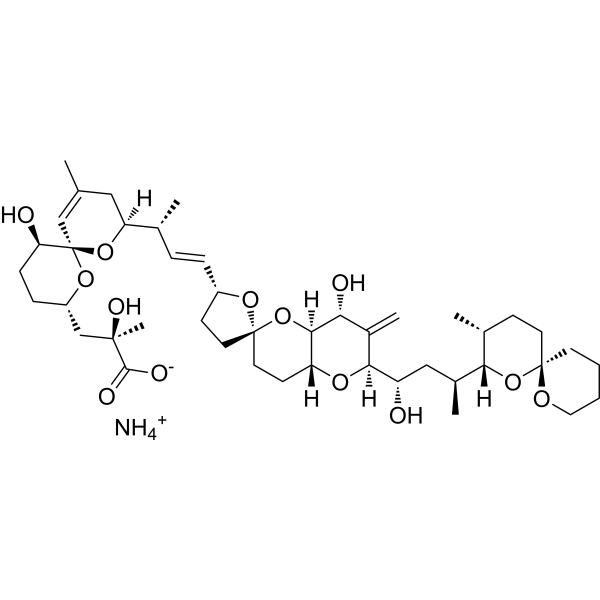
    Okadaic acid ammonium salt, a marine toxin, is an inhibitor of protein phosphatases (PP). Okadaic acid ammonium salt has a significantly higher affinity for PP2A (IC50=0.1-0.3 nM), and inhibits PP1 (IC50=15-50 nM), PP3 (IC50=3.7-4 nM), PP4 (IC50=0.1 nM), PP5 (IC50=3.5 nM), but does not inhibit PP2C. Okadaic acid ammonium salt increases of phosphorylation of a number of proteins by inhibiting PP, and acts as a tumor promoter. Okadaic acid ammonium salt induces tau phosphorylation .
    Okadaic acid ammonium salt
  • HY-W010983
    SC-236
    2 Publications Verification

    COX PPAR Apoptosis Cardiovascular Disease Inflammation/Immunology Cancer
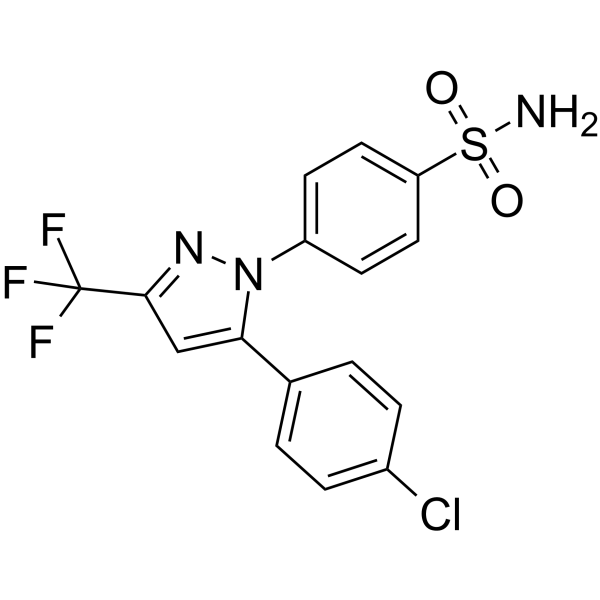
    SC-236 is an orally active COX-2 specific inhibitor (IC50 = 10 nM) and a PPARγ agonist. SC-236 suppresses activator protein-1 (AP-1) through c-Jun NH2-terminal kinase. SC-236 exerts anti-inflammatory effects by suppressing phosphorylation of ERK in a murine model .
    SC-236
  • HY-B1428

    Ethenzamide

    Tyrosinase Reactive Oxygen Species (ROS) PERK Neurological Disease Inflammation/Immunology Cancer
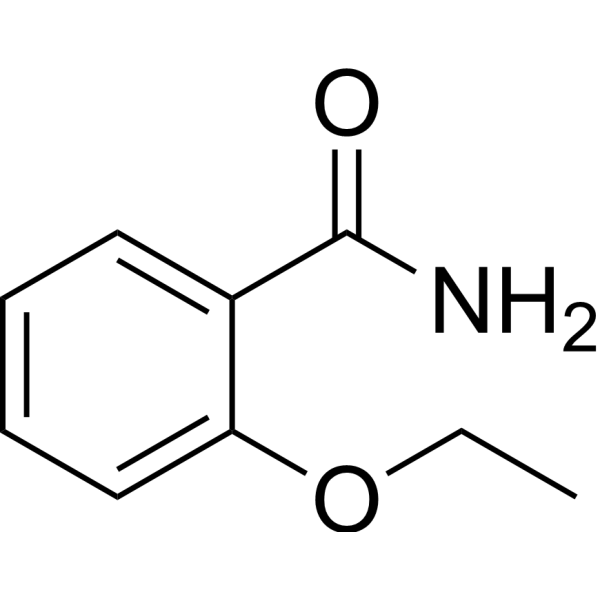
    2-Ethoxybenzamide (Ethenzamide) is a nonsteroidal anti-inflammatory agent that shows analgesic and antipyretic effects. 2-Ethoxybenzamide induces melanin synthesis via cAMP response element-binding protein (CREB) phosphorylation. 2-Ethoxybenzamide can be used in the research of hypopigmentation and inflammation-related diseases .
    2-Ethoxybenzamide
  • HY-122026

    PF-367

    GSK-3 Neurological Disease
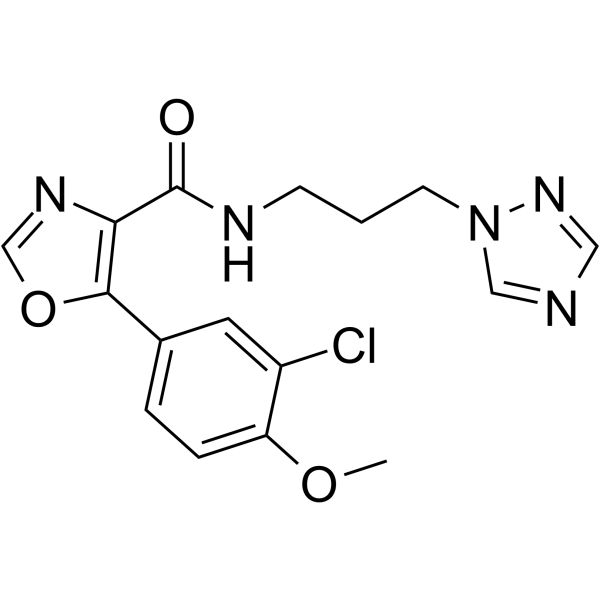
    PF-04802367 (PF-367) is a highly selective GSK-3 inhibitor with an IC50 of 2.1 nM based on a recombinant human GSK-3β enzyme assay and 1.1 nM based on ADP-Glo assay. PF-04802367 shows desirable central nervous system (CNS) properties and potency. PF-04802367 is equally effective at inhibition of the two known GSK-3 isoforms (GSK-3α and GSK-3β) with IC50 values of 10.0 and 9.0 nM in mobility shift assays, respectively .
    PF-04802367
  • HY-151776

    TZ-Cy3

    Fluorescent Dye Others
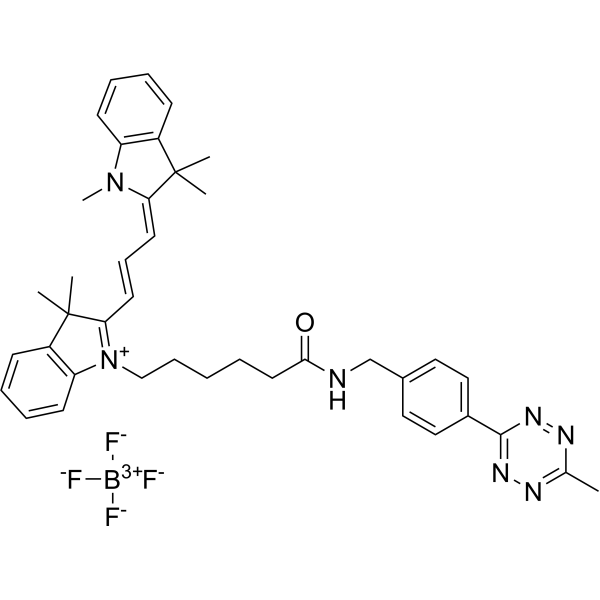
    Cy3 methyltetrazine (TZ-Cy3) is a click chemistry reagent with methyltetrazine building blocks that is highly reactive towards cyclooctene. Cy3 methyltetrazine is also a tetrazine-modified fluorescent probe that can be used to analyze protein phosphorylation in solution and living cells .
    Cy3 methyltetrazine
  • HY-136276

    Amino Acid Derivatives Others
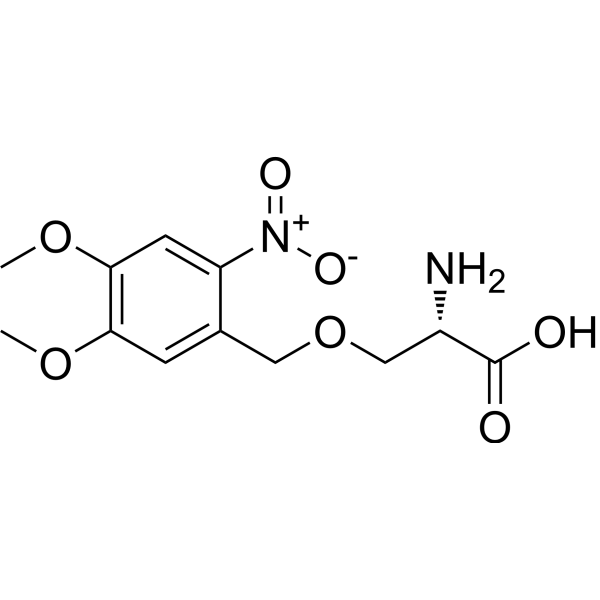
    DMNB-caged-Serine is a photocaged amino acid. DMNB-caged-Serine can be used as a catalytic residue, hydrogen bonding partner or site of post-translational modification. DMNB-caged-Serine can be used for the control of protein phosphorylation .
    DMNB-caged-Serine
  • HY-P2692B
    DT-2 acetate
    1 Publications Verification

    PKG Cancer
    DT-2 is a potent and selective inhibitor of the cGMP-dependent protein kinase (PKG). DT-2 inhibits PKG catalyzed phosphorylation (Ki: 12.5 nM) .
    DT-2 acetate
  • HY-P10602

    RII phosphopeptide

    PKA Others
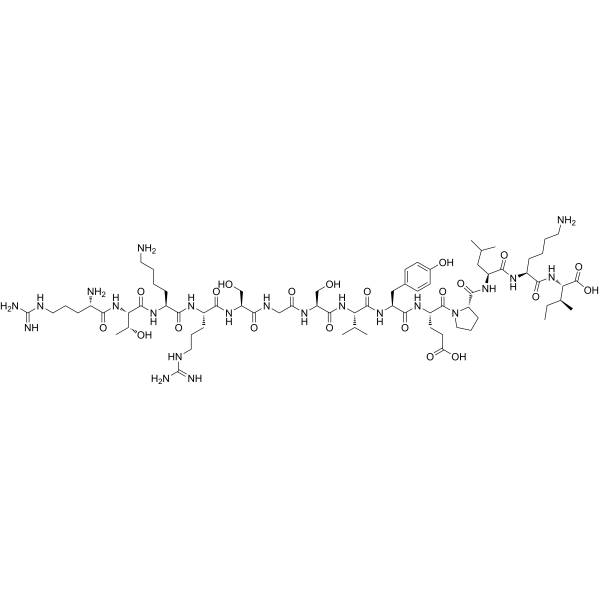
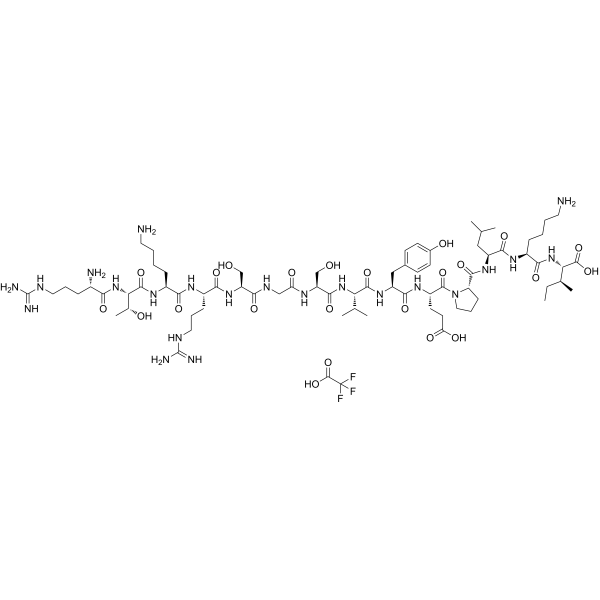
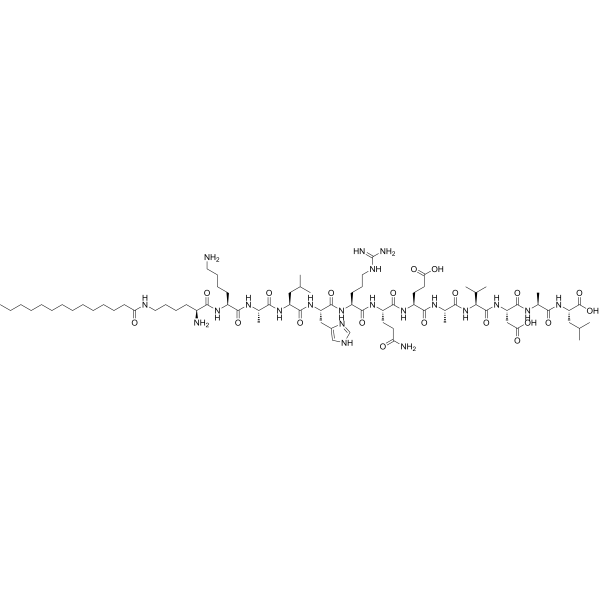
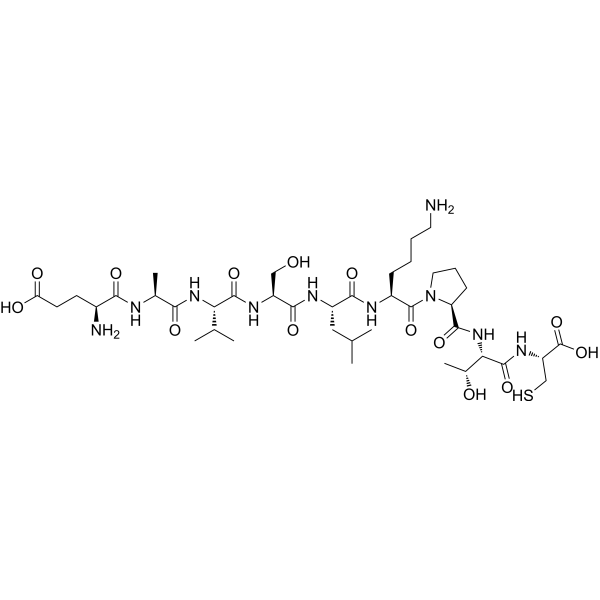
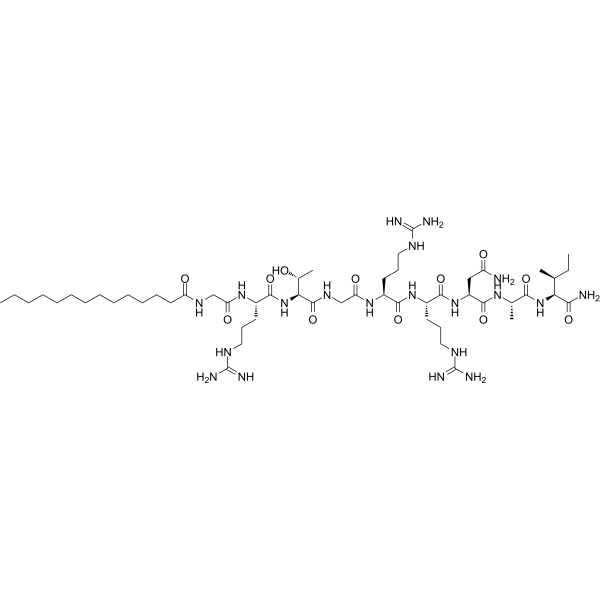
    PKA Regulatory Subunit II Substrate (RII phosphopeptide) is a tool peptide derived from the regulatory subunit Type II (RII) of cyclic AMP-dependent protein kinase (PKA). PKA Regulatory Subunit II Substrate is commonly used to mimic the phosphorylation of protein kinases and as a specific substrate for protein phosphatases to assess the activities of these enzymes .
    PKA Regulatory Subunit II Substrate
  • HY-N8884

    PTEN Akt NF-κB Interleukin Related TNF Receptor Inflammation/Immunology
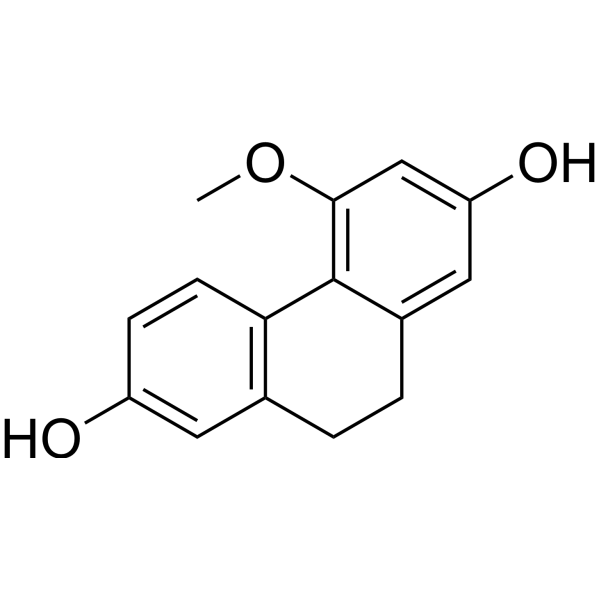
    Coelonin is a dihydrophenanthrene with anti-inflammation activity. Coelonin inhibits LPS-induced PTEN phosphorylation. Coelonin inhibits NF-κB activation and p27Kip1 degradation by regulating the PI3K/AKT pathway negatively. Coelonin can inhibit IκBα phosphorylation and degradation and increases the expression of IκBα protein .
    Coelonin
  • HY-101246

    RET Cancer
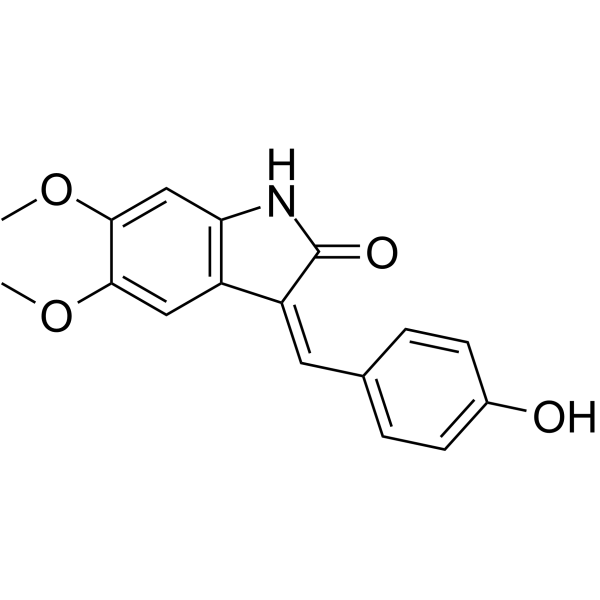
    RPI-1 is a specific, orally available 2-indolinone Ret tyrosine kinase inhibitor. RPI-1 inhibits proliferation, Ret tyrosine phosphorylation, Ret protein expression, and the activation of PLCgamma, ERKs and AKT in human medullary thyroid carcinoma TT cells. Antitumor activity .
    RPI-1
  • HY-100853

    Porcupine Wnt Cancer
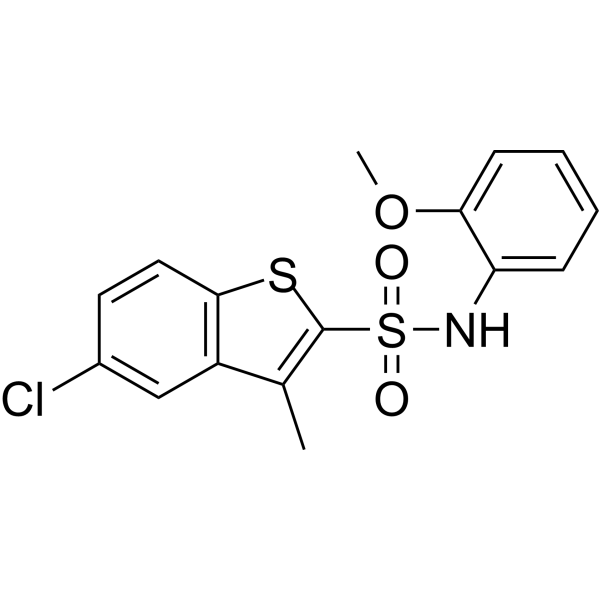
    IWP-O1 is a highly potent Porcupine (Porcn) inhibitor, with an EC50 of 80 pM in L-Wnt-STF cells. IWP-O1 prevents the secretion of Wnt proteins. IWP-O1 suppresses the phosphorylation of Dvl2/3 and LRP6 in HeLa cells .
    IWP-O1
  • HY-P1597
    Malantide
    1 Publications Verification

    PKA PKC Cancer
    Malantide is a synthetic dodecapeptide derived from the site phosphorylated by cAMP-dependent protein kinase (PKA) on the β-subunit of phosphorylase kinase. Malantide is a highly specific substrate for PKA with a Km of 15 μM and shows protein inhibitor (PKI) inhibition >90% substrate phosphorylation in various rat tissue extracts . Malantide is also an efficient substrate for PKC with a Km of 16 μM .
    Malantide
  • HY-114267

    mTOR Others
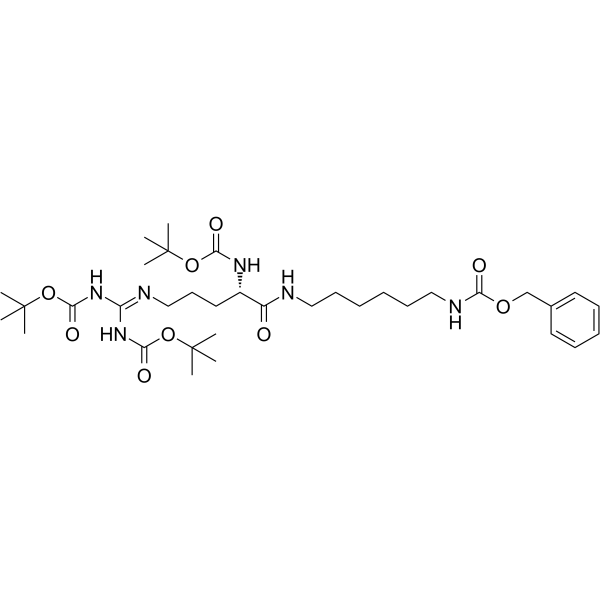
    Cbz-B3A is a potent and selective inhibitor of mTORC1 signaling that appear to bind to ubiquilins 1, 2, and 4, and Cbz-B3A inhibits the phosphorylation of eIF4E-binding protein 1 (4EBP1).
    Cbz-B3A
  • HY-168905

    Calmodulin Cancer
    SGC-CAMKK2-1, a chemical probe, is the selective, inhibitor for calcium/calmodulin-dependent protein kinase kinase 2 (CAMKK2) with an IC50 of 30 nM. SGC-CAMKK2-1 inhibits AMPK phosphorylation in cell C4-2 with an IC50 of 1.6 μM .
    SGC-CAMKK2-1
  • HY-P4056A

    P15-Tat acetate

    Casein Kinase Apoptosis Cancer
    CIGB-300 acetate (P15-Tat acetate) is an anti-casein kinase 2 (CK2) peptide that exhibits anticancer properties by interfering with the phosphorylation of protein kinase CK2. CIGB-300 acetate induces apoptosis in multiple tumor cell lines and can be used in cancer research .
    CIGB-300 acetate
  • HY-113592
    ERK-IN-4
    1 Publications Verification

    ERK Cancer
    ERK-IN-4 is an ERK inhibitor binds preferentially to ERK2 with a Kd of 5 μM. ERK-IN-4 specificity inhibits ERK Rsk-1 and Elk-1 phosphorylation. ERK-IN-4 has little effect on ERK protein phosphorylation by its upstream activator MEK1/2 .
    ERK-IN-4
  • HY-120113

    Apoptosis Bcl-2 Family STAT Others
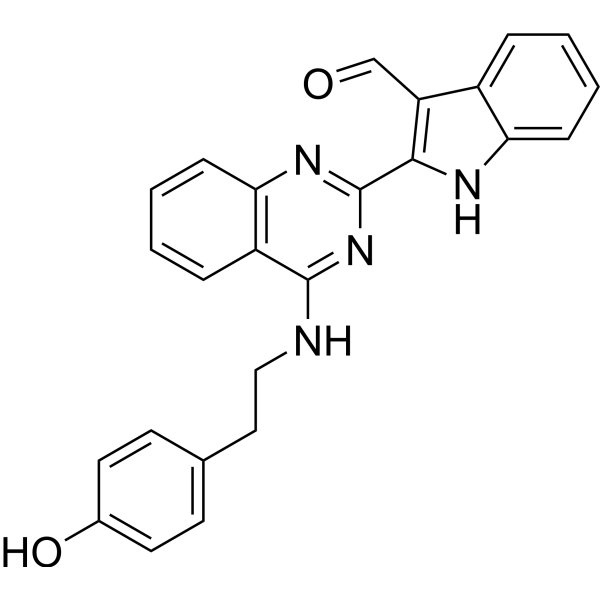
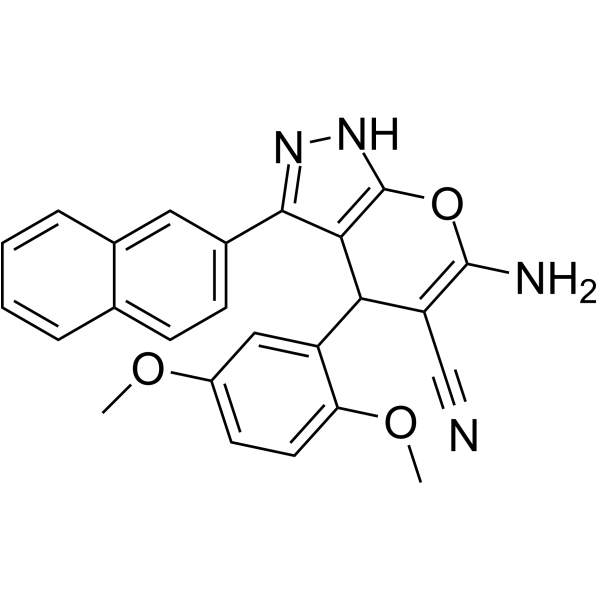
    SC-2001 is a compound structurally related to obatoclax that has better antitumor effects than obatoclax in liver cancer cell lines, downregulating Mcl-1 protein levels, inhibiting STAT3 phosphorylation, inducing apoptosis, and enhancing SHP1 expression and activity.
    SC-2001
  • HY-151747

    ADC Linker Others
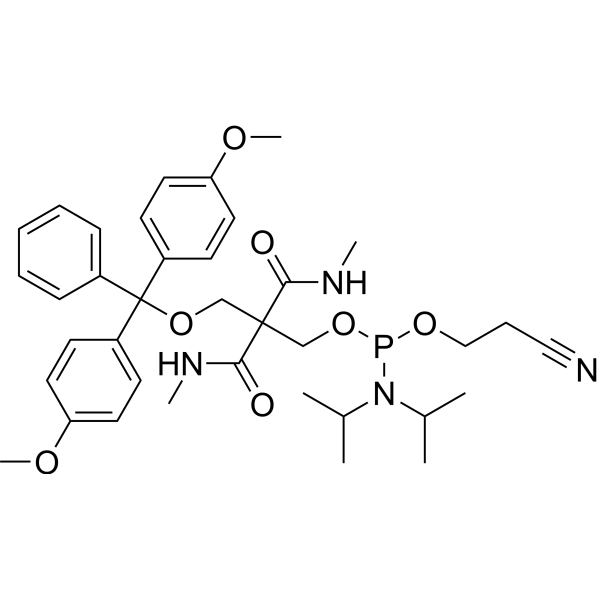
    Chemical phosphorylation amidite is a click chemical class ADC linker. Click chemistry has good biological orthogonality characteristics: biocompatible, fast and highly specific in the biological environment, and has great application potential in the binding between nucleic acids, lipids, proteins and other molecules .
    Chemical phosphorylation amidite
  • HY-P4056

    P15-Tat

    Casein Kinase Apoptosis Cancer
    CIGB-300 (P15-Tat) is an anti-casein kinase 2 (CK2) peptide that exhibits anticancer properties by interfering with the phosphorylation of protein kinase CK2. CIGB-300 induces apoptosis in multiple tumor cell lines and can be used in cancer research .
    CIGB-300
  • HY-P10072A

    Hsp25 kinase inhibitor acetate; Mk2 pseudosubstrate acetate

    JNK HSP MAPKAPK2 (MK2) p38 MAPK ERK Others
    MK2-IN-5 (Hsp25 kinase inhibitor) acetate is a Mk2 pseudosubstrate (Ki= 8 μM). MK2-IN-5 acetate targets the protein interaction domain in the MAPK pathway. MK2-IN-5 acetate inhibits HSP25 and HSP27 phosphorylation .
    MK2-IN-5 acetate
  • HY-129099

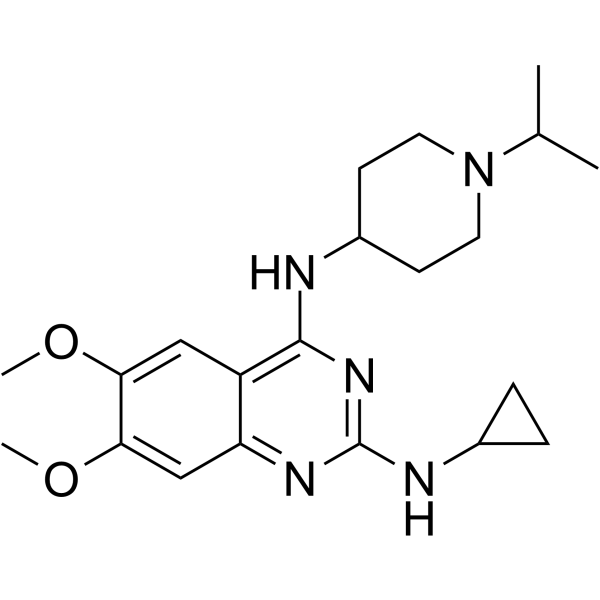
    PKC Estrogen Receptor/ERR Drug Metabolite Endogenous Metabolite Cancer
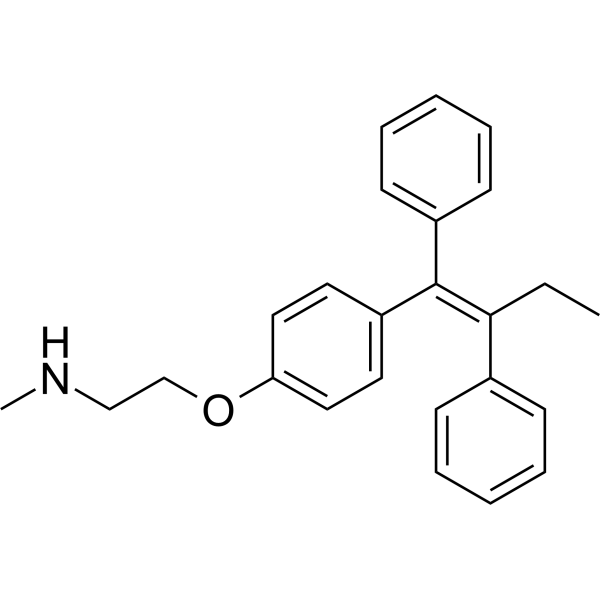
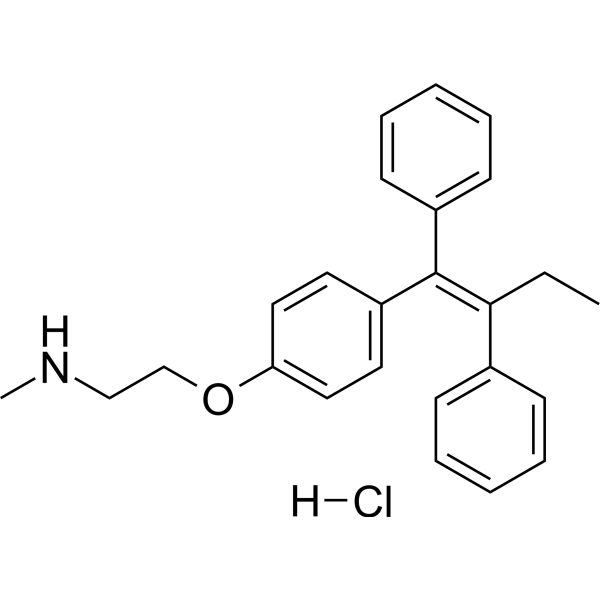
    N-Desmethyltamoxifen is the major metabolite of tamoxifen in humans. N-Desmethyltamoxifen, a poor antiestrogen, is a ten-fold more potent protein kinase C (PKC) inhibitor than Tamoxifen. N-Desmethyltamoxifen is also a potent regulator of ceramide metabolism in human AML cells, limiting ceramide glycosylation, hydrolysis, and sphingosine phosphorylation .
    N-Desmethyltamoxifen
  • HY-172545

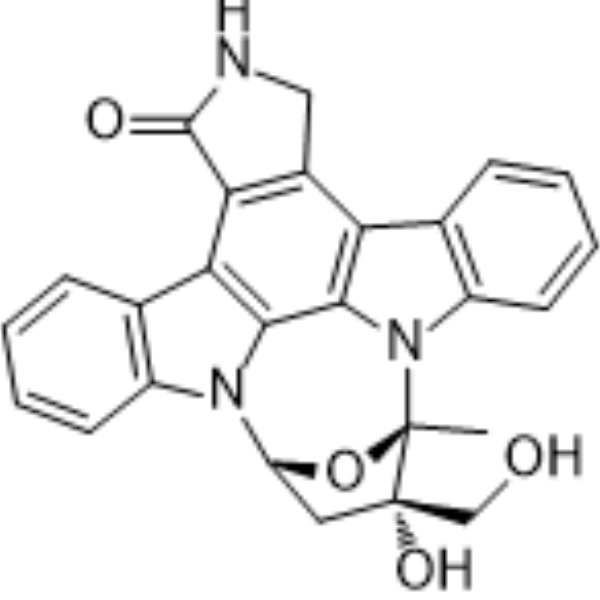
    Tau Protein Neurological Disease
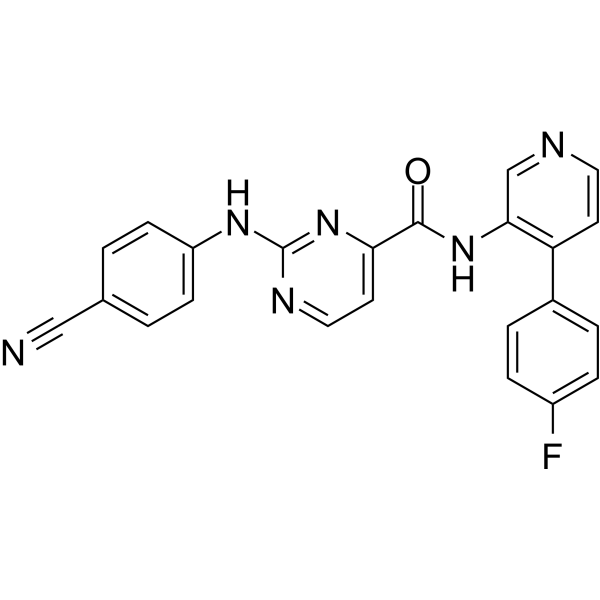
    AMG28 is an ATP-competitive inhibitor targeting TTBK1 and TTBK2, with IC50 values of 805 nM and 988 nM, respectively. AMG28 inhibits the phosphorylation of tau protein at the Ser422 site .
    AMG28
  • HY-P3741

    PKC Neurological Disease
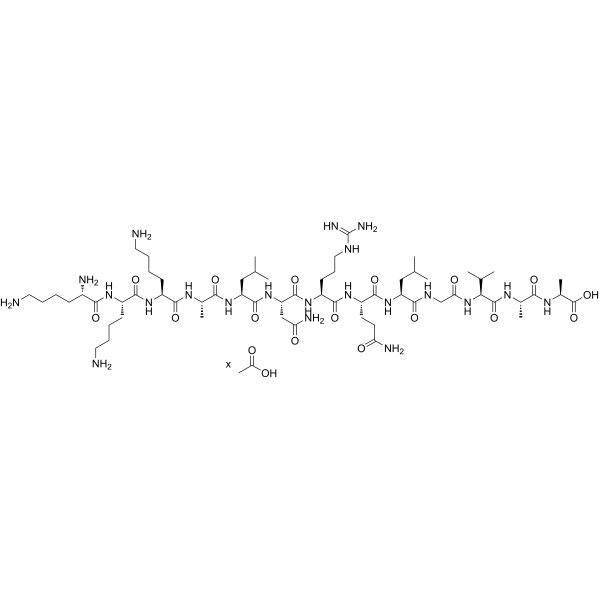
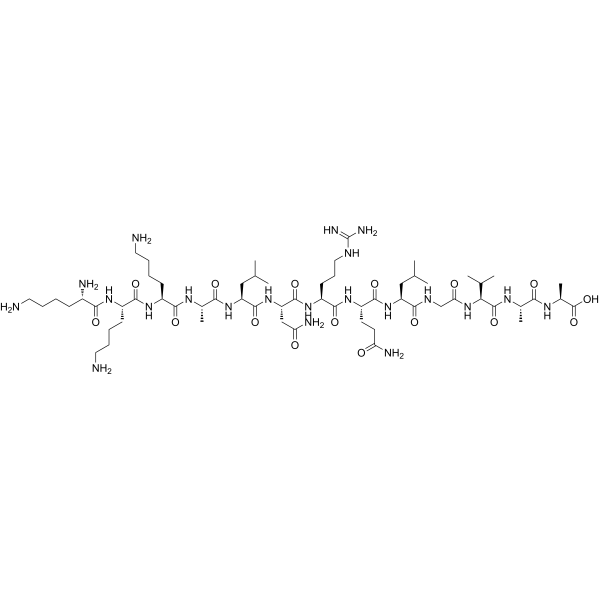
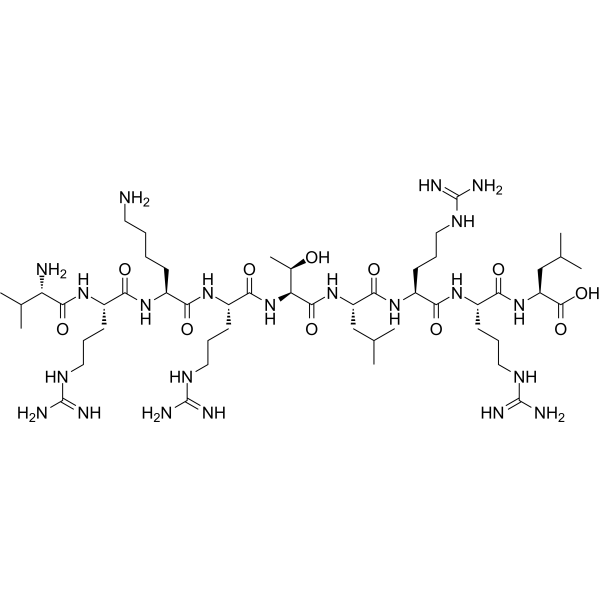
    [Ala9,10, Lys11,12] Glycogen Synthase (1-12) is a selective substrate for phosphorylation by protein kinase C (PKC). [Ala9,10, Lys11,12] Glycogen Synthase (1-12) can be used to determine the activity of protein kinase C .
    [Ala9,10, Lys11,12] Glycogen Synthase (1-12)
  • HY-150073

    PKA Cancer
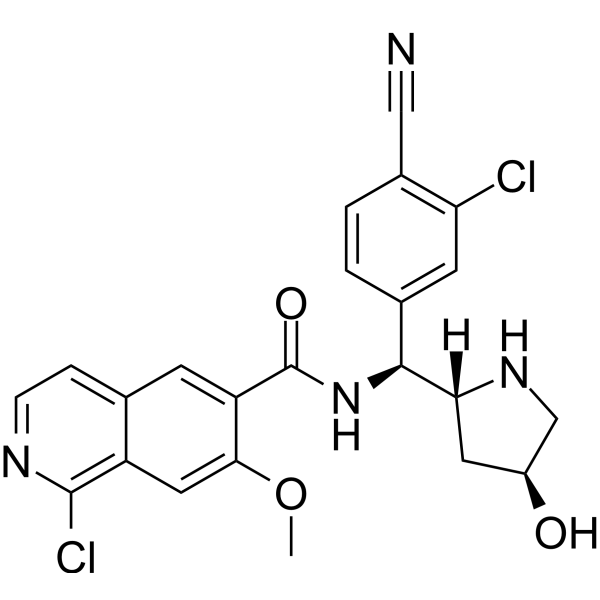
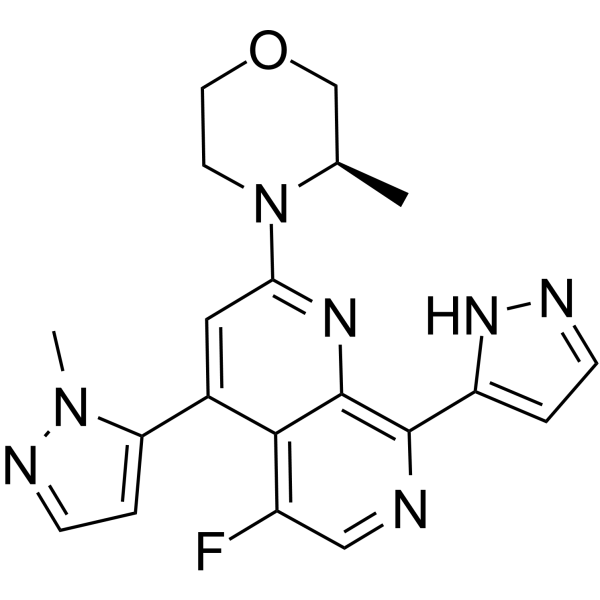
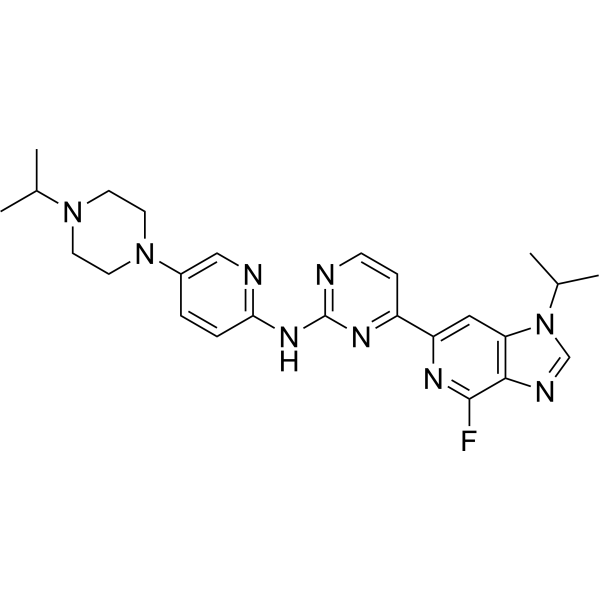
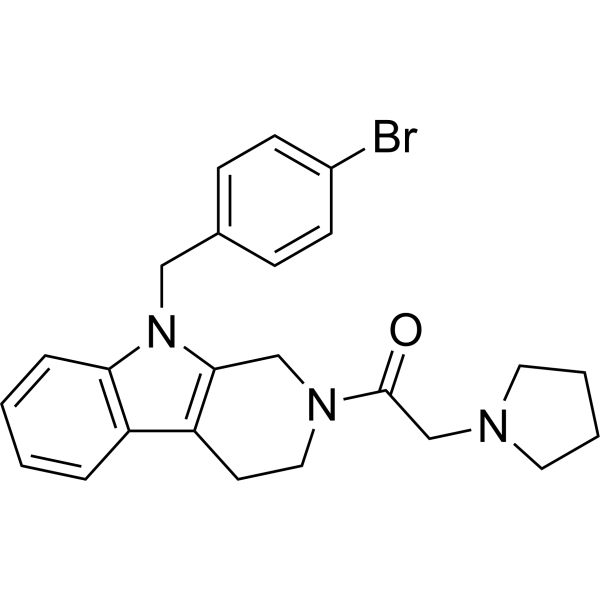
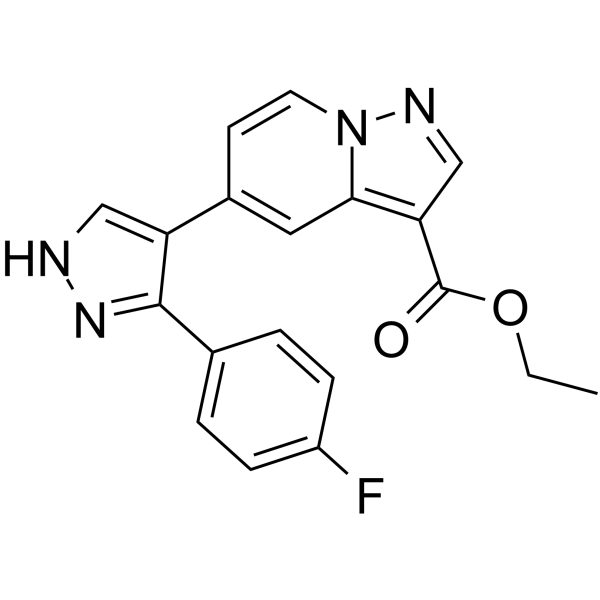
    DS01080522 is a Protein Kinase cAMP-Activated Catalytic Subunit Alpha (PRKACA) inhibitor. DS01080522 inhibits PRKACA kinase activity and CREB phosphorylation with IC50s of 0.8 nM and 66 nM, respectively. DS01080522 can be used for the research of cancer .
    DS01080522
  • HY-N0811

    NO Synthase COX NF-κB MEK Inflammation/Immunology
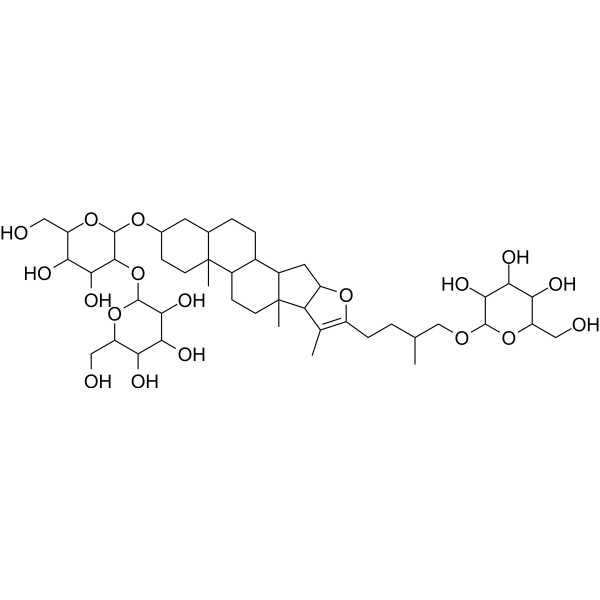
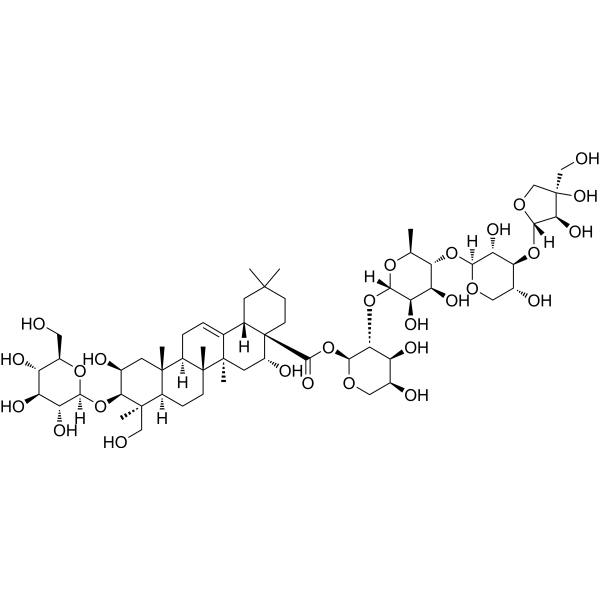
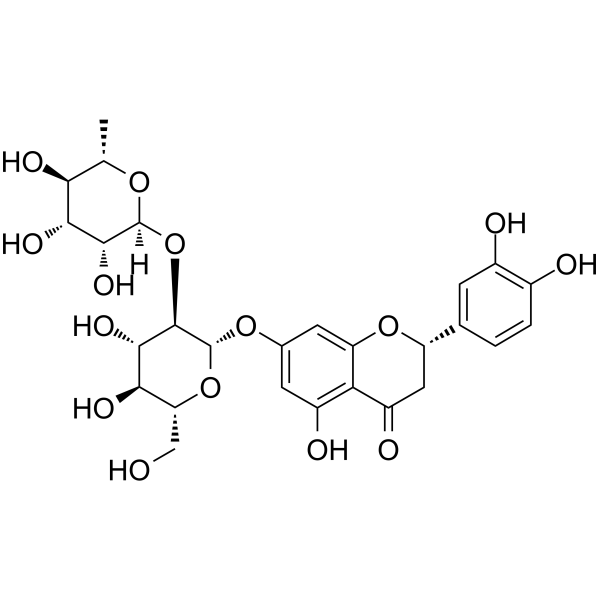
    Anemarsaponin B is a steroidal saponin. Anemarsaponin B decreases the protein and mRNA levels of iNOS and COX-2. Anemarsaponin B reduces the expressions and productions of pro-inflammatory cytokines, including TNF-a and IL-6. Anemarsaponin B inhibits the nuclear translocation of the p65 subunit of NF-κB by blocking the phosphorylation of IκBα. Anemarsaponin B also inhibits the phosphorylation of MAP kinase kinases 3/6 (MKK3/6) and mixed lineage kinase 3 (MLK3). Anti-inflammatory effect .
    Anemarsaponin B
  • HY-P11219

    YAP Cancer
    TAT-PDHPS1 is a YAP inhibitor composed of the endogenous peptide PDHPS1 and the cell-penetrating peptide sequence TAT. PDHPS1 binds to protein phosphatase 2 phosphatase activator (PTPA), an essential activator of protein phosphatase 2A (PP2A), leading to increased YAP phosphorylation, which inactivates YAP and suppresses the expression of its downstream target genes. TAT-PDHPS1 is potentially useful in ovarian cancer research .
    TAT-PDHPS1
  • HY-E70743

    MASTL Cancer
    MASTL kinase is a master regulator of mitosis, essential for ensuring that mitotic substrate phosphorylation is correctly maintained. It achieves this through the phosphorylation of alpha-endosulfine and subsequent inhibition of the tumor suppressor PP2A-B55 phosphatase. MASTL Recombinant Human Active Protein Kinase is a recombinant MASTL protein that can be used to study MASTL-related functions .
    MASTL Recombinant Human Active Protein Kinase
  • HY-125260

    SHP2 Cancer
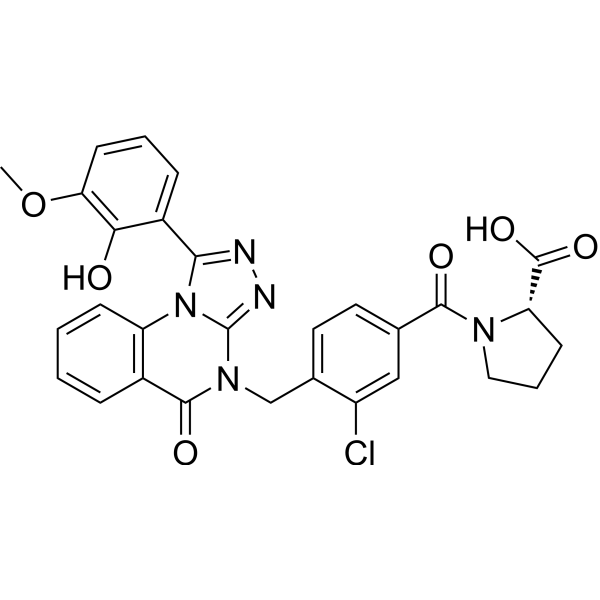
    SHP844 is a SHP2 inhibitor with the IC50 of 18.9 µM. SHP2 is a protein tyrosine phosphatase (PTP) that regulates tyrosine phosphorylation levels and is involved in cell proliferation, differentiation and survival .
    SHP844
  • HY-168209

    Wnt CDK Apoptosis Cancer
    LBM22 is a CDC2-like kinase 2 (CLK2) inhibitor with the IC50 of 3.9 nM. LBM22 has antiproliferative activity and inhibits serine/arginine-rich (SR) protein phosphorylation. LBM22 down-regulates the expression of Wnt-related proteins and anti-apoptotic proteins and can be used for study of non-small cell lung cancer .
    LBM22
  • HY-121684

    7-Methyljuglon

    PI3K Apoptosis Cancer
    Ramentaceone (7-Methyljuglon), a naphthoquinone that can be isolated from Drosera sp., inhibits PI3K activity. Ramentaceone (7-Methyljuglon) reduces the expression of the PI3K protein and inhibits the phosphorylation of the Akt protein in breast cancer cells. Ramentaceone (7-Methyljuglon) induces apoptosis .
    Ramentaceone

Consulta en línea

Your information is safe with us. * Required Fields.

Saludo


Country or Region *

Nombre del solicitante *


Nombre de la Organizaciòn *

Department *


Direcciòn del E-mail *


Nombre del producto *

Cat. No.


Requested quantity *

Número de teléfono *


Observaciones

Consulta en línea

Inquiry Information

Nombre del producto:
Cat. No.:
Cantidad:
MCE Japan Authorized Agent: