Search Result
Results for "
Leukemia+cells
" in MedChemExpress (MCE) Product Catalog:
5
Biochemical Assay Reagents
5
Isotope-Labeled Compounds
| Cat. No. |
Product Name |
Target |
Research Areas |
Chemical Structure |
-
- HY-148026
-
|
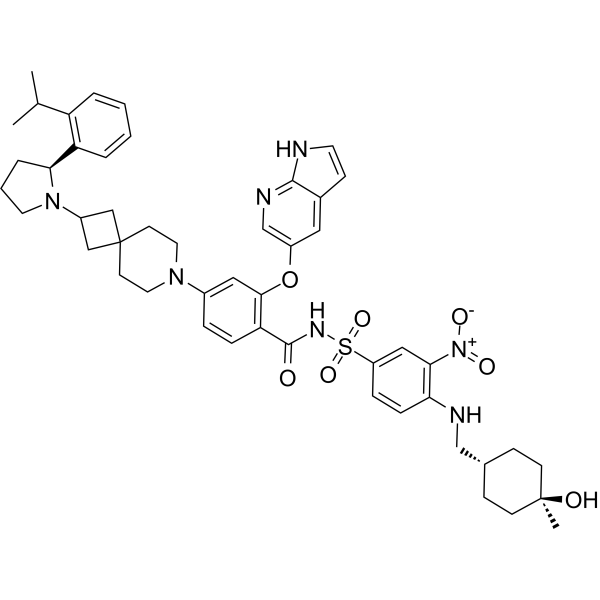
BGB 11417
|
Bcl-2 Family
|
Cancer
|
|
Sonrotoclax is a potent, orally active Bcl2 inhibitor. Sonrotoclax has effective cell killing effect against a variety of lymphoma and leukemia cell lines .
|
-
-
- HY-163541
-
SMS121
3 Publications Verification
|
Scavenger Receptor Class B type I (SR-BI)
|
Cancer
|
|
SMS121 is a CD36 inhibitor with a KD values of about 5 µM. SMS121 reduces the uptake of lipids and inhibits cell viability in acute myeloid leukemia cells. SMS121 has antitumor activity .
|
-

-
- HY-123954
-
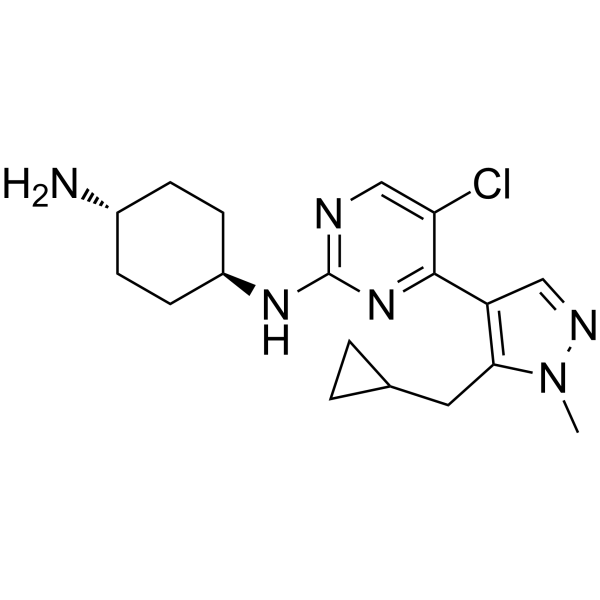
BTX-A51
1 Publications Verification
Casein Kinase inhibitor A51
|
Casein Kinase
CDK
Apoptosis
|
Cancer
|
|
BTX-A51 (Casein Kinase inhibitor A51) is a potent and orally active casein kinase 1α (CK1α) inhibitor. BTX-A51 induces leukemia cell apoptosis, and has potent anti-leukemic activities .
|
-
-
- HY-175282
-
|
|
Apoptosis
Caspase
CDK
PARP
Akt
Autophagy
Atg8/LC3
|
Cancer
|
|
ASX-173 is an orally active inhibitor of asparagine synthetase (ASNS) (IC50 = 0.113 μM, Ki = 0.4 nM). ASX-173 enhances the anticancer activity of L-asparaginase (ASNase) (HY-P1923). ASX-173 disrupts nucleotide synthesis and induces leukemia cell cycle arrest, apoptosis and autophagy in leukemia cells in combination with ASNase. ASX-173 slows the growth of OCI-AML2 xenografts in combination with ASNase. ASX-173 is indicated for the study of acute lymphoblastic leukemia, acute myeloid leukemia, colorectal cancer, and other cancers .
|
-

-
- HY-111588
-
-
-
- HY-N6017
-
|
|
HDAC
TNF Receptor
Interleukin Related
TGF-β Receptor
IFNAR
PI3K
PKC
Akt
GSK-3
Caspase
Apoptosis
|
Cancer
|
|
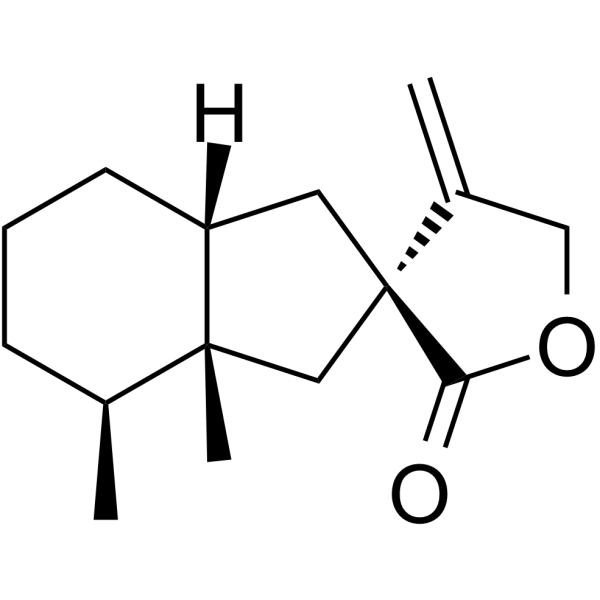
Bakkenolide A is an anticancer agent. Bakkenolide A reduces the viability of leukemia cells, inhibits cell colony formation and invasion, and downregulates the expression of HDAC3 in cells. Bakkenolide A downregulates the expression of pro-inflammatory cytokines including TNF-α, interleukins such as IL-1β, TGF-β1 and IFN-γ, as well as the expression of PI3K, PDK and PKC in leukemia cells. Bakkenolide A downregulates activated Akt, GSK and Bad, while upregulates Cyto-c, cleaved Caspase3 and cleaved Caspase7, induces apoptosis (apoptosis) in leukemia cells and thereby inhibits inflammatory responses in leukemia cells. Bakkenolide A significantly slows the growth of subcutaneous leukemia tumors in nude mice. Bakkenolide A is applicable to leukemia-related research .
|
-
-
- HY-N2387
-
|
|
Bacterial
Apoptosis
Autophagy
|
Infection
Cancer
|
|
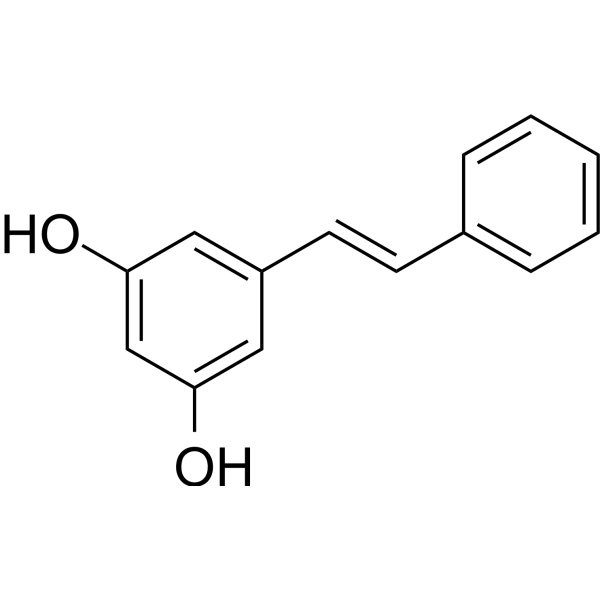
Pinosylvin is a?pre-infectious stilbenoid toxin?isolated from the heartwood of Pinus species, has anti-bacterial activities . Pinosylvin is a resveratrol analogue, can induce cell apoptosis and autophapy in leukemia cells .
|
-
-
- HY-N0128
-
|
|
Environmental Pollutants
Apoptosis
|
Cancer
|
|
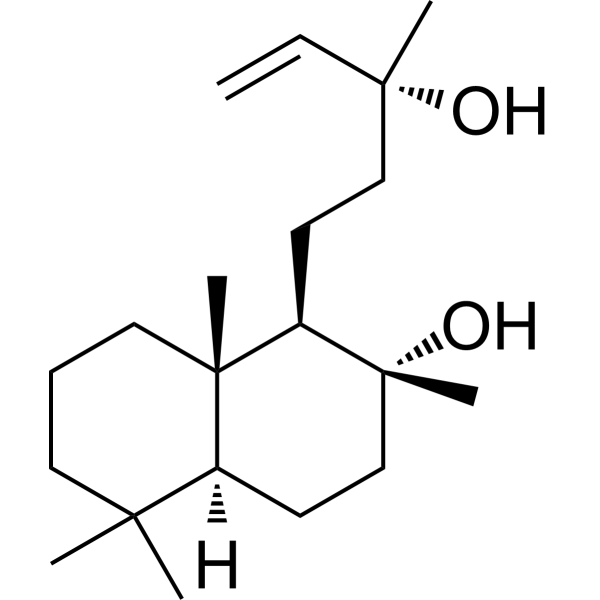
Sclareol is isolated from Salvia sclarea with anticarcinogenic activity. Sclareol shows strong cytotoxic activity against mouse leukemia (P-388), human epidermal carcinoma (KB) cells and human leukemia cell lines. Sclareol induces cell apoptosis .
|
-
-
- HY-125098
-
|
|
DNA Alkylator/Crosslinker
Apoptosis
|
Infection
Cancer
|
|
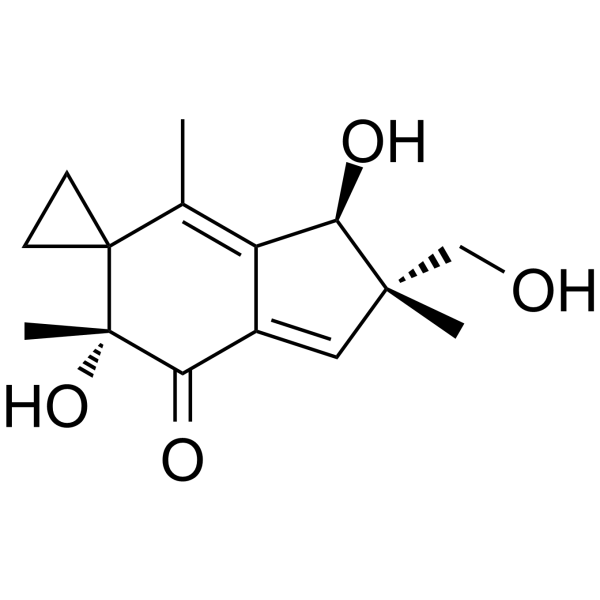
Illudin S, a cytotoxic Illudin, is a natural sesquiterpene with strong anti-tumour and antiviral activities. Illudin S has genotoxic activities. Illudin S blocks the G1-S phase interface of the cell cycle in human leukemia cells .
|
-
-
- HY-16271
-
|
4-Isothioureidobutyronitrile hydrochloride; thioureidobutyronitrile hydrochloride; thioureido butyronitrile hydrochloride
|
MDM-2/p53
Apoptosis
|
Cancer
|
|
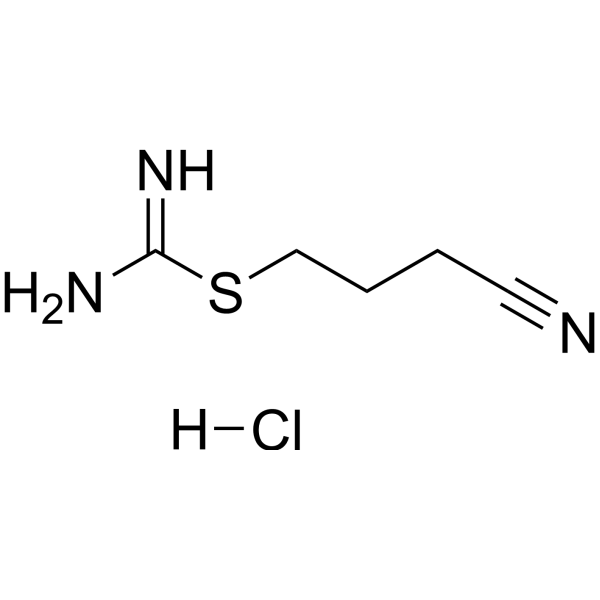
Kevetrin hydrochloride is a potent activator of p53, induces apoptosis in TP53 wild-type and mutant acute myeloid leukemia cells. Kevetrin a preferential cytotoxic activity against blast cells .
|
-
-
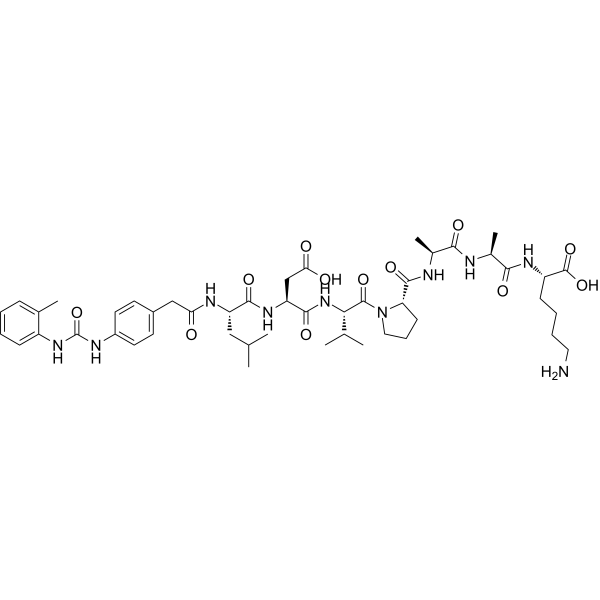
- HY-P2267
-
LDV
1 Publications Verification
|
Integrin
|
Others
|
|
LDV is a non-fluorescent analog of LDV-FITC. LDV is a α4β1 integrin (VLA-4) ligand, and binds α4β1 integrin in leukemia cells .
|
-
-
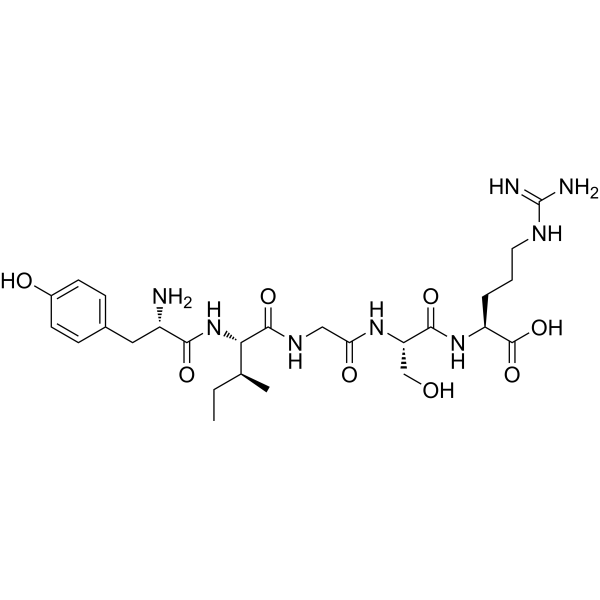
- HY-P0132
-
YIGSR
1 Publications Verification
Laminin Fragment 929-933
|
NO Synthase
|
Cancer
|
|
YIGSR (Laminin Fragment 929-933) is a polypeptide that inhibits tumor growth and metastasis of leukemia cells. YIGSR specifically binds to the 67kDa laminin receptor and regulates the expression of eNOS in endothelial cells. YIGSR can be used in leukemia-related research .
|
-
-
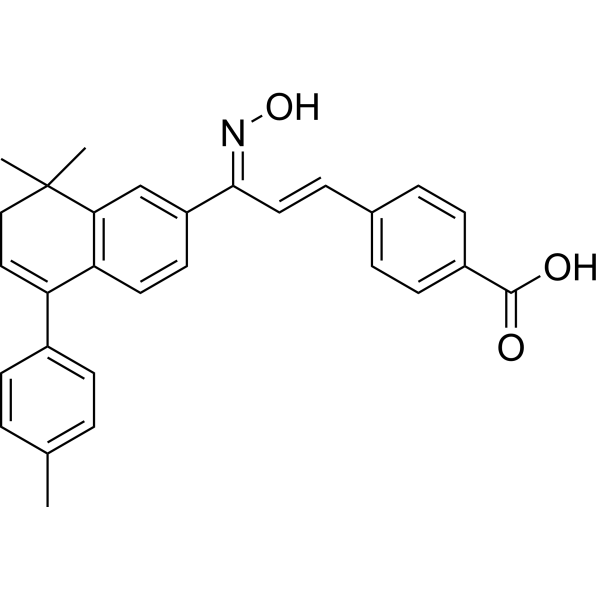
- HY-16683
-
|
|
RAR/RXR
Autophagy
|
Cancer
|
|
AGN 205728 is a potent and selective RARγ antagonist with Ki/IC95 values of 3 nM/0.6 nM; no inhibiton on RARα and RARβ. AGN 205728 can inhibit abnormal proliferation of leukemia cells .
|
-
-
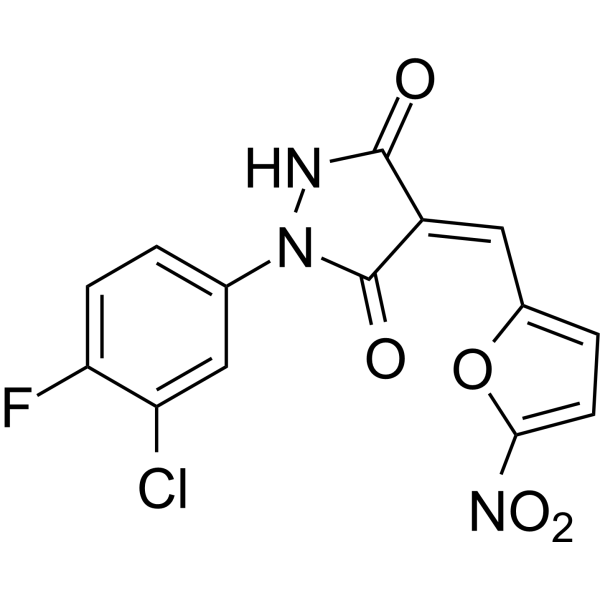
- HY-13297
-
|
|
E1/E2/E3 Enzyme
|
Cancer
|
|
PYZD-4409 is a specific inhibitor of the ubiquitin-activating enzyme UBA1 with an IC50 of 20 μM (cell-free enzymatic assay). PYZD-4409 induces cell death in malignant cells and preferentially inhibits the clonogenic growth of primary acute myeloid leukemia cells .
|
-
-
- HY-139535
-
|
CG-806
|
FLT3
Btk
Apoptosis
|
Cancer
|
|
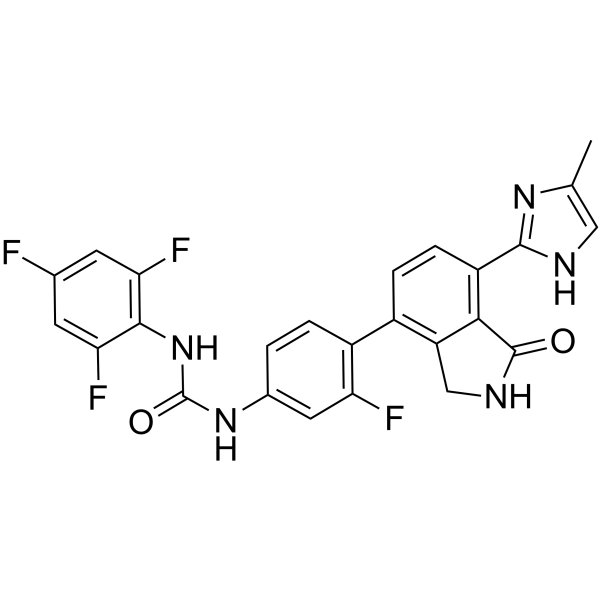
Luxeptinib (CG-806) is an orally active, reversible, first-in-class, non-covalent and potent pan-FLT3/pan-BTK inhibitor. Luxeptinib induces cell cycle arrest, apoptosis or autophagy in acute myeloid leukemia cells .
|
-
-
- HY-P10238
-
|
|
Apoptosis
|
Cancer
|
|
MYBMIM is an inhibitor for assembly of the molecular MYB:CBP/P300 complex. MYBMIM inhibits growth of leukemia cells .
|
-

-
- HY-103275
-
|
NSC 680410
|
Bcr-Abl
Apoptosis
|
Cancer
|
|
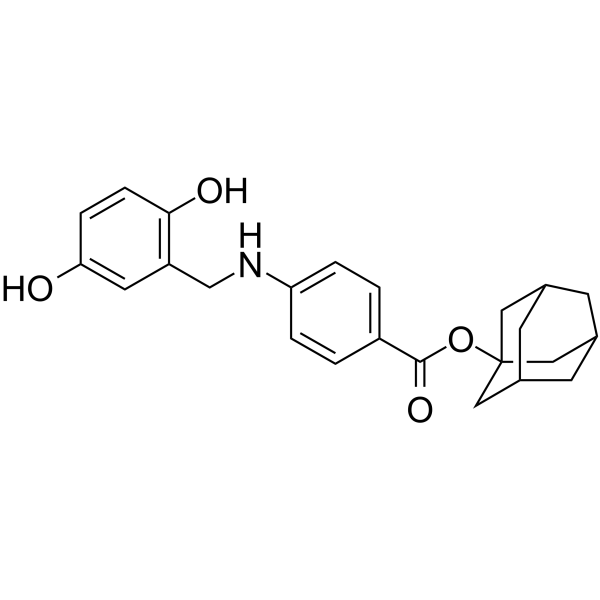
Adaphostin (NSC 680410), the adamantyl ester of AG957, is a potent p210 bcr/abl inhibitor (IC50=14 μM). Adaphostin induces apoptosis in T-lymphoblastic human leukemia cell lines (IC50 ranging from 17 to 216 nM). Adaphostin has significant and selective activity against chronic and acute myeloid leukemia cells. Adaphostin increased the level of reactive oxygen species (ROS) within CLL B cells .
|
-
-
- HY-N7761
-
|
Tetrahydro tanshinone I
|
Endonuclease
NADPH Oxidase
Pyroptosis
NF-κB
|
Cancer
|
|
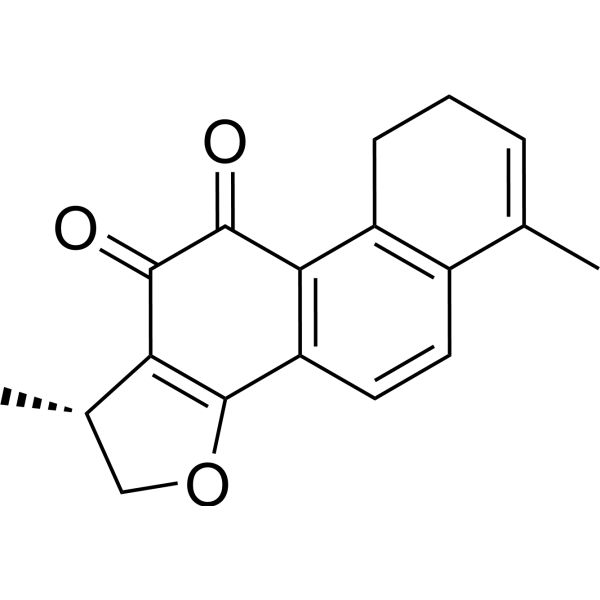
Trijuganone B (Tetrahydro tanshinone I) can be extracted from from the roots of Salvia miltiorrhiza f. alba. Trijuganone B inhibits the proliferation of leukemia cells .
|
-
-
- HY-114410
-
|
|
Mitochondrial Metabolism
|
Cancer
|
|
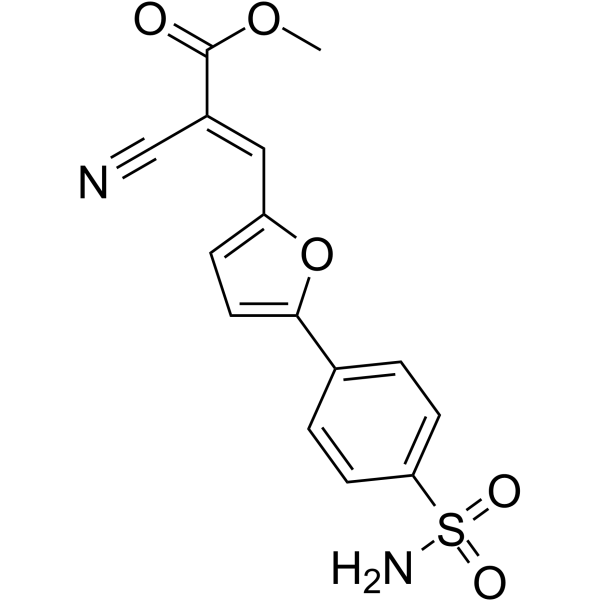
CCI-006 is a selective inhibitor and chemosensitizer of MLL-rearranged leukemia cells, by inhibits mitochondrial respiration resulting in insurmountable mitochondrial depolarization and a pro-apoptotic unfolded protein response (UPR) in a subset of MLL-r leukemia cells .
|
-
-
- HY-123141
-
|
|
Pim
|
Cancer
|
|
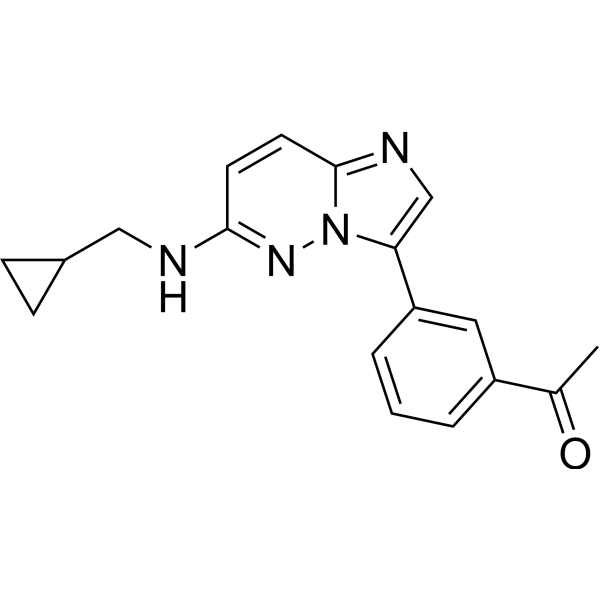
K00135 is a potent and selective inhibitor of PIM kinases. K00135 inhibits survival and clonogenic growth of acute leukemia cells. K00135 inhibits the phosphorylation of PIM downstream targets .
|
-
-
- HY-115406A
-
|
|
Apoptosis
|
Cancer
|
|
CPTH6 hydrobromide is a thiazole derivative which activates apoptotic program and increases autophagic features in human acute myeloid leukemia cell lines. CPTH6 can be used for cancer research .
|
-

-
- HY-141703A
-
|
|
Epigenetic Reader Domain
|
Cancer
|
|
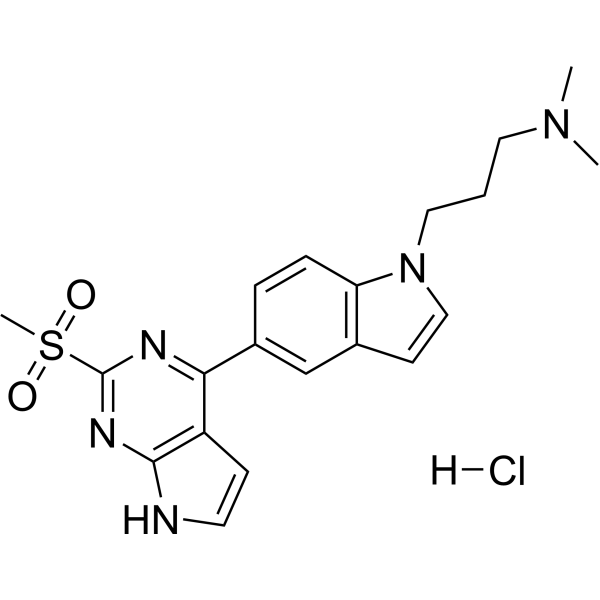
DC-BPi-11 hydrochloride is an inhibitor of bromodomain PHD finger transcription factor (BPTF), with an IC50 value of 698 nM. DC-BPi-11 hydrochloride shows remarkable inhibition against leukemia cell proliferation .
|
-
-
- HY-W173146
-
|
|
DNA/RNA Synthesis
|
Cancer
|
|
ALKBH5-IN-4 (compound 3) is a RNA m6A demethylase ALKBH5 inhibitor with an IC50 of 0.84 μM. ALKBH5-IN-4 shows inhibitory effect on leukemia cells[1].
|
-

-
- HY-155552
-
|
|
Apoptosis
CDK
Caspase
|
Cancer
|
|
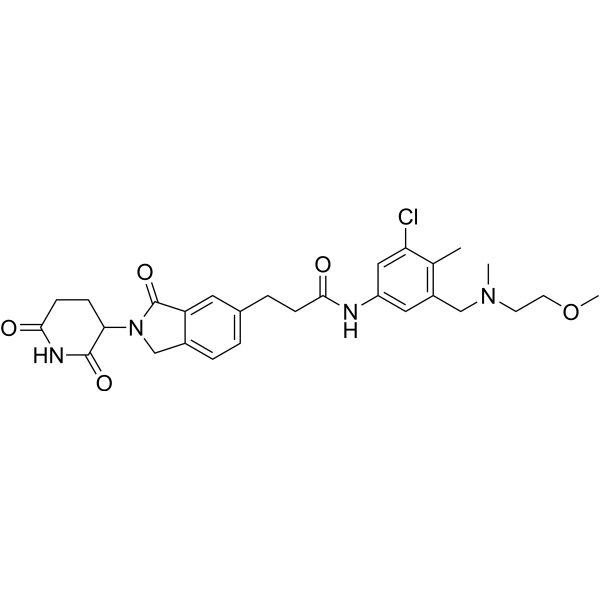
GSPT1 degrader-1 is a highly selective degrader targeting GSPT1. GSPT1 degrader-1 induces degradation via the ubiquitin-proteasome system. GSPT1 degrader-1 induces G0/G1 phase arrest, apoptosis (apoptosis) and inhibits proliferation in leukemia cells. GSPT1 degrader-1 reduces the levels of CDK6 and Cyclin B1, while increases the levels of activated caspase-3 and caspase-9 in leukemia cells. GSPT1 degrader-1 can be used in leukemia research .
|
-
-
- HY-108969
-
|
NSC 366140; PD 115934
|
Topoisomerase
Apoptosis
|
Cancer
|
|
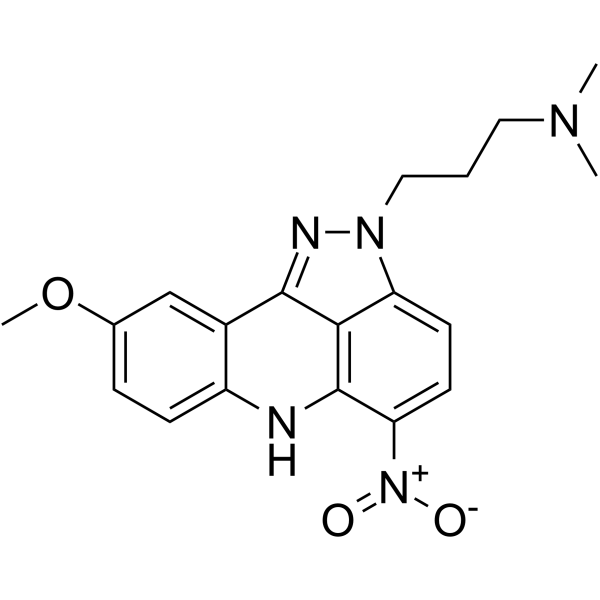
Pyrazoloacridine (NSC 366140), an intercalating agent with anti-cancer activity, inhibits the activity of topoisomerases 1 and 2. Pyrazoloacridine (NSC 366140) exhibits an IC50 of 1.25 μM in K562 myeloid leukemia cells for 24 h treatment .
|
-
-
- HY-N6689
-
|
|
Insecticide
Bacterial
|
Infection
Inflammation/Immunology
Cancer
|
|
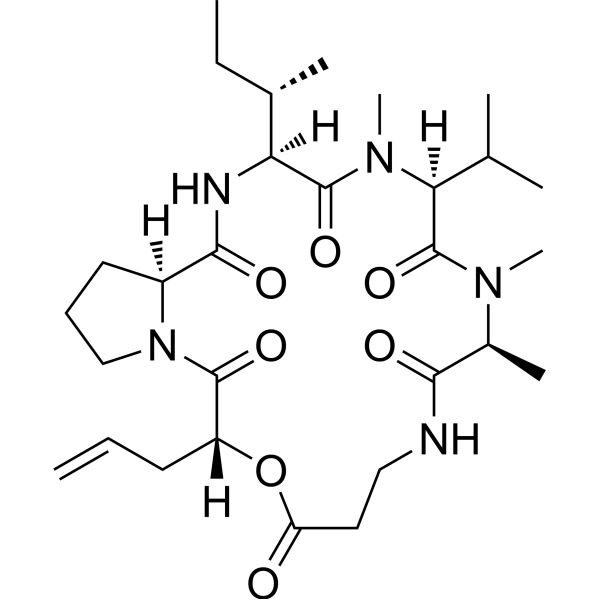
Destruxin A is a fungal cyclopeptide with insecticidal and antiviral activities. Destruxin A has a certain inhibitory effect on leukemia cells in vitro. Destruxin A can also specifically inhibit the innate immune response of Drosophila melanogaster, making the flies more susceptible to bacterial infections .
|
-
-
- HY-144779
-
|
|
HDAC
Autophagy
|
Cancer
|
|
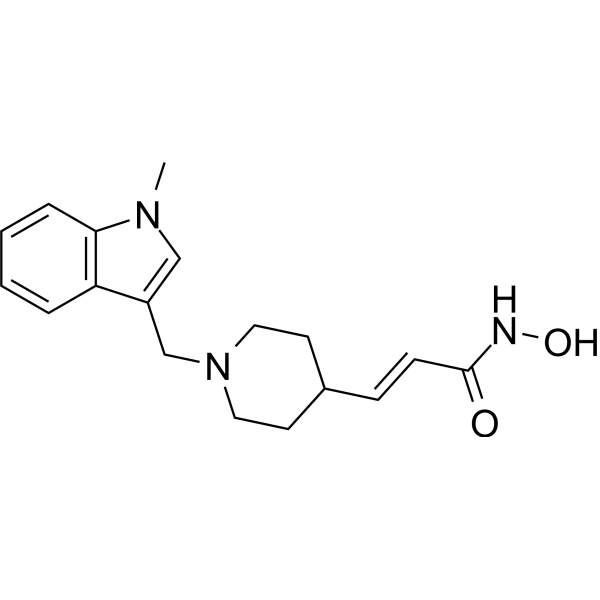
HDAC10-IN-1 (compound 13b) is a potent and highly selective HDAC10 inhibitor, with an IC50 of 58 nM. HDAC10-IN-1 modulates autophagy in aggressive FLT3-ITD positive acute myeloid leukemia cells .
|
-
-
- HY-162008
-
|
|
HSP
Bcl-2 Family
|
Cancer
|
|
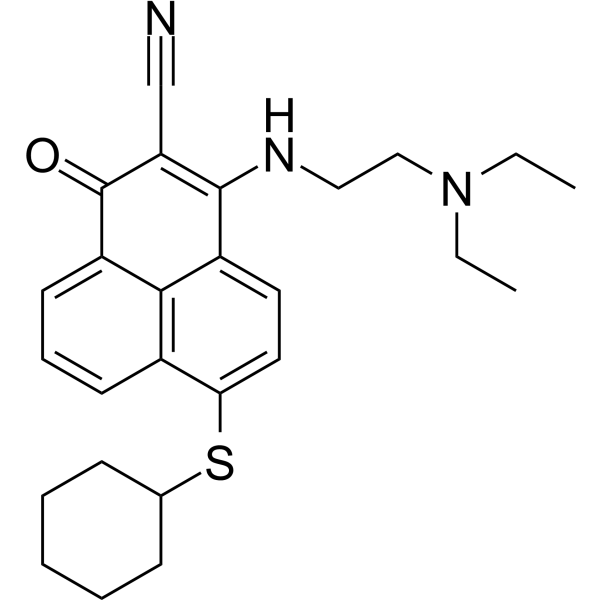
S1g-10 is a Hsp70/Bim inhibitor, and shows antitumor activity in chronic myeloid leukemia cells .
|
-
-
- HY-141703
-
|
|
Epigenetic Reader Domain
|
Cancer
|
|
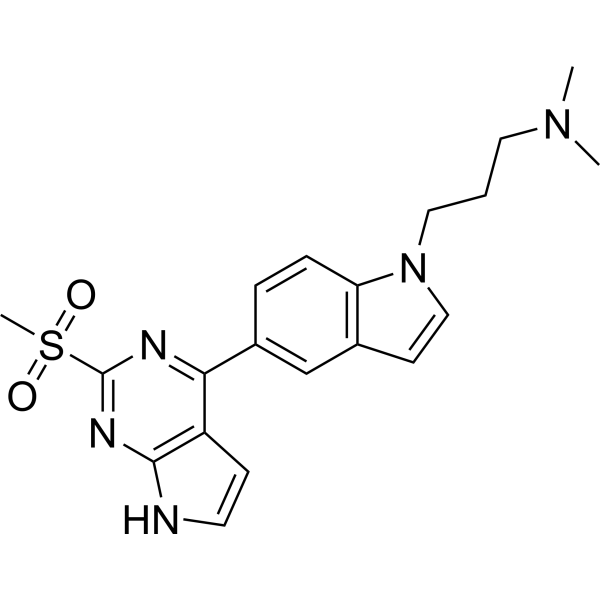
DC-BPi-11 is an inhibitor of bromodomain PHD finger transcription factor (BPTF), with an IC50 value of 698 nM. DC-BPi-11 shows remarkable inhibition against leukemia cell proliferation .
|
-
-
- HY-161149
-
|
|
HDAC
|
Cancer
|
|
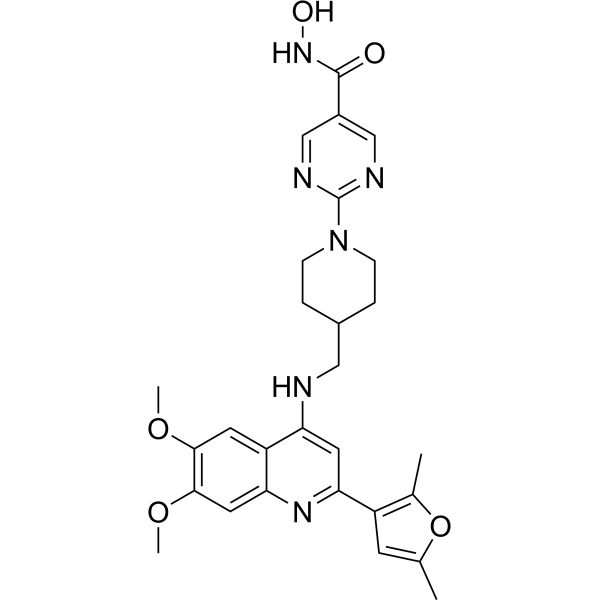
CM-1758 is a histone deacetylase (HDAC) inhibitor. CM-1758 inhibits tumor growth in vivo. CM-1758 induces acetylation of non-histone proteins in acute myeloid leukemia cells .
|
-
-
- HY-170574
-
|
|
Molecular Glues
Apoptosis
RIO Kinase
|
Cancer
|
|
CQ627 is a molecular glue targeting the degradation of RIOK2. It effectively induces the degradation of RIOK2 in the MOLT4 leukemia cell line via the ubiquitin-proteasome system (UPS) by recruiting the E3 ubiquitin ligase RNF126, with a DC50 value of 410 nM. CQ627 dose-dependently induces apoptosis in MOLT4 leukemia cells, blocks their cell cycle in the G2/M phase, and exhibits antiproliferative activities in various cancer cell lines. CQ627 also demonstrates in vivo anticancer activity in a MOLT4 xenograft mouse model .
|
-

-
- HY-152133
-
|
|
PROTACs
HDAC
Apoptosis
|
Cancer
|
|
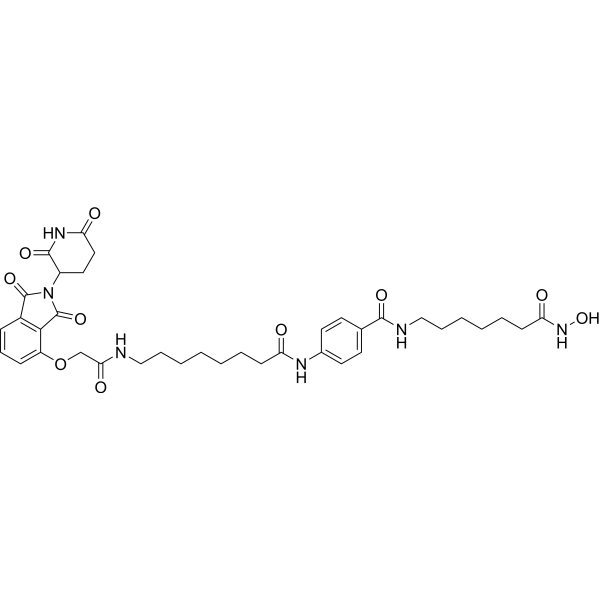
PROTAC HDAC6 degrader (Compound A6) is a potent and selective PROTAC HDAC6 degrader with a DC50 of 3.5 nM. PROTAC HDAC6 degrader shows promising antiproliferative activity via inducing apoptosis in myeloid leukemia cell lines .
|
-
-
- HY-127130
-
|
|
Bcl-2 Family
Apoptosis
Fungal
Antibiotic
|
Infection
Cancer
|
|
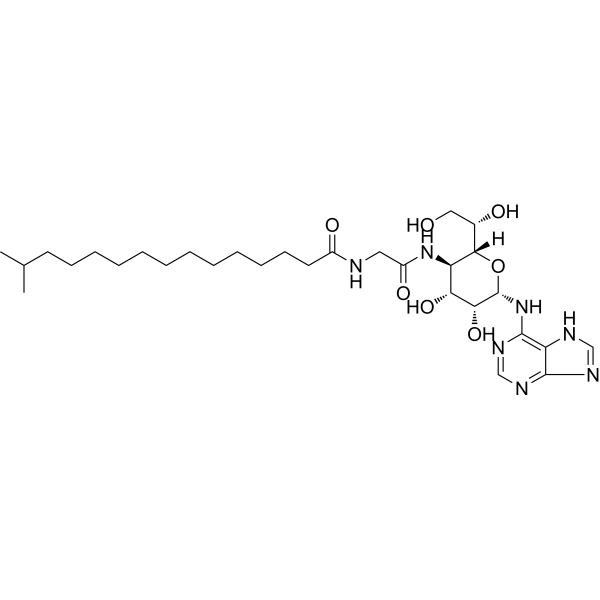
Spicamycin, an adenine nucleoside antibiotic with antifungal and antitumor activities. Spicamycin is also a potent inducer of differentiation of myeloid leukemia cells. Spicamycin induces apoptosis in NB4 cells via down-regulation of Bcl-2 expression and modulation of PML protein .
|
-
-
- HY-177467
-
|
|
Apoptosis
FLT3
|
Cancer
|
|
P0064 is a selective inhibitor targeting the PR domain of PRDM16. P0064 selectively reduces proliferation and survival of FLT3-ITD+ leukemia cells and induces cell apoptosis. P0064 is promising for research of acute myeloid leukemia (AML) .
|
-

-
- HY-144782A
-
|
|
HDAC
Autophagy
|
Cancer
|
|
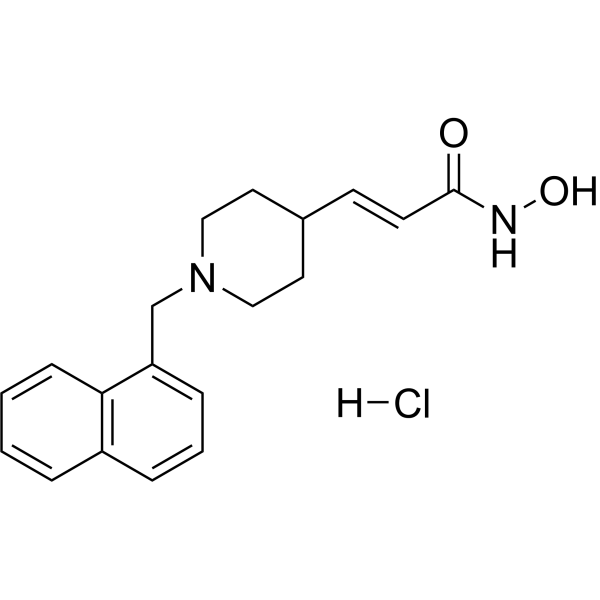
HDAC10-IN-2 hydrochloride (compound 10c) is a potent and highly selective HDAC10 inhibitor, with an IC50 of 20 nM. HDAC10-IN-2 hydrochloride modulates autophagy in aggressive FLT3-ITD positive acute myeloid leukemia cells .
|
-
-
- HY-W019682
-
|
|
Biochemical Assay Reagents
|
Cancer
|
|
Fmoc-FF is a building block. Fmoc-FF-prepared hydrogels and nanogels selectively deliver Dexamethasone (HY-14648) to leukemia cells .
|
-

-
- HY-N8390
-
|
|
Others
|
Cancer
|
|
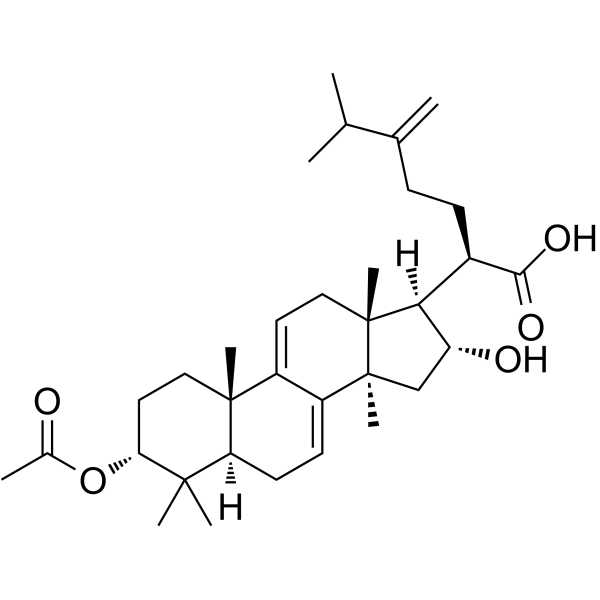
3-Epidehydropachymic acid, a lanostane triterpenoid, shows totoxicity effect against human acute monocytic leukemia cell line THP-1 (IC50=52.51 μM) .
|
-
-
- HY-126156
-
|
Desacetoxymatricarin
|
Bacterial
|
Cancer
|
|
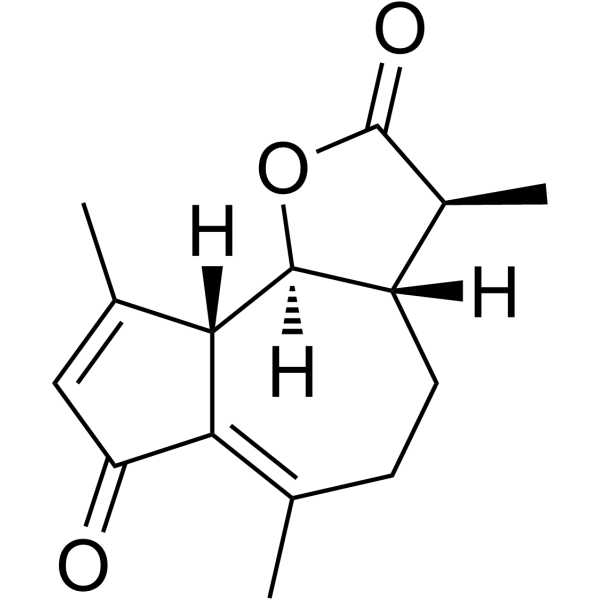
Leucodin is a sesquiterpene lactone derived from Gynoxys verrucosa. Leucodin has cytotoxic activity on human leukemia cells .
|
-
-
- HY-N5007
-
|
|
Apoptosis
|
Cancer
|
|
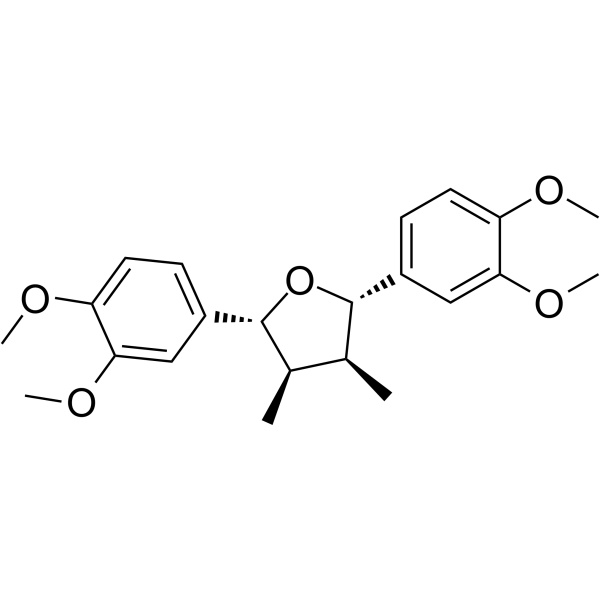
Galgravin is an active compound in Nectandra megapotamica, with anti-inflammatory activity. Galgravin displays in vitro cytotoxic activity and induce apoptosis in leukemia cells .
|
-
-
- HY-19095
-
|
|
Antifolate
|
Cancer
|
|
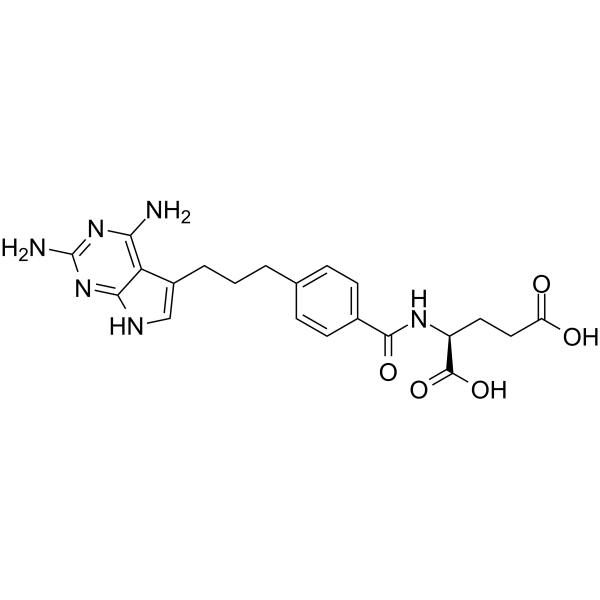
TNP-351 is an antifolate. TNP-351, a dihydrofolate reductase (DHFR) inhibitor, has potent antitumor activity against not only leukemia cells but also solid tumor cells in vitro and in vivo .
|
-
-
- HY-164456
-
-

-
- HY-110026
-
|
|
FLT3
|
Cancer
|
|
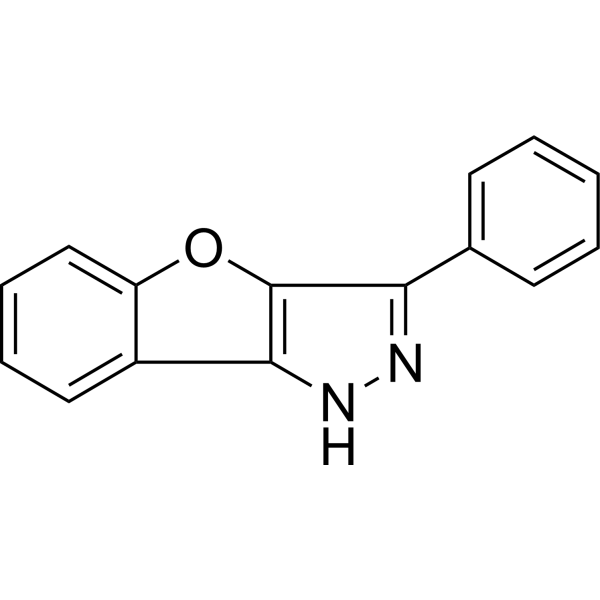
GTP-14564 is a tyrosine kinase inhibitor targeting to internal tandem duplication (ITD) and FLT3. GTP-14564 inhibits FLT3 ligand-dependent growth in Ba/F3 leukemia cells .
|
-
-
- HY-123902
-
|
Zizanin A
|
CCR
HIV
|
Infection
|
|
Ophiobolin C inhibits CCR5 binding to the envelop protein gp120 and CD4, which is responsible for mediating the entry of HIV-1 into cells . Ophiobolin C is also cytotoxic to chronic lymphocytic leukemia cells .
|
-

-
- HY-18626
-
|
|
Topoisomerase
|
Cancer
|
|
NK 314 is an inhibitor for topoisomerase IIα, which generates the break of DNA double-strand. NK 314 arrests the cell cycle at G2 phase in human acute myeloid leukemia cells, inhibits the proliferation of CEM with IC90 of 55 nM .
|
-

-
- HY-129564
-
|
|
Antibiotic
|
Cancer
|
|
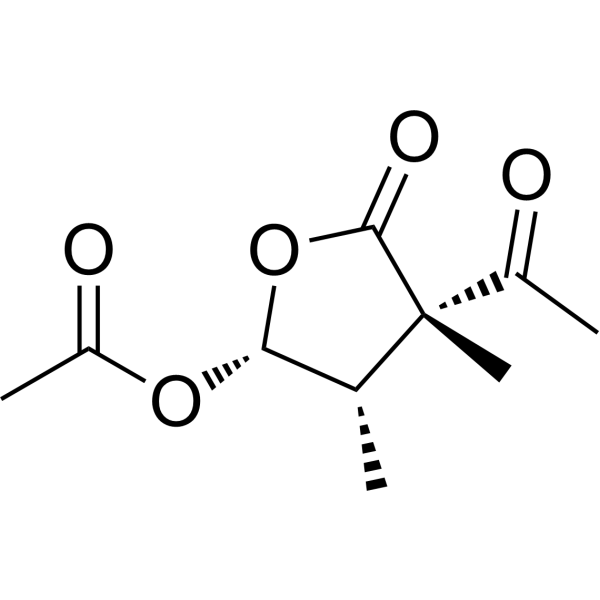
Acetomycin is an antibiotic. Acetomycin inhibits the growth of CT-8 human colon adenocarcinoma cells (IC50: 1.5 μg/mL) and L1210 murine leukemia cells (IC50: 2.2 μg/mL). Acetomycin can be isolated from actinomycete WP-2661 .
|
-
-
- HY-160787
-
|
|
FLT3
IRAK
|
Cancer
|
|
NCGC1481 is an inhibitor of FLT3, IRAK1, and IRAK4, with IC50 values of <0.5 nM, 22.6 nM, and 0.8 nM, respectively. NCGC1481 can effectively overcome the adaptive resistance of leukemia cells to FLT3 inhibitors and has antileukemic activity .
|
-

-
- HY-144782
-
|
|
HDAC
Autophagy
|
Cancer
|
|
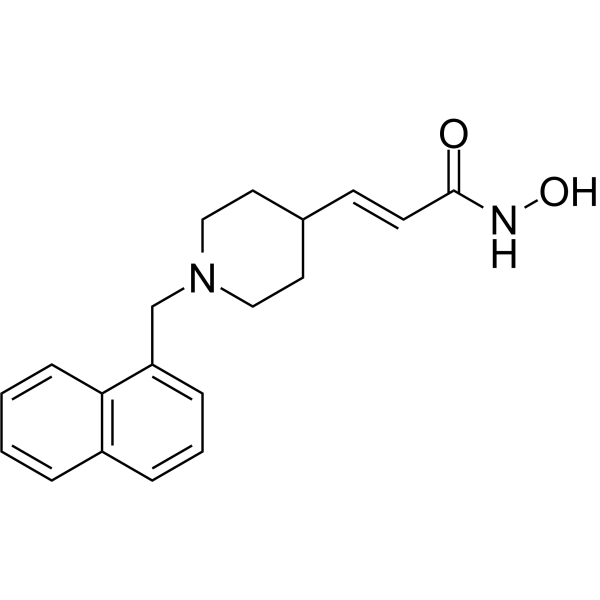
HDAC10-IN-2 (compound 10c) is a potent and highly selective HDAC10 inhibitor, with an IC50 of 20 nM. HDAC10-IN-2 modulates autophagy in aggressive FLT3-ITD positive acute myeloid leukemia cells .
|
-
-
- HY-129592
-
|
|
Apoptosis
|
Cancer
|
|
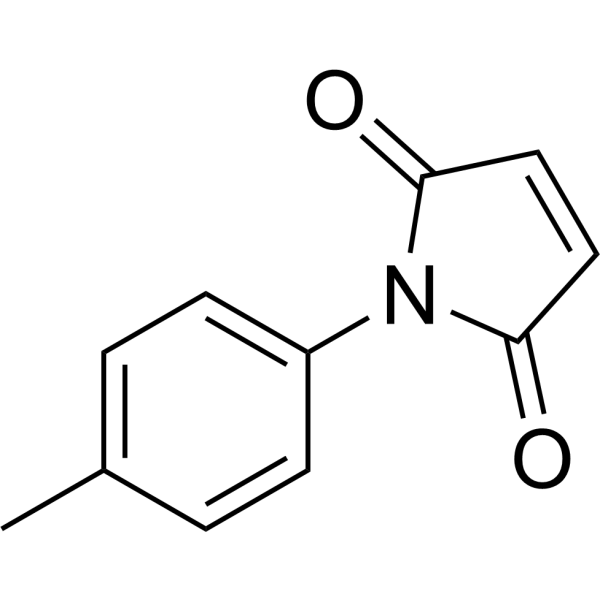
p-Tolylmaleimide (compound 9) is a naphthalimide derivative that has cytotoxic effects on cancer cells. p-Tolylmaleimide can arrest the cell cycle of human acute myeloid leukemia cells K562 in the sub-G0/G1 phase and induce apoptosis .
|
-
-
- HY-N10206
-
|
|
Endogenous Metabolite
|
Cancer
|
|
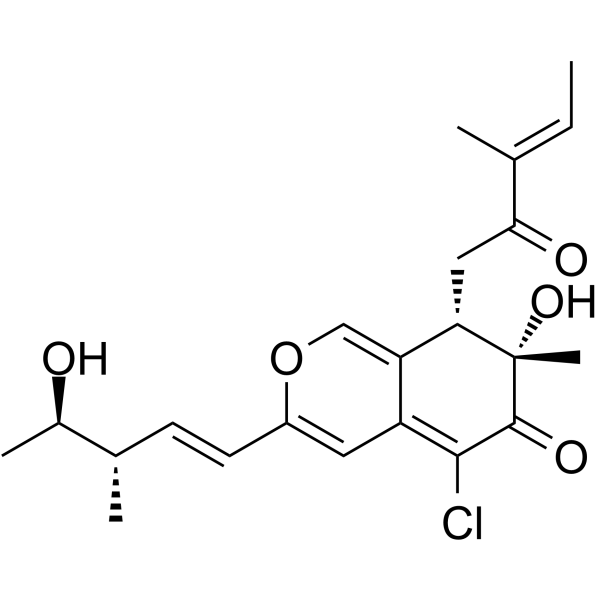
11-epi-Chaetomugilin I is a metabolite found in Chaetomium globosum. 11-epi-Chaetomugilin I exhibits significant cytotoxic activity against the murine P388 leukemia cell line, the human HL-60 leukemia cell line, the murine L1210 leukemia cell line, and the human KB epidermoid carcinoma cell line .
|
-
-
- HY-N14621
-
|
|
Others
|
Cancer
|
|
Harzialacton A has weak cytotoxicity to P388 leukemia cells with ED50 of > 100 μg/mL .
|
-

- HY-N14599
-
-

- HY-N15034
-
-

- HY-N13878
-
-

- HY-139877
-
|
|
Microtubule/Tubulin
|
Cancer
|
|
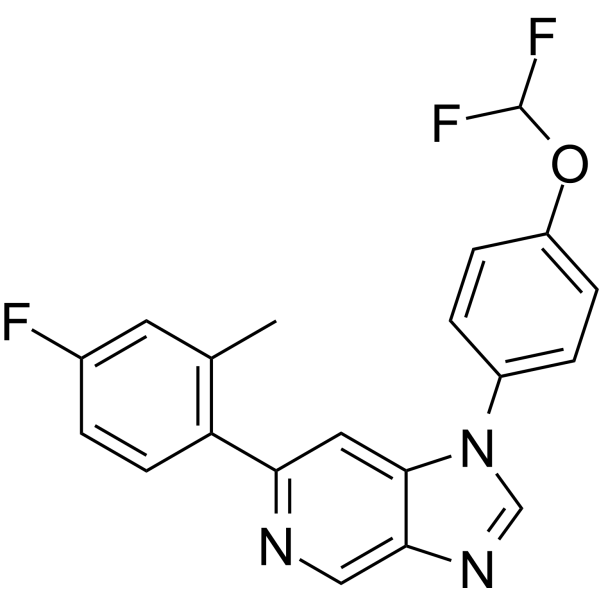
OXS007417 induces differentiation of acute myeloid leukemia cells (EC50 = 48 nM) in vitro and shows antitumor effects in vivo.
|
-
- HY-N8386
-
|
|
Antibiotic
|
Infection
Cancer
|
|
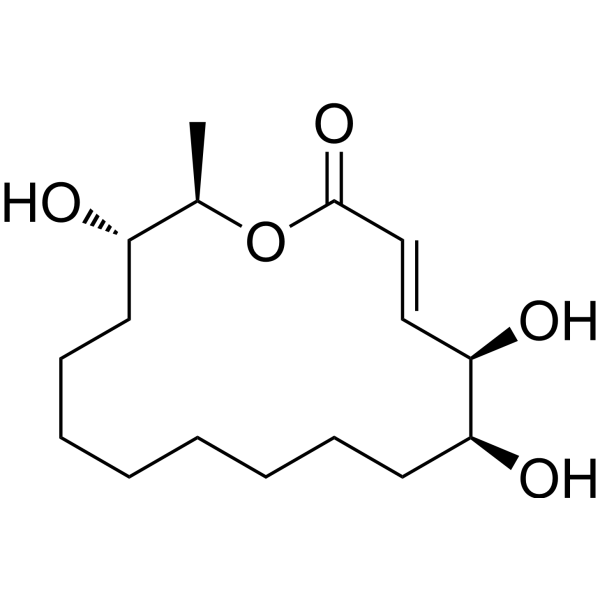
Berkeleylactone F is an antibiotic macrolide compound. Berkeleylactone F showed modest inhibition of CCRF-CEM leukemia cells .
|
-
- HY-N14522
-
|
|
Bacterial
|
Infection
Cancer
|
|
Gilvocarcin E has anti-Gram-positive bacterial activity and can inhibit sarcoma 180 and P388 leukemia cells .
|
-

- HY-N14556
-
|
|
Apoptosis
|
Cancer
|
|
L-2,5-Dihydrophenylalanine can cause apoptosis of HL-60 in human myeloblastoid leukemia cells .
|
-

- HY-116619
-
|
(E/Z)-NVP-LAQ824; (E/Z)-LAQ824
|
HDAC
Apoptosis
|
Others
|
|
(E/Z)-Dacinostat ((E/Z)-NVP-LAQ824) is a histone deacetylase inhibitor that has the ability to induce apoptosis and enhance the activity of fludarabine in killing leukemia cells. (E/Z)-Dacinostat can trigger the production of reactive oxygen species (ROS) and DNA damage, enhance the killing effect of fludarabine on leukemia cells, and induce apoptosis. Its mechanism is related to the regulation of DNA repair processes and intracellular signaling pathways.
|
-

- HY-N14697
-
|
|
Antibiotic
|
Cancer
|
|
Cytorhodin X is a cytotoxic antibiotic. Cytorhodin X can inhibit the proliferation of L1210 murine leukemia cells, with an ED50 of 0.36 μM .
|
-

- HY-153582
-
|
|
PROTACs
Bcr-Abl
|
Cancer
|
|
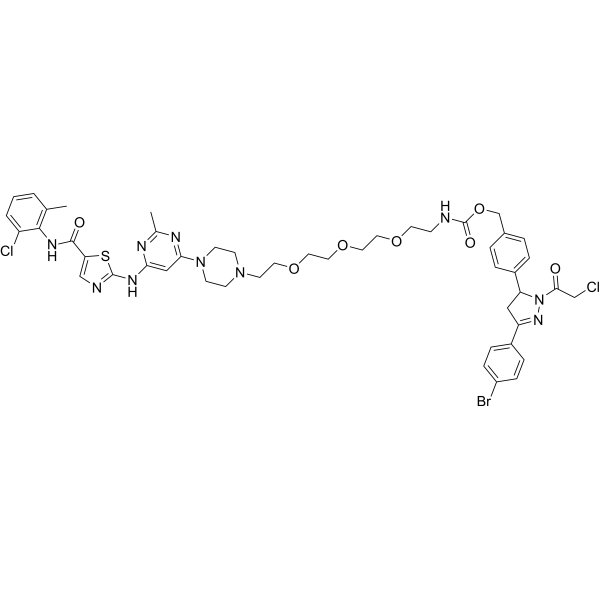
ML 2-23 is a potent PROTAC BCR-ABL degrader. ML 2-23 is selectively degrade BCR-ABL in a proteasome-dependent manner in leukemia cells .
|
-
- HY-N14495
-
|
|
AP-1
|
Cancer
|
|
Nidulal induces differentiation of human promyelocytic leukemia cells. In COS-7 cells it selectively activates AP-1 dependent signal transduction .
|
-

- HY-12625
-
|
|
Epigenetic Reader Domain
|
Others
|
|
MIV-6 is a small molecule inhibitor that inhibits menin-mixed lineage leukemia (MLL) interaction and exhibits strong selective activity in MLL leukemia cells with IC50 = 56 nM.
|
-

- HY-N10071
-
|
|
Others
|
Cancer
|
|
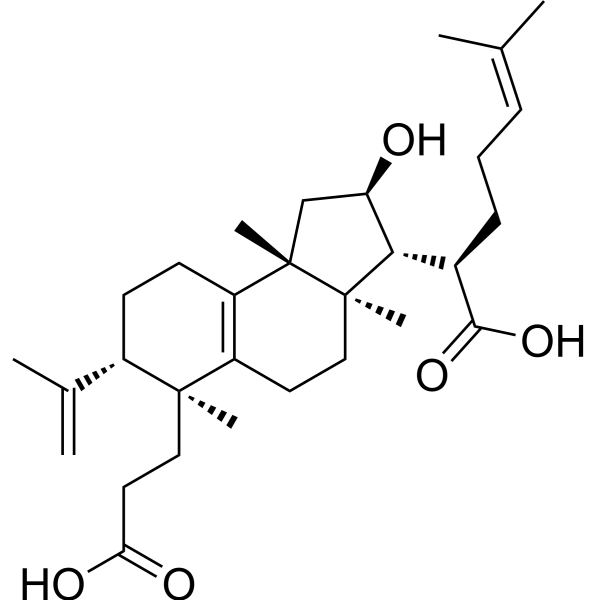
Poricoic acid G is a triterpenoid that can be isolated from Poria cocos. Poricoic acid G has a significant cytotoxic effect on leukemia cells and is a potential potent anti-leukemic compound in humans .
|
-
- HY-123718
-
|
|
Parasite
|
Others
|
|
6-Benzylthioinosine is a compound with antileukemic activity that increases cytotoxicity against acute myeloid leukemia cells when combined with metformin, modulating cellular metabolism and signaling pathways through multiple mechanisms.
|
-

- HY-N13294
-
|
TMJ-105
|
Apoptosis
JAK
STAT
p38 MAPK
JNK
ERK
|
Cancer
|
|
Cernuumolide J (TMJ-105) is an JAK2/STAT3 inhibitor. Cernuumolide J induces G2/M phase arrest and apoptosis in HEL leukemia cells by downregulating the phosphorylation of JAK2, STAT3, and Erk, and activating the phosphorylation of JNK and p38 MAPK. Cernuumolide J inhibits HEL leukemia cell growth in a time- and concentration-dependent manner, with an IC50 value of 1.79 μM. Cernuumolide J can be used for research in the field of anti-cancer therapy .
|
-

- HY-119324
-
|
|
Apoptosis
|
Others
|
|
Anticancer agent 254 (compound 10) is a dichloroacetic acid-loaded compound with enhanced antitumor activity against leukemia cells in vitro and better stability in vivo, and can be considered for preclinical evaluation of cancer inhibition.
|
-

- HY-N9159
-
|
|
Others
|
Cancer
|
|
Piptocarphin F (Compound 5) is a sesquiterpene
lactone. Piptocarphin F shows cytotoxic activity on human leukemia cell line
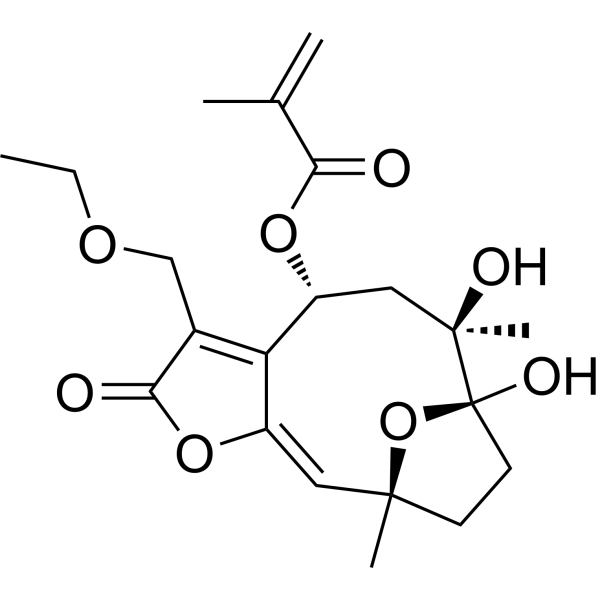
HL-60 (IC50=5.69 μmol*L -1) .
|
-
- HY-103275R
-
|
NSC 680410 (Standard)
|
Reference Standards
Bcr-Abl
Apoptosis
|
Cancer
|
|
Adaphostin (Standard) is the analytical standard of Adaphostin. This product is intended for research and analytical applications. Adaphostin (NSC 680410), the adamantyl ester of AG957, is a potent p210bcr/abl inhibitor (IC50=14 μM). Adaphostin induces apoptosis in T-lymphoblastic human leukemia cell lines (IC50 ranging from 17 to 216 nM). Adaphostin has significant and selective activity against chronic and acute myeloid leukemia cells. Adaphostin increased the level of reactive oxygen species (ROS) within CLL B cells .
|
-

- HY-12625A
-
|
|
Others
|
Others
|
|
MIV-6R is an optimized small molecule inhibitor of menin-mixed lineage leukemia (MLL) interaction with IC50 = 56 nM, and its specific mechanism of action activity has been validated in MLL leukemia cells.
|
-

- HY-N1056
-
|
Zerumbetol
|
Others
|
Cancer
|
|
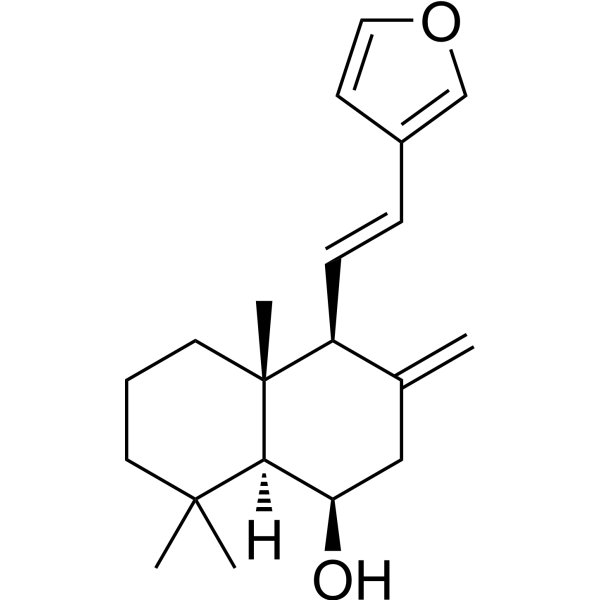
Yunnancoronarin A (Zerumbetol) can be isolated from Hedychium forrestii. Yunnancoronarin A is cytotoxic, with IC50 values of 11.08 and 2.19 μM against lung adenocarcinoma cells A549 and leukemia cells K562, respectively .
|
-
- HY-135254
-
|
CP-46665-1
|
PKC
|
Cancer
|
|
CP-46665 dihydrochloride is an anticancer agent that inhibits the incorporation of tritiated thymidine into leukemia cells and human solid tumor cells in vitro. It can lead to the loss of surface characteristics in tumor cells and disrupt cell membranes, inhibiting cell proliferation .
|
-

- HY-157483
-
|
|
P-glycoprotein
|
Cancer
|
|
P-gp inhibitor 18 (compound 6G) is a potent inhibitor of P-gp. P-gp inhibitor 18 inhibits rhodamine 123 efflux in the P-gp overexpressed leukemia cells, K562/Dox .
|
-
- HY-163406
-
|
|
Phosphatase
Apoptosis
|
Cancer
|
|
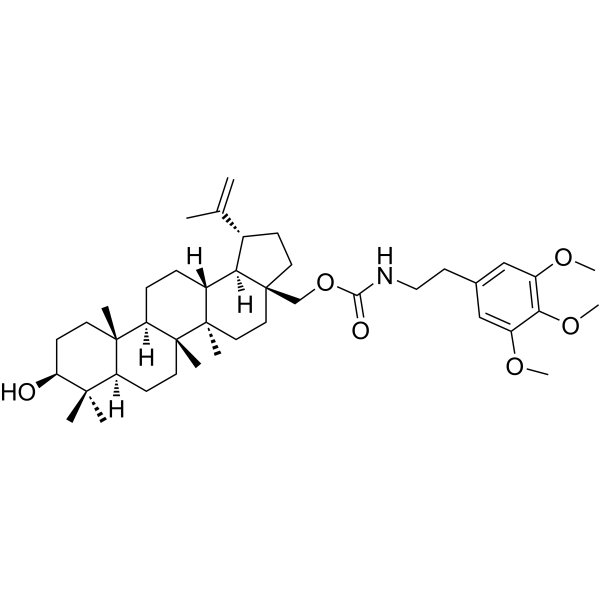
PDE1-IN-6 (compound 6c) is a selectivity PDE1 inhibitor with the IC50 of 7.5 nM. PDE1-IN-6 significantly inhibits the proliferation and induced cell apoptosis in Acute myelogenous leukemia cells .
|
-
- HY-N10364
-
|
|
Others
|
Cancer
|
|
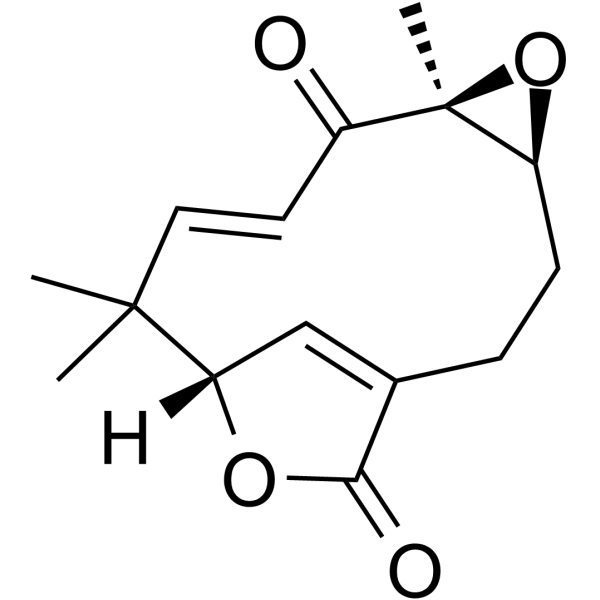
6β,7β-Epoxyasteriscunolide A, a sesquiterpenoid, shows cytotoxicity against the HL-60 and MOLT-3 leukemia cell lines, with IC50s range 4.1-5.4 μM .
|
-
- HY-167671
-
|
|
Topoisomerase
|
Cancer
|
|
BE-10988 is a DNA topoisomerase inhibitor. BE-10988 inhibits the growth of Doxorubicin (HY-15142A)-resistant and vincristine-resistant P388 mouse leukemia cell lines by increasing the formation of DNA topoisomerase complexes .
|
-

- HY-161339
-
|
|
Apoptosis
Sirtuin
|
Cancer
|
|
SIRT2-IN-13 (compound 7c) is an inhibitor of SIRT2 and induces apoptosis. SIRT2-IN-13 selectively inhibits colon cancer and leukemia cells and arrests the cell cycle in the G2 phase .
|
-

- HY-N12108
-
|
|
Phosphatase
|
Infection
Inflammation/Immunology
Cancer
|
|
Forphenicine is a bacterial metabolite that is found in S. fulvoviridis and an inhibitor of alkaline phosphatase. Forphenicine inhibits the growth of HL-60 leukemia cells at 10 µM. Forphenicine also increases survival in a guinea pig model of experimental autoimmune encephalomyelitis (EAE) .
|
-

- HY-172154
-
|
|
CXCR
Apoptosis
|
Cancer
|
|
SSB-2548 is a CXCR-4 inhibitor. SSB-2548 can inhibit the proliferation, migration and induce apoptosis of acute myeloid leukemia cells. SSB-2548 has good gastrointestinal absorption and can be used in the research of leukemia .
|
-

- HY-151426
-
|
|
Apoptosis
|
Cancer
|
|
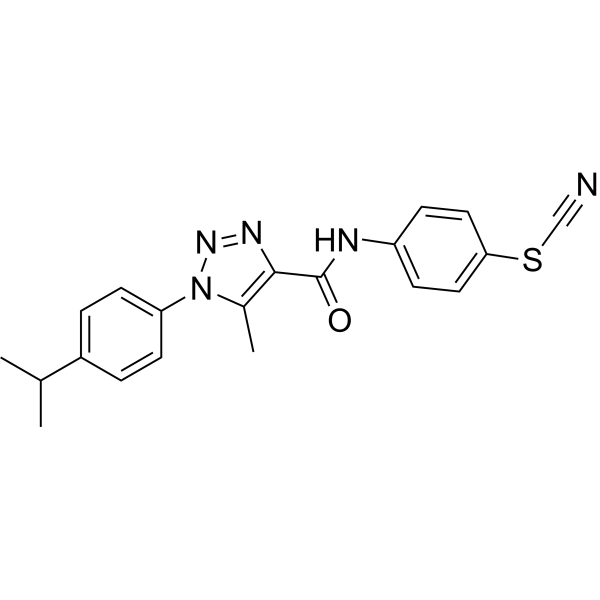
Anticancer agent 83 is a potent anticancer agent, inhibits LOX IMVI cells growth with a GI50 value of 0.15 mM. Anticancer agent 83 reduces mitochondrial membrane potential and induces DNA damage to induces leukemia cells apoptosis .
|
-
- HY-N1649
-
|
|
Others
|
Cancer
|
|
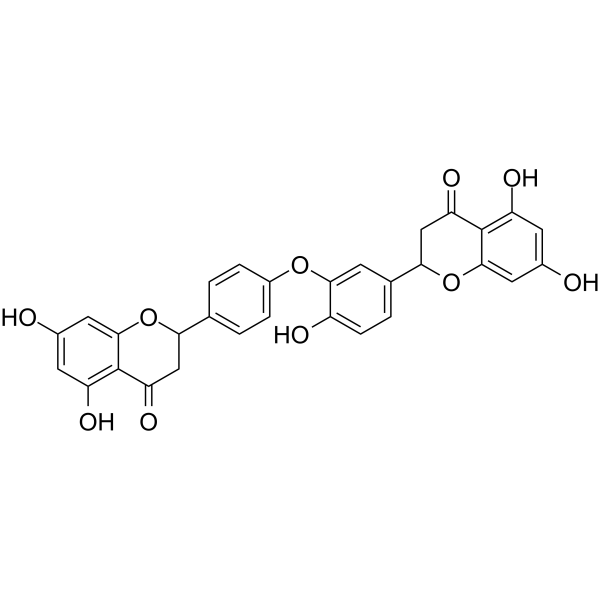
2,3,2'',3''-Tetrahydroochnaflavone is a biflavonoid, which can be isolated from the leaves of Quintinia acutifolia. 2,3,2'',3''-Tetrahydroochnaflavone shows some cytotoxicity against P388 murine lymphocytic leukemia cells, with an IC50 of 8.2 µg/mL .
|
-
- HY-W194107
-
|
|
DNA/RNA Synthesis
|
Cancer
|
|
Antitumor agent-152 (Compound 5) is a specific substrate and inhibitor of deoxycytidine kinase (dCK) with anticancer activity. Antitumor agent-152 can inhibit the uptake of 3H-dC in L1210 leukemia cells with an IC50 value of 1.12 μM .
|
-
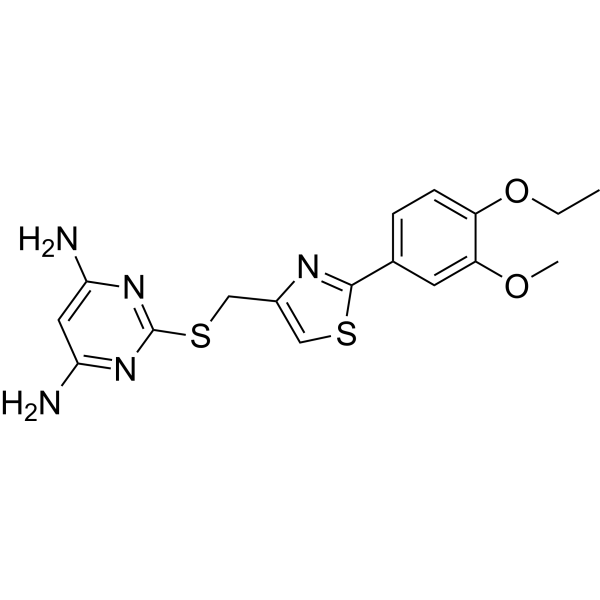
- HY-N2387R
-
|
|
Reference Standards
Bacterial
Apoptosis
Autophagy
|
Infection
Cancer
|
|
Pinosylvin (Standard) is the analytical standard of Pinosylvin. This product is intended for research and analytical applications. Pinosylvin is a pre-infectious stilbenoid toxin isolated from the heartwood of Pinus species, has anti-bacterial activities . Pinosylvin is a resveratrol analogue, can induce cell apoptosis and autophapy in leukemia cells .
|
-

- HY-N5186
-
|
|
Antibiotic
Bacterial
|
Infection
Cancer
|
|
Cypemycin is a linaridin antibiotic that can inhibit cancer cell activity, inhibits P388 leukemia cells with IC50 of 1.3 μg/mL. Cypemycin can inhibit human tumor cells such as HeLa S3, HHCC-1, HCCS-M and Slex with IC50 of >25 μg/mL .
|
-

- HY-149805
-
|
|
Apoptosis
|
Cancer
|
|
Anticancer agent 110 is an anticancer agent with in vitro anticancer activity and excellent anti-leukemia potency. Anticancer agent 110 is highly cytotoxic to K-562 lineage chronic myelogenous leukemia cells at nanomolar concentrations. Anticancer agent 110 causes DNA damage and leads to apoptosis .
|
-
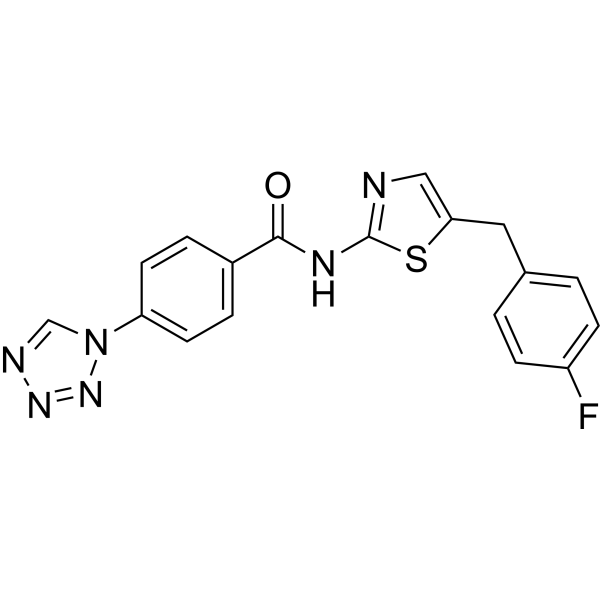
- HY-N11725
-
|
|
Fc Receptor (FcR)
|
Inflammation/Immunology
|
|
Phlorofucofuroeckol A is a FcεRI inhibitor with low cytotoxicity toward basophilic leukemia cells. Phlorofucofuroeckol A suppresses binding activity between IgE and FcεRI receptor. Phlorofucofuroeckol A inhibits histamine release from basophilic leukemia cells stimulated by IgE/anti-IgE or calcium ionophore A23187 (HY-N6687). Phlorofucofuroeckol A inhibits β-hexosaminidase release from basophilic leukemia cells stimulated by IgE/DNP-BSA. Phlorofucofuroeckol A can be used for the research of allergy disease .
|
-

- HY-N17875
-
|
(+)-Demethylsalvicanol
|
Drug Derivative
|
Cancer
|
|
Demethylsalvicanol ((+)-Demethylsalvicanol), a diterpene, is a anticancer agent with an IC50 of 0.71 μg/mL against P388 murine leukemia cells. Demethylsalvicanol induces cytotoxic activity against leukemia cells and insect Sf9 cells. Demethylsalvicanol acts as an antifeedant against Leptinotarsa decemlineata. Demethylsalvicanol can be used for the research of leukemia .
|
-

- HY-N15047
-
|
|
Others
|
Cancer
|
|
Barminomycin II shows a strong inhibition of P388 leukemia cells with IC50 of about 0.00002 g/mL .
|
-

- HY-N15046
-
|
|
Others
|
Cancer
|
|
Barminomycin I shows a strong inhibition of P388 leukemia cells with IC50 of about 0.00001 g/mL .
|
-

- HY-N17588
-
|
|
Others
|
Cancer
|
|
9-O-Angeloyl-8-methoxythymol is a thymol derivative and cytotoxin, with a IC50 value of 13.1 μg/mL against human myeloid leukemia cells, a IC50 value of 31.8 μg/mL against human lymphoblastic leukemia cells, and a IC50 >40 μg/mL against colon cancer and lymphoma cells. 9-O-Angeloyl-8-methoxythymol is applicable to leukemia-related research .
|
-

- HY-N1328
-
|
|
Others
|
Cancer
|
|
Safrolglycol is a phenylpropane compound that can be found in the wood of Cinnamomum parthenoxylon. Safrolglycol inhibits the proliferation of human leukemia cells and can be used in leukemia-related research .
|
-

- HY-182258
-
|
|
DNA/RNA Synthesis
|
Cancer
|
|
Ulicyclamide is a cytotoxic cyclic peptide found in the tunicate Lissoclinum patella.Ulicyclamide inhibits DNA and RNA synthesis in leukemia cells. Ulicyclamide can be used for the research of leukemia .
|
-

- HY-N17604
-
|
|
Drug Derivative
|
Cancer
|
|
(6aR,11aR)-Edunol (compound 10) is a pterocarpan and antiproliferative agent. (6aR,11aR)-Edunol can be found in the roots of Lonchocarpus bussei and the stem bark of Lonchocarpus eriocalyx. (6aR,11aR)-Edunol exerts antiproliferative effects against drug-sensitive leukemia cells and multidrug-resistant leukemia cells. (6aR,11aR)-Edunol can be used for the research of leukemia .
|
-

- HY-181690
-
|
|
Epigenetic Reader Domain
|
Cancer
|
|
Menin-MLL-IN-37 is an orally active Menin-MLL protein complex inhibitor with an IC50 of 820.50 nM. Menin-MLL-IN-37 disrupts the interaction between menin and MLL proteins. Menin-MLL-IN-37 induces differentiation of acute myeloid leukemia cells and selectively inhibits the proliferation of MLL-rearranged and DNMT3A/NPM1-mutant leukemia cells. Menin-MLL-IN-37 can be used for the research of acute myeloid leukemia (AML) .
|
-

- HY-N16811
-
|
|
Others
|
Cancer
|
|
Yunnancoronarin C is a labdane-type diterpenoid that can be isolated from the rhizomes of Hedychium forrestii, exhibits cytotoxicity against leukemia cells. Yunnancoronarin C can be used for the research of leukemia .
|
-

- HY-N19942
-
|
|
Drug Intermediate
|
Cancer
|
|
Scrophuloside A is a phenylpropanoid glycoside identified from the rhizome of Neopicrorhiza scrophulariiflora. Scrophuloside A induces cytotoxicity in leukemia cells with a IC50 of 0.58 μg/mL. Scrophuloside A is applicable to leukemia-related research .
|
-

- HY-N11719
-
|
|
Bacterial
|
Infection
|
|
Clusin is a lignan that can be found in Hernandia nymphaeifolia. Clusin inhibits growth of the Gram-negative pathogen Neisseria gonorrhoeae. Clusin is inactive against murine lymphocytic leukemia cells and human cancer cells .
|
-

- HY-N9210
-
|
|
Others
|
Cancer
|
|
1,2,3-Tri-O-methyl-7,8-methyleneflavellagic acid, a ellagic acid derivative of Agrostistachys hookeri, exhibits activity against cultured P-388 lymphocytic leukemia cells .
|
-
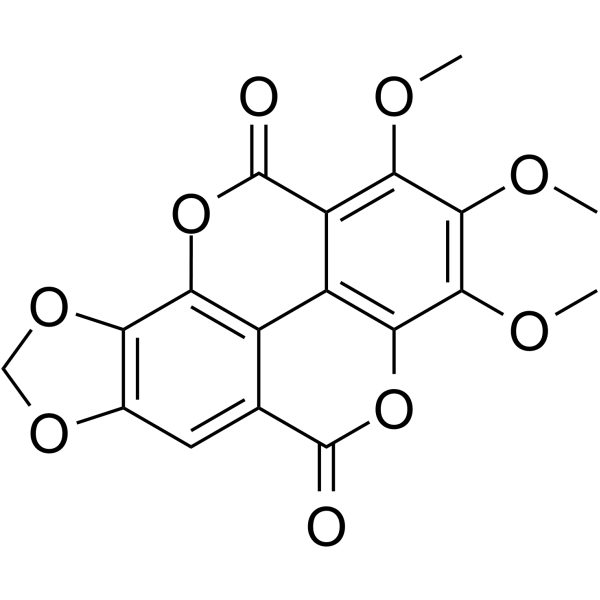
- HY-N18156
-
|
|
Others
|
Cancer
|
|
29β-Toosendanin is a toosendanin-type limonoid that is found in the root bark of Melia azedarach. 29β-Toosendanin exerts cytotoxic effects on lymphocytic leukemia cells in vitro. 29β-Toosendanin can be used for the research of leukemia .
|
-

- HY-P11338
-
|
|
Endogenous Metabolite
|
Cancer
|
|
Microcyclamide (Compound 1), a cytotoxic cyclic hexapeptide, is a microbial secondary metabolite. Microcyclamide can be isolated from the cyanobacterium Microcystis aeruginosa. Microcyclamide has moderate cytotoxicity against P388 murine leukemia cells with an IC50 of 1.2 μg/mL. Microcyclamide can be used for cancers research .
|
-

- HY-W436478
-
|
|
Drug Derivative
|
Others
|
|
(+)-2,5-epi-Goniothalesdiol is an analogue of Goniothalesdiol, which exhibits significant cytotoxicity against P388 mouse leukemia cells and has insecticidal activity. (+)-2,5-epi-Goniothalesdiol can be synthesized starting from D-mannitol (HY-N0378) .
|
-

- HY-162386
-
|
|
Cuproptosis
Mitochondrial Metabolism
|
Cancer
|
|
UM4118 is a potent copper-selective non-genotoxic copper ionophore that induces cuproptosis in acute myeloid leukemia cells. UM4118 exhibits stronger activity against SF3B1G12C mutant acute myeloid leukemia cells. UM4118 transports extracellular copper into cells, elevates intracellular and mitochondrial copper levels, and triggers lipoylated DLAT aggregation, proteotoxic stress, iron-sulfur cluster protein depletion, reduced lipoylated protein levels, and maximal mitochondrial respiratory damage. UM4118 cytotoxicity can be enhanced by supplementation with extracellular copper, abolished by copper chelation, and shows synthetic lethal effects in the absence of iron-sulfur cluster biosynthesis/transport genes. UM4118 can be used for the study of acute myeloid leukemia .
|
-
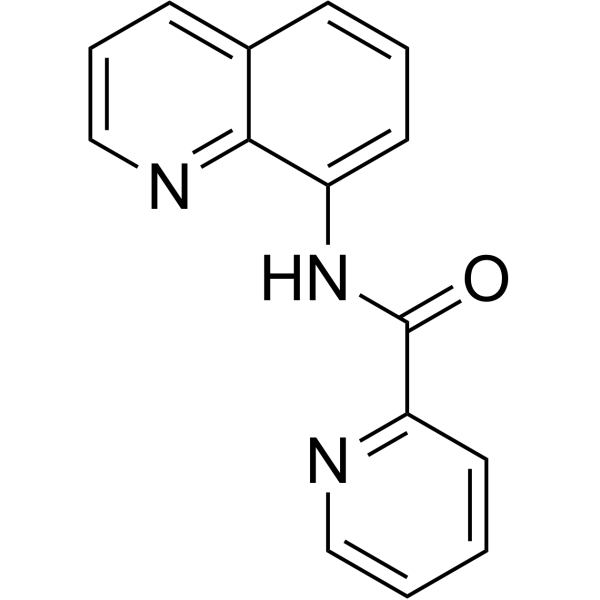
- HY-175261
-
|
|
CDK
Wee1
Checkpoint Kinase (Chk)
|
Cancer
|
|
DHI1 is an anti-leukemia agent with high selectivity for Jurkat (IC50 = 21.83 μM) and HL-60 (IC50 = 19.14 μM) leukemia cells and has low toxicity to non-cancerous cells. DHI1 can induce G2/M phase cell arrest in Jurkat and HL-60 leukemia cells, as well as S phase arrest in HL-60 cells, and has significant effects on cell cycle signaling molecules Wee1, cyclin B1, cdc2 on Tyr15, and Chk1. DHI1 inhibits the migration and invasion of Jurkat and HL-60 cells by disrupting cytoskeletal actin filaments. DHI1 can be used to study hematological malignancies .
|
-

- HY-N10359
-
|
|
NOD-like Receptor (NLR)
Caspase
Akt
GSK-3
β-catenin
|
Metabolic Disease
Inflammation/Immunology
Cancer
|
|
Isoandrographolide is an orally active NLRP3 inflammasome inhibitor and AKT/GSK-3β/β-catenin pathway inhibitor. Isoandrographolide inhibits the expression of NLRP3, ASC, and caspase-1, and reduces the levels of phosphorylated AKT, phosphorylated GSK-3β, and β-catenin. Isoandrographolide alleviates inflammatory responses, reduces collagen deposition, suppresses epithelial-mesenchymal transition (EMT), induces differentiation of leukemia cells, inhibits the growth of leukemia cells, protects lung and kidney tissues, regulates cytokine levels, and also exhibits hepatoprotective effects. Isoandrographolide can be used in studies related to silicosis, murine myeloid leukemia, renal tubulointerstitial fibrosis, and non-alcoholic fatty liver disease .
|
-
- HY-W724853
-
|
1,4-Dimethyltetrasulfane
|
Apoptosis
Caspase
Reactive Oxygen Species (ROS)
|
Cancer
|
|
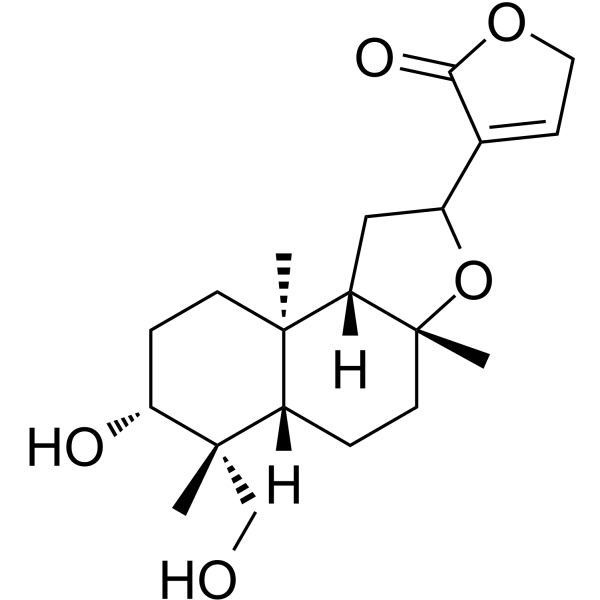
Dimethyl tetrasulfide (1,4-Dimethyltetrasulfane) is an apoptosis inducer targeting leukemia cells. Dimethyl tetrasulfide exerts cytotoxic effects through the induction of intracellular reactive oxygen species (ROS) production and activation of caspase-3 enzyme. Dimethyl tetrasulfide is promising for research of cancers, such as leukemia .
|
-

- HY-134778
-
|
|
PD-1/PD-L1
|
Cancer
|
|
BMS-103 is a PDL1 inhibitor (IC50 = 79.1 nM) (kd = 44 nM). BMS-103 reduces the survival rate of acute T-lymphoblastic leukemia cells and ovarian cells. BMS-103 can be used in research on acute T-lymphoblastic leukemia and cancers such as ovarian cancer .
|
-

- HY-143889
-
|
|
CDK
|
Cancer
|
|
Senexin C is a selective and orally active CDK8/19 inhibitor. Senexin C shows a strong tumor-enrichment pharmacokinetic (PK) profile and tumor-pharmacodynamic (PD) marker responses. Senexin C inhibits the growth of MV4-11 leukemia cells with good tolerability .
|
-
- HY-161123
-
|
|
WDR5
|
Cancer
|
|
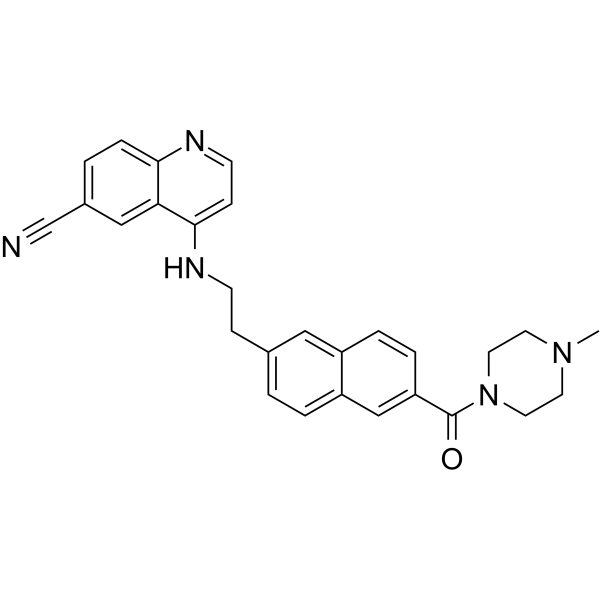
WDR5-IN-8 is a WDR5 inhibitor with IC50 value of 15.5 nM. WDR5-IN-8 shows good anti-proliferative activity in two human acute leukemia cell lines. WDR5-IN-8 has antitumor activity .
|
-
- HY-N15653
-
|
|
Endogenous Metabolite
Fungal
NF-κB
|
Infection
Cancer
|
|
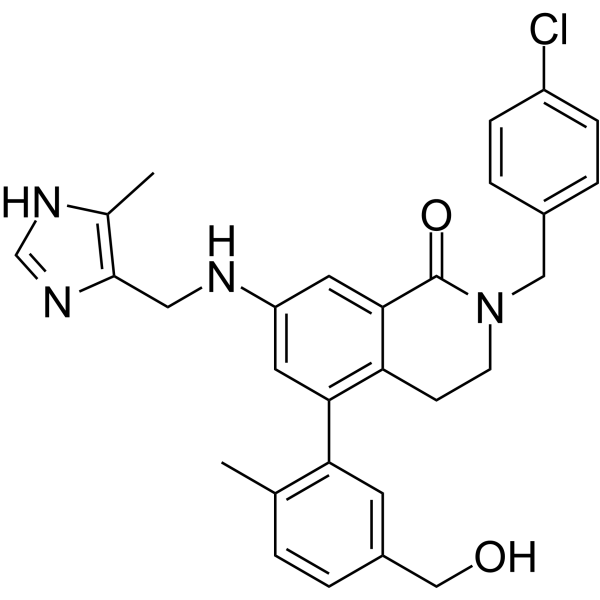
Heveadride is a fungal metabolite and an antifungal agent. Heveadride is active against various filamentous fungi and some human pathogenic yeasts. Heaveadride induces down-regulation of TNFα-induced NF-κB activity in human chronic myeloid leukemia cells with an IC50 of 82.7 μM .
|
-

- HY-W165232
-
|
1-Methyl-2-piperidinone
|
Drug Derivative
|
Cancer
|
|
N-Methylvalerolactam (1-Methyl-2-piperidinone) (Compound 22) is a derivative of 2-Piperidone (HY-W042193). N-Methylvalerolactam significantly induces the differentiation of leukemia cells without inhibiting cell proliferation. N-Methylvalerolactam can be used for leukemia research .
|
-

- HY-179239
-
|
|
METTL3
|
Cancer
|
|
METTL3-IN-12 (Compound 15) is a selective METTL3 inhibitor with an IC50 of 50 nM. METTL3-IN-12 exhibits significant anti-proliferative activity in various leukemia cell lines. METTL3-IN-12 can be used for research on leukemia .
|
-

- HY-N12209
-
|
|
Others
|
Cancer
|
|
Neohelmanthicin A (compound 3A) is a phenylpropanoid compound with antitumor activity. The IC50s of Neohelmanthicin A for inhibiting leukemia cell line EL4, breast cancer cell line S180 and breast cancer cell line MCF7 are 0.13 μM, 7 μM and 23 μM respectively .
|
-
- HY-N2732
-
|
6-Prenyl-4',5,7-trihydroxyflavone; 6-C-Prenylapigenin
|
Others
|
Cancer
|
|
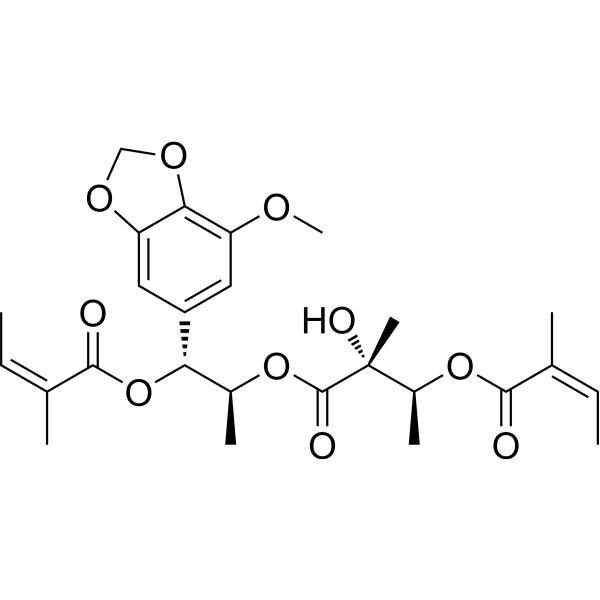
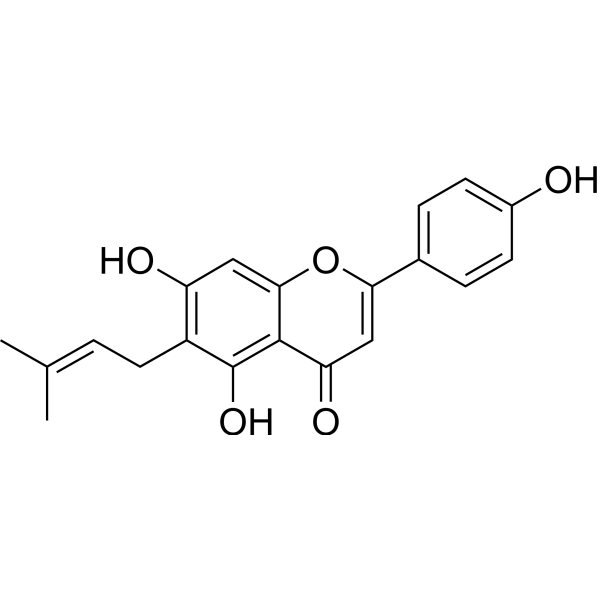
6-Prenylapigenin (6-Prenyl-4',5,7-trihydroxyflavone; 6-C-Prenylapigenin) is a prenylated flavonoid that exists in the stems and leaves of Maclura pomifera. 6-Prenylapigenin exhibits cytotoxicity against cancer cells such as leukemia cells and solid tumor cells .
|
-
- HY-161050
-
|
|
HDAC
Apoptosis
|
Cancer
|
|
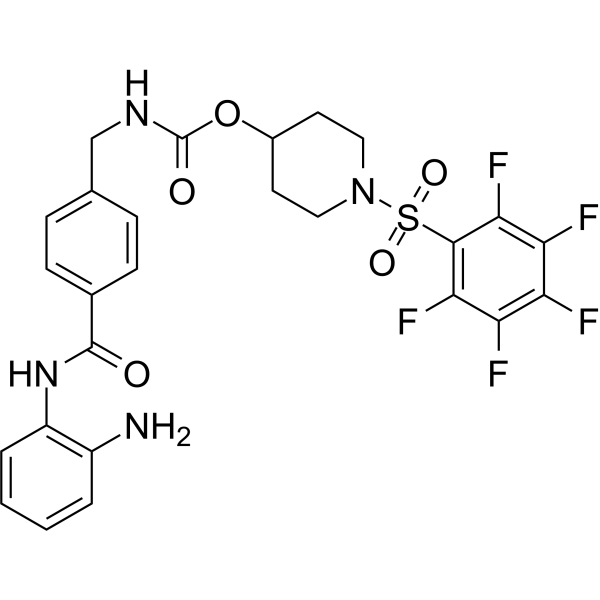
YSR734 (Compound 21) is a covalent HDAC inhibitor with IC50 values of 110 nM, 154 nM, and 143 nM for HDAC1, HDAC2, and HDAC3, respectively. YSR734 can induce apoptosis in leukemia cells. YSR734 can induce myoblast differentiation and is used in the study of Duchenne muscular dystrophy .
|
-
- HY-N15387
-
|
|
Drug Derivative
|
Cancer
|
|
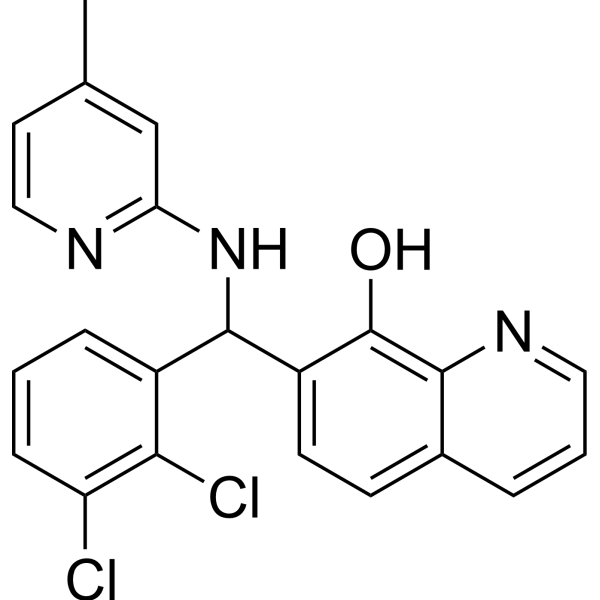
Hericenone J (Compound 6) is an aromatic compound with anticancer activity, which is found in Hericium erinaceum. Hericenone J is cytotoxic and can significantly reduce the viability of HL-60 human acute promyelocytic leukemia cells with an IC50 value of 4.13 μM. Hericenone J is promising for research of leukemia .
|
-

- HY-158974
-
|
|
DNA/RNA Synthesis
Apoptosis
PARP
|
Cancer
|
|
YTHDC1-IN-1 is a selective YTHDC1 inhibitor with a Kd of 49 nM and an IC50 of 0.35 μM. YTHDC1-IN-1 can inhibit the proliferation and induce apoptosis of acute myeloid leukemia cell lines. YTHDC1-IN-1 has anti-tumor activity .
|
-

- HY-123950
-
|
|
MDM-2/p53
Apoptosis
|
Cancer
|
|
MMRi64 disrupts Mdm2-MdmX interactions. MMRi64 downregulates Mdm2 and MdmX in leukemia cells. MMRi64 induces p53 accumulation, and induces the apoptotic arm of the p53 pathway in leukemia/lymphoma cells. MMRi64 can be used for cancer research .
|
-
- HY-129223A
-
|
|
Drug Derivative
|
Cancer
|
|
28-O-Tigloylgymnemagenin (I) is a natural anticancer agent. 28-O-Tigloylgymnemagenin has good anti-proliferation activity on human acute myeloid leukemia cells and non-small cell lung cancer (NSCLC). 28-O-Tigloylgymnemagenin can be used for the study of leukemia and lung cancer .
|
-

- HY-101519
-
|
ZBC 260
|
PROTACs
Epigenetic Reader Domain
Apoptosis
|
Cancer
|
|
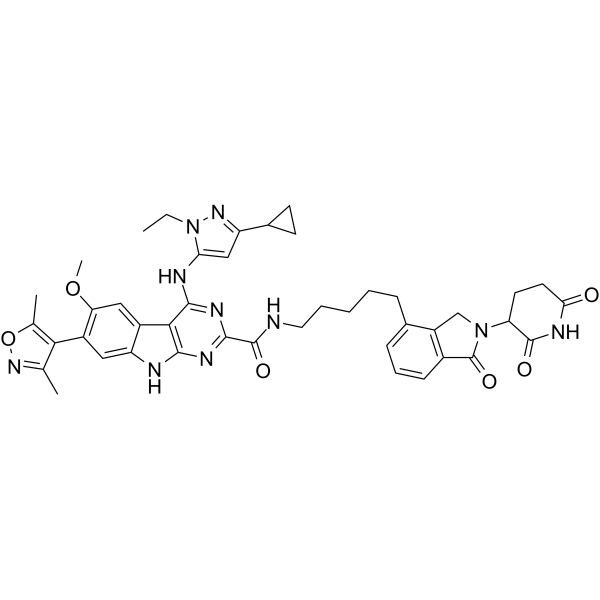
BETd-260 (ZBC 260) is a PROTAC connected by ligands for Cereblon and BET, with as low as 30 pM against BRD4 protein in RS4;11 leukemia cell line . BETd-260 potently suppresses cell viability and robustly induces apoptosis in hepatocellular carcinoma (HCC) cells .
|
-
- HY-114545
-
|
|
Microtubule/Tubulin
Apoptosis
|
Cancer
|
|
5HPP-33 is an inhibitor for tubulin polymerization with IC50 of 8.1 μM. 5HPP-33 inhibits the proliferation of leukemia cell and multiple myeloma cells with IC50 of 1-10 μM, arrests the cell cycle at G2/M phase, and induces apoptosis .
|
-

- HY-155557
-
|
|
Apoptosis
|
Cancer
|
|
Anti-inflammatory agent 45 (compound 2v) is an anticancer agent with direct inhibitory effects on the growth of different blood cancers including leukemia, lymphoma and myeloma cell lines. Anti-inflammatory agent 45 induces apoptosis and inhibits NO production in HL60 leukemia cells (IC50=14.7 μM) .
|
-
- HY-149009
-
|
|
Bcl-2 Family
Apoptosis
|
Cancer
|
|
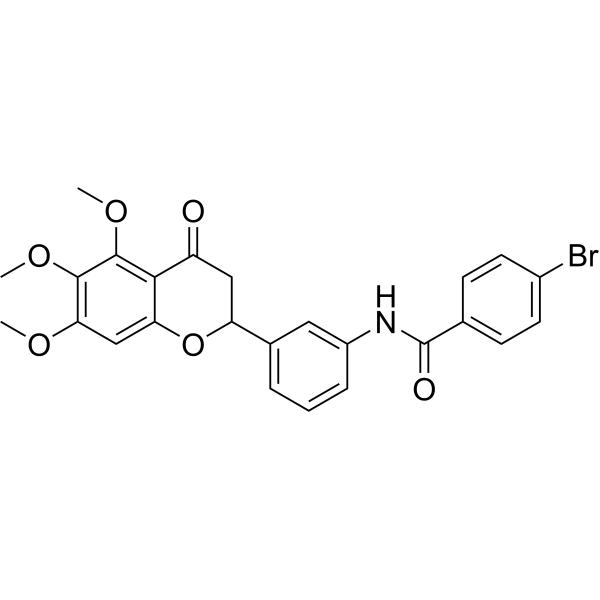
Bcl-2-IN-9 is a novel proapoptotic Bcl-2 inhibitor with IC50 value of 2.9 μM and low cytotoxic. Bcl-2-IN-9 mediates apoptosis by down-regulating expression of Bcl-2 in cancer cells and has a high selectivity against leukemia cells .
|
-
- HY-157484
-
|
|
P-glycoprotein
|
Cancer
|
|
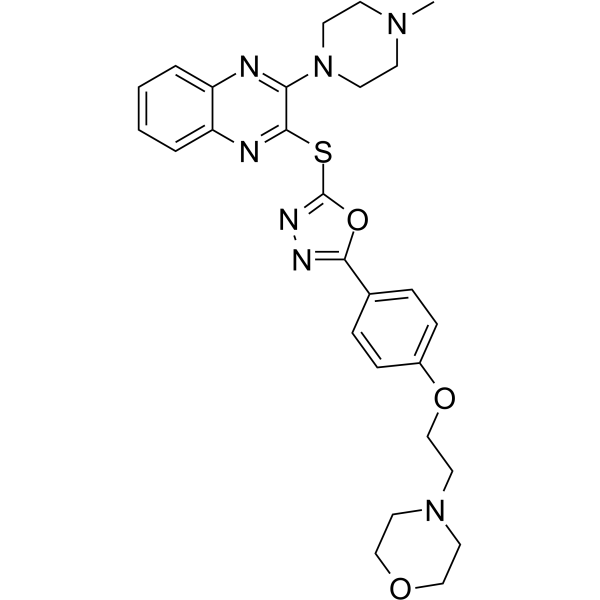
P-gp inhibitor 19 (Compound 6i) is a P-gp inhibitor. P-gp inhibitor 19 can inhibit the efflux of rhodamine 123 (HY-D0816) in P-gp-overexpressing leukemia cells K562/Dox and also restore the sensitivity of DOX-resistant cells .
|
-
- HY-114699
-
|
|
Endogenous Metabolite
|
Cancer
|
|
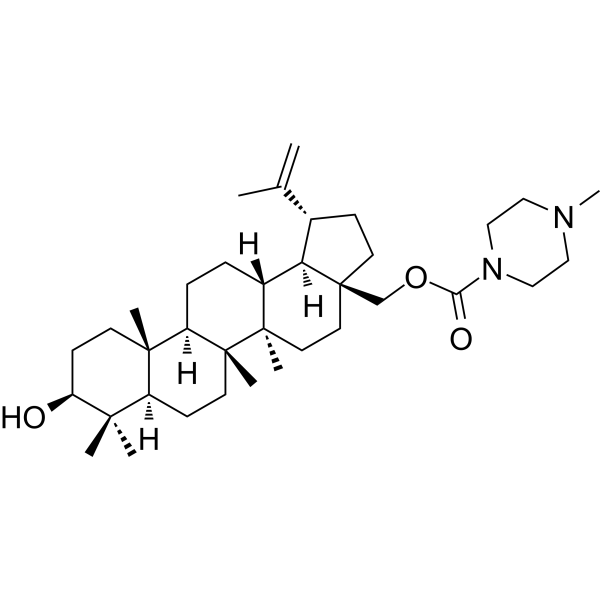
DC_YM21 is an inhibitor of menin-MLL interaction with potent and selective proliferation blocking activity. DC_YM21 can induce cell cycle arrest and differentiation of leukemia cells carrying MLL translocation. DC_YM21 shows potential application value in inhibiting MLL leukemia .
|
-

- HY-162658
-
|
|
HDAC
Apoptosis
|
Cancer
|
|
Leuxinostat is an inhibitor for HDAC with IC50 of 30 nM for hHDAC6. Leuxinostat inhibits the proliferation of cells THP1, K562, U937 and MEK1, induces apoptosis in leukemia cells NB4 and MOLT-4. Leuxinostat inhibits the expansion of hematopoietic stem cells and exhibits antileukemic activity in zebrafish models .
|
-

- HY-124069
-
|
|
Epigenetic Reader Domain
|
Cancer
|
|
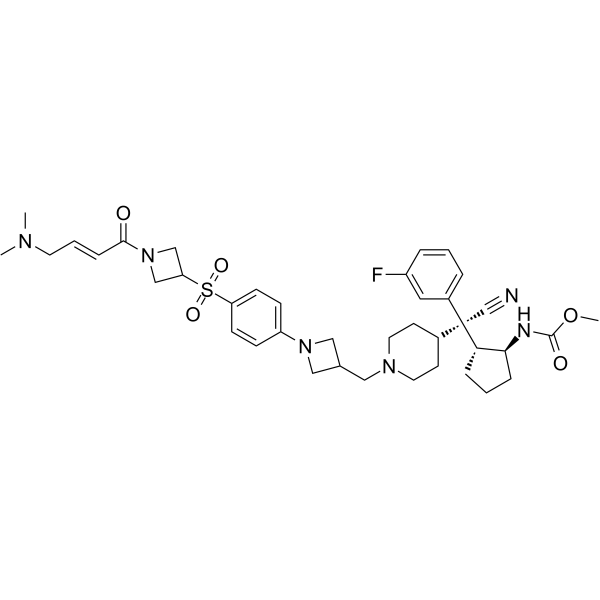
M-525 is a first-in-class, highly potent, irreversible and covalent menin-MLL protein-protein interaction inhibitor. M-525 binds to menin with an IC50 of 3 nM and achieves low nanomolar potencies in cell growth inhibition and in suppression of MLL regulated gene expression in MLL leukemia cells. Anti-leukemia activity .
|
-
- HY-134779
-
|
|
PD-1/PD-L1
|
Cancer
|
|
BMS-142 is a PDL1 inhibitor (IC50 = 96.7 nM) (kd = 13.2 nM). BMS-142 can reduce the survival rate of acute T-lymphoblastic leukemia cells and ovarian cancer cells. BMS-142 can be used in research on cancers such as acute T-lymphoblastic leukemia and ovarian cancer .
|
-

- HY-N8519
-
|
|
Bacterial
Fungal
Antibiotic
|
Infection
Cancer
|
|
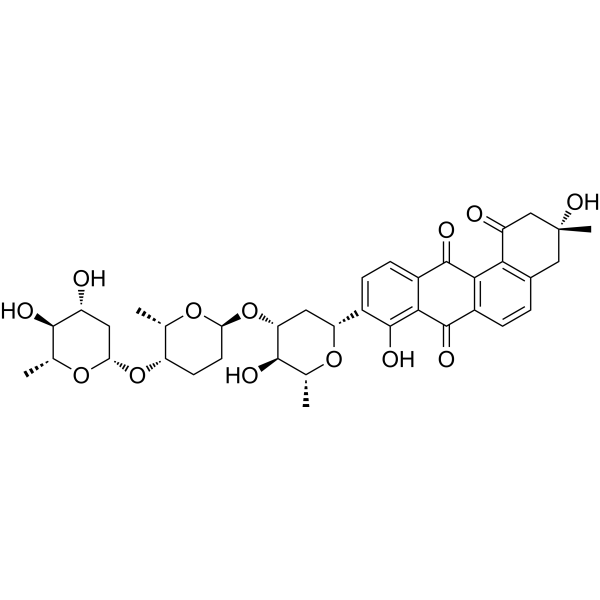
Urdamycin B is an antibiotic that effectively inhibits fungi and bacteria. Urdamycin B also exhibits anti-proliferative activity against mouse leukemia cells L1210. Urdamycin B can be obtained from the metabolic products of Streptomyces fradiae. Urdamycin B can be used for research on cancer as well as bacterial and fungal infections .
|
-
- HY-122092
-
|
|
Telomerase
|
Cancer
|
|
FJ-5002 is a telomerase inhibitor with an IC50 of 2 μM. FJ-5002 can induce telomere shortening, increased chromosomal abnormalities, and senescence/crisis-like features in the human leukemia cell line U937. FJ-5002 exhibits antitumor activity and can be used in the study of cancer .
|
-

- HY-121123
-
|
2-Aminoadamantane-2-carboxylic acid
|
Aminopeptidase
|
Cancer
|
|
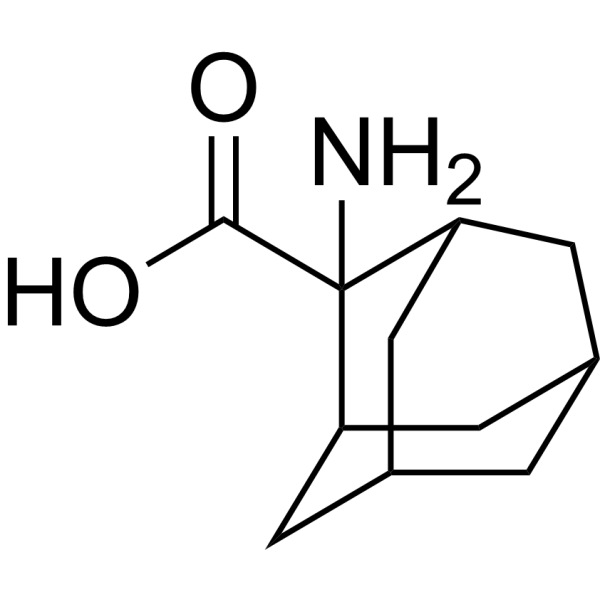
Adamantanine (2-Aminoadamantane-2-carboxylic acid) inhibits the transport of methionine (Ki is 0.76 mM) and leucine into Ehrlich ascites carcinoma cells. Adamantanine inhibits proliferation of P388 lymphocytic leukemia cells with an IC50 of >1 mM. Adamantanine inhibits the leucine aminopeptidase with an I/S0.5 of 10.5 .
|
-
- HY-135909
-
TH1217
1 Publications Verification
ZINC1775962367
|
SARS-CoV
|
Infection
Cancer
|
|
TH1217 (ZINC1775962367) is a potent and selective dCTPase pyrophosphatase 1 (dCTPase) inhibitor, with an IC50 of 47 nM. TH1217 enhances the cytotoxic effect of cytidine analogues in leukemia cells. TH1217 also could modulate SARS-Cov-2 interactors, so it shows activity of against COVID-19 .
|
-
- HY-178444
-
|
|
FLT3
Apoptosis
|
Cancer
|
|
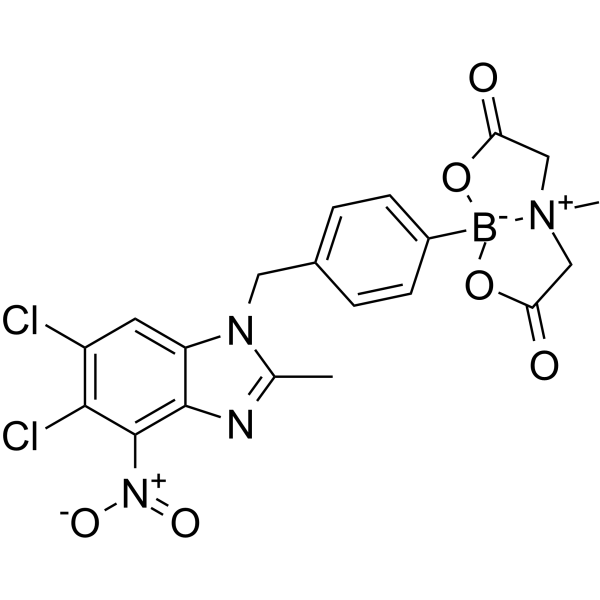
Flt-3-IN-1 is a potent FLT-3 inhibitor with an IC50 of 0.91 μM. Flt-3-IN-1 can cause leukemia cells G1 phase arrest and induce apoptosis. Flt-3-IN-1 can be used for the research of cancer, such as leukemia .
|
-

- HY-108969R
-
|
NSC 366140 (Standard); PD 115934 (Standard)
|
Topoisomerase
Apoptosis
Reference Standards
|
Cancer
|
|
Pyrazoloacridine (Standard) is the analytical standard of Pyrazoloacridine. This product is intended for research and analytical applications. Pyrazoloacridine (NSC 366140), an intercalating agent with anti-cancer activity, inhibits the activity of topoisomerases 1 and 2. Pyrazoloacridine (NSC 366140) exhibits an IC50 of 1.25 μM in K562 myeloid leukemia cells for 24 h treatment .
|
-

- HY-139181
-
|
|
HDAC
|
Cancer
|
|
NR160 is a selective HDAC6 inhibitor with an IC50 value of 30 nM. NR160 shows low cytotoxicity against leukemia cell line. NR160 augments the apoptosis induction of Bortezomib (HY-10227) (proteasome inhibitor), Epirubicin (HY-13624) and Daunorubicin (HY-13062A) significantly .
|
-
- HY-125151
-
|
|
STAT
Apoptosis
|
Cancer
|
|
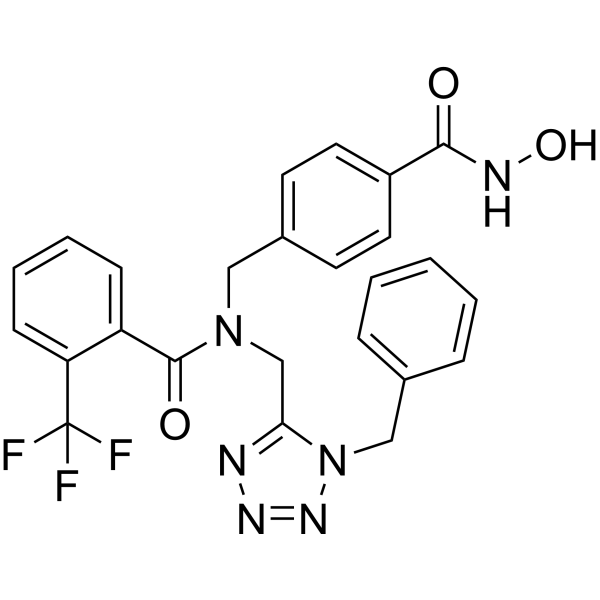
BP-1-108 is a selective inhibitor of STAT5 (Ki=8.3 μM) with anticancer activity. BP-1-108 induces apoptosis of leukemia cells by inhibiting the phosphorylation of STAT5. BP-1-108 can be used in the study of acute myeloid leukemia and prostate cancer .
|
-

- HY-P5640
-
|
|
Bacterial
Parasite
|
Infection
|
|
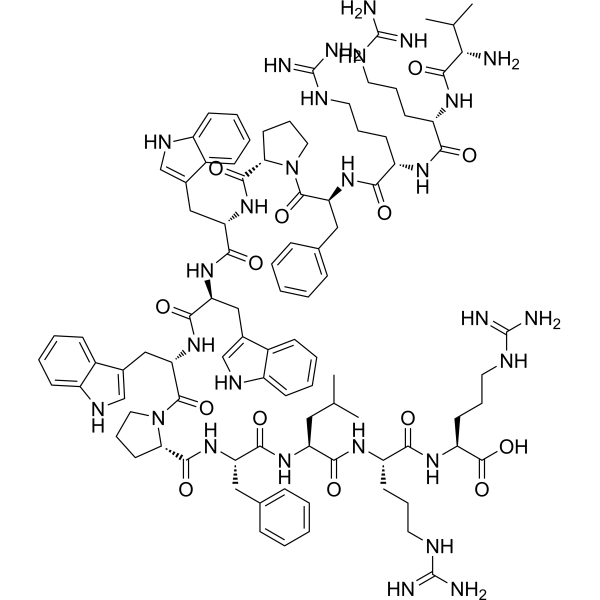
Tritrpticin is a porcine-derived antimicrobial peptide with properties such as membrane disruption and hemolysis. Tritrpticin disrupts the cell membranes of bacteria, fungi and Jurkat T cell leukemia cells and induces their death. Tritrpticin also enhances the efficacy of Metronidazole (HY-B0318) against *Trichomonas vaginalis*, reduces plasma endotoxin and inflammatory cytokine levels, restricts bacterial growth in blood and visceral tissues, decreases the mortality rate of septic shock in rats and enhances the therapeutic effect of ertapenem. Tritrpticin exhibits selective cytotoxicity against Jurkat T cell leukemia cells, while showing low toxicity to normal peripheral blood mononuclear cells and red blood cells, and can serve as a template for antimicrobial peptide design. Tritrpticin can be applied to research related to bacterial infections, fungal infections, trichomoniasis, septic shock and leukemia .
|
-
- HY-144675A
-
|
|
Histone Demethylase
|
Cancer
|
|
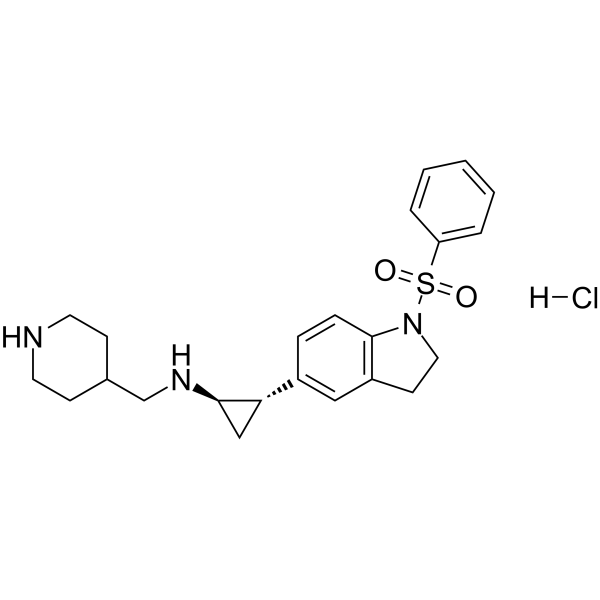
LSD1-IN-13 hydrochloride (compound 7e) is an orally active and potent LSD1 inhibitor, with an IC50 of 24.43 nM. LSD1-IN-13 hydrochloride can activate CD86 expression, with an EC50 of 470 nM. LSD1-IN-13 hydrochloride induces differentiation of AML (acute myeloid leukemia) cell lines .
|
-
- HY-155526
-
|
|
Histone Demethylase
|
Cancer
|
|
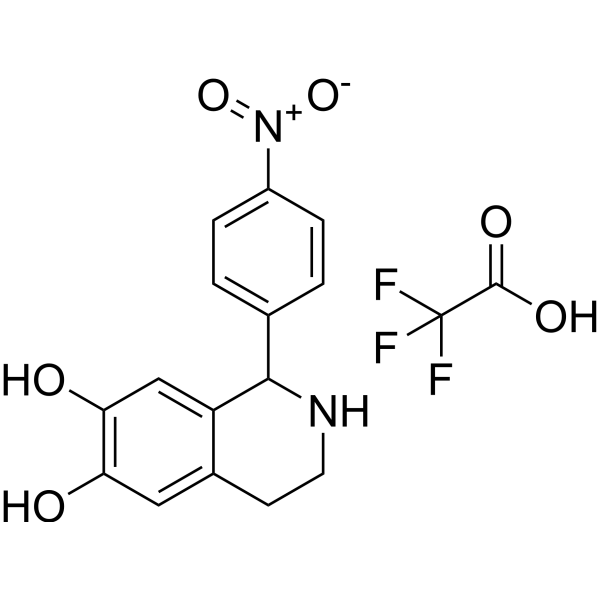
FY-21 is a selective inhibitor of LSD1 (IC50=340 nM), with anti-proliferation and anti-colony formation activities. FY-21 enhances p53 expression, down-regulates HOXA9 and MEIS1 expression. FY-21 also induces leukemia cell differentiation to exhibts antitumor activity .
|
-
- HY-128347
-
|
|
Epigenetic Reader Domain
|
Inflammation/Immunology
Cancer
|
|
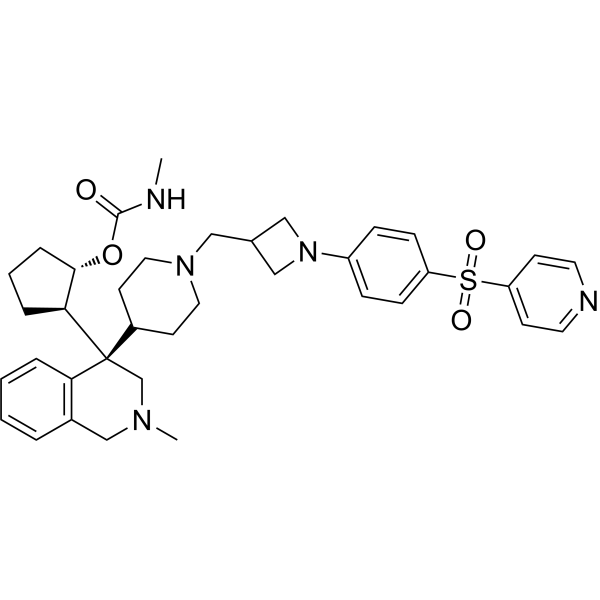
M-89 is a highly potent and specific menin inhibitor, with a Kd of 1.4 nM for binding to menin. M-89 inhibits the menin-mixed lineage leukemia (Menin-MLL) protein-protein interaction and has potential to study MLL leukemia. M-89 inhibits the cell growth in leukemia cell lines carrying MLL fusion .
|
-
- HY-N16442
-
|
|
Endogenous Metabolite
Prolyl Endopeptidase (PREP)
|
Cancer
|
|
Pyrrocidine B (Compound 6), an alkaloid, is a microbial secondary metabolite. Pyrrocidine B can be isolated from the endophytic fungus Neonectria ramulariae Wollenw KS-246. Pyrrocidine B has significant cytotoxicity against leukemia cells (IC50 of 4.6 μM for HL60 cells) with a weak Prolyl oligopeptidase (POP) inhibitory activity .
|
-

- HY-149363
-
|
|
Microtubule/Tubulin
Apoptosis
|
Cancer
|
|
Tubulin polymerization-IN-43 (compound 15h) is a tubulin polymerization inhibitor. Tubulin polymerization-IN-43 disrupts cellular microtubule networks by targeting the Colchicine (HY-16569) site, and promots cell cycle arrest of leukemia cells at G2/M phase and cell apoptosis, as well as inhibiting angiogenesis .
|
-
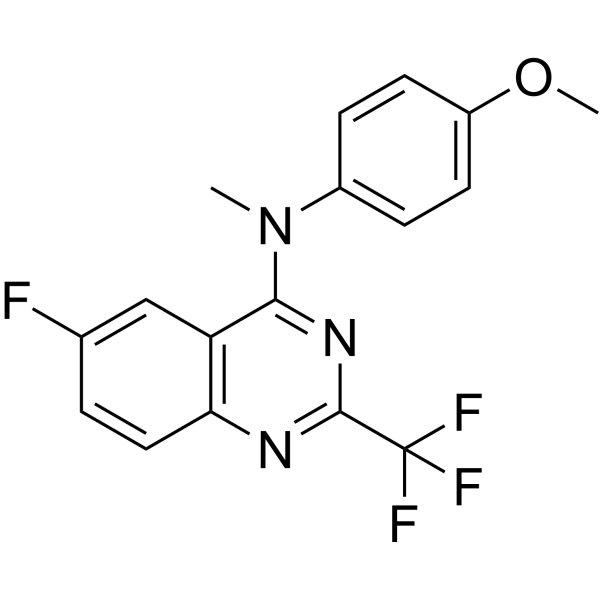
- HY-B0971
-
|
Prophenpyridamine maleate; Tripoton maleate
|
Histamine Receptor
Apoptosis
|
Inflammation/Immunology
Endocrinology
|
|
Pheniramine (Prophenpyridamine; Tripoton) maleate is a first-generation histamine H1 receptor antagonist, acts on the central nervous system (CNS) with sedative and hypnotic effect. Pheniramine maleate displays antitumor effect and induces leukemia cells apoptosis. Pheniramine maleate is also a safe and effective local agent that can suppress or relieve pain, with antipruritic effects .
|
-
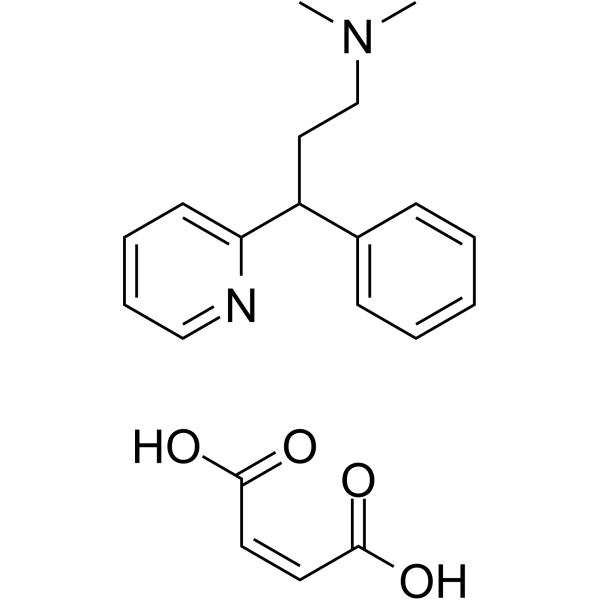
- HY-12400
-
|
|
Akt
|
Cancer
|
|
GSK3182571 is a non-selective broad-spectrum kinase inhibitor with similar structure to CTx-0294885 (HY-15985). GSK3182571 can induce changes in the thermostability of target proteins in cells. GSK3182571 can be used to explore the effects of drugs on kinase networks and off-target effects in leukemia cell models .
|
-
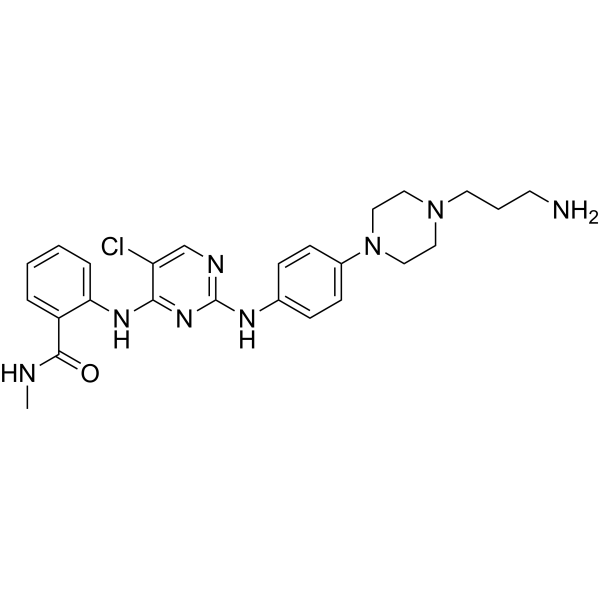
- HY-N0128R
-
|
|
Reference Standards
Apoptosis
|
Cancer
|
|
Sclareol (Standard) is the analytical standard of Sclareol. This product is intended for research and analytical applications. Sclareol is isolated from Salvia sclarea with anticarcinogenic activity. Sclareol shows strong cytotoxic activity against mouse leukemia (P-388), human epidermal carcinoma (KB) cells and human leukemia cell lines. Sclareol induces cell apoptosis .
|
-

- HY-B0971A
-
|
Prophenpyridamine; Tripoton; Pheniramine solution
|
Histamine Receptor
Apoptosis
|
Inflammation/Immunology
Cancer
|
|
Pheniramine (Prophenpyridamine;Tripoton) is a first-generation histamine H1 receptor antagonist, acts on the central nervous system (CNS) with sedative and hypnotic effect. Pheniramine displays antitumor effect and induces leukemia cells apoptosis. Pheniramine is also a safe and effective local agent that can suppress or relieve pain, with antipruritic effects .
|
-

- HY-185557
-
|
|
Histone Methyltransferase
|
Cancer
|
|
LLC0424N is a negative control compound designed by methylating the thalidomide moiety of LLC0424 (HY-161574). LLC0424N shows does not induce NSD2 degradation and inhibit growth of acute lymphoblastic leukemia cells with NSD2 mutation. LLC0424N can be used for the research of acute lymphoblastic leukemia .
|
-

- HY-162037
-
|
|
CDK
FLT3
|
Cancer
|
|
CDDD11-8 is an orally active, potent and selective inhibitor of CDK9 and FLT3-ITD, with Ki values of 8 and 13 nM, respectively. CDDD11-8 reduces the proliferation of leukemia cell lines and was particularly effective against those harboring FLT3-ITD mutation .
|
-
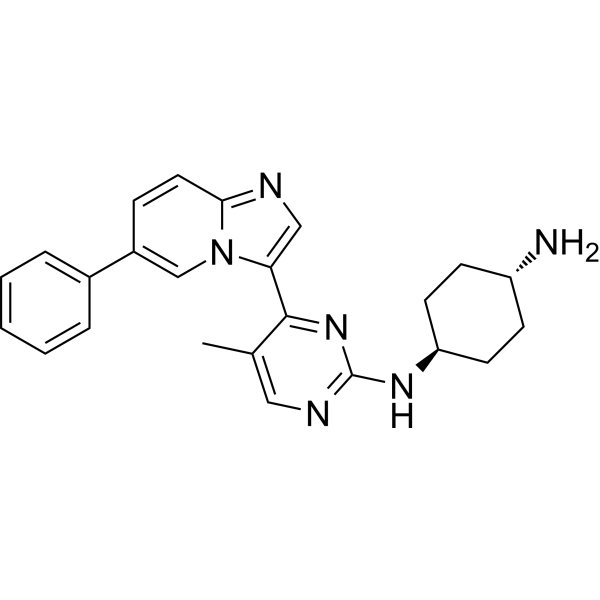
- HY-144675
-
|
|
Histone Demethylase
|
Cancer
|
|
LSD1-IN-13 (compound 7e) is an orally active and potent LSD1 inhibitor, with an IC50 of 24.43 nM. LSD1-IN-13 can activate CD86 expression, with an EC50 of 470 nM. LSD1-IN-13 induces differentiation of AML (acute myeloid leukemia) cell lines .
|
-
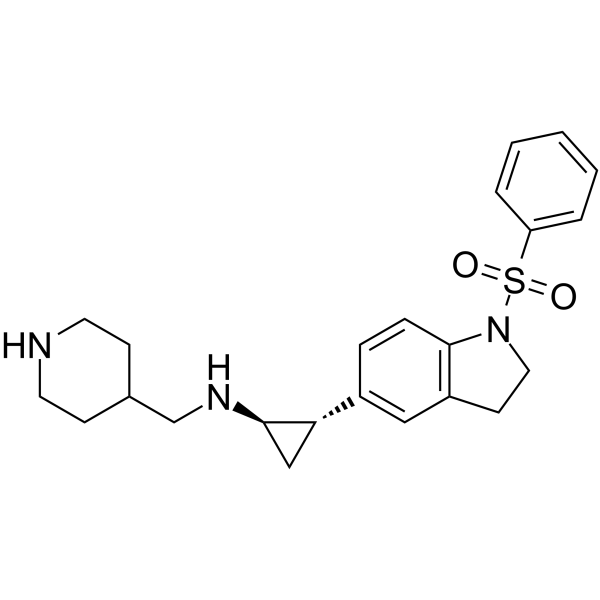
- HY-163607
-
|
|
Apoptosis
NF-κB
|
Cancer
|
|
SpiD3, a spirocyclic dimer, is an anticancer agent. SpiD3 markedly inhibits malignant B-cell proliferation and suppressed NF-κB activation independent of TME-associated stimuli. SpiD3 induces apoptosis and inhibits protein synthesis in chronic lymphocytic leukemia cells. SpiD3 can be used for study of chronic lymphocytic leukemia (CLL) .
|
-

- HY-163803
-
|
|
HDAC
DNA Methyltransferase
|
Cancer
|
|
CM-444 is inhibitor for HDAC (IC50 is 6 nM-0.6 μM) and DNA methyltransferases (DNMT, IC50 is 1.8-2.3 μM). CM-444 is an inducer for the differentiation of acute myeloid leukemia cells. CM-444 exhibits anti-leukemic activity and improves the survival rate in mouse models .
|
-

- HY-18088
-
|
|
Pim
|
Cancer
|
|
PIM-IN-4 is a Pim kinase inhibitor with Ki values of 2, 3, and 0.5 nM against Pim-1, 2, 3, respectively. PIM-IN-4 blocks the phosphorylation of the pro-apoptotic protein Bad. PIM-IN-4 inhibits the growth of leukemia cells. PIM-IN-4 is applicable for leukemia-related research .
|
-

- HY-149470
-
|
|
Histone Acetyltransferase
|
Cancer
|
|
MOZ-IN-3 (Compound 6j) is a KAT6A (MOZ) acetyltransferase inhibitor (IC50: 30 nM). MOZ-IN-3 has antitumor activity against four different myeloid leukemia cell lines (HL-60, U937, SKNO-1, K562). MOZ-IN-3 has favorable metabolic stability and pharmacokinetics .
|
-
- HY-123955
-
|
|
Casein Kinase
CDK
Apoptosis
|
Cancer
|
|
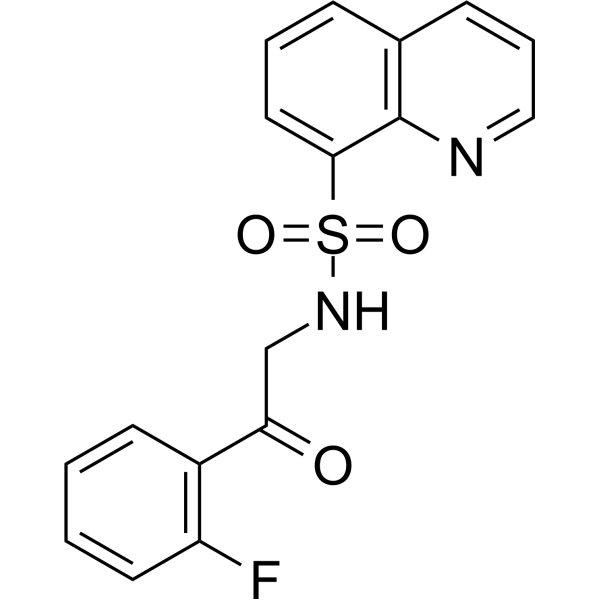
Casein Kinase inhibitor A86 is a potent and orally active casein kinase 1α (CK1α) inhibitor. Casein Kinase inhibitor A86 also inhibits of CDK7 (TFIIH) and CDK9 (P-TEFb). Casein Kinase inhibitor A861 induces leukemia cell apoptosis, and has potent anti-leukemic activities .
|
-
- HY-175282A
-
|
|
Apoptosis
Caspase
CDK
PARP
Autophagy
|
Cancer
|
|
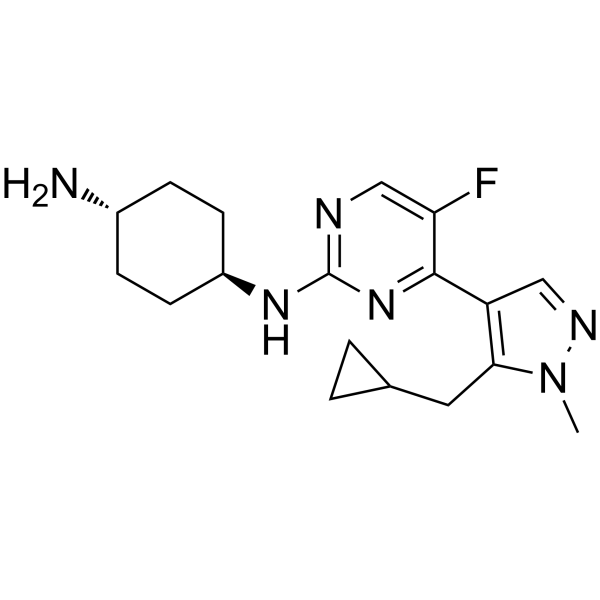
(2S,3R,4S)-ASX-173 is the (2S,3R,4S)-enantiomer of ASX-173 (HY-175282). ASX-173 is an orally active inhibitor of asparagine synthetase (ASNS) (IC50 = 0.113 μM, Ki = 0.4 nM). ASX-173 enhances the anticancer activity of L-asparaginase (ASNase) (HY-P1923). ASX-173 disrupts nucleotide synthesis and induces leukemia cell cycle arrest, apoptosis and autophagy in leukemia cells in combination with ASNase. ASX-173 slows the growth of OCI-AML2 xenografts in combination with ASNase. ASX-173 is indicated for the study of acute lymphoblastic leukemia, acute myeloid leukemia, colorectal cancer, and other cancers .
|
-

- HY-157464
-
|
|
Drug Derivative
|
Cancer
|
|
[Ru(phen)2(4-Me-Sal)]BF4 (compound 10), a Ru(II)-based polypyridyl complexe, displays outstanding antiproliferative activity against drug-sensitive CCRF-CEM and multidrug-resistant CEM/ADR5000 leukemia cells (IC50=0.52 μM and 5.56 μM, respectively) .
|
-
![[Ru(phen)2(4-Me-Sal)]BF4](//file.medchemexpress.com/product_pic/hy-157464.gif)
- HY-171146
-
|
|
FLT3
Bcr-Abl
RET
PDGFR
MNK
|
Cancer
|
|
HSN748 is a Ponatinib (HY-12047) analogue and a multikinase inhibitor. HSN748 has inhibitory activity on FLT3, ABL1, RET, PDGFRα/β, MNK1, MNK2 and other kinases. HSN748 can inhibit the growth of chronic myeloid leukemia and acute myeloid leukemia cell lines and can be used in the study of leukemia .
|
-

- HY-168475
-
|
|
Apoptosis
WDR5
HDAC
|
Cancer
|
|
DD0-2363 (Compound 32d) is a dual-target inhibitor of WDR5-MLL1/HDAC. DD0-2363 inhibits cells proliferation and induces apoptosis in acute myeloid leukemia cells. DD0-2363 has antitumor activity and can be used in the research of acute myeloid leukemia .
|
-

- HY-B2106D
-
|
Decaethylene glycol monododecyl ether (C12E10); Polidocanol (10)
|
Biochemical Assay Reagents
|
Others
Cancer
|
|
Polyoxyethylene (10) lauryl ether is a nonionic surfactant.
Polyoxyethylene (10) lauryl ether exhibits unique properties in dissolving liposomes and exerts the minimal interference with endotoxin detection.
Polyoxyethylene (10) lauryl ether forms hybrid liposomes with Dimyristoylphosphatidylcholine (DMPC) (HY-109541), which can inhibit the proliferation of human promyelocytic leukemia cells without the administration of any drugs .
|
-

- HY-N6733
-
|
|
DNA/RNA Synthesis
HSV
Apoptosis
Antibiotic
Orthopoxvirus
|
Infection
Inflammation/Immunology
|
|
Aphidicolin is an inhibitor of DNA polymerase α and δ, prevents mitotic cell division by interfering DNA polymerase activity. Aphidicolin is an antibiotic produced by mold Cephalosporium aphidicola, inhibits cellular deoxyribonucleic acid synthesis and the growth of herpes simplex virus. Aphidicolin exhibits anti-orthopoxvirus activity and potentiates apoptosis induced by arabinosyl nucleosides in a human promyelocytic leukemia cell line .
|
-
- HY-N18086
-
|
|
Others
|
Cancer
|
|
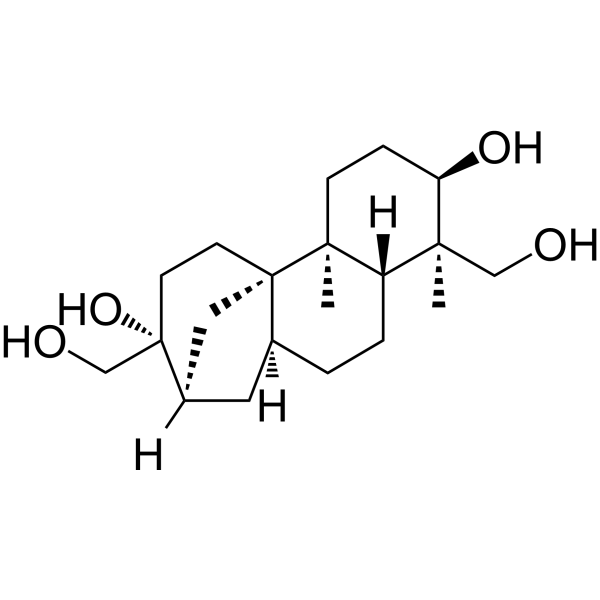
Bruceanic acid D is a quassinoid compound and cytotoxic agent that can be isolated from the xylem powder of Brucea antidysenterica. Bruceanic acid D specifically inhibits P-388 lymphocytic leukemia cells but shows no activity against human lung cancer cells and human colon cancer cells. Bruceanic acid D can be used in studies related to P-388 lymphocytic leukemia .
|
-

- HY-P99650
-
|
WT1
|
Transmembrane Glycoprotein
|
Cancer
|
|
Grisnilimab (WT1) is an IgG2a monoclonal antibody targeting CD7. Grisnilimab only binds to lymphoid tissues and T lymphocytes, with no off-target binding to normal tissues. Grisnilimab can be used to synthesize the immunotoxin WT1-SMPT-dgRTA, which exerts cytotoxic effects on T-lymphoblastic leukemia cells. Grisnilimab is applicable to relevant research on leukemia .
|
-

- HY-121917
-
|
|
c-Myc
Apoptosis
|
Inflammation/Immunology
|
|
APTO-253 (LOR-253) hydrochloride is a small molecule that inhibits c-Myc expression, stabilizes G-quadruplex DNA, and induces cell cycle arrest and apoptosis in acute myeloid leukemia cells. APTO-253 hydrochloride mediates anticancer activity via induction of Kruppel-like factor 4 (KLF4) tumor suppressor. APTO-253 hydrochloride exhibits antiarthritic activity.
|
-

- HY-149595
-
|
|
Histone Demethylase
|
Cancer
|
|
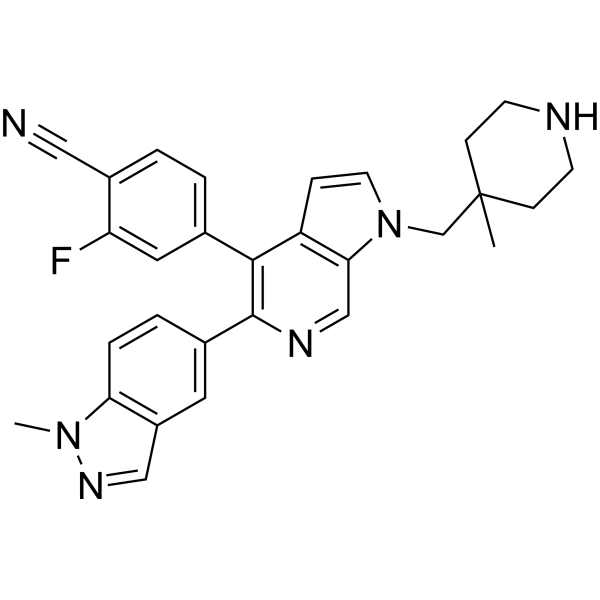
LSD1-UM-109 is a ighly potent and reversible LSD1 inhibitor with an IC50 of 3.1 nM. LSD1-UM-109 inhibits cell growth with IC50 values of 0.6 nM in the MV4;11 acute leukemia cell line and 1.1 nM in the H1417 small-cell lung cancer cell line .
|
-
- HY-120654
-
|
|
Apoptosis
|
Cancer
|
|
[1,1′:4′,1′′-Terphenyl]-3,4′′,5-triol (compound 13g) is a terphenyl derivative that blocks the cell cycle in the G0-G1 phase and induces differentiation in leukemia cells. [1,1′:4′,1′′-Terphenyl]-3,4′′,5-triol shows a potent apoptotic effect .
|
-
![[1,1′:4′,1′′-Terphenyl]-3,4′′,5-triol](//file.medchemexpress.com/product_pic/hy-120654.gif)
- HY-P2044
-
|
|
HDAC
|
Cancer
|
|
Azumamide E is a HDAC inhibitor, with an IC50 of 0.064 μM against HDAC, 1.22 μM against HDAC1, and 2.28 μM against HDAC4. Azumamide E inhibits HDAC activity in nuclear extracts of leukemia cells and cervical adenocarcinoma cells. Azumamide E suppresses angiogenesis. Azumamide E is applicable for research on leukemia, cervical adenocarcinoma, and anti-angiogenesis .
|
-

- HY-123578
-
|
|
EGFR
E1/E2/E3 Enzyme
|
Cancer
|
|
NSC689857 is a potent EGFR and SCF SKP2 inhibitor with an IC50 value of 36 μM for Skp2-Cks1. NSC689857 can inhibit p27 ubiquitylation (IC50=30 μM). NSC689857 has varied activity across cancer types, with more activity against leukemia cell lines than others .
|
-
- HY-N15582
-
|
|
Apoptosis
|
Inflammation/Immunology
Cancer
|
|
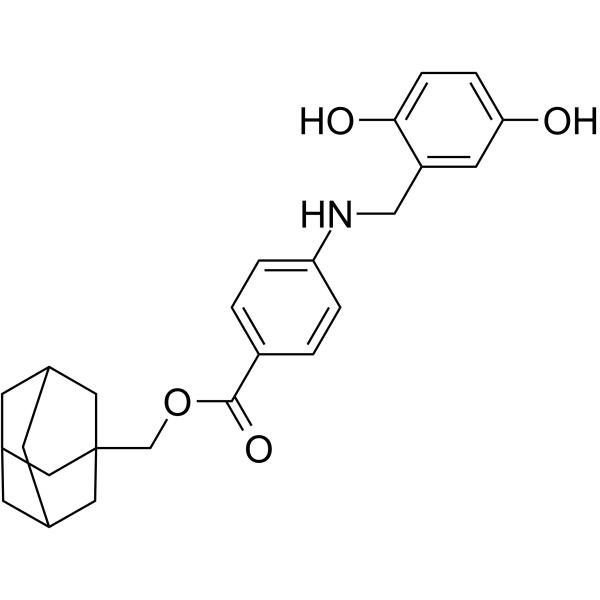
Perezone is a sesquiterpenoid benzoquinone found in the roots of Acourtia species. Perezone inhibits the activity of leukemia cell line K-562 and human glioma cell line U-251 (IC50: 6.83 μM). Perezone increases the expression of caspase 3, 8, and 9 genes associated with apoptosis. Perezone has antioxidant and anti-inflammatory activities .
|
-

- HY-180363
-
|
|
Lipoxygenase
Leukotriene Receptor
|
Inflammation/Immunology
|
|
E 6080 is an orally active and selective 5-lipoxygenase (5-LOX) inhibitor with an IC50 of 0.2 μM in rat basophilic leukemia cell. E 6080 shows potent inhibitory effects on the release of leukotrienes. E 6080 inhibits the bronchospasm induced by antigen (ovalbumin) inhalation in sensitized conscious guinea pigs. E 6080 can be used for the study of asthma .
|
-

- HY-181787
-
|
|
PROTACs
Histone Methyltransferase
|
Cardiovascular Disease
|
|
DOT1L705 is a PROTAC degrader that targets DOT1L. DOT1L705 recruits the VHL E3 ubiquitin ligase to induce proteasomal degradation of DOT1L. DOT1L705 reduces the viability of leukemia cells. DOT1L705 inhibits H3K79 methylation. DOT1L705 can be used in studies related to MLL-rearranged leukemia .
|
-

- HY-114648
-
|
|
Bacterial
|
Infection
Cancer
|
|
AJI-9561 is a benzoxazole derivative produced by Streptomyces sp. AJI-9561 exhibits cytotoxicity and antibacterial activity. AJI-9561 inhibits the proliferation of Jurkat T cells and mouse P388 leukemia cells, with its IC50 being 0.88 and 1.63 μM respectively. AJI-9561 can be used for research on anti-cancer and antibacterial properties .
|
-

- HY-N7634
-
|
|
Farnesyl Transferase
Parasite
|
Infection
Cancer
|
|
Tectol, isolated from Lippia sidoides, exhibits significant activity against human leukemia cell lines HL60 and CEM . Tectol is a farnesyltransferase (FTase) inhibitor with IC50s of 2.09 and 1.73 μM for human and T. brucei FTase, respectively. Tectol inhibits drug-resistant strain of P. falciparum (FcB1) with an IC50 of 3.44 μM .
|
-
- HY-149896
-
|
|
Biochemical Assay Reagents
|
Cancer
|
|
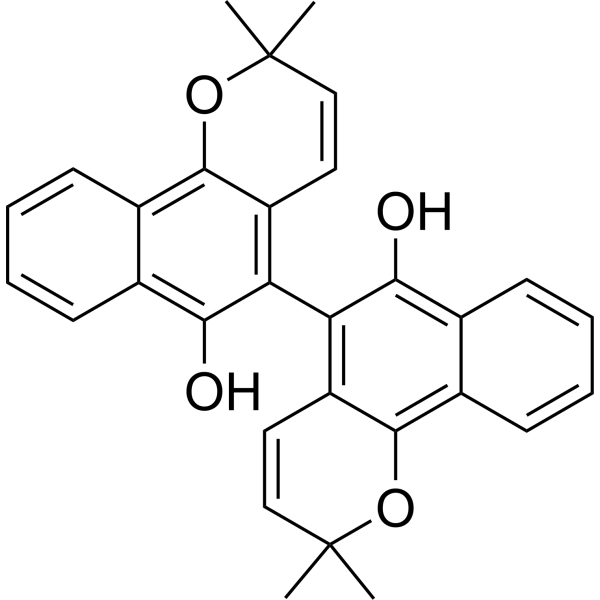
Antitumor agent-107 (compound 5h) is an anticancer agent that shows excellent inhibitory activity against leukemia cell lines (GI50=0.32-1.34 μM). Antitumor agent-107 also shows antitumor activity against various other human cancer cell lines (GI50 range 0.35-9.43 μM) .
|
-
- HY-153495
-
|
BP1001
|
Bcl-2 Family
Apoptosis
Reactive Oxygen Species (ROS)
|
Cancer
|
|
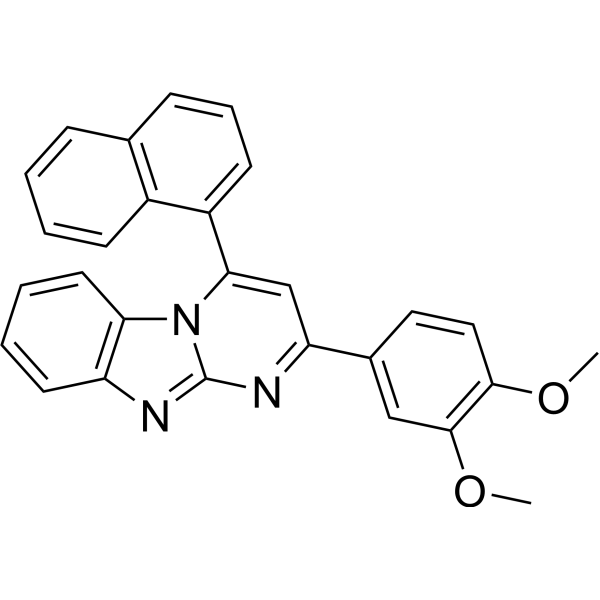
Prexigebersen (BP1001) is an antisense oligonucleotide targeting Bcl-2 and Grb2. Prexigebersen exhibits antileukemic activity in cell models. Prexigebersen induces apoptosis (apoptosis), cell cycle arrest and ROS production in leukemia cells. Prexigebersen inhibits Grb2 expression, thereby suppressing tumor growth and survival. Prexigebersen can be used in studies related to acute myeloid leukemia .
|
-

- HY-170379
-
|
|
HDAC
Apoptosis
|
Cancer
|
|
HDAC-IN-84 (compound 4d) is a potent HDAC inhibitor, with IC50 values of 0.0045, 0.015, 0.013, 0.038, 5.8 and 26 μM for HDAC1, HDAC2, HDAC3, HDAC6, HDAC8 and HDAC11, respectively. HDAC-IN-84 effectively inhibits the proliferation of leukemia cells without causing toxicity .
|
-

- HY-172416
-
|
ZE63-0302
|
Epigenetic Reader Domain
|
Cancer
|
|
Balomenib (ZE63-0302) is an orally bioavailable menin-KMT2A interaction inhibitor. Balomenib disrupts menin-KMT2A binding, reverses aberrant HOX gene expression. Balomenib inhibits Meis1 mRNA expression in KMT2A-rearranged acute myeloid leukemia cells. Balomenib can be used for the research of leukemia .
|
-

- HY-50868
-
|
INNO-406; NS-187
|
Bcr-Abl
Src
Apoptosis
|
Cancer
|
|
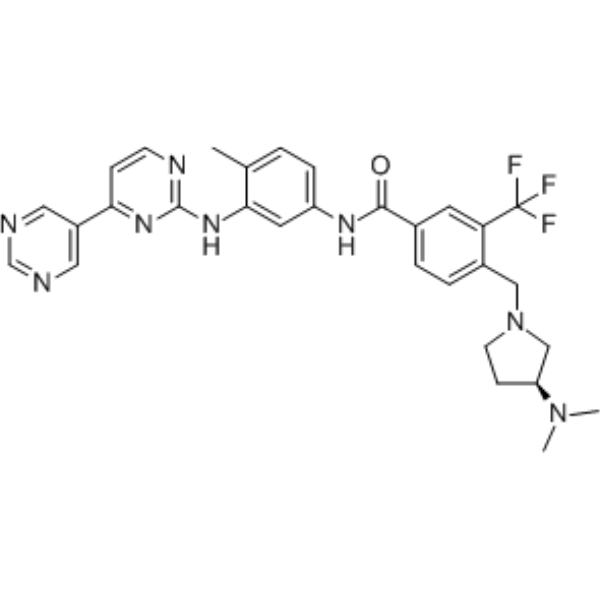
Bafetinib is an orally active Lyn/Bcr-Abl tyrosine kinase inhibitor. Bafetinib enhances the activity of several pro-apoptotic Bcl-2 homology (BH) 3-pure proteins (Bim, Bad, Bmf, and Bik) through intrinsic apoptotic pathways regulated by the Bcl-2 family, and induces apoptosis of Ph + leukemia cells. Bafetinib has antitumor activity .
|
-
- HY-N19664
-
|
|
Others
|
Cancer
|
|
14-Deoxy-12-methoxyandrographolide, an ent-labdane-type diterpenoid found in the aerial parts of Andrographis paniculata, is a cell differentiation inducer. 14-Deoxy-12-methoxyandrographolide induces differentiation of myeloid leukemia cells via increased phagocytosis of polystyrene latex particles. 14-Deoxy-12-methoxyandrographolide can be used for the research of myeloid leukemia .
|
-

- HY-16291
-
|
LOR-253; LT-253
|
c-Myc
KLF
Apoptosis
|
Inflammation/Immunology
Cancer
|
|
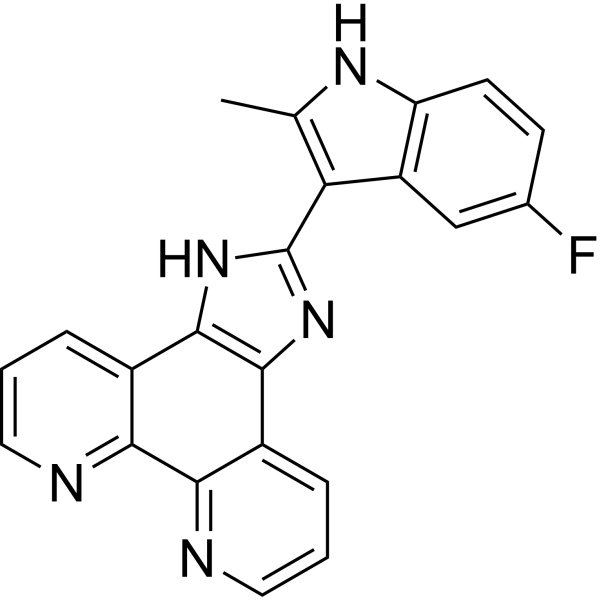
APTO-253 (LOR-253) is a small molecule that inhibits c-Myc expression, stabilizes G-quadruplex DNA, and induces cell cycle arrest and apoptosis in acute myeloid leukemia cells. APTO-253 mediates anticancer activity through induction of the Krüppel-like factor 4 (KLF4) tumor suppressor . APTO-253 has antiarthritic activity .
|
-
- HY-107426
-
|
Muconomycin A
|
Apoptosis
Reactive Oxygen Species (ROS)
|
Cancer
|
|
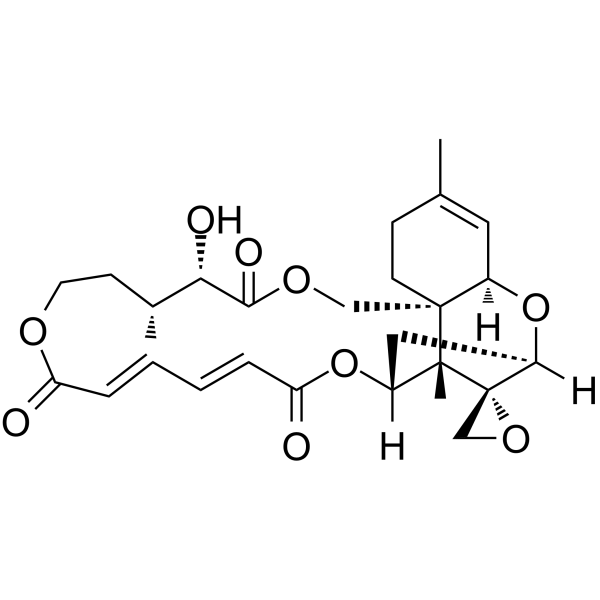
Verrucarin A (Muconomycin A), a Type D macrocyclic mycotoxin derived from the pathogen fungus Myrothecium verrucaria, is an inhibitor of protein synthesis. Verrucarin A inhibits growth of leukemia cell lines and activates caspases and apoptosis and inflammatory signaling in macrophages. Verrucarin A effectively increased the phosphorylation of p38 MAPK and diminished the phosphorylation of ERK/Akt. Verrucarin A caused cell cycle deregulation through the induction of p21 and p53 .
|
-
- HY-146283
-
|
|
Histone Demethylase
|
Cancer
|
|
LSD1-IN-18 (compound 7) is a potent, non-covalent and selective LSD1 inhibitor, with Ki of 0.156 μM and KD of 0.075 μM, respectively. LSD1-IN-18 shows antiproliferative activity in THP-1 leukemia cells and MDA-MB-231 breast cancer cells, with IC50 (72 h) of 0.16 and 0.21 μM, respectively .
|
-
- HY-146284
-
|
|
Histone Demethylase
|
Cancer
|
|
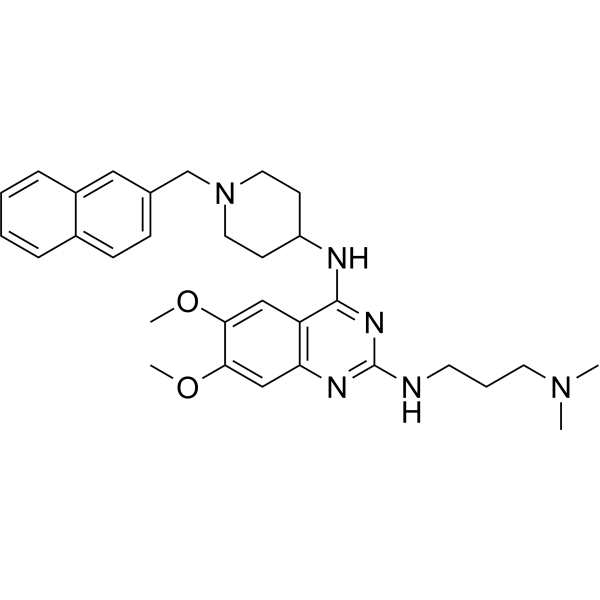
LSD1-IN-19 (compound 29) is a potent, non-covalent and selective LSD1 inhibitor, with Ki of 0.108 μM and KD of 0.068 μM, respectively. LSD1-IN-19 shows antiproliferative activity in THP-1 leukemia cells and MDA-MB-231 breast cancer cells, with IC50 (72 h) of 0.17 and 0.40 μM, respectively .
|
-
- HY-170361
-
|
|
Methylenetetrahydrofolate Dehydrogenase (MTHFD)
|
Cancer
|
|
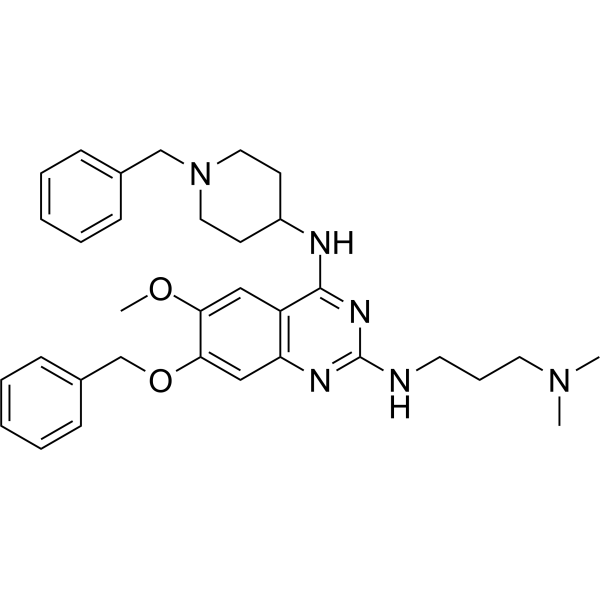
MTHFD2-IN-5 (Compound 16e) is a selective MTHFD2 inhibitor with an IC50 of 66 nM. MTHFD2-IN-5 selectively inhibits MTHFD2. MTHFD2-IN-5 exhibits anticancer activity against acute myeloid leukemia. MTHFD2-IN-5 acts synergistically with Alimta to inhibit the proliferation of acute myeloid leukemia cells .
|
-

- HY-130059
-
|
Guanine 7-N-oxide
|
Antibiotic
Fungal
HSV
|
Infection
Cancer
|
|
Guanine-7-oxide (Guanine 7-N-oxide) is an antitumor antibiotic with anti-tumor, anti-Candida albicans activity, and can inhibit viral replication effect of herpes virus, infectious blood virus (IHNV), infectious pancreatic necrosis virus (IPNV) and so on. Guanine-7-oxide has good activity against mouse L1210 leukemia cells .
|
-

- HY-N0990
-
|
|
Others
|
Cancer
|
|
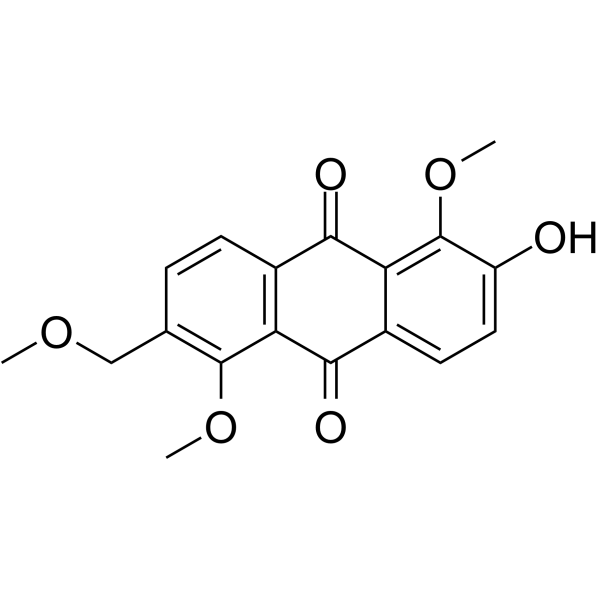
1,5,15-Trimethylmorindol is an anthraquinone isolated from the leaves of Morinda citrifolia. 1,5,15- trimethylmorindol (25 μg/mL) does not show significant cytotoxic activity on the human T-cell leukemia cell line, Jurkat, by itself but it shows cytotoxicity (IC50 14.5-15.0 μg/mL) when combined with 0.5-1.5 μg/mL of TRAIL in the cell proliferation assay .
|
-
- HY-138623
-
|
|
Epigenetic Reader Domain
TNF Receptor
Interleukin Related
|
Inflammation/Immunology
Cancer
|
|
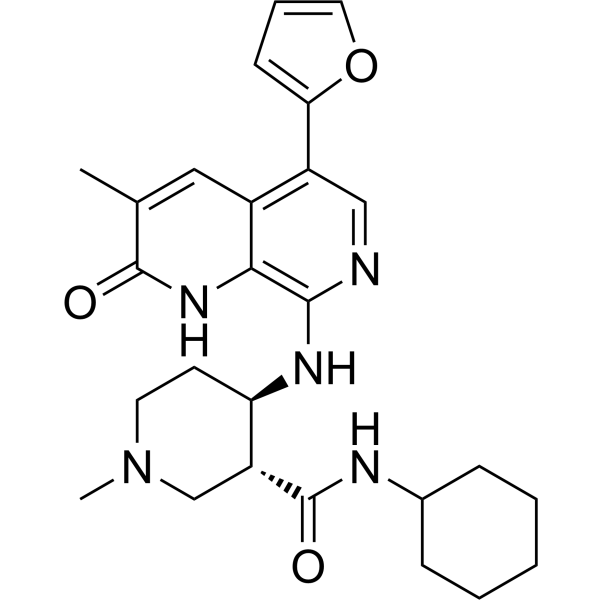
GSK789 is a selective inhibitor of BET BD1. GSK789 inhibits the growth of leukemia cell lines. GSK789 inhibits LPS-stimulated production of MCP-1, TNFα and IL-6 in human whole blood. GSK789 exhibits antiproliferative, anti-inflammatory and immunomodulatory activities. GSK789 can be used in research related to cancers such as leukemia, as well as inflammatory and immune diseases .
|
-
- HY-181959
-
|
|
Eukaryotic Initiation Factor (eIF)
|
Cancer
|
|
APL-4098 is an orally active, selective, ATP-competitive GCN2 inhibitor with a Ki of 4.39 nM and a Kd of 2.9 nM. APL-4098 reduces the phosphorylation level of eIF2α and the expression level of ATF4. APL-4098 impairs mitochondrial function and exerts cytotoxic effects on primary acute myeloid leukemia cells. APL-4098 is applicable to research related to acute myeloid leukemia .
|
-

- HY-W278073
-
|
|
DNA/RNA Synthesis
Fungal
|
Infection
Cancer
|
|
RNA splicing modulator 6 (Compound c7) is a RNA splicing modulator. RNA splicing modulator 6 induces changes in pre-mRNA splicing. RNA splicing modulator 6 causes accumulation of unspliced RNA in the Hs-Hsh155 strain. RNA splicing modulator 6 reduces proliferation of chronic myeloid leukemia cells harboring the cancer-associated SRSF2 P95H mutation .
|
-

- HY-N7814R
-
|
|
Reference Standards
Endogenous Metabolite
|
Others
|
|
Pheniramine (maleate) (Standard) is the analytical standard of Pheniramine (maleate). This product is intended for research and analytical applications. Pheniramine (Prophenpyridamine; Tripoton) maleate is a first-generation histamine H1 receptor antagonist, acts on the central nervous system (CNS) with sedative and hypnotic effect. Pheniramine maleate displays antitumor effect and induces leukemia cells apoptosis. Pheniramine maleate is also a safe and effective local agent that can suppress or relieve pain, with antipruritic effects .
|
-

- HY-B0971AR
-
|
Prophenpyridamine (Standard); Tripoton (Standard); Pheniramine solution (Standard)
|
Reference Standards
Histamine Receptor
Apoptosis
|
Inflammation/Immunology
Cancer
|
|
Pheniramine (Standard) is the analytical standard of Pheniramine. This product is intended for research and analytical applications. Pheniramine (Prophenpyridamine;Tripoton) is a first-generation histamine H1 receptor antagonist, acts on the central nervous system (CNS) with sedative and hypnotic effect. Pheniramine displays antitumor effect and induces leukemia cells apoptosis. Pheniramine is also a safe and effective local agent that can suppress or relieve pain, with antipruritic effects .
|
-

- HY-18051
-
|
|
Calcium Channel
|
Cancer
|
|
CXL 017 is a sarco/endoplasmic reticulum Ca 2+-ATPase (SERCA) inhibitor. CXL 017 can inhibit the ATPase activity of SERCA by competing with ATP for binding. CXL 017 exhibits selective cytotoxicity against multidrug-resistant acute myeloid leukemia cells HL60/MX2. CXL 017 can be used in the research of tumors such as multidrug-resistant acute myeloid leukemia .
|
-

- HY-N18321
-
|
|
Drug Derivative
|
Cancer
|
|
3-Deacetyl-4-demethylsalannin, a salannin-type limonoid, is an anticancer agent. 3-Deacetyl-4-demethylsalannin induces cytotoxic activity against leukemia cells and stomach cancer cells, and shows inactivity against lung and breast cancer cells at concentrations up to 100 μM. 3-Deacetyl-4-demethylsalannin can be used for the research of leukemia, stomach cancer .
|
-

- HY-117007
-
|
|
Apoptosis
|
Others
|
|
Glycidyl methacrylate exhibits concentration-dependent cytotoxicity and genotoxicity against human peripheral blood lymphocytes and CCRF-CEM leukemia cells. Glycidyl methacrylate can induce DNA strand breaks, base oxidative damage, and apoptosis through oxidative stress mechanisms, but the induced DNA damage can be effectively cleared by the cellular repair system within 2 hours (>90%). Glycidyl methacrylate can be used in dental composite restorative materials .
|
-

- HY-183265
-
|
|
Creatine Kinase
ATP Synthase
Mitochondrial Metabolism
Reactive Oxygen Species (ROS)
|
Cancer
|
|
GO847 is an orally active casein kinase 2 (CK2) inhibitor with an IC50 of 40.2 nM. GO847 increases intracellular ATP levels, impairs Mitochondrial metabolic flexibility, and promotes excessive mitochondrial ROS production. GO847 alters the period length of cellular circadian rhythms. GO847 inhibits the growth of acute myeloid leukemia cells. GO847 can be used for the research of acute myeloid leukemia .
|
-

- HY-B0971R
-
|
Prophenpyridamine maleate (Standard); Tripoton maleate (Standard); Pheniramine maleate (Standard)
|
Reference Standards
Histamine Receptor
Apoptosis
|
Inflammation/Immunology
Endocrinology
|
|
Pheniramine (maleate) (Standard) is the analytical standard of Pheniramine (maleate). This product is intended for research and analytical applications. Pheniramine (Prophenpyridamine; Tripoton) maleate is a first-generation histamine H1 receptor antagonist, acts on the central nervous system (CNS) with sedative and hypnotic effect. Pheniramine maleate displays antitumor effect and induces leukemia cells apoptosis. Pheniramine maleate is also a safe and effective local agent that can suppress or relieve pain, with antipruritic effects .
|
-

- HY-154984
-
|
|
Histone Acetyltransferase
PROTACs
|
Cancer
|
|
JET-209 is a potent CBP/p300 PROTAC degrader, with DC50 values of 0.05 nM and 0.2 nM for CBP and p300. JET-209 demonstrates remarkable anti-tumor activity against various acute leukemia cell lines and effectively inhibits tumor growth in xenograft tumor models. JET-209 can be used for the study of acute leukemia .
|
-
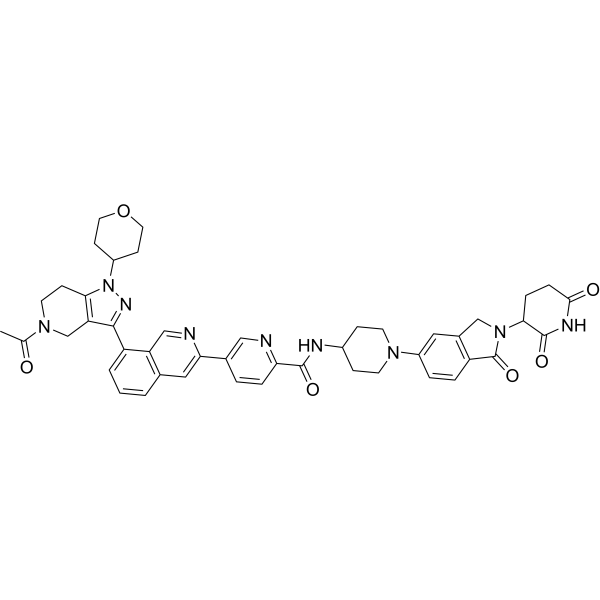
- HY-115881
-
|
|
PROTACs
Epigenetic Reader Domain
|
Cancer
|
|
SR-1114 is a PROTAC degrader targeting ENL. SR-1114 degrades ENL in a CRBN-dependent manner and selectively downregulates ENL target genes. SR-1114 can promote the differentiation of acute myeloid leukemia cells. SR-1114 can be used in tumor research. (Pink: ENL ligand (HY-145409); Black: Linker; Blue: E3 Ligand (HY-14658)) .
|
-
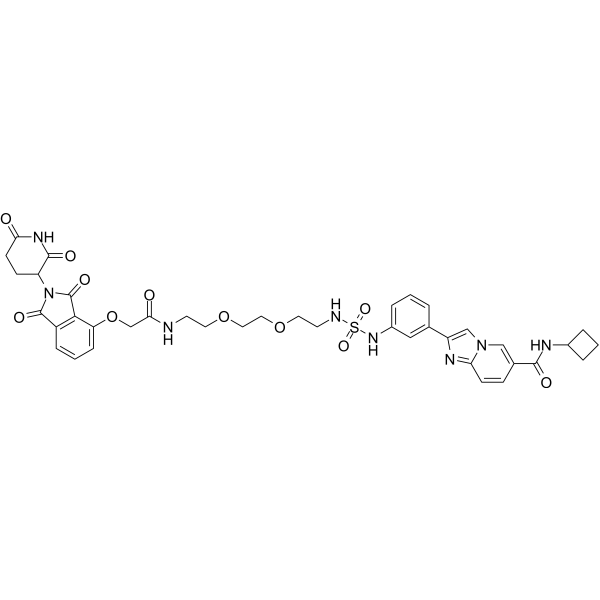
- HY-13518
-
|
Astringenin; trans-Piceatannol
|
Syk
Autophagy
Apoptosis
Endogenous Metabolite
|
Cancer
|
|
Piceatannol is a well-known Syk inhibitor and reduces the expression of iNOS induced by TNF. Piceatannol is an effective agent for research of acute lung injury (ALI) . Piceatannol is a naturally occurring polyphenolic stilbene found in various fruits and vegetables and exhibits anticancer and anti-inflammatory properties . Piceatannol induces apoptosis in DLBCL cell lines . Piceatannol induces autophagy and apoptosis in MOLT-4 human leukemia cells .
|
-
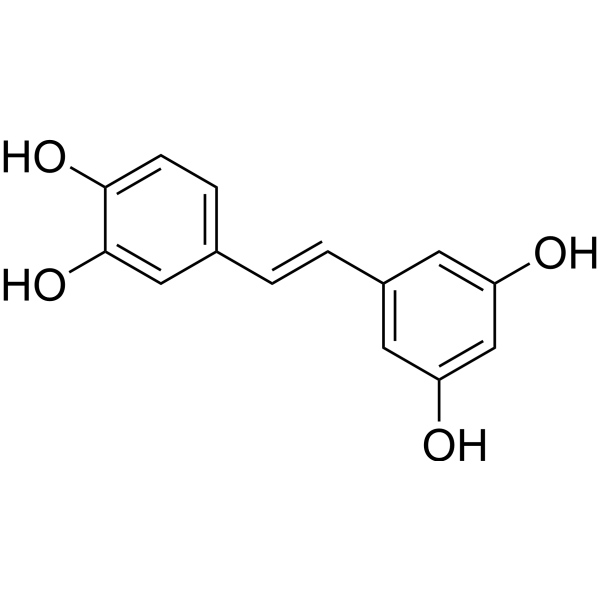
- HY-108350
-
MI-2-2
1 Publications Verification
|
Epigenetic Reader Domain
|
Cancer
|
|
MI-2-2 is a potent menin-MLL inhibitor. MI-2-2 binds to menin with low nanomolar affinity (Kd=22nM) and very effectively disrupts the bivalent protein-protein interaction between menin and MLL. MI-2-2 has specific and very pronounced activity in MLL leukemia cells, including inhibition of cell proliferation, down-regulation of Hoxa9 expression, and differentiation .
|
-
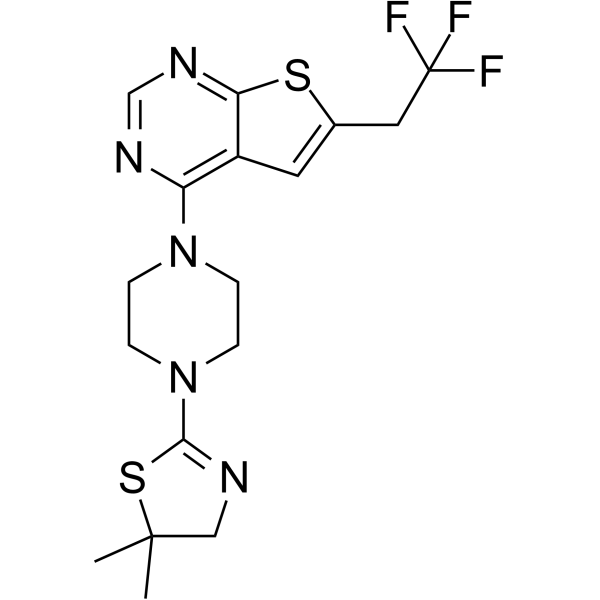
- HY-182793
-
|
|
Histone Methyltransferase
|
Cancer
|
|
MLL1-IN-1 is an orally active MLL1 inhibitor with an IC50 of 0.043 μM. MLL1-IN-1 induces Menin protein degradation and inhibits the proliferation of leukemia cells. MLL1-IN-1 can induce tumor regression in leukemia-bearing mice. MLL1-IN-1 is useful for research into MLL1-associated leukemia .
|
-

- HY-122359A
-
|
rel-L-Centchroman; Ormeloxifene
|
Estrogen Receptor/ERR
Apoptosis
Reactive Oxygen Species (ROS)
|
Cancer
|
|
rel-Levormeloxifene (rel-L-Centchroman) is the relative configuration of Levormeloxifene (HY-122359). rel-Levormeloxifene is a selective estrogen receptor modulator (SERM). rel-Levormeloxifene inhibits proliferation of leukemia cells with IC50 about 7 μM, arrests cell cycle at G0/G1 phase, and induces apoptosis. rel-Levormeloxifene induces differentation of myelogenesis leukemia, and enhances ROS production in K562 cells .
|
-

- HY-144709
-
|
|
FLT3
|
Cancer
|
|
FLT3/ITD-IN-1 (Compound 1) is a potent FLT3 internal tandem duplications (FLT3-ITD) inhibitor with IC50 values of 38.2 nM and 144.1 nM against FLT3 and FLT3-ITD, respectively. FLT3/ITD-IN-1 displays excellent antiproliferative activities against acute myeloid leukemia cell lines .
|
-
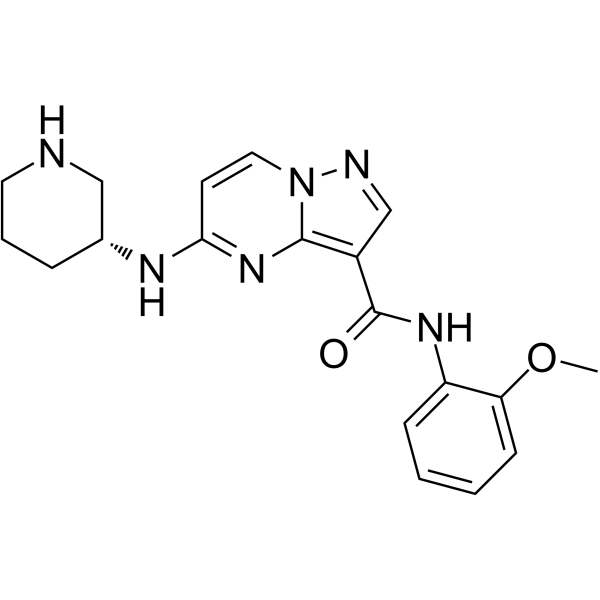
- HY-169083
-
|
|
Apoptosis
Bcl-2 Family
|
Cancer
|
|
Bcl-2-IN-22 (compound 1) is a gold(I) NHC complex with anticancer activity. Bcl-2-IN-22 induces apoptosis via the mitochondrial pathway with an IC50 value of 0.014 μM. In addition, Bcl-2-IN-22 targets BCL-2 family members and exhibits pro-apoptosis and resensitization properties in multidrug-resistant leukemia cells that overexpress BCL-2 .
|
-

- HY-125348
-
|
|
Drug Metabolite
|
Cancer
|
|
6α-Hydroxy paclitaxel is one of the main metabolites of Paclitaxel (PTX) (HY-B0015), and it is generated by the liver cytochrome P450 enzyme CYP2C8. 6α-Hydroxy paclitaxel has bone marrow toxicity, but it can enhance the cytotoxicity of PTX against leukemia cells without causing cell toxicity. 6α-Hydroxy paclitaxel can be used in leukemia research .
|
-
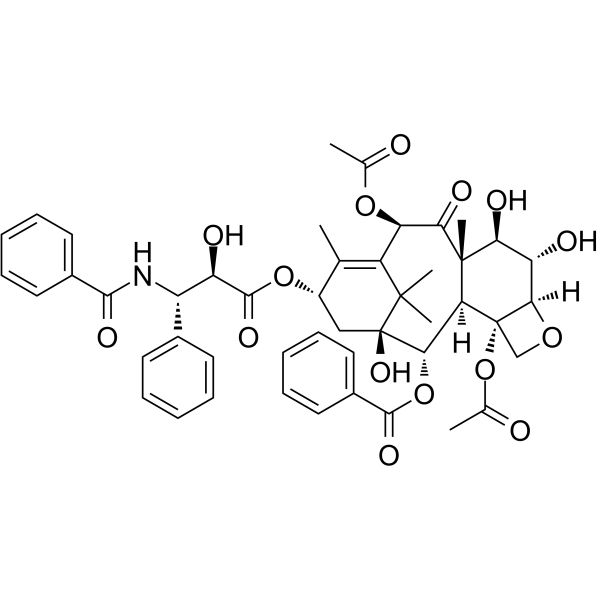
- HY-16291A
-
|
LOR-253 hydrochloride; LT-253 hydrochloride
|
c-Myc
|
Inflammation/Immunology
|
|
APTO-253?(LOR-253) hydrochloride is a small molecule that inhibits c-Myc expression, stabilizes G-quadruplex DNA and induces cell cycle arrest and apoptosis in acute myeloid leukemia cells. APTO-253?hydrochloride mediates anticancer activity via induction of Kruppel-like factor 4?(KLF4)?tumor suppressor. APTO-253?hydrochloride exhibits antiarthritic activity .
|
-

- HY-15222A
-
|
|
Epigenetic Reader Domain
Apoptosis
|
Cancer
|
|
Menin-MLL inhibitor MI-2 dihydrochloride is a competitive and selective Menin-MLL interaction inhibitor with an IC50 value of 446 nM and a Ki value of 158 nM. Menin-MLL inhibitor MI-2 dihydrochloride downregulates the expression of target genes such as HOXA9 and MEIS1, inhibits proliferation of leukemia cells and induces apoptosis and differentiation. Menin-MLL inhibitor MI-2 dihydrochloride is proming for rasearch of MLL-rearranged acute leukemias (e.g., AML, ALL) .
|
-

- HY-19541A
-
|
|
Epigenetic Reader Domain
|
Cancer
|
|
I-CBP112 hydrochloride is a selective inhibitor of CBP/P300 that directly binds their bromodomains (Kds = 142 and 625 nM, respectively). I-CBP112 significantly reduces the leukemia-initiating potential of MLL-AF9(+) acute myeloid leukemia cells in a dose-dependent manner in vitro and in vivo. I-CBP112 increases the cytotoxic activity of BET bromodomain inhibitor JQ1 as well as doxorubicin .
|
-
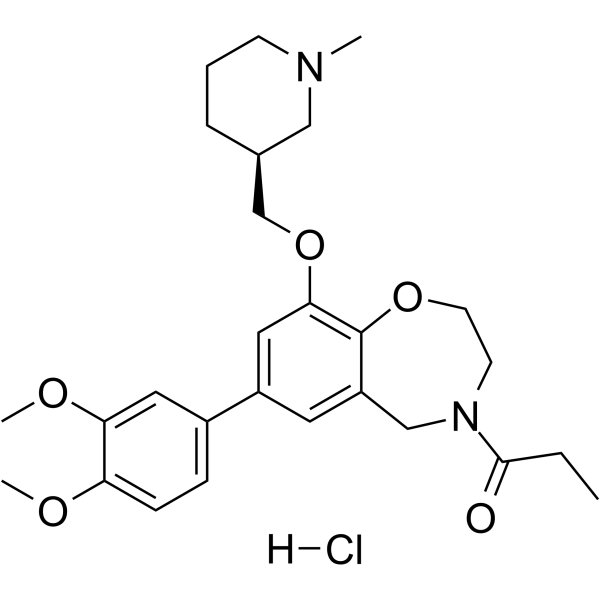
- HY-19619
-
|
|
Phospholipase
Apoptosis
|
Cancer
|
|
m-3M3FBS is a potent phospholipase C (PLC) activator. m-3M3FBS stimulates superoxide generation in human neutrophils, upregulates intracellular calcium concentration, and stimulates inositol phosphate generation in various cell lines. m-3M3FBS induces monocytic leukemia cell apoptosis .
|
-
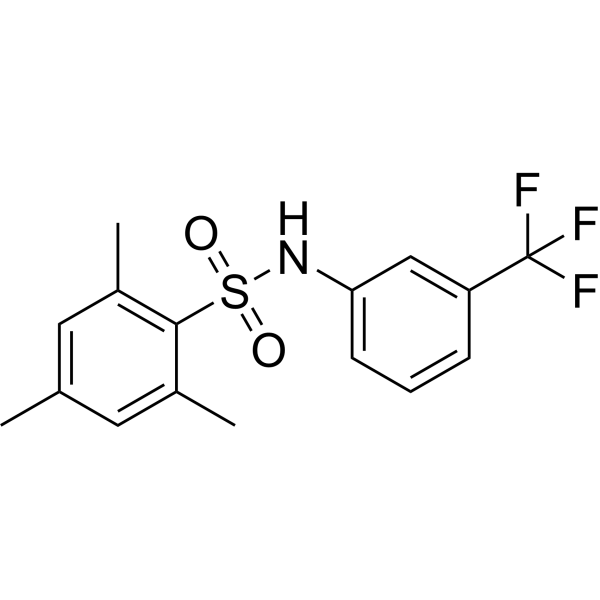
- HY-W740572
-
|
|
Prostaglandin Receptor
COX
|
Inflammation/Immunology
|
|
O-Desmethyl-N-deschlorobenzoyl indomethacin is a metabolite of the non-steroidal anti-inflammatory drug (NSAID) and COX inhibitor indomethacin (HY-14397). It is formed from indomethacin in isolated rabbit hepatocytes. O-Desmethyl-N-deschlorobenzoyl indomethacin (600 μM) decreases the viability of HL-60 leukemia cells when cultured with glucose oxidase. It has also been used in the synthesis of prostaglandin D2 (HY-101988) receptor antagonists.
|
-

- HY-15222
-
|
|
Epigenetic Reader Domain
Apoptosis
|
Cancer
|
|
Menin-MLL inhibitor MI-2 is a competitive and selective Menin-MLL interaction inhibitor with an IC50 value of 446 nM and a Ki value of 158 nM. Menin-MLL inhibitor MI-2 downregulates the expression of target genes such as HOXA9 and MEIS1, inhibits proliferation of leukemia cells and induces apoptosis and differentiation. Menin-MLL inhibitor MI-2 is proming for rasearch of MLL-rearranged acute leukemias (e.g., AML, ALL) .
|
-
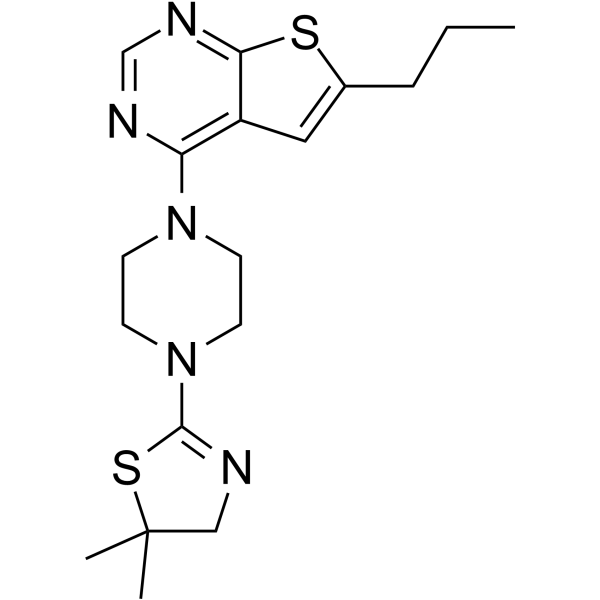
- HY-124093
-
|
|
Thymidylate Synthase
Bacterial
|
Infection
Cancer
|
8-Deazahomofolic acid is an inhibitor of thymidylate synthase (TS) and other folate-related enzymes. 8-Deazahomofolic acid shows inhibitory activity against folate-dependent S. faecium, L. casei, and MTX (HY-14519) resistant strains. 8-Deazahomofolic acid also inhibits the growth of L1210 leukemia cells, with an IC50 value of 87.5 μM. 8-Deazahomofolic acid can be used in research on bacterial infections and tumors .
|
-

- HY-167237
-
|
|
Apoptosis
Caspase
CDK
PARP
Bcl-2 Family
ERK
|
Cancer
|
|
Calactin is a glycoside that can be isolated from Asclepias curassavica L.. Calactin activates caspase-3, caspase-8, caspase-9, and phosphorylates ERK. Calactin induces DNA damage, apoptosis, PARP cleavage, G2/M phase cell cycle arrest, shifts Bax/Bcl-2 expression, and shows anti-proliferation effects in leukemia cells. Calactin can be used for the research of leukemia .
|
-

- HY-156640
-
|
LP-168
|
EGFR
|
Cancer
|
|
Rocbrutinib is an orally available, highly selective Bruton's tyrosine kinase (BTK) inhibitor, with an IC50 of 0.11 nM against wild-type BTK and an IC50 of 1.0 nM against C481S-mutated BTK. Rocbrutinib reduces the viability of leukemia cells, induces cytotoxicity and inhibits cell migration. Rocbrutinib can be used in research related to chronic lymphocytic leukemia, non-Hodgkin's lymphoma and mantle cell lymphoma .
|
-
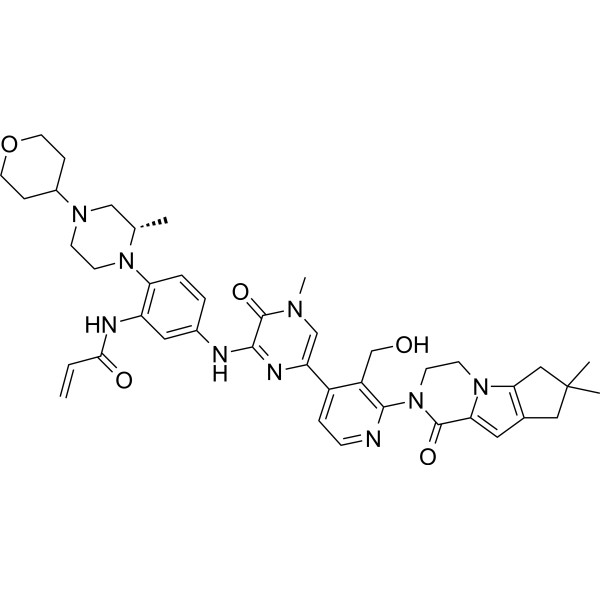
- HY-118970
-
|
|
VD/VDR
TGF-β Receptor
Interleukin Related
|
Cancer
|
|
LG190155 is a nonsteroidal vitamin D receptor (VDR) agonist. LG190155 activates VDR in mesenchymal stem cells, thereby upregulating the BMP6-IL6 autocrine axis. Pretreatment of mesenchymal stem cells with LG190155 significantly enhances their ability to induce differentiation of acute myeloid leukemia cells, without inducing hypercalcemia. LG190155 is applicable to research related to acute myeloid leukemia (AML) .
|
-

- HY-122023
-
|
|
Integrin
|
Inflammation/Immunology
Cancer
|
|
TBC3486 is a highly selective integrin α4β1 inhibitor. TBC3486 acts as a chemosensitizer to enhance the sensitivity of leukemia cells to chemotherapy. TBC3486 exhibits efficacy in preclinical models of integrin α4-dependent inflammatory and autoimmune diseases, including a mouse model of autoimmune encephalomyelitis. TBC3486 can be used for the research of precursor B-cell acute lymphoblastic leukemia .
|
-

- HY-158968
-
|
|
MDM-2/p53
|
Cancer
|
|
MMs02943764 is a 1,2,4-triazole derivative with anticancer activity. MMs02943764 has significant antiproliferative effects on multiple cancer cell lines. PAC, a structural analog of MMs02943764, has significant cytotoxicity against the leukemia cell line K562 (IC50=35.264 μM), reduces the degradation of p53 by inhibiting Mdm2 and Pirh2, and induces K562 cell cycle arrest .
|
-

- HY-15227
-
|
|
Histone Methyltransferase
Apoptosis
|
Inflammation/Immunology
Cancer
|
|
EPZ004777 is an effective and selective DOT1L inhibitor, with IC50 being 0.4 nM. EPZ004777 reduces the levels of H3K79me2 and H3K79me1, significantly down-regulating the expression of HOXA9 and MEIS1. EPZ004777 selectively inhibits the proliferation of MLL rearrangement cells and promotes the differentiation and subsequent apoptosis (apoptosis) of leukemia cells. EPZ004777 can be used for the study of leukemia .
|
-
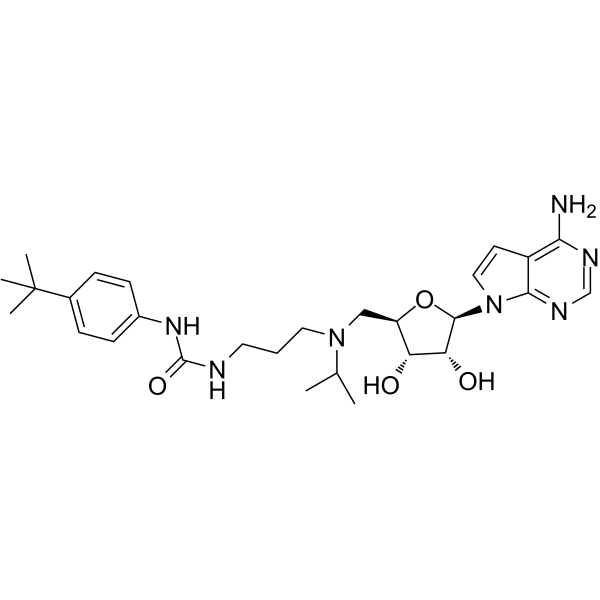
- HY-B1713A
-
|
DL-(±)-Ornithine hydrochloride
|
Endogenous Metabolite
|
Metabolic Disease
|
|
DL-Ornithine (DL-(±)-Ornithine) hydrochloride is an amino acid and also a urea cycle promoter. DL-Ornithine hydrochloride has the characteristics of low metabolic rate and rapid excretion, and only the L-enantiomer undergoes decarboxylation. In mice inoculated with L-1210 leukemia cells, DL-Ornithine hydrochloride is excreted in urine in its original form, and its conversion to carbon dioxide within 24 h is negligible. DL-Ornithine hydrochloride is mainly used in the urea cycle to eliminate excess nitrogen in the body and protect the kidneys .
|
-

- HY-108420
-
|
|
CDK
|
Cancer
|
|
INK4C-IN-2 is a p18 INK4C inhibitor. NK4C-IN-2 promotes hematopoietic stem cells (HSCs) division by inhibiting INK4C and activating CDK4/6, with an ED50 of 5.21 nM. INK4C-IN-2 shows no cytotoxic to normal 32D cells, HSCs, leukemia cell lines and myeloma cell lines .
|
-

- HY-W989139
-
|
|
Apoptosis
|
Inflammation/Immunology
Cancer
|
|
Perforin-IN-3 is a specific perforin inhibitor that blocks perforin-mediated lytic pore formation and subsequent cell lysis. Perforin-IN-3 potently inhibits the killing effect of NK cells on target cells such as leukemia cells, without interfering with FasL- or TRAIL-mediated cell death pathways. Perforin-IN-3 has no effect on pneumolysin and can be used to study autoimmune diseases, allograft rejection, graft-versus-host disease, and familial hemophagocytic lymphohistiocytosis .
|
-

- HY-115446A
-
|
Cereblon ligand 1 hydrochloride; E3 ligase Ligand-Linker Conjugates 32 hydrochloride
|
E3 Ligase Ligand-Linker Conjugates
|
Cancer
|
|
Lenalidomide-C4-NH2 hydrochloride is the Lenalidomide-based Cereblon ligand used in the recruitment of CRBN protein. Lenalidomide-C4-NH2 hydrochloride can be connected to the ligand for protein by a linker to form PROTAC (Compound 24), which has IC50s of 0.98 nM and 13.7 nM in inhibition of RS4;11 and MOLM-13 acute leukemia cell lines growth, respectively .
|
-
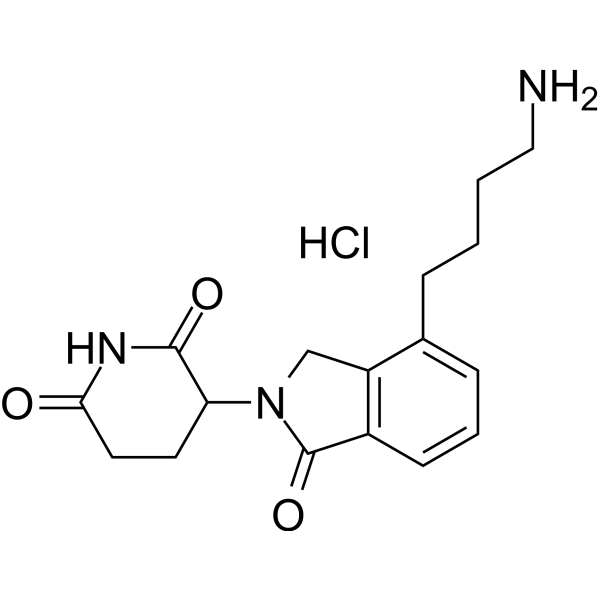
- HY-14942A
-
|
RTA 744; WP 744; WP 769 hydrochloride
|
NF-κB
Apoptosis
Caspase
Drug Derivative
|
Neurological Disease
Cancer
|
|
Berubicin (RTA 744) hydrochloride is a Doxorubicin (HY-15142A) analog that can cross the blood-brain barrier. Berubicin hydrochloride inhibits P-gp and MRP1-mediated efflux and suppresses glioblastoma multiforme (GBM). Berubicin hydrochloride exerts toxic effects on leukemia cells by activating nuclear factor κB (NF-κB) and induces apoptosis in neuroblastoma cells. Berubicin hydrochloride can be used in the study of tumors related to the nervous system .
|
-
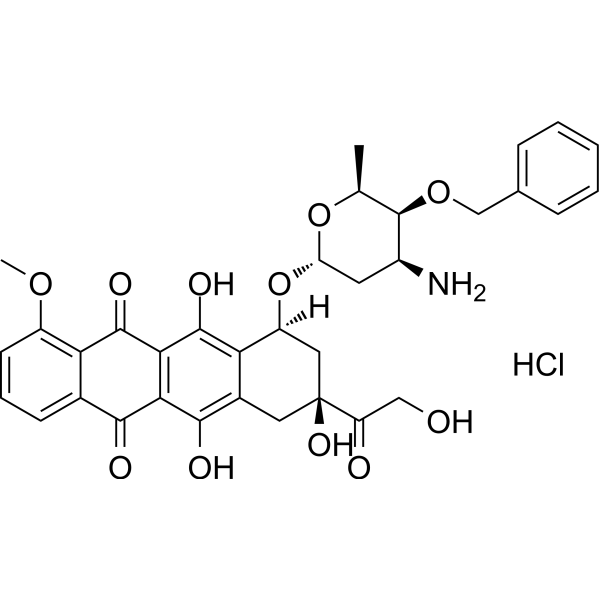
- HY-125090
-
|
|
Aurora Kinase
c-Myc
Bcr-Abl
Histone Methyltransferase
Apoptosis
|
Cancer
|
|
PHA-680626 is an effective inhibitor of the interaction between Aurora-A and N-Myc. PHA-680626 inhibits kinase activity of AURKA and Bcr-Abl, and induces N-Myc degradation. PHA-680626 decreases phosphorylation of CrkL and histone H3. PHA-680626 shows anti-proliferative and pro-apoptotic activity on Imatinib (HY-15463)-resistant chronic myeloid leukemia cell lines and primary CD34+ cells .
|
-

- HY-178940
-
|
|
Apoptosis
Checkpoint Kinase (Chk)
CDK
DNA/RNA Synthesis
Bcl-2 Family
Caspase
|
Cancer
|
|
Apoptosis inducer 49 is a selective apoptosis inducer with high specificity against CCRF-CEM leukemia cells (IC50 = 2.68 μM). Apoptosis inducer 49 enhances RNA synthesis and replication stress, activates the Chk1-p21 axis, leading to S-phase arrest. Apoptosis inducer 49 can inhibit Bcl-2 and activate caspase-3. Apoptosis inducer 49 can be used for the study of Leukemia .
|
-

- HY-137307
-
|
(22S)-Hydroxycholesterol
|
LXR
ATP-binding cassette (ABC) transporters
|
Inflammation/Immunology
|
|
Cholest-5-ene-3ß,22(S)-diol ((22S)-Hydroxycholesterol) is an orally active oxysterol with no significant cytotoxic, oxidative, or inflammatory effects on human prokaryotic leukemia cells. Cholest-5-ene-3ß,22(S)-diol inhibits weight gain and increased serum triacylglycerol (TAG) levels in rat models .
|
-
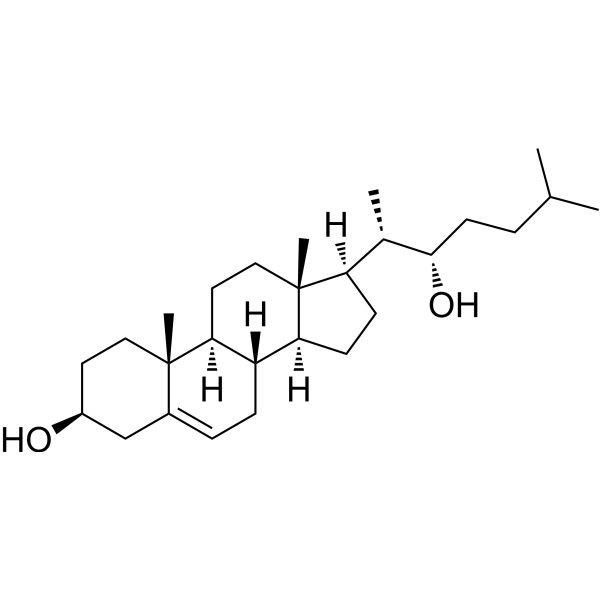
- HY-P992058
-
|
ART-140; DNP-001; EGX-040
|
Transmembrane Glycoprotein
|
Cancer
|
|
Leukotuximab (ART-140; EGX-040) is an anti-JL1 mAb and an anti-leukemic agent. Leukotuximab targets the JL1 epitope of CD43 and exerts cytotoxic effects on JL1-positive leukemia cells. Except for thymocytes and some bone marrow mononuclear cells, Leukotuximab causes no damage to most normal tissues. Leukotuximab can be used in the research of acute myeloid leukemia, acute lymphoblastic leukemia, and myelodysplastic syndrome .
|
-

- HY-149912
-
|
|
Polo-like Kinase (PLK)
Trk Receptor
Apoptosis
|
Cancer
|
|
CZS-241 is an orally active and selective inhibitor of Polo-like Kinase (PLK) 4 (IC50=2.6 nM). CZS-241 inhibits TRKA with an IC50 value of 2.74 μM. CZS-241 induces apoptosis and arrests cell cycle at S/G2 phase. CZS-241 shows highly potent antiproliferative activity against leukemia cell lines, and exhibits safety against normal cell lines .
|
-
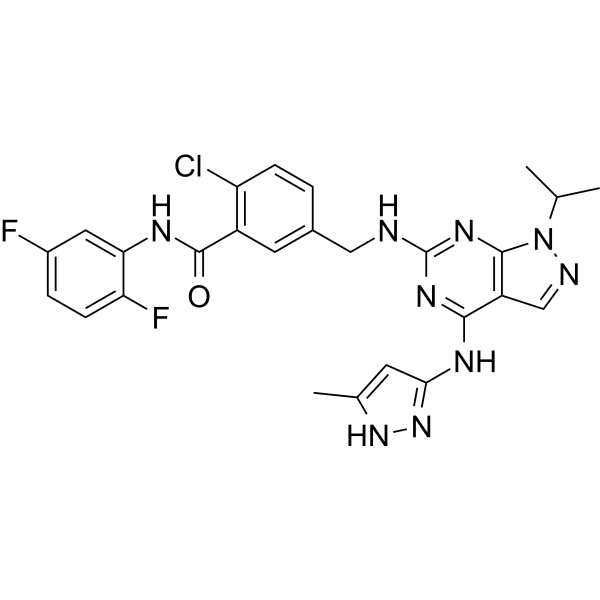
- HY-174221
-
|
|
IMPDH
HDAC
|
Cancer
|
|
IMPDH II/HDAC1-IN-1 (Compound C12) is an orally active, selective dual IMPDH II/HDAC1 inhibitor, with an IC50 of 84.69 nM against hIMPDH II and an IC50 of 81.75 nM against HDAC1. IMPDH II/HDAC1-IN-1 inhibits the proliferation of chronic myeloid leukemia cells. IMPDH II/HDAC1-IN-1 can be used for the research of chronic myeloid leukemia .
|
-

- HY-14942
-
|
RTA 744 free base; WP 744 free base; WP 769
|
NF-κB
Apoptosis
Caspase
Drug Derivative
|
Neurological Disease
Cancer
|
|
Berubicin (RTA 744 free base) is a Doxorubicin (HY-15142A) analog that can cross the blood-brain barrier. Berubicin inhibits P-gp and MRP1-mediated efflux and suppresses glioblastoma multiforme (GBM). Berubicin exerts toxic effects on leukemia cells by activating nuclear factor κB (NF-κB) and induces apoptosis in neuroblastoma cells. Berubicin can be used in the study of tumors related to the nervous system .
|
-
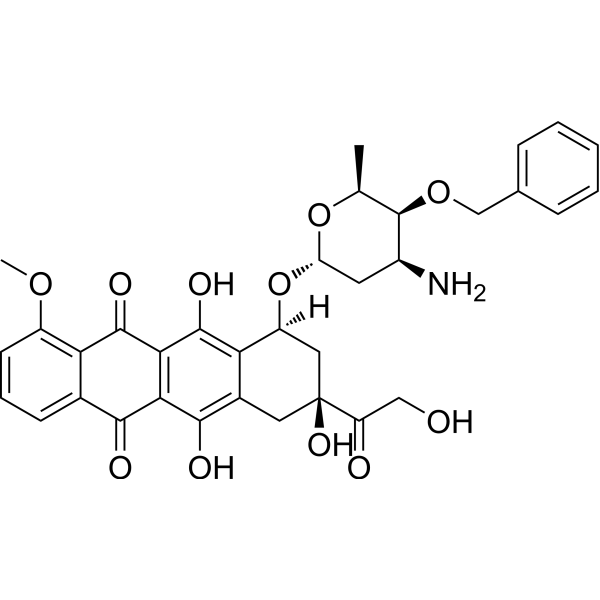
- HY-146285
-
|
|
Histone Demethylase
Histone Methyltransferase
|
Cancer
|
|
LSD1-IN-20 (compound 1) is a potent dual non-covalent LSD1/G9a inhibitor, with Ki values of 0.44 and 0.68 μM, respectively. LSD1-IN-20 shows antiproliferative activity in THP-1 leukemia cells and MDA-MB-231 breast cancer cells, with IC50 (72 h) of 0.51 and 1.60 μM, respectively .
|
-
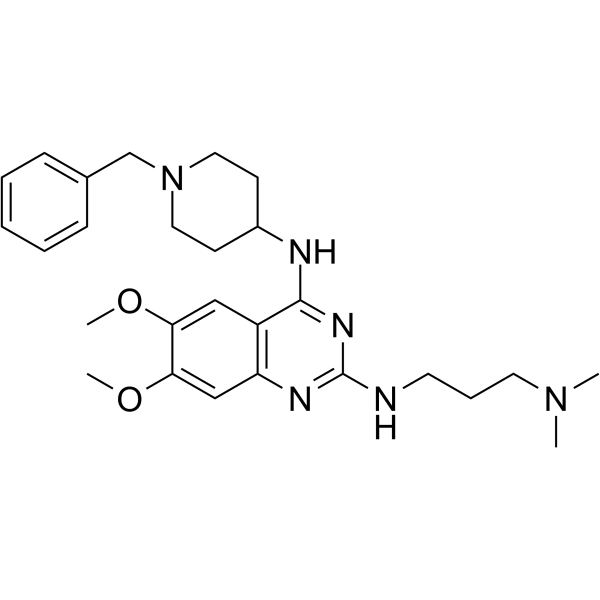
- HY-15227A
-
|
|
Histone Methyltransferase
Apoptosis
|
Inflammation/Immunology
Cancer
|
|
EPZ004777 hydrochloride is an effective and selective DOT1L inhibitor, with IC50 being 0.4 nM. EPZ004777 hydrochloride reduces the levels of H3K79me2 and H3K79me1, significantly down-regulating the expression of HOXA9 and MEIS1. EPZ004777 hydrochloride selectively inhibits the proliferation of MLL rearrangement cells and promotes the differentiation and subsequent apoptosis (apoptosis) of leukemia cells. EPZ004777 hydrochloride can be used for the study of leukemia .
|
-
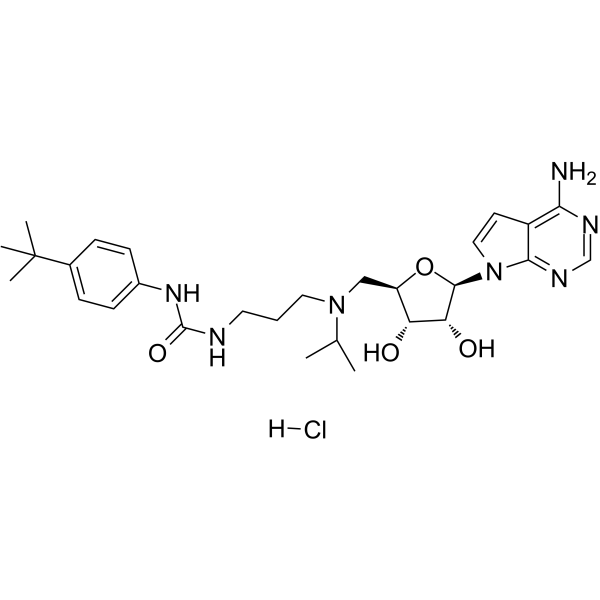
- HY-50868R
-
|
INNO-406 (Standard); NS-187 (Standard)
|
Bcr-Abl
Src
Apoptosis
Reference Standards
|
Cancer
|
|
Bafetinib (Standard) is the analytical standard of Bafetinib. This product is intended for research and analytical applications. Bafetinib is an orally active Lyn/Bcr-Abl tyrosine kinase inhibitor. Bafetinib enhances the activity of several pro-apoptotic Bcl-2 homology (BH) 3-pure proteins (Bim, Bad, Bmf, and Bik) through intrinsic apoptotic pathways regulated by the Bcl-2 family, and induces apoptosis of Ph+ leukemia cells. Bafetinib has antitumor activity .
|
-

- HY-116971
-
|
|
Histone Methyltransferase
Apoptosis
|
Cancer
|
|
DCG066 is an inhibitor of lysine methyltransferase G9a. DCG066 can bind directly to G9a and inhibit methyltransferase activity in vitro. DCG066 decreases di-methylation levels of histone H3 lysine 9 (H3K9Me2), inhibits cell proliferation and induces cell apoptosis. DCG066 displays low cytotoxicity in leukemia cell lines with high levels of G9a expression, including K562 .
|
-
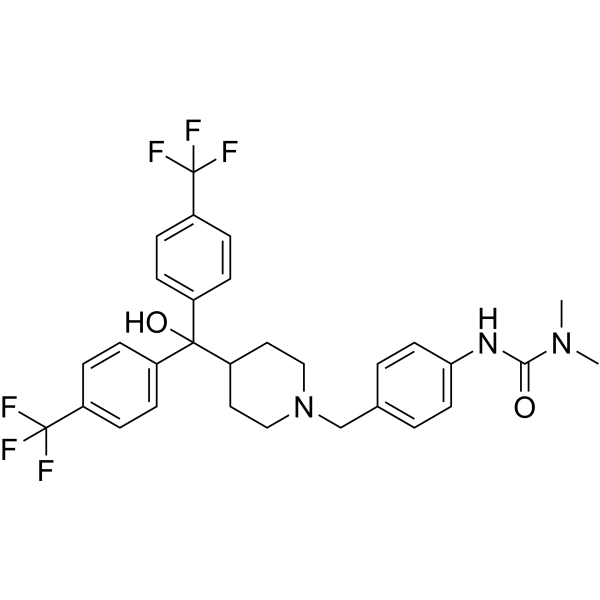
- HY-115463
-
EB-3D
2 Publications Verification
|
AMPK
Apoptosis
|
Cancer
|
|
EB-3D is a potent and selective choline kinase α (ChoKα) inhibitor, with an IC50 of 1 μM for ChoKα1. EB-3D exerts effects on ChoKα expression, AMPK activation, apoptosis, endoplasmic reticulum stress and lipid metabolism. EB-3D exhibits a potent antiproliferative activity in a panel of T-leukemia cell lines. Anti-cancer activity .
|
-
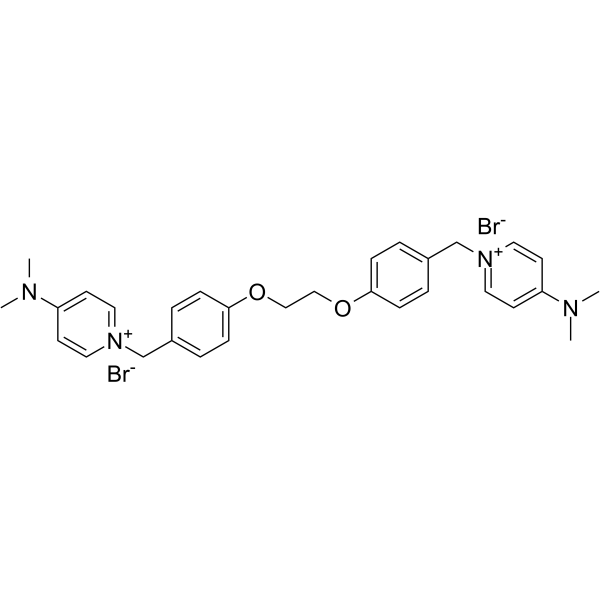
- HY-12482
-
|
|
PI3K
Apoptosis
PDK-1
MEK
Akt
ERK
|
Cancer
|
|
X-370 is a PI3Kδ inhibitor (IC50 = 7 nM). X-370 inhibits the survival of leukemia cells, inducing G1 arrest and apoptosis. X-370 blocks PDK1 binding and phosphorylation of MEK1/2, eliminating Akt and Erk1/2 signaling. X-370 can be used in research on B-cell acute lymphoblastic leukemia (B-ALL) .
|
-

- HY-N6733R
-
|
|
Reference Standards
DNA/RNA Synthesis
HSV
Apoptosis
Antibiotic
Orthopoxvirus
|
Infection
Inflammation/Immunology
|
|
Aphidicolin (Standard) is the analytical standard of Aphidicolin. This product is intended for research and analytical applications. Aphidicolin is an inhibitor of DNA polymerase α and δ, prevents mitotic cell division by interfering DNA polymerase activity. Aphidicolin is an antibiotic produced by mold Cephalosporium aphidicola, inhibits cellular deoxyribonucleic acid synthesis and the growth of herpes simplex virus. Aphidicolin exhibits anti-orthopoxvirus activity and potentiates apoptosis induced by arabinosyl nucleosides in a human promyelocytic leukemia cell line .
|
-

- HY-B1899AR
-
|
Taurodeoxycholate sodium hydrate (Standard)
|
Reference Standards
G protein-coupled Bile Acid Receptor 1
Endogenous Metabolite
|
Metabolic Disease
|
|
(E)-Methyl 4-coumarate (Standard) is the analytical standard of (E)-Methyl 4-coumarate. This product is intended for research and analytical applications. (E)-Methyl 4-coumarate (Methyl 4-hydroxycinnamate), found in several plants, such as Allium cepa or Morinda citrifolia L. leaves. (E)-Methyl 4-coumarate cooperates with Carnosic Acid in inducing apoptosis and killing acute myeloid leukemia cells, but not normal peripheral blood mononuclear cells. Antioxidant and antimicrobial activity.
|
-

- HY-N8280
-
|
|
Fungal
|
Infection
|
|
IKD-8344 is a macrocyclic dilactone originally isolated from an actinomycete species and has diverse biological activities, including anticancer, antimicrobial, and anthelmintic properties. It is cytotoxic to L5178Y murine leukemia cells (IC50=0.54 ng/ml).1 IKD-8344 inhibits growth of the mycelial form of C. albicans (MIC=6.25 μg/mL) and potentiates the activity of polymyxin B against the multidrug-resistant pathogenic bacterium B. cenocepacia.
|
-

- HY-402815
-
|
|
Drug Intermediate
|
Cancer
|
|
(E)-4-(Naphthalen-2-yl)but-3-en-2-one (Compound 7) is a small active molecule that can be used as building block. (E)-4-(Naphthalen-2-yl)but-3-en-2-one exhibits anti-leukemic activity, that inhibits the proliferation of human chronic myeloid leukemia cell K562 with an IC50 of 7.6 μM .
|
-

- HY-129983
-
|
|
HSV
|
Infection
Cancer
|
|
5-Hydroxymethyl-2'-deoxyuridine is a nucleoside analog. 5-Hydroxymethyl-2'-deoxyuridine inhibits the replication of multiple human leukemia cell lines with IC50 values of 1.7-5.8 μM. 5-Hydroxymethyl-2'-deoxyuridine prolongs the survival of mice carrying L1210 leukemia. 5-Hydroxymethyl-2'-deoxyuridine can be used for the research of cell replication and leukemia .
|
-
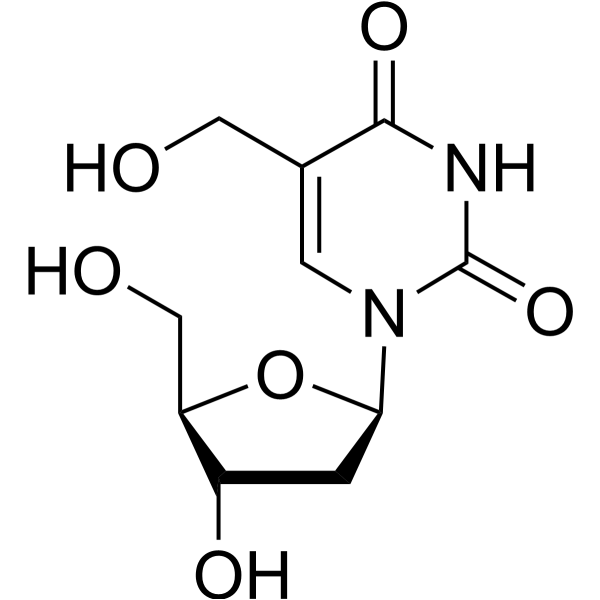
- HY-181951
-
|
|
PROTACs
Epigenetic Reader Domain
|
Cancer
|
|
PROTAC BRD9 Degrader-11 is a VHL-based BRD9 PROTAC degraderwith an IC50 of 0.66 μM. PROTAC BRD9 Degrader-11 induces selective, proteasome-dependent degradation of BRD9 via the ubiquitin-proteasome system. PROTAC BRD9 Degrader-11 impairs cell viability, suppresses proliferation, and arrests growth of acute myeloid leukemia cells. PROTAC BRD9 Degrader-11 can be used for the research of acute myeloid leukemia .
|
-

- HY-161709
-
|
|
Ligands for Target Protein for PROTAC
FLT3
CDK
|
Cancer
|
|
FLT3/CDKs ligand-1 (Compound 14) is a ligand for target protein, which promotes the degradation of cyclin-dependent kinase (CDK) and the FMS-like tyrosine kinase 3 (FLT3), inhibits FLT3/CDK related proliferations and survivals of leukemia cells. LT3/CDKs ligand-1 can be used for synthesis of PROTAC FLT3/CDKs degrader-1 (HY-161708) .
|
-

- HY-N16684
-
|
|
P-glycoprotein
|
Cancer
|
|
Clausarin is a selective inhibitor of P-glycoprotein (P-gp), inhibiting P-gp-mediated drug efflux. Clausarin significantly inhibits Daunorubicin (HY-13062A) efflux in K562/R7 human leukemia cells overexpressing P-gp (with Cyclosporin A (HY-B0579) as a positive control). Clausarin can be naturally extracted from the roots of Citrus sinensis (sweet orange) and can be used in research related to overcoming multidrug resistance (MDR) in tumors .
|
-

- HY-153200
-
|
|
MDM-2/p53
|
Cancer
|
|
MDM2/XIAP-IN-2 is a dual inhibitor of murine double minute 2 (MDM2) and X-linked inhibitor of apoptosis protein (XIAP). MDM2/XIAP-IN-2 degrades MDM2, and inhibits XIAP mRNA translation to inhibits cancer cells. Particularly, MDM2/XIAP-IN-2 inhibits acute lymphoblastic leukemia cell line EU-1 with an IC50 value of 0.3 μM .
|
-
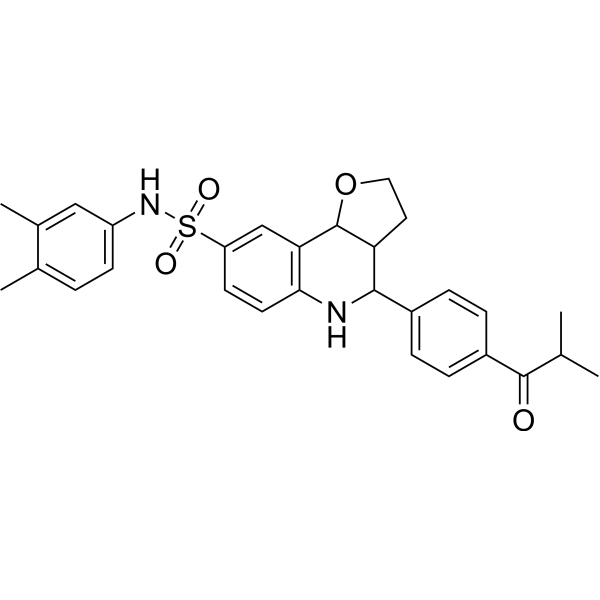
- HY-B2106DR
-
|
Decaethylene glycol monododecyl ether (C12E10) (Standard); Polidocanol (10) (Standard)
|
Reference Standards
Biochemical Assay Reagents
|
Others
|
|
Polyoxyethylene (10) lauryl ether (Standard) is the analytical standard of Polyoxyethylene (10) lauryl ether. This product is intended for research and analytical applications. Polyoxyethylene (10) lauryl ether is a non-ionic surfactant. Polyoxyethylene (10) lauryl ether exhibits unique properties in dissolving liposomes and exerts the minimal interference with endotoxin detection.
Polyoxyethylene (10) lauryl ether forms hybrid liposomes with Dimyristoylphosphatidylcholine (DMPC) (HY-109541), which can inhibit the proliferation of human promyelocytic leukemia cells without the administration of any drugs.
|
-

- HY-159884
-
|
|
Tim3
TNF Receptor
IFNAR
|
Cancer
|
|
MG-T-19 is an effective TIM-3 inhibitor that can suppress the interaction of TIM-3 with PtdSer, CEACAM1, and Gal-9. MG-T-19 can increase the production of tumor necrosis factor-α (TNF-α) and interferon-γ (IFN-γ) in peripheral blood mononuclear cells (PBMCs) from healthy donors, and enhance the ability of PBMCs to inhibit the proliferation of Kasumi-1 cells (an acute myelogenous leukemia cell line) .
|
-

- HY-13661
-
|
UCN-01; KRX-0601
|
PKC
CDK
Apoptosis
Cadherin
|
Neurological Disease
Cancer
|
|
7-Hydroxystaurosporine (UCN-01), a derivative of Staurosporine (HY-15141), is a selective protein kinase C (PKC) inhibitor with antitumor activity. 7-hydroxystaurosporine induces apoptosis and inhibits cell proliferation in colon carcinoma and leukemia cells, suppresses invasion and migration in glioblastoma cells. 7-Hydroxystaurosporine exhibits efficacy in breast cancer xenograft mouse models. 7-Hydroxystaurosporine can be used for colon carcinoma, breast cancer, glioblastoma and leukemia research .
|
-

- HY-13518R
-
|
Astringenin (Standard); trans-Piceatannol (Standard)
|
Reference Standards
Syk
Autophagy
Apoptosis
Endogenous Metabolite
|
Cancer
|
|
Piceatannol (Standard) is the analytical standard of Piceatannol. This product is intended for research and analytical applications. Piceatannol is a well-known Syk inhibitor and reduces the expression of iNOS induced by TNF. Piceatannol is an effective agent for research of acute lung injury (ALI) . Piceatannol is a naturally occurring polyphenolic stilbene found in various fruits and vegetables and exhibits anticancer and anti-inflammatory properties . Piceatannol induces apoptosis in DLBCL cell lines . Piceatannol induces autophagy and apoptosis in MOLT-4 human leukemia cells .
|
-

- HY-156182
-
|
|
JNK
Cytochrome P450
|
Cancer
|
|
JNK-IN-14 is a potent JNK inhibitor with IC50 values of 1.81, 12.7 and 10.5 nM for JNK1, JNK2 and JNK3, respectively. JNK-IN-14 induces early-stage apoptosis. JNK-IN-14 shows cell population arrest at the G2/M phase and slightly inhibits beclin-1 production at K562 leukemia cells relative to SP600125 (HY-12041), showing higher inhibitory ability.
|
-
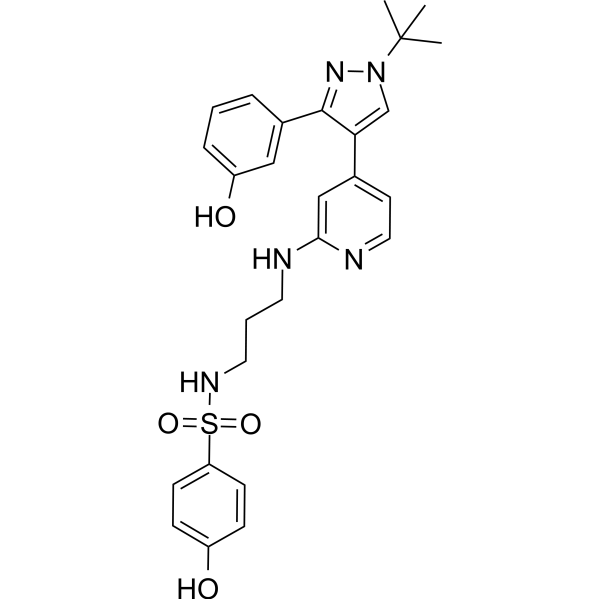
- HY-N6744
-
|
|
Apoptosis
Endogenous Metabolite
Fungal
Parasite
Arp2/3 Complex
|
Infection
Cancer
|
|
Chaetoglobosin A is a secondary metabolite and nematicide. Chaetoglobosin A is produced by Penicillium aquamarinium. Chaetoglobosin A targets Filamentous actin in cells, thereby inducing cell cycle arrest, and inhibiting membrane ruffle formation and cell migration. Chaetoglobosin A preferentially induces Apoptosis in chronic lymphocytic leukemia cells. Chaetoglobosin A induces dose- and time-dependent death in J2 larvae of the southern root-knot nematode (Meloidogyne incognita). Chaetoglobosin A can be used in studies related to root-knot nematode disease and chronic lymphocytic leukemia .
|
-
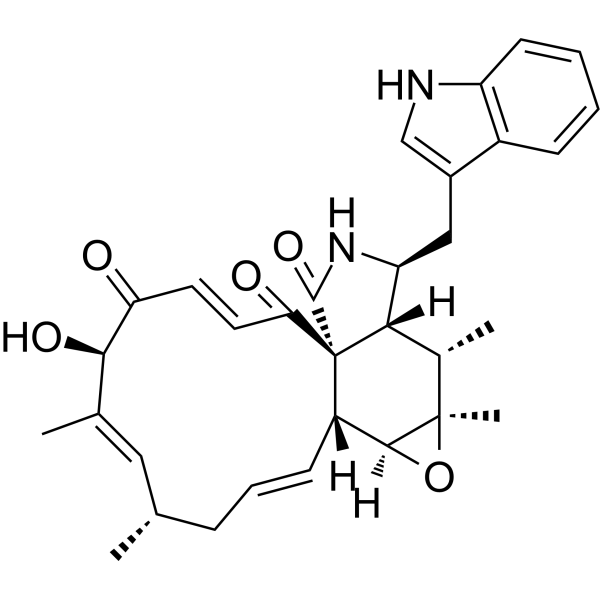
- HY-155245
-
|
|
CDK
Bcl-2 Family
|
Cancer
|
|
A09-003 is a CDK-9 inhibitor (IC50: 16 nM). A09-003 inhibits leukemia cell proliferation (IC50: 1.90, 0.86, 2.49, 1.84, 0.48 μM for BDCM, Molm-14, THP-1, U937, MV4-11 cells). A09-003 induces apoptosis and decreases Mcl-1 expression through Thr163 dephosphorylation .
|
-
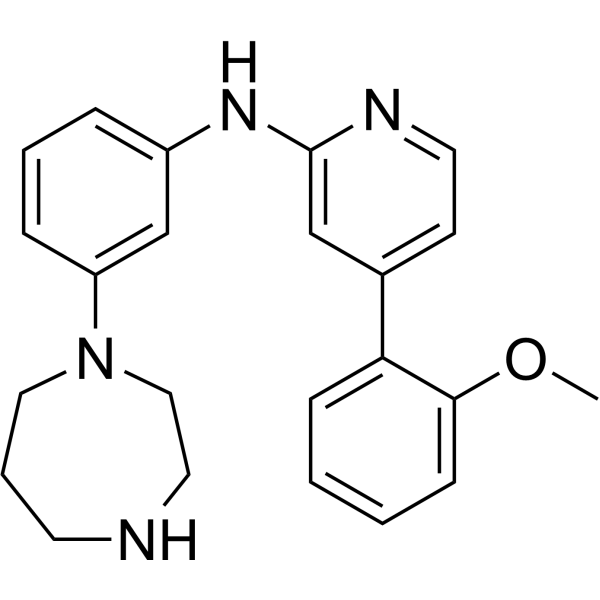
- HY-B1259
-
|
Acexamic acid; 6-Acetamidocaproic acid
|
Drug Metabolite
Drug Intermediate
|
Inflammation/Immunology
Cancer
|
|
6-Acetamidohexanoic acid (Acexamic acid; 6-Acetamidocaproic acid) is a metabolite of Hexamethylene bisacetamide (HMBA) (HY-124284) with anti-pulmonary fibrosis activity. 6-Acetamidohexanoic acid does not induce differentiation of human promyelocytic leukemia cells, but is taken up by such cells. 6-Acetamidohexanoic acid serves as a carboxylic acid substrate component for constructing carboxylesterase-responsive near-infrared phototheranostic probes. 6-Acetamidohexanoic acid is applicable to research related to pulmonary fibrosis, refractory hypoxemia and cervical cancer .
|
-
- HY-170837
-
|
|
STAT
|
Cancer
|
|
STAT5-IN-3 (Compound 14a) is a STAT5 inhibitor with anticancer activity. STAT5-IN-3 blocks the tyrosine phosphorylation of STAT5A/5B at the Y694/699 sites and significantly reduces the expression of STAT5B protein, thereby inhibiting downstream gene transcription and blocking the proliferation and survival of leukemia cells. Additionally, STAT5-IN-3 holds significant value in overcoming chemotherapy resistance .
|
-

- HY-149912A
-
|
|
Polo-like Kinase (PLK)
Trk Receptor
Apoptosis
|
Cancer
|
|
CZS-241 hydrochloride is an orally active and selective inhibitor of Polo-like Kinase 4 (PLK4) (IC50=2.6 nM). CZS-241 hydrochloride inhibits TRKA with an IC50 value of 2.74 μM. CZS-241 hydrochloride induces apoptosis and arrests cell cycle at S/G2 phase. CZS-241 hydrochloride shows highly potent antiproliferative activity against leukemia cell lines, and exhibits safety against normal cell lines .
|
-

- HY-155163
-
|
|
Anaplastic lymphoma kinase (ALK)
ROS Kinase
FAK
Apoptosis
|
Cancer
|
|
APG-2449 is an orally active inhibitor for BCL-2 and multikinase (ALK/FAK/ROS1) with potent antitumor activities. APG-2449 reduces cell viability and enhances apoptosis in acute myeloid leukemia cells in vitro. APG-2449 decreases activation of FAK and its downstream effectors. APG-2449 can be studied in research for mesothelioma tumor, non-small cell lung cancer, ovarian cancer, hematologic and solid malignancies .
|
-
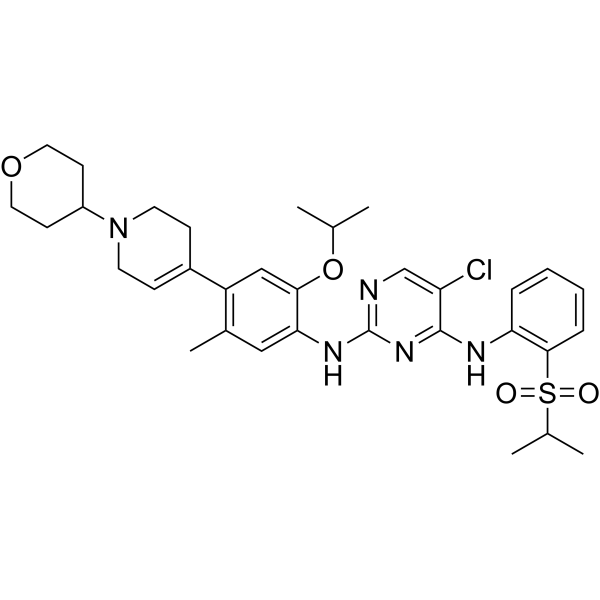
- HY-137632
-
|
|
PKA
|
Cancer
|
|
Sp-8-Cl-cAMPS is an analog of cAMP (HY-B1511) and a derivative of Sp-8-Cl-cAMP. Sp-8-Cl-cAMPS inhibits the growth of human leukemia cell HL-60 and colon cancer cell LS-174T, with IC50 of 8-100 μM. Sp-8-Cl-cAMPS activates the protein kinases cAKI and cAKII, with Ka of 0.25 and 3.2 μM .
|
-

- HY-115619
-
|
|
Histone Methyltransferase
Apoptosis
|
Cancer
|
|
EPZ004777 formate is an effective and selective DOT1L inhibitor, with IC50 being 0.4 nM. EPZ004777 formate reduces the levels of H3K79me2 and H3K79me1, significantly down-regulating the expression of HOXA9 and MEIS1. EPZ004777 formate selectively inhibits the proliferation of MLL rearrangement cells and promotes the differentiation and subsequent apoptosis (apoptosis) of leukemia cells. EPZ004777 formate can be used for the study of leukemia .
|
-

- HY-181949
-
|
|
PROTACs
Epigenetic Reader Domain
|
Cancer
|
|
PROTAC BRD9 Degrader-10 is a PROTAC degrader targeting BRD9, with an IC50 of 2.97 μM against BRD9. PROTAC BRD9 Degrader-10 induces BRD9 degradation via the ubiquitin-proteasome system by recruiting the VHL E3 ubiquitin ligase. PROTAC BRD9 Degrader-10 reduces the viability and inhibits the proliferation of myeloid leukemia cells. PROTAC BRD9 Degrader-10 is applicable for the research of acute myeloid leukemia .
|
-

- HY-182957
-
|
|
MNK
Pim
Apoptosis
Caspase
Eukaryotic Initiation Factor (eIF)
PARP
c-Myc
|
Cancer
|
|
MNK/PIM-IN-2 is a Mnk/Pim kinase inhibitor with an IC50 of 32 nM for Mnk1, 3 nM for Mnk2, and 37 nM for Pim1. MNK/PIM-IN-2 reduces the levels of p-eIF4E and p-4EBP1. MNK/PIM-IN-2 induces cell cycle arrest, apoptosis (apoptosis) and exerts antiproliferative effects in leukemia cells. MNK/PIM-IN-2 can be used in studies related to leukemia .
|
-

- HY-177761
-
|
|
Molecular Glues
|
Cancer
|
|
GSPT1 degrader-15 (Compound Lib-B-15O) is a potent and highly selective GSPT1 molecular gel degrader, with a DC50 of 154 nM. GSPT1 degrader-15 has almost no effect on the expression of other proteins. GSPT1 degrader-15 exhibits significant anti-proliferative activity against leukemia cells and lymphoma cells. GSPT1 degrader-15 can be used in leukemia and lymphoma research .
|
-

- HY-155728
-
|
|
Sirtuin
Apoptosis
|
Cancer
|
|
Sirt1/2-IN-3 (compound PS9) is a dual inhibitor of SIRT1/2 with IC50s of 1.4 μM (SIRT1) and 2.0 μM (SIRT2), respsectivley. Sirt1/2-IN-3 completely blocks p53 deacetylation, and increase of p53 and α-tubulin acetylation. Sirt1/2-IN-3 induces apoptosis and shows anti-proliferation activity against human leukemia cell lines .
|
-
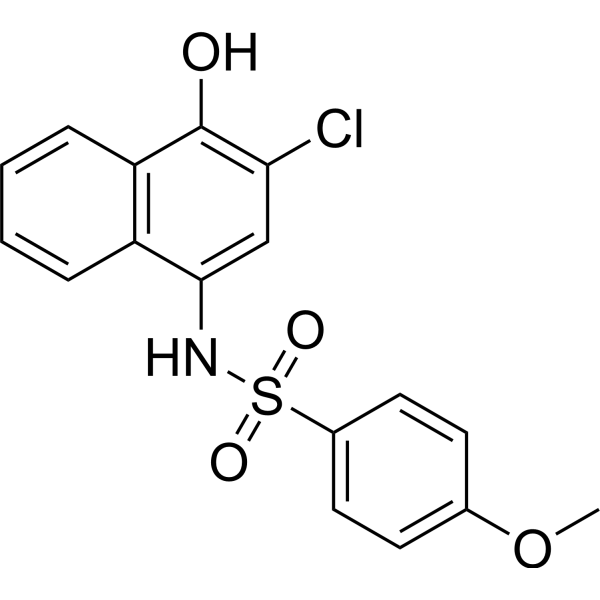
- HY-155727
-
|
|
Sirtuin
Apoptosis
|
Cancer
|
|
Sirt1/2-IN-2 (compound hsa55) is a dual inhibitor of SIRT1/2 with IC50s of 1.8 μM (SIRT1) and 2.4 μM (SIRT2), respsectivley. Sirt1/2-IN-2 completely blocks p53 deacetylation, and increase of p53 and α-tubulin acetylation. Sirt1/2-IN-2 induces apoptosis and shows anti-proliferation activity against human leukemia cell lines .
|
-
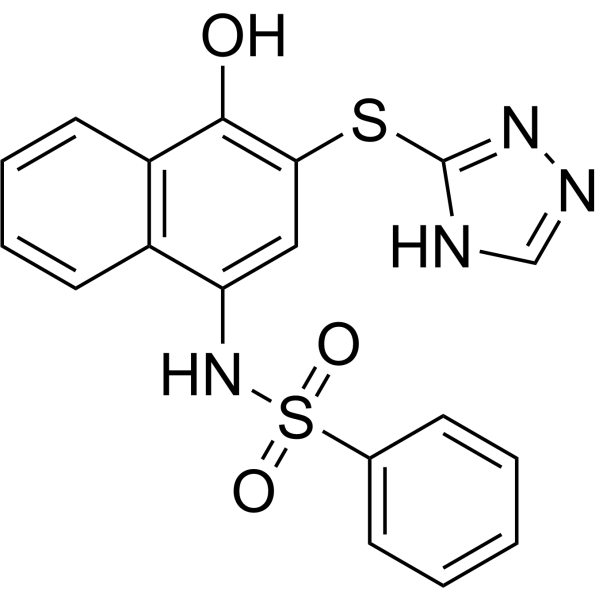
- HY-144711
-
|
|
FLT3
|
Cancer
|
|
FLT3/ITD-IN-3 (Compound 19) is a potent FLT3 internal tandem duplications (FLT3-ITD) inhibitor with IC50 values of 0.3, 0.4 and 0.9 nM against FLT3 D835Y, FLT3 and FLT3-ITD, respectively. FLT3/ITD-IN-3 potently inhibits the phosphorylation of FLT3 and displays excellent antiproliferative activities against acute myeloid leukemia cell lines .
|
-
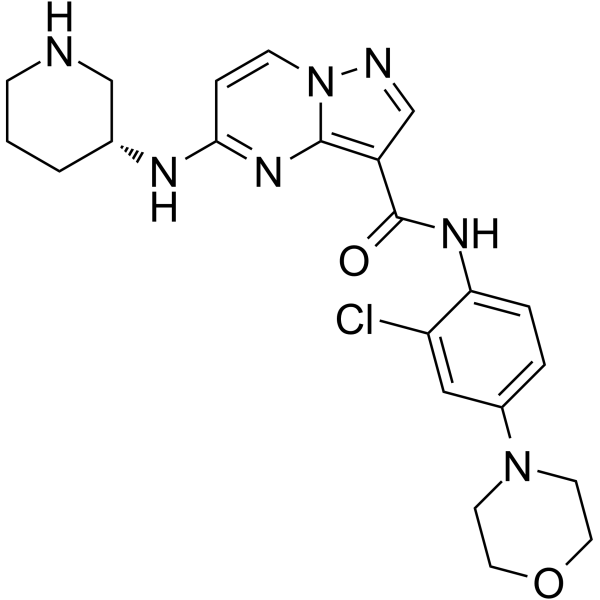
- HY-144710
-
|
|
FLT3
|
Cancer
|
|
FLT3/ITD-IN-2 (Compound 17) is a potent FLT3 internal tandem duplications (FLT3-ITD) inhibitor with IC50 values of 0.3, 0.4 and 1.0 nM against FLT3 D835Y, FLT3 and FLT3-ITD, respectively. FLT3/ITD-IN-2 potently inhibits the phosphorylation of FLT3 and displays excellent antiproliferative activities against acute myeloid leukemia cell lines .
|
-
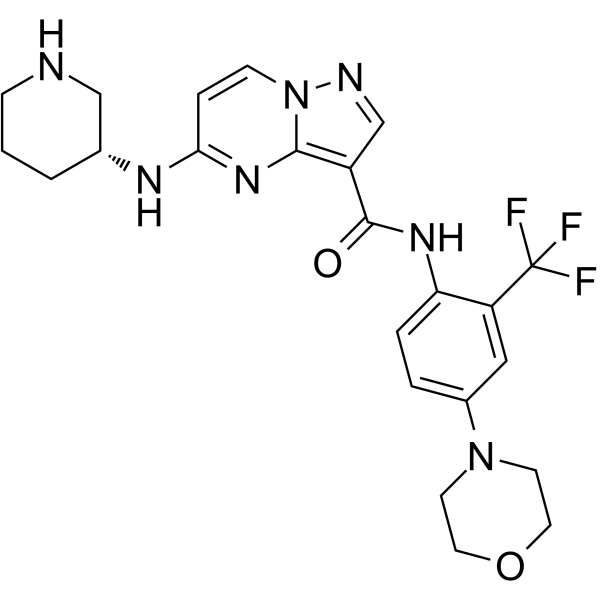
- HY-164689
-
|
|
Proteasome
|
Cancer
|
|
Cadmium pyrithione is a metal compound that inhibits protein deubiquitinase activity. Cadmium pyrithione treatment results in significant accumulation of ubiquitinated proteins in cancer cells and primary leukemia cells. Cadmium pyrithione strongly inhibits the activity of proteasome deubiquitinase (such as USP14 and UCHL5), but has a smaller inhibitory effect on 20S proteasome activity. The anticancer activity of Cadmium pyrithione is associated with the induction of apoptosis through caspase activation. Furthermore, Cadmium pyrithione inhibition inhibited proteasome function and suppressed tumor growth in animal xenograft models .
|
-

- HY-109569
-
|
|
Autophagy
Apoptosis
Interleukin Related
|
Metabolic Disease
Inflammation/Immunology
Cancer
|
|
Vitamin K2 is an orally active proliferation inhibitor. Vitamin K2 induces Autophagy and Apoptosis. Vitamin K2 reduces the levels of proinflammatory cytokines (such as IL-1β, TNF-α, and IL-6). Vitamin K2 inhibits cell growth in leukemia cells. Vitamin K2 can be used for the research of involutional osteoporosis, non-alcoholic fatty liver disease, ulcerative colitis, acute myeloid leukemia, myelodysplastic syndromes, and hepatocellular carcinoma .
|
-

- HY-160041A
-
|
NOX-A12 sodium
|
CXCR
|
Cancer
|
|
Olaptesed pegol (NOX-A12) sodium is a L-oligoribonucleotide aptamer targeting CXCL12 based on a pegylated structure. Olaptesed pegol sodium neutralizes CXCL12, and CXCL12 inhibition mobilizes chronic lymphocytic leukemia cells into the circulation and prevents their homing into the protective microenvironment. Olaptesed pegol sodium can enhances the infiltration of human primary T cells and NK cells and inhibit tumor growth companied with anti-PD-1 antibody. Olaptesed pegol sodium can be used for researches of colon cancer and lymphocytic leukemia .
|
-

- HY-120089
-
|
|
FLT3
ERK
Akt
STAT
Apoptosis
|
Cancer
|
|
UNC1666 is an ATP-competitive dual-target Mer/Flt3 tyrosine kinase inhibitor with IC50 values of 0.55 nM and 0.69 nM, and Ki values of 0.16 nM and 0.67 nM, respectively. UNC1666 reduces the phosphorylation levels of Mer and Flt3, suppresses downstream pro-survival signaling pathways (Erk1/2, Akt and Stat), induces cell apoptosis, and decreases colony formation of acute myeloid leukemia cells. UNC1666 is applicable to research related to acute myeloid leukemia .
|
-

- HY-170823
-
|
|
E1/E2/E3 Enzyme
|
Cancer
|
|
PRC1-IN-1 is a PRC1 complex inhibitor. PRC1-IN-1 binds to both RING1A and RING1B proteins, and inhibits the activities of RING1B-BMI1 and RING1B-PCGF1. PRC1-IN-1 effectively inhibits H2AK119 ubiquitination and induces cell differentiation in leukemia cells. PRC1-IN-1 can be used for the research of leukemia .
|
-

- HY-160041
-
|
NOX-A12
|
CXCR
|
Cancer
|
|
Olaptesed pegol (NOX-A12) is a L-oligoribonucleotide aptamer targeting CXCL12 based on a pegylated structure. Olaptesed pegol neutralizes CXCL12, and CXCL12 inhibition mobilizes chronic lymphocytic leukemia cells into the circulation and prevents their homing into the protective microenvironment. Olaptesed pegol can enhances the infiltration of human primary T cells and NK cells and inhibit tumor growth companied with anti-PD-1 antibody. Olaptesed pegol can be used for researches of colon cancer and lymphocytic leukemia .
|
-

- HY-P3736
-
|
MP-2
|
Interleukin Related
|
Cancer
|
|
Myelopeptide-2 is a peptide originally isolated from the supernatant of porcine bone marrow cell cultures, can restore mitogenic reactivity of human T lymphocytes inhibited by HL-60 leukemia cells or measles virus conditions. Myelopeptide-2 also recover depressed interleukin-2 (IL-2) synthesis and interleukin-2 receptor (IL-2R) expression. Myelopeptide-2 involves in immunity homeostasis, is perspective to be applied in antitumor and antivirus research .
|
-
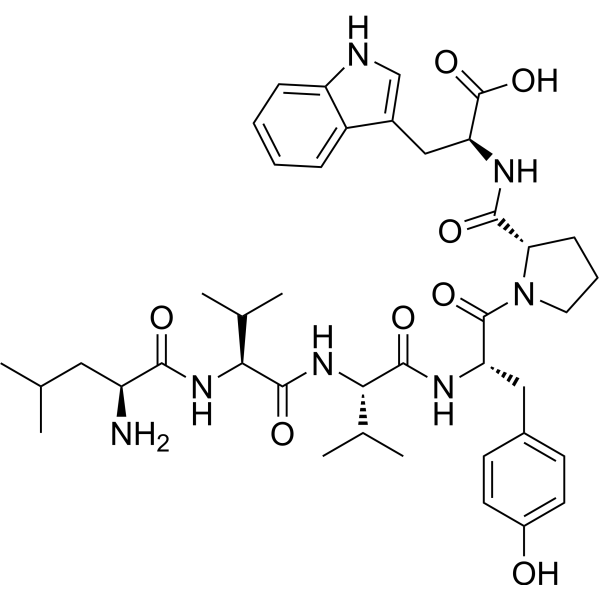
- HY-178712
-
|
|
Apoptosis
|
Cancer
|
|
CT 32228 is an inhibitor of lysophosphatidic acid acyltransferase-β (LPAAT-β). CT 32228 inhibits tumor cell growth. CT 32228 exhibits IC50 values of around 0.1-0.8 μM in various leukemia cell lines. CT 32228 induces caspase activation in DHL-4 and Ramos cells. CT 32228 induces apoptosis when combined with Rituximab (HY-P9913). CT 32228 results in a 50% xenograft growth delay in vivo. CT 32228 can be studied in research on acute leukemia .
|
-

- HY-101999
-
|
|
Bcl-2 Family
Caspase
Apoptosis
|
Cancer
|
|
EM20-25 is an inhibitor for Bcl-2, which interferes with the interaction between BCL-2 and BAX, activates caspase-9 and thus induces the apoptosis. EM20-25 affects the mitochondrial function, causes the open of permeability transition pore (PTP). EM20-25 enhances the sensitivity of cells to Staurosporine (HY-15141), and enhances the killing effect of BCL-2-expressing leukemia cells to Chlorambucil (HY-13593) and Fludarabine (HY-B0069) .
|
-

- HY-12892
-
SKI-178
1 Publications Verification
|
SphK
Apoptosis
|
Cancer
|
|
SKI-178 is a potent sphingosine kinase-1 (SphK1) and SphK2 inhibitor. SKI-178 is cytotoxic at IC50 concentrations ranging from 1.8 to 0.1 μM in both agent sensitive and multi-agent resistant cancer cell lines (i.e., MTR3, NCI-ADR and HL60/VCR cells). SKI-178 induces apoptosis in a CDK1-dependent manner in human acute myeloid leukemia cell lines .
|
-
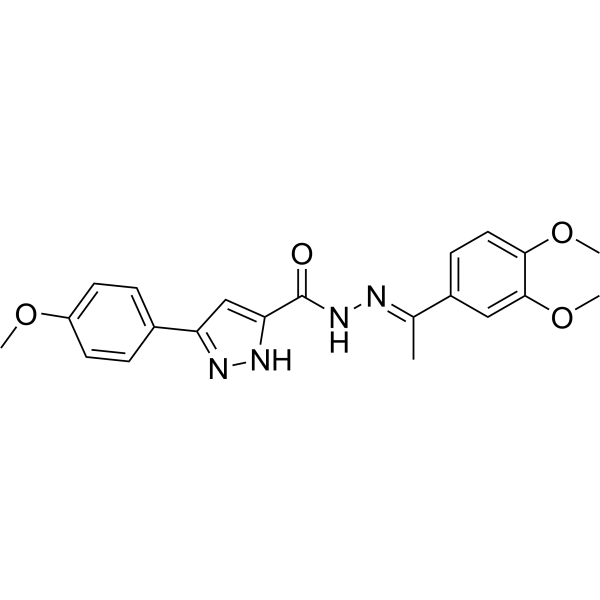
- HY-17563R
-
|
Deoxyguanosine (Standard); Guanine deoxyriboside (Standard)
|
Reference Standards
Endogenous Metabolite
|
Cancer
|
2'-Deoxyguanosine (Standard) is the analytical standard of 2'-Deoxyguanosine. This product is intended for research and analytical applications. 2’-Deoxyguanosine (Deoxyguanosine) is a purine nucleoside with a variety of biological activities. 2’-Deoxyguanosine can induce DNA division in mouse thymus cells. 2’-Deoxyguanosine is a potent cell division inhibitor in plant cells .
In Vitro: 2'-Deoxyguanosine inhibits the clonal growth of HL-60 and K562 leukemia cells with IC50 values of 50 and 80 μM, respectively .
|
-

- HY-N9784
-
|
|
Others
|
Cancer
|
|
2′′,3′′-Dihydroochnaflavone is a flavonoid/flavanone-type ether-linked biflavonoid anti-leukemic compound. 2′′,3′′-Dihydroochnaflavone exhibits significant cytotoxicity against P388 murine lymphocytic leukemia cells (IC50 = 3.1 μg/mL). It can be naturally extracted from the dried leaves of Quintinia acutifolia and has also been previously isolated and identified from Ochna interrima and Luxemburgia nobilis (both Ochnaceae plants). 2′′,3′′-Dihydroochnaflavone can be used in research related to anti-tumor (especially leukemia) applications .
|
-

- HY-182623
-
|
|
MDM-2/p53
|
Cancer
|
|
WB214 is an MDM2 and GSPT1 degrader with human MDM2 Ki >10 μM. WB214 induces a neo-interaction between MDM2 and the cereblon E3 ligase complex, triggering MDM2 ubiquitination, proteasomal degradation, and bystander p53 degradation, and does not bind MDM2’s p53 binding region. WB214 induces GSPT1 degradation, and exhibits anti-proliferative activity in leukemia cells. WB214 can be used for the research of leukemia .
|
-

- HY-136351
-
|
|
Autophagy
|
Cancer
|
|
THZ-P1-2 is a first-in-class and selective PI5P4K inhibitor, with an IC50 of 190 nM for PI5P4Kα. THZ-P1-2 covalently targets cysteines on a disordered loop in PI5P4Kα/β/γ. THZ-P1-2 causes autophagy disruption and upregulates TFEB signaling. THZ-P1-2 displays anticancer activity in leukemia cell lines .
|
-
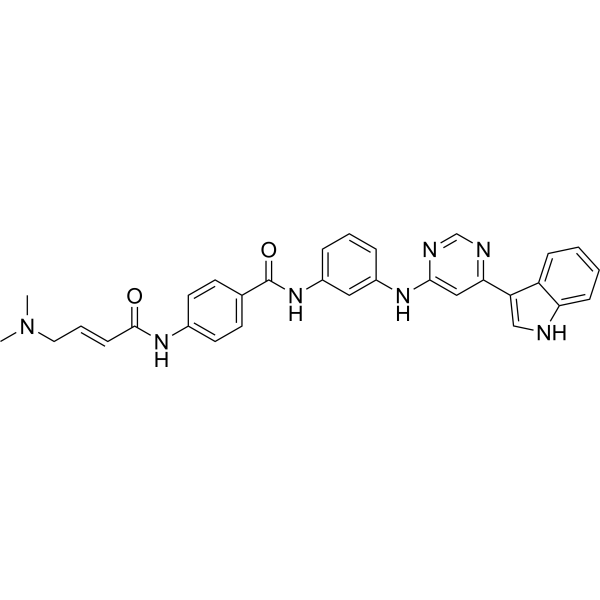
- HY-W585843
-
|
|
Interleukin Related
|
Inflammation/Immunology
|
|
1,1′-Ethylidenebis[L-tryptophan] is an impurity in the synthesis of L-tryptophan. 1,1′-Ethylidenebis[L-tryptophan] promotes the proliferation of eosinophilic leukemia cells, induces the release of eosinophil cationic protein from eosinophils, and stimulates T cells to produce IL-5. 1,1′-Ethylidenebis[L-tryptophan] (40 µg/kg) can induce fascia thickening, mast cell infiltration, and fibrosis in adipose and subcutaneous muscle tissues in mice. 1,1′-Ethylidenebis[L-tryptophan] can be used in immunology and inflammation research .
|
-
![1,1′-Ethylidenebis[L-tryptophan]](//file.medchemexpress.com/product_pic/hy-w585843.gif)
- HY-155175
-
|
|
Tim3
IFNAR
|
Cancer
|
|
TIM-3-IN-2 is a TIM-3 inhibitor. TIM-3-IN-2 blocks the interactions of TIM-3 with PtdSer, CEACAM1 and Gal-9, and inhibits the immunosuppressive function of TIM-3. TIM-3-IN-2 restores IFNγ release from peripheral blood mononuclear cells. TIM-3-IN-2 inhibits the proliferation of acute myeloid leukemia cells. TIM-3-IN-2 can be used for the research of acute myeloid leukemia .
|
-
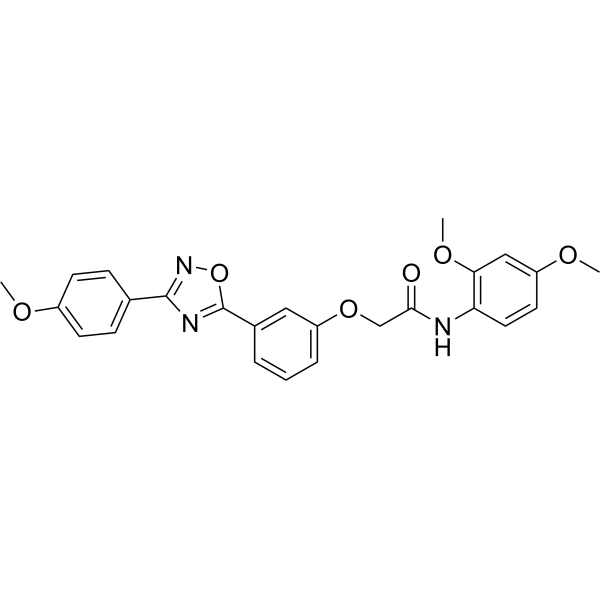
- HY-125348S
-
|
|
Isotope-Labeled Compounds
|
Cancer
|
|
6α-Hydroxy Paclitaxel-d5 is the deuterium labeled 6α-Hydroxy paclitaxel. 6α-Hydroxy paclitaxel is one of the main metabolites of Paclitaxel (PTX) (HY-B0015), and it is generated by the liver cytochrome P450 enzyme CYP2C8. 6α-Hydroxy paclitaxel has bone marrow toxicity, but it can enhance the cytotoxicity of PTX against leukemia cells without causing cell toxicity. 6α-Hydroxy paclitaxel can be used in leukemia research.
|
-
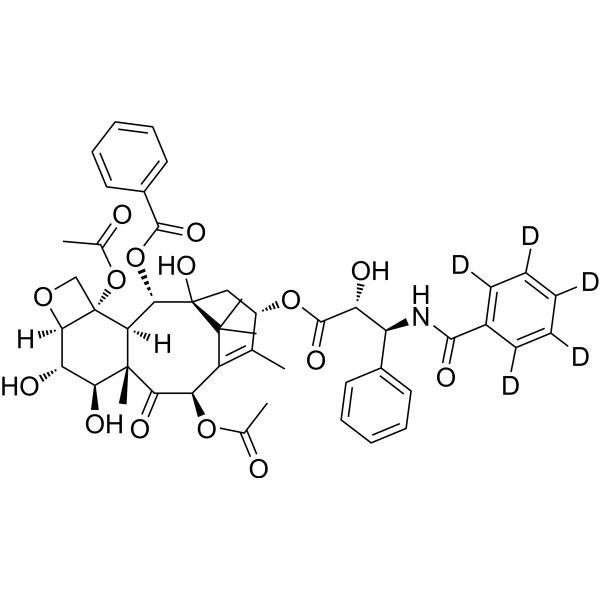
- HY-179157
-
|
|
PROTACs
Checkpoint Kinase (Chk)
DNA/RNA Synthesis
Apoptosis
Bcl-2 Family
Caspase
|
Cancer
|
|
MA203 is a highly efficient and selective PROTAC degrader targeting CHK1. MA203 accelerates CRBN-dependent proteasomal degradation of CHK1 in solid tumor-derived cells and acute leukemia cells. MA203 induces DNA replication stress. MA203 blocks cell cycle progression and triggers tumor cell apoptosis. MA203 does not damage healthy differentiated and primitive hematopoietic cells, stromal cells, and retinal epithelial cells. MA203 can be used for the study of CHK1-dependent cancers .
|
-

- HY-W011269
-
|
EPA sodium; Timnodonic acid sodium
|
Endogenous Metabolite
Histone Demethylase
|
Cardiovascular Disease
Metabolic Disease
Cancer
|
|
Eicosapentaenoic Acid (EPA)sodium is an orally active Omega-3 long-chain polyunsaturated fatty acid (ω-3 LC-PUFA). Eicosapentaenoic Acid sodium exhibits a DNA demethylating action that promotes the re-expression of the tumor suppressor gene CCAAT/enhancer-binding protein δ (C/EBPδ). Eicosapentaenoic Acid sodium activates RAS/ERK/C/EBPβ pathway through H-Ras intron 1 CpG island demethylation in U937 leukemia cells. Eicosapentaenoic Acid sodium can promote relaxation of vascular smooth muscle cells and vasodilation .
|
-
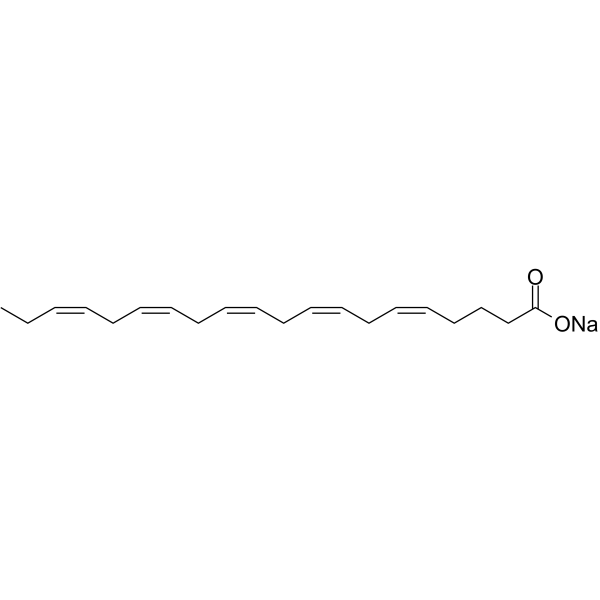
- HY-W718262
-
|
(Rac)-CGP 52547
|
Antibiotic
Fungal
Bacterial
|
Infection
Cancer
|
|
Dihydroaeruginoic acid ((Rac)-CGP 52547), an antifungal antibiotic, is a thiazoline iron chelator. Dihydroaeruginoic acid is the condensation product of salicylate and one cysteine residue. Dihydroaeruginoic acid chelates Fe(III), inhibits DNA replication via ribonucleotide reductase, induces G1/S cell cycle block, reduces leukemia cell clonogenic viability. Dihydroaeruginoic acid inhibits phytopathogenic fungi and bacteria, suppresses Candida albicans development, and inhibits Agrobacterium tumefaciens biofilm formation via extracellular iron sequestration. Dihydroaeruginoic acid can be used for the research of phytopathogenic fungal and bacterial infections, and leukemia .
|
-

- HY-N18117
-
|
|
EBV
|
Infection
Cancer
|
|
21-Hydroxyisoohchininolide is a salannin-type limonoid. 21-Hydroxyisoohchininolide inhibits lipopolysaccharide (LPS, HY-D1056)-induced nitric oxide production in mouse macrophages. 21-Hydroxyisoohchininolide exhibits cytotoxic activity against leukemia cells and breast cancer cells. 21-Hydroxyisoohchininolide suppresses phorbol 12-myristate 13-acetate (PMA) (HY-18739)-induced activation of Epstein-Barr virus early antigen in lymphocytes. 21-Hydroxyisoohchininolide can be used for the research of leukemia, breast cancer and inflammatory diseases .
|
-

- HY-B0660
-
|
EPA; Timnodonic acid
|
Endogenous Metabolite
Histone Demethylase
|
Neurological Disease
Cancer
|
|
Eicosapentaenoic Acid (EPA) is an orally active Omega-3 long-chain polyunsaturated fatty acid (ω-3 LC-PUFA). Eicosapentaenoic Acid exhibits a DNA demethylating action that promotes the re-expression of the tumor suppressor gene CCAAT/enhancer-binding protein δ (C/EBPδ). Eicosapentaenoic Acid activates RAS/ERK/C/EBPβ pathway through H-Ras intron 1 CpG island demethylation in U937 leukemia cells. Eicosapentaenoic Acid can promote relaxation of vascular smooth muscle cells and vasodilation .
|
-
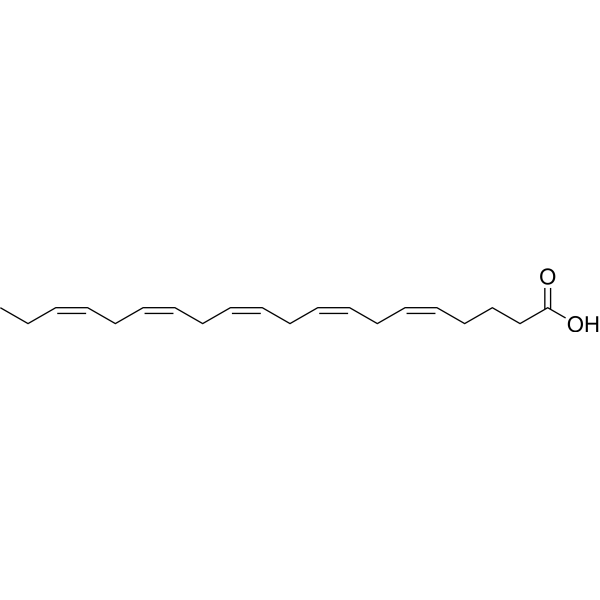
- HY-149539
-
|
|
FLT3
RET
|
Cancer
|
|
PLM-101 is an orally available anticancer agent targeting FLT3 and RET with inhibitory activity against acute myeloid leukemia cells. PLM-101 inhibits RET, thereby inducing autophagic degradation of FLT3; and it inhibits the PI3K and Ras/ERK pathways, resulting in anti-leukemia activity. PLM-101 has anti-tumor efficacy in a mouse MV4-11 flank xenograft model (dose: 3, 10 mg/kg; po) and an allogeneic xenograft mouse model (dose: 40 mg/kg; po) .
|
-
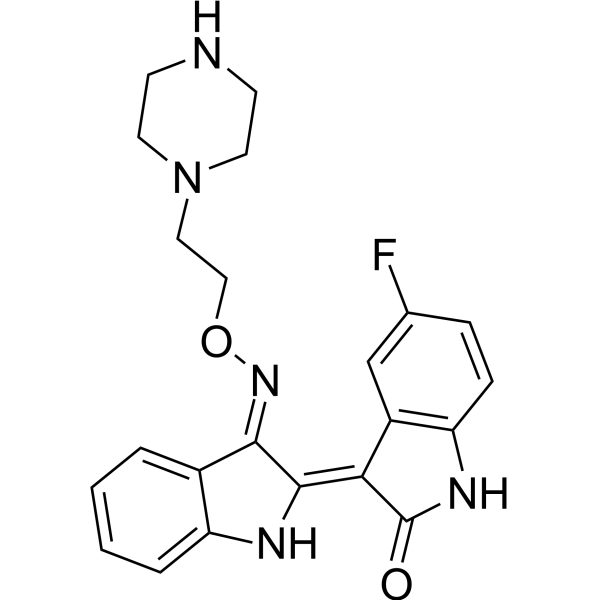
- HY-P5327
-
|
|
Bcl-2 Family
|
Others
|
|
r8 Bid BH3 is a biological active peptide. (The Bid BH3 is a pro-apoptotic member of the 'BH3-only' subset of BCL-2 family proteins that constitute a critical control point in apoptosis. r8BIDBH3 is lethal to human leukemia cell lines that expresse Bcl-2. The Bcl-2 antagonists may have the potential to be efficacious in cancer therapy. Poly-D-arginine (d-isomer as denoted by rrrrrrrr) is fused to the Bid BH3 peptide to facilitate cellular uptake of the peptide.)
|
-
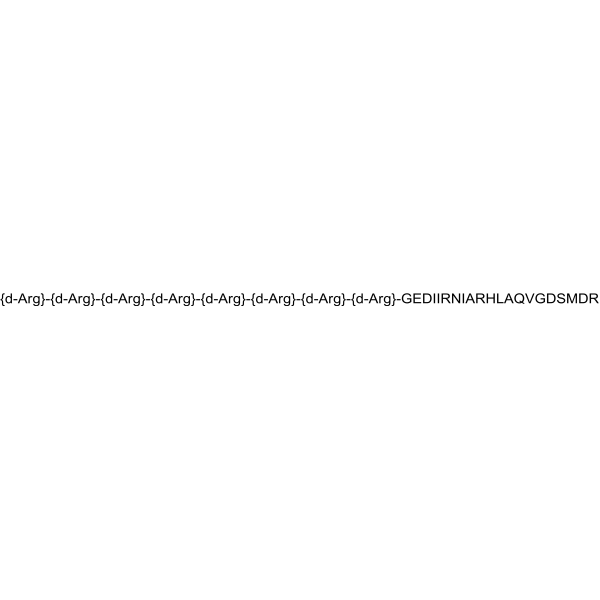
- HY-P10415
-
EPI-X4
1 Publications Verification
hSA(408–423) peptide
|
CXCR
|
Infection
Inflammation/Immunology
Cancer
|
|
EPI-X4 (hSA408–423 peptide) is an antagonist for C-X-C motif chemokine receptor 4 (CXCR4) with IC50 of 8.6 μM. EPI-X4 blocks the CXCL12-mediated signaling, inhibits chemokine-mediated migration and invasion of leukemia cell. EPI-X4 exhibits anti-inflammatory activity in mouse model. EPI-X4 exhibits antiviral activity against CXCR4-tropic HIV with IC50 of 8.6 μM .
|
-

- HY-N15121
-
|
|
Drug Derivative
Apoptosis
c-Myc
AMPK
mTOR
|
Cancer
|
|
4-O-Methyl-ascochlorin (Compound MAC) is a derivative of Ascochlorin (HY-101021). 4-O-Methyl-ascochlorin can selectively induce apoptosis of K562 leukemia cells, cause G1 phase arrest and downregulate c-Myc expression. 4-O-Methyl-ascochlorin can promote the phosphorylation of AMPK and inhibit the phosphorylation of mTOR and its target proteins, including p70S6 K and 4E-BP-1. 4-O-Methyl-ascochlorin can be used for research of leukemia .
|
-

- HY-N3434
-
|
|
Drug Derivative
Reactive Oxygen Species (ROS)
|
Cancer
|
|
Kaempferol 3,7,4'-trimethyl ether is an O-methylated kaempferol flavonol aglycone distributed in Siparuna gigantotepala, Aframomum arundinaceum and Siparuna guianensis. Kaempferol 3,7,4'-trimethyl ether exhibits antioxidant activity. Kaempferol 3,7,4'-trimethyl ether suppresses the proliferation of leukemia cells and exerts selective cytotoxicity against both drug‑sensitive and multi‑factorial drug‑resistant cancer cells. Kaempferol 3,7,4'-trimethyl ether can be applied in the research of multidrug‑resistant cancers .
|
-
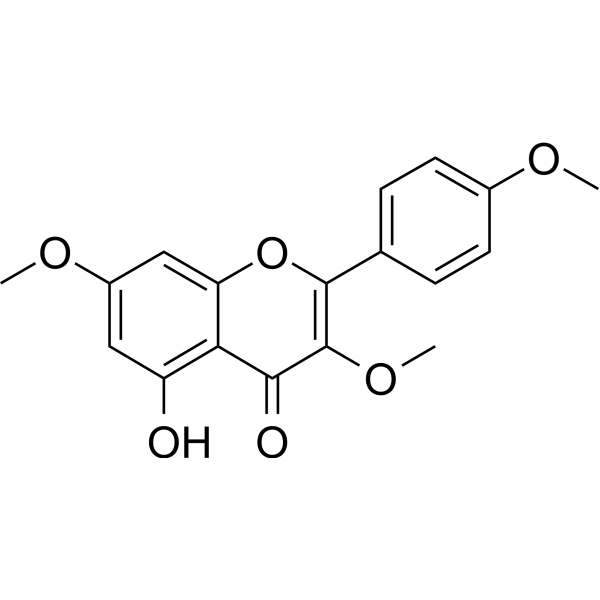
- HY-125322
-
|
|
Bacterial
|
Infection
|
|
Reveromycin C is a polyketide originally isolated from Streptomyces that has antifungal activity against C. albicans (MICs=2.0 and >500 μg/mL at pH 3 and 7.4, respectively). Reveromycin C inhibits EGF-induced mitogenic activity in the Balb/MK mouse epidermal cell line. It also reverses the morphology of sarcoma-virus-transformed NRK rat kidney cells (EC50=1.58 μg/mL) and inhibits proliferation of KB cells and K562 human chronic myelogenous leukemia cells (IC50=2.0 μg/mL for both).
|
-

- HY-N8617
-
|
|
DNA/RNA Synthesis
Caspase
PARP
Bcl-2 Family
Mitochondrial Metabolism
Apoptosis
|
Cancer
|
|
Trijuganone C is a tanshinone-type diterpenoid compound. Trijuganone C can be isolated from the roots of Salvia miltiorrhiza Bunge. Trijuganone C induces chromatin condensation, DNA fragmentation, activation of Caspase-3, -8 and -9, as well as cleavage of PARP. Trijuganone C activates Bid and Bax, leading to loss of mitochondrial membrane potential and inducing the release of cytochrome c from mitochondria into the cytosol. Trijuganone C exerts antiproliferative effects through Apoptosis induction mediated by Mitochondrial dysfunction and Caspase activation. Trijuganone C exhibits significant antiproliferative activity against leukemia cells and colon cancer cells .
|
-
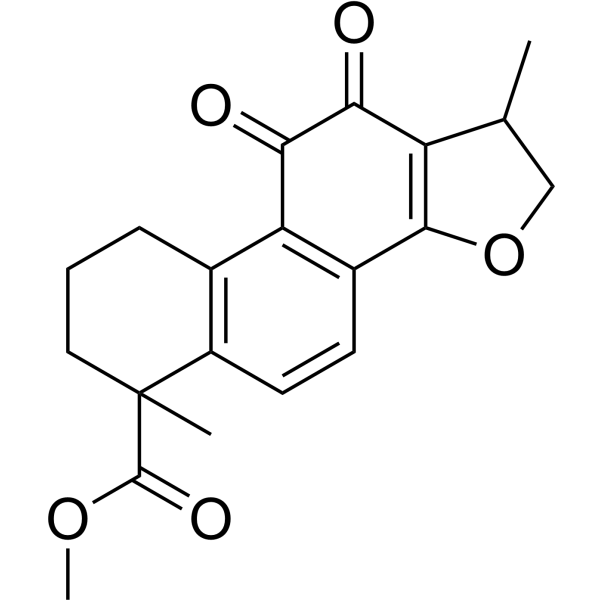
- HY-137129
-
|
|
Dihydrofolate reductase (DHFR)
|
Cancer
|
|
10-Formyl-7,8-dihydrofolic acid is a biologically active folic acid and growth promoter. 10-Formyl-7,8-dihydrofolic acid serves as a substrate for aminoimidazolecarboxamide ribonucleotide transformylase and dihydrofolate reductase (DHFR) to support catalytic reactions (with detection wavelengths of 552 nm and 340 nm, respectively). 10-Formyl-7,8-dihydrofolic acid not only promotes the growth of leukemia cells, but also effectively reverses the growth inhibition induced by antifolate drugs under folate-deficient conditions. 10-Formyl-7,8-dihydrofolic acid can be used in the research of leukemia .
|
-
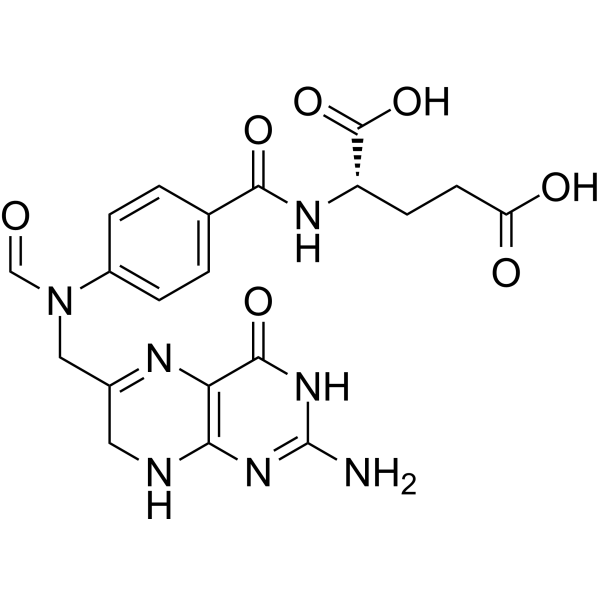
- HY-180782
-
|
|
DNA/RNA Synthesis
Reactive Oxygen Species (ROS)
Caspase
Apoptosis
|
Cancer
|
|
Triphenyltin(IV) diisopropyl dithiocarbamate (Compound OC2) is an anti-leukemia agent. Triphenyltin(IV) diisopropyl dithiocarbamate exhibits extremely strong cytotoxicity towards Jurkat cells, with an IC₅₀ value of 0.1 μM. Triphenyltin(IV) diisopropyl dithiocarbamate causes DNA damage, which subsequently leads to mitochondrial dysfunction, a large amount of ROS production, and ultimately results in the activation of the mitochondrial apoptosis pathway (involving the activation of Caspase-9/-3) and the G0/G1 phase cell cycle arrest, all of which jointly lead to the death of leukemia cells .
|
-

- HY-173158
-
|
|
PROTACs
Histone Acetyltransferase
|
Cancer
|
|
AUR1545 is a selective KAT2A/KAT2B ((GCN5/PCAF)) PROTAC degrader that induces monocyte differentiation and inhibits the growth of acute myeloid leukemia cells. AUR1545 inhibits cell growth, induces epithelial differentiation and suppresses tumor growth in small cell lung cancer models. AUR1545 inhibits cell growth and induces differentiation in neuroendocrine prostate cancer cells and primary patient-derived organoids. AUR1545 is applicable to research related to acute myeloid leukemia, small cell lung cancer and neuroendocrine prostate cancer .
|
-

- HY-178155A
-
|
|
DNA/RNA Synthesis
Autophagy
|
Cancer
|
|
AP232 dihydrochloride is a selective U2AF1-UHM Inhibitor with an IC50 of 7.96 μM. AP232 dihydrochloride exhibits 2.8-24-fold selectivity against other UHM-containing proteins. AP232 dihydrochloride exerts anti-leukemia activity and shows higher activities in cell lines carrying splicing factor mutations. AP232 dihydrochloride can induce leukemia cells G2/M and G1 arrest, impair lysosome acidification, and inhibit autophagy. AP232 dihydrochloride can be used for the research of cancer, such as Leukemia .
|
-

- HY-180836
-
|
|
Molecular Glues
IKZF Family
Apoptosis
|
Cancer
|
|
DIX-01 is a molecular gel degrader that can simultaneously induce the degradation of IKZF1/3 and GSPT1 mediated by CRBN. Its DC50 values are: IKZF1 (19.80 nM), IKZF3 (45.31 nM), and GSPT1 (120.1 nM). DIX-01 exhibits nanomolar-level potent anti-proliferative activity in various cancer cell lines. DIX-01 induces apoptosis in MV4-11 cells and significantly inhibits the growth of leukemia cells in zebrafish. DIX-01 can be used for the study of malignant hematological tumors .
|
-

- HY-12220
-
MM-102
4 Publications Verification
HMTase Inhibitor IX
|
WDR5
Apoptosis
NF-κB
TNF Receptor
Interleukin Related
|
Inflammation/Immunology
Cancer
|
|
MM-102 (HMTase Inhibitor IX) is a cell-permeable and tightly binding inhibitor of MLL1-WDR5 interaction (IC50=2.4 nM). MM-102 can specifically inhibit the growth and induce apoptosis of leukemia cells containing MLL1 fusion protein, and reduce renal fibrosis and inflammation in mice with ischemia-reperfusion injury. In addition, MM-102 also acts as an H3K4 histone methyltransferase inhibitor to improve the development of porcine somatic cell nuclear transfer (SCNT) embryos .
|
-
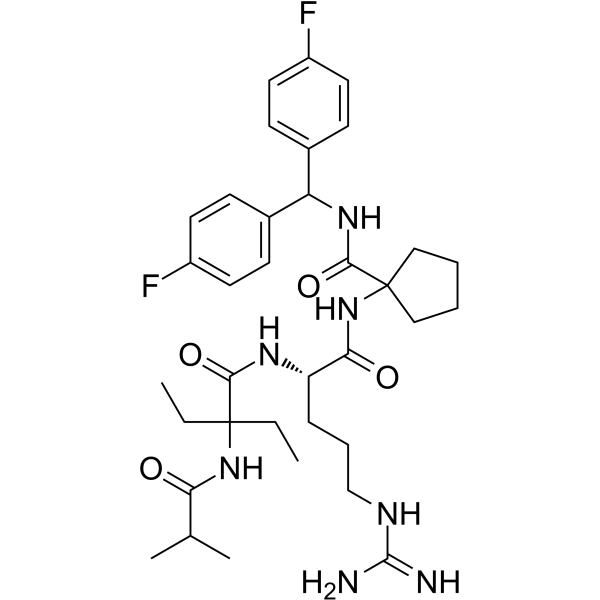
- HY-173422
-
|
|
PROTACs
Histone Methyltransferase
|
Cancer
|
|
MS2133 is a DOT1L PROTAC degrader. MS2133 promotes ubiquitination and degradation of DOT1L in THP-1 and MV4-11 cells (DC50: 56 nM and 25 nM, respectively), and reduces H3K79 methylation. MS2133 inhibits the growth of MLL-r leukemia cells and has anticancer activity. (Pink: DOT1L ligand (HY-173423); Blue: E3 ligase VHL ligand (HY-47070); Black: Linker (HY-79577); E3 ligase VHL ligand-linker conjugate (HY-173424)) .
|
-

- HY-116170
-
|
|
Aldose Reductase
|
Cancer
|
|
SN34037 is a specific inhibitor of Aldo-keto reductase 1C3 (AKR1C3, EC 1.1.1.188) with the ability to inhibit the cytotoxic activity of PR-104A. SN34037-sensitive coumberone reduction provides a rapid and specific assay for AKR1C3 activity. SN34037 inhibits the aerobic cytotoxicity of PR-104A in TF1 erythroleukemia cells with high AKR1C3 expression, but not in Nalm6 pre-B acute lymphoblastic leukemia cells with low AKR1C3 expression .
|
-

- HY-P991998
-
|
|
Fc Receptor (FcR)
|
Inflammation/Immunology
Cancer
|
|
Anti-Human/Monkey CD16a Antibody (3G8) is a monoclonal antibody targeting CD16a. Anti-Human/Monkey CD16a Antibody (3G8) blocks FcγRIII/CD16a, upregulates the metabolic activity of CD16+ cells, downregulates CD87, a poor prognostic marker, and inhibits the engraftment and growth of leukemia cells in acute myeloid leukemia, and rapidly increases platelet counts in immune thrombocytopenia. Anti-Human/Monkey CD16a Antibody (3G8) is applicable to research related to tumor immunology .
|
-

- HY-B0660A
-
|
EPA metformin; Timnodonic acid metformin
|
Endogenous Metabolite
Histone Demethylase
|
Neurological Disease
Cancer
|
|
Eicosapentaenoic Acid (EPA) metformin is an orally active Omega-3 long-chain polyunsaturated fatty acid (ω-3 LC-PUFA). Eicosapentaenoic acid metformin exhibits a DNA demethylating action that promotes the re-expression of the tumor suppressor gene CCAAT/enhancer-binding protein δ (C/EBPδ). EEicosapentaenoic acid metformin activates RAS/ERK/C/EBPβ pathway through H-Ras intron 1 CpG island demethylation in U937 leukemia cells. Eicosapentaenoic acid metformin can promote relaxation of vascular smooth muscle cells and vasodilation .
|
-

- HY-182956
-
|
|
Molecular Glues
DNA Methyltransferase
|
Cancer
|
|
DNMT1 Degrader-1 is a selective DNMT1 degrader with an IC50 of 202.87 nM and a Kd value of 122 nM. As a molecular glue, DNMT1 Degrader-1 forms a ternary complex with DNMT1 and UHRF1, thereby triggering UHRF1-mediated ubiquitination and degradation of DNMT1, and inhibiting the enzymatic activity of DNMT1. DNMT1 Degrader-1 inhibits the proliferation of primary acute myeloid leukemia cells and exerts anti-tumor activity. DNMT1 Degrader-1 can be used for the research of acute myeloid leukemia .
|
-

- HY-N2435
-
|
|
COX
Apoptosis
|
Cancer
|
|
[8]-Shogaol, a kind of stimulating compound in ginger, has antiplatelet (IC50=5 μM), anti-cancer and anti-inflammatory activity. [8]-Shogaol inhibited COX-2 (IC50=17.5 μM), which led to the decline of human leukemia cells. 8-Shogaol Selective direction TAK1 sum TAK1-TAB1 (IC50=5 μM), suppress IKK, Akt sum MAPK signal pathway, and reverse synovitis synovial sum Air dampness (RA).
|
-
![[8]-Shogaol](//file.medchemexpress.com/product_pic/hy-n2435.gif)
- HY-108894
-
|
|
Ferroptosis
Reactive Oxygen Species (ROS)
|
Cardiovascular Disease
Inflammation/Immunology
Cancer
|
|
Ferumoxytol is an FDA-approved ultrasmall superparamagnetic iron oxide preparation and iron replacement agent that exerts selective activity against leukemia cells with low ferroportin expression. Ferumoxytol increases intracellular iron levels, induces reactive oxygen species (ROS) production via the Fenton reaction, and triggers oxidative stress and cell death. Ferumoxytol reduces disease burden in mouse models and patient-derived leukemia models. As an MRI contrast agent, Ferumoxytol enables imaging of vascular lesions, tumors and lymph nodes. Ferumoxytol can be used in research related to acute myeloid leukemia and blast-phase chronic myeloid leukemia .
|
-

- HY-B1259R
-
|
Acexamic acid (Standard); 6-Acetamidocaproic acid (Standard)
|
Reference Standards
Drug Metabolite
Drug Intermediate
|
Inflammation/Immunology
Cancer
|
|
6-Acetamidohexanoic acid (Acexamic acid; 6-Acetamidocaproic acid) (Standard) is the analytical standard of 6-Acetamidohexanoic acid. This product is intended for research and analytical applications. 6-Acetamidohexanoic acid (Acexamic acid; 6-Acetamidocaproic acid) is a metabolite of Hexamethylene bisacetamide (HMBA) (HY-124284) with anti-pulmonary fibrosis activity. 6-Acetamidohexanoic acid does not induce differentiation of human promyelocytic leukemia cells, but is taken up by such cells. 6-Acetamidohexanoic acid serves as a carboxylic acid substrate component for constructing carboxylesterase-responsive near-infrared phototheranostic probes. 6-Acetamidohexanoic acid is applicable to research related to pulmonary fibrosis, refractory hypoxemia and cervical cancer.
|
-

- HY-178155
-
|
|
DNA/RNA Synthesis
Autophagy
|
Cancer
|
|
AP232 is a selective U2AF1-UHM Inhibitor with an IC50 of 7.96 μM. AP232 exhibits 2.8-24-fold selectivity against other UHM-containing proteins. AP232 exerts anti-leukemia activity and shows higher activities in cell lines carrying splicing factor mutations. AP232 can induce leukemia cells G2/M and G1 arrest, impair lysosome acidification, and inhibit autophagy. AP232 can be used for the research of cancer, such as Leukemia .
|
-

- HY-169400
-
|
|
HDAC
Histone Methyltransferase
Apoptosis
|
Cancer
|
|
HDACs/EZH2-IN-1 (Compound 22a) is a HDACs/EZH2 inhibitor (EZH2 Y641N inhibition rate at 50 nM: 98%), with selective inhibition against HDAC1 and HDAC6 (IC50: 0.23 μM and 0.07 μM, respectively). HDACs/EZH2-IN-1 exerts a antiproliferative effect on diffuse large B-cell lymphoma cells harboring an EZH2 mutation and on various acute myeloid leukemia cells. HDACs/EZH2-IN-1 has the ability to induce cell differentiation and Apoptosis .
|
-

- HY-108350R
-
|
|
Reference Standards
Epigenetic Reader Domain
|
Cancer
|
|
MI-2-2 (Standard) is the analytical standard of MI-2-2 (HY-108350). This product is intended for research and analytical applications. MI-2-2 is a potent menin-MLL inhibitor. MI-2-2 binds to menin with low nanomolar affinity (Kd=22nM) and very effectively disrupts the bivalent protein-protein interaction between menin and MLL. MI-2-2 has specific and very pronounced activity in MLL leukemia cells, including inhibition of cell proliferation, down-regulation of Hoxa9 expression, and differentiation .
|
-

- HY-P991656
-
|
|
CXCR
Apoptosis
p38 MAPK
Akt
|
Cancer
|
|
LY-2624587 is a humanized IgG4 monoclonal antibody antagonist targeting CXCR4. LY-2624587 blocks SDF-1/CXCR4 interaction and SDF-1-induced GTP binding. LY-2624587 significantly inhibits cell migration and induces apoptosis in human lymphoma and leukemia cells. LY-2624587 also inhibits CXCR4 and SDF-1 mediated cell signaling including activation of MAPK and AKT. LY-2624587 can be used for human hematological malignancies like acute myeloid leukemia (AML) research .
|
-

- HY-108359
-
|
9-Nitropaullone; NSC 705701
|
CDK
GSK-3
Apoptosis
|
Cancer
|
|
Alsterpaullone (9-Nitropaullone) is a potent CDK inhibitor, with IC50s of 35 nM, 15 nM, 200 nM and 40 nM for CDK1/cyclin B, CDK2/cyclin A, CDK2/cyclin E and CDK5/p35, respectively. Alsterpaullone also competes with ATP for binding to GSK-3alpha/GSK-3beta with IC50s of both 4 nM. Alsterpaullone has antitumor activity, and possesses potential for the study in neurodegenerative and proliferative disorders . Alsterpaullone induces apoptosis in leukemia cell line .
|
-
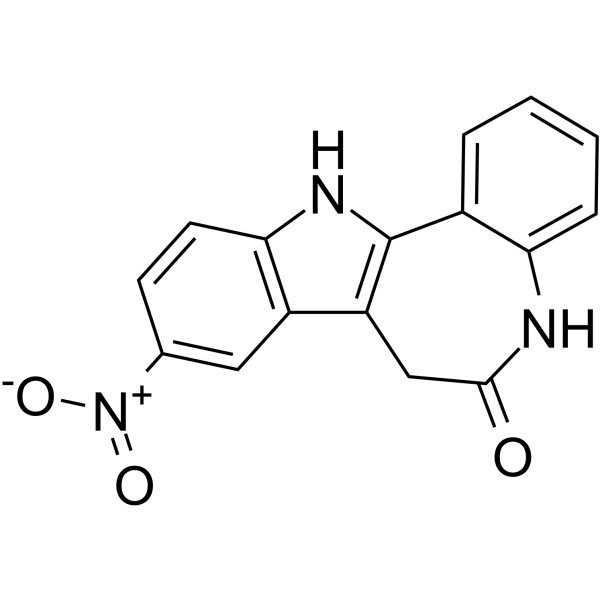
- HY-145729
-
|
AZD9150
|
STAT
Apoptosis
|
Cancer
|
|
Danvatirsen (AZD9150) is an antisense oligonucleotide targeting STAT3. Danvatirsen reduces the viability and promotes apoptosis of leukemia cell lines. Danvatirsen inhibits the expression of endogenous STAT3 and its downstream target genes, and reduces the proliferation and tumorigenicity of neuroblastoma and lymphoma cells. Danvatirsen inhibited tumor growth in mouse models of neuroblastoma, lymphoma, and non-small cell lung cancer. Danvatirsen achieves STAT3 mRNA and protein depletion in a mouse model of epidermoid carcinoma. Danvatirsen can be used in research related to lymphoma, myelodysplastic syndrome, acute myeloid leukemia, neuroblastoma and non-small cell lung cancer .
|
-

- HY-174458
-
|
|
PROTACs
MDM-2/p53
IKZF Family
Casein Kinase
|
Cancer
|
|
MD-4251 is an orally active MDM2 PROTAC degrader. MD-4251 potently degrades MDM2 in RS4;11 cells (DC50: 0.2 nM) and actives p53. MD-4251 shows strong antiproliferative activity against acute leukemia cells (wild-type p53) with minimal efficacy in mutant type. MD-4251 induces complete tumor regression in RS4;11 xenograft mice model . Pink: MDM2 ligand (HY-130684); Blue: CRBN ligase ligand (HY-W883326); Black: linker
|
-

- HY-162250
-
|
|
PROTACs
Histone Methyltransferase
|
Cancer
|
|
MS8847 is a PROTAC degrader and antiproliferative agent targeting EZH2 (DC50=34.4 nM in EOL-1 MLL-rAML cells). MS8847 recruits the E3 ligase von Hippel-Lindau (VHL) to mediate the degradation of EZH2 via the ubiquitin-proteasome system. MS8847 induces antiproliferative effects in MLL-rearranged acute myeloid leukemia cells and inhibits the growth of triple-negative breast cancer cell lines or 3D triple-negative breast cancer models. MS8847 is applicable to research related to MLL-rearranged acute myeloid leukemia and triple-negative breast cancer .
|
-
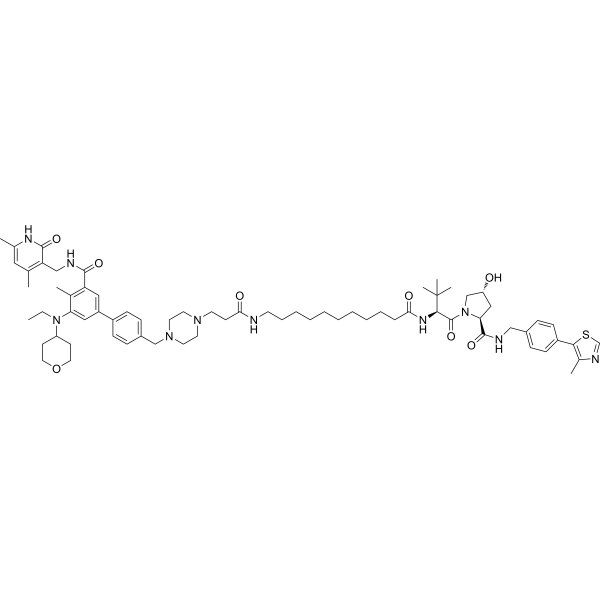
- HY-145729A
-
|
AZD9150 sodium
|
STAT
Apoptosis
|
Cancer
|
|
Danvatirsen sodium (AZD9150 sodium) is an antisense oligonucleotide targeting STAT3. Danvatirsen sodium reduces the viability and promotes apoptosis of leukemia cell lines. Danvatirsen sodium inhibits the expression of endogenous STAT3 and its downstream target genes, and reduces the proliferation and tumorigenicity of neuroblastoma and lymphoma cells. Danvatirsen sodium inhibited tumor growth in mouse models of neuroblastoma, lymphoma, and non-small cell lung cancer. Danvatirsen sodium achieves STAT3 mRNA and protein depletion in a mouse model of epidermoid carcinoma. Danvatirsen sodium can be used in research related to lymphoma, myelodysplastic syndrome, acute myeloid leukemia, neuroblastoma and non-small cell lung cancer .
|
-

- HY-173123
-
|
|
Histone Demethylase
Apoptosis
|
Cancer
|
|
LSD1-IN-40 (Compound 9e) is a potent LSD1 inhibitor, with an IC50 of 9.85 nM. LSD1-IN-40 exhibits exceptional selectivity for LSD1 over both MAOs and hERG. LSD1-IN-40 exhibits significant inhibitory activity against leukemia cells (MV-4-11, HL-60, and THP-1 cells). LSD1-IN-40 can induce apoptosis in MV-4-11 cells. LSD1-IN-40 has the potential for the research of acute myeloid leukemia .
|
-

- HY-168493
-
|
|
FLT3
VEGFR
HDAC
STAT
PERK
|
Cancer
|
|
FLT3/VEGFR2-IN-1 (Compound 26) is a FLT3/VEGFR2/HDAC inhibitor with IC50 values of 14.5 nM, 3.9 nM, and 30.8 nM for FLT3, VEGFR2, and HDAC1, respectively. FLT3/VEGFR2-IN-1 can inhibit the phosphorylation of STAT3 and ERK1/2 and the proliferation of leukemia cells. FLT3/VEGFR2-IN-1 has anti-tumor activity and can be used for the research of acute myeloid leukemia .
|
-

- HY-123577
-
|
|
Histone Demethylase
Apoptosis
|
Cancer
|
|
TPC-144 is a LSD1/KDM1A inhibitor. TPC-144 inhibits LSD1, and leads to a decrease in the protein level of DNMT1, causing low methylation of the LINE-1 element. TPC-144 can also produce a synergistic effect with Decitabine (HY-A0004) (a DNMT inhibitor), jointly promoting DNA demethylation and thereby inducing differentiation and apoptosis of leukemia cells. TPC-144 has also demonstrated anti-tumor efficacy in acute myeloid leukemia (AML) models. TPC-144 can be used for the study of AML .
|
-

- HY-112749
-
|
|
Heme Oxygenase (HO)
Reactive Oxygen Species (ROS)
Mitochondrial Metabolism
Microtubule/Tubulin
Caspase
Apoptosis
|
Cancer
|
|
ME-344 is an Isoflavone. ME-344 increases mitochondrial ROS generation. ME-344 inhibits tubulin polymerization. ME-344 inhibits HO-1 and impacts its mitochondrial translocation. ME-344 induces Apoptosis through Caspase 3 activation. ME-344 synergizes with Vinblastine in leukemia cells. ME-344 displays anti-tumor activity against leukemia and lung tumor. ME-344 can be used in the research of lung cancer, acute myeloid leukemia, and HER2-negative breast cancer .
|
-
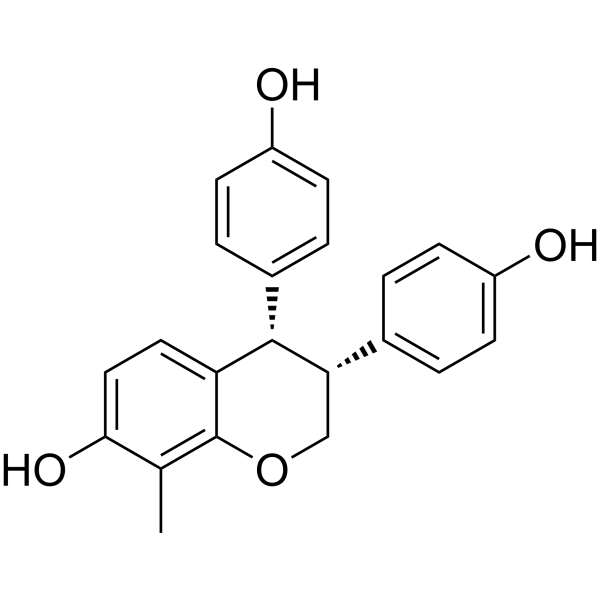
- HY-W414644
-
|
|
Parasite
STAT
Phosphatase
MDM-2/p53
Apoptosis
|
Infection
Neurological Disease
Inflammation/Immunology
Cancer
|
|
Fluacrypyrim, a Miticide, is a STAT3 inhibitor. Fluacrypyrim significantly increases the protein tyrosine phosphatases(PTPs) activity. Fluacrypyrim inhibits the growth of leukemia cells by a predominant G1 arrest with significant decrease of the protein and mRNA levels of cyclin D1. Fluacrypyrim selectively inhibits STAT3 signaling, inducing growth arrest and apoptosis in STAT3-dependent cancer cells. Fluacrypyrim mitigates IR-induced hematopoietic system injury mainly by preventing apoptosis in the HSCs. Fluacrypyrim demonstrates significant analgesic and anti-inflammatory effects by inhibiting uterine smooth muscle contraction and inflammatory responses .
|
-

- HY-178941
-
|
|
Dihydroorotate Dehydrogenase
Apoptosis
Caspase
Reactive Oxygen Species (ROS)
|
Cancer
|
|
DHODH-IN-32 (Compound A1) is a DHODH inhibitor. DHODH-IN-32 shows significant cytotoxicity against NCI-60 cell lines, especially being sensitive to breast cancer, prostate cancer and leukemia cell lines. DHODH-IN-32 can induce cell apoptosis by activating the Caspase pathway. DHODH-IN-32 causes G0/G1 phase cell cycle arrest and inhibits cellular metabolism by ROS. DHODH-IN-32 exhibits significant anti-tumor properties in mouse breast cancer models. DHODH-IN-32 can be used for the study of breast cancer .
|
-

- HY-169093
-
|
|
PROTACs
Epigenetic Reader Domain
Apoptosis
|
Cancer
|
|
MS41 is a selective eleven-nineteen leukemia (ENL) PROTAC degrader, with DC50s of 3.50 nM (MV4;11), 2.84 nM (SEMK2), 3.03 nM (Jurkat), and 26.58 nM (KASUMI1), respectively. MS41 effectively inhibits the growth of ENL-dependent leukemia cells, induces G1 cell cycle arrest and increases apoptosis. MS41 reduces the chromatin occupancy of ENL-associated transcription elongation machinery, and suppresses oncogenic gene expression and leukemia progression. Red: ENL ligand (HY-169094). Black: linker (HY-W105744). Blue: VHL ligand (HY-112078) .
|
-

- HY-W013706
-
|
ITP trisodium salt; Inosine triphosphate trisodium salt
|
Endogenous Metabolite
|
Metabolic Disease
|
|
Inosine-5'-triphosphate trisodium salt is a nucleotide analogue that acts on multiple G proteins and is widely used in G protein-related research. It can bind to the α -subunit of G proteins and participate in G protein-mediated signal transduction as a substitute for GTP. Its mechanism of action is to interact with the nucleotide-binding site of the G protein α -subunit, affecting the activity and function of G proteins. In the research field, it is mainly used to explore the role of the G protein signaling pathway in cellular physiological and pathological processes. For example, in HL-60 leukemia cells, its impact on G protein-mediated signal transduction can be studied .
|
-
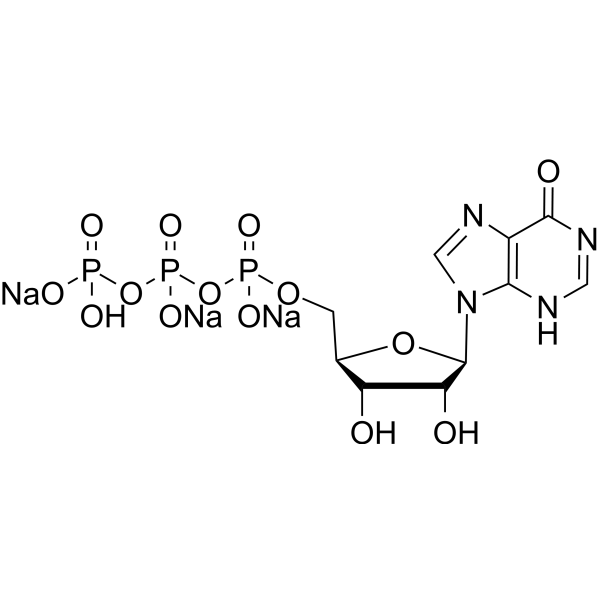
- HY-19619R
-
|
|
Phospholipase
Apoptosis
|
Cancer
|
|
m-3M3FBS (Standard) is the analytical standard of m-3M3FBS. This product is intended for research and analytical applications. m-3M3FBS is a potent phospholipase C (PLC) activator. m-3M3FBS stimulates superoxide generation in human neutrophils, upregulates intracellular calcium concentration, and stimulates inositol phosphate generation in various cell lines. m-3M3FBS induces monocytic leukemia cell apoptosis .
|
-

- HY-129983R
-
|
|
HSV
|
Infection
Cancer
|
|
5-Hydroxymethyl-2'-deoxyuridine (Standard) is the analytical standard of 5-Hydroxymethyl-2'-deoxyuridine. This product is intended for research and analytical applications. 5-Hydroxymethyl-2'-deoxyuridine is a nucleoside analog. 5-Hydroxymethyl-2'-deoxyuridine inhibits the replication of multiple human leukemia cell lines with IC50 values of 1.7-5.8 μM. 5-Hydroxymethyl-2'-deoxyuridine prolongs the survival of mice carrying L1210 leukemia. 5-Hydroxymethyl-2'-deoxyuridine can be used for the research of cell replication and leukemia .
|
-

- HY-161250
-
|
|
PROTACs
|
Cancer
|
|
Pomalidomide-NH-PEG6-amide-C2-CPI-1612 (compound 22 (dCE-1)) is a CBP/EP300 degrader, which contains a CRBN ligands Pomalidomide, a 24-atom linker with 6 PEG units and a HAT inhibitor CPI-1612. Pomalidomide-NH-PEG6-amide-C2-CPI-1612 exhibits antiproliferative effects in cells multiple myeloma cells LP1 (with a DC50 of 1.2 μM), MM1S and various cancer cell lines, especially the leukemia cells .
|
-
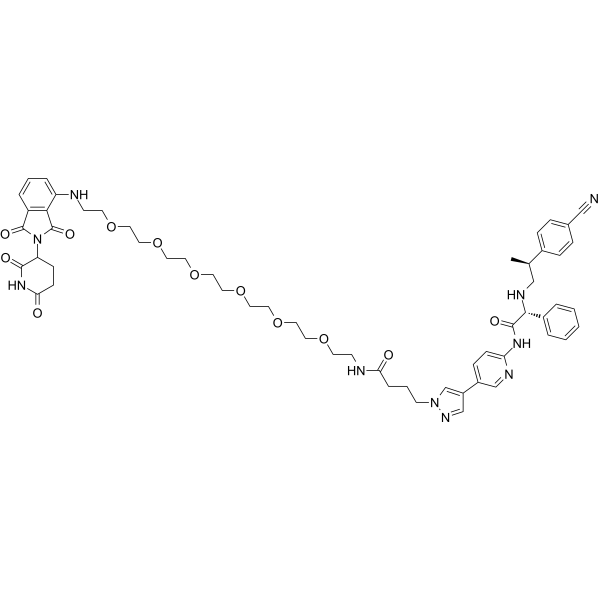
- HY-B0660R
-
|
EPA (Standard); Timnodonic acid (Standard)
|
Reference Standards
Endogenous Metabolite
Histone Demethylase
|
Neurological Disease
Cancer
|
|
Eicosapentaenoic Acid (Standard) is the analytical standard of Eicosapentaenoic Acid. This product is intended for research and analytical applications. Eicosapentaenoic Acid (EPA) is an orally active Omega-3 long-chain polyunsaturated fatty acid (ω-3 LC-PUFA). Eicosapentaenoic Acid exhibits a DNA demethylating action that promotes the re-expression of the tumor suppressor gene CCAAT/enhancer-binding protein δ (C/EBPδ). Eicosapentaenoic Acid activates RAS/ERK/C/EBPβ pathway through H-Ras intron 1 CpG island demethylation in U937 leukemia cells. Eicosapentaenoic Acid can promote relaxation of vascular smooth muscle cells and vasodilation .
|
-

- HY-B0660S2
-
|
EPA-d10; Timnodonic acid-d10
|
Isotope-Labeled Compounds
Endogenous Metabolite
Histone Demethylase
|
Neurological Disease
Cancer
|
|
Eicosapentaenoic acid-d10 (EPA-d10) is the deuterium labeled Eicosapentaenoic acid (HY-B0660). Eicosapentaenoic Acid (EPA) is an orally active Omega-3 long-chain polyunsaturated fatty acid (ω-3 LC-PUFA). Eicosapentaenoic Acid exhibits a DNA demethylating action that promotes the re-expression of the tumor suppressor gene CCAAT/enhancer-binding protein δ (C/EBPδ). Eicosapentaenoic Acid activates RAS/ERK/C/EBPβ pathway through H-Ras intron 1 CpG island demethylation in U937 leukemia cells. Eicosapentaenoic Acid can promote relaxation of vascular smooth muscle cells and vasodilation .
|
-

- HY-G0017
-
|
Norimatinib; Imatinib metabolite N-Desmethyl imatinib; CGP 74588
|
Drug Metabolite
P-glycoprotein
Apoptosis
|
Neurological Disease
Cancer
|
|
N‑Desmethyl imatinib (Norimatinib) is an active metabolite of Imatinib (HY-15463), a selective c‑Abl inhibitor, and a substrate of P‑glycoprotein. N-Desmethyl imatinib binds to the c-Abl catalytic domain to prevent substrate phosphorylation, inhibits c-Abl-mediated α-synuclein activation and downstream inflammatory signaling pathways. N-Desmethyl imatinib induces apoptosis in K562 human leukemia cells. N-Desmethyl imatinib shows significantly elevated plasma levels in gastrointestinal stromal tumor (GIST) models with mild SARS-CoV-2 infection. N-Desmethyl imatinib can be used for the research of Parkinson’s disease, gastrointestinal stromal tumor, and chronic myeloid leukemia .
|
-
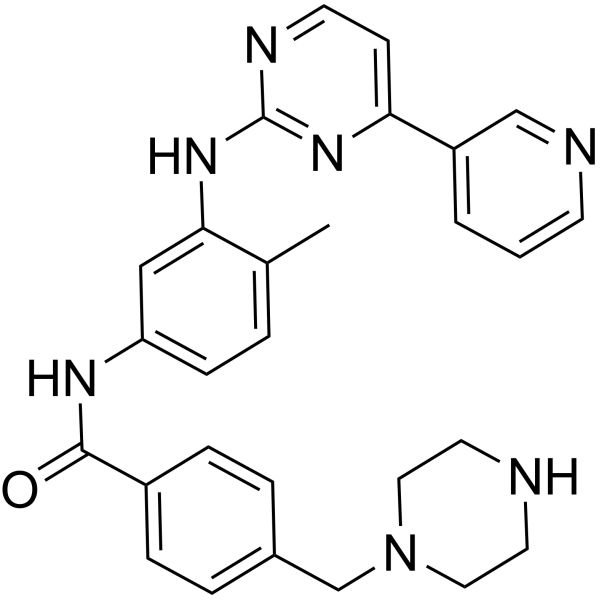
- HY-G0017A
-
|
Norimatinib mesylate; Imatinib metabolite N-Desmethyl imatinib mesylate; CGP 74588 mesylate
|
Drug Metabolite
P-glycoprotein
Apoptosis
|
Neurological Disease
Cancer
|
|
N-Desmethyl imatinib mesylate (Norimatinib mesylate) is an active metabolite of Imatinib (HY-15463), a selective c‑Abl inhibitor, and a substrate of P‑glycoprotein. N-Desmethyl imatinib mesylate binds to the c-Abl catalytic domain to prevent substrate phosphorylation, inhibits c-Abl-mediated α-synuclein activation and downstream inflammatory signaling pathways. N-Desmethyl imatinib mesylate induces apoptosis in K562 human leukemia cells. N-Desmethyl imatinib mesylate exhibits significantly elevated plasma levels in gastrointestinal stromal tumor (GIST) settings following mild SARS CoV 2 infection. N-Desmethyl imatinib mesylate can be used for the research of Parkinson’s disease, gastrointestinal stromal tumor, and chronic myeloid leukemia .
|
-
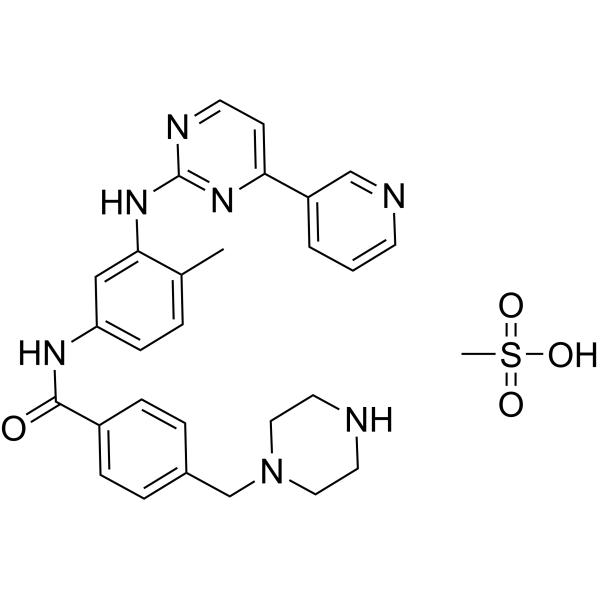
- HY-114312
-
|
|
PROTACs
MDM-2/p53
E1/E2/E3 Enzyme
|
Cancer
|
|
MD-224 is a first-in-class and highly potent small-molecule human murine double minute 2 (MDM2) degrader based on the proteolysistargeting chimera (PROTAC) concept. MD-224 consists of ligands for Cereblon and MDM2. MD-224 induces rapid degradation of MDM2 at concentrations <1 nM in human leukemia cells, and achieves an IC50 value of 1.5 nM in inhibition of growth of RS4;11 cells. MD-224 has the potential to be a new class of anticancer agent . MD-224 is a click chemistry reagent, it contains an Alkyne group and can undergo copper-catalyzed azide-alkyne cycloaddition (CuAAc) with molecules containing Azide groups.
|
-
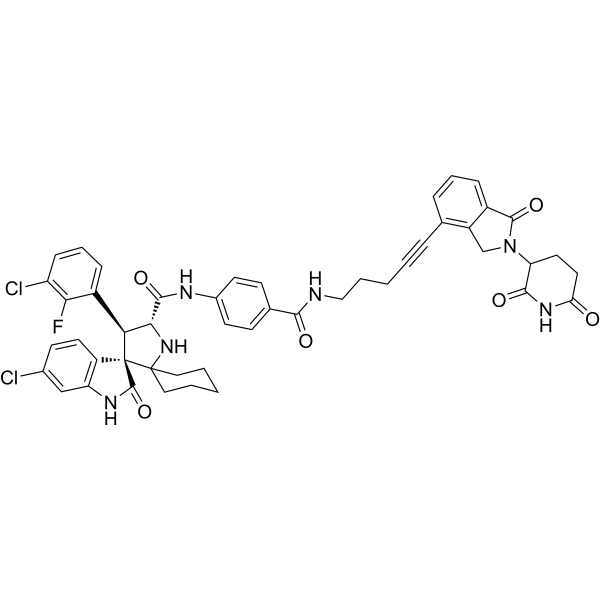
- HY-183073
-
|
|
|
Cancer
|
|
TZ1104 is a PROTAC-based CDK7 degrader, with a DC50 of 0.88 nM. TZ1104 forms a ternary complex with VHL E3 ligase and CDK7 to trigger proteasome-dependent CDK7 degradation, destabilizing the CDK7-cyclin H-MAT1 complex. TZ1104 suppresses phosphorylation of RNA polymerase II CTD Ser5, CDK1 Thr161, and CDK2 Thr160. TZ1104 activates the p53-p21 axis and suppresses oncogenic Myc signaling. TZ1104 induces cell cycle arrest, apoptosis, and differentiation of acute leukemia cells. TZ1104 can be used for the research of acute leukemia .
|
-

- HY-153736
-
|
|
DNA/RNA Synthesis
|
Cancer
|
|
NSC 194308, a U2AF2-RNA complexes enhancer, increases association of the U2AF1-U2AF2-SF1-splice site RNA complex by binding a site between the U2AF2 RNA recognition motifs (RRM1 and RRM2). NSC 194308 inhibits pre-mRNA splicing by stalling spliceosome assembly at the point where U2AF helps recruit U2 snRNP to the branchpoint. NSC 194308 enhances the binding of pre-mRNA to U2AF2, selectively triggering cell death in leukemia cell lines containing spliceosome mutations .
|
-
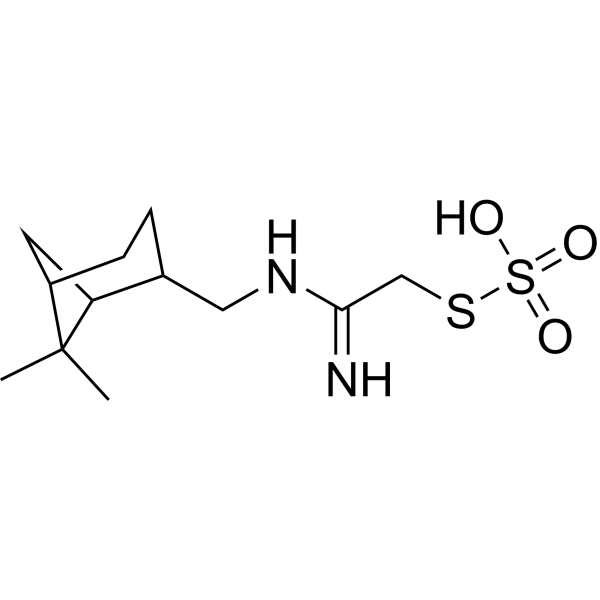
- HY-139410
-
|
|
c-Fms
|
Inflammation/Immunology
|
|
Sodium caseinates is a kind of sodium salts of major milk proteins, which act as protein-based biopolymers and innate immune system activators. Sodium caseinates induce granulopoiesis, activation and differentiation, promote the production of M-CSF, and increase serum levels of G-CSF and GM-CSF. Sodium caseinates inhibit the proliferation and reduce the viability of leukemia macrophage-like cells, thereby significantly improving the survival rate of mice inoculated with leukemia cells. Sodium caseinates can serve as carriers for probiotics in edible films and exhibit anti-Listeria activity. Sodium caseinates effectively protect vitamin A from degradation, enhance its stability, bioaccessibility and bioavailability, and regulate protein digestibility when complexed with vitamin A. Sodium caseinates can be applied to research related to acute monocytic leukemia and vitamin A deficiency .
|
-

- HY-178942
-
|
|
VEGFR
EGFR
Apoptosis
Bcl-2 Family
Caspase
MDM-2/p53
|
Cancer
|
|
EGFR/VEGFR2-IN-9 (Compound 9b) is an inhibitor of VEGFR-2 (IC50 = 1.325 μM) and EGFR (IC50 = 1.891 μM). EGFR/VEGFR2-IN-9 significantly inhibits the proliferation of multiple cancer cell lines, particularly leukemia cells. EGFR/VEGFR2-IN-9 upregulates the expression levels of Bax, caspase-3, and p53, while downregulating the expression of Bcl-2. EGFR/VEGFR2-IN-9 induces apoptosis and arrests the cell cycle in the G1 phase. EGFR/VEGFR2-IN-9 can be used to investigate anti-tumor angiogenesis and multi-drug resistant cancers .
|
-

- HY-N2435R
-
|
|
Reference Standards
COX
Apoptosis
|
Cancer
|
|
-Shogaol (Standard) is the analytical standard of -Shogaol. This product is intended for research and analytical applications. -Shogaol, a kind of stimulating compound in ginger, has antiplatelet (IC50=5 μM), anti-cancer and anti-inflammatory activity. -Shogaol inhibited COX-2 (IC50=17.5 μM), which led to the decline of human leukemia cells. 8-Shogaol Selective direction TAK1 sum TAK1-TAB1 (IC50=5 μM), suppress IKK, Akt sum MAPK signal pathway, and reverse synovitis synovial sum Air dampness (RA) .
|
-
![[8]-Shogaol (Standard)](//file.medchemexpress.com/product_pic/hy-n2435r.gif)
- HY-181710
-
|
|
mTOR
PI3K
|
Cancer
|
|
LASSBio-2337 is a dual pan-PI3K/mTOR inhibitor with an mTOR IC50 of 5.8 μM.LASSBio-2337 functionally modulates mTOR and all PI3K isoforms.LASSBio-2337 acts as a cytotoxic agent in leukemia cells, including multidrug-resistant populations.LASSBio-2337 spares nontumor human peripheral blood mononuclear cells.LASSBio-2337 displays moderate PAMPA-GIT permeability.LASSBio-2337 shows low metabolic stability in rat liver microsomes.LASSBio-2337 is aqueous insoluble.LASSBio-2337 can be used for the research of acute lymphoblastic leukemia, chronic myelogenous leukemia, breast cancer .
|
-

- HY-172262
-
|
|
VDAC
Bcl-2 Family
Apoptosis
|
Cancer
|
|
WEHI-3773 is a VDAC2 ligand and apoptosis modulator. WEHI-3773 directly binds to the β7-β10 region of VDAC2 and disrupts its interaction with BAX and BAK. WEHI-3773 regulates BAX-mediated apoptosis in BAK-deficient cells by modulating conformational activation of BAX, mitochondrial redistribution, and cytochrome c release. WEHI-3773 overcomes Venetoclax (HY-15531) resistance, resensitizes leukemia cells carrying BAX mutations to BH3 mimetics, and enables long-term clonogenic survival of BAK-deficient cells treated with BH3 mimetics. WEHI-3773 is applicable to research related to acute myeloid leukemia .
|
-

- HY-G0017S1
-
|
Norimatinib-d4; Imatinib metabolite N-Desmethyl imatinib-d4; CGP 74588-d4
|
Isotope-Labeled Compounds
Drug Metabolite
P-glycoprotein
Apoptosis
|
Neurological Disease
Cancer
|
|
N-Desmethyl imatinib-d4 is the deuterium-labeled N-Desmethyl imatinib (HY-G0017). N‑Desmethyl imatinib (Norimatinib) is an active metabolite of Imatinib (HY-15463), a selective c‑Abl inhibitor, and a substrate of P‑glycoprotein. N-Desmethyl imatinib binds to the c-Abl catalytic domain to prevent substrate phosphorylation, inhibits c-Abl-mediated α-synuclein activation and downstream inflammatory signaling pathways. N-Desmethyl imatinib induces apoptosis in K562 human leukemia cells. N-Desmethyl imatinib exhibits significantly elevated plasma levels in gastrointestinal stromal tumor (GIST) settings following mild SARS CoV 2 infection. N-Desmethyl imatinib can be used for the research of Parkinson’s disease, gastrointestinal stromal tumor, and chronic myeloid leukemia .
|
-
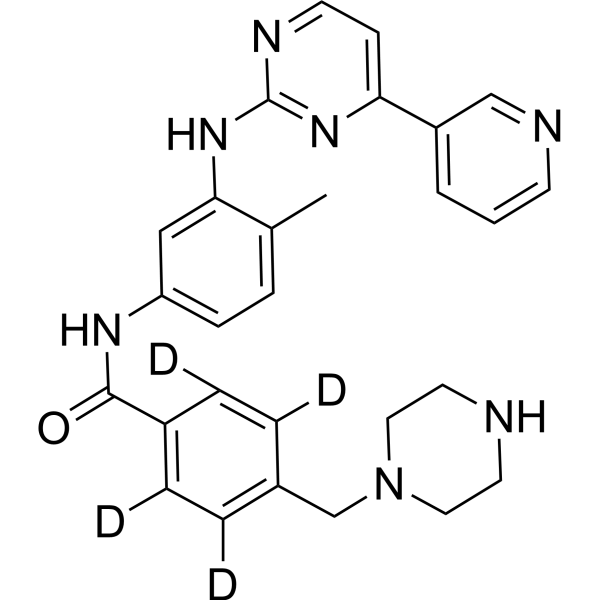
- HY-183070
-
|
|
PROTACs
CDK
Apoptosis
|
Cancer
|
|
CXJ2080 is a selective PROTAC-based CDK7 degrader with a DC50 of 0.88 nM. CXJ2080 recruits VHL E3 ligase to induce ubiquitin-proteasome-dependent CDK7 degradation, disrupts the CDK7-cyclin H-MAT1 complex, suppresses CDK7-dependent phosphorylation of RNA polymerase II CTD Ser5, CDK1 Thr161, and CDK2 Thr160. CXJ2080 activates the p53-p21 axis, suppresses MYC-driven signaling, induces leukemia cell cycle arrest, apoptosis, and differentiation, reduces CD117 expression, spares platelets and normal PBMCs, maintains sustained CDK7 degradation post-washout. CXJ2080 can be used for the research of acute leukemia .
|
-

- HY-114510
-
|
|
Discoidin Domain Receptor
Histone Acetyltransferase
Sirtuin
Fungal
Apoptosis
|
Infection
Cancer
|
|
PRMT/HKMT-IN-1 is an epigenetic multi-target protein arginine methyltransferases (PRMTs) and histone lysine methyltransferases (HKMTs) inhibitor. PRMT/HKMT-IN-1 inhibits Aspergillus nidulans RmtA with an IC50 of 29 μM. PRMT/HKMT-IN-1 inhibits human PRMT1, p300/CBP HAT, CARM1, SET7, SIRT1 and SIRT2. PRMT/HKMT-IN-1 inhibits methylation of histone H3K4, H4R3, and H3R17 residues. CBP/p300-IN-23 induces apoptosis, arrests cell cycle in S phase, and triggers granulocytic differentiation in leukemia cells. PRMT/HKMT-IN-1 can be used for the research of leukemia .
|
-

- HY-B0660S1
-
|
EPA 1,2,3,4,5-13C, FA 20:5-13C5
|
Isotope-Labeled Compounds
Endogenous Metabolite
Histone Demethylase
|
Neurological Disease
Cancer
|
|
Eicosapentaenoic acid 1,2,3,4,5- 13C5 (EPA 1,2,3,4,5- 13C, FA 20:5- 13C5) is 13C labeled Eicosapentaenoic Acid. Eicosapentaenoic Acid (EPA) is an orally active Omega-3 long-chain polyunsaturated fatty acid (ω-3 LC-PUFA). Eicosapentaenoic Acid exhibits a DNA demethylating action that promotes the re-expression of the tumor suppressor gene CCAAT/enhancer-binding protein δ (C/EBPδ). Eicosapentaenoic Acid activates RAS/ERK/C/EBPβ pathway through H-Ras intron 1 CpG island demethylation in U937 leukemia cells. Eicosapentaenoic Acid can promote relaxation of vascular smooth muscle cells and vasodilation .
|
-

- HY-W013706R
-
|
ITP trisodium salt (Standard); Inosine triphosphate trisodium salt (Standard)
|
Endogenous Metabolite
Reference Standards
|
Metabolic Disease
|
|
Inosine-5'-triphosphate (trisodium salt) (Standard) is the analytical standard of Inosine-5'-triphosphate (trisodium salt) (HY-W013706). This product is intended for research and analytical applications. Inosine-5'-triphosphate trisodium salt is a nucleotide analogue that acts on multiple G proteins and is widely used in G protein-related research. It can bind to the α -subunit of G proteins and participate in G protein-mediated signal transduction as a substitute for GTP. Its mechanism of action is to interact with the nucleotide-binding site of the G protein α -subunit, affecting the activity and function of G proteins. In the research field, it is mainly used to explore the role of the G protein signaling pathway in cellular physiological and pathological processes. For example, in HL-60 leukemia cells, its impact on G protein-mediated signal transduction can be studied .
|
-

- HY-G0017S
-
|
Norimatinib-d8; Imatinib metabolite N-Desmethyl imatinib-d8; CGP 74588-d8
|
Isotope-Labeled Compounds
Drug Metabolite
P-glycoprotein
Apoptosis
|
Neurological Disease
Cancer
|
|
N-Desmethyl imatinib-d8 is a deuterium labeled Imatinib metabolite N-Desmethyl Imatinib (HY-G0017). N‑Desmethyl imatinib (Norimatinib) is an active metabolite of Imatinib (HY-15463), a selective c‑Abl inhibitor, and a substrate of P‑glycoprotein. N-Desmethyl imatinib binds to the c-Abl catalytic domain to prevent substrate phosphorylation, inhibits c-Abl-mediated α-synuclein activation and downstream inflammatory signaling pathways. N-Desmethyl imatinib induces apoptosis in K562 human leukemia cells. N-Desmethyl imatinib exhibits significantly elevated plasma levels in gastrointestinal stromal tumor (GIST) settings following mild SARS CoV 2 infection. N-Desmethyl imatinib can be used for the research of Parkinson’s disease, gastrointestinal stromal tumor, and chronic myeloid leukemia .
|
-
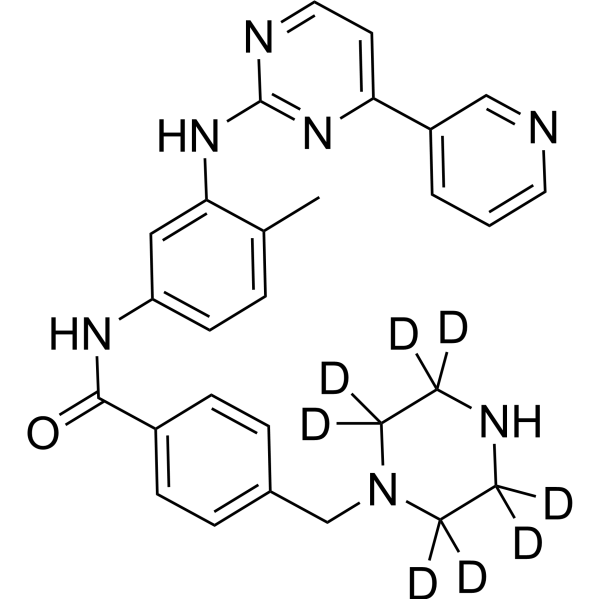
- HY-182281
-
|
|
FLT3
STAT
Akt
ERK
Apoptosis
|
Cancer
|
|
FLT3-IN-41 is a highly potent FLT3 inhibitor. The IC50 values of FLT3-IN-41 against human FLT3-ITD and FLT3-WT are 3.16 nM and 294.7 nM, respectively. By binding to the ATP-binding pockets of FLT3-ITD and FLT3-WT and forming hydrogen bonds with hinge region residues and Phe830, FLT3-IN-41 inhibits the STAT5, Akt and Erk signaling pathways. FLT3-IN-41 induces G2/M phase arrest and promotes apoptosis in FLT3-ITD-positive acute myeloid leukemia cells, exhibiting significant antiproliferative activity. FLT3-IN-41 serves as a valuable tool for the study of acute myeloid leukemia .
|
-

- HY-G0017R
-
|
Norimatinib (Standard); Imatinib metabolite N-Desmethyl imatinib (Standard); CGP 74588 (Standard)
|
Reference Standards
Drug Metabolite
P-glycoprotein
Apoptosis
|
Others
|
|
N‑Desmethyl imatinib (Standard) is the analytical standard of N‑Desmethyl imatinib (Norimatinib) (HY-G0017R). This product is intended for research and analytical applications. N‑Desmethyl imatinib (Norimatinib) is an active metabolite of Imatinib (HY-15463), a selective c‑Abl inhibitor, and a substrate of P‑glycoprotein. N-Desmethyl imatinib binds to the c-Abl catalytic domain to prevent substrate phosphorylation, inhibits c-Abl-mediated α-synuclein activation and downstream inflammatory signaling pathways. N-Desmethyl imatinib induces apoptosis in K562 human leukemia cells. N-Desmethyl imatinib exhibits significantly elevated plasma levels in gastrointestinal stromal tumor (GIST) settings following mild SARS CoV 2 infection. N-Desmethyl imatinib can be used for the research of Parkinson’s disease, gastrointestinal stromal tumor, and chronic myeloid leukemia .
|
-

- HY-181587
-
|
|
PDGFR
Carbonic Anhydrase
STAT
Akt
ERK
Apoptosis
Caspase
|
Cancer
|
|
PDGFRA/CAIX/XII-IN-1 is an inhibitor of PDGFRA, CA IX and CA XII, with an IC50 of 20 nM against PDGFRA, a Ki of 93.3 nM against CA IX, and a Ki of 80.0 nM against CA XII. PDGFRA/CAIX/XII-IN-1 binds to the ATP-binding pocket of PDGFRA and blocks the downstream STAT3, AKT and ERK1/2 signaling pathways. PDGFRA/CAIX/XII-IN-1 induces G0/G1 cell cycle arrest and endogenous apoptosis (Apoptosis), including cleavage of PARP-1, caspase-9 and caspase-3, activation of caspase 3/7, and down-regulation of Mcl-1. PDGFRA/CAIX/XII-IN-1 exhibits antiproliferative activity in eosinophilic leukemia cells. PDGFRA/CAIX/XII-IN-1 can be used for the research of leukemia .
|
-

- HY-P991641
-
|
LY3012218
|
FLT3
p38 MAPK
STAT
PI3K
Akt
|
Cancer
|
|
IMC-EB10 (LY3012218) is an anti-FLT3 monoclonal antibody. IMC-EB10 binds to FLT3 with high affinity (Kd = 158 pM) and blocks the binding of FLT3 ligand to FLT3 (IC50 ≈ 10 nM), thereby inhibiting MAPK, STAT5, and PI3K/Akt signaling in leukemia cells. IMC-EB10 can enhance the anti-leukemic effect of Methotrexate (HY-14519) and inhibit leukemias expressing wild-type or ITD-mutated FLT3 receptors. IMC-EB10 prolongs the survival of acute lymphoblastic leukemia (ALL) cells and primary leukemia samples and reduces engraftment in non-obese diabetic/severe combined immunodeficiency patients. IMC-EB10 is indicated for leukemia research .
|
-

- HY-182356
-
|
|
Methylenetetrahydrofolate Dehydrogenase (MTHFD)
|
Cancer
|
|
MTHFD1/2-IN-1 is an orally active dual MTHFD1/MTHFD2 inhibitor, with IC50 values of 0.26 μM and 0.031 μM against human MTHFD1 and MTHFD2, respectively. MTHFD1/2-IN-1 blocks one-carbon metabolism by inhibiting the dehydrogenase activity of MTHFD1 as well as the dehydrogenase and cyclohydrolase activities of MTHFD2, thereby disrupting nucleotide biosynthesis and redox homeostasis in cancer cells. MTHFD1/2-IN-1 exhibits favorable Caco-2 permeability and hepatic microsomal metabolic stability. MTHFD1/2-IN-1 shows significant anti-leukemic activity, which not only reduces the viability of various leukemia cells but also inhibits tumor growth of acute myeloid leukemia (AML) in mouse models .
|
-

- HY-123597
-
|
DDUG; NCI C04808
|
Autophagy
Checkpoint Kinase (Chk)
|
Cancer
|
|
NSC 109555 is an ATP-competitive inhibitor of checkpoint kinase 2 (Chk2; IC50=200 nM in a cell-free kinase assay). It is selective for Chk2 over Chk1 and 16 kinases in a panel but does inhibit Brk, c-Met, IGFR, and LCK with IC50 values of 210, 6,000, 7,400, and 7,100 nM, respectively. NSC 109555 inhibits Chk2 autophosphorylation and phosphorylation of the Chk2 substrate histone H1 in vitro (IC50=240 nM). It inhibits the growth of, and induces autophagy in, L1210 leukemia cells in vitro.2 NSC 109555 (1,250 nM) potentiates gemcitabine-induced cytotoxicity in MIA PaCa-2, CFPAC-1, PANC-1, and BxPC-3 pancreatic cancer cells, as well as reduces gemcitabine-induced increases in Chk2 phosphorylation and enhances gemcitabine-induced production of reactive oxygen species (ROS) in MIA PaCa-2 cells.
|
-

- HY-159728
-
|
|
PROTACs
Histone Methyltransferase
Apoptosis
Early 2 Factor (E2F)
c-Myc
|
Cancer
|
|
PROTAC PRMT3 degrader 1 is a selective PRMT3 PROTAC degrader with a DC50 of 2.566 μM. PROTAC PRMT3 degrader 1 forms a ternary complex with MDM2 E3 ubiquitin ligase to induce proteasomal and neddylation-dependent degradation of PRMT3. PROTAC PRMT3 degrader 1 activates intrinsic apoptosis, endoplasmic reticulum stress signaling pathways. PROTAC PRMT3 degrader 1 downregulates E2F, MYC, oxidative phosphorylation pathways. PROTAC PRMT3 degrader 1 reduces cellular asymmetric dimethylarginine (ADMA) levels. PROTAC PRMT3 degrader 1 inhibits acute leukemia cell growth. PROTAC PRMT3 degrader 1 acts with glycolysis inhibitor 2-DG to reduce ATP production, induce intrinsic apoptosis, drive synergistic antiproliferative effects. PROTAC PRMT3 degrader 1 can be used for the research of acute leukemia .
|
-

- HY-124273
-
|
L-threo Cer(d18:1/2:0); L-threo Ceramide (d18:1/2:0); N-acetyl-L-threo-Sphingosine
|
Endogenous Metabolite
|
Cardiovascular Disease
|
|
C2 L-threo Ceramide (d18:1/2:0) (L-threo Cer(d18:1/2:0); L-threo Ceramide (d18:1/2:0)) is a bioactive sphingolipid and cell-permeable analog of naturally occurring ceramides. It stimulates cholesterol efflux in CHO cells expressing the human ABCA1 receptor when used at a concentration of 10 μM, however, this efflux is 50% less than that stimulated by C2 ceramide. C2 L-threo Ceramide inhibits IL-4 production by 17% in EL4 T cells stimulated with phorbol 12-myristate 13-acetate when used at a concentration of 10 μM. It also induces cell cycle arrest in the G0/G1 phase and a 7-fold increase in sphingosine accumulation as well as inhibits growth of HL-60 leukemia cells.
|
-

- HY-N9454
-
|
|
Pregnane X Receptor (PXR)
COX
NF-κB
Amylases
β-glucuronidase
DNA/RNA Synthesis
Amyloid-β
NOD-like Receptor (NLR)
Pyroptosis
|
Cancer
|
|
Garcinoic acid is an orally active anti-inflammatory agent that crosses the blood-brain barrier. Garcinoic acid also enhances efferocytosis and enzyme/receptor regulation, and selectively inhibits human COX-2, porcine α-amylase, Saccharomyces cerevisiae α-glucosidase and human DNA polymerase β (IC50=11 μM), as well as activates human PXR. Garcinoic acid enhances macrophage efferocytosis via receptors such as MerTK and LRP-1, and promotes the production of pro-resolving lipid mediators. Garcinoic acid inhibits NF-κB activation and pro-inflammatory cytokine secretion, interferes with Aβ aggregation, downregulates NLRP3 inflammasome activity, and binds to targets including CD44 and EGFR to inhibit leukemia cell proliferation. The pharmacological activities of Garcinoic acid, such as antioxidant, anti-inflammatory and lipid metabolism-regulating effects, are widely used in studies related to various diseases including atherosclerosis, Alzheimer's disease, type 2 diabetes, inflammatory bowel disease and viral pneumonia .
|
-
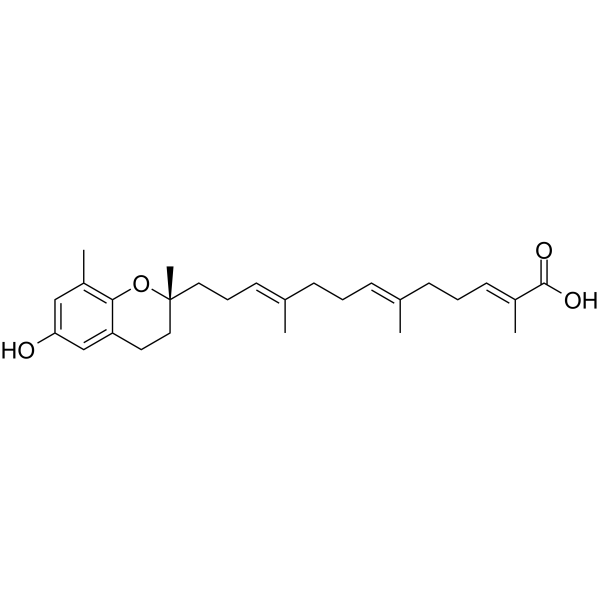
- HY-142989
-
|
|
Liposome
HIV
HCV
HBV
|
Infection
Cancer
|
|
1,2-Didocosahexaenoyl-sn-glycero-3-phosphocholine is a polyunsaturated phospholipid that serves as a component of lipid monolayers and small unilamellar vesicles. 1,2-Didocosahexaenoyl-sn-glycero-3-phosphocholine can be used to prepare endoplasmic reticulum-targeted liposomes (PERLs), which are composed of 1,2-didocosahexaenoyl-sn-glycero-3-phosphoethanolamine, l-α-phosphatidylinositol and l-α-phosphatidylserine at a molar ratio of 1.5:1.5:1:1. PERLs reduce cholesterol levels in human peripheral blood mononuclear cells (PBMCs) and decrease HIV-1 particle secretion from HIV-1-infected PBMCs. Liposomes formed from 1,2-Didocosahexaenoyl-sn-glycero-3-phosphocholine exhibit cytotoxicity against leukemia cells. 1,2-Didocosahexaenoyl-sn-glycero-3-phosphocholine is applicable to studies related to hepatitis C virus infection, HIV infection, hepatitis B virus infection and leukemia .
|
-
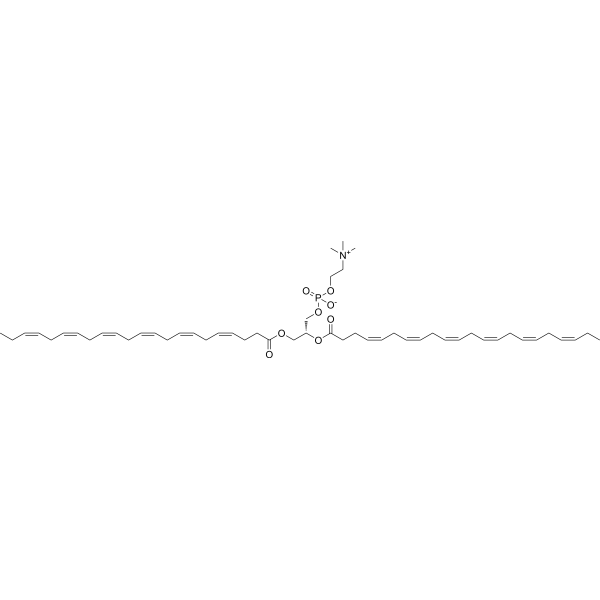
- HY-116028
-
|
15-Deoxy-Δ12,14-PGD2
|
Endogenous Metabolite
Prostaglandin Receptor
PPAR
Src
|
Cardiovascular Disease
|
|
15-deoxy-Δ12,14-Prostaglandin D2 (15-Deoxy-Δ12,14-PGD2), a metabolite of PGD2 (HY-101988), is an agonist of prostaglandin receptor 2 (DP2). 15-deoxy-Δ12,14-Prostaglandin D2 binds to DP2 (Ki=50 nM) and induces eosinophil activation (EC50=8 nM). 15-deoxy-Δ12,14-Prostaglandin D2 also stimulates the recruitment of steroid receptor coactivator-1 (SRC-1) to peroxisome proliferator-activated receptor γ (PPARγ), inducing PPARγ-mediated transcription. 15-deoxy-Δ12,14-Prostaglandin D2 (15-Deoxy-Δ12,14-PGD2) is cytotoxic to L1210 murine leukemia cells (IC50=0.3 μg/ml) and inhibits ADP-induced platelet aggregation (IC50=320 ng/mL).
|
-

- HY-P990144
-
|
|
Integrin
|
Inflammation/Immunology
Cancer
|
|
Anti-Mouse/Human VLA-4/CD49d Antibody (PS/2) is an anti-mouse/human VLA-4/CD49d IgG2b monoclonal antibody. Anti-Mouse/Human VLA-4/CD49d Antibody (PS/2) can reduce VLA-4 positive cells. Anti-Mouse/Human VLA-4/CD49d Antibody (PS/2) can inhibit the migration of Tc1 cells to tumors. Anti-Mouse/Human VLA-4/CD49d Antibody (PS/2) inhibits the retention of leukemia cells in the spleen and bone marrow by blocking VLA-4. Anti-Mouse/Human VLA-4/CD49d Antibody (PS/2) can be used for research on inflammation conditions and cancer such as experimental autoimmune encephalomyelitis (EAE), melanoma and leukemia .
|
-
- HY-139090
-
|
28-O-Acetyl-3-Oxobetulin; 3-oxo-28-O-Acetylbetulin
|
Bacterial
HIV
Drug Derivative
|
Cancer
|
|
3-Oxobetulin acetate (28-O-Acetyl-3-Oxobetulin; 3-oxo-28-O-Acetylbetulin) is a derivative of betulin (HY-N0083), a cholesterol biosynthesis inhibitor. 3-Oxobetulin acetate inhibits the growth of P388 murine lymphocytic leukemia cells (EC50=0.12 μg/mL) and human MCF-7 breast cancer, SF-268 CNS cancer, H460 lung cancer, and KM20L2 colon cancer cells (GI50s=8, 10.6, 5.2, and 12.7 μg/mL), but not BxPC-3 pancreatic cancer cells or DU145 prostate cancer cells (GI50s=>10 μg/mL for both). 3-Oxobetulin acetate inhibits the replication of X4-tropic recombinant HIV (NL4.3-Ren) in MT-2 lymphoblastoid cells (IC50=13.4 μM). 3-Oxobetulin acetate is also effective against Listeria donovani amastigotes.
|
-

- HY-N2423B
-
|
(E/Z)-Allyl-glucosinolate free base; (E/Z)-2-Propenyl-glucosinolate free base
|
NF-κB
p38 MAPK
Apoptosis
|
Cardiovascular Disease
Infection
Inflammation/Immunology
Cancer
|
|
(E/Z)-Sinigrin ((E/Z)-Allyl-glucosinolate; (E/Z)-2-Propenyl-glucosinolate) free base is an orally active aliphatic thioglucoside anti-leukemia compound. Allyl isothiocyanate, produced by the hydrolysis of (E/Z)-sinigrin free base by myrosinase, has an IC50 of 2.71 μM against HL60 leukemia cells. The hydrolysis products of (E/Z)-sinigrin free base can further activate apoptosis pathways, inhibit NF-κB and MAPK signaling pathways, and induce phase II metabolic enzyme activity, thus exhibiting anti-cancer, anti-inflammatory, antibacterial, antioxidant, and wound healing activities. (E/Z)-Sinigrin free base can be used in research on cancer, inflammation-related diseases (such as atherosclerosis), and infectious diseases. (E/Z)-Sinigrin free base can be naturally extracted from the seeds of Brassica nigra, Brassica juncea, and other Brassicaceae plants such as broccoli and Brussels sprouts. Methyl pechueloate is a guaiane-type sesquiterpene ester compound and a potential precursor of xerantholide. It is useful in the structural elucidation and biosynthetic pathway studies of sesquiterpenoids. Methyl pechueloate can be naturally extracted from the aerial parts of Pechuel-Loeschea leibnitziae (Kuntze) O. Hoffm .
|
-

- HY-178172
-
|
|
Histone Methyltransferase
c-Myc
Epigenetic Reader Domain
HOXA
|
Cancer
|
|
AF9/ENL-DOT1L/AF4 PPI-IN-1 is a potent AF9/ENL and histone methyltransferase DOT1L/AF4 protein-protein interactions (PPI) inhibitor. AF9/ENL-DOT1L/AF4 PPI-IN-1 can inhibit the AF9-DOT1L (IC50 = 1.5 μM), AF9-AF4 (IC50 = 1 μM), ENL-AF4 (IC50 = 1.2 μM) interactions. AF9/ENL-DOT1L/AF4 PPI-IN-1 can suppress the expression of Mixed lineage leukemia (MLL) target genes Myc and Meis1 and selectively block the proliferation of MLL-r and several other leukemia cells. AF9/ENL-DOT1L/AF4 PPI-IN-1 exhibits significant antitumor activities in a mouse model of MLL-r leukemia without overt toxicities. AF9/ENL-DOT1L/AF4 PPI-IN-1 can be used for the study of MLL-r leukemia .
|
-

- HY-N0660R
-
|
|
Reference Standards
ERK
p38 MAPK
Akt
PI3K
11β-HSD
STING
VEGFR
Ferroptosis
Autophagy
Apoptosis
Keap1-Nrf2
Caspase
PARP
AMPK
|
Neurological Disease
Metabolic Disease
Inflammation/Immunology
Cancer
|
|
Jujuboside B (Standard) is the analytical standard of Jujuboside B. This product is intended for research and analytical applications. Jujuboside B is a bioactive saponin component isolated from Ziziphi Spinosae Semen (sour jujube seed), with oral efficacy and blood-brain barrier permeability. Jujuboside B induces acute leukemia cell death and drives necroptosis apoptosis by activating the RIPK1/RIPK3/MLKL pathway. Jujuboside B upregulates the expression of NOXA, PARP and caspase-3, activates AMPK, inhibits the proliferation of breast cancer cells, and induces cell apoptosis and autophagy. Jujuboside B inhibits angiogenesis and tumor growth by blocking the VEGFR-2 signaling pathway. Jujuboside B alleviates liver injury in mice by regulating the Nrf2-STING signaling pathway . Jujuboside B alleviates liver injury by regulating anti-inflammatory responses and downregulating the expression of 11β-HSD2. Jujuboside B induces ferroptosis and overcomes radioresistance in non-small cell lung cancer via the PPARγ-ATF3-Gpx4 signaling pathway. Jujuboside B exerts inhibitory effects on platelet aggregation. Jujuboside B inhibits febrile seizures by suppressing the activity of AMPA receptors. Jujuboside B reverses chronic unpredictable mild stress-promoted tumor progression by blocking the PI3K/Akt and MAPK/ERK pathways and dephosphorylating CREB signaling. Jujuboside B is applicable to related studies on acute leukemia, breast cancer, PM2.5-induced lung injury, hepatotoxicity, liver injury, colorectal cancer, non-small cell lung cancer, thromboembolic diseases, cardiovascular diseases associated with high platelet aggregation, febrile seizures, and depressive-like phenotypes.
|
-

- HY-N0660
-
|
|
Apoptosis
PARP
Caspase
AMPK
Autophagy
VEGFR
Keap1-Nrf2
STING
11β-HSD
Ferroptosis
PI3K
Akt
p38 MAPK
ERK
|
Neurological Disease
Metabolic Disease
Inflammation/Immunology
Cancer
|
|
Jujuboside B is a bioactive saponin component isolated from Ziziphi Spinosae Semen (sour jujube seed), with oral efficacy and blood-brain barrier permeability. Jujuboside B induces acute leukemia cell death and drives necroptosis apoptosis by activating the RIPK1/RIPK3/MLKL pathway. Jujuboside B upregulates the expression of NOXA, PARP and caspase-3, activates AMPK, inhibits the proliferation of breast cancer cells, and induces cell apoptosis and autophagy. Jujuboside B inhibits angiogenesis and tumor growth by blocking the VEGFR-2 signaling pathway. Jujuboside B alleviates liver injury in mice by regulating the Nrf2-STING signaling pathway . Jujuboside B alleviates liver injury by regulating anti-inflammatory responses and downregulating the expression of 11β-HSD2. Jujuboside B induces ferroptosis and overcomes radioresistance in non-small cell lung cancer via the PPARγ-ATF3-Gpx4 signaling pathway. Jujuboside B exerts inhibitory effects on platelet aggregation. Jujuboside B inhibits febrile seizures by suppressing the activity of AMPA receptors. Jujuboside B reverses chronic unpredictable mild stress-promoted tumor progression by blocking the PI3K/Akt and MAPK/ERK pathways and dephosphorylating CREB signaling. Jujuboside B is applicable to related studies on acute leukemia, breast cancer, PM2.5-induced lung injury, hepatotoxicity, liver injury, colorectal cancer, non-small cell lung cancer, thromboembolic diseases, cardiovascular diseases associated with high platelet aggregation, febrile seizures, and depressive-like phenotypes .
|
-
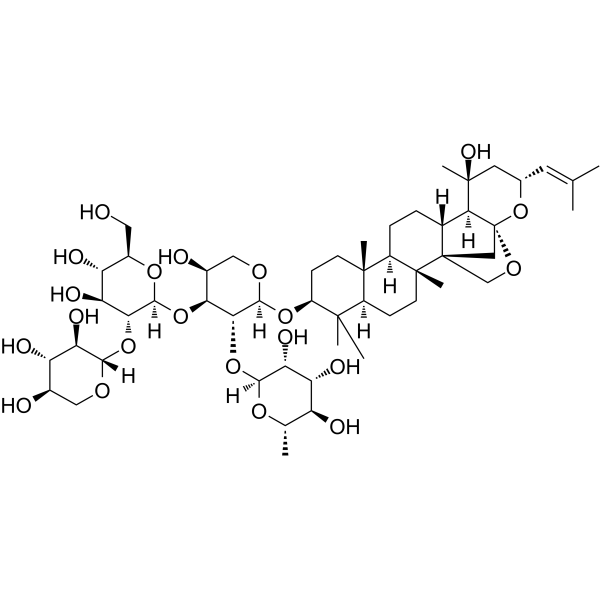
| Cat. No. |
Product Name |
Type |
-
- HY-B2106D
-
|
Decaethylene glycol monododecyl ether (C12E10); Polidocanol (10)
|
Biochemical Assay Reagents
|
|
Polyoxyethylene (10) lauryl ether is a nonionic surfactant.
Polyoxyethylene (10) lauryl ether exhibits unique properties in dissolving liposomes and exerts the minimal interference with endotoxin detection.
Polyoxyethylene (10) lauryl ether forms hybrid liposomes with Dimyristoylphosphatidylcholine (DMPC) (HY-109541), which can inhibit the proliferation of human promyelocytic leukemia cells without the administration of any drugs .
|
-
- HY-139410
-
|
|
Biochemical Assay Reagents
|
|
Sodium caseinates is a kind of sodium salts of major milk proteins, which act as protein-based biopolymers and innate immune system activators. Sodium caseinates induce granulopoiesis, activation and differentiation, promote the production of M-CSF, and increase serum levels of G-CSF and GM-CSF. Sodium caseinates inhibit the proliferation and reduce the viability of leukemia macrophage-like cells, thereby significantly improving the survival rate of mice inoculated with leukemia cells. Sodium caseinates can serve as carriers for probiotics in edible films and exhibit anti-Listeria activity. Sodium caseinates effectively protect vitamin A from degradation, enhance its stability, bioaccessibility and bioavailability, and regulate protein digestibility when complexed with vitamin A. Sodium caseinates can be applied to research related to acute monocytic leukemia and vitamin A deficiency .
|
-
- HY-142989
-
|
|
Biochemical Assay Reagents
|
|
1,2-Didocosahexaenoyl-sn-glycero-3-phosphocholine is a polyunsaturated phospholipid that serves as a component of lipid monolayers and small unilamellar vesicles. 1,2-Didocosahexaenoyl-sn-glycero-3-phosphocholine can be used to prepare endoplasmic reticulum-targeted liposomes (PERLs), which are composed of 1,2-didocosahexaenoyl-sn-glycero-3-phosphoethanolamine, l-α-phosphatidylinositol and l-α-phosphatidylserine at a molar ratio of 1.5:1.5:1:1. PERLs reduce cholesterol levels in human peripheral blood mononuclear cells (PBMCs) and decrease HIV-1 particle secretion from HIV-1-infected PBMCs. Liposomes formed from 1,2-Didocosahexaenoyl-sn-glycero-3-phosphocholine exhibit cytotoxicity against leukemia cells. 1,2-Didocosahexaenoyl-sn-glycero-3-phosphocholine is applicable to studies related to hepatitis C virus infection, HIV infection, hepatitis B virus infection and leukemia .
|
-
- HY-B1713A
-
|
DL-(±)-Ornithine hydrochloride
|
Biochemical Assay Reagents
|
|
DL-Ornithine (DL-(±)-Ornithine) hydrochloride is an amino acid and also a urea cycle promoter. DL-Ornithine hydrochloride has the characteristics of low metabolic rate and rapid excretion, and only the L-enantiomer undergoes decarboxylation. In mice inoculated with L-1210 leukemia cells, DL-Ornithine hydrochloride is excreted in urine in its original form, and its conversion to carbon dioxide within 24 h is negligible. DL-Ornithine hydrochloride is mainly used in the urea cycle to eliminate excess nitrogen in the body and protect the kidneys .
|
-
- HY-B2106DR
-
|
Decaethylene glycol monododecyl ether (C12E10) (Standard); Polidocanol (10) (Standard)
|
Biochemical Assay Reagents
|
|
Polyoxyethylene (10) lauryl ether (Standard) is the analytical standard of Polyoxyethylene (10) lauryl ether. This product is intended for research and analytical applications. Polyoxyethylene (10) lauryl ether is a non-ionic surfactant. Polyoxyethylene (10) lauryl ether exhibits unique properties in dissolving liposomes and exerts the minimal interference with endotoxin detection.
Polyoxyethylene (10) lauryl ether forms hybrid liposomes with Dimyristoylphosphatidylcholine (DMPC) (HY-109541), which can inhibit the proliferation of human promyelocytic leukemia cells without the administration of any drugs.
|
| Cat. No. |
Product Name |
Target |
Research Area |
-
- HY-P2267
-
LDV
1 Publications Verification
|
Integrin
|
Others
|
|
LDV is a non-fluorescent analog of LDV-FITC. LDV is a α4β1 integrin (VLA-4) ligand, and binds α4β1 integrin in leukemia cells .
|
-
- HY-P0132
-
YIGSR
1 Publications Verification
Laminin Fragment 929-933
|
NO Synthase
|
Cancer
|
|
YIGSR (Laminin Fragment 929-933) is a polypeptide that inhibits tumor growth and metastasis of leukemia cells. YIGSR specifically binds to the 67kDa laminin receptor and regulates the expression of eNOS in endothelial cells. YIGSR can be used in leukemia-related research .
|
-
- HY-P10238
-
|
|
Apoptosis
|
Cancer
|
|
MYBMIM is an inhibitor for assembly of the molecular MYB:CBP/P300 complex. MYBMIM inhibits growth of leukemia cells .
|
-
- HY-N6689
-
|
|
Insecticide
Bacterial
|
Infection
Inflammation/Immunology
Cancer
|
|
Destruxin A is a fungal cyclopeptide with insecticidal and antiviral activities. Destruxin A has a certain inhibitory effect on leukemia cells in vitro. Destruxin A can also specifically inhibit the innate immune response of Drosophila melanogaster, making the flies more susceptible to bacterial infections .
|
-
- HY-P10415
-
EPI-X4
1 Publications Verification
hSA(408–423) peptide
|
CXCR
|
Infection
Inflammation/Immunology
Cancer
|
|
EPI-X4 (hSA408–423 peptide) is an antagonist for C-X-C motif chemokine receptor 4 (CXCR4) with IC50 of 8.6 μM. EPI-X4 blocks the CXCL12-mediated signaling, inhibits chemokine-mediated migration and invasion of leukemia cell. EPI-X4 exhibits anti-inflammatory activity in mouse model. EPI-X4 exhibits antiviral activity against CXCR4-tropic HIV with IC50 of 8.6 μM .
|
-
- HY-P5640
-
|
|
Bacterial
Parasite
|
Infection
|
|
Tritrpticin is a porcine-derived antimicrobial peptide with properties such as membrane disruption and hemolysis. Tritrpticin disrupts the cell membranes of bacteria, fungi and Jurkat T cell leukemia cells and induces their death. Tritrpticin also enhances the efficacy of Metronidazole (HY-B0318) against *Trichomonas vaginalis*, reduces plasma endotoxin and inflammatory cytokine levels, restricts bacterial growth in blood and visceral tissues, decreases the mortality rate of septic shock in rats and enhances the therapeutic effect of ertapenem. Tritrpticin exhibits selective cytotoxicity against Jurkat T cell leukemia cells, while showing low toxicity to normal peripheral blood mononuclear cells and red blood cells, and can serve as a template for antimicrobial peptide design. Tritrpticin can be applied to research related to bacterial infections, fungal infections, trichomoniasis, septic shock and leukemia .
|
-
- HY-W019682
-
|
|
Biochemical Assay Reagents
|
Cancer
|
|
Fmoc-FF is a building block. Fmoc-FF-prepared hydrogels and nanogels selectively deliver Dexamethasone (HY-14648) to leukemia cells .
|
-
- HY-P3736
-
|
MP-2
|
Interleukin Related
|
Cancer
|
|
Myelopeptide-2 is a peptide originally isolated from the supernatant of porcine bone marrow cell cultures, can restore mitogenic reactivity of human T lymphocytes inhibited by HL-60 leukemia cells or measles virus conditions. Myelopeptide-2 also recover depressed interleukin-2 (IL-2) synthesis and interleukin-2 receptor (IL-2R) expression. Myelopeptide-2 involves in immunity homeostasis, is perspective to be applied in antitumor and antivirus research .
|
-
- HY-P5327
-
|
|
Bcl-2 Family
|
Others
|
|
r8 Bid BH3 is a biological active peptide. (The Bid BH3 is a pro-apoptotic member of the 'BH3-only' subset of BCL-2 family proteins that constitute a critical control point in apoptosis. r8BIDBH3 is lethal to human leukemia cell lines that expresse Bcl-2. The Bcl-2 antagonists may have the potential to be efficacious in cancer therapy. Poly-D-arginine (d-isomer as denoted by rrrrrrrr) is fused to the Bid BH3 peptide to facilitate cellular uptake of the peptide.)
|
-
- HY-P11338
-
|
|
Endogenous Metabolite
|
Cancer
|
|
Microcyclamide (Compound 1), a cytotoxic cyclic hexapeptide, is a microbial secondary metabolite. Microcyclamide can be isolated from the cyanobacterium Microcystis aeruginosa. Microcyclamide has moderate cytotoxicity against P388 murine leukemia cells with an IC50 of 1.2 μg/mL. Microcyclamide can be used for cancers research .
|
-
- HY-P2044
-
|
|
HDAC
|
Cancer
|
|
Azumamide E is a HDAC inhibitor, with an IC50 of 0.064 μM against HDAC, 1.22 μM against HDAC1, and 2.28 μM against HDAC4. Azumamide E inhibits HDAC activity in nuclear extracts of leukemia cells and cervical adenocarcinoma cells. Azumamide E suppresses angiogenesis. Azumamide E is applicable for research on leukemia, cervical adenocarcinoma, and anti-angiogenesis .
|
-
- HY-K3102
-
|
|
|
MCE Human Acute Myeloid Leukemia Cell Culture Medium is specially designed to promote the in vitro growth of primary human acute myeloid leukemia cells.
|
| Cat. No. |
Product Name |
Target |
Research Area |
Image |
-
- HY-P99650
-
|
WT1
|
Transmembrane Glycoprotein
|
Cancer
|
|
Grisnilimab (WT1) is an IgG2a monoclonal antibody targeting CD7. Grisnilimab only binds to lymphoid tissues and T lymphocytes, with no off-target binding to normal tissues. Grisnilimab can be used to synthesize the immunotoxin WT1-SMPT-dgRTA, which exerts cytotoxic effects on T-lymphoblastic leukemia cells. Grisnilimab is applicable to relevant research on leukemia .
|
-

(5)
-
- HY-P990144
-
|
|
Integrin
|
Inflammation/Immunology
Cancer
|
|
Anti-Mouse/Human VLA-4/CD49d Antibody (PS/2) is an anti-mouse/human VLA-4/CD49d IgG2b monoclonal antibody. Anti-Mouse/Human VLA-4/CD49d Antibody (PS/2) can reduce VLA-4 positive cells. Anti-Mouse/Human VLA-4/CD49d Antibody (PS/2) can inhibit the migration of Tc1 cells to tumors. Anti-Mouse/Human VLA-4/CD49d Antibody (PS/2) inhibits the retention of leukemia cells in the spleen and bone marrow by blocking VLA-4. Anti-Mouse/Human VLA-4/CD49d Antibody (PS/2) can be used for research on inflammation conditions and cancer such as experimental autoimmune encephalomyelitis (EAE), melanoma and leukemia .
|
-
(5)
-
- HY-P991656
-
|
|
CXCR
Apoptosis
p38 MAPK
Akt
|
Cancer
|
|
LY-2624587 is a humanized IgG4 monoclonal antibody antagonist targeting CXCR4. LY-2624587 blocks SDF-1/CXCR4 interaction and SDF-1-induced GTP binding. LY-2624587 significantly inhibits cell migration and induces apoptosis in human lymphoma and leukemia cells. LY-2624587 also inhibits CXCR4 and SDF-1 mediated cell signaling including activation of MAPK and AKT. LY-2624587 can be used for human hematological malignancies like acute myeloid leukemia (AML) research .
|
-
(5)
-
- HY-P991641
-
|
LY3012218
|
FLT3
p38 MAPK
STAT
PI3K
Akt
|
Cancer
|
|
IMC-EB10 (LY3012218) is an anti-FLT3 monoclonal antibody. IMC-EB10 binds to FLT3 with high affinity (Kd = 158 pM) and blocks the binding of FLT3 ligand to FLT3 (IC50 ≈ 10 nM), thereby inhibiting MAPK, STAT5, and PI3K/Akt signaling in leukemia cells. IMC-EB10 can enhance the anti-leukemic effect of Methotrexate (HY-14519) and inhibit leukemias expressing wild-type or ITD-mutated FLT3 receptors. IMC-EB10 prolongs the survival of acute lymphoblastic leukemia (ALL) cells and primary leukemia samples and reduces engraftment in non-obese diabetic/severe combined immunodeficiency patients. IMC-EB10 is indicated for leukemia research .
|
-
(5)
-
- HY-P992058
-
|
ART-140; DNP-001; EGX-040
|
Transmembrane Glycoprotein
|
Cancer
|
|
Leukotuximab (ART-140; EGX-040) is an anti-JL1 mAb and an anti-leukemic agent. Leukotuximab targets the JL1 epitope of CD43 and exerts cytotoxic effects on JL1-positive leukemia cells. Except for thymocytes and some bone marrow mononuclear cells, Leukotuximab causes no damage to most normal tissues. Leukotuximab can be used in the research of acute myeloid leukemia, acute lymphoblastic leukemia, and myelodysplastic syndrome .
|
-
(5)
-
- HY-P991998
-
|
|
Fc Receptor (FcR)
|
Inflammation/Immunology
Cancer
|
|
Anti-Human/Monkey CD16a Antibody (3G8) is a monoclonal antibody targeting CD16a. Anti-Human/Monkey CD16a Antibody (3G8) blocks FcγRIII/CD16a, upregulates the metabolic activity of CD16+ cells, downregulates CD87, a poor prognostic marker, and inhibits the engraftment and growth of leukemia cells in acute myeloid leukemia, and rapidly increases platelet counts in immune thrombocytopenia. Anti-Human/Monkey CD16a Antibody (3G8) is applicable to research related to tumor immunology .
|
-
(5)
| Cat. No. |
Product Name |
Category |
Target |
Chemical Structure |
-
- HY-B0660
-
-
-
- HY-N6733
-
-
-
- HY-13518
-
-
-
- HY-W013706
-
|
ITP trisodium salt; Inosine triphosphate trisodium salt
|
Classification of Application Fields
Ketones, Aldehydes, Acids
Metabolic Disease
Endogenous metabolite
Disease Research Fields
Source Classification
|
Endogenous Metabolite
|
|
Inosine-5'-triphosphate trisodium salt is a nucleotide analogue that acts on multiple G proteins and is widely used in G protein-related research. It can bind to the α -subunit of G proteins and participate in G protein-mediated signal transduction as a substitute for GTP. Its mechanism of action is to interact with the nucleotide-binding site of the G protein α -subunit, affecting the activity and function of G proteins. In the research field, it is mainly used to explore the role of the G protein signaling pathway in cellular physiological and pathological processes. For example, in HL-60 leukemia cells, its impact on G protein-mediated signal transduction can be studied .
|
-
-
- HY-111588
-
-
-
- HY-N6017
-
|
|
Structural Classification
Classification of Application Fields
Terpenoids
Sesquiterpenes
Plants
Compositae
Disease Research Fields
Corethrodendron multijugum (Maximowicz) B. H. Choi & H. Ohashi
Source Classification
Cancer
|
HDAC
TNF Receptor
Interleukin Related
TGF-β Receptor
IFNAR
PI3K
PKC
Akt
GSK-3
Caspase
Apoptosis
|
|
Bakkenolide A is an anticancer agent. Bakkenolide A reduces the viability of leukemia cells, inhibits cell colony formation and invasion, and downregulates the expression of HDAC3 in cells. Bakkenolide A downregulates the expression of pro-inflammatory cytokines including TNF-α, interleukins such as IL-1β, TGF-β1 and IFN-γ, as well as the expression of PI3K, PDK and PKC in leukemia cells. Bakkenolide A downregulates activated Akt, GSK and Bad, while upregulates Cyto-c, cleaved Caspase3 and cleaved Caspase7, induces apoptosis (apoptosis) in leukemia cells and thereby inhibits inflammatory responses in leukemia cells. Bakkenolide A significantly slows the growth of subcutaneous leukemia tumors in nude mice. Bakkenolide A is applicable to leukemia-related research .
|
-
-
- HY-N2387
-
-
-
- HY-N0128
-
-
-
- HY-125098
-
-
-
- HY-N0660
-
|
|
Cardiovascular Disease
Triterpenes
Structural Classification
other families
Classification of Application Fields
Terpenoids
Plants
Disease Research Fields
Source Classification
|
Apoptosis
PARP
Caspase
AMPK
Autophagy
VEGFR
Keap1-Nrf2
STING
11β-HSD
Ferroptosis
PI3K
Akt
p38 MAPK
ERK
|
|
Jujuboside B is a bioactive saponin component isolated from Ziziphi Spinosae Semen (sour jujube seed), with oral efficacy and blood-brain barrier permeability. Jujuboside B induces acute leukemia cell death and drives necroptosis apoptosis by activating the RIPK1/RIPK3/MLKL pathway. Jujuboside B upregulates the expression of NOXA, PARP and caspase-3, activates AMPK, inhibits the proliferation of breast cancer cells, and induces cell apoptosis and autophagy. Jujuboside B inhibits angiogenesis and tumor growth by blocking the VEGFR-2 signaling pathway. Jujuboside B alleviates liver injury in mice by regulating the Nrf2-STING signaling pathway . Jujuboside B alleviates liver injury by regulating anti-inflammatory responses and downregulating the expression of 11β-HSD2. Jujuboside B induces ferroptosis and overcomes radioresistance in non-small cell lung cancer via the PPARγ-ATF3-Gpx4 signaling pathway. Jujuboside B exerts inhibitory effects on platelet aggregation. Jujuboside B inhibits febrile seizures by suppressing the activity of AMPA receptors. Jujuboside B reverses chronic unpredictable mild stress-promoted tumor progression by blocking the PI3K/Akt and MAPK/ERK pathways and dephosphorylating CREB signaling. Jujuboside B is applicable to related studies on acute leukemia, breast cancer, PM2.5-induced lung injury, hepatotoxicity, liver injury, colorectal cancer, non-small cell lung cancer, thromboembolic diseases, cardiovascular diseases associated with high platelet aggregation, febrile seizures, and depressive-like phenotypes .
|
-
-
- HY-N2435
-
-
-
- HY-N6744
-
-
-
- HY-N3434
-
-
-
- HY-N2732
-
-
-
- HY-109569
-
-
-
- HY-137129
-
-
-
- HY-B0660R
-
-
-
- HY-N6689
-
-
-
- HY-B1259
-
-
-
- HY-17563R
-
-
-
- HY-N15387
-
|
|
Monophenols
Microorganisms
Phenols
Source Classification
|
Drug Derivative
|
|
Hericenone J (Compound 6) is an aromatic compound with anticancer activity, which is found in Hericium erinaceum. Hericenone J is cytotoxic and can significantly reduce the viability of HL-60 human acute promyelocytic leukemia cells with an IC50 value of 4.13 μM. Hericenone J is promising for research of leukemia .
|
-
-
- HY-N7634
-
-
-
- HY-N9454
-
|
|
Structural Classification
Monophenols
other families
Classification of Application Fields
Ketones, Aldehydes, Acids
Phenols
Plants
Disease Research Fields
Source Classification
Cancer
|
Pregnane X Receptor (PXR)
COX
NF-κB
Amylases
β-glucuronidase
DNA/RNA Synthesis
Amyloid-β
NOD-like Receptor (NLR)
Pyroptosis
|
|
Garcinoic acid is an orally active anti-inflammatory agent that crosses the blood-brain barrier. Garcinoic acid also enhances efferocytosis and enzyme/receptor regulation, and selectively inhibits human COX-2, porcine α-amylase, Saccharomyces cerevisiae α-glucosidase and human DNA polymerase β (IC50=11 μM), as well as activates human PXR. Garcinoic acid enhances macrophage efferocytosis via receptors such as MerTK and LRP-1, and promotes the production of pro-resolving lipid mediators. Garcinoic acid inhibits NF-κB activation and pro-inflammatory cytokine secretion, interferes with Aβ aggregation, downregulates NLRP3 inflammasome activity, and binds to targets including CD44 and EGFR to inhibit leukemia cell proliferation. The pharmacological activities of Garcinoic acid, such as antioxidant, anti-inflammatory and lipid metabolism-regulating effects, are widely used in studies related to various diseases including atherosclerosis, Alzheimer's disease, type 2 diabetes, inflammatory bowel disease and viral pneumonia .
|
-
-
- HY-N8390
-
-
-
- HY-N10359
-
|
|
Acanthaceae
Classification of Application Fields
Simsia foetida (Cav.) S.F.Blake
Terpenoids
Diterpenoids
Plants
Inflammation/Immunology
Disease Research Fields
Source Classification
|
NOD-like Receptor (NLR)
Caspase
Akt
GSK-3
β-catenin
|
|
Isoandrographolide is an orally active NLRP3 inflammasome inhibitor and AKT/GSK-3β/β-catenin pathway inhibitor. Isoandrographolide inhibits the expression of NLRP3, ASC, and caspase-1, and reduces the levels of phosphorylated AKT, phosphorylated GSK-3β, and β-catenin. Isoandrographolide alleviates inflammatory responses, reduces collagen deposition, suppresses epithelial-mesenchymal transition (EMT), induces differentiation of leukemia cells, inhibits the growth of leukemia cells, protects lung and kidney tissues, regulates cytokine levels, and also exhibits hepatoprotective effects. Isoandrographolide can be used in studies related to silicosis, murine myeloid leukemia, renal tubulointerstitial fibrosis, and non-alcoholic fatty liver disease .
|
-
-
- HY-W011269
-
-
-
- HY-126156
-
-
-
- HY-N5007
-
-
-
- HY-N8519
-
-
-
- HY-N6733R
-
-
-
- HY-13518R
-
-
-
- HY-N10206
-
-
-
- HY-N14621
-
-
-
- HY-N14599
-
-
-
- HY-N15034
-
-
-
- HY-N13878
-
-
-
- HY-N8386
-
-
-
- HY-N14522
-
-
-
- HY-N14556
-
-
-
- HY-N14697
-
-
-
- HY-N14495
-
-
-
- HY-N10071
-
-
-
- HY-N13294
-
|
TMJ-105
|
Terpenoids
Carpesium cernuum L.
Sesquiterpenes
Plants
Compositae
Source Classification
|
Apoptosis
JAK
STAT
p38 MAPK
JNK
ERK
|
|
Cernuumolide J (TMJ-105) is an JAK2/STAT3 inhibitor. Cernuumolide J induces G2/M phase arrest and apoptosis in HEL leukemia cells by downregulating the phosphorylation of JAK2, STAT3, and Erk, and activating the phosphorylation of JNK and p38 MAPK. Cernuumolide J inhibits HEL leukemia cell growth in a time- and concentration-dependent manner, with an IC50 value of 1.79 μM. Cernuumolide J can be used for research in the field of anti-cancer therapy .
|
-
-
- HY-N9159
-
-
-
- HY-N1056
-
-
-
- HY-N10364
-
-
-
- HY-167671
-
-
-
- HY-N12108
-
-
-
- HY-N1649
-
-
-
- HY-N2387R
-
-
- HY-N5186
-
-
- HY-N15653
-
-
- HY-N12209
-
-
- HY-N0128R
-
-
- HY-N16442
-
-
- HY-N15582
-
-
- HY-130059
-
-
- HY-N7814R
-
|
|
Structural Classification
Microorganisms
Ketones, Aldehydes, Acids
Source Classification
|
Reference Standards
Endogenous Metabolite
|
|
Pheniramine (maleate) (Standard) is the analytical standard of Pheniramine (maleate). This product is intended for research and analytical applications. Pheniramine (Prophenpyridamine; Tripoton) maleate is a first-generation histamine H1 receptor antagonist, acts on the central nervous system (CNS) with sedative and hypnotic effect. Pheniramine maleate displays antitumor effect and induces leukemia cells apoptosis. Pheniramine maleate is also a safe and effective local agent that can suppress or relieve pain, with antipruritic effects .
|
-
- HY-B1899AR
-
-
- HY-N8617
-
-
- HY-N2435R
-
-
- HY-N11725
-
|
|
Structural Classification
Microorganisms
Phenols
Polyphenols
Source Classification
|
Fc Receptor (FcR)
|
|
Phlorofucofuroeckol A is a FcεRI inhibitor with low cytotoxicity toward basophilic leukemia cells. Phlorofucofuroeckol A suppresses binding activity between IgE and FcεRI receptor. Phlorofucofuroeckol A inhibits histamine release from basophilic leukemia cells stimulated by IgE/anti-IgE or calcium ionophore A23187 (HY-N6687). Phlorofucofuroeckol A inhibits β-hexosaminidase release from basophilic leukemia cells stimulated by IgE/DNP-BSA. Phlorofucofuroeckol A can be used for the research of allergy disease .
|
-
- HY-N17875
-
-
- HY-N15047
-
-
- HY-N15046
-
-
- HY-N17588
-
-
- HY-N1328
-
-
- HY-N17604
-
-
- HY-N16811
-
-
- HY-N19942
-
-
- HY-N11719
-
-
- HY-N9210
-
-
- HY-N18156
-
-
- HY-129223A
-
-
- HY-N18086
-
|
|
Structural Classification
Microorganisms
Terpenoids
Diterpenoids
Source Classification
|
Others
|
|
Bruceanic acid D is a quassinoid compound and cytotoxic agent that can be isolated from the xylem powder of Brucea antidysenterica. Bruceanic acid D specifically inhibits P-388 lymphocytic leukemia cells but shows no activity against human lung cancer cells and human colon cancer cells. Bruceanic acid D can be used in studies related to P-388 lymphocytic leukemia .
|
-
- HY-P2044
-
-
- HY-N19664
-
-
- HY-N0990
-
|
|
Anthraquinones
Morinda citrifolia Linn.
Rubiaceae
Plants
Source Classification
|
Others
|
|
1,5,15-Trimethylmorindol is an anthraquinone isolated from the leaves of Morinda citrifolia. 1,5,15- trimethylmorindol (25 μg/mL) does not show significant cytotoxic activity on the human T-cell leukemia cell line, Jurkat, by itself but it shows cytotoxicity (IC50 14.5-15.0 μg/mL) when combined with 0.5-1.5 μg/mL of TRAIL in the cell proliferation assay .
|
-
- HY-N18321
-
-
- HY-167237
-
-
- HY-N16684
-
-
- HY-N9784
-
-
- HY-N18117
-
|
|
Structural Classification
Terpenoids
Melia azedarach L.
Diterpenoids
Plants
Meliaceae
Source Classification
|
EBV
|
|
21-Hydroxyisoohchininolide is a salannin-type limonoid. 21-Hydroxyisoohchininolide inhibits lipopolysaccharide (LPS, HY-D1056)-induced nitric oxide production in mouse macrophages. 21-Hydroxyisoohchininolide exhibits cytotoxic activity against leukemia cells and breast cancer cells. 21-Hydroxyisoohchininolide suppresses phorbol 12-myristate 13-acetate (PMA) (HY-18739)-induced activation of Epstein-Barr virus early antigen in lymphocytes. 21-Hydroxyisoohchininolide can be used for the research of leukemia, breast cancer and inflammatory diseases .
|
-
- HY-N15121
-
-
- HY-B1259R
-
|
Acexamic acid (Standard); 6-Acetamidocaproic acid (Standard)
|
Structural Classification
Ketones, Aldehydes, Acids
Endogenous metabolite
Source Classification
|
Reference Standards
Drug Metabolite
Drug Intermediate
|
|
6-Acetamidohexanoic acid (Acexamic acid; 6-Acetamidocaproic acid) (Standard) is the analytical standard of 6-Acetamidohexanoic acid. This product is intended for research and analytical applications. 6-Acetamidohexanoic acid (Acexamic acid; 6-Acetamidocaproic acid) is a metabolite of Hexamethylene bisacetamide (HMBA) (HY-124284) with anti-pulmonary fibrosis activity. 6-Acetamidohexanoic acid does not induce differentiation of human promyelocytic leukemia cells, but is taken up by such cells. 6-Acetamidohexanoic acid serves as a carboxylic acid substrate component for constructing carboxylesterase-responsive near-infrared phototheranostic probes. 6-Acetamidohexanoic acid is applicable to research related to pulmonary fibrosis, refractory hypoxemia and cervical cancer.
|
-
- HY-W013706R
-
|
ITP trisodium salt (Standard); Inosine triphosphate trisodium salt (Standard)
|
Structural Classification
Ketones, Aldehydes, Acids
Endogenous metabolite
Source Classification
|
Endogenous Metabolite
Reference Standards
|
|
Inosine-5'-triphosphate (trisodium salt) (Standard) is the analytical standard of Inosine-5'-triphosphate (trisodium salt) (HY-W013706). This product is intended for research and analytical applications. Inosine-5'-triphosphate trisodium salt is a nucleotide analogue that acts on multiple G proteins and is widely used in G protein-related research. It can bind to the α -subunit of G proteins and participate in G protein-mediated signal transduction as a substitute for GTP. Its mechanism of action is to interact with the nucleotide-binding site of the G protein α -subunit, affecting the activity and function of G proteins. In the research field, it is mainly used to explore the role of the G protein signaling pathway in cellular physiological and pathological processes. For example, in HL-60 leukemia cells, its impact on G protein-mediated signal transduction can be studied .
|
-
- HY-N2423B
-
|
(E/Z)-Allyl-glucosinolate free base; (E/Z)-2-Propenyl-glucosinolate free base
|
Structural Classification
Glucosinolates
Plants
Brassicaceae
Source Classification
Mutarda nigra (L.) Bernh.
|
NF-κB
p38 MAPK
Apoptosis
|
|
(E/Z)-Sinigrin ((E/Z)-Allyl-glucosinolate; (E/Z)-2-Propenyl-glucosinolate) free base is an orally active aliphatic thioglucoside anti-leukemia compound. Allyl isothiocyanate, produced by the hydrolysis of (E/Z)-sinigrin free base by myrosinase, has an IC50 of 2.71 μM against HL60 leukemia cells. The hydrolysis products of (E/Z)-sinigrin free base can further activate apoptosis pathways, inhibit NF-κB and MAPK signaling pathways, and induce phase II metabolic enzyme activity, thus exhibiting anti-cancer, anti-inflammatory, antibacterial, antioxidant, and wound healing activities. (E/Z)-Sinigrin free base can be used in research on cancer, inflammation-related diseases (such as atherosclerosis), and infectious diseases. (E/Z)-Sinigrin free base can be naturally extracted from the seeds of Brassica nigra, Brassica juncea, and other Brassicaceae plants such as broccoli and Brussels sprouts. Methyl pechueloate is a guaiane-type sesquiterpene ester compound and a potential precursor of xerantholide. It is useful in the structural elucidation and biosynthetic pathway studies of sesquiterpenoids. Methyl pechueloate can be naturally extracted from the aerial parts of Pechuel-Loeschea leibnitziae (Kuntze) O. Hoffm .
|
-
- HY-N0660R
-
|
|
Triterpenes
Structural Classification
other families
Terpenoids
Plants
Source Classification
|
Reference Standards
ERK
p38 MAPK
Akt
PI3K
11β-HSD
STING
VEGFR
Ferroptosis
Autophagy
Apoptosis
Keap1-Nrf2
Caspase
PARP
AMPK
|
|
Jujuboside B (Standard) is the analytical standard of Jujuboside B. This product is intended for research and analytical applications. Jujuboside B is a bioactive saponin component isolated from Ziziphi Spinosae Semen (sour jujube seed), with oral efficacy and blood-brain barrier permeability. Jujuboside B induces acute leukemia cell death and drives necroptosis apoptosis by activating the RIPK1/RIPK3/MLKL pathway. Jujuboside B upregulates the expression of NOXA, PARP and caspase-3, activates AMPK, inhibits the proliferation of breast cancer cells, and induces cell apoptosis and autophagy. Jujuboside B inhibits angiogenesis and tumor growth by blocking the VEGFR-2 signaling pathway. Jujuboside B alleviates liver injury in mice by regulating the Nrf2-STING signaling pathway . Jujuboside B alleviates liver injury by regulating anti-inflammatory responses and downregulating the expression of 11β-HSD2. Jujuboside B induces ferroptosis and overcomes radioresistance in non-small cell lung cancer via the PPARγ-ATF3-Gpx4 signaling pathway. Jujuboside B exerts inhibitory effects on platelet aggregation. Jujuboside B inhibits febrile seizures by suppressing the activity of AMPA receptors. Jujuboside B reverses chronic unpredictable mild stress-promoted tumor progression by blocking the PI3K/Akt and MAPK/ERK pathways and dephosphorylating CREB signaling. Jujuboside B is applicable to related studies on acute leukemia, breast cancer, PM2.5-induced lung injury, hepatotoxicity, liver injury, colorectal cancer, non-small cell lung cancer, thromboembolic diseases, cardiovascular diseases associated with high platelet aggregation, febrile seizures, and depressive-like phenotypes.
|
-
| Cat. No. |
Product Name |
Chemical Structure |
-
- HY-125348S
-
|
|
|
6α-Hydroxy Paclitaxel-d5 is the deuterium labeled 6α-Hydroxy paclitaxel. 6α-Hydroxy paclitaxel is one of the main metabolites of Paclitaxel (PTX) (HY-B0015), and it is generated by the liver cytochrome P450 enzyme CYP2C8. 6α-Hydroxy paclitaxel has bone marrow toxicity, but it can enhance the cytotoxicity of PTX against leukemia cells without causing cell toxicity. 6α-Hydroxy paclitaxel can be used in leukemia research.
|
-
-
- HY-G0017S
-
|
|
|
N-Desmethyl imatinib-d8 is a deuterium labeled Imatinib metabolite N-Desmethyl Imatinib (HY-G0017). N‑Desmethyl imatinib (Norimatinib) is an active metabolite of Imatinib (HY-15463), a selective c‑Abl inhibitor, and a substrate of P‑glycoprotein. N-Desmethyl imatinib binds to the c-Abl catalytic domain to prevent substrate phosphorylation, inhibits c-Abl-mediated α-synuclein activation and downstream inflammatory signaling pathways. N-Desmethyl imatinib induces apoptosis in K562 human leukemia cells. N-Desmethyl imatinib exhibits significantly elevated plasma levels in gastrointestinal stromal tumor (GIST) settings following mild SARS CoV 2 infection. N-Desmethyl imatinib can be used for the research of Parkinson’s disease, gastrointestinal stromal tumor, and chronic myeloid leukemia .
|
-
-
- HY-B0660S1
-
|
|
|
Eicosapentaenoic acid 1,2,3,4,5- 13C5 (EPA 1,2,3,4,5- 13C, FA 20:5- 13C5) is 13C labeled Eicosapentaenoic Acid. Eicosapentaenoic Acid (EPA) is an orally active Omega-3 long-chain polyunsaturated fatty acid (ω-3 LC-PUFA). Eicosapentaenoic Acid exhibits a DNA demethylating action that promotes the re-expression of the tumor suppressor gene CCAAT/enhancer-binding protein δ (C/EBPδ). Eicosapentaenoic Acid activates RAS/ERK/C/EBPβ pathway through H-Ras intron 1 CpG island demethylation in U937 leukemia cells. Eicosapentaenoic Acid can promote relaxation of vascular smooth muscle cells and vasodilation .
|
-
-
- HY-G0017S1
-
|
|
|
N-Desmethyl imatinib-d4 is the deuterium-labeled N-Desmethyl imatinib (HY-G0017). N‑Desmethyl imatinib (Norimatinib) is an active metabolite of Imatinib (HY-15463), a selective c‑Abl inhibitor, and a substrate of P‑glycoprotein. N-Desmethyl imatinib binds to the c-Abl catalytic domain to prevent substrate phosphorylation, inhibits c-Abl-mediated α-synuclein activation and downstream inflammatory signaling pathways. N-Desmethyl imatinib induces apoptosis in K562 human leukemia cells. N-Desmethyl imatinib exhibits significantly elevated plasma levels in gastrointestinal stromal tumor (GIST) settings following mild SARS CoV 2 infection. N-Desmethyl imatinib can be used for the research of Parkinson’s disease, gastrointestinal stromal tumor, and chronic myeloid leukemia .
|
-
-
- HY-B0660S2
-
|
|
|
Eicosapentaenoic acid-d10 (EPA-d10) is the deuterium labeled Eicosapentaenoic acid (HY-B0660). Eicosapentaenoic Acid (EPA) is an orally active Omega-3 long-chain polyunsaturated fatty acid (ω-3 LC-PUFA). Eicosapentaenoic Acid exhibits a DNA demethylating action that promotes the re-expression of the tumor suppressor gene CCAAT/enhancer-binding protein δ (C/EBPδ). Eicosapentaenoic Acid activates RAS/ERK/C/EBPβ pathway through H-Ras intron 1 CpG island demethylation in U937 leukemia cells. Eicosapentaenoic Acid can promote relaxation of vascular smooth muscle cells and vasodilation .
|
-
| Cat. No. |
Product Name |
|
Classification |
-
- HY-114312
-
|
|
|
PROTAC Synthesis
|
|
MD-224 is a first-in-class and highly potent small-molecule human murine double minute 2 (MDM2) degrader based on the proteolysistargeting chimera (PROTAC) concept. MD-224 consists of ligands for Cereblon and MDM2. MD-224 induces rapid degradation of MDM2 at concentrations <1 nM in human leukemia cells, and achieves an IC50 value of 1.5 nM in inhibition of growth of RS4;11 cells. MD-224 has the potential to be a new class of anticancer agent . MD-224 is a click chemistry reagent, it contains an Alkyne group and can undergo copper-catalyzed azide-alkyne cycloaddition (CuAAc) with molecules containing Azide groups.
|
| Cat. No. |
Product Name |
|
Classification |
-
- HY-W013706
-
|
ITP trisodium salt; Inosine triphosphate trisodium salt
|
|
Nucleotide Analogs
|
|
Inosine-5'-triphosphate trisodium salt is a nucleotide analogue that acts on multiple G proteins and is widely used in G protein-related research. It can bind to the α -subunit of G proteins and participate in G protein-mediated signal transduction as a substitute for GTP. Its mechanism of action is to interact with the nucleotide-binding site of the G protein α -subunit, affecting the activity and function of G proteins. In the research field, it is mainly used to explore the role of the G protein signaling pathway in cellular physiological and pathological processes. For example, in HL-60 leukemia cells, its impact on G protein-mediated signal transduction can be studied .
|
-
- HY-160041A
-
|
NOX-A12 sodium
|
|
Antisense Oligonucleotides
|
|
Olaptesed pegol (NOX-A12) sodium is a L-oligoribonucleotide aptamer targeting CXCL12 based on a pegylated structure. Olaptesed pegol sodium neutralizes CXCL12, and CXCL12 inhibition mobilizes chronic lymphocytic leukemia cells into the circulation and prevents their homing into the protective microenvironment. Olaptesed pegol sodium can enhances the infiltration of human primary T cells and NK cells and inhibit tumor growth companied with anti-PD-1 antibody. Olaptesed pegol sodium can be used for researches of colon cancer and lymphocytic leukemia .
|
-
- HY-160041
-
|
NOX-A12
|
|
Antisense Oligonucleotides
|
|
Olaptesed pegol (NOX-A12) is a L-oligoribonucleotide aptamer targeting CXCL12 based on a pegylated structure. Olaptesed pegol neutralizes CXCL12, and CXCL12 inhibition mobilizes chronic lymphocytic leukemia cells into the circulation and prevents their homing into the protective microenvironment. Olaptesed pegol can enhances the infiltration of human primary T cells and NK cells and inhibit tumor growth companied with anti-PD-1 antibody. Olaptesed pegol can be used for researches of colon cancer and lymphocytic leukemia .
|
-
- HY-145729
-
|
AZD9150
|
|
Antisense Oligonucleotides
|
|
Danvatirsen (AZD9150) is an antisense oligonucleotide targeting STAT3. Danvatirsen reduces the viability and promotes apoptosis of leukemia cell lines. Danvatirsen inhibits the expression of endogenous STAT3 and its downstream target genes, and reduces the proliferation and tumorigenicity of neuroblastoma and lymphoma cells. Danvatirsen inhibited tumor growth in mouse models of neuroblastoma, lymphoma, and non-small cell lung cancer. Danvatirsen achieves STAT3 mRNA and protein depletion in a mouse model of epidermoid carcinoma. Danvatirsen can be used in research related to lymphoma, myelodysplastic syndrome, acute myeloid leukemia, neuroblastoma and non-small cell lung cancer .
|
-
- HY-142989
-
|
|
|
Phospholipids
|
|
1,2-Didocosahexaenoyl-sn-glycero-3-phosphocholine is a polyunsaturated phospholipid that serves as a component of lipid monolayers and small unilamellar vesicles. 1,2-Didocosahexaenoyl-sn-glycero-3-phosphocholine can be used to prepare endoplasmic reticulum-targeted liposomes (PERLs), which are composed of 1,2-didocosahexaenoyl-sn-glycero-3-phosphoethanolamine, l-α-phosphatidylinositol and l-α-phosphatidylserine at a molar ratio of 1.5:1.5:1:1. PERLs reduce cholesterol levels in human peripheral blood mononuclear cells (PBMCs) and decrease HIV-1 particle secretion from HIV-1-infected PBMCs. Liposomes formed from 1,2-Didocosahexaenoyl-sn-glycero-3-phosphocholine exhibit cytotoxicity against leukemia cells. 1,2-Didocosahexaenoyl-sn-glycero-3-phosphocholine is applicable to studies related to hepatitis C virus infection, HIV infection, hepatitis B virus infection and leukemia .
|
-
- HY-145729A
-
|
AZD9150 sodium
|
|
Antisense Oligonucleotides
|
|
Danvatirsen sodium (AZD9150 sodium) is an antisense oligonucleotide targeting STAT3. Danvatirsen sodium reduces the viability and promotes apoptosis of leukemia cell lines. Danvatirsen sodium inhibits the expression of endogenous STAT3 and its downstream target genes, and reduces the proliferation and tumorigenicity of neuroblastoma and lymphoma cells. Danvatirsen sodium inhibited tumor growth in mouse models of neuroblastoma, lymphoma, and non-small cell lung cancer. Danvatirsen sodium achieves STAT3 mRNA and protein depletion in a mouse model of epidermoid carcinoma. Danvatirsen sodium can be used in research related to lymphoma, myelodysplastic syndrome, acute myeloid leukemia, neuroblastoma and non-small cell lung cancer .
|
-
- HY-153495
-
|
BP1001
|
|
Antisense Oligonucleotides
|
|
Prexigebersen (BP1001) is an antisense oligonucleotide targeting Bcl-2 and Grb2. Prexigebersen exhibits antileukemic activity in cell models. Prexigebersen induces apoptosis (apoptosis), cell cycle arrest and ROS production in leukemia cells. Prexigebersen inhibits Grb2 expression, thereby suppressing tumor growth and survival. Prexigebersen can be used in studies related to acute myeloid leukemia .
|
Your information is safe with us. * Required Fields.
Inquiry Information
- Product Name:
- Cat. No.:
- Quantity:
- MCE Japan Authorized Agent:





![[Ru(phen)2(4-Me-Sal)]BF4](http://file.medchemexpress.com/product_pic/hy-157464.gif)


![[1,1′:4′,1′′-Terphenyl]-3,4′′,5-triol](http://file.medchemexpress.com/product_pic/hy-120654.gif)


![1,1′-Ethylidenebis[L-tryptophan]](http://file.medchemexpress.com/product_pic/hy-w585843.gif)


![[8]-Shogaol](http://file.medchemexpress.com/product_pic/hy-n2435.gif)


![[8]-Shogaol (Standard)](http://file.medchemexpress.com/product_pic/hy-n2435r.gif)





