

From 11:00 pm to 12:00 pm EST ( 8:00 pm to 9:00 pm PST ) on January 6th, the website will be under maintenance. We are sorry for the inconvenience. Please arrange your schedule properly.
Ipilimumab is a fully human monoclonal antibody IgG1κ that blocks the inhibitory receptor cytotoxic T lymphocyte antigen 4 (CTLA-4) on T cells. Ipilimumab can be used in unresectable or metastatic melanoma (MM) studies .
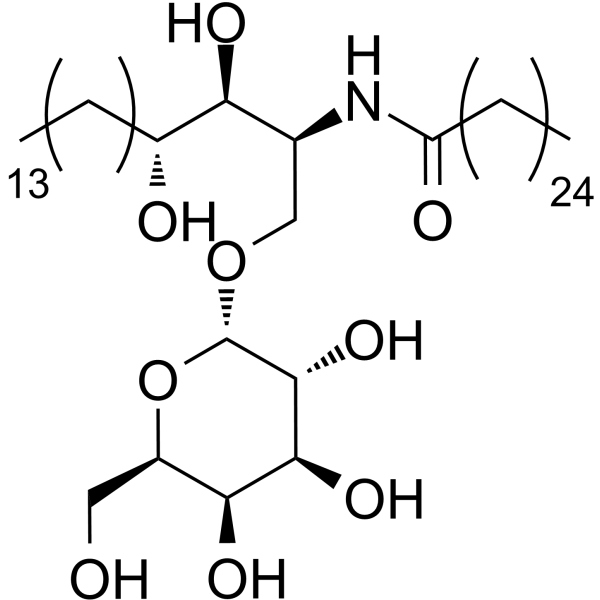
α-Galactosylceramide (α-GalCer) is a synthetic glycolipid with antitumorial and immunostimulatory. α-Galactosylceramide is a very potent NKT cell agonist and binds effectively to CD1d. The complex of α-Galactosylceramide plus CD1d binds the NKT cell TCR (T cell antigenreceptor) .
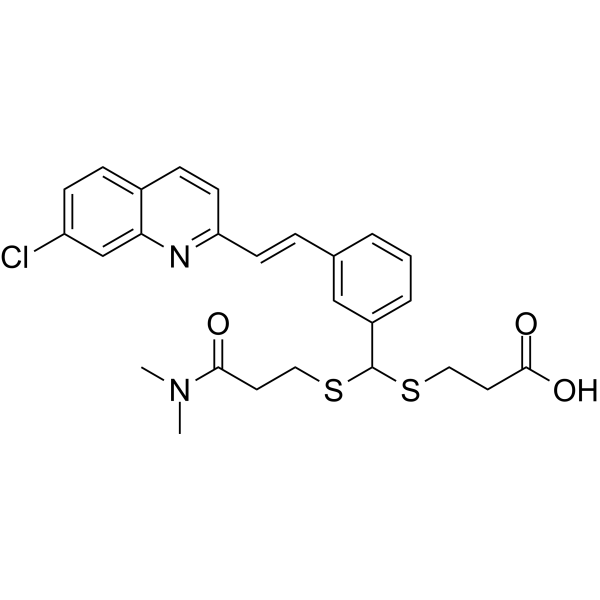
MK-571 (L-660711) is an orally active, potent and selective competitive leukotriene D4 (LTD4) receptor antagonist, with Ki values of 0.22 and 2.1 nM in guinea pig and human lung membranes, respectively. MK-571 is also a MRP4 and ABCC1 (MRP1) inhibitor. MK-571 inhibits constitutive and antigen-stimulated S1P (sphingosine-1-phosphate) release .
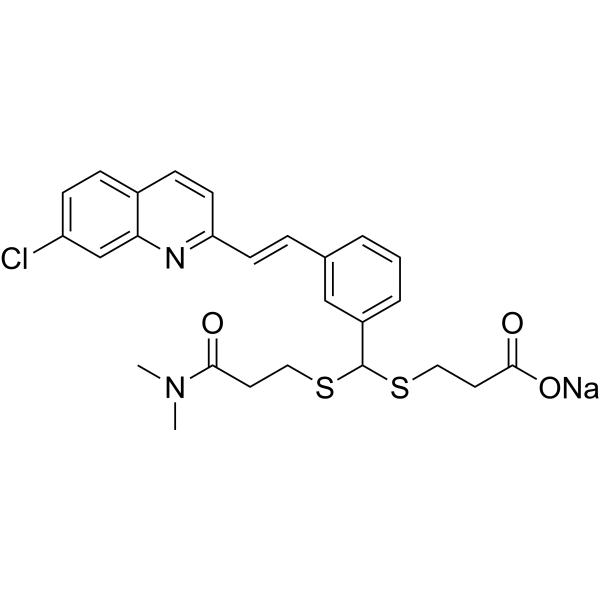
MK-571 (L-660711) sodium is an orally active, potent and selective competitive leukotriene D4 (LTD4) receptor antagonist, with Ki values of 0.22 and 2.1 nM in guinea pig and human lung membranes, respectively. MK-571 sodium is also a inhibitor of multidrug resistance-associated protein MRP4 (ABCC4) and ABCC1 (MRP1). MK-571 sodium inhibits constitutive and antigen-stimulated S1P (sphingosine-1-phosphate) release .
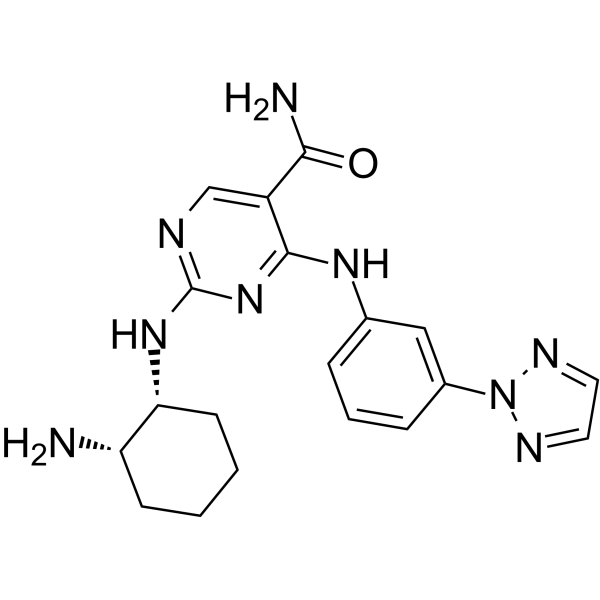
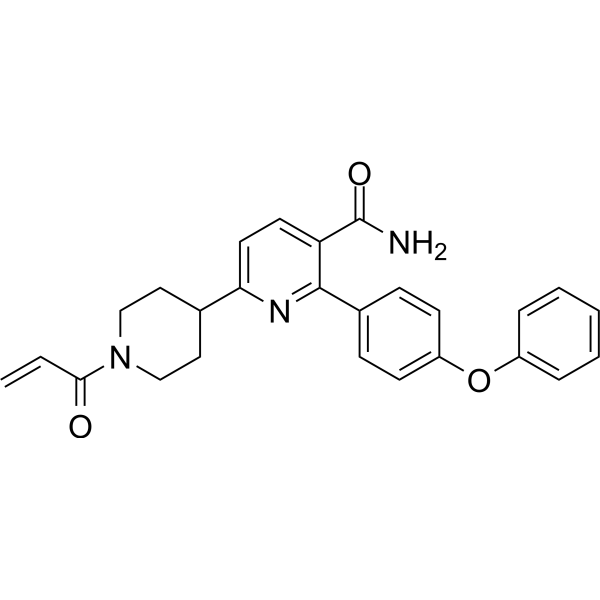
Orelabrutinib (ICP-022) is a potent, orally active, and irreversible Bruton's tyrosine kinase (BTK) inhibitor with potential antineoplastic activity. Orelabrutinib prevents both the activation of the B-cell antigenreceptor (BCR) signaling pathway and BTK-mediated activation of downstream survival pathways, inhibiting the growth of malignant B-cells that overexpress BTK .
Atraric acid (Methyl atrarate) is a specific androgen receptor (AR) antagonist with anti-inflammatory and anticancer effects. Atraric acid represses the expression of the endogenous prostate specific antigen gene in both LNCaP and C4-2 cells. Atraric acid can also inhibit the synthesis of NO and cytokine, and suppress the MAPK-NFκB signaling pathway. Atraric acid can be used to research prostate diseases and inflammatory diseases .
Tebentafusp (IMCgp100) is a bispecific fusion protein to target gp100 peptide-HLA-A*02:01 (a melanoma-associated antigen). Tebentafusp guides T cells to kill gp100-expressing tumor cells via a high affinity T-cell receptor (TCR) binding domain and an anti-CD3 T-cell engaging domain. Tebentafusp leads to inflammatory cytokines and cytolytic proteins production, resulting in the direct lysis of tumour cells .
PRT062607 (P505-15; PRT-2607) is an orally active ATP-competitive Syk inhibitor with an IC50 value of 1 nM, and exhibits at least 80-fold selectivity over other kinases. PRT062607 blocks B cell antigenreceptor-mediated activation, Fcε receptor 1-mediated basophil degranulation and microglial phagocytosis, and induces caspase-dependent apoptosis and microglial death. PRT062607 inhibits tumor growth and peripheral nerve injury-induced mechanical allodynia, and prevents neuronal loss. PRT062607 can be used in research related to rheumatoid arthritis, chronic lymphocytic leukemia, non-Hodgkin's lymphoma, neurodegenerative diseases and neuropathic pain .
Anti-TSHR Antibody (K1-70) is an anti-TSHR monoclonal antibody. Anti-TSHR Antibody (K1-70) incorporates a single-chain variable fragment into a chimeric antigenreceptor to redirect T cells to TSHR-expressing cells. Anti-TSHR Antibody (K1-70) shows antitumor activity with no apparent toxicity. Anti-TSHR Antibody (K1-70) can be used for the research of differentiated thyroid cancer (DTC) .
DOCK2-IN-1 (Compound 3) is an analog of CPYPP (HY-110100) and a DOCK2 inhibitor (IC50 = 19.1 μM). DOCK2-IN-1 binds to the DHR-2 domain of DOCK2 and inhibits its mediated Rac guanine nucleotide exchange factor activity. DOCK2-IN-1 blocks chemokine receptor- and antigenreceptor-mediated activation of Rac in lymphocytes. DOCK2-IN-1 significantly inhibits chemotaxis and T cell activation. DOCK2-IN-1 can be used in the research of transplant rejection and organ-specific autoimmune diseases .
Muromonab (Muromonab-CD3; OKT3) is a mouse monoclonal antibody targeting the CD3antigen. Muromonab specifically binds to the CD3 antigen on the surface of human and higher primate T cells. Muromonab blocks the function of T cell receptors to recognize foreign antigens and inhibits T cell-mediated immune responses, including cell-mediated lymphocyte lysis and T cell proliferation responses. Muromonab can be used to study acute kidney, liver, heart and combined kidney-pancreas transplant rejection, and can also be used to study graft-versus-host disease in bone marrow transplant patients .
Clesrovimab (MK1654) is a humanized IgG1 monoclonal antibody targeting the respiratory syncytial virus (RSV) protein F. Clesrovimab binds to pre-fusion and post-fusion forms of RSV-A fusion protein with high affinity, with corresponding KD values of 71 pM and 480 pM, respectively. Clesrovimab is applicable for the research of RSV infection .
RVG (RVG29) is a blood-brain barrier-permeable peptide derived from rabies virus glycoprotein, which binds to the α-7 subunit of neuronal nicotinic acetylcholine receptor (AchR). RVG efficiently delivers drugs to nerve cells and antigen-presenting cells in a targeted manner, and enhances the efficiency of antigen presentation and drug delivery .
Ganglioside GM2 is a human tumor antigen predominantly found in human tumor cells and fetal brain tissue. As a sialylated glycosphingolipid, Ganglioside GM2 is involved in processes such as cell signaling, adhesion, and motility. Ganglioside GM2 abnormal expression and accumulation are associated with tumors and neurodegenerative disorders. Ganglioside GM2 promotes tumor cell migration and invasion by directly binding to the integrin β1 receptor, activating the FAK/Src/Erk-MAPK signaling pathway, and inducing actin cytoskeleton remodeling .
Triptophenolide (Hypolide) is a colorless crystal isolated from the ethyl acetate extract of Tripterygium wilfordii. Triptophenolide is an orally active pan‑antagonist of the androgen receptor (AR) with an IC50 of 467 nM against human wild‑type AR. Triptophenolide reduces AR expression, inhibits AR nuclear translocation, downregulates prostate‑specific antigen mRNA levels, and suppresses the growth of AR‑positive prostate cancer cells. Triptophenolide shows anti-tumor effects against breast cancer by inhibiting cell proliferation and migration, inducing G1-phase arrest and apoptosis, repressing xenograft tumor growth. Triptophenolide inhibits pyroptosis, alleviates tissue inflammation, and ameliorates synovial injury. Triptophenolide can be used for the study of prostate cancer, rheumatoid arthritis and breast cancer .
Leelamine is an orally active pyruvate dehydrogenase kinase (PDK) inhibitor with an IC50 value of 9.5 μM, showing a blood glucose lowering effect in the diabetic mouse. Leelamine is also a weak agonist of cannabinoid receptorsCB1 and CB2. Leelamine decreases mitotic activity, prostate-specific antigen expression and induces Apoptosis to cell death in cancer cells .
Ar-V7-IN-1 is a potent inhibitor of Ar-V7. Ar-V7-IN-1 inhibits the transcriptional activity of androgen receptor (AR) and the secretion of prostate-specific antigen (PSA) with an eGFP IC50 of 1232 nM and the PSA IC50 of 1391 μM. Ar-V7-IN-1 has the potential for the research of various indications, in particular cancers such as prostate cancer .
Elebsiran (VIR-2218) sodium is a siRNA that targets and degrades hepatitis B virus (HBV) and hepatitis D virus (HDV) RNA transcripts. Elebsiran sodium leads to a significant decrease in HBV surface antigen (HBsAg) and a reduction in viral load. Elebsiran sodium binds to the sialic acid-depleted glycoprotein receptor (ASGPR) on the surface of liver cells through the GalNAc ligand, achieving liver-targeted delivery and demonstrating improved liver safety. Elebsiran sodium can be used for the study of chronic HBV/HDV infections .
Lipopolysaccharides, from S. marcescens (Serratia marcescens) are lipopolysaccharide endotoxins and TLR-4 activators derived from Serratia marcescens, classified as S-type LPS, which can activate pathogen-associated molecular patterns (PAMP) of the immune system and induce cellular secretion of migrasomes. Lipopolysaccharides, from S. marcescens exhibit a typical three-part structure: O-antigen (O-antigen), core oligosaccharide (core oligosaccharide), and lipid A (Lipid A). Lipopolysaccharides, from S. marcescens induce NF-κB activation in mouse cells via Toll-like receptor (TLR4)/MD-2. The lipopolysaccharides of S. marcescens can induce apoptosis in host immune cells, thereby suppressing the host's innate immunity .
It is recommended to prepare a solution with concentration ≥2 mg/mL. Vortex thoroughly for more than 10 minutes. Due to the adsorption characteristics of LPS, silanized container or low adsorption centrifuge tubes should be used for aliquoting and storage, and mix thoroughly before use.
Raxibacumab (ABthrax) is a human IgG1 monoclonal antibody against Bacillus anthracis protective antigen (PA). Raxibacumab blocks the toxin’s deleterious effects by preventing binding of the protective antigen component of the anthrax toxin to its receptors in host cells, thereby blocking the toxin’s deleterious effects. Raxibacumab can be used for anti-anthrax research .
KRM-III is a potent and orally active T-cell antigenreceptor (TCR) inhibitor. KRM-III inhibits TCR- and phorbol myristate acetate/ionomycin-induced activation of nuclear factor of activated T cells (NFAT) and T-cell proliferation with an IC50 of ~5 μM. Anti-inflammatory activity .
Gb3 (d18:1/16:0) (Compound 1) is the P kantigen of the P blood group system. Gb3 (d18:1/16:0) acts as a cell surface receptor. Gb3 (d18:1/16:0) is used for research on Burkitt's lymphoma, teratocarcinoma, embryonal carcinoma, and Fabry's disease .
NDI-101150 is an orally active, potent and selective hematopoietic progenitor cell kinase 1 (HPK1) inhibitor with an IC50 of 0.7 nM. NDI-101150 blocks HPK1-mediated negative regulation of immune receptor signaling, inhibits immunosuppression of T cell activation, enhances antigen-specific antibody production and augments B-cell activation. NDI-101150 inhibits tumor growth in syngeneic tumor models, establishes durable antitumor immune memory, and synergizes with anti-PD1 to enhance exhausted T cell activity and drive tumor regressions. NDI-101150 can be used for the research of cancer, such as breast cancer and colon cancer .
CBP-1018 is a PDC (peptide-drug conjugate) formed by conjugating Monomethyl auristatin E (HY-15162) to a dual-targeting ligand of FLOR1/PSMA (prostate-specific membrane antigen) via a linker (HY-78738). CBP-1018 binds to FLOR1 and prostate-specific membrane antigen (PSMA). CBP-1018 is applicable to the research of solid tumors and metastatic castration-resistant prostate cancer .
RVG TFA is a peptide derived from Rabies Virus Glycoprotein that binds to the α-7 subunit of nicotinic acetylcholine receptors (AchR) of neuronal cells. RVG enhances delivery of Mycobacterium tuberculosisantigens to antigen-presenting cells .
Val-Cit-amide-Ph-Maytansine is an antibody and bispecific antigen-binding mol. that bind hepatocyte growth factor receptor c-Met (MET) or antibody-drug conjugates (ADCs) .
SIYNFEKL TFA is a variant of major MHC class I-restricted epitope SIINFEKL. SIYNFEKL TFA is an antigenic peptide, that can stimulate specific T cells in experimental settings to study the competitive interaction between T cell. SIYNFEKL TFA exhibits low affinity for the OT-I T cell receptor (TCR), and can be used for detection of CD8+ T cells .
SIIVFEKL TFA is a variant of the major MHC class I-restricted epitope SIINFEKL. SIIVFEKL TFA is an antigenic peptide, that can stimulate specific T cells in experimental settings to study the competitive interaction between T cells. SIIVFEKL TFA exhibits low affinity for the OT-I T cell receptor (TCR), and can be used for detection of CD8+ T cells .
ASGPR ligand-2 (Compound 366) is an asialoglycoprotein receptor (ASGPR) binder. ASGPR ligand-2 can be coupled with recognition elements of target proteins (such as antibodies or antigen-binding fragments), and through the endocytosis mediated by ASGPR, the target protein is delivered to the lysosomes of liver cells, promoting the degradation of the target protein. ASGPR ligand-2 can be used for the research of metabolic disease .
Elebsiran (VIR-2218) is a siRNA that targets and degrades hepatitis B virus (HBV) and hepatitis D virus (HDV) RNA transcripts. Elebsiran leads to a significant decrease in HBV surface antigen (HBsAg) and a reduction in viral load. Elebsiran binds to the sialic acid-depleted glycoprotein receptor (ASGPR) on the surface of liver cells through the GalNAc ligand, achieving liver-targeted delivery and demonstrating improved liver safety. Elebsiran can be used for the study of chronic HBV/HDV infections .
CCL-34 is a Toll-like receptor 4 (TLR4) activator. CCL-34 significantly induced dendritic cell (DC) CD83 expression and IL-12p70 production in a dose-dependent manner, thereby inducing DC maturation. CCL-34 enhanced the allostimulatory activity of DC on naive CD4+CD45+RA+ T cell proliferation and IFN-γ secretion. CCL-34 further induced antigen presentation ability in mice inoculated with doxorubicin-treated colorectal cancer cells. CCL-34 can be used in studies of immune stimulation.
CD19 CAR circRNA will express CD19 car protein, and can be used in chimeric antigenreceptor T cell immunotherapy (CAR-CD19). The CD19 car is a chimeric antigenreceptor. Among them, CD19 is a CD molecule expressed by B cells (i.e. leukocyte differentiation antigen), an important membrane antigen involved in B cell proliferation, differentiation, activation and antibody production, and can also promote BCR signal transduction.
CD31 (PECAM-1) is platelet endothelial cell adhesion molecule-1, serves as the endothelial cell-specificreceptor of clostridium perfringens b-Toxin (CPB). CD31 is also an ER-MP12 antigen, acts as a linker between mechanical stress, metabolism and inflammation. CD31 peptide is able to sustain phosphorylation of the CD31 ITIM686 and of SHP2 and to inhibit TCR-induced T-cell activation - .
BTK-IN-14 is a potent inhibitor of BTK. BTK plays an important role in signaling mediated by B cell antigenreceptor (BCR) and Fcγreceptor (FcγR) in B cells and myeloid cells, respectively. BTK-IN-14 has the potential for the research of related diseases, especially autoimmune diseases, inflammatory diseases or cancer (extracted from patent WO2022057894A1, compound 1) .
RTDLDSLRTYTL is an Alpha (v) beta (6) integrin (avb6) inhibitor with high affinity and specificity. RTDLDSLRTYTL binds to avb6 integrin, a peptide sequence that activates cytotoxicity and cytokine production in T cells, such as interferon-gamma. RTDLDSLRTYTL is designed through a chimeric T cell antigenreceptor (CAR) so that T cells can be redirected to specifically recognize and attack tumor cells. RTDLDSLRTYTL can be used in the research of cancer immunotherapy and targeted drug development .
AR antagonist 15 is an orally active androgen receptor (AR) antagonist with the IC50 of 97 nM for ART787A. AR antagonist 15 disrupts AR nuclear translocation, hinders AR homodimerization, and suppresses transcription of AR-regulated genes by competitive binding to the ligand binding pocket. AR antagonist 15 can significantly lower the prostate-specific antigen (PSA) level. AR antagonist 15 induces apoptosis by reducing the expression of apoptosis pathway related proteins. AR antagonist 15 can be used for the research of prostate cancer.
Gb3(d18:1/16:0)-d9 is deuterium labeled Gb3(d18:1/16:0) (HY-156209). Gb3 (d18:1/16:0) (Compound 1) is the P kantigen of the P blood group system. Gb3 (d18:1/16:0) acts as a cell surface receptor. Gb3 (d18:1/16:0) is used for research on Burkitt's lymphoma, teratocarcinoma, embryonal carcinoma, and Fabry's disease .
Neoaureothin is a bacterial metabolite that has been found in Streptomyces. It is an androgen receptor (AR) antagonist that inhibits binding of dihydrotestosterone (DHT) to ARs (IC50=13 μM) and inhibits DHT-induced expression of prostate-specific antigen in LNCaP cells (IC50=1.75 nM). Neoaureothin is cytotoxic to A549, HCT116, and HepG2 cells (IC50s=34.3, 47, and 37.2 μg/mL, respectively). It also has nematocidal activity against the pine wood nematode B. xylophilus (LC50=0.84 μg/mL) and increases survival of P. densiflora trees inoculated with B. xylophilus.
(R)-Phe-A110/B319, a hapten, is a selective binder to tumor-associated antigens. (R)-Phe-A110/B319 has a 20-fold higher affinity towards the H1047R mutant of p110α in the p110α/p85α PI3K complex. (R)-Phe-A110/B319 can be used for the research of conditional chimeric antigenreceptor T (CAR-T) cell activation and tumor targeting .
HS105 is a vaccine adjuvant and a key component in vaccines. Adjuvants can be divided into immunostimulants and delivery systems. Adjuvants can not only enhance the intensity and durability of immune responses, but also affect the type of immune responses. On the one hand, immunostimulants promote the production of antigen signals and co-stimulatory signals by targeting Toll-like receptors (TLRs) and other pattern recognition receptors (PRRs), leading to the maturation and activation of antigen presenting cells (APCs), thereby enhancing adaptive immune responses; on the other hand, delivery systems are carrier materials that promote antigen delivery by prolonging the bioavailability of loaded antigens and targeting antigens to lymph nodes or APCs. Several common adjuvants include: saponins, TLRs agonists, polysaccharides, nanoparticles, cytokines, and mucosal adjuvants .
Androgen receptor antagonist 8 (Example 13) is an androgen receptor antagonist. Androgen receptor antagonist 8 inhibits prostate specific antigen secretion in LNcap cell (IC50: 88 nM). Androgen receptor antagonist 8 can be used for prostate cancer research .
Ablukast (Ro 23-3544) is a specific and active leukotriene receptor antagonist. Ablukast effectively reduces LTC4- and antigen-induced bronchoconstriction . Ablukast is LTD4 receptor antagonist .
Val-Cit-amide-Cbz-N(Me)-Maytansine is an antibody and bispecific antigen-binding mol. that bind hepatocyte growth factor receptor c-Met (MET) or antibody-drug conjugates (ADCs) .
Human CCR8 mRNA encodes the human C-C motif chemokine receptor 8 (CCR8) protein, a member of the beta chemokine receptor family. CCR8 plays a role in regulation of monocyte chemotaxis and thymic cell apoptosis. More specifically, this receptor may contribute to the proper positioning of activated T cells within the antigenic challenge sites and specialized areas of lymphoid tissues.
CP-96021 is an orally active dual leukotriene D4 (LTD4) and platelet activating factor (PAF) receptor antagonist, featuring a guinea pig LTD4 receptorKi of 34 nM and a rabbit PAF receptorKi of 37 nM. CP-96021 blocks ligand binding to its target receptors, inhibits ligand-induced bronchoconstriction, and inhibits antigen-triggered airway obstructive effects. CP-96021 can be used for the research of asthma .
Human CD40 mRNA encodes the human CD40 molecule (CD40) protein, a member of the TNF-receptor superfamily. CD40 is a receptor on antigen-presenting cells of the immune system and is essential for mediating a broad variety of immune and inflammatory responses including T cell-dependent immunoglobulin class switching, memory B cell development, and germinal center formation.
BTK-IN-11 is a potent inhibitor of BTK. BTK plays an important role in signaling mediated by B cell antigenreceptor (BCR) and Fcγreceptor (FcγR) in B cells and myeloid cells, respectively. BTK-IN-11 has the potential for the research of related diseases, especially autoimmune diseases, inflammatory diseases or cancer (extracted from patent WO2022063101A1, compound Z2) .
Bruton's tyrosine kinase (BTK) plays a vital role in B-cell antigenreceptor (BCR) signalling transduction pathway. BTK can be used for the study of lymphomas and autoimmune diseases. BTK has multiple mutants. BTK V416L Recombinant Human Active Protein Kinase is a recombinant BTK V416L protein that can be used to study BTK V416L-related functions .
[Gln144]-PLP (139-151) is an experimental antigen used to study T cells respond to both autoantigens and cross-reactive non-autoantigens. [Gln144]-PLP (139-151) activates T cells by binding to T-cell Receptor (TCR), which triggers an immune response. [Gln144]-PLP (139-151) can be used to study the regulation of autoimmune diseases .
Bruton's tyrosine kinase (BTK) plays a vital role in B-cell antigenreceptor (BCR) signalling transduction pathway. BTK can be used for the study of lymphomas and autoimmune diseases. BTK has multiple mutants. BTK C481R Recombinant Human Active Protein Kinase is a recombinant BTK C481R protein that can be used to study BTK C481R-related functions .
Atraric acid (Standard) is the analytical standard of Atraric acid. This product is intended for research and analytical applications. Atraric acid (Methyl atrarate) is a specific androgen receptor (AR) antagonist with anti-inflammatory and anticancer effects. Atraric acid represses the expression of the endogenous prostate specific antigen gene in both LNCaP and C4-2 cells. Atraric acid can also inhibit the synthesis of NO and cytokine, and suppress the MAPK-NFκB signaling pathway. Atraric acid can be used to research prostate diseases and inflammatory diseases[1][2].
CD31 (PECAM-1) TFA is platelet endothelial cell adhesion molecule-1, serves as the endothelial cell-specificreceptor of clostridium perfringens b-Toxin (CPB). CD31 TFA is also an ER-MP12 antigen, acts as a linker between mechanical stress, metabolism and inflammation. CD31 TFA peptide is able to sustain phosphorylation of the CD31 ITIM686 and of SHP2 and to inhibit TCR-induced T-cell activation - .
Ganglioside GM2-d3 (ammonium) is the deuterium labeled Ganglioside GM2 (HY-148385). Ganglioside GM2 is a human tumor antigen predominantly found in human tumor cells and fetal brain tissue. As a sialylated glycosphingolipid, Ganglioside GM2 is involved in processes such as cell signaling, adhesion, and motility. Ganglioside GM2 abnormal expression and accumulation are associated with tumors and neurodegenerative disorders. Ganglioside GM2 promotes tumor cell migration and invasion by directly binding to the integrin β1 receptor, activating the FAK/Src/Erk-MAPK signaling pathway, and inducing actin cytoskeleton remodeling .
(+)-JJ-450 is a non-competitive antagonist targeting the androgen receptor (AR) that inhibits AR nuclear localization and transcriptional activity in the absence of androgen. (+)-JJ-450 is less active than (-)-JJ-450 (HY-403733A) in inhibiting prostate-specific antigen (PSA) expression in LN95 cells, possibly because (+)-JJ-450 targets the ligand binding domain (LBD) of AR. (+)-JJ-450 inhibits the transcriptional activity of AR and its splice variants (e.g., ARv7) by promoting the degradation of unliganded AR in the nucleus and reducing the binding of AR to androgen response elements (AREs). (+)-JJ-450 can be used in castration-resistant prostate cancer (CRPC) studies that are resistant to enzalutamide (MDV3100) (HY-70003) .
Triptophenolide (Standard) (Hypolide) is the analytical standard of Triptophenolide (HY-N0475). This product is intended for research and analytical applications. Triptophenolide is a colorless crystal isolated from the ethyl acetate extract of Tripterygium wilfordii. Triptophenolide is an orally active pan‑antagonist of the androgen receptor (AR) with an IC50 of 467 nM against human wild‑type AR. Triptophenolide reduces AR expression, inhibits AR nuclear translocation, downregulates prostate‑specific antigen mRNA levels, and suppresses the growth of AR‑positive prostate cancer cells. Triptophenolide shows anti-tumor effects against breast cancer by inhibiting cell proliferation and migration, inducing G1-phase arrest and apoptosis, repressing xenograft tumor growth. Triptophenolide inhibits pyroptosis, alleviates tissue inflammation, and ameliorates synovial injury. Triptophenolide can be used for the study of prostate cancer, rheumatoid arthritis and breast cancer .
HS101 is a vaccine adjuvant and a key component in vaccines. Adjuvants can be divided into immunostimulants and delivery systems. Adjuvants can not only enhance the intensity and durability of immune responses, but also affect the type of immune responses. On the one hand, immunostimulants promote the production of antigen signals and co-stimulatory signals by targeting Toll-like receptors (TLRs) and other pattern recognition receptors (PRRs), leading to the maturation and activation of antigen presenting cells (APCs), thereby enhancing adaptive immune responses; on the other hand, delivery systems are carrier materials that promote antigen delivery by prolonging the bioavailability of loaded antigens and targeting antigens to lymph nodes or APCs. Several common adjuvants include: saponins, TLRs agonists, polysaccharides, nanoparticles, cytokines, and mucosal adjuvants .
Anti-Mouse CD79b Antibody (HM79b) reacts with the mouse CD79b. CD79b participates in the signal transduction cascade activated by the B cell antigenreceptor complex (BCR), ultimately leading to complex internalization, transport to late endosomes, and antigen presentation. Recommend Isotype Controls: Mouse IgG2a kappa, Isotype Control (HY-P99978) .
Mequitamium iodide (LG 30435) is an antihistamine drug with antiallergic and bronchodilatory activity. Mequitamium iodide can effectively antagonize airway contraction and inflammatory responses induced by histamine and antigens. Mequitamium iodide has nanomolar affinity for the H1 and smooth muscle receptors of histamine and mequitin. Mequitamium iodide, when administered in aerosol form, significantly inhibits histamine- and antigen-induced increases in airway pressure in allergic mice. Mequitamium iodide reduces antigen-induced eosinophil accumulation in the airways. Mequitamium iodide also exhibits inhibitory effects on PAF-induced platelet aggregation and bronchoconstriction, and can be used in the study of allergic diseases such as rhinitis and asthma .
Anti-HLA-DQ Antibody (1a3) reacts with human HLA-DQ. HLA-DQ (DQ) is a cell surface receptor protein found on antigen-presenting cells. Recommend Isotype Controls: Mouse IgG2a kappa, Isotype Control (HY-P99978) .
CT-1119 is an autologous human anti-Mesothelin chimeric antigenreceptor macrophage (CAR-M). CT-1119 mediates CAR-dependent, antigen-dependent functional activities. CT-1119 acts as a phagocytosis inducer, tumor cell killer, pro-inflammatory cytokine inducer, and M1 macrophage polarizer. CT-1119 exhibits stronger resistance to M2 repolarization and reduces tumor burden in a mouse lung cancer xenograft model. CT-1119 can be used for the research of mesothelin-expressing solid tumors .
Anti-Mouse CTLA-4 Antibody (UC10-4F10-11) reacts with mouse cytotoxic T lymphocyte antigen-4 (CTLA-4, CD152). Anti-Mouse CTLA-4 Antibody (UC10-4F10-11) promotes T cell co-stimulation by blocking CTLA-4 binding to the B7 co-receptors, allowing for CD28 binding. Recommend Isotype Controls: Polyclonal Armenian hamster IgG, Isotype Control (HY-P990305) .
REGN2878 (PRLR ADC antibody) is a monoclonal antibody targeting the prolactin receptor (PRLR) and can block prolactin‑mediated activation of PRLR. REGN2878 exhibits an equilibrium dissociation constant (KD) of 1.05 nM and an IC50 of 0.344 nM for human PRLR. REGN2878 can be rapidly internalized and degraded in lysosomes by PRLR‑positive tumor cells, showing antigen‑specific binding and targeted enrichment properties. REGN2878 derivatives can be used as an immunoPET agent for antigen‑specific imaging of PRLR‑related tumors, and can also serve as a component of ADCs to exert anti‑tumor activity in breast cancer xenograft models. REGN2878 can be used in the research of breast cancer and prostate cancer. Isotype Comparison HY-P99001 .
2,5-Dioxopyrrolidin-1-yl 6-hydrazinylnicotinate hydrochloride is an intermediate of a radionuclide molecular probe targeting the CD4 receptor. 2,5-Dioxopyrrolidin-1-yl 6-hydrazinylnicotinate hydrochloride serves as an imaging agent for heart transplant rejection. This CD4 probe is prepared by mixing leukocyte differentiation antigen 4 monoclonal antibody with a solution of 6-hydrazinylnicotinoyl succinimide ester hydrochloride, followed by extraction and reaction to obtain 6-hydrazinylnicotinate-leukocyte differentiation antigen 4 monoclonal antibody; this antibody is then mixed with N-tris (hydroxymethyl) glycine, stannous chloride and technetium for an oscillatory reaction. This CD4 probe exhibits high affinity for CD4 + T lymphocytes, along with the characteristics of high sensitivity and high specificity, enabling early diagnosis of acute rejection .
FTS-MOM (Salirasib methoxymethyl ester), a Salirasib (FTS) (HY-14754) derivative, is a selective Rap1 inhibitor with selectivity over Ras. FTS-MOM inhibits GTP loading of Rap1 in quiescent and activated T cells. FTS-MOM inhibits Rap1-dependent T cell adhesion to ICAM-1 .
AM-8508 is an orally bioactive PI3Kδ inhibitor with an IC50 of 0.016 μM. AM-8508 selectively inhibits PI3Kδ, thereby blocking AKT phosphorylation mediated by the B cell receptor. AM-8508 suppresses the formation of antigen-specific IgG and IgM in rats immunized with keyhole limpet hemocyanin. AM-8508 can be used for the research of inflammatory diseases .
RTDLDSLRTYTL TFA is an Alpha (v) beta (6) integrin (avb6) inhibitor with high affinity and specificity. RTDLDSLRTYTL TFA binds to avb6 integrin, a peptide sequence that activates cytotoxicity and cytokine production in T cells, such as interferon-gamma. RTDLDSLRTYTL TFA is designed through a chimeric T cell antigenreceptor (CAR) so that T cells can be redirected to specifically recognize and attack tumor cells. RTDLDSLRTYTL TFA can be used in the research of cancer immunotherapy and targeted drug development .
α-Galactosylceramide (Standard) is the analytical standard of α-Galactosylceramide (HY-102022). This product is intended for research and analytical applications. α-Galactosylceramide (α-GalCer) is a synthetic glycolipid with antitumorial and immunostimulatory. α-Galactosylceramide is a very potent NKT cell agonist and binds effectively to CD1d. The complex of α-Galactosylceramide plus CD1d binds the NKT cell TCR (T cell antigenreceptor) .
BCMA CAR mRNA can express the CAR protein targeting human BCMA. BCMA CAR mRNA can trigger the transient expression of CAR, enabling T cells to be targeted without the need for permanent genetic modification. BCMA is a member of the tumor necrosis factor receptor superfamily 17 (TNFRSF17), also known as B-cell maturation antigen (CD269), which promotes B-cell survival and plays a role in regulating humoral immunity. BCMA is highly expressed in multiple myeloma and is a biomarker for the diagnosis of multiple myeloma.
Zemlikafusp alfa (IPH6501) is a tetra-specific NK cell engager that targets CD20, CD16a, NKp46 and carries an IL-2 variant. Zemlikafusp alfa (IPH6501) is used in research for the treatment of relapsed/refractory B-cell non-Hodgkin lymphoma .
MART-1 (27-35) (human) (TFA) is the amino acid fragment spanning positions 27 to 35 of the MART-1 protein, and it represents an immunogenic epitope recognizable by HLA-A2-restricted melanoma-specific tumor-infiltrating lymphocytes (TILs). MART-1 (27-35) (human) (TFA) can be used in studies related to melanoma.
AA76-lipid (Compound aa76) is a compound with a C-terminal arginine and histidine. AA76-lipid can be used to prepare pancreas-targeted lipid nanoparticles AH-LNP. After assembling with proteins, the increased size of AH-LNP promotes Capsule-filter-mediated selective accumulation in the pancreas and receptor-mediated endocytosis, thereby enhancing pancreas-targeting ability. AA76-lipid enables highly pancreas-selective delivery of mRNA. AA76-lipid can be used in the research of pancreatic cancer .
Anti-Mouse CD1d Antibody (1B1) is an antibody targeting mouse CD1d (Kd=12.5 nM). By inserting into the lipid-binding groove of CD1d, Anti-Mouse CD1d Antibody (1B1) overlaps with the binding sites of type I and type IINKT cell receptors (TCR), thereby effectively blocking TCR-mediated interactions. Anti-Mouse CD1d Antibody (1B1) activates antigen-presenting cells such as dendritic cells and macrophages, induces them to release IL-12p70, and increases the levels of key cytokines including IL-12, IFN-γ and IFN-α in mouse serum. Anti-Mouse CD1d Antibody (1B1) can be used in studies related to renal cancer, breast cancer and colon adenocarcinoma. When combined with anti-DR5 or anti-CD137 antibodies and chemotherapeutic drugs, Anti-Mouse CD1d Antibody (1B1) exhibits significant tumor inhibitory and even eradication effects in mice .
Immunity refers to the ability of the body to resist the invasion of pathogenic microorganisms and resist a variety of diseases. Immunocompromised will inevitably lead to a series of diseases. Immunopotentiator are a class of compounds that enhance immune function and induce immune response. Immunopotentiator can activate the proliferation and differentiation of one or more kinds of immune active cells in the body, promote the secretion of lymphocytes, and then enhance the immune function of the body. Immunopotentiator are mainly used in the treatment of tumors, infectious diseases and immunodeficiency diseases. In addition, immunopotentiator are often used as adjuvants in combination with vaccine antigens to enhance the immunogenicity of vaccines.
MCE designs a unique collection of 140 compounds with definite or potential Immunopotentiating effect, mainly targeting the NOD-like Receptor (NLR), Toll-like Receptor (TLR), NF-κB, etc. It is an effective tool for development and research of anti-cancer, anti-infectious diseases and anti-immunodeficiency diseases compounds.
Lipopolysaccharides, from S. marcescens (Serratia marcescens) are lipopolysaccharide endotoxins and TLR-4 activators derived from Serratia marcescens, classified as S-type LPS, which can activate pathogen-associated molecular patterns (PAMP) of the immune system and induce cellular secretion of migrasomes. Lipopolysaccharides, from S. marcescens exhibit a typical three-part structure: O-antigen (O-antigen), core oligosaccharide (core oligosaccharide), and lipid A (Lipid A). Lipopolysaccharides, from S. marcescens induce NF-κB activation in mouse cells via Toll-like receptor (TLR4)/MD-2. The lipopolysaccharides of S. marcescens can induce apoptosis in host immune cells, thereby suppressing the host's innate immunity .
It is recommended to prepare a solution with concentration ≥2 mg/mL. Vortex thoroughly for more than 10 minutes. Due to the adsorption characteristics of LPS, silanized container or low adsorption centrifuge tubes should be used for aliquoting and storage, and mix thoroughly before use.
RVG (RVG29) is a blood-brain barrier-permeable peptide derived from rabies virus glycoprotein, which binds to the α-7 subunit of neuronal nicotinic acetylcholine receptor (AchR). RVG efficiently delivers drugs to nerve cells and antigen-presenting cells in a targeted manner, and enhances the efficiency of antigen presentation and drug delivery .
CBP-1018 is a PDC (peptide-drug conjugate) formed by conjugating Monomethyl auristatin E (HY-15162) to a dual-targeting ligand of FLOR1/PSMA (prostate-specific membrane antigen) via a linker (HY-78738). CBP-1018 binds to FLOR1 and prostate-specific membrane antigen (PSMA). CBP-1018 is applicable to the research of solid tumors and metastatic castration-resistant prostate cancer .
RVG TFA is a peptide derived from Rabies Virus Glycoprotein that binds to the α-7 subunit of nicotinic acetylcholine receptors (AchR) of neuronal cells. RVG enhances delivery of Mycobacterium tuberculosisantigens to antigen-presenting cells .
SIYNFEKL TFA is a variant of major MHC class I-restricted epitope SIINFEKL. SIYNFEKL TFA is an antigenic peptide, that can stimulate specific T cells in experimental settings to study the competitive interaction between T cell. SIYNFEKL TFA exhibits low affinity for the OT-I T cell receptor (TCR), and can be used for detection of CD8+ T cells .
SIIVFEKL TFA is a variant of the major MHC class I-restricted epitope SIINFEKL. SIIVFEKL TFA is an antigenic peptide, that can stimulate specific T cells in experimental settings to study the competitive interaction between T cells. SIIVFEKL TFA exhibits low affinity for the OT-I T cell receptor (TCR), and can be used for detection of CD8+ T cells .
CD31 (PECAM-1) is platelet endothelial cell adhesion molecule-1, serves as the endothelial cell-specificreceptor of clostridium perfringens b-Toxin (CPB). CD31 is also an ER-MP12 antigen, acts as a linker between mechanical stress, metabolism and inflammation. CD31 peptide is able to sustain phosphorylation of the CD31 ITIM686 and of SHP2 and to inhibit TCR-induced T-cell activation - .
RTDLDSLRTYTL is an Alpha (v) beta (6) integrin (avb6) inhibitor with high affinity and specificity. RTDLDSLRTYTL binds to avb6 integrin, a peptide sequence that activates cytotoxicity and cytokine production in T cells, such as interferon-gamma. RTDLDSLRTYTL is designed through a chimeric T cell antigenreceptor (CAR) so that T cells can be redirected to specifically recognize and attack tumor cells. RTDLDSLRTYTL can be used in the research of cancer immunotherapy and targeted drug development .
[Gln144]-PLP (139-151) is an experimental antigen used to study T cells respond to both autoantigens and cross-reactive non-autoantigens. [Gln144]-PLP (139-151) activates T cells by binding to T-cell Receptor (TCR), which triggers an immune response. [Gln144]-PLP (139-151) can be used to study the regulation of autoimmune diseases .
CD31 (PECAM-1) TFA is platelet endothelial cell adhesion molecule-1, serves as the endothelial cell-specificreceptor of clostridium perfringens b-Toxin (CPB). CD31 TFA is also an ER-MP12 antigen, acts as a linker between mechanical stress, metabolism and inflammation. CD31 TFA peptide is able to sustain phosphorylation of the CD31 ITIM686 and of SHP2 and to inhibit TCR-induced T-cell activation - .
MAGE-A4 (286-294) is a polypeptide derived from the 286th to 294th amino acids of the MAGE-A4 protein. MAGE-A4 (286-294) binds HLA-A*02 with an affinity of 560.08 nM and an IC50 of 8.52 nM. MAGE-A4 (286-294) can be detected in various types of cancers (such as esophageal cancer, lung squamous cell carcinoma, bladder cancer). MAGE-A4 (286-294) can be used to produce CAR-T cells and to develop CAR-T cell therapy .
RTDLDSLRTYTL TFA is an Alpha (v) beta (6) integrin (avb6) inhibitor with high affinity and specificity. RTDLDSLRTYTL TFA binds to avb6 integrin, a peptide sequence that activates cytotoxicity and cytokine production in T cells, such as interferon-gamma. RTDLDSLRTYTL TFA is designed through a chimeric T cell antigenreceptor (CAR) so that T cells can be redirected to specifically recognize and attack tumor cells. RTDLDSLRTYTL TFA can be used in the research of cancer immunotherapy and targeted drug development .
MART-1 (27-35) (human) (TFA) is the amino acid fragment spanning positions 27 to 35 of the MART-1 protein, and it represents an immunogenic epitope recognizable by HLA-A2-restricted melanoma-specific tumor-infiltrating lymphocytes (TILs). MART-1 (27-35) (human) (TFA) can be used in studies related to melanoma.
Ipilimumab is a fully human monoclonal antibody IgG1κ that blocks the inhibitory receptor cytotoxic T lymphocyte antigen 4 (CTLA-4) on T cells. Ipilimumab can be used in unresectable or metastatic melanoma (MM) studies .
Tebentafusp (IMCgp100) is a bispecific fusion protein to target gp100 peptide-HLA-A*02:01 (a melanoma-associated antigen). Tebentafusp guides T cells to kill gp100-expressing tumor cells via a high affinity T-cell receptor (TCR) binding domain and an anti-CD3 T-cell engaging domain. Tebentafusp leads to inflammatory cytokines and cytolytic proteins production, resulting in the direct lysis of tumour cells .
Anti-TSHR Antibody (K1-70) is an anti-TSHR monoclonal antibody. Anti-TSHR Antibody (K1-70) incorporates a single-chain variable fragment into a chimeric antigenreceptor to redirect T cells to TSHR-expressing cells. Anti-TSHR Antibody (K1-70) shows antitumor activity with no apparent toxicity. Anti-TSHR Antibody (K1-70) can be used for the research of differentiated thyroid cancer (DTC) .
Muromonab (Muromonab-CD3; OKT3) is a mouse monoclonal antibody targeting the CD3antigen. Muromonab specifically binds to the CD3 antigen on the surface of human and higher primate T cells. Muromonab blocks the function of T cell receptors to recognize foreign antigens and inhibits T cell-mediated immune responses, including cell-mediated lymphocyte lysis and T cell proliferation responses. Muromonab can be used to study acute kidney, liver, heart and combined kidney-pancreas transplant rejection, and can also be used to study graft-versus-host disease in bone marrow transplant patients .
Clesrovimab (MK1654) is a humanized IgG1 monoclonal antibody targeting the respiratory syncytial virus (RSV) protein F. Clesrovimab binds to pre-fusion and post-fusion forms of RSV-A fusion protein with high affinity, with corresponding KD values of 71 pM and 480 pM, respectively. Clesrovimab is applicable for the research of RSV infection .
Raxibacumab (ABthrax) is a human IgG1 monoclonal antibody against Bacillus anthracis protective antigen (PA). Raxibacumab blocks the toxin’s deleterious effects by preventing binding of the protective antigen component of the anthrax toxin to its receptors in host cells, thereby blocking the toxin’s deleterious effects. Raxibacumab can be used for anti-anthrax research .
Anti-Mouse CD79b Antibody (HM79b) reacts with the mouse CD79b. CD79b participates in the signal transduction cascade activated by the B cell antigenreceptor complex (BCR), ultimately leading to complex internalization, transport to late endosomes, and antigen presentation. Recommend Isotype Controls: Mouse IgG2a kappa, Isotype Control (HY-P99978) .
Anti-HLA-DQ Antibody (1a3) reacts with human HLA-DQ. HLA-DQ (DQ) is a cell surface receptor protein found on antigen-presenting cells. Recommend Isotype Controls: Mouse IgG2a kappa, Isotype Control (HY-P99978) .
CT-1119 is an autologous human anti-Mesothelin chimeric antigenreceptor macrophage (CAR-M). CT-1119 mediates CAR-dependent, antigen-dependent functional activities. CT-1119 acts as a phagocytosis inducer, tumor cell killer, pro-inflammatory cytokine inducer, and M1 macrophage polarizer. CT-1119 exhibits stronger resistance to M2 repolarization and reduces tumor burden in a mouse lung cancer xenograft model. CT-1119 can be used for the research of mesothelin-expressing solid tumors .
Anti-Mouse CTLA-4 Antibody (UC10-4F10-11) reacts with mouse cytotoxic T lymphocyte antigen-4 (CTLA-4, CD152). Anti-Mouse CTLA-4 Antibody (UC10-4F10-11) promotes T cell co-stimulation by blocking CTLA-4 binding to the B7 co-receptors, allowing for CD28 binding. Recommend Isotype Controls: Polyclonal Armenian hamster IgG, Isotype Control (HY-P990305) .
REGN2878 (PRLR ADC antibody) is a monoclonal antibody targeting the prolactin receptor (PRLR) and can block prolactin‑mediated activation of PRLR. REGN2878 exhibits an equilibrium dissociation constant (KD) of 1.05 nM and an IC50 of 0.344 nM for human PRLR. REGN2878 can be rapidly internalized and degraded in lysosomes by PRLR‑positive tumor cells, showing antigen‑specific binding and targeted enrichment properties. REGN2878 derivatives can be used as an immunoPET agent for antigen‑specific imaging of PRLR‑related tumors, and can also serve as a component of ADCs to exert anti‑tumor activity in breast cancer xenograft models. REGN2878 can be used in the research of breast cancer and prostate cancer. Isotype Comparison HY-P99001 .
Zemlikafusp alfa (IPH6501) is a tetra-specific NK cell engager that targets CD20, CD16a, NKp46 and carries an IL-2 variant. Zemlikafusp alfa (IPH6501) is used in research for the treatment of relapsed/refractory B-cell non-Hodgkin lymphoma .
Anti-Mouse CD1d Antibody (1B1) is an antibody targeting mouse CD1d (Kd=12.5 nM). By inserting into the lipid-binding groove of CD1d, Anti-Mouse CD1d Antibody (1B1) overlaps with the binding sites of type I and type IINKT cell receptors (TCR), thereby effectively blocking TCR-mediated interactions. Anti-Mouse CD1d Antibody (1B1) activates antigen-presenting cells such as dendritic cells and macrophages, induces them to release IL-12p70, and increases the levels of key cytokines including IL-12, IFN-γ and IFN-α in mouse serum. Anti-Mouse CD1d Antibody (1B1) can be used in studies related to renal cancer, breast cancer and colon adenocarcinoma. When combined with anti-DR5 or anti-CD137 antibodies and chemotherapeutic drugs, Anti-Mouse CD1d Antibody (1B1) exhibits significant tumor inhibitory and even eradication effects in mice .
Atraric acid (Methyl atrarate) is a specific androgen receptor (AR) antagonist with anti-inflammatory and anticancer effects. Atraric acid represses the expression of the endogenous prostate specific antigen gene in both LNCaP and C4-2 cells. Atraric acid can also inhibit the synthesis of NO and cytokine, and suppress the MAPK-NFκB signaling pathway. Atraric acid can be used to research prostate diseases and inflammatory diseases .
Triptophenolide (Hypolide) is a colorless crystal isolated from the ethyl acetate extract of Tripterygium wilfordii. Triptophenolide is an orally active pan‑antagonist of the androgen receptor (AR) with an IC50 of 467 nM against human wild‑type AR. Triptophenolide reduces AR expression, inhibits AR nuclear translocation, downregulates prostate‑specific antigen mRNA levels, and suppresses the growth of AR‑positive prostate cancer cells. Triptophenolide shows anti-tumor effects against breast cancer by inhibiting cell proliferation and migration, inducing G1-phase arrest and apoptosis, repressing xenograft tumor growth. Triptophenolide inhibits pyroptosis, alleviates tissue inflammation, and ameliorates synovial injury. Triptophenolide can be used for the study of prostate cancer, rheumatoid arthritis and breast cancer .
Atraric acid (Standard) is the analytical standard of Atraric acid. This product is intended for research and analytical applications. Atraric acid (Methyl atrarate) is a specific androgen receptor (AR) antagonist with anti-inflammatory and anticancer effects. Atraric acid represses the expression of the endogenous prostate specific antigen gene in both LNCaP and C4-2 cells. Atraric acid can also inhibit the synthesis of NO and cytokine, and suppress the MAPK-NFκB signaling pathway. Atraric acid can be used to research prostate diseases and inflammatory diseases[1][2].
Triptophenolide (Standard) (Hypolide) is the analytical standard of Triptophenolide (HY-N0475). This product is intended for research and analytical applications. Triptophenolide is a colorless crystal isolated from the ethyl acetate extract of Tripterygium wilfordii. Triptophenolide is an orally active pan‑antagonist of the androgen receptor (AR) with an IC50 of 467 nM against human wild‑type AR. Triptophenolide reduces AR expression, inhibits AR nuclear translocation, downregulates prostate‑specific antigen mRNA levels, and suppresses the growth of AR‑positive prostate cancer cells. Triptophenolide shows anti-tumor effects against breast cancer by inhibiting cell proliferation and migration, inducing G1-phase arrest and apoptosis, repressing xenograft tumor growth. Triptophenolide inhibits pyroptosis, alleviates tissue inflammation, and ameliorates synovial injury. Triptophenolide can be used for the study of prostate cancer, rheumatoid arthritis and breast cancer .
CD2 Protein, Human (HEK 293, His) is a transmembrane cell surface glycoprotein found on virtually all T cells, thymocytes, and NK cells. CD2 ligation by CD58 has been shown to mediate T cell adhesion, T cell activation, T cell cytokine production and T cell and NK cells cytotoxic activity.
Allergin-1 protein, an immunoglobulin-like receptor, inhibits mast cell degranulation and suppresses hypersensitivity reactions. It interacts with tyrosine-phosphorylated proteins, such as PTPN6, PTPN11, and INPP5D, to fine-tune mast cell responses. Allergin-1 plays a pivotal role in regulating allergic reactions and hypersensitivity responses. Allergin-1 Protein, Mouse (HEK293, Fc) is the recombinant mouse-derived Allergin-1 protein, expressed by HEK293 , with C-hFc labeled tag.
The TLR8 protein is an endosomal receptor critical for innate and adaptive immunity. Toll-like receptor 8/TLR8 Protein, Human (P.pastoris, His) is the recombinant human-derived Toll-like receptor 8/TLR8 protein, expressed by P. pastoris , with N-6*His labeled tag.
Fc gamma RIII/CD16 Protein, a low-affinity receptor for IgG1, IgG2a, and IgG2b, is crucial for mediating neutrophil activation in response to IgG complexes. It functions redundantly with Fcgr4 and interacts with INPP5D/SHIP1, emphasizing its involvement in intracellular signaling pathways linked to immune responses. Fc gamma RIII/CD16's significance lies in facilitating cellular activation triggered by immunoglobulin binding. Fc gamma RIII/CD16 Protein, Mouse (HEK293, His) is the recombinant mouse-derived Fc gamma RIII/CD16 protein, expressed by HEK293 , with C-6*His labeled tag.
Fc gamma RIII/CD16 Protein, a low-affinity receptor for IgG1, IgG2a, and IgG2b, is crucial for mediating neutrophil activation in response to IgG complexes. It functions redundantly with Fcgr4 and interacts with INPP5D/SHIP1, emphasizing its involvement in intracellular signaling pathways linked to immune responses. Fc gamma RIII/CD16's significance lies in facilitating cellular activation triggered by immunoglobulin binding. Fc gamma RIII/CD16 Protein, Mouse (HEK293, C-His) is the recombinant mouse-derived Fc gamma RIII/CD16 protein, expressed by HEK293 , with C-6*His labeled tag.
Fc gamma RIII/CD16 Protein, a low-affinity receptor for IgG1, IgG2a, and IgG2b, is crucial for mediating neutrophil activation in response to IgG complexes. It functions redundantly with Fcgr4 and interacts with INPP5D/SHIP1, emphasizing its involvement in intracellular signaling pathways linked to immune responses. Fc gamma RIII/CD16's significance lies in facilitating cellular activation triggered by immunoglobulin binding. Fc gamma RIII/CD16 Protein, Mouse (Biotinylated, HEK293, His-Avi) is the recombinant mouse-derived Fc gamma RIII/CD16 protein, expressed by HEK293 , with C-Avi, C-His labeled tag.
ACKR3 is an atypical chemokine receptor that regulates chemokine levels and localization through high-affinity binding, induction of sequestration, degradation, or transcytosis. ACKR3, also known as a chemokine interceptor or decoy receptor, binds to chemokines such as CXCL11 and CXCL12/SDF1. ACKR1 Protein, Human (Cell-Free, His) is the recombinant human-derived ACKR1 protein, expressed by E. coli Cell-free , with N-10*His labeled tag.
Fas receptor is a cell surface death receptor, can bind to Fas ligand to form death-inducing signaling complexes, such as Fas associated death domain proteins (FADD). Fas receptor participates in the caspase cascade and regulate the activation of JNK and p38-K downstream. It is also involved in the signaling cascade of ERK/JNK MAPKs, activating MAPK3/ERK1, MAPK8/JNK and NF-κB, which has been implicated in the pathogenesis of various malignant tumors and immune system diseases. Mouse Fas receptor contain a death domain (222-306 a.a.) that plays a key role in regulating programmed death. Fas/CD95 Protein, Mouse (HEK293, His) has a full length of 148 amino acids (Q22-R169), produced in HEK293 cells with C-terminal 6*His-tag.
The FOLR1 protein is an important mediator of folate uptake, binding to folate and promoting the delivery of 5-methyltetrahydrofolate into cells. Studies show high affinity at neutral pH. FOLR1 Protein, Human (HEK293, His) is the recombinant human-derived FOLR1 protein, expressed by HEK293 , with C-His labeled tag.
The FOLR1 protein is an important mediator of folate uptake, binding to folate and promoting the delivery of 5-methyltetrahydrofolate into cells. Studies show high affinity at neutral pH. FOLR1 Protein, Human (HEK293, Fc) is the recombinant human-derived FOLR1 protein, expressed by HEK293, with C-hFc labeled tag.
CD30/TNFRSF8 protein (TNFSF8/CD30L receptor) is a key factor regulating cell growth and lymphoblast transformation and may activate NF-kappa-B signaling. CD30/TNFRSF8 Protein, Human (Biotinylated, HEK293, His-Avi) is the recombinant human-derived CD30/TNFRSF8 protein, expressed by HEK293 , with C-6*His, C-Avi labeled tag.
CD30/TNFRSF8 protein (TNFSF8/CD30L receptor) is a key factor regulating cell growth and lymphoblast transformation and may activate NF-kappa-B signaling. CD30/TNFRSF8 Protein, Human (HEK293, His) is the recombinant human-derived CD30/TNFRSF8 protein, expressed by HEK293 , with C-6*His labeled tag.
Fas receptor is a cell surface death receptor, can bind to Fas ligand to form death-inducing signaling complexes, such as Fas associated death domain proteins (FADD). Fas receptor participates in the caspase cascade and regulate the activation of JNK and p38-K downstream. It is also involved in the signaling cascade of ERK/JNK MAPKs, activating MAPK3/ERK1, MAPK8/JNK and NF-κB, which has been implicated in the pathogenesis of various malignant tumors and immune system diseases. Human Fas receptor contain a death domain (230-314 a.a.) that plays a key role in regulating programmed death. Fas/CD95 Protein, Human (HEK293, His) has a full length of 147 amino acids (Q26-N173), produced in HEK293 cells with C-terminal 6*His-tag.
CD30/TNFRSF8 protein (TNFSF8/CD30L receptor) is a key factor regulating cell growth and lymphoblast transformation and may activate NF-kappa-B signaling. CD30/TNFRSF8 Protein, Human (HEK293, N-His, C-Myc) is the recombinant human-derived CD30/TNFRSF8 protein, expressed by HEK293 , with C-Myc, N-10*His labeled tag.
NKp46/NCR1 Protein is a major NK cell-activating receptor that is involved in the elimination of target cells and recognizing a wide range of tumors, viruses, and bacteria. NKp46 forms microclusters structures at the immune synapse between NK cells and target cells. Over-expression of human NKp46 is correlated with increased accumulation of F-actin mesh at the immune synapse. NKp46 signaling directly regulates the NK lytic immune synapse from early formation to late function. NKp46/NCR1 Protein, Human (HEK293, Fc) is the recombinant human-derived NKp46/NCR1 protein, expressed by HEK293 , with C-hFc labeled tag.
NKp46/NCR1 protein, a cytotoxicity-activating receptor on natural killer (NK) cells, potentially enhances their efficacy in tumor cell lysis. Interacting with CD247 and FCER1G, NKp46/NCR1 plays a pivotal role in signaling pathways associated with NK cell activation and cytotoxicity. It contributes to the regulatory network for recognizing and eliminating target cells, emphasizing its importance in immune surveillance and anti-tumor responses. NKp46/NCR1 Protein, Human (HEK293, Llama Fc) is the recombinant human-derived NKp46/NCR1 protein, expressed by HEK293, with C-Llama Fc labeled tag.
CD30/TNFRSF8 protein (TNFSF8/CD30L receptor) is a key factor regulating cell growth and lymphoblast transformation and may activate NF-kappa-B signaling. CD30/TNFRSF8 Protein, Human (HEK293, hFc) is the recombinant human-derived CD30/TNFRSF8 protein, expressed by HEK293 , with C-hFc labeled tag.
EBAG9 Protein induces apoptotic cell death and suppresses cell proliferation by activating interleukin-1-beta converting enzyme (ICE)-like proteases. It forms homodimers in its functional processes. EBAG9 Protein, Human (His) is the recombinant human-derived EBAG9 protein, expressed by E. coli , with N-His labeled tag.
CD40 protein is a TNFSF5/CD40LG receptor that transduces signals through TRAF6 and MAP3K8-mediated pathways, activates ERK in macrophages and B cells, and induces immunoglobulin secretion. CD40 exists as monomers and homodimers and interacts with TRAF proteins (TRAF1, TRAF2, TRAF3, TRAF5, and TRAF6). CD40 Protein, Human (Biotinylated, HEK293, His-Avi) is the recombinant human-derived CD40 protein, expressed by HEK293 , with C-Avi, C-His labeled tag.
CD44 Protein is a type of cell surface receptor protein. CD44 Protein mediates various signaling pathways, including protein kinases, changes in the cytoskeleton, intracellular pathways, proteases, and transcription factors, which promote cancer cell division, proliferation, invasion, angiogenesis, and metabolic changes. The expression level of CD44 Protein is positively correlated with the malignancy and invasiveness of glioblastoma. CD44 Protein, Human (HEK293, His) is a recombinant CD44 protein tagged with a C-6*His label, expressed by HEK293. CD44 Protein, Human (HEK293, His) consists of 200 amino acids and has a molecular weight of 38-50 kDa.
CD30/TNFRSF8 protein (TNFSF8/CD30L receptor) is a key factor regulating cell growth and lymphoblast transformation and may activate NF-kappa-B signaling. CD30/TNFRSF8 Protein, Human (Biotinylated, HEK293, His) is the recombinant human-derived CD30/TNFRSF8 protein, expressed by HEK293 , with C-His labeled tag.
CD30/TNFRSF8 protein (TNFSF8/CD30L receptor) is a key factor regulating cell growth and lymphoblast transformation and may activate NF-kappa-B signaling. CD30/TNFRSF8 Protein, Human (HEK293, His-Avi) is the recombinant human-derived CD30/TNFRSF8, expressed by HEK293, with C-Avi, C-His labeled tag. The total length of CD30/TNFRSF8 Protein, Human (HEK293, His-Avi) is 361 a.a..
OX40 (TNFRSF4), is a receptor for OX40 Ligand. OX40 is preferentially expressed by T cells. OX40 can be activated by OX40 Ligand, thereby functioning as a T cell co-stimulatory molecule. The OX40-OX40 Ligand interaction promotes effector T-cell survival and effectively induces memory T-cell generation, as well as enhances the helper function of Tfh for B cells, and also promotes the differentiation and maturation of DCs. OX40/TNFRSF4 Protein, Mouse (Biotinylated, HEK293, His-Avi) is a recombinant biotinylated mouse OX40 (V20-P211) with C-terminal Avi and His tag, which is produced in HEK293.
The TCblR/CD320 protein is a receptor for cobalamin-saturated transcobalamin (TCbl) and is critical for cobalamin uptake and can influence cell physiology. At the plasma membrane, it is expressed on follicular dendritic cells (FDC), where it helps interact with germinal center B cells and promotes immune responses. TCblR/CD320 Protein, Rat (HEK293, Fc) is the recombinant rat-derived TCblR/CD320 protein, expressed by HEK293 , with C-hFc labeled tag.
CD40 Protein, a vital TNFR superfamily member, lacks conserved residue(s) crucial for feature annotation propagation, indicating unique structural attributes. This distinctiveness may influence CD40's functional interactions within the TNFR superfamily, underscoring the need for further exploration to unravel its specific roles and regulatory mechanisms in cellular signaling pathways. CD40 Protein, Cynomolgus (HEK293, Fc) is the recombinant cynomolgus-derived CD40 protein, expressed by HEK293 , with C-hFc labeled tag.
CD8 alpha Protein is expressed on the surface of cytotoxic T cells. It plays a crucial role in immune responses by binding to major histocompatibility complex class I molecules on target cells, enhancing T cell activation and cytotoxicity. CD8 alpha Protein is also involved in immune regulation and tolerance. Understanding its functions can aid in developing immunotherapies and vaccines. CD8 alpha Protein, Human (CHO, His) is the recombinant human-derived CD8 alpha protein, expressed by CHO , with C-His labeled tag.
FOLR1 Protein, binding to folate and reduced folic acid derivatives, facilitates their delivery into cells. It maintains high affinity under neutral pH but undergoes a conformational change upon endocytosis, reducing affinity and releasing folates in slightly acidic pH. Crucial for embryonic development, cell proliferation, and renal folate reabsorption. FOLR1 Protein, Mouse (HEK293, His) is the recombinant mouse-derived FOLR1 protein, expressed by HEK293 , with C-6*His labeled tag.
FOLR1 Protein, binding to folate and reduced folic acid derivatives, facilitates their delivery into cells. It maintains high affinity under neutral pH but undergoes a conformational change upon endocytosis, reducing affinity and releasing folates in slightly acidic pH. Crucial for embryonic development, cell proliferation, and renal folate reabsorption. FOLR1 Protein, Mouse (HEK293, Fc) is the recombinant mouse-derived FOLR1 protein, expressed by HEK293, with C-hFc labeled tag.
LIFR Protein, a signal-transducing molecule, potentially shares a common pathway with IL6ST. Its soluble form inhibits LIF binding to target cell receptors, reducing biological activity. LIFR forms a heterodimer with IL6ST, interacting with the CNTF and CNTFR complex, implying potential crosstalk and collaborative actions in cellular processes. LIFR Protein, Human (HEK293, hFc-Flag) is the recombinant human-derived LIFR protein, expressed by HEK293 , with C-hFc, C-Flag labeled tag.
CD44 is a cell surface receptor that plays a key role in calcium mobilization and actin-mediated cytoskeletal reorganization, cell migration, and adhesion. CD44 Protein, Human (Biotinylated, HEK293, mFc-Avi) is the recombinant human-derived CD44 protein, expressed by HEK293 , with C-Avi, C-mFc labeled tag.
The CD44 protein is characterized by a lack of conserved residues critical for annotation of propagation signatures. This defective residue in CD44 prevents the propagation of specific functional features associated with this protein. CD44 Protein, Macaca fascicularis (HEK293, His) is the recombinant cynomolgus-derived CD44 protein, expressed by HEK293 , with C-10*His labeled tag.
The G-CSFR/CD114 protein, as a receptor for granulocyte colony-stimulating factor (CSF3), is essential for granulocyte maturation and plays a key role in the proliferation, differentiation, and survival of neutrophil lineage cells. Furthermore, it may be involved in cell surface adhesion or recognition events. G-CSFR/CD114 Protein, Human (HEK293, His-Flag) is the recombinant human-derived G-CSFR/CD114 protein, expressed by HEK293 , with C-6*His, C-Flag labeled tag.
CD8 alpha Protein is expressed on the surface of cytotoxic T cells. It plays a crucial role in immune responses by binding to major histocompatibility complex class I molecules on target cells, enhancing T cell activation and cytotoxicity. CD8 alpha Protein is also involved in immune regulation and tolerance. Understanding its functions can aid in developing immunotherapies and vaccines. CD8 alpha Protein, Human (HEK293, His) is the recombinant human-derived CD8 alpha protein, expressed by HEK293 , with N-6*His labeled tag.
CD8 alpha Protein is expressed on the surface of cytotoxic T cells. It plays a crucial role in immune responses by binding to major histocompatibility complex class I molecules on target cells, enhancing T cell activation and cytotoxicity. CD8 alpha Protein is also involved in immune regulation and tolerance. Understanding its functions can aid in developing immunotherapies and vaccines. CD8 alpha Protein, Human (HEK293, C-His) is the recombinant human-derived CD8 alpha protein, expressed by HEK293 , with C-10*His labeled tag.
CD8 alpha Protein is expressed on the surface of cytotoxic T cells. It plays a crucial role in immune responses by binding to major histocompatibility complex class I molecules on target cells, enhancing T cell activation and cytotoxicity. CD8 alpha Protein is also involved in immune regulation and tolerance. Understanding its functions can aid in developing immunotherapies and vaccines. CD8 alpha Protein, Human (HEK293, hFc) is the recombinant human-derived CD8 alpha protein, expressed by HEK293 , with C-hFc labeled tag.
CD30/TNFRSF8 protein (TNFSF8/CD30L receptor) is a key factor regulating cell growth and lymphoblast transformation and may activate NF-kappa-B signaling. CD30/TNFRSF8 Protein, Cynomolgus (194a.a, HEK293, His) is the recombinant cynomolgus-derived CD30/TNFRSF8 protein, expressed by HEK293 , with C-His labeled tag.
TCblR/CD320 is the receptor for cobalamin (TCbl) and is critical for cellular cobalamin homeostasis and B cell responses. It is expressed on follicular dendritic cells, interacts with germinal center B cells, and coordinates immune responses. TCblR/CD320 Protein, Human (HEK293, His) is the recombinant human-derived TCblR/CD320 protein, expressed by HEK293 , with C-6*His labeled tag.
The TCblR/CD320 protein is a receptor for cobalamin-saturated transcobalamin (TCbl) that plays a key role in cobalamin uptake and is expressed on the plasma membrane, especially on follicular dendritic cells (FDCs). As a costimulator, TCblR promotes B cell responses, promoting differentiation and proliferation. TCblR/CD320 Protein, Mouse (HEK293, His) is the recombinant mouse-derived TCblR/CD320 protein, expressed by HEK293 , with C-His labeled tag.
The TCblR/CD320 protein is a receptor for cobalamin-saturated transcobalamin (TCbl) that plays a key role in cobalamin uptake and is expressed on the plasma membrane, especially on follicular dendritic cells (FDCs). As a costimulator, TCblR promotes B cell responses, promoting differentiation and proliferation. TCblR/CD320 Protein, Mouse (HEK293, Fc) is the recombinant mouse-derived TCblR/CD320 protein, expressed by HEK293 , with C-hFc labeled tag.
CD27/TNFRSF7 Protein lacks conserved residue(s) crucial for feature annotation propagation, suggesting a unique structural characteristic. This peculiarity may influence CD27's functional properties within the TNFR superfamily, emphasizing the need for further investigation to understand its specific roles and regulatory mechanisms in cellular processes. CD27/TNFRSF7 Protein, Rhesus macaque (HEK293, His) is the recombinant Rhesus Macaque-derived CD27/TNFRSF7 protein, expressed by HEK293 , with C-6*His labeled tag.
PVR/CD155 Protein, Mouse (HEK293, His) is a recombinant mouse CD155 expressed in HEK 293 cells with a His tag at the N-terminus. CD155 Protein plays a role in cancer cell invasion and migration.
The PVR/CD155 protein plays a key role in initiating natural killer (NK) cell effector functions by binding to CD96 and CD226 receptors. These interactions form mature immune synapses that trigger adhesion, lytic granule secretion, interferon-γ (IFN-γ), and cytotoxicity of activated NK cells. PVR/CD155 Protein, Mouse (HEK293, mFc) is the recombinant mouse-derived PVR/CD155 protein, expressed by HEK293, with C-mFc labeled tag.
4-1BB (CD137; TNFRSF9), a receptor of TNFSF9/4-1BBL, belongs to the tumor necrosis factor (TNF) receptor superfamily. 4-1BB is helpful for T cell activation and development, and also induces peripheral mononuclear cell proliferation and migration to the tumor microenvironment. 4-1BB is also involved in enhancing Nrf2 and NF-κB pathway mediated apoptosis of endothelial cells. Human 4-1BB protein is a surface glycoprotein with a transmembrane domain (187-213 a.a.). 4-1BB/TNFRSF9 Protein, Human (HEK293, His) is the extracellular part (L24-Q186) of 4-1BB protein, produced by HEK293 cells with C-terminal 6*His-tag.
4-1BB/TNFRSF9 Protein, Human (HEK293, Fc), a recombinant human 4-1BB/TNFRSF9 Protein produced in HEK293 cells, has an Fc fragment at the C-terminus. Recombinant Human 4-1BBRTNFRSF9, an inducible T cell molecule belonging to the TNF receptor superfamily, could promote the expansion of antigen-specific T cells and prevent activation-induced death of CD8+ T cells.
CD2 Protein, a cell surface glycoprotein, plays a crucial role in T-cell activation and adhesion. It interacts with its ligand, CD58, facilitating immune responses and cell-to-cell communication. CD2 Protein is also a potential target for immunotherapy and may contribute to the development of novel treatments for immune-related disorders. CD2 Protein, Human (HEK293, Fc) is the recombinant human-derived CD2 protein, expressed by HEK293 , with C-hFc labeled tag.
CD2 Protein, a cell surface glycoprotein, mediates T-cell activation and adhesion by binding to its ligand, CD58. It facilitates immune responses and intercellular communication. CD2 Protein is a promising target for immunotherapy and may lead to innovative treatments for immune-related disorders. CD2 Protein, Rat (HEK293, Fc) is the recombinant rat-derived CD2 protein, expressed by HEK293 , with C-hFc labeled tag.
CD2 protein binds to identical proteins and is crucial for immune processes. It participates in T cell activation, cell-cell adhesion, and cytokine production. CD2 is located in cell junctions and the external side of the plasma membrane. It is highly expressed in immune-related tissues like the thymus and spleen, suggesting its importance in immune function. CD2 Protein, Mouse (HEK293, His) is the recombinant mouse-derived CD2 protein, expressed by HEK293 , with C-His labeled tag.
PVR/CD155 Protein, Rhesus macaque (HEK293, His) is a recombinant rhesus macaque CD155 expressed in HEK 293 cells with a His tag at the N-terminus. CD155 Protein plays a role in cancer cell invasion and migration.
L-selectin, a calcium-dependent lectin, binds to glycoproteins on adjacent cells, facilitating lymphocyte attachment to endothelial cells in peripheral lymph nodes.This interaction is essential for leukocyte rolling along the endothelium and requires L-selectin's binding to SELPLG/PSGL1 and PODXL2, dependent on glycan and sulfation modifications.Sulfation of 'Tyr-51' on SELPLG is particularly important for L-selectin binding.L-selectin/CD62L Protein, Mouse (HEK293, hFc-His) is the recombinant mouse-derived L-selectin/CD62L protein, expressed by HEK293 , with C-6*His, C-Fc labeled tag.
CD30/TNFRSF8 protein (TNFSF8/CD30L receptor) is a key factor regulating cell growth and lymphoblast transformation and may activate NF-kappa-B signaling. CD30/TNFRSF8 Protein, Mouse (HEK293, His) is the recombinant mouse-derived CD30/TNFRSF8 protein, expressed by HEK293 , with C-6*His labeled tag.
OX40 (TNFRSF4), is a receptor for OX40 Ligand. OX40 is preferentially expressed by T cells. OX40 can be activated by OX40 Ligand, thereby functioning as a T cell co-stimulatory molecule. The OX40-OX40 Ligand interaction promotes effector T-cell survival and effectively induces memory T-cell generation, as well as enhances the helper function of Tfh for B cells, and also promotes the differentiation and maturation of DCs. OX40/TNFRSF4 Protein, Human (HEK293, Fc) is a recombinant human OX40 (L29-A216) with C-terminal Fc tag, which is produced in HEK293.
OX40/TNFRSF4, a receptor for TNFSF4/OX40L/GP34, crucially acts as a costimulatory molecule in long-term T-cell immunity. Additionally, OX40 functions as a receptor for human herpesvirus 6B/HHV-6B during microbial infections, highlighting its dual role in the adaptive immune response and potential involvement in specific viral interactions. OX40/TNFRSF4 Protein, Human (HEK293, mFc) is the recombinant human-derived OX40/TNFRSF4 protein, expressed by HEK293, with C-mFc labeled tag.
The SIRP α V4/CD172a protein is an immunoglobulin-like cell surface receptor for CD47 that acts as a docking protein to facilitate the translocation of PTPN6, PTPN11, and other partners to the plasma membrane. It supports the adhesion of cerebellar neurons, promotes neurite growth, and promotes glial cell attachment. SIRP alpha V5/CD172a Protein, Human (HEK293, His, Avi) is the recombinant human-derived SIRP alpha V5/CD172a protein, expressed by HEK293, with C-His and C-Avi labeled tag.
IL-15R alpha is a high affinity receptor for IL-15 (Kd: 100 pM). IL-15R alpha binds IL-15 and thereby activating the antitumor functions of NK cells and CD8+ T cells. IL-15R alpha plays an important role in memory CD8+ T cell homeostasis and lymphocyte development. IL-15R alpha Protein, Mouse (HEK293, hFc) is a recombinant mouse extracellular region of IL-15R alpha (G33-K205) with a C-Terminal hFc tag, which is produced in HEK293 cells.
CD79B protein, together with CD79A, initiates the B-cell antigen receptor complex (BCR) signaling cascade, which is critical for complex internalization and transport to late endosomes, promoting antigen presentation. CD79B enhances CD79A phosphorylation, possibly recruiting kinases or protective proteins. CD79B Protein, Mouse (HEK293, Fc) is the recombinant mouse-derived CD79B protein, expressed by HEK293 , with C-hFc labeled tag.
The Siglec-2/CD22 protein mediates B cell interactions and may direct B cell localization within lymphoid tissues.It recognizes sialylated glycoproteins, especially α-2,6-linked sialic acid, and participates in cis-interactions at the cell surface.CD22 Protein, Rhesus Macaque (HEK293, His) is the recombinant Rhesus Macaque-derived CD22 protein, expressed by HEK293 , with C-His labeled tag.
CD79B Protein, also known as B29 or Igβ, is an essential component of the B cell receptor along with immunoglobulin and mb1 (Igα, CD79a) and is absolutely required for B cell development. Rat CD79B protein comprises 228 amino acids, and its amino acid sequence is 85 and 69% identical with the mouse and human counterparts, respectively. The B-cell antigen receptor (BCR) signaling component Igβ (CD79B) and the co-receptor CD19 act as an alternative B-cell signaling module that promotes the survival of B lymphoma and normal B cells via integrated ITAM/PI3K signaling. The loss of CD79B causes a block in N-glycan maturation and accumulation of immature proteins. CD79B Protein, Rat (HEK293, His) is the recombinant rat-derived CD79B protein, expressed by HEK293 , with C-His labeled tag.
The CD79A protein is critical for initiating the B cell antigen receptor complex (BCR) signaling cascade upon antigen binding. It promotes internalization, transport to late endosomes, and antigen presentation of BCR complexes. CD79A Protein, Human (HEK293, His) is the recombinant human-derived CD79A protein, expressed by HEK293 , with C-6*His labeled tag.
CD79A cooperates with CD79B to initiate the B cell antigen receptor complex (BCR) signaling cascade upon antigen binding. This results in complex internalization, transport and antigen presentation. CD79A Protein, Mouse (HEK293, Fc) is the recombinant mouse-derived CD79A protein, expressed by HEK293 , with C-hFc labeled tag.
The Siglec-2/CD22 protein mediates B cell interactions and may direct B cell localization within lymphoid tissues.It recognizes sialylated glycoproteins, especially α-2,6-linked sialic acid, and participates in cis-interactions at the cell surface.CD22 Protein, Rhesus Macaque (HEK293, Fc) is the recombinant Rhesus Macaque-derived CD22 protein, expressed by HEK293 , with C-hFc labeled tag.
CD79B Protein, also known as B29 or Igβ, is an essential component of the B cell receptor along with immunoglobulin and mb1 (Igα, CD79a) and is absolutely required for B cell development. Rat CD79B protein comprises 228 amino acids, and its amino acid sequence is 85 and 69% identical with the mouse and human counterparts, respectively. The B-cell antigen receptor (BCR) signaling component Igβ (CD79B) and the co-receptor CD19 act as an alternative B-cell signaling module that promotes the survival of B lymphoma and normal B cells via integrated ITAM/PI3K signaling. The loss of CD79B causes a block in N-glycan maturation and accumulation of immature proteins. CD79B Protein, Rat (HEK293, Fc) is the recombinant rat-derived CD79B protein, expressed by HEK293 , with C-hFc labeled tag.
HVEM (herpes virus entry mediator, TNFRSF14, CD270) is a member of the tumor necrosis factor receptor superfamily (TNFRSF). HVEM is a bidirectional molecular switch that transduces positive and negative signals. HVEM can deliver proinflammatory and survival signals when engaged by BTLA or LIGHT, stimulating lymphocyte proliferation, activation, and inducing inflammatory reactions. While, HVEM binds to CD160 and BTLA, inhibiting T- and B-lymphocyte activation and proliferation. HVEM/TNFRSF14 Protein, Mouse (HEK293, Fc) is a recombinant protein with a C-Terminal Fc label, It consists of 169 amino acids (Q39-V207) and is produced in HEK293 cells.
The CD206/MMR protein acts as a multifunctional mediator in macrophages, promoting glycoprotein internalization. It has a broad binding capacity, interacting with both sulfated and non-sulfated polysaccharide chains. CD206/MMR Protein, Mouse (HEK293, His) is the recombinant mouse-derived CD206/MMR protein, expressed by HEK293 , with C-6*His labeled tag.
The LILRB2/CD85d/ILT-4 protein is a receptor for class I MHC antigens and can recognize multiple HLA alleles. It crucially downregulates the immune response and builds tolerance. LILRB2/CD85d/ILT-4 Protein, Human (HEK293, His) is the recombinant human-derived LILRB2/CD85d/ILT-4 protein, expressed by HEK293 , with C-6*His labeled tag.
CD79B protein binds to CD79A and initiates the B cell antigen receptor complex (BCR) signaling cascade. This results in complex internalization, transport to late endosomes and antigen presentation. CD79B Protein, Rhesus Macaque (HEK293, His) is the recombinant Rhesus Macaque-derived CD79B protein, expressed by HEK293 , with C-6*His labeled tag.
CD79A cooperates with CD79B to initiate the B cell antigen receptor complex (BCR) signaling cascade upon antigen binding. This results in complex internalization, transport and antigen presentation. CD79 Protein, Mouse (HEK293, His) is a recombinant protein dimer complex containing mouse-derived CD79 protein, expressed by HEK293 , with C-His labeled tag. CD79 Protein, Mouse (HEK293, His), has molecular weight of 23-43 kDa, respectively.
The CD79A protein is critical for initiating the B cell antigen receptor complex (BCR) signaling cascade upon antigen binding. It promotes internalization, transport to late endosomes, and antigen presentation of BCR complexes. CD79 Protein, Human (HEK293, His) is the recombinant human-derived CD79, expressed by HEK293, with C-6*His labeled tag.
CD160 Protein, Human (HEK293, Fc) is a recombinant human CD160 expressed in HEK 293 cells with a C-Fc tag at the C-terminus. CD160 Protein binds weakly to MHC I and stimulates NK and CD8+ T‐cell activation.
The Siglec-2/CD22 protein mediates B cell interactions and may direct B cell localization within lymphoid tissues. It recognizes sialylated glycoproteins, especially α-2,6-linked sialic acid, and participates in cis-interactions at the cell surface. Siglec-2/CD22 Protein, Rat (HEK293, His) is the recombinant rat-derived Siglec-2/CD22 protein, expressed by HEK293 , with C-His labeled tag.
The Siglec-2/CD22 protein mediates B cell interactions and may direct B cell localization within lymphoid tissues. It recognizes sialylated glycoproteins, especially α-2,6-linked sialic acid, and participates in cis-interactions at the cell surface. Siglec-2/CD22 Protein, Rat (HEK293, Fc) is the recombinant rat-derived Siglec-2/CD22 protein, expressed by HEK293 , with C-hFc labeled tag.
SLAMF6 protein is an autoligand receptor in the SLAM family, which is critical for the activation and differentiation of immune cells and coordinates innate and adaptive immune responses. SLAMF6 is regulated by cytoplasmic adapters such as SH2D1A/SAP and/or SH2D1B/EAT-2, and can trigger the cytolytic activity of NK cells, including VAV1 phosphorylation and SH2D1B dependence. SLAMF6 Protein, Human (HEK293) is the recombinant human-derived SLAMF6 protein, expressed by HEK293 , with tag free.
CD36 is a multifunctional glycoprotein that serves as a receptor for a variety of ligands, including thrombospondin and oxidized low-density lipoprotein. Ligand induces CD36 clusters, initiating signal transduction and internalization. CD36 Protein, Human (HEK293, Fc ) is the recombinant human-derived CD36 protein, expressed by HEK293 , with C-hFc labeled tag.
IL-2R beta (CD122), a type Ⅰ cytokine receptor expressed on T lymphocytes, is a receptor for IL-2 (Kd: 1 nM approximately). IL-2R beta mediates T cell immune responses, such as stimulating T cell proliferation and activating lymphokine-activated killer cells. IL-2R beta/CD122 Protein, Mouse (P.pastoris, His) is a recombinant mouse IL-2R beta (27A-240E) with a N-Terminal His tag, which is produced in P.pastoris.
The IA2 protein is critical in the vesicle-mediated secretion process and is essential for the accumulation of secretory vesicles in the hippocampus, pituitary gland, and pancreatic islets. IA2 is critical for insulin-related functions, ensuring normal levels of insulin-containing vesicles, preventing degradation and promoting glucose-stimulated insulin secretion. IA2 Protein, Human (His) is the recombinant human-derived IA2 protein, expressed by E. coli , with N-6*His labeled tag.
The CD79A protein is critical for initiating the B cell antigen receptor complex (BCR) signaling cascade upon antigen binding. It promotes internalization, transport to late endosomes, and antigen presentation of BCR complexes. CD79 Protein, Human (HEK293, Flag-His) is a recombinant protein dimer complex containing human-derived CD79 protein, expressed by HEK293 , with C-His, C-Flag labeled tag. CD79 Protein, Human (HEK293, Flag-His), has molecular weight of ~37.5 kDa.
SLAMF6 protein is an autoligand receptor in the SLAM family, which is critical for the activation and differentiation of immune cells and coordinates innate and adaptive immune responses. SLAMF6 is regulated by cytoplasmic adapters such as SH2D1A/SAP and/or SH2D1B/EAT-2, and can trigger the cytolytic activity of NK cells, including VAV1 phosphorylation and SH2D1B dependence. SLAMF6 Protein, Human (HEK293, Fc) is the recombinant human-derived SLAMF6 protein, expressed by HEK293 , with C-hFc labeled tag.
rHuLeukocyte immunoglobulin-like receptor subfamily A member 3/ILT6, His; Leukocyte immunoglobulin-like receptor subfamily A member 3; CD85 antigen-like family member E; Immunoglobulin-like transcript 6; ILT-6; Leukocyte immunoglobulin-like receptor 4; LIR-4 and Monocyte inhibitory receptor HM43/HM31
LILRA3/CD85e/ILT6 functions as a soluble receptor for class I MHC antigens, binding both classical and non-classical HLA class I molecules, albeit with lower affinities than LILRB1 or LILRB2. It engages with monocyte surfaces, effectively suppressing LPS-induced TNF-alpha production by monocytes. LILRA3/CD85e/ILT6 Protein, Human (HEK293, His) is the recombinant human-derived ILT6 protein, expressed by HEK293 , with C-6*His labeled tag.
PDGF Rβ protein is integral in embryonic development and regulates cell proliferation, survival, differentiation, chemotaxis, migration, and vascular development. It crucially recruits pericytes and smooth muscle cells to the endothelium, promoting vascular smooth muscle cell migration and neointimal formation at the site of injury. PDGF R beta Protein, Human (Biotinylated, sf9, His, Avi) is the recombinant human-derived PDGF R beta, expressed by Sf9 insect cells, with Avi, His labeled tag.
B7-2/CD86 protein negatively regulates T-cell activation by disrupting CD86 cluster formation, modulating the T-cell response, and influencing immune activation. B7-2/CD86 Protein, Human (HEK293, His) is the recombinant human-derived B7-2/CD86 protein, expressed by HEK293 , with C-6*His labeled tag.
CD137/4-1BB Protein lacks conserved residue(s) crucial for feature annotation propagation. CD137/4-1BB Protein, Cynomolgus/Rhesus Macaque (HEK293, Fc) is the recombinant cynomolgus-derived CD137/4-1BB protein, expressed by HEK293 , with C-hFc labeled tag.
SIRP alpha/CD172a Protein, Human (CAA71403.1, HEK 293, His)
, as a recombinant protein produced in HEK293 cells, is a polypeptide chain with a His tag.
CD4 Protein forms surface dimers, interacts with LCK and PTK2/FAK1, and binds to P4HB/PDI. It induces CD4-dependent signaling with IL16. CD4 interacts with MHCII alpha and beta chains, increasing TCR affinity. Oligomerization of CD4 is necessary for stable MHCII binding and T cell-APC adhesion. CD4 Protein, Rhesus Macaque (HEK293, His) is the recombinant Rhesus Macaque-derived CD4 protein, expressed by HEK293 , with C-His labeled tag.
The CD4 protein is an integral membrane glycoprotein that plays a key role in immune responses. In T cells, it serves as a coreceptor for MHC class II molecules, interacting with T cell receptors and initiating intracellular signaling pathways. CD4 Protein, Human (HEK293, His-Avi) is the recombinant human-derived CD4 protein, expressed by HEK293 , with C-Avi, C-His labeled tag.
TGS1 protein catalyzes the conversion of the 7-monomethylguanosine (m(7)G) cap of small nuclear RNA (snRNA) and small nucleolar RNA (snoRNA) into 2, 2,7-trimethylguanosine (m( 2,2,7)G) Cap structure. The enzyme shows specificity for guanine, with N7 methylation occurring before N2 methylation during the modification process. TGS1 Protein, Human (His-SUMO) is the recombinant human-derived TGS1 protein, expressed by E. coli , with N-His, N-SUMO labeled tag.
The CXCR4 protein functions as a receptor for the CXC chemokine CXCL12/SDF-1, triggering an increase in intracellular calcium ions and activation of MAPK1/MAPK3. It is actively involved in AKT signaling, which is critical for regulating cell migration, especially in wound healing. CXCR4 Protein, Human (GST) is the recombinant human-derived CXCR4 protein, expressed by E. coli , with N-GST labeled tag.
IL-17RA (Interleukin 17 receptor A), a receptor for IL-17A and IL-17F, is a type I membrane glycoprotein. It is expressed ubiquitously and exhibits a broad tissue distribution, and plays a role in many inflammatory and autoimmune diseases. IL-17RA is a common co-receptor subunit for other members of the IL-17 family. IL-17RA associates with IL-17RC to form a signaling receptor complex for IL-17A and IL-17F. IL-17RA Protein, Human (HEK 293, hFc) is produced in HEK293 cells with a C-Terminal hFc-tag.
The IA2 protein is critical in the vesicle-mediated secretion process and is essential for the accumulation of secretory vesicles in the hippocampus, pituitary gland, and pancreatic islets. IA2 is critical for insulin-related functions, ensuring normal levels of insulin-containing vesicles, preventing degradation and promoting glucose-stimulated insulin secretion. IA2 Protein, Human (293a.a, His, solution) is the recombinant human-derived IA2 protein, expressed by E. coli , with N-6*His labeled tag.
The IA2 protein is critical in the vesicle-mediated secretion process and is essential for the accumulation of secretory vesicles in the hippocampus, pituitary gland, and pancreatic islets. IA2 is critical for insulin-related functions, ensuring normal levels of insulin-containing vesicles, preventing degradation and promoting glucose-stimulated insulin secretion. IA2 Protein, Human (293a.a, N-His) is the recombinant human-derived IA2 protein, expressed by E. coli , with N-6*His labeled tag.
The TIM-3/HAVCR2 protein is a cell surface receptor that regulates immune responses by inhibiting macrophage activation and suppressing Th1-mediated autoimmunity. TIM-3/HAVCR2 Protein, Mouse (HEK293, hFc) is the recombinant mouse-derived TIM-3/HAVCR2 protein, expressed by HEK293 , with C-hFc labeled tag.
SLAMF6 protein is an autoligand receptor in the SLAM family, which is critical for the activation and differentiation of immune cells and coordinates innate and adaptive immune responses. SLAMF6 is regulated by cytoplasmic adapters such as SH2D1A/SAP and/or SH2D1B/EAT-2, and can trigger the cytolytic activity of NK cells, including VAV1 phosphorylation and SH2D1B dependence. SLAMF6 Protein, Human (HEK293, His) is the recombinant human-derived SLAMF6 protein, expressed by HEK293 , with C-6*His labeled tag.
SLAMF6 protein is a self-ligand receptor in the SLAM family, which complexly regulates the activation and differentiation of immune cells through homotypic or heterotypic interactions, affecting innate and adaptive immune responses. It relies on cytoplasmic adapters such as SH2D1A/SAP and/or SH2D1B/EAT-2 for activity control. SLAMF6 Protein, Mouse (HEK293, His) is the recombinant mouse-derived SLAMF6 protein, expressed by HEK293 , with C-His labeled tag.
The CD4 protein is an integral membrane glycoprotein that plays a key role in immune responses. In T cells, it serves as a coreceptor for MHC class II molecules, interacting with T cell receptors and initiating intracellular signaling pathways. CD4 Protein, Human (Biotinylated, HEK293, His-Avi) is the recombinant human-derived CD4 protein, expressed by HEK293 , with C-Avi, C-His labeled tag.
The CXCR4 protein functions as a receptor for the CXC chemokine CXCL12/SDF-1, triggering an increase in intracellular calcium ions and activation of MAPK1/MAPK3. It is actively involved in AKT signaling, which is critical for regulating cell migration, especially in wound healing. CXCR4 Protein, Human (N-His-SUMO, C-Myc) is the recombinant human-derived CXCR4 protein, expressed by E. coli , with N-10*His, C-Myc, N-SUMO labeled tag.
IGF-I receptor (IGF1R) mediates insulin-like growth factor effects, binding strongly to IGF1. Activation triggers PI3K-AKT/PKB and Ras-MAPK pathways, influencing cell survival, protein synthesis, and proliferation. IGF1R also signals through JAK/STAT, inhibiting JNK activation. Hybrid receptors show variable binding to IGF1 and insulin. IGF-I R Protein, Human (His) is the recombinant human-derived IGF-I R protein, expressed by E. coli , with N-6*His labeled tag.
FPRP/PTGFRN protein plays a key role in regulating prostaglandin F2-α (PGF2-α) signaling by inhibiting the binding of PGF2-α to its FP receptor. This inhibition reduces receptor number without changing the affinity constant, revealing subtle mechanisms. FPRP/PTGFRN Protein, Human (HEK293, His) is the recombinant human-derived FPRP/PTGFRN protein, expressed by HEK293 , with C-His labeled tag.
The FPRP/PTGFRN Protein inhibits PGF2-alpha binding to its FP receptor, mainly by reducing receptor numbers.It interacts with CD9 and CD81, preventing myotube fusion in myoblasts during muscle regeneration.It also forms a complex with CD9, CD81, and IGSF8, potentially interacting with other tetraspanins like CD63, CD82, and CD151.These interactions highlight its regulatory role in prostaglandin signaling and muscle regeneration.FPRP/PTGFRN Protein, Mouse (HEK293, His) is the recombinant mouse-derived FPRP/PTGFRN protein, expressed by HEK293 , with C-His labeled tag.
CD300 antigen like family member; CD300 antigen-like family member F; CD300 molecule like family member f; CD300f; CD300LF; CLM; CLM-1; CLM1; CMRF35-like molecule 1; IGSF; IgSF13; Inhibitory receptor IREM1; IREM; IREM-1; IREM1; Nepmucin; NK inhibitory receptor; NKIR; TREM
The CD300LF protein acts as a multifunctional immunomodulator, acting as an inhibitory receptor on myeloid cells and mast cells. It plays a vital role in immune homeostasis by actively regulating the phagocytosis of apoptotic cells by binding to phosphatidylserine. CD300LF Protein, Human (His) is the recombinant human-derived CD300LF protein, expressed by E. coli , with N-6*His labeled tag.
SLAMF6 protein is an autoligand receptor in the SLAM family, which is critical for the activation and differentiation of immune cells and coordinates innate and adaptive immune responses. SLAMF6 is regulated by cytoplasmic adapters such as SH2D1A/SAP and/or SH2D1B/EAT-2, and can trigger the cytolytic activity of NK cells, including VAV1 phosphorylation and SH2D1B dependence. SLAMF6 Protein, Human (HEK293, His-Avi) is the recombinant human-derived SLAMF6 protein, expressed by HEK293 , with C-Avi, C-6*His labeled tag.
Fas receptor is a cell surface death receptor, can bind to Fas ligand to form death-inducing signaling complexes, such as Fas associated death domain proteins (FADD). Fas receptor participates in the caspase cascade and regulate the activation of JNK and p38-K downstream. It is also involved in the signaling cascade of ERK/JNK MAPKs, activating MAPK3/ERK1, MAPK8/JNK and NF-κB, which has been implicated in the pathogenesis of various malignant tumors and immune system diseases. Macaca mulatta Fas receptor contain a death domain (228-312 a.a.) that plays a key role in regulating programmed death. Fas/CD95 Protein, Cynomolgus (HEK293) has a full length of 173 amino acids (M1-D173), produced in HEK293 cells with tag free.
TIE-2 belongs to the RTPK family of proteins and is a type I transmembrane protein. TIE-2 can serve as a receptor for growth factors, differentiation factors, and metabolic response stimulators. TIE-2 Protein, Cynomolgus (HEK293, Fc) is the recombinant cynomolgus-derived TIE-2 protein, expressed by HEK293 , with C-hFc labeled tag.
The LILRB1/CD85j/ILT2 protein is a receptor for class I MHC antigens and recognizes multiple HLA alleles and H301/UL18 (human cytomegalovirus MHC homolog). Ligand binding induces inhibitory signals that downregulate immune responses. LILRB1/CD85j/ILT2 Protein, Human (HEK293, His) is the recombinant human-derived LILRB1/CD85j/ILT2 protein, expressed by HEK293 , with C-6*His labeled tag.
LILRB1/CD85j/ILT2 Protein is an inhibitory receptor broadly expressed on leukocytes. LILRB1 recognises a wide range of classical HLA-class I allelic variants, as well as the non-classical molecules HLA-F and -G by binding to the conserved a3 domain. LILRB1 also recognises the human CMV-encoded MHC class I homologue UL18. LILRB1 is encoded within the leukocyte receptor complex on 19q13.4. LILRB1 can function as a negative regulator of BiTE molecule-induced tumor cell killing. LILRB1 acts as a novel checkpoint inhibitory molecule capable of restricting BiTE molecule-mediated CD8+ T cell effector function. LILRB1/CD85j/ILT2 Protein, Human (HEK293, Fc) is the recombinant human-derived LILRB1/CD85j/ILT2 protein, expressed by HEK293 , with C-hFc labeled tag.
CD314; KLRK1; CD314 antigen; Killer cell lectin-like receptor subfamily K member 1; killer cell lectin-like receptor subfamily K; member 1; KLR; NK cell receptor D; NKG2-D; NKG2-D type II integral membrane protein; NKG2-D-activating NK receptor; NKG2D
The NKG2D/CD314 protein serves as a key activating and costimulatory receptor in immune surveillance, binding to multiple stress-inducing ligands on tumor and virus-infected cells.It plays a dual role by stimulating NK cells and enhancing T cell activation in CD8(+) T cell-mediated adaptive responses.NKG2D/CD314 Protein, Human (HEK293, His) is the recombinant human-derived NKG2D/CD314 protein, expressed by HEK293 , with N-6*His labeled tag.
CD314; KLRK1; CD314 antigen; Killer cell lectin-like receptor subfamily K member 1; killer cell lectin-like receptor subfamily K; member 1; KLR; NK cell receptor D; NKG2-D; NKG2-D type II integral membrane protein; NKG2-D-activating NK receptor; NKG2D
The NKG2D/CD314 protein serves as a key activating and costimulatory receptor in immune surveillance, binding to multiple stress-inducing ligands on tumor and virus-infected cells. It plays a dual role by stimulating NK cells and enhancing T cell activation in CD8(+) T cell-mediated adaptive responses. NKG2D/CD314 Protein, Human (HEK293, mFc) is the recombinant human-derived NKG2D/CD314 protein, expressed by HEK293, with N-mFc labeled tag.
The LILRA2/CD85h/ILT1 protein is critical in the innate immune response and recognizes N-terminally truncated immunoglobulins from a variety of pathogenic bacteria and fungi. It interacts with cleaved IgM, IgG3 and IgG4, triggering neutrophil and monocyte activation. LILRA2/CD85h/ILT1 Protein, Human (HEK293, His) is the recombinant human-derived LILRA2/CD85h/ILT1 protein, expressed by HEK293 , with C-6*His labeled tag.
KIR2DS1, on NK cells, acts as a receptor for specific HLA-C alleles, like w6, without inhibiting NK cell activity. Interacting with the adapter protein TYROBP/DAP12, their collaboration enhances KIR2DS1 stability at the cell surface. This dynamic interplay highlights the intricate regulatory mechanisms associated with KIR2DS1, contributing to the modulation of NK cell responses. KIR2DS1 Protein, Human (P.pastoris, His) is the recombinant human-derived KIR2DS1 protein, expressed by P. pastoris , with N-6*His labeled tag.
OX40 (TNFRSF4), is a receptor for OX40 Ligand. OX40 is preferentially expressed by T cells. OX40 can be activated by OX40 Ligand, thereby functioning as a T cell co-stimulatory molecule. The OX40-OX40 Ligand interaction promotes effector T-cell survival and effectively induces memory T-cell generation, as well as enhances the helper function of Tfh for B cells, and also promotes the differentiation and maturation of DCs. OX40/TNFRSF4 Protein, Human (Biotinylated, HEK293, Fc-Avi) is a recombinant biotinylated human OX40 (L29-A216) with C-terminal Avi and hFc tag, which is produced in HEK293.
Fas receptor is a cell surface death receptor, can bind to Fas ligand to form death-inducing signaling complexes, such as Fas associated death domain proteins (FADD). Fas receptor participates in the caspase cascade and regulate the activation of JNK and p38-K downstream. It is also involved in the signaling cascade of ERK/JNK MAPKs, activating MAPK3/ERK1, MAPK8/JNK and NF-κB, which has been implicated in the pathogenesis of various malignant tumors and immune system diseases. Human Fas receptor contain a death domain (230-314 a.a.) that plays a key role in regulating programmed death. Fas/CD95 Protein, Human (HEK293, Fc) has a full length of 173 amino acids (M1-N173), produced in HEK293 cells with C-terminal hFc-tag.
Fas receptor is a cell surface death receptor, can bind to Fas ligand to form death-inducing signaling complexes, such as Fas associated death domain proteins (FADD). Fas receptor participates in the caspase cascade and regulate the activation of JNK and p38-K downstream. It is also involved in the signaling cascade of ERK/JNK MAPKs, activating MAPK3/ERK1, MAPK8/JNK and NF-κB, which has been implicated in the pathogenesis of various malignant tumors and immune system diseases. Rat Fas receptor contain a death domain (219-303 a.a.) that plays a key role in regulating programmed death. Fas/CD95 Protein, Rat (HEK293, Fc) produced in HEK293 cells with C-terminal hFc tag.
Fas receptor is a cell surface death receptor, can bind to Fas ligand to form death-inducing signaling complexes, such as Fas associated death domain proteins (FADD). Fas receptor participates in the caspase cascade and regulate the activation of JNK and p38-K downstream. It is also involved in the signaling cascade of ERK/JNK MAPKs, activating MAPK3/ERK1, MAPK8/JNK and NF-κB, which has been implicated in the pathogenesis of various malignant tumors and immune system diseases. Rat Fas receptor contain a death domain (219-303 a.a.) that plays a key role in regulating programmed death. Fas/CD95 Protein, Rat (HEK293, His) has a full length of 149 amino acids (Q22-K170), produced in HEK293 cells with C-terminal 6*His-tag.
Fas receptor is a cell surface death receptor, can bind to Fas ligand to form death-inducing signaling complexes, such as Fas associated death domain proteins (FADD). Fas receptor participates in the caspase cascade and regulate the activation of JNK and p38-K downstream. It is also involved in the signaling cascade of ERK/JNK MAPKs, activating MAPK3/ERK1, MAPK8/JNK and NF-κB, which has been implicated in the pathogenesis of various malignant tumors and immune system diseases. Macaca mulatta Fas receptor contain a death domain (228-312 a.a.) that plays a key role in regulating programmed death. Fas/CD95 Protein, Cynomolgus (HEK293, Fc) is produced in HEK293 cells with C-terminal hFc-tag.
TIE-2 Protein, a tyrosine-protein kinase, acts as a cell-surface receptor for ANGPT1, ANGPT2, and ANGPT4, exerting comprehensive control over angiogenesis, endothelial cell behavior, and vascular stability. It regulates diverse processes, including endothelial cell survival, proliferation, migration, adhesion, and actin cytoskeleton reorganization, while also playing a crucial role in maintaining vascular quiescence and preventing the leakage of pro-inflammatory plasma proteins and leukocytes from blood vessels. TIE-2 Protein, Rhesus Macaque (HEK293, His) is the recombinant Rhesus Macaque-derived TIE-2 protein, expressed by HEK293 , with C-His labeled tag.
LILRA1/LIR-6/CD85i protein serves as a receptor for class I MHC antigens and plays a crucial role in immune recognition and response. Its interaction with class I MHC molecules suggests involvement in monitoring and possibly influencing immune activity. LILRA1/LIR-6/CD85i Protein, Human (HEK293, His) is the recombinant human-derived LILRA1/LIR-6/CD85i protein, expressed by HEK293 , with C-His labeled tag.
KIR2DL3, found on NK cells, selectively recognizes HLA-C alleles like HLA-Cw1, HLA-Cw3, and HLA-Cw7. Its interaction leads to inhibitory effects, preventing NK cell activity and cell lysis. KIR2DL3's association with ARRB2 underscores its role in cellular signaling pathways, intricately modulating NK cell functions. KIR2DL3 Protein, Human (HEK293, His) is the recombinant human-derived KIR2DL3 protein, expressed by HEK293 , with C-6*His labeled tag.
The CD3E/CD3 epsilon 1-27 peptide is critical in the TCR-CD3 complex, transmitting signals during T cell activation. When APC activates the TCR, CD3E undergoes LCK/FYN-mediated phosphorylation together with ITAM, initiating downstream signaling. CD3 epsilon Protein, Cynomolgus (HEK293, Fc) is the recombinant cynomolgus-derived CD3 epsilon protein, expressed by HEK293 , with C-Fc, C-hFc labeled tag.
NKp46/NCR1 Protein, a cytotoxicity-activating receptor, boosts activated natural killer (NK) cells' efficacy in eliminating tumor cells.Its interaction with CD3Z and FCER1G suggests a potential role in aiding NK cells in recognizing and destroying cancerous cells.NKp46/NCR1 Protein, Mouse (HEK293, Fc) is the recombinant mouse-derived NKp46/NCR1 protein, expressed by HEK293 , with C-hFc labeled tag.
CD3γ protein on lymphocytes is a component of the TCR-CD3 complex and is critical for adaptive immune responses. When the TCR is activated, CD3D, CD3E, CD3G, and CD3Z transmit TCR-mediated signals and activate downstream pathways. CD3 gamma Protein, Cynomolgus (P.pastoris, His) is the recombinant cynomolgus-derived CD3 gamma protein, expressed by P. pastoris , with N-His labeled tag.
TNFRSF12A Protein, the receptor for TNFSF12/TWEAK, acts as a weak apoptosis inducer in specific cell types. It also promotes angiogenesis, endothelial cell proliferation, and may modulate cellular adhesion to matrix proteins. Association with TRAF1, TRAF2, and potentially TRAF3 underscores its involvement in diverse cellular signaling pathways. TNFRSF12A Protein, Human (HEK293, Fc) is the recombinant human-derived TNFRSF12A protein, expressed by HEK293 , with C-hFc labeled tag.
TNFRSF12A Protein, a receptor for TNFSF12/TWEAK, exhibits a weak apoptosis-inducing ability in specific cells.It promotes angiogenesis and endothelial cell proliferation, and may modulate cellular adhesion to matrix proteins.In functional interactions, TNFRSF12A associates with TRAF1 and TRAF2, possibly with TRAF3, suggesting its involvement in signaling pathways contributing to diverse cellular processes.TNFRSF12A Protein, Mouse (HEK293, Fc) is the recombinant mouse-derived TNFRSF12A protein, expressed by HEK293 , with C-hFc labeled tag.
TIE-2 is a tyrosine protein kinase that serves as a cell surface receptor for ANGPT1, ANGPT2, and ANGPT4 and is critical for angiogenesis, endothelial cell processes, and vascular stability. In addition to embryonic vasculogenesis, TIE-2 also affects postnatal hematopoiesis, regulating angiogenesis depending on the situation. TIE-2 Protein, Human (HEK293, His) is the recombinant human-derived TIE-2 protein, expressed by HEK293 , with C-6*His labeled tag.
The NKp46/NCR1 protein is a key cytotoxic activating receptor that increases the efficiency of activated natural killer (NK) cells, particularly in targeting tumor cell lysis. Through interactions with CD3Z and FCER1G, NKp46/NCR1 orchestrates important connections that enhance the ability of NK cells to destroy tumor cells. NKp46/NCR1 Protein, Rat (HEK293, Fc) is the recombinant rat-derived NKp46/NCR1 protein, expressed by HEK293 , with C-hFc labeled tag.
Killer cell immunoglobulin-like receptor 2DL2; CD158 antigen-like family member B1; MHC class I NK cell receptor; NKAT-6; p58 NK receptor CL-43; CD158b1; KIR2DL2; CD158B1; NKAT6
KIR2DL2/CD158b1, found on NK cells, functions as a receptor for HLA-Cw1, Cw3, Cw7, and Cw8 allotypes. Its key role is to inhibit NK cell activity, serving as a regulator to prevent cellular lysis. Interacting with specific HLA-C molecules, KIR2DL2/CD158b1 contributes to the delicate balance of inhibitory signals in the immune system, shaping the responsiveness of NK cells to potential targets. KIR2DL2/CD158b1 Protein, Human (HEK293, His-Avi) is the recombinant human-derived KIR2DL2/CD158b1 protein, expressed by HEK293 , with C-Avi, C-His labeled tag.
Killer cell immunoglobulin-like receptor 2DL2; CD158 antigen-like family member B1; MHC class I NK cell receptor; NKAT-6; p58 NK receptor CL-43; CD158b1; KIR2DL2; CD158B1; NKAT6
KIR2DL2/CD158b1, found on NK cells, functions as a receptor for HLA-Cw1, Cw3, Cw7, and Cw8 allotypes. Its key role is to inhibit NK cell activity, serving as a regulator to prevent cellular lysis. Interacting with specific HLA-C molecules, KIR2DL2/CD158b1 contributes to the delicate balance of inhibitory signals in the immune system, shaping the responsiveness of NK cells to potential targets. KIR2DL2/CD158b1 Protein, Human (Biotinylated, HEK293, His-Avi) is the recombinant human-derived KIR2DL2/CD158b1 protein, expressed by HEK293 , with C-Avi, C-His labeled tag.
CXCR4-VLP Protein, Human (HEK293, His) is recommended for animal immunization, ELISA. It is not recommended for receptor-ligand interaction detection and SPR/BLI assay since there are other irrelevant membrane proteins of the host on the VLP envelope, and the receptor-ligand interaction will have strong background interference. High requirements for chips and experimental protocols are needed for SPR/BLI assays. If VLP control is required, it is recommended HY-P701236. Tags can only be detected under denaturing conditions.
Killer cell immunoglobulin-like receptor 2DL2; CD158 antigen-like family member B1; MHC class I NK cell receptor; NKAT-6; p58 NK receptor CL-43; CD158b1; KIR2DL2; CD158B1; NKAT6
KIR2DL2/CD158b1, found on NK cells, functions as a receptor for HLA-Cw1, Cw3, Cw7, and Cw8 allotypes. Its key role is to inhibit NK cell activity, serving as a regulator to prevent cellular lysis. Interacting with specific HLA-C molecules, KIR2DL2/CD158b1 contributes to the delicate balance of inhibitory signals in the immune system, shaping the responsiveness of NK cells to potential targets. KIR2DL2/CD158b1 Protein, Human (HEK293, Fc) is the recombinant human-derived KIR2DL2/CD158b1 protein, expressed by HEK293, with C-hFc labeled tag.
The LILRA2/CD85h/ILT1 protein is critical in the innate immune response and recognizes N-terminally truncated immunoglobulins from a variety of pathogenic bacteria and fungi. It interacts with cleaved IgM, IgG3 and IgG4, triggering neutrophil and monocyte activation. LILRA2/CD85h/ILT1 Protein, Human (426a.a, HEK293, His) is the recombinant human-derived LILRA2/CD85h/ILT1 protein, expressed by HEK293, with C-His labeled tag.
CD45/PTPRC Protein, Mouse (HEK 293, His) expresses in HEK293 with a His tag at the N-terminus. CD45 is a transmembrane glycoprotein, expressed on almost all haematopoietic cells except for mature erythrocytes. PTPRC is an essential regulator of T and B cell antigen receptor-mediated activation.
NKG2-A/NKG2-B type II integral membrane protein; CD159 antigen-like family member A; NK cell receptor A; NKG2-A/B-activating NK receptor; CD159a; KLRC1; NKG2A
The NKG2A protein is an important immunosuppressive receptor that forms a complex with KLRD1 on lymphocyte subsets for self-non-self discrimination. It recognizes HLA-E loaded with self-peptides, monitors MHC class I expression in healthy cells, and promotes self-tolerance. NKG2A Protein, Human (HEK293, His) is the recombinant human-derived NKG2A protein, expressed by HEK293 , with N-8*His labeled tag.
PTPRC/CD45RABC Protein, Human (HEK293, His) is a type 1 transmembrane protein tyrosine phosphatase (PTPase) expressed by all the haematopoietic stem cells (HSCs) except that of erythrocytes and platelets.
Receptor-type tyrosine-protein phosphatase C (PTPRC) is a receptor type PTP and an essential positive regulator of T- and B-cell antigen receptor signaling. PTPRC functions through direct interaction with antigen receptor complexes, or by activating various Src family kinases required for the antigen receptor signaling. PTPRC also suppresses JAK kinases as a regulator of cytokine receptor signaling. PTPRC/CD45RA Protein, Human (HEK293, His) is the recombinant human-derived PTPRC/CD45RA protein, expressed by HEK293 , with C-6*His labeled tag.
IL-2R alpha protein is the receptor for interleukin 2 and plays a crucial role in immune tolerance by regulating the activity of regulatory T cells (TREG). These TREGs are responsible for inhibiting the activation and expansion of autoreactive T cells.IL-2R alpha/CD25 Protein, Human (HEK293, C-His) is the recombinant human-derived IL-2R alpha protein, expressed by HEK293 , with C-6*His labeled tag.
CD27/NFRSF7 Protein acts as a receptor for CD70/CD27L, supporting activated T-cell survival and potentially influencing apoptosis through interactions with SIVA1.It forms homodimers and engages with SIVA1 and TRAF2, indicating diverse roles in cellular processes.CD27/NFRSF7 Protein, Mouse (HEK293, mFc) is the recombinant mouse-derived CD27/NFRSF7 protein, expressed by HEK293 , with C-mFc labeled tag.
CD314; CD314 antigen ; D12S2489E; Killer cell lectin like receptor subfamily K member 1; Killer cell lectin-like receptor subfamily K member 1; KLR; KLRC4 KLRK1 readthrough; KLRK1; NK cell receptor D; NK lectin-like receptor; NKG2 D activating NK receptor; NKG2 D type II integral membrane protein; NKG2-D; NKG2-D type II integral membrane protein; NKG2-D-activating NK receptor; Nkg2d; NKG2D_HUMAN; NKLLR; NKR P2; Nkrp2
The NKG2D/CD314 protein serves as a key activating and costimulatory receptor in immune surveillance, binding to multiple stress-inducing ligands on tumor and virus-infected cells.It plays a dual role by stimulating NK cells and enhancing T cell activation in CD8(+) T cell-mediated adaptive responses.NKG2D/CD314 Protein, Human (HEK293, Fc) is the recombinant human-derived NKG2D/CD314 protein, expressed by HEK293 , with C-hFc labeled tag.
CD314; CD314 antigen ; D12S2489E; Killer cell lectin like receptor subfamily K member 1; Killer cell lectin-like receptor subfamily K member 1; KLR; KLRC4 KLRK1 readthrough; KLRK1; NK cell receptor D; NK lectin-like receptor; NKG2 D activating NK receptor; NKG2 D type II integral membrane protein; NKG2-D; NKG2-D type II integral membrane protein; NKG2-D-activating NK receptor; Nkg2d; NKG2D_HUMAN; NKLLR; NKR P2; Nkrp2
The NKG2D/CD314 protein serves as a key activating and costimulatory receptor in immune surveillance, binding to multiple stress-inducing ligands on tumor and virus-infected cells. It plays a dual role by stimulating NK cells and enhancing T cell activation in CD8(+) T cell-mediated adaptive responses. NKG2D/CD314 Protein, Human (HEK293, Fc) is the recombinant human-derived NKG2D/CD314 protein, expressed by HEK293, with N-hFc labeled tag.
LILRA3/CD85e/ILT6 functions as a soluble receptor for class I MHC antigens, binding both classical and non-classical HLA class I molecules, albeit with lower affinities than LILRB1 or LILRB2. It engages with monocyte surfaces, effectively suppressing LPS-induced TNF-alpha production by monocytes. LILRA3/CD85e/ILT6 Protein, Human (Biotinylated, HEK293, His-Avi) is the recombinant human-derived LILRA3/CD85e/ILT6 protein, expressed by HEK293 , with C-Avi, C-6*His labeled tag.
Lysosome Membrane Protein 2; 85 kDa Lysosomal Membrane Sialoglycoprotein; LGP85; CD36 antigen-Like 2; Lysosome Membrane Protein II; LIMP II; Scavenger receptor Class B Member 2; CD36; SCARB2; CD36L2; LIMPII
SCARB2/LIMP-2 Protein functions as a lysosomal receptor, specifically guiding glucosylceramidase (GBA1) to lysosomes. Additionally, it serves as a receptor for enterovirus 71, emphasizing its role in mediating cellular interactions during viral invasion and cellular entry processes. SCARB2/LIMP-2 Protein, Human (HEK293, His) is the recombinant human-derived SCARB2/LIMP-2 protein, expressed by HEK293 , with C-6*His labeled tag.
The FGFR-3 protein is a tyrosine-protein kinase receptor for fibroblast growth factor that is critical for cellular processes, particularly in chondrocytes, osteoblasts, and inner ear development. Its effects span normal skeletal development and postnatal bone mineralization. FGFR-3 Protein, Human (His-B2M) is the recombinant human-derived FGFR-3 protein, expressed by E. coli , with N-6*His, N-B2M labeled tag.
IL-12R beta 1 protein is an IL-12 cytokine surface receptor that activates the Jak-Stat signaling cascade pathway and is involved in IL-12-mediated immune regulation. IL-12R beta 1 Protein, Human (HEK293, His) is expressed by HEK293 cells with a C-terminal 6*His tag.
4-1BB (CD137; TNFRSF9), a receptor of TNFSF9/4-1BBL, belongs to the tumor necrosis factor (TNF) receptor superfamily. 4-1BB is helpful for T cell activation and development, and also induces peripheral mononuclear cell proliferation and migration to the tumor microenvironment. 4-1BB is also involved in enhancing Nrf2 and NF-κB pathway mediated apoptosis of endothelial cells. Human 4-1BB protein is a surface glycoprotein with a transmembrane domain (187-213 a.a.). 4-1BB/TNFRSF9 Protein, Human (HEK293, Fc-Avi) is the extracellular part (L24-Q186) of 4-1BB protein, produced by HEK293 cells with C-terminal Avi- and hFc-tag.
CMRF35-like molecule 8; CD300 antigen-like family member A; CMRF-35-H9; CMRF35-H; IRC1/IRC2; Immunoglobulin superfamily member 12; Inhibitory receptor protein 60; NK inhibitory receptor
CD300a/LMIR1 Protein, an inhibitory receptor, potentially diminishes cytolytic activity in NK cells and suppresses mast cell degranulation. It serves as a negative regulator in MYD88-mediated TLR signaling, activating PTPN6 but not TRIF. Upon tyrosine phosphorylation, CD300a/LMIR1 engages with PTN6/SHP-1, PTPN11/SHP-2, and INPP5D, showcasing its multifaceted involvement in immune regulation and cellular responses. CD300a/LMIR1 Protein, Human (HEK293, Fc-His) is the recombinant human-derived CD300a/LMIR1 protein, expressed by HEK293 , with C-hFc, C-6*His labeled tag.
Neuropilin-1 protein is a cell surface receptor that plays multiple roles in cardiovascular development, angiogenesis, and neuronal circuit formation. It mediates chemical repulsion by recognizing ligands with CendR motifs, leading to internalization and vascular leakage. Neuropilin-1 Protein, Rat (HEK293, His) is the recombinant rat-derived Neuropilin-1 protein, expressed by HEK293 , with C-6*His labeled tag and K811R, P812-G828 delet.
FCGR3A is a receptor for the Fc portion of immunoglobulin G that enhances antibody-dependent cell-mediated cytotoxicity and antibody-dependent viral infection. FCGR3A is also a potential immune oncogenic molecule and is related to the level of tumor immune infiltration. FCGR3A is often used as a biomarker with prognostic value in prostate cancer (PCa). Fc gamma RIIIA/CD16a Protein, Cynomolgus (HEK293, His) is the recombinant cynomolgus-derived Fc gamma RIIIA/CD16a protein, expressed by HEK293 , with C-6*His labeled tag.
The Siglec-2/CD22 protein mediates B cell interactions and may direct B cell localization within lymphoid tissues. It recognizes sialylated glycoproteins, especially α-2,6-linked sialic acid, and participates in cis-interactions at the cell surface. Siglec-2/CD22 Protein, Human (Biotinylated, HEK293, His-Avi) is the recombinant human-derived Siglec-2/CD22 protein, expressed by HEK293 , with C-Avi, C-6*His labeled tag.
4-1BB/TNFRSF9 Protein, crucial with cytokine and protein binding, influences processes like interleukin regulation and cell proliferation.Located externally on the plasma membrane, its expression is notably high in the placenta adult (RPKM 139.4), emphasizing its significance in specific physiological contexts.As the ortholog to human TNFRSF9, it suggests evolutionary conservation of functions across species.4-1BB/TNFRSF9 Protein, Mouse (isoform 2, HEK293, His) is the recombinant mouse-derived 4-1BB/TNFRSF9 protein, expressed by HEK293 , with C-His labeled tag.
4-1BB (CD137; TNFRSF9), a receptor of TNFSF9/4-1BBL, belongs to the tumor necrosis factor (TNF) receptor superfamily. 4-1BB is helpful for T cell activation and development, and also induces peripheral mononuclear cell proliferation and migration to the tumor microenvironment. 4-1BB is also involved in enhancing Nrf2 and NF-κB pathway mediated apoptosis of endothelial cells. Human 4-1BB protein is a surface glycoprotein with a transmembrane domain (187-213 a.a.). 4-1BB/TNFRSF9 Protein, Human (Biotinylated, HEK293, His-Avi) is the extracellular part (L24-Q186) of 4-1BB protein, produced by HEK293 cells with C-terminal His- and Avi-tag.
4-1BB (CD137; TNFRSF9), a receptor of TNFSF9/4-1BBL, belongs to the tumor necrosis factor (TNF) receptor superfamily. 4-1BB is helpful for T cell activation and development, and also induces peripheral mononuclear cell proliferation and migration to the tumor microenvironment. 4-1BB is also involved in enhancing Nrf2 and NF-κB pathway mediated apoptosis of endothelial cells. Human 4-1BB protein is a surface glycoprotein with a transmembrane domain (187-213 a.a.). 4-1BB/TNFRSF9 Protein, Human (Biotinylated, HEK293, Fc-Avi) is the extracellular part (L24-Q186) of 4-1BB protein, produced by HEK293 cells with C-terminal Avi- and hFc-tag.
rHuCD158d, His; Killer Cell Immunoglobulin-Like receptor 2DL4; CD158 antigen-Like Family Member D; KIR-103AS; MHC Class I NK Cell receptor KIR103AS; CD158d; KIR2DL4; KIR103AS
CD158d/KIR2DL4 Protein, Human (HEK293, His) is a recombinant human CD158d expressed in HEK 293 cells with a His tag at the N-terminus. CD158d/KIR2DL4 Protein is an NK cell-activating receptor with inhibitory potential.
PTPRC/CD45R0 Protein, Human (HEK293, His) expresses in HEK293 with a His tag at the N-terminus. CD45R0 (UCHL1), a member of leucocyte common antigen family, is expressed largely on previously activated or memory T cells.
CSF1R protein is ubiquitously found in mononuclear phagocytes, especially macrophages and monocytes, and is involved in a variety of biological processes. It induces the release of proinflammatory chemokines in response to IL34 and CSF1, contributing to innate immunity and inflammation. CSF1R Protein, Human (sf9, GST) is the recombinant human-derived CSF1R, expressed by Sf9 insect cells, with GST labeled tag. The total length of CSF1R Protein, Human (sf9, GST) is 435 a.a..
FLT3 is a tyrosine-protein kinase receptor that regulates differentiation, proliferation, and survival of hematopoietic progenitor cells and dendritic cells. It phosphorylates downstream effectors such as SHC1 and AKT1, activating signaling cascades involving MTOR, RAS, and MAP kinases. FLT3 Protein, Human (Biotinylated, sf9, His, Avi) is the recombinant human-derived FLT3, expressed by Sf9 insect cells, with Avi, His labeled tag. The total length of FLT3 Protein, Human (Biotinylated, sf9, His, Avi) is 370 a.a..
CCR4 protein-VLP is a multifunctional entity that acts as a high-affinity receptor for CC-type chemokines and specifically binds CCL17/TARC, CCL22/MDC, and CKLF1. It mediates chemotactic responses through G(i) protein and activates the phosphatidylinositol-calcium second messenger system. CCR4 Protein, Human (Cell-Free, His) is the recombinant human-derived CCR4, expressed by E. coli Cell-free, with N-10*His labeled tag. The total length of CCR4 Protein, Human (Cell-Free, His) is 360 a.a..
EphB2 protein is a receptor tyrosine kinase that participates in bidirectional signaling with the transmembrane ephrin B ligand. It guides commissural axons in the developing cerebral cortex, efferent growth cones of the inner ear, and retinal ganglion cell axons. EphB2 Protein, Human (sf9, GST) is the recombinant human-derived EphB2, expressed by Sf9 insect cells, with GST labeled tag. The total length of EphB2 Protein, Human (sf9, GST) is 475 a.a..
CCR4 Protein-VLP, Human (HEK293, His) is recommended for animal immunization, ELISA. It is not recommended for receptor-ligand interaction detection and SPR/BLI assay since there are other irrelevant membrane proteins of the host on the VLP envelope, and the receptor-ligand interaction will have strong background interference. High requirements for chips and experimental protocols are needed for SPR/BLI assays. If VLP control is required, it is recommended HY-P701236. Tags can only be detected under denaturing conditions.
Fc gamma RIIIA/CD16a protein is a receptor for the Fc fragment of IgG and activates antibody-dependent cellular cytotoxicity (ADCC) upon binding to antigen-IgG complexes. It mediates IgG effector functions on NK cells, generating memory-like adaptive NK cells to efficiently eliminate virally infected cells. Fc gamma RIIIA/CD16a Protein, Human (HEK293, His) is the recombinant human-derived Fc gamma RIIIA/CD16a protein, expressed by HEK293 , with C-6*His labeled tag.
CD79B protein binds to CD79A and initiates the B cell antigen receptor complex (BCR) signaling cascade. This results in complex internalization, transport to late endosomes and antigen presentation. CD79B Protein, Human (HEK293, His) is the recombinant human-derived CD79B protein, expressed by HEK293 , with C-6*His labeled tag.
CD79B protein binds to CD79A and initiates the B cell antigen receptor complex (BCR) signaling cascade. This results in complex internalization, transport to late endosomes and antigen presentation. CD79B Protein, Human (HEK293, hFc) is the recombinant human-derived CD79B protein, expressed by HEK293, with C-hFc labeled tag.
CD79B protein binds to CD79A and initiates the B cell antigen receptor complex (BCR) signaling cascade. This results in complex internalization, transport to late endosomes and antigen presentation. CD79B Protein, Human (Biotinylated, HEK293, His-Avi) is the recombinant human-derived CD79B protein, expressed by HEK293 , with C-Avi, C-6*His labeled tag.
TNFRSF12A Protein, the receptor for TNFSF12/TWEAK, acts as a weak apoptosis inducer in specific cell types. It also promotes angiogenesis, endothelial cell proliferation, and may modulate cellular adhesion to matrix proteins. Association with TRAF1, TRAF2, and potentially TRAF3 underscores its involvement in diverse cellular signaling pathways. TNFRSF12A Protein, Human is the recombinant human-derived TNFRSF12A protein, expressed by E. coli , with tag free.
TNFRSF13B protein is a receptor for TNFSF13/APRIL and TNFSF13B/TALL1/BAFF/BLYS and exhibits high-affinity binding to both ligands. Its activation stimulates B-cell and T-cell function and modulates humoral immunity through calcineurin-dependent NF-AT activation as well as NF-kappa-B and AP-1 activation. TNFRSF13B Protein, Human is the recombinant human-derived TNFRSF13B protein, expressed by E. coli , with tag free.
Gb3(d18:1/16:0)-d9 is deuterium labeled Gb3(d18:1/16:0) (HY-156209). Gb3 (d18:1/16:0) (Compound 1) is the P kantigen of the P blood group system. Gb3 (d18:1/16:0) acts as a cell surface receptor. Gb3 (d18:1/16:0) is used for research on Burkitt's lymphoma, teratocarcinoma, embryonal carcinoma, and Fabry's disease .
Ganglioside GM2-d3 (ammonium) is the deuterium labeled Ganglioside GM2 (HY-148385). Ganglioside GM2 is a human tumor antigen predominantly found in human tumor cells and fetal brain tissue. As a sialylated glycosphingolipid, Ganglioside GM2 is involved in processes such as cell signaling, adhesion, and motility. Ganglioside GM2 abnormal expression and accumulation are associated with tumors and neurodegenerative disorders. Ganglioside GM2 promotes tumor cell migration and invasion by directly binding to the integrin β1 receptor, activating the FAK/Src/Erk-MAPK signaling pathway, and inducing actin cytoskeleton remodeling .
IGF1R; Insulin-like growth factor 1 receptor; Insulin-like growth factor I receptor; IGF-I receptor; CD antigen CD221; INSR; Insulin receptor; IR; CD antigen CD220
WB, ICC/IF, IP, ELISA
Human, Mouse, Rat
Phospho-IGF1R(Tyr1135/1136)/Insulin Receptor β(Tyr1150/1151) Antibody (YA5768) is a Rabbit-derived and non-conjugated IgG monoclonal antibody, targeting to Phospho-IGF1R(Tyr1135/1136)/Insulin Receptor β(Tyr1150/1151).
IGF1R; Insulin-like growth factor 1 receptor; Insulin-like growth factor I receptor; IGF-I receptor; CD antigen CD221
WB, IP
Human, Mouse, Rat
Phospho-IGF1 Receptor (Tyr1166) Antibody (YA186) is a Rabbit-derived and non-conjugated IgG monoclonal antibody, targeting to Phospho-IGF1 Receptor (Tyr1166).
IGF1R; Insulin-like growth factor 1 receptor; Insulin-like growth factor I receptor; IGF-I receptor; CD antigen CD221
WB, IP
Human, Mouse, Rat
Phospho-IGF1 Receptor (Tyr1166) Antibody (YA186) is a Rabbit-derived and non-conjugated IgG monoclonal antibody, targeting to Phospho-IGF1 Receptor (Tyr1166).
PTPRC; CD45; receptor-type tyrosine-protein phosphatase C; Leukocyte common antigen; L-CA; T200; CD antigen CD45
FC
Human
Purified Mouse Anti-Human CD45RA Antibody (YA3628) is a Mouse-derived and non-conjugated IgG2b monoclonal antibody, targeting to Purified Mouse Anti-Human CD45RA.
Toll-like receptor 2; Toll like receptor 2; Toll like receptor 2 precursor; Toll-like receptor 2; TLR 2; TLR-2; Toll/interleukin-1 receptor-like protein 4; CD282 antigen; CD282; TIL 4; TIL4; TLR2_HUMAN; Toll/interleukin 1 receptor like 4; Toll/interleukin 1 receptor like protein 4; Toll/interleukin receptor like protein 4.
WB, ICC/IF, FC
Human, Mouse, Rat
TLR2 Antibody (YA3547) is a Rabbit-derived and non-conjugated IgG monoclonal antibody, targeting to TLR2.
Toll-like receptor 2; Toll like receptor 2; Toll like receptor 2 precursor; Toll-like receptor 2; TLR 2; TLR-2; Toll/interleukin-1 receptor-like protein 4; CD282 antigen; CD282; TIL 4; TIL4; TLR2_HUMAN; Toll/interleukin 1 receptor like 4; Toll/interleukin 1 receptor like protein 4; Toll/interleukin receptor like protein 4.
WB, FC
Human, Mouse
TLR2 Antibody (YA6351) is a Rabbit-derived and non-conjugated IgG monoclonal antibody, targeting to TLR2.
Fas like protein; Apoptosis inducing protein TRICK2A/2B; Apoptosis inducing receptor TRAIL R2; CD 262; CD262; CD262 antigen; Cytotoxic TRAIL receptor 2; Death domain containing receptor for TRAIL/Apo 2L; Death domain containing receptor for TRAIL/Apo2L; D
WB, ICC/IF
Human, Mouse
DR5 Antibody (YA660) is a Mouse-derived and non-conjugated IgG1 monoclonal antibody, targeting to DR5.
Fas like protein; Apoptosis inducing protein TRICK2A/2B; Apoptosis inducing receptor TRAIL R2; CD 262; CD262; CD262 antigen; Cytotoxic TRAIL receptor 2; Death domain containing receptor for TRAIL/Apo 2L; Death domain containing receptor for TRAIL/Apo2L; D
WB, ICC/IF
Human, Mouse
DR5 Antibody (YA660) is a Mouse-derived and non-conjugated IgG1 monoclonal antibody, targeting to DR5.
Mannose receptor; C-type lectin domain family 13 member D; CD 206; CD206; CD206 antigen; CLEC13D; CLEC13DL; Macrophage mannose receptor; Mannose receptor C type 1; MMR; MRC 1; MRC-1; MRC1_HUMAN; Macrophage mannose receptor 1; MRC1L1; C-type lectin domain family 13 member D-like; Macrophage mannose receptor 1-like protein 1.
WB
Human, Rat
Macrophage mannose receptor 1 Antibody (YA3531) is a Rabbit-derived and non-conjugated IgG monoclonal antibody, targeting to Macrophage mannose receptor 1.
Mannose receptor; C-type lectin domain family 13 member D; CD 206; CD206; CD206 antigen; CLEC13D; CLEC13DL; Macrophage mannose receptor; Mannose receptor C type 1; MMR; MRC 1; MRC-1; MRC1_HUMAN; Macrophage mannose receptor 1; MRC1L1; C-type lectin domain family 13 member D-like; Macrophage mannose receptor 1-like protein 1.
WB
Human, Rat
Macrophage mannose receptor 1 Antibody (YA3531) is a Rabbit-derived and non-conjugated IgG monoclonal antibody, targeting to Macrophage mannose receptor 1.
Phospho-PDGFR beta (Tyr740) Antibody (YA3062) is a Rabbit-derived and non-conjugated IgG monoclonal antibody, targeting to Phospho-PDGFR beta (Tyr740).
Phospho-PDGFR beta (Tyr751) Antibody (YA9897) is a Rabbit-derived and non-conjugated IgG Recombinant, Monoclonal antibody, targeting to Phospho-PDGFR beta (Tyr751).
Phospho-PDGFR beta (Tyr1009) Antibody (YA9898) is a Rabbit-derived and non-conjugated IgG Recombinant, Monoclonal antibody, targeting to Phospho-PDGFR beta (Tyr1009).
CCR7_HUMAN; BLR 2; BLR2; C C chemokine receptor type 7; C C CKR 7; CC chemokine receptor 7; CC chemokine receptor type 7; CC CKR 7; CCCKR7; CCR 7; CD 197; CD197; CD197 antigen; CDW197; Chemokine C C motif receptor 7; Chemokine C C receptor 7; Chemokine receptor 7-like protein; EBI 1; EBI1; Ebi1h; EBV Induced G Protein Coupled receptor 1; Epstein Barr virus induced G protein coupled receptor; Epstein Barr virus induced gene 1; EVI 1; EVI1; Lymphocyte Specific G Protein Coupled Peptide receptor; MGC108519; MIP 3 beta receptor; MIP3 Beta receptor.
WB, IHC-P, ICC/IF, ELISA
Human, Mouse, Rat
CCR7 Antibody is a Rabbit-derived and non-conjugated IgG polyclonal antibody, targeting to CCR7.
B220; CD 45; CD-45; cd45 antigen; ec3.1.3.48; CD45R; GP180; GP180; GP 180; L CA; LCA; L-CA; Leukocyte common antigen; LY5; Ly-5 glycoprotein; Protein tyrosine phosphatase receptor type C; Protein tyrosine phosphatase receptor type c polypeptide; protein tyrosine phosphatase, receptor type, C; receptor-type tyrosine-protein phosphatase C; PTPRC; PTPRC_HUMAN; SCID due to PTPRC deficiency; T200; T200 glycoprotein; T200 leukocyte common antigen; Human homolog of severe combined immunodeficiency due to PTPRC deficiency.
WB, IHC-P, IHC-F, IF-Tissue
Human
CD45 Antibody (YA6369) is a Rabbit-derived and non-conjugated IgG monoclonal antibody, targeting to CD45.
B220; CD 45; CD-45; cd45 antigen; ec3.1.3.48; CD45R; GP180; GP180; GP 180; L CA; LCA; L-CA; Leukocyte common antigen; LY5; Ly-5 glycoprotein; Protein tyrosine phosphatase receptor type C; Protein tyrosine phosphatase receptor type c polypeptide; protein tyrosine phosphatase, receptor type, C; receptor-type tyrosine-protein phosphatase C; PTPRC; PTPRC_HUMAN; SCID due to PTPRC deficiency; T200; T200 glycoprotein; T200 leukocyte common antigen; Human homolog of severe combined immunodeficiency due to PTPRC deficiency.
FC
Human
CD45 Antibody (YA6408) (PBS only) is a Mouse-derived and non-conjugated IgG1 monoclonal antibody, targeting to CD45.
NKG2-D type II integral membrane protein; Killer cell lectin-like receptor subfamily K member 1; NK cell receptor D; NKG2-D-activating NK receptor; CD antigen CD314; CD314 nanobody; NKG2D nanobody;
ELISA
Human
CD314/NKG2D Antibody (YA4678) is a Mouse-derived and non-conjugated monoclonal antibody, targeting to CD314/NKG2D.
CD32 antibody; CD32 antigen antibody; CD32B antibody; CDw32 antibody; Fc fragment of IgG; low affinity II; receptor for; CD32; antibody; Fc fragment of IgG; low affinity IIb; receptor antibody; Fc fragment of IgG; low affinity IIb; receptor; CD32; antibody; Fc fragment of IgG; low affinity IIb; receptor for; CD32; antibody; Fc fragment of IgG; low affinity IIb; receptor for antibody; Fc gamma receptor IIB antibody; Fc gamma RII antibody; Fc gamma RIIB antibody; Fc-gamma RII antibody; Fc-gamma RII-b antibody; Fc-gamma-RIIb antibody; FCG2 antibody; FCG2B_HUMAN antibody; Fcgr2 antibody; FCGR2B antibody; FCRII antibody; FcRII-b antibody; IGFR2 antibody; IgG Fc receptor II beta antibody; IgG Fc receptor II-b antibody; Low affinity immunoglobulin gamma Fc region receptor II antibody; Low affinity immunoglobulin gamma Fc region receptor II-b antibody; Ly-17 antibody; Lym 1 antibody; Lymphocyte antigen 17 antibody; CD32 nanobody;
ELISA, FC
Human
CD32B Antibody (YA4679) is a Mouse-derived and non-conjugated monoclonal antibody, targeting to CD32B.
Phospho-C-erbB-2/HER2(Tyr1221/Tyr1222) Antibody (YA5858) is a Rabbit-derived and non-conjugated IgG monoclonal antibody, targeting to Phospho-C-erbB-2/HER2(Tyr1221/Tyr1222).
UCHL1 / PGP9.5; UCHL1; B220; CD 45; CD45; cd45 antigen; ec3.1.3.48; GP 180; GP180; Human homolog of severe combined immunodeficiency due to PTPRC deficiency; L CA; L-CA; lca; Leukocyte common antigen; LY 5; LY5; Protein tyrosine phosphatase receptor type
WB, IHC-P, IHC-F, ICC/IF, IP
Human, Mouse, Rat
PGP9.5 Antibody (YA231) is a Rabbit-derived and non-conjugated IgG monoclonal antibody, targeting to PGP9.5.
UCHL1 / PGP9.5; UCHL1; B220; CD 45; CD45; cd45 antigen; ec3.1.3.48; GP 180; GP180; Human homolog of severe combined immunodeficiency due to PTPRC deficiency; L CA; L-CA; lca; Leukocyte common antigen; LY 5; LY5; Protein tyrosine phosphatase receptor type
WB, IHC-P, IHC-F, ICC/IF, IP
Human, Mouse, Rat
PGP9.5 Antibody (YA231) is a Rabbit-derived and non-conjugated IgG monoclonal antibody, targeting to PGP9.5.
Phospho-C-erbB-2/HER2(Tyr1221/Tyr1222) Antibody is a Rabbit-derived and non-conjugated IgG polyclonal antibody, targeting to Phospho-C-erbB-2/HER2(Tyr1221/Tyr1222).
Phospho-HER2 / ErbB2 (Thr686) Antibody (YA9918) is a Mouse-derived and non-conjugated IgG1 Monoclonal antibody, targeting to Phospho-HER2 / ErbB2 (Thr686).
B cell antigenreceptor Ig beta associated protein 1; BPM 90; BPM L; BPM-L; BPM90; BPML; IBAP 1; Imp 9; Importin 9; Novel centrosomal protein RanBPM; RAN binding protein 9; Ran binding protein centrosomal; Ran Binding Protein in the Microtubule organizing center; Ran binding protein M; Ran BP9; Ran-binding protein 9; Ran-binding protein M; RANB9_HUMAN; RanBP 7; RANBP 9; RanBP7; RanBP9; RanBPM.
WB, ICC/IF
Human, Mouse, Rat
RanBP9 Antibody (YA1995) is a Rabbit-derived and non-conjugated IgG monoclonal antibody, targeting to RanBP9.
B cell antigenreceptor Ig beta associated protein 1; BPM 90; BPM L; BPM-L; BPM90; BPML; IBAP 1; Imp 9; Importin 9; Novel centrosomal protein RanBPM; RAN binding protein 9; Ran binding protein centrosomal; Ran Binding Protein in the Microtubule organizing center; Ran binding protein M; Ran BP9; Ran-binding protein 9; Ran-binding protein M; RANB9_HUMAN; RanBP 7; RANBP 9; RanBP7; RanBP9; RanBPM.
WB, ICC/IF, IP
Human
RanBP9 Antibody (YA5234) is a Mouse-derived and non-conjugated monoclonal antibody, targeting to RanBP9.
Elebsiran (VIR-2218) sodium is a siRNA that targets and degrades hepatitis B virus (HBV) and hepatitis D virus (HDV) RNA transcripts. Elebsiran sodium leads to a significant decrease in HBV surface antigen (HBsAg) and a reduction in viral load. Elebsiran sodium binds to the sialic acid-depleted glycoprotein receptor (ASGPR) on the surface of liver cells through the GalNAc ligand, achieving liver-targeted delivery and demonstrating improved liver safety. Elebsiran sodium can be used for the study of chronic HBV/HDV infections .
HS105 is a vaccine adjuvant and a key component in vaccines. Adjuvants can be divided into immunostimulants and delivery systems. Adjuvants can not only enhance the intensity and durability of immune responses, but also affect the type of immune responses. On the one hand, immunostimulants promote the production of antigen signals and co-stimulatory signals by targeting Toll-like receptors (TLRs) and other pattern recognition receptors (PRRs), leading to the maturation and activation of antigen presenting cells (APCs), thereby enhancing adaptive immune responses; on the other hand, delivery systems are carrier materials that promote antigen delivery by prolonging the bioavailability of loaded antigens and targeting antigens to lymph nodes or APCs. Several common adjuvants include: saponins, TLRs agonists, polysaccharides, nanoparticles, cytokines, and mucosal adjuvants .
Human CCR8 mRNA encodes the human C-C motif chemokine receptor 8 (CCR8) protein, a member of the beta chemokine receptor family. CCR8 plays a role in regulation of monocyte chemotaxis and thymic cell apoptosis. More specifically, this receptor may contribute to the proper positioning of activated T cells within the antigenic challenge sites and specialized areas of lymphoid tissues.
Human CD40 mRNA encodes the human CD40 molecule (CD40) protein, a member of the TNF-receptor superfamily. CD40 is a receptor on antigen-presenting cells of the immune system and is essential for mediating a broad variety of immune and inflammatory responses including T cell-dependent immunoglobulin class switching, memory B cell development, and germinal center formation.
HS103 is a vaccine adjuvant and a key component in vaccines. Adjuvants can be divided into immunostimulants and delivery systems. Adjuvants can not only enhance the intensity and durability of immune responses, but also affect the type of immune responses. On the one hand, immunostimulants promote the production of antigen signals and co-stimulatory signals by targeting Toll-like receptors (TLRs) and other pattern recognition receptors (PRRs), leading to the maturation and activation of antigen presenting cells (APCs), thereby enhancing adaptive immune responses; on the other hand, delivery systems are carrier materials that promote antigen delivery by prolonging the bioavailability of loaded antigens and targeting antigens to lymph nodes or APCs. Several common adjuvants include: saponins, TLRs agonists, polysaccharides, nanoparticles, cytokines, and mucosal adjuvants .
HS101 is a vaccine adjuvant and a key component in vaccines. Adjuvants can be divided into immunostimulants and delivery systems. Adjuvants can not only enhance the intensity and durability of immune responses, but also affect the type of immune responses. On the one hand, immunostimulants promote the production of antigen signals and co-stimulatory signals by targeting Toll-like receptors (TLRs) and other pattern recognition receptors (PRRs), leading to the maturation and activation of antigen presenting cells (APCs), thereby enhancing adaptive immune responses; on the other hand, delivery systems are carrier materials that promote antigen delivery by prolonging the bioavailability of loaded antigens and targeting antigens to lymph nodes or APCs. Several common adjuvants include: saponins, TLRs agonists, polysaccharides, nanoparticles, cytokines, and mucosal adjuvants .
BCMA CAR mRNA can express the CAR protein targeting human BCMA. BCMA CAR mRNA can trigger the transient expression of CAR, enabling T cells to be targeted without the need for permanent genetic modification. BCMA is a member of the tumor necrosis factor receptor superfamily 17 (TNFRSF17), also known as B-cell maturation antigen (CD269), which promotes B-cell survival and plays a role in regulating humoral immunity. BCMA is highly expressed in multiple myeloma and is a biomarker for the diagnosis of multiple myeloma.
Consulta en línea
Your information is safe with us. * Required Fields.
Western blot analysis of extracts from THP-1(lane 2(20μg), Jurkat (lane 3(20μg) and NIH3T3(lane 4(20μg) using FOXO1A (HY-P80132) Rabbit mAb. Proteins were transferred
to a PVDF membrane and blocked with 5% non-fat milk in TBST for 2 hour at room temperature. The primary antibody (1/1000) and Loading control antibody (Beta Actin, HY-P80438, 1/10000) was
used in 5% non-fat milk in TBST at 4°C overnight. Goat Anti-Mouse/Rabbit IgG-HRP Secondary Antibody (1/10000) was used for 1 hour at room temperature.
Western blot analysis of extracts from THP-1(lane 2(20μg), Jurkat (lane 3(20μg) and NIH3T3(lane 4(20μg) using FOXO1A (HY-P80132) Rabbit mAb. Proteins were transferred
to a PVDF membrane and blocked with 5% non-fat milk in TBST for 2 hour at room temperature. The primary antibody (1/1000) and Loading control antibody (Beta Actin, HY-P80438, 1/10000) was
used in 5% non-fat milk in TBST at 4°C overnight. Goat Anti-Mouse/Rabbit IgG-HRP Secondary Antibody (1/10000) was used for 1 hour at room temperature.
Western blot analysis of extracts from THP-1(lane 2(20μg), Jurkat (lane 3(20μg) and NIH3T3(lane 4(20μg) using FOXO1A (HY-P80132) Rabbit mAb. Proteins were transferred
to a PVDF membrane and blocked with 5% non-fat milk in TBST for 2 hour at room temperature. The primary antibody (1/1000) and Loading control antibody (Beta Actin, HY-P80438, 1/10000) was
used in 5% non-fat milk in TBST at 4°C overnight. Goat Anti-Mouse/Rabbit IgG-HRP Secondary Antibody (1/10000) was used for 1 hour at room temperature.
Western blot analysis of extracts from THP-1(lane 2(20μg), Jurkat (lane 3(20μg) and NIH3T3(lane 4(20μg) using FOXO1A (HY-P80132) Rabbit mAb. Proteins were transferred
to a PVDF membrane and blocked with 5% non-fat milk in TBST for 2 hour at room temperature. The primary antibody (1/1000) and Loading control antibody (Beta Actin, HY-P80438, 1/10000) was
MedchemExpress Validation 03
Western blot analysis of extracts from THP-1(lane 2(20μg), Jurkat (lane 3(20μg) and NIH3T3(lane 4(20μg) using FOXO1A (HY-P80132) Rabbit mAb. Proteins were transferred
MedchemExpress Validation 04
Western blot analysis of extracts from THP-1(lane 2(20μg), Jurkat (lane 3(20μg) and NIH3T3(lane 4(20μg) using FOXO1A (HY-P80132) Rabbit mAb. Proteins were transferred
to a PVDF membrane and blocked with 5% non-fat milk in TBST for 2 hour at room temperature. The primary antibody (1/1000) and Loading control antibody (Beta Actin, HY-P80438, 1/10000) was
used in 5% non-fat milk in TBST at 4°C overnight. Goat Anti-Mouse/Rabbit IgG-HRP Secondary Antibody (1/10000) was used for 1 hour at room temperature.
MedchemExpress Validation
Western blot analysis of extracts from THP-1(lane 2(20μg), Jurkat (lane 3(20μg) and NIH3T3(lane 4(20μg) using FOXO1A (HY-P80132) Rabbit mAb. Proteins were transferred
to a PVDF membrane and blocked with 5% non-fat milk in TBST for 2 hour at room temperature. The primary antibody (1/1000) and Loading control antibody (Beta Actin, HY-P80438, 1/10000) was
used in 5% non-fat milk in TBST at 4°C overnight. Goat Anti-Mouse/Rabbit IgG-HRP Secondary Antibody (1/10000) was used for 1 hour at room temperature.
Western blot analysis of extracts from THP-1(lane 2(20μg), Jurkat (lane 3(20μg) and NIH3T3(lane 4(20μg) using FOXO1A (HY-P80132) Rabbit mAb. Proteins were transferred
to a PVDF membrane and blocked with 5% non-fat milk in TBST for 2 hour at room temperature. The primary antibody (1/1000) and Loading control antibody (Beta Actin, HY-P80438, 1/10000) was
used in 5% non-fat milk in TBST at 4°C overnight. Goat Anti-Mouse/Rabbit IgG-HRP Secondary Antibody (1/10000) was used for 1 hour at room temperature.
MedchemExpress Validation
Western blot analysis of extracts from THP-1(lane 2(20μg), Jurkat (lane 3(20μg) and NIH3T3(lane 4(20μg) using FOXO1A (HY-P80132) Rabbit mAb. Proteins were transferred
to a PVDF membrane and blocked with 5% non-fat milk in TBST for 2 hour at room temperature. The primary antibody (1/1000) and Loading control antibody (Beta Actin, HY-P80438, 1/10000) was
used in 5% non-fat milk in TBST at 4°C overnight. Goat Anti-Mouse/Rabbit IgG-HRP Secondary Antibody (1/10000) was used for 1 hour at room temperature.
MedchemExpress Validation
Western blot analysis of extracts from THP-1(lane 2(20μg), Jurkat (lane 3(20μg) and NIH3T3(lane 4(20μg) using FOXO1A (HY-P80132) Rabbit mAb. Proteins were transferred
to a PVDF membrane and blocked with 5% non-fat milk in TBST for 2 hour at room temperature. The primary antibody (1/1000) and Loading control antibody (Beta Actin, HY-P80438, 1/10000) was
used in 5% non-fat milk in TBST at 4°C overnight. Goat Anti-Mouse/Rabbit IgG-HRP Secondary Antibody (1/10000) was used for 1 hour at room temperature.
MedchemExpress Validation
Western blot analysis of extracts from THP-1(lane 2(20μg), Jurkat (lane 3(20μg) and NIH3T3(lane 4(20μg) using FOXO1A (HY-P80132) Rabbit mAb. Proteins were transferred
to a PVDF membrane and blocked with 5% non-fat milk in TBST for 2 hour at room temperature. The primary antibody (1/1000) and Loading control antibody (Beta Actin, HY-P80438, 1/10000) was
used in 5% non-fat milk in TBST at 4°C overnight. Goat Anti-Mouse/Rabbit IgG-HRP Secondary Antibody (1/10000) was used for 1 hour at room temperature.
MedchemExpress Validation
Western blot analysis of extracts from THP-1(lane 2(20μg), Jurkat (lane 3(20μg) and NIH3T3(lane 4(20μg) using FOXO1A (HY-P80132) Rabbit mAb. Proteins were transferred
to a PVDF membrane and blocked with 5% non-fat milk in TBST for 2 hour at room temperature. The primary antibody (1/1000) and Loading control antibody (Beta Actin, HY-P80438, 1/10000) was
used in 5% non-fat milk in TBST at 4°C overnight. Goat Anti-Mouse/Rabbit IgG-HRP Secondary Antibody (1/10000) was used for 1 hour at room temperature.
MedchemExpress Validation
Western blot analysis of extracts from THP-1(lane 2(20μg), Jurkat (lane 3(20μg) and NIH3T3(lane 4(20μg) using FOXO1A (HY-P80132) Rabbit mAb. Proteins were transferred
to a PVDF membrane and blocked with 5% non-fat milk in TBST for 2 hour at room temperature. The primary antibody (1/1000) and Loading control antibody (Beta Actin, HY-P80438, 1/10000) was
used in 5% non-fat milk in TBST at 4°C overnight. Goat Anti-Mouse/Rabbit IgG-HRP Secondary Antibody (1/10000) was used for 1 hour at room temperature.
MedchemExpress Validation
Western blot analysis of extracts from THP-1(lane 2(20μg), Jurkat (lane 3(20μg) and NIH3T3(lane 4(20μg) using FOXO1A (HY-P80132) Rabbit mAb. Proteins were transferred
to a PVDF membrane and blocked with 5% non-fat milk in TBST for 2 hour at room temperature. The primary antibody (1/1000) and Loading control antibody (Beta Actin, HY-P80438, 1/10000) was
used in 5% non-fat milk in TBST at 4°C overnight. Goat Anti-Mouse/Rabbit IgG-HRP Secondary Antibody (1/10000) was used for 1 hour at room temperature.
MedChemExpress values your privacy and your trust is important to us. We use cookies to enhance your website experience. Some cookies are necessary to run the website.
Privacy and Cookie Policy

