Search Result
Results for "
fluorescent+probes
" in MedChemExpress (MCE) Product Catalog:
26
Biochemical Assay Reagents
3
Isotope-Labeled Compounds
| Cat. No. |
Product Name |
Target |
Research Areas |
Chemical Structure |
-
- HY-U00451
-
|
|
Fluorescent Dye
|
Others
|
|
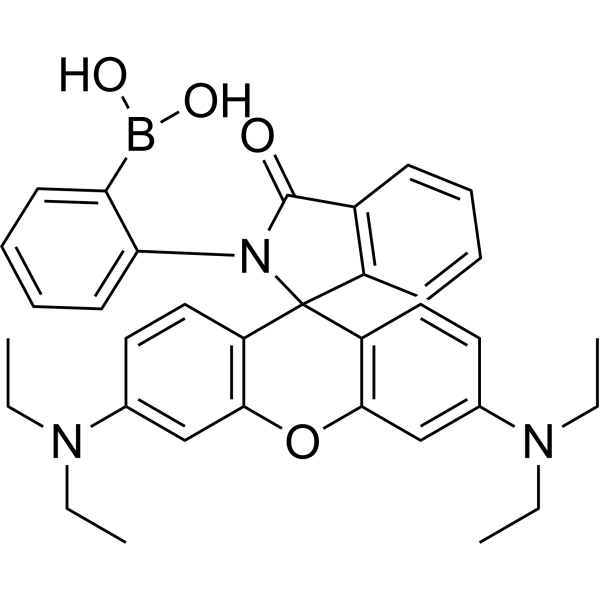
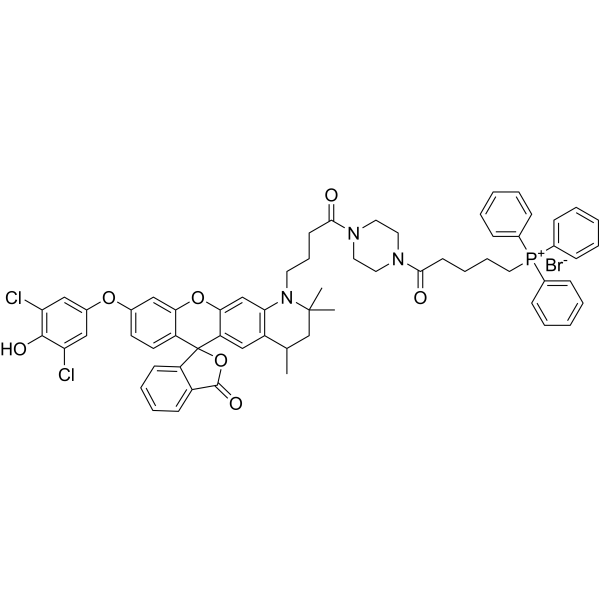
ATP-Red 1 is a multisite-binding switchable fluorescent probe, and can selectively and rapidly responds to intracellular concentrations of ATP in living cells (Ex/Em = 510/590 nm).
|
-
-
- HY-D0993
-
|
Nonylacridine orange
|
Fluorescent Dye
|
Others
|
|
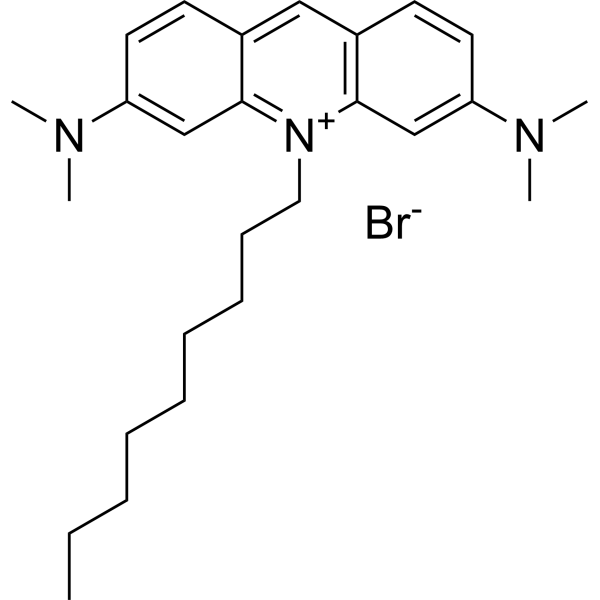
Acridine Orange 10-Nonyl Bromide is a fluorescent probe for cardiolipin (λex: 489 nm, λem: 525 nm).
|
-
-
- HY-D1458
-
-
-
- HY-102055
-
|
|
JAK
|
Others
|
|
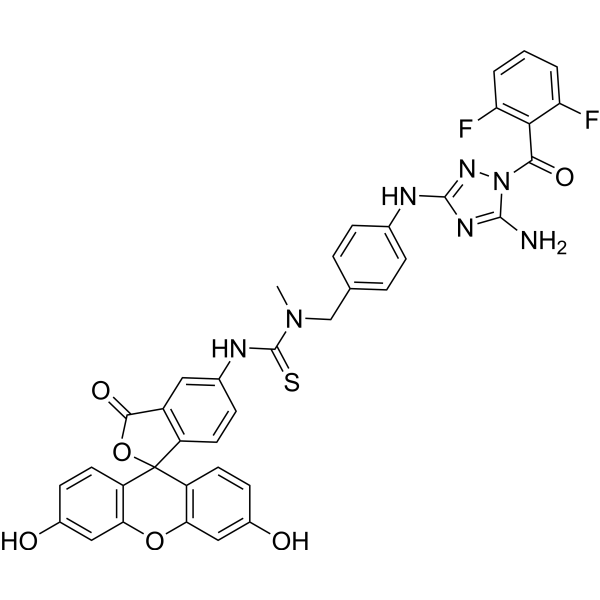
JAK2 JH2 Tracer (Tracer 5) is a fluorescent probe for JAK2 JH2 domain, with a Kd value of 0.2 μM .
|
-
-
- HY-D0133
-
|
|
Fluorescent Dye
|
Others
|
|
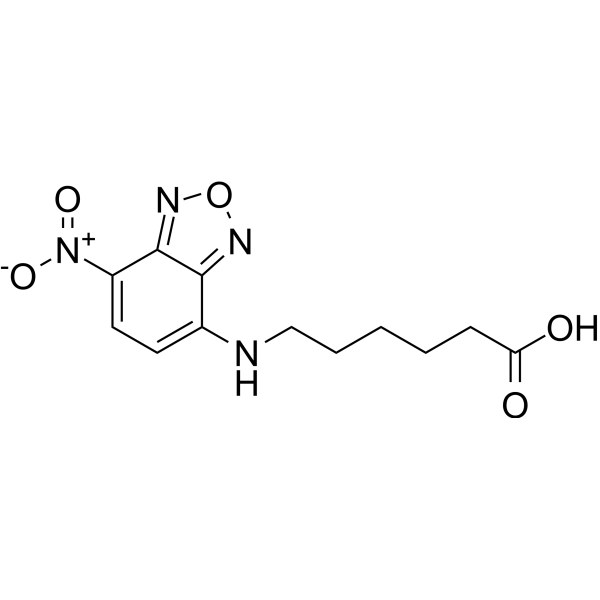
NBD-X acid is a fluorescent probe containing a nitrobenzoxadiazole group. NBD-X acid can be used to study the structure and function of biomolecules .
|
-
-
- HY-133884
-
|
|
Fluorescent Dye
|
Cancer
|
|
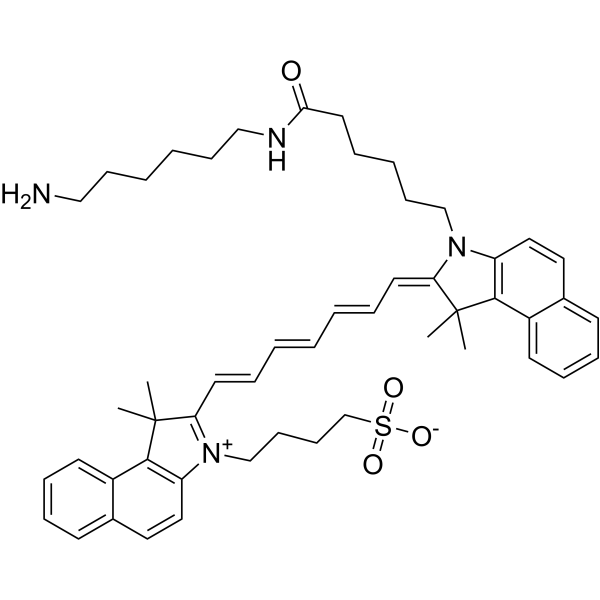
ICG amine, as a near-infrared fluorescent probe, binds to amino acid residues without condensing agents. ICG is a tricarbocyanine dye .
|
-
-
- HY-D1046
-
|
Dabcyl, SE
|
Fluorescent Dye
|
Others
|
|
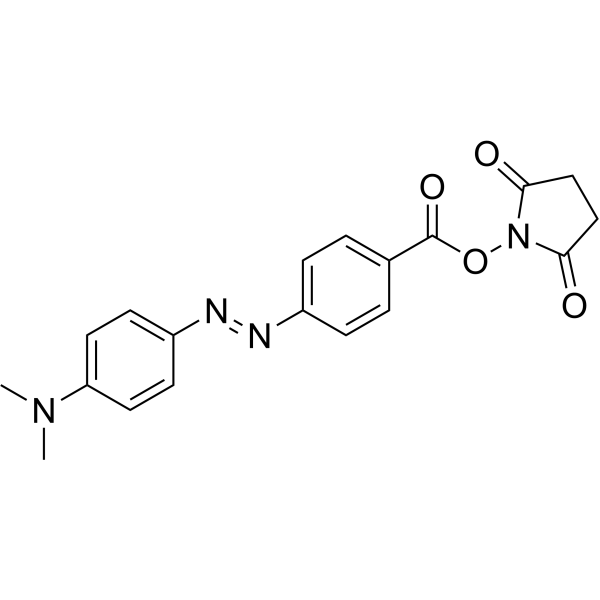
Dabcyl acid, SE is the amine-reactive form of Dabcyl acid (DABCYL) (HY-D1045), and is widely used in the preparation of fluorescent probes containing DABCYL .
|
-
-
- HY-115691
-
|
Styrene-BODIPY; Styrene-Conjugated BODIPY
|
Fluorescent Dye
|
Others
|
|
STY-BODIPY (Styrene-BODIPY; Styrene-Conjugated BODIPY) is a styrene-conjugated fluorescent probe used to measure the activity of radical-trapping antioxidants (RTAs)> .
|
-

-
- HY-D1459
-
|
|
Fluorescent Dye
|
Metabolic Disease
|
|
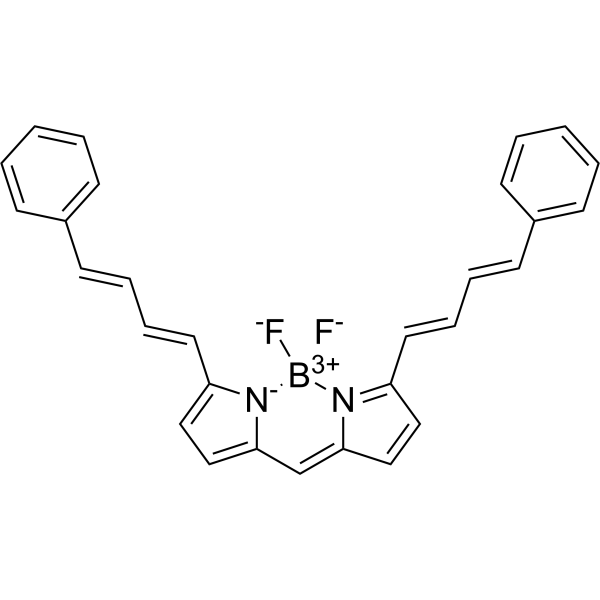
BODIPY 665/676 is a lipophilic radical-sensitive fluorescent probe that can be used to study radical-driven lipid autoxidation (Ex/Em=665/676 nm) .
|
-
-
- HY-108715A
-
|
|
Fluorescent Dye
|
Neurological Disease
|
|
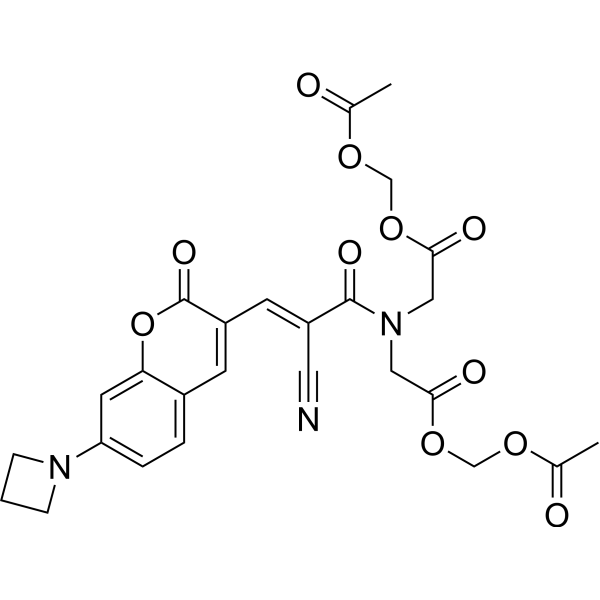
RT-AM is a pro-agent real thiol. Real Thiol is a reversible reaction-based fluorescent probe which can quantitatively monitor the real-time glutathione dynamics in living cells.
|
-
-
- HY-D1719
-
Cypate
1 Publications Verification
|
Fluorescent Dye
|
Others
|
|
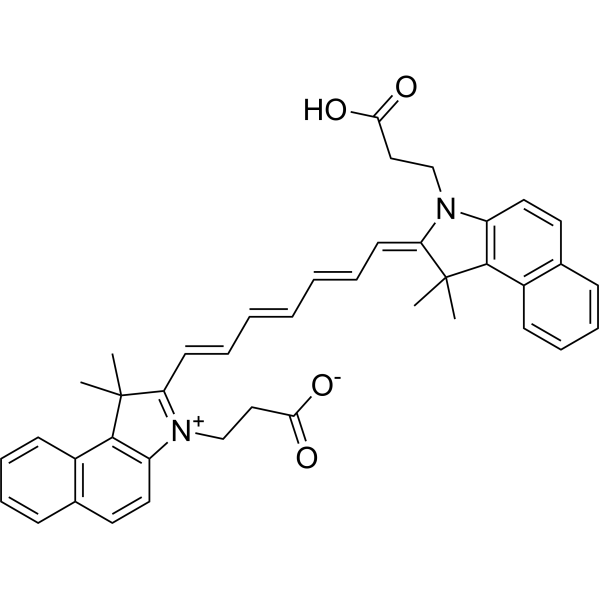
Cypate, a cyanine dye, is a near infrared (NIR) fluorescent probe for in vivo tumor imaging .
|
-
-
- HY-D0149
-
|
|
Cytochrome P450
|
Others
|
|
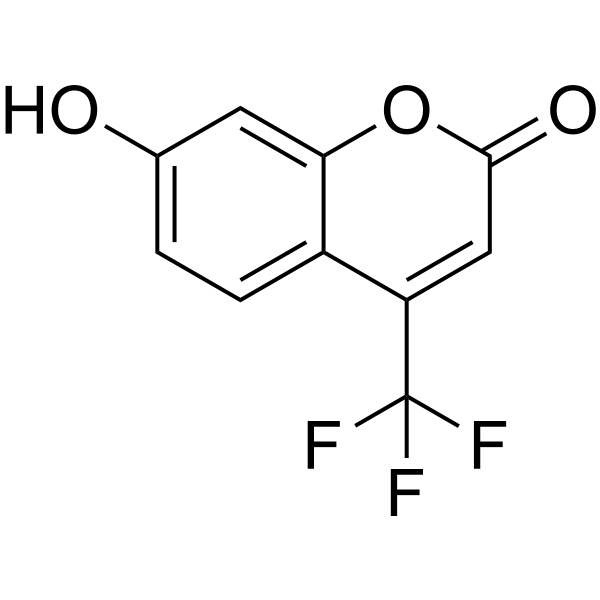
4-(Trifluoromethyl)umbelliferone is fluorescent probe substrate for rat hepatic cytochrome P450 enzymes .
|
-
-
- HY-D1837
-
|
VF 488 Tyramide
|
Fluorescent Dye
|
Others
|
|
Vari Fluor 488 TSA(200×) (VF 488 Tyramide) is a fluorescent probe belonging to the Vari Fluor TSA series. Vari Fluor TSA series fluorescent probes can be used for high-density in situ labeling of target antigens using horseradish peroxidase (HRP) assays, which are widely used in ELISA, IF, IHC and other techniques with high detection sensitivity .
|
-

-
- HY-130025
-
HKOCl-3
2 Publications Verification
|
Fluorescent Dye
|
Others
|
|
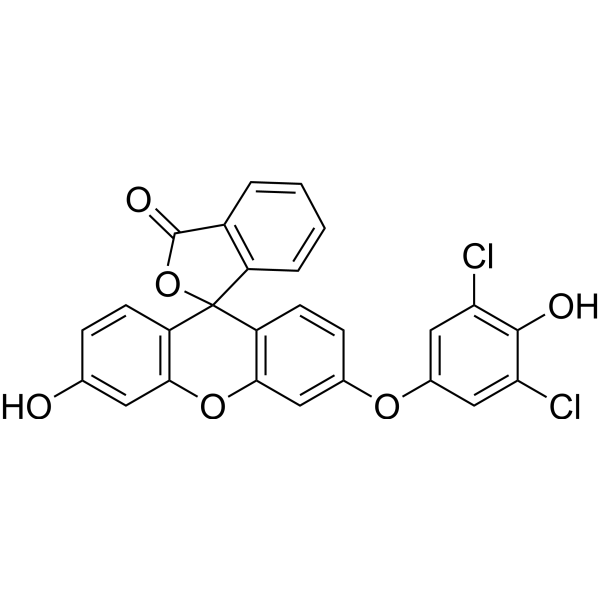
HKOCl-3 is a highly sensitive and selective fluorescent probe for detecting hypochlorous acid.Ex: 490 nm; Em 527 nm .
|
-
-
- HY-108715
-
|
|
Fluorescent Dye
|
Neurological Disease
|
|
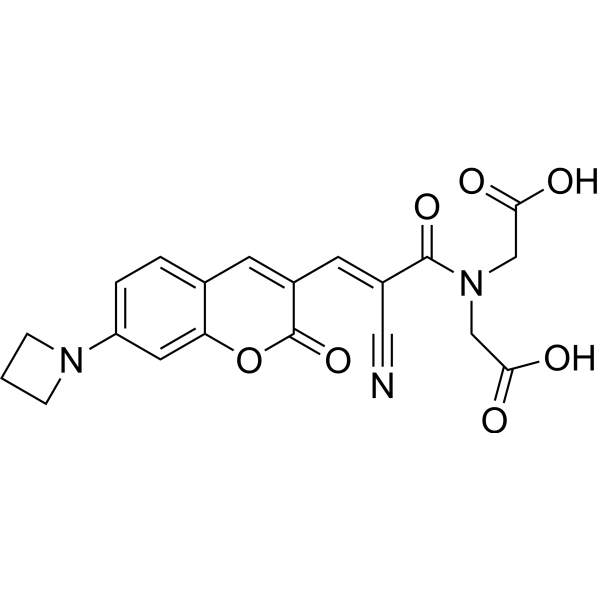
Real Thiol is a reversible reaction-based fluorescent probe which can quantitatively monitor the real-time glutathione dynamics in living cells.
|
-
-
- HY-D1903
-
|
|
Fluorescent Dye
|
Others
|
|
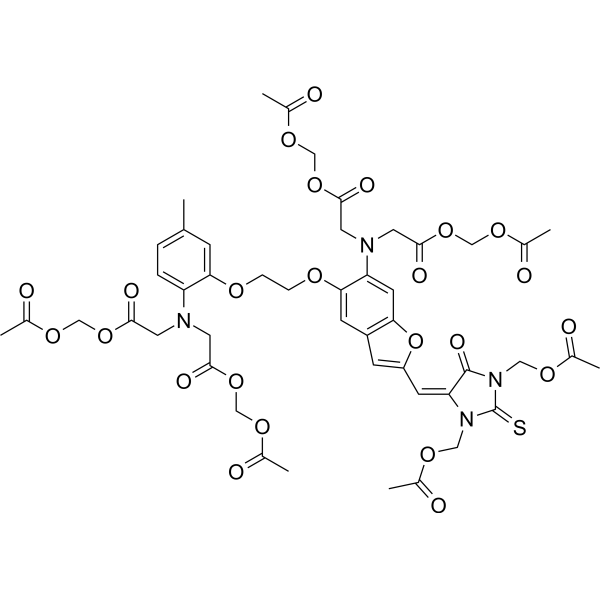
Fura Red AM is a fluorescent probe that can be used to visualize Ca 2+ distribution in the cytoplasm of undifferentiated cells. Fura Red AM operates at an excitation wavelength of 488 nm .
|
-
-
- HY-D0099
-
|
|
Fluorescent Dye
|
Others
|
|
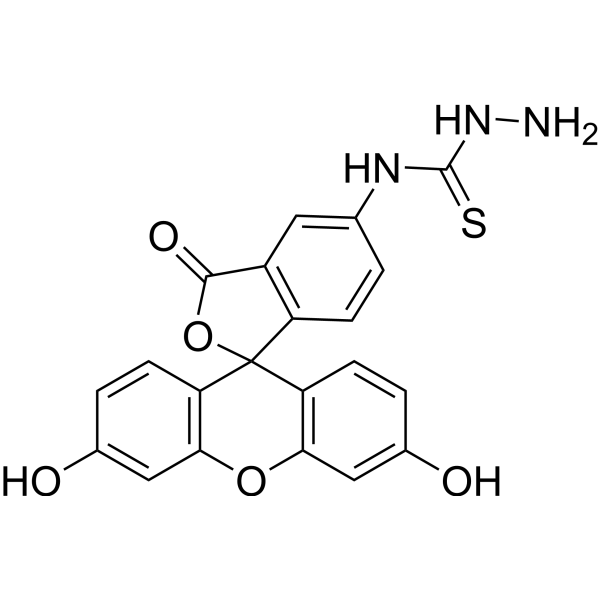
Fluorescein-5-thiosemicarbazide is a amine containing fluorescent probe that can be used for labeling saccharides and protein carbonyl derivatives .
|
-
-
- HY-D2312
-
|
|
Fluorescent Dye
Ferroptosis
|
Cancer
|
|
Mito-Rh-S is a ratiometric near-infrared (NIR) fluorescent probe that detects the fluctuation of mitochondrial HClO levels during ferroptosis in hepatocellular carcinoma (HCC) .
|
-

-
- HY-W008048
-
|
|
Nucleoside Antimetabolite/Analog
|
Others
|
|
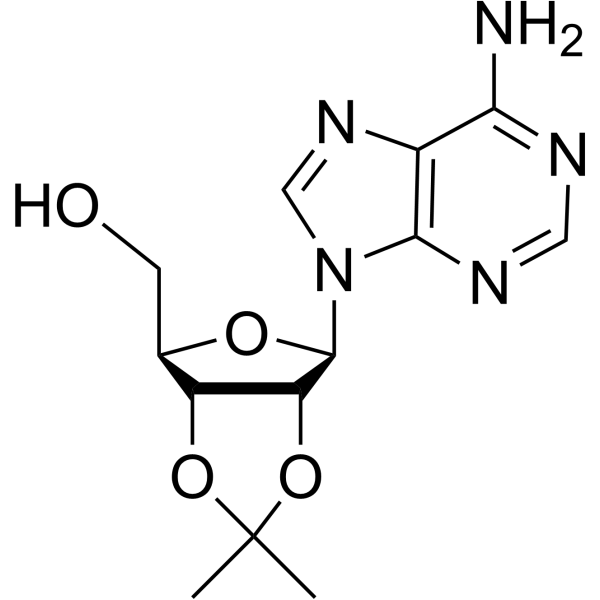
2',3'-O-Isopropylideneadenosine is a nucleoside compound and also a Golgi-targeting moiety. 2',3'-O-Isopropylideneadenosine constitutes a furanose ribose group that undergoes cyclization at the O (2') and O (3') atoms. As a component of the fluorescent probe TPE-Ade, 2',3'-O-Isopropylideneadenosine enables specific Golgi localization for fluorescence imaging. 2',3'-O-Isopropylideneadenosine participates in the synthesis of aggregation-induced emission (AIE) fluorescent probes .
|
-
-
- HY-W267364
-
|
C343
|
Fluorescent Dye
|
Others
|
|
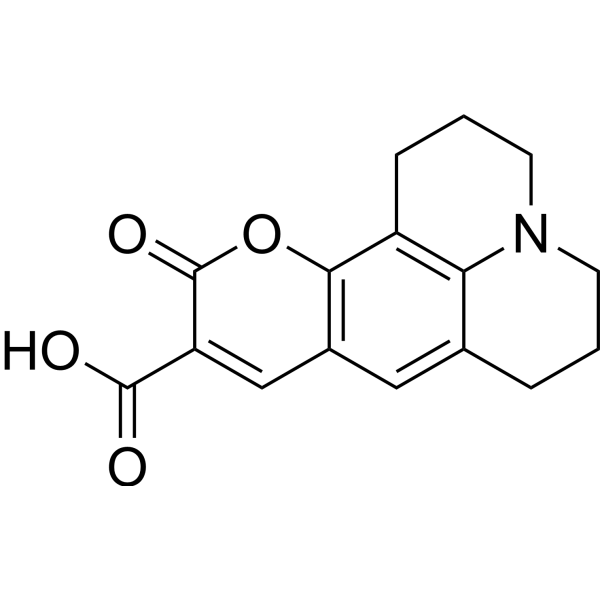
Coumarin 343 (C343) is a hydrophilic fluorescent probe for the micro water pool. λem is approximately 425 nm andλem is approximately from 425 nm to 550 nm by RF-1500 .
|
-
-
- HY-U00440
-
-
-
- HY-W040681
-
-
-
- HY-D1685
-
|
|
Fluorescent Dye
|
Others
|
|
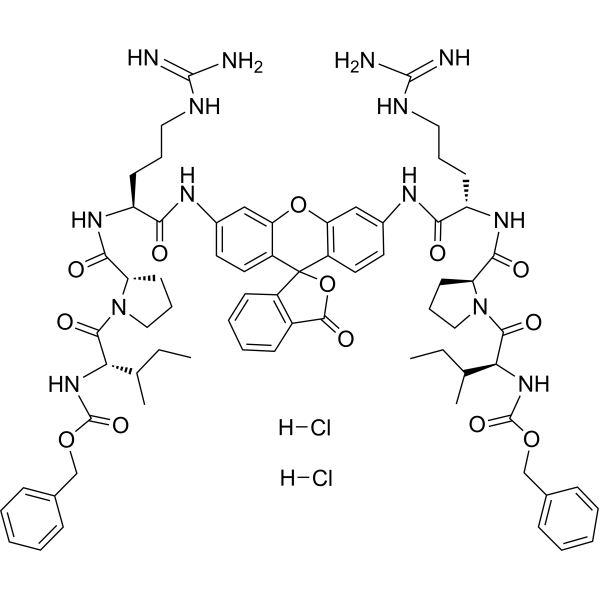
BZiPAR is a fluorescent probe. BZiPAR also is a substrate of trypsin that becomes fluorescent after cleavage by the protease .
|
-
-
- HY-D1835
-
|
VF 594 Tyramide
|
Fluorescent Dye
|
Others
|
|
Vari Fluor 594 TSA (200×) (VF 594 Tyramide) is a fluorescent probe belonging to the Vari Fluor TSA series. Vari Fluor TSA series fluorescent probes can be used for high-density in situ labeling of target antigens using horseradish peroxidase (HRP) assays, which are widely used in ELISA, IF, IHC and other techniques with high detection sensitivity .
|
-

-
- HY-D1158
-
-
-
- HY-DY1078
-
|
|
Fluorescent Dye
|
Others
|
Acridine Orange 10-Nonyl Bromide (solution) is a fluorescent probe for cardiolipin (λex: 489 nm, λem: 525 nm).
Solvent and concentration: DMSO: 10 mM
|
-

-
- HY-D1255
-
|
|
Fluorescent Dye
|
Cancer
|
|
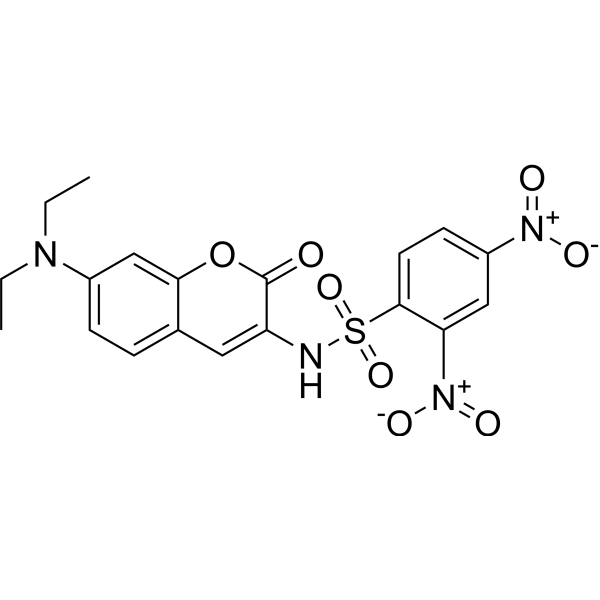
Sel-green, a selective selenol fluorescent probe, is applied to quantify the Sec content in the selenoenzyme thioredoxin reductase and image endogenous Sec in live HepG2 cells .
|
-
-
- HY-147889
-
|
|
Apoptosis
Caspase
Bcl-2 Family
|
Others
|
|
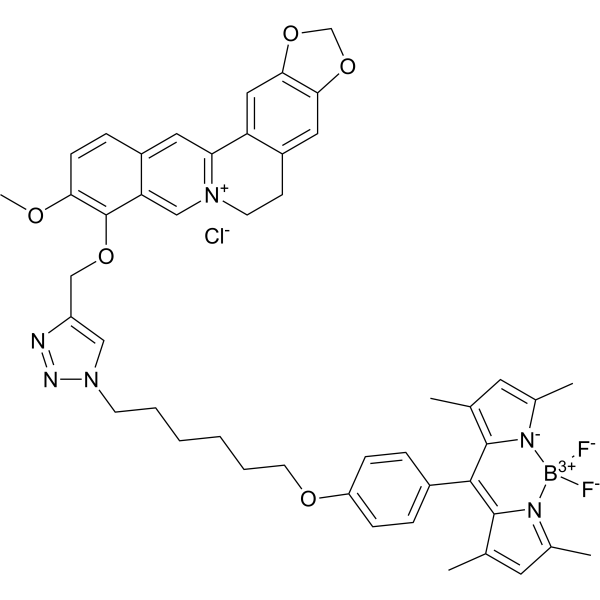
BBR-BODIPY is a fluorescent probe that allows screening its interaction with the targeted cells. BBR-BODIPY induces apoptosis and changes the expression of apoptosis-related proteins .
|
-
-
- HY-157036
-
|
|
Fluorescent Dye
|
Others
|
|
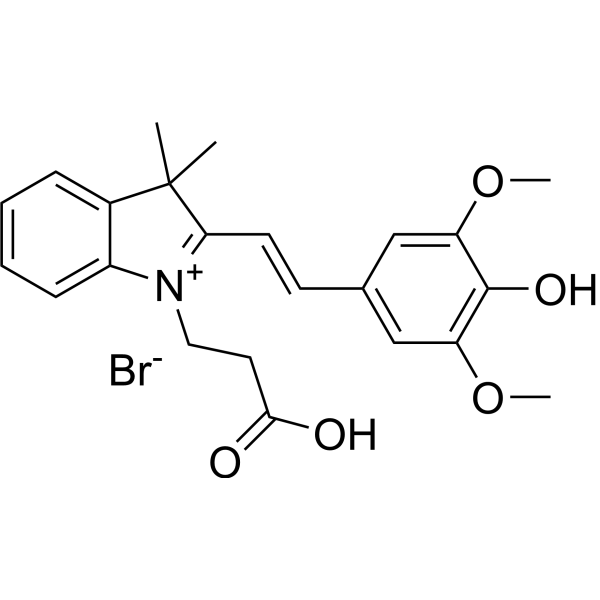
INSA is a a pH-sensitive fluorescent probe. INSA can simultaneously light up mitochondria (red emission) and lysosomes (green emission) for their internal pH differences .
|
-
-
- HY-D1151
-
HKOH-1
3 Publications Verification
|
Reactive Oxygen Species (ROS)
Fluorescent Dye
|
Others
|
|
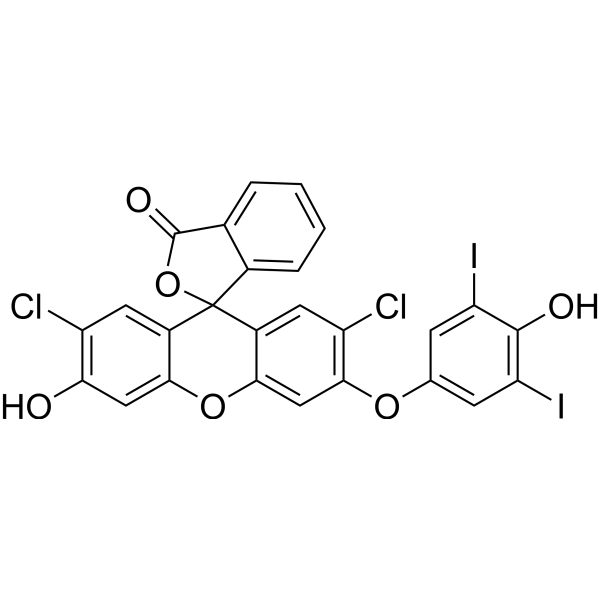
HKOH-1 is a highly sensitive green fluorescent probe for the specific detection of ·OH in living cells with a maximum excitation wavelength and emission wavelength of 500 nm and 520 nm, respectively .
|
-
-
- HY-D2476
-
|
|
Fluorescent Dye
|
Others
|
|
H2S Fluorescent probe 1 (Compound 2) is a fluorescent probe that detects hydrogen sulfide (H2S) with almost no cytotoxicity. Upon the addition of increasing amounts of HS - to DMSO solution of H2S Fluorescent probe 1, a new absorption peak appears gradually at 485 nm. H2S Fluorescent probe 1, the fluorescence intensity notes at 434 nm increasing rapidly by titration of HS - .
|
-

-
- HY-101937C
-
|
|
Fluorescent Dye
|
Others
|
|
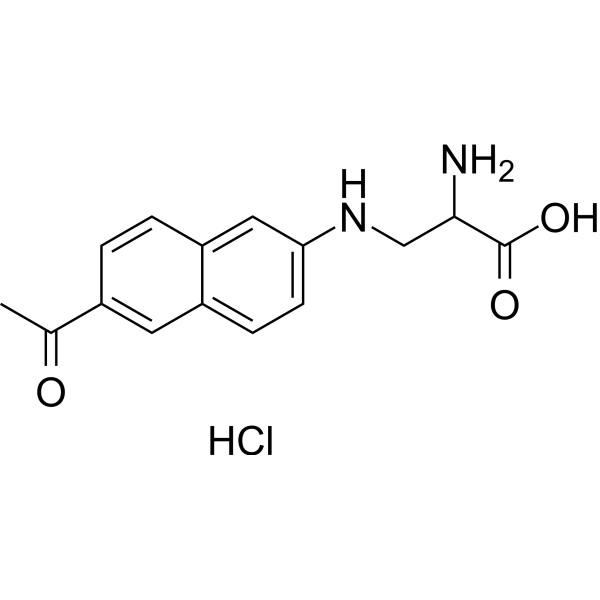
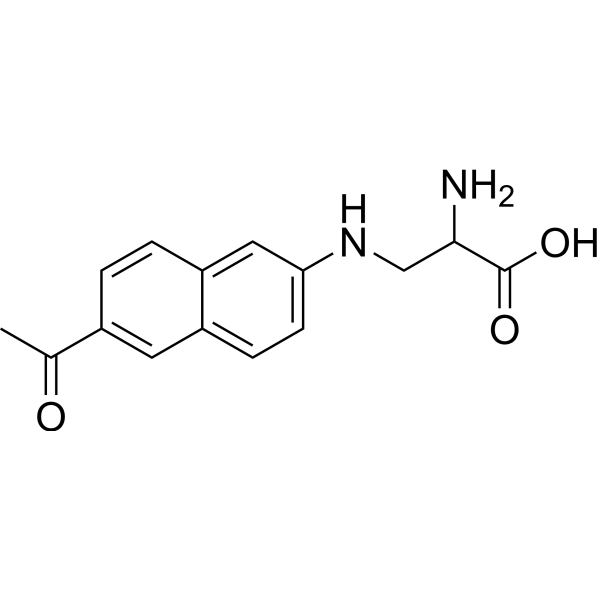
(±)-ANAP hydrochloride is the unnatural amino acid analog of prodan, acts as a fluorescent probes, and enhances environmental sensitivity.
|
-
-
- HY-D1832
-
|
VF 532 Tyramide
|
Fluorescent Dye
|
Others
|
|
Vari Fluor 532 TSA (200×) (VF 532 Tyramide) is a fluorescent probe belonging to the Vari Fluor TSA series. Vari Fluor TSA series fluorescent probes can be used for high-density in situ labeling of target antigens using horseradish peroxidase (HRP) assays, which are widely used in ELISA, IF, IHC and other techniques with high detection sensitivity .
|
-

-
- HY-D1831
-
|
VF 620 Tyramide
|
Fluorescent Dye
|
Others
|
|
Vari Fluor 620 TSA (200×) (VF 620 Tyramide) is a fluorescent probe belonging to the Vari Fluor TSA series. Vari Fluor TSA series fluorescent probes can be used for high-density in situ labeling of target antigens using horseradish peroxidase (HRP) assays, which are widely used in ELISA, IF, IHC and other techniques with high detection sensitivity .
|
-

-
- HY-D1833
-
|
VF 680 Tyramide
|
Fluorescent Dye
|
Others
|
|
Vari Fluor 680 TSA (200×) (VF 680 Tyramide) is a fluorescent probe belonging to the Vari Fluor TSA series. Vari Fluor TSA series fluorescent probes can be used for high-density in situ labeling of target antigens using horseradish peroxidase (HRP) assays, which are widely used in ELISA, IF, IHC and other techniques with high detection sensitivity .
|
-

-
- HY-D1834
-
|
VF 640 Tyramide
|
Fluorescent Dye
|
Others
|
|
Vari Fluor 640 TSA(200×) (VF 640 Tyramide) is a fluorescent probe belonging to the Vari Fluor TSA series. Vari Fluor TSA series fluorescent probes can be used for high-density in situ labeling of target antigens using horseradish peroxidase (HRP) assays, which are widely used in ELISA, IF, IHC and other techniques with high detection sensitivity .
|
-

-
- HY-D2479
-
|
|
Fluorescent Dye
|
Metabolic Disease
|
|
DMANI is an intramolecular charge transfer (ICT)-based mitochondria-targeted ratiometric fluorescent probe. DMANI can monitor mitochondrial peroxynitrite (ONOO −) in living cells .
|
-

-
- HY-130013
-
|
|
Fluorescent Dye
|
Others
|
|
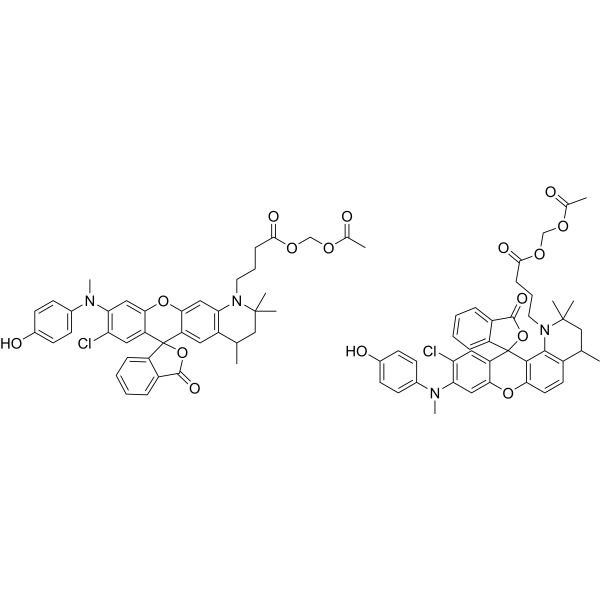
HKYellow-AM (6/12-mixture) is a yellow fluorescent probe that can detect ONOO- in living cells and tissues with high selectivity and sensitivity without cytotoxicity .
|
-
-
- HY-D2418
-
|
|
Fluorescent Dye
|
Metabolic Disease
|
|
PS-SCOTfluor-12 (compound 10) is a fluorescent probe for imaging Lactic acid (HY-B2227) metabolism in live cells. λex/λem= 485/605 nm .
|
-

-
- HY-135640
-
-
-
- HY-101937A
-
|
|
Fluorescent Dye
|
Others
|
|
(±)-ANAP is the unnatural amino acid analog of prodan, acts as a fluorescent probes, and enhances environmental sensitivity.
|
-
-
- HY-D1395
-
-
-
- HY-D1470
-
|
|
Fluorescent Dye
|
Others
|
|
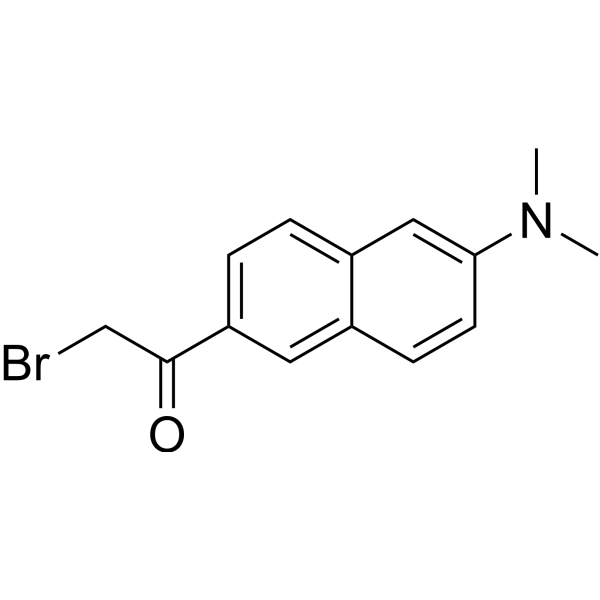
BADAN (6-Bromoacetyl-2-dimethylaminonaphthalene) is a polarity-sensitive fluorescent probe .
|
-
-
- HY-D1089
-
|
|
Fluorescent Dye
|
Others
|
|
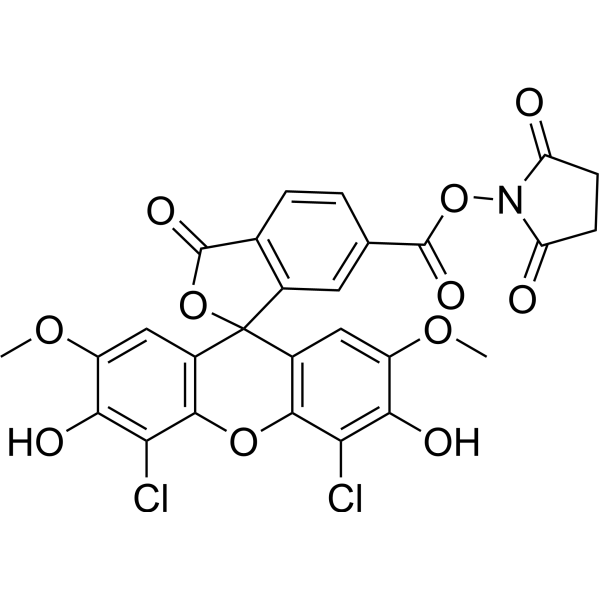
6-JOE, SE is an amine-reactive fluorescent probe and is suitable for postsynthetic labeling of amino-modified oligonucleotides .
|
-
-
- HY-W009253
-
|
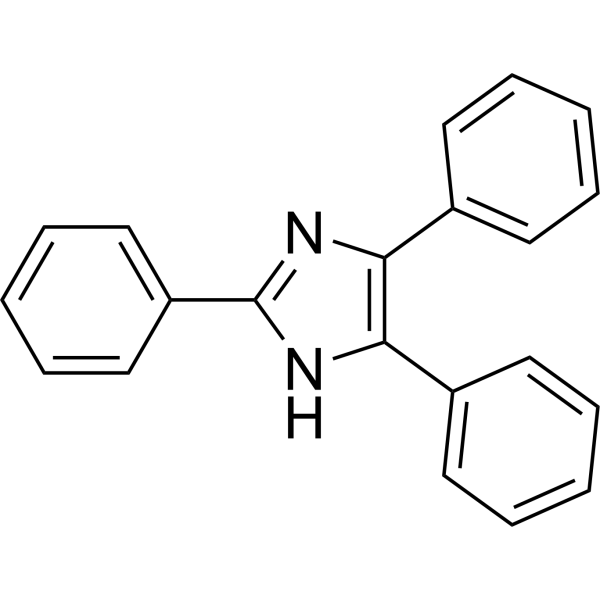
2,4,5-Triphenylimidazole
|
Fluorescent Dye
|
Others
|
|
Lophine is a traditional chemiluminescent and fluorescent probe. Lophine and its derivatives are widely applied for reactive oxygen species (ROS) detection .
|
-
-
- HY-D2377
-
|
|
Fluorescent Dye
|
Others
|
|
F8 is a small molecule GPR84 fluorescent probe that can visualize and detect GPR84 protein levels at the cellular and tissue levels .
|
-

-
- HY-D0267
-
|
|
Fluorescent Dye
|
Others
|
|
Quinaldine red is a fluorescent probe for determining the melting temperature (Tm) of proteins .
|
-

-
- HY-W337618
-
|
|
Fluorescent Dye
|
Cancer
|
|
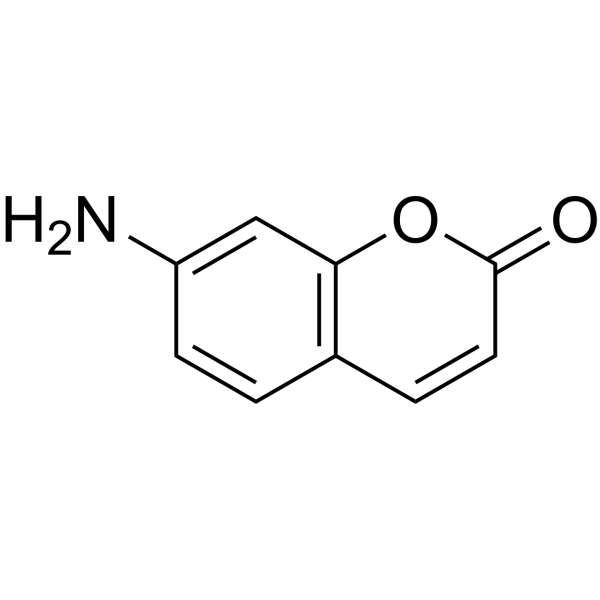
7-Aminocoumarin is highly fluorescent, acts as an optical brightener and fluorescent probe .
|
-
-
- HY-W127843
-
|
|
Fluorescent Dye
|
Others
|
|
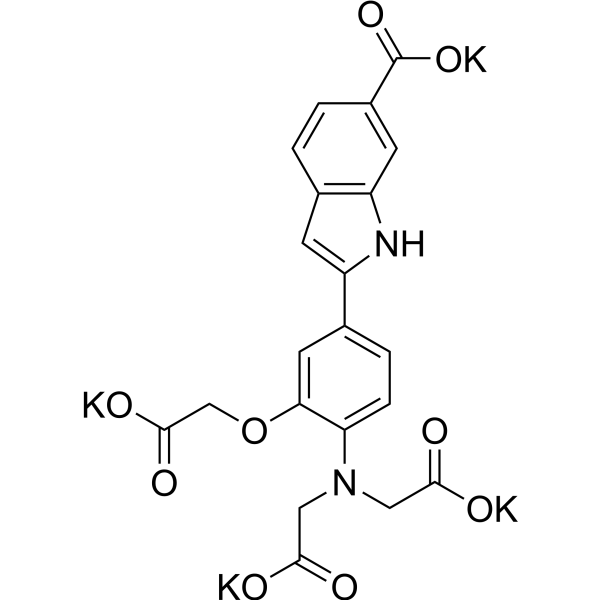
Mag-Indo-1 tetrapotassium salt is a cell impermeable fluorescent probe for Mg 2+ detection .
|
-
-
- HY-W015012
-
|
|
Fluorescent Dye
|
Others
|
|
NBD-Hydrazine is an aldehyde- and ketone-reactive fluorescent probe. NBD-Hydrazine has excitation/emission maxima of 468/535 nm in the presence of aldehydes or ketones. NBD-Hydrazine can be used as a starting material to synthesize malondialdehyde-reactive fluorescent probes. NBD-Hydrazine is a synthetic intermediate in the synthesis of cupric and chronic ion colorimetric sensors .
|
-

- HY-D1752
-
|
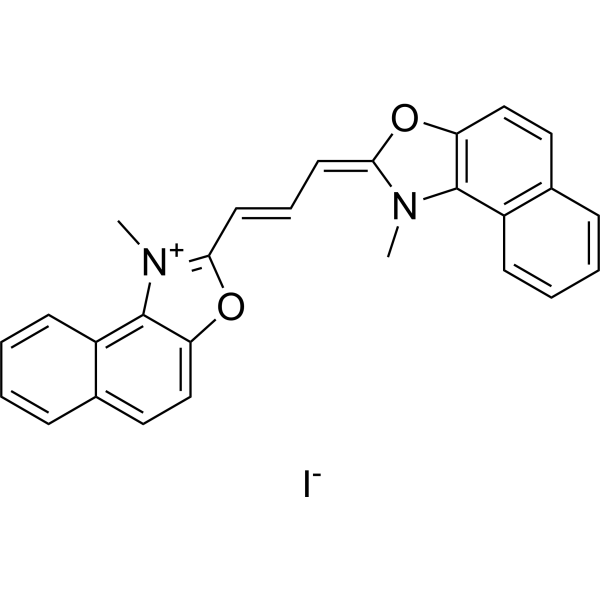
D-22421
|
Fluorescent Dye
|
Others
|
|
JC-9 (D-22421) is a green-fluorescent probe used for ratiometric calculation of mitochondrial membrane potential.
|
-
- HY-D2944
-
-

- HY-D2115
-
|
|
Fluorescent Dye
|
Others
|
|
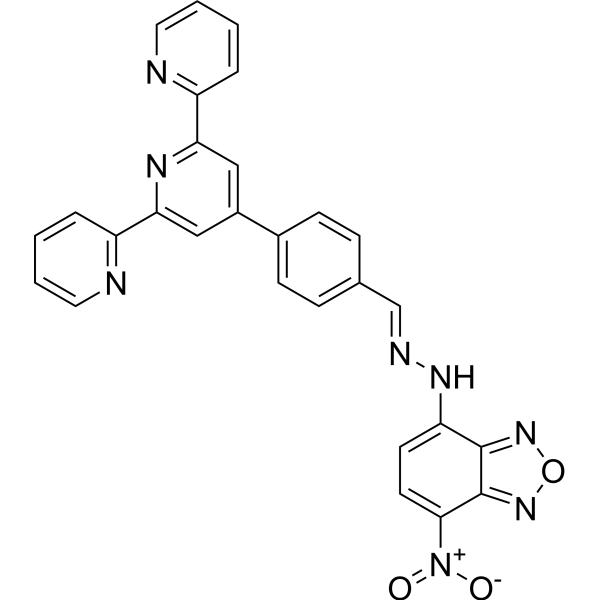
NBDT is sensitive and selective light-up fluorescent probe for monitoring gallium and chromium ionsin vitro and in vivo and can be detected at 574 nM .
|
-
- HY-141646
-
|
|
Fluorescent Dye
|
Others
|
|
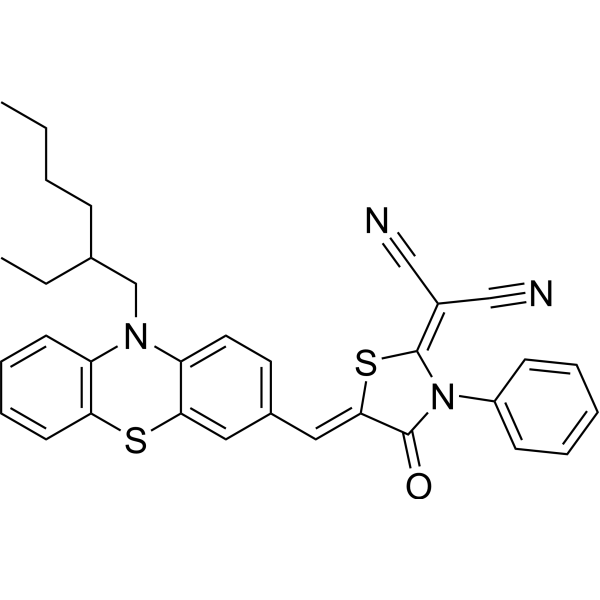
MIT-PZR is a mitochondria-targeted,? low cytotoxicity fluorescent probe that can be used in live cells and in vivo imaging. Ex / Em = 485 / 705 nm
|
-
- HY-D2157
-
|
Coumarin 343-aminohexanoic acid-NHS ester
|
Fluorescent Dye
|
Others
|
|
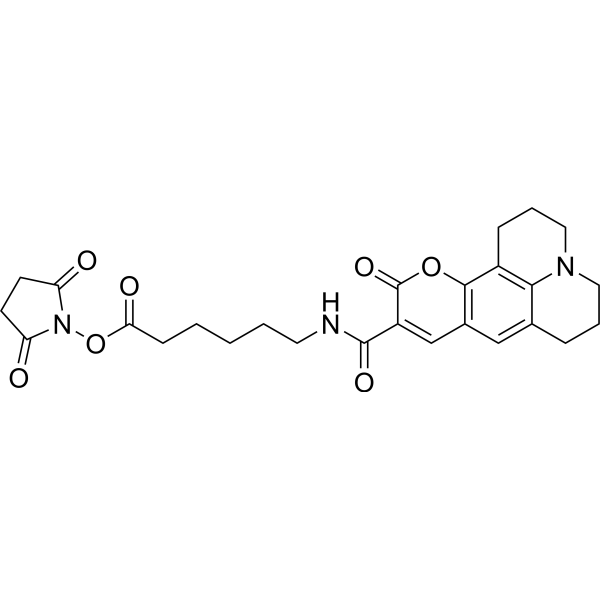
Coumarin 343 X NHS ester is a homologue of Coumarin 343 (HY-W267364). Coumarin 343 is a hydrophilic fluorescent probe for use in microfluids.
|
-
- HY-D0129
-
|
MPTS
|
Fluorescent Dye
|
Others
|
|
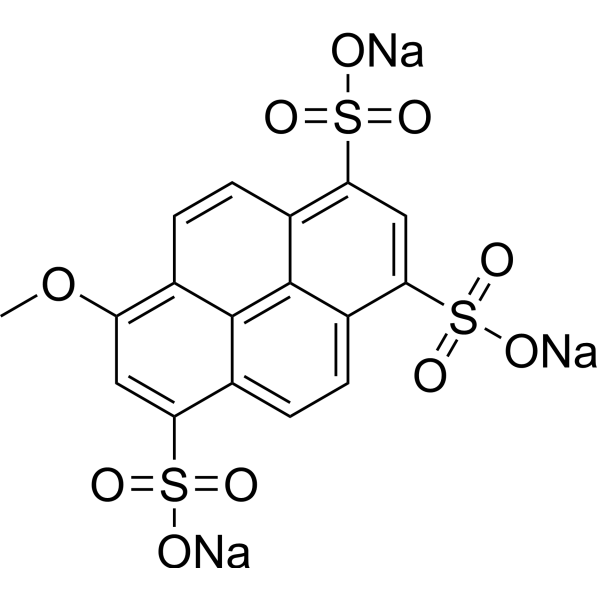
8-Methoxypyrene-1,3,6-trisulfonate trisodium (MPTS) is a highly water-soluble superpolar fluorescent probe .
|
-
- HY-D1391
-
|
PbS/CdSe QD
|
Fluorescent Dye
|
Others
|
|
PbS/CdS QDs (PbS/CdSe QD) is a fluorescent probe that can be used for in vivo fluorescence imaging in the second near-infrared window .
|
-

- HY-D2931
-
|
|
Fluorescent Dye
|
Others
|
|
SNAP-FAM is a FAM-labeled SNAP tag fluorescent probe, specifically designed for live-cell protein labeling and real-time imaging applications .
|
-

- HY-169799
-
|
CGamF
|
Endogenous Metabolite
Fluorescent Dye
|
Metabolic Disease
|
|
Cholylglycylamidofluorescein (CGamF) is a fluorescent probe for hepatic bile acid transport. Cholylglycylamidofluorescein is composed of Cholic acid conjugated via a glycylamino linkage to fluorescein. (Ex/Em = 492/515 nM in Aqueous)
|
-

- HY-161164
-
|
|
DNA Stain
|
Others
|
|
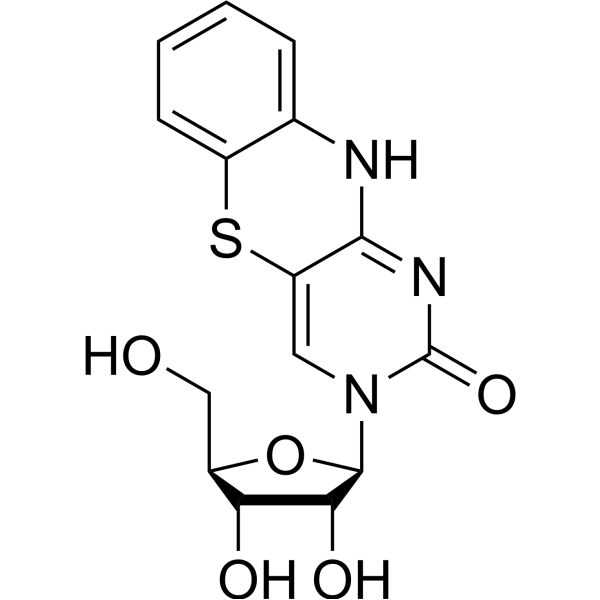
Tricyclic cytosine tC is a fluorescent base analogue that can be used as a fluorescent probe in nucleic acid-containing systems. The excitation wavelength is 385 nm and the emission wavelength is 505 nm .
|
-
- HY-163618
-
|
|
Fluorescent Dye
Monoamine Oxidase
|
Cancer
|
|
DHMQ is a NIR fluorescent probe that binds to the propylamino group of monoamine oxidase A (MAO-A). DHMQ tracks MAO-A activity in real-time by using fluorescence imaging on mice and cells .
|
-

- HY-139816
-
-
- HY-D1770
-
-
- HY-135637
-
|
|
Fluorescent Dye
|
Others
|
|
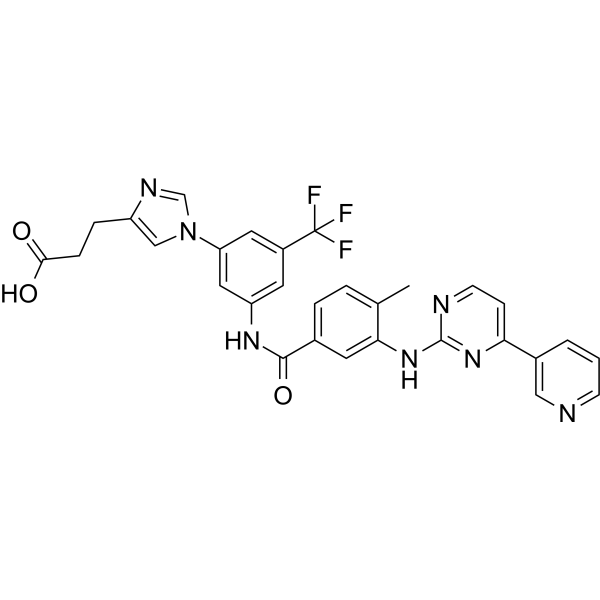
Nilotinib Acid, an analogue of Nilotinib, is usually used as a labeled chemical or fluorescent probe.
|
-
- HY-D1528
-
-
- HY-18675
-
|
|
Fluorescent Dye
|
Others
|
|
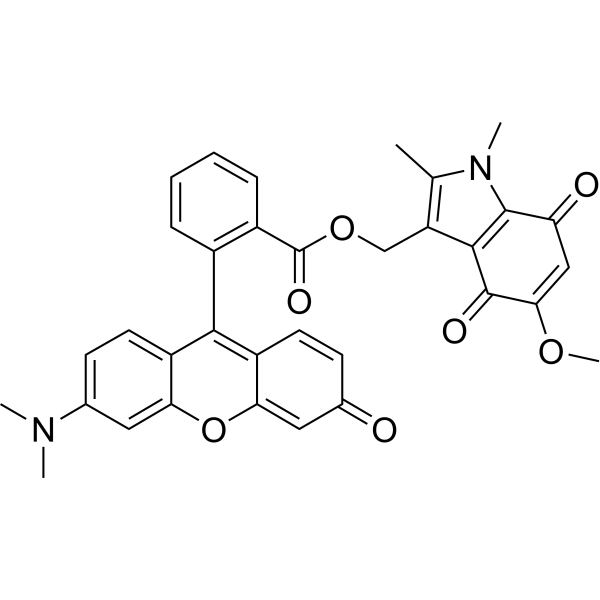
IQ-R is a novel hypoxia-sensitive fluorescent probe, consisting of an indolequinone unit and a rhodol fluorophore.
|
-
- HY-D1892
-
|
|
Fluorescent Dye
|
Others
|
|
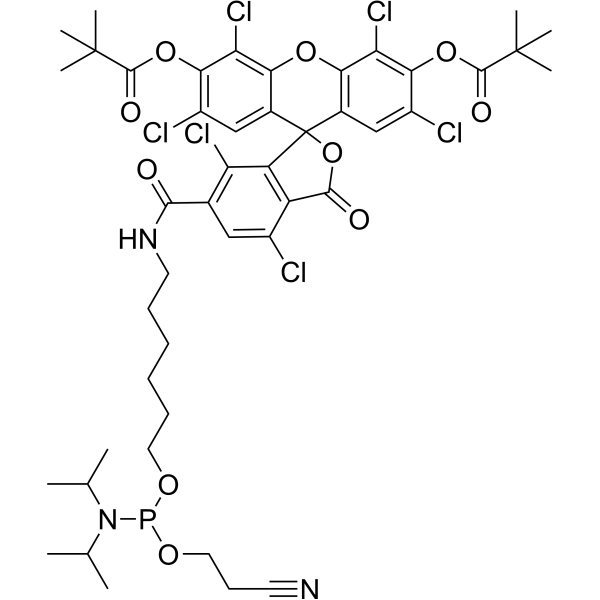
6-Hexachloro-fluorescein phosphoramidite is a fluorescent probe that can be used for oligonucleotide labeling .
|
-
- HY-D1253
-
|
|
TrxR
|
Neurological Disease
|
|
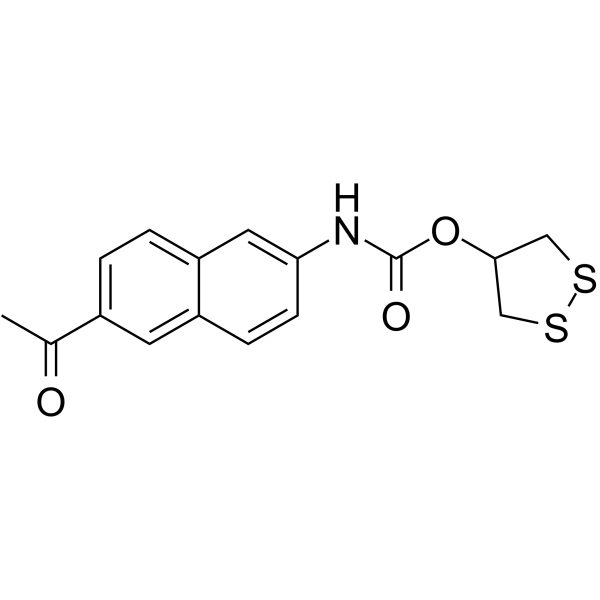
TP-TRFS is a highly selective and the first two-photon fluorescent probe of thioredoxin reductase (TrxR) .
|
-
- HY-W002356
-
|
|
Drug Intermediate
|
Others
|
|
2-Pyridinecarbothioamide is a building block, that can be used for synthesis of Zn 2+ responsive fluorescent probe .
|
-

- HY-163098
-
|
|
Fluorescent Dye
|
Others
|
|
JJ-OX-007 is a fluorescent probe which selectively for FphE in live S.aureus cells .
|
-
- HY-D2322
-
|
|
Fluorescent Dye
|
Others
|
|
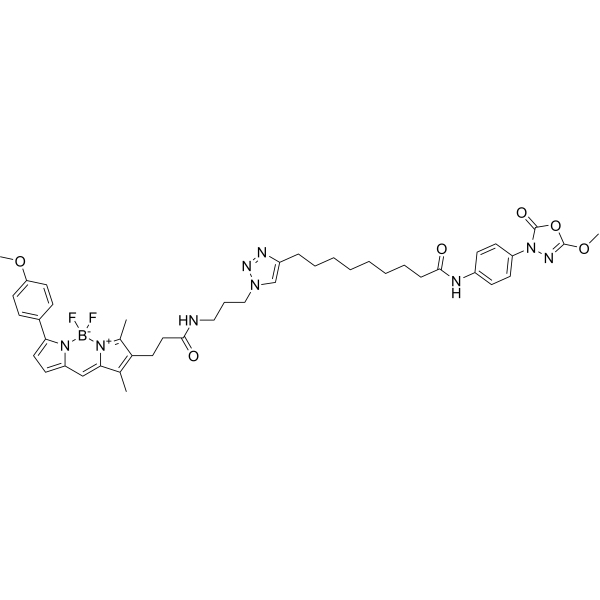
SupraFlipper 31 is a fluorescent probe. SupraFlipper 31 can be released in the membrane of interest (MOI) via chemical stimulation.
|
-
- HY-113285F
-
|
|
Biochemical Assay Reagents
|
Others
|
|
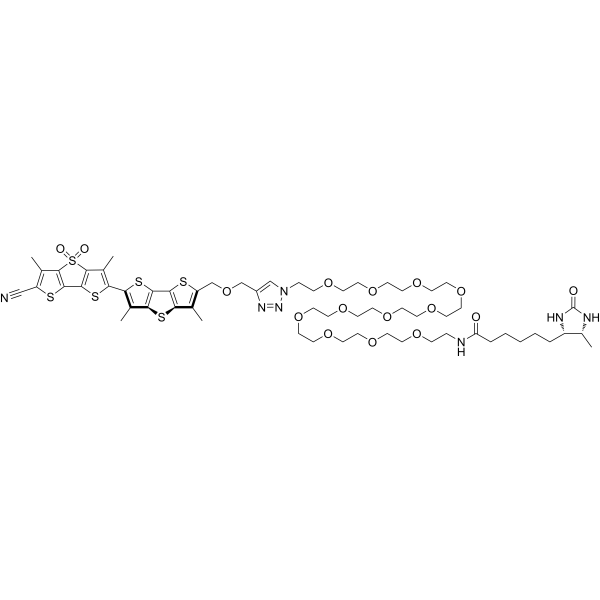
FITC-Ureidopropionic acid is labeled with FITC fluorescent label on Ureidopropionic acid. FITC-Ureidopropionic acid is a fluorescent probe used to label biomolecules or cells.
|
-
- HY-D1898
-
|
|
Fluorescent Dye
|
Others
|
|
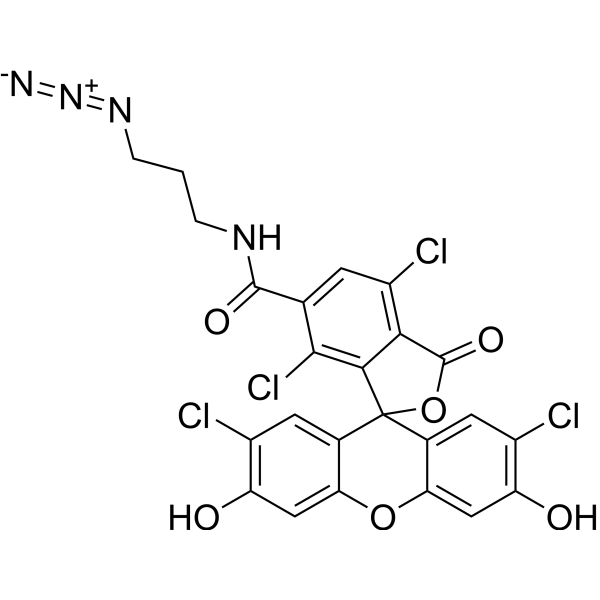
6-TET Azide is a fluorescent probe that can be used for the preparation of fluorescent contrast agent and nucleic acid sequencing .
|
-
- HY-D1751
-
|
|
Fluorescent Dye
PKC
|
Others
|
|
RIM-1 is a fluorescent probe for protein kinase C (PKC) that can be used to visualize the distribution of PKC in cells.
|
-
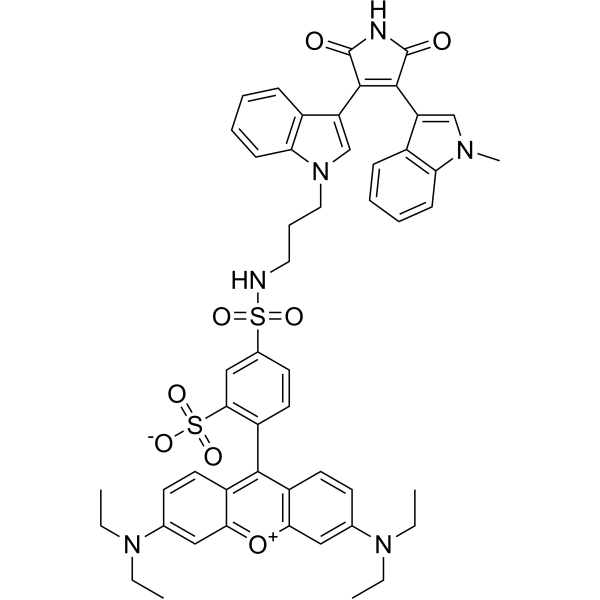
- HY-145882
-
|
|
Fluorescent Dye
|
Others
|
|
BOD-NH-NP is an activatable fluorescent probe for imaging endogenous nitric oxide via the eNOS enzymatic pathway .
|
-
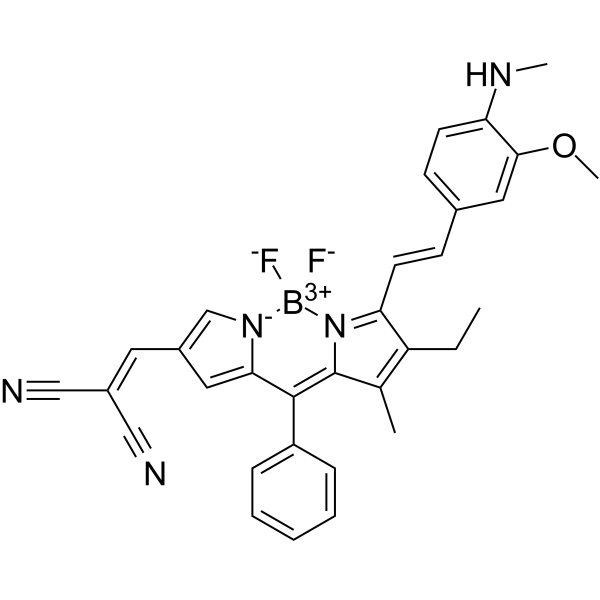
- HY-135634
-
|
|
Fluorescent Dye
|
Others
|
|
GNF-2-PEG-acid, an analogue of GNF-2, is usually used as a labeled chemical or fluorescent probe.
|
-
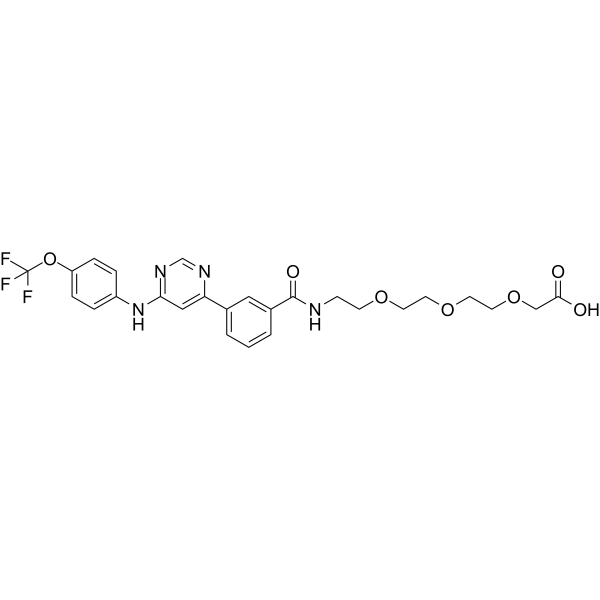
- HY-D2022
-
|
|
Fluorescent Dye
|
Others
|
|
ATTO 514 is a new type of hydrophilic fluorescent probe with strong stability and maximum excitation/emission wavelength: 511/531 nm.
|
-

- HY-D1838
-
|
VF 350 Tyramide
|
Fluorescent Dye
|
Others
|
|
Vari Fluor 350 TSA(200×) (VF 350 Tyramide) is a fluorescent probe belonging to the Vari Fluor TSA series. Vari Fluor TSA series fluorescent probes can be used for high-density in situ labeling of target antigens using horseradish peroxidase (HRP) assays, which are widely used in ELISA, IF, IHC and other techniques with high detection sensitivity .
|
-

- HY-147177
-
|
|
Fluorescent Dye
|
Others
|
|
BODIPY-8-chloromethane is a fluorophore. BODIPY-8-chloromethane can be used as as a fluorescent probe .
|
-
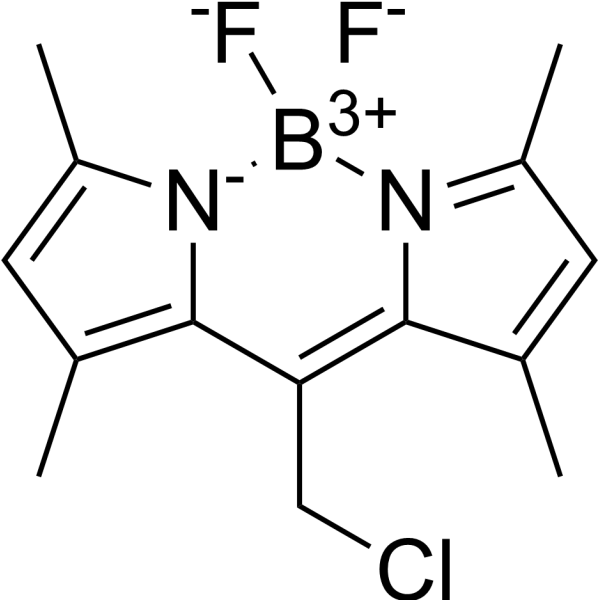
- HY-D2290
-
|
|
Fluorescent Dye
|
Others
|
|
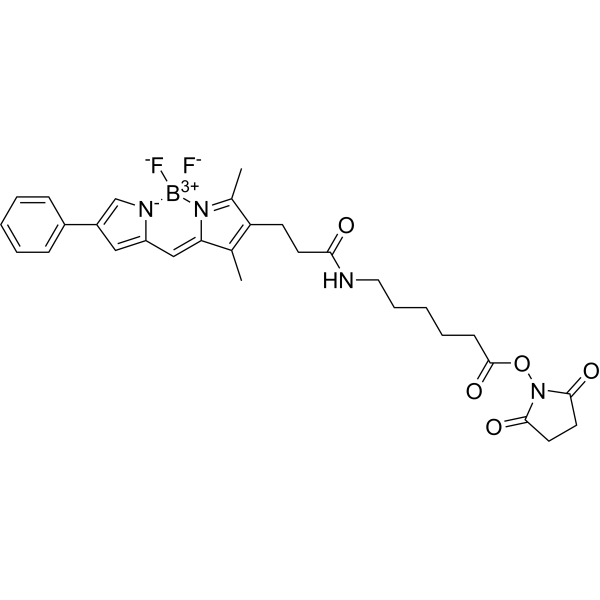
Demethoxy-BODIPY TMR NHS ester is an amine-reactive fluorescent probe, and can be used for the labeling of proteins, peptides, and other molecules .
|
-
- HY-141618
-
|
|
Fluorescent Dye
|
Others
|
|
5(6)-Carboxyrhodamine 110 is an amine-reactive fluorescent probe for labeling DNA, cells and proteins (Ex/Em = 498/530 nm) .
|
-

- HY-136672
-
|
|
Fluorescent Dye
|
Others
|
|
(E)-HBT-O is an isomer of HBT-O. HBT-O is a fluorescent probe used to monitor subtle pH fluctuations in living cells .
|
-

- HY-126829
-
|
|
HDAC
|
Cancer
|
|
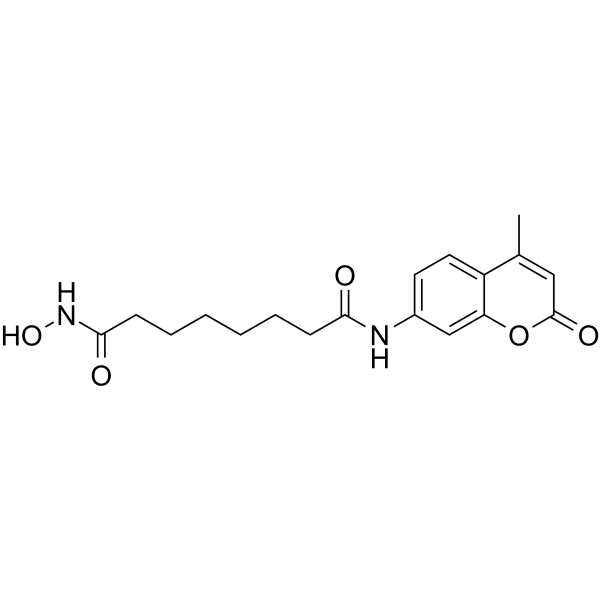
Coumarin-SAHA is a fluorescent probe for determining the binding affinities (kd) and the dissociation off-rates (koff) of the HDAC8-inhibitor complexes .
|
-
- HY-135635
-
|
|
Fluorescent Dye
|
Others
|
|
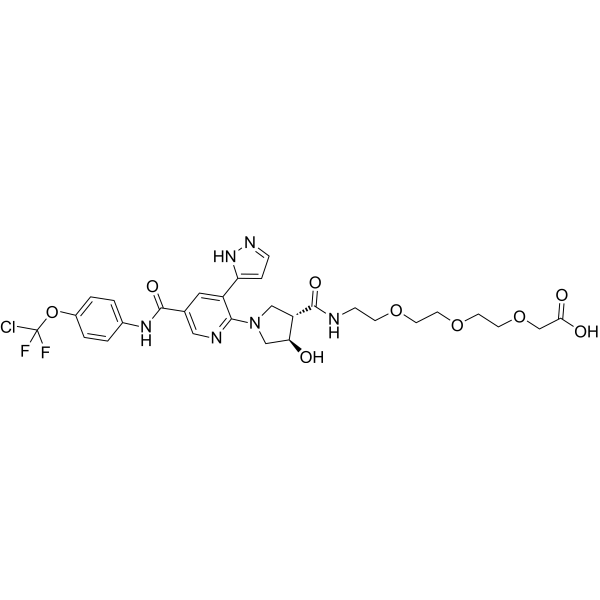
ABL-001-Amide-PEG3-acid, an analogue of ABL-001, is usually used as a labeled chemical or fluorescent probe.
|
-
- HY-D2960
-
|
CLIP-OG
|
Fluorescent Dye
|
Others
|
|
BC-OG is an oregon green labeled CLIP tag fluorescent probe. BC-OG can be used for labeling CLIP-tag fusion protein in cells .
|
-

- HY-100857
-
|
|
Fluorescent Dye
|
Neurological Disease
|
|
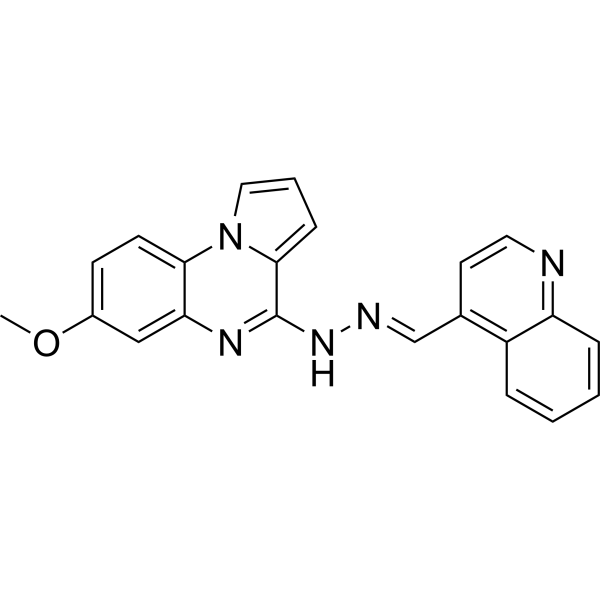
PrPSc-IN-1 is a fluorescent probe, binds to the misfolded protein PrP Sc, inhibits its accumulation, with an IC50 of 1.6 μM. Anti-prion activity .
|
-
- HY-155698
-
|
|
Fluorescent Dye
CXCR
|
Others
|
|
Mz438 is high-affinity and selective fluorescent CXCR2 ligand. Mz438 is a small-molecule-based fluorescent probe targeting the IABS of CXCR2 .
|
-
- HY-129097
-
|
|
Fluorescent Dye
|
Others
|
|
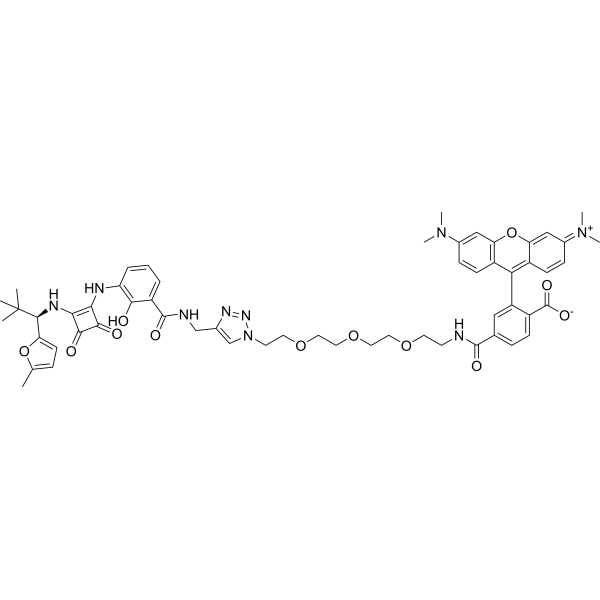
FFN-102 trifluoroacetate is an analogue of biogenic neurotransmitters. FFN-102 trifluoroacetate is a pH-dependent fluorescent probe that labels dopamine cell bodies, axons, and presynaptic terminals .
|
-

- HY-D1400
-
|
|
Fluorescent Dye
|
Others
|
|
HBTP-H2S (chloride) is a NIR fluorescent probe for in situ bioimaging of endogenous H2S in rice roots under Al 3+ and flooding stresses.
|
-
- HY-161502
-
|
|
Fluorescent Dye
|
Others
|
|
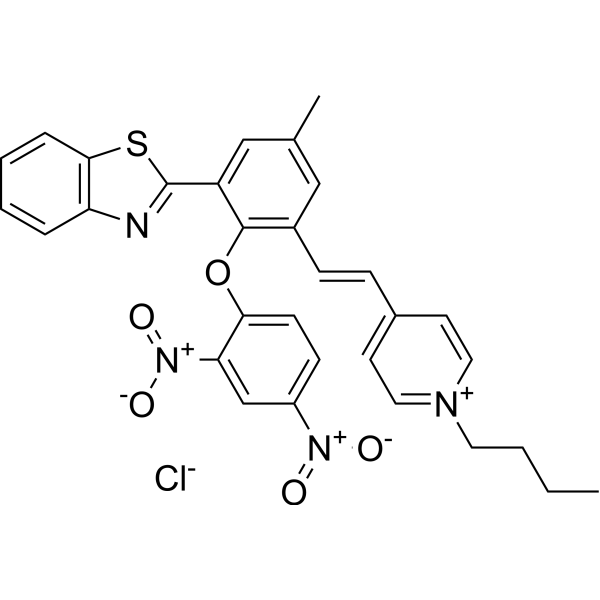
DHX-SP is a fluorescent probe, which visualizes superoxide anion (O2 ·–) and peroxynitrite (ONOO –) during ferroptosis of PC12 cells and in the Parkinson’s disease model .
|
-

- HY-D3011
-
|
2-(9-Anthroyloxy)stearic acid
|
Fluorescent Dye
|
Others
|
|
2-AS is a fluorescent probe and can monitor the microenvironment and dynamic changes of biofilms .
|
-

- HY-D3381
-
|
|
Fluorescent Dye
|
Others
|
|
MitoCLox is a mitochondria-targeted ratiometric fluorescent probe for measuring mitochondrial inner membrane lipid peroxidation .
|
-

- HY-175131
-
|
|
Fluorescent Dye
|
Others
|
|
Prostaglandin D2-biotin is a fluorescent probe that can be used for detecting PGD2.
|
-

- HY-164801
-
|
|
Drug Intermediate
|
Others
|
|
Nile Red phenoxyacetic acid (Compound 4) is a pharmaceutical intermediate that can be used for the synthesis of GPR84 fluorescent probes .
|
-

- HY-D3157
-
|
|
Fluorescent Dye
|
Others
|
|
Photoactive esterase probe is a photoactivatable fluorescent probe for esterase. Photoactive esterase probe is used for the detection and imaging of esterase activity in living cells .
|
-

- HY-D2945
-
|
|
Fluorescent Dye
|
Others
|
|
CLIP-Biotin is a Biotin-labeled CLIP tag fluorescent probe. CLIP-Biotin can be used for marking the CLIP-tag fusion proteins in cells.
|
-

- HY-D3267
-
|
|
Fluorescent Dye
|
Others
|
|
ACu1 is a copper (I)-selective two-photon fluorescent probe that enables the visual imaging of Cu + distribution in living cells and tissues .
|
-

- HY-D2959
-
|
CLIP-DF
|
Fluorescent Dye
|
Others
|
|
BC-DF is a diacetyl fluorescein labeled CLIP tag fluorescent probe. BC-DF can be used for labeling CLIP-tag fusion protein in cells .
|
-

- HY-D3193
-
|
|
Fluorescent Dye
|
Others
|
|
CDg4 is a green fluorescent probe and member of the fluorescent diamino-chalcone library.CDg4 binds to glycogen on mouse embryonic stem cell colony surfaces .
|
-

- HY-D3194
-
|
|
Fluorescent Dye
|
Infection
|
|
CDy14 is a fluorescent probe targeting the extracellular polysaccharide Psl. CDy14 enables the detection of biofilms. CDy14 can be used for research on chronic bacterial infections .
|
-

- HY-D0941
-
|
|
Fluorescent Dye
|
Others
|
|
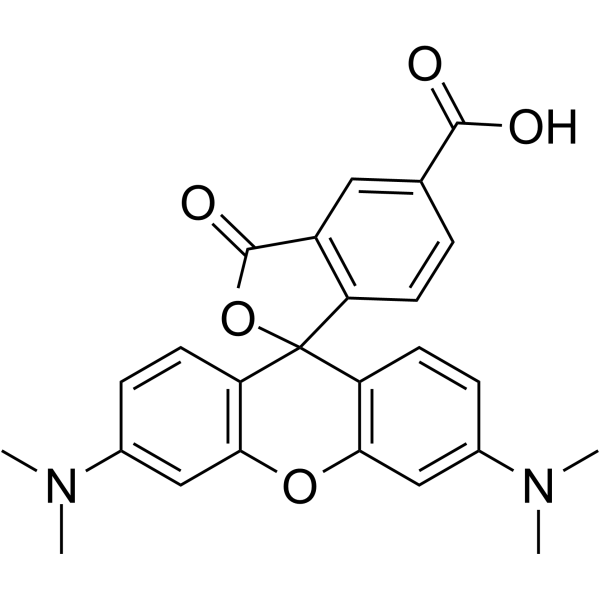
5-Carboxytetramethylrhodamine can be used as a fluorescent probe of nucleic acids and proteins. 5-Carboxytetramethylrhodamine displays excitation maxima of 558 nm and an emission maximum of 586 nm .
|
-
- HY-N15875
-
|
|
Fluorescent Dye
|
Metabolic Disease
|
|
18:1-18:1-C11 BODIPY 505/515 TG is a fluorescently-labeled triglyceride that can be used as a fluorescent probe (Ex/Em = 495/503 nm).
|
-

- HY-P5287
-
|
|
Integrin
|
Cancer
|
|
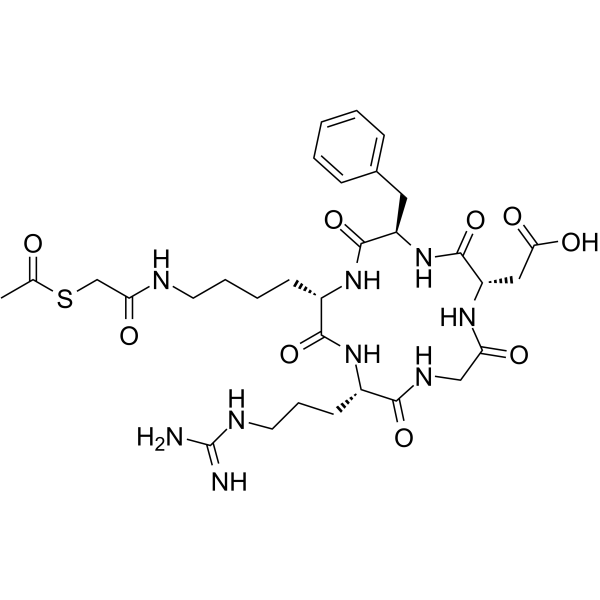
cRGDfK-thioacetyl ester is a bioactive polypeptide molecule. cRGDfK peptide has a selective affinity for integrins. cRGDfK peptide can modify NIR fluorescent probes for cancer targeting imaging .
|
-
- HY-D1266
-
|
NO-red
|
Fluorescent Dye
|
Others
|
|
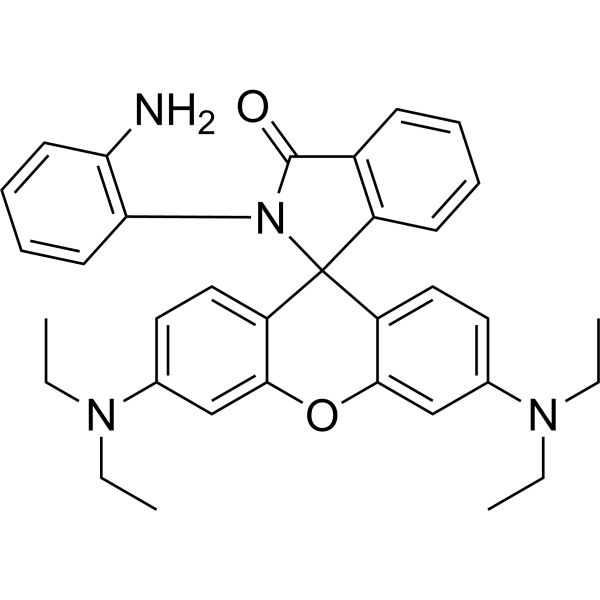
RB-OPD (NO-red) is a o-phenylenediamine (OPD)-locked rhodamine nitric oxide (NO) fluorescent probe with great sensitivity and selectivity (λex=550 nm, λem=590 nm) .
|
-
- HY-D2274
-
|
|
Fluorescent Dye
|
Others
|
|
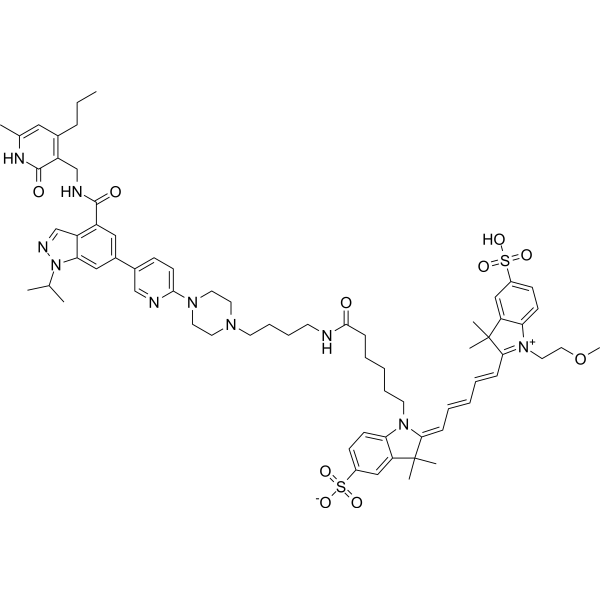
EZH2-AF647 is a fluorescent probe derived from UNC2239 that improves receptor TR-FRET properties by using Alexa 647 dye .
|
-
- HY-D3239
-
|
AF405; Alexa Fluor 405 succinimidyl ester
|
Fluorescent Dye
OAT
|
Others
|
|
AF405 NHS Ester (AF405) is a Fluorescent probe substrate, as well as a substrate for OATP1B1, OATP1B3 and OATP2B1 .
|
-

- HY-130785
-
|
|
Fluorescent Dye
|
Others
|
|
LysoFP-NH2 is a lysosomal-targeted fluorescent probe with amino acid functionalized derivatives. LysoFP-NH2 can be used to detect lysosomal NO levels in living cells .
|
-

- HY-D1457
-
|
|
Fluorescent Dye
|
Others
|
|
DND-189, a low-pH fluorescent probe, is sensitive to neutral and low pH range. DND-189 can be used to measure the pH of acidic organelles .
|
-
- HY-W321446
-
|
|
Fluorescent Dye
|
Others
|
|
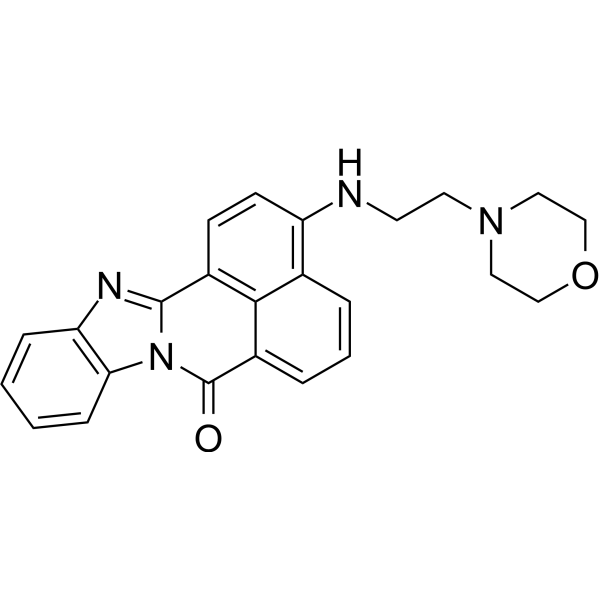
Dansyl ethylenediamine is a fluorescent probe. Dansyl ethylenediamine can be used for synthesis of protein-imprinted polymers which is capable of specific transduction of protein binding events into fluorescent signal change .
|
-
- HY-N16325
-
|
|
Fluorescent Dye
|
Others
|
|
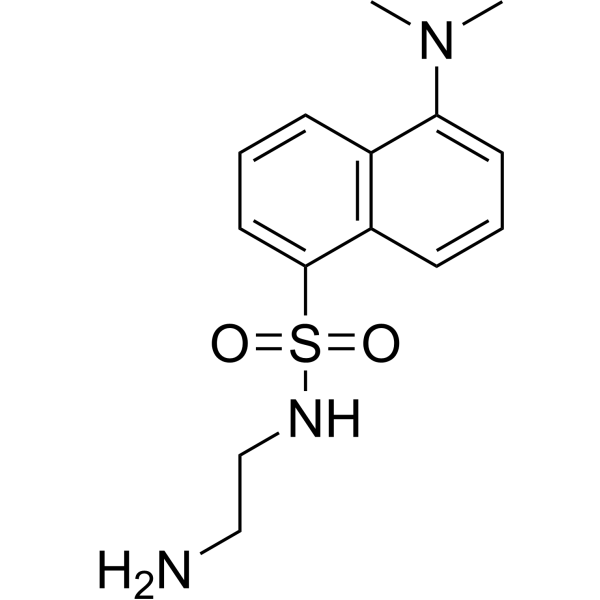
Golgi-laurdan, a derivative of Laurdan (HY-D0080), is a fluorescent probe. Golgi-Laurdanmimics the structure NBD C6 Ceramide that can be used for the study of the Golgi apparatus .
|
-

- HY-D0140
-
|
ETH 5294
|
Fluorescent Dye
|
Others
|
|
Chromoionophore I (ETH 5294) is a hydrophobic pH indicator. Chromoionophore I is used as a transmissive or fluorescent probe molecule in many types of hydrophobic sensor membranes. Chromoionophore I is oil-soluble .
|
-
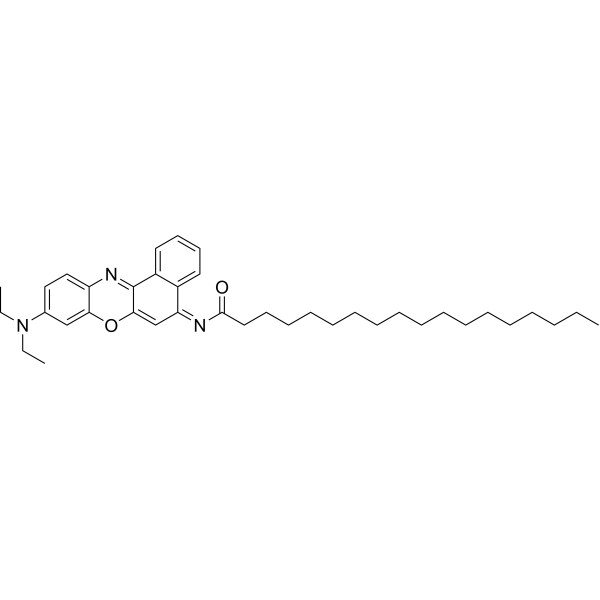
- HY-D1683
-
NBD-PE
2 Publications Verification
|
Fluorescent Dye
|
Others
|
|
NBD-PE is an effective lipid fluorescent probe (Excitation/Emission: 465/535 nm; Color: Green). NBD-PE offers a wide array of applications in membrane and cell biology .
|
-
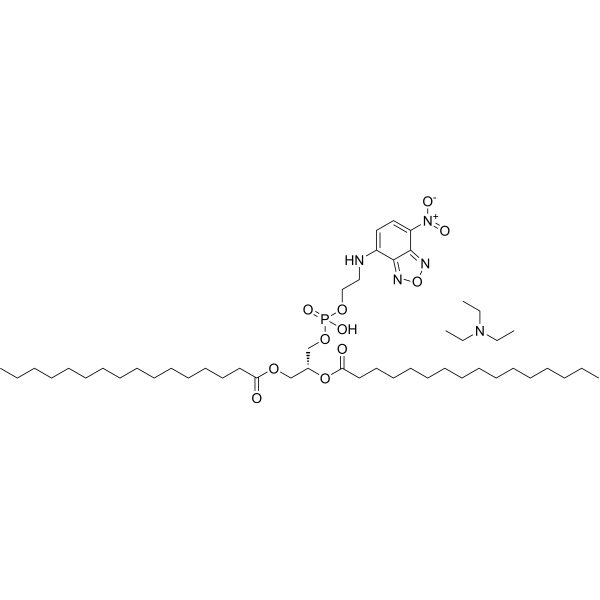
- HY-168757
-
|
|
PSMA
|
Cancer
|
|
PSMA precursor-1 is a precursor in the synthesis of prostate-specific membrane antigen (PSMA) ligands and fluorescent probes that have been used in the detection of PSMA in LNCaP and PC3 cells .
|
-

- HY-130510
-
|
|
Fluorescent Dye
|
Others
|
|
6-HEX dipivaloate is an amino-bindable fluorescent probe that can be used to label peptides and oligonucleotides. 6-HEX dipivaloate is widely used in nucleic acid sequencing and related research .
|
-

- HY-W020798
-
|
|
Fluorescent Dye
|
Others
|
|
1-Palmitoyl-2-[3-(diphenylhexatriene)propanoyl]-sn-phosphatidylcholine is a fluorescent probe with a polar phosphatidylethanolamine head group for the determination of surface lipid oxidation in lipoproteins and plasma .
|
-
![1-Palmitoyl-2-[3-(diphenylhexatriene)propanoyl]-sn-phosphatidylcholine](//file.medchemexpress.com/product_pic/hy-w020798.gif)
- HY-D1148
-
|
|
Fluorescent Dye
|
Others
|
|
HKGreen-4I is a highly sensitive green fluorescent probe for the specific detection of ONOO - in living cells with a maximum excitation wavelength and emission wavelength of 520 nm and 543 nm, respectively .
|
-
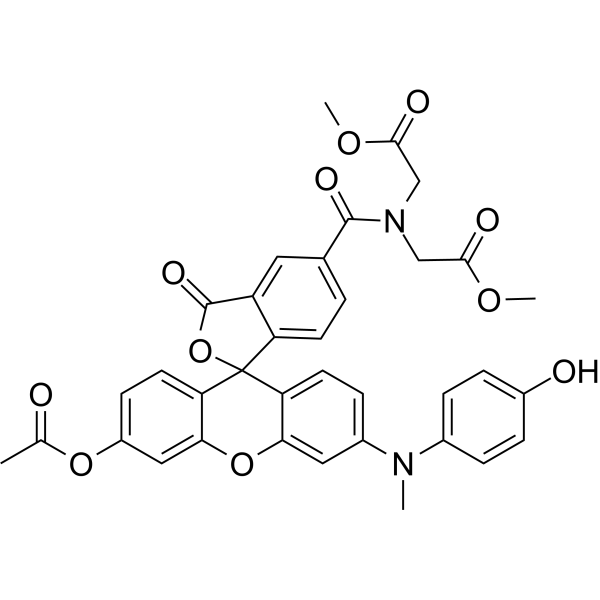
- HY-144603
-
-
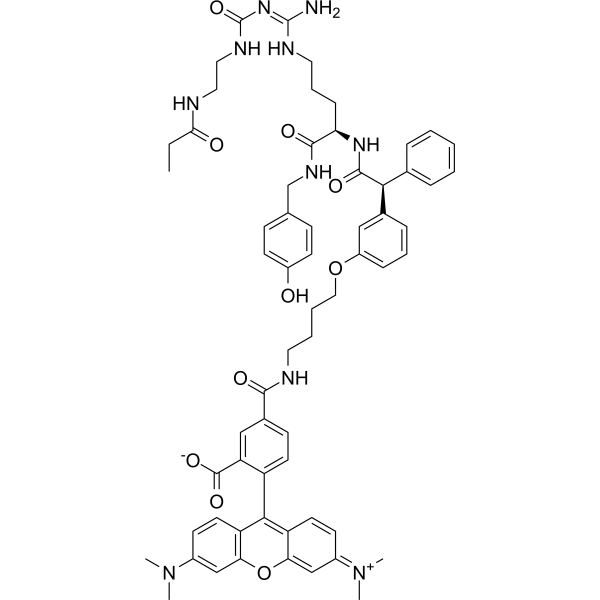
- HY-W441021
-
|
|
Liposome
|
Others
|
|
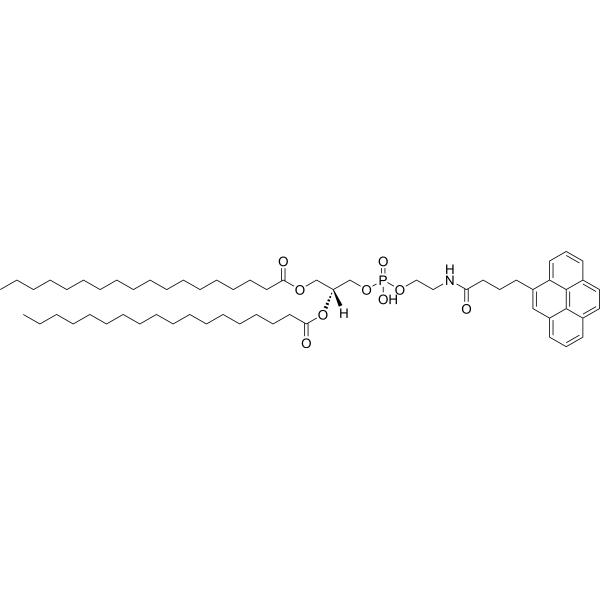
DSPE-Pyrene is a phospholipid molecule with polycyclic aromatic hydrocarbon, and can be used for drug encapsulation, such as drug loaded liposomes or nanoparticles. Pyrene is a fluorescent probe whose spectrum is sensitive to the polarity of its environment.
|
-
- HY-D1781
-
|
|
Fluorescent Dye
|
Others
|
|
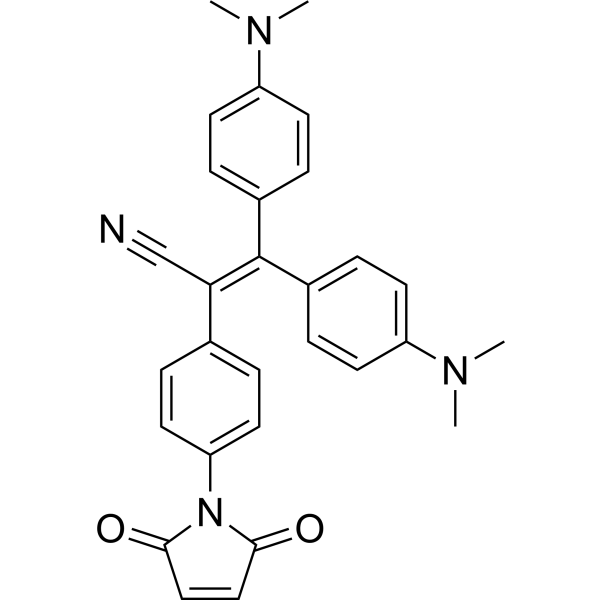
NTPAN-MI is a fluorescent probe (excitation wavelength: 405 nm). NTPAN-MI is selectively activated after labeling unfolded proteins with exposed thiols, thereby reporting the degree of protein homeostasis .
|
-
- HY-P5287A
-
|
|
Integrin
|
Cancer
|
|
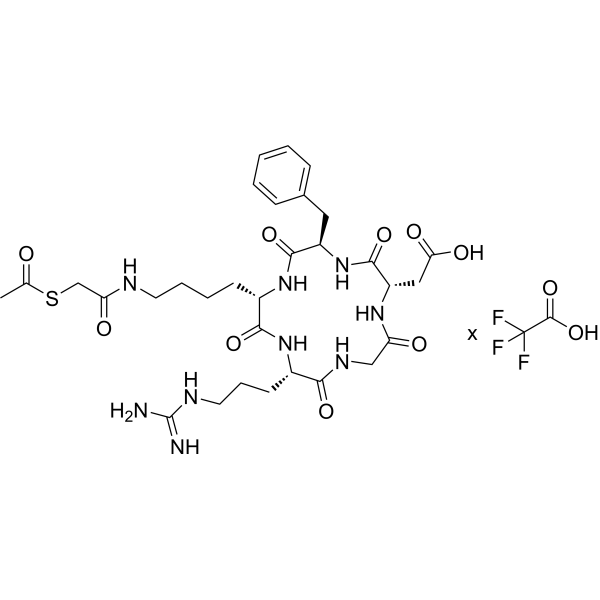
cRGDfK-thioacetyl ester TFA is a bioactive polypeptide molecule. cRGDfK peptide has a selective affinity for integrins. cRGDfK peptide can modify NIR fluorescent probes for cancer targeting imaging .
|
-
- HY-146343
-
-
- HY-103684
-
|
Real Thiol-NH2
|
Fluorescent Dye
|
Neurological Disease
|
|
RT-NH2 is a RealThiol prototype without the carboxylic acid groups. RT-NH2 is fairly hydrophobic and cannot distribute in the nucleus, which is a hallmark of protein binding for fluorescent probe.
|
-
- HY-D1159
-
|
|
Reactive Oxygen Species (ROS)
Fluorescent Dye
|
Others
|
|
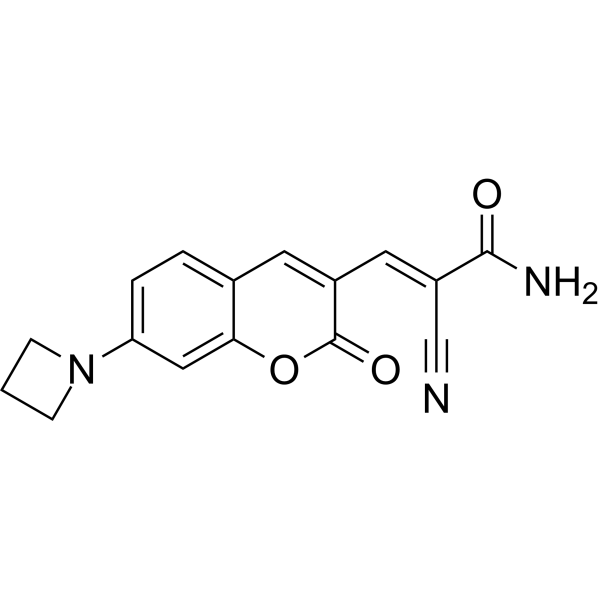
HKOH-1r is a highly sensitive green fluorescent probe for the specific detection of ·OH in living cells with a maximum excitation wavelength and emission wavelength of 500 nm and 520 nm, respectively .
|
-
- HY-D3008
-
-

- HY-128868G
-
|
|
Fluorescent Dye
|
Others
|
|
FITC-Dextran (MW 150000) is a fluorescent probe for fluorescein isothiocyanate (FITC) dextran (Ex=491 nm; Em=518 nm). FITC-Dextran (MW 150000) can be used as a marker to reveal heat shock-induced cell damage and to study the early and late stages of apoptosis. FITC-Dextran (MW 150000) can be used in perfusion studies in animals or in fluorescence microlymphography, to study processes that affect the permeability of the blood brain barrier (BBB) . FITC-Dextran (MW 150000) can be used as fluorescent probe to study cell permeability .
|
-

- HY-125372
-
|
ABAO
|
Biochemical Assay Reagents
|
Others
|
|
2-Amino benzamidoxime (ABAO) acts as a bioconjugation reagent precursor and a fluorescent probe precursor. 2-Amino benzamidoxime contains an aniline group for imine activation of aldehydes, as well as a nucleophilic group (Nu:) located at the ortho position of the amine, which is responsible for intramolecular cyclization. 2-Amino benzamidoxime reacts with glyoxal at the N-terminus of phage-displayed peptide libraries. Derivatives of 2-Amino benzamidoxime can be used for protein bioconjugation. Derivatives of 2-Amino benzamidoxime serve as fluorescent probes .\n
|
-

- HY-D1257
-
|
Msr-green
|
Fluorescent Dye
|
Others
|
|
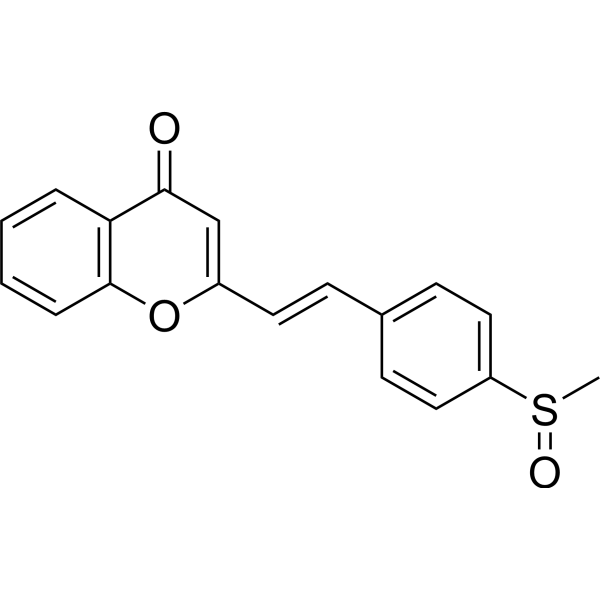
Msr-Ratio (Msr-green) is a ratiometric fluorescent probe of methionine sulfoxide reductase (λex=375 nm, λem=550 nm). Msr-Ratio is used for monitoring the enzyme activity in vitro and in live cells .
|
-
- HY-W248119
-
|
|
Fluorescent Dye
|
Others
|
|
8-(4-Iodophenyl)-1,3,5,7-tetramethyl BODIPY is a BODIPY derivative that can be used as a fluorescent probe for GFP-labeled muscarinic M1 receptor .
|
-

- HY-130022
-
|
|
Fluorescent Dye
|
Others
|
|
HKPerox-1 is a highly sensitive green fluorescent probe for the specific detection of H2O2 in living cells with a maximum excitation wavelength and emission wavelength of 520 nm and 543 nm, respectively .
|
-
- HY-149835
-
|
|
Fluorescent Dye
|
Others
|
|
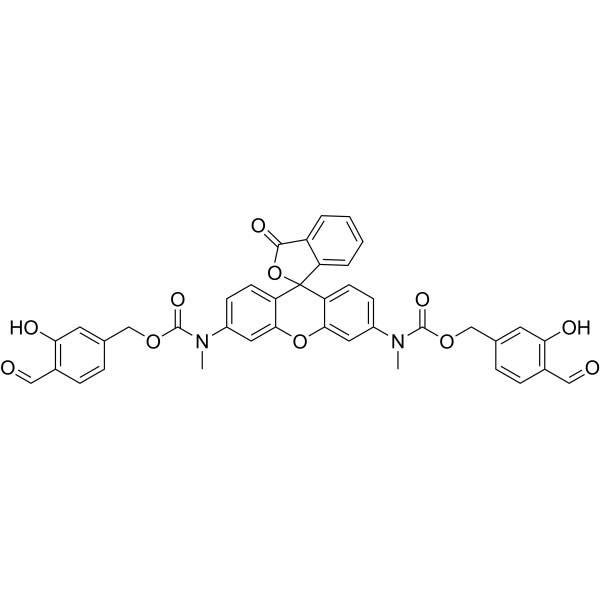
TTX-P is a fluorescent probe. TTX-P responds in situ to the overexpressed alkaline phosphatase (ALP) in liver, imaging of diabetic liver injury in the near-infrared second-window (NIR-II) region .
|
-
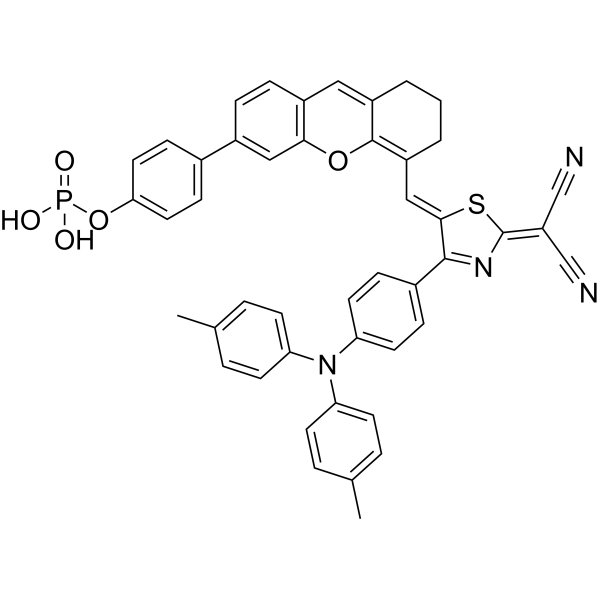
- HY-D1694
-
|
|
Fluorescent Dye
|
Others
|
|
LysoTracker Yellow HCK 123 is a potent yellow membrane-permeable fluorescent probe. LysoTracker Yellow HCK 123 is a weakly basic amine that selectively accumulates in cellular compartments with low luminal pH .
|
-
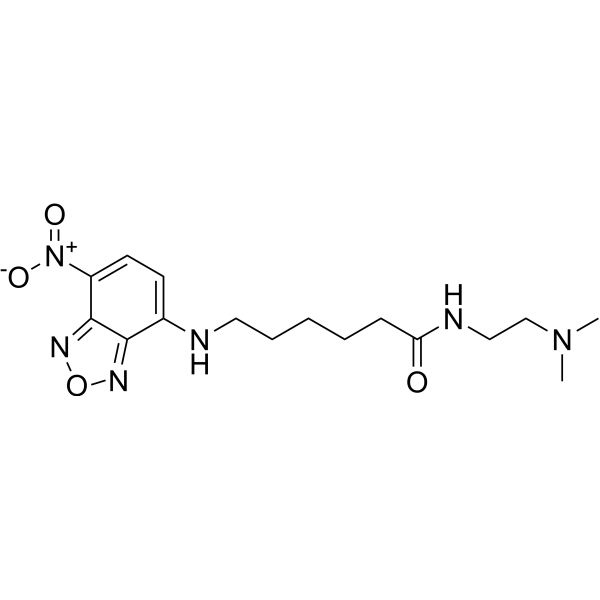
- HY-W007465
-
-
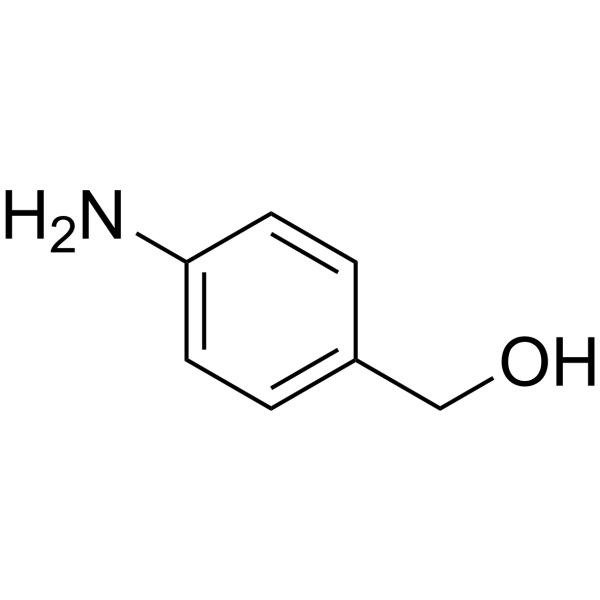
- HY-123696
-
|
|
Fluorescent Dye
|
Others
|
|
CDy9 is a highly selective fluorescent probe. CDy9 can be used to detect mouse embryonic stem cells. ( λ exc. / λ em.:563 nm/578 nm) .
|
-

- HY-D1157
-
|
|
Fluorescent Dye
Reactive Oxygen Species (ROS)
|
Others
|
|
HKPerox-2 is a highly sensitive green fluorescent probe for the specific detection of H2O2 in living cells with a maximum excitation wavelength and emission wavelength of 520 nm and 543 nm, respectively .
|
-
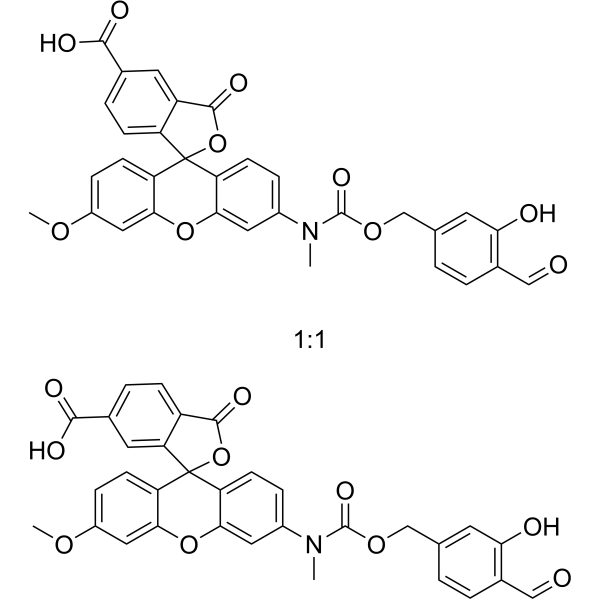
- HY-153902
-
|
|
STAT
Fluorescent Dye
|
Others
|
|
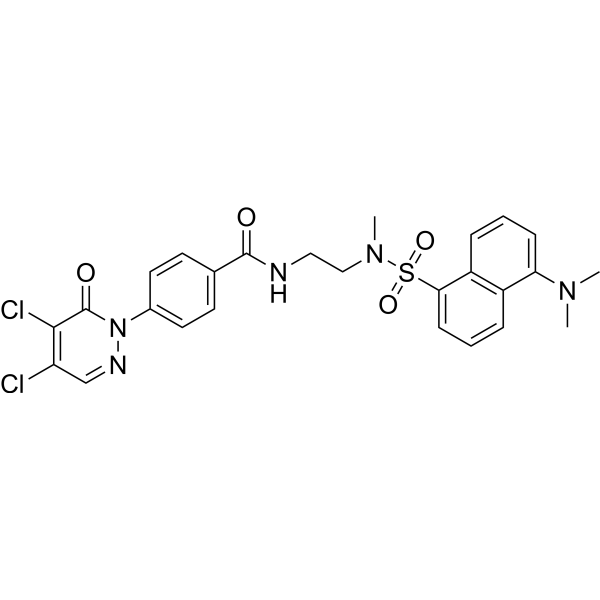
DG-8 is a potent inhibitor of STAT3-dependent transcription (IC50 0.98 μM). DG-8 is a fluorescent probe that contains a fluorescent dansyl moiety .
|
-
- HY-D2474
-
|
|
Fluorescent Dye
|
Cancer
|
|
PSP is a two-photon fluorescent probe for selective and sensitive detection of H2Sn in live cells and tumor spheroids (Ex/Em = 440/640 nm). PSP can be utilized in ferroptosis research .
|
-

- HY-160240
-
|
|
Fluorescent Dye
|
Others
Cancer
|
|
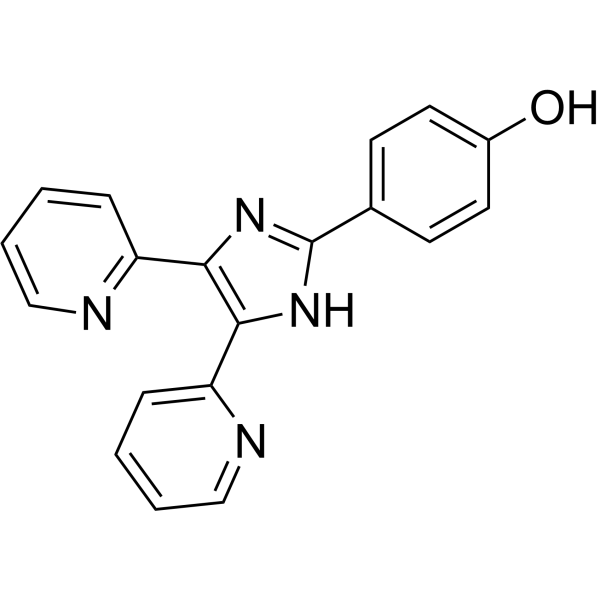
HPI is a HS - fluorescent probe (Ex/Em=280/410 nm). HPI can be used to detect the HS - form of hydrogen sulfide (H2S) gas in environmental water samples .
|
-
- HY-D2878
-
|
|
Fluorescent Dye
Ferroptosis
|
Others
|
|
MitoPeDPP is a mitochondrial-targeted fluorescent probe that is sensitive to LPO. MitoPeDPP is synthesized from diphenylpyrenephosphine. MitoPeDPP can be used to study the occurrence of mitochondrial LPO in RSL3-induced oligodendrocyte ferroptosis .
|
-

- HY-DY1014
-
|
|
Fluorescent Dye
|
Others
|
ATP-Red 1 (solution) is a multisite-binding switchable fluorescent probe, and can selectively and rapidly responds to intracellular concentrations of ATP in living cells (Ex/Em = 510/590 nm).
Solvent and concentration: DMSO: 1 mM
|
-

- HY-N16309
-
|
|
Fluorescent Dye
|
Others
|
|
Cyanine 7 free acid bromide is a near-infrared fluorescent probe for labelling amine groups such as those on antibodies, nucleic acids, and proteins and can be detected using a variety of fluorescence detection techniques such as microscopy and flow cytometry.
|
-

- HY-D0029
-
|
5(6)-AFM; Fluoresceinamine mixed isomers
|
Fluorescent Dye
|
Others
|
|
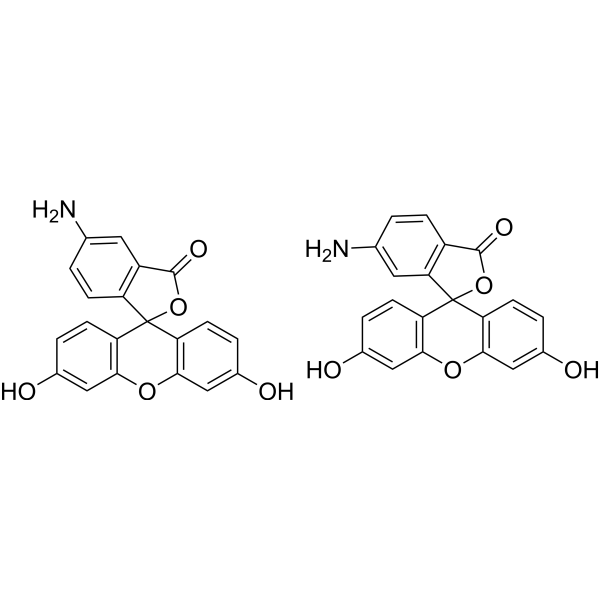
5(6)-Aminofluorescein (5(6)-AFM) is an amino-containing fluorescein dye primarily used for biomolecular labeling, fluorescence imaging, and as a precursor for the synthesis of fluorescent probes (Ex/Em = 495/515 nm).
|
-
- HY-D2260
-
|
|
Fluorescent Dye
|
Neurological Disease
|
|
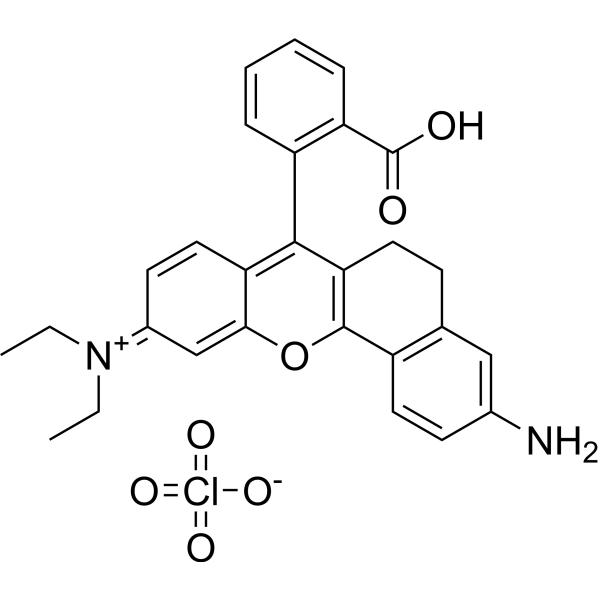
hMSCs-Neu perchlorate (Compound 4) is a fluorescent probe that converts hMSCs into neurons in the presence of fibroblast growth factor (FGF). hMSCs-Neu perchlorate may have important applications in neuropathology and neurodegeneration research .
|
-
- HY-155524
-
|
|
Apoptosis
|
Cancer
|
|
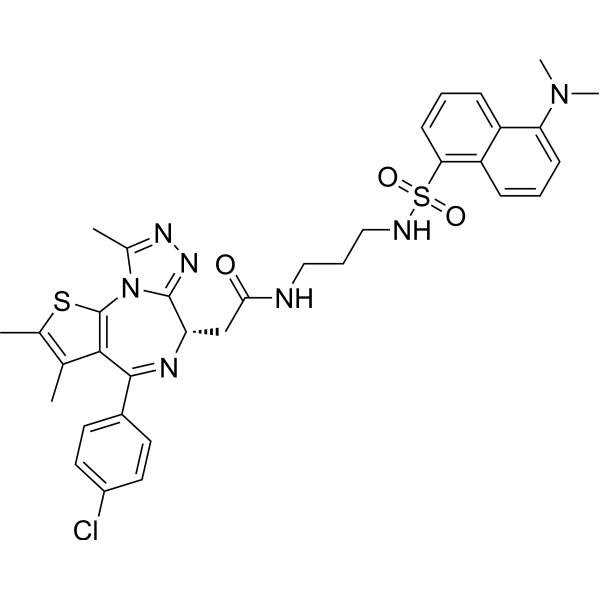
Anticancer agent 134 (compound 6a) is a environment-sensitive fluorescent probe and an apoptosis inducer, making a distinction between the tumor and normal tissues. Anticancer agent 134 localizes to the nuclear bodies in tumor slices .
|
-
- HY-117468
-
|
|
Fluorescent Dye
|
Others
|
|
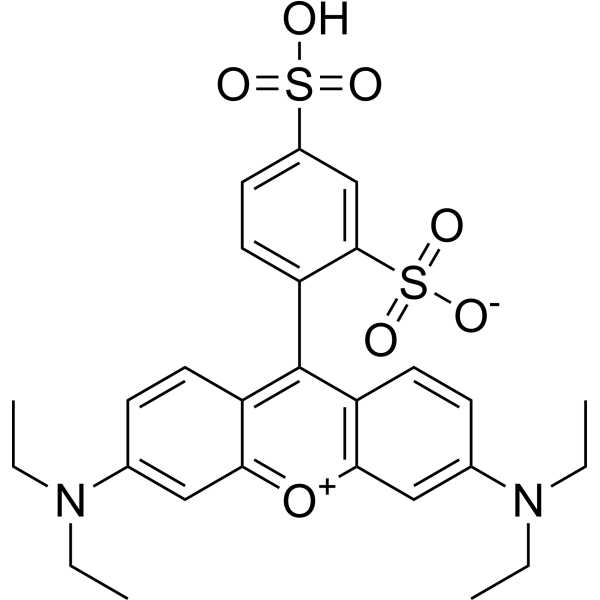
Lissamine rhodamine B is a red-fluorescent dye, it is a derivative of rhodamine. Lissamine rhodamine B can be used as a fluorescent probe to develop competitive aptamer fluorescence anisotropy/polarization (FA/FP) assays .
|
-
- HY-D2948
-
|
|
Fluorescent Dye
|
Others
|
|
SNAP-430 is a (diethylamino) coumarin-labeled SNAP tag fluorescent probe. SNAP-430 can be used for making SNAP-tag fusion proteins inside living cells, on cell surfaces, or in vitro.
|
-

- HY-D1464
-
CH1055
1 Publications Verification
|
Fluorescent Dye
|
Cancer
|
|
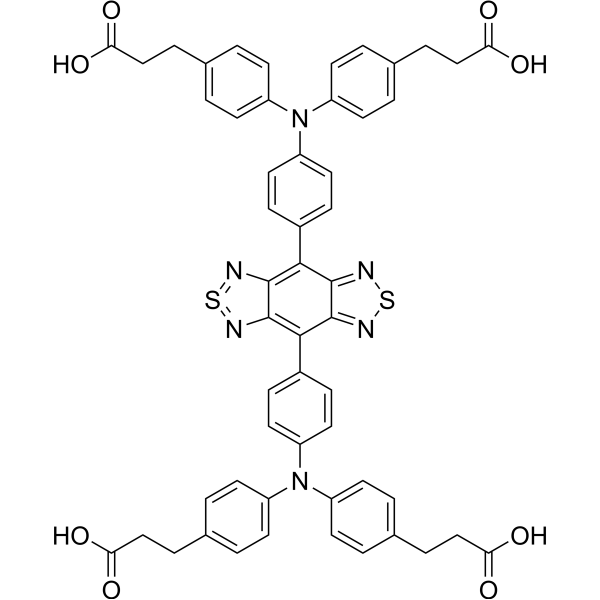
CH1055 is a near-infrared II (NIR-II) fluorescent dye that can be used as a fluorescent probe for in vivo imaging. CH1055 can be conjugated with antibodies or ligands for specific imaging (for example the tumor imaging) .
|
-
- HY-155395
-
|
|
Fluorescent Dye
|
Infection
|
|
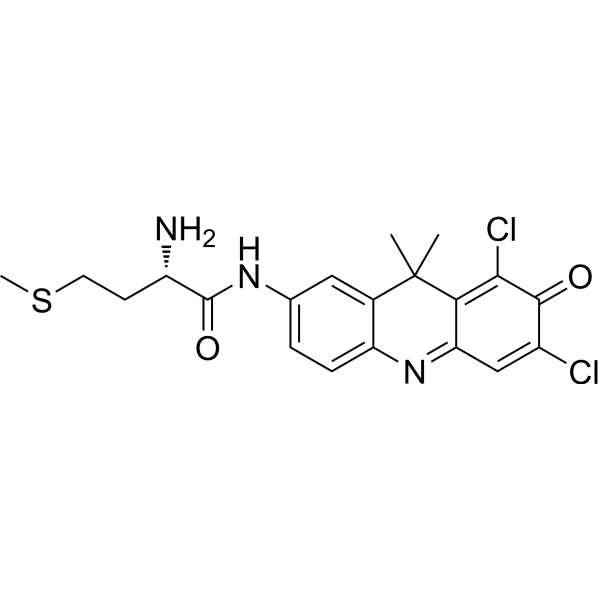
DDAN-MT is an enzymatic activated near-infrared fluorescent probe. DDAN-MT can be used for rapid, highly selective, and real-time monitoring of endogenous MtMET-AP1 activity in M. tuberculosis .
|
-
- HY-147532
-
|
|
Cannabinoid Receptor
|
Cancer
|
|
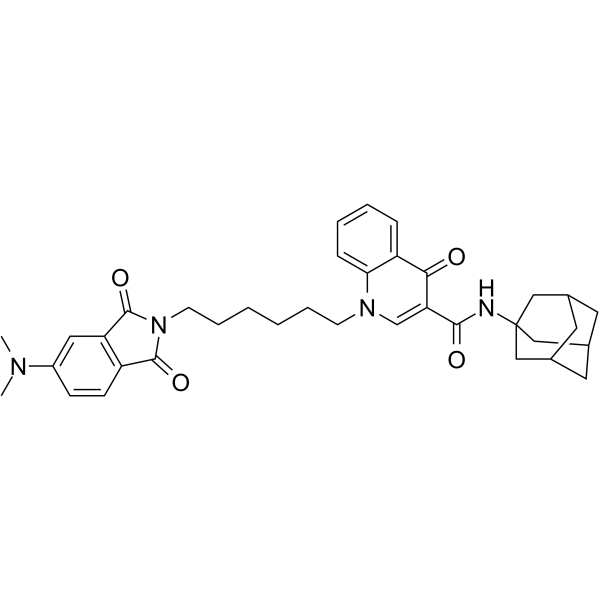
CB2R probe 1 is a safe and green CB2R (cannabinoid 2 receptor) fluorescent probe with an Ki of 130 nM. CB2R probe 1 shows low cytotoxicity in cancer cells .
|
-
- HY-D1707
-
|
|
Fluorescent Dye
|
Others
|
|
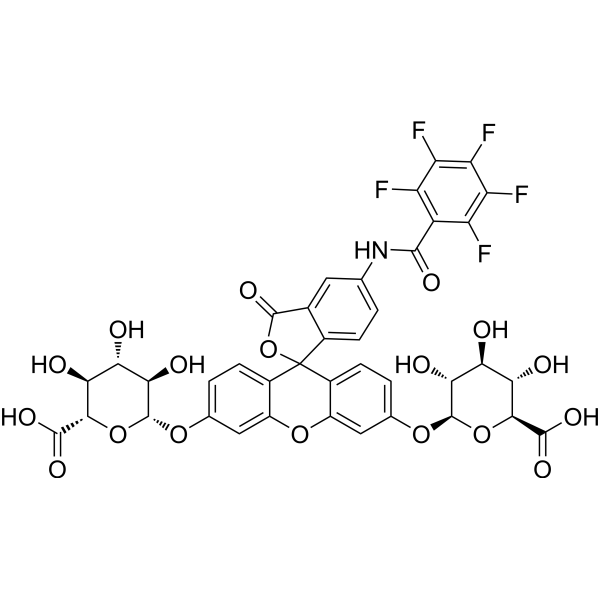
FDGlcU can be used as a fluorescent probe for non-invasively image with a high level of fluorescent activity. FDGlcU is non-fluorescent when the fluorescein is conjugated with two mono-glucuronides (Ex/Em=480/514 nm) .
|
-
- HY-151890
-
|
|
Fluorescent Dye
|
Cancer
|
|
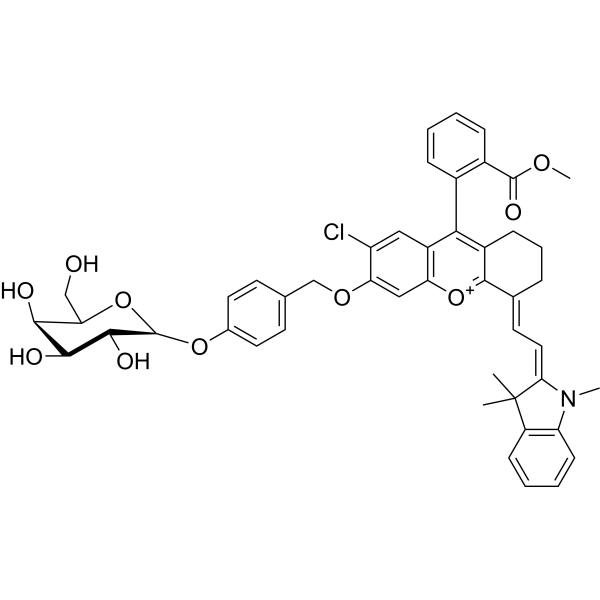
NIR-βgal-2 is a β-galactosidase-activated near-infrared fluorescent probe with superior sensitivity. NIR-βgal-2 can be used for visualizing β-galactosidase in breast cancer .
|
-
- HY-D3004
-
|
|
Fluorescent Dye
|
Others
|
|
GSH Tracker Probe (CPDSA) is a cyanine-based fluorescent probe with a NIR emission that is specific for GSH (excitation: 635 nm; emission: 655-755 nm). CPDSA can monitor and image GSH levels in live cells and in vivo .
|
-

- HY-D2367
-
|
N-Hydroxysuccinimidyl rhodamine B ester
|
Fluorescent Dye
|
Others
|
|
Rhodamine B NHS ester (N-Hydroxysuccinimidyl rhodamine B ester) is an amine-reactive fluorescent probe (λex/λem: 564/589 nm, respectively). Rhodamine B NHS ester could react with Glycine (HY-Y0966) .
|
-

- HY-134392A
-
|
|
Nucleoside Antimetabolite/Analog
|
Others
|
|
6-Alkyne-NAD+ sodium is a nicotinamide adenine dinucleotide (NAD) analogue. 6-Alkyne-NAD+ sodium can be used as a fluorescent probe coupled with fluorescent labels for marking ADP-ribose polymerase substrate proteins .
|
-

- HY-D2280
-
|
|
HDAC
Estrogen Receptor/ERR
|
Others
|
|
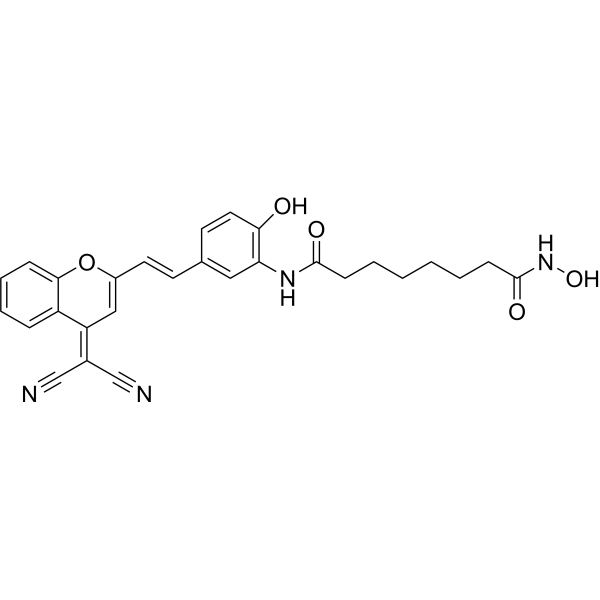
Estrogen receptor β/HDAC probe 1 (compound P1) is a near-infrared fluorescent probe that dual-targets the estrogen receptor (Estrogen Receptor/ERR) β/histone deacetylase HDAC .
|
-
- HY-104058
-
|
Green 488 BAPTA 1AM
|
Fluorescent Dye
|
Others
|
|
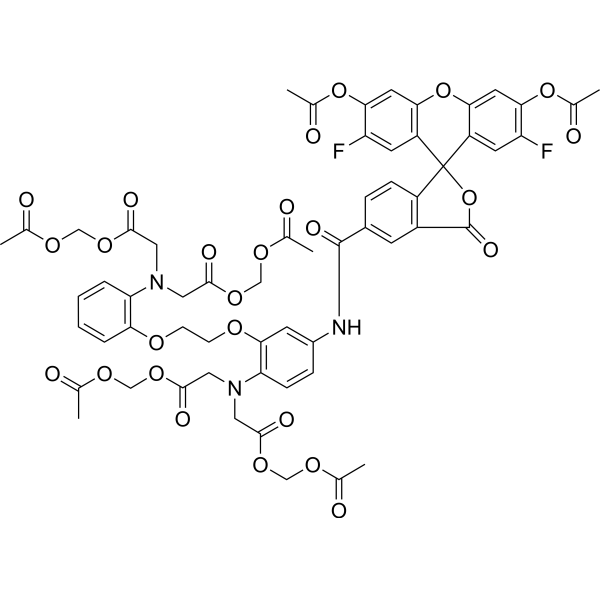
BAPTA Green 1AM (Oregon Green 488 BAPTA 1AM) is a fluorescent Ca 2+ indicator that consists of a green fluorescent probe OG 488 and a cell-permeable Ca 2+ chelator BAPTA AM.
|
-
- HY-125749
-
|
|
Fluorescent Dye
|
Others
|
|
Coumarin-30 is a coumarin-based fluorescent dye and environment-sensitive fluorescent probe (in aqueous medium, λex = 430 nm, λem = 495 nm). Coumarin-30 serves as a dopant for organic light-emitting diodes .
|
-

- HY-135636
-
|
|
Fluorescent Dye
|
Others
|
|
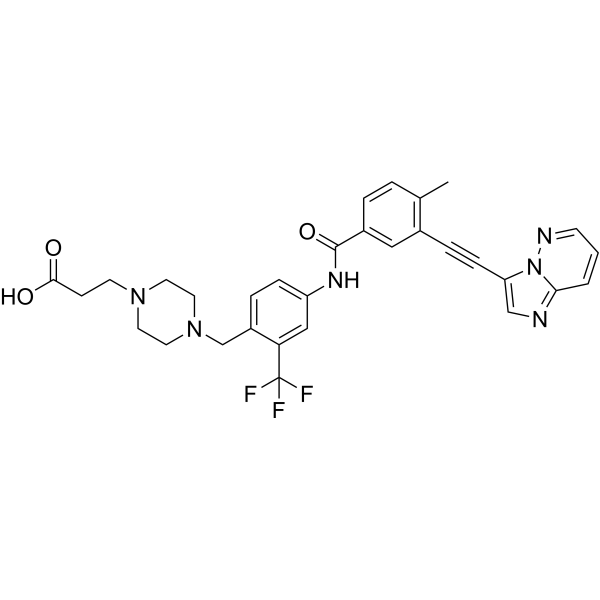
Ponatinib Acid, an analogue of Ponatinib, is usually used as a labeled chemical or fluorescent probe. Ponatinib Acid is a click chemistry reagent, it contains an Alkyne group and can undergo copper-catalyzed azide-alkyne cycloaddition (CuAAc) with molecules containing Azide groups.
|
-
- HY-D0807
-
5-IAF
1 Publications Verification
5-Iodoacetamidofluorescein
|
Fluorescent Dye
|
Cancer
|
|
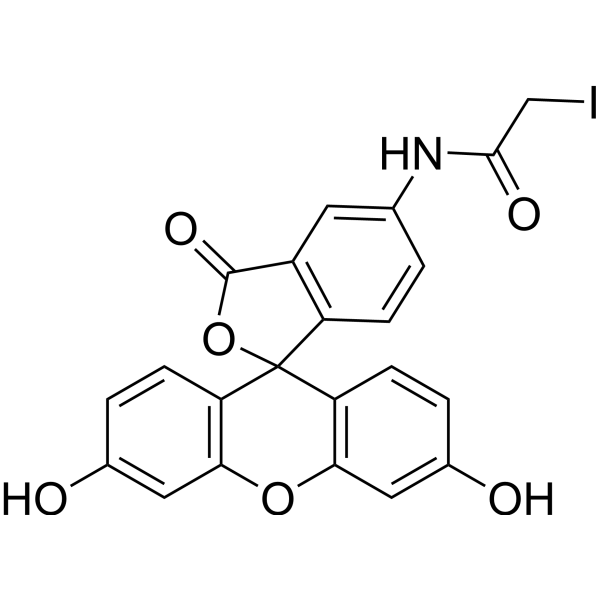
5-IAF (5-Iodoacetamidofluorescein) is an idoacetamide derivate of fluoresceine. 5-IAF can be used as fluorescent probe that labels proteins and other molecules having free thiols (cysteine side chains) .
|
-
- HY-113870
-
|
|
Fluorescent Dye
|
Others
|
|
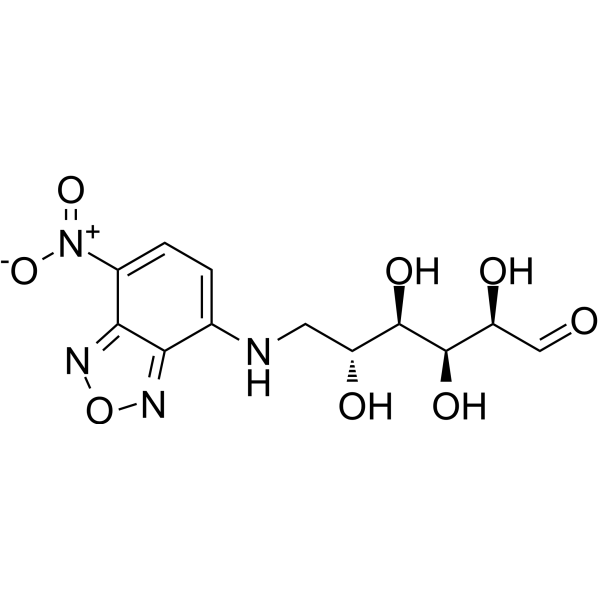
6-NBDG is a fluorescent glucose analogue, it can be used for fluorescence imaging and monitoring glucose transport and uptake. 6-NBDG can be used as a fluorescent probe for detecting macrophage-rich atherosclerotic plaques .
|
-
- HY-D2317
-
|
|
Fluorescent Dye
|
Others
|
|
HaloFlipper 30 is a fluorescent probe that covalently reacts with HaloTag fusion proteins to form an ester bond, which allows the probe to be stably attached to membrane structures. HaloFlipper 30 has high specificity, precision and good cell permeability .
|
-

- HY-P4703
-
|
|
Oxytocin Receptor
|
Others
|
|
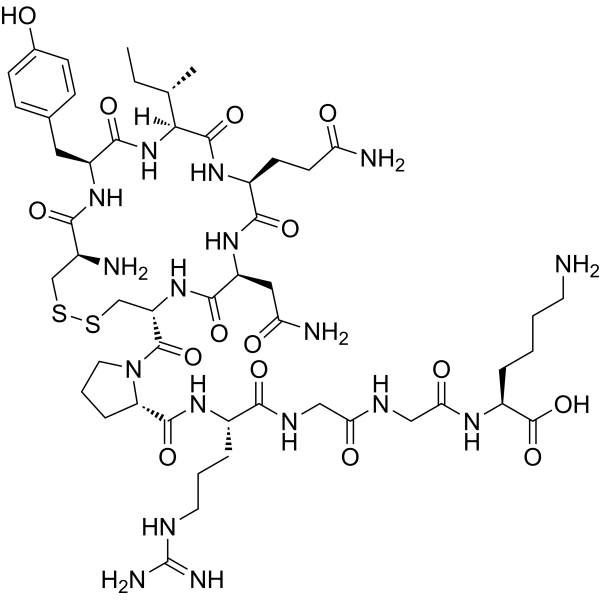
Hydrin 1′ is found in the neurohypophysis of Xenopus. Hydrin 1′ possesses a considerable steroid-releasing activity in Xenopus adrenal gland in vitro. Hydrin 1′ targets oxytocin receptor and derives a fluorescent probe of the oxytocin receptor .
|
-
- HY-168322
-
|
|
Fluorescent Dye
|
Others
|
|
2-Hydroxy nile red trifluoromethanesulfonate is a fluorescent probe, that enters into oligodeoxyribonucleic acid as a nucleotide replacement. 2-Hydroxy nile red trifluoromethanesulfonate can be used as a DNA probe for detecting the polar changes in tumor microenvironments .
|
-

- HY-79602
-
|
|
Biochemical Assay Reagents
Drug Derivative
Drug Intermediate
|
Others
|
|
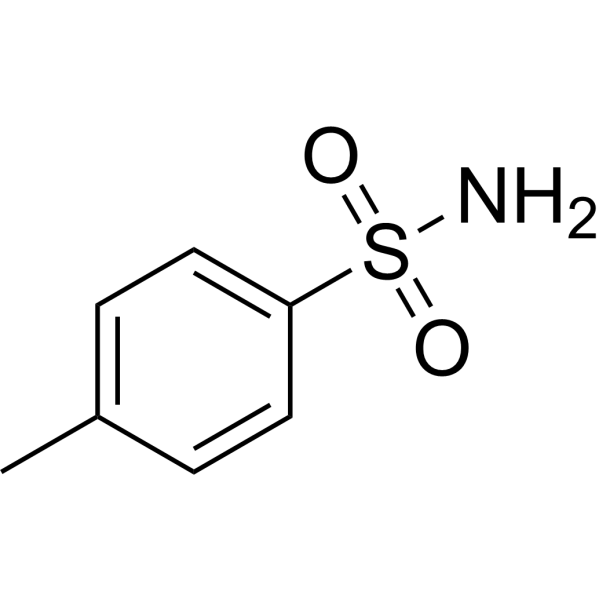
p-Toluenesulfonamide is an intermediate and plasticizer. p-Toluenesulfonamide is also the main degradation product of the disinfectant Chloramine-T (HY-B0959) in water. p-Toluenesulfonamide facilitates the localization of fluorescent probes to the endoplasmic reticulum .
|
-
- HY-D2119
-
CQ-Lyso
2 Publications Verification
|
Fluorescent Dye
|
Cancer
|
|
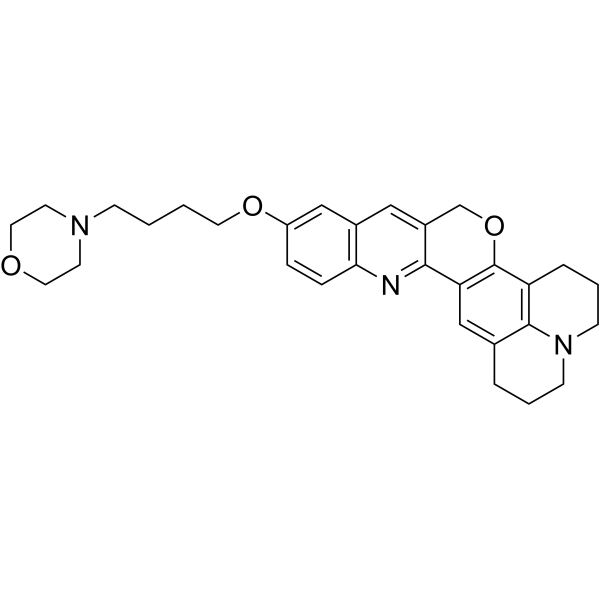
CQ-Lyso is a lysosome-targeting chromenoquinoline. CQ-Lyso is a fluorescent probe for measuring the pH of lysosomes in living cells using only single wavelength excitation. CQ-Lyso can visualize the dynamic pH changes in lysosomes .
|
-
- HY-D1265
-
|
HClO-green
|
Fluorescent Dye
|
Others
|
|
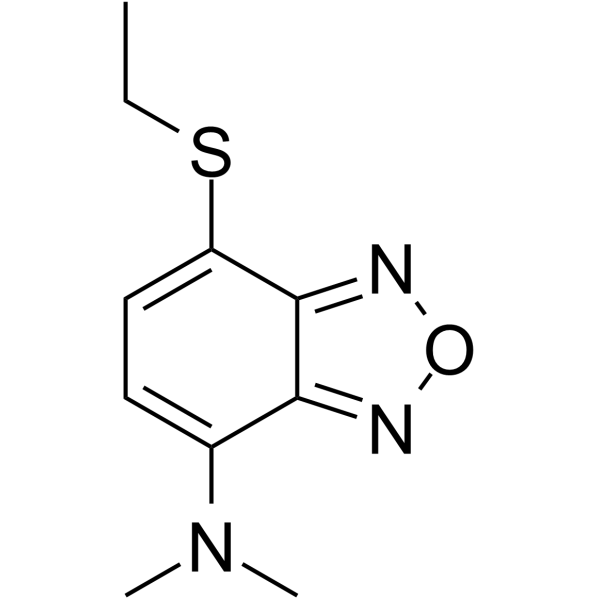
EtS-DMAB (HClO-green) is a fluorescent probe, which can selectively detect hypochlorous acid (HOCl) (λex=440 nm, λem=610 nm). EtS-DMAB is applied to image exogenous and endogenous HOCl in live cells .
|
-
- HY-164055
-
|
|
Fluorescent Dye
|
Cancer
|
|
HL1 is a Schiff base ligand. HL1 exhibits chelation-enhanced fluorescence effect when forming complexes and can be used as a fluorescent probe for metal ions. HL1 can be used for the research of cancer .
|
-

- HY-D1093
-
|
|
Fluorescent Dye
|
Others
|
|
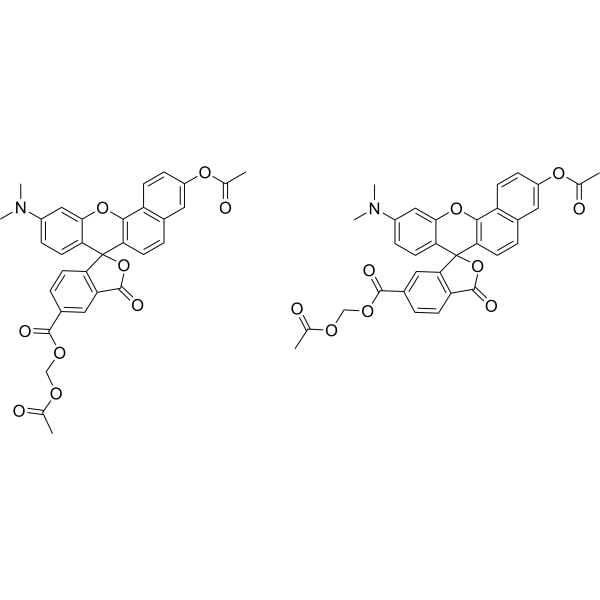
Carboxy SNARF-1, acetoxymethyl ester (5/6-mixture) is a fluorescent probe that is sensitive to pH. Carboxy SNARF-1, acetoxymethyl ester (5/6-mixture) can be used for measurement of intracellular pH .
|
-
- HY-D3266
-
|
|
Fluorescent Dye
|
Cancer
|
|
IR 650 DBCO is a far-red-fluorescent probe, pH-insensitive, azide-reactive probe routinely used for imaging of azide-containing biomolecules without the need for a copper catalyst. (Ex=651nm, Em=668 nm)
|
-

- HY-D3253
-
|
|
Fluorescent Dye
|
Others
|
|
IR 650 azide is a near-infrared fluorescent probe. The click chemistry reaction handle of IR 650 azide is a terminal azide, which can undergo a 'copper-catalyzed alkyne-azide cycloaddition' reaction. (Ex = 633nm, Em = 647nm)
|
-

- HY-DY1025
-
|
|
Fluorescent Dye
|
Others
|
Laurdan (solution) is a membrane-permeable fluorescent probe that displays spectral sensitivity to the phospholipid phase of the cell membrane to which it is bound. Quantitation of generalized polarization (GP) of Laurdan can be used to identify phospholipid phase.
Solvent and concentration: DMSO: 5 mM
|
-

- HY-162129
-
|
|
Photosensitizer
|
Cancer
|
|
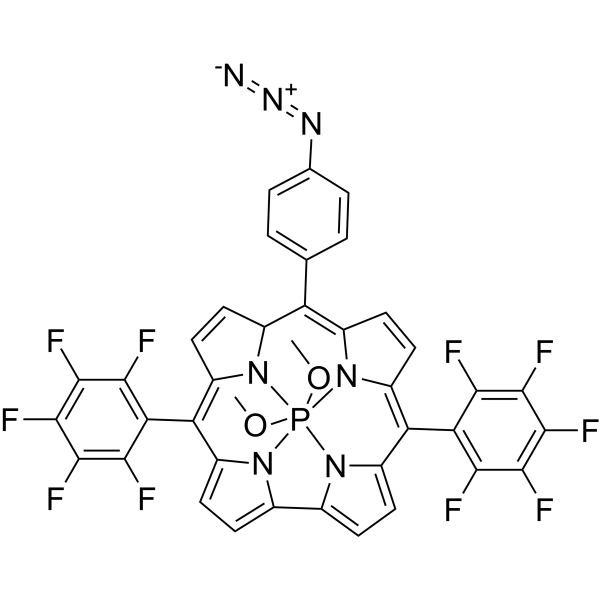
Antitumor agent-131 (Compound 2-p) is an ER fluorescent probe with an IC50 value of 23 nM for HepG2 tumor cells. Antitumor agent-131 can be used as a photosensitizer for the study of cancer photodynamics .
|
-
- HY-D2965
-
|
SPG1
|
Fluorescent Dye
|
Others
|
|
SNAP-Peroxy-Green-1 (SPG1) a SNAP tag fluorescent probe. SNAP-Peroxy-Green-1 can be used for detecting H2O2 in the extracellular space or on the surface of the cell membrane .
|
-

- HY-115640
-
|
|
TrxR
|
Others
|
|
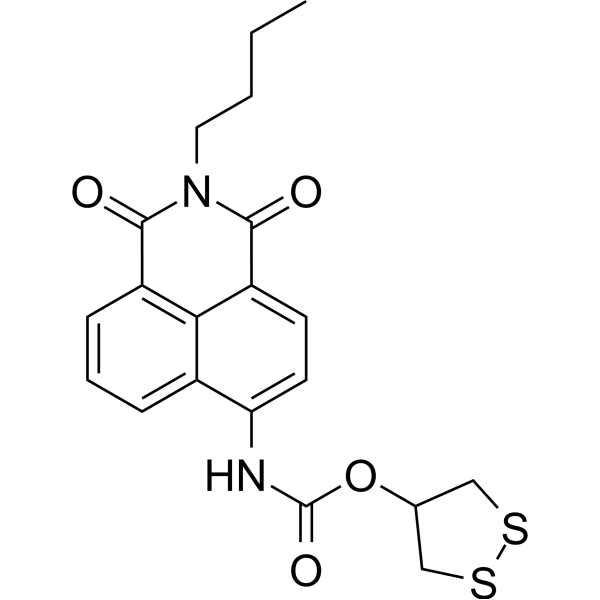
TRFS-green is a highly selective off−on fluorescent probe for imaging selenoprotein thioredoxin reductase (TrxR) in living cells. TRFS-green has the maximum absorbance at around 373 nm. After it is activated by TrxR, the maximum absorbance shifts to around 440 nm .
|
-
- HY-D1464A
-
|
|
Fluorescent Dye
|
Cancer
|
|
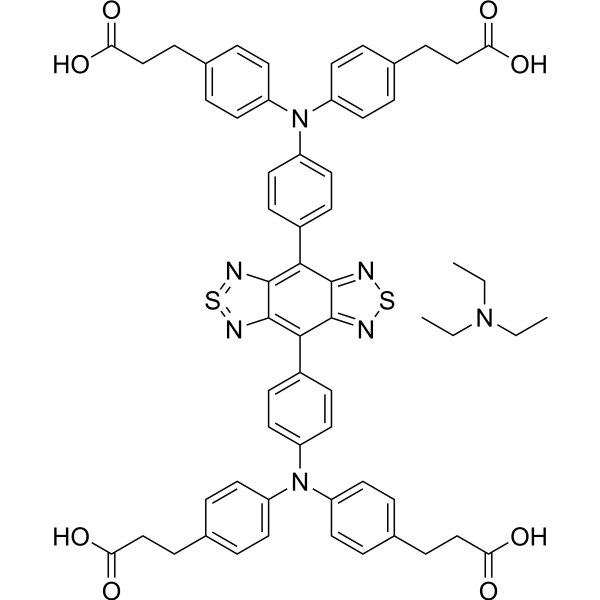
CH1055 triethylamine is a near-infrared II (NIR-II) fluorescent dye that can be used as a fluorescent probe for in vivo imaging. CH1055 triethylamine can be conjugated with antibodies or ligands for specific imaging (for example the tumor imaging) .
|
-
- HY-118213
-
|
|
Fluorescent Dye
|
Others
|
|
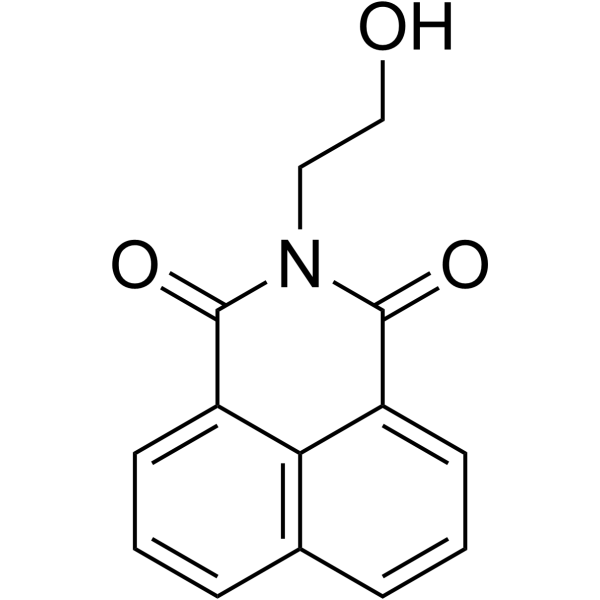
N-(2-Hydroxyethyl)-1,8-naphthalimide is a fluorescent probe for detecting nucleic acids and their precursors. The fluorescence of N-(2-Hydroxyethyl)-1,8-naphthalimide will be quenched by these molecules.
|
-
- HY-D3265
-
|
|
Fluorescent Dye
|
Others
|
|
IR 650 Alkyne is a near-infrared fluorescent probe. The click chemistry reaction handle of IR 650 Alkyne is a terminal alkyne, which can undergo a 'copper-catalyzed alkyne-azide cycloaddition' reaction. Ex = 651nm, Em = 668nm.
|
-

- HY-150352
-
|
|
Biochemical Assay Reagents
|
Others
|
|
Dextran-COOH is a dextran derivative with carboxyl (–COOH) functional groups introduced into the molecular chain. Dextran-COOH can be covalently coupled with a variety of bioactive molecules, drugs, small molecule ligands, fluorescent probes and other functional materials .
|
-

- HY-D0080
-
|
|
Fluorescent Dye
|
Others
|
|
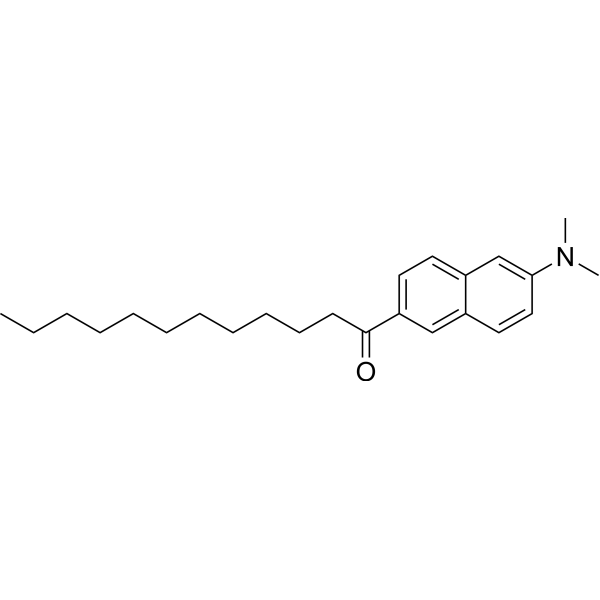
Laurdan is a membrane-permeable fluorescent probe that displays spectral sensitivity to the phospholipid phase of the cell membrane to which it is bound. Quantitation of generalized polarization (GP) of Laurdan can be used to identify phospholipid phase (Ex/Em = 370/440-490 nm).
|
-
- HY-D0208
-
|
Uranine sodium
|
Environmental Pollutants
Fluorescent Dye
|
Cancer
|
|
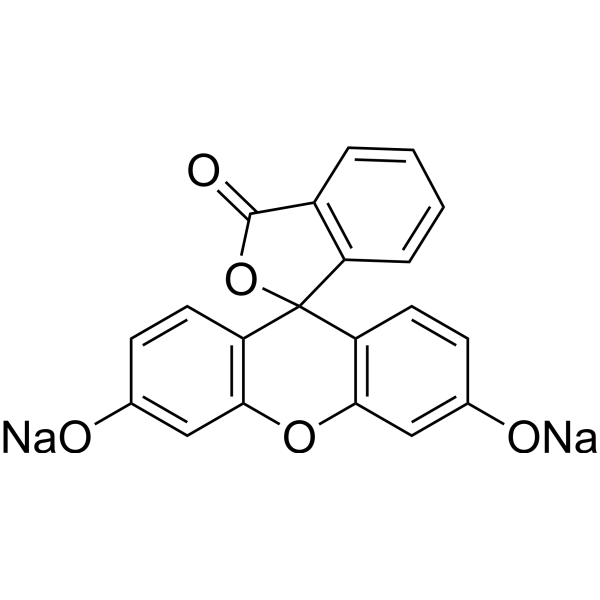
Fluorescein (Uranine) sodium is widely used as a fluorescent tracer in medicinal and biological applications and tumor infected tissues tracer. Fluorescein (Uranine) sodium is a representative green fluorophore that has been widely used as a scaffold of practically useful green fluorescent probes .
|
-
- HY-D1256
-
|
|
Fluorescent Dye
|
Neurological Disease
Metabolic Disease
|
|
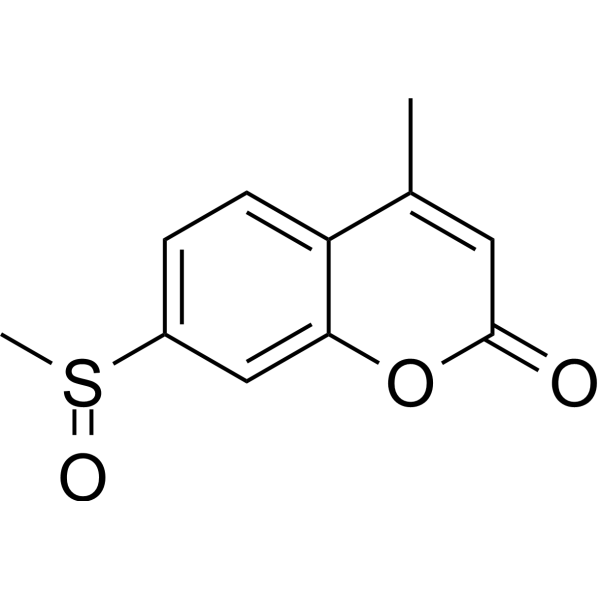
Msr-blue is a first turn-on fluorescent probe for methionine sulfoxide reductase with a more than 100-fold fluorescence increment. Msr-blue is used for monitoring the enzyme activity in live cells (λex=340 nm, λem=440 nm) .
|
-
- HY-133705
-
|
|
HSP
|
Others
|
|
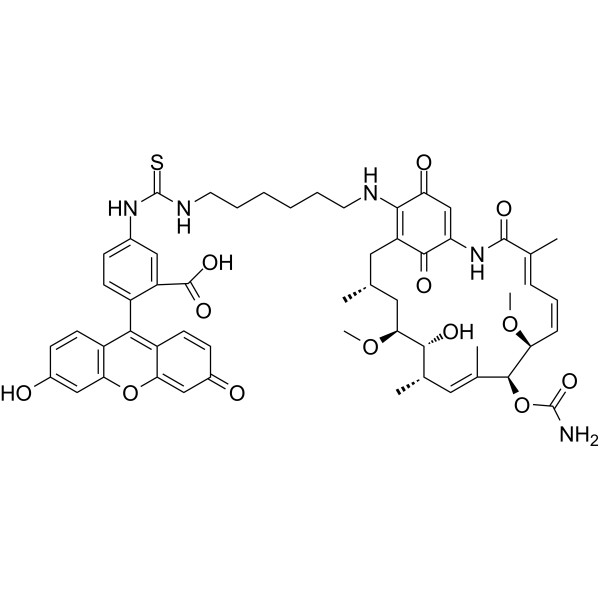
Geldanamycin-FITC, a Geldanamycin fluorescent probe, can be used in a fluorescence polarization assay for HSP90 inhibitors. Geldanamycin-FITC also can be used for detection of cell surface HSP90 (Ex/Em = 488/515 nm) .
|
-
- HY-D0251
-
|
Uranine
|
Fluorescent Dye
|
Cancer
|
|
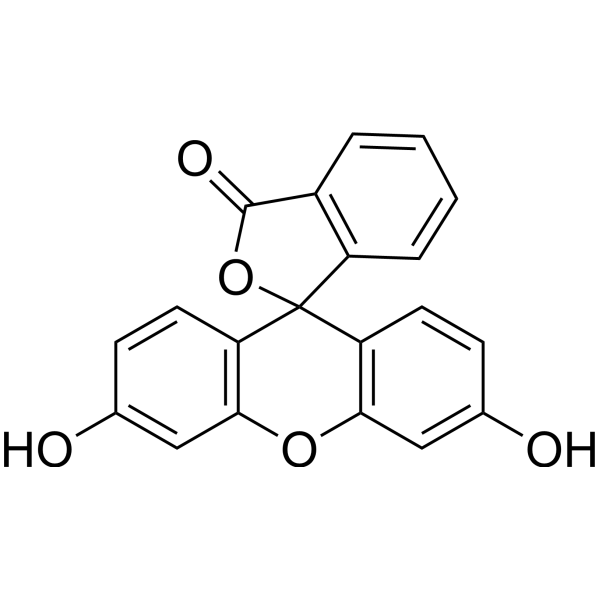
Fluorescein (Uranine) is widely used as a fluorescent tracer in medicinal and biological applications and tumor infected tissues tracer. Fluorescein (Uranine) is a representative green fluorophore that has been widely used as a scaffold of practically useful green fluorescent probes .
|
-
- HY-D1443
-
|
(trans,trans)-1-Bromo-2,5-bis-(3-hydroxycarbonyl-4-hydroxy)styrylbenzene
|
Amyloid-β
|
Others
|
|
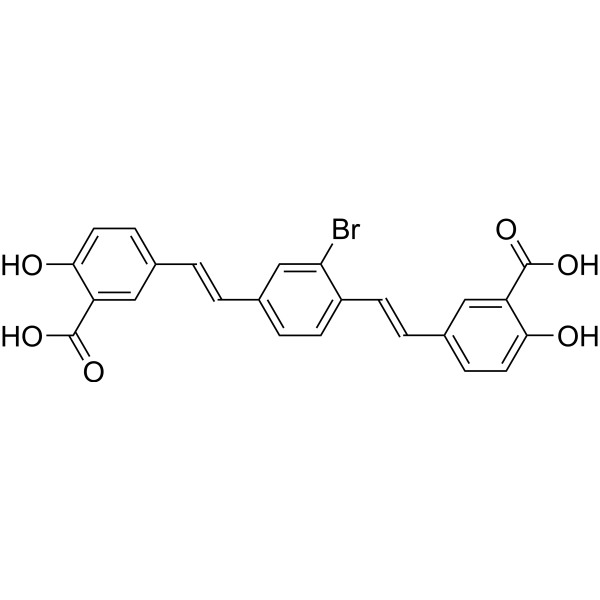
BSB is a Congo red-derived fluorescent probe. BSB binds not only to extracellular amyloid β protein, but also many intracellular lesions composed of abnormal tau and synuclein proteins. BSB acts as a prototype imaging agent for Alzheimer's disease .
|
-
- HY-D0921
-
|
ADS 815EI
|
Fluorescent Dye
|
Others
|
|
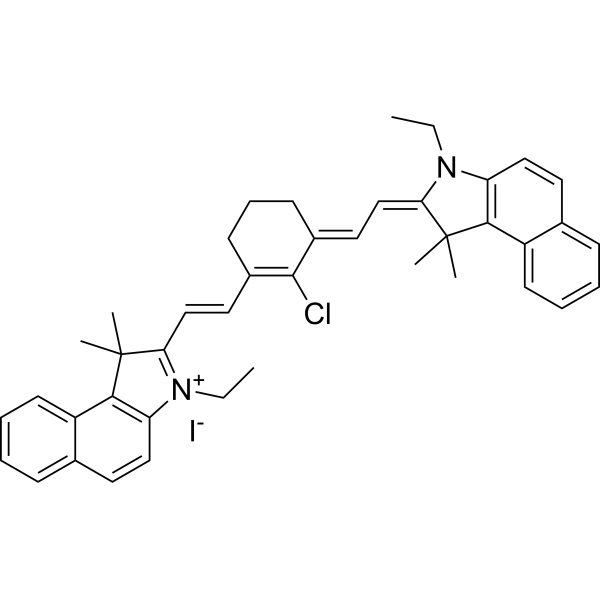
Heptamethine cyanine dye-1 (Compound CyCl) is a cyanine dye (Fmax: 858 nm, in CH2Cl2). Heptamethine cyanine dye-1 can be used to synthesize pH near-infrared fluorescent probes .
|
-
- HY-D2985
-
|
|
Mitochondrial Metabolism
Fluorescent Dye
|
Others
|
|
MI-BP-CC is a mitochondrial-targeting near-infrared fluorescent probe. MI-BP-CC can specifically localize in the mitochondria of living cells. MI-BP-CC visualizes viscosity with an emission wavelength of 722 nm for detecting mitochondrial viscosity .
|
-

- HY-W008048S
-
|
|
Isotope-Labeled Compounds
Nucleoside Antimetabolite/Analog
|
Others
|
|
2',3'-O-Isopropylideneadenosine- 13C5 is the 13C-labeled 2',3'-O-Isopropylideneadenosine (HY-W008048). 2',3'-O-Isopropylideneadenosine is a nucleoside compound and also a Golgi-targeting moiety. 2',3'-O-Isopropylideneadenosine constitutes a furanose ribose group that undergoes cyclization at the O (2') and O (3') atoms. As a component of the fluorescent probe TPE-Ade, 2',3'-O-Isopropylideneadenosine enables specific Golgi localization for fluorescence imaging. 2',3'-O-Isopropylideneadenosine participates in the synthesis of aggregation-induced emission (AIE) fluorescent probes .
|
-

- HY-D0717
-
|
Diaminofluorescein-FM diacetate
|
Fluorescent Dye
|
Cancer
|
|
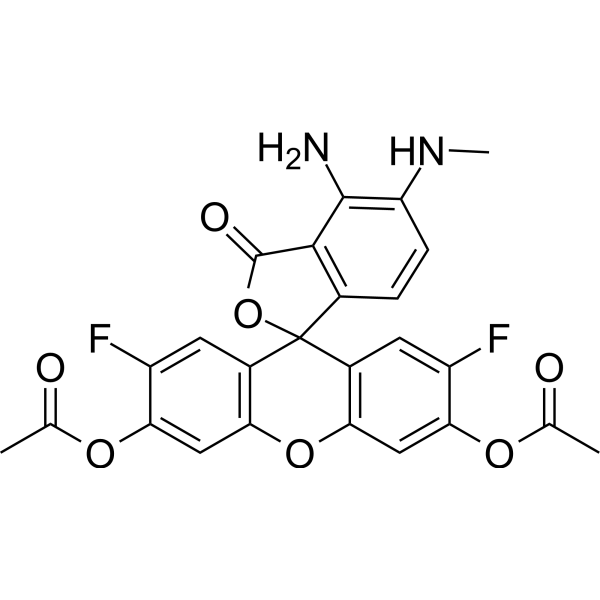
DAF-FM DA (Diaminofluorescein-FM diacetate) is a fluorescent probe for the detection and bioimaging of nitric oxide (NO). DAF-FM DA spontaneously crosses the plasma membrane and is subsequently cleaved by esterases to generate intracellular DAF-FM (Ex/Em=495/515 nm) .
|
-
- HY-D1527
-
|
|
Fluorescent Dye
|
Others
|
|
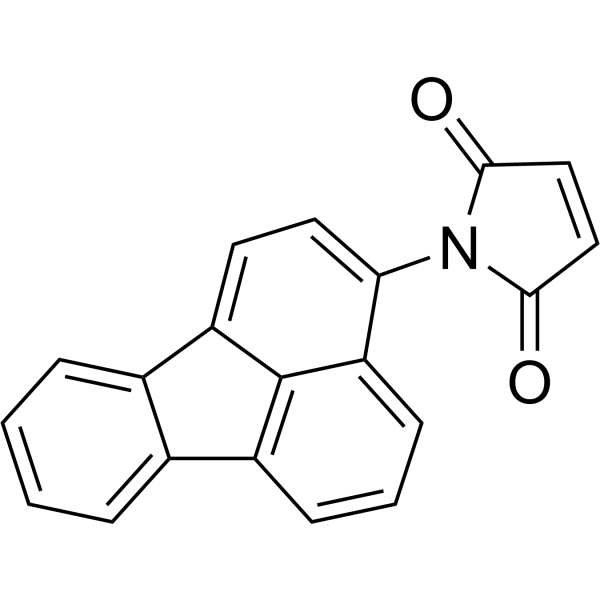
N-(3-Fluoranthyl)maleimide is a thiol fluorescent probe with a lifetime of 20 nsec. N-(3-Fluoranthyl)maleimide has a maximum excitation wavelength of 370 nm and can be used to study the time-dependent processes of biopolymers .
|
-
- HY-118581
-
|
|
Topoisomerase
|
Cancer
|
|
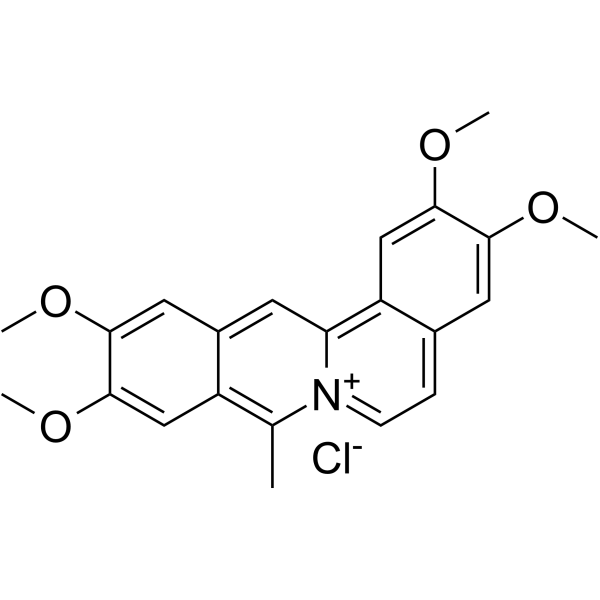
Coralyne chloride is a protoberberine alkaloid with potent anti-cancer activities. Coralyne chloride acts as a potent topoisomerase I poison and induces Top I mediated DNA cleavage . Coralyne chloride can be used for preparing?coralyne derivatives?as DNA binding fluorescent probes .
|
-
- HY-D2376
-
|
|
Fluorescent Dye
|
Cancer
|
|
BH-Vis is a two-photon fluorescent probe that inhibits cell plasma membrane (CPM). BH-Vis has great potential to accurately identify pyroptosis at the cellular level during AAA development in the mouse abdominal aortic aneurysm AAA model .
|
-

- HY-D2975
-
|
|
Fluorescent Dye
|
Cardiovascular Disease
|
|
TTVP is a high-performance, blood activated AIE near-infrared fluorescent probe. TTVP can display hemorrhagic areas in the mouse brain with ultra sensitivity and high contrast specificity. TTVP provides a visual assessment tool for the study of hemorrhagic conditions .
|
-

- HY-N7131
-
|
|
Fluorescent Dye
|
Others
|
|
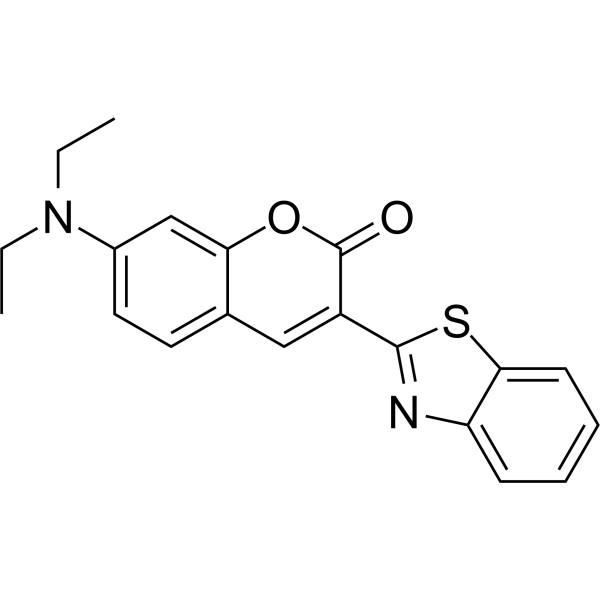
Coumarin 6, a fluorescent dye, is used as a fluorescent probe in a microparticle drug delivery system to conduct in vivo tracking, cell uptake, and transport mechanism studies of drug delivery systems (λexc=450 nm, λem=505 nm) .
|
-
- HY-135639
-
|
|
Fluorescent Dye
|
Others
|
|
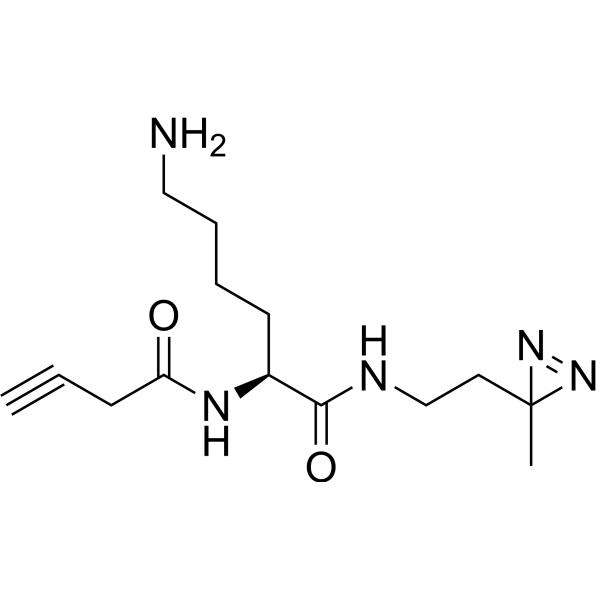
Alkyne-probe 1 is usually used as a Alkyne-labeled chemical or fluorescent probe. Alkyne-probe 1 is a click chemistry reagent, it contains an Alkyne group and can undergo copper-catalyzed azide-alkyne cycloaddition (CuAAc) with molecules containing Azide groups.
|
-
- HY-D1254
-
|
NBL-SS perchlorate
|
Fluorescent Dye
|
Others
|
|
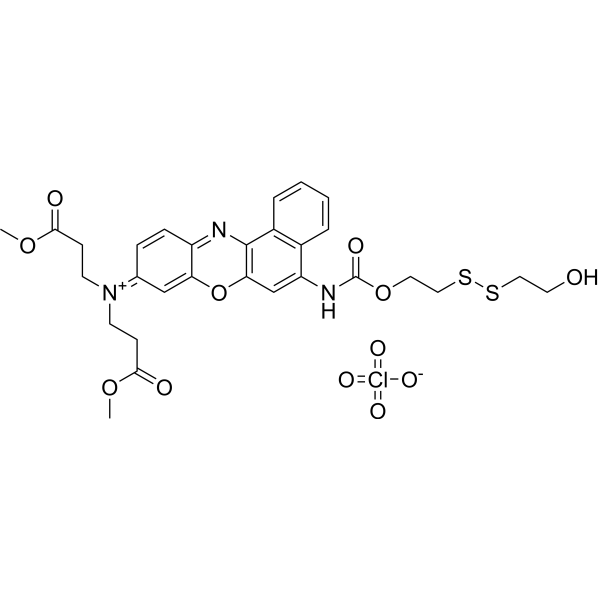
Trx-red (NBL-SS perchlorate) is a red-emitting fluorescent probe derivatized from the nile blue fluorophore. Trx-red is used for selectively imaging thioredoxin (Trx) in live cells and in vivo (λex=615 nm, λem=661 nm) .
|
-
- HY-D2951
-
|
|
Fluorescent Dye
|
Others
|
|
BG-Kaede chromophore (Compound 4c) is a SNAP-tag-specific fluorescent probe, which is designed and synthesized using the chromophore of the red fluorescent protein Kaede as a template. BG-Kaede chromophore can be used as a tool for visualizing proteins in living cells .
|
-

- HY-150352C
-
|
|
Biochemical Assay Reagents
|
Others
|
|
Dextran-COOH (MW 100 kDa) is a dextran derivative with carboxyl (–COOH) functional groups introduced into the molecular chain. Dextran-COOH can be covalently coupled with a variety of bioactive molecules, drugs, small molecule ligands, fluorescent probes and?other?functional?materials.
|
-

- HY-D3254
-
|
|
Fluorescent Dye
|
Others
|
|
IR 650 picolyl azide is a near-infrared fluorescent probe. The click chemistry reaction handle of IR 650 picolyl azide is a terminal picolyl azide, which can undergo a 'copper-catalyzed alkyne-azide cycloaddition' reaction. (Ex = 650nm, Em = 670nm)
|
-

- HY-171417
-
|
|
CD38
|
Cancer
|
|
6-Alkyne-F-araNAD is an irreversible inhibitor of CD38. 6-Alkyne-F-araNAD helps other fluorescent probes (such as SR101−F-araNMN) to more clearly observe the localization of intracellular CD38 .
|
-

- HY-150352A
-
|
|
Biochemical Assay Reagents
|
Others
|
|
Dextran-COOH (MW 10 kDa) is a dextran derivative with carboxyl (–COOH) functional groups introduced into the molecular chain. Dextran-COOH can be covalently coupled with a variety of bioactive molecules, drugs, small molecule ligands, fluorescent probes and?other?functional?materials.
|
-

- HY-147652
-
|
|
DNA Stain
|
Others
|
|
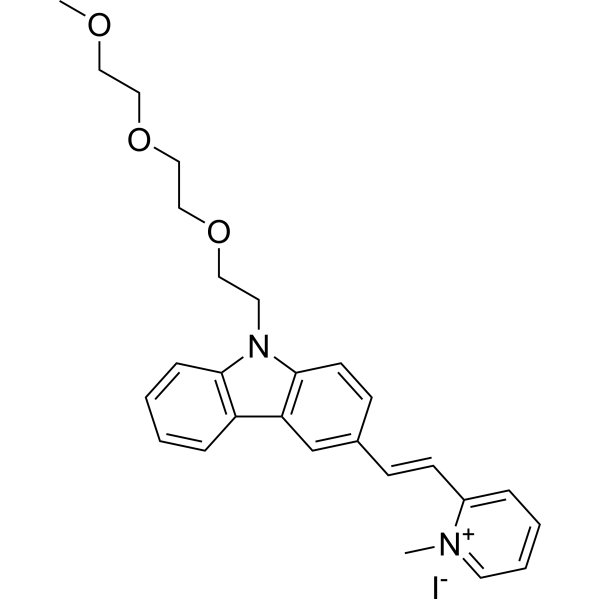
G-quadruplex DNA fluorescence probe 1 (Compound E1) is a selective G-quadruplex DNA targeting fluorescent probe. G-quadruplex DNA fluorescence probe 1 can pass through membrane and enter living cells with low cytotoxicity .
|
-
- HY-W013435
-
|
|
Fluorescent Dye
|
Others
|
|
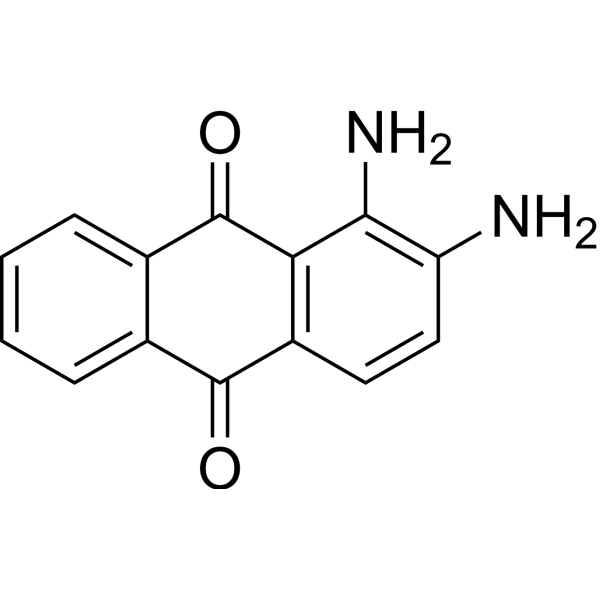
1,2-Diaminoanthraquinone is a sensitivity, specificity and nontoxic nitric oxide (NO) fluorescent probe. 1,2-Diaminoanthraquinone can be used to detect NO productions in live cell and animals with a maximum of absorption at about 540 nm and a detection limit of 5 μM for NO .
|
-
- HY-D1877
-
|
|
Pyruvate Kinase
|
Others
|
|
ZY-1 is a control molecule of ZY-2 (HY-D1876, a PKM2 fluorescent probe). ZY-1 shows a low fluorescence emission in HeLa, a cervical cancer cell abundant in PKM2 expression .
|
-
- HY-108715R
-
|
|
Fluorescent Dye
Reference Standards
|
Neurological Disease
|
|
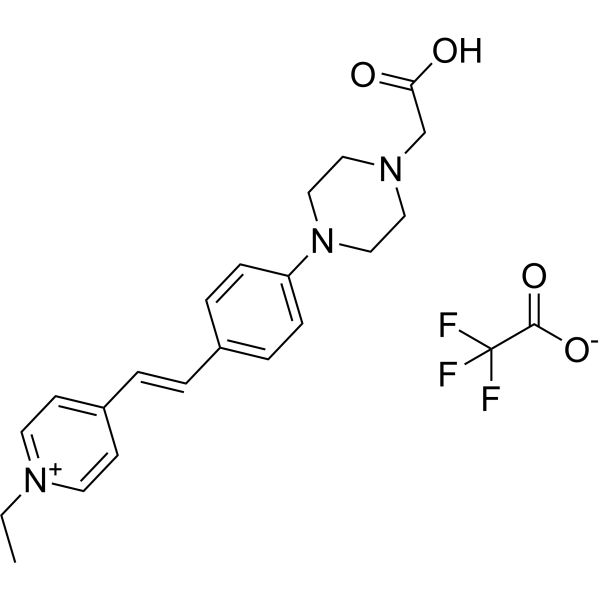
Real Thiol (Standard) is the analytical standard of Real Thiol (HY-108715). This product is intended for research and analytical applications. Real Thiol is a reversible reaction-based fluorescent probe which can quantitatively monitor the real-time glutathione dynamics in living cells.
|
-

- HY-W278706
-
|
|
Fluorescent Dye
|
Others
|
|
N-[4-(2-Benzimidazolyl)phenyl]maleimide is a potent fluorescent probe with excitation maximum of 315 nm and emission maximum of 360 nm. N-[4-(2-Benzimidazolyl)phenyl]maleimide can be used for fluorometry of thiol compounds .
|
-
![N-[4-(2-Benzimidazolyl)phenyl]maleimide](//file.medchemexpress.com/product_pic/hy-w278706.gif)
- HY-126793
-
|
DCFH2-DA
|
Fluorescent Dye
Reactive Oxygen Species (ROS)
|
Others
|
|
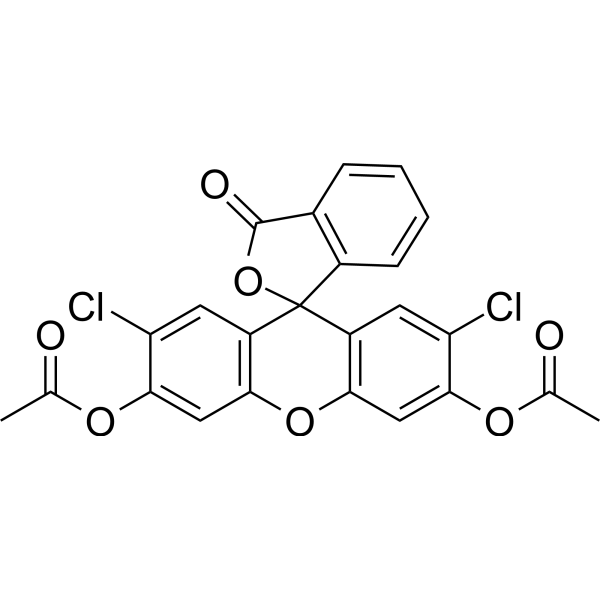
2′,7′-Dichlorofluorescein diacetate (DCFH2-DA) is a cell-permeable fluorescent probe. 2′,7′-Dichlorofluorescein diacetate can be used to detect the generation of reactive oxygen intermediates and for assessing the overall oxidative stress in toxicological phenomenon .
|
-
- HY-150352D
-
|
|
Biochemical Assay Reagents
|
Others
|
|
Dextran-COOH (MW 250 kDa) is a dextran derivative with carboxyl (–COOH) functional groups introduced into the molecular chain. Dextran-COOH can be covalently coupled with a variety of bioactive molecules, drugs, small molecule ligands, fluorescent probes and?other?functional?materials.
|
-

- HY-150352E
-
|
|
Biochemical Assay Reagents
|
Others
|
|
Dextran-COOH (MW 500 kDa) is a dextran derivative with carboxyl (–COOH) functional groups introduced into the molecular chain. Dextran-COOH can be covalently coupled with a variety of bioactive molecules, drugs, small molecule ligands, fluorescent probes and?other?functional?materials.
|
-

- HY-D2976
-
|
|
Fluorescent Dye
|
Cardiovascular Disease
|
|
CN-N2 is a visible light fluorescent probe. CN-N2 has high selectivity, rapid penetration, good biocompatibility, and imaging effects. CN-N2 is suitable for intraoperative rapid imaging of atherosclerotic plaque .
|
-

- HY-150352B
-
|
|
Biochemical Assay Reagents
|
Others
|
|
Dextran-COOH (MW 70 kDa) is a dextran derivative with carboxyl (–COOH) functional groups introduced into the molecular chain. Dextran-COOH can be covalently coupled with a variety of bioactive molecules, drugs, small molecule ligands, fluorescent probes and?other?functional?materials.
|
-

- HY-126561
-
|
CMFDA
|
Fluorescent Dye
|
Others
|
|
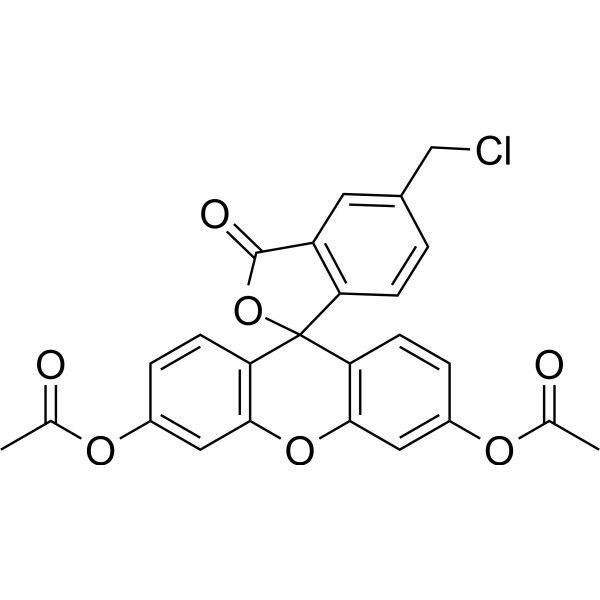
Green CMFDA is a cell-permeable fluorescent probe with Em of 514 nm and Ex of 485 nm and can be used as a cell tracer. Green CMFDA can be cleaved by non-specific esterases common in living cells, producing a fluorescent compound, fluorescein, visible using a fluorescent microscope .
|
-
- HY-D3263
-
|
|
Fluorescent Dye
|
Others
|
|
IR 650 NHS ester is a far-red-fluorescent probe with NHS ester. NHS ester is the most popular amine-reactive group for labeling with the primary amines of proteins (Lys), amine-modified oligonucleotides, and other amine-containing molecules. (Ex=651nm, Em=668 nm)
|
-

- HY-D2991
-
|
|
Bacterial
Fluorescent Dye
|
Infection
|
|
CDG-DNB3 is a selective fluorescent probe for Mycobacterium tuberculosis. CDG-DNB3 provides rapid and specific labeling of live Mycobacterium tuberculosis. CDG-DNB3 can image Bacillus Calmette-Guérin phagocytosis in real time .
|
-

- HY-D3241
-
|
|
Fluorescent Dye
|
Others
|
|
CD649.2 is a red-emitting copper-targeted acylimidazole-reactive Fluorescent probe and a highly specific Cu 2+ detection reagent. CD649.2 enables visualization of labile Cu 2+ pools and their dynamic changes in living cells .
|
-

- HY-151109
-
|
|
Fluorescent Dye
|
Others
|
|
IR-990 is an activatable NIR-II fluorescent probe with an acceptor-π-acceptor (A-π-A) skeleton for real-time detection of H2O2 in vivo. IR-990 is a powerful diagnosis of agent-induced liver injury (DILI) .
|
-
- HY-169838
-
|
|
Biochemical Assay Reagents
|
Others
|
|
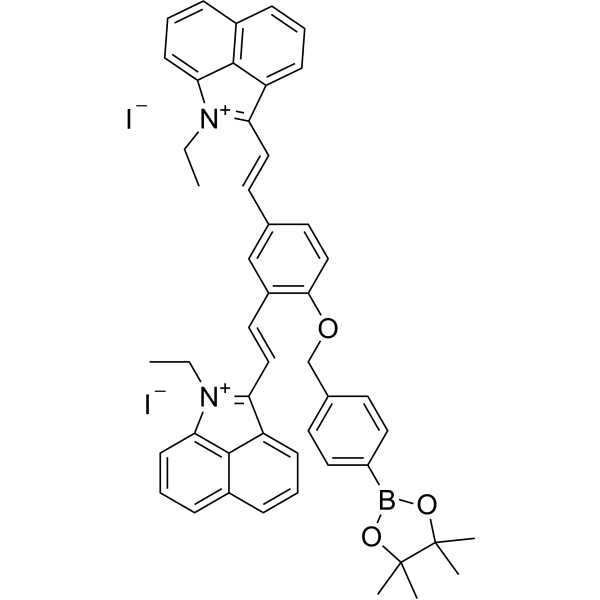
WYneC can specifically bind to sulfinylated proteins in living cells and then react with fluorescent probes containing azide groups for detection. In the field of redox biology, WYneC can also be used to determine the occupancy of S-sulfinylation sites or as a carrier to deliver substances to mitochondria .
|
-

- HY-P2496
-
|
|
Endothelin Receptor
Fluorescent Dye
NF-κB
COX
Prostaglandin Receptor
Apoptosis
TNF Receptor
Interleukin Related
MMP
|
Cardiovascular Disease
Inflammation/Immunology
Cancer
|
|
Endothelin 1 (swine, human), Alexa Fluor 488-labeled is an Endothelin-1 conjugated with Alexa Fluor 488 (HY-D1304). Endothelin-1 is an endogenous vasoconstrictor and agonist of ETA/ETB receptor. Endothelin 1 (swine, human) exerts effects including promoting mitosis, angiogenesis, tumor invasion and metastasis, and inhibiting apoptosis. Endothelin 1 (swine, human) induces inflammation and oxidative stress by activating the NF-κB pathway. Endothelin 1 (swine, human), Alexa Fluor 488-labeled is specifically designed for fluorescence imaging, flow cytometry or receptor localization studies, and can be used in research related to sepsis, atherosclerosis, systemic inflammatory response syndrome, cancer and congestive heart failure .
|
-

- HY-130027
-
HKOCl-4
1 Publications Verification
BXY2142
|
Fluorescent Dye
|
Others
|
|
HKOCl-4 (BXY2142) is a rhodol-based yellow fluorescent probe for the detection of hypochlorous acid with excellent sensitivity and selectivity . HKOCl-4 has longer absorption wavelength and better pH stability compared with fluorescein-based probes. Ex: 530 nm; Em 557 nm.
|
-
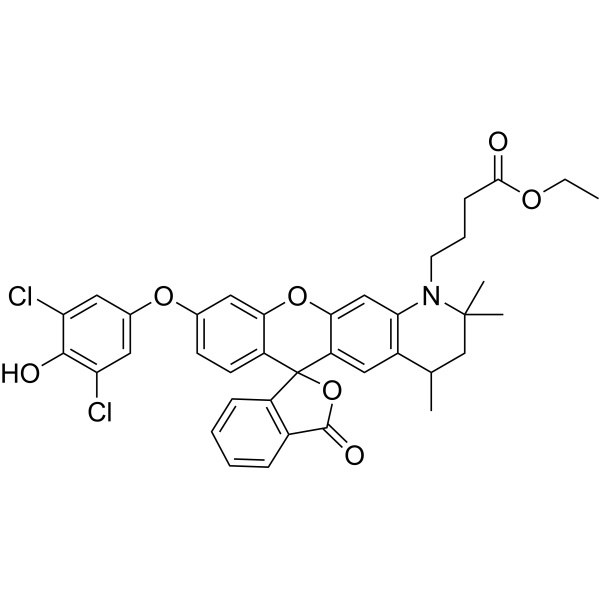
- HY-W140203
-
|
|
Fluorescent Dye
|
Others
|
|
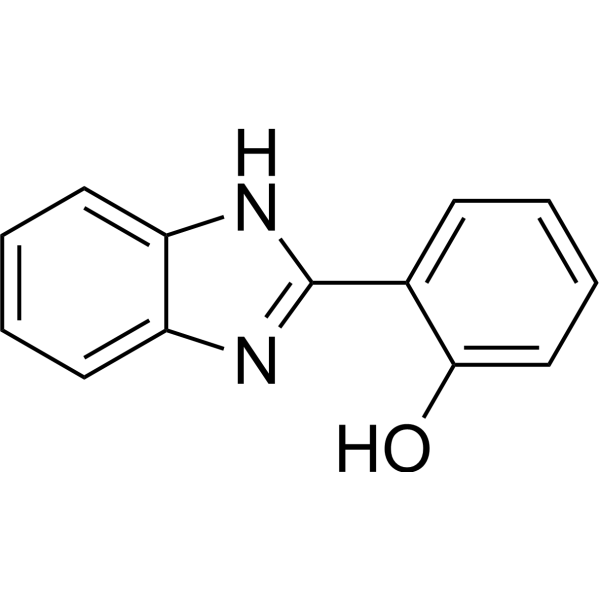
2-(2′-Hydroxyphenyl) benzimidazole is the most extensively studied excited-state intramolecular proton transfer (ESIPT) molecule, exhibiting normal and tautomer emissions. 2-(2′-Hydroxyphenyl) benzimidazole has been applied as a fluorescent probe in various systems .
|
-
- HY-D2297
-
|
|
Fluorescent Dye
|
Others
|
|
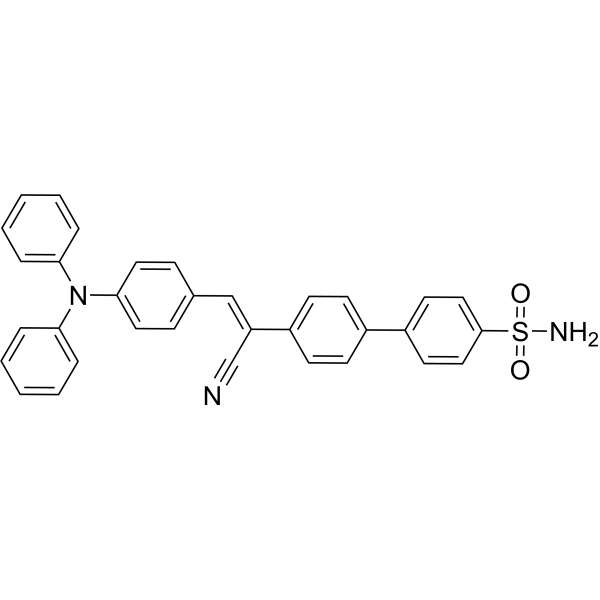
AIE-GA is a Golgi apparatus (GA) fluorescent probe (green channel: λex = 405 nm, λem = 500-700 nm). AIE-GA has a favourable binding ability to interact with COX-2. AIE-GA binds to the cyclooxygenase catalytic site of COX-2 .
|
-
- HY-D2345
-
|
|
Fluorescent Dye
Carbonic Anhydrase
|
Cancer
|
|
GZ22-4 is a near-infrared (NIR) fluorescent probe. GZ22-4 shows high affinity for carbonic anhydrase IX (CAIX), with a Kd of 0.2 nM. GZ22-4 can be used for the research of visualize CAIX-positive tumors .
|
-

- HY-151776
-
|
TZ-Cy3
|
Fluorescent Dye
|
Others
|
|
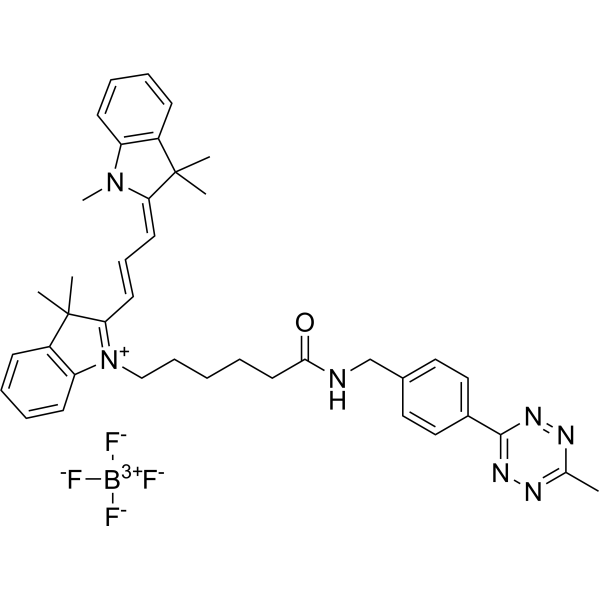
Cy3 methyltetrazine (TZ-Cy3) is a click chemistry reagent with methyltetrazine building blocks that is highly reactive towards cyclooctene. Cy3 methyltetrazine is also a tetrazine-modified fluorescent probe that can be used to analyze protein phosphorylation in solution and living cells .
|
-
- HY-N16300
-
|
|
Fluorescent Dye
|
Others
|
|
Mito-laurdan bromide, a derivative of Laurdan (HY-D0080), is a fluorescent probe. Mito-laurdan bromide contains a cationic triphenylphosphonium moiety, which accumulates at the inner mitochondrial membrane due to its negative membrane potential, connected via a 3 carbon linker .
|
-

- HY-151644
-
|
|
Fluorescent Dye
|
Others
|
|
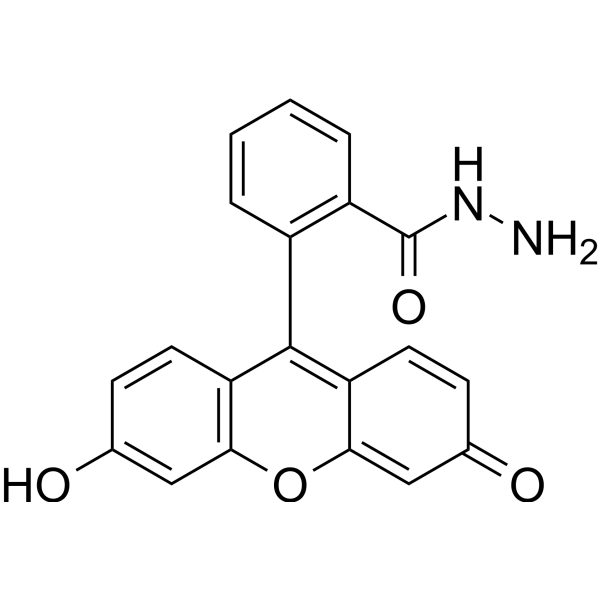
Fluorescein hydrazide is a sensitive fluorescent probe for Hg 2+ and Co 2+ that induces obvious color changes and fluorescence changes. Fluorescein hydrazide can be prepared by the reaction of fluorescein and hydrazine. Fluorescein hydrazide exhibits an excitation wavelength of 508 nM and an emission wavelength of 531 nM [2][3].
|
-
- HY-W088089
-
|
|
Fluorescent Dye
|
Cancer
|
|
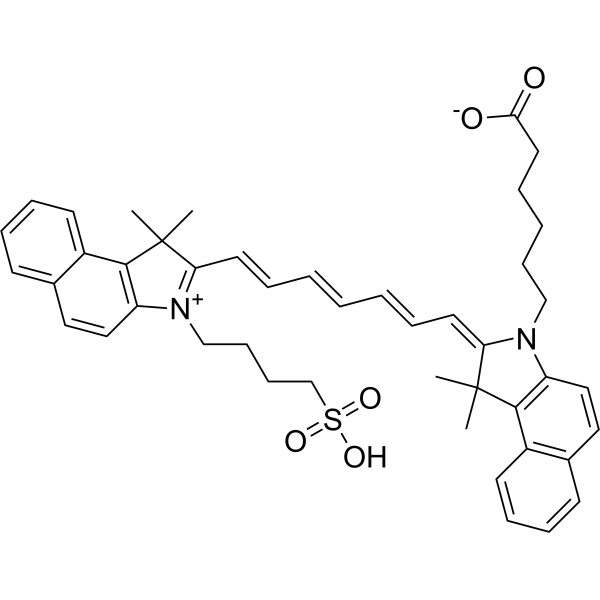
ICG-carboxylic acid is near-infrared (NIR) fluorescent probe. ICG is a fluorescent dye used in medical diagnostics. ICG has absorption peaking at 800 nm and can absorb the near IR laser energy and release heat in the dyed tissue (Ex/Em = 785/810 nm) .
|
-
- HY-D2990
-
|
|
Fluorescent Dye
|
Others
|
|
KSA01 is a two-dimensional fluorescent probe. KSA01 can detect SA-β-gal activity and sense lysosomal pH. KSA01 can accurately distinguish cellular aging from other pathological states with high expression of β-gal .
|
-

- HY-D2946
-
|
BC-TMR
|
Fluorescent Dye
|
Infection
|
CLIP-TMR (BC-TMR) is a TMR-labeled CLIP tag fluorescent probe. CLIP-TMR combines the high specificity recognition ability of the CLIP-tag and the excellent optical performance of the TMR fluorophore, and can be used for the specific labeling and visualization of the HCV NS5A protein .
|
-

- HY-121462
-
|
Quinoline Blue
|
Fluorescent Dye
|
Cancer
|
|
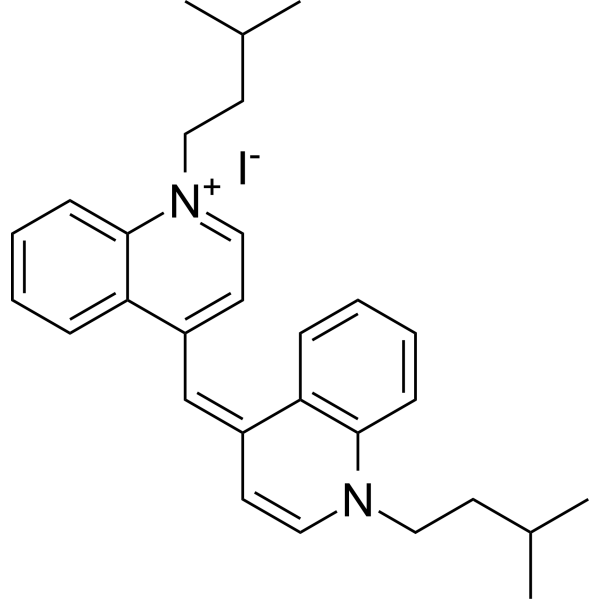
Cyanine is an excellent fluorescent core scaffold for constructing fluorescent probes. Covalent conjugation of Cyanine with other potent compounds can not only enhance their efficacy but also expand their application modes. Cyanine supports the development of cancer theranostic agents. Cyanine can be used in cancer research .
|
-
- HY-D2967
-
|
|
Fluorescent Dye
|
Neurological Disease
|
|
Golgi-NO is a Golgi-targeted fluorescent probe for nitric oxide (NO) (Ex/Em: 560 nm/589 nm). Golgi-NO exhibits excellent selectivity for various potential interfering substances. Golgi-NO can be used to study the function of NO within the Golgi apparatus in disease models such as Alzheimer's disease (AD) .
|
-

- HY-136870
-
|
|
Fluorescent Dye
|
Others
|
|
Kyoto probe 1 is a hiPSCs fluorescent probe. Kyoto probe 1 selectively labels human pluripotent stem cells. Kyoto probe 1 is primarily explained by the distinct expression patterns of ATP-binding cassette (ABC) transporters by hiPS cells and differentiated cells .
|
-
- HY-N16306
-
|
|
Fluorescent Dye
|
Others
|
|
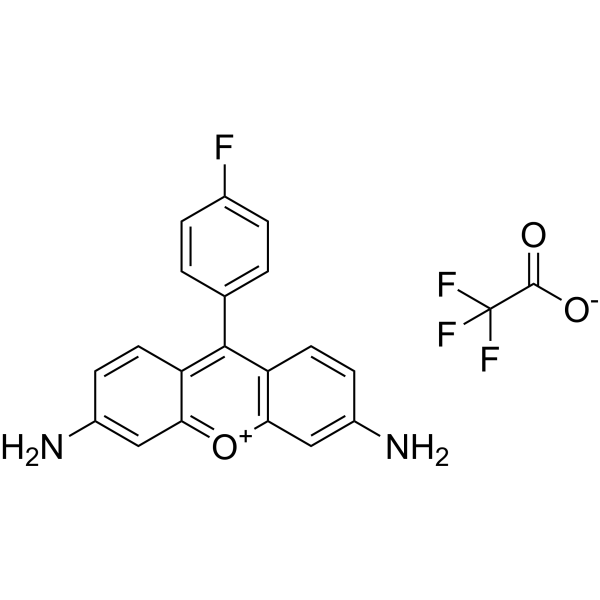
Lyso-laurdan, a derivative of Laurdan (HY-D0080), is a fluorescent probe. Lyso-Laurdan accumulates in the lysosome via a morpholine group that is entrapped in lysosome via protonation to its cationic form in the acidic compartment. Lyso-laurdan is localized to lysosomes, allowing for the study of lysosomal membranes .
|
-

- HY-D1876
-
|
|
Fluorescent Dye
|
Cancer
|
|
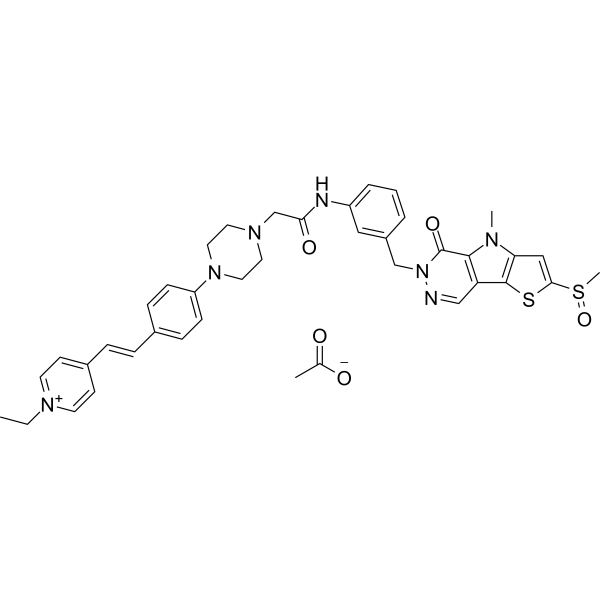
ZY-2 is a specific fluorescent probe for pyruvate kinase M2 (PKM2). ZY-2 can image in PKM2-positive cells in a time- and concentration-dependent manner. ZY-2 can be used for the detection of cancer cells .
|
-
- HY-W116606
-
|
|
Fluorescent Dye
|
Others
|
|
Coumarin boronic acid is a fluorescent probe. The excitation and emission wavelengths of coumarin boronic acid are set to 360 nm and 430 nm, respectively. Coumarin boronic acid can be used to monitor the formation of amino acid and protein hydroxyl peroxides in real time, which is beneficial for understanding the mechanisms of oxidative stress and protein post-translational modification .
|
-

- HY-DY1048
-
|
|
Fluorescent Dye
|
Cancer
|
DAF-FM DA (Diaminofluorescein-FM diacetate) (solution) is a fluorescent probe for the detection and bioimaging of nitric oxide (NO). DAF-FM DA spontaneously crosses the plasma membrane and is subsequently cleaved by esterases to generate intracellular DAF-FM (Ex/Em=495/515 nm) .
Solvent and concentration: DMSO: 2 mM
|
-

- HY-D1631A
-
|
|
Fluorescent Dye
|
Neurological Disease
|
|
Calcium green-5N hexapotassium is a cell-impermeant Ca 2+-sensitive fluorescent probe. Calcium green-5N hexapotassium shows enhancement in fluorescence intensity on binding Ca 2+, and can monitor free Ca 2+ in neurons .
|
-

- HY-D0090
-
|
|
Fluorescent Dye
|
Others
|
|
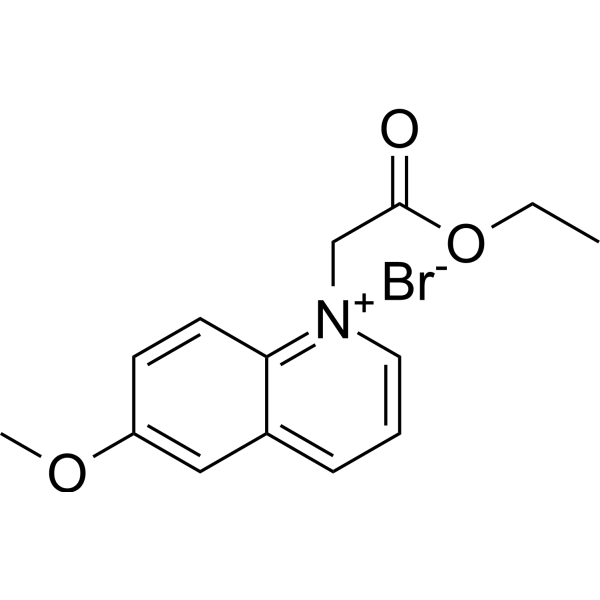
MQAE is a chloride ion (Cl -) fluorescent probe that can be used to measure chloride concentrations. The fluorescence intensity of MQAE decreases proportionally as Cl - ions increase. MQAE has high cell permeability and is suitable for fluorescence detection such as confocal microscopy and flow cytometry (Ex/Em=350/460 nm) .
|
-
- HY-D1412
-
|
|
Ferroptosis
|
Others
|
|
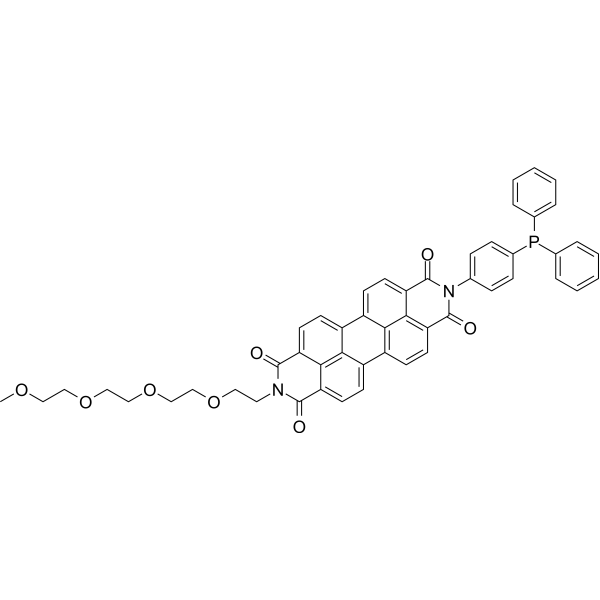
LPd peroxida probe-1, a marker of ferroptosis, is a useful fluorescent probe for investigating the roles of lipid peroxidation in a variety of cell pathophysiologies. LPd peroxida probe-1 reduces lipid hydroperoxides to lipid alcohols and is used for imaging lipid hydroperoxides in living cells .
|
-
- HY-D0943
-
|
Kernechtrot
|
Fluorescent Dye
Photosensitizer
|
Others
|
|
Nuclear Fast Red, an anthraquinone dye, is commonly used in conjunction with an excess of aluminum ions as a red nuclear counterstain. Nuclear fast red has been used as a histochemical and colorimetric reagent for calcium . Nuclear fast red as highly sensitive "off/on" fluorescent probe for detecting guanine .
|
-
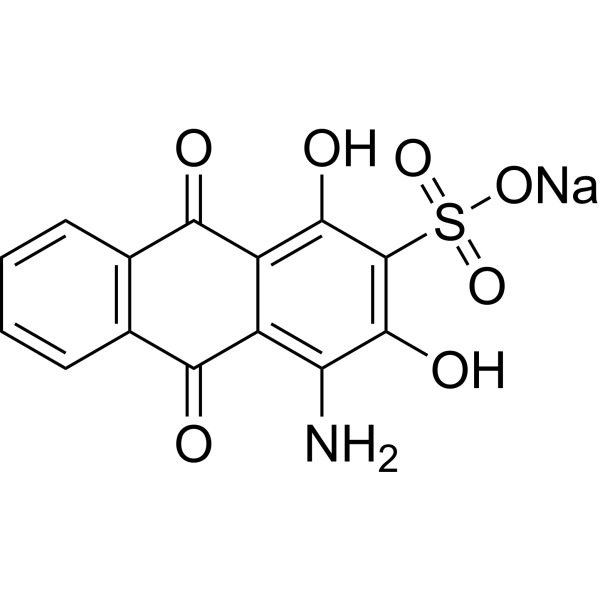
- HY-D2299
-
|
|
Fluorescent Dye
|
Metabolic Disease
Cancer
|
|
AIE-ER is a specific endoplasmic reticulum (ER) fluorescent probe (green channel: λex=405 nm, λem=450~650 nm) that exhibits remarkable photostability, high brightness, and low working concentration. AIE-ER may provide an avenue for studying diseases related to the endoplasmic reticulum .
|
-
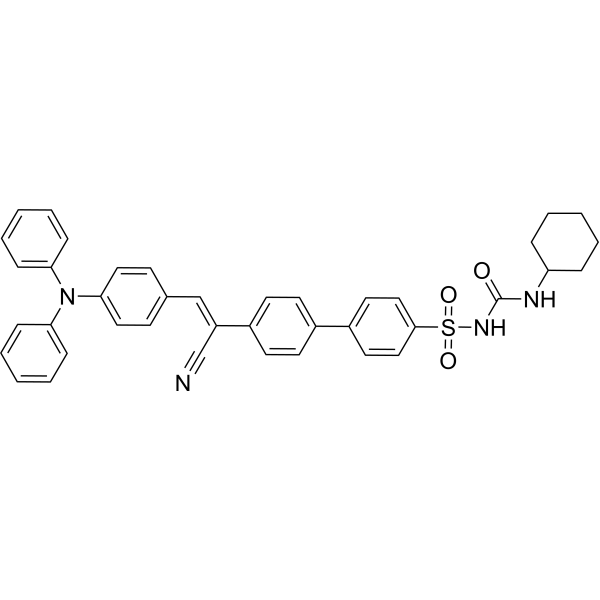
- HY-D2943
-
|
SNAP-SS-SulfoCy3
|
Fluorescent Dye
|
Others
|
|
BG-SS-SulfoCy3 is a SulfoCy3-labeled SNAP tag fluorescent probe, which is linked by a disulfide bond to achieve selective labeling and controllable cleavage. BG-SS-SulfoCy3 can be used to study the endocytosis and trafficking of membrane proteins such as GPCRs .
|
-

- HY-D1883B
-
|
|
Fluorescent Dye
|
Others
|
|
Cy7.5-COOH bromide, a cyanine dye, is a highly fluorescent compound (Abs/Em = 781/808 nm). Cy7.5-COOH bromide can be used as a fluorescent probe in a wide-range of applications such as DNA sequencing, flow cytometry and in vivo imaging .
|
-

- HY-D2988
-
|
|
Fluorescent Dye
Bacterial
|
Infection
|
|
BIN-3 is a novel near-infrared fluorescent probe. BIN-3 has excellent biocompatibility, no cytotoxicity, and no hemolysis. BIN-3 can be used for highly sensitive and selective imaging of drug-resistant bacterial infections expressing β-lactam enzymes in live mice .
|
-

- HY-D0816
-
|
RH-123; R-22420
|
Fluorescent Dye
|
Cardiovascular Disease
|
|
Rhodamine dyes are membrane-permeable cationic fluorescent probes that specifically recognize mitochondrial membrane potentials, thereby attaching to mitochondria and producing bright fluorescence, and at certain concentrations, rhodamine dyes have low toxicity to cells, so they are commonly used to detect mitochondria in animal cells, plant cells, and microorganisms .
|
-
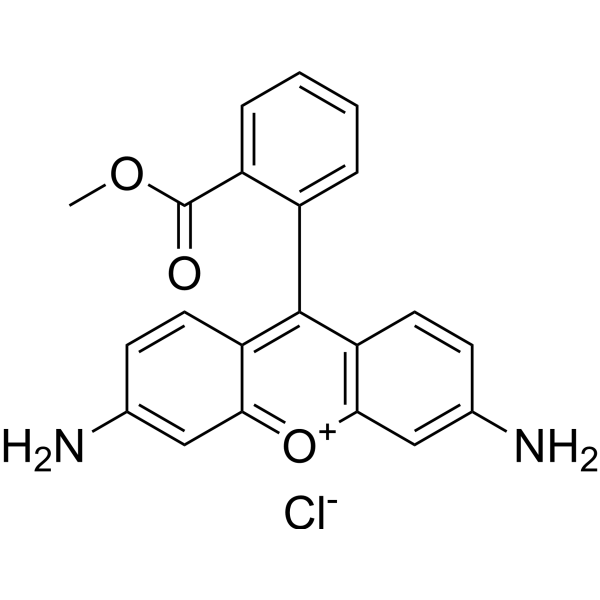
- HY-D0984
-
|
|
Fluorescent Dye
|
Inflammation/Immunology
|
|
Rhodamine dyes are membrane-permeable cationic fluorescent probes that specifically recognize mitochondrial membrane potentials, thereby attaching to mitochondria and producing bright fluorescence, and at certain concentrations, rhodamine dyes have low toxicity to cells, so they are commonly used to detect mitochondria in animal cells, plant cells, and microorganisms .
|
-
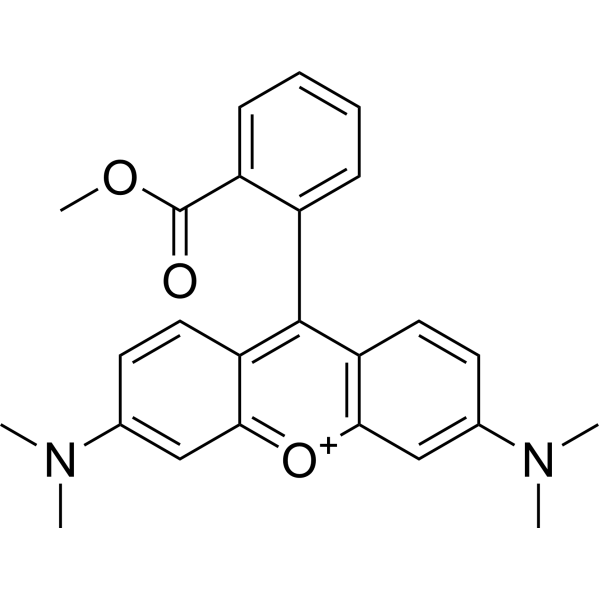
- HY-101876
-
|
|
Fluorescent Dye
|
Others
|
|
Rhodamine dyes are membrane-permeable cationic fluorescent probes that specifically recognize mitochondrial membrane potentials, thereby attaching to mitochondria and producing bright fluorescence, and at certain concentrations, rhodamine dyes have low toxicity to cells, so they are commonly used to detect mitochondria in animal cells, plant cells, and microorganisms .
|
-
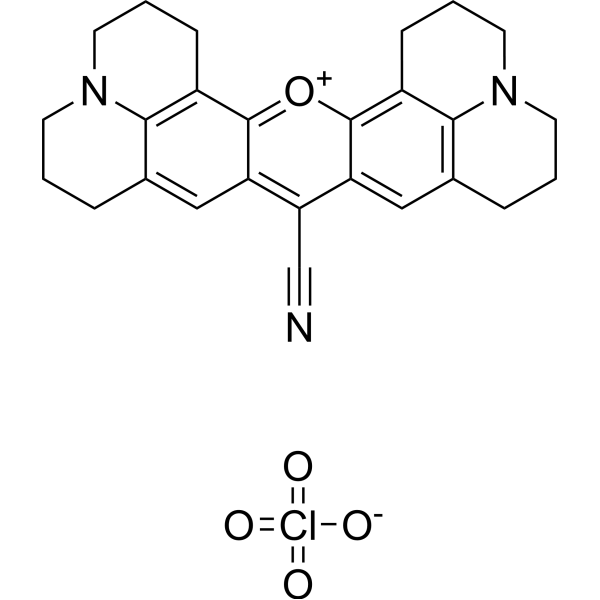
- HY-141667
-
|
7-(p-Methoxybenzylamino)-4-nitrobenz-2,1,3-oxadiazole
|
Fluorescent Dye
|
Others
|
|
MBD (7-(p-Methoxybenzylamino)-4-nitrobenz-2,1,3-oxadiazole), a new fluorescent probe for protein and nucleoprotein conformation, is applied to bacterial ribosomes and to bovine trypsinogen and trypsin. MBD is strongly fluorescent upon binding to a hydrophobic area of a macromolecule .
|
-
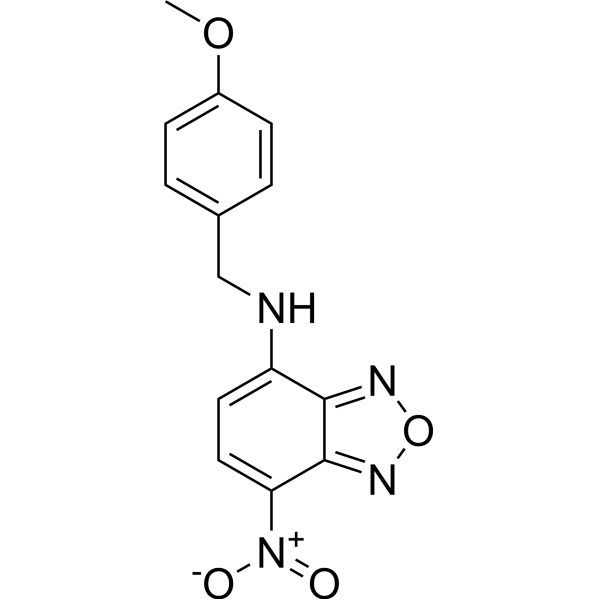
- HY-147738
-
|
|
Fluorescent Dye
|
Others
|
|
SQM-NBD is a potent and selectiveAIE fluorescent probe. SQM-NBD exhibits excellent sensitivity to Cys and Hcy with the LOD of 54 nM and 72 nM, respectively.SQM-NBD has good cell permeability and low cytotoxicity. SQM-NBD has the potential for Cys/Hcy identification under physiological and pathological conditions .
|
-
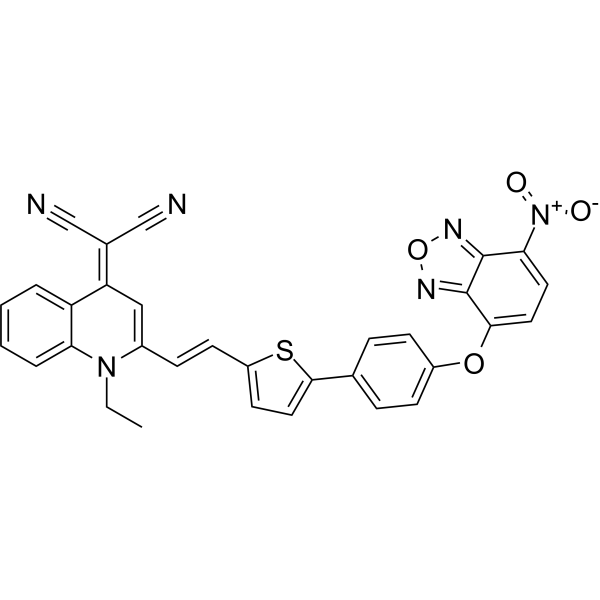
- HY-D0050
-
|
|
Fluorescent Dye
|
Others
|
|
5(6)-Carboxy-2',7'-dichlorofluorescein diacetate N-succinimidyl ester (cDCFDASE) is a fluorescent probe. 5(6)-Carboxy-2',7'-dichlorofluorescein diacetate N-succinimidyl ester can be used to evaluate the intracellular pH (pHin) of living cells at a medium pH (pHex) .
|
-
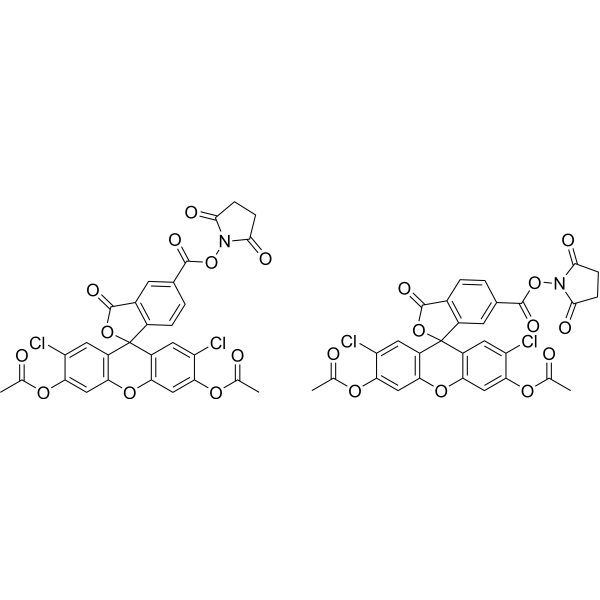
- HY-149596
-
|
|
Fluorescent Dye
|
Metabolic Disease
|
|
PTZ-LD is a phenothiazine (HY-Y0055)-based fluorescent probe for lipid droplets (LDs) detection. PTZ-LD is apparently emissive in LDs with high specificity. (Ex/Em=488/570-620 nm). PTZ-LD can be used for diabetic cataract (DC) research .
|
-
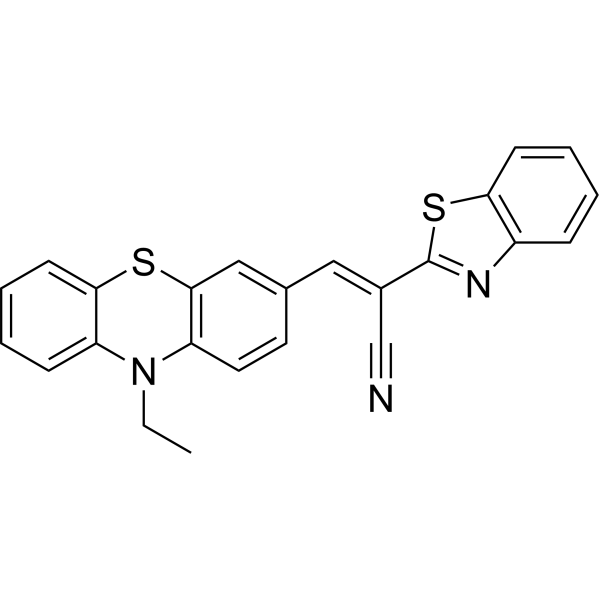
- HY-D0985A
-
|
Tetramethylrhodamine ethyl ester perchlorate
|
Fluorescent Dye
|
Others
|
|
Rhodamine dyes are membrane-permeable cationic fluorescent probes that specifically recognize mitochondrial membrane potentials, thereby attaching to mitochondria and producing bright fluorescence, and at certain concentrations, rhodamine dyes have low toxicity to cells, so they are commonly used to detect mitochondria in animal cells, plant cells, and microorganisms .
|
-
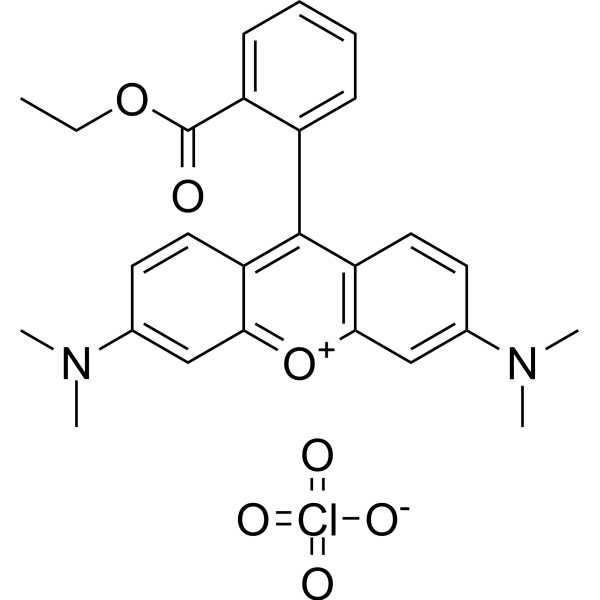
- HY-D0159
-
|
|
Fluorescent Dye
|
Others
|
|
ZnAF-1F is a potent fluorophore for with an Kd value of 2.2 nM. ZnAF-1F can be used as fluorescent probes for Zn 2+ in cells. ZnAF-1F shows λ excitation of 489 nm and λ emission of 514 nm .
|
-
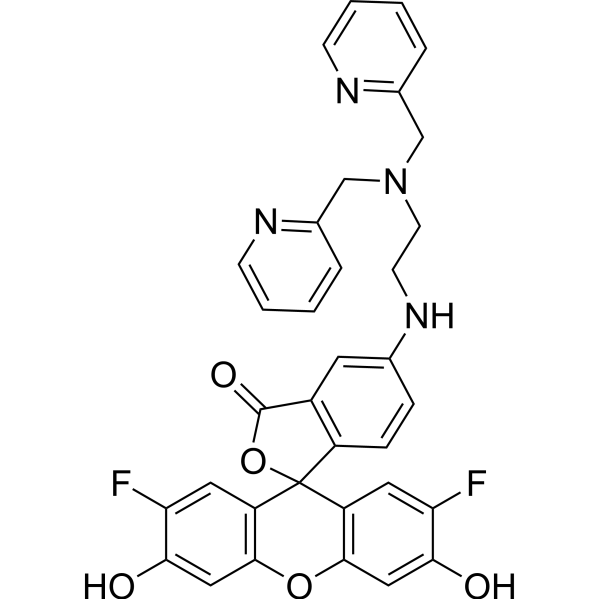
- HY-D0984A
-
|
T668
|
Fluorescent Dye
|
Others
|
|
Rhodamine dyes are membrane-permeable cationic fluorescent probes that specifically recognize mitochondrial membrane potentials, thereby attaching to mitochondria and producing bright fluorescence, and at certain concentrations, rhodamine dyes have low toxicity to cells, so they are commonly used to detect mitochondria in animal cells, plant cells, and microorganisms .
|
-
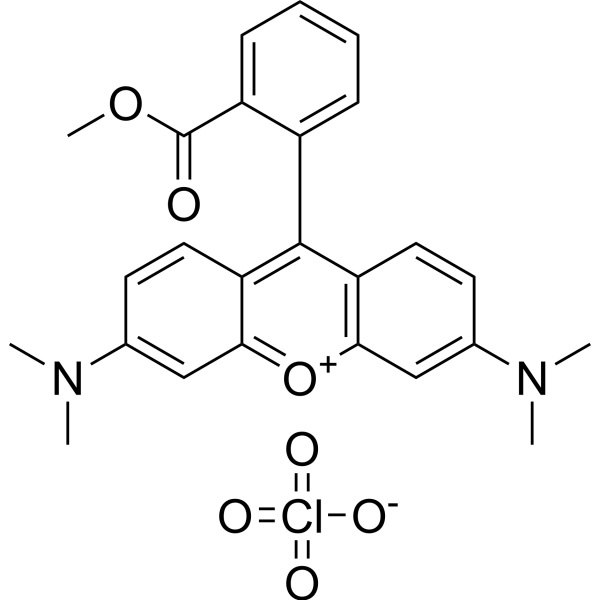
- HY-D3416
-
|
TAMRA-2,4-dinitroaniline
|
Fluorescent Dye
|
Others
|
|
TMR-DN (TAMRA-2,4-dinitroaniline) is a bright orange fluorescent probe that binds to the SRB-2 aptamer, with a Kd value of 35 nM for the SRB-2 aptamer. TMR-DN exhibits low background fluorescence, enabling wash-free live-cell RNA imaging .
|
-

- HY-D0309
-
|
Basic Red 1
|
Environmental Pollutants
Fluorescent Dye
|
Cancer
|
|
Rhodamine dyes are membrane-permeable cationic fluorescent probes that specifically recognize mitochondrial membrane potentials, thereby attaching to mitochondria and producing bright fluorescence, and at certain concentrations, rhodamine dyes have low toxicity to cells, so they are commonly used to detect mitochondria in animal cells, plant cells, and microorganisms .
|
-
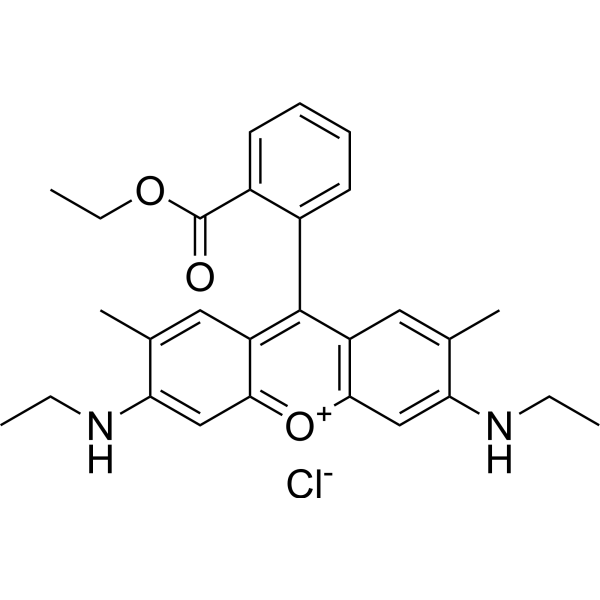
- HY-129811
-
|
|
Microtubule/Tubulin
|
Neurological Disease
|
|
Bis-ANS dipotassium is a fluorescent probe of hydrophobic protein. Bis-ANS binds to tubulin with a Kd of 2 μM . Bis-ANS dipotassium is a potent biphasic modulator of protein liquid-liquid phase separation (LLPS). Bis-ANS dipotassium promotes LLPS at low concentrations but suppresses LLPS at high concentrations .
|
-
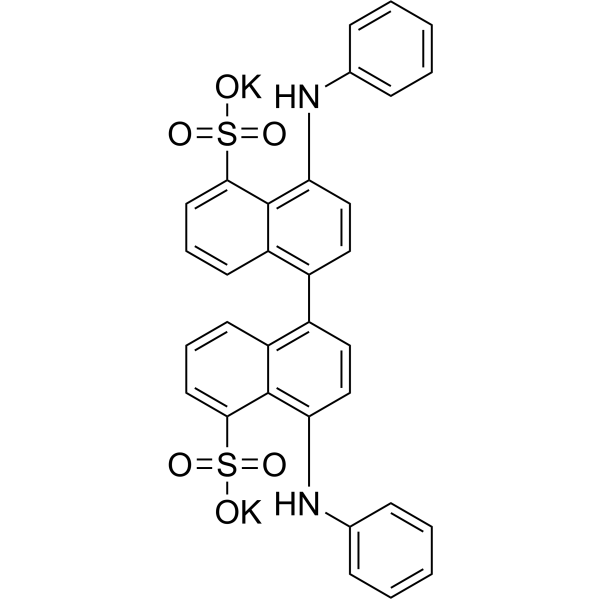
- HY-D1623
-
|
|
Fluorescent Dye
|
Others
|
|
Cyanine3 carboxylic acid chloride is a non-toxic red fluorescent dye with good solubility in organic solvents. Cyanine3 carboxylic acid chloride can be used as a non-reactive fluorophore for experimental control and calibration. Cyanine3 carboxylic acid chloride can also be synthesized with targeted agents as fluorescent probes for rapid detection of agent reactions .
|
-
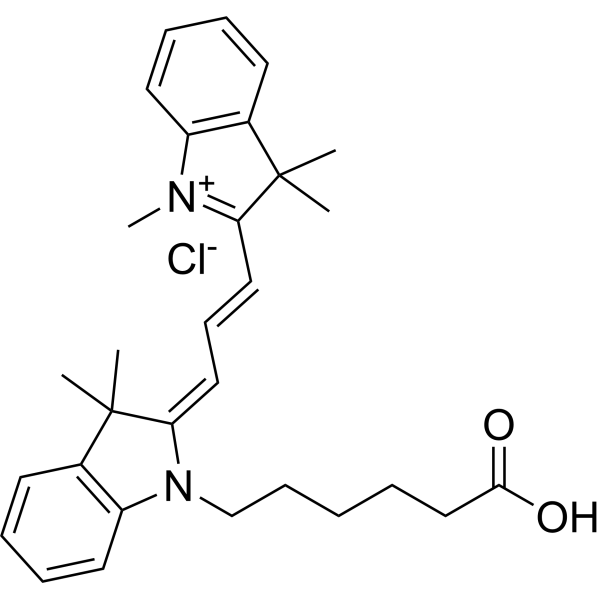
- HY-130015
-
|
|
Reactive Oxygen Species (ROS)
|
Others
|
|
HKSOX-1 (5/6-mixture) is a fluorescent probe which is used for imaging and detection of endogenous superoxide in live cells and in vivo. HKSOX-1 (5/6-mixture) exhibits excellent selectivity and sensitivity towards superoxide anion radical (Ex/Em = 509/534 nm) .
|
-
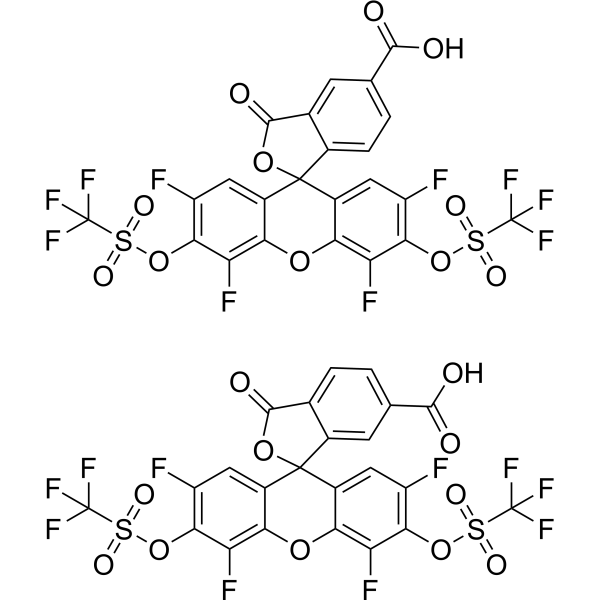
- HY-20794
-
|
|
Fluorescent Dye
|
Others
|
|
8-Hydroxyjulolidine is a chromophore moiety of a fluorescent probe for the detection of weak acid ions. 8-Hydroxyjulolidine can be used to synthesize the salicylaldehyde derivative 9-formyl-8-hydroxyjulolidine, which exhibits sensitive detection ability to pH changes of hydrogen sulfide and silicate in aqueous solution .
|
-

- HY-D0988
-
|
R-PE
|
Fluorescent Dye
Apoptosis
|
Cancer
|
|
R-Phycoerythrin is found in Heterosiphonia japonica. R-Phycoerythrin is an orange-red fluorescent probe with α, β, and γ subunits. R-Phycoerythrin can be used in photodynamic therapy (PDT) to induce apoptosis in tumor cells. R-Phycoerythrin can be used in fluorescence microscopy, flow cytometry, and immunofluorescence analysis (Ex: 495 nm).
|
-

- HY-130017
-
|
|
Reactive Oxygen Species (ROS)
|
Others
|
|
HKSOX-1r (5/6-mixture) is a fluorescent probe which is used for imaging and detection of endogenous superoxide in live cells and in vivo. HKSOX-1r (5/6-mixture) exhibits excellent selectivity and sensitivity towards superoxide anion radical .
|
-
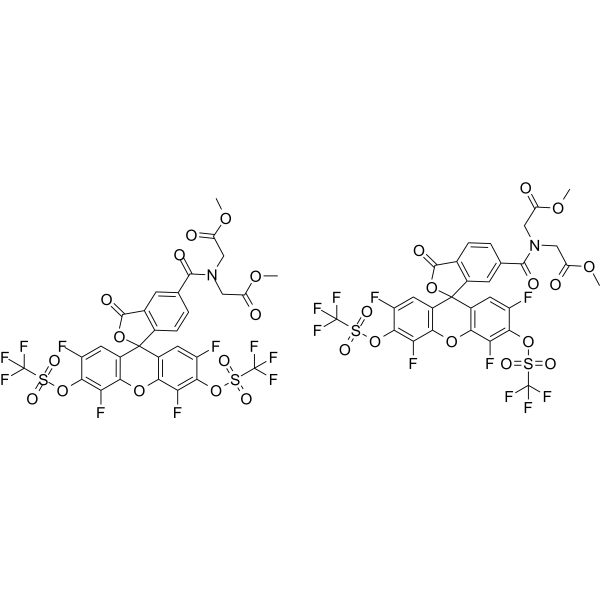
- HY-D1883
-
|
|
Fluorescent Dye
|
Others
|
|
Cy7.5-COOH (compound 8f), a cyanine dye, is a highly fluorescent compound (Abs/Em = 781/808 nm). Cy7.5-COOH can be used as a fluorescent probe in a wide-range of applications such as DNA sequencing, flow cytometry and in vivo imaging .
|
-
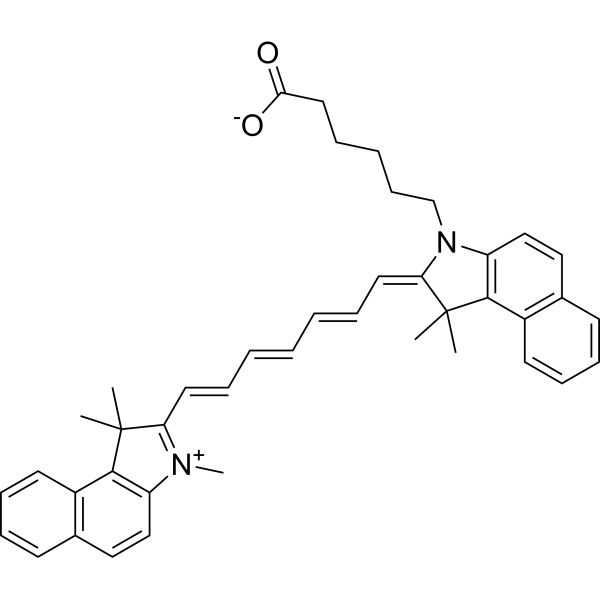
- HY-D0151
-
|
|
Fluorescent Dye
|
Others
|
|
Tetramethylrhodamine-5-maleimide is a fluorescent probe with high specificity for cysteine thiol (SH) groups. Tetramethylrhodamine-5-maleimide has high sensitivity, responds rapidly to negatively charged nanoparticles, and shows a concentration-dependent decrease in fluorescence intensity, but it is susceptible to interference from humic acids .
|
-
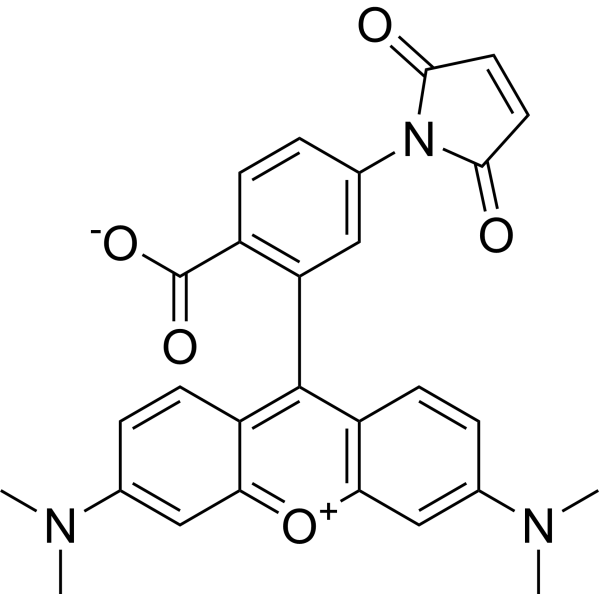
- HY-DY1046
-
|
|
Fluorescent Dye
|
Others
|
Green CMFDA (solution) is a cell-permeable fluorescent probe with Em of 514 nm and Ex of 485 nm and can be used as a cell tracer. Green CMFDA can be cleaved by non-specific esterases common in living cells, producing a fluorescent compound, fluorescein, visible using a fluorescent microscope .
Solvent and concentration: DMSO: 10 mM
|
-

- HY-D2525
-
|
|
Fluorescent Dye
|
Others
|
|
Cy3-PEG-DMPE is a fluorescent probe that combines Cy3 (HY-D0822) fluorescent dye, polyethylene glycol (PEG) and DMPE (HY-142983). Cy3-PEG-DMPE is widely used in biomolecule labeling, cell imaging and liposome research.
|
-

- HY-D2958
-
|
|
Fluorescent Dye
|
Others
|
|
ZP1BG is a SNAP tag fluorescent probe for detecting Zn 2+, which is formed by the covalent connection of the zinc sensor ZP1 from the Zinpyr family with the benzyl guanine group. ZP1BG can be used to detect the concentration of Zn 2+ in neuronal organelles such as the Golgi apparatus and mitochondria .
|
-

- HY-D2279
-
|
|
Fluorescent Dye
|
Inflammation/Immunology
|
|
NFL-NH2 is a mitochondrial-targeted near-infrared ratiometric fluorescent probe. NFL-NH2 can rapidly detect NO levels associated with the inflammatory damage degree in rheumatoid arthritis (RA) mice models by ratiometric fluorescence imaging. The excitation wavelength and emission wavelength are 650 nm and 780 nm, respectively .
|
-
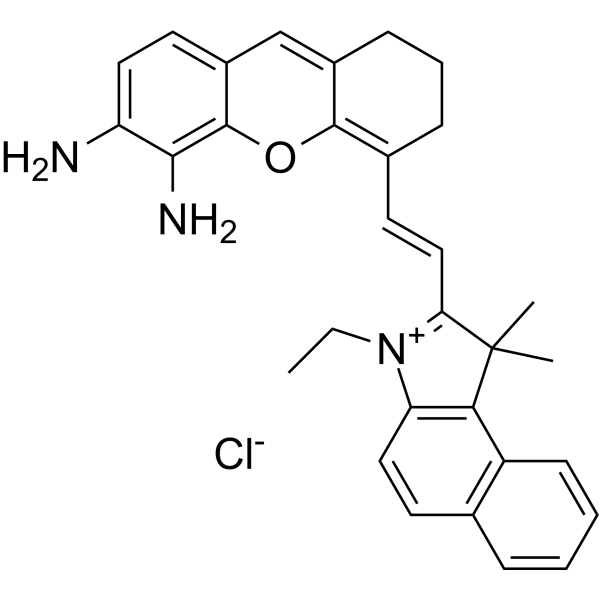
- HY-P11595
-
|
|
Fluorescent Dye
|
Cancer
|
|
TBZ-1 is a fluorescent probe that monitors the activity of immunoproteasome (Proteasome) (iCP) in cells. TBZ-1 undergoes fluorescence activation after being selectively cleaved by β5i, which is used for intracellular activity monitoring. TBZ-1 is applicable to cancer-related research .
|
-

- HY-D1631
-
-
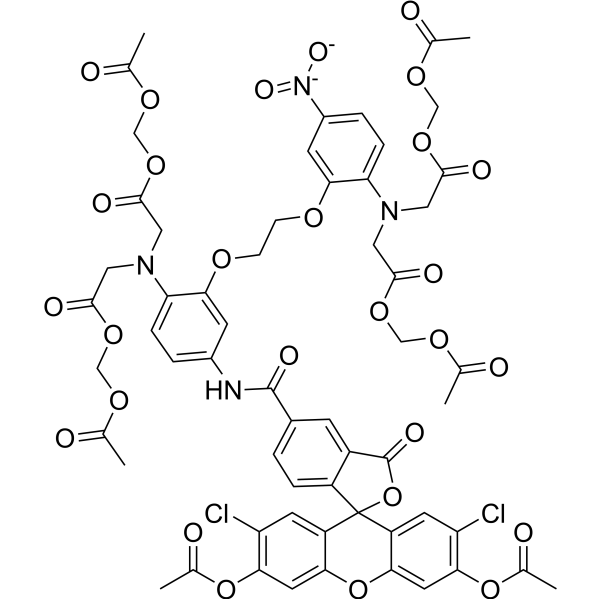
- HY-D3165
-
|
|
Fluorescent Dye
|
Cancer
|
|
DCM-gal-CF is a fluorescent probe containing a DCM fluorophore scaffold and a D-galactose recognition moiety. DCM-gal-CF itself shows weak fluorescence, and its fluorescence is enhanced after cleavage by β-galactosidase. DCM-gal-CF can be used to detect β-galactosidase activity .
|
-

- HY-D2616
-
|
|
Fluorescent Dye
|
Others
|
|
ICG PEG2000 DBCO is a fluorescent probe containing Indocyanine green (ICG) (HY-D0711) dye. ICG PEG2000 DBCO contains a DBCO group that can undergo strain-promoted alkyne-azide cycloaddition (SPAAC) with molecules containing Azide groups (Ex/Em=785/813 nm).
|
-

- HY-D2617
-
|
|
Fluorescent Dye
|
Others
|
|
ICG PEG5000 DBCO is a fluorescent probe containing Indocyanine green (ICG) (HY-D0711) dye. ICG PEG5000 DBCO contains a DBCO group that can undergo strain-promoted alkyne-azide cycloaddition (SPAAC) with molecules containing Azide groups (Ex/Em=785/813 nm).
|
-

- HY-142521
-
|
|
Leukotriene Receptor
|
Metabolic Disease
|
|
BLT2 probe 1 (compound 13) is a fluorescent probe based on the synthetic BLT2 agonist CAY10583. BLT2 is a promising target for diabetic wound healing and gastrointestinal lesions. BLT2 probe 1 is suitable to investigate the pharmacology of BLT2 receptor ligands in a variety of assay systems .
|
-
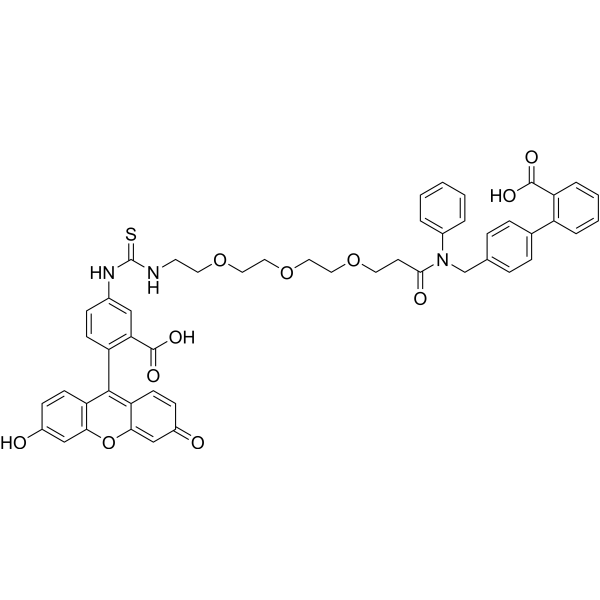
- HY-150978
-
|
|
Fluorescent Dye
|
Others
|
|
DDAO-C6 is a cridone ester derivative, highly specific fluorescence for detecting human serum albumin (HSA). DDAO-C6 acts as an enzymatic activatable near-infrared fluorescent probe in visually sensing endogenous lipase from gut microbes (Ex/Em=600/658 nm) .
|
-
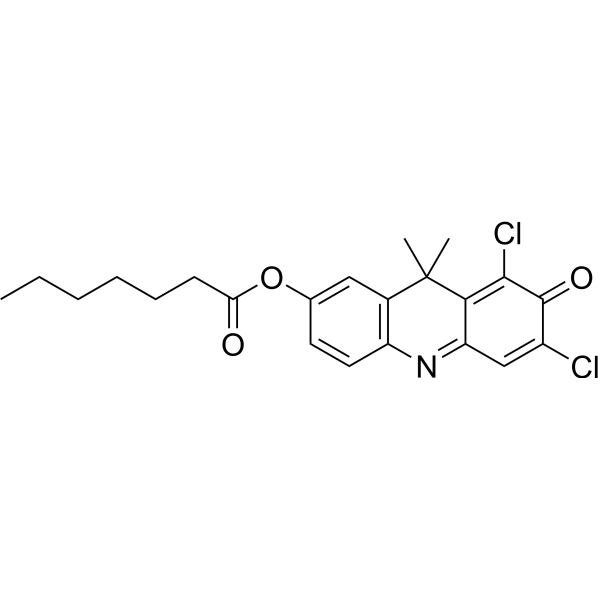
- HY-151544
-
|
|
Fluorescent Dye
|
Others
|
|
PNE-Lyso is a activatable fluorescent probe. PNE-Lyso can be used to detect intracellular pH and hexosaminidases with two kinds of fluorescence signals. PNE-Lyso can be used to distinguish apoptosis from necrosis through visualizing lysosome morphology. PNE-Lyso is capable of investigating the agent-induced cell death process .
|
-
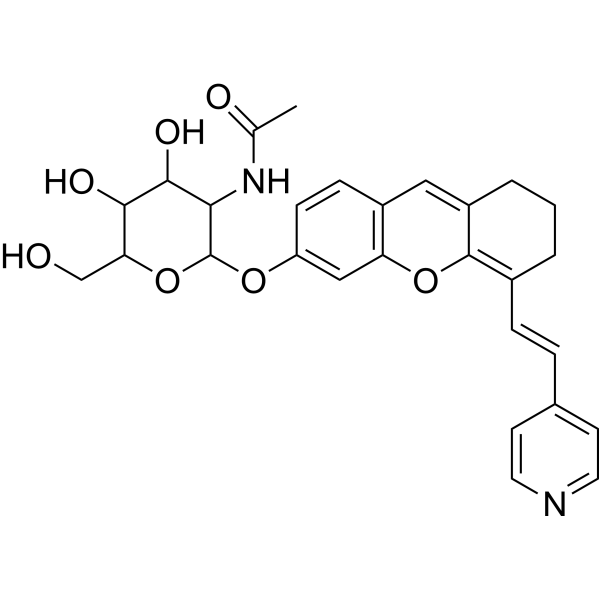
- HY-W753658
-
|
|
Fluorescent Dye
|
Others
|
|
Coppersensor-3 (CS3) is a bright small-molecule fluorescent probe for selective Cu(I) detection. Coppersensor-3 is selective and sensitive enough to image labile copper pools in living cells at endogenous, basal levels. Coppersensor-3 can be used for the cell biology of copper research .
|
-

- HY-W127780
-
|
Basic Red 1 perchlorate
|
Fluorescent Dye
|
Others
|
|
Rhodamine dyes are membrane-permeable cationic fluorescent probes that specifically recognize mitochondrial membrane potentials, thereby attaching to mitochondria and producing bright fluorescence, and at certain concentrations, rhodamine dyes have low toxicity to cells, so they are commonly used to detect mitochondria in animal cells, plant cells, and microorganisms .
|
-
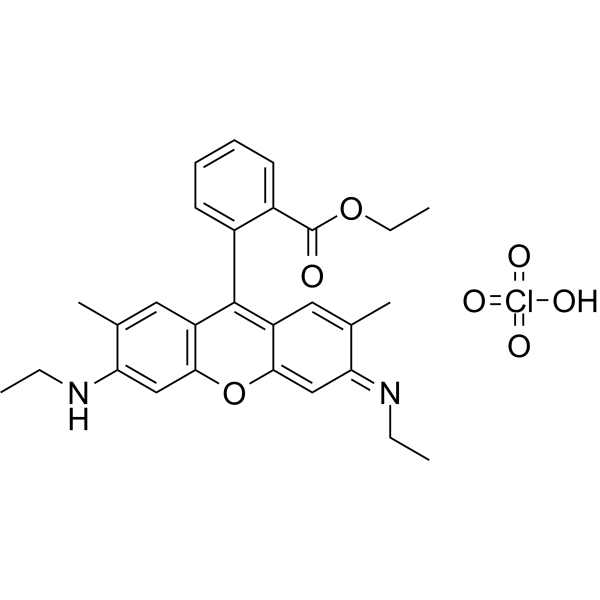
- HY-DY1023
-
|
|
Fluorescent Dye
|
Others
|
Rhodamine dyes are membrane-permeable cationic fluorescent probes that specifically recognize mitochondrial membrane potentials, thereby attaching to mitochondria and producing bright fluorescence, and at certain concentrations, rhodamine dyes have low toxicity to cells, so they are commonly used to detect mitochondria in animal cells, plant cells, and microorganisms .
Solvent and concentration: DMSO: 10 mM
|
-

- HY-D1275
-
|
|
Fluorescent Dye
|
Others
|
|
CAY10731 (compound 3) is a highly selective fluorescent probe for detection of hydrogen sulfide (H2S). CAY10731 is used to monitor exo- and endogenous H2S in both cancer and normal cells. CAY10731 is applied for imaging of H2S in living tissues at variable depths and in nematodes .
|
-
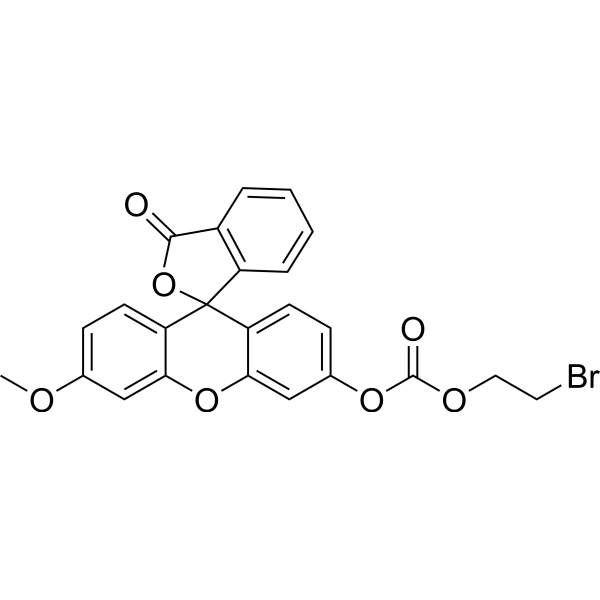
- HY-D0159A
-
|
|
Fluorescent Dye
|
Others
|
|
ZnAF-1F tetraTFA is a potent fluorophore for with an Kd value of 2.2 nM. ZnAF-1F tetraTFA can be used as fluorescent probes for Zn 2+ in cells. ZnAF-1F tetraTFA shows λ excitation of 489 nm and λ emission of 514 nm .
|
-

- HY-D2987
-
|
|
Fluorescent Dye
Bacterial
|
Others
|
|
BacGO is a highly selective, wash free fluorescent probe for Gram positive bacteria. BacGO binds to the carbohydrate structure in peptidoglycan through boric acid and exhibits depolymerization induced luminescence (DIE) properties. BacGO can be used for imaging complex environmental samples (such as activated sludge) and flat plate bacteria without affecting bacterial activity .
|
-

- HY-15940
-
|
5(6)-FAM; 5-(and-6)-Carboxyfluorescein mixed isomers
|
Fluorescent Dye
|
Cancer
|
|
5(6)-Carboxyfluorescein (5(6)-FAM) is an amine-reactive pH-sensitive green fluorescent probe. 5(6)-Carboxyfluorescein (5(6)-FAM) can be used to label proteins, peptides and nucleotides. 5(6)-Carboxyfluorescein can be used for the detection of tumour areas in vivo .
|
-
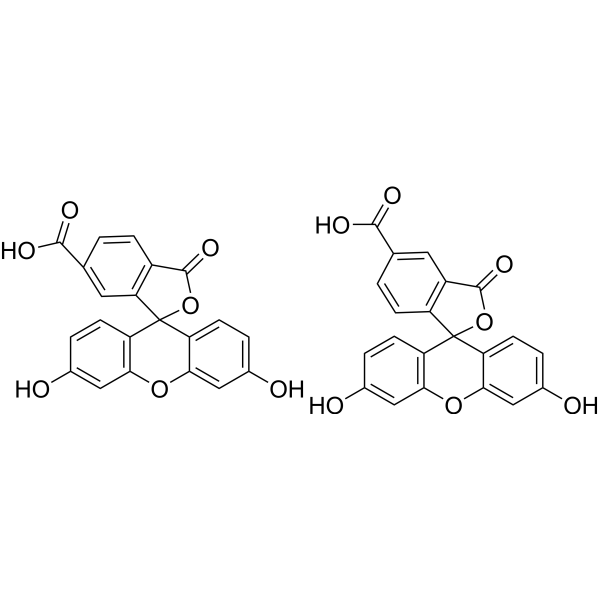
- HY-DY1054
-
|
|
Fluorescent Dye
|
Cardiovascular Disease
|
Rhodamine dyes are membrane-permeable cationic fluorescent probes that specifically recognize mitochondrial membrane potentials, thereby attaching to mitochondria and producing bright fluorescence, and at certain concentrations, rhodamine dyes have low toxicity to cells, so they are commonly used to detect mitochondria in animal cells, plant cells, and microorganisms .
Solvent and concentration: DMSO: 5 mM
|
-

- HY-D1156
-
|
|
Reactive Oxygen Species (ROS)
Fluorescent Dye
|
Others
|
HKSOX-1m (5/6-mixture) is a O2 fluorescent probe for mitochondria-targeting (Ex/Em=509/534nm; green), exhibiting excellent selectivity and sensitivity toward O2 over a broad range of pH, strong oxidants, and abundant reductants found in cells .
|
-
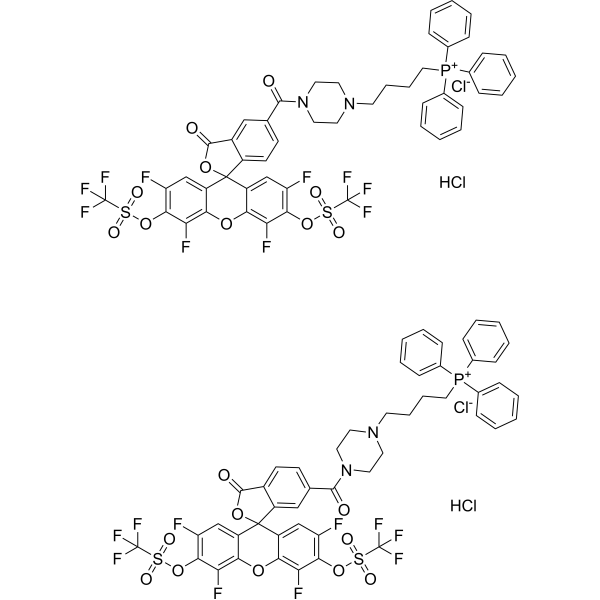
- HY-P10772
-
|
|
Peptide-Drug Conjugates (PDCs)
EBV
|
Cancer
|
|
L2P4 is a peptide-based and EBNA1 targeting fluorescent probe, which inhibits the EBNA1 homodimer formation and selectively inhibits EBV+ tumor growth. L2P4 exhibits cytotoxicity in EBV-positive C666-1 cell with LC50 of 46.4 μM .
|
-

- HY-D1883A
-
|
|
Fluorescent Dye
|
Others
|
|
Cy7.5-COOH TEA (compound 8f), a cyanine dye, is a highly fluorescent compound (Abs/Em = 781/808 nm). Cy7.5-COOH TEA can be used as a fluorescent probe in a wide-range of applications such as DNA sequencing, flow cytometry and in vivo imaging .
|
-
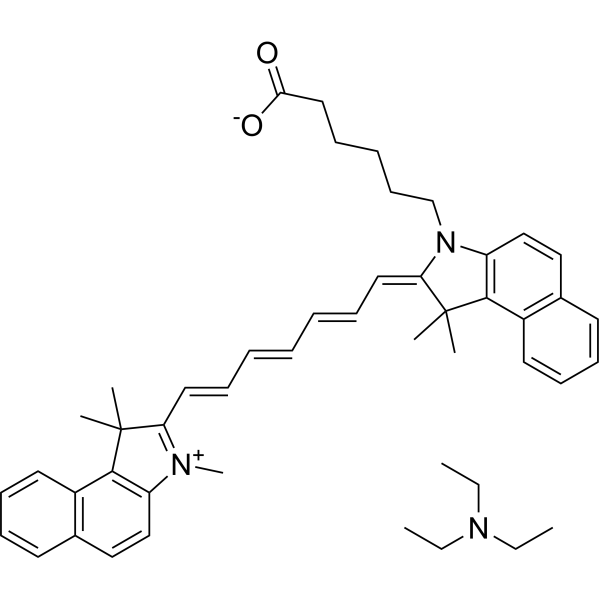
- HY-79602S1
-
-

- HY-D3173
-
|
TPG-456
|
Fluorescent Dye
GCGR
|
Metabolic Disease
|
|
TP-α is a glucagon-selective two-photon fluorescent probe with a Kd of 65 μM. TP-α directly interacts with glucagon to produce significant fluorescence enhancement. TP-α selectively stains viable glucagon-secreting α cells in pancreatic islets, enabling visualization of their localization, distribution and availability. TP-α is applicable to diabetes research .
|
-

- HY-D2941
-
|
SNAP-AF
|
Fluorescent Dye
|
Others
|
BGAF (SNAP-AF) is a fluorescent diacetyl fluorescein-labeled SNAP tag fluorescent probe, specifically designed for the covalent labeling of SNAP-tag fusion proteins in living cells. BGAF utilizes the specific reaction of the human DNA repair protein hAGT to achieve specific fluorescent labeling of the target protein in the living cell environment .
|
-

- HY-DY1042
-
|
|
Fluorescent Dye
|
Others
|
Rhodamine dyes are membrane-permeable cationic fluorescent probes that specifically recognize mitochondrial membrane potentials, thereby attaching to mitochondria and producing bright fluorescence, and at certain concentrations, rhodamine dyes have low toxicity to cells, so they are commonly used to detect mitochondria in animal cells, plant cells, and microorganisms .
Solvent and concentration: DMSO: 10 mM
|
-

- HY-D2971
-
|
|
Fluorescent Dye
Autophagy
|
Neurological Disease
|
|
NCIC-VIS is a lysosome-targeted, viscosity-sensitive two-photon near-infrared fluorescent probe. NCIC-VIS has a rigid structure that can restrict molecular torsion, thereby increasing the fluorescence quantum yield and two-photon absorption cross-section. NCIC-VIS enables real-time imaging of the autophagy process in cells .
|
-

- HY-D2286
-
|
|
Fluorescent Dye
|
Others
|
|
HBT-Fl-BnB is a fluorescent probe for the ratiometric detection of ONOO - in vitro and in vivo. HBT-Fl-BnB consists of an HBT core with Fl groups at the ortho and para positions responding to the zwitterionic excited-state intramolecular proton-transfer (zwitterionic ESIPT) process and a boronic acid pinacol ester with dual roles that block the zwitterionic ESIPT and recognize ONOO - .
|
-
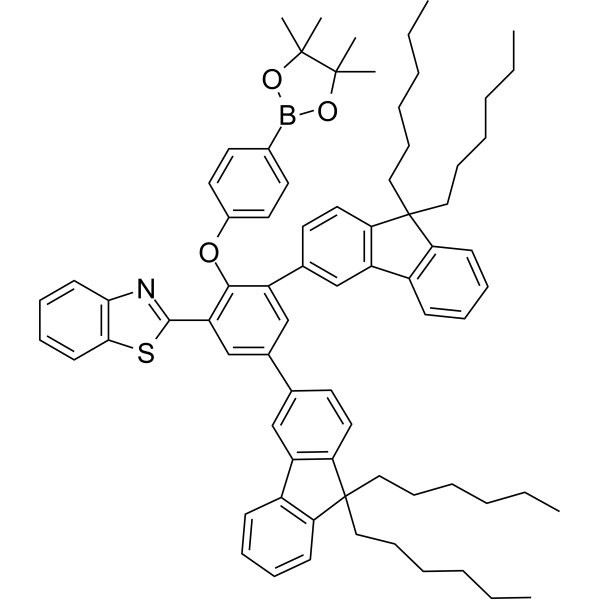
- HY-D0251R
-
|
Uranine (Standard)
|
Fluorescent Dye
Reference Standards
|
Cancer
|
|
Fluorescein (Standard) is the analytical standard of Fluorescein. This product is intended for research and analytical applications. Fluorescein (Uranine) is widely used as a fluorescent tracer in medicinal and biological applications and tumor infected tissues tracer. Fluorescein (Uranine) is a representative green fluorophore that has been widely used as a scaffold of practically useful green fluorescent probes .
|
-

- HY-D1156A
-
|
|
Reactive Oxygen Species (ROS)
Fluorescent Dye
|
Others
|
HKSOX-1m (5/6-mixture) hydrobromide is a O2 fluorescent probe for mitochondria-targeting (Ex/Em=509/534nm; green), exhibiting excellent selectivity and sensitivity toward O2 over a broad range of pH, strong oxidants, and abundant reductants found in cells .
|
-
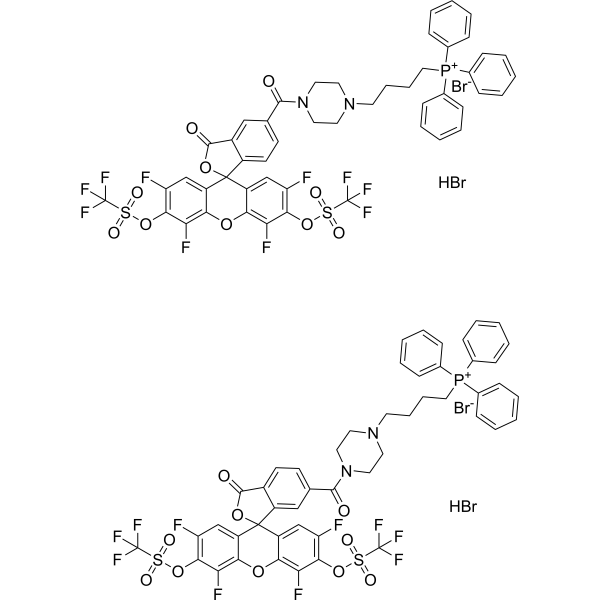
- HY-D2983
-
|
|
Fluorescent Dye
Histone Acetyltransferase
|
Infection
|
|
ARHB is a highly selective and sensitive NAT2 fluorescent probe suitable for real-time detection of NAT2 activity in various bacteria. ARHB can successfully penetrate the bacterial cells, and the fluorescence intensity is positively correlated with the expression level of NAT2. ARHB is used for high-throughput screening of natural inhibitors for tuberculosis .
|
-

- HY-135009
-
|
DASPI
|
G-quadruplex
|
Others
|
|
2-Di-1-ASP (DASPI; Compound 18a) is a mono-stryryl dye, and widely used as mitochondrial stain and groove-binding fluorescent probes for double-stranded DNA. 2-Di-1-ASP is selective for G-quadruplex (G4) and double-stranded DNA .
|
-
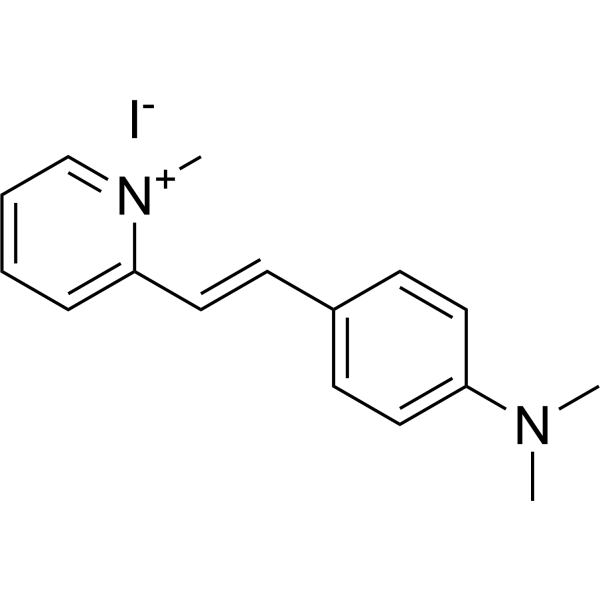
- HY-D1259
-
|
VDP-green (NEP)
|
Fluorescent Dye
|
Neurological Disease
|
|
NEP (VDP-green (NEP)) is a turn-on fluorescent probe based on the intramolecular charge transfer (ICT) mechanism for sensing vicinal dithiol-containing proteins (VDPs). NEP exhibits high selectivity toward VDPs in live cells and in vivo and displays a strong green fluorescence signal (λex/λem=430/535 nm). NEP has the potential for parkinsonism .
|
-
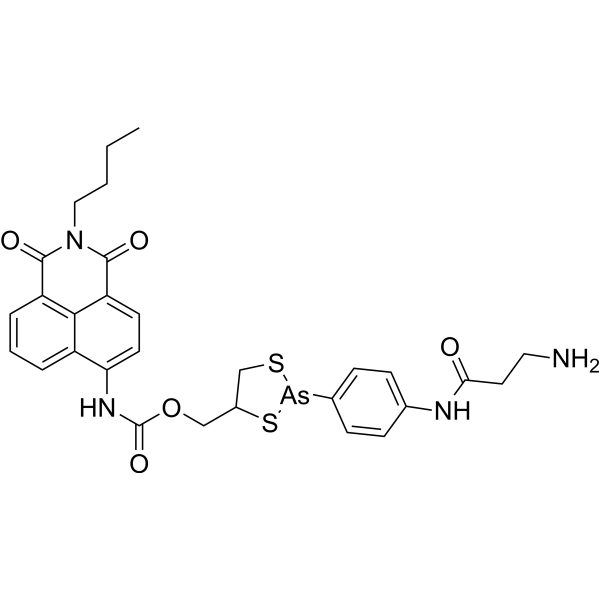
- HY-D2864
-
|
|
Fluorescent Dye
|
Others
|
|
Aza-CyBz is a selective NaCl-responsive fluorescent probe. Aza-CyBz visualizes plant salt stress by forming ordered aggregates with NaCl, leading to near-infrared fluorescence quenching. Aza-CyBz acts via electrostatic interaction between the cationic cyanine dye and NaCl to form J-aggregates, causing fluorescence quenching with a detection limit of 170 μM .
|
-

- HY-175086
-
|
DOPI-3,4,5-P3-fluorescein triethylammonium; PI(3,4,5)P3-fluorescein triethylammonium; PIP3[3',4',5']-fluorescein triethylammonium
|
Fluorescent Dye
|
Others
|
|
PtdIns-(3,4,5)-P3 is a second messenger. PtdIns-(3,4,5)-P3-fluorescein triethylammonium is a fluorescent probe that can detect any protein that has a high-affinity binding interaction with inositol-(3,4,5)-triphosphate phospholipids .
|
-

- HY-D2548
-
|
|
Fluorescent Dye
|
Others
|
|
Cy5-PEG2000-DBCO is a fluorescent probe containing Cy5 (HY-D0821) dye. Cy5-PEG2000-DBCO contains a DBCO group that can undergo strain-promoted alkyne-azide cycloaddition (SPAAC) with molecules containing Azide groups.
|
-

- HY-79602R
-
|
|
Biochemical Assay Reagents
Reference Standards
Drug Derivative
Drug Intermediate
|
Others
|
|
p-Toluenesulfonamide (Standard) is the analytical standard of p-Toluenesulfonamide (HY-79602). This product is intended for research and analytical applications. p-Toluenesulfonamide is an intermediate and plasticizer. p-Toluenesulfonamide is also the main degradation product of the disinfectant Chloramine-T (HY-B0959) in water. p-Toluenesulfonamide facilitates the localization of fluorescent probes to the endoplasmic reticulum .
|
-

- HY-P10772A
-
|
|
Peptide-Drug Conjugates (PDCs)
EBV
|
Cancer
|
|
L2P4 TFA is a peptide-based and EBNA1 targeting fluorescent probe, which inhibits the EBNA1 homodimer formation and selectively inhibits EBV+ tumor growth. L2P4 TFA exhibits cytotoxicity in EBV-positive C666-1 cell with LC50 of 46.4 μM .
|
-

- HY-D2549
-
|
|
Fluorescent Dye
|
Others
|
|
Cy5-PEG5000-DBCO is a fluorescent probe containing Cy5 (HY-D0821) dye. Cy5-PEG5000-DBCO contains a DBCO group that can undergo strain-promoted alkyne-azide cycloaddition (SPAAC) with molecules containing Azide groups.
|
-

- HY-D1526
-
|
|
Fluorescent Dye
|
Others
|
|
N-(4-Anilino-1-naphthyl)maleimide is a fluorescent probe that can be used to detect thiol groups in proteins. N-(4-Anilino-1-naphthyl)maleimide reacts with thiol groups and immediately produces a stable fluorescent compound with the λex=355 nm, λem=448 nm .
|
-
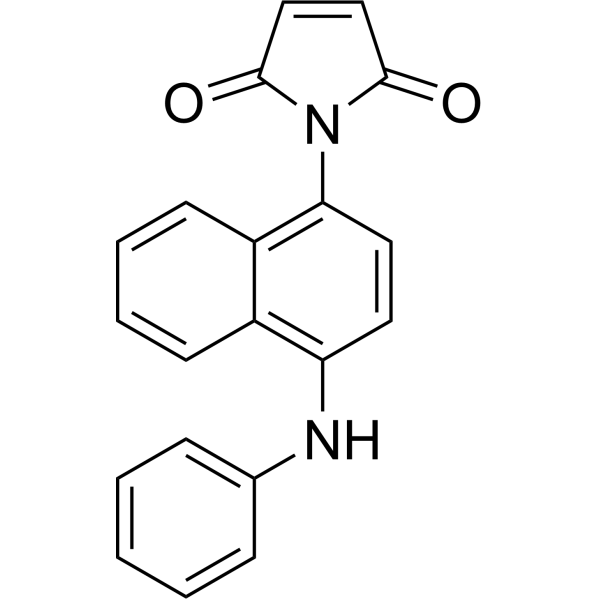
- HY-D2285
-
|
|
Fluorescent Dye
|
Cancer
|
|
MOR-CES2 is a near-infrared fluorescent probe (Ex= 630 nm, Em=735 nm) capable of identifying cancer cells and tissues, as well as exhibiting a sensitive response to inflammation. MOR-CES2 holds potential as an efficient imaging tool in assisting surgical resection of CES2-related tumors .
|
-
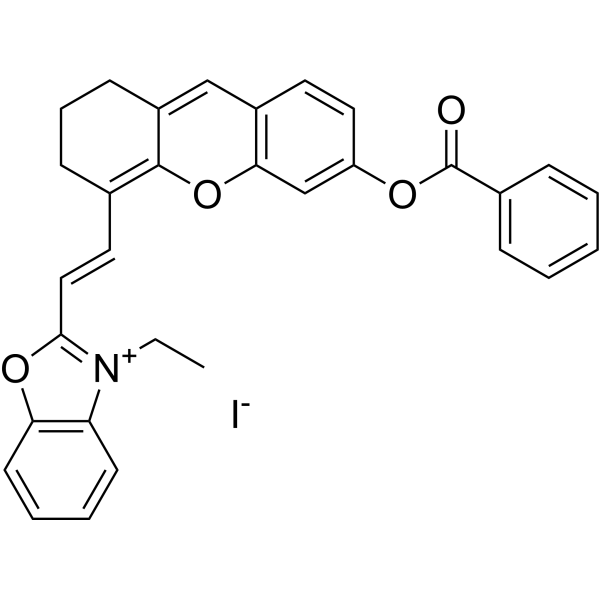
- HY-103684R
-
|
Real Thiol-NH2 (Standard)
|
Fluorescent Dye
Reference Standards
|
Neurological Disease
|
|
RT-NH2 (Standard) is the analytical standard of RT-NH2 (HY-103684). This product is intended for research and analytical applications. RT-NH2 is a RealThiol prototype without the carboxylic acid groups. RT-NH2 is fairly hydrophobic and cannot distribute in the nucleus, which is a hallmark of protein binding for fluorescent probe.
|
-

- HY-114541
-
|
|
Fluorescent Dye
|
Others
|
|
Coumarin-7-pinacolboronate is a fluorescent probe. Taking hydrogen peroxide for instance, Coumarin-7-pinacolboronate and HOO- undergo a nucleophilic reaction to produce INT1. The chemical reaction mechanisms are nearly identical for the reactions of Coumarin-7-pinacolboronate with hydrogen peroxide, hypochlorous acid, peroxynitrite, and tyrosine hydroperoxide, respectively .
|
-

- HY-175163
-
|
|
Photosensitizer
|
Cancer
|
|
TPAPyN is a nitroreductase(NTR)-responsive type I photosensitizer. TPAPyN facilitates the imaging of hypoxic cancer cells and image-guided photodynamic therapy (PDT). TPAPyN does not emit fluorescence in the aqueous environment, but restores when NTR cleaves the nitrofuran quencher with aggregation-induced emission. TPAPyN can be used as a fluorescent probe for specific imaging of hypoxic cancer .
|
-

- HY-D2522
-
|
|
Fluorescent Dye
|
Others
|
|
Cy3-PEG5000-DBCO is a fluorescent probe containing Cy3 (HY-D0822) dye. Cy3-PEG5000-DBCO contains a DBCO group that can undergo strain-promoted alkyne-azide cycloaddition (SPAAC) with molecules containing Azide groups .
|
-

- HY-110334
-
|
|
Fluorescent Dye
|
Others
|
|
FFN 206 dihydrochloride, a fluorescent probe, is used as an excellent Vesicular Monoamine Transporter 2 (VMAT2) substrate with an apparent Km of 1.16 μM. FFN 206 dihydrochloride is capable of detecting VMAT2 activity in intact cells using fluorescence microscopy, with subcellular localization to VMAT2-expressing acidic compartments without apparent labeling of other organelles .
|
-
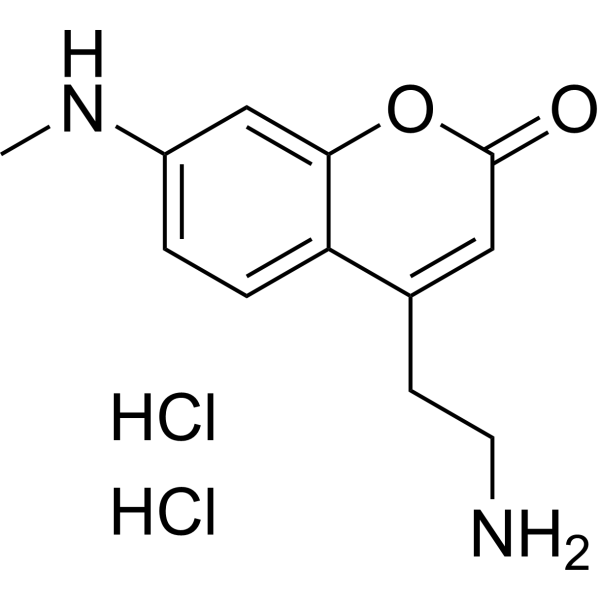
- HY-D0157
-
|
|
Biochemical Assay Reagents
|
Others
|
|
ZnAF-2, 6-iso- is a cell-impermeable compound that acts as a high-affinity Zn2 -specific fluorescent probe (Kd = 2.7 nM). It exhibits low basal fluorescence with an approximately 51-fold increase in fluorescence intensity upon stoichiometric (1:1) binding to Zn2 . Little affinity for Ca2 , Mg2 , Na or K .
|
-
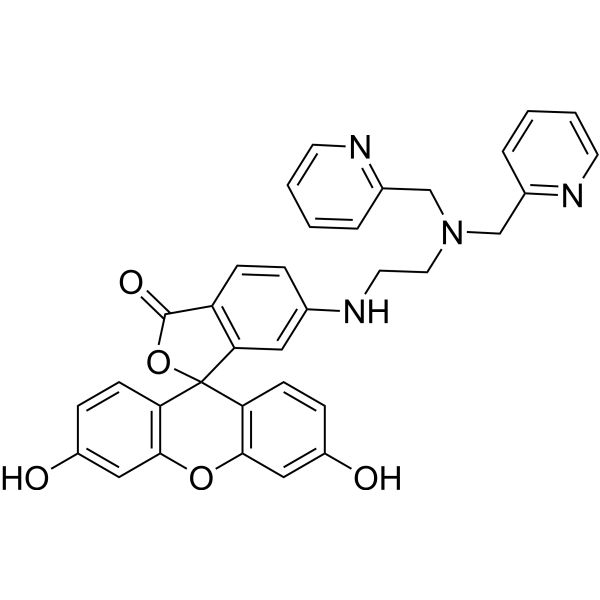
- HY-W856375
-
|
|
MOFs
Fluorescent Dye
|
Others
|
|
(E)-BSPOTPE is the E configuration of BSPOTPE (HY-W856375A). BSPOTPE binds Human serum albumin (HSA) (HY-P1956), exhibits aggregation-induced emission (AIE) phenomenon. BSPOTPE shows selectivity for albumin (such as HSA and BSA), but has no obvious fluorescence response to other proteins and DNA. BSPOTPE can be used as fluorescent probe for HSA .
|
-

- HY-D3234
-
|
|
Fluorescent Dye
|
Others
|
|
Cy-AP is a hypoxia-sensitive near-infrared Fluorescent probe (emission wavelength: 725 nm). Cy-AP exhibits no fluorescence under normoxic microenvironments, while under hypoxic microenvironments, its azo group is reduced, releasing strong near-infrared fluorescence with an emission at 725 nm. Cy-AP enables visualization of intracellular hypoxic status through multiple imaging modalities .
|
-

- HY-163146
-
|
|
Fluorescent Dye
|
Cancer
|
|
TME-HYM (PH Probe) is a novel fluorescent probe based on acidic tumor microenvironment (TME) activation and organic anion transporting polypeptide (OATPs, overexpressed on cancer cells), and can be selective uptaken. TME-HYM (PH Probe) can selectively lit up cancer cells and tumor tissues, offering dual tumor selectivity for precise visualization of tumor mass .
|
-
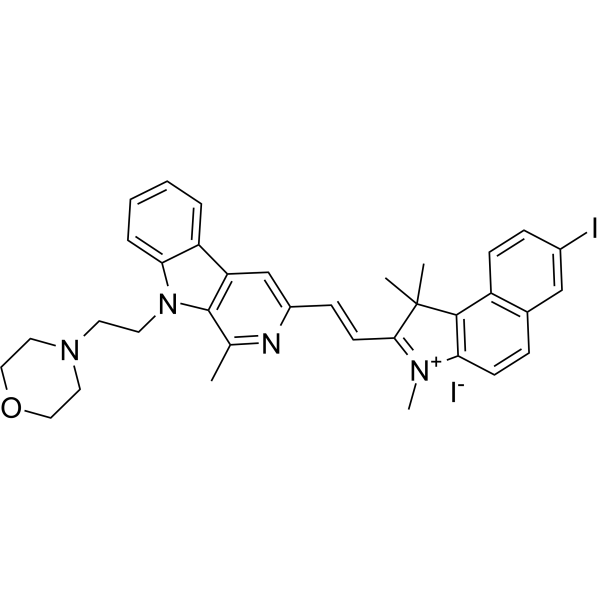
- HY-D3230
-
|
|
Fluorescent Dye
|
Others
|
|
FLCS1 is a BODIPY-based Fluorescent probe and selective copper (I) ion binder (λex = 630 nm, λemis = 660 nm). Binding of FLCS1 to copper (I) ions induces fluorescence turn-on. Addition of copper (I) to a methanolic solution of FLCS1 causes a slight red shift (4 nm) in the maximum absorption wavelength (λmax) in the UV-Vis spectrum .
|
-

- HY-138241
-
|
|
Fluorescent Dye
|
Others
|
|
PBD-BODIPY is a probe for the spectrophotometric measurement of autoxidation reactions. Co-autoxidation of the PBD-BODIPY signal carrier and a hydrocarbon co-substrate can be quantified by monitoring loss of absorbance at 591 nm. PBD-BODIPY has been used to measure the activity of radical-trapping antioxidants in cell-free assays. It has also been used as a fluorescent probe for the detection of epoxidation activity.
|
-

- HY-129420
-
|
|
Fluorescent Dye
|
Cancer
|
|
WSP-5 is a H2S-selective fluorescent probe (Ex/Em = 502/525 nm). WSP-5 enables visual monitoring of H2S released and accumulated from peptide-H2S donor conjugates in glioma cells. WSP-5 is applicable to glioma research .
|
-
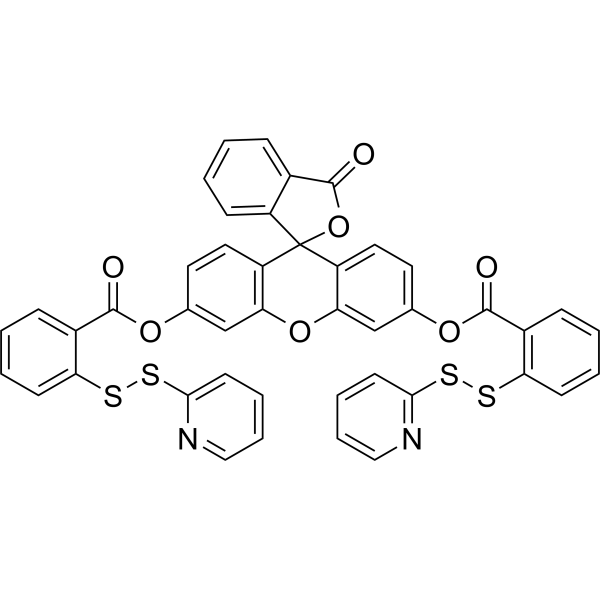
- HY-D2379
-
|
|
Fluorescent Dye
|
Endocrinology
Cancer
|
HMRG is a type of hydroxymethyl rhodamine green fluorescent scaffold, featuring an open non-cyclic structure. HMRG can produce significant dynamic fluorescence changes through a one-step enzymatic reaction at physiological pH, which is useful for developing various probes. Fluorescent probes based on HMRG can be used for fluorescence detection of diseases such as tumors and diabetic nephropathy .
|
-

- HY-172333
-
|
|
Fluorescent Dye
|
Others
|
|
HCy-Lyso is a lysosome-targeting turn-on fluorescent probe based on hydrocyanine. HCy-Lyso integrates a hydrocyanine moiety for selective recognition of hydroxyl radicals (•OH) and a morpholine group for lysosome targeting. Upon reacting with •OH, HCy-Lyso undergoes an extension of its π-conjugation system, producing a strong fluorescence signal at 598 nm when excited at 510 nm .
|
-

- HY-D2346
-
|
|
Fluorescent Dye
|
Others
|
|
HBmito Crimson is a deep red fluorescent probe (λex: 658 nm, λem: 678 nm) for the inner mitochondrial membrane. HBmito Crimson is a cell membrane-permeable probe with high selectivity for the mitochondrial inner membrane, suitable for specific fluorescence staining of the inner mitochondrial membrane in living cells. HBmito Crimson has high photostability and brightness, suitable for long-term dynamic fluorescence imaging.
|
-

- HY-139404
-
|
Anthrylvinyl ceramide; AV Ceramide; AV Ceramide (d18:1/10:0)
|
Fluorescent Dye
|
Others
|
|
C10 AV Ceramide (d18:1/10:0) is a fluorescent probe. Anthrylvinyl (AV) acts as the fluorescent label positioned on the amide linked acyl chain on the Ceramide molecule to measure the CERT-mediated transfer. The anthrylvinyl moiety of C10 AV Ceramide (d18:1/10:0) localizes to the hydrophobic region of the bilayer .
|
-

- HY-D2521
-
|
|
Fluorescent Dye
|
Others
|
|
Cy3-PEG2000-DBCO is a fluorescent probe containing Cy3 (HY-D0822) dye. Cy3-PEG2000-DBCO contains a DBCO group that can undergo strain-promoted alkyne-azide cycloaddition (SPAAC) with molecules containing Azide groups .
|
-

- HY-149028
-
|
|
Fluorescent Dye
|
Others
|
|
Mem-C1C18 is a polarity-sensitive fluorescent probe with excellent plasma membrane anchoring, high brightness and a sensitive response to environmental polarity by altering the fluorescence lifetime. Mem-C1C18 can be used to quantify changes in the polarity of the plasma membrane during iron death .
|
-
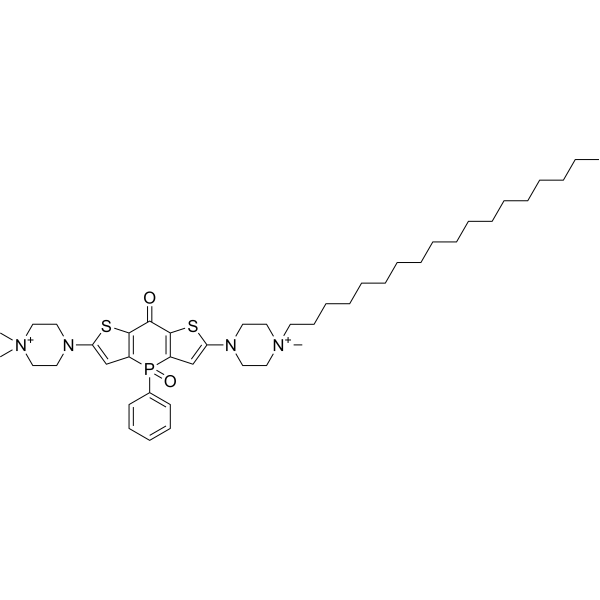
- HY-D3314
-
|
NBD-SAG
|
Fluorescent Dye
DGK
|
Others
|
|
1-NBD-Stearoyl-2-arachidonoyl-sn-glycerol (NBD-SAG) is a fluorescently labeled 1-Stearoyl-2-arachidonoyl-sn-glycerol (HY-131897). 1-NBD-Stearoyl-2-arachidonoyl-sn-glycerol acts as a fluorescent probe for the measurement of DGKε enzymatic activity .
|
-

- HY-D2940
-
|
SiR650-BG
|
Fluorescent Dye
|
Others
|
SiR-SNAP (SiR650-BG) is a SiR-labeled SNAP tag near-infrared fluorescent probe (Ex/Em: 645 nm/661 nm). SiR-SNAP combines excellent optical properties, good cell membrane permeability, and environmentally sensitive fluorescence characteristics, providing a powerful tool for the dynamic study of proteins in living cells .
|
-

- HY-163324A
-
|
|
Cytochrome P450
|
Others
|
|
2-Me PeER is a rhodamine dye-based fluorescent probe that detects CYP3A4 activity. In fluorescence-activated cell sorting (FACS) based on CYP3A4 activity, homogeneous and functional human induced pluripotent stem cell (hiPSC)-derived hepatocytes and intestinal epithelial cells can be obtained with the aid of 2-Me PeER .
|
-
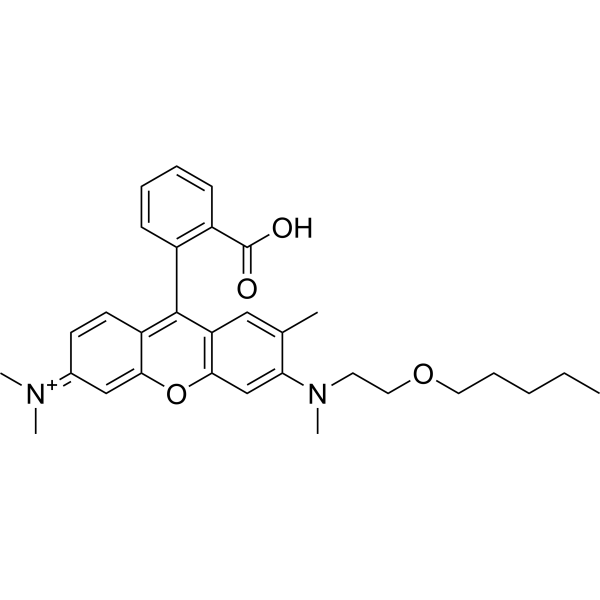
- HY-W011664
-
|
DPBF
|
Fluorescent Dye
Reactive Oxygen Species (ROS)
|
Others
|
|
1,3-Diphenylisobenzofuran (DPBF) has been developed as a selective probe for the detection and quantitative determination of hydrogen peroxide in samples containing different reactive nitrogen and oxygen species (RNOS). DPBF is a fluorescent probe which, for almost 20 years, was believed to react in a highly specific manner toward some reactive oxygen species such as singlet oxygen and hydroxy, alkyloxy or alkylperoxy radicals .
|
-
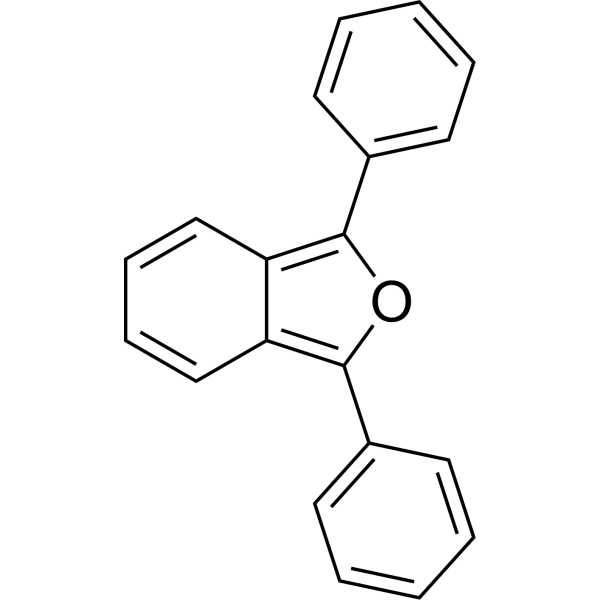
- HY-59303
-
|
|
Biochemical Assay Reagents
|
Others
|
|
1H-Imidazole-5-carboxaldehyde can be used as a chemical reagent in organic synthesis reactions. 1H-Imidazole-5-carboxaldehyde can be used to prepare other imidazole compounds, such as imidazole pyrimidine and imidazolone. 1H-Imidazole-5-carboxaldehyde can also be used as biochemical dyes and fluorescent probes.
|
-
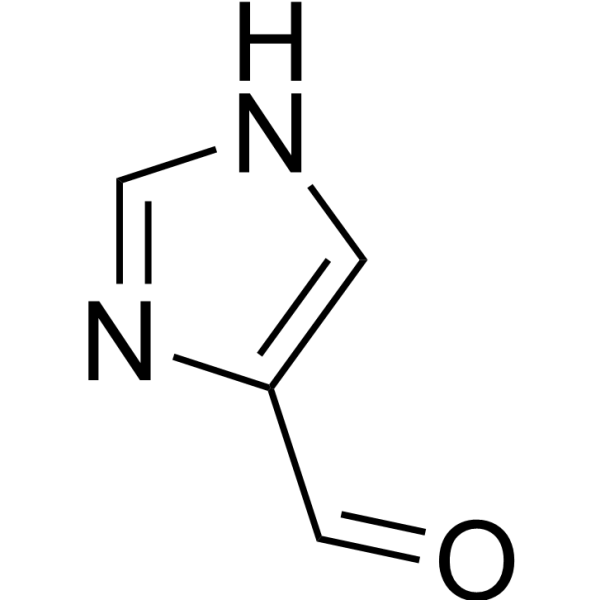
- HY-D0053
-
|
6-Carboxy-X-rhodamine
|
Fluorescent Dye
|
Others
|
|
6-ROX is a selective fluorescent probe and potential inhibitor of COX-2. 6-ROX binds to the active site of COX-2 and inhibits its conversion of arachidonic acid into prostaglandins. 6-ROX is often used in the field of optical imaging related to tumors and inflammation, and helps detect diseased tissues with high expression of COX-2 .
|
-
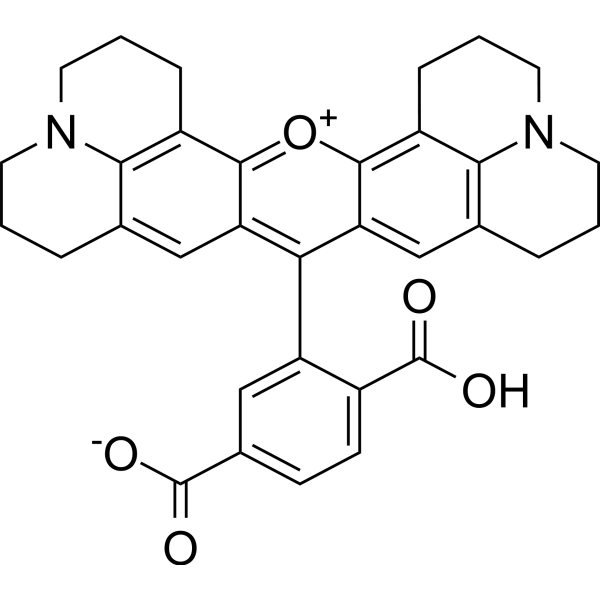
- HY-D2572
-
|
|
Fluorescent Dye
|
Others
|
|
Cy5.5-PEG5000-DBCO is a fluorescent probe containing Cy5.5 (HY-D0924) dye. Cy5.5-PEG5000-DBCO contains a DBCO group that can undergo strain-promoted alkyne-azide cycloaddition (SPAAC) with molecules containing Azide groups.
|
-

- HY-N7131R
-
|
|
Fluorescent Dye
Reference Standards
|
Others
|
|
Coumarin 6 (Standard) is the analytical standard of Coumarin 6 (HY-N7131). This product is intended for research and analytical applications. Coumarin 6, a fluorescent dye, is used as a fluorescent probe in a microparticle drug delivery system to conduct in vivo tracking, cell uptake, and transport mechanism studies of drug delivery systems (λexc=450 nm, λem=505 nm) .
|
-

- HY-D2997
-
|
|
Fluorescent Dye
|
Cancer
|
|
1,2-Dimethylpyridinium iodide-Bodipy (Probe 1) is an H2S fluorescent probe. Self-assembled 1,2-Dimethylpyridinium iodide-Bodipy exhibits highly efficient responsiveness to H2S. The assembled form of 1,2-Dimethylpyridinium iodide-Bodipy emits near-infrared fluorescence at 718 nm upon H2S activation .
|
-

- HY-118155
-
|
ACMA
|
Fluorescent Dye
|
Others
|
|
9-Amino-6-chloro-2-methoxyacridine is a pH sensitive fluorescent probe. 9-Amino-6-chloro-2-methoxyacridine has been frequently used to measure changes in vacuolar pH when a specific substrate crosses the tonoplast through a putative H +/solute antiport system .
|
-
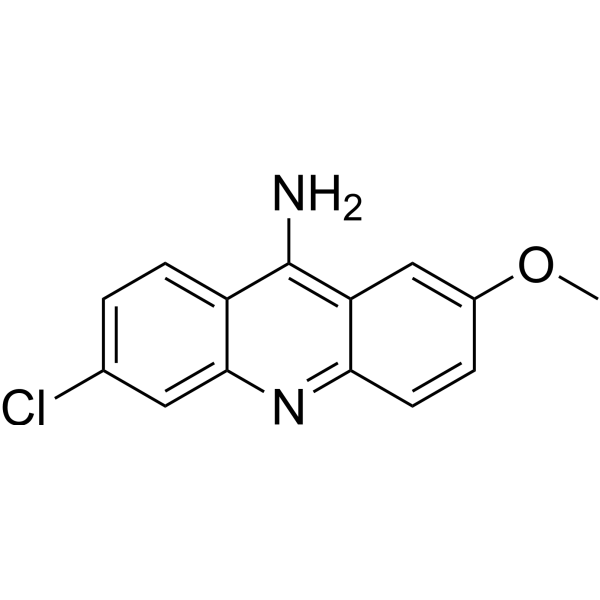
- HY-D2571
-
|
|
Fluorescent Dye
|
Others
|
|
Cy5.5-PEG2000-DBCO is a fluorescent probe containing Cy5.5 (HY-D0924) dye. Cy5.5-PEG2000-DBCO contains a DBCO group that can undergo strain-promoted alkyne-azide cycloaddition (SPAAC) with molecules containing Azide groups.
|
-

- HY-152103
-
|
|
Fluorescent Dye
|
Others
|
|
CB2-H is a dual-channel fluorescent probe for the simultaneous detection of HOCl and ONOO -. CB2-H enables the concurrent detection of HOCl and ONOO - at two independent channels without spectral cross-interference and can be applied for dual-channel fluorescence imaging of endogenously produced HOCl and ONOO - in living cells and zebrafish under different stimulants .
|
-
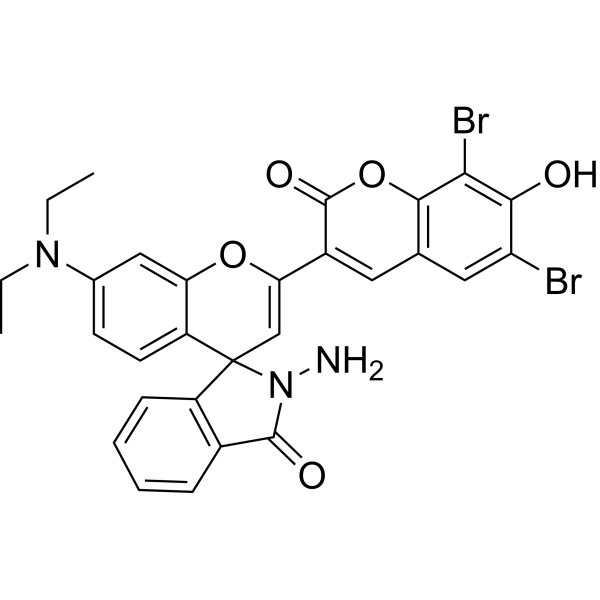
- HY-D2949
-
|
|
Fluorescent Dye
|
Others
|
|
SNAP-549 is a DY-549P1-labeled SNAP tag fluorescent probe, specifically designed for single-molecule imaging and dynamic tracking of proteins in living cells. SNAP-549 only labels SNAP-tag fusion proteins, with low background signals and forming irreversible connections, making it suitable for long-term observation .
|
-

- HY-W856375A
-
|
|
Fluorescent Dye
|
Others
|
|
BSPOTPE is the mixture of (E)-BSPOTPE (HY-W856375) and (Z)-BSPOTPE. BSPOTPE binds Human serum albumin (HSA) (HY-P1956), exhibits aggregation-induced emission (AIE) phenomenon. BSPOTPE shows selectivity for albumin (such as HSA and BSA), but has no obvious fluorescence response to other proteins and DNA. BSPOTPE can be used as fluorescent probe for HSA .
|
-

- HY-D2338
-
|
|
Fluorescent Dye
|
Others
|
|
PMBD is a lysosome (Lyso)-targeting fluorescent probe. PMBD selectively and sensitively detects endogenous N-acylethanolamine amidase (NAAA), allowing real-time visual monitoring of endogenous NAAA in living cells. PMBD has a maximum absorption peak at 350 nm. After the metabolism of NAAA, the maximum absorption peak of the product AMBD shifts red to 450 nm, and a significant fluorescence emission signal appears at 550 nm .
|
-

- HY-W010042
-
|
L-(-)-Glucose
|
Fluorescent Dye
|
Metabolic Disease
Cancer
|
|
L-Glucose (L-(-)-Glucose) is a stereoisomer of D-Glucose (HY-B0389), which does not readily enter the brain. L-Glucose can promote food intake. L-glucose is combined with a fluorescence detector to produce a fluorescent probe that can be used to visualize and characterize cancer cells. L-Glucose also can be used in the research to enhance memory in mice .
|
-
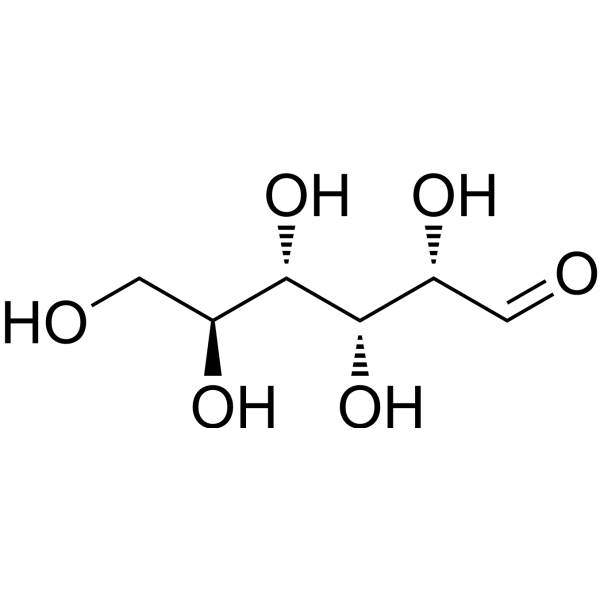
- HY-159529
-
|
DBCO-PEG4-Eosin Y
|
Fluorescent Dye
|
Others
|
DBCO-PEG4-Eosin 5-isothiocyanate (DBCO-PEG4-Eosin Y) is a fluorescent probe. DBCO-PEG4-Eosin 5-isothiocyanate contains a clickable functional group, DBCO, and four PEG units. DBCO-PEG4-Eosin 5-isothiocyanate can be used for various imaging detections.
|
-

- HY-172534
-
|
|
Fluorescent Dye
EGFR
TSPO
|
Cancer
|
|
BPN-01 is a fluorescent probe targeting translocator protein (TSPO) and human epidermal growth factor receptor 2 (HER2) with binding affinities of -10.7 kcal/mol for TSPO and -11.3 kcal/mol for HER2. BPN-01 is promising for research of solid tumor imaging during fluorescence image-guided surgery (FIGS) (Ex/Em = 475/510 nm) .
|
-

- HY-DY1058
-
|
|
Fluorescent Dye
Reactive Oxygen Species (ROS)
|
Others
|
2′,7′-Dichlorofluorescein diacetate (DCFH2-DA) (solution) is a cell-permeable fluorescent probe. 2′,7′-Dichlorofluorescein diacetate can be used to detect the generation of reactive oxygen intermediates and for assessing the overall oxidative stress in toxicological phenomenon .
Solvent and concentration: DMSO: 10 mM
The 1 mL volume is defined as the base specification. All larger sizes correspond to incremental volumes of this base.
|
-

- HY-D1258
-
|
VDP-green
|
Fluorescent Dye
|
Others
|
AC-green (VDP-green) is a β-allyl carbamate fluorescent probe for specifically imaging vicinal dithiol proteins (VDPs) in living systems (λex/λem=400/475 nm). AC-green can detect the reduced bovine serum albumin (rBSA) with high sensitivity. AC-green displays low toxicity and features high sensitivity, and is suitable for sensing VDPs in living cells and zebrafishes .
|
-
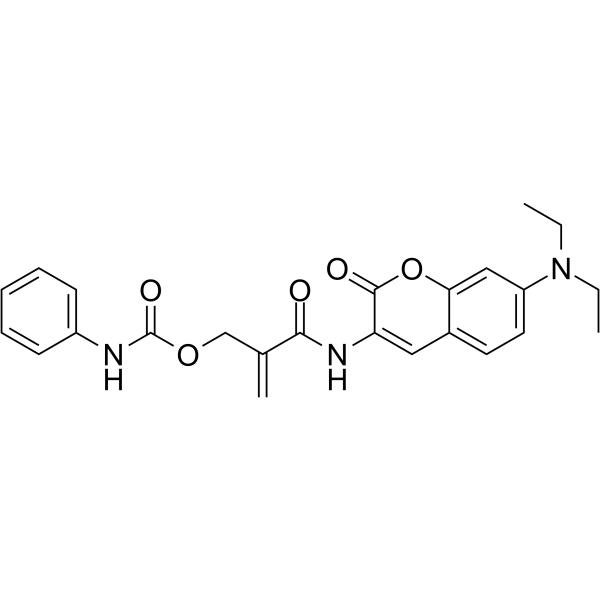
- HY-P11637
-
|
|
Fluorescent Dye
|
Neurological Disease
|
|
Mitochondrial-targeted peptide BP19 is a fluorescent probe for the selective measurement of labile iron in the mitochondriairon. Mitochondrial-targeted peptide BP19 exhibits iron-selective sensing activity with mitochondrial accumulation, reduced fluorescence in iron-loaded cells, and fluorescence reinstatement upon iron chelation. Mitochondrial-targeted peptide BP19 evaluates mitochondrial labile iron levels in cultured fibroblasts with Friedreich's ataxia .
|
-

- HY-D2999
-
|
|
Fluorescent Dye
|
Metabolic Disease
|
|
NIR-RED ATP Probe is a NIR-II fluorescent probe. NIR-RED ATP Probe exhibits high affinity and selectivity for ATP and can non-invasively and with high contrast detect changes in ATP concentration at the cellular level, with minimal interference to the abundant biomolecules within the cells. NIR-RED ATP Probe can be used as a biomarker detection tool for drug-induced liver injury (DILI) .
|
-

- HY-D3200
-
|
|
Fluorescent Dye
Cuproptosis
|
Others
|
|
Dns-LLC is a cell-permeable Cu +-selective fluorescent probe that forms a 1:1 complex with Cu +. The thiol group of Dns-LLC plays a key binding role, while the sulfonamide and amide groups jointly contribute to the stabilization of the complex. Upon binding to Cu + in aqueous buffer solutions, Dns-LLC generates a turn-on fluorescence response, which can be used for the detection of Cu + in the Golgi apparatus .
|
-

- HY-34515
-
|
TMPhen; 3,4,7,8-Tetramethyl-1,10-phenanthroline
|
Biochemical Assay Reagents
|
Others
|
|
3,4,7,8-Tetramethyl-1,10-phenanthroline (TMPhen) is an organic molecule commonly used as a ligand or catalyst. It has a wide range of applications in different fields, such as organometallic chemical reactions, electrochemical detection, and organic optoelectronic devices. Due to its excellent performance in fluorescent probes, biosensors and photocatalytic reactions, it has been widely used in research in the fields of chemistry and life sciences.
|
-
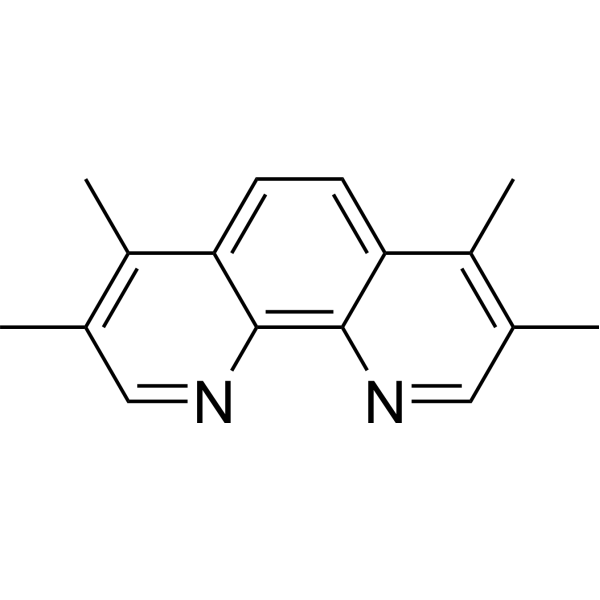
- HY-110128
-
|
SF7-AM
|
Fluorescent Dye
|
Others
|
|
Sulfidefluor 7-AM is a stable hydrogen sulphide (H2S) fluorescent probe . Sulfidefluor 7-AM is a click chemistry reagent, it contains an Azide group and can undergo copper-catalyzed azide-alkyne cycloaddition reaction (CuAAc) with molecules containing Alkyne groups. It can also undergo strain-promoted alkyne-azide cycloaddition (SPAAC) reactions with molecules containing DBCO or BCN groups.
|
-
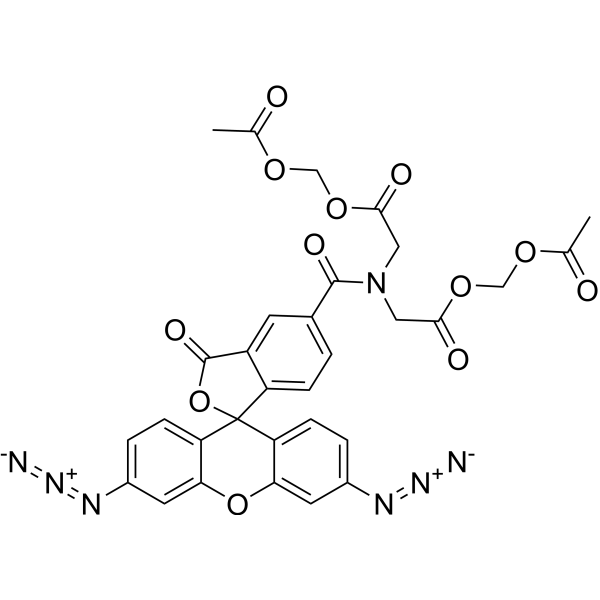
- HY-D0309R
-
|
Basic Red 1 (Standard)
|
Fluorescent Dye
Reference Standards
|
Cancer
|
|
Rhodamine 6G (Standard) is the analytical standard of Rhodamine 6G. This product is intended for research and analytical applications. Rhodamine dyes are membrane-permeable cationic fluorescent probes that specifically recognize mitochondrial membrane potentials, thereby attaching to mitochondria and producing bright fluorescence, and at certain concentrations, rhodamine dyes have low toxicity to cells, so they are commonly used to detect mitochondria in animal cells, plant cells, and microorganisms .
|
-

- HY-D1533
-
|
|
Fluorescent Dye
|
Others
|
|
RhoNox-1 is a fluorescent probe for the specific detection of divalent iron ions, and when RhoNox-1 reacts with Fe 2+. RhoNox-1 can generate an irreversible orange (red) fluorescent product (Ex/Em:540/575 nm) . FeRhoNox-1 can enter the cell well, suitable for the detection of Fe 2+ in living cells, and tends to be localized in the Golgi apparatus .
|
-
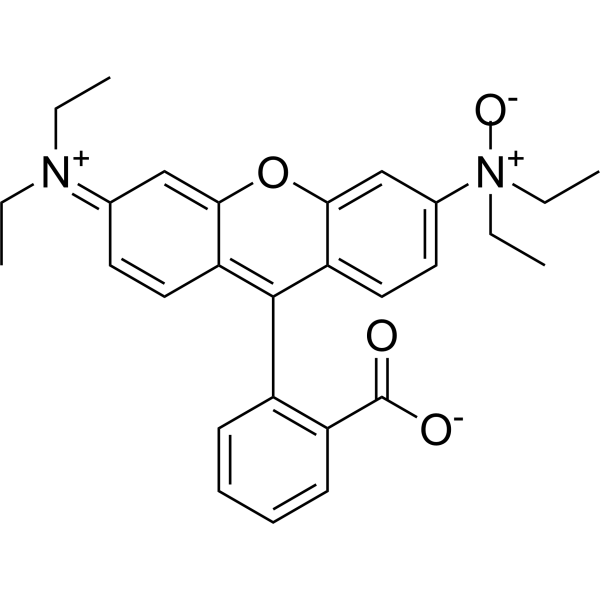
- HY-157765
-
|
|
PROTACs
Estrogen Receptor/ERR
|
Cancer
|
|
PROTAC ERα Degrader-6 (compound A2) is a potent PROTAC degrader of ERα, with IC50 of 0.11 μM in MCE-7 cells. PROTAC ERα Degrader-6 has anti-tumor effect. PROTAC ERα Degrader-6 is a fluorescent probes with Em of 582 nm that enable real-time visualization of ERα protein degradation .
|
-
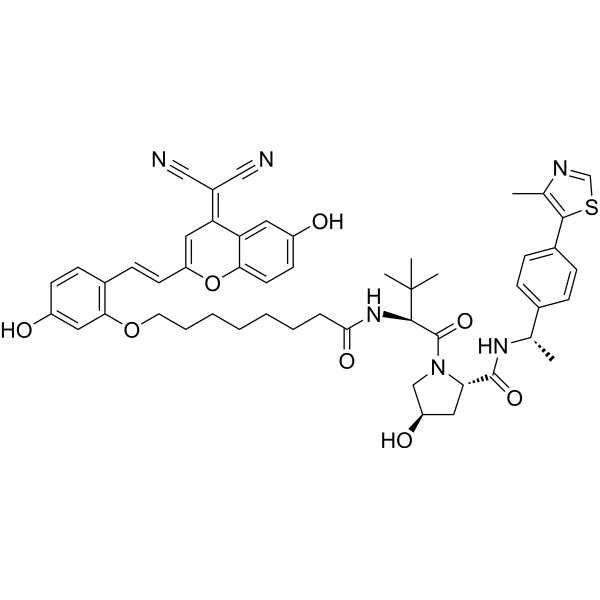
- HY-D2973
-
|
|
Fluorescent Dye
|
Others
|
|
YH-APN is a high-performance APN activated near-infrared fluorescent probe. YH-APN has high sensitivity, high selectivity, fast response, and can achieve extremely high tumor/normal tissue signal-to-noise ratio through in situ spraying. YH-APN can specifically distinguish cancer cells with high expression of APN from normal cells and monitor the migration of cancer cells .
|
-

- HY-151704
-
|
|
Fluorescent Dye
|
Cancer
|
|
ICG-alkyne is a short-wave infrared (SWIR)-emitting cyanine fluorescent probe based on alkyne-derivatized indocyanine green. ICG-alkyne can undergo click chemistry reaction to conjugate with antibody molecules via binding to the azide groups introduced into antibodies. ICG-alkyne enables SWIR fluorescent molecular imaging of breast tumors in living mice. ICG-alkyne can be used in breast cancer-related research .
|
-
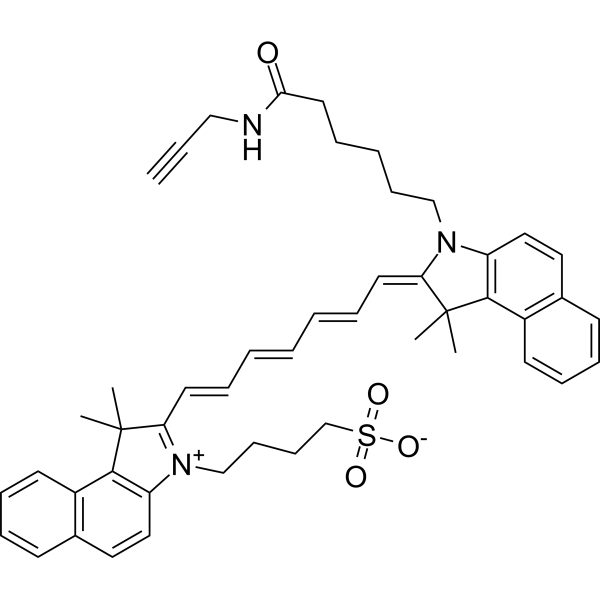
- HY-D3377
-
|
LysoRhoNox
|
Fluorescent Dye
|
Others
|
|
HMRhoNox-M (LysoRhoNox) is a selective fluorescent probe for labile Fe 2+ with an orange fluorescence, and its excitation/emission wavelength is λₑₓ/λₑₘ = 555/575 nm. HMRhoNox-M undergoes N-oxide deoxygenation mediated by Fe 2+, converting from a non-fluorescent spirocyclic closed form to a fluorescent quinone open form. HMRhoNox-M is used to detect labile Fe 2+ in living cells .
|
-

- HY-D1460
-
|
|
Bacterial
β-glucuronidase
|
Infection
|
|
Fluorescein Di-β-D-Glucuronide is an orally active fluorescent probe substrate and an indicator of β-glucuronidase (βG) activity in intestinal bacteria. Fluorescein Di-β-D-Glucuronide can be used for non-invasive time-lapse optical imaging of βG activity in intestinal bacteria in nude mice. Fluorescein Di-β-D-Glucuronide supports the quantitative analysis of bacterial βG enzyme activity and inhibition .
|
-
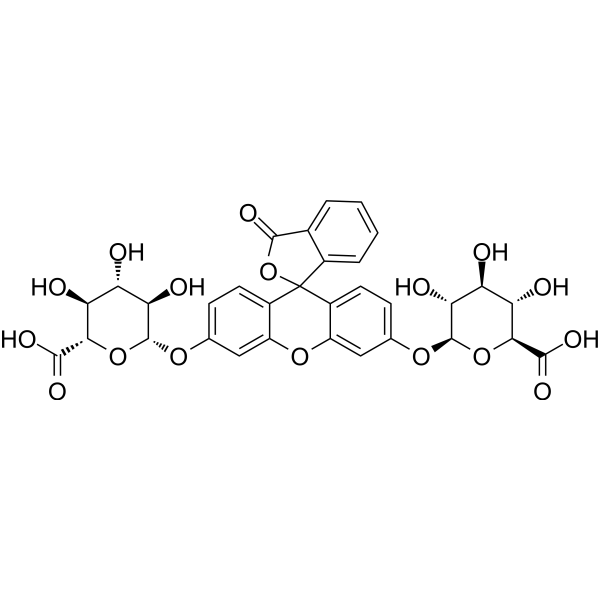
- HY-151536
-
-
- HY-152231
-
|
|
Fluorescent Dye
Ligands for E3 Ligase
|
Others
|
|
BODIPY FL thalidomide is a high-affinity and selective human cereblon (CRBN)-targeting fluorescent probe with a Kd of 3.6 nM. BODIPY FL thalidomide enables use as a probe in time-resolved fluorescence resonance energy transfer (TR-FRET) binding assays for cereblon ligands. BODIPY FL thalidomide supports development of highly sensitive, selective, stable cereblon TR-FRET binding assays (Ex/Em = 502/510 nm) .
|
-
- HY-D3392
-
|
|
Fluorescent Dye
Ligands for E3 Ligase
|
Others
|
|
Thalidomide-cyanine 5 is a fluorescent probe prepared by conjugating the CRBN binder Thalidomide (HY-14658) with the near-infrared fluorescent dye Cy5. Thalidomide-cyanine 5 binds to DDB1-CRBN protein complex with a Kd of 121.6 nM. Thalidomide-cyanine 5 binds to CRBN to form a binary complex, and is mainly used for the visual tracking research of degradants such as PROTAC (Ex/Em = 650/665 nm) .
|
-

- HY-P11265
-
|
|
GnRH Receptor
Fluorescent Dye
|
Cancer
|
|
YQGN-7 is a targeted fluorescent probe for the gonadotropin-releasing hormone receptor (RnRHR). YQGN-7 exhibits high selectivity and affinity for breast cancer cells (KD = 217.8 nM). YQGN-7 achieves precise visualization of the primary and metastatic lesions of breast cancer by targeting the highly expressed GnRHR in tumor cells. YQGN-7 can be used in the research of breast cancer breast-conserving surgery (BCS) .
|
-

- HY-D1836
-
|
VF 555 Tyramide
|
Fluorescent Dye
|
Others
|
|
Vari Fluor 555 TSA (200x) , also know as VF 555 Tyramide. Vari Fluor 555 TSA (200x) is one of Vari Fluor TSA series fluorescent probes, which can be used for high-density in situ labeling assays. Vari Fluor TSA series target antigens via horseradish peroxidase (HRP), which are widely used in ELISA, IF, IHC and other techniques with high detection sensitivity .
|
-

- HY-D1636
-
|
|
Fluorescent Dye
|
Others
|
|
5-Nitro BAPTA is a calcium chelator, combinded with 2-Me-substituted TM ( as a fluorescent moiety), can be used to form a red fluorescent probe (CaTM-2 AM), for imaging of cytoplasmic Ca 2+ in cultured living cells. 5-Nitro BAPTA is a building block used in the synthesis of Ca 2+ specific chelators, Ca 2+ buffers, and fluorescent Ca 2+ indicators .
|
-
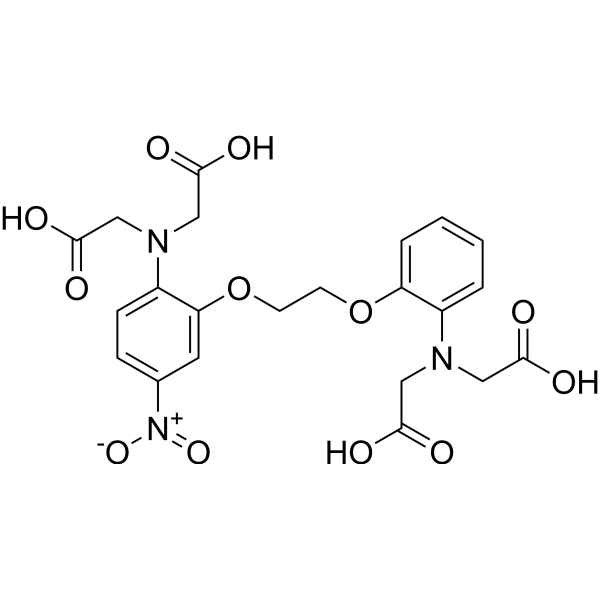
- HY-W411215
-
|
|
Fluorescent Dye
|
Others
|
|
1,4-Diacetoxy-2,3-dicyanobenzene is a cell-permeable fluorescent probe. 1,4-Diacetoxy-2,3-dicyanobenzene crosses the cell membrane and is cleaved by cytosolic esterases to the fluorescent pH indicator 2,3-dicyano-hydroquinone (DCH). 1,4-Diacetoxy-2,3-dicyanobenzene can be used to monitor intracellular pH .
|
-
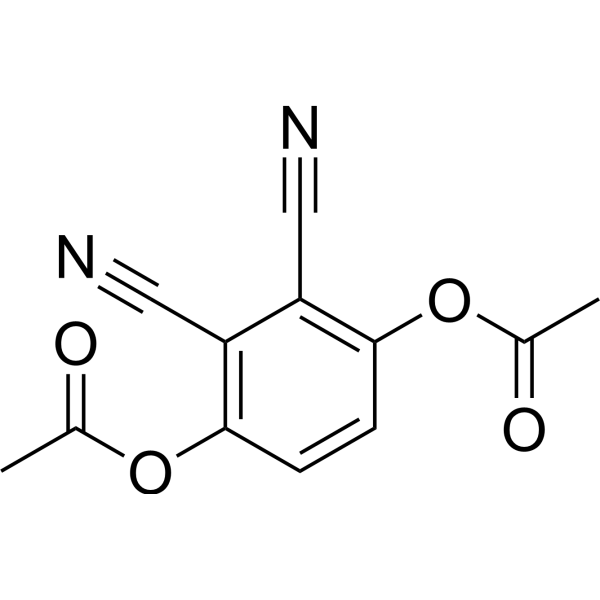
- HY-D3319
-
|
|
Biochemical Assay Reagents
MMP
|
Inflammation/Immunology
Cancer
|
|
BHQ‑3 carboxylic acid is an azo‑containing dark fluorescence quencher. BHQ‑3 carboxylic acid is conjugated to an MMP‑cleavable peptide and paired with a fluorophore to form an activatable probe for MMP activity detection in vitro. BHQ‑3 carboxylic acid shows maximal absorption in the 620 to 730 nm range. BHQ‑3 carboxylic acid–based fluorescent probes can be used in the research of arthritis and tumor‑related pathological processes. .
|
-

- HY-162543
-
|
18:1 Lissamine rhodamine PE
|
Fluorescent Dye
|
Others
|
|
18:1 Liss Rhod (18:1 Lissamine rhodamine) PE is a fluorescent phospholipid and fluorescent probe.18:1 Liss Rhod PE admixes into phospholipid inks for large-scale monitoring of dip-pen nanolithography-generated lithographic structures via fluorescence microscopy.18:1 Liss Rhod PE undergoes phase separation or self-quenching under certain conditions in thin lipid membrane stacks .
|
-

- HY-D3196
-
|
|
Fluorescent Dye
|
Cancer
|
|
AG2 is a glucose uptake tracer and two-photon fluorescent probe. AG2 is taken up by cells via glucose-specific transport systems, rather than passive diffusion; it preferentially accumulates in cancer cells and colon cancer tissues compared with normal cells and tissues; it mainly localizes to mitochondria, with a small amount also distributed in the cytoplasm and cell membrane. AG2 can be used for colon cancer research .
|
-

- HY-D2339
-
|
|
Fluorescent Dye
|
Others
|
|
H-FluNox is a selective fluorescent probe that senses labile heme using biomimetic N-oxide deoxygenation to trigger fluorescence. H-FluNox is more than 100-fold selective for labile heme over Fe(II), enabling the discrimination of labile heme from labile Fe(II) pools in living cells. H-FluNox is sensitive enough to detect the subcellular labile heme. (λex=490 nm, λem=535 nm)
|
-

- HY-155062
-
|
|
Mitochondrial Metabolism
Reactive Oxygen Species (ROS)
β-catenin
Fluorescent Dye
PPAR
|
Cancer
|
|
IR-251 is a mitochondrion-targeting NIR fluorescent probe. IR-251 targets mitochondria via OATPs and causes mitochondrial damage in tumor cells. IR-251 IR-251 induced ROS overproduction by inhibiting PPARγ, and then inhibiting the β-catenin signaling pathway and downstream protein molecules related to the cell cycle and metastasis. IR-251 inhibits tumor proliferation and metastasis .
|
-
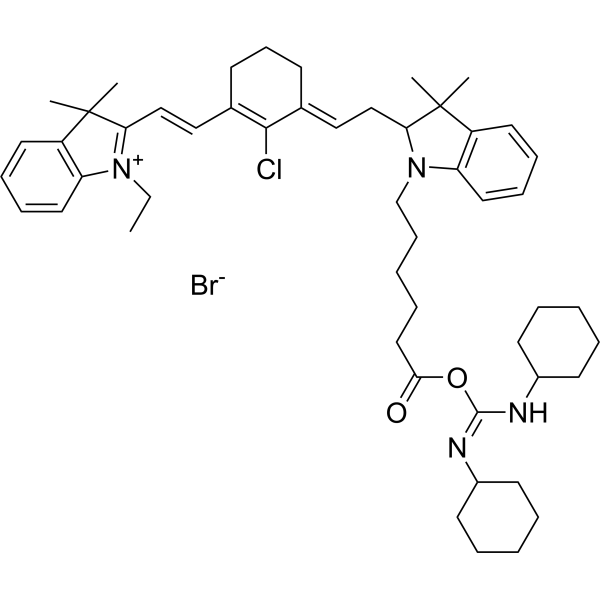
- HY-D0988A
-
|
R-PE (concentrated solution)
|
Fluorescent Dye
Apoptosis
|
Others
|
|
R-Phycoerythrin (R-PE) (concentrated solution) is found in Heterosiphonia japonica. R-Phycoerythrin (concentrated solution) is an orange-red fluorescent probe with α, β, and γ subunits. R-Phycoerythrin (concentrated solution) can be used in photodynamic therapy (PDT) to induce apoptosis in tumor cells. R-Phycoerythrin (concentrated solution) can be used in fluorescence microscopy, flow cytometry, and immunofluorescence analysis (Ex/Em = 496/578 nm) .
|
-

- HY-103242
-
|
|
Amyloid-β
|
Neurological Disease
|
|
CRANAD-2 is a specific near-infrared (NIR) fluorescent probe for detecting Aβ plaques (unbound to Aβ: Ex=640 nm; Em=805 nm; after binding: Em=715 nm). CRANAD-2 penetrates the blood-brain barrier and has high affinity for Aβ aggregates, with a Kd value of 38 nM. CRANAD-2 is applicable to research related to Alzheimer's disease and neurodegenerative diseases .
|
-
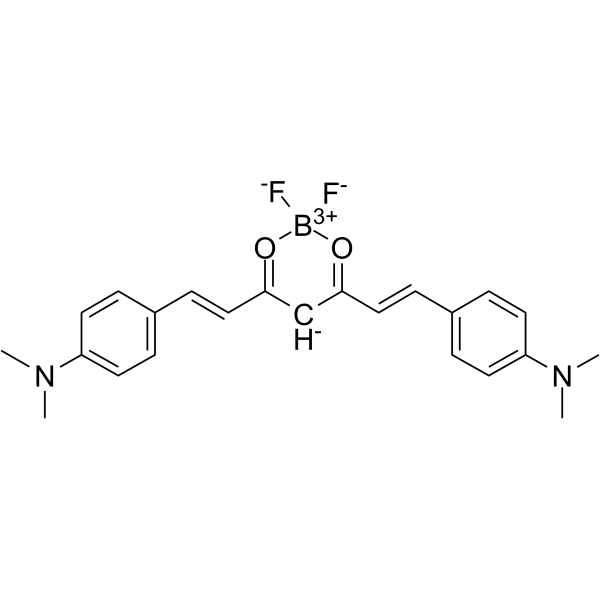
- HY-D3313
-
|
15-Deoxy-Δ12,14-PGJ2-biotin
|
Fluorescent Dye
Drug Derivative
|
Others
|
|
15-Deoxy-Δ12,14-Prostaglandin J2-biotin is a biotin-labled 15-Deoxy-Δ12,14-Prostaglandin J2 (HY-108568). 15-Deoxy-Δ12,14-Prostaglandin J2-biotin is a biotin can be used as a fluorescent probe.
|
-

- HY-W751238
-
|
DMMB
|
Fluorescent Dye
|
Others
|
|
Dimethyl methylene blue zinc chloride double salt (DMMB) is a cationic dye. Dimethyl methylene blue zinc chloride double salt competitively binds to the active site of the PANI-Benz-Ag nanocomposite with endotoxin, releasing DMMB and increasing the fluorescence intensity. Dimethyl methylene blue zinc chloride double salt can be used as a fluorescent probe for the detection of bacteria (such as E. Coli) endotoxin . Dimethyl methylene blue zinc chloride double salt can be used for the quantification of sulfated glycosaminoglycans .
|
-

- HY-W090294
-
|
Peri-dinaphthalene (purified by sublimation)
|
Environmental Pollutants
Biochemical Assay Reagents
|
Others
|
|
Perylene, which is a polycyclic aromatic hydrocarbon composed of four linearly fused benzene rings, is commonly used as a pigment and dye in a variety of applications, including printing inks, plastics, and textiles. In addition, Perylene has potential uses in solar cells as photosensitizers and as fluorescent probes in biochemistry and materials science. Perylene's rigid planar structure endows it with unique electronic and optical properties, making it a versatile and important compound in many fields of chemistry and materials science.
|
-
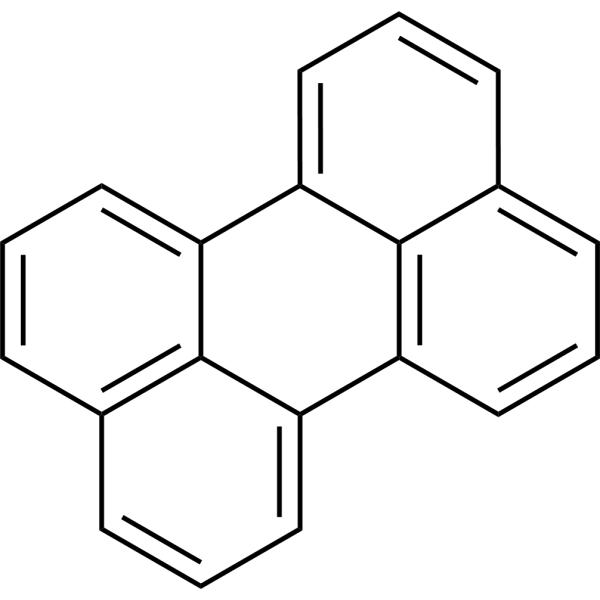
- HY-136675
-
|
|
Fluorescent Dye
|
Others
|
|
ASMI is a ratiometric, two-photon excited fluorescent probe, composed of a highly two-photon active and biocompatible merocyanine fluorophore and an acrylate moiety as a thiol reactive site. ASMI is able to selectively detect and monitor mitochondrial Cys with rapid responsiveness, imaging living cells and intact tissues with high contrast and brightness at a depth of 150 μm. The two-photon action cross section (Φσmax) of ASMI is 65.2 GM, corresponding to an excitation wavelength (λex) of 740 nm.
|
-

- HY-D0988B
-
|
R-PE ammonium sulfate precipitate
|
Fluorescent Dye
Apoptosis
|
Others
|
|
R-Phycoerythrin (R-PE) (ammonium sulfate precipitate) is found in Heterosiphonia japonica. R-Phycoerythrin (ammonium sulfate precipitate) is an orange-red fluorescent probe with α, β, and γ subunits. R-Phycoerythrin (concentrated solution) can be used in photodynamic therapy (PDT) to induce apoptosis in tumor cells. R-Phycoerythrin (ammonium sulfate precipitate) can be used in fluorescence microscopy, flow cytometry, and immunofluorescence analysis (Ex/Em = 496/578 nm) .
|
-

- HY-114346A
-
|
|
Fluorescent Dye
|
Others
|
|
ODIPY FL EDA free base is an amine-based, green fluorescent probe. The R-NH2 of ODIPY FL EDA free base can be coupled with aldehydes or ketones to form reversible Schiff base products. Convert to stable amine derivatives using reducing agents such as sodium borohydride or sodium cyanoborohydride. ODIPY FL EDA free base can be used to detect modified or normal deoxynucleotides and demonstrate DNA damage and genomic DNA methylation.
|
-
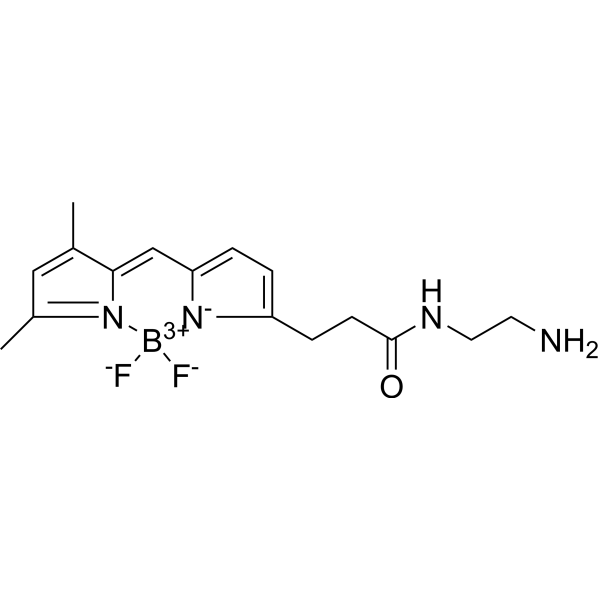
- HY-DY1030
-
|
|
Fluorescent Dye
|
Others
|
RhoNox-1 (solution) is a fluorescent probe for the specific detection of divalent iron ions, and when RhoNox-1 reacts with Fe 2+. RhoNox-1 can generate an irreversible orange (red) fluorescent product (Ex/Em:540/575 nm). FeRhoNox-1 can enter the cell well, suitable for the detection of Fe 2+ in living cells, and tends to be localized in the Golgi apparatus .
Solvent and concentration: DMSO: 5 mM
|
-

- HY-W090065
-
|
1-Pyrenemethylamine hydrochloride
|
Biochemical Assay Reagents
|
Others
|
|
Pyren-1-ylmethanamine hydrochloride, Pyren-1-ylmethanamine hydrochloride is commonly used as a fluorescent probe in biochemistry and molecular biology to detect and study nucleic acids, proteins and other biomolecules, moreover, it has been used in analytical chemistry Among them, for the detection of heavy metals and other pollutants in environmental samples, the pyrene group in the molecule exhibits strong fluorescence properties, which makes it useful as a sensitive and selective detector in various applications.
|
-
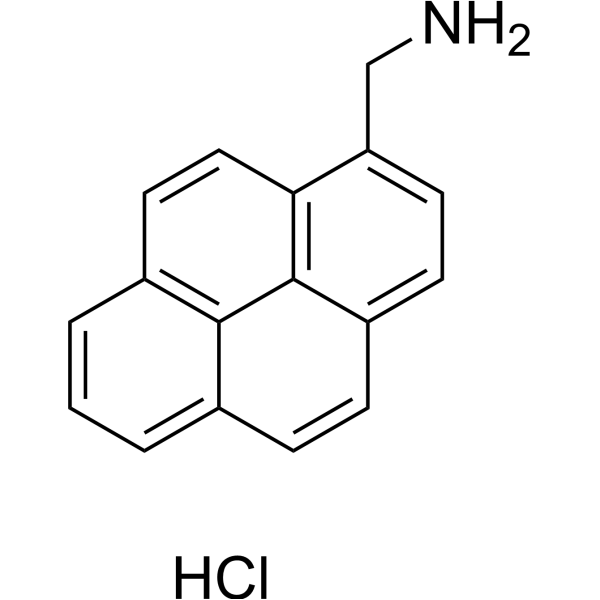
- HY-D3220
-
|
|
Fluorescent Dye
Amyloid-β
|
Neurological Disease
|
|
PTO-41 is a blood-brain barrier-permeable near-infrared fluorescent probe that targets β-amyloid oligomers (Aβ Oligomers, AβOs) with a Kd of 349 nM. PTO-41 exhibits low cytotoxicity, high sensitivity to β-amyloid oligomers in in vitro phantom imaging, and can be rapidly cleared from the brain. PTO-41 is applicable to the research of Alzheimer's disease (Ex/Em = 538 nM/680 nM) .
|
-

- HY-P10943
-
|
|
Fluorescent Dye
|
Inflammation/Immunology
Cancer
|
|
APO-15 is a phosphatidylserine-binding fluorescent probe and apoptosis imaging reagent. APO-15 exhibits high chemical stability under proteolytic and oxidative conditions, enables quantification and imaging of drug-induced apoptosis in preclinical mouse models, and is applicable to fixed tissue samples and multiple in vivo administration routes (Ex = 488 nm; Em = 525 nm). APO-15 can be used in studies related to acute lung injury and breast cancer .
|
-

- HY-D2939
-
|
|
Fluorescent Dye
|
Others
|
BGSBD is a SNAP-tag-based fluorescent probe (Ex/Em: 435 nm/516 nm) based on the environmentally sensitive fluorescent group SBD, specifically designed for protein labeling of live cells without washing. BGSBD achieves a 280-fold fluorescence enhancement after labeling by ingeniously utilizing the hydrophobic binding pocket of the SNAP-tag protein, providing an ideal tool for real-time monitoring of protein dynamics within cells .
|
-

- HY-D3171
-
|
|
Fluorescent Dye
Cholinesterase (ChE)
|
Neurological Disease
|
|
AD-BChE/HClO is a dual-target two-photon fluorescent probe. AD-BChE/HClO can release 4-methylumbelliferone via butyrylcholinesterase-mediated hydrolysis of the ester bond at position 7, as well as hypochlorous acid-mediated thiocarbonyl oxidation. AD-BChE/HClO enables two-photon imaging in nerve cells and mouse brain tissues via tail vein injection. AD-BChE/HClO can be used for the research of Alzheimer's disease .
|
-

- HY-D2964
-
|
|
Fluorescent Dye
|
Others
|
|
NBzF-BG is a novel H2O2-specific fluorescent probe. NBzF-BG shows visible absorption centered at 505 nm and weak fluorescence with an emission maximum at 525 nm. NBzF-BG is covalently and selectively conjugated with the SNAP-tag protein, leading to formation of the fluorophore-protein conjugate (SNAP-NBzF). SNAP-NBzF rapidly reacts with H2O2 and thereby shows an enhancement in fluorescence .
|
-

- HY-111330
-
|
HPF; 3'-p-(Hydroxyphenyl) fluorescein
|
Fluorescent Dye
Reactive Oxygen Species (ROS)
|
Others
|
|
Hydroxyphenyl Fluorescein (HPF) is a stable ROS fluorescent probe dye. Hydroxyphenyl Fluorescein has stronger specificity and stability than H2DCFDA (HY-D0940). Hydroxyphenyl Fluorescein can produce strong green fluorescence through hydroxyl radical reaction with intracellular peroxynitroso. Hydroxyphenyl Fluorescein can be applied for fluorescence microscopy, high-throughput imager, luciferase microplate reader or flow cytometry. Ex/Em=490/515 nm .
|
-
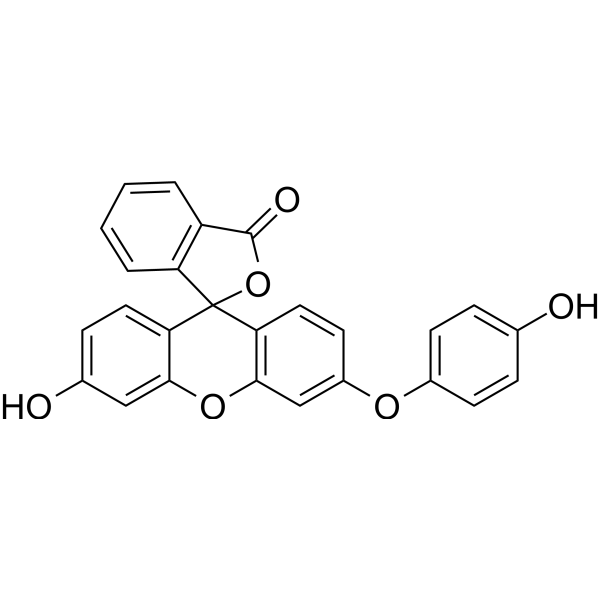
- HY-128692
-
|
|
Fluorescent Dye
|
Neurological Disease
|
|
Luc Yellow CH dilithium is a high-intensity fluorescent probe containing free hydrazyl groups. Luc Yellow CH can react with fatty aldehydes at room temperature. Luc Yellow CH serves as a biological tracer to monitor neuronal branching, regeneration, gap junction detection and characterization, and selective ablation of cells after aldehyde fixation. Luc Yellow CH displays the maximum excitation/emission of 430 nm/540 nm, respectively .
|
-
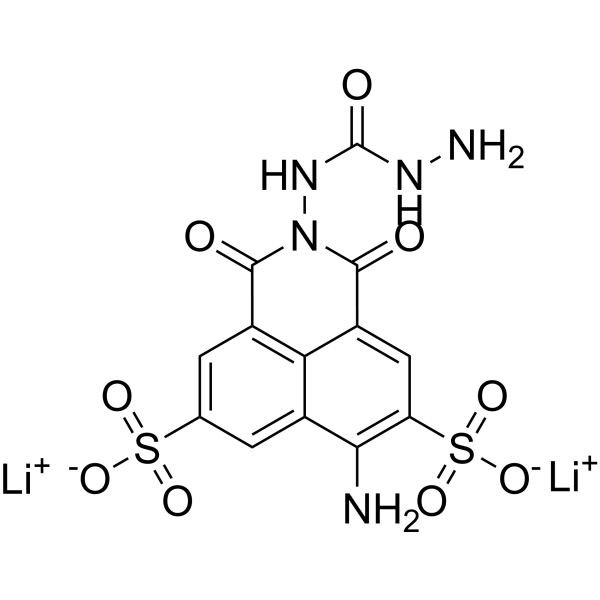
- HY-D3225
-
|
|
Fluorescent Dye
|
Neurological Disease
|
|
MD-B is a •OH Fluorescent probe with blood-brain barrier permeability. MD-B undergoes single-electron oxidation by hydroxyl radicals (•OH), which triggers fluorescence enhancement and enables in-situ imaging of •OH. MD-B allows imaging analysis of hydroxyl radicals (•OH) in the mouse brain, revealing a positive correlation between elevated •OH levels and the severity of depressive phenotypes. MD-B can be used in depression-related research .
|
-

- HY-125452
-
|
|
Fluorescent Dye
|
Others
|
|
DiSBAC10 is a voltage-sensitive fluorescent probe used to study cell membrane electrical activity in FRET assays. In a resting polarized cell, DiSBAC10 resides on the outer leaflet of the membrane where it accepts photons from excited fluorescein-labeled proteins and re-emits the photons at a higher wavelength. Depolarization of the cell causes rapid translocation of DiSBAC10 to the inner leaflet of the membrane, thereby increasing the distance between fluorophores and reducing the FRET signal.
|
-
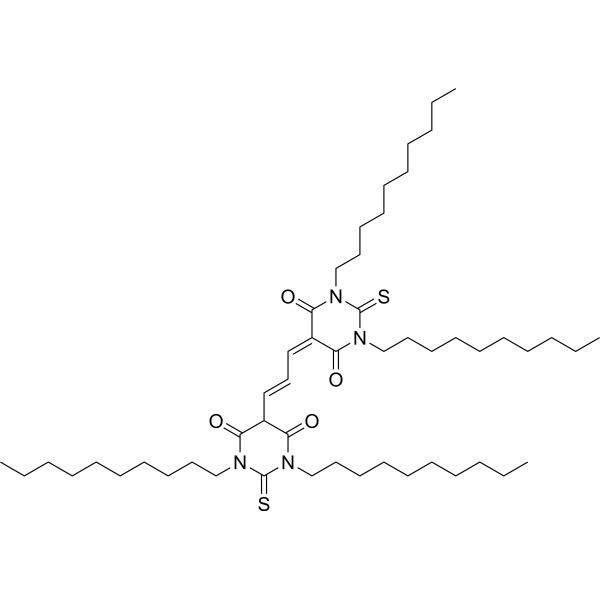
- HY-158779
-
|
SSP4
|
Fluorescent Dye
|
Others
|
|
Sulfane sulfur probe 4 (SSP4) is a fluorescent probe used to detect sulfane sulfur species (Ex/Em=494/515 nm). Sulfane sulfur probe 4 exhibits high sensitivity in detecting sulfane sulfur, even in the presence of other substances such as homocysteine, methionine, cysteine, glutathione, N-acetyl-L-cysteine, glycine, tyrosine, tryptophan, arginine, and metal ions (Fe 2+, Fe 3+, Mg 2+, Ca 2+, and Zn 2+) .
|
-

- HY-W127715
-
|
|
Fluorescent Dye
|
Others
|
|
Lucifer Yellow CH dipotassium is a high-intensity fluorescent probe containing free hydrazyl groups. Lucifer Yellow CH can react with fatty aldehydes at room temperature. Lucifer Yellow CH serves as a biological tracer to monitor neuronal branching, regeneration, gap junction detection and characterization, and selective ablation of cells after aldehyde fixation. Lucifer yellow CH displays the maximum excitation/emission of 430 nm/540 nm, respectively .
|
-
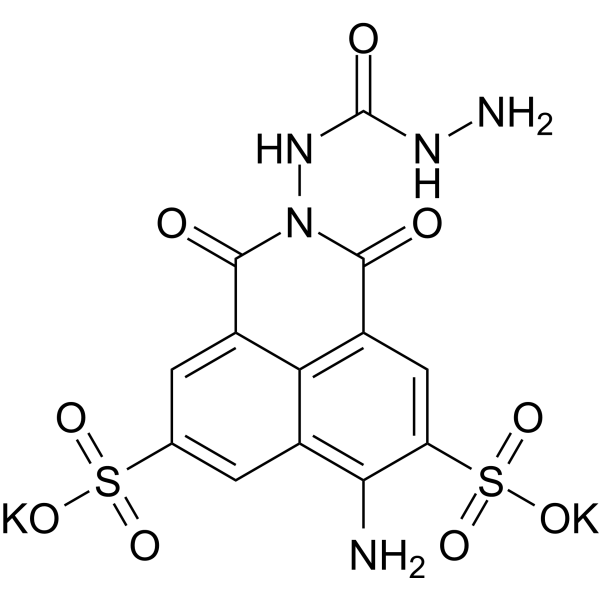
- HY-149422
-
|
|
Fluorescent Dye
|
Neurological Disease
|
|
NIR-FP is a near-infrared fluorescent probe with high sensitivity and selectivity for superoxide anion O 2-. O 2- is the main precursor of ROS, and ferroptosis-mediated epilepsy models can be dynamically tracked by detecting O 2-. Ferroptosis-mediated epilepsy models include: kainic acid (HY-N2309)-induced chronic epilepsy model, Pentylenetetrazole-induced acute epilepsy model, and pilocarpine (HY-B0726A)-induced epilepsy model .
|
-
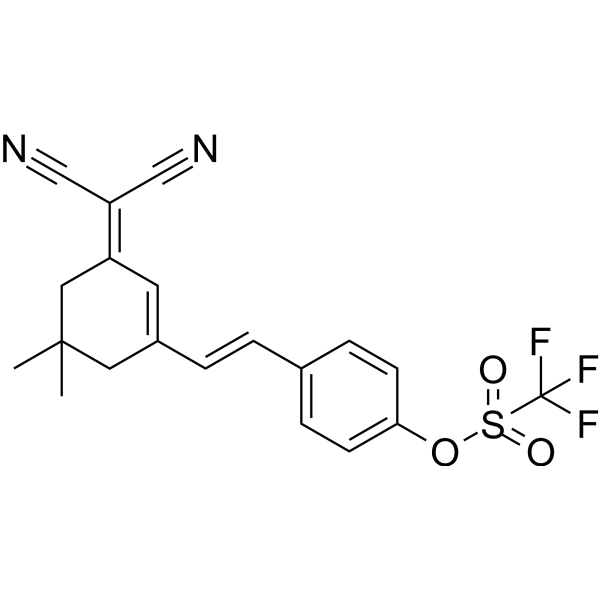
- HY-D3002
-
|
|
Fluorescent Dye
|
Metabolic Disease
|
|
ONOO-/O2- tracker probe is a dual-responsive near-infrared fluorescent probe. ONOO-/O2- tracker probe will only emit a strong fluorescence signal when both peroxynitrite (ONOO⁻) and superoxide anion (O₂•⁻), the two key reactive oxygen/nitrogen species, are present simultaneously. ONOO-/O2- tracker probe can be used as a biomarker detection tool for drug-induced liver injury (DILI) .
|
-

- HY-128868D
-
|
|
Fluorescent Dye
|
Others
|
|
FITC-Dextran (MW 40000) is a fluorescent probe for fluorescein isothiocyanate (FITC) dextran (Ex=495 nm; Em=525 nm). FITC-Dextran (MW 40000) can be used as a marker to reveal heat shock-induced cell damage and to study the early and late stages of apoptosis. FITC-Dextran (MW 40000) can also be used for cell permeability studies, such as blood-brain barrier permeability and determination of the extent of blood-brain barrier disruption .
|
-

- HY-139014
-
|
H-L-Lys(Poc)-OH
|
Fluorescent Dye
|
Cancer
|
|
N-ε-propargyloxycarbonyl-L-lysine (H-L-Lys(Poc)-OH) is a lysine-based unnatural amino acid (UAA). N-ε-propargyloxycarbonyl-L-lysine is widely used for bio-conjugation of fluorescent probes in diverse organisms from E. coli to mammalian cells even in animals . N-ε-propargyloxycarbonyl-L-lysine is a click chemistry reagent, it contains an Alkyne group and can undergo copper-catalyzed azide-alkyne cycloaddition (CuAAc) with molecules containing Azide groups.
|
-
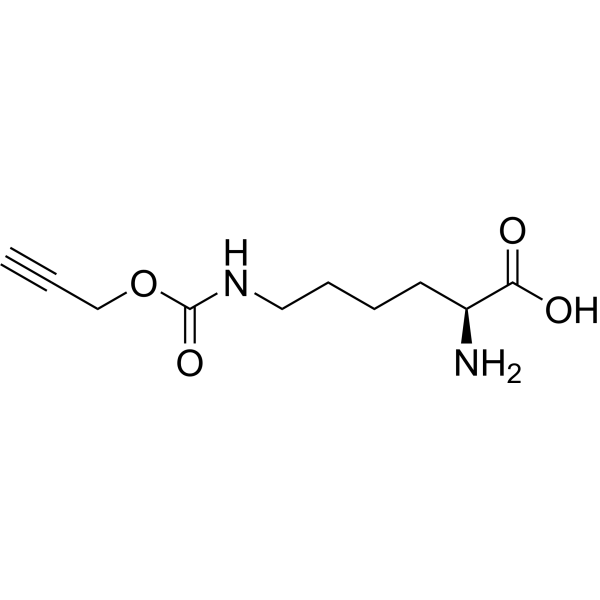
- HY-165424
-
|
|
Fluorescent Dye
Glycosidase
|
Cardiovascular Disease
Cancer
|
|
NIR-BG2 is a near-infrared fluorescent probe targeting senescence-associated β-galactosidase (SA-β-Gal). NIR-BG2 is activated by SA-β-Gal and undergoes hydrolysis to release electrophilic quinone methide that covalently binds to surrounding proteins for in situ labeling, with a 16-fold enhancement of fluorescence signal at 709 nm . NIR-BG2 is promising for research of vivo imaging of cellular senescence .
|
-

- HY-150086
-
|
CF4
|
Fluorescent Dye
|
Others
|
|
Copper Fluor-4 (CF4) is a Cu +-specific fluorescent probe based on a rhodol dye scaffold. Copper Fluor-4 has high copper selectivity with a Kd value of 2.9×10 −13 M, particularly over zinc and iron, as well as abundant cellular alkali and alkaline earth metals. Copper Fluor-4 is stable in a physiologically relevant pH regime between 6 and 8 (wavelengths of 415 nm for excitation and 660 nm for emission) .
|
-
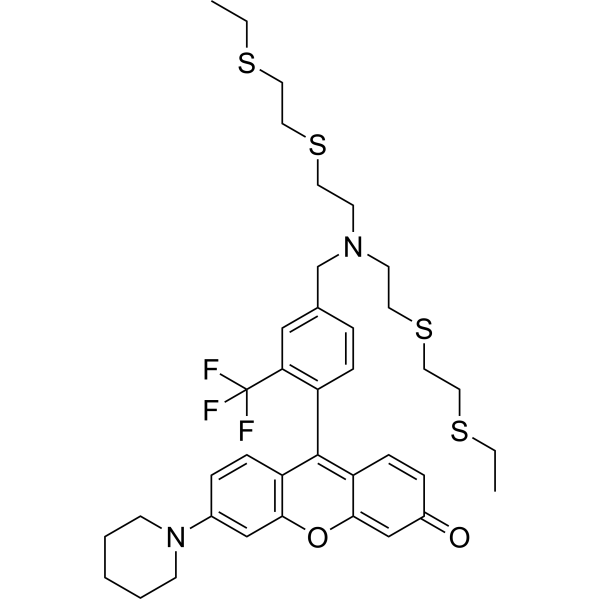
- HY-D2930
-
|
SNAP-SS-SulfoCy5
|
Fluorescent Dye
|
Others
|
|
BG-SS-SulfoCy5 (SNAP-SS-SulfoCy5) is a SulfoCy5-labeled SNAP tag fluorescent probe, linked by a disulfide bond. BG-SS-SulfoCy5 combines the specific recognition of SNAP-tag, the cleavability of disulfide bond, and the excellent optical properties of SulfoCy5. BG-SS-SulfoCy5 can be used for tracking the internalization of cell surface proteins and multiple labeling experiments .
|
-

- HY-D1055
-
MitoSOX Red
Maximum Cited Publications
263 Publications Verification
|
Fluorescent Dye
Reactive Oxygen Species (ROS)
Mitochondrial Metabolism
|
Cancer
|
MitoSOX Red is a live cell fluorescent probe that specifically targets mitochondria and is cell membrane permeable. MitoSOX Red enters mitochondria and is oxidized by superoxide but not by other ROS or RNS generating systems. The oxidized MitoSOX Red then binds to nucleic acids in mitochondria/nucleus, producing strong red fluorescence. MitoSOX Red can be used as a fluorescent indicator to specifically detect superoxide. In addition, superoxide dismutase (SOD) can prevent the oxidation of MitoSOX Red.
Excitation/emission wavelength: 510/580 nm.
|
-
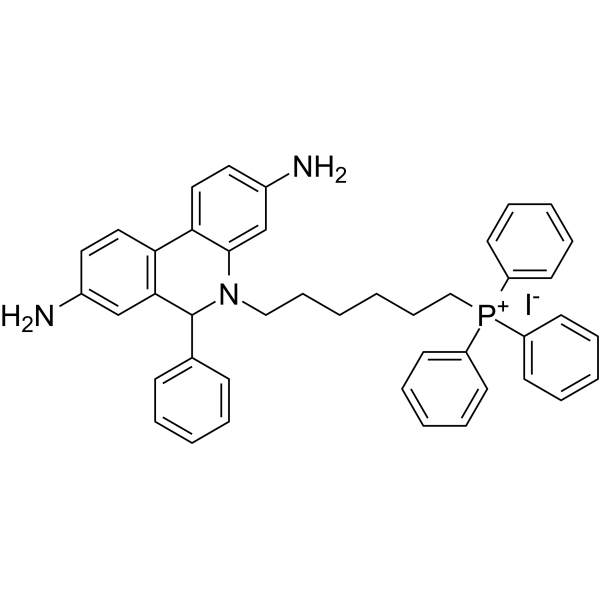
- HY-128868
-
|
|
Fluorescent Dye
|
Others
|
|
FITC-Dextran (MW 10000) is a fluorescent probe for fluorescein isothiocyanate (FITC) dextran (Ex=495 nm; Em=525 nm). FITC-Dextran (MW 10000) can be used as a marker to reveal heat shock-induced cell damage and to study the early and late stages of apoptosis. FITC-Dextran (MW 10000) can also be used for cell permeability studies, such as blood-brain barrier permeability and determination of the extent of blood-brain barrier disruption .
|
-

- HY-D2962
-
|
|
Fluorescent Dye
|
Neurological Disease
|
CAQ is a near-infrared fluorescent probe based on a curcumin scaffold (Ex/Em = 565/635). CAQ exhibits high affinity for Aβ1-42 aggregates (Kd = 78.89 nM) and excellent selectivity toward common biomolecules. CAQ’s emission wavelength shows significant solvent dependence. CAQ, by incorporating intramolecular rotation donors and quinoline functional groups, can be used for the specific detection and imaging of Aβ aggregates in Alzheimer's disease .
|
-

- HY-D3251
-
|
|
Fluorescent Dye
|
Cancer
|
|
LCP is a fluorescent probe applicable for subcellular localization. LCP responds to polarity changes in the cellular microenvironment via fluorescence resonance energy transfer, emitting blue fluorescence in low-polarity environments and red fluorescence in high-polarity environments. LCP enables dual-color visualization of dynamic changes in lysosomes and cytoplasmic membranes during drug-induced cell apoptosis, and monitors cell viability through localization and emission color changes. LCP can be used in cancer research .
|
-

- HY-W800698
-
|
|
Fluorescent Dye
|
Others
|
|
BP Fluor 430 Alkyne is a green-fluorescent alkyne-activated probe routinely used for imaging of moderate to high abundance azide-containing biomolecules. BP Fluor 430 Alkyne reacts with azides via a copper-catalyzed click reaction (CuAAC) to form a stable triazole linker.
BP Fluor 430 is a bright, photostable, green-fluorescent probe optimally excited near 430 nm. This probe is water-soluble and its fluorescence is pH independent over a wide pH range.
|
-

- HY-D3250
-
|
|
Fluorescent Dye
NO Synthase
|
Cardiovascular Disease
|
|
PYSNO is a lysosome-targeted fluorescent probe based on a pyridazinone skeleton (λem=515-565 nm, λex=405 nm) that can be used to track nitric oxide (NO) production in vivo. PYSNO exhibits a rapid, highly sensitive and highly selective "turn-on" response to endogenous and exogenous NO by blocking photoinduced electron transfer and regulating radiative decay rates. PYSNO enables precise in vivo monitoring in a mouse model of myocardial fibrosis and can be applied to the research of related diseases .
|
-

- HY-158616
-
|
|
Fluorescent Dye
|
Others
|
|
4-Methyl-7-(2-nitrophenoxy)-2H-chromen-2-one (compound 2f) is a selenol fluorescent probe designed based on a nucleophilic aromatic substitution mechanism. It can selectively recognize selenols in neutral aqueous solution without significant interference from biological thiols, amines or alcohols. It can be used to quantify the selenium content in selenoenzymes and to image the activity of endogenous selenols in living cells.
|
-

- HY-125385
-
|
|
Endogenous Metabolite
|
Metabolic Disease
|
|
Sulforhodamine 101 DHPE is a fluorescent probe made from the conjugation of the phospholipid 1,2-dipalmitoyl-sn-glycero-3-PE to sulforhodamine 101, a red fluorescent dye that displays excitation/emission spectra of 586/605 nm, respectively. It integrates into phospholipid bilayers and has been used for imaging of solid supported lipid bilayers, detection of protein-ligand binding on bilayers, and to monitor colocalization of lipid probes in liposomes via resonance energy transfer (RET).
|
-

- HY-128868A
-
|
|
Fluorescent Dye
|
Others
|
|
FITC-Dextran (MW 4000) is a fluorescent probe for fluorescein isothiocyanate (FITC) dextran (Ex=495 nm; Em=525 nm). FITC-Dextran (MW 4000) can be used as a marker to reveal heat shock-induced cell damage and to study the early and late stages of apoptosis. FITC-Dextran (MW 4000) can also be used for cell permeability studies, such as blood-brain barrier permeability and determination of the extent of blood-brain barrier disruption .
|
-

- HY-D2341
-
|
|
Fluorescent Dye
|
Cancer
|
|
6FC-GABA-Taxol is a fluorescent probe with cell permeability, which is formed by connecting 6FC to the anticancer drug Taxol (HY-B0015) via γ-aminobutyric acid (GABA). 6FC-GABA-Taxol can bind to microtubules in living cells and image them through confocal microscopy. Additionally, 6FC-GABA-Taxol enables the quantification of microtubule binding using flow cytometry without the addition of efflux inhibitors .
|
-

- HY-100335
-
|
|
Fluorescent Dye
Btk
|
Cancer
|
|
PCI-33380 is a fluorescent probe ( (Ex=532 nm, Em=555 nm). PCI-33380 consists of a (BTK) inhibitor PCI-32765 (HY-10997) attaching with a Bodipy-FL fluorophore via a piperazine linker. PCI-33380 binds predominantly to Btk in B cell lysates with cell permeable activity. PCI-33380 can be used for imaging live cancer cells such as non-Hodgkin lymphoma research
|
-
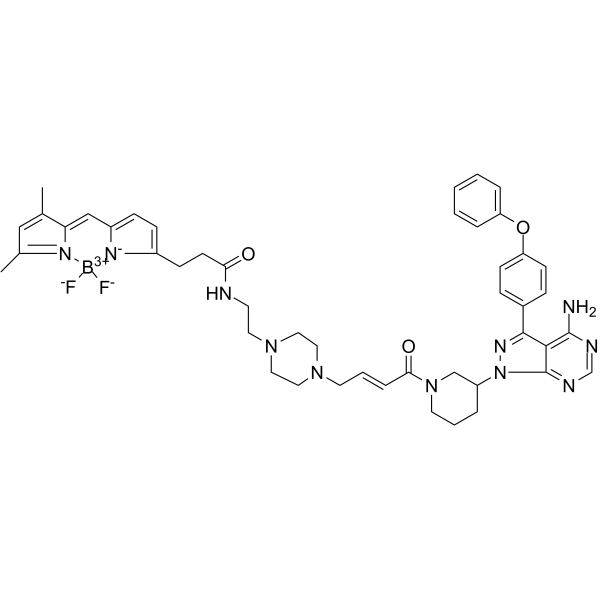
- HY-D1094
-
|
SNARF 1
|
Fluorescent Dye
|
Others
|
|
Carboxy-SNARF 1 (5/6-mixture) (SNARF 1) is a fluorescent probe that is sensitive to pH (Ex: 488 nm). Carboxy-SNARF 1 (5/6-mixture) can be used for measurement pH. Carboxy-SNARF 1 (5/6-mixture) exhibits a significant emission shift from yellow-orange (Em: 580 nm) to deep red fluorescence (Em: 640 nm) under acidic and basic conditions (pH=7-8), respectively .
|
-
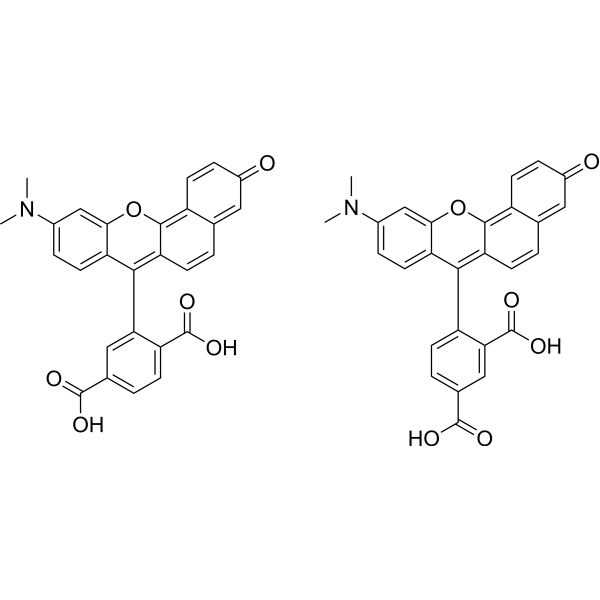
- HY-D2992
-
|
|
Fluorescent Dye
|
Cancer
|
|
KSA02 is a two-dimensional intelligent fluorescent probe. KSA02 not only detects the activity of the aging-related β-galactosidase (SA-β-gal), but also can simultaneously sense the pH value changes of the lysosomal microenvironment where SA-β-gal is located. KSA02 can distinguish between aging and cancer, track the aging process, and evaluate the efficacy of anti-aging agents. KSA02 can be used for the study of aging biology .
|
-

- HY-D3172
-
|
|
Fluorescent Dye
|
Metabolic Disease
|
|
BD-105 is a glucagon-binding fluorescent probe with a Ka value of 13.3 μM. BD-105 exhibits changes in fluorescence intensity upon interaction with glucagon, and colocalizes with glucagon in cells and tissues. BD-105 is a selective cell stain that labels glucagon-secreting cells without staining insulin-secreting cells or non-endocrine control cells. BD-105 serves as an imaging reagent for glucagon in live cells and tissues .
|
-

- HY-130783
-
|
|
Fluorescent Dye
|
Others
|
|
LysoFP-NO2 is a turn-on fluorescent probe for carbon monoxide (CO) that localizes to the lysosome. In the presence of lysosomal CO, lysoFP-NO2 is transformed into lysoFP-NH2, which is highly fluorescent. LysoFP-NO2 is selective for CO over various reactive nitrogen, oxygen, and sulfur species. It displays excitation/emission maxima of 440/528 nm, respectively, and is not cytotoxic to HepG2 cells for up to five hours when used at a concentration of 30 μM.
|
-

- HY-D2204
-
|
|
Phosphatase
SHP1
Fluorescent Dye
|
Cancer
|
|
SHP1-IN-1 (compound 5p) is a fluorescent probe for the protein tyrosine phosphatase SHP1 containing the Src homology 2 domain. SHP1-IN-1 has SHP1 inhibitory activity, selectivity for Fe 3+ ions and good fluorescence properties. SHP1-IN-1 exhibits aggregation post-quenching (ACQ) effect, good interference immunity and low detection limit (5.55 μM) .
|
-
- HY-D3168
-
|
|
Fluorescent Dye
Reactive Oxygen Species (ROS)
|
Inflammation/Immunology
|
|
PCL-2 is a reactive oxygen species-responsive fluorescent probe that shows almost no response to biologically relevant reactive oxygen species other than hydrogen peroxide. PCL-2 reacts with hydrogen peroxide to release 6-hydroxy-2-cyanobenzothiazole. PCL-2 can be used for chemoselective imaging of hydrogen peroxide in in vitro models and acute inflammation mouse models. PCL-2 is applicable to studies related to acute inflammation .
|
-

- HY-110210
-
|
BODIPY FL,SE
|
Fluorescent Dye
|
Others
|
|
BODIPY FL NHS ester (BODIPY FL, SE) is a cell membranes-penatrable amine-reactive fluorescent probe. The maximum excitation/emission wavelength of the BODIPY-FL NHS ester are 502/511 nm, respectively. BODIPY-FL NHS ester has high stability and is insensitive to the polarity, pH and type of solvent, and can maintain stable fluorescence properties under different environmental conditions. BODIPY-FL NHS ester can be used for the synthesis of protease substrates, live cell imaging, protein labeling and immunoassay .
|
-
- HY-120421
-
|
|
Sigma Receptor
|
Cancer
|
|
SW116 free base is a selective fluorescent ligand for sigma-2 receptor with a Ki of 14 nM. SW116 free base exhibits in methanol a maximal excitation wavelength of 333 nM, and a maximal emission wavelength of 506 nM. SW116 free base can be internalized into MDA-MB-435 cells, and reach 50% maximum fluorescent intensity in 24 minutes. SW116 free base can be as a fluorescent probe used in cancer research .
|
-

- HY-128676
-
|
H-L-Lys(Poc)-OH hydrochloride
|
Amino Acid Derivatives
|
Cancer
|
|
N-ε-propargyloxycarbonyl-L-lysine (H-L-Lys(Poc)-OH) hydrochloride is a lysine-based unnatural amino acid (UAA). N-ε-propargyloxycarbonyl-L-lysine is widely used for bio-conjugation of fluorescent probes in diverse organisms from E. coli to mammalian cells even in animals . N-ε-propargyloxycarbonyl-L-lysine (hydrochloride) is a click chemistry reagent, it contains an Alkyne group and can undergo copper-catalyzed azide-alkyne cycloaddition (CuAAc) with molecules containing Azide groups.
|
-
- HY-116215
-
|
|
Fluorescent Dye
|
Others
|
|
2-NBDG is a fluorescently-labeled deoxyglucose analog that is used primarily to directly monitor glucose uptake by living cells and tissues. It is also used as a topical contrast reagent for the detection of neoplasia. 2-NBDG can be used in real-time confocal, high-resolution, or wide-field fluorescence microscopy as well as in flow cytometry. The probe can be excited by the Argon laser at 488 nm to give the environment-sensitive fluorescence. It has lower photostability than the rhodamine-based fluorescent probes.
|
-
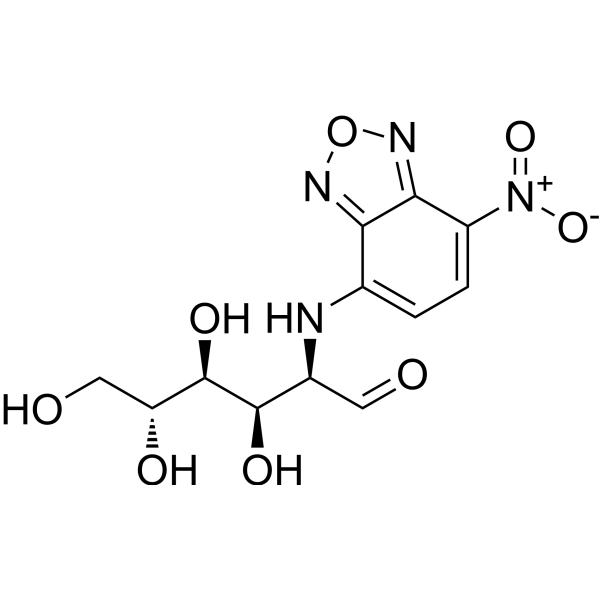
- HY-D3209
-
|
|
Fluorescent Dye
Quinone Reductase
|
Cancer
|
|
NIR-ASM is a near-infrared fluorescent probe that can cross cell membranes and be activated by NQO1. NIR-ASM can distinguish NQO1-expressing cancer cells from normal cells via fluorescence microscopy and flow cytometry. NIR-ASM generates near-infrared fluorescence with a high signal-to-noise ratio in tumor models with NQO1 activity, enabling the detection of endogenous NQO1 activity in vivo. NIR-ASM is applicable to the research of lung cancer and breast cancer .
|
-

- HY-P2031
-
|
|
Arp2/3 Complex
|
Others
|
|
Phallacidin is a natural bicyclic heptapeptide derived from the poisonous mushroom Amanita phalloides. Phallacidin binds to filamentous actin specifically with high affinity, with a Kd of 20 nM. After binding to F-actin, Phallacidin strongly inhibits its depolymerization, stabilizes microfilament structures, and prevents their disruption by drugs such as cytochalasins. When conjugated with a fluorophore, Phallacidin serves as a specific fluorescent probe for F-actin, which is used to clearly visualize the distribution of actin in the cytoskeleton (e.g., stress fibers, cortical peripheral bands) under fluorescence microscopy .
|
-
- HY-D2413
-
|
BODIPY FL PEG4-VH032
|
Fluorescent Dye
|
Others
|
|
BODIPY FL VH032 is a high-affinity VHL fluorescent probe with a Kd value of 3.01 nM. BODIPY FL VH032 consists of von Hippel-Lindau (VHL) ligand VH032 (HY-120217) and BODIPY FL (HY-43520). BODIPY FL VH032 can be used for time-resolved fluorescence resonance energy transfer (TR-FRET) detection for high-throughput identification and characterization of VHL ligands with maximum excitation emission wavelength: 504/520 nm .
|
-

- HY-D1274
-
|
|
Fluorescent Dye
|
Inflammation/Immunology
|
|
Sulfo-cyanine3 azide is an azide cyanine dye and fluorescent probe (Ex/Em=548/563 nm). Sulfo-cyanine3 azide can be involved in synthesis of fused tricyclic heterocycles, produces immunostimulatory agents . It contains an azide group and can undergo copper-catalyzed azide-alkyne cycloaddition (CuAAc) with molecules containing alkyne groups. It can also undergo ring strain-promoted alkyne-azide cycloaddition (SPAAC) with molecules containing DBCO or BCN groups.
|
-
- HY-D2327
-
|
|
Dipeptidyl Peptidase
|
Others
|
|
DPP-8/9 probe-1 (compound 20) is a fluorescent probe targeting Dipeptidyl Peptidase DPP8/9, which can be selectively labeled and visualized in vitro by fluorescence microscopy Active DPP8/9. DPP-8/9 probe-1 contains a nitrobenzoxadiazole (NBD) tag and has high affinity and selectivity for DPP8/9 over related S9 family members (IC50 of 210 nM and 15 nM, respectively) .
|
-
- HY-D0989
-
|
|
Fluorescent Dye
|
Others
|
|
Rhod-2 is a high-affinity visible light excitation wavelength Ca 2+ fluorescent probe, Rhod-2, AM is an acetyl methyl ester derivative of Rhod-2, which has cell membrane permeability and can easily enter cells with simple culture. Once it enters the cell, it is sheared by its lactesterase to produce Rhod-2 without membrane permeability, which remains in the cell to perform the corresponding physiological functions. Maximum excitation/emission wavelength: 549/578 nm .
|
-
- HY-D1274B
-
|
|
Fluorescent Dye
|
Inflammation/Immunology
|
|
Sulfo-cyanine3 azide TEA is an azide cyanine dye and fluorescent probe (Ex/Em=548/563 nm). Sulfo-cyanine3 azide TEA can be involved in synthesis of fused tricyclic heterocycles, produces immunostimulatory agents . It contains an azide group and can undergo copper-catalyzed azide-alkyne cycloaddition (CuAAc) with molecules containing alkyne groups. It can also undergo ring strain-promoted alkyne-azide cycloaddition (SPAAC) with molecules containing DBCO or BCN groups.
|
-
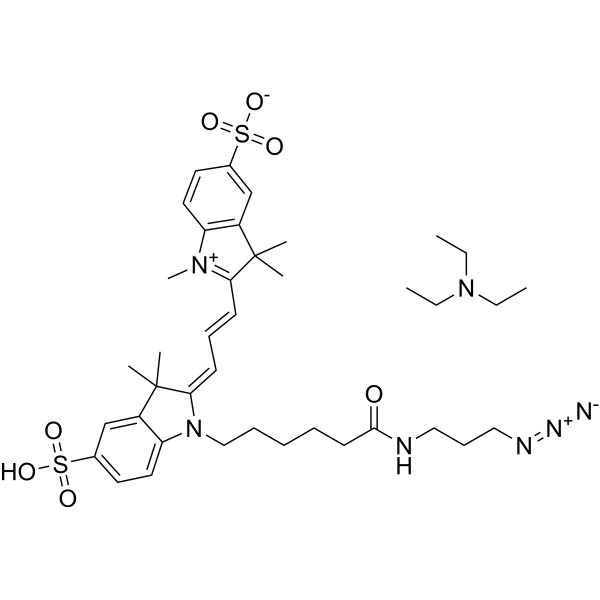
- HY-D2942
-
|
|
Fluorescent Dye
|
Others
|
|
BDP-V BG-BODIPY is a SNAP tag fluorescent probe labeled with a BODIPY molecular motor. BDP-V BG-BODIPY contains a BODIPY molecular rotor that functions as a viscosity-sensitive fluorophore, which is highly responsive to local viscosity changes and enables the specific monitoring of the local microviscosity of proteins. BDP-V BG-BODIPY supports one-photon and two-photon imaging, with an excitation wavelength (Ex) of 488 nm (for one-photon excitation) and 850 nm (for two-photon excitation), and an emission wavelength (Em) of 500-600 nm .
|
-

- HY-W127703
-
|
|
Fluorescent Dye
Biochemical Assay Reagents
|
Others
|
|
Octadecyl Rhodamine B chloride is an amphiphilic fluorescent probe with both membrane-binding ability and fluorescent properties, which easily forms aggregates in aqueous phase leading to self-quenching. Octadecyl Rhodamine B chloride can be used for cell membrane staining and further applied in membrane biology research. The maximum absorption/emission wavelengths of Octadecyl Rhodamine B chloride monomer in Triton X-100 are 565 nm/585 nm; the absorption peaks of aggregates in water are blue-shifted to 524 nm and 574 nm, with significantly quenched fluorescence .
|
-
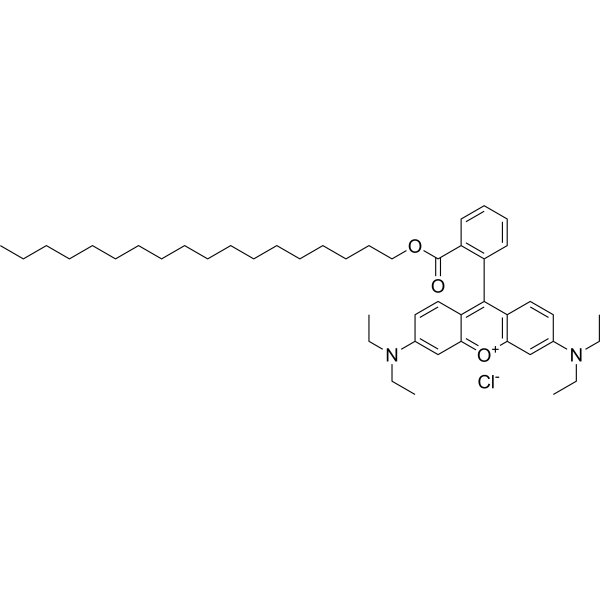
- HY-D3224
-
|
|
Fluorescent Dye
|
Neurological Disease
|
|
HCP is a two-photon fluorescent probe capable of crossing the blood-brain barrier, which is specifically designed for real-time detection of hypochlorous acid (HClO/ClO -) produced by myeloperoxidase (MPO). Chlorination of the quinoline skeleton of HCP generates HCP-Cl, which eliminates intramolecular charge transfer (ICT) quenching and thereby produces fluorescence. HCP is suitable for in vivo dynamic imaging of HClO in the brains of epileptic mice and high-throughput screening of antiepileptic drugs (HCP-Cl: Ex/Em = 800 nm/495 nm) .
|
-

- HY-W356116
-
|
Nbd-ceramide
|
Fluorescent Dye
|
Others
|
|
C6 NBD Ceramide is a Golgi apparatus fluorescent probe with cell membrane permeability. C6 NBD Ceramide can be used for fast and convenient green fluorescent labeling of Golgi in living and fixed cells, and can be used to observe changes in Golgi morphology in living cells (Ex=466 nm, Em=536 nm). C6-NBD-ceramide is metabolized to fluorescent sphingomyelin and glucosylceramide, can be used for the study of sphingolipid transport and metabolic mechanism .
|
-
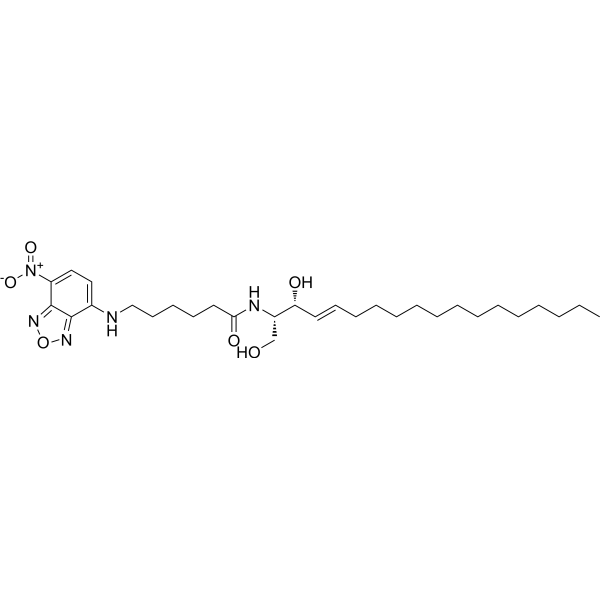
- HY-DY1035
-
|
|
Reactive Oxygen Species (ROS)
Fluorescent Dye
|
Others
|
Hydroxyphenyl Fluorescein (HPF) (solution) is a stable ROS fluorescent probe dye. Hydroxyphenyl Fluorescein has stronger specificity and stability than H2DCFDA (HY-D0940). Hydroxyphenyl Fluorescein can produce strong green fluorescence through hydroxyl radical reaction with intracellular peroxynitroso. Hydroxyphenyl Fluorescein can be applied for fluorescence microscopy, high-throughput imager, luciferase microplate reader or flow cytometry. Ex/Em=490/515 nm .
Solvent and concentration: DMSO: 10 mM
|
-

- HY-D3211
-
|
|
Fluorescent Dye
Apoptosis
Autophagy
|
Cancer
|
|
HJTA is a selective, pH/GSH dual-responsive Fluorescent probe and anticancer agent. HJTA selectively undergoes an enzymatic reaction with GSTπ. HJTA induces Apoptosis and Autophagy by regulating the expression of apoptotic and autophagic proteins. HJTA exhibits pH- and GSH-dual-responsive fluorescence in tumor cells. HJTA selectively illuminates tumor tissues, enabling precise in situ visualization of colon tumors. HJTA exerts anticancer effects against colon cancer. HJTA can be used for colon cancer research .
|
-

- HY-D0085
-
|
|
Fluorescent Dye
|
Cancer
|
|
DiSC3(5) is a fluorescent probe commonly used as a tracer dye to evaluate mitochondrial membrane potential. The excitation/emission wavelength of DiSC3(5) is up to 622/670 nm. DiSC3(5) can inhibit the respiratory system associated with mitochondrial NAD, and the IC50 value is 8 μM. DiSC3(5) in the presence of Na +/K +-ATPase inhibitor ouabain 2 can induce membrane hyperpolarization of Ehrlich ascites tumor cells .
|
-
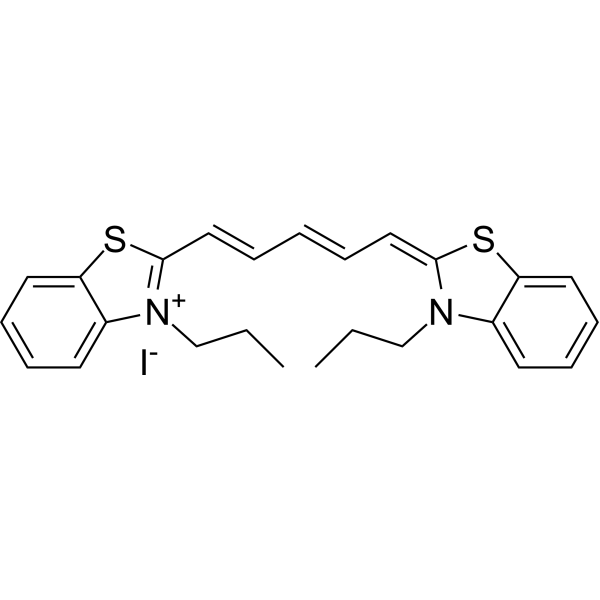
- HY-D2315
-
|
|
Fluorescent Dye
|
Cancer
|
|
Probe-Cys is a water-soluble and selective near-infrared fluorescent probe for Cysteine (Cys) (λex= 680 nm, λem=710 nm) that is not interfered by Hcy, GSH, and HS-. Probe-Cys can react with the stimulant DTT (HY-15917) and the NEM (HY-D0843) in HepG2 cells and zebrafish for the detection of endogenous Cys. Probe-Cys can also be used for imaging Cys in Arabidopsis thaliana. Probe-Cys provides a method for cancer diagnosis and exploration of plant sulfur metabolism .
|
-

- HY-DY1016
-
|
|
Fluorescent Dye
|
Others
|
FITC-Dextran (MW 10000) (solution) is a fluorescent probe for fluorescein isothiocyanate (FITC) dextran (Ex=495 nm; Em=525 nm). FITC-Dextran (MW 10000) can be used as a marker to reveal heat shock-induced cell damage and to study the early and late stages of apoptosis. FITC-Dextran (MW 10000) can also be used for cell permeability studies, such as blood-brain barrier permeability and determination of the extent of blood-brain barrier disruption .
Solvent and Concentration: Sterile water: 2 mM
|
-

- HY-D3174
-
|
|
Fluorescent Dye
|
Metabolic Disease
Inflammation/Immunology
|
|
PiF is a fluorescent probe with high specificity for pancreatic β-cells (Ex/Em = 535 nm/565 nm), and its fluorescence signal increases significantly with elevated insulin concentrations in in vitro experiments. PiF enables visualization of rat and human islets transplanted via the portal vein in mouse livers with low liver background signals. The fluorine atom of PiF can be replaced by radioactive 18F to prepare a PET tracer. PiF can be used for research on type 1 diabetes .
|
-

- HY-D1637
-
|
|
Fluorescent Dye
|
Others
|
|
5-Nitro BAPTA tetramethyl ester is a calcium chelator. 5-Nitro BAPTA tetramethyl ester involves in the two-photon probe synthesis, and is used for real-time imaging of intracellular calcium ions, calcium waves monitoring at a depth of 100-300 μm in liver tissues for 1100-4000 s. 5-Nitro BAPTA tetramethyl ester, together with fluorescent compound 2-Me-substituted TM, can be used to form a red fluorescent probe (CaTM-2 AM) .
|
-
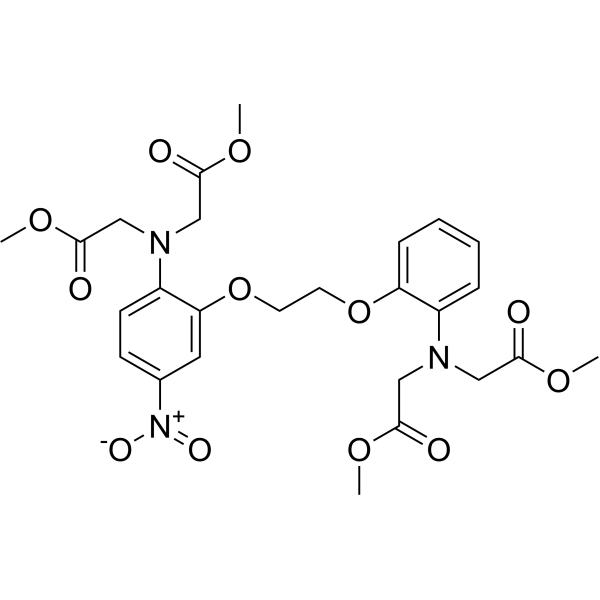
- HY-D1274C
-
|
|
Fluorescent Dye
|
Inflammation/Immunology
|
|
Sulfo-cyanine3 azide potassium is an azide cyanine dye and fluorescent probe (Ex/Em=548/563 nm). Sulfo-cyanine3 azide potassium can be used for synthesis of fused tricyclic heterocycles, producing immunostimulatory agents . It contains an azide group and can undergo copper-catalyzed azide-alkyne cycloaddition (CuAAc) with molecules containing alkyne groups. It can also undergo ring strain-promoted alkyne-azide cycloaddition (SPAAC) with molecules containing DBCO or BCN groups.
|
-
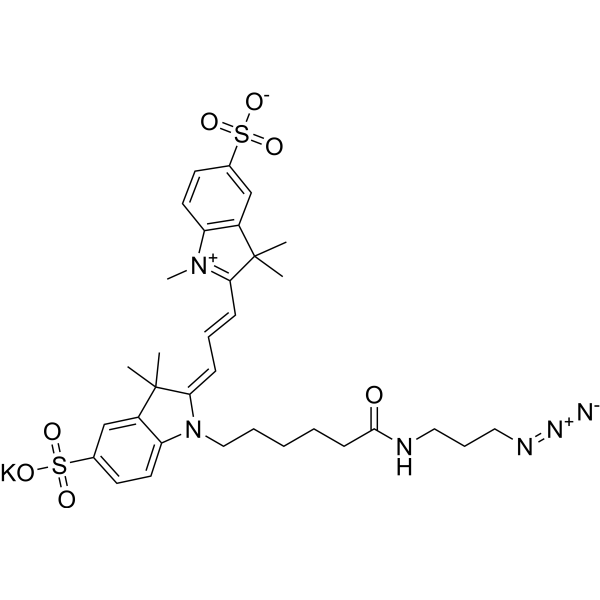
- HY-DY1018
-
|
|
Fluorescent Dye
|
Others
|
FITC-Dextran (MW 4000) (solution) is a fluorescent probe for fluorescein isothiocyanate (FITC) dextran (Ex=495 nm; Em=525 nm). FITC-Dextran (MW 4000) can be used as a marker to reveal heat shock-induced cell damage and to study the early and late stages of apoptosis. FITC-Dextran (MW 4000) can also be used for cell permeability studies, such as blood-brain barrier permeability and determination of the extent of blood-brain barrier disruption .
Solvent and Concentration: Sterile water: 2 mM
|
-

- HY-D1274A
-
|
|
Fluorescent Dye
|
Others
|
|
Sulfo-cyanine3 azide sodium a water-soluble azide cyanine dye and fluorescent probe (Ex/Em=548/563 nm). Sulfo-cyanine3 azide sodium can be involved in synthesis of fused tricyclic heterocycles, produces immunostimulatory agents . It contains an azide group and can undergo copper-catalyzed azide-alkyne cycloaddition (CuAAc) with molecules containing alkyne groups. It can also undergo ring strain-promoted alkyne-azide cycloaddition (SPAAC) with molecules containing DBCO or BCN groups.
|
-
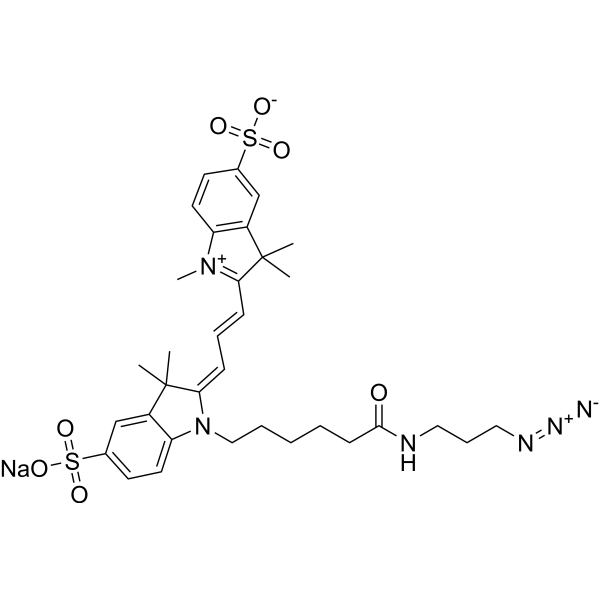
- HY-D0961
-
|
|
Fluorescent Dye
Wnt
β-catenin
|
Neurological Disease
Inflammation/Immunology
Cancer
|
|
Gallocyanine chloride is a synthetic blue dyestuff that can be used as a potential agent for the research of Alzheimer's disease and related neurodegenerative tauopathies. Gallocyanine chloride inhibits DKK1/LRP6 interaction (IC50=6.38 μM), activates Wnt signaling pathway, and causes β-catenin accumulation. Gallocyanine chloride exhibits anti-metastasis, anti-inflammatory and anti-fibrosis activities. Gallocyanine chloride can be used as a fluorescent probe for detection of superoxide anion radicals .
|
-
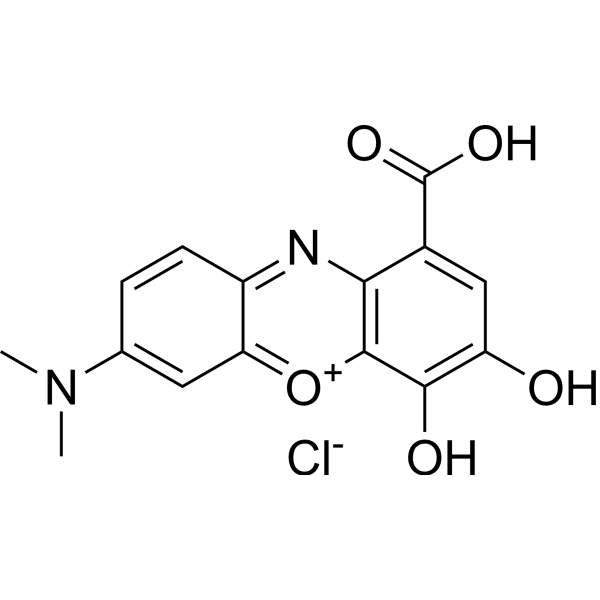
- HY-117401
-
|
|
Fluorescent Dye
|
Others
|
|
5-Dodecanoylaminofluorescein is an amphipathic (amphoteric) fluorescent probe (Ex/Em = 485 nm/515-535 nm), which consists of a hydrophilic fluorescein core and a hydrophobic dodecanoyl group (C12 fatty acid chain) linked by an amide bond. 5-Dodecanoylaminofluorescein is mainly used as an interface-localized radical trapping/indicator probe. Dodecanoylaminofluorescein can be used for the determination of the antioxidant properties of emulsions, or can serve as a lipophilic drug model for the study of passive skin penetration when encapsulated in tyrosine-derived nanospheres .
|
-
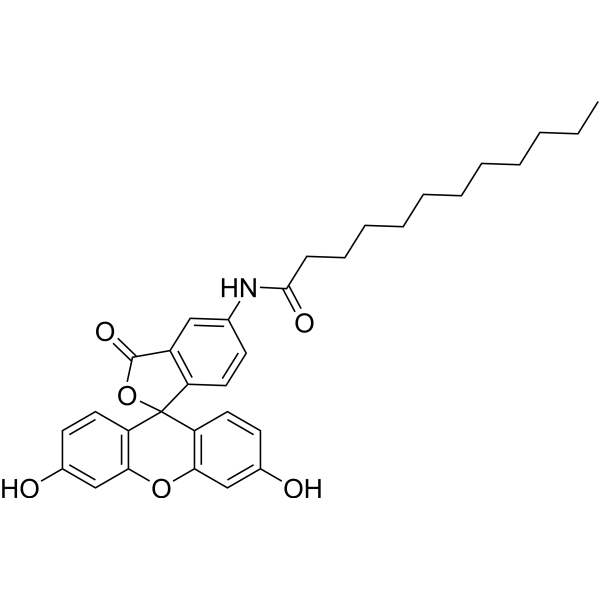
- HY-DY1020
-
|
|
Fluorescent Dye
|
Others
|
Rhod-2 (solution) is a high-affinity visible light excitation wavelength Ca 2+ fluorescent probe, Rhod-2, AM is an acetyl methyl ester derivative of Rhod-2, which has cell membrane permeability and can easily enter cells with simple culture. Once it enters the cell, it is sheared by its lactesterase to produce Rhod-2 without membrane permeability, which remains in the cell to perform the corresponding physiological functions. Maximum excitation/emission wavelength: 549/578 nm .
Solvent and concentration: DMSO: 1 mM
|
-

- HY-W013967
-
|
|
Fluorescent Dye
|
Infection
|
|
1,6-Diphenylhexa-1,3,5-triene is a membrane intercalator and hydrophobic fluorescent probe. 1,6-Diphenylhexa-1,3,5-triene intercalates into the non-polar region of lipid bilayers of adipocyte membranes with probe/membrane equilibrium affected by temperature, probe concentration, and membrane concentration. 1,6-Diphenylhexa-1,3,5-triene’s fluorescence intensity correlating with adipocyte membrane probe incorporation (Ex/Em = 350/452 nm) .
|
-
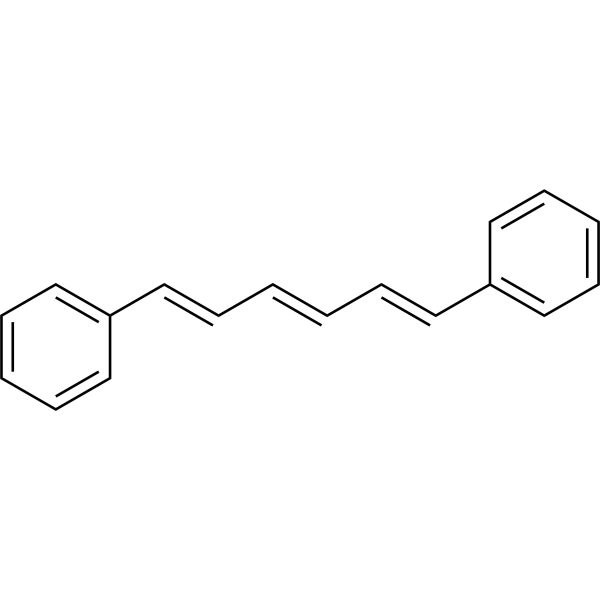
- HY-DY1104
-
|
CF4 (solution)
|
Fluorescent Dye
|
Others
|
Copper Fluor-4 (solution) (CF4 (solution)) is a Cu +-specific fluorescent probe based on a rhodol dye scaffold. Copper Fluor-4 solution has high copper selectivity with a Kd value of 2.9×10 ?13 M, particularly over zinc and iron, as well as abundant cellular alkali and alkaline earth metals. Copper Fluor-4 solution is stable in a physiologically relevant pH regime between 6 and 8 (wavelengths of 415 nm for excitation and 660 nm for emission) .
Solvent and concentration: DMSO: 5 mM
|
-

- HY-D2998
-
|
|
Fluorescent Dye
|
Others
|
|
ONOO-LysopH is a new Rhodamine-based near-infrared fluorescent probe. ONOO-LysopH is acid-sensitive, exhibiting rapid near-infrared fluorescence enhancement around 686 nm under acidic pH conditions. ONOO-LysopH also displays a rapid NIR turn-on fluorescence around 678 nm for ONOO− at physiological pH. ONOO-LysopH can target lysosomes to track lysosomal pH changes and image endogenous/exogenous ONOO− in live cells. ONOO-LysopH is applicable for cell imaging ONOO− and tracking lysosomal pH changes .
|
-

- HY-W017232
-
|
p-Quinanisole
|
Biochemical Assay Reagents
|
Others
|
|
6-Methoxyquinoline consists of a quinoline ring system with a methoxy group attached to the sixth carbon atom. This compound occurs naturally in certain plants, such as tobacco and tea, and has been shown to have biological activities, including antioxidant, anti-inflammatory and antitumor properties. Furthermore, 6-Methoxyquinoline can be used as a building block for the synthesis of other organic compounds, especially those with potential pharmaceutical applications. Due to its ability to bind nucleic acids and proteins, it can also be used as a fluorescent probe in biochemical and biomedical research.
|
-
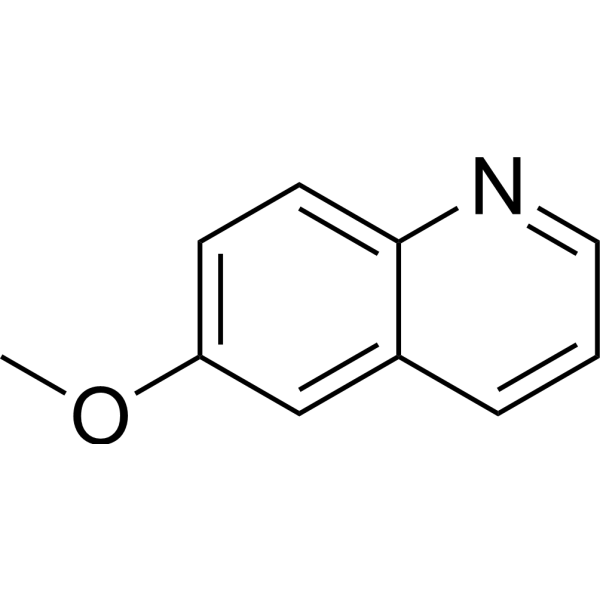
- HY-128868B
-
|
|
Biochemical Assay Reagents
|
Others
|
|
FITC-Dextran (MW 3000-5000) is a fluorescent probe for fluorescein isothiocyanate (FITC) dextran (Ex=495 nm; Em=525 nm). FITC-Dextran (MW 3000-5000) can be used as a marker to reveal heat shock-induced cell damage and to study the early and late stages of apoptosis. FITC-Dextran (MW 3000-5000) can also be used for cell permeability studies, such as blood-brain barrier permeability and determination of the extent of blood-brain barrier disruption . Storage: protect from light.
|
-

- HY-W250727
-
|
6-(p-Tolylamino)naphthalene-2-sulfonate sodium
|
Fluorescent Dye
|
Others
|
|
TNS (6-(p-Tolylamino) naphthalene-2-sulfonate) sodium is a fluorescent probe used to detect the conformational state of proteins. TNS sodium binds to the central hydrophobic calyx of β-lactoglobulin (β-LG) to form a 1:1 complex, which stabilizes the folded conformation of β-LG. TNS sodium shows weak fluorescent signals in aqueous solution, but its fluorescence intensity increases significantly upon binding to the hydrophobic domains of proteins, with the maximum excitation wavelength and maximum emission wavelength located at 321 nm and 446 nm, respectively .
|
-

- HY-D1302
-
|
|
Fluorescent Dye
|
Others
|
|
Near-IR fluorescent probe-1 is a multifunctional dye. Dyes are important tools in biological experiments. They can help researchers observe and analyze cell structures, track biomolecules, evaluate cell functions, distinguish cell types, detect biomolecules, study tissue pathology and monitor microorganisms. Their applications range from basic scientific research to clinical A wide range of diagnostics. Dyes are also widely used in traditional fields such as textile dyeing, as well as in emerging fields such as functional textile processing, food pigments and dye-sensitized solar cells.
|
-
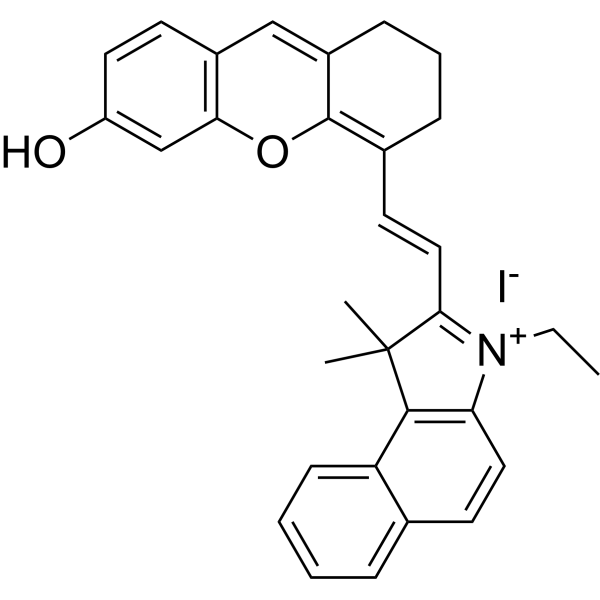
- HY-W024271
-
|
9-Formyl-8-hydroxyjulolidine
|
Fluorescent Dye
|
Cardiovascular Disease
Neurological Disease
|
|
8-Hydroxyjulolidine-9-carboxaldehyde (9-Formyl-8-hydroxyjulolidine) is a highly selective fluorescent probe for hydrogen sulfide (S 2−) and silicate (SiO3 2−). 8-Hydroxyjulolidine-9-carboxaldehyde operates via a mechanism of blocking intramolecular charge transfer (ICT), exhibiting significant fluorescence enhancement in the presence of weak acid ions. 8-Hydroxyjulolidine-9-carboxaldehyde is promising for research of fluorescence imaging of hydrogen sulfide within living cells .
|
-

- HY-D3269
-
|
|
Fluorescent Dye
|
Others
|
|
Mito-Cu (II) is a mitochondria-targeted fluorescent probe (Ex/Em = 370/450 nM). Mito-Cu (II) specifically accumulates in mitochondria of living cells and enables real-time detection of exogenous Cu 2+ within mitochondria of living cells. Mito-Cu (II) achieves "on-off-on" fluorescence switching through sequential exposure to Cu 2+ and ethylenediaminetetraacetic acid (EDTA) (HY-Y0682). Its fluorescence is quenched after forming a 1:1 complex with Cu 2+, and the fluorescence recovers when Cu 2+ is chelated by EDTA .
|
-

- HY-D2970
-
|
|
Fluorescent Dye
|
Neurological Disease
|
|
Golgi-P is a near-infrared Golgi-targeted fluorescent probe specifically used for the detection of Golgi polarity in living cells and living tissues. Golgi-P exhibits a significant polarity-dependent spectral behavior, with its emission wavelength shifting redward with polarity (Ex/Em: 700 nm/780-825 nm). Golgi-P achieves near-infrared fluorescence imaging directly in the brain tissue of depressed mice. Golgi-P combines polarity sensing with Golgi-targeting functionality, providing a new tool for the molecular diagnosis of depression .
|
-

- HY-D1506
-
|
|
Fluorescent Dye
|
Others
|
|
Fl-DIBO (fluorogenic dibenzocyclooctyne) is a selective and high sensitivity fluorescent probe to azide compounds. Fl-DIBO can react rapidly with azide compounds to form new highly fluorescent products with a maximum emission wavelength of 469 nm and excitation wavelength of 363 nm. Fl-DIBO can be used to label diazo-tagged proteins without detectable background signal interference . Fl-DIBO is a click chemistry reagent, it contains an Alkyne group and can undergo copper-catalyzed azide-alkyne cycloaddition (CuAAc) with molecules containing Azide groups.
|
-
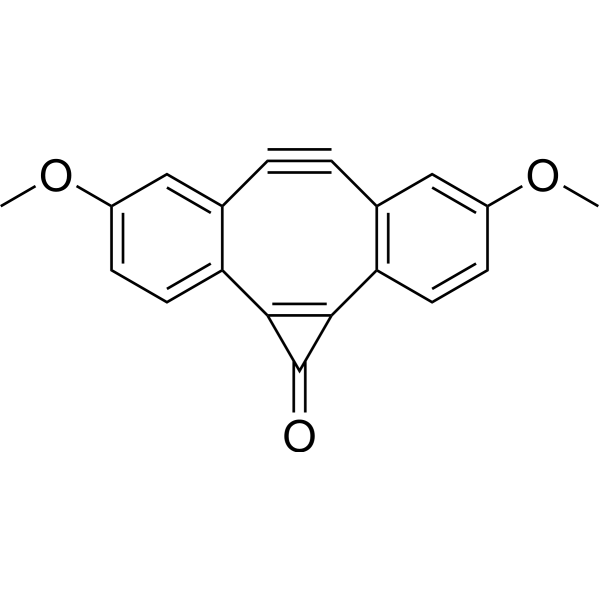
- HY-DY1053
-
|
|
Fluorescent Dye
Reactive Oxygen Species (ROS)
|
Others
|
1,3-Diphenylisobenzofuran (DPBF) (solution) has been developed as a selective probe for the detection and quantitative determination of hydrogen peroxide in samples containing different reactive nitrogen and oxygen species (RNOS). DPBF is a fluorescent probe which, for almost 20 years, was believed to react in a highly specific manner toward some reactive oxygen species such as singlet oxygen and hydroxy, alkyloxy or alkylperoxy radicals .
Solvent and concentration: DMSO: 10 mM
The 1 mL volume is defined as the base specification. All larger sizes correspond to incremental volumes of this base.
|
-

- HY-D1735
-
|
Golgi-Red Tracke
|
Fluorescent Dye
|
Others
|
|
The Golgi apparatus is composed of flattened vesicles superimposed on each other by unit membranes. The flattened vesicles are round with expanded and perforated edges. The Golgi fluorescent probe is a BODIPY-labeled ceramide derivative, the synthesis of which occurs in the endoplasmic reticulum and can then be transported to the Golgi via ceramide transport protein (CERT) or vesicular translocation, allowing specific labeling of the dye. BODIPY TR Ceramide (Golgi-Red Tracke) is a Golgi-specific fluorescent dye, which can visualise individual cells . Ex/Em=589 nm/616 nm.
|
-
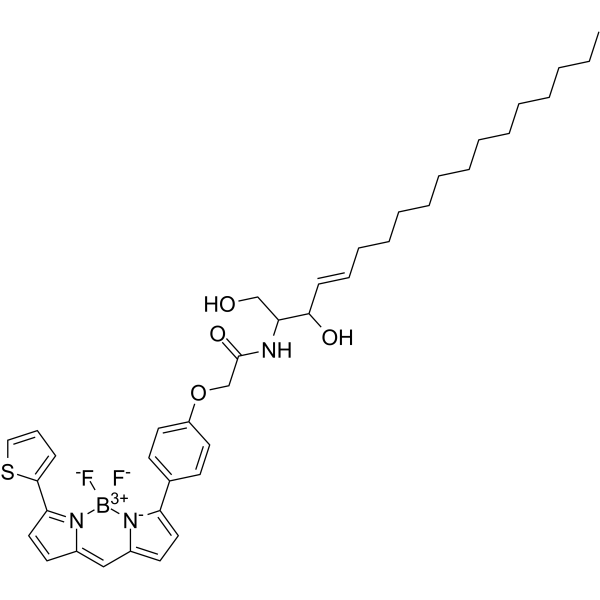
- HY-D1612
-
|
|
Fluorescent Dye
|
Others
|
|
The Golgi apparatus is composed of flattened vesicles superimposed on each other by unit membranes. The flattened vesicles are round with expanded and perforated edges. The Golgi fluorescent probe is a BODIPY-labeled ceramide derivative, the synthesis of which occurs in the endoplasmic reticulum and can then be transported to the Golgi via ceramide transport protein (CERT) or vesicular translocation, allowing specific labeling of the dye . BODIPY Fl C5-Ceramide is a Golgi-specific green fluorescent dye, which can visualise individual cells . Ex/Em= 505 nm/512 nm.
|
-
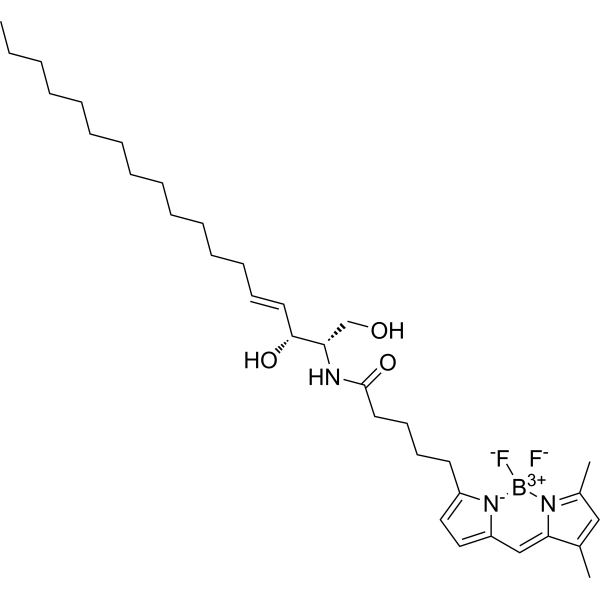
- HY-I0259
-
|
|
Fluorescent Dye
|
Others
|
|
8-Amino-2-naphthol is a photoactive charge transfer compounds, which can be used as fluorescent probe. 8-Amino-2-naphthol undergoes excited-state proton transfer (ESPT) to form a zwitterion under acidic conditions, where the photoacidity of its hydroxyl group is regulated by the protonation state of the amino group, enabling pH to act as an on/off switch for photoacidity. 8-Amino-2-naphthol is also utilized as chiral organocatalyst .
|
-

- HY-W800838
-
|
|
Fluorescent Dye
|
Cancer
|
|
BP Fluor 488 Tetrazine is a bright, green-fluorescent probe used for detection TCO-tagged biopolymers. BP Fluor 488 Tetrazine demonstrates exceptionally fast cycloaddition kinetics (up to 30 000 M-1 s-1) with trans-cyclooctenes (TCO) as the dienophile, the fastest kinetics ever reported for any bioorthogonal reaction. In applications such as in vivo cancer imaging or pre?targeted cell labeling studies where rapid reaction kinetics is a must BP Fluor 488 Tetrazine probe would of great value.
|
-

- HY-D2963
-
|
|
Fluorescent Dye
Amyloid-β
|
Neurological Disease
|
|
R-MA-SLM is an Aβ-targeted and blood-brain barrier-permeable ratiometric H2O2-responsive fluorescent probe. When excited at 490 nm, the fluorescence intensity of the R-MA-SLM gradually decreases at 574 nm, while the emission intensity gradually increases at 661 nm. R-MA-SLM can detect and exhibits a ratiometric response to Aβ-induced endogenous H2O2. R-MA-SLM can be used in the research of Alzheimer's disease .
|
-

- HY-DY1019
-
|
|
Fluorescent Dye
|
Others
|
2-NBDG (solution) is a fluorescently-labeled deoxyglucose analog that is used primarily to directly monitor glucose uptake by living cells and tissues. It is also used as a topical contrast reagent for the detection of neoplasia. 2-NBDG can be used in real-time confocal, high-resolution, or wide-field fluorescence microscopy as well as in flow cytometry. The probe can be excited by the Argon laser at 488 nm to give the environment-sensitive fluorescence. It has lower photostability than the rhodamine-based fluorescent probes.
Solvent and Concentration: Sterile PBS: 5 mM
|
-

- HY-D1422
-
|
BDNCA-346
|
Fluorescent Dye
|
Others
|
|
ER Tracker Yellow is an endoplasmic reticulum-targeted temperature-visible fluorescent probe. ER Tracker Yellow has high temperature sensitivity (3.9%/°C) and is not affected by pH and Ca 2+ interference. ER Tracker Yellow can be used for real-time monitoring of local temperature changes in the ER area. ER Tracker Yellow maintains its function in fixed cells. ER Tracker Yellow is suitable for various cell lines and primary cells, such as HeLa cells, MEF cells, and other cells .
|
-
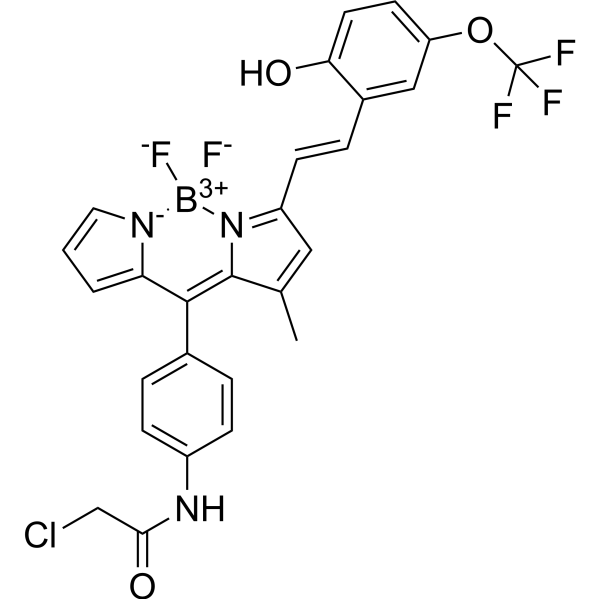
- HY-W800692
-
|
|
Fluorescent Dye
|
Others
|
|
BP Fluor 350 Azide is a blue-fluorescent, azide-activated probe that reacts with terminal alkynes via a copper-catalyzed click reaction (CuAAC). It also reacts with strained cyclooctyne via a copper-free click chemistry reaction to form a stable triazole and does not require Cu-catalyst or elevated temperatures.
BP Fluor 350 is a water-soluble, moderately photostable, blue-fluorescent probe optimally excited by the 350 nm laser line. It is routinely used for generation of stable signal in imaging and flow cytometry. The brightness and photostability of blue dyes are best suited to direct imaging of high-abundance targets.
|
-

- HY-145746
-
|
|
Fluorescent Dye
PD-1/PD-L1
|
Inflammation/Immunology
Cancer
|
|
Sulfo-Cy5 azide is a near-infrared fluorescent probe with favorable click chemistry reactivity. Sulfo-Cy5 azide enables fluorescence imaging, tissue and cellular visualization of PD-L1 in tumors, and site-specific modification of anti-PD-L1 antibodies. Sulfo-Cy5 azide has been employed for RNA labeling and imaging. Sulfo-Cy5 azide can be conjugated to targeting agents for fluorescence imaging in atherosclerosis and breast cancer models (Ex/Em = 645/670 nm) .
|
-
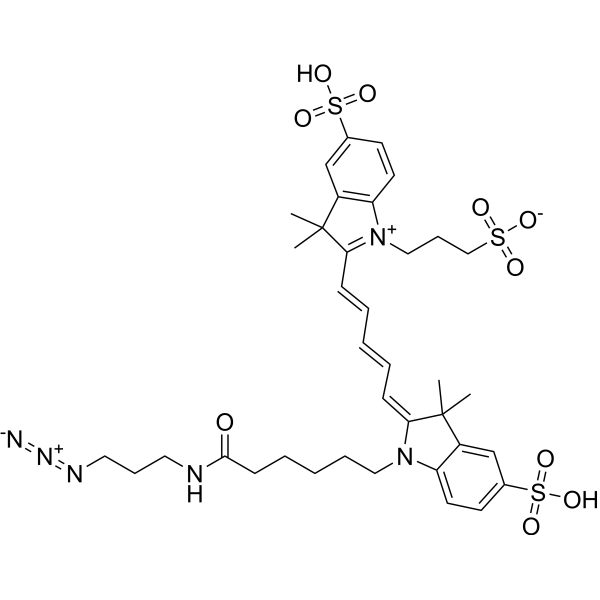
- HY-128536
-
|
|
Fluorescent Dye
|
Others
|
|
KMG-104AM is a Mg 2+ fluorescent probe. KMG-104AM is a membrane-permeable ester-modified derivative of KMG-104, which serves as a reporter and imaging agent. KMG-104AM can track the increase in intracellular free magnesium ion concentration induced by mitochondrial uncoupling. KMG-104AM enables visualization of the three-dimensional distribution of intracellular magnesium ion concentration. KMG-104AM is applicable to research related to the functions of intracellular magnesium ions .
|
-
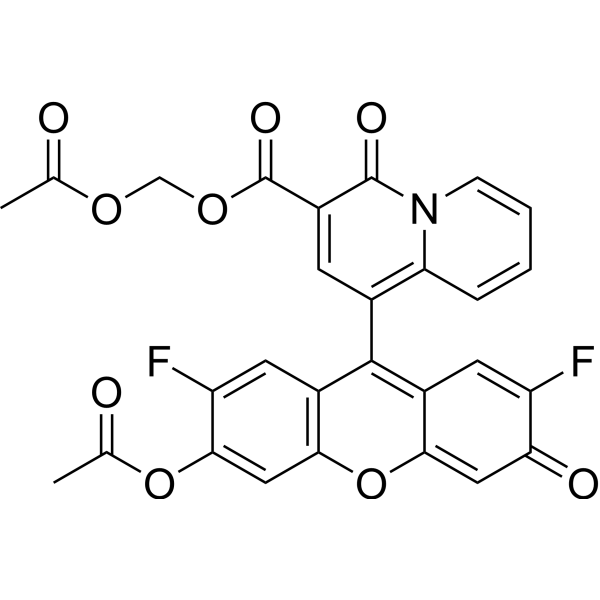
- HY-149203
-
|
|
Fluorescent Dye
|
Others
|
|
MQA-P is a multifunctional near-infrared (NIR) fluorescent probe for simultaneously detecting ONOO -, viscosity, and polarity within mitochondria. MQA-P exhibits a remarkable turn-on response to ONOO - (λem=645 nm) and is highly sensitive to viscosity/polarity in the NIR channel with λem>704 nm. MQA-P exhibits excited-state intramolecular charge transfer (ESICT) feature that is highly polarity-sensitive by engineering N,N-dimethylamino as the electron donor and a quinoline cationic unit as the electron acceptor. MQA-P is used for ferroptosis or cancer diagnosis in vitro and in vivo via dual-channel images .
|
-
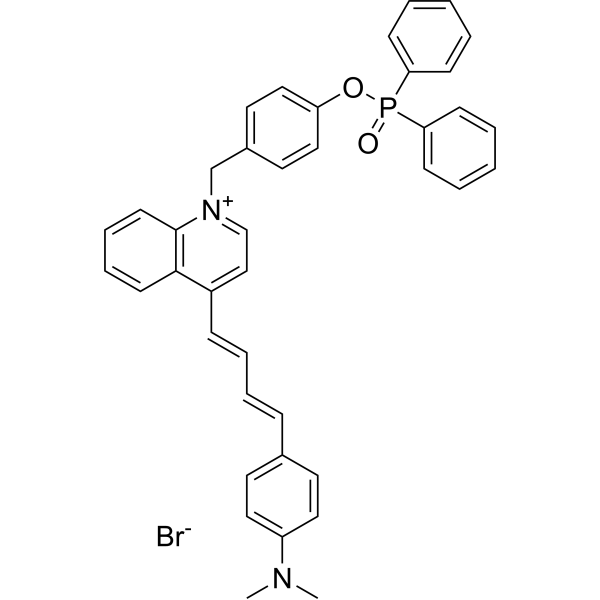
- HY-D3226
-
|
|
Fluorescent Dye
|
Neurological Disease
|
|
Zinc (II) probe-1 (Compound DNP) is a dual-color Fluorescent probe that can simultaneously monitor Zn 2+ and H +. Upon interaction with Zn 2+, Zinc (II) probe-1 produces bright blue fluorescence (excitation wavelength: 405 nm; blue channel wavelength: 420-500 nm). Upon interaction with H +, Zinc (II) probe-1 exhibits red fluorescence (excitation wavelength: 561 nm; red channel emission wavelength: 630-730 nm). Zinc (II) probe-1 can be used in studies related to depression .
|
-

- HY-D2365
-
|
|
Fluorescent Dye
|
Others
|
|
QSY 21 NHS is a dark quencher and an efficient energy transfer acceptor for far-red and near-infrared fluorescent probes. QSY 21 NHS operates at a wavelength range of 540-750 nm and is commonly used in FRET applications. QSY 21 NHS does not fluoresce under normal conditions. The NHS ester can be used to label primary amines (R-NH2) of proteins, amine-modified oligonucleotides and other amine-containing molecules. QSY 21 NHS can be conjugated with dendritic poly-L-lysine to achieve intramolecular quenching of Cy5 fluorescence .
|
-

- HY-126220
-
|
|
Fluorescent Dye
|
Others
|
|
KMG-301AM is the acetoxy methyl esterified form of KMG-301. KMG-301AM successfully accumulates in mitochondria and then it is hydrolyzed to KMG-301. KMG-301 is an Mg 2+-selective fluorescent probe functional in mitochondria in intact cells. Since the mitochondrial membrane is impermeable to KMG-301, it is not released upon depolarization of the mitochondrial membrane potential. KMG-301 can indicate changes in mitochondrial Mg2+ concentration and shows Mg 2+ transport across the mitochondrial membrane in the early phases of a cellular model .
|
-
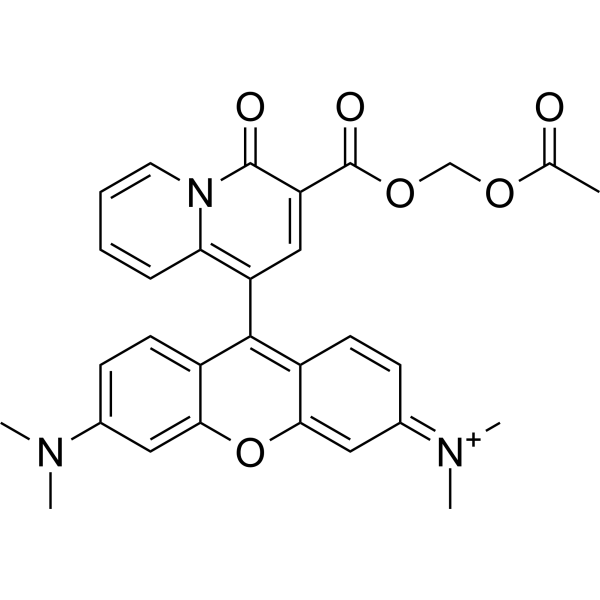
- HY-D2729
-
|
|
Fluorescent Dye
|
Infection
|
|
Cy3-NO2-Tre is a nitroreductase-responsive cyanine-based fluorescent probe that specifically labels Mycobacterium tuberculosis (Mtb). Cy3-NO2-tre generated fluorescence after activation by a specific nitroreductase, Rv3368c, which is conserved in the Mycobacteriaceae. Cy3-NO2-tre effectively imaged mycobacteria within infected host cells, tracked the infection process, and visualized Mycobacterium smegmatis being endocytosed by macrophages (Ex/Em= 540-550/575-625 nm) .
|
-

- HY-D2004
-
|
|
Fluorescent Dye
|
Inflammation/Immunology
|
|
ATTO 488 streptavidin is a fluorescent reagent that specifically targets and binds to biotin (biotin), formed by the conjugation of ATTO 488 with streptavidin (HY-P3152). ATTO 488 streptavidin enables visualization of the activity of streptavidin immobilized on the surface of polymeric nanoparticles, or acts as a fluorescent probe to detect the selective binding and internalization process of anti-HB-EGF/NA with cells expressing HB-EGF (with no such effect on cells that do not express this receptor). ATTO 488 streptavidin effectively verifies the function of streptavidin conjugated to the surface of nanoparticles and is suitable for research related to atherosclerotic cardiovascular diseases .
|
-

- HY-D3007
-
|
|
Fluorescent Dye
|
Others
|
|
LD-CK is a fluorescent probe based on a coumarin-chromone structure, specifically designed to visualize lipid droplet polarity changes and endowed with multimodal imaging capability. LD-CK contains a high-performance lipophilic coumarin moiety, which enables it to specifically target lipid droplets upon cellular entry while minimizing background fluorescence to the greatest extent. LD-CK has an excitation wavelength (Ex) of 488 nm and an emission wavelength (Em) of 540 nm (in low-polarity environments such as toluene) or 640 nm (in high-polarity environments such as glycerol), with its emission peak undergoing a redshift as solvent polarity increases .
|
-

- HY-100335R
-
|
|
Fluorescent Dye
Reference Standards
Btk
|
Cancer
|
|
PCI-33380 (Standard) is the analytical standard of PCI-33380 (HY-100335). This product is intended for research and analytical applications. PCI-33380 is a fluorescent probe ( (Ex=532 nm, Em=555 nm). PCI-33380 consists of a (BTK) inhibitor PCI-32765 (HY-10997) attaching with a Bodipy-FL fluorophore via a piperazine linker. PCI-33380 binds predominantly to Btk in B cell lysates with cell permeable activity. PCI-33380 can be used for imaging live cancer cells such as non-Hodgkin lymphoma research
|
-

- HY-D1809
-
|
|
Fluorescent Dye
|
Others
|
Vari Fluor 405-Streptavidin is a dye marker of Vari Fluor-streptavidin consisting of labeling streptavidin with a Vari Fluor series of fluorescent probes. Streptavidin is a high-affinity tetramer protein, each tetramer consisting of four identical streptavidin subunits. Streptavidin binds to biotin specifically via a reversible non-covalent effect. Streptavidin can achieve rapid and efficient detection of biotin markers, and is often used in immunofluorescence (IF), enzyme-linked immunosorbent assay (ELISA), immunohistochemical staining (IFH), in situ hybridization (ISH) and other experiments. Ex/Em=405 nm/431 nm.
Product Concentration: 0.8 mg/mL
|
-

- HY-D3195
-
|
|
Fluorescent Dye
Bacterial
|
Infection
|
|
CDr15 is a deep-red fluorescent probe (Ex=733 nm) that can selectively intercalate into and label bacterial extracellular DNA (eDNA). CDr15 exhibits extremely high specificity for biofilm imaging and cannot effectively bind to mammalian nuclear DNA. CDr15 enables real-time visualization of the microcolony structure and developmental process of three-dimensional *Pseudomonas aeruginosa* biofilms, and accurately localizes biofilm-forming regions of microorganisms in a mouse corneal infection model. With low background interference signals, CDr15 serves as an ideal diagnostic tool for research fields including bacterial biofilms and corneal infections .
|
-

- HY-D1805
-
|
|
Fluorescent Dye
|
Others
|
Vari Fluor 647-Streptavidin is a dye marker of Vari Fluor-streptavidin consisting of labeling streptavidin with a Vari Fluor series of fluorescent probes. Streptavidin is a high-affinity tetramer protein, each tetramer consisting of four identical streptavidin subunits. Streptavidin binds to biotin specifically via a reversible non-covalent effect. Streptavidin can achieve rapid and efficient detection of biotin markers, and is often used in immunofluorescence (IF), enzyme-linked immunosorbent assay (ELISA), immunohistochemical staining (IFH), in situ hybridization (ISH) and other experiments. Ex/Em=650 nm/665 nm.
Product Concentration: 0.8 mg/mL
|
-

- HY-15534
-
|
CBIC2
|
Fluorescent Dye
|
Others
|
|
JC-1 (CBIC2) is an ideal fluorescent probe widely used to detect mitochondrial membrane potential. JC-1 accumulates in mitochondria in a potential dependent manner and can be used to detect the membrane potential of cells, tissues or purified mitochondria. In normal mitochondria, JC-1 aggregates in the mitochondrial matrix to form a polymer, which emits strong red fluorescence (Ex=585 nm, Em=590 nm); When the mitochondrial membrane potential is low, JC-1 cannot aggregate in the matrix of mitochondria and produce green fluorescence (ex=510 nm, em= 527 nm) .
|
-
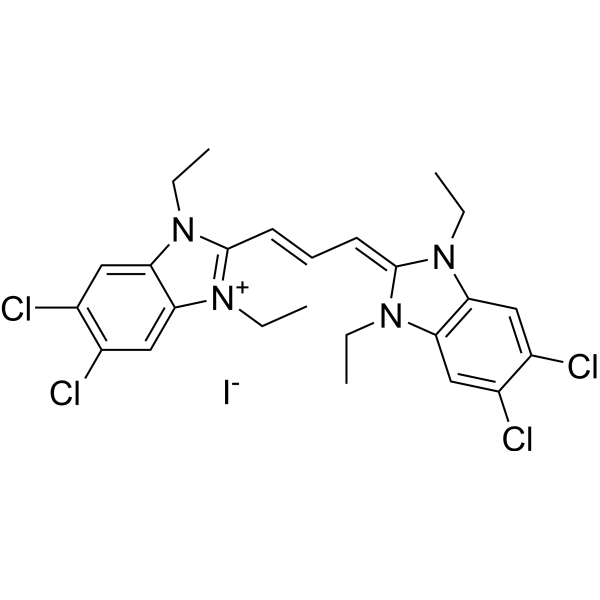
- HY-D1808
-
|
|
Fluorescent Dye
|
Others
|
Vari Fluor 488-Streptavidin is a dye marker of Vari Fluor-streptavidin consisting of labeling streptavidin with a Vari Fluor series of fluorescent probes. Streptavidin is a high-affinity tetramer protein, each tetramer consisting of four identical streptavidin subunits. Streptavidin binds to biotin specifically via a reversible non-covalent effect. Streptavidin can achieve rapid and efficient detection of biotin markers, and is often used in immunofluorescence (IF), enzyme-linked immunosorbent assay (ELISA), immunohistochemical staining (IFH), in situ hybridization (ISH) and other experiments. Ex/Em=490 nm/515 nm.
Product Concentration: 0.8 mg/mL
|
-

- HY-D1804
-
|
|
Fluorescent Dye
|
Others
|
Vari Fluor 680-Streptavidin is a dye marker of Vari Fluor-streptavidin consisting of labeling streptavidin with a Vari Fluor series of fluorescent probes. Streptavidin is a high-affinity tetramer protein, each tetramer consisting of four identical streptavidin subunits. Streptavidin binds to biotin specifically via a reversible non-covalent effect. Streptavidin can achieve rapid and efficient detection of biotin markers, and is often used in immunofluorescence (IF), enzyme-linked immunosorbent assay (ELISA), immunohistochemical staining (IFH), in situ hybridization (ISH) and other experiments. Ex/Em=680 nm/701 nm.
Product Concentration: 0.8 mg/mL
|
-

- HY-149203A
-
|
|
Fluorescent Dye
|
Others
|
|
MQA-P is a multifunctional near-infrared (NIR) fluorescent probe that simultaneously detects ONOO -, viscosity, and polarity within mitochondria. MQA-P exhibits significant response to ONOO -, λem=645 nm; and NIR channel at λem>704 nm Medium is highly sensitive to viscosity/polarity. MQA-P possesses excited-state intramolecular charge transfer (ESICT) properties that are highly sensitive to polarity by designing the N,N-dimethylamino group as the electron donor and the quinoline cation unit as the electron acceptor. MQA-P is used for ferroptosis or cancer diagnosis in vitro and in vivo via dual-channel images .
|
-
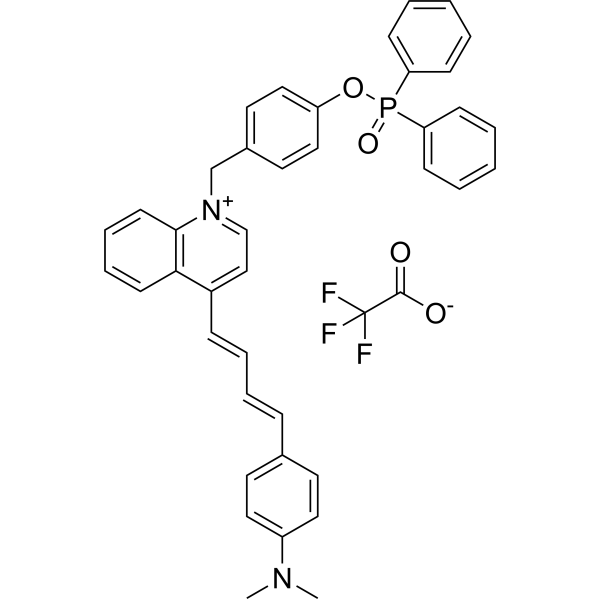
- HY-D3170
-
|
|
Fluorescent Dye
γ-Glutamyl Transferase (GGT)
|
Inflammation/Immunology
|
|
C-HBrO-GGT is a sequence-activated two-photon fluorescent probe. C-HBrO-GGT exhibits sequential fluorescence activation properties: it generates fluorescence in response to hypobromous acid only after being hydrolytically activated by γ-glutamyl transpeptidase. C-HBrO-GGT enables verification of the voltage-gated chloride channel (CLC-1)-HBrO-catalase (CAT)-GGT signaling pathway at the cellular level. C-HBrO-GGT can serve as a tool to indicate the precise location of mature atherosclerotic plaques and provide early warning of plaque formation. C-HBrO-GGT is applicable to relevant research on atherosclerosis .
|
-

- HY-D3415
-
|
|
Fluorescent Dye
G-quadruplex
|
Cancer
|
|
TOR-G4 is a Fluorescent probe that binds to G-quadruplex (G4) nucleic acid structures. TOR-G4 exhibits a unique fluorescence lifetime when bound to G4 compared to other structures, enabling sensitive discrimination between G4-bound and non-G4-bound states. TOR-G4 mainly colocalizes with RNA in the cytoplasm and nucleolus. TOR-G4 can be used to investigate the roles of RNA G4 in cells. TOR-G4 shows cytotoxicity against osteosarcoma cells .
|
-

- HY-D3188
-
|
|
Fluorescent Dye
|
Cancer
|
|
gGlu-2OMe SiR600 is a γ-glutamyl transpeptidase (GGT) responsive fluorescent probe. gGlu-2OMe SiR600 can be converted into a highly fluorescent molecule via reaction with GGT, and its initial fluorescence is quenched through a photoinduced electron transfer (PeT) mechanism. gGlu-2OMe SiR600 exhibits fluorescence activation in malignant breast cancer and benign breast fibroadenoma tissues, enabling lesion visualization. gGlu-2OMe SiR600 can be used for research related to breast cancer and fibroadenoma .
|
-

- HY-126220A
-
|
|
Fluorescent Dye
|
Others
|
|
KMG-301AM TFA is the acetoxy methyl esterified form of KMG-301. KMG-301AM TFA successfully accumulates in mitochondria and then it is hydrolyzed to KMG-301. KMG-301 is an Mg 2+-selective fluorescent probe functional in mitochondria in intact cells. Since the mitochondrial membrane is impermeable to KMG-301, it is not released upon depolarization of the mitochondrial membrane potential. KMG-301 can indicate changes in mitochondrial Mg2+ concentration and shows Mg 2+ transport across the mitochondrial membrane in the early phases of a cellular model .
|
-
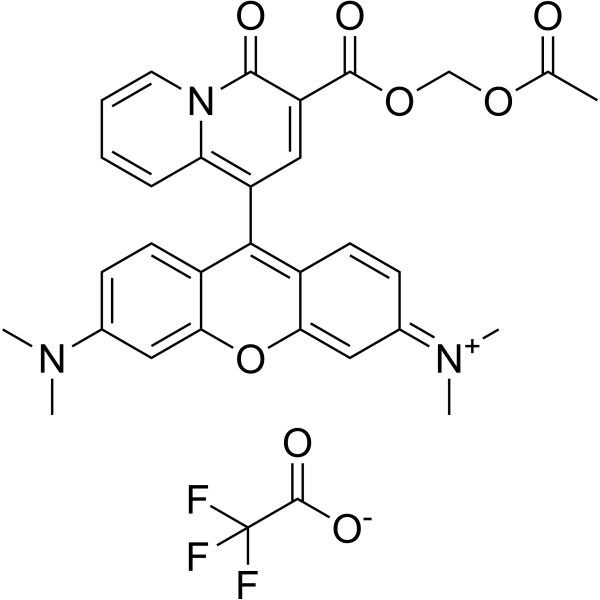
- HY-D1807
-
|
|
Fluorescent Dye
|
Others
|
Vari Fluor 555-Streptavidin is a dye marker of Vari Fluor-streptavidin consisting of labeling streptavidin with a Vari Fluor series of fluorescent probes. Streptavidin is a high-affinity tetramer protein, each tetramer consisting of four identical streptavidin subunits. Streptavidin binds to biotin specifically via a reversible non-covalent effect. Streptavidin can achieve rapid and efficient detection of biotin markers, and is often used in immunofluorescence (IF), enzyme-linked immunosorbent assay (ELISA), immunohistochemical staining (IFH), in situ hybridization (ISH) and other experiments. Ex/Em=555 nm/565 nm.
Product Concentration: 0.8 mg/mL
|
-

- HY-DY1021
-
|
|
Fluorescent Dye
|
Others
|
DiSC3 (5) (solution) is a fluorescent probe commonly used as a tracer dye to evaluate mitochondrial membrane potential. The excitation/emission wavelength of DiSC3 (5) is up to 622/670 nm. DiSC3 (5) can inhibit the respiratory system associated with mitochondrial NAD, and the IC50 value is 8 μM. DiSC3 (5) in the presence of Na +/K +-ATPase inhibitor ouabain 2 can induce membrane hyperpolarization of Ehrlich ascites tumor cells .
Solvent and concentration: DMSO: 1 mM
The 1 mL volume is defined as the base specification. All larger sizes correspond to incremental volumes of this base.
|
-

- HY-181506
-
|
|
Fluorescent Dye
Molecular Glues
CaMK
c-Myc
Bcl-2 Family
Cadherin
|
Cancer
|
|
TYMJ-01 is a fluorescent probe and eEF2K degrader. TYMJ-01 induces dose-dependent and specific degradation of eEF2K via the ubiquitin-proteasome pathway, with a DC50 of 82 nM. TYMJ-01 inhibits the proliferation, migration and invasion of triple-negative breast cancer cells. TYMJ-01 enables dynamic fluorescent imaging of eEF2K degradation in triple-negative breast cancer cells; it enhances the anti-tumor activity of Paclitaxel (HY-B0015). TYMJ-01 can be used for the research of triple-negative breast cancer .
|
-

- HY-D3141
-
|
|
|
Cancer
|
|
DR probe is a "dual-key-and-lock" fluorescent probe designed based on the Resorufin (HY-123533) scaffold (Ex/Em = 647 nm/663-738 nm). DR probe can be sequentially activated by hydrogen peroxide to form the intermediate SR, which acts as a tyrosinase substrate to trigger a fluorescence turn-on signal. DR probe can distinguish normal melanocytes from melanoma cells. DR probe supports cell imaging and can be applied to mouse melanoma models to achieve melanoma diagnosis with higher accuracy and lower false-positive rates. DR probe is applicable to relevant research on melanoma .
|
-

- HY-D1806
-
|
|
Fluorescent Dye
|
Others
|
Vari Fluor 594-Streptavidin is a dye marker of Vari Fluor-streptavidin consisting of labeling streptavidin with a Vari Fluor series of fluorescent probes. Streptavidin is a high-affinity tetramer protein, each tetramer consisting of four identical streptavidin subunits. Streptavidin binds to biotin specifically via a reversible non-covalent effect. Streptavidin can achieve rapid and efficient detection of biotin markers, and is often used in immunofluorescence (IF), enzyme-linked immunosorbent assay (ELISA), immunohistochemical staining (IFH), in situ hybridization (ISH) and other experiments. Ex/Em=590 nm/617 nm.
Product Concentration: 0.8 mg/mL
|
-

- HY-W800699
-
|
|
Fluorescent Dye
|
Others
|
|
BP Fluor 430 DBCO reacts with azides via a copper-free click chemistry reaction to form a stable triazole and does not require a Cu-catalyst or elevated temperatures. In applications where the presence of copper is a concern, BP Fluor 430 DBCO is an ideal alternative to copper requiring fluorescent alkynes.
BP Fluor 430 is a bright, photostable, green-fluorescent probe optimally excited near its absorption maximum at 432 nm. Its emission peak at 539 nm is pH independent over a wide pH range.
BP Fluor DBCO reagent is not suitable for staining intracellular components of fixed and permeabilized cells due to high backgrounds.
|
-

- HY-D2924
-
|
|
Fluorescent Dye
|
Others
|
|
CBG-549-QSY7 is a Dylight 549-labeled SNAP tag fluorescent probe (Ex/Em: 546 nm/580 nm), specially designed for non-washable fluorescence imaging applications. CBG-549-QSY7 employs an intramolecular FRET quenching mechanism: intramolecular fluorescence quenching occurs before binding to the SNAP tag, and upon binding, the quenching group is cleaved, releasing fluorescence. The background fluorescence of CBG-549-QSY7 is extremely low, and clear cell membrane images can be obtained after 5 minutes of incubation .
|
-

- HY-160250
-
|
|
Fluorescent Dye
UGT
|
Metabolic Disease
|
|
UGT1A1-IN-1 is a UGT1A1 inhibitor and fluorescent probe (Ex=370 nm, Em=520 nm), with an IC50 of 1.33 μM and a Ki of 5.02 μM. UGT1A1-IN-1 is selectively glucuronidated by UGT1A1 at the bilirubin homologous binding site, and its PET effect is blocked along with this reaction, triggering fluorescence changes. UGT1A1-IN-1 can serve as a substitute for bilirubin to detect UGT1A1 activity and perform high-throughput screening of UGT1A1 modulators .
|
-
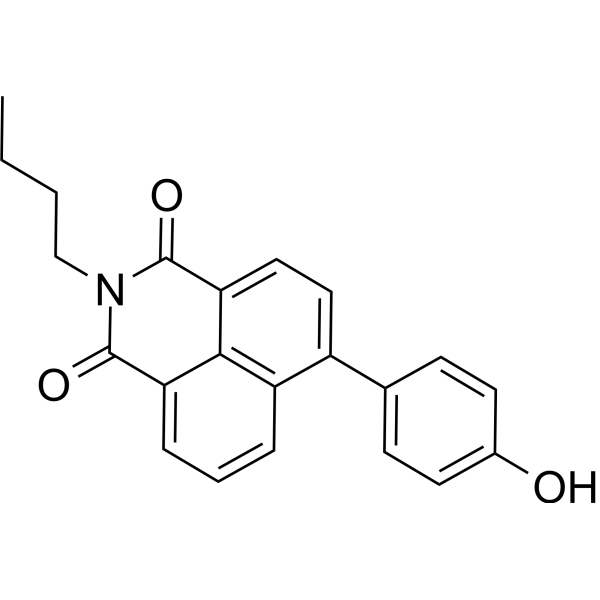
- HY-W091541
-
|
4-Hydroxyindole-3-carboxaldehyde
|
Endogenous Metabolite
|
Others
Inflammation/Immunology
|
|
4-Hydroxy-1H-indole-3-carbaldehyde (4-Hydroxyindole-3-carboxaldehyde) is a plant metabolite. 4-Hydroxy-1H-indole-3-carbaldehyde can be isolated from Capparis spinosa L. 4-Hydroxy-1H-indole-3-carbaldehyde can be used in the synthesis of fluorescent probe. 4-Hydroxy-1H-indole-3-carbaldehyde can be used in the study of inflammation-related diseases .
|
-
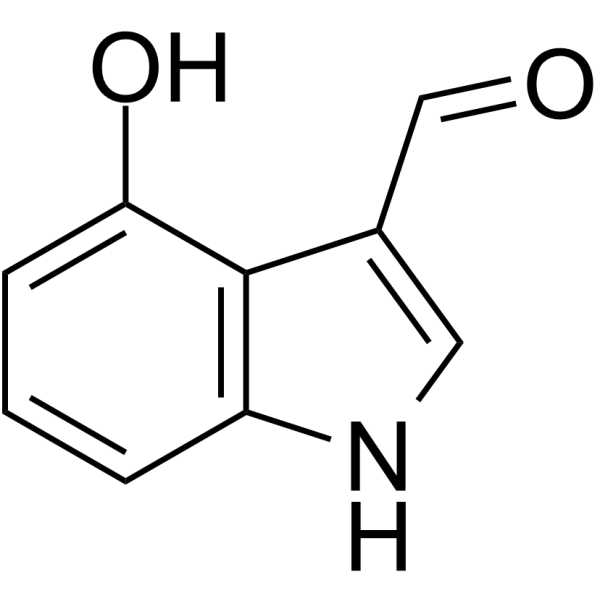
- HY-126823
-
|
PGSK diacetate (5/6-mixture)
|
Fluorescent Dye
|
Others
|
|
Phen green SK (PGSK) diacetate (PGSK diacetate (5/6-mixture)) is a metal ion-sensitive fluorescent probe that can penetrate cell membranes. Phen green SK (PGSK) diacetate can react with a variety of metal ions, including Fe 2+, Cd 2+, Co 2+, Ni 2+, Zn 2+, etc. Phen green SK (PGSK) diacetate chelates Fe 2+, resulting in fluorescence quenching, which can be restored when a membrane-permeable chelator is added, thereby reflecting the changes in the intracellular chelatable iron pool. The excitation/emission maxima of Phen green SK diacetate are 507/532 nm, respectively .
|
-
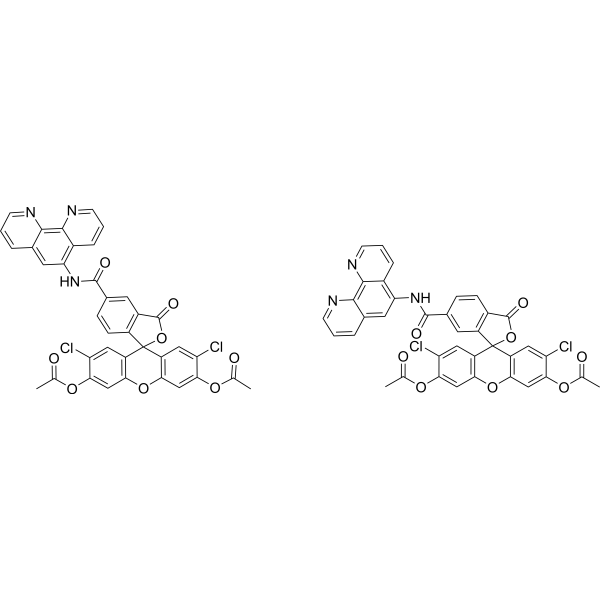
- HY-D3000
-
|
|
Fluorescent Dye
|
Metabolic Disease
|
|
NIR-RED ROS-H2O2 Probe is a near-infrared fluorescent probe used for detecting hydrogen peroxide (H₂O₂) and featuring dual-modal fluorescence/photoacoustic imaging capabilities. NIR-RED ROS-H2O2 Probe successfully detects the upregulated fluorescence signal of H₂O₂ in HepG2 cells and a mouse liver injury model. NIR-RED ROS-H2O2 Probe can be used as a biomarker detection tool for drug-induced liver injury (DILI) .
|
-

- HY-D0896
-
ANS
1 Publications Verification
ANSA; 8-Anilino-1-naphthalenesulfonic acid
|
Bacterial
|
Infection
|
|
ANS (8-Anilino-1-naphthalenesulfonic acid) is a competitive inhibitor targeting thyroxine binding globulin (TBG) (Ki=2.09×10 6 M -1). ANS is used in radioimmunoassay by displacing bound triiodothyronine (T3) to improve detection sensitivity. ANS can block the protein binding site of T3 and release free T3 for antibody recognition. As a fluorescent probe, ANS can specifically bind to the hydrophobic region of proteins (such as membrane proteins) and monitor the dynamics of protein conformation through changes in fluorescent signals. It is widely used in biochemical research and antibacterial material development .
|
-

- HY-DY1003
-
|
|
Fluorescent Dye
|
Others
|
JC-1 (CBIC2) (solution) is an ideal fluorescent probe widely used to detect mitochondrial membrane potential. JC-1 accumulates in mitochondria in a potential dependent manner and can be used to detect the membrane potential of cells, tissues or purified mitochondria. In normal mitochondria, JC-1 aggregates in the mitochondrial matrix to form a polymer, which emits strong red fluorescence (Ex=585 nm, Em=590 nm) ; When the mitochondrial membrane potential is low, JC-1 cannot aggregate in the matrix of mitochondria and produce green fluorescence (ex=510 nm, em= 527 nm) .
Solvent and concentration: DMSO: 1.5 mM
|
-

- HY-D3179
-
|
|
Fluorescent Dye
BCRP
|
Neurological Disease
|
|
CDg13 is a fluorescent probe that specifically detects living neural stem/progenitor cells. CDg13 localizes to the endoplasmic reticulum via its dihexyl moiety, with no interaction with endoplasmic reticulum biomolecules. CDg13 undergoes selective efflux by active ABCG2 transporters, with increased intracellular accumulation following ABCG2 inhibition or knockdown. CDg13 isolates and enriches self-renewable neural stem/progenitor cells from embryonic mouse brain tissue, stains neural stem/progenitor cells brightly, and sorts ABCG2low cell populations from heterogeneous populations . (Ex/Em = 520/553 nm)
|
-

- HY-D3221
-
|
|
Fluorescent Dye
Monoamine Oxidase
Amyloid-β
|
Neurological Disease
|
|
MAO Probe 1 is a reactive two-photon fluorescent probe capable of crossing the blood-brain barrier, which is used to detect the activity of monoamine oxidases (MAO-A/MAO-B), with Km values of 70 μM (MAO-A) and 75 μM (MAO-B), respectively. IBC 2 (benzo[g]imino-coumarin 2), the enzymatic product of MAO Probe 1, can further specifically bind to and image Aβ plaques, enabling in vivo two-photon co-monitoring of MAO activity and Aβ plaques. MAO Probe 1 can be used in Alzheimer's disease research (IBC 2: Ex/Em = 850 nm/570-620 nm) .
|
-

- HY-W073013
-
|
|
MOFs
|
Others
|
|
5,10,15,20-Tetraphenyl-21H,23H-porphine cobalt(II), commonly known as CoTPP or cobalt porphyrin, is a coordination compound. 5,10,15,20-Tetraphenyl-21H,23H-porphine cobalt(II) is widely used in various fields such as catalysis, sensing, and organic electronics because of its unique electronic and optical properties. An efficient catalyst for reactions including oxidation, reduction, and CH bond activation, moreover, it has been used as a fluorescent probe for detecting oxygen content in biological systems and as an active material in organic solar cells.
|
-
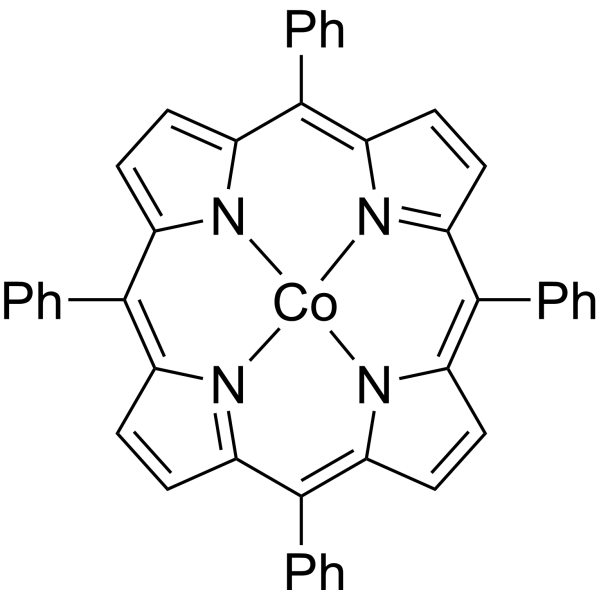
- HY-W011696
-
|
cis-1-Amino-9-octadecene, 80-90%
|
Environmental Pollutants
Biochemical Assay Reagents
|
Cancer
|
|
Oleylamine, 80-90% (cis-1-Amino-9-octadecene, 80-90%) is a multifunctional reagent used for metal ion coordination and nanoparticle surface modification, and acts as a solvent, surfactant and reducing agent in the synthesis of metal oxide nanoparticles. Oleylamine, 80-90% regulates nanoparticle morphology, magnetization intensity and water proton relaxation rate via thiol-ene "click" reaction, and enhances the colloidal stability of nanoparticles in organic reagents. Oleylamine, 80-90% is mainly used in research and applications in fields such as nanomaterial synthesis, biomedical imaging (MRI contrast agents, fluorescent probes), cancer cell targeting and drug delivery .
|
-

- HY-D3192
-
|
|
Fluorescent Dye
Bacterial
Amyloid-β
|
Infection
|
|
CDy11 is a fluorescent probe and amyloid-binding dye (λex=590 nm; λem=612 nm), with a Ka of 29 μM for Pseudomonas aeruginosa Fap. CDy11 specifically recognizes amyloid fibrils in bacterial biofilms and exhibits significantly enhanced fluorescence upon binding to the target. CDy11 shows no staining effect on amyloid-deficient mutant strains, planktonic cells or protein monomers. CDy11 supports in vivo imaging of Pseudomonas aeruginosa biofilms in mouse implant and corneal infection models. CDy11 is widely used in studies of Staphylococcus aureus biofilm infections, dental caries, and Pseudomonas aeruginosa-associated implant and corneal infections .
|
-

- HY-W800696
-
|
|
Fluorescent Dye
|
Others
|
|
BP Fluor 430 Azide is a water-soluble, green-fluorescent, azide-activated probe that reacts with terminal alkynes via a copper-catalyzed click reaction (CuAAC). It also reacts with strained cyclooctyne via a copper-free click chemistry reaction to form a stable triazole and does not require a Cu-catalyst or elevated temperatures.
BP Fluor 430 is a bright, photostable, green-fluorescent probe with excitation near its absorption maximum at 432 nm and emission maximum at 539 nm. This probe is water soluble and pH-insensitive from pH 4 to pH 10.
A next generation probe, BP Fluor 430 Picolyl Azide, is also available for detection of low abundance alkyne-tagged biomolecules.
|
-

- HY-N16308
-
|
|
Fluorescent Dye
|
Others
|
|
ER-Laurdan is a derivative of the membrane-permeable fluorescent probe Laurdan (HY-D0080) that targets the endoplasmic reticulum (ER). As a membrane fluidity reporter, ER-Laurdan specifically localizes to the ER luminal membrane, and exhibits a prominent solvatochromic response to fluidity changes caused by membrane packing and exogenous saturated fatty acid stress. ER-Laurdan shows no overlapping localization with mitochondria, enables quantitative analysis of ER membrane fluidity via generalized polarization ratio measurement, and allows automatic signal masking with the help of ER markers. With high specificity and quantitative capability, ER-Laurdan serves as an important tool for investigating metabolic disorders and associated changes in the physical properties of cell membranes .
|
-

- HY-125623
-
|
|
Fluorescent Dye
|
Others
|
|
MitoPerOx is a mitochondrial-targeted, lipid peroxidation-indicating fluorescent probe with BODIPY581/591 fluorophores. The triphenylphosphine cation (TPP+) of MitoPerOx can be selectively enriched in mitochondria (depending on membrane potential) and can be used to detect lipid peroxidation in the inner mitochondrial membrane. Under the action of lipid peroxides, the BODIPY581/591 fluorophores of MitoPerOx shift their emission wavelength from 590 nm (reduced state) to 520 nm (oxidized state), and ratiometric detection can be performed at an excitation wavelength of 488 nm. MitoPerOx can specifically monitor the peroxidation of mitochondrial phospholipids (especially cardiolipin) and is used in the study of oxidative stress-related diseases (such as aging, neurodegenerative diseases, and mitochondrial dysfunction)[1][2].
|
-
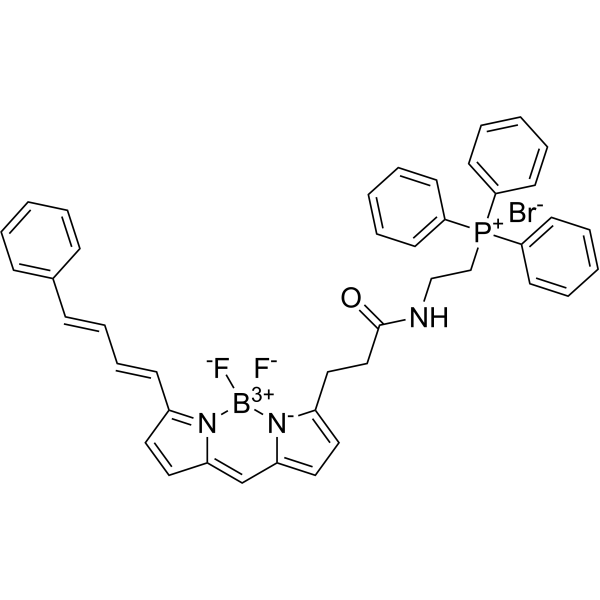
- HY-B1422
-
|
Aminacrine
|
Bacterial
HIV
|
Infection
|
|
9-Aminoacridine, a fluorescent probe, acts as an indicator of pH for quantitative determination of transmembrane pH gradients (inside acidic). 9-Aminoacridine is an antimicrobial. 9-Aminoacridine exerts its antimicrobial activity by interacting with specific bacterial DNA and disrupting the proton motive force in K. pneumoniae. 9-Aminoacridine is a HIV-1 inhibitor and inhibits HIV LTR transcription highly dependent on the presence and location of the amino moiety. 9-Aminoacridine inhibits virus replication in HIV-1 infected cell lines. 9-Aminoacridine is used as a Rifampin (RIF; HY-B0272) adjuvant for the multidrug-resistant K. pneumoniae infections .
|
-
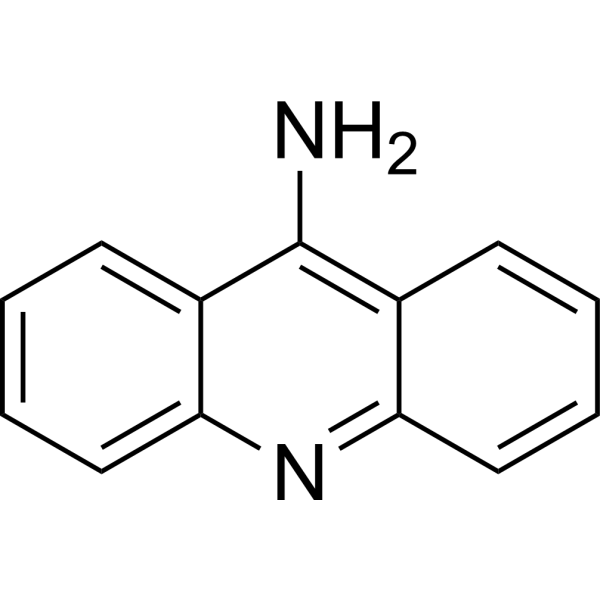
- HY-D3311
-
|
|
Fluorescent Dye
|
Cancer
|
|
M1219 is a GSH/ATP dual near-infrared activated fluorescent probe that enables independent real-time monitoring of dynamic changes in intracellular GSH and ATP without spectral crosstalk (GSH: Ex=640 nm, Em=740~800 nm; ATP: Ex=594 nm/610 nm, Em=650~700 nm). M1219 not only visualizes the metabolic regulatory mechanism of TNBC under single/dual-target inhibition of SLC7A11/GLUT1 and accurately evaluates its in vivo efficacy, but also achieves precise localization of the TNBC tumor invasion boundary. M1219 can be used for the research of triple-negative breast cancer .
|
-

- HY-DY1073
-
|
|
Fluorescent Dye
|
Others
|
MitoPerOx (solution) is a mitochondrial-targeted, lipid peroxidation-indicating fluorescent probe with BODIPY581/591 fluorophores. The triphenylphosphine cation (TPP+) of MitoPerOx can be selectively enriched in mitochondria (depending on membrane potential) and can be used to detect lipid peroxidation in the inner mitochondrial membrane. Under the action of lipid peroxides, the BODIPY581/591 fluorophores of MitoPerOx shift their emission wavelength from 590 nm (reduced state) to 520 nm (oxidized state) , and ratiometric detection can be performed at an excitation wavelength of 488 nm. MitoPerOx can specifically monitor the peroxidation of mitochondrial phospholipids (especially cardiolipin) and is used in the study of oxidative stress-related diseases (such as aging, neurodegenerative diseases, and mitochondrial dysfunction) .
Solvent and concentration: DMSO: 2 mM
|
-

- HY-D3198
-
|
|
Fluorescent Dye
Endogenous Metabolite
|
Cancer
|
|
NIR-fluorescent ceramide is a neutral near-infrared (NIF) fluorescent probe (λem=650 nm) based on the C-bridged nitrobenzoxadiazole SCOTfluor core, which enables visualization of lipid metabolic processes such as sphingolipid trafficking. The emission signal of NIR-fluorescent ceramide increases significantly in liposomal environments. NIR-fluorescent ceramide acts as an intracellular trafficking tracer, localizing to regions surrounding the endoplasmic reticulum and Golgi apparatus within a short period, and then translocating to recycling lysosomes over a longer period, thus enabling real-time visualization of sphingolipid trafficking and biological lipid functions in living cells. NIR-fluorescent ceramide also generates metabolic uptake profiles and provides multiple metabolic readouts in human cancer cell lines .
|
-

- HY-W800697
-
|
|
Fluorescent Dye
|
Others
|
|
BP Fluor 430 Picolyl Azide is an advanced fluorescent probe that incorporatess a copper-chelating motif to raise the effective concentration of Cu(I) at the reaction site. The rate of the CuAAC reaction depends on the concentrations of all reagents, including copper, therefore raising the effective copper concentration at the reaction site will dramatically increase the rate of CuAAC reaction without the need to increase concentration of azide reagent or copper.
In addition, the use of BP Fluor 430 Picolyl Azide instead of conventional BP Fluor 430 Azide allows for at least a tenfold reduction in the concentration of the copper catalyst without sacrificing the efficiency of labeling.
In summary, the introduction of a picolyl moiety into an azide probe leads to a substantial increase in the sensitivity of alkyne detection. This is of special value for the detection of low abundance targets or where significant increase in signal intensity is desired.
|
-

- HY-150087
-
|
|
Fluorescent Dye
|
Others
|
|
Ctrl-CF4-S2 is a chemically modified control probe of the copper probe Copper Fluor-4 (CF4, HY-150086), in which two of the four thioether ligands in CF4 (HY-150086) are replaced with methylene groups. CF4 (HY-150086) is a fluorescent probe used for detecting the presence and distribution of copper ions, whereas Ctrl-CF4-S2 does not respond to copper ions. This allows it to eliminate background signals from copper, thereby helping to determine whether the signals from CF4 (HY-150086) accurately reflect the dynamic changes of copper ions in biological systems
|
-

- HY-D3404
-
|
|
DNA Stain
|
Others
|
|
BODi-1 is a fluorescent modulator targeting dsDNA, which binds to dsDNA via a bis-intercalation mechanism (Ex=465 nm, Em=490 nm). BODi-1 exhibits a fluorescence enhancement effect upon binding to nucleic acids, but its fluorescence intensity, anisotropy and average lifetime decrease at higher dye/DNA ratios. When BODi-1 binds to DNA in liposome complexes, it also shows red-shifted emission spectra, along with reduced quantum yield and average lifetime. BODi-1 does not induce significant DNA conformational changes when the dye/DNA ratio is below 0.01. BODi-1 can be used as a fluorescent probe for the characterization of liposome complexes and FRET studies at this ratio .
|
-

- HY-160116
-
|
|
Radionuclide-Drug Conjugates (RDCs)
Fluorescent Dye
α-synuclein
|
Neurological Disease
|
|
α-Synuclein aggregate binder 1 (Compound C05-05) is a specific binder for α-synuclein aggregates and can inhibit α-synuclein aggregation. α-Synuclein aggregate binder 1 can be used as a fluorescent probe (excitation wavelength 900 nm, detection wavelength 500-550 nm) for optical imaging, and can also inhibit α-synuclein fibril formation by blocking the aggregation process. α-Synuclein aggregate binder 1 can be used for positron emission tomography (PET) imaging after being labeled with 18F. α-Synuclein aggregate binder 1 can be used for visual diagnosis of brain lesions and mechanism research of neurodegenerative diseases such as Parkinson's disease and Lewy body dementia .
|
-

- HY-D3181
-
|
|
Fluorescent Dye
Caspase
|
Cancer
|
|
CyGbPF is a granzyme B-specific near-infrared fluorescent probe. CyGbPF can be cleaved by granzyme B to remove the peptide cage group, restoring near-infrared fluorescence. CyGbPF passively accumulates in mouse tumors, and its activated fluorescence correlates with granzyme B expression, CD8 + cytotoxic T lymphocyte populations, and CD4 + helper T lymphocyte populations in tumor tissues. CyGbPF is efficiently cleared by the kidneys, enabling the assessment of immune activation via optical urine analysis. CyGbPF allows real-time non-invasive evaluation of cancer immunotherapeutic efficacy in living animals. CyGbPF can be used in research on cancers such as breast cancer. Excitation wavelength/emission wavelength: approximately 658 nm/approximately 717 nm .
|
-

- HY-D3189
-
|
|
Fluorescent Dye
PSMA
|
Cancer
|
|
5GluAF-2MeTG is an activatable fluorescent probe targeting the glutamate carboxypeptidase (CP) activity of PSMA (Ex/Em=490/500-600 nm). After being hydrolyzed by PSMA, 5GluAF-2MeTG releases a cell membrane-permeable fluorescent product, and achieves fluorescence activation by disrupting donor-excited photoinduced electron transfer (d-PeT). 5GluAF-2MeTG enables fluorescence imaging of live PSMA-expressing prostate cancer cells in vitro and visualizes the carboxypeptidase activity of PSMA. 5GluAF-2MeTG can be used to detect prostate cancer regions in preclinical excised tissue specimens .
|
-

- HY-D3153
-
|
|
Apoptosis
Caspase
Microtubule/Tubulin
|
Inflammation/Immunology
|
|
PbQ is a tubulin inhibitor (with an IC50 of 5 μM against goat tubulin) and a fluorescent probe for cuprous ions Cu (I). PbQ can penetrate the membrane of peripheral blood mononuclear cells, form a stable 1:1 complex with Cu + ions, and exhibits low toxicity and good biocompatibility toward macrophage cell lines. In addition, PbQ promotes tubulin degradation and disrupts the microtubule network in lung epithelial cells without affecting actin. PbQ also possesses genotoxicity by forming DNA base adducts, and it can activate caspase-3 and apoptosis-related genes, induce loss of mitochondrial membrane potential, and trigger cell apoptosis. PbQ can be used in studies related to chronic obstructive pulmonary disease .
|
-

- HY-W800693
-
|
|
Fluorescent Dye
|
Others
|
|
BP Fluor 405 Picolyl Azide is an advanced fluorescent probe that incorporatess a copper-chelating motif to raise the effective concentration of Cu(I) at the reaction site. The rate of the CuAAC reaction depends on the concentrations of all reagents, including copper, therefore raising the effective copper concentration at the reaction site dramatically increases the rate of CuAAC reaction without increasing the concentrations of azide reagent or copper.
In addition, the use of picolyl azide instead of conventional azides allows for at least a tenfold reduction in the concentration of the copper catalyst without sacrificing the efficiency of labeling.
In summary, the introduction of a picolyl moiety into an azide probe leads to a substantial increase in the sensitivity of alkyne detection. This is of special value for the detection of low abundance targets or where significant increase in signal intensity is desired.
|
-

- HY-D1991
-
|
|
Fluorescent Dye
|
Others
|
|
ATTO 647 is a carborhodamine fluorophore and imaging tracer with photostable properties. ATTO 647 serves as a fluorescent probe to investigate cell membrane structure and diffusion characteristics. When conjugated with wheat germ agglutinin, ATTO 647 specifically binds to N-acetyl-β-D-glucosamine and sialic acid residues on membrane glycoproteins, enabling single-molecule tracing of glycoprotein diffusion. ATTO 647 exhibits highly stable fluorescence properties with significantly reduced blinking in mounting media such as ROXS (AA/MV) and ROXS (TX/TQ), whereas its brightness properties vary in Ibidi-MM and Vectashield. ATTO 647 can also be used to label histone H2B-GFP in fixed cells for confocal microscopy photobleaching experiments .
|
-
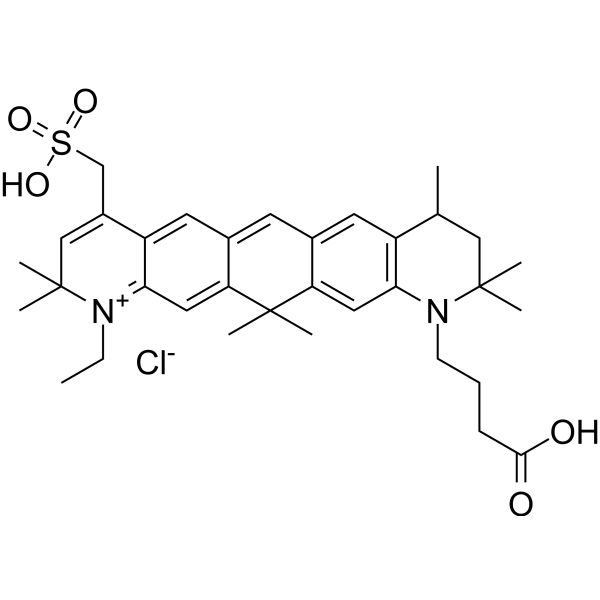
- HY-D3190
-
|
|
Fluorescent Dye
Apoptosis
|
Inflammation/Immunology
|
|
BODIPY-DOX is a conjugate composed of BODIPY and Doxorubicin (HY-15142A), as well as a pH-activated fluorescent probe for M1 macrophages and an apoptosis inducer. BODIPY-DOX undergoes pH-induced hydrazone bond cleavage in acidic M1 macrophage phagosomes, thereby releasing cytotoxic Doxorubicin (Dox) and inhibiting the function of pro-inflammatory M1 macrophages. BODIPY-DOX highly selectively inhibits the production of relevant pro-inflammatory cytokines by mouse and human monocyte-derived M1 macrophages, while exerting minimal effects on M2 or unactivated macrophages. Therefore, BODIPY-DOX enables simultaneous fluorescent tracing, differentiation and elimination of specific macrophage subsets, and exhibits the potential to regulate tissue regeneration in zebrafish models .
|
-

- HY-B1422S
-
|
Aminacrine-13C6
|
Bacterial
HIV
Isotope-Labeled Compounds
|
Infection
|
|
9-Aminoacridine-13C6 is the 13C-labeled 9-Aminoacridine(HY-B1422). 9-Aminoacridine, a fluorescent probe, acts as an indicator of pH for quantitative determination of transmembrane pH gradients (inside acidic). 9-Aminoacridine is an antimicrobial. 9-Aminoacridine exerts its antimicrobial activity by interacting with specific bacterial DNA and disrupting the proton motive force in K. pneumoniae. 9-Aminoacridine is a HIV-1 inhibitor and inhibits HIV LTR transcription highly dependent on the presence and location of the amino moiety. 9-Aminoacridine inhibits virus replication in HIV-1 infected cell lines. 9-Aminoacridine is used as a Rifampin (RIF; HY-B0272) adjuvant for the multidrug-resistant K. pneumoniae infections .
|
-
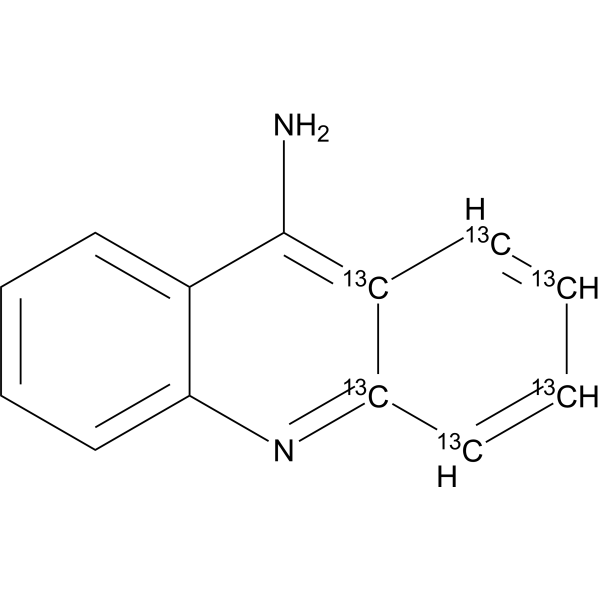
- HY-D3391
-
|
|
Bacterial
|
Infection
|
|
RMR-Tre is a fluorescent probe targeting the mycobacterial acyltransferase Ag85. Under the catalysis of Ag85, RMR-Tre undergoes 6-position mycoloylation and anchors to the mycobacterial membrane, while achieving fluorescence activation by inhibiting the intramolecular twisted charge transfer state transition. RMR-Tre can distinguish live mycobacteria from dead ones through metabolism-driven labeling, enabling rapid, wash-free, low-background detection of viable bacteria. RMR-Tre reports the drug resistance of Mycobacterium tuberculosis via the trehalose catalytic shift activity readout associated with TreS. In addition, RMR-Tre can be combined with flow cytometry or high-content imaging techniques to visualize and quantitatively analyze the metabolic heterogeneity of Mycobacterium tuberculosis related to persistence and drug resistance. RMR-Tre is widely used in tuberculosis-related research .
|
-

- HY-D3186
-
|
|
Fluorescent Dye
Glycosidase
|
Cancer
|
|
HMRef-βGal is a fluorescent probe and a substrate responsive to β-galactosidase (β-galactosidase) (Ex/Em=498 nm/505-600 nm). After being cleaved by β-galactosidase, HMRef-βGal triggers significant fluorescence enhancement via intramolecular spirocyclic function regulation. HMRef-βGal generates bright fluorescence in cancer cells with elevated β-galactosidase activity, enabling visualization of tiny peritoneal metastases in mouse models. HMRef-βGal exhibits low in vitro cytotoxicity and low acute in vivo toxicity in mice. HMRef-βGal can be used for preclinical fluorescence-guided diagnosis and cytoreductive surgery of peritoneal metastases, including compatibility with real-time naked-eye detection and endoscopic imaging, as well as for studies related to peritoneal metastases of ovarian cancer .
|
-

- HY-W020012
-
|
22-NBD Cholesterol
|
Fluorescent Dye
|
Metabolic Disease
|
|
Fluoresterol (22-NBD Cholesterol) is a cholesterol-specific fluorescent probe with cholesterol-mimicking binding properties. Fluoresterol is ineffective orally and does not cross the blood-brain barrier. Fluoresterol specifically binds to cholesterol transport-related proteins (such as ABCA1 and ABCG1) and is primarily used in cholesterol metabolism research, particularly for the visualization and quantitative analysis of cholesterol absorption, efflux, intracellular transport efficiency, and reverse cholesterol transport (RCT) processes. The commonly used concentration of Fluoresterol in in vitro experiments is 0.1-10 μM, and the commonly used dose in in vivo experiments is 5-20 mg/kg (gavage or intraperitoneal injection), with excitation/emission wavelengths of 472/540 nm. Fluoresterol can be applied to the study of cholesterol metabolism mechanisms related to hyperlipidemia, atherosclerosis, and non-alcoholic fatty liver disease (NAFLD) .
|
-

- HY-150175
-
|
|
Fluorescent Dye
|
Inflammation/Immunology
|
|
HKSOX-1 and its derivatives (HKSOX-1r and HKSOX-1m) are novel fluorescent probes designed for highly sensitive and selective detection of the superoxide anion radical (O2 •−) in cellular environments. These probes utilize an aryl trifluoromethanesulfonate group that undergoes O2 •−-mediated cleavage, releasing a free phenol and emitting fluorescence. They demonstrate excellent specificity and sensitivity across various pH ranges, withstand interference from strong oxidants and reductants typical in cellular contexts. HKSOX-1r, optimized for cellular retention, has been effectively employed in diverse assays including confocal imaging, flow cytometry, and zebrafish embryo studies, highlighting its utility in investigating O2 •− roles in inflammation, mitochondrial stress, and other physiological processes .
|
-

- HY-B1422R
-
|
Aminacrine (Standard)
|
Reference Standards
Bacterial
HIV
|
Infection
|
|
9-Aminoacridine (Standard) is the analytical standard of 9-Aminoacridine. This product is intended for research and analytical applications. 9-Aminoacridine, a fluorescent probe, acts as an indicator of pH for quantitative determination of transmembrane pH gradients (inside acidic). 9-Aminoacridine is an antimicrobial. 9-Aminoacridine exerts its antimicrobial activity by interacting with specific bacterial DNA and disrupting the proton motive force in K. pneumoniae. 9-Aminoacridine is a HIV-1 inhibitor and inhibits HIV LTR transcription highly dependent on the presence and location of the amino moiety. 9-Aminoacridine inhibits virus replication in HIV-1 infected cell lines. 9-Aminoacridine is used as a Rifampin (RIF; HY-B0272) adjuvant for the multidrug-resistant K. pneumoniae infections .
|
-

- HY-119323
-
|
|
Fluorescent Dye
|
Others
|
|
7-Azido-4-methylcoumarin is a selective coumarin-based fluorescent probe for hydrogen sulfide (H2S). In the presence of H2S, the aromatic azido group of 7-Azido-4-methylcoumarin is selectively reduced to produce the fluorescently active 7-amino-4-methylcoumarin (AMC). 7-Azido-4-methylcoumarin binds to the coumarin/phenol-binding site of BSA, the aglycone-binding site of UGT1A6, and the substrate-binding site of SULT1A1, respectively. 7-Azido-4-methylcoumarin retains its fluorescent properties after covalent binding, acts as a fluorescent H2S probe, and does not react with cysteine, homocysteine or glutathione (Ex/Em = 340/445 nm) .
|
-
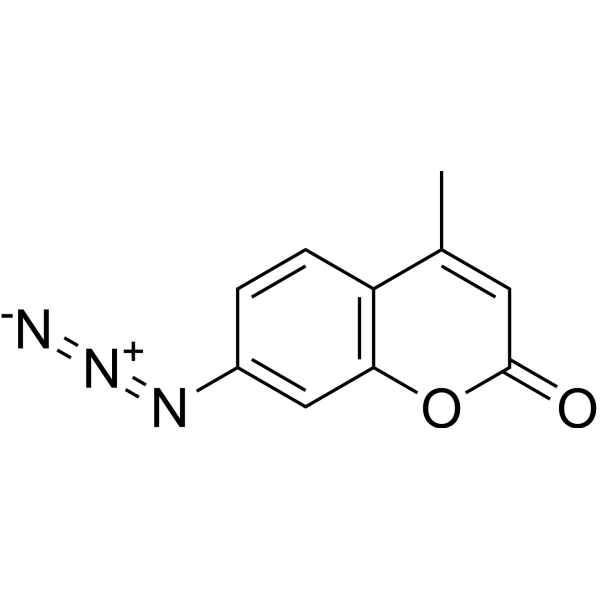
- HY-D3210
-
|
|
Fluorescent Dye
|
Inflammation/Immunology
|
|
DCM-KPV is a fluorescent probe targeting the human intestinal oligopeptide transporter PEPT1/SLC15A1 receptor (λex=480 nm, λem=620-670 nm). DCM-KPV specifically binds to PepT1 via its KPV domain and mediates receptor-targeted internalization, thus effectively accumulating in the cytoplasm and nucleus of cells overexpressing this receptor. DCM-KPV has the advantages of long emission wavelength, high emission efficiency, low photobleaching, and negligible cytotoxicity. DCM-KPV maintains stable fluorescence intensity under continuous illumination, exhibiting extremely high live cell compatibility. DCM-KPV can specifically accumulate at colonic inflammatory sites through the intestinal mucosa, enabling direct non-invasive visual differentiation between chronic and acute ulcerative colitis groups and the normal group .
|
-

- HY-108910
-
|
EC 3.4.21.1; Chymotrypsin A
|
Toll-like Receptor (TLR)
NF-κB
MMP
|
Others
Inflammation/Immunology
|
|
Chymotrypsin (EC 3.4.21.1; Chymotrypsin A) is an orally effective inhibitor targeting molecules such as TLR4, NF-κB, MMP-1, TNF-α, IL-1β, and IL-6. Chymotrypsin downregulates the TLR4/NF-κB signaling pathway, inhibiting the release of inflammatory factors, reducing cell infiltration and tissue damage. It also reduces the expression of tumor cell adhesion molecules (such as CD44 and CD54) and can be specifically detected by fluorescent probes (such as NBD-3). Chymotrypsin has anti-inflammatory, hepatoprotective, joint damage-reducing, liver protection against lipotoxicity, and anti-tumor metastasis functions. It can be used in research on diseases such as rheumatoid arthritis, non-alcoholic fatty liver disease, and melanoma metastasis. Chymotrypsin can be used in studies of inflammation, edema, and expectoration .
|
-

- HY-108910A
-
|
EC 3.4.21.1 (MS grade); Chymotrypsin A (MS grade)
|
Toll-like Receptor (TLR)
NF-κB
MMP
|
Others
Inflammation/Immunology
|
|
Chymotrypsin (EC 3.4.21.1; Chymotrypsin A) (MS grade) is an orally effective inhibitor targeting molecules such as TLR4, NF-κB, MMP-1, TNF-α, IL-1β, and IL-6. Chymotrypsin (MS grade) downregulates the TLR4/NF-κB signaling pathway, inhibits the release of inflammatory factors, reduces cell infiltration and tissue damage, and also reduces the expression of tumor cell adhesion molecules (such as CD44 and CD54). It can also be specifically detected by fluorescent probes (such as NBD-3). Chymotrypsin (MS grade) has anti-inflammatory, hepatoprotective, joint damage-reducing, liver protection against lipotoxicity, and anti-tumor metastasis functions, and can be used in the research of diseases such as rheumatoid arthritis, non-alcoholic fatty liver disease, and melanoma metastasis. Chymotrypsin (MS grade) can be used in studies of inflammation, edema, and expectoration .
|
-

- HY-D3003
-
|
|
Fluorescent Dye
|
Others
|
|
M-H2S is an endoplasmic reticulum-targeted ratio-type near-infrared fluorescent probe (Ex/Em : 480 nm/560 nm) specifically designed for the detection of hydrogen sulfide (H2S) in living cells and zebrafish. M-H2S exhibits detection limit for H2S of 39.1 nM, and the fluorescence intensity ratio (F₆₅₀/F₅₆₀) within the range of 0-40 μM shows a linear relationship with the H2S concentration. M-H2S responds best under pH = 7.2 (the normal physiological pH of the endoplasmic reticulum) conditions, making it suitable for the detection of the microenvironment of the endoplasmic reticulum. M-H2S can be used to study the role of H2S in endoplasmic reticulum function, stress response, and related diseases .
|
-

- HY-W091541R
-
|
4-Hydroxyindole-3-carboxaldehyde (Standard)
|
Endogenous Metabolite
Reference Standards
|
Others
Inflammation/Immunology
|
|
4-Hydroxy-1H-indole-3-carbaldehyde (Standard) is the analytical standard of 4-Hydroxy-1H-indole-3-carbaldehyde (HY-W091541). This product is intended for research and analytical applications. 4-Hydroxy-1H-indole-3-carbaldehyde (4-Hydroxyindole-3-carboxaldehyde) is a plant metabolite. 4-Hydroxy-1H-indole-3-carbaldehyde can be isolated from Capparis spinosa L. 4-Hydroxy-1H-indole-3-carbaldehyde can be used in the synthesis of fluorescent probe. 4-Hydroxy-1H-indole-3-carbaldehyde can be used in the study of inflammation-related diseases .
|
-

- HY-D1063
-
|
|
Fluorescent Dye
Apoptosis
Reactive Oxygen Species (ROS)
|
Cancer
|
|
IR-780 is a near-infrared fluorescent probe for in vivo imaging of tumor cells. IR-780 is transported into tumor cells via OATPs and ABCB10, with uptake dependent on glycolytic activity and plasma membrane potential. IR-780 preferentially accumulates in tumor cell mitochondria, including those of drug-resistant cancer cells, without chemical conjugation. IR-780 generates reactive oxygen species (ROS), induces hyperthermia and apoptosis, inhibits tumor growth and recurrence, and modulates HSP70 expression upon ultrasound or 808 nm laser exposure. IR-780 acts as a sonosensitizer, photodynamic and photothermal agent, and drug delivery carrier, with low acute imaging-dose toxicity and rapid vital organ clearance. IR-780 can be used for the research of cancer, such as breast cancer, lung cancer, and non-small cell lung cancer (NSCLC) .
|
-
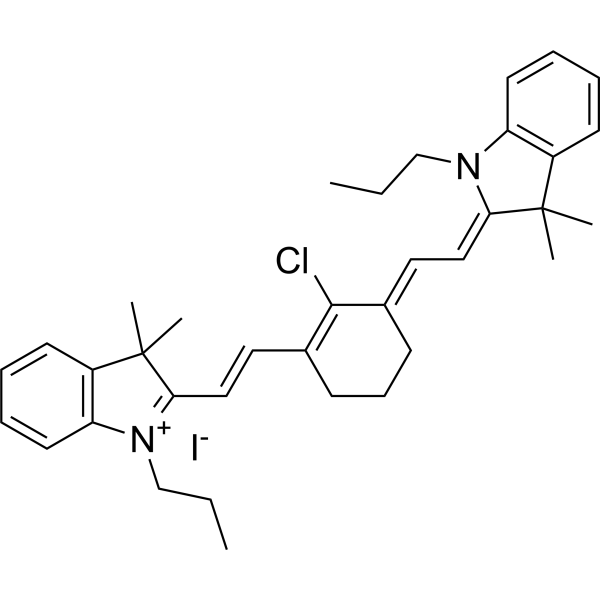
- HY-D0077
-
|
Oregon green 488
|
Fluorescent Dye
|
Others
|
|
2',7'-Difluorofluorescein (Oregon green 488) is a fluorescein derivative and a pH-sensitive fluorescent probe (pKa ~4.7). Upon excitation at 488 nm, 2',7'-Difluorofluorescein exhibits pH-sensitive fluorescence intensity through the formation of dianions, while its pH sensitivity decreases under excitation at 450 nm, allowing its use in ratiometric pH analysis. 2',7'-Difluorofluorescein can be used for the quantitative analysis of pH values in the range of 2-7 in submicron aerosol particles. 2',7'-Difluorofluorescein undergoes buffer-mediated and buffer-free excited-state proton transfer between different protonated forms, and its cationic form undergoes rapid excited-state deprotonation. 2',7'-Difluorofluorescein is resistant to photodegradation, maintains stable absorption and fluorescence properties within the physiological pH range, and serves as a fluorescent protein label, a component of Ca 2+ indicators, a fluorescent imaging agent, and an anisotropy probe .
|
-

- HY-W327027
-
|
|
Fluorescent Dye
|
Others
|
|
7-(2,4-Dinitrophenoxy)-4-methyl-2H-chromen-2-one (Compound 1) is a fluorescent probe for the detection of hydrogen sulfide (H2S). 7-(2,4-Dinitrophenoxy)-4-methyl-2H-chromen-2-one has a low detection limit (4×10 -6 mol/L), good selectivity and high sensitivity. 7-(2,4-Dinitrophenoxy)-4-methyl-2H-chromen-2-one shows almost no cytotoxicity at concentrations of 150 µg/mL. 7-(2,4-Dinitrophenoxy)-4-methyl-2H-chromen-2-one has the excitation peak of 331 nm, and the emission peak about 385 nm in DMSO solvent. Upon the addition of increasing amounts of HS -, the fluorescence intensity increases obviously at about 392 nm .
|
-

- HY-D3187
-
|
|
Fluorescent Dye
Glycosidase
|
Infection
Cancer
|
|
HMRef-αMan is a substrate-based green fluorescent probe (Ex/Em=465 nm/515 nm) targeting MAN2C1 (α-mannosidase). HMRef-αMan can be specifically cleaved by MAN2C1 to generate a highly fluorescent product, which thus gets activated to produce green fluorescence in malignant breast tissues, benign lesions and living cancer cells. The signal intensity of HMRef-αMan is directly correlated with MAN2C1 activity, and it can effectively detect tiny breast cancer lesions with a diameter of less than 1 mm. When used in combination with the red-emitting γ-glutamyl transpeptidase (GGT) probe gGlu-2OMe SiR600 (HY-D3188), HMRef-αMan enables precise optical differentiation of breast tissue types via a dual-color imaging strategy. HMRef-αMan has been widely used in the research of breast diseases such as breast cancer, fibroadenoma, phyllodes tumor and various types of papilloma .
|
-

- HY-W783351
-
|
Coppersensor 790 acetoxymethyl ester
|
Fluorescent Dye
|
Metabolic Disease
|
|
CS790AM (Coppersensor 790 acetoxymethyl ester) is a cell-permeable, Cu +-targeted near-infrared fluorescent probe (λabs=760 nm, λem=790 nm) applicable to live cells. CS790AM can cross lipophilic cell membranes, and is converted into negatively charged CS790 under the action of intracellular esterases to be retained, thus enabling highly sensitive, reversible "turn-on" detection of labile Cu + pools in live cells and mice. CS790AM possesses excellent biocompatibility and selectivity, avoids interference from other metal ions, shows no obvious toxicity, and can be rapidly cleared. CS790AM allows long-term longitudinal monitoring of individual mice, visualizes copper levels in internal organs and isolated livers, and effectively evaluates abnormal copper accumulation in Wilson's disease models (Atp7b -/-) as well as dynamic changes after chelator treatment. CS790AM can be used for research on Wilson's disease and related copper metabolic disorders .
|
-

| Cat. No. |
Product Name |
Type |
-
- HY-U00451
-
|
|
Fluorescent Dyes
|
|
ATP-Red 1 is a multisite-binding switchable fluorescent probe, and can selectively and rapidly responds to intracellular concentrations of ATP in living cells (Ex/Em = 510/590 nm).
|
-
- HY-D0993
-
|
Nonylacridine orange
|
Fluorescent Dyes
|
|
Acridine Orange 10-Nonyl Bromide is a fluorescent probe for cardiolipin (λex: 489 nm, λem: 525 nm).
|
-
- HY-128868G
-
|
|
Fluorescent Dyes
|
|
FITC-Dextran (MW 150000) is a fluorescent probe for fluorescein isothiocyanate (FITC) dextran (Ex=491 nm; Em=518 nm). FITC-Dextran (MW 150000) can be used as a marker to reveal heat shock-induced cell damage and to study the early and late stages of apoptosis. FITC-Dextran (MW 150000) can be used in perfusion studies in animals or in fluorescence microlymphography, to study processes that affect the permeability of the blood brain barrier (BBB) . FITC-Dextran (MW 150000) can be used as fluorescent probe to study cell permeability .
|
-
- HY-D1683
-
NBD-PE
2 Publications Verification
|
Fluorescent Dyes
|
|
NBD-PE is an effective lipid fluorescent probe (Excitation/Emission: 465/535 nm; Color: Green). NBD-PE offers a wide array of applications in membrane and cell biology .
|
-
- HY-D1458
-
|
|
Fluorescent Dyes
|
|
Peroxyfluor 1 is a cell-permeable probe for H2O2. Peroxyfluor 1 represents a first-generation, green-fluorescent probe .
|
-
- HY-102055
-
|
|
Fluorescent Dyes
|
|
JAK2 JH2 Tracer (Tracer 5) is a fluorescent probe for JAK2 JH2 domain, with a Kd value of 0.2 μM .
|
-
- HY-D0133
-
|
|
Fluorescent Dyes
|
|
NBD-X acid is a fluorescent probe containing a nitrobenzoxadiazole group. NBD-X acid can be used to study the structure and function of biomolecules .
|
-
- HY-D1046
-
|
Dabcyl, SE
|
Fluorescent Dyes
|
|
Dabcyl acid, SE is the amine-reactive form of Dabcyl acid (DABCYL) (HY-D1045), and is widely used in the preparation of fluorescent probes containing DABCYL .
|
-
- HY-115691
-
|
Styrene-BODIPY; Styrene-Conjugated BODIPY
|
Fluorescent Dyes
|
|
STY-BODIPY (Styrene-BODIPY; Styrene-Conjugated BODIPY) is a styrene-conjugated fluorescent probe used to measure the activity of radical-trapping antioxidants (RTAs)> .
|
-
- HY-D1459
-
|
|
Fluorescent Dyes
|
|
BODIPY 665/676 is a lipophilic radical-sensitive fluorescent probe that can be used to study radical-driven lipid autoxidation (Ex/Em=665/676 nm) .
|
-
- HY-D1781
-
|
|
Fluorescent Dyes
|
|
NTPAN-MI is a fluorescent probe (excitation wavelength: 405 nm). NTPAN-MI is selectively activated after labeling unfolded proteins with exposed thiols, thereby reporting the degree of protein homeostasis .
|
-
- HY-D1157
-
|
|
Fluorescent Dyes
|
|
HKPerox-2 is a highly sensitive green fluorescent probe for the specific detection of H2O2 in living cells with a maximum excitation wavelength and emission wavelength of 520 nm and 543 nm, respectively .
|
-
- HY-D1694
-
|
|
Fluorescent Dyes
|
|
LysoTracker Yellow HCK 123 is a potent yellow membrane-permeable fluorescent probe. LysoTracker Yellow HCK 123 is a weakly basic amine that selectively accumulates in cellular compartments with low luminal pH .
|
-
- HY-D0149
-
|
|
Fluorescent Dyes
|
|
4-(Trifluoromethyl)umbelliferone is fluorescent probe substrate for rat hepatic cytochrome P450 enzymes .
|
-
- HY-D1837
-
|
VF 488 Tyramide
|
Fluorescent Dyes
|
|
Vari Fluor 488 TSA(200×) (VF 488 Tyramide) is a fluorescent probe belonging to the Vari Fluor TSA series. Vari Fluor TSA series fluorescent probes can be used for high-density in situ labeling of target antigens using horseradish peroxidase (HRP) assays, which are widely used in ELISA, IF, IHC and other techniques with high detection sensitivity .
|
-
- HY-130025
-
HKOCl-3
2 Publications Verification
|
Fluorescent Dyes
|
|
HKOCl-3 is a highly sensitive and selective fluorescent probe for detecting hypochlorous acid.Ex: 490 nm; Em 527 nm .
|
-
- HY-108715
-
|
|
Fluorescent Dyes
|
|
Real Thiol is a reversible reaction-based fluorescent probe which can quantitatively monitor the real-time glutathione dynamics in living cells.
|
-
- HY-D1903
-
|
|
Fluorescent Dyes
|
|
Fura Red AM is a fluorescent probe that can be used to visualize Ca 2+ distribution in the cytoplasm of undifferentiated cells. Fura Red AM operates at an excitation wavelength of 488 nm .
|
-
- HY-D1266
-
|
NO-red
|
Fluorescent Dyes
|
|
RB-OPD (NO-red) is a o-phenylenediamine (OPD)-locked rhodamine nitric oxide (NO) fluorescent probe with great sensitivity and selectivity (λex=550 nm, λem=590 nm) .
|
-
- HY-D1148
-
|
|
Fluorescent Dyes
|
|
HKGreen-4I is a highly sensitive green fluorescent probe for the specific detection of ONOO - in living cells with a maximum excitation wavelength and emission wavelength of 520 nm and 543 nm, respectively .
|
-
- HY-D0029
-
|
5(6)-AFM; Fluoresceinamine mixed isomers
|
Fluorescent Dyes
|
|
5(6)-Aminofluorescein (5(6)-AFM) is an amino-containing fluorescein dye primarily used for biomolecular labeling, fluorescence imaging, and as a precursor for the synthesis of fluorescent probes (Ex/Em = 495/515 nm).
|
-
- HY-D2878
-
|
|
Fluorescent Dyes
|
|
MitoPeDPP is a mitochondrial-targeted fluorescent probe that is sensitive to LPO. MitoPeDPP is synthesized from diphenylpyrenephosphine. MitoPeDPP can be used to study the occurrence of mitochondrial LPO in RSL3-induced oligodendrocyte ferroptosis .
|
-
- HY-D0099
-
|
|
Fluorescent Dyes
|
|
Fluorescein-5-thiosemicarbazide is a amine containing fluorescent probe that can be used for labeling saccharides and protein carbonyl derivatives .
|
-
- HY-D2312
-
|
|
Fluorescent Dyes
|
|
Mito-Rh-S is a ratiometric near-infrared (NIR) fluorescent probe that detects the fluctuation of mitochondrial HClO levels during ferroptosis in hepatocellular carcinoma (HCC) .
|
-
- HY-D0941
-
|
|
Fluorescent Dyes
|
|
5-Carboxytetramethylrhodamine can be used as a fluorescent probe of nucleic acids and proteins. 5-Carboxytetramethylrhodamine displays excitation maxima of 558 nm and an emission maximum of 586 nm .
|
-
- HY-D1457
-
|
|
Fluorescent Dyes
|
|
DND-189, a low-pH fluorescent probe, is sensitive to neutral and low pH range. DND-189 can be used to measure the pH of acidic organelles .
|
-
- HY-DY1014
-
|
|
Fluorescent Dyes
|
ATP-Red 1 (solution) is a multisite-binding switchable fluorescent probe, and can selectively and rapidly responds to intracellular concentrations of ATP in living cells (Ex/Em = 510/590 nm).
Solvent and concentration: DMSO: 1 mM
|
-
- HY-U00440
-
-
- HY-W040681
-
-
- HY-D1835
-
|
VF 594 Tyramide
|
Fluorescent Dyes
|
|
Vari Fluor 594 TSA (200×) (VF 594 Tyramide) is a fluorescent probe belonging to the Vari Fluor TSA series. Vari Fluor TSA series fluorescent probes can be used for high-density in situ labeling of target antigens using horseradish peroxidase (HRP) assays, which are widely used in ELISA, IF, IHC and other techniques with high detection sensitivity .
|
-
- HY-D1158
-
|
|
Fluorescent Dyes
|
|
HKOCl-4m is a selective and mitochondria-targeting rhodol-based fluorescent probe for monitoring mitochondrial hypochlorous acid (HOCl) .
|
-
- HY-DY1078
-
|
|
Fluorescent Dyes
|
Acridine Orange 10-Nonyl Bromide (solution) is a fluorescent probe for cardiolipin (λex: 489 nm, λem: 525 nm).
Solvent and concentration: DMSO: 10 mM
|
-
- HY-D1255
-
|
|
Fluorescent Dyes
|
|
Sel-green, a selective selenol fluorescent probe, is applied to quantify the Sec content in the selenoenzyme thioredoxin reductase and image endogenous Sec in live HepG2 cells .
|
-
- HY-147889
-
|
|
Fluorescent Dyes
|
|
BBR-BODIPY is a fluorescent probe that allows screening its interaction with the targeted cells. BBR-BODIPY induces apoptosis and changes the expression of apoptosis-related proteins .
|
-
- HY-157036
-
|
|
Fluorescent Dyes
|
|
INSA is a a pH-sensitive fluorescent probe. INSA can simultaneously light up mitochondria (red emission) and lysosomes (green emission) for their internal pH differences .
|
-
- HY-D1151
-
HKOH-1
3 Publications Verification
|
Fluorescent Dyes
|
|
HKOH-1 is a highly sensitive green fluorescent probe for the specific detection of ·OH in living cells with a maximum excitation wavelength and emission wavelength of 500 nm and 520 nm, respectively .
|
-
- HY-D1159
-
|
|
Fluorescent Dyes
|
|
HKOH-1r is a highly sensitive green fluorescent probe for the specific detection of ·OH in living cells with a maximum excitation wavelength and emission wavelength of 500 nm and 520 nm, respectively .
|
-
- HY-D2476
-
|
|
Fluorescent Dyes
|
|
H2S Fluorescent probe 1 (Compound 2) is a fluorescent probe that detects hydrogen sulfide (H2S) with almost no cytotoxicity. Upon the addition of increasing amounts of HS - to DMSO solution of H2S Fluorescent probe 1, a new absorption peak appears gradually at 485 nm. H2S Fluorescent probe 1, the fluorescence intensity notes at 434 nm increasing rapidly by titration of HS - .
|
-
- HY-101937C
-
|
|
Fluorescent Dyes
|
|
(±)-ANAP hydrochloride is the unnatural amino acid analog of prodan, acts as a fluorescent probes, and enhances environmental sensitivity.
|
-
- HY-D1832
-
|
VF 532 Tyramide
|
Fluorescent Dyes
|
|
Vari Fluor 532 TSA (200×) (VF 532 Tyramide) is a fluorescent probe belonging to the Vari Fluor TSA series. Vari Fluor TSA series fluorescent probes can be used for high-density in situ labeling of target antigens using horseradish peroxidase (HRP) assays, which are widely used in ELISA, IF, IHC and other techniques with high detection sensitivity .
|
-
- HY-D1831
-
|
VF 620 Tyramide
|
Fluorescent Dyes
|
|
Vari Fluor 620 TSA (200×) (VF 620 Tyramide) is a fluorescent probe belonging to the Vari Fluor TSA series. Vari Fluor TSA series fluorescent probes can be used for high-density in situ labeling of target antigens using horseradish peroxidase (HRP) assays, which are widely used in ELISA, IF, IHC and other techniques with high detection sensitivity .
|
-
- HY-D1833
-
|
VF 680 Tyramide
|
Fluorescent Dyes
|
|
Vari Fluor 680 TSA (200×) (VF 680 Tyramide) is a fluorescent probe belonging to the Vari Fluor TSA series. Vari Fluor TSA series fluorescent probes can be used for high-density in situ labeling of target antigens using horseradish peroxidase (HRP) assays, which are widely used in ELISA, IF, IHC and other techniques with high detection sensitivity .
|
-
- HY-D1834
-
|
VF 640 Tyramide
|
Fluorescent Dyes
|
|
Vari Fluor 640 TSA(200×) (VF 640 Tyramide) is a fluorescent probe belonging to the Vari Fluor TSA series. Vari Fluor TSA series fluorescent probes can be used for high-density in situ labeling of target antigens using horseradish peroxidase (HRP) assays, which are widely used in ELISA, IF, IHC and other techniques with high detection sensitivity .
|
-
- HY-D2479
-
|
|
Fluorescent Dyes
|
|
DMANI is an intramolecular charge transfer (ICT)-based mitochondria-targeted ratiometric fluorescent probe. DMANI can monitor mitochondrial peroxynitrite (ONOO −) in living cells .
|
-
- HY-130013
-
|
|
Fluorescent Dyes
|
|
HKYellow-AM (6/12-mixture) is a yellow fluorescent probe that can detect ONOO- in living cells and tissues with high selectivity and sensitivity without cytotoxicity .
|
-
- HY-D2418
-
|
|
Fluorescent Dyes
|
|
PS-SCOTfluor-12 (compound 10) is a fluorescent probe for imaging Lactic acid (HY-B2227) metabolism in live cells. λex/λem= 485/605 nm .
|
-
- HY-130022
-
|
|
Fluorescent Dyes
|
|
HKPerox-1 is a highly sensitive green fluorescent probe for the specific detection of H2O2 in living cells with a maximum excitation wavelength and emission wavelength of 520 nm and 543 nm, respectively .
|
-
- HY-135640
-
|
|
Fluorescent Dyes
|
|
TAMRA-probe 1 is a commonly used fluorescent probe for labeling .
|
-
- HY-101937A
-
|
|
Fluorescent Dyes
|
|
(±)-ANAP is the unnatural amino acid analog of prodan, acts as a fluorescent probes, and enhances environmental sensitivity.
|
-
- HY-D1470
-
|
|
Fluorescent Dyes
|
|
BADAN (6-Bromoacetyl-2-dimethylaminonaphthalene) is a polarity-sensitive fluorescent probe .
|
- HY-D1089
-
|
|
Fluorescent Dyes
|
|
6-JOE, SE is an amine-reactive fluorescent probe and is suitable for postsynthetic labeling of amino-modified oligonucleotides .
|
- HY-D2377
-
|
|
Fluorescent Dyes
|
|
F8 is a small molecule GPR84 fluorescent probe that can visualize and detect GPR84 protein levels at the cellular and tissue levels .
|
- HY-D2274
-
|
|
Fluorescent Dyes
|
|
EZH2-AF647 is a fluorescent probe derived from UNC2239 that improves receptor TR-FRET properties by using Alexa 647 dye .
|
- HY-D0140
-
|
ETH 5294
|
Fluorescent Dyes
|
|
Chromoionophore I (ETH 5294) is a hydrophobic pH indicator. Chromoionophore I is used as a transmissive or fluorescent probe molecule in many types of hydrophobic sensor membranes. Chromoionophore I is oil-soluble .
|
- HY-W337618
-
|
|
Fluorescent Dyes
|
|
7-Aminocoumarin is highly fluorescent, acts as an optical brightener and fluorescent probe .
|
- HY-W127843
-
|
|
Fluorescent Dyes
|
|
Mag-Indo-1 tetrapotassium salt is a cell impermeable fluorescent probe for Mg 2+ detection .
|
- HY-D1752
-
|
D-22421
|
Fluorescent Dyes
|
|
JC-9 (D-22421) is a green-fluorescent probe used for ratiometric calculation of mitochondrial membrane potential.
|
- HY-D2944
-
- HY-D2115
-
|
|
Fluorescent Dyes
|
|
NBDT is sensitive and selective light-up fluorescent probe for monitoring gallium and chromium ionsin vitro and in vivo and can be detected at 574 nM .
|
- HY-141646
-
|
|
Fluorescent Dyes
|
|
MIT-PZR is a mitochondria-targeted,? low cytotoxicity fluorescent probe that can be used in live cells and in vivo imaging. Ex / Em = 485 / 705 nm
|
- HY-D2157
-
|
Coumarin 343-aminohexanoic acid-NHS ester
|
Fluorescent Dyes
|
|
Coumarin 343 X NHS ester is a homologue of Coumarin 343 (HY-W267364). Coumarin 343 is a hydrophilic fluorescent probe for use in microfluids.
|
- HY-D1391
-
|
PbS/CdSe QD
|
Fluorescent Dyes
|
|
PbS/CdS QDs (PbS/CdSe QD) is a fluorescent probe that can be used for in vivo fluorescence imaging in the second near-infrared window .
|
- HY-D2931
-
|
|
Fluorescent Dyes
|
|
SNAP-FAM is a FAM-labeled SNAP tag fluorescent probe, specifically designed for live-cell protein labeling and real-time imaging applications .
|
- HY-W321446
-
|
|
Fluorescent Dyes
|
|
Dansyl ethylenediamine is a fluorescent probe. Dansyl ethylenediamine can be used for synthesis of protein-imprinted polymers which is capable of specific transduction of protein binding events into fluorescent signal change .
|
- HY-103684
-
|
Real Thiol-NH2
|
Fluorescent Dyes
|
|
RT-NH2 is a RealThiol prototype without the carboxylic acid groups. RT-NH2 is fairly hydrophobic and cannot distribute in the nucleus, which is a hallmark of protein binding for fluorescent probe.
|
- HY-144603
-
|
|
Fluorescent Dyes
|
|
Neuropeptide Y Y1 receptor antagonist 1 (compound 39), a fluorescent probe, is a potent antagonist of neuropeptide Y Y 1 receptor (Y 1R), with a Ki of 0.19 nM .
|
- HY-W248119
-
|
|
Fluorescent Dyes
|
|
8-(4-Iodophenyl)-1,3,5,7-tetramethyl BODIPY is a BODIPY derivative that can be used as a fluorescent probe for GFP-labeled muscarinic M1 receptor .
|
- HY-D1770
-
|
|
Fluorescent Dyes
|
|
NBD Dihexadecylamine is a fluorescent probe used for labeling phospholipids.
|
- HY-135637
-
|
|
Fluorescent Dyes
|
|
Nilotinib Acid, an analogue of Nilotinib, is usually used as a labeled chemical or fluorescent probe.
|
- HY-D1528
-
|
|
Fluorescent Dyes
|
|
MTSEA-Fluorescein is a fluorescent probe that can be used for ion channel research .
|
- HY-D1892
-
|
|
Fluorescent Dyes
|
|
6-Hexachloro-fluorescein phosphoramidite is a fluorescent probe that can be used for oligonucleotide labeling .
|
- HY-D2322
-
|
|
Fluorescent Dyes
|
|
SupraFlipper 31 is a fluorescent probe. SupraFlipper 31 can be released in the membrane of interest (MOI) via chemical stimulation.
|
- HY-113285F
-
|
|
Fluorescent Dyes
|
|
FITC-Ureidopropionic acid is labeled with FITC fluorescent label on Ureidopropionic acid. FITC-Ureidopropionic acid is a fluorescent probe used to label biomolecules or cells.
|
- HY-D1898
-
|
|
Fluorescent Dyes
|
|
6-TET Azide is a fluorescent probe that can be used for the preparation of fluorescent contrast agent and nucleic acid sequencing .
|
- HY-D1751
-
|
|
Fluorescent Dyes
|
|
RIM-1 is a fluorescent probe for protein kinase C (PKC) that can be used to visualize the distribution of PKC in cells.
|
- HY-135634
-
|
|
Fluorescent Dyes
|
|
GNF-2-PEG-acid, an analogue of GNF-2, is usually used as a labeled chemical or fluorescent probe.
|
- HY-D2022
-
|
|
Fluorescent Dyes
|
|
ATTO 514 is a new type of hydrophilic fluorescent probe with strong stability and maximum excitation/emission wavelength: 511/531 nm.
|
- HY-D1838
-
|
VF 350 Tyramide
|
Fluorescent Dyes
|
|
Vari Fluor 350 TSA(200×) (VF 350 Tyramide) is a fluorescent probe belonging to the Vari Fluor TSA series. Vari Fluor TSA series fluorescent probes can be used for high-density in situ labeling of target antigens using horseradish peroxidase (HRP) assays, which are widely used in ELISA, IF, IHC and other techniques with high detection sensitivity .
|
- HY-147177
-
|
|
Fluorescent Dyes
|
|
BODIPY-8-chloromethane is a fluorophore. BODIPY-8-chloromethane can be used as as a fluorescent probe .
|
- HY-D2290
-
|
|
Fluorescent Dyes
|
|
Demethoxy-BODIPY TMR NHS ester is an amine-reactive fluorescent probe, and can be used for the labeling of proteins, peptides, and other molecules .
|
- HY-135635
-
|
|
Fluorescent Dyes
|
|
ABL-001-Amide-PEG3-acid, an analogue of ABL-001, is usually used as a labeled chemical or fluorescent probe.
|
- HY-D2960
-
|
CLIP-OG
|
Fluorescent Dyes
|
|
BC-OG is an oregon green labeled CLIP tag fluorescent probe. BC-OG can be used for labeling CLIP-tag fusion protein in cells .
|
- HY-W020798
-
|
|
Fluorescent Dyes
|
|
1-Palmitoyl-2-[3-(diphenylhexatriene)propanoyl]-sn-phosphatidylcholine is a fluorescent probe with a polar phosphatidylethanolamine head group for the determination of surface lipid oxidation in lipoproteins and plasma .
|
- HY-D2921
-
|
|
Fluorescent Dyes
|
|
BODIPY-FL-Vindoline is a high-affinity fluorescent probe for the pregnane X receptor (PXR), with a Kd of 256 nM. BODIPY-FL-Vindoline can be used in the research of drug metabolism and drug-drug interactions .
|
- HY-D3008
-
|
|
Fluorescent Dyes
|
|
ALP Green (Probe 4) is an amphiphilic ALP fluorescent probe (Em = 550 nm). ALP Green can be used in the research of APAP (HY-66005)-induced liver injury .
|
- HY-D1257
-
|
Msr-green
|
Fluorescent Dyes
|
|
Msr-Ratio (Msr-green) is a ratiometric fluorescent probe of methionine sulfoxide reductase (λex=375 nm, λem=550 nm). Msr-Ratio is used for monitoring the enzyme activity in vitro and in live cells .
|
- HY-149835
-
|
|
Fluorescent Dyes
|
|
TTX-P is a fluorescent probe. TTX-P responds in situ to the overexpressed alkaline phosphatase (ALP) in liver, imaging of diabetic liver injury in the near-infrared second-window (NIR-II) region .
|
- HY-D2474
-
|
|
Fluorescent Dyes
|
|
PSP is a two-photon fluorescent probe for selective and sensitive detection of H2Sn in live cells and tumor spheroids (Ex/Em = 440/640 nm). PSP can be utilized in ferroptosis research .
|
- HY-D2260
-
|
|
Fluorescent Dyes
|
|
hMSCs-Neu perchlorate (Compound 4) is a fluorescent probe that converts hMSCs into neurons in the presence of fibroblast growth factor (FGF). hMSCs-Neu perchlorate may have important applications in neuropathology and neurodegeneration research .
|
- HY-D3011
-
|
2-(9-Anthroyloxy)stearic acid
|
Fluorescent Dyes
|
|
2-AS is a fluorescent probe and can monitor the microenvironment and dynamic changes of biofilms .
|
- HY-D3381
-
|
|
Fluorescent Dyes
|
|
MitoCLox is a mitochondria-targeted ratiometric fluorescent probe for measuring mitochondrial inner membrane lipid peroxidation .
|
- HY-175131
-
|
|
Fluorescent Dyes
|
|
Prostaglandin D2-biotin is a fluorescent probe that can be used for detecting PGD2.
|
- HY-D3157
-
|
|
Fluorescent Dyes
|
|
Photoactive esterase probe is a photoactivatable fluorescent probe for esterase. Photoactive esterase probe is used for the detection and imaging of esterase activity in living cells .
|
- HY-D2945
-
|
|
Fluorescent Dyes
|
|
CLIP-Biotin is a Biotin-labeled CLIP tag fluorescent probe. CLIP-Biotin can be used for marking the CLIP-tag fusion proteins in cells.
|
- HY-D3267
-
|
|
Fluorescent Dyes
|
|
ACu1 is a copper (I)-selective two-photon fluorescent probe that enables the visual imaging of Cu + distribution in living cells and tissues .
|
- HY-D2959
-
|
CLIP-DF
|
Fluorescent Dyes
|
|
BC-DF is a diacetyl fluorescein labeled CLIP tag fluorescent probe. BC-DF can be used for labeling CLIP-tag fusion protein in cells .
|
- HY-D3193
-
|
|
Fluorescent Dyes
|
|
CDg4 is a green fluorescent probe and member of the fluorescent diamino-chalcone library.CDg4 binds to glycogen on mouse embryonic stem cell colony surfaces .
|
- HY-D3194
-
|
|
Fluorescent Dyes
|
|
CDy14 is a fluorescent probe targeting the extracellular polysaccharide Psl. CDy14 enables the detection of biofilms. CDy14 can be used for research on chronic bacterial infections .
|
- HY-D3239
-
|
AF405; Alexa Fluor 405 succinimidyl ester
|
Fluorescent Dyes
|
|
AF405 NHS Ester (AF405) is a Fluorescent probe substrate, as well as a substrate for OATP1B1, OATP1B3 and OATP2B1 .
|
- HY-130510
-
|
|
Fluorescent Dyes
|
|
6-HEX dipivaloate is an amino-bindable fluorescent probe that can be used to label peptides and oligonucleotides. 6-HEX dipivaloate is widely used in nucleic acid sequencing and related research .
|
- HY-D2948
-
|
|
Fluorescent Dyes
|
|
SNAP-430 is a (diethylamino) coumarin-labeled SNAP tag fluorescent probe. SNAP-430 can be used for making SNAP-tag fusion proteins inside living cells, on cell surfaces, or in vitro.
|
- HY-D1464
-
CH1055
1 Publications Verification
|
Fluorescent Dyes
|
|
CH1055 is a near-infrared II (NIR-II) fluorescent dye that can be used as a fluorescent probe for in vivo imaging. CH1055 can be conjugated with antibodies or ligands for specific imaging (for example the tumor imaging) .
|
- HY-D1707
-
|
|
Fluorescent Dyes
|
|
FDGlcU can be used as a fluorescent probe for non-invasively image with a high level of fluorescent activity. FDGlcU is non-fluorescent when the fluorescein is conjugated with two mono-glucuronides (Ex/Em=480/514 nm) .
|
- HY-151890
-
|
|
Fluorescent Dyes
|
|
NIR-βgal-2 is a β-galactosidase-activated near-infrared fluorescent probe with superior sensitivity. NIR-βgal-2 can be used for visualizing β-galactosidase in breast cancer .
|
- HY-D3004
-
|
|
Fluorescent Dyes
|
|
GSH Tracker Probe (CPDSA) is a cyanine-based fluorescent probe with a NIR emission that is specific for GSH (excitation: 635 nm; emission: 655-755 nm). CPDSA can monitor and image GSH levels in live cells and in vivo .
|
- HY-D2367
-
|
N-Hydroxysuccinimidyl rhodamine B ester
|
Fluorescent Dyes
|
|
Rhodamine B NHS ester (N-Hydroxysuccinimidyl rhodamine B ester) is an amine-reactive fluorescent probe (λex/λem: 564/589 nm, respectively). Rhodamine B NHS ester could react with Glycine (HY-Y0966) .
|
- HY-D2280
-
|
|
Fluorescent Dyes
|
|
Estrogen receptor β/HDAC probe 1 (compound P1) is a near-infrared fluorescent probe that dual-targets the estrogen receptor (Estrogen Receptor/ERR) β/histone deacetylase HDAC .
|
- HY-104058
-
|
Green 488 BAPTA 1AM
|
Fluorescent Dyes
|
|
BAPTA Green 1AM (Oregon Green 488 BAPTA 1AM) is a fluorescent Ca 2+ indicator that consists of a green fluorescent probe OG 488 and a cell-permeable Ca 2+ chelator BAPTA AM.
|
- HY-125749
-
|
|
Fluorescent Dyes
|
|
Coumarin-30 is a coumarin-based fluorescent dye and environment-sensitive fluorescent probe (in aqueous medium, λex = 430 nm, λem = 495 nm). Coumarin-30 serves as a dopant for organic light-emitting diodes .
|
- HY-135636
-
|
|
Fluorescent Dyes
|
|
Ponatinib Acid, an analogue of Ponatinib, is usually used as a labeled chemical or fluorescent probe. Ponatinib Acid is a click chemistry reagent, it contains an Alkyne group and can undergo copper-catalyzed azide-alkyne cycloaddition (CuAAc) with molecules containing Azide groups.
|
- HY-D0807
-
5-IAF
1 Publications Verification
5-Iodoacetamidofluorescein
|
Fluorescent Dyes
|
|
5-IAF (5-Iodoacetamidofluorescein) is an idoacetamide derivate of fluoresceine. 5-IAF can be used as fluorescent probe that labels proteins and other molecules having free thiols (cysteine side chains) .
|
- HY-113870
-
|
|
Fluorescent Dyes
|
|
6-NBDG is a fluorescent glucose analogue, it can be used for fluorescence imaging and monitoring glucose transport and uptake. 6-NBDG can be used as a fluorescent probe for detecting macrophage-rich atherosclerotic plaques .
|
- HY-D2317
-
|
|
Fluorescent Dyes
|
|
HaloFlipper 30 is a fluorescent probe that covalently reacts with HaloTag fusion proteins to form an ester bond, which allows the probe to be stably attached to membrane structures. HaloFlipper 30 has high specificity, precision and good cell permeability .
|
- HY-D2119
-
CQ-Lyso
2 Publications Verification
|
Fluorescent Dyes
|
|
CQ-Lyso is a lysosome-targeting chromenoquinoline. CQ-Lyso is a fluorescent probe for measuring the pH of lysosomes in living cells using only single wavelength excitation. CQ-Lyso can visualize the dynamic pH changes in lysosomes .
|
- HY-D1265
-
|
HClO-green
|
Fluorescent Dyes
|
|
EtS-DMAB (HClO-green) is a fluorescent probe, which can selectively detect hypochlorous acid (HOCl) (λex=440 nm, λem=610 nm). EtS-DMAB is applied to image exogenous and endogenous HOCl in live cells .
|
- HY-D1093
-
|
|
Fluorescent Dyes
|
|
Carboxy SNARF-1, acetoxymethyl ester (5/6-mixture) is a fluorescent probe that is sensitive to pH. Carboxy SNARF-1, acetoxymethyl ester (5/6-mixture) can be used for measurement of intracellular pH .
|
- HY-D3266
-
|
|
Fluorescent Dyes
|
|
IR 650 DBCO is a far-red-fluorescent probe, pH-insensitive, azide-reactive probe routinely used for imaging of azide-containing biomolecules without the need for a copper catalyst. (Ex=651nm, Em=668 nm)
|
- HY-D3253
-
|
|
Fluorescent Dyes
|
|
IR 650 azide is a near-infrared fluorescent probe. The click chemistry reaction handle of IR 650 azide is a terminal azide, which can undergo a 'copper-catalyzed alkyne-azide cycloaddition' reaction. (Ex = 633nm, Em = 647nm)
|
- HY-DY1025
-
|
|
Fluorescent Dyes
|
Laurdan (solution) is a membrane-permeable fluorescent probe that displays spectral sensitivity to the phospholipid phase of the cell membrane to which it is bound. Quantitation of generalized polarization (GP) of Laurdan can be used to identify phospholipid phase.
Solvent and concentration: DMSO: 5 mM
|
- HY-162129
-
|
|
Fluorescent Dyes
|
|
Antitumor agent-131 (Compound 2-p) is an ER fluorescent probe with an IC50 value of 23 nM for HepG2 tumor cells. Antitumor agent-131 can be used as a photosensitizer for the study of cancer photodynamics .
|
- HY-D2965
-
|
SPG1
|
Fluorescent Dyes
|
|
SNAP-Peroxy-Green-1 (SPG1) a SNAP tag fluorescent probe. SNAP-Peroxy-Green-1 can be used for detecting H2O2 in the extracellular space or on the surface of the cell membrane .
|
- HY-D1464A
-
|
|
Fluorescent Dyes
|
|
CH1055 triethylamine is a near-infrared II (NIR-II) fluorescent dye that can be used as a fluorescent probe for in vivo imaging. CH1055 triethylamine can be conjugated with antibodies or ligands for specific imaging (for example the tumor imaging) .
|
- HY-118213
-
|
|
Fluorescent Dyes
|
|
N-(2-Hydroxyethyl)-1,8-naphthalimide is a fluorescent probe for detecting nucleic acids and their precursors. The fluorescence of N-(2-Hydroxyethyl)-1,8-naphthalimide will be quenched by these molecules.
|
- HY-D3265
-
|
|
Fluorescent Dyes
|
|
IR 650 Alkyne is a near-infrared fluorescent probe. The click chemistry reaction handle of IR 650 Alkyne is a terminal alkyne, which can undergo a 'copper-catalyzed alkyne-azide cycloaddition' reaction. Ex = 651nm, Em = 668nm.
|
- HY-D0080
-
|
|
Fluorescent Dyes
|
|
Laurdan is a membrane-permeable fluorescent probe that displays spectral sensitivity to the phospholipid phase of the cell membrane to which it is bound. Quantitation of generalized polarization (GP) of Laurdan can be used to identify phospholipid phase (Ex/Em = 370/440-490 nm).
|
- HY-D1256
-
|
|
Fluorescent Dyes
|
|
Msr-blue is a first turn-on fluorescent probe for methionine sulfoxide reductase with a more than 100-fold fluorescence increment. Msr-blue is used for monitoring the enzyme activity in live cells (λex=340 nm, λem=440 nm) .
|
- HY-133705
-
|
|
Fluorescent Dyes
|
|
Geldanamycin-FITC, a Geldanamycin fluorescent probe, can be used in a fluorescence polarization assay for HSP90 inhibitors. Geldanamycin-FITC also can be used for detection of cell surface HSP90 (Ex/Em = 488/515 nm) .
|
- HY-D0251
-
|
Uranine
|
Fluorescent Dyes
|
|
Fluorescein (Uranine) is widely used as a fluorescent tracer in medicinal and biological applications and tumor infected tissues tracer. Fluorescein (Uranine) is a representative green fluorophore that has been widely used as a scaffold of practically useful green fluorescent probes .
|
- HY-D1443
-
|
(trans,trans)-1-Bromo-2,5-bis-(3-hydroxycarbonyl-4-hydroxy)styrylbenzene
|
Fluorescent Dyes
|
|
BSB is a Congo red-derived fluorescent probe. BSB binds not only to extracellular amyloid β protein, but also many intracellular lesions composed of abnormal tau and synuclein proteins. BSB acts as a prototype imaging agent for Alzheimer's disease .
|
- HY-D0921
-
|
ADS 815EI
|
Fluorescent Dyes
|
|
Heptamethine cyanine dye-1 (Compound CyCl) is a cyanine dye (Fmax: 858 nm, in CH2Cl2). Heptamethine cyanine dye-1 can be used to synthesize pH near-infrared fluorescent probes .
|
- HY-D2985
-
|
|
Fluorescent Dyes
|
|
MI-BP-CC is a mitochondrial-targeting near-infrared fluorescent probe. MI-BP-CC can specifically localize in the mitochondria of living cells. MI-BP-CC visualizes viscosity with an emission wavelength of 722 nm for detecting mitochondrial viscosity .
|
- HY-D0717
-
|
Diaminofluorescein-FM diacetate
|
Fluorescent Dyes
|
|
DAF-FM DA (Diaminofluorescein-FM diacetate) is a fluorescent probe for the detection and bioimaging of nitric oxide (NO). DAF-FM DA spontaneously crosses the plasma membrane and is subsequently cleaved by esterases to generate intracellular DAF-FM (Ex/Em=495/515 nm) .
|
- HY-D1527
-
|
|
Fluorescent Dyes
|
|
N-(3-Fluoranthyl)maleimide is a thiol fluorescent probe with a lifetime of 20 nsec. N-(3-Fluoranthyl)maleimide has a maximum excitation wavelength of 370 nm and can be used to study the time-dependent processes of biopolymers .
|
- HY-D2376
-
|
|
Fluorescent Dyes
|
|
BH-Vis is a two-photon fluorescent probe that inhibits cell plasma membrane (CPM). BH-Vis has great potential to accurately identify pyroptosis at the cellular level during AAA development in the mouse abdominal aortic aneurysm AAA model .
|
- HY-D2975
-
|
|
Fluorescent Dyes
|
|
TTVP is a high-performance, blood activated AIE near-infrared fluorescent probe. TTVP can display hemorrhagic areas in the mouse brain with ultra sensitivity and high contrast specificity. TTVP provides a visual assessment tool for the study of hemorrhagic conditions .
|
- HY-N7131
-
|
|
Fluorescent Dyes
|
|
Coumarin 6, a fluorescent dye, is used as a fluorescent probe in a microparticle drug delivery system to conduct in vivo tracking, cell uptake, and transport mechanism studies of drug delivery systems (λexc=450 nm, λem=505 nm) .
|
- HY-135639
-
|
|
Fluorescent Dyes
|
|
Alkyne-probe 1 is usually used as a Alkyne-labeled chemical or fluorescent probe. Alkyne-probe 1 is a click chemistry reagent, it contains an Alkyne group and can undergo copper-catalyzed azide-alkyne cycloaddition (CuAAc) with molecules containing Azide groups.
|
- HY-D1254
-
|
NBL-SS perchlorate
|
Fluorescent Dyes
|
|
Trx-red (NBL-SS perchlorate) is a red-emitting fluorescent probe derivatized from the nile blue fluorophore. Trx-red is used for selectively imaging thioredoxin (Trx) in live cells and in vivo (λex=615 nm, λem=661 nm) .
|
- HY-D2951
-
|
|
Fluorescent Dyes
|
|
BG-Kaede chromophore (Compound 4c) is a SNAP-tag-specific fluorescent probe, which is designed and synthesized using the chromophore of the red fluorescent protein Kaede as a template. BG-Kaede chromophore can be used as a tool for visualizing proteins in living cells .
|
- HY-D3254
-
|
|
Fluorescent Dyes
|
|
IR 650 picolyl azide is a near-infrared fluorescent probe. The click chemistry reaction handle of IR 650 picolyl azide is a terminal picolyl azide, which can undergo a 'copper-catalyzed alkyne-azide cycloaddition' reaction. (Ex = 650nm, Em = 670nm)
|
- HY-W013435
-
|
|
Fluorescent Dyes
|
|
1,2-Diaminoanthraquinone is a sensitivity, specificity and nontoxic nitric oxide (NO) fluorescent probe. 1,2-Diaminoanthraquinone can be used to detect NO productions in live cell and animals with a maximum of absorption at about 540 nm and a detection limit of 5 μM for NO .
|
- HY-D1877
-
|
|
Fluorescent Dyes
|
|
ZY-1 is a control molecule of ZY-2 (HY-D1876, a PKM2 fluorescent probe). ZY-1 shows a low fluorescence emission in HeLa, a cervical cancer cell abundant in PKM2 expression .
|
- HY-108715R
-
|
|
Fluorescent Dyes
|
|
Real Thiol (Standard) is the analytical standard of Real Thiol (HY-108715). This product is intended for research and analytical applications. Real Thiol is a reversible reaction-based fluorescent probe which can quantitatively monitor the real-time glutathione dynamics in living cells.
|
- HY-126793
-
|
DCFH2-DA
|
Fluorescent Dyes
|
|
2′,7′-Dichlorofluorescein diacetate (DCFH2-DA) is a cell-permeable fluorescent probe. 2′,7′-Dichlorofluorescein diacetate can be used to detect the generation of reactive oxygen intermediates and for assessing the overall oxidative stress in toxicological phenomenon .
|
- HY-D2976
-
|
|
Fluorescent Dyes
|
|
CN-N2 is a visible light fluorescent probe. CN-N2 has high selectivity, rapid penetration, good biocompatibility, and imaging effects. CN-N2 is suitable for intraoperative rapid imaging of atherosclerotic plaque .
|
- HY-126561
-
|
CMFDA
|
Fluorescent Dyes
|
|
Green CMFDA is a cell-permeable fluorescent probe with Em of 514 nm and Ex of 485 nm and can be used as a cell tracer. Green CMFDA can be cleaved by non-specific esterases common in living cells, producing a fluorescent compound, fluorescein, visible using a fluorescent microscope .
|
- HY-D3263
-
|
|
Fluorescent Dyes
|
|
IR 650 NHS ester is a far-red-fluorescent probe with NHS ester. NHS ester is the most popular amine-reactive group for labeling with the primary amines of proteins (Lys), amine-modified oligonucleotides, and other amine-containing molecules. (Ex=651nm, Em=668 nm)
|
- HY-D2991
-
|
|
Fluorescent Dyes
|
|
CDG-DNB3 is a selective fluorescent probe for Mycobacterium tuberculosis. CDG-DNB3 provides rapid and specific labeling of live Mycobacterium tuberculosis. CDG-DNB3 can image Bacillus Calmette-Guérin phagocytosis in real time .
|
- HY-D3241
-
|
|
Fluorescent Dyes
|
|
CD649.2 is a red-emitting copper-targeted acylimidazole-reactive Fluorescent probe and a highly specific Cu 2+ detection reagent. CD649.2 enables visualization of labile Cu 2+ pools and their dynamic changes in living cells .
|
- HY-130027
-
HKOCl-4
1 Publications Verification
BXY2142
|
Fluorescent Dyes
|
|
HKOCl-4 (BXY2142) is a rhodol-based yellow fluorescent probe for the detection of hypochlorous acid with excellent sensitivity and selectivity . HKOCl-4 has longer absorption wavelength and better pH stability compared with fluorescein-based probes. Ex: 530 nm; Em 557 nm.
|
- HY-D2297
-
|
|
Fluorescent Dyes
|
|
AIE-GA is a Golgi apparatus (GA) fluorescent probe (green channel: λex = 405 nm, λem = 500-700 nm). AIE-GA has a favourable binding ability to interact with COX-2. AIE-GA binds to the cyclooxygenase catalytic site of COX-2 .
|
- HY-D2345
-
|
|
Fluorescent Dyes
|
|
GZ22-4 is a near-infrared (NIR) fluorescent probe. GZ22-4 shows high affinity for carbonic anhydrase IX (CAIX), with a Kd of 0.2 nM. GZ22-4 can be used for the research of visualize CAIX-positive tumors .
|
- HY-151776
-
|
TZ-Cy3
|
Fluorescent Dyes
|
|
Cy3 methyltetrazine (TZ-Cy3) is a click chemistry reagent with methyltetrazine building blocks that is highly reactive towards cyclooctene. Cy3 methyltetrazine is also a tetrazine-modified fluorescent probe that can be used to analyze protein phosphorylation in solution and living cells .
|
- HY-151644
-
|
|
Fluorescent Dyes
|
|
Fluorescein hydrazide is a sensitive fluorescent probe for Hg 2+ and Co 2+ that induces obvious color changes and fluorescence changes. Fluorescein hydrazide can be prepared by the reaction of fluorescein and hydrazine. Fluorescein hydrazide exhibits an excitation wavelength of 508 nM and an emission wavelength of 531 nM [2][3].
|
- HY-W088089
-
|
|
Fluorescent Dyes
|
|
ICG-carboxylic acid is near-infrared (NIR) fluorescent probe. ICG is a fluorescent dye used in medical diagnostics. ICG has absorption peaking at 800 nm and can absorb the near IR laser energy and release heat in the dyed tissue (Ex/Em = 785/810 nm) .
|
- HY-D2990
-
|
|
Fluorescent Dyes
|
|
KSA01 is a two-dimensional fluorescent probe. KSA01 can detect SA-β-gal activity and sense lysosomal pH. KSA01 can accurately distinguish cellular aging from other pathological states with high expression of β-gal .
|
- HY-D2946
-
|
BC-TMR
|
Fluorescent Dyes
|
CLIP-TMR (BC-TMR) is a TMR-labeled CLIP tag fluorescent probe. CLIP-TMR combines the high specificity recognition ability of the CLIP-tag and the excellent optical performance of the TMR fluorophore, and can be used for the specific labeling and visualization of the HCV NS5A protein .
|
- HY-D2967
-
|
|
Fluorescent Dyes
|
|
Golgi-NO is a Golgi-targeted fluorescent probe for nitric oxide (NO) (Ex/Em: 560 nm/589 nm). Golgi-NO exhibits excellent selectivity for various potential interfering substances. Golgi-NO can be used to study the function of NO within the Golgi apparatus in disease models such as Alzheimer's disease (AD) .
|
- HY-D1876
-
|
|
Fluorescent Dyes
|
|
ZY-2 is a specific fluorescent probe for pyruvate kinase M2 (PKM2). ZY-2 can image in PKM2-positive cells in a time- and concentration-dependent manner. ZY-2 can be used for the detection of cancer cells .
|
- HY-DY1048
-
|
|
Fluorescent Dyes
|
DAF-FM DA (Diaminofluorescein-FM diacetate) (solution) is a fluorescent probe for the detection and bioimaging of nitric oxide (NO). DAF-FM DA spontaneously crosses the plasma membrane and is subsequently cleaved by esterases to generate intracellular DAF-FM (Ex/Em=495/515 nm) .
Solvent and concentration: DMSO: 2 mM
|
- HY-D1631A
-
|
|
Fluorescent Dyes
|
|
Calcium green-5N hexapotassium is a cell-impermeant Ca 2+-sensitive fluorescent probe. Calcium green-5N hexapotassium shows enhancement in fluorescence intensity on binding Ca 2+, and can monitor free Ca 2+ in neurons .
|
- HY-D0090
-
|
|
Fluorescent Dyes
|
|
MQAE is a chloride ion (Cl -) fluorescent probe that can be used to measure chloride concentrations. The fluorescence intensity of MQAE decreases proportionally as Cl - ions increase. MQAE has high cell permeability and is suitable for fluorescence detection such as confocal microscopy and flow cytometry (Ex/Em=350/460 nm) .
|
- HY-D1412
-
|
|
Fluorescent Dyes
|
|
LPd peroxida probe-1, a marker of ferroptosis, is a useful fluorescent probe for investigating the roles of lipid peroxidation in a variety of cell pathophysiologies. LPd peroxida probe-1 reduces lipid hydroperoxides to lipid alcohols and is used for imaging lipid hydroperoxides in living cells .
|
- HY-D0943
-
|
Kernechtrot
|
Fluorescent Dyes
|
|
Nuclear Fast Red, an anthraquinone dye, is commonly used in conjunction with an excess of aluminum ions as a red nuclear counterstain. Nuclear fast red has been used as a histochemical and colorimetric reagent for calcium . Nuclear fast red as highly sensitive "off/on" fluorescent probe for detecting guanine .
|
- HY-D2299
-
|
|
Fluorescent Dyes
|
|
AIE-ER is a specific endoplasmic reticulum (ER) fluorescent probe (green channel: λex=405 nm, λem=450~650 nm) that exhibits remarkable photostability, high brightness, and low working concentration. AIE-ER may provide an avenue for studying diseases related to the endoplasmic reticulum .
|
- HY-D2943
-
|
SNAP-SS-SulfoCy3
|
Fluorescent Dyes
|
|
BG-SS-SulfoCy3 is a SulfoCy3-labeled SNAP tag fluorescent probe, which is linked by a disulfide bond to achieve selective labeling and controllable cleavage. BG-SS-SulfoCy3 can be used to study the endocytosis and trafficking of membrane proteins such as GPCRs .
|
- HY-D1883B
-
|
|
Fluorescent Dyes
|
|
Cy7.5-COOH bromide, a cyanine dye, is a highly fluorescent compound (Abs/Em = 781/808 nm). Cy7.5-COOH bromide can be used as a fluorescent probe in a wide-range of applications such as DNA sequencing, flow cytometry and in vivo imaging .
|
- HY-D2988
-
|
|
Fluorescent Dyes
|
|
BIN-3 is a novel near-infrared fluorescent probe. BIN-3 has excellent biocompatibility, no cytotoxicity, and no hemolysis. BIN-3 can be used for highly sensitive and selective imaging of drug-resistant bacterial infections expressing β-lactam enzymes in live mice .
|
- HY-D0816
-
|
RH-123; R-22420
|
Fluorescent Dyes
|
|
Rhodamine dyes are membrane-permeable cationic fluorescent probes that specifically recognize mitochondrial membrane potentials, thereby attaching to mitochondria and producing bright fluorescence, and at certain concentrations, rhodamine dyes have low toxicity to cells, so they are commonly used to detect mitochondria in animal cells, plant cells, and microorganisms .
|
- HY-D0984
-
|
|
Fluorescent Dyes
|
|
Rhodamine dyes are membrane-permeable cationic fluorescent probes that specifically recognize mitochondrial membrane potentials, thereby attaching to mitochondria and producing bright fluorescence, and at certain concentrations, rhodamine dyes have low toxicity to cells, so they are commonly used to detect mitochondria in animal cells, plant cells, and microorganisms .
|
- HY-101876
-
|
|
Fluorescent Dyes
|
|
Rhodamine dyes are membrane-permeable cationic fluorescent probes that specifically recognize mitochondrial membrane potentials, thereby attaching to mitochondria and producing bright fluorescence, and at certain concentrations, rhodamine dyes have low toxicity to cells, so they are commonly used to detect mitochondria in animal cells, plant cells, and microorganisms .
|
- HY-D0985A
-
|
Tetramethylrhodamine ethyl ester perchlorate
|
Fluorescent Dyes
|
|
Rhodamine dyes are membrane-permeable cationic fluorescent probes that specifically recognize mitochondrial membrane potentials, thereby attaching to mitochondria and producing bright fluorescence, and at certain concentrations, rhodamine dyes have low toxicity to cells, so they are commonly used to detect mitochondria in animal cells, plant cells, and microorganisms .
|
- HY-D0159
-
|
|
Fluorescent Dyes
|
|
ZnAF-1F is a potent fluorophore for with an Kd value of 2.2 nM. ZnAF-1F can be used as fluorescent probes for Zn 2+ in cells. ZnAF-1F shows λ excitation of 489 nm and λ emission of 514 nm .
|
- HY-D0984A
-
|
T668
|
Fluorescent Dyes
|
|
Rhodamine dyes are membrane-permeable cationic fluorescent probes that specifically recognize mitochondrial membrane potentials, thereby attaching to mitochondria and producing bright fluorescence, and at certain concentrations, rhodamine dyes have low toxicity to cells, so they are commonly used to detect mitochondria in animal cells, plant cells, and microorganisms .
|
- HY-D3416
-
|
TAMRA-2,4-dinitroaniline
|
Fluorescent Dyes
|
|
TMR-DN (TAMRA-2,4-dinitroaniline) is a bright orange fluorescent probe that binds to the SRB-2 aptamer, with a Kd value of 35 nM for the SRB-2 aptamer. TMR-DN exhibits low background fluorescence, enabling wash-free live-cell RNA imaging .
|
- HY-D0309
-
|
Basic Red 1
|
Fluorescent Dyes
|
|
Rhodamine dyes are membrane-permeable cationic fluorescent probes that specifically recognize mitochondrial membrane potentials, thereby attaching to mitochondria and producing bright fluorescence, and at certain concentrations, rhodamine dyes have low toxicity to cells, so they are commonly used to detect mitochondria in animal cells, plant cells, and microorganisms .
|
- HY-129811
-
|
|
Fluorescent Dyes
|
|
Bis-ANS dipotassium is a fluorescent probe of hydrophobic protein. Bis-ANS binds to tubulin with a Kd of 2 μM . Bis-ANS dipotassium is a potent biphasic modulator of protein liquid-liquid phase separation (LLPS). Bis-ANS dipotassium promotes LLPS at low concentrations but suppresses LLPS at high concentrations .
|
- HY-D1623
-
|
|
Fluorescent Dyes
|
|
Cyanine3 carboxylic acid chloride is a non-toxic red fluorescent dye with good solubility in organic solvents. Cyanine3 carboxylic acid chloride can be used as a non-reactive fluorophore for experimental control and calibration. Cyanine3 carboxylic acid chloride can also be synthesized with targeted agents as fluorescent probes for rapid detection of agent reactions .
|
- HY-130015
-
|
|
Fluorescent Dyes
|
|
HKSOX-1 (5/6-mixture) is a fluorescent probe which is used for imaging and detection of endogenous superoxide in live cells and in vivo. HKSOX-1 (5/6-mixture) exhibits excellent selectivity and sensitivity towards superoxide anion radical (Ex/Em = 509/534 nm) .
|
- HY-D0988
-
|
R-PE
|
Fluorescent Dyes
|
|
R-Phycoerythrin is found in Heterosiphonia japonica. R-Phycoerythrin is an orange-red fluorescent probe with α, β, and γ subunits. R-Phycoerythrin can be used in photodynamic therapy (PDT) to induce apoptosis in tumor cells. R-Phycoerythrin can be used in fluorescence microscopy, flow cytometry, and immunofluorescence analysis (Ex: 495 nm).
|
- HY-130017
-
|
|
Fluorescent Dyes
|
|
HKSOX-1r (5/6-mixture) is a fluorescent probe which is used for imaging and detection of endogenous superoxide in live cells and in vivo. HKSOX-1r (5/6-mixture) exhibits excellent selectivity and sensitivity towards superoxide anion radical .
|
- HY-D1883
-
|
|
Fluorescent Dyes
|
|
Cy7.5-COOH (compound 8f), a cyanine dye, is a highly fluorescent compound (Abs/Em = 781/808 nm). Cy7.5-COOH can be used as a fluorescent probe in a wide-range of applications such as DNA sequencing, flow cytometry and in vivo imaging .
|
- HY-D0151
-
|
|
Fluorescent Dyes
|
|
Tetramethylrhodamine-5-maleimide is a fluorescent probe with high specificity for cysteine thiol (SH) groups. Tetramethylrhodamine-5-maleimide has high sensitivity, responds rapidly to negatively charged nanoparticles, and shows a concentration-dependent decrease in fluorescence intensity, but it is susceptible to interference from humic acids .
|
- HY-DY1046
-
|
|
Fluorescent Dyes
|
Green CMFDA (solution) is a cell-permeable fluorescent probe with Em of 514 nm and Ex of 485 nm and can be used as a cell tracer. Green CMFDA can be cleaved by non-specific esterases common in living cells, producing a fluorescent compound, fluorescein, visible using a fluorescent microscope .
Solvent and concentration: DMSO: 10 mM
|
- HY-D2525
-
|
|
Fluorescent Dyes
|
|
Cy3-PEG-DMPE is a fluorescent probe that combines Cy3 (HY-D0822) fluorescent dye, polyethylene glycol (PEG) and DMPE (HY-142983). Cy3-PEG-DMPE is widely used in biomolecule labeling, cell imaging and liposome research.
|
- HY-D2958
-
|
|
Fluorescent Dyes
|
|
ZP1BG is a SNAP tag fluorescent probe for detecting Zn 2+, which is formed by the covalent connection of the zinc sensor ZP1 from the Zinpyr family with the benzyl guanine group. ZP1BG can be used to detect the concentration of Zn 2+ in neuronal organelles such as the Golgi apparatus and mitochondria .
|
- HY-D2279
-
|
|
Fluorescent Dyes
|
|
NFL-NH2 is a mitochondrial-targeted near-infrared ratiometric fluorescent probe. NFL-NH2 can rapidly detect NO levels associated with the inflammatory damage degree in rheumatoid arthritis (RA) mice models by ratiometric fluorescence imaging. The excitation wavelength and emission wavelength are 650 nm and 780 nm, respectively .
|
- HY-D1631
-
|
|
Fluorescent Dyes
|
|
Calcium Green-5N AM is a Ca 2+-sensitive fluorescent probe (Kd = 14 μM). Calcium Green-5N AM shows enhanced fluorescence intensity upon binding to Ca 2+, and it can monitor free Ca 2+ in neurons .
|
- HY-D3165
-
|
|
Fluorescent Dyes
|
|
DCM-gal-CF is a fluorescent probe containing a DCM fluorophore scaffold and a D-galactose recognition moiety. DCM-gal-CF itself shows weak fluorescence, and its fluorescence is enhanced after cleavage by β-galactosidase. DCM-gal-CF can be used to detect β-galactosidase activity .
|
- HY-D2616
-
|
|
Fluorescent Dyes
|
|
ICG PEG2000 DBCO is a fluorescent probe containing Indocyanine green (ICG) (HY-D0711) dye. ICG PEG2000 DBCO contains a DBCO group that can undergo strain-promoted alkyne-azide cycloaddition (SPAAC) with molecules containing Azide groups (Ex/Em=785/813 nm).
|
- HY-D2617
-
|
|
Fluorescent Dyes
|
|
ICG PEG5000 DBCO is a fluorescent probe containing Indocyanine green (ICG) (HY-D0711) dye. ICG PEG5000 DBCO contains a DBCO group that can undergo strain-promoted alkyne-azide cycloaddition (SPAAC) with molecules containing Azide groups (Ex/Em=785/813 nm).
|
- HY-150978
-
|
|
Fluorescent Dyes
|
|
DDAO-C6 is a cridone ester derivative, highly specific fluorescence for detecting human serum albumin (HSA). DDAO-C6 acts as an enzymatic activatable near-infrared fluorescent probe in visually sensing endogenous lipase from gut microbes (Ex/Em=600/658 nm) .
|
- HY-151544
-
|
|
Fluorescent Dyes
|
|
PNE-Lyso is a activatable fluorescent probe. PNE-Lyso can be used to detect intracellular pH and hexosaminidases with two kinds of fluorescence signals. PNE-Lyso can be used to distinguish apoptosis from necrosis through visualizing lysosome morphology. PNE-Lyso is capable of investigating the agent-induced cell death process .
|
- HY-DY1023
-
|
|
Fluorescent Dyes
|
Rhodamine dyes are membrane-permeable cationic fluorescent probes that specifically recognize mitochondrial membrane potentials, thereby attaching to mitochondria and producing bright fluorescence, and at certain concentrations, rhodamine dyes have low toxicity to cells, so they are commonly used to detect mitochondria in animal cells, plant cells, and microorganisms .
Solvent and concentration: DMSO: 10 mM
|
- HY-D1275
-
|
|
Fluorescent Dyes
|
|
CAY10731 (compound 3) is a highly selective fluorescent probe for detection of hydrogen sulfide (H2S). CAY10731 is used to monitor exo- and endogenous H2S in both cancer and normal cells. CAY10731 is applied for imaging of H2S in living tissues at variable depths and in nematodes .
|
- HY-D0159A
-
|
|
Fluorescent Dyes
|
|
ZnAF-1F tetraTFA is a potent fluorophore for with an Kd value of 2.2 nM. ZnAF-1F tetraTFA can be used as fluorescent probes for Zn 2+ in cells. ZnAF-1F tetraTFA shows λ excitation of 489 nm and λ emission of 514 nm .
|
- HY-D2987
-
|
|
Fluorescent Dyes
|
|
BacGO is a highly selective, wash free fluorescent probe for Gram positive bacteria. BacGO binds to the carbohydrate structure in peptidoglycan through boric acid and exhibits depolymerization induced luminescence (DIE) properties. BacGO can be used for imaging complex environmental samples (such as activated sludge) and flat plate bacteria without affecting bacterial activity .
|
- HY-15940
-
|
5(6)-FAM; 5-(and-6)-Carboxyfluorescein mixed isomers
|
Fluorescent Dyes
|
|
5(6)-Carboxyfluorescein (5(6)-FAM) is an amine-reactive pH-sensitive green fluorescent probe. 5(6)-Carboxyfluorescein (5(6)-FAM) can be used to label proteins, peptides and nucleotides. 5(6)-Carboxyfluorescein can be used for the detection of tumour areas in vivo .
|
- HY-DY1054
-
|
|
Fluorescent Dyes
|
Rhodamine dyes are membrane-permeable cationic fluorescent probes that specifically recognize mitochondrial membrane potentials, thereby attaching to mitochondria and producing bright fluorescence, and at certain concentrations, rhodamine dyes have low toxicity to cells, so they are commonly used to detect mitochondria in animal cells, plant cells, and microorganisms .
Solvent and concentration: DMSO: 5 mM
|
- HY-D1156
-
|
|
Fluorescent Dyes
|
HKSOX-1m (5/6-mixture) is a O2 fluorescent probe for mitochondria-targeting (Ex/Em=509/534nm; green), exhibiting excellent selectivity and sensitivity toward O2 over a broad range of pH, strong oxidants, and abundant reductants found in cells .
|
- HY-D1883A
-
|
|
Fluorescent Dyes
|
|
Cy7.5-COOH TEA (compound 8f), a cyanine dye, is a highly fluorescent compound (Abs/Em = 781/808 nm). Cy7.5-COOH TEA can be used as a fluorescent probe in a wide-range of applications such as DNA sequencing, flow cytometry and in vivo imaging .
|
- HY-D3173
-
|
TPG-456
|
Fluorescent Dyes
|
|
TP-α is a glucagon-selective two-photon fluorescent probe with a Kd of 65 μM. TP-α directly interacts with glucagon to produce significant fluorescence enhancement. TP-α selectively stains viable glucagon-secreting α cells in pancreatic islets, enabling visualization of their localization, distribution and availability. TP-α is applicable to diabetes research .
|
- HY-D2941
-
|
SNAP-AF
|
Fluorescent Dyes
|
BGAF (SNAP-AF) is a fluorescent diacetyl fluorescein-labeled SNAP tag fluorescent probe, specifically designed for the covalent labeling of SNAP-tag fusion proteins in living cells. BGAF utilizes the specific reaction of the human DNA repair protein hAGT to achieve specific fluorescent labeling of the target protein in the living cell environment .
|
- HY-DY1042
-
|
|
Fluorescent Dyes
|
Rhodamine dyes are membrane-permeable cationic fluorescent probes that specifically recognize mitochondrial membrane potentials, thereby attaching to mitochondria and producing bright fluorescence, and at certain concentrations, rhodamine dyes have low toxicity to cells, so they are commonly used to detect mitochondria in animal cells, plant cells, and microorganisms .
Solvent and concentration: DMSO: 10 mM
|
- HY-D2971
-
|
|
Fluorescent Dyes
|
|
NCIC-VIS is a lysosome-targeted, viscosity-sensitive two-photon near-infrared fluorescent probe. NCIC-VIS has a rigid structure that can restrict molecular torsion, thereby increasing the fluorescence quantum yield and two-photon absorption cross-section. NCIC-VIS enables real-time imaging of the autophagy process in cells .
|
- HY-D2286
-
|
|
Fluorescent Dyes
|
|
HBT-Fl-BnB is a fluorescent probe for the ratiometric detection of ONOO - in vitro and in vivo. HBT-Fl-BnB consists of an HBT core with Fl groups at the ortho and para positions responding to the zwitterionic excited-state intramolecular proton-transfer (zwitterionic ESIPT) process and a boronic acid pinacol ester with dual roles that block the zwitterionic ESIPT and recognize ONOO - .
|
- HY-D0251R
-
|
Uranine (Standard)
|
Fluorescent Dyes
|
|
Fluorescein (Standard) is the analytical standard of Fluorescein. This product is intended for research and analytical applications. Fluorescein (Uranine) is widely used as a fluorescent tracer in medicinal and biological applications and tumor infected tissues tracer. Fluorescein (Uranine) is a representative green fluorophore that has been widely used as a scaffold of practically useful green fluorescent probes .
|
- HY-D1156A
-
|
|
Fluorescent Dyes
|
HKSOX-1m (5/6-mixture) hydrobromide is a O2 fluorescent probe for mitochondria-targeting (Ex/Em=509/534nm; green), exhibiting excellent selectivity and sensitivity toward O2 over a broad range of pH, strong oxidants, and abundant reductants found in cells .
|
- HY-D2983
-
|
|
Fluorescent Dyes
|
|
ARHB is a highly selective and sensitive NAT2 fluorescent probe suitable for real-time detection of NAT2 activity in various bacteria. ARHB can successfully penetrate the bacterial cells, and the fluorescence intensity is positively correlated with the expression level of NAT2. ARHB is used for high-throughput screening of natural inhibitors for tuberculosis .
|
- HY-135009
-
|
DASPI
|
Fluorescent Dyes
|
|
2-Di-1-ASP (DASPI; Compound 18a) is a mono-stryryl dye, and widely used as mitochondrial stain and groove-binding fluorescent probes for double-stranded DNA. 2-Di-1-ASP is selective for G-quadruplex (G4) and double-stranded DNA .
|
- HY-D1259
-
|
VDP-green (NEP)
|
Fluorescent Dyes
|
|
NEP (VDP-green (NEP)) is a turn-on fluorescent probe based on the intramolecular charge transfer (ICT) mechanism for sensing vicinal dithiol-containing proteins (VDPs). NEP exhibits high selectivity toward VDPs in live cells and in vivo and displays a strong green fluorescence signal (λex/λem=430/535 nm). NEP has the potential for parkinsonism .
|
- HY-D2864
-
|
|
Fluorescent Dyes
|
|
Aza-CyBz is a selective NaCl-responsive fluorescent probe. Aza-CyBz visualizes plant salt stress by forming ordered aggregates with NaCl, leading to near-infrared fluorescence quenching. Aza-CyBz acts via electrostatic interaction between the cationic cyanine dye and NaCl to form J-aggregates, causing fluorescence quenching with a detection limit of 170 μM .
|
- HY-D2548
-
|
|
Fluorescent Dyes
|
|
Cy5-PEG2000-DBCO is a fluorescent probe containing Cy5 (HY-D0821) dye. Cy5-PEG2000-DBCO contains a DBCO group that can undergo strain-promoted alkyne-azide cycloaddition (SPAAC) with molecules containing Azide groups.
|
- HY-D2549
-
|
|
Fluorescent Dyes
|
|
Cy5-PEG5000-DBCO is a fluorescent probe containing Cy5 (HY-D0821) dye. Cy5-PEG5000-DBCO contains a DBCO group that can undergo strain-promoted alkyne-azide cycloaddition (SPAAC) with molecules containing Azide groups.
|
- HY-D1526
-
|
|
Fluorescent Dyes
|
|
N-(4-Anilino-1-naphthyl)maleimide is a fluorescent probe that can be used to detect thiol groups in proteins. N-(4-Anilino-1-naphthyl)maleimide reacts with thiol groups and immediately produces a stable fluorescent compound with the λex=355 nm, λem=448 nm .
|
- HY-D2285
-
|
|
Fluorescent Dyes
|
|
MOR-CES2 is a near-infrared fluorescent probe (Ex= 630 nm, Em=735 nm) capable of identifying cancer cells and tissues, as well as exhibiting a sensitive response to inflammation. MOR-CES2 holds potential as an efficient imaging tool in assisting surgical resection of CES2-related tumors .
|
- HY-103684R
-
|
Real Thiol-NH2 (Standard)
|
Fluorescent Dyes
|
|
RT-NH2 (Standard) is the analytical standard of RT-NH2 (HY-103684). This product is intended for research and analytical applications. RT-NH2 is a RealThiol prototype without the carboxylic acid groups. RT-NH2 is fairly hydrophobic and cannot distribute in the nucleus, which is a hallmark of protein binding for fluorescent probe.
|
- HY-D2522
-
|
|
Fluorescent Dyes
|
|
Cy3-PEG5000-DBCO is a fluorescent probe containing Cy3 (HY-D0822) dye. Cy3-PEG5000-DBCO contains a DBCO group that can undergo strain-promoted alkyne-azide cycloaddition (SPAAC) with molecules containing Azide groups .
|
- HY-W856375
-
|
|
Fluorescent Dyes
|
|
(E)-BSPOTPE is the E configuration of BSPOTPE (HY-W856375A). BSPOTPE binds Human serum albumin (HSA) (HY-P1956), exhibits aggregation-induced emission (AIE) phenomenon. BSPOTPE shows selectivity for albumin (such as HSA and BSA), but has no obvious fluorescence response to other proteins and DNA. BSPOTPE can be used as fluorescent probe for HSA .
|
- HY-D3234
-
|
|
Fluorescent Dyes
|
|
Cy-AP is a hypoxia-sensitive near-infrared Fluorescent probe (emission wavelength: 725 nm). Cy-AP exhibits no fluorescence under normoxic microenvironments, while under hypoxic microenvironments, its azo group is reduced, releasing strong near-infrared fluorescence with an emission at 725 nm. Cy-AP enables visualization of intracellular hypoxic status through multiple imaging modalities .
|
- HY-D3230
-
|
|
Fluorescent Dyes
|
|
FLCS1 is a BODIPY-based Fluorescent probe and selective copper (I) ion binder (λex = 630 nm, λemis = 660 nm). Binding of FLCS1 to copper (I) ions induces fluorescence turn-on. Addition of copper (I) to a methanolic solution of FLCS1 causes a slight red shift (4 nm) in the maximum absorption wavelength (λmax) in the UV-Vis spectrum .
|
- HY-129420
-
|
|
Fluorescent Dyes
|
|
WSP-5 is a H2S-selective fluorescent probe (Ex/Em = 502/525 nm). WSP-5 enables visual monitoring of H2S released and accumulated from peptide-H2S donor conjugates in glioma cells. WSP-5 is applicable to glioma research .
|
- HY-D2379
-
|
|
Fluorescent Dyes
|
HMRG is a type of hydroxymethyl rhodamine green fluorescent scaffold, featuring an open non-cyclic structure. HMRG can produce significant dynamic fluorescence changes through a one-step enzymatic reaction at physiological pH, which is useful for developing various probes. Fluorescent probes based on HMRG can be used for fluorescence detection of diseases such as tumors and diabetic nephropathy .
|
- HY-D2346
-
|
|
Fluorescent Dyes
|
|
HBmito Crimson is a deep red fluorescent probe (λex: 658 nm, λem: 678 nm) for the inner mitochondrial membrane. HBmito Crimson is a cell membrane-permeable probe with high selectivity for the mitochondrial inner membrane, suitable for specific fluorescence staining of the inner mitochondrial membrane in living cells. HBmito Crimson has high photostability and brightness, suitable for long-term dynamic fluorescence imaging.
|
- HY-D2521
-
|
|
Fluorescent Dyes
|
|
Cy3-PEG2000-DBCO is a fluorescent probe containing Cy3 (HY-D0822) dye. Cy3-PEG2000-DBCO contains a DBCO group that can undergo strain-promoted alkyne-azide cycloaddition (SPAAC) with molecules containing Azide groups .
|
- HY-D3314
-
|
NBD-SAG
|
Fluorescent Dyes
|
|
1-NBD-Stearoyl-2-arachidonoyl-sn-glycerol (NBD-SAG) is a fluorescently labeled 1-Stearoyl-2-arachidonoyl-sn-glycerol (HY-131897). 1-NBD-Stearoyl-2-arachidonoyl-sn-glycerol acts as a fluorescent probe for the measurement of DGKε enzymatic activity .
|
- HY-D2940
-
|
SiR650-BG
|
Fluorescent Dyes
|
SiR-SNAP (SiR650-BG) is a SiR-labeled SNAP tag near-infrared fluorescent probe (Ex/Em: 645 nm/661 nm). SiR-SNAP combines excellent optical properties, good cell membrane permeability, and environmentally sensitive fluorescence characteristics, providing a powerful tool for the dynamic study of proteins in living cells .
|
- HY-W011664
-
|
DPBF
|
Fluorescent Dyes
|
|
1,3-Diphenylisobenzofuran (DPBF) has been developed as a selective probe for the detection and quantitative determination of hydrogen peroxide in samples containing different reactive nitrogen and oxygen species (RNOS). DPBF is a fluorescent probe which, for almost 20 years, was believed to react in a highly specific manner toward some reactive oxygen species such as singlet oxygen and hydroxy, alkyloxy or alkylperoxy radicals .
|
- HY-D0053
-
|
6-Carboxy-X-rhodamine
|
Fluorescent Dyes
|
|
6-ROX is a selective fluorescent probe and potential inhibitor of COX-2. 6-ROX binds to the active site of COX-2 and inhibits its conversion of arachidonic acid into prostaglandins. 6-ROX is often used in the field of optical imaging related to tumors and inflammation, and helps detect diseased tissues with high expression of COX-2 .
|
- HY-D2572
-
|
|
Fluorescent Dyes
|
|
Cy5.5-PEG5000-DBCO is a fluorescent probe containing Cy5.5 (HY-D0924) dye. Cy5.5-PEG5000-DBCO contains a DBCO group that can undergo strain-promoted alkyne-azide cycloaddition (SPAAC) with molecules containing Azide groups.
|
- HY-N7131R
-
|
|
Fluorescent Dyes
|
|
Coumarin 6 (Standard) is the analytical standard of Coumarin 6 (HY-N7131). This product is intended for research and analytical applications. Coumarin 6, a fluorescent dye, is used as a fluorescent probe in a microparticle drug delivery system to conduct in vivo tracking, cell uptake, and transport mechanism studies of drug delivery systems (λexc=450 nm, λem=505 nm) .
|
- HY-D2997
-
|
|
Fluorescent Dyes
|
|
1,2-Dimethylpyridinium iodide-Bodipy (Probe 1) is an H2S fluorescent probe. Self-assembled 1,2-Dimethylpyridinium iodide-Bodipy exhibits highly efficient responsiveness to H2S. The assembled form of 1,2-Dimethylpyridinium iodide-Bodipy emits near-infrared fluorescence at 718 nm upon H2S activation .
|
- HY-118155
-
|
ACMA
|
Fluorescent Dyes
|
|
9-Amino-6-chloro-2-methoxyacridine is a pH sensitive fluorescent probe. 9-Amino-6-chloro-2-methoxyacridine has been frequently used to measure changes in vacuolar pH when a specific substrate crosses the tonoplast through a putative H +/solute antiport system .
|
- HY-D2571
-
|
|
Fluorescent Dyes
|
|
Cy5.5-PEG2000-DBCO is a fluorescent probe containing Cy5.5 (HY-D0924) dye. Cy5.5-PEG2000-DBCO contains a DBCO group that can undergo strain-promoted alkyne-azide cycloaddition (SPAAC) with molecules containing Azide groups.
|
- HY-D2949
-
|
|
Fluorescent Dyes
|
|
SNAP-549 is a DY-549P1-labeled SNAP tag fluorescent probe, specifically designed for single-molecule imaging and dynamic tracking of proteins in living cells. SNAP-549 only labels SNAP-tag fusion proteins, with low background signals and forming irreversible connections, making it suitable for long-term observation .
|
- HY-W856375A
-
|
|
Fluorescent Dyes
|
|
BSPOTPE is the mixture of (E)-BSPOTPE (HY-W856375) and (Z)-BSPOTPE. BSPOTPE binds Human serum albumin (HSA) (HY-P1956), exhibits aggregation-induced emission (AIE) phenomenon. BSPOTPE shows selectivity for albumin (such as HSA and BSA), but has no obvious fluorescence response to other proteins and DNA. BSPOTPE can be used as fluorescent probe for HSA .
|
- HY-D2338
-
|
|
Fluorescent Dyes
|
|
PMBD is a lysosome (Lyso)-targeting fluorescent probe. PMBD selectively and sensitively detects endogenous N-acylethanolamine amidase (NAAA), allowing real-time visual monitoring of endogenous NAAA in living cells. PMBD has a maximum absorption peak at 350 nm. After the metabolism of NAAA, the maximum absorption peak of the product AMBD shifts red to 450 nm, and a significant fluorescence emission signal appears at 550 nm .
|
- HY-159529
-
|
DBCO-PEG4-Eosin Y
|
Fluorescent Dyes
|
DBCO-PEG4-Eosin 5-isothiocyanate (DBCO-PEG4-Eosin Y) is a fluorescent probe. DBCO-PEG4-Eosin 5-isothiocyanate contains a clickable functional group, DBCO, and four PEG units. DBCO-PEG4-Eosin 5-isothiocyanate can be used for various imaging detections.
|
- HY-DY1058
-
|
|
Fluorescent Dyes
|
2′,7′-Dichlorofluorescein diacetate (DCFH2-DA) (solution) is a cell-permeable fluorescent probe. 2′,7′-Dichlorofluorescein diacetate can be used to detect the generation of reactive oxygen intermediates and for assessing the overall oxidative stress in toxicological phenomenon .
Solvent and concentration: DMSO: 10 mM
The 1 mL volume is defined as the base specification. All larger sizes correspond to incremental volumes of this base.
|
- HY-D1258
-
|
VDP-green
|
Fluorescent Dyes
|
AC-green (VDP-green) is a β-allyl carbamate fluorescent probe for specifically imaging vicinal dithiol proteins (VDPs) in living systems (λex/λem=400/475 nm). AC-green can detect the reduced bovine serum albumin (rBSA) with high sensitivity. AC-green displays low toxicity and features high sensitivity, and is suitable for sensing VDPs in living cells and zebrafishes .
|
- HY-D2999
-
|
|
Fluorescent Dyes
|
|
NIR-RED ATP Probe is a NIR-II fluorescent probe. NIR-RED ATP Probe exhibits high affinity and selectivity for ATP and can non-invasively and with high contrast detect changes in ATP concentration at the cellular level, with minimal interference to the abundant biomolecules within the cells. NIR-RED ATP Probe can be used as a biomarker detection tool for drug-induced liver injury (DILI) .
|
- HY-D3200
-
|
|
Fluorescent Dyes
|
|
Dns-LLC is a cell-permeable Cu +-selective fluorescent probe that forms a 1:1 complex with Cu +. The thiol group of Dns-LLC plays a key binding role, while the sulfonamide and amide groups jointly contribute to the stabilization of the complex. Upon binding to Cu + in aqueous buffer solutions, Dns-LLC generates a turn-on fluorescence response, which can be used for the detection of Cu + in the Golgi apparatus .
|
- HY-D0309R
-
|
Basic Red 1 (Standard)
|
Fluorescent Dyes
|
|
Rhodamine 6G (Standard) is the analytical standard of Rhodamine 6G. This product is intended for research and analytical applications. Rhodamine dyes are membrane-permeable cationic fluorescent probes that specifically recognize mitochondrial membrane potentials, thereby attaching to mitochondria and producing bright fluorescence, and at certain concentrations, rhodamine dyes have low toxicity to cells, so they are commonly used to detect mitochondria in animal cells, plant cells, and microorganisms .
|
- HY-D1533
-
|
|
Fluorescent Dyes
|
|
RhoNox-1 is a fluorescent probe for the specific detection of divalent iron ions, and when RhoNox-1 reacts with Fe 2+. RhoNox-1 can generate an irreversible orange (red) fluorescent product (Ex/Em:540/575 nm) . FeRhoNox-1 can enter the cell well, suitable for the detection of Fe 2+ in living cells, and tends to be localized in the Golgi apparatus .
|
- HY-D2973
-
|
|
Fluorescent Dyes
|
|
YH-APN is a high-performance APN activated near-infrared fluorescent probe. YH-APN has high sensitivity, high selectivity, fast response, and can achieve extremely high tumor/normal tissue signal-to-noise ratio through in situ spraying. YH-APN can specifically distinguish cancer cells with high expression of APN from normal cells and monitor the migration of cancer cells .
|
- HY-151704
-
|
|
Fluorescent Dyes
|
|
ICG-alkyne is a short-wave infrared (SWIR)-emitting cyanine fluorescent probe based on alkyne-derivatized indocyanine green. ICG-alkyne can undergo click chemistry reaction to conjugate with antibody molecules via binding to the azide groups introduced into antibodies. ICG-alkyne enables SWIR fluorescent molecular imaging of breast tumors in living mice. ICG-alkyne can be used in breast cancer-related research .
|
- HY-D3377
-
|
LysoRhoNox
|
Fluorescent Dyes
|
|
HMRhoNox-M (LysoRhoNox) is a selective fluorescent probe for labile Fe 2+ with an orange fluorescence, and its excitation/emission wavelength is λₑₓ/λₑₘ = 555/575 nm. HMRhoNox-M undergoes N-oxide deoxygenation mediated by Fe 2+, converting from a non-fluorescent spirocyclic closed form to a fluorescent quinone open form. HMRhoNox-M is used to detect labile Fe 2+ in living cells .
|
- HY-D1460
-
|
|
Fluorescent Dyes
|
|
Fluorescein Di-β-D-Glucuronide is an orally active fluorescent probe substrate and an indicator of β-glucuronidase (βG) activity in intestinal bacteria. Fluorescein Di-β-D-Glucuronide can be used for non-invasive time-lapse optical imaging of βG activity in intestinal bacteria in nude mice. Fluorescein Di-β-D-Glucuronide supports the quantitative analysis of bacterial βG enzyme activity and inhibition .
|
- HY-D3392
-
|
|
Fluorescent Dyes
|
|
Thalidomide-cyanine 5 is a fluorescent probe prepared by conjugating the CRBN binder Thalidomide (HY-14658) with the near-infrared fluorescent dye Cy5. Thalidomide-cyanine 5 binds to DDB1-CRBN protein complex with a Kd of 121.6 nM. Thalidomide-cyanine 5 binds to CRBN to form a binary complex, and is mainly used for the visual tracking research of degradants such as PROTAC (Ex/Em = 650/665 nm) .
|
- HY-D1836
-
|
VF 555 Tyramide
|
Fluorescent Dyes
|
|
Vari Fluor 555 TSA (200x) , also know as VF 555 Tyramide. Vari Fluor 555 TSA (200x) is one of Vari Fluor TSA series fluorescent probes, which can be used for high-density in situ labeling assays. Vari Fluor TSA series target antigens via horseradish peroxidase (HRP), which are widely used in ELISA, IF, IHC and other techniques with high detection sensitivity .
|
- HY-W411215
-
|
|
Fluorescent Dyes
|
|
1,4-Diacetoxy-2,3-dicyanobenzene is a cell-permeable fluorescent probe. 1,4-Diacetoxy-2,3-dicyanobenzene crosses the cell membrane and is cleaved by cytosolic esterases to the fluorescent pH indicator 2,3-dicyano-hydroquinone (DCH). 1,4-Diacetoxy-2,3-dicyanobenzene can be used to monitor intracellular pH .
|
- HY-D3319
-
|
|
Fluorescent Dyes
|
|
BHQ‑3 carboxylic acid is an azo‑containing dark fluorescence quencher. BHQ‑3 carboxylic acid is conjugated to an MMP‑cleavable peptide and paired with a fluorophore to form an activatable probe for MMP activity detection in vitro. BHQ‑3 carboxylic acid shows maximal absorption in the 620 to 730 nm range. BHQ‑3 carboxylic acid–based fluorescent probes can be used in the research of arthritis and tumor‑related pathological processes. .
|
- HY-D3196
-
|
|
Fluorescent Dyes
|
|
AG2 is a glucose uptake tracer and two-photon fluorescent probe. AG2 is taken up by cells via glucose-specific transport systems, rather than passive diffusion; it preferentially accumulates in cancer cells and colon cancer tissues compared with normal cells and tissues; it mainly localizes to mitochondria, with a small amount also distributed in the cytoplasm and cell membrane. AG2 can be used for colon cancer research .
|
- HY-D2339
-
|
|
Fluorescent Dyes
|
|
H-FluNox is a selective fluorescent probe that senses labile heme using biomimetic N-oxide deoxygenation to trigger fluorescence. H-FluNox is more than 100-fold selective for labile heme over Fe(II), enabling the discrimination of labile heme from labile Fe(II) pools in living cells. H-FluNox is sensitive enough to detect the subcellular labile heme. (λex=490 nm, λem=535 nm)
|
- HY-D0988A
-
|
R-PE (concentrated solution)
|
Fluorescent Dyes
|
|
R-Phycoerythrin (R-PE) (concentrated solution) is found in Heterosiphonia japonica. R-Phycoerythrin (concentrated solution) is an orange-red fluorescent probe with α, β, and γ subunits. R-Phycoerythrin (concentrated solution) can be used in photodynamic therapy (PDT) to induce apoptosis in tumor cells. R-Phycoerythrin (concentrated solution) can be used in fluorescence microscopy, flow cytometry, and immunofluorescence analysis (Ex/Em = 496/578 nm) .
|
- HY-D3313
-
|
15-Deoxy-Δ12,14-PGJ2-biotin
|
Fluorescent Dyes
|
|
15-Deoxy-Δ12,14-Prostaglandin J2-biotin is a biotin-labled 15-Deoxy-Δ12,14-Prostaglandin J2 (HY-108568). 15-Deoxy-Δ12,14-Prostaglandin J2-biotin is a biotin can be used as a fluorescent probe.
|
- HY-W751238
-
|
DMMB
|
Fluorescent Dyes
|
|
Dimethyl methylene blue zinc chloride double salt (DMMB) is a cationic dye. Dimethyl methylene blue zinc chloride double salt competitively binds to the active site of the PANI-Benz-Ag nanocomposite with endotoxin, releasing DMMB and increasing the fluorescence intensity. Dimethyl methylene blue zinc chloride double salt can be used as a fluorescent probe for the detection of bacteria (such as E. Coli) endotoxin . Dimethyl methylene blue zinc chloride double salt can be used for the quantification of sulfated glycosaminoglycans .
|
- HY-D0988B
-
|
R-PE ammonium sulfate precipitate
|
Fluorescent Dyes
|
|
R-Phycoerythrin (R-PE) (ammonium sulfate precipitate) is found in Heterosiphonia japonica. R-Phycoerythrin (ammonium sulfate precipitate) is an orange-red fluorescent probe with α, β, and γ subunits. R-Phycoerythrin (concentrated solution) can be used in photodynamic therapy (PDT) to induce apoptosis in tumor cells. R-Phycoerythrin (ammonium sulfate precipitate) can be used in fluorescence microscopy, flow cytometry, and immunofluorescence analysis (Ex/Em = 496/578 nm) .
|
- HY-114346A
-
|
|
Fluorescent Dyes
|
|
ODIPY FL EDA free base is an amine-based, green fluorescent probe. The R-NH2 of ODIPY FL EDA free base can be coupled with aldehydes or ketones to form reversible Schiff base products. Convert to stable amine derivatives using reducing agents such as sodium borohydride or sodium cyanoborohydride. ODIPY FL EDA free base can be used to detect modified or normal deoxynucleotides and demonstrate DNA damage and genomic DNA methylation.
|
- HY-DY1030
-
|
|
Fluorescent Dyes
|
RhoNox-1 (solution) is a fluorescent probe for the specific detection of divalent iron ions, and when RhoNox-1 reacts with Fe 2+. RhoNox-1 can generate an irreversible orange (red) fluorescent product (Ex/Em:540/575 nm). FeRhoNox-1 can enter the cell well, suitable for the detection of Fe 2+ in living cells, and tends to be localized in the Golgi apparatus .
Solvent and concentration: DMSO: 5 mM
|
- HY-D3220
-
|
|
Fluorescent Dyes
|
|
PTO-41 is a blood-brain barrier-permeable near-infrared fluorescent probe that targets β-amyloid oligomers (Aβ Oligomers, AβOs) with a Kd of 349 nM. PTO-41 exhibits low cytotoxicity, high sensitivity to β-amyloid oligomers in in vitro phantom imaging, and can be rapidly cleared from the brain. PTO-41 is applicable to the research of Alzheimer's disease (Ex/Em = 538 nM/680 nM) .
|
- HY-D2939
-
|
|
Fluorescent Dyes
|
BGSBD is a SNAP-tag-based fluorescent probe (Ex/Em: 435 nm/516 nm) based on the environmentally sensitive fluorescent group SBD, specifically designed for protein labeling of live cells without washing. BGSBD achieves a 280-fold fluorescence enhancement after labeling by ingeniously utilizing the hydrophobic binding pocket of the SNAP-tag protein, providing an ideal tool for real-time monitoring of protein dynamics within cells .
|
- HY-D3171
-
|
|
Fluorescent Dyes
|
|
AD-BChE/HClO is a dual-target two-photon fluorescent probe. AD-BChE/HClO can release 4-methylumbelliferone via butyrylcholinesterase-mediated hydrolysis of the ester bond at position 7, as well as hypochlorous acid-mediated thiocarbonyl oxidation. AD-BChE/HClO enables two-photon imaging in nerve cells and mouse brain tissues via tail vein injection. AD-BChE/HClO can be used for the research of Alzheimer's disease .
|
- HY-D2964
-
|
|
Fluorescent Dyes
|
|
NBzF-BG is a novel H2O2-specific fluorescent probe. NBzF-BG shows visible absorption centered at 505 nm and weak fluorescence with an emission maximum at 525 nm. NBzF-BG is covalently and selectively conjugated with the SNAP-tag protein, leading to formation of the fluorophore-protein conjugate (SNAP-NBzF). SNAP-NBzF rapidly reacts with H2O2 and thereby shows an enhancement in fluorescence .
|
- HY-111330
-
|
HPF; 3'-p-(Hydroxyphenyl) fluorescein
|
Fluorescent Dyes
|
|
Hydroxyphenyl Fluorescein (HPF) is a stable ROS fluorescent probe dye. Hydroxyphenyl Fluorescein has stronger specificity and stability than H2DCFDA (HY-D0940). Hydroxyphenyl Fluorescein can produce strong green fluorescence through hydroxyl radical reaction with intracellular peroxynitroso. Hydroxyphenyl Fluorescein can be applied for fluorescence microscopy, high-throughput imager, luciferase microplate reader or flow cytometry. Ex/Em=490/515 nm .
|
- HY-128692
-
|
|
Fluorescent Dyes
|
|
Luc Yellow CH dilithium is a high-intensity fluorescent probe containing free hydrazyl groups. Luc Yellow CH can react with fatty aldehydes at room temperature. Luc Yellow CH serves as a biological tracer to monitor neuronal branching, regeneration, gap junction detection and characterization, and selective ablation of cells after aldehyde fixation. Luc Yellow CH displays the maximum excitation/emission of 430 nm/540 nm, respectively .
|
- HY-D3225
-
|
|
Fluorescent Dyes
|
|
MD-B is a •OH Fluorescent probe with blood-brain barrier permeability. MD-B undergoes single-electron oxidation by hydroxyl radicals (•OH), which triggers fluorescence enhancement and enables in-situ imaging of •OH. MD-B allows imaging analysis of hydroxyl radicals (•OH) in the mouse brain, revealing a positive correlation between elevated •OH levels and the severity of depressive phenotypes. MD-B can be used in depression-related research .
|
- HY-125452
-
|
|
Fluorescent Dyes
|
|
DiSBAC10 is a voltage-sensitive fluorescent probe used to study cell membrane electrical activity in FRET assays. In a resting polarized cell, DiSBAC10 resides on the outer leaflet of the membrane where it accepts photons from excited fluorescein-labeled proteins and re-emits the photons at a higher wavelength. Depolarization of the cell causes rapid translocation of DiSBAC10 to the inner leaflet of the membrane, thereby increasing the distance between fluorophores and reducing the FRET signal.
|
- HY-158779
-
|
SSP4
|
Fluorescent Dyes
|
|
Sulfane sulfur probe 4 (SSP4) is a fluorescent probe used to detect sulfane sulfur species (Ex/Em=494/515 nm). Sulfane sulfur probe 4 exhibits high sensitivity in detecting sulfane sulfur, even in the presence of other substances such as homocysteine, methionine, cysteine, glutathione, N-acetyl-L-cysteine, glycine, tyrosine, tryptophan, arginine, and metal ions (Fe 2+, Fe 3+, Mg 2+, Ca 2+, and Zn 2+) .
|
- HY-W127715
-
|
|
Fluorescent Dyes
|
|
Lucifer Yellow CH dipotassium is a high-intensity fluorescent probe containing free hydrazyl groups. Lucifer Yellow CH can react with fatty aldehydes at room temperature. Lucifer Yellow CH serves as a biological tracer to monitor neuronal branching, regeneration, gap junction detection and characterization, and selective ablation of cells after aldehyde fixation. Lucifer yellow CH displays the maximum excitation/emission of 430 nm/540 nm, respectively .
|
- HY-D3002
-
|
|
Fluorescent Dyes
|
|
ONOO-/O2- tracker probe is a dual-responsive near-infrared fluorescent probe. ONOO-/O2- tracker probe will only emit a strong fluorescence signal when both peroxynitrite (ONOO⁻) and superoxide anion (O₂•⁻), the two key reactive oxygen/nitrogen species, are present simultaneously. ONOO-/O2- tracker probe can be used as a biomarker detection tool for drug-induced liver injury (DILI) .
|
- HY-128868D
-
|
|
Fluorescent Dyes
|
|
FITC-Dextran (MW 40000) is a fluorescent probe for fluorescein isothiocyanate (FITC) dextran (Ex=495 nm; Em=525 nm). FITC-Dextran (MW 40000) can be used as a marker to reveal heat shock-induced cell damage and to study the early and late stages of apoptosis. FITC-Dextran (MW 40000) can also be used for cell permeability studies, such as blood-brain barrier permeability and determination of the extent of blood-brain barrier disruption .
|
- HY-150086
-
|
CF4
|
Fluorescent Dyes
|
|
Copper Fluor-4 (CF4) is a Cu +-specific fluorescent probe based on a rhodol dye scaffold. Copper Fluor-4 has high copper selectivity with a Kd value of 2.9×10 −13 M, particularly over zinc and iron, as well as abundant cellular alkali and alkaline earth metals. Copper Fluor-4 is stable in a physiologically relevant pH regime between 6 and 8 (wavelengths of 415 nm for excitation and 660 nm for emission) .
|
- HY-D2930
-
|
SNAP-SS-SulfoCy5
|
Fluorescent Dyes
|
|
BG-SS-SulfoCy5 (SNAP-SS-SulfoCy5) is a SulfoCy5-labeled SNAP tag fluorescent probe, linked by a disulfide bond. BG-SS-SulfoCy5 combines the specific recognition of SNAP-tag, the cleavability of disulfide bond, and the excellent optical properties of SulfoCy5. BG-SS-SulfoCy5 can be used for tracking the internalization of cell surface proteins and multiple labeling experiments .
|
- HY-D1055
-
MitoSOX Red
Maximum Cited Publications
263 Publications Verification
|
Fluorescent Dyes
|
MitoSOX Red is a live cell fluorescent probe that specifically targets mitochondria and is cell membrane permeable. MitoSOX Red enters mitochondria and is oxidized by superoxide but not by other ROS or RNS generating systems. The oxidized MitoSOX Red then binds to nucleic acids in mitochondria/nucleus, producing strong red fluorescence. MitoSOX Red can be used as a fluorescent indicator to specifically detect superoxide. In addition, superoxide dismutase (SOD) can prevent the oxidation of MitoSOX Red.
Excitation/emission wavelength: 510/580 nm.
|
- HY-128868
-
|
|
Fluorescent Dyes
|
|
FITC-Dextran (MW 10000) is a fluorescent probe for fluorescein isothiocyanate (FITC) dextran (Ex=495 nm; Em=525 nm). FITC-Dextran (MW 10000) can be used as a marker to reveal heat shock-induced cell damage and to study the early and late stages of apoptosis. FITC-Dextran (MW 10000) can also be used for cell permeability studies, such as blood-brain barrier permeability and determination of the extent of blood-brain barrier disruption .
|
- HY-D2962
-
|
|
Fluorescent Dyes
|
CAQ is a near-infrared fluorescent probe based on a curcumin scaffold (Ex/Em = 565/635). CAQ exhibits high affinity for Aβ1-42 aggregates (Kd = 78.89 nM) and excellent selectivity toward common biomolecules. CAQ’s emission wavelength shows significant solvent dependence. CAQ, by incorporating intramolecular rotation donors and quinoline functional groups, can be used for the specific detection and imaging of Aβ aggregates in Alzheimer's disease .
|
- HY-D3251
-
|
|
Fluorescent Dyes
|
|
LCP is a fluorescent probe applicable for subcellular localization. LCP responds to polarity changes in the cellular microenvironment via fluorescence resonance energy transfer, emitting blue fluorescence in low-polarity environments and red fluorescence in high-polarity environments. LCP enables dual-color visualization of dynamic changes in lysosomes and cytoplasmic membranes during drug-induced cell apoptosis, and monitors cell viability through localization and emission color changes. LCP can be used in cancer research .
|
- HY-W800698
-
|
|
Fluorescent Dyes
|
|
BP Fluor 430 Alkyne is a green-fluorescent alkyne-activated probe routinely used for imaging of moderate to high abundance azide-containing biomolecules. BP Fluor 430 Alkyne reacts with azides via a copper-catalyzed click reaction (CuAAC) to form a stable triazole linker.
BP Fluor 430 is a bright, photostable, green-fluorescent probe optimally excited near 430 nm. This probe is water-soluble and its fluorescence is pH independent over a wide pH range.
|
- HY-D3250
-
|
|
Fluorescent Dyes
|
|
PYSNO is a lysosome-targeted fluorescent probe based on a pyridazinone skeleton (λem=515-565 nm, λex=405 nm) that can be used to track nitric oxide (NO) production in vivo. PYSNO exhibits a rapid, highly sensitive and highly selective "turn-on" response to endogenous and exogenous NO by blocking photoinduced electron transfer and regulating radiative decay rates. PYSNO enables precise in vivo monitoring in a mouse model of myocardial fibrosis and can be applied to the research of related diseases .
|
- HY-158616
-
|
|
Fluorescent Dyes
|
|
4-Methyl-7-(2-nitrophenoxy)-2H-chromen-2-one (compound 2f) is a selenol fluorescent probe designed based on a nucleophilic aromatic substitution mechanism. It can selectively recognize selenols in neutral aqueous solution without significant interference from biological thiols, amines or alcohols. It can be used to quantify the selenium content in selenoenzymes and to image the activity of endogenous selenols in living cells.
|
- HY-128868A
-
|
|
Fluorescent Dyes
|
|
FITC-Dextran (MW 4000) is a fluorescent probe for fluorescein isothiocyanate (FITC) dextran (Ex=495 nm; Em=525 nm). FITC-Dextran (MW 4000) can be used as a marker to reveal heat shock-induced cell damage and to study the early and late stages of apoptosis. FITC-Dextran (MW 4000) can also be used for cell permeability studies, such as blood-brain barrier permeability and determination of the extent of blood-brain barrier disruption .
|
- HY-D2341
-
|
|
Fluorescent Dyes
|
|
6FC-GABA-Taxol is a fluorescent probe with cell permeability, which is formed by connecting 6FC to the anticancer drug Taxol (HY-B0015) via γ-aminobutyric acid (GABA). 6FC-GABA-Taxol can bind to microtubules in living cells and image them through confocal microscopy. Additionally, 6FC-GABA-Taxol enables the quantification of microtubule binding using flow cytometry without the addition of efflux inhibitors .
|
- HY-D1094
-
|
SNARF 1
|
Fluorescent Dyes
|
|
Carboxy-SNARF 1 (5/6-mixture) (SNARF 1) is a fluorescent probe that is sensitive to pH (Ex: 488 nm). Carboxy-SNARF 1 (5/6-mixture) can be used for measurement pH. Carboxy-SNARF 1 (5/6-mixture) exhibits a significant emission shift from yellow-orange (Em: 580 nm) to deep red fluorescence (Em: 640 nm) under acidic and basic conditions (pH=7-8), respectively .
|
- HY-D2992
-
|
|
Fluorescent Dyes
|
|
KSA02 is a two-dimensional intelligent fluorescent probe. KSA02 not only detects the activity of the aging-related β-galactosidase (SA-β-gal), but also can simultaneously sense the pH value changes of the lysosomal microenvironment where SA-β-gal is located. KSA02 can distinguish between aging and cancer, track the aging process, and evaluate the efficacy of anti-aging agents. KSA02 can be used for the study of aging biology .
|
- HY-D3172
-
|
|
Fluorescent Dyes
|
|
BD-105 is a glucagon-binding fluorescent probe with a Ka value of 13.3 μM. BD-105 exhibits changes in fluorescence intensity upon interaction with glucagon, and colocalizes with glucagon in cells and tissues. BD-105 is a selective cell stain that labels glucagon-secreting cells without staining insulin-secreting cells or non-endocrine control cells. BD-105 serves as an imaging reagent for glucagon in live cells and tissues .
|
- HY-D2204
-
|
|
Fluorescent Dyes
|
|
SHP1-IN-1 (compound 5p) is a fluorescent probe for the protein tyrosine phosphatase SHP1 containing the Src homology 2 domain. SHP1-IN-1 has SHP1 inhibitory activity, selectivity for Fe 3+ ions and good fluorescence properties. SHP1-IN-1 exhibits aggregation post-quenching (ACQ) effect, good interference immunity and low detection limit (5.55 μM) .
|
- HY-D3168
-
|
|
Fluorescent Dyes
|
|
PCL-2 is a reactive oxygen species-responsive fluorescent probe that shows almost no response to biologically relevant reactive oxygen species other than hydrogen peroxide. PCL-2 reacts with hydrogen peroxide to release 6-hydroxy-2-cyanobenzothiazole. PCL-2 can be used for chemoselective imaging of hydrogen peroxide in in vitro models and acute inflammation mouse models. PCL-2 is applicable to studies related to acute inflammation .
|
- HY-110210
-
|
BODIPY FL,SE
|
Fluorescent Dyes
|
|
BODIPY FL NHS ester (BODIPY FL, SE) is a cell membranes-penatrable amine-reactive fluorescent probe. The maximum excitation/emission wavelength of the BODIPY-FL NHS ester are 502/511 nm, respectively. BODIPY-FL NHS ester has high stability and is insensitive to the polarity, pH and type of solvent, and can maintain stable fluorescence properties under different environmental conditions. BODIPY-FL NHS ester can be used for the synthesis of protease substrates, live cell imaging, protein labeling and immunoassay .
|
- HY-116215
-
|
|
Fluorescent Dyes
|
|
2-NBDG is a fluorescently-labeled deoxyglucose analog that is used primarily to directly monitor glucose uptake by living cells and tissues. It is also used as a topical contrast reagent for the detection of neoplasia. 2-NBDG can be used in real-time confocal, high-resolution, or wide-field fluorescence microscopy as well as in flow cytometry. The probe can be excited by the Argon laser at 488 nm to give the environment-sensitive fluorescence. It has lower photostability than the rhodamine-based fluorescent probes.
|
- HY-D3209
-
|
|
Fluorescent Dyes
|
|
NIR-ASM is a near-infrared fluorescent probe that can cross cell membranes and be activated by NQO1. NIR-ASM can distinguish NQO1-expressing cancer cells from normal cells via fluorescence microscopy and flow cytometry. NIR-ASM generates near-infrared fluorescence with a high signal-to-noise ratio in tumor models with NQO1 activity, enabling the detection of endogenous NQO1 activity in vivo. NIR-ASM is applicable to the research of lung cancer and breast cancer .
|
- HY-D2413
-
|
BODIPY FL PEG4-VH032
|
Fluorescent Dyes
|
|
BODIPY FL VH032 is a high-affinity VHL fluorescent probe with a Kd value of 3.01 nM. BODIPY FL VH032 consists of von Hippel-Lindau (VHL) ligand VH032 (HY-120217) and BODIPY FL (HY-43520). BODIPY FL VH032 can be used for time-resolved fluorescence resonance energy transfer (TR-FRET) detection for high-throughput identification and characterization of VHL ligands with maximum excitation emission wavelength: 504/520 nm .
|
- HY-D1274
-
|
|
Fluorescent Dyes
|
|
Sulfo-cyanine3 azide is an azide cyanine dye and fluorescent probe (Ex/Em=548/563 nm). Sulfo-cyanine3 azide can be involved in synthesis of fused tricyclic heterocycles, produces immunostimulatory agents . It contains an azide group and can undergo copper-catalyzed azide-alkyne cycloaddition (CuAAc) with molecules containing alkyne groups. It can also undergo ring strain-promoted alkyne-azide cycloaddition (SPAAC) with molecules containing DBCO or BCN groups.
|
- HY-D2327
-
|
|
Fluorescent Dyes
|
|
DPP-8/9 probe-1 (compound 20) is a fluorescent probe targeting Dipeptidyl Peptidase DPP8/9, which can be selectively labeled and visualized in vitro by fluorescence microscopy Active DPP8/9. DPP-8/9 probe-1 contains a nitrobenzoxadiazole (NBD) tag and has high affinity and selectivity for DPP8/9 over related S9 family members (IC50 of 210 nM and 15 nM, respectively) .
|
- HY-D0989
-
|
|
Fluorescent Dyes
|
|
Rhod-2 is a high-affinity visible light excitation wavelength Ca 2+ fluorescent probe, Rhod-2, AM is an acetyl methyl ester derivative of Rhod-2, which has cell membrane permeability and can easily enter cells with simple culture. Once it enters the cell, it is sheared by its lactesterase to produce Rhod-2 without membrane permeability, which remains in the cell to perform the corresponding physiological functions. Maximum excitation/emission wavelength: 549/578 nm .
|
- HY-D1274B
-
|
|
Fluorescent Dyes
|
|
Sulfo-cyanine3 azide TEA is an azide cyanine dye and fluorescent probe (Ex/Em=548/563 nm). Sulfo-cyanine3 azide TEA can be involved in synthesis of fused tricyclic heterocycles, produces immunostimulatory agents . It contains an azide group and can undergo copper-catalyzed azide-alkyne cycloaddition (CuAAc) with molecules containing alkyne groups. It can also undergo ring strain-promoted alkyne-azide cycloaddition (SPAAC) with molecules containing DBCO or BCN groups.
|
- HY-D2942
-
|
|
Fluorescent Dyes
|
|
BDP-V BG-BODIPY is a SNAP tag fluorescent probe labeled with a BODIPY molecular motor. BDP-V BG-BODIPY contains a BODIPY molecular rotor that functions as a viscosity-sensitive fluorophore, which is highly responsive to local viscosity changes and enables the specific monitoring of the local microviscosity of proteins. BDP-V BG-BODIPY supports one-photon and two-photon imaging, with an excitation wavelength (Ex) of 488 nm (for one-photon excitation) and 850 nm (for two-photon excitation), and an emission wavelength (Em) of 500-600 nm .
|
- HY-W127703
-
|
|
Fluorescent Dyes
|
|
Octadecyl Rhodamine B chloride is an amphiphilic fluorescent probe with both membrane-binding ability and fluorescent properties, which easily forms aggregates in aqueous phase leading to self-quenching. Octadecyl Rhodamine B chloride can be used for cell membrane staining and further applied in membrane biology research. The maximum absorption/emission wavelengths of Octadecyl Rhodamine B chloride monomer in Triton X-100 are 565 nm/585 nm; the absorption peaks of aggregates in water are blue-shifted to 524 nm and 574 nm, with significantly quenched fluorescence .
|
- HY-D3224
-
|
|
Fluorescent Dyes
|
|
HCP is a two-photon fluorescent probe capable of crossing the blood-brain barrier, which is specifically designed for real-time detection of hypochlorous acid (HClO/ClO -) produced by myeloperoxidase (MPO). Chlorination of the quinoline skeleton of HCP generates HCP-Cl, which eliminates intramolecular charge transfer (ICT) quenching and thereby produces fluorescence. HCP is suitable for in vivo dynamic imaging of HClO in the brains of epileptic mice and high-throughput screening of antiepileptic drugs (HCP-Cl: Ex/Em = 800 nm/495 nm) .
|
- HY-W356116
-
|
Nbd-ceramide
|
Fluorescent Dyes
|
|
C6 NBD Ceramide is a Golgi apparatus fluorescent probe with cell membrane permeability. C6 NBD Ceramide can be used for fast and convenient green fluorescent labeling of Golgi in living and fixed cells, and can be used to observe changes in Golgi morphology in living cells (Ex=466 nm, Em=536 nm). C6-NBD-ceramide is metabolized to fluorescent sphingomyelin and glucosylceramide, can be used for the study of sphingolipid transport and metabolic mechanism .
|
- HY-DY1035
-
|
|
Fluorescent Dyes
|
Hydroxyphenyl Fluorescein (HPF) (solution) is a stable ROS fluorescent probe dye. Hydroxyphenyl Fluorescein has stronger specificity and stability than H2DCFDA (HY-D0940). Hydroxyphenyl Fluorescein can produce strong green fluorescence through hydroxyl radical reaction with intracellular peroxynitroso. Hydroxyphenyl Fluorescein can be applied for fluorescence microscopy, high-throughput imager, luciferase microplate reader or flow cytometry. Ex/Em=490/515 nm .
Solvent and concentration: DMSO: 10 mM
|
- HY-D3211
-
|
|
Fluorescent Dyes
|
|
HJTA is a selective, pH/GSH dual-responsive Fluorescent probe and anticancer agent. HJTA selectively undergoes an enzymatic reaction with GSTπ. HJTA induces Apoptosis and Autophagy by regulating the expression of apoptotic and autophagic proteins. HJTA exhibits pH- and GSH-dual-responsive fluorescence in tumor cells. HJTA selectively illuminates tumor tissues, enabling precise in situ visualization of colon tumors. HJTA exerts anticancer effects against colon cancer. HJTA can be used for colon cancer research .
|
- HY-D0085
-
|
|
Fluorescent Dyes
|
|
DiSC3(5) is a fluorescent probe commonly used as a tracer dye to evaluate mitochondrial membrane potential. The excitation/emission wavelength of DiSC3(5) is up to 622/670 nm. DiSC3(5) can inhibit the respiratory system associated with mitochondrial NAD, and the IC50 value is 8 μM. DiSC3(5) in the presence of Na +/K +-ATPase inhibitor ouabain 2 can induce membrane hyperpolarization of Ehrlich ascites tumor cells .
|
- HY-D2315
-
|
|
Fluorescent Dyes
|
|
Probe-Cys is a water-soluble and selective near-infrared fluorescent probe for Cysteine (Cys) (λex= 680 nm, λem=710 nm) that is not interfered by Hcy, GSH, and HS-. Probe-Cys can react with the stimulant DTT (HY-15917) and the NEM (HY-D0843) in HepG2 cells and zebrafish for the detection of endogenous Cys. Probe-Cys can also be used for imaging Cys in Arabidopsis thaliana. Probe-Cys provides a method for cancer diagnosis and exploration of plant sulfur metabolism .
|
- HY-DY1016
-
|
|
Fluorescent Dyes
|
FITC-Dextran (MW 10000) (solution) is a fluorescent probe for fluorescein isothiocyanate (FITC) dextran (Ex=495 nm; Em=525 nm). FITC-Dextran (MW 10000) can be used as a marker to reveal heat shock-induced cell damage and to study the early and late stages of apoptosis. FITC-Dextran (MW 10000) can also be used for cell permeability studies, such as blood-brain barrier permeability and determination of the extent of blood-brain barrier disruption .
Solvent and Concentration: Sterile water: 2 mM
|
- HY-D3174
-
|
|
Fluorescent Dyes
|
|
PiF is a fluorescent probe with high specificity for pancreatic β-cells (Ex/Em = 535 nm/565 nm), and its fluorescence signal increases significantly with elevated insulin concentrations in in vitro experiments. PiF enables visualization of rat and human islets transplanted via the portal vein in mouse livers with low liver background signals. The fluorine atom of PiF can be replaced by radioactive 18F to prepare a PET tracer. PiF can be used for research on type 1 diabetes .
|
- HY-D1274C
-
|
|
Fluorescent Dyes
|
|
Sulfo-cyanine3 azide potassium is an azide cyanine dye and fluorescent probe (Ex/Em=548/563 nm). Sulfo-cyanine3 azide potassium can be used for synthesis of fused tricyclic heterocycles, producing immunostimulatory agents . It contains an azide group and can undergo copper-catalyzed azide-alkyne cycloaddition (CuAAc) with molecules containing alkyne groups. It can also undergo ring strain-promoted alkyne-azide cycloaddition (SPAAC) with molecules containing DBCO or BCN groups.
|
- HY-DY1018
-
|
|
Fluorescent Dyes
|
FITC-Dextran (MW 4000) (solution) is a fluorescent probe for fluorescein isothiocyanate (FITC) dextran (Ex=495 nm; Em=525 nm). FITC-Dextran (MW 4000) can be used as a marker to reveal heat shock-induced cell damage and to study the early and late stages of apoptosis. FITC-Dextran (MW 4000) can also be used for cell permeability studies, such as blood-brain barrier permeability and determination of the extent of blood-brain barrier disruption .
Solvent and Concentration: Sterile water: 2 mM
|
- HY-D1274A
-
|
|
Fluorescent Dyes
|
|
Sulfo-cyanine3 azide sodium a water-soluble azide cyanine dye and fluorescent probe (Ex/Em=548/563 nm). Sulfo-cyanine3 azide sodium can be involved in synthesis of fused tricyclic heterocycles, produces immunostimulatory agents . It contains an azide group and can undergo copper-catalyzed azide-alkyne cycloaddition (CuAAc) with molecules containing alkyne groups. It can also undergo ring strain-promoted alkyne-azide cycloaddition (SPAAC) with molecules containing DBCO or BCN groups.
|
- HY-117401
-
|
|
Fluorescent Dyes
|
|
5-Dodecanoylaminofluorescein is an amphipathic (amphoteric) fluorescent probe (Ex/Em = 485 nm/515-535 nm), which consists of a hydrophilic fluorescein core and a hydrophobic dodecanoyl group (C12 fatty acid chain) linked by an amide bond. 5-Dodecanoylaminofluorescein is mainly used as an interface-localized radical trapping/indicator probe. Dodecanoylaminofluorescein can be used for the determination of the antioxidant properties of emulsions, or can serve as a lipophilic drug model for the study of passive skin penetration when encapsulated in tyrosine-derived nanospheres .
|
- HY-DY1020
-
|
|
Fluorescent Dyes
|
Rhod-2 (solution) is a high-affinity visible light excitation wavelength Ca 2+ fluorescent probe, Rhod-2, AM is an acetyl methyl ester derivative of Rhod-2, which has cell membrane permeability and can easily enter cells with simple culture. Once it enters the cell, it is sheared by its lactesterase to produce Rhod-2 without membrane permeability, which remains in the cell to perform the corresponding physiological functions. Maximum excitation/emission wavelength: 549/578 nm .
Solvent and concentration: DMSO: 1 mM
|
- HY-W013967
-
|
|
Fluorescent Dyes
|
|
1,6-Diphenylhexa-1,3,5-triene is a membrane intercalator and hydrophobic fluorescent probe. 1,6-Diphenylhexa-1,3,5-triene intercalates into the non-polar region of lipid bilayers of adipocyte membranes with probe/membrane equilibrium affected by temperature, probe concentration, and membrane concentration. 1,6-Diphenylhexa-1,3,5-triene’s fluorescence intensity correlating with adipocyte membrane probe incorporation (Ex/Em = 350/452 nm) .
|
- HY-DY1104
-
|
CF4 (solution)
|
Fluorescent Dyes
|
Copper Fluor-4 (solution) (CF4 (solution)) is a Cu +-specific fluorescent probe based on a rhodol dye scaffold. Copper Fluor-4 solution has high copper selectivity with a Kd value of 2.9×10 ?13 M, particularly over zinc and iron, as well as abundant cellular alkali and alkaline earth metals. Copper Fluor-4 solution is stable in a physiologically relevant pH regime between 6 and 8 (wavelengths of 415 nm for excitation and 660 nm for emission) .
Solvent and concentration: DMSO: 5 mM
|
- HY-D2998
-
|
|
Fluorescent Dyes
|
|
ONOO-LysopH is a new Rhodamine-based near-infrared fluorescent probe. ONOO-LysopH is acid-sensitive, exhibiting rapid near-infrared fluorescence enhancement around 686 nm under acidic pH conditions. ONOO-LysopH also displays a rapid NIR turn-on fluorescence around 678 nm for ONOO− at physiological pH. ONOO-LysopH can target lysosomes to track lysosomal pH changes and image endogenous/exogenous ONOO− in live cells. ONOO-LysopH is applicable for cell imaging ONOO− and tracking lysosomal pH changes .
|
- HY-128868B
-
|
|
Fluorescent Dyes
|
|
FITC-Dextran (MW 3000-5000) is a fluorescent probe for fluorescein isothiocyanate (FITC) dextran (Ex=495 nm; Em=525 nm). FITC-Dextran (MW 3000-5000) can be used as a marker to reveal heat shock-induced cell damage and to study the early and late stages of apoptosis. FITC-Dextran (MW 3000-5000) can also be used for cell permeability studies, such as blood-brain barrier permeability and determination of the extent of blood-brain barrier disruption . Storage: protect from light.
|
- HY-D1302
-
|
|
Fluorescent Dyes
|
|
Near-IR fluorescent probe-1 is a multifunctional dye. Dyes are important tools in biological experiments. They can help researchers observe and analyze cell structures, track biomolecules, evaluate cell functions, distinguish cell types, detect biomolecules, study tissue pathology and monitor microorganisms. Their applications range from basic scientific research to clinical A wide range of diagnostics. Dyes are also widely used in traditional fields such as textile dyeing, as well as in emerging fields such as functional textile processing, food pigments and dye-sensitized solar cells.
|
- HY-D3269
-
|
|
Fluorescent Dyes
|
|
Mito-Cu (II) is a mitochondria-targeted fluorescent probe (Ex/Em = 370/450 nM). Mito-Cu (II) specifically accumulates in mitochondria of living cells and enables real-time detection of exogenous Cu 2+ within mitochondria of living cells. Mito-Cu (II) achieves "on-off-on" fluorescence switching through sequential exposure to Cu 2+ and ethylenediaminetetraacetic acid (EDTA) (HY-Y0682). Its fluorescence is quenched after forming a 1:1 complex with Cu 2+, and the fluorescence recovers when Cu 2+ is chelated by EDTA .
|
- HY-D2970
-
|
|
Fluorescent Dyes
|
|
Golgi-P is a near-infrared Golgi-targeted fluorescent probe specifically used for the detection of Golgi polarity in living cells and living tissues. Golgi-P exhibits a significant polarity-dependent spectral behavior, with its emission wavelength shifting redward with polarity (Ex/Em: 700 nm/780-825 nm). Golgi-P achieves near-infrared fluorescence imaging directly in the brain tissue of depressed mice. Golgi-P combines polarity sensing with Golgi-targeting functionality, providing a new tool for the molecular diagnosis of depression .
|
- HY-D1506
-
|
|
Fluorescent Dyes
|
|
Fl-DIBO (fluorogenic dibenzocyclooctyne) is a selective and high sensitivity fluorescent probe to azide compounds. Fl-DIBO can react rapidly with azide compounds to form new highly fluorescent products with a maximum emission wavelength of 469 nm and excitation wavelength of 363 nm. Fl-DIBO can be used to label diazo-tagged proteins without detectable background signal interference . Fl-DIBO is a click chemistry reagent, it contains an Alkyne group and can undergo copper-catalyzed azide-alkyne cycloaddition (CuAAc) with molecules containing Azide groups.
|
- HY-DY1053
-
|
|
Fluorescent Dyes
|
1,3-Diphenylisobenzofuran (DPBF) (solution) has been developed as a selective probe for the detection and quantitative determination of hydrogen peroxide in samples containing different reactive nitrogen and oxygen species (RNOS). DPBF is a fluorescent probe which, for almost 20 years, was believed to react in a highly specific manner toward some reactive oxygen species such as singlet oxygen and hydroxy, alkyloxy or alkylperoxy radicals .
Solvent and concentration: DMSO: 10 mM
The 1 mL volume is defined as the base specification. All larger sizes correspond to incremental volumes of this base.
|
- HY-D1735
-
|
Golgi-Red Tracke
|
Fluorescent Dyes
|
|
The Golgi apparatus is composed of flattened vesicles superimposed on each other by unit membranes. The flattened vesicles are round with expanded and perforated edges. The Golgi fluorescent probe is a BODIPY-labeled ceramide derivative, the synthesis of which occurs in the endoplasmic reticulum and can then be transported to the Golgi via ceramide transport protein (CERT) or vesicular translocation, allowing specific labeling of the dye. BODIPY TR Ceramide (Golgi-Red Tracke) is a Golgi-specific fluorescent dye, which can visualise individual cells . Ex/Em=589 nm/616 nm.
|
- HY-D1612
-
|
|
Fluorescent Dyes
|
|
The Golgi apparatus is composed of flattened vesicles superimposed on each other by unit membranes. The flattened vesicles are round with expanded and perforated edges. The Golgi fluorescent probe is a BODIPY-labeled ceramide derivative, the synthesis of which occurs in the endoplasmic reticulum and can then be transported to the Golgi via ceramide transport protein (CERT) or vesicular translocation, allowing specific labeling of the dye . BODIPY Fl C5-Ceramide is a Golgi-specific green fluorescent dye, which can visualise individual cells . Ex/Em= 505 nm/512 nm.
|
- HY-W800838
-
|
|
Fluorescent Dyes
|
|
BP Fluor 488 Tetrazine is a bright, green-fluorescent probe used for detection TCO-tagged biopolymers. BP Fluor 488 Tetrazine demonstrates exceptionally fast cycloaddition kinetics (up to 30 000 M-1 s-1) with trans-cyclooctenes (TCO) as the dienophile, the fastest kinetics ever reported for any bioorthogonal reaction. In applications such as in vivo cancer imaging or pre?targeted cell labeling studies where rapid reaction kinetics is a must BP Fluor 488 Tetrazine probe would of great value.
|
- HY-D2963
-
|
|
Fluorescent Dyes
|
|
R-MA-SLM is an Aβ-targeted and blood-brain barrier-permeable ratiometric H2O2-responsive fluorescent probe. When excited at 490 nm, the fluorescence intensity of the R-MA-SLM gradually decreases at 574 nm, while the emission intensity gradually increases at 661 nm. R-MA-SLM can detect and exhibits a ratiometric response to Aβ-induced endogenous H2O2. R-MA-SLM can be used in the research of Alzheimer's disease .
|
- HY-DY1019
-
|
|
Fluorescent Dyes
|
2-NBDG (solution) is a fluorescently-labeled deoxyglucose analog that is used primarily to directly monitor glucose uptake by living cells and tissues. It is also used as a topical contrast reagent for the detection of neoplasia. 2-NBDG can be used in real-time confocal, high-resolution, or wide-field fluorescence microscopy as well as in flow cytometry. The probe can be excited by the Argon laser at 488 nm to give the environment-sensitive fluorescence. It has lower photostability than the rhodamine-based fluorescent probes.
Solvent and Concentration: Sterile PBS: 5 mM
|
- HY-D1422
-
|
BDNCA-346
|
Fluorescent Dyes
|
|
ER Tracker Yellow is an endoplasmic reticulum-targeted temperature-visible fluorescent probe. ER Tracker Yellow has high temperature sensitivity (3.9%/°C) and is not affected by pH and Ca 2+ interference. ER Tracker Yellow can be used for real-time monitoring of local temperature changes in the ER area. ER Tracker Yellow maintains its function in fixed cells. ER Tracker Yellow is suitable for various cell lines and primary cells, such as HeLa cells, MEF cells, and other cells .
|
- HY-W800692
-
|
|
Fluorescent Dyes
|
|
BP Fluor 350 Azide is a blue-fluorescent, azide-activated probe that reacts with terminal alkynes via a copper-catalyzed click reaction (CuAAC). It also reacts with strained cyclooctyne via a copper-free click chemistry reaction to form a stable triazole and does not require Cu-catalyst or elevated temperatures.
BP Fluor 350 is a water-soluble, moderately photostable, blue-fluorescent probe optimally excited by the 350 nm laser line. It is routinely used for generation of stable signal in imaging and flow cytometry. The brightness and photostability of blue dyes are best suited to direct imaging of high-abundance targets.
|
- HY-145746
-
|
|
Fluorescent Dyes
|
|
Sulfo-Cy5 azide is a near-infrared fluorescent probe with favorable click chemistry reactivity. Sulfo-Cy5 azide enables fluorescence imaging, tissue and cellular visualization of PD-L1 in tumors, and site-specific modification of anti-PD-L1 antibodies. Sulfo-Cy5 azide has been employed for RNA labeling and imaging. Sulfo-Cy5 azide can be conjugated to targeting agents for fluorescence imaging in atherosclerosis and breast cancer models (Ex/Em = 645/670 nm) .
|
- HY-128536
-
|
|
Fluorescent Dyes
|
|
KMG-104AM is a Mg 2+ fluorescent probe. KMG-104AM is a membrane-permeable ester-modified derivative of KMG-104, which serves as a reporter and imaging agent. KMG-104AM can track the increase in intracellular free magnesium ion concentration induced by mitochondrial uncoupling. KMG-104AM enables visualization of the three-dimensional distribution of intracellular magnesium ion concentration. KMG-104AM is applicable to research related to the functions of intracellular magnesium ions .
|
- HY-149203
-
|
|
Fluorescent Dyes
|
|
MQA-P is a multifunctional near-infrared (NIR) fluorescent probe for simultaneously detecting ONOO -, viscosity, and polarity within mitochondria. MQA-P exhibits a remarkable turn-on response to ONOO - (λem=645 nm) and is highly sensitive to viscosity/polarity in the NIR channel with λem>704 nm. MQA-P exhibits excited-state intramolecular charge transfer (ESICT) feature that is highly polarity-sensitive by engineering N,N-dimethylamino as the electron donor and a quinoline cationic unit as the electron acceptor. MQA-P is used for ferroptosis or cancer diagnosis in vitro and in vivo via dual-channel images .
|
- HY-D3226
-
|
|
Fluorescent Dyes
|
|
Zinc (II) probe-1 (Compound DNP) is a dual-color Fluorescent probe that can simultaneously monitor Zn 2+ and H +. Upon interaction with Zn 2+, Zinc (II) probe-1 produces bright blue fluorescence (excitation wavelength: 405 nm; blue channel wavelength: 420-500 nm). Upon interaction with H +, Zinc (II) probe-1 exhibits red fluorescence (excitation wavelength: 561 nm; red channel emission wavelength: 630-730 nm). Zinc (II) probe-1 can be used in studies related to depression .
|
- HY-D2365
-
|
|
Fluorescent Dyes
|
|
QSY 21 NHS is a dark quencher and an efficient energy transfer acceptor for far-red and near-infrared fluorescent probes. QSY 21 NHS operates at a wavelength range of 540-750 nm and is commonly used in FRET applications. QSY 21 NHS does not fluoresce under normal conditions. The NHS ester can be used to label primary amines (R-NH2) of proteins, amine-modified oligonucleotides and other amine-containing molecules. QSY 21 NHS can be conjugated with dendritic poly-L-lysine to achieve intramolecular quenching of Cy5 fluorescence .
|
- HY-D2729
-
|
|
Fluorescent Dyes
|
|
Cy3-NO2-Tre is a nitroreductase-responsive cyanine-based fluorescent probe that specifically labels Mycobacterium tuberculosis (Mtb). Cy3-NO2-tre generated fluorescence after activation by a specific nitroreductase, Rv3368c, which is conserved in the Mycobacteriaceae. Cy3-NO2-tre effectively imaged mycobacteria within infected host cells, tracked the infection process, and visualized Mycobacterium smegmatis being endocytosed by macrophages (Ex/Em= 540-550/575-625 nm) .
|
- HY-D2004
-
|
|
Fluorescent Dyes
|
|
ATTO 488 streptavidin is a fluorescent reagent that specifically targets and binds to biotin (biotin), formed by the conjugation of ATTO 488 with streptavidin (HY-P3152). ATTO 488 streptavidin enables visualization of the activity of streptavidin immobilized on the surface of polymeric nanoparticles, or acts as a fluorescent probe to detect the selective binding and internalization process of anti-HB-EGF/NA with cells expressing HB-EGF (with no such effect on cells that do not express this receptor). ATTO 488 streptavidin effectively verifies the function of streptavidin conjugated to the surface of nanoparticles and is suitable for research related to atherosclerotic cardiovascular diseases .
|
- HY-D3007
-
|
|
Fluorescent Dyes
|
|
LD-CK is a fluorescent probe based on a coumarin-chromone structure, specifically designed to visualize lipid droplet polarity changes and endowed with multimodal imaging capability. LD-CK contains a high-performance lipophilic coumarin moiety, which enables it to specifically target lipid droplets upon cellular entry while minimizing background fluorescence to the greatest extent. LD-CK has an excitation wavelength (Ex) of 488 nm and an emission wavelength (Em) of 540 nm (in low-polarity environments such as toluene) or 640 nm (in high-polarity environments such as glycerol), with its emission peak undergoing a redshift as solvent polarity increases .
|
- HY-D1809
-
|
|
Fluorescent Dyes
|
Vari Fluor 405-Streptavidin is a dye marker of Vari Fluor-streptavidin consisting of labeling streptavidin with a Vari Fluor series of fluorescent probes. Streptavidin is a high-affinity tetramer protein, each tetramer consisting of four identical streptavidin subunits. Streptavidin binds to biotin specifically via a reversible non-covalent effect. Streptavidin can achieve rapid and efficient detection of biotin markers, and is often used in immunofluorescence (IF), enzyme-linked immunosorbent assay (ELISA), immunohistochemical staining (IFH), in situ hybridization (ISH) and other experiments. Ex/Em=405 nm/431 nm.
Product Concentration: 0.8 mg/mL
|
- HY-D3195
-
|
|
Fluorescent Dyes
|
|
CDr15 is a deep-red fluorescent probe (Ex=733 nm) that can selectively intercalate into and label bacterial extracellular DNA (eDNA). CDr15 exhibits extremely high specificity for biofilm imaging and cannot effectively bind to mammalian nuclear DNA. CDr15 enables real-time visualization of the microcolony structure and developmental process of three-dimensional *Pseudomonas aeruginosa* biofilms, and accurately localizes biofilm-forming regions of microorganisms in a mouse corneal infection model. With low background interference signals, CDr15 serves as an ideal diagnostic tool for research fields including bacterial biofilms and corneal infections .
|
- HY-D1805
-
|
|
Fluorescent Dyes
|
Vari Fluor 647-Streptavidin is a dye marker of Vari Fluor-streptavidin consisting of labeling streptavidin with a Vari Fluor series of fluorescent probes. Streptavidin is a high-affinity tetramer protein, each tetramer consisting of four identical streptavidin subunits. Streptavidin binds to biotin specifically via a reversible non-covalent effect. Streptavidin can achieve rapid and efficient detection of biotin markers, and is often used in immunofluorescence (IF), enzyme-linked immunosorbent assay (ELISA), immunohistochemical staining (IFH), in situ hybridization (ISH) and other experiments. Ex/Em=650 nm/665 nm.
Product Concentration: 0.8 mg/mL
|
- HY-15534
-
|
CBIC2
|
Fluorescent Dyes
|
|
JC-1 (CBIC2) is an ideal fluorescent probe widely used to detect mitochondrial membrane potential. JC-1 accumulates in mitochondria in a potential dependent manner and can be used to detect the membrane potential of cells, tissues or purified mitochondria. In normal mitochondria, JC-1 aggregates in the mitochondrial matrix to form a polymer, which emits strong red fluorescence (Ex=585 nm, Em=590 nm); When the mitochondrial membrane potential is low, JC-1 cannot aggregate in the matrix of mitochondria and produce green fluorescence (ex=510 nm, em= 527 nm) .
|
- HY-D1808
-
|
|
Fluorescent Dyes
|
Vari Fluor 488-Streptavidin is a dye marker of Vari Fluor-streptavidin consisting of labeling streptavidin with a Vari Fluor series of fluorescent probes. Streptavidin is a high-affinity tetramer protein, each tetramer consisting of four identical streptavidin subunits. Streptavidin binds to biotin specifically via a reversible non-covalent effect. Streptavidin can achieve rapid and efficient detection of biotin markers, and is often used in immunofluorescence (IF), enzyme-linked immunosorbent assay (ELISA), immunohistochemical staining (IFH), in situ hybridization (ISH) and other experiments. Ex/Em=490 nm/515 nm.
Product Concentration: 0.8 mg/mL
|
- HY-D1804
-
|
|
Fluorescent Dyes
|
Vari Fluor 680-Streptavidin is a dye marker of Vari Fluor-streptavidin consisting of labeling streptavidin with a Vari Fluor series of fluorescent probes. Streptavidin is a high-affinity tetramer protein, each tetramer consisting of four identical streptavidin subunits. Streptavidin binds to biotin specifically via a reversible non-covalent effect. Streptavidin can achieve rapid and efficient detection of biotin markers, and is often used in immunofluorescence (IF), enzyme-linked immunosorbent assay (ELISA), immunohistochemical staining (IFH), in situ hybridization (ISH) and other experiments. Ex/Em=680 nm/701 nm.
Product Concentration: 0.8 mg/mL
|
- HY-D3170
-
|
|
Fluorescent Dyes
|
|
C-HBrO-GGT is a sequence-activated two-photon fluorescent probe. C-HBrO-GGT exhibits sequential fluorescence activation properties: it generates fluorescence in response to hypobromous acid only after being hydrolytically activated by γ-glutamyl transpeptidase. C-HBrO-GGT enables verification of the voltage-gated chloride channel (CLC-1)-HBrO-catalase (CAT)-GGT signaling pathway at the cellular level. C-HBrO-GGT can serve as a tool to indicate the precise location of mature atherosclerotic plaques and provide early warning of plaque formation. C-HBrO-GGT is applicable to relevant research on atherosclerosis .
|
- HY-D3415
-
|
|
Fluorescent Dyes
|
|
TOR-G4 is a Fluorescent probe that binds to G-quadruplex (G4) nucleic acid structures. TOR-G4 exhibits a unique fluorescence lifetime when bound to G4 compared to other structures, enabling sensitive discrimination between G4-bound and non-G4-bound states. TOR-G4 mainly colocalizes with RNA in the cytoplasm and nucleolus. TOR-G4 can be used to investigate the roles of RNA G4 in cells. TOR-G4 shows cytotoxicity against osteosarcoma cells .
|
- HY-D3188
-
|
|
Fluorescent Dyes
|
|
gGlu-2OMe SiR600 is a γ-glutamyl transpeptidase (GGT) responsive fluorescent probe. gGlu-2OMe SiR600 can be converted into a highly fluorescent molecule via reaction with GGT, and its initial fluorescence is quenched through a photoinduced electron transfer (PeT) mechanism. gGlu-2OMe SiR600 exhibits fluorescence activation in malignant breast cancer and benign breast fibroadenoma tissues, enabling lesion visualization. gGlu-2OMe SiR600 can be used for research related to breast cancer and fibroadenoma .
|
- HY-D1807
-
|
|
Fluorescent Dyes
|
Vari Fluor 555-Streptavidin is a dye marker of Vari Fluor-streptavidin consisting of labeling streptavidin with a Vari Fluor series of fluorescent probes. Streptavidin is a high-affinity tetramer protein, each tetramer consisting of four identical streptavidin subunits. Streptavidin binds to biotin specifically via a reversible non-covalent effect. Streptavidin can achieve rapid and efficient detection of biotin markers, and is often used in immunofluorescence (IF), enzyme-linked immunosorbent assay (ELISA), immunohistochemical staining (IFH), in situ hybridization (ISH) and other experiments. Ex/Em=555 nm/565 nm.
Product Concentration: 0.8 mg/mL
|
- HY-DY1021
-
|
|
Fluorescent Dyes
|
DiSC3 (5) (solution) is a fluorescent probe commonly used as a tracer dye to evaluate mitochondrial membrane potential. The excitation/emission wavelength of DiSC3 (5) is up to 622/670 nm. DiSC3 (5) can inhibit the respiratory system associated with mitochondrial NAD, and the IC50 value is 8 μM. DiSC3 (5) in the presence of Na +/K +-ATPase inhibitor ouabain 2 can induce membrane hyperpolarization of Ehrlich ascites tumor cells .
Solvent and concentration: DMSO: 1 mM
The 1 mL volume is defined as the base specification. All larger sizes correspond to incremental volumes of this base.
|
- HY-D3141
-
|
|
Fluorescent Dyes
|
|
DR probe is a "dual-key-and-lock" fluorescent probe designed based on the Resorufin (HY-123533) scaffold (Ex/Em = 647 nm/663-738 nm). DR probe can be sequentially activated by hydrogen peroxide to form the intermediate SR, which acts as a tyrosinase substrate to trigger a fluorescence turn-on signal. DR probe can distinguish normal melanocytes from melanoma cells. DR probe supports cell imaging and can be applied to mouse melanoma models to achieve melanoma diagnosis with higher accuracy and lower false-positive rates. DR probe is applicable to relevant research on melanoma .
|
- HY-D1806
-
|
|
Fluorescent Dyes
|
Vari Fluor 594-Streptavidin is a dye marker of Vari Fluor-streptavidin consisting of labeling streptavidin with a Vari Fluor series of fluorescent probes. Streptavidin is a high-affinity tetramer protein, each tetramer consisting of four identical streptavidin subunits. Streptavidin binds to biotin specifically via a reversible non-covalent effect. Streptavidin can achieve rapid and efficient detection of biotin markers, and is often used in immunofluorescence (IF), enzyme-linked immunosorbent assay (ELISA), immunohistochemical staining (IFH), in situ hybridization (ISH) and other experiments. Ex/Em=590 nm/617 nm.
Product Concentration: 0.8 mg/mL
|
- HY-W800699
-
|
|
Fluorescent Dyes
|
|
BP Fluor 430 DBCO reacts with azides via a copper-free click chemistry reaction to form a stable triazole and does not require a Cu-catalyst or elevated temperatures. In applications where the presence of copper is a concern, BP Fluor 430 DBCO is an ideal alternative to copper requiring fluorescent alkynes.
BP Fluor 430 is a bright, photostable, green-fluorescent probe optimally excited near its absorption maximum at 432 nm. Its emission peak at 539 nm is pH independent over a wide pH range.
BP Fluor DBCO reagent is not suitable for staining intracellular components of fixed and permeabilized cells due to high backgrounds.
|
- HY-D2924
-
|
|
Fluorescent Dyes
|
|
CBG-549-QSY7 is a Dylight 549-labeled SNAP tag fluorescent probe (Ex/Em: 546 nm/580 nm), specially designed for non-washable fluorescence imaging applications. CBG-549-QSY7 employs an intramolecular FRET quenching mechanism: intramolecular fluorescence quenching occurs before binding to the SNAP tag, and upon binding, the quenching group is cleaved, releasing fluorescence. The background fluorescence of CBG-549-QSY7 is extremely low, and clear cell membrane images can be obtained after 5 minutes of incubation .
|
- HY-D3000
-
|
|
Fluorescent Dyes
|
|
NIR-RED ROS-H2O2 Probe is a near-infrared fluorescent probe used for detecting hydrogen peroxide (H₂O₂) and featuring dual-modal fluorescence/photoacoustic imaging capabilities. NIR-RED ROS-H2O2 Probe successfully detects the upregulated fluorescence signal of H₂O₂ in HepG2 cells and a mouse liver injury model. NIR-RED ROS-H2O2 Probe can be used as a biomarker detection tool for drug-induced liver injury (DILI) .
|
- HY-D0896
-
ANS
1 Publications Verification
ANSA; 8-Anilino-1-naphthalenesulfonic acid
|
Fluorescent Dyes
|
|
ANS (8-Anilino-1-naphthalenesulfonic acid) is a competitive inhibitor targeting thyroxine binding globulin (TBG) (Ki=2.09×10 6 M -1). ANS is used in radioimmunoassay by displacing bound triiodothyronine (T3) to improve detection sensitivity. ANS can block the protein binding site of T3 and release free T3 for antibody recognition. As a fluorescent probe, ANS can specifically bind to the hydrophobic region of proteins (such as membrane proteins) and monitor the dynamics of protein conformation through changes in fluorescent signals. It is widely used in biochemical research and antibacterial material development .
|
- HY-DY1003
-
|
|
Fluorescent Dyes
|
JC-1 (CBIC2) (solution) is an ideal fluorescent probe widely used to detect mitochondrial membrane potential. JC-1 accumulates in mitochondria in a potential dependent manner and can be used to detect the membrane potential of cells, tissues or purified mitochondria. In normal mitochondria, JC-1 aggregates in the mitochondrial matrix to form a polymer, which emits strong red fluorescence (Ex=585 nm, Em=590 nm) ; When the mitochondrial membrane potential is low, JC-1 cannot aggregate in the matrix of mitochondria and produce green fluorescence (ex=510 nm, em= 527 nm) .
Solvent and concentration: DMSO: 1.5 mM
|
- HY-D3179
-
|
|
Fluorescent Dyes
|
|
CDg13 is a fluorescent probe that specifically detects living neural stem/progenitor cells. CDg13 localizes to the endoplasmic reticulum via its dihexyl moiety, with no interaction with endoplasmic reticulum biomolecules. CDg13 undergoes selective efflux by active ABCG2 transporters, with increased intracellular accumulation following ABCG2 inhibition or knockdown. CDg13 isolates and enriches self-renewable neural stem/progenitor cells from embryonic mouse brain tissue, stains neural stem/progenitor cells brightly, and sorts ABCG2low cell populations from heterogeneous populations . (Ex/Em = 520/553 nm)
|
- HY-D3221
-
|
|
Fluorescent Dyes
|
|
MAO Probe 1 is a reactive two-photon fluorescent probe capable of crossing the blood-brain barrier, which is used to detect the activity of monoamine oxidases (MAO-A/MAO-B), with Km values of 70 μM (MAO-A) and 75 μM (MAO-B), respectively. IBC 2 (benzo[g]imino-coumarin 2), the enzymatic product of MAO Probe 1, can further specifically bind to and image Aβ plaques, enabling in vivo two-photon co-monitoring of MAO activity and Aβ plaques. MAO Probe 1 can be used in Alzheimer's disease research (IBC 2: Ex/Em = 850 nm/570-620 nm) .
|
- HY-D3192
-
|
|
Fluorescent Dyes
|
|
CDy11 is a fluorescent probe and amyloid-binding dye (λex=590 nm; λem=612 nm), with a Ka of 29 μM for Pseudomonas aeruginosa Fap. CDy11 specifically recognizes amyloid fibrils in bacterial biofilms and exhibits significantly enhanced fluorescence upon binding to the target. CDy11 shows no staining effect on amyloid-deficient mutant strains, planktonic cells or protein monomers. CDy11 supports in vivo imaging of Pseudomonas aeruginosa biofilms in mouse implant and corneal infection models. CDy11 is widely used in studies of Staphylococcus aureus biofilm infections, dental caries, and Pseudomonas aeruginosa-associated implant and corneal infections .
|
- HY-W800696
-
|
|
Fluorescent Dyes
|
|
BP Fluor 430 Azide is a water-soluble, green-fluorescent, azide-activated probe that reacts with terminal alkynes via a copper-catalyzed click reaction (CuAAC). It also reacts with strained cyclooctyne via a copper-free click chemistry reaction to form a stable triazole and does not require a Cu-catalyst or elevated temperatures.
BP Fluor 430 is a bright, photostable, green-fluorescent probe with excitation near its absorption maximum at 432 nm and emission maximum at 539 nm. This probe is water soluble and pH-insensitive from pH 4 to pH 10.
A next generation probe, BP Fluor 430 Picolyl Azide, is also available for detection of low abundance alkyne-tagged biomolecules.
|
- HY-125623
-
|
|
Fluorescent Dyes
|
|
MitoPerOx is a mitochondrial-targeted, lipid peroxidation-indicating fluorescent probe with BODIPY581/591 fluorophores. The triphenylphosphine cation (TPP+) of MitoPerOx can be selectively enriched in mitochondria (depending on membrane potential) and can be used to detect lipid peroxidation in the inner mitochondrial membrane. Under the action of lipid peroxides, the BODIPY581/591 fluorophores of MitoPerOx shift their emission wavelength from 590 nm (reduced state) to 520 nm (oxidized state), and ratiometric detection can be performed at an excitation wavelength of 488 nm. MitoPerOx can specifically monitor the peroxidation of mitochondrial phospholipids (especially cardiolipin) and is used in the study of oxidative stress-related diseases (such as aging, neurodegenerative diseases, and mitochondrial dysfunction)[1][2].
|
- HY-B1422
-
|
Aminacrine
|
Fluorescent Dyes
|
|
9-Aminoacridine, a fluorescent probe, acts as an indicator of pH for quantitative determination of transmembrane pH gradients (inside acidic). 9-Aminoacridine is an antimicrobial. 9-Aminoacridine exerts its antimicrobial activity by interacting with specific bacterial DNA and disrupting the proton motive force in K. pneumoniae. 9-Aminoacridine is a HIV-1 inhibitor and inhibits HIV LTR transcription highly dependent on the presence and location of the amino moiety. 9-Aminoacridine inhibits virus replication in HIV-1 infected cell lines. 9-Aminoacridine is used as a Rifampin (RIF; HY-B0272) adjuvant for the multidrug-resistant K. pneumoniae infections .
|
- HY-D3311
-
|
|
Fluorescent Dyes
|
|
M1219 is a GSH/ATP dual near-infrared activated fluorescent probe that enables independent real-time monitoring of dynamic changes in intracellular GSH and ATP without spectral crosstalk (GSH: Ex=640 nm, Em=740~800 nm; ATP: Ex=594 nm/610 nm, Em=650~700 nm). M1219 not only visualizes the metabolic regulatory mechanism of TNBC under single/dual-target inhibition of SLC7A11/GLUT1 and accurately evaluates its in vivo efficacy, but also achieves precise localization of the TNBC tumor invasion boundary. M1219 can be used for the research of triple-negative breast cancer .
|
- HY-DY1073
-
|
|
Fluorescent Dyes
|
MitoPerOx (solution) is a mitochondrial-targeted, lipid peroxidation-indicating fluorescent probe with BODIPY581/591 fluorophores. The triphenylphosphine cation (TPP+) of MitoPerOx can be selectively enriched in mitochondria (depending on membrane potential) and can be used to detect lipid peroxidation in the inner mitochondrial membrane. Under the action of lipid peroxides, the BODIPY581/591 fluorophores of MitoPerOx shift their emission wavelength from 590 nm (reduced state) to 520 nm (oxidized state) , and ratiometric detection can be performed at an excitation wavelength of 488 nm. MitoPerOx can specifically monitor the peroxidation of mitochondrial phospholipids (especially cardiolipin) and is used in the study of oxidative stress-related diseases (such as aging, neurodegenerative diseases, and mitochondrial dysfunction) .
Solvent and concentration: DMSO: 2 mM
|
- HY-D3198
-
|
|
Fluorescent Dyes
|
|
NIR-fluorescent ceramide is a neutral near-infrared (NIF) fluorescent probe (λem=650 nm) based on the C-bridged nitrobenzoxadiazole SCOTfluor core, which enables visualization of lipid metabolic processes such as sphingolipid trafficking. The emission signal of NIR-fluorescent ceramide increases significantly in liposomal environments. NIR-fluorescent ceramide acts as an intracellular trafficking tracer, localizing to regions surrounding the endoplasmic reticulum and Golgi apparatus within a short period, and then translocating to recycling lysosomes over a longer period, thus enabling real-time visualization of sphingolipid trafficking and biological lipid functions in living cells. NIR-fluorescent ceramide also generates metabolic uptake profiles and provides multiple metabolic readouts in human cancer cell lines .
|
- HY-W800697
-
|
|
Fluorescent Dyes
|
|
BP Fluor 430 Picolyl Azide is an advanced fluorescent probe that incorporatess a copper-chelating motif to raise the effective concentration of Cu(I) at the reaction site. The rate of the CuAAC reaction depends on the concentrations of all reagents, including copper, therefore raising the effective copper concentration at the reaction site will dramatically increase the rate of CuAAC reaction without the need to increase concentration of azide reagent or copper.
In addition, the use of BP Fluor 430 Picolyl Azide instead of conventional BP Fluor 430 Azide allows for at least a tenfold reduction in the concentration of the copper catalyst without sacrificing the efficiency of labeling.
In summary, the introduction of a picolyl moiety into an azide probe leads to a substantial increase in the sensitivity of alkyne detection. This is of special value for the detection of low abundance targets or where significant increase in signal intensity is desired.
|
- HY-150087
-
|
|
Fluorescent Dyes
|
|
Ctrl-CF4-S2 is a chemically modified control probe of the copper probe Copper Fluor-4 (CF4, HY-150086), in which two of the four thioether ligands in CF4 (HY-150086) are replaced with methylene groups. CF4 (HY-150086) is a fluorescent probe used for detecting the presence and distribution of copper ions, whereas Ctrl-CF4-S2 does not respond to copper ions. This allows it to eliminate background signals from copper, thereby helping to determine whether the signals from CF4 (HY-150086) accurately reflect the dynamic changes of copper ions in biological systems
|
- HY-D3404
-
|
|
Fluorescent Dyes
|
|
BODi-1 is a fluorescent modulator targeting dsDNA, which binds to dsDNA via a bis-intercalation mechanism (Ex=465 nm, Em=490 nm). BODi-1 exhibits a fluorescence enhancement effect upon binding to nucleic acids, but its fluorescence intensity, anisotropy and average lifetime decrease at higher dye/DNA ratios. When BODi-1 binds to DNA in liposome complexes, it also shows red-shifted emission spectra, along with reduced quantum yield and average lifetime. BODi-1 does not induce significant DNA conformational changes when the dye/DNA ratio is below 0.01. BODi-1 can be used as a fluorescent probe for the characterization of liposome complexes and FRET studies at this ratio .
|
- HY-D3181
-
|
|
Fluorescent Dyes
|
|
CyGbPF is a granzyme B-specific near-infrared fluorescent probe. CyGbPF can be cleaved by granzyme B to remove the peptide cage group, restoring near-infrared fluorescence. CyGbPF passively accumulates in mouse tumors, and its activated fluorescence correlates with granzyme B expression, CD8 + cytotoxic T lymphocyte populations, and CD4 + helper T lymphocyte populations in tumor tissues. CyGbPF is efficiently cleared by the kidneys, enabling the assessment of immune activation via optical urine analysis. CyGbPF allows real-time non-invasive evaluation of cancer immunotherapeutic efficacy in living animals. CyGbPF can be used in research on cancers such as breast cancer. Excitation wavelength/emission wavelength: approximately 658 nm/approximately 717 nm .
|
- HY-D3189
-
|
|
Fluorescent Dyes
|
|
5GluAF-2MeTG is an activatable fluorescent probe targeting the glutamate carboxypeptidase (CP) activity of PSMA (Ex/Em=490/500-600 nm). After being hydrolyzed by PSMA, 5GluAF-2MeTG releases a cell membrane-permeable fluorescent product, and achieves fluorescence activation by disrupting donor-excited photoinduced electron transfer (d-PeT). 5GluAF-2MeTG enables fluorescence imaging of live PSMA-expressing prostate cancer cells in vitro and visualizes the carboxypeptidase activity of PSMA. 5GluAF-2MeTG can be used to detect prostate cancer regions in preclinical excised tissue specimens .
|
- HY-D3153
-
|
|
Fluorescent Dyes
|
|
PbQ is a tubulin inhibitor (with an IC50 of 5 μM against goat tubulin) and a fluorescent probe for cuprous ions Cu (I). PbQ can penetrate the membrane of peripheral blood mononuclear cells, form a stable 1:1 complex with Cu + ions, and exhibits low toxicity and good biocompatibility toward macrophage cell lines. In addition, PbQ promotes tubulin degradation and disrupts the microtubule network in lung epithelial cells without affecting actin. PbQ also possesses genotoxicity by forming DNA base adducts, and it can activate caspase-3 and apoptosis-related genes, induce loss of mitochondrial membrane potential, and trigger cell apoptosis. PbQ can be used in studies related to chronic obstructive pulmonary disease .
|
- HY-W800693
-
|
|
Fluorescent Dyes
|
|
BP Fluor 405 Picolyl Azide is an advanced fluorescent probe that incorporatess a copper-chelating motif to raise the effective concentration of Cu(I) at the reaction site. The rate of the CuAAC reaction depends on the concentrations of all reagents, including copper, therefore raising the effective copper concentration at the reaction site dramatically increases the rate of CuAAC reaction without increasing the concentrations of azide reagent or copper.
In addition, the use of picolyl azide instead of conventional azides allows for at least a tenfold reduction in the concentration of the copper catalyst without sacrificing the efficiency of labeling.
In summary, the introduction of a picolyl moiety into an azide probe leads to a substantial increase in the sensitivity of alkyne detection. This is of special value for the detection of low abundance targets or where significant increase in signal intensity is desired.
|
- HY-D1991
-
|
|
Fluorescent Dyes
|
|
ATTO 647 is a carborhodamine fluorophore and imaging tracer with photostable properties. ATTO 647 serves as a fluorescent probe to investigate cell membrane structure and diffusion characteristics. When conjugated with wheat germ agglutinin, ATTO 647 specifically binds to N-acetyl-β-D-glucosamine and sialic acid residues on membrane glycoproteins, enabling single-molecule tracing of glycoprotein diffusion. ATTO 647 exhibits highly stable fluorescence properties with significantly reduced blinking in mounting media such as ROXS (AA/MV) and ROXS (TX/TQ), whereas its brightness properties vary in Ibidi-MM and Vectashield. ATTO 647 can also be used to label histone H2B-GFP in fixed cells for confocal microscopy photobleaching experiments .
|
- HY-D3190
-
|
|
Fluorescent Dyes
|
|
BODIPY-DOX is a conjugate composed of BODIPY and Doxorubicin (HY-15142A), as well as a pH-activated fluorescent probe for M1 macrophages and an apoptosis inducer. BODIPY-DOX undergoes pH-induced hydrazone bond cleavage in acidic M1 macrophage phagosomes, thereby releasing cytotoxic Doxorubicin (Dox) and inhibiting the function of pro-inflammatory M1 macrophages. BODIPY-DOX highly selectively inhibits the production of relevant pro-inflammatory cytokines by mouse and human monocyte-derived M1 macrophages, while exerting minimal effects on M2 or unactivated macrophages. Therefore, BODIPY-DOX enables simultaneous fluorescent tracing, differentiation and elimination of specific macrophage subsets, and exhibits the potential to regulate tissue regeneration in zebrafish models .
|
- HY-D3391
-
|
|
Fluorescent Dyes
|
|
RMR-Tre is a fluorescent probe targeting the mycobacterial acyltransferase Ag85. Under the catalysis of Ag85, RMR-Tre undergoes 6-position mycoloylation and anchors to the mycobacterial membrane, while achieving fluorescence activation by inhibiting the intramolecular twisted charge transfer state transition. RMR-Tre can distinguish live mycobacteria from dead ones through metabolism-driven labeling, enabling rapid, wash-free, low-background detection of viable bacteria. RMR-Tre reports the drug resistance of Mycobacterium tuberculosis via the trehalose catalytic shift activity readout associated with TreS. In addition, RMR-Tre can be combined with flow cytometry or high-content imaging techniques to visualize and quantitatively analyze the metabolic heterogeneity of Mycobacterium tuberculosis related to persistence and drug resistance. RMR-Tre is widely used in tuberculosis-related research .
|
- HY-D3186
-
|
|
Fluorescent Dyes
|
|
HMRef-βGal is a fluorescent probe and a substrate responsive to β-galactosidase (β-galactosidase) (Ex/Em=498 nm/505-600 nm). After being cleaved by β-galactosidase, HMRef-βGal triggers significant fluorescence enhancement via intramolecular spirocyclic function regulation. HMRef-βGal generates bright fluorescence in cancer cells with elevated β-galactosidase activity, enabling visualization of tiny peritoneal metastases in mouse models. HMRef-βGal exhibits low in vitro cytotoxicity and low acute in vivo toxicity in mice. HMRef-βGal can be used for preclinical fluorescence-guided diagnosis and cytoreductive surgery of peritoneal metastases, including compatibility with real-time naked-eye detection and endoscopic imaging, as well as for studies related to peritoneal metastases of ovarian cancer .
|
- HY-B1422R
-
|
Aminacrine (Standard)
|
Fluorescent Dyes
|
|
9-Aminoacridine (Standard) is the analytical standard of 9-Aminoacridine. This product is intended for research and analytical applications. 9-Aminoacridine, a fluorescent probe, acts as an indicator of pH for quantitative determination of transmembrane pH gradients (inside acidic). 9-Aminoacridine is an antimicrobial. 9-Aminoacridine exerts its antimicrobial activity by interacting with specific bacterial DNA and disrupting the proton motive force in K. pneumoniae. 9-Aminoacridine is a HIV-1 inhibitor and inhibits HIV LTR transcription highly dependent on the presence and location of the amino moiety. 9-Aminoacridine inhibits virus replication in HIV-1 infected cell lines. 9-Aminoacridine is used as a Rifampin (RIF; HY-B0272) adjuvant for the multidrug-resistant K. pneumoniae infections .
|
- HY-D3210
-
|
|
Fluorescent Dyes
|
|
DCM-KPV is a fluorescent probe targeting the human intestinal oligopeptide transporter PEPT1/SLC15A1 receptor (λex=480 nm, λem=620-670 nm). DCM-KPV specifically binds to PepT1 via its KPV domain and mediates receptor-targeted internalization, thus effectively accumulating in the cytoplasm and nucleus of cells overexpressing this receptor. DCM-KPV has the advantages of long emission wavelength, high emission efficiency, low photobleaching, and negligible cytotoxicity. DCM-KPV maintains stable fluorescence intensity under continuous illumination, exhibiting extremely high live cell compatibility. DCM-KPV can specifically accumulate at colonic inflammatory sites through the intestinal mucosa, enabling direct non-invasive visual differentiation between chronic and acute ulcerative colitis groups and the normal group .
|
- HY-D3003
-
|
|
Fluorescent Dyes
|
|
M-H2S is an endoplasmic reticulum-targeted ratio-type near-infrared fluorescent probe (Ex/Em : 480 nm/560 nm) specifically designed for the detection of hydrogen sulfide (H2S) in living cells and zebrafish. M-H2S exhibits detection limit for H2S of 39.1 nM, and the fluorescence intensity ratio (F₆₅₀/F₅₆₀) within the range of 0-40 μM shows a linear relationship with the H2S concentration. M-H2S responds best under pH = 7.2 (the normal physiological pH of the endoplasmic reticulum) conditions, making it suitable for the detection of the microenvironment of the endoplasmic reticulum. M-H2S can be used to study the role of H2S in endoplasmic reticulum function, stress response, and related diseases .
|
- HY-D1063
-
|
|
Fluorescent Dyes
|
|
IR-780 is a near-infrared fluorescent probe for in vivo imaging of tumor cells. IR-780 is transported into tumor cells via OATPs and ABCB10, with uptake dependent on glycolytic activity and plasma membrane potential. IR-780 preferentially accumulates in tumor cell mitochondria, including those of drug-resistant cancer cells, without chemical conjugation. IR-780 generates reactive oxygen species (ROS), induces hyperthermia and apoptosis, inhibits tumor growth and recurrence, and modulates HSP70 expression upon ultrasound or 808 nm laser exposure. IR-780 acts as a sonosensitizer, photodynamic and photothermal agent, and drug delivery carrier, with low acute imaging-dose toxicity and rapid vital organ clearance. IR-780 can be used for the research of cancer, such as breast cancer, lung cancer, and non-small cell lung cancer (NSCLC) .
|
- HY-D3187
-
|
|
Fluorescent Dyes
|
|
HMRef-αMan is a substrate-based green fluorescent probe (Ex/Em=465 nm/515 nm) targeting MAN2C1 (α-mannosidase). HMRef-αMan can be specifically cleaved by MAN2C1 to generate a highly fluorescent product, which thus gets activated to produce green fluorescence in malignant breast tissues, benign lesions and living cancer cells. The signal intensity of HMRef-αMan is directly correlated with MAN2C1 activity, and it can effectively detect tiny breast cancer lesions with a diameter of less than 1 mm. When used in combination with the red-emitting γ-glutamyl transpeptidase (GGT) probe gGlu-2OMe SiR600 (HY-D3188), HMRef-αMan enables precise optical differentiation of breast tissue types via a dual-color imaging strategy. HMRef-αMan has been widely used in the research of breast diseases such as breast cancer, fibroadenoma, phyllodes tumor and various types of papilloma .
|
| Cat. No. |
Product Name |
Type |
-
- HY-108910
-
|
EC 3.4.21.1; Chymotrypsin A
|
Biochemical Assay Reagents
|
|
Chymotrypsin (EC 3.4.21.1; Chymotrypsin A) is an orally effective inhibitor targeting molecules such as TLR4, NF-κB, MMP-1, TNF-α, IL-1β, and IL-6. Chymotrypsin downregulates the TLR4/NF-κB signaling pathway, inhibiting the release of inflammatory factors, reducing cell infiltration and tissue damage. It also reduces the expression of tumor cell adhesion molecules (such as CD44 and CD54) and can be specifically detected by fluorescent probes (such as NBD-3). Chymotrypsin has anti-inflammatory, hepatoprotective, joint damage-reducing, liver protection against lipotoxicity, and anti-tumor metastasis functions. It can be used in research on diseases such as rheumatoid arthritis, non-alcoholic fatty liver disease, and melanoma metastasis. Chymotrypsin can be used in studies of inflammation, edema, and expectoration .
|
-
- HY-W007465
-
|
|
Biochemical Assay Reagents
|
|
4-Aminobenzyl alcohol is a self-eliminating linker. 4-Aminobenzyl alcohol can be used to synthesize the fluorescent probe MB-Van1 targeting Vanin-1 .
|
-
- HY-D0896
-
ANS
1 Publications Verification
ANSA; 8-Anilino-1-naphthalenesulfonic acid
|
Biochemical Assay Reagents
|
|
ANS (8-Anilino-1-naphthalenesulfonic acid) is a competitive inhibitor targeting thyroxine binding globulin (TBG) (Ki=2.09×10 6 M -1). ANS is used in radioimmunoassay by displacing bound triiodothyronine (T3) to improve detection sensitivity. ANS can block the protein binding site of T3 and release free T3 for antibody recognition. As a fluorescent probe, ANS can specifically bind to the hydrophobic region of proteins (such as membrane proteins) and monitor the dynamics of protein conformation through changes in fluorescent signals. It is widely used in biochemical research and antibacterial material development .
|
-
- HY-W011696
-
|
cis-1-Amino-9-octadecene, 80-90%
|
Biochemical Assay Reagents
|
|
Oleylamine, 80-90% (cis-1-Amino-9-octadecene, 80-90%) is a multifunctional reagent used for metal ion coordination and nanoparticle surface modification, and acts as a solvent, surfactant and reducing agent in the synthesis of metal oxide nanoparticles. Oleylamine, 80-90% regulates nanoparticle morphology, magnetization intensity and water proton relaxation rate via thiol-ene "click" reaction, and enhances the colloidal stability of nanoparticles in organic reagents. Oleylamine, 80-90% is mainly used in research and applications in fields such as nanomaterial synthesis, biomedical imaging (MRI contrast agents, fluorescent probes), cancer cell targeting and drug delivery .
|
-
- HY-W250727
-
|
6-(p-Tolylamino)naphthalene-2-sulfonate sodium
|
Biochemical Assay Reagents
|
|
TNS (6-(p-Tolylamino) naphthalene-2-sulfonate) sodium is a fluorescent probe used to detect the conformational state of proteins. TNS sodium binds to the central hydrophobic calyx of β-lactoglobulin (β-LG) to form a 1:1 complex, which stabilizes the folded conformation of β-LG. TNS sodium shows weak fluorescent signals in aqueous solution, but its fluorescence intensity increases significantly upon binding to the hydrophobic domains of proteins, with the maximum excitation wavelength and maximum emission wavelength located at 321 nm and 446 nm, respectively .
|
-
- HY-34515
-
|
TMPhen; 3,4,7,8-Tetramethyl-1,10-phenanthroline
|
Biochemical Assay Reagents
|
|
3,4,7,8-Tetramethyl-1,10-phenanthroline (TMPhen) is an organic molecule commonly used as a ligand or catalyst. It has a wide range of applications in different fields, such as organometallic chemical reactions, electrochemical detection, and organic optoelectronic devices. Due to its excellent performance in fluorescent probes, biosensors and photocatalytic reactions, it has been widely used in research in the fields of chemistry and life sciences.
|
-
- HY-W090294
-
|
Peri-dinaphthalene (purified by sublimation)
|
Biochemical Assay Reagents
|
|
Perylene, which is a polycyclic aromatic hydrocarbon composed of four linearly fused benzene rings, is commonly used as a pigment and dye in a variety of applications, including printing inks, plastics, and textiles. In addition, Perylene has potential uses in solar cells as photosensitizers and as fluorescent probes in biochemistry and materials science. Perylene's rigid planar structure endows it with unique electronic and optical properties, making it a versatile and important compound in many fields of chemistry and materials science.
|
-
- HY-I0259
-
|
|
Biochemical Assay Reagents
|
|
8-Amino-2-naphthol is a photoactive charge transfer compounds, which can be used as fluorescent probe. 8-Amino-2-naphthol undergoes excited-state proton transfer (ESPT) to form a zwitterion under acidic conditions, where the photoacidity of its hydroxyl group is regulated by the protonation state of the amino group, enabling pH to act as an on/off switch for photoacidity. 8-Amino-2-naphthol is also utilized as chiral organocatalyst .
|
-
- HY-W073013
-
|
|
Biochemical Assay Reagents
|
|
5,10,15,20-Tetraphenyl-21H,23H-porphine cobalt(II), commonly known as CoTPP or cobalt porphyrin, is a coordination compound. 5,10,15,20-Tetraphenyl-21H,23H-porphine cobalt(II) is widely used in various fields such as catalysis, sensing, and organic electronics because of its unique electronic and optical properties. An efficient catalyst for reactions including oxidation, reduction, and CH bond activation, moreover, it has been used as a fluorescent probe for detecting oxygen content in biological systems and as an active material in organic solar cells.
|
-
- HY-59303
-
|
|
Biochemical Assay Reagents
|
|
1H-Imidazole-5-carboxaldehyde can be used as a chemical reagent in organic synthesis reactions. 1H-Imidazole-5-carboxaldehyde can be used to prepare other imidazole compounds, such as imidazole pyrimidine and imidazolone. 1H-Imidazole-5-carboxaldehyde can also be used as biochemical dyes and fluorescent probes.
|
-
- HY-W017232
-
|
p-Quinanisole
|
Biochemical Assay Reagents
|
|
6-Methoxyquinoline consists of a quinoline ring system with a methoxy group attached to the sixth carbon atom. This compound occurs naturally in certain plants, such as tobacco and tea, and has been shown to have biological activities, including antioxidant, anti-inflammatory and antitumor properties. Furthermore, 6-Methoxyquinoline can be used as a building block for the synthesis of other organic compounds, especially those with potential pharmaceutical applications. Due to its ability to bind nucleic acids and proteins, it can also be used as a fluorescent probe in biochemical and biomedical research.
|
-
- HY-79602
-
|
|
Biochemical Assay Reagents
|
|
p-Toluenesulfonamide is an intermediate and plasticizer. p-Toluenesulfonamide is also the main degradation product of the disinfectant Chloramine-T (HY-B0959) in water. p-Toluenesulfonamide facilitates the localization of fluorescent probes to the endoplasmic reticulum .
|
-
- HY-121462
-
|
Quinoline Blue
|
Biochemical Assay Reagents
|
|
Cyanine is an excellent fluorescent core scaffold for constructing fluorescent probes. Covalent conjugation of Cyanine with other potent compounds can not only enhance their efficacy but also expand their application modes. Cyanine supports the development of cancer theranostic agents. Cyanine can be used in cancer research .
|
-
- HY-W090065
-
|
1-Pyrenemethylamine hydrochloride
|
Biochemical Assay Reagents
|
|
Pyren-1-ylmethanamine hydrochloride, Pyren-1-ylmethanamine hydrochloride is commonly used as a fluorescent probe in biochemistry and molecular biology to detect and study nucleic acids, proteins and other biomolecules, moreover, it has been used in analytical chemistry Among them, for the detection of heavy metals and other pollutants in environmental samples, the pyrene group in the molecule exhibits strong fluorescence properties, which makes it useful as a sensitive and selective detector in various applications.
|
-
- HY-W127780
-
|
Basic Red 1 perchlorate
|
Biochemical Assay Reagents
|
|
Rhodamine dyes are membrane-permeable cationic fluorescent probes that specifically recognize mitochondrial membrane potentials, thereby attaching to mitochondria and producing bright fluorescence, and at certain concentrations, rhodamine dyes have low toxicity to cells, so they are commonly used to detect mitochondria in animal cells, plant cells, and microorganisms .
|
-
- HY-D0267
-
-
- HY-D0157
-
|
|
Biochemical Assay Reagents
|
|
ZnAF-2, 6-iso- is a cell-impermeable compound that acts as a high-affinity Zn2 -specific fluorescent probe (Kd = 2.7 nM). It exhibits low basal fluorescence with an approximately 51-fold increase in fluorescence intensity upon stoichiometric (1:1) binding to Zn2 . Little affinity for Ca2 , Mg2 , Na or K .
|
-
- HY-141618
-
|
|
Biochemical Assay Reagents
|
|
5(6)-Carboxyrhodamine 110 is an amine-reactive fluorescent probe for labeling DNA, cells and proteins (Ex/Em = 498/530 nm) .
|
-
- HY-W441021
-
|
|
Biochemical Assay Reagents
|
|
DSPE-Pyrene is a phospholipid molecule with polycyclic aromatic hydrocarbon, and can be used for drug encapsulation, such as drug loaded liposomes or nanoparticles. Pyrene is a fluorescent probe whose spectrum is sensitive to the polarity of its environment.
|
-
- HY-150352
-
|
|
Biochemical Assay Reagents
|
|
Dextran-COOH is a dextran derivative with carboxyl (–COOH) functional groups introduced into the molecular chain. Dextran-COOH can be covalently coupled with a variety of bioactive molecules, drugs, small molecule ligands, fluorescent probes and other functional materials .
|
-
- HY-79602R
-
|
|
Biochemical Assay Reagents
|
|
p-Toluenesulfonamide (Standard) is the analytical standard of p-Toluenesulfonamide (HY-79602). This product is intended for research and analytical applications. p-Toluenesulfonamide is an intermediate and plasticizer. p-Toluenesulfonamide is also the main degradation product of the disinfectant Chloramine-T (HY-B0959) in water. p-Toluenesulfonamide facilitates the localization of fluorescent probes to the endoplasmic reticulum .
|
-
- HY-150352C
-
|
|
Biochemical Assay Reagents
|
|
Dextran-COOH (MW 100 kDa) is a dextran derivative with carboxyl (–COOH) functional groups introduced into the molecular chain. Dextran-COOH can be covalently coupled with a variety of bioactive molecules, drugs, small molecule ligands, fluorescent probes and?other?functional?materials.
|
-
- HY-150352A
-
|
|
Biochemical Assay Reagents
|
|
Dextran-COOH (MW 10 kDa) is a dextran derivative with carboxyl (–COOH) functional groups introduced into the molecular chain. Dextran-COOH can be covalently coupled with a variety of bioactive molecules, drugs, small molecule ligands, fluorescent probes and?other?functional?materials.
|
-
- HY-150352D
-
|
|
Biochemical Assay Reagents
|
|
Dextran-COOH (MW 250 kDa) is a dextran derivative with carboxyl (–COOH) functional groups introduced into the molecular chain. Dextran-COOH can be covalently coupled with a variety of bioactive molecules, drugs, small molecule ligands, fluorescent probes and?other?functional?materials.
|
-
- HY-150352E
-
|
|
Biochemical Assay Reagents
|
|
Dextran-COOH (MW 500 kDa) is a dextran derivative with carboxyl (–COOH) functional groups introduced into the molecular chain. Dextran-COOH can be covalently coupled with a variety of bioactive molecules, drugs, small molecule ligands, fluorescent probes and?other?functional?materials.
|
-
- HY-150352B
-
|
|
Biochemical Assay Reagents
|
|
Dextran-COOH (MW 70 kDa) is a dextran derivative with carboxyl (–COOH) functional groups introduced into the molecular chain. Dextran-COOH can be covalently coupled with a variety of bioactive molecules, drugs, small molecule ligands, fluorescent probes and?other?functional?materials.
|
| Cat. No. |
Product Name |
Target |
Research Area |
-
- HY-P2031
-
|
|
Arp2/3 Complex
|
Others
|
|
Phallacidin is a natural bicyclic heptapeptide derived from the poisonous mushroom Amanita phalloides. Phallacidin binds to filamentous actin specifically with high affinity, with a Kd of 20 nM. After binding to F-actin, Phallacidin strongly inhibits its depolymerization, stabilizes microfilament structures, and prevents their disruption by drugs such as cytochalasins. When conjugated with a fluorophore, Phallacidin serves as a specific fluorescent probe for F-actin, which is used to clearly visualize the distribution of actin in the cytoskeleton (e.g., stress fibers, cortical peripheral bands) under fluorescence microscopy .
|
-
- HY-P5287
-
|
|
Integrin
|
Cancer
|
|
cRGDfK-thioacetyl ester is a bioactive polypeptide molecule. cRGDfK peptide has a selective affinity for integrins. cRGDfK peptide can modify NIR fluorescent probes for cancer targeting imaging .
|
-
- HY-P10943
-
|
|
Fluorescent Dye
|
Inflammation/Immunology
Cancer
|
|
APO-15 is a phosphatidylserine-binding fluorescent probe and apoptosis imaging reagent. APO-15 exhibits high chemical stability under proteolytic and oxidative conditions, enables quantification and imaging of drug-induced apoptosis in preclinical mouse models, and is applicable to fixed tissue samples and multiple in vivo administration routes (Ex = 488 nm; Em = 525 nm). APO-15 can be used in studies related to acute lung injury and breast cancer .
|
-
- HY-P2496
-
|
|
Endothelin Receptor
Fluorescent Dye
NF-κB
COX
Prostaglandin Receptor
Apoptosis
TNF Receptor
Interleukin Related
MMP
|
Cardiovascular Disease
Inflammation/Immunology
Cancer
|
|
Endothelin 1 (swine, human), Alexa Fluor 488-labeled is an Endothelin-1 conjugated with Alexa Fluor 488 (HY-D1304). Endothelin-1 is an endogenous vasoconstrictor and agonist of ETA/ETB receptor. Endothelin 1 (swine, human) exerts effects including promoting mitosis, angiogenesis, tumor invasion and metastasis, and inhibiting apoptosis. Endothelin 1 (swine, human) induces inflammation and oxidative stress by activating the NF-κB pathway. Endothelin 1 (swine, human), Alexa Fluor 488-labeled is specifically designed for fluorescence imaging, flow cytometry or receptor localization studies, and can be used in research related to sepsis, atherosclerosis, systemic inflammatory response syndrome, cancer and congestive heart failure .
|
-
- HY-P10772
-
|
|
Peptide-Drug Conjugates (PDCs)
EBV
|
Cancer
|
|
L2P4 is a peptide-based and EBNA1 targeting fluorescent probe, which inhibits the EBNA1 homodimer formation and selectively inhibits EBV+ tumor growth. L2P4 exhibits cytotoxicity in EBV-positive C666-1 cell with LC50 of 46.4 μM .
|
-
- HY-P10772A
-
|
|
Peptide-Drug Conjugates (PDCs)
EBV
|
Cancer
|
|
L2P4 TFA is a peptide-based and EBNA1 targeting fluorescent probe, which inhibits the EBNA1 homodimer formation and selectively inhibits EBV+ tumor growth. L2P4 TFA exhibits cytotoxicity in EBV-positive C666-1 cell with LC50 of 46.4 μM .
|
-
- HY-P5287A
-
|
|
Integrin
|
Cancer
|
|
cRGDfK-thioacetyl ester TFA is a bioactive polypeptide molecule. cRGDfK peptide has a selective affinity for integrins. cRGDfK peptide can modify NIR fluorescent probes for cancer targeting imaging .
|
-
- HY-P11265
-
|
|
GnRH Receptor
Fluorescent Dye
|
Cancer
|
|
YQGN-7 is a targeted fluorescent probe for the gonadotropin-releasing hormone receptor (RnRHR). YQGN-7 exhibits high selectivity and affinity for breast cancer cells (KD = 217.8 nM). YQGN-7 achieves precise visualization of the primary and metastatic lesions of breast cancer by targeting the highly expressed GnRHR in tumor cells. YQGN-7 can be used in the research of breast cancer breast-conserving surgery (BCS) .
|
-
- HY-P4703
-
|
|
Oxytocin Receptor
|
Others
|
|
Hydrin 1′ is found in the neurohypophysis of Xenopus. Hydrin 1′ possesses a considerable steroid-releasing activity in Xenopus adrenal gland in vitro. Hydrin 1′ targets oxytocin receptor and derives a fluorescent probe of the oxytocin receptor .
|
-
- HY-P11595
-
|
|
Fluorescent Dye
|
Cancer
|
|
TBZ-1 is a fluorescent probe that monitors the activity of immunoproteasome (Proteasome) (iCP) in cells. TBZ-1 undergoes fluorescence activation after being selectively cleaved by β5i, which is used for intracellular activity monitoring. TBZ-1 is applicable to cancer-related research .
|
-
- HY-P11637
-
|
|
Fluorescent Dye
|
Neurological Disease
|
|
Mitochondrial-targeted peptide BP19 is a fluorescent probe for the selective measurement of labile iron in the mitochondriairon. Mitochondrial-targeted peptide BP19 exhibits iron-selective sensing activity with mitochondrial accumulation, reduced fluorescence in iron-loaded cells, and fluorescence reinstatement upon iron chelation. Mitochondrial-targeted peptide BP19 evaluates mitochondrial labile iron levels in cultured fibroblasts with Friedreich's ataxia .
|
-
- HY-K0320
-
Maximum Cited Publications
9 Publications Verification
|
|
MCE ROS Assay Kit utilizes the fluorescent probe DCFH-DA to detect ROS.
|
-
- HY-KD1027
-
|
|
|
Lyso Green is a fluorescent probe with green fluorescence for specific labeling of lysosomes in living mammalian cells.
|
-
- HY-KD1029
-
|
|
|
Mito Red is a red-fluorescent fluorescent probe that specifically labels mitochondria in living mammalian cells.
|
-
- HY-KD1030
-
|
|
|
Tubulin Deep Red is a fluorescent probe with red fluorescence that can specifically label microtubules in living mammalian cells.
|
| Cat. No. |
Product Name |
Category |
Target |
Chemical Structure |
-
- HY-N7131
-
-
-
- HY-N16308
-
|
|
Structural Classification
Lipid
|
Fluorescent Dye
|
|
ER-Laurdan is a derivative of the membrane-permeable fluorescent probe Laurdan (HY-D0080) that targets the endoplasmic reticulum (ER). As a membrane fluidity reporter, ER-Laurdan specifically localizes to the ER luminal membrane, and exhibits a prominent solvatochromic response to fluidity changes caused by membrane packing and exogenous saturated fatty acid stress. ER-Laurdan shows no overlapping localization with mitochondria, enables quantitative analysis of ER membrane fluidity via generalized polarization ratio measurement, and allows automatic signal masking with the help of ER markers. With high specificity and quantitative capability, ER-Laurdan serves as an important tool for investigating metabolic disorders and associated changes in the physical properties of cell membranes .
|
-
-
- HY-P2031
-
|
|
Structural Classification
Microorganisms
Classification of Application Fields
Ketones, Aldehydes, Acids
Other Diseases
Disease Research Fields
Source Classification
|
Arp2/3 Complex
|
|
Phallacidin is a natural bicyclic heptapeptide derived from the poisonous mushroom Amanita phalloides. Phallacidin binds to filamentous actin specifically with high affinity, with a Kd of 20 nM. After binding to F-actin, Phallacidin strongly inhibits its depolymerization, stabilizes microfilament structures, and prevents their disruption by drugs such as cytochalasins. When conjugated with a fluorophore, Phallacidin serves as a specific fluorescent probe for F-actin, which is used to clearly visualize the distribution of actin in the cytoskeleton (e.g., stress fibers, cortical peripheral bands) under fluorescence microscopy .
|
-
-
- HY-W091541
-
-
-
- HY-N15875
-
-
-
- HY-N16309
-
|
|
Lipid
|
Fluorescent Dye
|
|
Cyanine 7 free acid bromide is a near-infrared fluorescent probe for labelling amine groups such as those on antibodies, nucleic acids, and proteins and can be detected using a variety of fluorescence detection techniques such as microscopy and flow cytometry.
|
-
-
- HY-N16325
-
|
|
Lipid
|
Fluorescent Dye
|
|
Golgi-laurdan, a derivative of Laurdan (HY-D0080), is a fluorescent probe. Golgi-Laurdanmimics the structure NBD C6 Ceramide that can be used for the study of the Golgi apparatus .
|
-
-
- HY-N16300
-
|
|
Lipid
|
Fluorescent Dye
|
|
Mito-laurdan bromide, a derivative of Laurdan (HY-D0080), is a fluorescent probe. Mito-laurdan bromide contains a cationic triphenylphosphonium moiety, which accumulates at the inner mitochondrial membrane due to its negative membrane potential, connected via a 3 carbon linker .
|
-
-
- HY-165424
-
-
-
- HY-N16306
-
|
|
Lipid
|
Fluorescent Dye
|
|
Lyso-laurdan, a derivative of Laurdan (HY-D0080), is a fluorescent probe. Lyso-Laurdan accumulates in the lysosome via a morpholine group that is entrapped in lysosome via protonation to its cationic form in the acidic compartment. Lyso-laurdan is localized to lysosomes, allowing for the study of lysosomal membranes .
|
-
-
- HY-N7131R
-
-
-
- HY-W091541R
-
-
| Cat. No. |
Product Name |
Chemical Structure |
-
- HY-79602S1
-
|
|
|
p-Toluenesulfonamide- 15N is the 15N-labeled p-Toluenesulfonamide (HY-79602). p-Toluenesulfonamide is an intermediate and plasticizer. p-Toluenesulfonamide is also the main degradation product of the disinfectant Chloramine-T (HY-B0959) in water. p-Toluenesulfonamide facilitates the localization of fluorescent probes to the endoplasmic reticulum .
|
-
-
- HY-W008048S
-
|
|
|
2',3'-O-Isopropylideneadenosine- 13C5 is the 13C-labeled 2',3'-O-Isopropylideneadenosine (HY-W008048). 2',3'-O-Isopropylideneadenosine is a nucleoside compound and also a Golgi-targeting moiety. 2',3'-O-Isopropylideneadenosine constitutes a furanose ribose group that undergoes cyclization at the O (2') and O (3') atoms. As a component of the fluorescent probe TPE-Ade, 2',3'-O-Isopropylideneadenosine enables specific Golgi localization for fluorescence imaging. 2',3'-O-Isopropylideneadenosine participates in the synthesis of aggregation-induced emission (AIE) fluorescent probes .
|
-
-
- HY-B1422S
-
|
|
|
9-Aminoacridine-13C6 is the 13C-labeled 9-Aminoacridine(HY-B1422). 9-Aminoacridine, a fluorescent probe, acts as an indicator of pH for quantitative determination of transmembrane pH gradients (inside acidic). 9-Aminoacridine is an antimicrobial. 9-Aminoacridine exerts its antimicrobial activity by interacting with specific bacterial DNA and disrupting the proton motive force in K. pneumoniae. 9-Aminoacridine is a HIV-1 inhibitor and inhibits HIV LTR transcription highly dependent on the presence and location of the amino moiety. 9-Aminoacridine inhibits virus replication in HIV-1 infected cell lines. 9-Aminoacridine is used as a Rifampin (RIF; HY-B0272) adjuvant for the multidrug-resistant K. pneumoniae infections .
|
-
| Cat. No. |
Product Name |
|
Classification |
-
- HY-145746
-
|
|
|
Labeling and Fluorescence Imaging
Azide
|
|
Sulfo-Cy5 azide is a near-infrared fluorescent probe with favorable click chemistry reactivity. Sulfo-Cy5 azide enables fluorescence imaging, tissue and cellular visualization of PD-L1 in tumors, and site-specific modification of anti-PD-L1 antibodies. Sulfo-Cy5 azide has been employed for RNA labeling and imaging. Sulfo-Cy5 azide can be conjugated to targeting agents for fluorescence imaging in atherosclerosis and breast cancer models (Ex/Em = 645/670 nm) .
|
-
- HY-128676
-
|
H-L-Lys(Poc)-OH hydrochloride
|
|
Alkynes
Labeling and Fluorescence Imaging
|
|
N-ε-propargyloxycarbonyl-L-lysine (H-L-Lys(Poc)-OH) hydrochloride is a lysine-based unnatural amino acid (UAA). N-ε-propargyloxycarbonyl-L-lysine is widely used for bio-conjugation of fluorescent probes in diverse organisms from E. coli to mammalian cells even in animals . N-ε-propargyloxycarbonyl-L-lysine (hydrochloride) is a click chemistry reagent, it contains an Alkyne group and can undergo copper-catalyzed azide-alkyne cycloaddition (CuAAc) with molecules containing Azide groups.
|
-
- HY-159529
-
|
DBCO-PEG4-Eosin Y
|
|
DBCO
|
DBCO-PEG4-Eosin 5-isothiocyanate (DBCO-PEG4-Eosin Y) is a fluorescent probe. DBCO-PEG4-Eosin 5-isothiocyanate contains a clickable functional group, DBCO, and four PEG units. DBCO-PEG4-Eosin 5-isothiocyanate can be used for various imaging detections.
|
-
- HY-D1506
-
|
|
|
Labeling and Fluorescence Imaging
|
|
Fl-DIBO (fluorogenic dibenzocyclooctyne) is a selective and high sensitivity fluorescent probe to azide compounds. Fl-DIBO can react rapidly with azide compounds to form new highly fluorescent products with a maximum emission wavelength of 469 nm and excitation wavelength of 363 nm. Fl-DIBO can be used to label diazo-tagged proteins without detectable background signal interference . Fl-DIBO is a click chemistry reagent, it contains an Alkyne group and can undergo copper-catalyzed azide-alkyne cycloaddition (CuAAc) with molecules containing Azide groups.
|
-
- HY-119323
-
|
|
|
Labeling and Fluorescence Imaging
Azide
|
|
7-Azido-4-methylcoumarin is a selective coumarin-based fluorescent probe for hydrogen sulfide (H2S). In the presence of H2S, the aromatic azido group of 7-Azido-4-methylcoumarin is selectively reduced to produce the fluorescently active 7-amino-4-methylcoumarin (AMC). 7-Azido-4-methylcoumarin binds to the coumarin/phenol-binding site of BSA, the aglycone-binding site of UGT1A6, and the substrate-binding site of SULT1A1, respectively. 7-Azido-4-methylcoumarin retains its fluorescent properties after covalent binding, acts as a fluorescent H2S probe, and does not react with cysteine, homocysteine or glutathione (Ex/Em = 340/445 nm) .
|
-
- HY-110128
-
|
SF7-AM
|
|
Labeling and Fluorescence Imaging
Azide
|
|
Sulfidefluor 7-AM is a stable hydrogen sulphide (H2S) fluorescent probe . Sulfidefluor 7-AM is a click chemistry reagent, it contains an Azide group and can undergo copper-catalyzed azide-alkyne cycloaddition reaction (CuAAc) with molecules containing Alkyne groups. It can also undergo strain-promoted alkyne-azide cycloaddition (SPAAC) reactions with molecules containing DBCO or BCN groups.
|
-
- HY-151776
-
|
TZ-Cy3
|
|
Labeling and Fluorescence Imaging
Tetrazine
|
|
Cy3 methyltetrazine (TZ-Cy3) is a click chemistry reagent with methyltetrazine building blocks that is highly reactive towards cyclooctene. Cy3 methyltetrazine is also a tetrazine-modified fluorescent probe that can be used to analyze protein phosphorylation in solution and living cells .
|
-
- HY-139014
-
|
H-L-Lys(Poc)-OH
|
|
Labeling and Fluorescence Imaging
Alkynes
|
|
N-ε-propargyloxycarbonyl-L-lysine (H-L-Lys(Poc)-OH) is a lysine-based unnatural amino acid (UAA). N-ε-propargyloxycarbonyl-L-lysine is widely used for bio-conjugation of fluorescent probes in diverse organisms from E. coli to mammalian cells even in animals . N-ε-propargyloxycarbonyl-L-lysine is a click chemistry reagent, it contains an Alkyne group and can undergo copper-catalyzed azide-alkyne cycloaddition (CuAAc) with molecules containing Azide groups.
|
-
- HY-D2616
-
|
|
|
DBCO
|
|
ICG PEG2000 DBCO is a fluorescent probe containing Indocyanine green (ICG) (HY-D0711) dye. ICG PEG2000 DBCO contains a DBCO group that can undergo strain-promoted alkyne-azide cycloaddition (SPAAC) with molecules containing Azide groups (Ex/Em=785/813 nm).
|
-
- HY-D2617
-
|
|
|
DBCO
|
|
ICG PEG5000 DBCO is a fluorescent probe containing Indocyanine green (ICG) (HY-D0711) dye. ICG PEG5000 DBCO contains a DBCO group that can undergo strain-promoted alkyne-azide cycloaddition (SPAAC) with molecules containing Azide groups (Ex/Em=785/813 nm).
|
-
- HY-D1274C
-
|
|
|
Azide
|
|
Sulfo-cyanine3 azide potassium is an azide cyanine dye and fluorescent probe (Ex/Em=548/563 nm). Sulfo-cyanine3 azide potassium can be used for synthesis of fused tricyclic heterocycles, producing immunostimulatory agents . It contains an azide group and can undergo copper-catalyzed azide-alkyne cycloaddition (CuAAc) with molecules containing alkyne groups. It can also undergo ring strain-promoted alkyne-azide cycloaddition (SPAAC) with molecules containing DBCO or BCN groups.
|
-
- HY-135639
-
|
|
|
Labeling and Fluorescence Imaging
Alkynes
|
|
Alkyne-probe 1 is usually used as a Alkyne-labeled chemical or fluorescent probe. Alkyne-probe 1 is a click chemistry reagent, it contains an Alkyne group and can undergo copper-catalyzed azide-alkyne cycloaddition (CuAAc) with molecules containing Azide groups.
|
-
- HY-151704
-
|
|
|
Alkynes
|
|
ICG-alkyne is a short-wave infrared (SWIR)-emitting cyanine fluorescent probe based on alkyne-derivatized indocyanine green. ICG-alkyne can undergo click chemistry reaction to conjugate with antibody molecules via binding to the azide groups introduced into antibodies. ICG-alkyne enables SWIR fluorescent molecular imaging of breast tumors in living mice. ICG-alkyne can be used in breast cancer-related research .
|
-
- HY-D1274
-
|
|
|
Azide
|
|
Sulfo-cyanine3 azide is an azide cyanine dye and fluorescent probe (Ex/Em=548/563 nm). Sulfo-cyanine3 azide can be involved in synthesis of fused tricyclic heterocycles, produces immunostimulatory agents . It contains an azide group and can undergo copper-catalyzed azide-alkyne cycloaddition (CuAAc) with molecules containing alkyne groups. It can also undergo ring strain-promoted alkyne-azide cycloaddition (SPAAC) with molecules containing DBCO or BCN groups.
|
-
- HY-D1274A
-
|
|
|
Labeling and Fluorescence Imaging
Azide
|
|
Sulfo-cyanine3 azide sodium a water-soluble azide cyanine dye and fluorescent probe (Ex/Em=548/563 nm). Sulfo-cyanine3 azide sodium can be involved in synthesis of fused tricyclic heterocycles, produces immunostimulatory agents . It contains an azide group and can undergo copper-catalyzed azide-alkyne cycloaddition (CuAAc) with molecules containing alkyne groups. It can also undergo ring strain-promoted alkyne-azide cycloaddition (SPAAC) with molecules containing DBCO or BCN groups.
|
-
- HY-162129
-
|
|
|
Azide
|
|
Antitumor agent-131 (Compound 2-p) is an ER fluorescent probe with an IC50 value of 23 nM for HepG2 tumor cells. Antitumor agent-131 can be used as a photosensitizer for the study of cancer photodynamics .
|
-
- HY-D2548
-
|
|
|
DBCO
|
|
Cy5-PEG2000-DBCO is a fluorescent probe containing Cy5 (HY-D0821) dye. Cy5-PEG2000-DBCO contains a DBCO group that can undergo strain-promoted alkyne-azide cycloaddition (SPAAC) with molecules containing Azide groups.
|
-
- HY-D2549
-
|
|
|
DBCO
|
|
Cy5-PEG5000-DBCO is a fluorescent probe containing Cy5 (HY-D0821) dye. Cy5-PEG5000-DBCO contains a DBCO group that can undergo strain-promoted alkyne-azide cycloaddition (SPAAC) with molecules containing Azide groups.
|
-
- HY-D2522
-
|
|
|
DBCO
|
|
Cy3-PEG5000-DBCO is a fluorescent probe containing Cy3 (HY-D0822) dye. Cy3-PEG5000-DBCO contains a DBCO group that can undergo strain-promoted alkyne-azide cycloaddition (SPAAC) with molecules containing Azide groups .
|
-
- HY-D2521
-
|
|
|
DBCO
|
|
Cy3-PEG2000-DBCO is a fluorescent probe containing Cy3 (HY-D0822) dye. Cy3-PEG2000-DBCO contains a DBCO group that can undergo strain-promoted alkyne-azide cycloaddition (SPAAC) with molecules containing Azide groups .
|
-
- HY-D2572
-
|
|
|
DBCO
|
|
Cy5.5-PEG5000-DBCO is a fluorescent probe containing Cy5.5 (HY-D0924) dye. Cy5.5-PEG5000-DBCO contains a DBCO group that can undergo strain-promoted alkyne-azide cycloaddition (SPAAC) with molecules containing Azide groups.
|
-
- HY-W800698
-
|
|
|
Alkynes
|
|
BP Fluor 430 Alkyne is a green-fluorescent alkyne-activated probe routinely used for imaging of moderate to high abundance azide-containing biomolecules. BP Fluor 430 Alkyne reacts with azides via a copper-catalyzed click reaction (CuAAC) to form a stable triazole linker.
BP Fluor 430 is a bright, photostable, green-fluorescent probe optimally excited near 430 nm. This probe is water-soluble and its fluorescence is pH independent over a wide pH range.
|
-
- HY-D1274B
-
|
|
|
Azide
|
|
Sulfo-cyanine3 azide TEA is an azide cyanine dye and fluorescent probe (Ex/Em=548/563 nm). Sulfo-cyanine3 azide TEA can be involved in synthesis of fused tricyclic heterocycles, produces immunostimulatory agents . It contains an azide group and can undergo copper-catalyzed azide-alkyne cycloaddition (CuAAc) with molecules containing alkyne groups. It can also undergo ring strain-promoted alkyne-azide cycloaddition (SPAAC) with molecules containing DBCO or BCN groups.
|
-
- HY-D3266
-
|
|
|
DBCO
|
|
IR 650 DBCO is a far-red-fluorescent probe, pH-insensitive, azide-reactive probe routinely used for imaging of azide-containing biomolecules without the need for a copper catalyst. (Ex=651nm, Em=668 nm)
|
-
- HY-D3253
-
|
|
|
Azide
|
|
IR 650 azide is a near-infrared fluorescent probe. The click chemistry reaction handle of IR 650 azide is a terminal azide, which can undergo a 'copper-catalyzed alkyne-azide cycloaddition' reaction. (Ex = 633nm, Em = 647nm)
|
-
- HY-D3265
-
|
|
|
Alkynes
|
|
IR 650 Alkyne is a near-infrared fluorescent probe. The click chemistry reaction handle of IR 650 Alkyne is a terminal alkyne, which can undergo a 'copper-catalyzed alkyne-azide cycloaddition' reaction. Ex = 651nm, Em = 668nm.
|
-
- HY-D3254
-
|
|
|
Azide
|
|
IR 650 picolyl azide is a near-infrared fluorescent probe. The click chemistry reaction handle of IR 650 picolyl azide is a terminal picolyl azide, which can undergo a 'copper-catalyzed alkyne-azide cycloaddition' reaction. (Ex = 650nm, Em = 670nm)
|
-
- HY-D2571
-
|
|
|
DBCO
|
|
Cy5.5-PEG2000-DBCO is a fluorescent probe containing Cy5.5 (HY-D0924) dye. Cy5.5-PEG2000-DBCO contains a DBCO group that can undergo strain-promoted alkyne-azide cycloaddition (SPAAC) with molecules containing Azide groups.
|
| Cat. No. |
Product Name |
|
Classification |
-
- HY-162543
-
|
18:1 Lissamine rhodamine PE
|
|
Phospholipids
|
|
18:1 Liss Rhod (18:1 Lissamine rhodamine) PE is a fluorescent phospholipid and fluorescent probe.18:1 Liss Rhod PE admixes into phospholipid inks for large-scale monitoring of dip-pen nanolithography-generated lithographic structures via fluorescence microscopy.18:1 Liss Rhod PE undergoes phase separation or self-quenching under certain conditions in thin lipid membrane stacks .
|
-
- HY-W008048
-
|
|
|
Nucleoside Analogs
Adenosine
|
|
2',3'-O-Isopropylideneadenosine is a nucleoside compound and also a Golgi-targeting moiety. 2',3'-O-Isopropylideneadenosine constitutes a furanose ribose group that undergoes cyclization at the O (2') and O (3') atoms. As a component of the fluorescent probe TPE-Ade, 2',3'-O-Isopropylideneadenosine enables specific Golgi localization for fluorescence imaging. 2',3'-O-Isopropylideneadenosine participates in the synthesis of aggregation-induced emission (AIE) fluorescent probes .
|
-
- HY-W441021
-
|
|
|
Phospholipids
|
|
DSPE-Pyrene is a phospholipid molecule with polycyclic aromatic hydrocarbon, and can be used for drug encapsulation, such as drug loaded liposomes or nanoparticles. Pyrene is a fluorescent probe whose spectrum is sensitive to the polarity of its environment.
|
-
- HY-D2525
-
|
|
|
Fluorescent Lipids
|
|
Cy3-PEG-DMPE is a fluorescent probe that combines Cy3 (HY-D0822) fluorescent dye, polyethylene glycol (PEG) and DMPE (HY-142983). Cy3-PEG-DMPE is widely used in biomolecule labeling, cell imaging and liposome research.
|
Your information is safe with us. * Required Fields.
Inquiry Information
- Product Name:
- Cat. No.:
- Quantity:
- MCE Japan Authorized Agent:





![1-Palmitoyl-2-[3-(diphenylhexatriene)propanoyl]-sn-phosphatidylcholine](http://file.medchemexpress.com/product_pic/hy-w020798.gif)


![N-[4-(2-Benzimidazolyl)phenyl]maleimide](http://file.medchemexpress.com/product_pic/hy-w278706.gif)





