
1. Search Result
Search Result
Results for "

orphan G-protein-coupled receptor 84

" in MedChemExpress (MCE) Product Catalog:

412

Inhibitors & Agonists

10

Screening Libraries

3

Biochemical Assay Reagents

80

Peptides

4

Inhibitory Antibodies

39

Natural
Products

66

Recombinant Proteins

42

Isotope-Labeled Compounds

38

Antibodies

17

Oligonucleotides

Cat. No. Product Name Target Research Areas Chemical Structure
  • HY-N0593
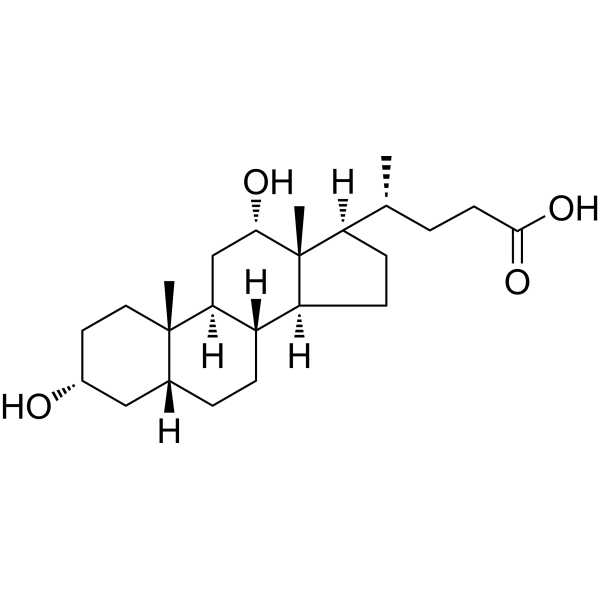
    Deoxycholic acid
    25+ Cited Publications

    Cholanoic acid; Desoxycholic acid

    G protein-coupled Bile Acid Receptor 1 Endogenous Metabolite Metabolic Disease
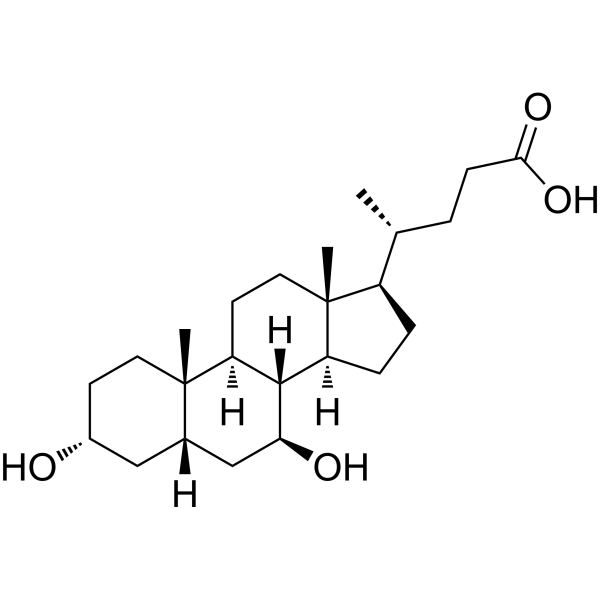
    Deoxycholic acid (cholanoic acid), a bile acid, is a by-product of intestinal metabolism, that activates the G protein-coupled bile acid receptorTGR5 .
    Deoxycholic acid
  • HY-N0593A
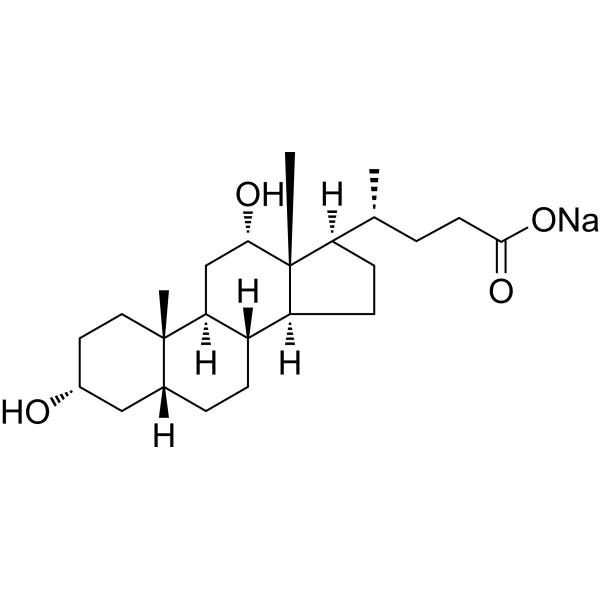
    Deoxycholic acid sodium salt
    25+ Cited Publications

    Sodium deoxycholate

    G protein-coupled Bile Acid Receptor 1 Endogenous Metabolite Metabolic Disease
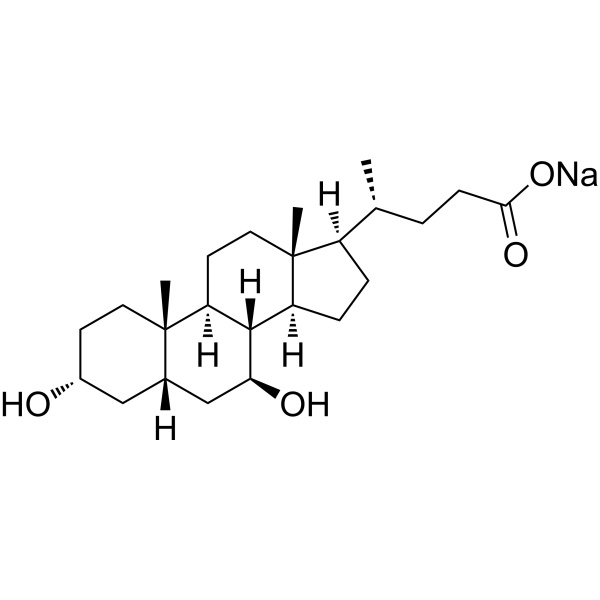
    Deoxycholic acid sodium salt (sodium deoxycholate), a bile acid, is a by-product of intestinal metabolism, that activates the G protein-coupled bile acid receptorTGR5 .
    Deoxycholic acid sodium salt
  • HY-106224
    Orexin A (human, rat, mouse)
    10+ Cited Publications

    Hypocretin-1 (human, rat, mouse)

    Orexin Receptor (OX Receptor) Neurological Disease
    Orexin A (human, rat, mouse) (Hypocretin-1 (human, rat, mouse)), a 33 amino acid excitatory neuropeptide, orchestrates diverse central and peripheral processes. Orexin A (human, rat, mouse) binds and activates two types of G protein-coupled receptors, the orexin-1 receptor (OX1R) and the orexin-2 receptor (OX2R). Orexin A (human, rat, mouse) has a role in the regulation of feeding behavior. Orexin A (human, rat, mouse) is an effective anti-nociceptive and anti-hyperalgesic agent in mice and rats .
    Orexin A (human, rat, mouse)
  • HY-108635
    C16-PAF
    35+ Cited Publications

    PAF (C16)

    p38 MAPK MEK ERK Endogenous Metabolite Cardiovascular Disease Inflammation/Immunology
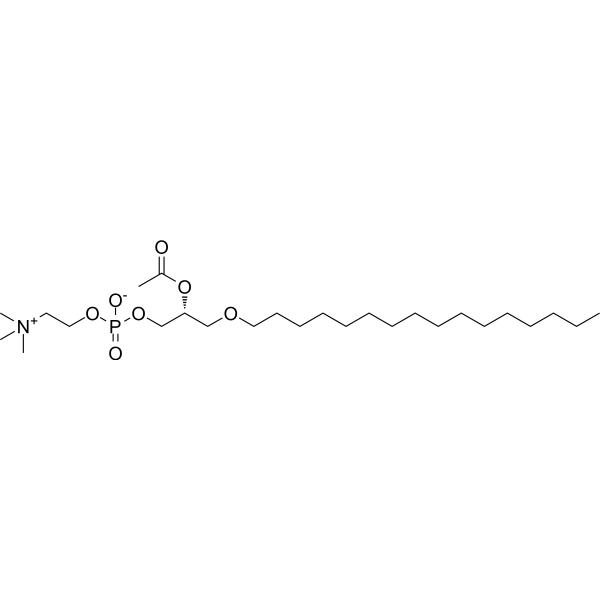
    C16-PAF (PAF (C16)), a phospholipid mediator, is a platelet-activating factor and ligand for PAF G-protein-coupled receptor (PAFR). C16-PAF exhibits anti-apoptotic effect and inhibits caspase-dependent death by activating the PAFR. C16-PAF is a potent MAPK and MEK/ERK activator. C16-PAF induces increased vascular permeability .
    C16-PAF
  • HY-103449
    G15
    35+ Cited Publications

    Estrogen Receptor/ERR Cancer
    G15 is a high affinity and selective G-protein-coupled estrogen receptor (GPER/GPR30) antagonist with a Ki of 20 nM .
    G15
  • HY-P2671

    Cholecystokinin Receptor Cancer
    [Leu15]-Gastrin I (human) is a Gastrin I, human (HY-P1097) peptide hormone derivative, which is trophic for normal gastrointestinal epithelium. Gastrin stimulates growth of gastric adenocarcinoma (gastric cancer) through G-protein-coupled receptor called the cholecystokinin (CCK) or cholecystokinin-B receptors (CCK-BR) that are overexpressed in this malignancy. [Leu15]-Gastrin I (human) is promising for research of gastric cancer .
    [Leu15]-Gastrin I (human)
  • HY-135303
    GLPG1205
    5+ Cited Publications

    GPR84 Inflammation/Immunology
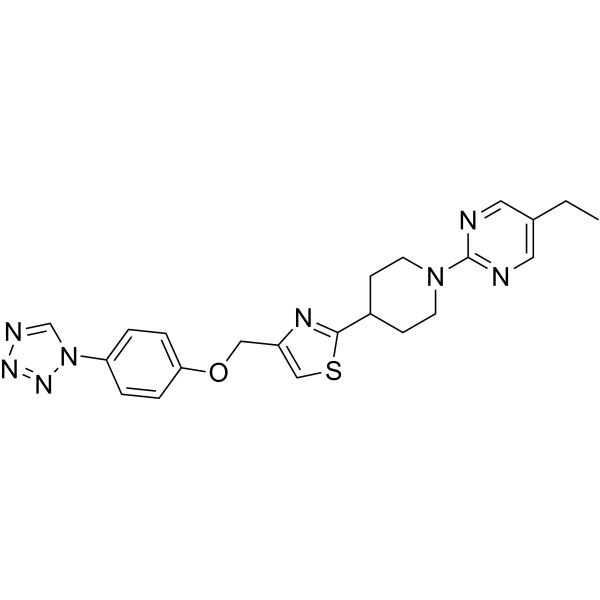
    GLPG1205 is potent, selective and orally active GPR84 (a G-protein-coupled receptor) antagonist with a favorable PK/PD profile. GLPG1205 has anti-inflammatory activity and is used for the treatment of pulmonary fibrosis . GLPG1205 is a click chemistry reagent, it contains an Alkyne group and can undergo copper-catalyzed azide-alkyne cycloaddition (CuAAc) with molecules containing Azide groups.
    GLPG1205
  • HY-P1944
    Apelin-13
    5+ Cited Publications

    Apelin Receptor (APJ) Cardiovascular Disease Metabolic Disease
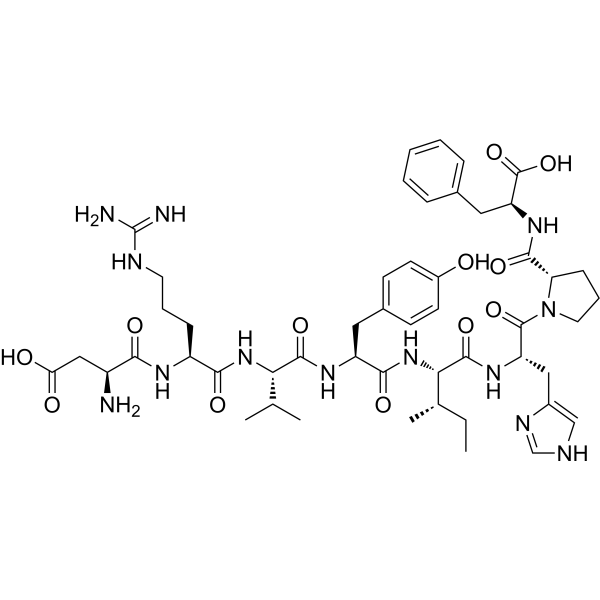
    Apelin-13 is an endogenous ligand for the G-protein coupled receptor angiotensin II protein J (APJ), activating this G protein-coupled receptor with an EC 50 value of 0.37 nM. Apelin-13 is widely distributed in the central and peripheral nervous systems. Apelin-13 has vasodilatory and antihypertensive effects. Apelin-13 also can be used for researching type 2 diabetes and metabolic syndrome .
    Apelin-13
  • HY-P1944A
    Apelin-13 TFA
    5+ Cited Publications

    Apelin Receptor (APJ) Cardiovascular Disease Metabolic Disease
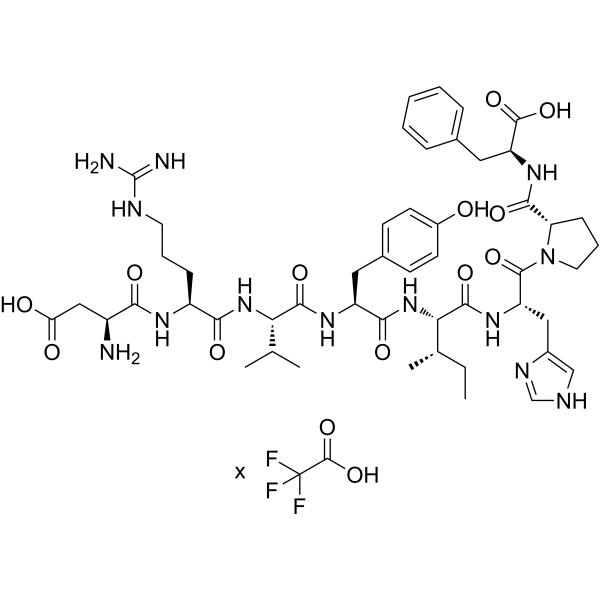
    Apelin-13 TFA is an endogenous ligand for the G-protein coupled receptor angiotensin II protein J (APJ), activating this G protein-coupled receptor with an EC 50 value of 0.37 nM. Apelin-13 TFA has vasodilatory and antihypertensive effects. Apelin-13 TFA also can be used for researching type 2 diabetes and metabolic syndrome .
    Apelin-13 TFA
  • HY-P0216
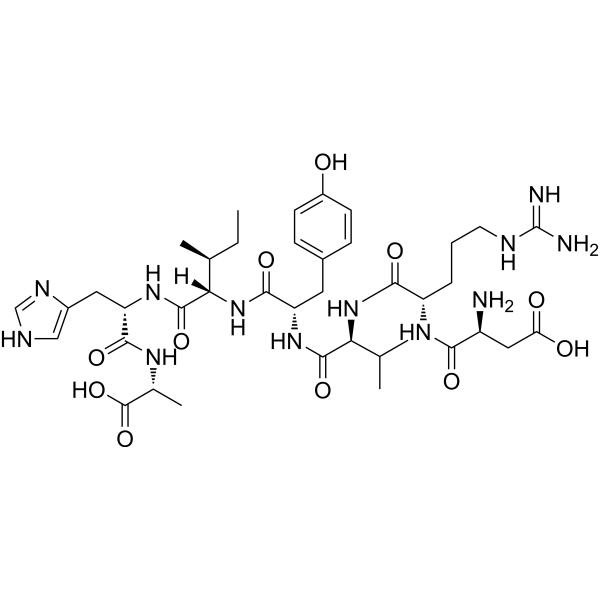
    A 779
    15+ Cited Publications

    Angiotensin Receptor Cardiovascular Disease Endocrinology
    A 779 is a specific antagonist of G-protein coupled receptor (Mas receptor), which is an Ang1-7 receptor distinct from the classical AngII.
    A 779
  • HY-162617

    Cannabinoid Receptor Inflammation/Immunology Cancer
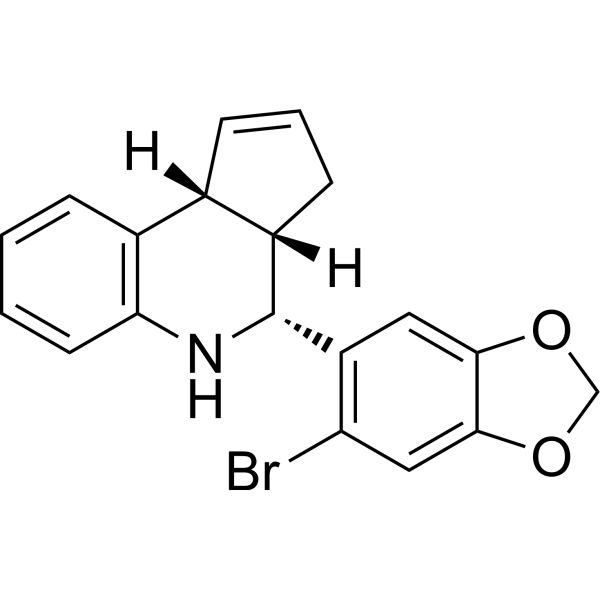
    PSB-KK1415 is a selective agonist for human orphan G protein-coupled receptor GPR18, with EC50 of 19.1 nM .
    PSB-KK1415
  • HY-12764
    6-OAU
    4 Publications Verification

    GTPL5846

    GPR84 ERK Bacterial Antibiotic Inflammation/Immunology
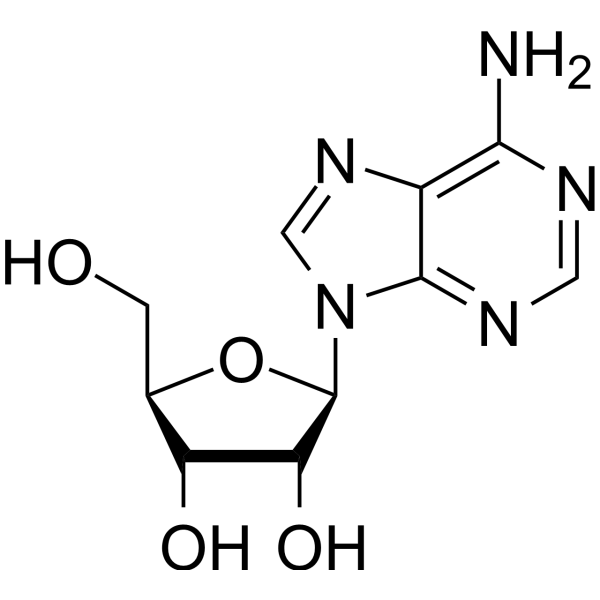
    6-OAU (GTPL5846) (6-n-octylaminouracil) is an GPR84 (G protein-coupled receptor 84) agonist, with an EC50 value of 105 nM. 6-OAU works as a chemoattractant to both PMNs and macrophages, and amplifies the proinflammatory cytokine IL-8, shows proinflammatory function. 6-OAU also displays anti-bacterial function .
    6-OAU
  • HY-148826

    ARC 183; BC 007

    G Protein-coupled Receptor Kinase (GRK) Cardiovascular Disease
    Rovunaptabin (ARC 183) is an aptamer, a single-stranded DNA molecule composed of 15 deoxynucleotides. It acts as a broad-spectrum neutralizer of pathogenic G-protein-coupled receptor autoantibodies. Rovunaptabin can be used in research related to cardiomyopathy and pulmonary hypertension .
    Rovunaptabin
  • HY-12649
    Y16
    5+ Cited Publications

    Ras Cancer
    Y16 is a specific inhibitor of Leukemia-associated Rho guanine nucleotide exchange factor (LARG) with a Kd value of 76 nM. Y16 is active in blocking the interaction of LARG and related G-protein-coupled Rho GEFs with RhoA. Y16 shows no detectable effect on other diffuse B-cell lymphoma (Dbl) family Rho GEFs, Rho effectors, or a RhoGAP .
    Y16
  • HY-P1241
    BAM(8-22)
    1 Publications Verification

    Mas-related G-protein-coupled Receptor (MRGPR) Neurological Disease Inflammation/Immunology
    BAM(8-22), a proteolytically cleaved product of proenkephalin A and sensory neuron-specific receptor (SNSR) agonist, is a potent activator of Mas-related G-protein-coupled receptors (Mrgprs), MrgprC11 and hMrgprX1. BAM(8-22) induces scratching in mice in an Mrgpr-dependent manner. In addition, BAM(8-22) has an analgesic effect and can also inhibit the activation of microglia .
    BAM(8-22)
  • HY-P10735

    Gastric inhibitory polypeptide(mouse); GIP(1-42) (mouse)

    Lipase Apoptosis Metabolic Disease
    GIP (Gastric inhibitory polypeptide) (mouse) is a gastrointestinal hormone that is secreted by the intestinal K cells, and also expressed in and secreted from pancreatic islets. GIP (mouse) promotes insulin secretion from pancreatic β cells via the G-protein-coupled GIP receptor (GIPR). GIP (mouse) promotes pancreatic β cell proliferation and inhibits apoptosis. GIP (mouse) also exerts direct lipogenic effects on adipose tissue .
    GIP (mouse)
  • HY-N15721

    Trp-CA

    Orphan GPCR GLP Receptor Metabolic Disease
    Tryptophan-cholic acid (Trp-CA) is a microbial amino acid-conjugated bile acid that acts as an endogenous ligand and agonist (EC50=9.6 μM) for the orphan G protein-coupled receptor (GPCR) MRGPRE (Mas-related G protein-coupled receptor family member E). Tryptophan-cholic acid is orally effective but has poor oral absorption and does not cross the blood-brain barrier. Tryptophan-cholic acid promotes the secretion of glucagon-like peptide GLP-1, thereby improving glucose tolerance in diabetic mice. Tryptophan-cholic acid improves glucose tolerance, promotes insulin secretion, and alleviates high-fat diet-induced hepatic steatosis without causing pruritus side effects. Tryptophan-cholic acid is primarily used in research on type 2 diabetes (T2D) .
    Tryptophan-cholic acid
  • HY-15291
    MBX-2982
    10+ Cited Publications

    GPR119 Metabolic Disease
    MBX-2982 is a selective, orally-available G protein-coupled receptor 119 (GPR119) agonist.
    MBX-2982
  • HY-108699

    GPR39 Neurological Disease Endocrinology
    TM-N1324 is an agonist of G-Protein-Coupled Receptor 39 (GPR39) with EC50s of 9 nM/5 nM in the presence of Zn 2+, and 280 nM/180 nM in the absence of Zn 2+ for human/murine GPR39.
    TM-N1324
  • HY-151100
    GPR84 antagonist 3
    1 Publications Verification

    GPR84 Inflammation/Immunology
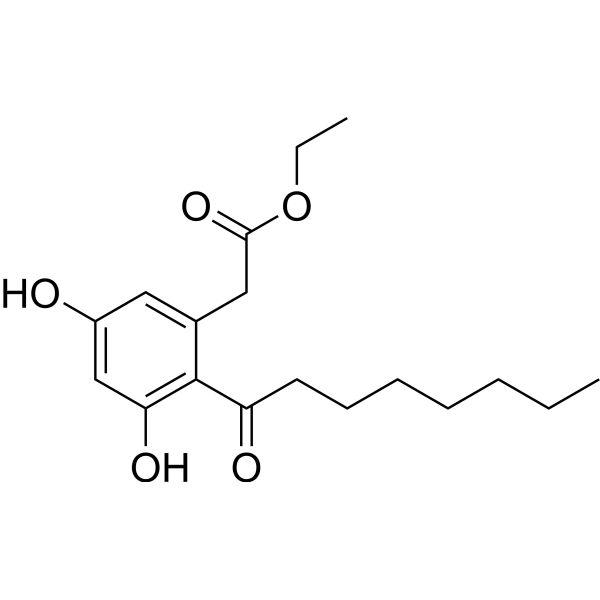
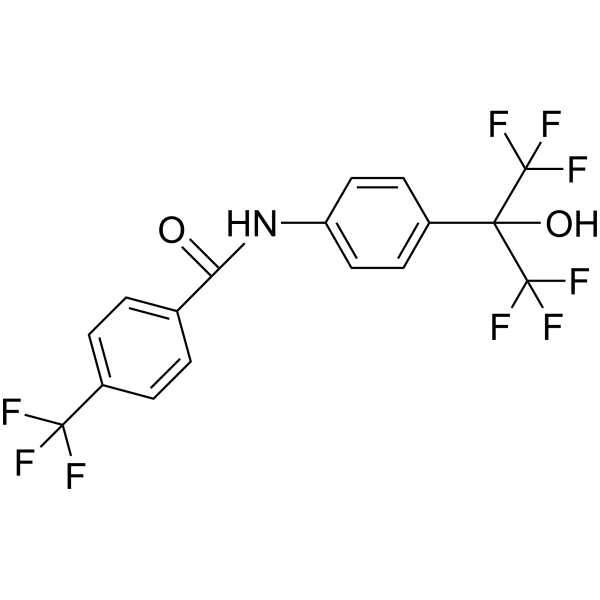
    GPR84 antagonist 3 (compound 42) is a potent GPR84 (G-protein-coupled receptor 84) antagonist. GPR84 antagonist 3 inhibits GTPγS, with a pIC50 of 8.28. GPR84 antagonist 3 has a favorable pharmacokinetic profile suitable .
    GPR84 antagonist 3
  • HY-P2210

    GPR171 Metabolic Disease
    BigLEN(mouse) is a potent and selective agonist of orphan G protein-coupled receptor 171 (GPR171), with a Kd of ∼0.5 nM. BigLEN(mouse) can be used to regulate responses associated with food intake and metabolism .
    BigLEN(mouse)
  • HY-114146

    Orphan GPCR Neurological Disease Metabolic Disease
    CID 1375606 is a surrogate agonist of orphan G protein-coupled receptor GPR27.
    CID 1375606
  • HY-P1066

    Apelin Receptor (APJ) HIV Infection
    Apelin-17(human, bovine) is an endogenous orphan G protein-coupled receptor APJ agonist. Apelin-17(human, bovine) binds to human APJ receptors expressed in HEK 293 cells (pIC50=9.02). Apelin-17(human, bovine) inhibits the entry of some HIV-1 and HIV-2 into the NP2/CD4 cells expressing APJ .
    Apelin-17(human, bovine)
  • HY-120967

    p38 MAPK Akt Interleukin Related Cancer
    (2S)-OMPT (triethylamine), in ethanol:chloroform (1:1), 98%, Lysophosphatidic acid analogue, is a LPA3 G-protein-coupled receptor agonist. (2S)-OMPT (triethylamine), in ethanol:chloroform (1:1), 98% selectively activates LPA3 G-protein-coupled receptor to trigger downstream cellular signaling events. (2S)-OMPT (triethylamine), in ethanol:chloroform (1:1), 98% induces calcium, IL-6 release in cancer cells and activates MAPK and Akt signaling pathways. (2S)-OMPT (triethylamine), in ethanol:chloroform (1:1), 98% can be used for the research of ovarian cancer .
    (2S)-OMPT triethylamine, in ethanol:chloroform (1:1), 98%
  • HY-P1345A
    TLQP-21 TFA
    2 Publications Verification

    Complement System Neurological Disease Endocrinology
    TLQP-21 TFA, a VGF-derived peptide endowed of endocrine and extraendocrine properties, is a potent G-protein-coupled receptor complement-3a receptor1 (C3aR1) agonist (EC50: mouse TLQP-21=10.3 μM; human TLQP-21=68.8μM). TLQP-21 TFA activates C3aR1 to induce an increase of intracellular Ca 2+. TLQP-21 TFA is used for the research in regulation of nociception and other relevant physiologic functions .
    TLQP-21 TFA
  • HY-135572

    Orphan Nuclear Receptor Neurological Disease Cancer
    TLX agonist 1 (ccrp2) is an orphan nuclear receptor tailless (TLX, NR2E1) modulator (EC50=1μM; Kd= 650 nM). TLX agonist 1 potentiates TLX transcriptional repressive activity .
    TLX agonist 1
  • HY-114165
    DJ-V-159
    1 Publications Verification

    Androgen Receptor Metabolic Disease
    DJ-V-159 is an agonist for G protein-coupled receptor family C group 6 member A (GPRC6A).
    DJ-V-159
  • HY-120967A

    p38 MAPK Akt Interleukin Related Cancer
    (2S)-OMPT, Lysophosphatidic acid analogue, is a LPA3 G-protein-coupled receptor agonist. (2S)-OMPT selectively activates LPA3 G-protein-coupled receptor to trigger downstream cellular signaling events. (2S)-OMPT induces calcium, IL-6 release in cancer cells and activates MAPK and Akt signaling pathways. (2S)-OMPT can be used for the research of ovarian cancer .
    (2S)-OMPT
  • HY-136561
    GRK5-IN-2
    4 Publications Verification

    G Protein-coupled Receptor Kinase (GRK) ERK Metabolic Disease
    GRK5-IN-2 (compound 707), a pyridine-based bicyclic compound, is a potent G-protein-coupled receptor kinase 5 (GRK5) inhibitor with an IC50 of 49.7 μM. GRK5-IN-2 regulates the expression and/or release of insulin and is useful for the metabolic disease research .
    GRK5-IN-2
  • HY-P1064

    Apelin Receptor (APJ) HIV Infection Cardiovascular Disease Metabolic Disease
    Apelin-36(human) is an endogenous orphan G protein-coupled receptor APJ agonist, with an EC50 of 20 nM. Apelin-36(human) shows high affinity to human APJ receptors expressed in HEK 293 cells (pIC50=8.61). Apelin-36 has been linked to two major types of biological activities: cardiovascular and metabolic. Apelin-36(human) inhibits the entry of some HIV-1 and HIV-2 into the NP2/CD4 cells expressing APJ .
    Apelin-36(human)
  • HY-113421

    Linoleic acid monoethanolamide

    Cannabinoid Receptor Neurological Disease
    Linoleoyl ethanolamide (Linoleic acid monoethanolamide) is classified as a fatty acid ethanolamide. Linoleoyl ethanolamide only weakly binds G-protein-coupled cannabinoid receptors of type-1(CB1)and CB2 receptors, and inhibits the binding of [3H]CP-55,940 with Kis of 10 and 25 μM, respectively. Linoleoyl ethanolamide is 4-fold less potent than anandamide at causing catalepsy in mice and it does not prolong sleep time .
    Linoleoyl ethanolamide
  • HY-135065

    Trace Amine-associated Receptor (TAAR) Metabolic Disease
    3-Iodothyronamine (hydrochloride) is an endogenous and rapid-acting derivative of thyroid hormone. 3-Iodothyronamine potently activates an orphan G protein-coupled receptor in vitro (TAAR1) and induced hypothermia in vivo on a rapid time scale. 3-Iodothyronamine can be used for the research of congestive heart failure .
    3-Iodothyronamine hydrochloride
  • HY-101777

    GPR139 Neurological Disease
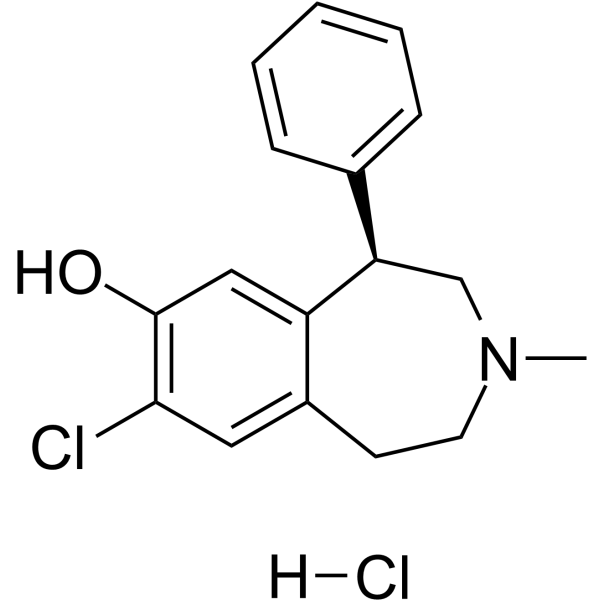
    TC-O 9311 is a potent orphan G protein-coupled receptor 139 (GPR139) agonist with an EC50 of 39 nM .
    TC-O 9311
  • HY-176900

    GPR52 Neurological Disease
    GPR52 agonist-4 (Compound 65) is a highly selective G-protein-coupled receptor GPR52 modulator. GPR52 agonist-4 is promising for research of neuropsychiatric diseases .
    GPR52 agonist-4
  • HY-151539

    LIM Kinase (LIMK) Neurological Disease
    TH470 is a highly selective LIMK1/2 (LIM kinase1/2) inhibitor (LIMK1 IC50=9.8 nM; LIMK2 IC50=13 nM), and can be used in orphan disease research .
    TH470
  • HY-106224A
    Orexin A (human, rat, mouse) TFA
    10+ Cited Publications

    Hypocretin-1 (human, rat, mouse) TFA

    Orexin Receptor (OX Receptor) Neurological Disease
    Orexin A (human, rat, mouse) (Hypocretin-1 (human, rat, mouse)) TFA, a 33 amino acid excitatory neuropeptide, orchestrates diverse central and peripheral processes. Orexin A (human, rat, mouse) TFA binds and activates two types of G protein-coupled receptors, the orexin-1 receptor (OX1R) and the orexin-2 receptor (OX2R). Orexin A (human, rat, mouse) TFA has a role in the regulation of feeding behavior. Orexin A (human, rat, mouse) TFA is an effective anti-nociceptive and anti-hyperalgesic agent in mice and rats .
    Orexin A (human, rat, mouse) TFA
  • HY-P1349A
    Orexin B, rat, mouse TFA
    1 Publications Verification

    Rat orexin B TFA; Orexin B (mouse) TFA

    Orexin Receptor (OX Receptor) Neurological Disease Endocrinology
    Orexin B, rat, mouse (Rat orexin B) TFA is an endogenous orexin receptor agonist. Orexin B, rat, mouse TFA binds and activates two closely related orphan G protein-coupled receptors OX1-R and OX2-R. Orexin B, rat, mouse TFA stimulates food intake and energy expenditure and plays a significant role in sleep-wakefulness regulation .
    Orexin B, rat, mouse TFA
  • HY-P1065

    Apelin Receptor (APJ) HIV Infection Cardiovascular Disease Metabolic Disease
    Apelin-36(rat, mouse) is an endogenous orphan G protein-coupled receptor APJ agonist. Apelin-36(rat, mouse) binds to APJ receptors with an IC50 of 5.4 nM, and potently inhibits cAMP production with an EC50 of 0.52 nM. Apelin-36(rat, mouse) blocks entry of some HIV-1 and HIV-2 strains into NP-2/CD4 cells expressing APJ .
    Apelin-36(rat, mouse)
  • HY-134661

    GPR6 Neurological Disease
    (S)-CVN424 is a potent G-Protein-Coupled Receptor 6 (GPR6) modulator. (S)-CVN424 has the potential for a variety of neurological and psychiatric disorders research, including Parkinson's disease .
    (S)-CVN424
  • HY-P2196

    Apelin Receptor (APJ) Cardiovascular Disease
    ELA-32 (human) is a potent critical cardiac developmental peptide that acts through the G-protein–coupled apelin receptor .
    ELA-32(human)
  • HY-P1396

    G Protein-coupled Receptor Kinase (GRK) Others
    GRK2i is a Gβγ-inhibitory peptide that selectively prevents Gβγ-mediated signaling. GRK2i corresponds to the Gβγ-binding domain of GRK2 (G-protein-coupled receptor kinase 2) .
    GRK2i
  • HY-P1345

    Complement System Neurological Disease Endocrinology
    TLQP-21, a VGF-derived peptide endowed of endocrine and extraendocrine properties, is a potent G-protein-coupled receptor complement-3a receptor 1 (C3aR1) agonist (EC50: mouse TLQP-21=10.3 μM; human TLQP-21=68.8 μM). TLQP-21 activates C3aR1 to induce an increase of intracellular Ca 2+. TLQP-21 is used for the research in regulation of nociception and other relevant physiologic functions .
    TLQP-21
  • HY-162689

    Free Fatty Acid Receptor Inflammation/Immunology
    GprA is a new synthetic agonist of G-protein-coupled receptor 120/free fatty acid receptor 4 (GPR120/FFAR4), with an AC50 of 203 nM on human GPR120 full isoform. GprA can be used in the research for NAFLD .
    GprA
  • HY-P1064A

    HIV Apelin Receptor (APJ) Infection Cardiovascular Disease Metabolic Disease
    Apelin-36(human) TFA is an endogenous orphan G protein-coupled receptor APJ agonist, with an EC50 of 20 nM. Apelin-36(human) TFA shows high affinity to human APJ receptors expressed in HEK 293 cells (pIC550=8.61). Apelin-36(human) TFA has been linked to two major types of biological activities: cardiovascular and metabolic. Apelin-36(human) TFA inhibits the entry of some HIV-1 and HIV-2 into the NP2/CD4 cells expressing APJ .
    Apelin-36(human) TFA
  • HY-146453

    G protein-coupled Bile Acid Receptor 1 Metabolic Disease
    TGR5 Receptor Agonist 3 (Compound 19) is a soft-agent G-protein-coupled bile acid receptor 1 (GPBAR1, TGR5) agonist with reduced gallbladder-filling effects (favorable gallbladder safety), with EC50s of 16.4 and 209 nM for hTGR5 and mTGR5, respectively.
    TGR5 Receptor Agonist 3
  • HY-P1525

    MCH (salmon)

    MCHR1 (GPR24) Cardiovascular Disease Neurological Disease Metabolic Disease Endocrinology
    Melanin Concentrating Hormone, salmon is a 19-amino-acid neuropeptide initially identified in the pituitary gland of teleost fish, which regulates food intake, energy balance, sleep state, and the cardiovascular system. Melanin-concentrating hormone is a ligand for an orphan G protein-coupled receptor (SLC-1/GPR24) and MCHR2.
    Melanin Concentrating Hormone, salmon
  • HY-P1525A

    MCH (salmon) TFA

    MCHR1 (GPR24) Cardiovascular Disease Neurological Disease Metabolic Disease Endocrinology
    Melanin Concentrating Hormone, salmon TFA (MCH (salmon) TFA) is a 19-amino-acid neuropeptide initially identified in the pituitary gland of teleost fish, which regulates food intake, energy balance, sleep state, and the cardiovascular system. Melanin-concentrating hormone is a ligand for an orphan G protein-coupled receptor (SLC-1/GPR24) and MCHR2.
    Melanin Concentrating Hormone, salmon TFA
  • HY-123520

    G Protein-coupled Receptor Kinase (GRK) PKA Cancer
    GSK299115A is a G Protein-coupled Receptor Kinase (GRK) and PKA inhibitor .
    GSK299115A
  • HY-W036034A

    G Protein-coupled Receptor Kinase (GRK) Cardiovascular Disease
    GRK-IN-1 is a potential G protein-coupled receptor kinase (GRK) inhibitor.
    GRK-IN-1
  • HY-113421S

    Isotope-Labeled Compounds Cannabinoid Receptor Neurological Disease
    Linoleoyl ethanolamide-d4 is a deuterated labeled Linoleoyl ethanolamide . Linoleoyl ethanolamide (Linoleic acid monoethanolamide) is classified as a fatty acid ethanolamide. Linoleoyl ethanolamide only weakly binds G-protein-coupled cannabinoid receptors of type-1(CB1)and CB2 receptors, and inhibits the binding of [3H]CP-55,940 with Kis of 10 and 25 μM, respectively. Linoleoyl ethanolamide is 4-fold less potent than anandamide at causing catalepsy in mice and it does not prolong sleep time .
    Linoleoyl ethanolamide-d4

Inquiry Online

Your information is safe with us. * Required Fields.

Salutation


Country or Region *

Applicant Name *


Organization Name *

Department *


Email Address *


Product Name *

Cat. No.


Requested quantity *

Phone Number *


Remarks

Inquiry Online

Inquiry Information

Product Name:
Cat. No.:
Quantity:
MCE Japan Authorized Agent:

