1. Search Result
Search Result
Pathways Recommended: Membrane Transporter/Ion Channel
Results for "

receptor channels

" in MedChemExpress (MCE) Product Catalog:

520

Inhibitors & Agonists

14

Screening Libraries

2

Biochemical Assay Reagents

23

Peptides

71

Natural
Products

59

Isotope-Labeled Compounds

4

Oligonucleotides

Cat. No. Product Name Target Research Areas Chemical Structure
  • HY-B0545
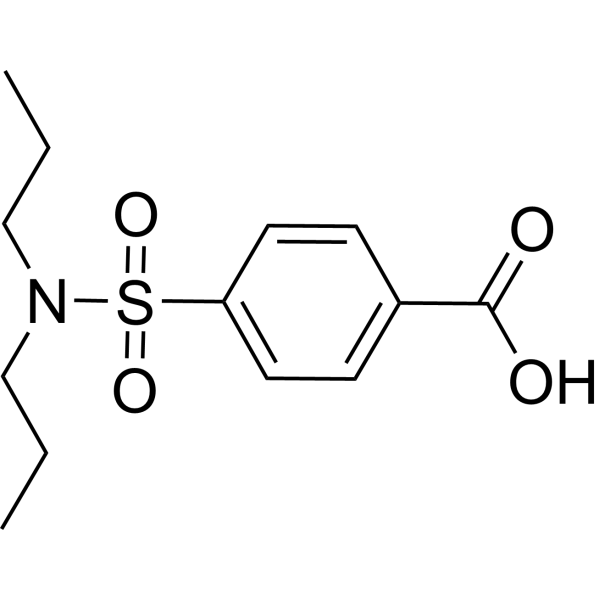
    Probenecid
    40+ Cited Publications

    TRP Channel Bacterial HIV Metabolic Disease Cancer
    Probenecid is a potent and selective agonist of transient receptor potential vanilloid 2 (TRPV2) channels. Probenecid also inhibits pannexin 1 channels.
    Probenecid
  • HY-B0285
    Amiloride
    60+ Cited Publications

    MK-870

    Sodium Channel TRP Channel Apoptosis Cardiovascular Disease Metabolic Disease
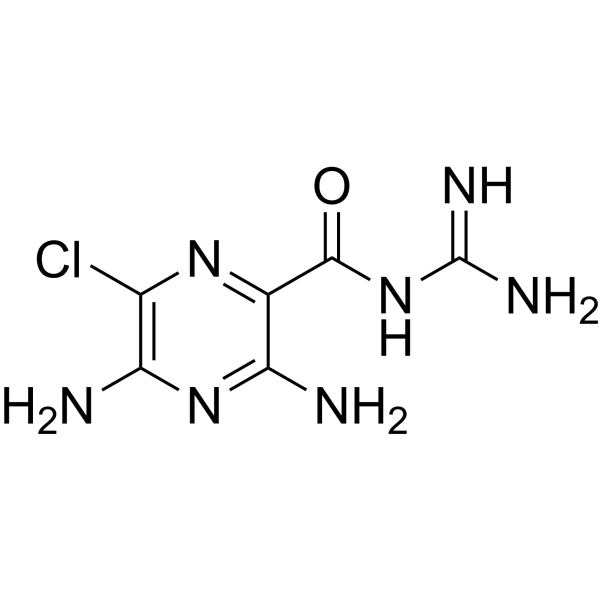
    Amiloride (MK-870) is an inhibitor of both epithelial sodium channel (ENaC ) and urokinase-type plasminogen activator receptor (uTPA ). Amiloride is a blocker of polycystin-2 (PC2; TRPP2 ) channel.
    Amiloride
  • HY-B0285A
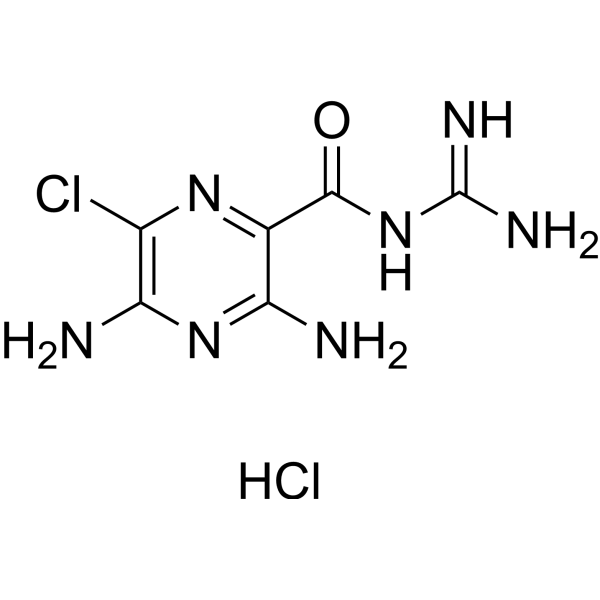
    Amiloride hydrochloride
    60+ Cited Publications

    MK-870 hydrochloride

    Sodium Channel TRP Channel Apoptosis Cardiovascular Disease Metabolic Disease
    Amiloride hydrochloride (MK-870 hydrochloride) is an inhibitor of both epithelial sodium channel (ENaC ) and urokinase-type plasminogen activator receptor (uTPA ). Amiloride hydrochloride is a blocker of polycystin-2 (PC2; TRPP2 ) channel.
    Amiloride hydrochloride
  • HY-W004260
    Arachidic acid
    3 Publications Verification

    Eicosanoic acid

    Endogenous Metabolite Neurological Disease
    Arachidic acid is an orally bioavailable membrane fluidity modulator and receptor/ion channel effector. Arachidic acid does not activate arachidonic acid-sensitive K + channels in rat midbrain and hypothalamic neurons. Arachidic acid alleviates age-related spatial cognitive impairment. Arachidic acid is applicable for research related to age-related spatial cognitive impairment .
    Arachidic acid
  • HY-11062
    Icilin
    1 Publications Verification

    AG-3-5

    TRP Channel Neurological Disease Inflammation/Immunology
    Icilin (AG-3-5) is a super-agonist of the transient receptor potential M8 (TRPM8) ion channel. Icilin activates TRPM8 in EGTA in a dose-dependent manner (EC50=1.4 μM). Icilin is a "super-cooling agent" . Icilin attenuates autoimmune neuroinflammation through modulation of the T-cell response .
    Icilin
  • HY-W016498
    Paraxanthine
    2 Publications Verification

    Drug Metabolite Endogenous Metabolite Neurological Disease
    Paraxanthine, a caffeine metabolite, provides protection against Dopaminergic cell death via stimulation of Ryanodine Receptor Channels.
    Paraxanthine
  • HY-B0405
    Bupivacaine
    4 Publications Verification

    iGluR Sodium Channel Calcium Channel Potassium Channel Neurological Disease Cancer
    Bupivacaine is a NMDA receptor inhibitor. Bupivacaine can block sodium, L-calcium, and potassium channels.Bupivacaine potently blocks SCN5A channels with the IC50 of 69.5 μM. Bupivacaine can be used for the research of chronic pain .
    Bupivacaine
  • HY-B1494
    Picrotoxinin
    4 Publications Verification

    Chloride Channel GABA Receptor Neurological Disease
    Picrotoxinin, a potent convulsant, is a chloride channel blocker. Picrotoxinin is a noncompetitive GABAA receptor antagonist, which negatively modulates the action of GABA on GABAA receptors. Picrotoxinin inhibits α1β2γ2L GABAA receptor with an IC50 of 1.15 μM .
    Picrotoxinin
  • HY-B0575
    Triamterene
    5+ Cited Publications

    Sodium Channel G protein-coupled Bile Acid Receptor 1 Cardiovascular Disease Neurological Disease Metabolic Disease Cancer
    Triamterene blocks epithelial Na + channel (ENaC) in a voltage-dependent manner, which used as a mild diuretic. Triamterene is an inhibitor of the TGR5 receptor .
    Triamterene
  • HY-116330A
    Hyperforin dicyclohexylammonium salt
    3 Publications Verification

    Hyperforin DCHA

    TRP Channel Calcium Channel Neurological Disease Cancer
    Hyperforin dicyclohexylammonium salt (Hyperforin DCHA) is a transient receptor canonical 6 (TRPC6) channels activator. Hyperforin dicyclohexylammonium salt modulates Ca 2+ levels by activating Ca 2+-conducting non-selective canonical TRPC6 channels. Hyperforin dicyclohexylammonium salt also shows diverse pharmacological activities including anti-depression, anti-tumor, anti-dementia, anti-diabetes. Hyperforin dicyclohexylammonium salt modulates γδ T cells to secret IL-17α, improves Imiquimod (HY-B0180)-induced psoriasis-like mice model .
    Hyperforin dicyclohexylammonium salt
  • HY-17001A
    Flupirtine
    1 Publications Verification

    D 9998

    Potassium Channel iGluR GABA Receptor Neurological Disease Inflammation/Immunology
    Flupirtine (D 9998) is an orally active, blood-brain barrier-crossing non-opioid analgesic and neuroprotective agent. Flupirtine is a neuronal potassium channel opener (Kv7 activator), a NMDA receptor antagonist and a GABA receptor activator. Flupirtine stabilizes blood-brain-barrier integrity, reduces oxidative stress and brain leukocyte infiltration, enhances angioneurogenesis, suppresses calcium influx, stabilizes neuronal resting membrane potential, and counteracts focal cerebral ischemia. Flupirtine exhibits analgesic, muscle relaxant properties, protects neurons from excitotoxic, ischemic, or cytokine-mediated death. Flupirtine functions as a non-opioid analgesic without antipyretic or antiphlogistic properties, shows no relevant affinity to opiate receptor. Flupirtine can be used for the research of focal cerebral ischemia, pain, Alzheimer’s disease, or multiple sclerosis .
    Flupirtine
  • HY-111828
    TTA-A2
    1 Publications Verification

    Calcium Channel Neurological Disease
    TTA-A2 is a potent, selective and orally active t-type voltage gated calcium channel antagonist with reduced pregnane X receptor (PXR) activation. TTA-A2 is equally potent against the Cav3.1 (a1G) and Cav3.2 (a1H) channels with IC50 values of 89 nM and 92 nM, respectively, at -80 and -100 mV holding potentials. TTA-A2 can be used for the research of a variety of human neurological diseases, including sleep disorders and epilepsy .
    TTA-A2
  • HY-B0480
    Brompheniramine maleate
    2 Publications Verification

    (±)-Brompheniramine maleate

    Histamine Receptor mAChR Potassium Channel Sodium Channel Calcium Channel Neurological Disease Inflammation/Immunology Endocrinology
    Brompheniramine ((±)-Brompheniramine) maleate is a potent and orally active antihistamine of the alkylamine class. Brompheniramine maleate is a selective histamine H1 receptor antagonist with a Kd of 6.06 nM. Brompheniramine maleate can block the hERG channels, calcium channels, and sodium channels with IC50s of 0.90 μM, 16.12 μM and 21.26 μM, respectively. Brompheniramine maleate has anticholinergic, antidepressant and anesthetic properties and can be used for allergic rhinitis research .
    Brompheniramine maleate
  • HY-15419
    RS-127445 hydrochloride
    3 Publications Verification

    5-HT Receptor Neurological Disease
    RS-127445 hydrochloride is a selective, high affinity, orally bioavailable 5-HT2B receptor antagonist with a pKi of 9.5. RS-127445 hydrochloride shows 1000 fold selectivity for this receptor as compared to numerous other receptor and ion channel binding sites .
    RS-127445 hydrochloride
  • HY-103112B

    5-HT Receptor Neurological Disease
    SB 243213 is an orally active, selective and high-affinity 5-HT2C receptor antagonist with a pKi of 9.37 and a pKb of 9.8 for human 5-HT2C receptor. SB 243213 shows greater than a 100-fold selectivity over a wide range of neurotransmitter receptors, enzymes and ion channels. SB 243213 has improved anxiolytic profile and has the potential for schizophrenia and motor disorders .
    SB 243213
  • HY-B0549A

    Rec-7-0040; DW61

    Calcium Channel Adenosine Receptor mAChR Dopamine Receptor Adrenergic Receptor Cardiovascular Disease Infection Neurological Disease Cancer
    Flavoxate hydrochloride (Rec-7-0040; DW61) is an orally active L-type Ca 2+ channel inhibitor and antispasmodic. Flavoxate hydrochloride inhibits cyclic adenosine monophosphate production by blocking voltage-dependent inward Ba 2+ currents, regulating the brainstem micturition center, and stimulating G protein-coupled receptors. Consequently, Flavoxate hydrochloride induces relaxation of bladder smooth muscle and inhibits isovolumetric rhythmic contractions. Flavoxate hydrochloride effectively increases bladder capacity and alleviates symptoms of urgent urination frequency and pollakiuria caused by overactive bladder. Flavoxate hydrochloride can be used in research on overactive bladder and related voiding dysfunctions .
    Flavoxate hydrochloride
  • HY-P3467
    (Thr4,Gly7)-Oxytocin
    3 Publications Verification

    Oxytocin Receptor Potassium Channel Neurological Disease
    (Thr4,Gly7)-Oxytocin, an Oxytocin analogue, is a specific OT receptor agonist. (Thr4,Gly7)-Oxytocin also excites subicular neurons via activation of TRPV1 channels, and depression of K + channels. .
    (Thr4,Gly7)-Oxytocin
  • HY-B0405A
    Bupivacaine hydrochloride
    4 Publications Verification

    iGluR Sodium Channel Calcium Channel Potassium Channel Neurological Disease Cancer
    Bupivacaine hydrochloride is a NMDA receptor inhibitor.Bupivacaine can block sodium, L-calcium, and potassium channels.Bupivacaine potently blocks SCN5A channels with the IC50 of 69.5 μM. Bupivacaine hydrochloride can be used for the research of chronic pain .
    Bupivacaine hydrochloride
  • HY-B0285B

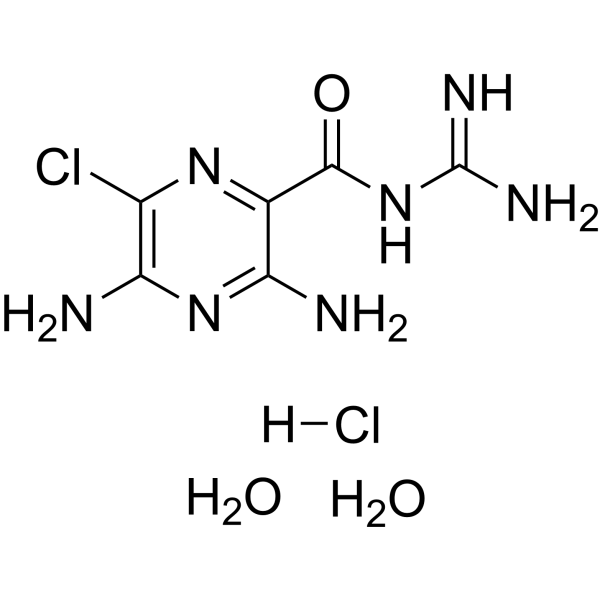
    MK-870 hydrochloride dihydrate

    Sodium Channel Apoptosis TRP Channel Cardiovascular Disease Metabolic Disease
    Amiloride hydrochloride dihydrate (MK-870 hydrochloride dihydrate) is an inhibitor of both epithelial sodium channel (ENaC ) and urokinase-type plasminogen activator receptor (uTPA ). Amiloride hydrochloride dihydrate is a blocker of polycystin-2 (PC2; TRPP2 ) channel.
    Amiloride hydrochloride dihydrate
  • HY-108584

    BMS-204352

    Potassium Channel Neurological Disease
    Flindokalner (BMS-204352) is a potassium channel modulator. Flindokalner is a positive modulator of all neuronal Kv7 channel subtypes expressed in HEK293 cells. Flindokalner is also a large conductance calcium-activated K channel (BKca) positive modulator. Flindokalner shows a negative modulatory activity at Kv7.1 channels (Ki=3.7 μM), and acts as a negative modulator of GABAA receptors. Flindokalner shows anxiolytic efficacy in vivo .
    Flindokalner
  • HY-108573
    P-1075
    1 Publications Verification

    Potassium Channel Cardiovascular Disease
    P-1075 is a potent activator of sulfonylurea receptor 2-associated ATP-sensitive potassium channels (SUR2-KIR6), with an EC50 value of 45 nM for SUR2B-KIR6 channel activation . P-1075 also P1075 opens mitochondrial K(ATP) channels and generates reactive oxygen species resulting in cardioprotection of rabbit hearts .
    P-1075
  • HY-N2338

    Cholesteryl myristate; Cholesteryl tetradecanoate

    nAChR GABA Receptor Potassium Channel Endogenous Metabolite Cancer
    Cholesterol myristate is a natural steroid present in traditional Chinese medicine. Cholesterol myristate binds to several ion channels such as the nicotinic acetylcholine receptor, GABAA receptor, and the inward-rectifier potassium ion channel.
    Cholesterol myristate
  • HY-17391

    Adenosine Receptor Endocrinology
    Pamabrom is a diuretic that acts on the opioid receptor-nitric oxide (NO) -cyclic guanosine monophosphate (cGMP) -K + channel pathway. Pamabrom exerts peripheral antinociceptive activity by activating this pathway. The mechanism involves activating opioid receptors, promoting the release of nitric oxide, and then influencing cyclic guanosine monophosphate and K channels to produce an analgesic effect. Pamabrom is orally active and is mainly used in the research and treatment of premenstrual syndrome and primary dysmenorrhea[1].
    Pamabrom
  • HY-B1752
    Quinpirole
    4 Publications Verification

    LY 171555; (-)-LY 141865

    Dopamine Receptor Calcium Channel Bcl-2 Family iGluR Apoptosis Neurological Disease
    Quinpirole (LY 171555; (-)-LY 141865) is a D2/D3 dopamine receptor agonist and a CaV1.3 calcium channel modulator. Quinpirole normalizes dendritic spine density in dopamine-depleted striatum, upregulates the protein expression of BCL2 and GluR2, downregulates the protein expression of BAX, and delays the onset of seizures. Quinpirole enhances learning and memory, inhibits neuronal apoptosis (apoptosis), and induces anxiety-like, stereotyped, and compulsive behaviors. Quinpirole disrupts prepulse inhibition in rhesus monkeys, enhances the activity of paraventricular thalamic neurons to promote recovery from Isoflurane anesthesia, and alters the composition of the gut microbiota in rats. Quinpirole can be used in research related to dyskinesia, pain, epilepsy, and neurological disorders including anxiety disorder, obsessive-compulsive disorder, and schizophrenia .
    Quinpirole
  • HY-110237

    P2X Receptor Calcium Channel Cardiovascular Disease
    BX430 is a potent and selective noncompetitive allosteric human P2X4 receptor channels antagonist with an IC50 of 0.54 μM. BX430 has species specificity. BX430 is used for chronic pain and cardiovascular disease.
    BX430
  • HY-U00315

    Gidasepam; Hidazepam; Hydazepam

    GABA Receptor Neurological Disease
    Gidazepam is an agonist of GABA receptor channels (GABA RCs).
    Gidazepam
  • HY-A0079

    Amethocaine

    Sodium Channel Calcium Channel Neurological Disease
    Tetracaine (Amethocaine) is a sodium channel inhibitor and ryanodine receptor (RyR) inhibitor. Tetracaine blocks sodium conduction across nerve cell membranes, preventing rapid sodium ion influx and depolarization. Tetracaine exhibits biphasic effects on spontaneous sarcoplasmic reticulum Ca 2+ release in Ca 2+-overloaded ventricular myocytes, and increases sarcoplasmic reticulum Ca 2+ load. Tetracaine can be used in research related to eye diseases .
    Tetracaine
  • HY-101323

    NE-19550; N-Vanillyloleamide

    TRP Channel Neurological Disease
    Olvanil (NE-19550) is an analgesic and an agonist of transient receptor potential vanilloid type 1 (TRPV1) channels with an EC50 of 0.7 nM .
    Olvanil
  • HY-15419A
    RS-127445
    3 Publications Verification

    5-HT Receptor Neurological Disease
    RS-127445 is a selective, high affinity, orally bioavailable 5-HT2B receptor antagonist with a pKi of 9.5. RS-127445 shows 1000 fold selectivity for this receptor as compared to numerous other receptor and ion channel binding sites .
    RS-127445
  • HY-B0407AS

    Dopamine Receptor 5-HT Receptor Sodium Channel Potassium Channel Neurological Disease Cancer
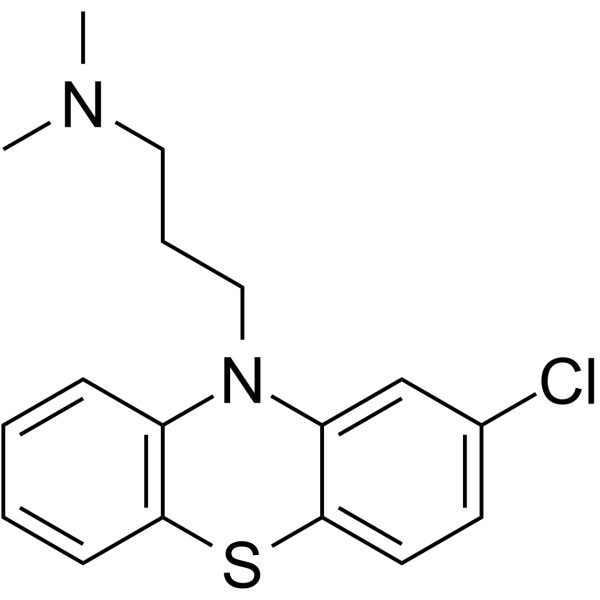
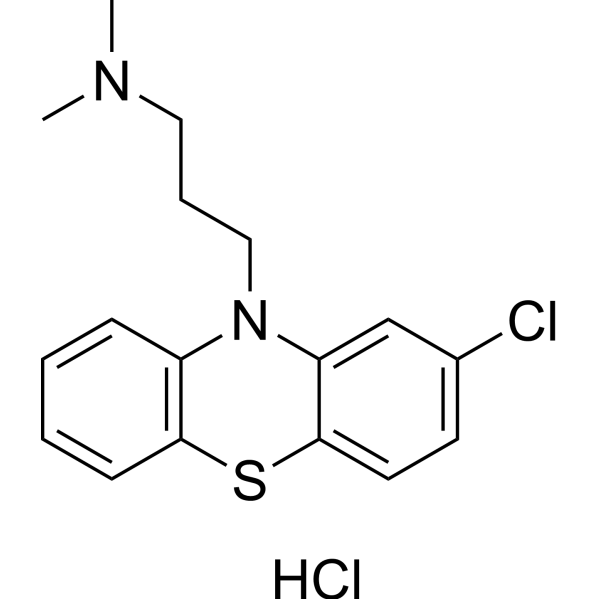
    Chlorpromazine-d6 (hydrochloride) is the deuterium labeled Chlorpromazine. Chlorpromazine is an inhibitor of dopamine receptor, 5-HT receptor, potassium channel, sodium channel.
    Chlorpromazine-d6 hydrochloride
  • HY-B0545R
    Probenecid (Standard)
    40+ Cited Publications

    Reference Standards TRP Channel Bacterial HIV Metabolic Disease Cancer
    Probenecid (Standard) is the analytical standard of Probenecid. This product is intended for research and analytical applications. Probenecid is a potent and selective agonist of transient receptor potential vanilloid 2 (TRPV2) channels. Probenecid also inhibits pannexin 1 channels.
    Probenecid (Standard)
  • HY-107835

    FCR 2769

    Environmental Pollutants Apoptosis Bcl-2 Family Parasite Insecticide Infection Cancer
    Flumethrin (FCR 2769) is a pyrethroid insecticide and acaricide . Flumethrin targets voltage-gated sodium channels and estrogen receptor α (ERα). Flumethrin induces cytotoxicity, apoptosis, genotoxicity and DNA damage in breast cancer cells by regulating the expression of BCL2, BAX, TP53 and P21 genes. Flumethrin is applicable to relevant studies on ectoparasite infections (tick and flea burdens) in dogs and cats, as well as breast cancer .
    Flumethrin
  • HY-W008581

    3-O-Methyl estradiol; 17β-Estradiol 3-methyl ether; 3-Methoxyestradiol

    Biochemical Assay Reagents TRP Channel Microtubule/Tubulin Autophagy Metabolic Disease Cancer
    Estradiol 3-methyl ether (EDME) is a highly selective TRPML1 ion channel antagonist and microtubule (microtubule) depolymerizing agent, with IC50 values of 0.22 μM and 3.8 μM against TRPML1 and TRPML2, respectively; it shows no activity against TRPML3. Estradiol 3-methyl ether induces the disruption of cytoplasmic microtubule networks in mammalian cells, with an EC50 of 9 μM. Independent of estrogen receptors, Estradiol 3-methyl ether blocks autophagy (autophagy), TFEB nuclear translocation, and inhibits the migration and invasion of triple-negative breast cancer cells by suppressing TRPML1. Estradiol 3-methyl ether is applicable for relevant research on triple-negative breast cancer .
    Estradiol 3-methyl ether
  • HY-N3741

    Didrovaltratum

    Calcium Channel Reactive Oxygen Species (ROS) Autophagy Inflammation/Immunology Cancer
    Didrovaltrate (Didrovaltratum) is an L-type calcium channel blocker, ROS scavenger, autophagy enhancer, and lipid accumulation inhibitor. Didrovaltrate blocks L-type calcium currents in a concentration-dependent manner, shifts the current-voltage curve upward, modulates steady-state inactivation kinetics, and inhibits the nuclear translocation of glucocorticoid receptors. Didrovaltrate reduces ROS levels, downregulates the expression of muscle atrophy-related genes, enhances autophagy via lipophagy, and decreases Oleic acid-induced lipid accumulation. Didrovaltrate exhibits cytotoxic activity against cancer cells. Didrovaltrate can be used in research related to skeletal muscle atrophy, non-alcoholic fatty liver disease, breast cancer, lung cancer, gastric cancer, and prostate cancer .
    Didrovaltrate
  • HY-113654

    TRP Channel Others
    AMG 7905 is a hypothermia-inducing transient receptor potential vanilloid type 1 (TRPV1) antagonist. AMG 7905 potentiates TRPV1 channels activation by protons and drives the reflectory inhibition of thermogenesis and tail-skin vasoconstriction, while potently blocking channel activation by capsaicin .
    AMG 7905
  • HY-B0480A
    Brompheniramine
    2 Publications Verification

    (±)-Brompheniramine

    Histamine Receptor mAChR Potassium Channel Sodium Channel Calcium Channel Neurological Disease Inflammation/Immunology Endocrinology
    Brompheniramine ((±)-Brompheniramine) is a potent and orally active antihistamine of the alkylamine class. Brompheniramine is a selective histamine H1 receptor antagonist with a Kd of 6.06 nM. Brompheniramine can block the hERG channels, calcium channels, and sodium channels with IC50s of 0.90 μM, 16.12 μM and 21.26 μM, respectively. Brompheniramine has anticholinergic, antidepressant and anesthetic properties and can be used for allergic rhinitis research .
    Brompheniramine
  • HY-B0285AR

    MK-870 hydrochloride (Standard)

    Reference Standards Sodium Channel TRP Channel Apoptosis Cardiovascular Disease Metabolic Disease
    Amiloride (hydrochloride) (Standard) is the analytical standard of Amiloride (hydrochloride). This product is intended for research and analytical applications. Amiloride hydrochloride (MK-870 hydrochloride) is an inhibitor of both epithelial sodium channel (ENaC ) and urokinase-type plasminogen activator receptor (uTPA ). Amiloride hydrochloride is a blocker of polycystin-2 (PC2; TRPP2 ) channel.
    Amiloride hydrochloride (Standard)
  • HY-B0405AR
    Bupivacaine hydrochloride (Standard)
    1 Publications Verification

    Reference Standards iGluR Sodium Channel Calcium Channel Potassium Channel Neurological Disease Cancer
    Bupivacaine (hydrochloride) (Standard) is the analytical standard of Bupivacaine (hydrochloride). This product is intended for research and analytical applications. Bupivacaine hydrochloride is a NMDA receptor inhibitor.Bupivacaine can block sodium, L-calcium, and potassium channels.Bupivacaine potently blocks SCN5A channels with the IC50 of 69.5 μM. Bupivacaine hydrochloride can be used for the research of chronic pain .
    Bupivacaine hydrochloride (Standard)
  • HY-100547

    iGluR Neurological Disease
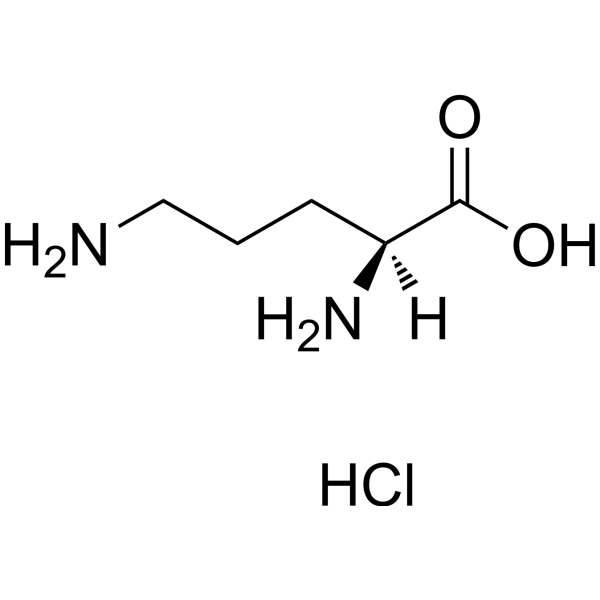
    IEM-1754, a dicationic adamantane derivative, is a potent blocker of open channels of native ionotropic glutamate receptors including quisqualate-sensitive receptors in insect muscles, NMDAR in cultured rat cortical neurons, and AMPAR in freshly isolated hippocampal cells. IEM-1754 shows anticonvulsant potency in vivo .
    IEM-1754
  • HY-W516880

    O-Demethylastemizole

    Drug Metabolite Parasite Histamine Receptor Potassium Channel Infection Cardiovascular Disease
    Desmethylastemizole (O-Demethylastemizole) , a metabolite of Astemizole (HY-12532), is a β-hematin (βH) inhibitor. Desmethylastemizole has an antiplasmodium activity against P. falciparum with IC50 of 0.12, 0.11 and 0.06  μM for Pf3D7, PfDd2, and PfItG strains, respectively. Desmethylastemizole is also a Histamine H1 receptor antagonist. Desmethylastemizole significantly blocks hERG K + channels and also inhibits histone-lysine N-methyltransferase EZH2 activity. Desmethylastemizole can be used for long QT syndrome and malaria research .
    Desmethylastemizole
  • HY-101547
    TRPC6-IN-1
    1 Publications Verification

    TRP Channel Cancer
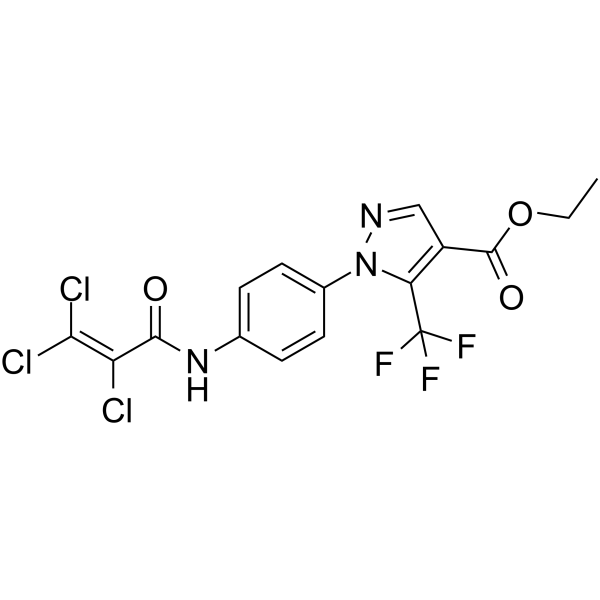
    TRPC6-IN-1 is a Transient Receptor Potential Canonical 6 Channel (TRPC6) inhibitor, with an EC50 of 4.66 μM.
    TRPC6-IN-1
  • HY-118328

    5-HT Receptor Potassium Channel Cancer
    Hymenidin is a natural antagonist of serotonergic receptor and inhibitor of voltage-gated potassium channels. Hymenidin also induces cancer cell apoptosis .
    Hymenidin
  • HY-B0405S

    Isotope-Labeled Compounds iGluR Sodium Channel Calcium Channel Potassium Channel Neurological Disease
    Bupivacaine-d99 is a deuterium labeled Bupivacaine. Bupivacaine is a NMDA receptor inhibitor.Bupivacaine can block sodium, L-calcium, and potassium channels.Bupivacaine potently blocks SCN5A channels with the IC50 of 69.5 μM. Bupivacaine can be used for the research of chronic pain .
    Bupivacaine-d9
  • HY-130074

    TRP Channel Neurological Disease
    FEMA 4809 is a TRPM8 receptor agonist (EC50=0.2 nM) for use as a cooling agent. TRPM8 is the ion channel responsible for the cool perception .
    FEMA 4809
  • HY-103112

    5-HT Receptor Neurological Disease
    SB 243213 hydrochloride is an orally active, selective and high-affinity 5-HT2C receptor antagonist with a pKi of 9.37 and a pKb of 9.8 for human 5-HT2C receptor. SB 243213 hydrochloride shows greater than a 100-fold selectivity over a wide range of neurotransmitter receptors, enzymes and ion channels. SB 243213 hydrochloride has improved anxiolytic profile and has the potential for schizophrenia and motor disorders .
    SB 243213 hydrochloride
  • HY-118387

    Potassium Channel Cardiovascular Disease
    AVE-0118 is a Kv1.5 potassium channel blocker and antiarrhythmic agent. AVE-0118 blocks neuronal Kv1.5 potassium channels, thereby enhancing the release of norepinephrine. AVE-0118 enhances field stimulation-induced neurogenic contraction, an effect sensitive to α1-adrenergic receptor blockade. AVE-0118 terminates persistent atrial fibrillation in some dogs. AVE-0118 is applicable to research related to atrial fibrillation and persistent atrial fibrillation .
    AVE-0118
  • HY-101809A

    iGluR Cardiovascular Disease
    CNS-5161 is a novel NMDA ion-channel antagonist that interacts with the NMDA receptor/ion channel site to produce a noncompetitive blockade of the actions of glutamate.
    CNS 5161
  • HY-137704

    TRP Channel Others
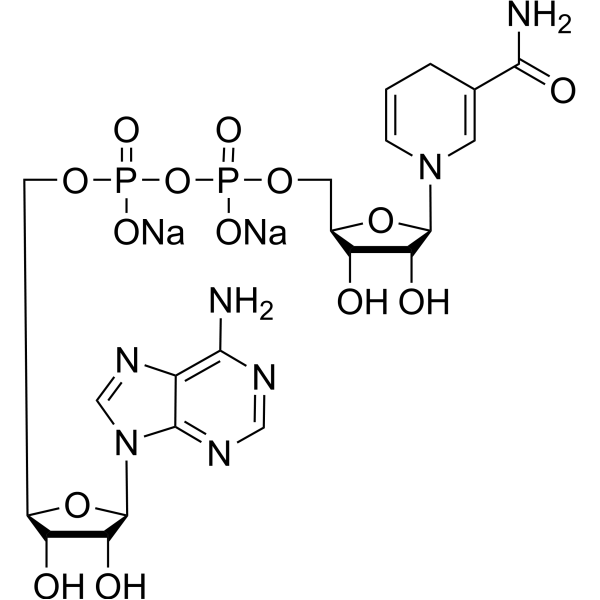
    2′-Deoxy-ADPR is an agonist for transient receptor potential melastatin 2 channel (TRPM2 channel). 2′-Deoxy-ADPR may acts as the signaling molecule in Jurkat T-lymphocytes .
    2′-Deoxy-ADPR
  • HY-B0285R

    MK-870 (Standard)

    Sodium Channel TRP Channel Apoptosis Reference Standards Cardiovascular Disease Metabolic Disease
    Amiloride (Standard) is the analytical standard of Amiloride. This product is intended for research and analytical applications. Amiloride (MK-870) is an inhibitor of both epithelial sodium channel (ENaC ) and urokinase-type plasminogen activator receptor (uTPA ). Amiloride is a blocker of polycystin-2 (PC2; TRPP2 ) channel.
    Amiloride (Standard)
  • HY-110270

    TRP Channel Inflammation/Immunology
    RN-9893 is a potent and selective TRPV4 receptor antagonist with IC50 values of 320, 420 and 660 nM for mouse, human and rat channels, respectively .
    RN-9893

Inquiry Online

Your information is safe with us. * Required Fields.

Salutation


Country or Region *

Applicant Name *


Organization Name *

Department *


Email Address *


Product Name *

Cat. No.


Requested quantity *

Phone Number *


Remarks

Inquiry Online

Inquiry Information

Product Name:
Cat. No.:
Quantity:
MCE Japan Authorized Agent:

