1. Search Result
Search Result
Results for "

proteasome-

" in MedChemExpress (MCE) Product Catalog:

502

Inhibitors & Agonists

8

Screening Libraries

4

Fluorescent Dye

3

Biochemical Assay Reagents

45

Peptides

3

Inhibitory Antibodies

42

Natural
Products

20

Recombinant Proteins

9

Isotope-Labeled Compounds

31

Antibodies

8

Click Chemistry

3

GMP Molecules

Cat. No. Product Name Target Research Areas Chemical Structure
  • HY-10227
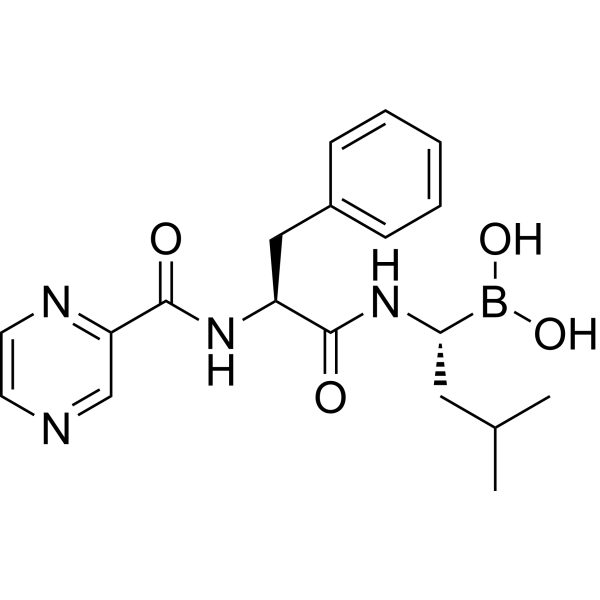
    Bortezomib
    245+ Cited Publications

    PS-341; LDP-341; NSC 681239

    Proteasome NF-κB Apoptosis Autophagy TREM receptor Cancer
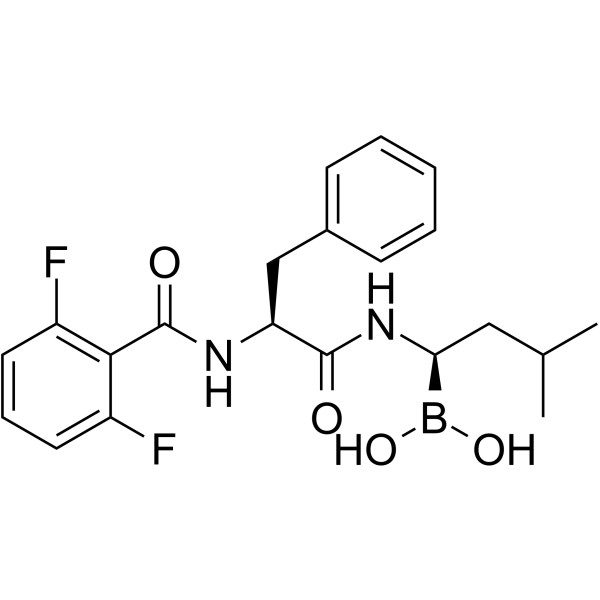
    Bortezomib (PS-341) is a reversible and selective proteasome inhibitor, and potently inhibits 20S proteasome (Ki=0.6 nM) by targeting a threonine residue. Bortezomib disrupts the cell cycle, induces apoptosis, and inhibits NF-κB. Bortezomib is the first proteasome inhibitor anticancer agent. Bortezomib can be used for the study of multiple myeloma (MM) . Bortezomib effectively inhibits TREM2 expression in tumor-associated macrophages (TAMs) .
    Bortezomib
  • HY-13259
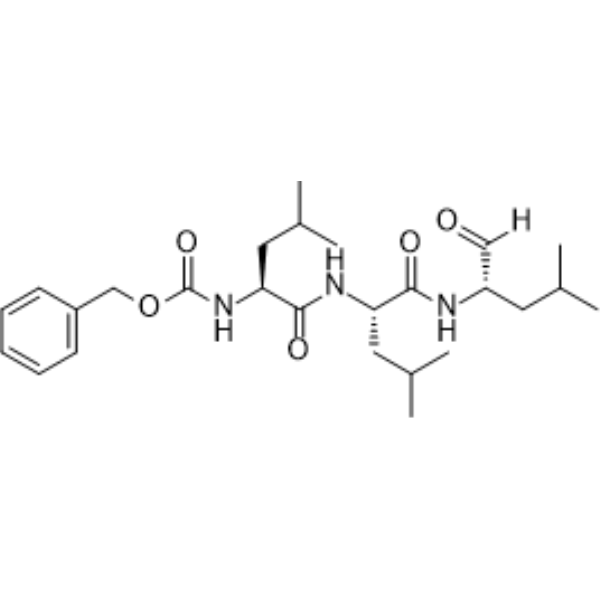
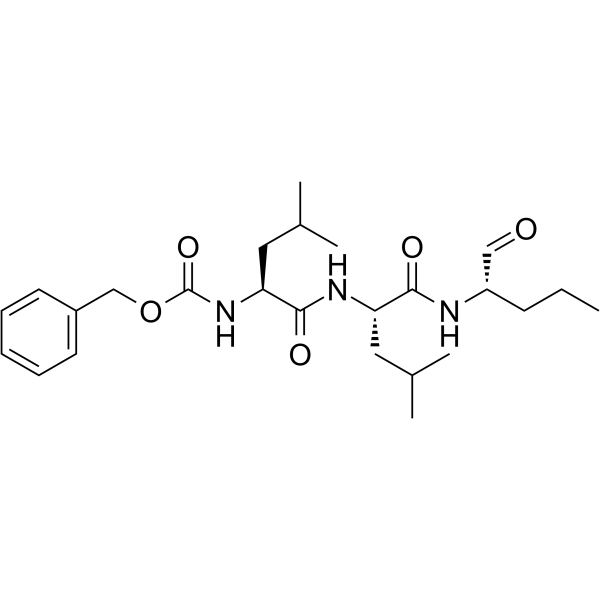
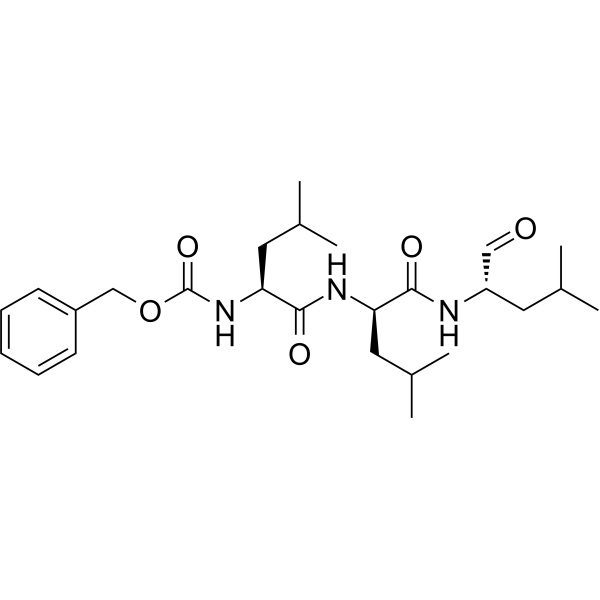
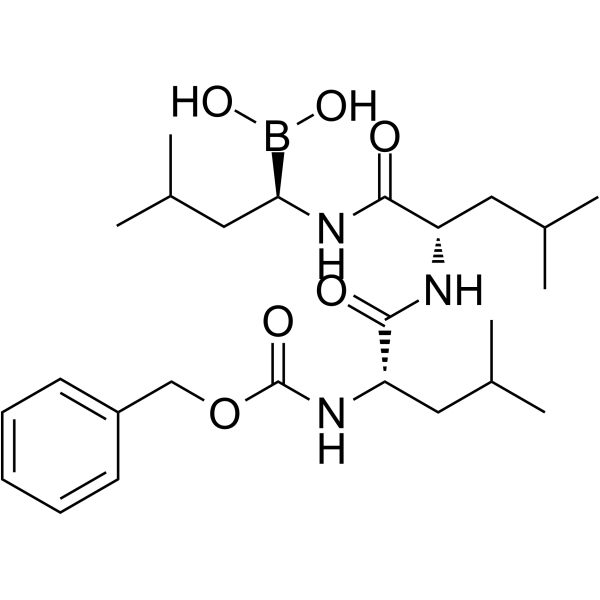
    MG-132
    Maximum Cited Publications
    1998 Publications Verification

    Z-Leu-Leu-Leu-al; MG132

    Proteasome Autophagy Apoptosis Cancer
    MG-132 (Z-Leu-Leu-Leu-al) is a potent proteasome and calpain inhibitor with IC50s of 100 nM and 1.2 μM, respectively. MG-132 effectively blocks the proteolytic activity of the 26S proteasome complex. MG-132, a peptide aldehyde, also is an autophagy activator. MG-132 also induces apoptosis .
    MG-132
  • HY-10455
    Carfilzomib
    60+ Cited Publications

    PR-171

    Proteasome Autophagy Apoptosis Cancer
    Carfilzomib (PR-171) is an irreversible proteasome inhibitor with an IC50 of 5 nM in ANBL-6 and RPMI 8226 cells.
    Carfilzomib
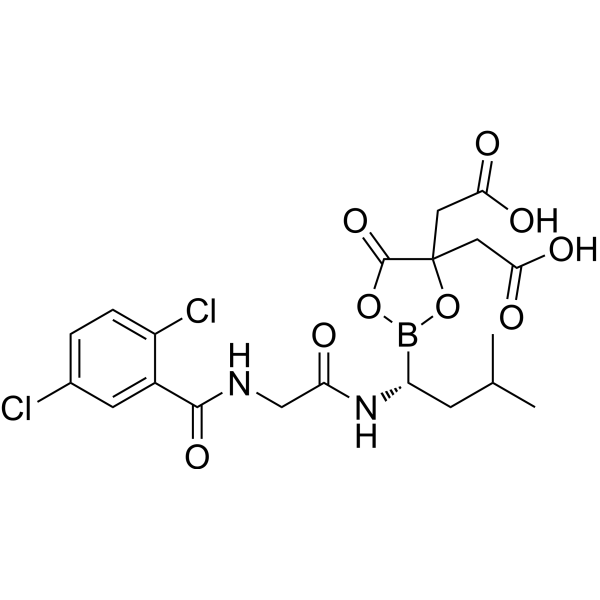
  • HY-10453
    Ixazomib
    20+ Cited Publications

    MLN2238

    Proteasome Autophagy Cancer
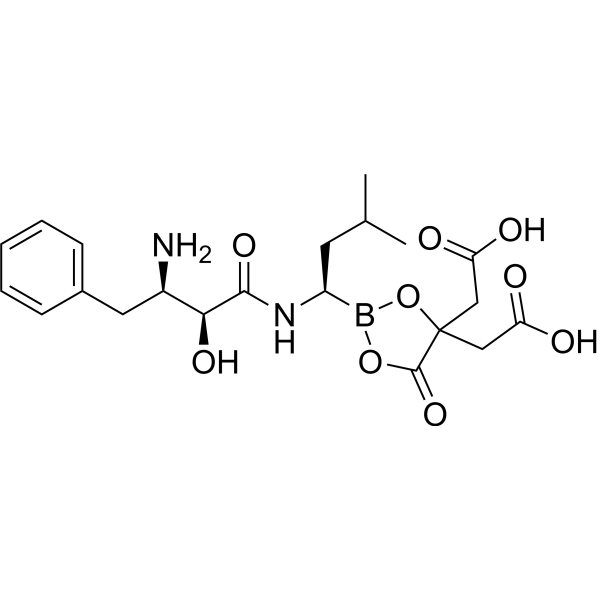
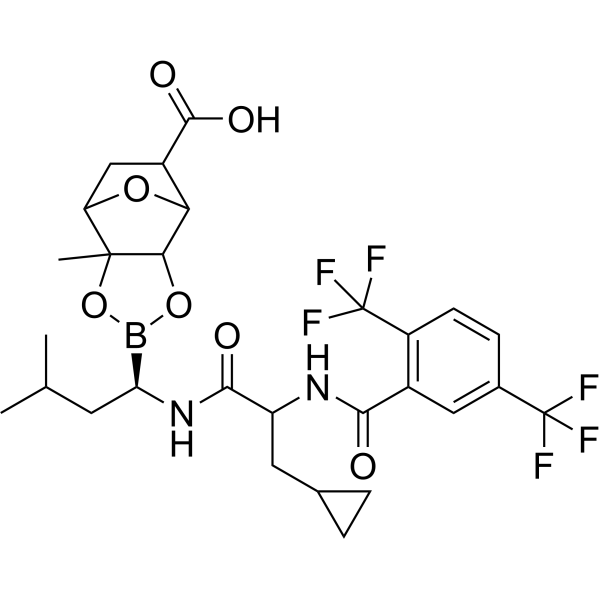
    Ixazomib (MLN2238) is a selective, potent, and reversible proteasome inhibitor, which inhibits the chymotrypsin-like proteolytic (β5) site of the 20S proteasome with an IC50 of 3.4 nM (Ki of 0.93 nM).
    Ixazomib
  • HY-13067
    Celastrol
    Maximum Cited Publications
    61 Publications Verification

    Tripterine; Tripterin

    Proteasome Autophagy Mitophagy Apoptosis Endogenous Metabolite Antibiotic Bacterial Nuclear Hormone Receptor 4A/NR4A Infection Inflammation/Immunology Cancer
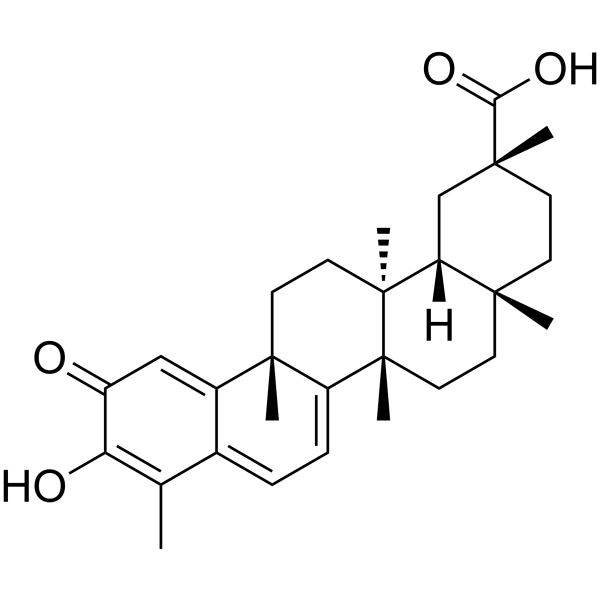
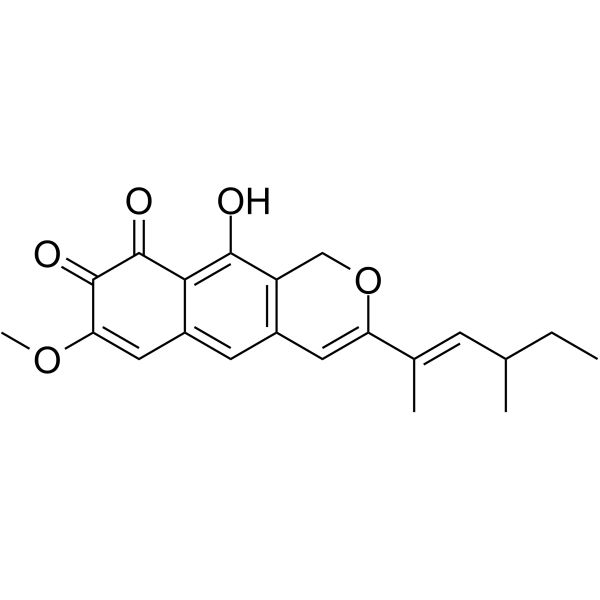
    Celastrol (Tripterine;Tripterin) is a proteasome inhibitor which potently and preferentially inhibits the chymotrypsin-like activity of a purified 20S proteasome with IC50 of 2.5 μM. In addition, Celastrol is also an antibiotic with potent antimicrobial activity against standard and clinical methicillin-resistant Staphylococcus aureus (MRSA) strains, inducing oxidative stress and inhibiting DNA synthesis by binding to P5CDH .
    Celastrol
  • HY-13821
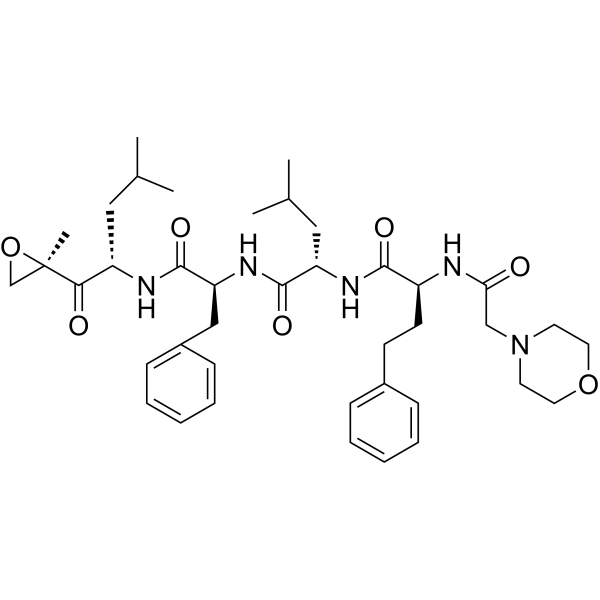
    Epoxomicin
    20+ Cited Publications

    BU-4061T

    Proteasome Apoptosis Inflammation/Immunology Cancer
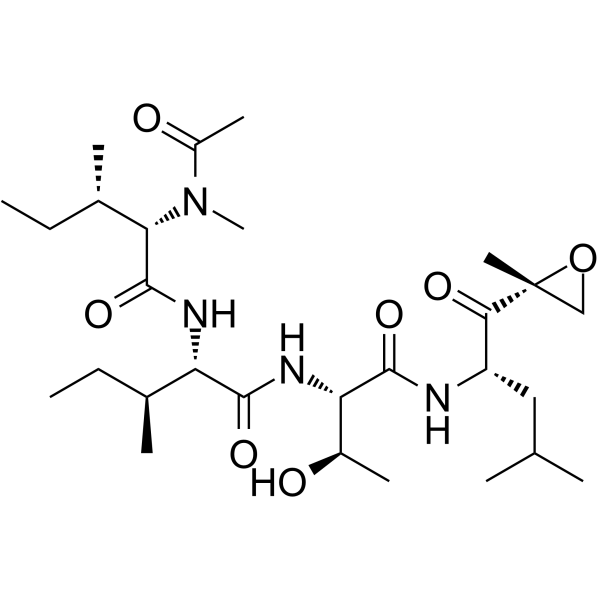
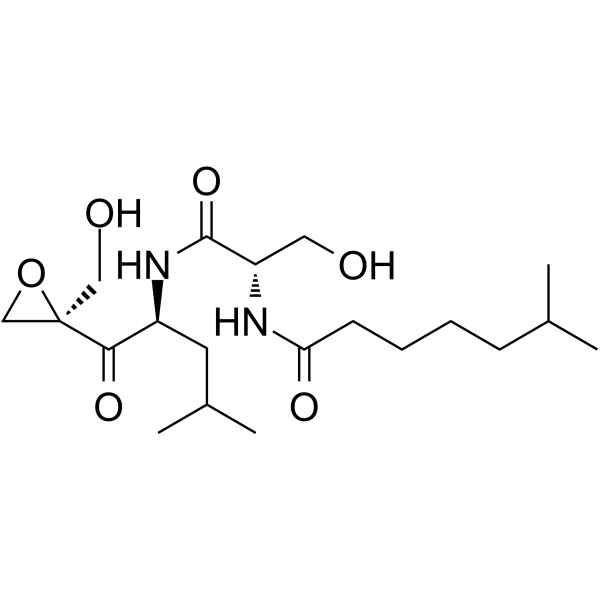
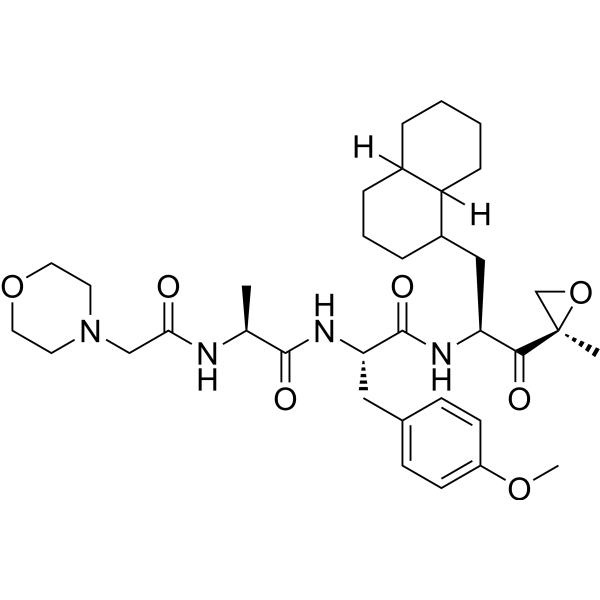
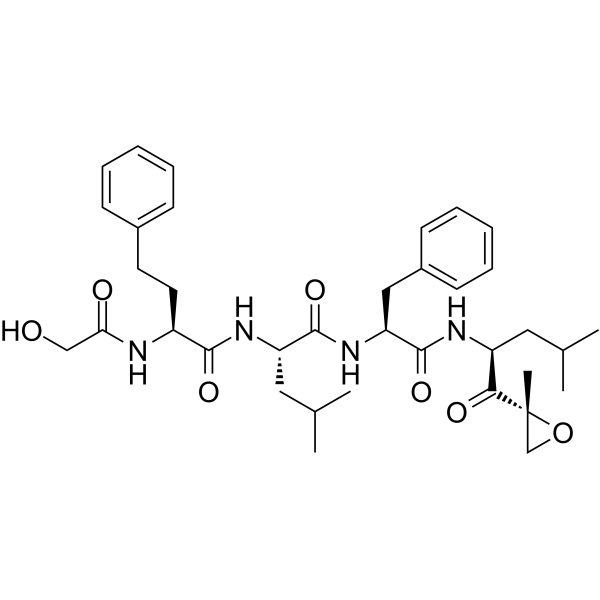
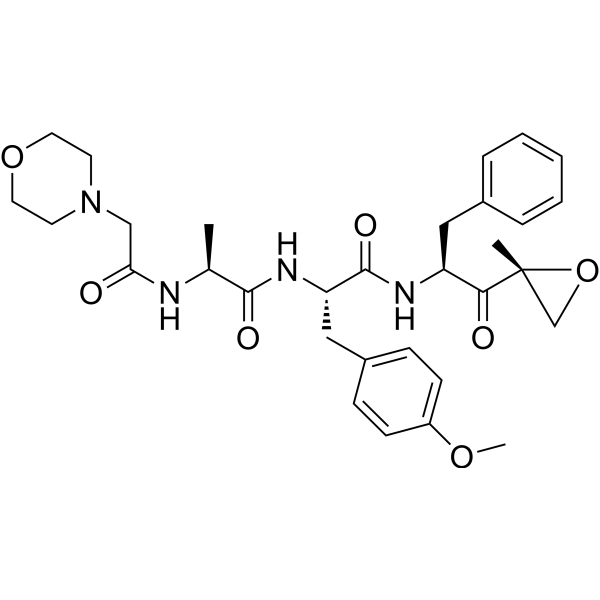
    Epoxomicin (BU-4061T) is an epoxyketone-containing natural product and a potent, selective and irreversible proteasome inhibitor. Epoxomicin covalently binds to the LMP7, X, MECL1, and Z catalytic subunits of the proteasome and potently inhibits primarily the chymotrypsin-like activity. Epoxomicin can cross the blood-brain barrier. Epoxomicin has strongly antitumor and anti-inflammatory activity .
    Epoxomicin
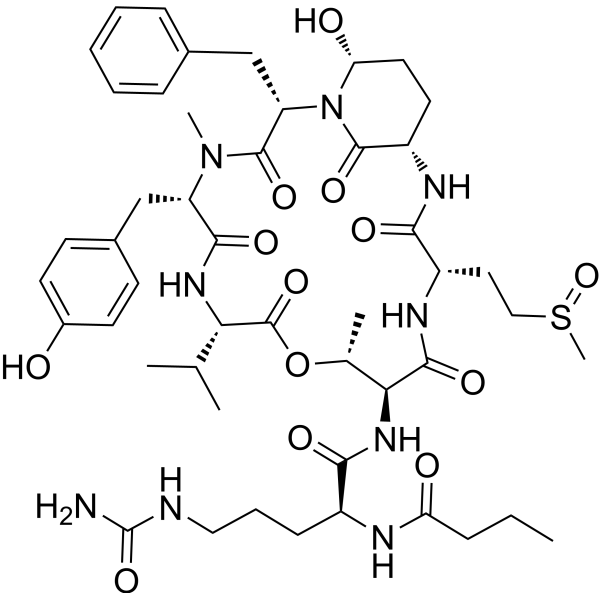
  • HY-10985
    Marizomib
    15+ Cited Publications

    Salinosporamide A; NPI-0052

    Proteasome Cancer
    Marizomib (Salinosporamide A) is a second-generation, irreversible, brain-penetrant, pan-proteasome inhibitor. Marizomib inhibits the CT-L (β5), CT-T-laspase-like (C-L, β1) and trypsin-like (T-L, β2) activities of the 20S proteasome (IC50=3.5, 28, and 430 nM, respectively) .
    Marizomib
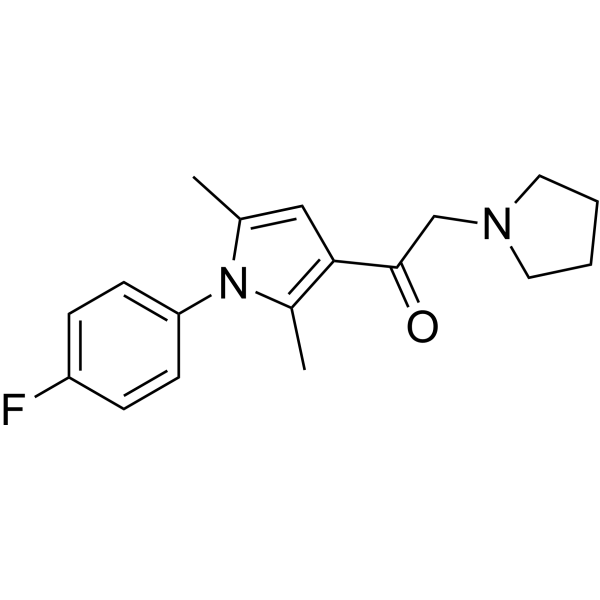
  • HY-110404
    Capzimin
    5 Publications Verification

    Proteasome Deubiquitinase Cancer
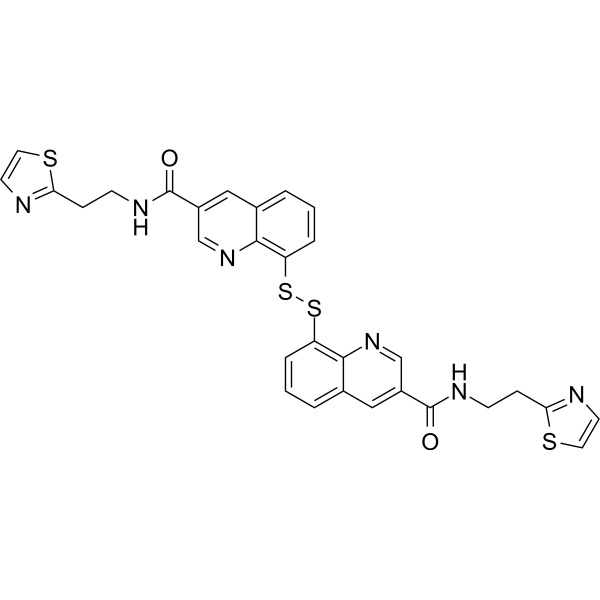
    Capzimin is a potent and moderately specific proteasome isopeptidase Rpn11 inhibitor.
    Capzimin
  • HY-108552
    MG-115
    1 Publications Verification

    Proteasome Apoptosis Cancer
    MG-115 is a potent and reversible proteasome inhibitor, with Kis of 21 nM and 35 nM for 20S and 26S proteasome, respectively. MG-115 specifically inhibit the chymotrypsin-like activity of the proteasome, induces p53-dependent apoptosis .
    MG-115
  • HY-12113
    Oprozomib
    3 Publications Verification

    ONX 0912; PR-047

    Proteasome Autophagy Apoptosis Cancer
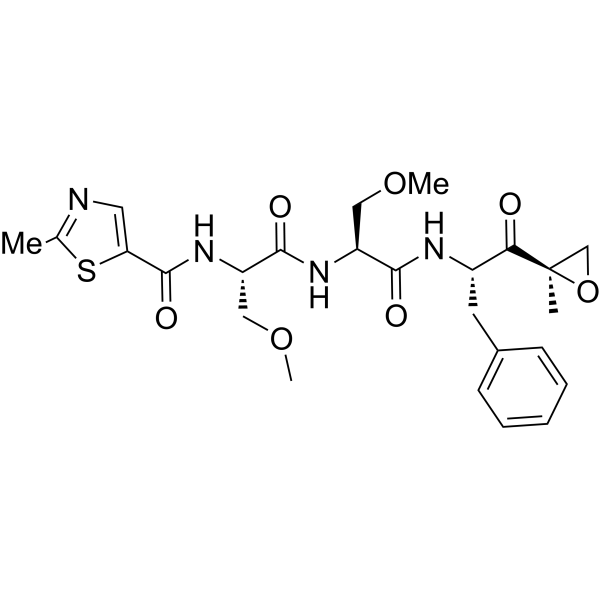
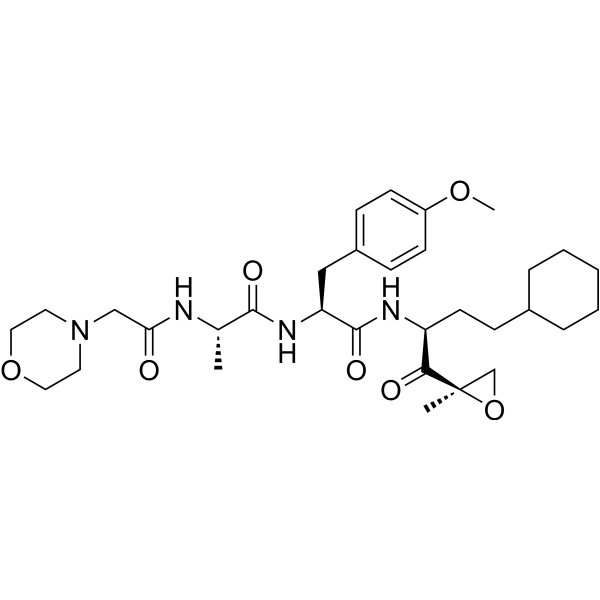
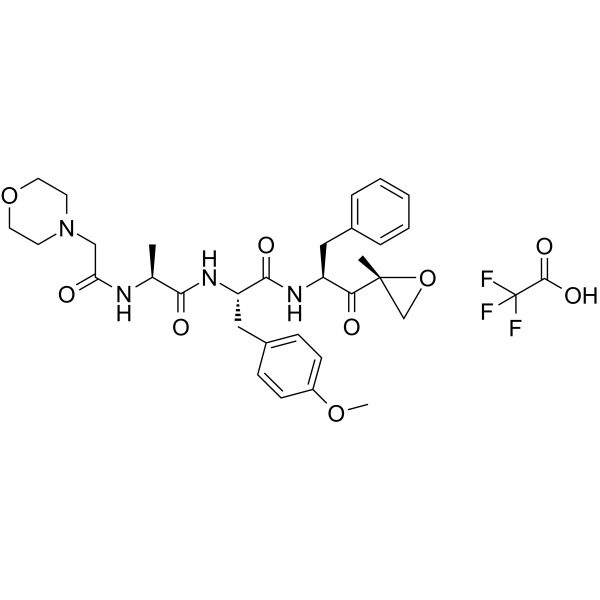
    Oprozomib (PR-047) is an orally bioavailable and selective peptide epoxyketone proteasome inhibitor with IC50s of 36 and 82 nM for proteasome (β5) and immunoproteasome (LMP7), respectively. Oprozomib (ONX 0912) induces apoptosis in MM cells .
    Oprozomib
  • HY-12471
    VLX1570
    2 Publications Verification

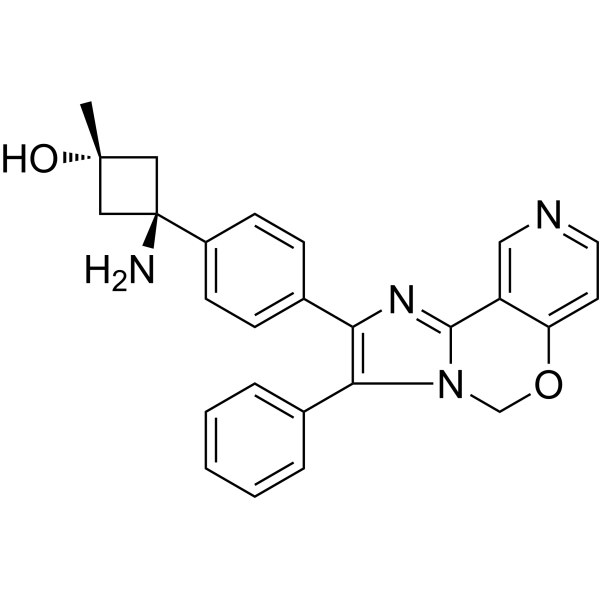
    Deubiquitinase Cancer
    VLX1570 is a competitive inhibitor of proteasome deubiquitinases (DUBs) with an IC50 of approximate 10 μM.
    VLX1570
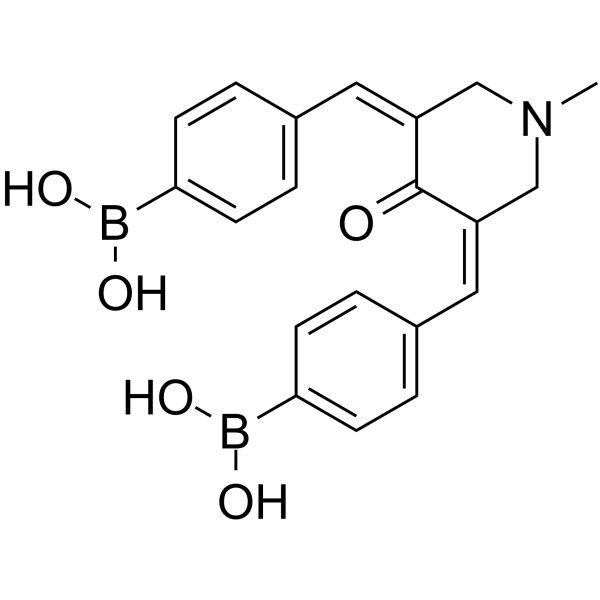
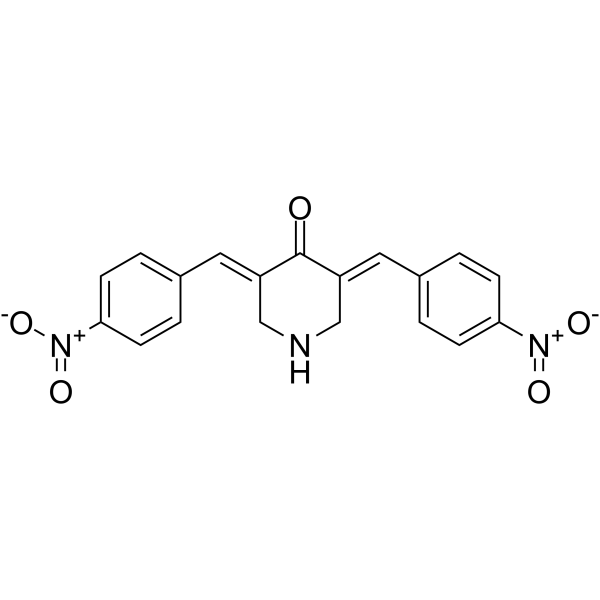
  • HY-100739
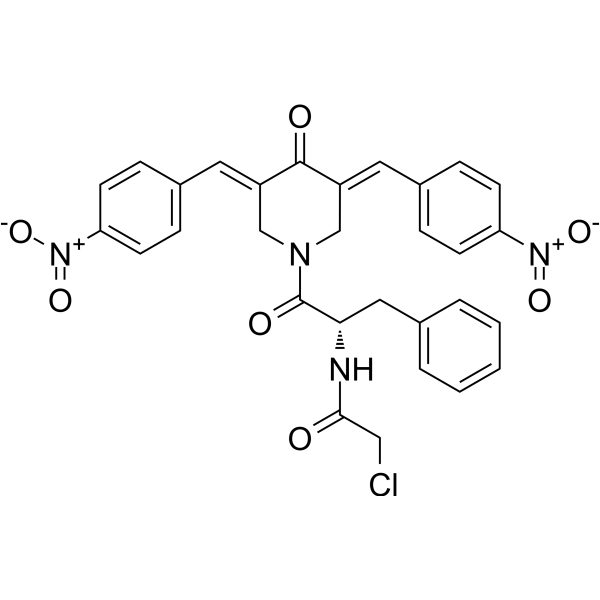
    RA190
    4 Publications Verification

    Proteasome Cancer
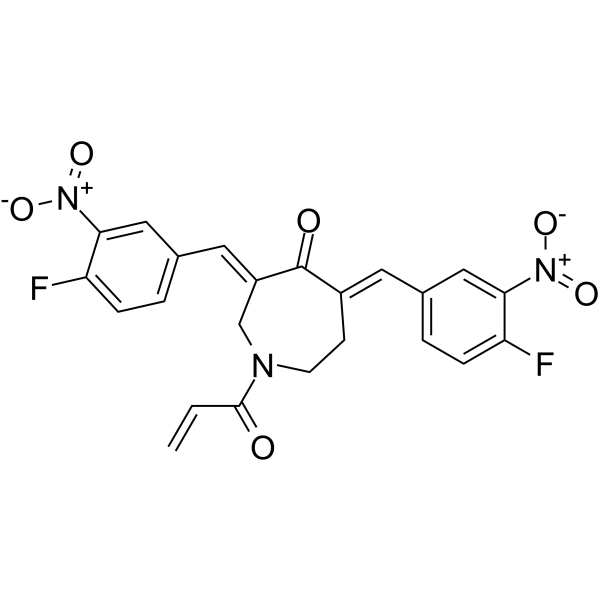
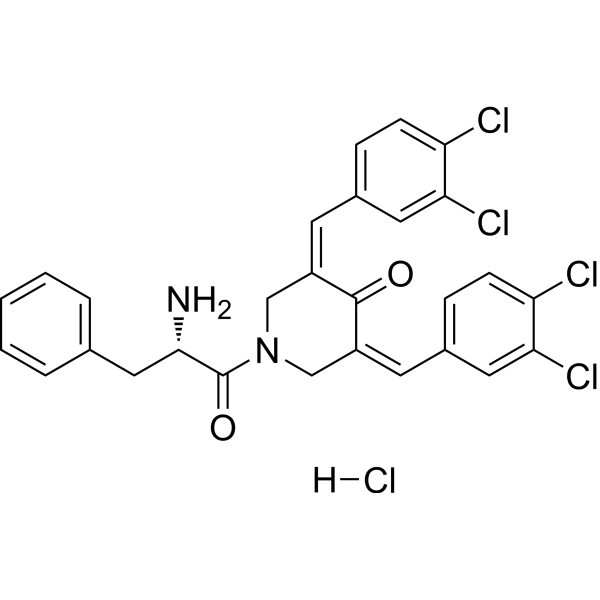
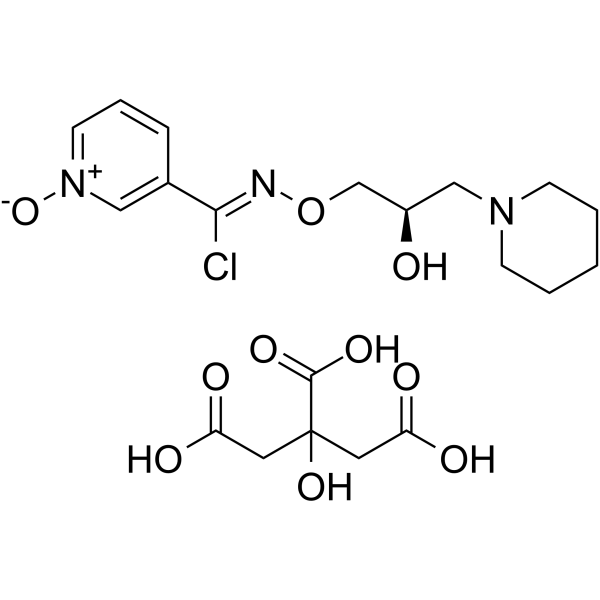
    RA190, a bis-benzylidine piperidon, inhibits proteasome function by covalently binding to cysteine 88 of ubiquitin receptor RPN13.
    RA190
  • HY-108549

    Omuralide; β-Clastolactacystin

    Proteasome Cancer
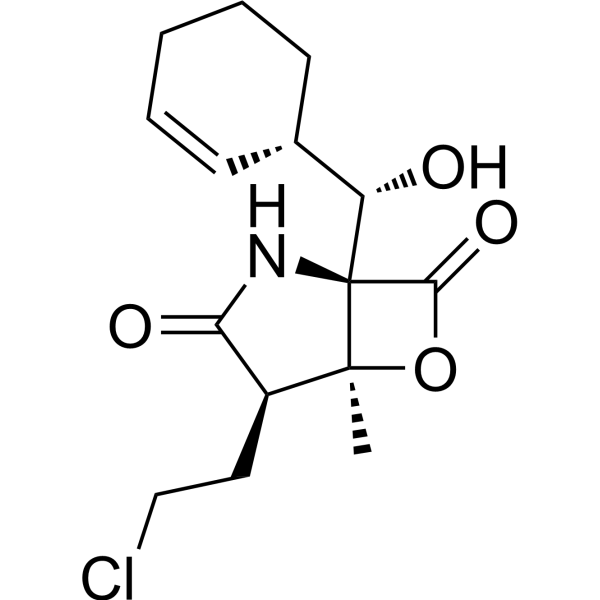
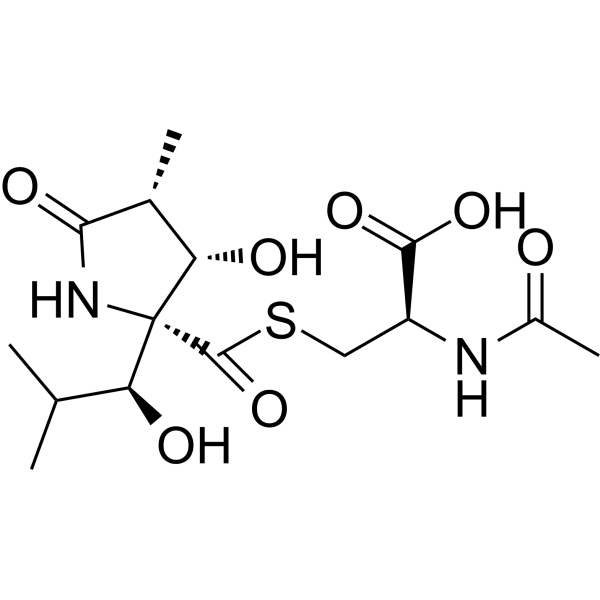
    Clasto-Lactacystin β-lactone, a natural active metabolite of lactacystin, which is a metabolite of Streptomyces, acts as an irreversible 20S proteasome inhibitor.
    clasto-Lactacystin β-lactone
  • HY-150602

    Proteasome Neurological Disease
    20S Proteasome activator 1 is a potent 20S proteasome activator with EC200 values of 0.3 μM, 0.7 μM and 1.8 μM for trypsin-like site, chymotrypsin-like site and caspase-like site. 20S Proteasome activator 1 translates well in a cellular system, preventing the accumulation of the pathogenic A53T mutant of α-synuclein. 20S Proteasome activator 1 can be used for researching neurodegenerative diseases .
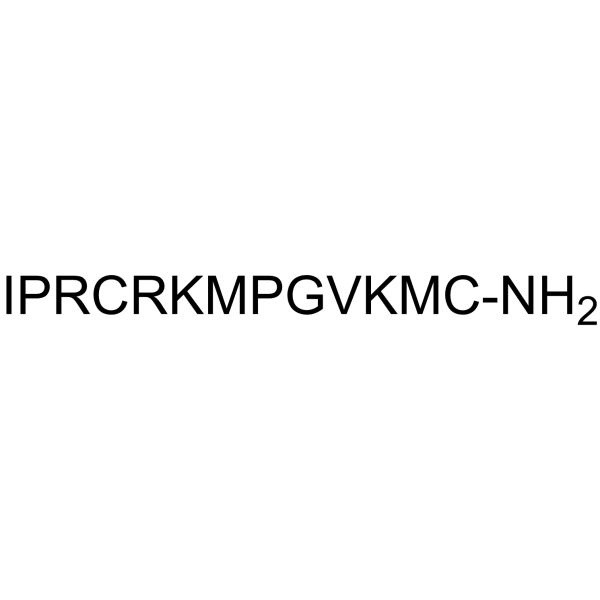
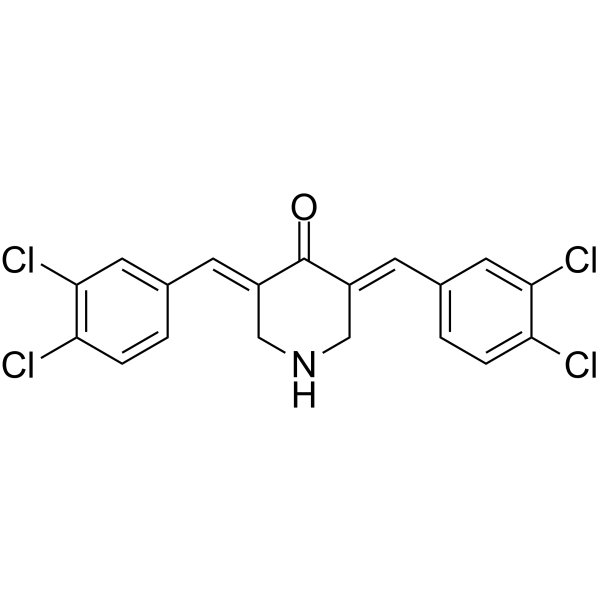
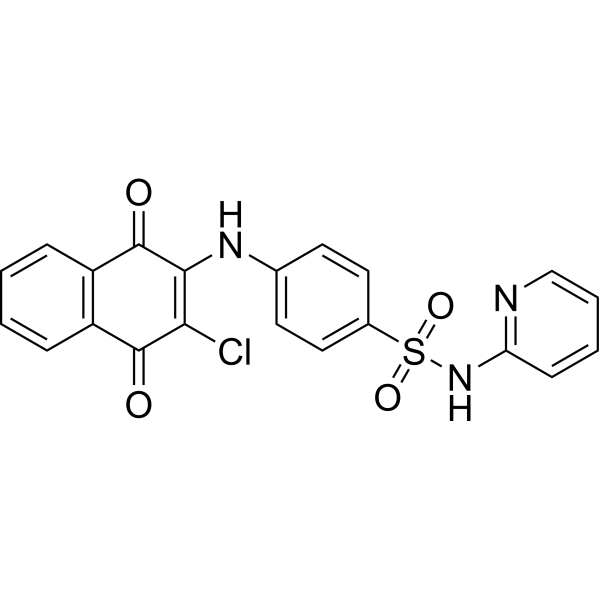
    20S Proteasome activator 1
  • HY-18741
    VR23
    1 Publications Verification

    Proteasome Apoptosis Metabolic Disease Cancer
    VR23 is a small molecule that potently inhibits the activities of trypsin-like proteasomes (IC50=1 nM), chymotrypsin-like proteasomes (IC50=50-100 nM), and caspase-like proteasomes (IC50=3 μM).
    VR23
  • HY-115391
    Boc-LRR-AMC
    1 Publications Verification

    Boc-Leu-Arg-Arg-AMC

    Biochemical Assay Reagents Others
    Boc-LRR-AMC (Boc-Leu-Arg-Arg-AMC) is a fluorogenic substrate, which can be utilized for detecting the trypsin-like activity of the 26S proteasome or the 20S proteasome core .
    Boc-LRR-AMC
  • HY-10227R

    PS-341 (Standard); LDP-341 (Standard); NSC 681239 (Standard)

    Reference Standards Proteasome NF-κB Apoptosis Autophagy TREM receptor Cancer
    Bortezomib (Standard) is the analytical standard of Bortezomib. This product is intended for research and analytical applications. Bortezomib (PS-341) is a reversible and selective proteasome inhibitor, and potently inhibits 20S proteasome (Ki=0.6 nM) by targeting a threonine residue. Bortezomib disrupts the cell cycle, induces apoptosis, and inhibits NF-κB. Bortezomib is the first proteasome inhibitor anticancer agent. Bortezomib can be used for the study of multiple myeloma (MM) . Bortezomib effectively inhibits TREM2 expression in tumor-associated macrophages (TAMs) .
    Bortezomib (Standard)
  • HY-131350

    Proteasome Parasite Infection
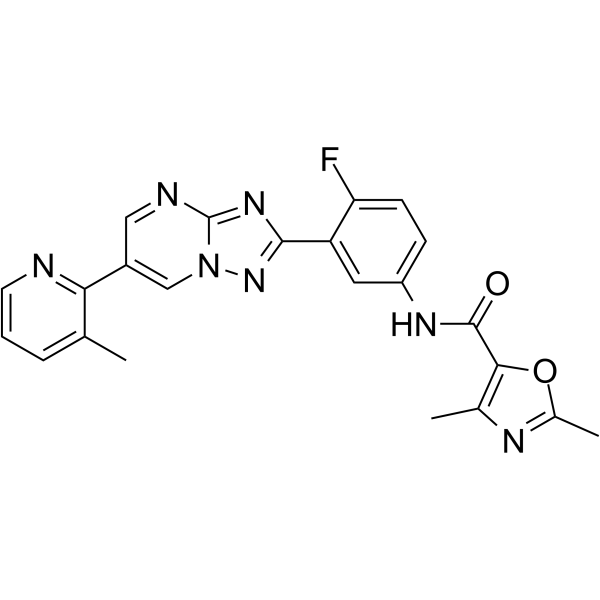
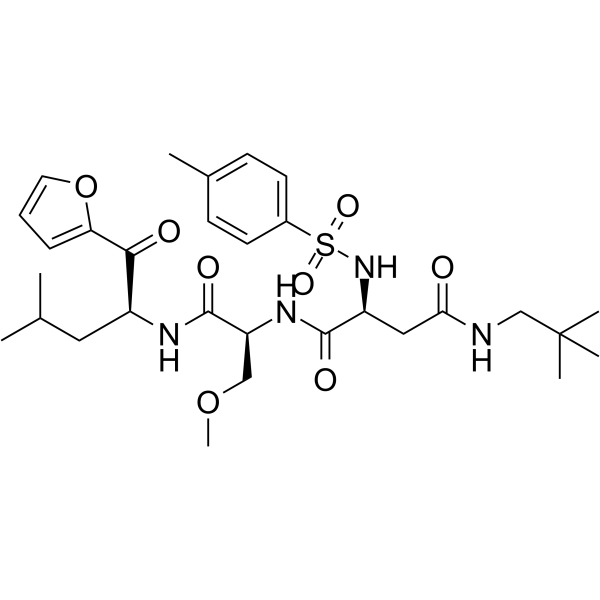
    LXE408 is an orally active, non-competitive and kinetoplastid-selective proteasome inhibitor. LXE408 has an IC50 of 0.04 μM for L. donovani proteasome and an EC50 of 0.04 μM for L. donovani. LXE408 has a low propensity to cross the blood brain barrier. LXE408 has the potential for visceral leishmaniasis (VL) research .
    LXE408
  • HY-135070

    Ac-Arg-Leu-Arg-AMC

    Proteasome Others
    Ac-RLR-AMC (Ac-Arg-Leu-Arg-AMC) is a fluorogenic substrate for the 26S proteasome (Ex/Em: 380/440-460 nm). AMC is released upon cleavage, and its fluorescence can be used to quantify the trypsin-like activity of 26S proteasomes .
    Ac-RLR-AMC
  • HY-123051

    Proteasome Inflammation/Immunology
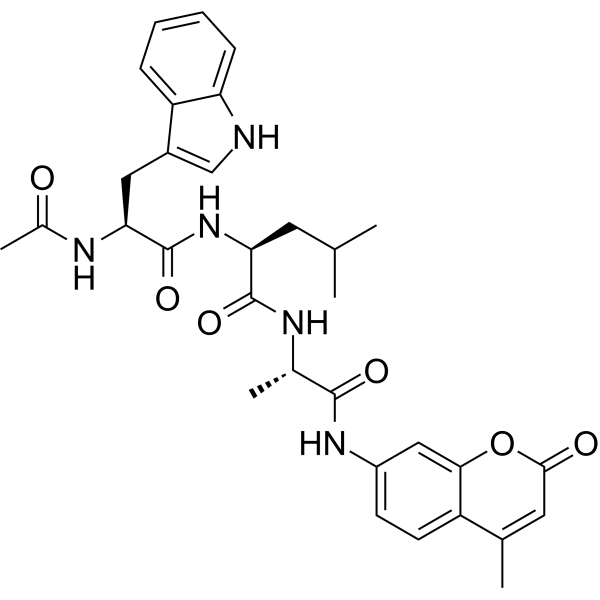
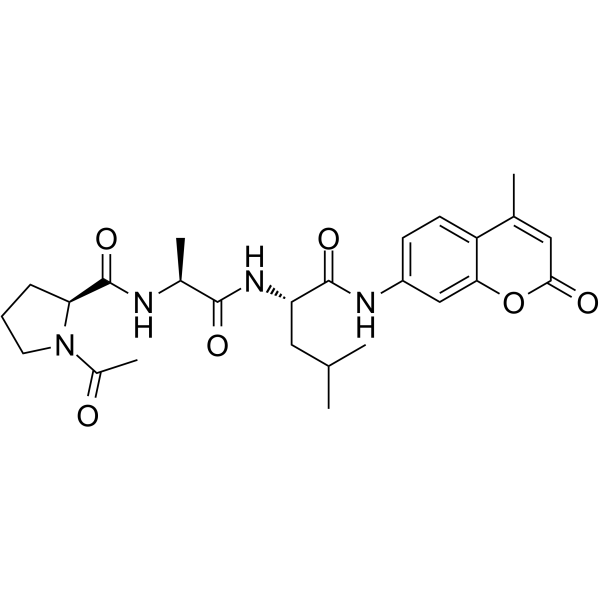
    Ac-WLA-AMC is a specific 20S constitutive proteasome β5 fluorogenic substrate .
    Ac-WLA-AMC
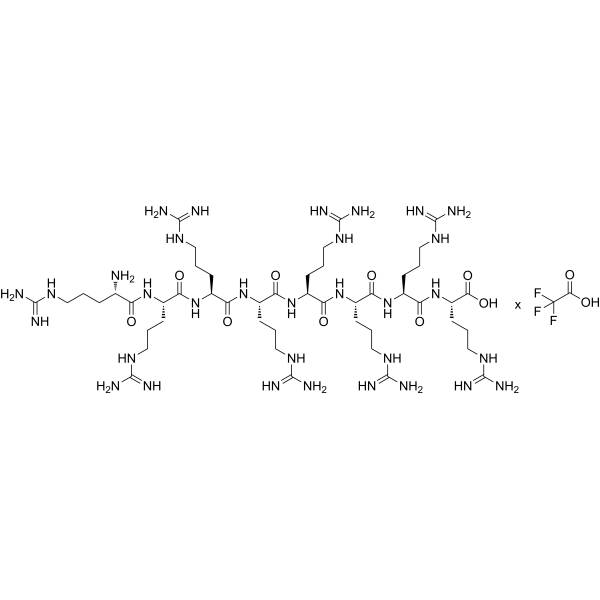
  • HY-P3414A
    Proteasome-activating peptide 1 TFA
    3 Publications Verification

    Proteasome Neurological Disease
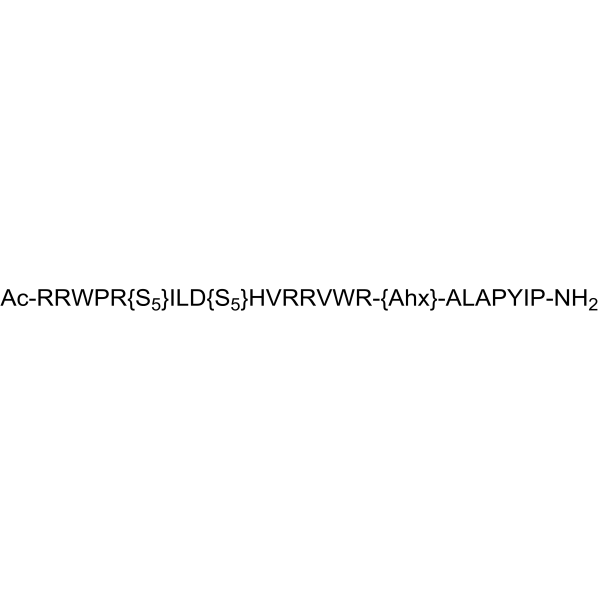
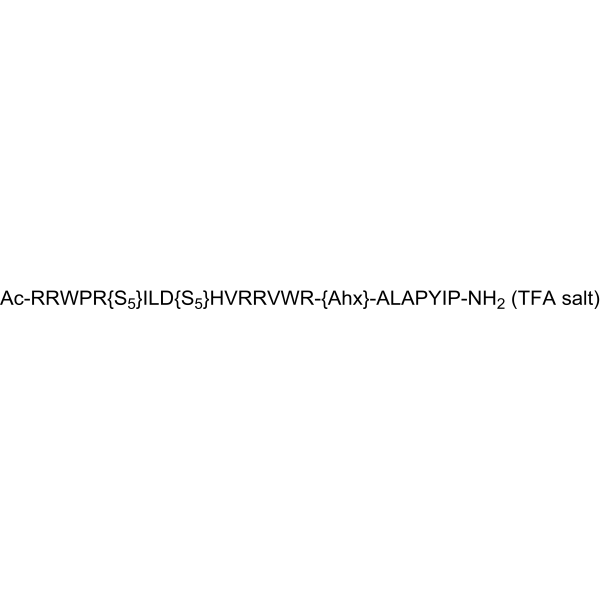
    Proteasome-activating peptide 1 TFA is a peptide and a potent proteasome activator. Proteasome-activating peptide 1 TFA increases the chymotrypsin-like proteasomal catalytic activity and, consequently, proteolytic rates both in vitro and in culture. Proteasome-activating peptide 1 TFA prevents protein aggregation in a cellular model of amyotrophic lateral sclerosis .
    Proteasome-activating peptide 1 TFA
  • HY-107412

    PS-IX; AM114

    Proteasome Cancer
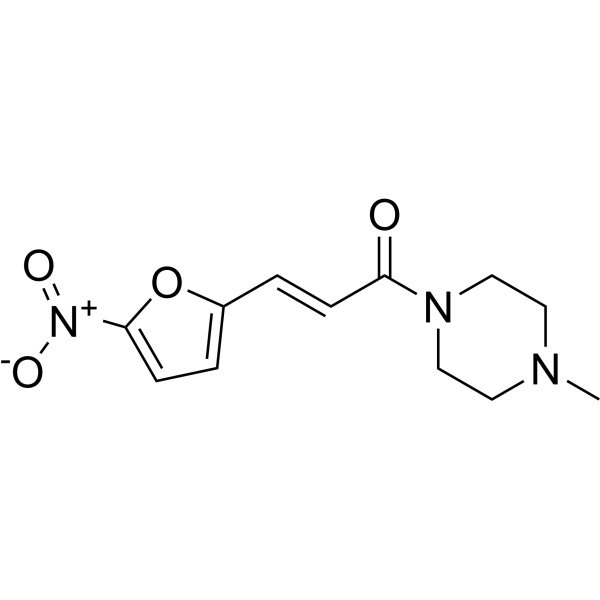
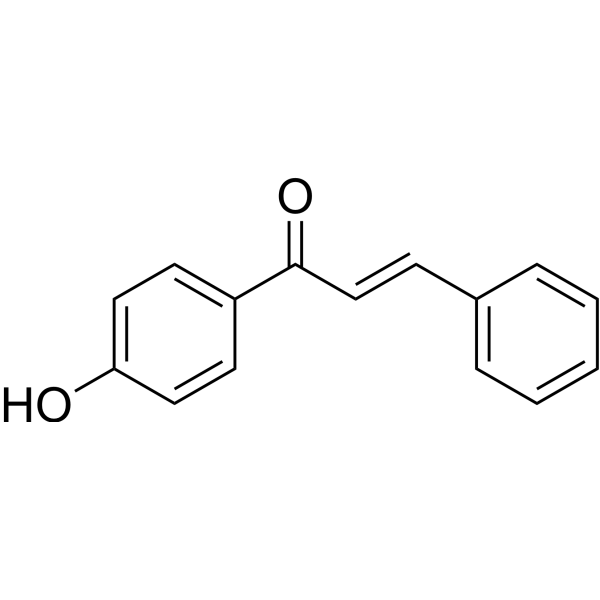
    Proteasome inhibitor IX (PS-IX; AM114) is a Chalcone derivative and a chymotrypsin-like activity of the 20S proteasome inhibitor with an IC50 value of ~1 μM. Proteasome inhibitor IX exhibits HCT116 p53 +/+ cells growth inhibitory activity with an IC50 value of 1.49 μM. Proteasome inhibitor IX has potent anticancer activity .
    Proteasome inhibitor IX
  • HY-13067R

    Tripterine (Standard); Tripterin (Standard)

    Reference Standards Proteasome Autophagy Mitophagy Apoptosis Endogenous Metabolite Inflammation/Immunology Cancer
    Celastrol (Standard) is the analytical standard of Celastrol. This product is intended for research and analytical applications. Celastrol (Tripterine;Tripterin) is a proteasome inhibitor which potently and preferentially inhibits the chymotrypsin-like activity of a purified 20S proteasome with IC50 of 2.5 μM.
    Celastrol (Standard)
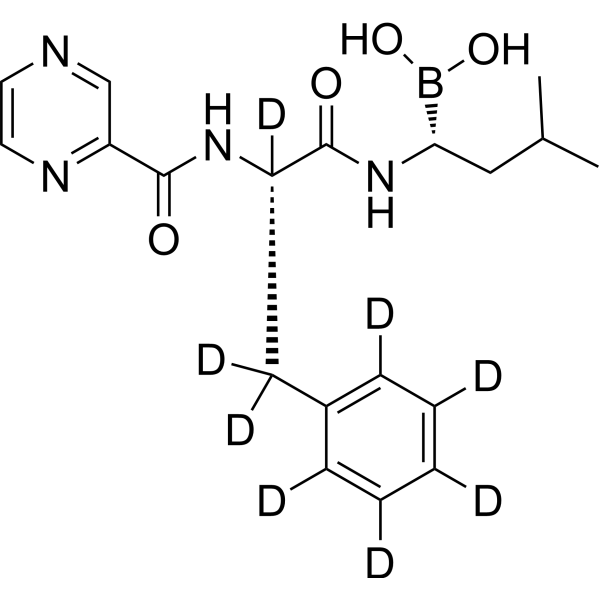
  • HY-10227S

    PS-341-d8; LDP-341-d8; NSC 681239-d8

    Isotope-Labeled Compounds Proteasome NF-κB Apoptosis Autophagy TREM receptor Cancer
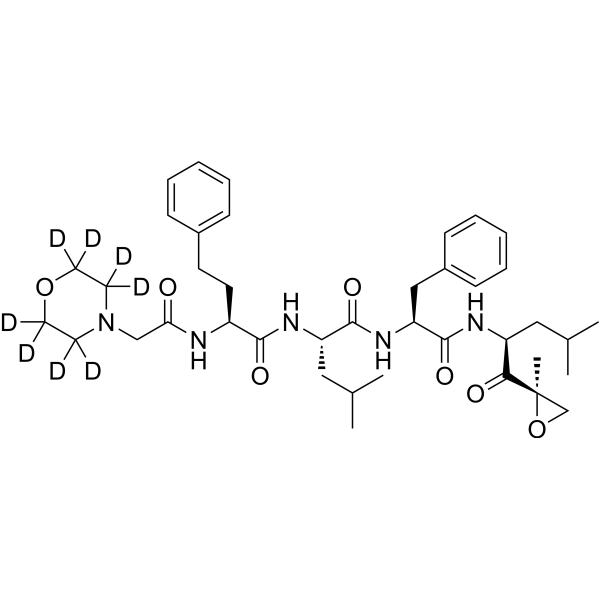
    Bortezomib-d8 is the deuterium labeled Bortezomib. Bortezomib (PS-341) is a reversible and selective proteasome inhibitor, and potently inhibits 20S proteasome (Ki=0.6 nM) by targeting a threonine residue. Bortezomib disrupts the cell cycle, induces apoptosis, and inhibits NF-κB. Bortezomib is the first proteasome inhibitor anticancer agent. Bortezomib can be used for the study of multiple myeloma (MM) . Bortezomib effectively inhibits TREM2 expression in tumor-associated macrophages (TAMs) .
    Bortezomib-d8
  • HY-120060

    Parasite Infection
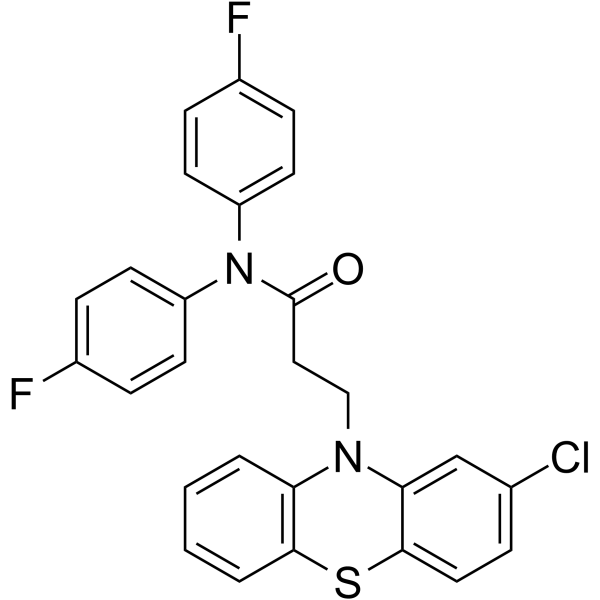
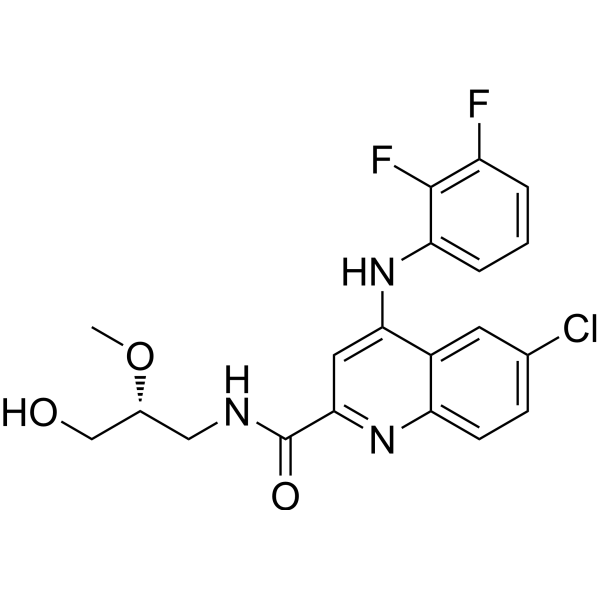
    GNF6702 is a selective inhibitor of the kinetoplastid proteasome. GNF6702 clears parasites in murine models of leishmaniasis, Chagas disease, and human African trypanosomiasis .
    GNF6702
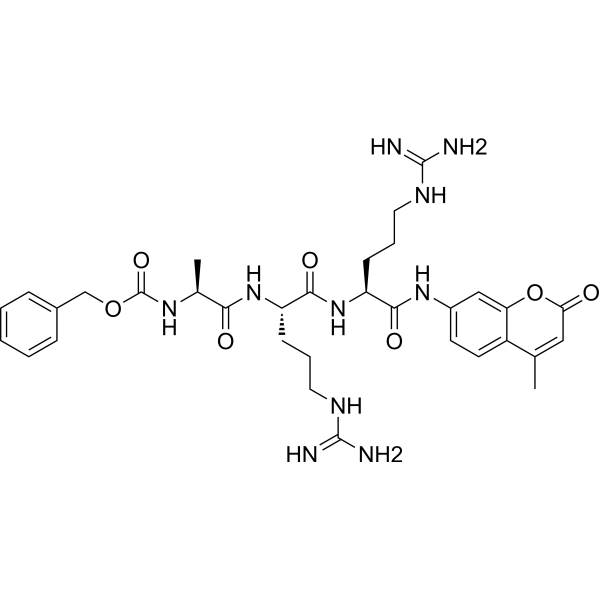
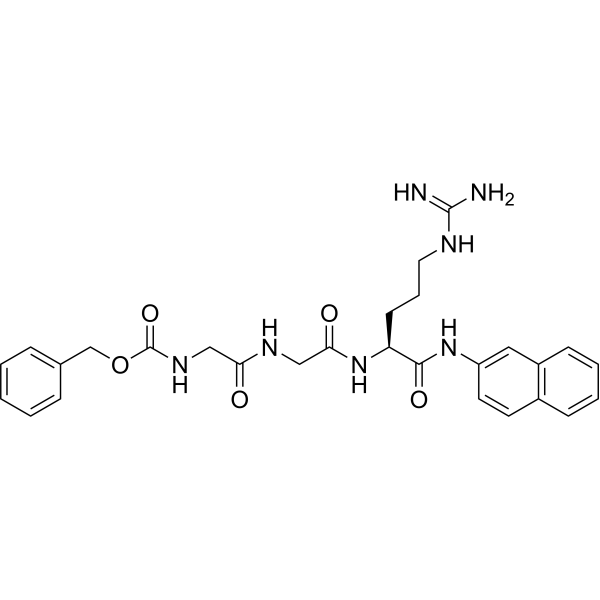
  • HY-134961
    Z-Ala-Arg-Arg-AMC
    1 Publications Verification

    Fluorogenic proteasome Substrate; Z-ARR-AMC

    Proteasome Others
    Z-Ala-Arg-Arg-AMC (Fluorogenic Proteasome Substrate) is a fluorogenic substrate for assaying trypsin-like activity of proteasome .
    Z-Ala-Arg-Arg-AMC
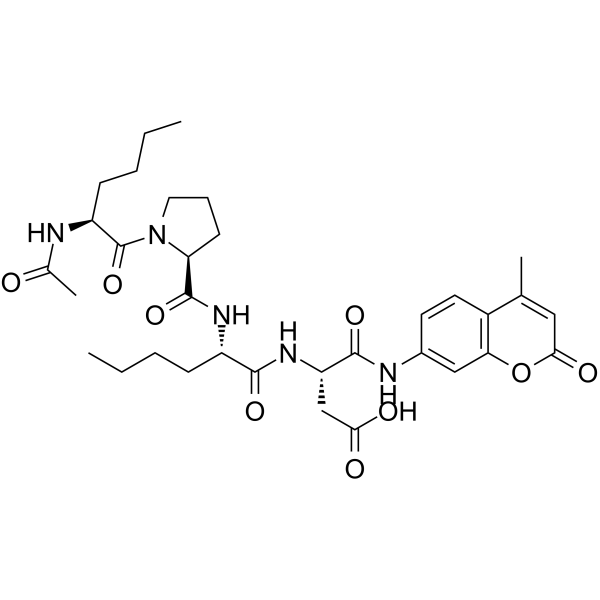
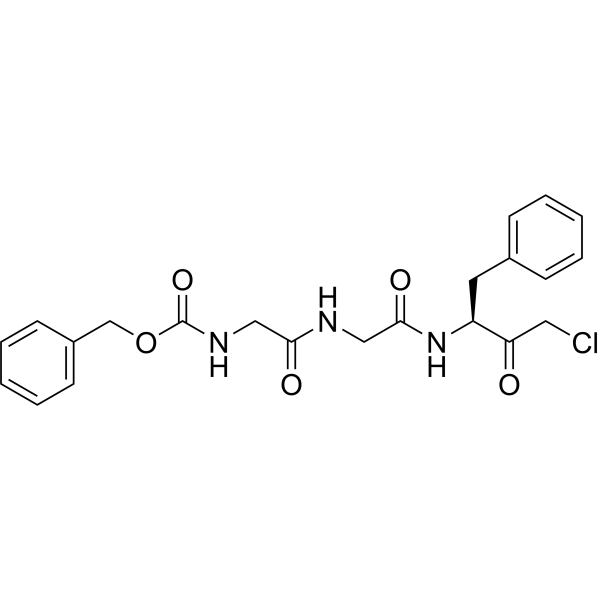
  • HY-P2016

    Proteasome Others
    Ac-Nle-Pro-Nle-Asp-AMC is a specific substrate for 26S proteasome. Ac-Nle-Pro-Nle-Asp-AMC can be used for the 26S proteasome caspase-like activity analysis .
    Ac-Nle-Pro-Nle-Asp-AMC
  • HY-P1259A

    Proteasome Bacterial Inflammation/Immunology
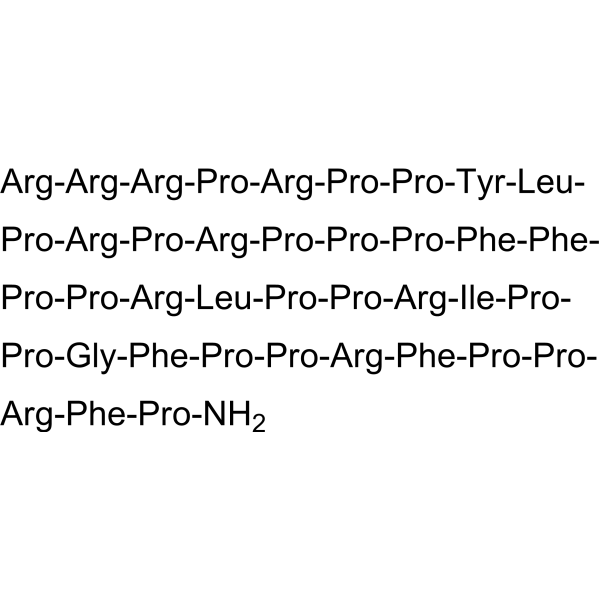
    PR-39 TFA, a natural proline- and arginine-rich antibacterial peptide, is a noncompetitive, reversible and allosteric proteasome inhibitor. PR-39 TFAreversibly binds to the α7 subunit of the proteasome and blocks degradation of NF-κB inhibitor IκBα by the ubiquitin-proteasome pathway. PR-39 TFA stimulates angiogenesis, inhibits inflammatory responses and significant reduces myocardial infarct size in mice .
    PR-39 TFA
  • HY-P2483B

    Bacterial Proteasome Infection Inflammation/Immunology Cancer
    Octaarginine acetate is a cell-penetrating peptide and proteasome inhibitor. Octaarginine acetate exhibits mixed-type inhibition against 20S proteasome chymotrypsin-like, caspase-like, and trypsin-like activities, and inhibits 26S proteasome activity with decreased efficiency. Octaarginine acetate induces ubiquitin-conjugated protein accumulation, mediates HSPG-dependent cellular internalization via macropinocytosis, enhances liposomal cargo uptake and gene delivery. Octaarginine acetate can be used for the research of cervix carcinoma, collagen antibody-induced arthritis, and bacterial infections .
    Octaarginine acetate
  • HY-P2483

    Proteasome Bacterial Infection Inflammation/Immunology Cancer
    Octaarginine is a cell-penetrating peptide and proteasome inhibitor. Octaarginine exhibits mixed-type inhibition against 20S proteasome chymotrypsin-like, caspase-like, and trypsin-like activities, and inhibits 26S proteasome activity with decreased efficiency. Octaarginine induces ubiquitin-conjugated protein accumulation, mediates HSPG-dependent cellular internalization via macropinocytosis, enhances liposomal cargo uptake and gene delivery. Octaarginine can be used for the research of cervix carcinoma, collagen antibody-induced arthritis, and bacterial infections .
    Octaarginine
  • HY-162965

    Proteasome Cancer
    Immunoproteasome activator 1 (compound A) is a selective immunoproteasome activator that increases the presentation of individual MHC-I–bound peptides by over 100-fold. Immunoproteasome activator 1 binds to the proteasome structural subunit PSMA1 and promotes the association of the proteasome activator PA28α/β (PSME1/PSME2) with immunoproteasomes .
    Immunoproteasome activator 1
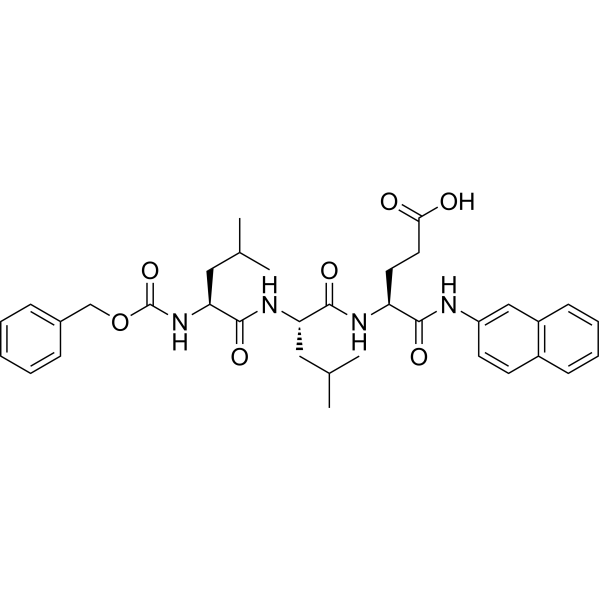
  • HY-129867

    Z-LLL-AMC

    Proteasome Others
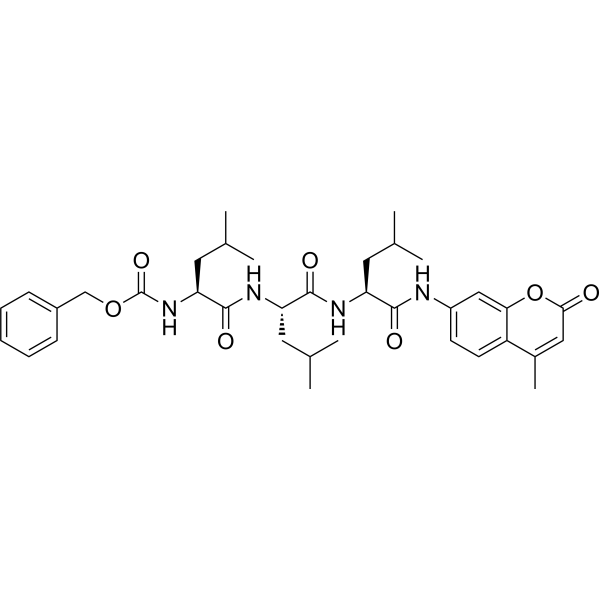
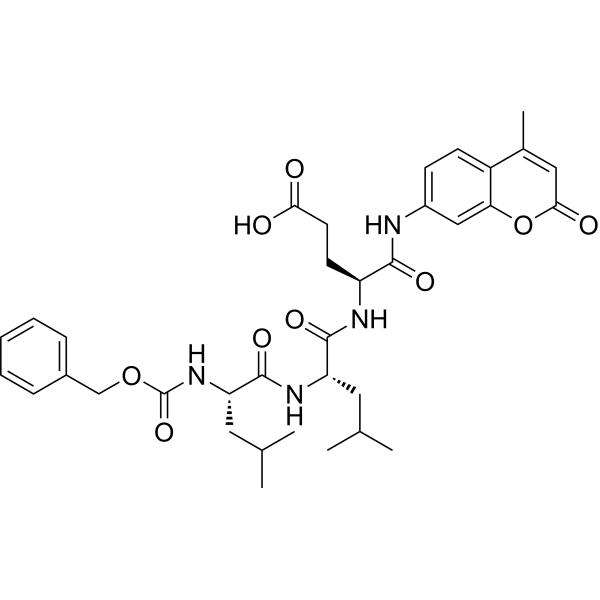
    Z-Leu-Leu-Leu-AMC is a fluorogenic substrate for measuring the chymotrypsin-like protease activity of the 20S proteasome .
    Z-Leu-Leu-Leu-AMC
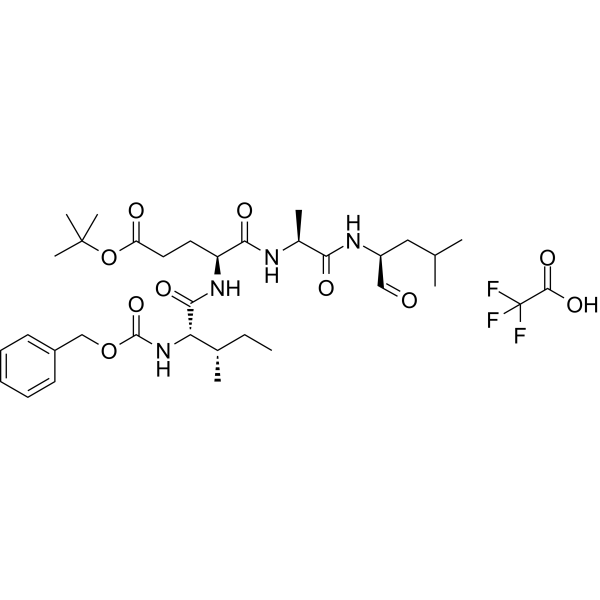
  • HY-P1258
    PSI
    2 Publications Verification

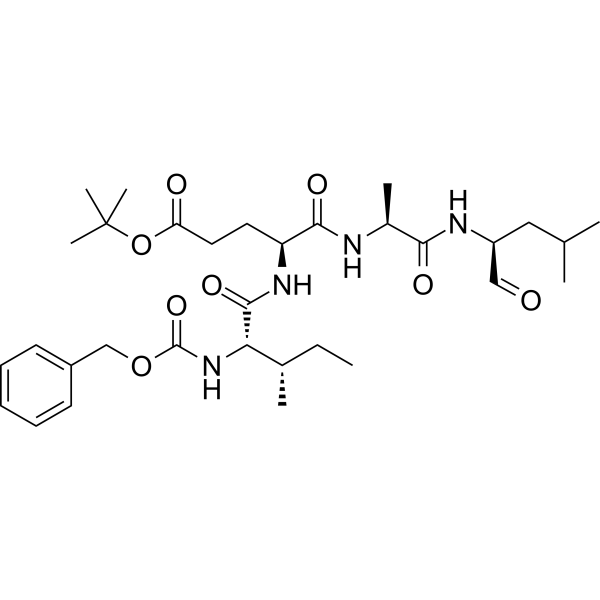
    proteasome Inhibitor 1; Z-Ile-Glu(OtBu)-Ala-Leu-CHO

    Proteasome Infection Cancer
    PSI (Proteasome Inhibitor 1) is a potent proteasome inhibitor. PSI inhibits the proliferation of primary effusion lymphoma (PEL) cells. PSI has the potential for the research of Kaposi’s sarcoma-associated herpesvirus (KSHV) infection and KSHV-associated lymphomas .
    PSI
  • HY-P5280

    Ser/Thr Protease Others
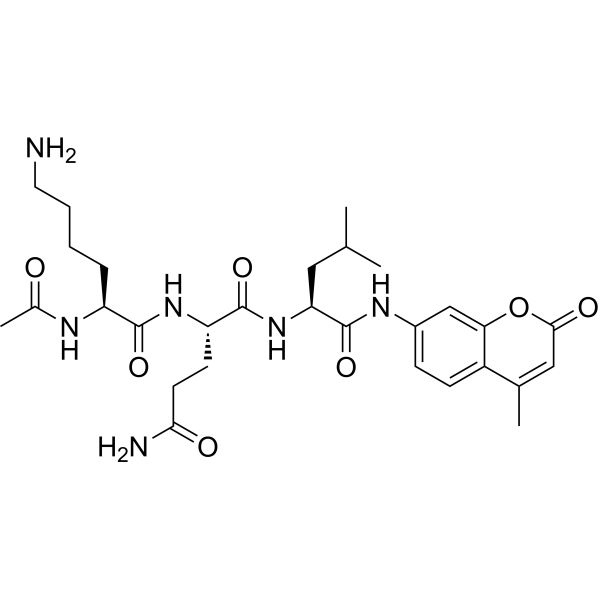
    Ac-KQL-AMC is a fluorogenic substrate that can be used to quantify Trypsin-like activity, resulting in detectable fluorescence when cleaved by the proteasome .
    Ac-KQL-AMC
  • HY-P3414

    Proteasome Neurological Disease
    Proteasome-activating peptide 1 is a peptide, which increases the chymotrypsin-like proteasomal catalytic activity and, consequently, proteolytic rates both in vitro and in culture. Proteasome-activating peptide 1 prevents protein aggregation in a cellular model of amyotrophic lateral sclerosis .
    Proteasome-activating peptide 1
  • HY-W054146
    RAMB4
    1 Publications Verification

    Proteasome Cancer
    RAMB4 is a ubiquitin-proteasome system (UPS)-stressor. RAMB4 inhibits ubiquitin-mediated protein degradation upstream of the 20S proteasomal catalytic activites. RAMB4 triggers a ubiquitin-proteasome-system (UPS)-stress response without affecting 20S proteasome catalytic activities. Anticancer activity .
    RAMB4
  • HY-119288

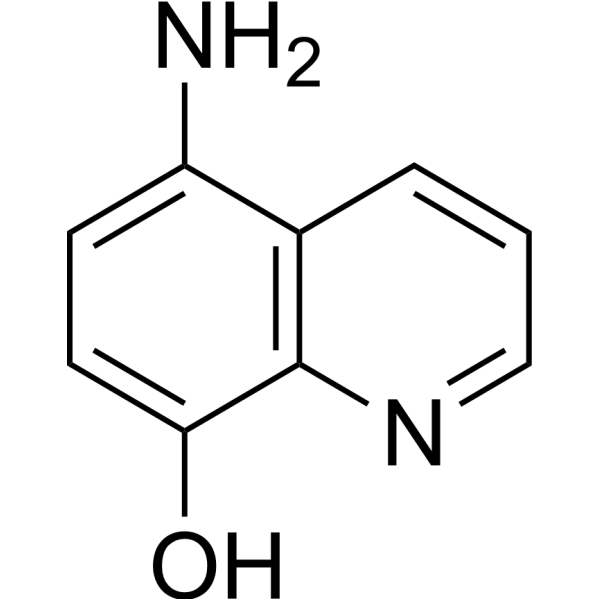
    NSC 45382

    Proteasome Cancer
    BC-23 (NSC 45382) is a proteasome inhibitor. BC-23 exhibits good inhibition of CT-L activity of the proteasome and is selective for malignant over normal cells .
    BC-23
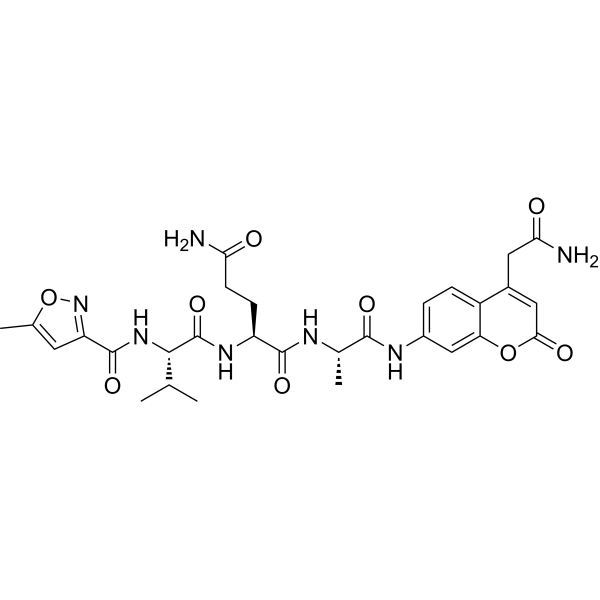
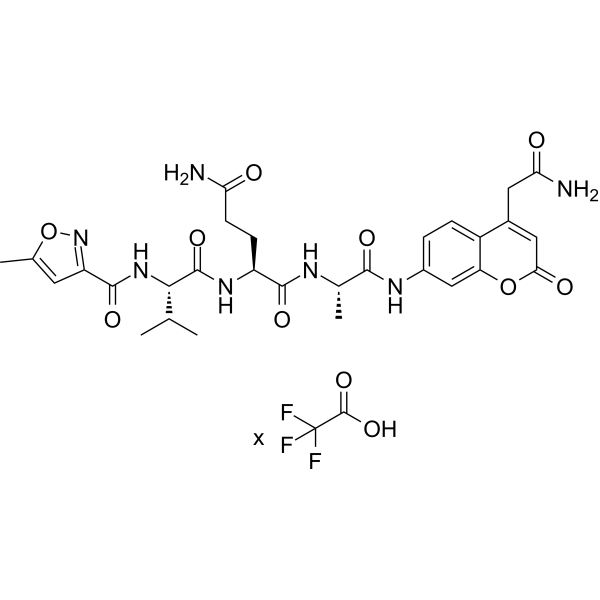
  • HY-P10003B

    Proteasome Others
    iso-VQA-ACC acetate is a substrate for constitutive proteasome .
    iso-VQA-ACC acetate
  • HY-P1259

    Proteasome Bacterial Inflammation/Immunology
    PR-39, a natural proline- and arginine-rich antibacterial peptide, is a noncompetitive, reversible and allosteric proteasome inhibitor. PR-39 reversibly binds to the α7 subunit of the proteasome and blocks degradation of NF-κB inhibitor IκBα by the ubiquitin-proteasome pathway. PR-39 stimulates angiogenesis, inhibits inflammatory responses and significant reduces myocardial infarct size in mice .
    PR-39
  • HY-127102

    DDD01305143​

    Parasite Proteasome Infection
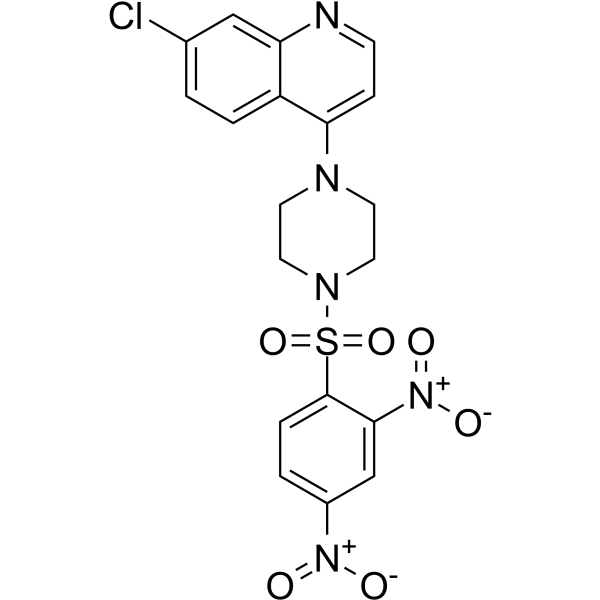
    GSK3494245 (DDD01305143) is a potent, orally active, and selective inhibitor of the chymotrypsin-like activity of the parasite proteasome binding in a site sandwiched between the β4 and β5 subunits (IC50=0.16 μM for WT L. donovani proteasomes). GSK3494245 moderately inhibits chymotrypsin-like activity of human proteasome (IC50: purified 26S=13 µM; enriched THP-1 extracts IC50=40µM). GSK3494245 exhibits attractive biological and biosafety properties .
    GSK3494245
  • HY-10227G

    PS-341; LDP-341; NSC 681239

    Proteasome NF-κB Apoptosis Autophagy TREM receptor Cancer
    Bortezomib (GMP) (PS-341 (GMP)) is Bortezomib (HY-10227) produced by using GMP guidelines. GMP small molecules works appropriately as an auxiliary reagent for cell therapy manufacture. Bortezomib (PS-341) is a reversible and selective proteasome inhibitor, and potently inhibits 20S proteasome (Ki=0.6 nM) by targeting a threonine residue. Bortezomib disrupts the cell cycle, induces apoptosis, and inhibits NF-κB. Bortezomib is the first proteasome inhibitor anticancer agent. Bortezomib can be used for the study of multiple myeloma (MM) . Bortezomib effectively inhibits TREM2 expression in tumor-associated macrophages (TAMs) .
    Bortezomib
  • HY-137897

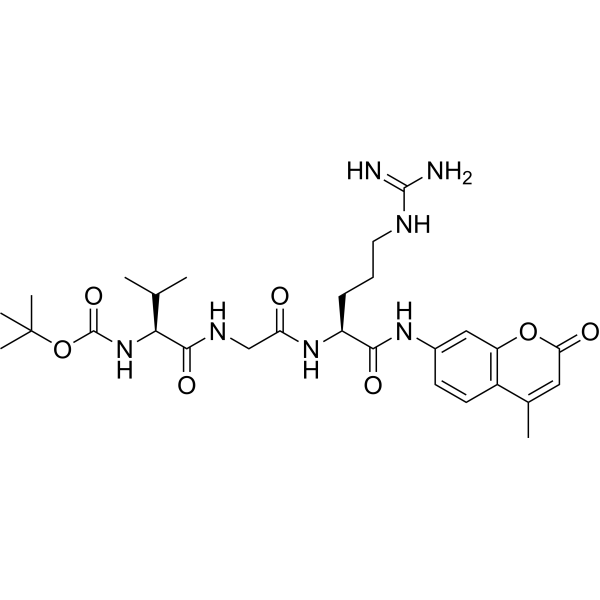
    Proteasome Others
    Bz-VGR-AMC is a substrate for the trypsin-like activity of the 20S proteasome. Bz-VGR-AMC can be used to measure the trypsin-like (β2) activity of the 20S proteasome .
    Bz-VGR-AMC
  • HY-10453R

    MLN2238 (Standard)

    Reference Standards Proteasome Autophagy Cancer
    Ixazomib (Standard) is the analytical standard of Ixazomib. This product is intended for research and analytical applications. Ixazomib (MLN2238) is a selective, potent, and reversible proteasome inhibitor, which inhibits the chymotrypsin-like proteolytic (β5) site of the 20S proteasome with an IC50 of 3.4 nM (Ki of 0.93 nM).
    Ixazomib (Standard)
  • HY-W048404

    Proteasome Cancer
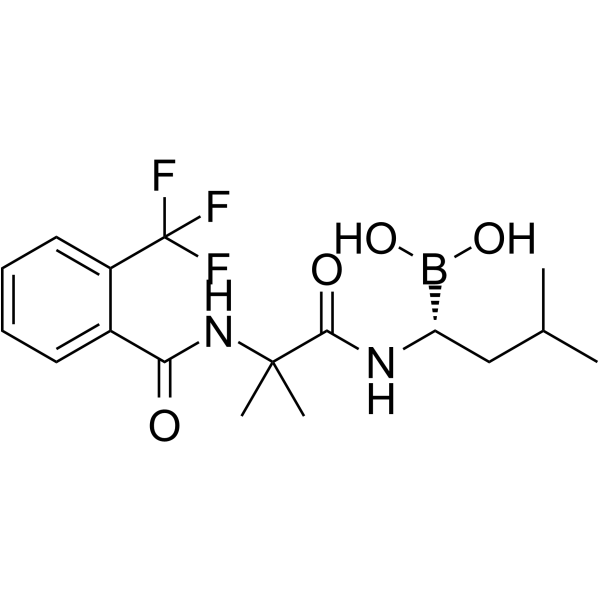
    Bortezomib impurity A is a metabolite of the 20S proteasome inhibitor Bortezomib (HY-10227).
    Bortezomib impurity A
  • HY-170881

    Proteasome Cancer
    TIR-199 is a novel and highly specific dual proteasome inhibitor that can effectively inhibit the PSMB5 subunit of constitutive proteasome and the PSMB8 subunit of immunoproteasome. TIR-199 can induce the death of various tumor cells. TIR-199 can be used for research on myeloma .
    TIR-199
  • HY-149514

    Proteasome Cancer
    BC-05 is an orally active and potent inhibitor of CD13 and proteasome. BC-05 has an IC50 value of 0.13 μM for human CD13 and an IC50 value of 1.39 μM for the 20S proteasome. BC-05 can be used in multiple myeloma research .
    BC-05
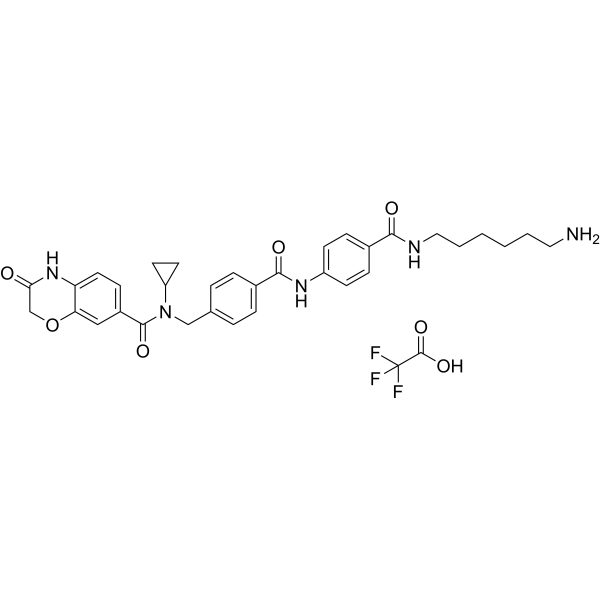
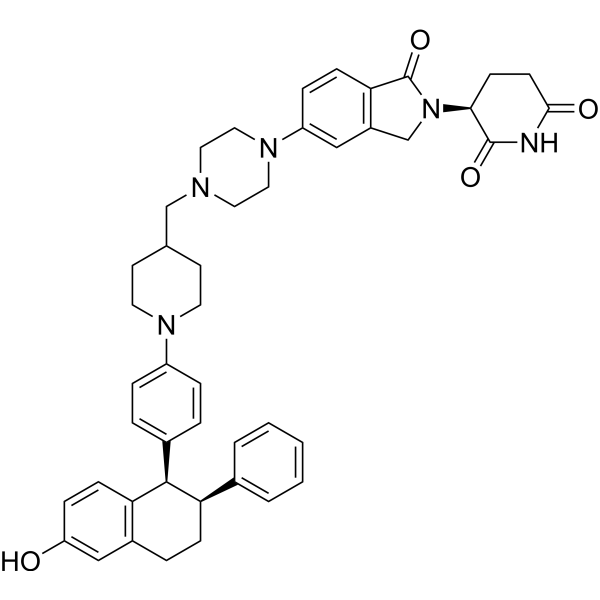
  • HY-144983

    Ligands for E3 Ligase Cancer
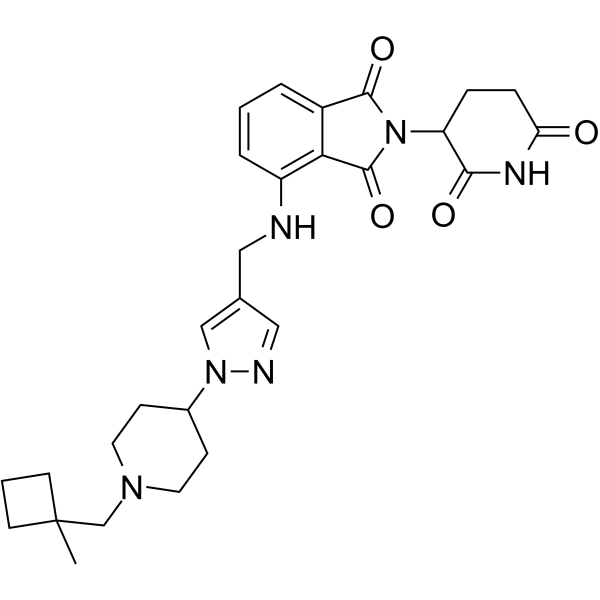
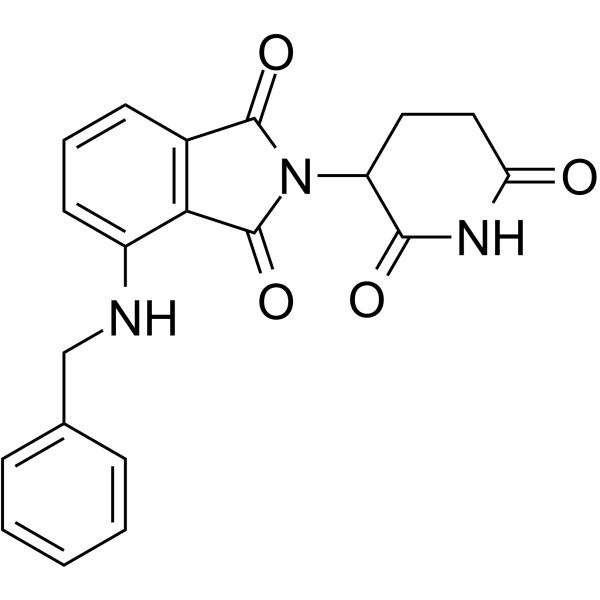
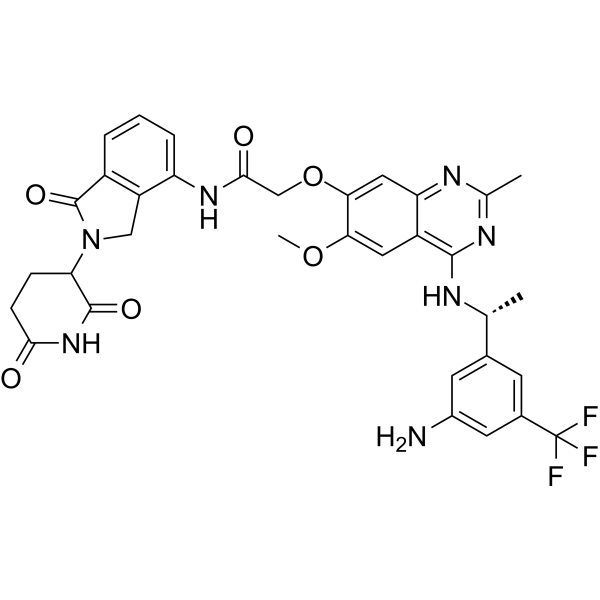
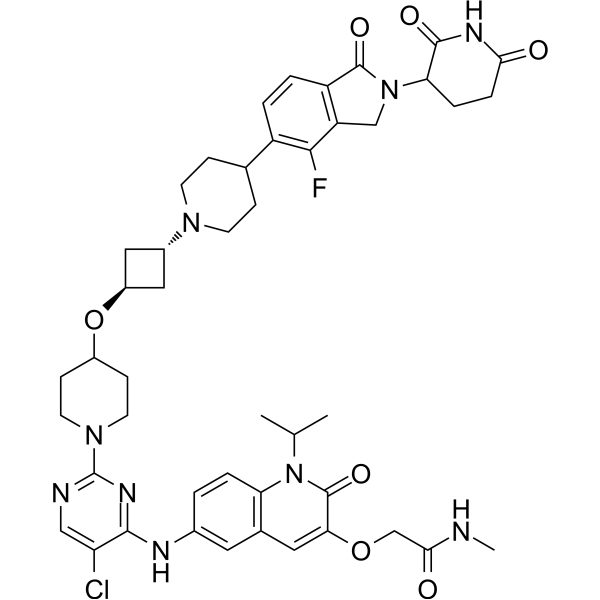
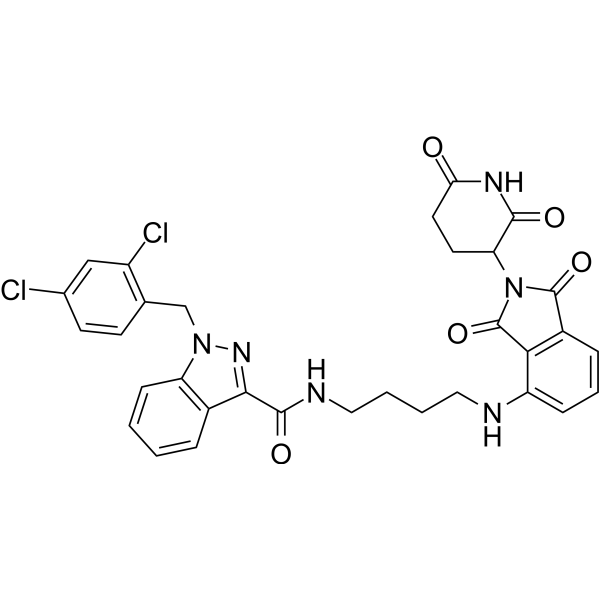
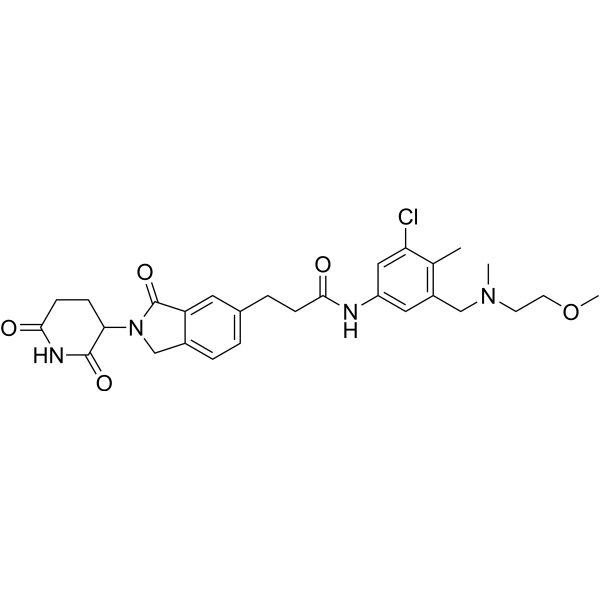
    E3 ligase Ligand 22 (compound 139) is a cereblon binder for the degradation of Ikaros or Aiolos by the ubiquitin proteasome pathway .
    E3 ligase Ligand 22
  • HY-169144

    Proteasome Cancer
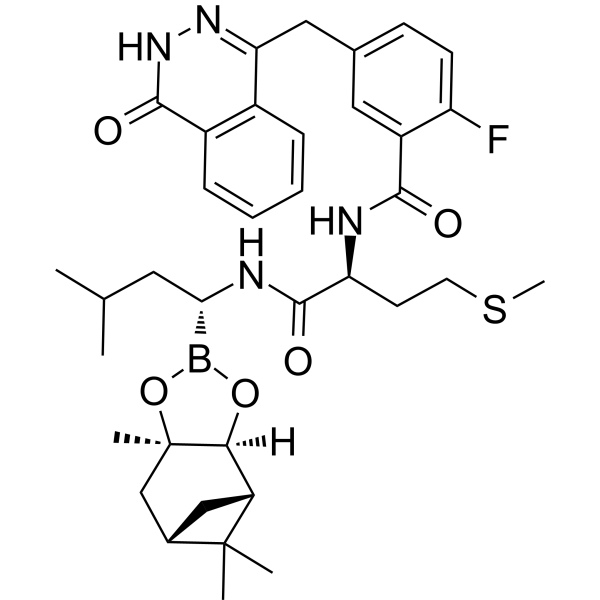
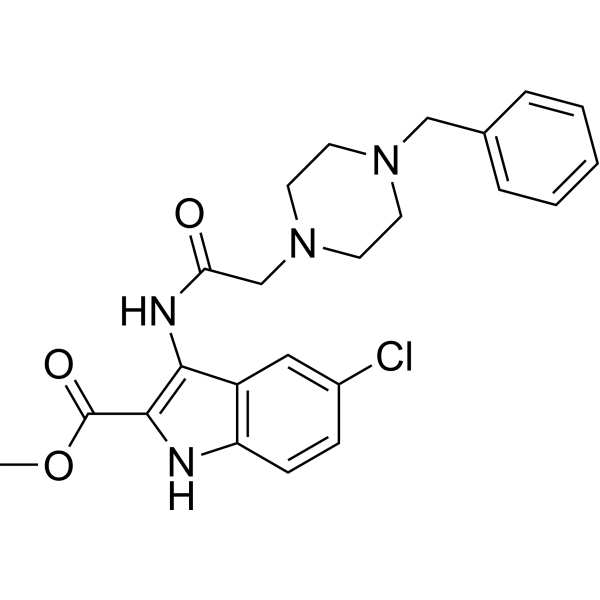
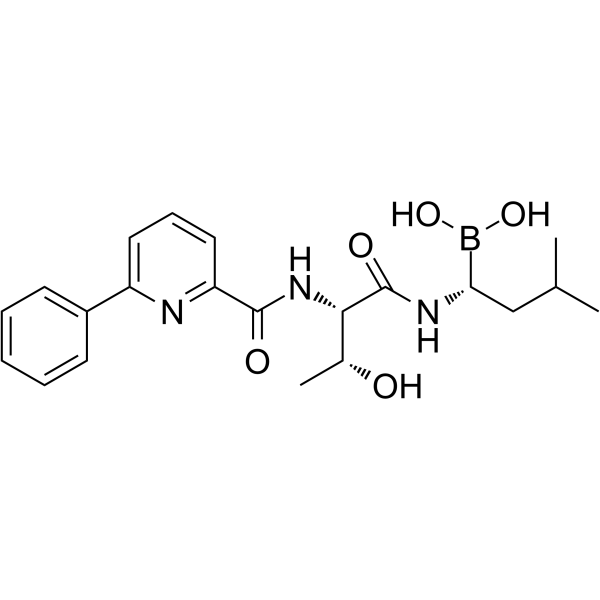
    Bortezomib analog (Compound 13), an analog of Bortezomib (HY-10227), is an active control of 20S proteasome subunit β5 ligand.
    Bortezomib analog
  • HY-157032

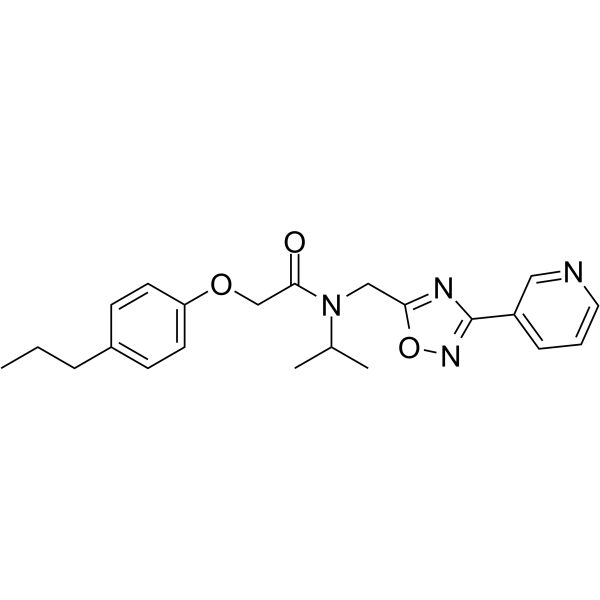
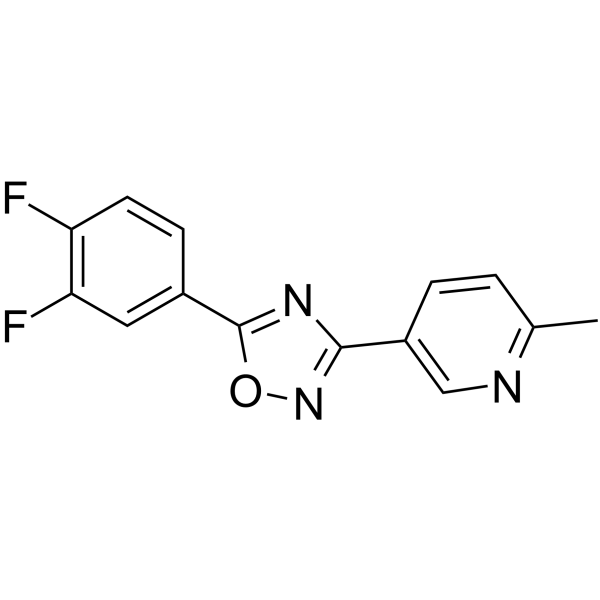
    Proteasome Others
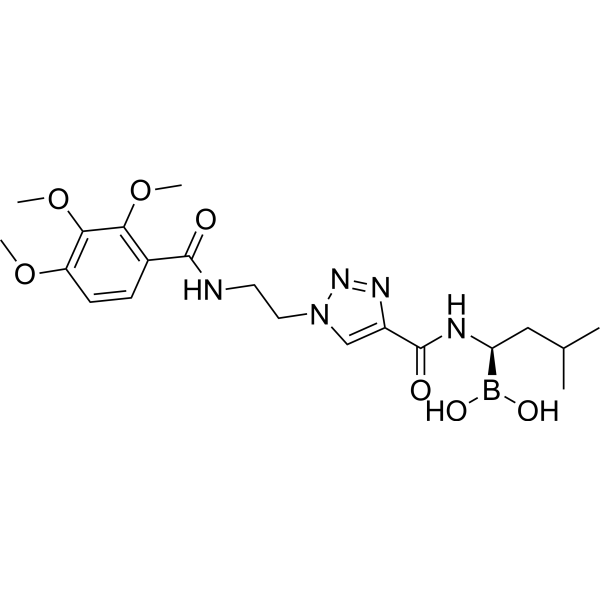
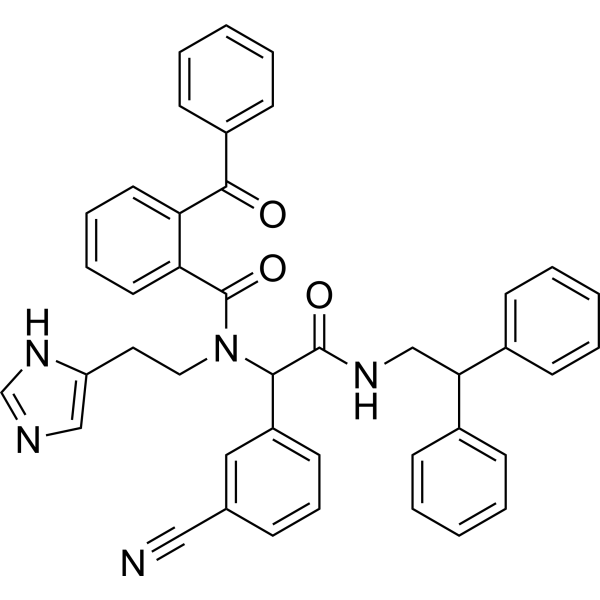
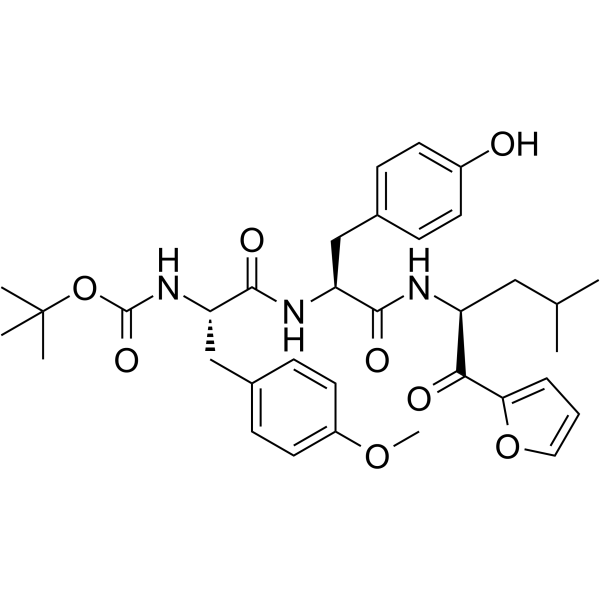
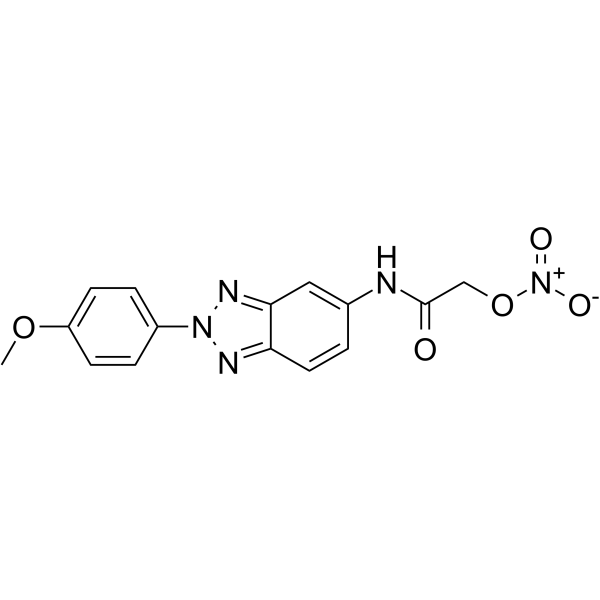
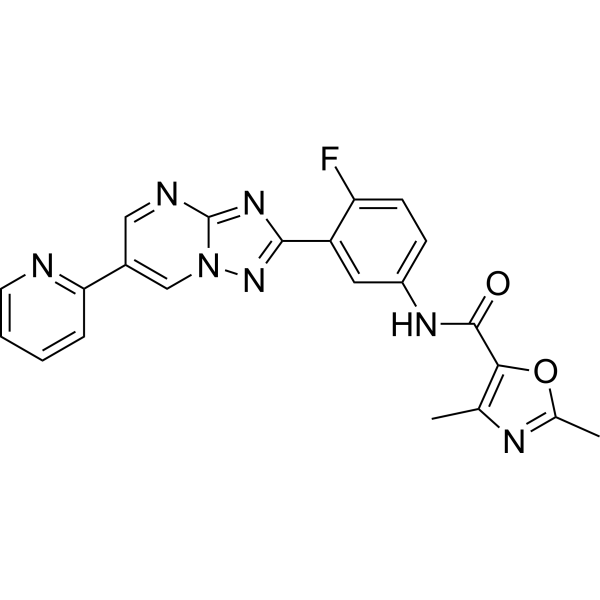
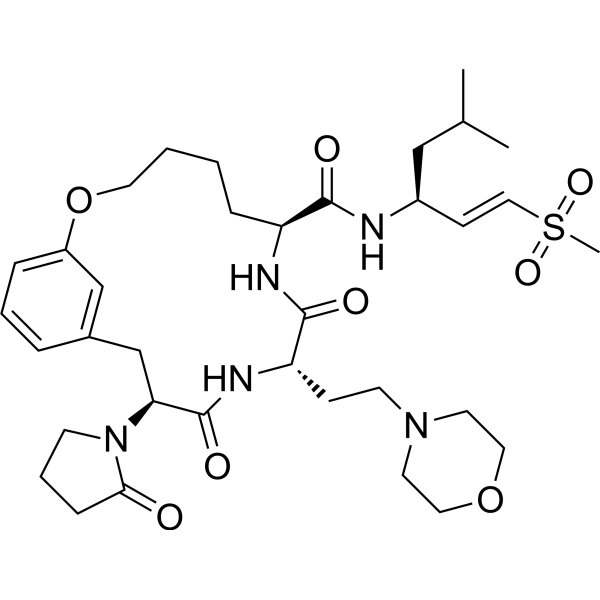
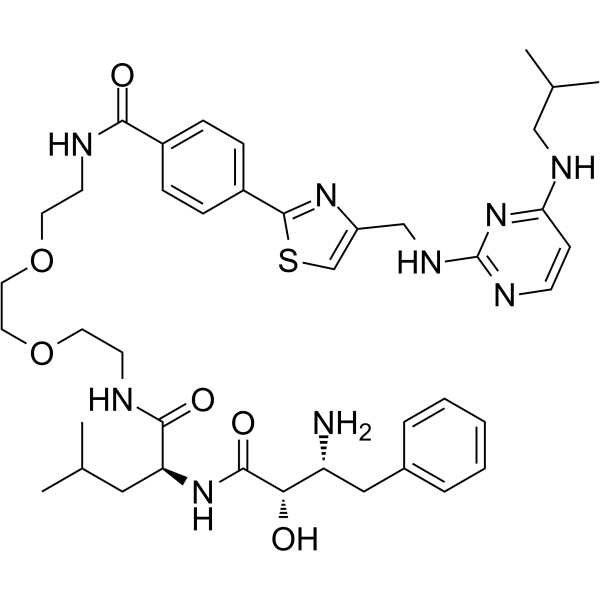
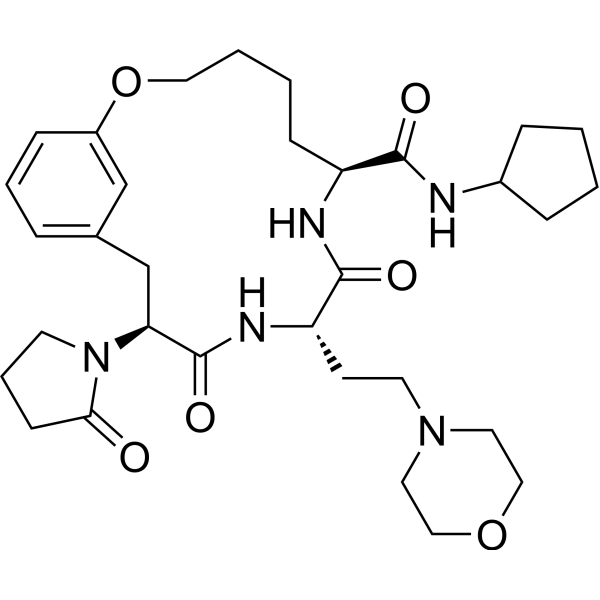
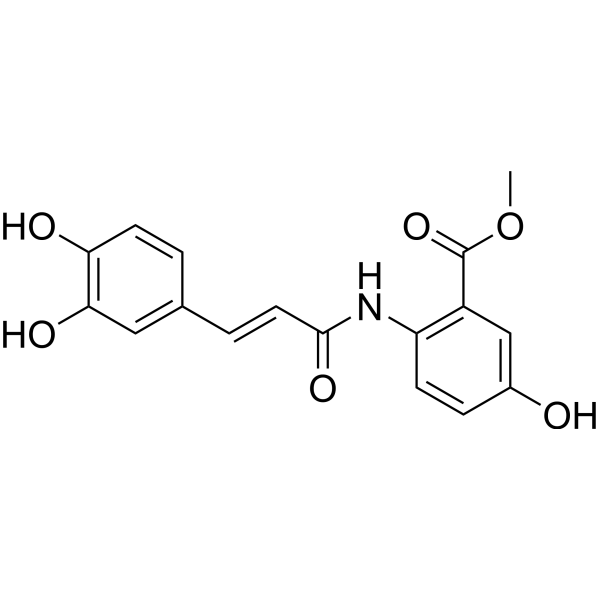
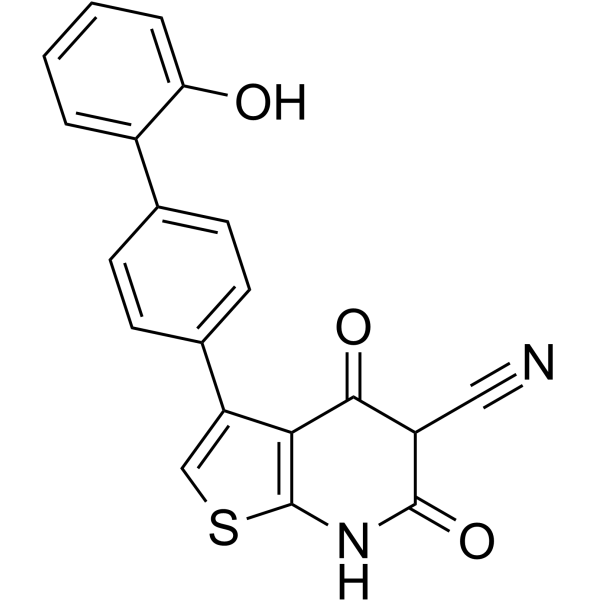
    Proteasome-IN-5 (compound 5) is a proteasome inhibitor .
    Proteasome-IN-5
  • HY-179273

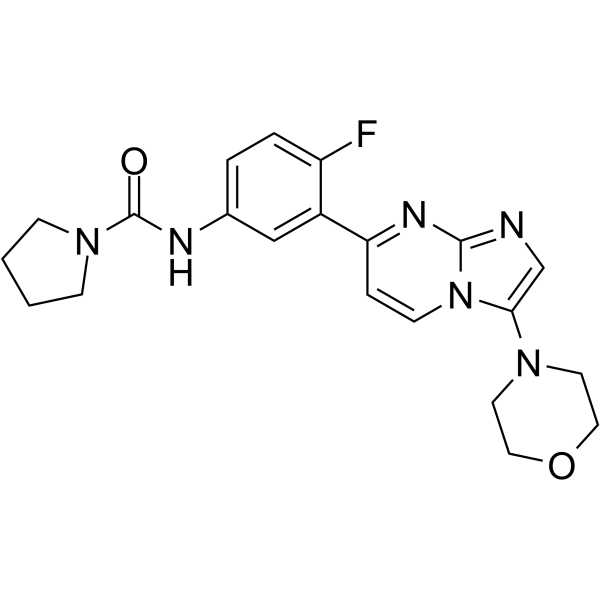
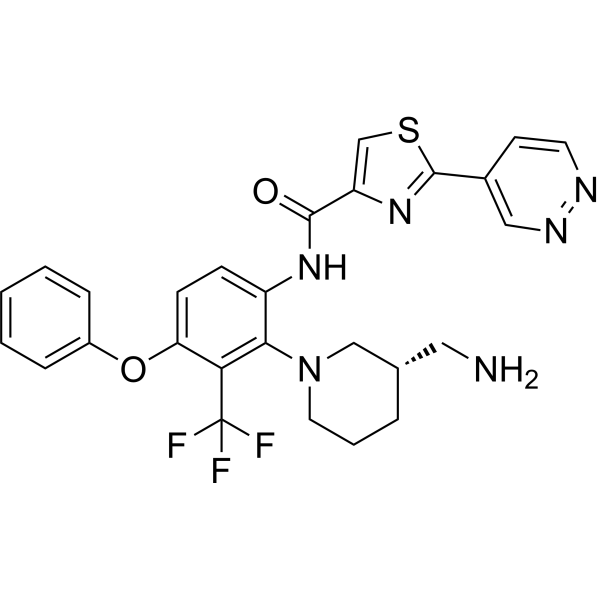
    Proteasome Parasite Infection
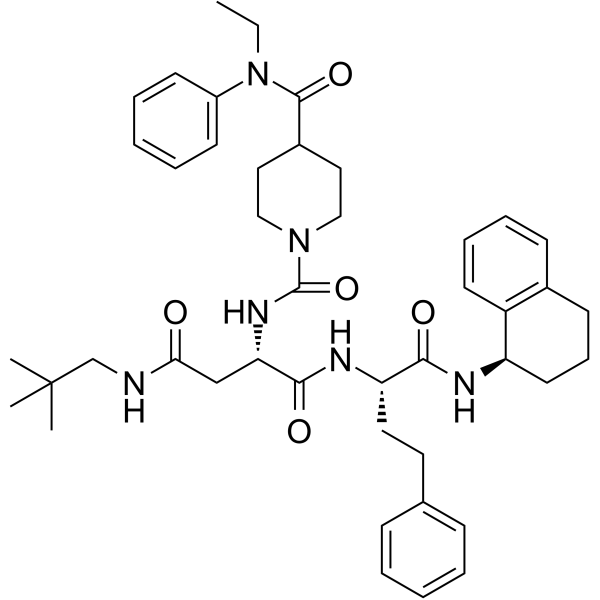
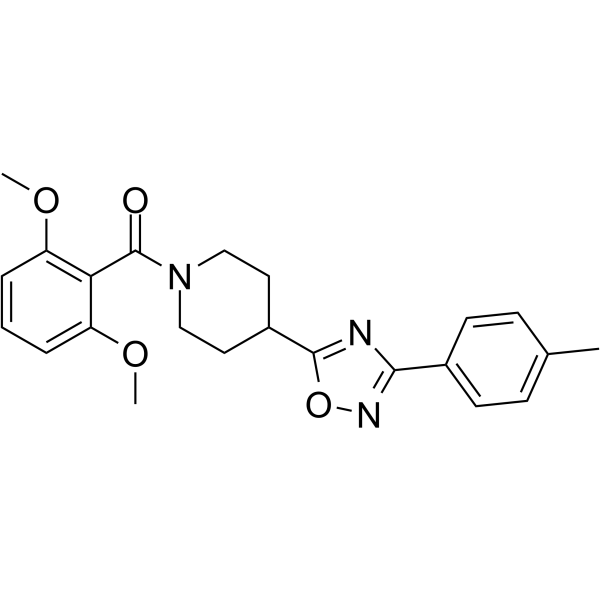
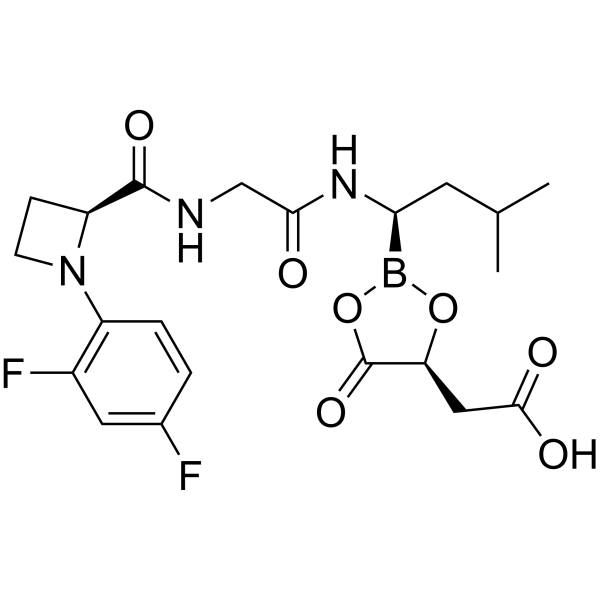
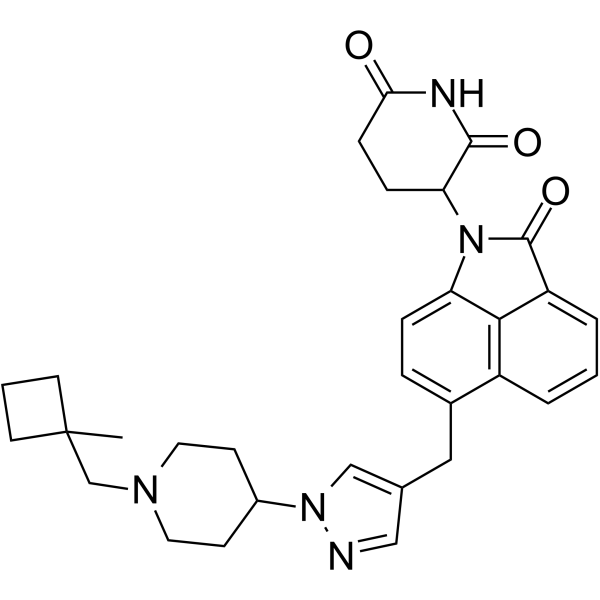
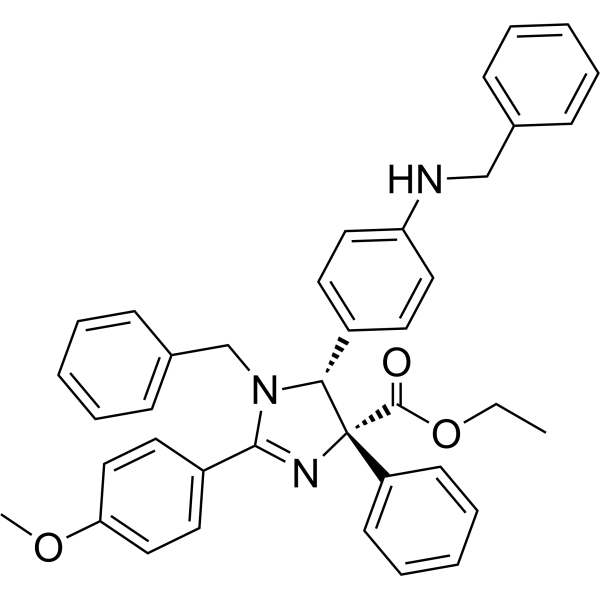
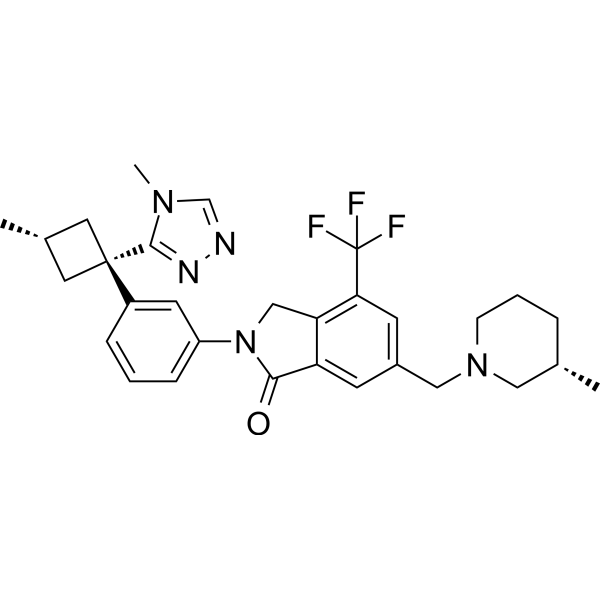
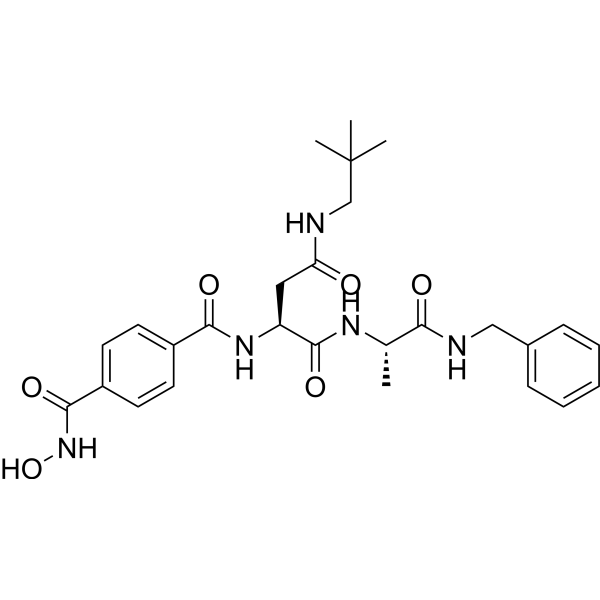
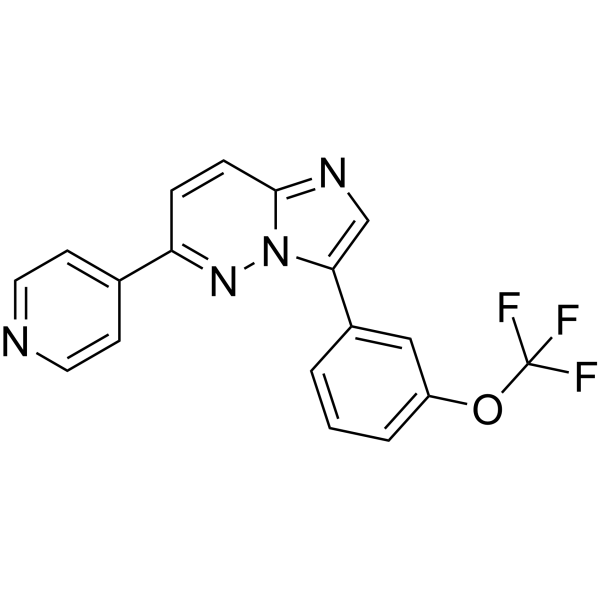
    Proteasome-IN-1 (Compound 130) is a proteasome inhibitor. Proteasome-IN-1 exhibits antiparasitic activity against P. faciparum 3D7 .
    Proteasome-IN-8

Inquiry Online

Your information is safe with us. * Required Fields.

Salutation


Country or Region *

Applicant Name *


Organization Name *

Department *


Email Address *


Product Name *

Cat. No.


Requested quantity *

Phone Number *


Remarks

Inquiry Online

Inquiry Information

Product Name:
Cat. No.:
Quantity:
MCE Japan Authorized Agent: