1. Search Result
Search Result
Results for "

Breast cancer MDA-MB-231

" in MedChemExpress (MCE) Product Catalog:

404

Inhibitors & Agonists

5

Fluorescent Dyes

6

Biochemical Assay Reagents

18

Peptides

5

Inhibitory Antibodies

43

Natural
Products

1

Isotope-Labeled Compounds

7

Click Chemistry

5

Oligonucleotides

Targets Recommended:
Cat. No. Product Name Target Research Areas Chemical Structure
  • HY-N0431
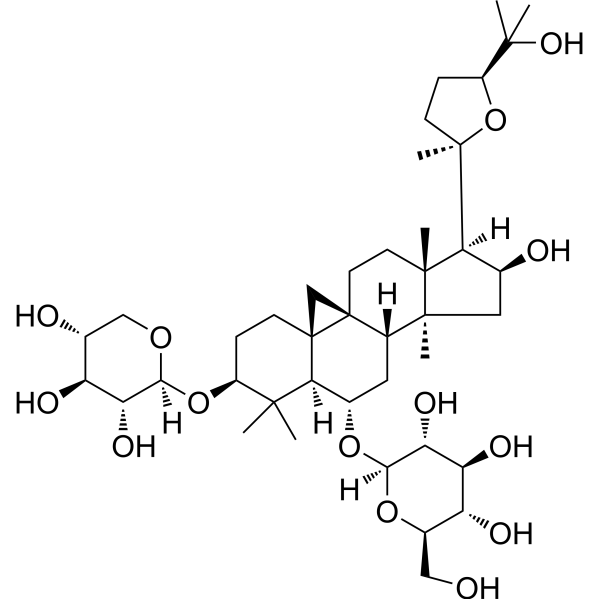
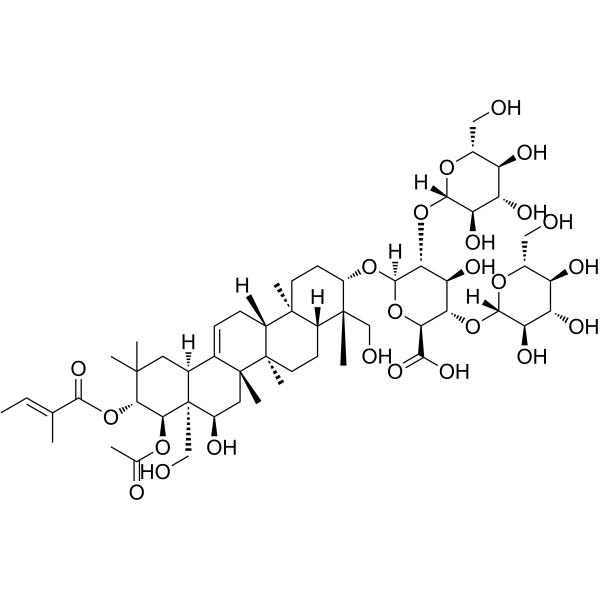
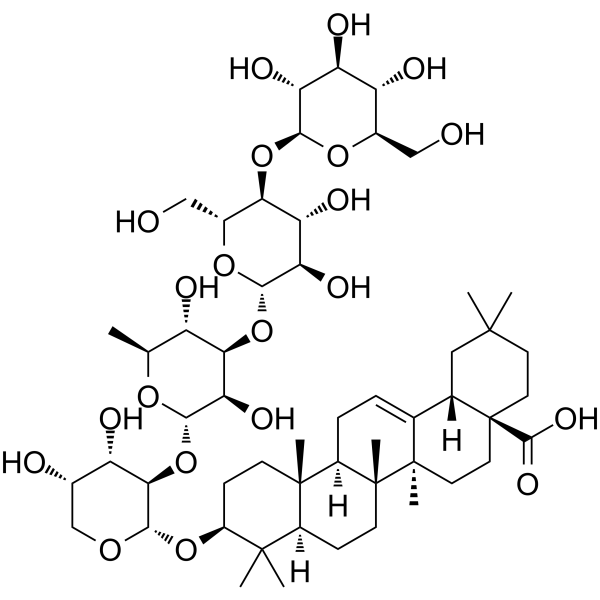
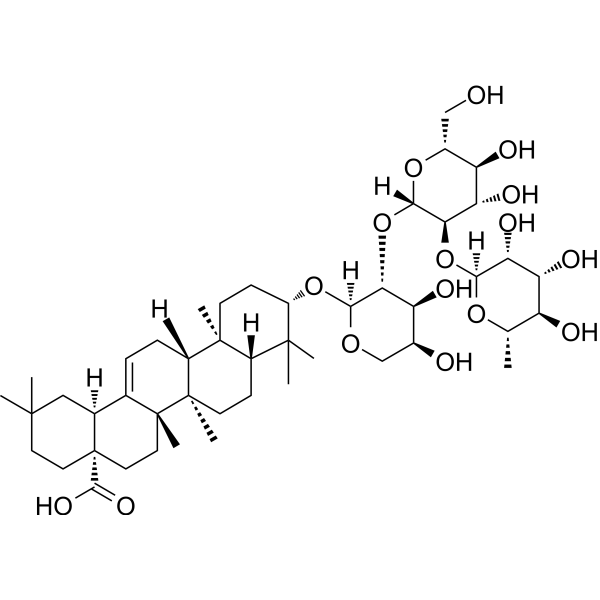
    Astragaloside IV
    30+ Cited Publications

    MMP ERK JNK Cancer
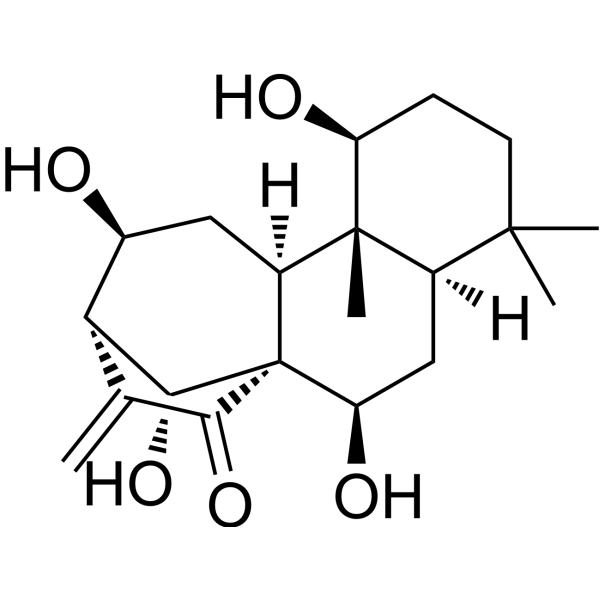
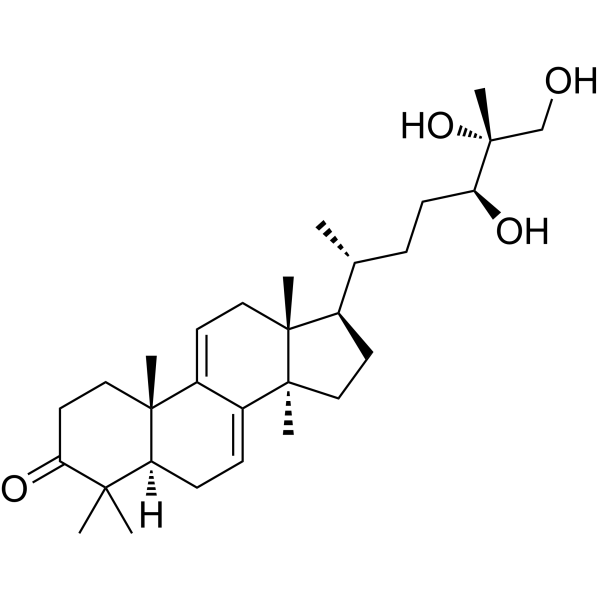
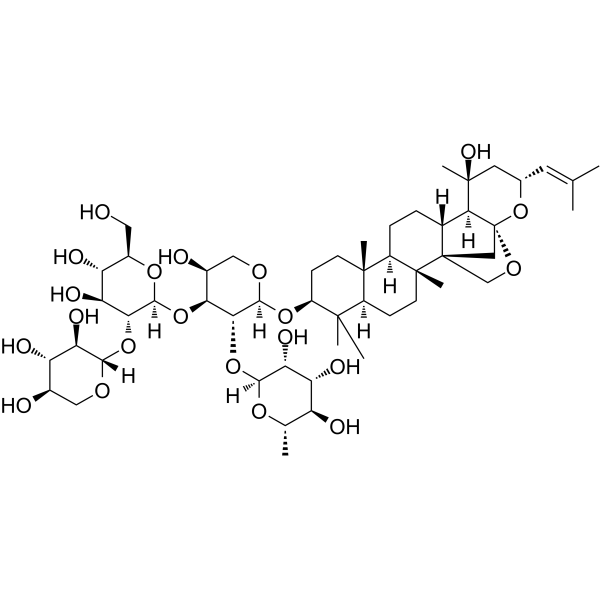
    Astragaloside IV, an active component isolated from Astragalus membranaceus, suppresses the activation of ERK1/2 and JNK, and downregulates matrix metalloproteases (MMP)-2, (MMP)-9 in MDA-MB-231 breast cancer cells.
    Astragaloside IV
  • HY-153910

    Others Cancer
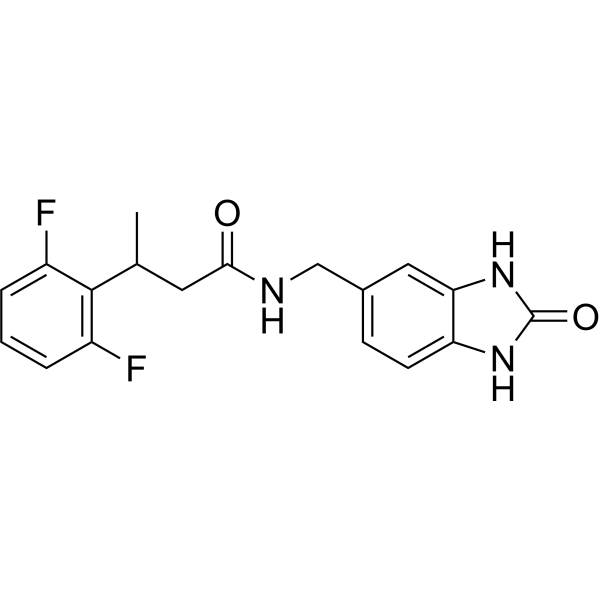
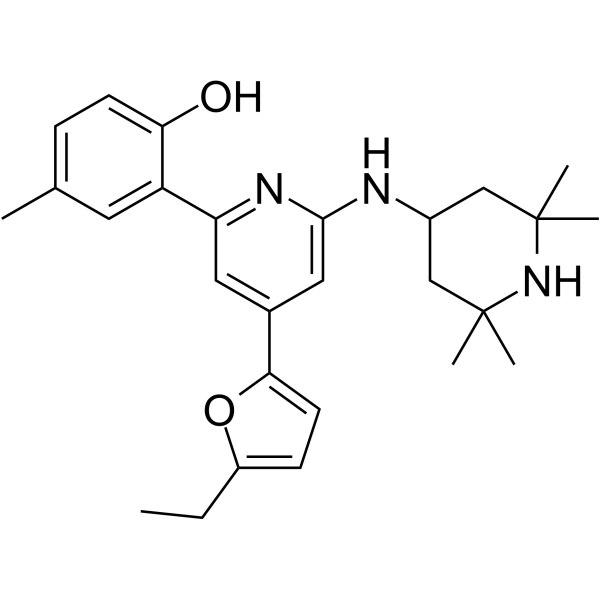
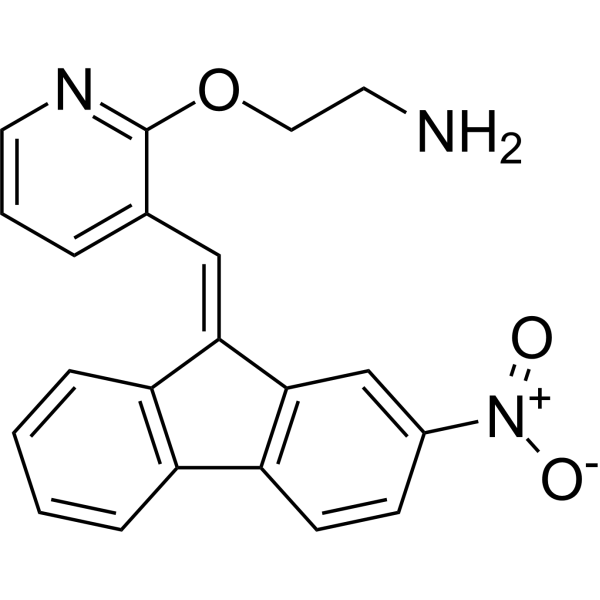
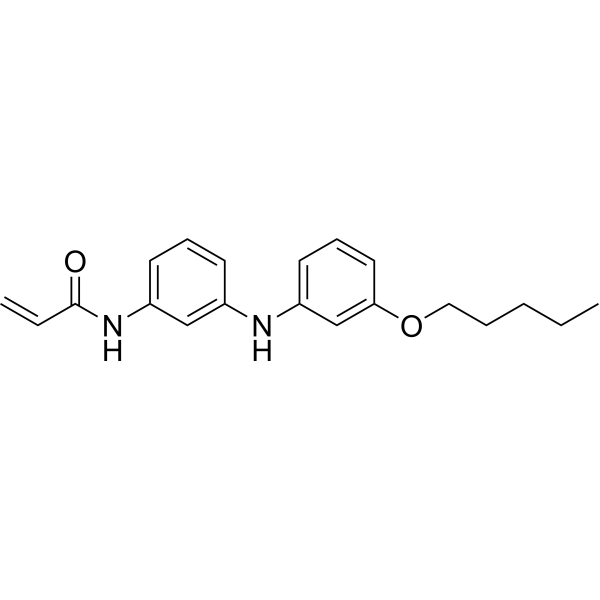
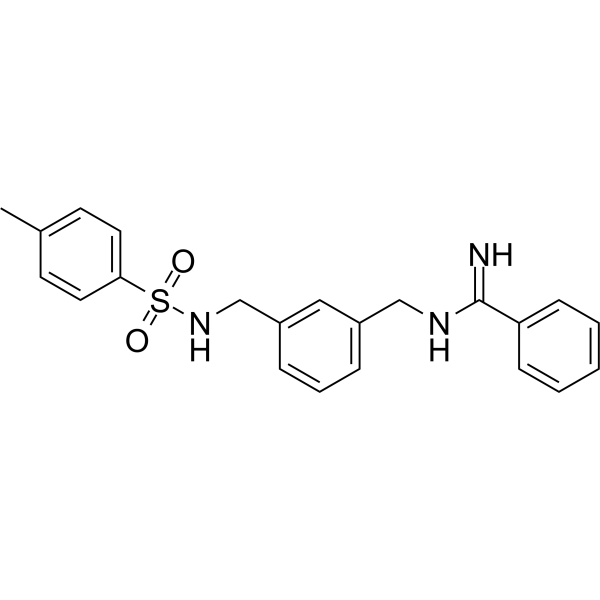
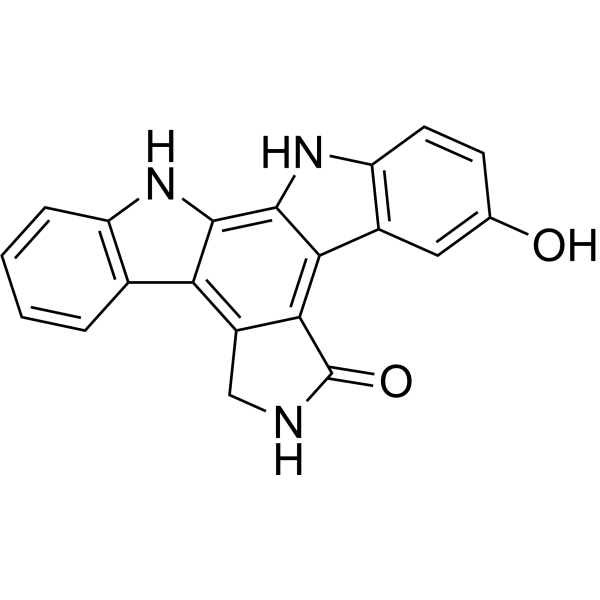
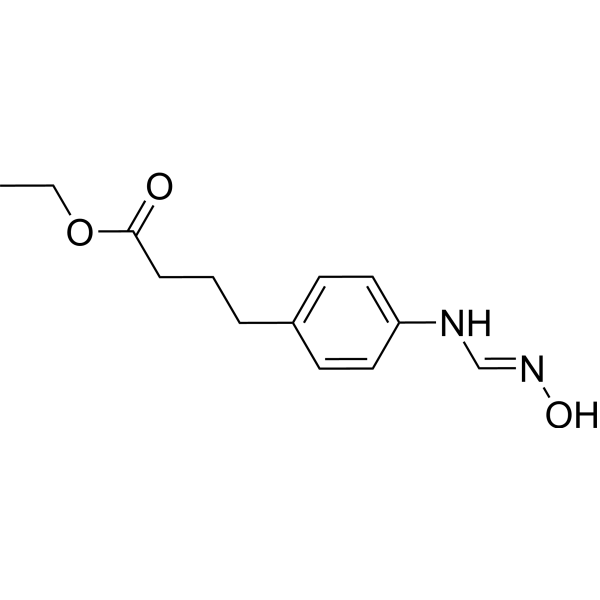
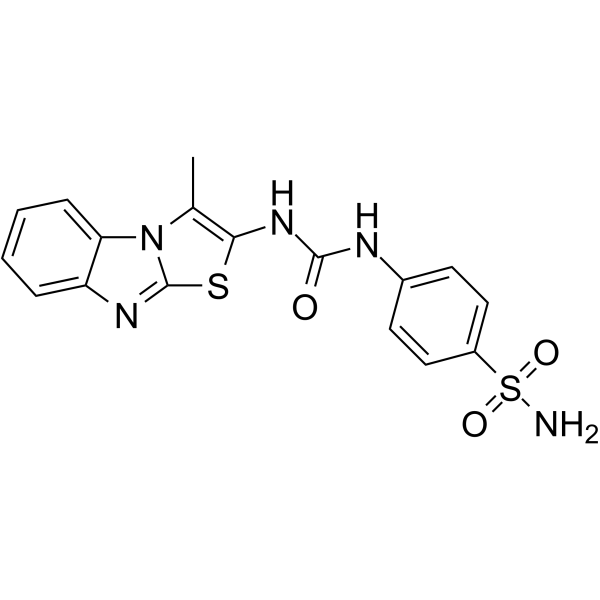
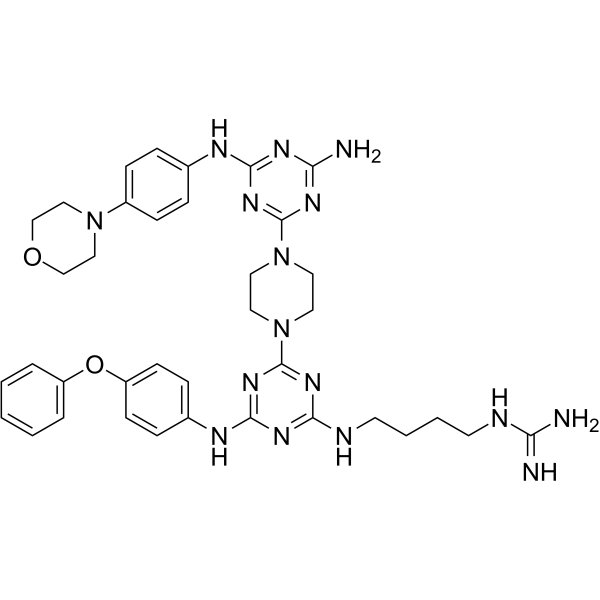
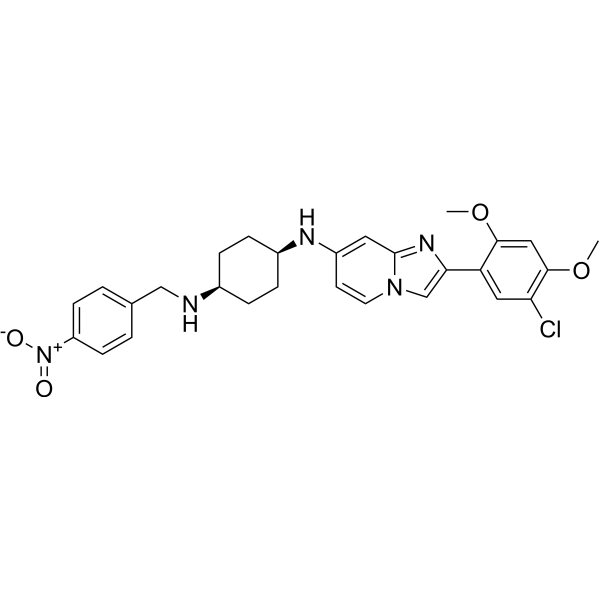
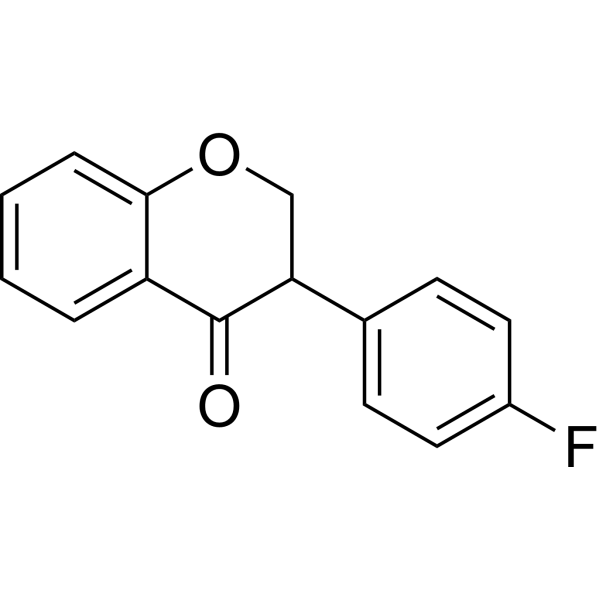
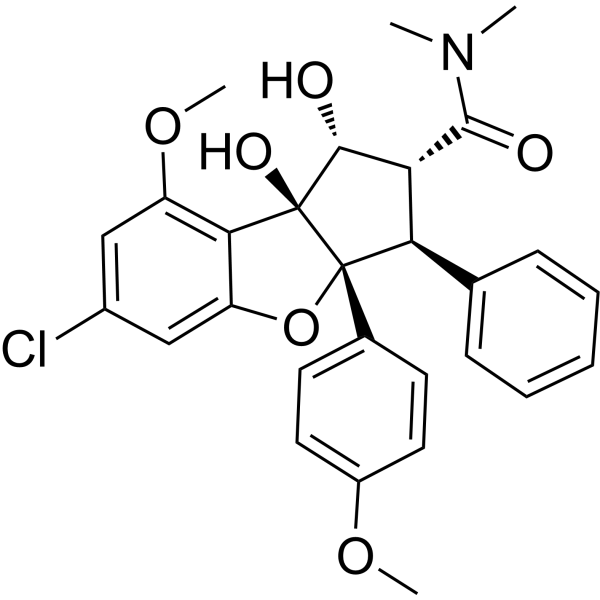
    AGPS-IN-1 (Compound 2i) is an effective AGPS binder. AGPS-IN-1 reduces ether lipids levels and cell migration rate. AGPS-IN-1 inhibits epithelial-mesenchymal transition (EMT) in prostate PC-3 and breast MDA-MB-231 cancer cells .
    AGPS-IN-1
  • HY-119272
    EF24
    2 Publications Verification

    ERK Caspase NF-κB Apoptosis p38 MAPK Reactive Oxygen Species (ROS) Inflammation/Immunology Cancer
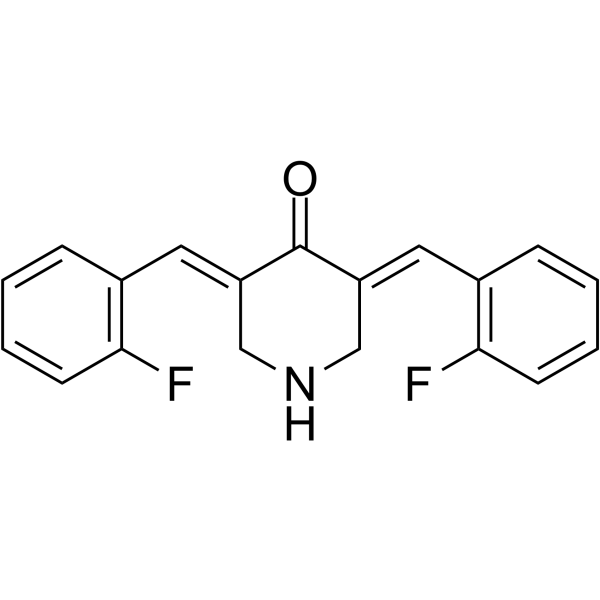
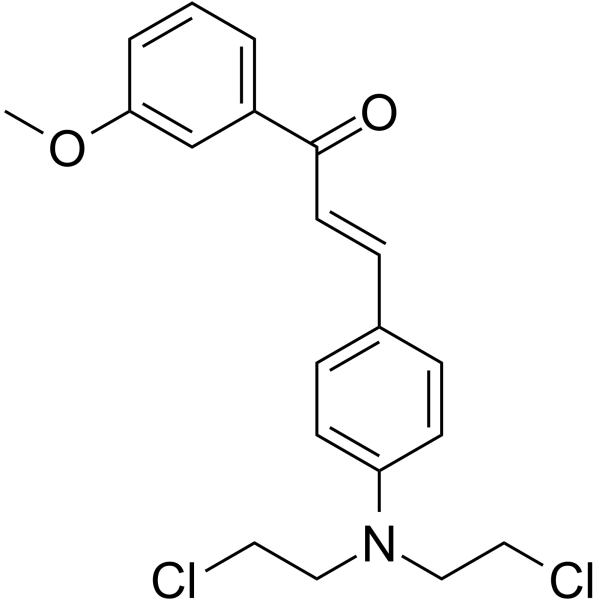
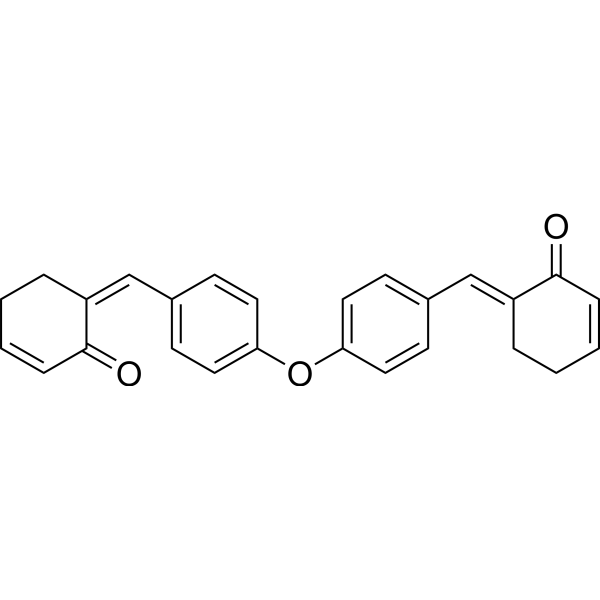
    EF24, a curcumin analogue, is an NF-kB inhibitor with great anti-tumor efficacy and oral bioavailability via deactivation of the MAPK/ERK signaling pathway in oral squamous cell carcinoma (OSCC). EF24 is active against melanoma and breast cancer cell lines with GI50 values of 0.7 μM and 0.8 μM, respectively. EF24 induces cell cycle arrest and apoptosis in MDA-MB-231 human breast cancer cells and DU-145 human prostate cancer cells. EF24 increases the levels of activated caspase 3 and 9, and decreases the phosphorylated forms of MEK1 and ERK .
    EF24
  • HY-101567
    BMS-986158
    3 Publications Verification

    Epigenetic Reader Domain Cancer
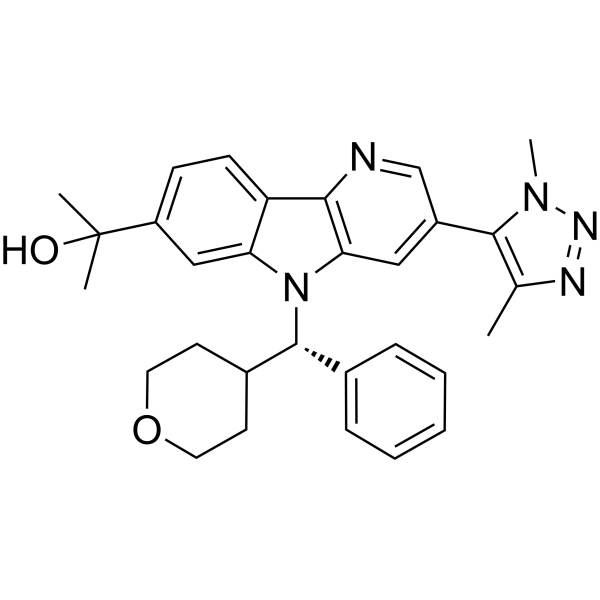
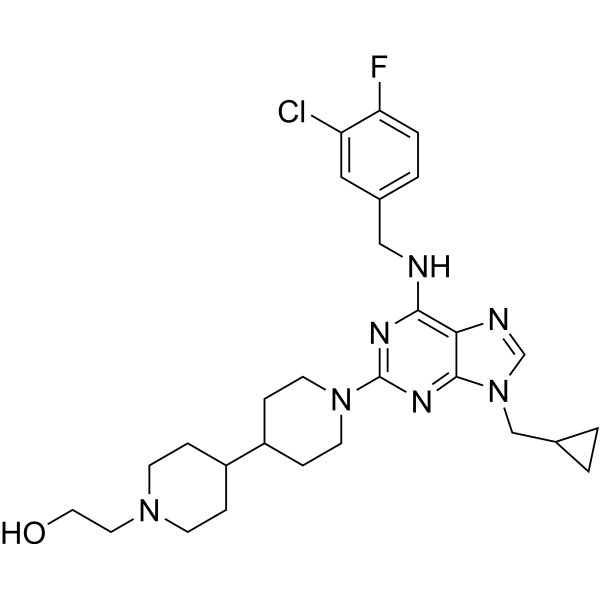
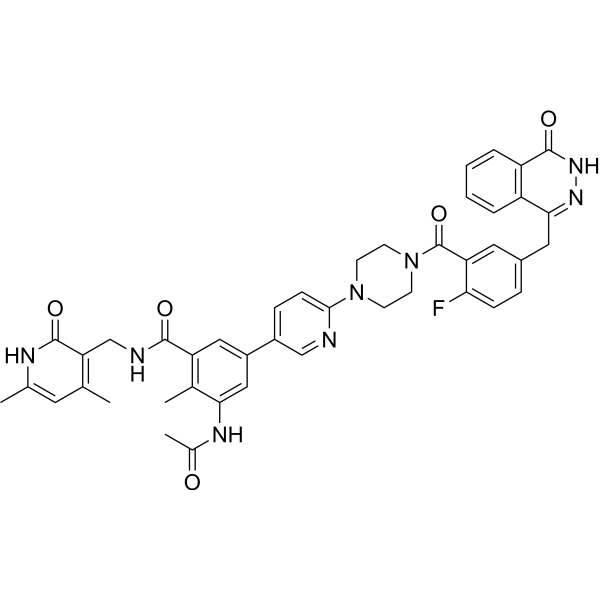
    BMS-986158 is a potent BET inhibitor with IC50s of 6.6 and 5 nM in NCI-H211 small cell lung cancer (SCLC) cells and MDA-MB231 triple negative breast cancer (TNBC) cells, respectively .
    BMS-986158
  • HY-112589

    Bacterial Infection Cancer
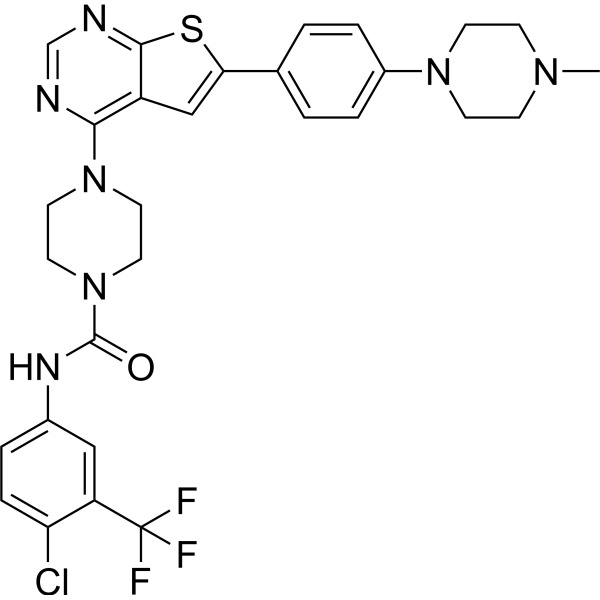
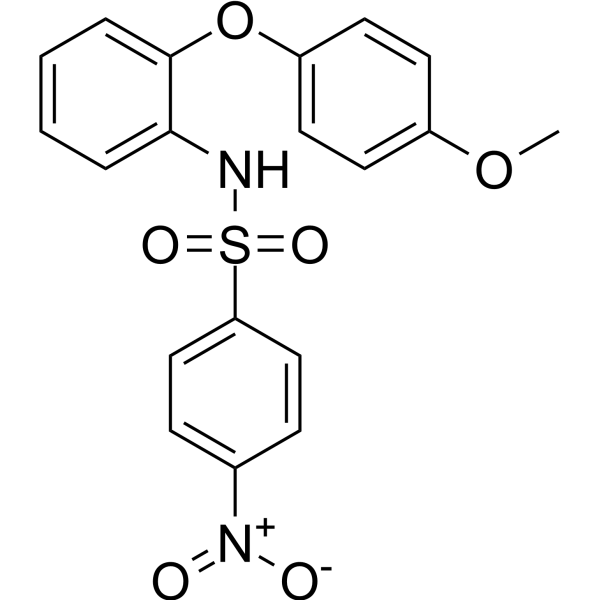
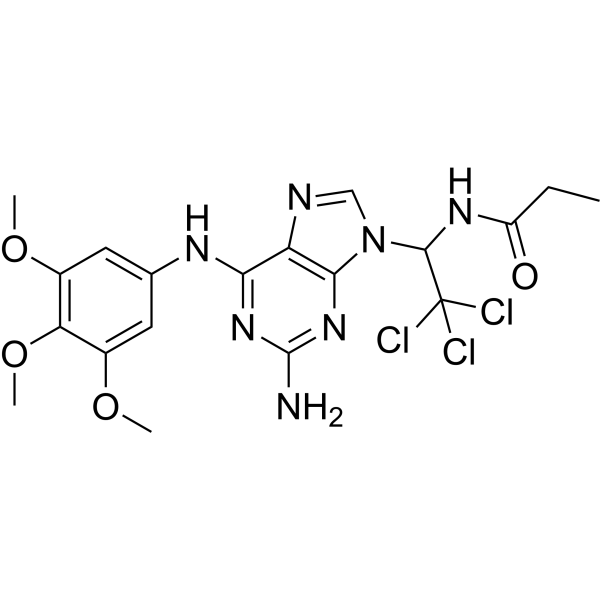
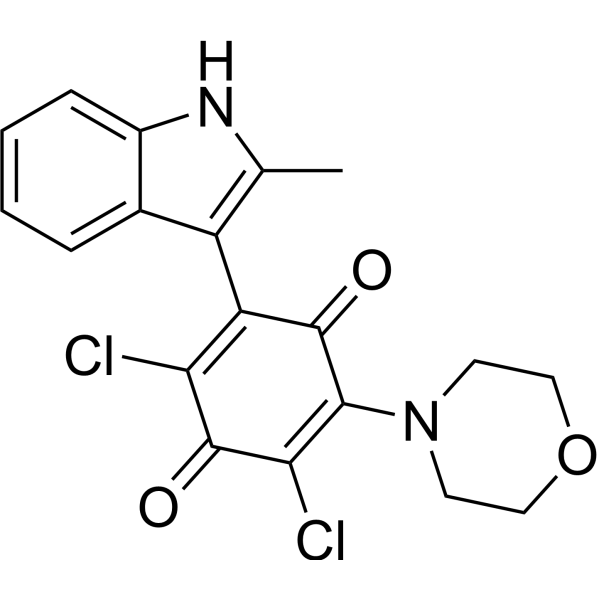
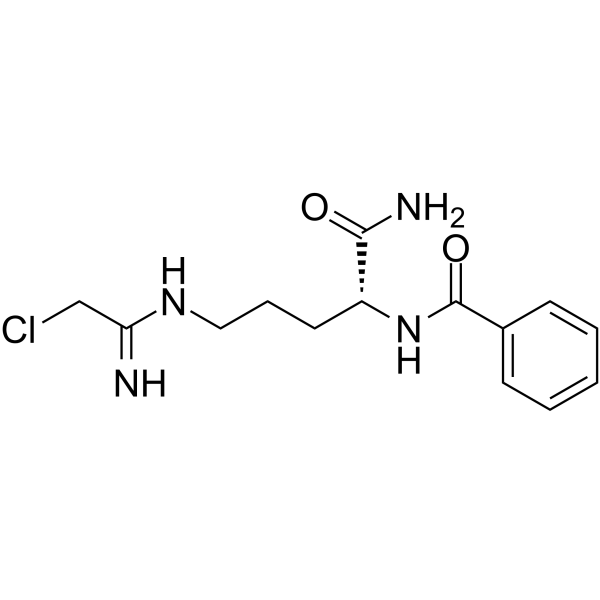
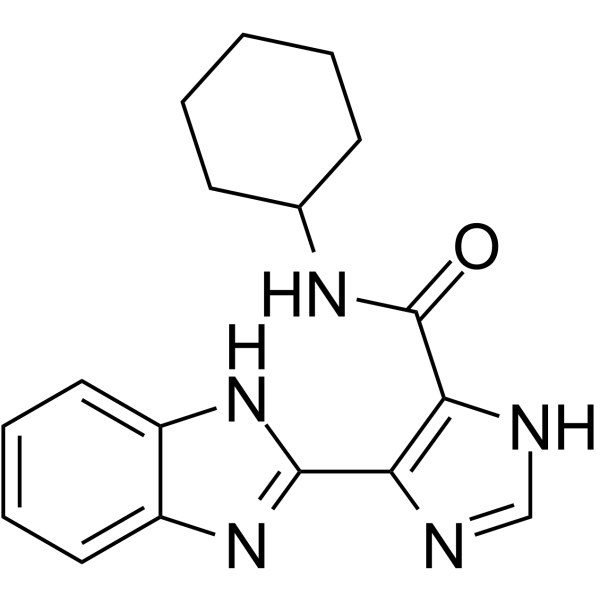
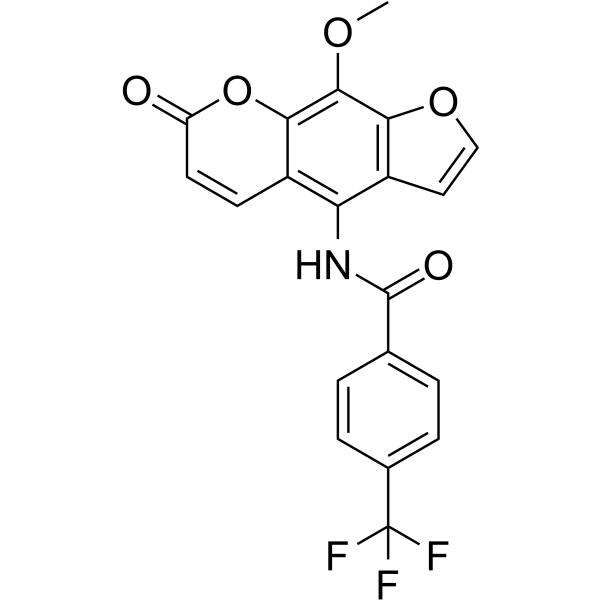
    BRITE-338733 is an inhibitor of E. coli RecA ATPase activity (IC50: 4.7 μM). BRITE-338733 also inhibits the ATP hydrolysis activity of RSC chromatin remodeling enzyme by binding to its ATP-binding pocket and DNA (IC50: 0.316 μM). BRITE-338733 exhibits cytotoxicity against MCF-7 and MDA-MB-231 breast cancer cells. BRITE-338733 can be used in studies on antibacterial adjuvants and anticancer research .
    BRITE-338733
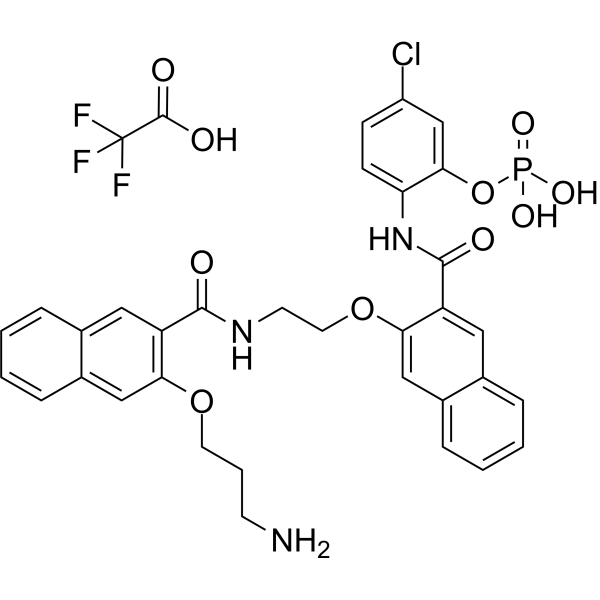
  • HY-173496

    Sialyltransferase Integrin VEGFR Akt Cancer
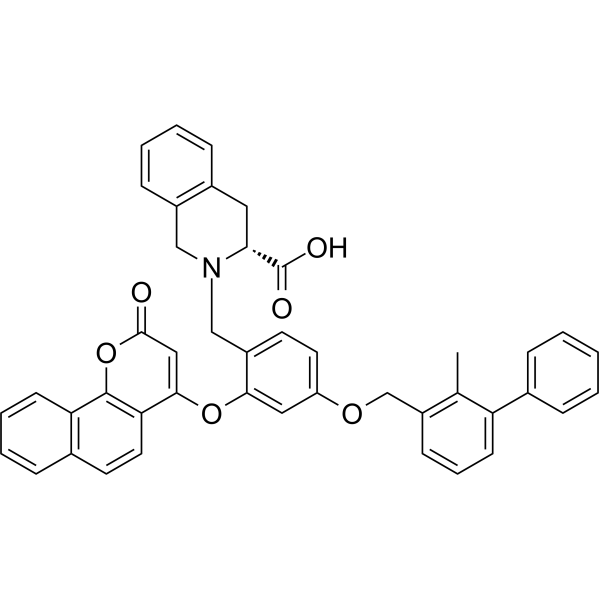
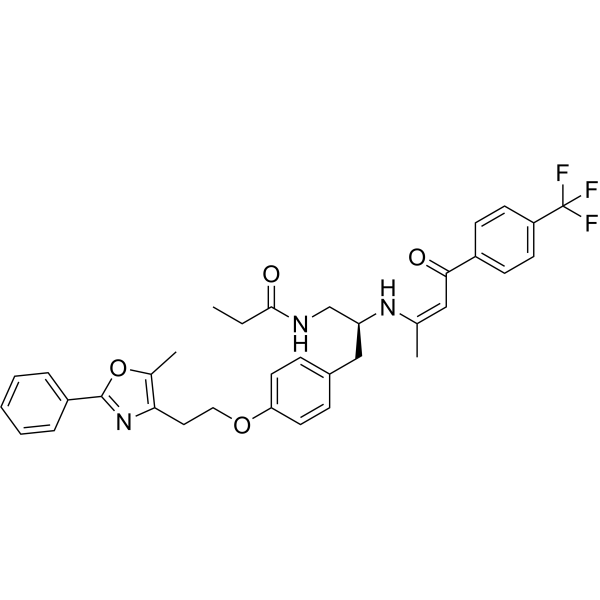
    ST6GAL1-IN-1 is an orally active selective ST6GAL1 inhibitor (IC50 = 20 μM). ST6GAL1-IN-1 exhibits high antimetastatic potential, effectively inhibiting the migration of MDA-MB-231 cells at noncytotoxic concentrations. ST6GAL1-IN-1 can disrupt integrin sialylation in MDA-MB-231 cells. ST6GAL1-IN-1 inhibits tumor angiogenesis and cancer metastasis via the Integrin/VEGFR2-mediated signaling pathway. ST6GAL1-IN-1 effectively suppresses both tumor growth and cancer metastasis on the MDA-MB-231 xenograft model. ST6GAL1-IN-1 can be used for the study of Triple-negative breast cancer (TNBC) .
    ST6GAL1-IN-1
  • HY-132305
    VEGFR-3-IN-1
    2 Publications Verification

    VEGFR Cancer
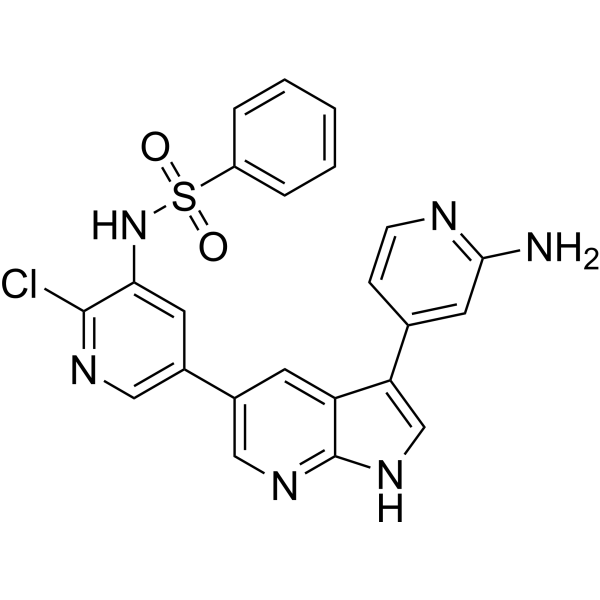
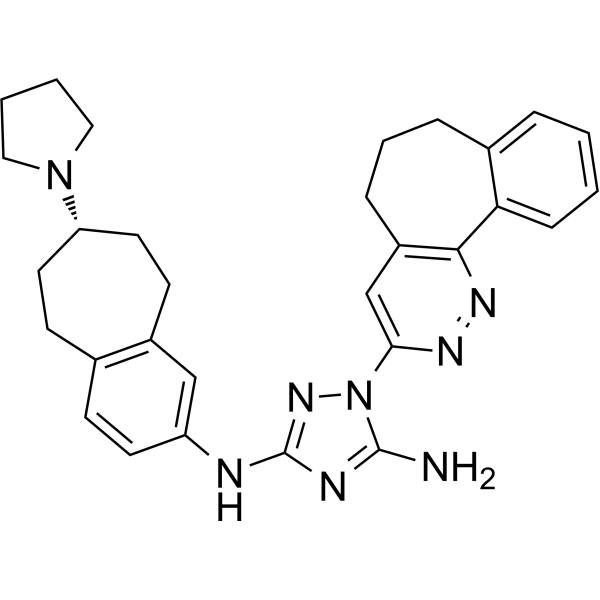
    VEGFR-3-IN-1 is a potent and selective VEGFR3 inhibitor with an IC50 of 110.4 nM. VEGFR-3-IN-1 significantly inhibits proliferation and migration of VEGF-C-induced human dermal lymphatic endothelial cells (HDLEC), MDA-MB-231, and MDA-MB-436 cells by inactivating the VEGFR3 signaling pathway, and also effectively inhibits breast cancer growth .
    VEGFR-3-IN-1
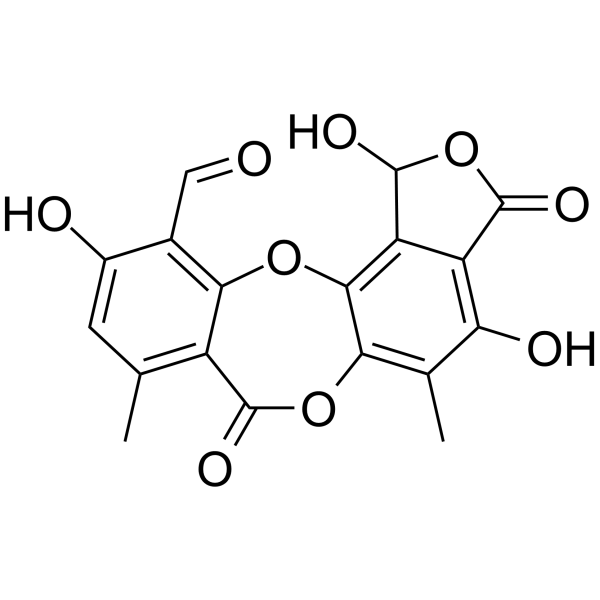
  • HY-W111581
    Copper(II) diethyldithiocarbamate
    1 Publications Verification

    Diethyldithiocarbamic acid copper salt

    Apoptosis Caspase Cancer
    Copper(II) diethyldithiocarbamate (Diethyldithiocarbamic acid copper salt) is a Copper(II) and diethyldithiocarbamate coordination polymer. Copper(II) diethyldithiocarbamate binds tightly to NPL4 and induces its aggregation, disrupting the p97-NPL4-UFD1 pathway. Copper(II) diethyldithiocarbamate causes ubiquitinated proteins accumulation and impairs waste proteins degradation, thus resulting in cell apoptosis. Copper(II) diethyldithiocarbamate inhibits tumor growth in MDA-MB-231 xenograft mice models. Copper(II) diethyldithiocarbamate can be used for the research of cancer, such as breast cancer .
    Copper(II) diethyldithiocarbamate
  • HY-N0431R

    Reference Standards MMP ERK JNK Cancer
    Astragaloside IV (Standard) is the analytical standard of Astragaloside IV. This product is intended for research and analytical applications. Astragaloside IV, an active component isolated from Astragalus membranaceus, suppresses the activation of ERK1/2 and JNK, and downregulates matrix metalloproteases (MMP)-2, (MMP)-9 in MDA-MB-231 breast cancer cells.
    Astragaloside IV (Standard)
  • HY-114979

    Antibiotic Fungal Apoptosis Infection Cancer
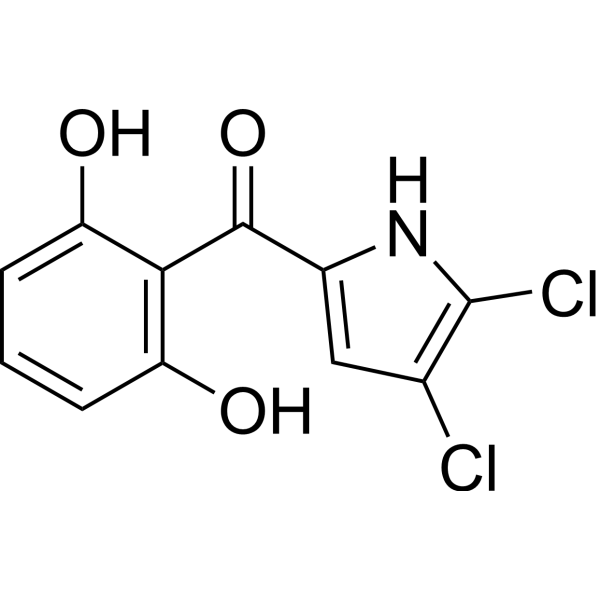
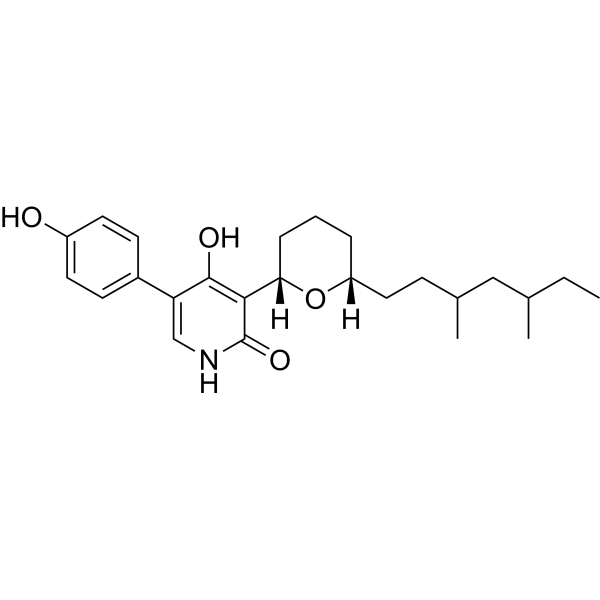
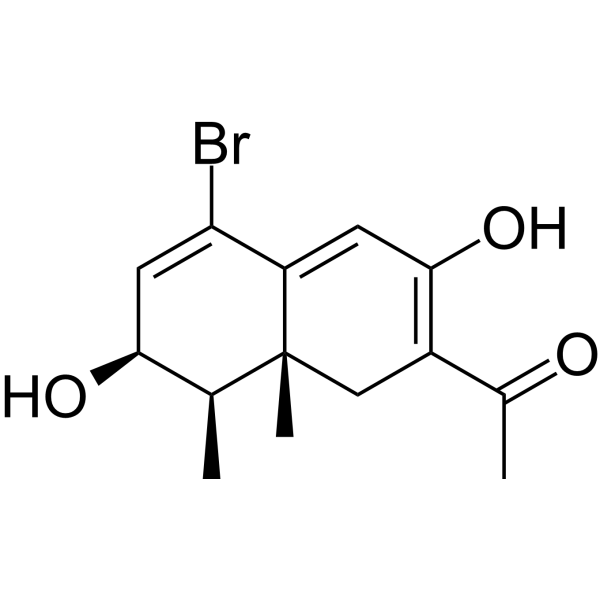
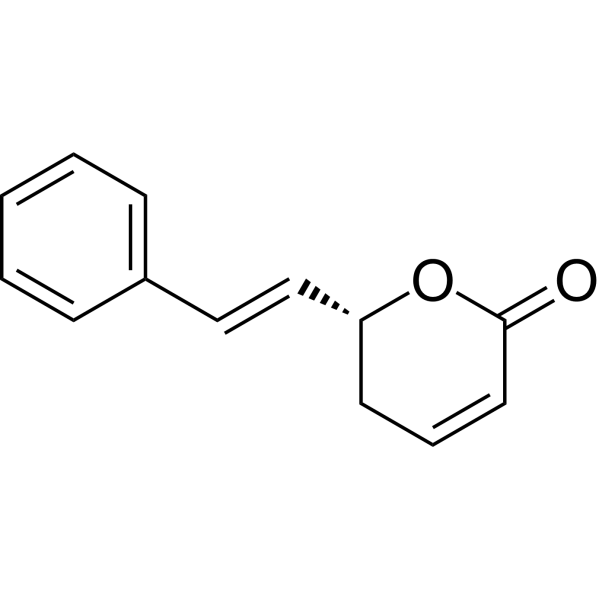
    Pyoluteorin is an antibiotic that inhibits Oomycete fungi, including the plant pathogen Pythium ultimum, and suppresses plant diseases caused by this fungus . Pyoluteorin induces human triple-negative breast cancer MDA-MB-231 cells apoptosis in vitro. Pyoluteorin can be used for the research of human triple-negative breast cancer .
    Pyoluteorin
  • HY-108447

    Ser/Thr Protease SARS-CoV PAI-1 Infection Cancer
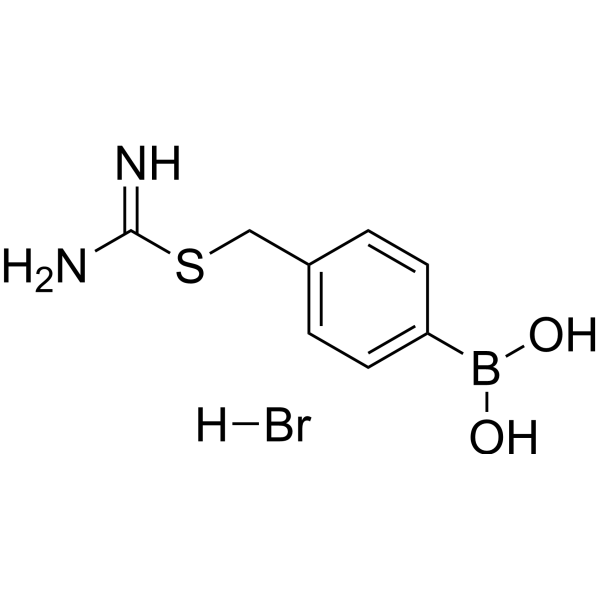
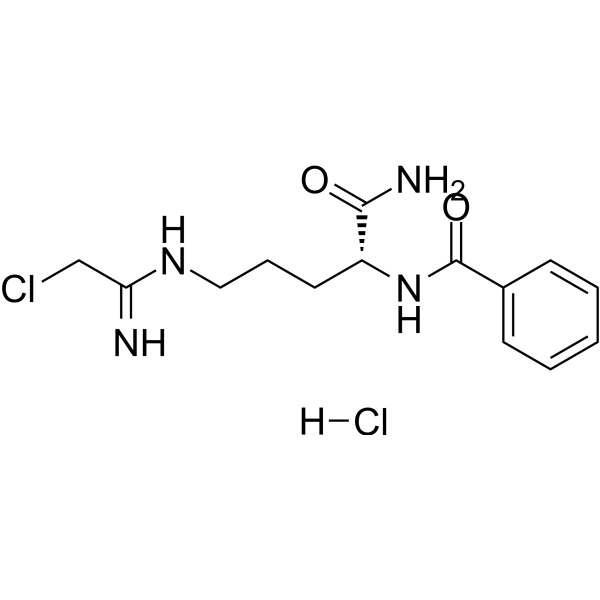
    BC-11 hydrobromide is a selective TMPRSS2 inhibitor (TMPRSS2 is a key host cellular factor for viral entry and SARS-CoV-2 pathogenesis), and a selective urokinase (uPA) inhibitor (IC50=8.2 μM). BC-11 hydrobromide is cytotoxic to triple-negative MDA-MB231 breast cancer cells. BC-11 hydrobromide is used in research on viral infections and cancer .
    BC-11 hydrobromide
  • HY-110329

    Nuclear Hormone Receptor 4A/NR4A Cancer
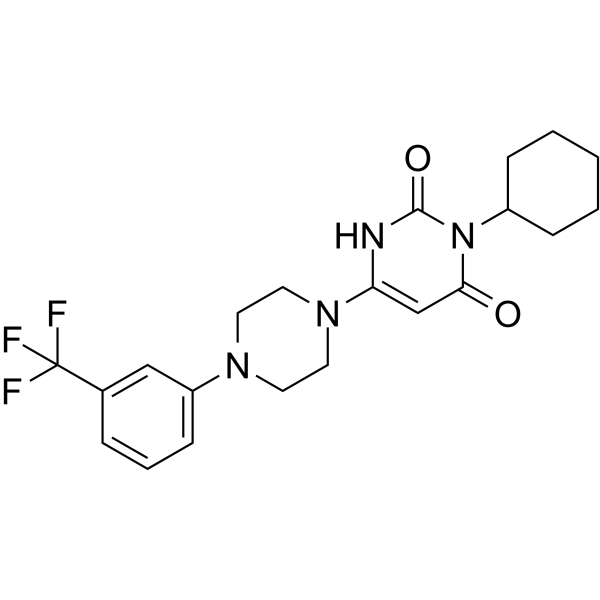
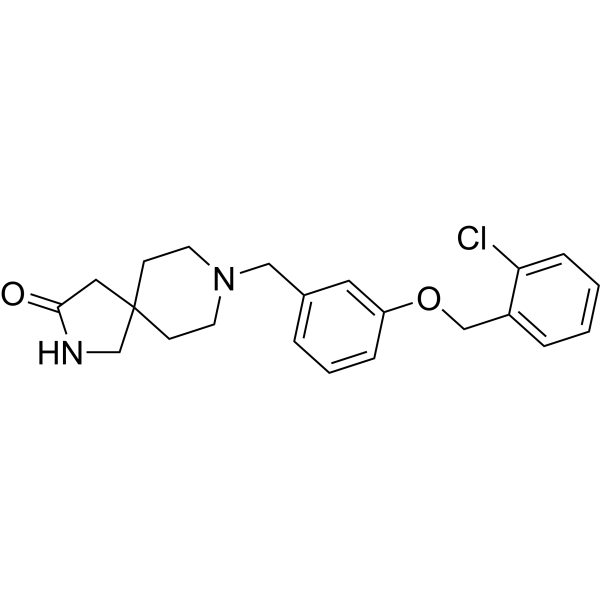
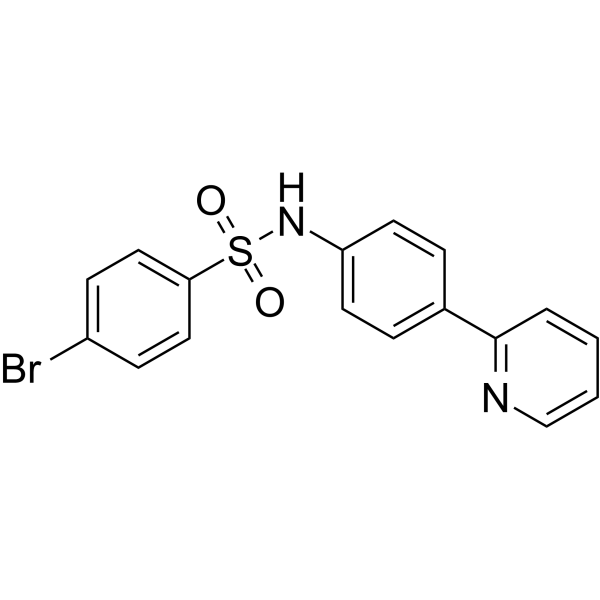
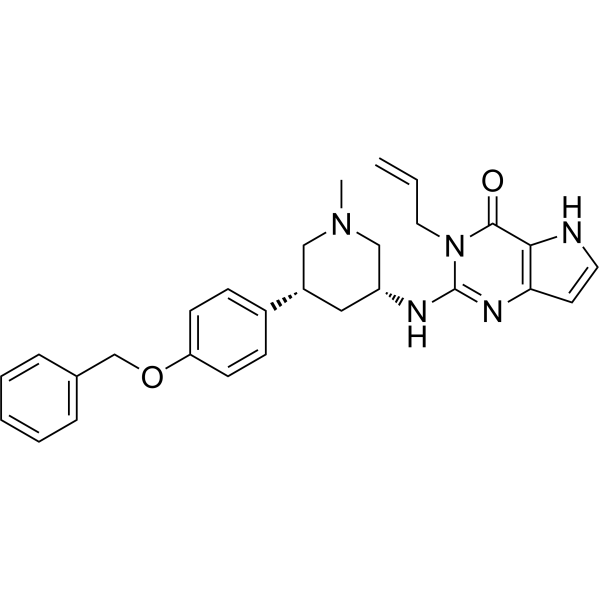
    ML179 (SR-1309) is a inverse LRH1/NR5A2 (Liver receptor homologue-1) agonist with IC50 of 320 nM. ML179 shows anti-proliferation activity in MDA-MB-231 cells. ML179 has the potential for the research of ER-negative breast cancer .
    ML179
  • HY-120275

    Bcl-2 Family Apoptosis Cancer
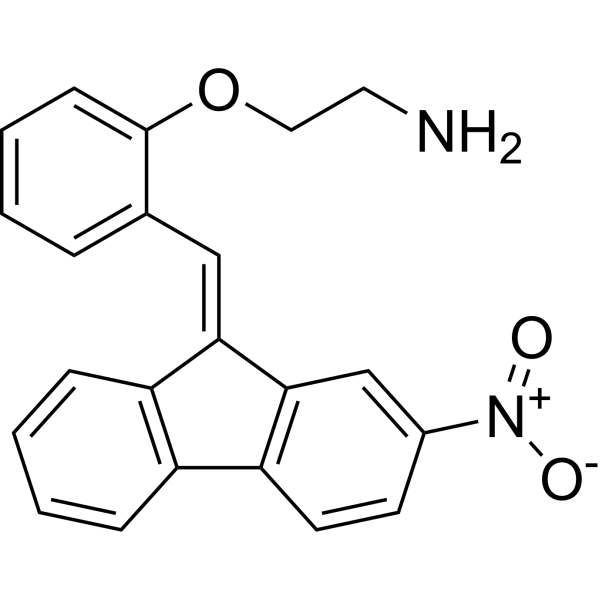
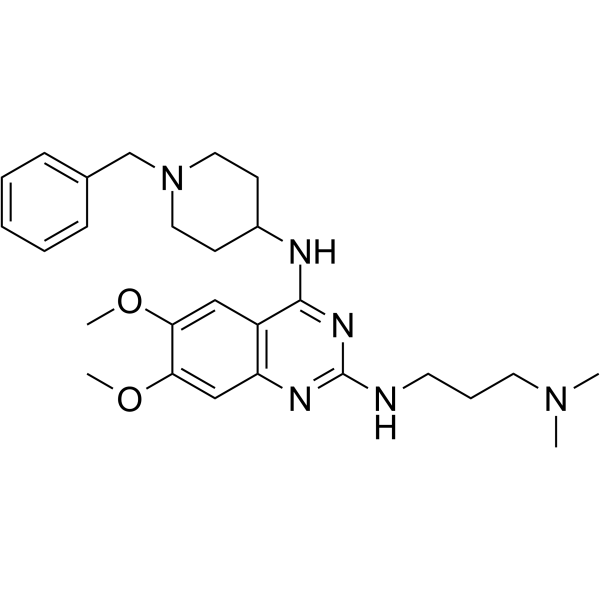
    CYD-2-11 is a selective Bax agonist with a Ki value of 34.1 nM. CYD-2-11 induces cell apoptosis and shows antiproliferative activity to breast cancer MDA-MB-231 and MCF-7 cell lines with IC50 values of 3.22 and 3.81 μM, respectively. CYD-2-11 suppresses tumor growth in MDA-MB-231 tumor models. CYD-2-11 can be used for the research of breast and lung cancer .
    CYD-2-11
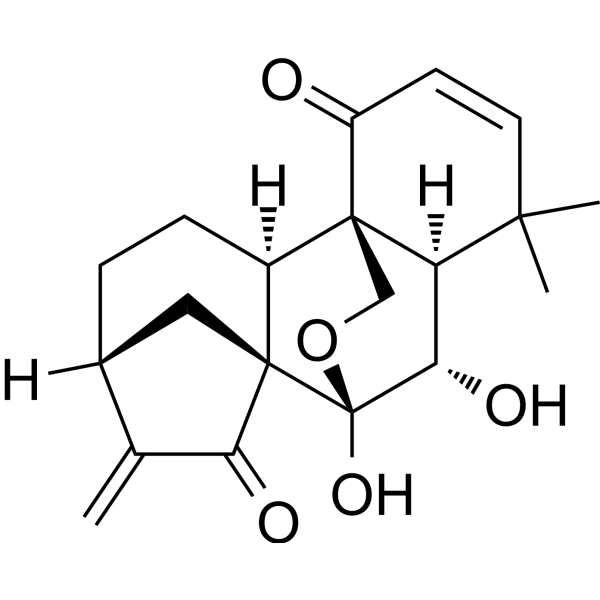
  • HY-N6990

    Others Cancer
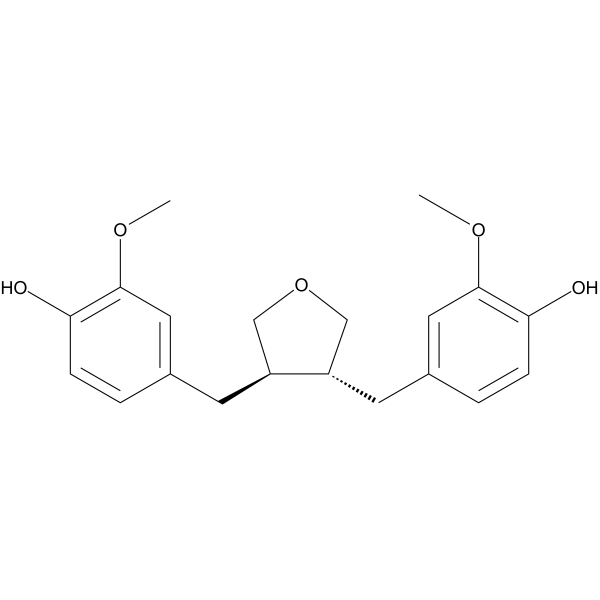
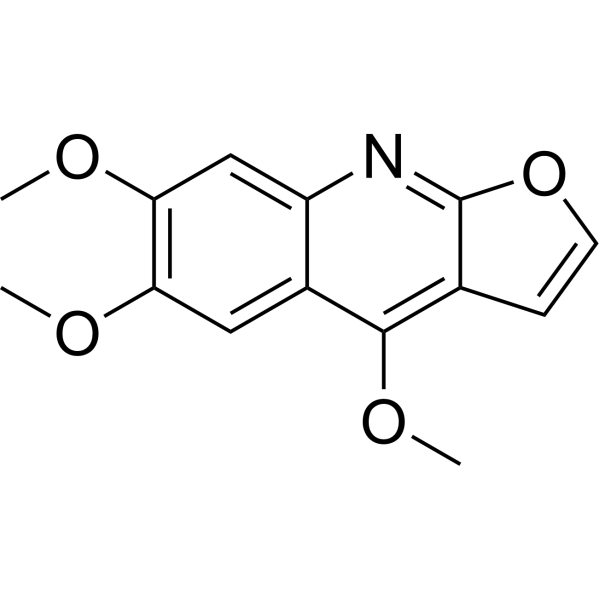
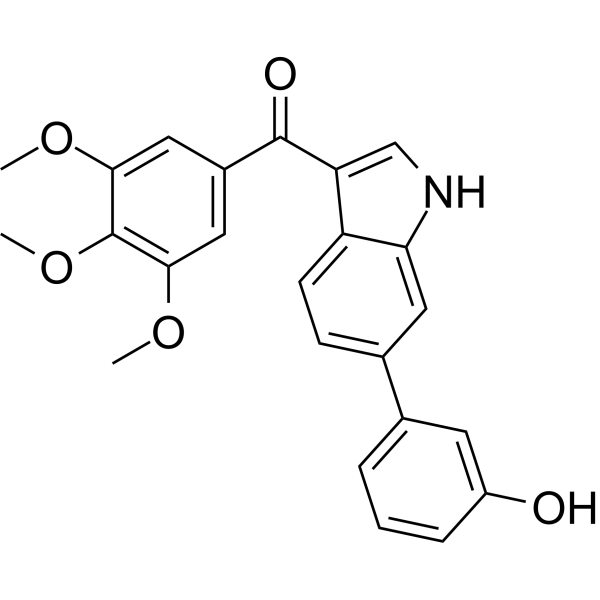
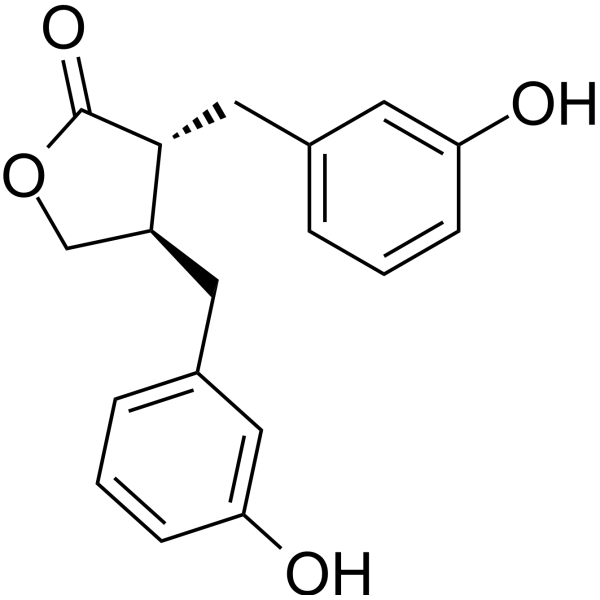
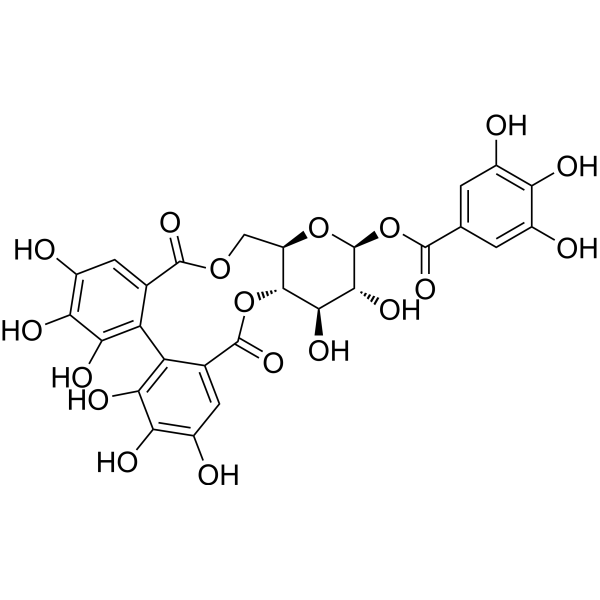
    Anhydrosecoisolariciresinol is from the flower of Wedelia biflora, has anti-tumor activities . Anhydrosecoisolariciresinol decreases the growth of human breast cancer MCF-7 and MDA-MB-231 cell lines .
    Anhydrosecoisolariciresinol
  • HY-168969

    PROTACs Neurological Disease Cancer
    AA-BR-157 is a metallothionein 2A (MT2A) PROTAC degrader, DC50 is 200 nM (MT2A overexpressed in MDA-MB-231 cells). AA-BR-157 increases intracellular zinc levels, downregulates DIAPH3, disrupts cytoskeleton remodeling, and reduces the migration and invasion abilities of cancer cells. AA-BR-157 can be used for research on triple-negative breast cancer and glioblastoma .
    AA-BR-157
  • HY-155309

    YAP Cancer
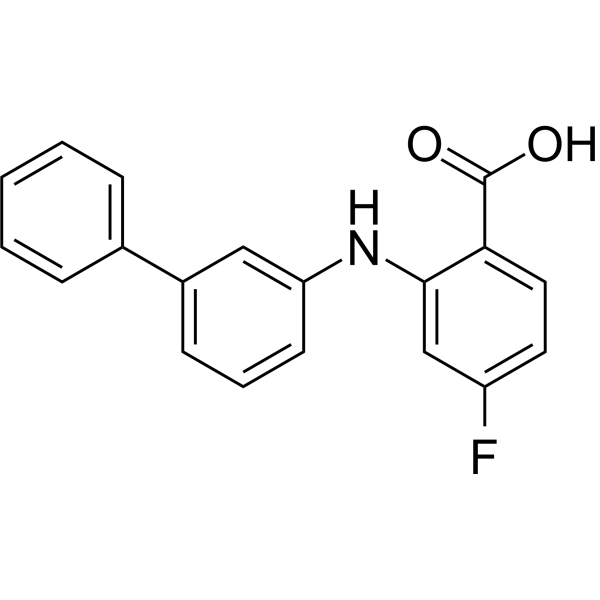
    LM-41 is a Flufenamic acid-derived TEAD inhibitor hat strongly reduce the expression of CTGF, Cyr61, Axl and NF2. LM-41 inhibits migration of human MDA-MB-231 breast cancer cells .
    LM-41
  • HY-172888

    Endogenous Metabolite Sialyltransferase FAK Integrin Cancer
    SPP-037 is an orally active and selective inhibitor of ST6GAL1 (IC50 = 3.59 μM). SPP-037 inhibits integrin α2,6-sialylation and integrin-FAK-paxillin pathway. SPP-037 inhibits cancer cell proliferation, migration and exhibits antiangiogenic activity. SPP-037 has anti-tumor activity in MDA-MB-231 xenograft mouse model. SPP-037 can be used for the research of triple-negative breast cancer .
    SPP-037
  • HY-148368

    Bcl-2 Family Apoptosis Cancer
    CYD-4-61 is a novel Bax activator used for breast cancer research. CYD-4-61 inhibits triple-negative breast cancer MDA-MB-231 and ER-positive breast cancer MCF-7 cell lines proliferation. CYD-4-61 activates Bax protein to induce cytochrome c release and regulate apoptotic biomarkers, leading to cancer cell apoptosis .
    CYD-4-61
  • HY-144699

    Estrogen Receptor/ERR Cancer
    ERRα antagonist-2 (Compound 11) is a potential ERRα (estrogen related receptor α) inverse agonist with an IC50 of 0.80 μM. ERRα antagonist-2 suppresses the migration and invasion of the ER-negative MDA-MB-231 cell line. ERRα antagonist-2 inhibits breast cancer growth in vivo .
    ERRα antagonist-2
  • HY-161597

    PROTACs DYRK Cancer
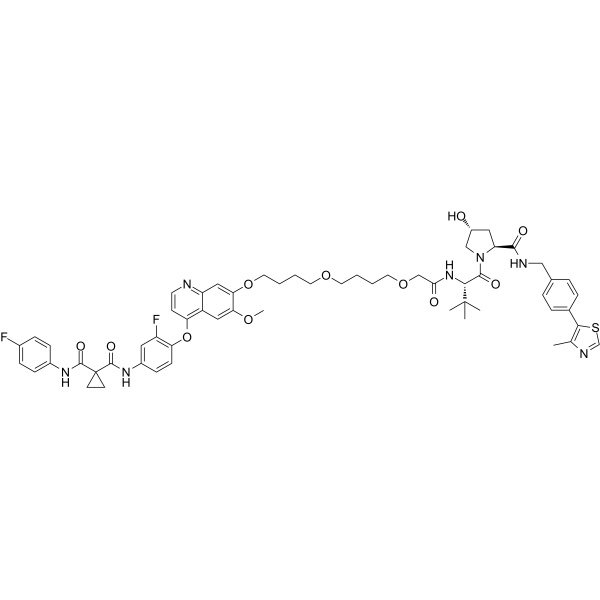
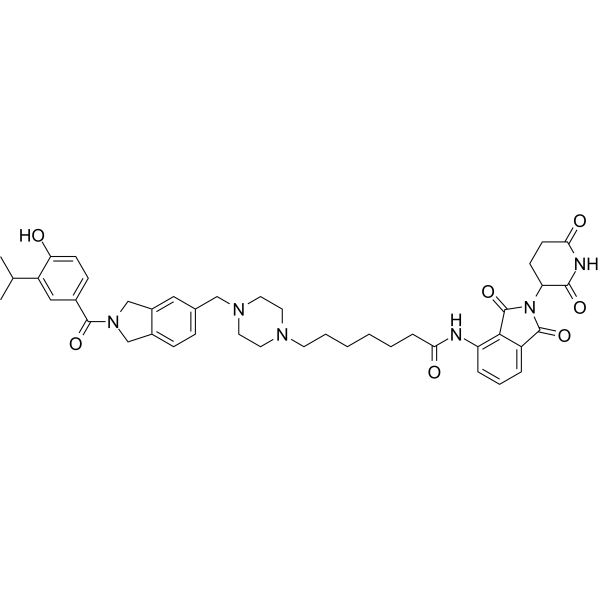
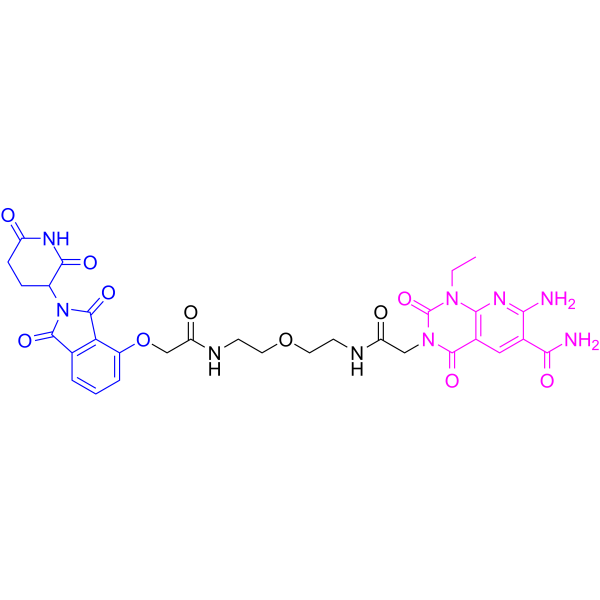
    PROTAC DYRK2 degrader 1 is a DYRK2 PROTAC degrader with DC50 values of 1.607 μM (MDA-MB-231 cells) and 3.265 μM (HeLa cells), respectively. PROTAC DYRK2 degrader 1 induces DYRK2 degradation via the ubiquitin-proteasome system. It is applicable to the research of triple-negative breast cancer and cervical cancer .
    PROTAC DYRK2 degrader 1
  • HY-178367

    Phosphatase Apoptosis Caspase PARP Cancer
    PFKFB4-IN-1 is a potent and selective ATP-competitive PFKFB4 inhibitor (IC50 = 4.50 μM) that reduces intracellular PFKFB4 protein levels. PFKFB4-IN-1 exhibits >12-fold selectivity over PFKFB1/4 and PFKFB3/4. PFKFB4-IN-1 inhibits cancer cell proliferation, induces apoptosis, and inhibits cell migration. PFKFB4-IN-1 inhibits tumor growth in the MDA-MB-231 xenograft mouse model. PFKFB4-IN-1 can be used for breast, lung and liver cancer research .
    PFKFB4-IN-1
  • HY-163676

    Sirtuin Apoptosis Cancer
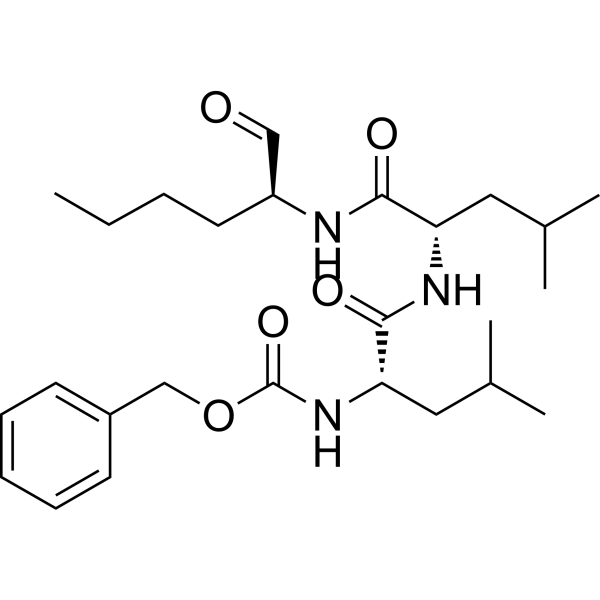
    MI-217 is a potent SIRT3 inhibitor. MI-217 induces MDA-MB-231 apoptosis. MI-217 can be used in the study of breast cancer .
    MI-217
  • HY-103043

    Others Cancer
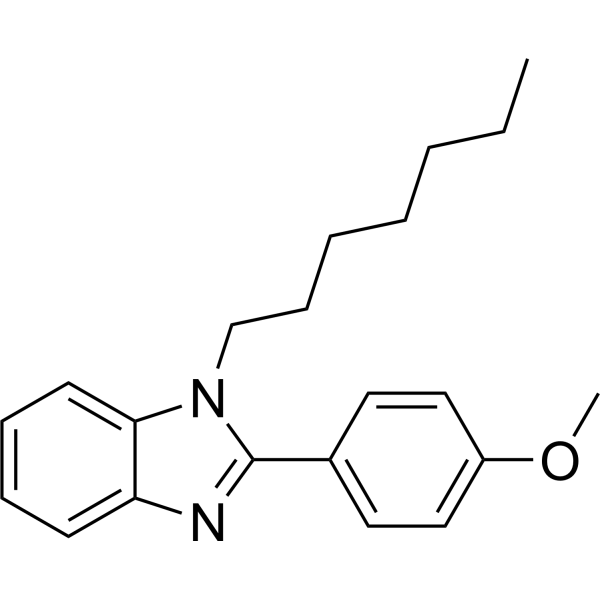
    Pz 285 is an anti-cancer agent. Pz 285 shows significant inhibitory effect on the viability of MDA-MB-231 breast cancer cells, with an IC50 of 15.0 μM. Pz 285 exhibits remarkable antitumor effects in the mouse tumor xenograft model constructed with highly lung-metastatic MDA-MB-231 LM24 Her2+ breast cancer cells. Pz 285 can be used for the study of breast cancer, especially metastatic breast cancer .
    Pz 285
  • HY-175846

    Drug Derivative Apoptosis Cancer
    TQFL13 is derivative of Thymoquinone (TQ) (HY-D0803) with potent anti-breast cancer activity. TQFL13 exhibits higher cytotoxicity against breast cancer cells (BT549, MDA-MB-231, 4T1). TQFL13 increases apoptosis and blocks the cell cycle at S and G2/G1 phases in breast cancer cells. TQFL13 shows dose-dependent anti-tumor efficacy in mouse breast cancer allograft model. TQFL13 can be used for the study of breast cancer .
    TQFL13
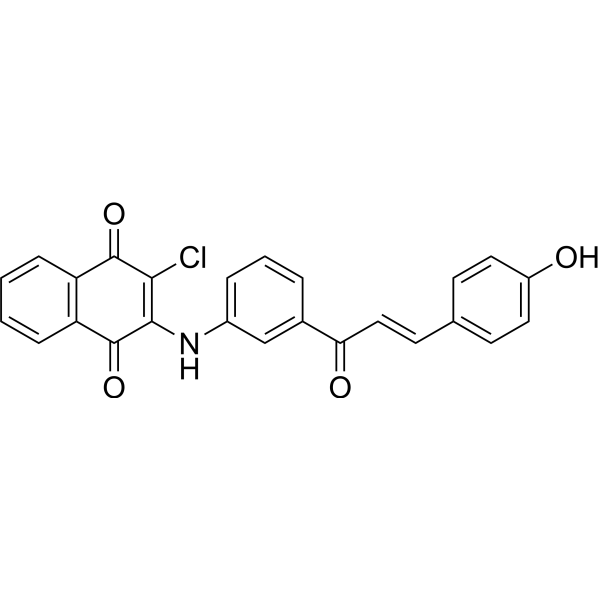
  • HY-15668

    MMP Bcl-2 Family Caspase Apoptosis Drug Derivative Cancer
    ST09 is an efficient and low toxicity Curcumin (HY-N0005) derivative. ST09 significantly inhibits cell migration and downregulates the expression of MMP1, MMP2, and Vimentin. ST09 has strong cytotoxicity to breast cancer cells, such as MDA-MB-231, MCF7 and T47D cells. ST09 induces cell apoptosis by upregulating Bax and cleaved caspase-3/9. ST09 can be used in the research of cancer such as breast cancer .
    ST09
  • HY-115507

    AMPK mTOR ERK Oxidative Phosphorylation Reactive Oxygen Species (ROS) Ras Cancer
    NMac1 is an orally active Nm23/NDPK activator. NMac1 directly binds to Nm23-H1 and activates the NDPK activity of recombinant Nm23-H1 with an EC50 of 10.7 uM. NMac1 induces AMPK activation and inhibits mTOR and ERK, leading to mitochondrial OXPHOS dysregulation and suppressing mitochondrial ROS production, which in turn induces mitochondrial dysfunction in MDA-MB-231 cells. NMac1 inhibits Complex I activity and suppresses changes in morphology and actin cytoskeleton organization following Rac1 activation in MDA-MB-231 cells. NMac1 inhibits tumor invasion, migration and metastasis. NMac1 is useful for studying metastatic tumors, such as breast cancer. NMac1 can be isolated from the ginger cassumunar Roxb .
    NMac1
  • HY-175497

    ROR Apoptosis Bcl-2 Family PARP Cancer
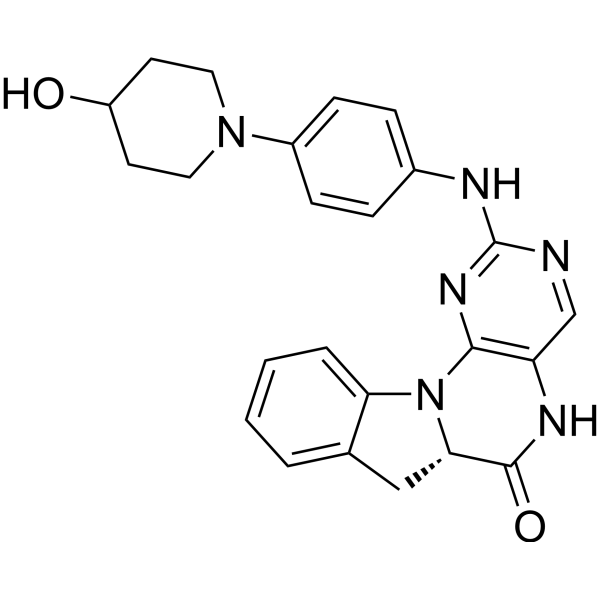
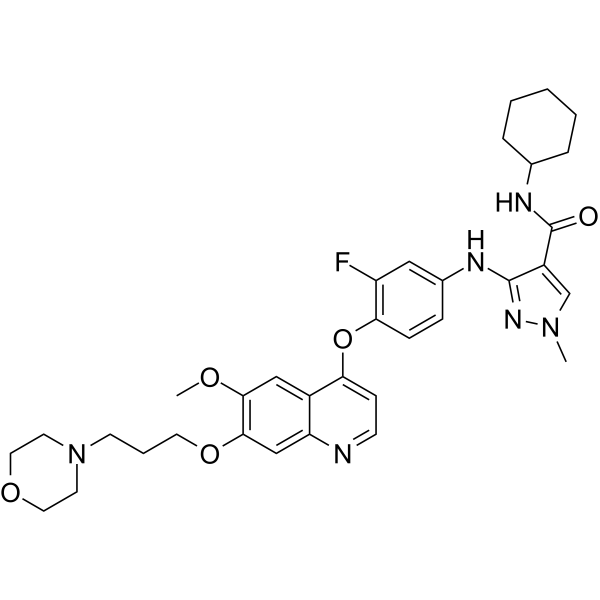
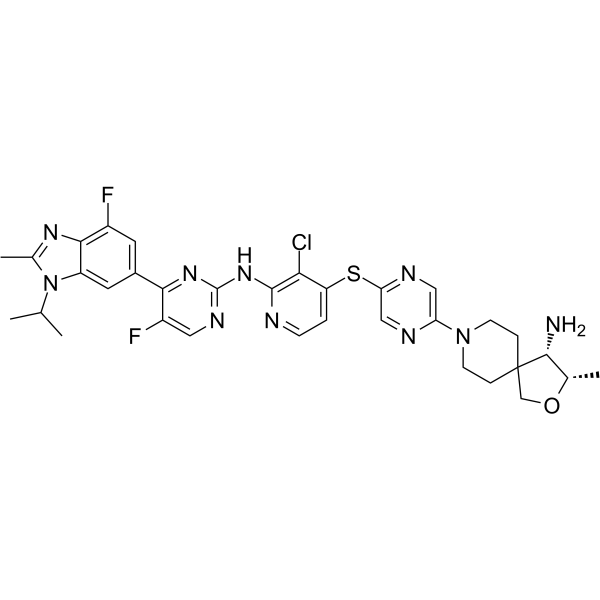
    ROR1-IN-4 is a selective ROR1 inhibitor with a Kd of 52 nM. ROR1-IN-4 shows potent anti-proliferative activity against TNBC cell line MDA-MB-231 (IC50 = 75 nM). ROR1-IN-4 reduces colony formation, induces apoptosis and inhibits the phosphorylation of ROR1 (Tyr786) in MDA-MB-231 cells. ROR1-IN-4 demonstrates superior anti-tumor efficacy in nude mice bearing MDA-MB-231 subcutaneous xenografts. ROR1-IN-4 can be used for the study of triple-negative breast cancer (TNBC) .
    ROR1-IN-4
  • HY-175269

    DNA Alkylator/Crosslinker DNA/RNA Synthesis Topoisomerase Cancer
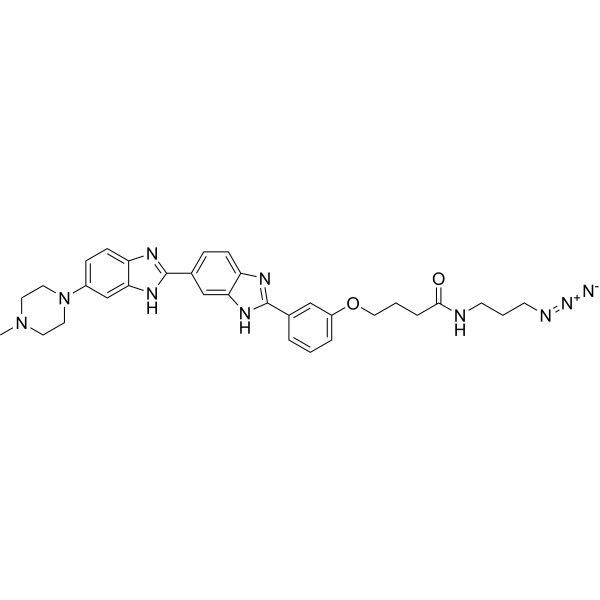
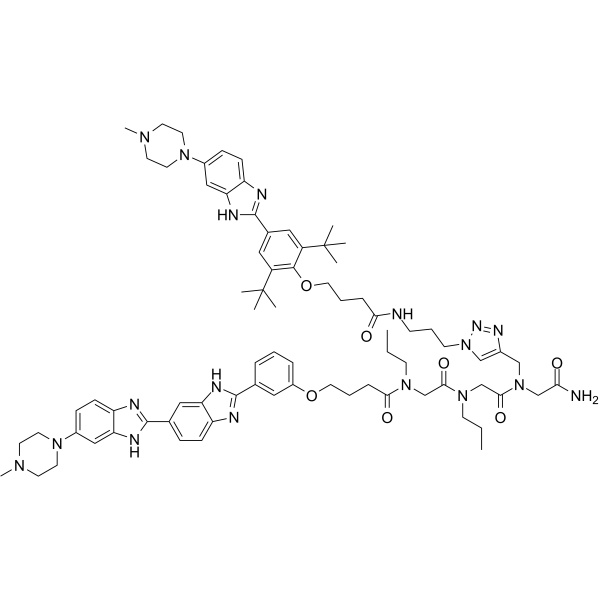
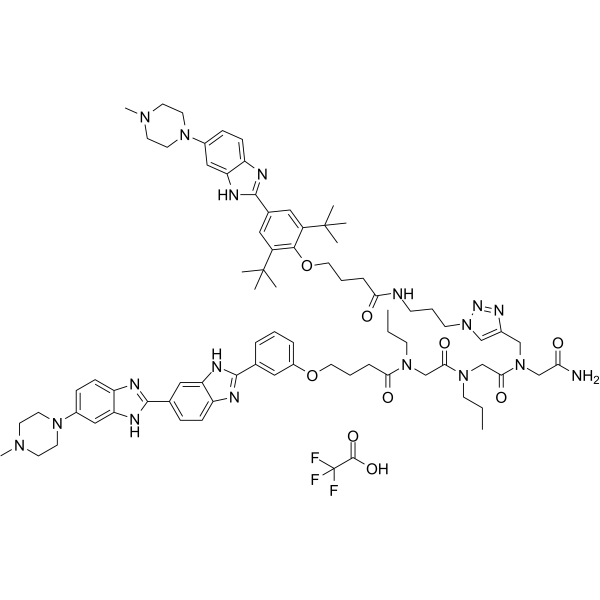
    MGB1Y is a noncovalent DNA minor groove binder (MGB). MGB1Y potently inhibits cancer cells proliferation and topoisomerase I activity. MGB1Y downregulates their breast cancer-related genes in MCF7 and MDA-MB-231 cells. MGB1Y has a broad-spectrum anticancer activity, such as breast cancer, colon cancer, and leukemia .
    MGB1Y
  • HY-170946

    STAT Bcl-2 Family Cancer
    WR-S-462 is a STAT3 inhibitor. WR-S-462 effectively suppresses STAT3 phosphorylation and biological functions in vitro. WR-S-462 inhibits MDA-MB-231 cells with an IC50 of 0.03 μM. WR-S-462 displays a strong binding affinity towards the STAT3 protein with a Kd of 58 nM. WR-S-462 inhibits the nuclear translocation of p-STAT3, selectively inhibits the expression of p-STAT3 Tyr705 and downstream target genes regulated by STAT3 in MDA-MB-231 cells such as Cyclin D1, Bcl-2, and Bcl-xl. WR-S-462 inhibits TNBC (triple-negative breast cancer) growth and metastasis .
    WR-S-462
  • HY-149354

    Aurora Kinase Cancer
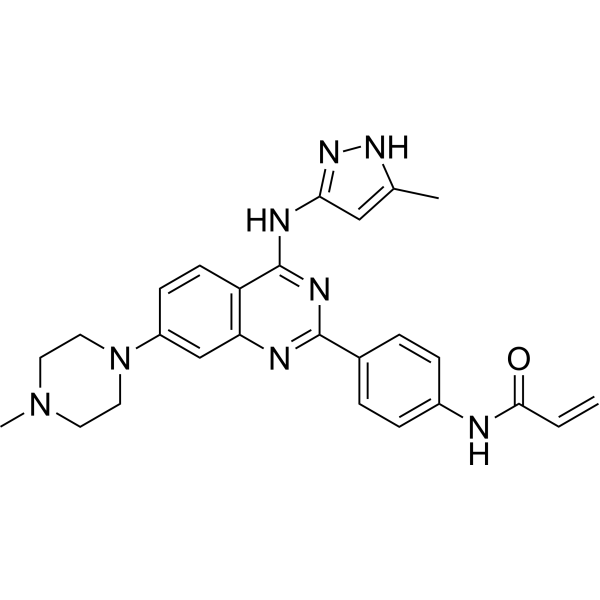
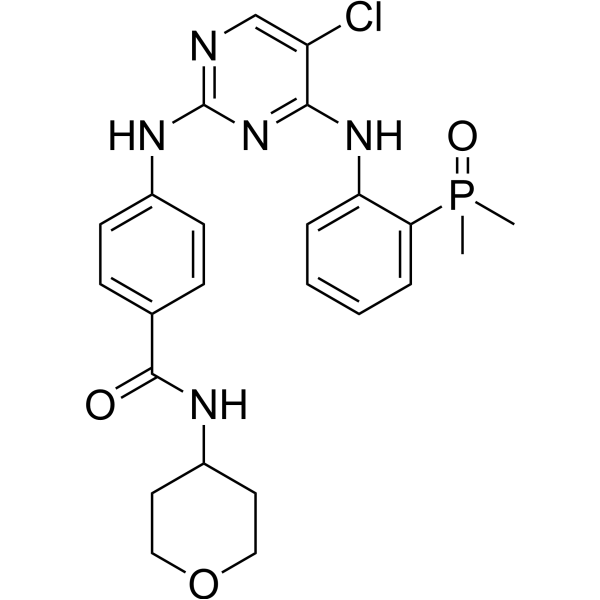
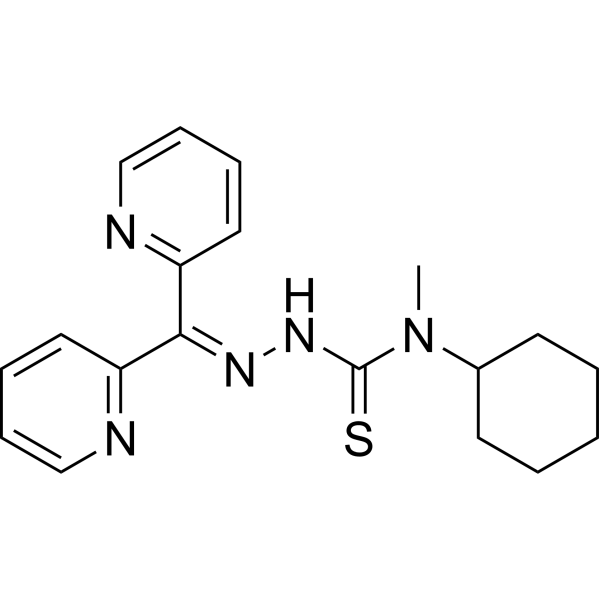
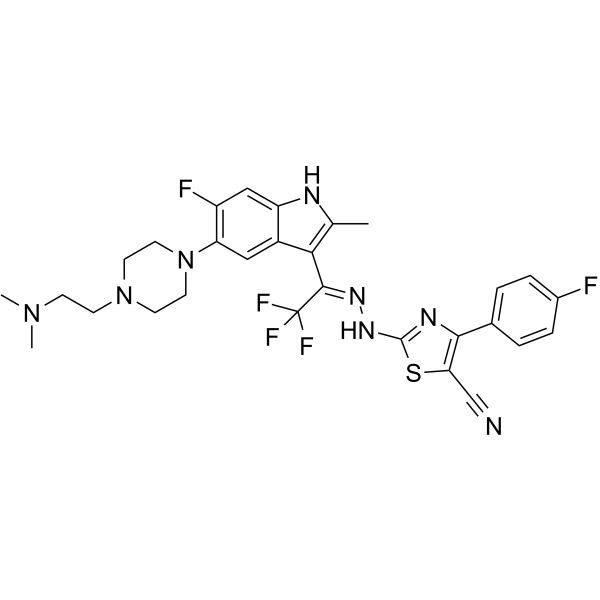
    Aurora kinase-IN-4 (Compound 11c) is a covalent and ATP competitive aurora kinase A inhibitor (IC50: 1.7 nM). Aurora kinase-IN-4 inhibits cell proliferation in SJSA-1, MDA-MB-231, A54, HeLa cells with IC50s of 4.27, 1.54, 3.08, 6.99 μM. Aurora kinase-IN-4 can be used for research of triple negative breast cancer (TNBC) .
    Aurora kinase-IN-4
  • HY-172562

    PROTACs Epigenetic Reader Domain Cancer
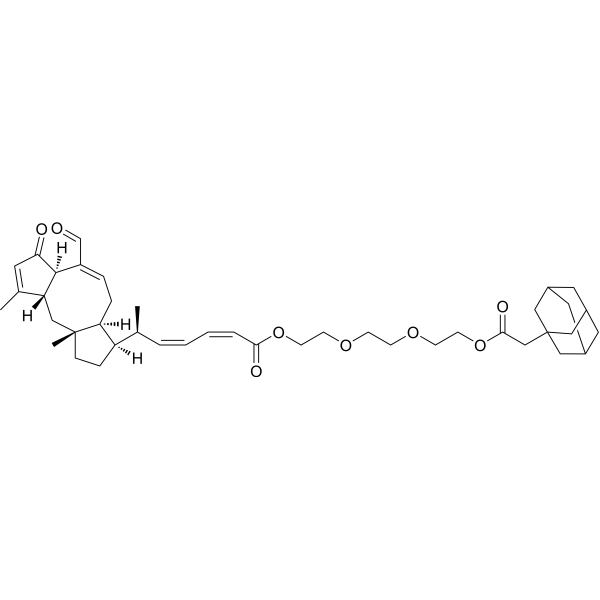
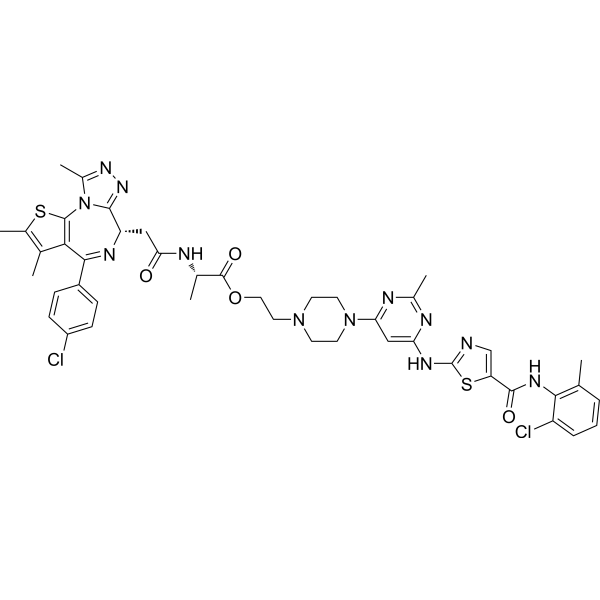
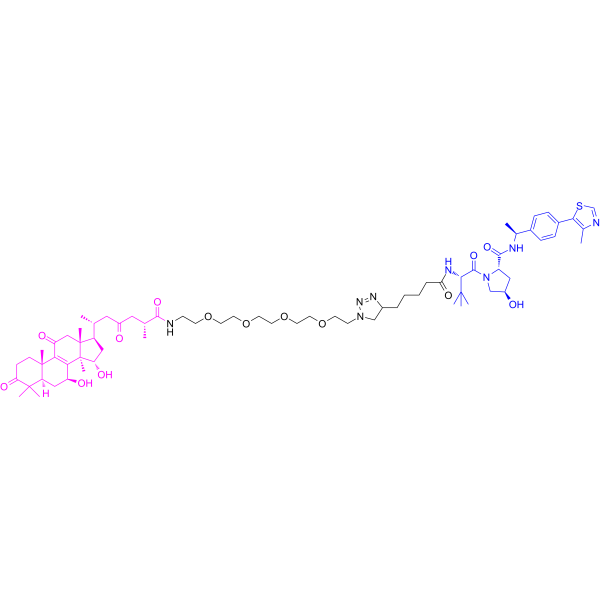
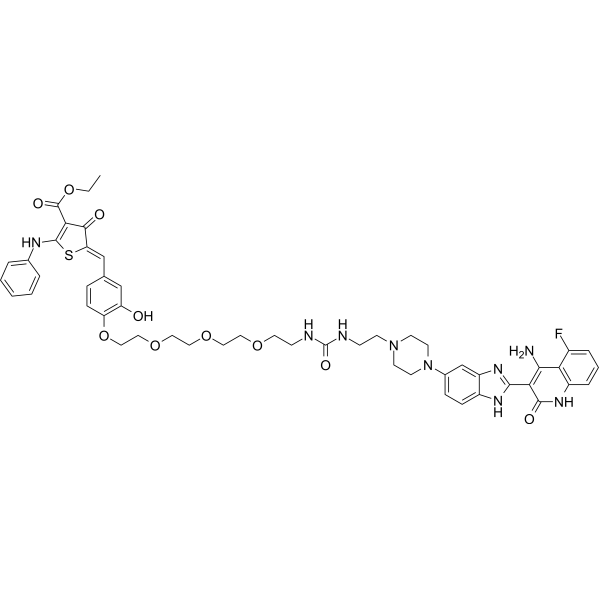
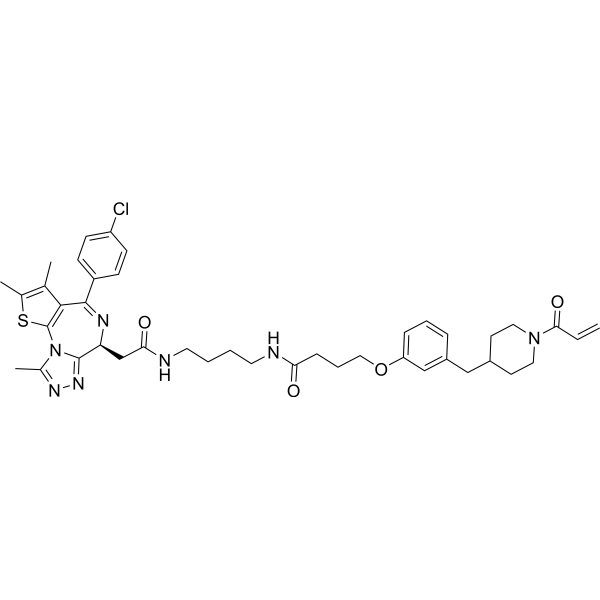
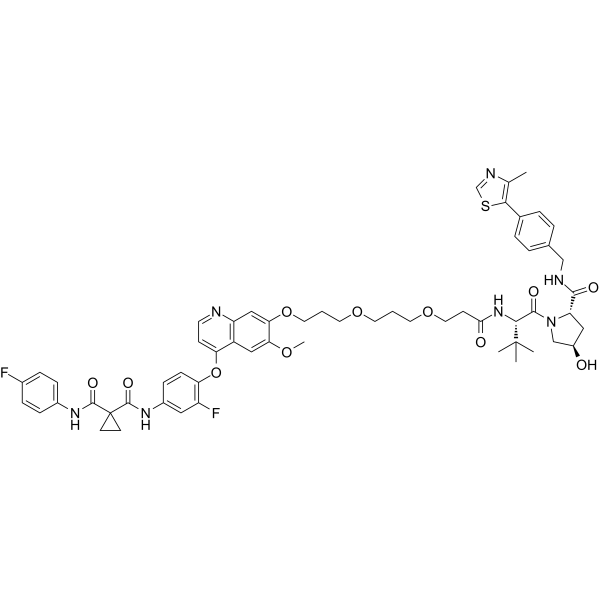
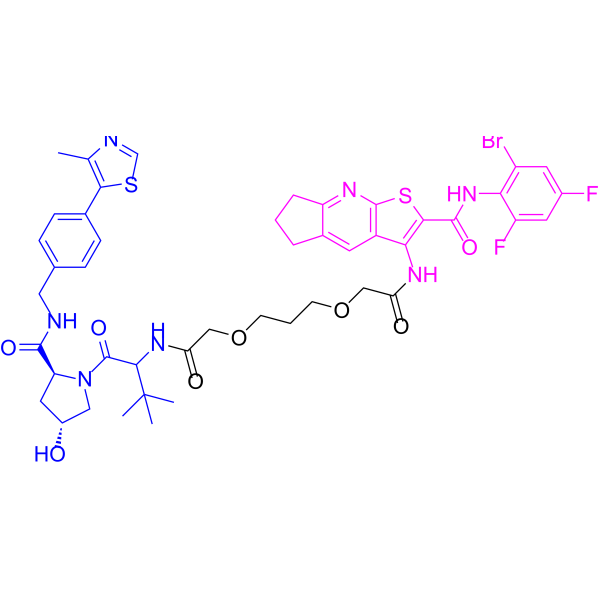
    BTR2004 is a selective BET family (BRD2/3/4) protein PROTAC degrader. BTR2004 forms a ternary complex with BRD proteins and KLHL20, inducing ubiquitination and proteasomal degradation through the UPS pathway. BTR2004 is promising for research of PC3 prostate cancer and MDA-MB-231 breast cancer cell lines. Pink: (+)-JQ1-OH (HY-161125); Blue: BTR2000 (HY-172563); Black: Linker (HY-W015236) .
    BTR2004
  • HY-157151

    Histone Methyltransferase Cancer
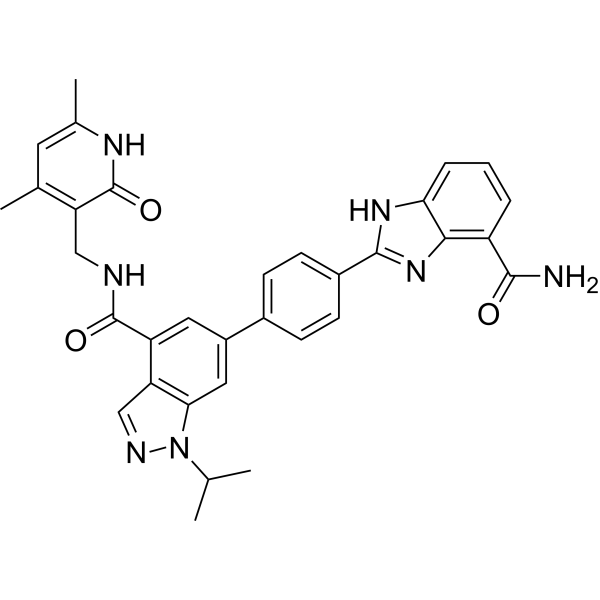
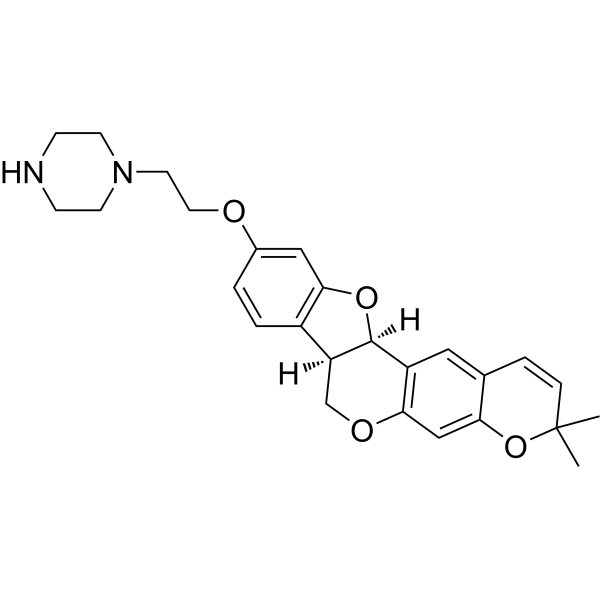
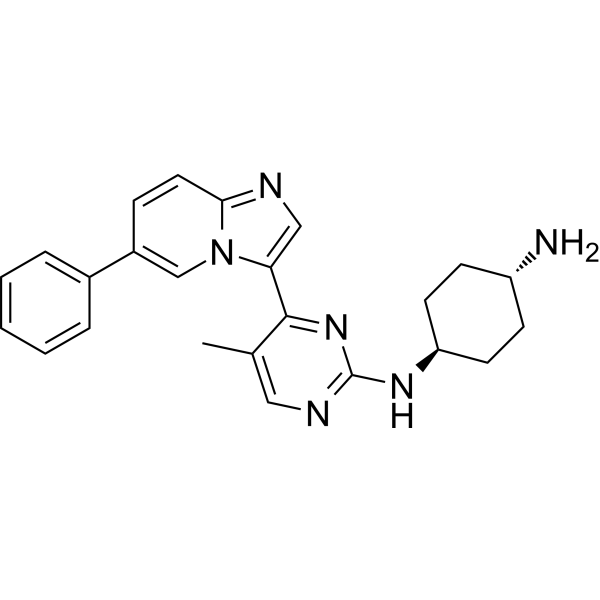
    iPRMT1 is a potent and selective PRMT1 inhibitor for breast cancer research. iPRMT1 inhibits breast cancer cell growth in vitro and in vivo with EC50 values of 90, 70, and 9 nM in MCF7, T47D, and MDA-MB-231 cells, respectively .
    iPRMT1
  • HY-174232

    EGFR Carbonic Anhydrase Caspase Cancer
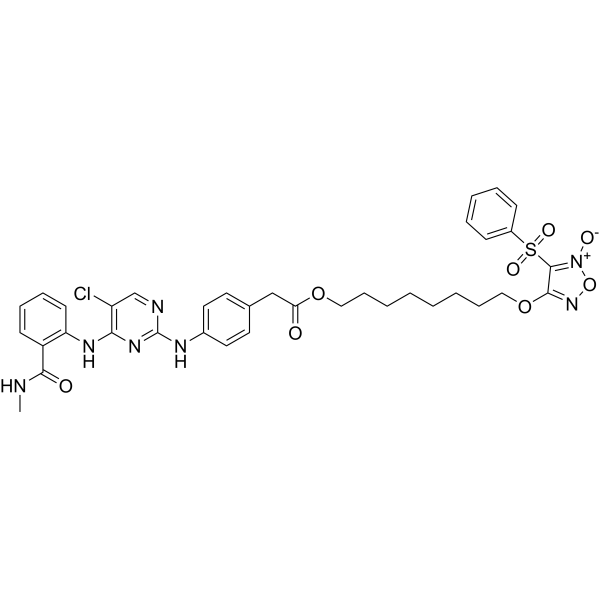
    EGFR/CA-IX-IN-1 (Compound 14) is a dual inhibitor against epidermal growth factor receptor (EGFR) and carbonic anhydrase IX (CA-IX) with IC50 values of 5.92 nM and 63 nM, respectively. EGFR/CA-IX-IN-1 shows strong cytotoxicity against breast cancer cells (MDA-MB-231, MCF-7) with IC50 values of 5.78 μM and 8.05 μM, respectively. EGFR/CA-IX-IN-1 inhibits the catalytic activity of CA-IX, up-regulates BAX/Bcl-2, activates caspases, and arrests the cell cycle at the G1 phase. EGFR/CA-IX-IN-1 is promising for research of breast cancer .
    EGFR/CA-IX-IN-1
  • HY-175815

    Apoptosis Bcl-2 Family Caspase MMP Cadherin Cancer
    Apoptosis inducer 44 is an apoptosis inducer. Apoptosis inducer 44 triggers apoptosis in MDA-MB-231 cells by increasing the levels of Bax and Cyt C, reducing Bcl-2, and initiating caspase-3 cleavage. Apoptosis inducer 44 suppresses the invasion and migration of MDA-MB-231 cells by down-regulating MMP-2 and MMP-9 expression and up-regulating E-cadherin protein levels. Apoptosis inducer 44 can be used for the study of breast cancer .
    Apoptosis inducer 44
  • HY-164064

    ClpP Cancer
    Anticancer agent 230 (example 65) is a caseinolytic protease P (ClpP) activator with anticancer activity. Anticancer agent 230 is able to induce the degradation of mitochondrial proteins in SUM159 and MDA-MB-231 triple-negative breast cancer cells in a time-dependent manner .
    Anticancer agent 230
  • HY-175466

    PARP DNA/RNA Synthesis Apoptosis Cancer
    BER-IN-1 is a base excision repair (BER) inhibtor, targeting DNA abasic sites. BER-IN-1 cleaves abasic sites via β- and β,δ-elimination mechanisms, disrupts the base excision repair (BER) pathway and leads to DNA double-strand breaks (DSBs). BER-IN-1 can enhance the effectiveness of the PARP inhibitor Olaparib (HY-10162) in homologous recombination (HR)-proficient cancer cells (MDA-MB-231, HeLa, and SKOV3). BER-IN-1 induces an S-phase arrest and apoptosis companied with Olaparib (HY-10162). BER-IN-1 can be used for the research of cancer, such as breast, cervical and ovarian cancer .
    BER-IN-1
  • HY-178956

    HSP Cancer
    KUNB106 is a selective Hsp90β inhibitor with KDs of 91 nM and 38 μM against Hsp90β and Hsp90α. KUNB106 exhibits antiproliferative activity against MDA-MB-231 cells, A549 and SKOV-3 cells. KUNB106 can be used for the study of triple negative breast cancer .
    KUNB106
  • HY-179039

    EGFR Cancer
    EGFR-IN-183 (Compound 5q) is an EGFR inhibitor. EGFR-IN-183 strongly binds to EGFR (T790M/L858R) mutants. EGFR-IN-183 exhibits anti-proliferative activity against MDA-MB-231, with an IC50 value of 16.4 μM. EGFR-IN-183 can be used for research on triple-negative breast cancer .
    EGFR-IN-183
  • HY-178132

    Apoptosis NF-κB Cancer
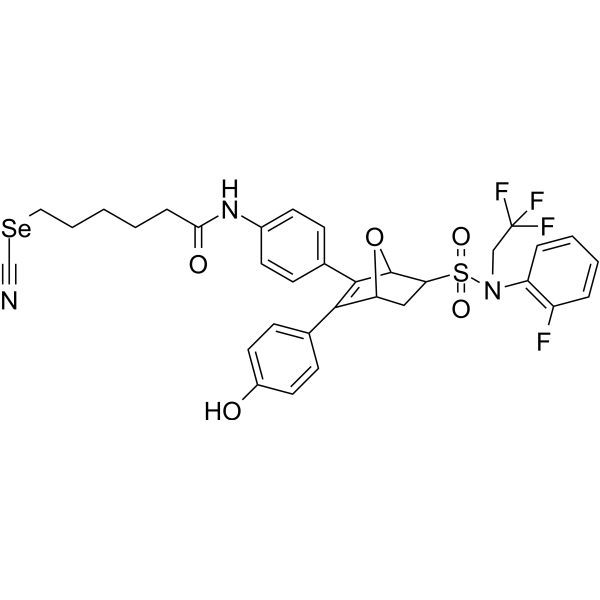
    Apoptosis inducer 46 is an apoptosis inducer. Apoptosis inducer 46 exhibits potent and selective growth inhibitory effects on metastatic triple-negative breast cancer (TNBC) cells. Apoptosis inducer 46 induces G2/M phase cell cycle arrest and apoptotic cell death in MDA-MB-231 cells, and blocks NF-κB nuclear translocation. Apoptosis inducer 46 can be used for the study of TNBC .
    Apoptosis inducer 46
  • HY-125807

    G Protein-coupled Receptor Kinase (GRK) Apoptosis Reactive Oxygen Species (ROS) Akt p38 MAPK Cardiovascular Disease Cancer
    IS20 is a Prokineticin receptor 1 (PKR1) agonist. IS20 diminishes Doxorubicin (HY-15142A) mediated apoptosis and ROS production by activating Akt or MAPK pathways. IS20 protects the heart against Doxorubicin-induced cardiovascular toxicity and improves the survival rate and cardiac function in mouse models. IS20 does not alter the cytotoxicity and antitumor activity of acute DOX treatment in breast cancer cells and MDA-MB-231 xenograft mouse models. IS20 can be used for cancers research .
    IS20
  • HY-179054

    Apoptosis Reactive Oxygen Species (ROS) DNA/RNA Synthesis Cancer
    Apoptosis inducer 51 (Compound 5d) is an apoptosis inducer. Apoptosis inducer 51 exhibits strong inhibitory activity against MDA-MB-231 cells. Apoptosis inducer 51 inhibits cell invasion and migration, induces G2/M phase cell cycle arrest and cell apoptosis. Apoptosis inducer 51 causes DNA damage, ROS burst and mitochondrial membrane potential (MMP) collapse. Apoptosis inducer 51 can be used for the study of triple-negative breast cancer.
    Apoptosis inducer 51
  • HY-139376

    FGFR Cancer
    FGFR1 inhibitor-2 is a FGFR1 inhibitor (IC50 is 4.55 μM in MDA-MB-231 cells). FGFR1 inhibitor-2 can be used for the research of metastatic triple-negative breast cancer .
    FGFR1 inhibitor-2
  • HY-178460

    BRK Akt MMP Cancer
    BRK/PTK6-IN-1 (Compound 51) is a highly efficient and selective BRK inhibitor (IC50 = 3.37 nM, Kd = 44 nM). BRK/PTK6-IN-1 can reduce MMP-9 protein expression and inhibit IGF-1 induced AKT phosphorylation in MDA-MB-231 cells. BRK/PTK6-IN-1 significantly inhibits migration, invasion, and colony formation but does not affect cell proliferation. BRK/PTK6-IN-1 is often used in the research of breast cancer and other cancers .
    BRK/PTK6-IN-1
  • HY-179468

    STAT Cancer
    STAT3-IN-49 (compound B16) is a potent and selective STAT3 inhibitor. STAT3-IN-49 binds to the SH2 domain of STAT3, thereby suppressing its phosphorylation and nuclear translocation. STAT3-IN-49 inhibits triple-negative breast cancer (TNBC) cell migration, invasion, and colony formation. STAT3-IN-49 inhibits tumor growth in an MDA-MB-231 xenograft mouse model. STAT3-IN-49 can be used for TNBC research .
    STAT3-IN-49
  • HY-174457

    STAT Carbonic Anhydrase Ferroptosis Apoptosis Reactive Oxygen Species (ROS) Caspase Bcl-2 Family Cancer
    STAT3/CAIX-IN-1 is a dual-target inhibitor of STAT3 (Kd: 60.03 μM) and CAIX (IC50: 80.45 nM). STAT3/CAIX-IN-1 induces ferroptosis by increases the levels of reactive oxygen species (ROS) and lipid peroxides. STAT3/CAIX-IN-1 inhibits cell migration, induces apoptosis, and causes cell cycle arrest in MDA-MB-231 cells. STAT3/CAIX-IN-1 can be used for the study of triple-negative breast cancer (TNBC) .
    STAT3/CAIX-IN-1
  • HY-175544

    Drug Derivative Cancer
    anti-TNBC agent-10 is an anti-TNBC agent. anti-TNBC agent-10 shows potent anti-TNBC activity against BT549 cells (IC50 = 0.018 μM) and maintains activity against MDA-MB-231 cells (IC50 = 4.16 μM). anti-TNBC agent-10 9 demonstrates significant anti-tumor efficacy in mice bearing subcutaneous MDA-MB-231 TNBC xenografts. anti-TNBC agent-10 can be used for the study of triple-negative breast cancer (TNBC) .
    anti-TNBC agent-10
  • HY-161855

    VEGFR Apoptosis Cancer
    VEGFR-2-IN-50 (Compound 10f) is a VEGFR-2 inhibitor and apoptosis inducer, with an IC50 value of 0.33 μM. VEGFR-2-IN-50 (Compound 10f) has growth inhibitory activity on MCF-7 and MDA-MB-231 breast cancer cell lines, with IC50 values of 19.86 μM and 10.88 μM, respectively, which is expected to be used in the study of breast cancer diseases .
    VEGFR-2-IN-50
  • HY-156403

    Topoisomerase Cancer
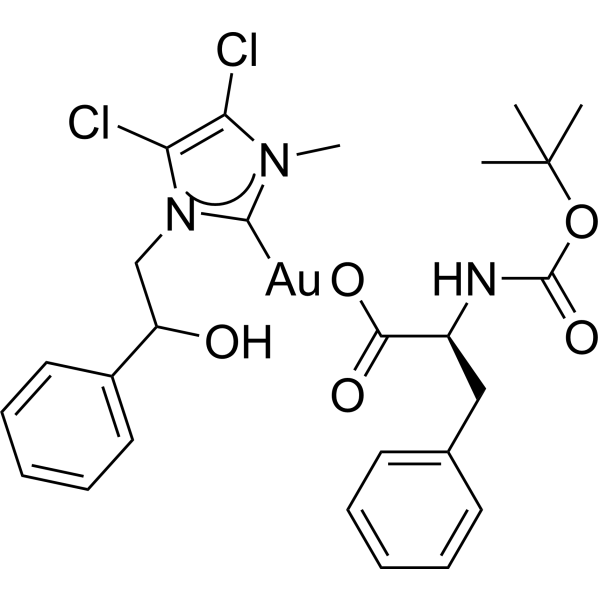
    AuM1Phe, an N-Heterocyclic carbene (NHC) metal complexe, blocks the human topoisomerase I activity and actin polymerization reaction. AuM1Phe affects the growth of MDA-MB-231 breast cancer cells, with an IC50 value of 1.2 μM .
    AuM1Phe
  • HY-175173

    EGFR Cancer
    EGFR-IN-166 (Compound 2) is a EGFR inhibitor. EGFR-IN-166 has potent anticancer activity against breast cancer cells with IC50s of 69.63 and 22.84 μM for MCF-7 and MDA-MB-231 cells, respectively. EGFR-IN-166 significantly inhibits cell migration and EGFR expression. EGFR-IN-166 can be used for breast cancer research .
    EGFR-IN-166
  • HY-158439

    JAK STAT Cancer
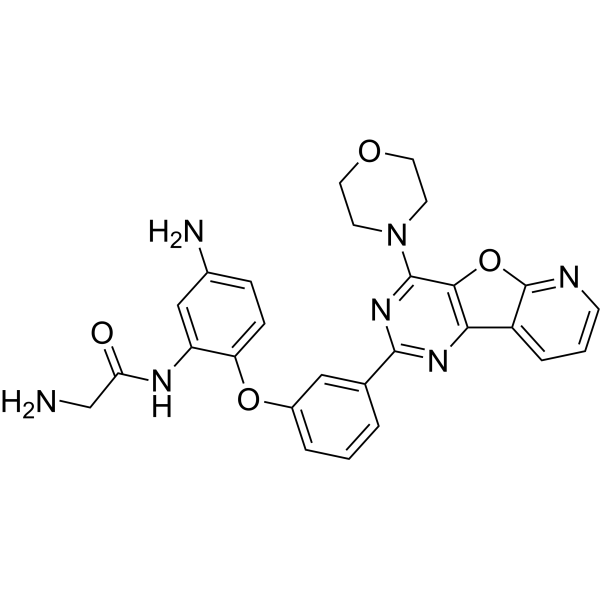
    anti-TNBC agent-7 (Compound 13c) possesses anticancer activity, serving as a molecular probe to recognize and regulate the signal transduction of the USP21/JAK2/STAT3 axis, exhibiting nanomolar-level cytotoxicity against MDA-MB-231 and HCC-1806 cancer cells, effectively combating triple-negative breast cancer (TNBC) .
    anti-TNBC agent-7

Inquiry Online

Your information is safe with us. * Required Fields.

Salutation


Country or Region *

Applicant Name *


Organization Name *

Department *


Email Address *


Product Name *

Cat. No.


Requested quantity *

Phone Number *


Remarks

Inquiry Online

Inquiry Information

Product Name:
Cat. No.:
Quantity:
MCE Japan Authorized Agent: