1. Search Result
Search Result
Results for "

secondary Raynaud's phenomenon patients

" in MedChemExpress (MCE) Product Catalog:

688

Inhibitors & Agonists

29

Screening Libraries

18

Fluorescent Dyes

21

Biochemical Assay Reagents

47

Peptides

7

MCE Kits

29

Inhibitory Antibodies

249

Natural
Products

53

Isotope-Labeled Compounds

4

Click Chemistry

29

Oligonucleotides

2

GMP Molecules

Cat. No. Product Name Target Research Areas Chemical Structure
  • HY-13771
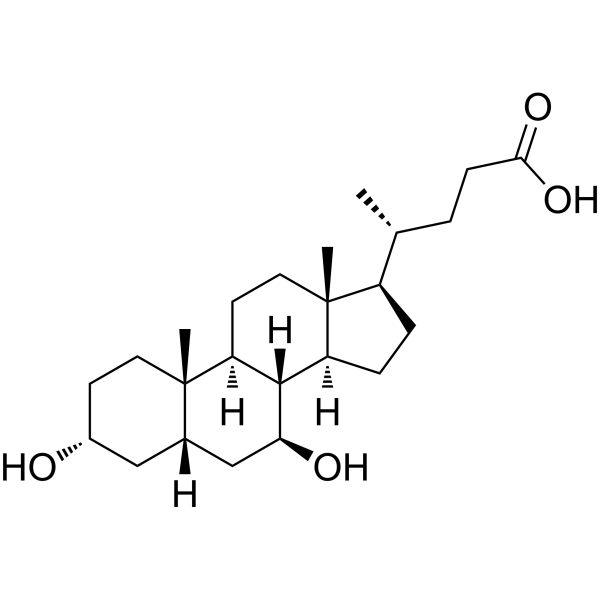
    Ursodeoxycholic acid
    Maximum Cited Publications
    26 Publications Verification

    Ursodeoxycholate; Ursodiol; UDCA

    G protein-coupled Bile Acid Receptor 1 FXR Angiotensin-converting Enzyme (ACE) Endogenous Metabolite Infection Metabolic Disease Cancer
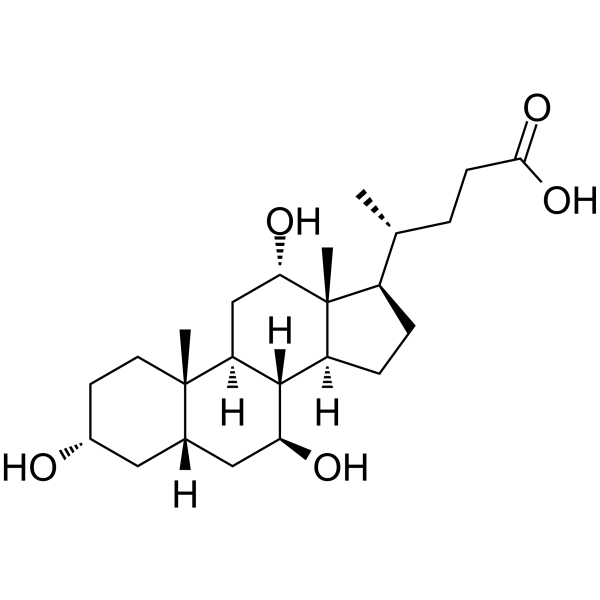
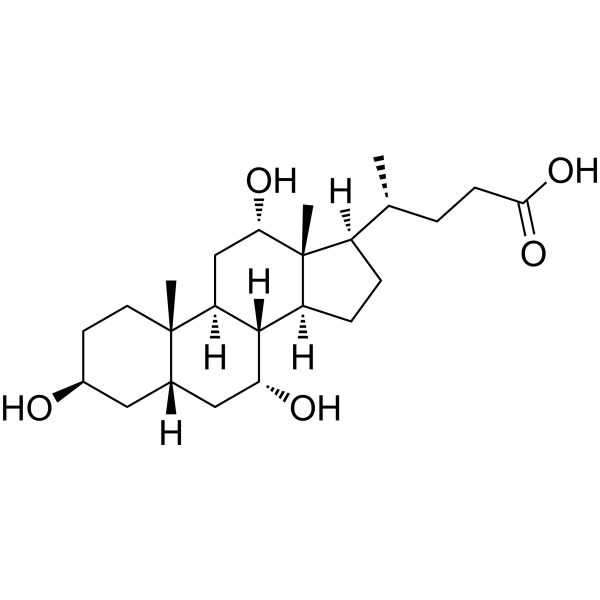
    Ursodeoxycholic acid (Ursodeoxycholate) is a secondary bile acid issued from the transformation of (cheno)deoxycholic acid by intestinal bacteria, acting as a key regulator of the intestinal barrier integrity and essential for lipid metabolism. Ursodeoxycholic acid acts as signaling molecule, exerting its effects by interacting with bile acid activated receptors, including G-protein coupled bile acid receptor 5 (TGR5, GPCR19) and the farnesoid X receptor (FXR). Ursodeoxycholic acid can be used for the research of a variety of hepatic and gastrointestinal diseases. Ursodeoxycholic acid also reduces ACE2 expression and is beneficial for reducing SARS-CoV-2 infection. Orally active .
    Ursodeoxycholic acid
  • HY-108477
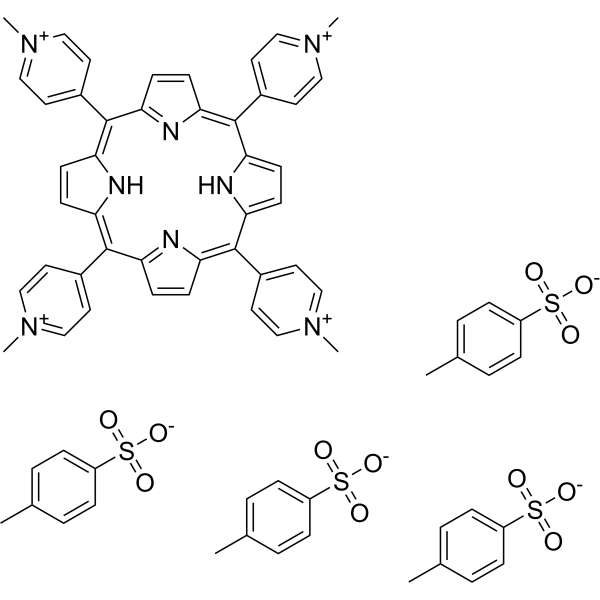
    TMPyP4 tosylate
    5+ Cited Publications

    TMP 1363

    G-quadruplex Telomerase Cholinesterase (ChE) SARS-CoV Cancer
    TMPyP4 tosylate (TMP 1363) is a quadruplex-specific ligand. TMPyP4 tosylate inhibits the interaction between G-quadruplexes and IGF-1. TMPyP4 tosylate is a telomerase inhibitor and inhibits cancer cells proliferation. TMPyP4 tosylate is also a stabilizer of nucleic acid secondary structure and an acetylcholinesterase inhibitor. Besides, TMPyP4 tosylate has antiviral activity against SARS-CoV-2 .
    TMPyP4 tosylate
  • HY-126793

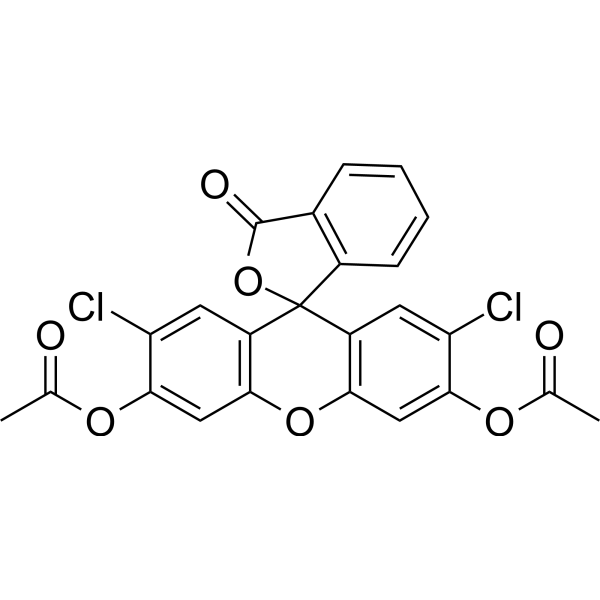
    DCFH2-DA

    Fluorescent Dye Reactive Oxygen Species (ROS) Others
    2′,7′-Dichlorofluorescein diacetate (DCFH2-DA) is a cell-permeable fluorescent probe. 2′,7′-Dichlorofluorescein diacetate can be used to detect the generation of reactive oxygen intermediates and for assessing the overall oxidative stress in toxicological phenomenon .
    2′,7′-Dichlorofluorescein diacetate
  • HY-107846
    Xylan
    2 Publications Verification

    Endogenous Metabolite Others
    Xylan represents the main hemicellulose component in the secondary plant cell walls of flowering plants. Xylan is a polysaccharide made from units of xylose and contains predominantly β-D-xylose units linked as in cellulose .
    Xylan
  • HY-117695
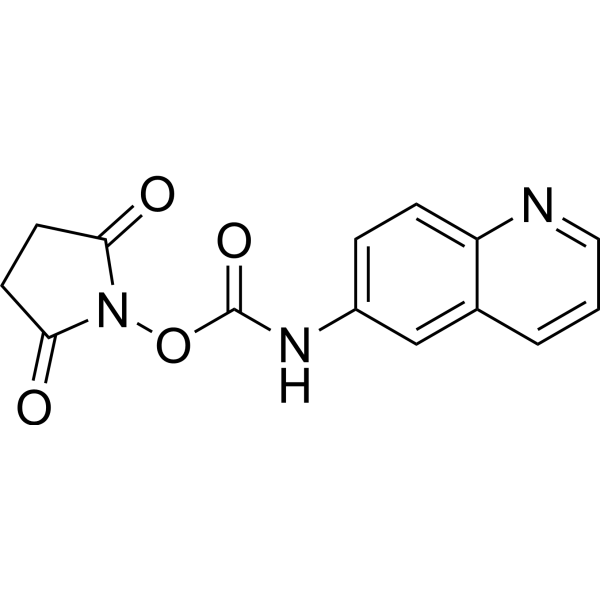
    AQC
    5+ Cited Publications

    6-Aminoquinolyl-N-hydroxysccinimidyl carbamate

    Fluorescent Dye Others
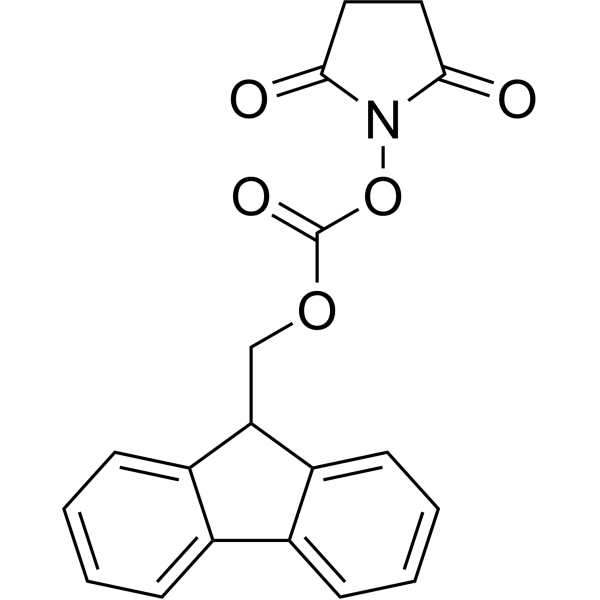
    AQC (6-Aminoquinolyl-N-hydroxysccinimidyl carbamate) is a reagent used for amino acid or protein sequence analysis by HPLC with fluorescence detection. AQC reacts with primary and secondary amino acids to yield fluorescent derivates, allowing amino acid detection at under-picomolar levels .
    AQC
  • HY-P1955A
    Etelcalcetide hydrochloride
    2 Publications Verification

    Velcalcetide hydrochloride; AMG 416 hydrochloride; KAI-4169 hydrochloride

    CaSR Endocrinology
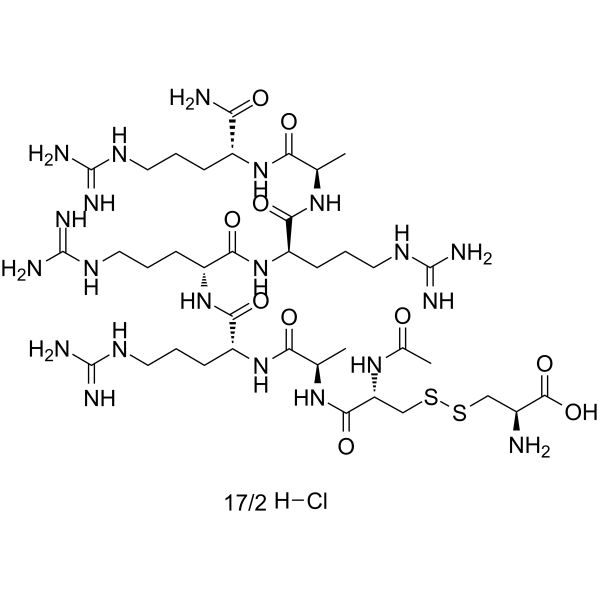
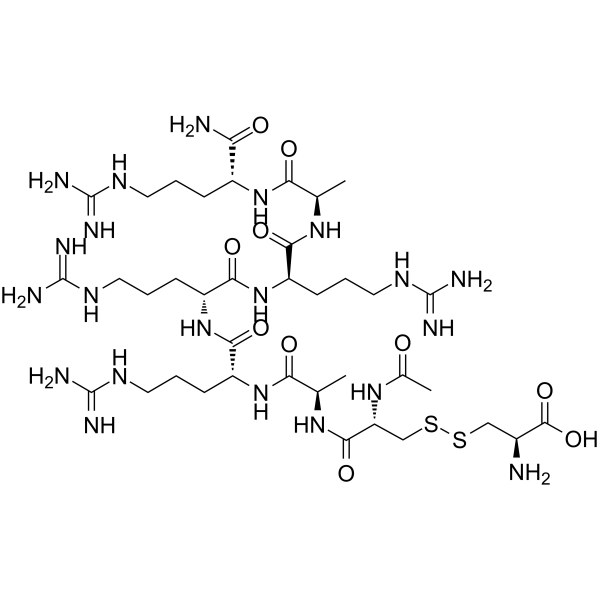
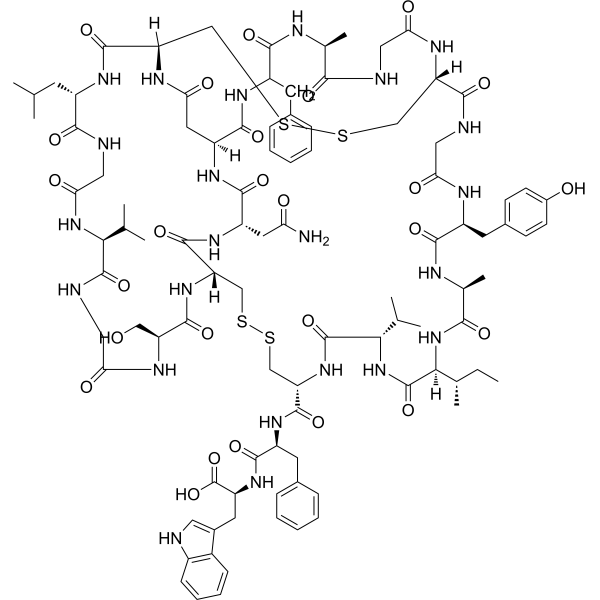
    Etelcalcetide hydrochloride (AMG 416 hydrochloride; KAI-4169 hydrochloride) is a synthetic calcimimetic as an activator of the calcium sensing receptor (CaSR). Etelcalcetide hydrochloride is effective in lowering parathyroid hormone (PTH) concentrations in patients receiving dialysis with secondary hyperparathyroidism receiving hemodialysis, which is promising for research in the field of secondary hyperparathyroidism and chronic kidney disease .
    Etelcalcetide hydrochloride
  • HY-13771A
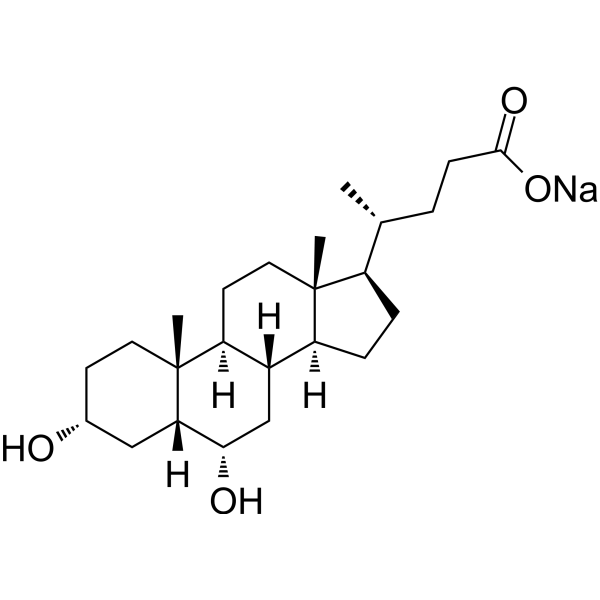
    Ursodeoxycholic acid sodium
    Maximum Cited Publications
    26 Publications Verification

    Ursodeoxycholate sodium; Ursodiol sodium; UCDA sodium

    G protein-coupled Bile Acid Receptor 1 FXR Endogenous Metabolite Metabolic Disease Inflammation/Immunology Cancer
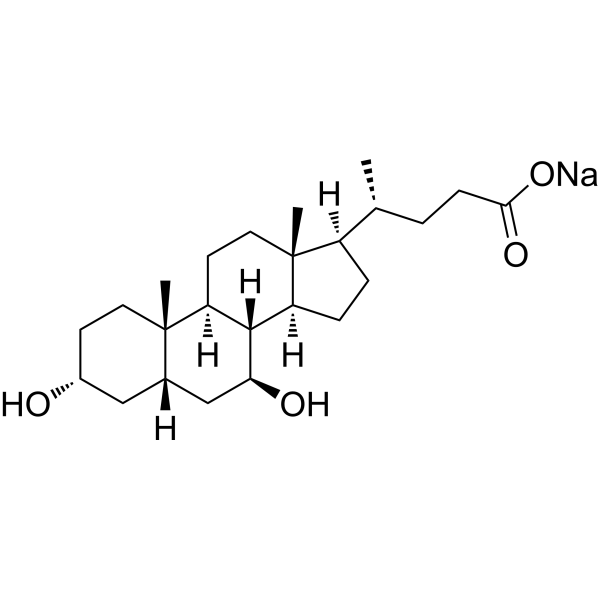
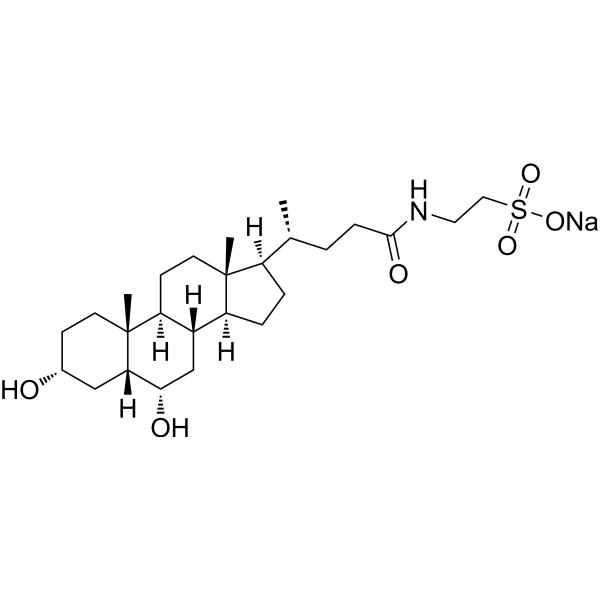
    Ursodeoxycholic acid (Ursodeoxycholate) sodium is a secondary bile acid issued from the transformation of (cheno)deoxycholic acid by intestinal bacteria, acting as a key regulator of the intestinal barrier integrity and essential for lipid metabolism. Ursodeoxycholic acid sodium acts as signaling molecule, exerting its effects by interacting with bile acid activated receptors, including G-protein coupled bile acid receptor 5 (TGR5, GPCR19) and the farnesoid X receptor (FXR). Ursodeoxycholic acid sodium can be used for the research of a variety of hepatic and gastrointestinal diseases. Orally active .

    Ursodeoxycholic acid sodium
  • HY-119809

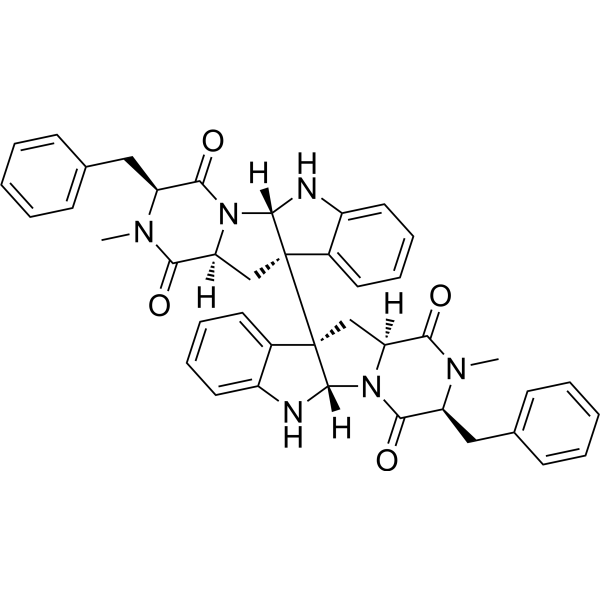
    Apoptosis Endogenous Metabolite Cancer
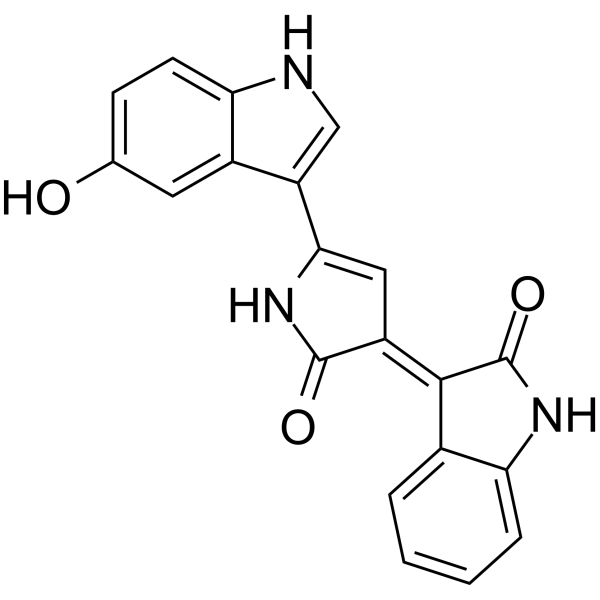
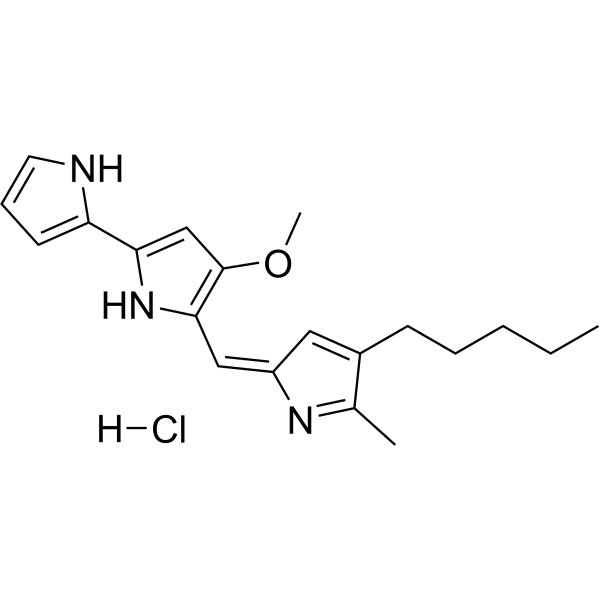
    Violacein, a secondary metabolite produced by several microorganisms, possesses potent anticancer and low side effects. Violacein possesses antioxidant properties. Apoptosis inducer .
    Violacein
  • HY-B0172S
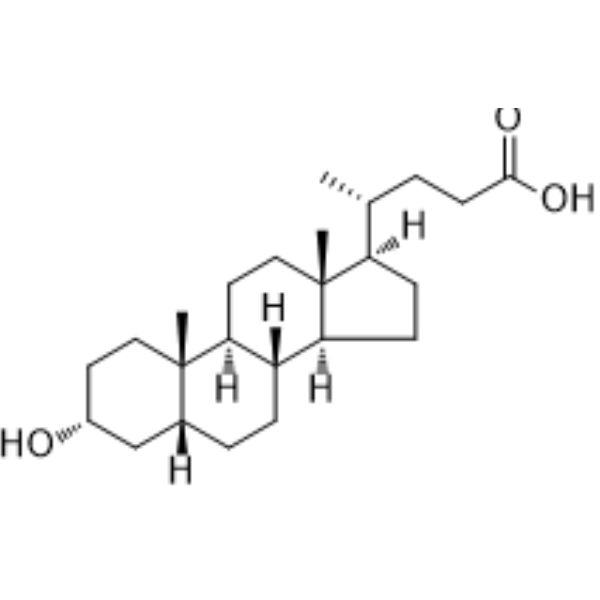
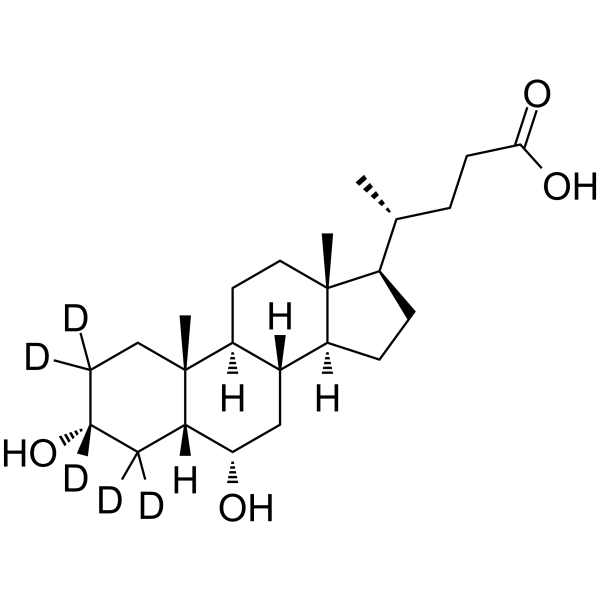
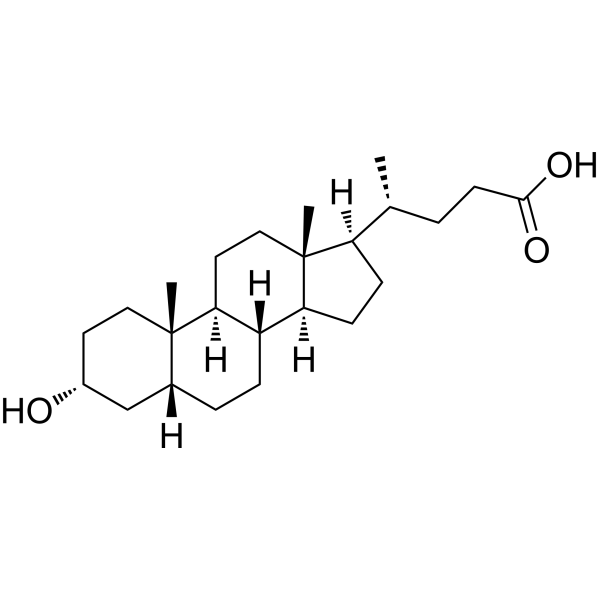
    Lithocholic acid-d4
    1 Publications Verification

    3α-Hydroxy-5β-cholanic acid-d4

    Isotope-Labeled Compounds Autophagy Apoptosis Metabolic Disease
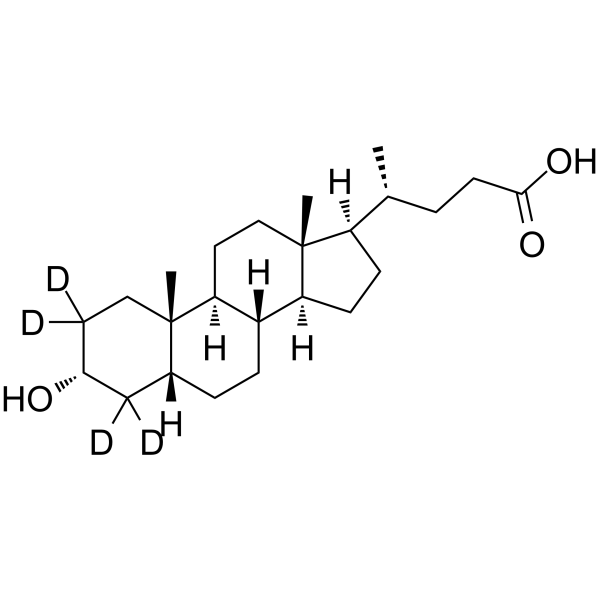
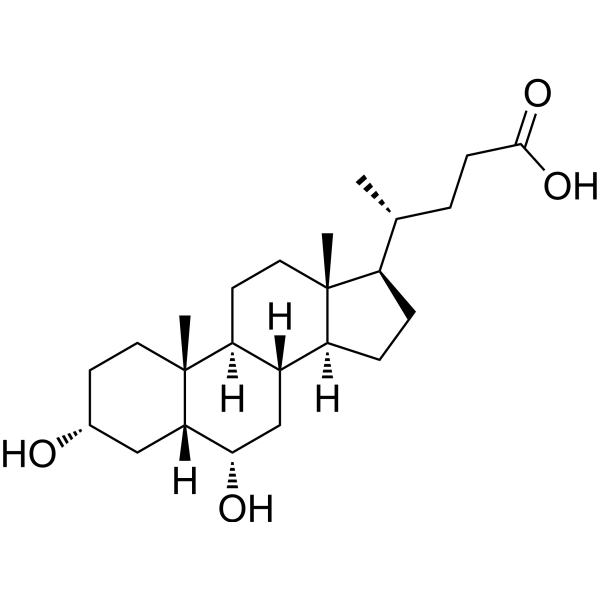
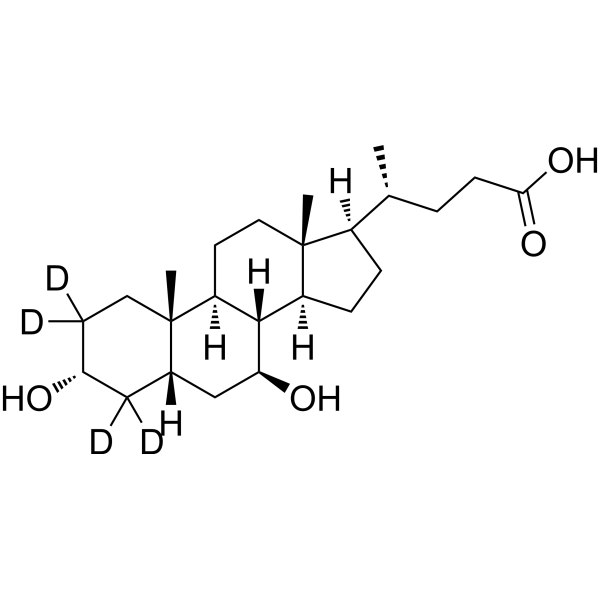
    Lithocholic acid-d4 is the deuterium labeled Lithocholic acid, which is a toxic secondary bile acid .
    Lithocholic acid-d4
  • HY-W783268A

    Ser/Thr Protease Inflammation/Immunology
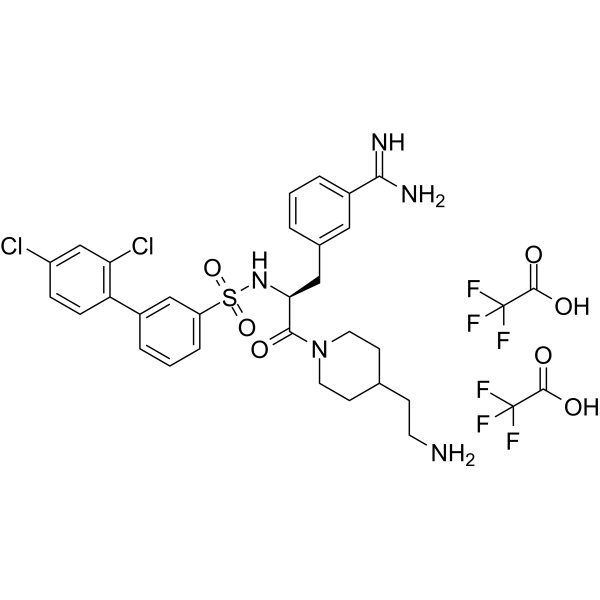
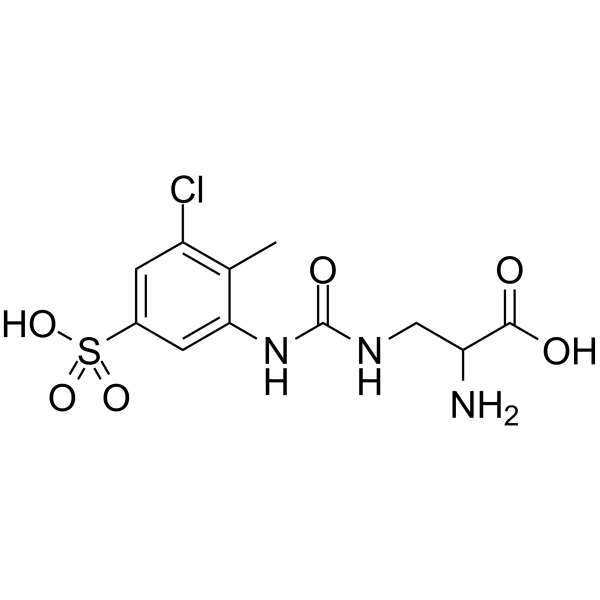
    Matriptase-IN-2 is a secondary amide inhibitor of matriptase derived from sulfonylated 3-amidinophenylalanine, with a Ki value of 5 nM. Matriptase acts as a novel initiator of cartilage matrix degradation in osteoarthritis, and Matriptase-IN-2 inhibits matriptase-mediated cartilage degradation. Matriptase-IN-2 is applicable for the research of osteoarthritis .

    Matriptase-IN-2
  • HY-Y0801

    Drug Metabolite Others
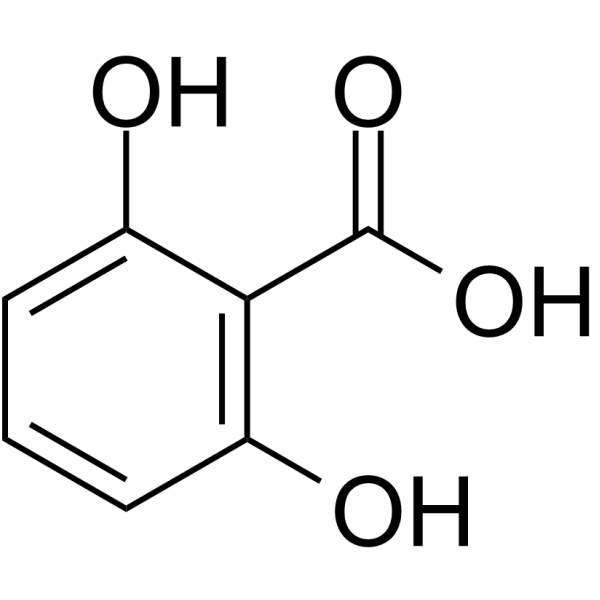
    2,6-Dihydroxybenzoic acid is an aromatic compound containing phenolic hydroxyl groups and carboxyl groups, and it is a secondary metabolite of Salicylic acid (HY-B0167). 2,6-Dihydroxybenzoic acid is also present in olive oil wastewater .
    2,6-Dihydroxybenzoic acid
  • HY-G0022

    13-Dihydroadriamycin hydrochloride

    Drug Metabolite Cancer
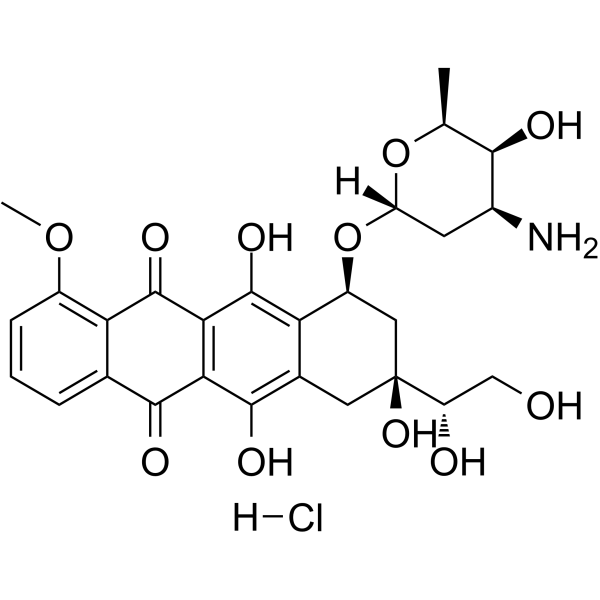
    Doxorubicinol hydrochloride (13-Dihydroadriamycin hydrochloride) is a secondary alcohol metabolite of Doxorubicin .
    Doxorubicinol hydrochloride
  • HY-138207

    Mitochondrial Metabolism Drug Metabolite Inflammation/Immunology
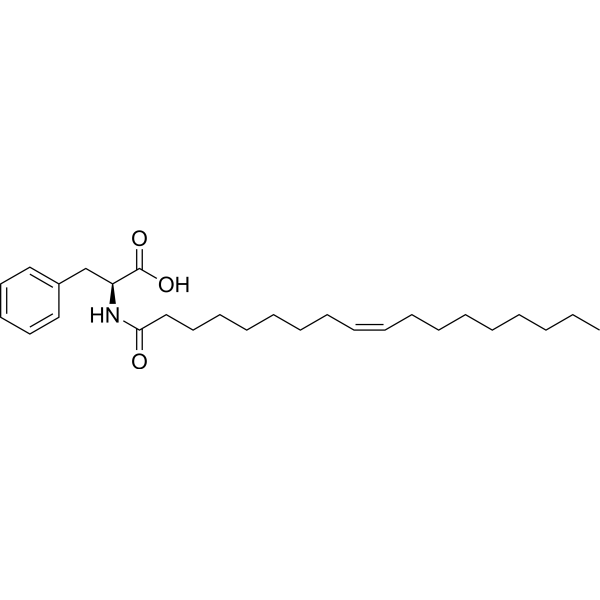
    N-Oleoyl-L-phenylalanine is a long-chain N-acyl-L-phenylalanine and also a mitochondrial uncoupler. N-Oleoyl-L-phenylalanine uncouples UCP1-independent respiration in mitochondria, thereby helping to regulate glucose homeostasis. As an endogenous metabolite, the level of N-Oleoyl-L-phenylalanine increases in patients with ulcerative colitis after a high-fat diet. N-Oleoyl-L-phenylalanine can be used in studies related to ulcerative colitis .
    N-Oleoyl-L-phenylalanine
  • HY-48814

    Bacterial FXR Infection Inflammation/Immunology
    3-Epideoxycholic acid is a secondary bile acid and a microbial metabolite of Deoxycholic acid (HY-N0593). 3-Epideoxycholic acid targets FXR in dendritic cells, reduces their immunostimulatory properties, promotes the generation of Treg cells, and exerts anti-inflammatory activity. 3-Epideoxycholic acid can promote the growth of the bacterium Bacteroides. 3-Epideoxycholic acid can be used in research related to inflammatory and immune diseases as well as bacterial infections .
    3-Epideoxycholic acid
  • HY-W399297
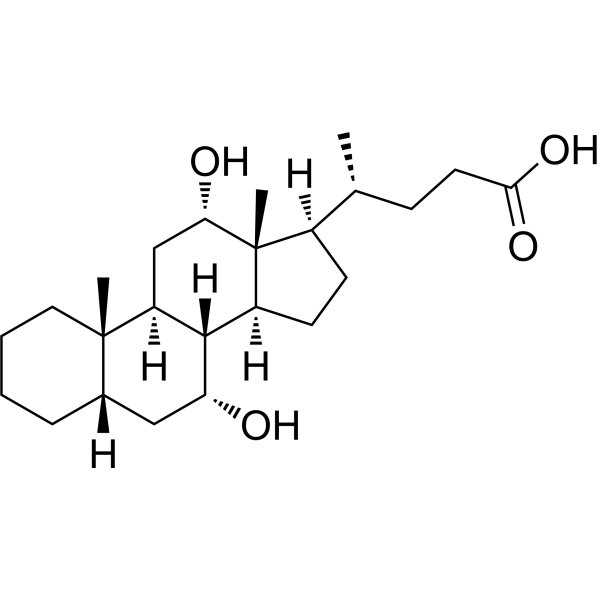
    Isodeoxycholic acid
    1 Publications Verification

    7α,12α-Dihydroxycholanoic acid

    Endogenous Metabolite Metabolic Disease
    Isodeoxycholic acid (7α,12α-Dihydroxycholanoic acid) is a 3β-hydroxylated secondary bile acid. Isodeoxycholic acid is produced by epimerization of deoxycholic acid by intestinal bacteria. Isodeoxycholic acid is detectable in feces, mainly existing as saponifiable conjugates with long-chain fatty acids. Isodeoxycholic acid participates in the regulation of intestinal physiology .
    Isodeoxycholic acid
  • HY-109106A

    SK-1403; AJT240; PLS240

    CaSR Endocrinology
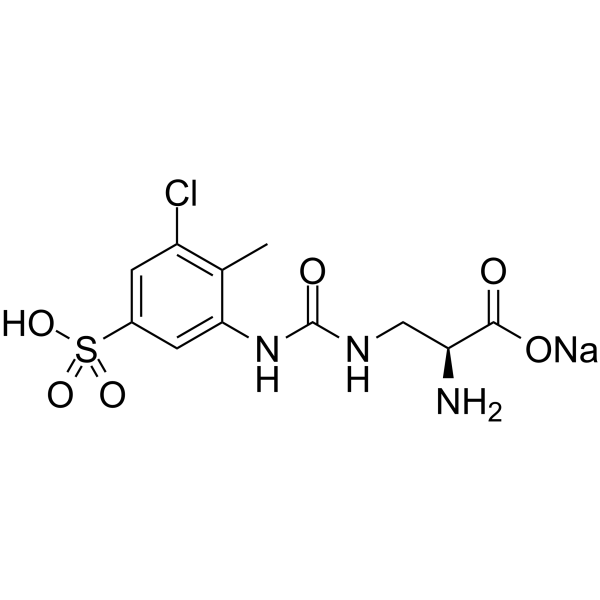
    Upacicalcet sodium is a non-peptide calcimimetic that acts as a CaSR agonist (EC50 = 10.8 nM). Upacicalcet sodium reduces serum intact parathyroid hormone (iPTH) and serum Ca 2+ levels, reducing hypocalcemia and gastrointestinal complications. Upacicalcet sodium sodium improves vascular calcification and bone disorders in the Adenine (HY-B0152)-induced secondary hyperparathyroidism (SHPT) rat model. Upacicalcet sodium sodium inhibits cortical pore formation and reduces bone fibrosis in rats with chronic kidney disease (CKD). Upacicalcet sodium is useful for studying SHPT .
    Upacicalcet sodium
  • HY-B2242

    secondary calcium

    Biochemical Assay Reagents Others
    Calcium phosphate is a biochemical reagent that can be used as a biological material or organic compound for life science related research.
    Calcium phosphate
  • HY-B1170

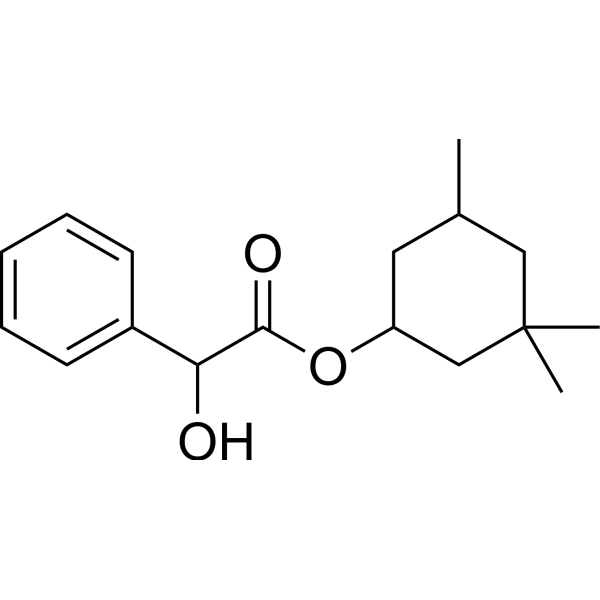
    3,5,5-Trimethylcyclohexyl mandelate

    Calcium Channel Cardiovascular Disease
    Cyclandelate is a vasodilator that can be used in the study of claudication, arteriosclerosis, Raynaud's disease, nocturnal leg cramps, and migraines.
    Cyclandelate
  • HY-P4882A

    Amyloid-β Neurological Disease
    (Pyr3)-Amyloid β-Protein (3-42) TFA is the predominant amyloid β-peptide structure deposited in human brain of Alzheimer's disease and Down's syndrome patients. (Pyr3)-Amyloid β-Protein (3-42) TFA is suggested to accumulate in the brain and to trigger the formation of insoluble amyloid β-peptide deposits .
    (Pyr3)-Amyloid β-Protein (3-42) TFA
  • HY-116374A
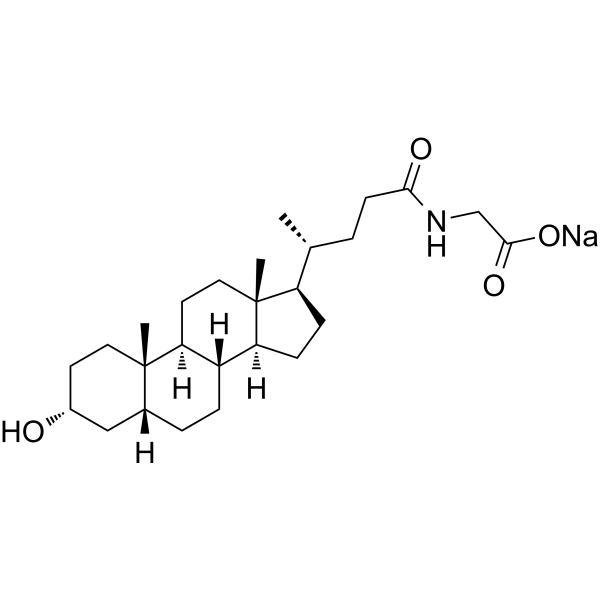
    Glycolithocholic acid sodium
    2 Publications Verification

    Lithocholylglycine sodium

    Endogenous Metabolite Metabolic Disease
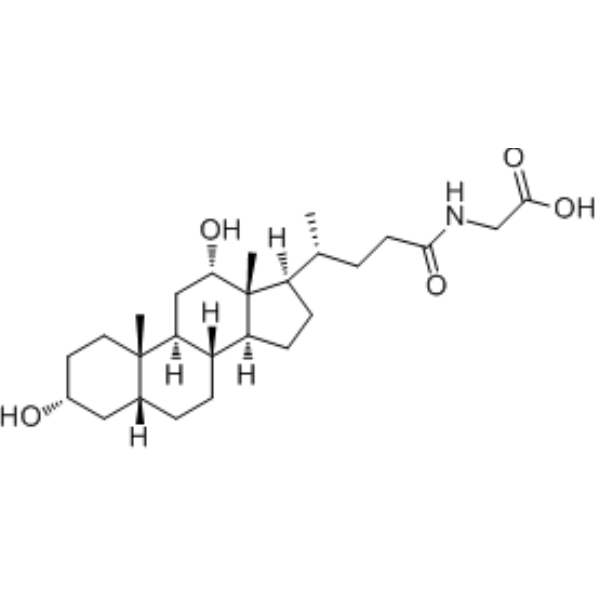
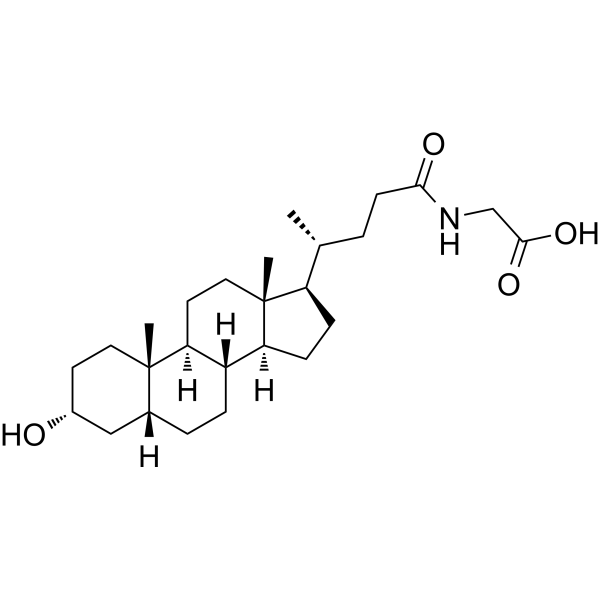
    Glycolithocholic acid (Lithocholylglycine) sodium is the sodium salt of Glycolithocholic acid. Glycolithocholic acid is a glycine-conjugated secondary bile acid. Glycolithocholic acid can be used to diagnose ulcerative colitis (UC), non-alcoholic steatohepatitis (NASH) and primary sclerosing cholangitis (PSC) .
    Glycolithocholic acid sodium
  • HY-13771R

    Ursodeoxycholate (Standard); Ursodiol (Standard); UDCA (Standard)

    Reference Standards G protein-coupled Bile Acid Receptor 1 FXR Angiotensin-converting Enzyme (ACE) Endogenous Metabolite Infection Metabolic Disease Cancer
    Ursodeoxycholic acid (Standard) is the analytical standard of Ursodeoxycholic acid. This product is intended for research and analytical applications. Ursodeoxycholic acid (Ursodeoxycholate) is a secondary bile acid issued from the transformation of (cheno)deoxycholic acid by intestinal bacteria, acting as a key regulator of the intestinal barrier integrity and essential for lipid metabolism. Ursodeoxycholic acid acts as signaling molecule, exerting its effects by interacting with bile acid activated receptors, including G-protein coupled bile acid receptor 5 (TGR5, GPCR19) and the farnesoid X receptor (FXR). Ursodeoxycholic acid can be used for the research of a variety of hepatic and gastrointestinal diseases. Ursodeoxycholic acid also reduces ACE2 expression and is beneficial for reducing SARS-CoV-2 infection. Orally active .
    Ursodeoxycholic acid (Standard)
  • HY-121660

    Drug Derivative Cardiovascular Disease
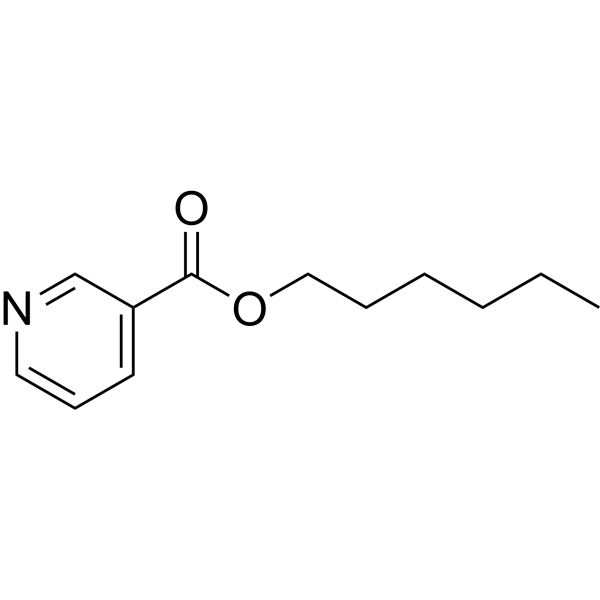
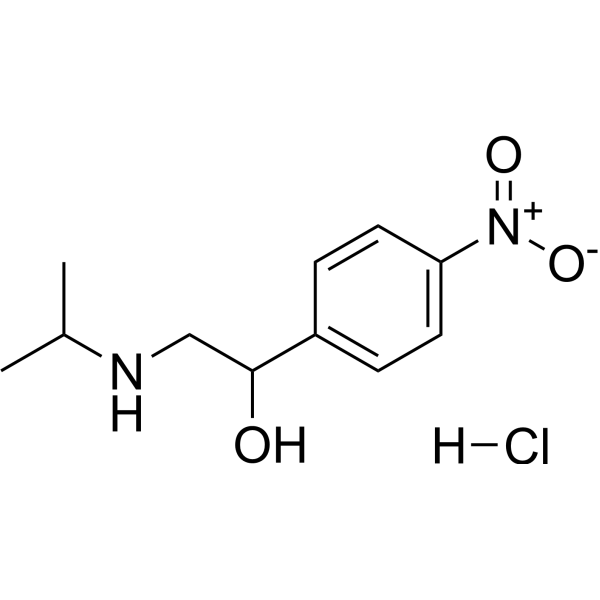
    Hexyl nicotinate is a lipid-soluble nicotinic acid ester and cutaneous vasodilator. Hexyl nicotinate induces localized cutaneous vasodilation and increases blood flow. Hexyl nicotinate can be used for the research of Raynaud's phenomenon .
    Hexyl nicotinate
  • HY-D2776

    Biochemical Assay Reagents Others
    Primary antibody and secondary antibody eluent, specially for mIHC experiments is an eluent used for mIHC (multiple immunohistochemistry).
    Primary antibody and secondary antibody eluent, specially for mIHC experiments
  • HY-135615A

    N-Desmethylsibutramine hydrochloride

    Serotonin Transporter Neurological Disease Metabolic Disease
    Desmethyl Sibutramine hydrochloride, the secondary metabolite of Sibutramine, is an orally active norepinephrine transporter (NET) and serotonin transporter (SERT) inhibitor. Desmethyl Sibutramine hydrochloride can be used in the research of obesity and appetite suppressant .
    Desmethyl Sibutramine hydrochloride
  • HY-W054259

    N,N'-Difurfuryloxamide; N1,N2-Bis(furan-2-ylmethyl)oxalamide

    Biochemical Assay Reagents Others
    BFMO (N,N'-Difurfuryloxamide) is an oxamide derivative and a bidentate ligand. BFMO exhibits plant growth regulatory activity and root growth inhibitory activity. BFMO can promote the copper-catalyzed N-arylation reaction between aniline compounds and cyclic secondary amines, realizing the coupling of (hetero) aryl bromides with (hetero) aryl amines and cyclic secondary amines .
    BFMO
  • HY-DY1070

    Fluorescent Dye Others
    AQC (6-Aminoquinolyl-N-hydroxysccinimidyl carbamate) (solution) is a reagent used for amino acid or protein sequence analysis by HPLC with fluorescence detection. AQC reacts with primary and secondary amino acids to yield fluorescent derivates, allowing amino acid detection at under-picomolar levels .
    Solvent and concentration: DMSO: 10 mM
    The 1 mL volume is defined as the base specification. All larger sizes correspond to incremental volumes of this base.
    AQC (solution)
  • HY-160952

    CPX 351; Cytarabine-daunorubicin

    Liposome Drug Derivative Cardiovascular Disease Cancer
    Cytarabine-daunorubicin (CPX 351) is a Liposomal formulation prepared from Cytarabine (HY-13605) and Daunorubicin (HY-13062A) at a fixed synergistic molar ratio of 5:1. Cytarabine-daunorubicin improves secondary acute myeloid leukemia. Cytarabine-daunorubicin can be used in research related to secondary acute myeloid leukemia, high-risk myelodysplastic syndrome, and chronic myelomonocytic leukemia .
    Daunorubicin-Cytarabine Liposome
  • HY-160610A

    Drug Derivative Others
    Carbamoyl phosphate dilithium salt is an antisickling agent and plays a significant role in the urea cycle. Carbamoyl phosphate dilithium salt carbamylates the amino-terminal valine residues of hemoglobin S in erythrocytes, which interferes with the sickling phenomenon. Carbamoyl phosphate dilithium salt exhibits toxicity due to the lithium cation .
    Carbamoyl phosphate dilithium salt
  • HY-P1955

    Velcalcetide; AMG 416; KAI-4169

    CaSR Metabolic Disease
    Etelcalcetide (AMG 416; KAI-4169) is a synthetic calcimimetic as an activator of the calcium sensing receptor (CaSR). Etelcalcetide is effective in lowering parathyroid hormone (PTH) concentrations in patients receiving dialysis with secondary hyperparathyroidism receiving hemodialysis, which is promising for research in the field of secondary hyperparathyroidism and chronic kidney disease .
    Etelcalcetide
  • HY-N8541

    Endogenous Metabolite Inflammation/Immunology
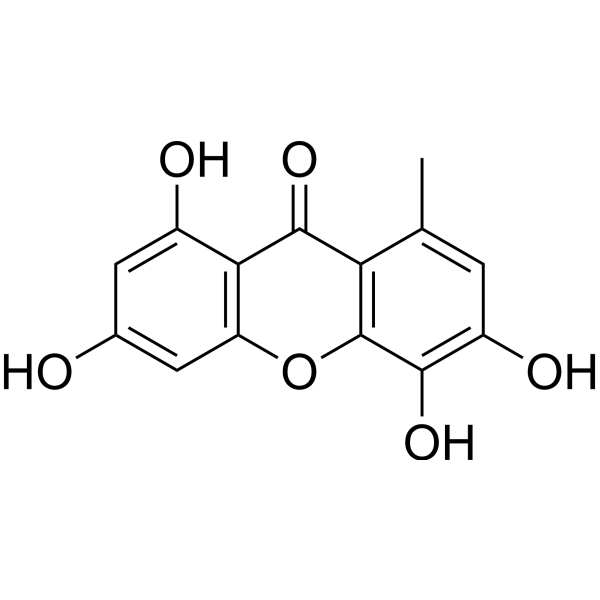
    Endocrocin, an anthraquinone, is a fungal secondary metabolite. Endocrocin is a potent chemotaxis inhibitor with immunosuppressive properties .
    Endocrocin
  • HY-116374S

    Isotope-Labeled Compounds Endogenous Metabolite Metabolic Disease Inflammation/Immunology
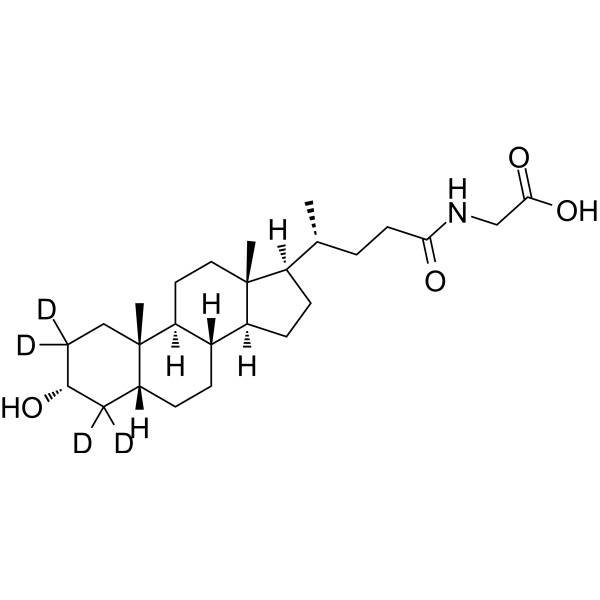
    Glycolithocholic acid-d4 is the deuterium labeled Glycolithocholic acid. Glycolithocholic acid, an endogenous metabolite, is a glycine-conjugated secondary bile acid and can be used to diagnose ulcerative colitis (UC), non-alcoholic steatohepatitis (NASH) and primary sclerosing cholangitis (PSC) .
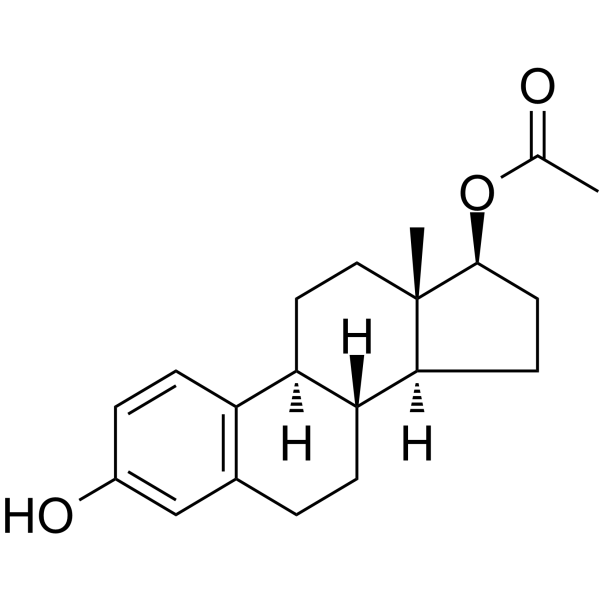
    Glycolithocholic acid-d4
  • HY-19827
    Aeroplysinin 1
    1 Publications Verification

    (+)-Aeroplysinin-1

    Bacterial HIV Apoptosis Infection Cancer
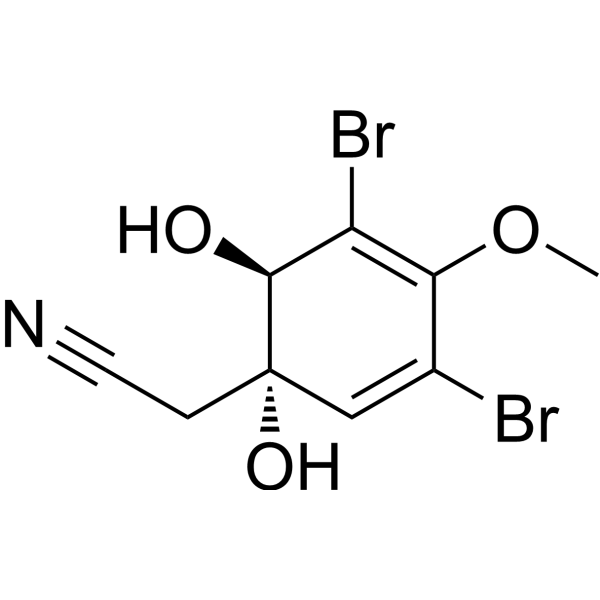
    Aeroplysinin 1 ((+)-Aeroplysinin-1), a secondary metabolite isolated from marine sponges, shows potent antibiotic effects on Gram-positive bacteria and exerts antiviral activity against HIV-1 (IC50=14.6 μM). Aeroplysinin 1 has anti-inflammatory, anti-angiogenic and anti-tumor activities. Aeroplysinin 1 induces apoptosis in endothelial cells .
    Aeroplysinin 1
  • HY-W250169

    Biochemical Assay Reagents Others
    Secondary alcohol polyoxyethylene ether is a sedimentation accelerator. Secondary alcohol polyoxyethylene ether improves the sedimentation performance of carbon black, iron powder, grinding wheel dust and their mixtures in fully synthetic grinding fluids. Secondary alcohol polyoxyethylene ether is compatible with anionic surfactants and does not have a negative impact on the rust prevention of parts .
    Secondary alcohol polyoxyethylene ether
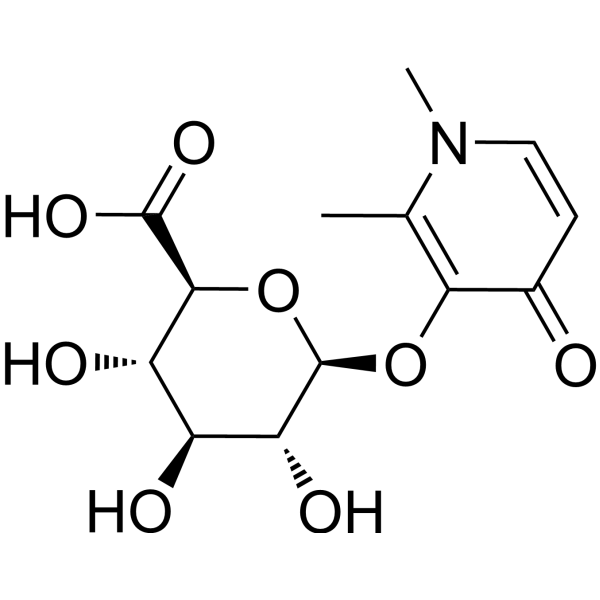
  • HY-W767164

    Biochemical Assay Reagents Cardiovascular Disease
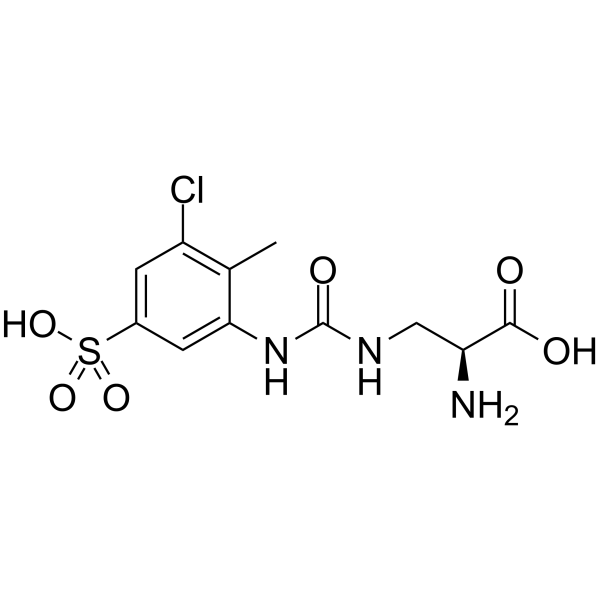
    Deferiprone O-β-D-glucuronide sodium is a novel orally active iron chelator. Deferiprone O-β-D-glucuronide sodium can be used to investigate its ability to reduce iron burden in patients with β-thalassemia .
    Deferiprone O-β-D-glucuronide sodium
  • HY-P5309

    Biochemical Assay Reagents Inflammation/Immunology
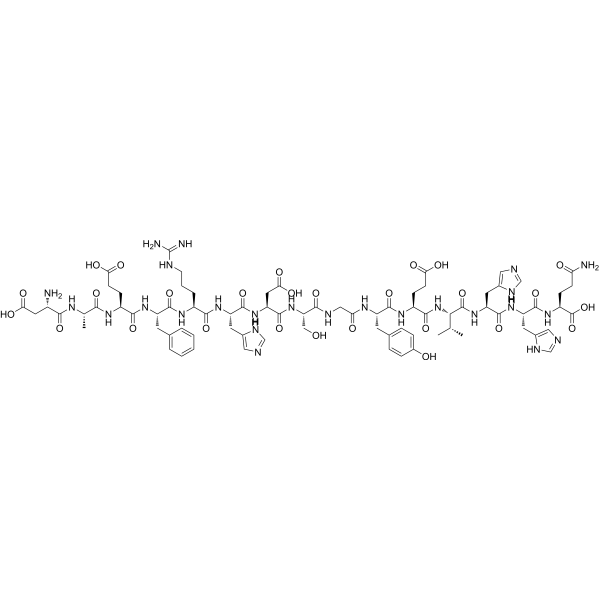
    IgA1 Peptide GN5 is a synthetic glycopeptide and can be used for detection of gender difference and epitope specificity of IgG antibody activity against IgA1 hinge portion in IgA nephropathy patients .
    IgA1 Peptide GN5
  • HY-P4882

    Amyloid-β Neurological Disease
    (Pyr3)-Amyloid β-Protein (3-42) is the predominant amyloid β-peptide structure deposited in human brain of Alzheimer's disease and Down's syndrome patients. (Pyr3)-Amyloid β-Protein (3-42) is suggested to accumulate in the brain and to trigger the formation of insoluble amyloid β-peptide deposits .
    (Pyr3)-Amyloid β-Protein (3-42)
  • HY-P11337

    Endogenous Metabolite Elastase Others
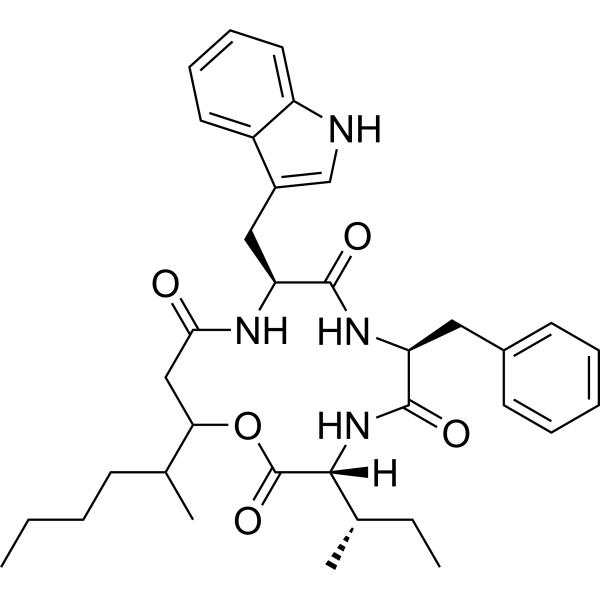
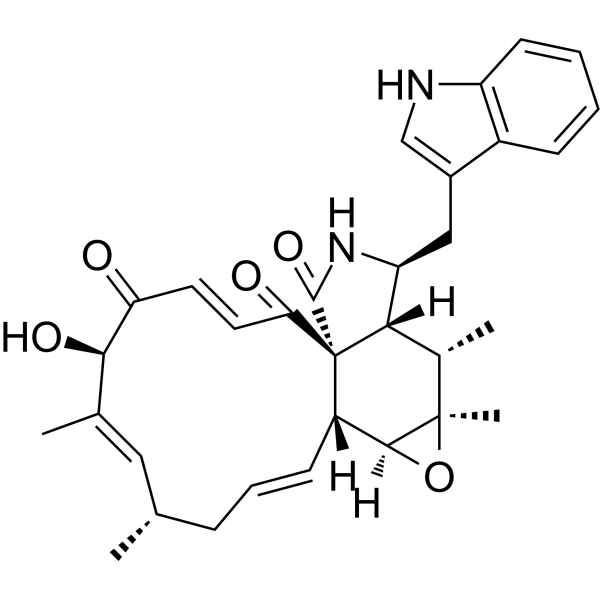
    Scyptolin B, a cyclic depsipeptides, is a secondary metabolite. Scyptolin B can be isolated from axenic cultures of Scytonema hofmanni PCC 7110. Scyptolin B selective inhibits porcine pancreatic Elastase with an IC50 of 3.1 μg/mL .
    Scyptolin B
  • HY-W751002

    (+)-Orthosporin

    Endogenous Metabolite Bacterial HIV Reverse Transcriptase Infection
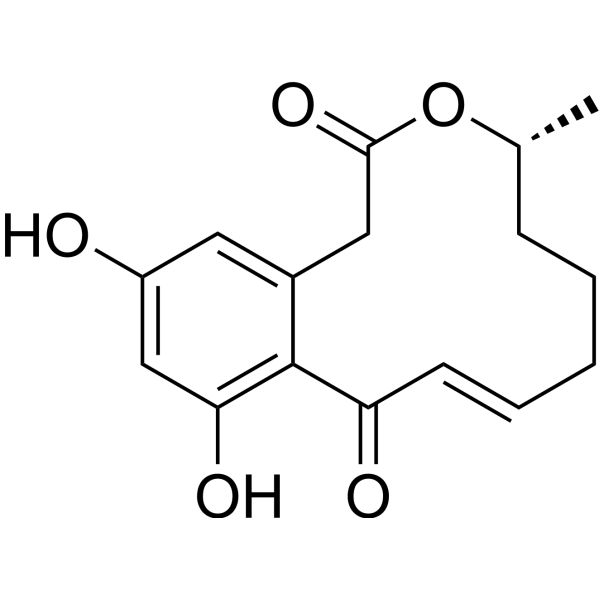
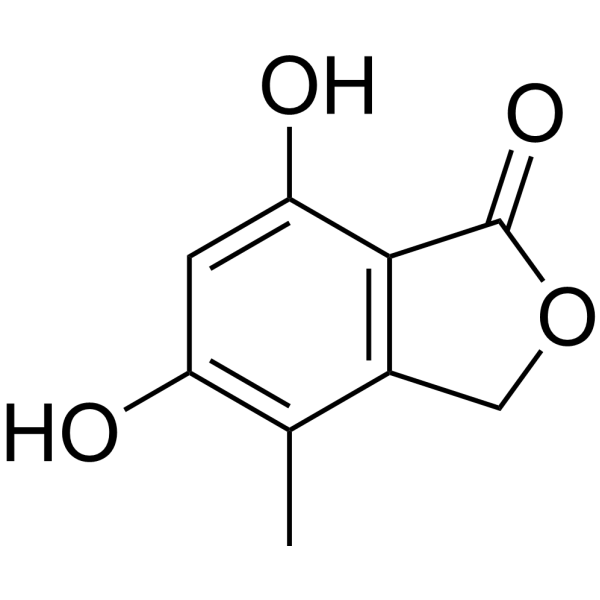
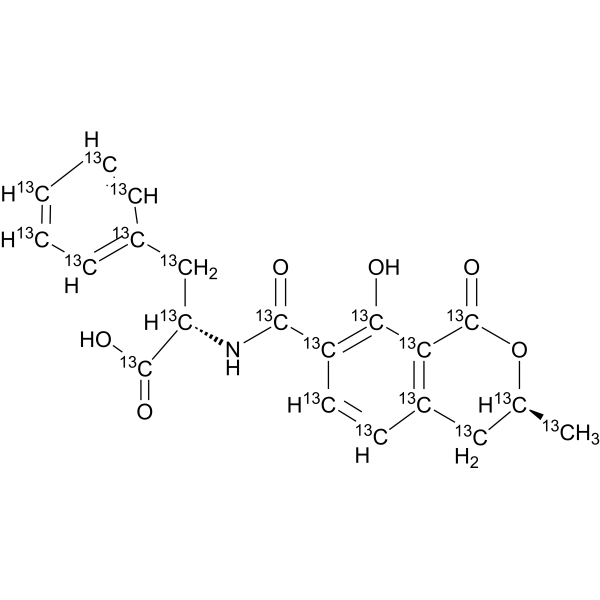
    Orthosporin ((+)-Orthosporin), a phytotoxic isocoumarin compound, is a microbial secondary metabolite. Orthosporin can be isolated from the endophytic fungus Lasiodiplodia tbeobromae. Orthosporin has potent antibacterial activity against B. subtilis, E. coli and P. aeruginosa. Orthosporin also has antioxidant activity against DPPH radical and antiviral activities with inhibition of HIV-1 reverse transcriptase activity .
    Orthosporin
  • HY-120956

    Endogenous Metabolite Metabolic Disease
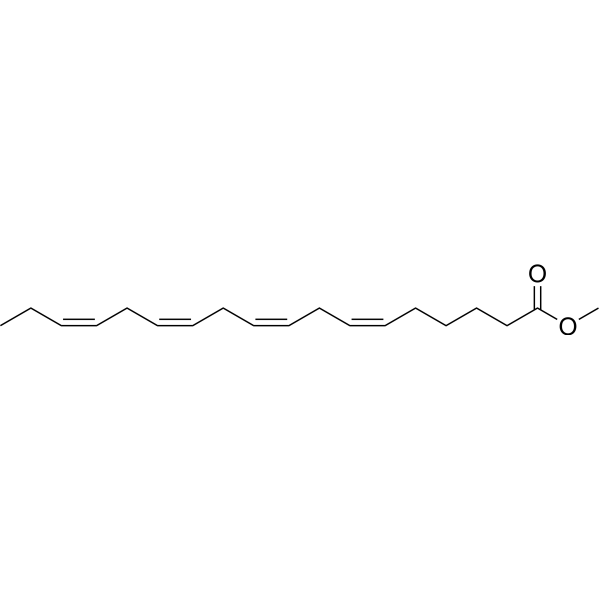
    Methyl stearidonate is a secondary metabolite that can be isolated from Padina tenuis. Methyl stearidonate can be used for the research of type 2 diabetic .
    Methyl stearidonate
  • HY-P5309A

    Biochemical Assay Reagents Inflammation/Immunology
    IgA1 Peptide GN5 (TFA) is a synthetic glycopeptide and can be used for detection of gender difference and epitope specificity of IgG antibody activity against IgA1 hinge portion in IgA nephropathy patients .
    IgA1 Peptide GN5 TFA
  • HY-N16576

    Others Neurological Disease
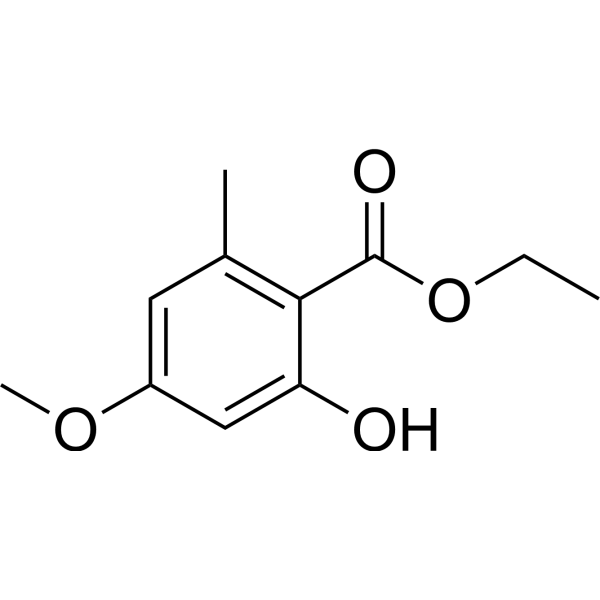
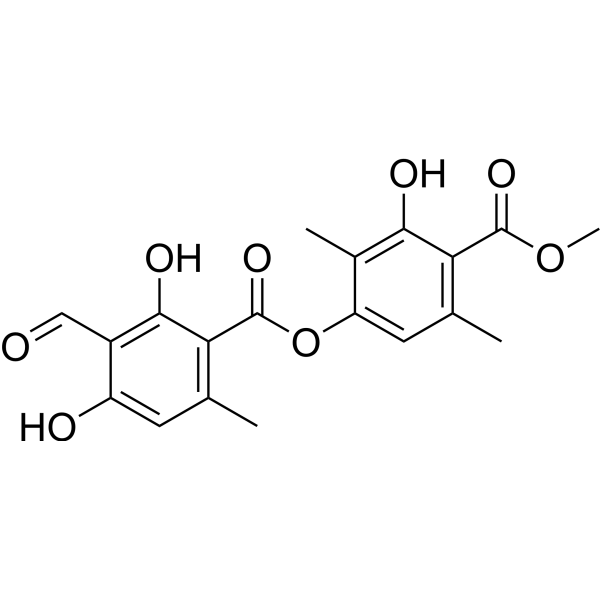
    Ethyl lecanorate is a main secondary metabolite of Claviceps purpurea. Ethyl lecanorate shows neurotoxic effect with an IC50 of 54 µM on CCF-STTG1 cells. Ethyl lecanorate can be used for neurological disease research .
    Ethyl lecanorate
  • HY-W971442

    Endogenous Metabolite NF-κB Inflammation/Immunology
    Moniliphenone (Compounds 5) is a secondary metabolite. Moniliphenone can be isolated from the endophytic fungus Penicillium chrysogenum. Moniliphenone has an anti-inflammatory activity and significantly inhibits TNF-α-stimulated NF-κB activation .
    Moniliphenone
  • HY-174251

    SARS-CoV Virus Protease Infection
    (±)-Tuaimenal A ((+)-1) is a secondary metabolite and a derivative of Sesamol (HY-N1417). (±)-Tuaimenal A has potent inhibitory activity against SARS-CoV-2 3CLpro with an IC50 of 33.3  μM. (±)-Tuaimenal A can be used for SARS-CoV-2 infection research .
    (±)-Tuaimenal A
  • HY-175737

    α-synuclein Neurological Disease
    α-synuclein-IN-16 (Compound H1) is a α-synuclein inhibitor. α-synuclein-IN-16 significantly inhibits the secondary nucleation in α-synuclein aggregation. α-synuclein-IN-16 can be used for Parkinson’s disease research .
    α-synuclein-IN-16
  • HY-134666A

    Dipeptidyl Peptidase Fungal Bacterial Infection
    Dioctatin A hydrochloride is a metabolite of Streptomyces and an inhibitor of human dipeptidyl aminopeptidase II. Dioctatin A hydrochloride can inhibit aflatoxin production by Aspergillus parasiticus with an IC50 of 4.0 μM. Dioctatin A hydrochloride can reduce the mRNA levels of aflatoxin biosynthetic genes and the regulatory gene aflR, inhibit conidiation and decrease the mRNA level of the brlA gene, and also promote kojic acid production. In addition, Dioctatin A hydrochloride can inhibit sterigmatocystin production. Dioctatin A hydrochloride has pleiotropic regulatory effects on the production and differentiation of fungal secondary metabolites .
    Dioctatin A hydrochloride
  • HY-N16394

    Endogenous Metabolite Cancer
    4-Hydroxyscytalone (Compound 3) is a microbial secondary metabolite. 4-Hydroxyscytalone can be isolated from the oak fungus Diplodia corticola. 4-Hydroxyscytalone has toxicity against Artemia salina with a LC50 of 90.6 μ/mL, but no significant antifungal activity. 4-Hydroxyscytalone can be used for cancer therapy research .
    4-Hydroxyscytalone
  • HY-N16441

    Endogenous Metabolite Influenza Virus Infection
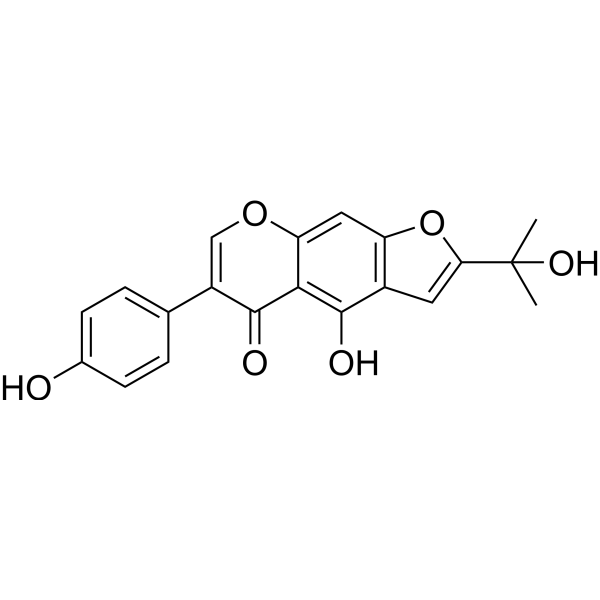
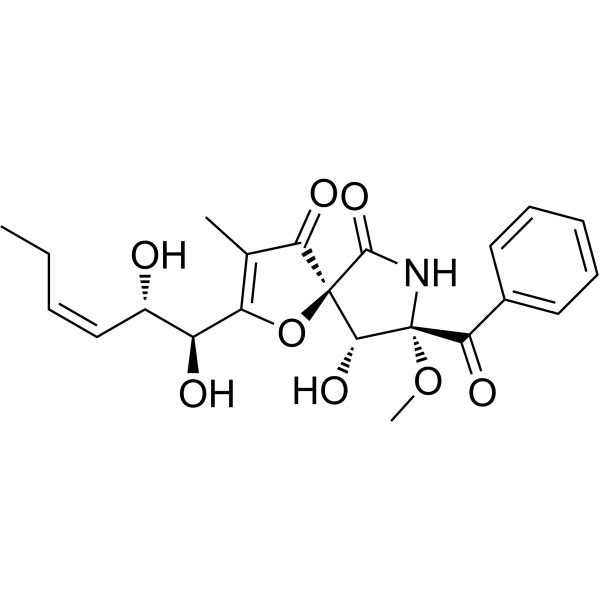
    Pulvic acid (Compound 3), a butenolide, is a microbial secondary metabolite. Pulvic acid can be isolated from the marine-derived fungus Aspergillus terreus Gwq-48. Pulvic acid has significant antiviral activity with an IC50 of 29.1 μg/mL for influenza A H1N1 virus. Pulvic acid can be used for influenza virus infections research .
    Pulvic acid
  • HY-158721

    Marinamide

    Endogenous Metabolite Parasite Infection Cancer
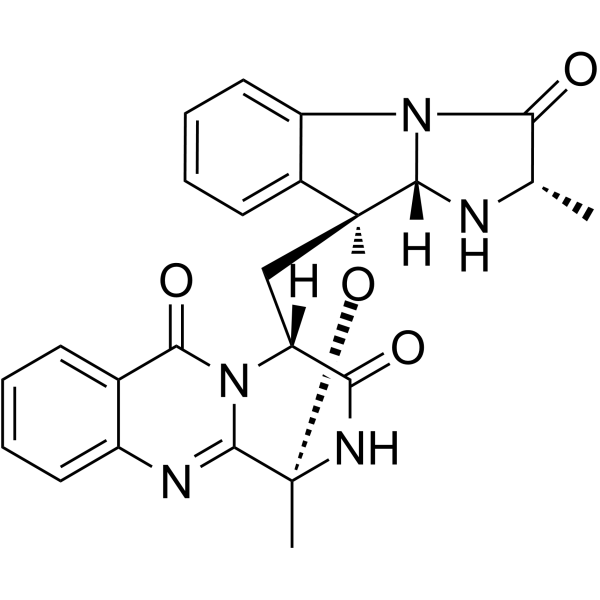
    Penicinoline (Marinamide) (Compound 1), a pyrrolyl 4-quinolinone alkaloid, is a microbial secondary metabolite. Penicinoline can be isolated from endophytic fungus Penicillium sp. Penicinoline has antimalarial activity against Chloroquine (HY-17589A) sensitive strain (pf3d7) and against Chloroquine resistant strain (pfDd2) of plasmodium falciparum. Penicinoline also has strong insecticidal activity against Aphis gossypii and selective anticancer effect with significant cytotoxicity for 95-D and HepG2 cells .
    Penicinoline
  • HY-118565

    Endogenous Metabolite Bacterial Infection
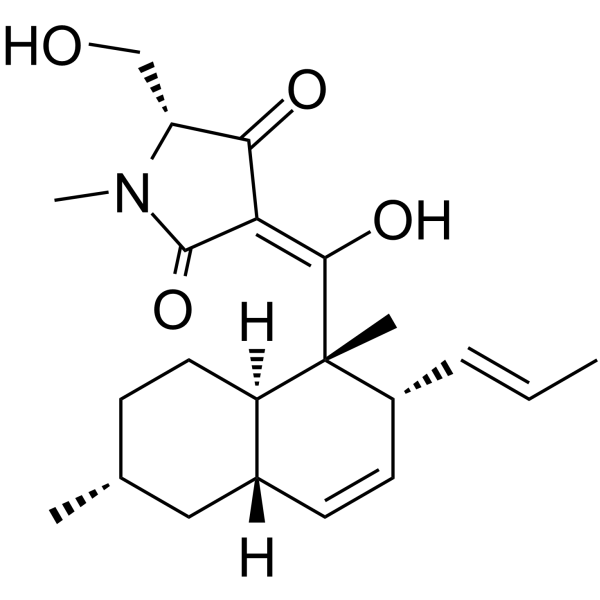
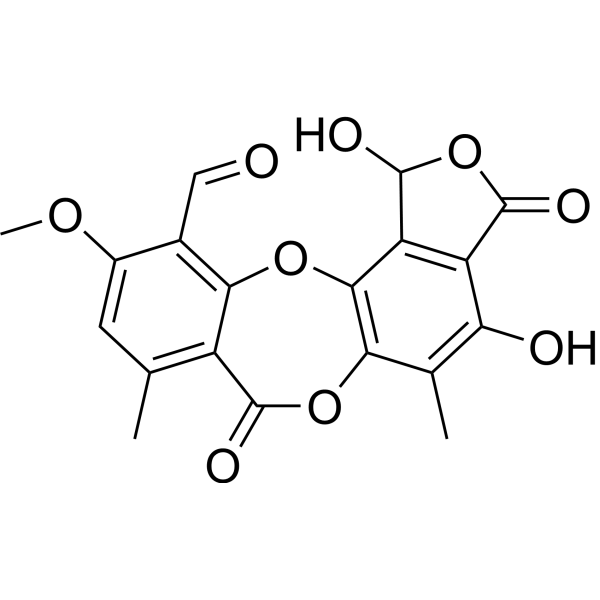
    Rhizocarpic acid (Compound 2) is a secondary metabolite of lichen. Rhizocarpic acid effectively inhibits the growth of bacteria, such as Bacillus subtilis and Staphylococcus aureus, as well as murine myeloma NS-1 cells. Rhizocarpic acid is an antioxidant and an insect antifeedant with an ED50 of 71 μmol/g dry weight against neonate larvae of the Egyptian cotton leaf worm Spodoptera littoralis .
    Rhizocarpic acid
  • HY-N2907R

    Wnt Reference Standards Ras Endogenous Metabolite Bacterial Fungal PD-1/PD-L1 Tim3 Akt AP-1 STAT Infection Neurological Disease Inflammation/Immunology Cancer
    Atranorin (Standard) is the analytical standard of Atranorin (HY-N2907). This product is intended for research and analytical applications. Atranorin is a secondary metabolite of lichens and AKT inhibitor. Atranorin possesses multiple activities such as antibacterial, anti-inflammatory, antioxidant, anti-glycation, analgesic, and anti-tumor effects. Atranorin has IC50 values for scavenging DPPH and ABTS free radicals of 117 μM and less than 10 μM, respectively. Additionally, Atranorin also exhibits effects in promoting wound healing. Atranorin can be used in the research of various diseases, including myelodysplastic syndromes, tumors, and inflammatory conditions .
    Atranorin (Standard)

Inquiry Online

Your information is safe with us. * Required Fields.

Salutation


Country or Region *

Applicant Name *


Organization Name *

Department *


Email Address *


Product Name *

Cat. No.


Requested quantity *

Phone Number *


Remarks

Inquiry Online

Inquiry Information

Product Name:
Cat. No.:
Quantity:
MCE Japan Authorized Agent: